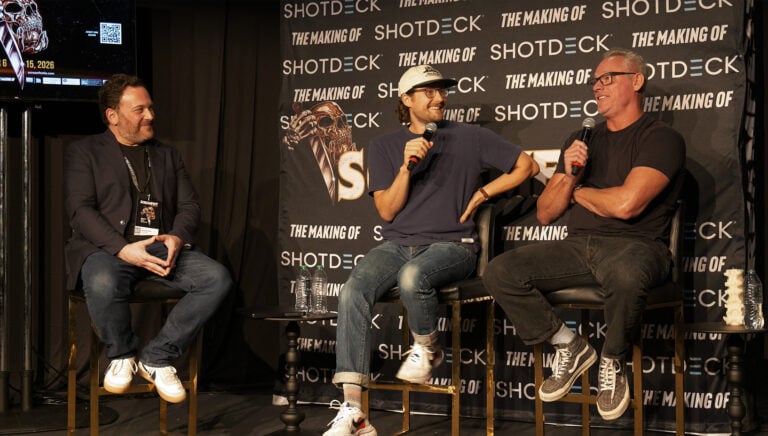
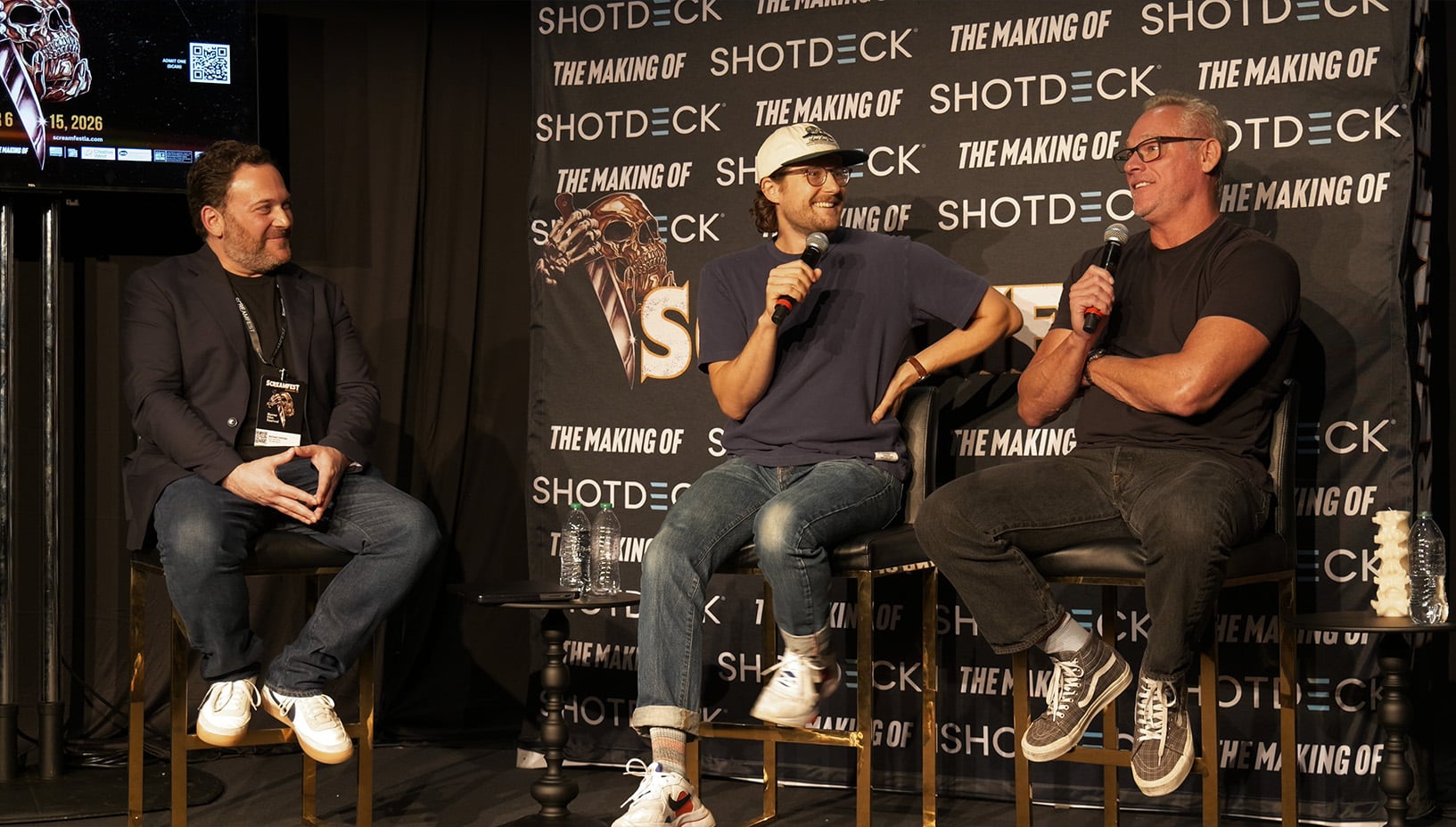
2026 has been a storied year for horror so far, and ScreamFest 2026 in Los Angeles highlighted just how fever-pitched fandom of the genre has become. During this celebration of all things spooky, ShotDeck co-hosted a conversation moderated by Mike Valinsky, founder and host of The Making Of podcast, to discuss the art of shooting horror with cinematographers James Kniest and Lowell A. Meyer.
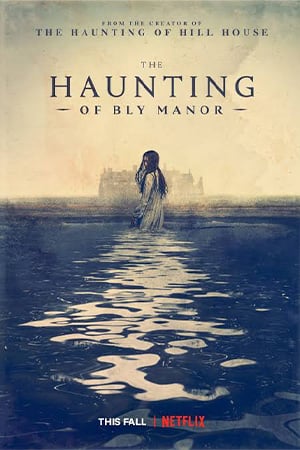
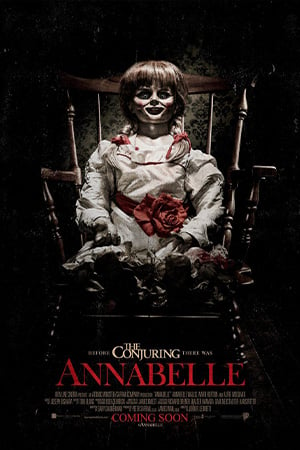
James Kniest is a cinematographer and frequent collaborator of Mike Flanagan, known for films Annabelle and Hush, along with series such as The Haunting of Bly Manor, The Midnight Club, and American Horror Stories.
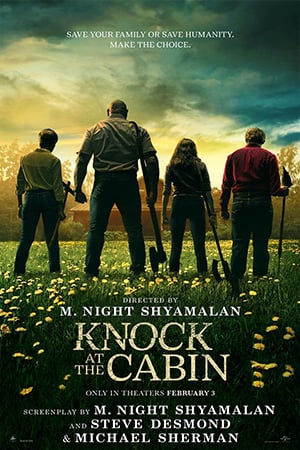
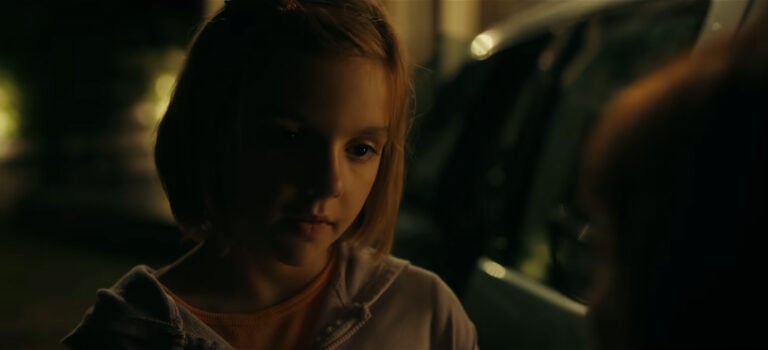
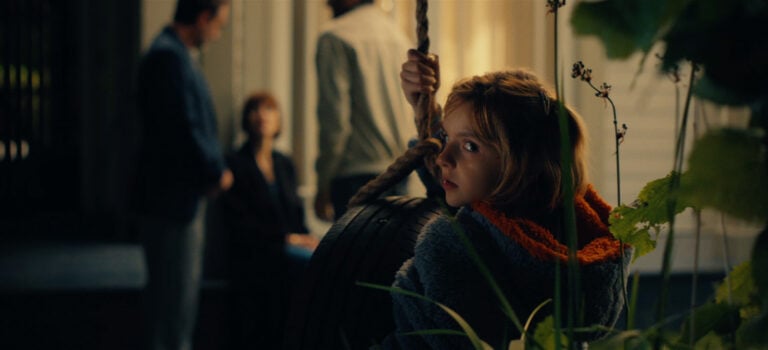
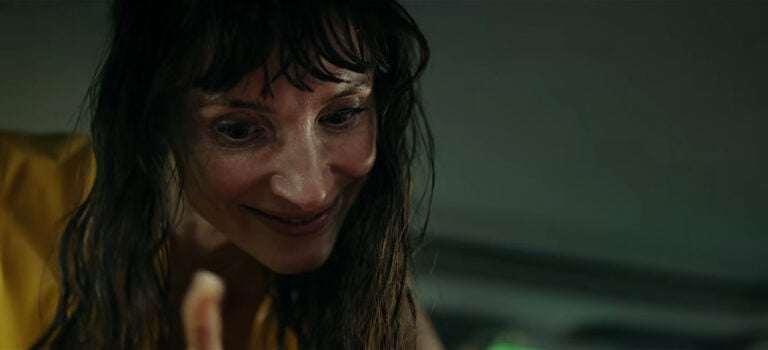
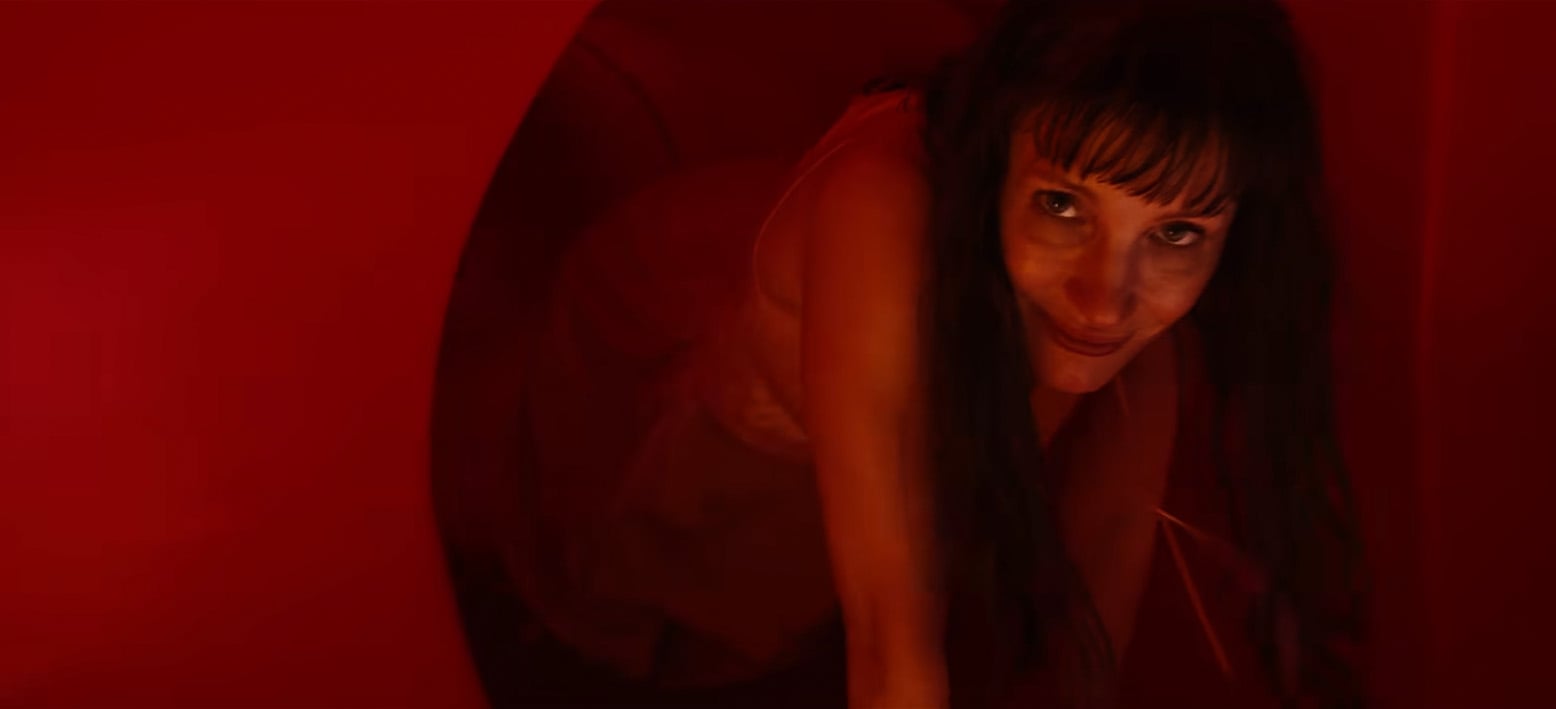
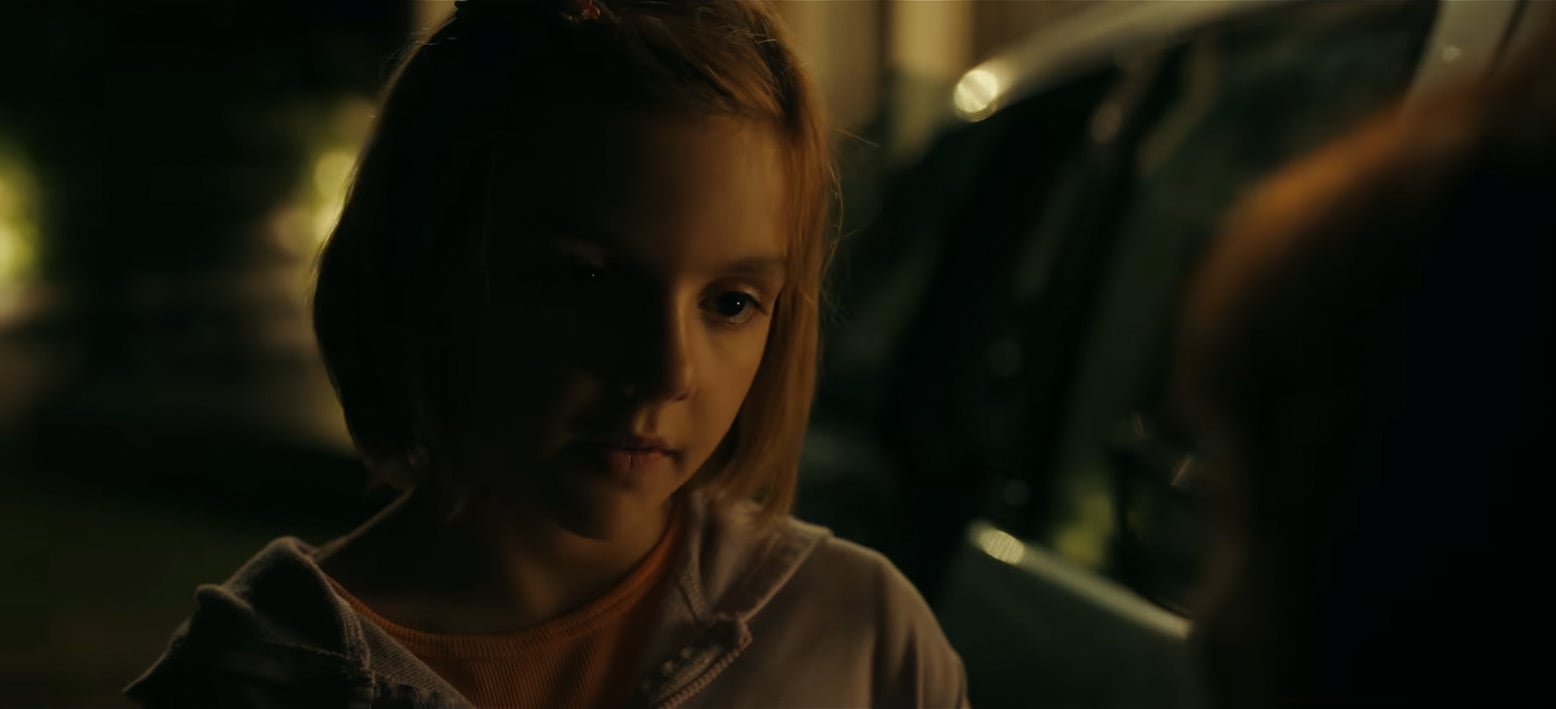
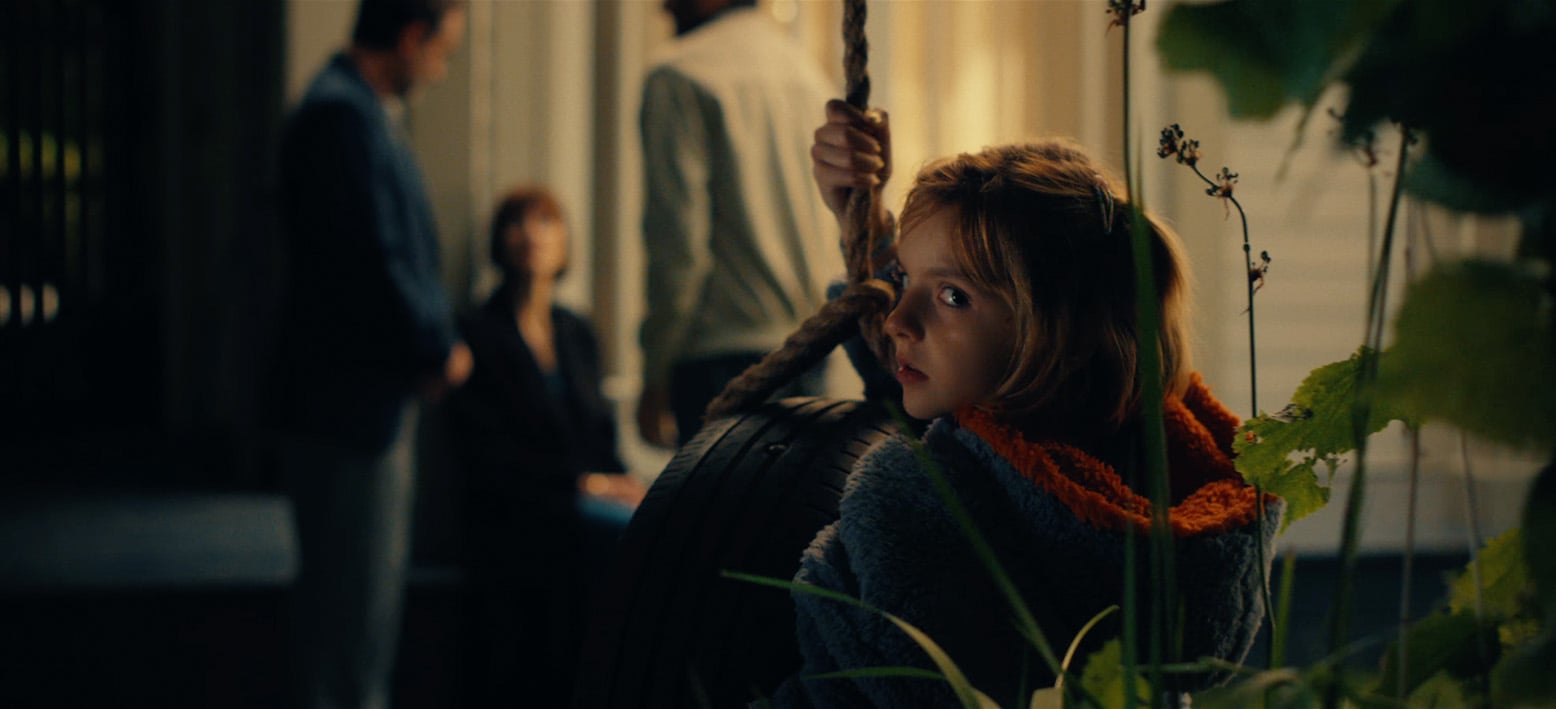
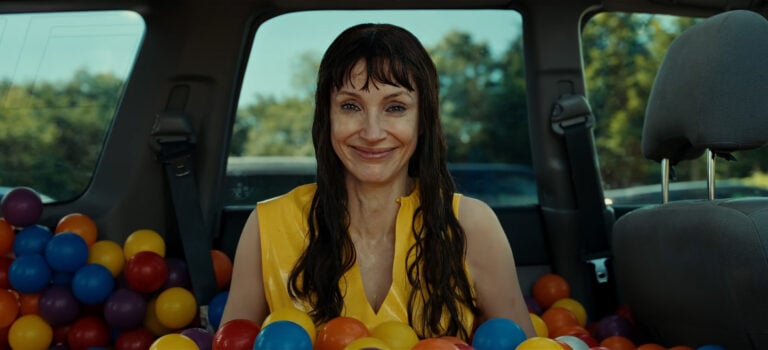
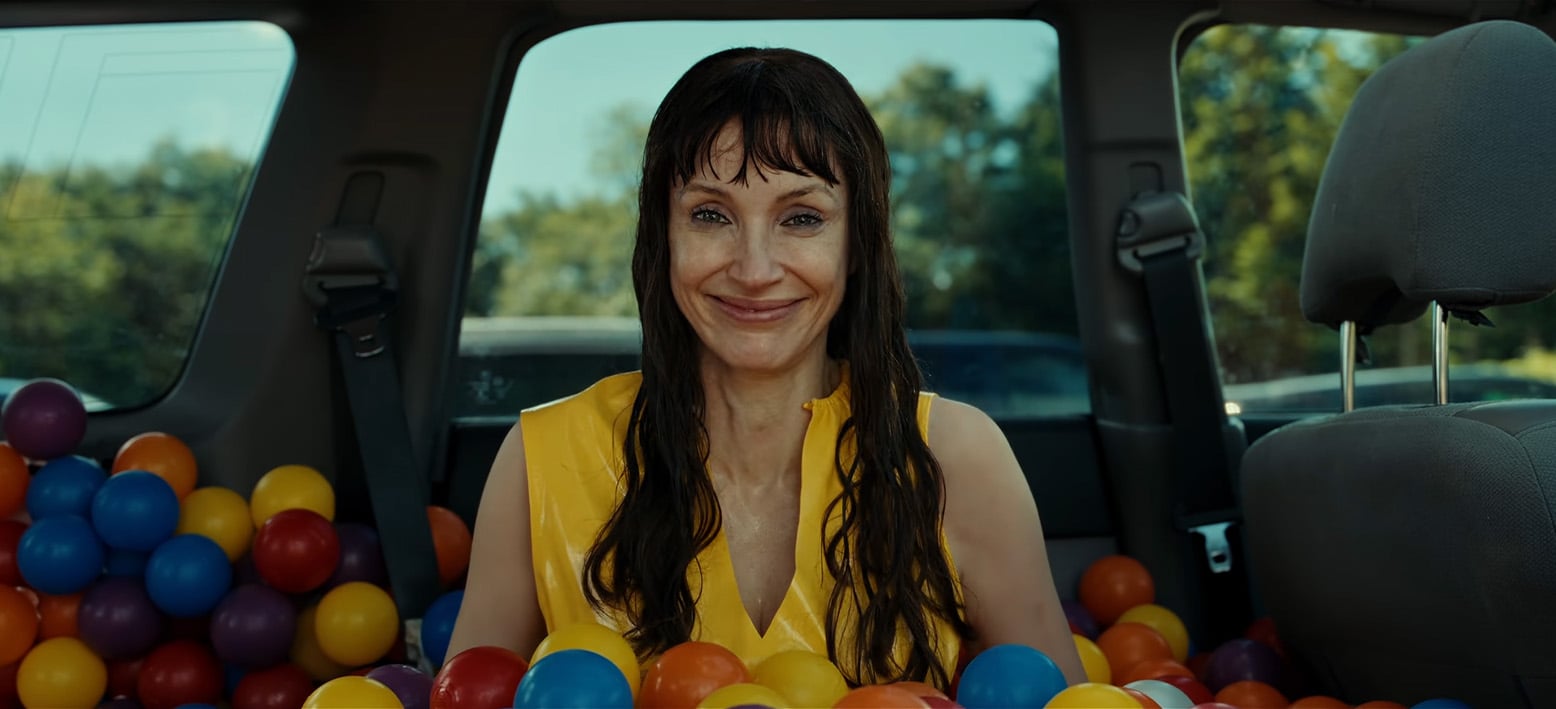
Lowell A. Meyer is a cinematographer from New York, known for his work on films like Tuner, Caddo Lake, and M. Night Shyamalan’s Knock at the Cabin. His latest work, Other Mommy, unites him with Director Rob Savage and star Jessica Chastain.
Other Mommy is in theaters nationwide, and you can see a selection of both James and Lowell’s work on ShotDeck below.
This article has been edited for clarity and length.
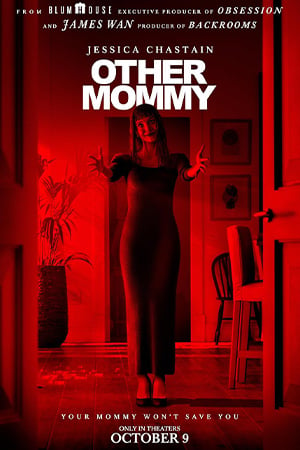
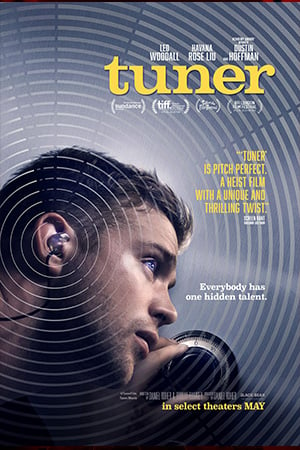
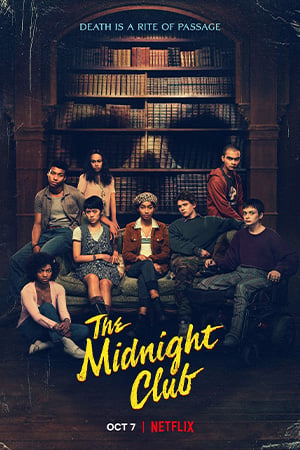
So let’s talk about shooting horror. Take us to the beginning of the process. Where do you start to craft your ideas and the visual language?
JAMES: So first of all, I read the script, just for entertainment, to get a sense of the story. Then I’ll go back and start reading it in terms of opportunities for visuals, and how we’re going to achieve them technically. The written word is awesome, but ultimately we have to make it work on the screen.
I’ll start pulling references and looking at movies, art, paintings. I listen to a lot of music in terms of how it’s going to drive the experience for the audience. All of those things culminate in ideas that I’d like to spend a lot of time on with the director. I like to sit with them, discuss what their vision is, and then expand on that.
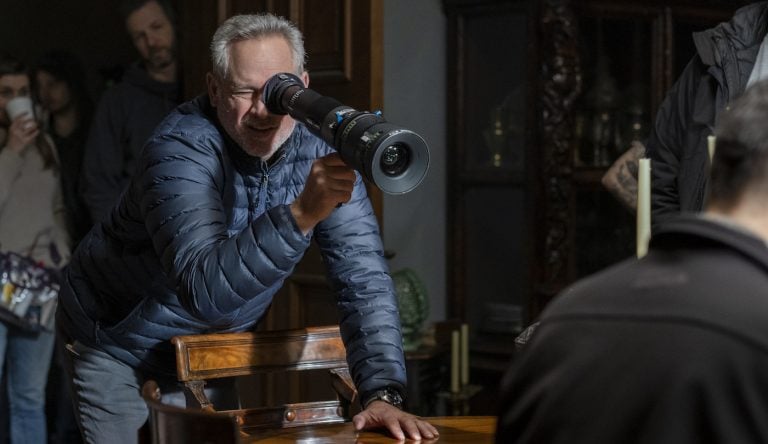
LOWELL: For me, I really try to think about the construction of the story. I try to get in the head of the writer and the director and go, okay, what are they trying to say? I literally write every single scene of the script down and ask, why is this scene in the movie? I have to understand that from a conceptual basis. So I really try to understand that in my bones and just memorize the script as fast as I possibly can. I think of it like Neo downloading kung fu in The Matrix.
I try to leave space, because I might have all the best ideas in the world, but then I meet the director and they have a totally different target, and I need to make sure I’m looking at that same target. So I like to come to my first meeting with the director with references and ideas, but hold onto them really lightly. This might spark inspiration, but if it doesn’t, I’ll throw it all away.
JAMES: I always get a little nervous at the beginning of that process, because I don’t want to come in with too much of a strong idea. It’s like dating, I guess. I’m often asking like, what parameters are we working with? What’s the budget? How much time do we have to do this? To be able to present ideas in ways that aren’t offensive, and also listen to when they’re not meshing and what they’re trying to achieve. It’s like anything else, all relationships.
LOWELL: In order to develop that and communicate, I find visuals really helpful. I’m pouring through ShotDeck images all of the time. Sometimes I’ll find movies that are of the same budget or in the same day count, so I won’t present an image from like a James Bond film if we only have a $5 million budget. I’ll find things that cost $5 million and present those images.
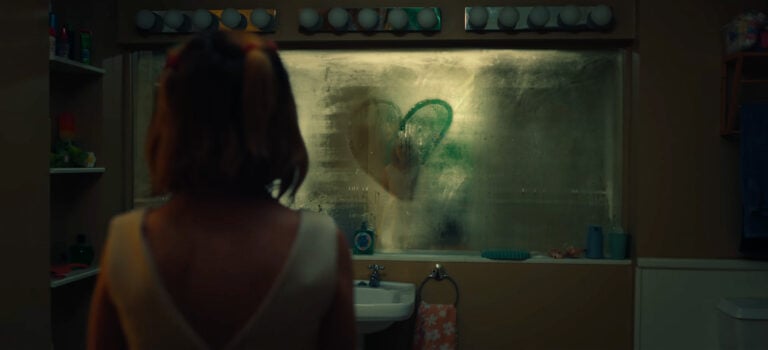
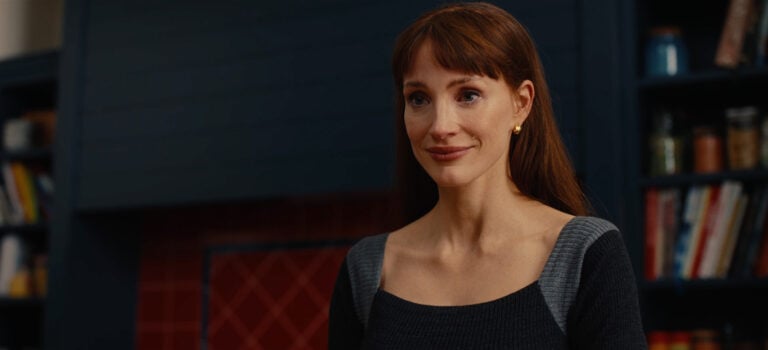
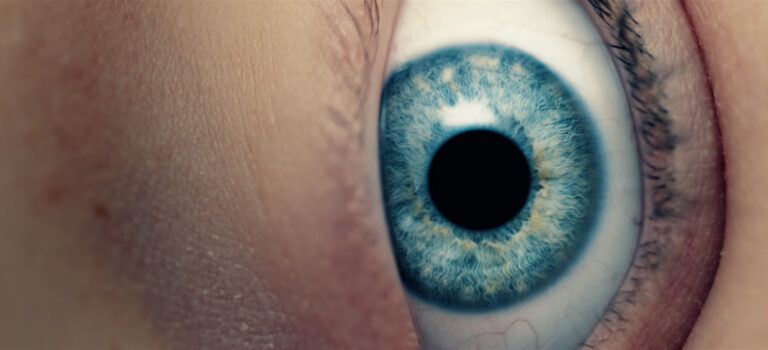
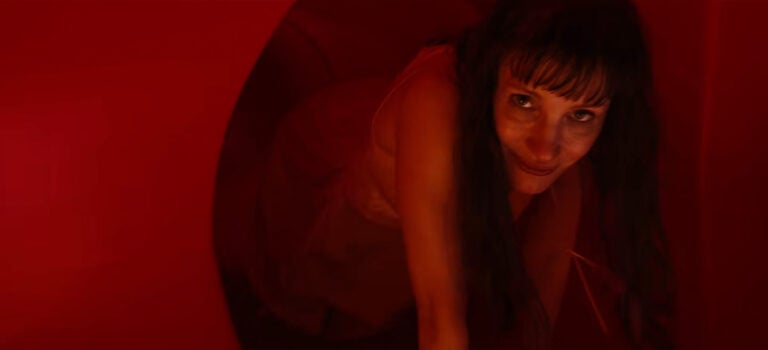
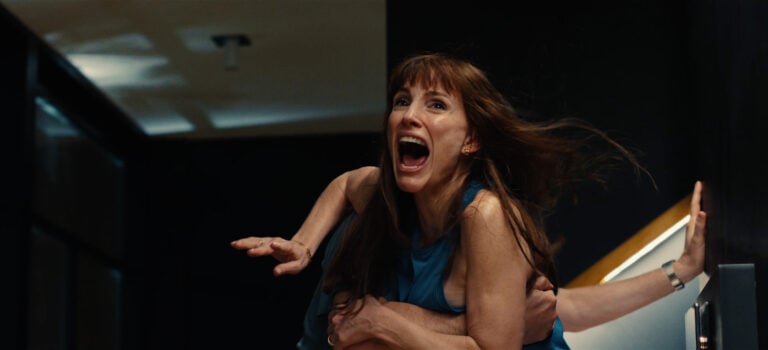
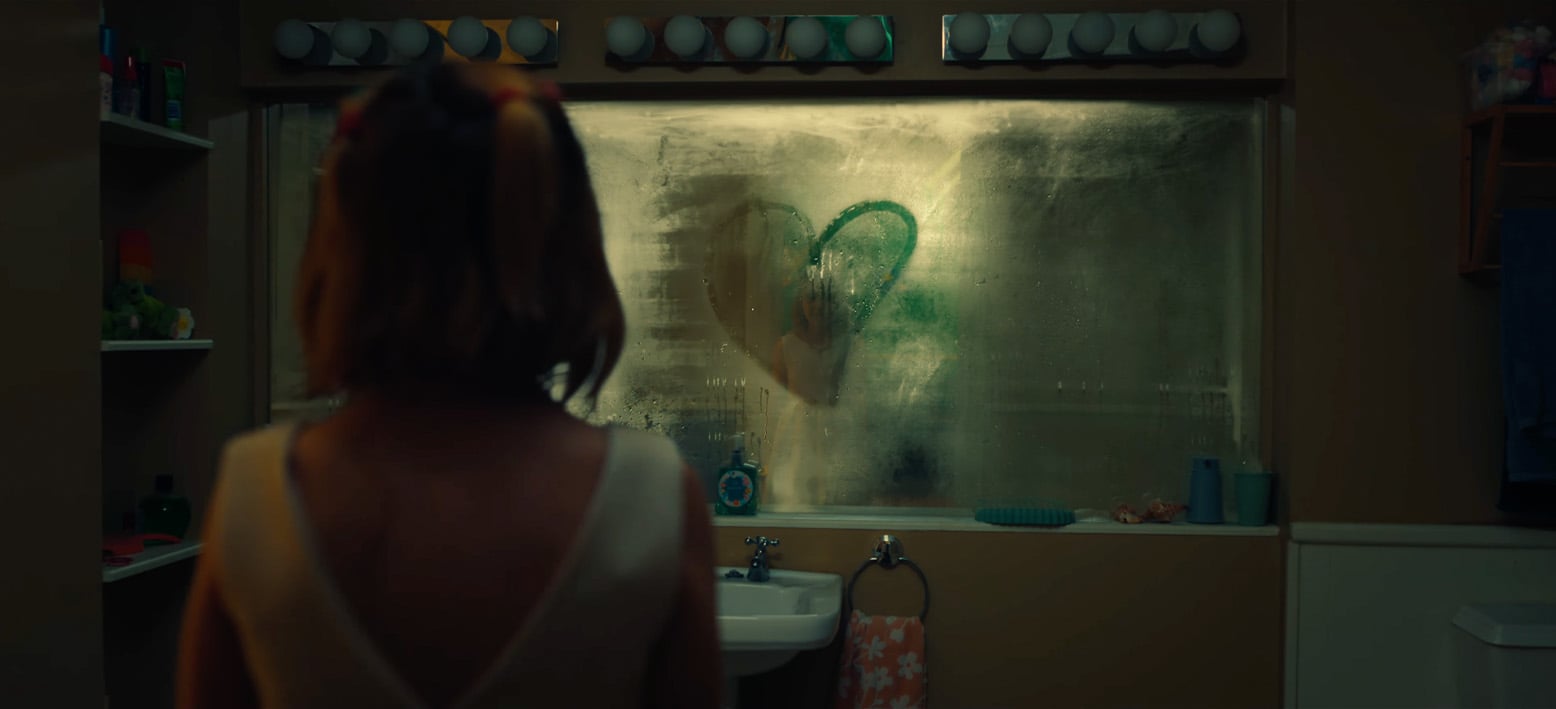
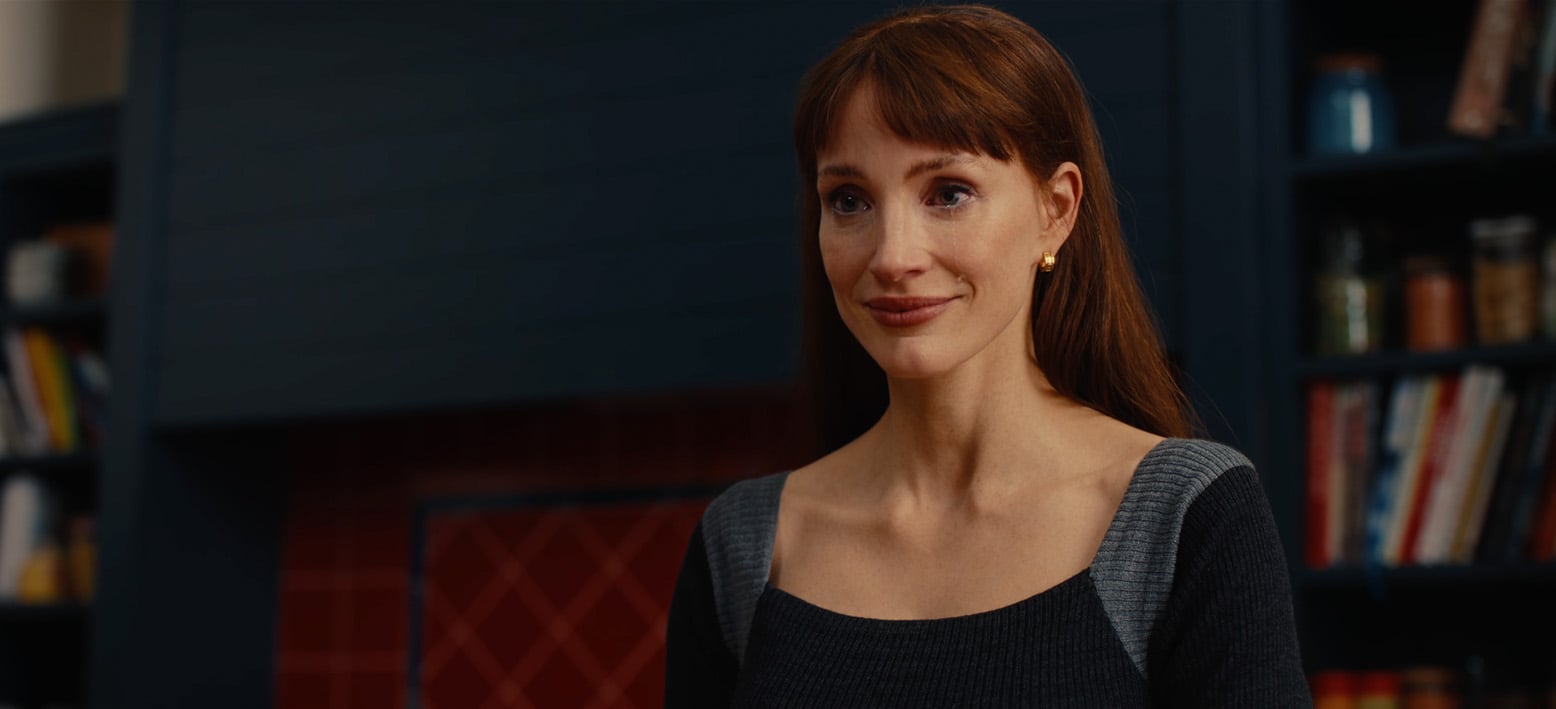
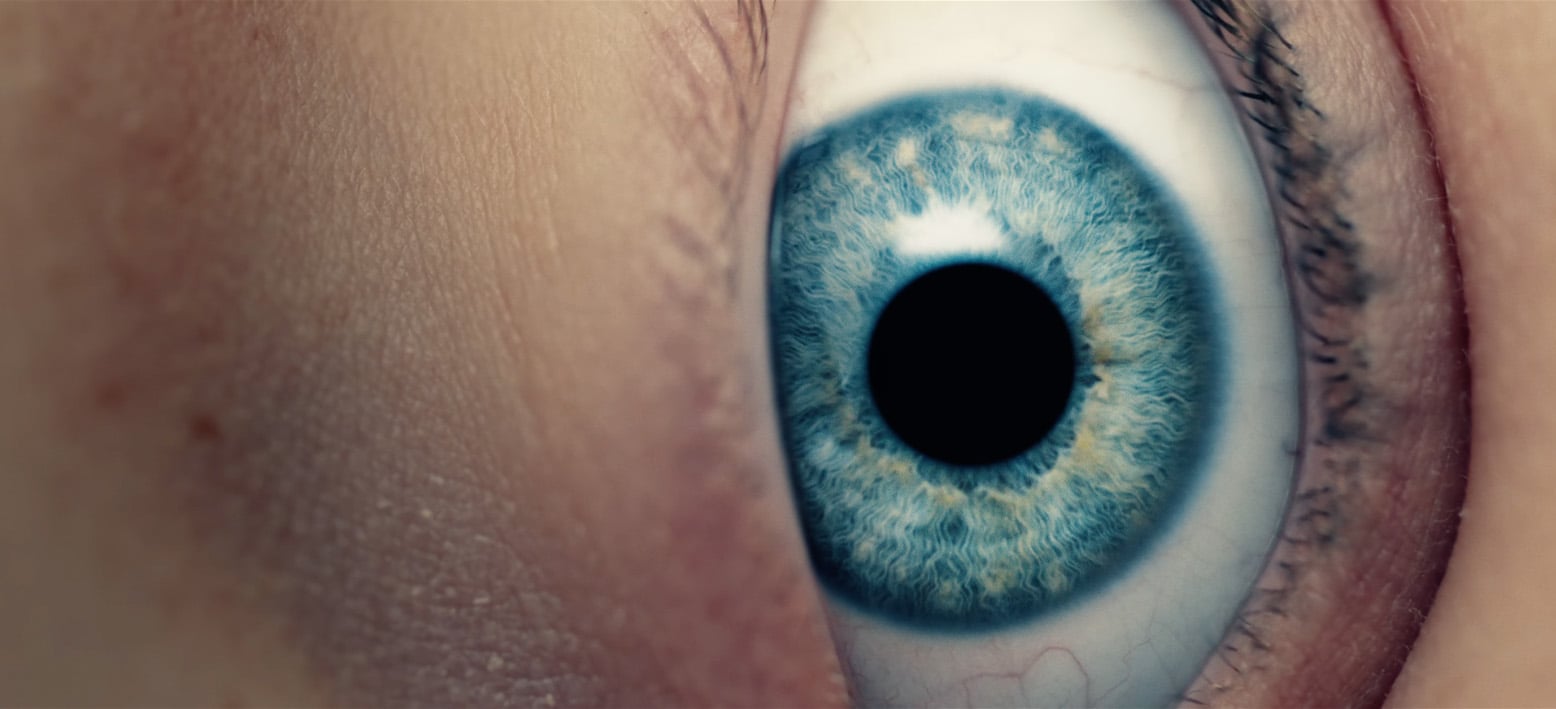
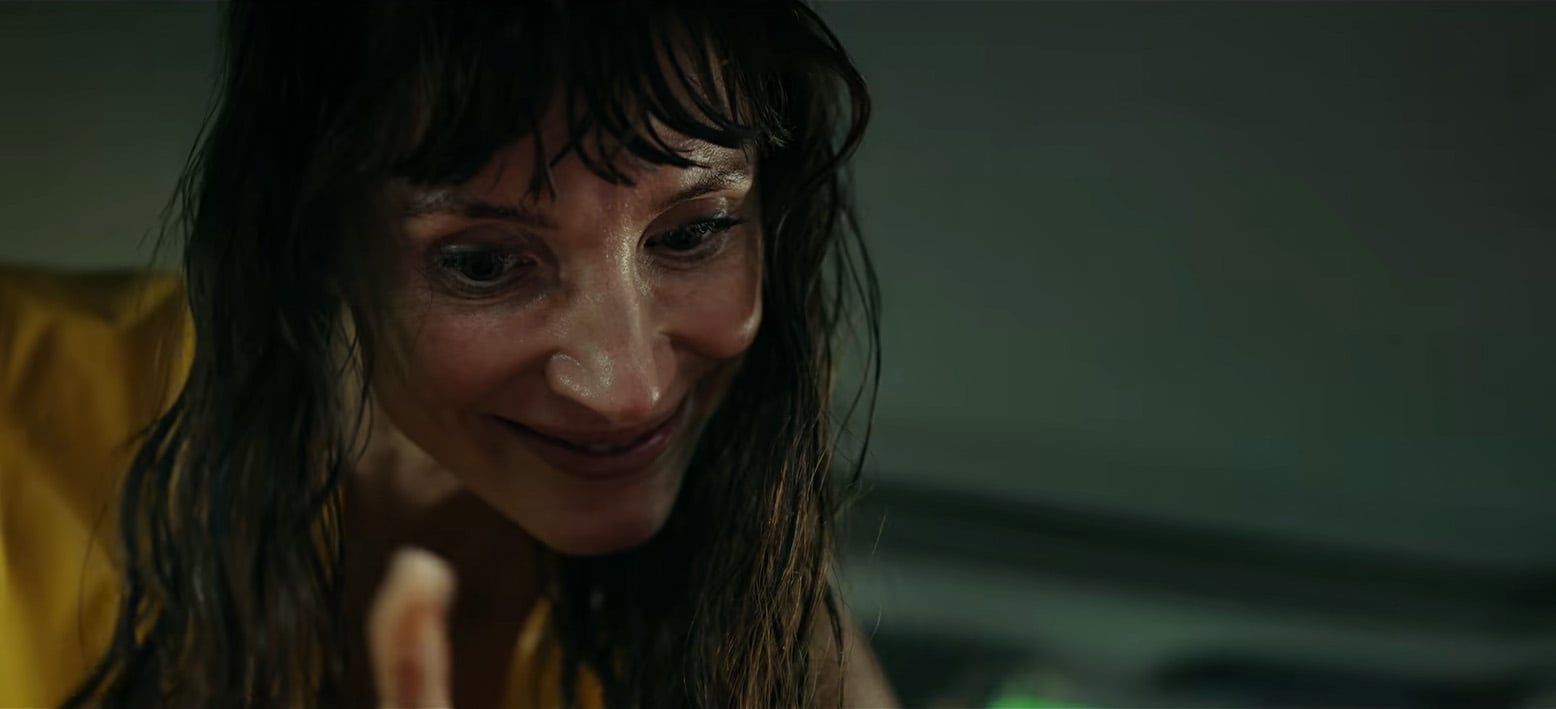
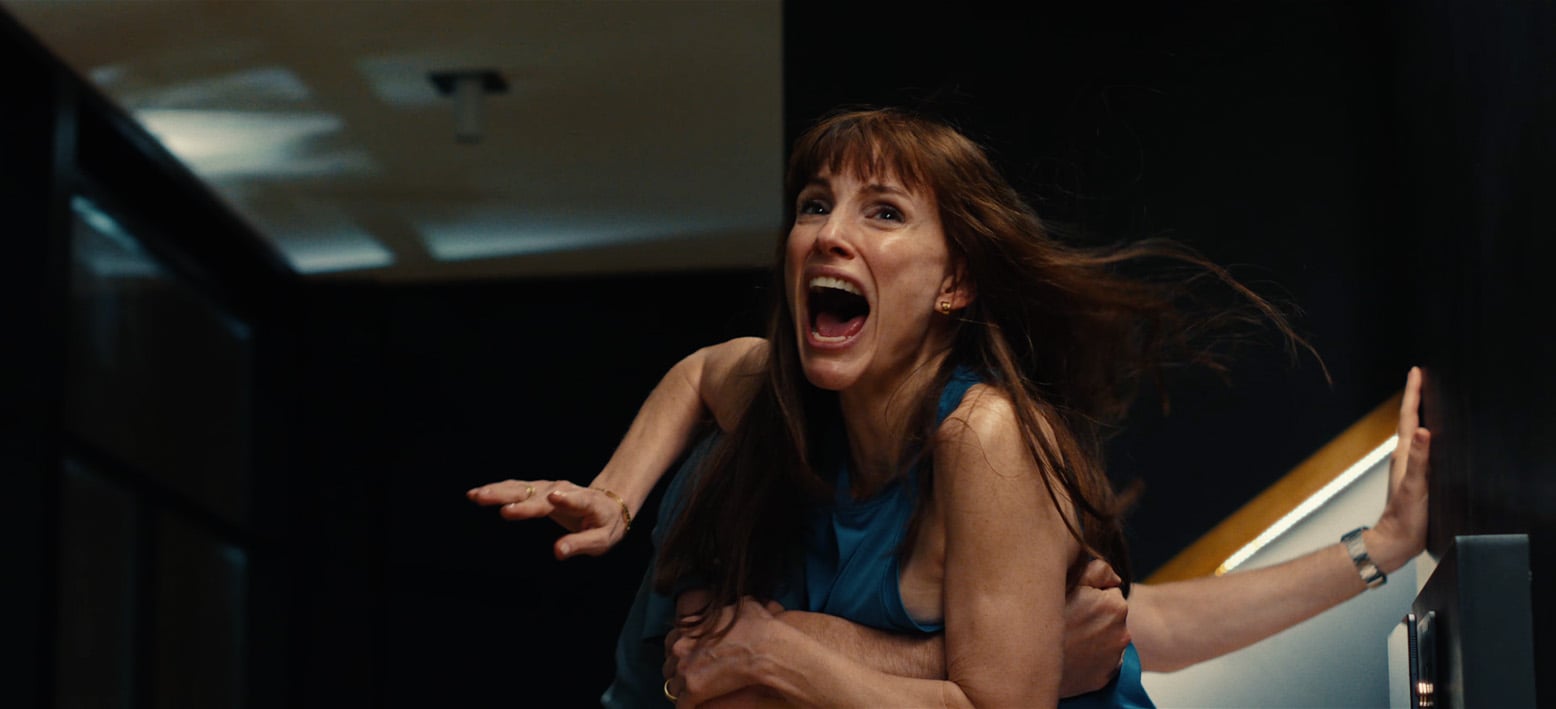
Other times, I go to a camera rental house and get a bunch of lenses I think would look cool, and I’ll set a scene that looks like it could be in our movie. Then, I’ll shoot some stuff and show the director and go, do you like this? Do you not like this? I think it’s important to put images in front of the filmmaker as fast as possible so that you can start peeling back the layers of the onion and finding the core of what the movie is.
JAMES: Yeah, it’s funny. I think that the movie is always evolving. Somebody told me a long time ago that the edit is the last rewrite. I think that’s one of the most rewarding aspects of this business; the project itself takes on a life of its own, and it finds itself through everybody’s input. You’re guiding it a little bit, and trying to keep it on the rails, while also finding happy accidents and beautiful moments. Those are the highlights and the experiences that make you want to keep doing it, but you have to have to set the stage for that.
I was actually thinking about the references. I came up in the era where I went to the newsstand and they got magazines and cut pictures out as references. Now we have ShotDeck, which you just say, “find me a shot at night with rain with blue tones.” I had to go through nine magazines to find that picture if it even existed, you know?
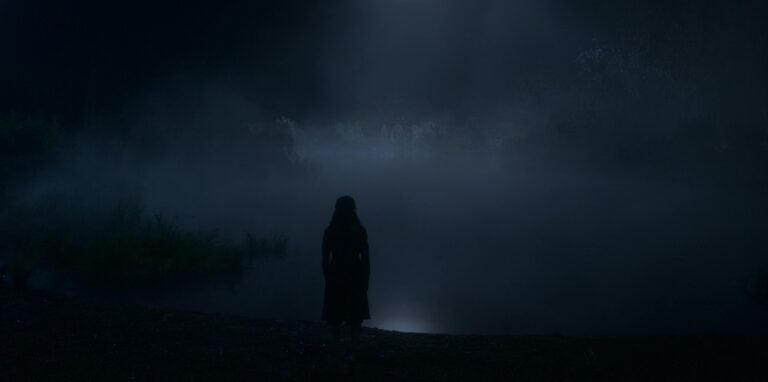
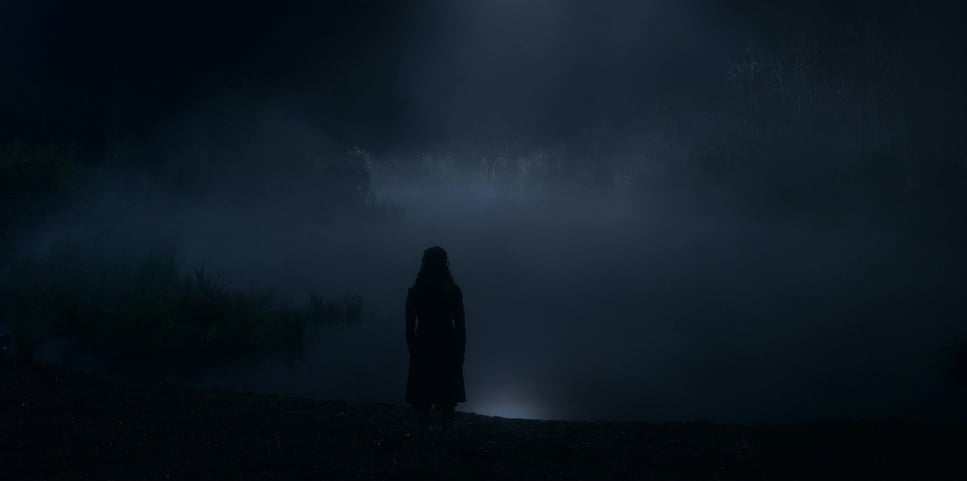
Let’s jump into Other Mommy. How did that come to you? And then how did you start to compile your thoughts about how to make this?
LOWELL: It came together pretty quickly. I met Rob Savage at Sundance, where we both had shorts playing. We were represented at the same agency, and it just so happened that he was looking for a DP for Other Mommy and my name came up. I’ve known this guy a long time, but oh my gosh, now we’re making this movie and it’s happening.
Anytime I interview for a job, I put together a lookbook. For Other Mommy, the cover of the lookbook had the font that they ended up using for the movie, and the image was from a movie called We Need to Talk About Kevin that Lynne Ramsay directed. Lynne Ramsay happens to be Rob’s favorite director. He didn’t even have to open the lookbook. He was like, yeah, this guy gets it.
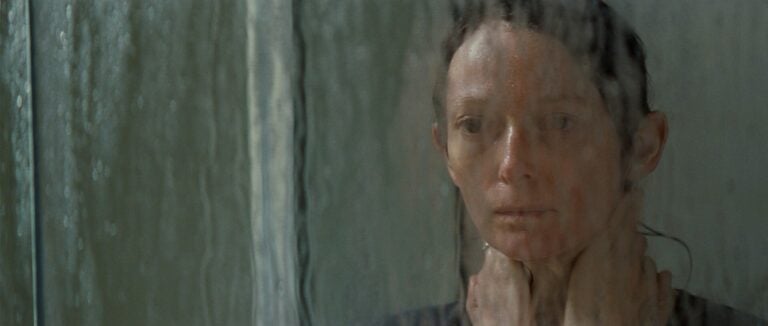
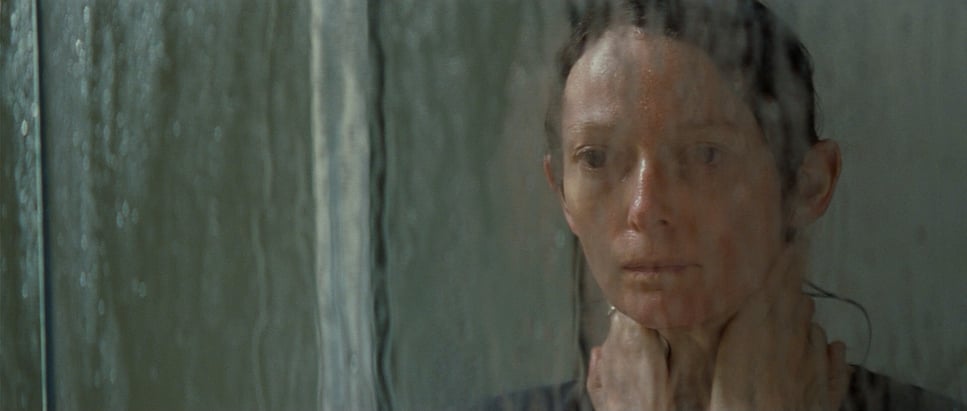
We both had very similar work ethics. We’d show up to set, kind of like on a commercial set, where you have a blackboard full of photo boards and say, these are the shots we’re gonna get today. Rob storyboarded a lot of the film, but he also had an artist and his assistant who would help. I get very techno-geeky about my organization on the shot-lists, so we’d put those side by side and map it out from the get go. Then it was just about executing it on time and on budget.
And how long did you shoot?
LOWELL: It was 45 principal days with two pre-shoot days, then a water day at the end. We ended up doing a decent amount of what I call “garage unit” shots, where me and Rob are just in the Blumhouse offices shooting in a closet, shooting insert shots with some stuff that we cobbled together, and that makes it into the edit. We did some test screenings with Universal last year, which led to some reshoots and pickups to kind of make the ending really click into place.
How did you choose camera lenses? Other widgets?
LOWELL: My instinct is that horror is scariest if it’s super sharp, and tactile, and three dimensional and in your face. So I just started from a very clinical, clear, place. We ended up using the Zeiss Supreme Primes as our hero focal lengths. I’m also really a practical DP. I really like big lens sets with lots of options that are fast and small and lightweight. So it naturally worked out that my practical sensibilities and my aesthetic ones kind of aligned for this movie.
So, James, I know it’s a couple of years ago, but Annabelle was a huge hit. How did that come to you? How did you decide how you wanted to shoot it?
JAMES: That was a little bit of a daunting experience because the director was John Leonetti, an ASC DP who’s shot a number of well-known films. I had known Johnny for a while and had gaffed a few times for him. It’s tough when the director is an accomplished DP. He was very supportive and very hands off. He came in one time and said, “looks a little bright.” Another time he came in exactly the same way, “looks a little dark.” And that’s pretty much all the input he really gave me.
This was back in 2017. We didn’t have nearly the options we have now. We used the Alexa classic and shot on ultra primes, but compared to today’s world, there weren’t a whole lot of options. From my perspective, your equipment should help you. It should be an advantage to you, not a hindrance, no matter how cool it is. That’s something that I’ve watched happen with everybody using old lenses. I’ve heard stories from people on set where the lens is actually falling apart, “but man, it looks cool when it works.” In this day and age, your equipment has to really support your endeavor. You have to be able to rely on it.
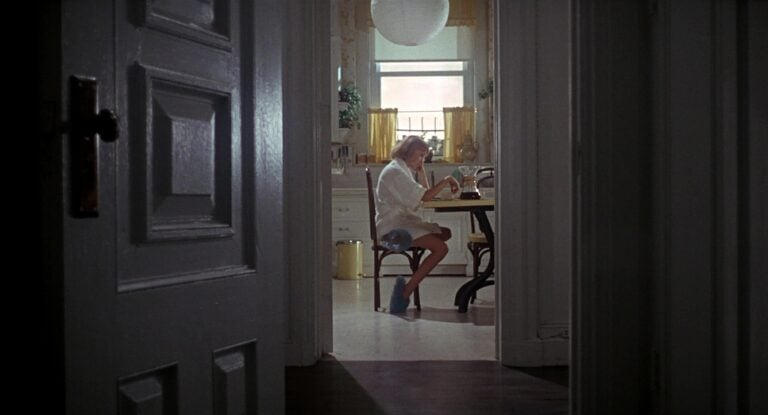
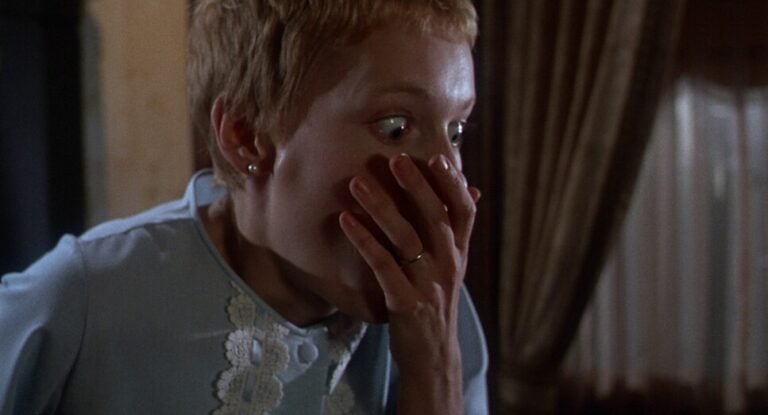
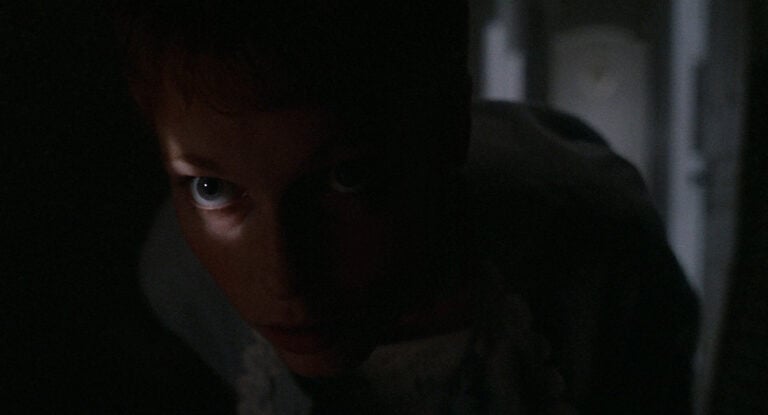
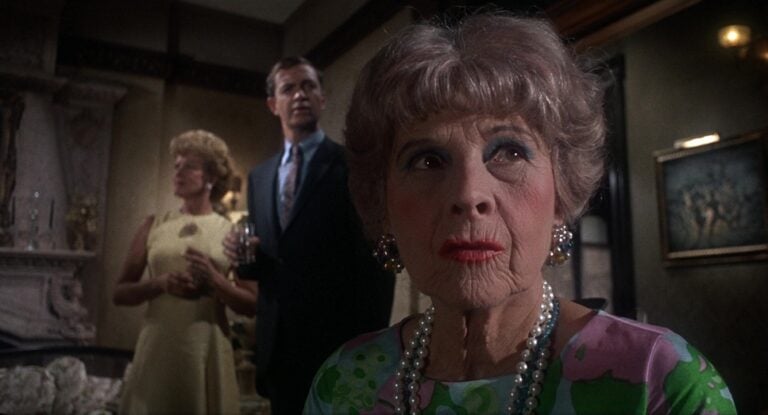
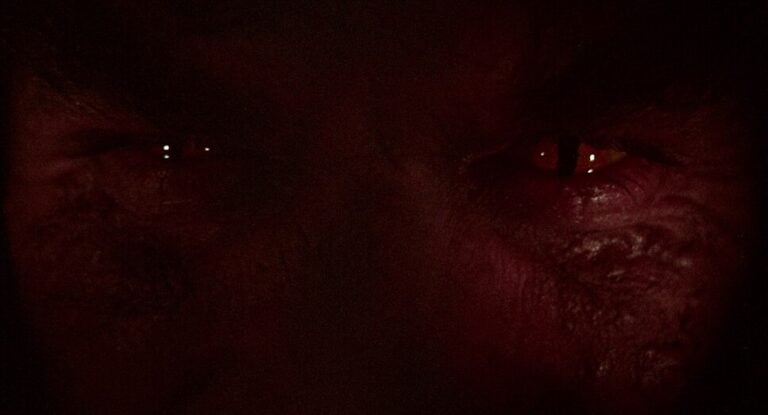
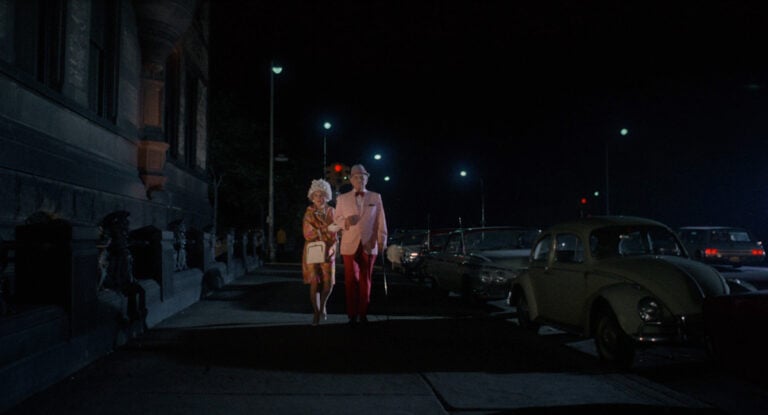
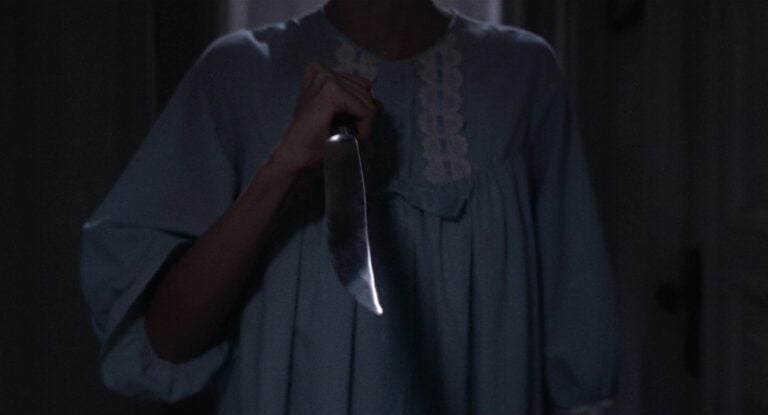
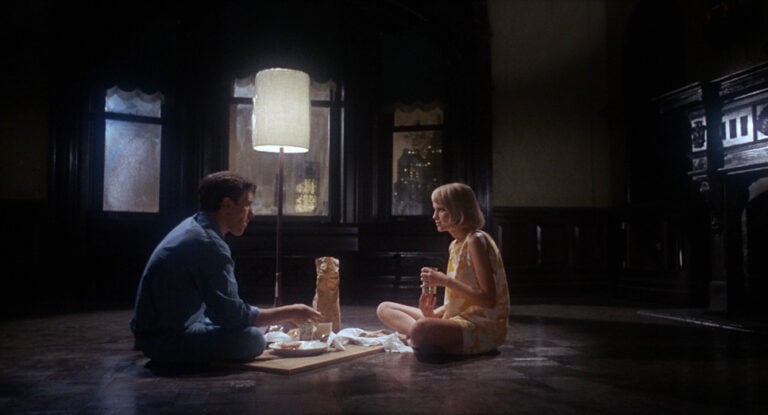
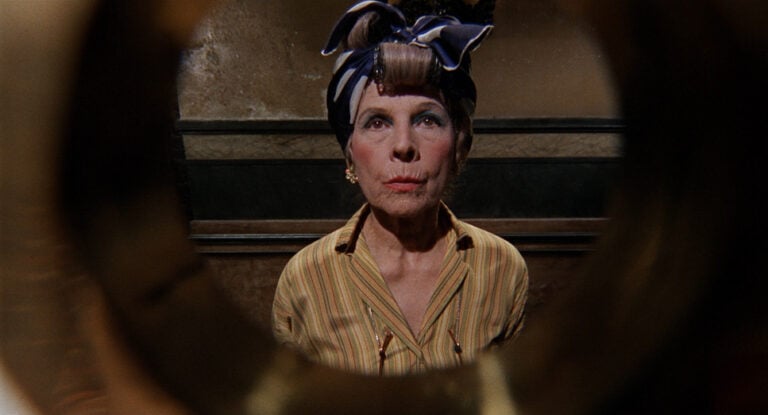
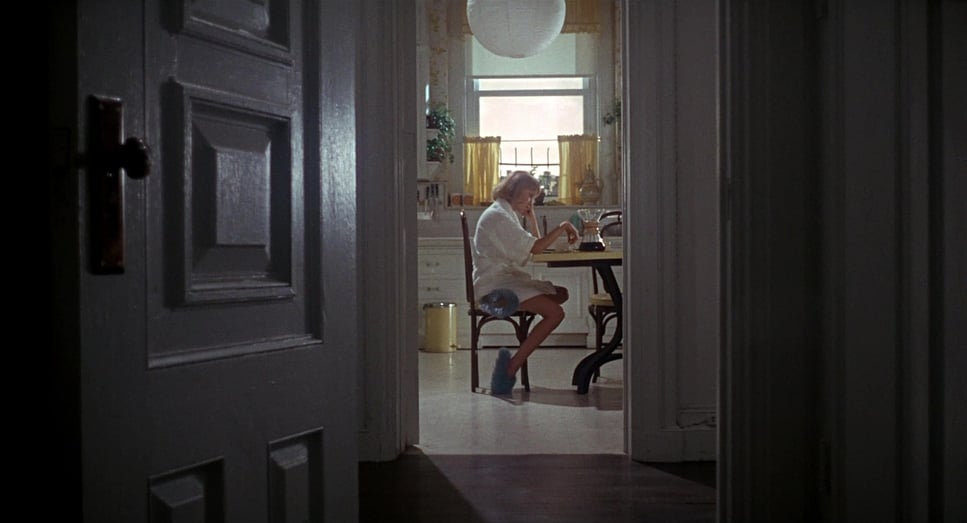
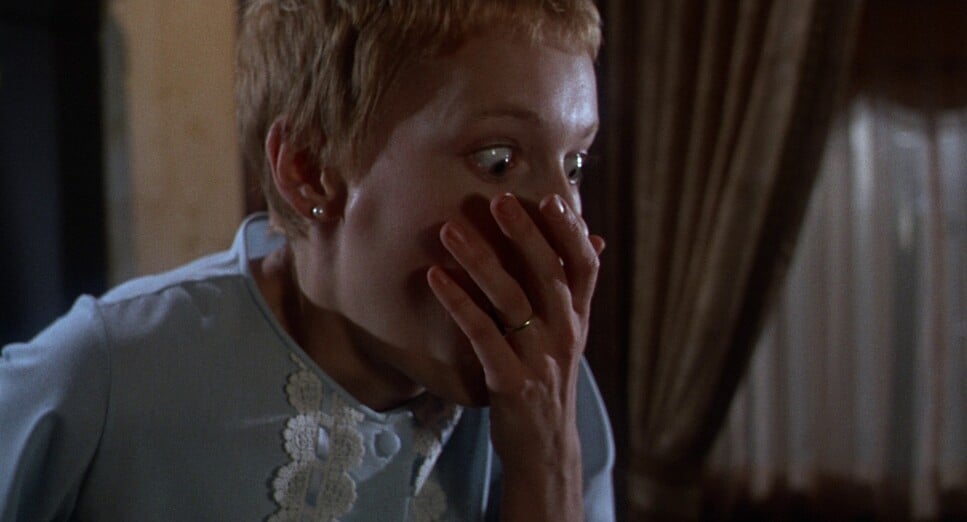
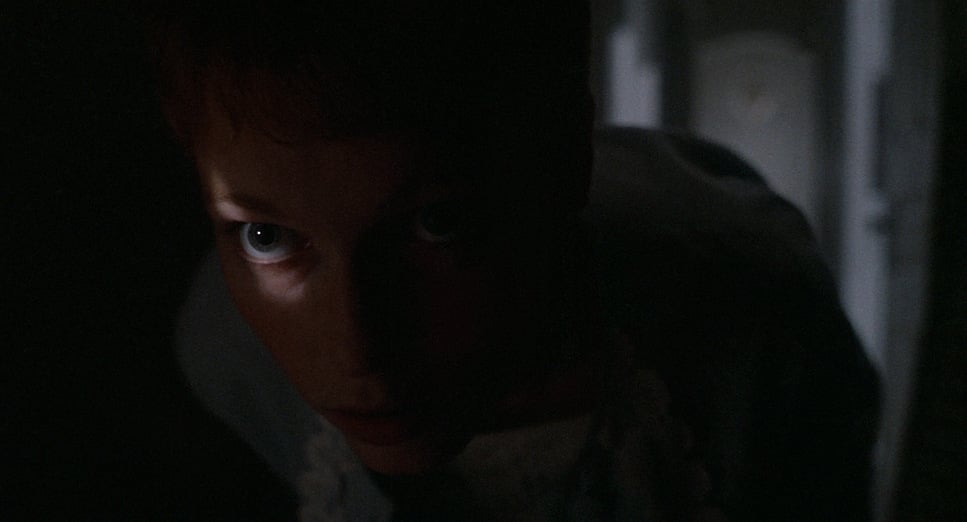
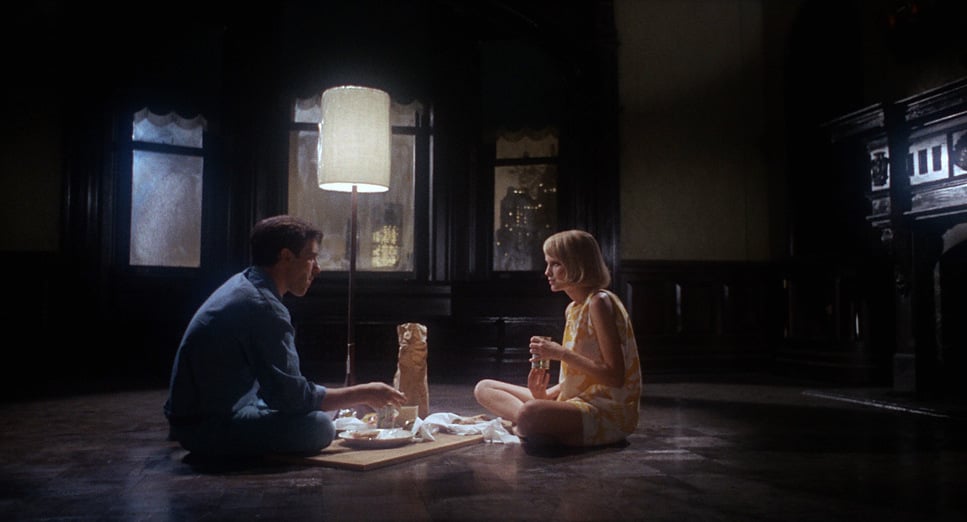
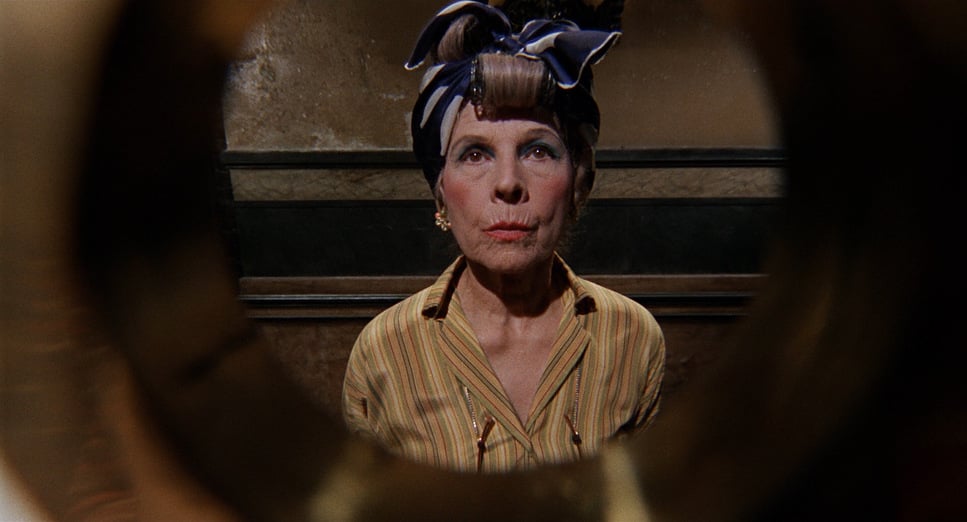
Back in the day, we lit mostly with tungsten and HMI. LEDs were around, but that really wasn’t the look we were going for. We leaned heavily on influences from Rosemary’s Baby, the wardrobe, the cars, the art, you know, the set decoration, the art direction was all period. We had a very seasoned crew. So, it really wasn’t much of a departure from the traditional way we’d been shooting films.
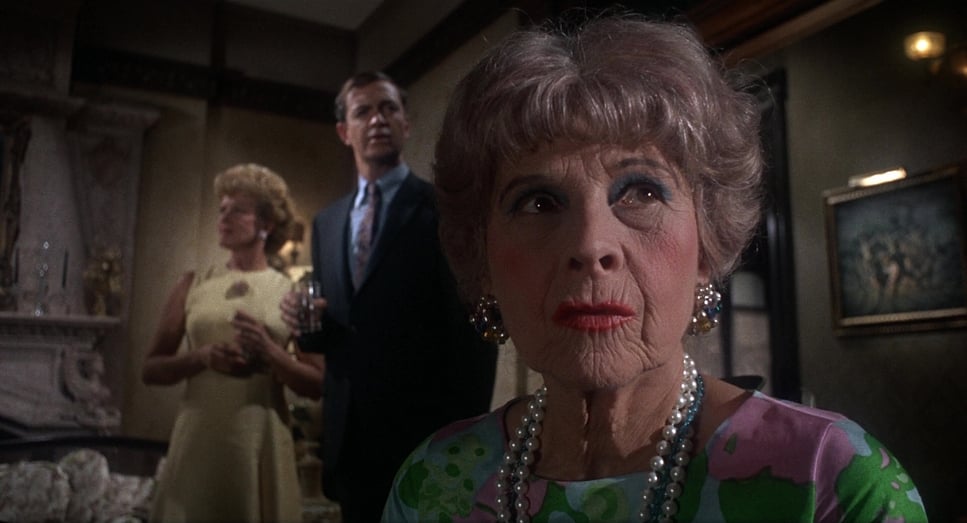
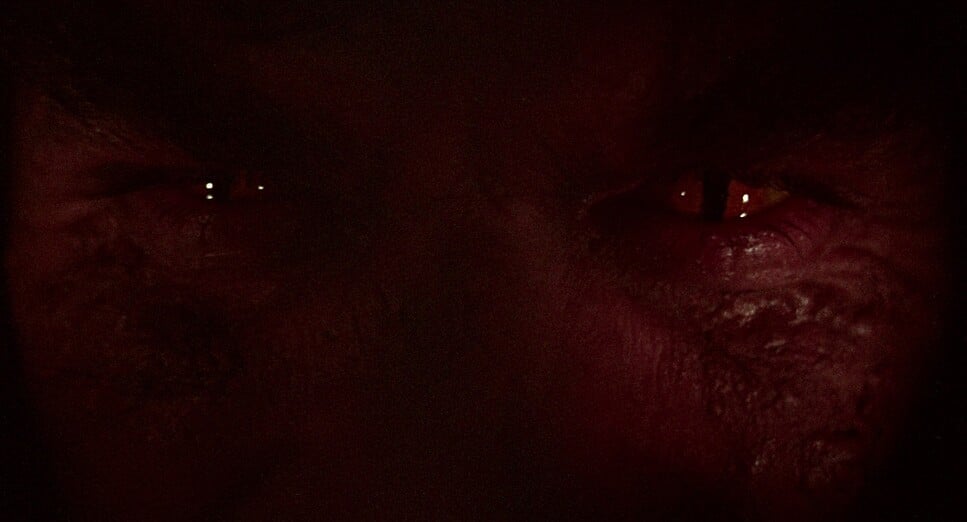
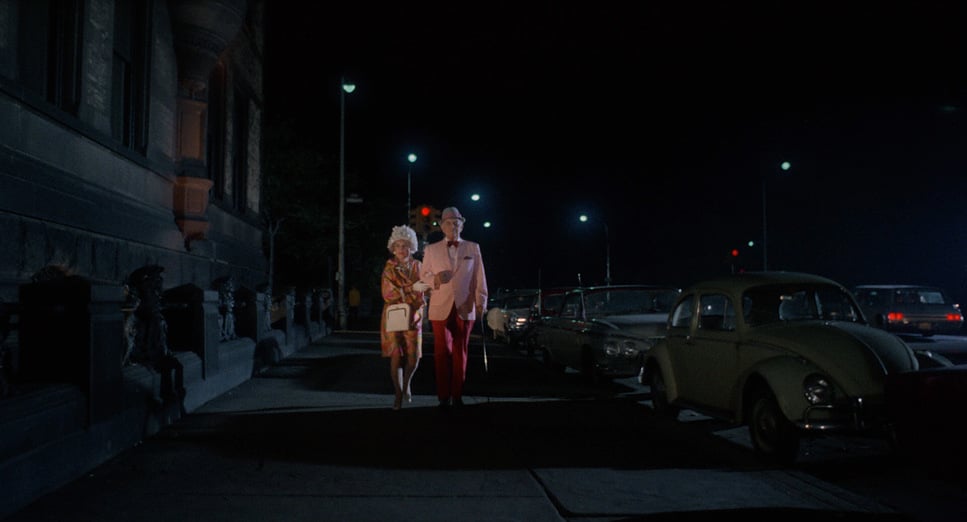
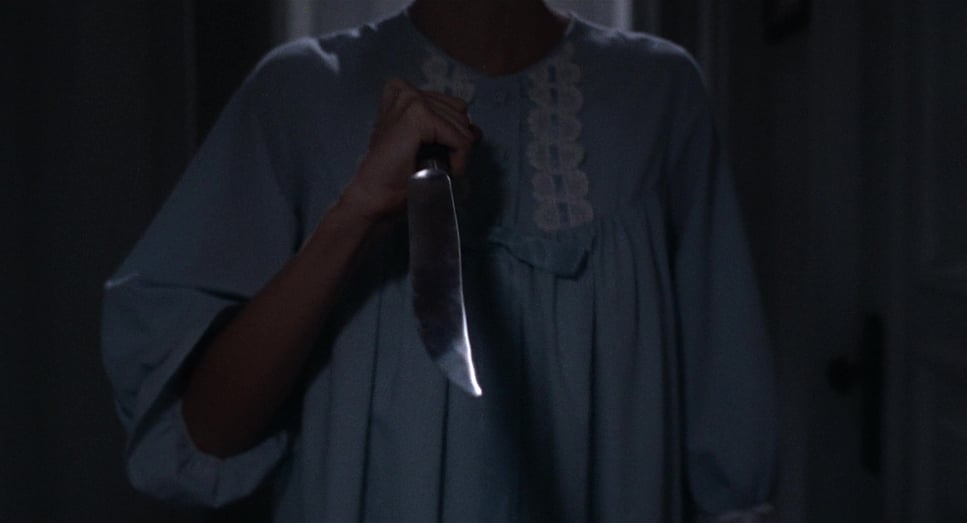
There’s the etiquette of film, although it is coming back, where everybody got to stop every 11 minutes and take a breath and get a glass of water. The operator put the camera down, the electricians went around and futz with stuff, hair and makeup did touch ups. Now you’ll literally shoot for half an hour before you stop. I sound like a grumpy old man, but I do lament the etiquette of shooting film. I think from a filmmaking standpoint, it really lends itself to a better process.
Our friends at Kodak are happy to hear that, I’m sure. I want to touch on all your work with Mike Flanagan. How was it working with him?
JAMES: Mike’s phenomenal in all respects. He comes from an editorial background, so he’s very nimble minded. He knows the puzzle pieces that he needs. We rarely run scenes top to bottom from all angles, which I think helps both the crew and the actors, especially with some of his material that is pretty intense. His work is very methodical and very planned out, which gives a structure so that things can change easily and quickly too.
Lowell, you’ve worked with a modern master as well in M. Night Shyamalan.
LOWELL: Yeah, I mean, it’s very rare you get to work with someone who’s made 16 feature films. You get the benefit of someone who’s made all the mistakes, been unprepared, and learned from all of it. He gave all of his collaborators a long leash, but he does storyboard every movie very methodically, and he sticks to it. He was very diligent about how many shots a day he would require of the crew, and it was pretty manageable. It was like, “hey, let’s get 12 shots a day. If we can get 14, even better.” He was also surprisingly willing to admit, “I don’t know, what should we do here?” We’d get to have a very open and honest conversation.
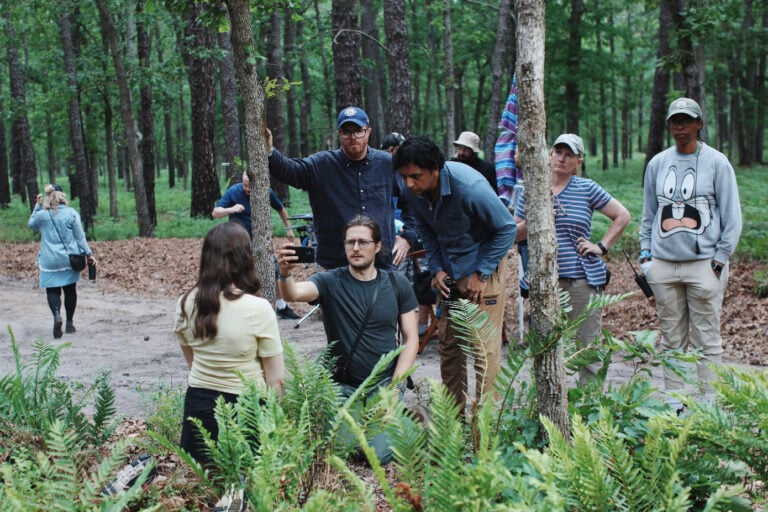
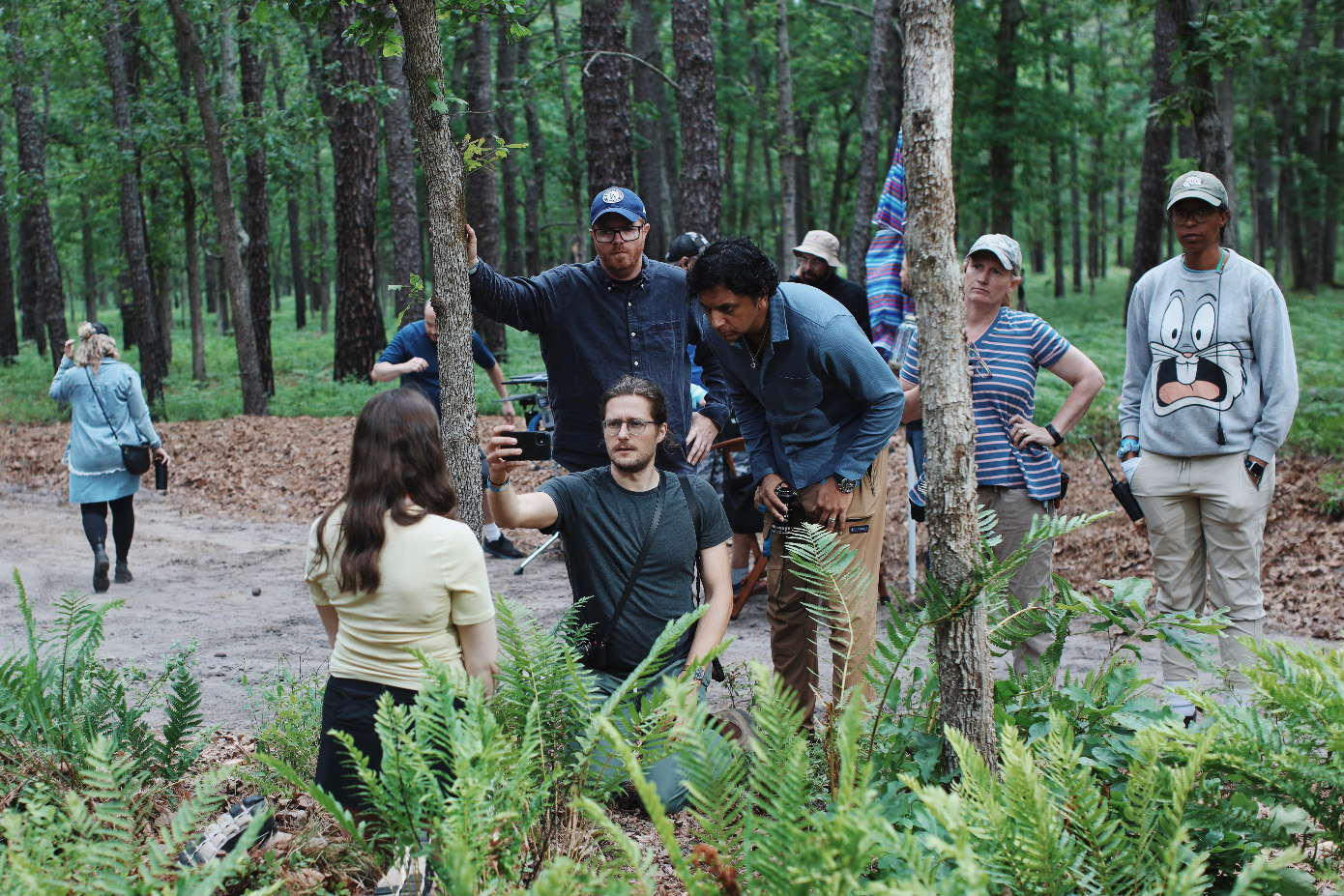
We shot on film. He was very smart when it came to little tricks and efficiencies to save time. Like if you’re shooting a scene with a picture car, you get two picture cars and shoot single camera. We’d have the other picture car ten feet away and have the second camera built for the next shot, so we just hopscotch to that one. We do a lot of leapfrogging and shooting single camera, but always maximizing the time you have on set because, like any filmmaker understands, time is the most precious thing.
JAMES: I think that’s so true in this genre especially, because oftentimes the ideas are pretty grand, but the time we’re given is very short. Our job as DP is largely management. Managing crew, managing budgets, managing the clock, managing expectations. Trying to figure out how to maximize your day. Convincing production, like, we need two cars, we’re going to save this amount of time. On paper, that looks like a big expense, but all those efficiencies pay off in spades in the end, because it comes down to days.
What recommendations would you have for the up and coming DPs or filmmakers out there that are shooting horror?
JAMES: Well, I think it’s really important that, when you meet people and exchange information at events like this, you invest in those relationships and share your ideas, because opportunities arise and people reconnect all the time. It only takes one of those relationships to pay off to make it worthwhile.
I used to have call sheets before they were emailed, and I kept a box of them. Everything. And every once in a while I’d go through them and I’d go, I haven’t worked with that person in a while, and I’d just call them. I think socializing or networking is a really important part in this industry that may have gone away through Covid, but I think it’s back, and I think it’s a really, really important place to put your time and effort.
LOWELL: I couldn’t agree more. Any filmmaker I’m working with today, I can point a direct line to South by Southwest or Sundance or a ScreamFest. I always think about this thing a filmmaker told me once, which is that prep is free. If you have an idea you’re mulling over, there’s nothing stopping you from furthering your development of that script or those visual ideas, or working alongside your coconspirators and collaborators. Everybody has a filmmaking suite in their pocket at all times.
You’d be really surprised what people are willing to give you for free if you just ask nicely. And if you just show up as a genuine fan of film and what people are doing, and you reach out with cold emails or cold calls, that stuff can go a really long way. Even if it doesn’t get you what you wanted, you’re gonna find something on that path, so that when you get to set, you’re covered in armor and you feel super confident in the choices you’re making. Sometimes you don’t know what the thing is until you kind of get in the sand and start messing around, you know?
JAMES: I think for vendors out there now, it’s really competitive, and I think they’re all looking for people to invest in. So if you can come in with ideas and the work ethic to show them that you’re going to make films and commercials and short films, they’re going to support you because they want the next generation. They want filmmakers that are working and busy and interested. I think that there’s a lot of merit in just going out and asking for it.
AUDIENCE QUESTION: I’m curious. There’s so many ways to shoot an image. How do you put your own personal taste into the images that you’re creating?
LOWELL: Ultimately we all have North Stars that are guiding us, films that are imprinted in our minds. If someone threw a camera at me, I’d instinctively go like two inches below the eyeline, and that feels like a little Spielberg-ian to me. There’s something subconscious that you’re always bringing, whether you know it or not.
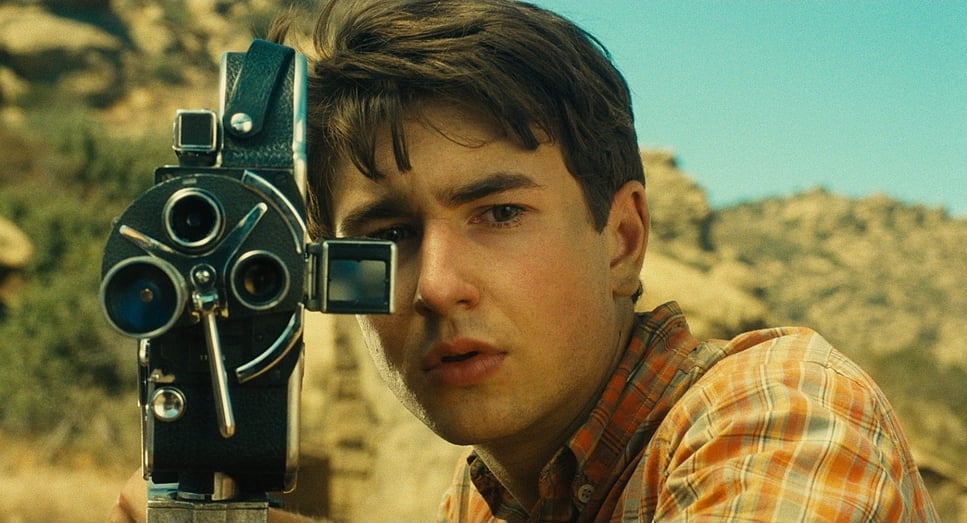
What I always go back to is, what is my process? Because the process is usually half of my style, and then how I operate on set is the other half of it. You keep refining it on every project. You watch a movie, you get inspired. You see something on ShotDeck, maybe I’ll try that. I think it’s just getting opportunities and getting more comfortable doing the thing. And that will naturally reveal who you are and what you like.
JAMES: For me, I can’t paint or draw, so I was drawn to photography. I started with still photography, underwater and nature photography, and started to learn how lenses captured things and replicated things. It’s fine to be inspired by people and to give homage to other artists, other filmmakers, other photographers and in that, you’re going to find your own voice. And I think that’s the same thing with all art, music especially. There’s only so many notes, but they all play in a different way. So there’s lenses and cameras, but you’re going to employ them in different ways and find your own level to some degree.
AUDIENCE QUESTION: You said the film was made three times – in the edit, in the writing and the filming. Have you ever seen the cut and you’re surprised by how one of your shots has been used?
JAMES: I tend to pepper any scene with as many options as possible, but ultimately you’re just making puzzle pieces. So I’m always pining to see what puzzle they make with those pieces. It’s the fun part of the process.
LOWELL: Part of what’s hard about being a DP is you’re not the whole movie. We’re there for part of prep and all of principal photography, but then it’s not your movie anymore. You need to have trust in the director and understand that they’re spending countless hours before you’re involved and countless hours after you’re involved. They’re gonna do whatever they need to to make that the best movie possible. The director often will intentionally erase their memory of production so that they can view the footage as just raw Play-Doh material.
On Other Mommy, Rob Savage made up this thing, the three Ps. Every scene has performance, pacing and precision. You can get two of those things, but you can’t get three. So, if you’re trying to make this grand, majestic oner, you get performance, you get precision, but you wouldn’t get pacing. We’d have scenes with the little girl, the main actor. For that, we had to get performance and we had to get the pace, so precision went out the window. That’s where the heartbreaks usually happen for a cinematographer, in the edit.
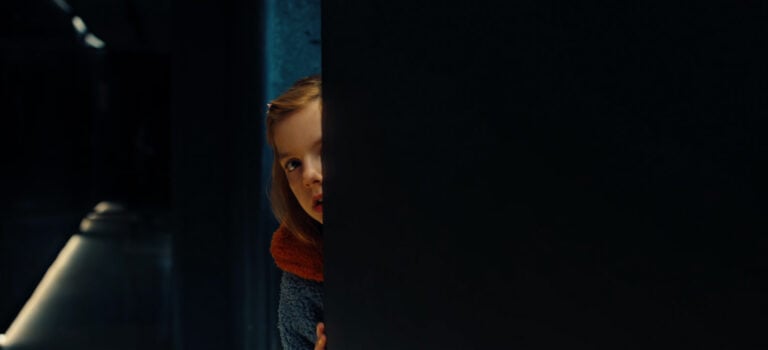
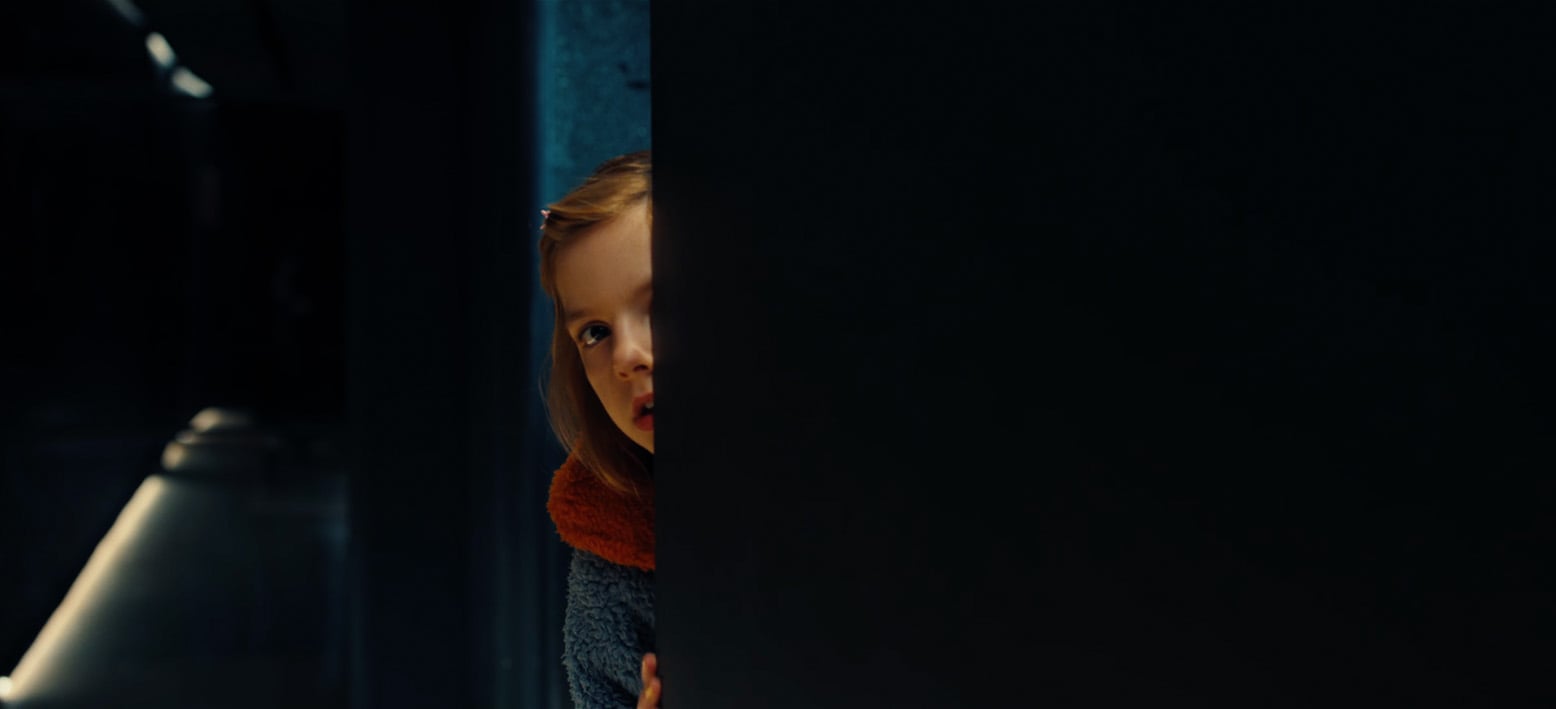
JAMES: It reminds me of something you said earlier about reshoots. I hate that term as well. I like to call it “additional photography,” because “reshoots” insinuates that there was a problem. I’ve seen studios take the edit away from directors, too. So there’s a lot of reasons why certain shots don’t make the edit, or certain sequences don’t make the edit. There’s a lot of voices.
LOWELL: I’ll give you guys one piece of advice in that regard. When you’re on set, time is precious. You have the actors, you have a set, you have a space, a location, all the camera gear, all that stuff. But if there’s a shot that you could get in your garage with a DSLR and like two lights and a tripod, then take that shot off your shot list from your principal day and get it with your Garage Unit later.
Let’s say the scene starts in a big wide and someone walks in, then get a shot in your garage later of a foot hitting the sidewalk. Give yourself these freebie shots that can be like putty, that are like an emergency hatch that didn’t cost you time on set. Be the cheapest person who has no money, and think that way all the time. That will save you in the edit.
JAMES: Another thing that I tend to do is have a B or C camera on a zoom and ask them to never shoot the same shot twice. Find things to come off of and to roll early. Start on something and find the action. I call it salt and pepper. Those little pieces help the edit tremendously. Usually a good B camera operator is the person that will do the second unit too. They’re pretty astute filmmakers in their own right, and so I try to give them the license to make a new shot every take. Do something different. Have fun with it.
AUDIENCE QUESTION: Could you talk about tackling TV, especially when you might not be the essential creative voice in terms of the visual language?
JAMES: I can’t tell you how many TV shows I’ve been on where they’re writing the script on set, and it’s coming out the next day. Not only are you trying to figure out what to do and what’s going on, but everybody else on your team is trying to figure it out, too. And just like a movie, the show itself is finding its ground as it moves along. We elevate everybody’s ideas to something that’s bigger and better than any of us could do on our own. I’ve taken over shows like, well, this is how we do it. I took over The Haunting of Bly Manor and it took me two episodes to change the look of the film, and I had to do it as an arc as well, so it didn’t stand out as much.
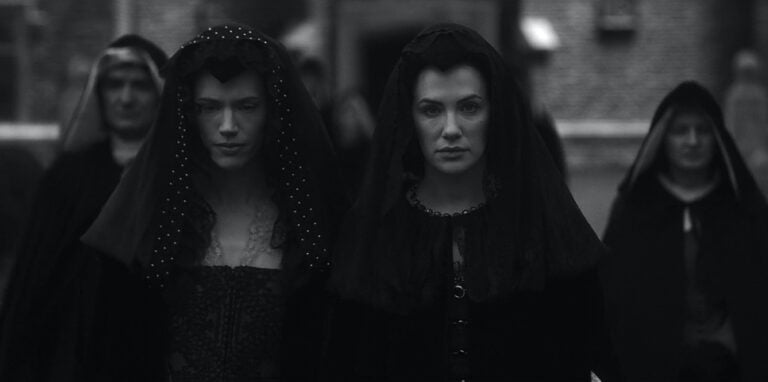
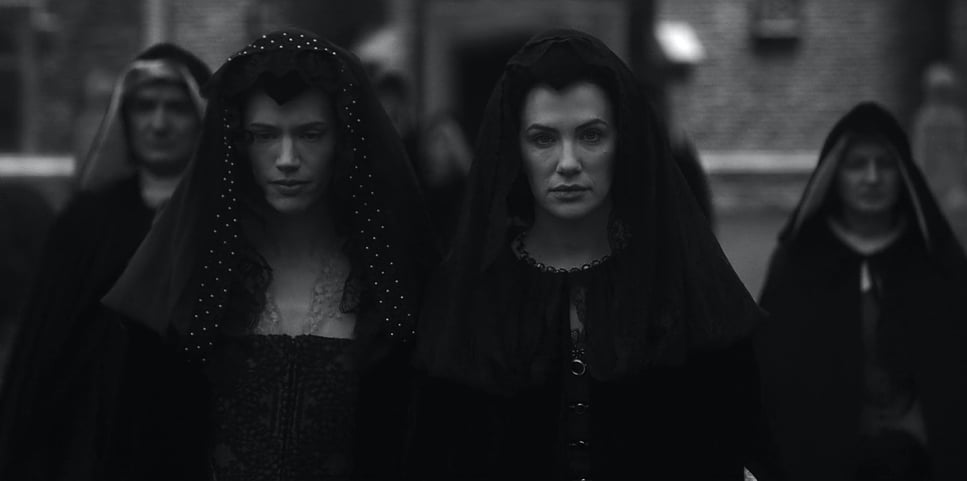
LOWELL: I’ve done two seasons of a show called Servant that I came on for seasons three and four. It was a unique show because it all took place in one setting. So you have the keys who have an encyclopedic knowledge of how we light this one room. You’ll literally turn on the camera and see, it looks like the show. My mind would go to, how do I one up or do something different that they haven’t done? I’m using the same lenses, same camera gear, same crew, same actors, same sets. So there’s actually a lot of artistic license as a cinematographer in those scenarios.
AUDIENCE QUESTION: I had a question about tone and maintaining tone throughout, a film or a show. Do you have any insights on how to help a director guide that?
LOWELL: Visuals are ultimately at the service of tone, and tone should be a director’s number one thing that they’re monitoring. Sometimes you discover it on set, because suddenly all of the elements are in front of you and you’re going, oh, I didn’t realize this was kind of funny. Great, let’s play it funny. It’s okay to react and not know every bit of your tone in advance.
Like James said, I think you can copy to a certain degree where no one will know that that was your reference, often because so much is different. On the last movie, I shot the most dramatic, beautiful romantic scene in the film. We referenced The Parent Trap, and like, that makes zero sense and no one would ever understand that we did. But it totally clicked, and now, all me and the director have to say is “Parent Trap.” It is really helpful to have concrete, tangible things you’re looking at, so that’s what I’d recommend.
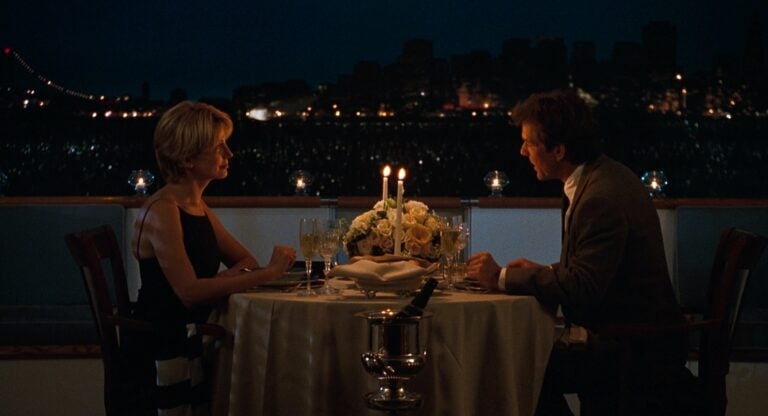
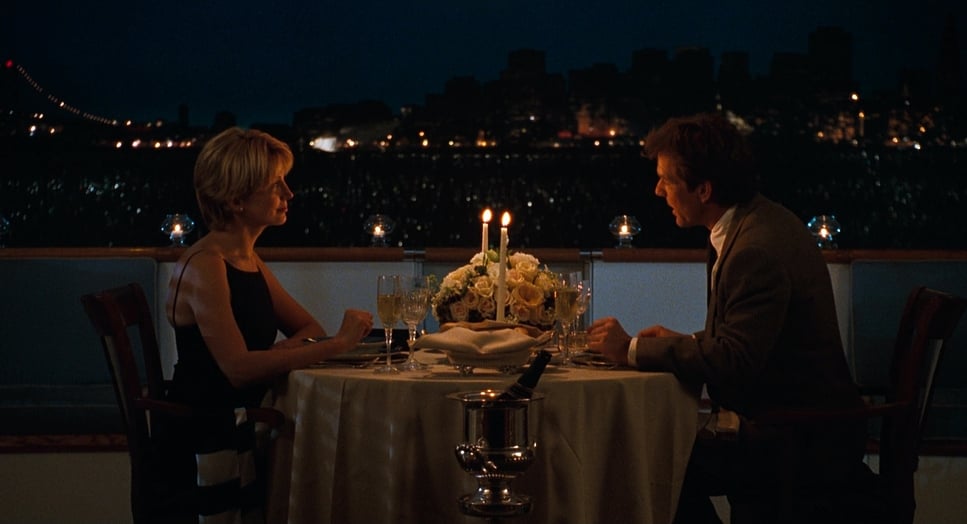
JAMES: I don’t think there’s anything wrong with that. A chef would say, I want it to taste like this, and a little bit of that, and a hint of pepper and champagne or whatever it is. So I think all of that is on the board and usable for sure.