Lenses are one of the foundational tools in building the visual language of your project. Lens size, or focal length, affects composition, camera movement, lighting, and the emotional feeling of a scene, all at once. So how do you choose the right lens?
Here is ShotDeck’s guide to lens size – what it is, how it affects the image, and how to choose the right lens for the shot you’re trying to capture.
OVERVIEW
What is Focal Length?
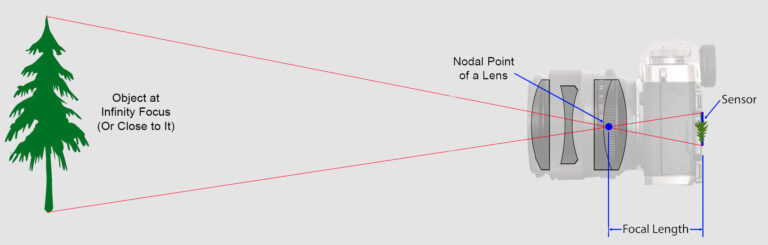
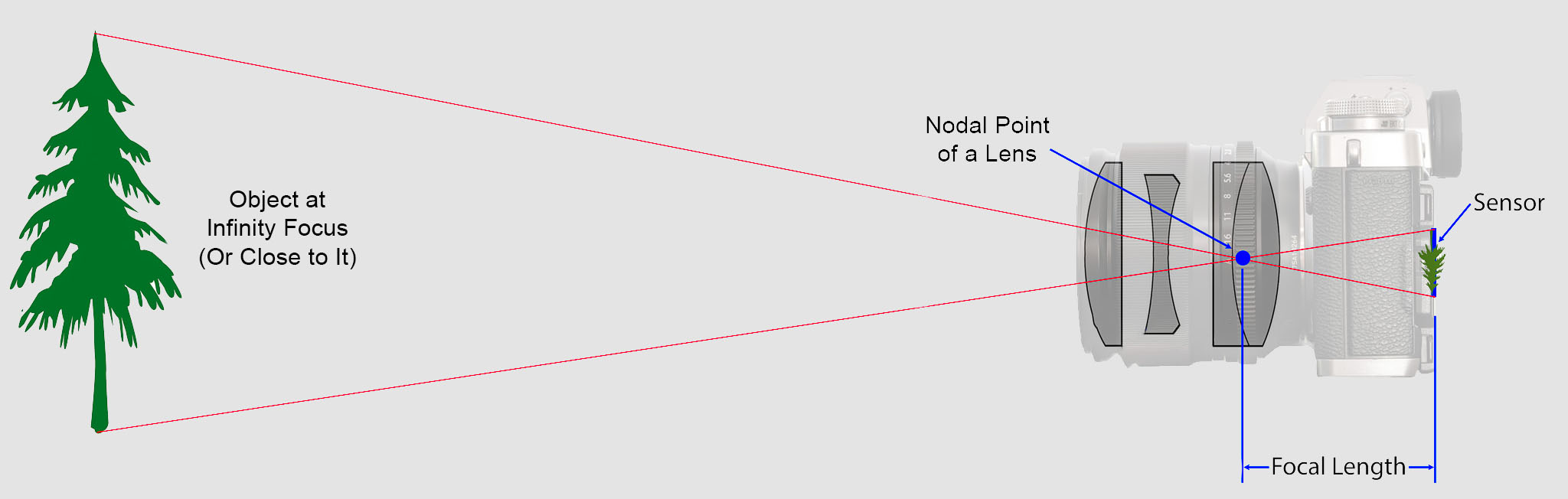
Focal length, or lens size, is the optical measurement, in millimeters, that describes how strongly a lens converges light. In practical filmmaking terms, it determines how wide or narrow your field of view is, how large subjects appear in the frame, and how the relationship between foreground and background changes as the camera moves closer to or farther from the subject.
The focal length of a lens has four primary effects on the image you are capturing:
- Magnification: How small or large the subject appears in the frame
- Compression of Space: How close or far away the background looks to the foreground
- Field of View: How much of the world you can see in the horizontal plane
- Depth of Field: How much of the shot is in focus
Differing lens sizes can have vast and varied impacts on a shot, both visually and emotionally. Choosing a lens is not as simple as shooting wide shots on wide lenses and close-ups on long lenses. It is a visual and emotional choice that determines where you place the camera (and therefore the audience) in relation to a scene, how much of the world around a character is on display, and the way we should be watching the action on screen.
In this article, we will go through the differences between the 5 types of lenses you can filter by on ShotDeck: Ultra Wide / Fisheye, Wide, Medium, Long and Telephoto. We will focus on the optical effect of each lens size, and for each lens, we’ll show you examples of close-up, medium and wide shots filmed with those lenses.
We’ll be studying each focal length using the standard of the Super 35mm film format. Note that if you change your shooting format to something smaller, such as 16mm, or something larger, such as 70mm, the field of view and optical quality of each lens type will shift accordingly.
This video with cinematographer Newton Thomas Sigel is a great high-level explainer of the optical effects of different lens sizes.
SUMMARY
Lens Sizes At a Glance
This table summarizes the key features of the five major categories of lens sizes. Keep reading for details on how each lens type functions technically, visually and emotionally.
| Lens Category | Focal Length (Super 35mm Format) | Magnification | Compression of Space | Field of View | Depth of Field |
|---|---|---|---|---|---|
| Ultra Wide / Fisheye | 8mm – 18mm | Subjects appear much further from camera than in reality | Backgrounds appear much further from foregrounds than in reality | Very wide around subject | Very deep – almost all in focus |
| Wide | 18mm – 35mm | Subjects appear slightly futher from camera than in reality | Backgrounds appear further from foregrounds than in reality | Wide around subject | Deep – largely in focus |
| Medium | 35mm – 70mm | Subjects appear about as far from camera as in reality | Backgrounds appear about as far from foregrounds as in reality | Neutral around subject, without distortion | Medium – image falls out of focus away from subject |
| Long | 70m – 200mm | Subjects appear closer to camera than in reality | Backgrounds appear closer to foregrounds than in reality | Tight around subject | Shallow – image falls out of focus quickly |
| Telephoto | 200mm + | Subjects appear much closer to camera than in reality | Backgrounds appear much closer to foregrounds than in reality | Very tight around subject | Very shallow – image falls out of focus very quickly |
TECHNICAL ANALYSIS
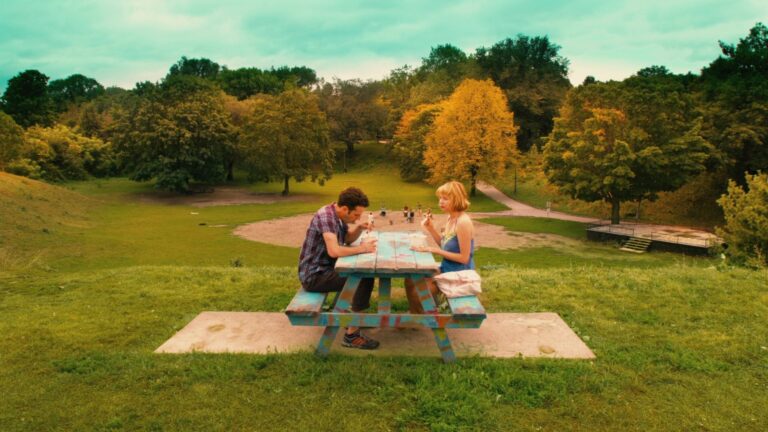
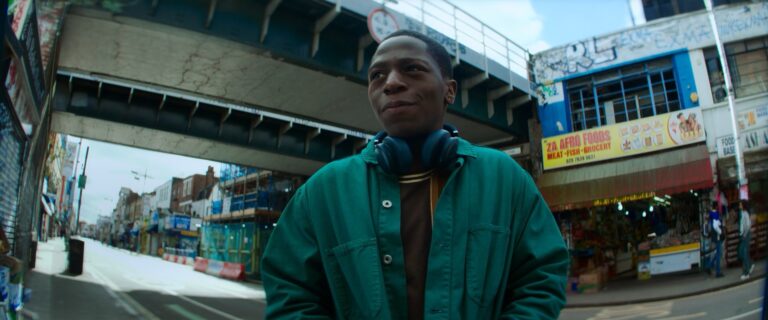
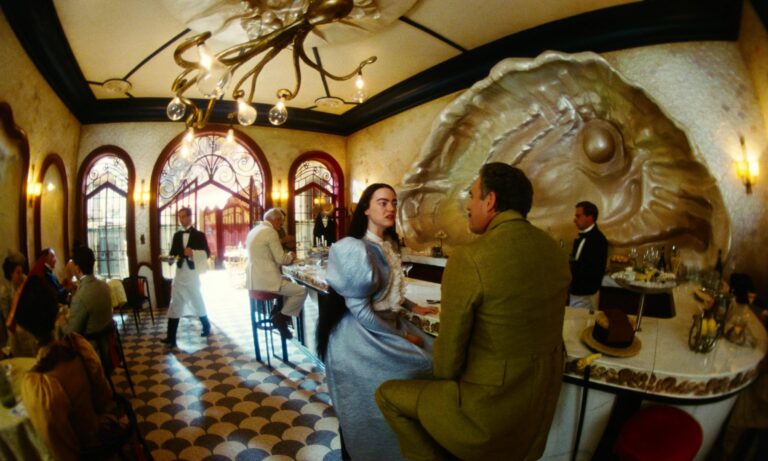
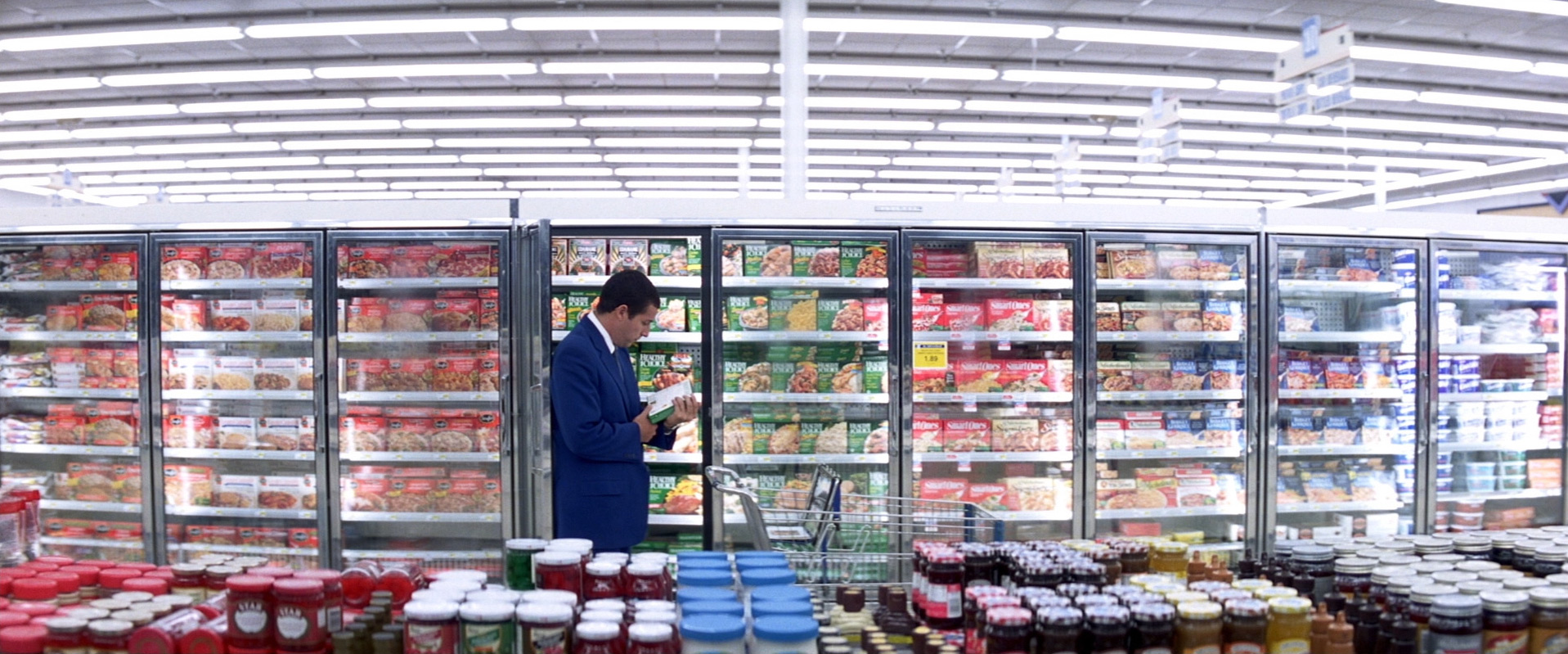
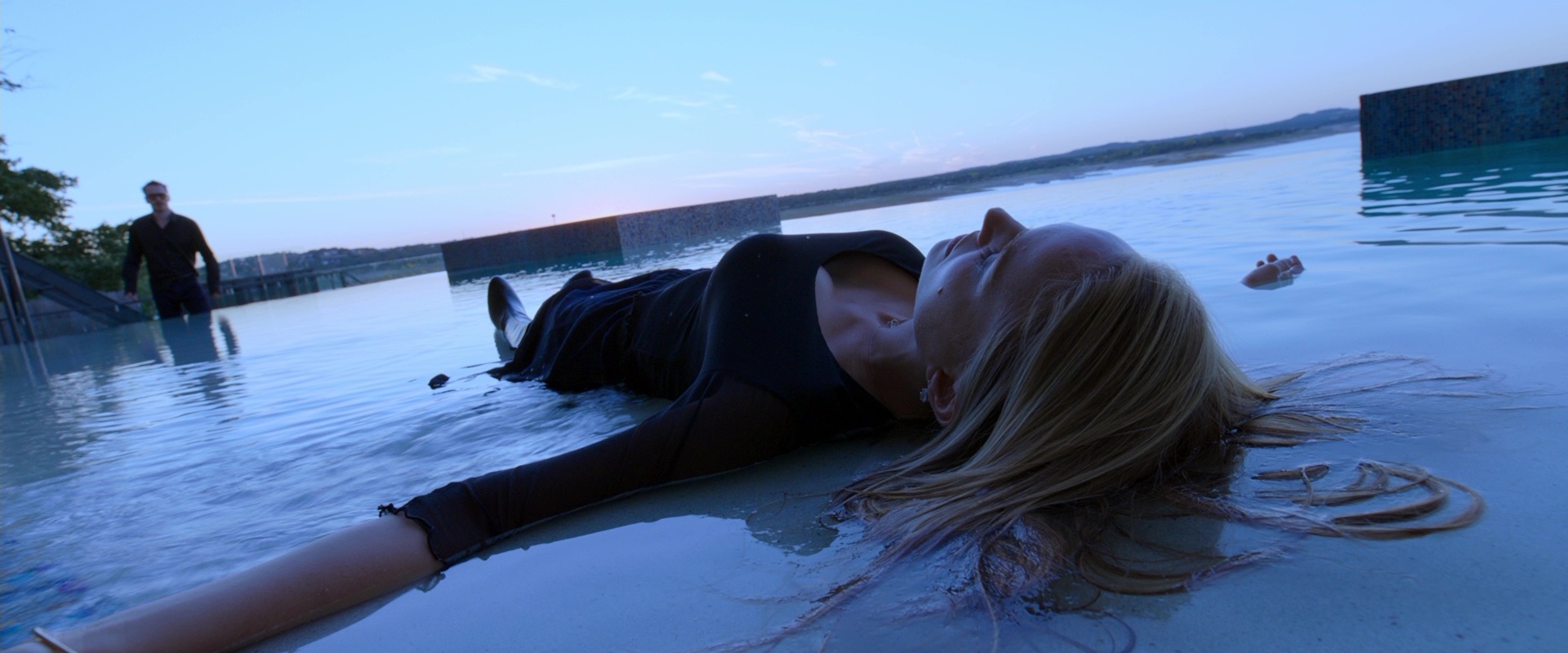
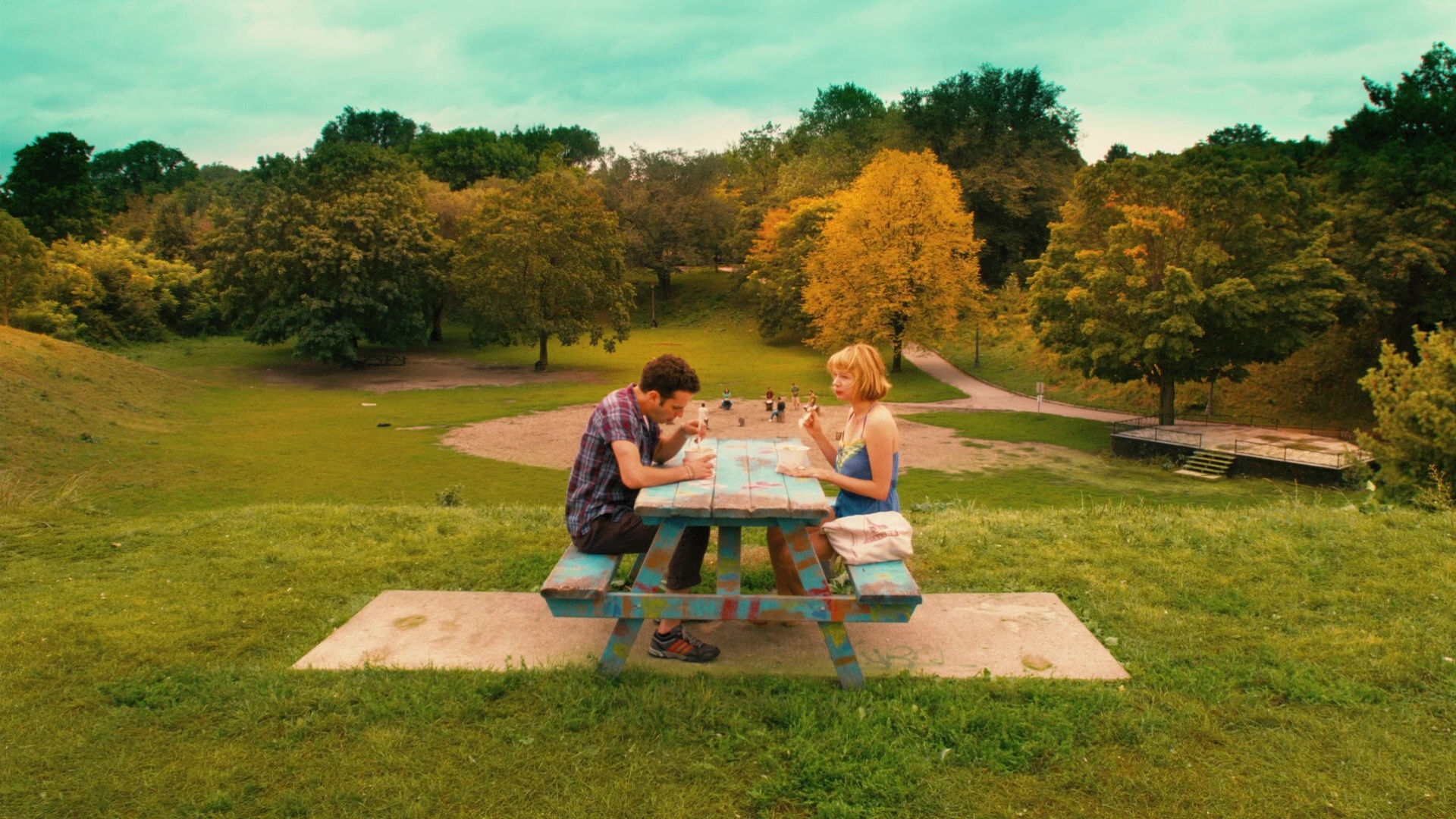
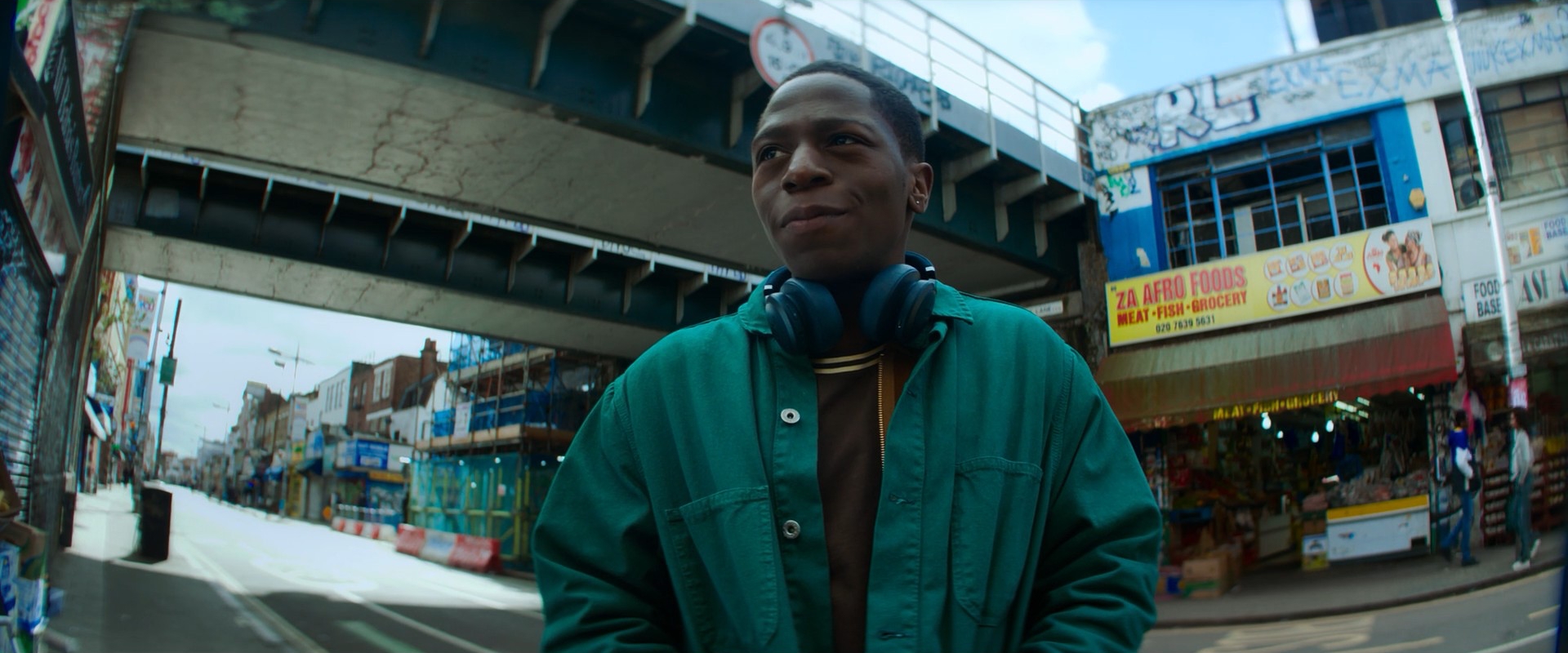
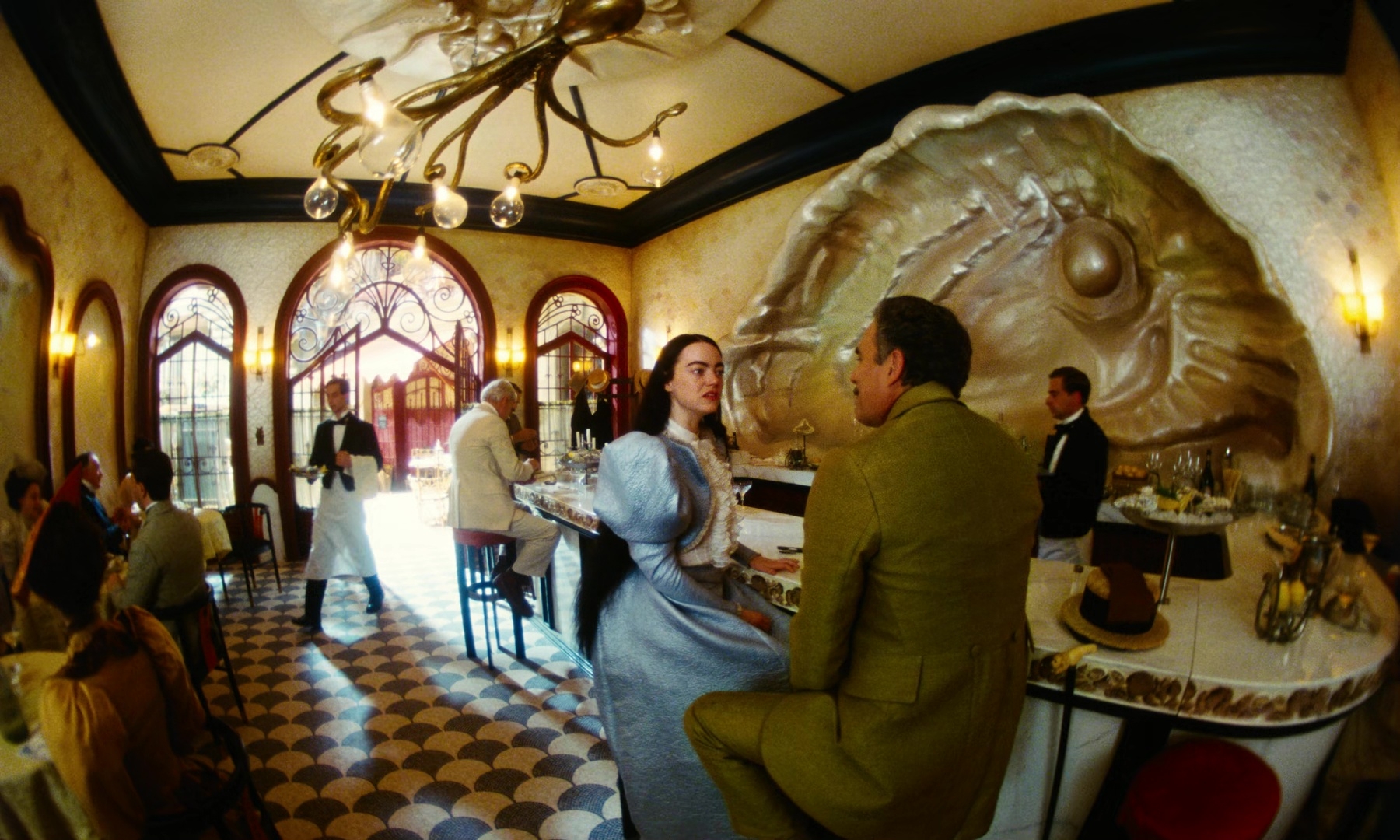
Ultra Wide / Fisheye Lenses
Key Features:
- Focal Length: 8mm – 18mm
- Magnification: Subjects shot with an ultra wide lens often appear further away from the camera than they actually are – so much so that they can have a distorted effect on the frame
- Compression of Space: Ultra wide lenses have very low magnification, so the camera is often placed very close to the subject to maintain the desired framing. From that close distance, backgrounds appear much farther away from foregrounds, exaggerating the perceived depth of the image
- Field of View: Very wide – An ultra wide lens allows you to capture more of the scene around or behind the subject than is possible with any other lens
- Depth of Field: Very deep – With an ultra wide lens, you see the entire world, and often, all of it is in focus
Other Features of Note:
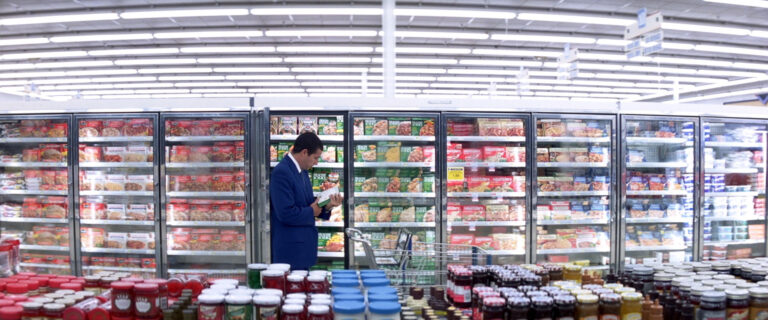
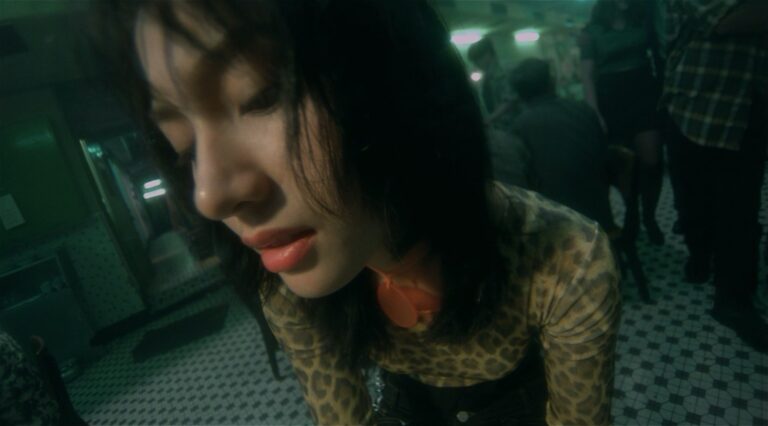
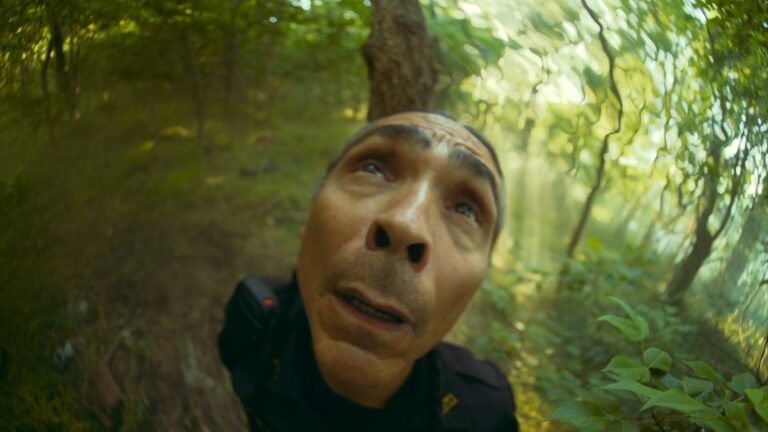
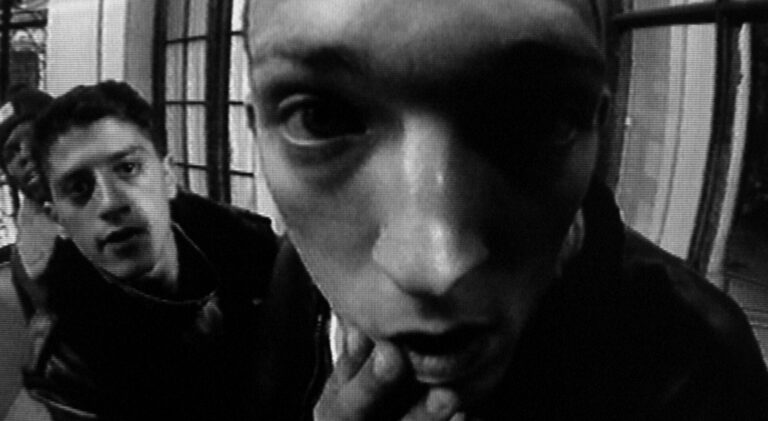
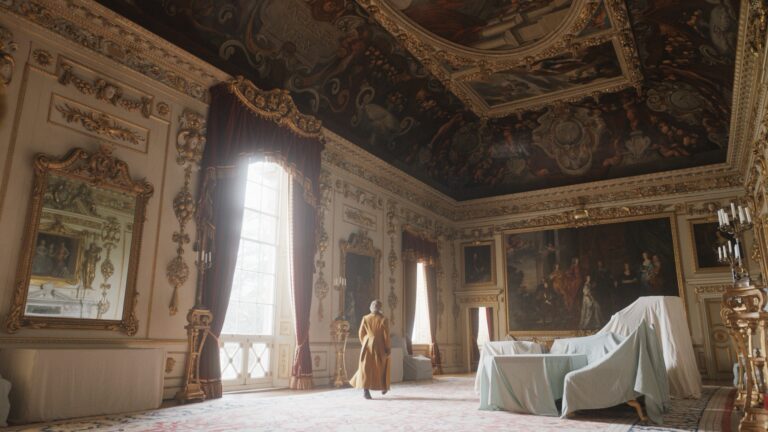
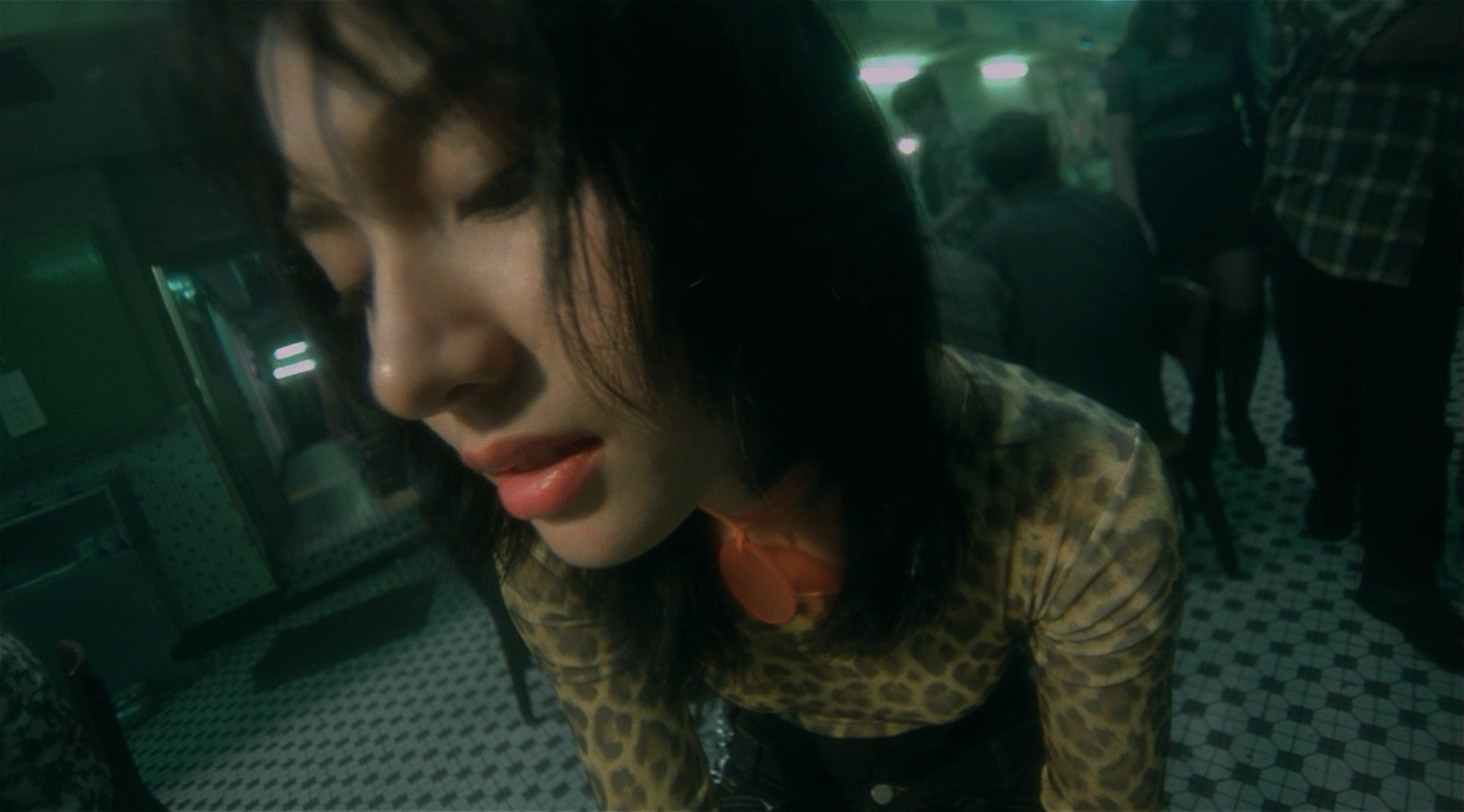
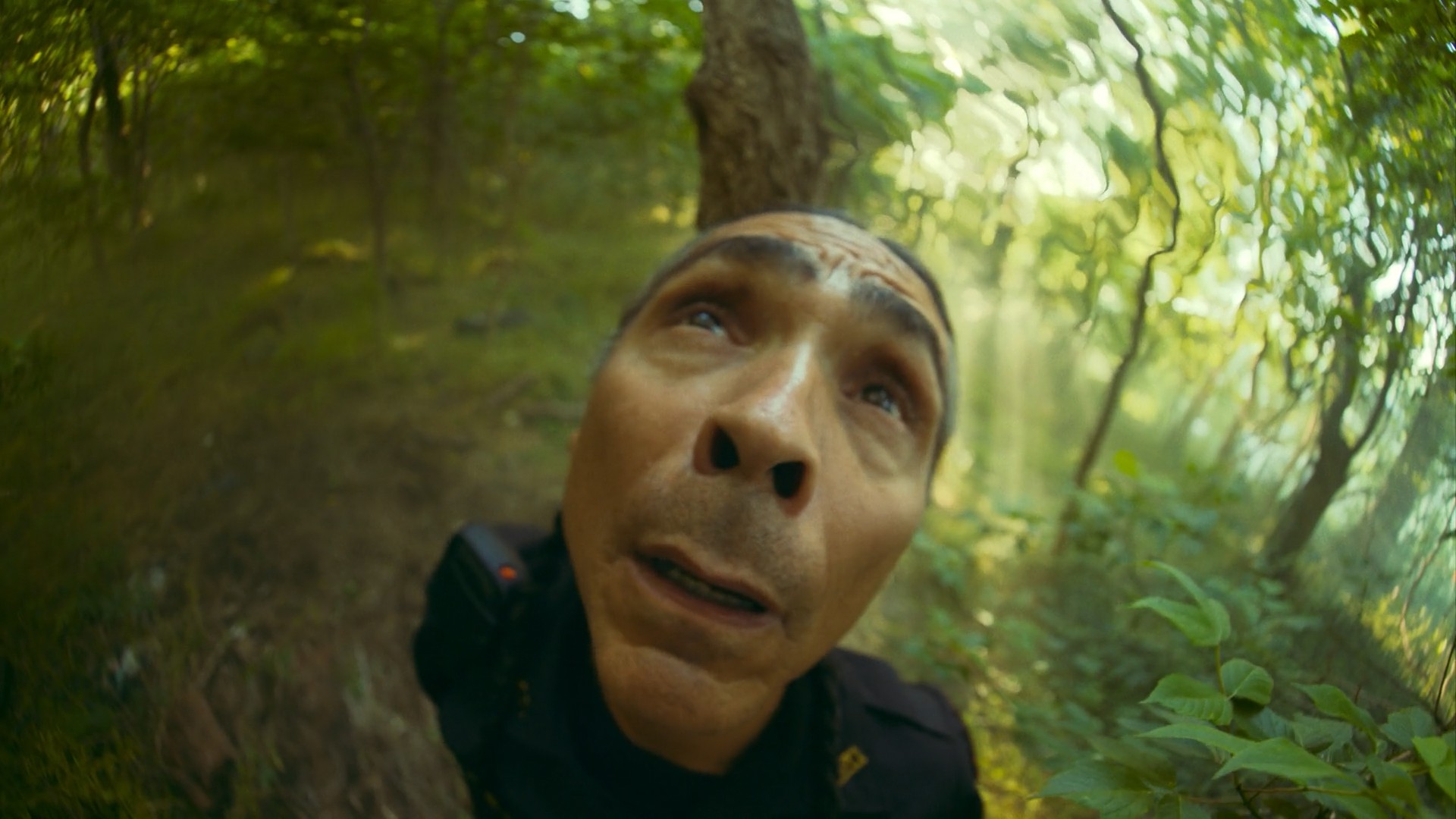
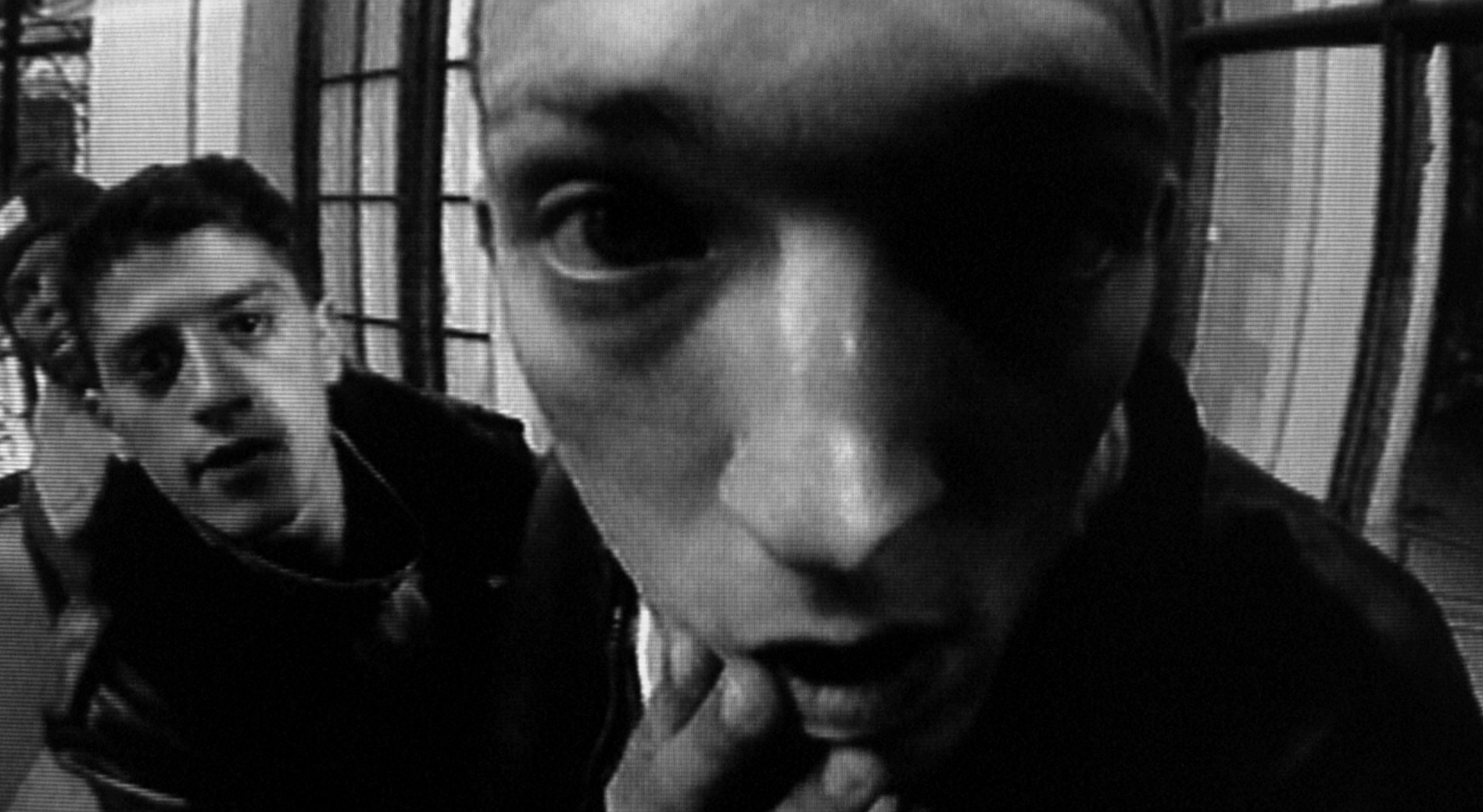
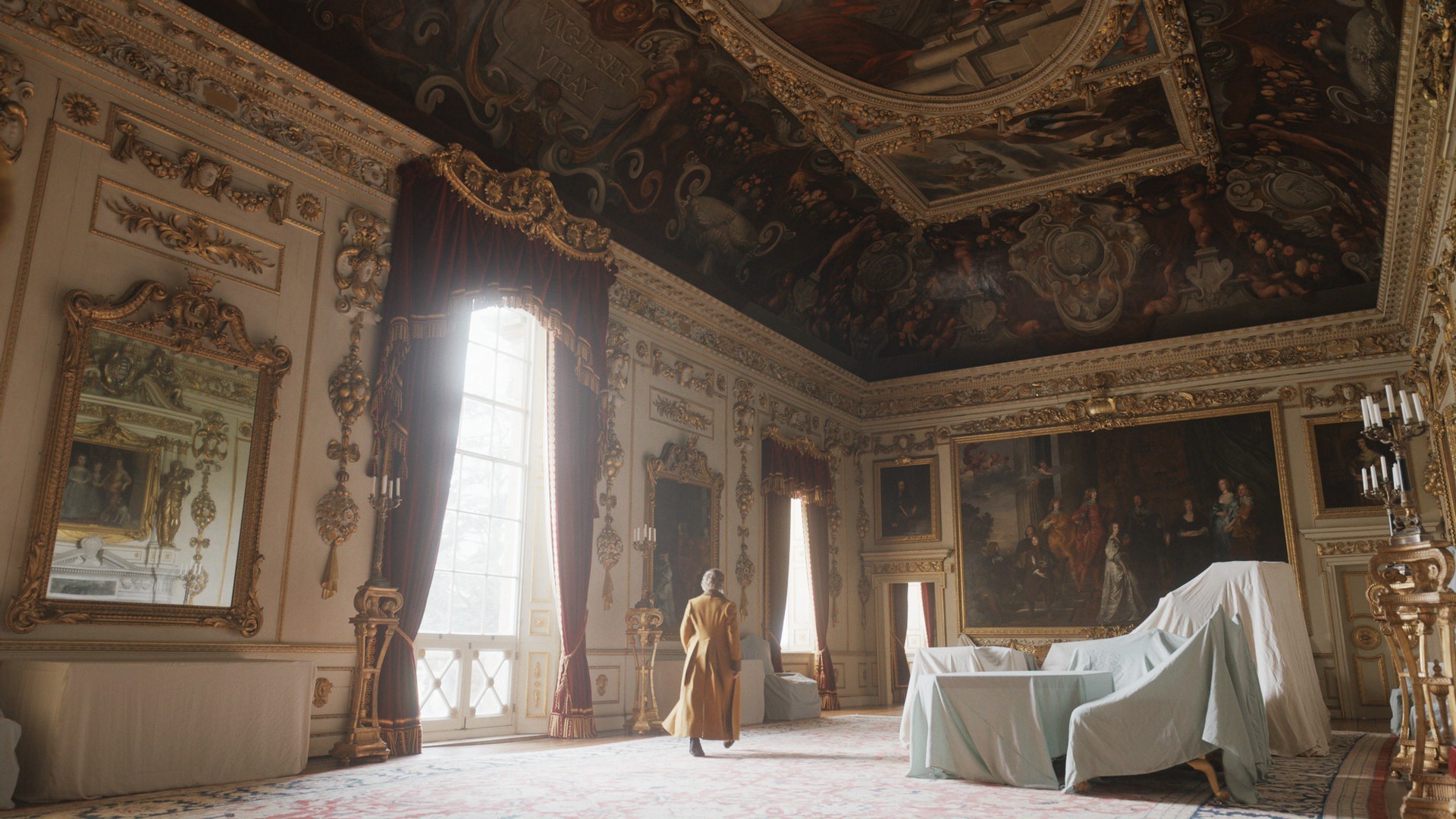
- Ultra wide lenses can create the effect of looking through a peephole or through a dome
- With an ultra wide lens, you often see the world through an unusual perspective – the lens has a wrap-around effect that can distort a frame, making straight lines appear curved
- Ultra wide lenses have been historically popular for filming skateboarding and other action sports as they greatly emphasize movement
- They are also popular for depicting surreal or altered mental states, such a dream sequences or psychedelic drug trips

TECHNICAL ANALYSIS
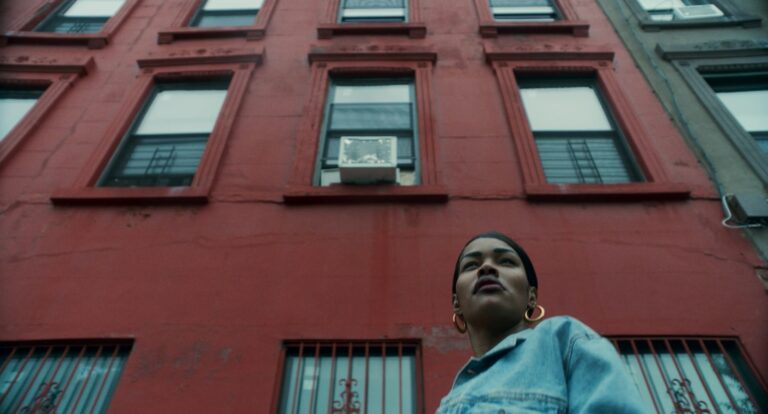
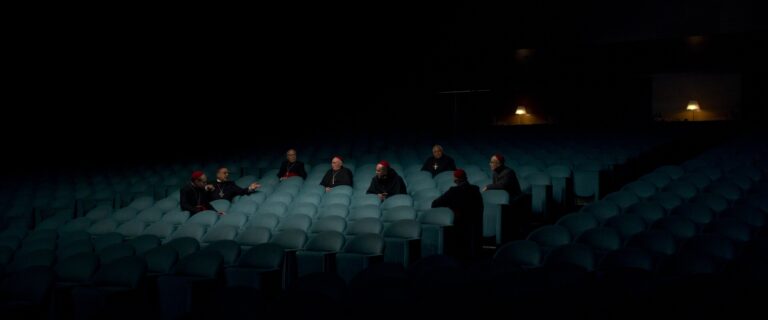
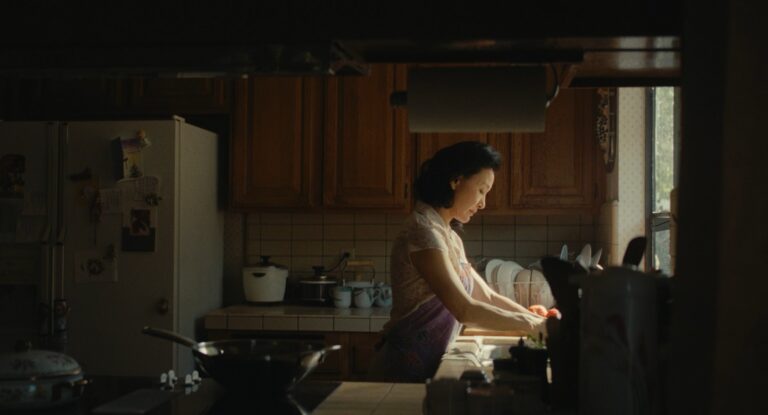
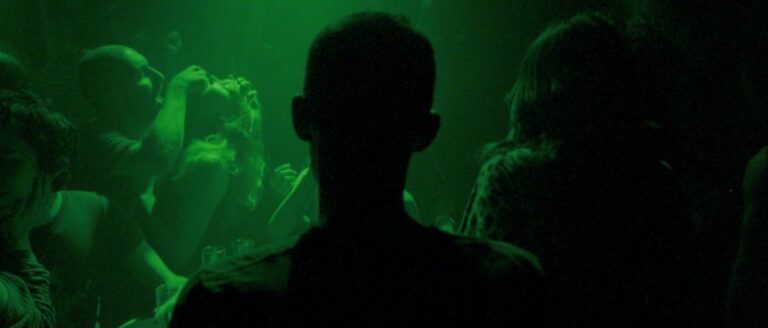
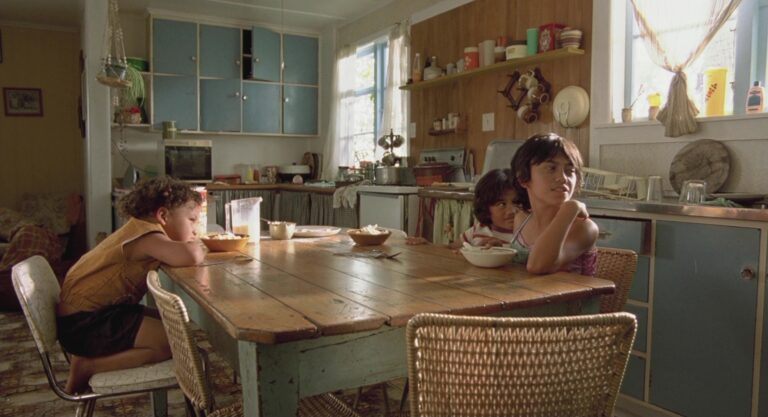
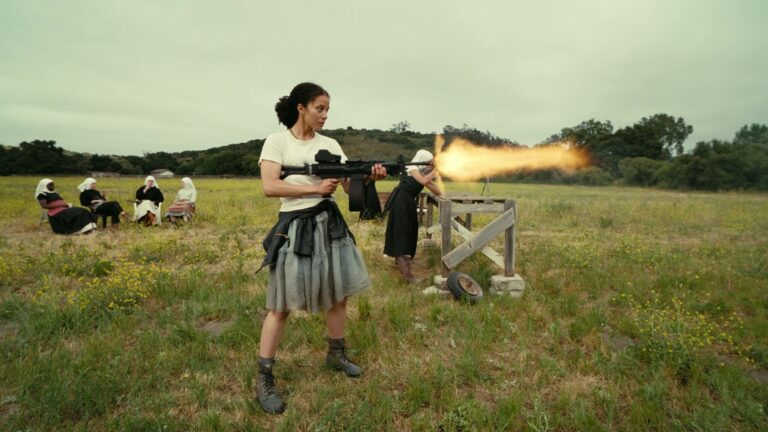
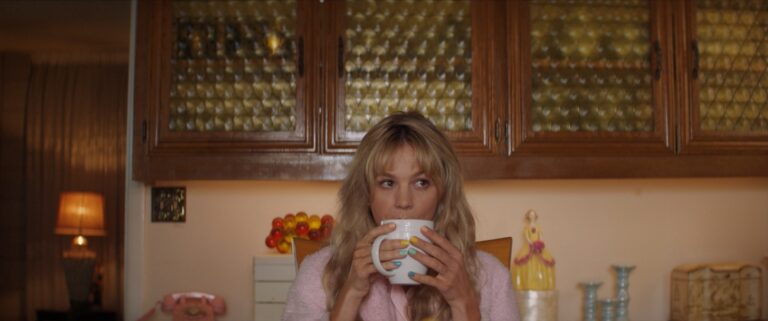
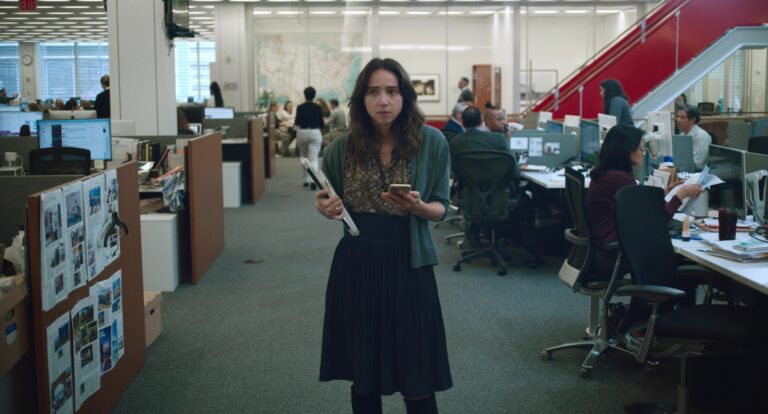
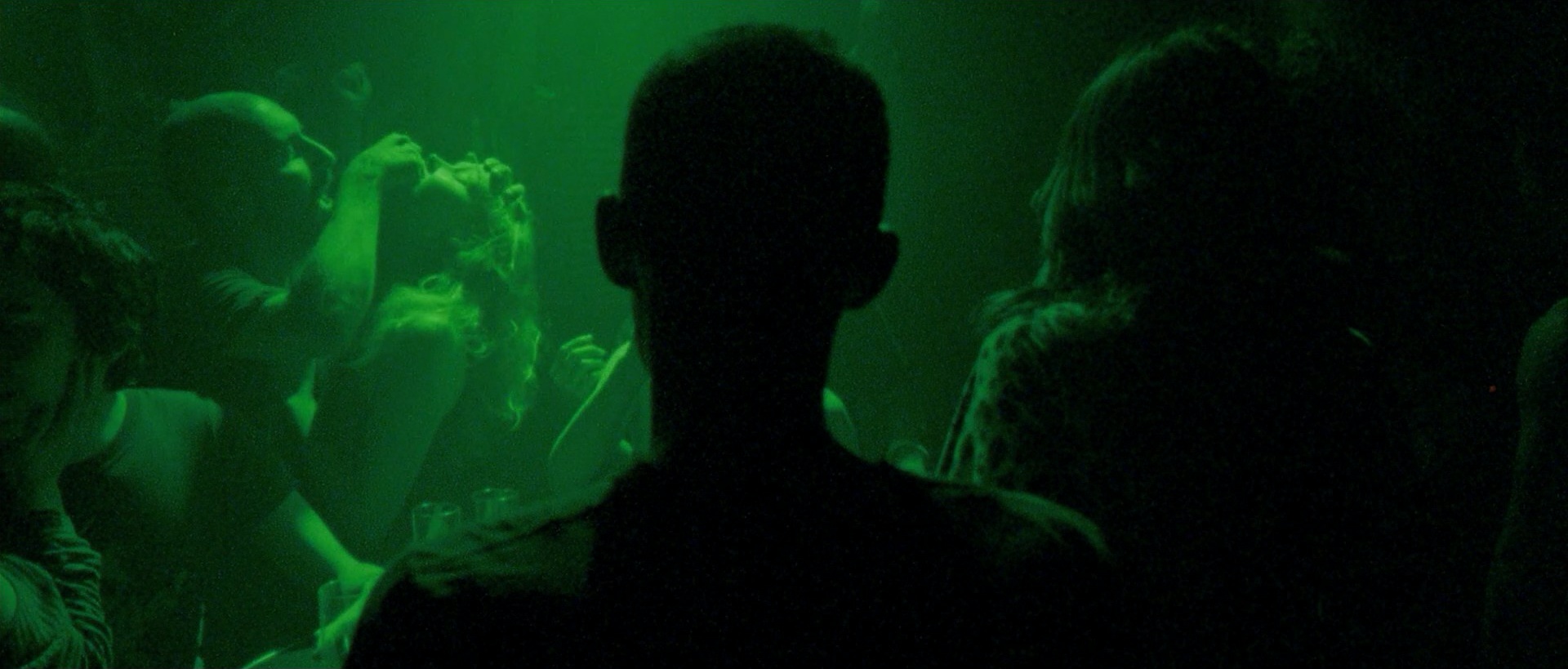
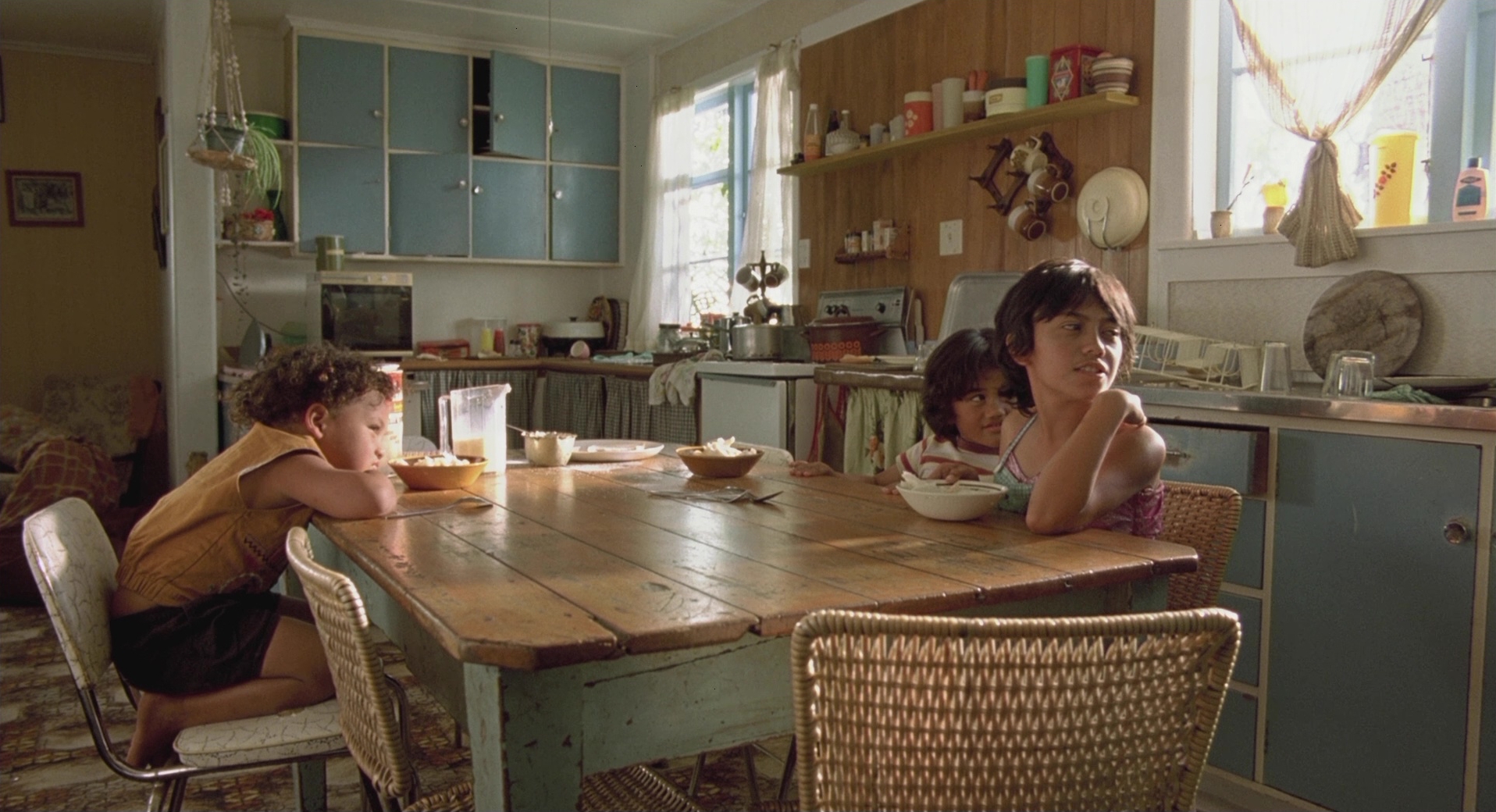
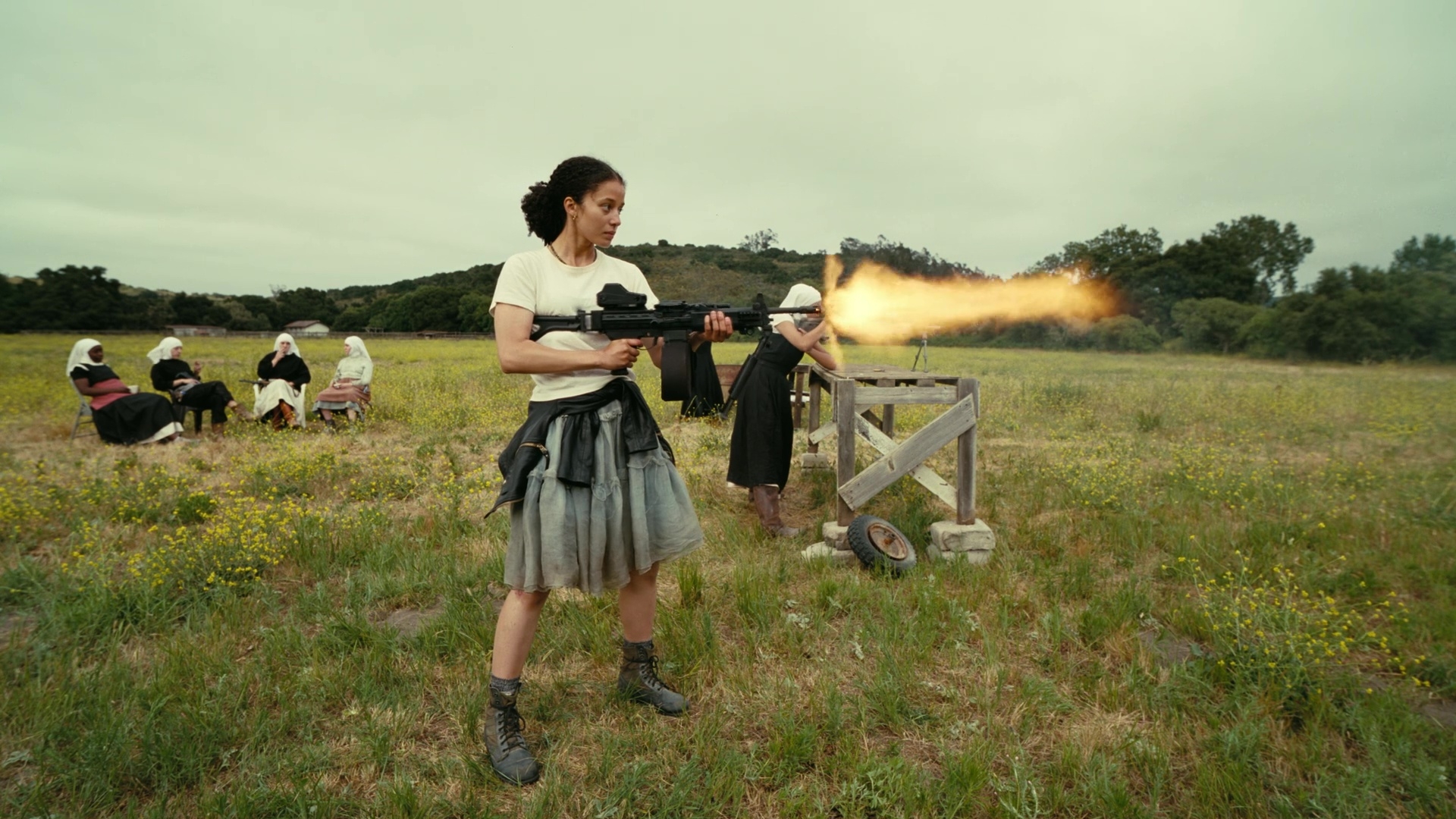
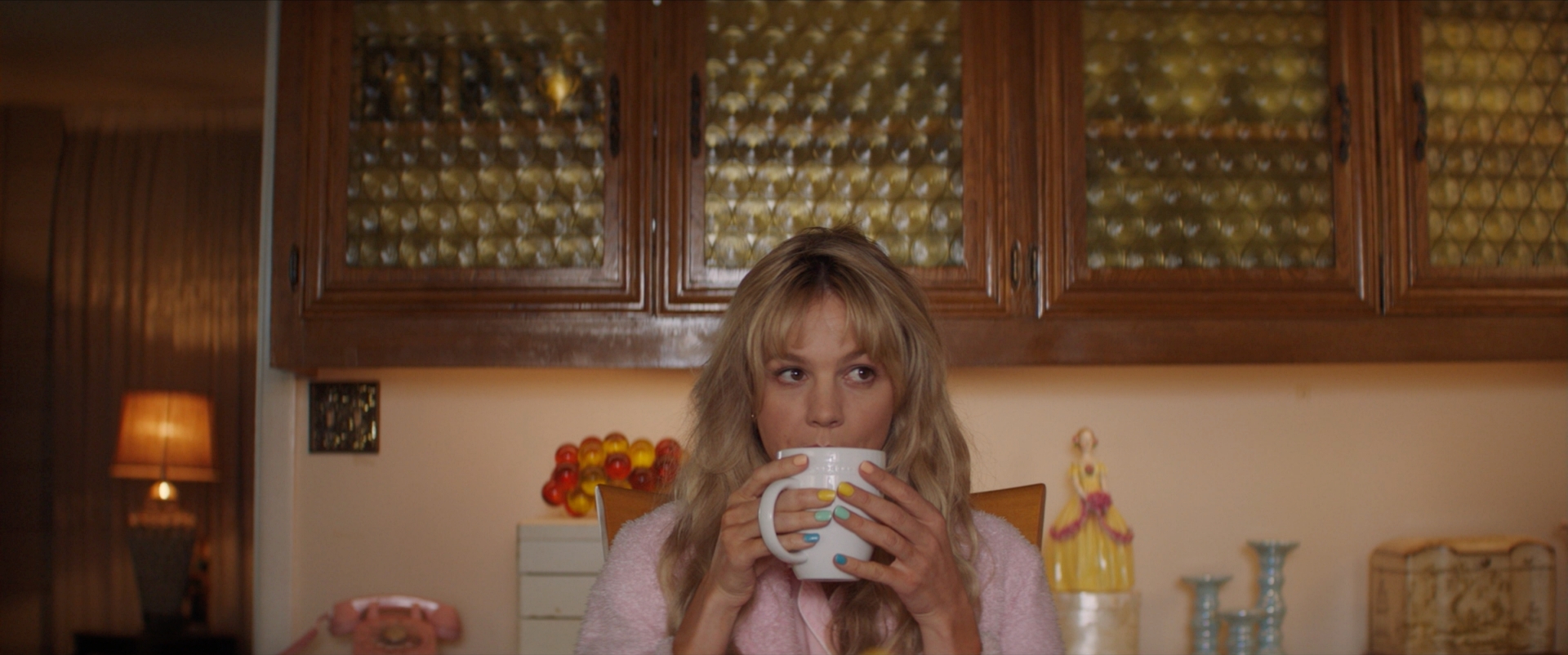
Wide Lenses
Key Features:
- Focal Length: 18mm – 35mm
- Magnification: Subjects shot with a wide lens often appear slightly further away from the camera than they actually are. The closer the lens is to the subject, the more likely distortion is – but this is less pronounced than with an ultra wide lens
- Compression of Space: Wide lenses have lower magnification, so the camera is often placed closer to the subject to maintain the desired framing. From that closer distance, backgrounds appear farther away from foregrounds, expanding the perceived depth of the image
- Field of View: Wide – A wide lens allows you to see much of the world around the subject with minimal distortion. The lines within the frame, including the edges, generally remain straight
- Depth of Field: Deep – The furthest objects start to fall out of focus when shot with a wide lens, but most of it remains visible and in focus
Other Features to Note:
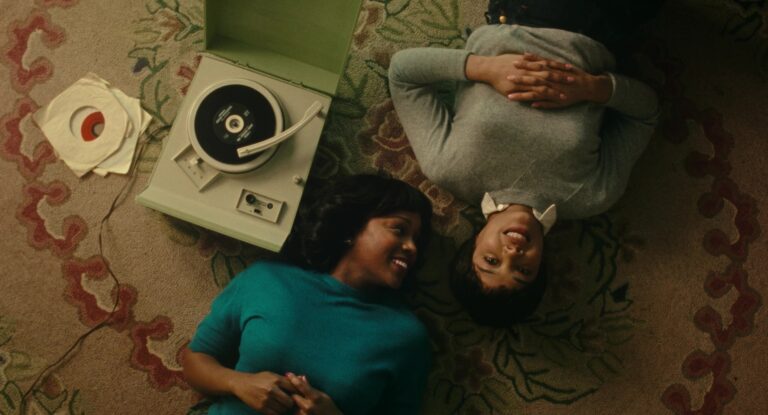
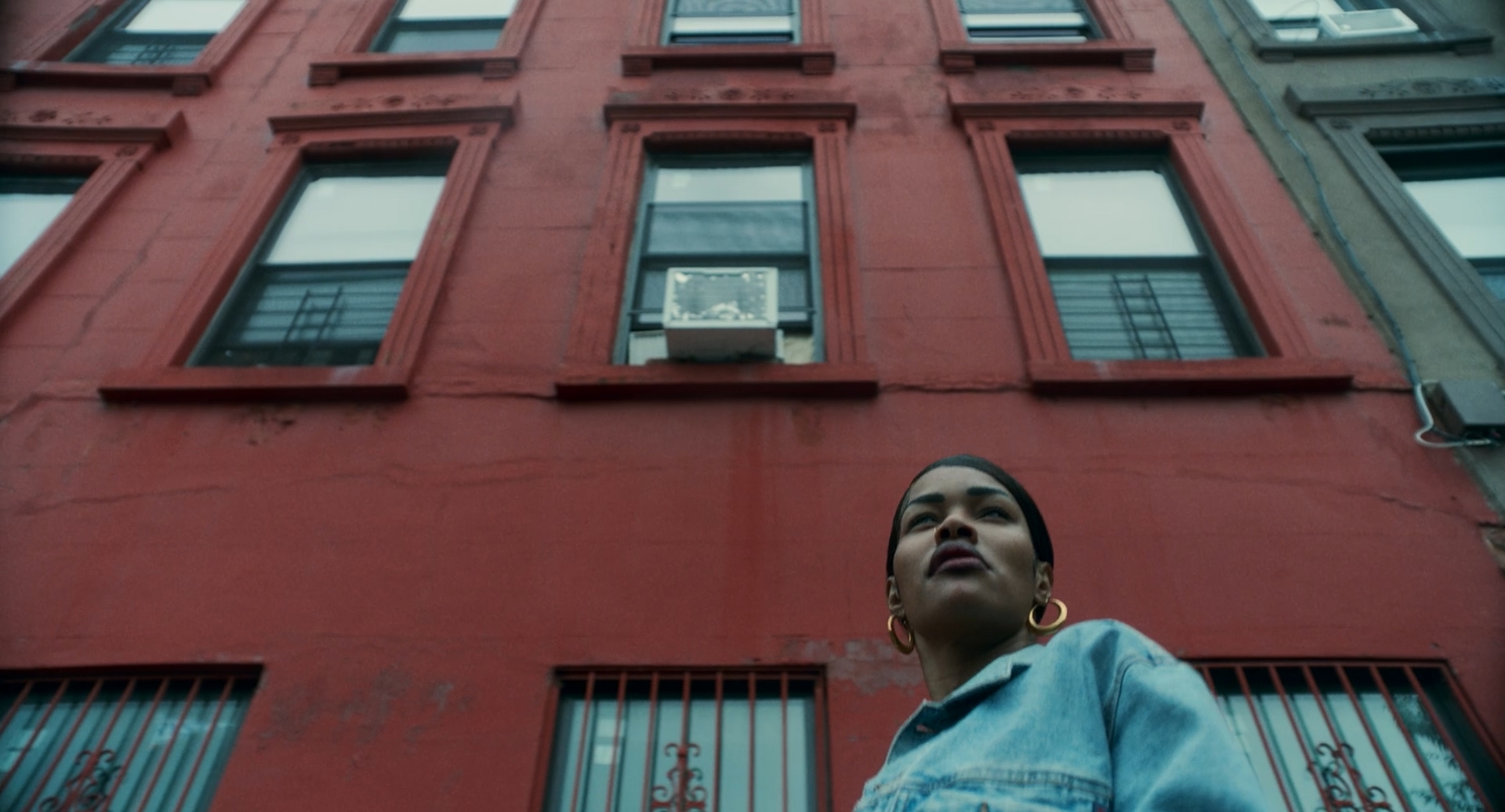
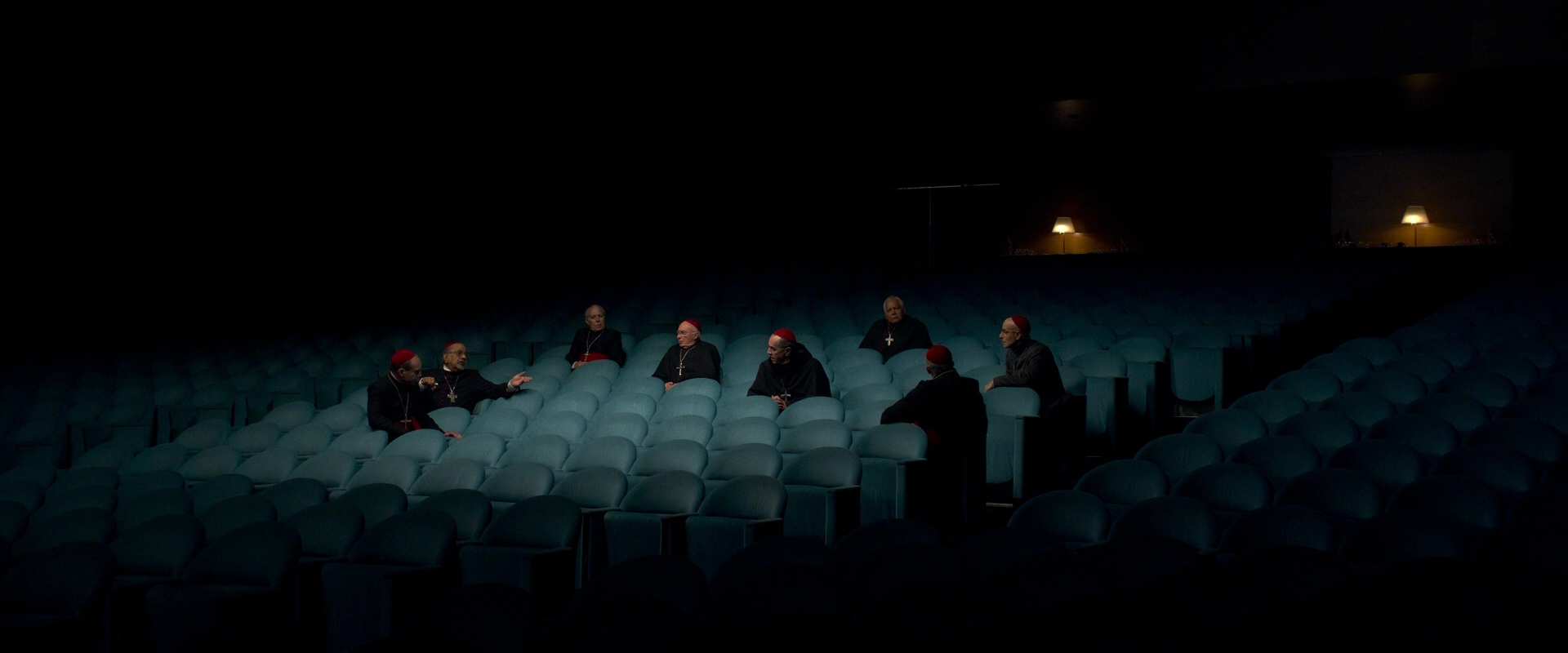
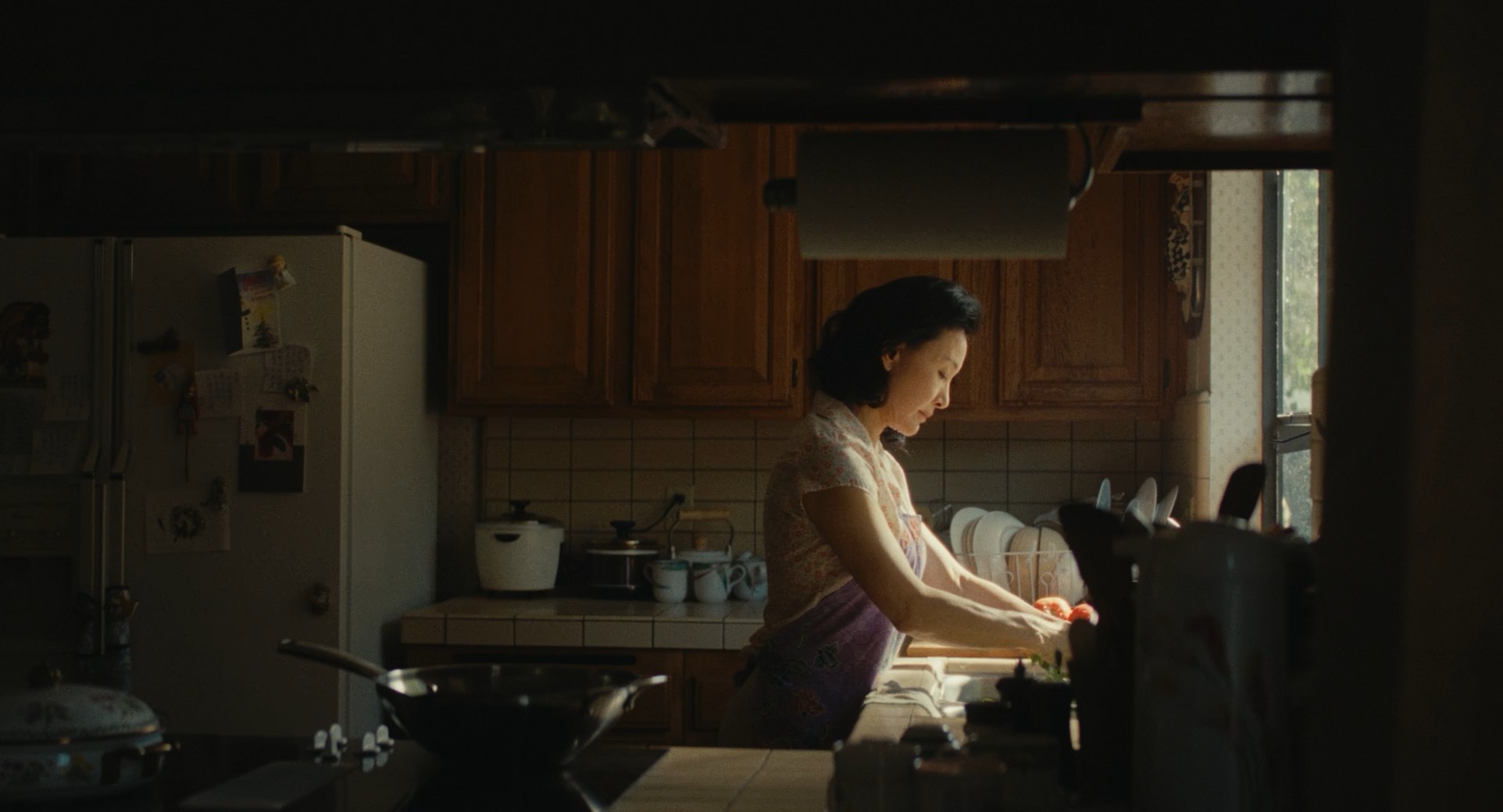
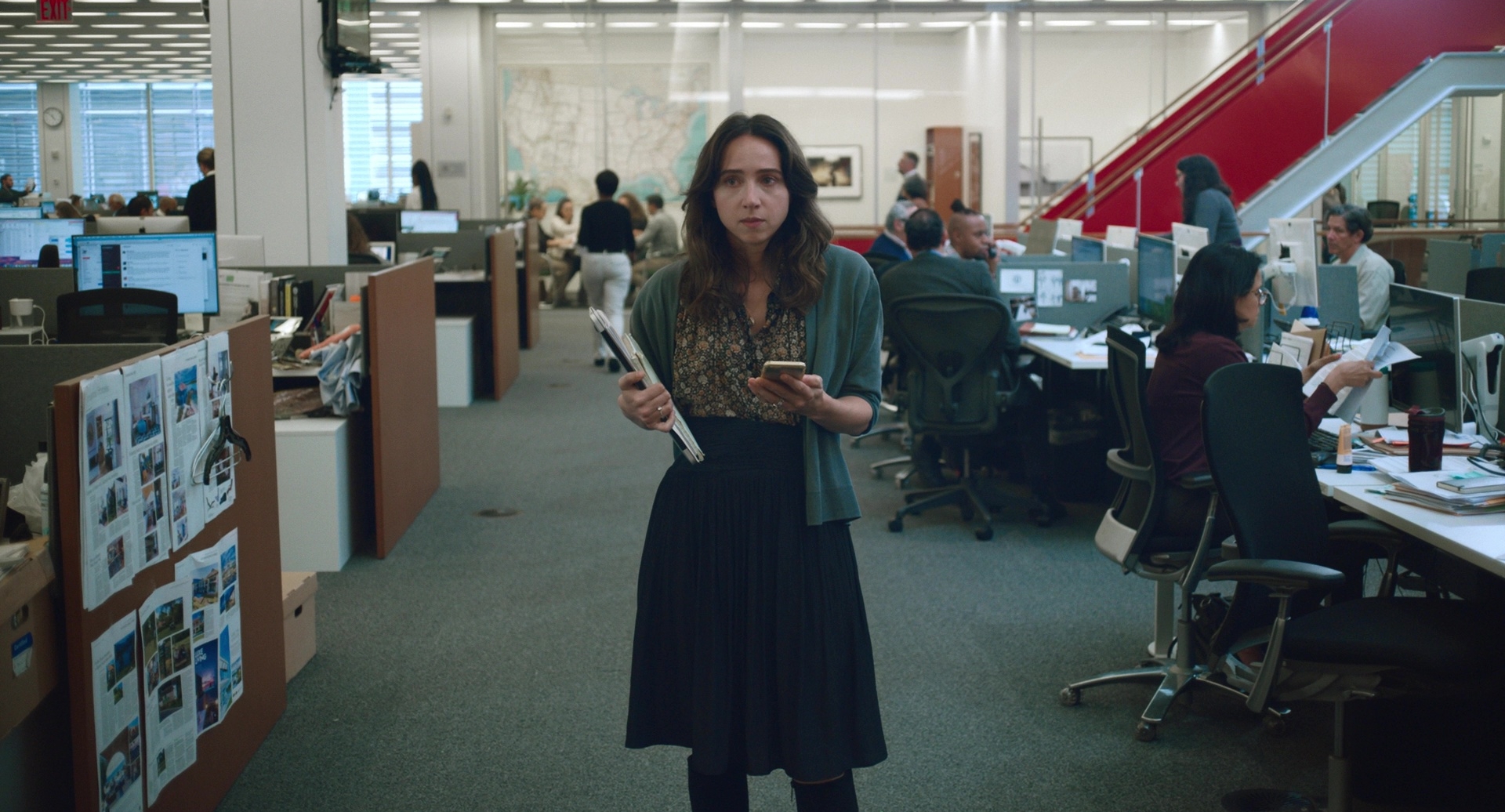
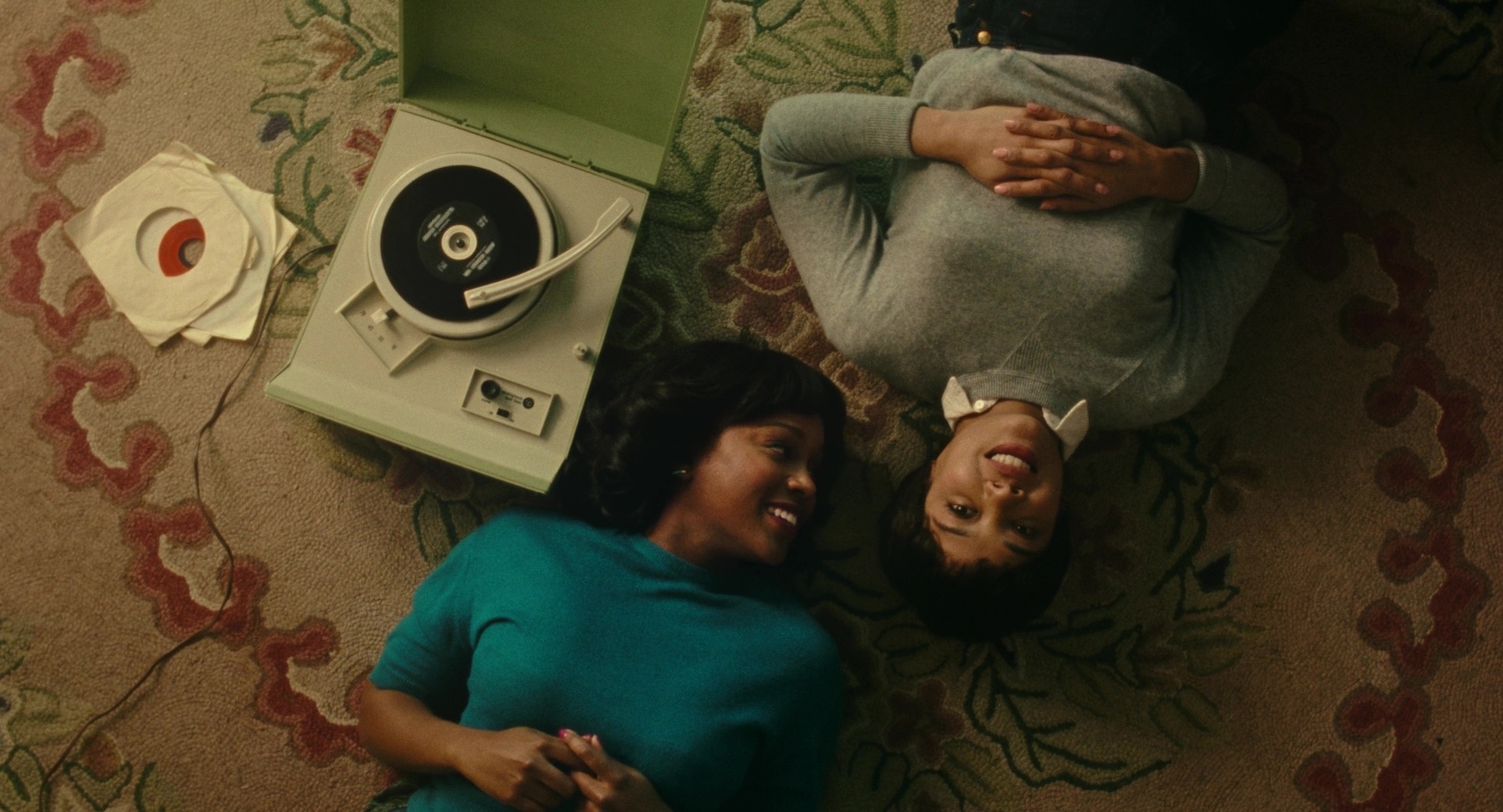
- The camera often needs to be quite close to subjects when capturing them in close-up or medium shots with a wide lens – this can create a feeling of intimacy with the subjects, since the audience is occupying the same space as them. But on the other hand, this can also create a sense of unease or discomfort
- Since wide angle lenses exaggerate the distance between objects in the front-back plane of your image, motion in the front-back plane is also exaggerated. If you want to make objects moving towards or away from your camera appear to move faster, wide angle lenses are best for achieving that
TECHNICAL ANALYSIS
Medium Lenses
Key Features:
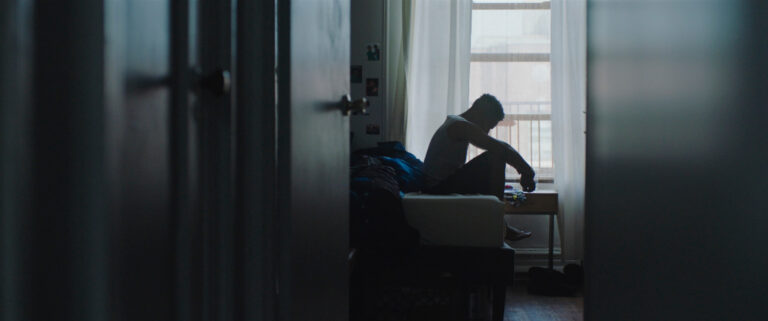
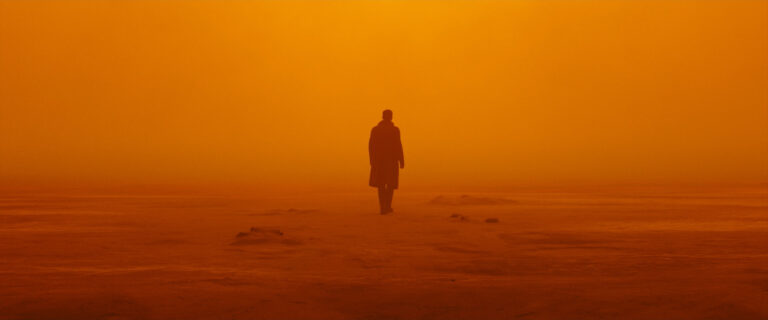
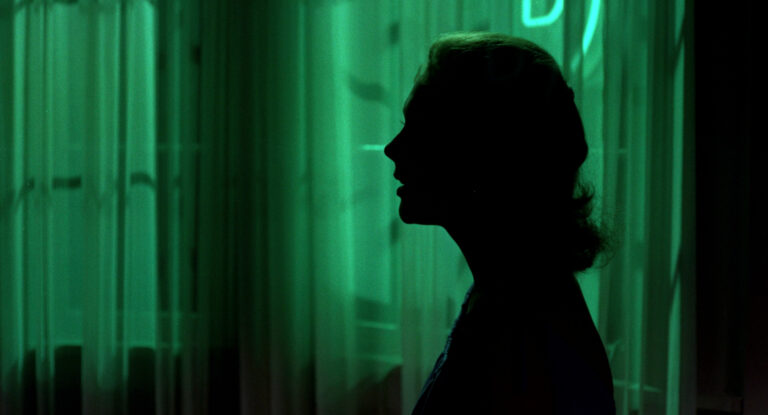
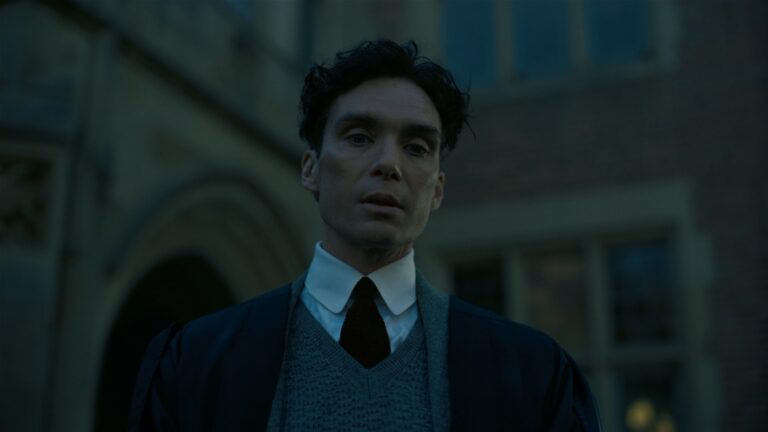
- Focal Length: 35mm – 70mm
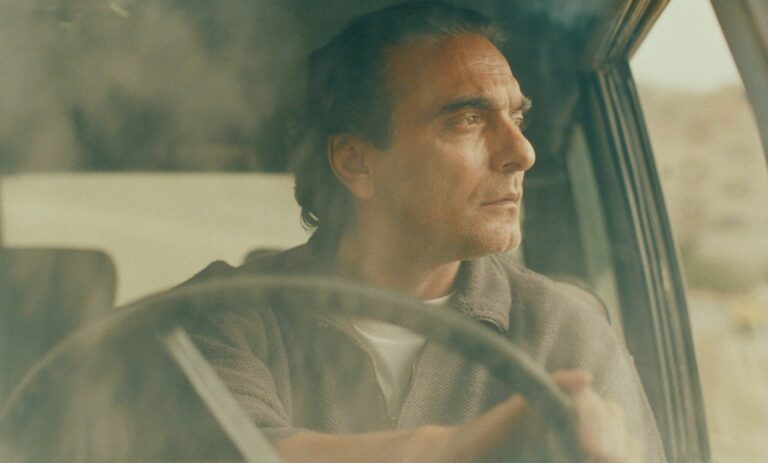
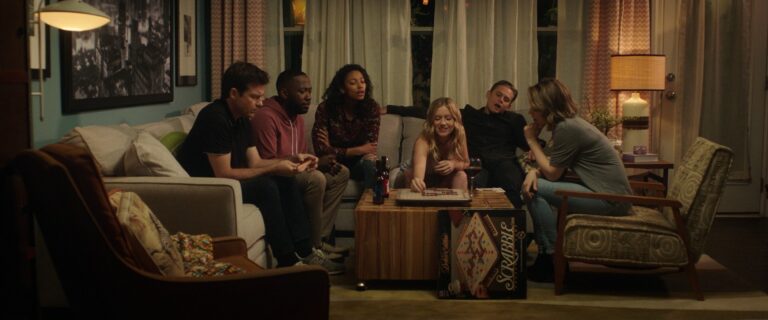
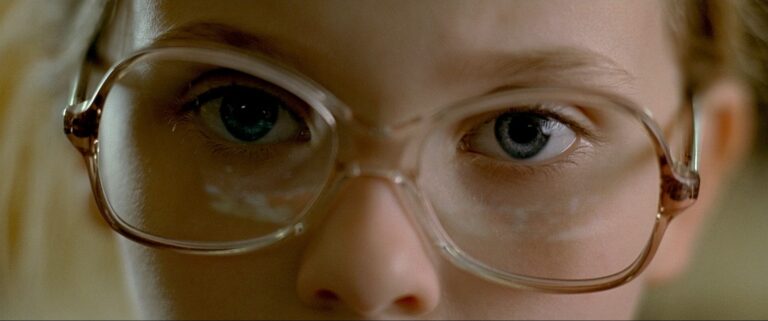
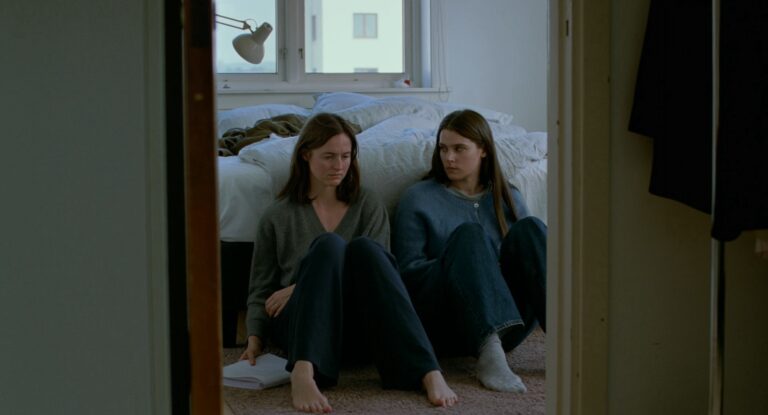
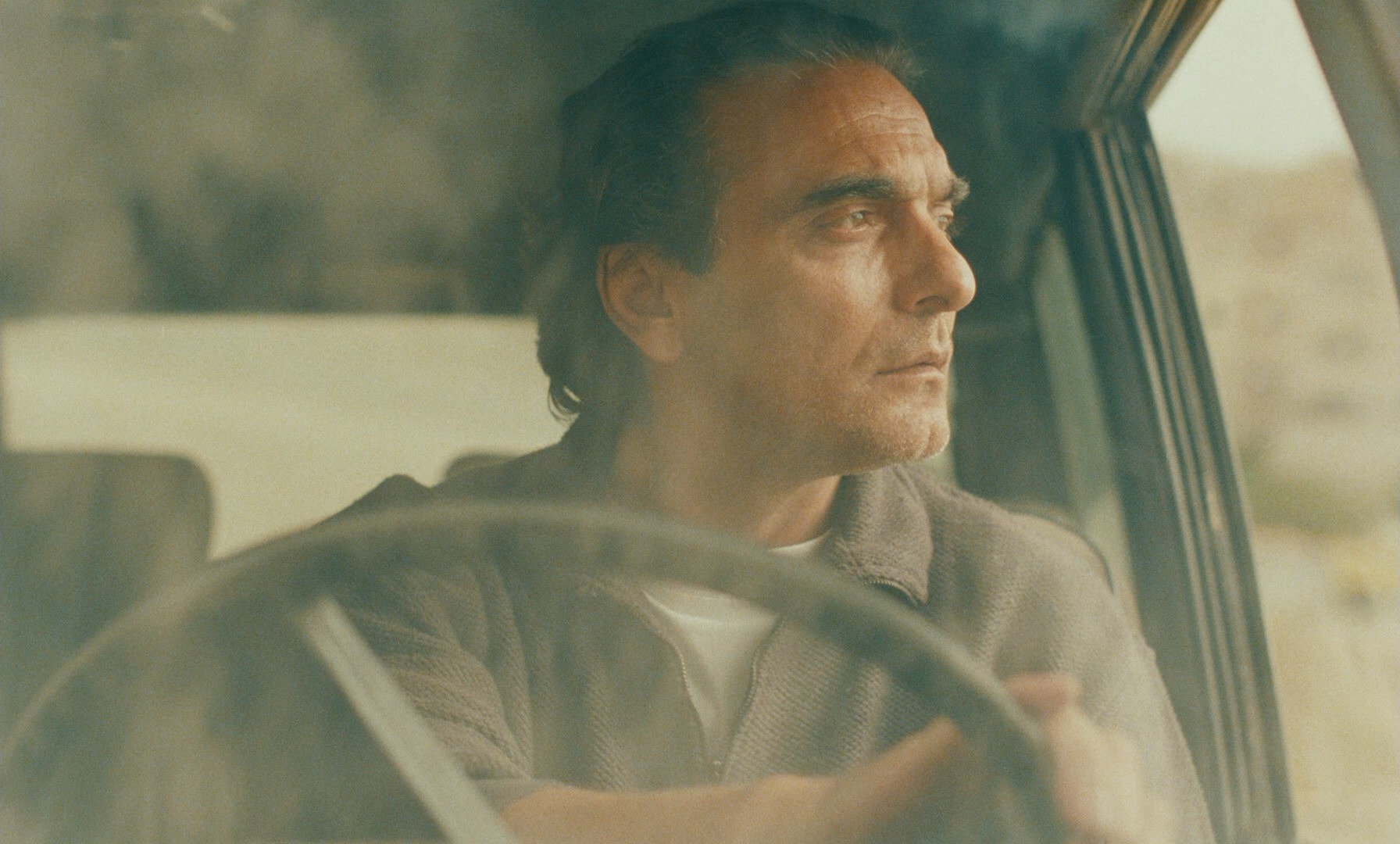
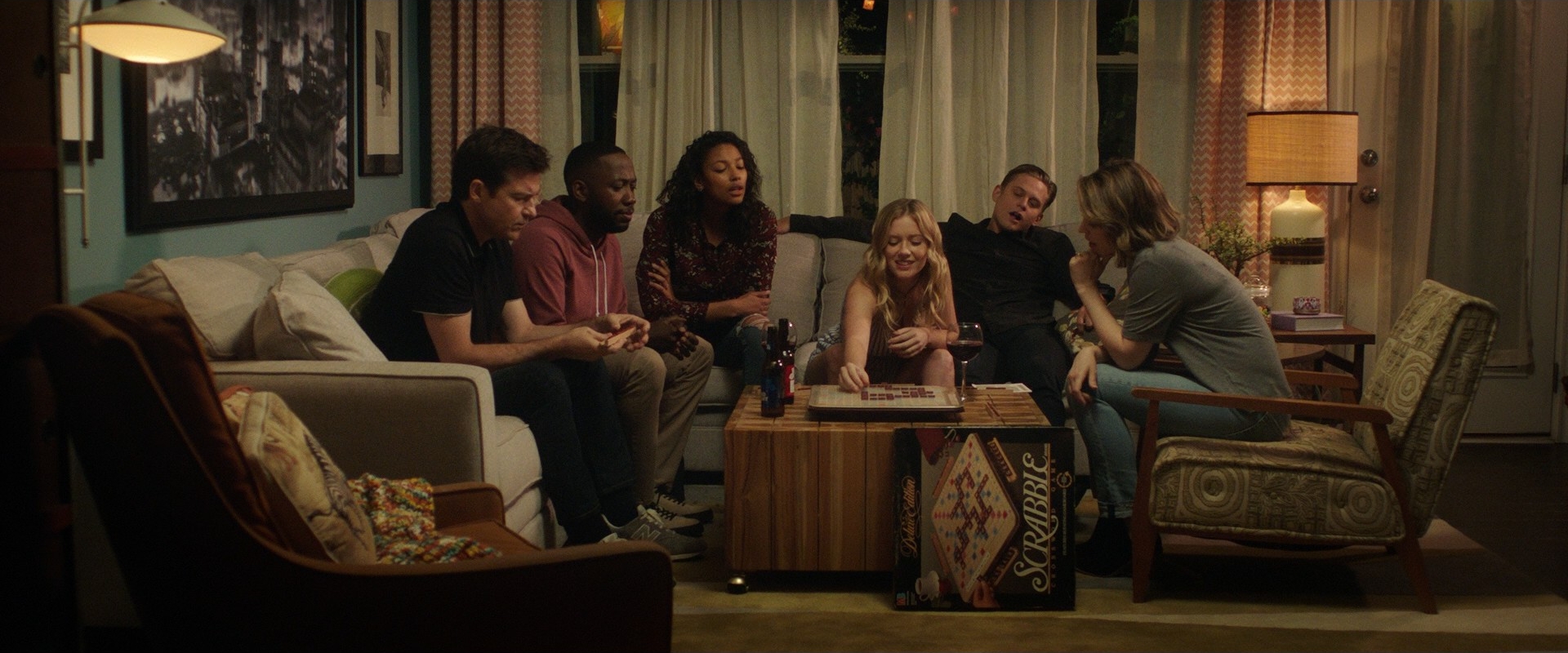
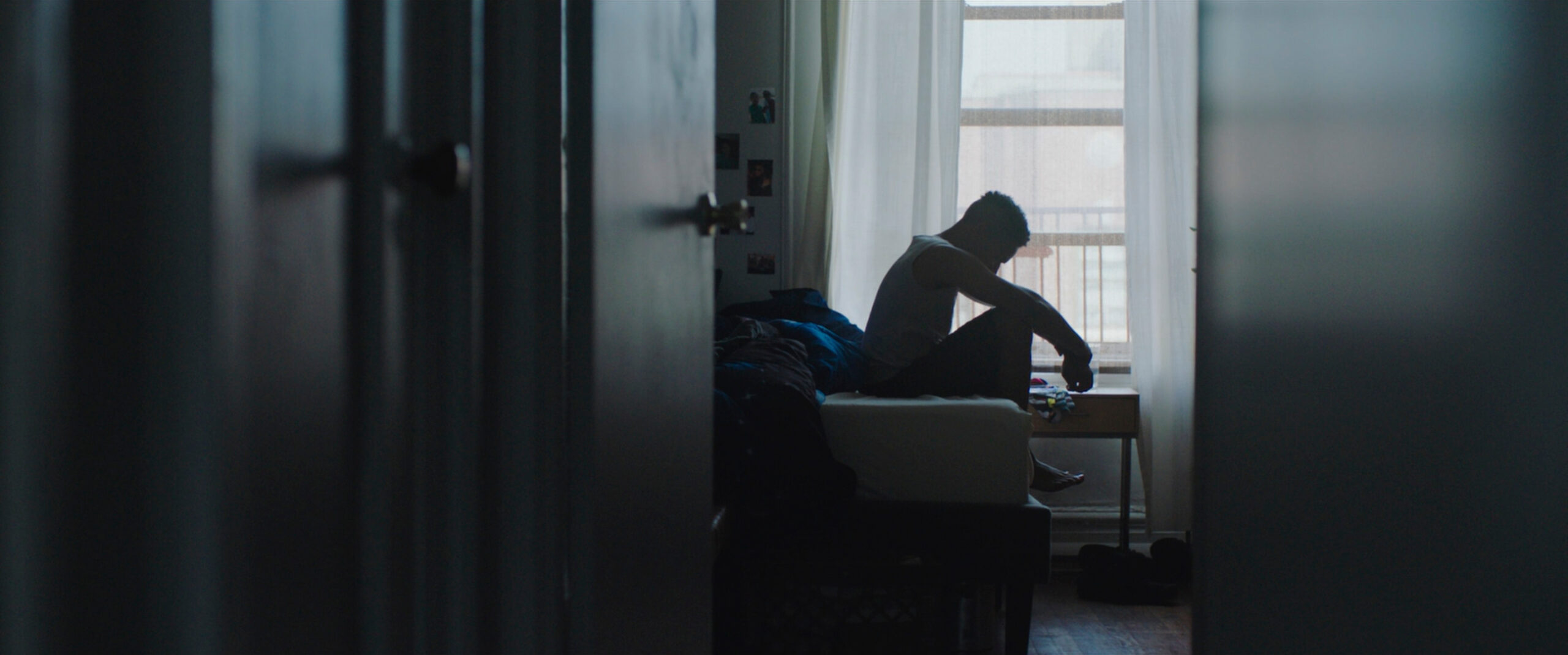
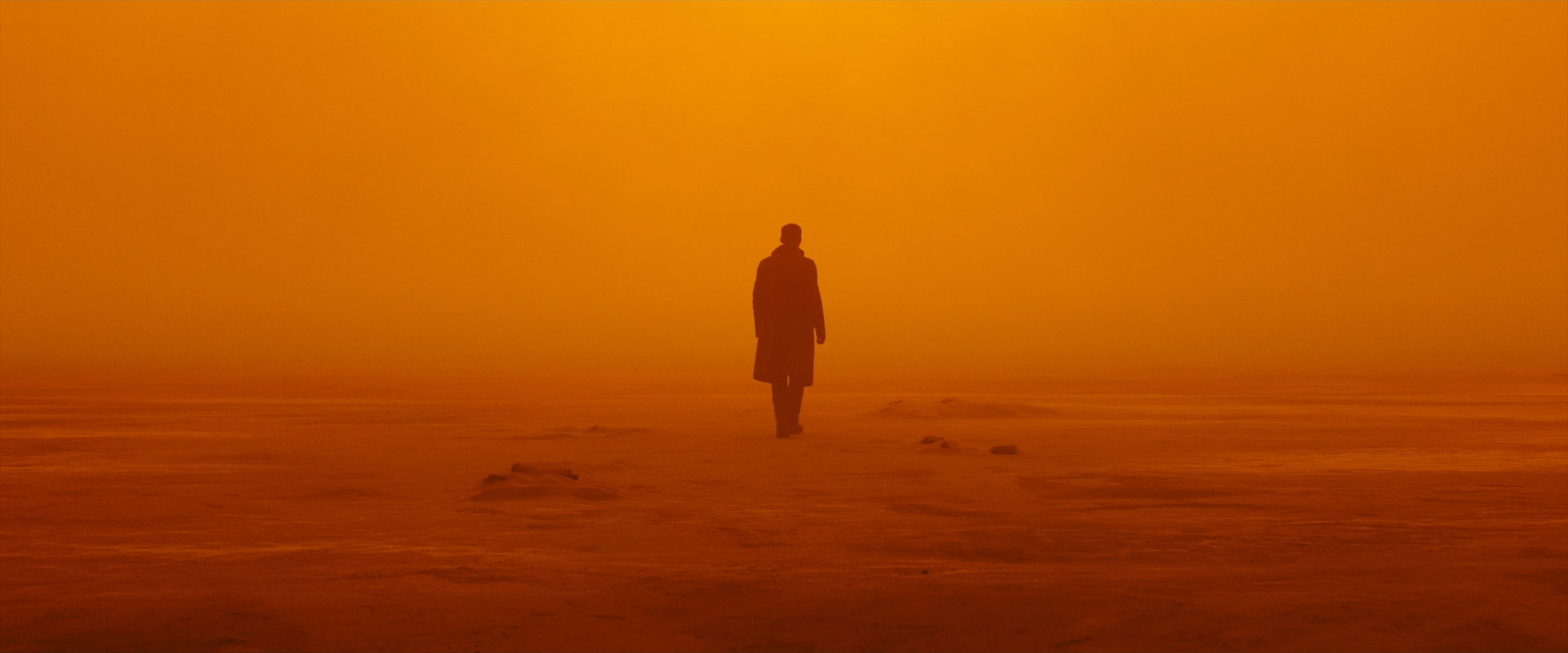
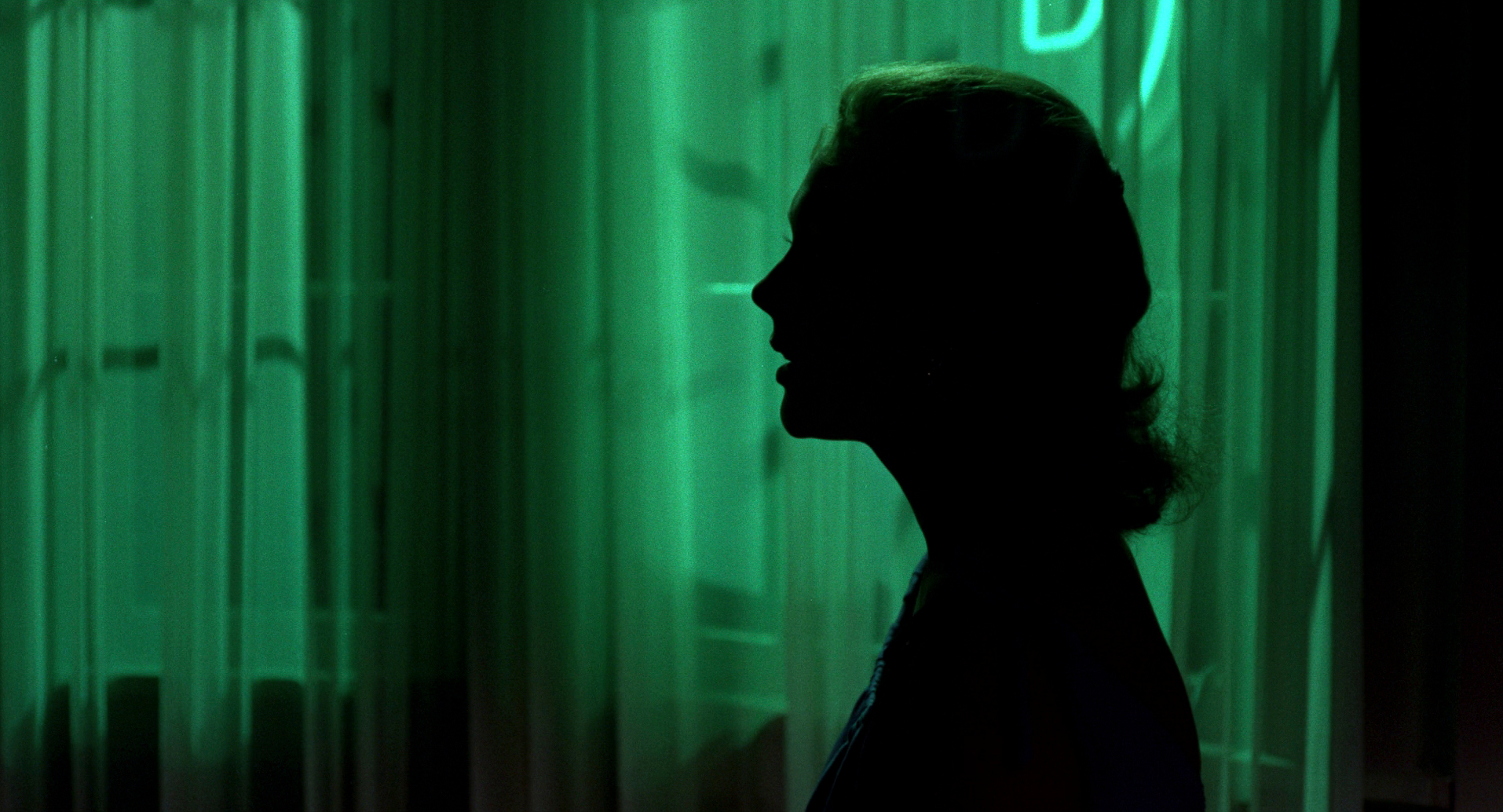
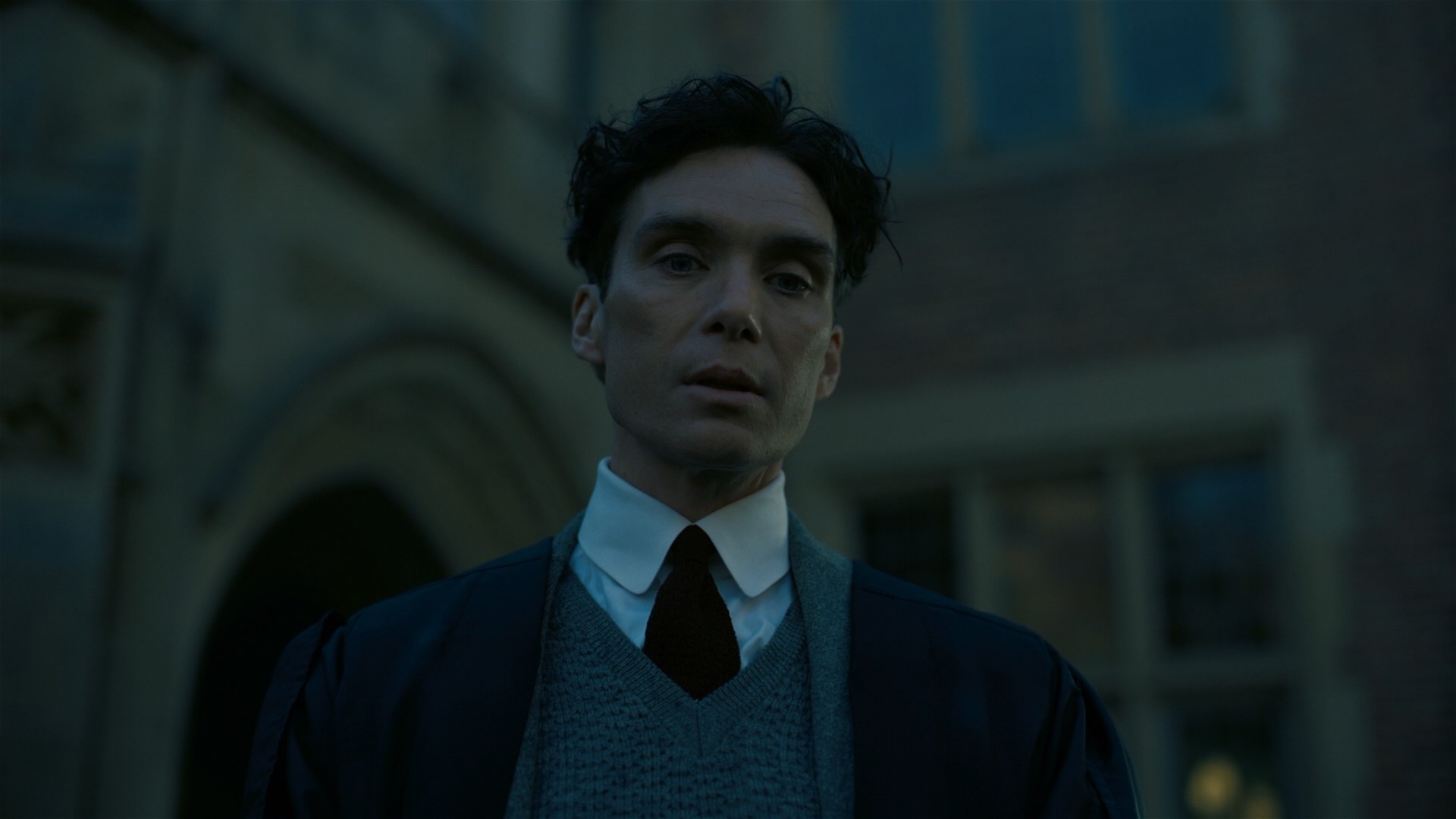
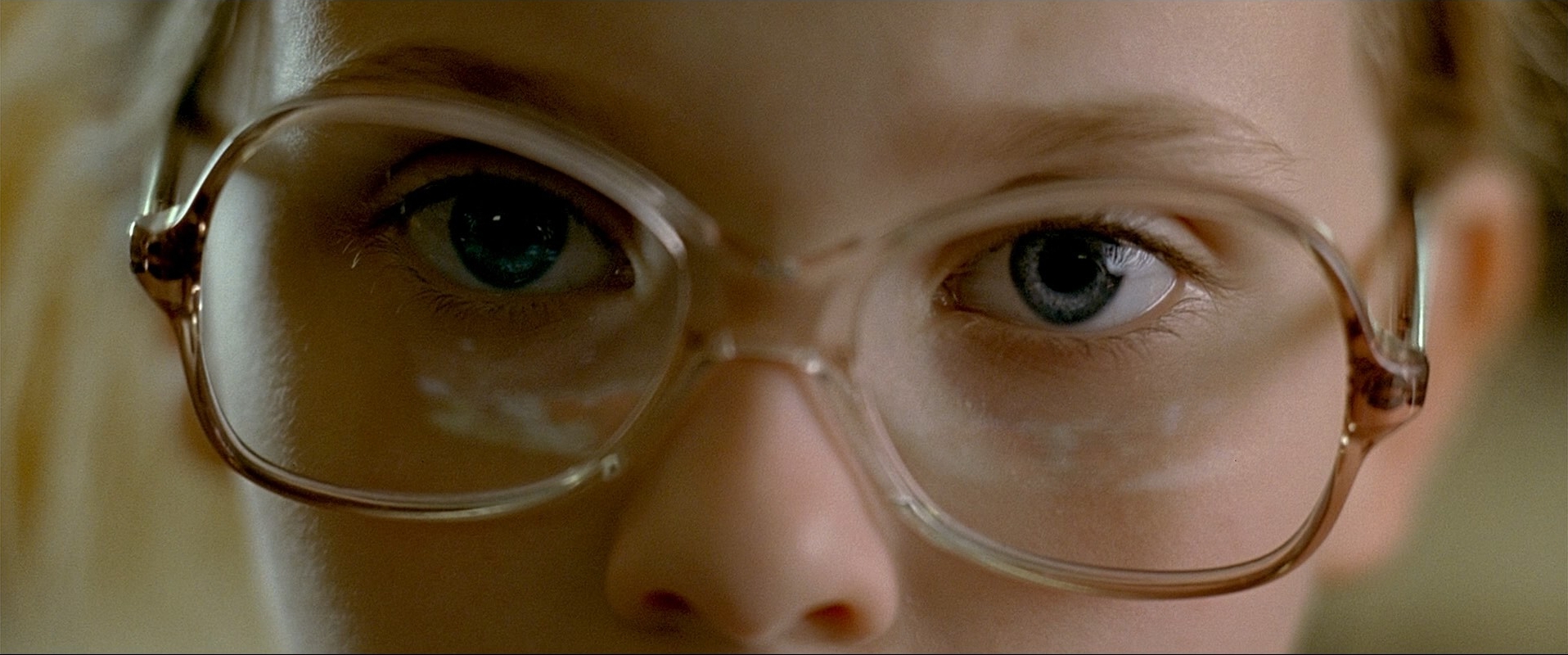
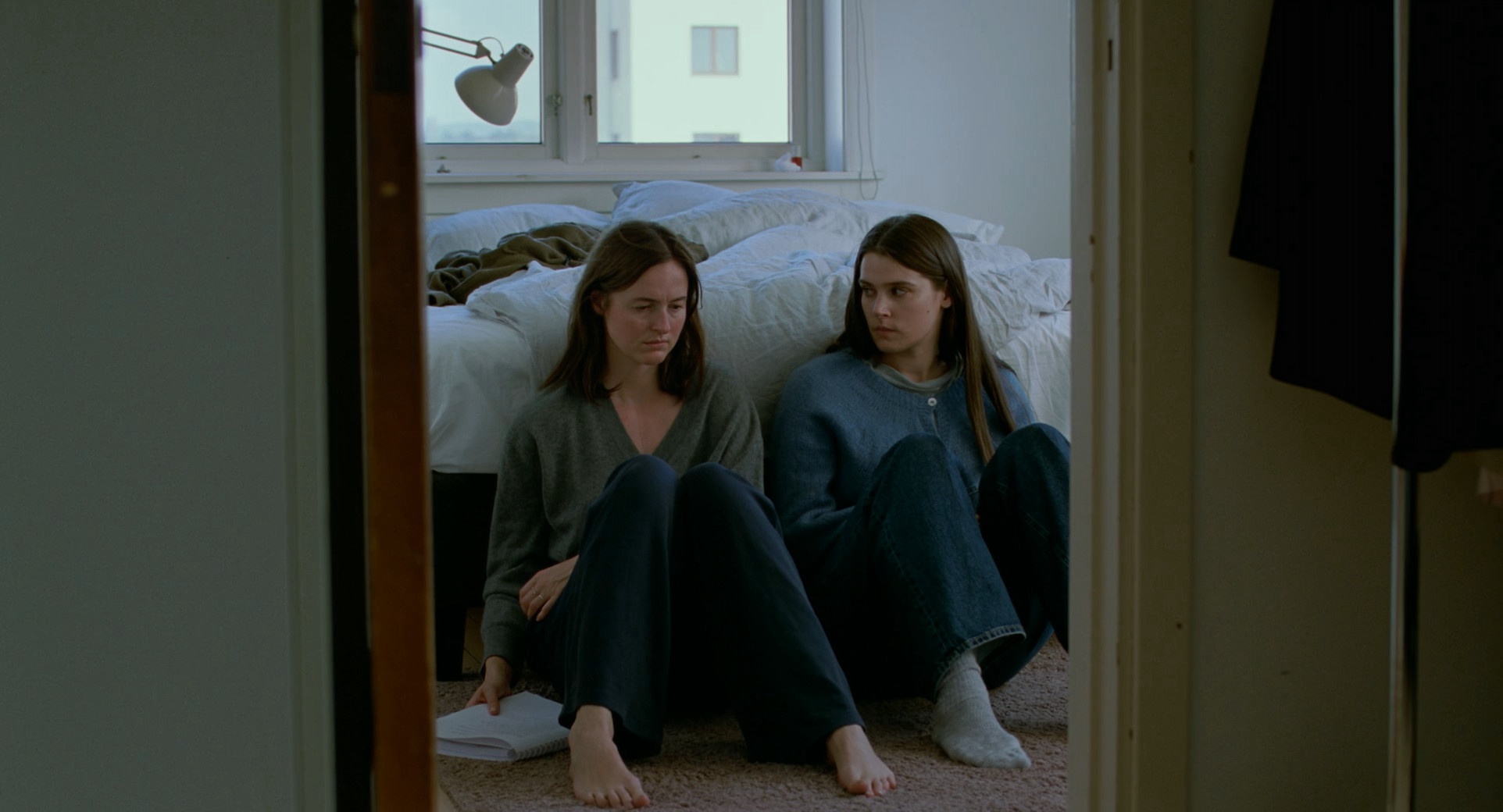
- Magnification: Medium lenses are the most ‘neutral’ focal length, often closest to a conventional understanding of what the human eye sees. Subjects filmed with a medium lens appear about as far from the camera as they actually are
- Compression of Space: Medium lenses create a more neutral sense of magnification, so the camera can usually be placed at a more natural distance from the subject. From that distance, backgrounds appear in a relatively natural relationship to foregrounds, creating a more balanced sense of depth
- Field of View: Medium – Medium lenses allow you to see a good amount of the world around your subject without causing distortion
- Depth of Field: Medium – The image starts to fall out of focus as you move further away from your point of focus, and planes furthest away from your focal point are often completely out of focus
Other Features to Note:
- Medium lenses are a popular focal length because they minimize distortion, allow you to see a good amount of the foreground and background while allowing it to fall out of focus and keep your viewer’s attention on the subject
- Medium lenses are sometimes considered less expressive, but they can be used incredibly expressively in the right settings, and they are often the most flexible lenses in your visual toolkit


TECHNICAL ANALYSIS
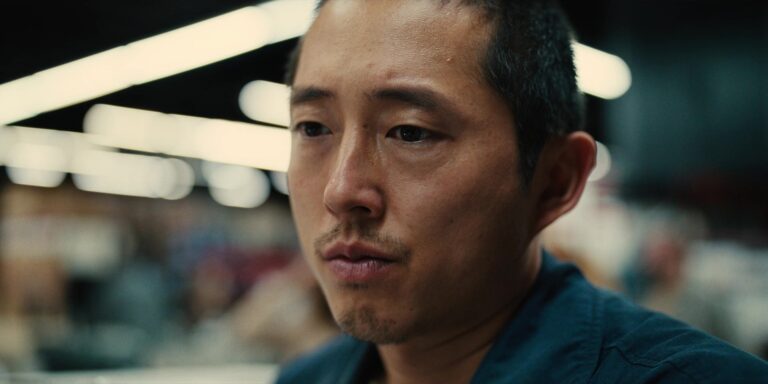
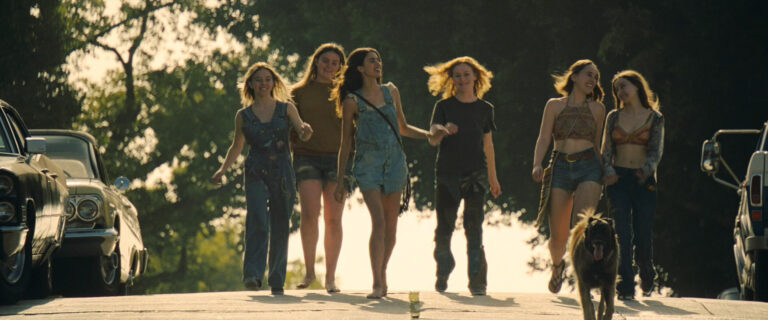
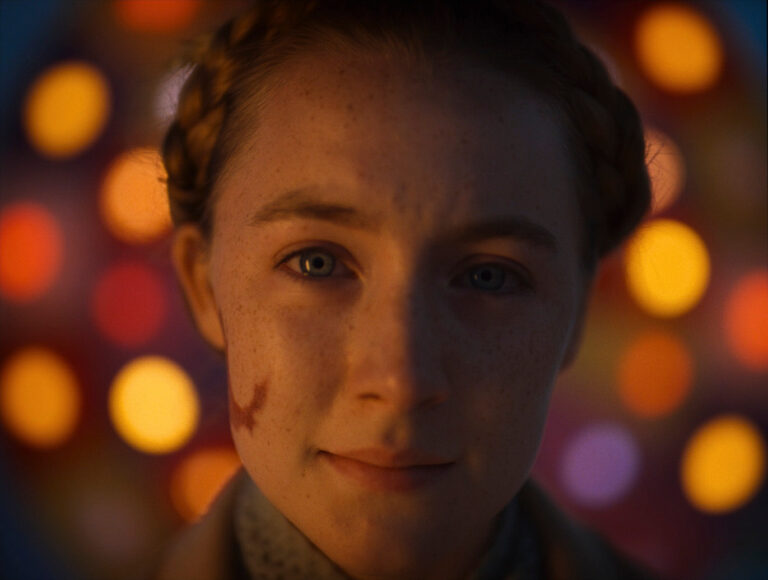
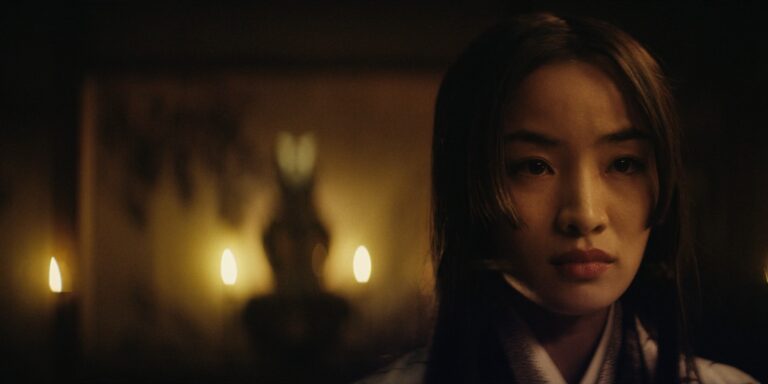
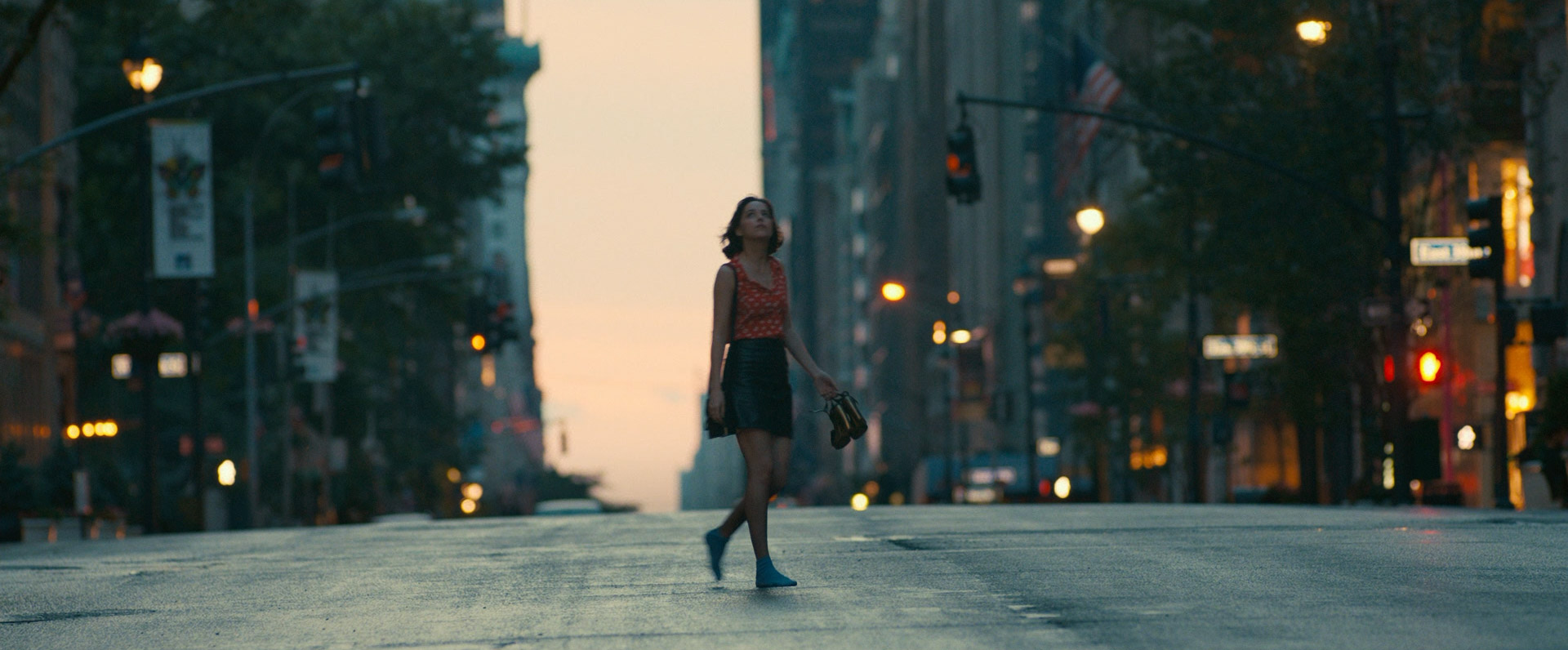
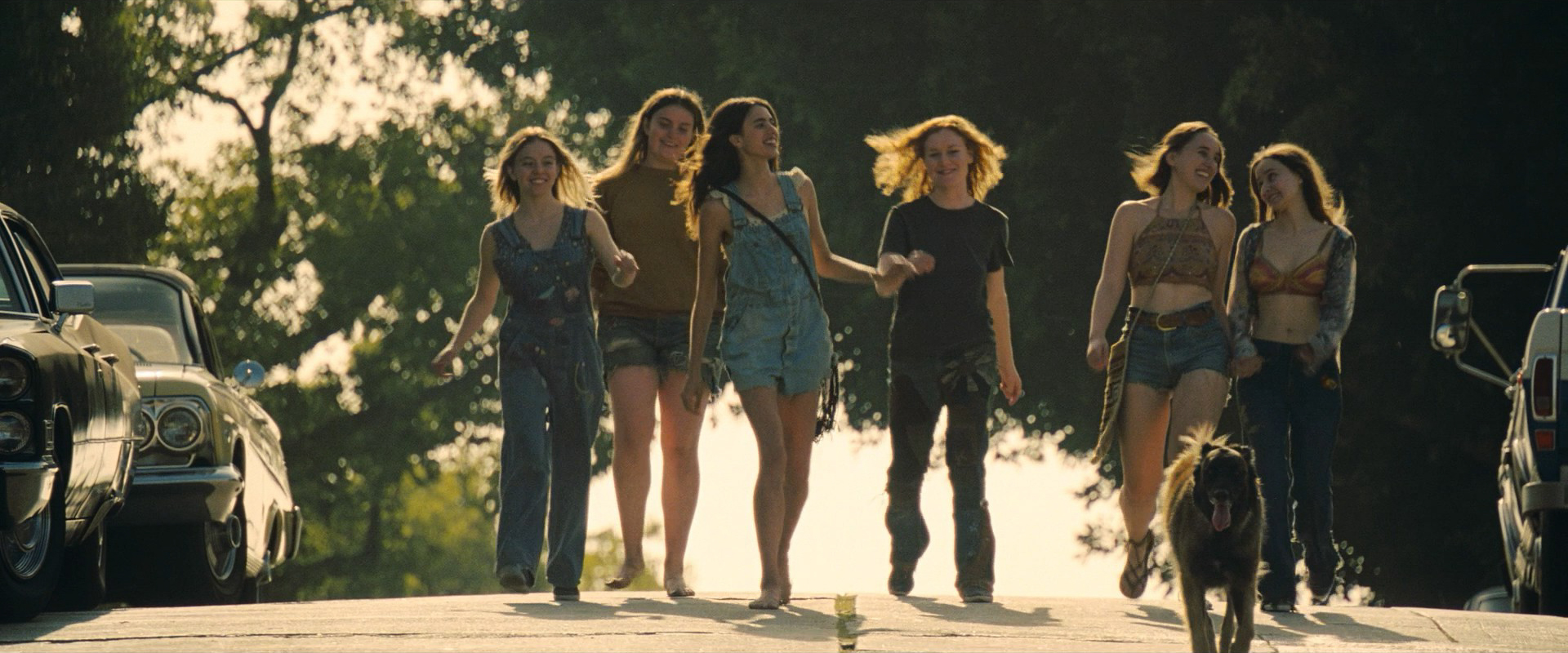
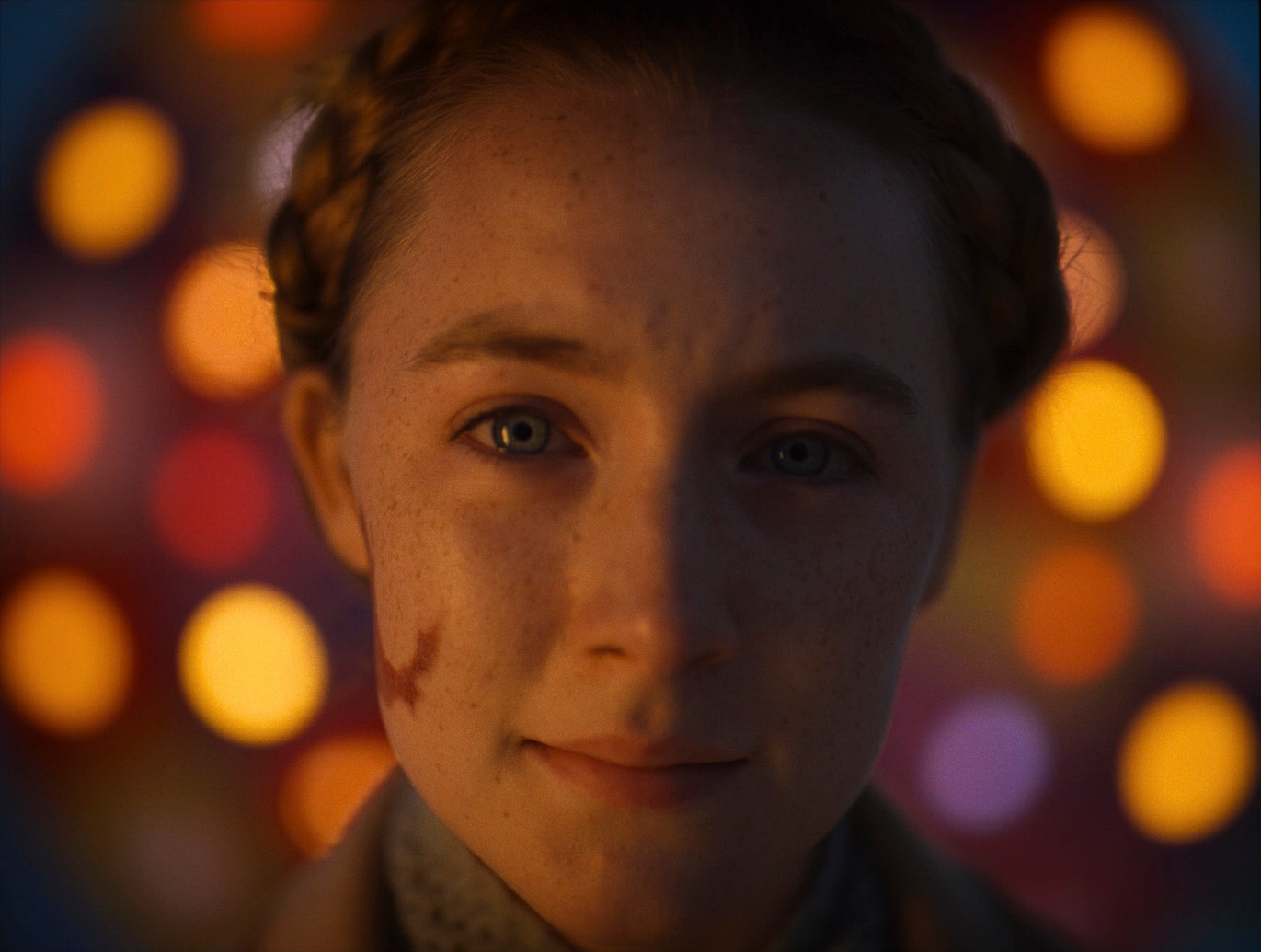
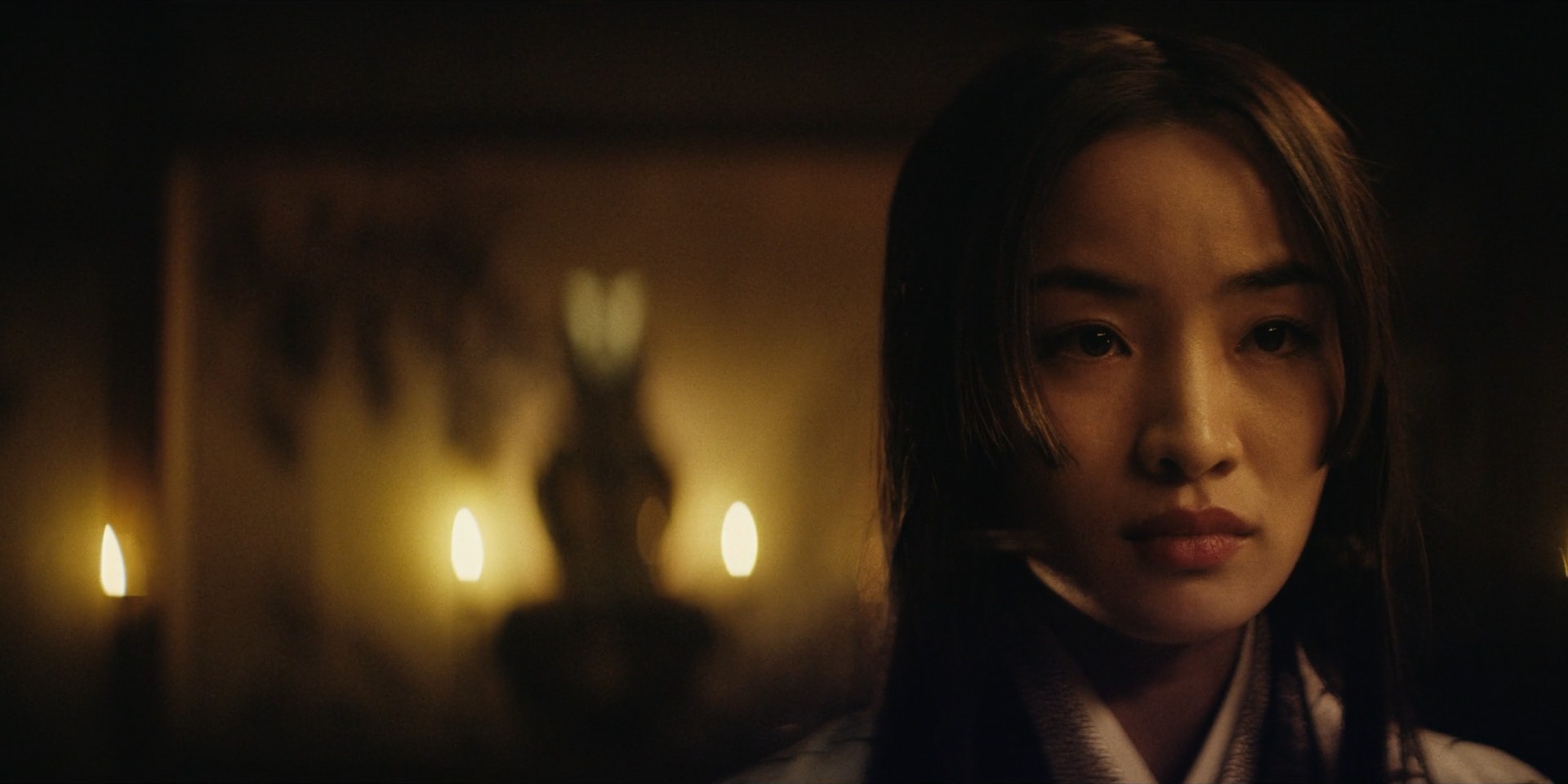
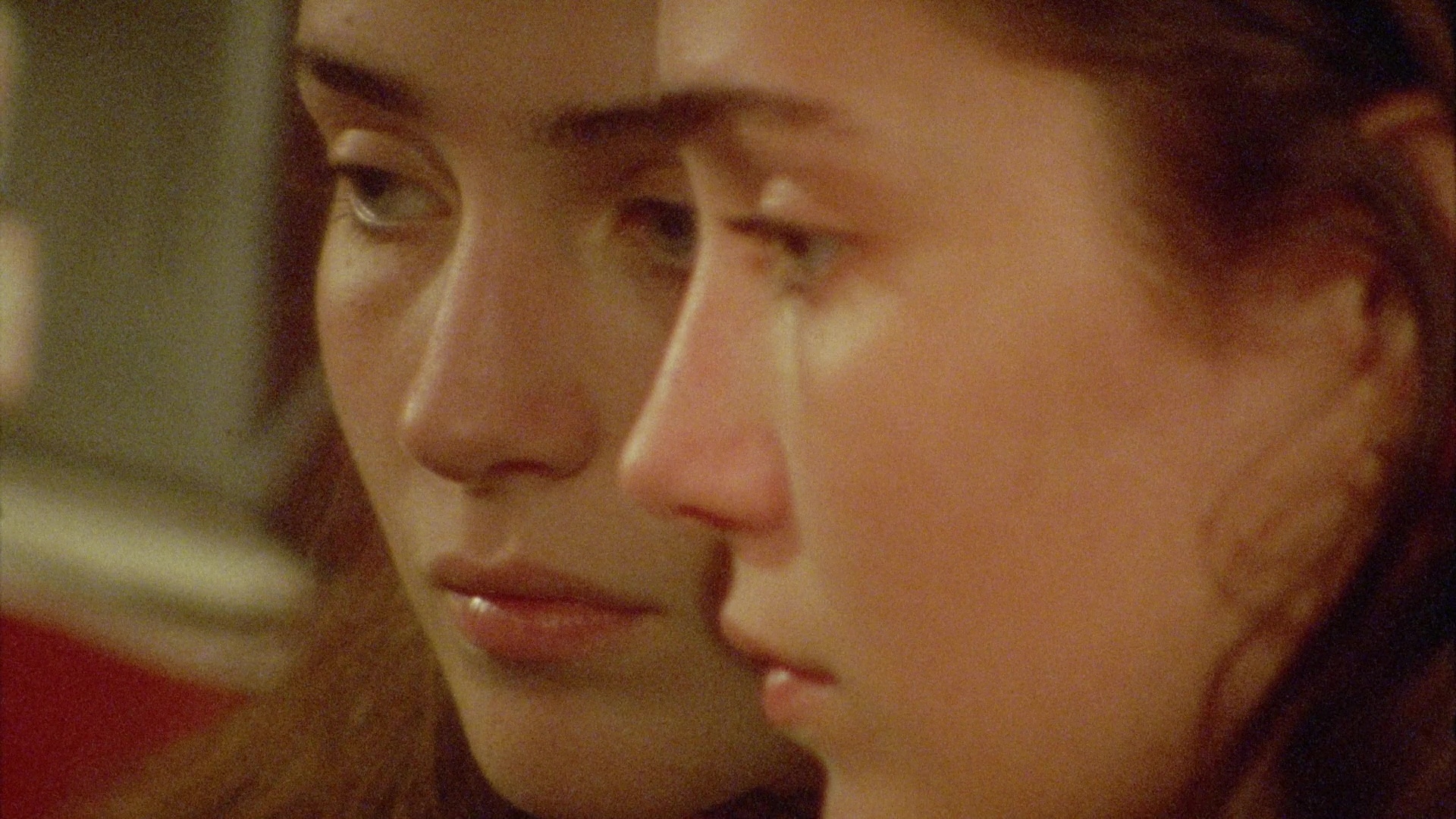
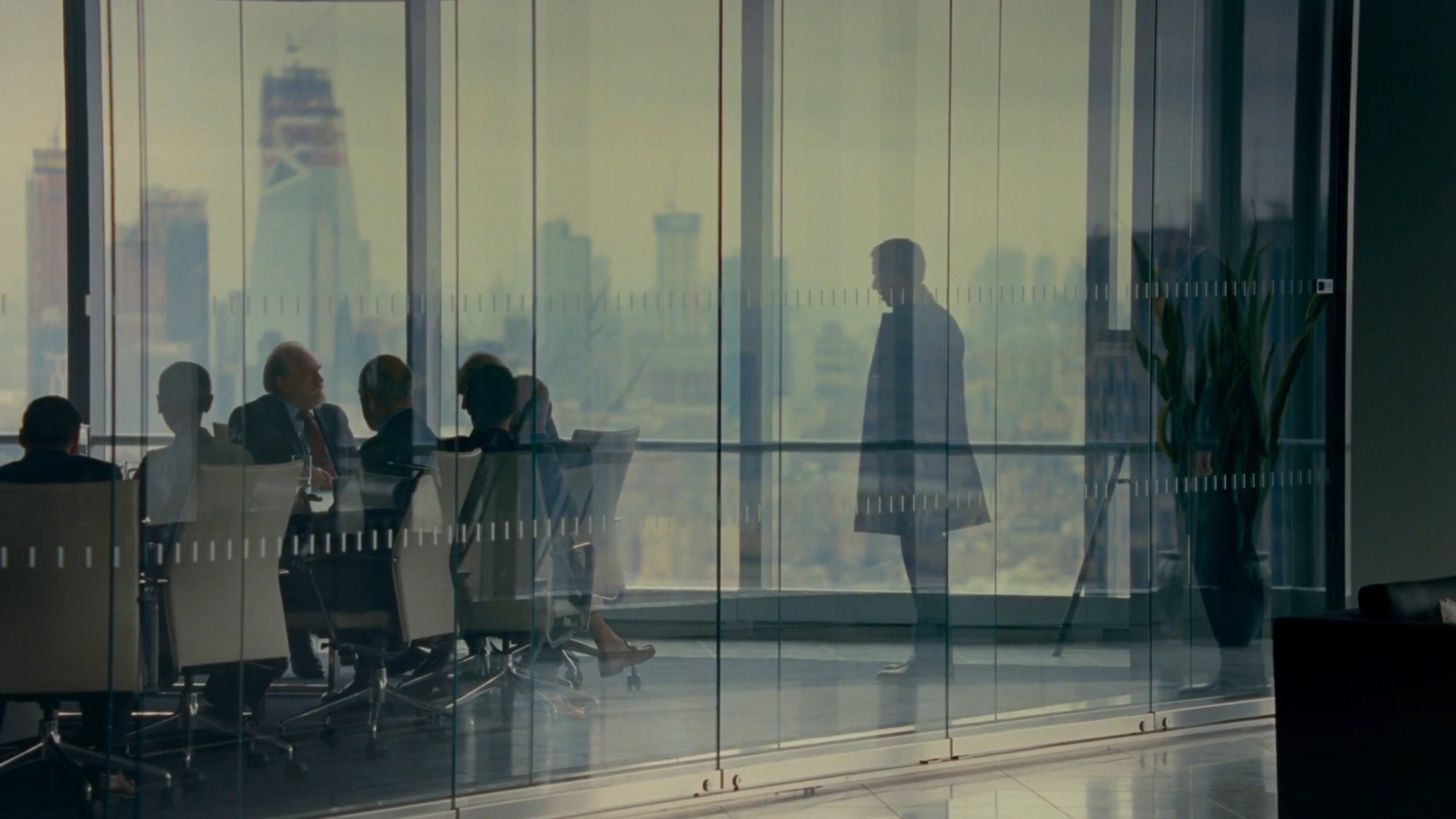
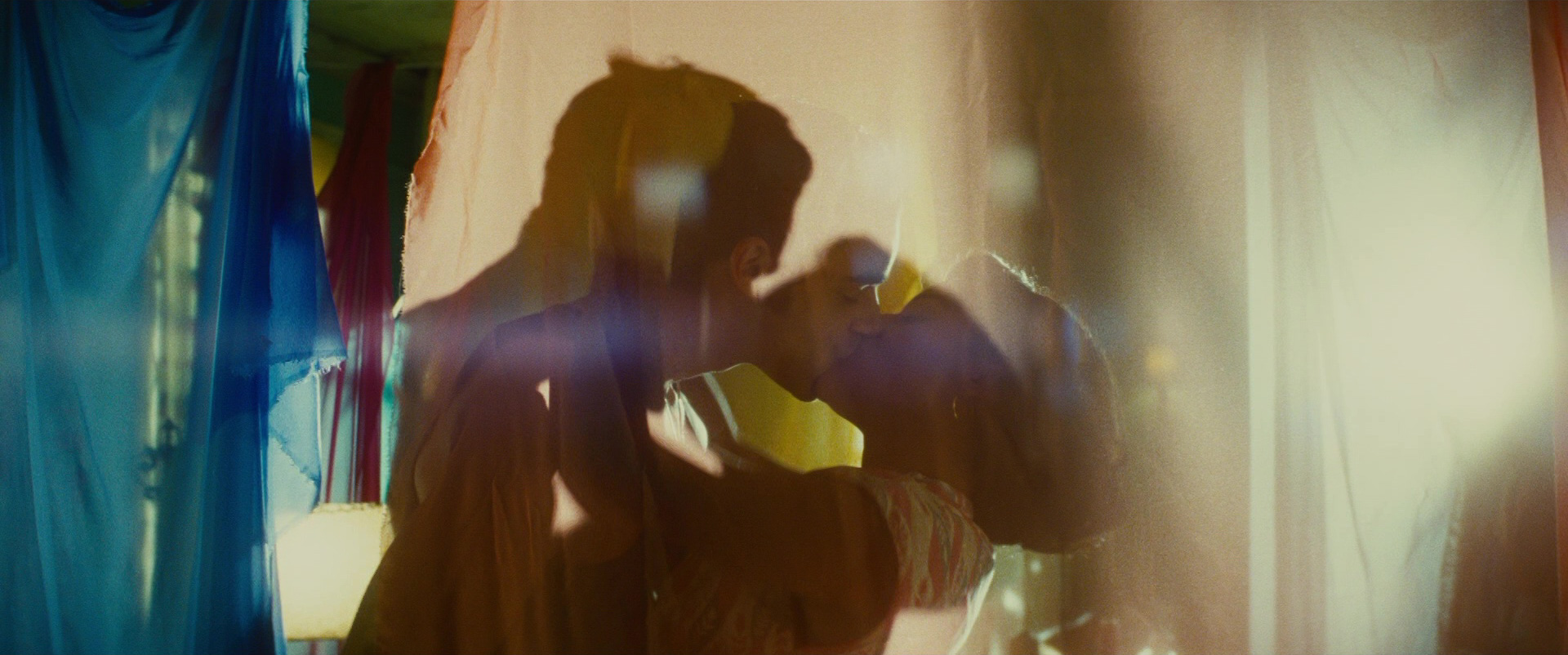
Long Lenses
Key Features:
- Focal Length: 70mm – 200mm
- Magnification: Subjects filmed with a long lens appear closer to the camera than they actually are. This lens is ideal for filming distant subjects without moving the camera closer to them
- Compression of Space: Long lenses magnify the image, so the camera is often placed farther from the subject to maintain the desired framing. From that greater distance, backgrounds appear closer to foregrounds, compressing the perceived depth of the image
- Field of View: Tight – Long lenses produce a more tightly framed field of view than the human eye – narrowing the horizontal plane of the image
- Depth of Field: Shallow – Foregrounds and backgrounds that fall outside the focal point of your shot drop out of focus quickly when filmed with a long lens, keeping your audience’s attention on the subject
Other Features to Note:
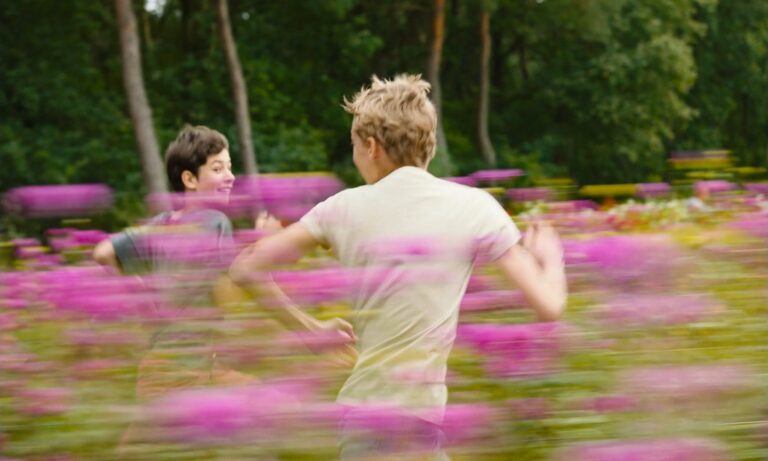
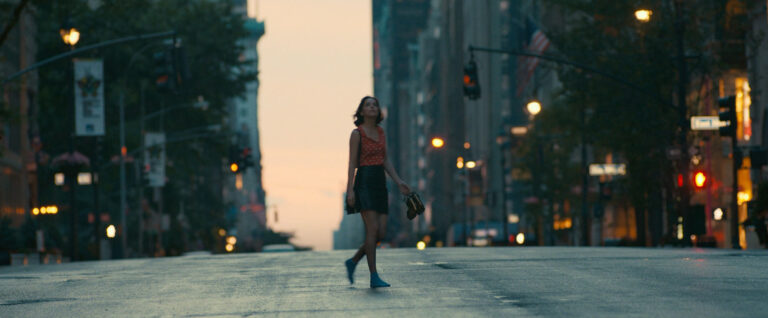
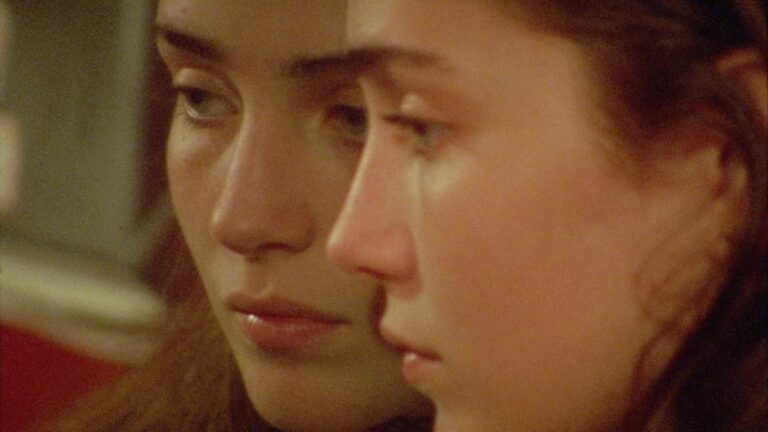
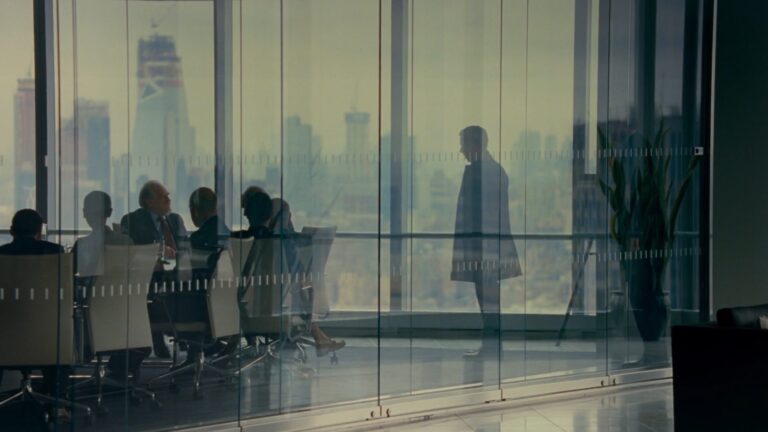
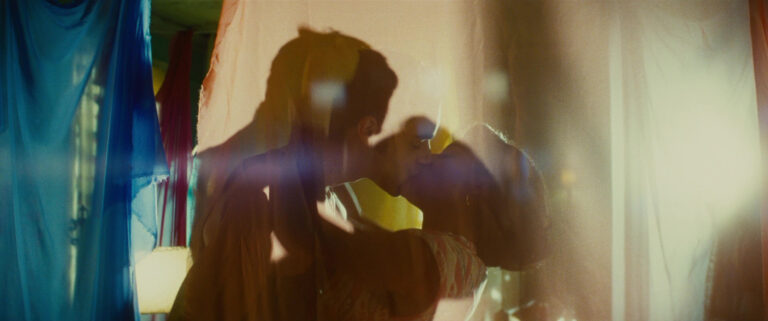
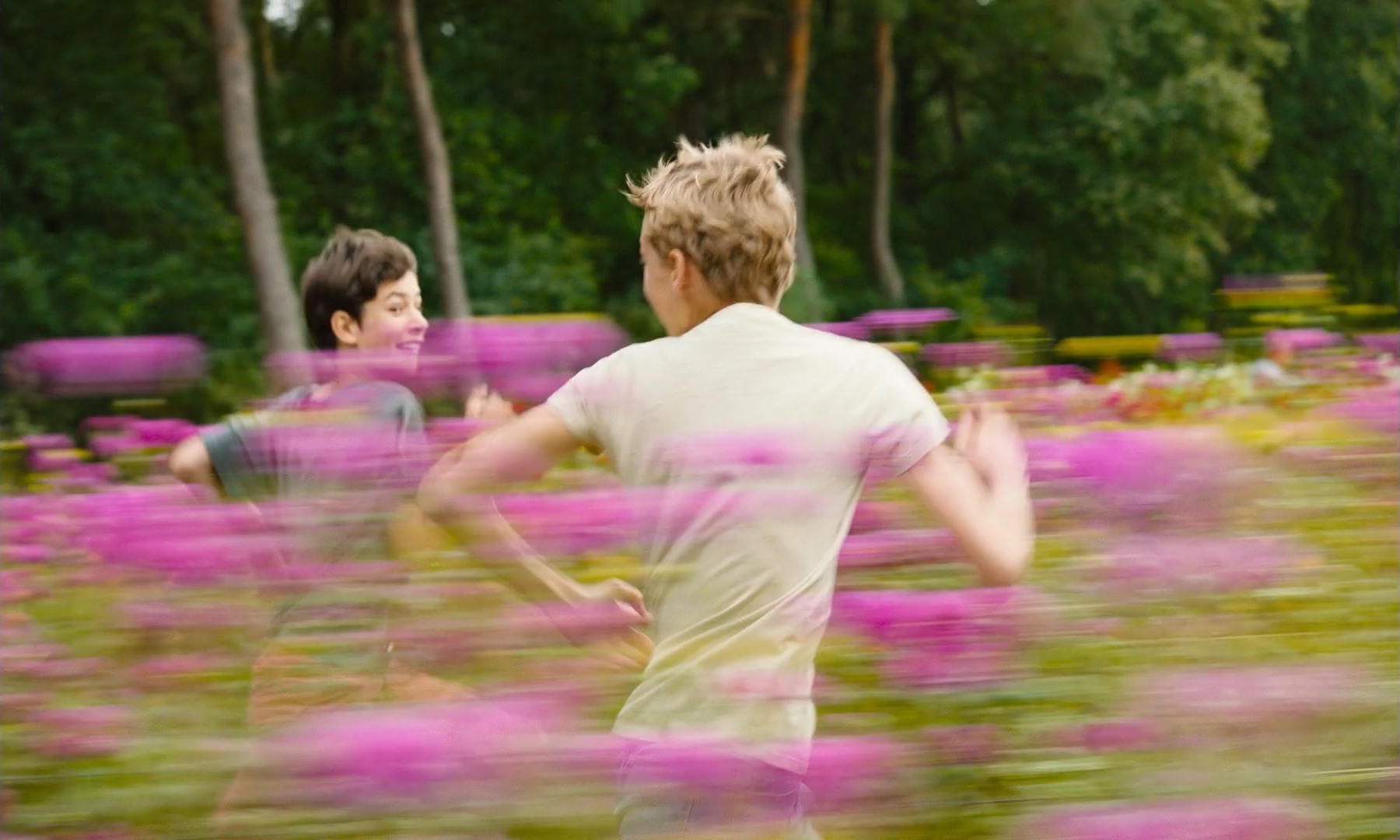
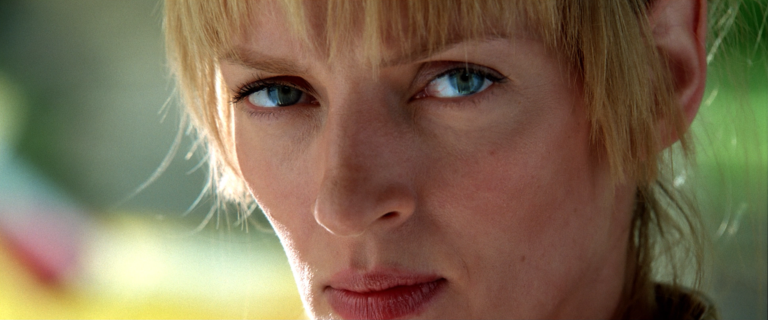
- Long lenses are popular for filming portraits because of the way that the depth of field falls out of focus around the subject of the shot and the way they flatten space, which can be flattering for the subject’s facial features
- The camera often has to be further away from your subject when filming them with a longer lens. On one hand, this can create an emotional feeling of isolation or voyeurism in the audience, since we are watching our characters from farther away. But on the other, when used correctly, this can feel very intimate, allowing the audience to see the subject of the shot isolated from the clutter of the background
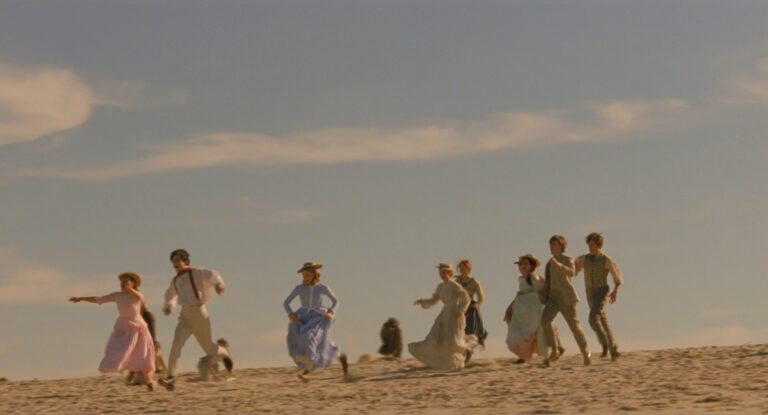
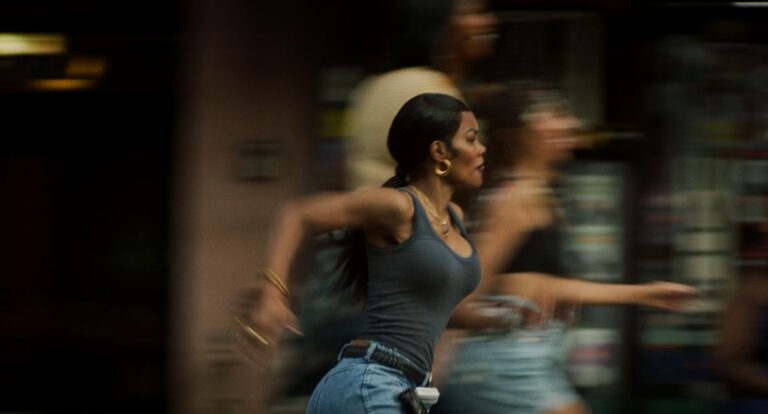
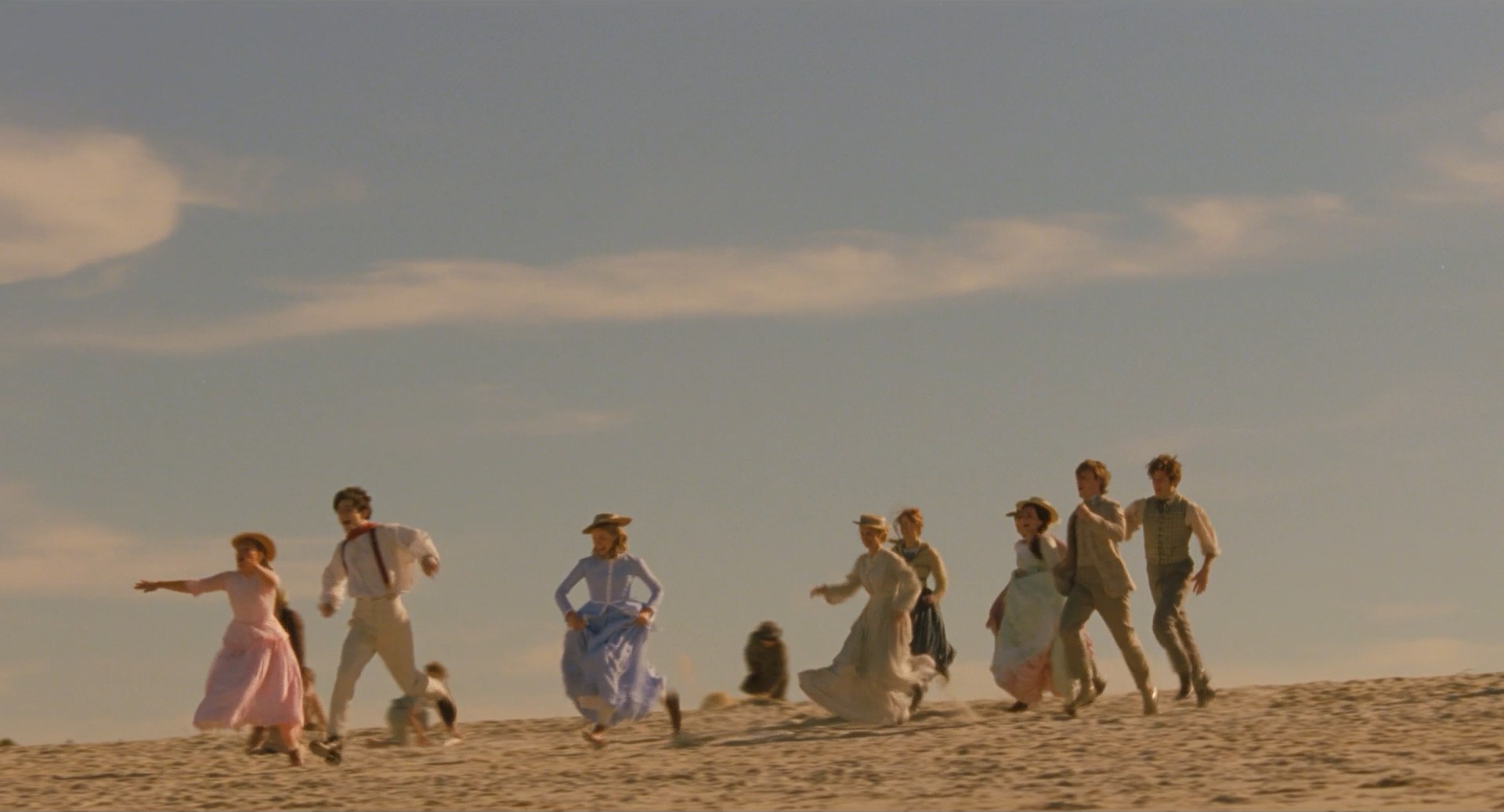
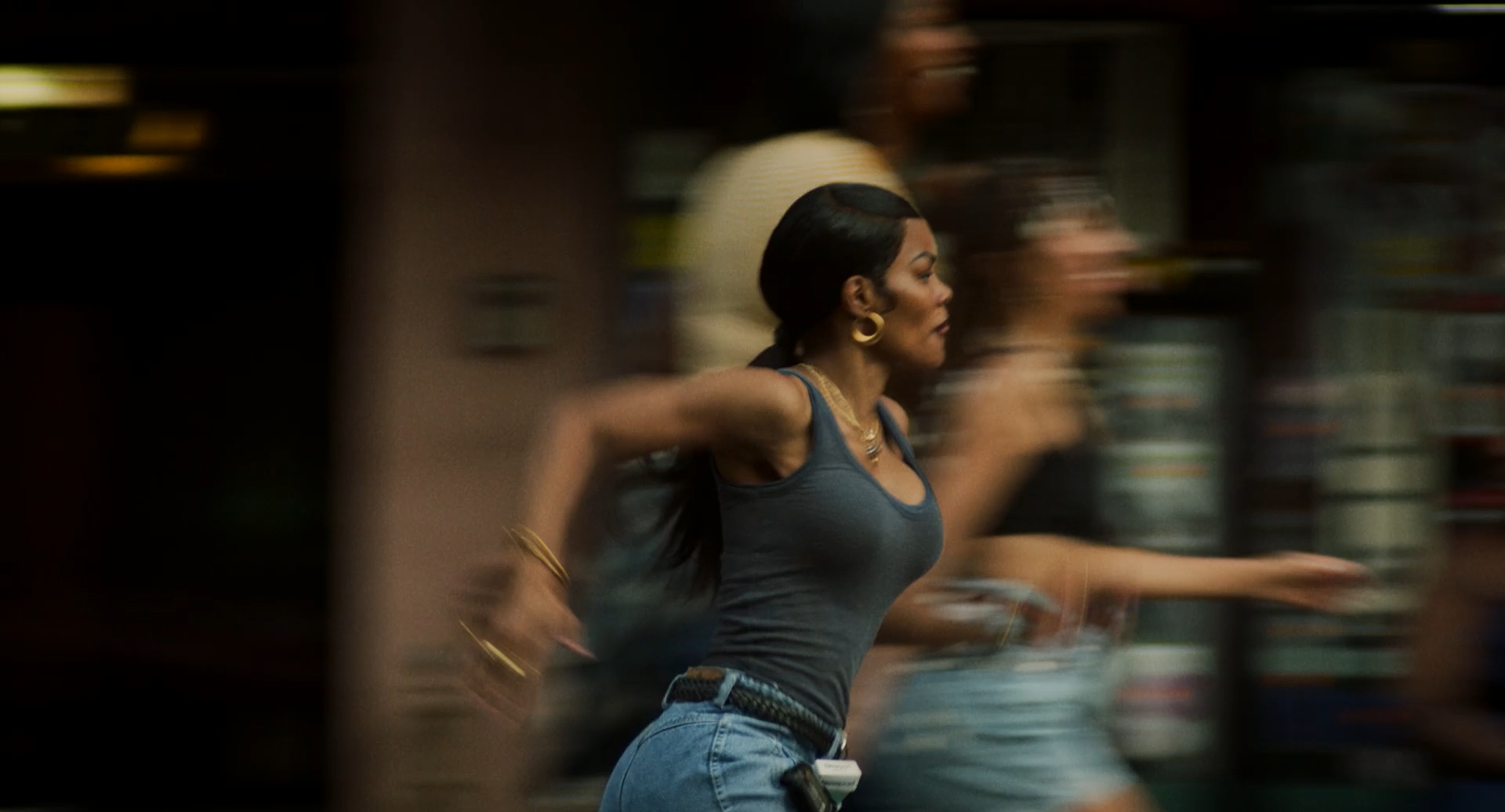
- Long lenses exaggerate the distance between objects in the horizontal plane of your image. So if you want to make objects moving left or right appear to move faster, long lenses are best for achieving that. This is what makes longer lenses popular for capturing running or chase scenes

TECHNICAL ANALYSIS
Telephoto Lenses
Key Features:
- Focal Length: 200mm and over
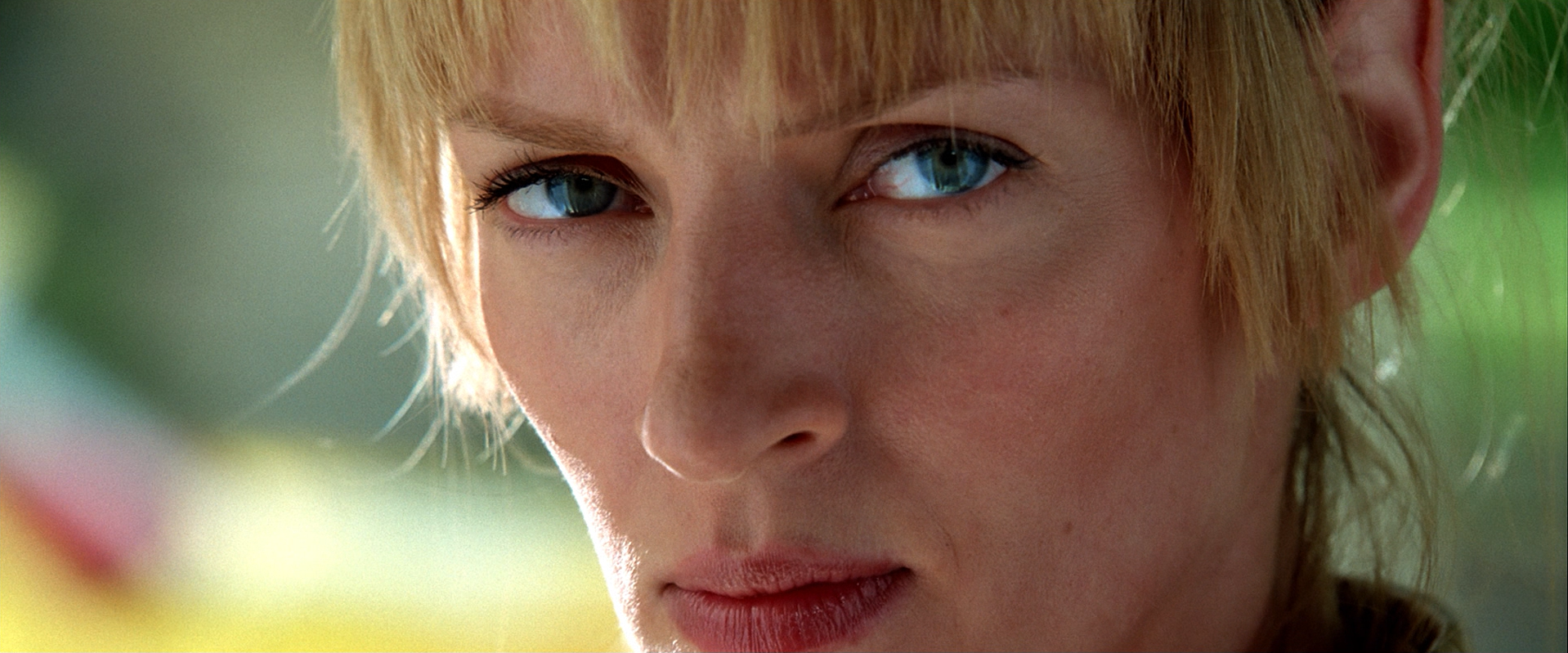
- Magnification: Subjects filmed with a telephoto lens appear much closer to the camera than they actually are. Telephoto lenses are ideal for filming very distant subjects, and allow you to get very close to your subject, even if you are far away with the camera
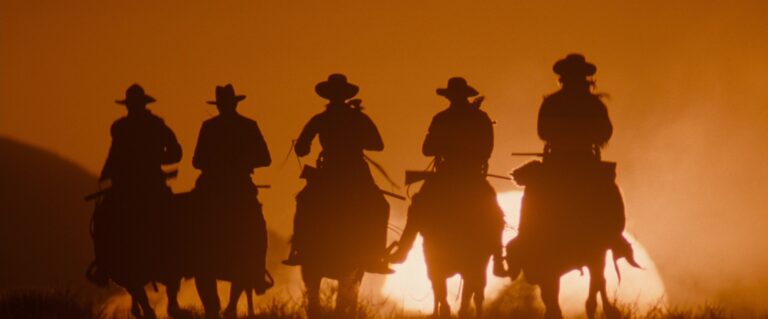
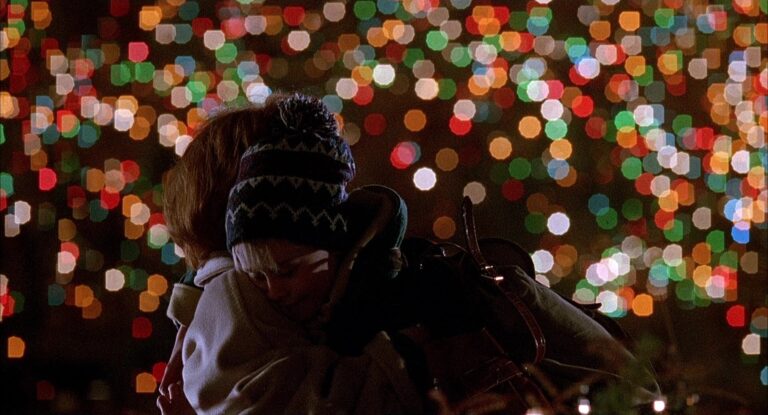
- Compression of Space: Telephoto lenses magnify the image dramatically, so the camera often has to be placed very far from the subject to maintain the desired framing. From that distance, foregrounds and backgrounds can appear stacked tightly together, creating a highly compressed sense of space
- Field of View: Very tight – Telephoto lenses produce a much narrower field of view than the human eye – creating a very narrow horizontal plane of the image. You have to get extremely far away to be able to see the world around a subject when shooting with a telephoto lens
- Depth of Field: Very shallow – Almost everything on either side of your focal point drops immediately out of focus when shot with a telephoto lens
Other Features to Note:
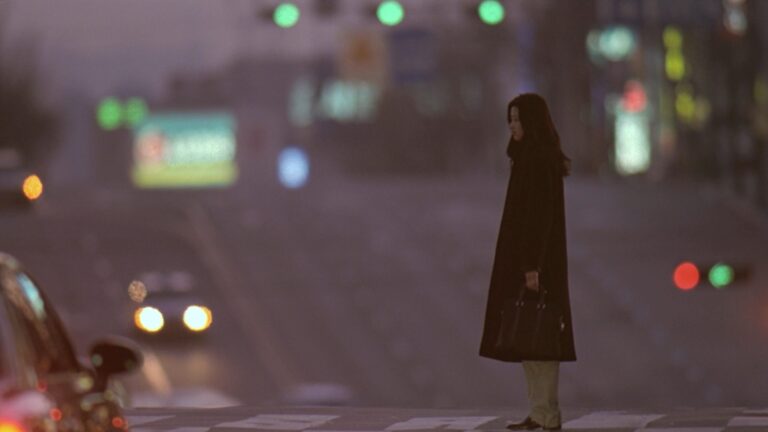
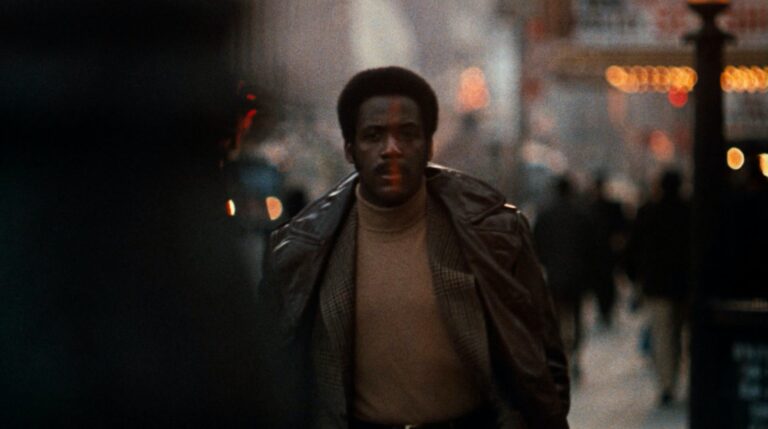
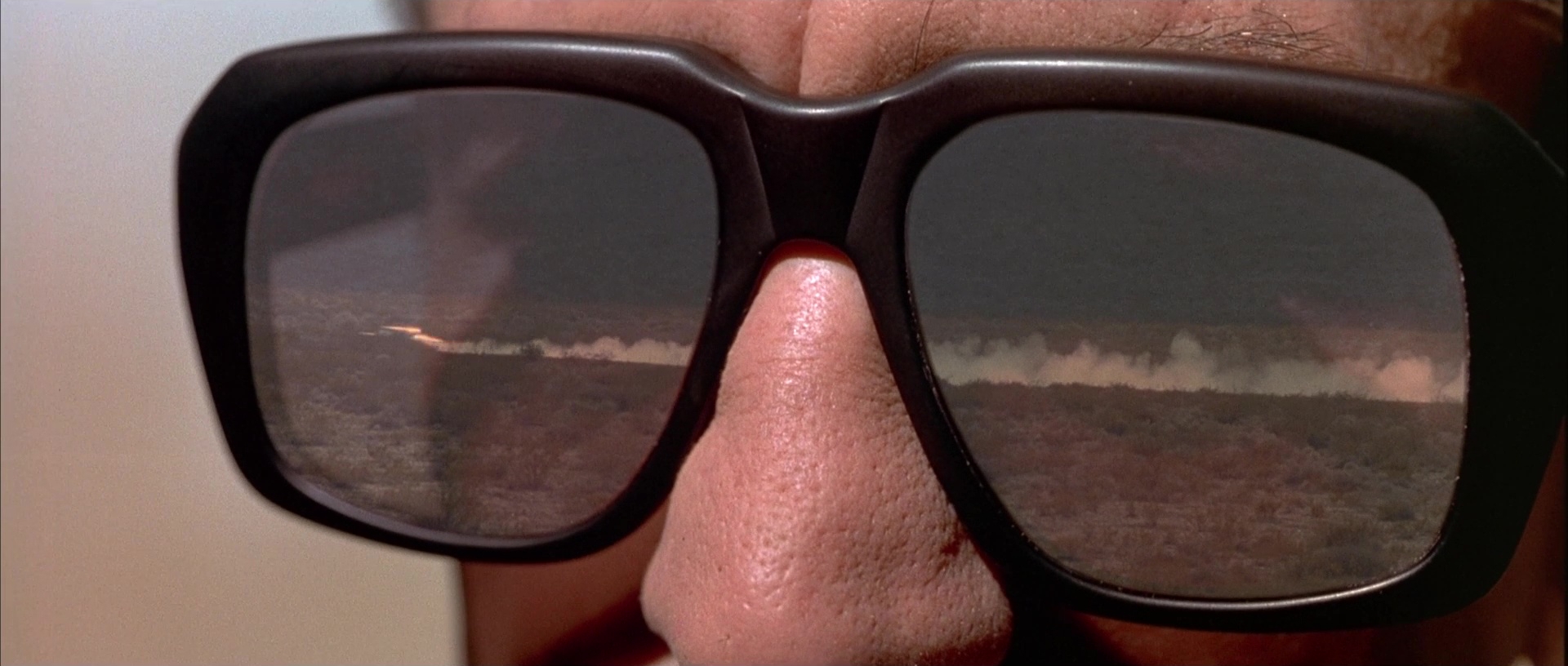
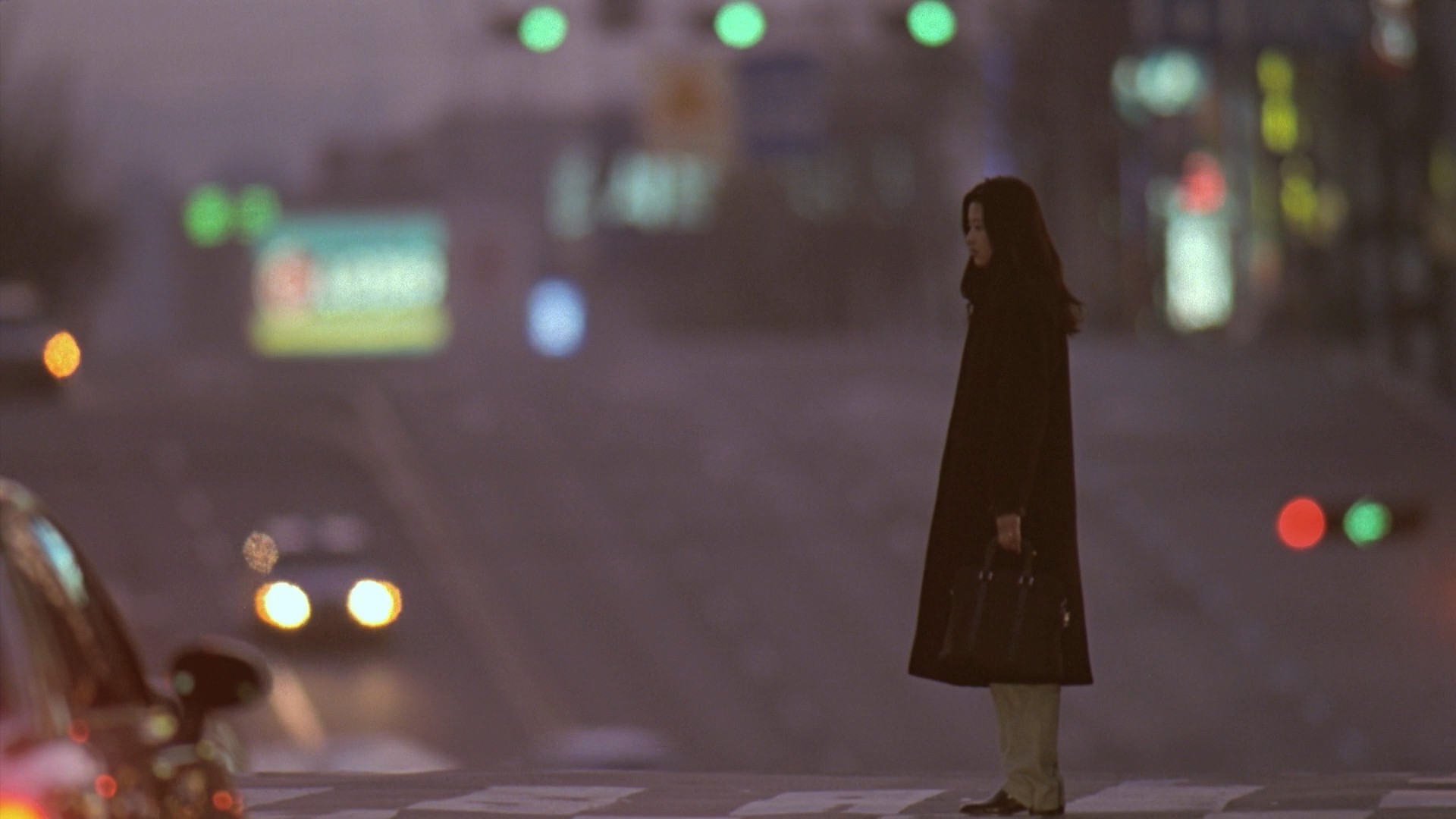
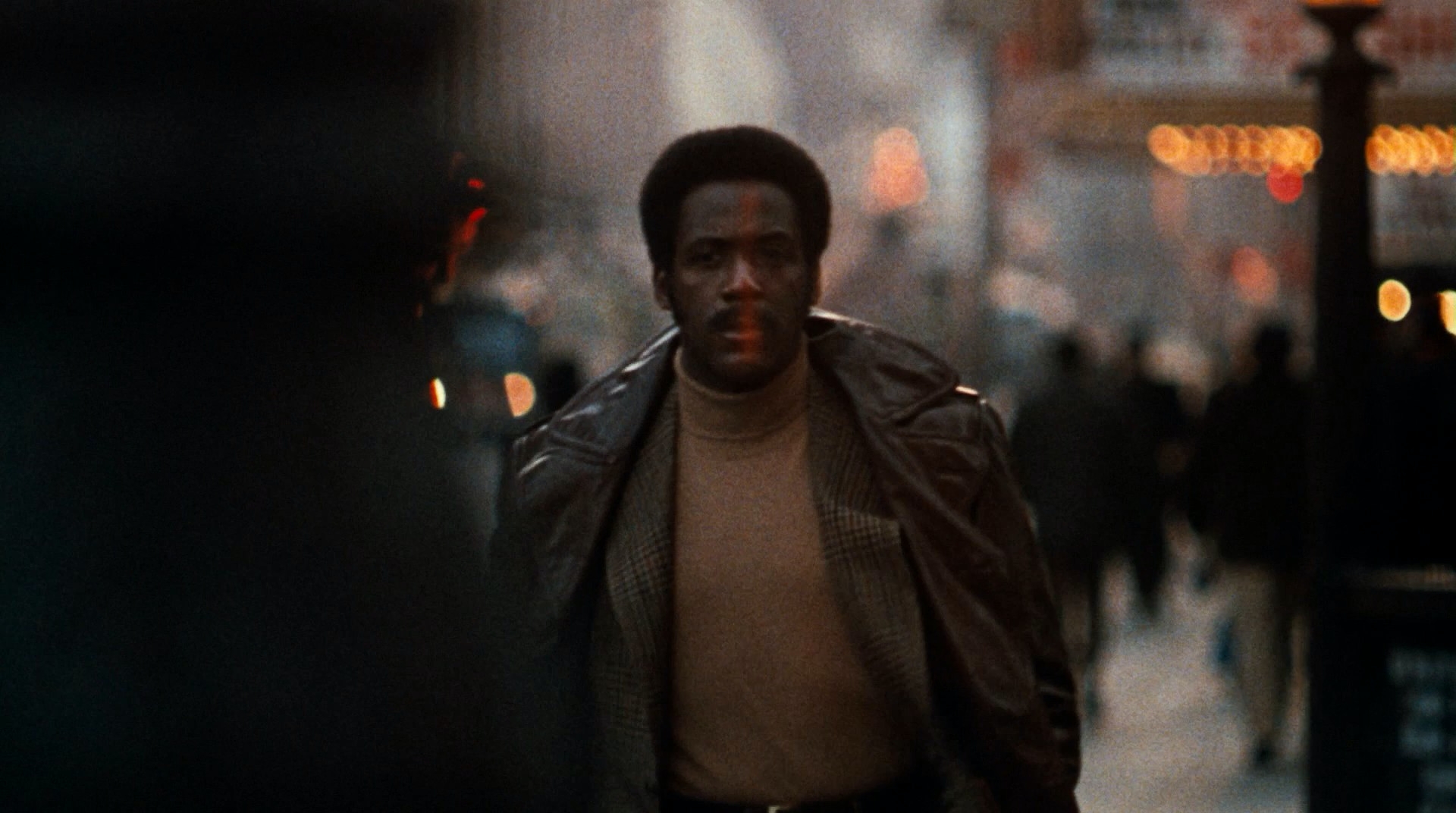
- Telephoto lenses are often used in sports or nature photography because they’re effective at filming the subject without intruding on their space
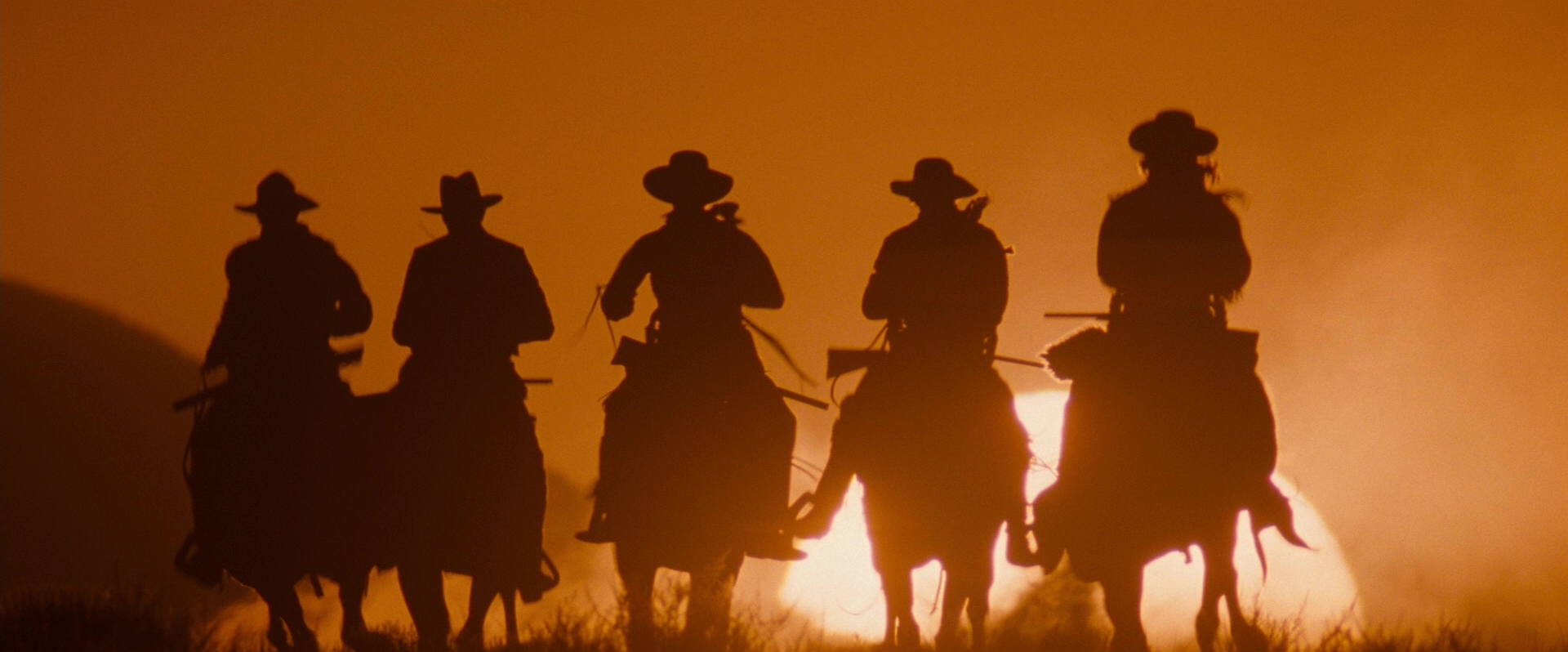
- Because telephoto lenses compress the background-foreground plane so much, subjects moving directly toward the camera from far away can appear to barely advance in the frame. For example, a cowboy riding towards the camera from the other side of a vast prairie may appear to be virtually galloping in place when filmed with a telephoto lens
- Telephoto lenses often create the effect of having a lot more shakiness if used handheld
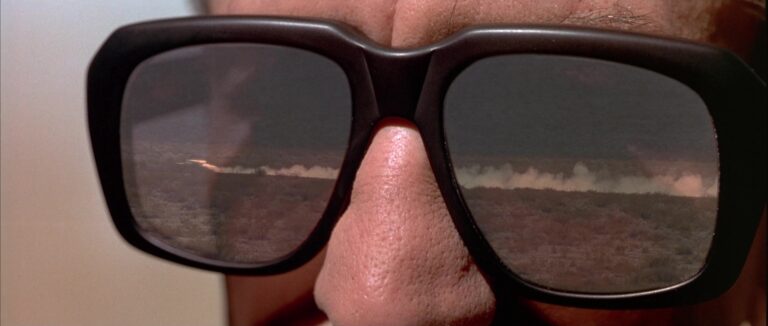
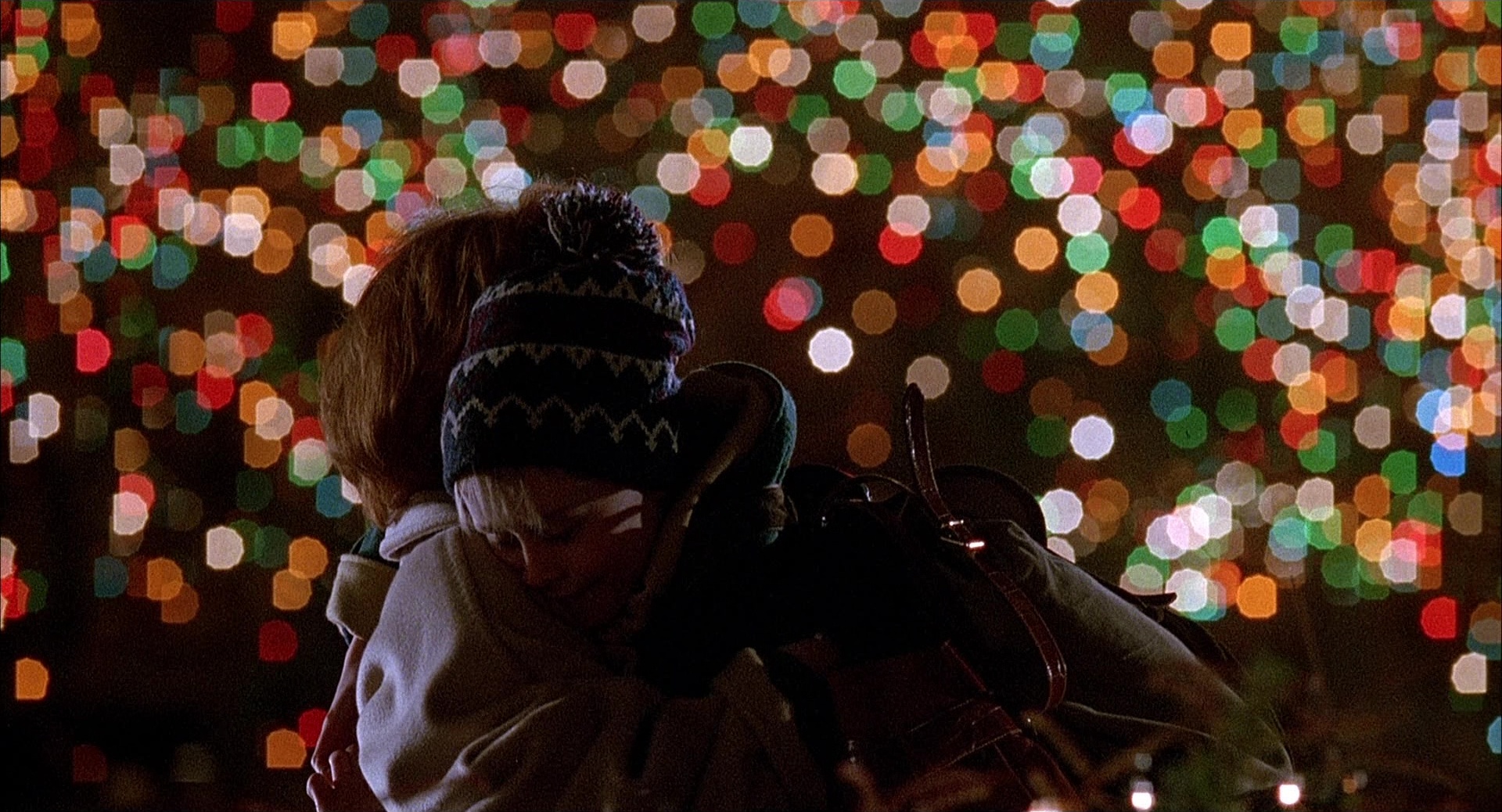
- Telephoto lenses can create the effect of looking through a telescope or give the audience the feeling that they are “surveilling” the subject


TECHNICAL ANALYSIS
What Does the Same Shot Look Like with Different Focal Lengths?
One of the clearest ways to see the relationship between focal length, camera distance, and perspective is through a “dolly zoom.” In a dolly zoom, the camera physically moves toward or away from the subject while the lens zooms (increases or decreases focal length) in the opposite direction. These two moves keep the subject roughly the same size in the frame, while the background seems to expand, collapse, move closer, or fall away.
The following dolly zoom shots show the effect that these different lenses have on the same composition and subject. In these dolly zoom shots, the size of the subject within the frame will remain more or less static, but because of the shift in focal length and camera position, the optical quality of each focal length becomes the dynamic visual element.
CASE STUDY
Jaws (1975)
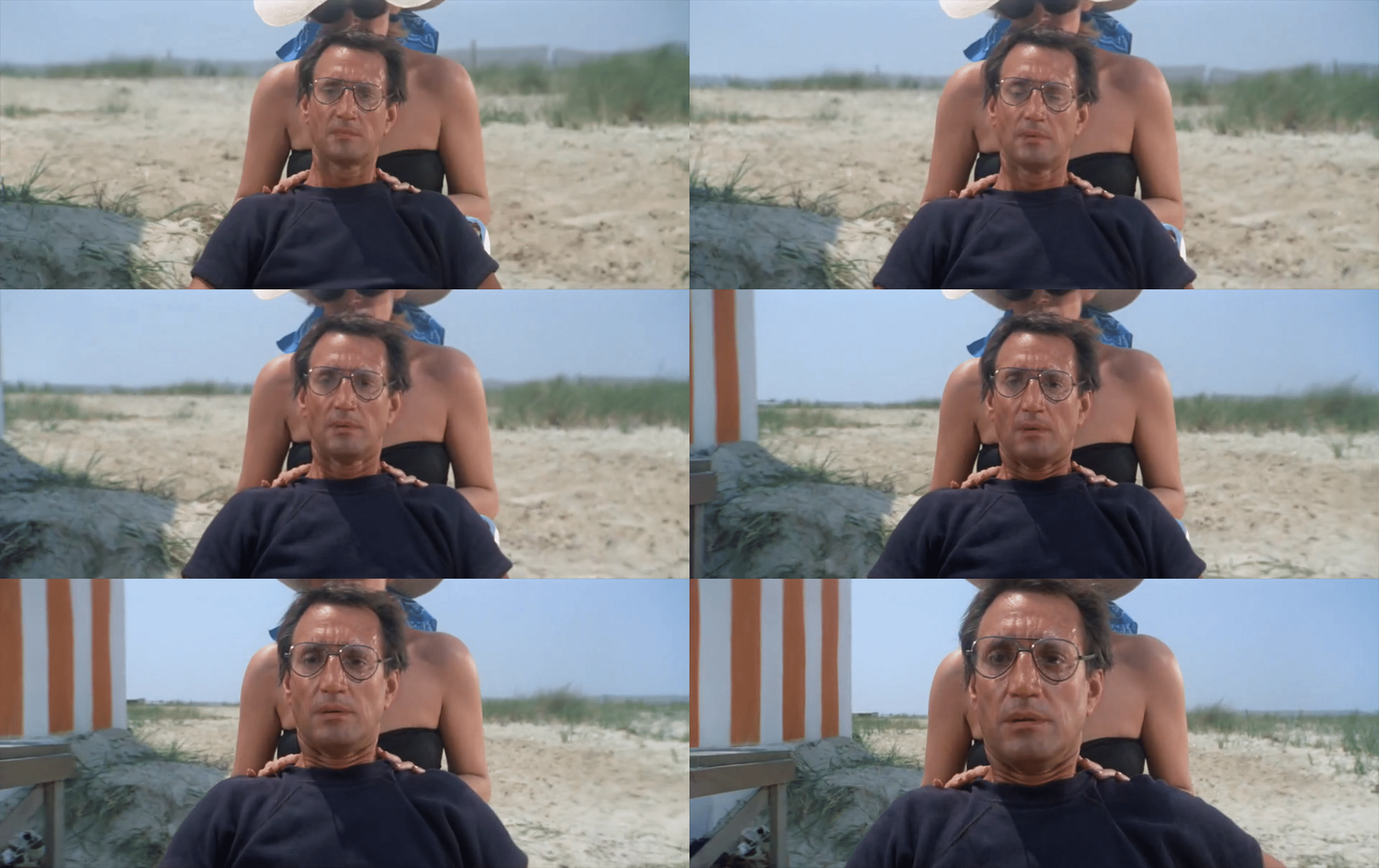
In this dolly zoom, the camera moves toward the subject, while the zoom lens shifts the focal length from Telephoto at the start, to Ultra Wide by the end.
Key Features:
- Focal Length: Telephoto → Ultra Wide
- Magnification: Because of the motion of the dolly zoom, Chief Brody appears to be relatively similar in size through the duration of the shot. But notice the size of the sand dunes behind him, which initially appear to be large and close behind him. By the end of the shot, the dunes appear tiny, and far off in the distance
- Compression of Space: The shot shifts from very compressed space, to very deep space. Chief Brody initially appears to be sitting right in front of the sand dunes, way at the back of the beach. But by the end of the dolly zoom, when we arrive in an ultra wide, we realize that he is right next to the lifeguard’s building, and that the sand dunes are actually quite far in the distance
- Field of View: At first, we see just the sand dunes behind Chief Brody. But by the end of the shot, we see much more of the world around him, including a lifeguard tent to his left and additional sand dunes on his right
- Depth of Field: At first, the sand dunes behind Chief Brody are visible, but are very out of focus. By the end of the shot, everything around him is sharp and clearly visible
Function of the focal shift:
- Emotionally, we start with a character who is in his own world, until he realizes that the shark is eating a boy in the ocean. As we dolly in and move to the ultra-wide lens, we feel the scale of his realization – he can no longer afford to sit off in his own world – he is a participant in this moment, and has to act
CASE STUDY
La Haine (1995)
This dolly zoom shot functions in reverse to the Jaws dolly zoom shot: The camera moves backwards, away from the subjects, while the zoom lens shifts focal length from Wide at the start, to Telephoto by the end.
Key Features:
- Focal Length: Wide → Telephoto
- Magnification: Again, because of the motion of the dolly zoom, Vinz and Saïd appear to be relatively similar in size throughout the duration of the shot. But notice the size of the buildings of Paris behind them, and how they change through the shot. At first, they appear smaller, and we can see far into the city. As the shot transitions, the buildings get much larger, even as they fall out of focus
- Compression of Space: The shot shifts from deep space to very compressed space. Even though Vinz and Saïd appear to stay relatively the same size throughout the shot, they initially seem to be closer to us when filmed with the wide lens, and further from the buildings of Paris behind them. As the shot transitions, and we end in a telephoto lens, they seem further away from us, but closer to the background of Paris, even though it is totally out of focus
- Field of View: At first, we have a wide view of Paris, and are able to see the street behind Vinz and Saïd, framed by the advertisement signs on either side of the frame. But as the shot transitions to a telephoto lens, our field of view becomes much narrower. We only see the buildings that are immediately on either side of the church steeple, and cannot see any of the advertisement signs at all
- Depth of Field: At first, the city behind Vinz and Saïd is all totally sharp and in focus. But by the end of the shot, everything that is behind them has dropped completely out of focus
Function of the focal shift:
- Even without any context to the rest of the film, we begin this shot with a sense that Vinz and Saïd are waiting for someone. Not only are they looking out at the city, but the shot draws our attention to the city by using the wide lens to show them in relation to it. But by the time we’ve transitioned to the telephoto lens, we can feel that whoever they are waiting for is late. Vinz and Saïd, now separated from the background completely, have lost patience, and so have we
TECHNICAL ANALYSIS
Films Shot (Almost) Entirely with One Lens
Lenses are one of your most important storytelling tools – but don’t just switch them for the sake of switching them. Just because different lenses can create different optical and emotional effects, does not mean that you have to shoot a film using every focal length available.
There is no rule that a wide shot must be shot with a wide lens, or that an extreme close-up should be shot with a telephoto lens. Each lens creates a specific emotional effect on the audience, and that comes both from the way the lens processes the image, as well as how and where the camera is placed in order to capture that image.
When crafting your next setup, think carefully about why you’re using a certain lens, and what emotional effect you want to communicate to the audience, before switching from one to the other.
Remember, it is by no means a necessity to shoot a film with lots of lenses – or even multiple! Here are some films you may recognize that were shot (almost) entirely with one lens.
FILM SPOTLIGHT
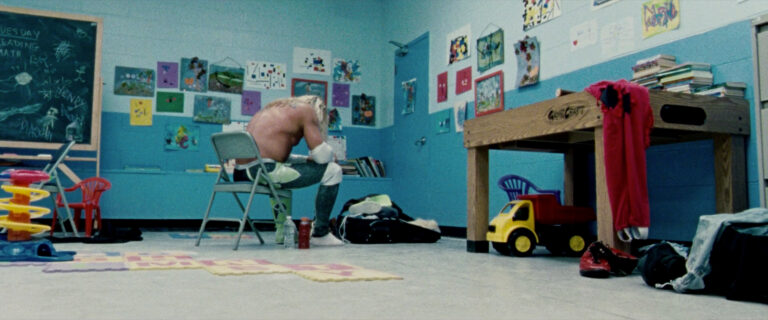
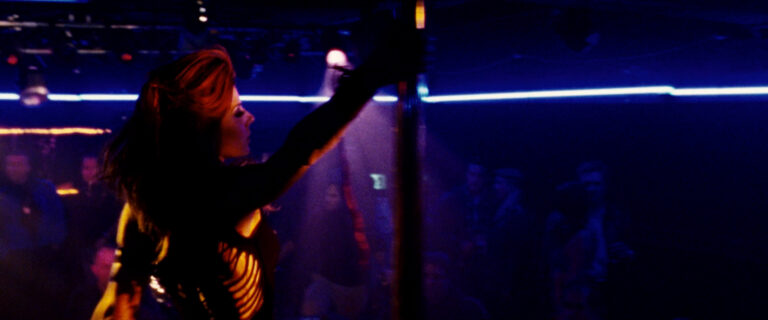
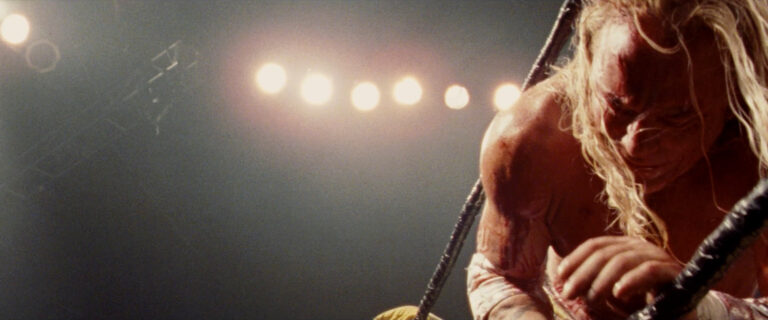
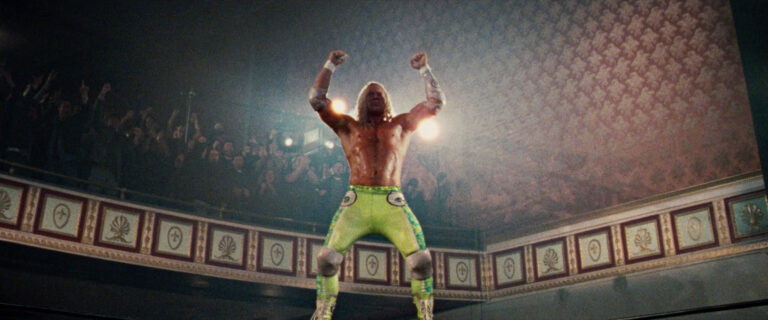
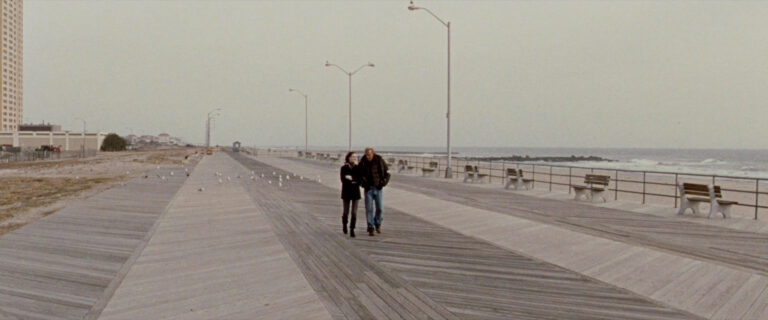
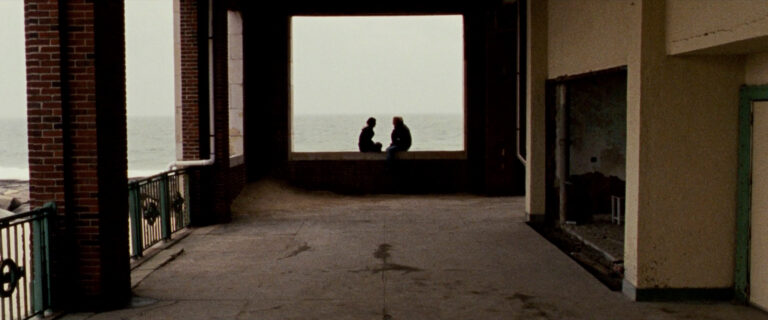
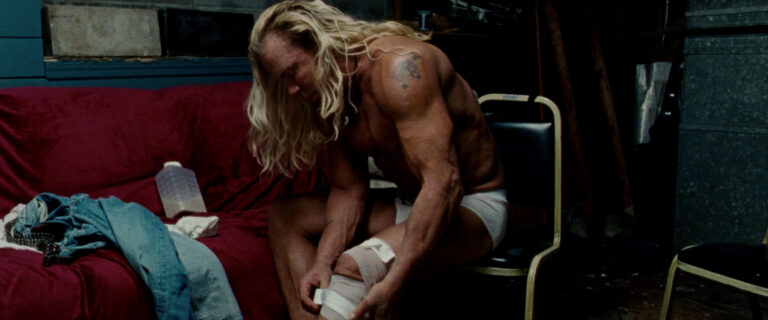
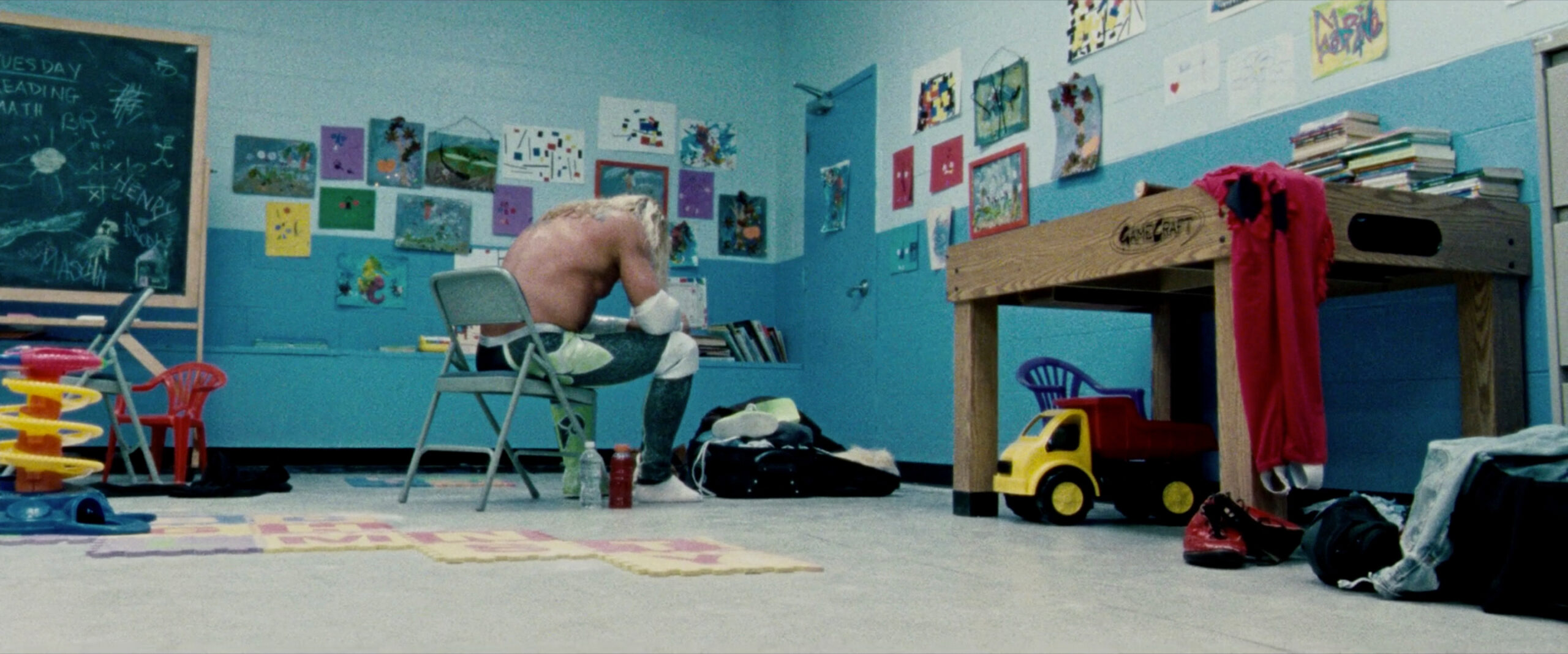
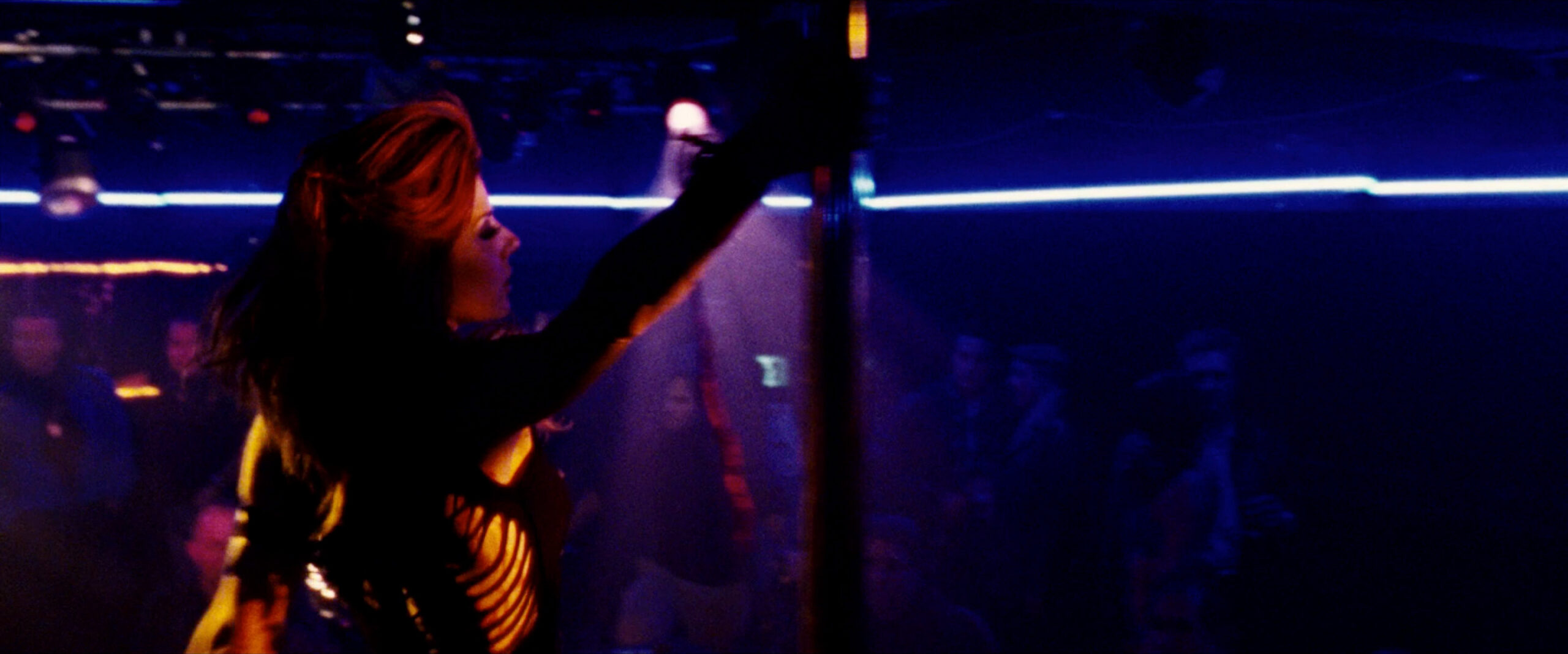
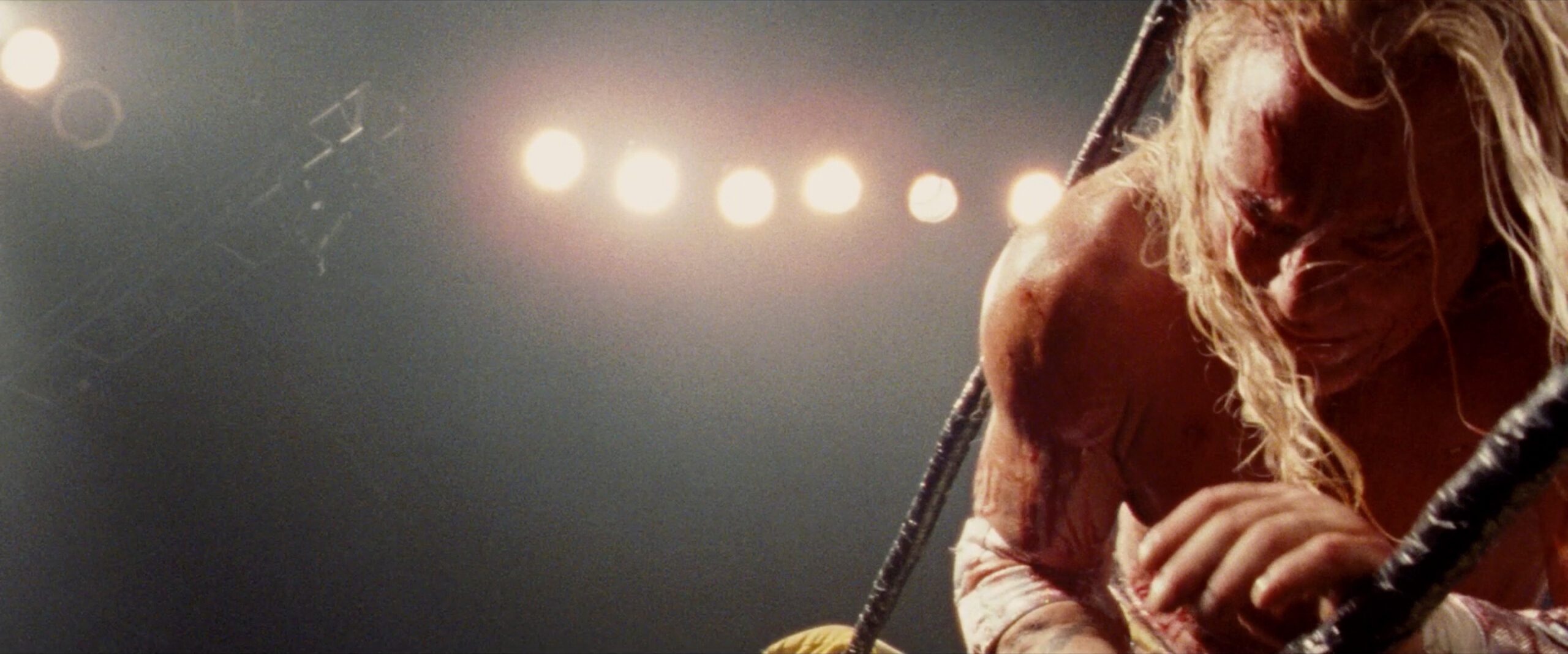
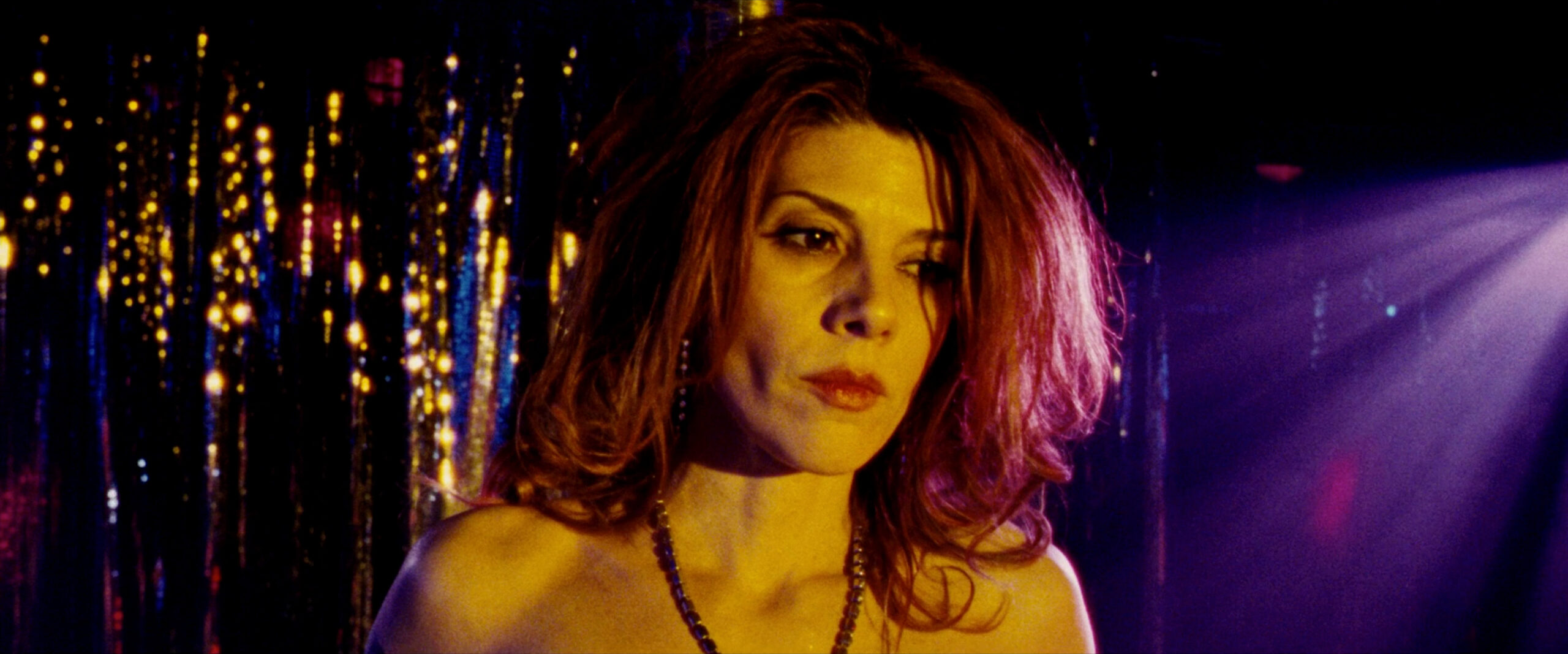
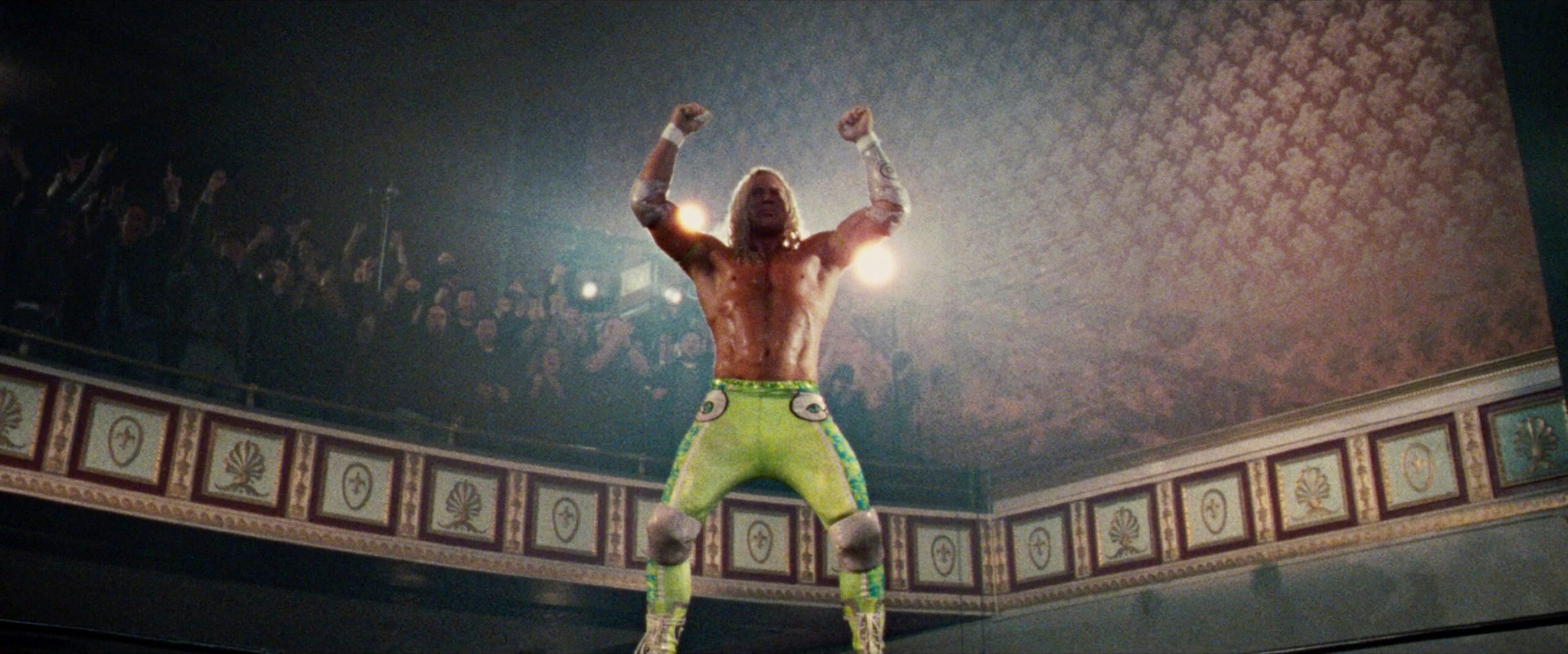
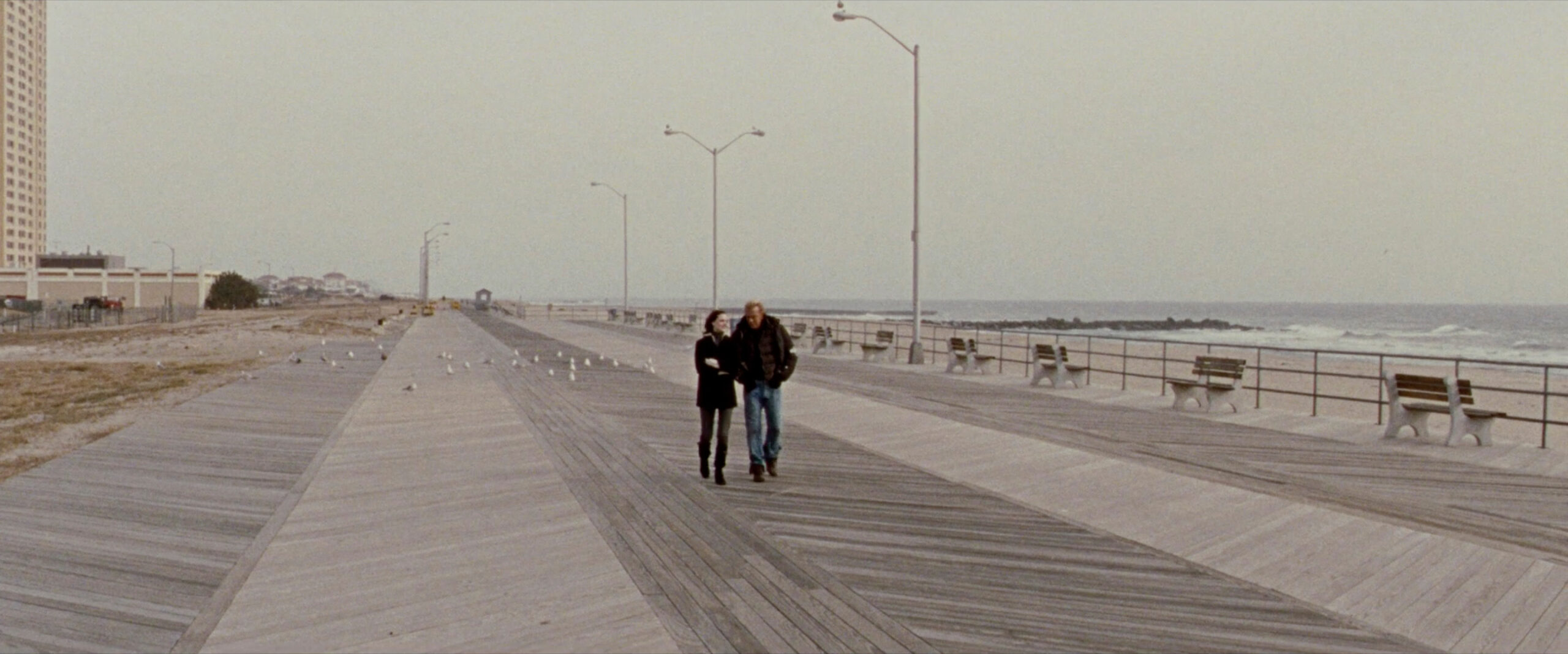
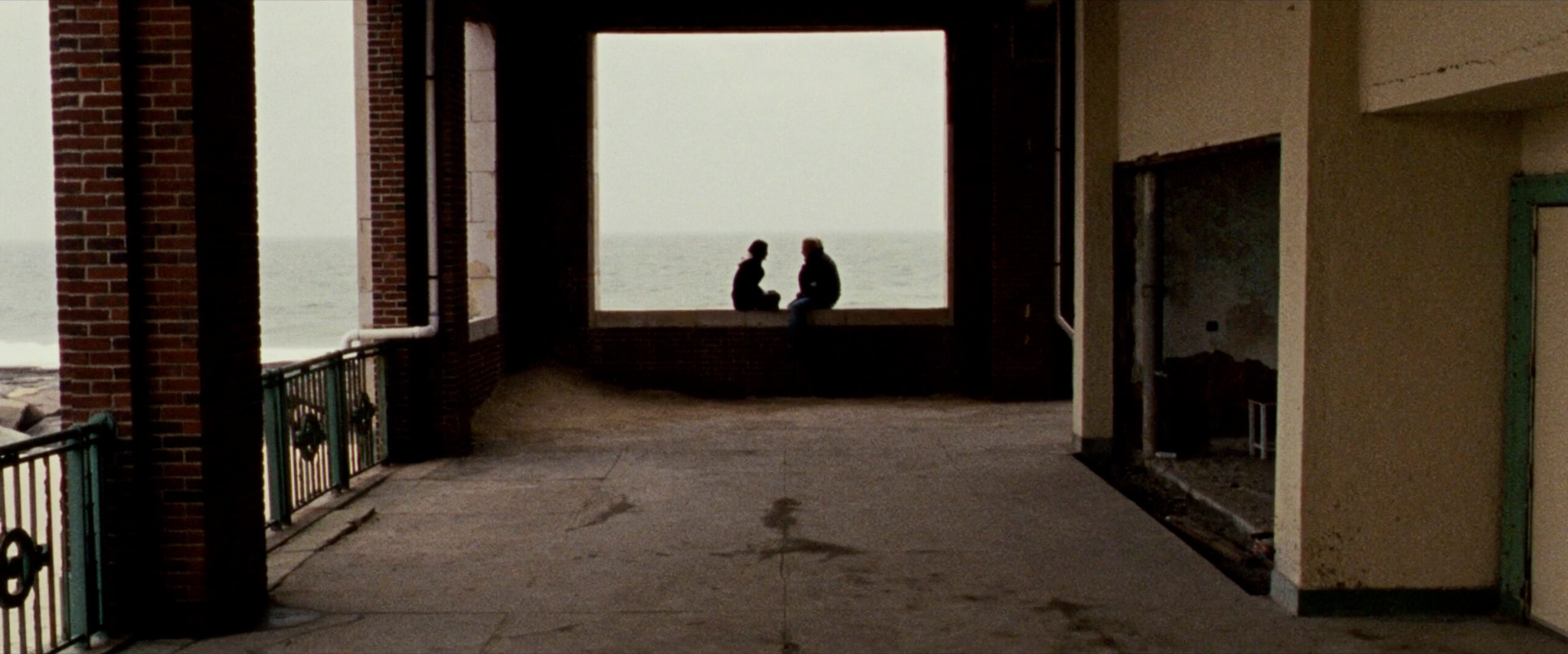
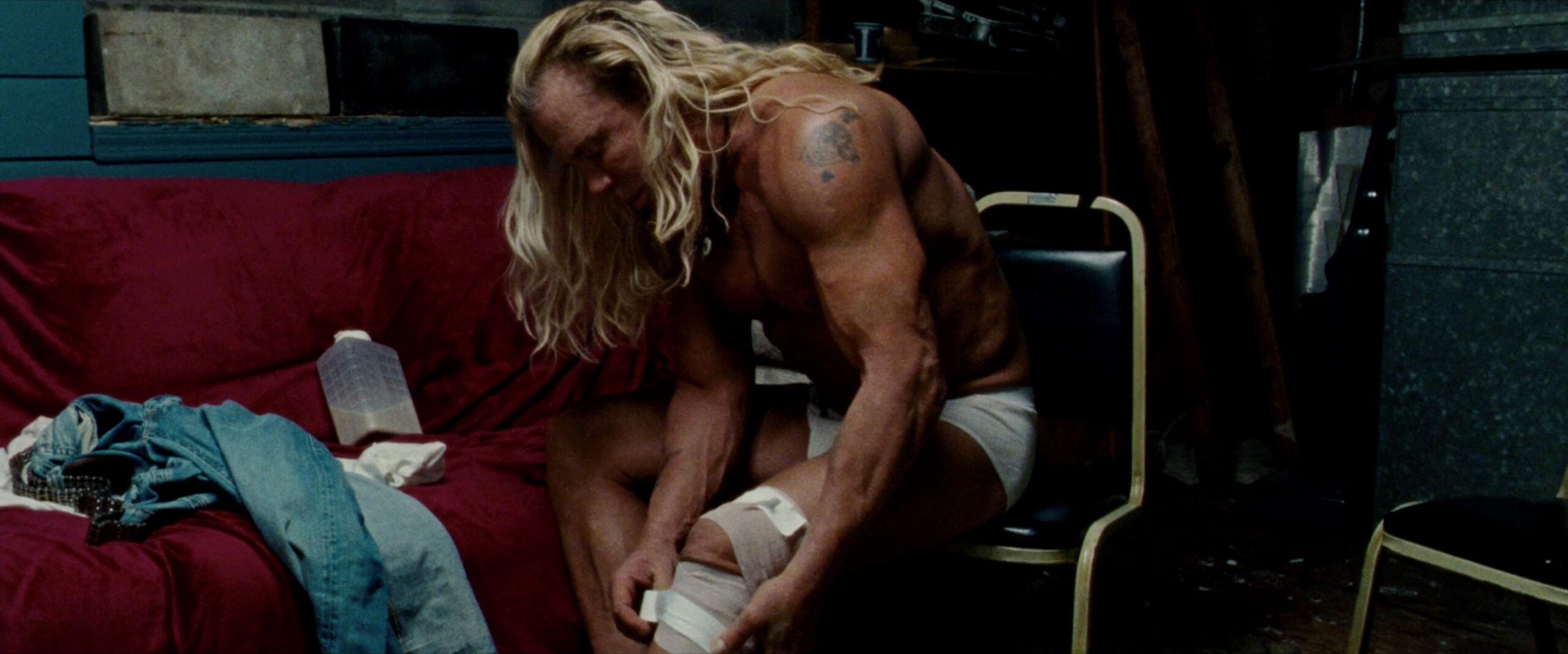
The Wrestler (2008)
Shot almost entirely on a 12mm lens on Super 16 film format – roughly equivalent to a 28mm lens on Super 35mm film format.



FILM SPOTLIGHT
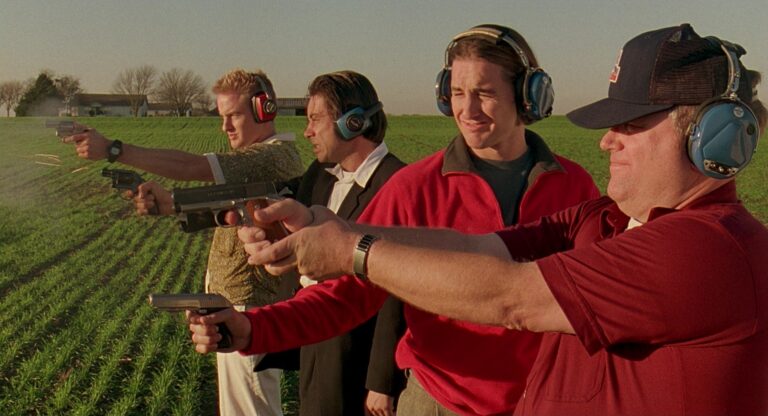
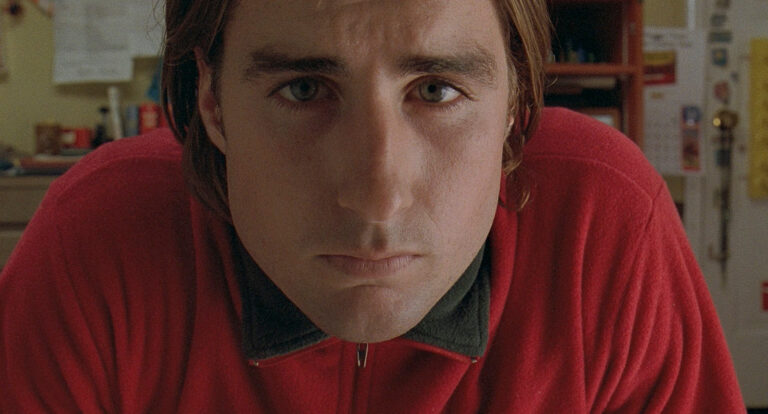
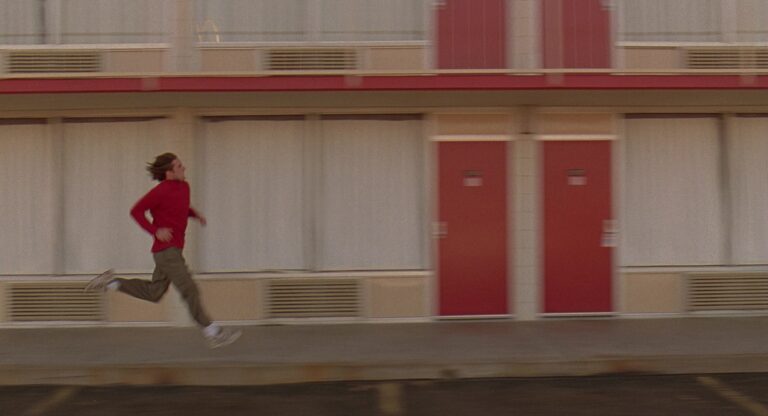
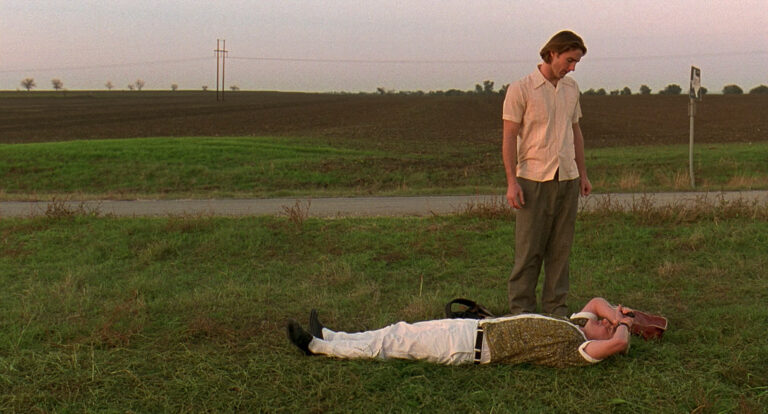
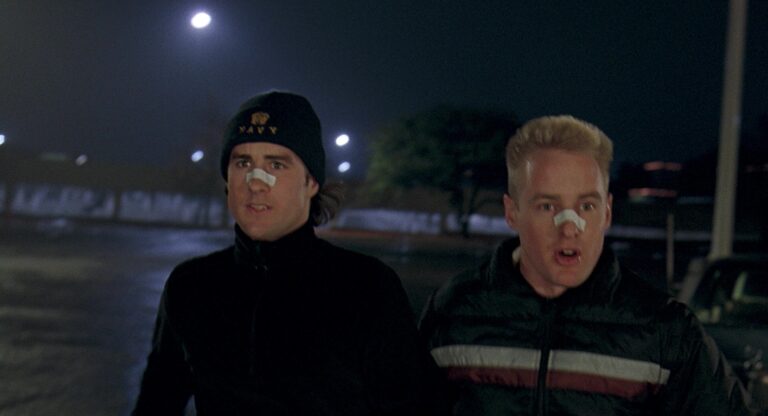
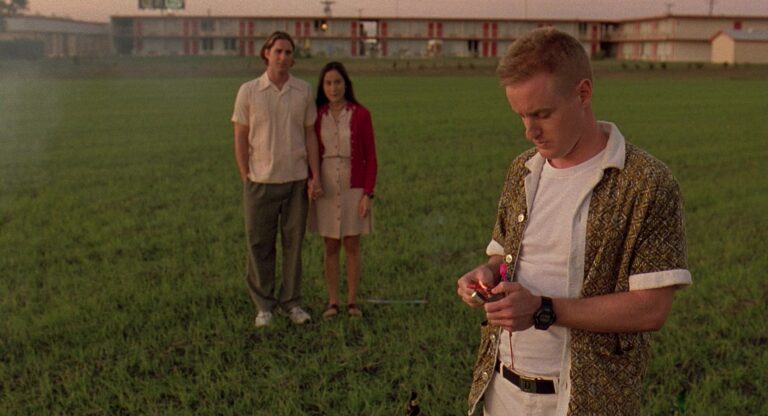
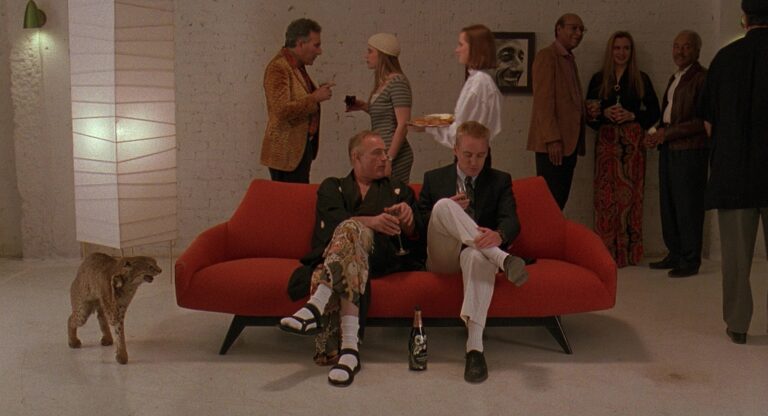
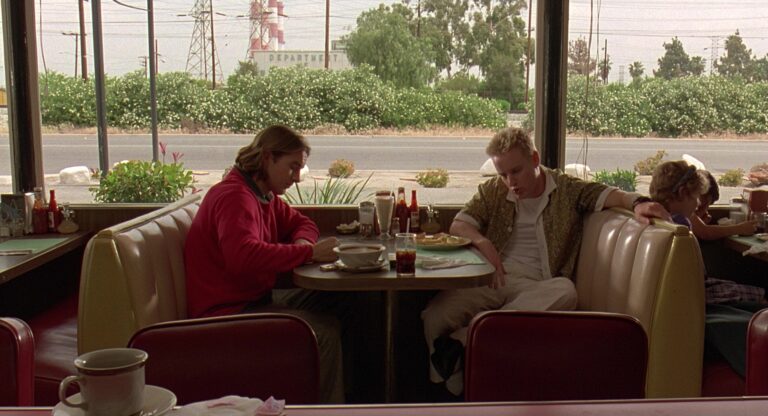
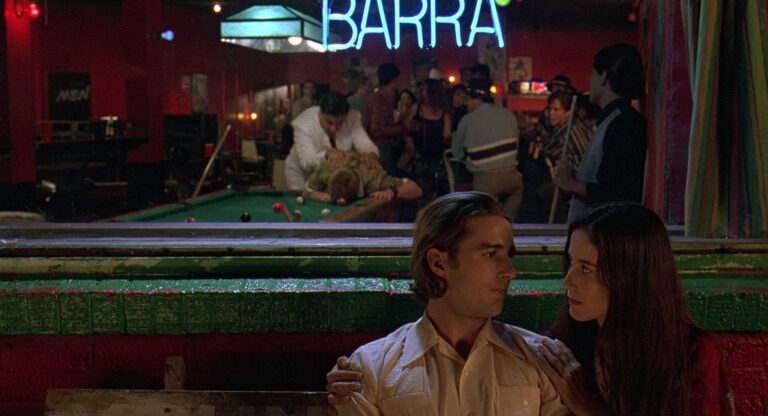
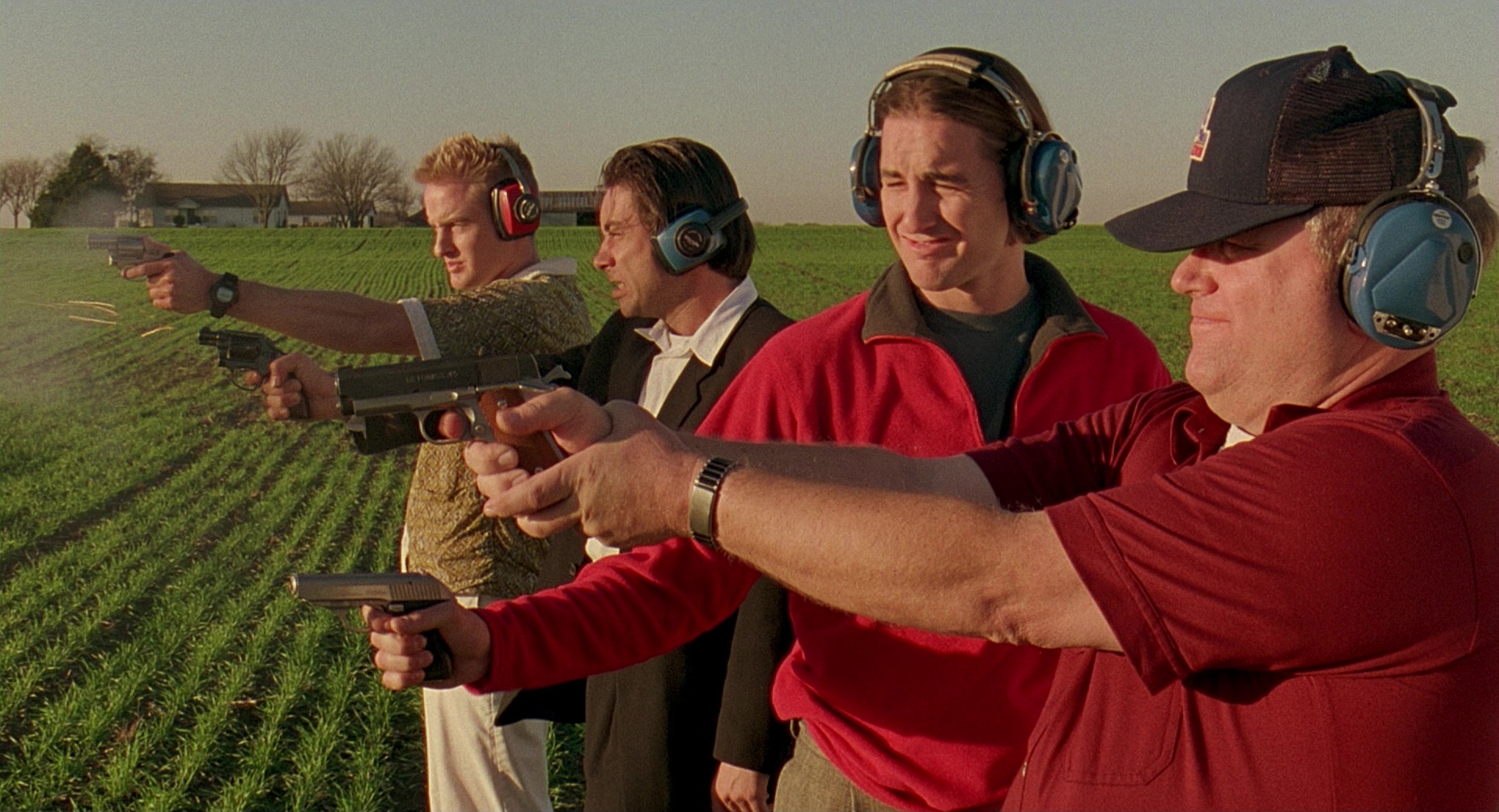
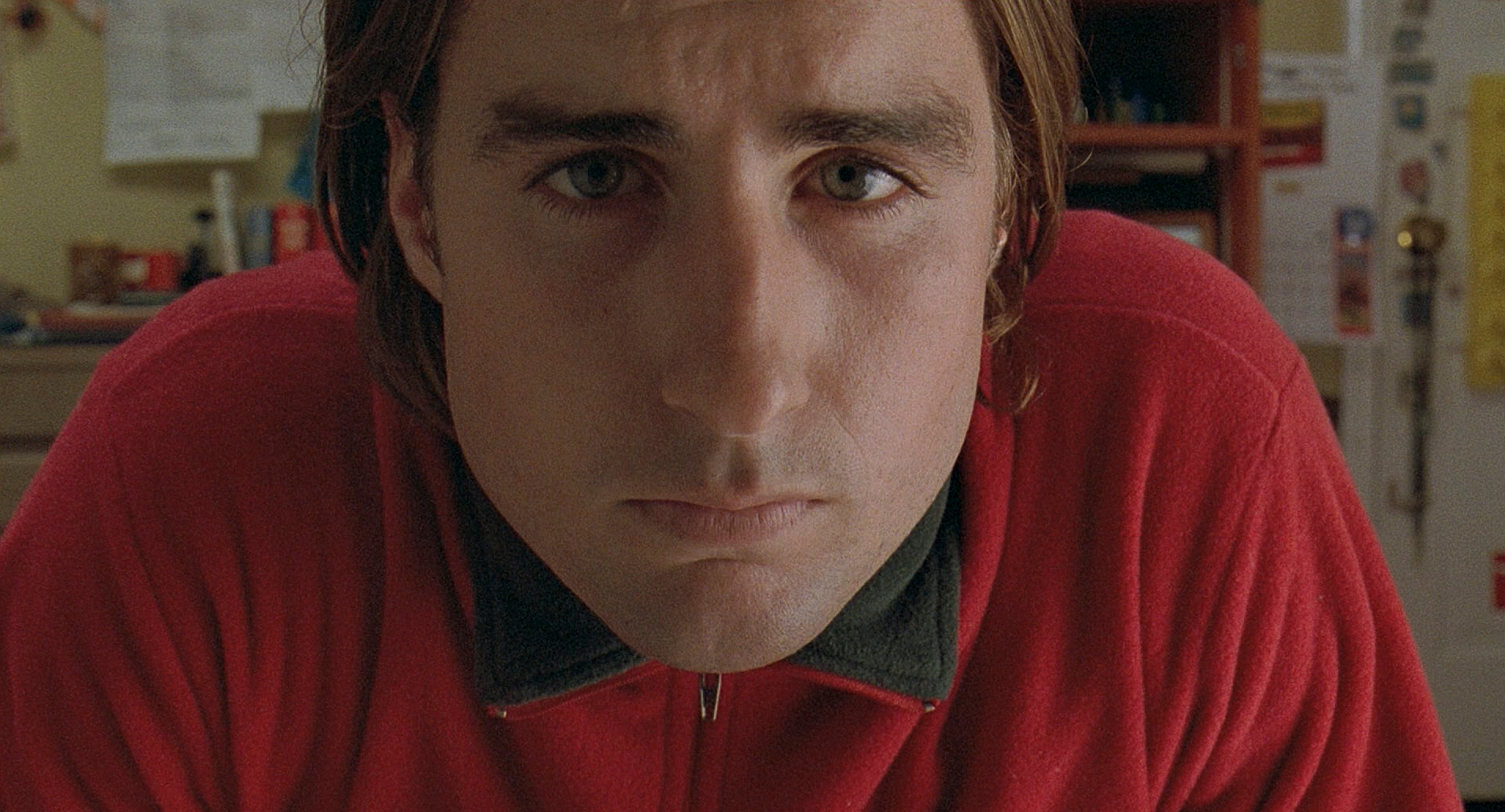
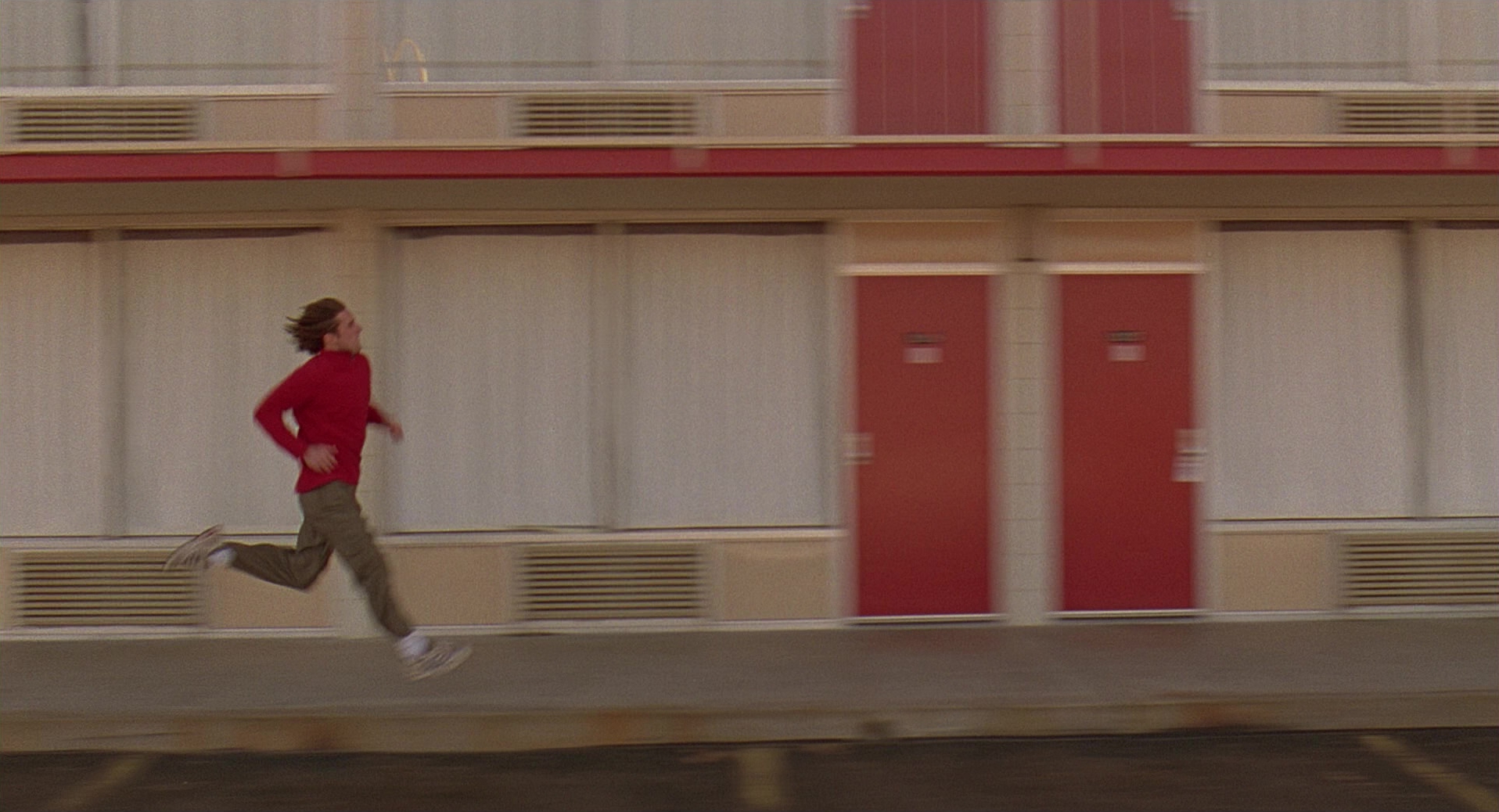
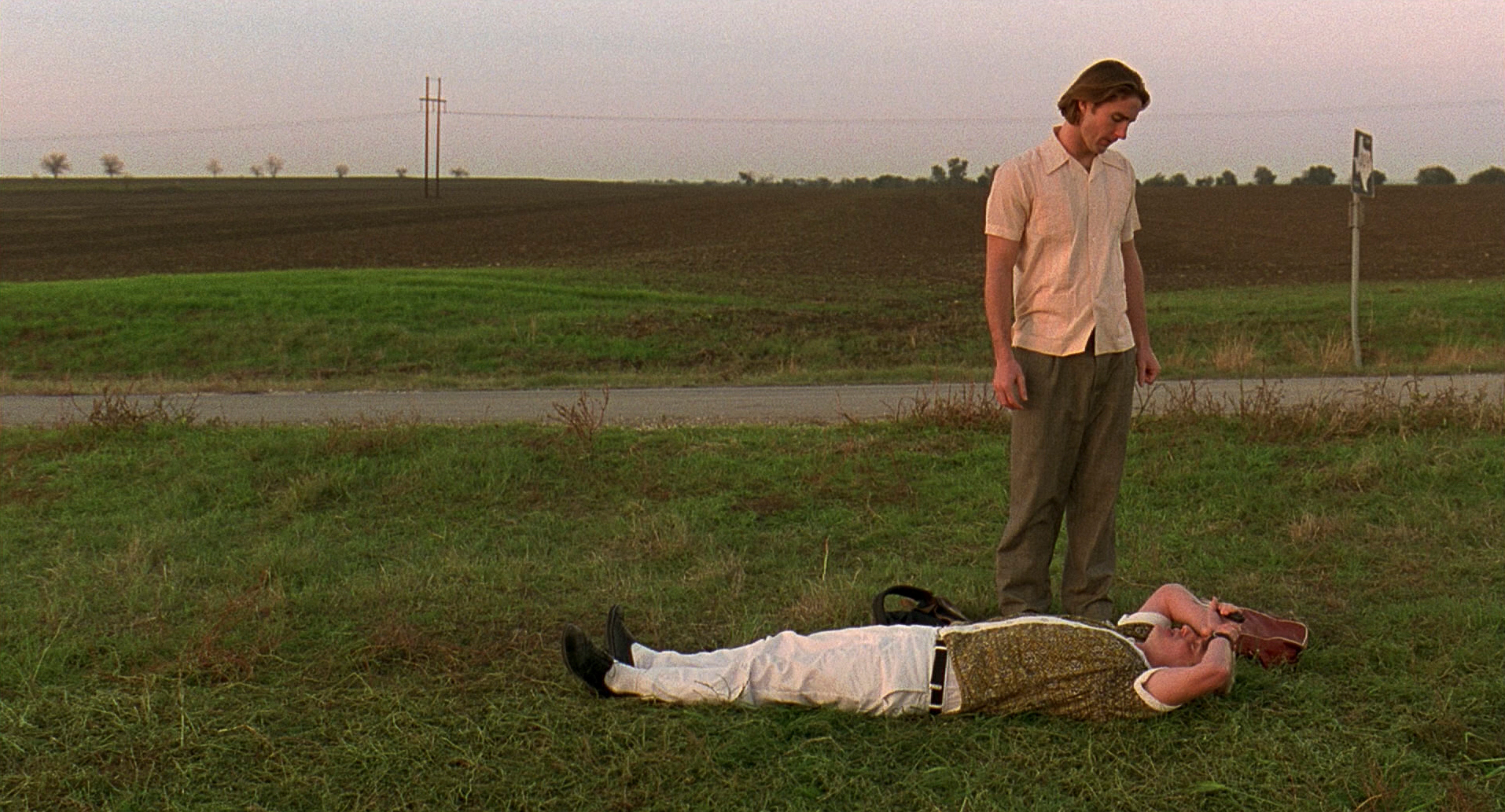
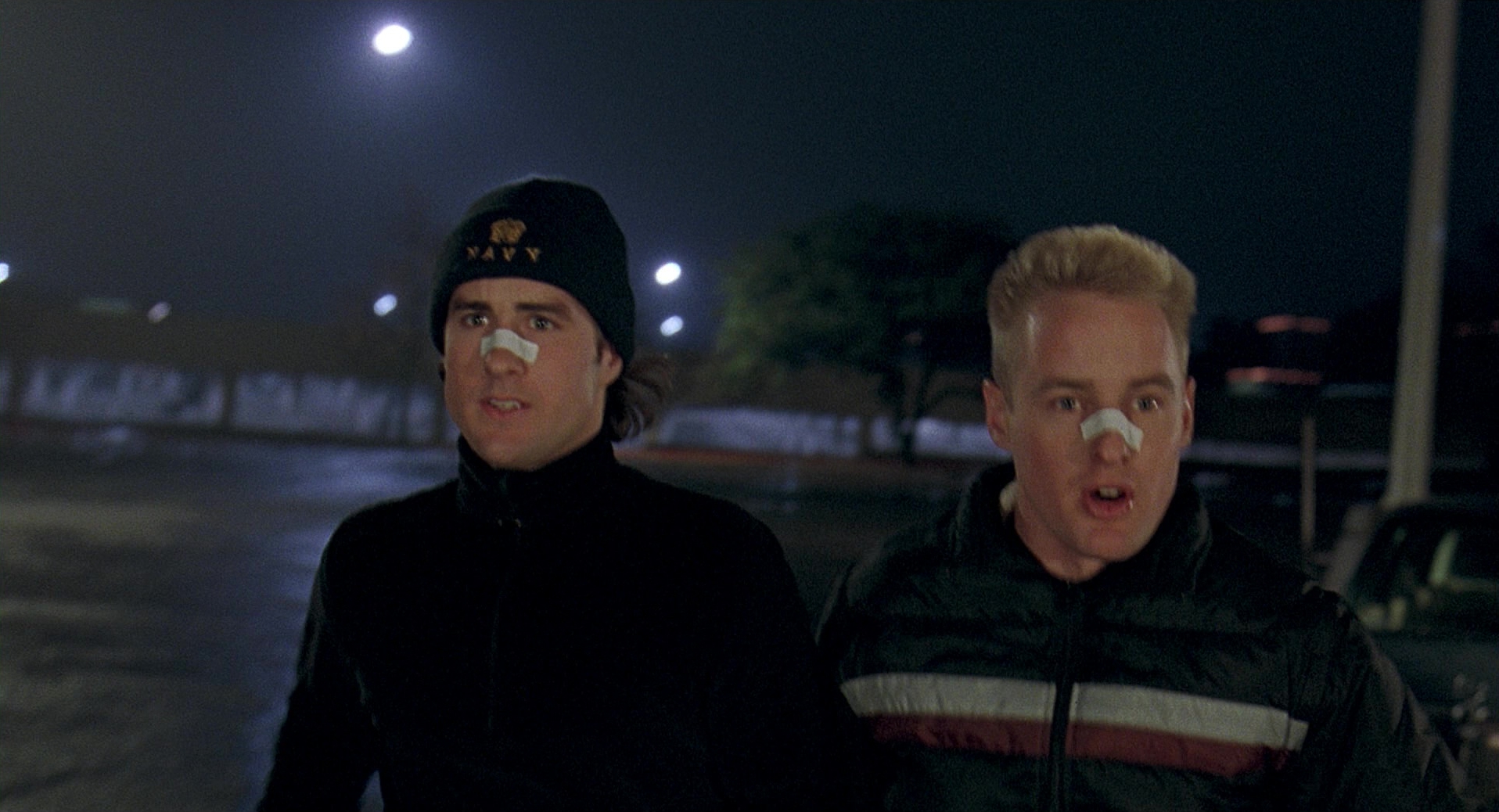
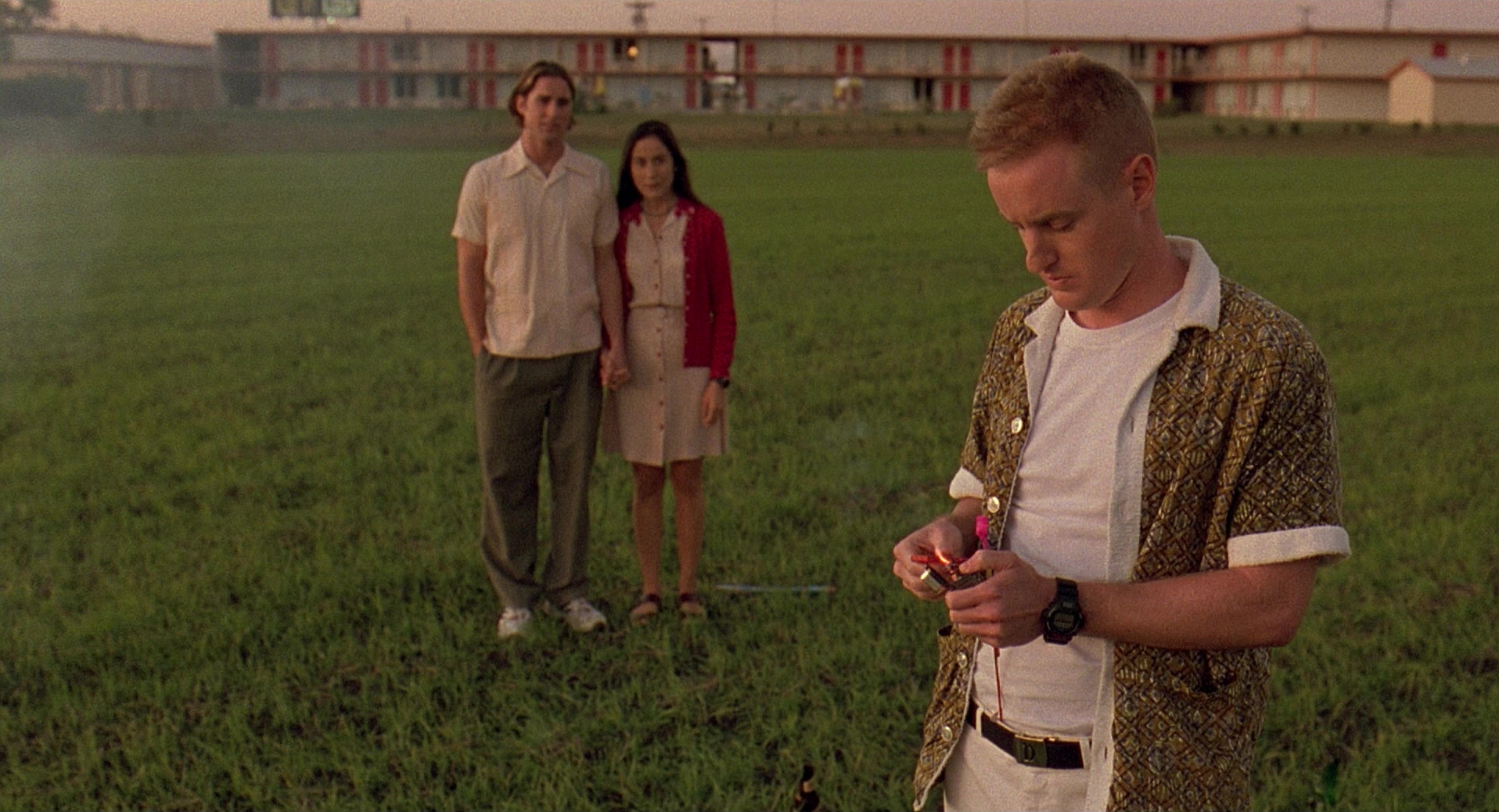
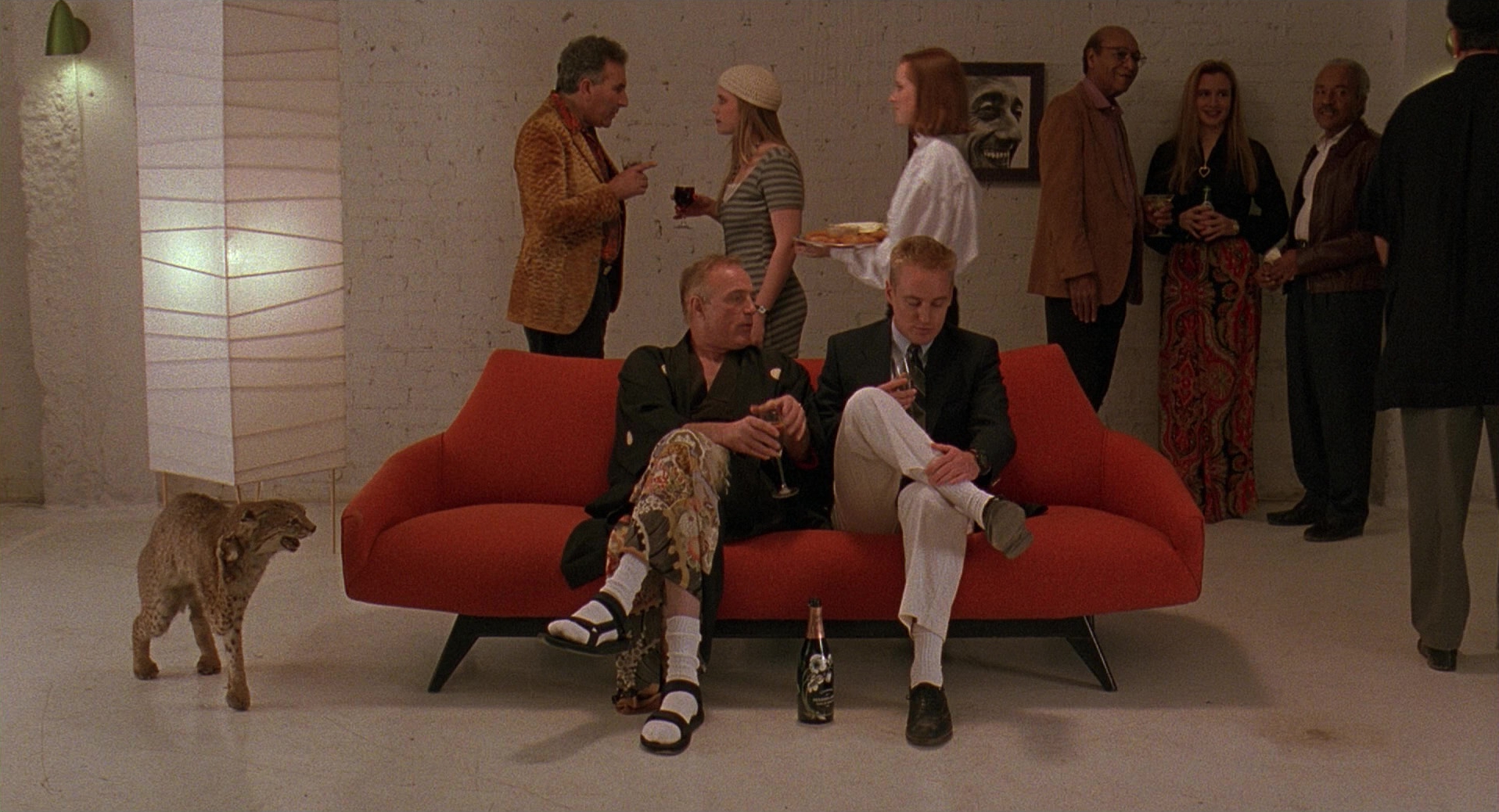
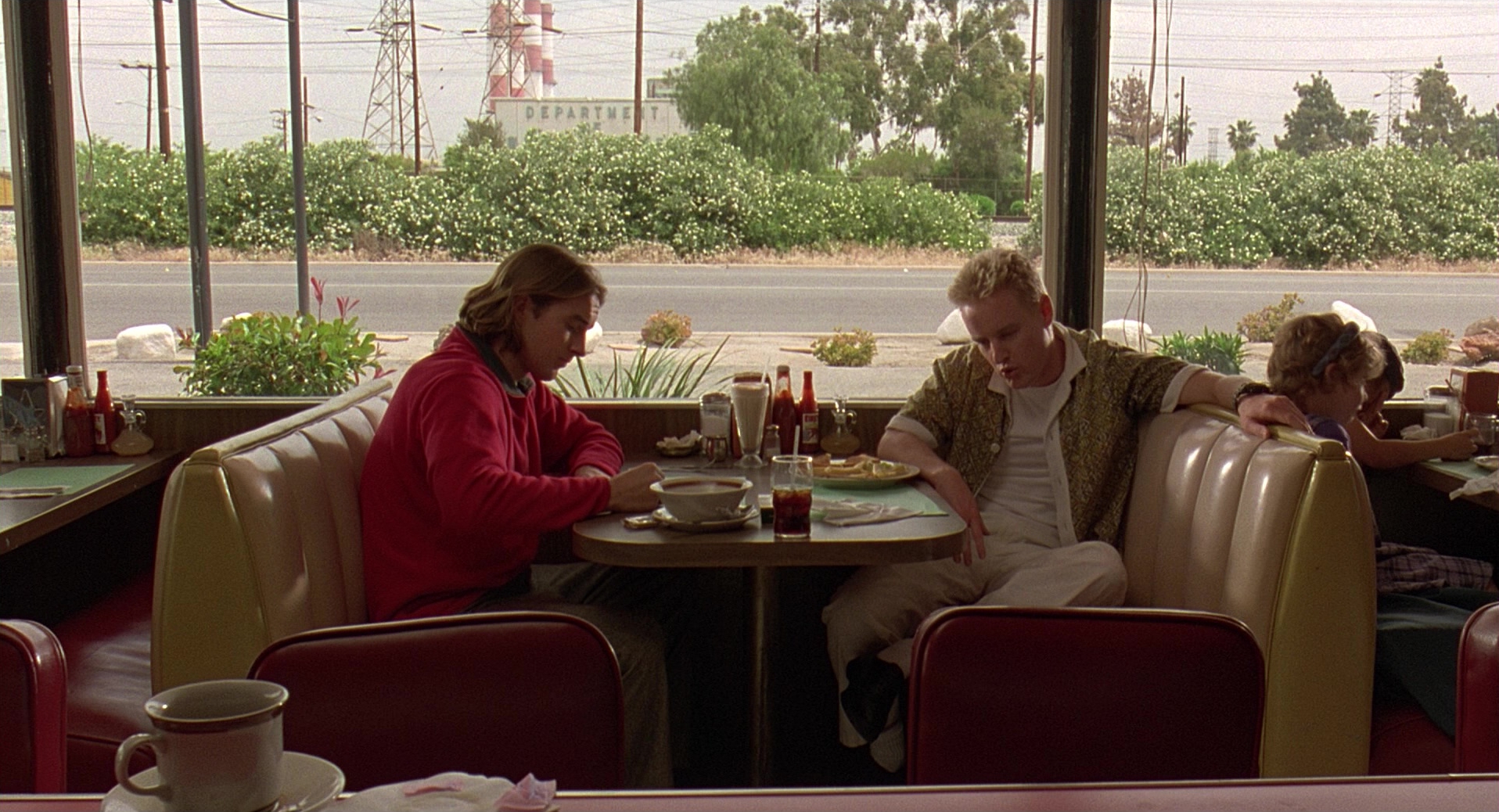
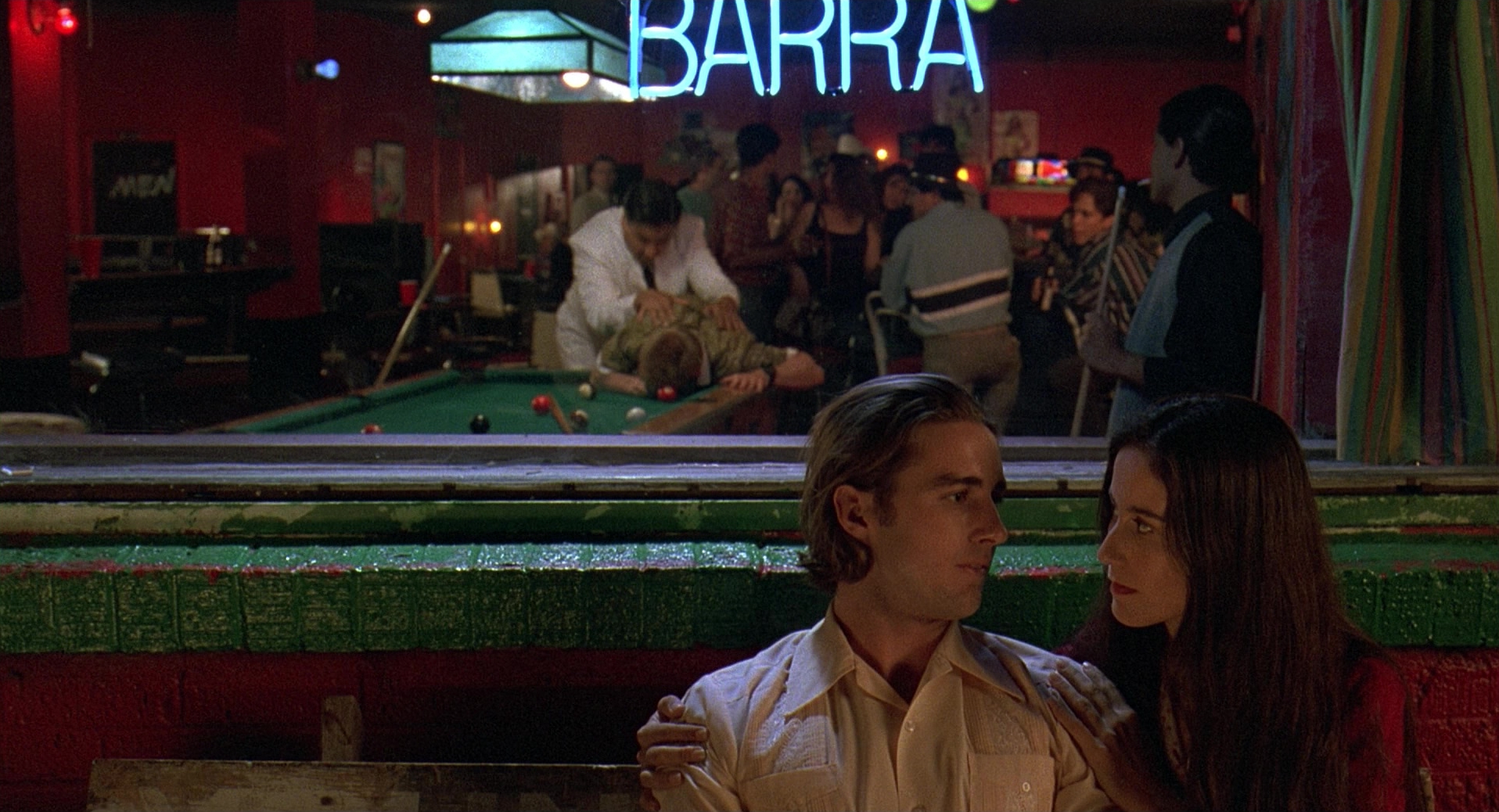
Bottle Rocket (1996)
Shot almost entirely on a 27mm lens on Super 35mm film format.
FILM SPOTLIGHT
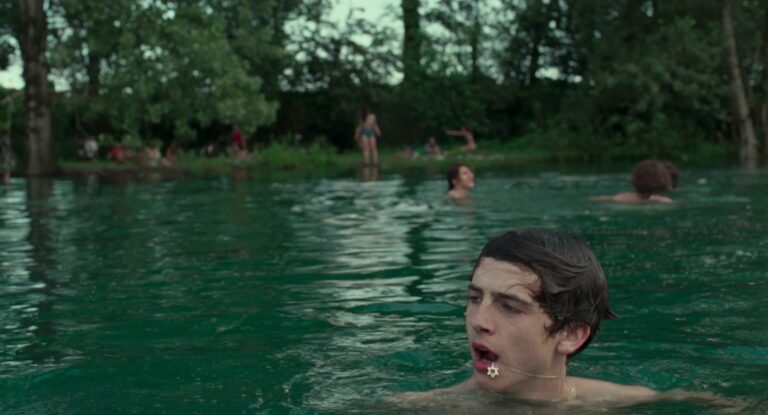
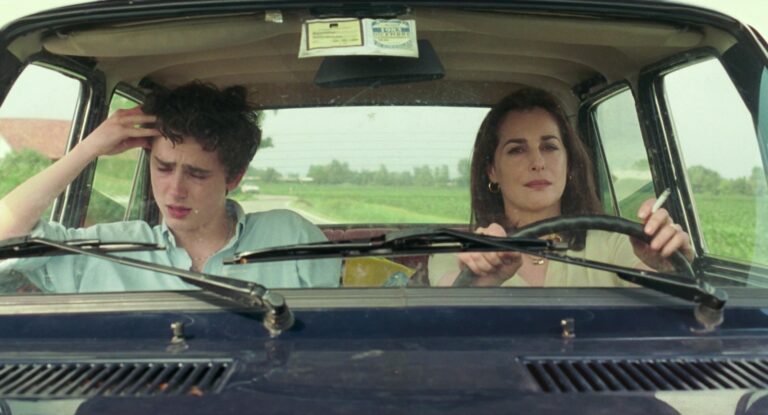
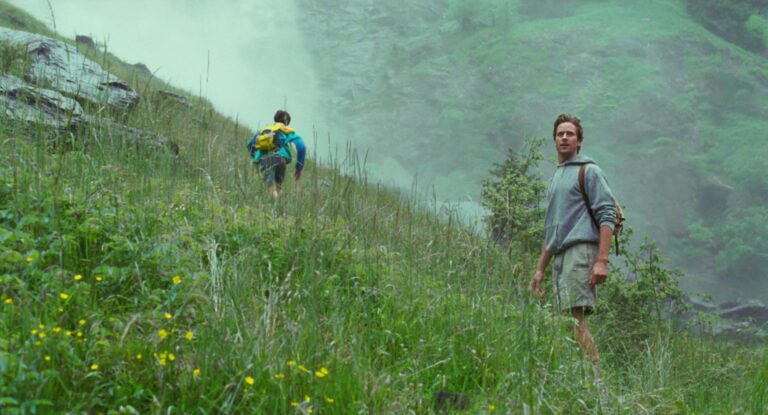
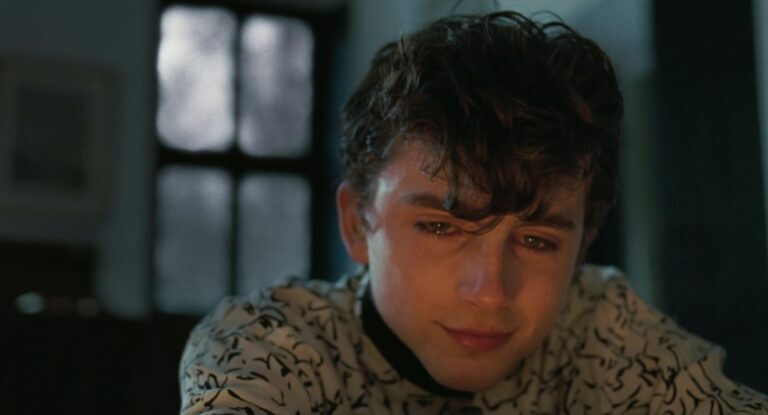
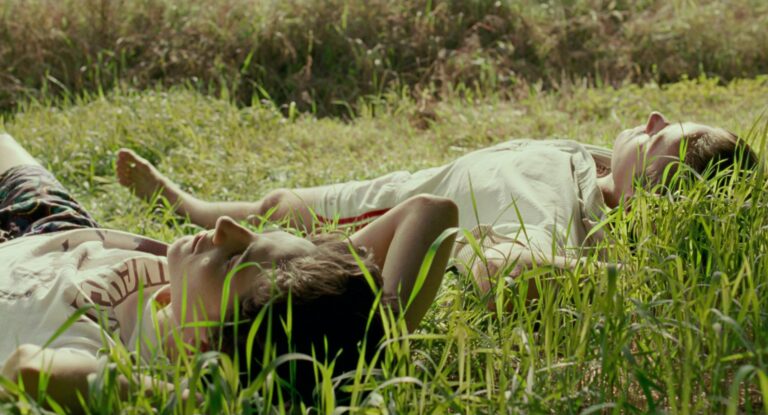
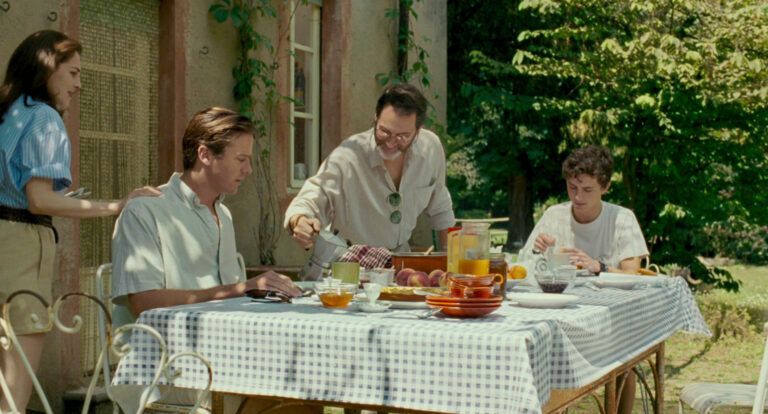
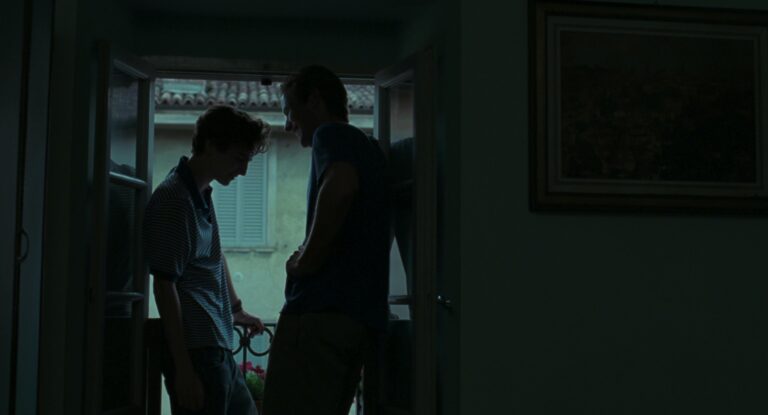
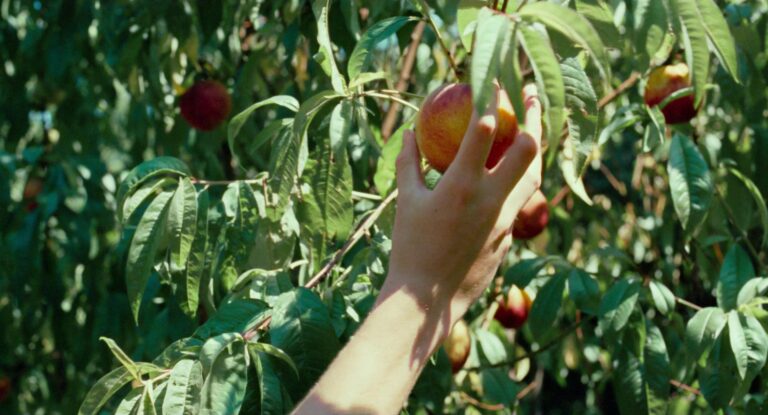
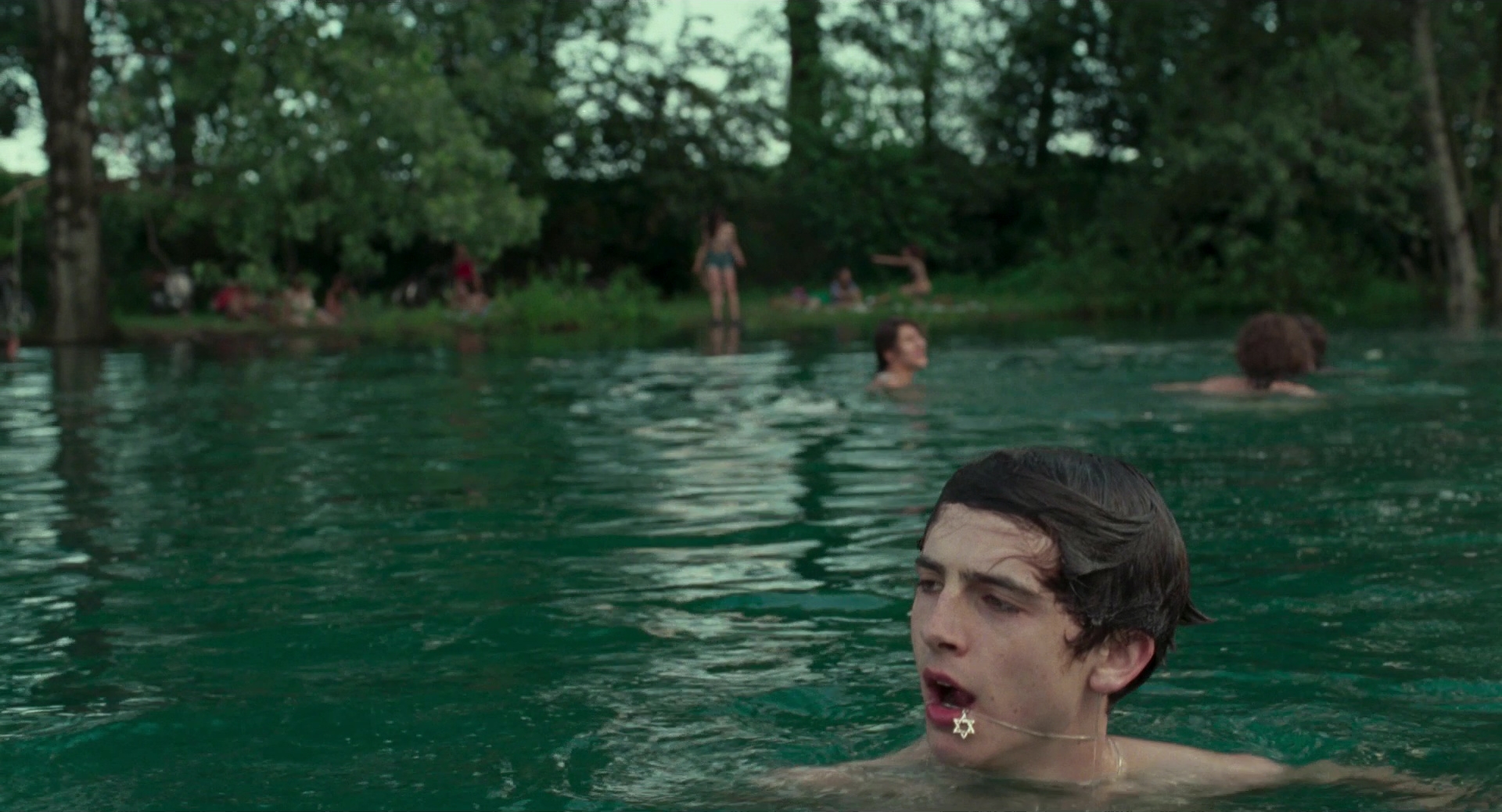
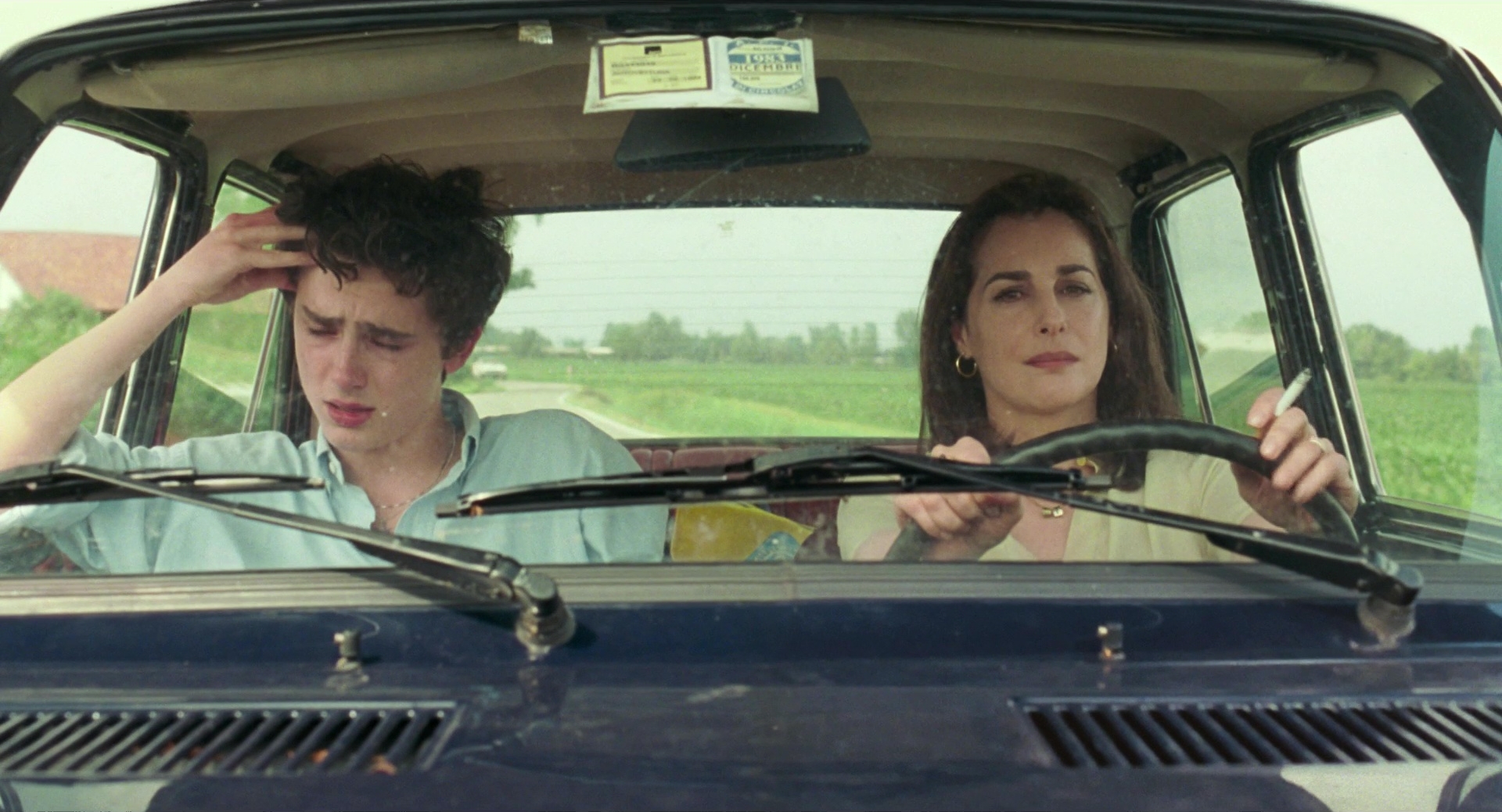
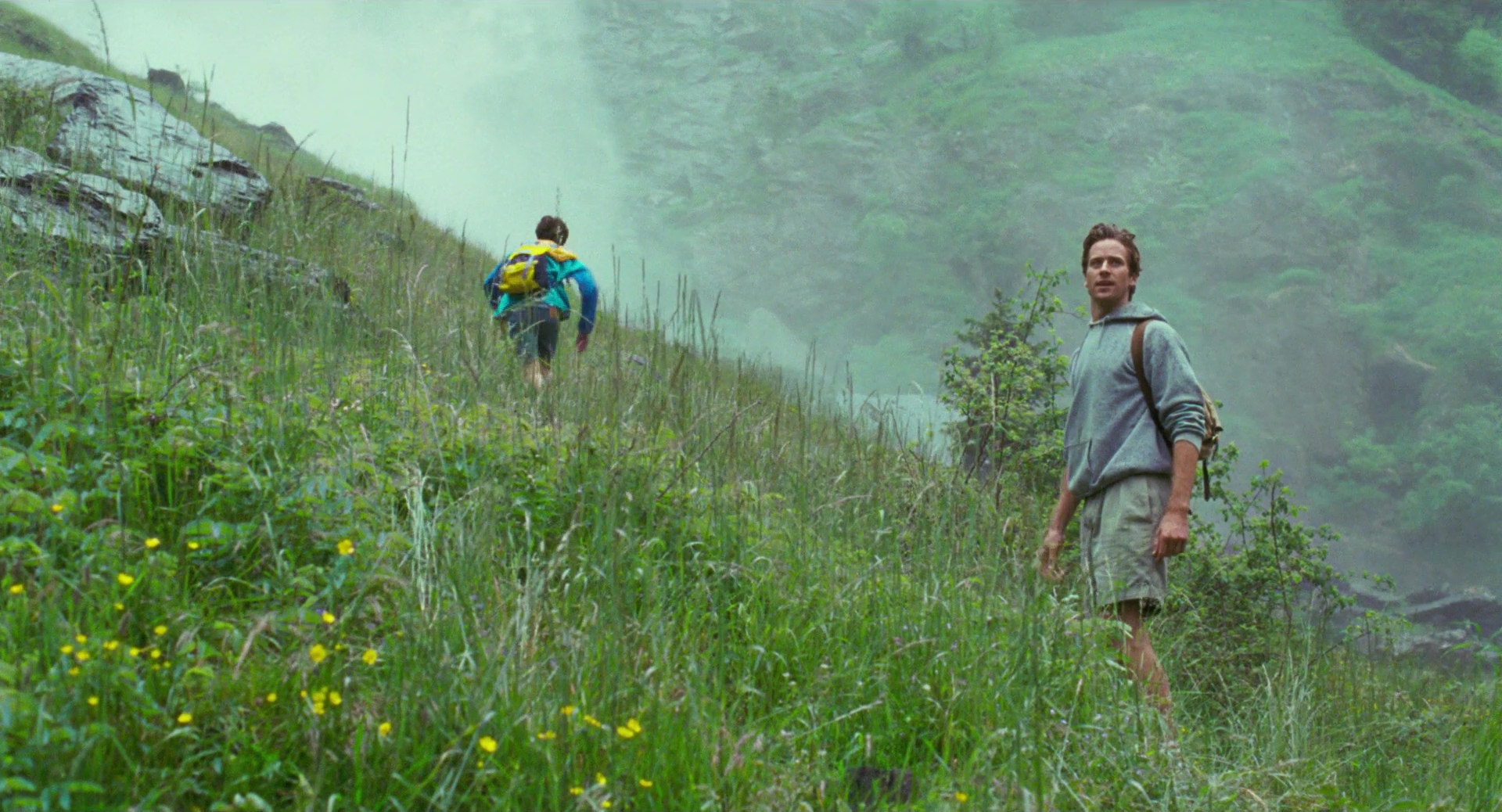
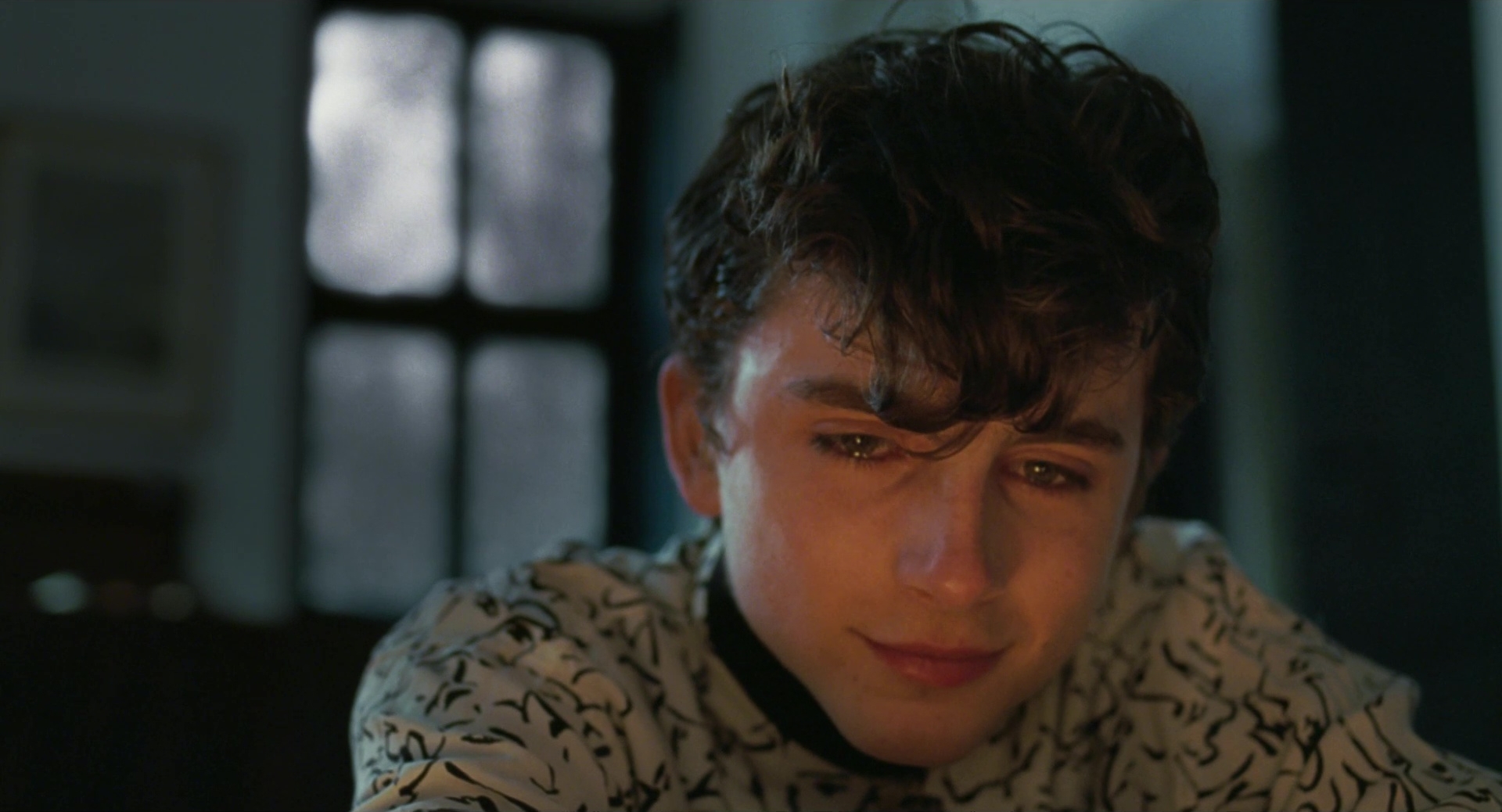
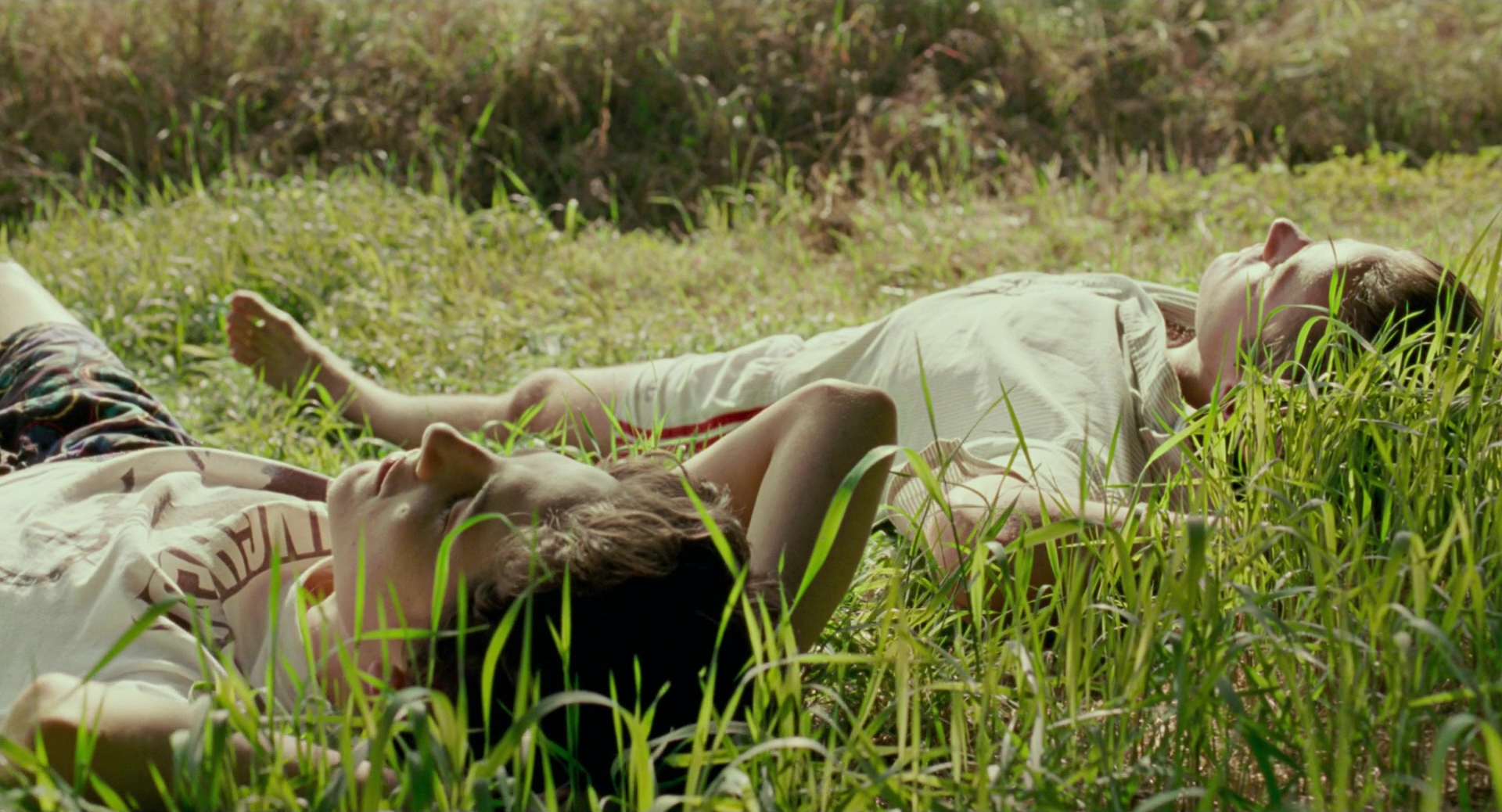
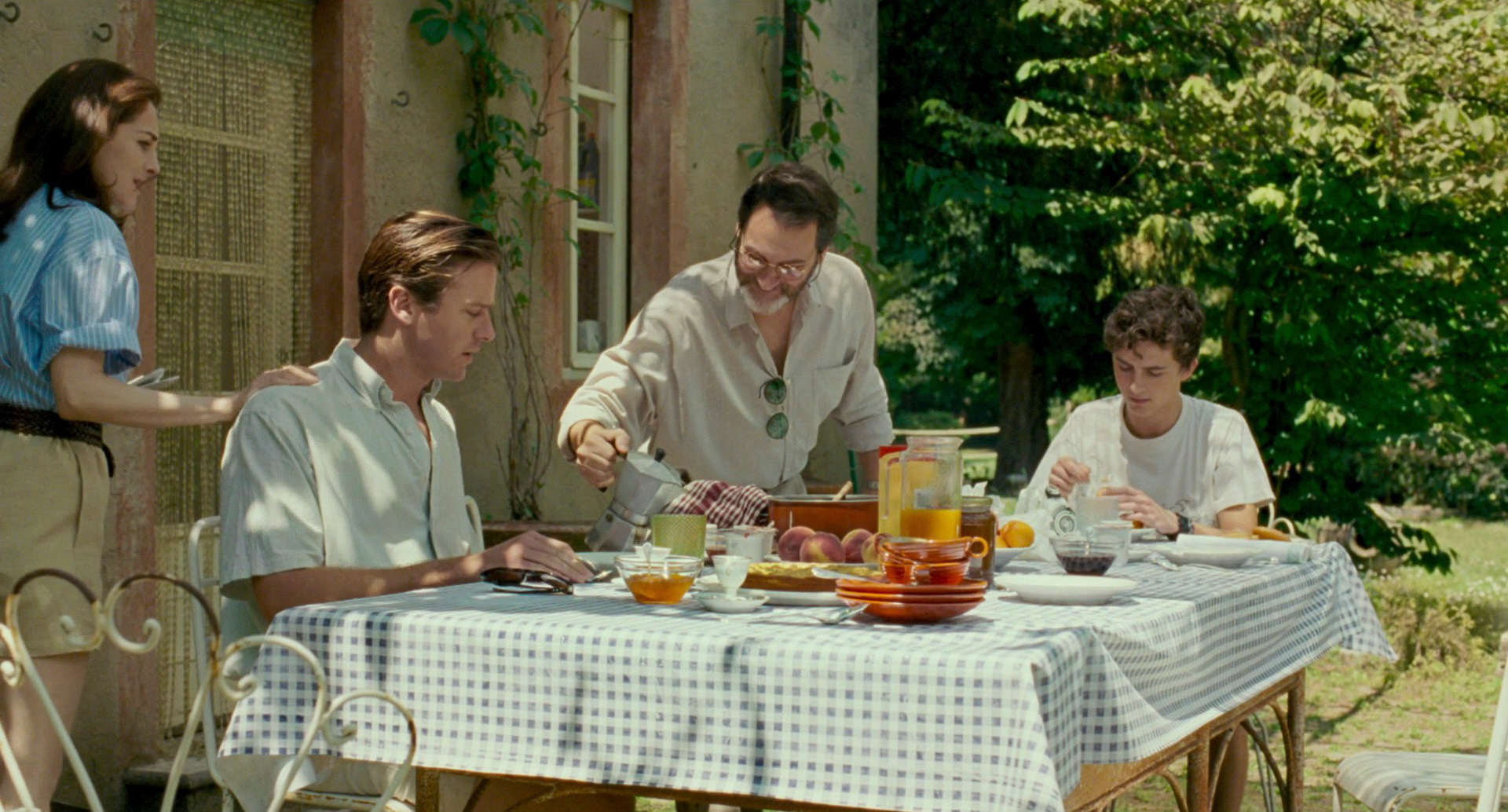
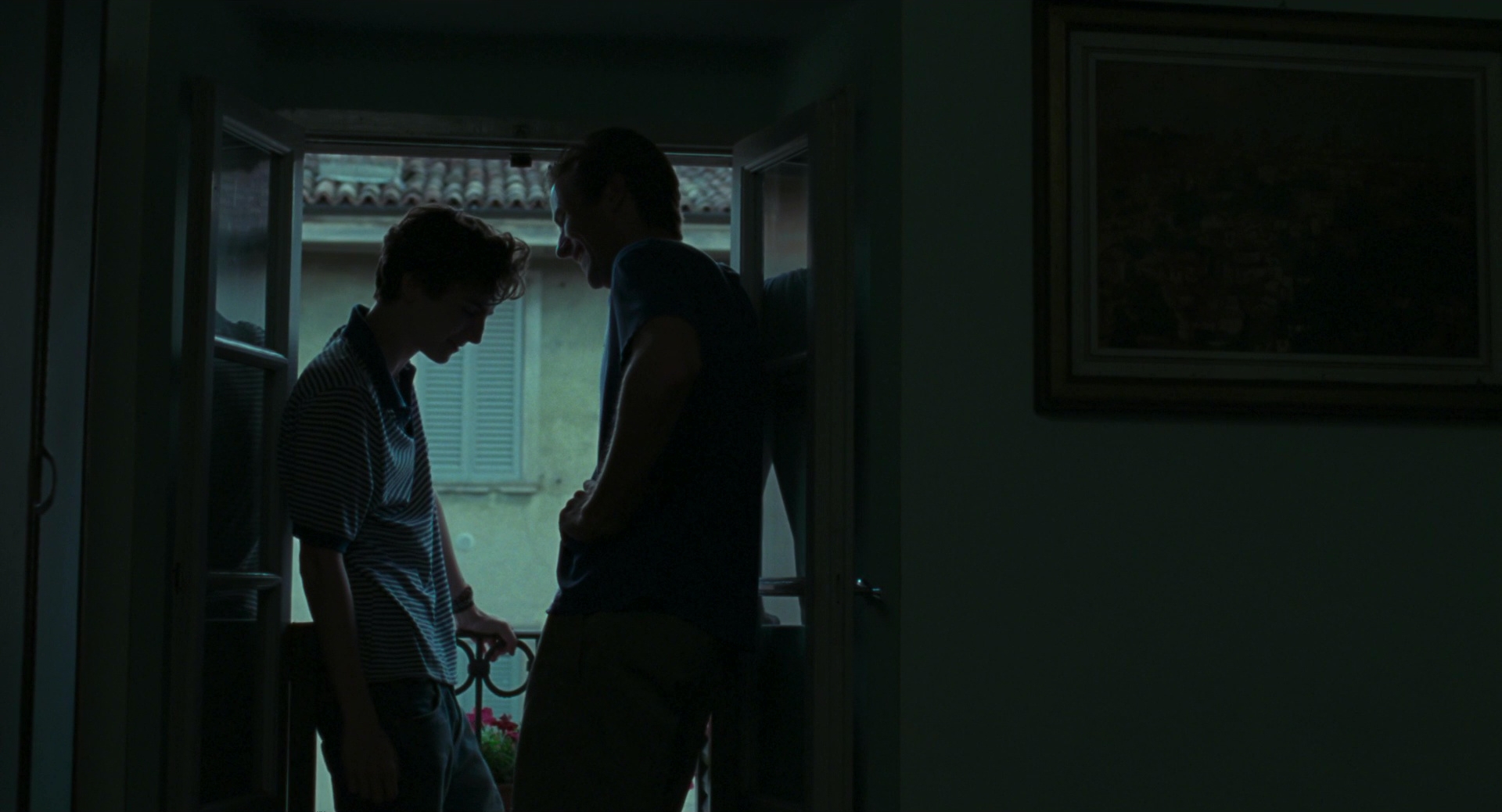
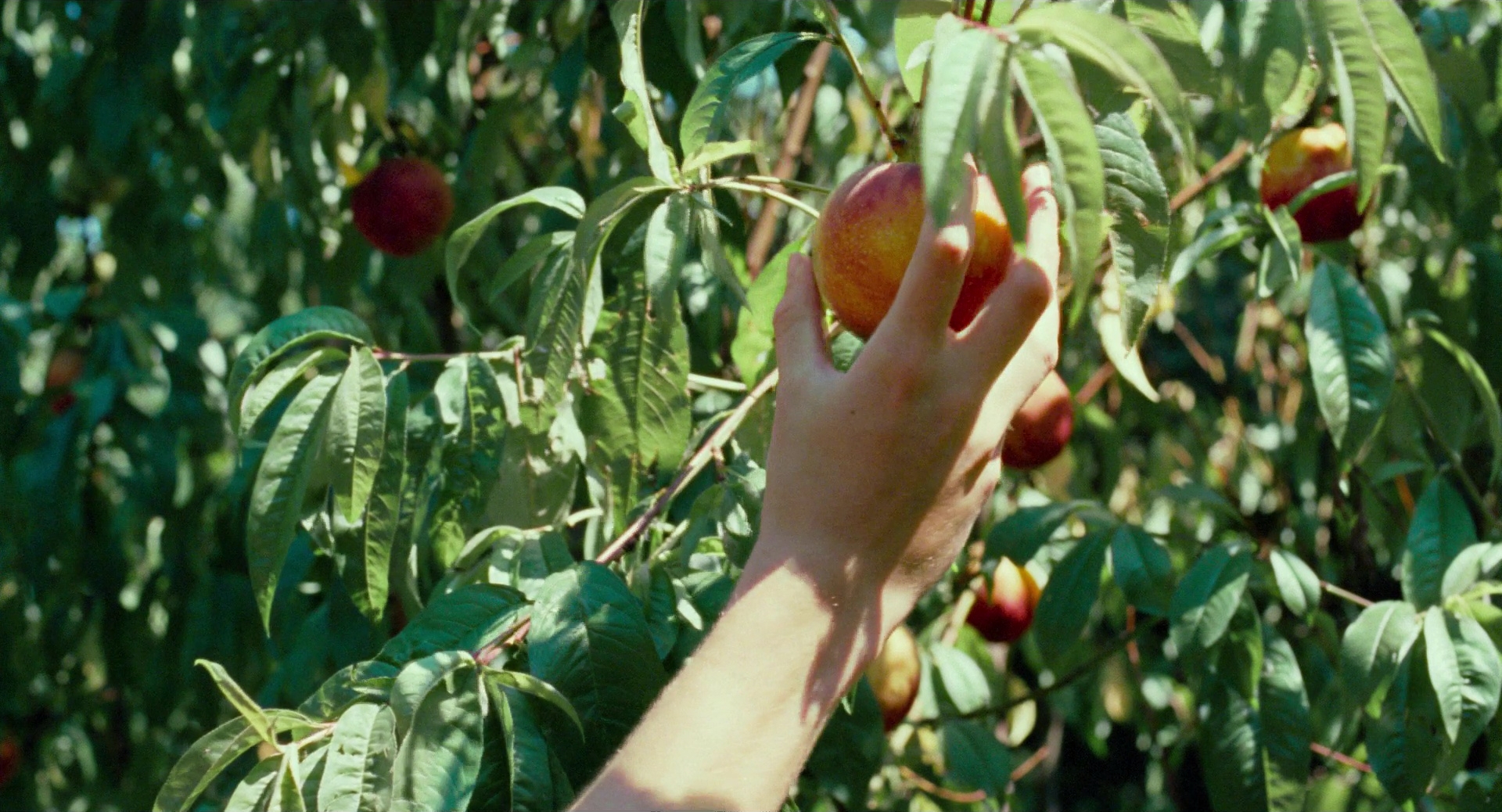
Call Me By Your Name (2017)
Shot entirely on a 35mm lens on Super 35mm film format.


FILM SPOTLIGHT
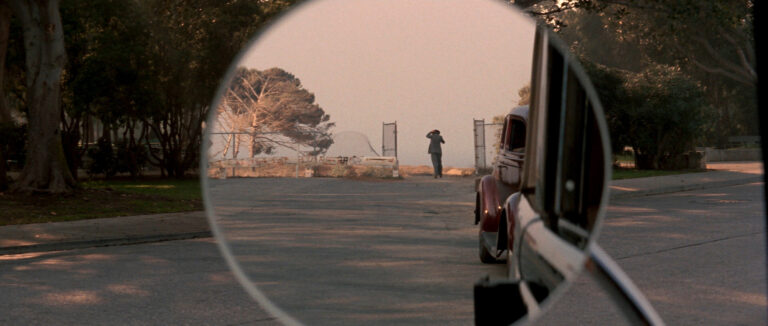
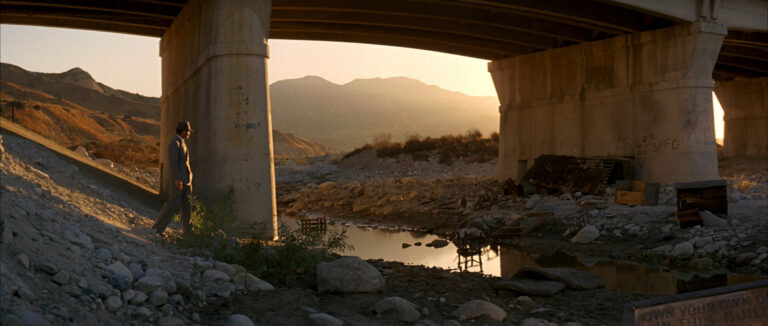
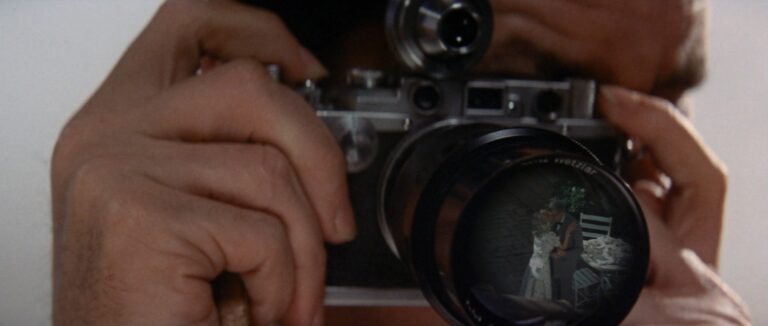
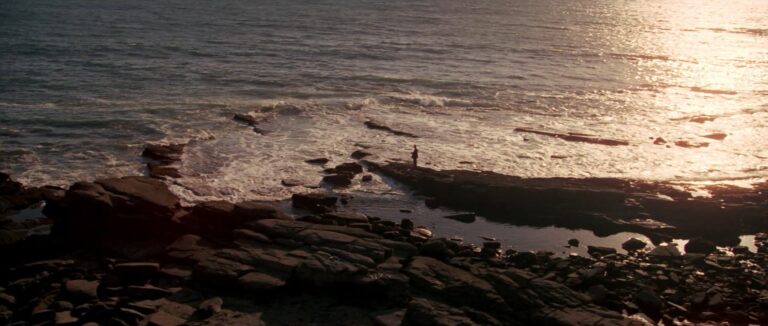
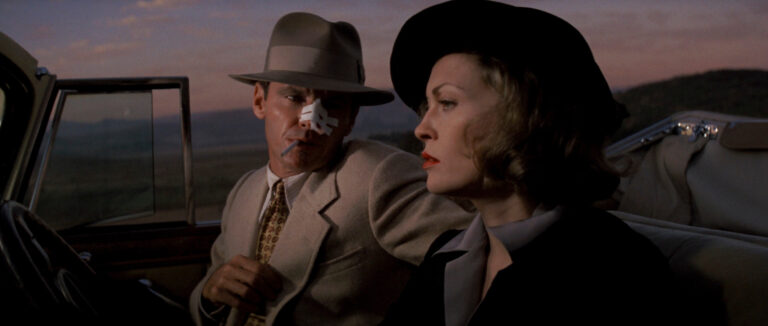
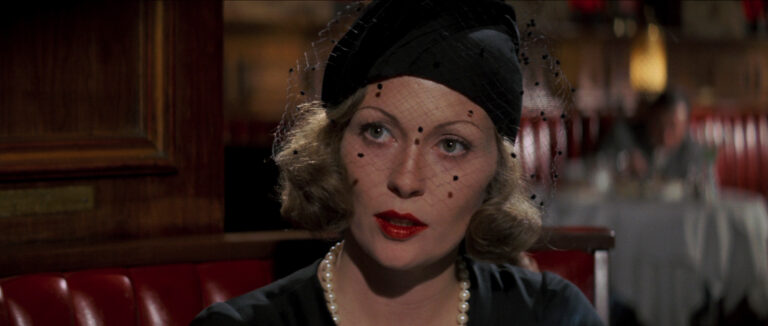
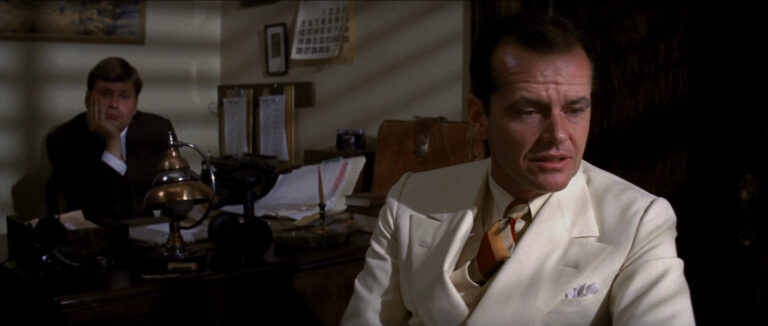
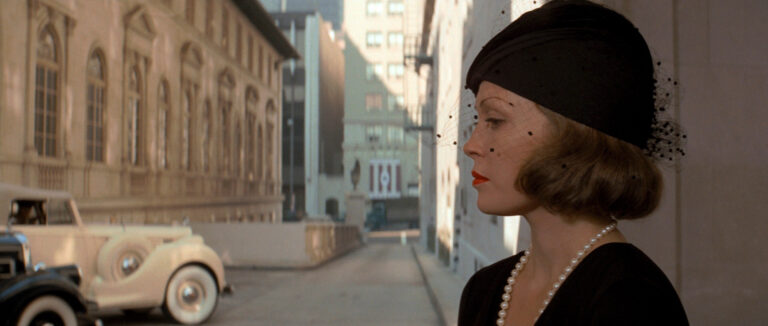
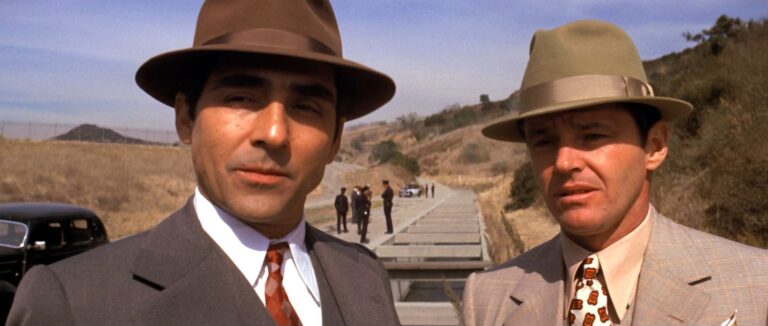
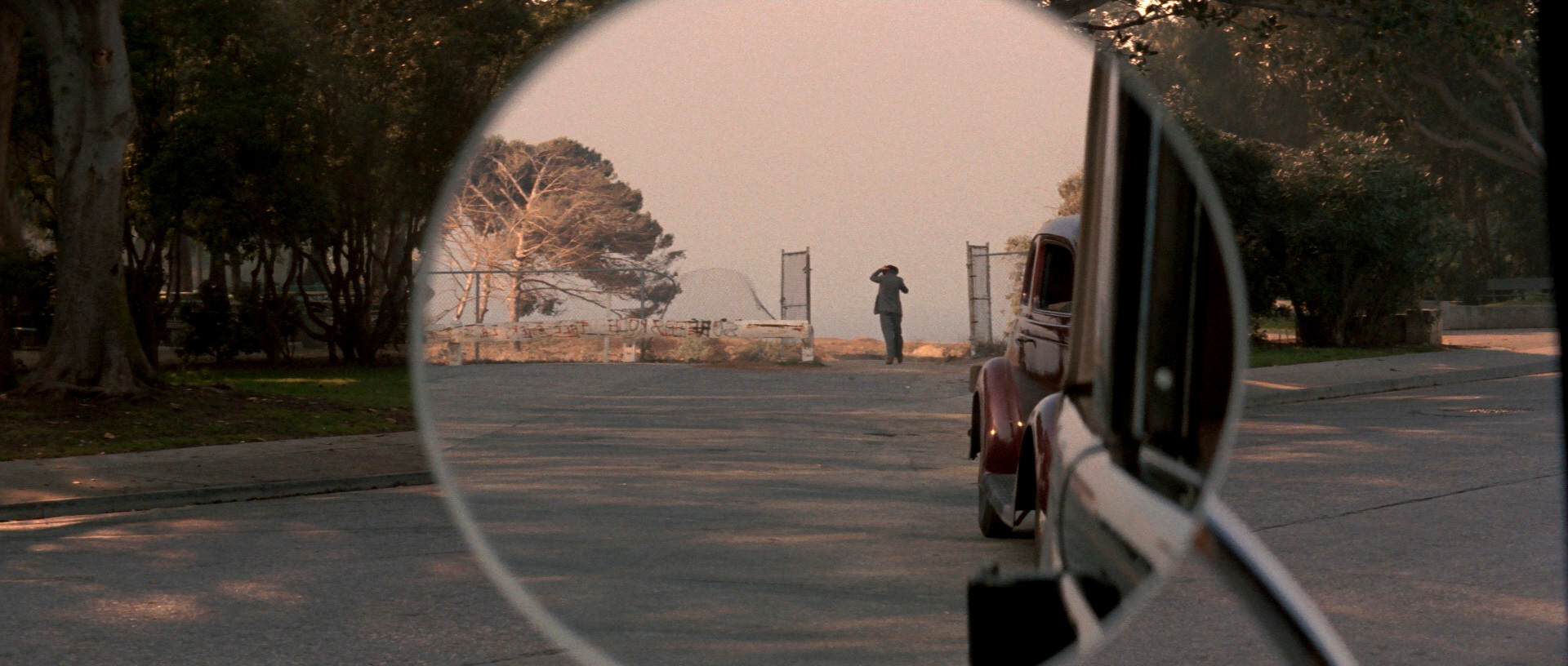
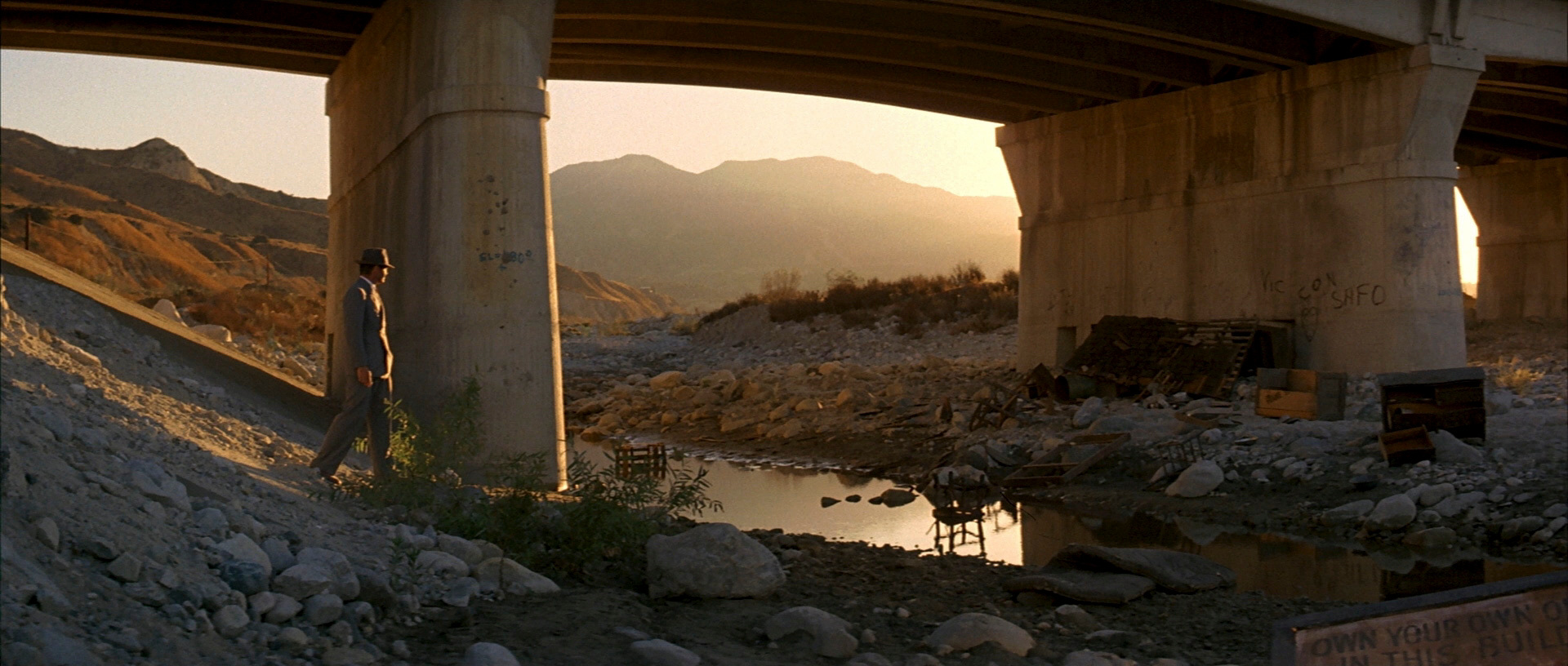
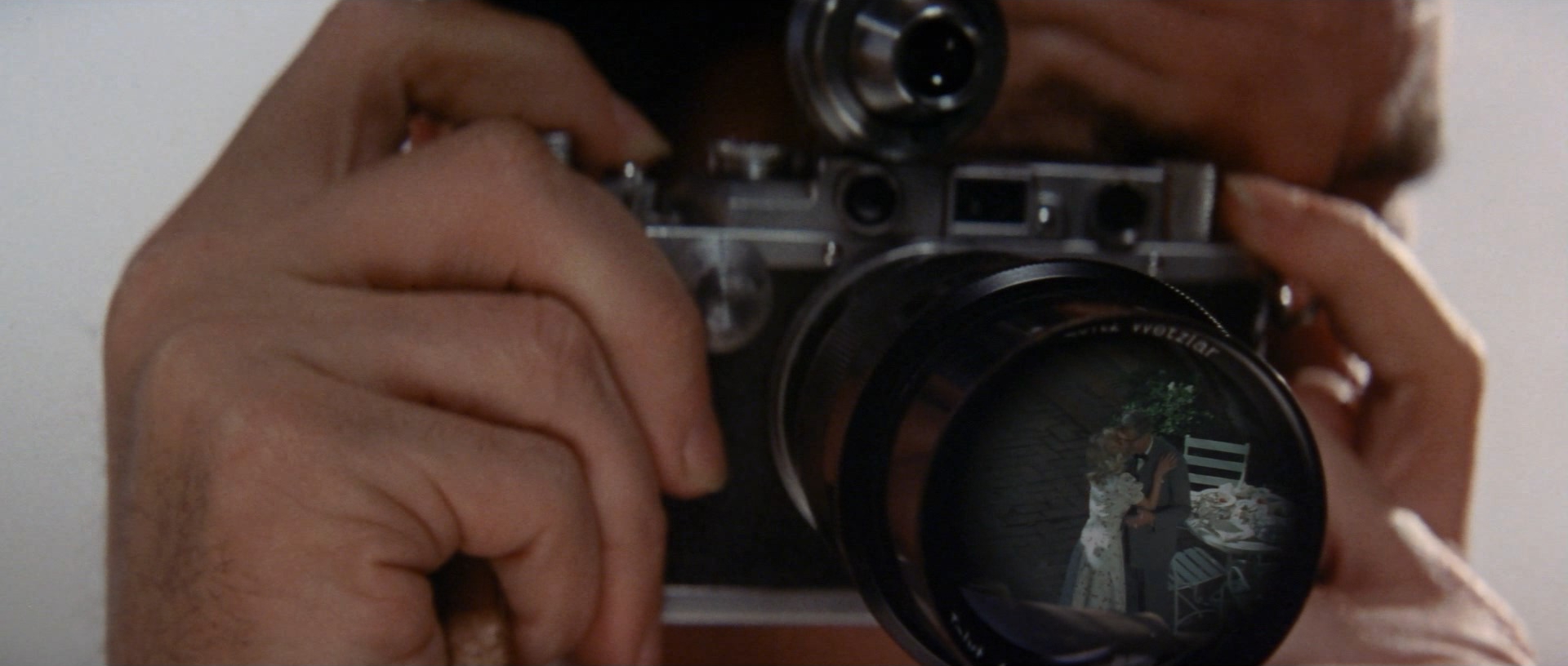
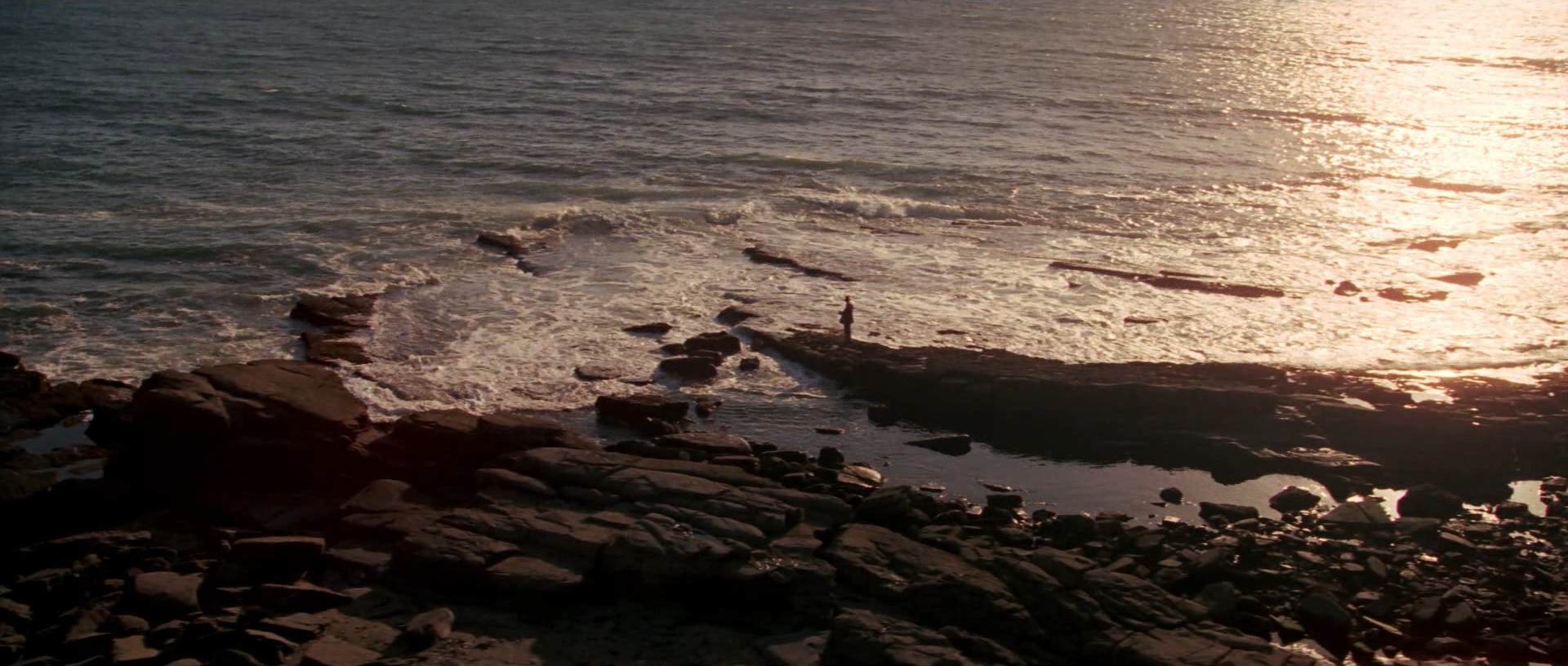
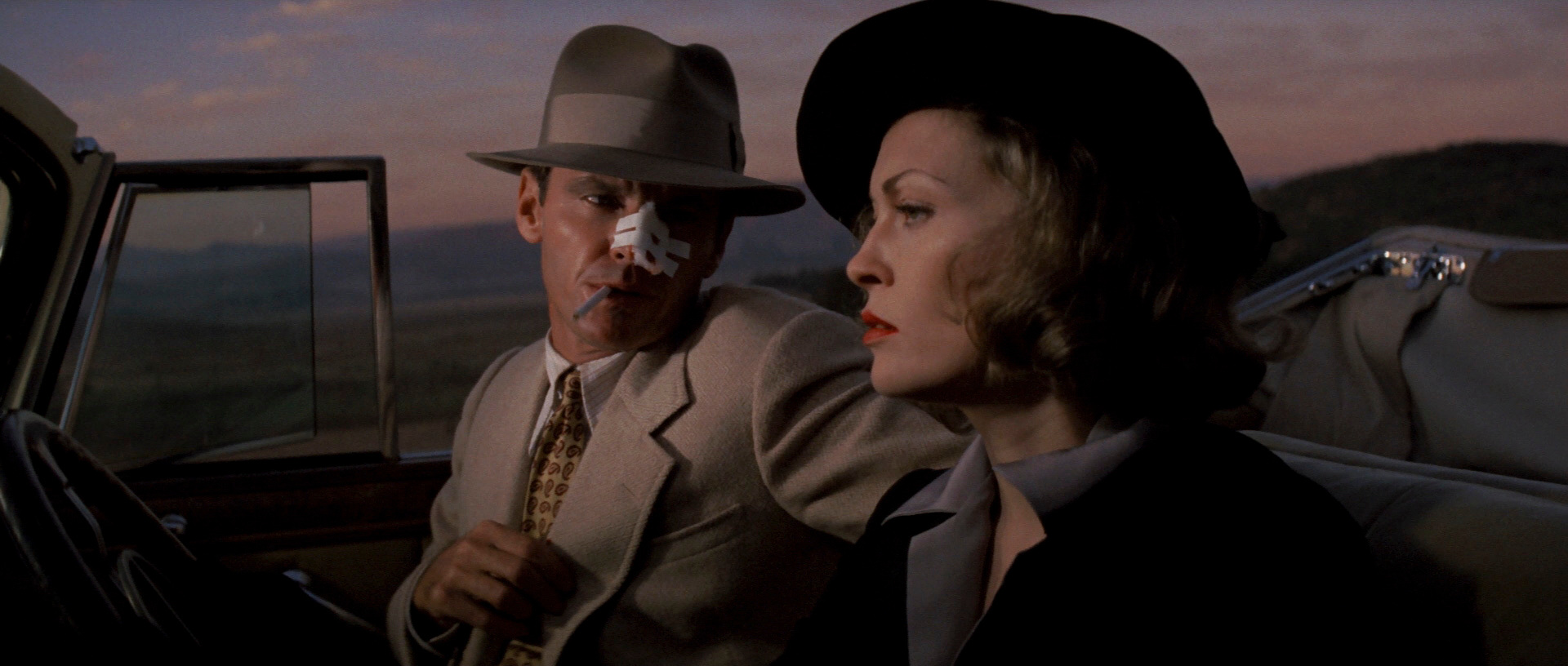
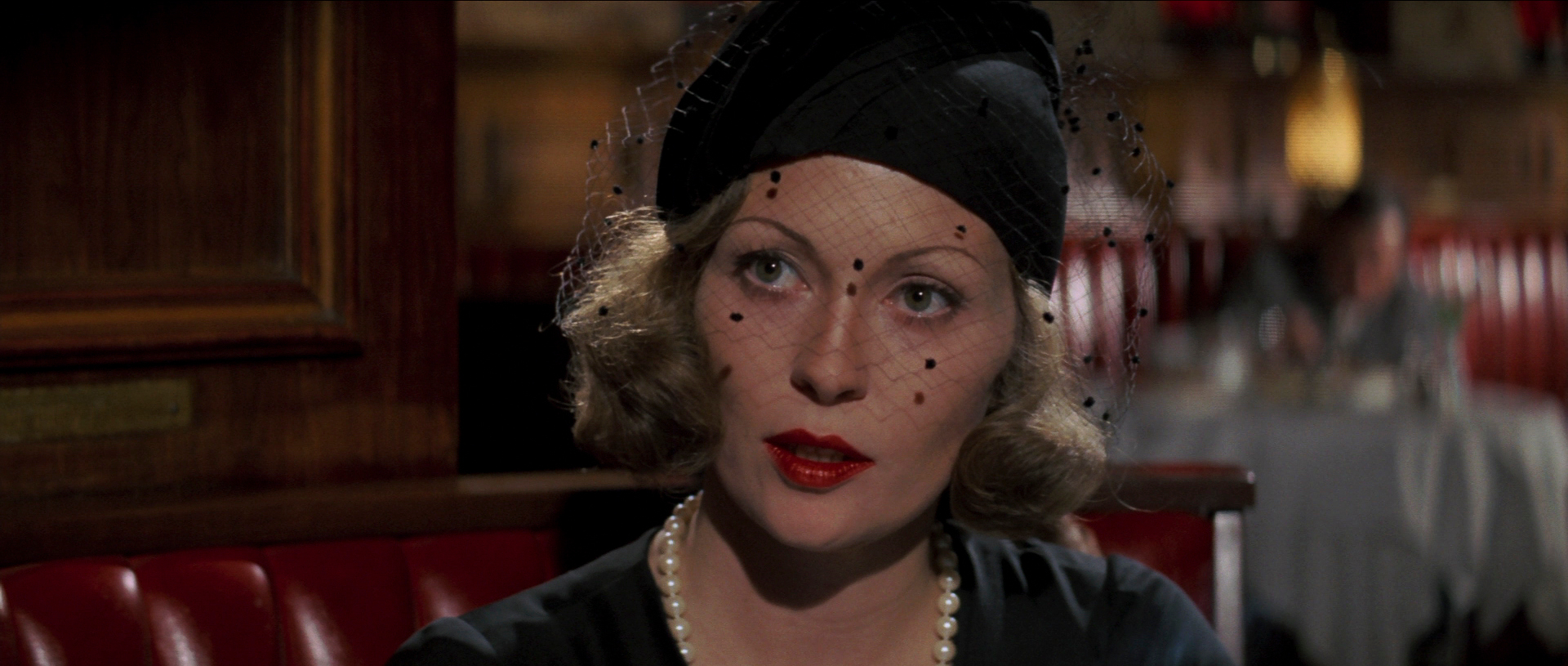
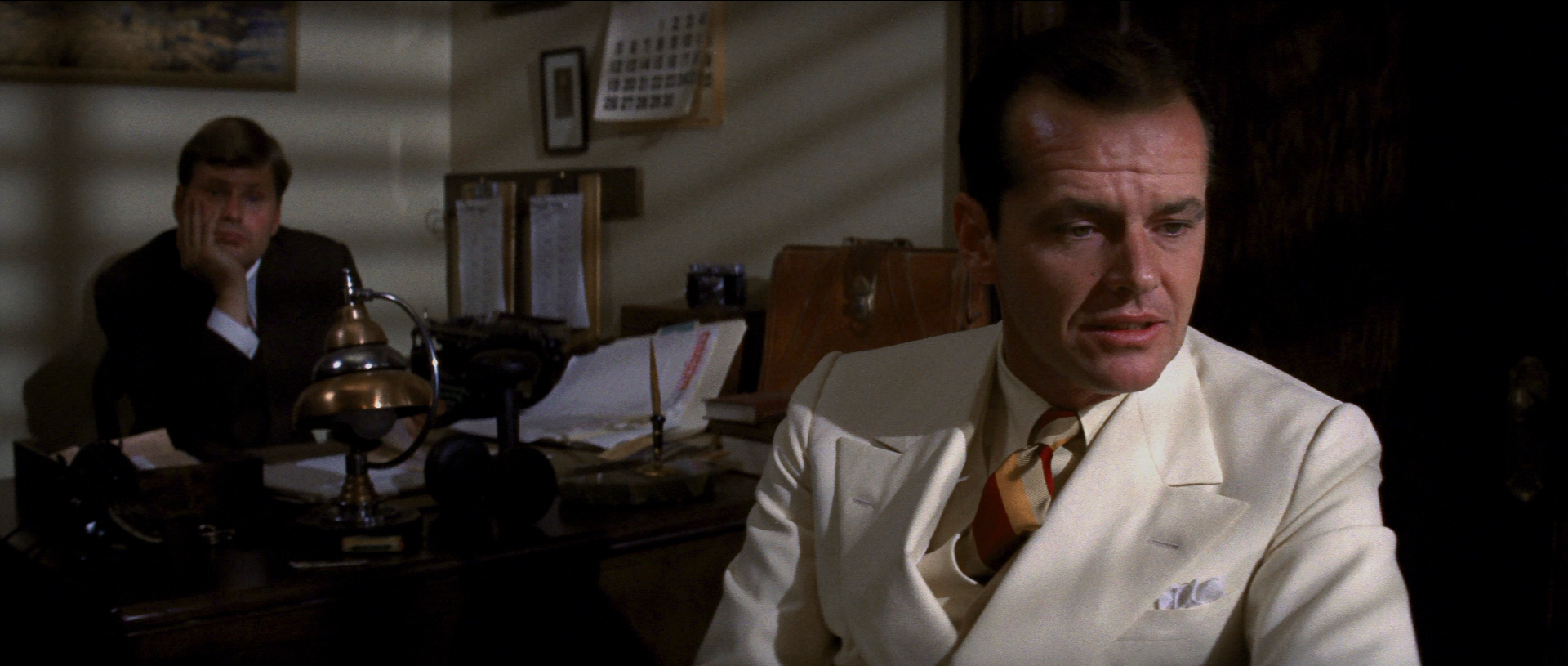
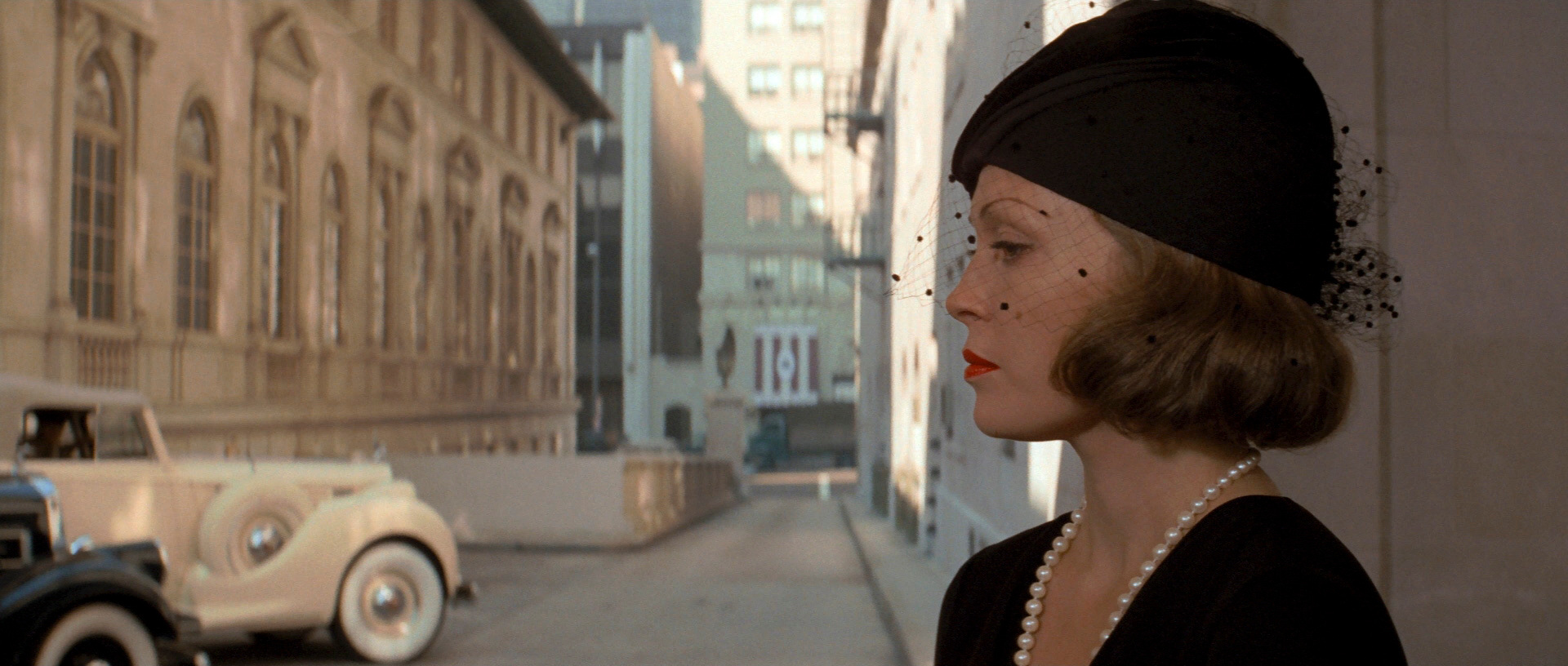
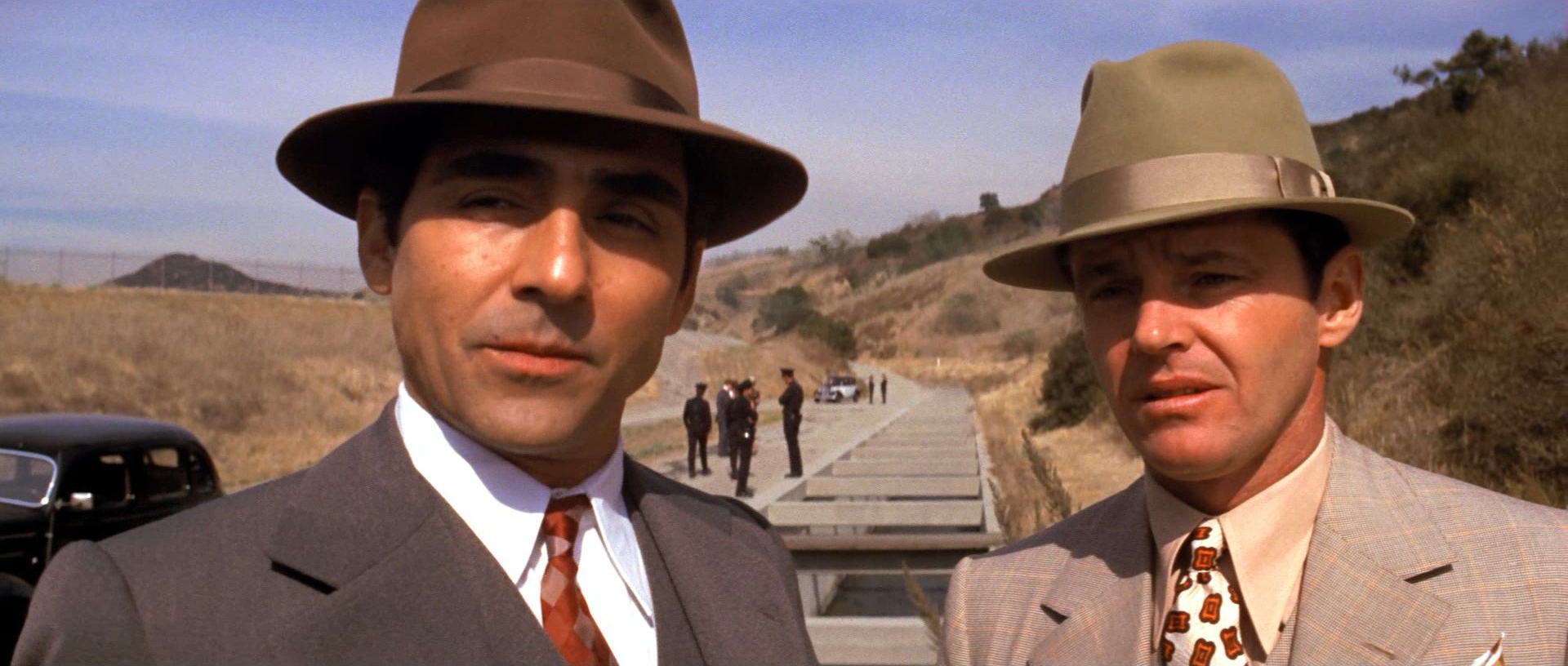
Chinatown (1974)
Shot almost entirely with a 40mm lens on Super 35mm film format.
FILM SPOTLIGHT
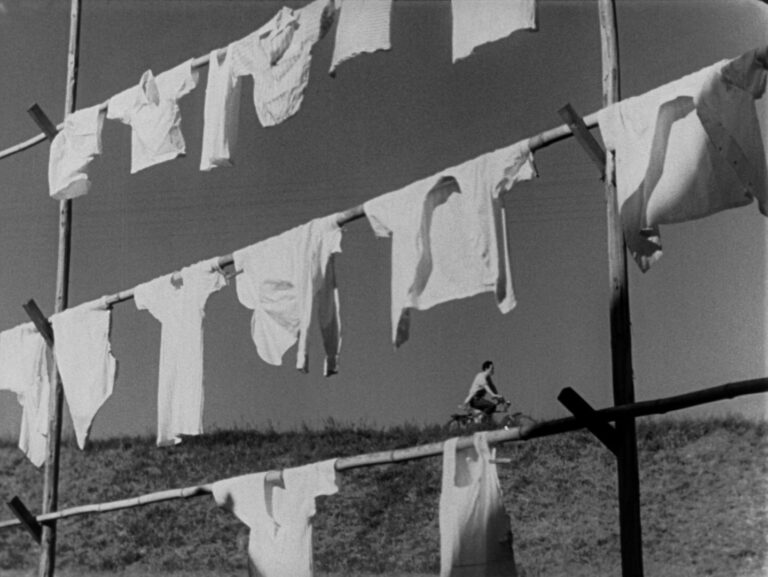
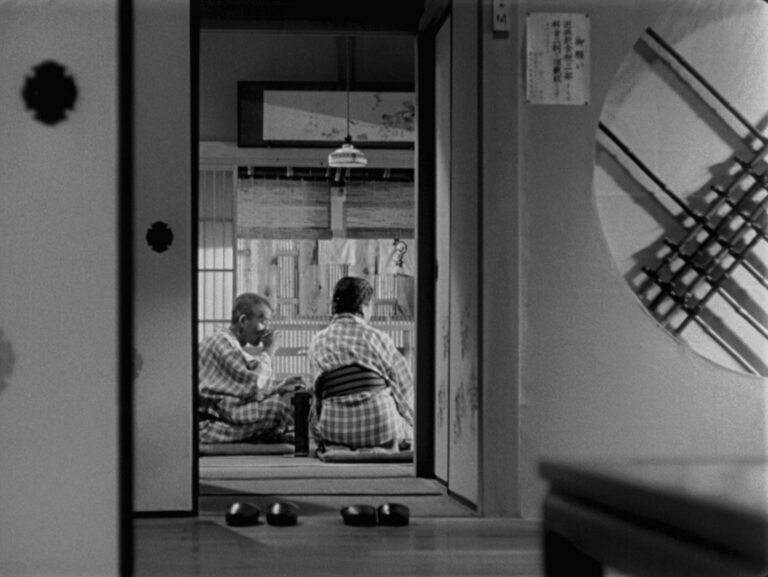
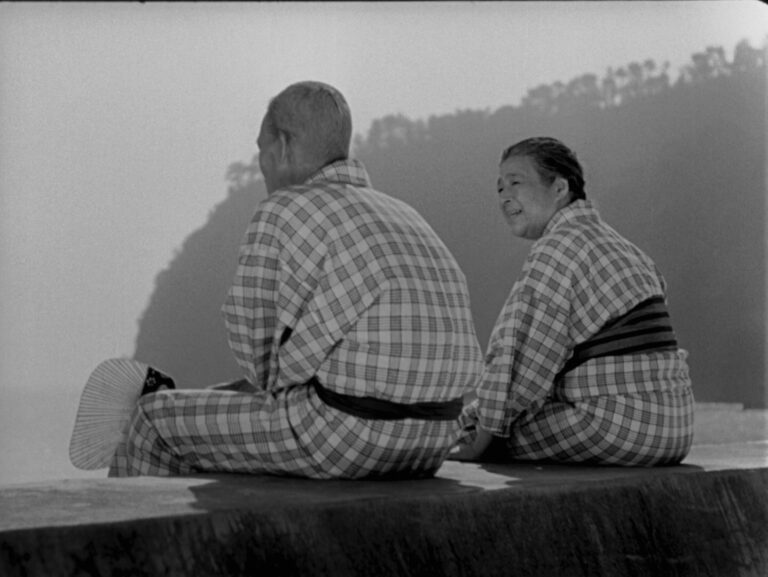
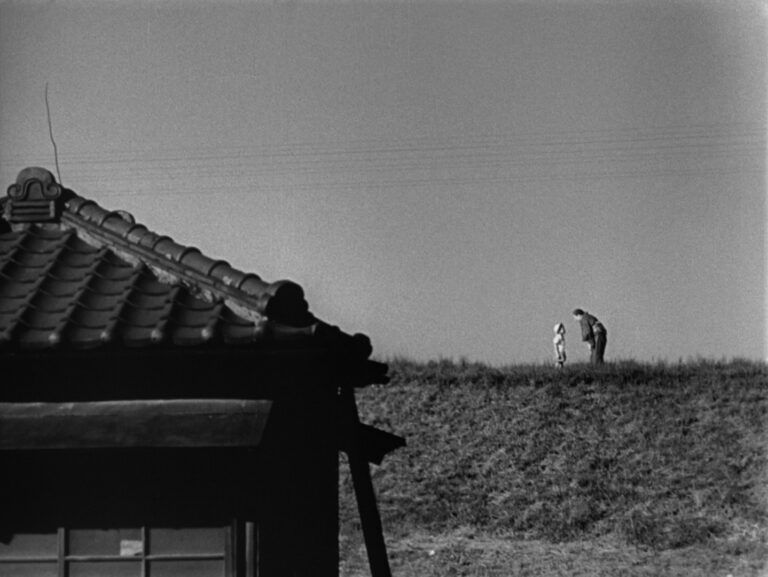
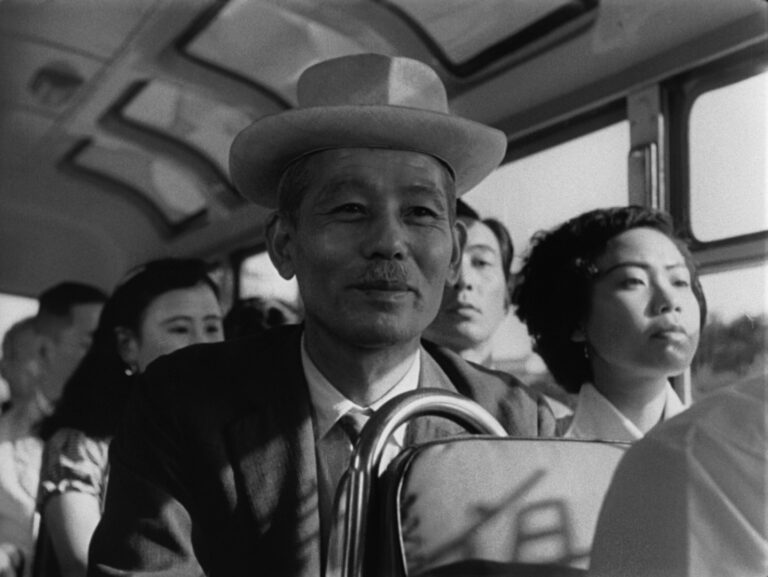
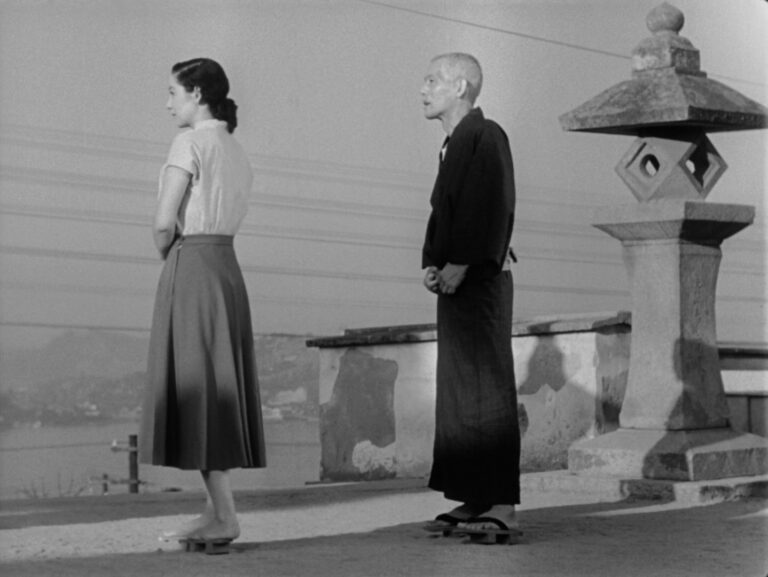
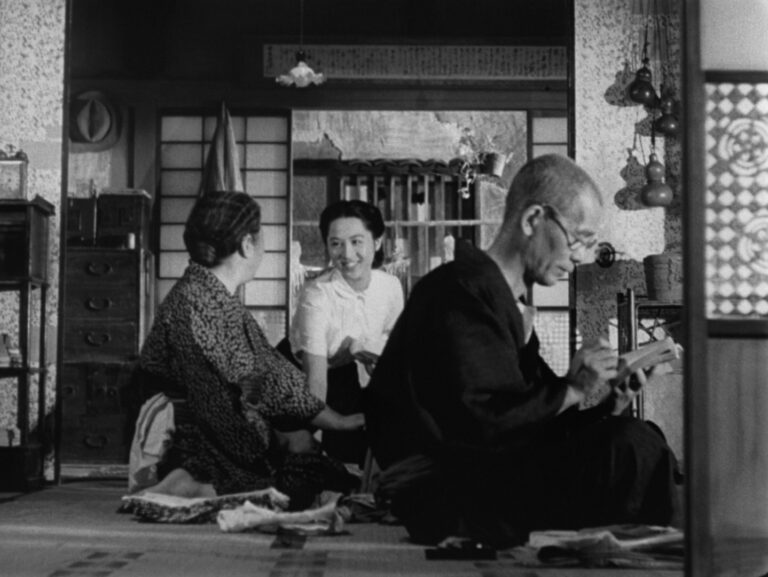
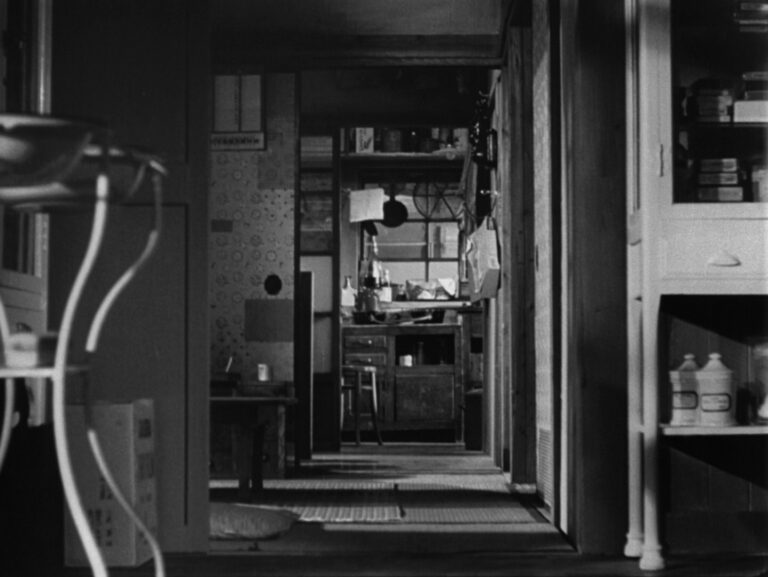
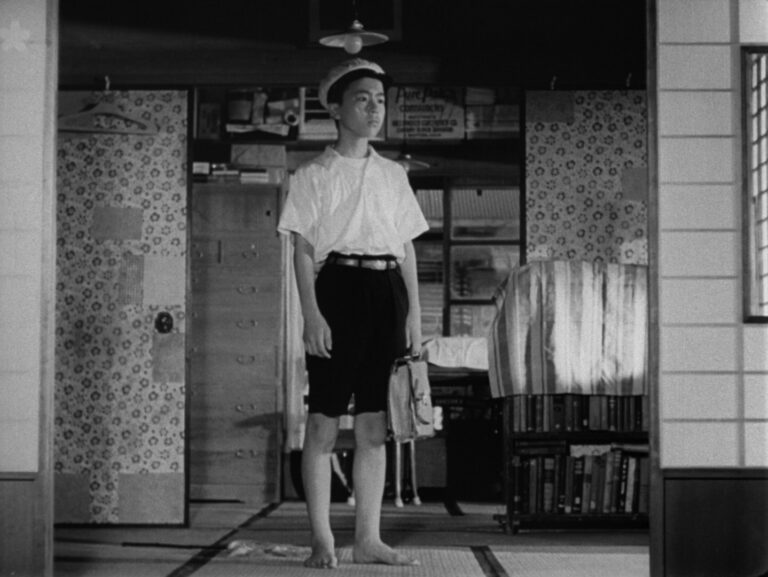
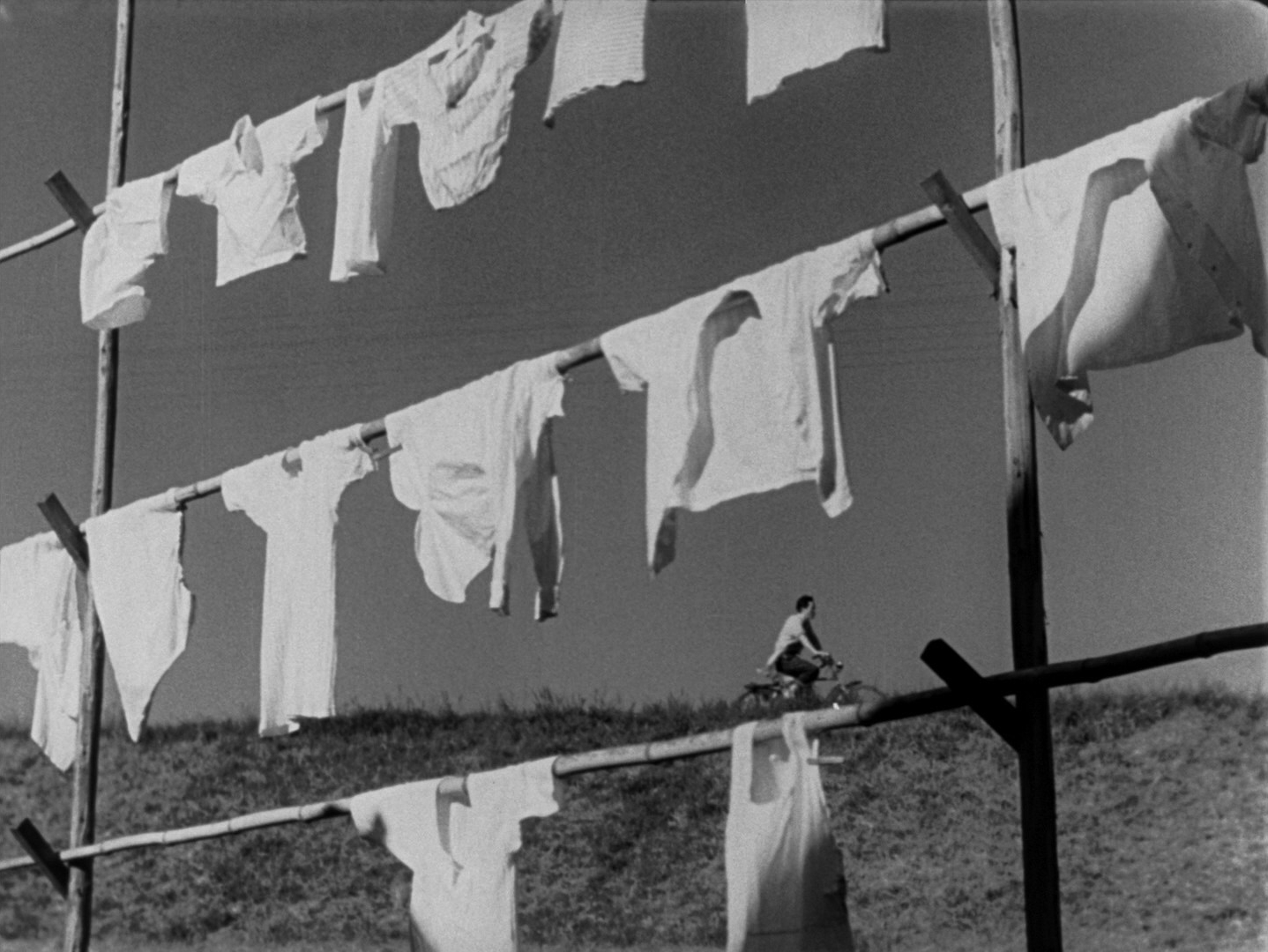
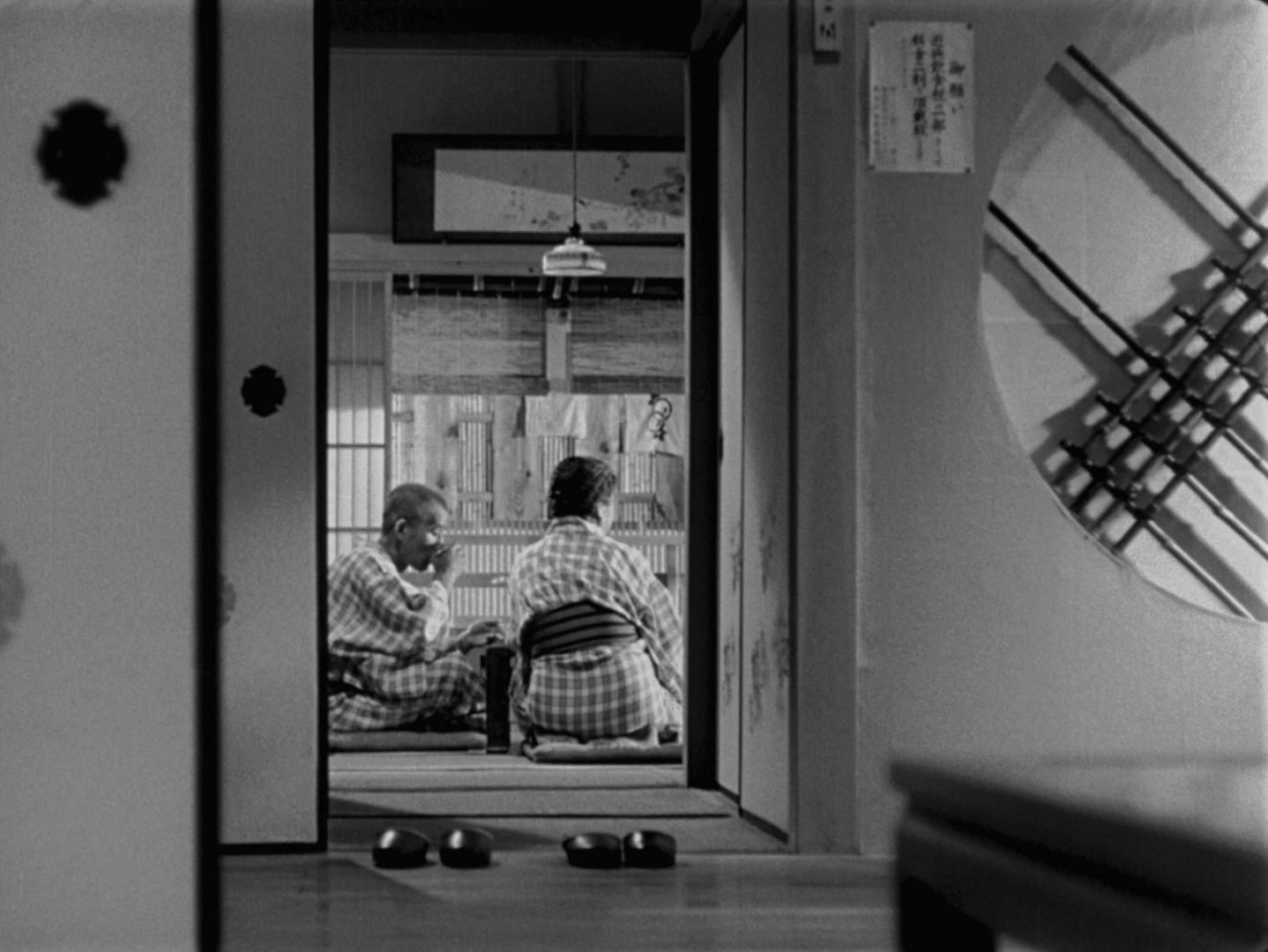
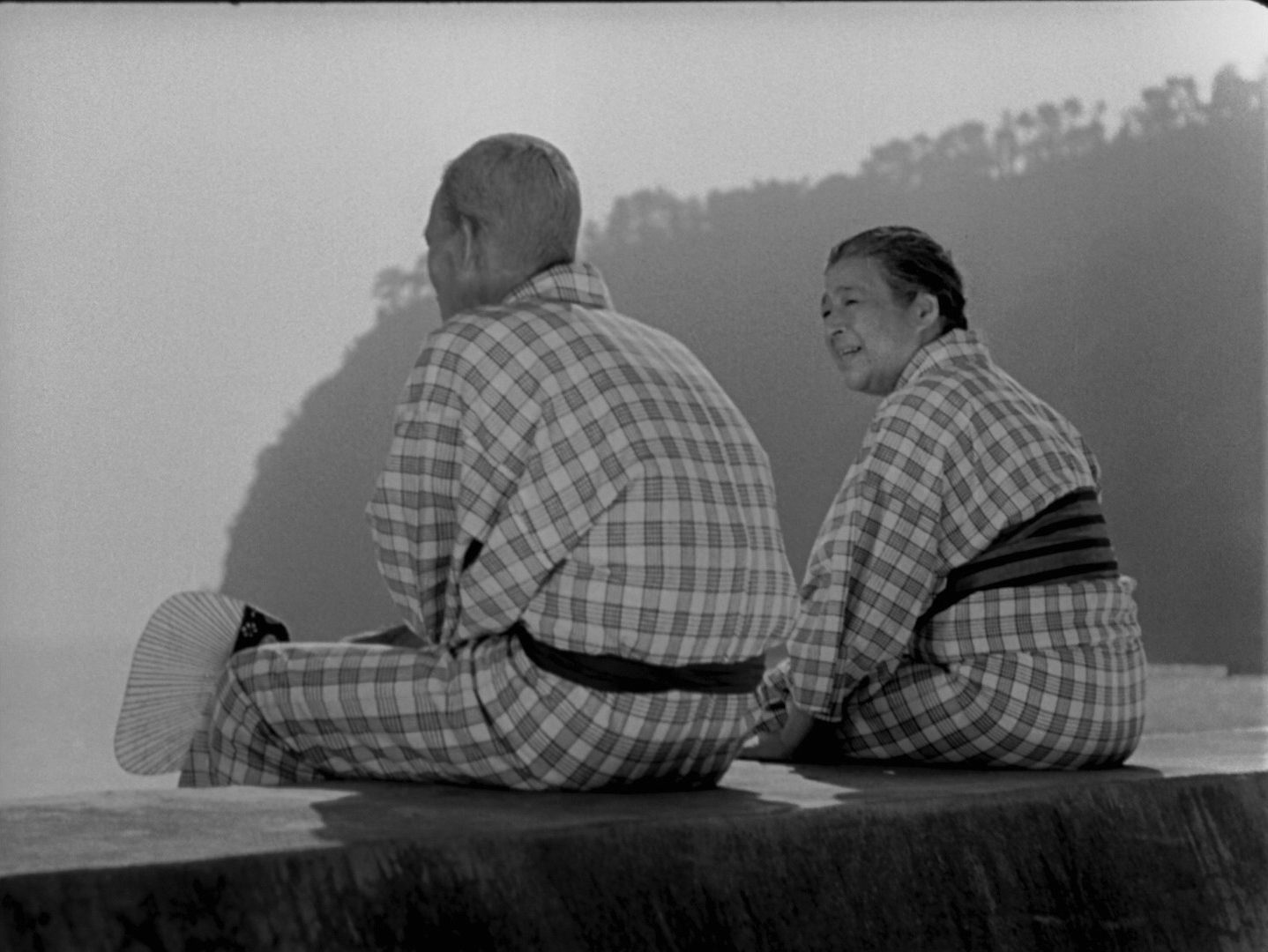
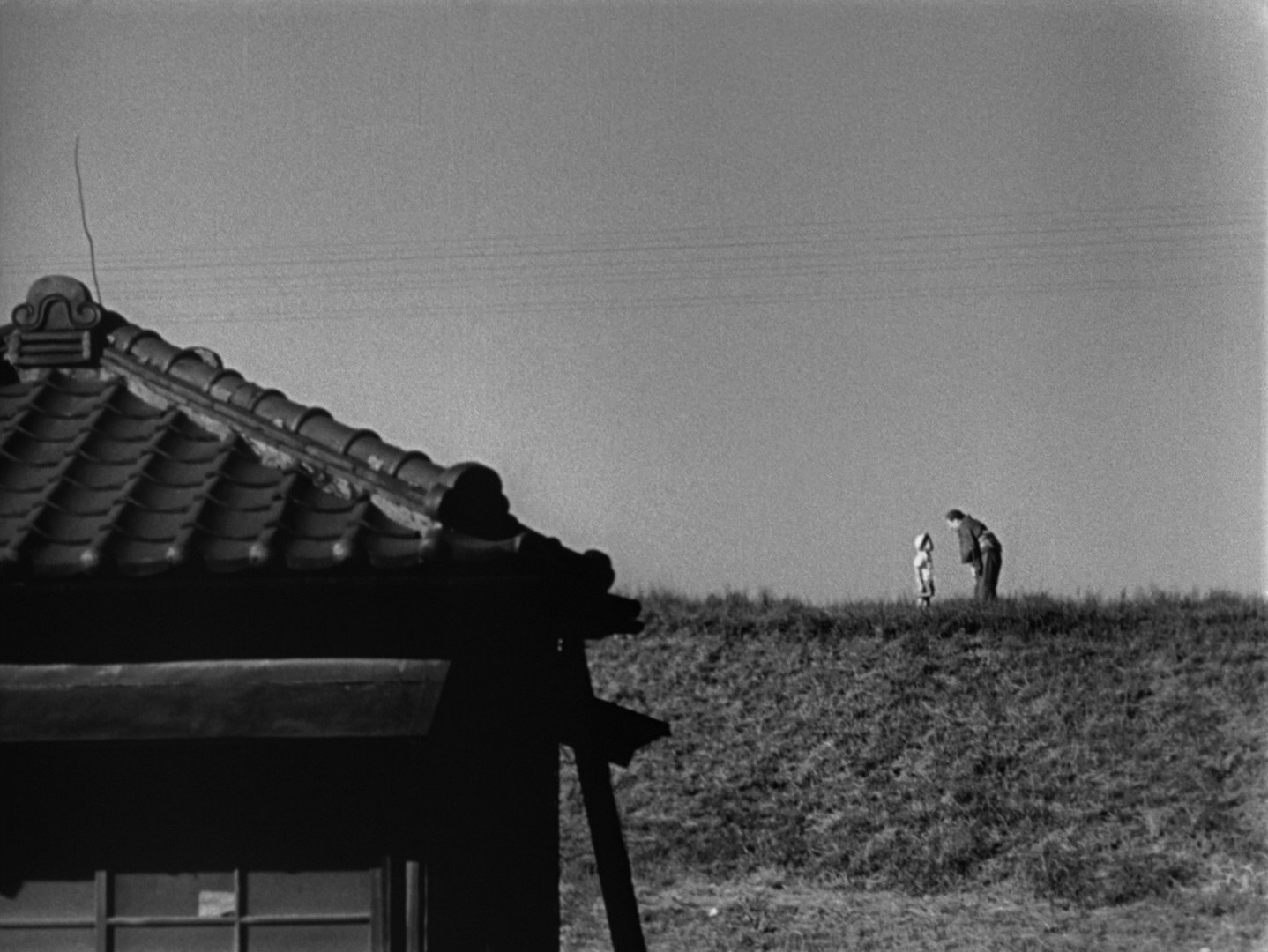
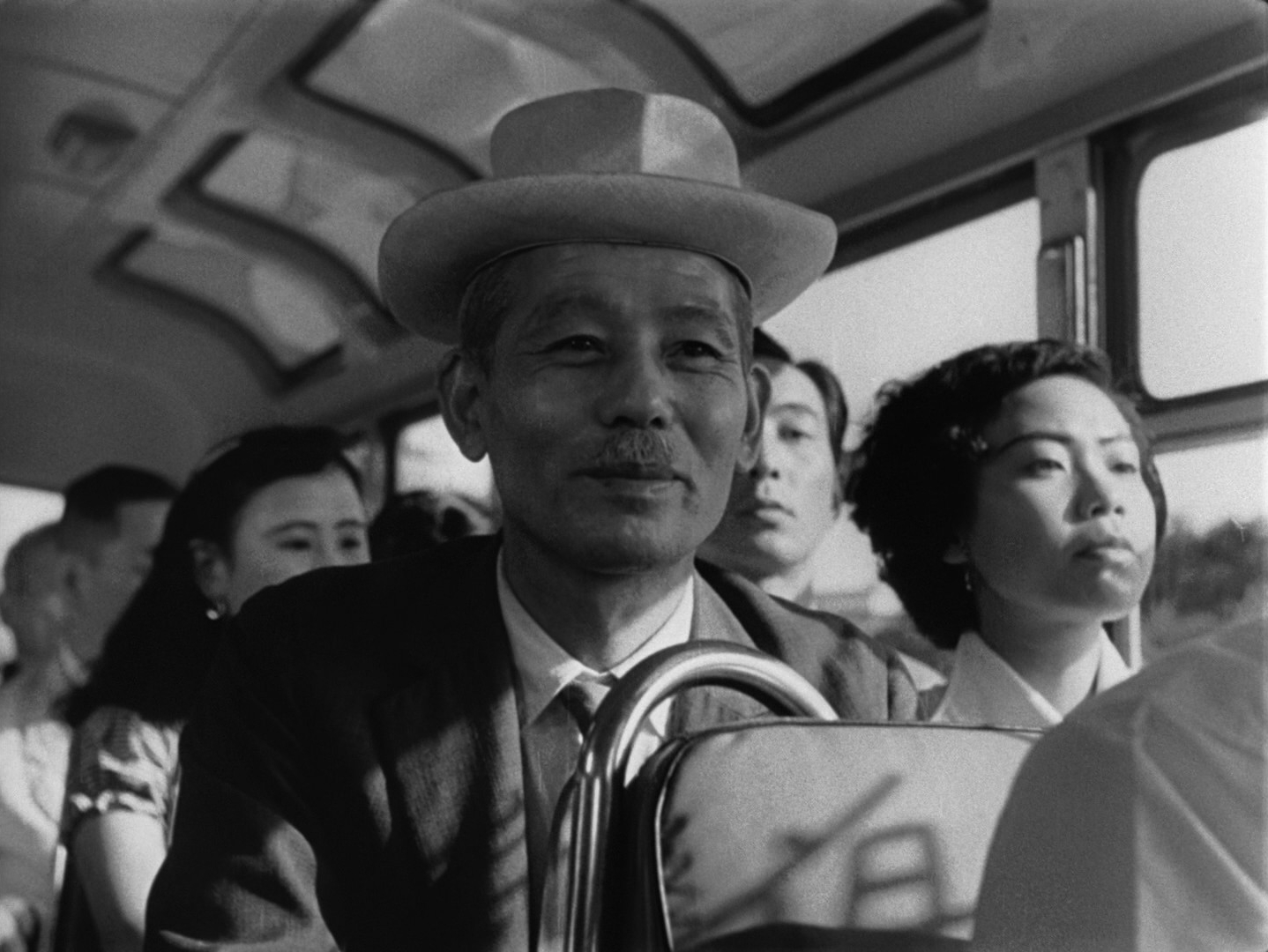
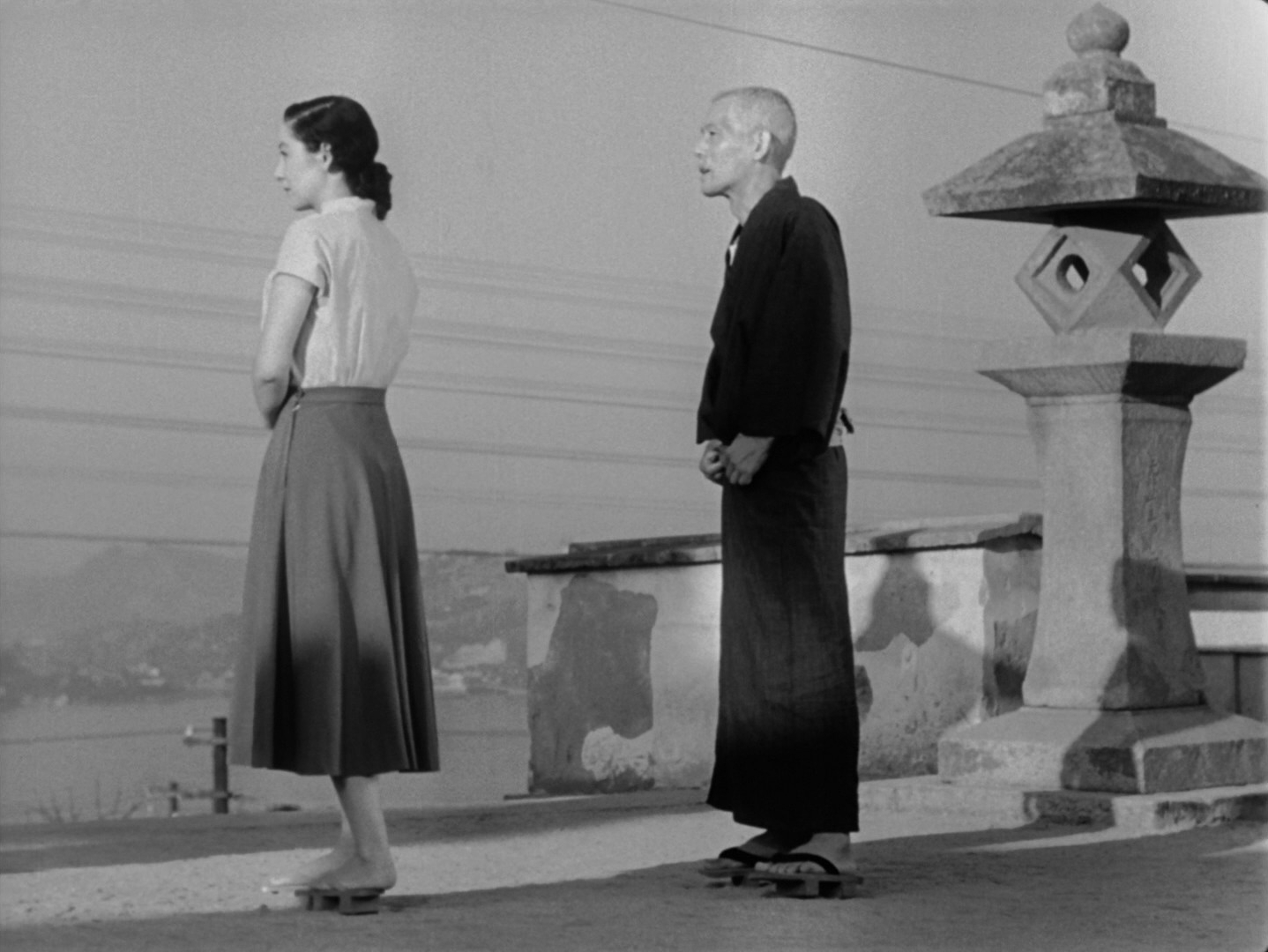
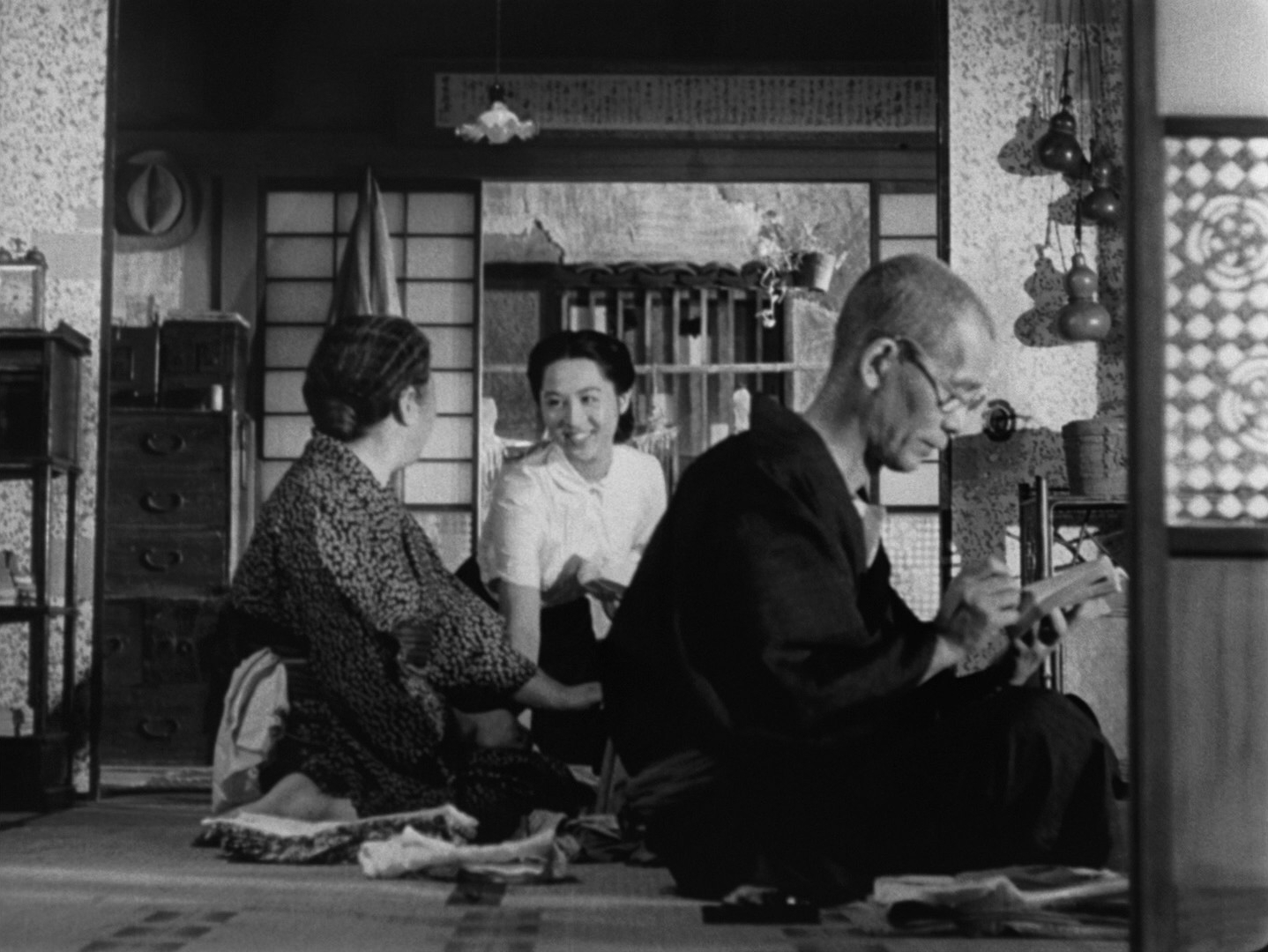
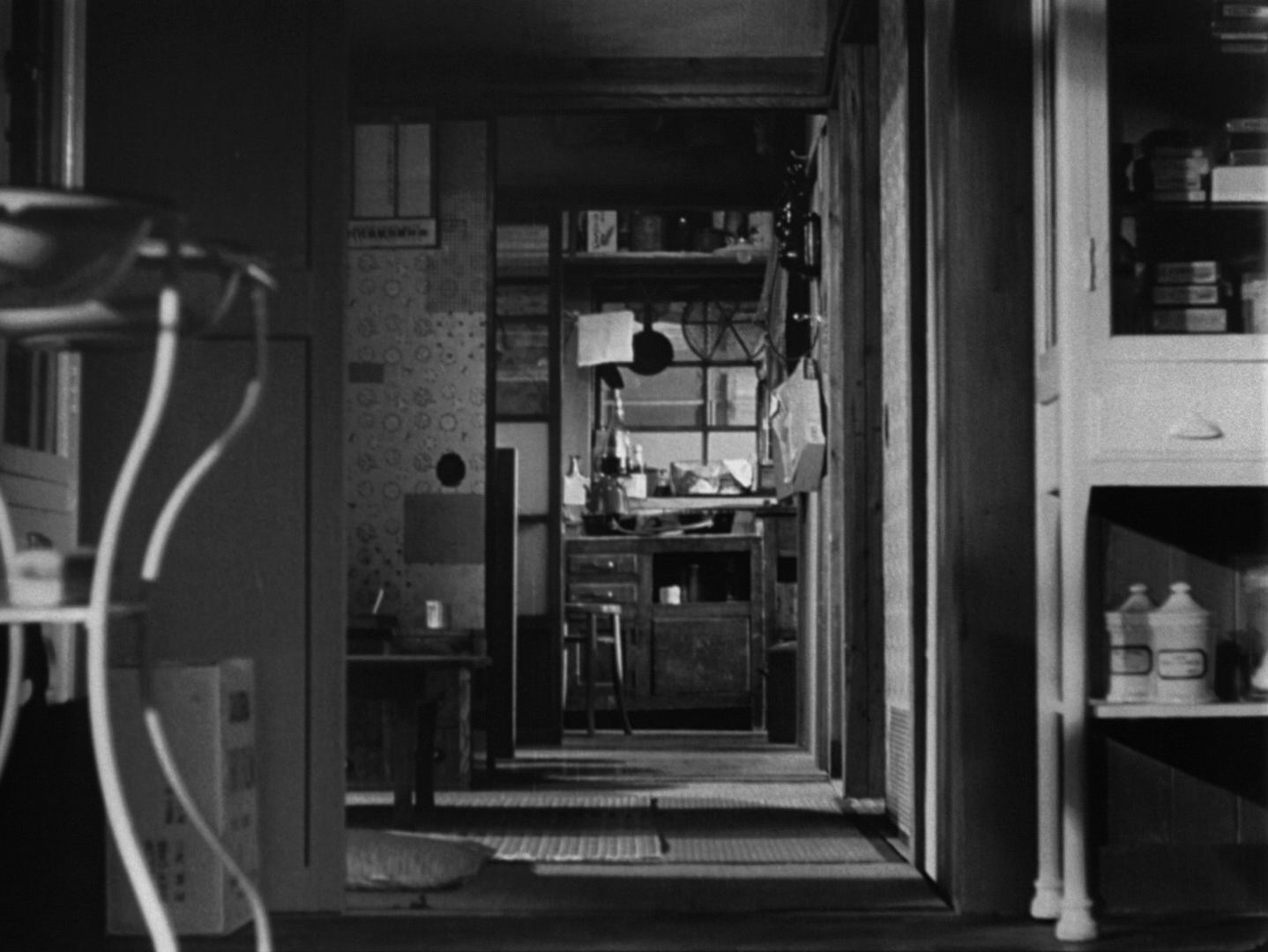
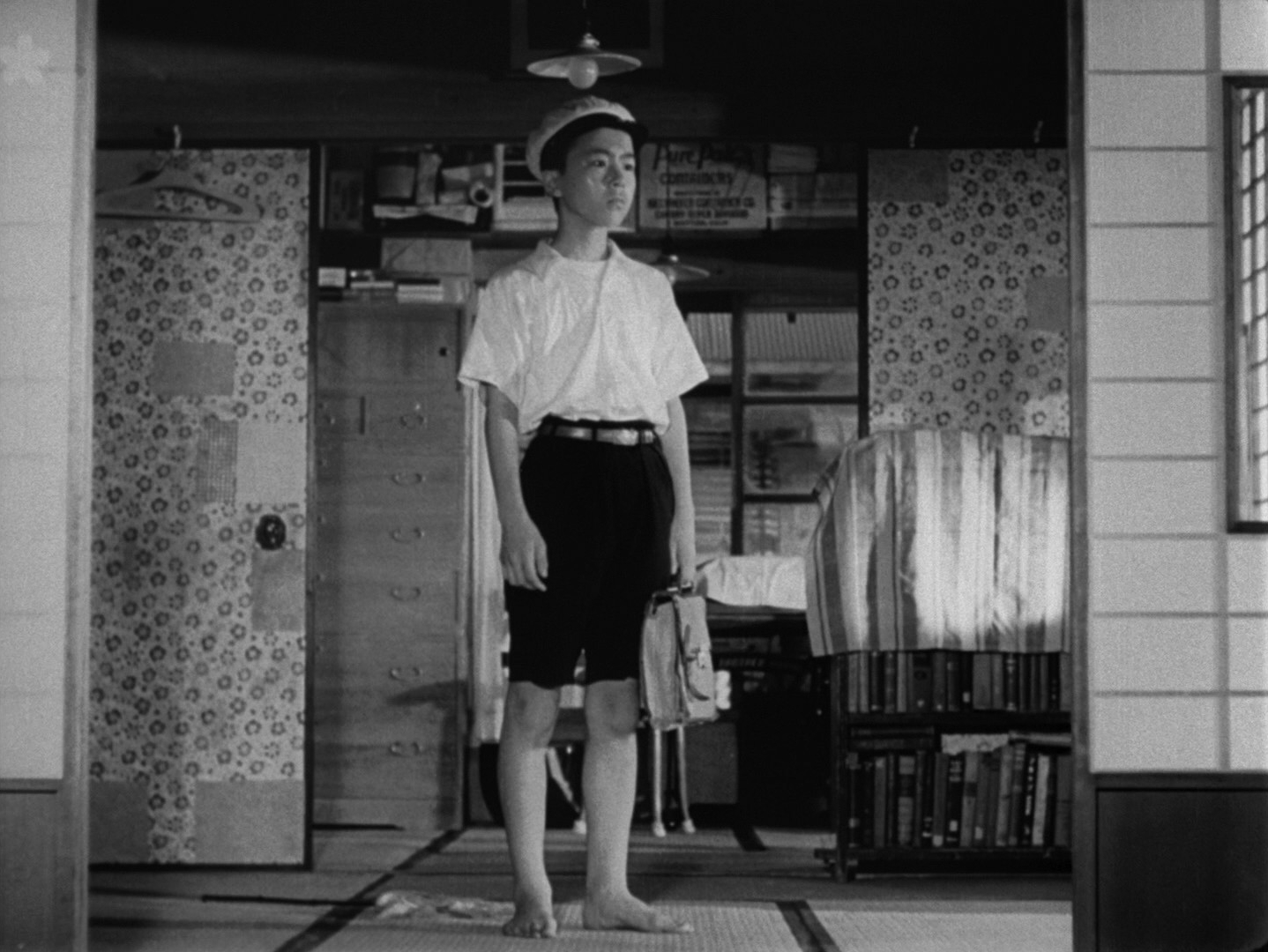
Tokyo Story (1953)
Shot entirely with a 50mm lens on Super 35mm film format.
Sources
Nikon – Understanding Focal Length
Photography Life – What Is Focal Length in Photography? A Beginner’s Guide