Writer / Director Liz Sargent has become one of the most exciting new voices in independent film. After her short film, Take Me Home, premiered at the Sundance Film Festival in 2023, Sargent went on to adapt the short into her debut feature film of the same name. Sargent won a $1,000,000 award from AT&T’s Untold Stories competition towards production of the film, which has gone on to premiere at Sundance, where it received the Waldo Salt Screenwriting Award.
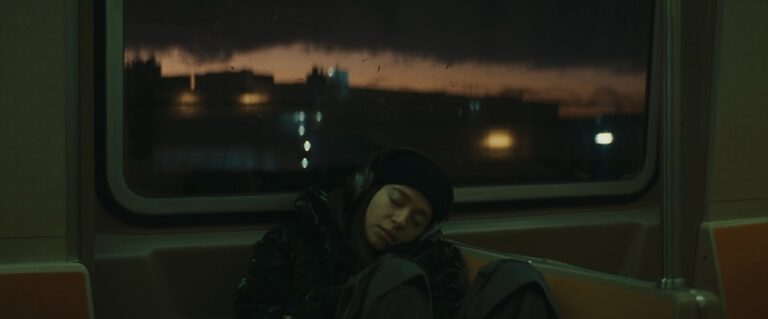
Take Me Home follows Anna (played by Liz’s own sister), a middle-aged Korean adoptee with a cognitive disability, as she is forced to care for her aging parents. Sargent blends a verité style of filmmaking with a grounded, decisive approach to the film’s visual language that creates a compelling and deeply personal watch.
Liz spoke with Noah Morse about her background in dance, balancing wearing her director hat and sister hat on set, and the challenging tonal decisions she made to serve the film’s overall intention. Take Me Home will be released in theaters on September 23rd in New York City.
This article has been edited for clarity and length.
I would love to begin by talking about your background. How did you get into filmmaking?
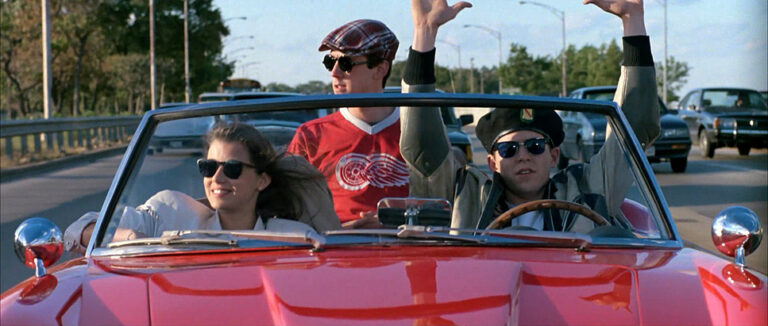
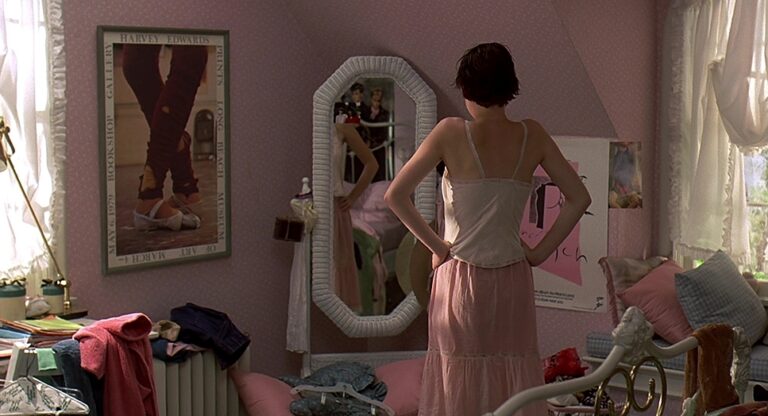
I grew up in a suburb of Chicago and watched a bunch of John Hughes movies. Uncle Buck is a favorite of mine. But I actually studied modern dance in college and then did some experimental theater. I’m the middle child of 11, and many people in my family are adopted and many are disabled. So, I’ve always been thinking about these deeper stories and my anxieties about the future. I just realized that the way I wanted to process these experiences was through more human, intimate stories. I found my way into film through fellowships and grants. It’s the only way that I could have made films and I’ve been lucky to have that be part of my journey.
I’m excited and inspired by experimental filmmakers like Sean Baker, who is doing work with real people in sort of a structured improv way, and Mike Leigh, who’s developing his scripts from the actors in a very generative way, with no idea what’s going unfold. I don’t wanna be referential, you know? The approach always comes from the human and how to service the story.
This film existed as a proof-of-concept short, and now it’s a feature. Why did you feel you needed to make it as a short first, and how was the transition process for you?
I made the proof-of-concept because I needed to prove myself as a filmmaker, but also to prove that Anna could hold a film, and to figure out the process with her. That was a huge learning experience. We did about 50 film festivals, and we went to the White House to be screened as part of the celebration of the 25th anniversary of the Olmstead Act. It was so incredible that this film, which felt like a tiny little diary entry, had this much power. So to me, it was obvious that it could hold more of a story. I think through this entire process of writing it and bringing it out into the world, I just realized it’s such a universal story. I’ve learned so much about caregiving and health care in this country, and I think it’s a story that we don’t talk enough about.
I made a feature because it felt like this kind of story, from Anna’s perspective, about the injustice to her and not to the family was important. It’s been awesome to see people love her so much and take her seriously as a human being. To me that is a political statement, but it’s also an industry thing, an untold story. It’s been very hard to make something like this, but the rewards have been really, really surprising and exciting.
You worked with your sister, someone with a disability without traditional acting experience. Mike Leigh is such a great reference point to pull from, and so is your dance background. I’m curious about how those two things coalesced and influenced your directing decisions. What was your relationship with your sister on set, and how did things change when you were putting your director hat on versus when you were wearing your sister hat?
I think the personal bled into the professional. That’s what made this film so hard on every level, but also why I could fight for it from start to finish. The sister hat, knowing her whole life and understanding her and meeting her as an equal human, is what I’m proud of. Her performance is so strong because I really challenged her. She was number one on the call sheet. She was there 12 hours a day, almost every day. She holds this film, and part of that is because we pushed her really hard, and I know she can take it.
Part of my directing approach that comes from my modern dance background was to look at somebody, and their body, and the extremes of their natural ability, and set out to amplify it. You create the framework around it. I never want someone to imitate or be something different than who they are, and so my whole goal with Anna and every actor in this film was to figure out how to just make them the most dimensional human being in the most authentic way.
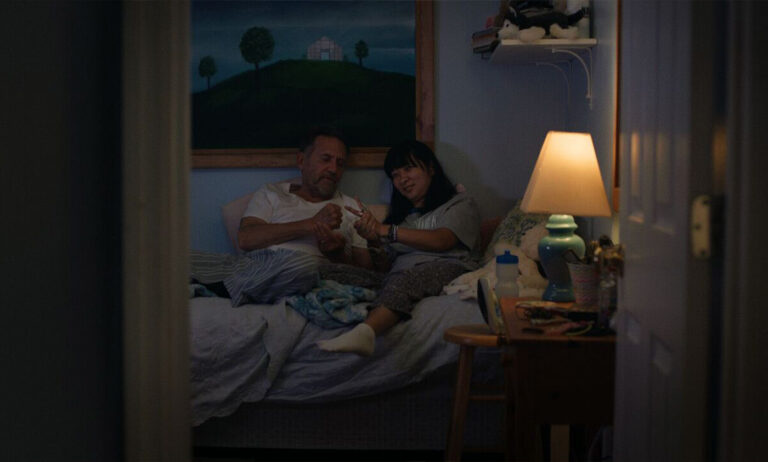
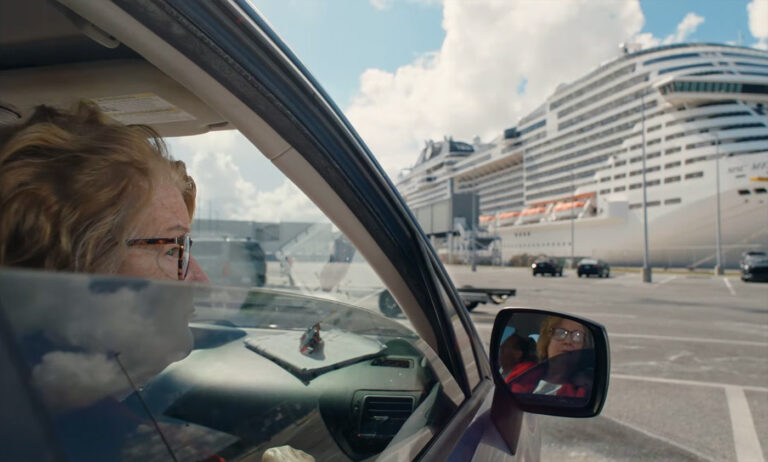
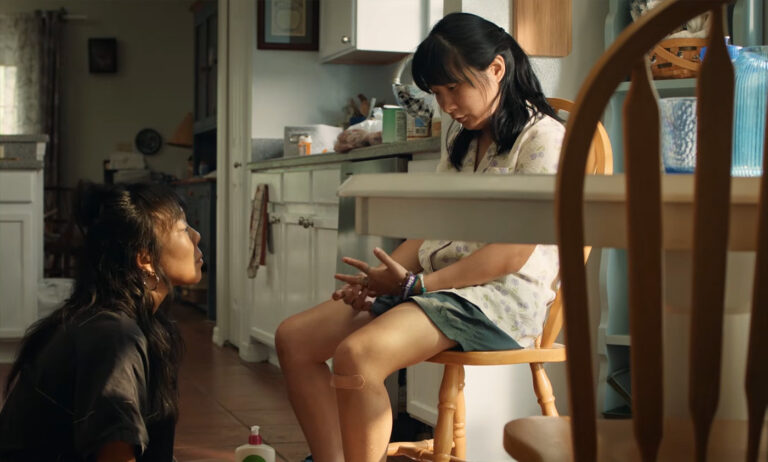
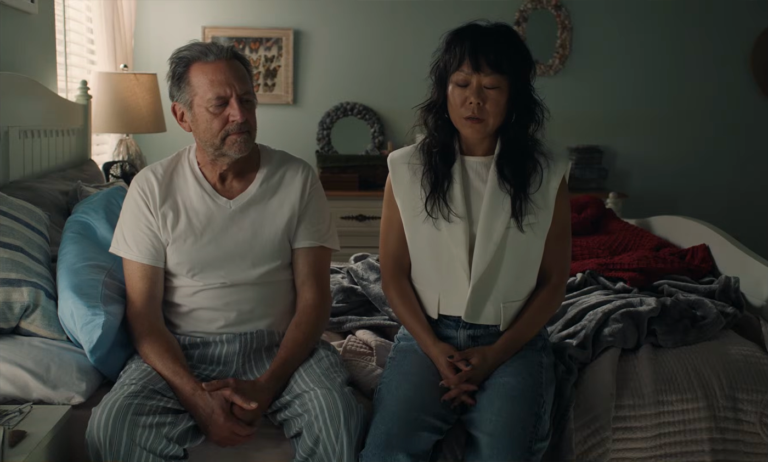
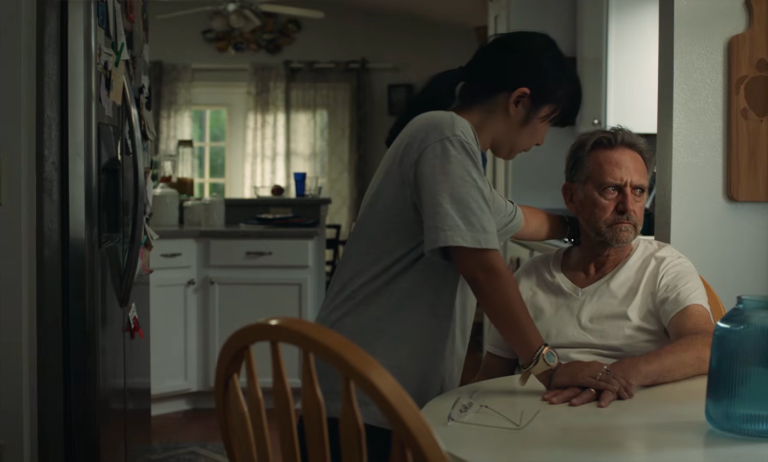
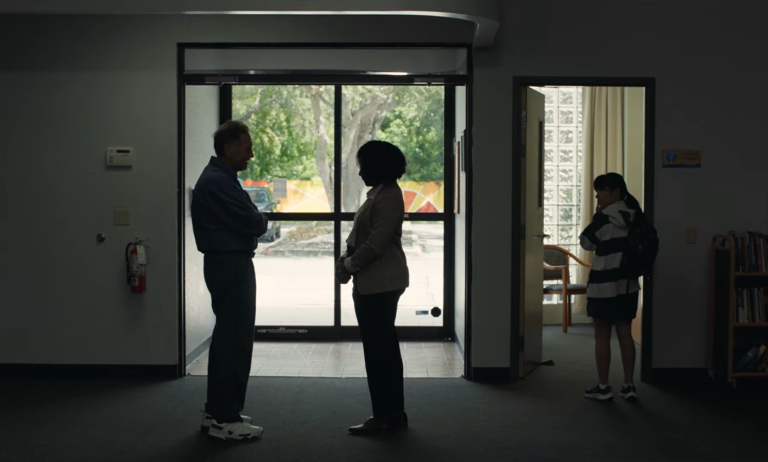
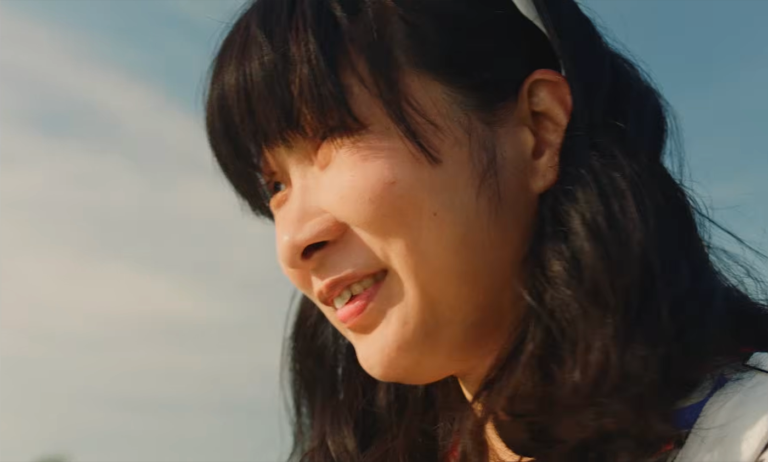
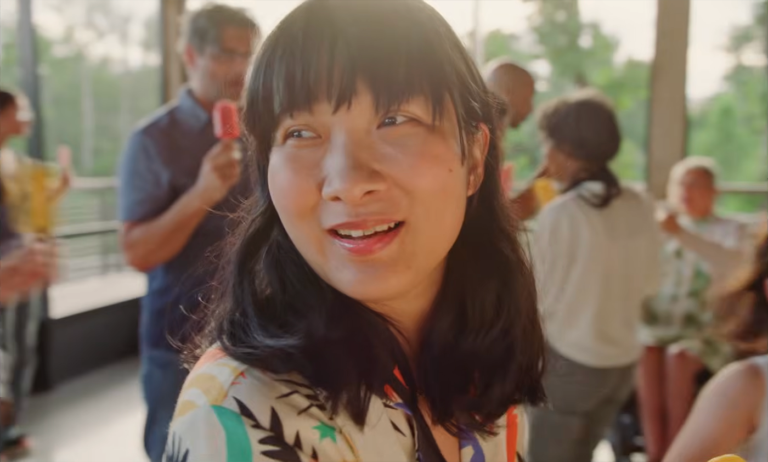
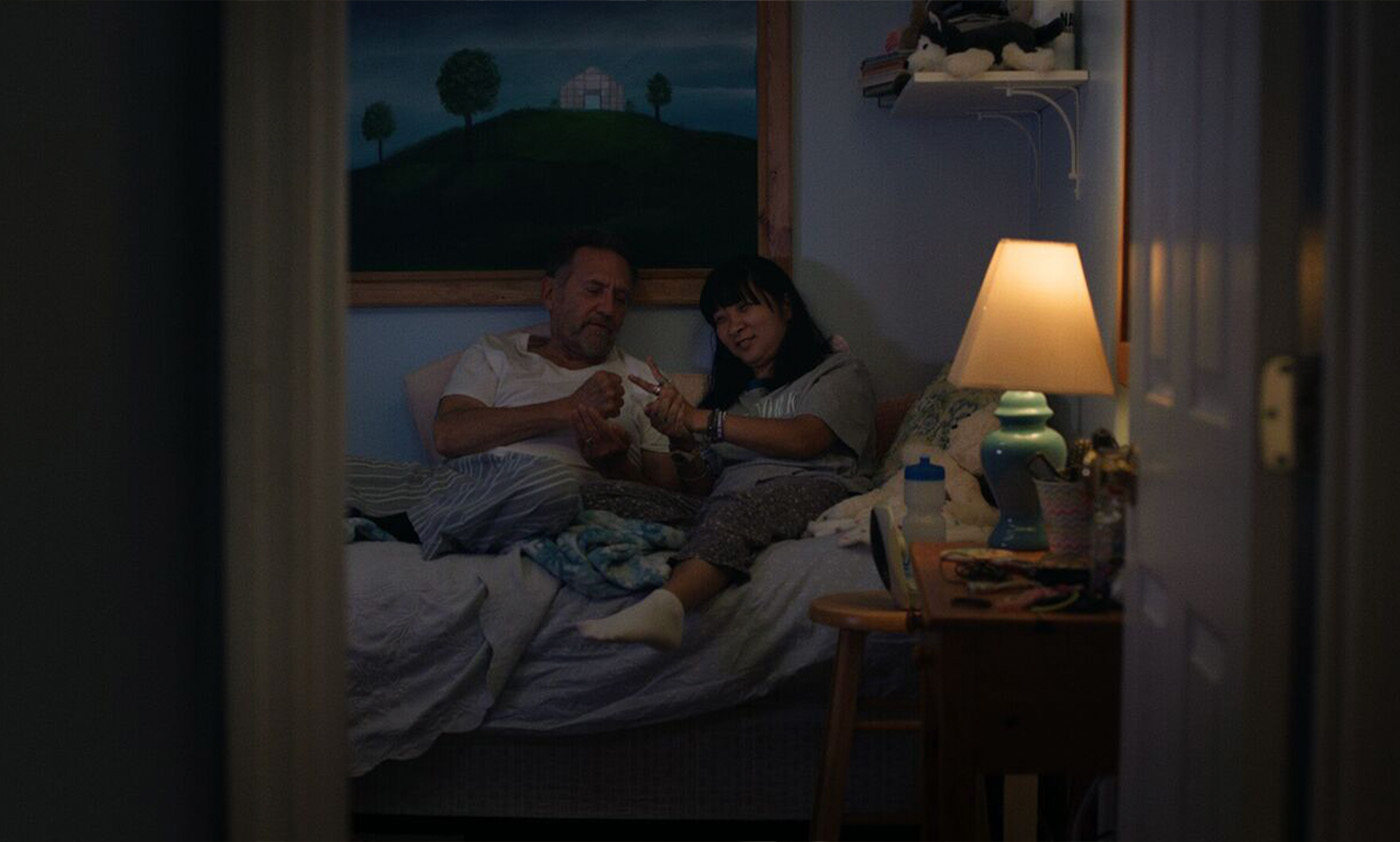
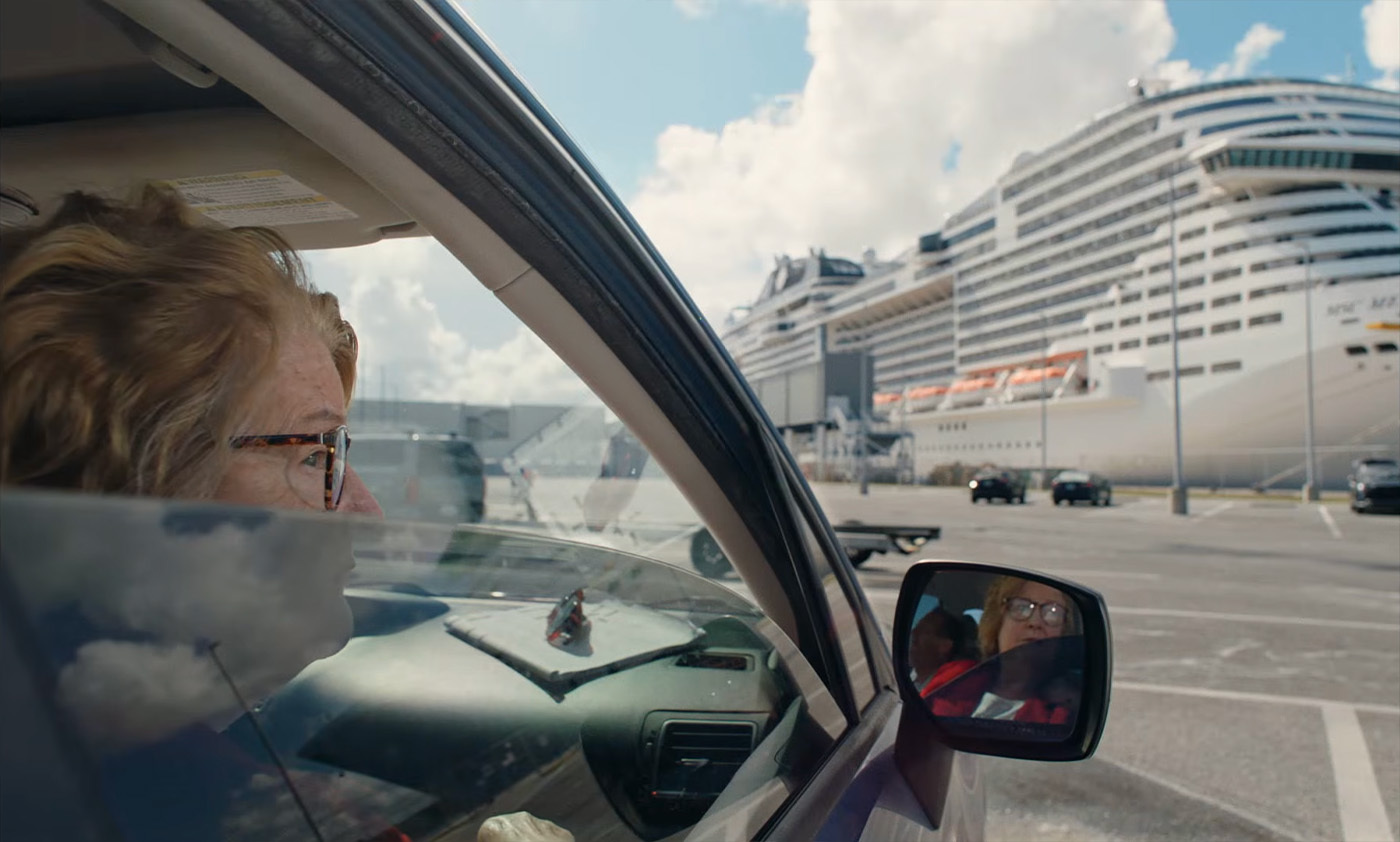
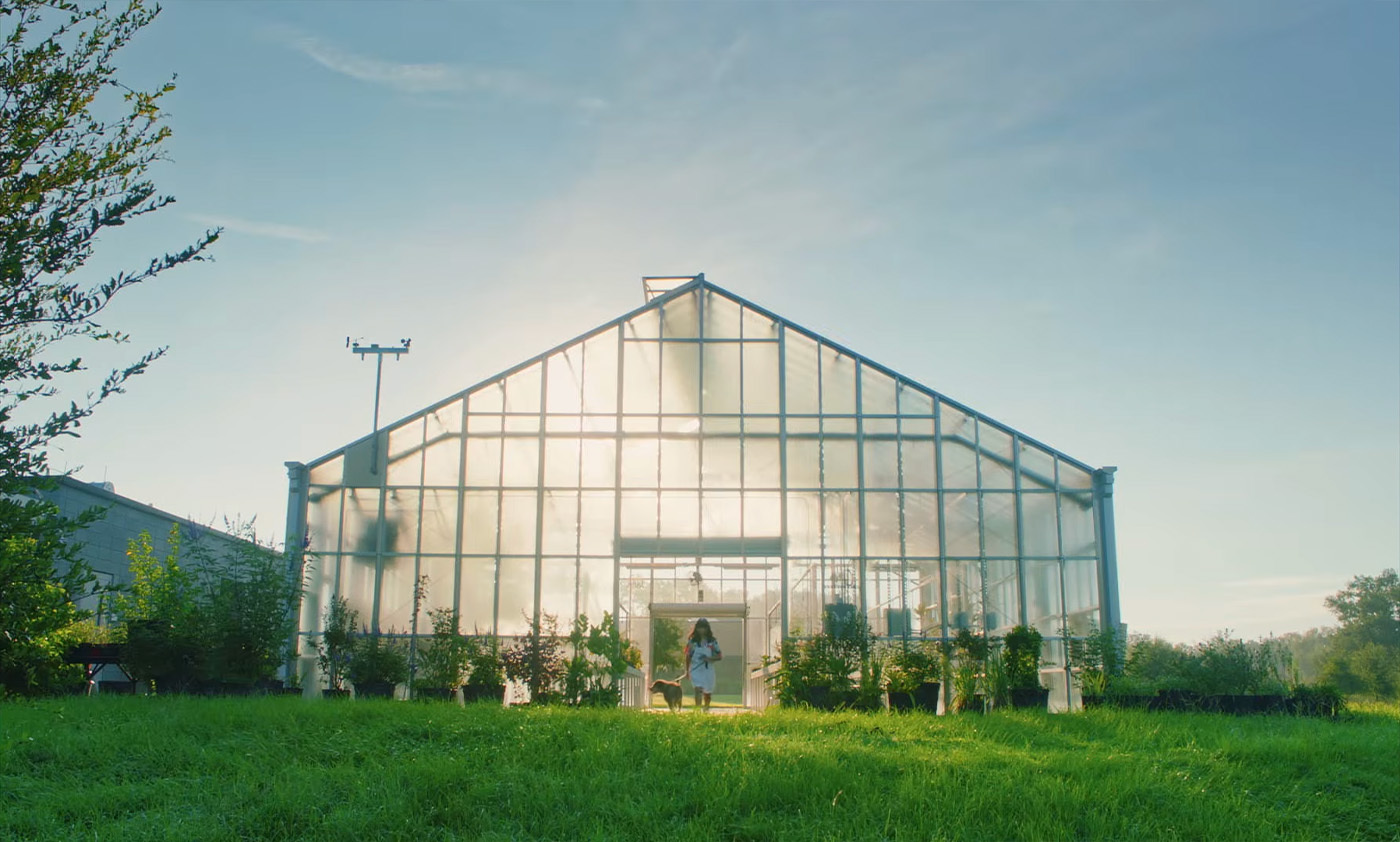
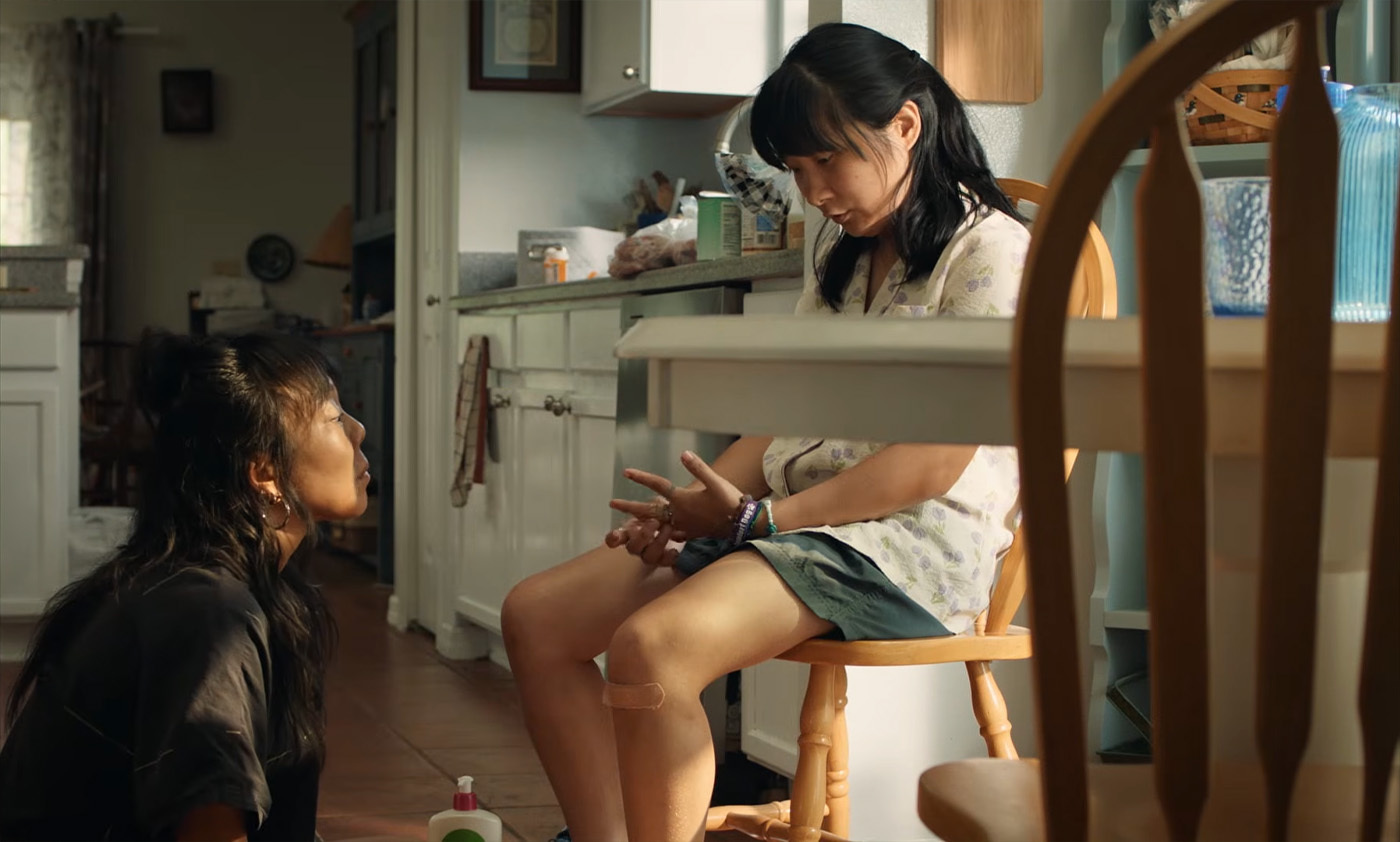
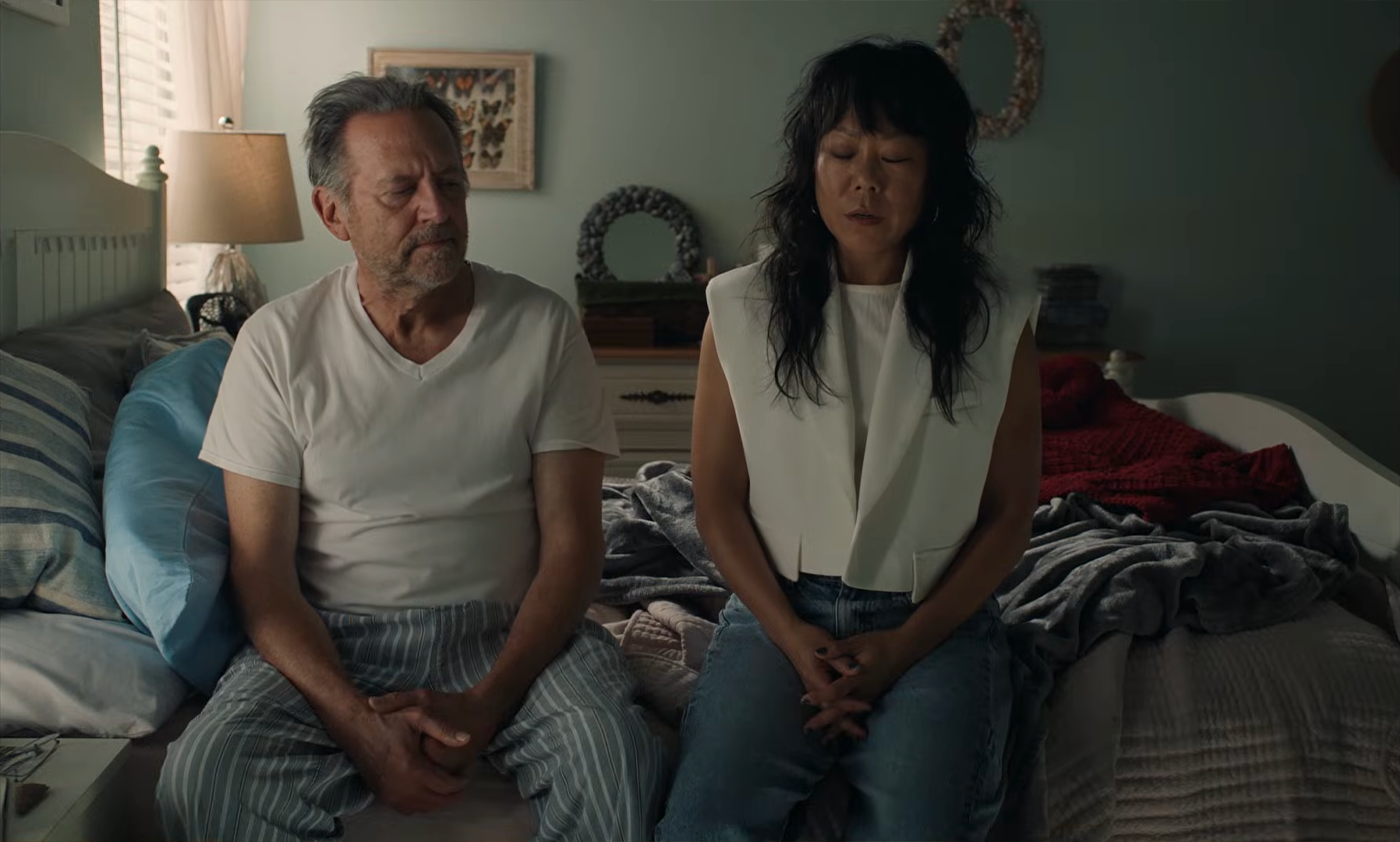
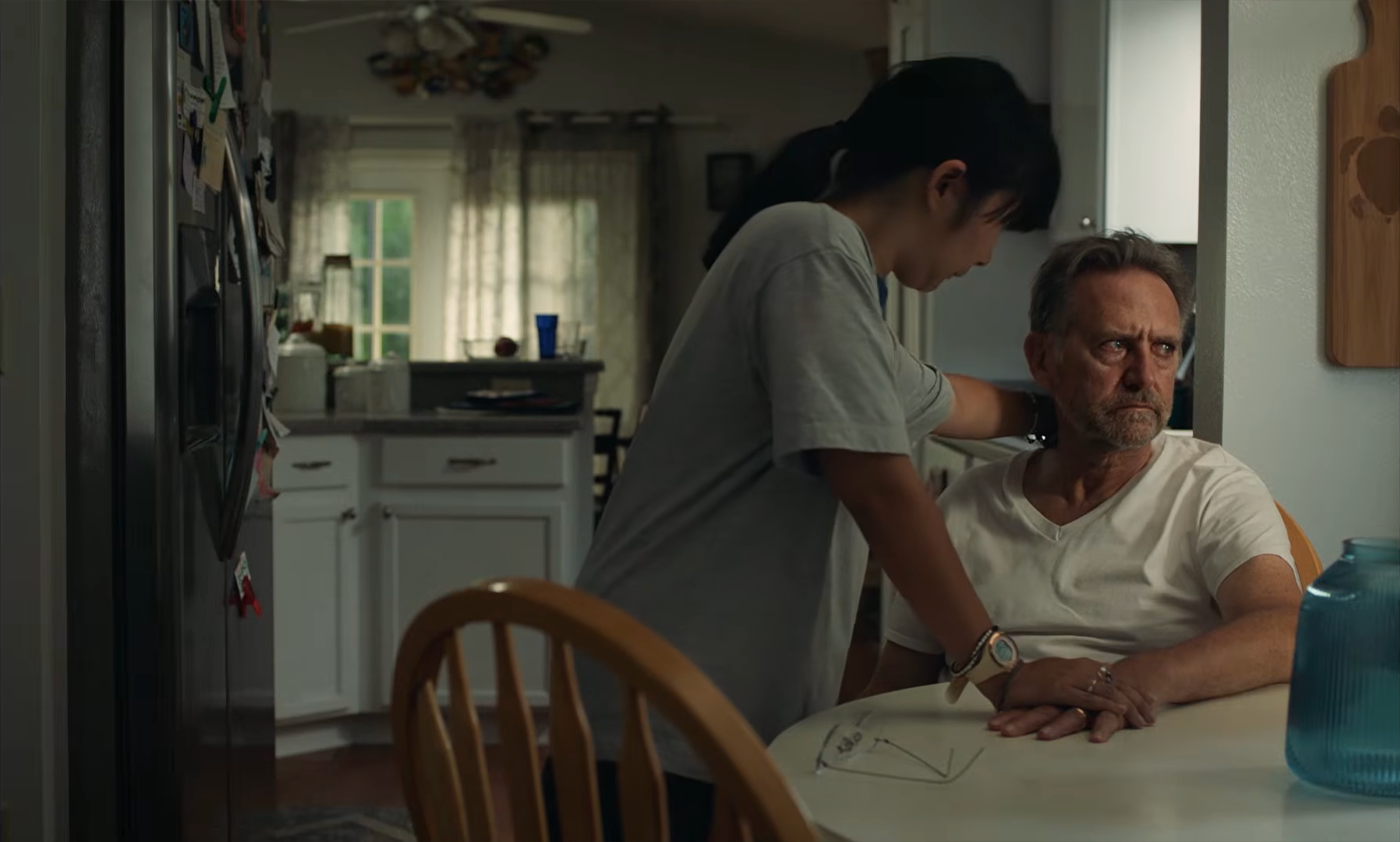
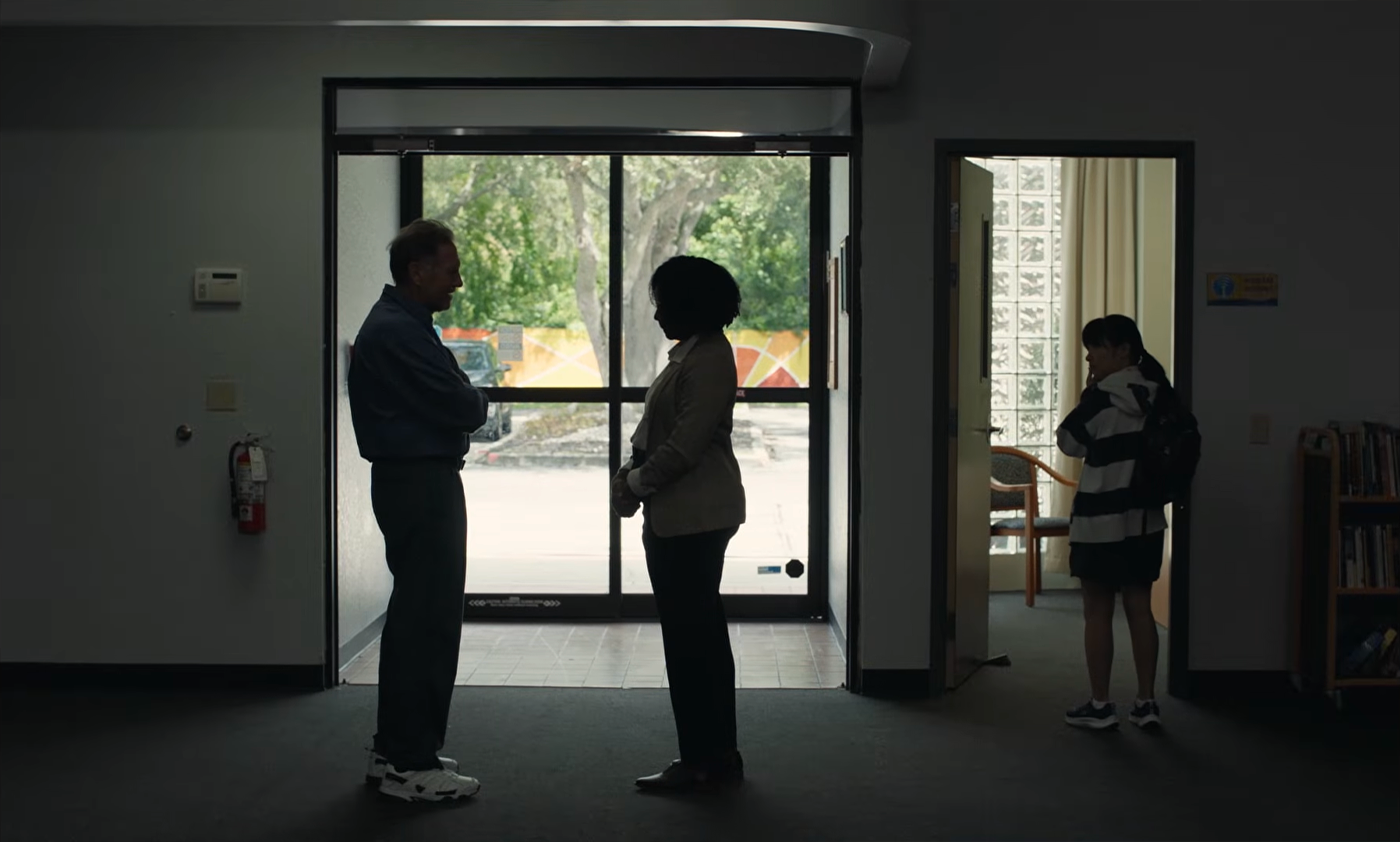
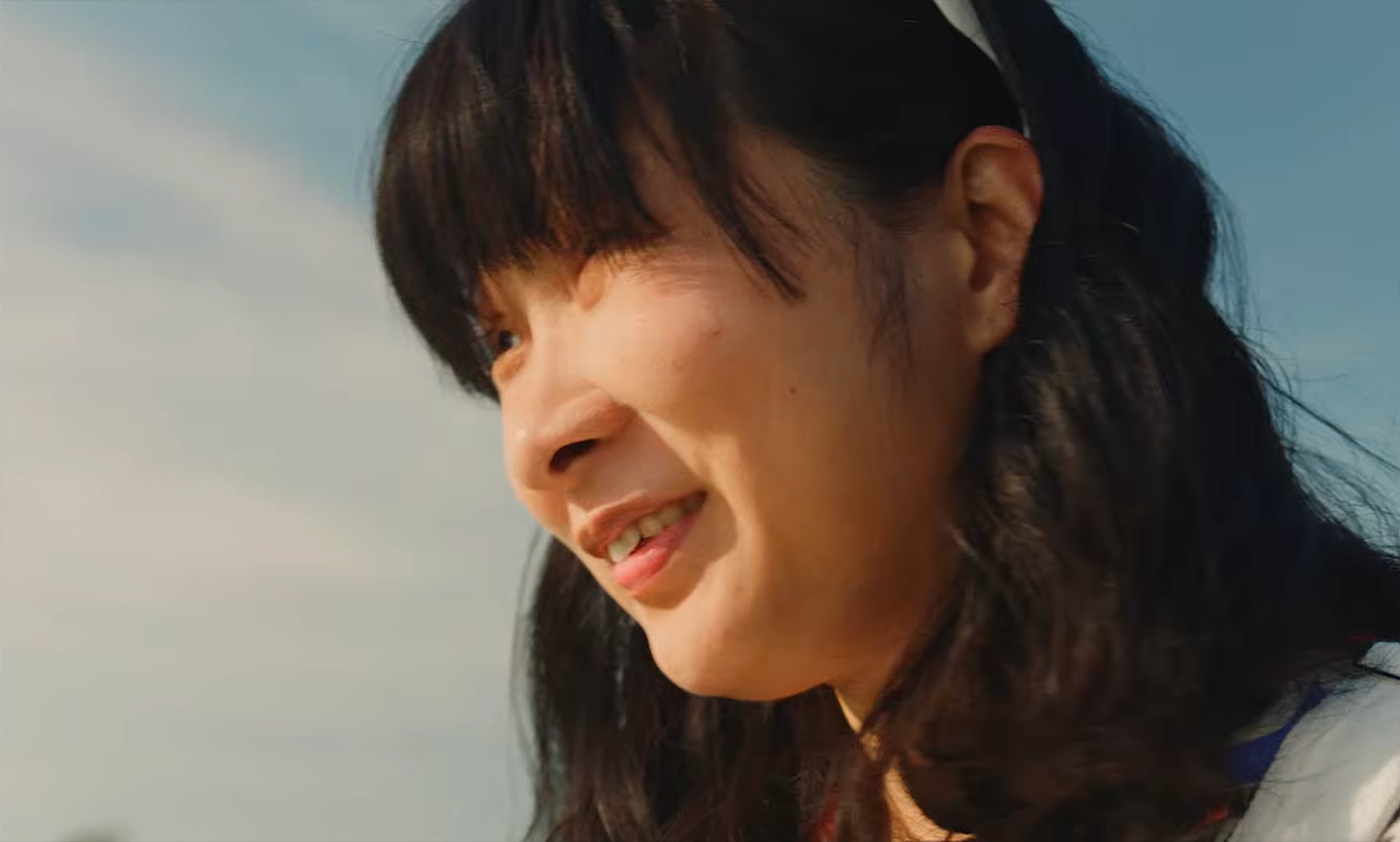
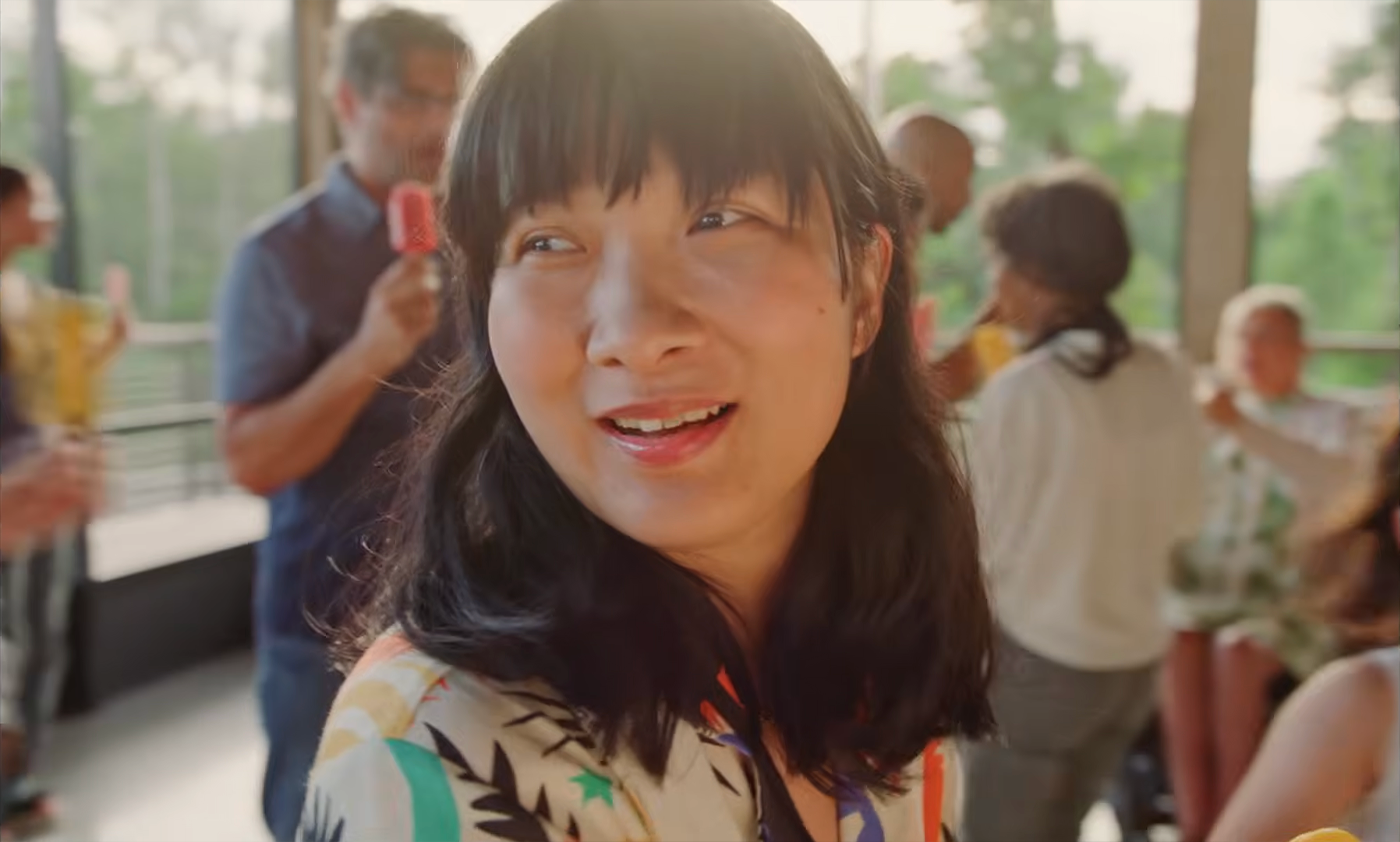
We also did everything as structured improv. Anna has very little short term memory, so we would start with the scene, and I would yell out lines with her acting coach, and Anna would repeat them. They wouldn’t sound very good, but then we slowly pulled back, and she would sort of figure out the scene for herself, and then we would just tell her to figure it out, to take ownership of whatever this scene was to her, and then we would shift the whole script and just let it restructure itself.
You’re basically building the ship as you’re sailing it. I suppose there’s only a certain degree of preparation you can do before you get on set and have to say, “we’re gonna figure it out when we get there”. Was there a degree of fluidity that came from your dance background and working in an environment that was very improv-driven that helped inform the way you approached the actual look of the film?
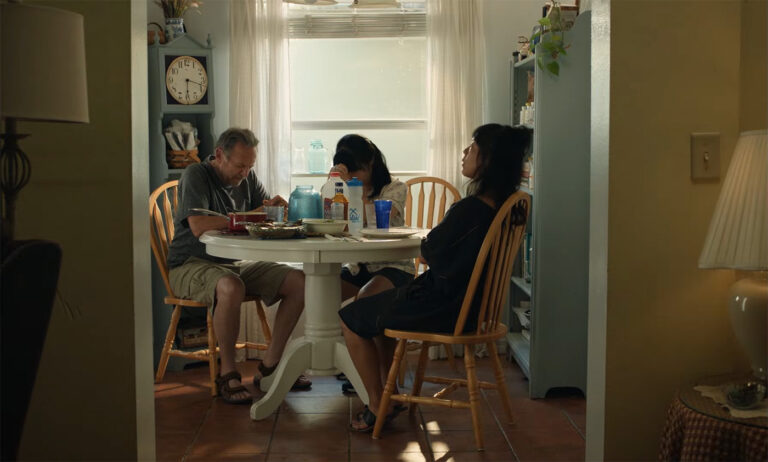
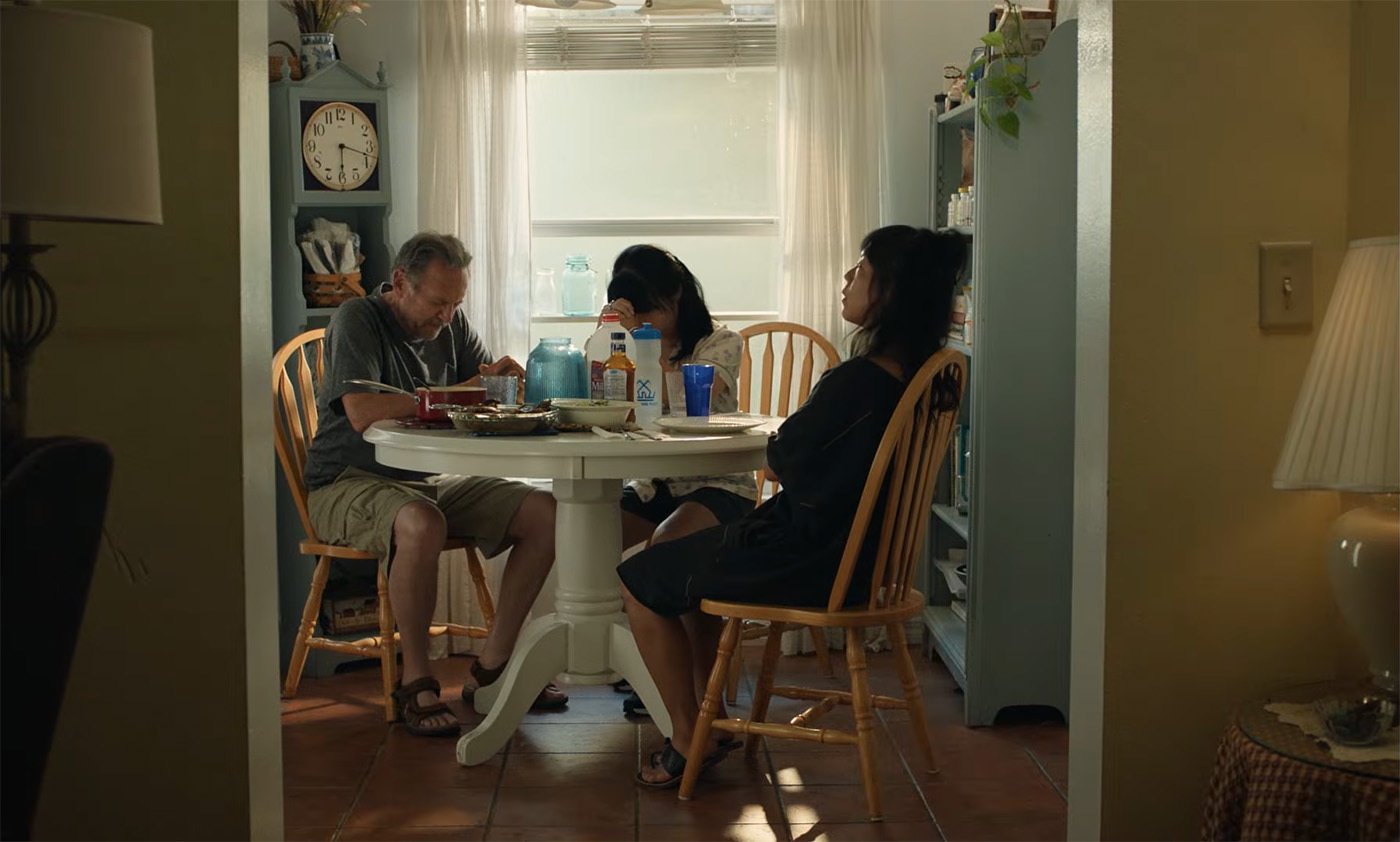
From my dance background and coming from one of the most starving arts, which is modern dance or poetry or jazz… I feel like I’m into restrictions. The house was not ideal to shoot in but the story was in the house. It’s my parents’ home with basically all of their belongings around, and it’s also a shortcut for Anna, so we leaned into that restriction. It was a style of shooting that was built off of Anna and what we needed to do to preserve her performance and also make it look great. It was basically all handheld, but we didn’t always need all the turnarounds on a shot. I was willing to sit within a moment and let the audience be uncomfortable watching the quiet parts because I think that’s so much of what an awkward family can be like.
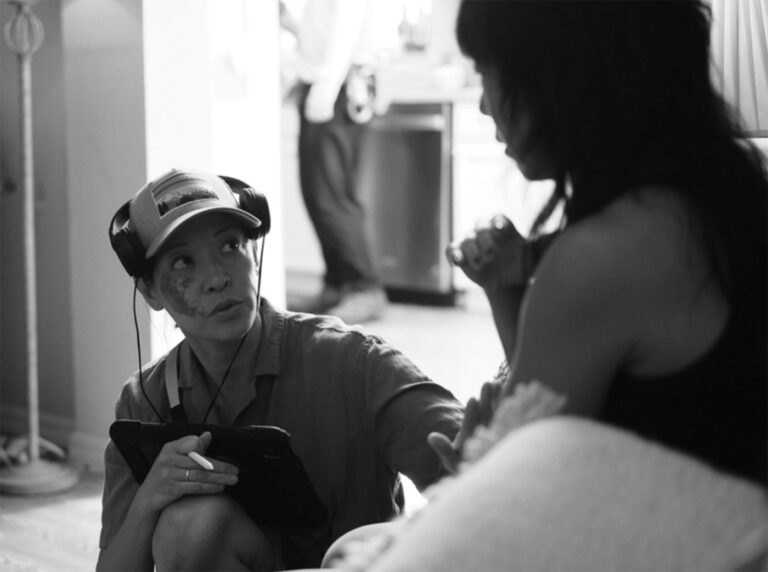
Further down the line, we realized that we wanted to do two cameras, so we brought in my husband, the UPM, and then he became a second camera. It was very, very indie – everyone doing everything, but it let things really become an open improv. Farha, the DP, was so flexible, going from one camera to two cameras and switching the approach while making it seamless throughout the entire film. I think, strangely, it works in the edit, where it feels like a doc, but becomes more formal at the end.
It’s a lot of luck and instinct and everybody shifting their approach every step of the way. But I think that’s what teams of other people have done too. Chloe Zhao talks about The Rider having the smallest team ever and the messiest production. They weren’t sure if an actor would show up, so they would sometimes have to shift everything. But I think you can also sense the way she preserved the natural stories, and that’s why that film is so brilliant. I’ve heard her talk about how the edit isn’t perfect, the continuity isn’t perfect, but it doesn’t matter because you’re so mesmerized by the characters. So that was always the only intention for us on this film.
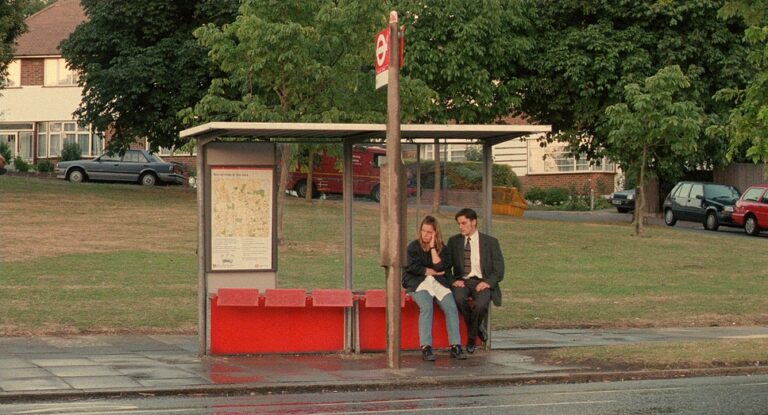
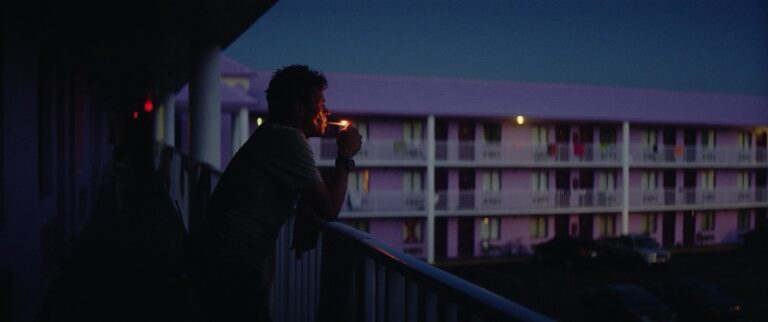
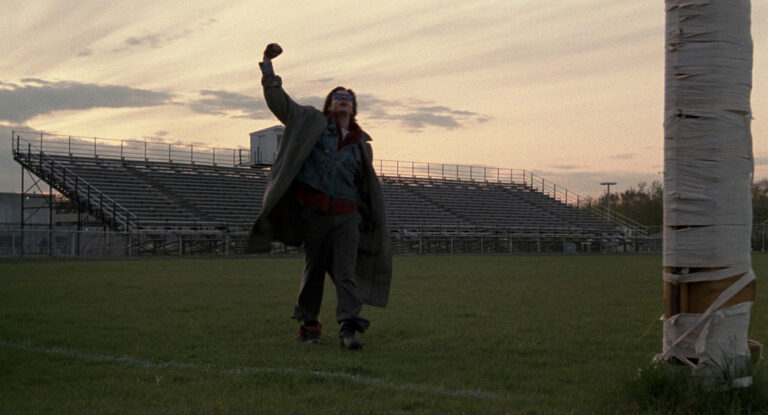
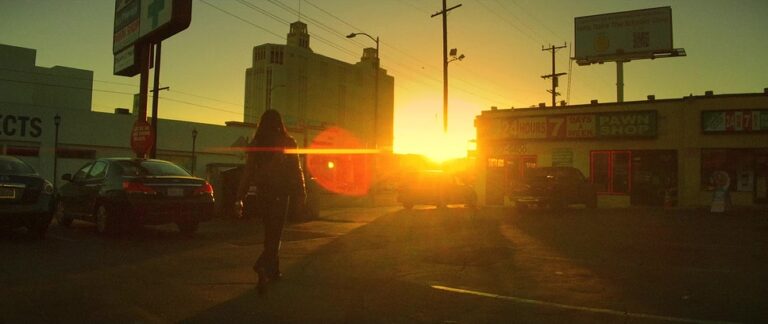
Check out cinematographer Farhad Ahmed Dehlvi‘s original lookbook for Take Me Home below.
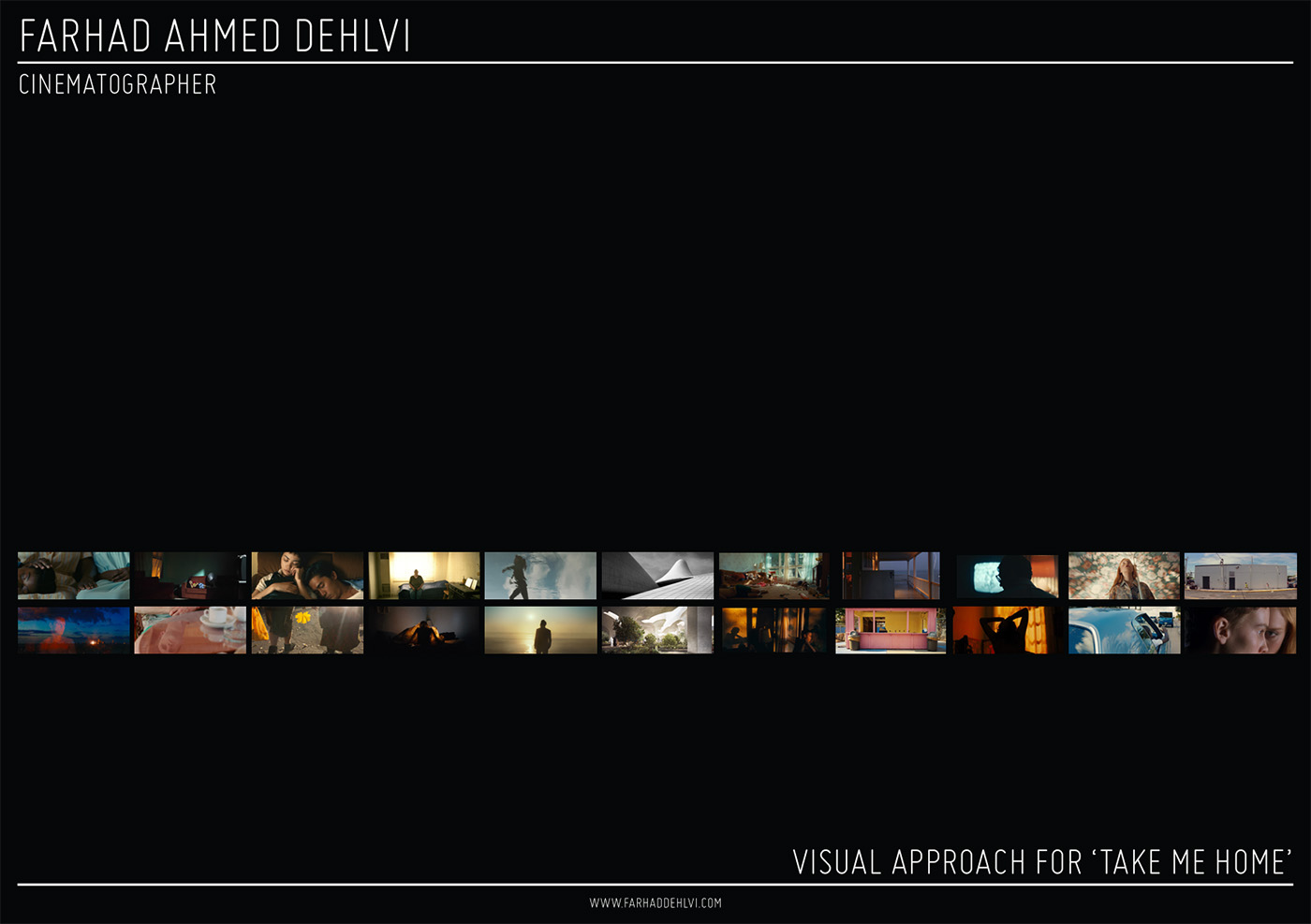
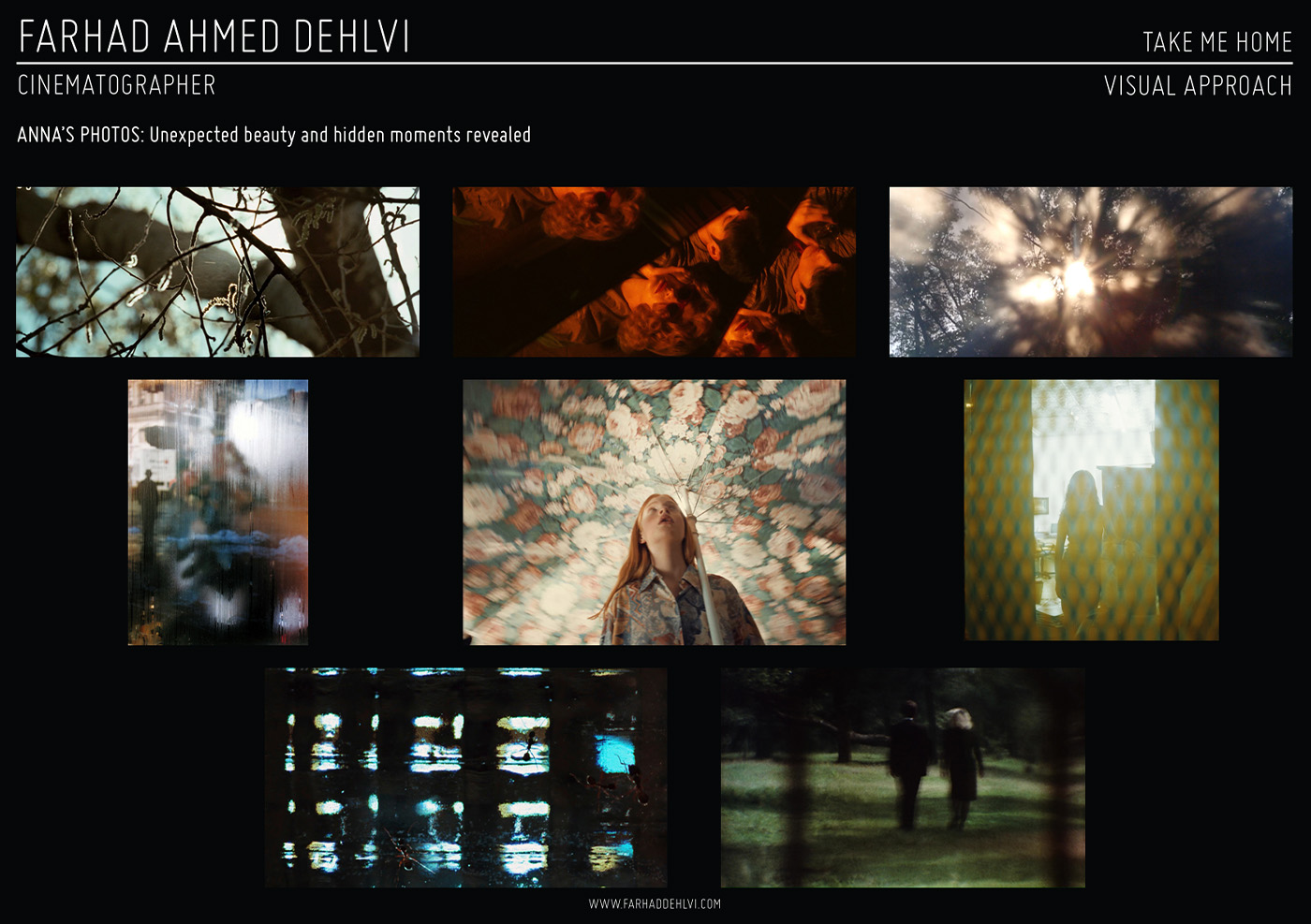
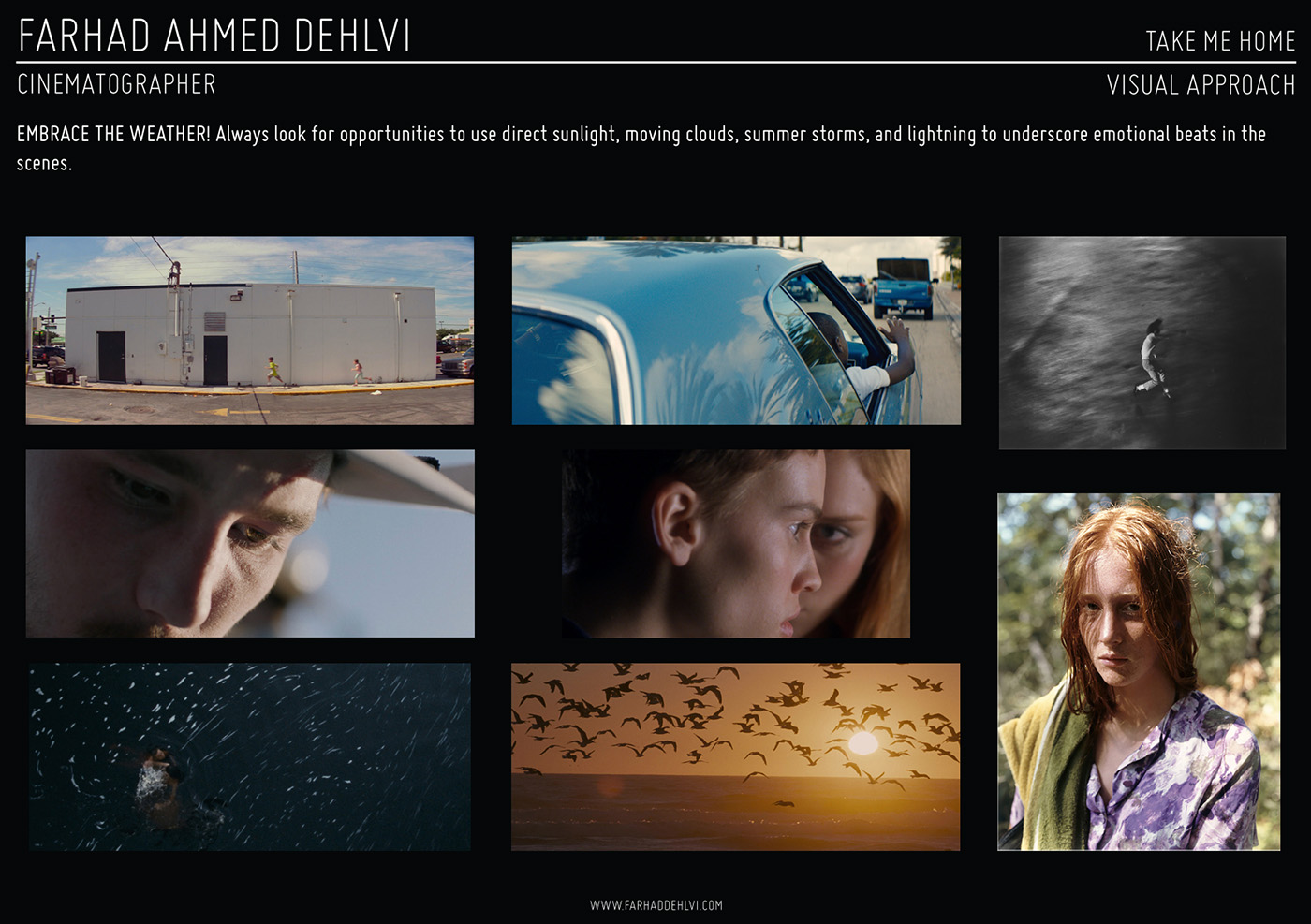
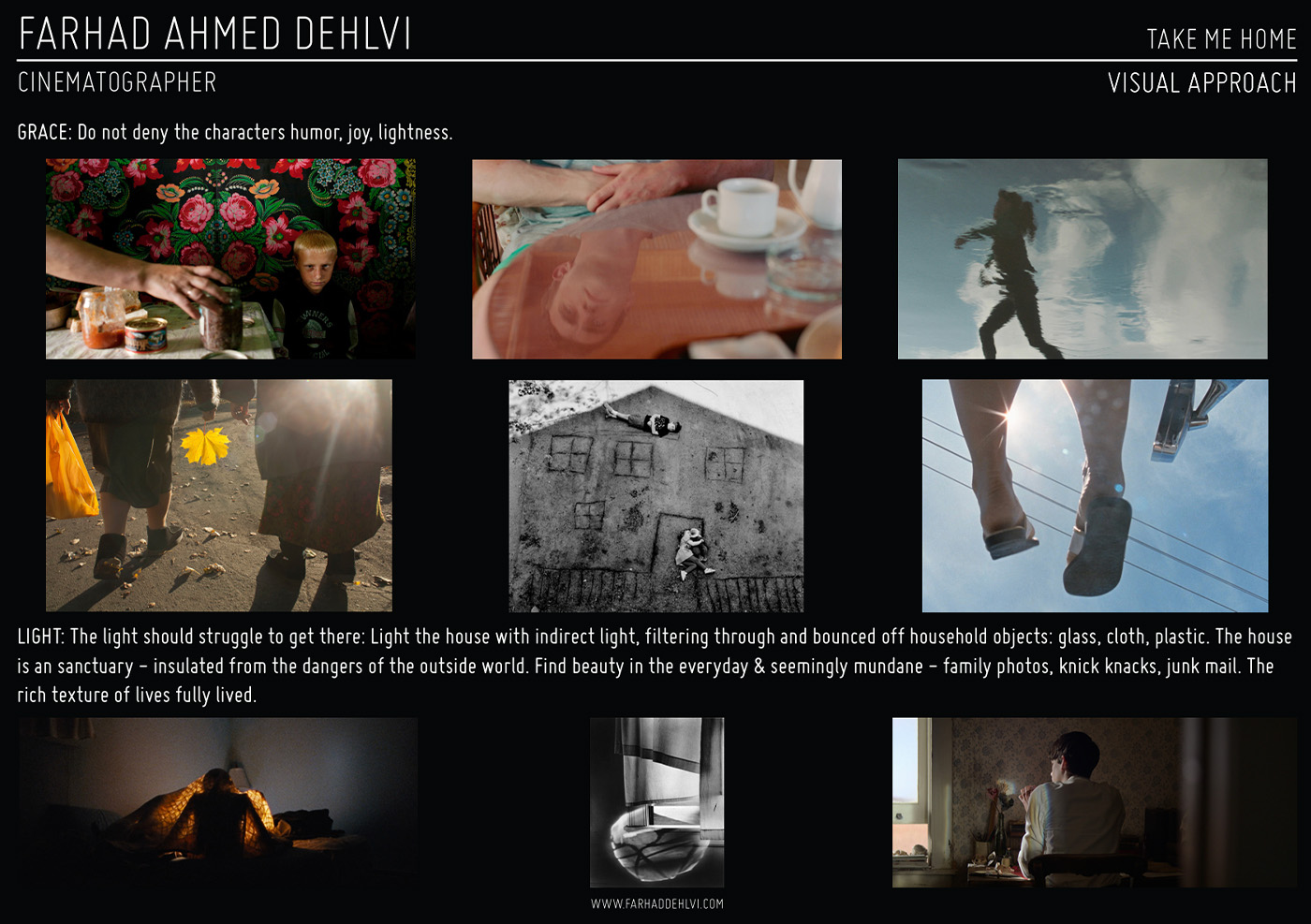
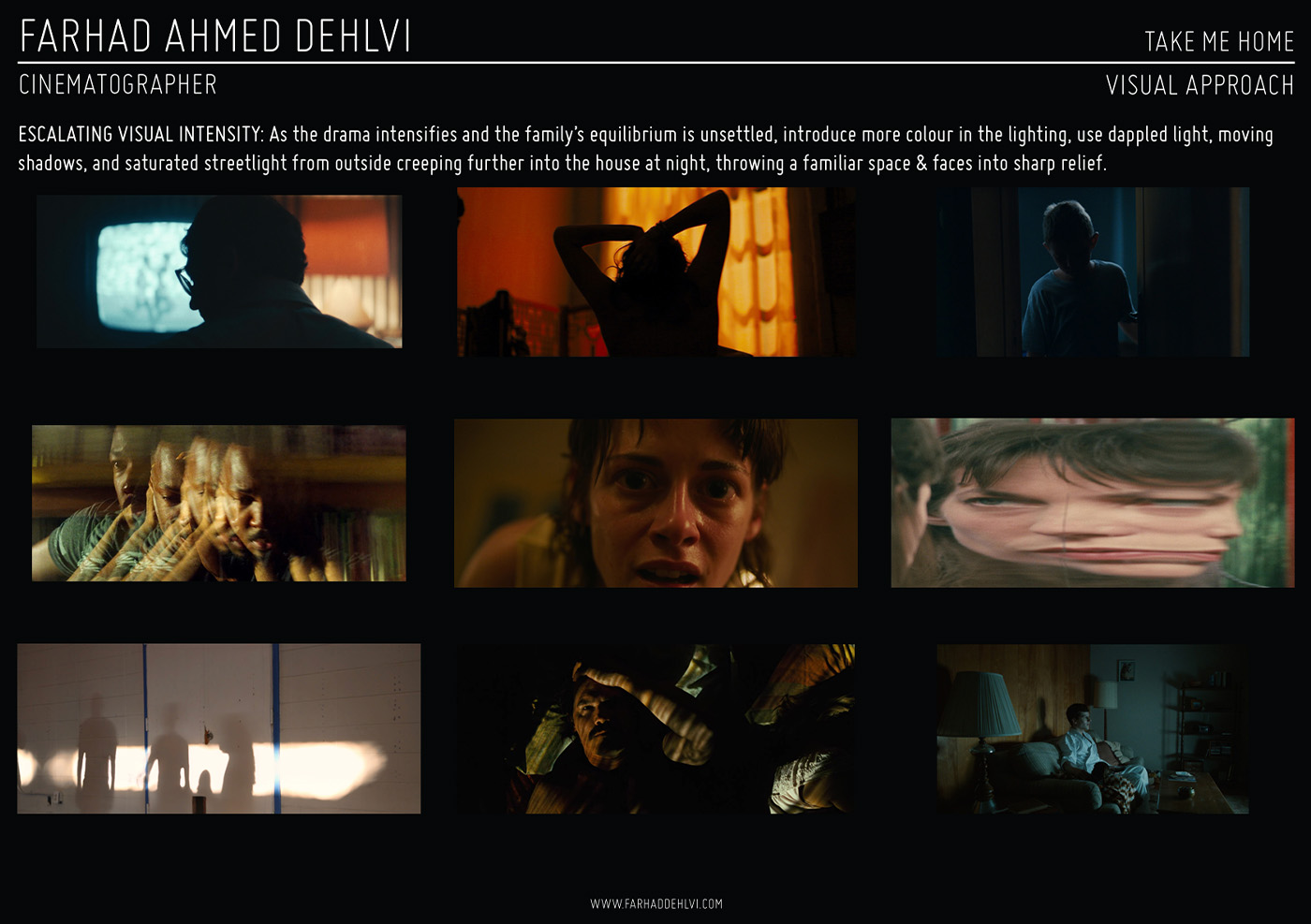
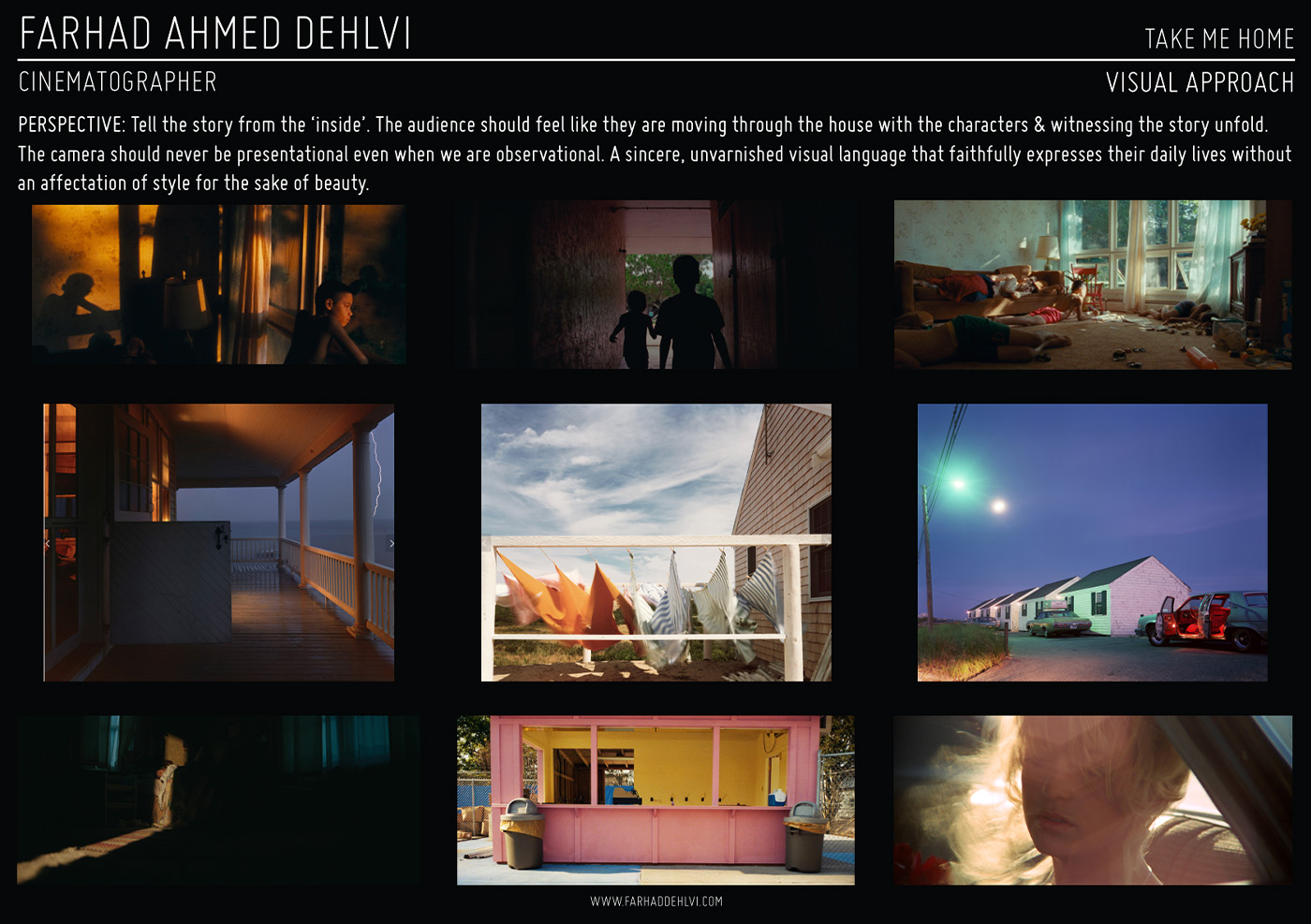
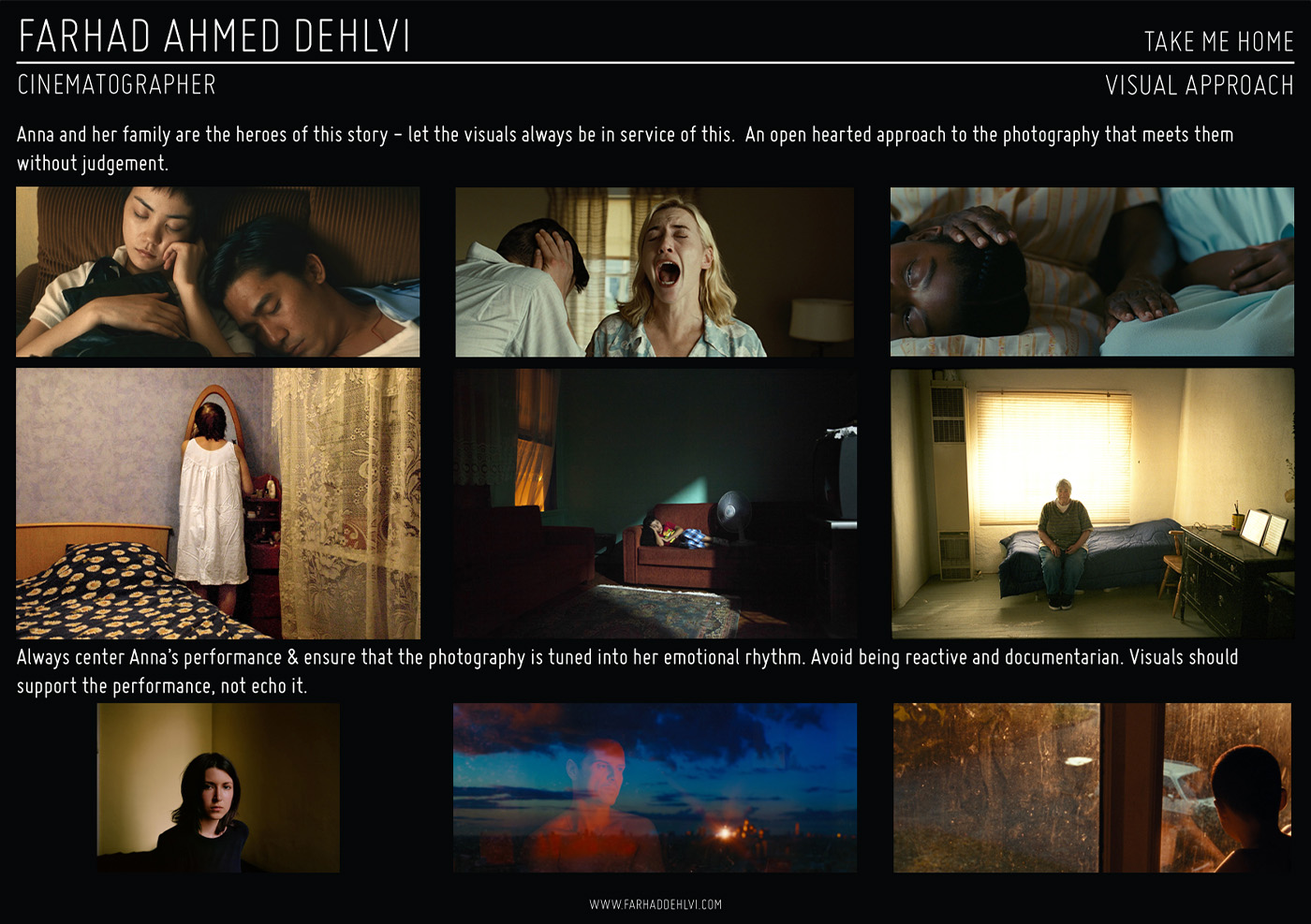
I’m really glad you bring up the stylistic shift towards the end of the film, because I think it’s one of the most distinct moments in the story. Can you share a little bit more about the decisions you made when thinking about how that shift was going to look, and also why you wanted to make that shift?
It’s a very clear shift, and it makes people uncomfortable, and I think people lean into that or they question it a lot, that’s what I’m happy letting audiences sit with. I think there’s a way that we assume this should kind of film should end, but I don’t think that’s the narrative we need in the world. For me, the end was a shift, and I wanted to keep it grounded in reality.
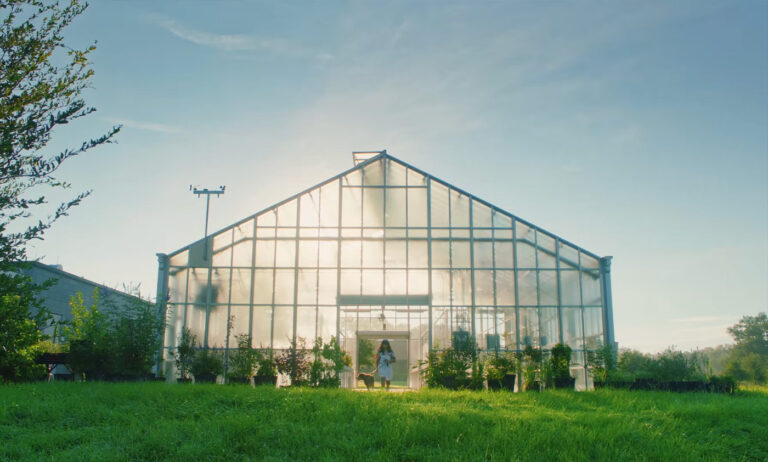
The tone is supposed to shift because the takeaway of this film is that Anna doesn’t need to change. Everybody asks you about, in a film, how the character is gonna grow and change? Anna definitely has a lot of growth, but her disability doesn’t need to change. She doesn’t need some greater aspiration of becoming, like, a pop singer or something. She wants what everybody else wants, which is for the world and the landscape to change. That’s sort of the visual approach too. Suddenly, there’s space and and fresh air. There’s a brightness, and there’s people who still uniquely have their own weirdness. There’s just an ease, and she can walk through one day without a barrier in front of her. For people to watch her live with that kind of ease, that we all just want one easy day in our life, that’s it.
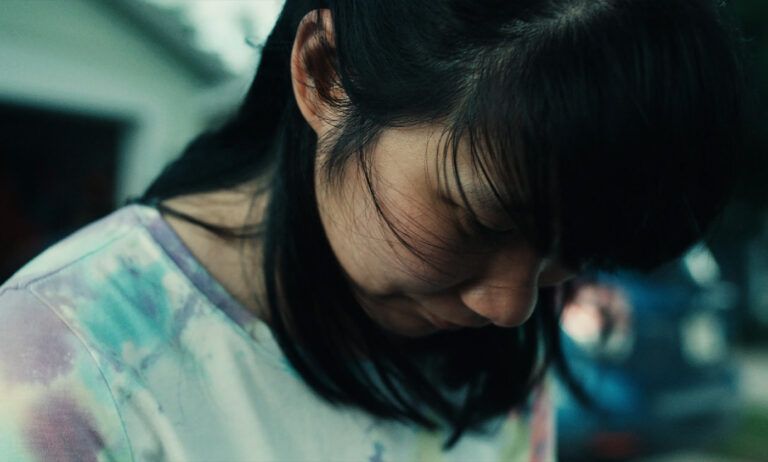
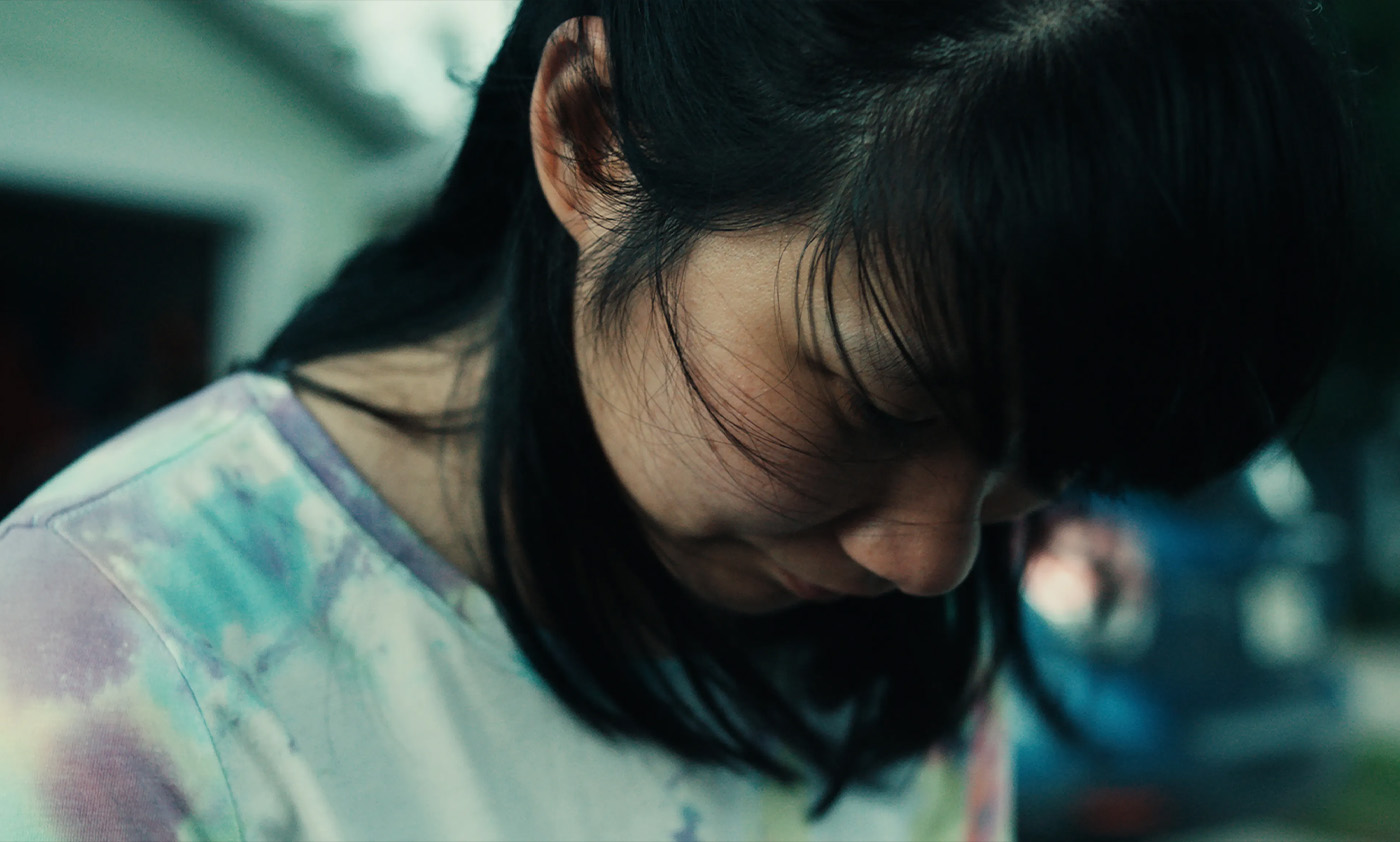
How’s Anna doing? How’s she liking the reception of the movie? Is she living large?
Part of this film is that it mirrored real life. She now lives with my sister in Colorado and is in her adult life, and she’s awesome. She loves the festival route. She goes on stage, and it’s awesome to see an audience cheering for her. They love her so much, and she’s so nonchalant about it, but she can feel that energy and love. It’s especially awesome to see her get that, because disabled people don’t get celebrated for the work that they do.