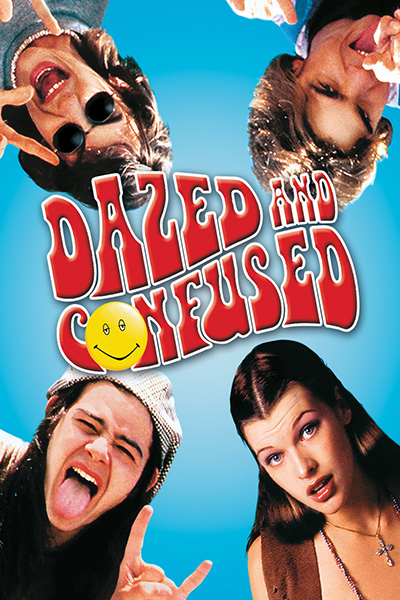
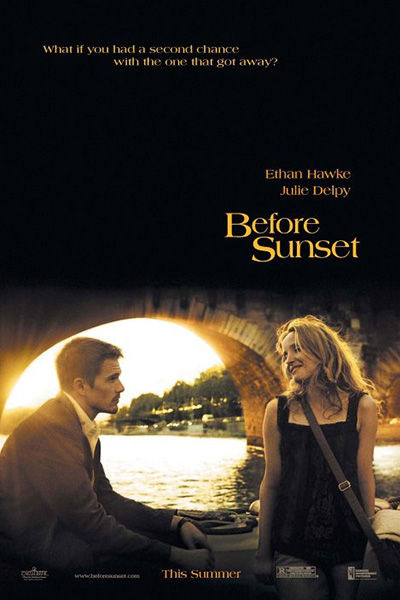
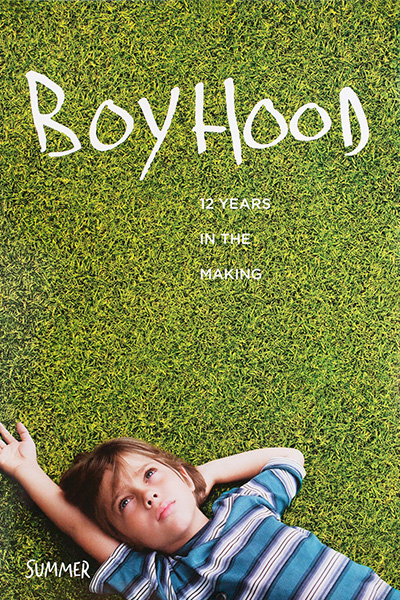
Director Richard Linklater is a filmmaker whose maverick mentality has produced one of the most iconic and chameleonic bodies of work in modern American cinema. His films include Texan totems like Dazed and Confused and Boyhood, as well as films like Before Sunrise and Blue Moon.
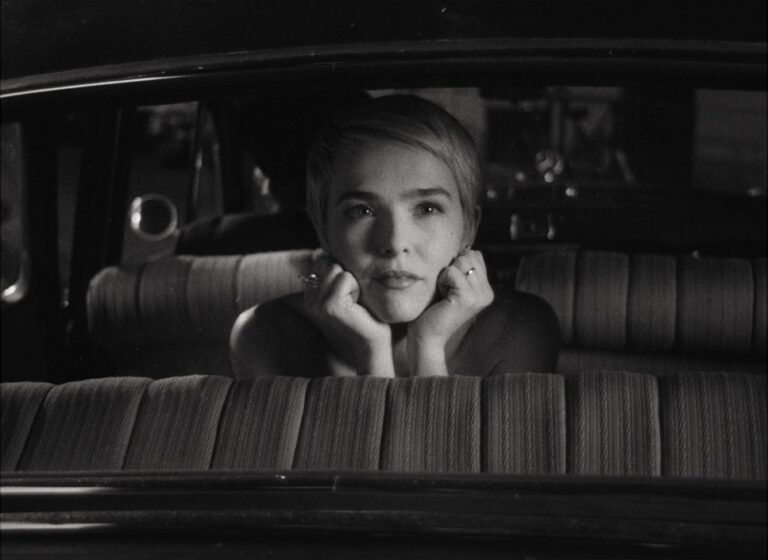
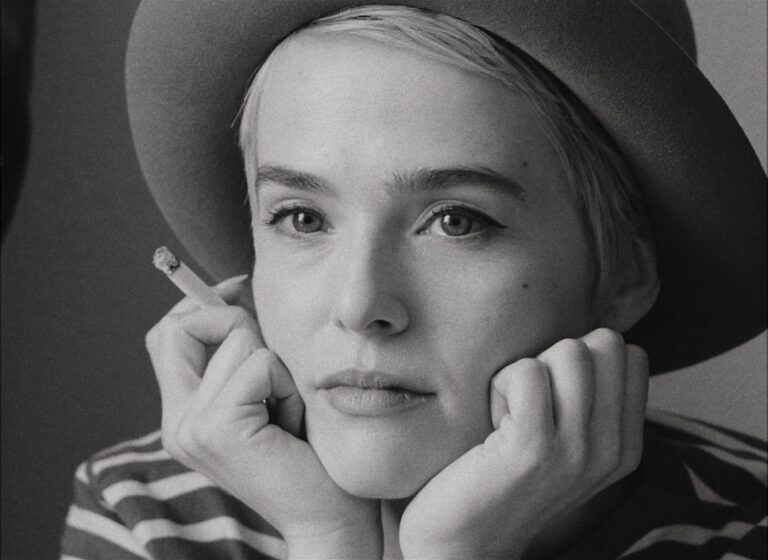
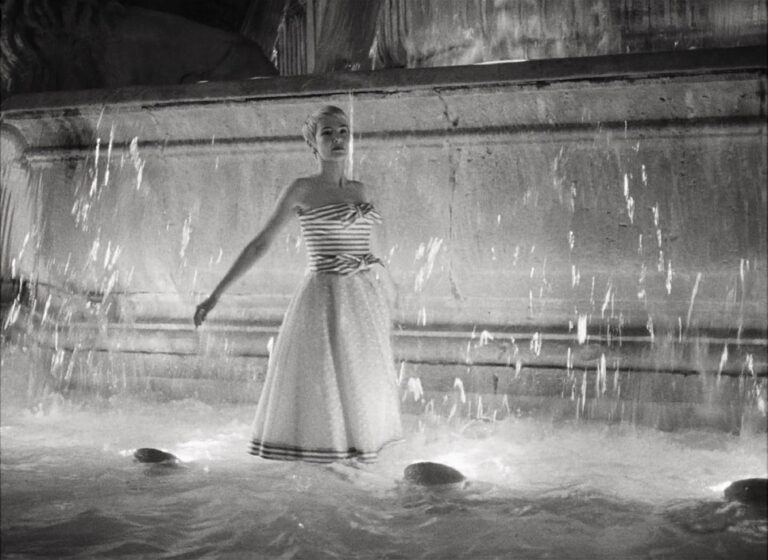
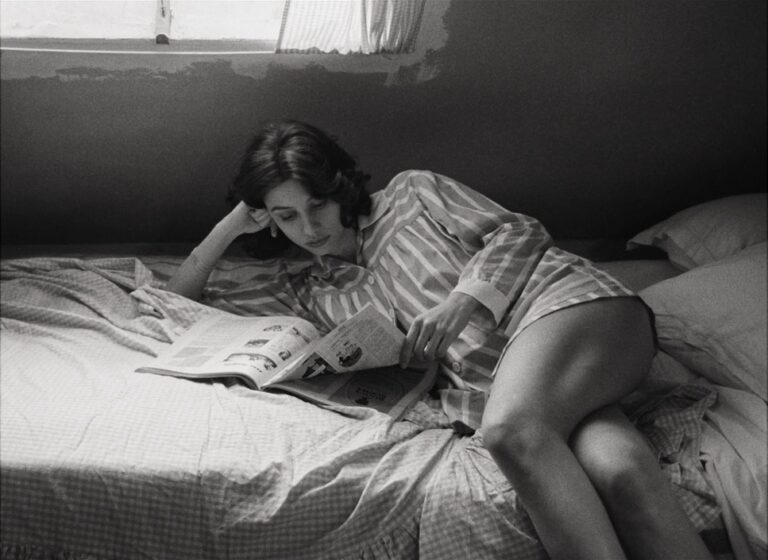
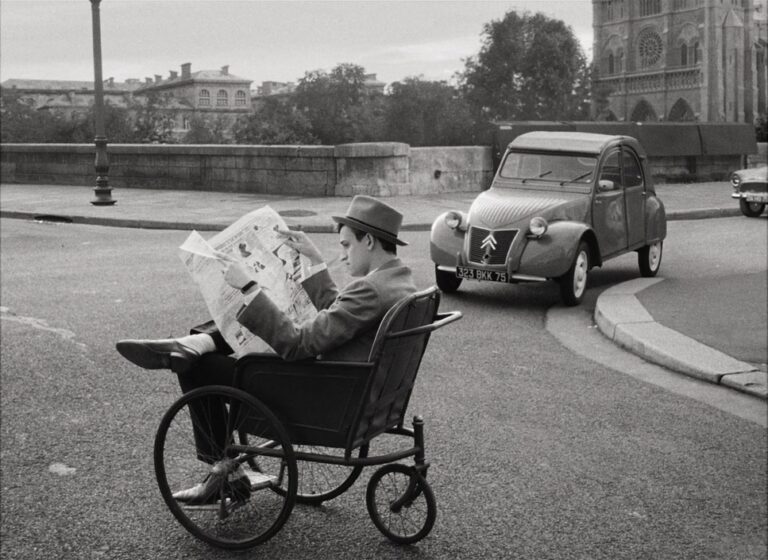
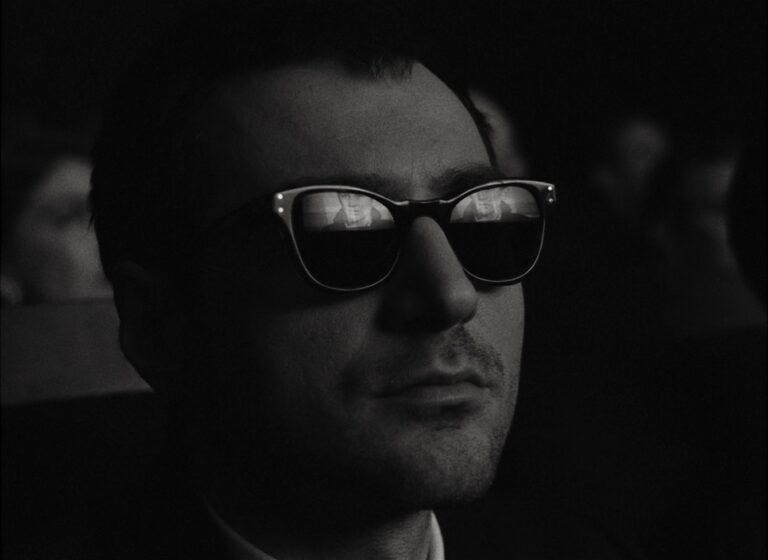
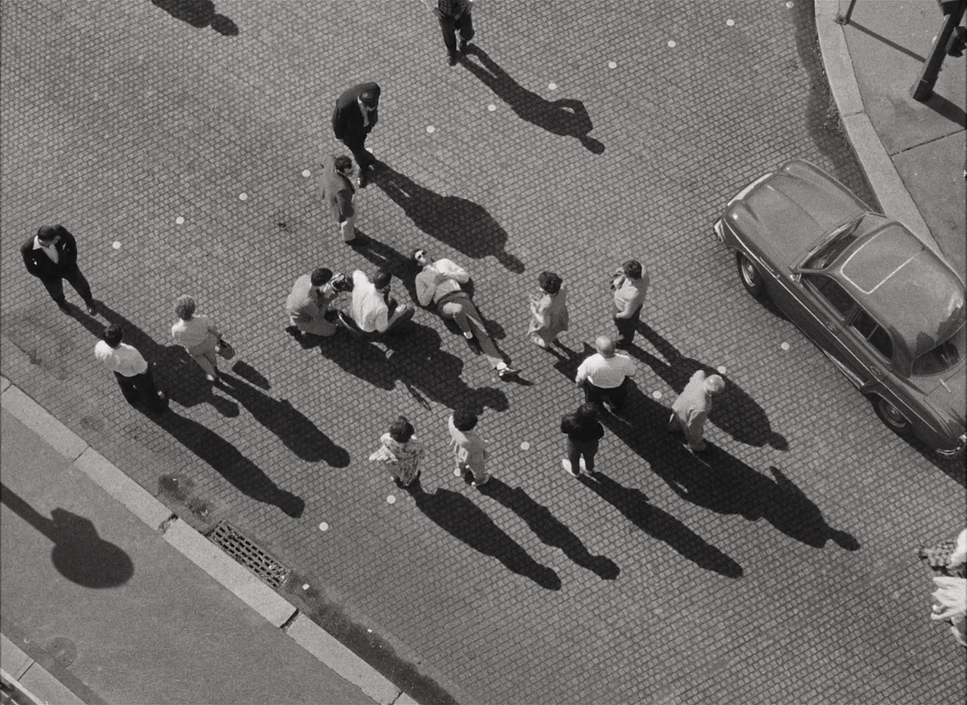
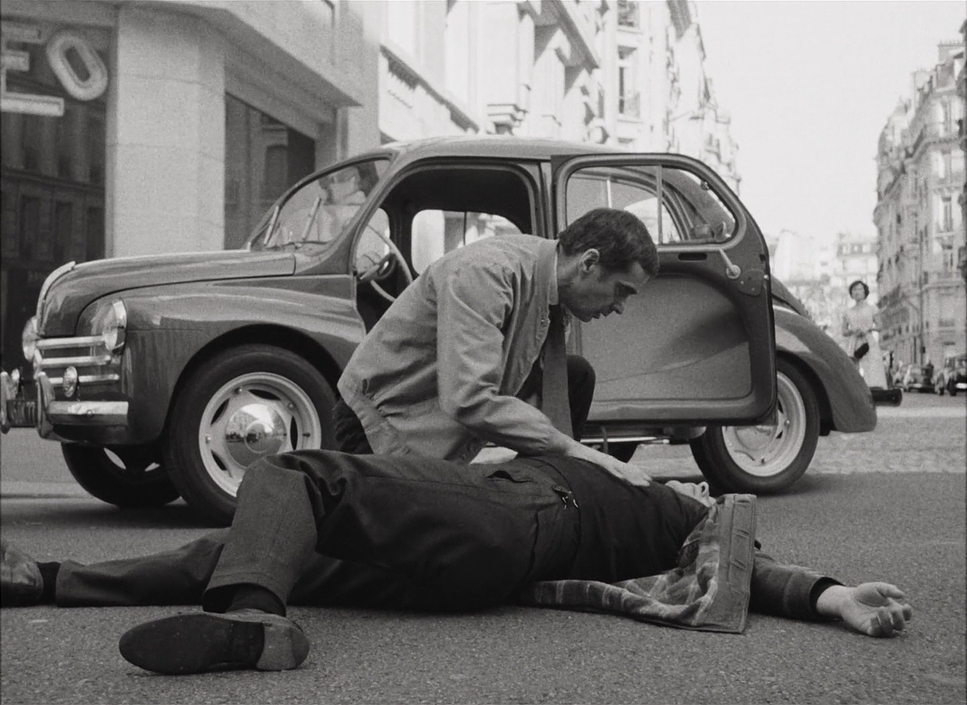
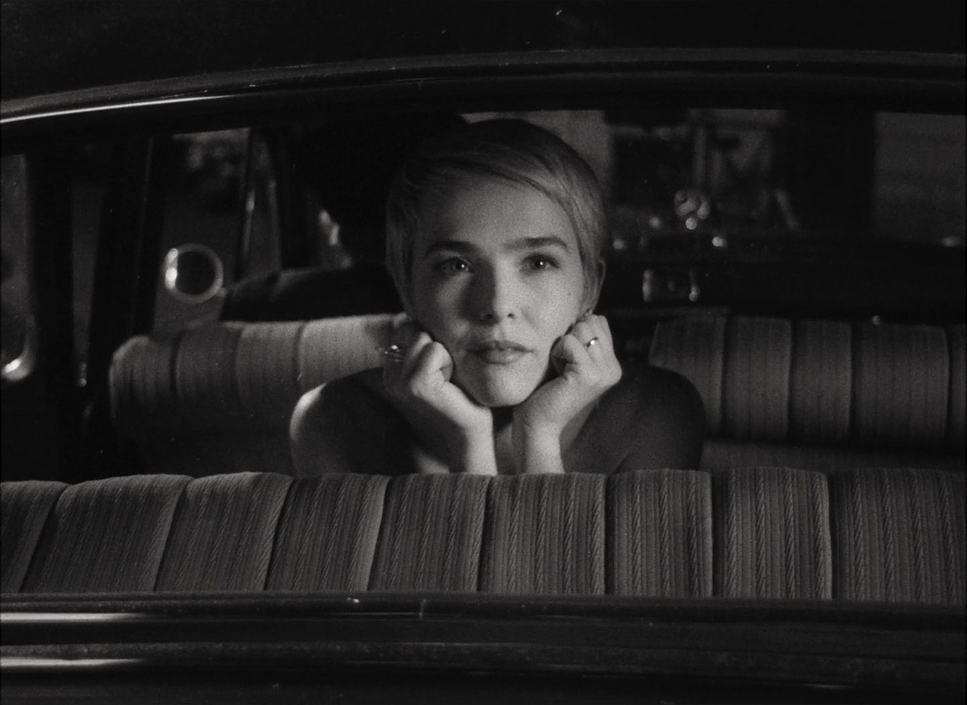
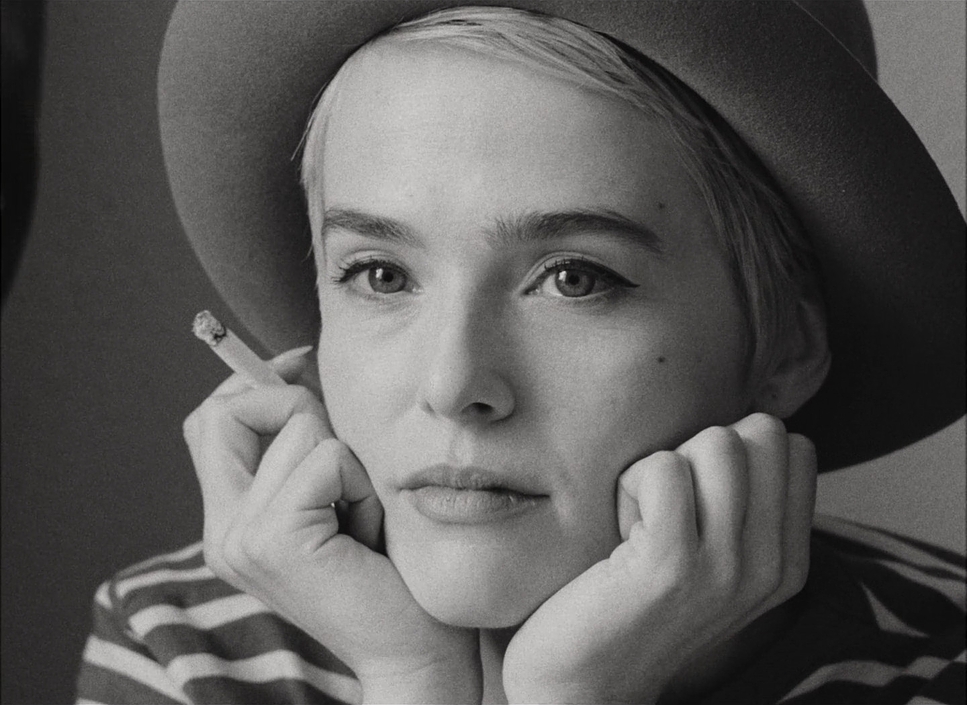
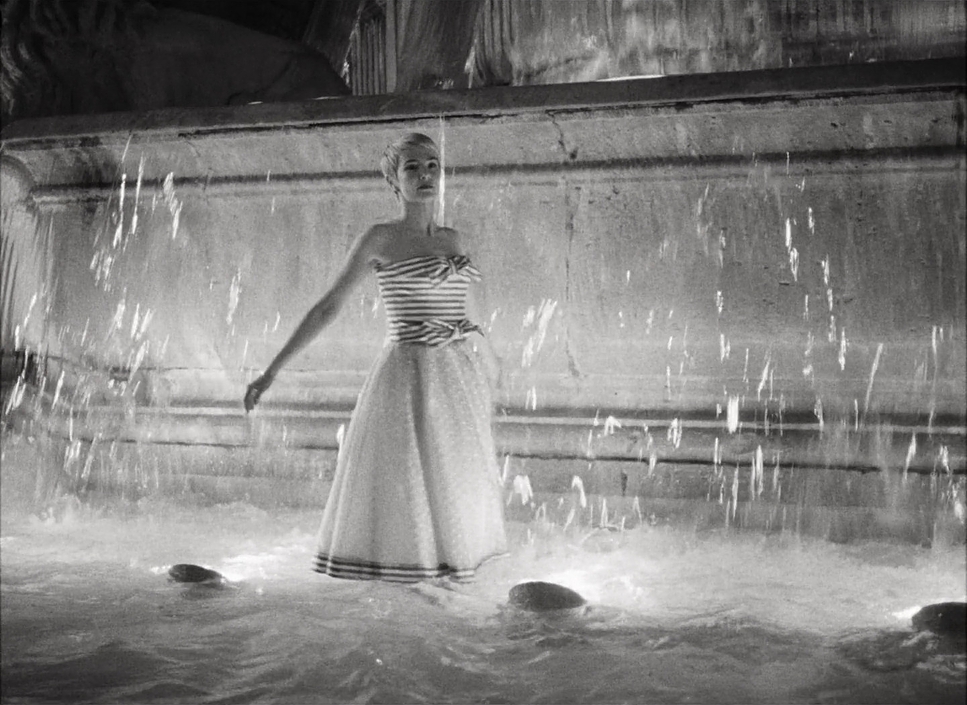
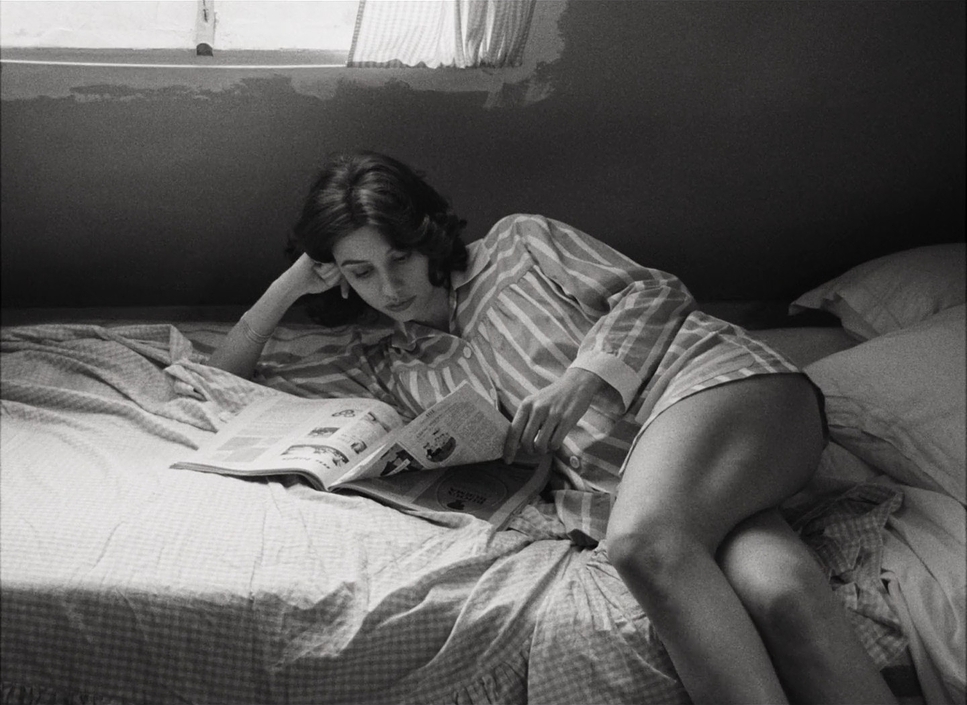
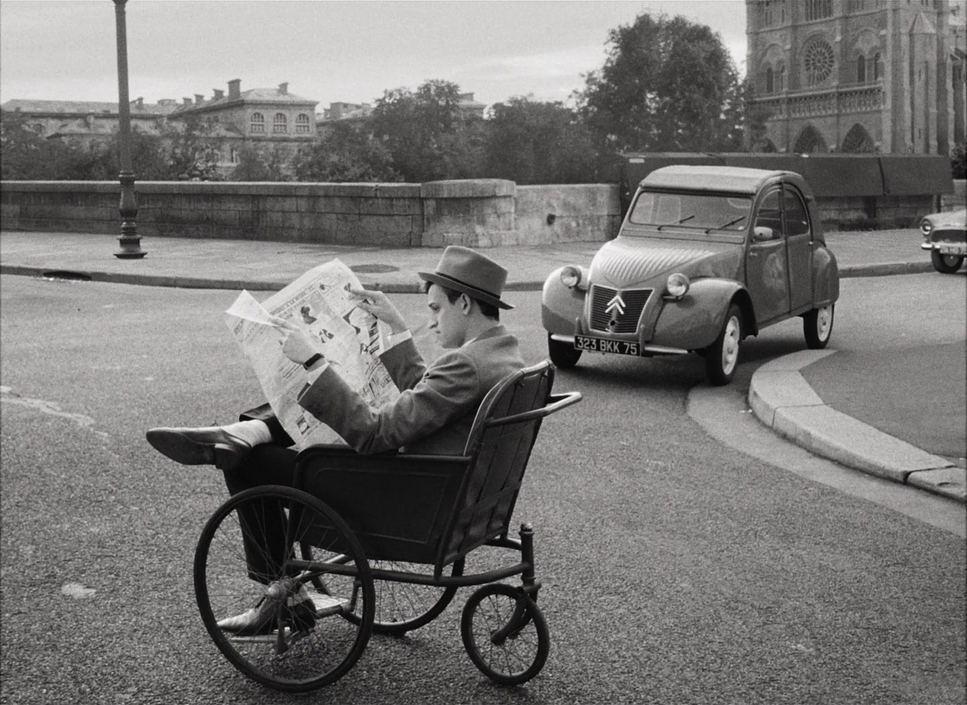
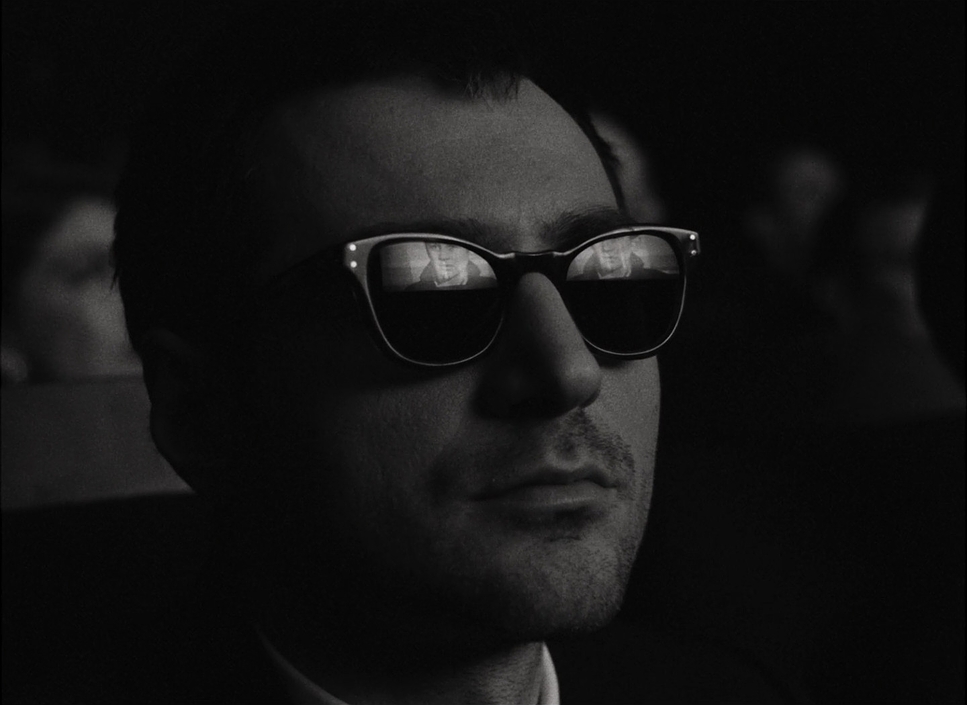
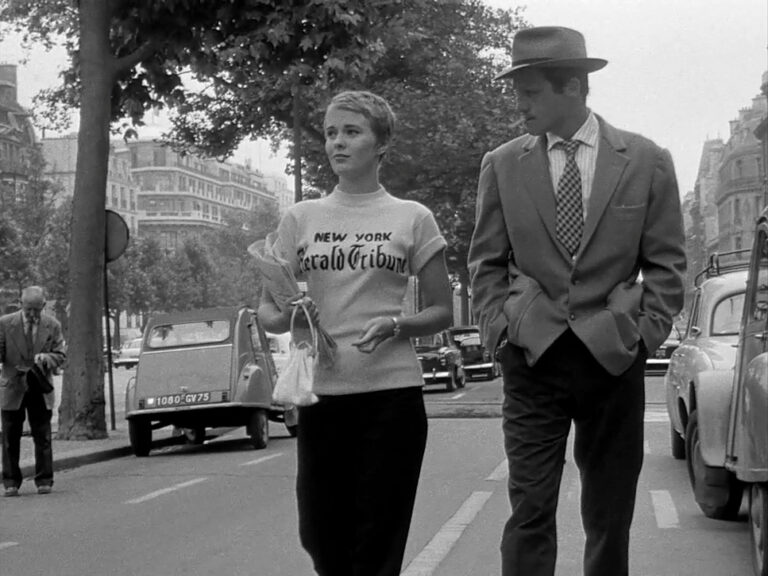
Last year, Rick took to the Cannes Film Festival and premiered Nouvelle Vague, a period hangout about the production of Jean-Luc Godard’s landmark movie, Breathless. Now, the film joins the Criterion Collection with a jam-packed disc fit for any fan of the French New Wave.
Rick sat down with Ben Oliphint to discuss resurrecting 1959 Paris, and the obsessive thrill of making a debut feature film. You can see a selection of Rick’s work below and watch Nouvelle Vague, available on 4K UHD and Blu-Ray from the Criterion Collection on September 22nd.
This article has been edited for clarity and length.
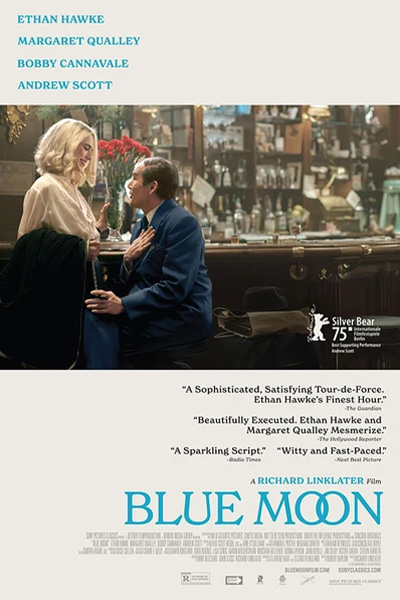
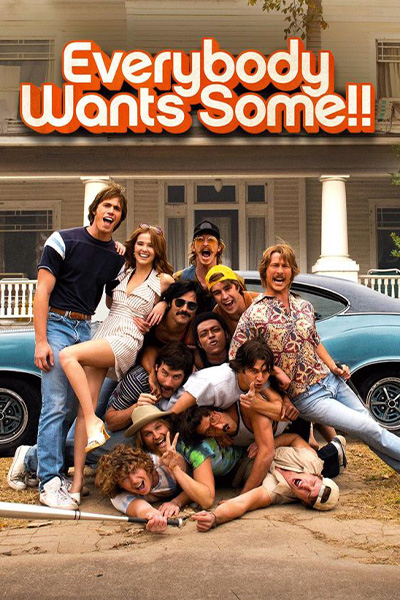
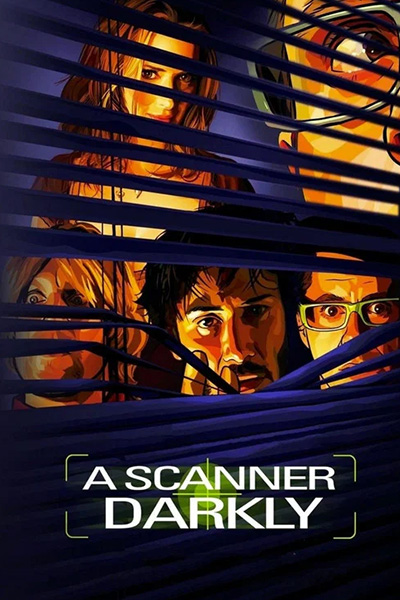
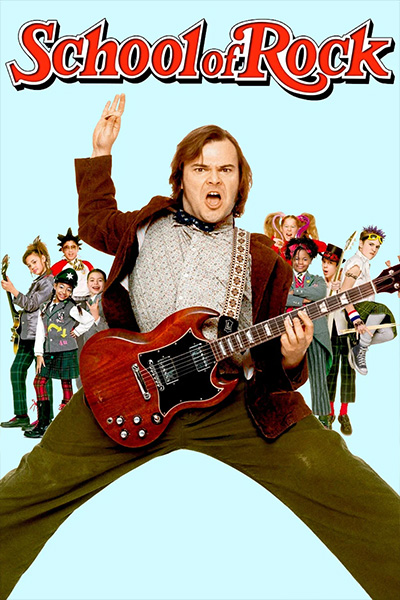
Your Everybody Wants Some!! cast called you “Rickipedia” on set, for cluing them in on what slang or handshakes were or were not of the era. For a French language film like Nouvelle Vague, set in 1959, how did you help your cast adapt to the setting?
Well, it was a time that absolutely none of us were alive for, myself included. It’s easier when I’m doing a period film for a period I lived through, that I have strong memories of. I can be obsessive, like, “no, that handshake came in two years later,” I have a good memory for things like that.
The more magical approach for doing a period film set in a time you weren’t around for is to just imagine. You have to do your homework, you have to obsess on every detail, you have to get the language right. I did have some older French people I referred to, who were around a little more then, and said “they wouldn’t have used that term.” You just try to get it right. It’s hard for people in the contemporary world to not imagine something they didn’t say back then. You assume the world you’re inheriting is how it’s always been, but that’s obviously not the case. It’s fascinating.
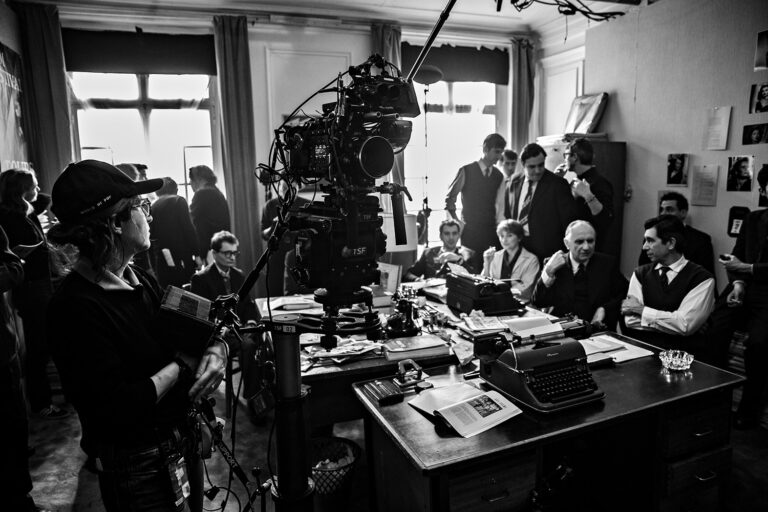
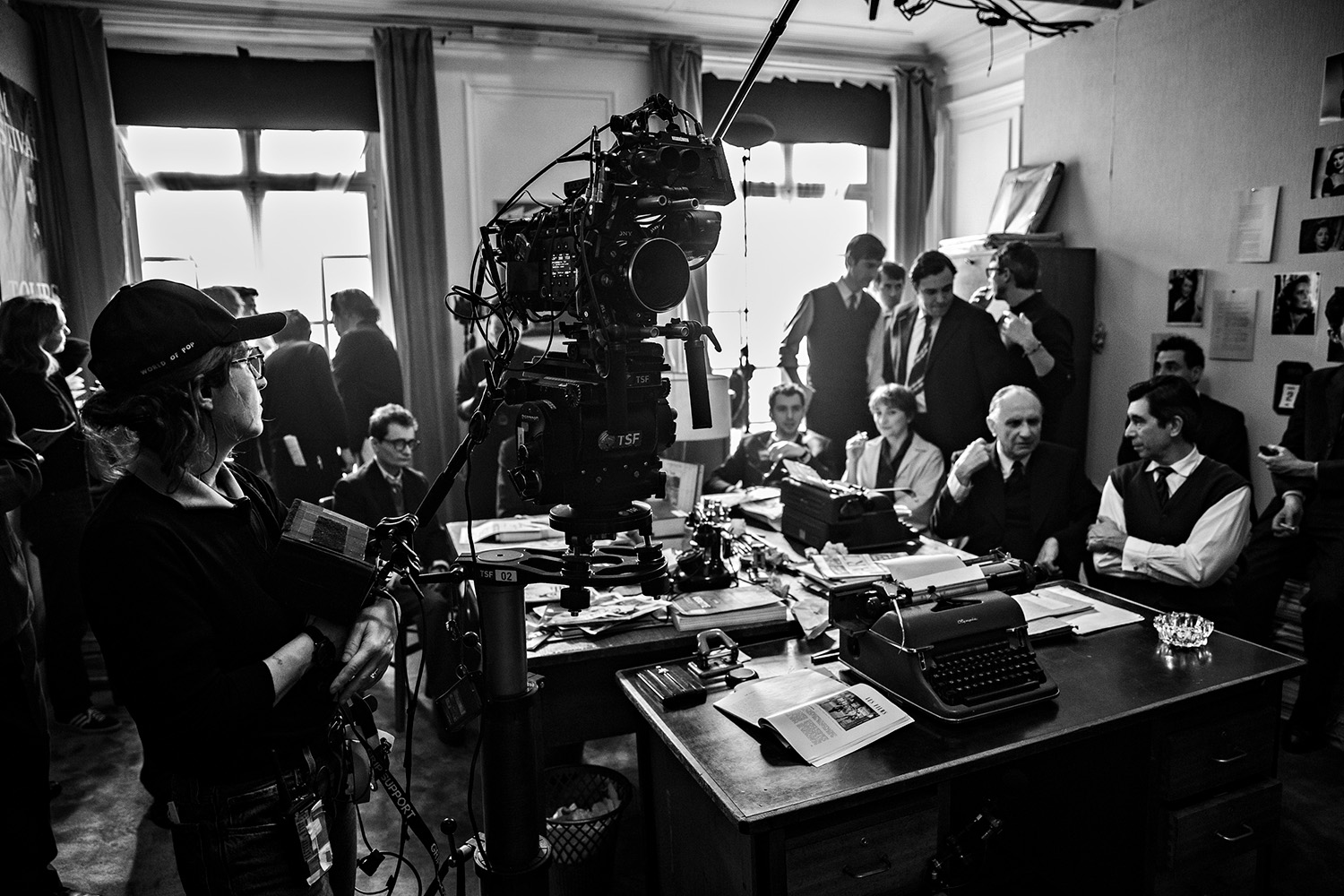
You’ve said that your aim for the film was to create an artifact, a kind of film reel about the making of Breathless, that might have been discovered in an attic. I imagine that comes with a meticulous amount of reference and research to recreate. Do references play a role in your writing process?
Every film has its own challenges. Visually, I think you have rules you set. Sometimes, if it’s a contemporary film, you kind of have a tone, or a texture, something you’re going for. For Nouvelle Vague, I appreciated its specificity. 1959. The look, the feel, the texture. Every shot in the movie has to be from the cinematic language of that time. So there was a lot to dial into, historically, and I found that to be almost a relief. It was something to be tethered to. My cameraman and I thought, “Okay, no shot in this film could not have been in a movie back then.” So that meant no steadicam. We didn’t have cranes or dollies. We had to make it look like the language of that time. It was thrilling to be inside another film to that degree. I don’t know if it was cathartic, but it was historic.
It can’t help but be personal too. We’ve all made our own no budget first films, so that was personal to me. The backdrop just happened to be one of the most influential films ever. To be under the hood of that movie, I found a comfort there. It was about people I admire so much. Not only the well-known people, but everybody in the scene, just that time and place. It’s fun to do a film about something you love so much. Criterion has really outdone themselves on this edition. They have a whole section on the lesser known people of Cahiers du Cinema. In the film, the names come up, and you’re like “who are they?” Then you find out everyone’s written novels, they’ve all made films, it’s what makes it a scene. It’s not just the five most famous people, it’s the fifty people that are a part of that scene. That was the spirit I was trying to capture with the movie, and it’s fun to see that articulated so well on the Criterion disk.
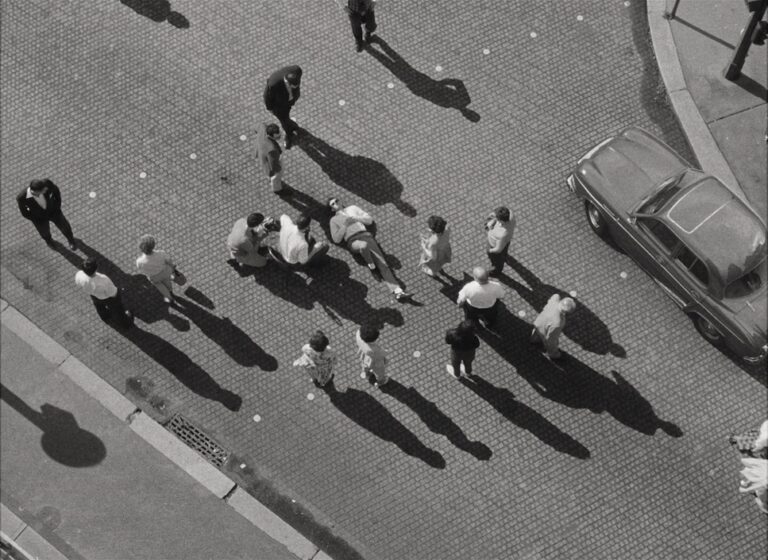
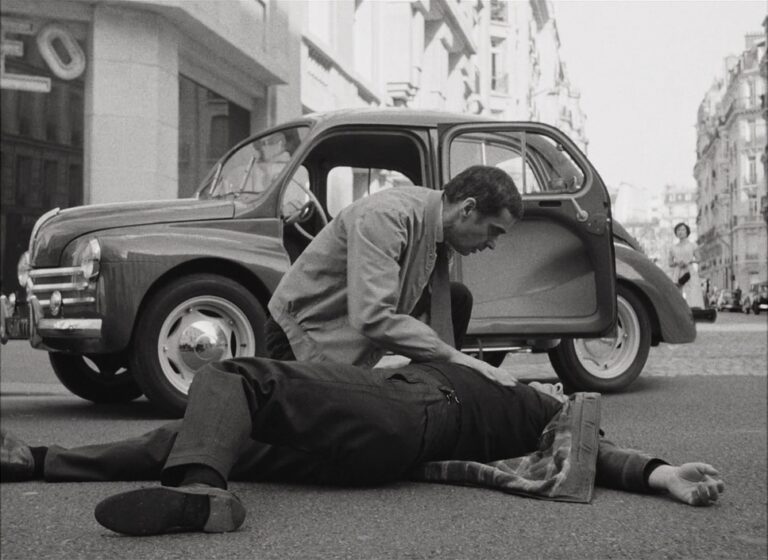
When a film is elected to join the Criterion Collection, how involved are you in the process of bringing the film into its next life?
Well, they’re wonderful to work with. First off, for a nice chunk of time, every movie you did, it was like, in post-production, you do the commentary track. But those kind of went away. No one wants a commentary track, and DVD’s are kind of non-existent. So it’s kind of a throwback to be with Criterion, because they want a commentary track. And you’re like, “Oh yeah! A commentary track! I guess there’s a lot to talk about.” It’s fun to do a deep dive into your own film.
I read that you and your DP David Chambille shot film and digital, which came as a surprise to me, given how seamless the look of the film is throughout. What was that process like?
The whole thing is a visual trick, this recreation. But you can never go home again, you know? The good news is that the film stocks have changed, the cameras, etc. I did use a lot of old lenses. In fact, the camera that you see in our movie, the one that’s shooting the film, that is the camera that shot Breathless. It was in an archive, they let us use it. So this film was that close to the real thing. But now, the labs and processes are so different, which meant we achieved a lot of our look digitally and with visual effects. The whole thing is a magic trick, made to look like a film of that time. Everything is a construction, there’s no pure anything. I love that with film, you just have to do what gets you to achieve what you’re going for. There’s always a lot of different ways to get there, but there’s one right way, typically.
I loved the line “Art is not a pastime, but a priesthood.” Much like Godard, you also made a seminal no-budget film at 28 years old with Slacker. In depicting the making of Breathless, did that reframe anything about your experience making Slacker?
It’s so funny, in the arts, you follow your impulses. The arts give you a place to be an obsessive freak; single-mindedly, mono-focused on your goal. In film, that involves a lot of people. A painter, a writer, or a musician, is doing that alone. But in film, you’re out in society, trying to forge this thing into some world around you. You need people and you need money, so you kind of take on this air of a hustler. So, looking back, what you think is all pure passion for what you’re trying to do… Actors describe it as “oh, you got the bug.” You’re one of us. You’re gonna live and die and devote your life to this, whereas other people float in and out of the arts, and not really latch on so much. But, that never works, you have to be kind of a freak. So learn to kind of accept, over the years, that whatever neurological condition you may have that allows you to dive so deeply and obsessively into something, the arts are probably a healthy outlet for that. So, I forgive my younger self of his obsessive sins.
You’re set to continue this historical hangout genre with what Ethan Hawke described will be among the best films ever made! No pressure, of course.
Oh, please! I’m like, “Ethan, what are you doing?” That film isn’t even financed, by the way, however good it might end up. But we’re hoping to get it made. That’s even farther back, that’s set in the 19th century. I do like that, though. When I add it up, I have quite a few films that are period-based, and I enjoy going back and doing that recreation.
Did you learn anything on Nouvelle Vague that you’ll apply to the next film?
I think Nouvelle Vague was so much its own little animal. It’ll be its own thing. I don’t think I’ll ever have the same approach to a movie, trying to make a movie look like it was made back then. Especially the non-English nature, the black-and-white. There’s a lot of things I did on this movie that I haven’t done on any other movie, and probably don’t have any plans to [laughs]. It just all had to be that way to work on its own terms. To actualize itself, that’s just how it had to look, feel, and be.
In filmmaking, there’s always the technical, you mature with every film. You learn things, you see the possibilities. In this case, this film was probably my most visual effects heavy film I’ve ever made. In the last thirty years, I’ve had my toe in that, seeing it change over the years. In certain cases, it’s inevitable, and it’s fun to see that expanding, and see what you can do. It can make you think more freely.