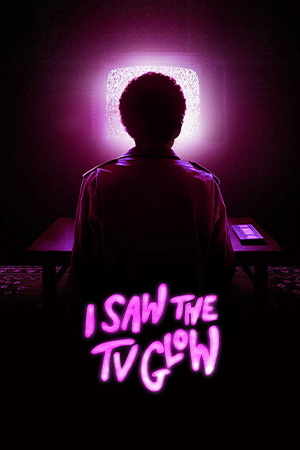
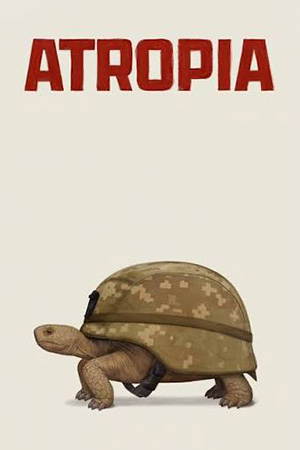
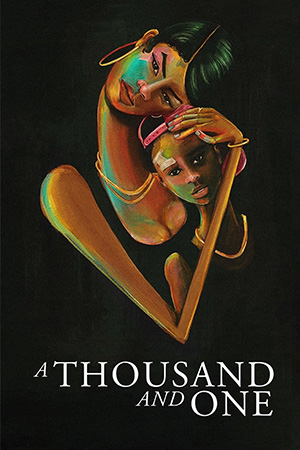
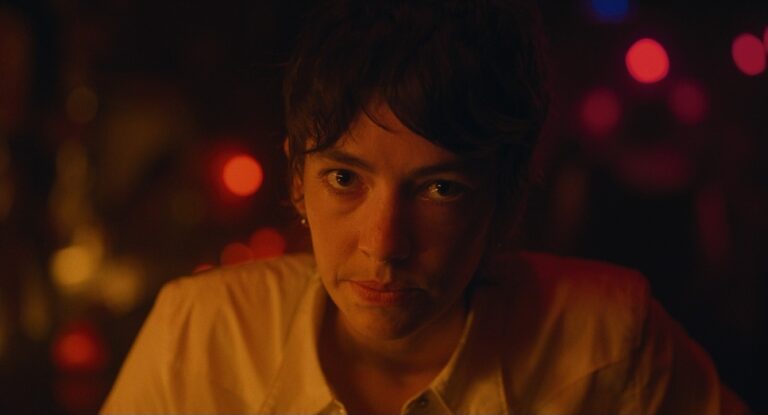
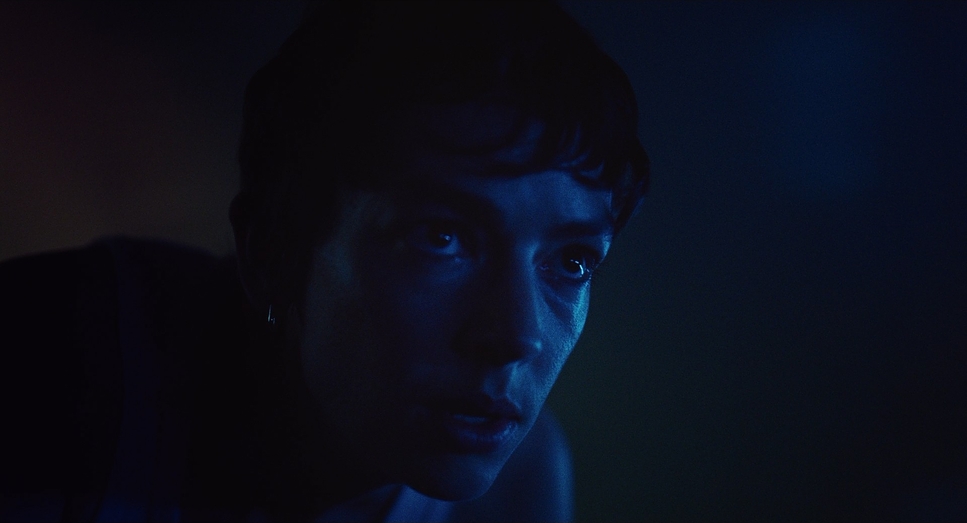
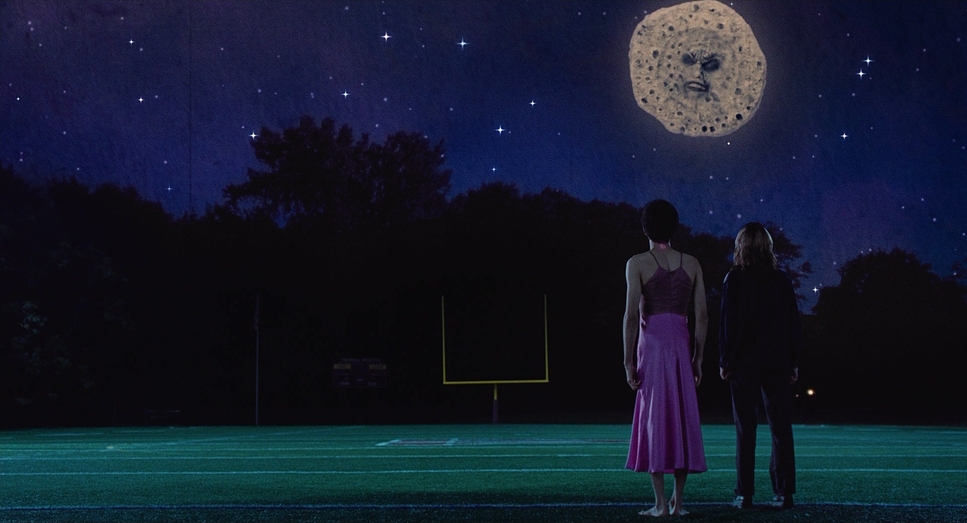
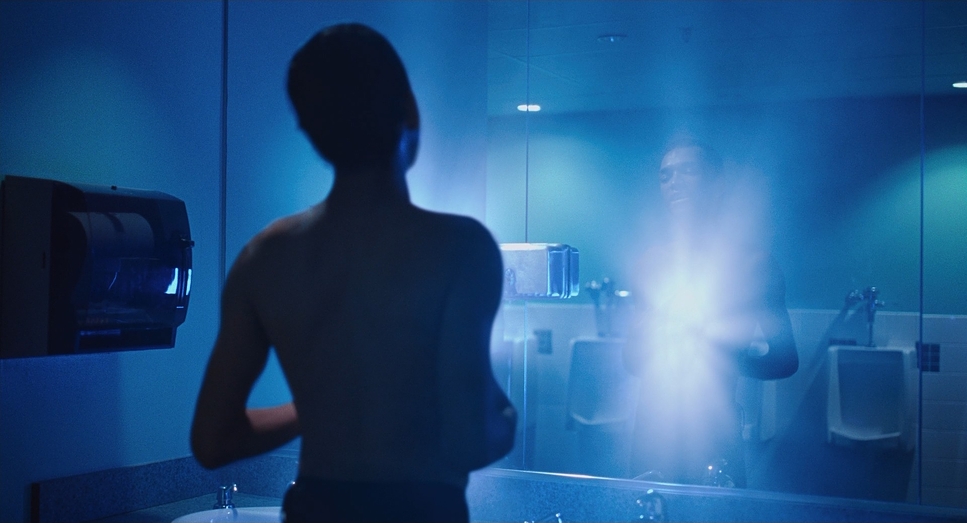
Cinematographer Eric Yue has built a body of work defined by bold, atmospheric imagery, including A Thousand and One, I Saw the TV Glow, and Atropia.
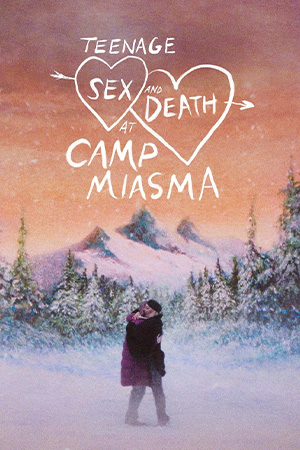
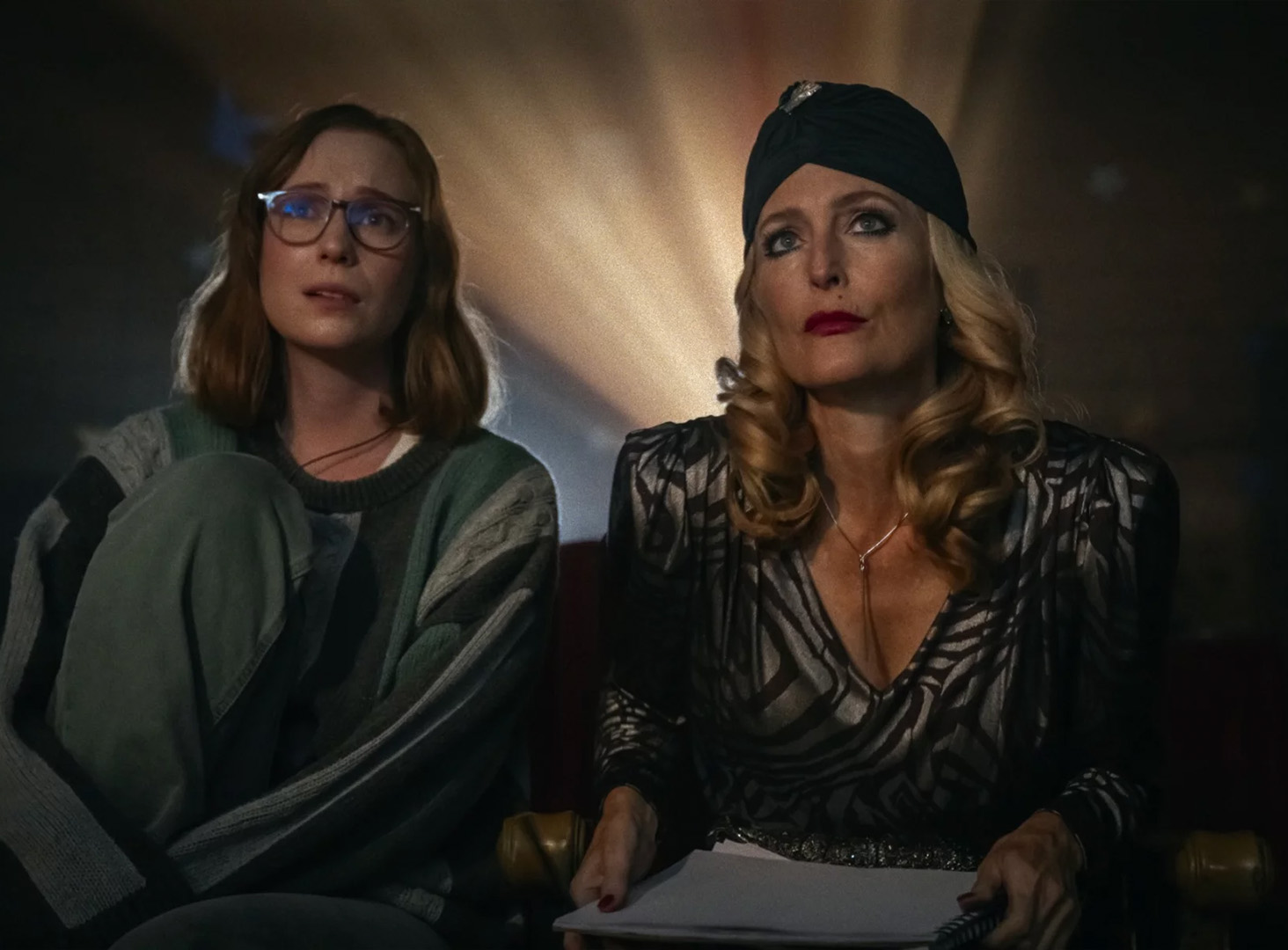
Most recently, Eric collaborated with writer and director Jane Schoenbrun on Teenage Sex and Death at Camp Miasma. Starring Hannah Einbinder and Gillian Anderson, the film follows a young filmmaker hired to revive a cult slasher franchise who becomes obsessed with tracking down the reclusive star of the original film, sending the pair into an increasingly surreal world of desire, horror, and cinematic fantasy.
Eric sat down with Christian Hurley and Ben Oliphint at this year’s Tribeca Festival, where he was promoting his upcoming film, The Last Day, to discuss developing Camp Miasma’s heightened visual language, drawing from the aesthetics of classic slasher films, and using cinematography to blur the boundaries between reality, memory, and fantasy. You can see a selection of Eric’s work below, and catch Teenage Sex and Death at Camp Miasma in theaters now.
This article has been edited for clarity and length.
Teenage Sex and Death at Camp Miasma is your second feature collaboration with director Jane Schoenbrun. Can you talk about how this relationship started?
I met Jane when they were interviewing DPs for I Saw the TV Glow and we just really got along. We didn’t even talk about the script for the first hour that we were on Zoom and then we ran out of time and I was like, oh we should probably talk about the script [laughs]. So we just had the same sense of humor and the same approach to filmmaking. I think when you feel like you’re having a good conversation with someone, that is the most important element of collaboration, because you’re going to be spending hours and hours and hours with people. If you’re able to keep talking with one another and keep learning about one another then it’s a really good sign.
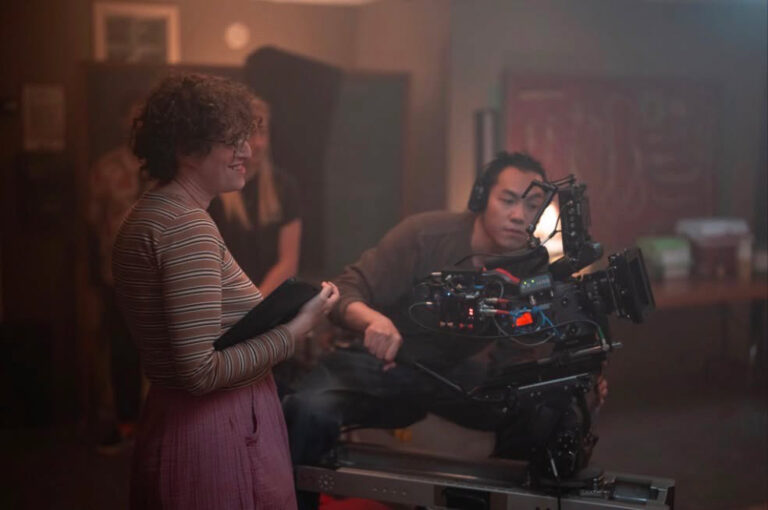
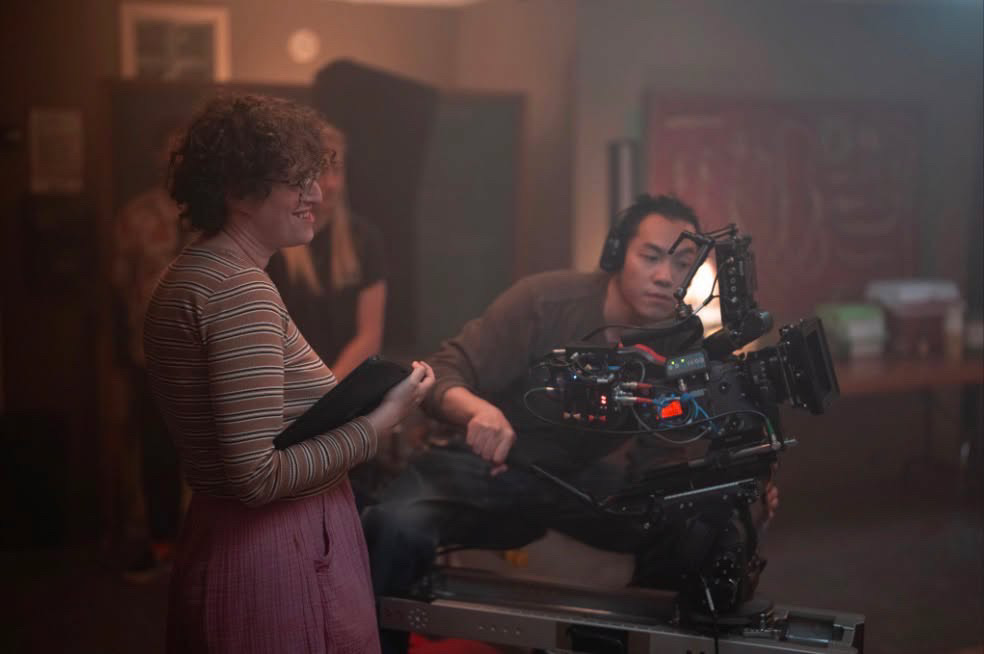
For this new film, can you talk about the visual approach that the two of you took? Was there anything that you learned from I Saw TV Glow that you wanted to apply here, or alternatively, something that you wanted to do completely differently?
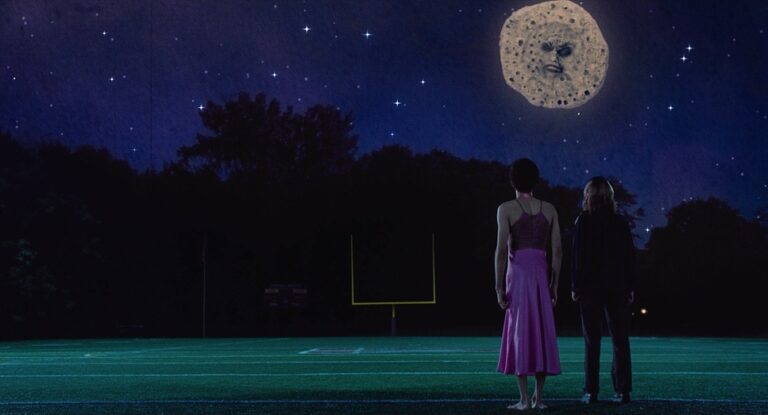
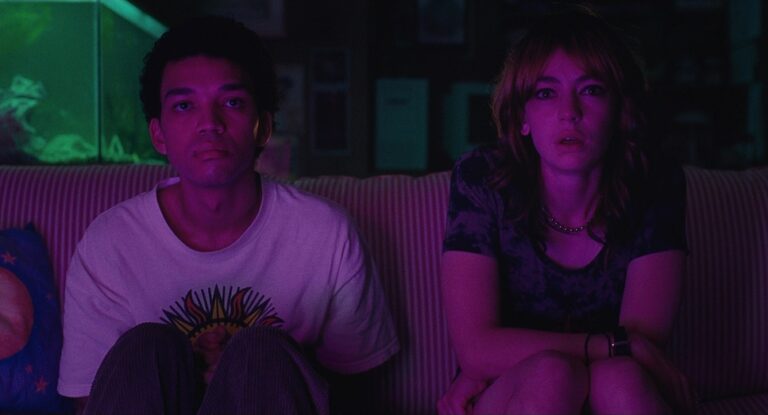
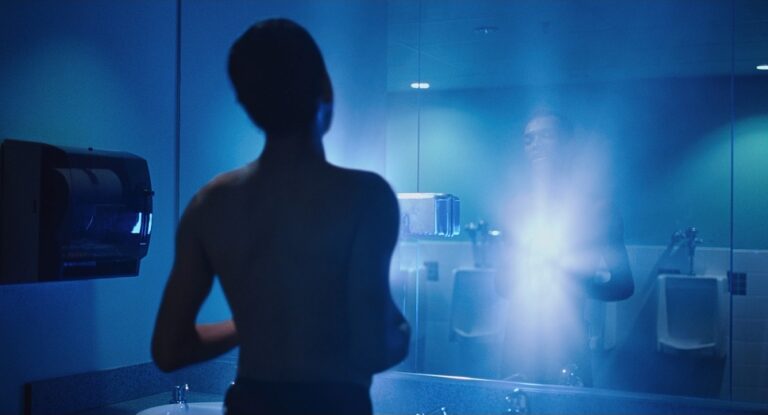
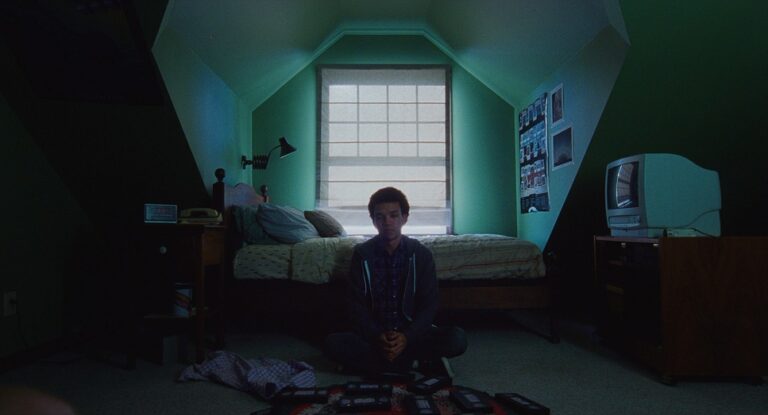
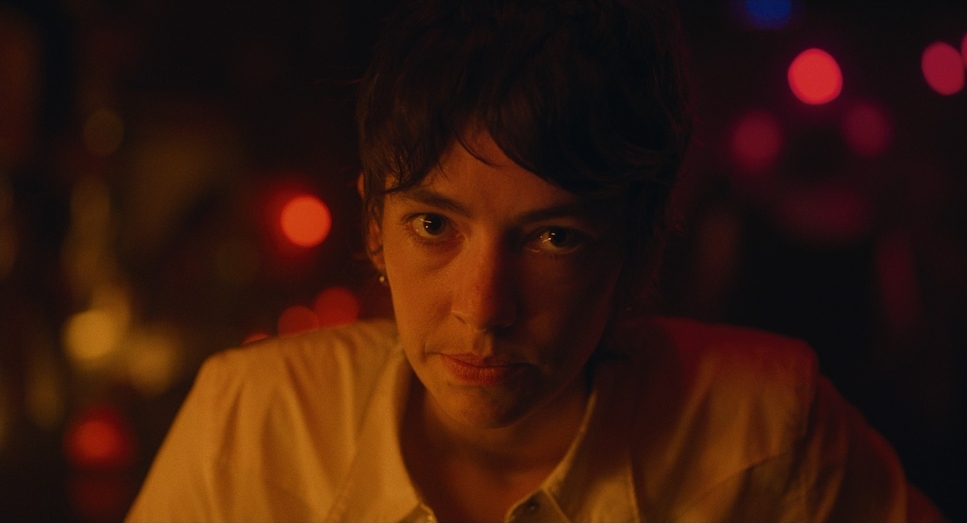
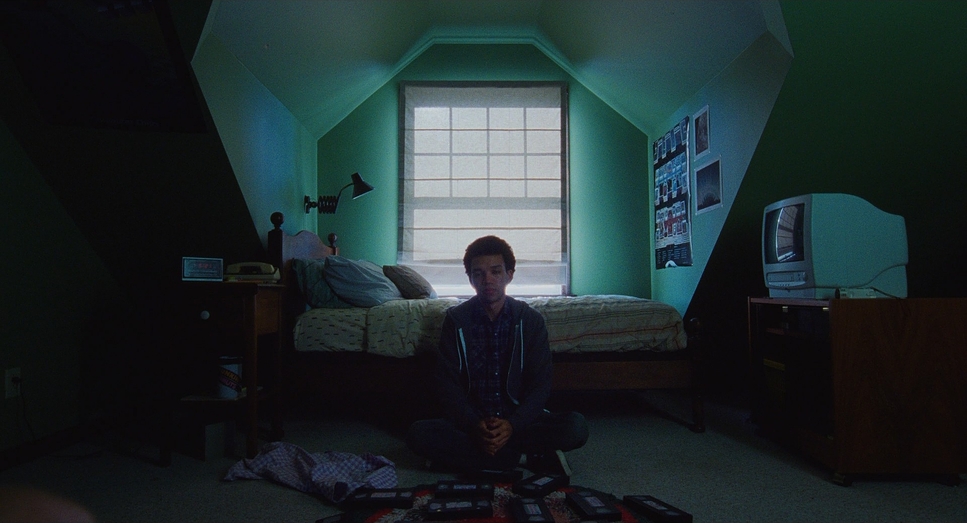
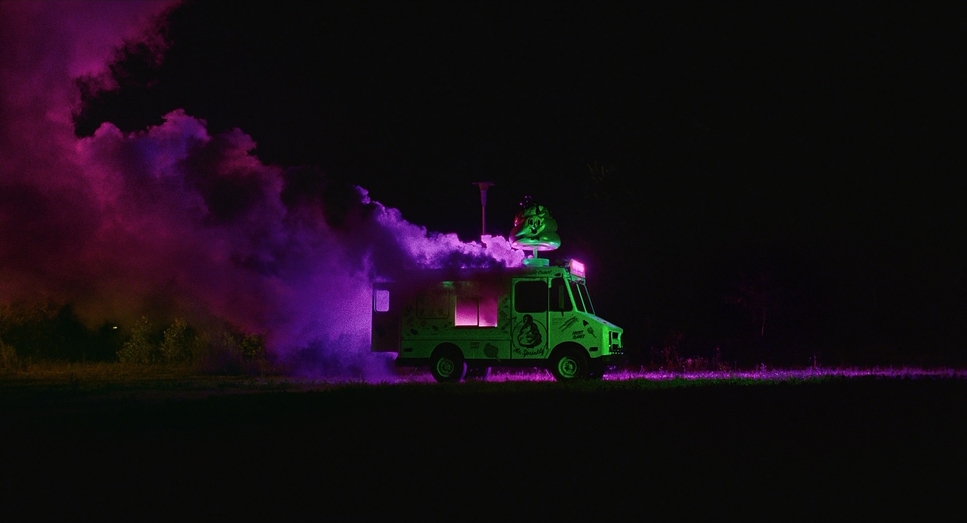
Yeah. There’s definitely a movie within a movie kind of element in TV Glow. So we knew that there was going to be this other realm that we stepped into. I think there’s similarities there, but ultimately Jane said “I want this to feel way looser and way dirtier than TV Glow”. TV Glow feels a lot more composed and formalistic, and Camp Miasma has a lot more coverage. There’s a lot more performance-heavy scenes that are dialogue driven and intimate scenes, so it’s a two-hander in this way.
But visually, I think, because we did TV Glow together, Jane and I had a second hand with one another with shots that rhymed with the ones from TV Glow. We’d refer to shots like, “Oh! That’s a Maddy crying shot” But ultimately, this was incredibly different, I think, than TV Glow because the world is a lot bigger. It is a lot more magical, and much more seasonal as well.
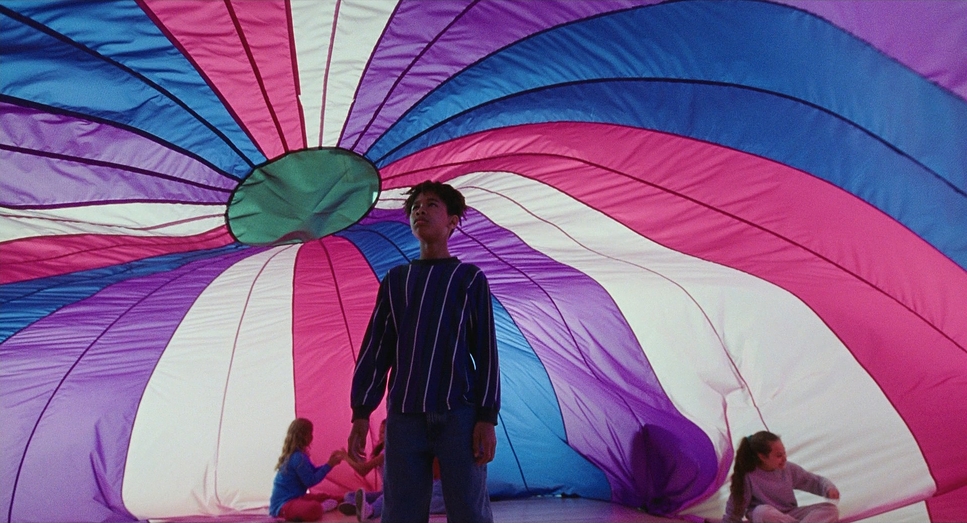
Did that mean that you were storyboarding a little bit less? Did that change the pre-production process for you?
The pre-production process with Jane was very similar to TV Glow, where we spent any free time that we had together. We’d schedule calls over Zoom and talk about the film as much as we could. So we did have a working shot list by the time we got into pre-production. But really, it was so tight finding the locations. On TV Glow, we rigorously took photographs of everything, but we just didn’t have the locations for Camp Miasma, and it was so far away. We were in Vancouver Island and we had to take a ferry to get to our location. So it was just a lot more of a heavy lift to even get to where we were gonna shoot.
Was that scary for you? Is this the biggest project you’ve worked on so far?
I think so. I don’t know. It was more that it was a landscape that I’m not familiar with.
And it needed to be visualized a little bit more?
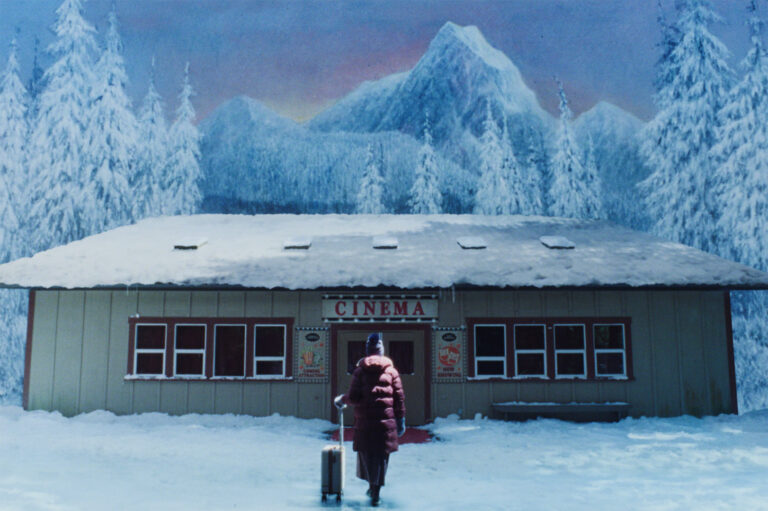
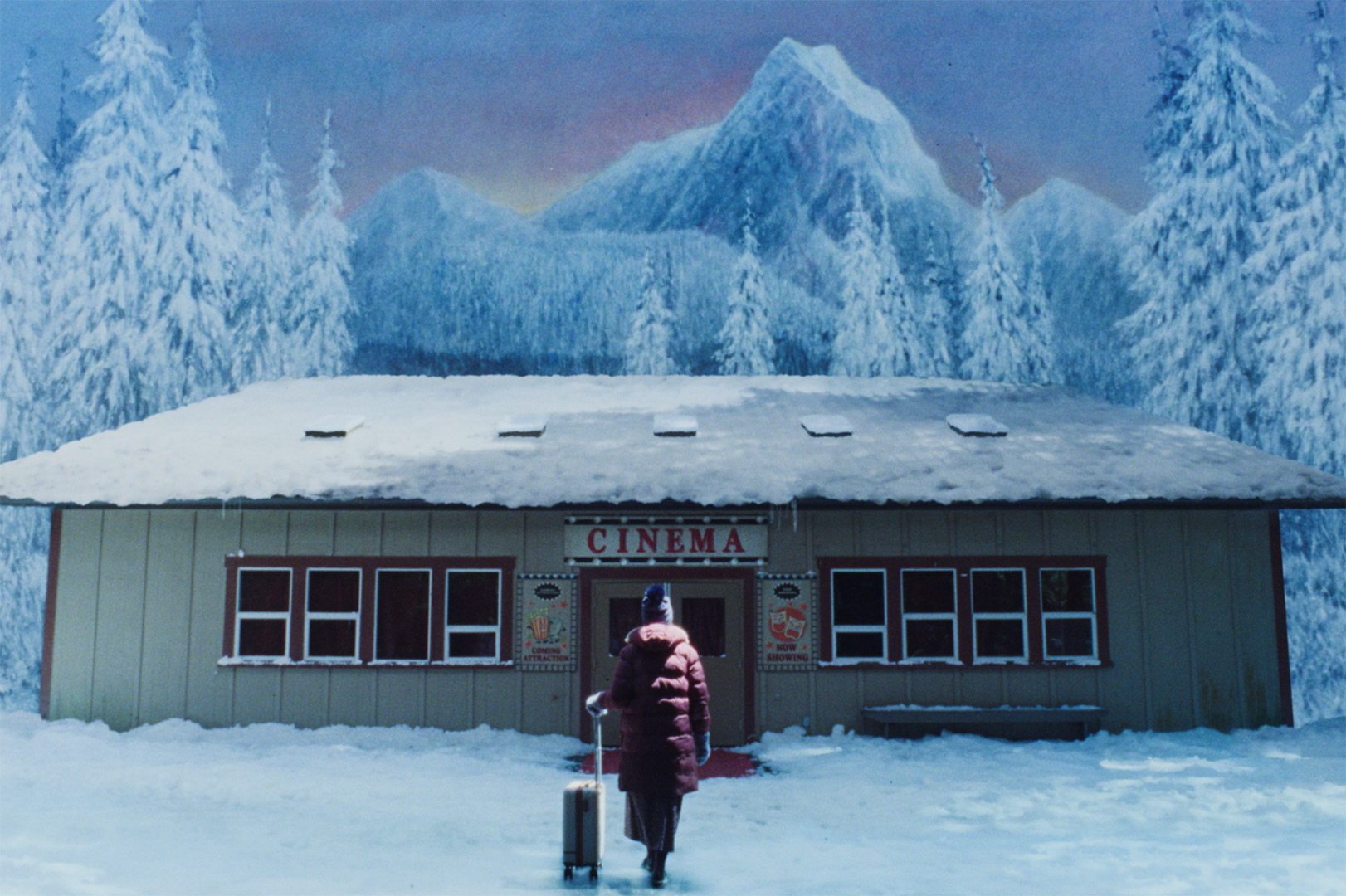
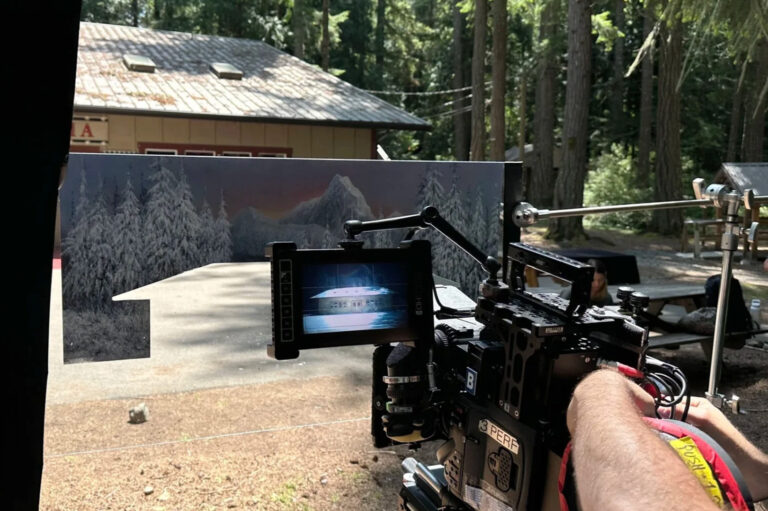
Yeah. Vancouver Island is one of the most beautiful places I’ve ever been to. But we couldn’t really photograph a lot of it because we were shooting in winter. It wasn’t like “Oh, let’s just turn the corner and there’s a beautiful shot”. We had to dress everything with snow with Brandon and Matt, our production designers. So much of it was a blank canvas. Even when you get on to a location, you don’t know what it’s gonna look like. You kind of just look at it like you’re shopping for real estate. You’re like, “It’s got good bones here, we could maybe do this or that…” But a lot of it is hard to visualize.
Hannah Einbinder came a week before she was even scheduled just to hang out with us and we were like, “Do you wanna come location scout and figure out the scenes with us?” So I did have a lot of reference images from that, and Hannah had a lot of those ideas beforehand as well, which was really nice.
What specific visual references were you pulling from for Camp Miasma?
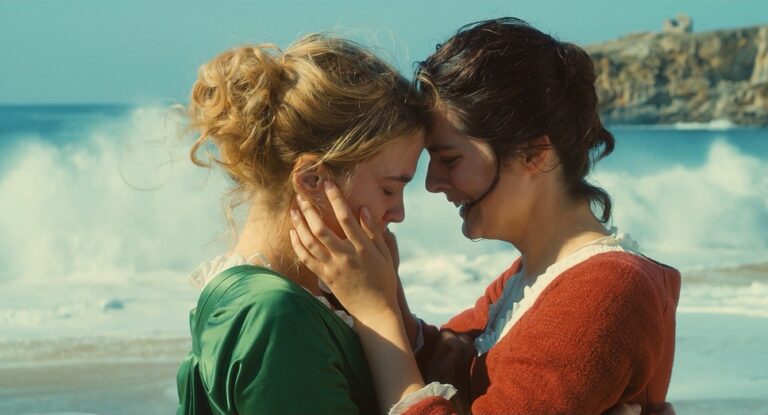
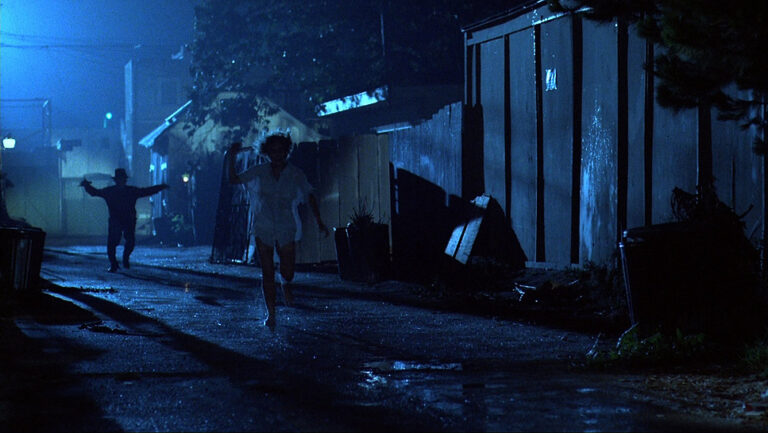
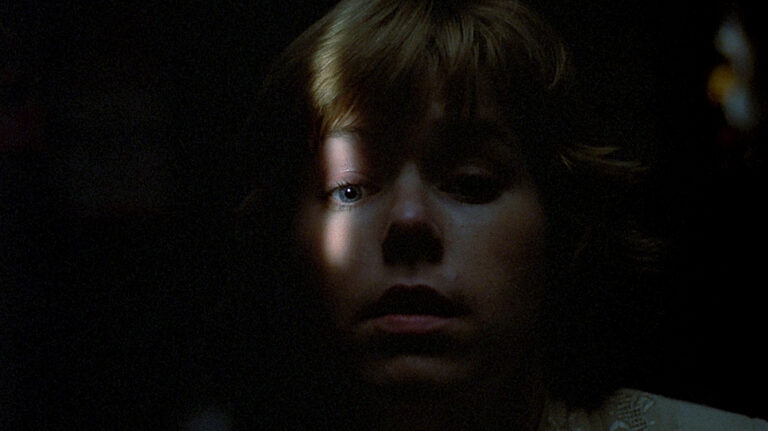
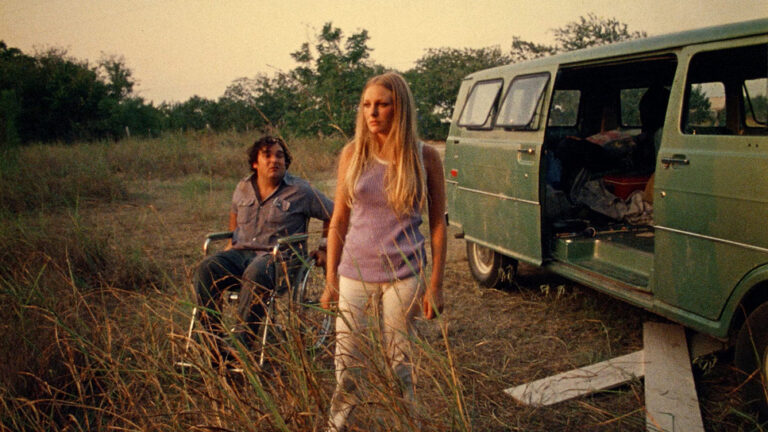
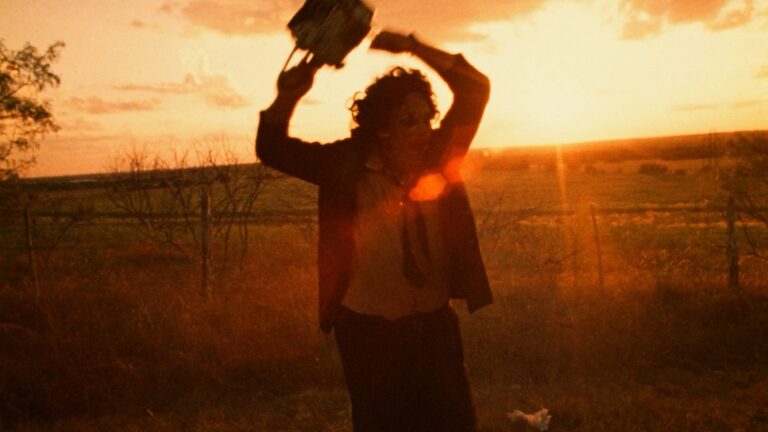
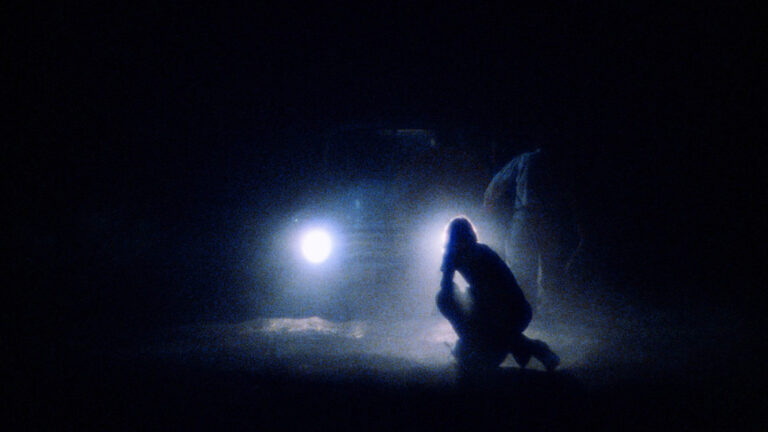
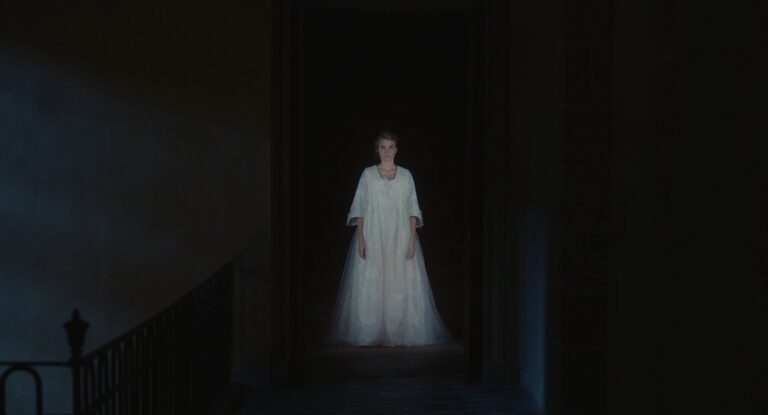
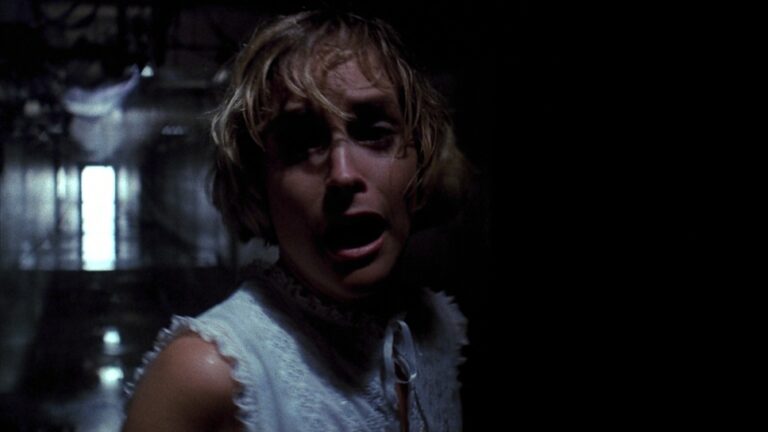
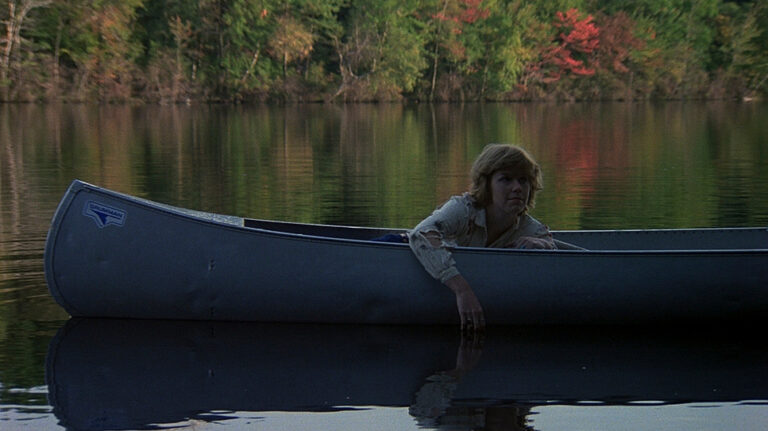
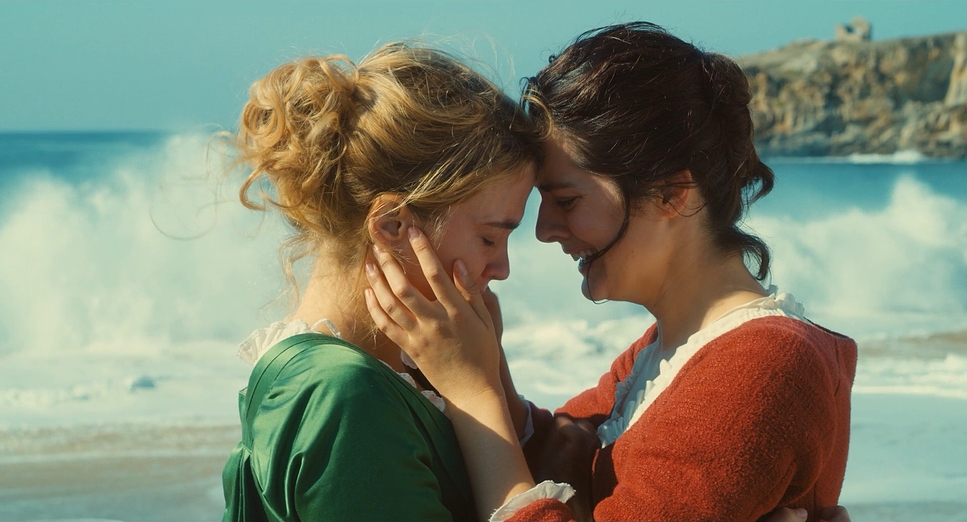
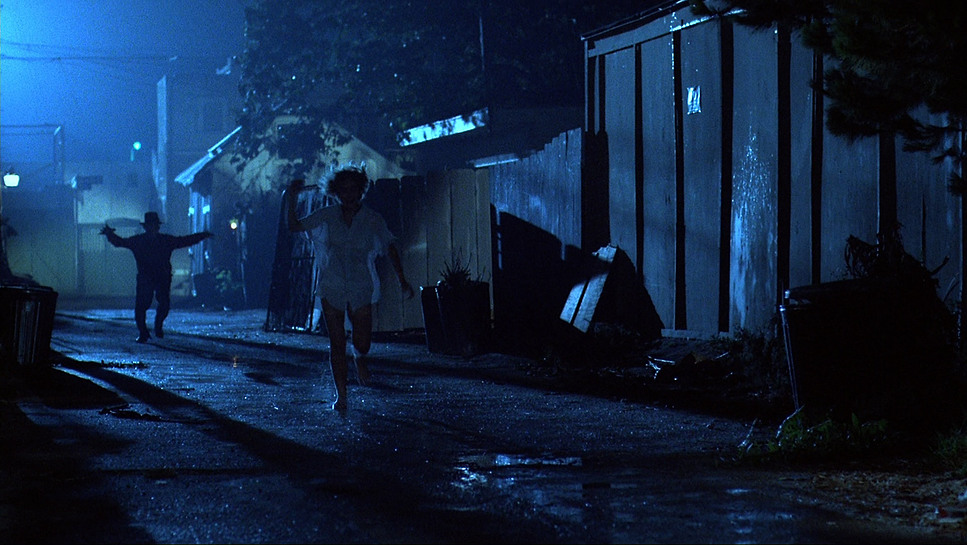
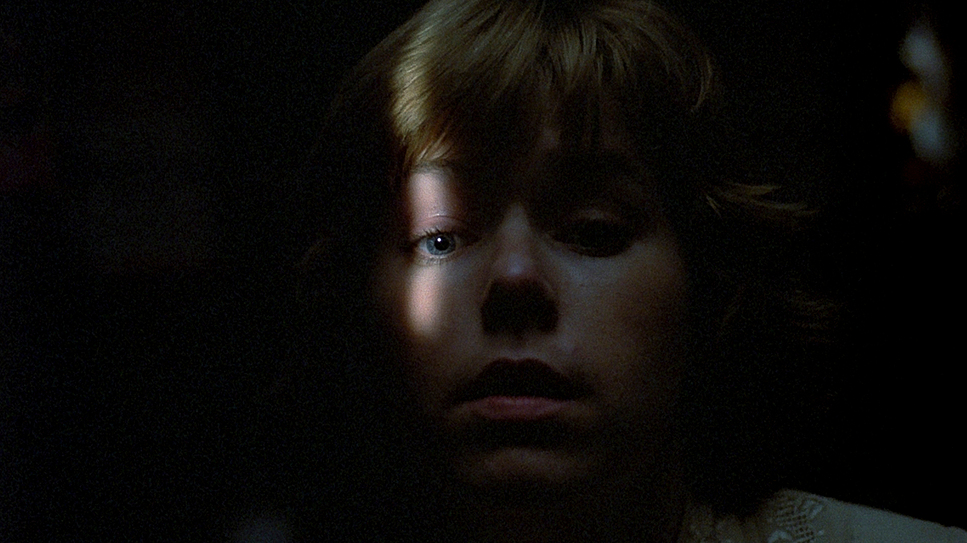
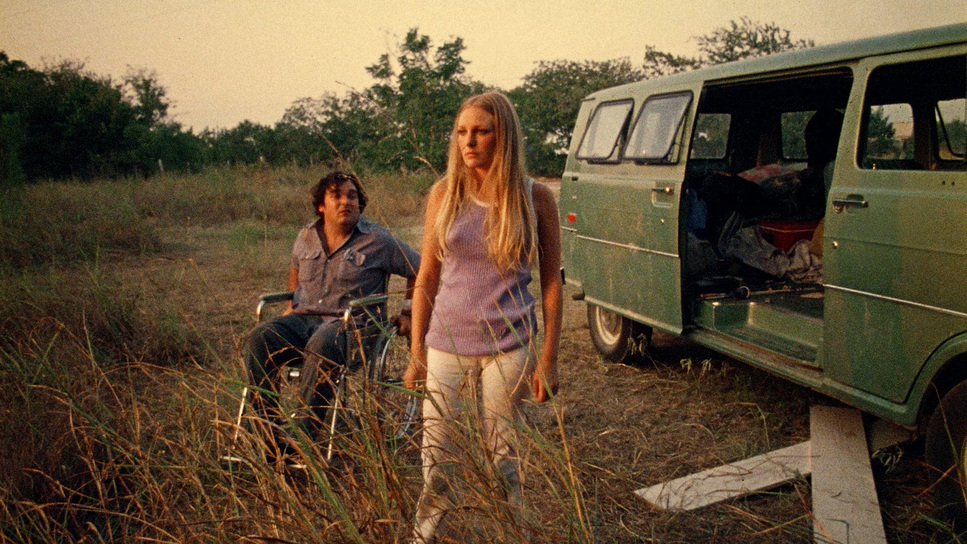
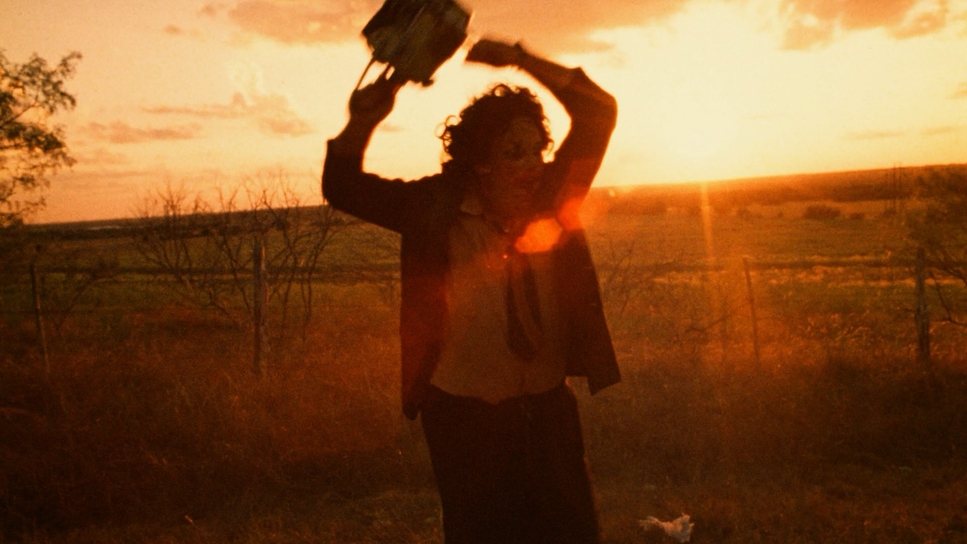
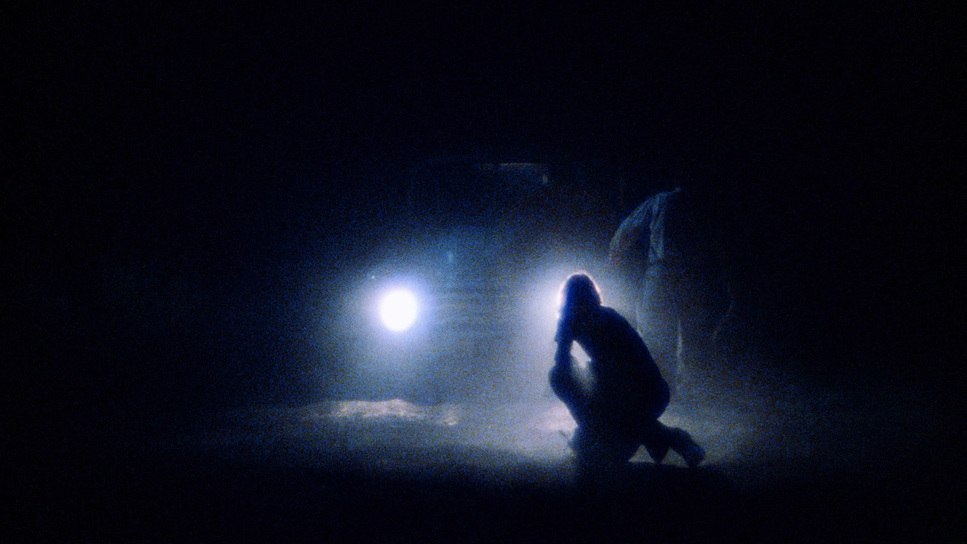
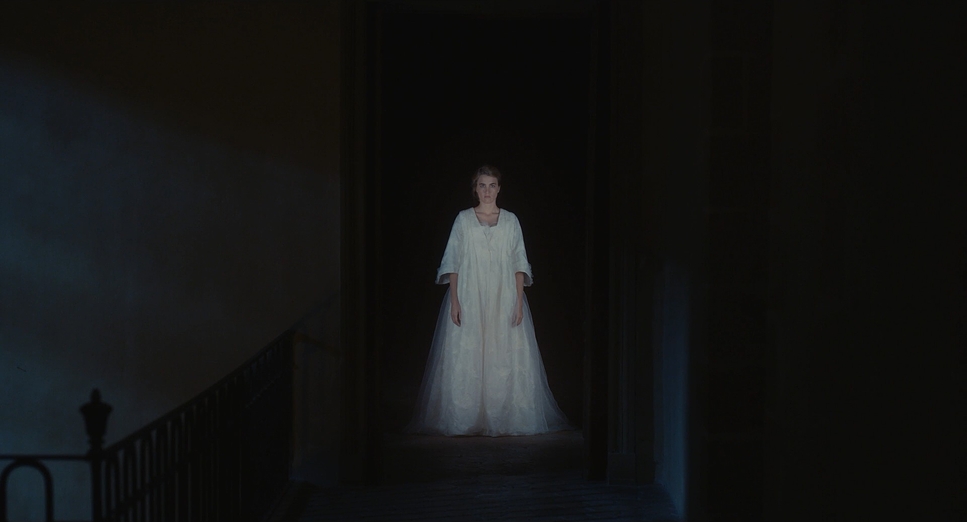
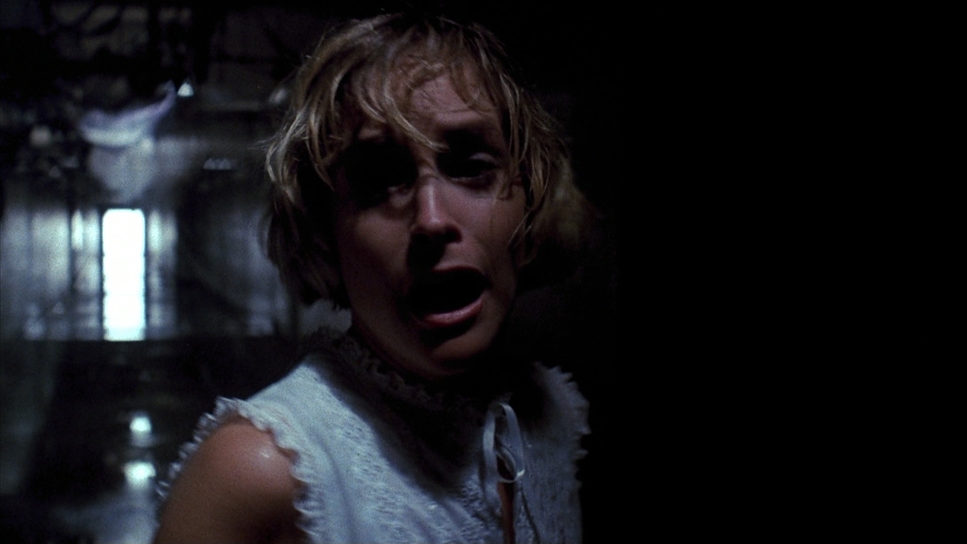
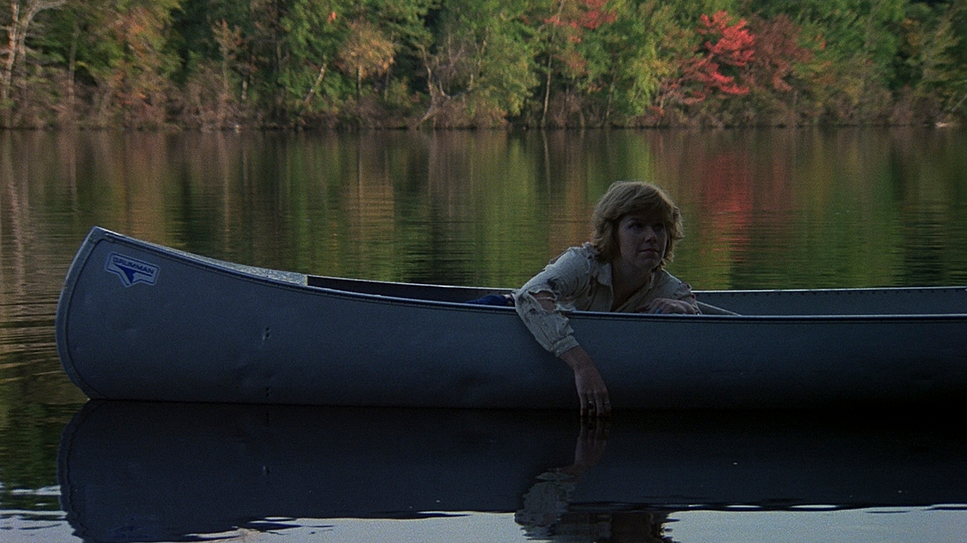
Working with Jane, we pull from everywhere. During pre-production we watched Crystal Lake Memories. It’s actually a 9 hour documentary on the Friday the 13th franchise. Then we watched The Texas Chain Saw Massacre. We watched Portrait of a Lady on Fire. With all of these different components, we were trying to figure out what the film within the film would feel like, and I think that’s something similar to TV Glow. TV Glow is dealing with false memories in a way, or other realities, and the movie in Camp Miasma doesn’t exactly look like these references.
When you pull up a ShotDeck reference, which I did, of Texas Chainsaw Massacre, it actually doesn’t look anything like that. You actually have to figure out what the feeling of that is even though it’s not literal, and that’s interesting. A lot of it is in the lighting and the style you have to inhabit. What would they have on a movie shoot in 1970 or 1980? The look of these films vary wildly. Like Friday the 13th looks completely different from A Nightmare on Elm Street. But they all have this sort of vague, imagined, visual consistency.
That’s interesting, they still kind of exist in that magical world that you’re talking about though.
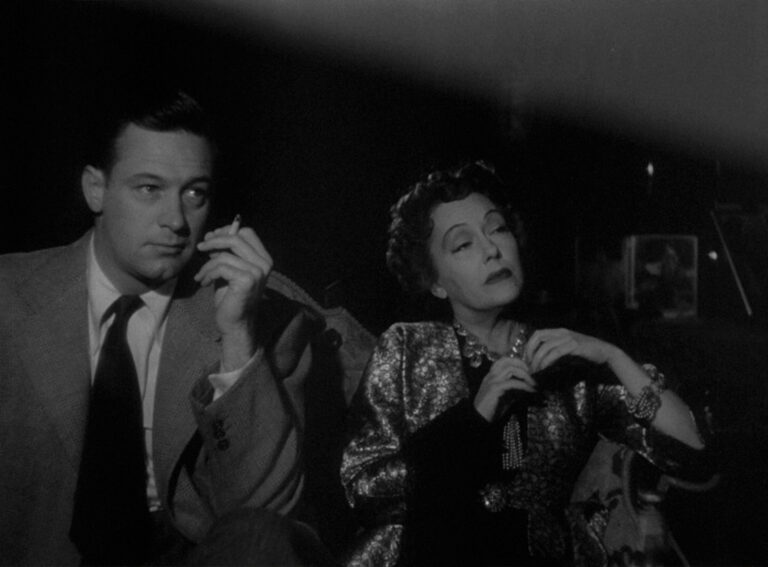
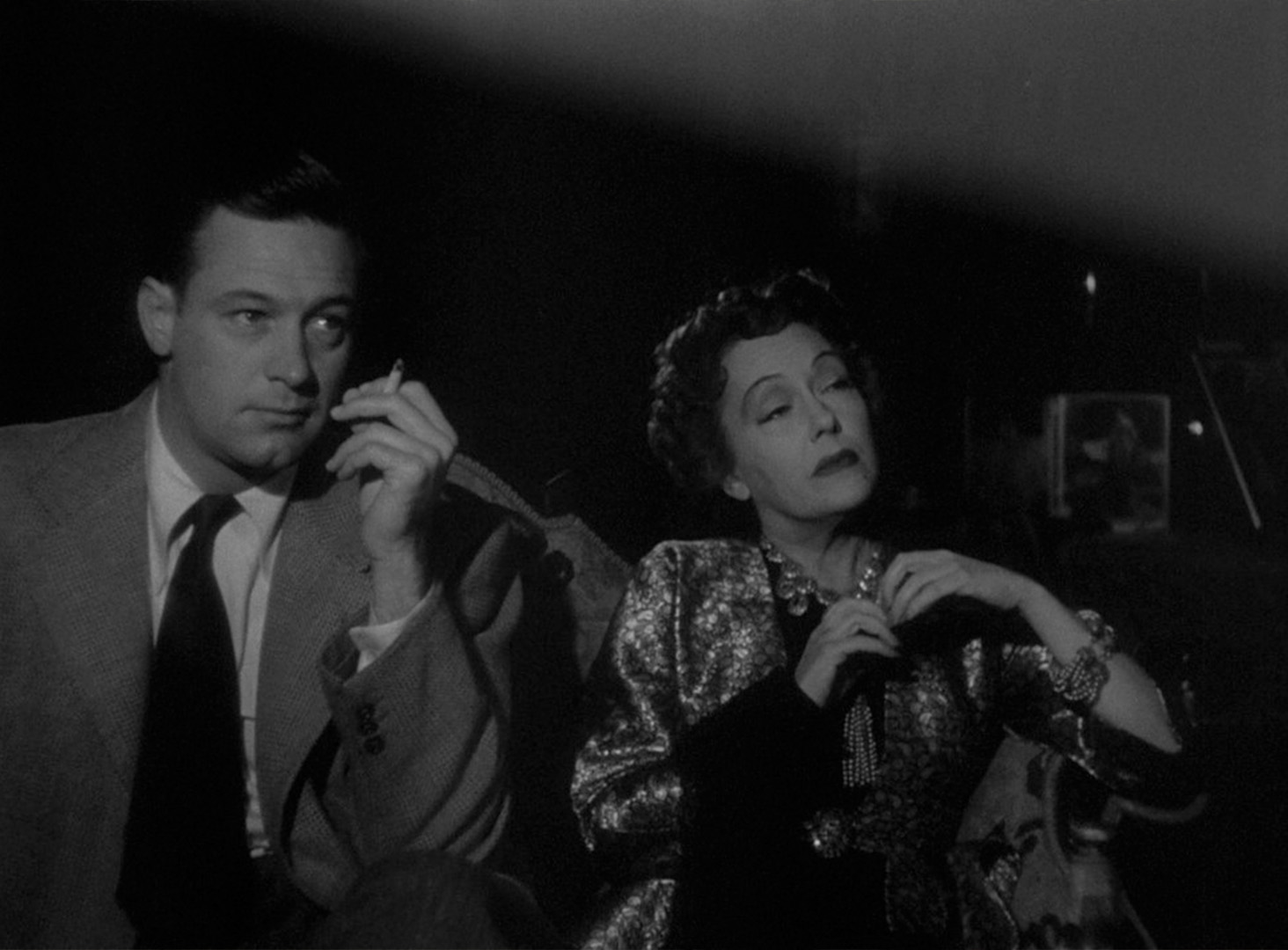
Yeah. I think half of it is very intimate and quiet, like the Portrait of a Lady on Fire component. Jane said it’s about the stairs between these two characters and there’s a fire. It’s very warm and the brown of the cabins made it extra warm, but there are really intimate scenes that have nothing to do with, for example, Texas Chainsaw Massacre. We also watched Sunset Boulevard. It was playing at a local film festival on Vancouver Island just completely serendipitously and Jane was like “You wanna go to this?” and I was like, “Let’s go”.
What did you pull from Sunset Boulevard?
There’s actually a lot. I hadn’t seen Sunset Boulevard in maybe like 10 years? But it’s something that’s lived in my brain and also Jane’s brain, and we watched the film and were like, “Oh my god. What’s in our script is actually here.” Thematically, but also, there’s a fireplace, there’s these shadows, Norma Desmond’s character… There’s a bit of that DNA already in the script.
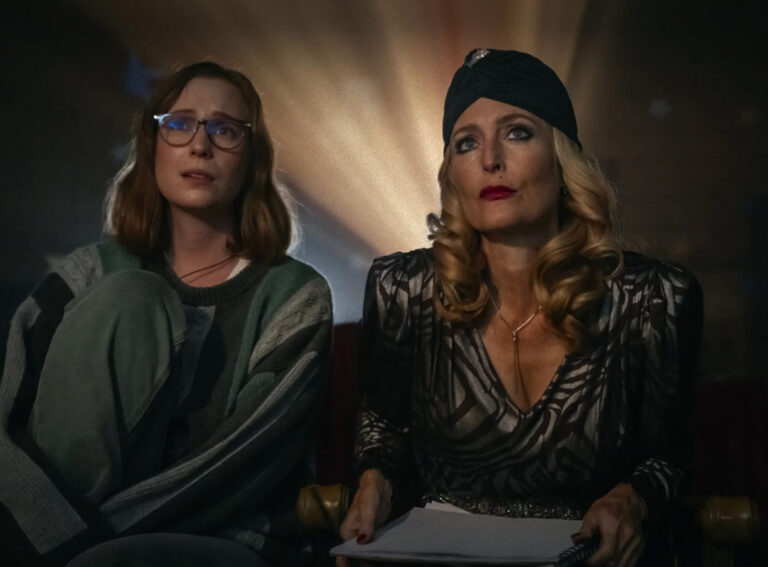
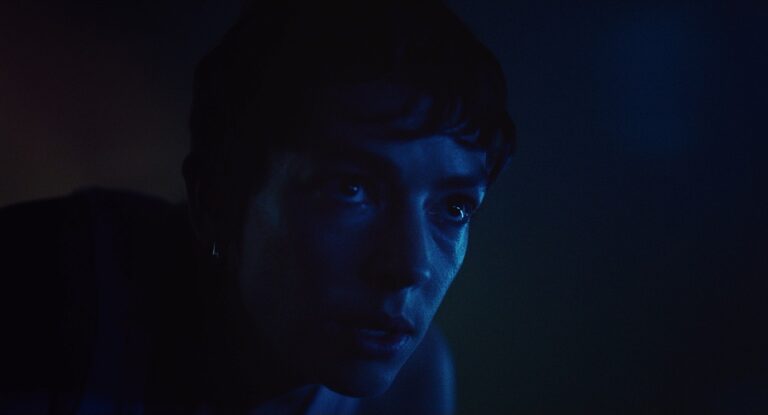
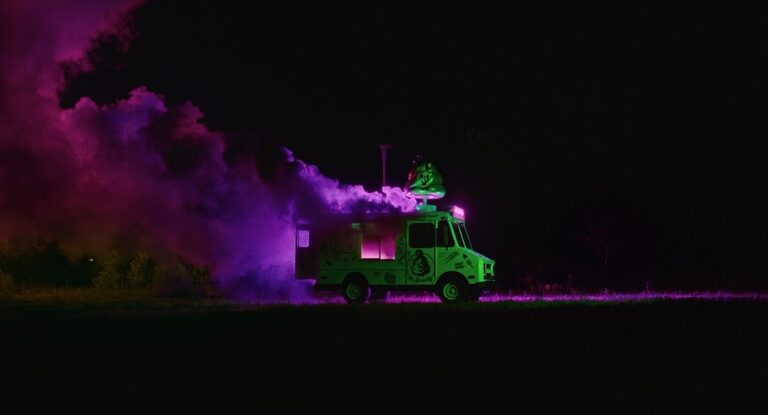
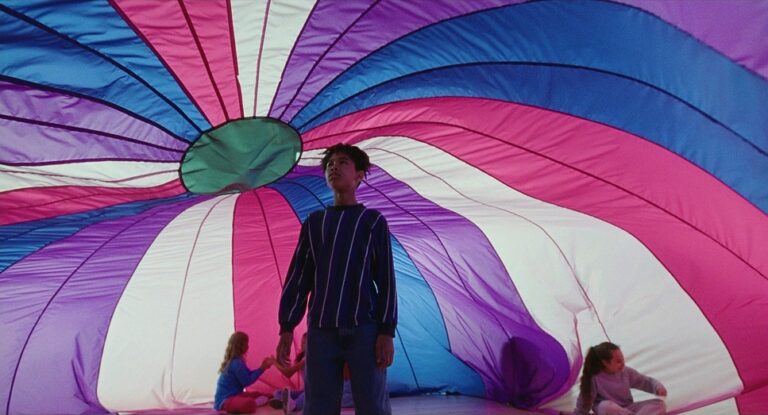
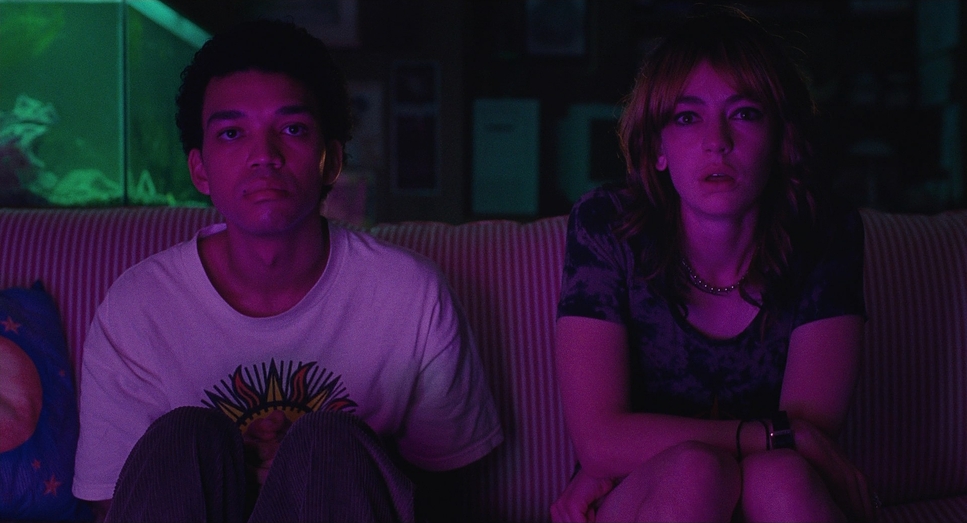
Color plays such an important part of I Saw the TV Glow. Was there a similar approach with Camp Miasma in terms of it playing into the emotional arc?
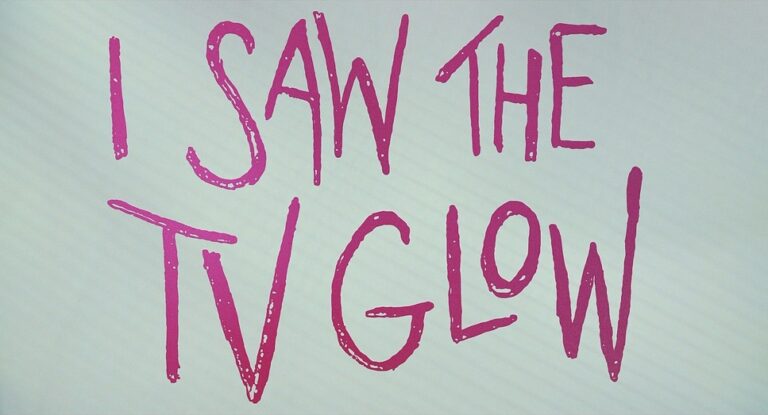
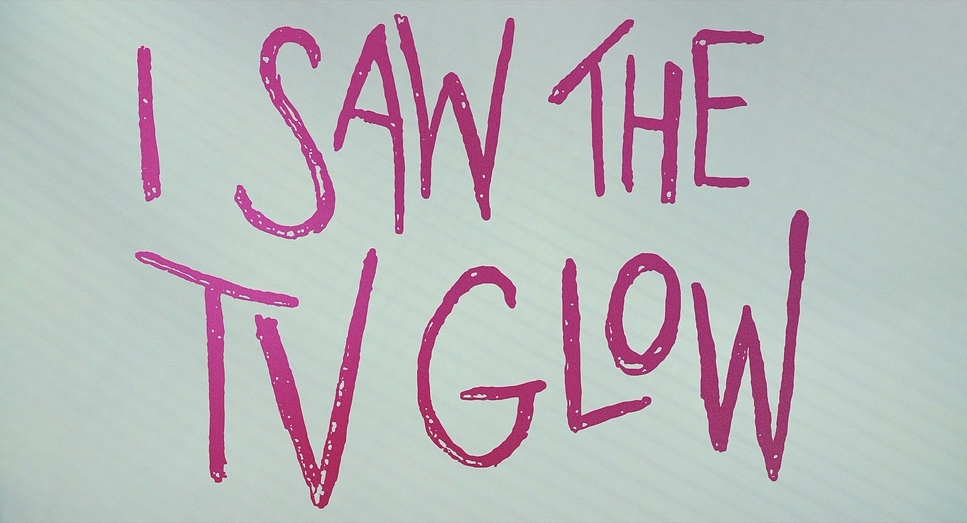
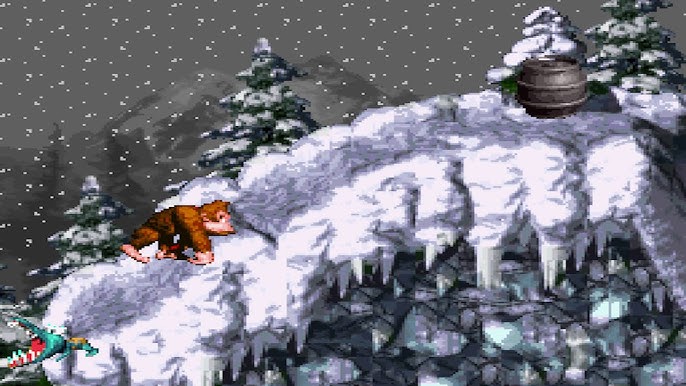
I would say TV Glow was a lot more formalistic of a film because the colors are their own characters. With Camp Miasma there is a palette but it isn’t as expressionistic as the pink and the green of TV Glow. But it was definitely there in the choice of like, lighting blue nighttime. In these old films they used to shoot moonlight and put some fog and have it cut through some trees. We actually talked about the snow in reference to Donkey Kong. Like, Donkey Kong had this thick snow that almost looked like cream cheese on a bagel, and we’d all say “We want that Donkey Kong kind of snow” [laughs].
Is there any visual trend that is exciting you right now? Whether that’s in movies or music videos or commercials or really any type of visual medium?
That’s a really good question. Help me out with some visual trends here.
POV shots are big in the commercial space right now, as is minimalism in shot composition for film and televison. Obsession feels like a good example of that.
I really need to see that! Yeah, I think younger filmmakers are really embracing and trying out new things. Sometimes people do crazy stuff on Tiktok with their phones and just the way they edit and loop stuff is pretty exciting because it feels like a new form to me. It’s a completely new visual language because of the size and weight of the phone. It is something that actually didn’t exist maybe 15 years ago because you couldn’t get a lens to move that fast and you couldn’t have someone do a shot where they can pull the phone out of the pocket and take a selfie and then come down and then spin around.
I think I need to embrace these things. I feel like there’s a negative connotation with trends and maybe there are some trends that aren’t so good. But I know that Obsession was made for like $750,000 or something like that. That’s still a lot of money but it really reinforces the idea that if you have a really good story, really good performances, a great director, great cinematography, and a great crew around you, you can make a really great movie.
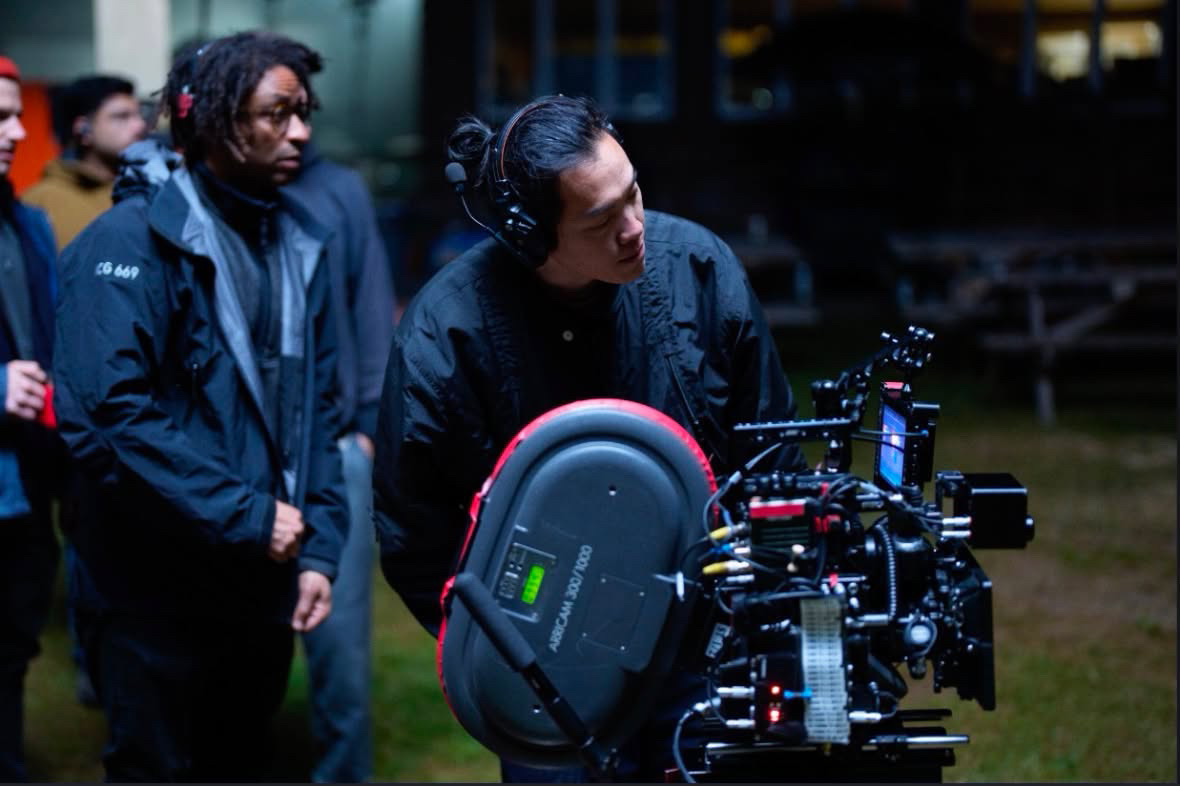
It sounds like your next film is going to be shot on the iPhone.
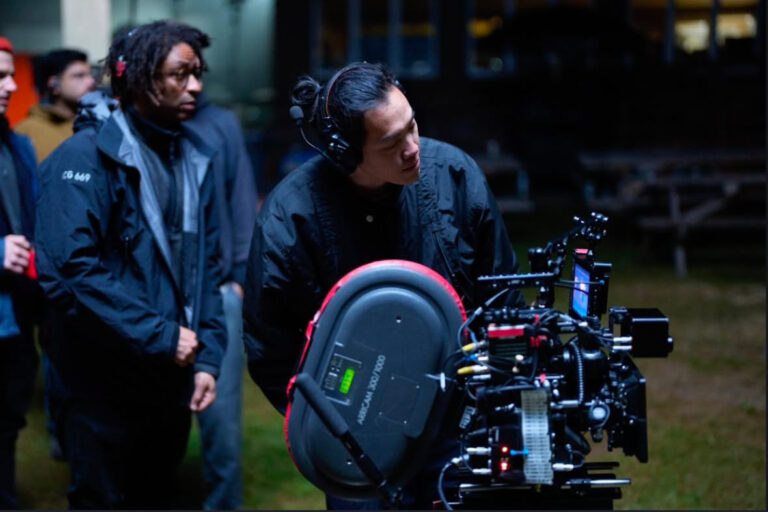
Yeah. Next one’s on the iPhone. [Laughs] I’m not opposed to it. I think everything is medium specific. Who is this talking to? There’s a Bruce Lee quote about not having any style because it locks you in to something, and I think that there’s something to reading a script and letting that dictate the medium.
Like, I love to shoot on film. I love shooting on 35, I love shooting on 16, but sometimes it’s the wrong medium for something. Maybe it needs to be on a Gopro or maybe it needs to be on a DV camera. You gotta let these things dictate the approach. Being a cinematographer is almost like being an actor sometimes. You have to say yes and you have to go into it saying these are the parameters. How do I embody this if this is the budget or this is the schedule.
Our CEO Lawrence Sher, ASC (DP Joker, The Hangover trilogy, Garden State) always says there needs to be some component of a new film or project that scares him.
It’s true. I can’t go into it knowing what I’m gonna do.
Well, I’d love to briefly ask you about the film you have here at Tribeca that will be releasing after Camp Miasma.
Yes, this one is called The Last Day and it’s directed by Rachel Rose. It’s a film about two mothers who are sort of living parallel to one another, and they’re dealing with the malaise of life and of motherhood and these questions around their own lives and if there’s a life after kids grow up. It’s a loose adaptation of Mrs Dalloway by Virginia Woolf. It’s our first time collaborating together on a movie and stars Alicia Vikander, Victoria Pedretti and Wagner Moura.
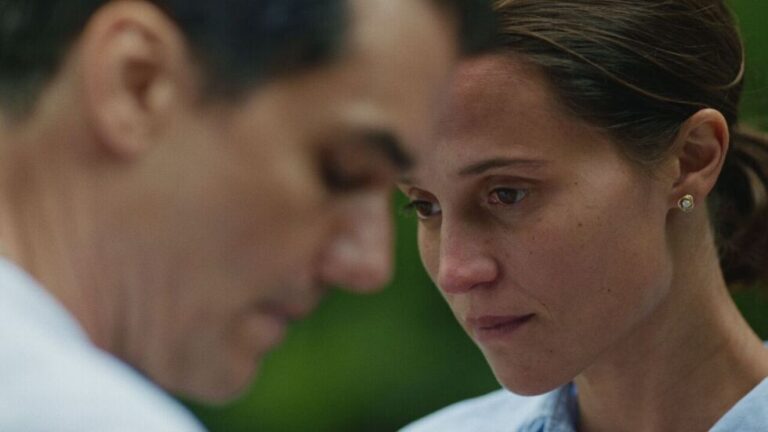
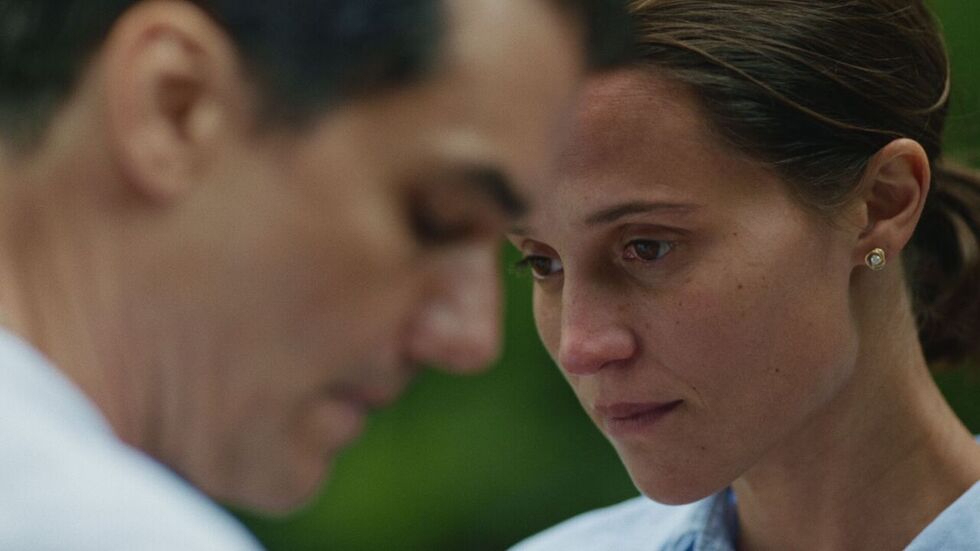
Since this was Rachel’s first feature film, was there any advice that you were able to offer having worked on other feature films before?
Yeah, Rachel and I actually prepped for a few months beforehand. I would go to her studio and we’d talk through the movie. We spent maybe 3 months and actually had a shot list before we came into pre-production. Other than that, it’s really about conversations and understanding what kind of images Rachel had in mind and how this whole language gets built. We also talked with Taylor Levy, the editor during pre-production about how the pacing of the film would be.
Amazing. Thank you so much for your time and congratulations again on your incredible work on these two films.
Thank you!