The Nonfiction Hotlist is a curated, public directory of unproduced and emerging documentary films, series, and podcasts – think of a non-fiction version of The Blacklist. Championing exceptional nonfiction storytelling, The Nonfiction Hotlist connects creators with audiences, industry opportunities, and sustainable pathways forward.
This year, Yahoo and the Nonfiction Hotlist teamed up to showcase a selection of documentary short films that the Nonfiction Hotlist curated. ShotDeck spoke to the creative teams behind three of those films to learn more about the inspiration, process and challenges behind the making of their films.
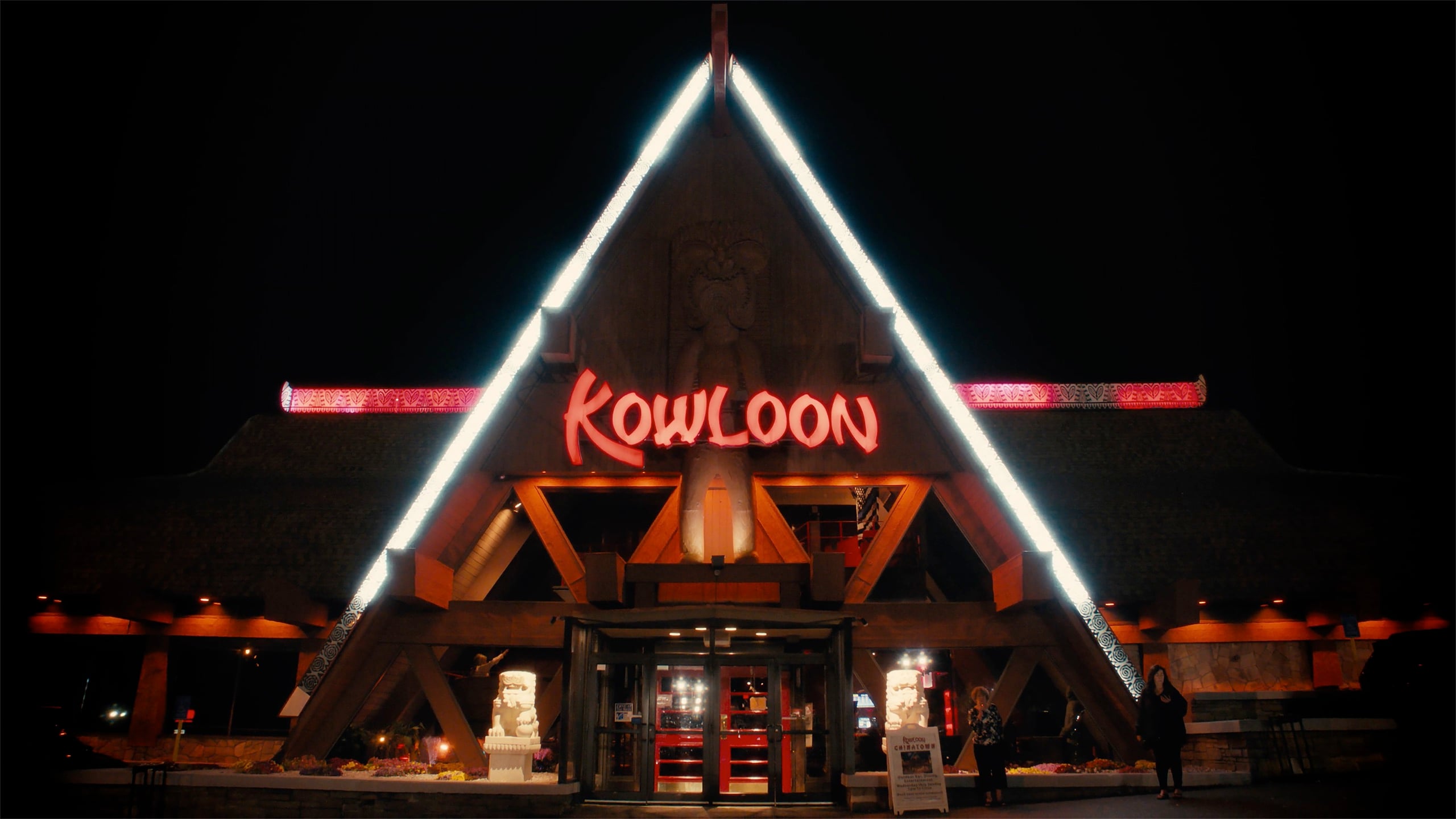
Shanti Rides Shotgun, directed by Charles Frank and shot by Peter Pascucci, puts the audience in the passenger seat beside driving instructor Shanti, using cameras rigged on and inside the car. Kowloon!, directed by Erin Ramirez and Mona Xia and shot by Geoff Taylor, wanders the windowless, 1,200-seat restaurant at the heart of the Wong family’s story in a striking 4:3 aspect ratio. And Eco-Hack!, directed by Joshua Izenberg and Brett Marty and shot by Phil Briggs, treats the work of conservationist Tim Shields like a spy thriller crossed with a western, in 2.39:1 CinemaScope. Shanti Rides Shotgun, Kowloon!, and Eco-Hack! are all available to watch on the Nonfiction Hotlist now.
This article has been edited for clarity and length.
How did you first come across your subject, and what made you feel like a documentary would be the right medium to tell their story?
Joshua Izenberg and Brett Marty, Co-Directors, Eco-Hack!: We first heard about Tim from a filmmaker friend who knew him from their shared hometown of Haines, Alaska. Our friend knew we were hunting for compelling documentary subjects, and that one of our areas of interest was nature, wildlife, and the outdoors. We were also drawn to eccentric and extraordinary characters, and Tim Shields and his work combined those things perfectly.
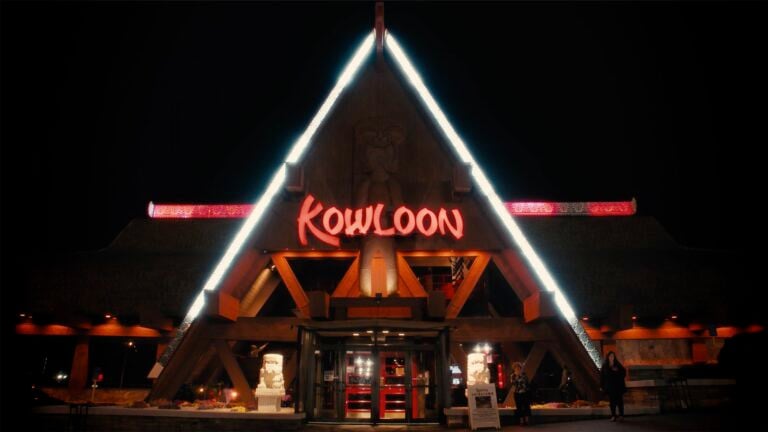
Mona Xia, Co-Director, Kowloon!: I was initially working on a documentary series pitch for a production company, which led me to Googling “biggest Chinese restaurant in the US”. Kowloon’s 90s-esque website popped up and before I knew it, I was on a call with Bobby. The more he shared about Kowloon and his family, how they’d been open and family run for over 70 years, how the restaurant had 1200 seats and 200 staff members, all of that made me feel like we had to make a film about them. Documentary seemed to be the only way to go because there was no other way to show the larger-than-life establishment and its quirky, beloved presence in the community.
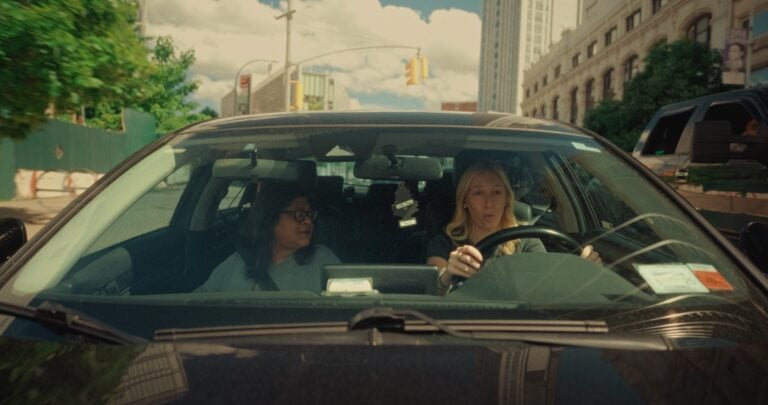
Charles Frank, Director, Shanti Rides Shotgun: Back in 2016 when I was living in New York City, I watched a driving instructor help a very nervous student get through a busy intersection in Manhattan. I jotted down a note in my phone “driving school documentary” and didn’t look at that note again until 2024 when I was digging through the archives for some inspiration. I began researching dozens of driving schools in NYC and it quickly became clear to me that Shanti was the star of that world.
What sort of decisions did you make early on around camera movement, framing, lighting, or format?
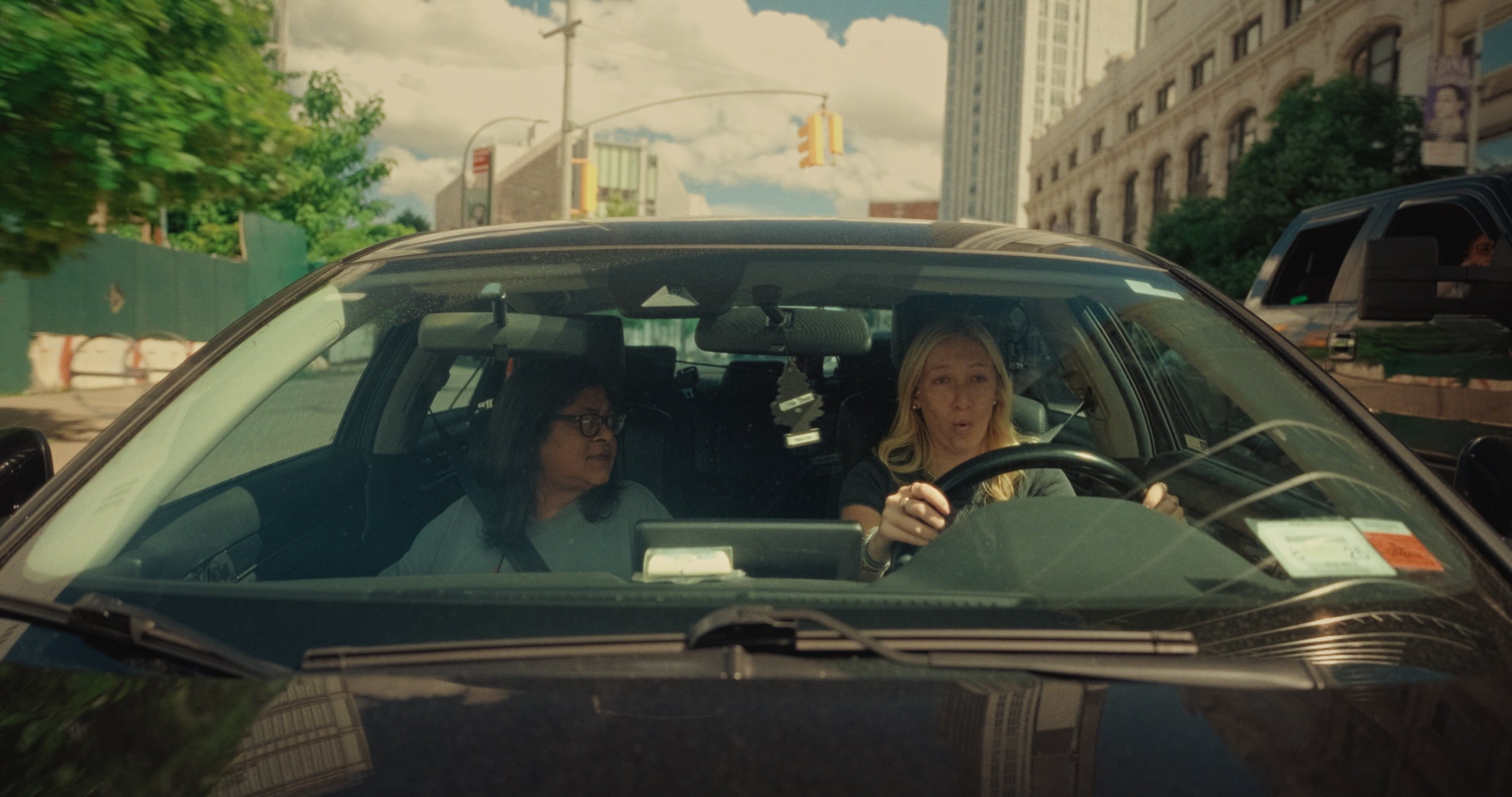
Charles Frank: When I first reached out to our cinematographer, Peter Pascucci, about this project, I had already decided on one constraint: I wanted the majority of the film to take place inside the car. I wanted to rig cameras on and inside the car and just let Shanti do her thing. Peter was immediately excited by the challenge. I give him so much credit for finding subtlety and making really interesting choices within such a strict constraint.
Peter Pascucci, DP, Shanti Rides Shotgun: Our central challenge was distilling that visual language into a small, unobtrusive documentary system. We needed enough coverage to capture the driving lessons without interfering with them. Once the cameras were placed, they had to remain largely autonomous, sometimes through several consecutive lessons, while reliably maintaining focus in unpredictable situations.
We ultimately landed on several Fujifilm GFX100 II bodies, generously provided by Fujifilm. Their sensors are larger than full frame and much closer in scale to 65mm film, which gave the images a sense of dimension and presence. We tested them alongside an Alexa Mini LF and developed a color pipeline that allowed the GFX100 II’s ProRes 422 files to live within a similarly filmic tonal world.
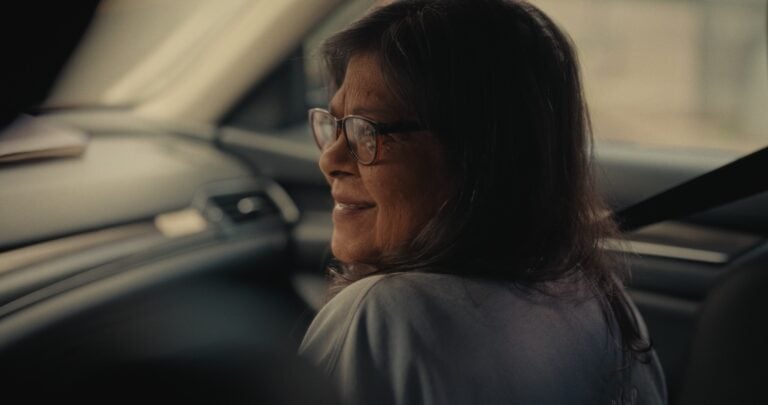
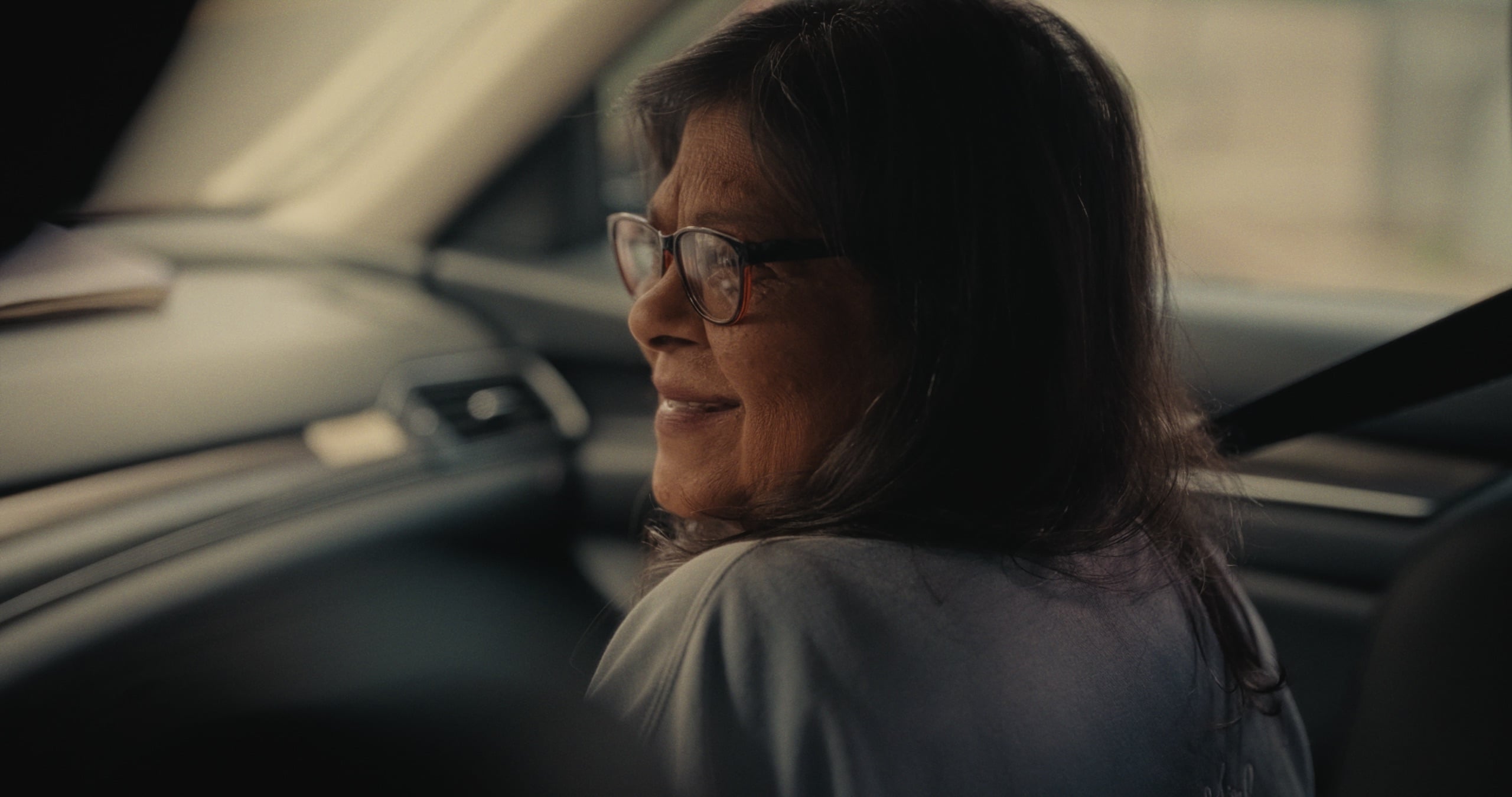
The cameras held up beautifully, particularly in their ability to maintain focus through situations that could never be repeated or controlled. What began as a technical decision ultimately became an expressive one. The format allowed us to create an unusually lifelike portrait of Shanti. She is rendered with such fullness and immediacy that the clarity of the image begins to remove the barrier cinema can sometimes create. Rather than observing her from a distance, the audience feels as though they are sitting in the car beside her.
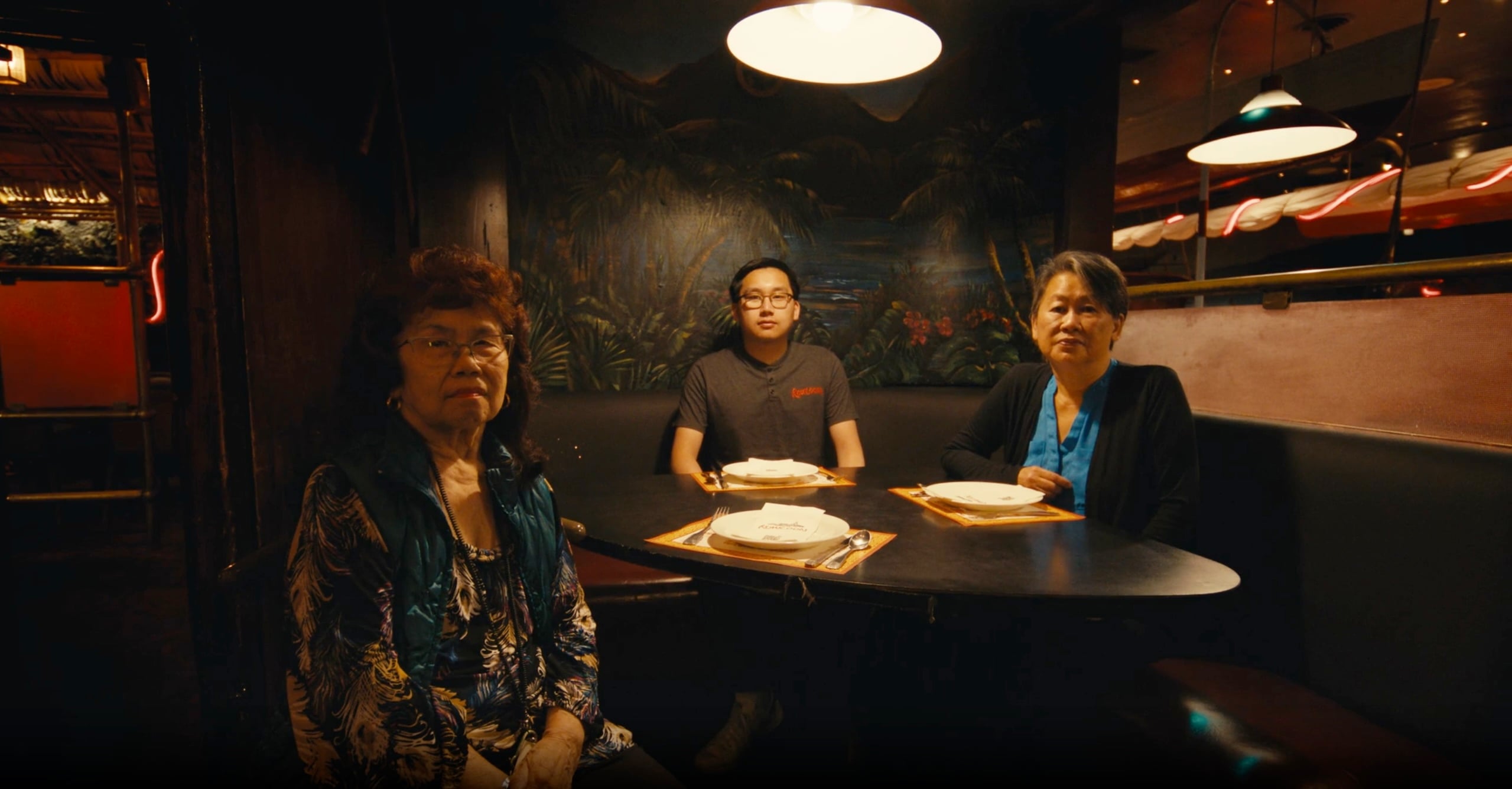
Erin Ramirez, Co-Director, Kowloon!: I previously worked with our DP, Geoff Taylor, on a narrative short, so we came into Kowloon! with a shared visual language and communication style that helped us tremendously, especially shooting in a place like the largest Chinese restaurant in the US.
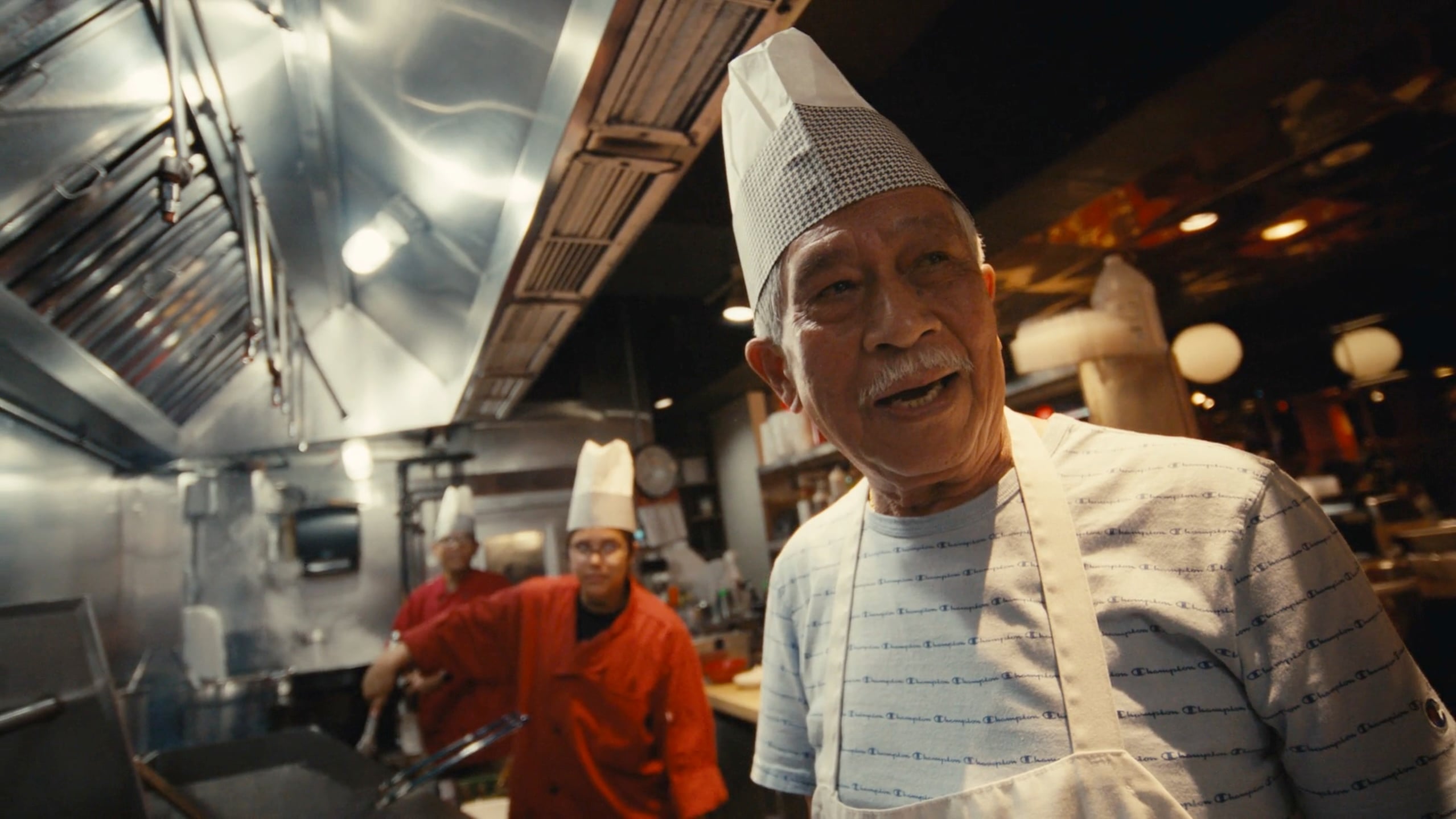
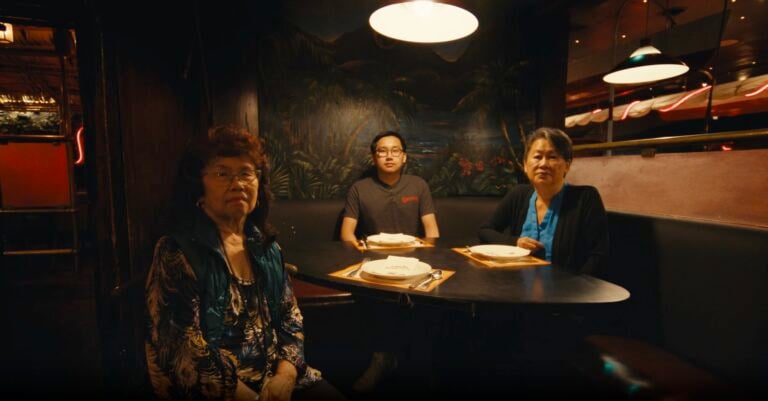
We wanted to replicate the vastness of the space and the feeling someone has when walking through Kowloon for the first time. For that, we relied on tracking shots that required us to move in and out of kitchens, into dining spaces, onto dining tables and up stairs. We’re thankful for the Easyrig for those shots. Also, because there aren’t any windows in Kowloon, the lighting was tough. We chose to shoot with the ALEXA 35 because of it’s great lowlight capabilities. Geoff strapped a portable light to the front of it and used a Kowloon napkin to diffuse the light.
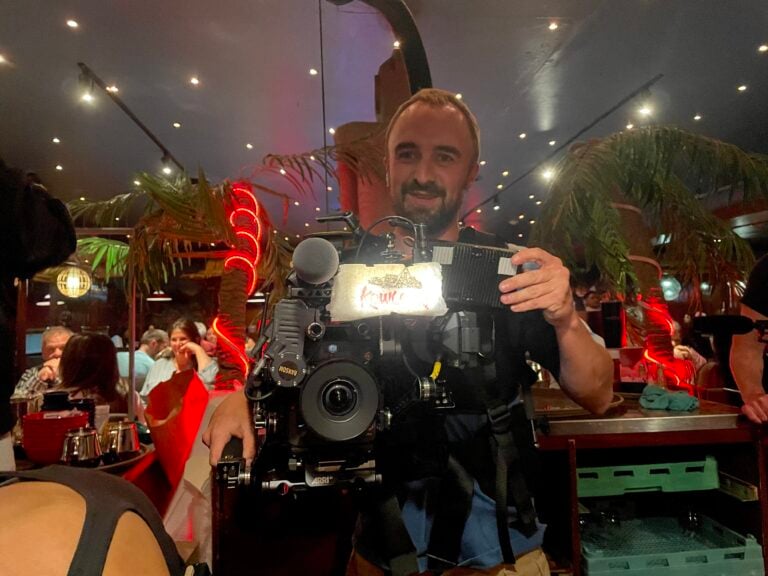
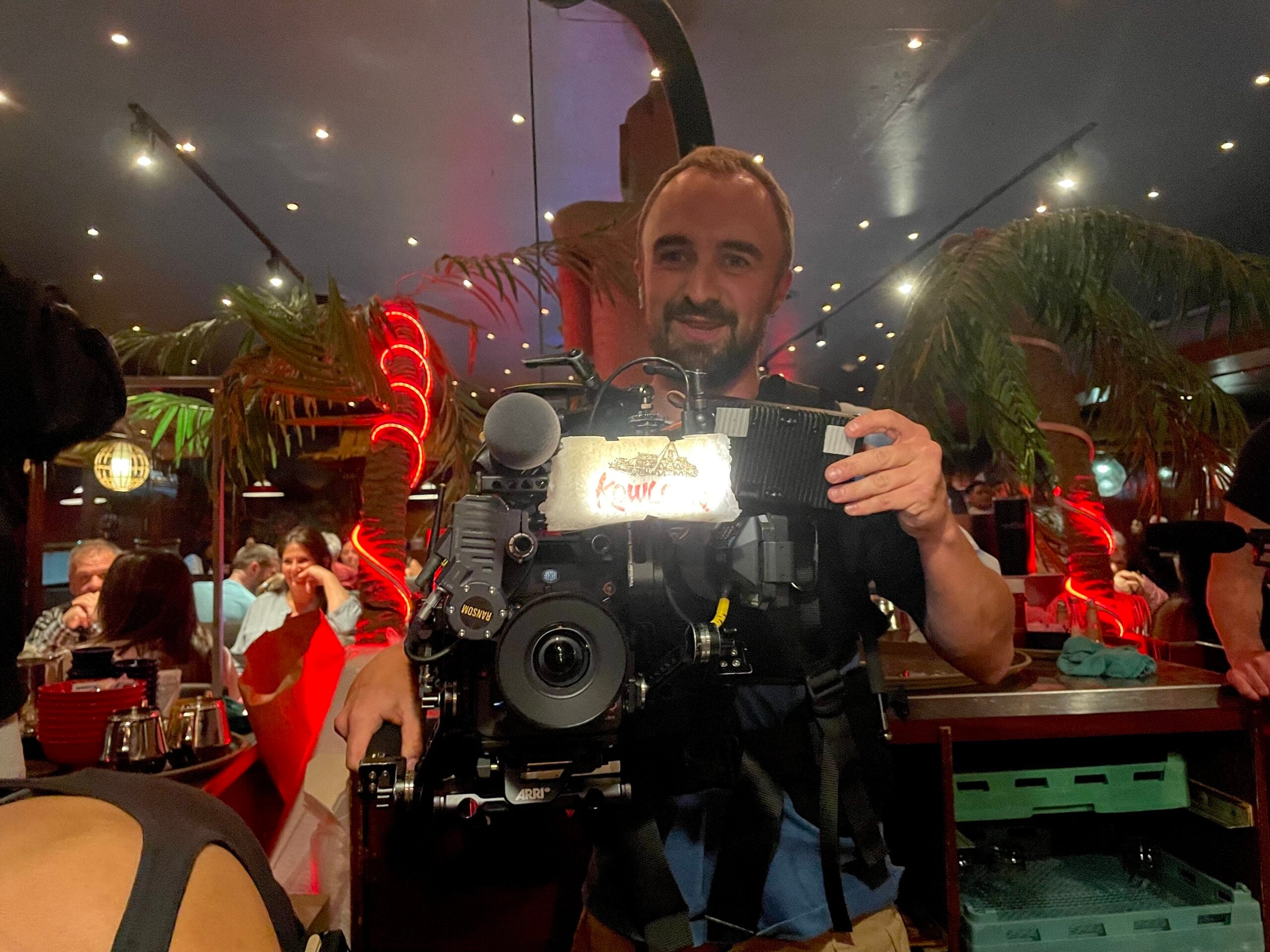
Something we also really wanted to capture was the otherworldly feeling one gets when wandering through the restaurant. We talked for days about which rooms to shoot, where to place the camera, and what the best angles were to capture our audience’s attention. Since the restaurant often appeared in local news, we wanted to offer a fresh perspective through a contemporary documentary style and visual language. We relied on off-kilter angles and wide shots to capture a “new take” of the restaurant, and we used the Angenieux Zoom lenses and Leica R lenses and Laowa 12mm to help us capture this aesthetic and personalized, intimate look.
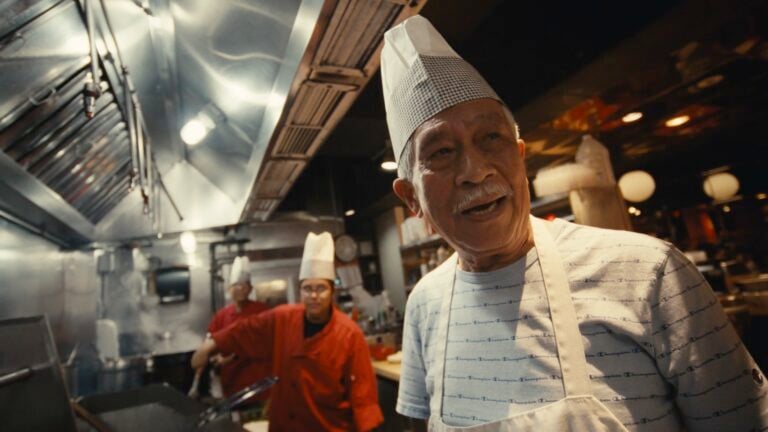
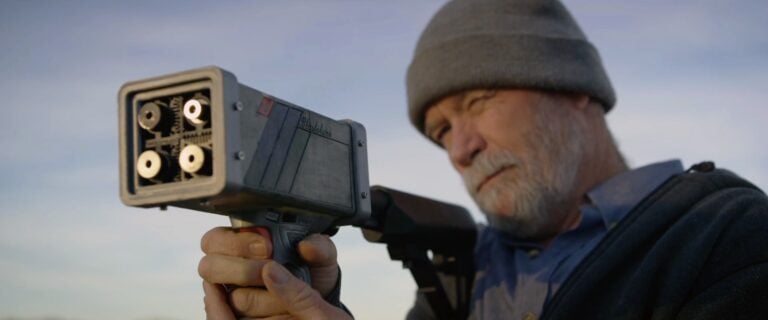
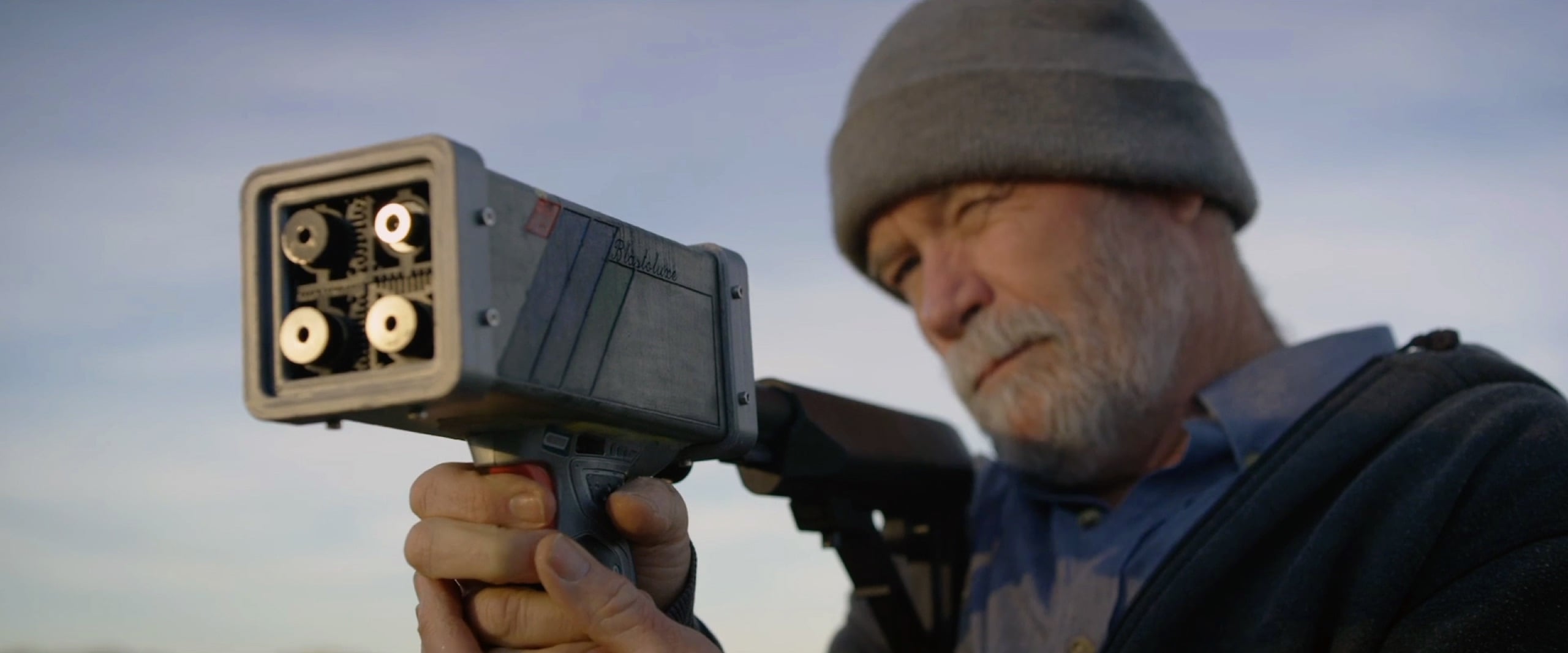
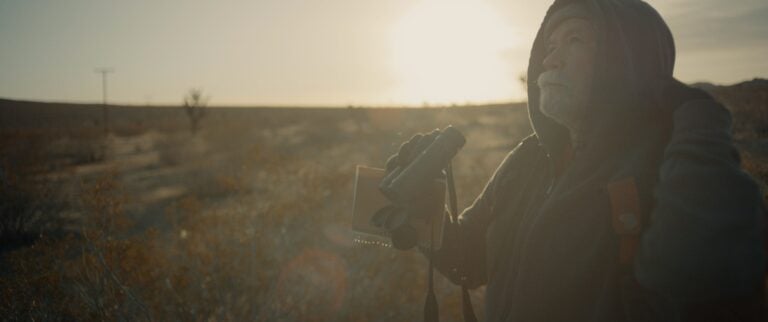
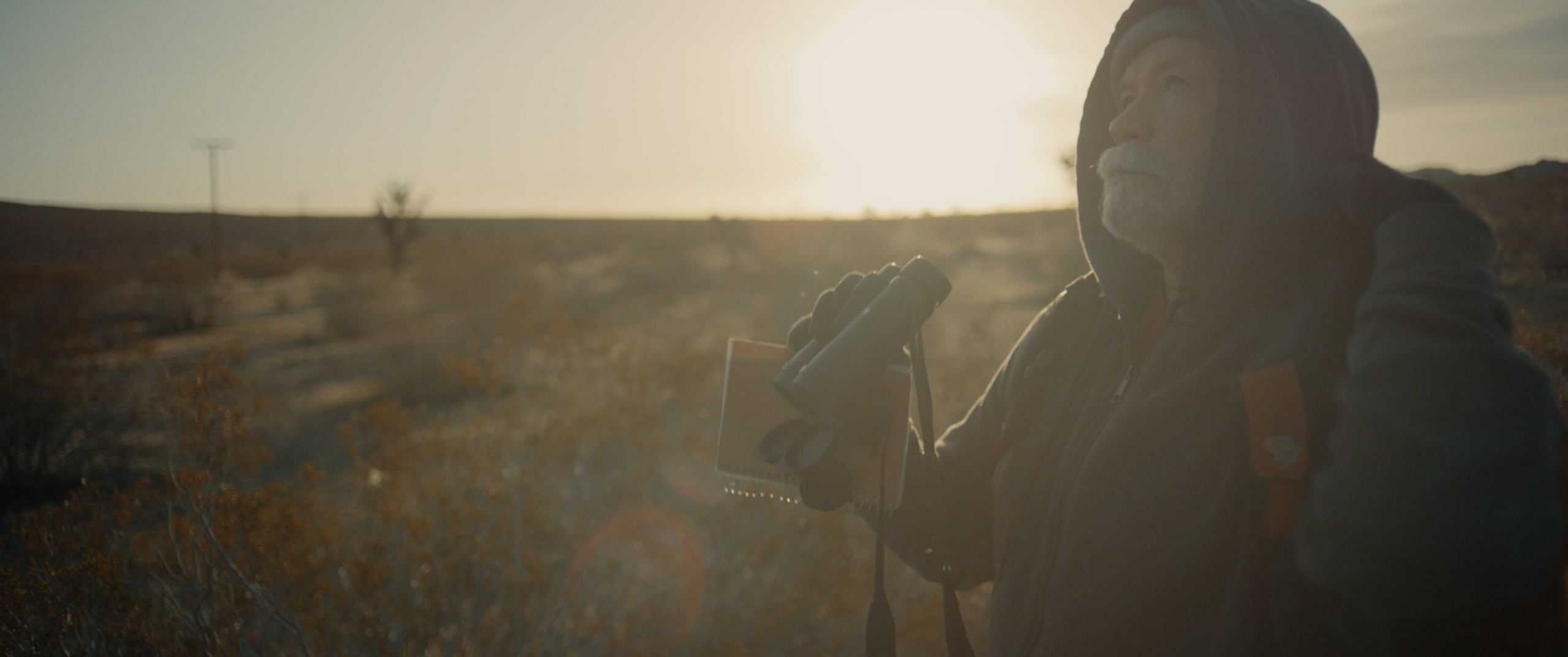
Joshua Izenberg and Brett Marty: Tim has a great sense of humor, and although saving the desert tortoise is a deadly serious endeavor, he approaches his work with a sense of playfulness and noble mischief. We wanted to lean into that and have a little fun with genre, and we immediately envisioned Eco-Hack! as a combination spy thriller and western. Visually, that meant shooting in a 2.39:1 CinemaScope aspect ratio, and the desert, with its wide, long horizons, naturally lent itself to that. Sometimes that meant grabbing a Clint Eastwood-esque close-up of Tim’s eyes or hands, the way you would when filming an old-fashioned standoff.
But of course, this is a documentary, and we were hiking around the desert with a lot of equipment and no AC, PA, or support vehicle. Logistics took precedence, so we worked within our limitations. Our talented DP, Phil Briggs, did a great job keeping things visually compelling and consistent, even while towing massive amounts of gear through the desert, on foot, and you can hear the Spaghetti Western influence in Philip Peterson’s original score as well.
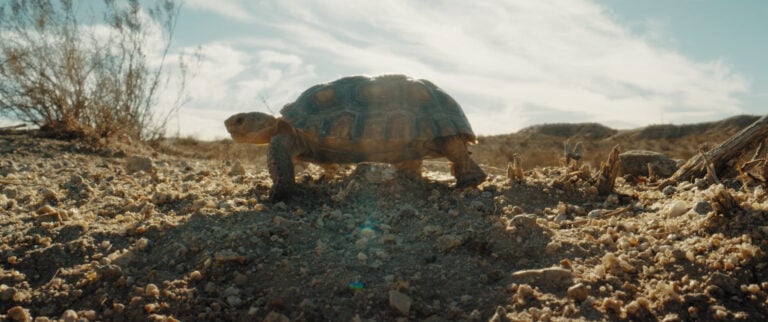
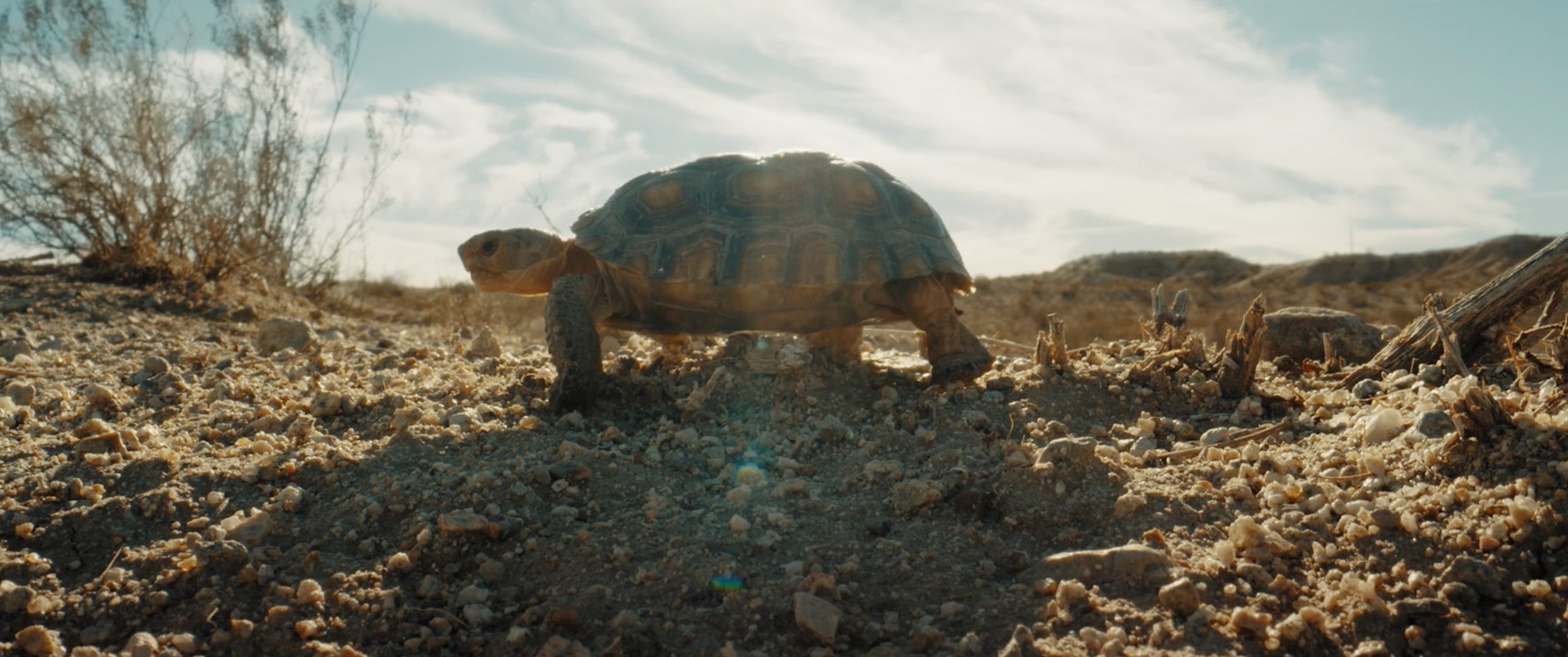
A completely different visual tool was the Laowa probe lens, which we used to film the tortoises. We first tried filming them in a more traditional long-lens wildlife style, but the shots felt flat. What was great about the tortoises is that, being tortoises, they move very slowly, allowing us to get quite close with a wide-angle lens. The probe lens gave us some very unusual shots that made them feel like larger-than-life, lovable creatures, with the viewer at eye level. The tortoises actually seemed to like the lens and would come in to sniff and investigate it, too.
What was the most difficult sequence of your film to get right, and why?
Joshua Izenberg and Brett Marty: The most difficult sequence was probably filming Tim and his colleague, Frank Guercio, setting up their fake tortoise shell spray trap and capturing it in action. It’s hard enough for them to set these up without a film crew. We had to stay on the lookout for ravens and keep a very low profile, while still getting all the shots we needed to show what went into this bizarre booby trap. The ravens watch what you’re doing, and if your movements are too obvious, they’ll sense you’re setting a trap. But more than that, the bigger challenge was in the edit: telling the larger story and conveying a lot of science in a very short amount of time. Thankfully, our incredible editor, Jen Bradwell, helped us navigate the maze of documentary editing.
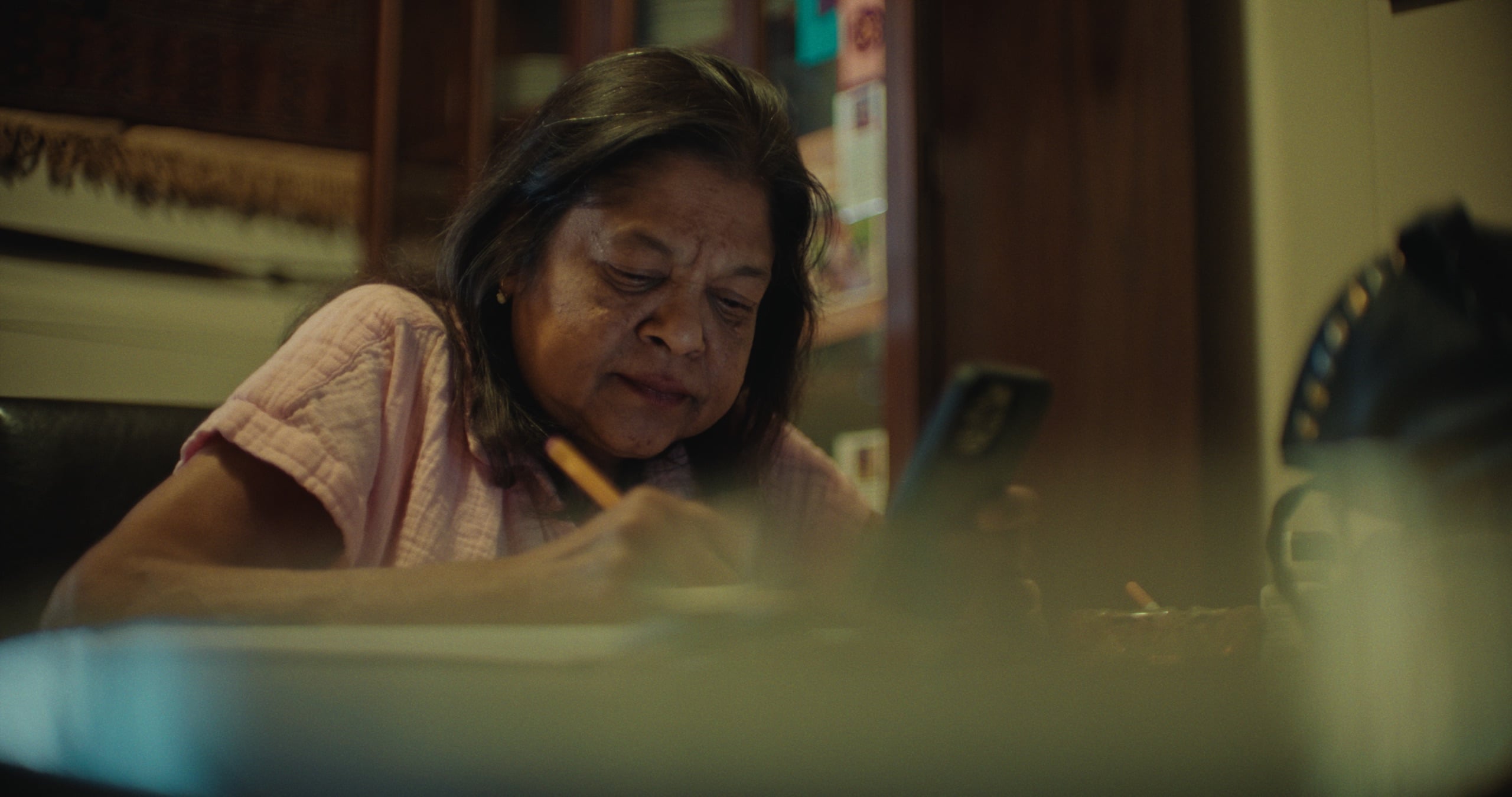
Charles Frank: We shot for just two and half days and gathered an unfathomable amount of hilarious and memorable moments. Our editor, Nico Frank, was tasked with having to distill such rich material into something layered and emotive in under ten minutes, a constraint we decided upon together. Nico is brutal but very clear when it comes to what the film is and what the film isn’t. For me, it’s critical to have this type of creative mind on projects, otherwise we’d end up with a meandering, two-hour long director’s cut! I praise Nico for her ability to find the heart of this film without a single ounce of fat leftover.
Erin Ramirez and Mona Xia: The most difficult sequence in our film was figuring out with our editor, Emily, how the film would open. We were torn between whether the film was about the restaurant or the Wong family. We thought we could make it about both, but our indecision seeped through and left the film feeling less focused. We were starting to move beyond rough cut territory, but the film was still in the midst of an identity crisis. After many hours of discussion, we finally decided to center the film on the Wong family, and specifically Bobby. That’s when the other editorial and creative decisions began to fall into place. Erin put together a stringout for the opening with Bobby as the focus and the film immediately felt much more compelling.
What kinds of images were you collecting from ShotDeck, or in general, as visual references? Were there specific films or filmmakers that influenced the way you wanted to approach the documentary visually?
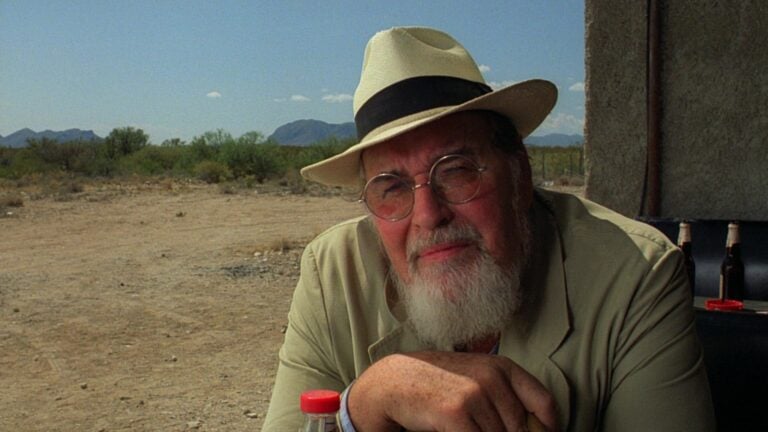
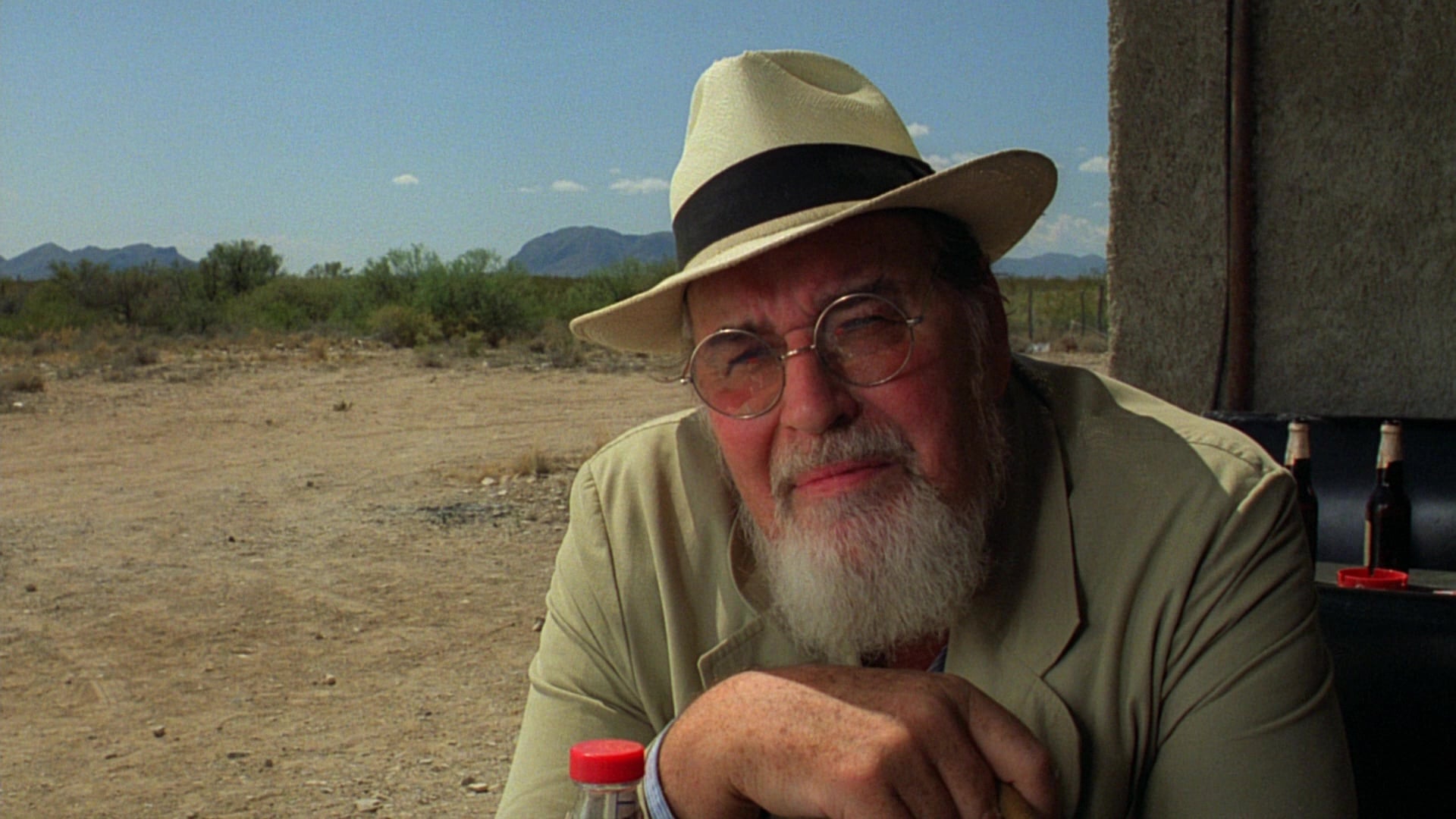
Joshua Izenberg and Brett Marty: When we were talking about the look and feel of Eco-Hack!, we found that searching for “western” on ShotDeck brought up some great images. The Sergio Leone Spaghetti Westerns with Clint Eastwood were our main point of reference. Wim Wenders’ Paris, Texas was another, and its wide-angle close-ups make the big desert landscape feel all the more otherworldly.
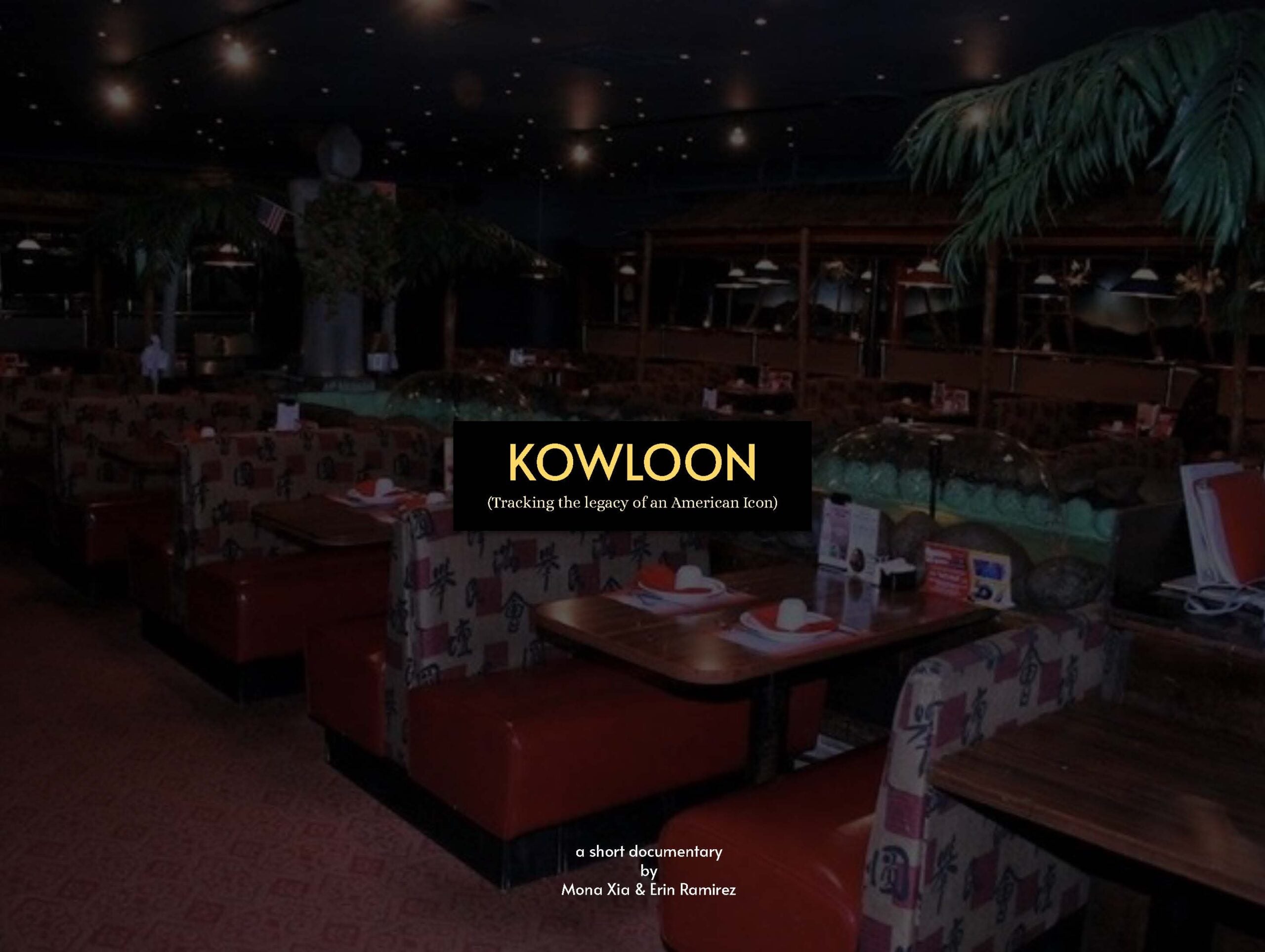
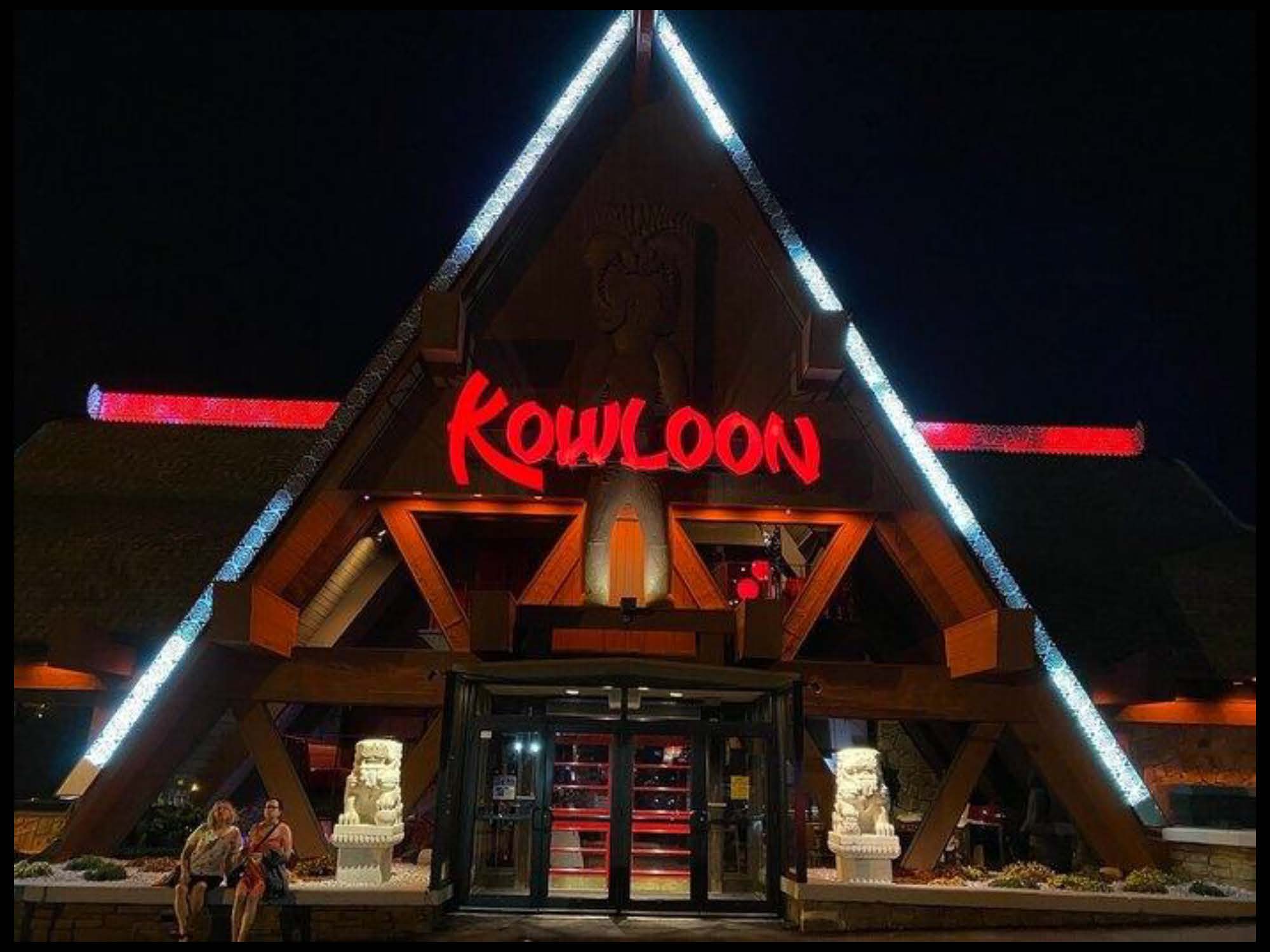
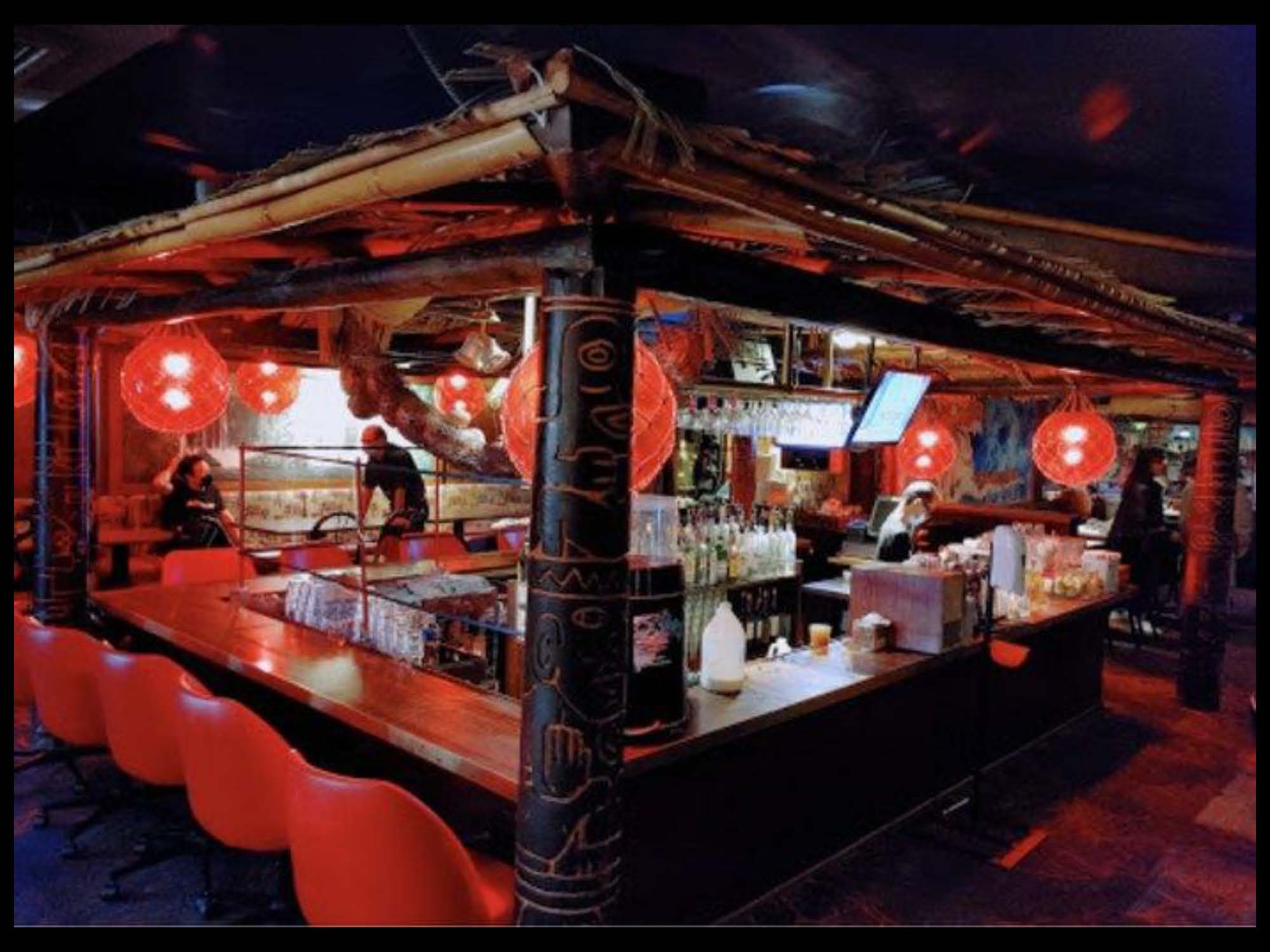
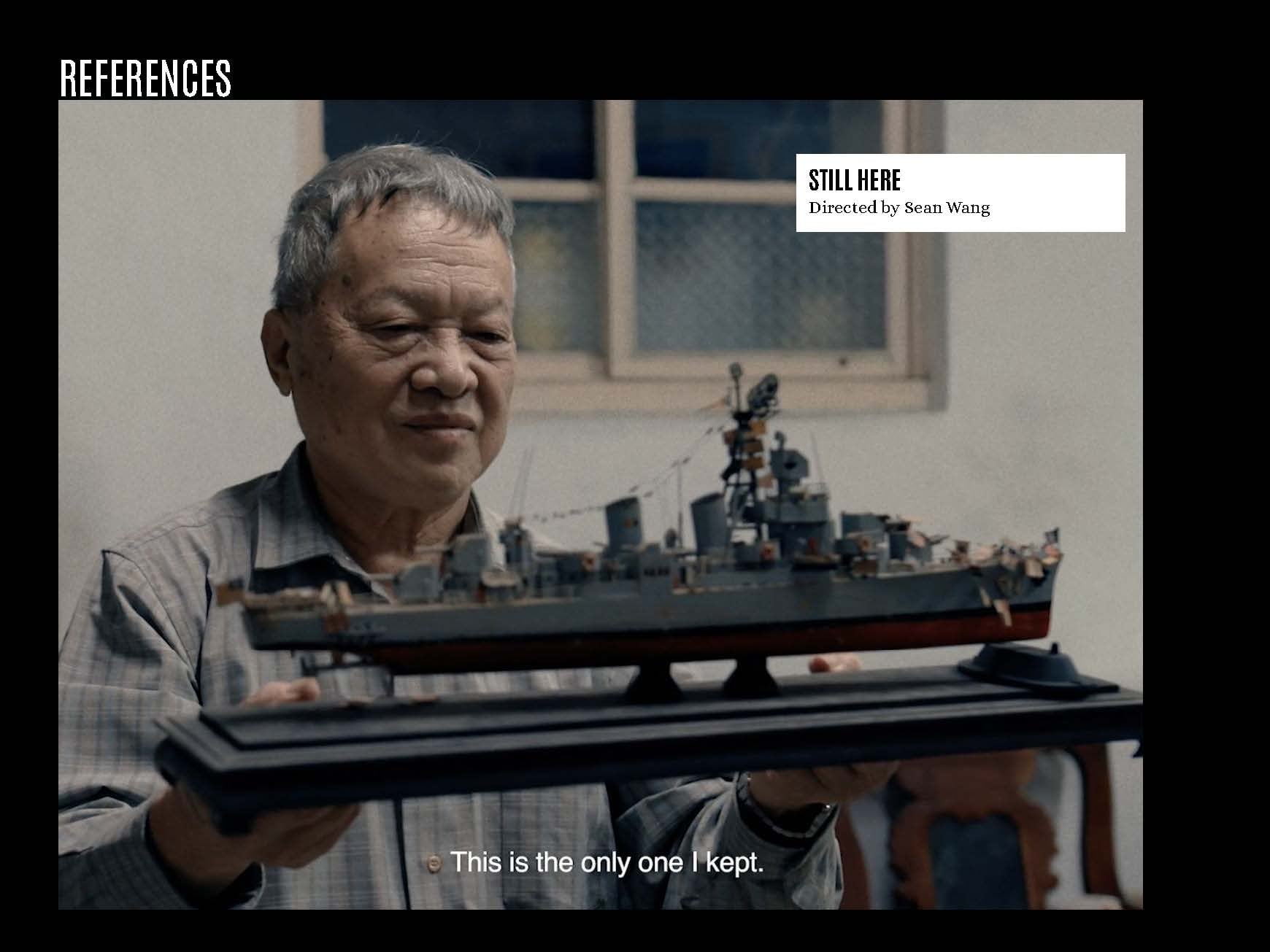
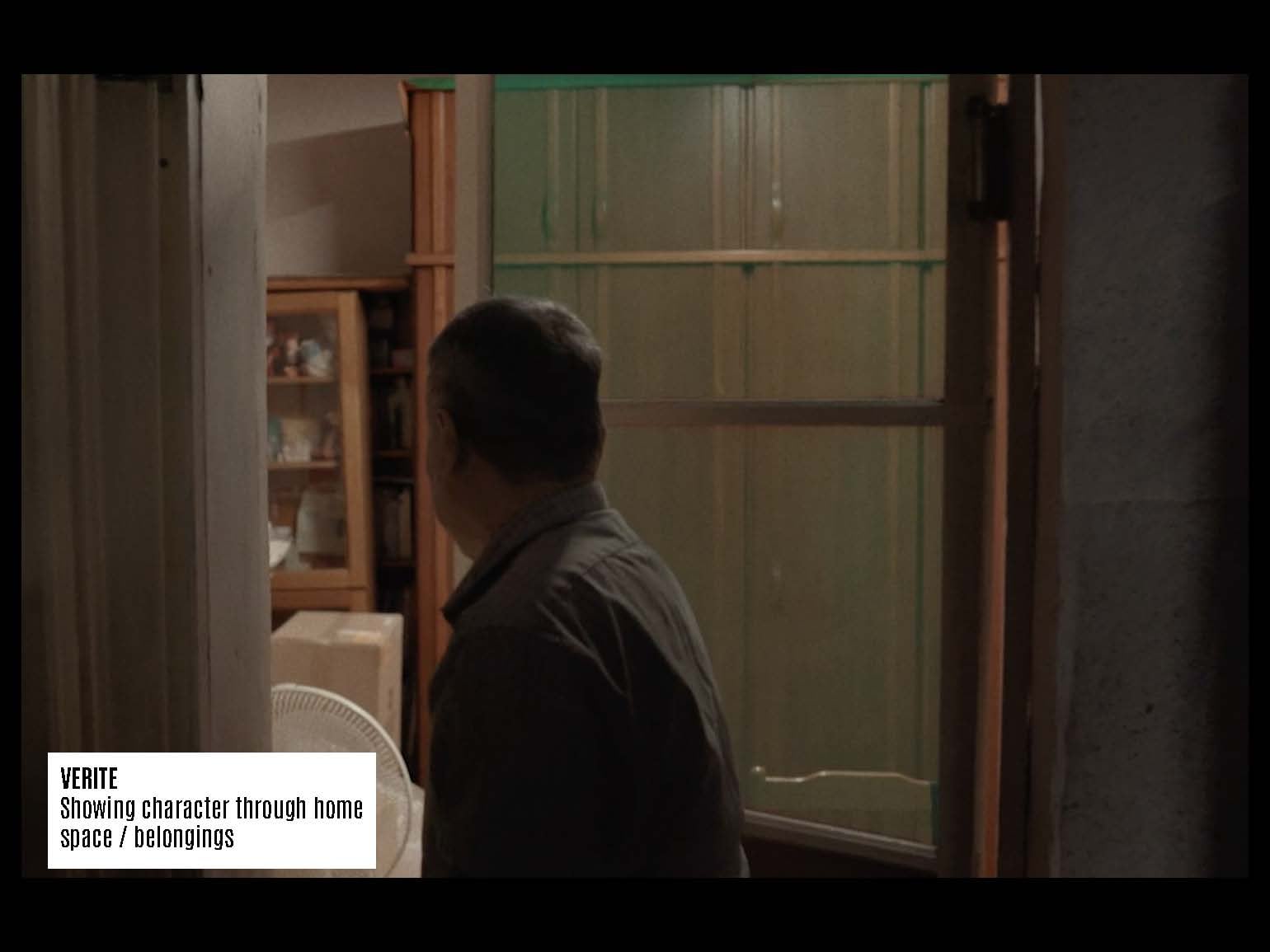
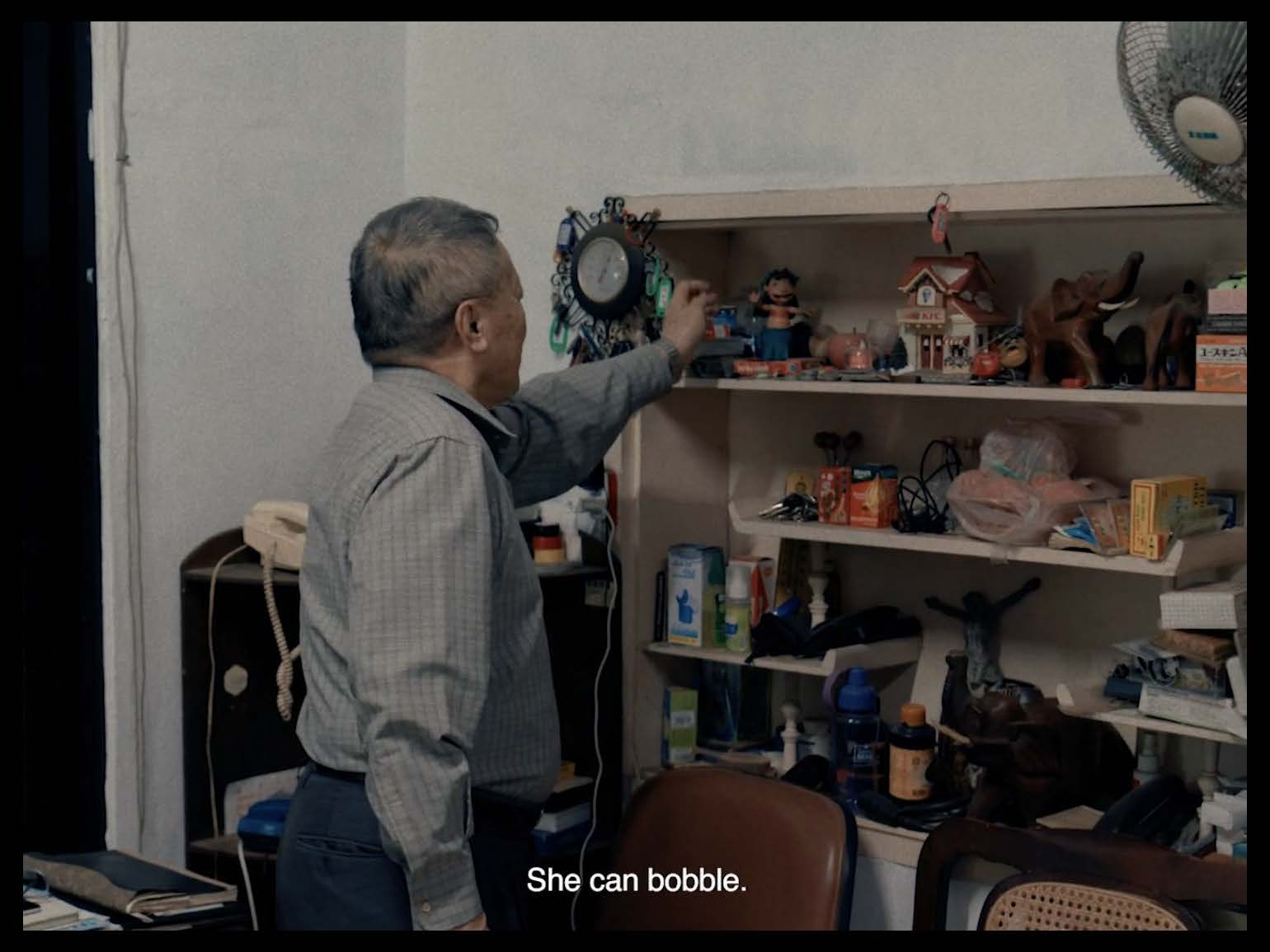
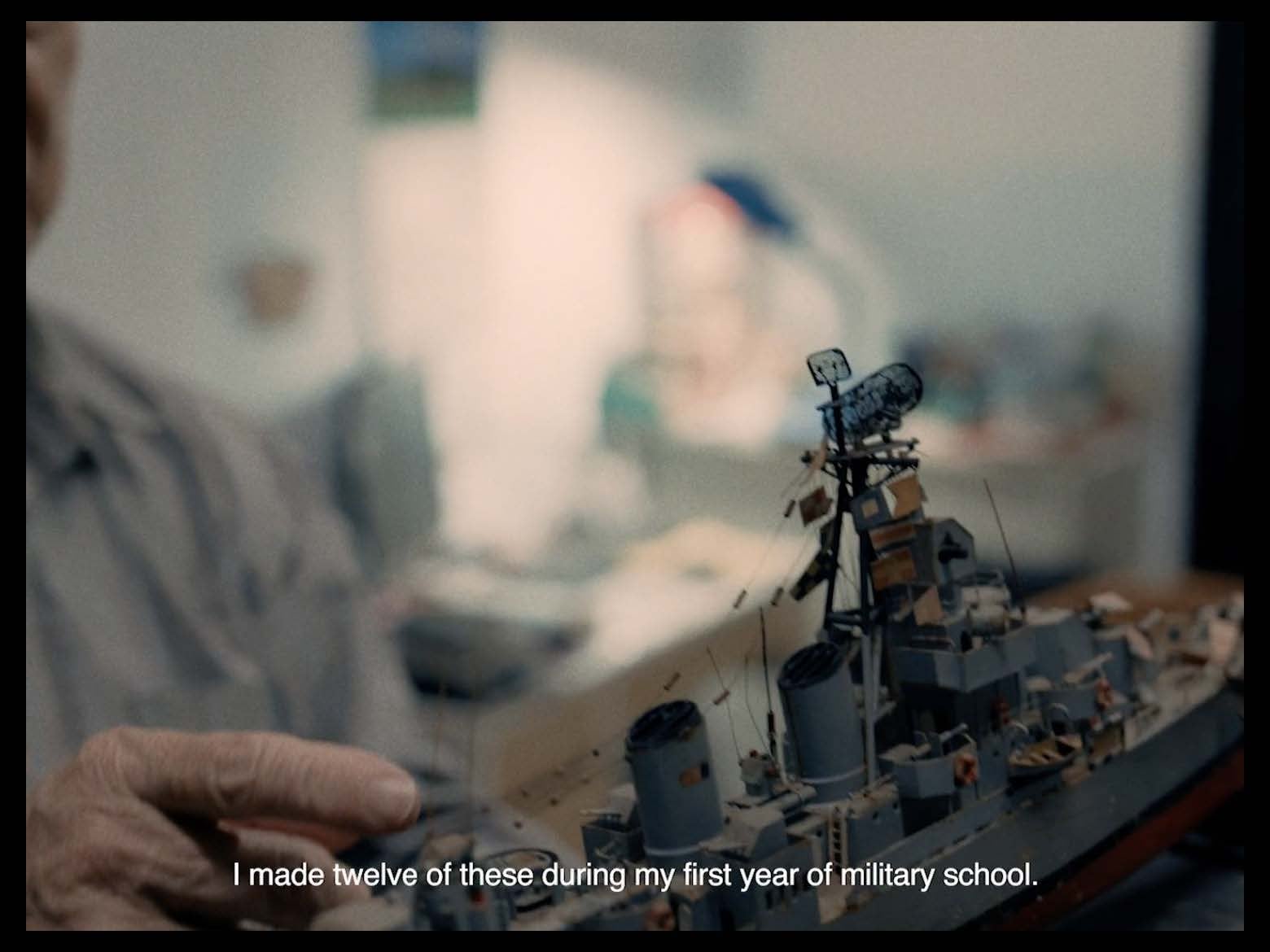
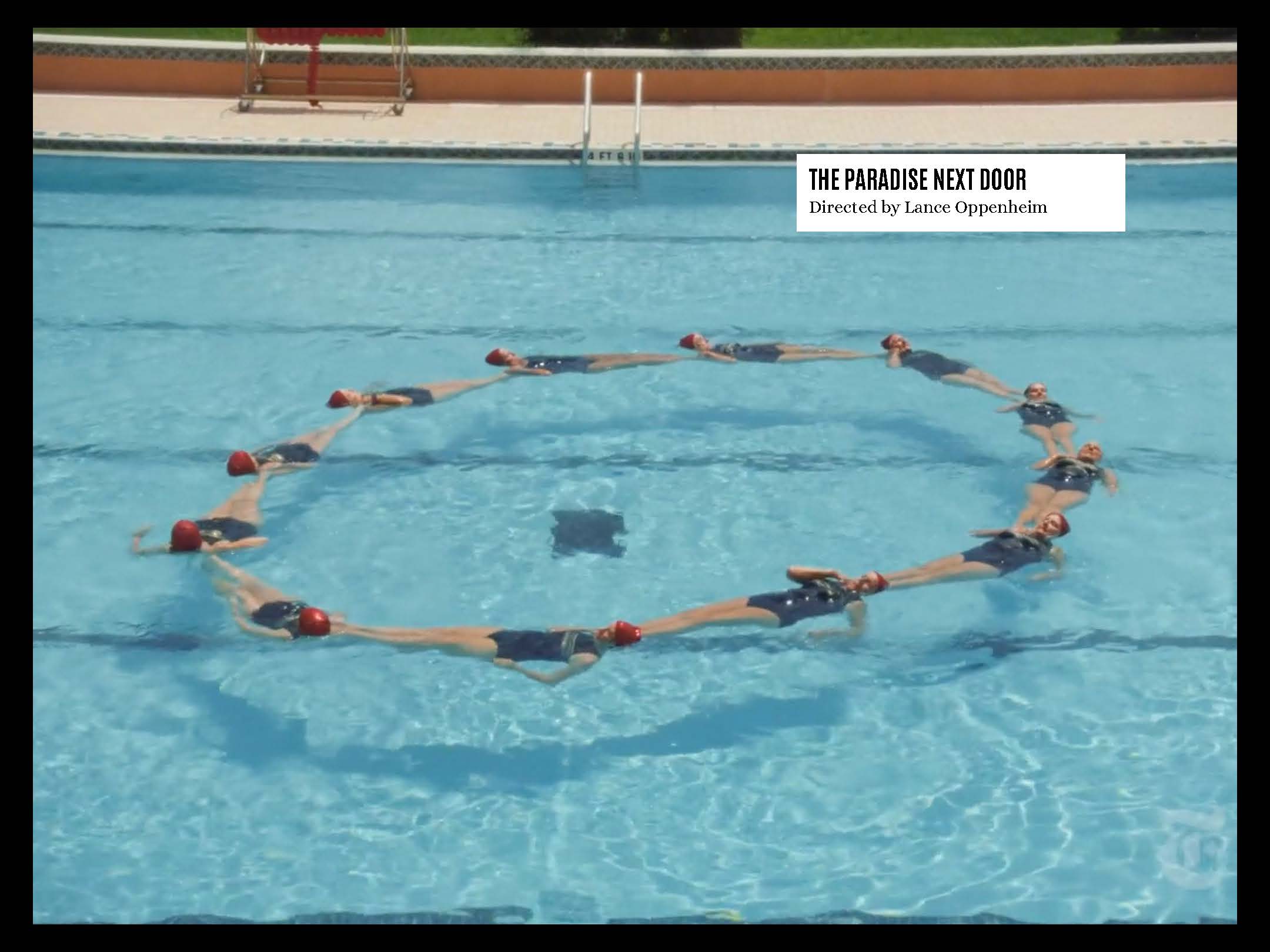
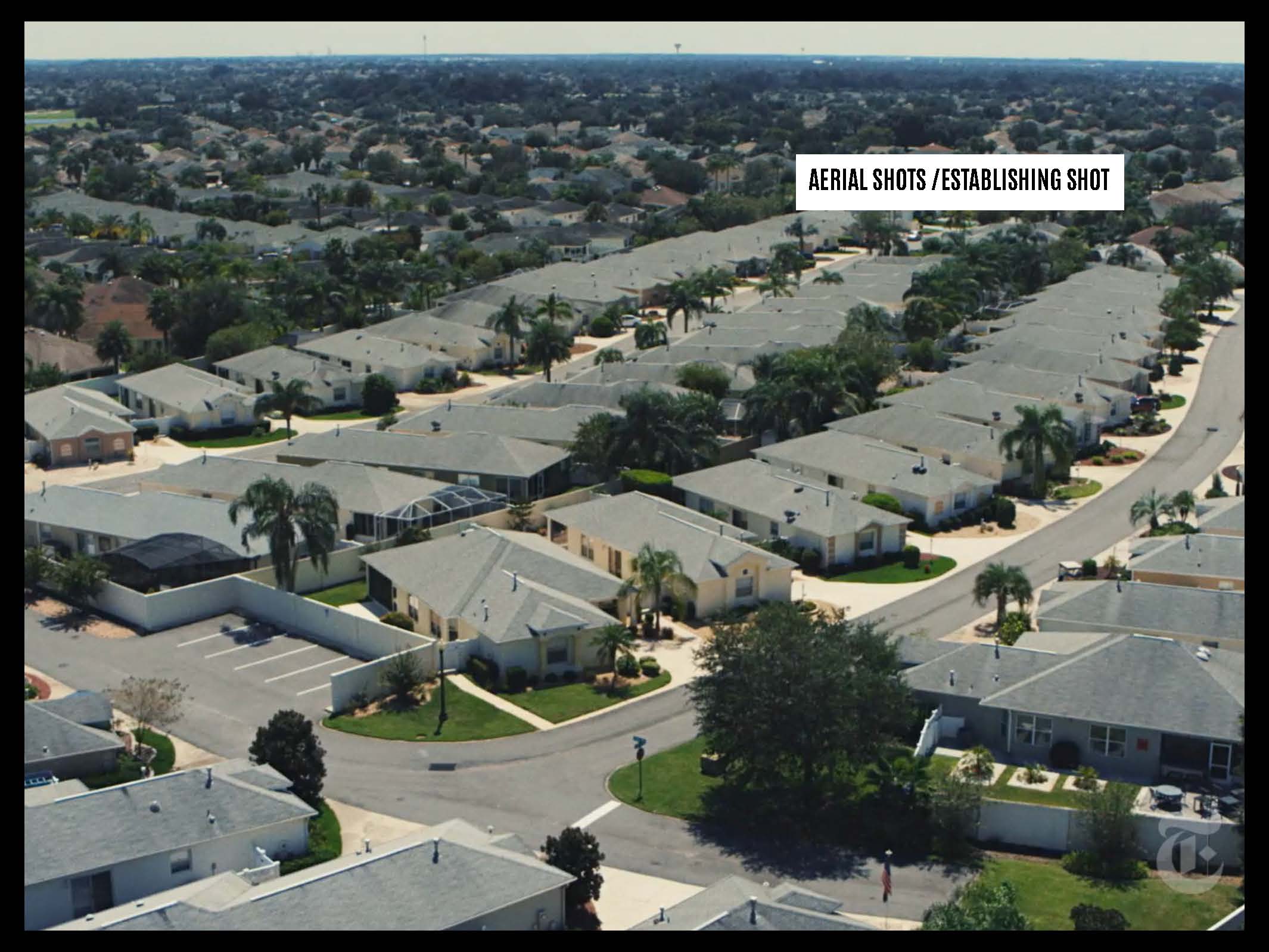
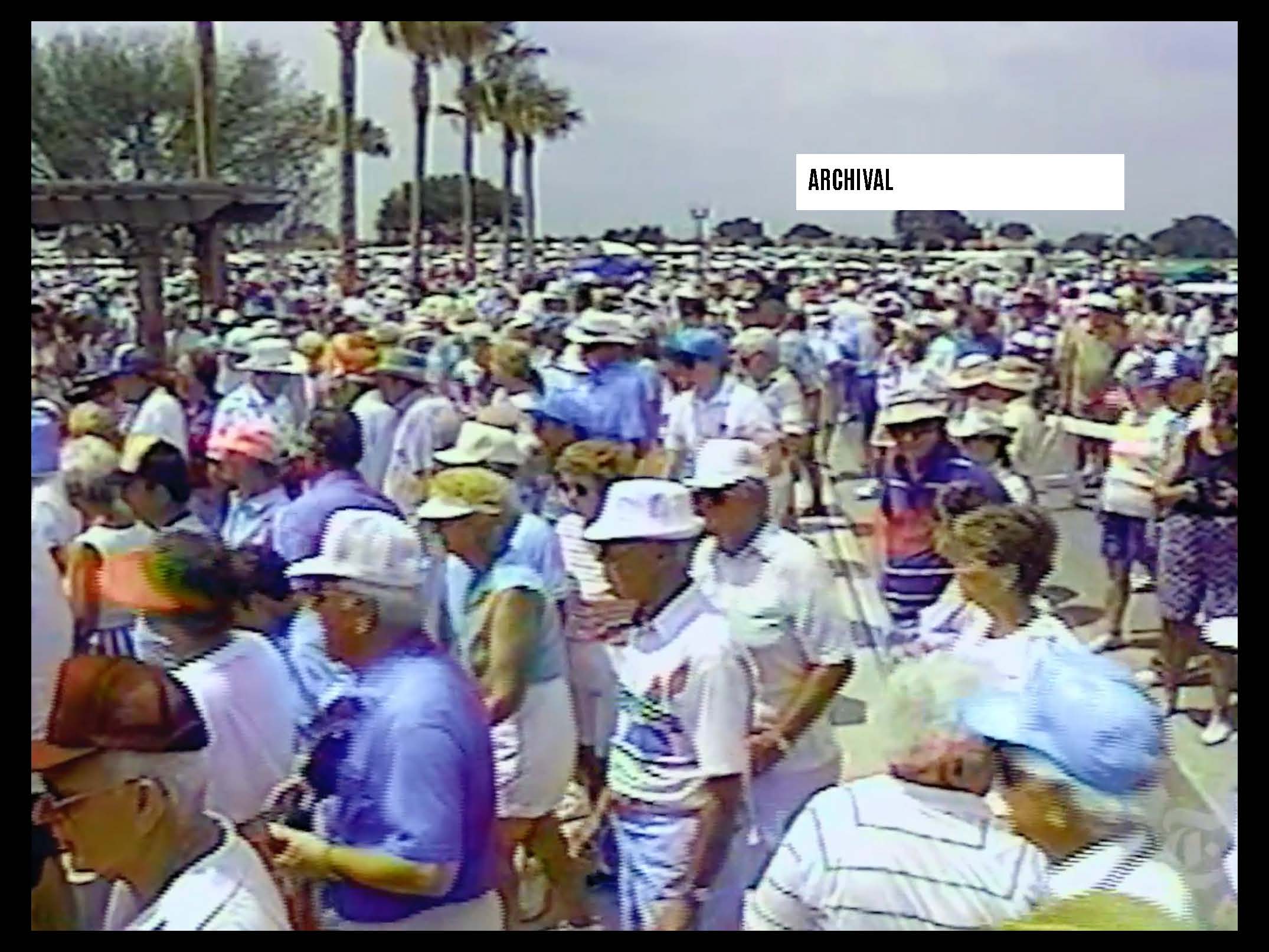
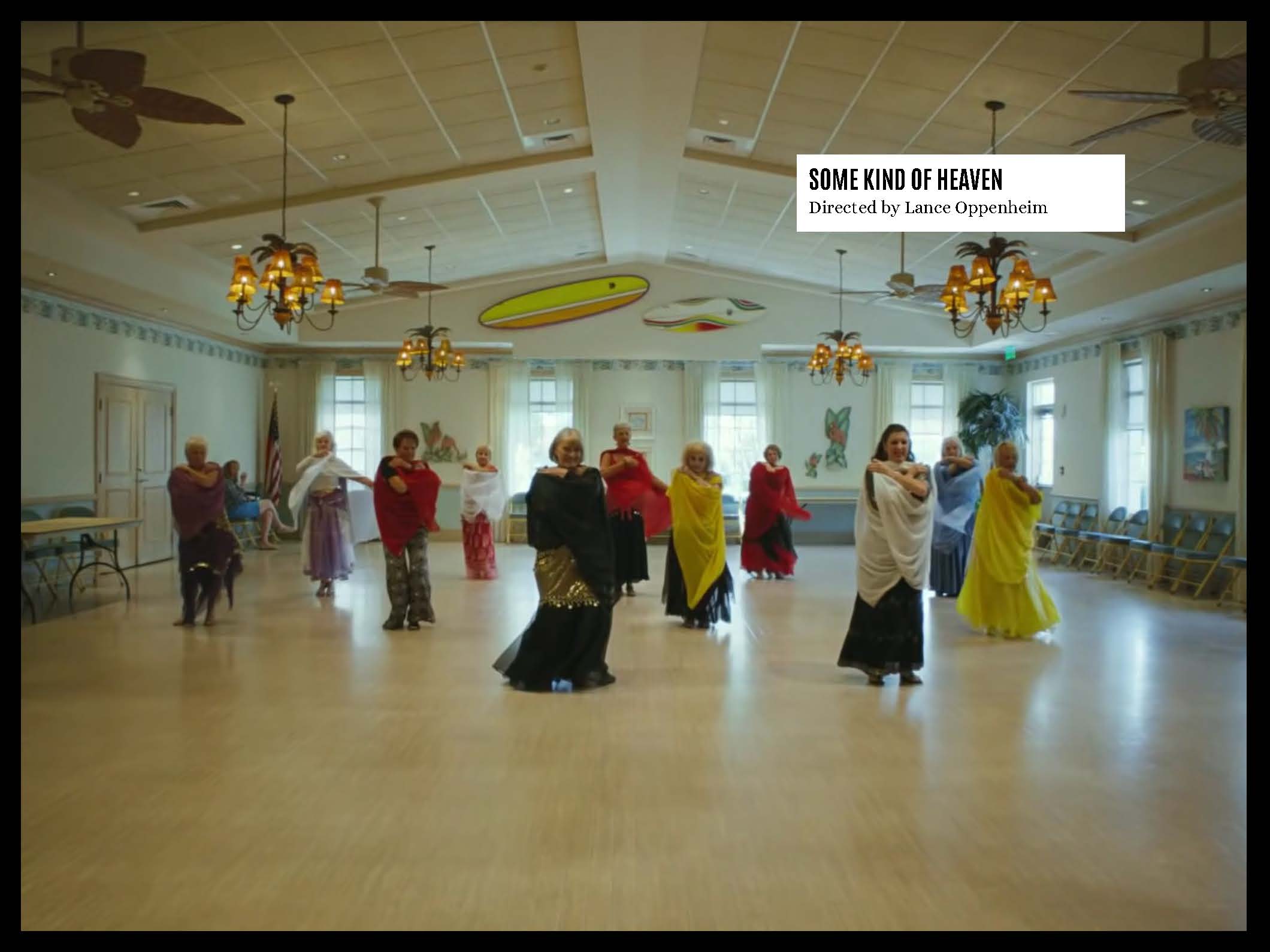
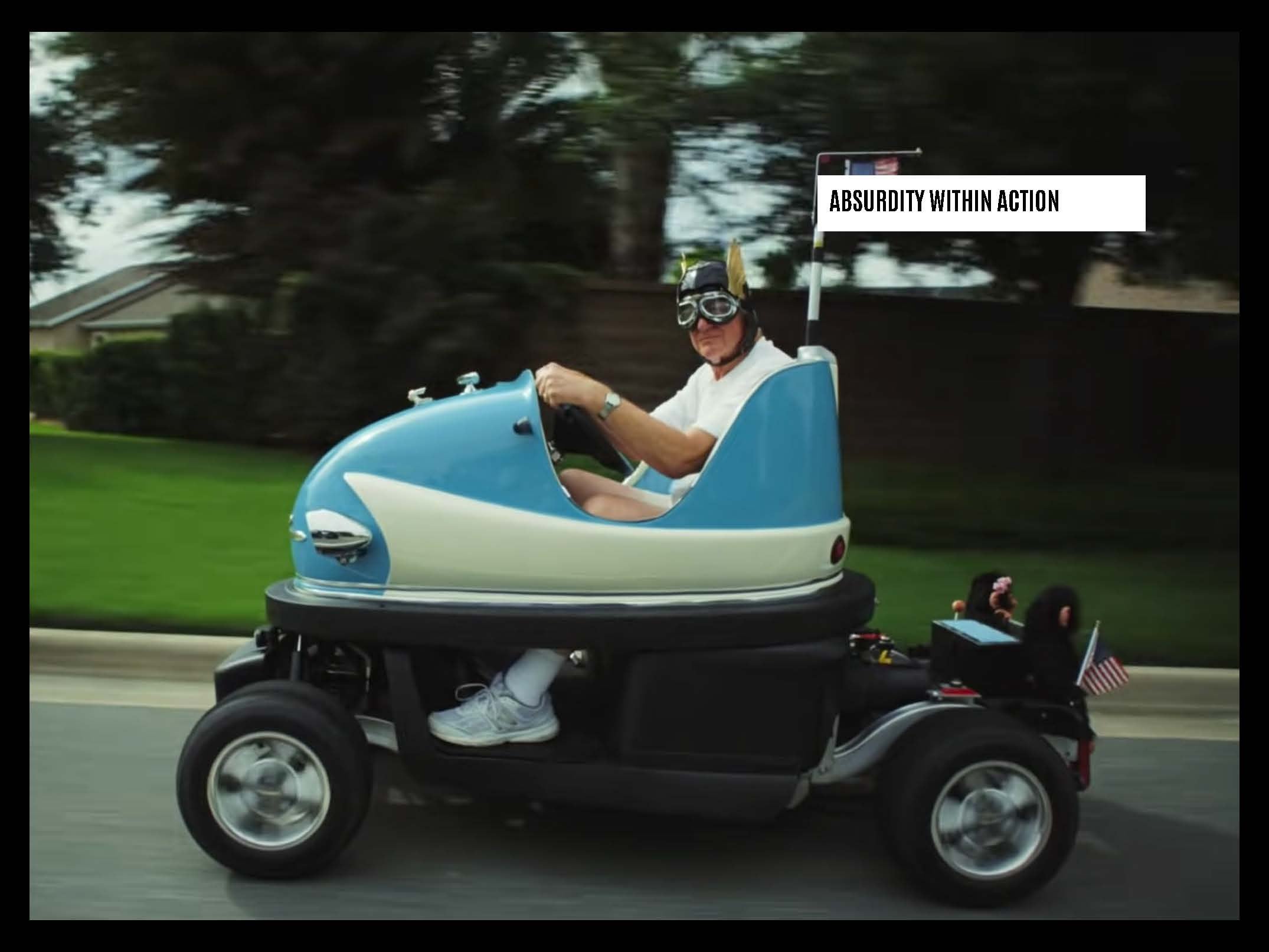
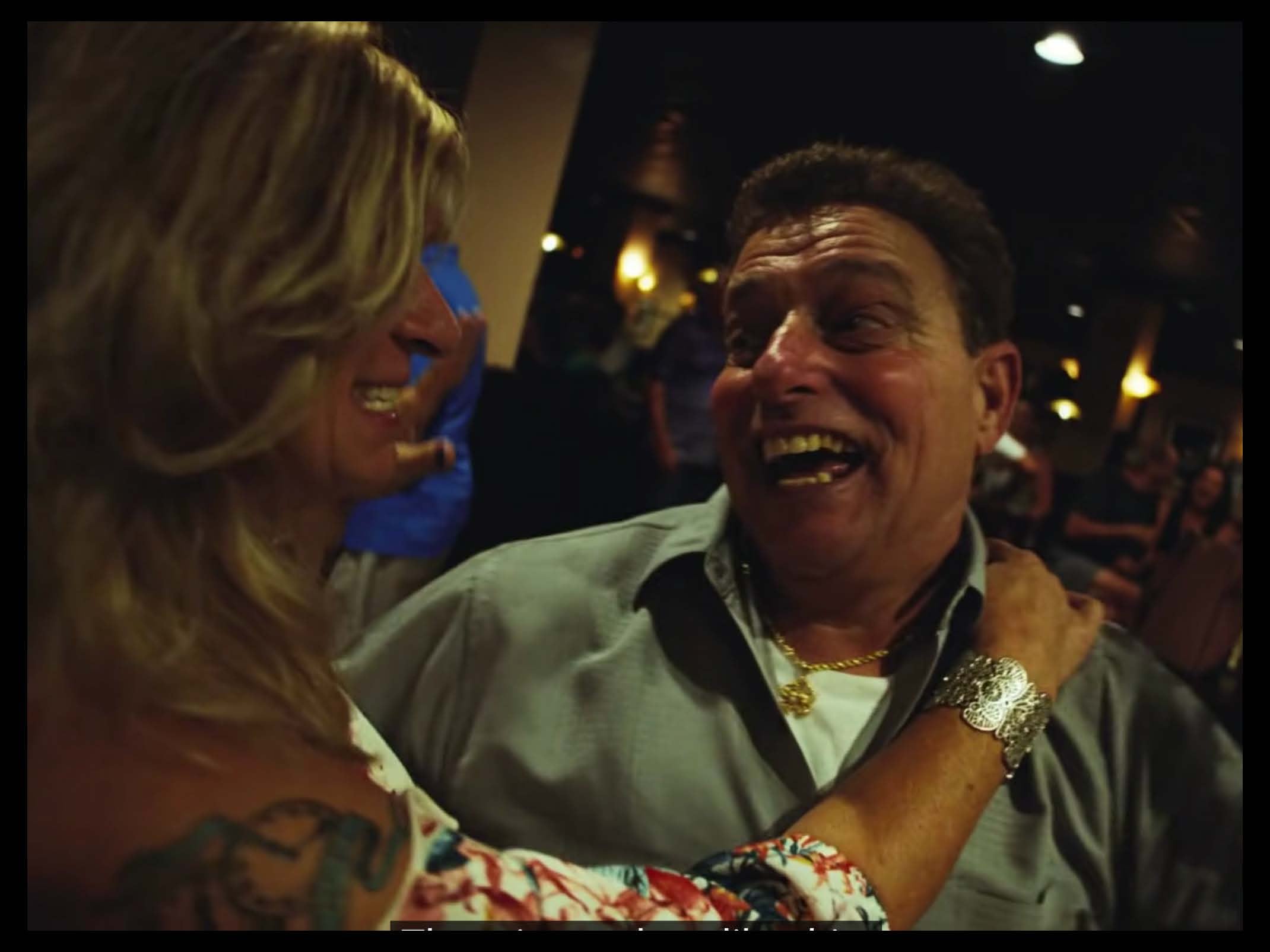
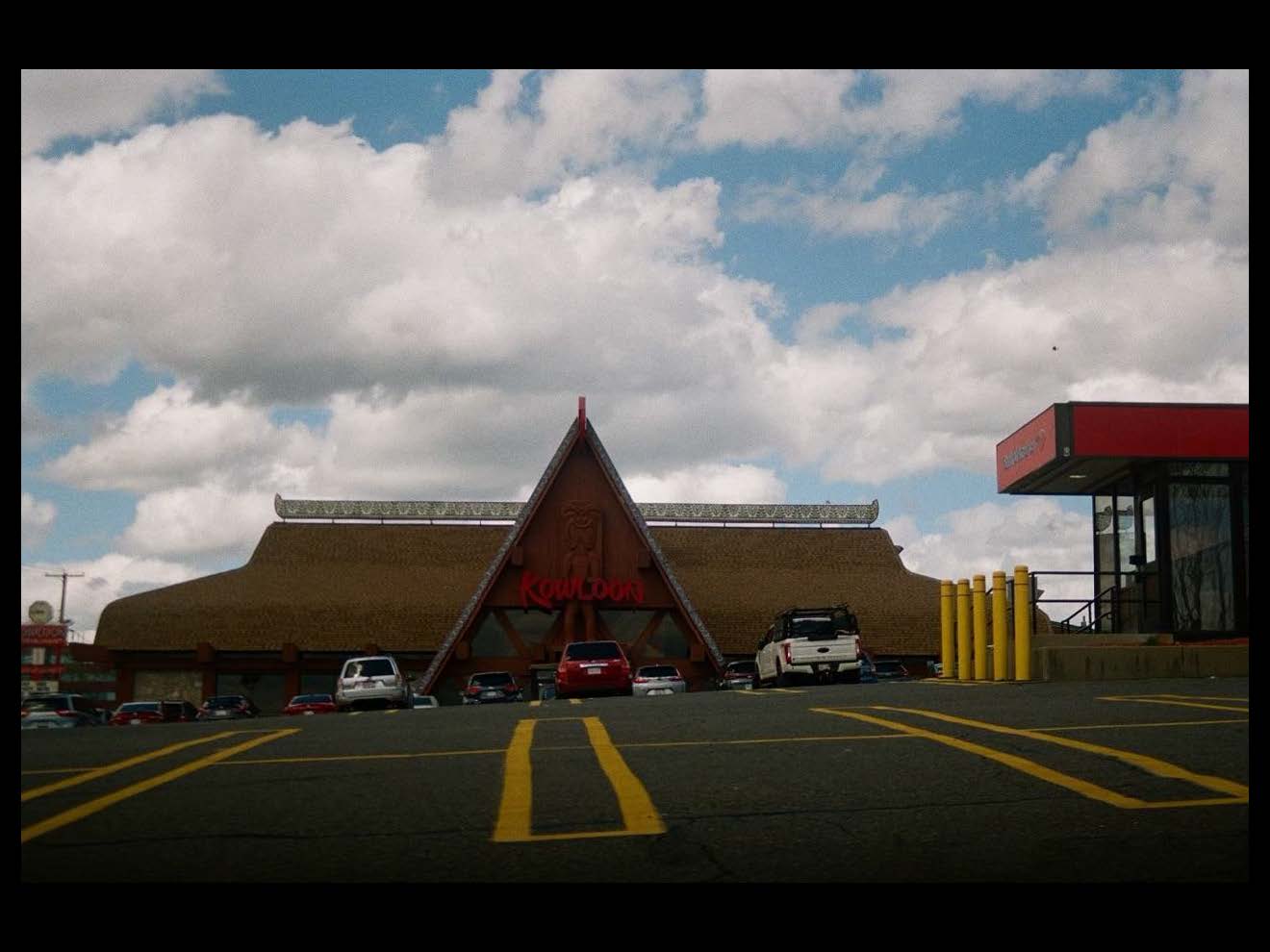
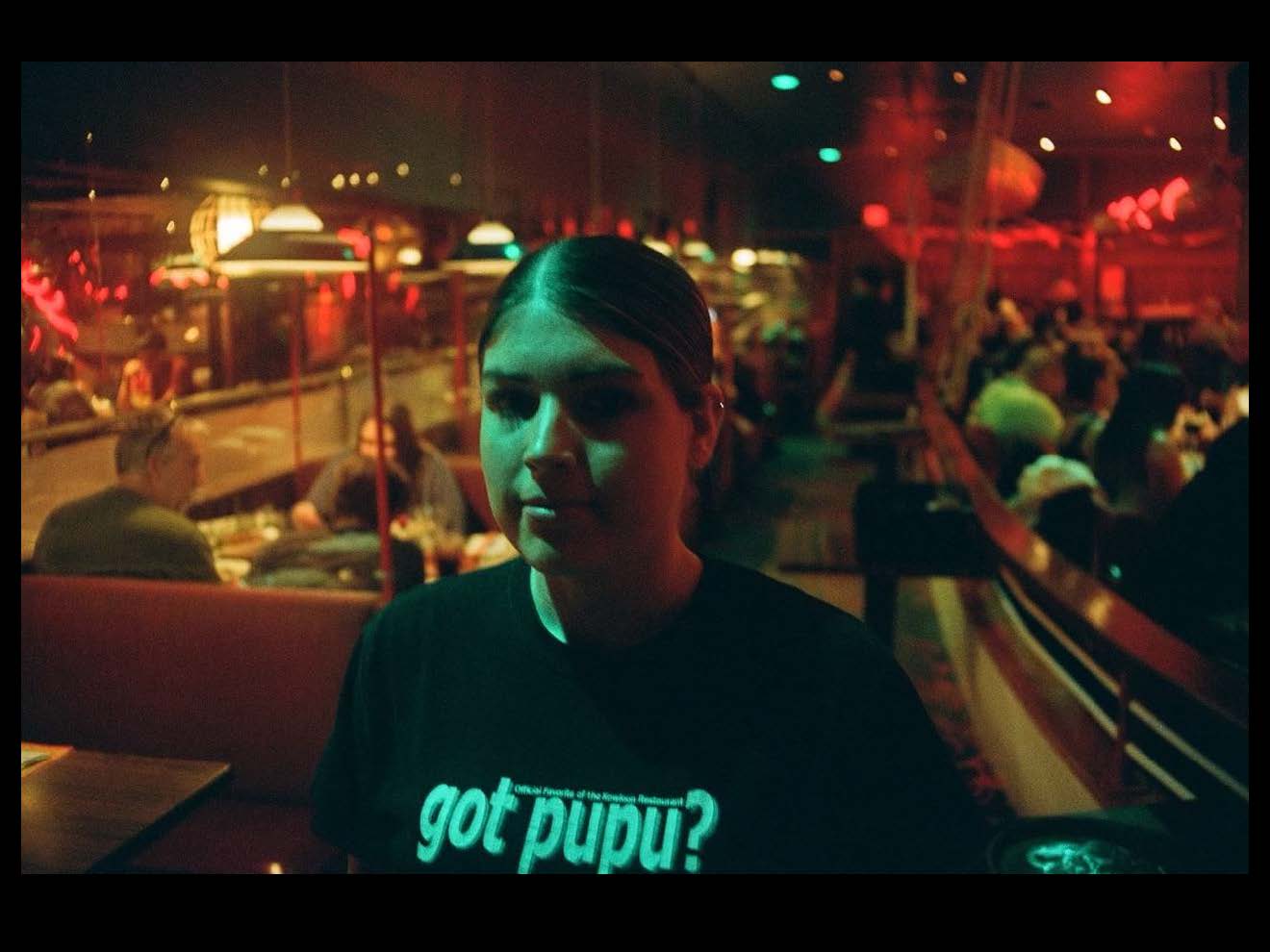
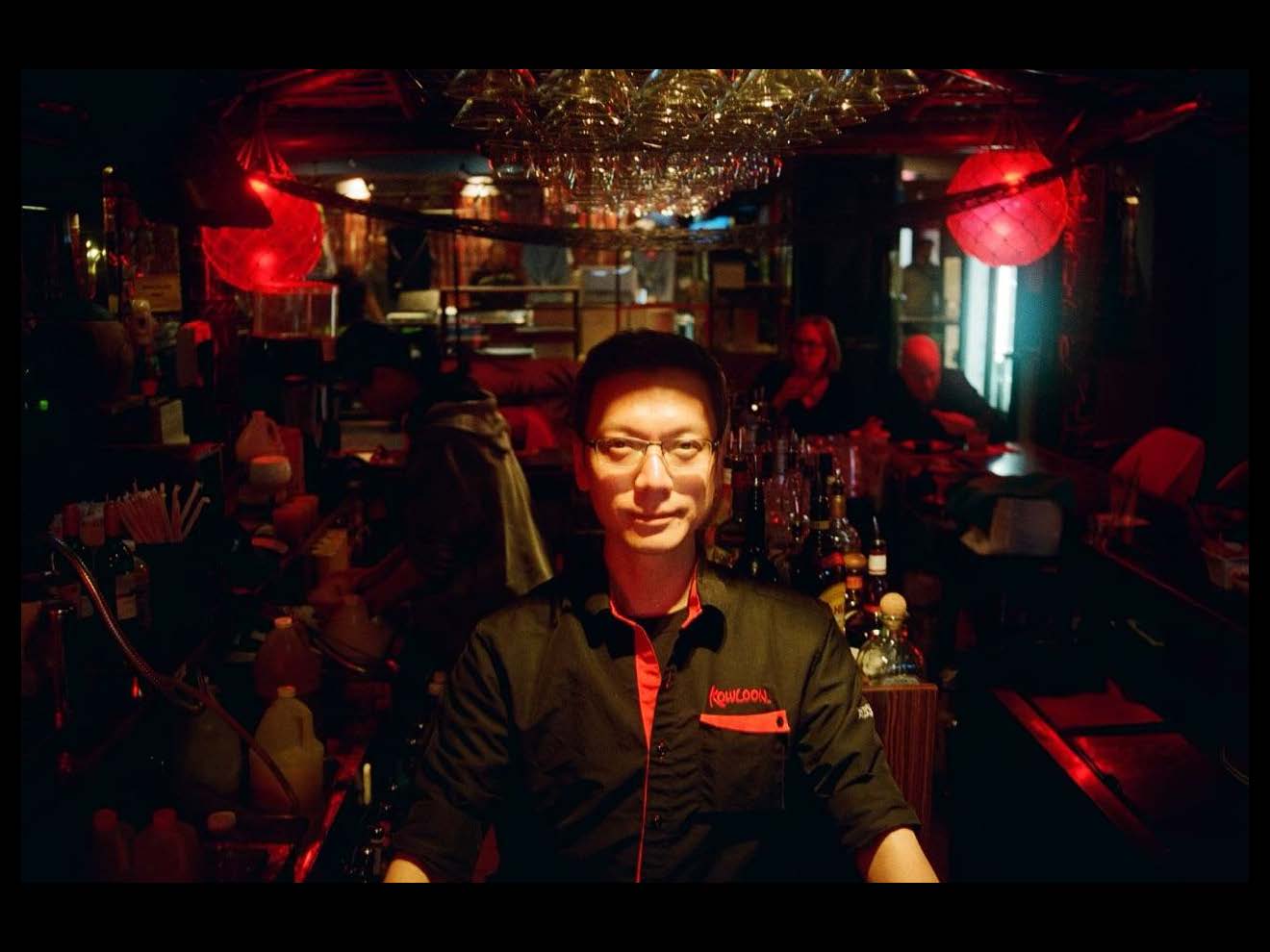
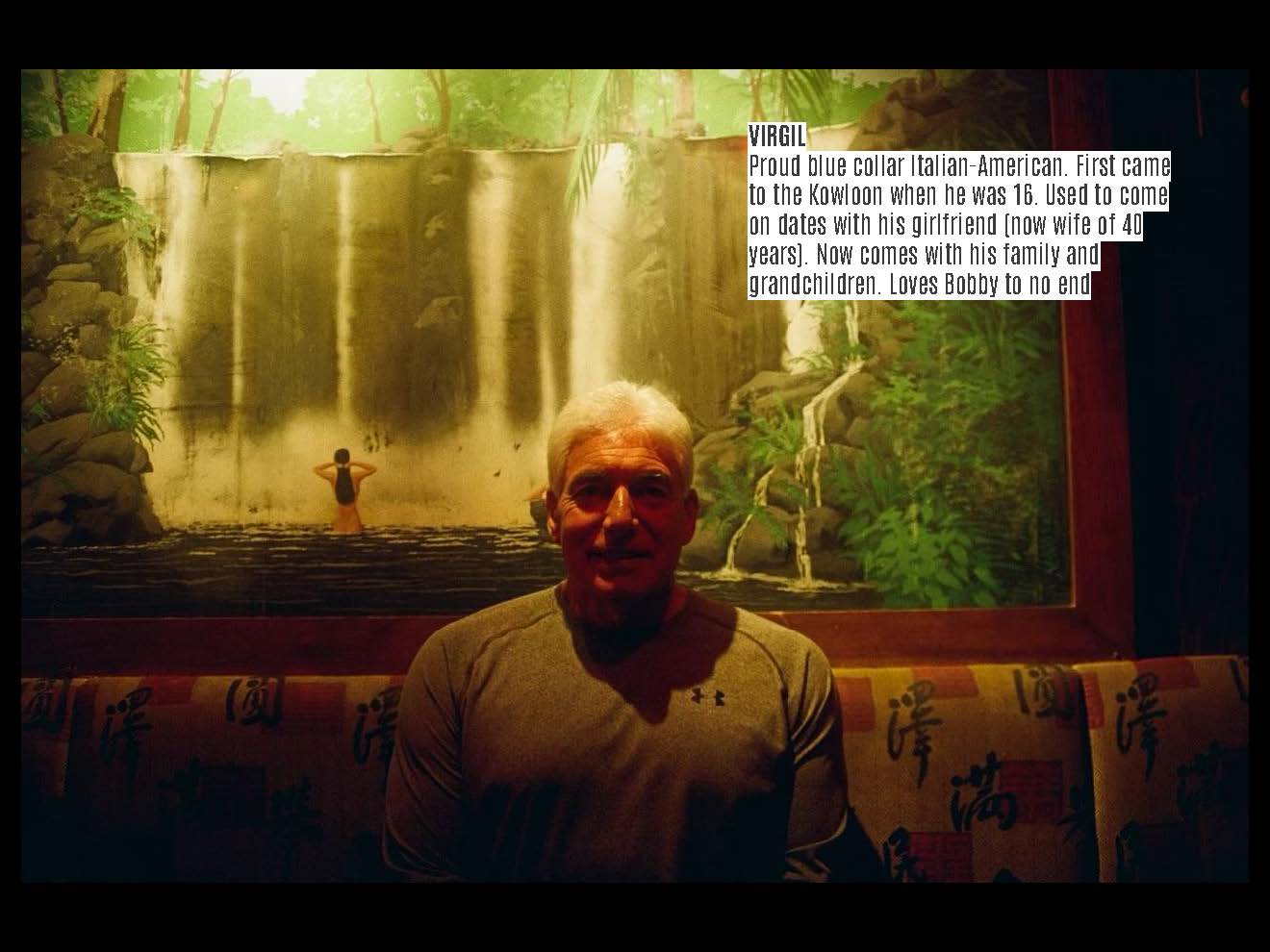
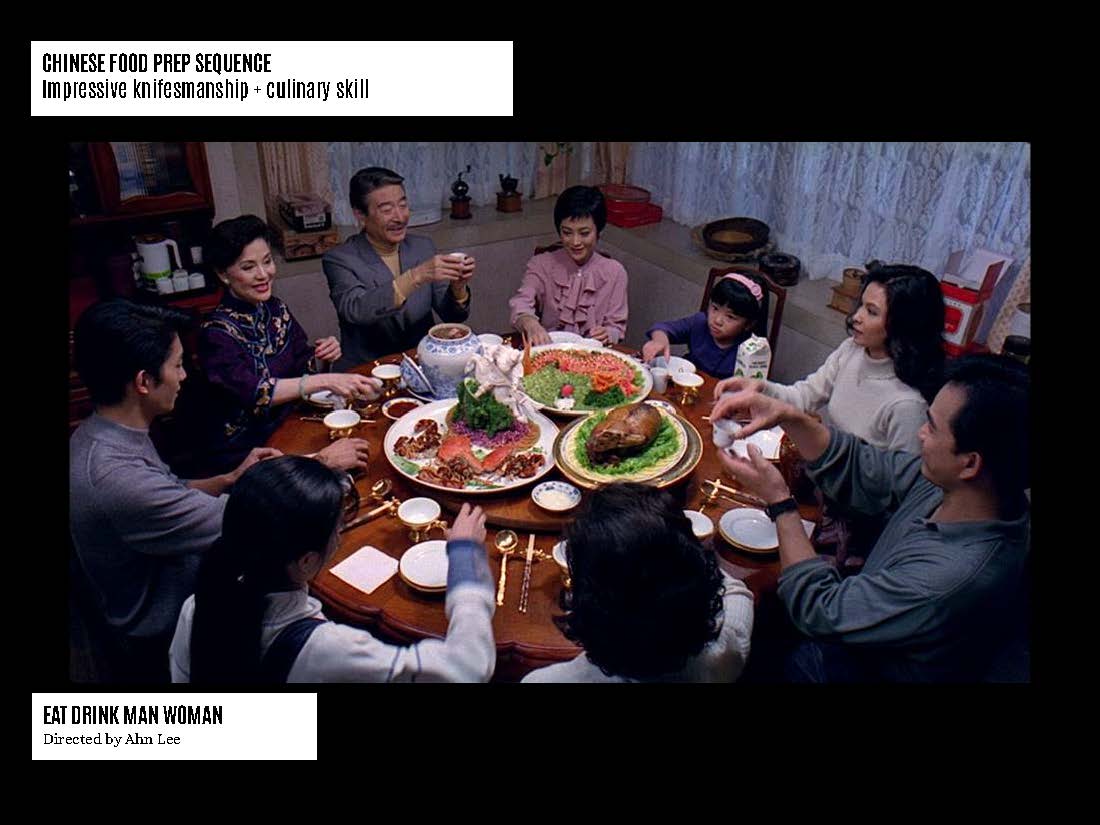
Erin Ramirez and Mona Xia: Our lookbook was essentially a compilation of recently released documentary films like, Some Kind of Heaven by Lance Oppenheim, Nai Nai & Wài Pó and Still Here by Sean Wang, The Farewell by Lulu Wang, Lonely Blue Night by Johnson Cheng, a collection of photographs taken from Larry Sultan, Brandon George Ko, Andrew Kung and archived images of Kowloon from The Boston Globe. There’s a contemporary style and aesthetic to both Lance and Sean’s work that feels so intimate and fresh that really pulled us in and felt like it spoke to the style we were envisioning for Kowloon! at the time.
Some Kind of Heaven was one of our leading references and partly inspired some of our film’s more comedic, candid interview moments. At the time, we were also flirting with shooting in a 4:3 aspect ratio, and after watching Lance and Sean’s recent work we felt even more inspired to do so. There’s a timelessness to Kowloon and we wanted a frame and aesthetic that would pay homage to that, and 4:3 allowed us to do it.
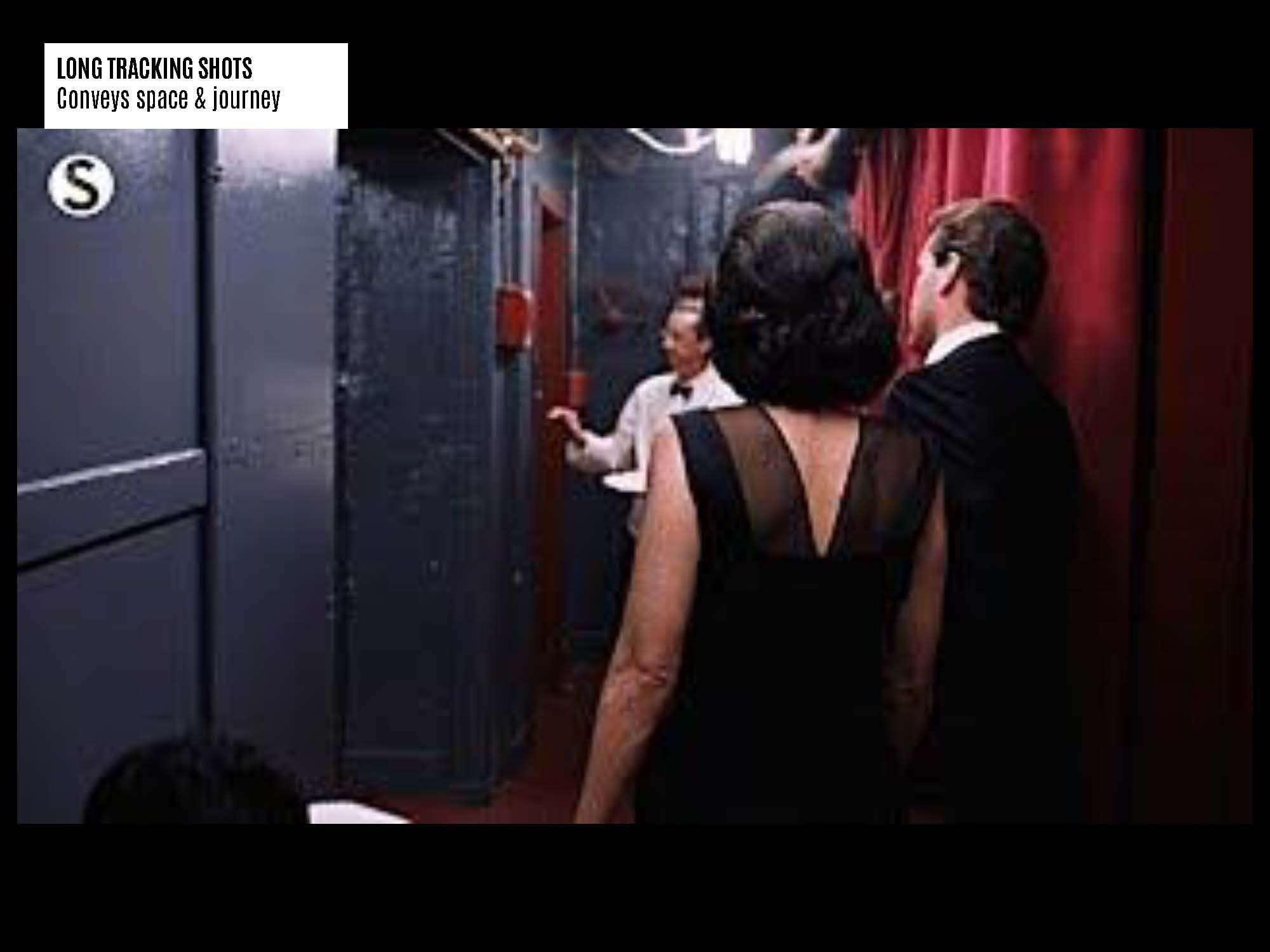
One iconic shot that inspired us was the long, tracking shot in Goodfellas where Henry and Karen walk through the entire restaurant on their first date. We loved that you get a sense of the expanse of the restaurant and its different pockets with their different cultures. Our tracking shots of Bobby, Lillian, and Stanley were inspired by this.
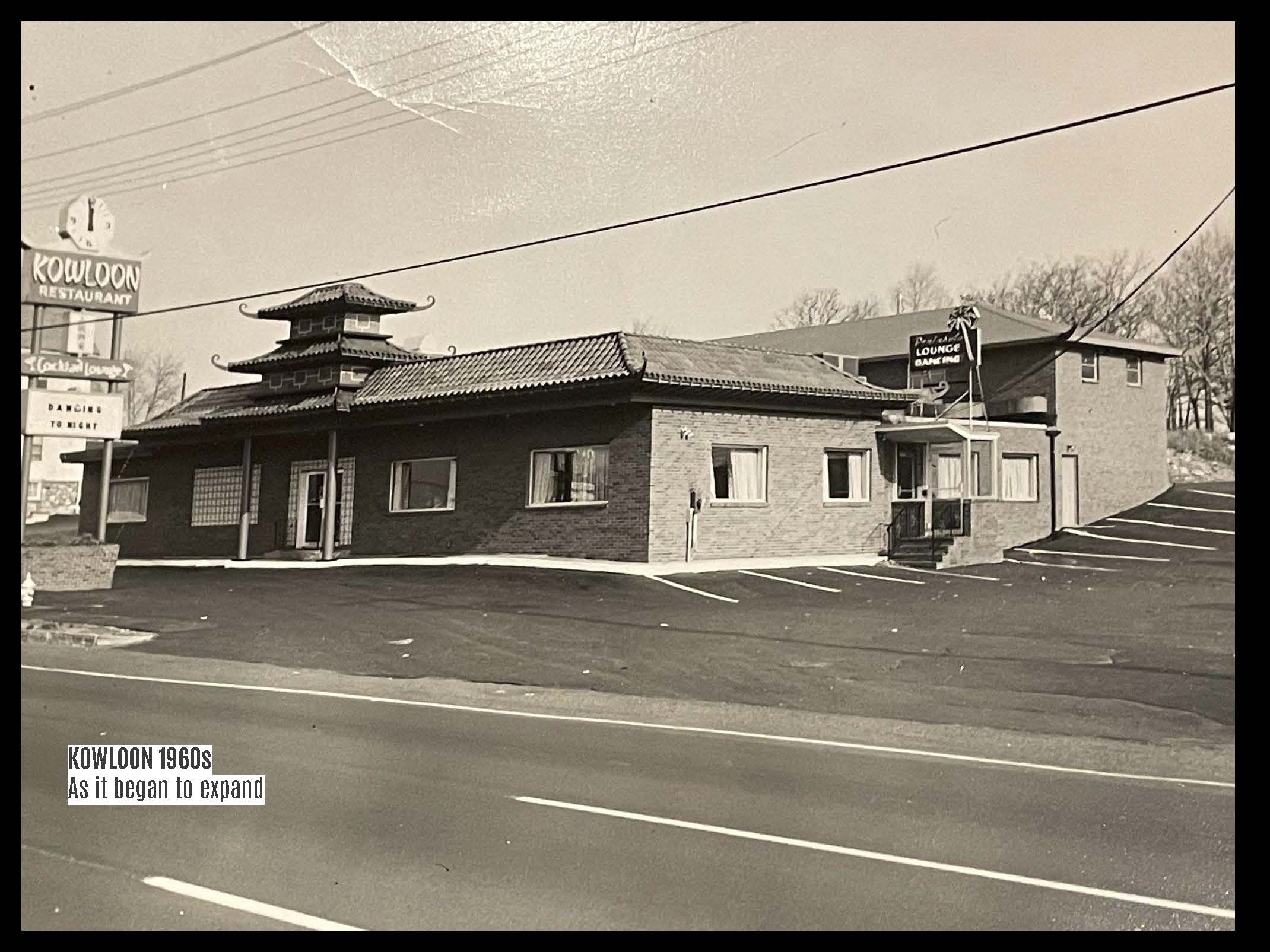
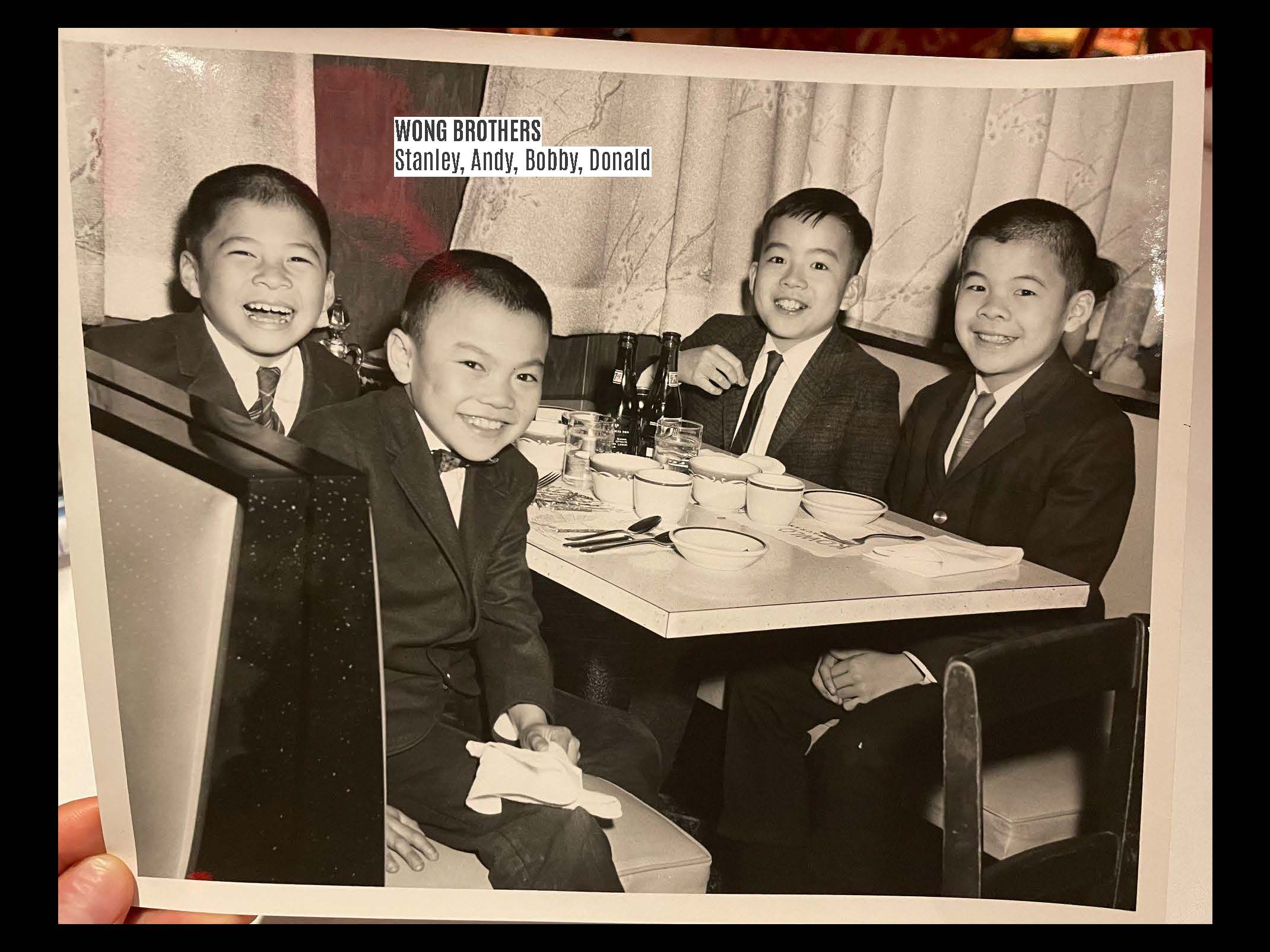
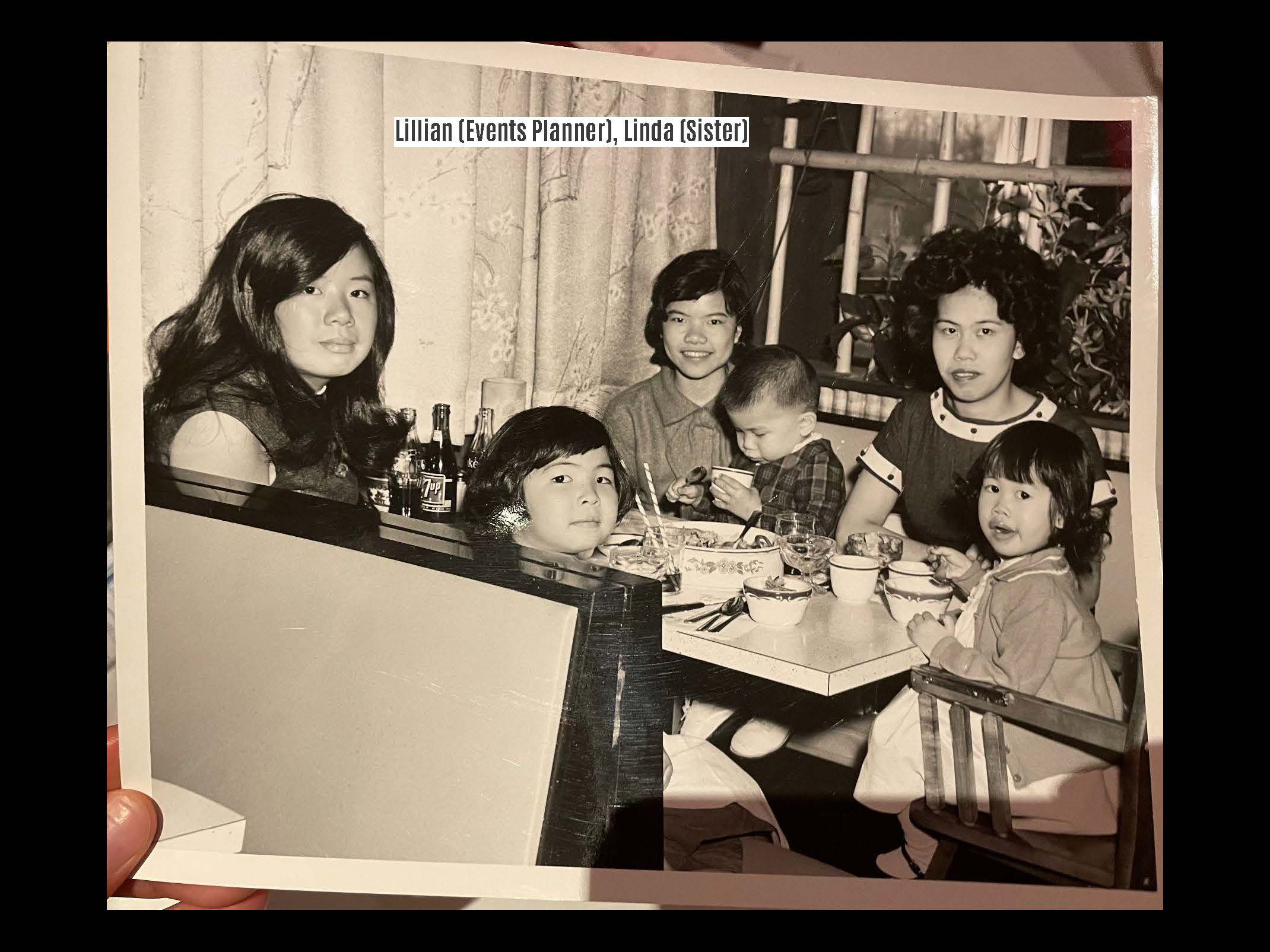
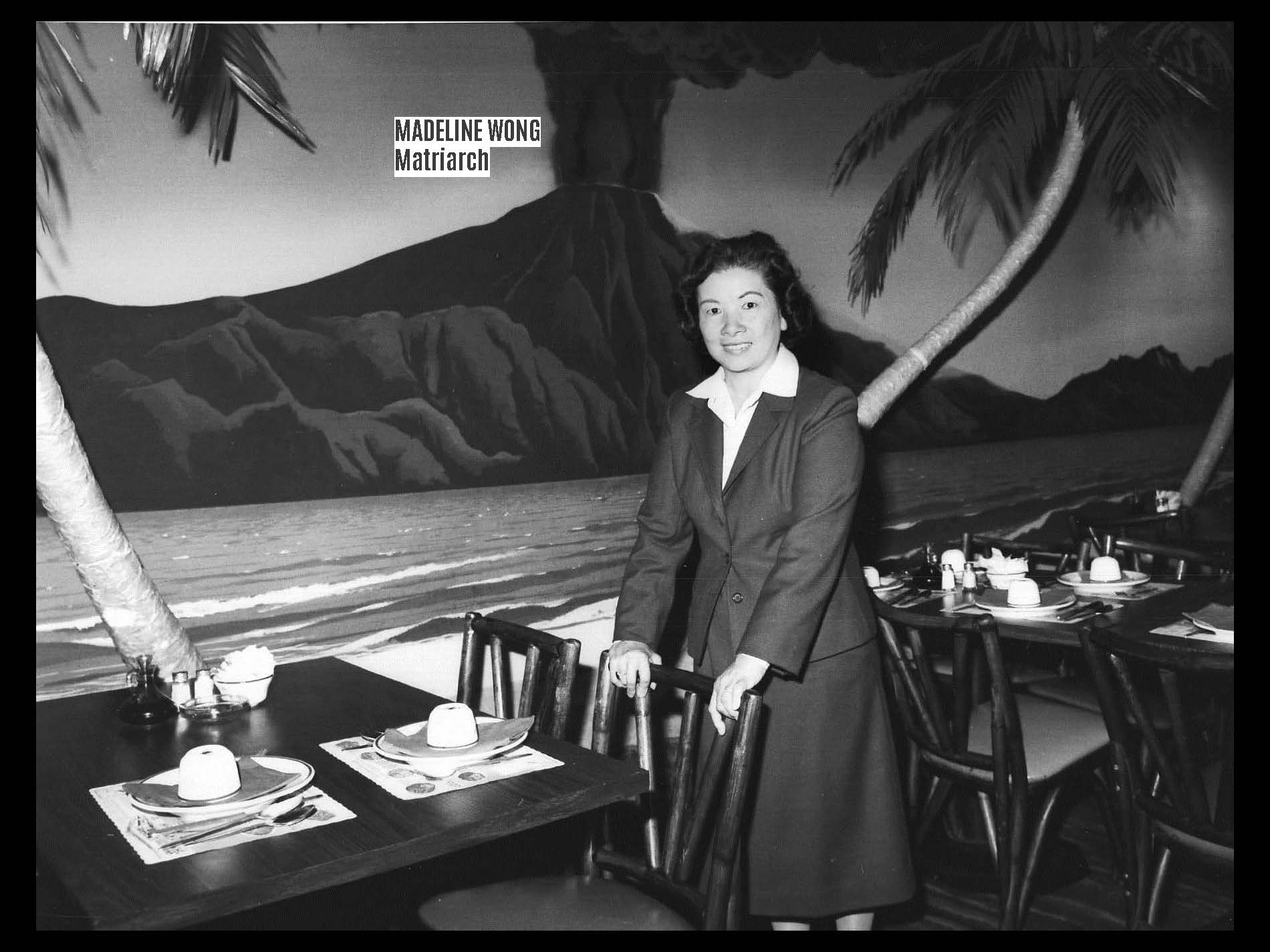
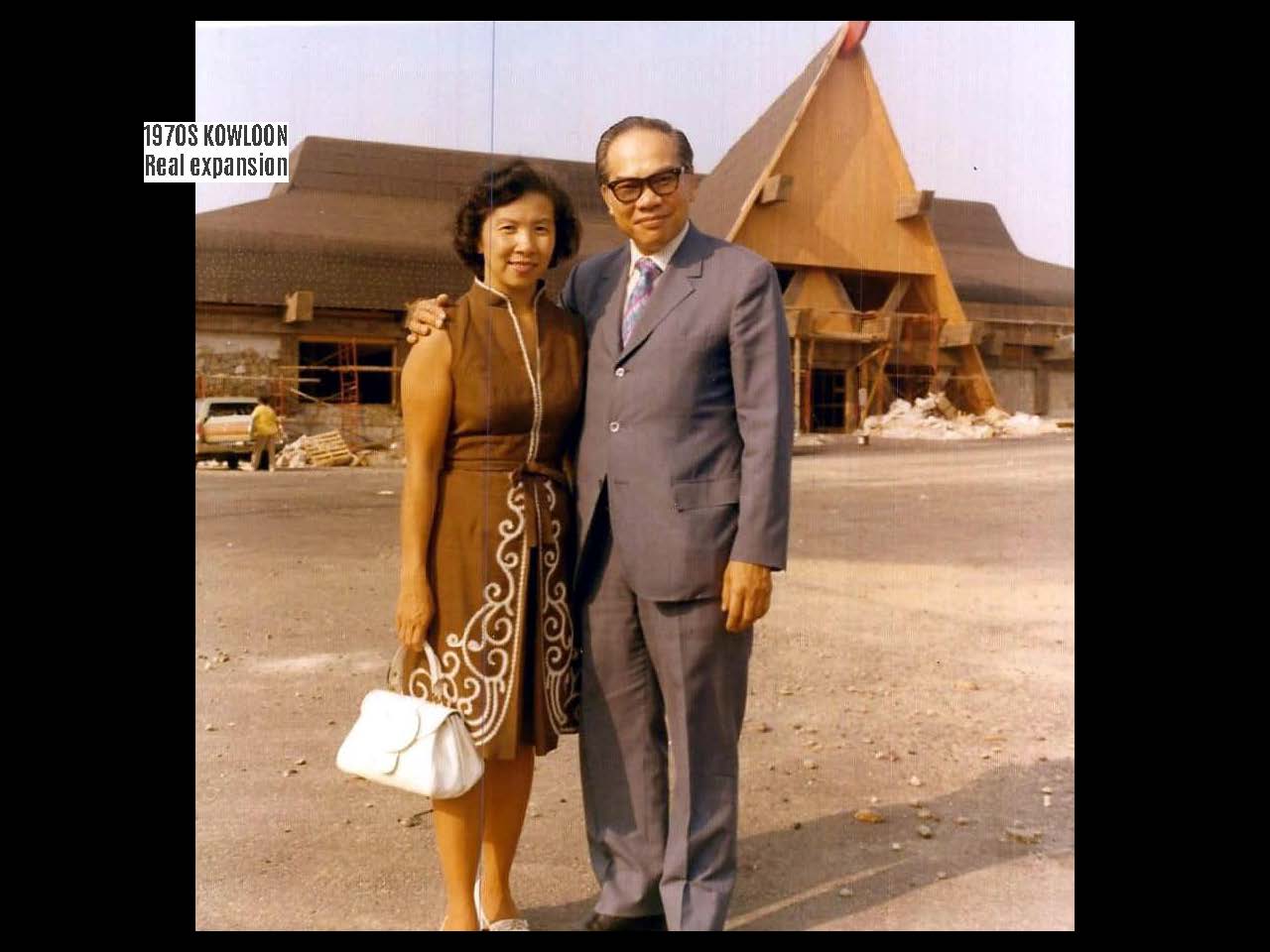
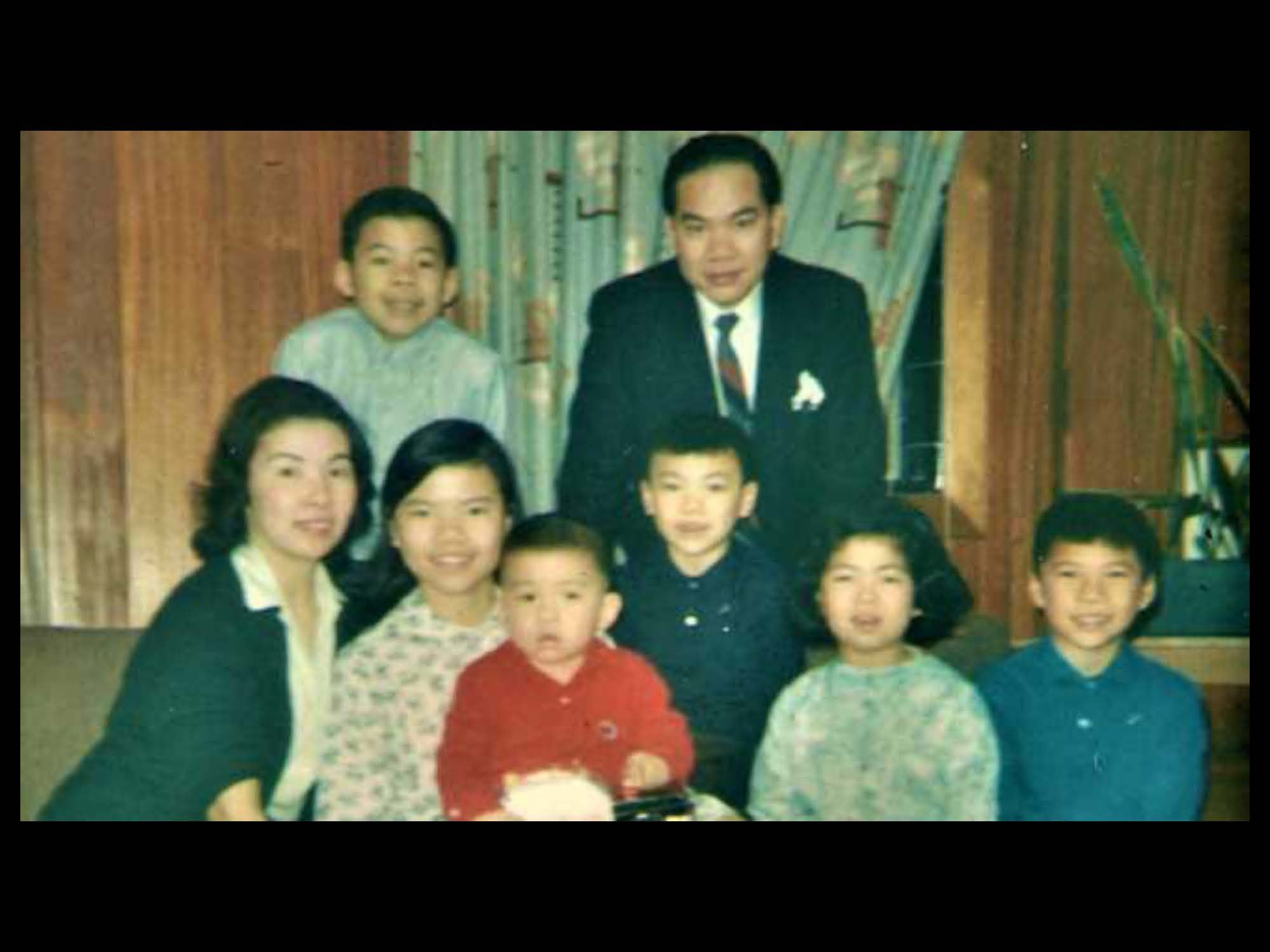
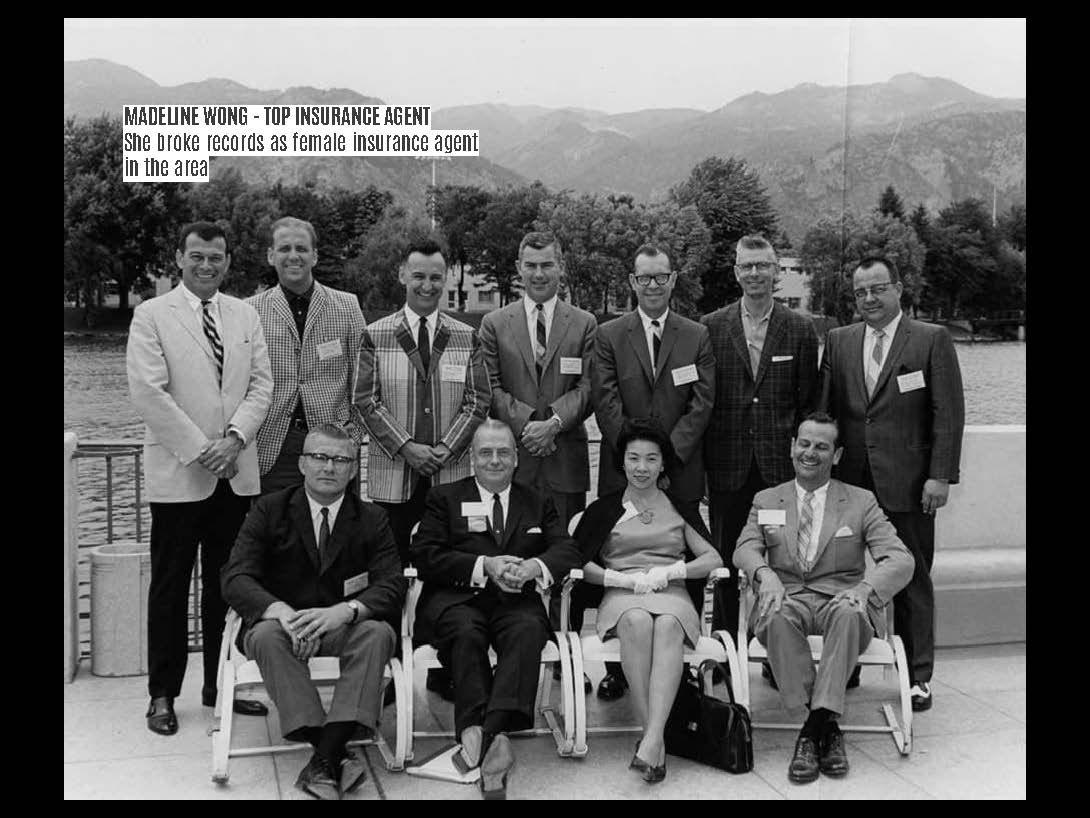
Check out Erin and Mona’s lookbook for Kowloon! below.
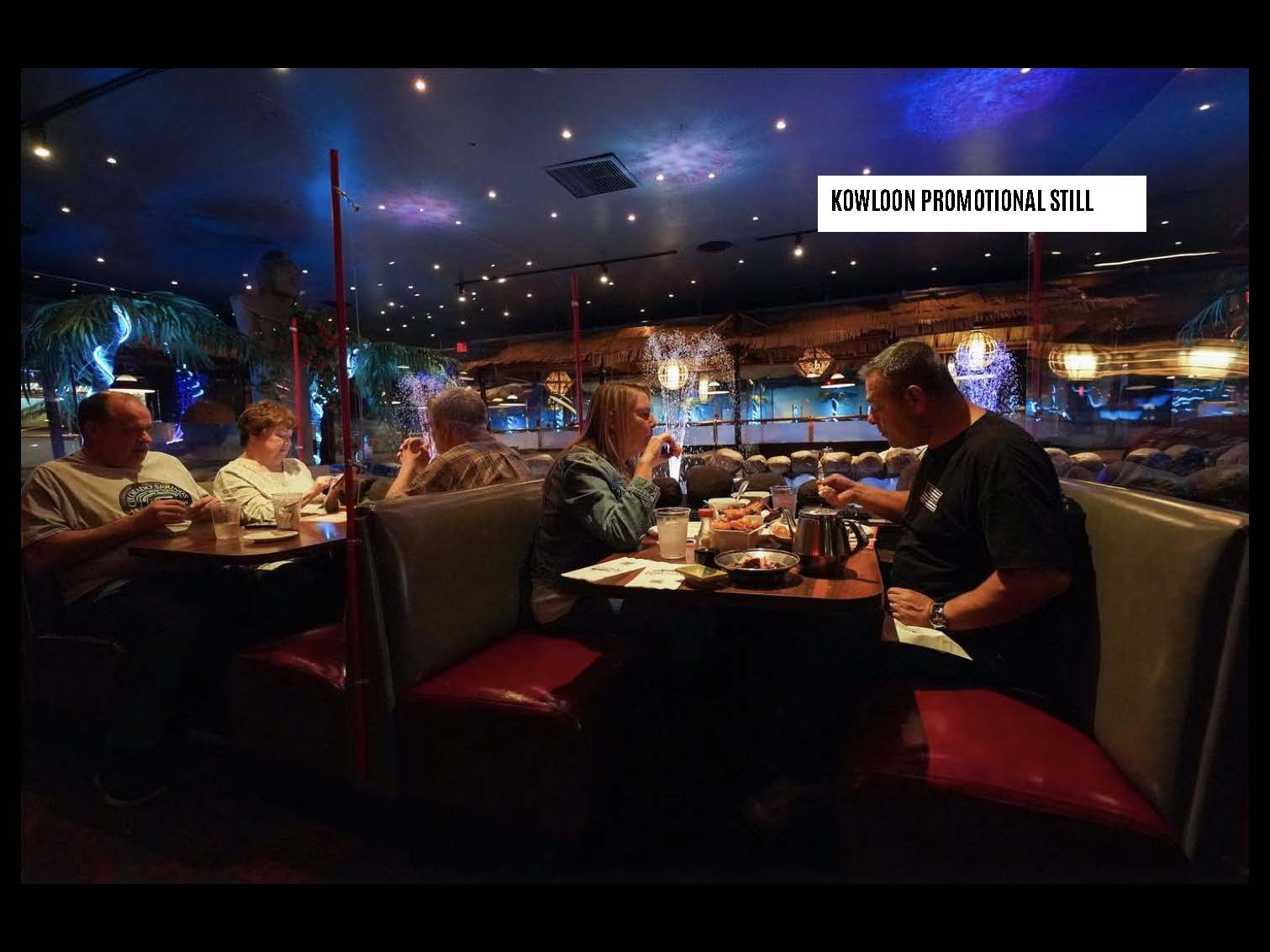
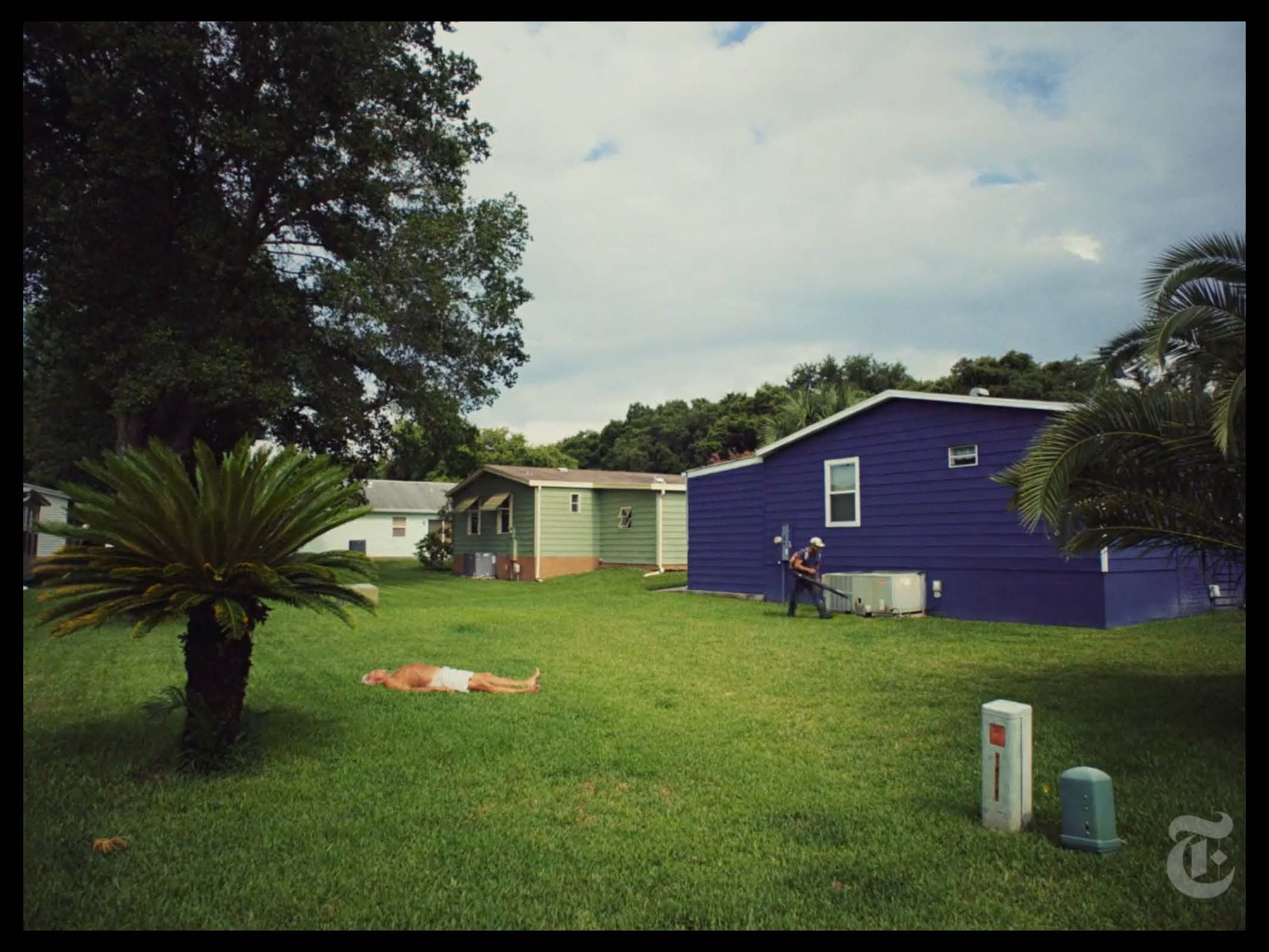
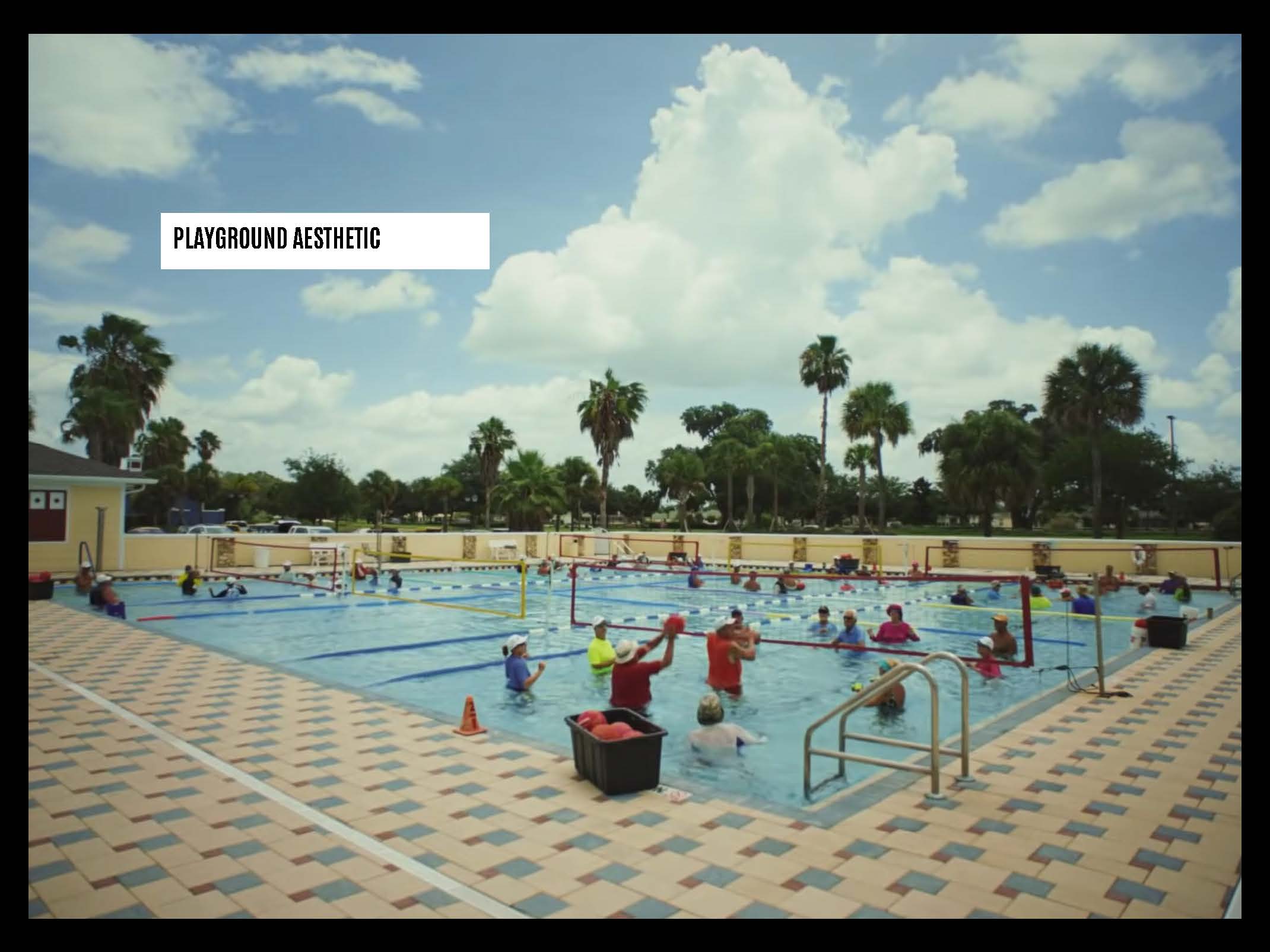
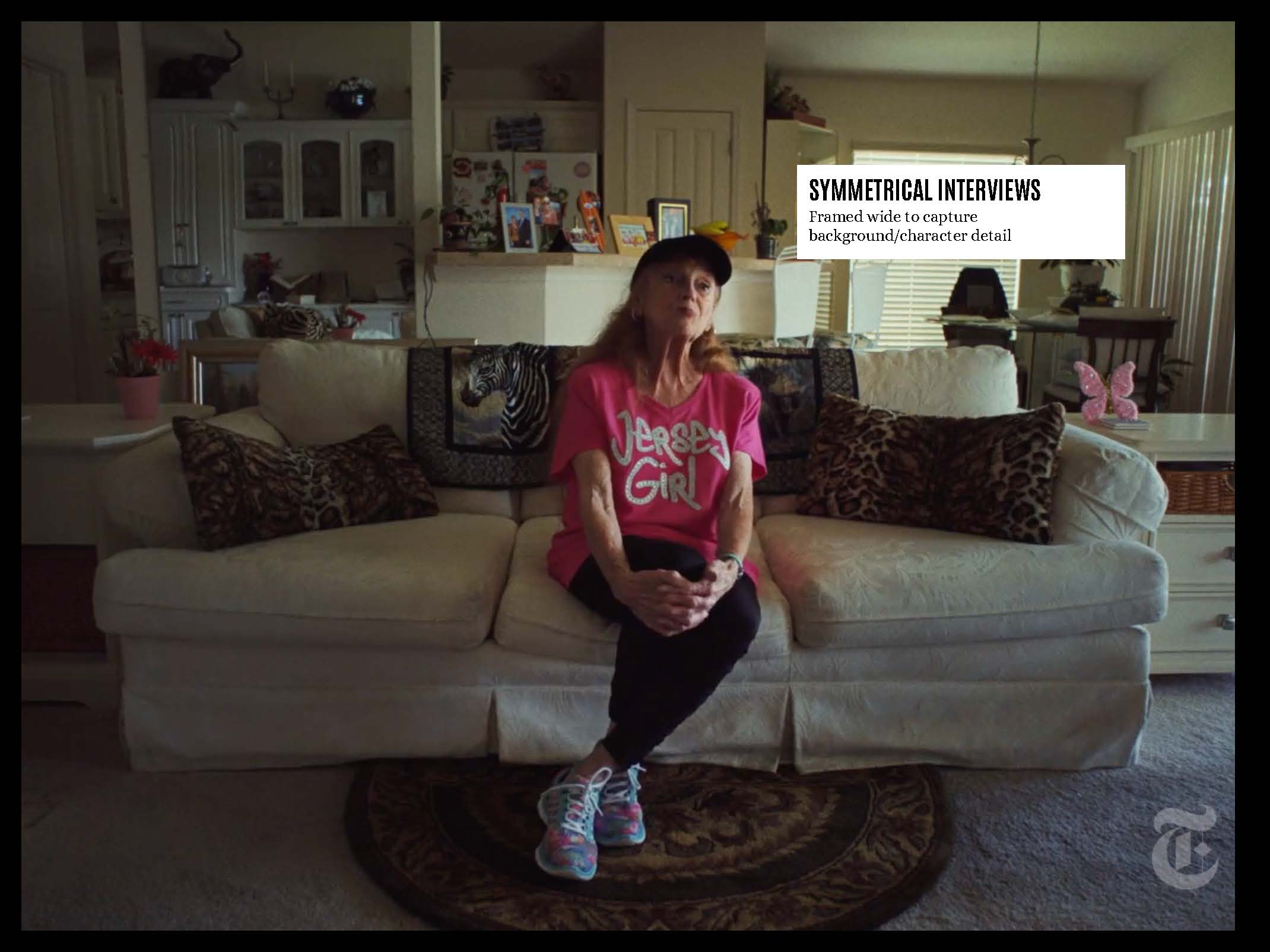
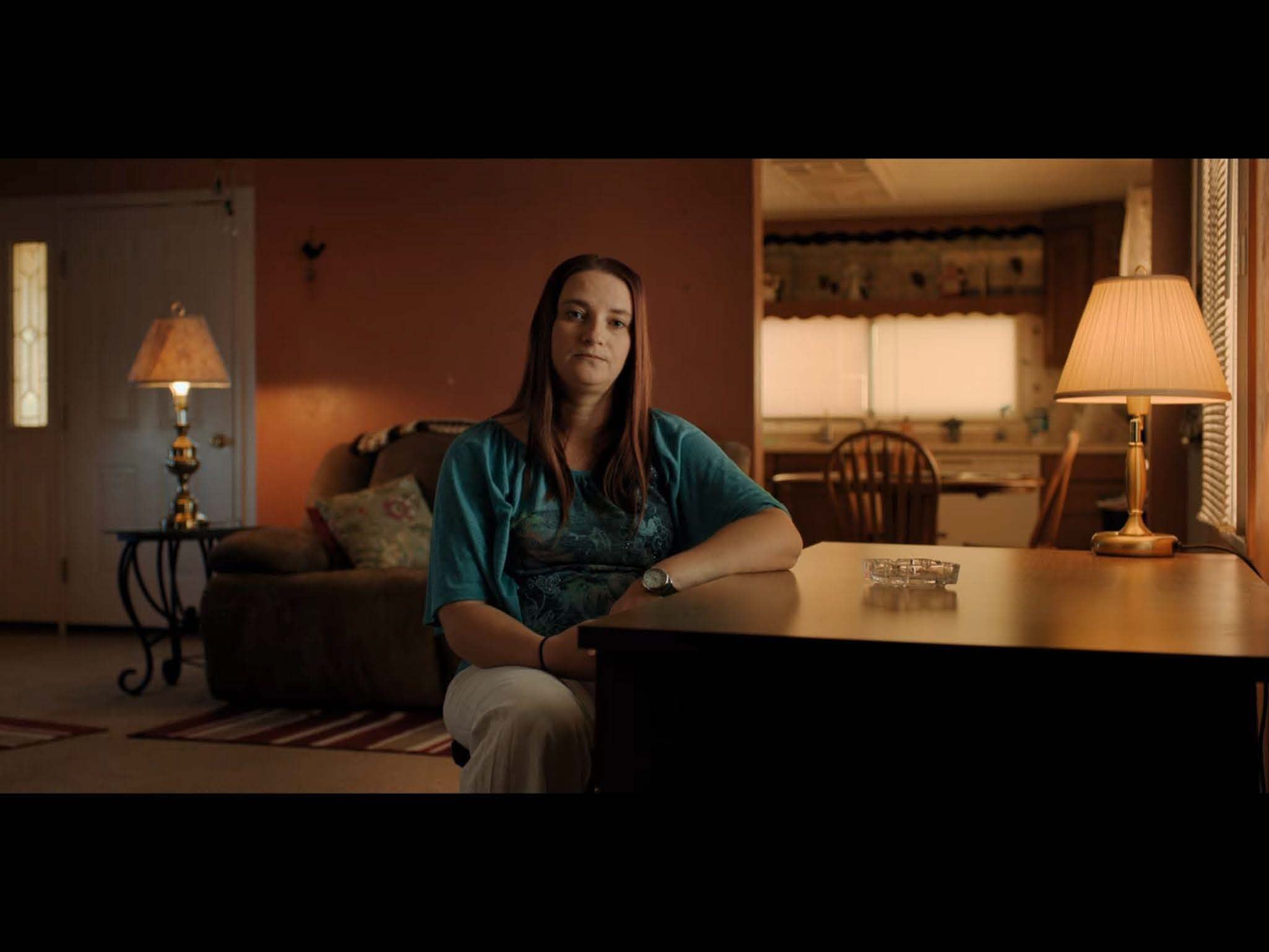
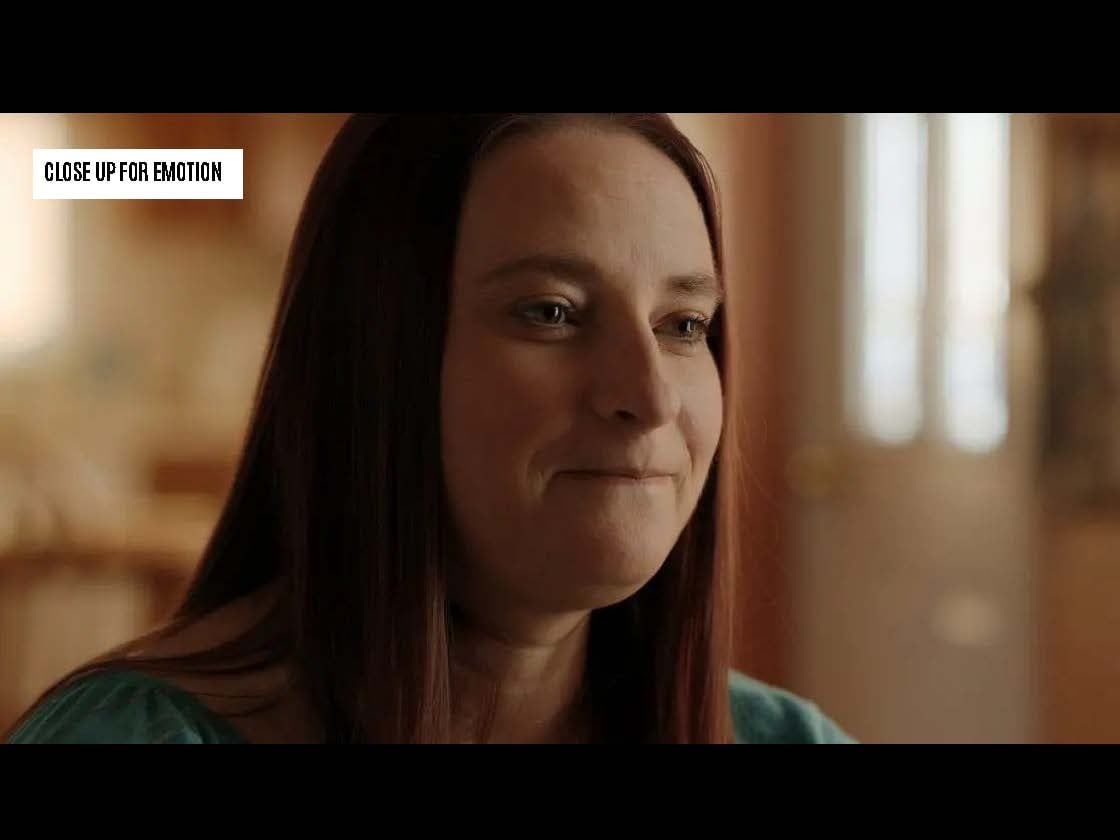
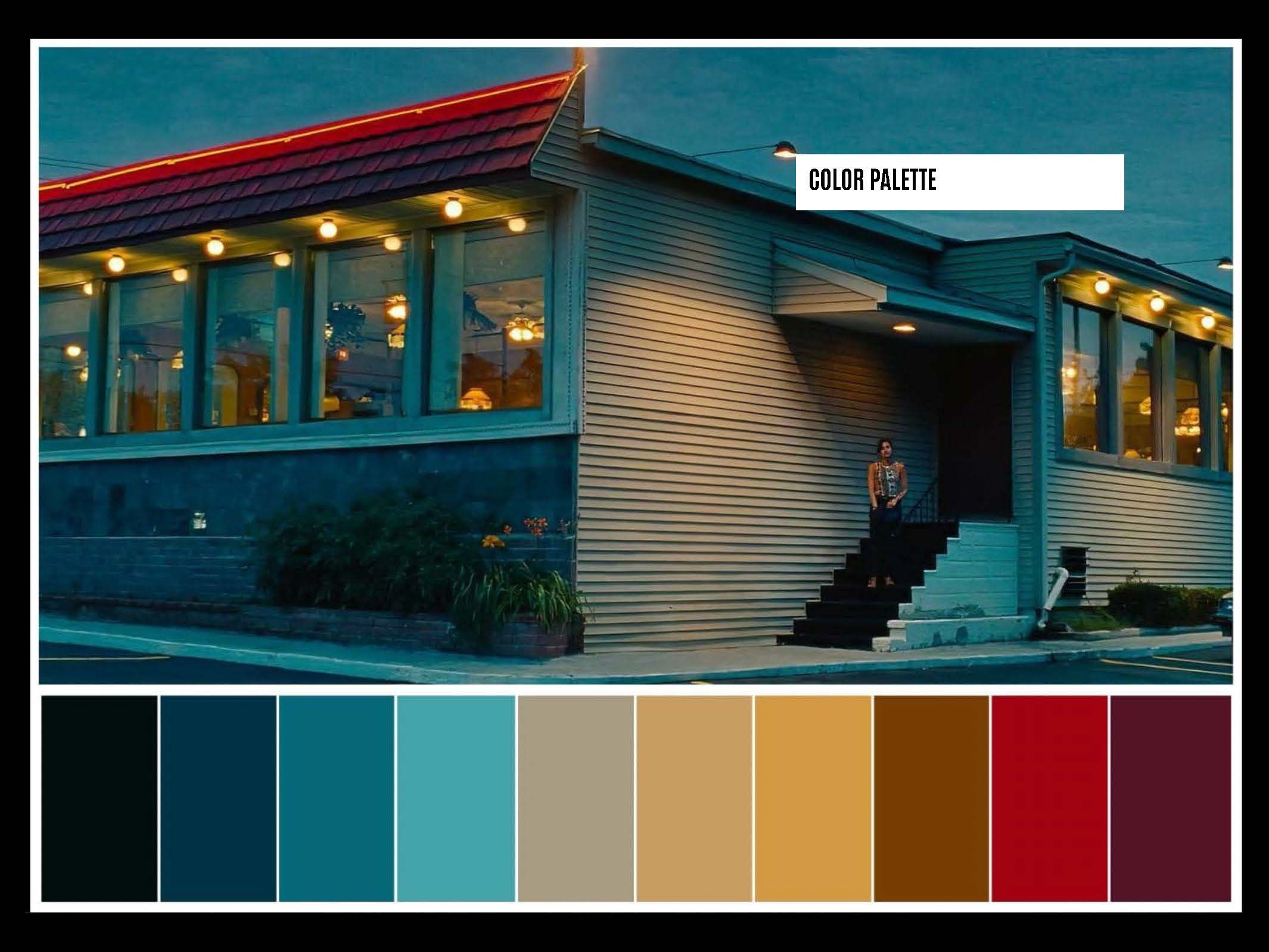
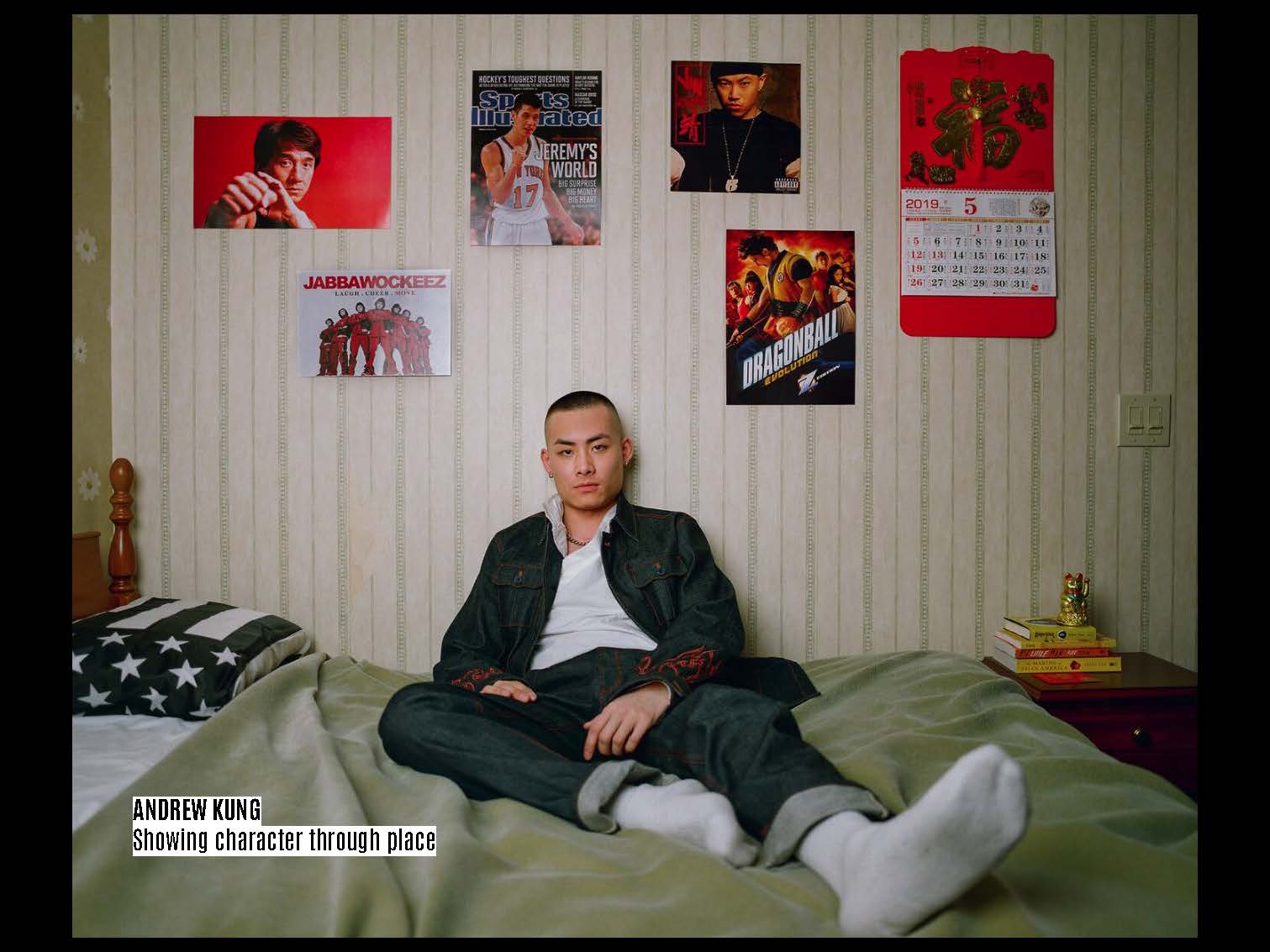
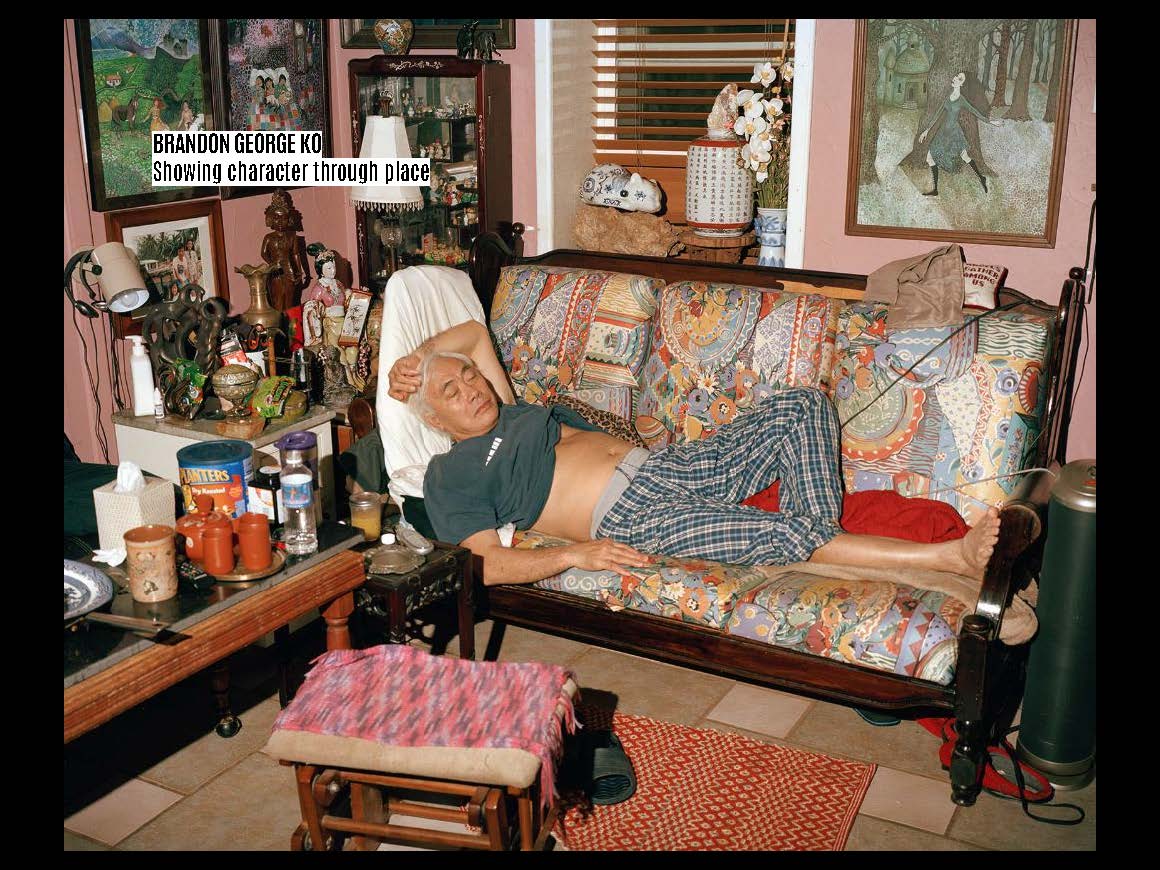
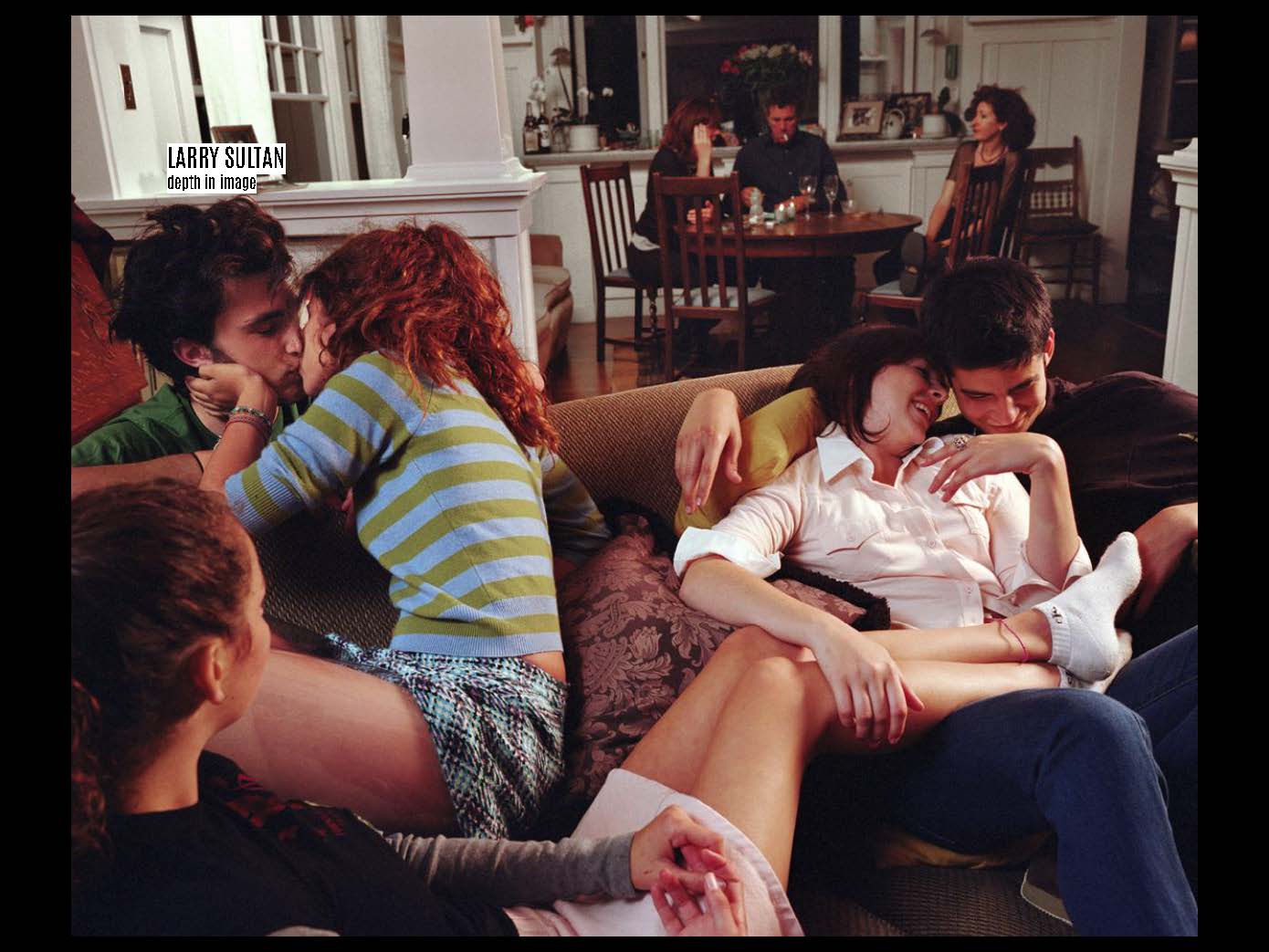
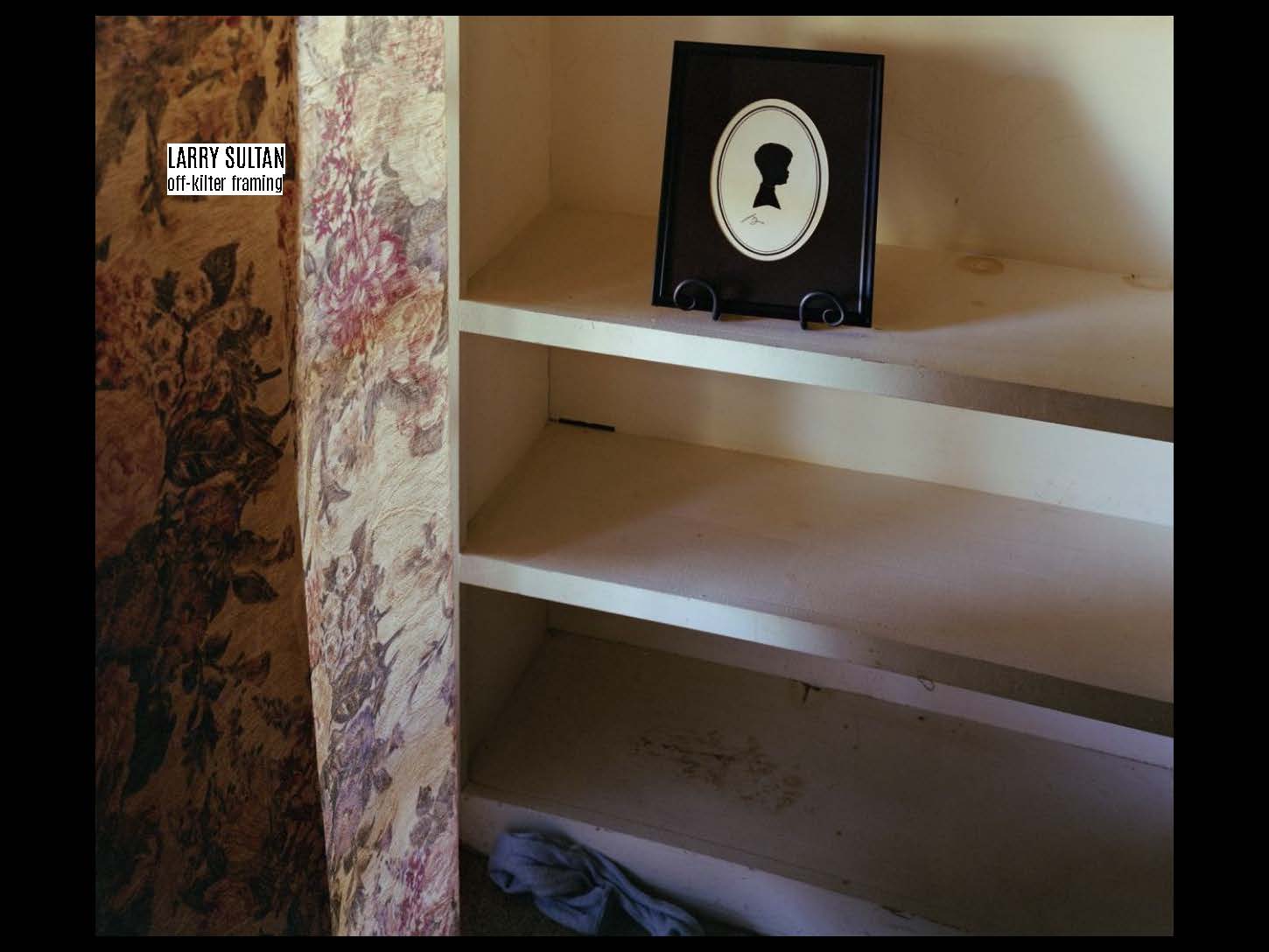
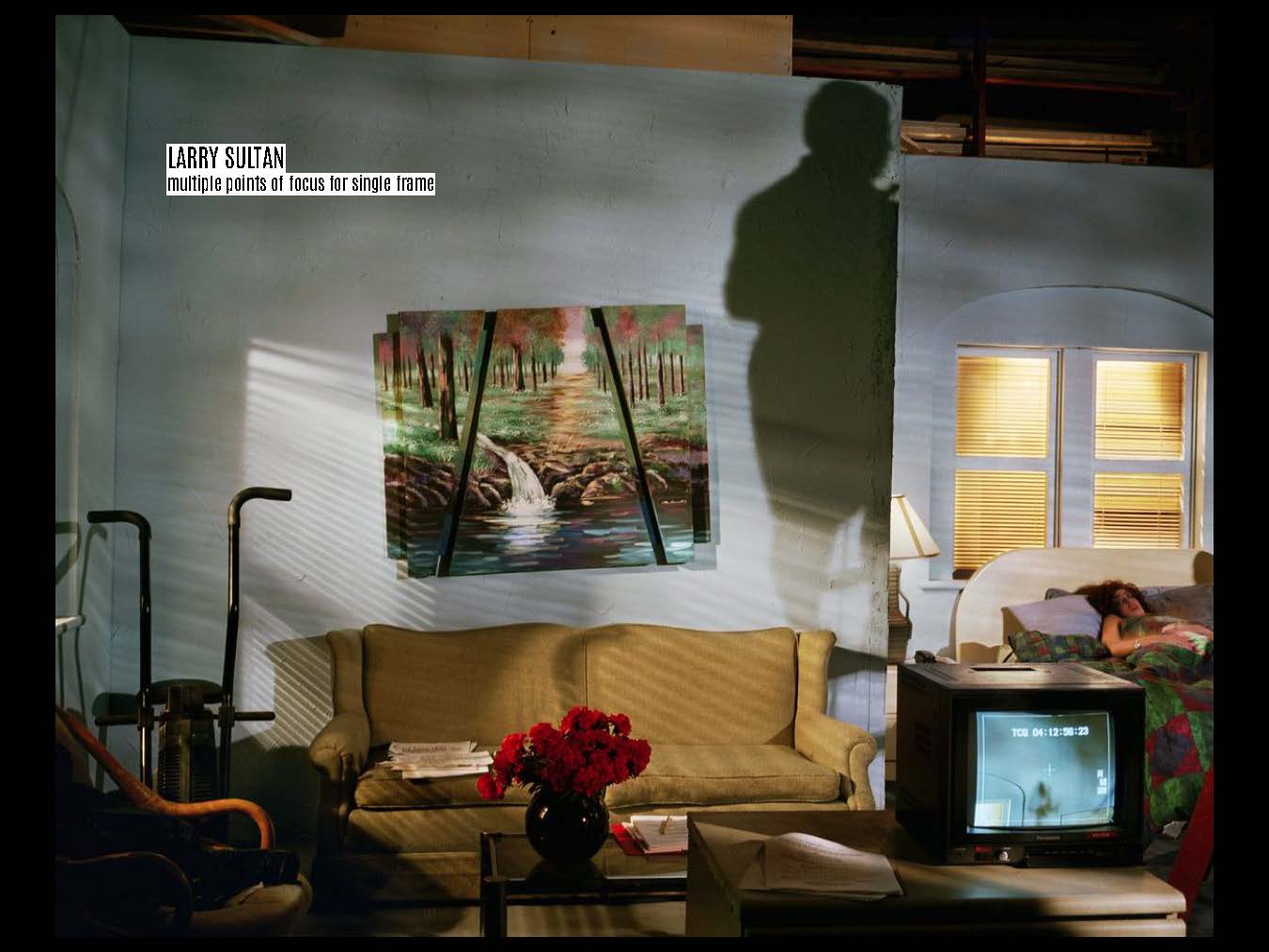
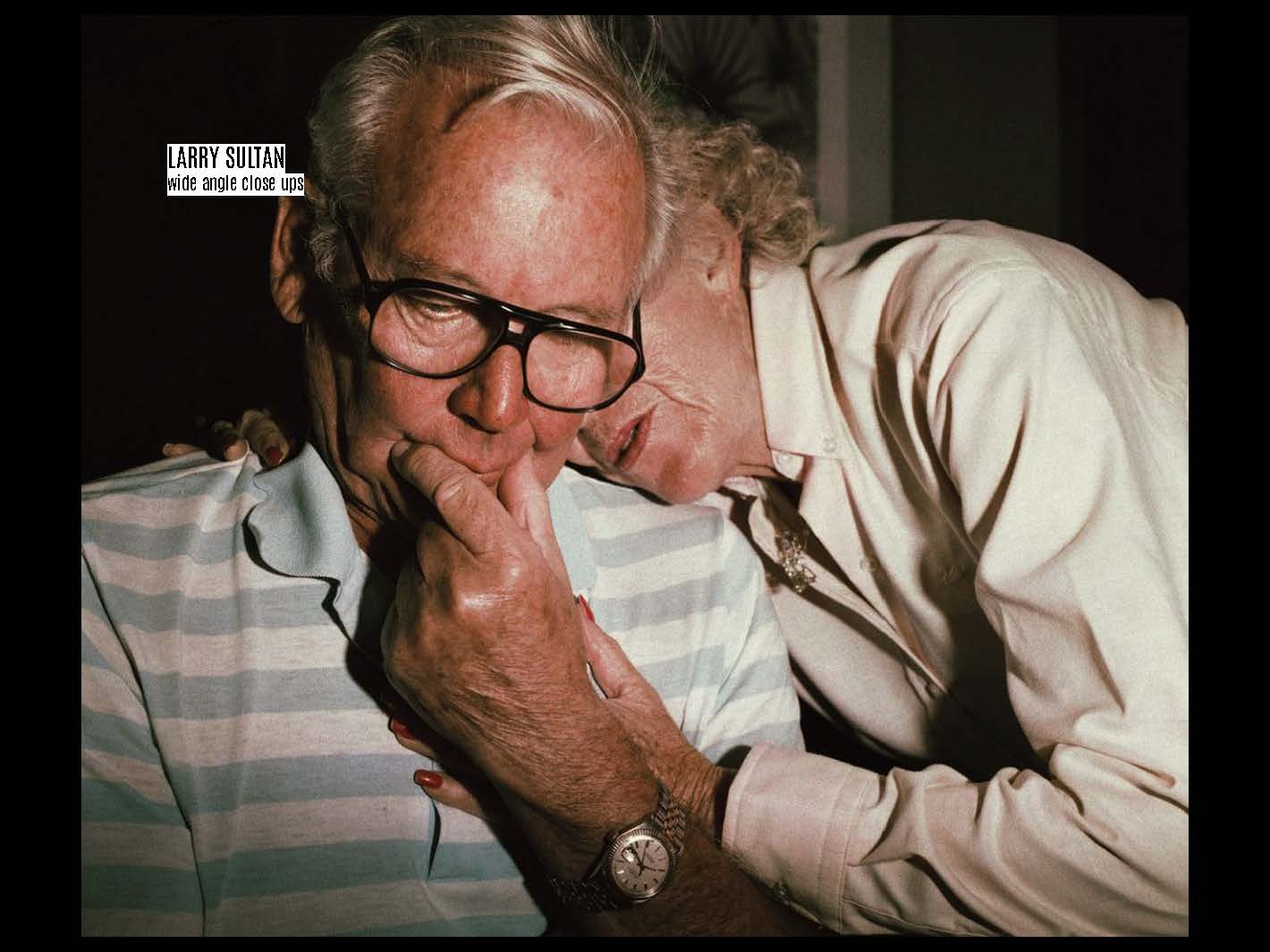
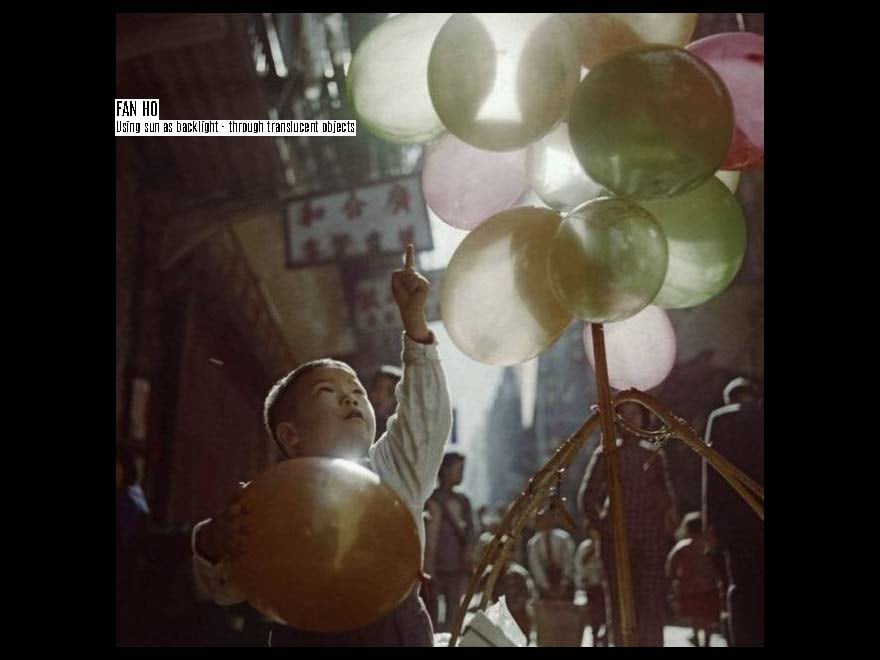
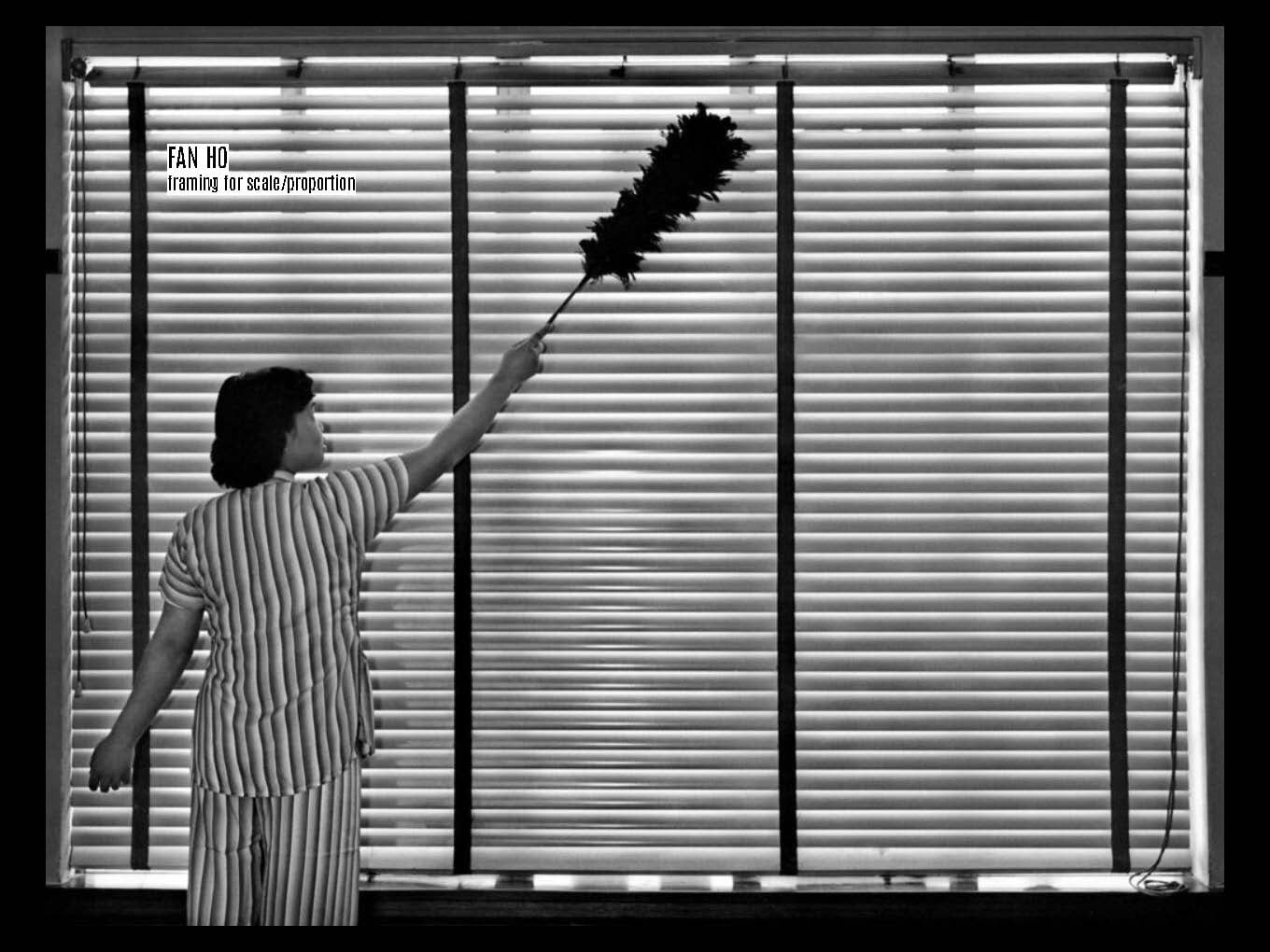
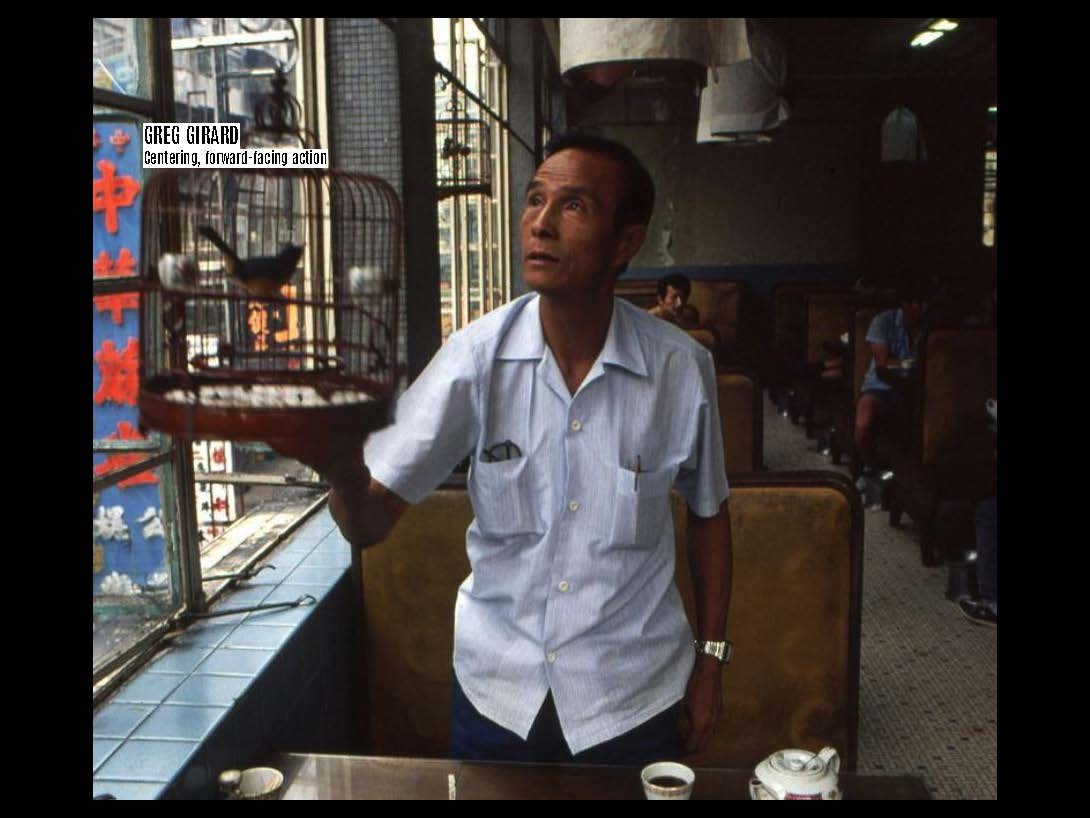
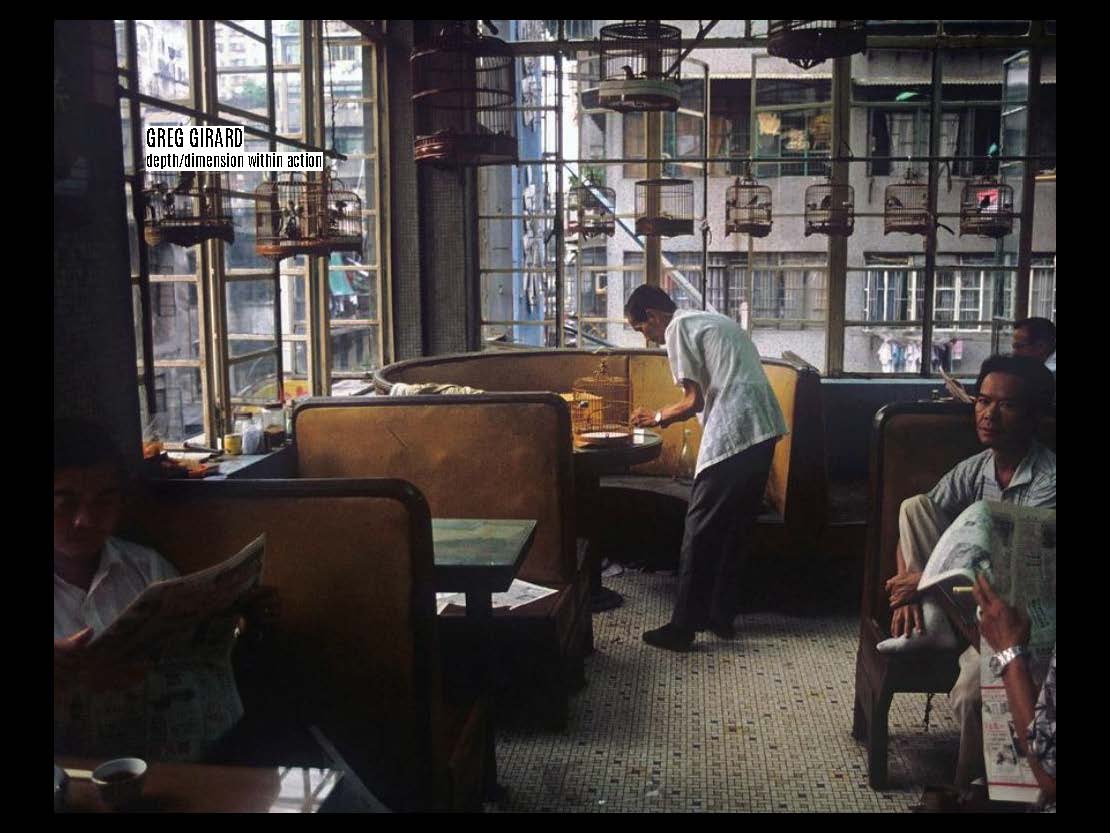
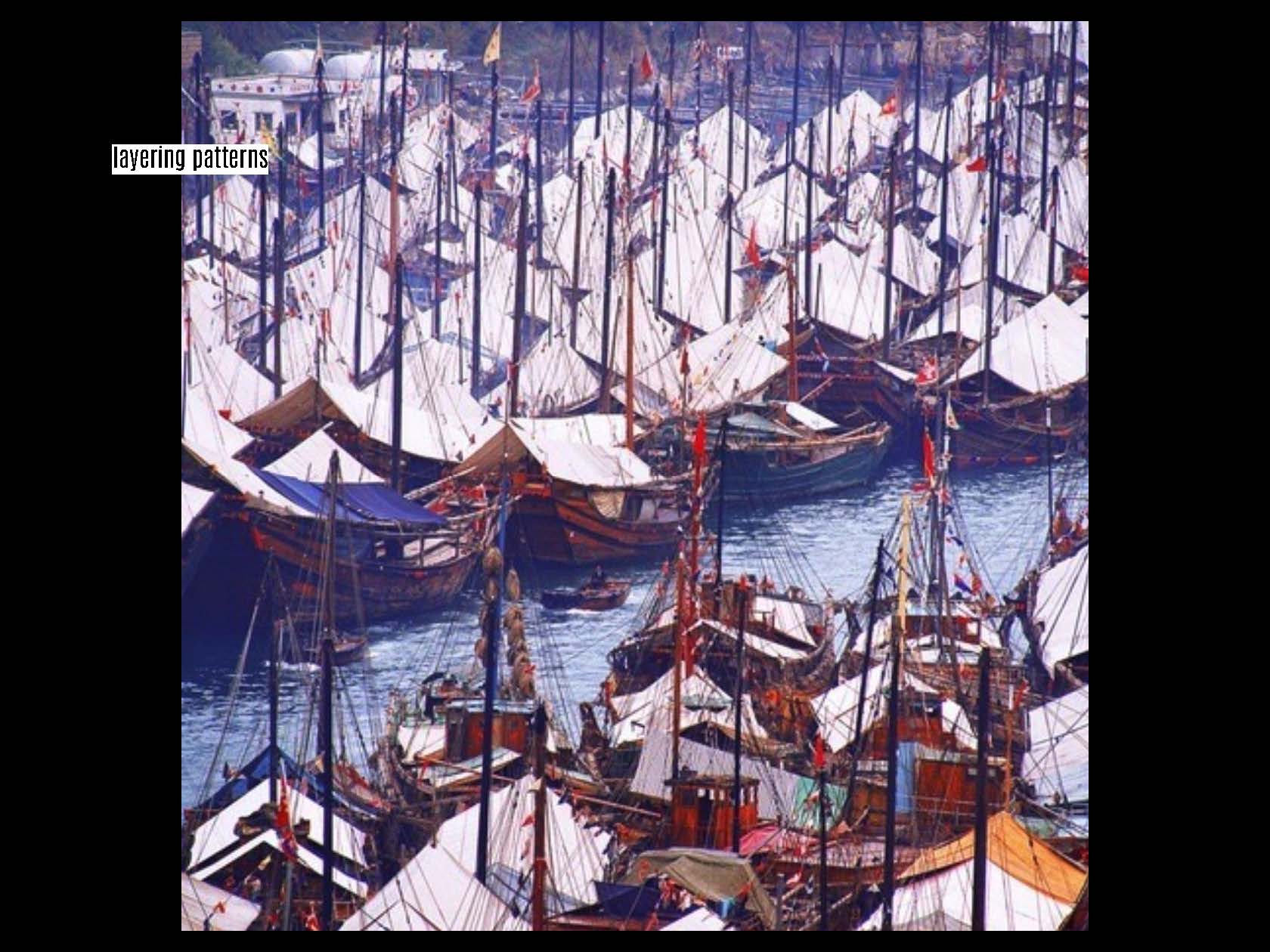
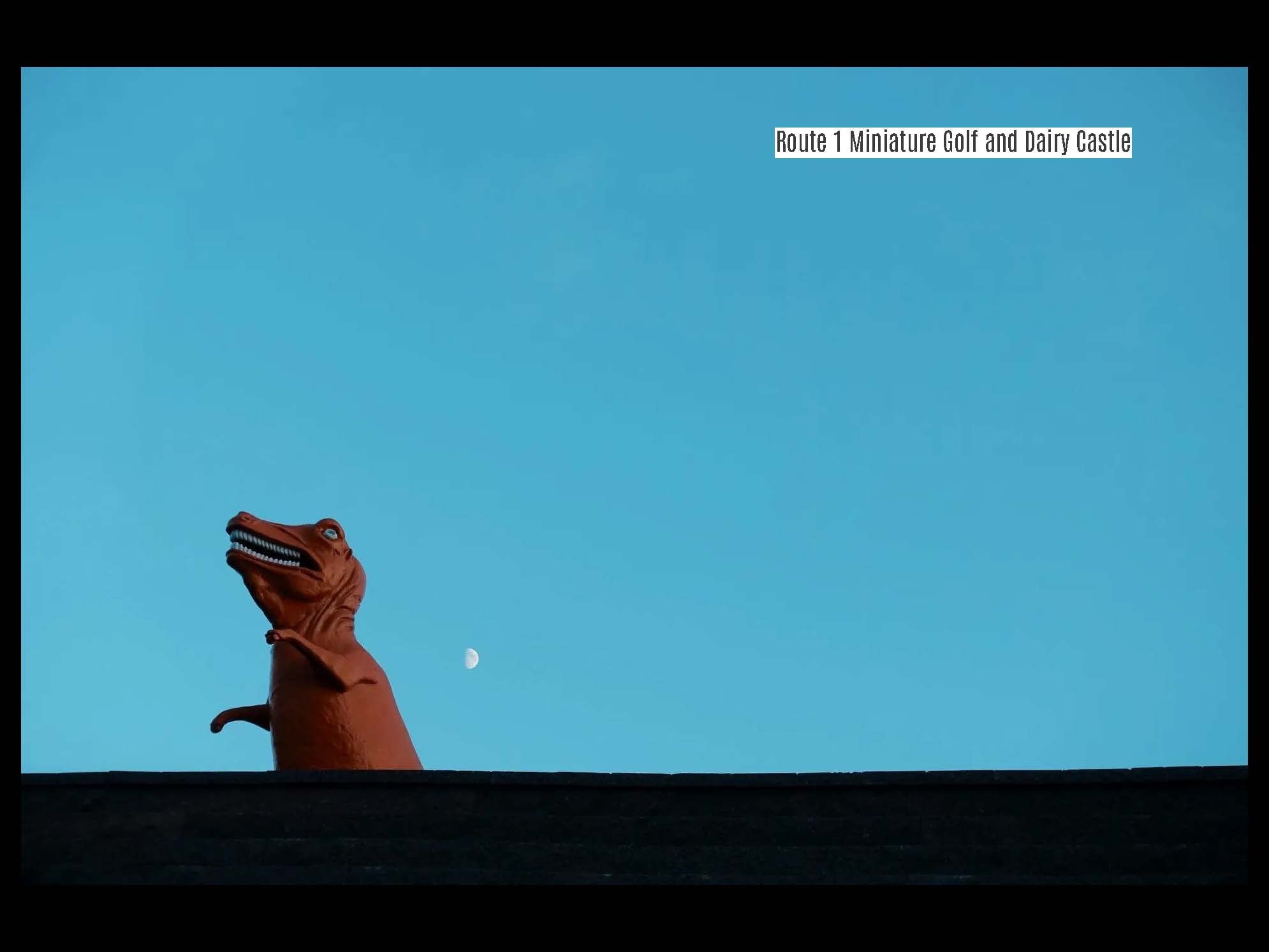
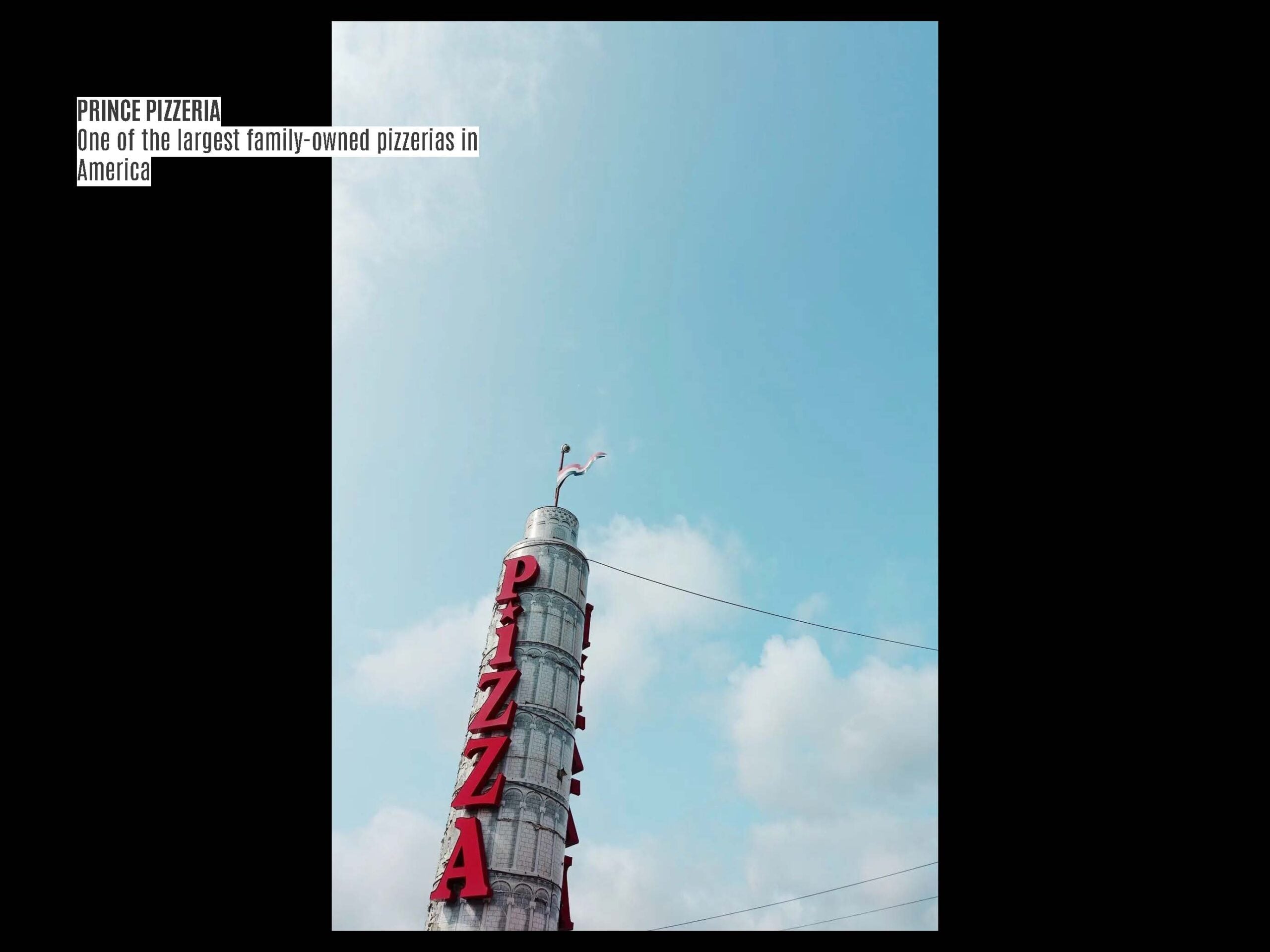
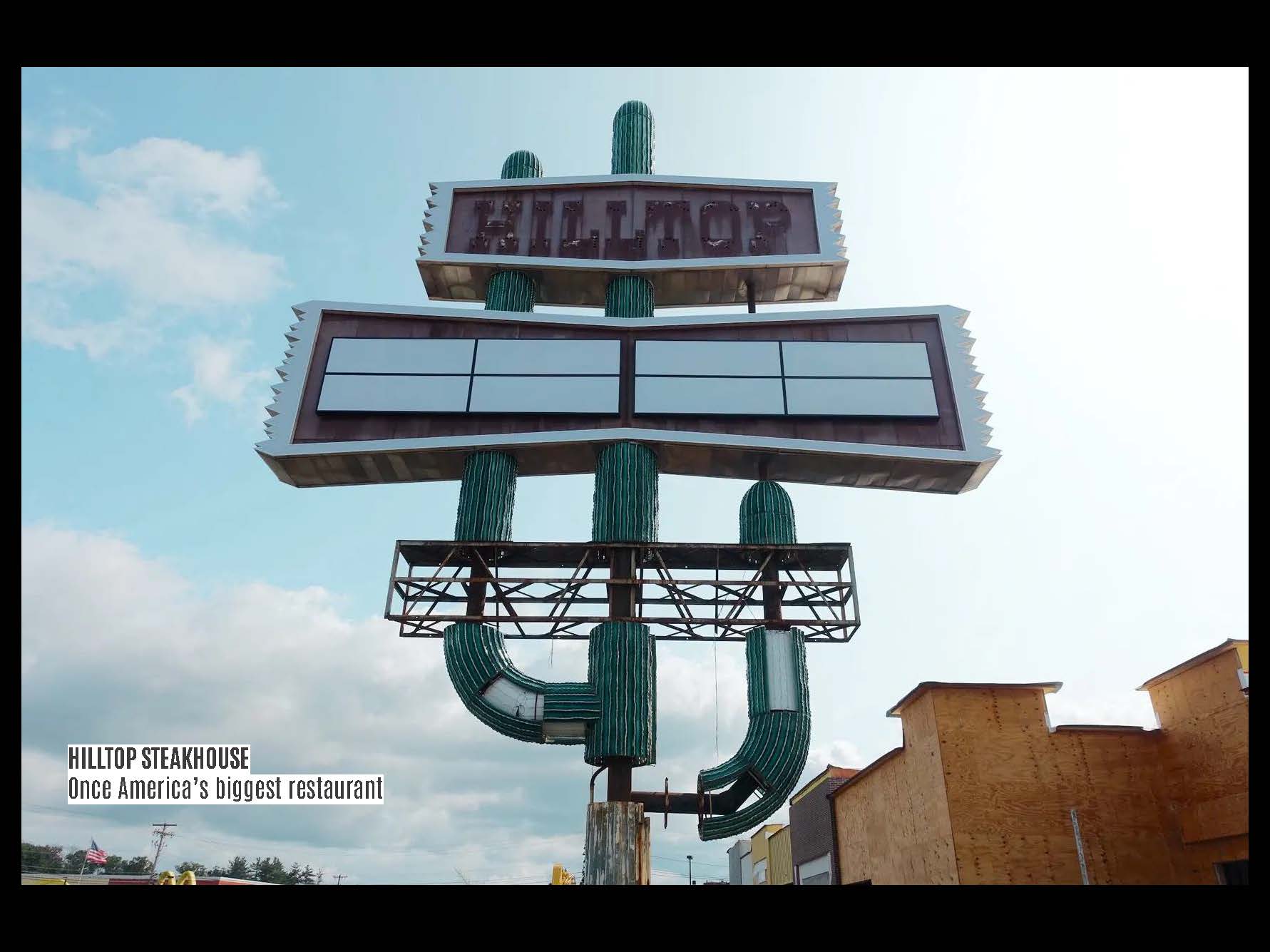
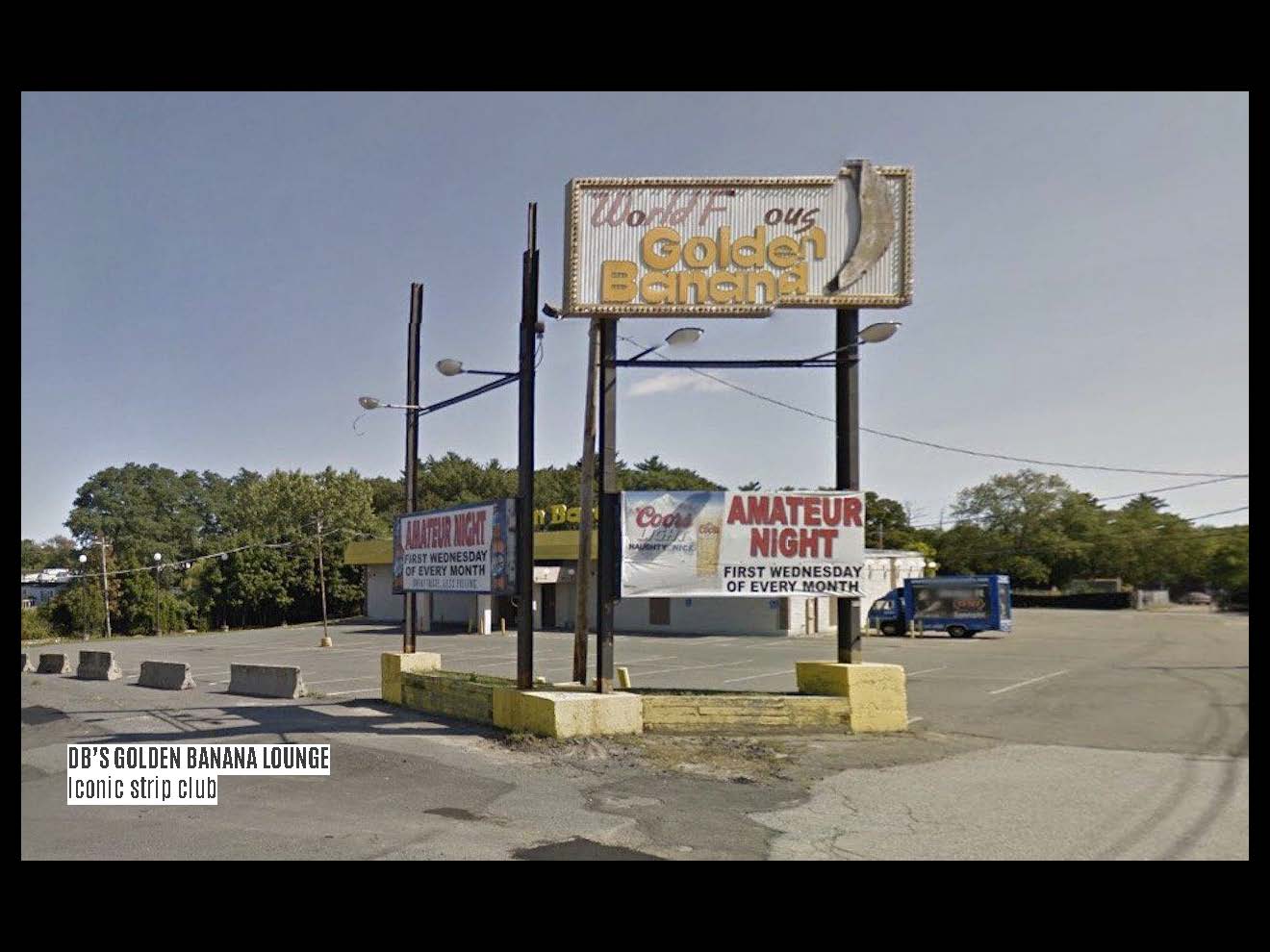
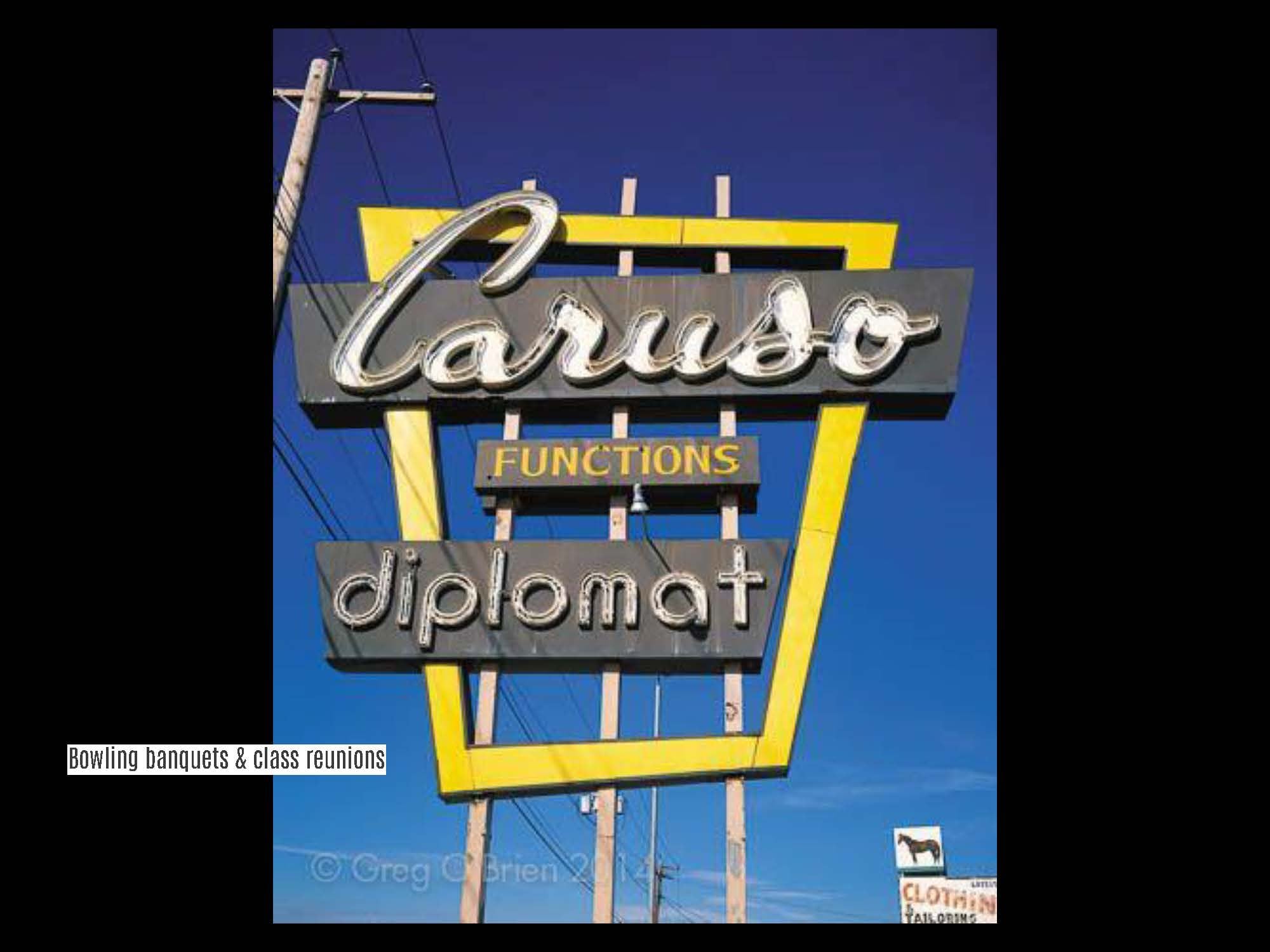
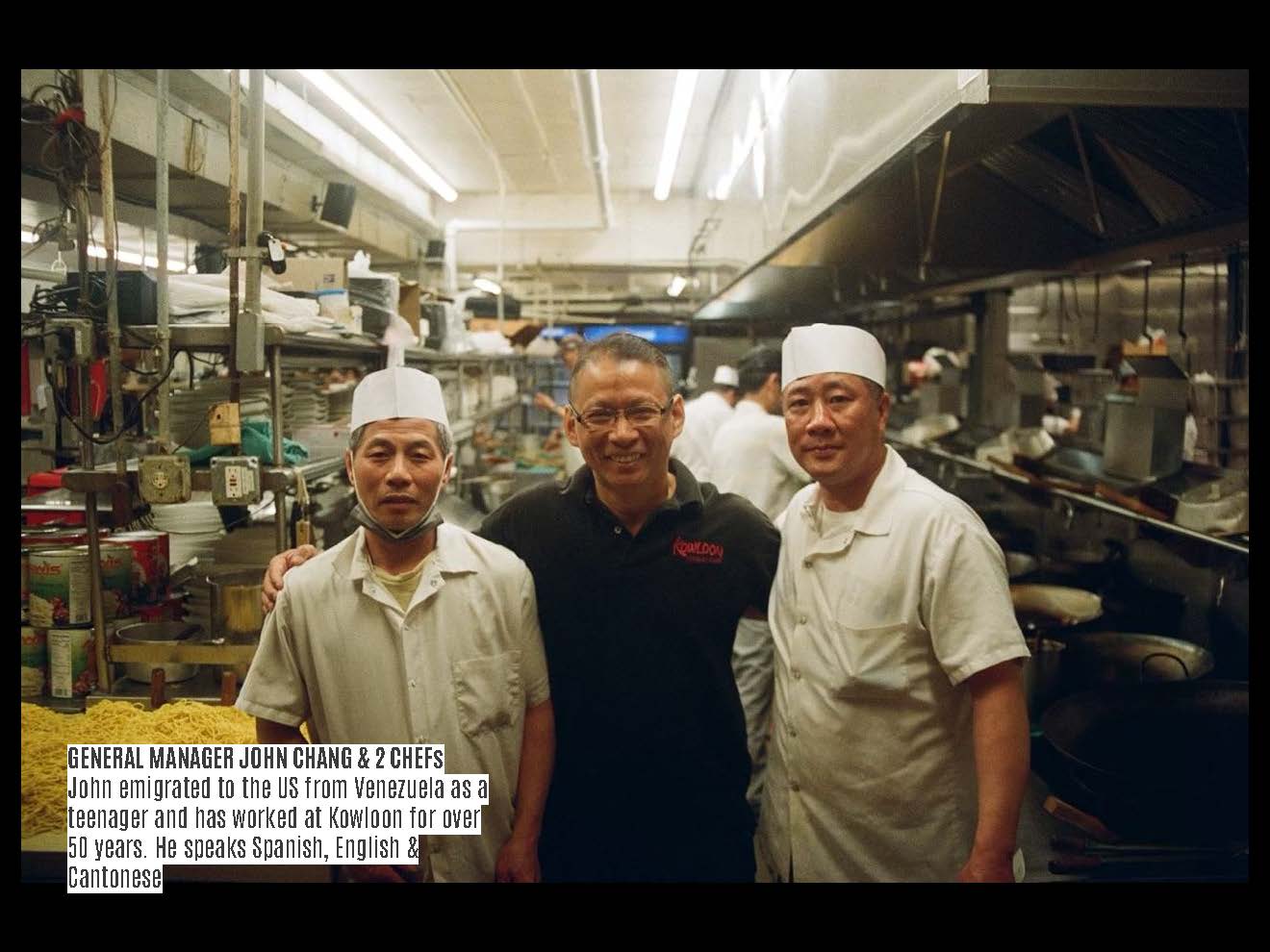
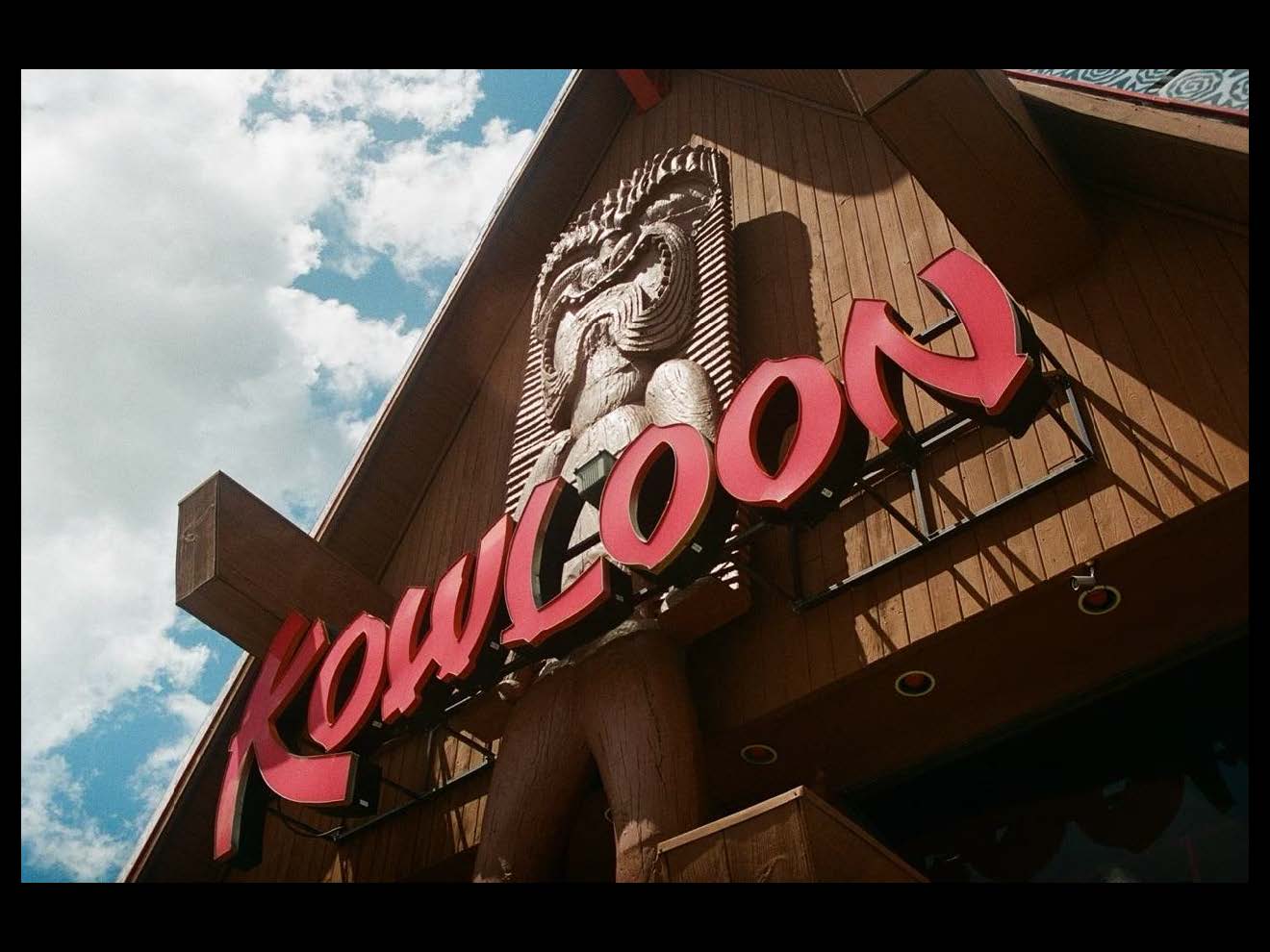
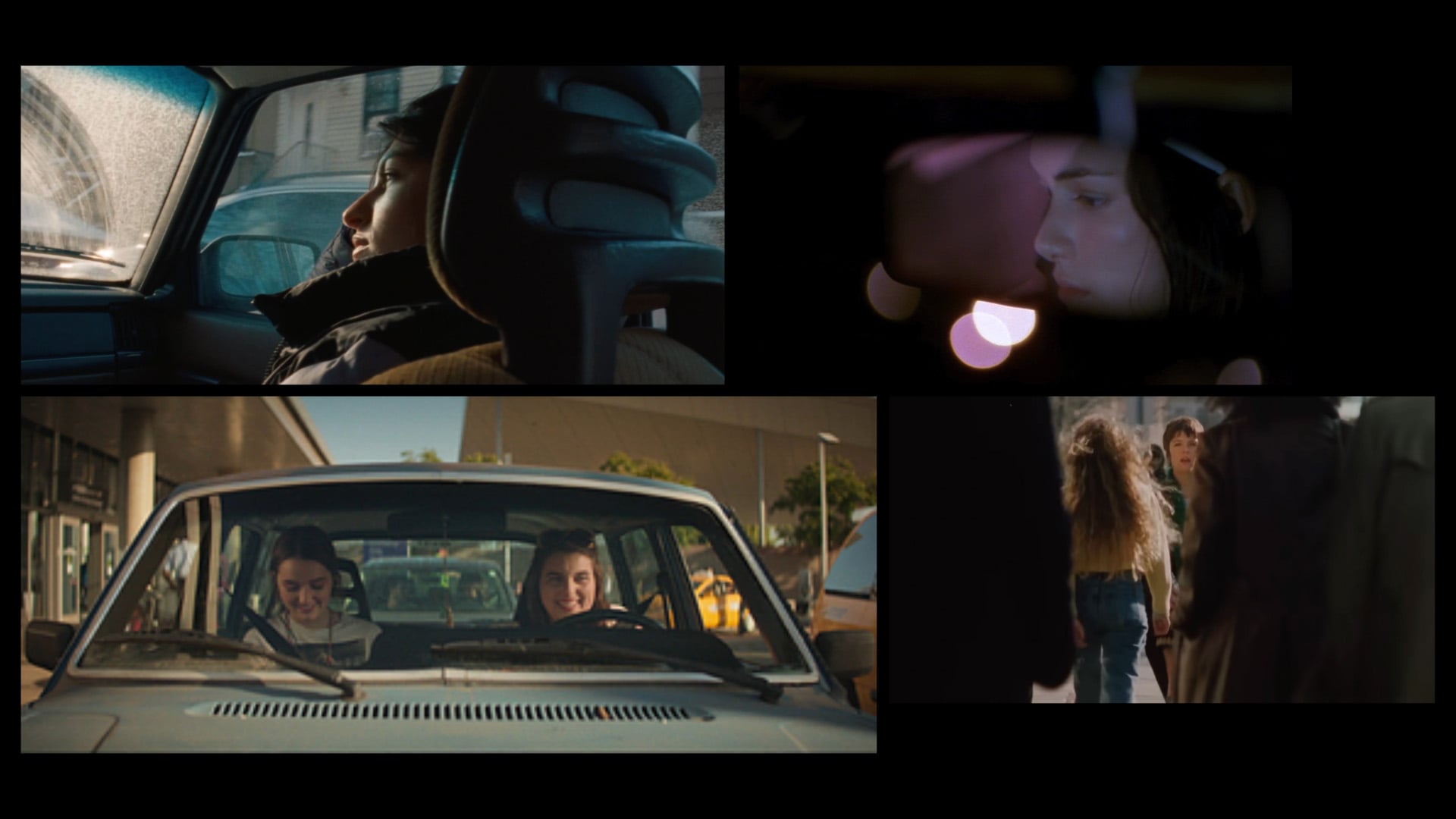
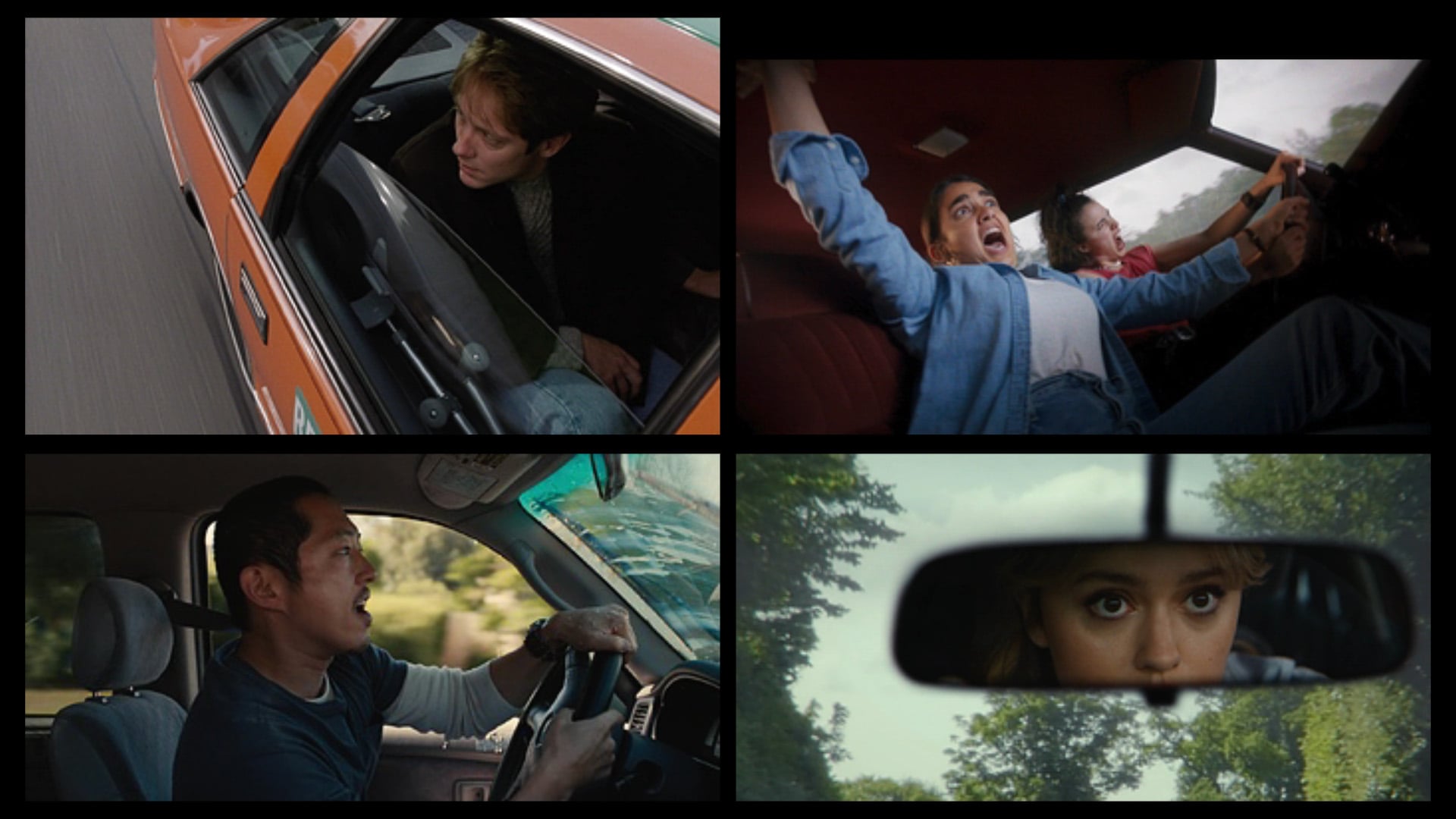
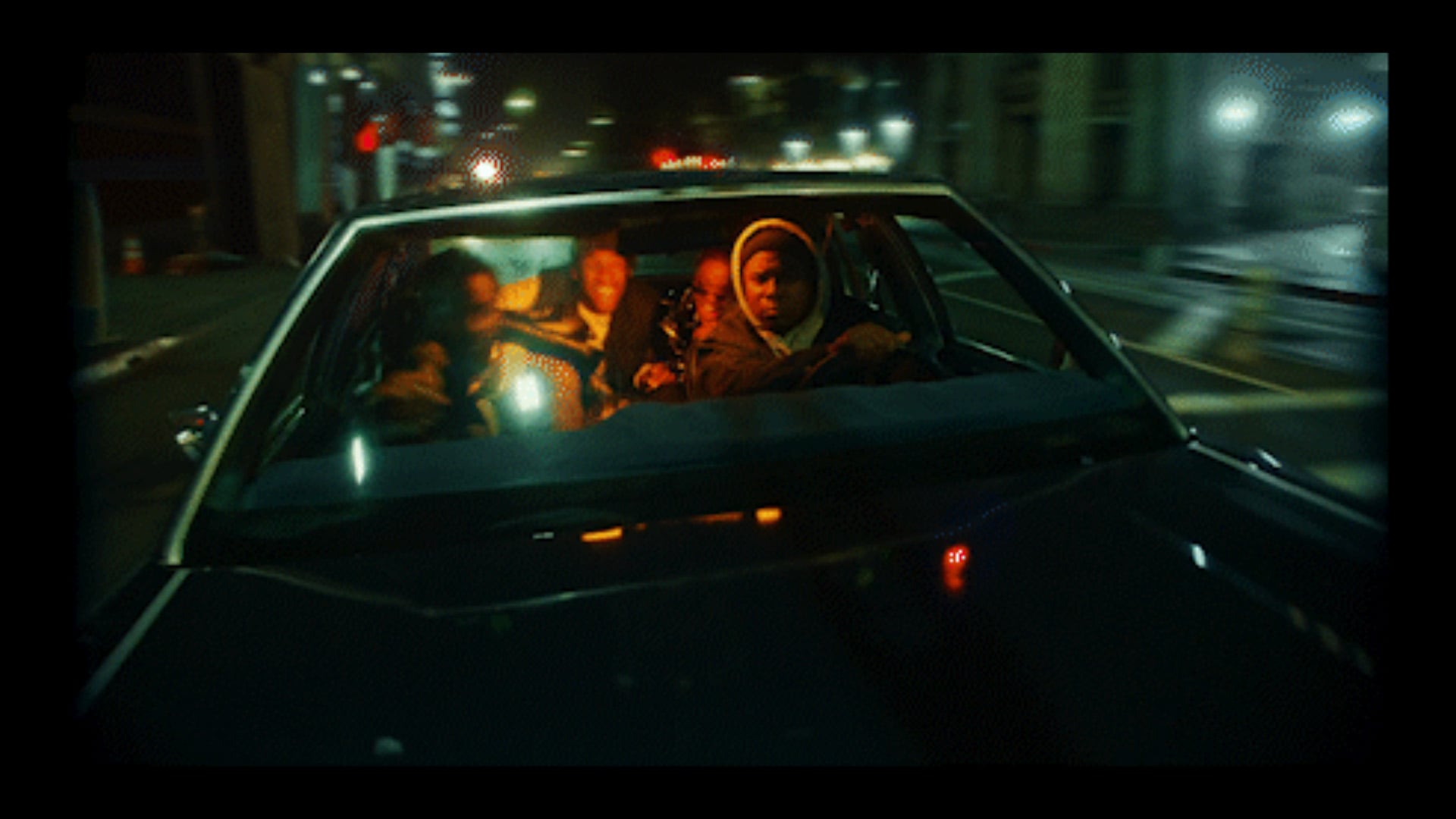
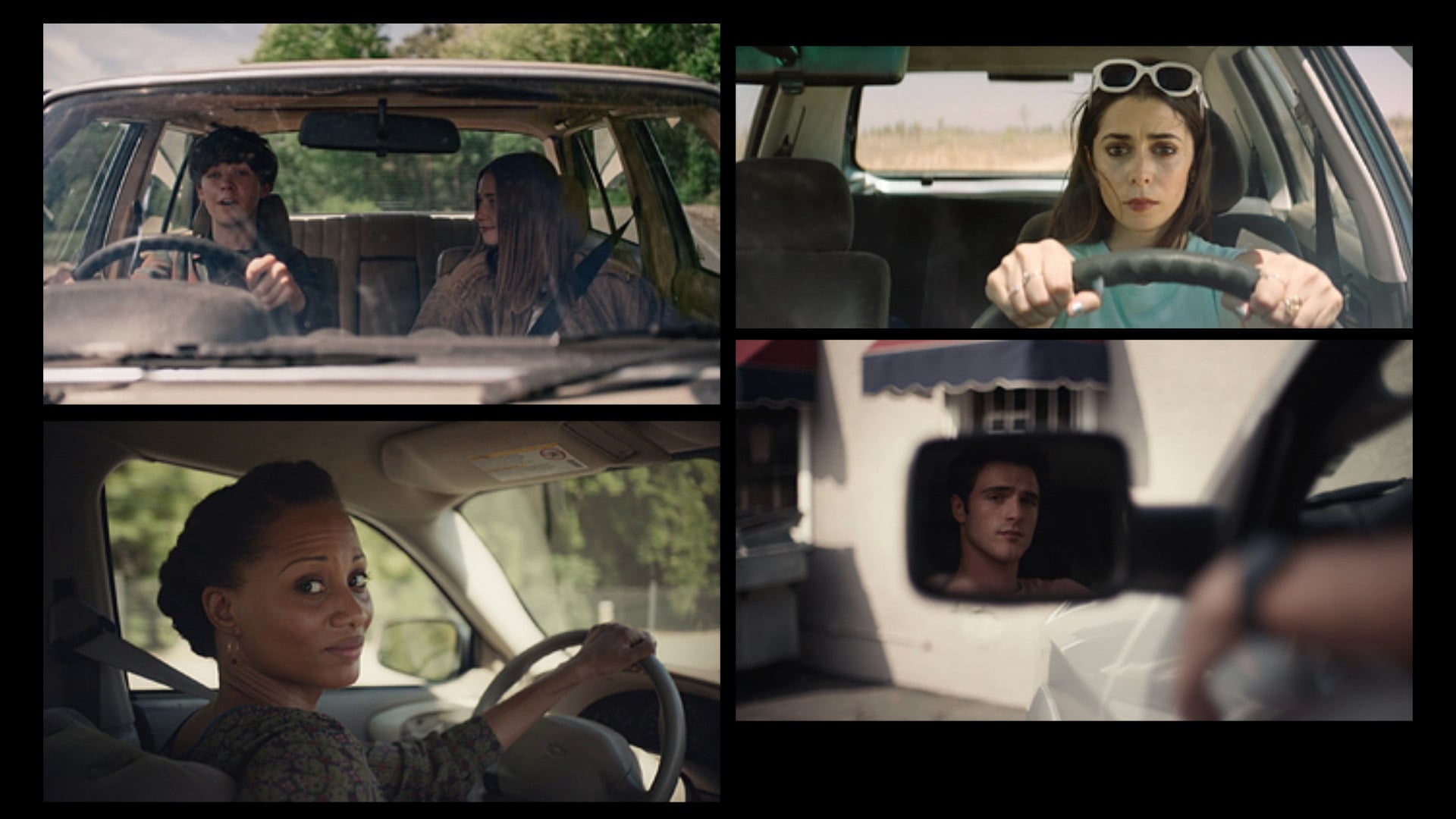
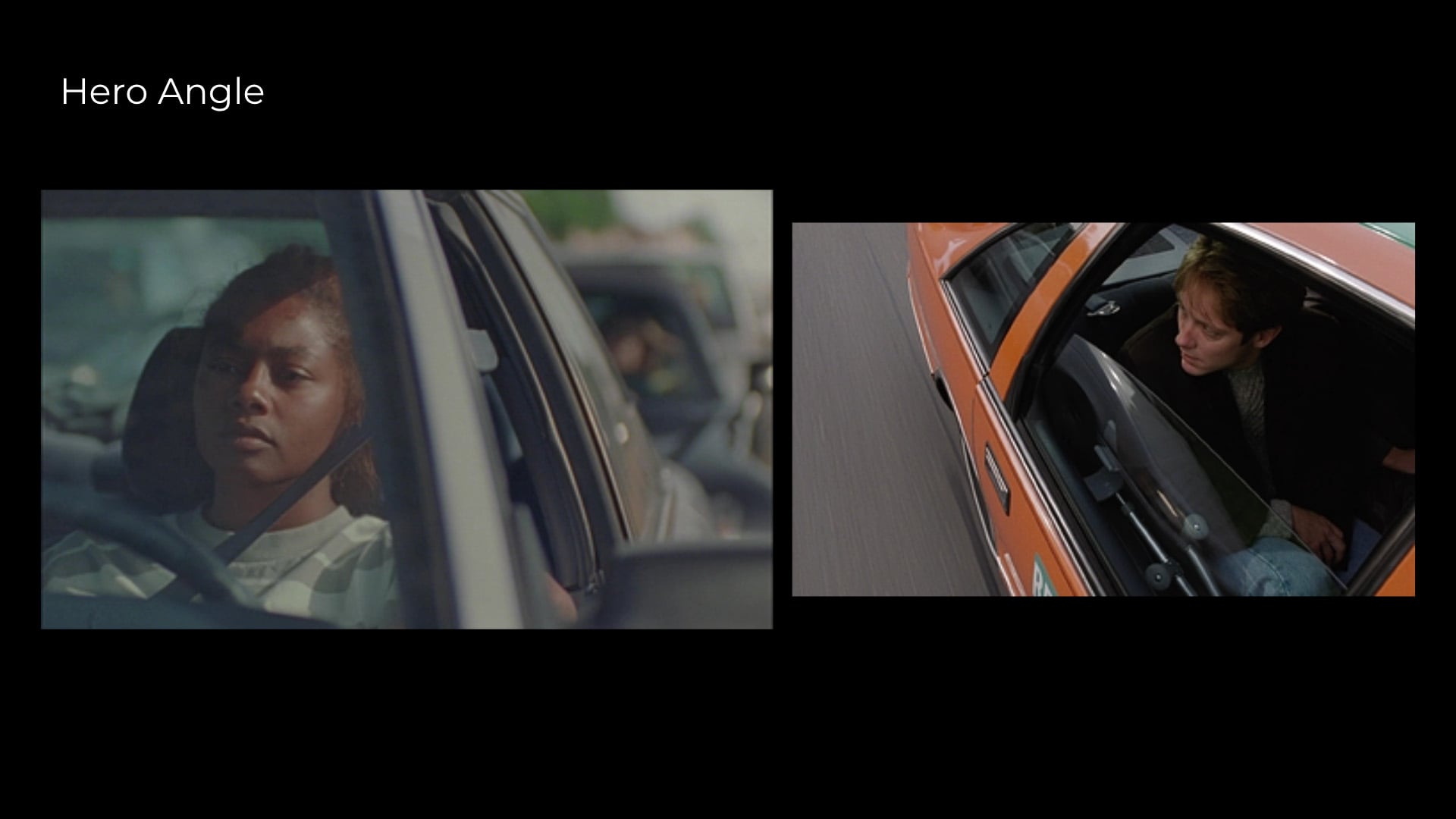
Peter Pascucci: In our earliest conversations, Charles spoke about bringing a heightened cinematic language to an intimate, everyday story. The intention was never to make Shanti’s life feel artificially dramatic, but to give her the kind of visual attention and scale more often reserved for fiction.
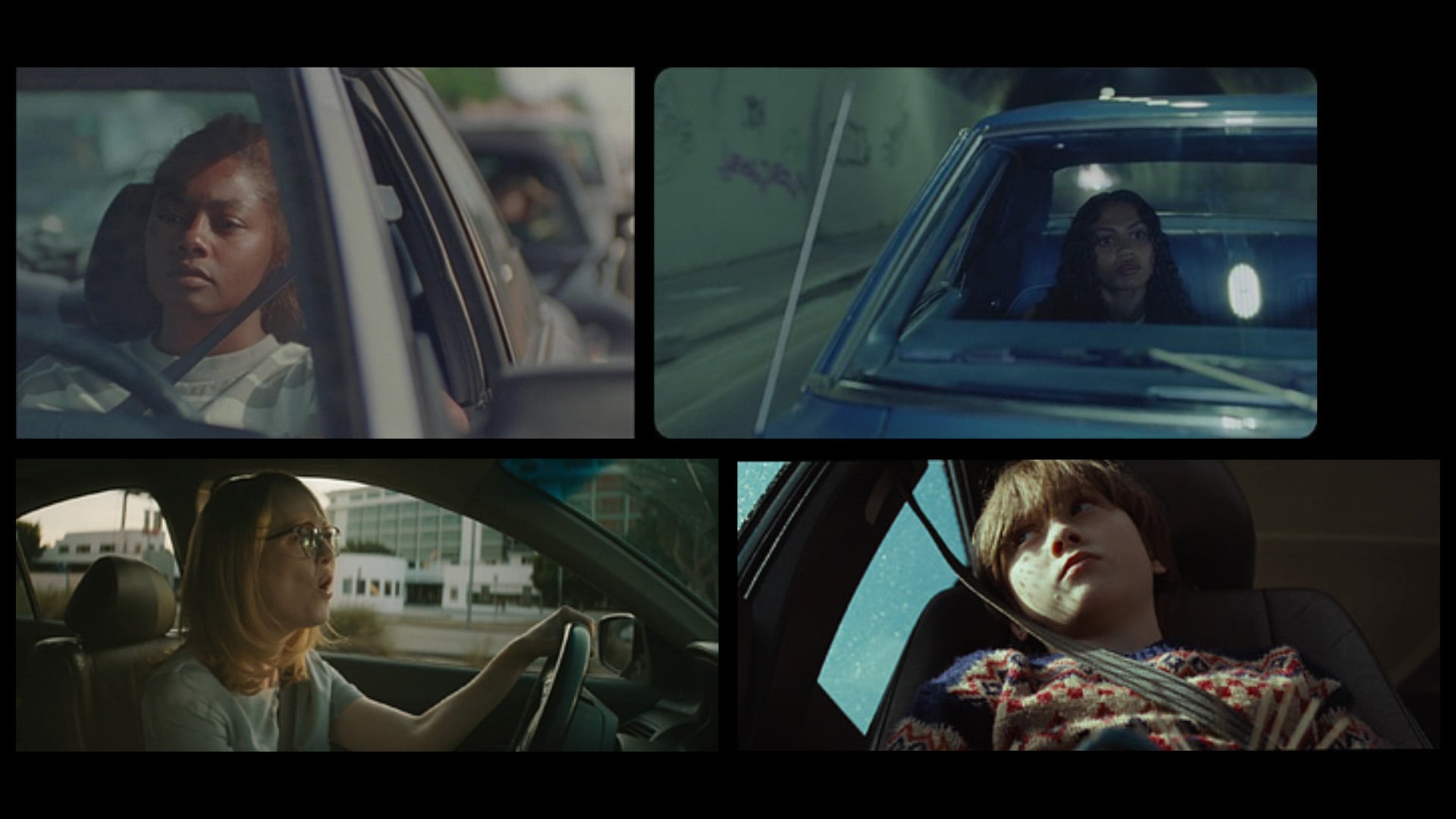
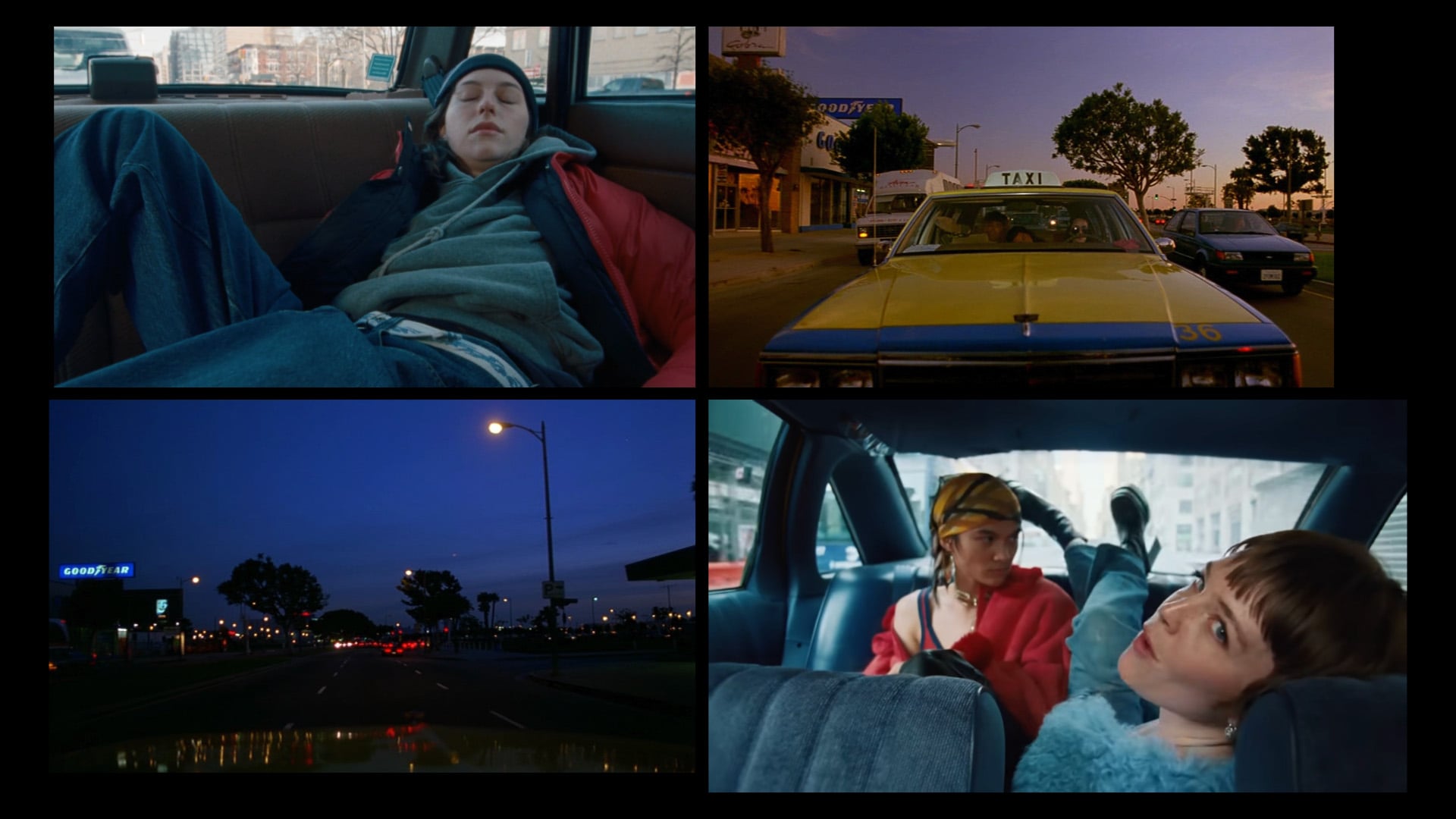
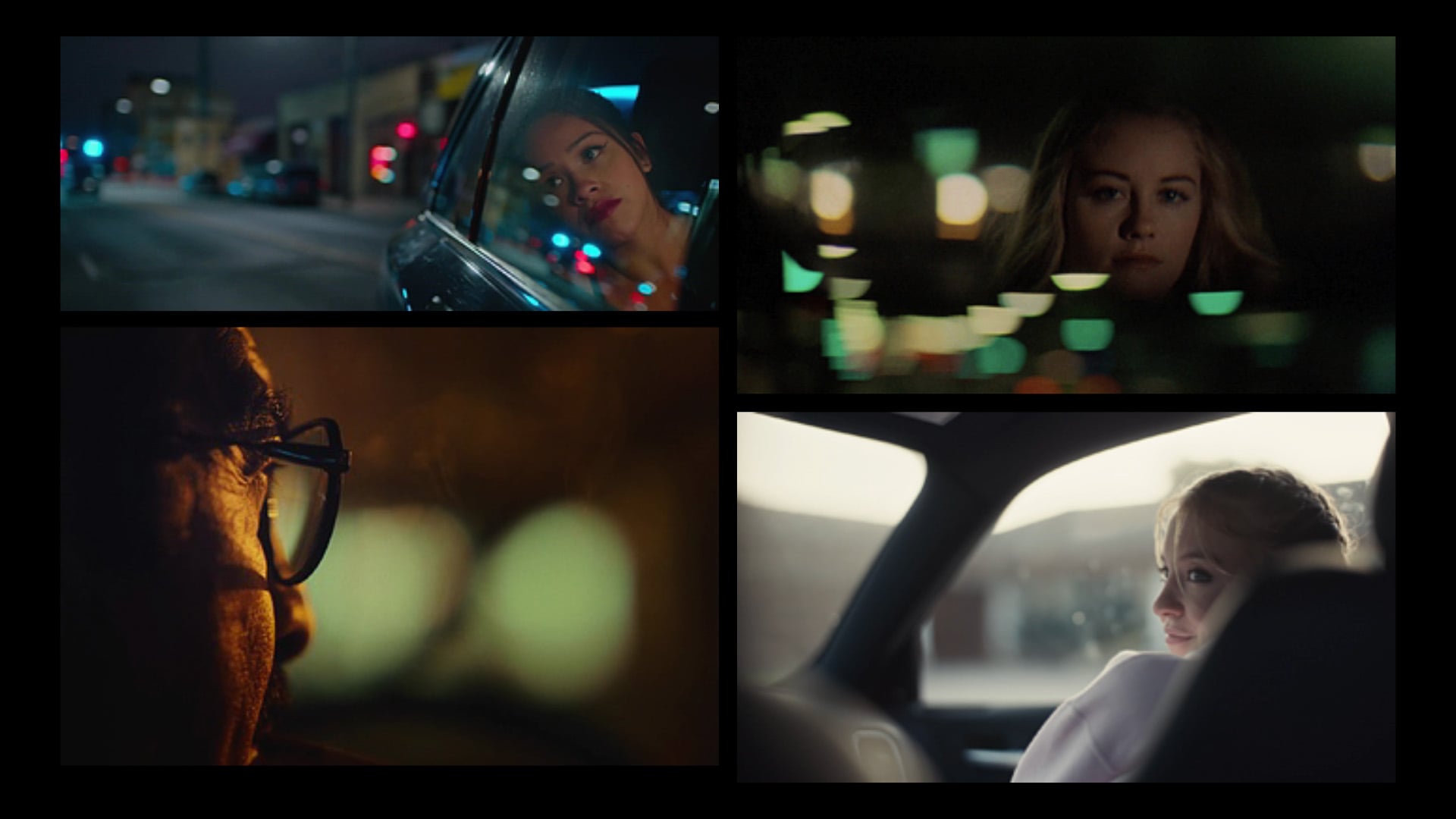
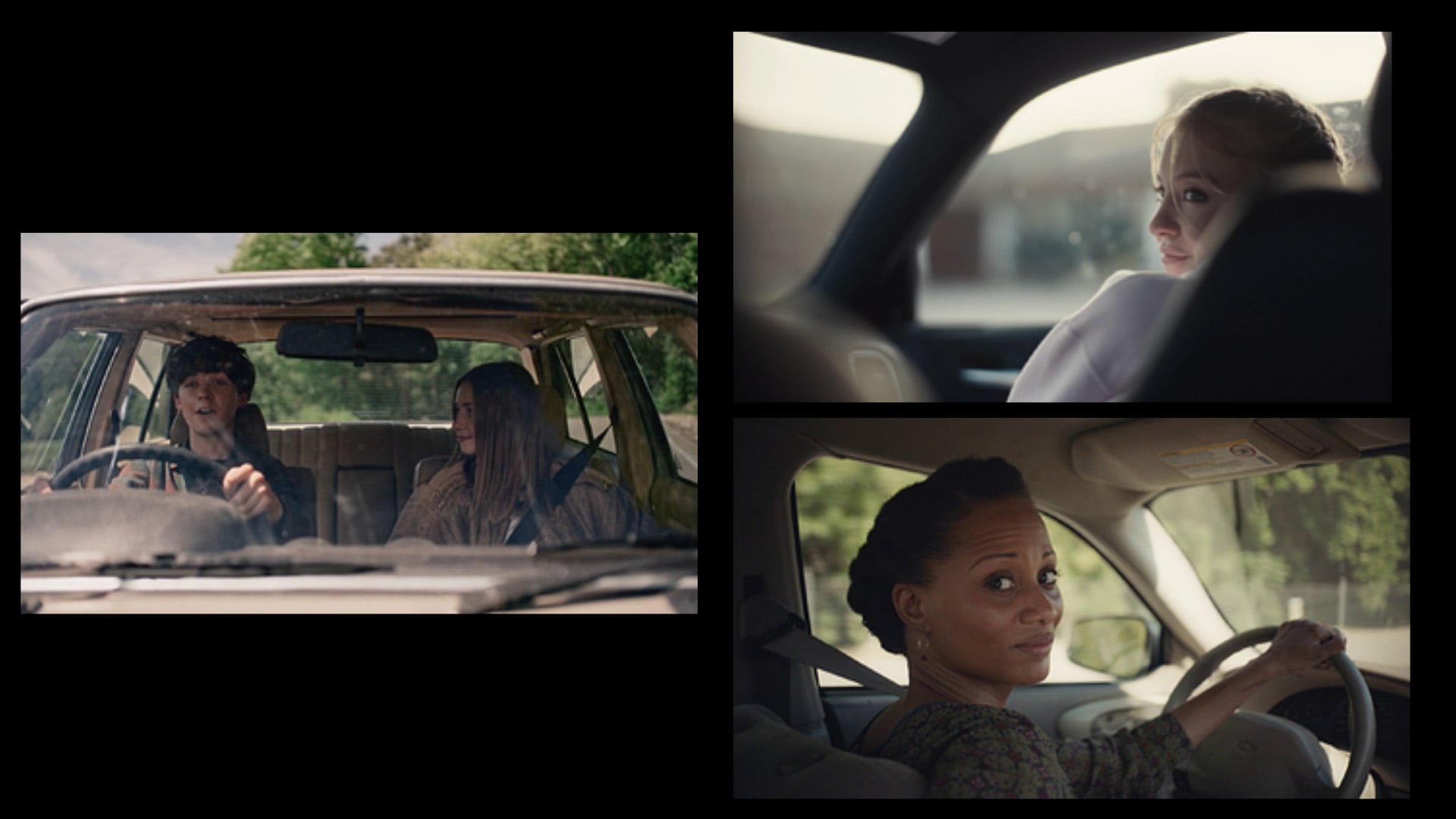
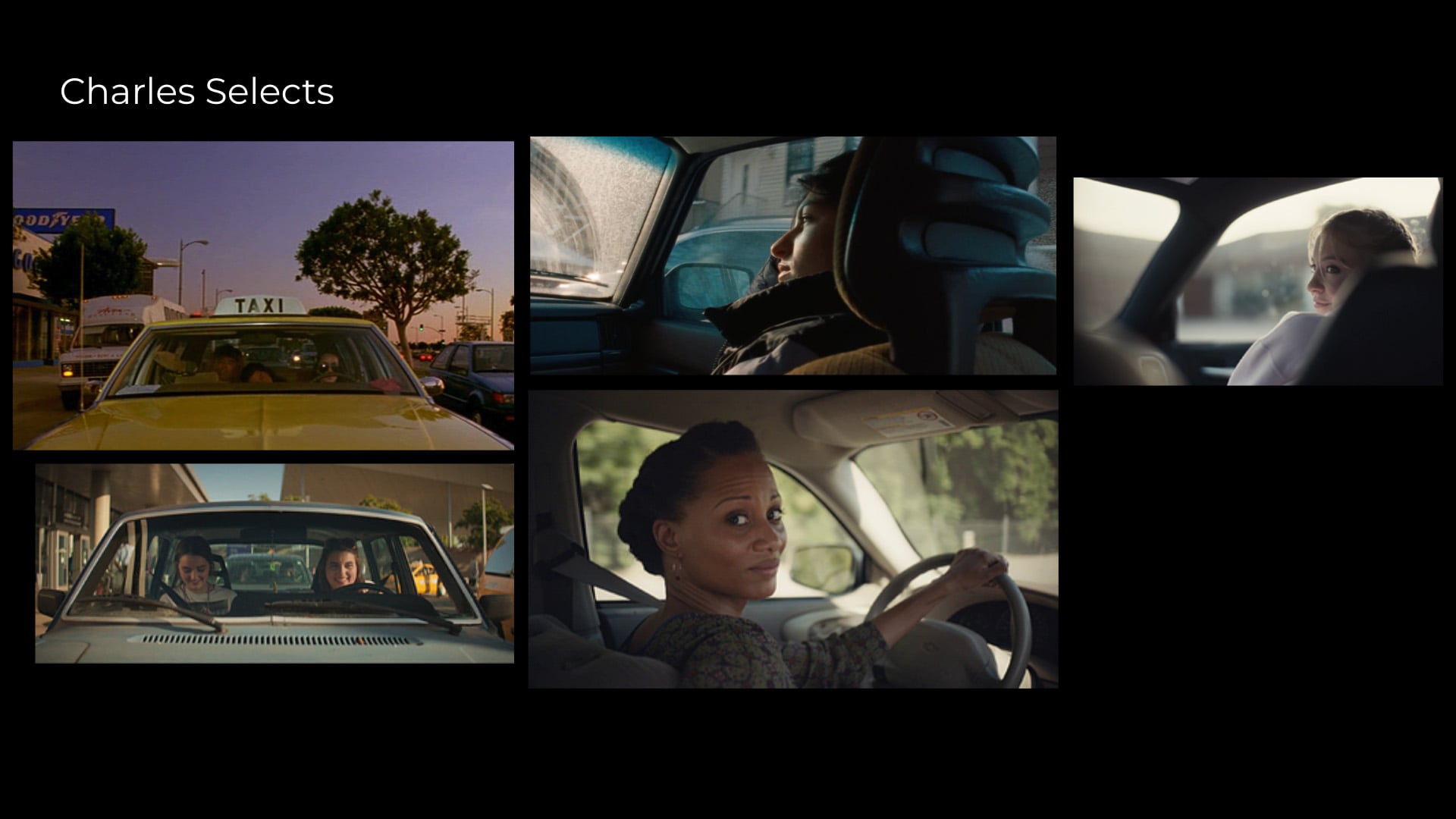
We began exchanging references early in prep. One of the most important for me was Jim Jarmusch’s Night on Earth, shot by Fred Elmes. I love how that film places the audience inside the car with its characters. It uses elaborate camera rigs to make the vehicle feel like a complete cinematic world. We also looked at Waves, directed by Trey Edward Shults, particularly because of its use of a 360-degree perspective inside a car, and 070 Shake’s Nice to Have. The camera movement in that video is haunting and beautiful, and the car becomes the nucleus from which the drama unfolds.
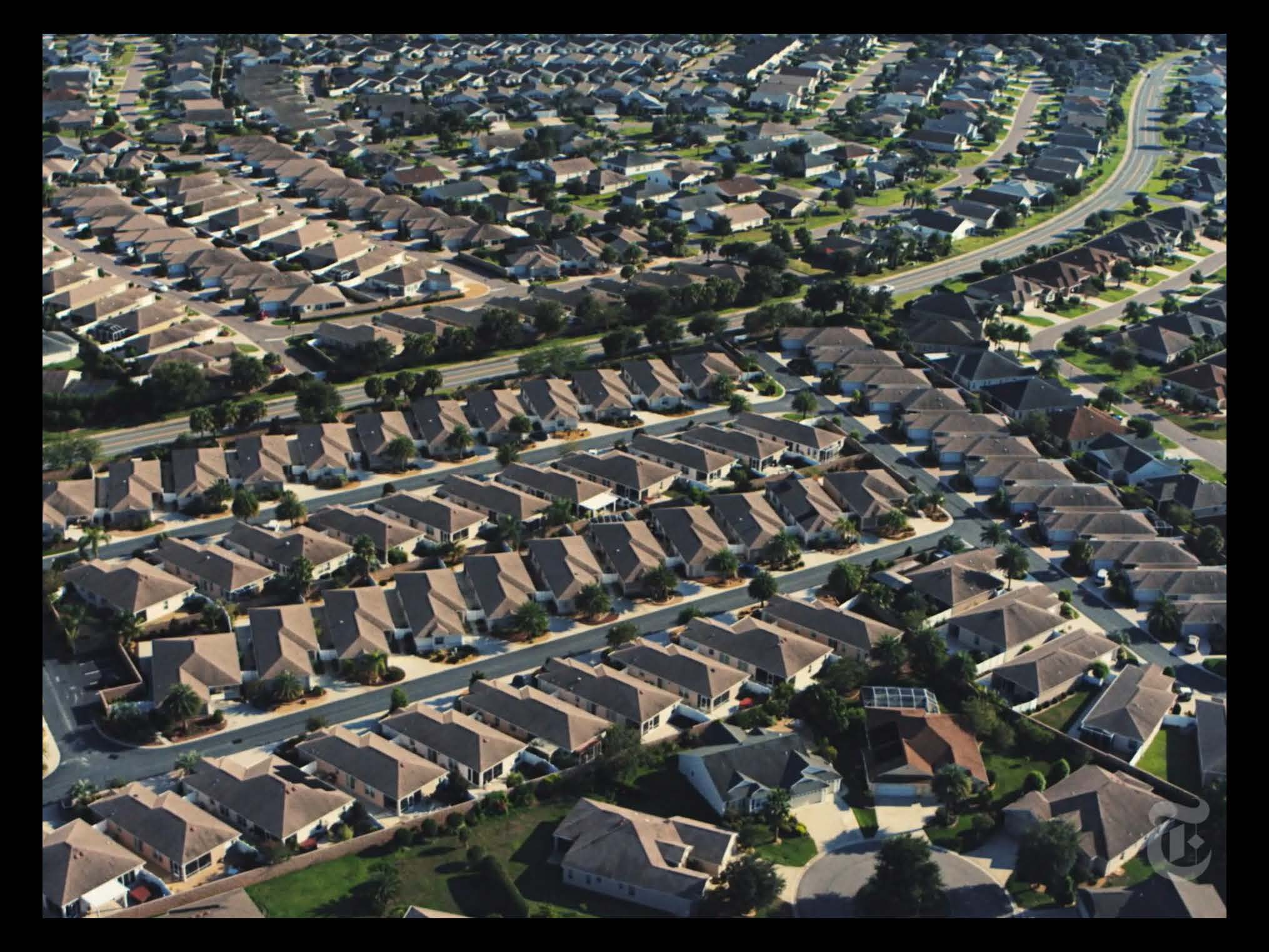
Check out Charles and Peter‘s lookbook for Shanti Rides Shotgun below.
Did you have any specific references for the coloring process of the film?
Joshua Izenberg and Brett Marty: The same ideas that shaped the shooting shaped the color. We told our excellent colorist, Dan Edwards, and the team at Umami Color and Finishing about our vision of a nature documentary set in the wild west. They leaned into the natural colors of the desert and created an organic texture that made it feel a little less like a traditional nature film.
Erin Ramirez and Mona Xia: We really wanted the interior of the restaurant to feel warm and welcoming, but also raw, realistic, and contemporary. We landed on a palette that was vibrant and saturated, yet simultaneously cool. We had a great colorist, Spyros Katsihtis, who was incredibly patient with our co-director brains and made sure we landed on the right visual style and palette for the film. I don’t want to sound like a broken record, but Some Kind Heaven and Still Here were big influences on our color choices as well. There was a vividness in those films and an equally cinematic style that we wanted to replicate and apply to the Wong’s story. Johnson Cheng’s short film Lonely Blue Night was particularly a reference for the film’s red and portrait-styled interiors.