Adam Newport-Berra is an Emmy award-winning cinematographer from Oregon, whose work in film includes The Last Black Man in San Francisco, Splitsville, The Invite and more. He has also shot Seth Rogen and Evan Goldberg’s The Studio, along with select episodes of The Bear and Euphoria.
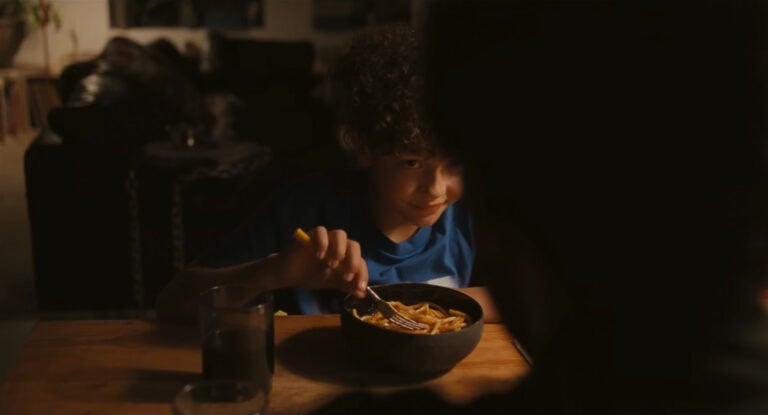
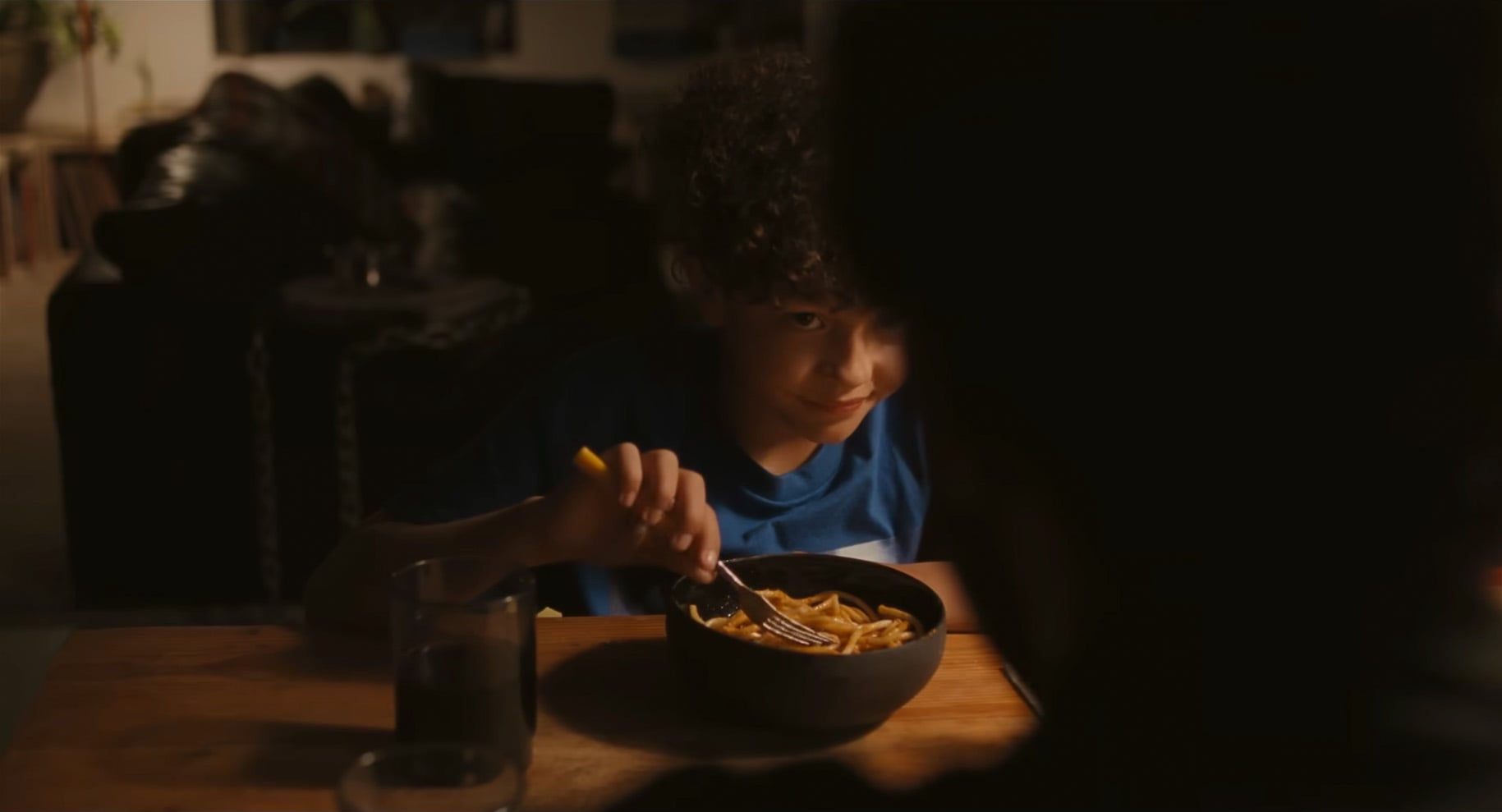
Earlier this year, Adam attended the Cannes Film Festival for the world premiere of Club Kid, which follows a New York club promoter (played by Jordan Firstman in his directorial debut) whose life gets upended when he meets the 10-year old son he never knew he had.
Adam sat down with Ben Oliphint to discuss the unique process behind shooting The Invite, how that compared to shooting real parties for Club Kid, and his affinity for working with actor-directors like Olivia Wilde and Firstman. You can see Adam’s work on ShotDeck below, and you can see Club Kid in select theaters now before its nationwide release this Thanksgiving.
This article has been edited for clarity and length.
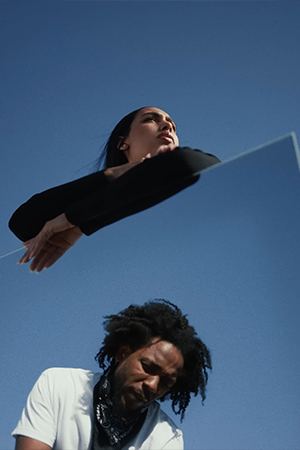
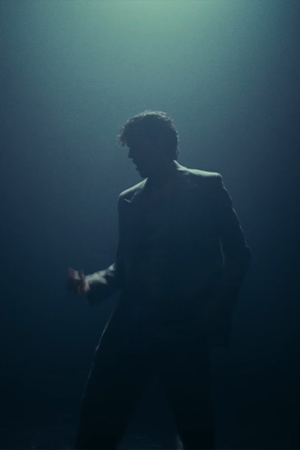
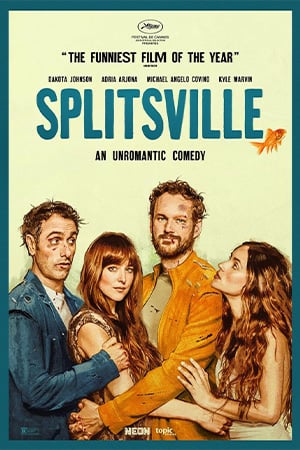
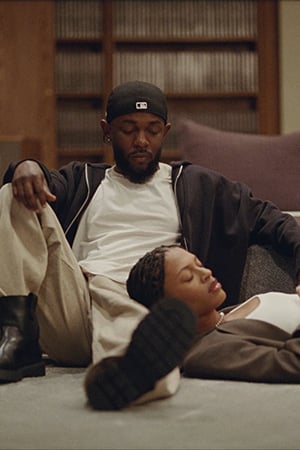
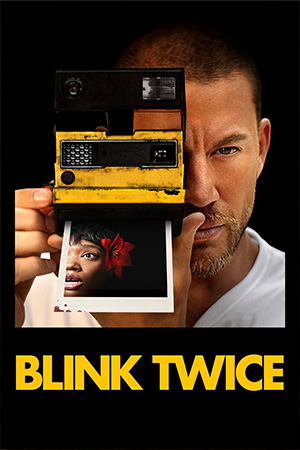
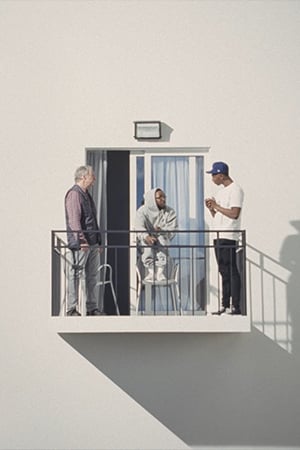
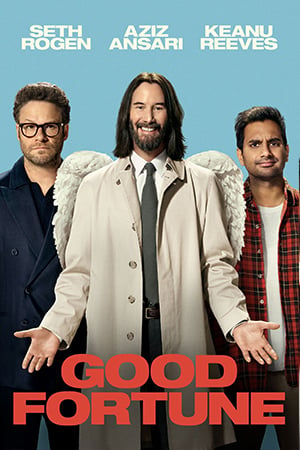
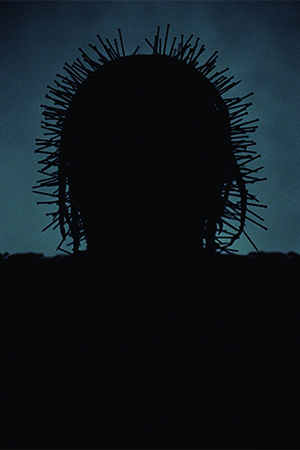
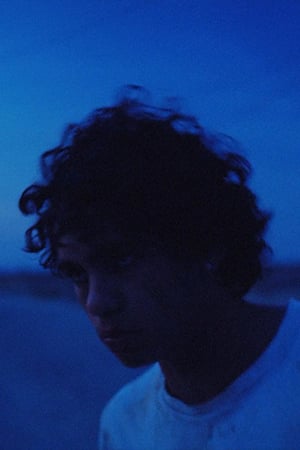
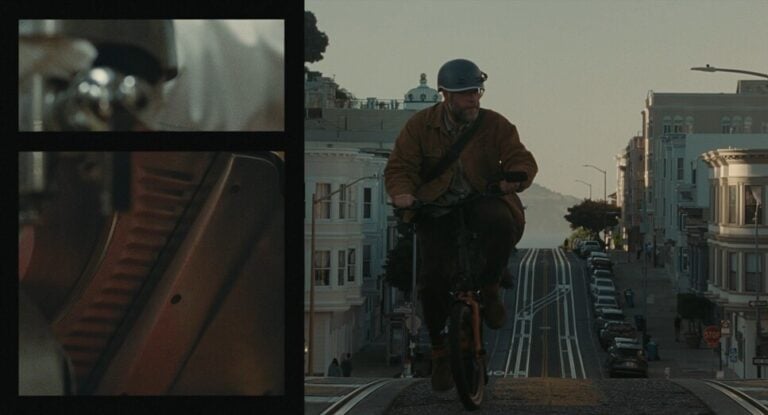
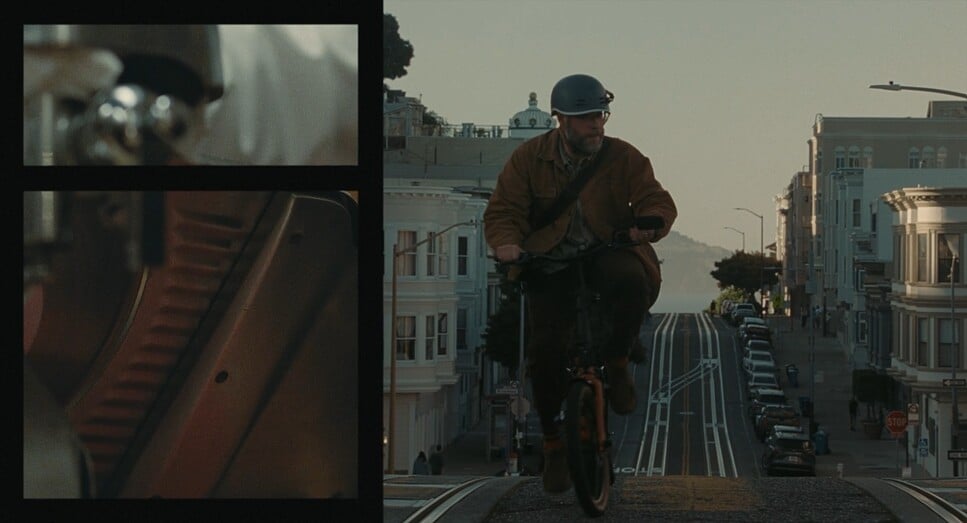
At Sundance earlier this year, you spoke to us about returning to shoot the opening credits of The Invite years after shooting The Last Black Man in San Francisco. Was there anything special about framing San Francisco this time around?
San Francisco is one of my favorite cities, so I love any story told there. I think part of me was sad that we couldn’t shoot the whole thing there, but it just didn’t work out for a number of reasons. We shot the whole movie in order, except for that very opening sequence, which we shot at the end. It’s the most beautiful city to photograph, so I’m glad we got some of the real San Francisco in the movie.
Your team really maximized the geometry of this single set. There’s obvious challenges that come with that, but I’d love to hear about what came from such restrictions.
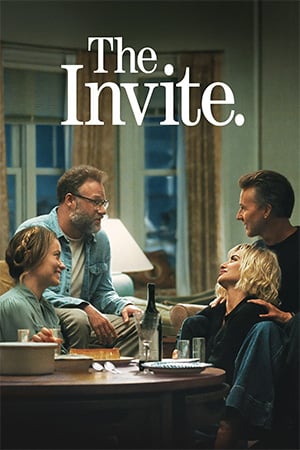
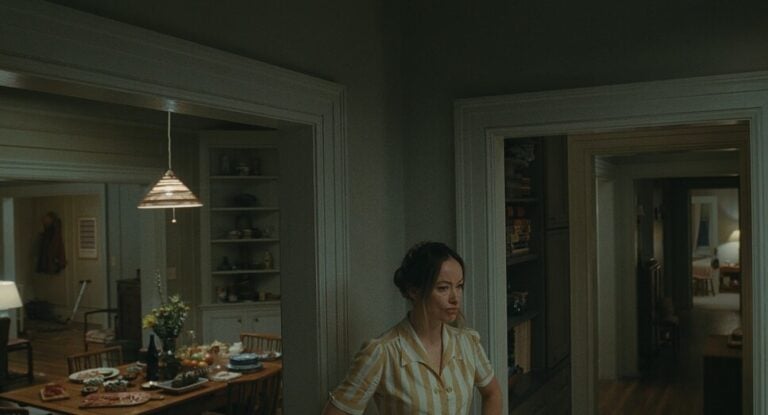
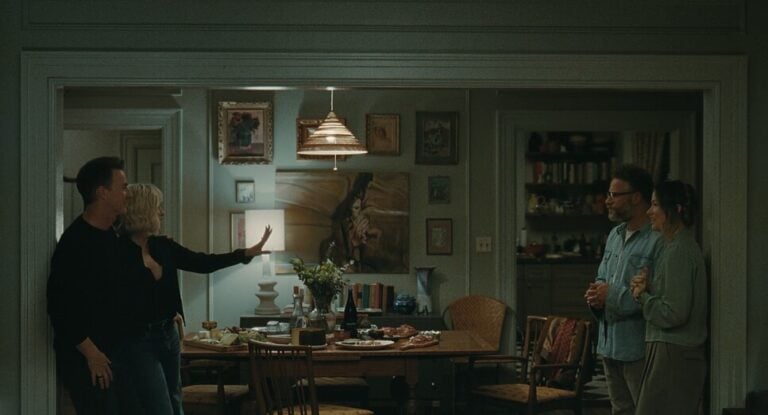
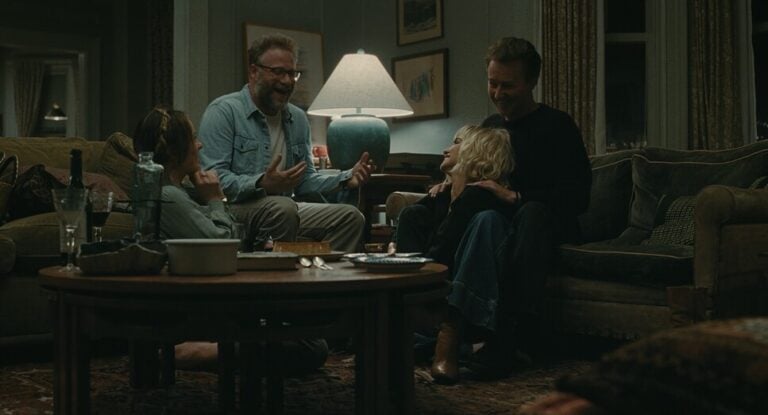
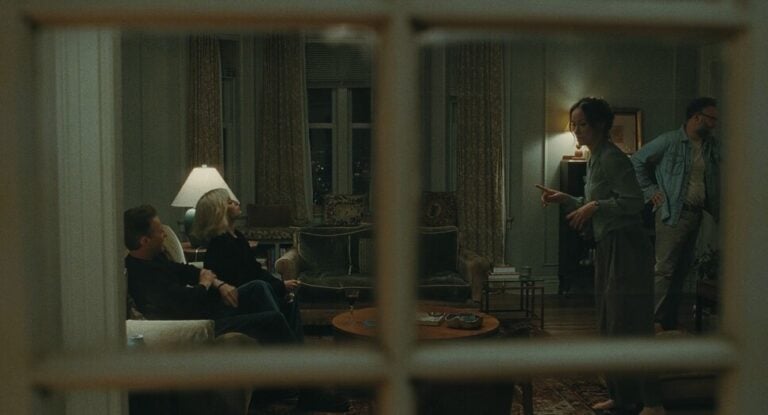
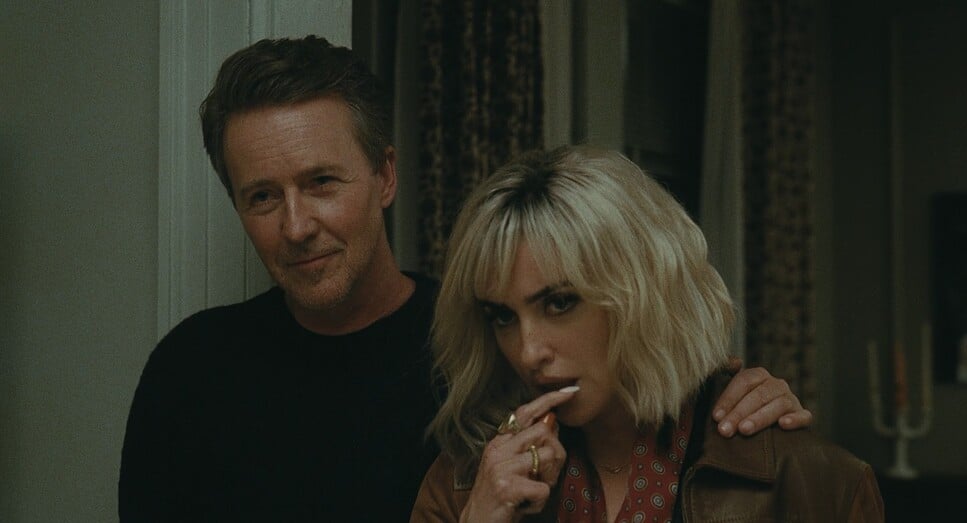
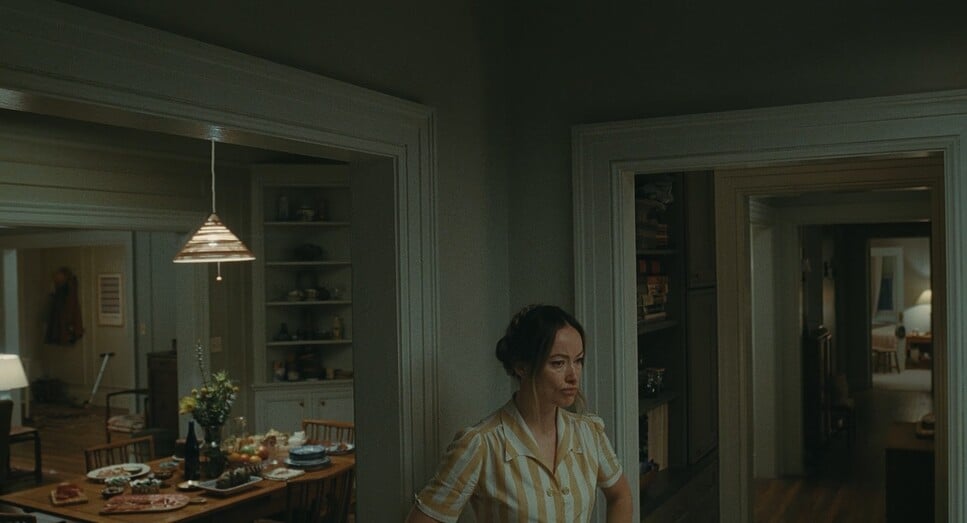
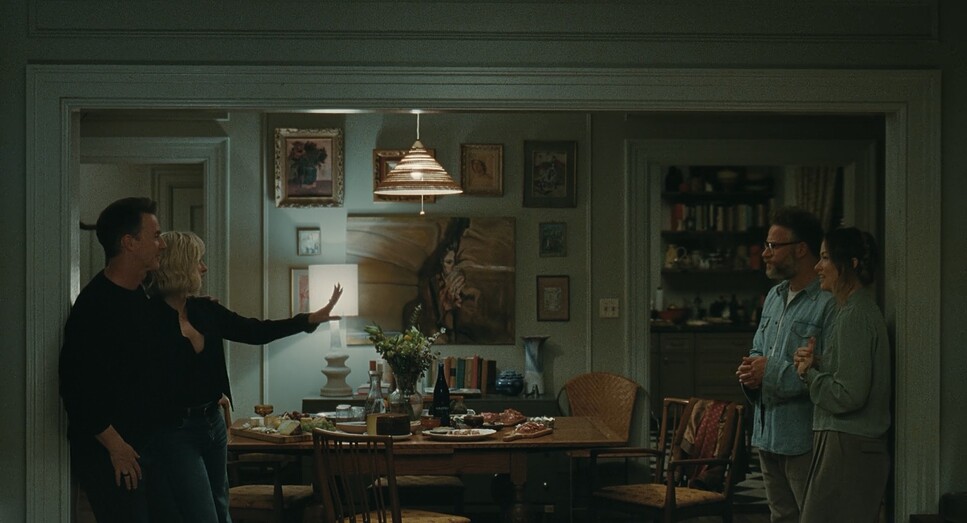
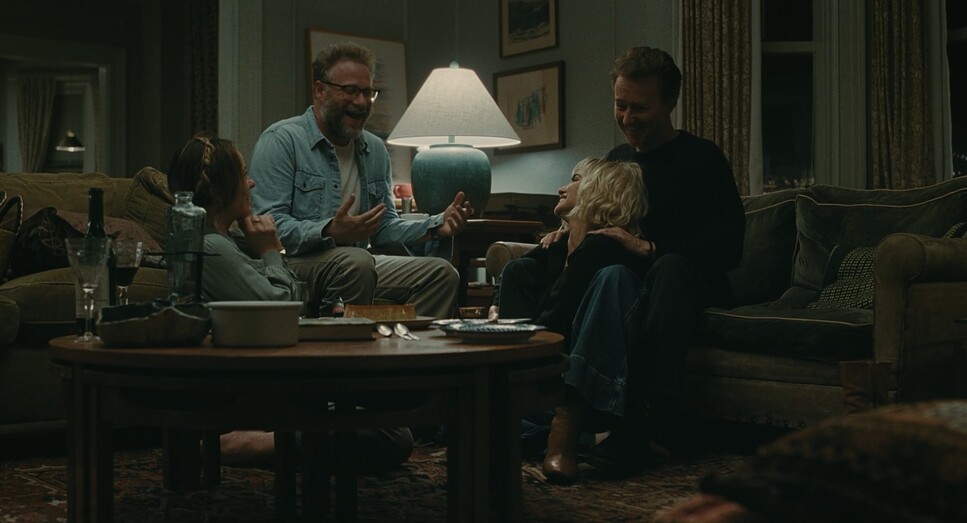
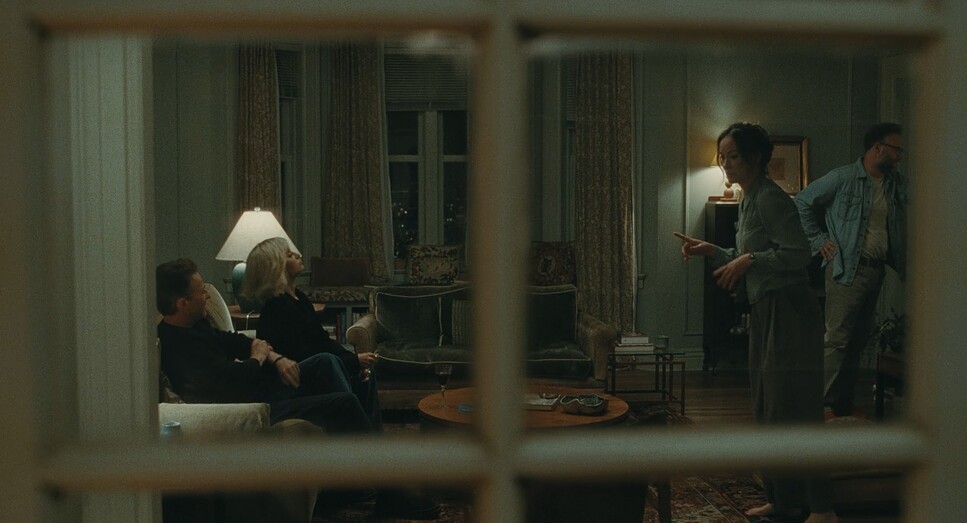
We worked with Jade Healy, the production designer, to make it the most interesting, labyrinthine set possible, so that we could really explore and move through and reveal things. The script had it as an open plan apartment, and then Jade was like, there’s no way we’re doing that. I’m gonna give you doors to shoot through, windows to shoot through. She designed that really cool shaftway in the middle of the space so that we could see up to the neighbors, and I thought that was brilliant. It was funny because when we talked about building the set, we told ourselves we could do whatever we wanted – we could build all these flyaway walls, we could put the camera wherever we want. We started building the set with that in mind, and then realized very quickly that it kind of went against the ethos of what we were trying to do.
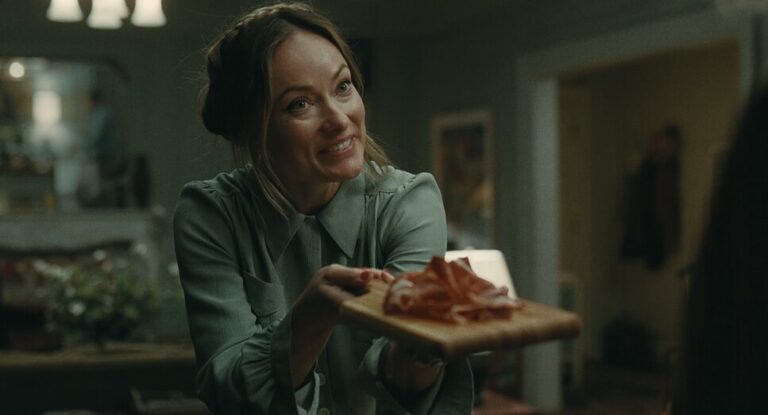
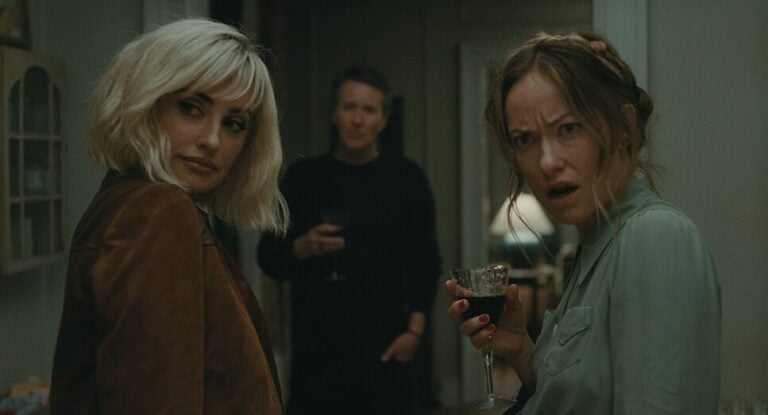
So as modular as it could have been, we treated it like a location. I don’t think we ever really moved a wall. I just leaned into the obstructions. I think for me the best art is made when you have one hand tied behind your back. The most interesting decisions are made when you don’t have the world at your fingertips. For me, composition was sort of the main tool, in storytelling and in keeping the movie fresh. There’s not a ton of camera movement. There’s a few dolly shots, one or two steadicam shots, a couple of zooms, but really, we just picked frames for people to live in. We were really selective about when we shot in certain spaces, so that as the movie went on, we never felt bored.
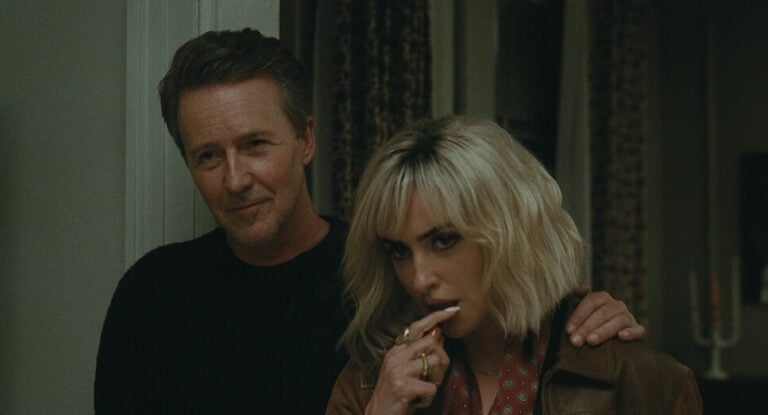
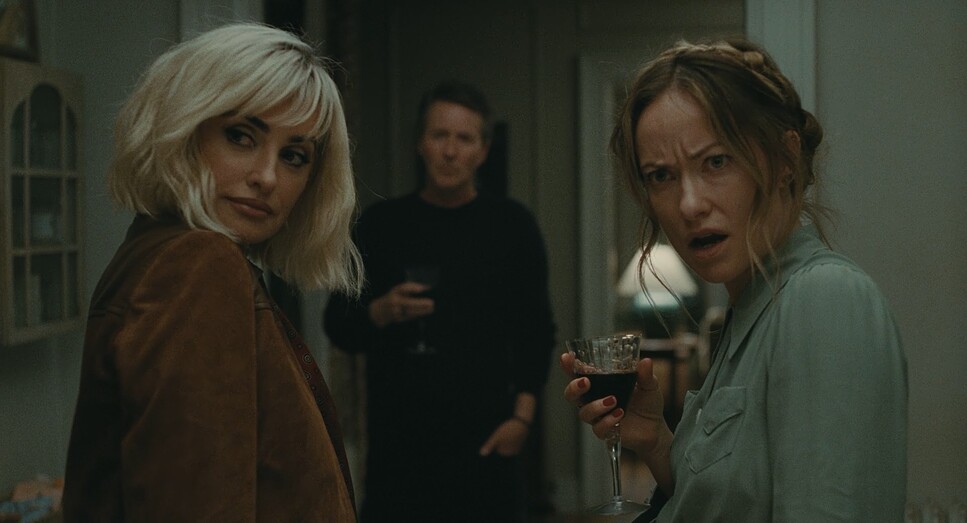
Besides the original open plan apartment, what other changes transpired in prep?
I think I had about a month to prep, so it was a different process than normal. A lot of the time in prep, I’m location scouting, figuring out where we’ll be and when. For The Invite, it was nice to just be in one place. Olivia really took that and ran with it, in that she was able to get two weeks rehearsal time with her actors. It’s not super normal, and I wish it were, because they got to such an incredible place. At the end of each day, Olivia would come to me and say, all these scenes are completely rewritten. Here are the new pages, this scene is no longer in the living room, it’s in the bedroom. She would constantly morph it, and I was just there, ready to adapt.
Olivia and I sat down at the beginning of prep, and realized very quickly that neither of us were interested in shot-listing. We had these four incredible actors in a space, and it would be foolish to assume that we would know where they would want to sit, where they would want to stand, or where they’d want to move. So we talked about scenes on a higher, conceptual level of what each scene meant, what we wanted to accomplish, and where everyone kind of stood in the scene, emotionally. That translated into how we were going to use our toolkit, which was basically, what focal lengths convey what feelings? What does a high angle versus a low angle convey? What does it mean to be frontal on someone versus profile? We created this glossary of techniques that would convey different moods and internalized them.
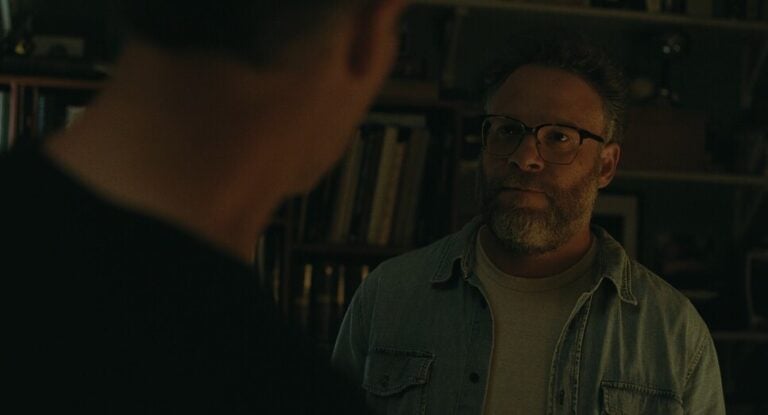
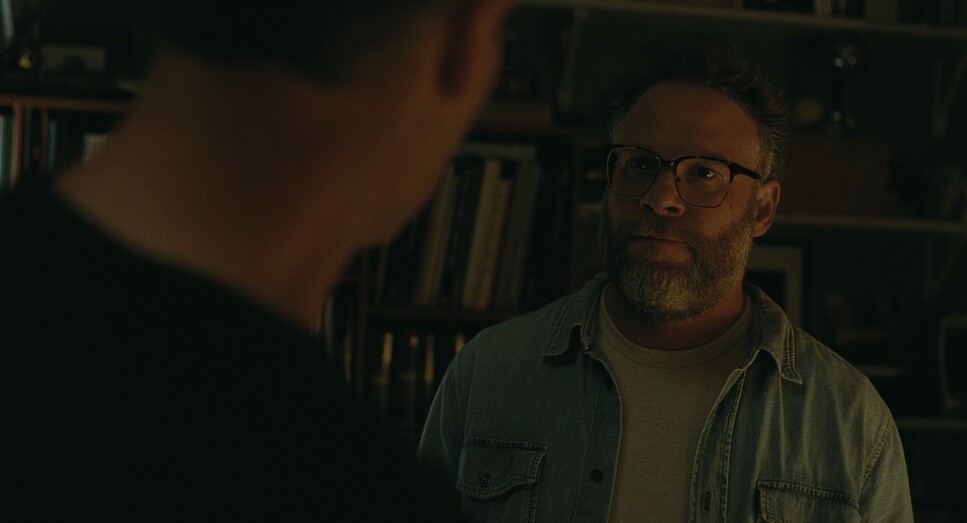
By the time we were on set, if we were shooting a scene where Seth’s character felt helpless, or outside of the loop, we’d think, cool, we’re gonna shoot him with a lot of negative space and look down on him. The opening argument scene between Seth Rogen and Olivia, we wanted it to feel like they were at odds with each other, but also chasing each other down, so we never put them in the same frame together. If they are in the same frame, it’s just gonna be a reflection, and they have to look in opposite directions. Often we would watch a scene, block it, look at it from different angles, look into mirrors, look through windows, and then very quickly write a shot-list based on that.
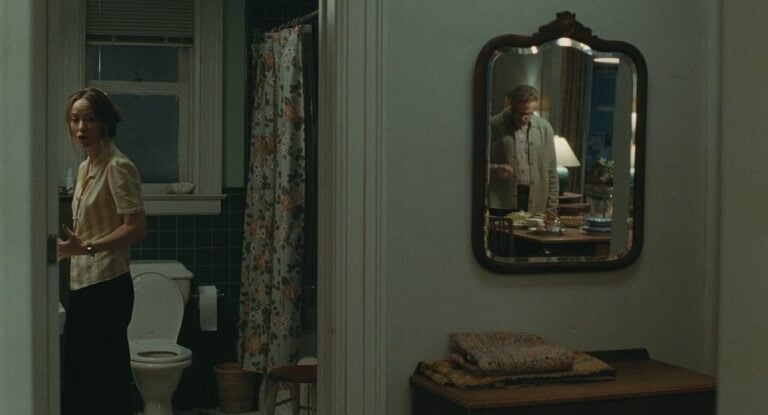
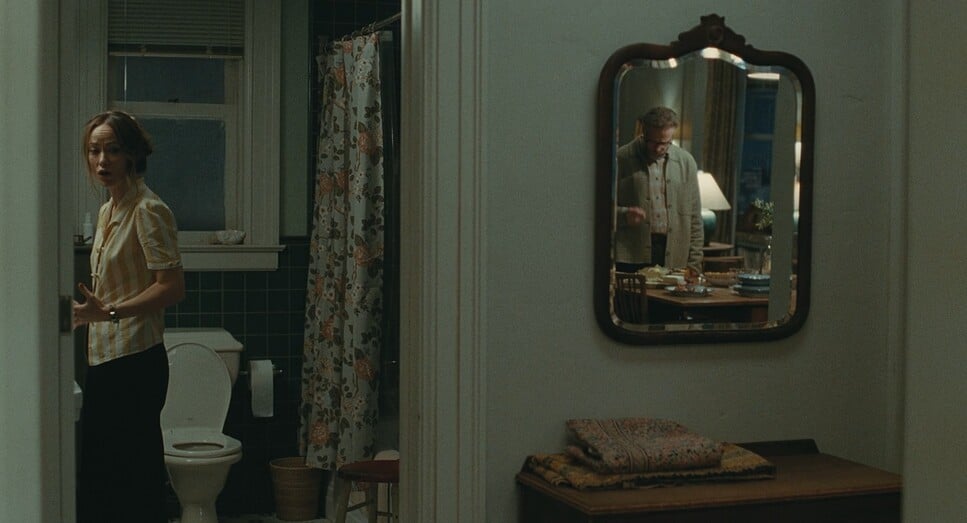
During this prep process with Olivia, as things changed, was there anything that you were pushing to keep from the original script?
The one thing I was adamant about was getting enough coverage. I really wanted to explode the scenes and be very methodical and technical with the coverage. When they would block it, I’d be on my phone, taking photos with my phone, writing things in my notes app. By the end of a scene, I’d have fifteen shots written down, and some of the shots would only pertain to one line, because it was gonna be a punctuation. This whole movie is this little dance, it’s very musical. It was all about perspective, so every scene had to have a point of view, because if it didn’t, I think it would devolve into just covering a fun script. So I was really adamant about getting all these little bits and pieces, and even if it meant we only have time for that one punctuated line, we’re gonna get that in close-up and make sure we have it. More often than not, we would start to roll on that line, and Olivia would say let’s just run the whole scene in it, because it’s a great shot.
One thing I kept coming up to Olivia with was, I want this movie to feel epic. It’s a ridiculous thing to say about a movie in an apartment, but for me, every movie I do, no matter the scale, that’s the first thing I tell a director, I want to take people on an epic journey, even if it’s just an epic emotional journey. People have to come out and feel both completely drained but also rejuvenated at the same time. So how do I do that? I think it is through the juxtaposition of a big wide and a little close-up, and constantly finding all those little juxtapositions in the scene. We also created a lighting setup that allowed us to be very flexible with our angles and not have to completely relight the world every time we change the shot.
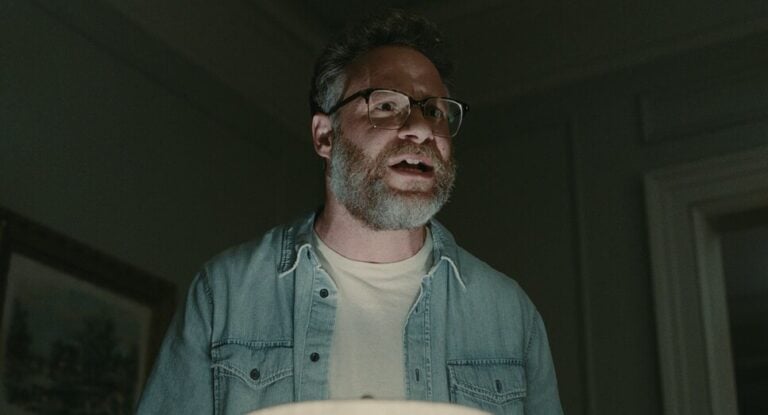
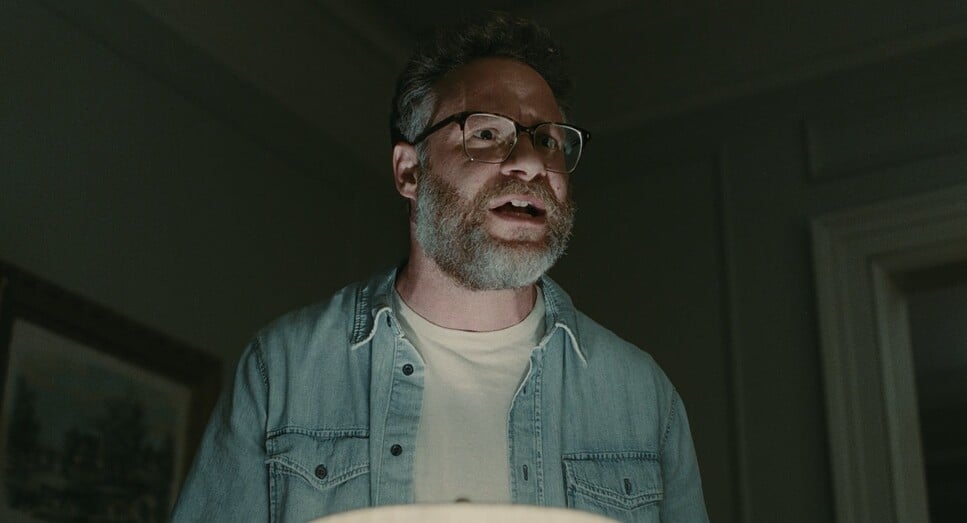
There’s that great, now-memed shot of Seth standing over the lamp, lit from below. How did that come together?
Often during rehearsals, I would see someone walk by a light, or my gaffer would change a lightbulb over a lamp, and I’d see it lighting his face, and I’d be like, “Oh my god, I have to remember that for something.” I’d like to think I gently nudged Seth into the idea of standing at that lamp, like, this might be totally ridiculous, but try it. I’m very close with Seth, and I became very close with Olivia, and I think I really gained the actor’s trust that I was trying to tell the story.
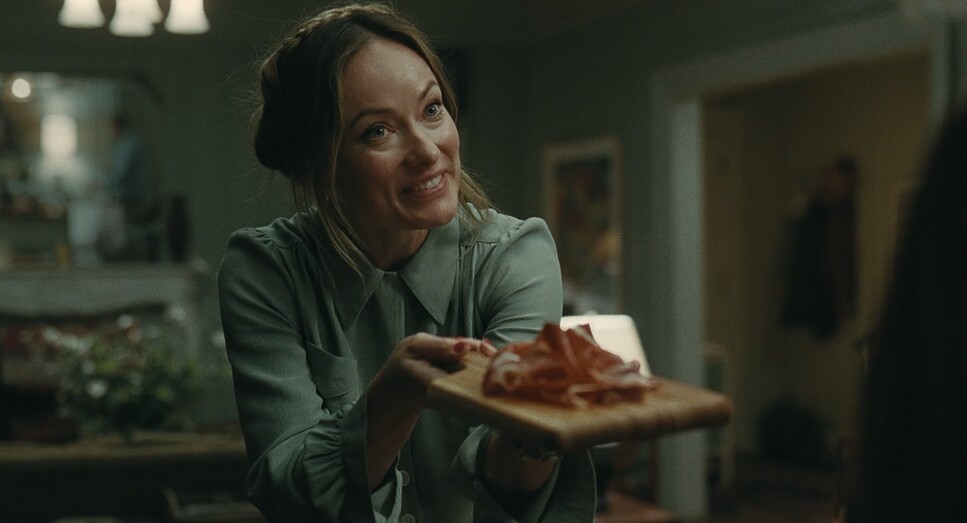
There’s a moment where Olivia walks into the kitchen, realizes she’s burned the flan, and immediately throws it in the trash. That was something that I pitched to her and she loved it. Every once in a while, you get to be on a project where you’re just that locked in with everyone, and you feel comfortable giving those ideas, and this movie was one of them.
Do you think working on The Invite clarified aspects of your style, or the way you like to work?
I don’t think I have a style, per se. I think that my style comes more from how I collaborate with the director and everyone on set. I’m not very good at looking at myself from the outside in that way, because I’m very self-critical. I get so buried into a project and so deep into making it its own thing that it feels very singular. The way the camera is able to feel very natural and epic and dynamic, despite the obstruction of the small space, I’d like to think that that’s sort of a calling card for me in some way.
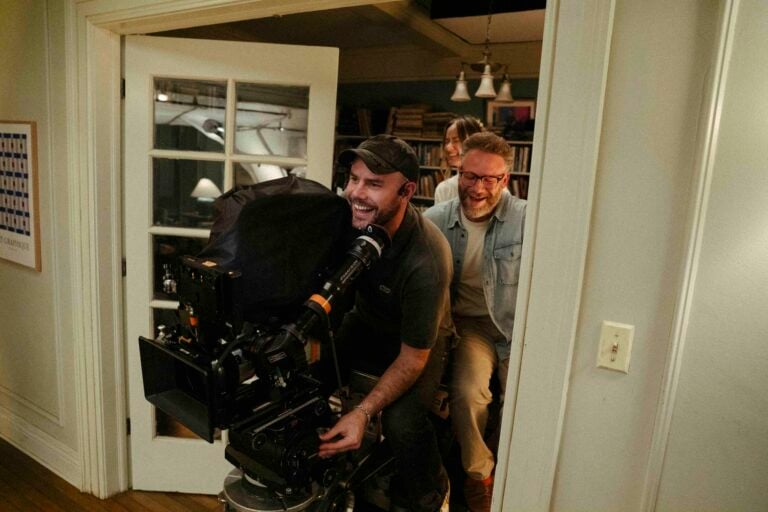
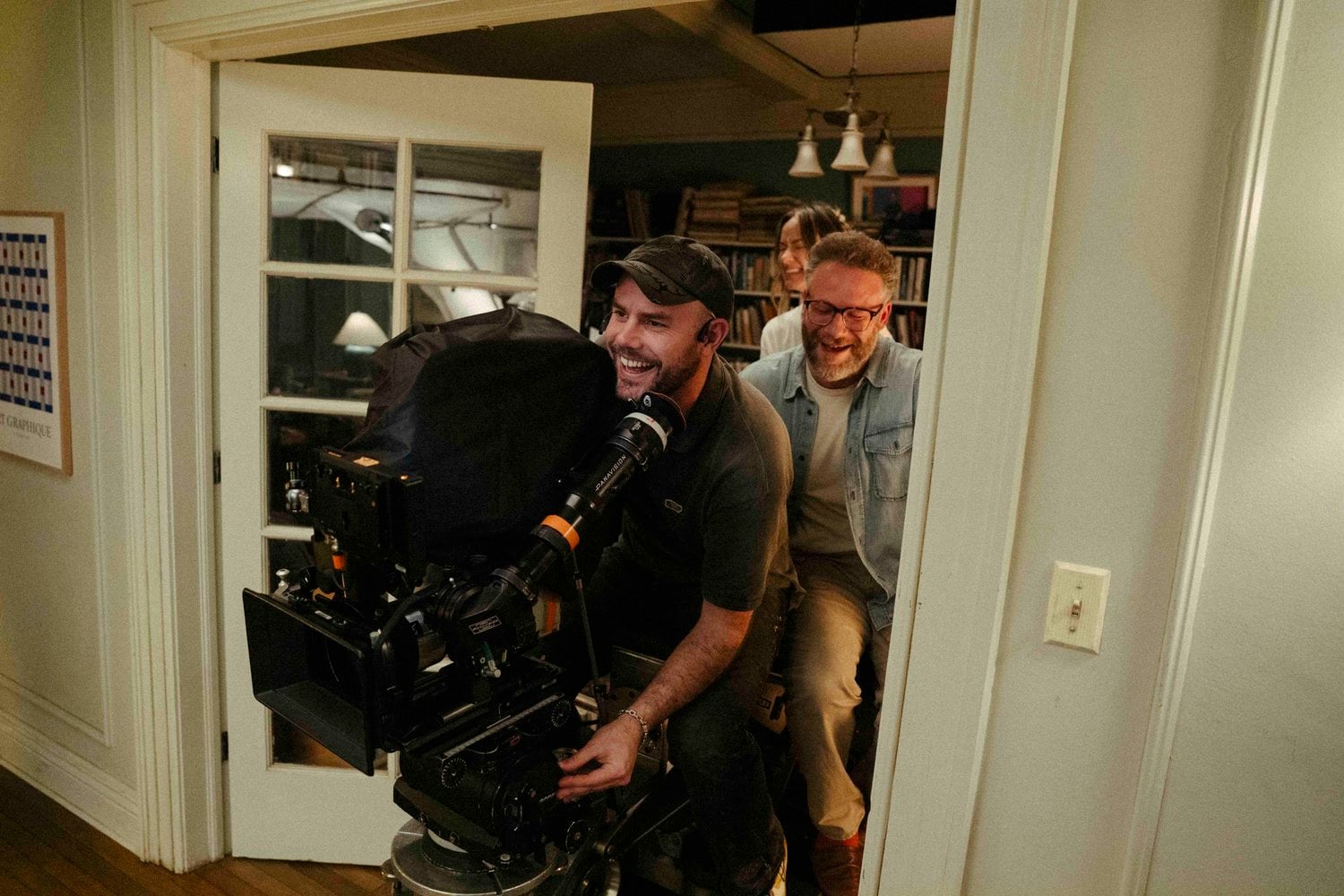
As you wrapped The Invite, were there any lessons that applied to Club Kid?
Yeah. I’ve done a lot of stuff with actor-directors now. That’s kind of all I’ve done for like the past three or four years. I’m very used to it and very comfortable with it now. I think the one thing I’ve learned is, how delicate you have to be with the situation. You have to be really generous to that actor-director, because it’s such a vulnerable place to be. To make all these decisions and direct everyone, then immediately switch gears into trying to give an incredible performance.
A lot of times when I work with a director, it can be really passionate and really intense, and we’re constantly challenging each other and trying to make the project better. It’s taught me to be very delicate and thoughtful. You have to really be story first and performance first, and bolster that over a cool shot. I think that the more you do that, the more you make the actor-director comfortable and confident. From there, you can build on that and make it more complex and more dynamic.
With Jordan, Club Kid was the first feature film he was directing, and he was also acting in it. Even just directing your first film is intense, and it was a New York movie. So we started out kind of gentle, and then as we got more confident as a team, we were able to take bigger swings technically and do crazier stuff. It was really all about trusting that we had good material and good people on camera, and then from there, adding those flourishes.
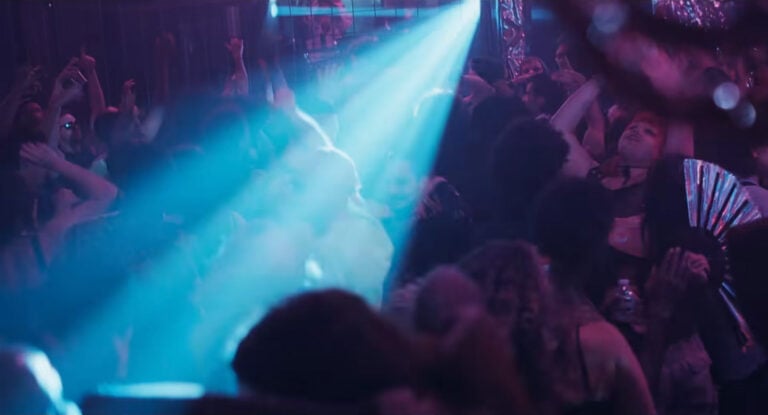
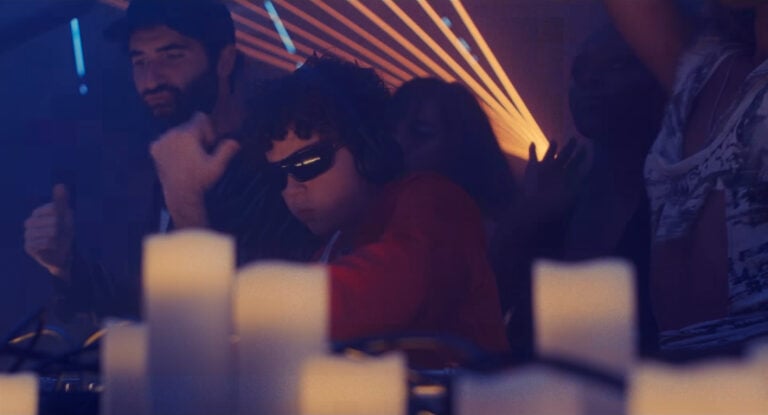
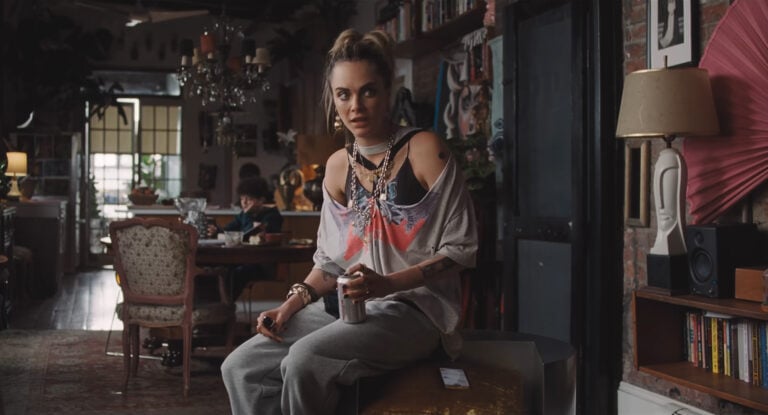
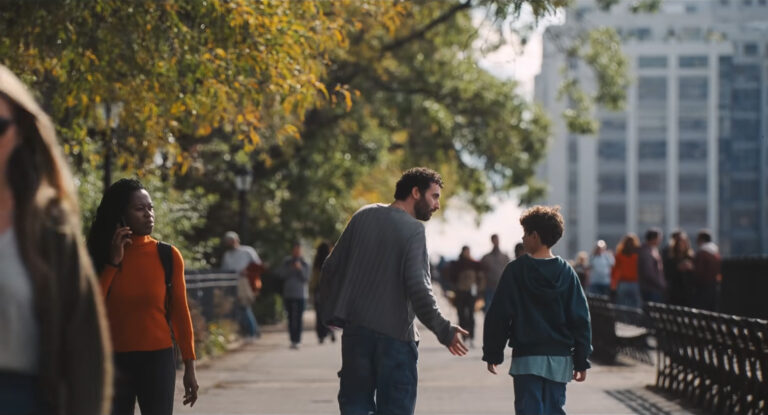

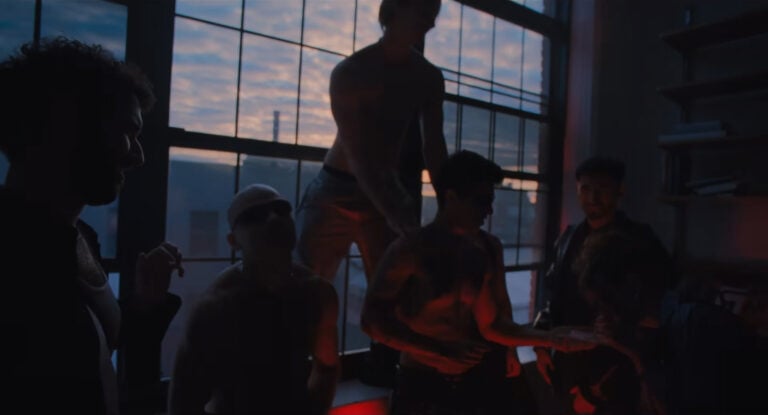
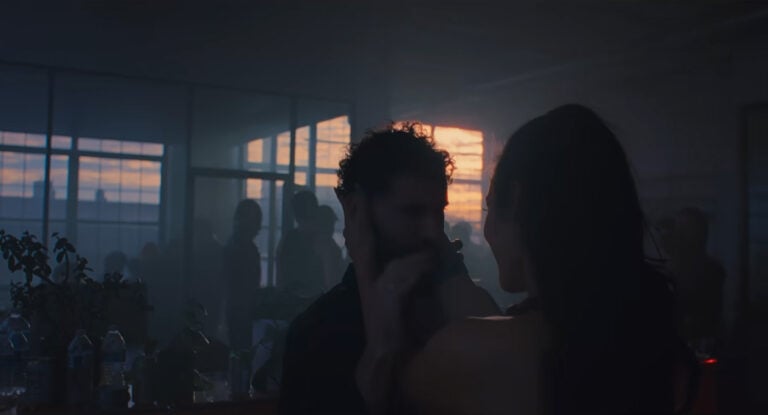
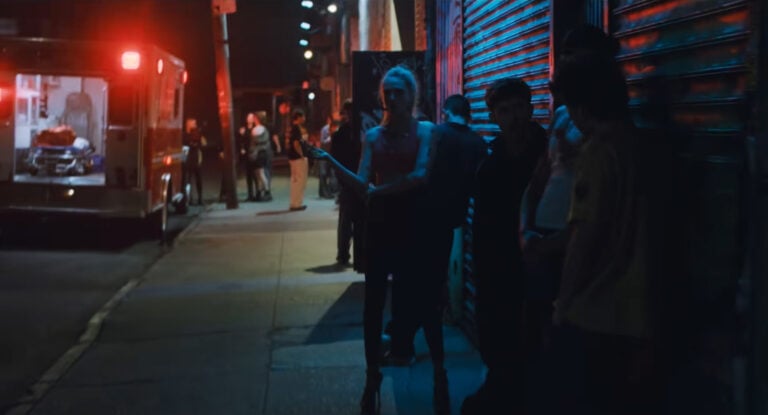
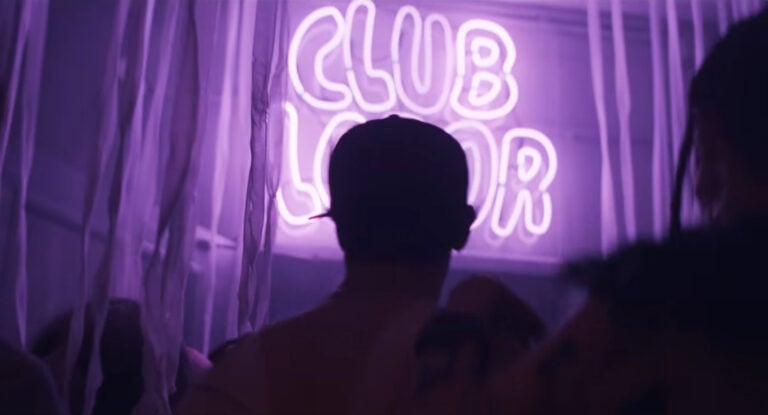
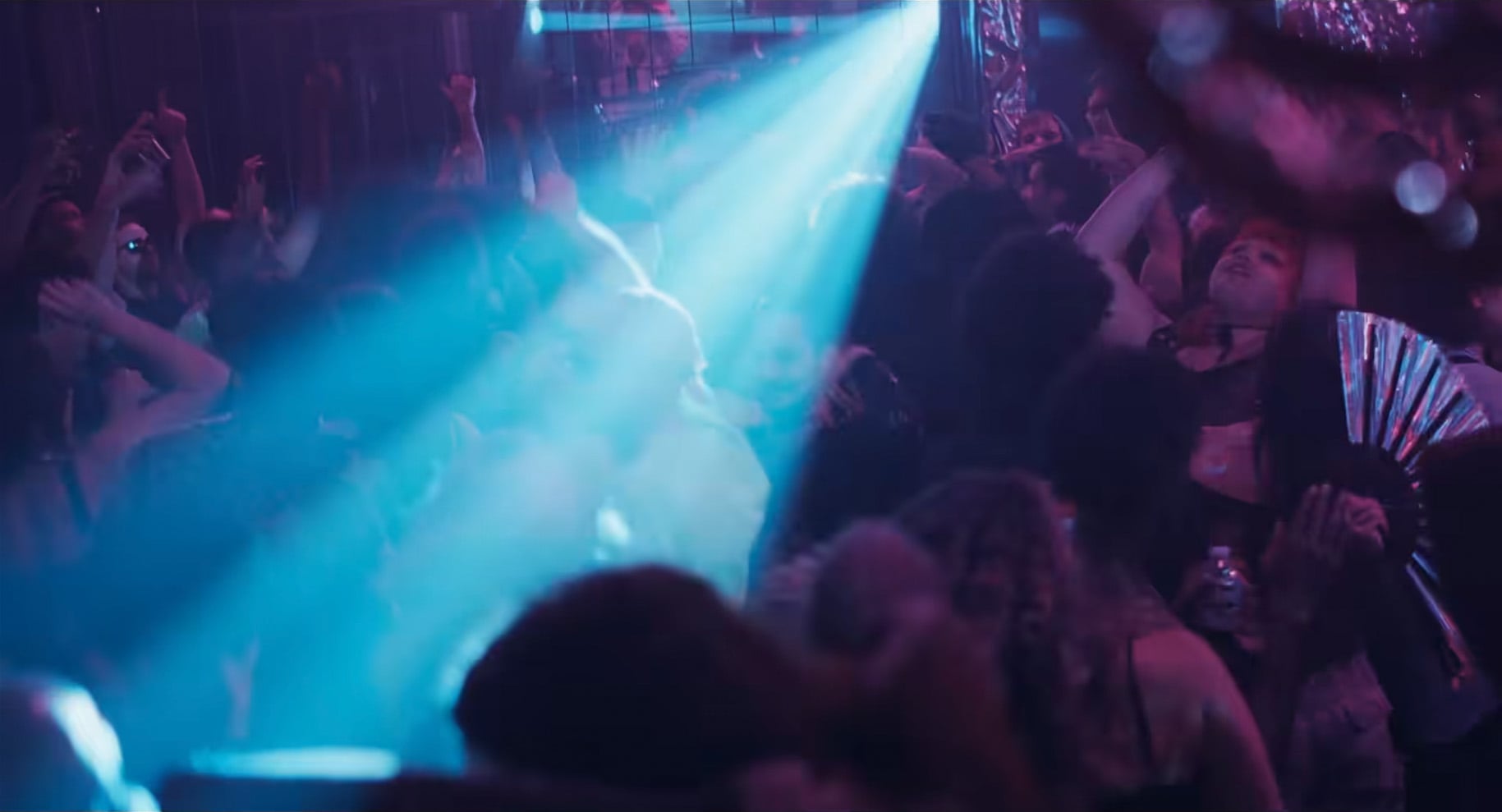
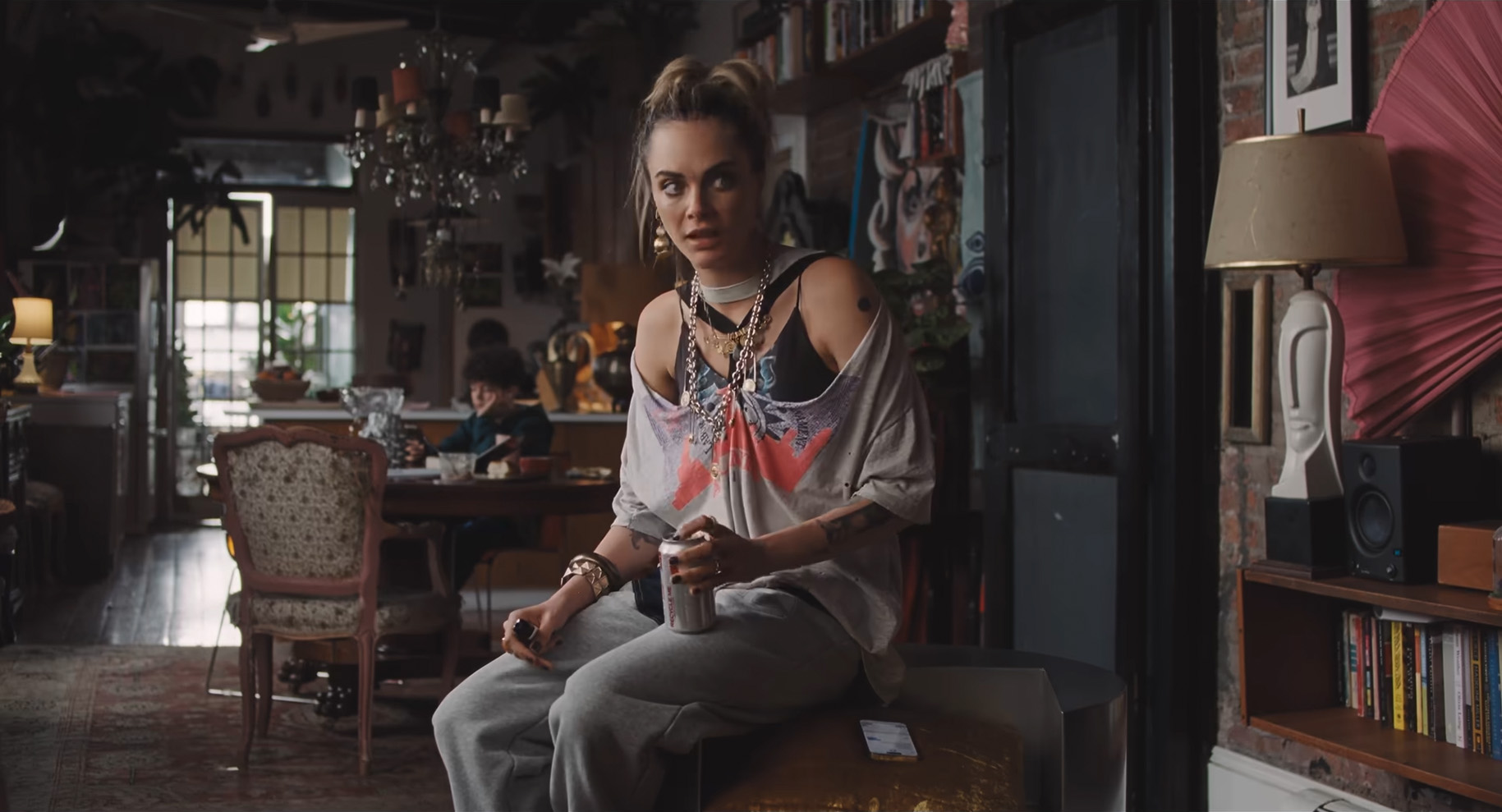
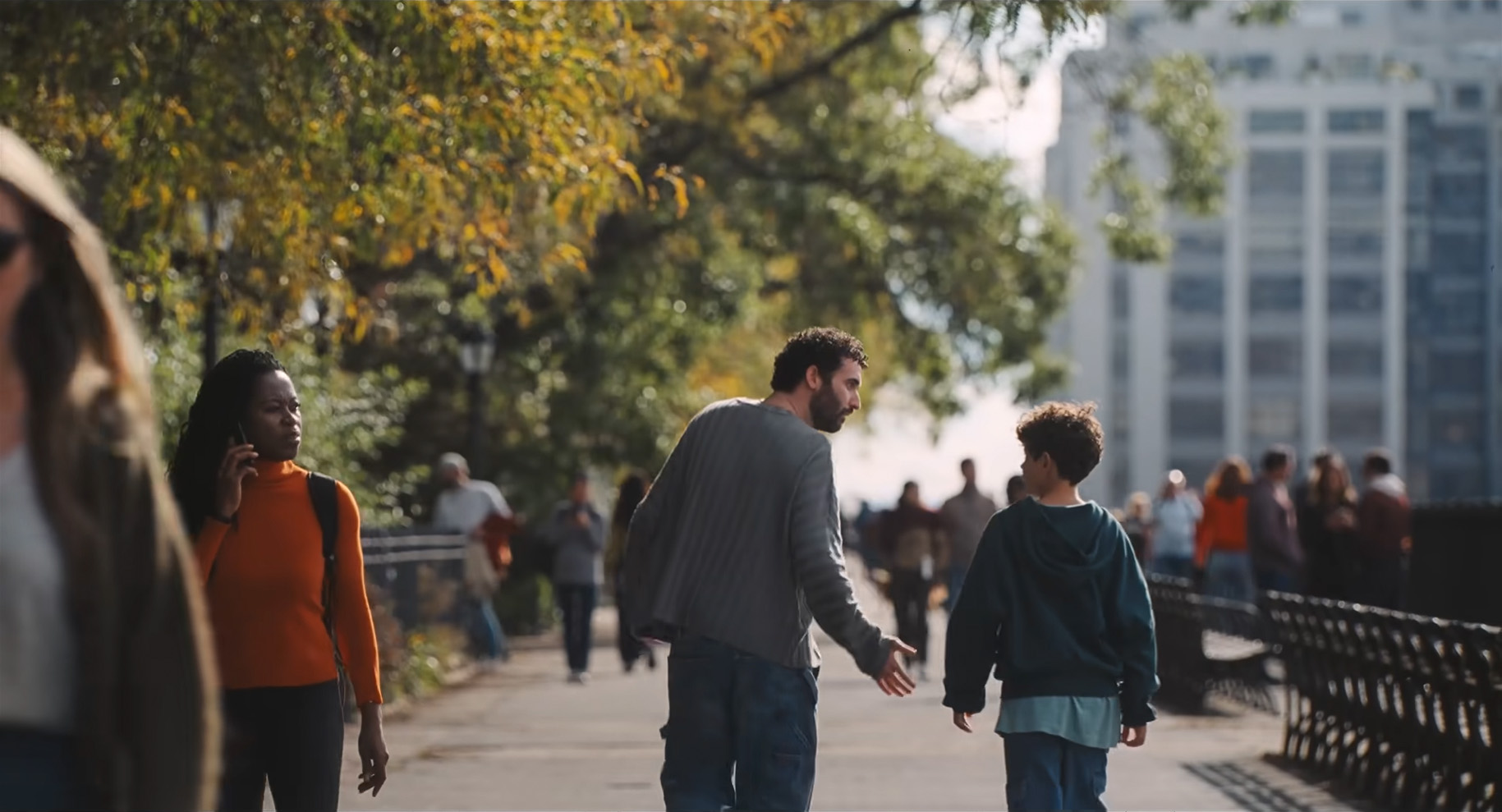
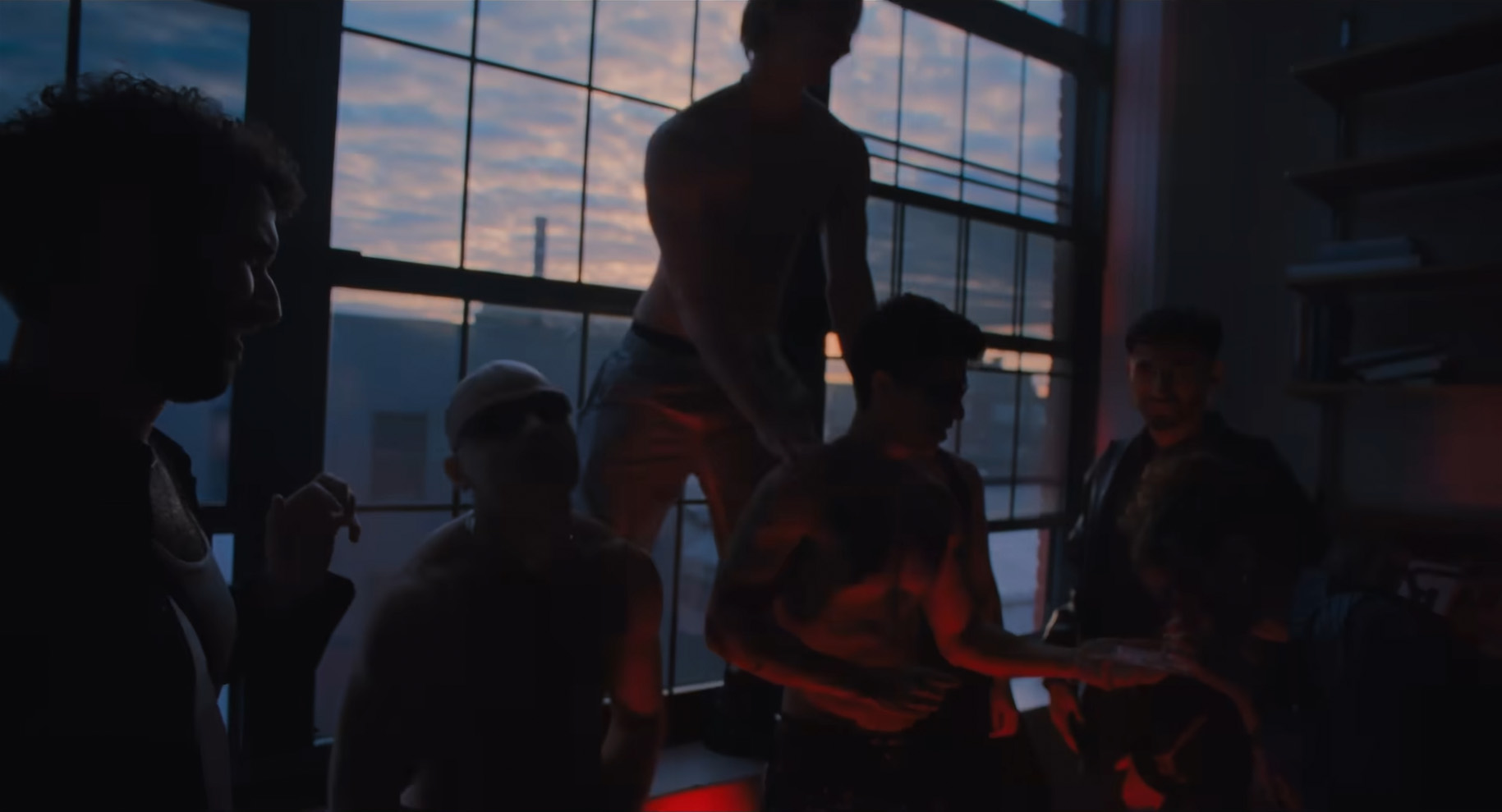
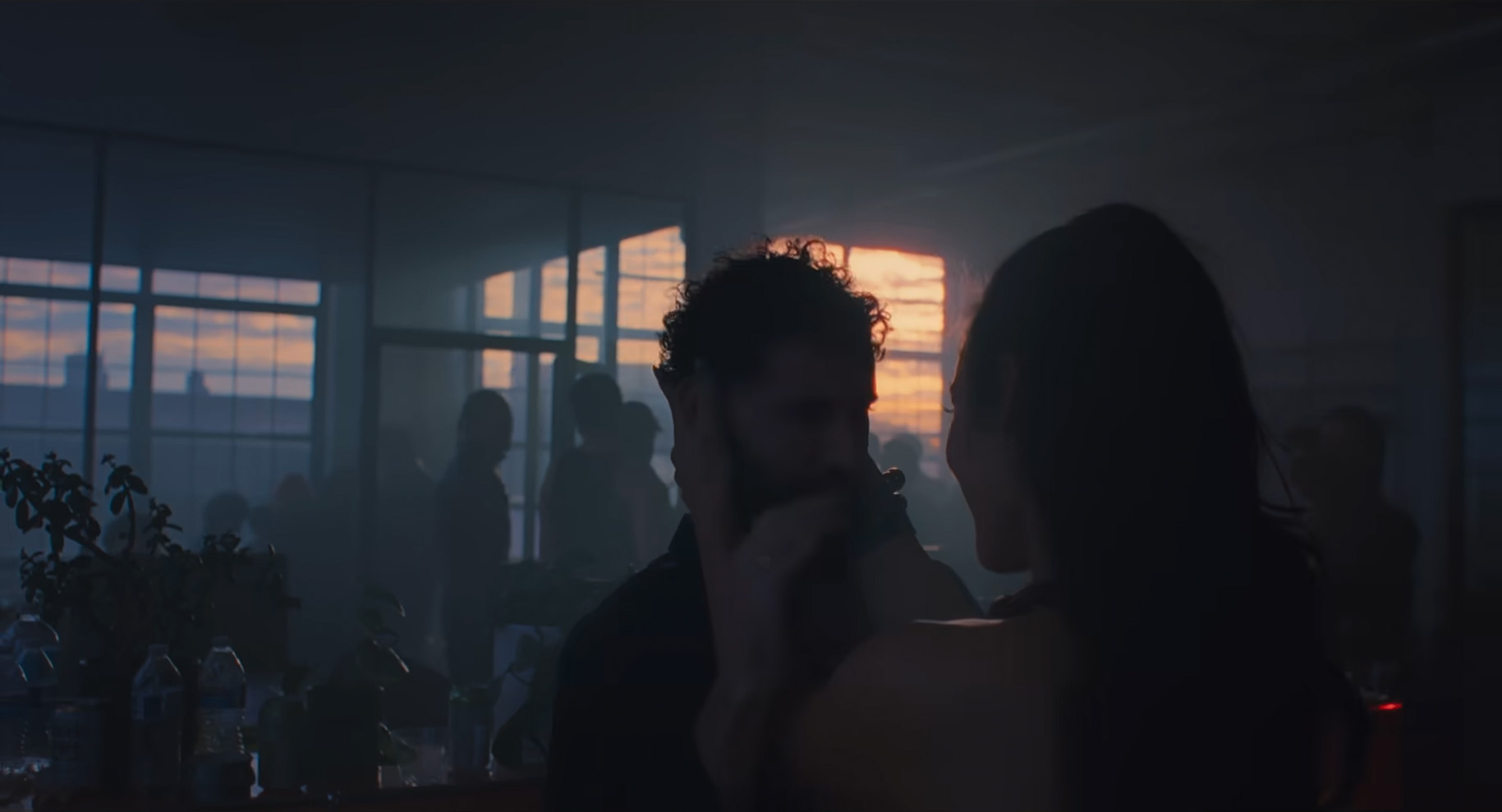
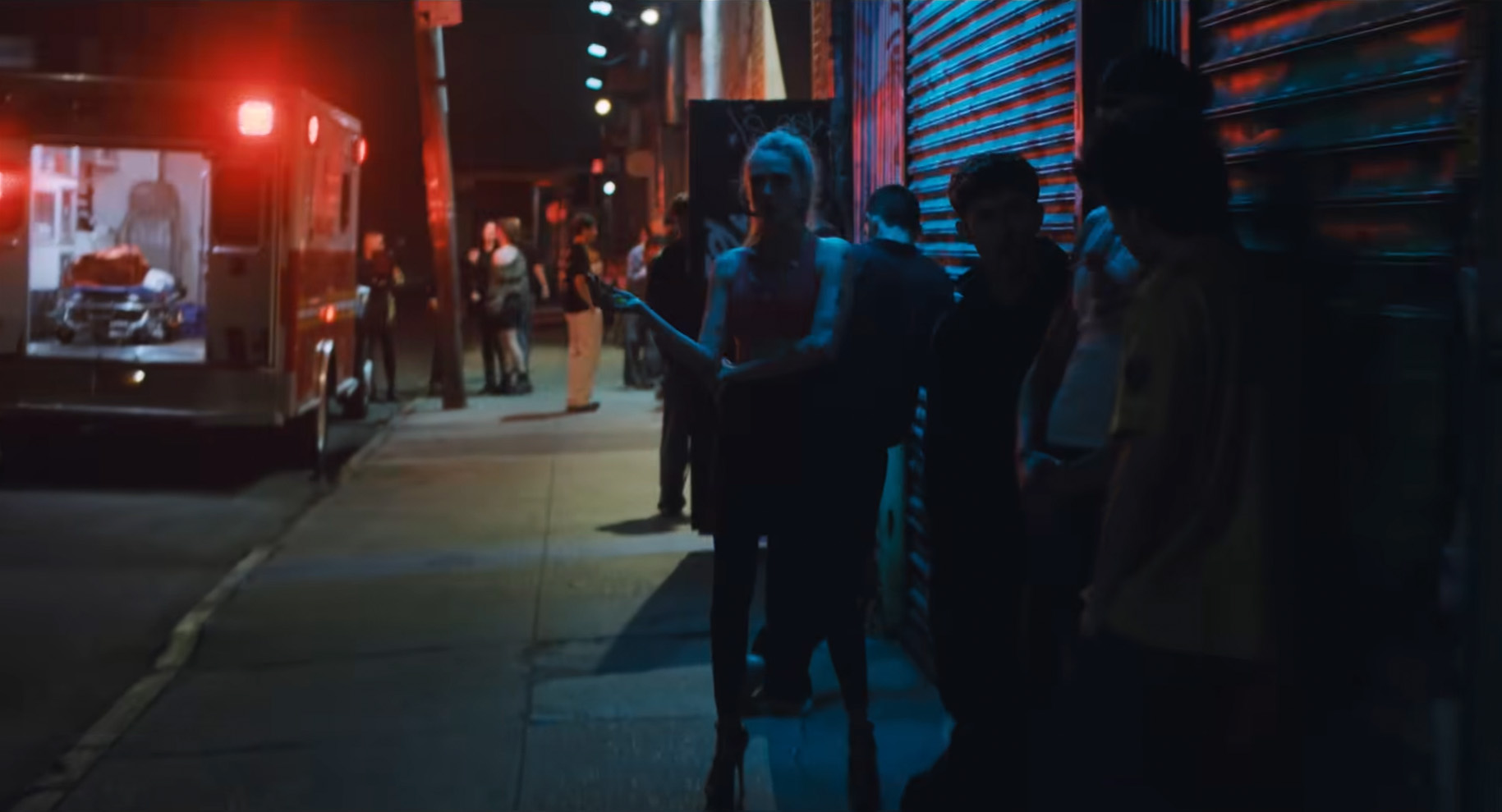
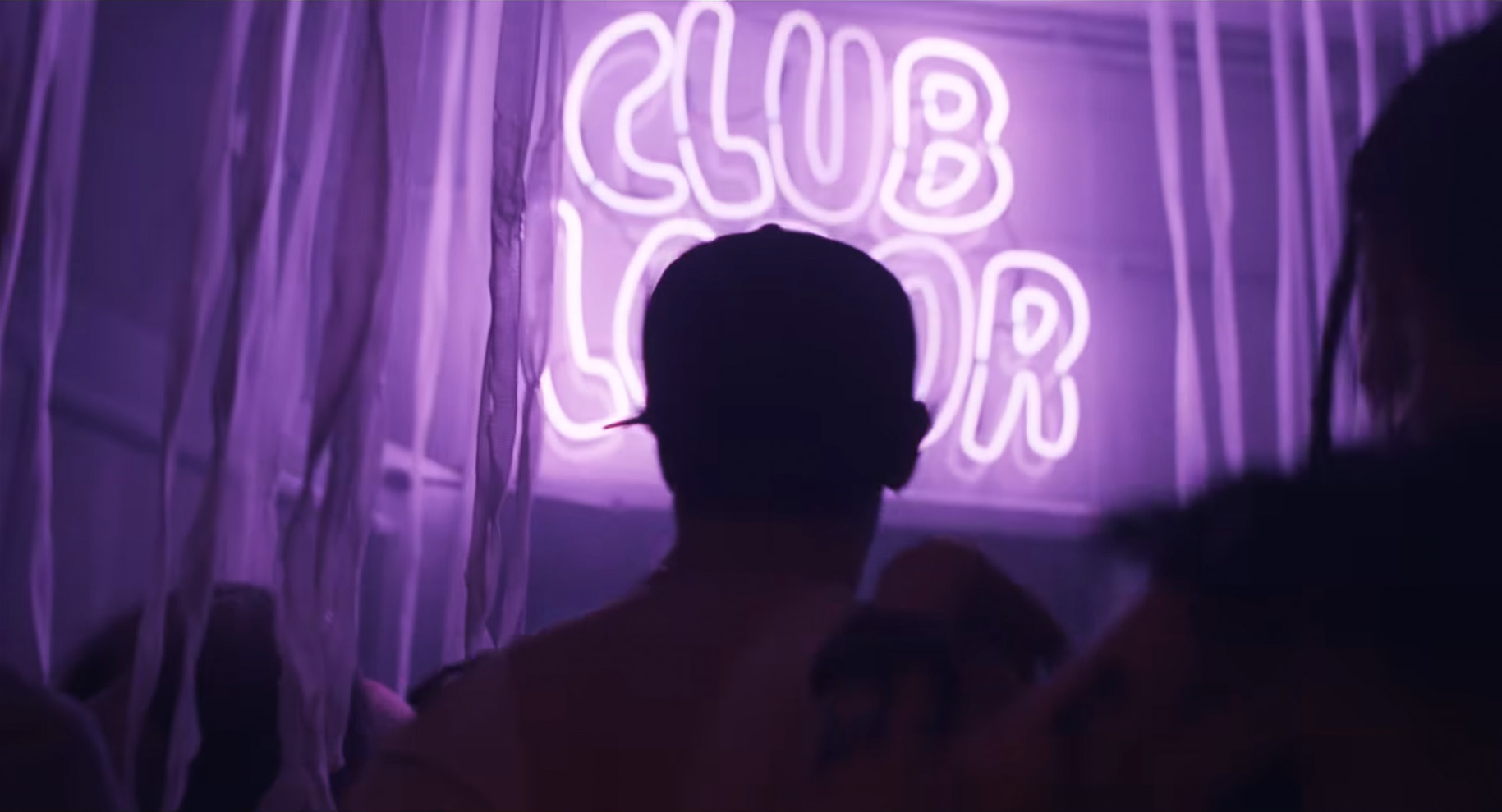
Jordan has said that one of his first orders of business was to authentically depict queer New York nightlife. With so many moving parts – people, locations and backgrounds, how do you narrow your focus to achieve the verisimilitude he’s looking for?
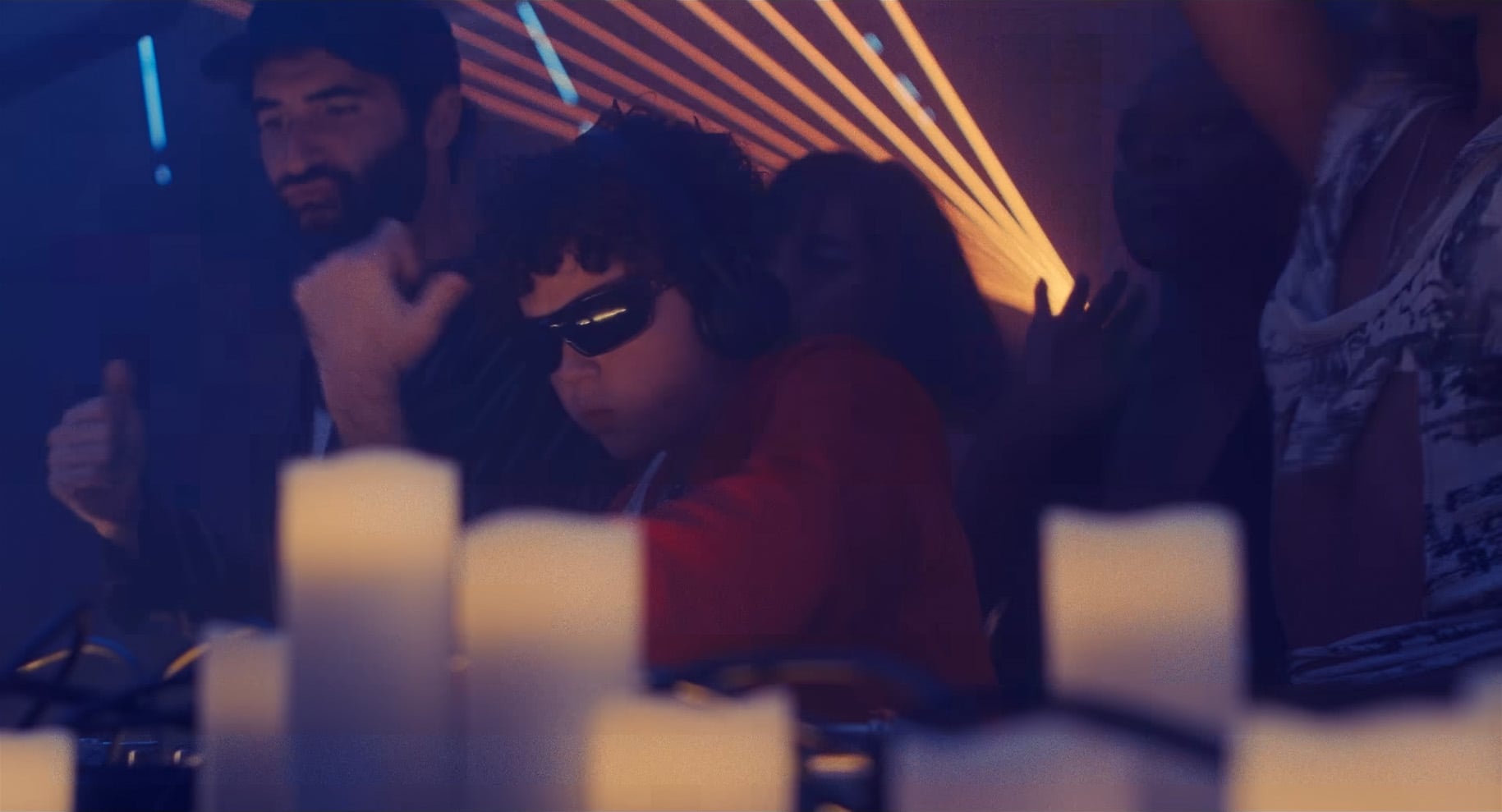
Jordan surrounded himself with great producers and people who get the right faces on screen. That was the most important thing. Then a lot of it was just location scouting. We spent a lot of time going to parties before we started shooting, so he could introduce me and my crew to the scene, because it wasn’t something we were familiar with. In order to get that authenticity, sometimes you just have to shoot it, you know? A lot of the party stuff we did in Jordan’s movie were real parties. There were only a couple of parties we threw.
In order to not totally hamstring myself, we tracked down this group called Gum Gum Studio. They do really incredible party lighting in New York, and I reached out to them, and started asking them, what parties are you lighting tonight? Can I come check them out? We got to the point where we were like, hey, can we just come bring a camera to that party? And we would show up from 2AM to 7 AM, when the party was actually going. I would wave to them and say hello, but it was so loud that I couldn’t even talk to them. I have the camera on my shoulder, and I’d text them with my other hand, like, can you make the lights red right now? They would wait until the next track started, and the lights would all shift red. I’d shoot Jordan moving through the space, dealing fake drugs, or making out with some random guy, and they’d get a waiver later on to make sure he could be in the movie. We tried to keep it really real.
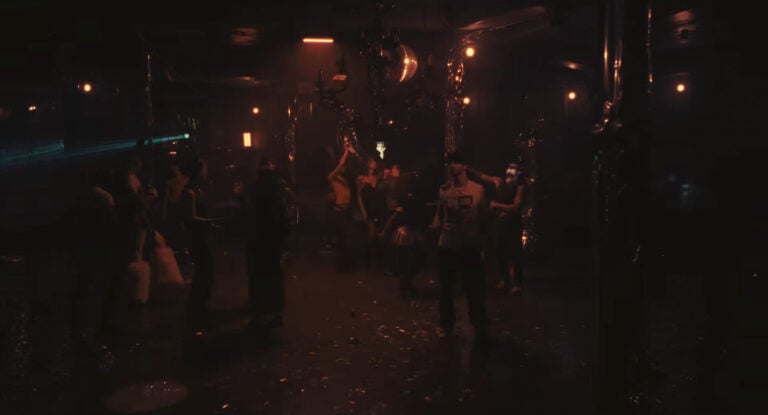
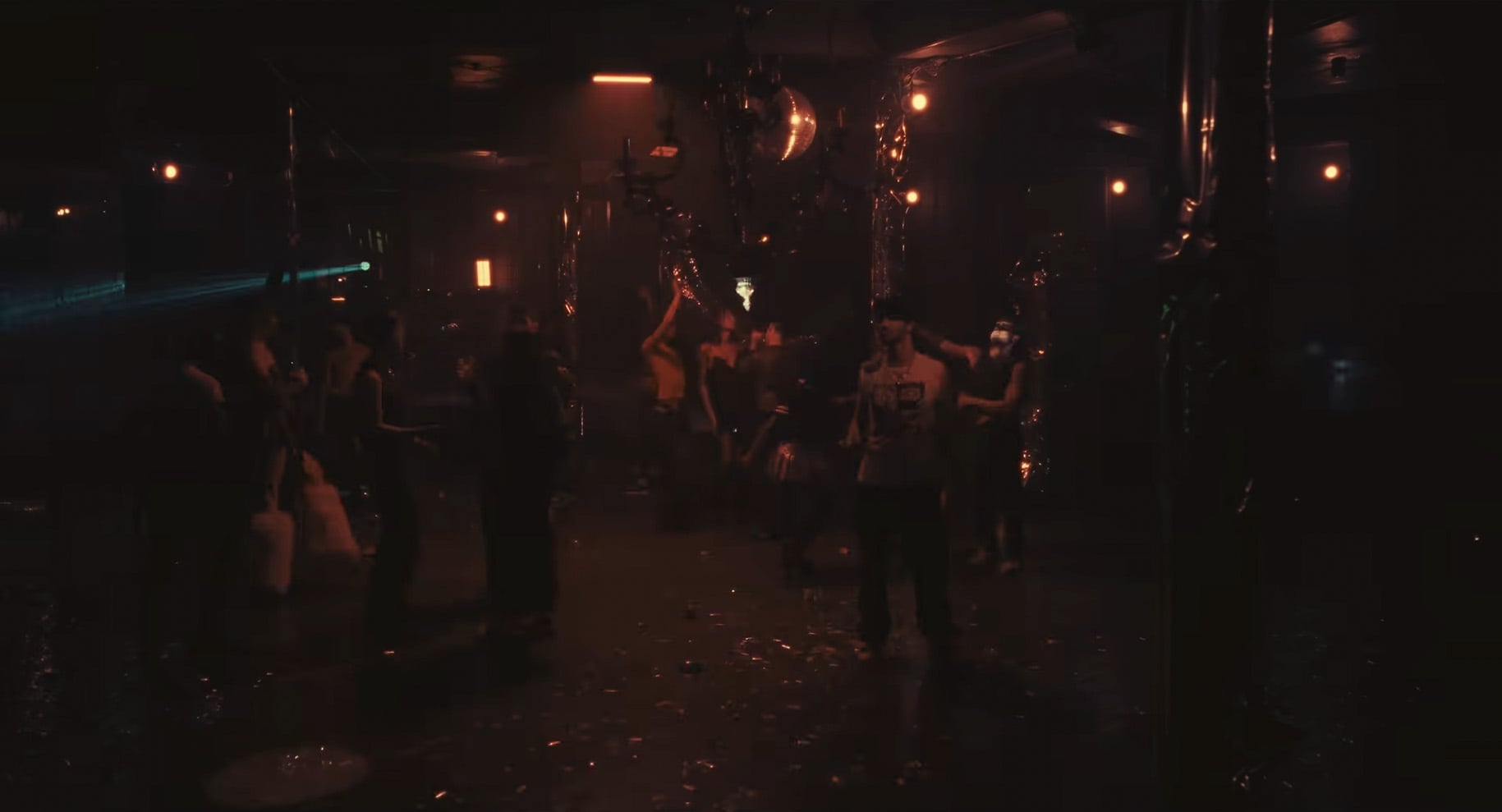
There are a couple club scenes where we couldn’t just shoot at a club. We needed to be able to stop the music and block things. But we ended up bringing Gum Gum on to do the lighting for those. So they worked with my gaffer, who put up this beautiful choreography between our lighting and their lighting that I think makes it feel very authentic.
Were you going back for any small pickups? Were there parties you had to recreate?
Not really. We didn’t have time. This is a really small movie, and what I love about it is that the stakes are high. This is our moment.
A lot of those parties don’t get going until the morning, so we would have these really gnarly split calls. We’d have a call time at 10pm, shoot for 6 hours in the middle of the night, then have lunch at 5 in the morning, and go from lunch to a real party. Everyone’s shredded, Jordan’s shredded, we’re all just ready to go home and go to sleep, but we have to go to this party, so we show up and it’s off the walls. All of a sudden, your adrenaline’s pumping. We’re shuttling mags through sweaty people dancing, screaming at each other because you can’t hear a thing. I’m inches away from my first AC having to sign language which lens I need. I’m feverishly punching in a different frame rate on the camera, a mag is jamming, and he’s rushing it over to the loader who’s in some bathroom down the hallway trying to like reload a mag, and it’s all just chaos.
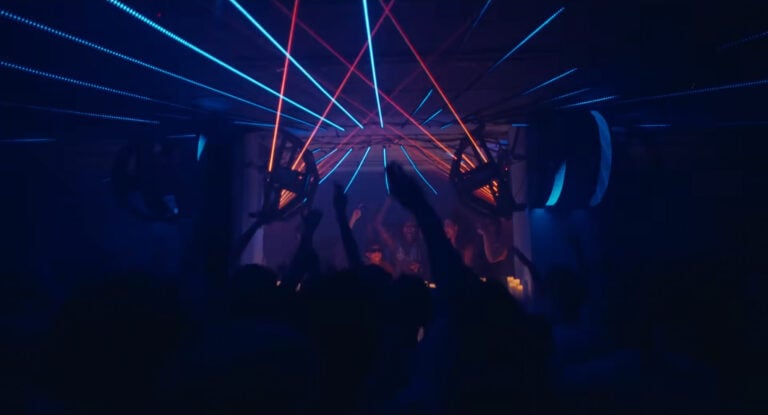
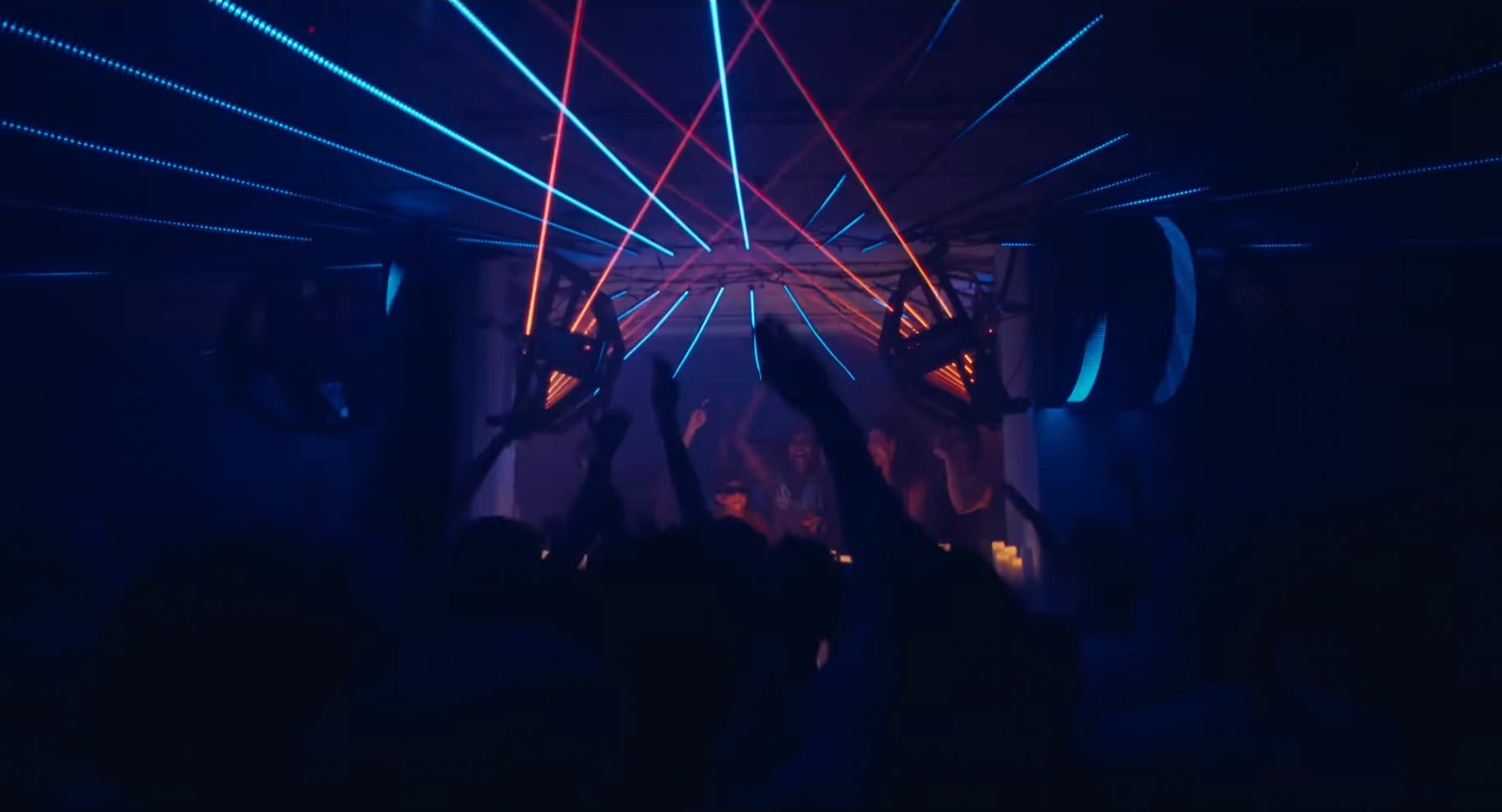
But I had this incredible team that understood what we were doing and cared so much, and with this skeleton crew, we were able to get the beats we needed. Anything else we get, it’s icing on the cake, and can become textural for the movie. Jordan was really flexible and really excited by the idea of spontaneity. So there were times where I’d say, I don’t have enough light to shoot this, but I can shoot it at six frames a second and we’ll see what happens. And a lot of that stuff made it into the movie.
Speaking of texture, I was really curious about color. You worked with Gum Gum Studios for the party scenes, but what was the directive with the more intimate spaces?
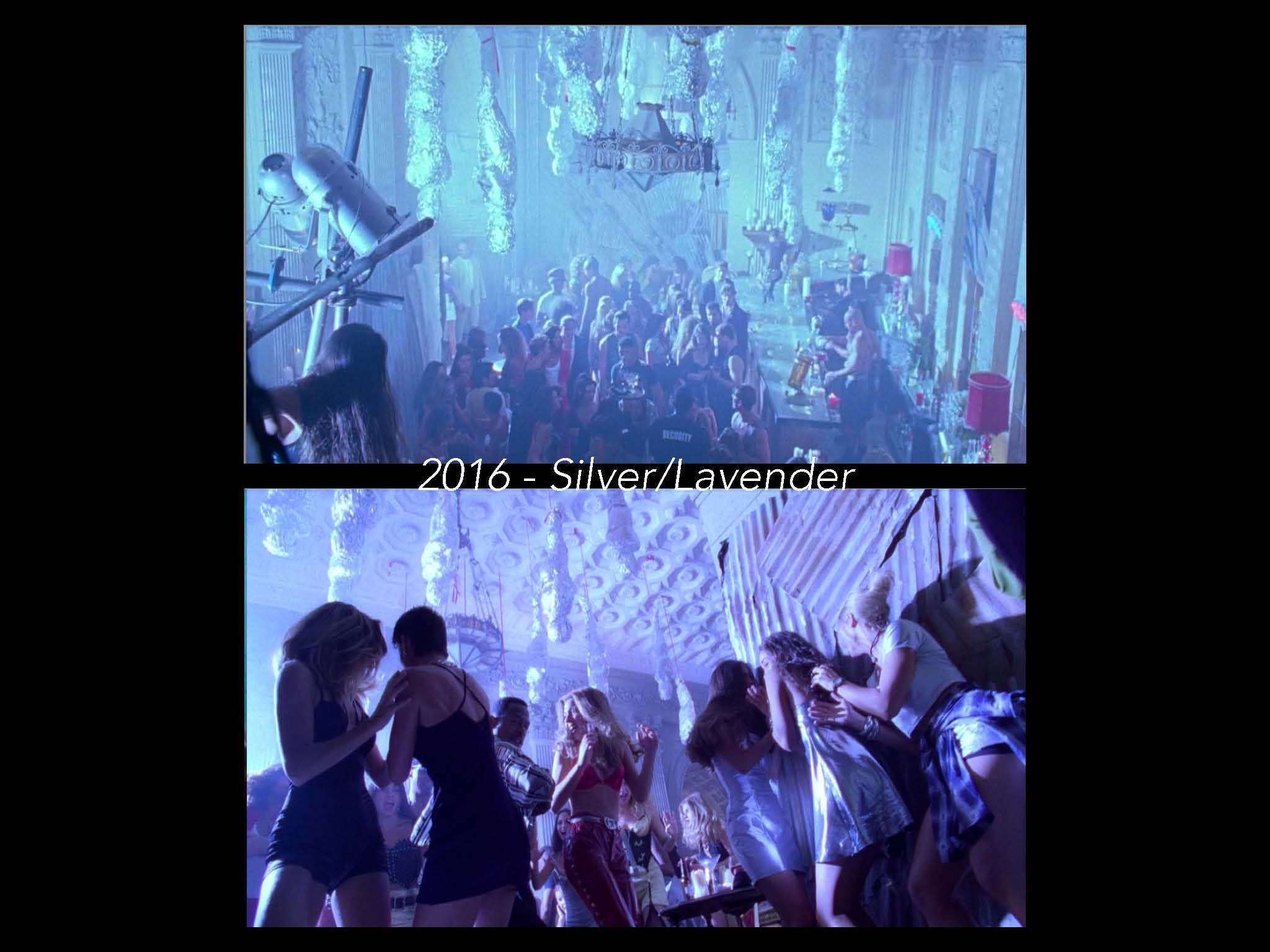
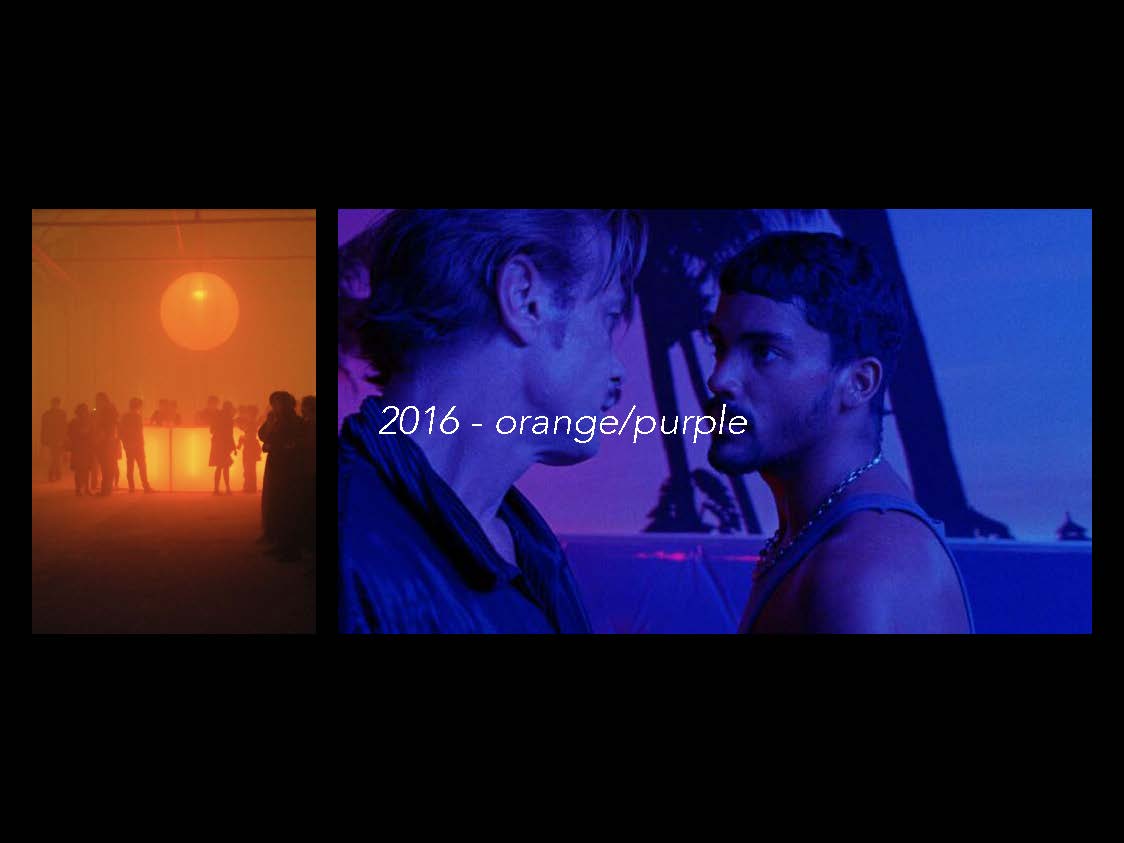
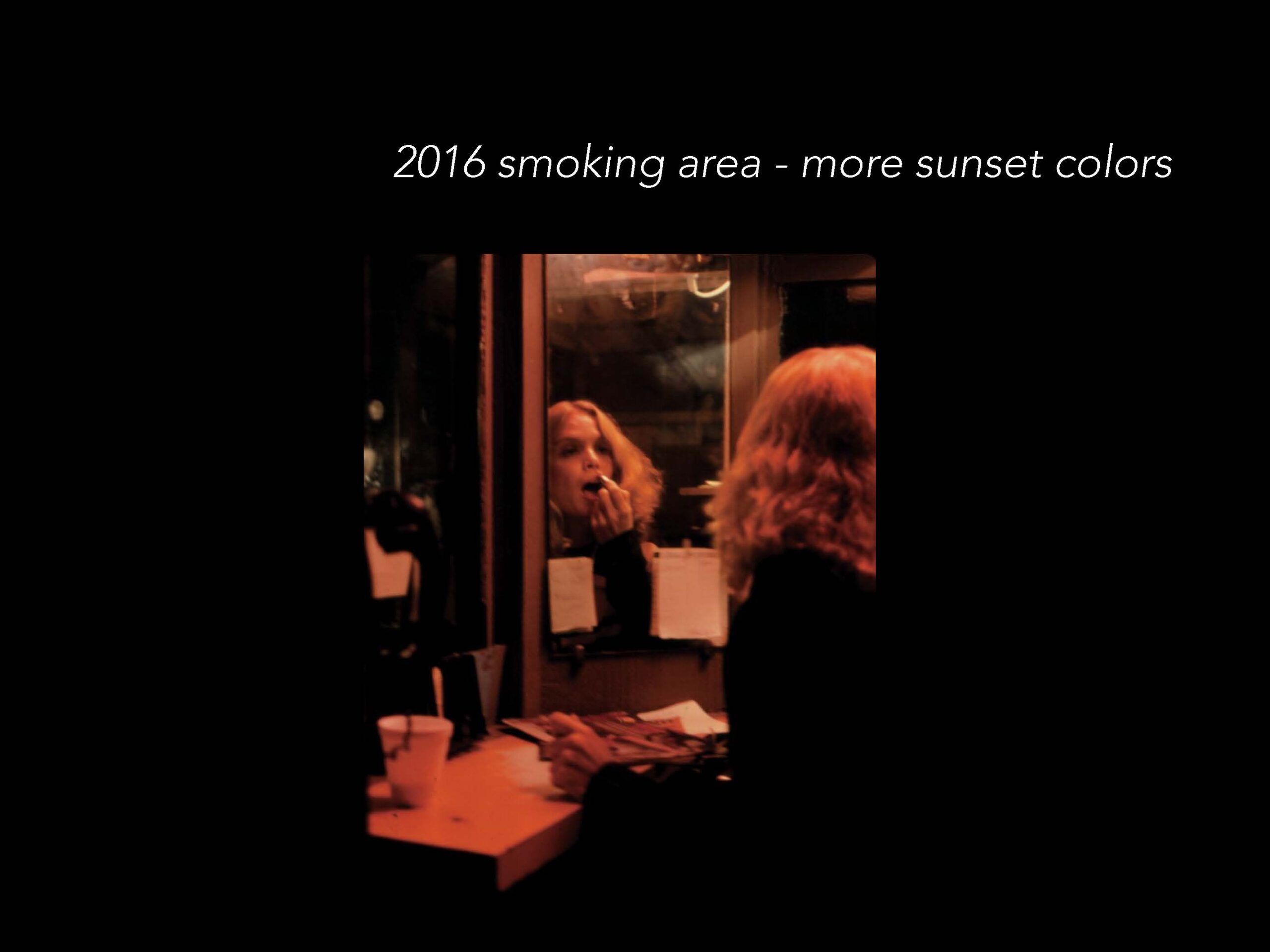
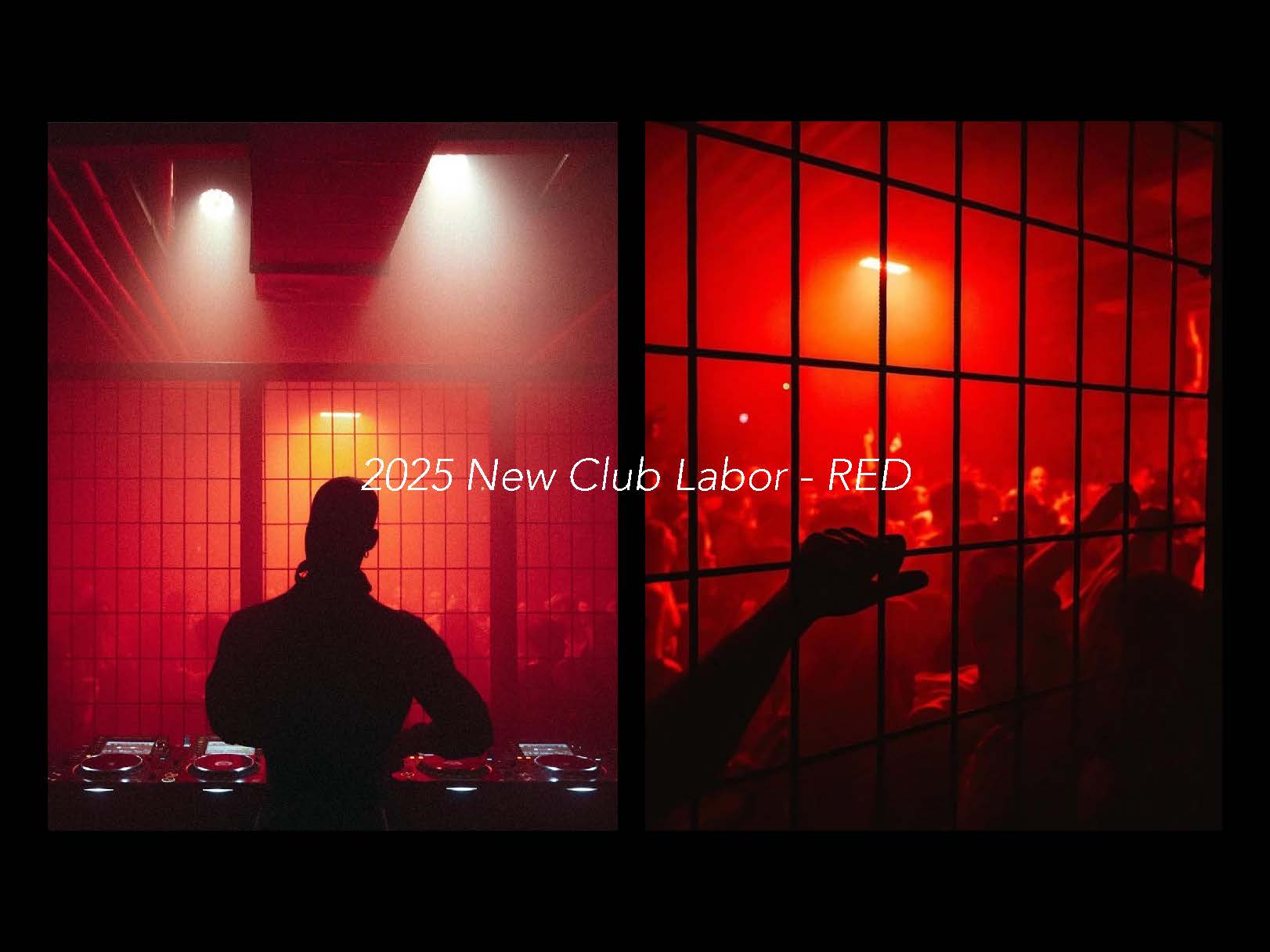
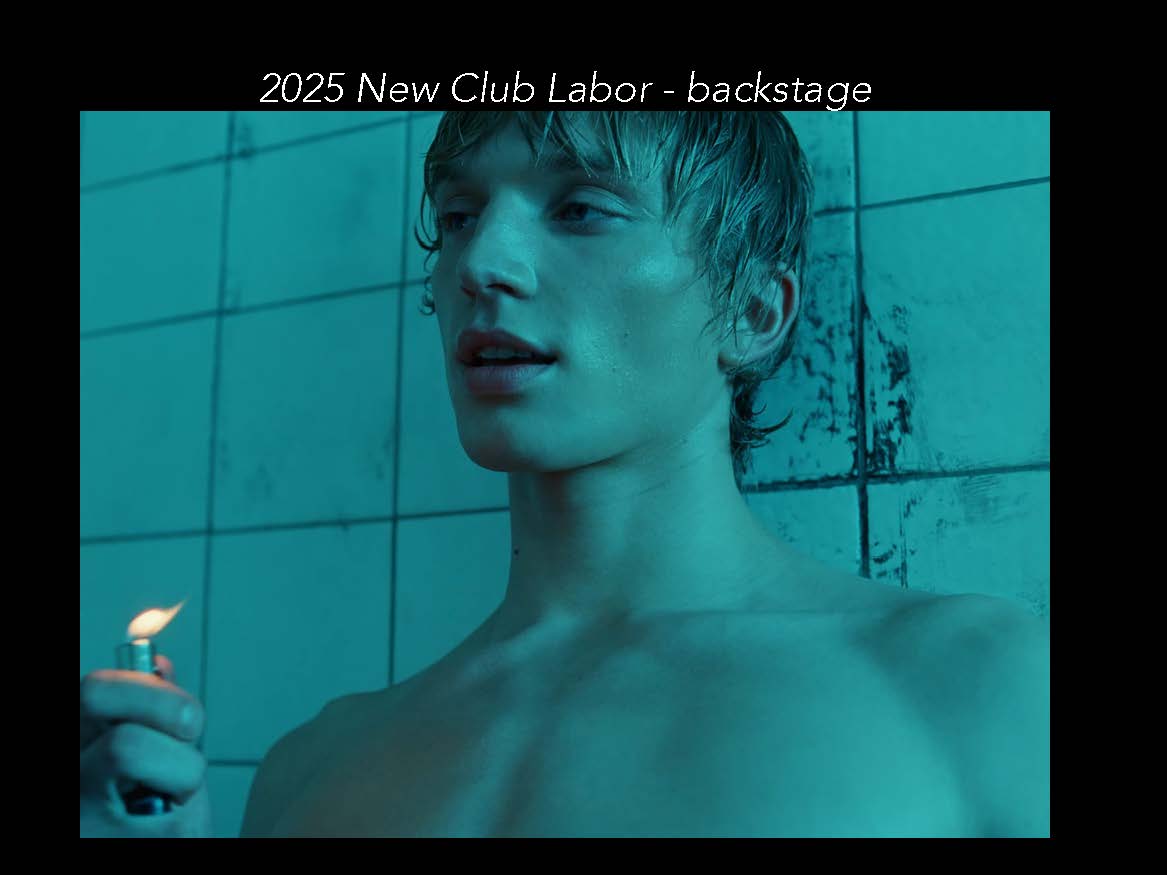
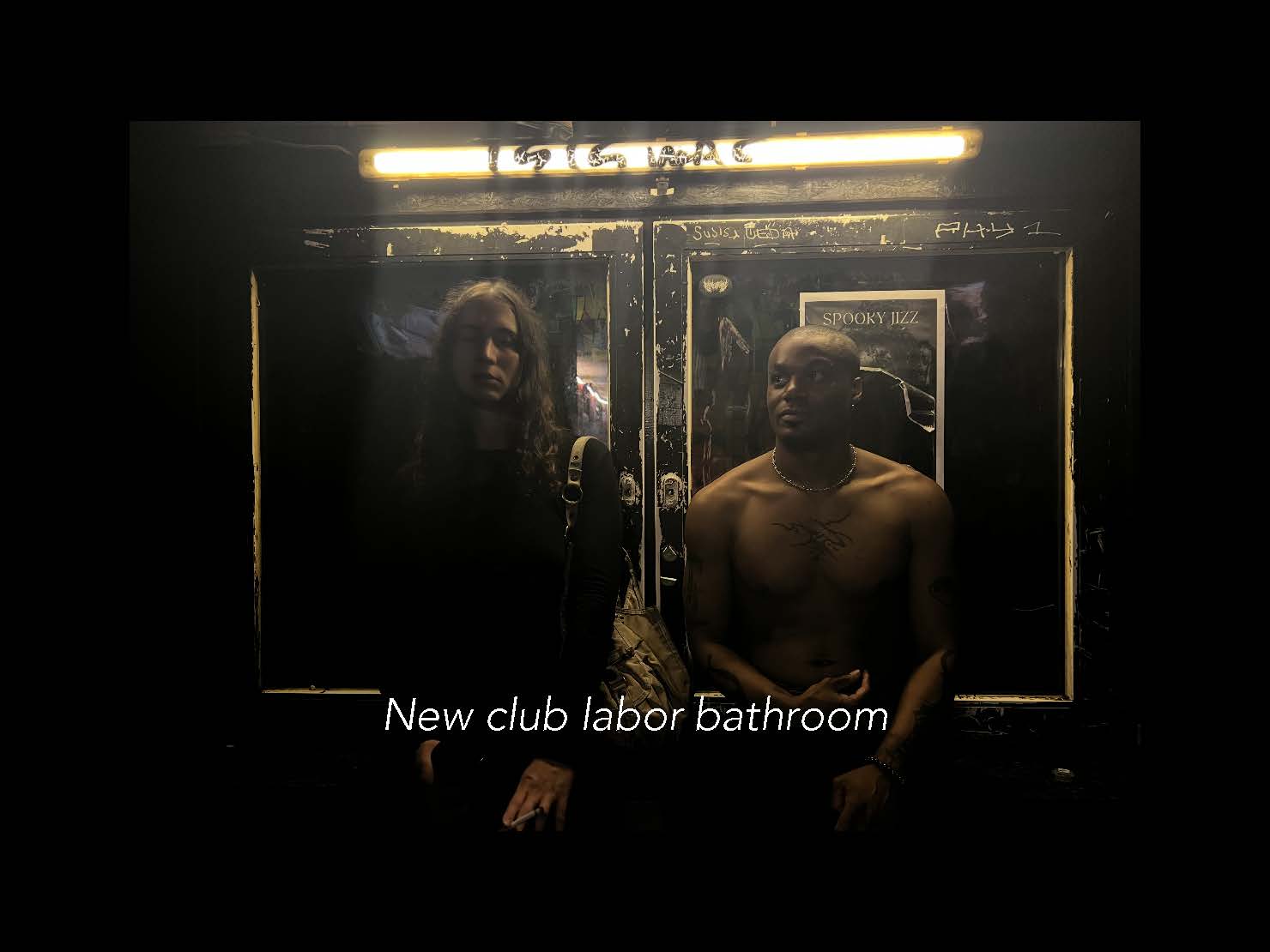
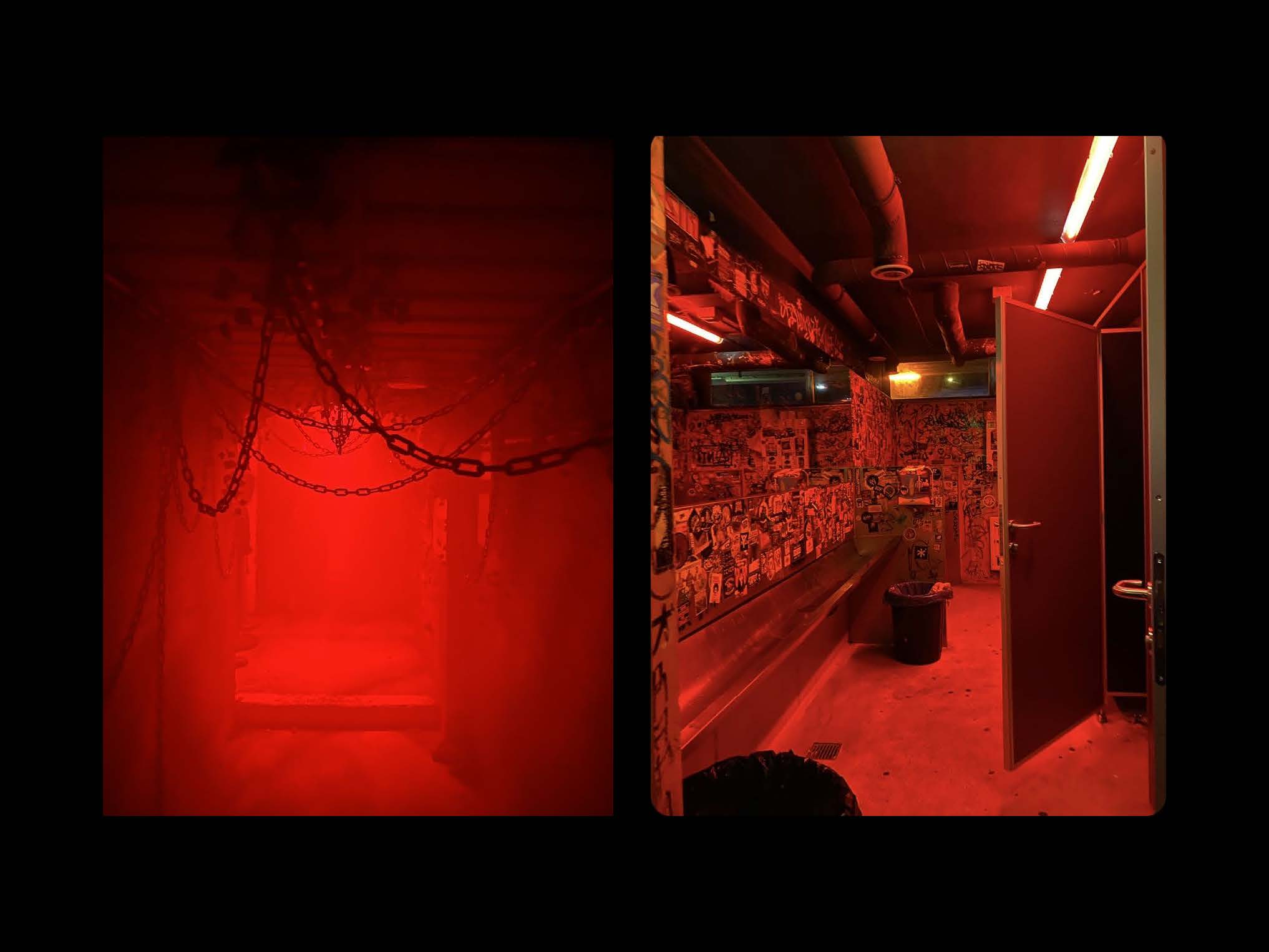
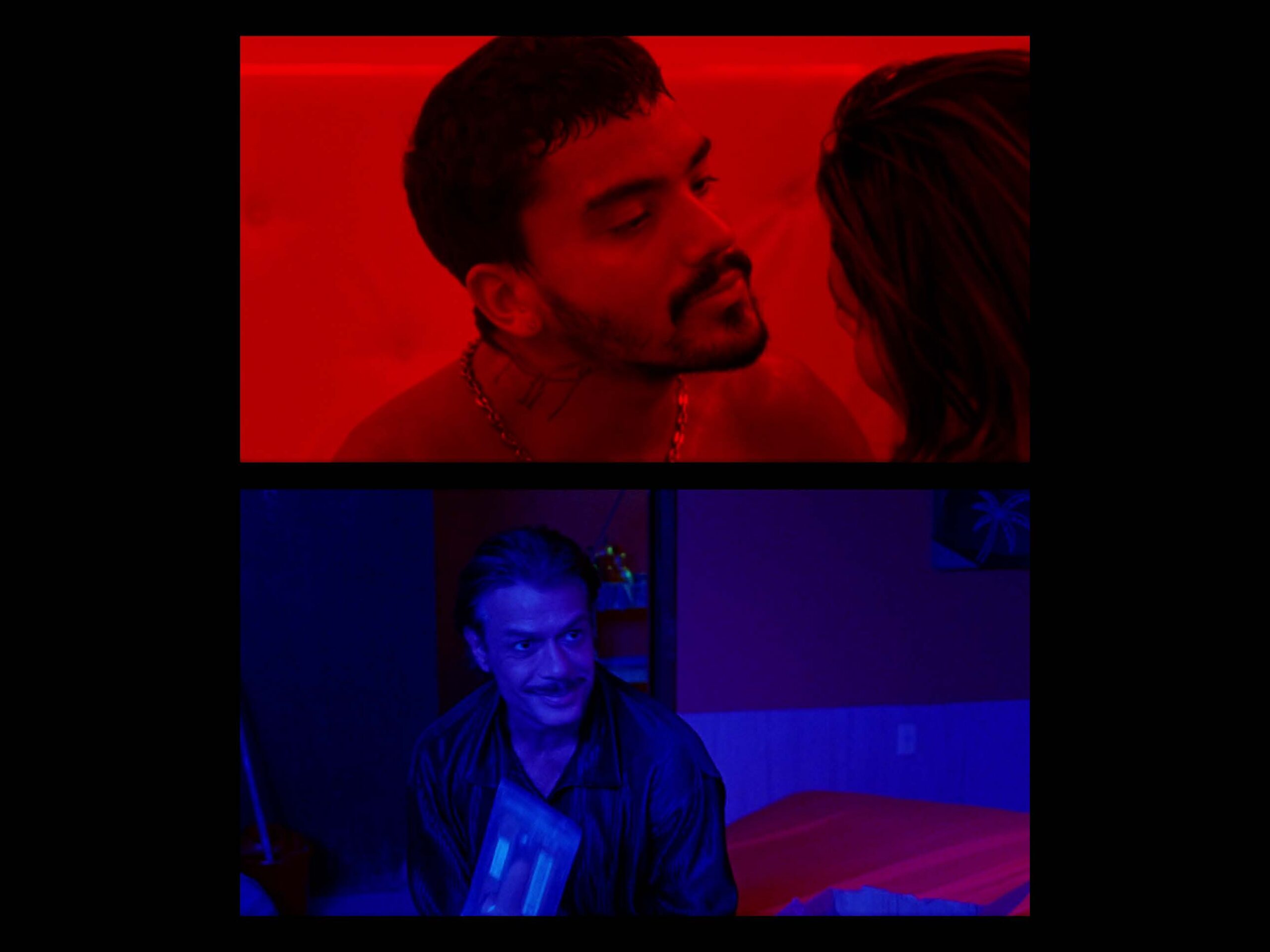
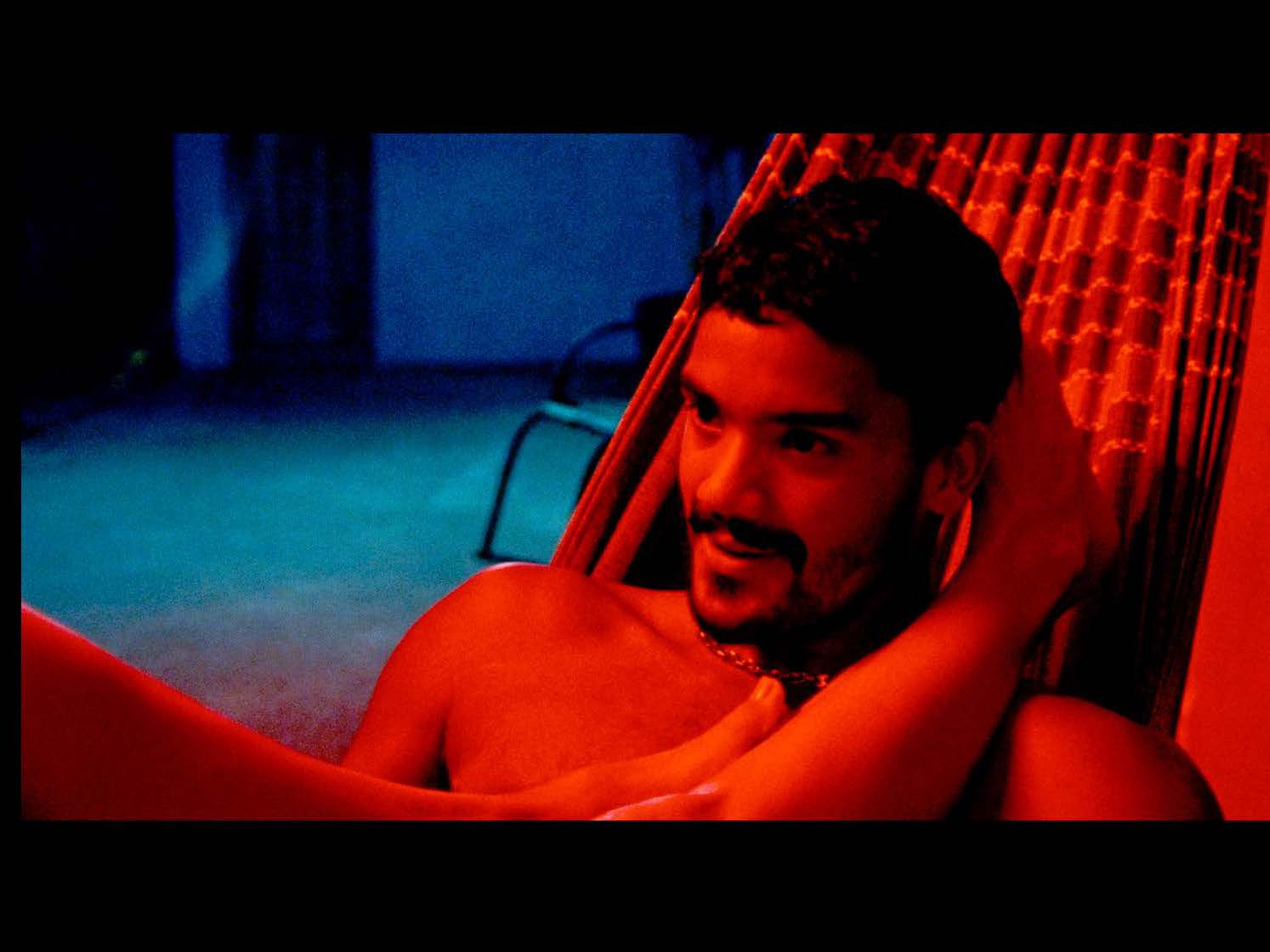
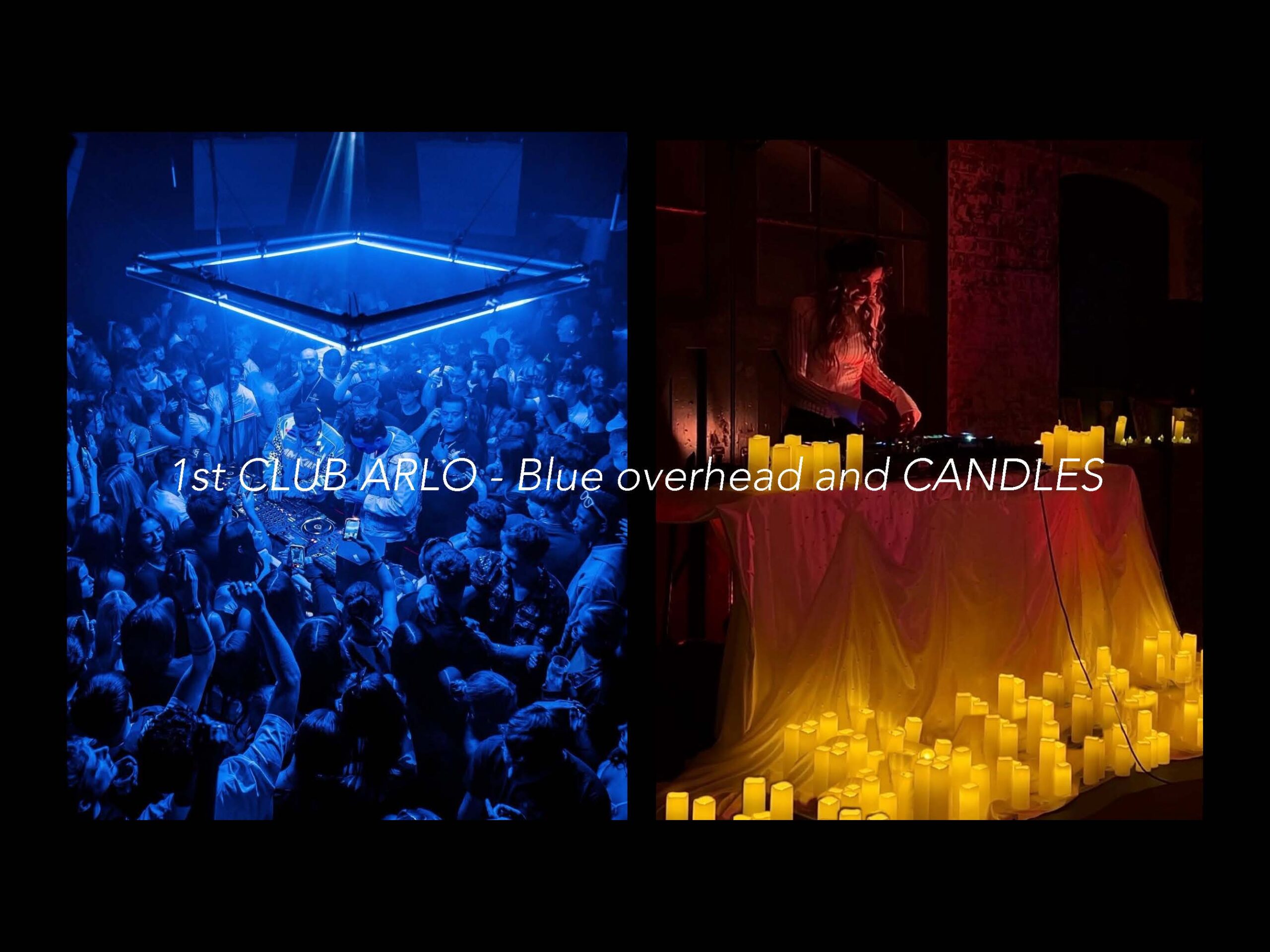
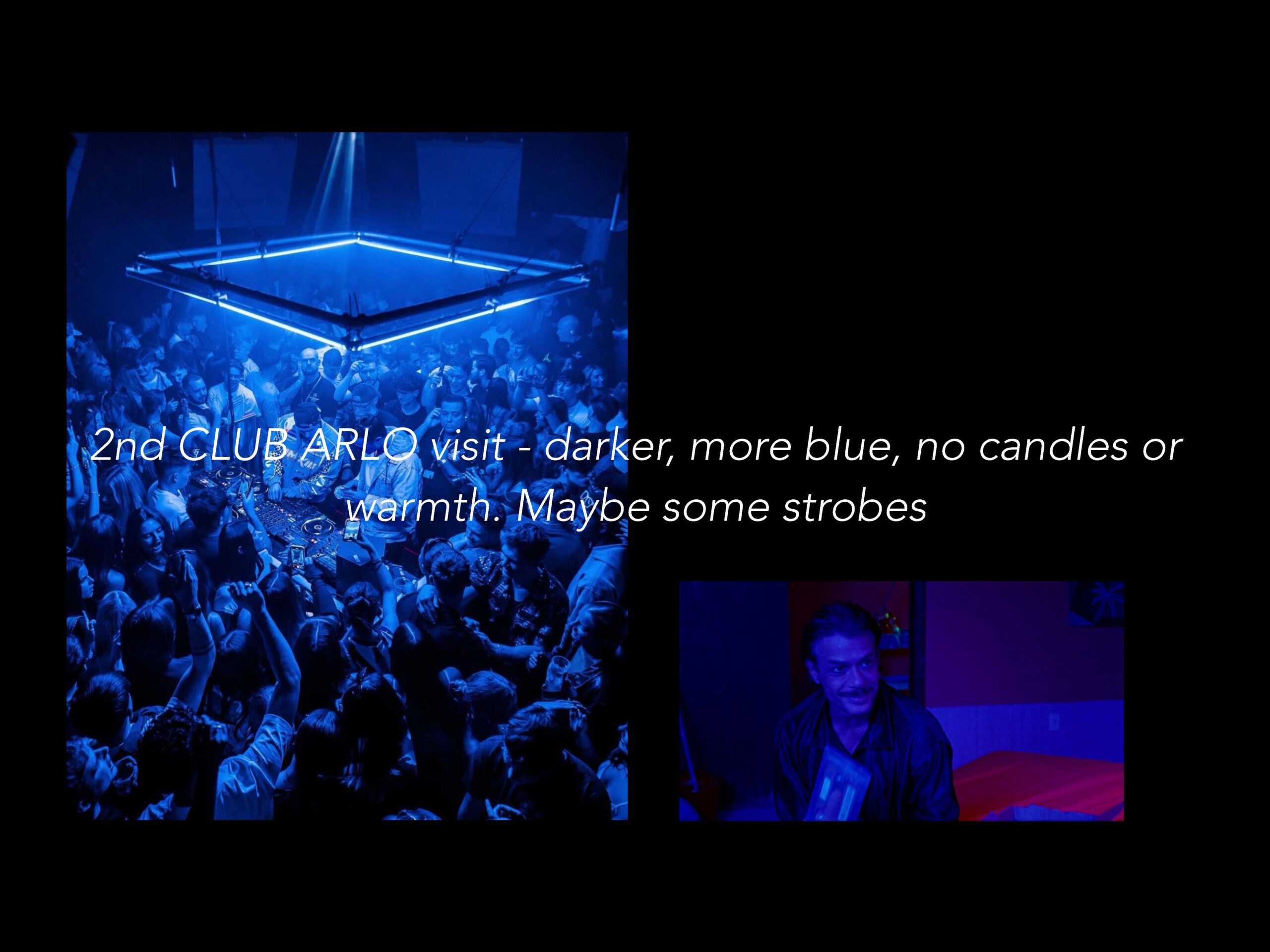
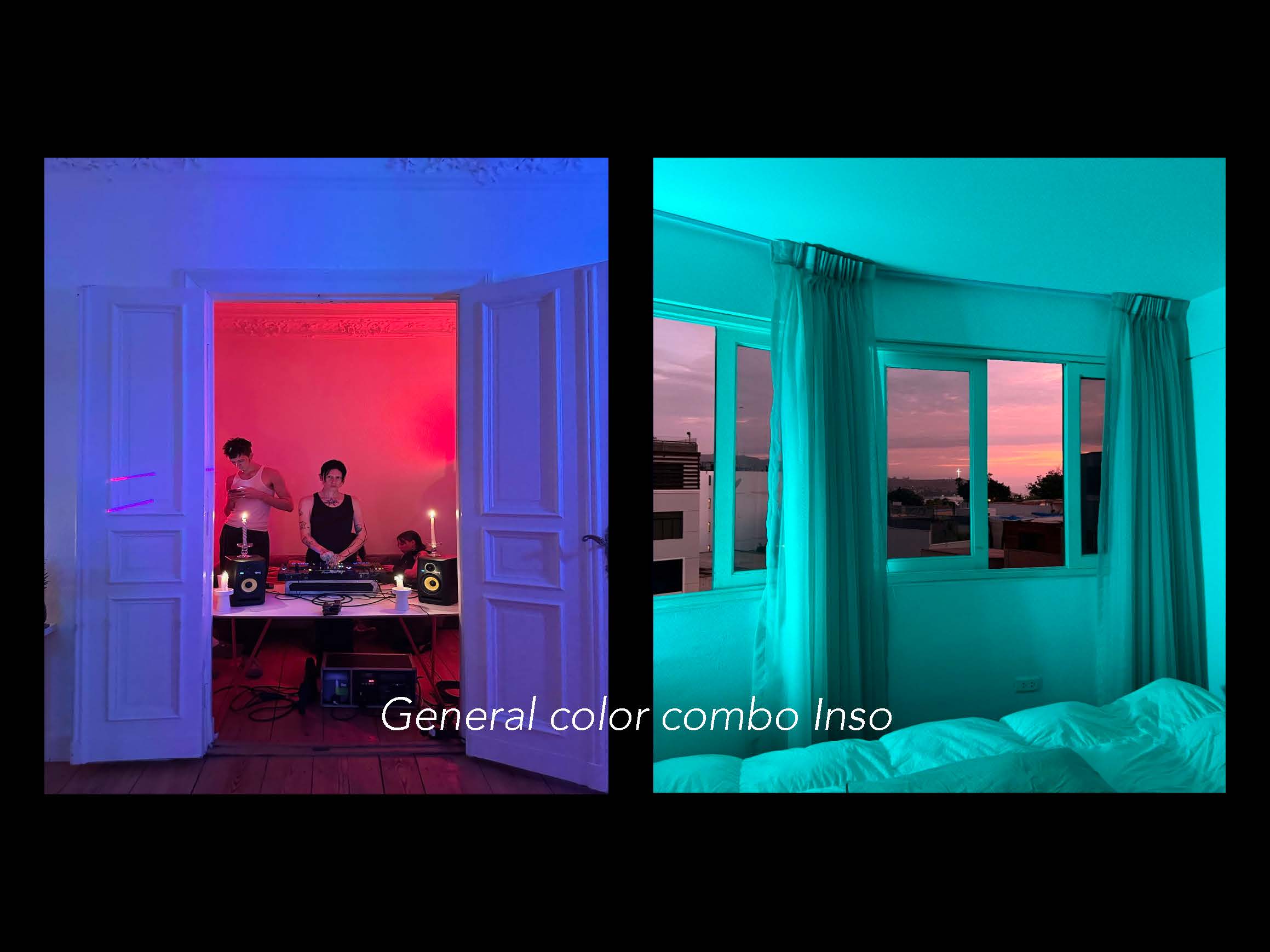
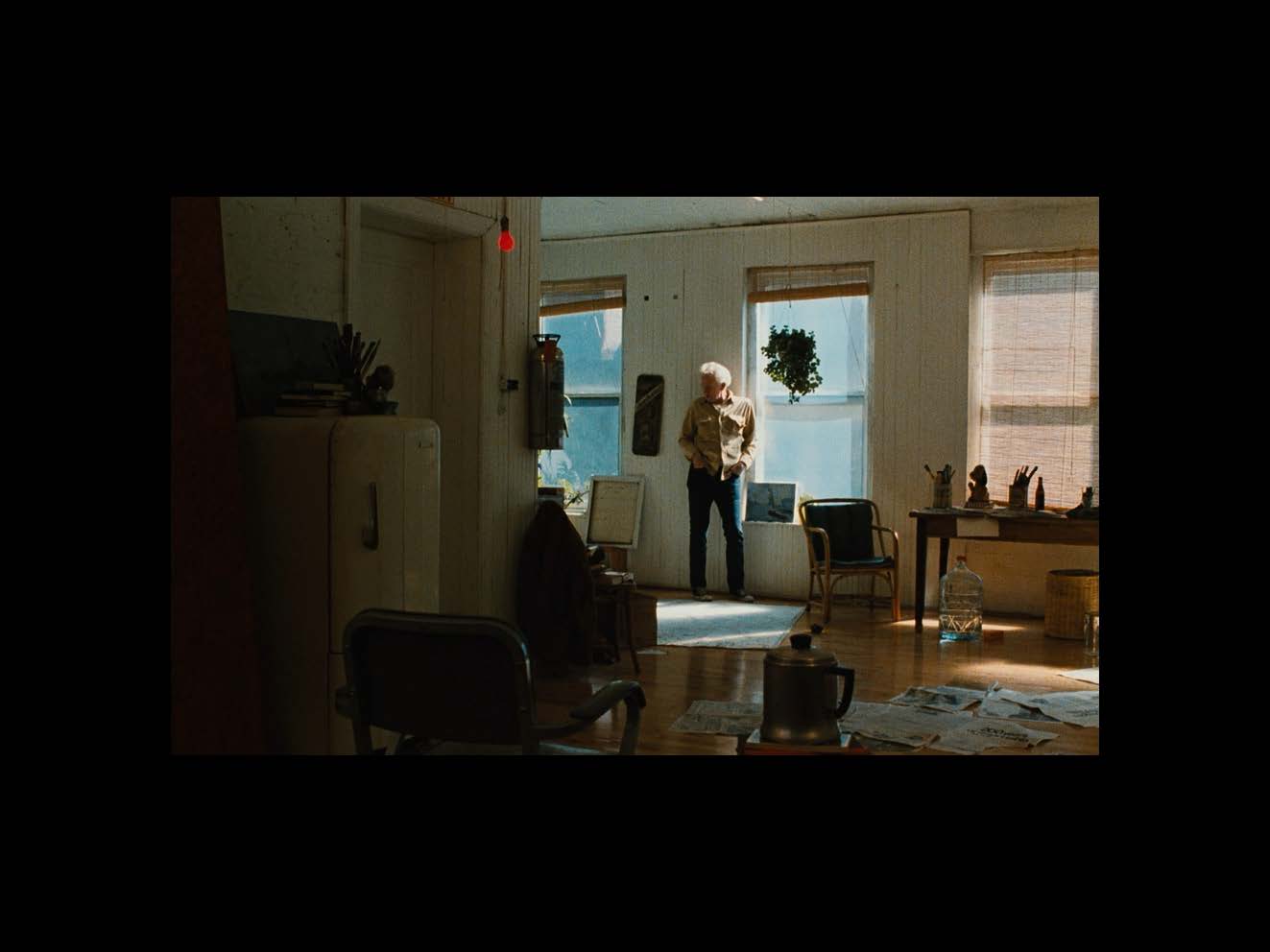
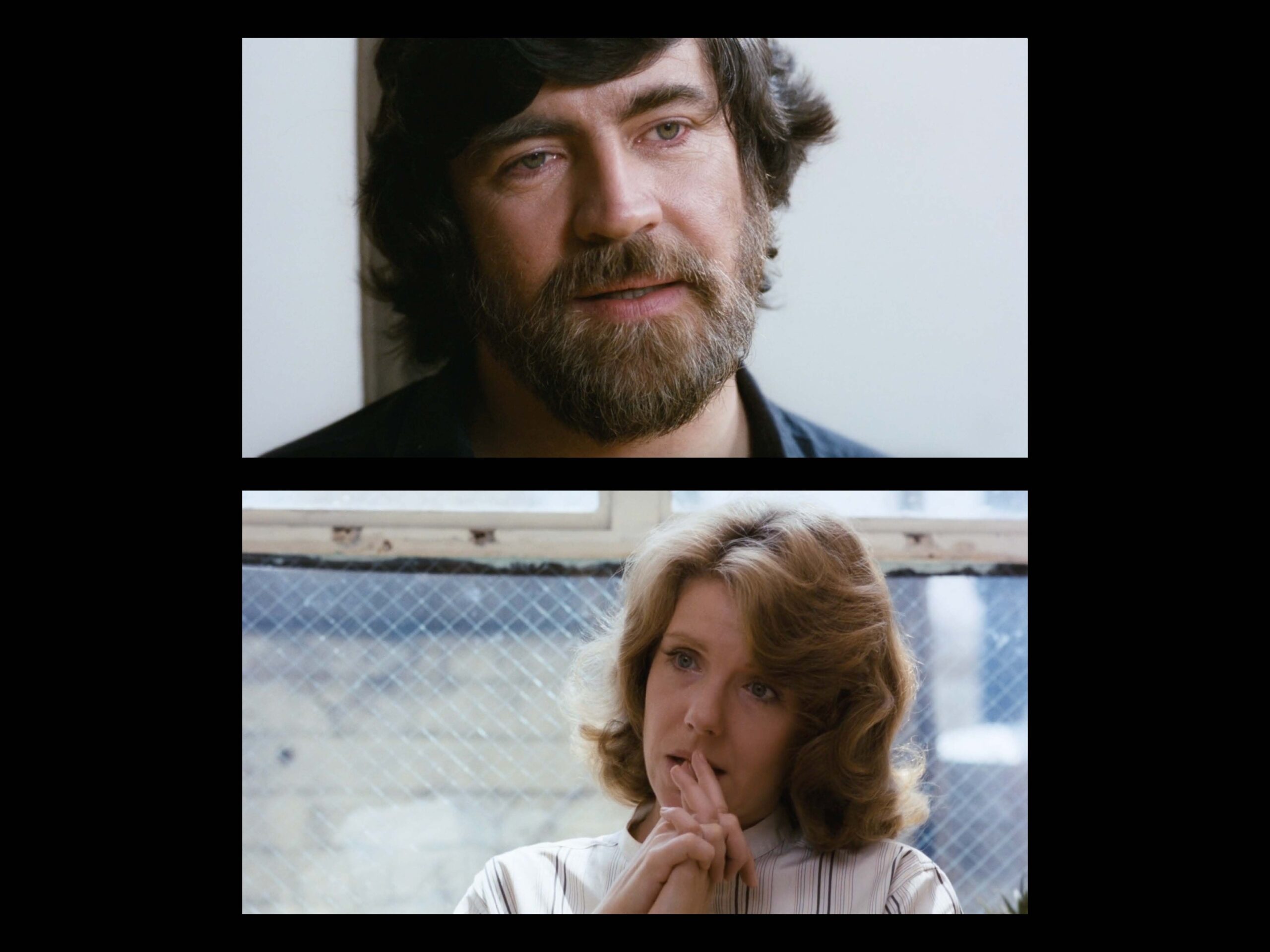
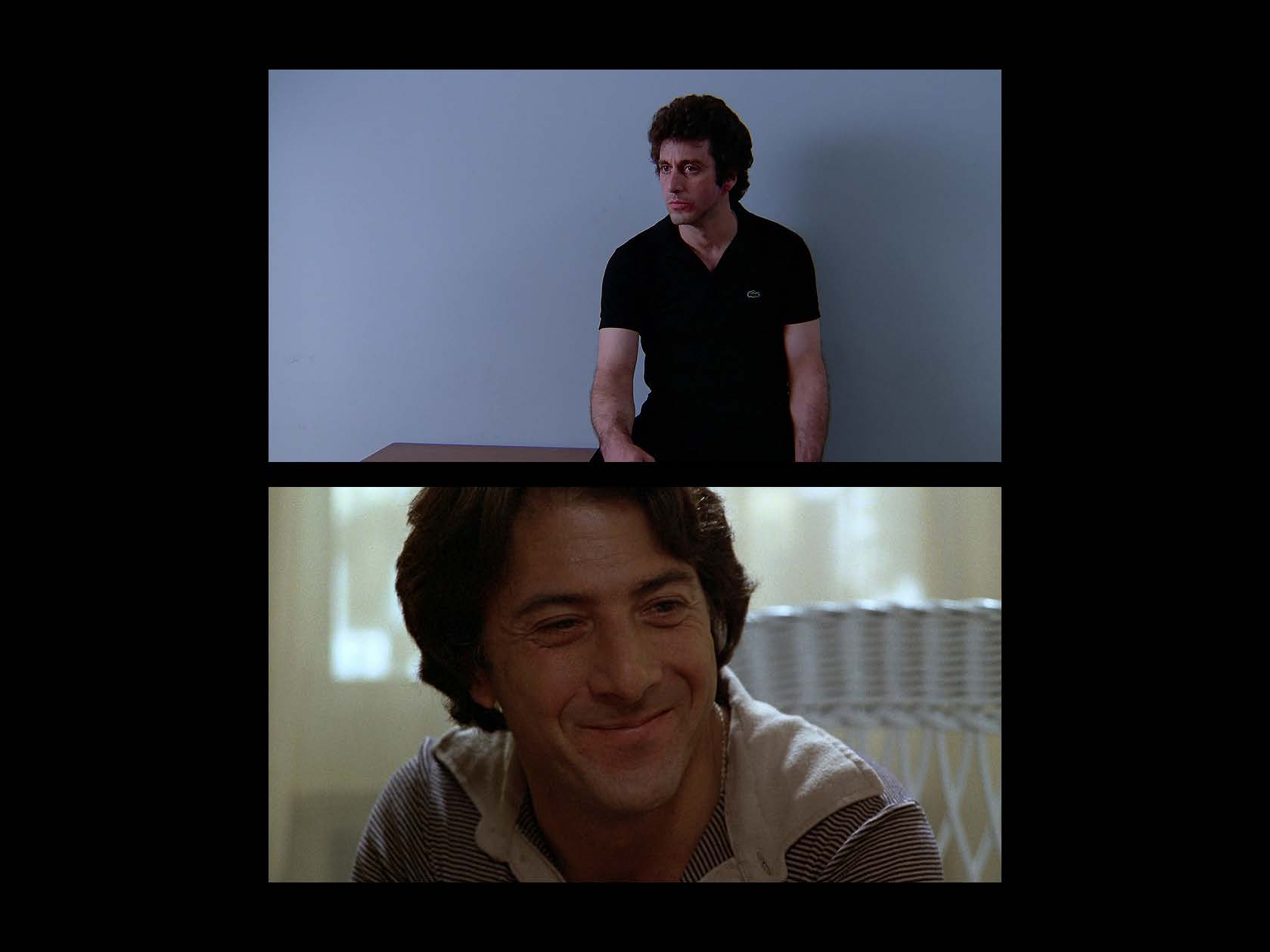
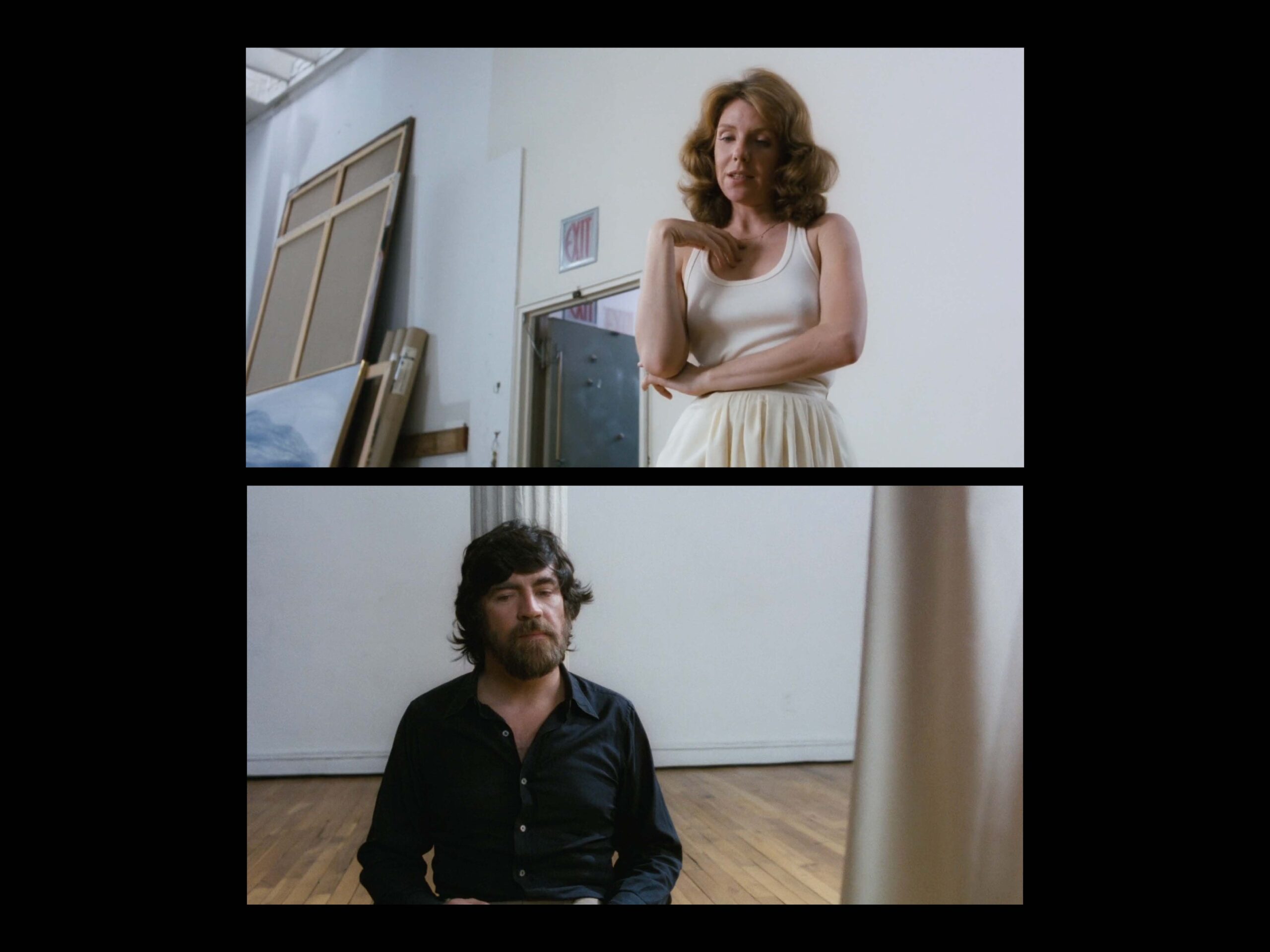
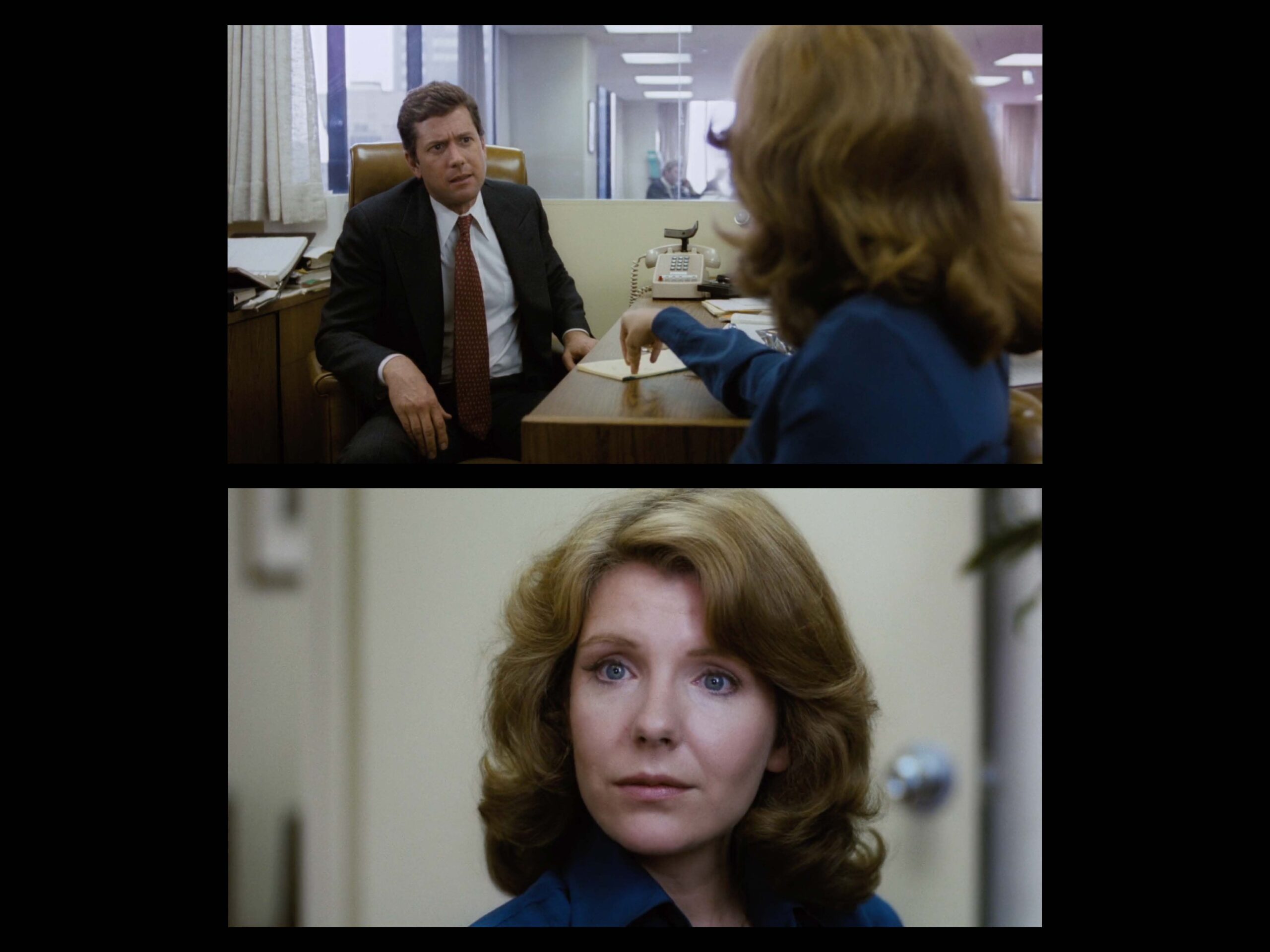
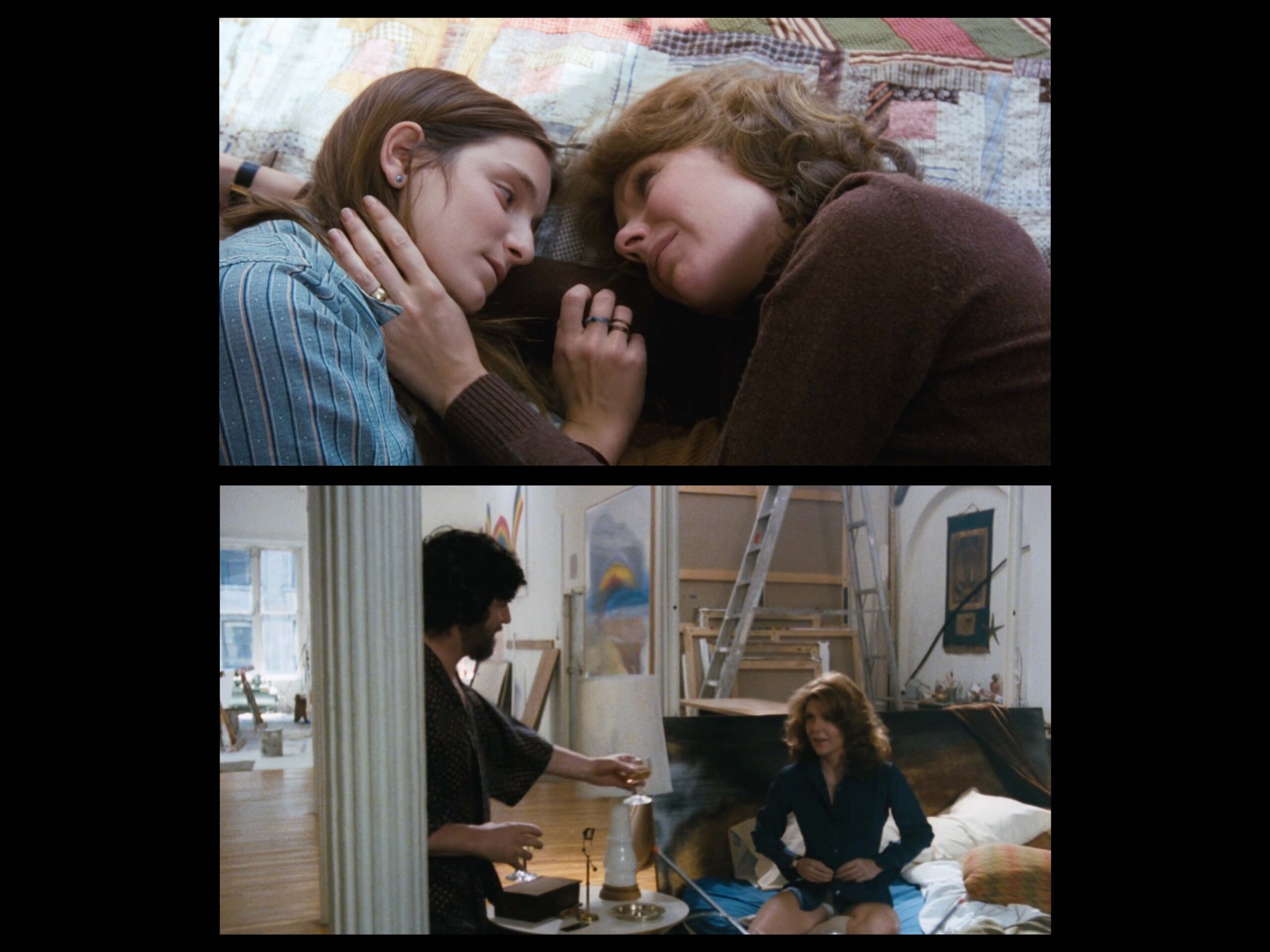
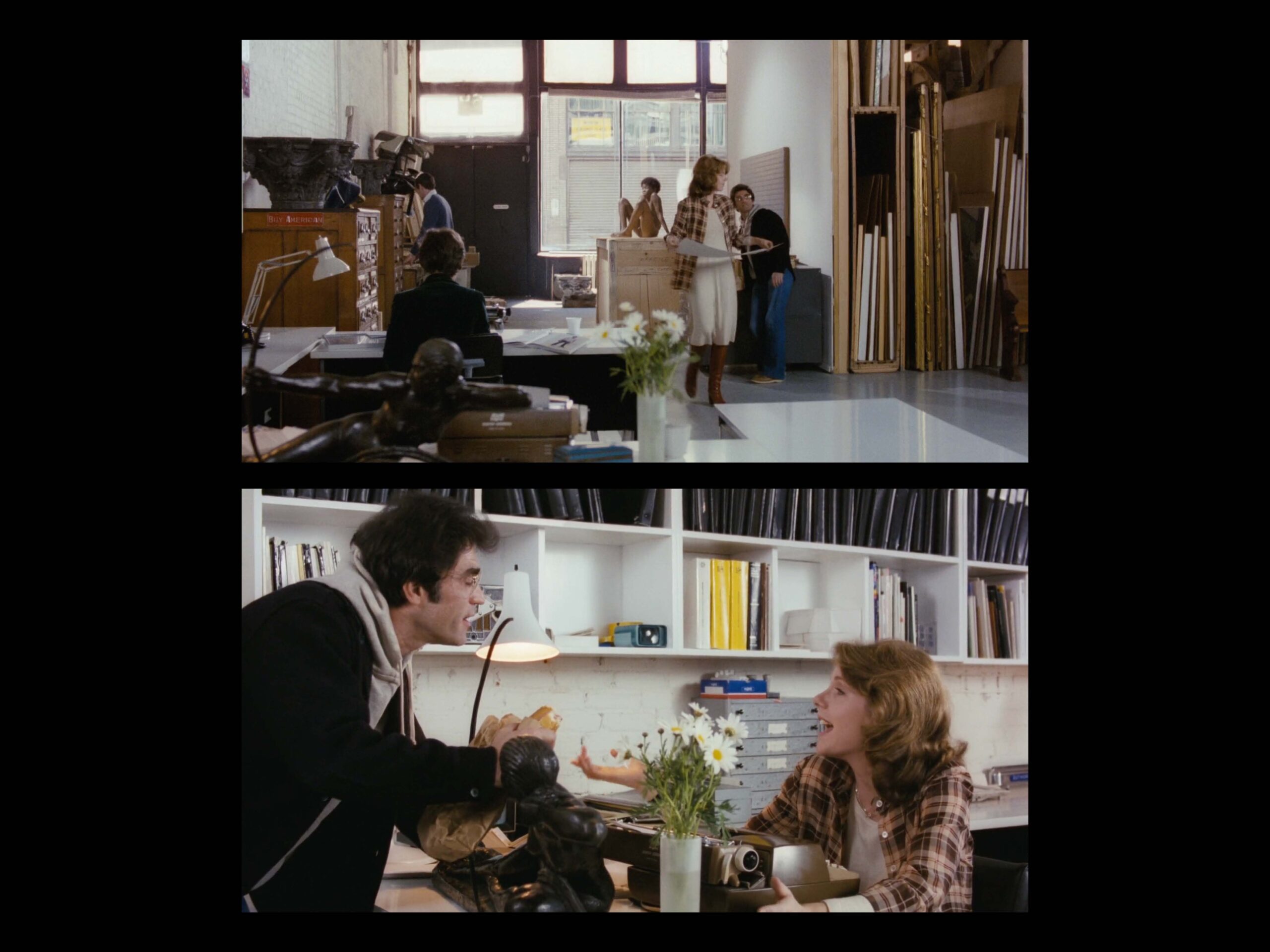
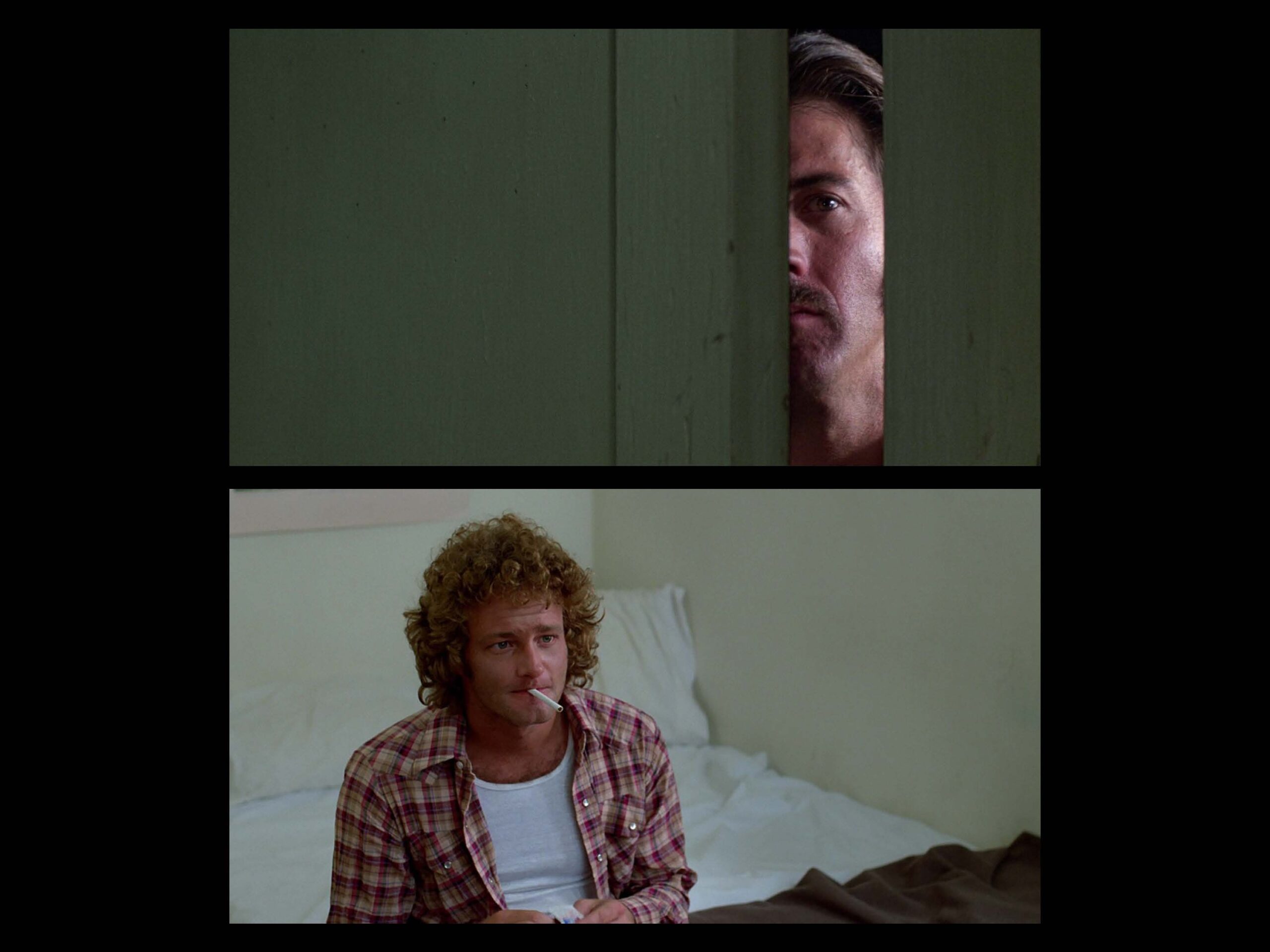
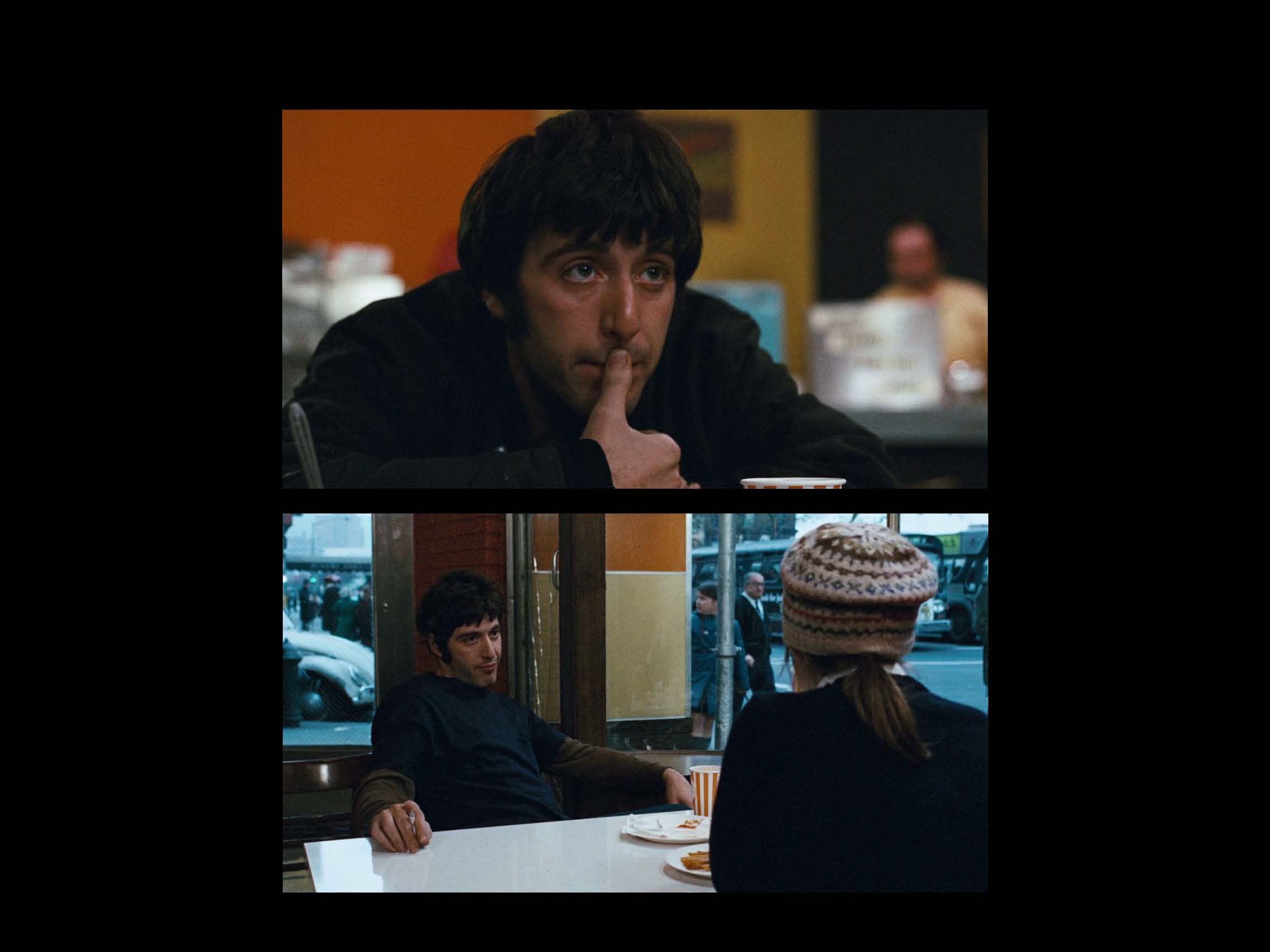
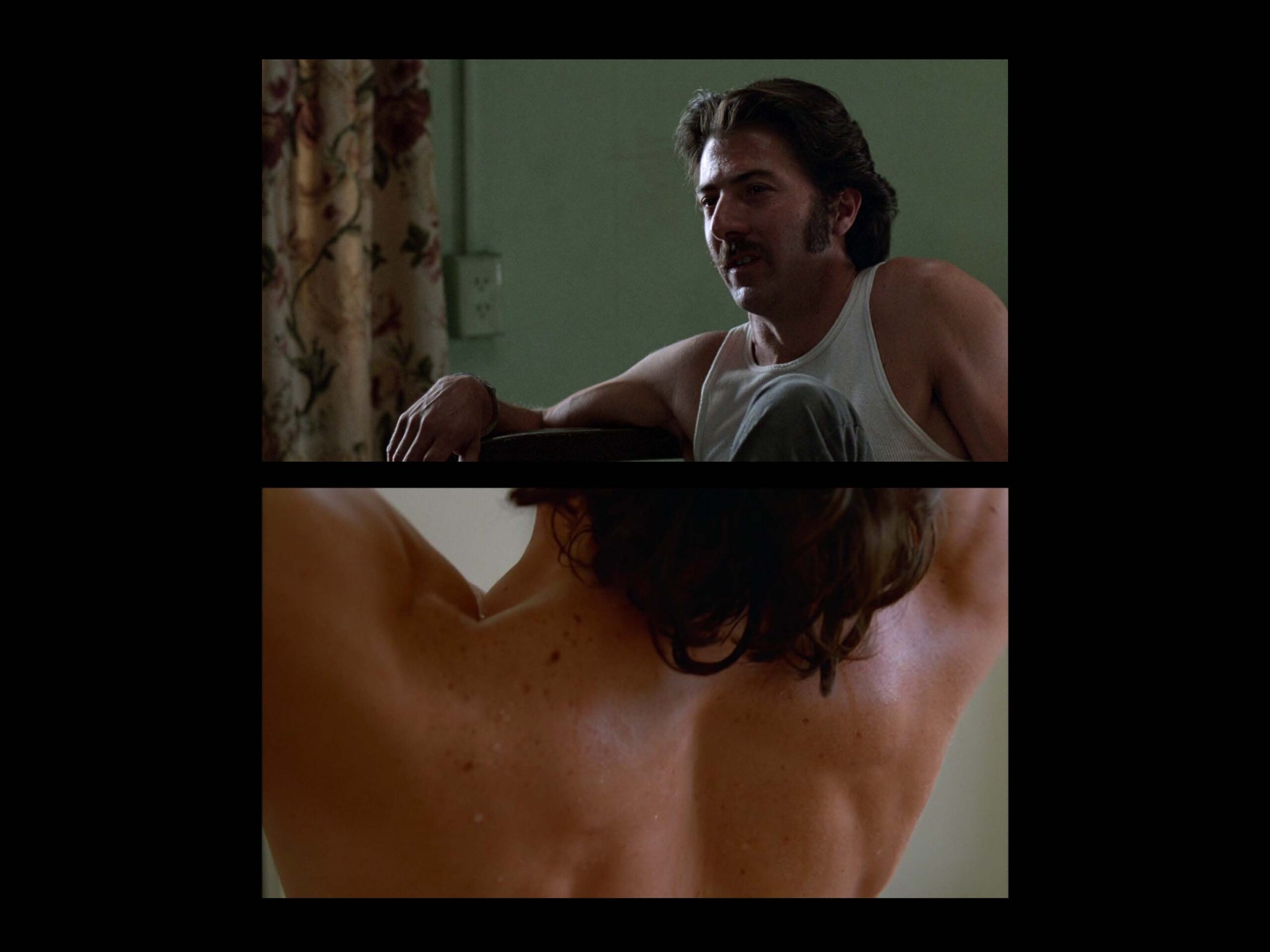
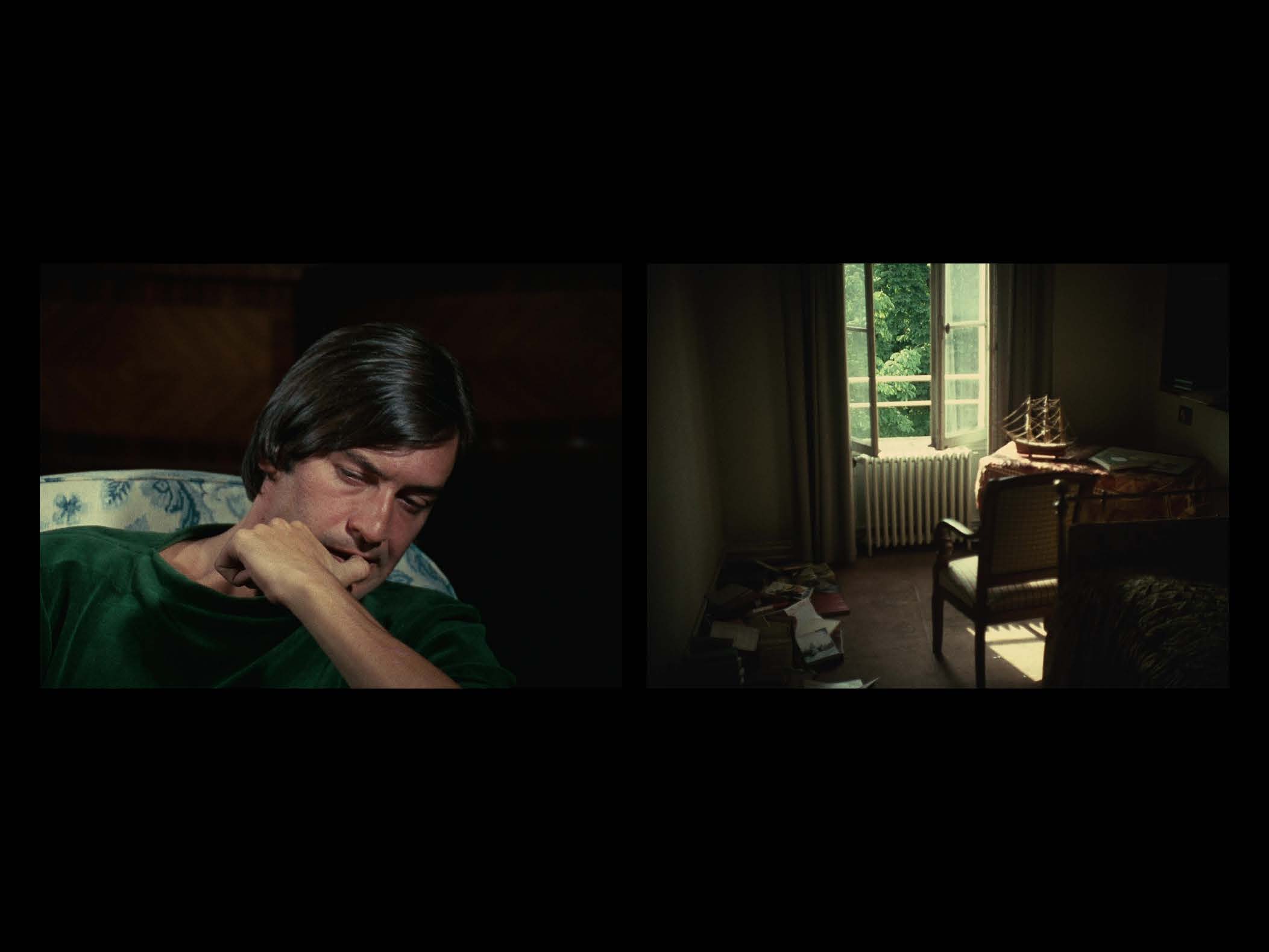
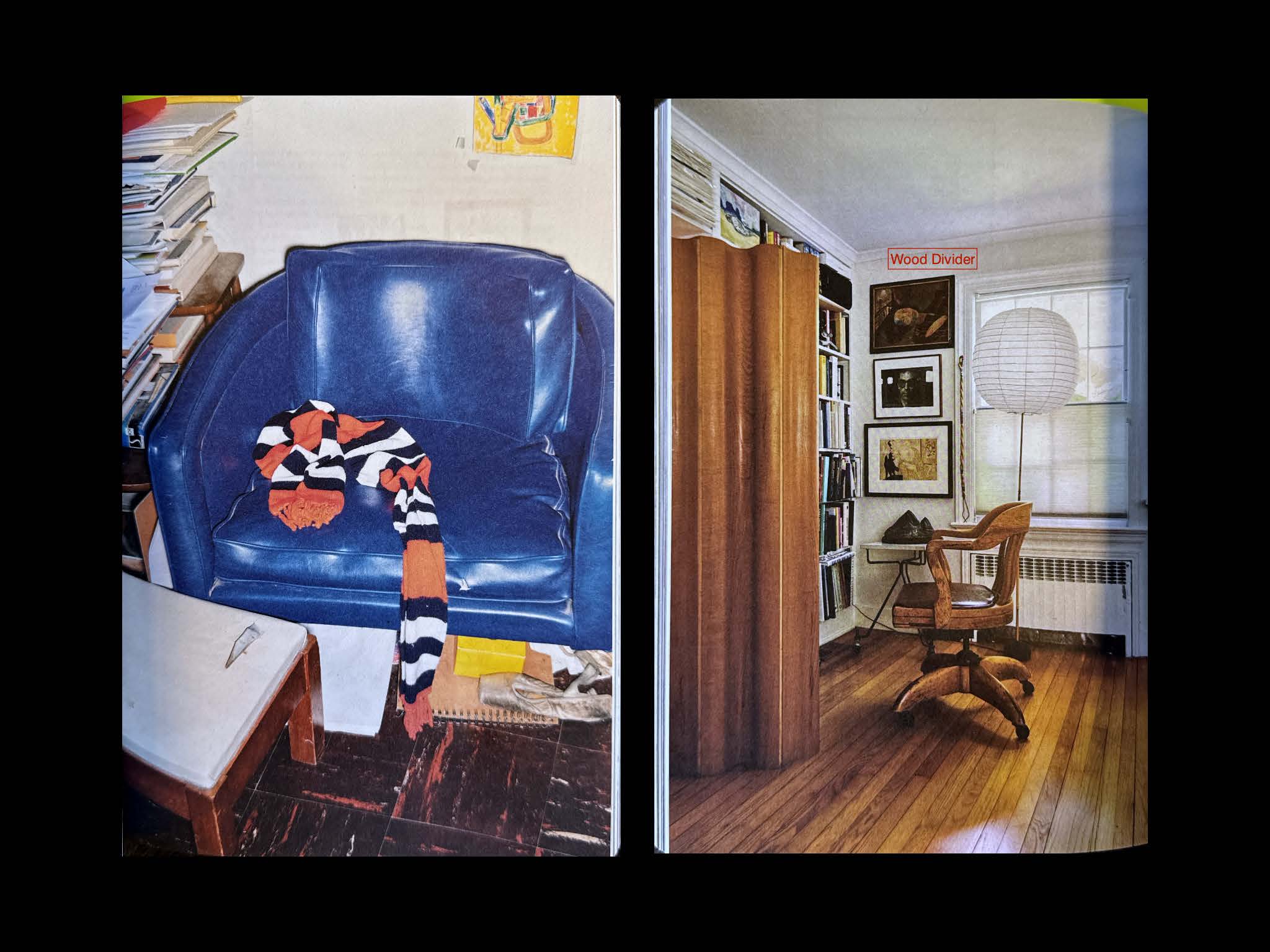
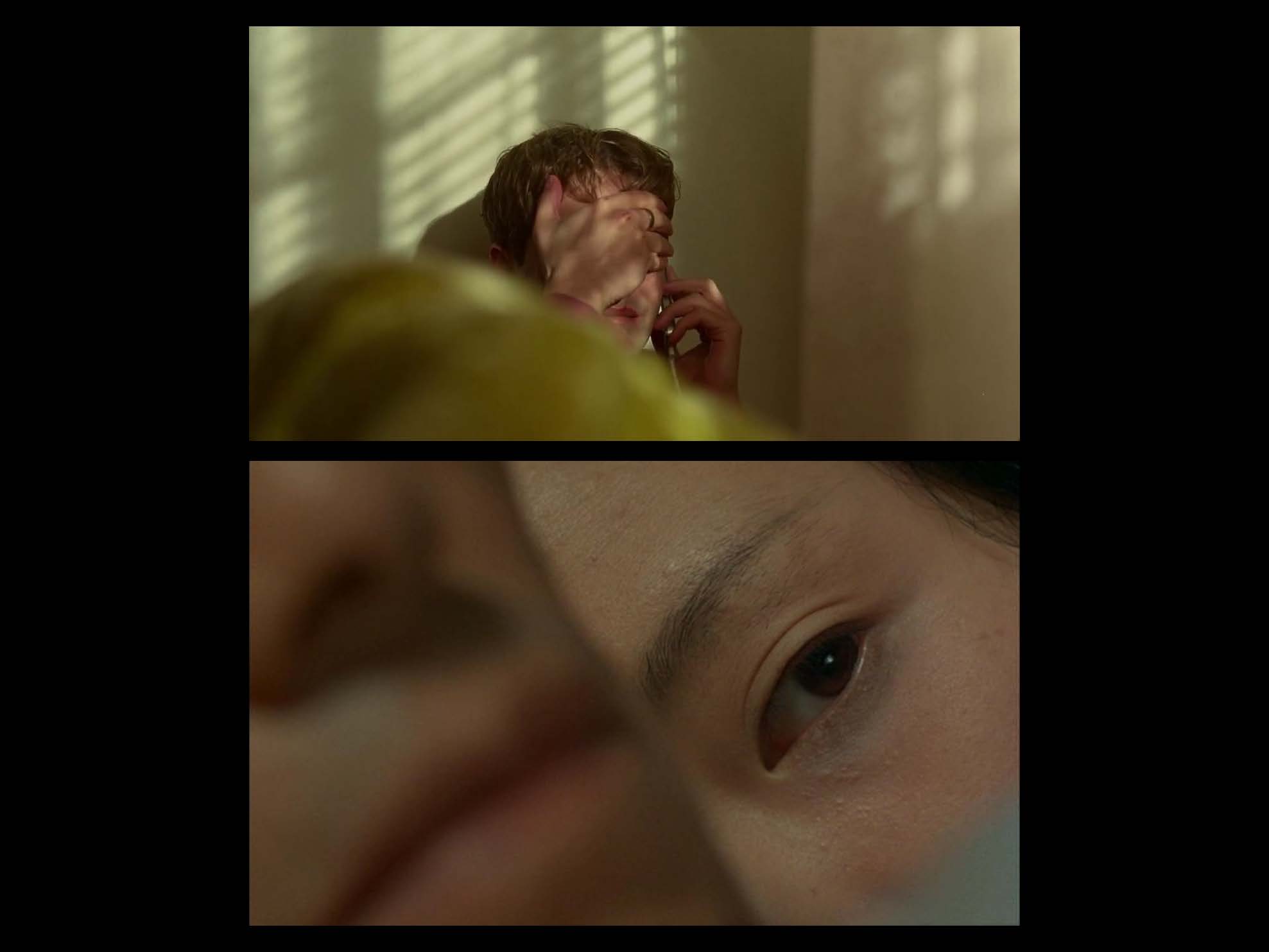
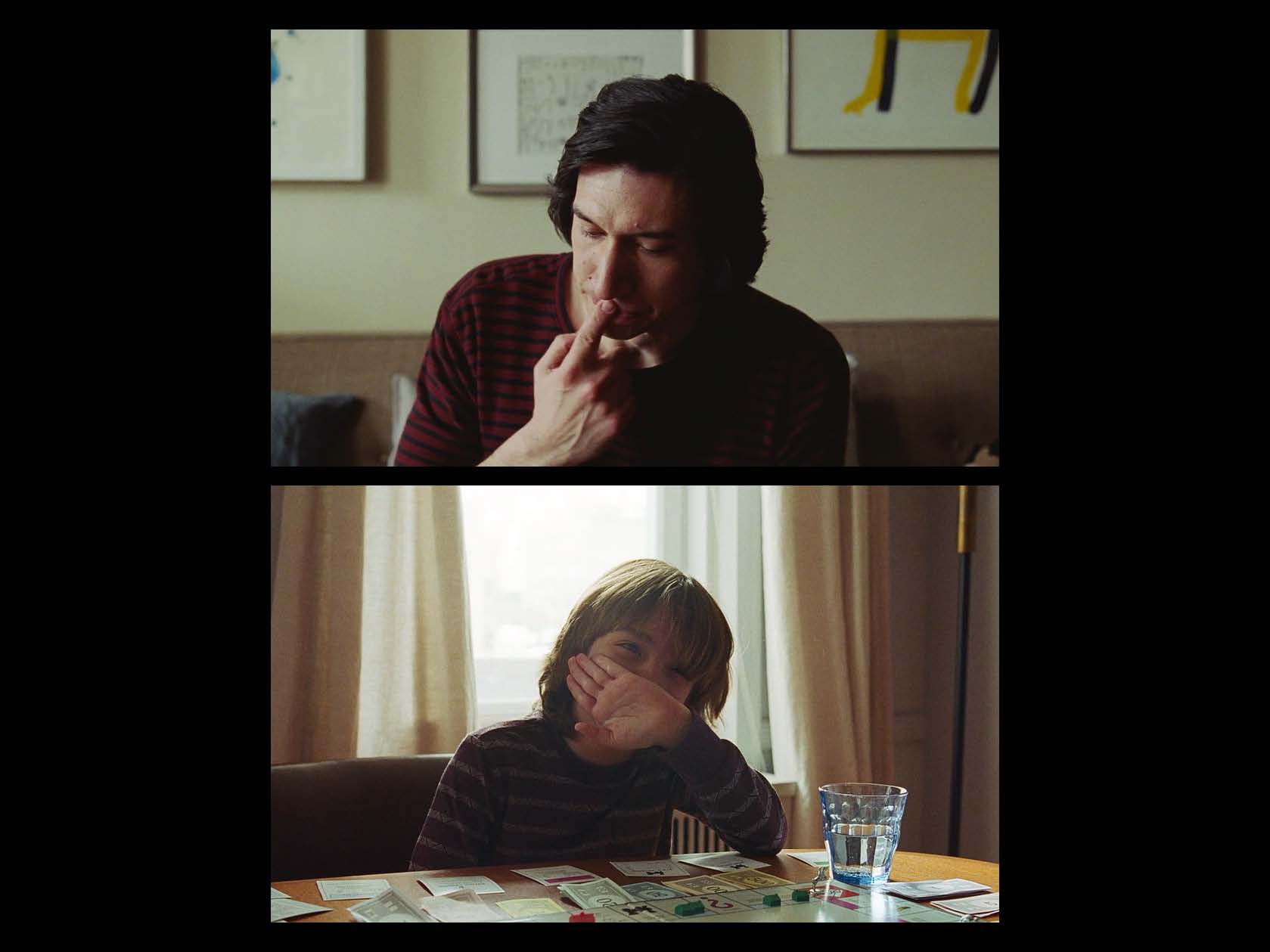
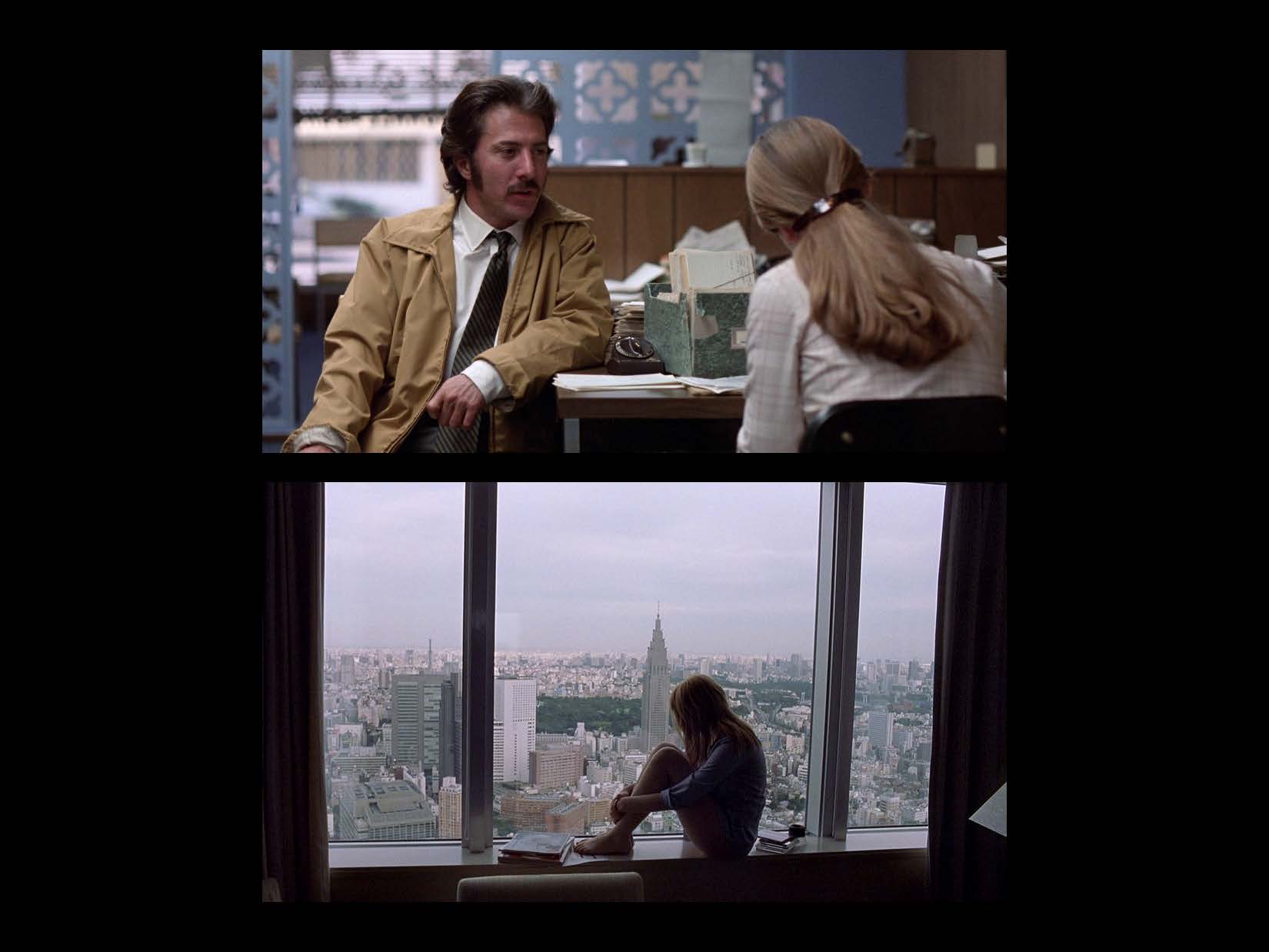
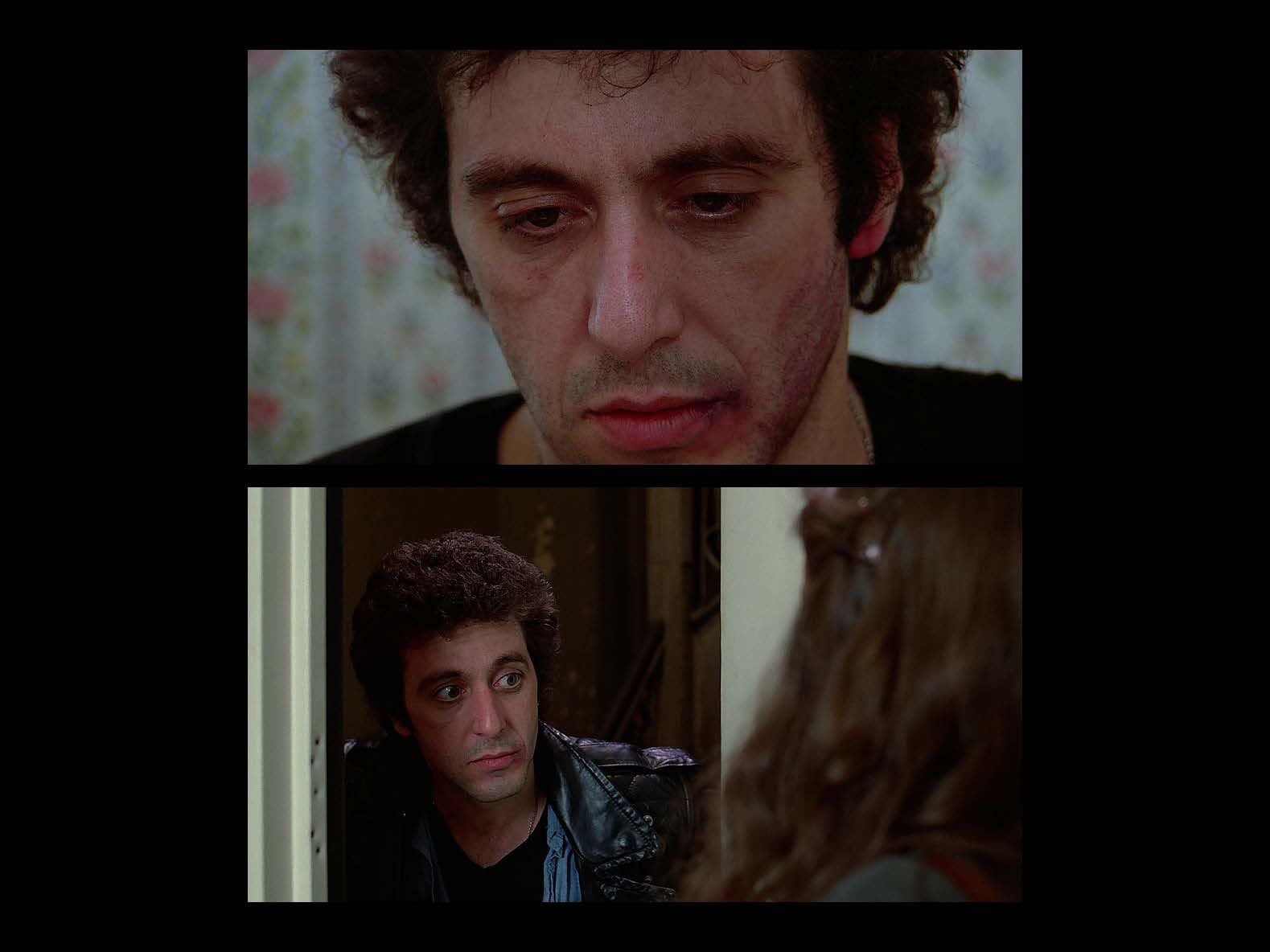
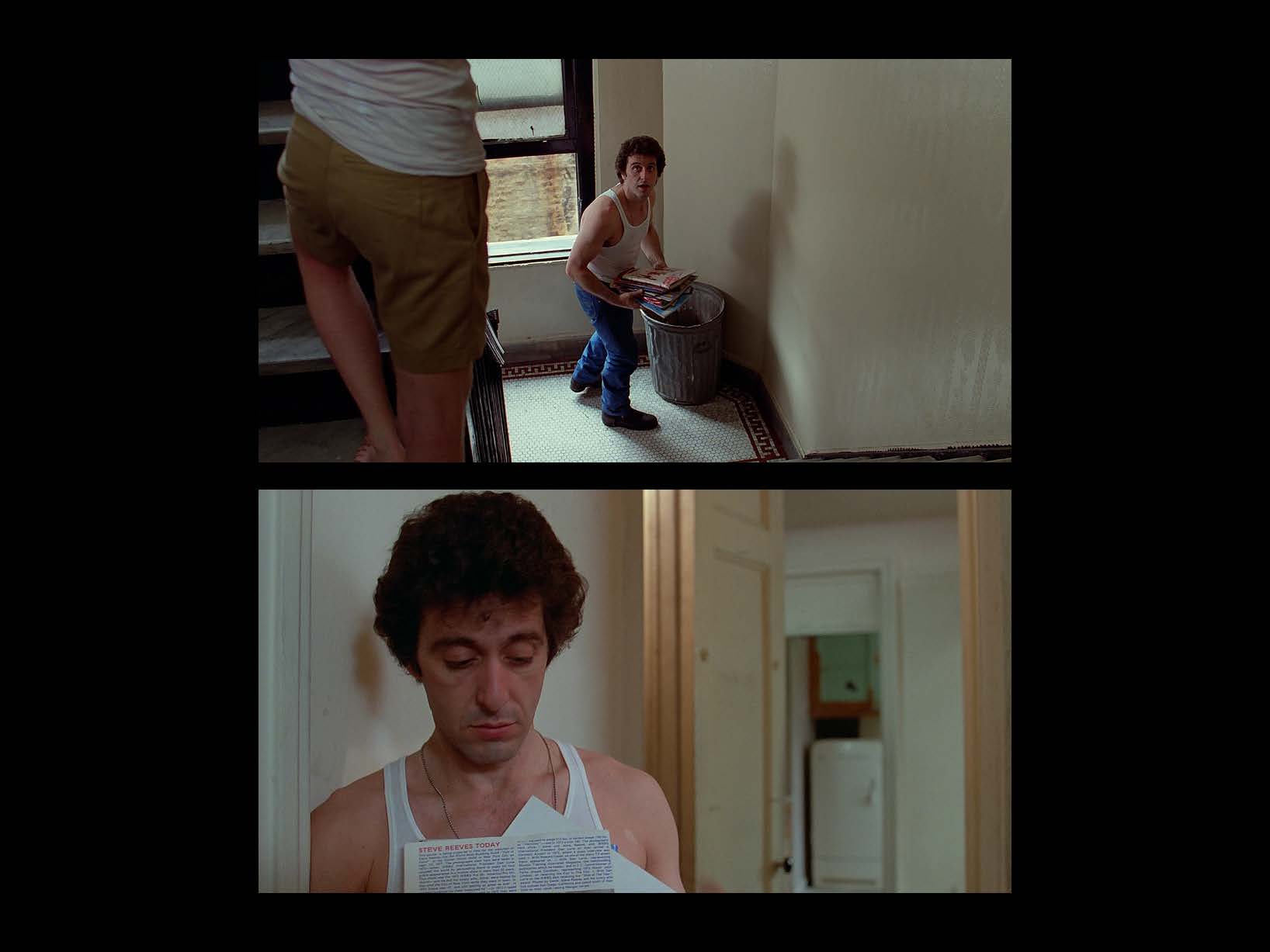
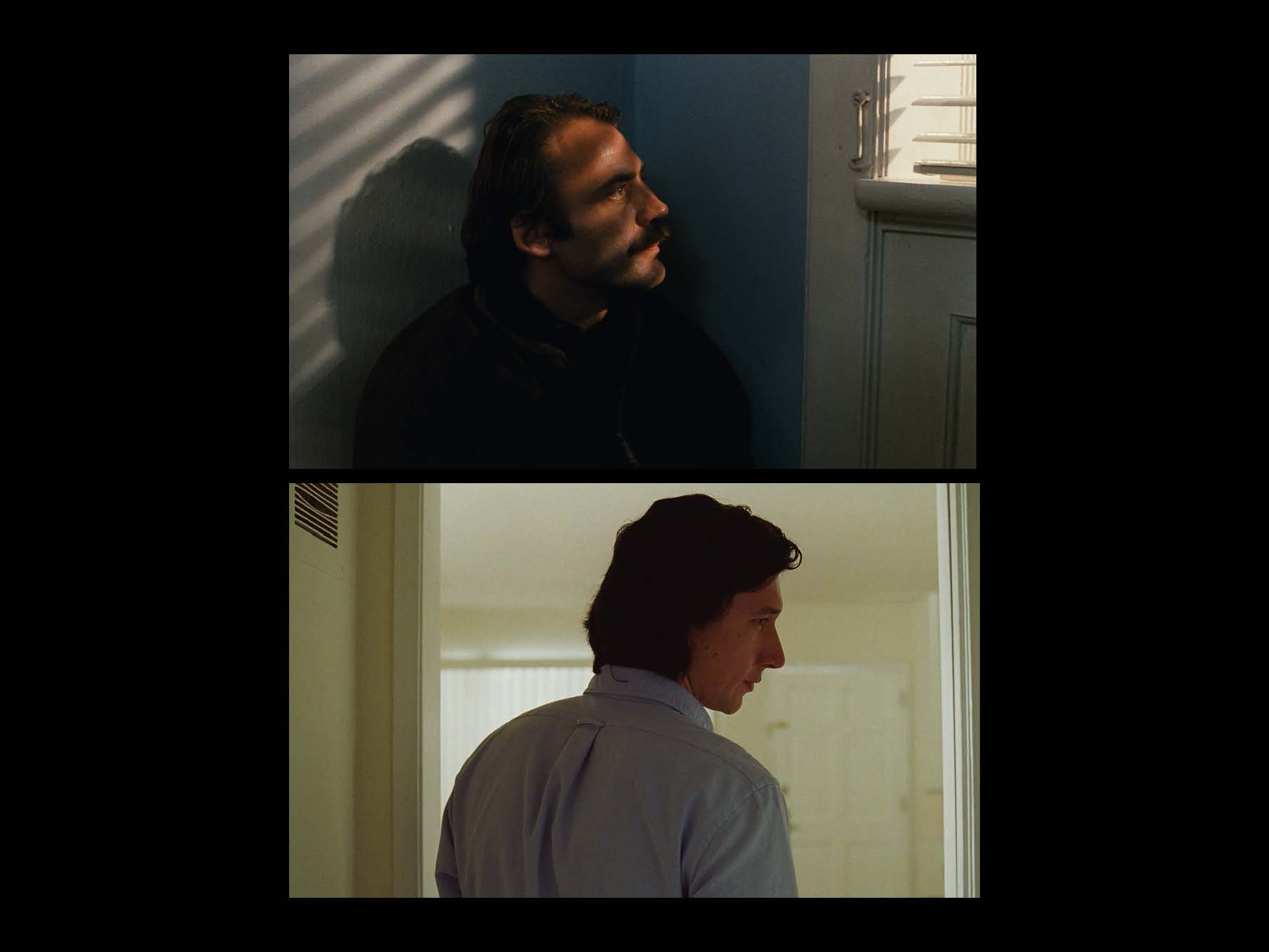
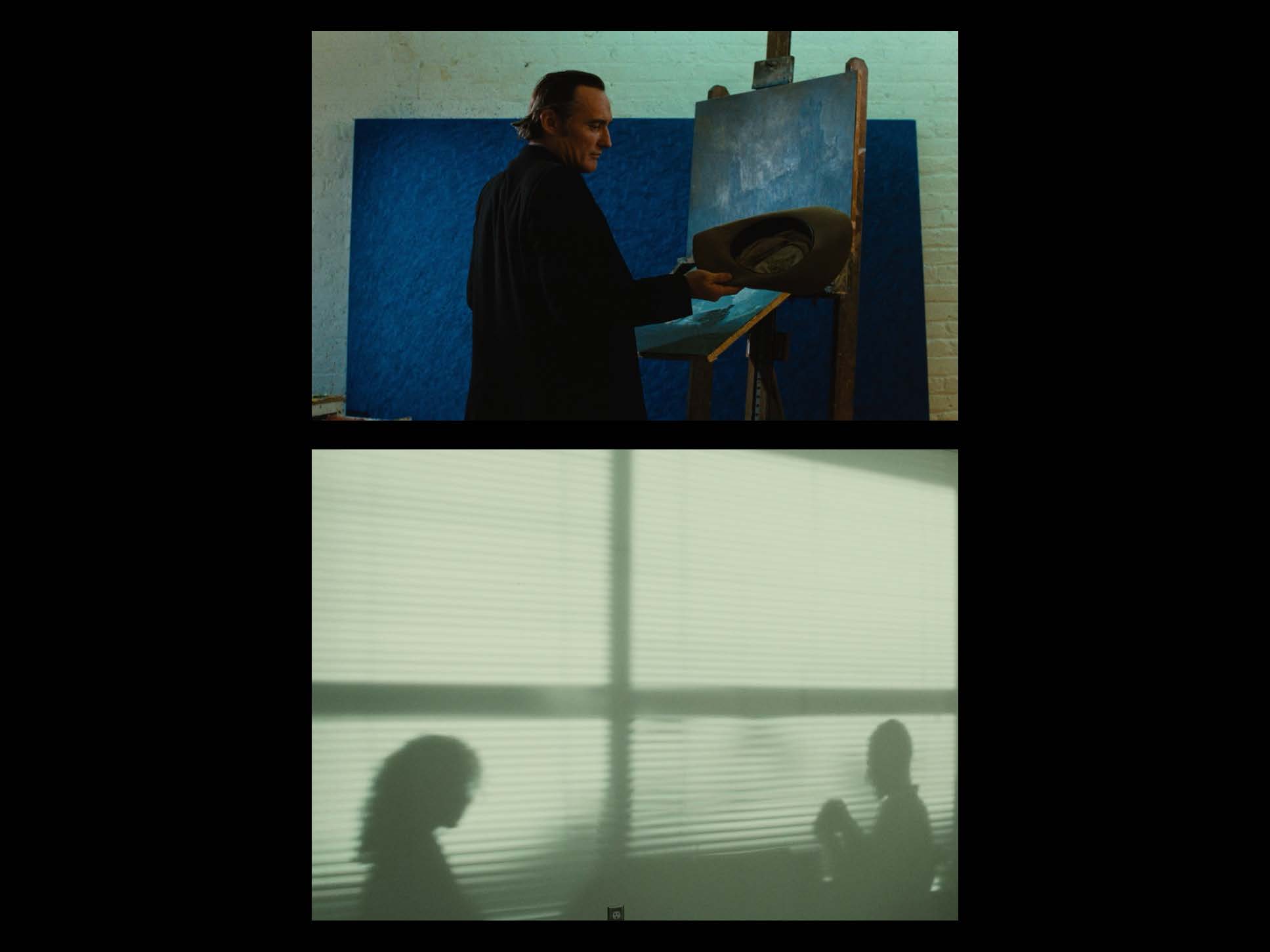
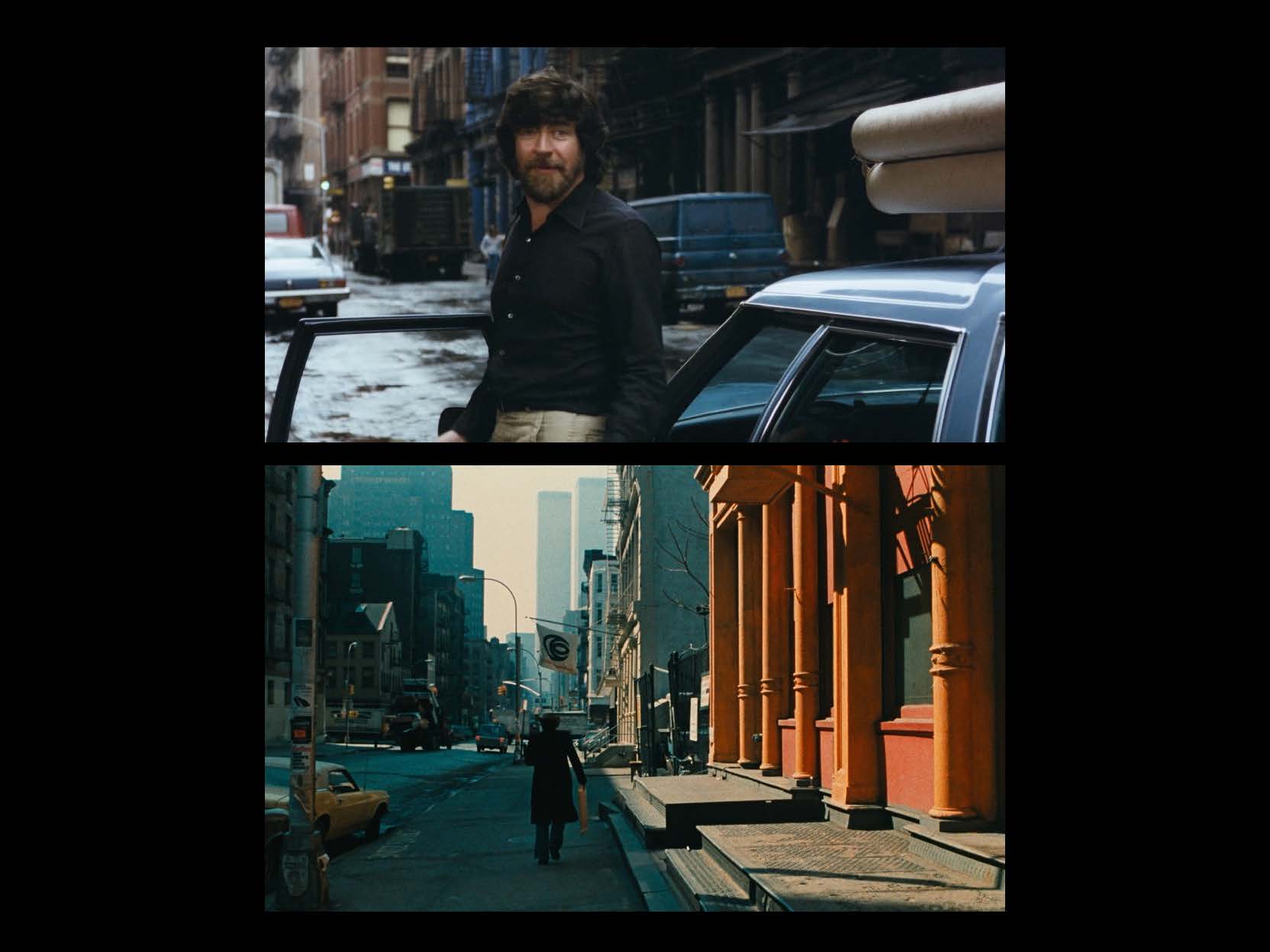
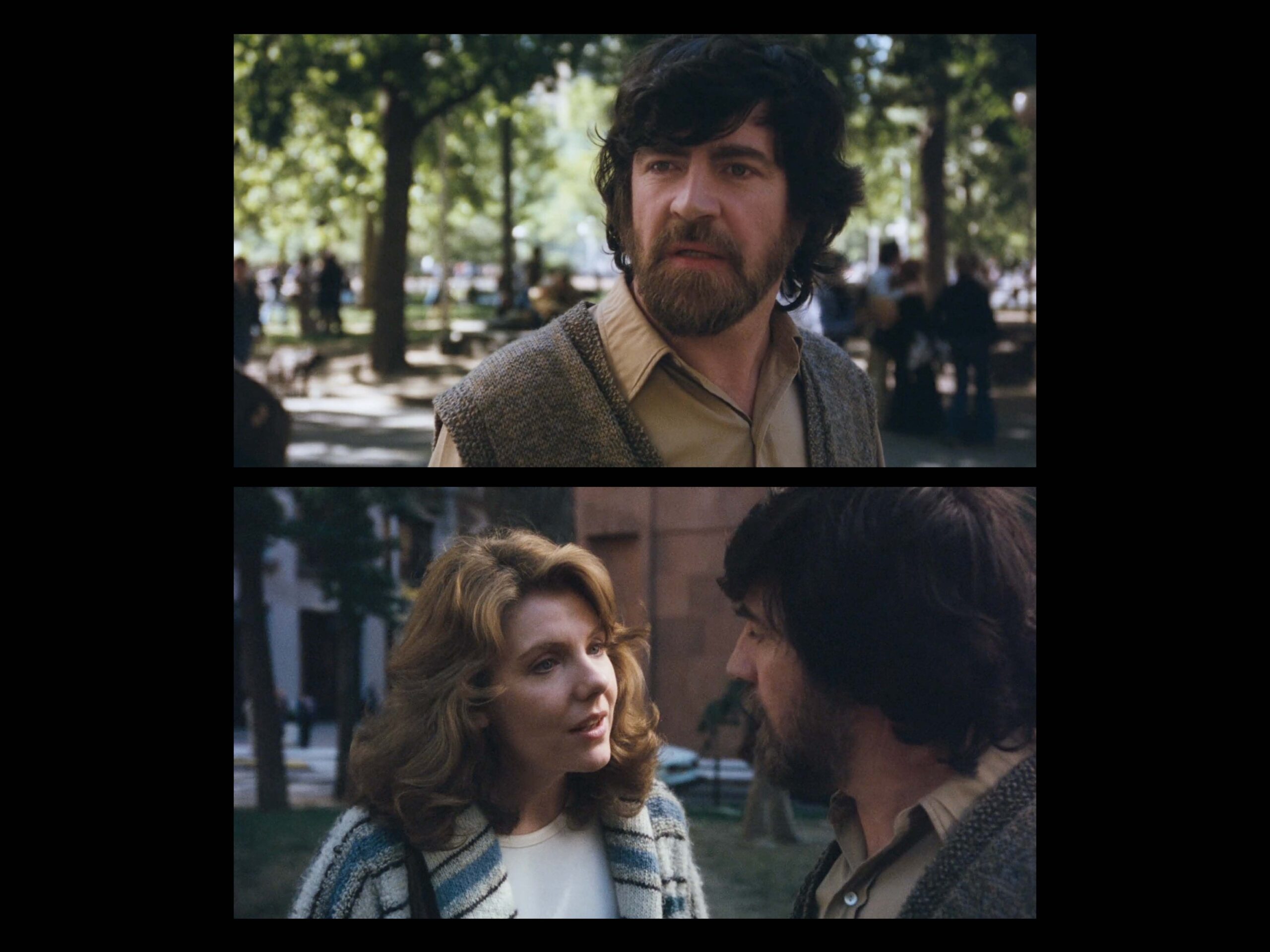
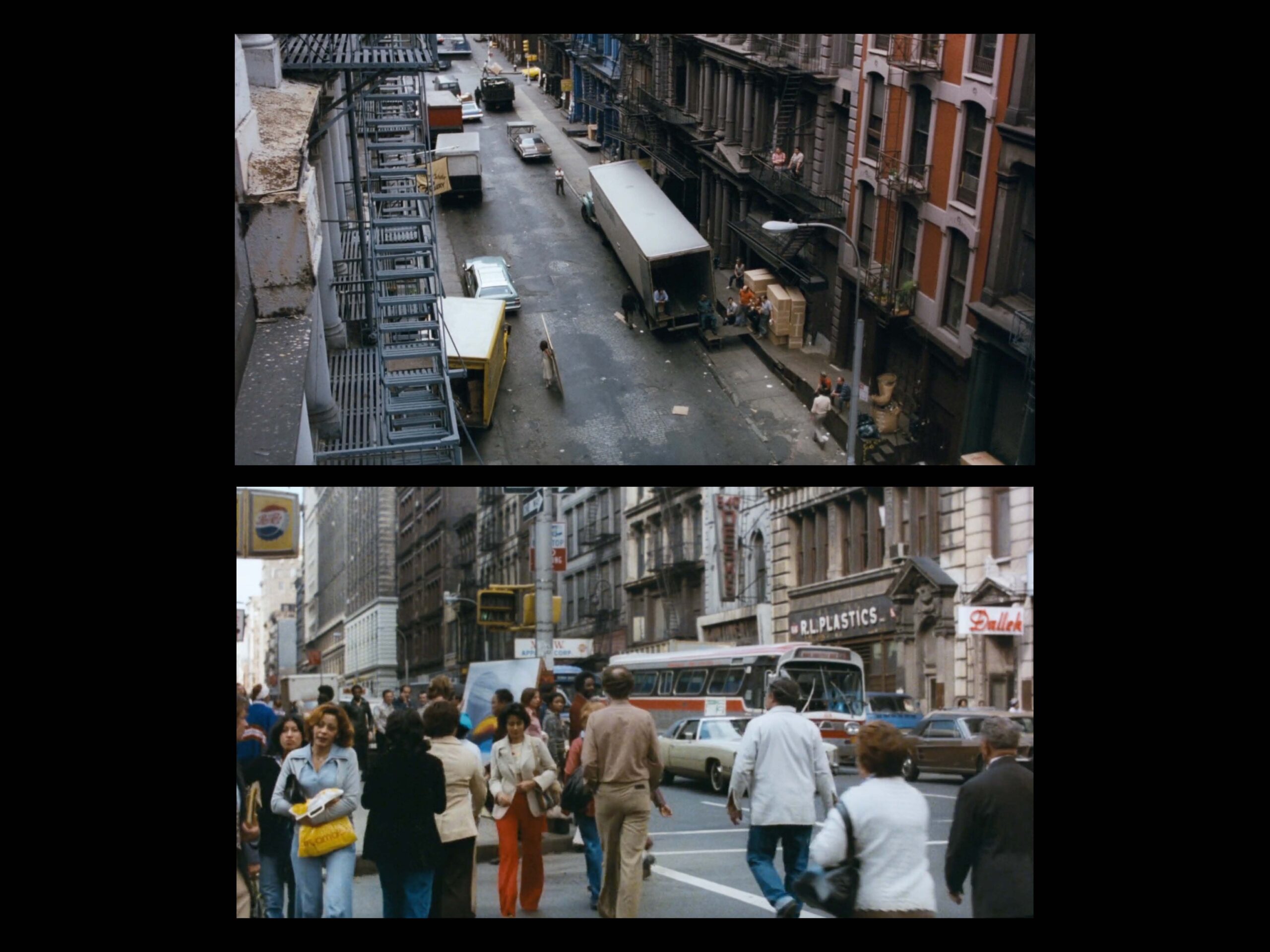
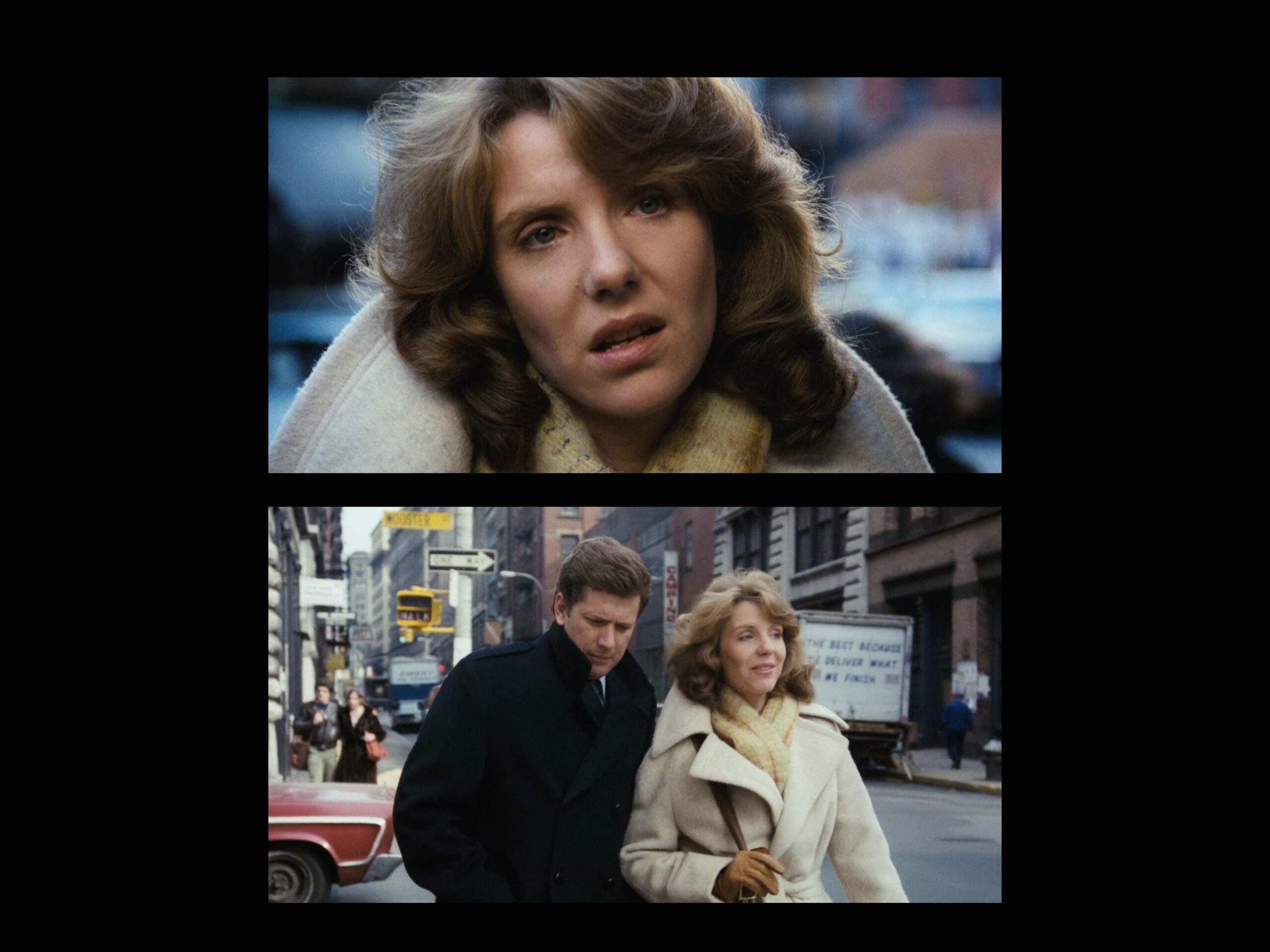
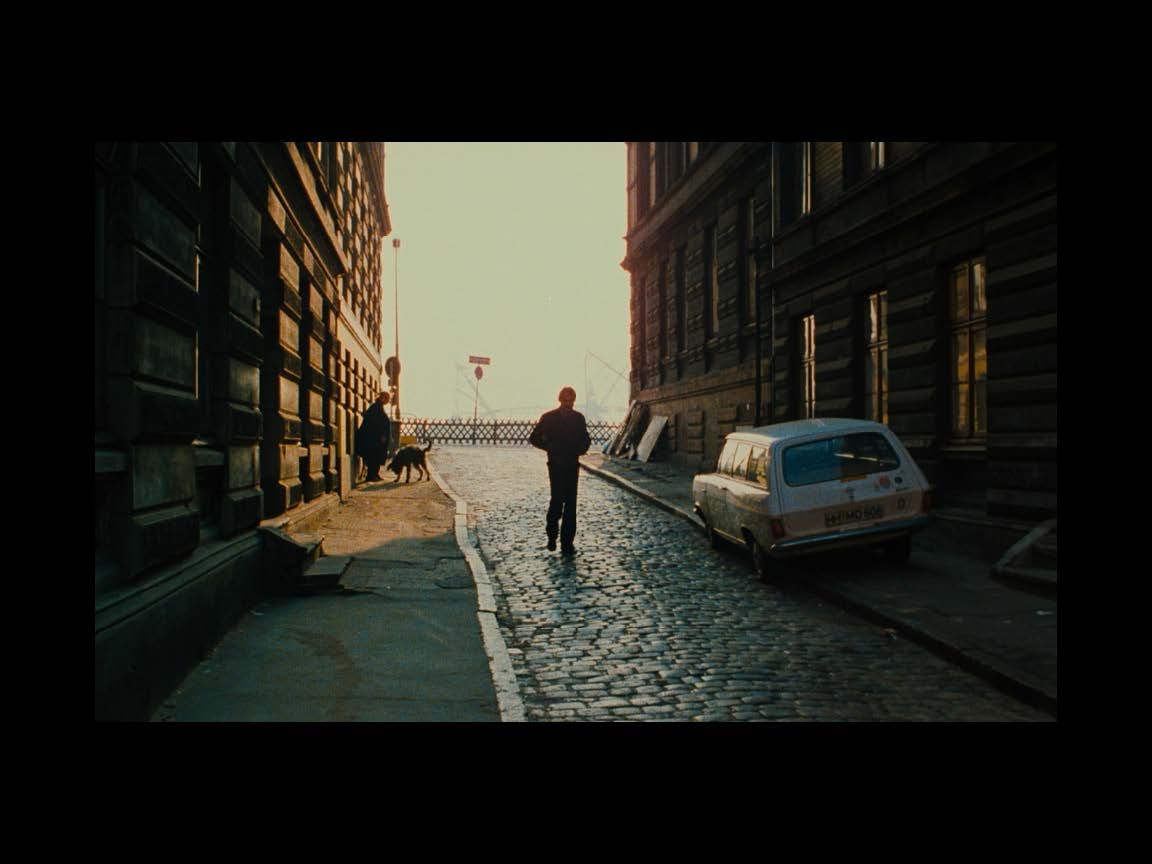
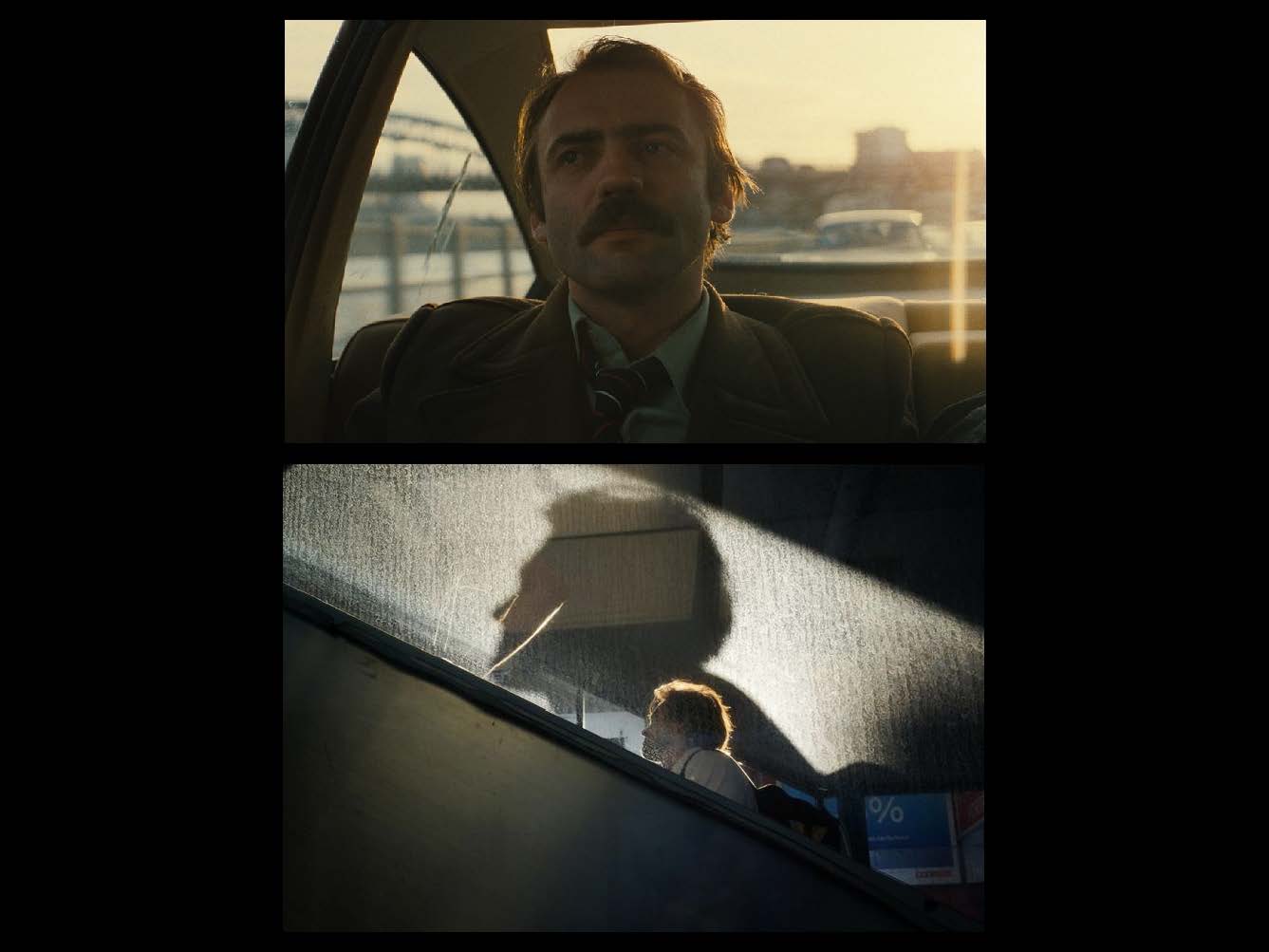
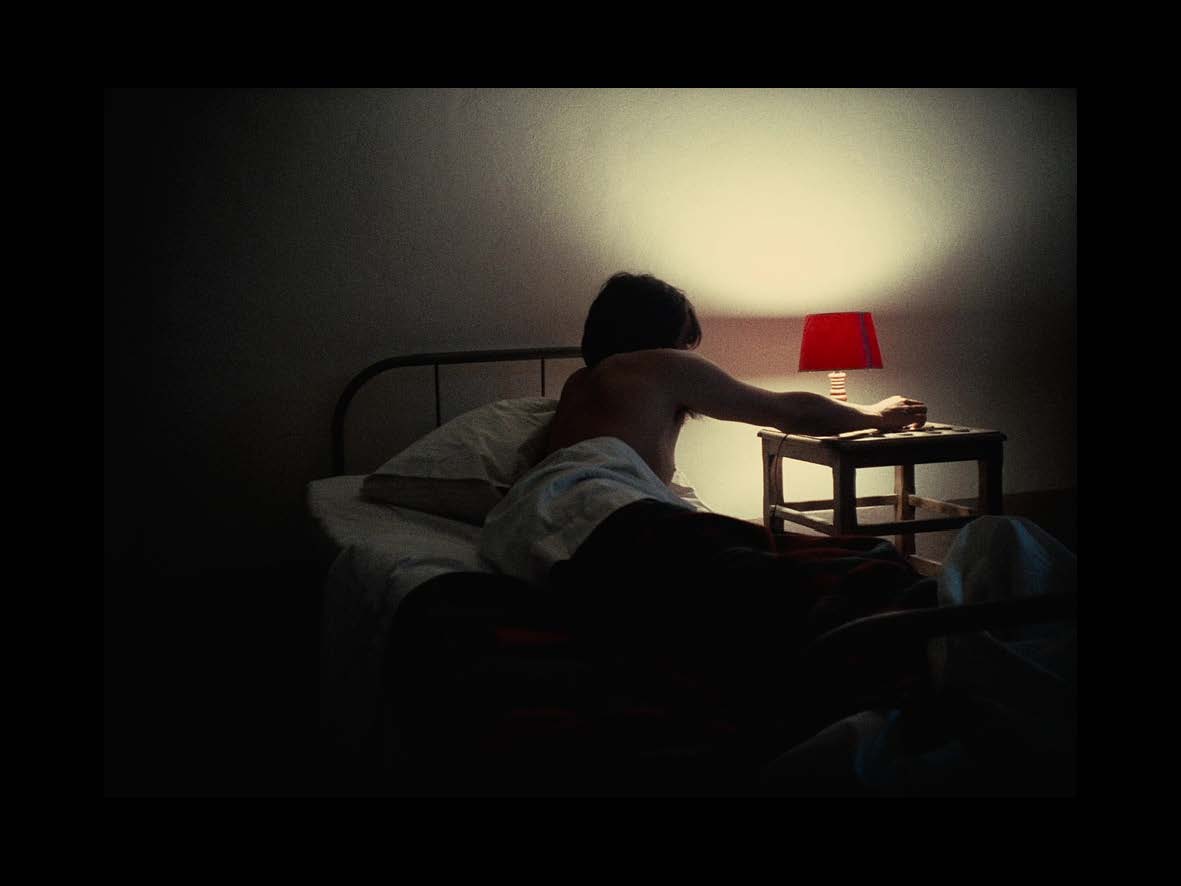
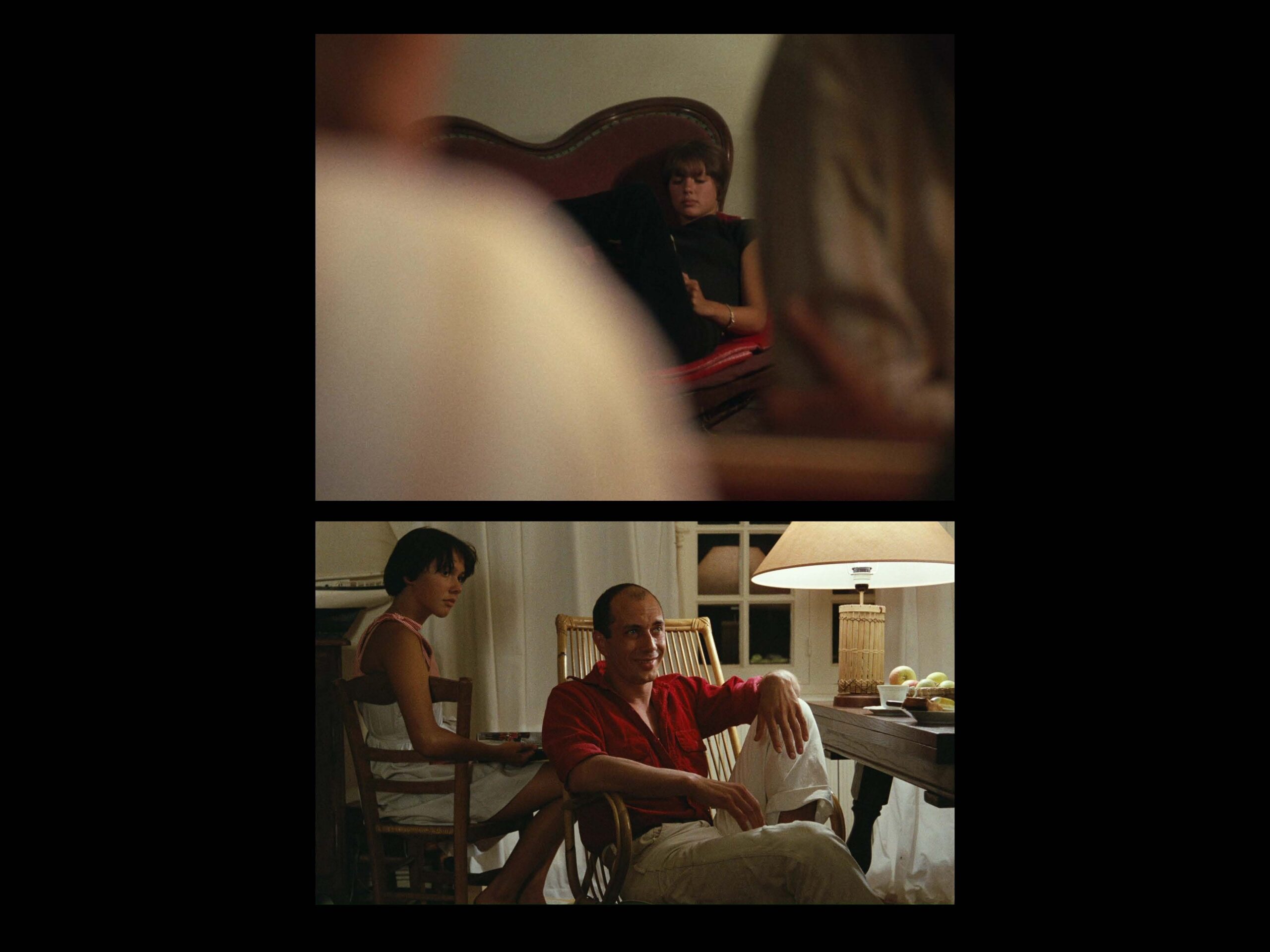
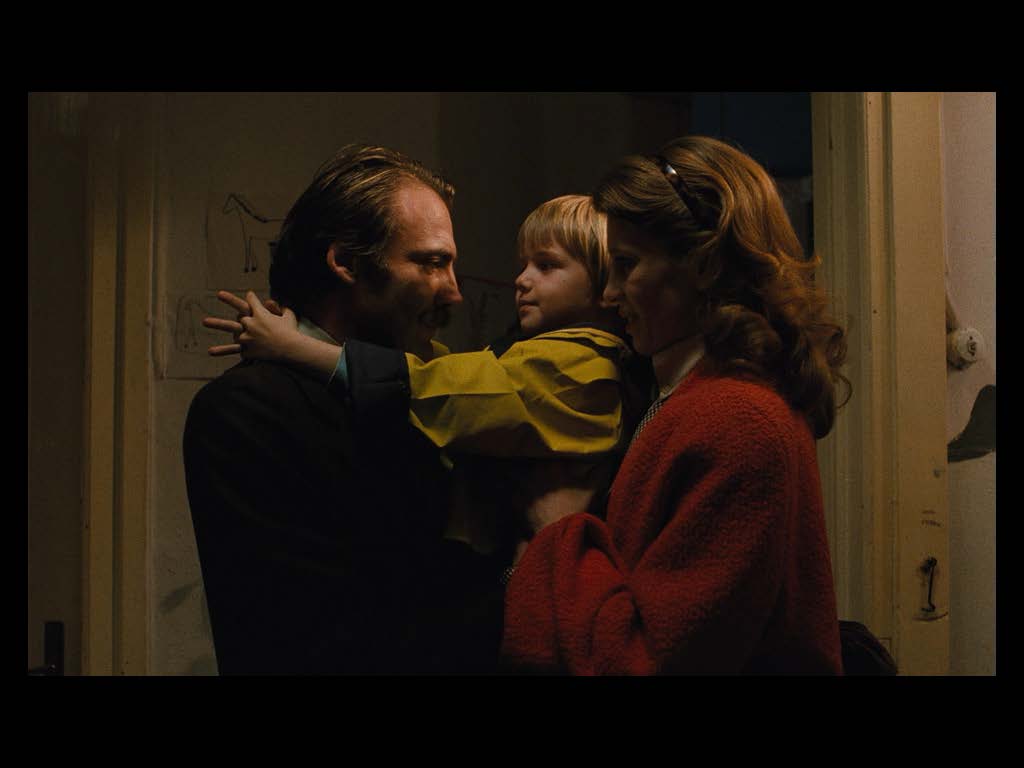
We had a really specific color story for the movie. Jordan had a color assigned to every party in the movie before we shot it. Beyond that, Jordan had a couple references that he loved, and so we spent time watching movies that he loved, talking about why we like this blue, or this red, or certain skin tones. I basically made a map of the movie in a lookbook, and we showed that to our colorist, and we shot some tests. From there, we built different LUTs for different scenes, and we used those with the production designer and the wardrobe, the costume designer. By the time we got to color correction, our colorist, Damien Vandercruyssen, was able to follow that map, and obviously make it better and more interesting. But it was also really important to Jordan that it felt authentic, and it didn’t feel overly stylized. The movie at its core is a very simple, human, endearing story, and we didn’t want it to feel stepped on.
Check out Adam’s lookbook for Club Kid below.

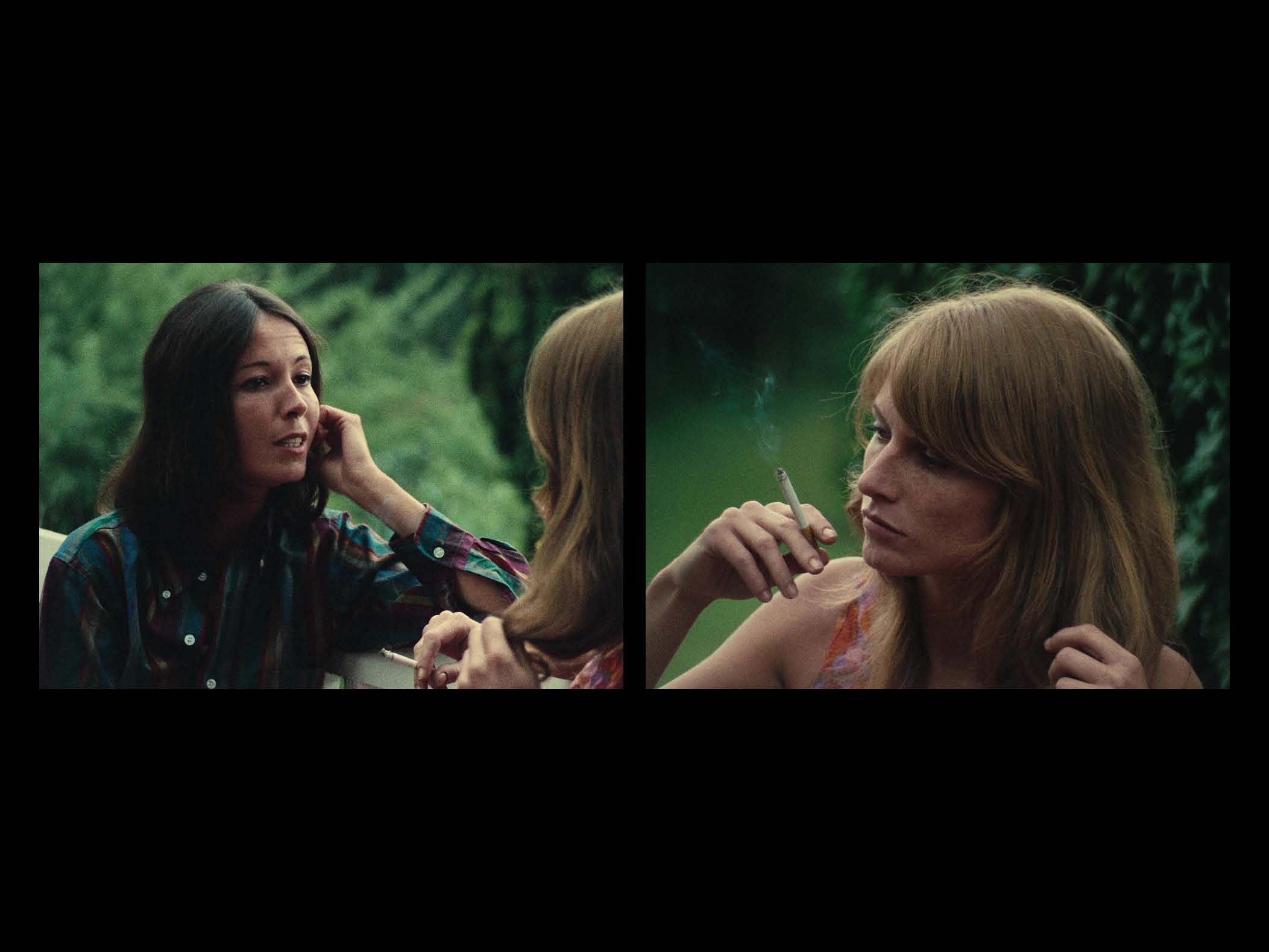
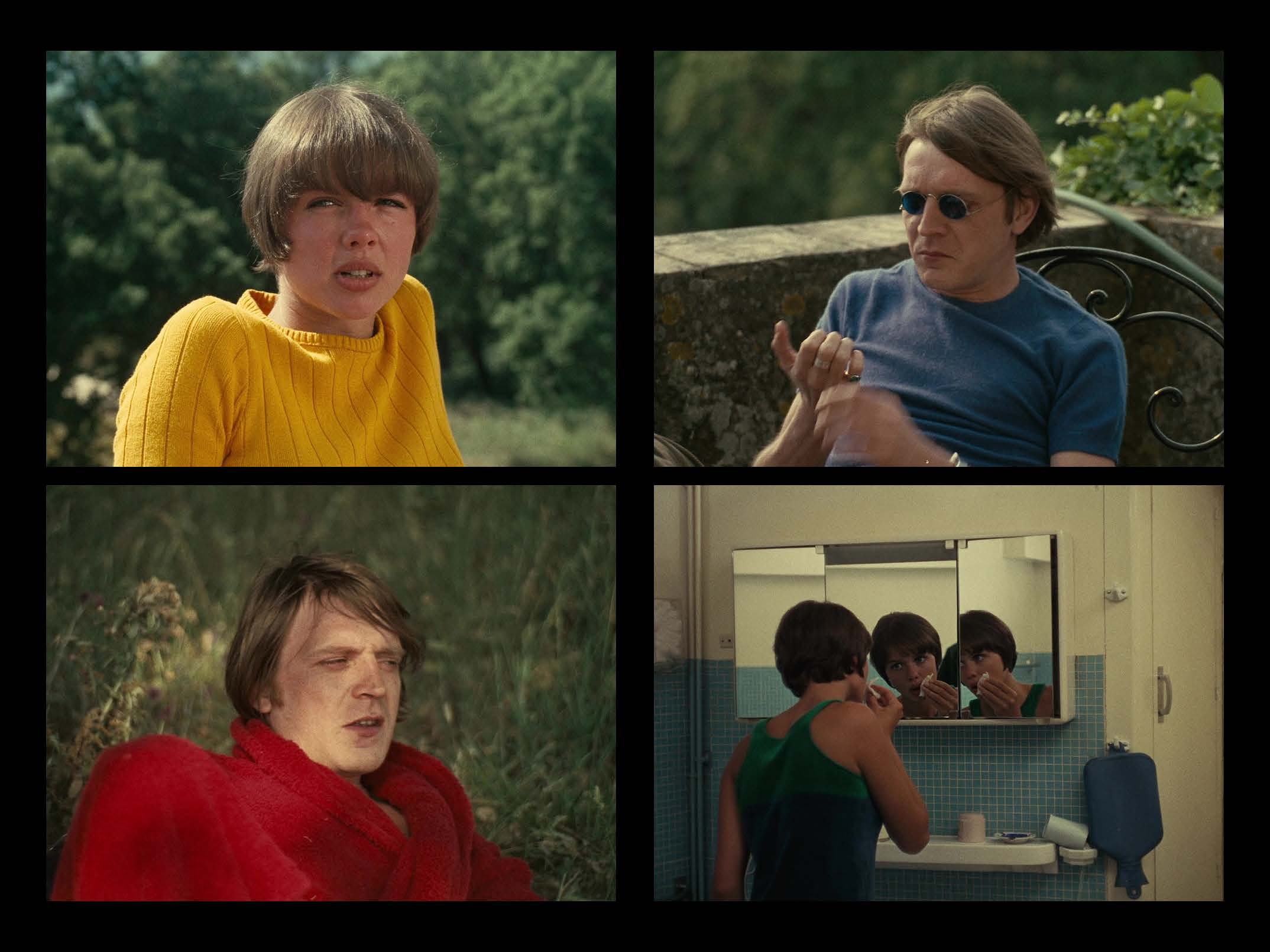
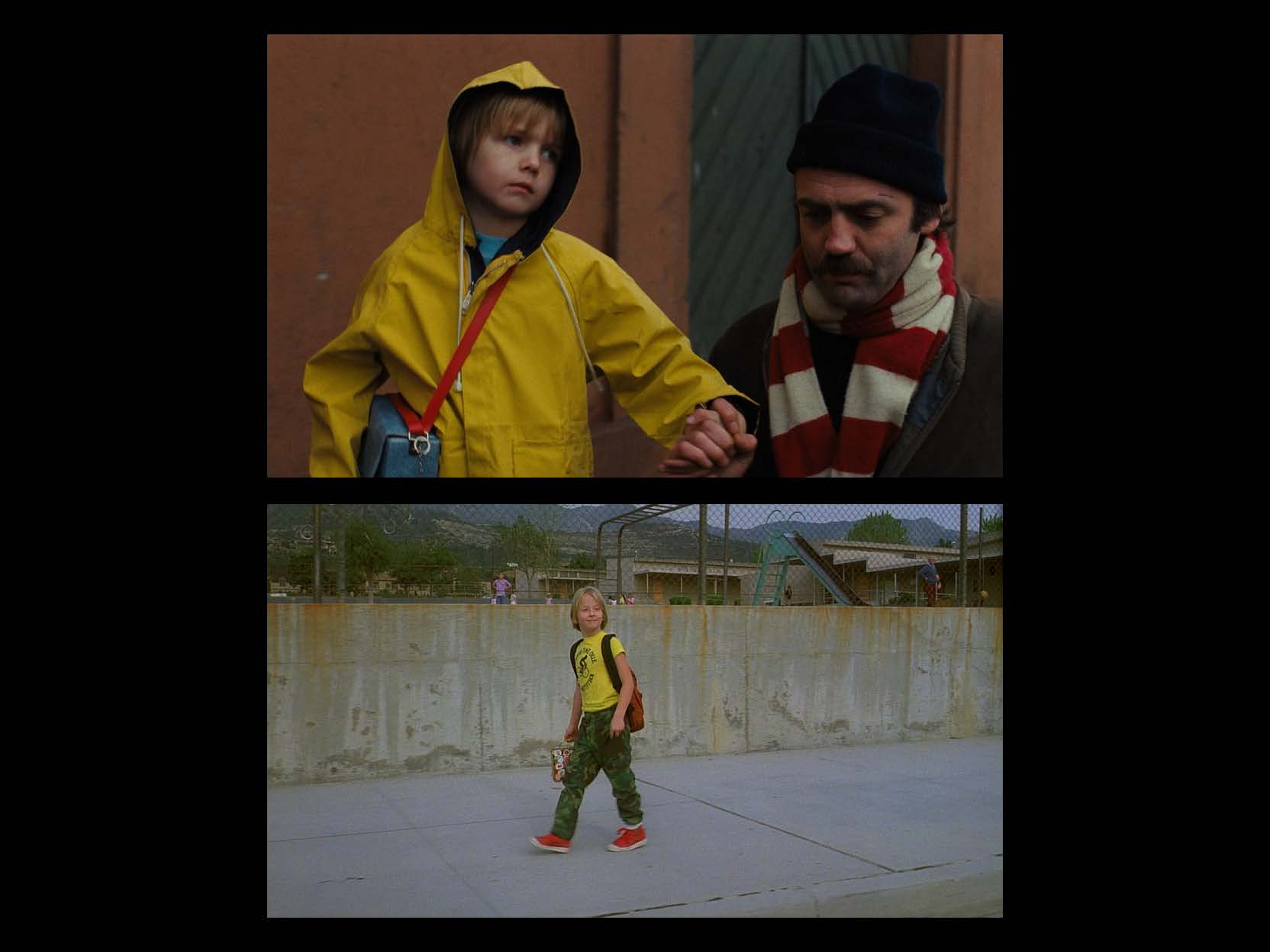
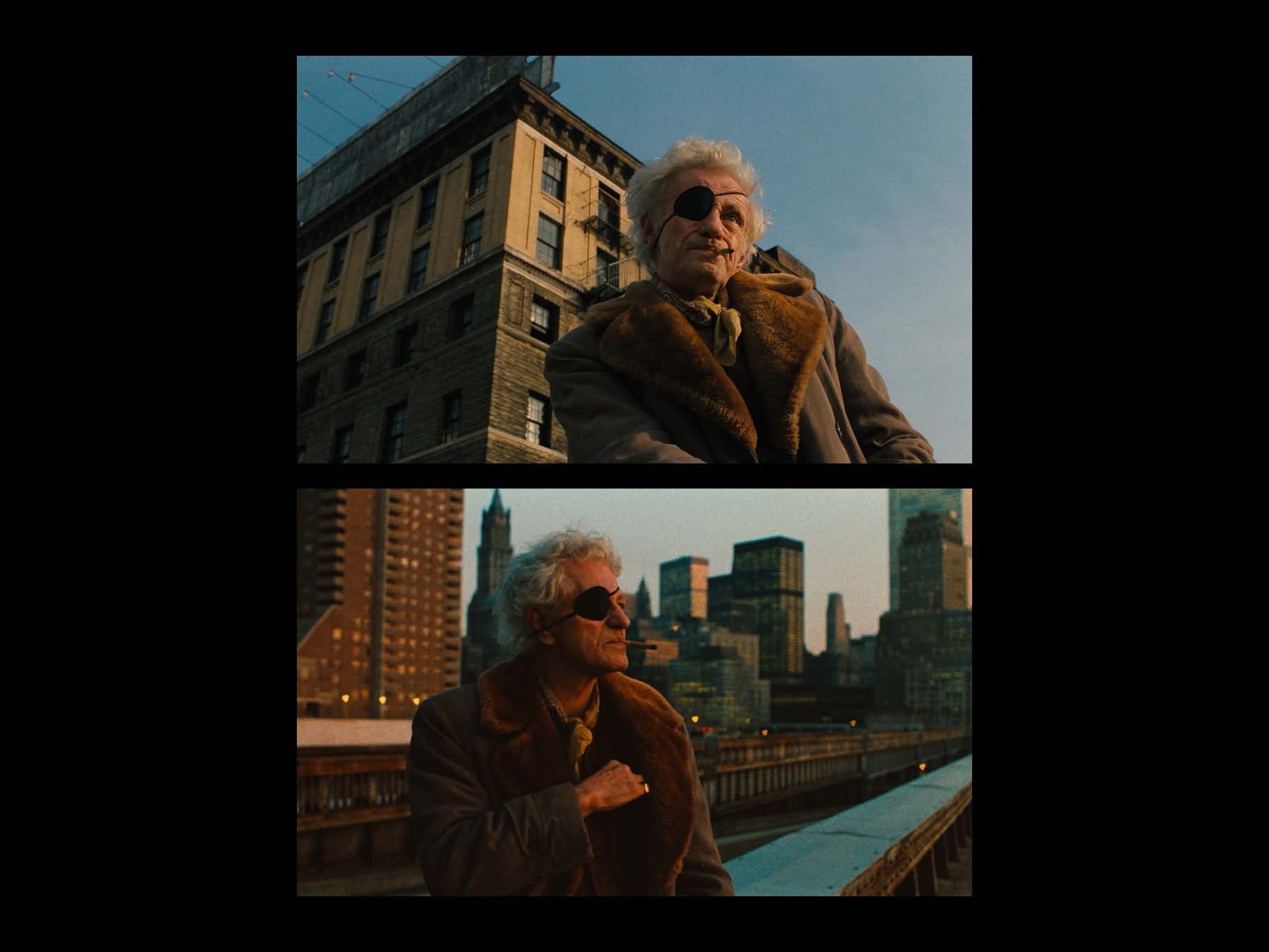
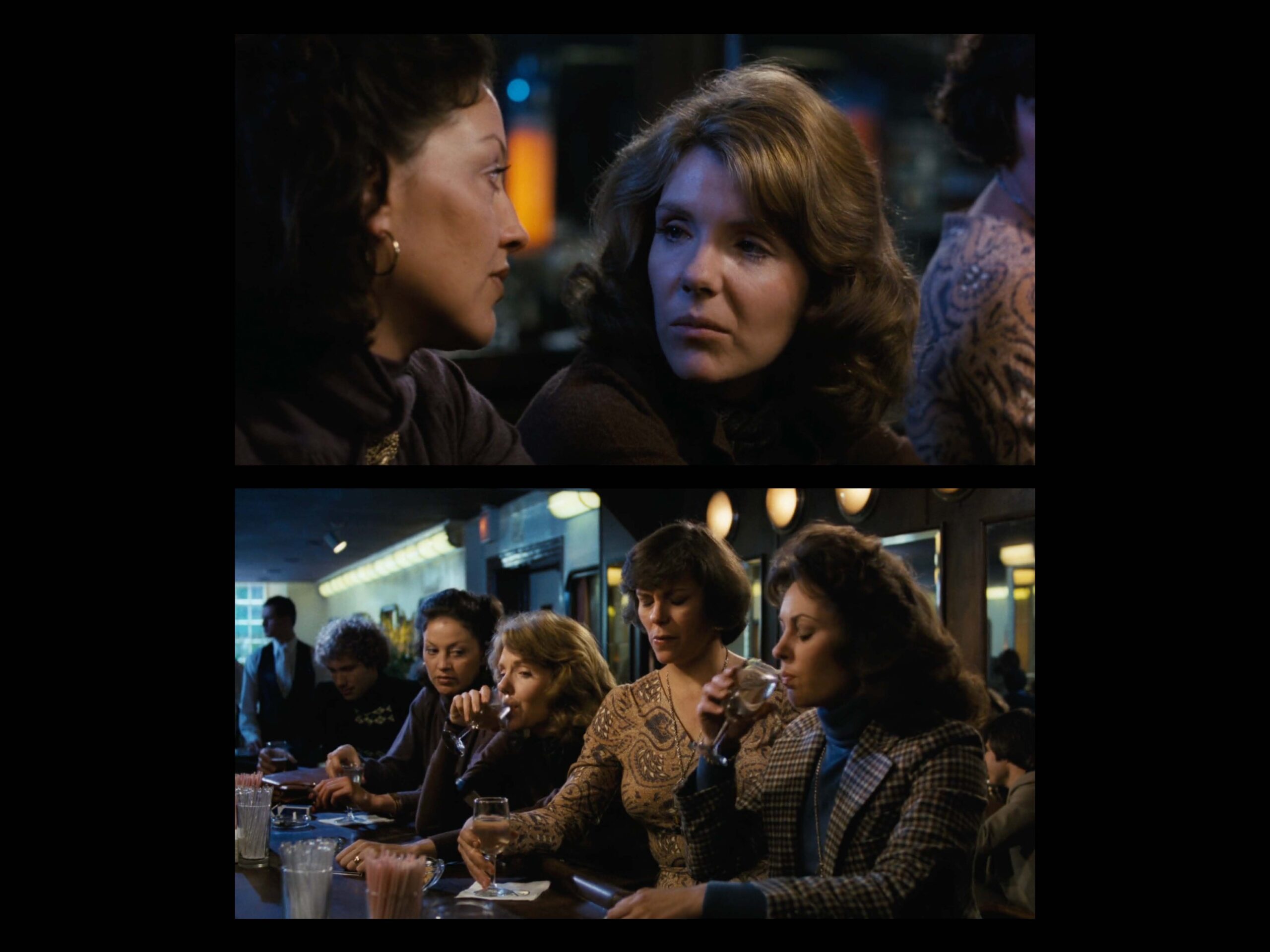
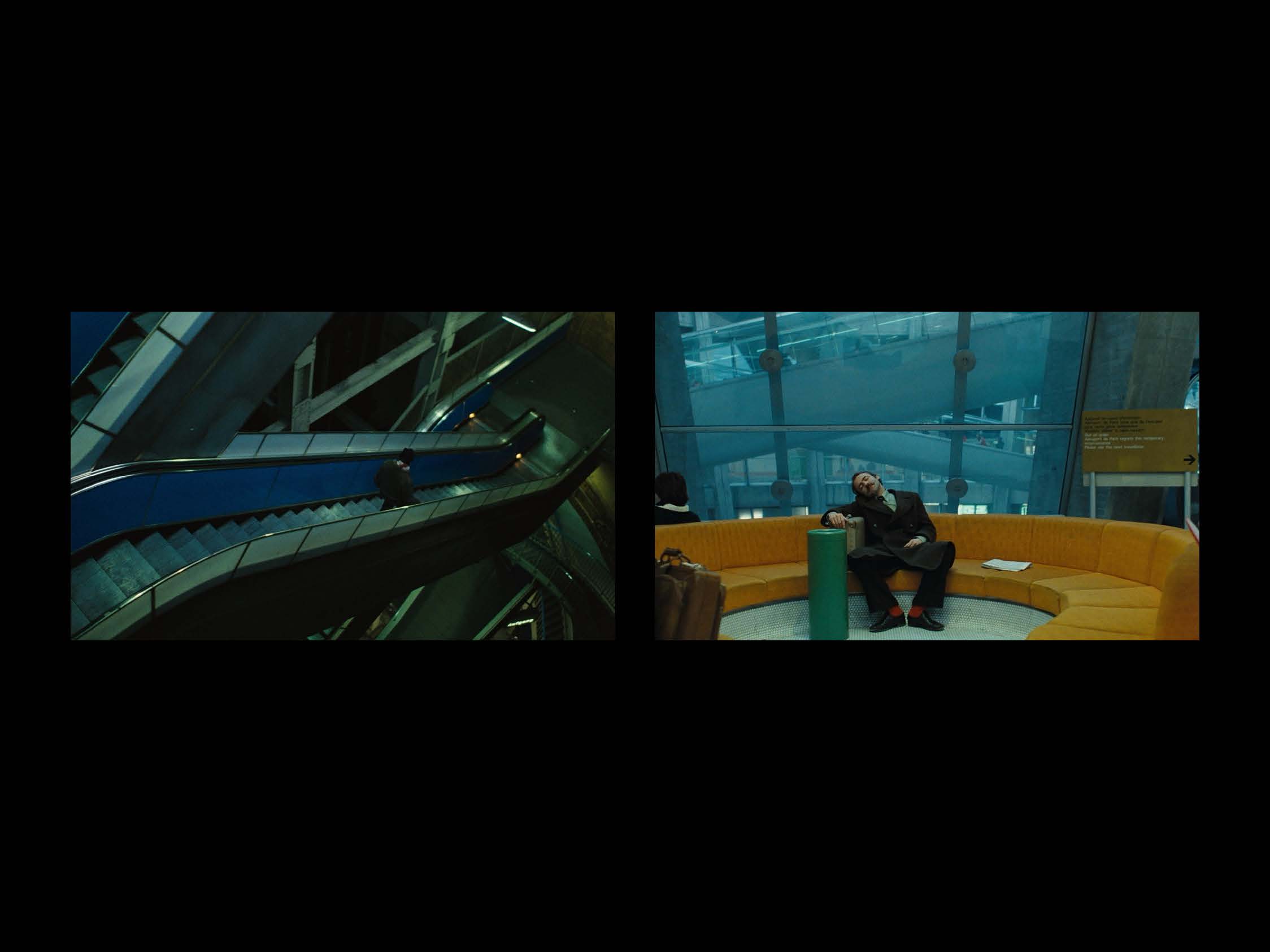
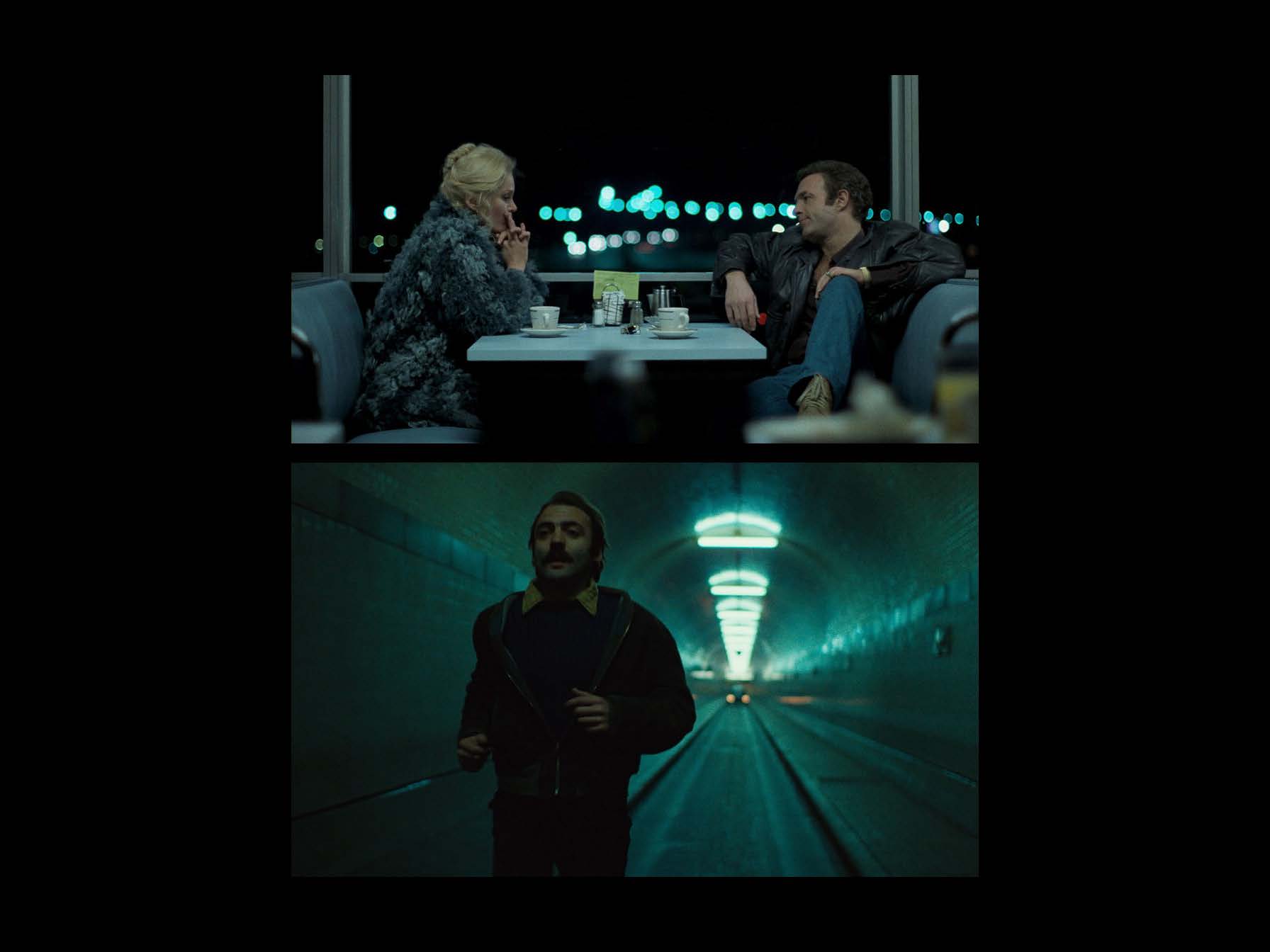
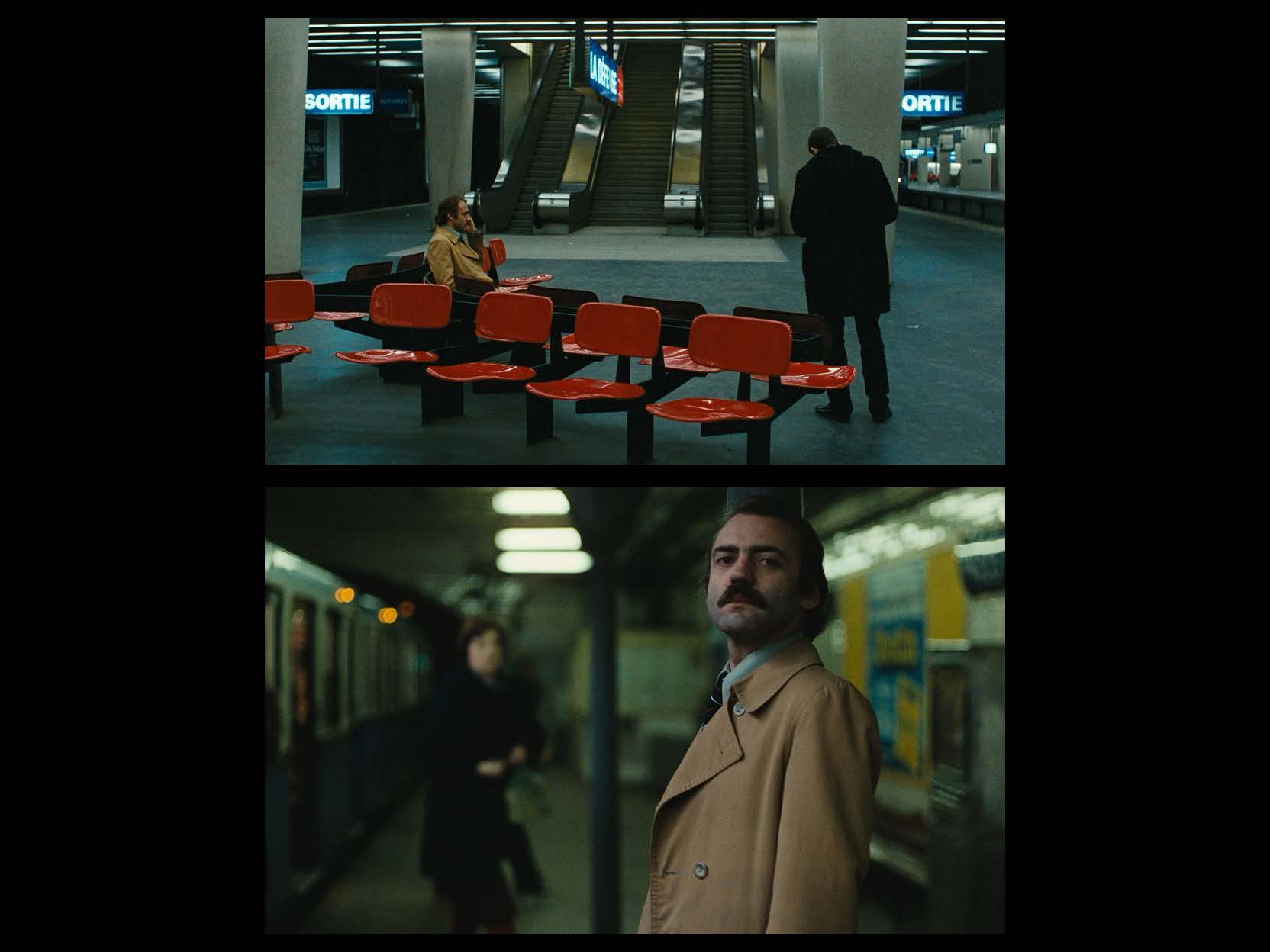
Is there something you hope people particularly respond to in this film?
Honestly, it’s just the performances are so, so amazing. It’s such a good script. I’ve seen the movie a couple of times in theaters now, and the first 15 minutes are a certain movie, and then it very quickly shifts into a very different movie. I hope that people hold on, and I know they will. But it was interesting seeing it at Telluride, for example. We sat down to watch the screening, and I was sitting next to some 70-year-old Navy vet who had no idea what he was getting himself into, and we dive into the queer scene in New York City, and I think he was just like, “What am I watching right now?” By the end of the movie, I looked over and he’s sobbing.
It’s such a powerful, beautiful, simple, universal movie and story, and I’m just excited for people to see how people are kind of caught off guard by that, where they think it’s one thing and it’s really another, and so I’m really, I’m really excited to see how people react.
Was there a lesson from Club Kid that you’ll take with you to the next project?
A lesson I’ve learned with a lot of these actor-directors, is just to trust in experimentation, and listening to your gut, and especially listening to the director’s gut. One thing we do as DP’s, is we have this feeling like it will fail unless we hold it together. A lot of times when it gets crazy, especially on smaller films, our job is just making sure things stay on track and that we keep integrity, but letting go is really important, and leaning into the impulses of the director and the actors and just, like, saying yes to everything is really, really important, and something that I’ve kind of learned throughout my career is just allowing yourself to be inspired in the moment and not hold on too tightly to any preconceived notions of what the movie should be.