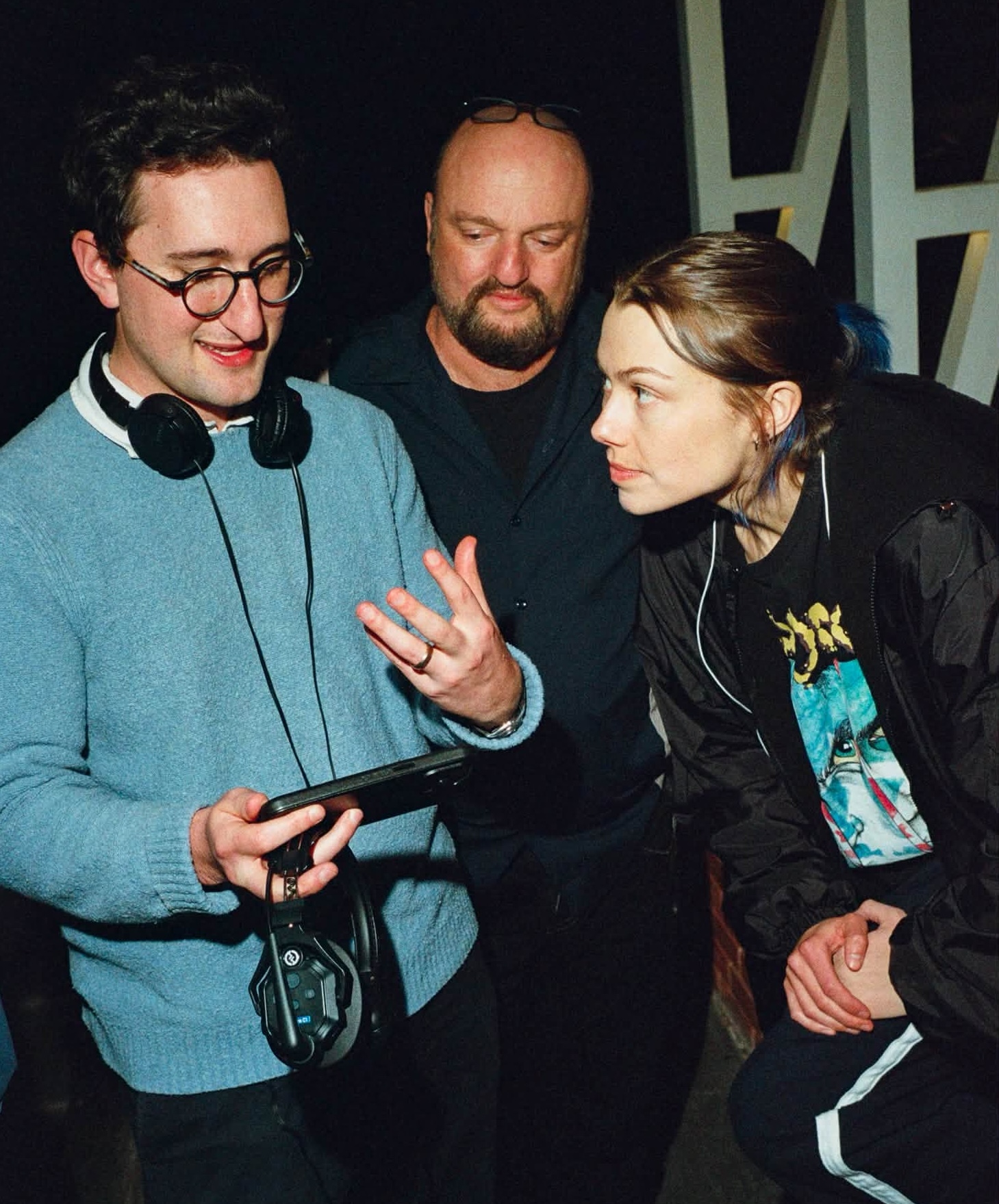
Over the past few years, director Lance Oppenheim and cinematographer David Bolen have become one of the most distinctive and daring duos in contemporary nonfiction filmmaking. Oppenheim’s feature debut, Some Kind of Heaven, was followed up by Spermworld and the HBO docuseries Ren Faire. Now, Oppenheim and Bolen have made their leap into fiction filmmaking with Primetime.
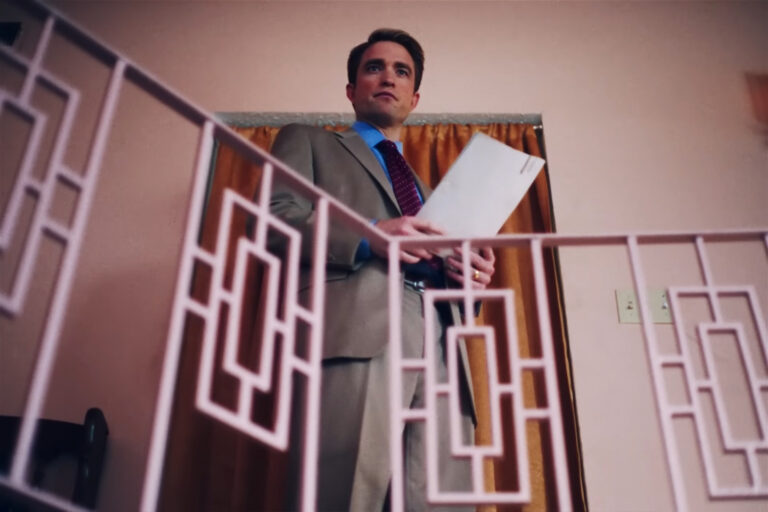
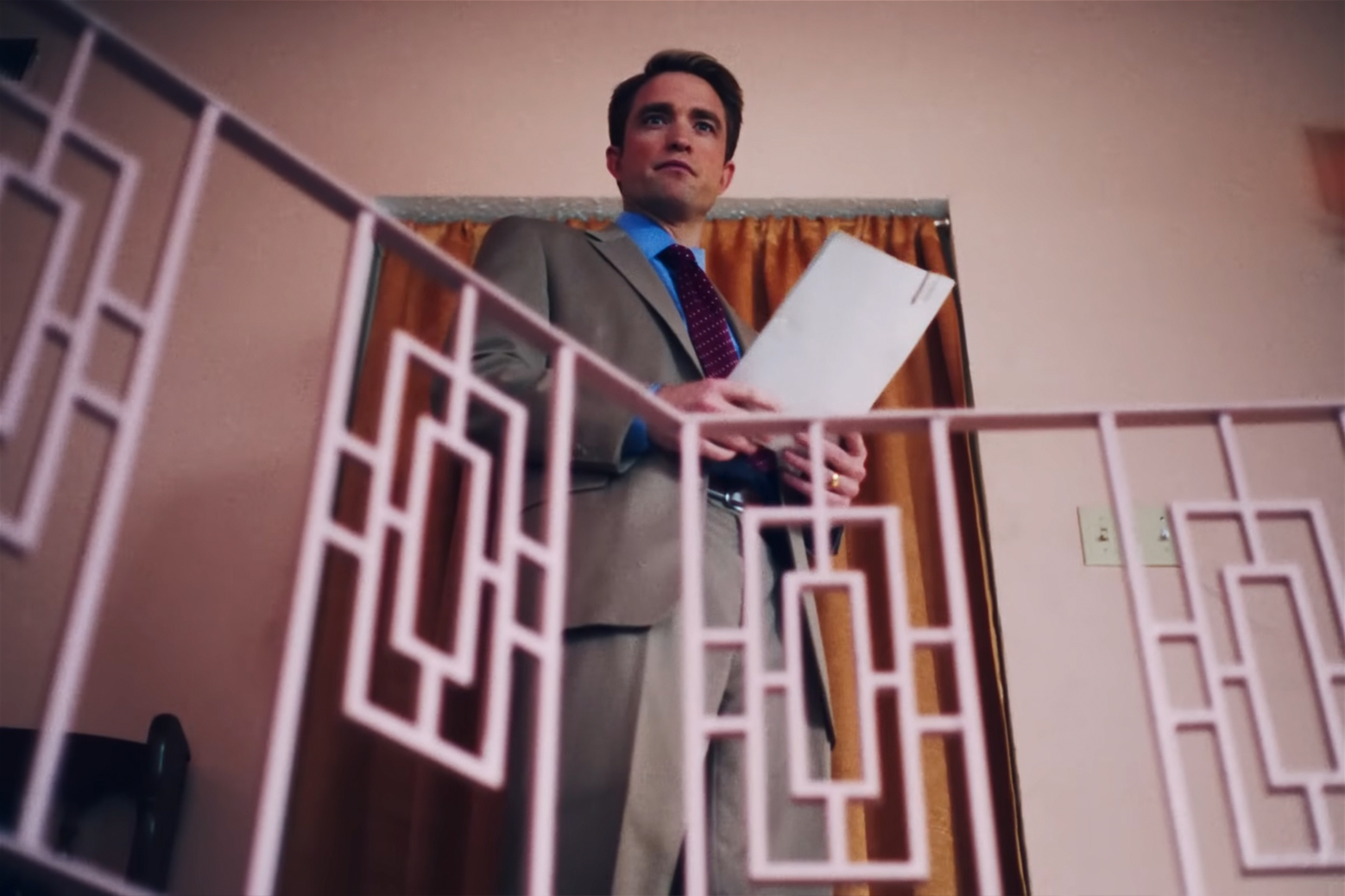
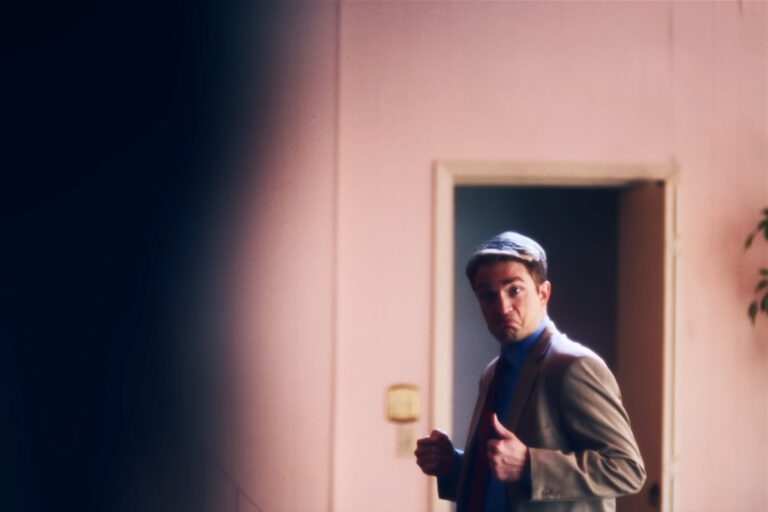
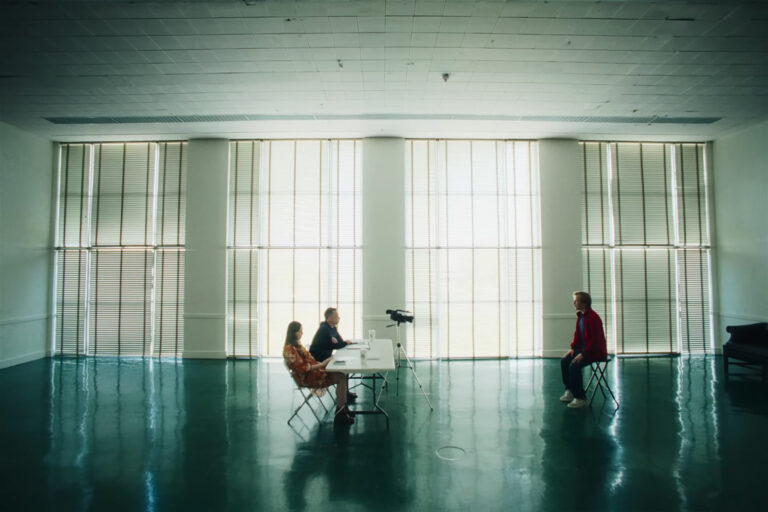
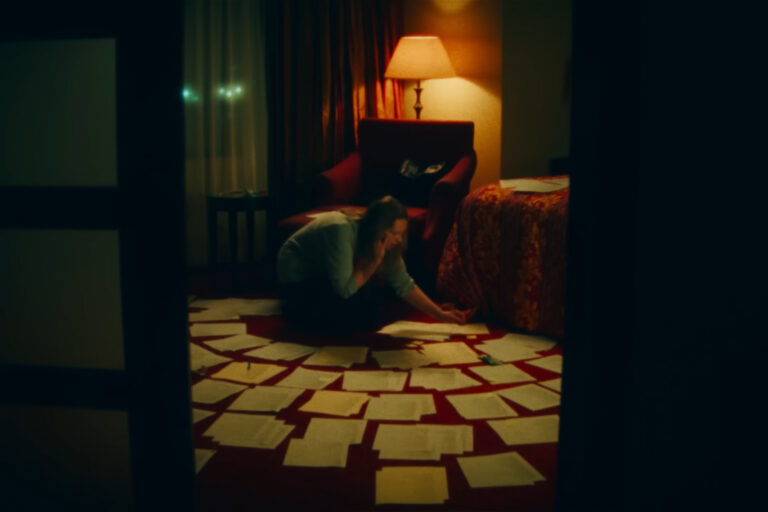
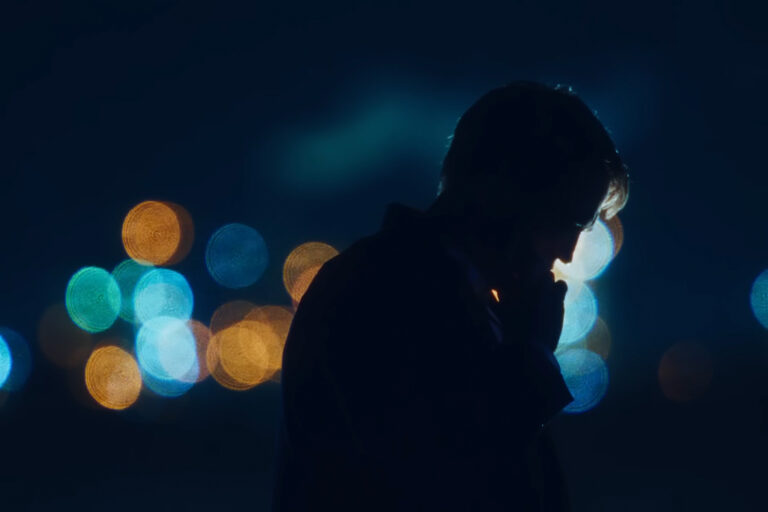
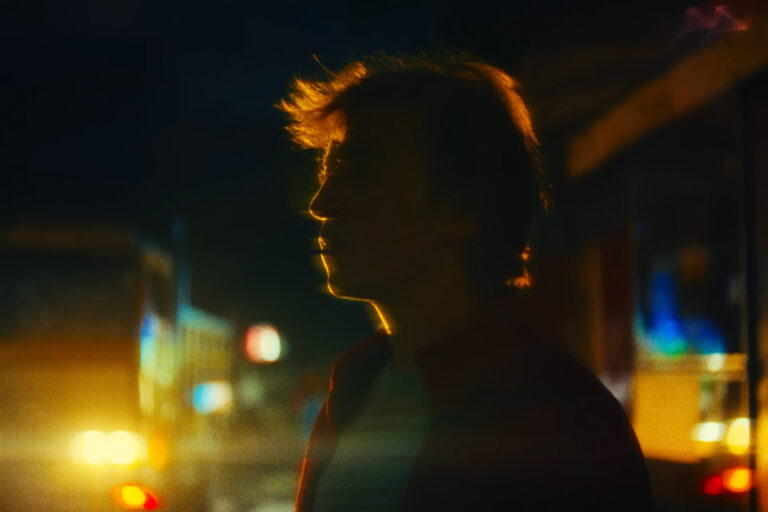
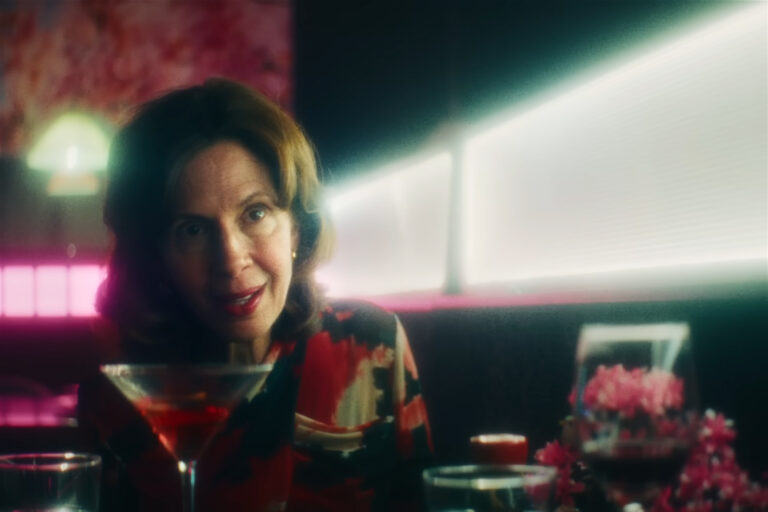
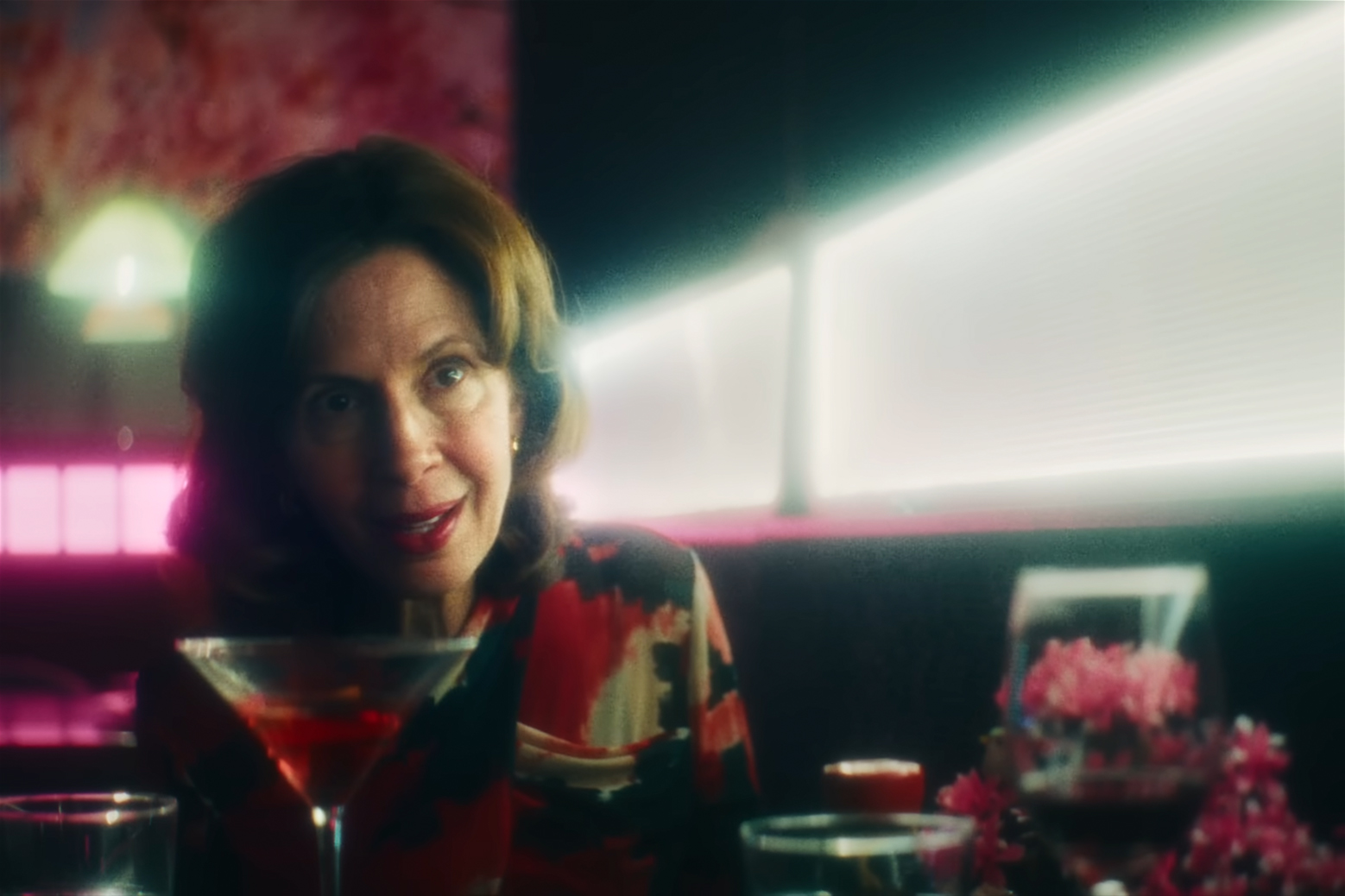
Primetime follows the fortunes of Chris Hansen (played by Robert Pattinson) as his NBC hidden-camera show, To Catch a Predator, captures the attention of viewers across America. Shot using over a dozen different camera formats and 25 different camera bodies, Primetime‘s candy-colored palette and radical visual approach make it one of the most stylish and formally inventive films of the year.
Oppenheim and Bolen spoke with Noah Morse about their approach on set moving from documentaries to fiction filmmaking, the visual techniques of Primetime, and their deep well of references and influences. Primetime is out now in theaters nationwide, and you can see a selection of their work on ShotDeck below.
This article has been edited for clarity and length.
Lance and David, congratulations to both of you on this film. I want to start with your background working together in nonfiction. Can you talk about how your transition from documentary to narrative informed this production?
LANCE: A lot of it goes back to the original series, To Catch a Predator. I was really interested in the ways in which Chris Hansen had created this methodology of an MC Escher puzzle – a manufactured reality. He would be dismantling someone’s life on camera, and hovering in the background would be a short adult actor pretending to be a child. I found the whole thing, as a kid, really confusing and really interesting.
The way it looked was always so interesting to me. It felt like a dream, and I liked that there was all this artifice on display, these houses that looked like sets out of Blue Velvet, and these props like the pepperoni pizza and the sweet tea and the cookies. It almost felt like something that was beamed in from Mars.
David and I have been working together since I was 17. We always like to start by looking at a setting, looking at a world, and asking ourselves, “How do we capture the subjective experience of inhabiting the minds of these characters? How do we not just make something that’s representational? How do we create an emotional experience, like trying to turn human dramas into Hollywood dramas?”
The methodology of Chris was exciting because I was asking the question of, “What am I watching? Is it a prank show? Is it a circus where Chris Hansen’s the ringleader? Is it a news program?” I wanted the movie to have a similar feeling. David and I would constantly ask ourselves, “How do we create something that’s stranger than stranger than fiction? How do we not get trapped in the apparatus of how a traditional Hollywood set would function and operate?”
We ended up shooting this movie on over 12 different camera formats with 25 different camera bodies. People looked at me like I was Tommy Wiseau because I would run scenes in several different ways, several different times. We found a broken broadcast camera that we shot a lot of the movie on, too.
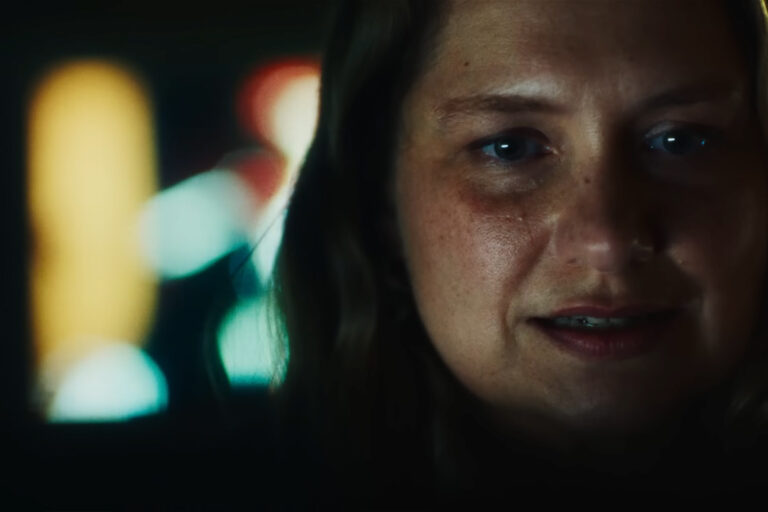
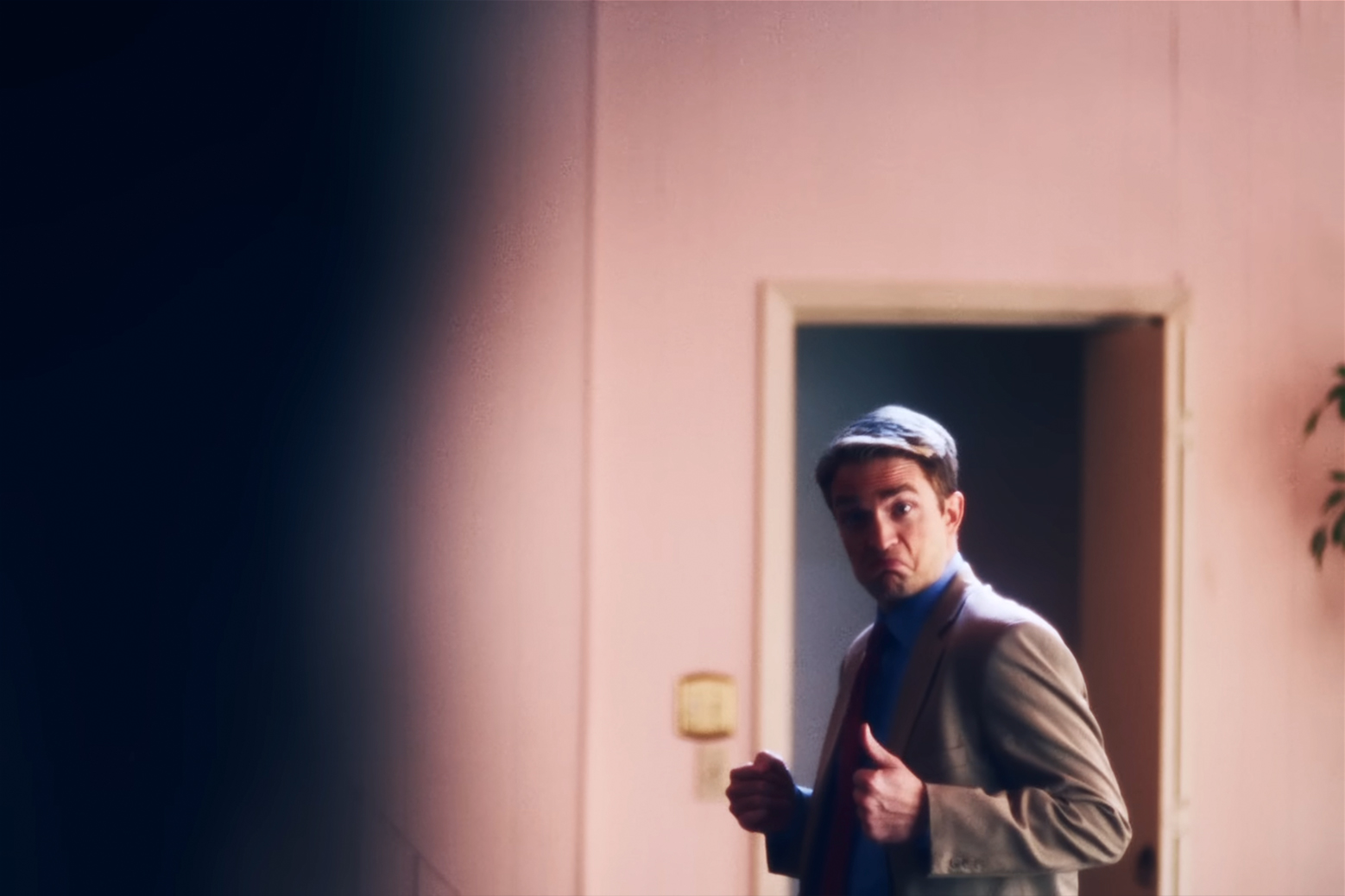
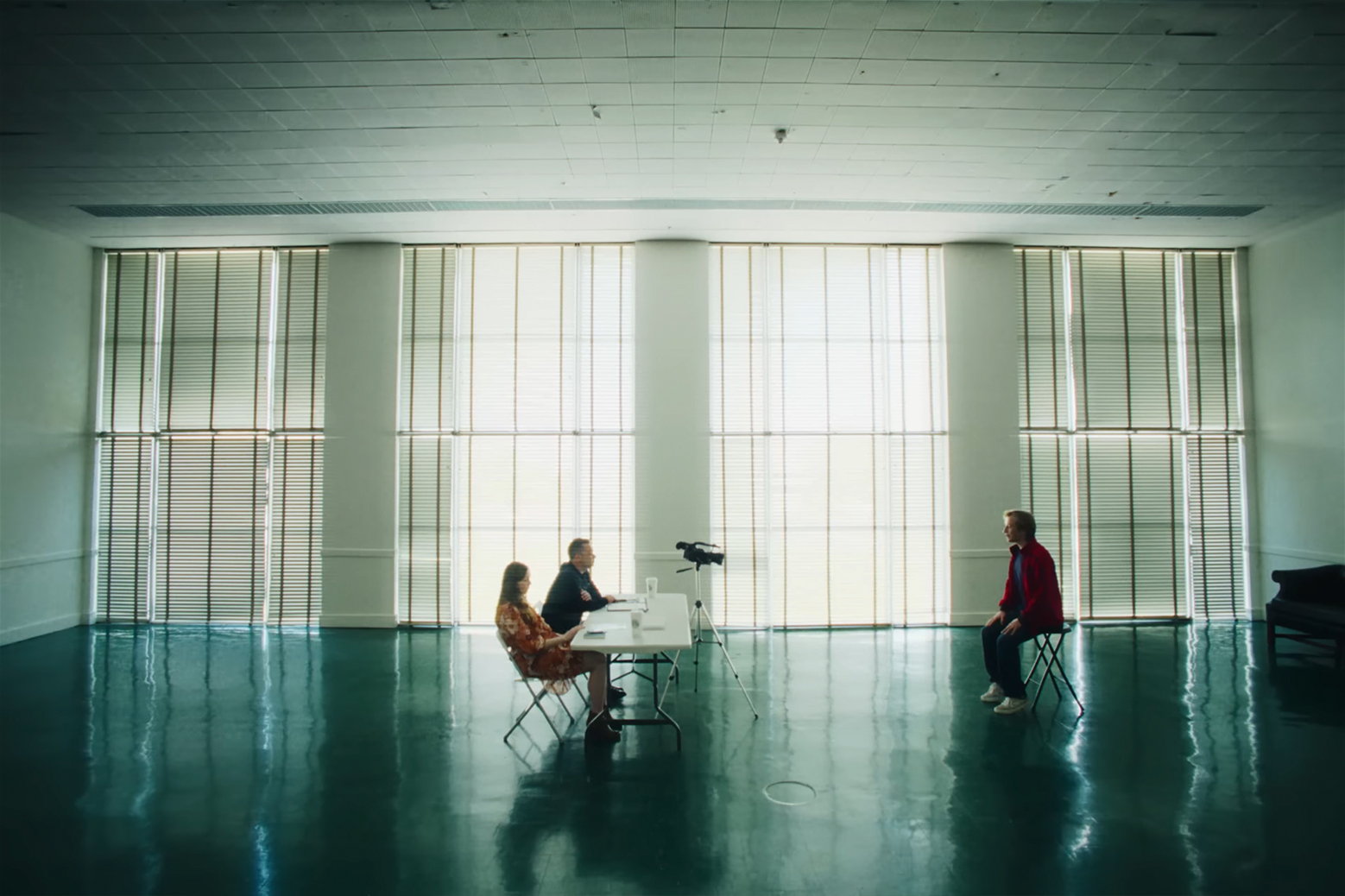
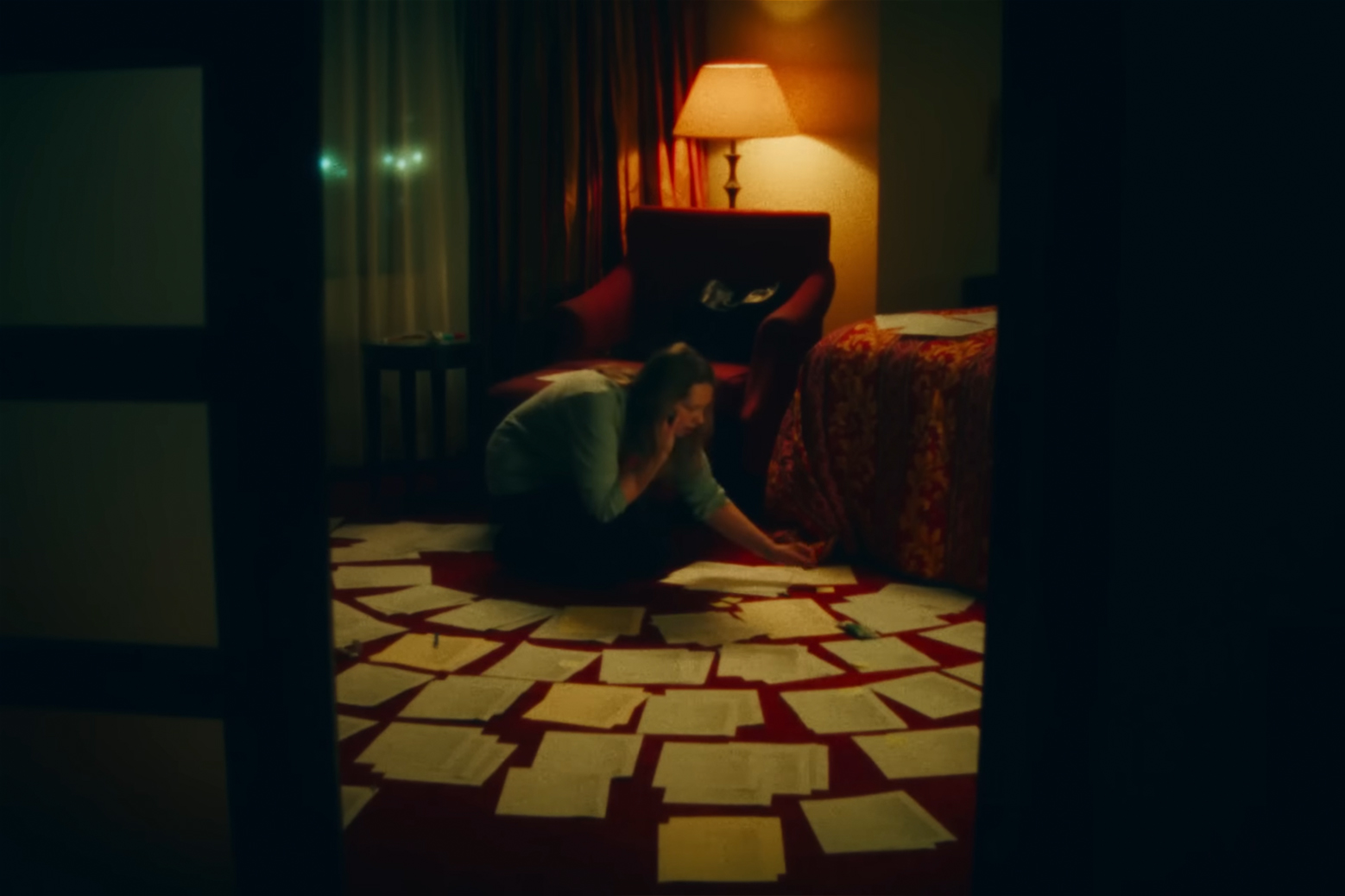
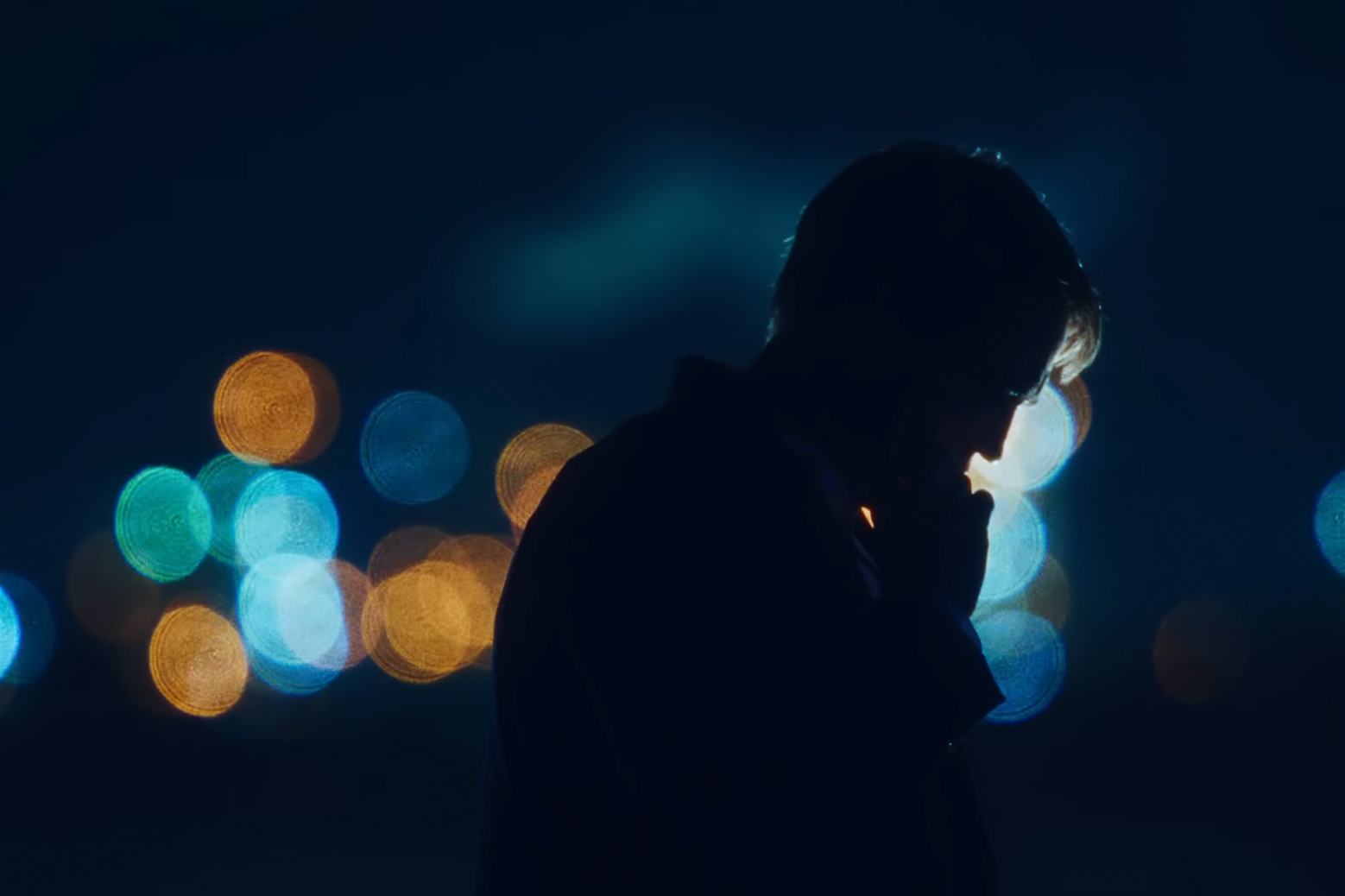
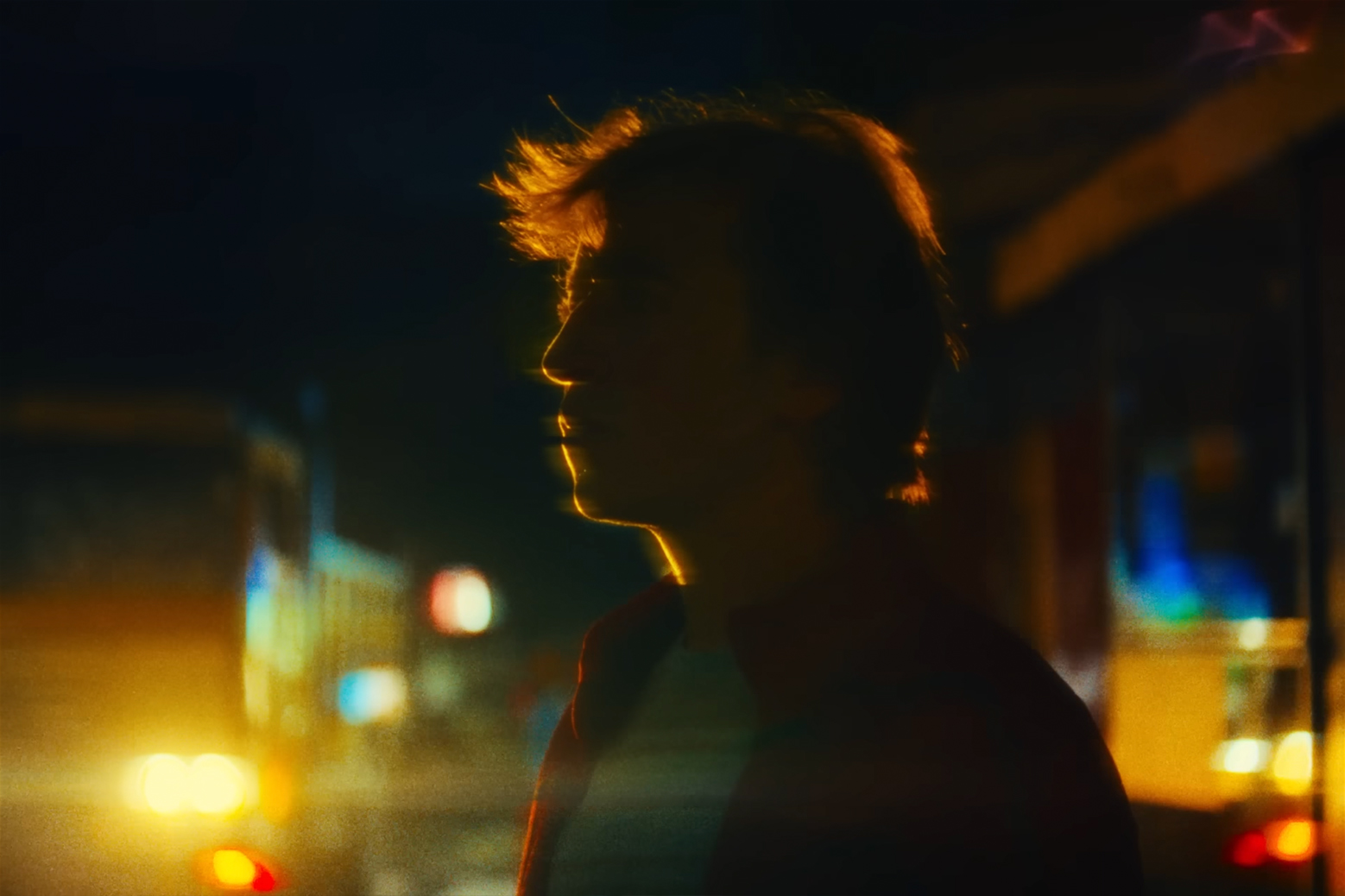
I think a lot about Michael Bay and how he would operate the camera. I don’t do that. I’m terrible at operating the camera.
DAVID: You try sometimes.
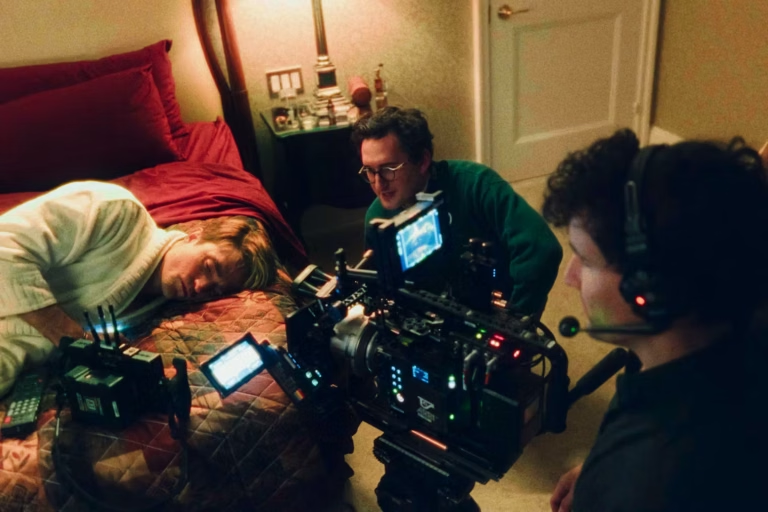
LANCE: But Michael Bay, when he operates the camera, they call it “Bayhem”. He puts his foot on the gas, and everyone has to operate around a new reality that he creates. David and I were sort of inspired by that. David would shotlist, but when we got to set, I would make him throw away the shot list. I wouldn’t rehearse with the actors. I would really try not to block things as much as we possibly could.
David and our steadycam operator, Jarrett Morgan, could so easily get into communion with the actors and treat the actors almost like they were documentary subjects and film things. I would kind of instinctually respond to stuff as it would happen, and I would also do a thing that I do on documentaries, where I’d just sit and wait. We’d shoot a scene, everything that’s on the page, and I wouldn’t call cut because I just wanted to see what would linger.
A lot of the time in the edit of this movie with Daniel Garber (who cut Some Kind of Heaven and Spermworld), we would end up using the parts where there’s this productive confusion or controlled chaos going on, and people wouldn’t really know what was happening. Sometimes we would use that stuff over the scripted stuff, over the moments where people would actually say lines, because it felt like we found these little nuggets of truth hidden inside of layers of artifice.
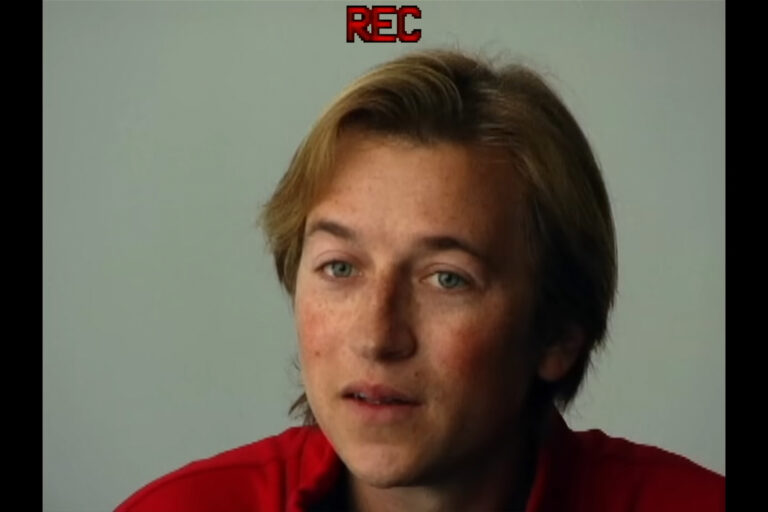
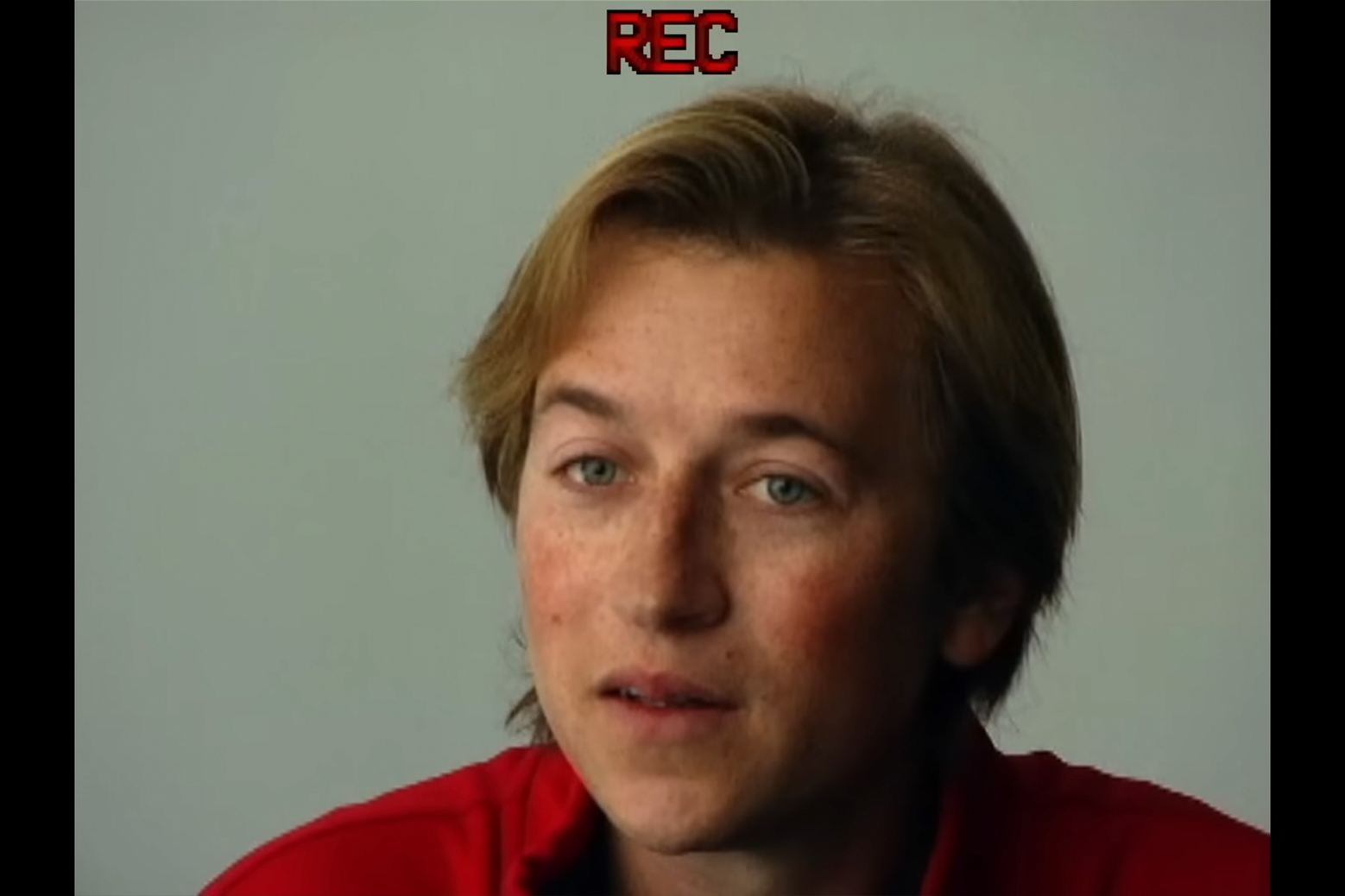
David and I spent a lot of time looking at the actual show, and the show has never been properly digitized. The highest quality you could find is a 360p version. So we kept thinking, “How do you interface this with the film? And how do we create something that almost feels like a bootlegged version of the show?” It’d be great if the film could feel like you’re interfacing with it through four different walls of glass.
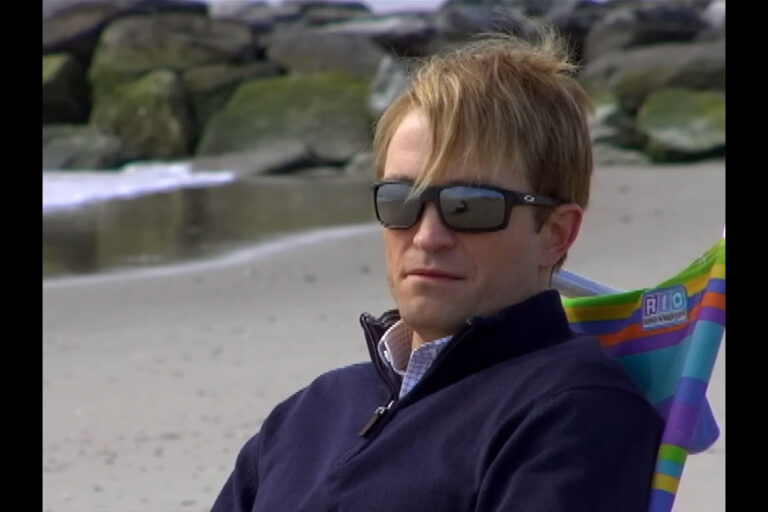
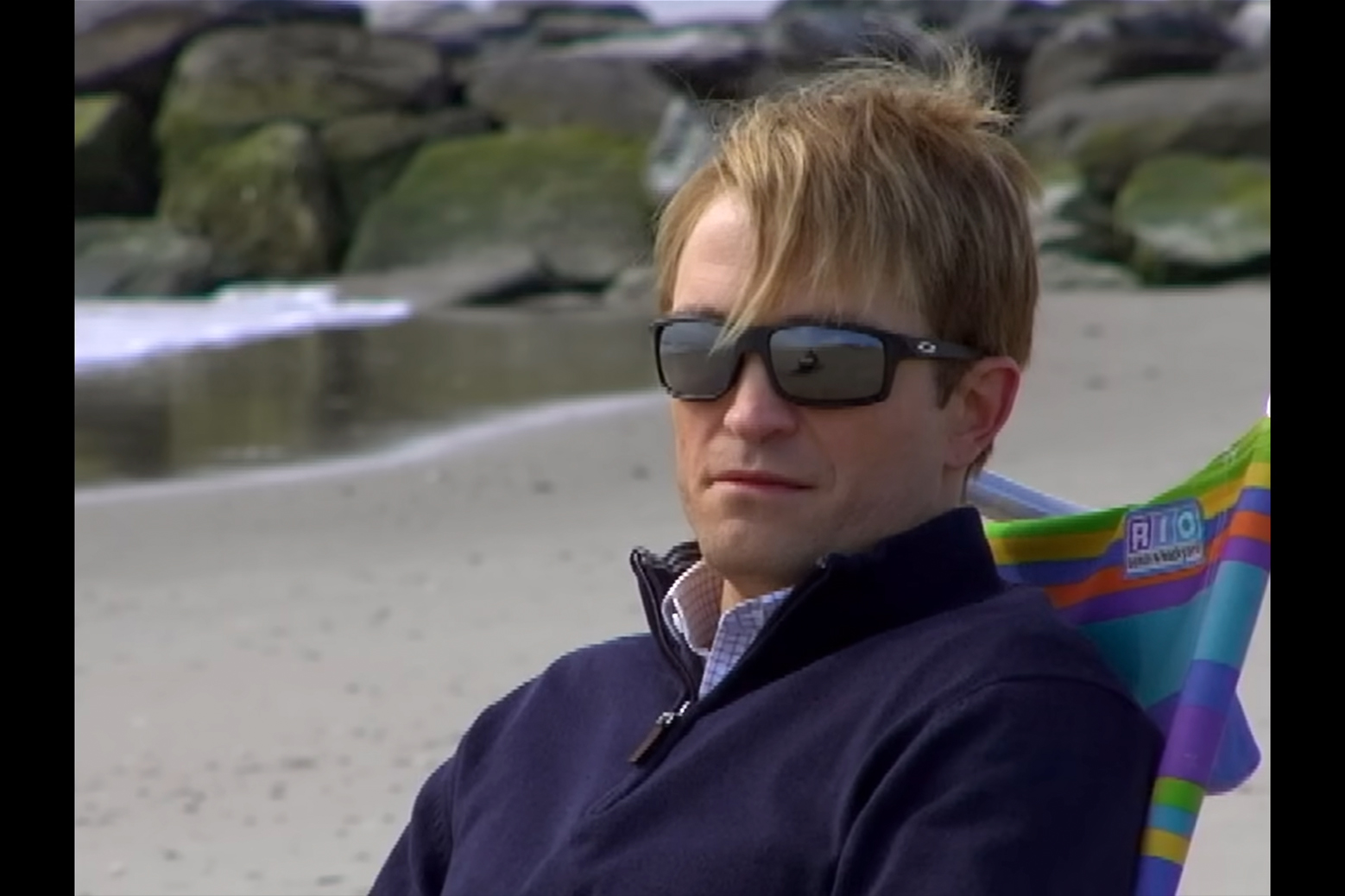
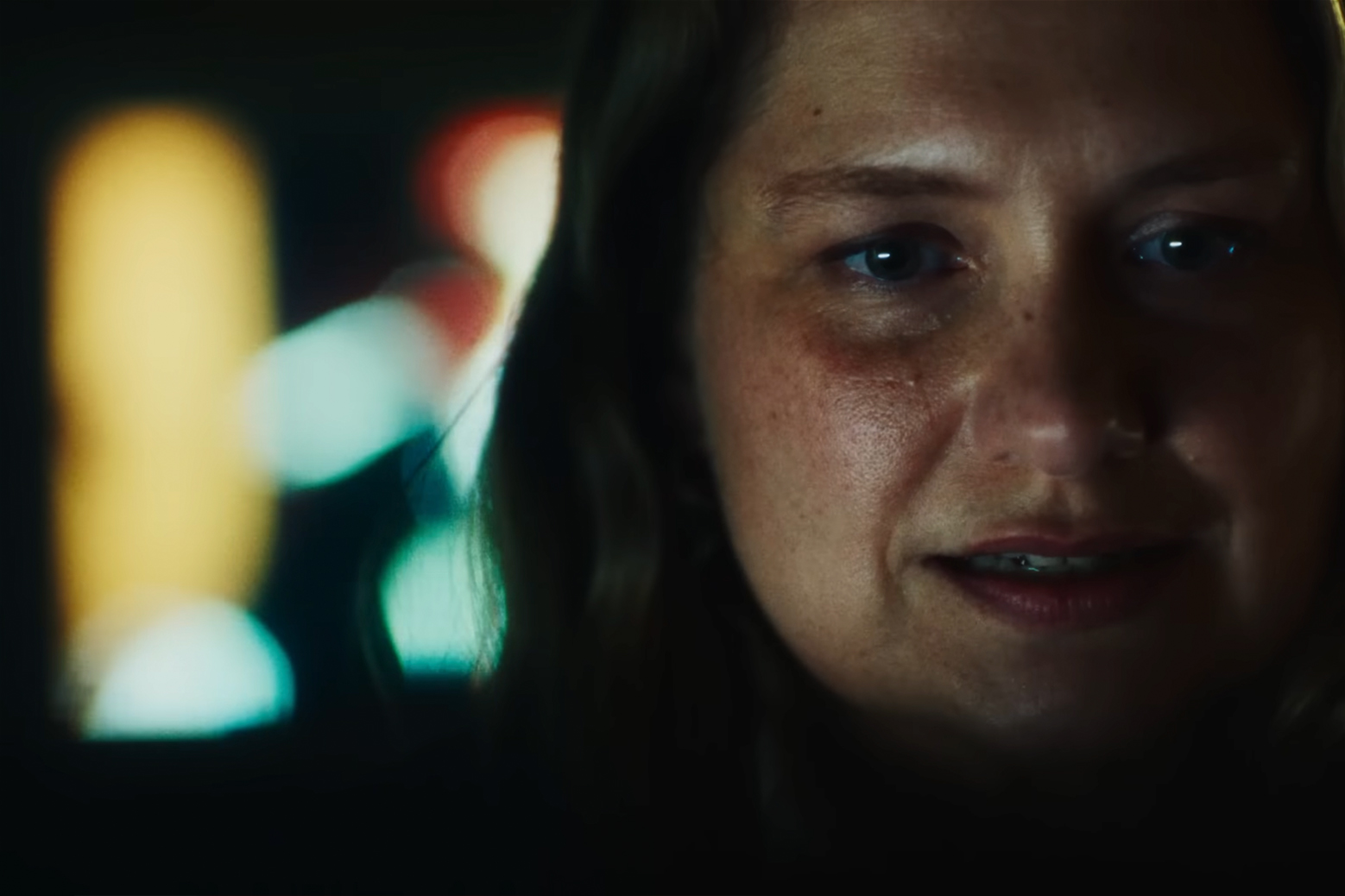
Our colorist, Damien Vandercruyssen, David and I, spent a lot of time on that. We did so much crazy stuff to the image. We stomped on it. We poured dirt on it. We converted it. We did a film transfer to 16, then we transferred it again to 35 – the amount of stuff we did to the image is really unbelievable.
DAVID: I think it’s interesting with Lance, oftentimes we’re trying to make our documentary sets kind of function like narrative sets. We’re trying to invoke a level of control into an unpredictable setting, and we found that when we did that same process on a narrative set, it started to feel artificial.
So much of our experience making this film was asking ourselves “How do we invoke a level of chaos onto a narrative set so it feels more like a documentary?” With the way Rob was performing, we just wanted him to experiment and try things and not put him in a box. It was about letting him play. Let’s embrace the chaos every day, and not get too focused on that shot we were thinking of. Let’s just let the performance take us somewhere.
Lance, how do you prep your actors for that kind of production, and David, how do you prep as a cinematographer for that kind of a production?
DAVID: Well, on a documentary set, it’s usually just me, right? It’s me and Lance and the sound person and maybe a producer, so I’m the one who’s fully in control of the image. But in this context, it’s like we’re relying on a much bigger team, which can be really challenging when you want to work in a way that’s flexible and fluid.
So I think it’s a testament to Lance and his ability to inspire and invite people into the process, so that everyone from the first day starts to understand how Lance’s brain works. And be like, “Okay, we’re going to go on this ride with you guys, and this is completely different from how we’re supposed to make movies.” But Lance has this ability to be like, “Jump in with me. Let’s go crazy.” So when Lance was like, “You know, that thing we just set up for 45 minutes? F** that. I hate it. Let’s flip over this way. Move the trucks,” I had a team around me that said, “Look, our lives are going to be chaotic this month, but we’re going to enjoy that ride, and we’re going to support Lance.” It allowed us to create this really insane movie that, to me, feels like those crazy movies from the ’80s that me and Lance love.
LANCE: Yeah, David had so much to manage with this. It was not easy. For our crew in New Orleans, where we shot the majority of the movie, it wasn’t just a job for them. They were so excited about being a part of something like this. Most people really understood the assignment, and that we were trying to create something that felt closer to a fever dream than a traditional, conventional biopic.
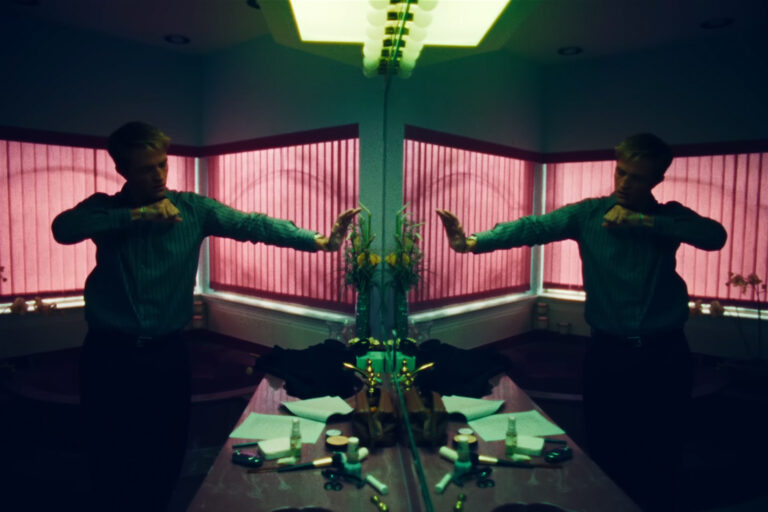
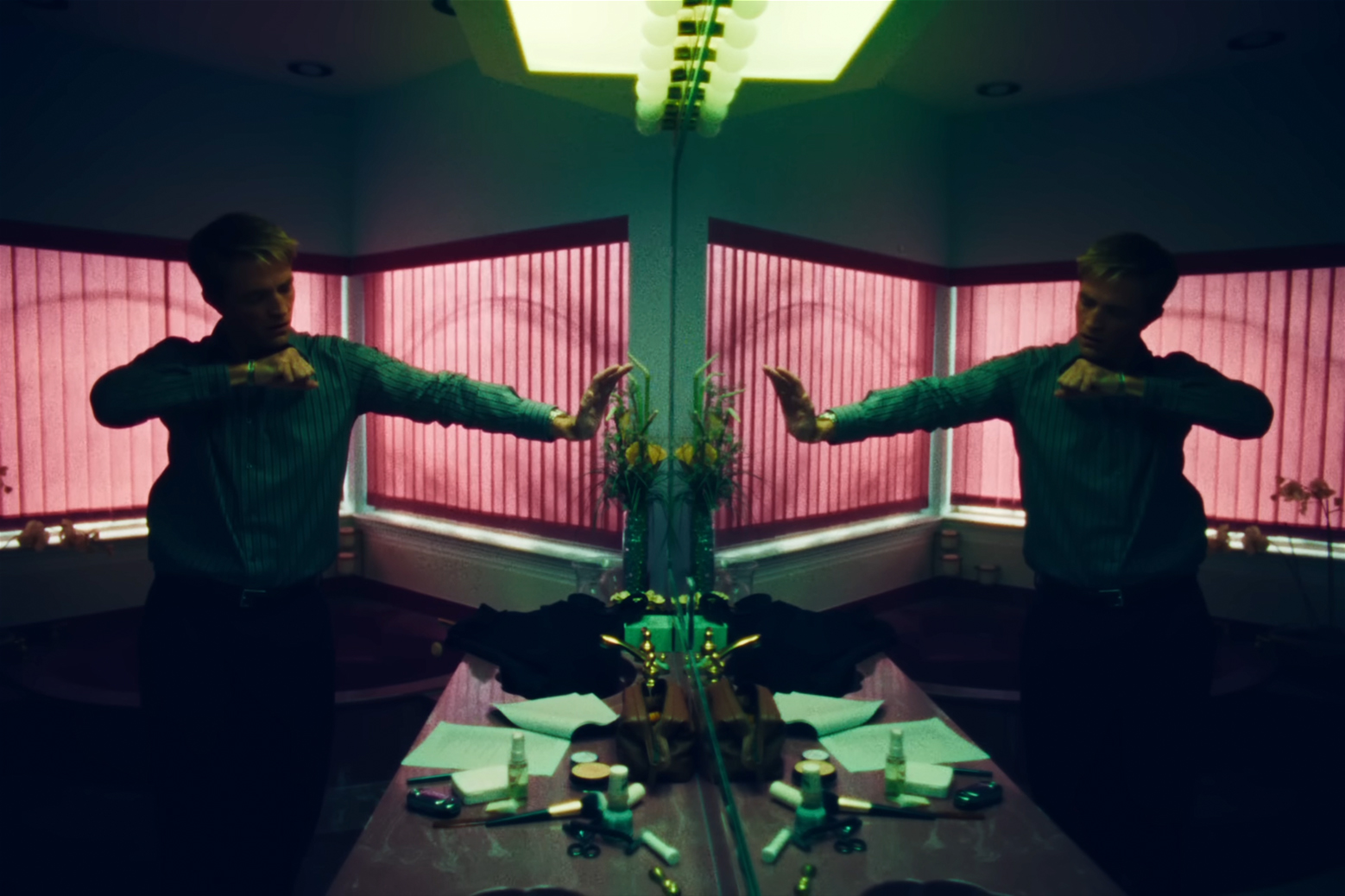
David was saying this the other day, and I really loved how he described it. He can do everything to the image, he is just listening. And before, on Some Kind of Heaven, on Spermworld, on our short films, we would just shoot one camera, so he would get as close to the subjects as I would. We would really be living with them in their lives. It felt like on documentaries, because we had more control over the image, we were making a narrative film. And on this film, it was the opposite, because there were so many people around us, it felt closer to a documentary.
The only way to deal with that was to embrace the chaos, to create – just like the show – a version of manufactured chaos. So much so that many of the crew that worked on the movie are in the movie. They’re playing the crew that are on screen. And, when we did three weeks of night shoots, we started living exactly like the actors did, exactly like the characters. We were all living a vampiristic experience where we would sleep by day and work at night.
I would say for the actors, I would meet them where they would want to be met. Skyler Gisondo and I became so close through the process of making the film. He had so many great ideas, both for his scenes as an actor, but also as a true creative collaborator. For Rob and Merritt Wever, I feel like they wanted to not rehearse. They didn’t want to tell me too much about what they were going to do. They wanted it to exist on the screen and not over-intellectualize it, and I liked that part of it.
David and I had also gone through so many experiences before this, working on union documentary commercials, which are a completely diametrically opposed practice — trying to capture reality when you have, like, 70 people around. It’s almost impossible. We’ve never found spiritual happiness with those kinds of jobs. I think failing in that capacity and knowing the pitfalls of where it went wrong before and where we should have spoken but didn’t, where we overdid it, or just got attached to things that we shouldn’t have gotten attached to was very helpful in this context.
The film is so color-heavy, and as you said, is shot on so many different formats. Were there any specific visual references you were pulling from, other than the broadcast television look?
DAVID: Lance will come in with a trillion references. We shared a production office and it was wall-to-wall full of references. And it would be like, one was super colorful, and another was super messed up, and one’s 4×3, and one’s widescreen… it was just a cacophony of ideas.
Part of the reason why this crew got behind us is because of the power of an image that Lance could show someone – like, “Hey, I know this is really weird, but, like, take a look at this crazy film, Manhunter. Have you seen this?” And all of a sudden, the gaffer is engaging with the image, and the AC is engaging with the image, and the sound person’s engaging with the image. We were just talking to our sound person who said, “Oh, the images Lance was showing there started to inspire ideas sonically for the movie.”
Lance showing these references to everyone was so helpful in terms of getting them on board with these insane ideas we were trying to pull off. And I think ShotDeck is incredibly useful for that, obviously.
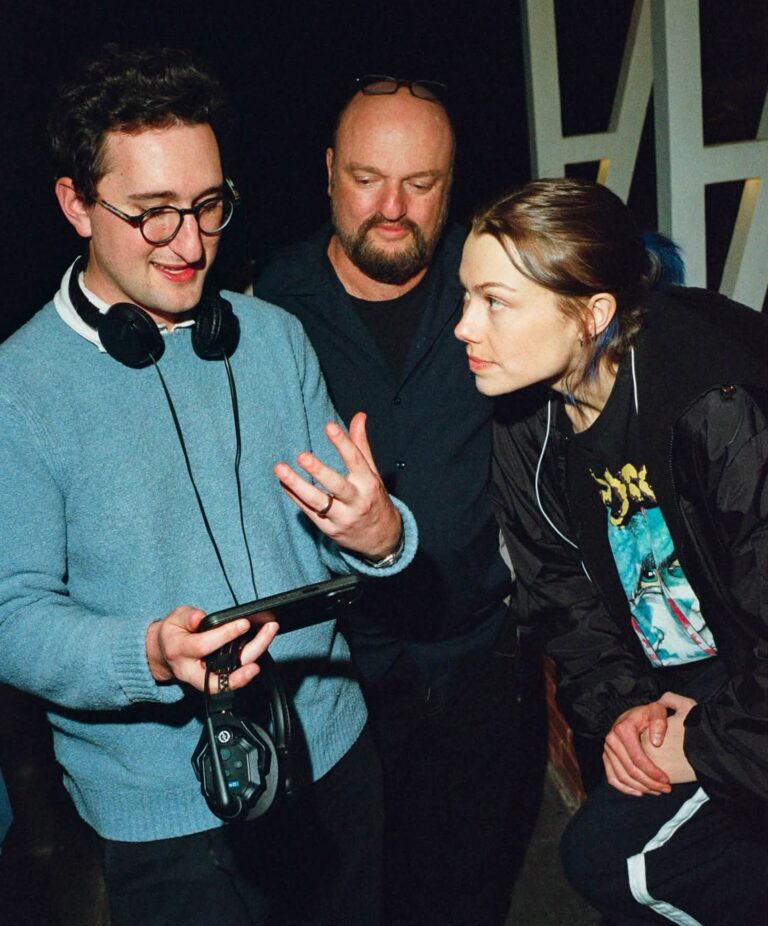
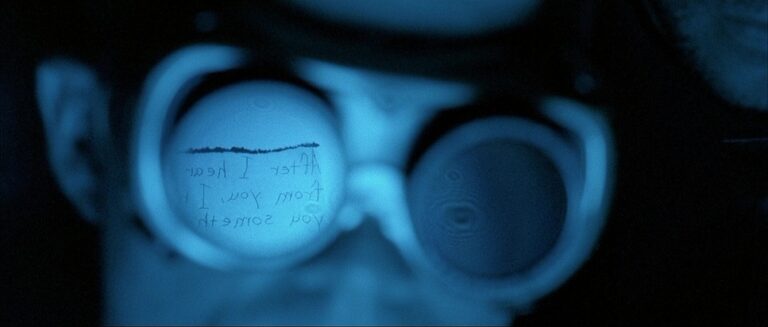
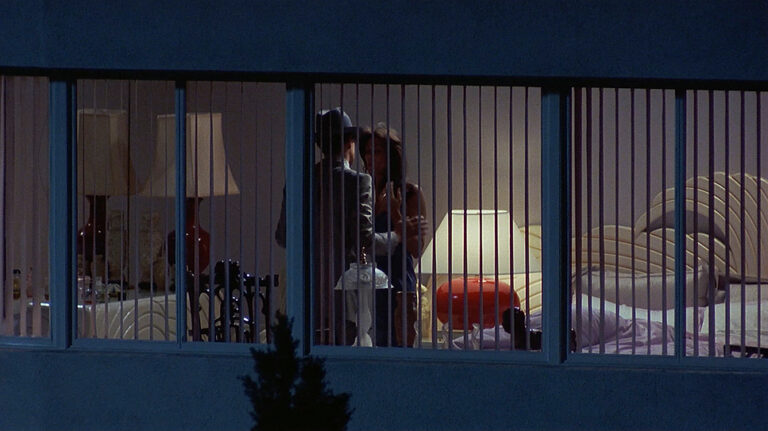
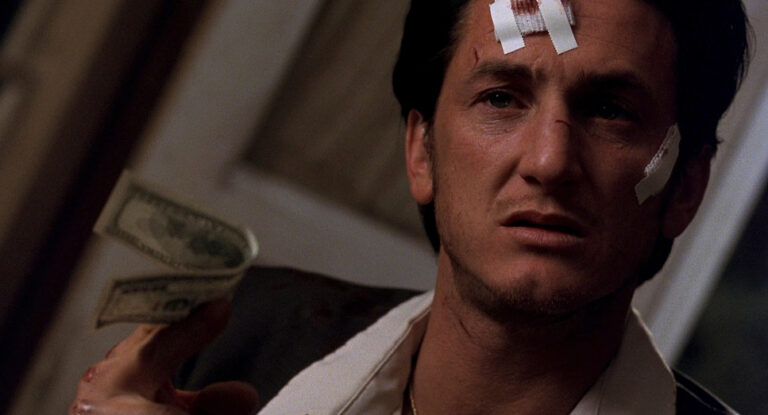
LANCE: Yeah, we would use ShotDeck all the time. I’ll rattle off a bunch of stuff really quick. Manhunter, as David mentioned, The Insider, parts of Blackhat – especially the tunnel sequence. Body Double, JFK, Scarface, U-Turn, Natural Born Killers, the way that it mixed camera formats. Sexy Beast, the kind of metallic, way of making a heist movie. Demon Lover, another movie where the form of it feels affected by what’s happening on screen. Ace in the Hole was the biggest spiritual reference for this. To Die For, the Gus Van Sant movie.
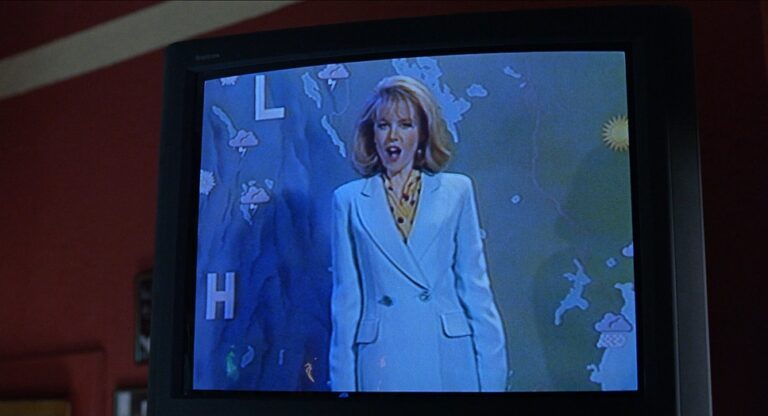
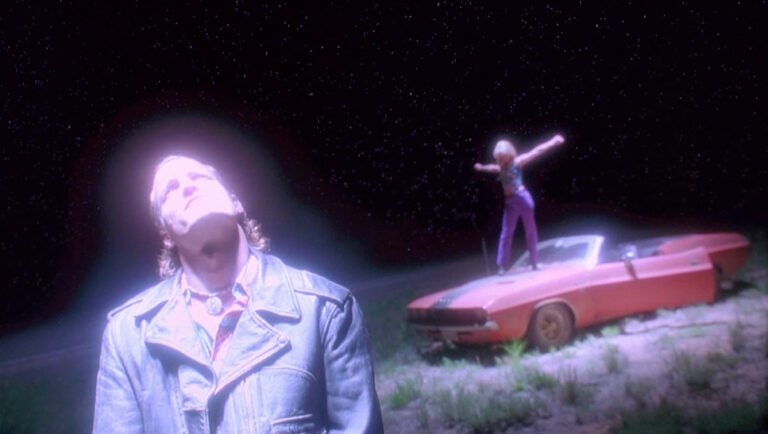
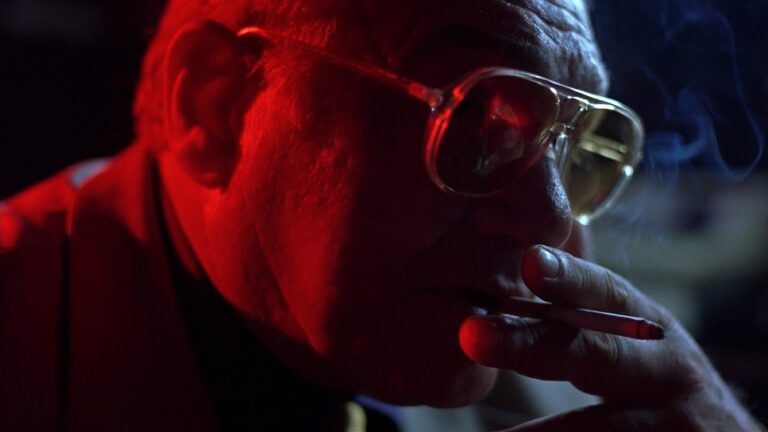
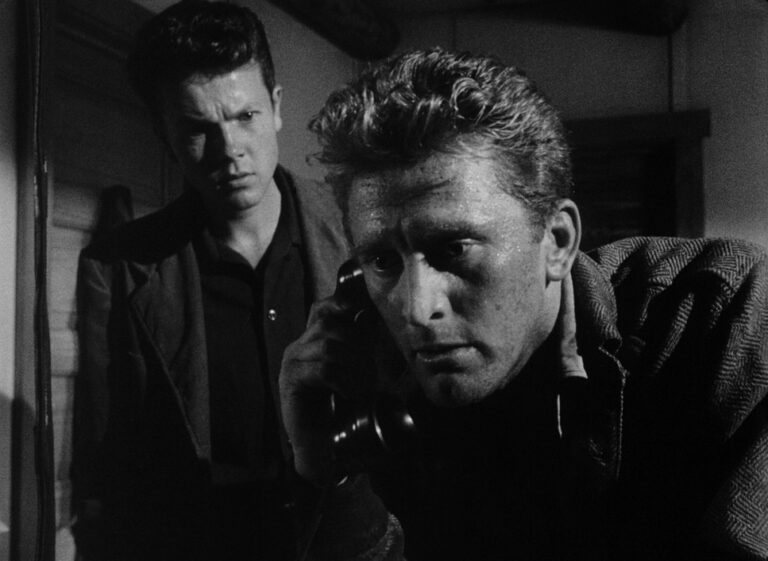
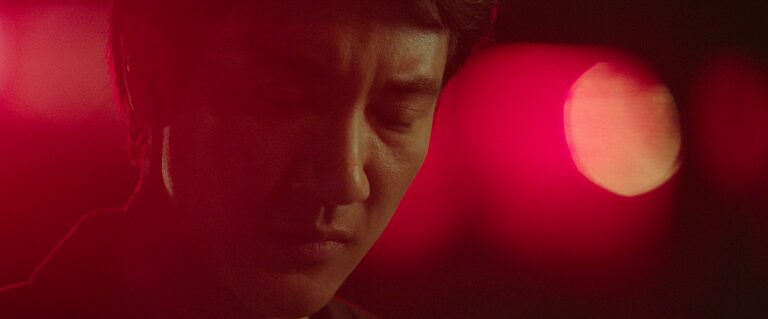
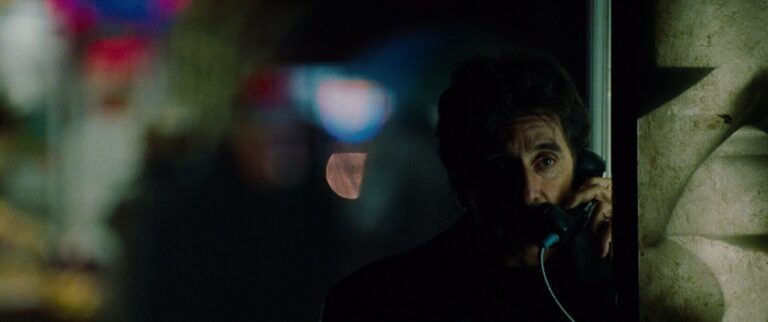
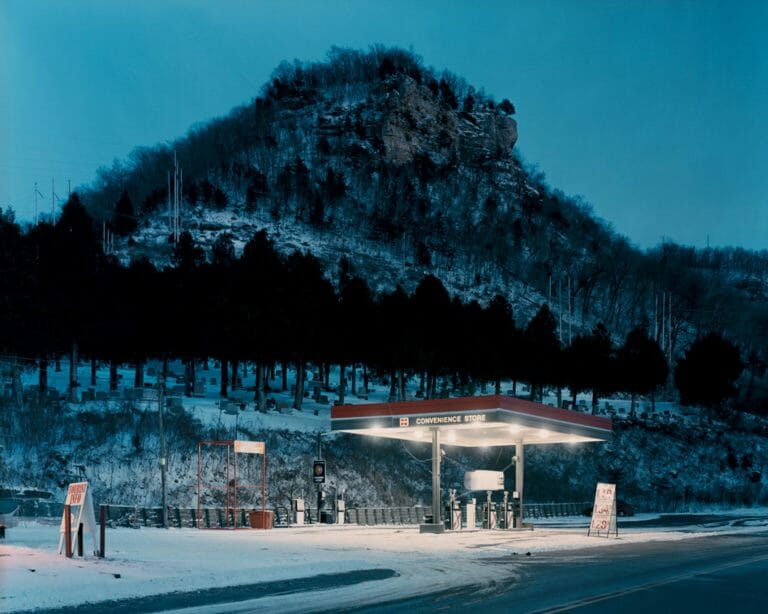
We all sort of obsessed over the early 2000s and the late ’90s cyber thrillers, like Hackers, The Matrix, and Swordfish a little bit, too. And then photographers like Bill Henson and our eternal inspiration, Larry Sultan.
DAVID: And my favorite Alec Soth, who helped us a little bit on this film.
LANCE: Oh, yeah. Alec Soth came to set, took photos, and just kind of saw what we were doing, and that was, like, a really incredible experience.
DAVID: The most awesome thing during pre-production is that, after a long day at the office, everyone’s losing their mind, and Lance would be like, “Let’s just go watch a movie.” And we’d throw on one of the reference films from his never-ending list, and we’d just watch together and talk about it and say, “Oh, wow, that was really interesting.” Like, “Oh, Natural Born Killers, they didn’t give a f***. There were no rules. Ace in the Hole, that ending was really interesting. Look how extreme that was. Let’s go there.”
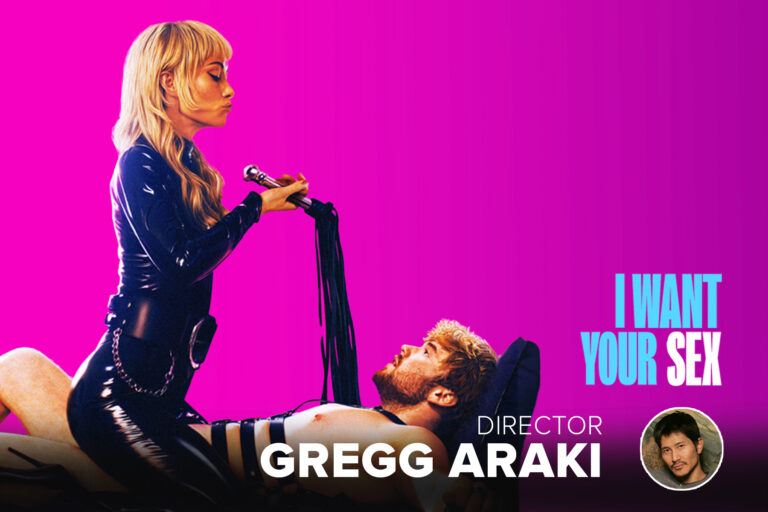
LANCE: Some of the psychological thrillers, like Jacob’s Ladder were big for us. Obviously Videodrome – there’s parts of that in this, but more like Existenz and History of Violence. History of Violence specifically, there’s something in that eerie Americana pastiche. The tone of it feels so alien in a way that is so exciting to me, and I love the compositions in it. Then Gregg Araki movies – Totally F***ed Up. That was a big reference for Teddy Blanks, our Title Designer, who did an incredible job shooting our titles off a TV screen.
Mysterious Skin, just how candy-colored–so colorful it makes you sick. Happiness, by Todd Solondz, is another one of those. Those two movies spoke to something. To us they kind of felt like they existed in the period. You’d turn on the TV and everything would be so colorful, it would almost give you a stomach ache. Everything was more saturated back then.
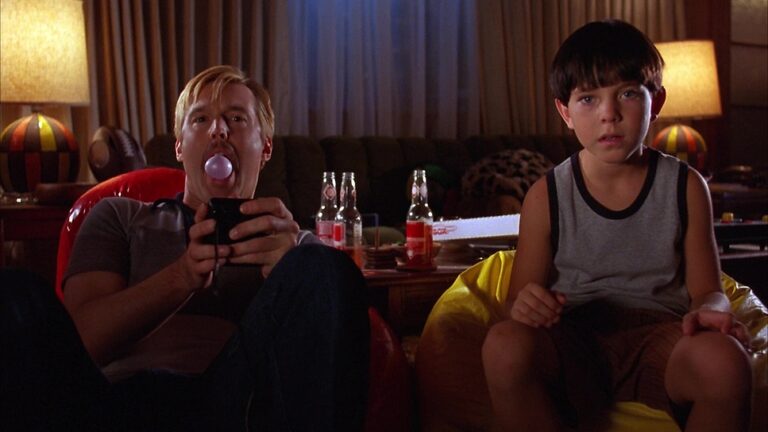
DAVID: Don’t forget Vanilla Sky, Lance, our favorite movie. Vanilla Sky was the first thing we looked at and we were like, “Whoa, look at the skin tones in this movie.”
LANCE: That’s always the eternal reference for us. That’s our favorite movie of all time. There’s something about this period that evoked something like that. A movie that could shape-shift in different tones. Start in one place and go somewhere else. The behind-the-scenes of Vanilla Sky, that Tom Cruise shot… I was obsessed with it, and it was a big reference for Rob and I. Jerry Maguire – that’s another big reference for Rob. I think visually, the splendor of that is great.
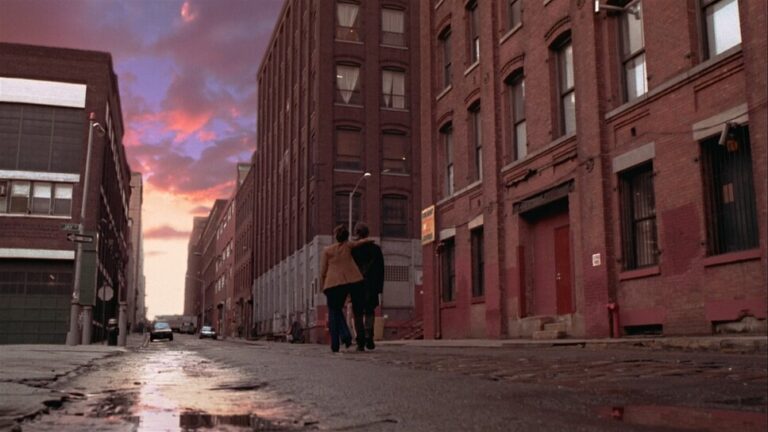
And then The Human Surge. I love the way that that director was able to start on celluloid, and then it moves in passages. The structure is almost cylindrical. The second part and the third part are shot on computer screens. It’s almost like you’re looking through different layers of glass.
Then for the aspect ratio – I saw my friend Harrison Atkins, who’s a fantastic editor and a great filmmaker. He has a movie he just made called Sour Minnows. He showed me a work in progress, and I was like, “What is that aspect ratio? I don’t think I’ve ever seen that before.” And he’s like, “I just created it. I just did it in Adobe Premiere.”
Originally, David and I were thinking of shooting this movie in a larger aspect ratio, but 3:2 was always in our heads because I felt like 4:3 should have been reserved for something else. I wanted the DV aspect ratio to be true native and objective, but I liked that 3:2 was slightly wider. It almost reminded me of the boxiness of early 2000s TV monitors.
DAVID: And if people haven’t noticed, me and Lance love close-ups, so we love how the 3:2 aspect ratio shapes the human face in such a beautiful way. The close-up fully fills the frame in an immersive way. But Lance is a maniac and had more references than any other film we’ve ever worked on, and it was such a joy that every day you could be on set and he’d be like, “Let’s go Manhunter today.” And you’d be like, “Alright, we’re going to make the curtains purple, and let’s go crazy with green light everywhere.” It gave me the liberty as a DP to be like, “He doesn’t care what the light source is. This light could be purple, and Lance is really into it.” As a DP, that was so exciting to be like, “Wow, there’s no rules. We can go anywhere with this.”
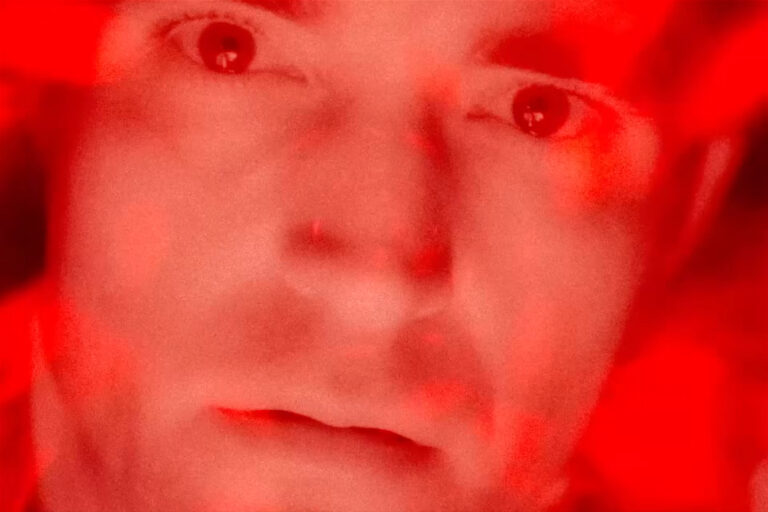
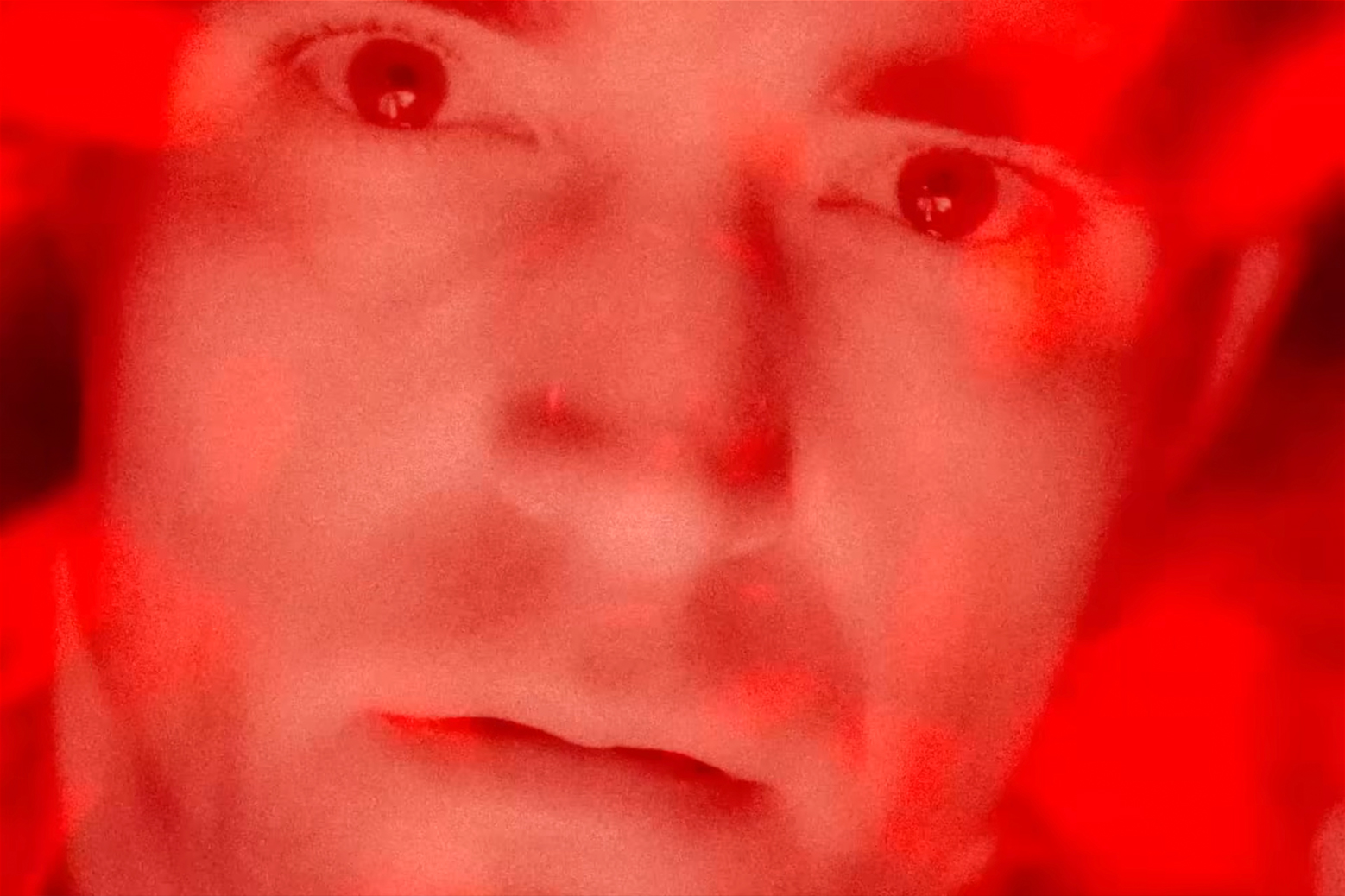
LANCE: Yeah. We just needed to make sure it was something that felt heightened, operatic, phantasmagoric, and there’s a lineage of other filmmakers that have done it. Making it was scary, but the actual references were never scary to me. Oliver Stone‘s JFK is a masterpiece, and Natural Born Killers is a masterpiece. What he’s doing with Robert Richardson and his editors on those movies is so mind-bending and boundary-pushing. I wanted to pick up where he left off and make something that hopefully could be in conversation with him.
All of this could never have happened without Damien Vandercruyssen, our incredible colorist. He’s not just a colorist to us. Without him, we would be totally f***d. He is truly an artist, and he would get involved in all these references, and he would help us manipulate the images, manipulate the colors in the images, manipulate the texture, to create something like a spellbinding experience, like a movie that has never quite looked the way it looks.
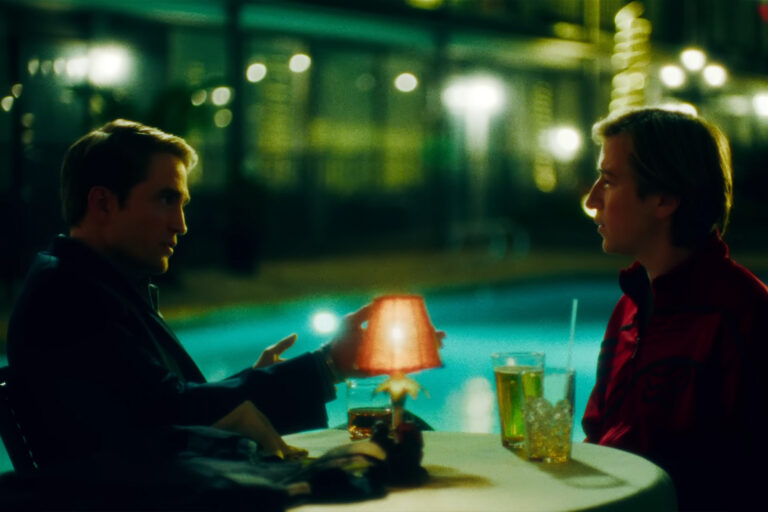
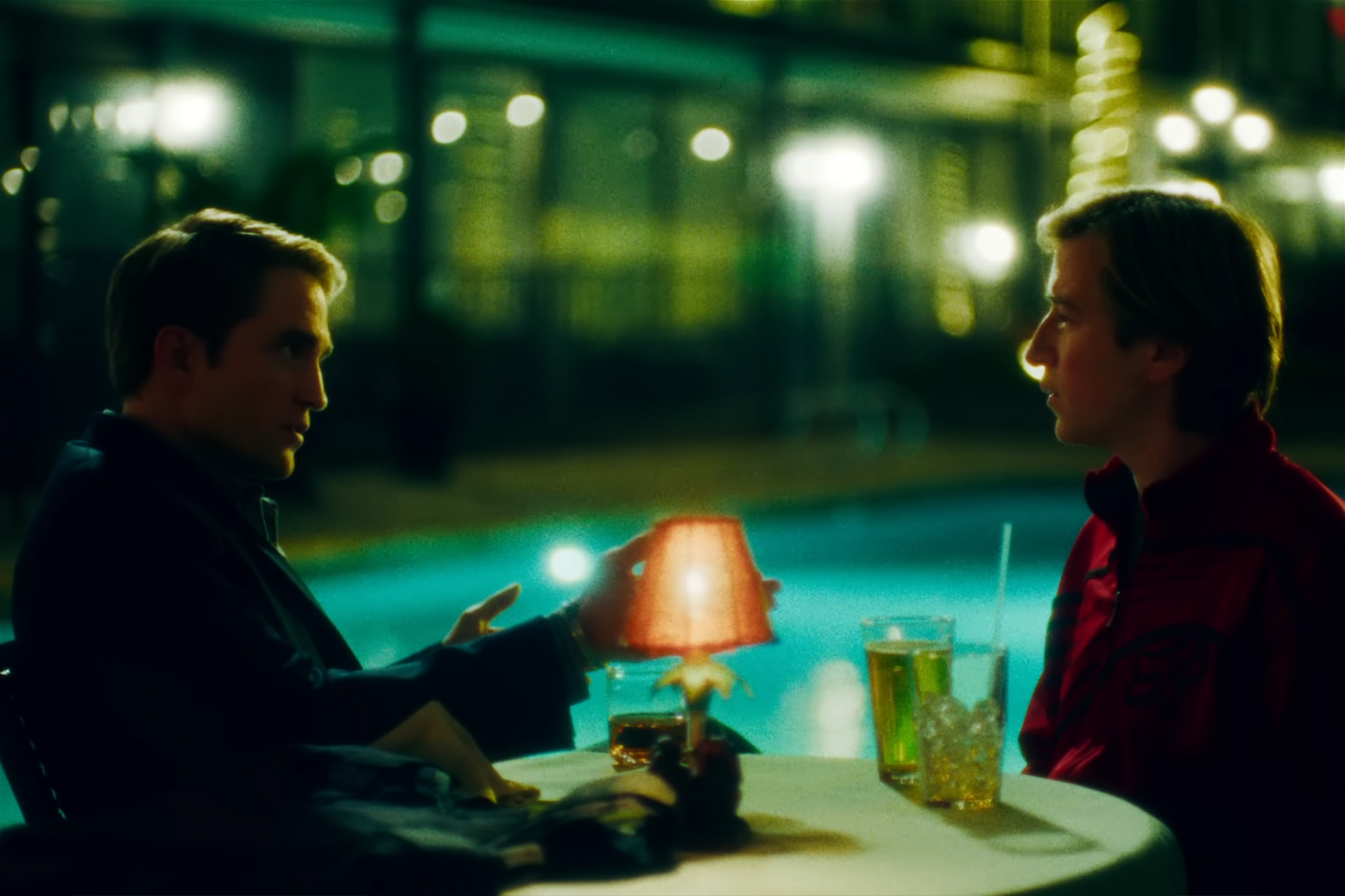
DAVID: He’s just such a great collaborator, and I think this is what Lance looks for in all his collaborations. You have to have conversations when things are going too far, but you can’t be afraid to try things, and I think that’s what’s great about Lance. He’s always trying. Maybe sometimes we’ll scale back, but he’s always saying, “Let’s push a little further. Let’s push a little further. Let’s crank that saturation a little more. Let’s push that grain a little further.” I think it’s really exciting as an artist to push because so many things nowadays feel so generic and safe. Lance likes when we feel like we’re going to get fired with how insane we’re making the image. And I think that’s when you do your best work.