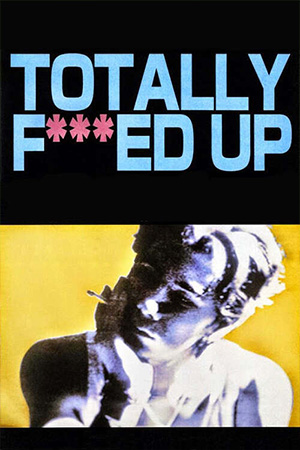
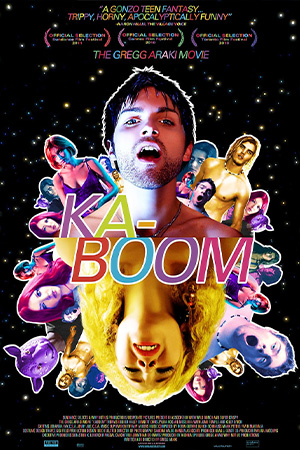
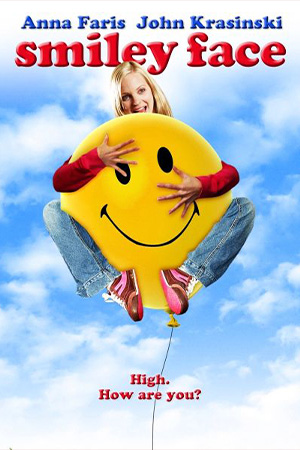
Writer/Director Gregg Araki is an independent filmmaker whose early work helped usher in the New Queer Cinema movement of the 90’s. His body of work includes his “Apocalypse Trilogy” – Totally F***ed Up, The Doom Generation, and Nowhere; as well as films such as Mysterious Skin, Smiley Face, and Kaboom.
Earlier this year at the Sundance Film Festival, Gregg made his highly anticipated return to narrative features with I Want Your Sex, enlisting an ensemble of Olivia Wilde, Cooper Hoffman, Johnny Knoxville, and more.
Gregg sat down with Ben Oliphint to discuss Gen Z’s affection for his work, his do-it-all mentality to no-budget filmmaking, and what films inspired I Want Your Sex, which is currently in theaters. You can see a selection of Gregg’s work below.
This article has been edited for clarity and length.
This is your first narrative feature in 12 years, which you’ve described as a “Sex positive love letter to Gen Z.” Has this felt like a bit of a homecoming, getting to make something with and for a generation that feels so passionate about your films?
It’s been great! When we were doing screenings for the restoration of The Doom Generation, the audiences were so young! I was like, “how do you even know about these movies?” It was kind of incredible. I would ask before every screening, “how many people have never seen this movie before?” And it was always 60-70% of the audience that was brand new. It was like, woah! I guess there’s been a lot of chatter online, TikToks, or Vines, or whatever, about these movies.
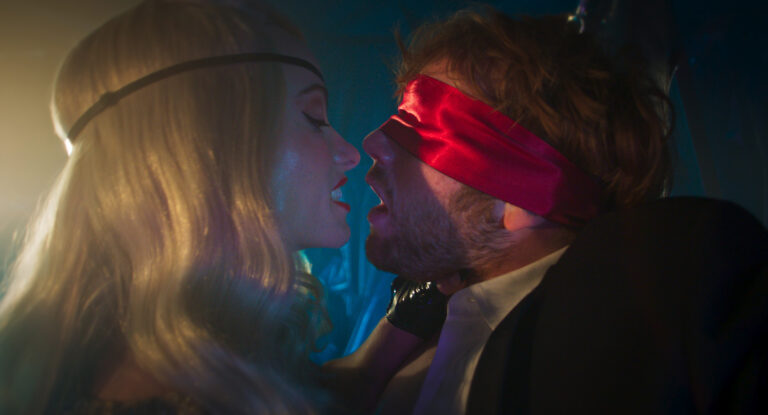
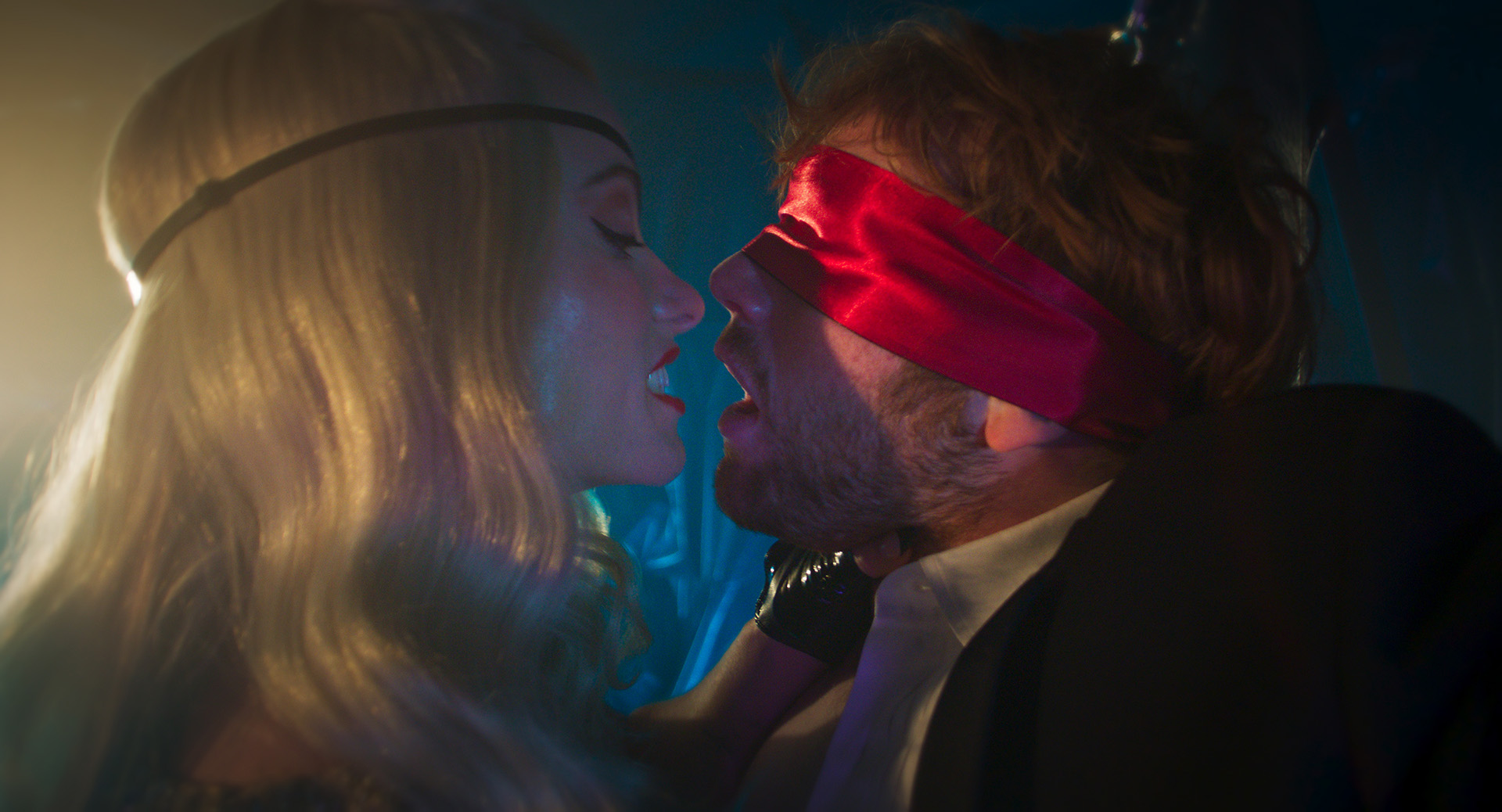
So it was really exciting to do I Want Your Sex, which is kind of just me up to my old tricks, but it is specifically talking about Gen Z and their issues with sex, and how that conflicts with my generation’s attitude toward sex. It’s not like a lecture for Gen Z, but I did want to open up a discussion. The Cooper Hoffman character in the movie is, I think, a very eloquent spokesperson for Gen Z, in the way he talks about the specific factors at play with Gen Z, and why their relationship with sex is much more loaded and more complicated than previous generations.
It’s a bit of a battle cry.
I wanted it to be a conversation starter. For me, I thought of the movie, first and foremost, as a fun, entertaining, wild night at the movies. It’s 90 minutes – go with your friends, have a good time. But there’s also a lot of ideas, so argue about it, get into discussions! I just want to promote a conversation about why Gen Z, the FOMO generation, is not afraid of missing out on the sexual prime of their life. Are they gonna be 50 one day and regret not going out, having relationships, falling in love, getting their hearts broken? All of this stuff, at least for my generation, is what your young years are all about. One escapade, one adventure, one disaster after another. It’s painful at the time. Cooper’s character is traumatized by what’s happening, he says at one point to Erica (Olivia Wilde), “You’ve ruined my whole f*cking life!” But at the same time, he learns from it, he grows from it, and it’s kind of what builds his character.
Do visual references play a role in your writing process? What were some of the early references in crafting the world of I Want Your Sex?
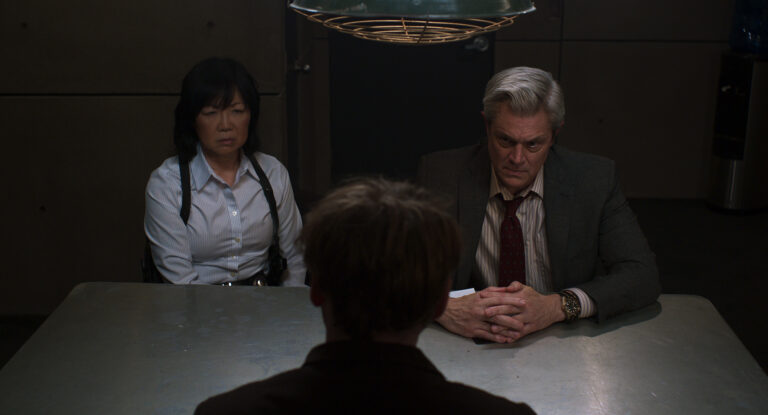
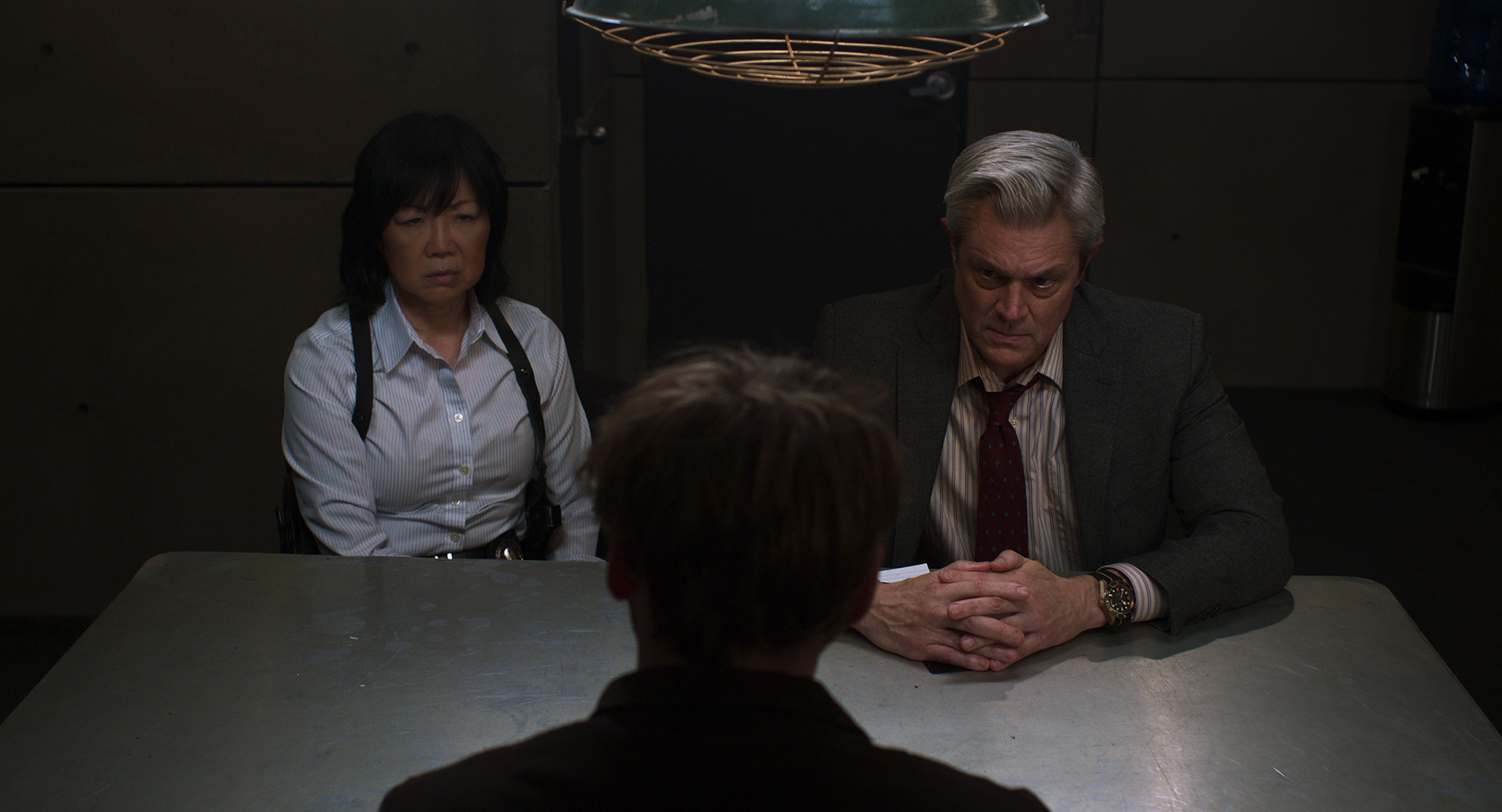
I’m a very visual filmmaker. When I’m writing a script, I always see the movie in my head. I edit my movies, so I know how the shots work, I know the angles, the rhythm of the cutting, so I always think in a visual way. There’s an interrogation room in the film that we called “the Se7en room,” because for that scene, it’s like we’re all of a sudden in a David Fincher movie. We’re coming from this pop, neon colored movie, then it’s Fincher. There’s also a body in a pool that’s clearly very Sunset Boulevard, so there’s those kinds of references, but I’m not pulling actual stills from movies, it’s more just what I see in my head.
I’ve heard you mention the rush of making The Doom Generation and having the budget to go all out with color. How has your use of color evolved, and how would you describe the “color language” of I Want Your Sex?
The Doom Generation was the first time I had a Production Designer, a DP, and all of that. So being able to create a world, that’s something that’s been in all of my movies. But even for Totally F***ed Up, before I had a DP or Production Designer, I was always shooting in these weird places, with these kinds of surreal landscapes or crazy architecture. They were always in this sort of dream world. So for this movie, it was just an extension of my Gregg Araki world. My movies are not really interested in reality or naturalism, they’re not grey or murky. There’s no handheld camera, like documentary reality – it’s more about the sense of design, style, fashion and color. A lot of the visual references come from other places, it’s not necessarily what’s real.
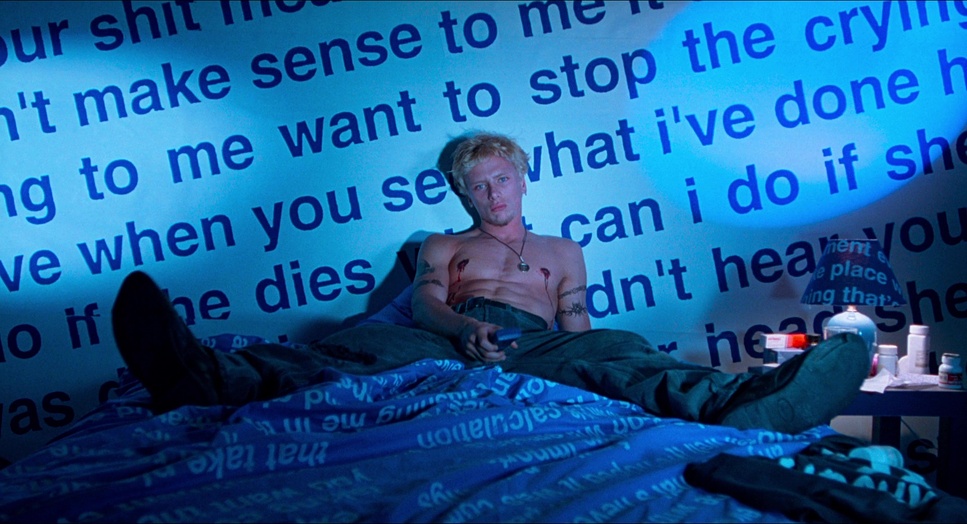
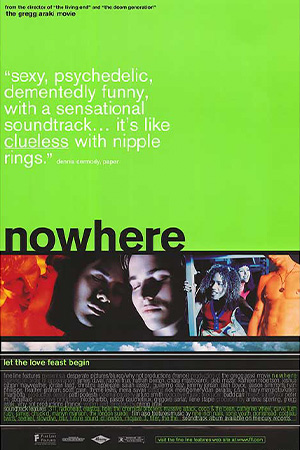
Nowhere (1997)
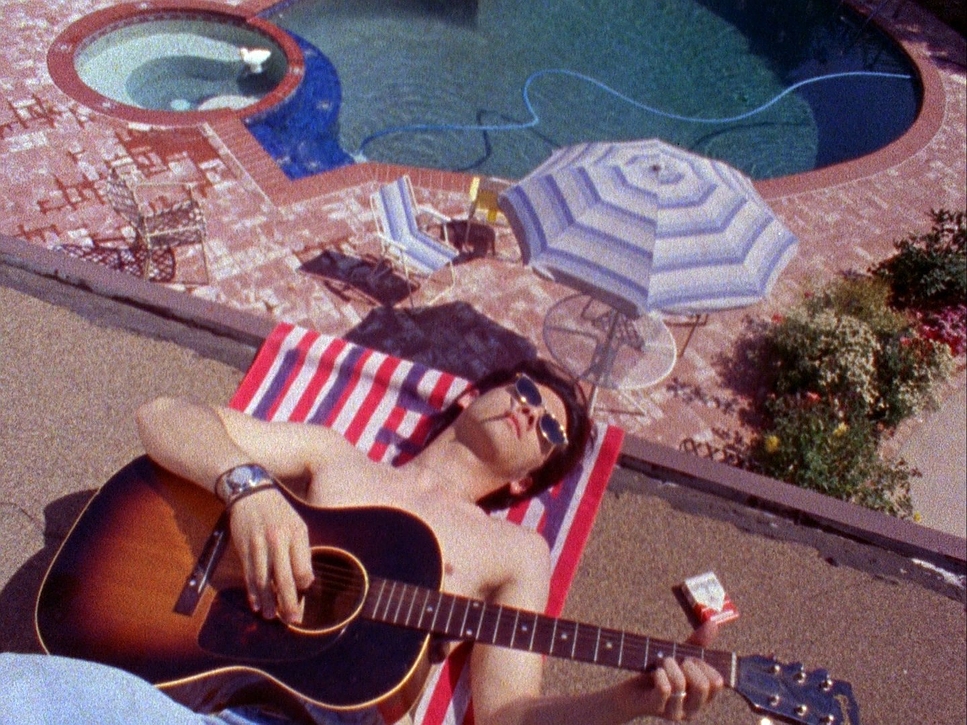
Totally F***ed Up (1993)
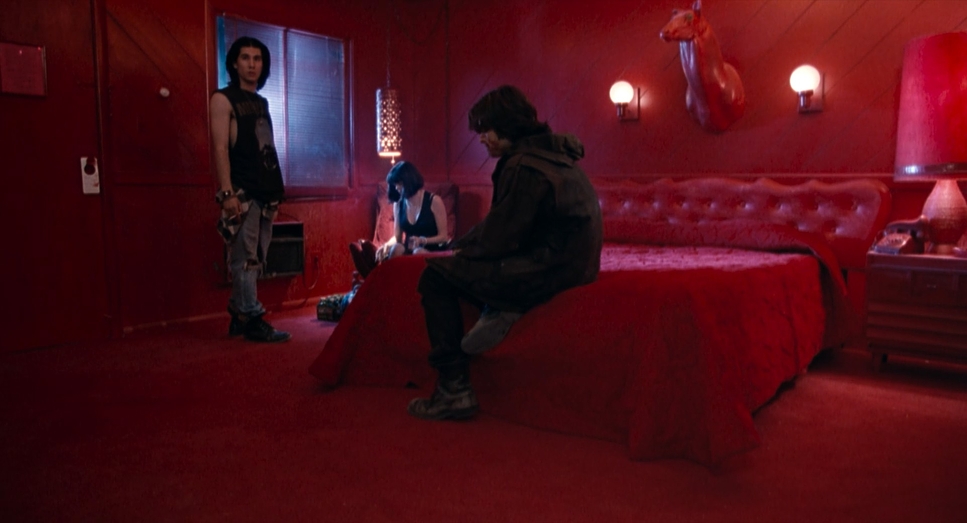
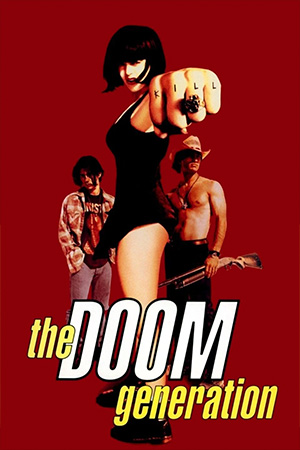
The Doom Generation (1995)
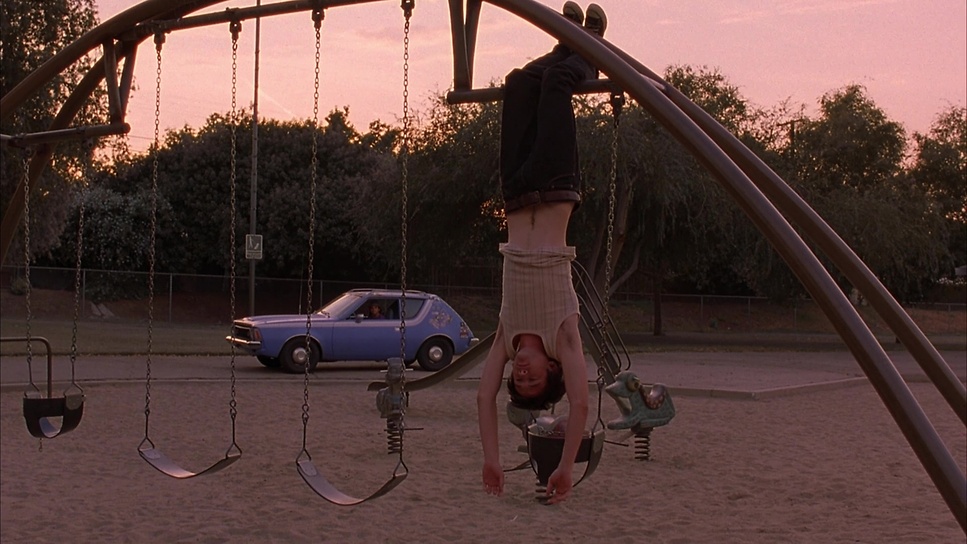
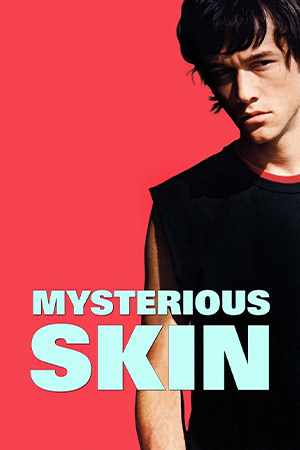
Mysterious Skin (2004)
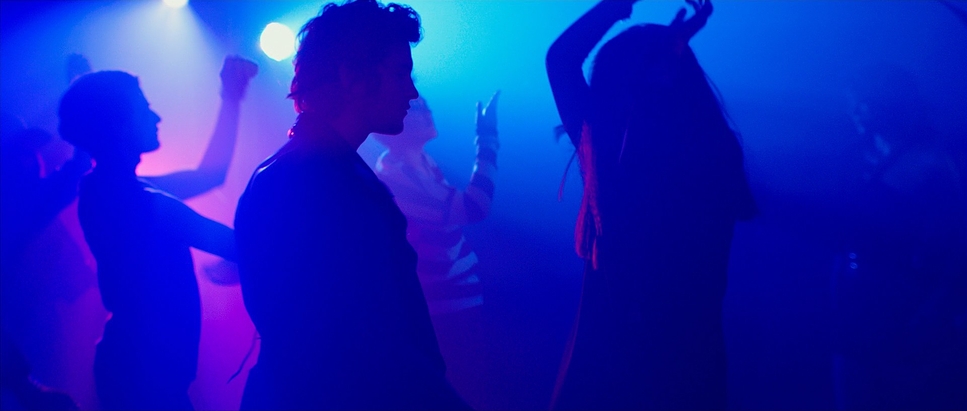
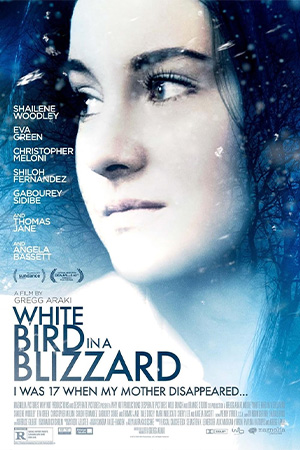
White Bird in a Blizzard (2014)
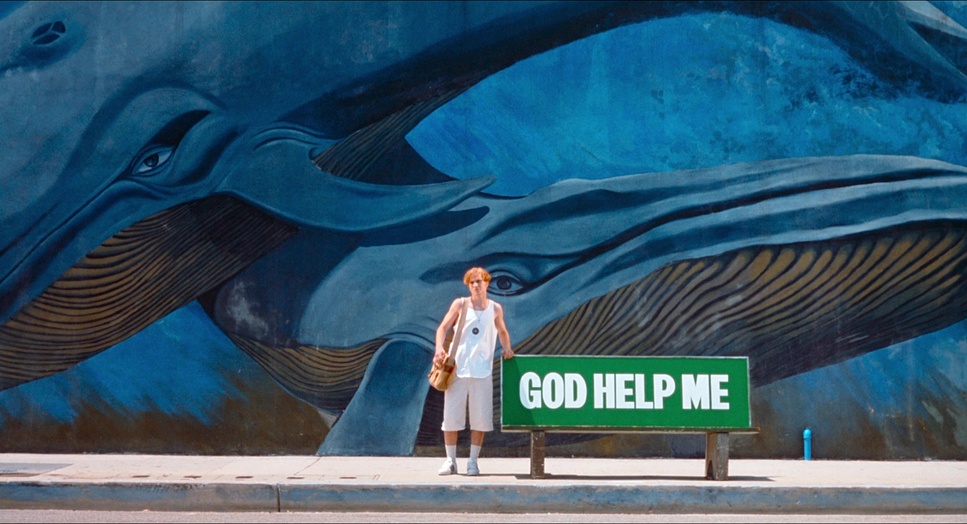
Nowhere (1997)
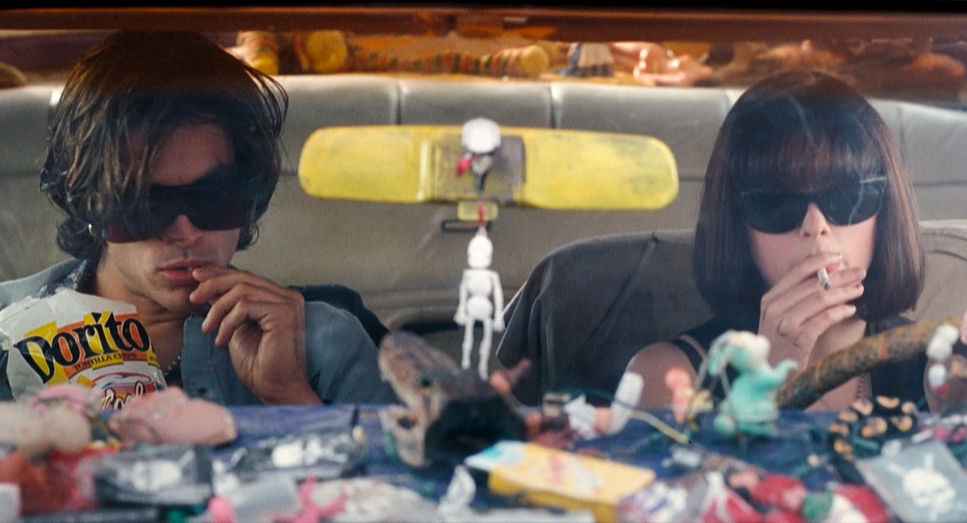
The Doom Generation (1995)
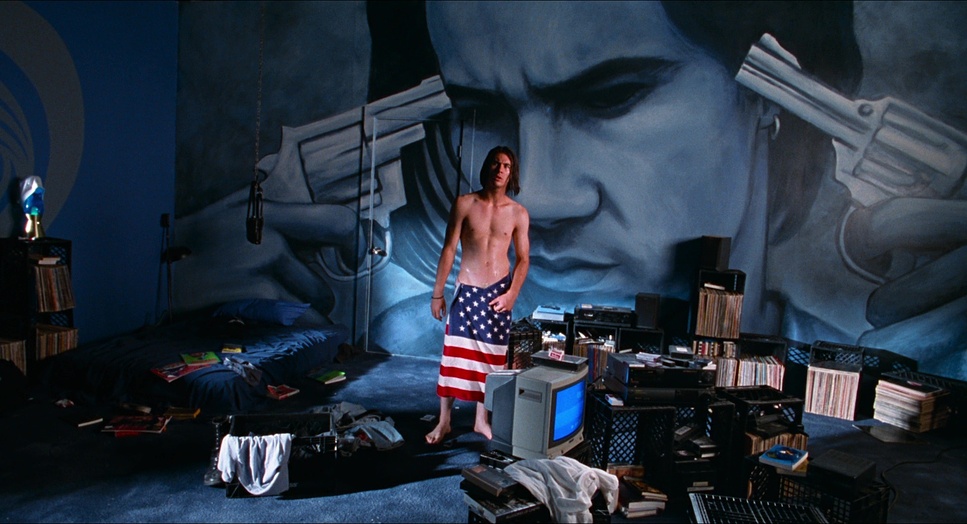
Nowhere(1997)
Thinking back to your early days, you made each of your first three films for less than $50K combined?
That’s my first four movies!
Four? Even crazier.
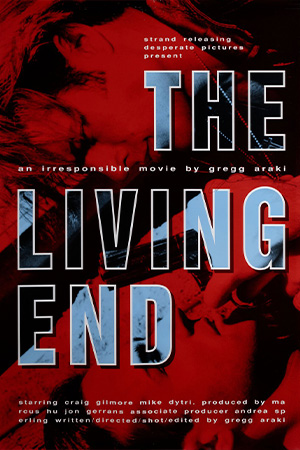
Totally F***ed Up, The Living End, then the first two movies, Long Weekend, and Three Bewildered People were both about $5,000 each.
How did that inform your aesthetic and habits as a filmmaker, and what did you learn about filmmaking from working with such limited resources?
Everything. [Laughs] The great thing about that experience is that I had to do everything. For Three Bewildered People, I think I cut my own negative, I did the sound mixing, all of it. I think it makes me, as a filmmaker, very complete.
We shot I Want Your Sex in 17 days. So, I just have to know how to make a film, how to construct a scene, how to put the shots together, how to figure out what part of the set we’re seeing. Everything has to be very thought out. That’s something that, as an indie filmmaker, or if you work in television, you have to be quick on your feet, and you have to have a very solid plan before you jump in.
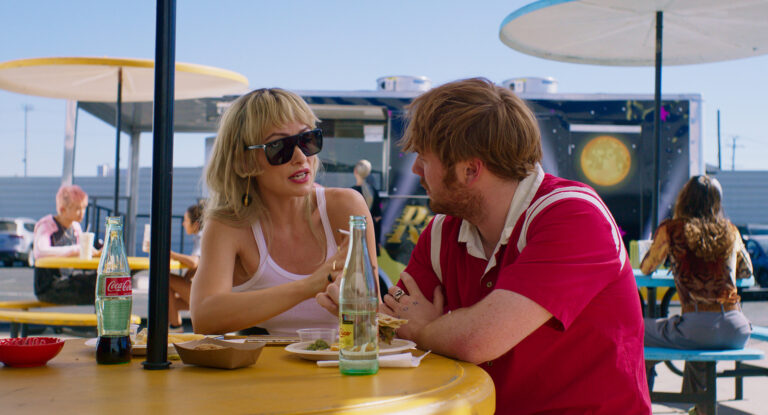
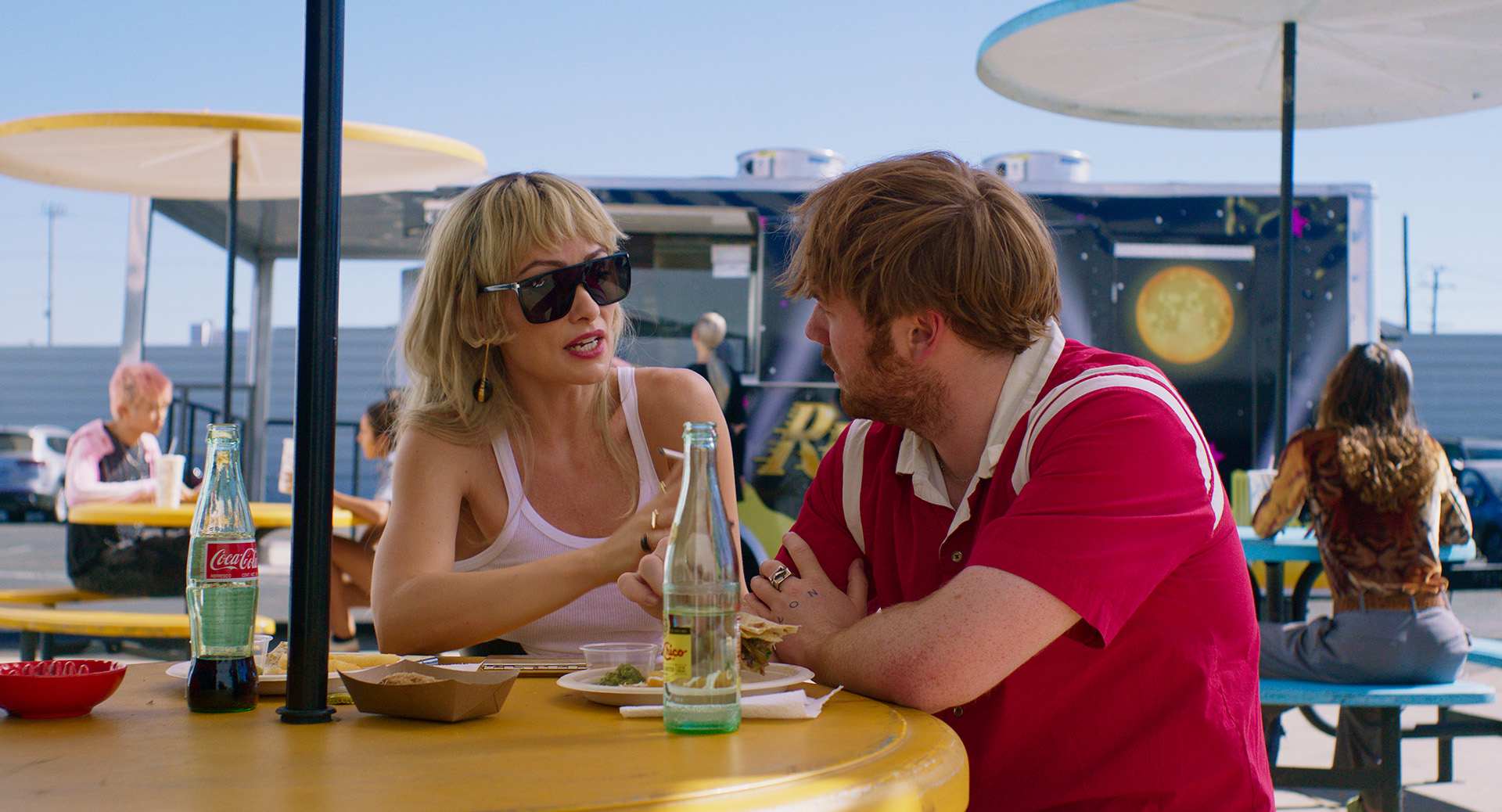
For anyone making microbudget films today, what’s some advice you wish you had back then?
Well, one thing we didn’t have, that I’ve talked to my contemporary Richard Linklater about, is that when we were making those movies back in the late 80’s, early 90’s, it was very technically difficult to make a film. It was 16mm, so you’re dealing with all the sprocket holes, loading the film. Whereas now, everything is so easy, technologically, with iPhones, fancy lowlight cameras, editing software. I feel like those aspects make it so much more accessible. For every filmmaker, you learn so much every time you make a movie. So for young filmmakers, I’d say make as many movies as you can. A lot of filmmakers, they’ll make like, one film and say, I’m ready for my Marvel movie! [Laughs] That’s like one in a million. There’s this notion that true filmmakers just make movie after movie after movie. I made two features before I made The Living End, which was the first that actually got distributed. You learn so much each time, so keep making movies!