Jeremy Cox is a Canada-based cinematographer, whose work has spanned a wide range of narrative and commercial productions.
After shooting second unit footage on Oz Perkins films Longlegs and The Monkey, and lensing Keeper as lead cinematographer, Jeremy traded horror for a heartfelt coming of age in Chandler Levack’s Mile End Kicks. Now, Jeremy returns to horror with Kane Parsons’ buzzy debut feature, Backrooms, which this past weekend became studio A24’s largest ever box office opening film.
Jeremy sat down with Ben Oliphint to explore the allure of liminal spaces, building his original look book for Kane Parsons, and the process of filming Backrooms.
Browse Jeremy’s work on ShotDeck below and catch Backrooms in theaters now.
This article has been edited for clarity and length.
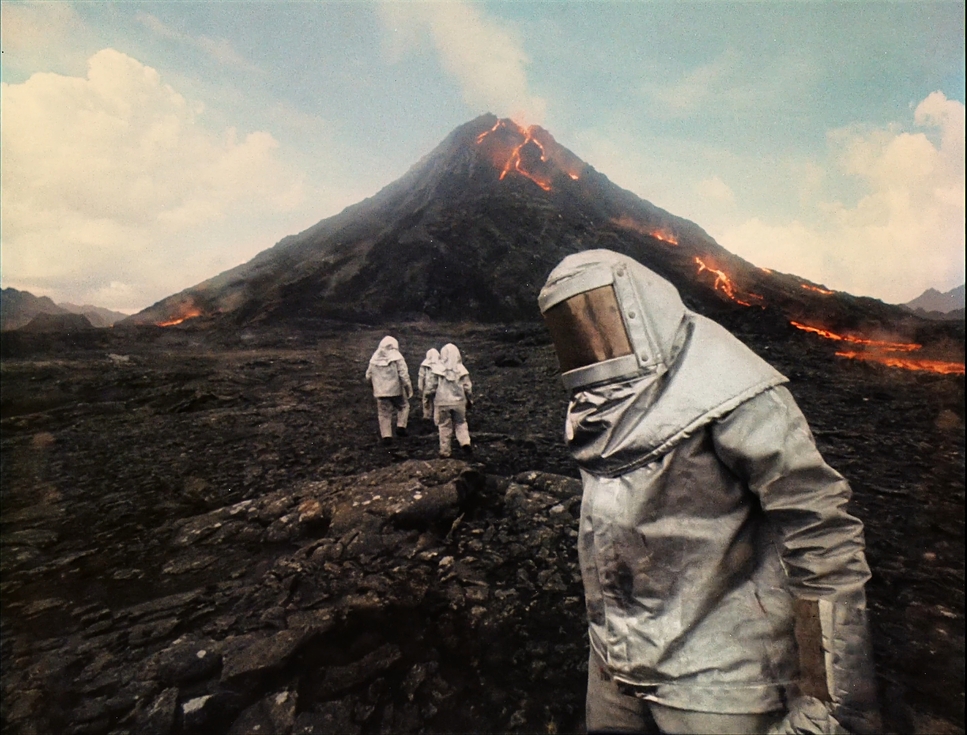
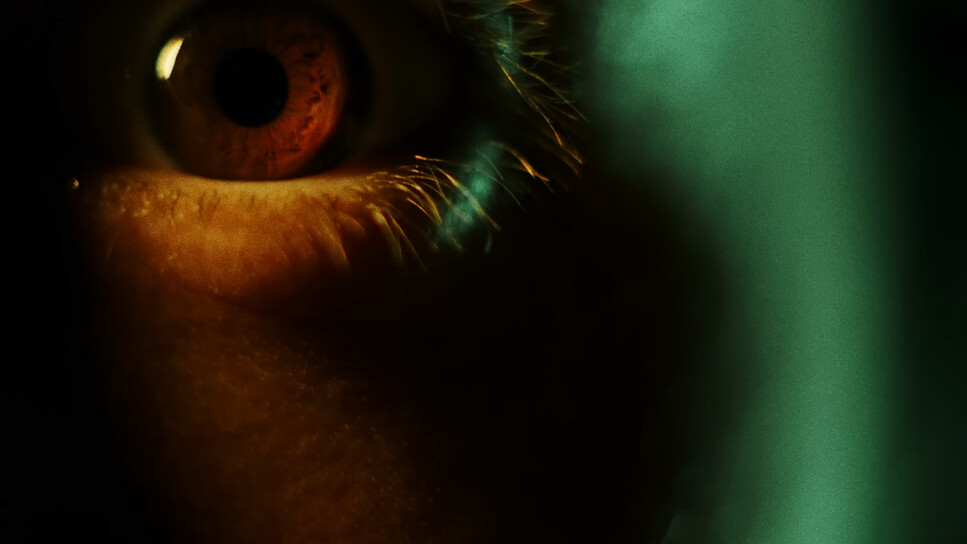
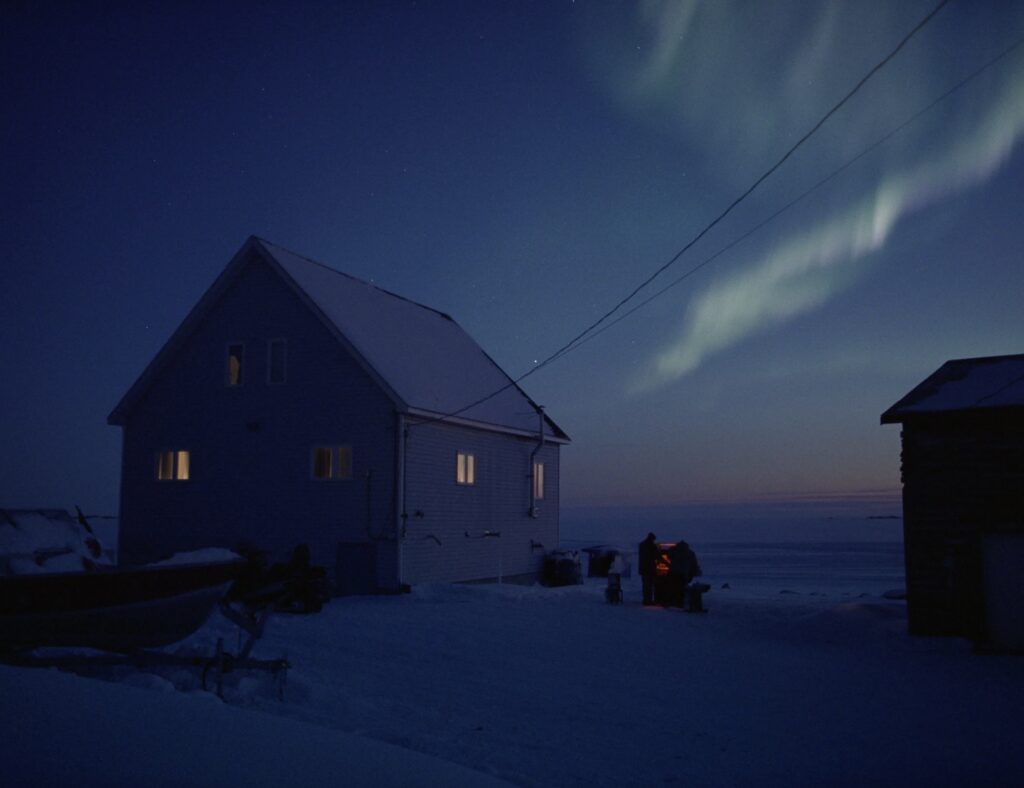
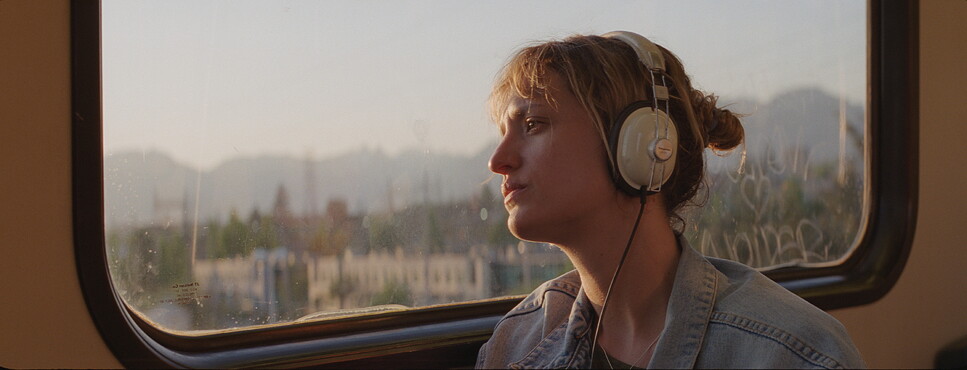
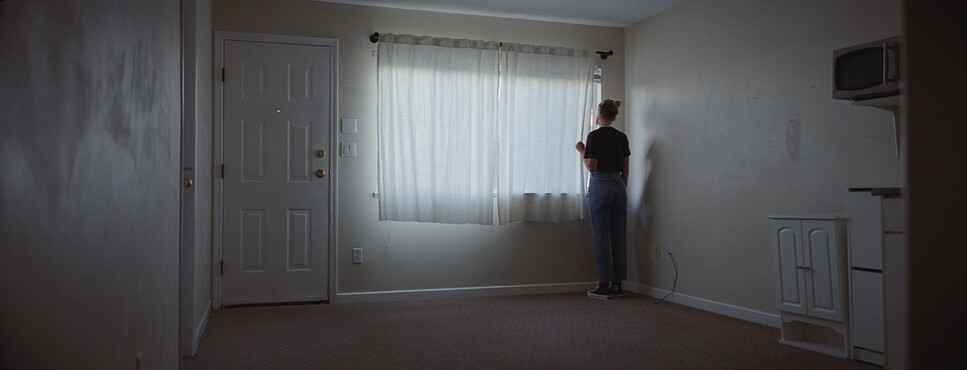
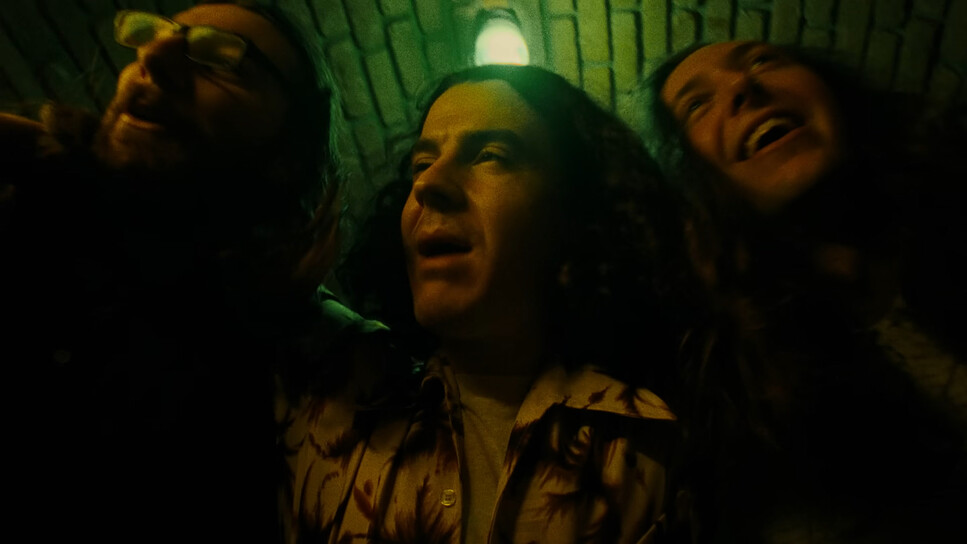
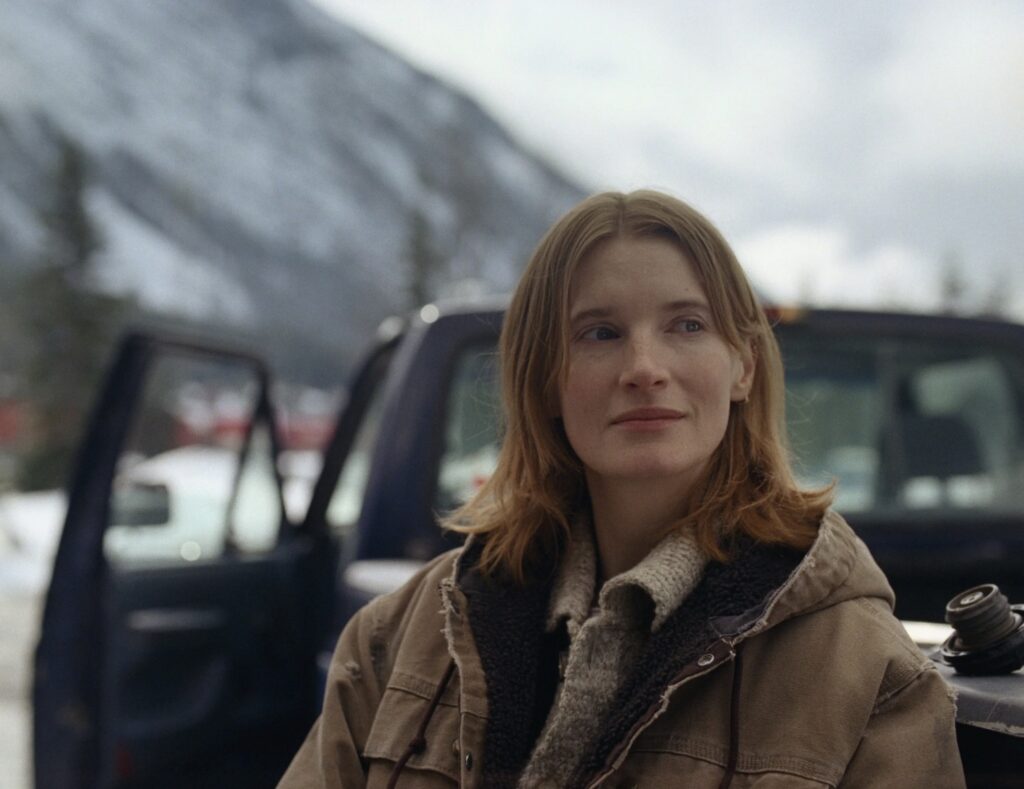
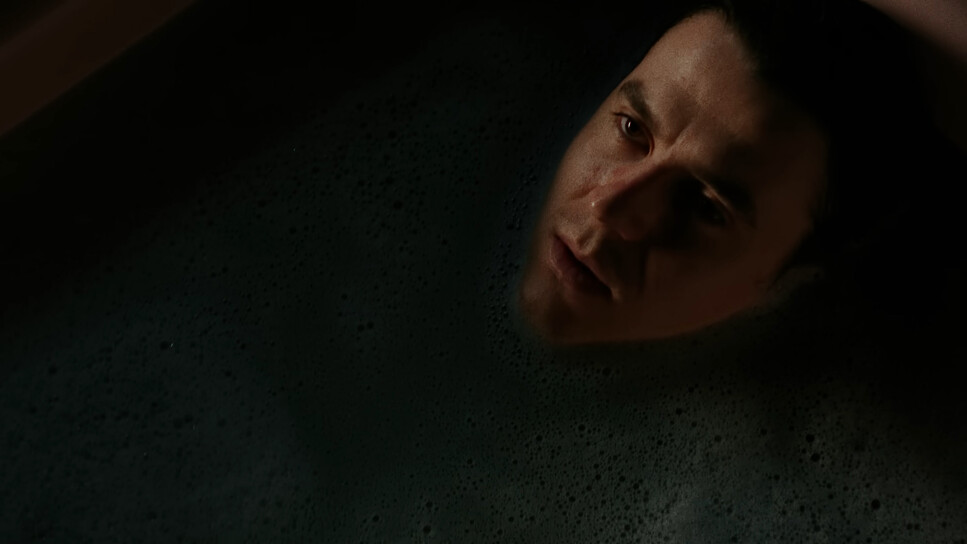
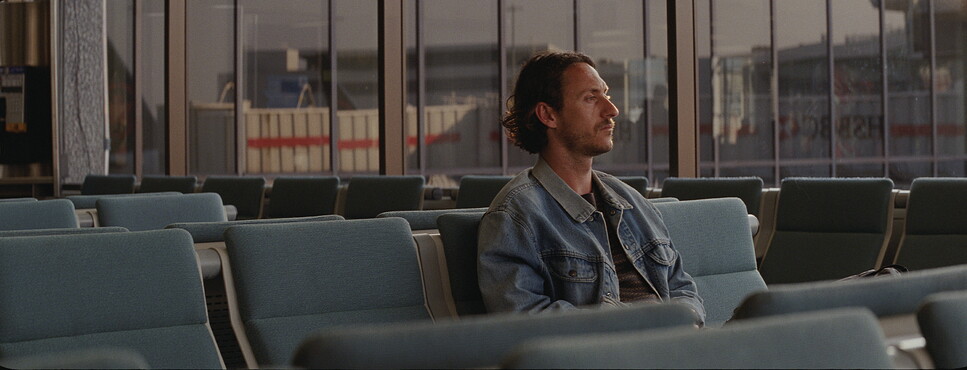
Backrooms takes us back to the nineties, but before we explore the film’s origins, I’d love to hear about your own. What were your early memories of film?
My dad worked in film, so growing up, I was aware of it, and was also shooting photos myself, mostly with digital cameras back then. It’s funny, because I was always drawn to photographing places rather than people. My parents would say, “Take a photo of the family,” and I would say, “No, just empty things!”
I’ve always appreciated photographing architecture, and distilling spaces down to their most basic form. That’s what makes liminal photographs work: these complicated, human made environments reduced to abstract shapes. It’s an interesting world to step into.
When I went to university for film, I realized that cinematography was a job. It all fell into place really naturally. Shooting portraits and close ups of people became far more exciting. Now, Backrooms feels like a funny culmination of that.
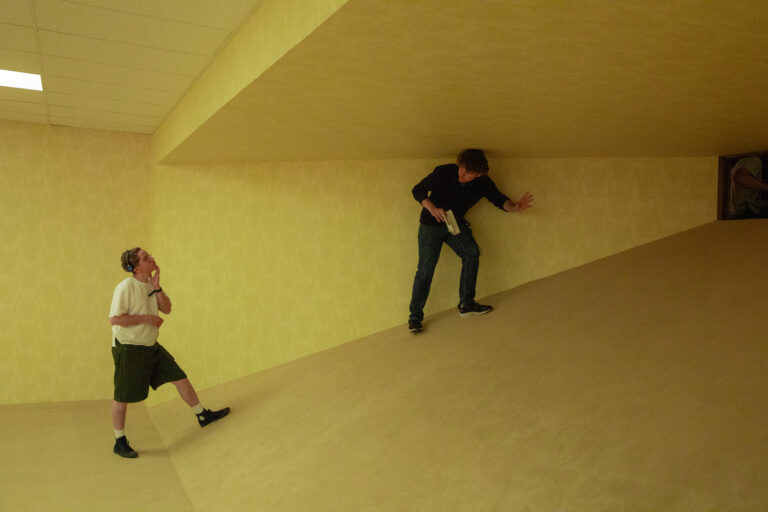
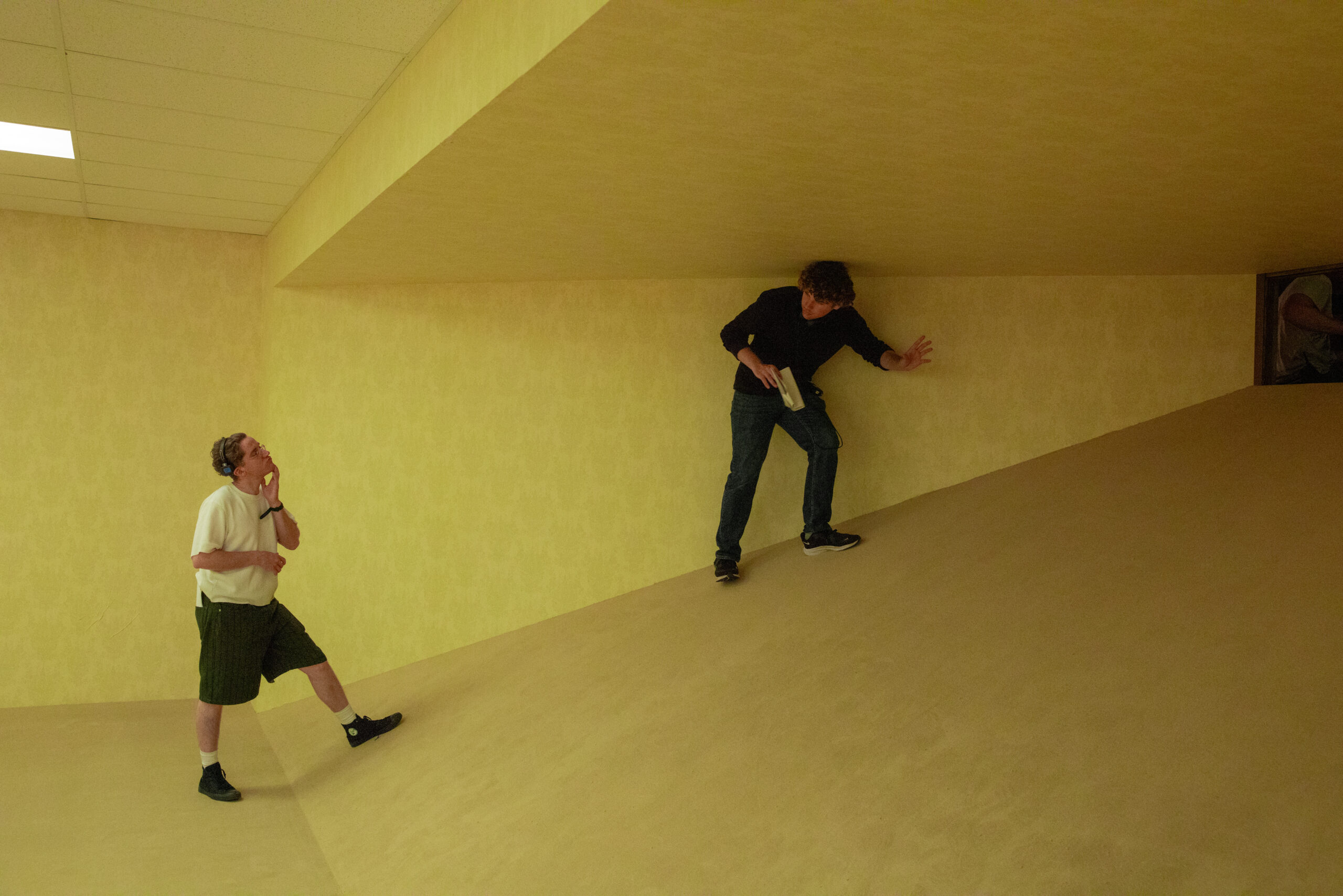
You moved to Canada when you were young, and are still based there. Tell me about the projects that got you started there.
ODDFELLOWS, the company that produced Backrooms, also did Longlegs, The Monkey, and Keeper. We did a series called The Edge of Sleep, and I’ve been working with them since. It’s been super cool seeing the films that they’ve been bringing to Vancouver and shooting locally.
You also worked on three Oz Perkins films in the span of about 18 months?
It was about that. Andrés Arochi shot Longlegs, and I helped with some second unit, then we shot Keeper at the end of that year. Then The Monkey was shooting right after.
Were there any lessons you took away from working with him?
What I really appreciated is that Oz would instill confidence in you. You would think “Oh, is this the right choice?”, and he’d say “What do you feel about it?”. I think that’s a nice reminder to always ask yourself what are you actually feeling when you look at the image. If you don’t feel anything, then maybe it’s not the right choice.
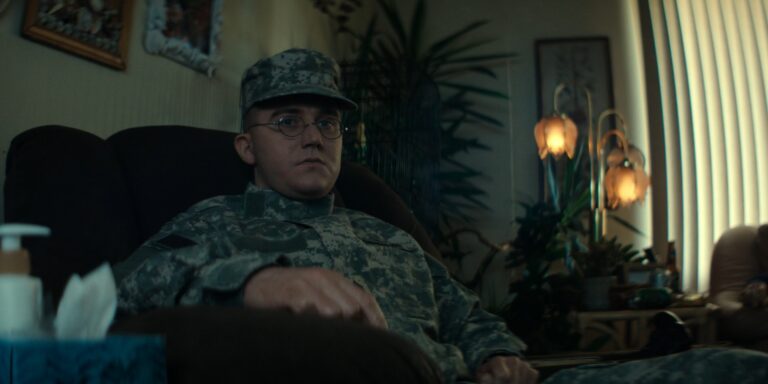
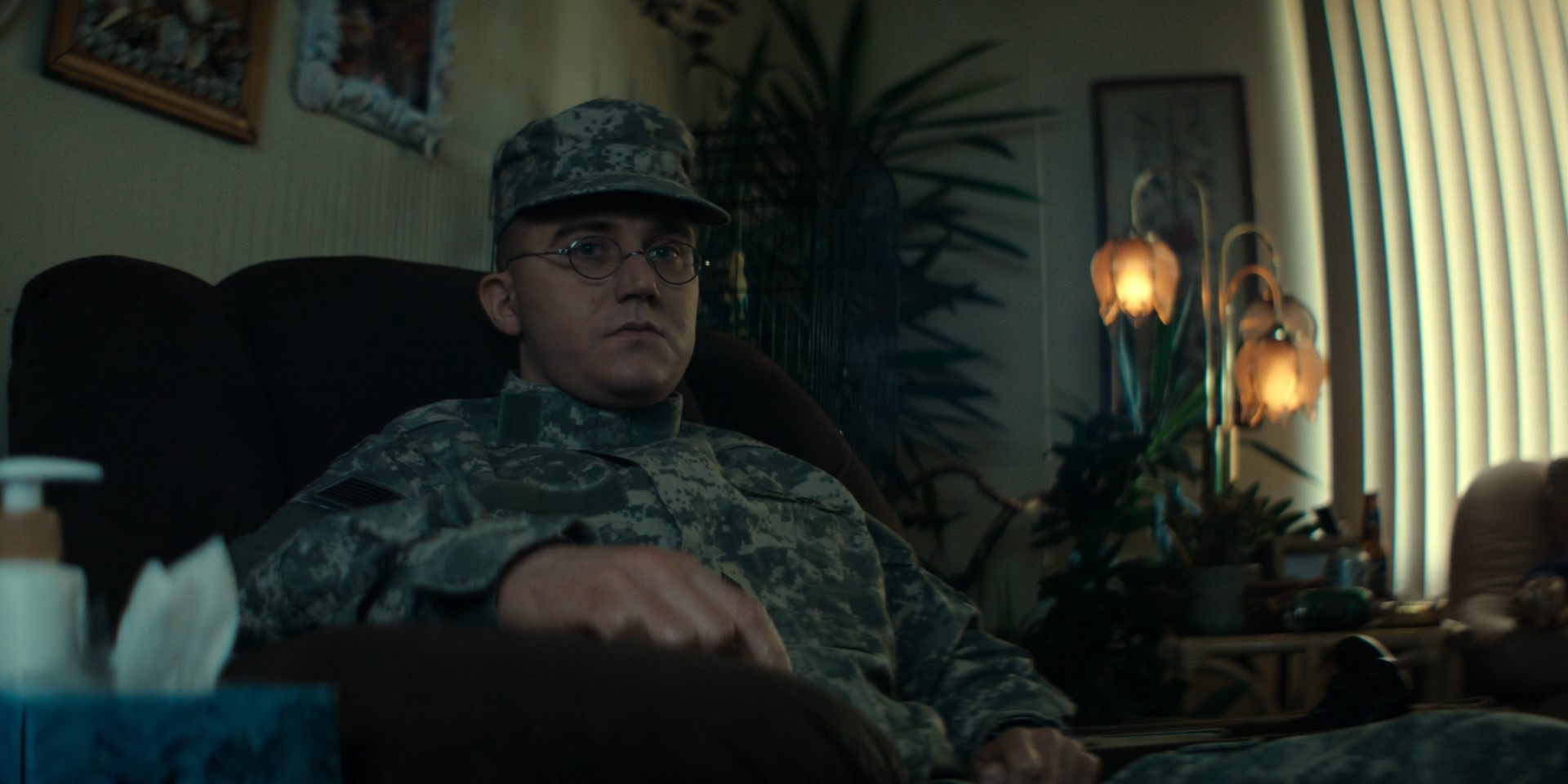
Oz is a Producer on Backrooms. Was he your way into the project?
It was mostly Chris Ferguson, who’s been running ODDFELLOWS in Vancouver for over 10 years now. We did Keeper together, and that was a smaller budget film, so he appreciated what we were able to achieve with that scale. He introduced me to Kane and we hit it off.
What was your first conversation with Kane like? Were you aware of his YouTube videos? How did you approach translating that to this film?
Chris was like, “Check these out,” and I was quite blown away. It felt like a new form of media. Normally, when you come on to a project, you’re in the process of world building, but it was so clear that this world was already fully built.
So how does that world look in a film framework? Early conversations with Kane were about the subjective perspective, cutting between the characters’ POV’s and close ups of them experiencing it. That was always there.
Besides the original post and Kane’s videos, what else did you pull from?
One of Kane’s favorite films that we talked about in prep was One Hour Photo. It has a pretty simple approach to blocking and scene work, and we took a lot from it. In building the film’s visual language, we decided we’d have an interesting frame of a room, and anything could happen within it. The Backrooms clearly have the most movement in the film, so everything outside of them was a little bit more reserved photographically.
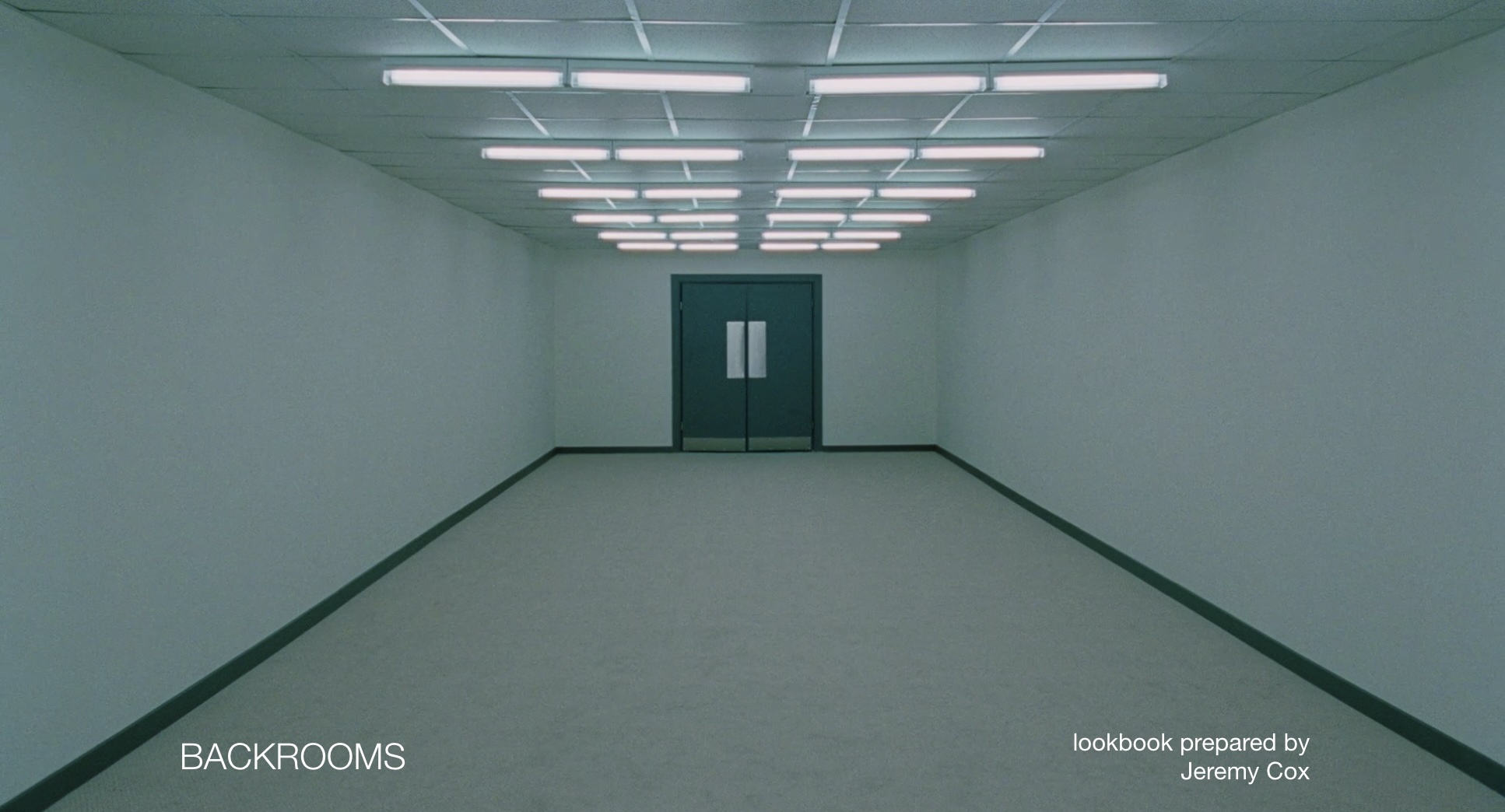
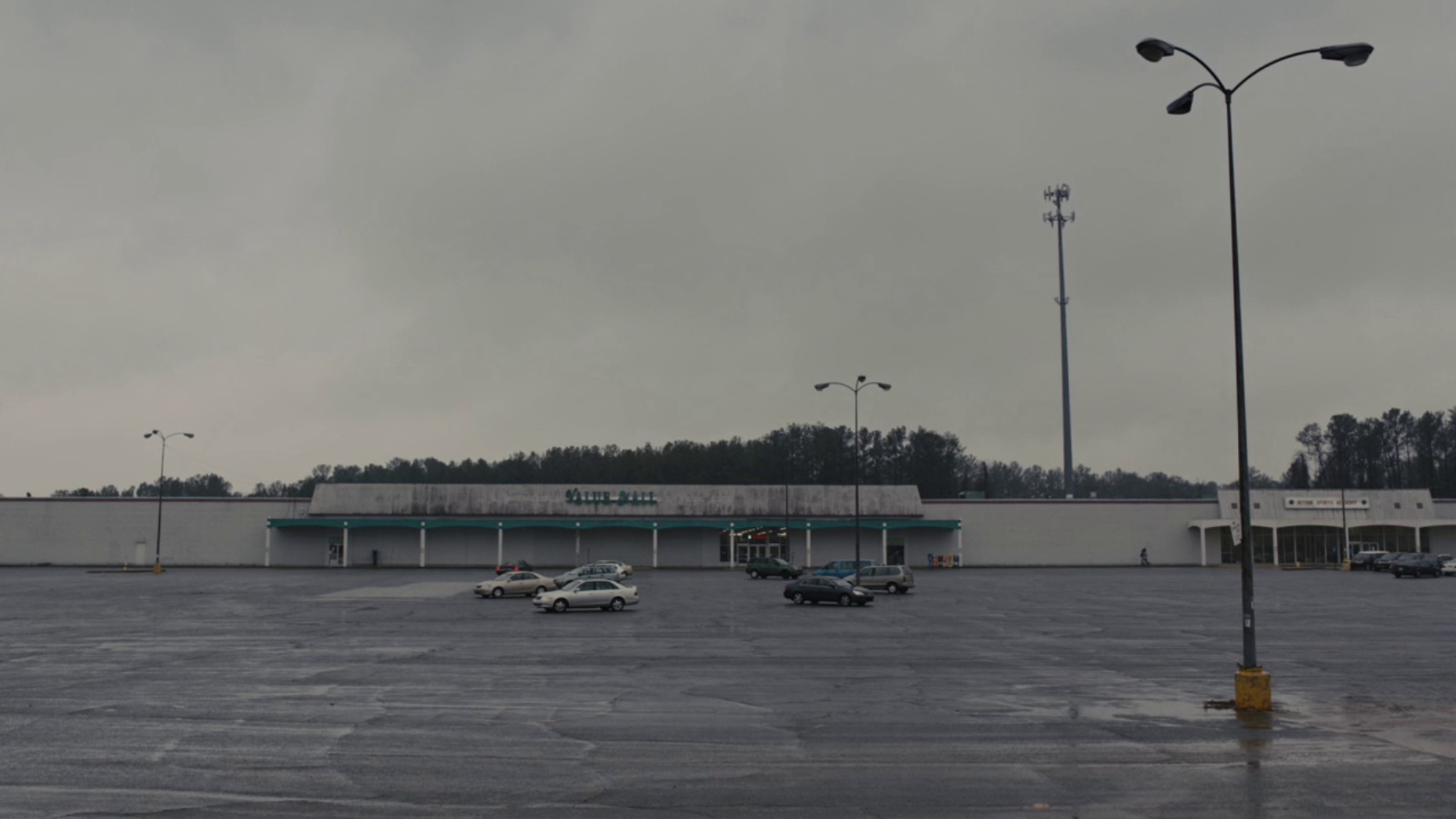
We also spent a lot of time with the treasure trove of Reddit liminal photographs – we kept getting sick of saying that word – “the L word.” But it’s so part and parcel of the film’s language. Those photos have such a absorbing quality. We thought a lot about what makes them feel that way, and how we could make images like that in the film. Those were the kinds of images I was looking for when I was building my original pitch deck for the project.
Check out Jeremy’s original lookbook for Backrooms below.
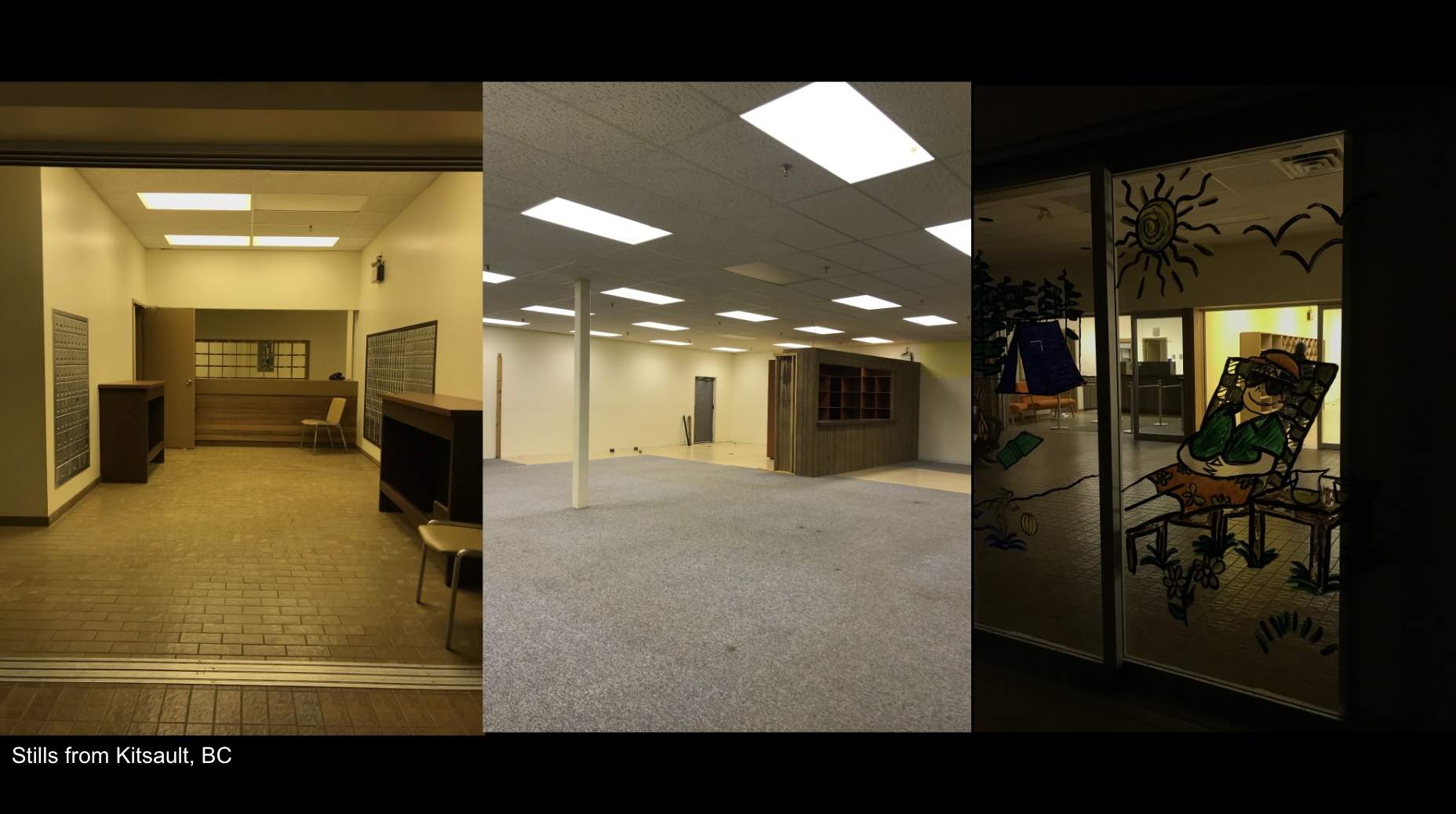
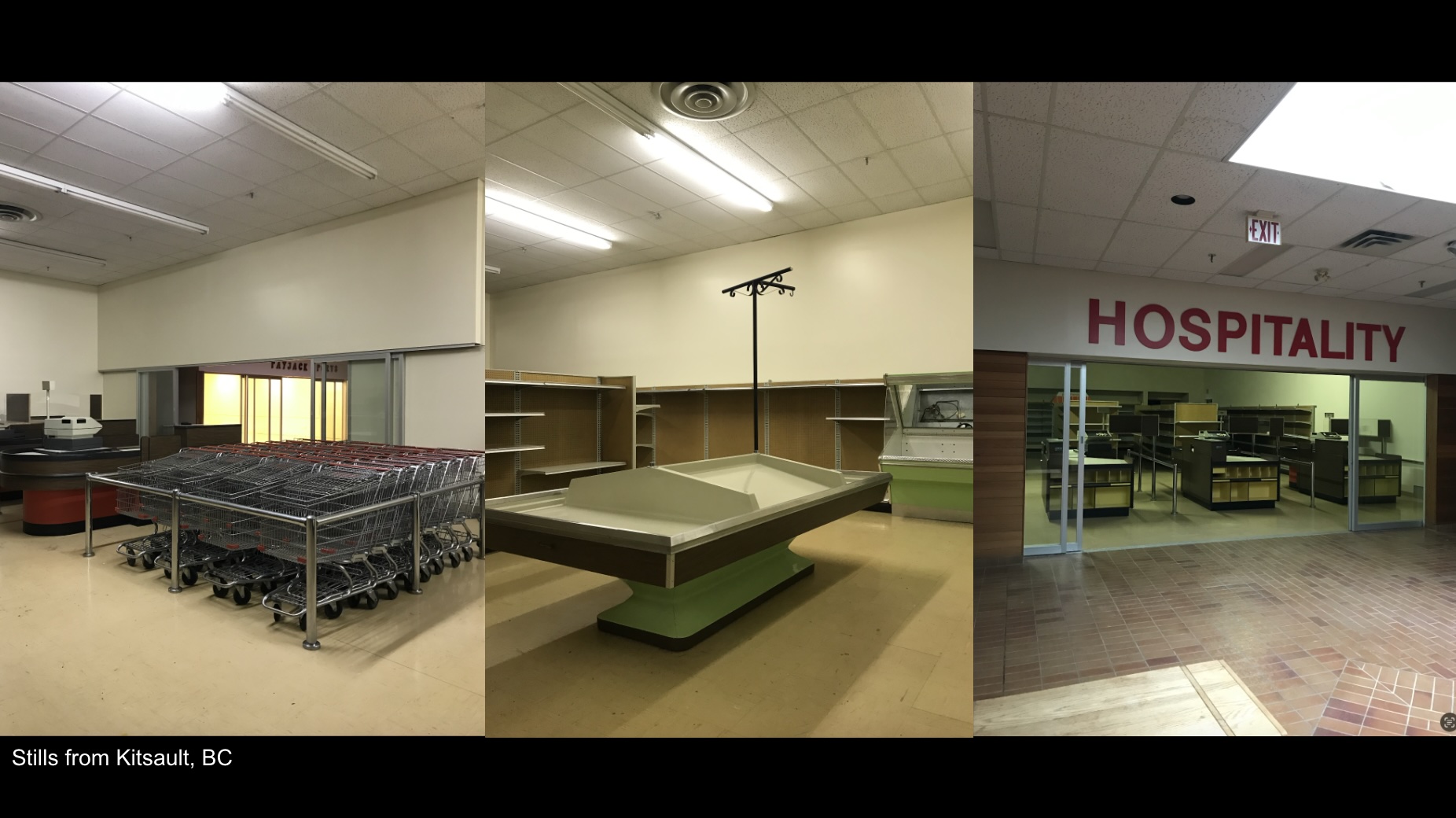
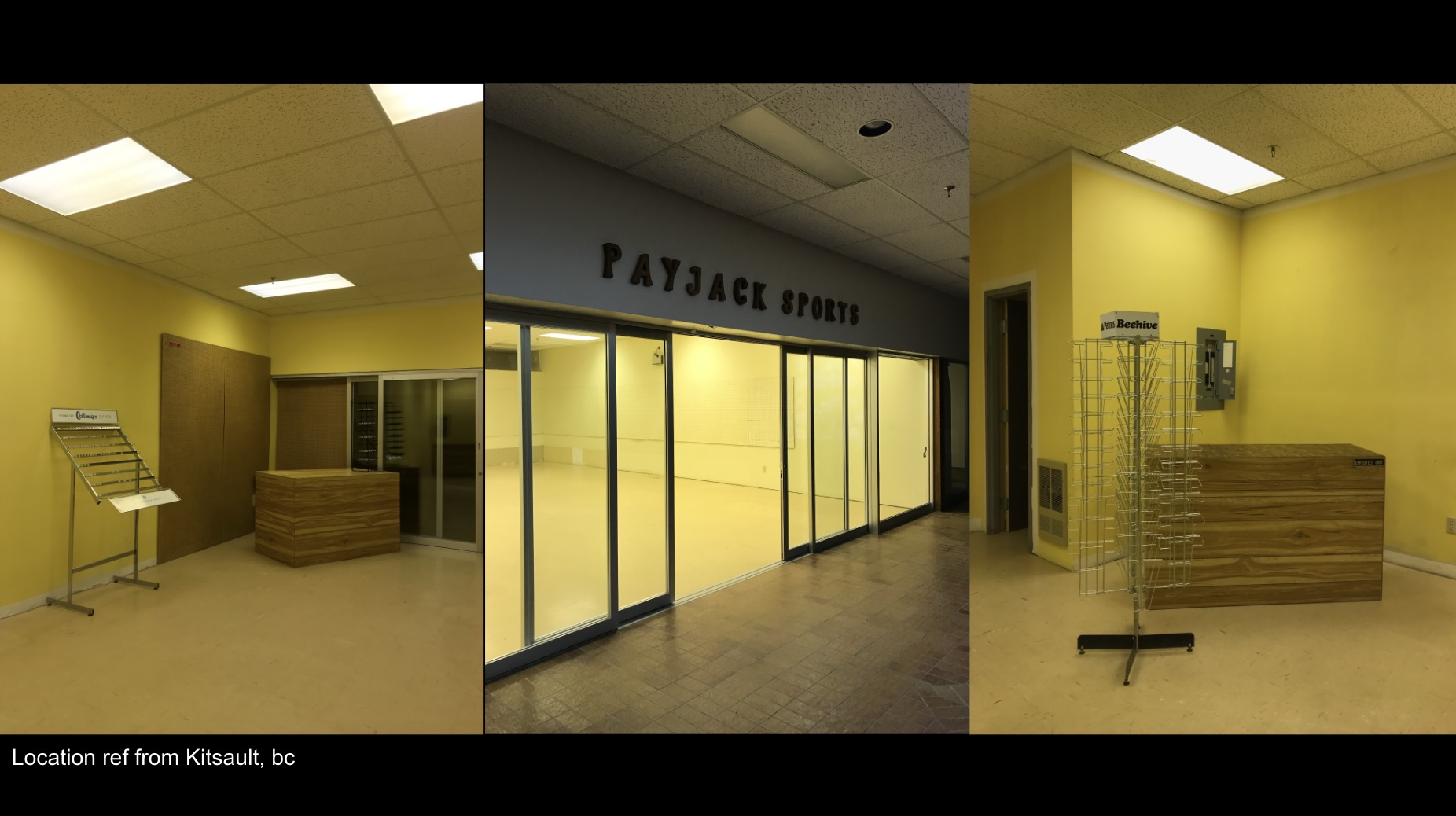
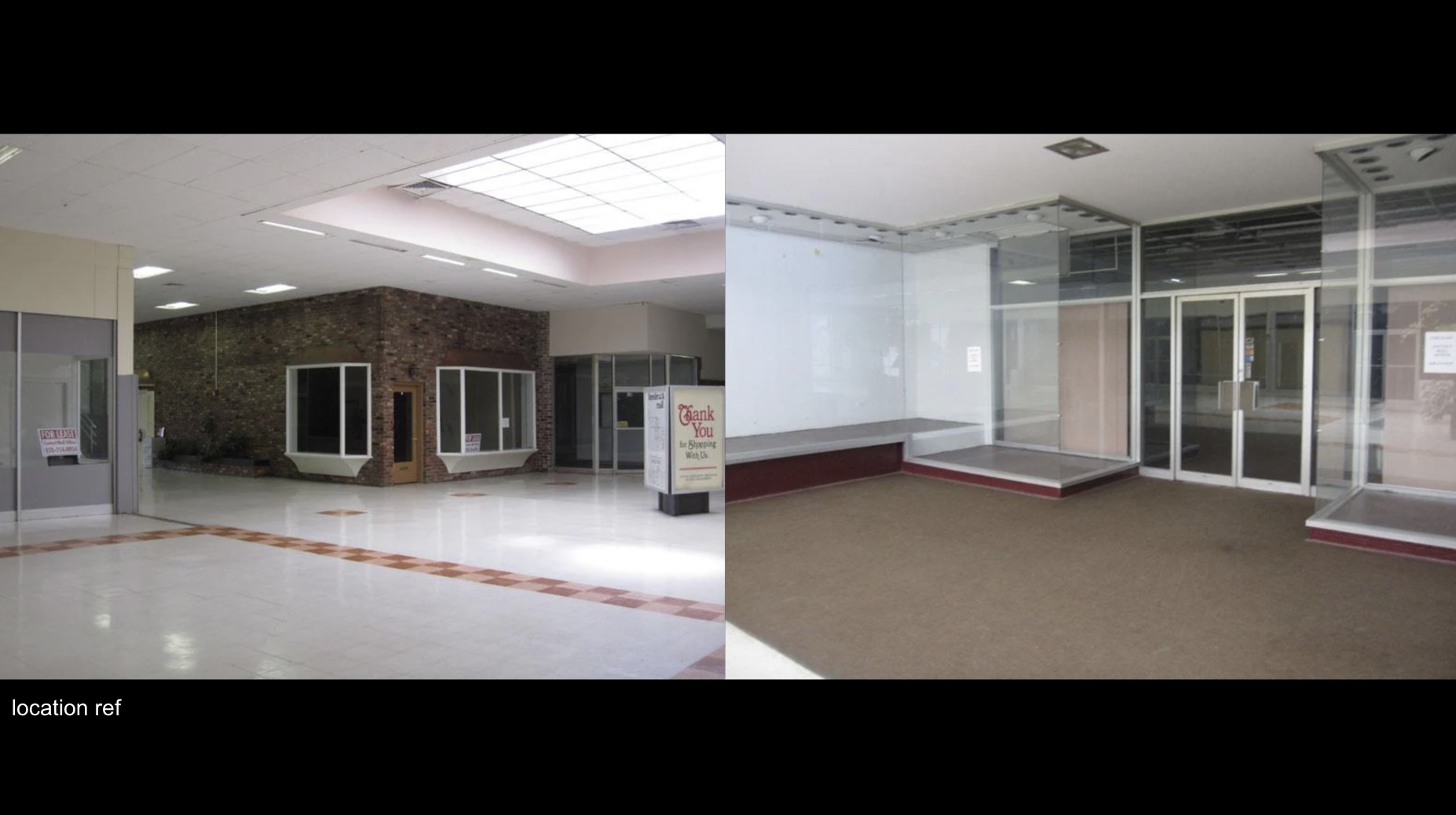
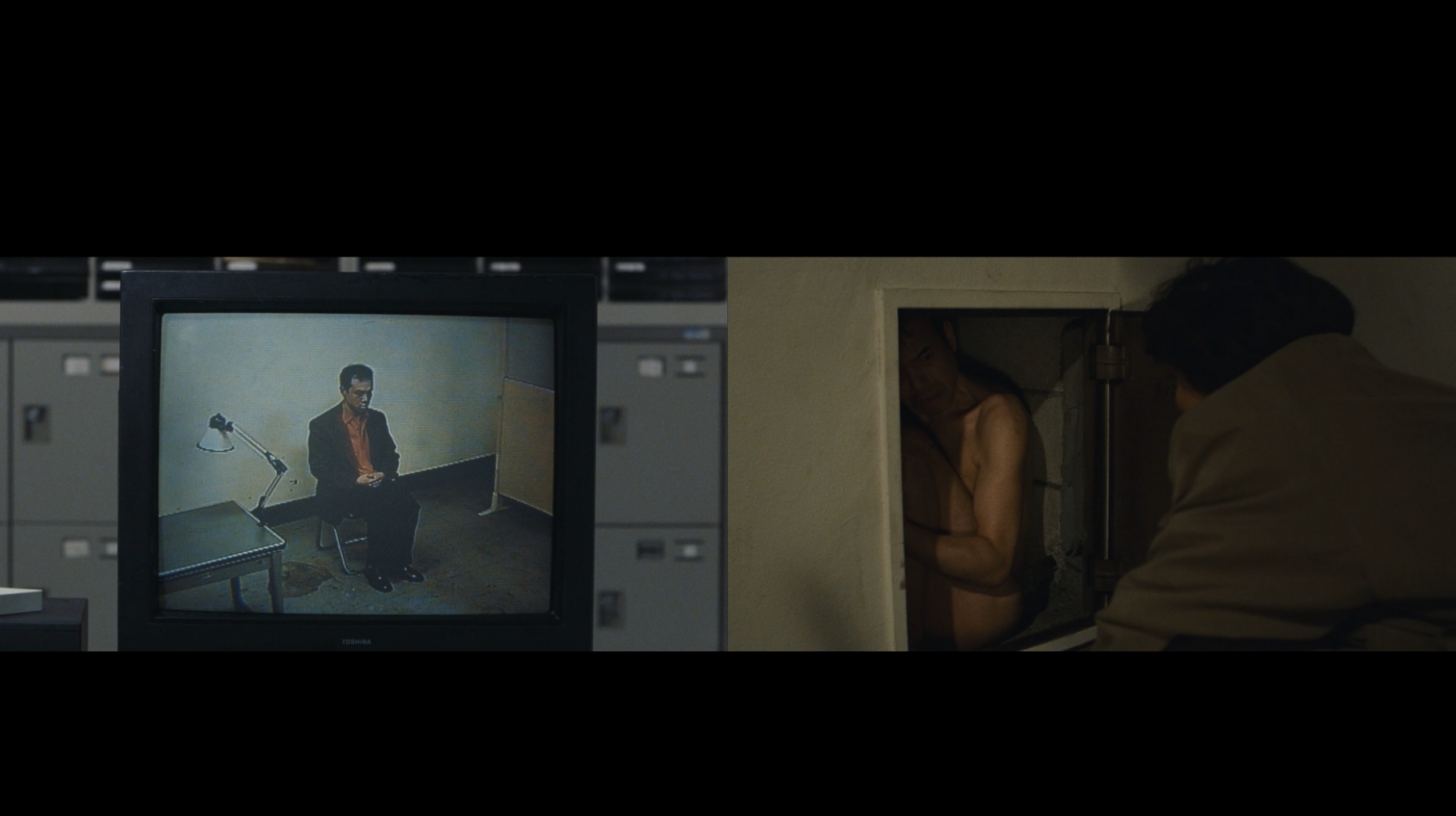
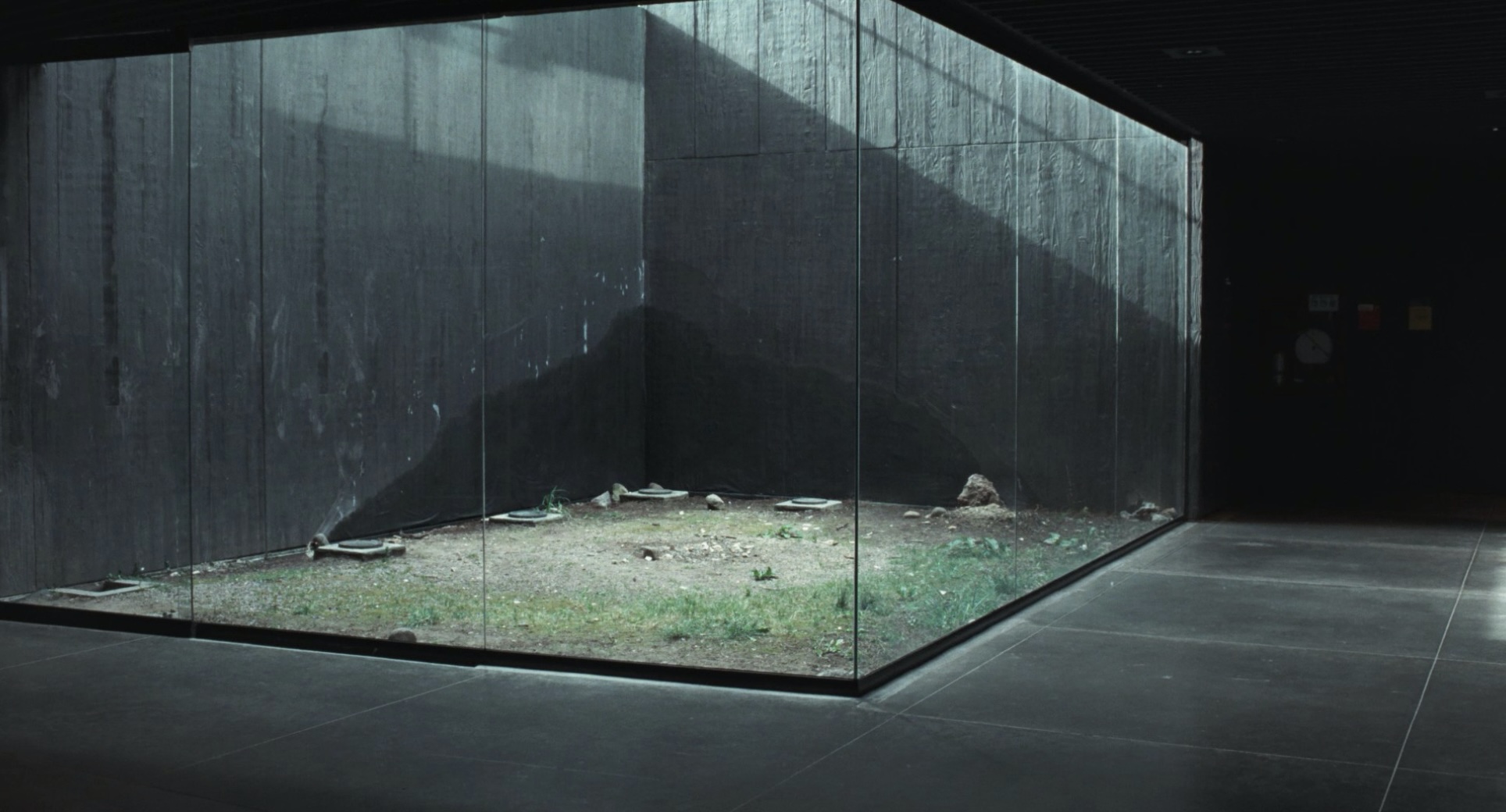
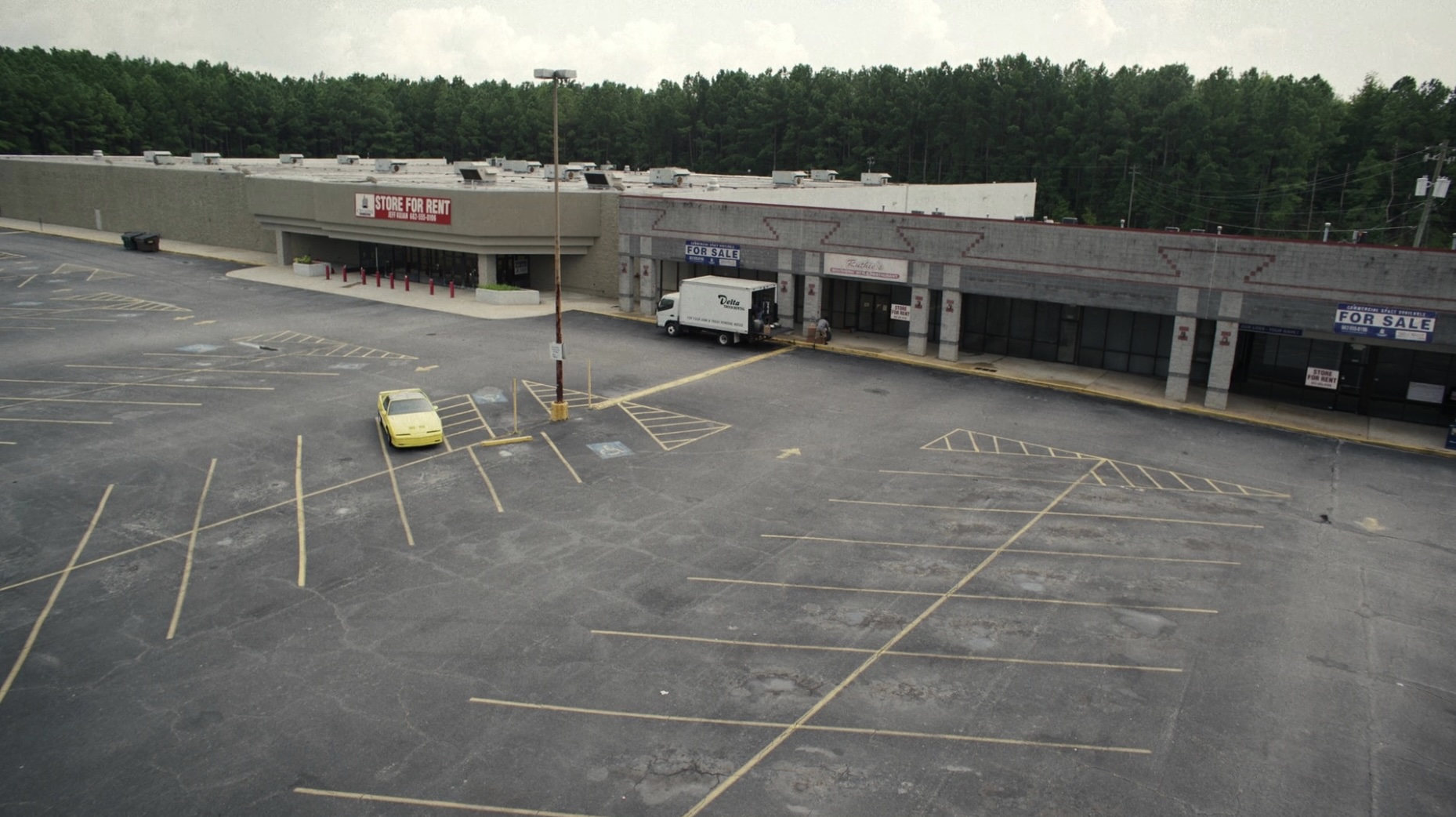
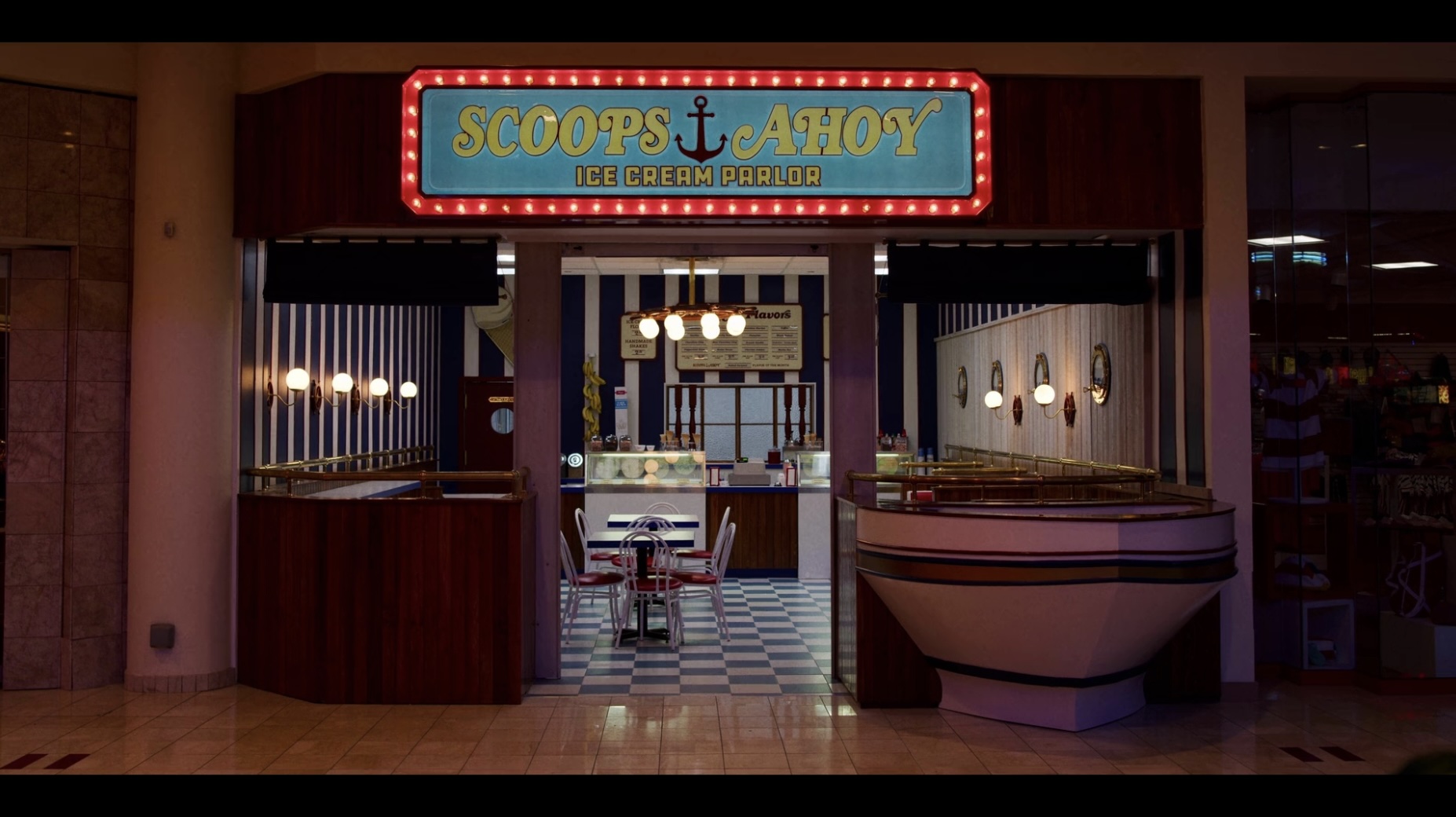
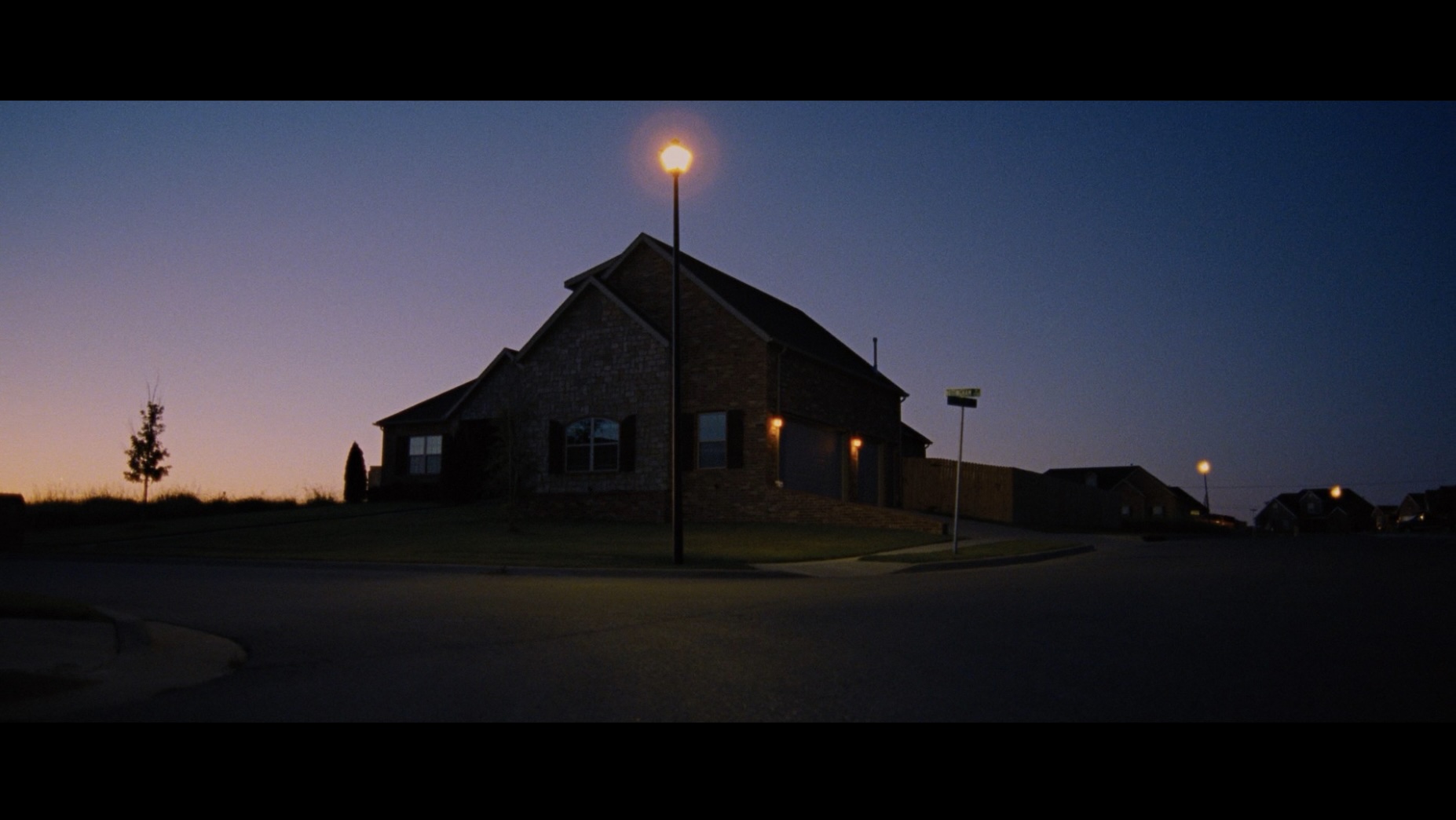
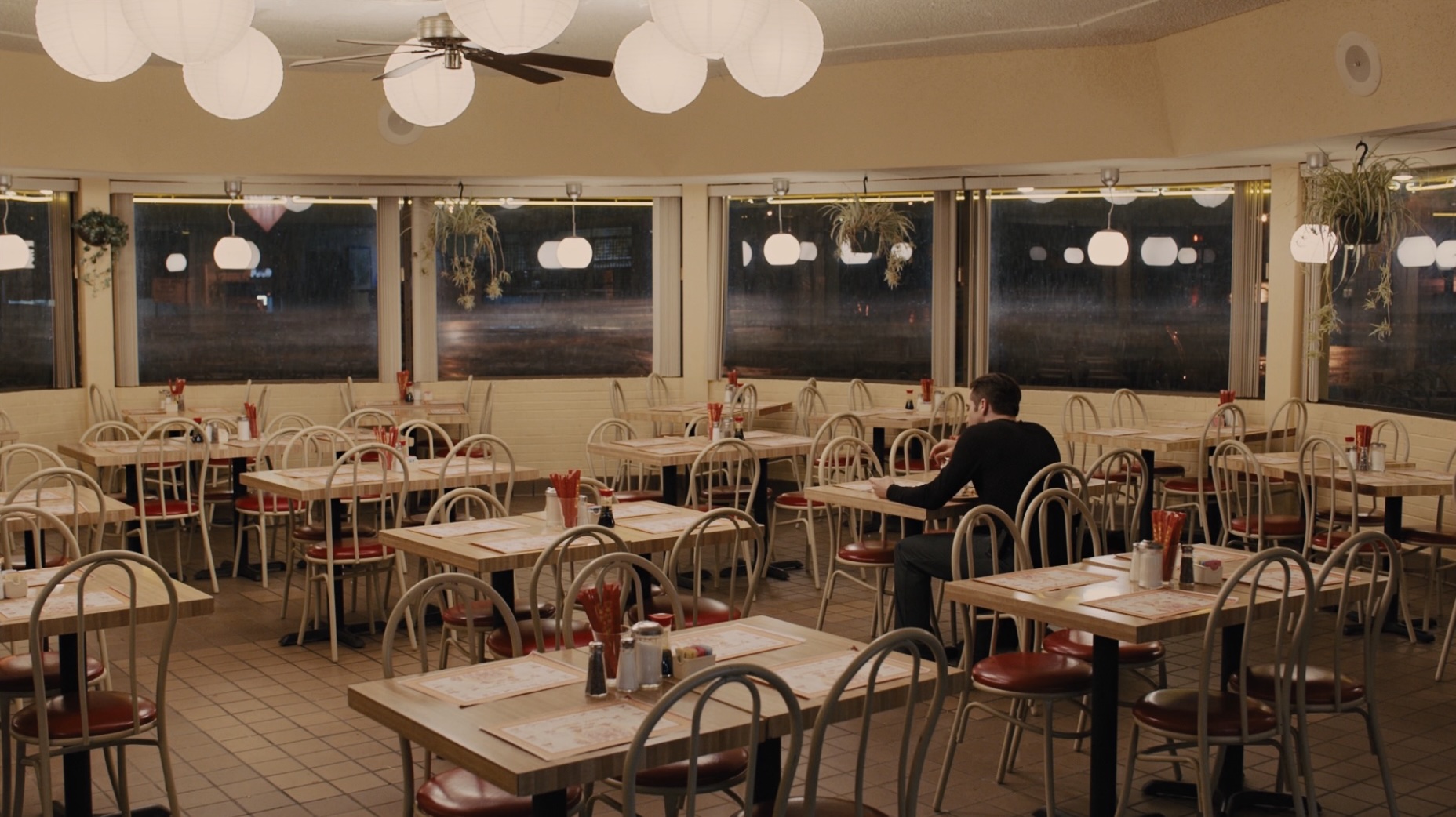
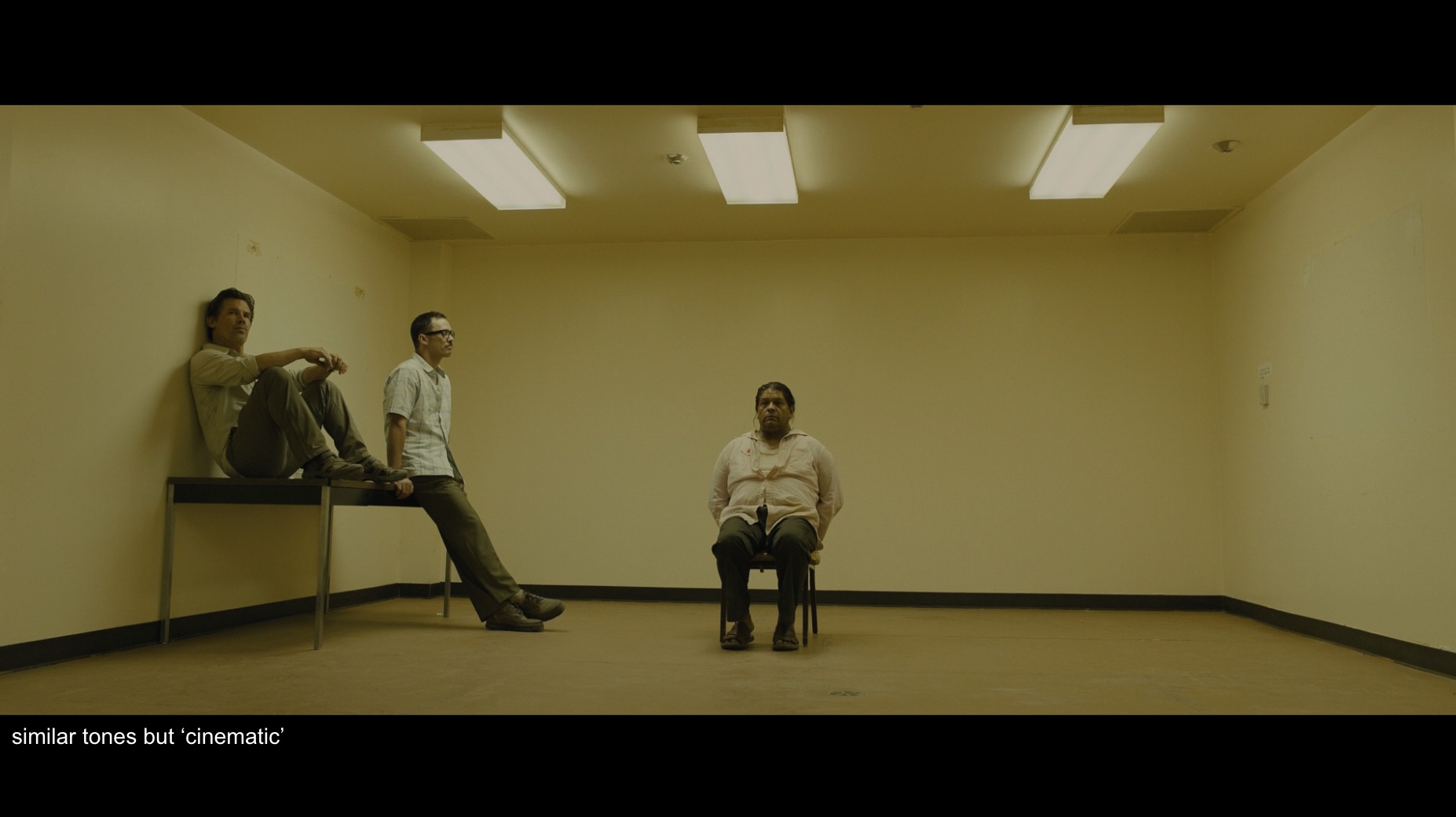
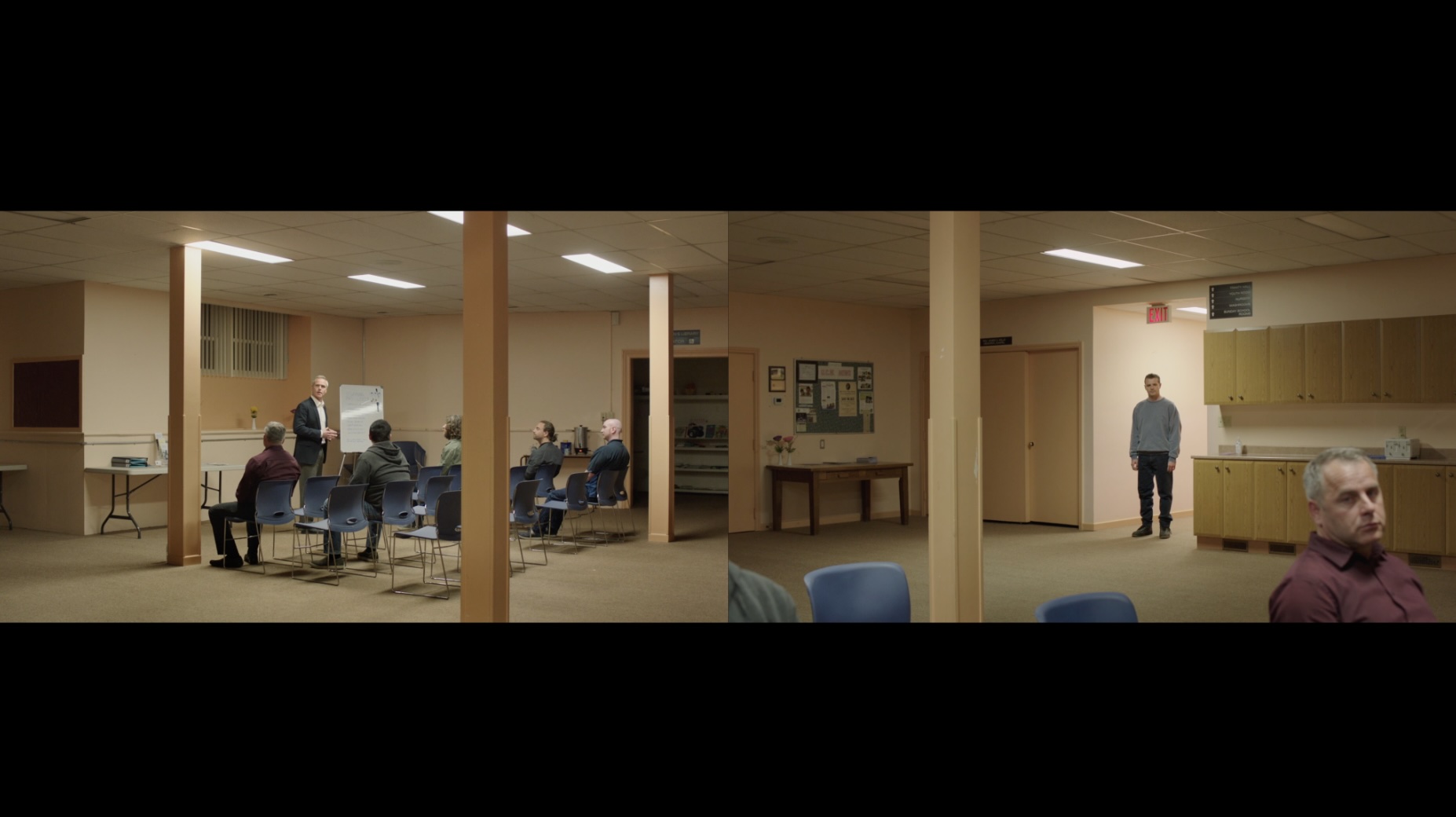
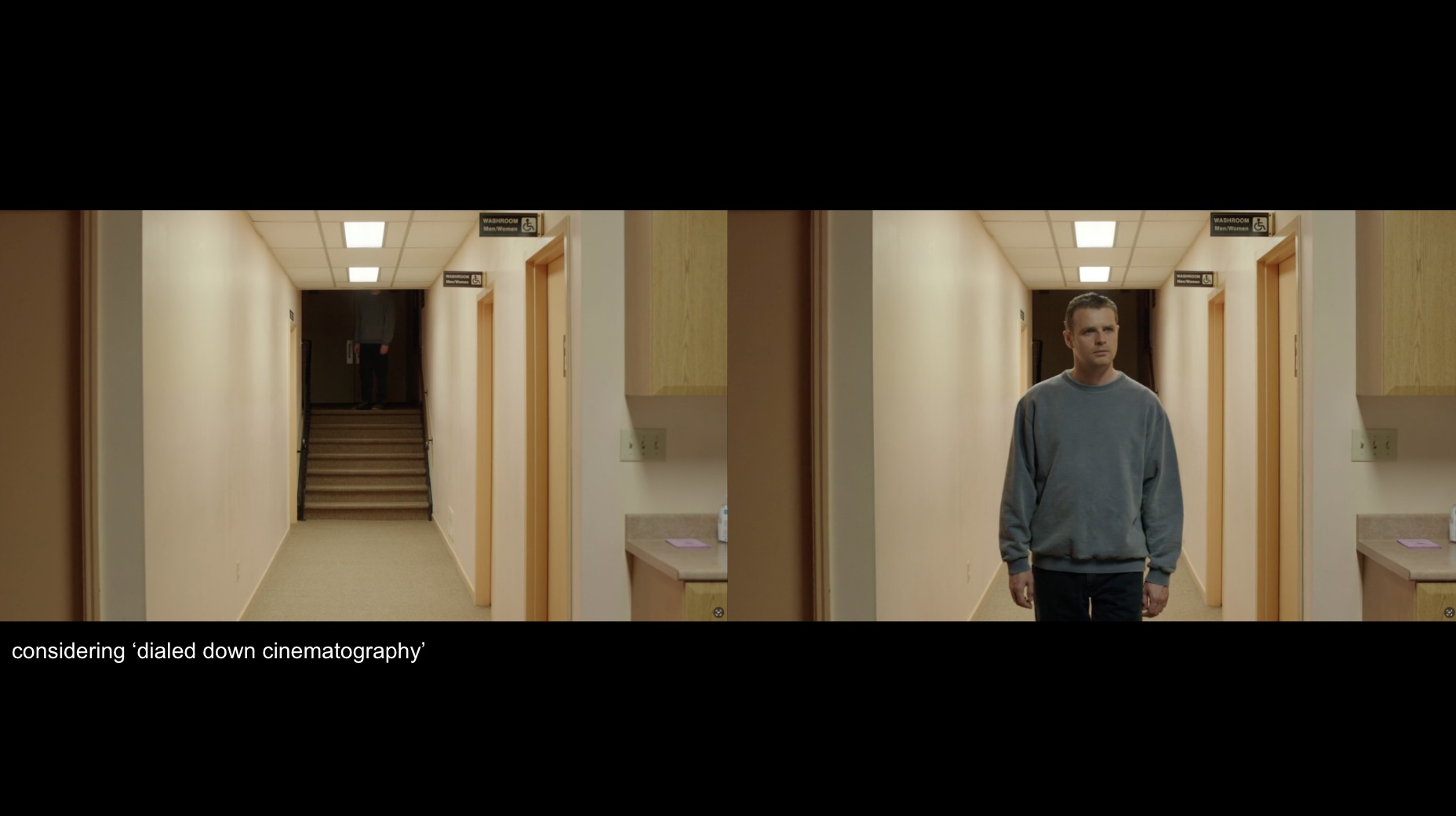
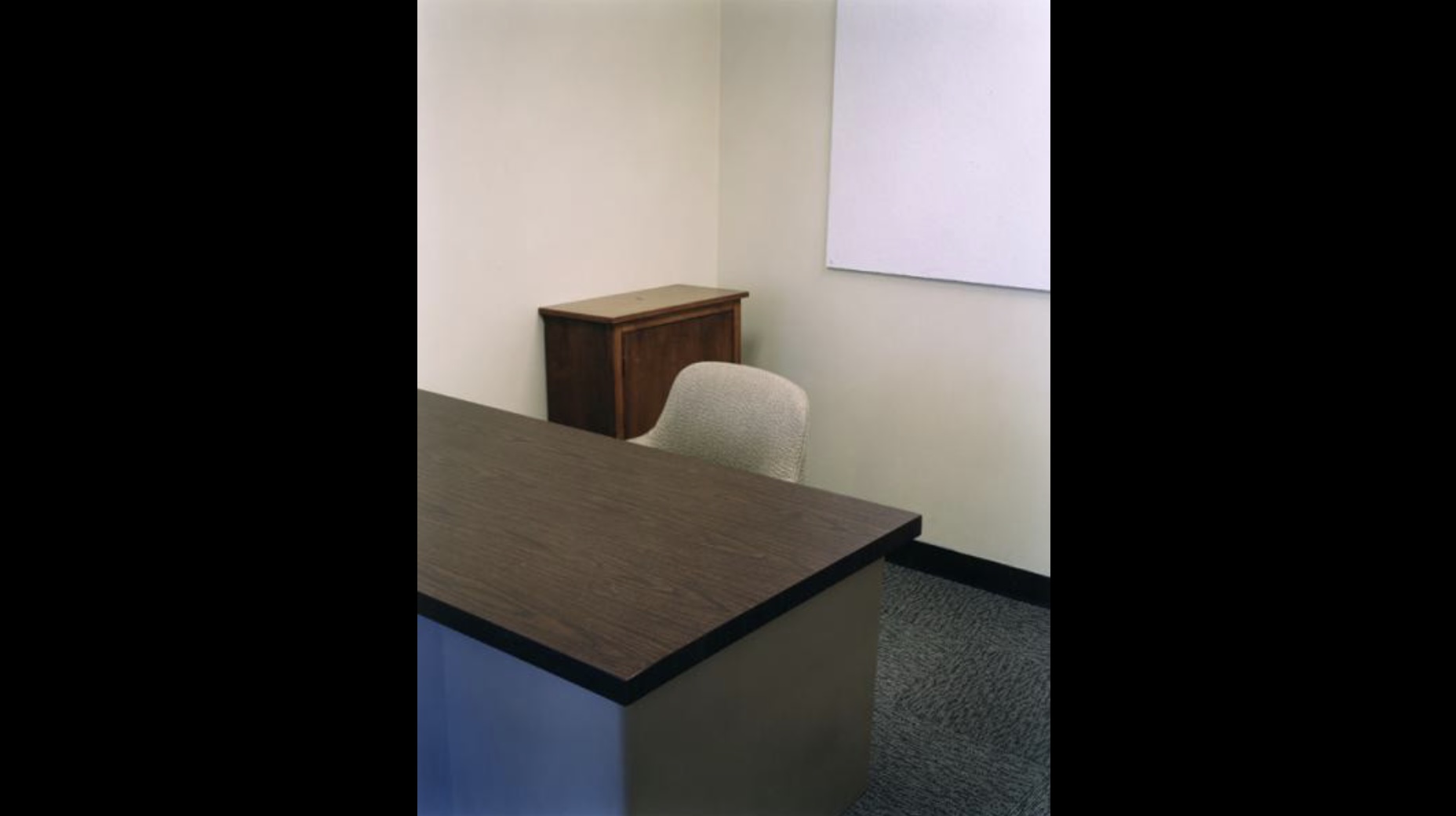
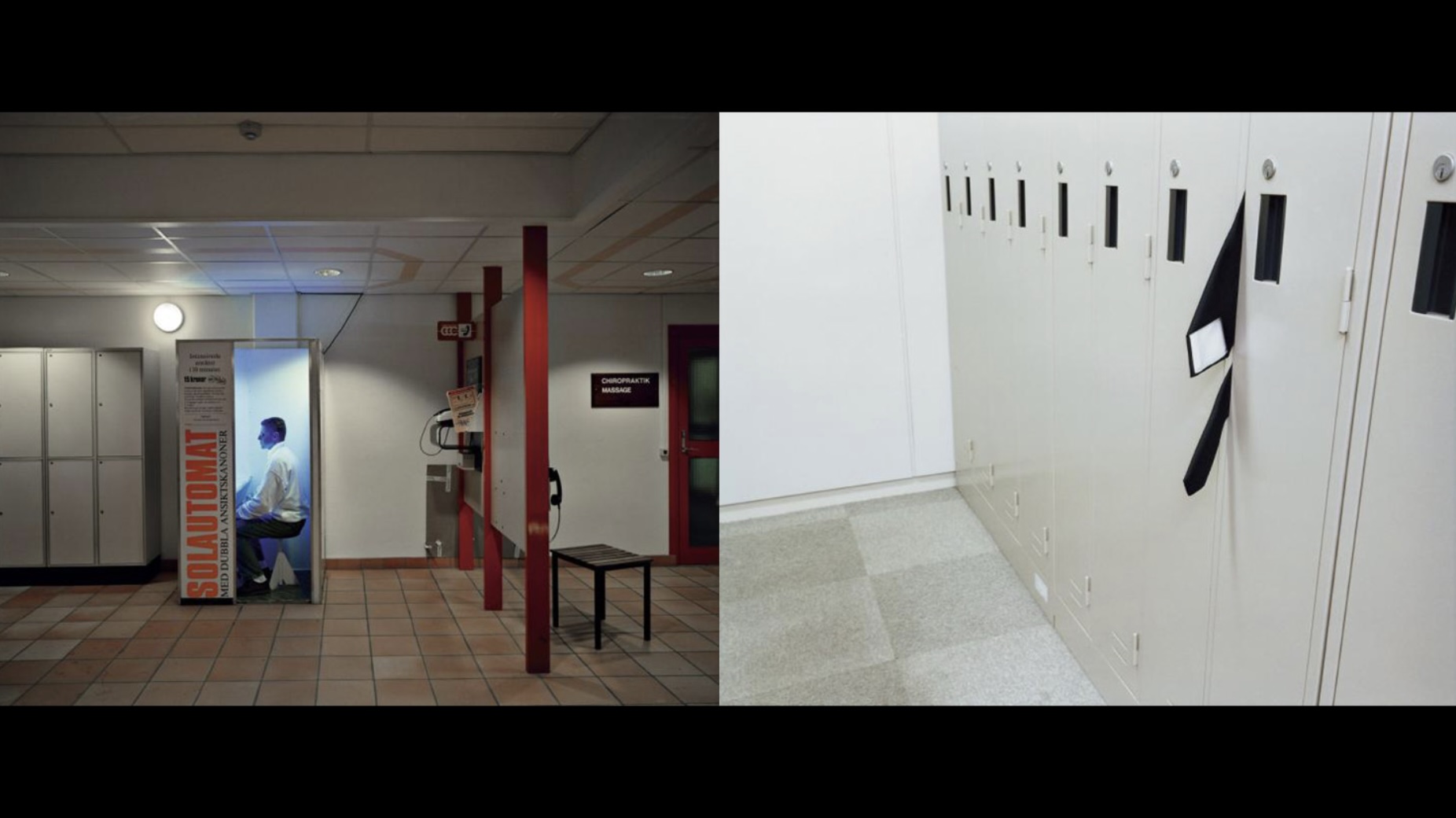
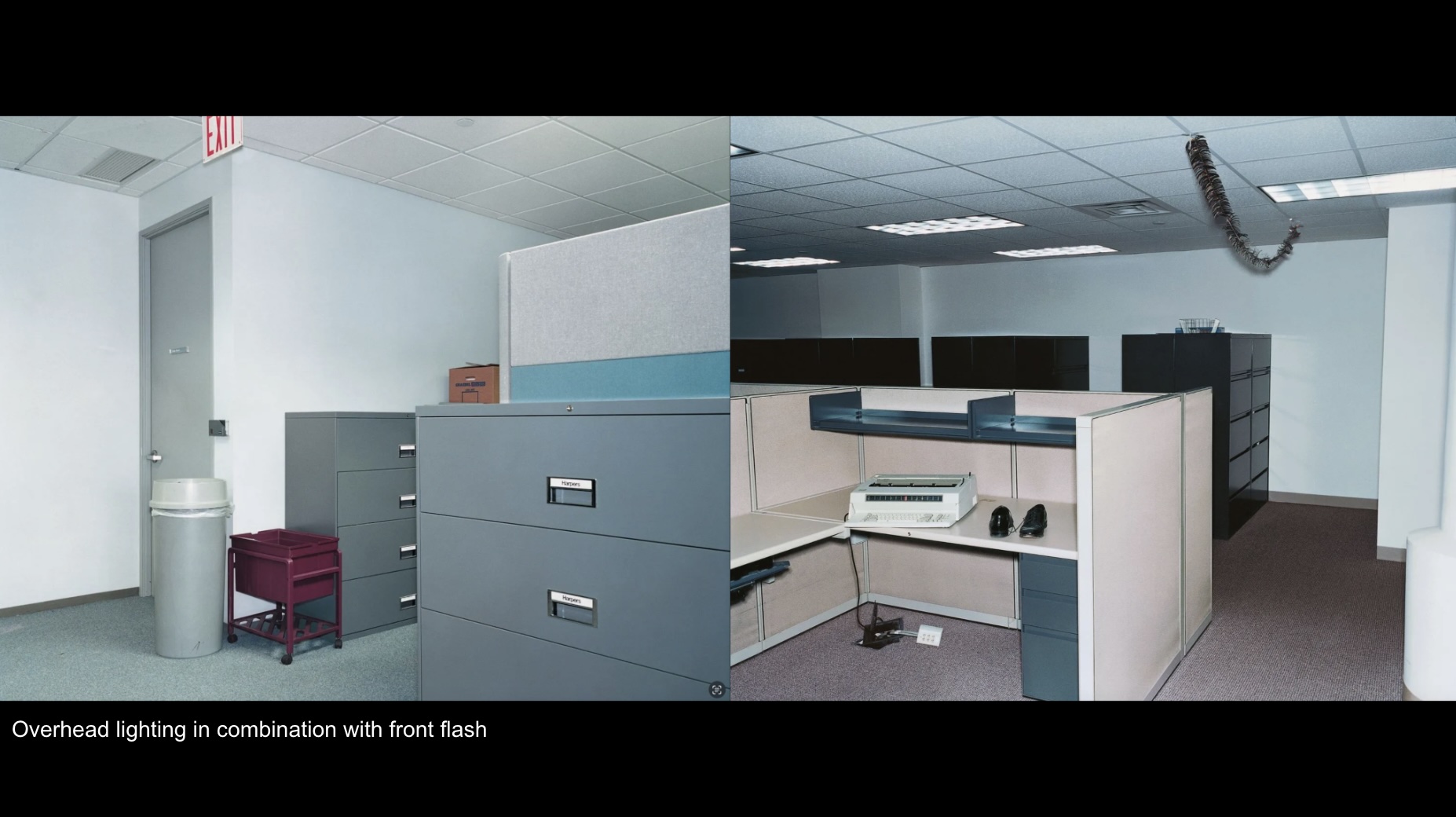
How do you take the visual language of such a personalized internet rabbit hole and scale it up to film, while maintaining the simplicity of what made it so alluring in the first place?
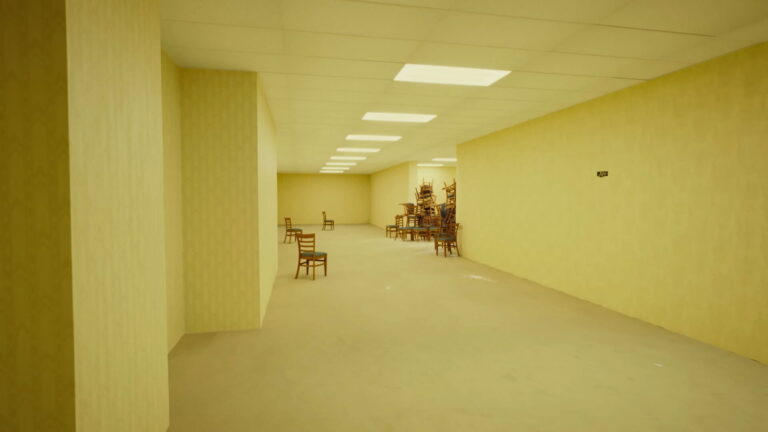
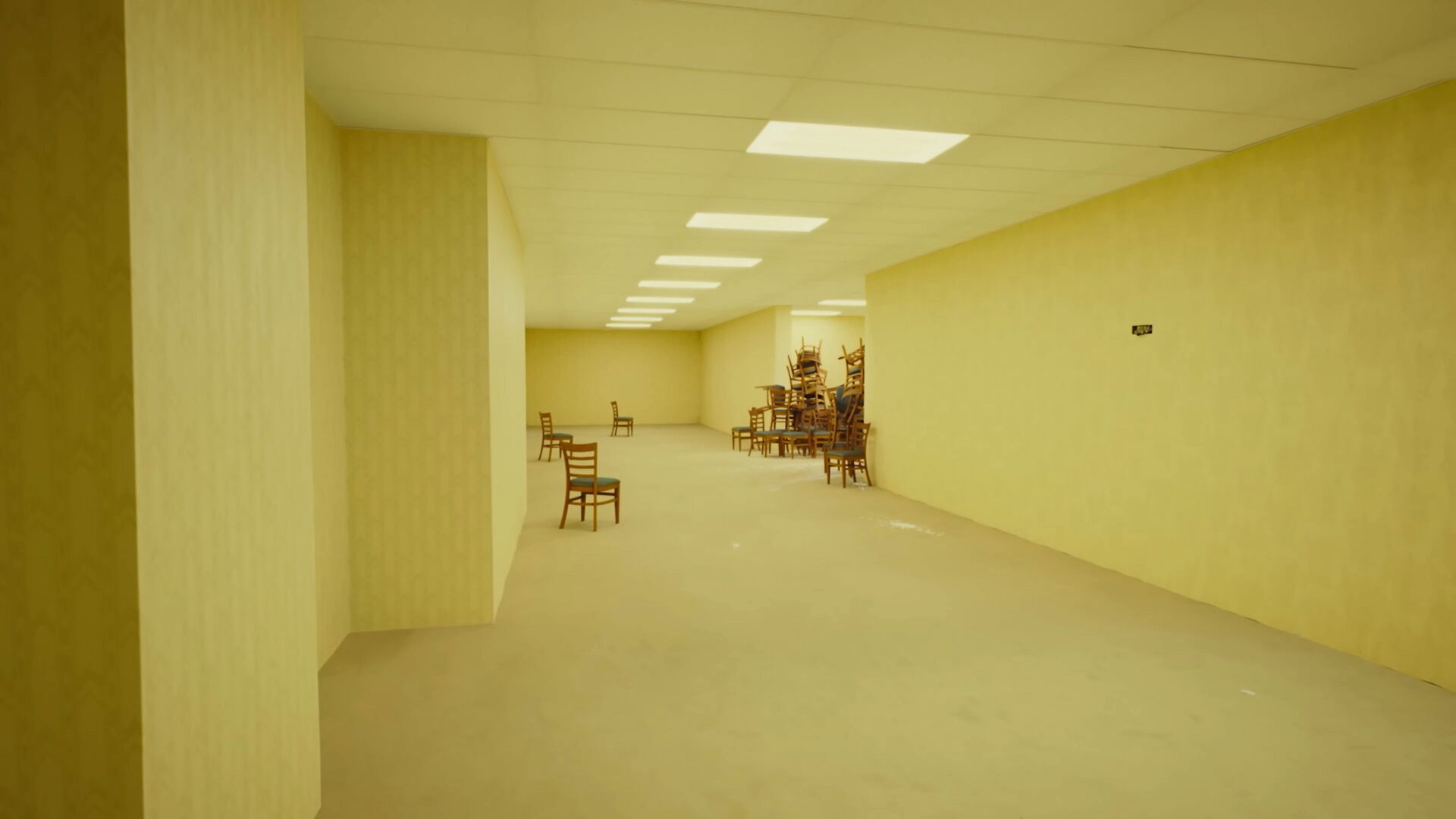
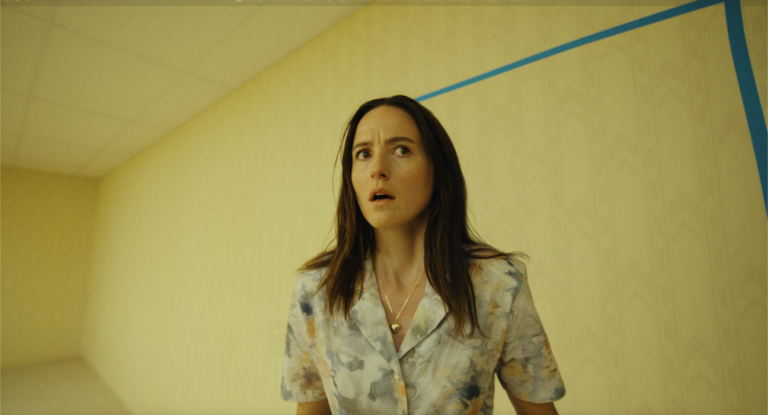
It works so well in the YouTube series as VHS material, but when you’re adding resolution to those images, there’s nothing to hide behind. So a lot of our energy in pre-production went into finding the exact right shade of the wallpaper, or figuring out the way that the lights should be spaced out so that it feels like a real space. Basically, not faking any of it.
In the Backrooms scenes, we didn’t place a single light. Everything is just as it is. The tubes are in the ceiling fixture. We used Astera Titan tubes, which are shorter than normal fluorescents. But if those fixtures get too close to the diffuser, they look like film lights, so we spent a lot of time finding the perfect placement where you don’t perceive them as Titan tubes.
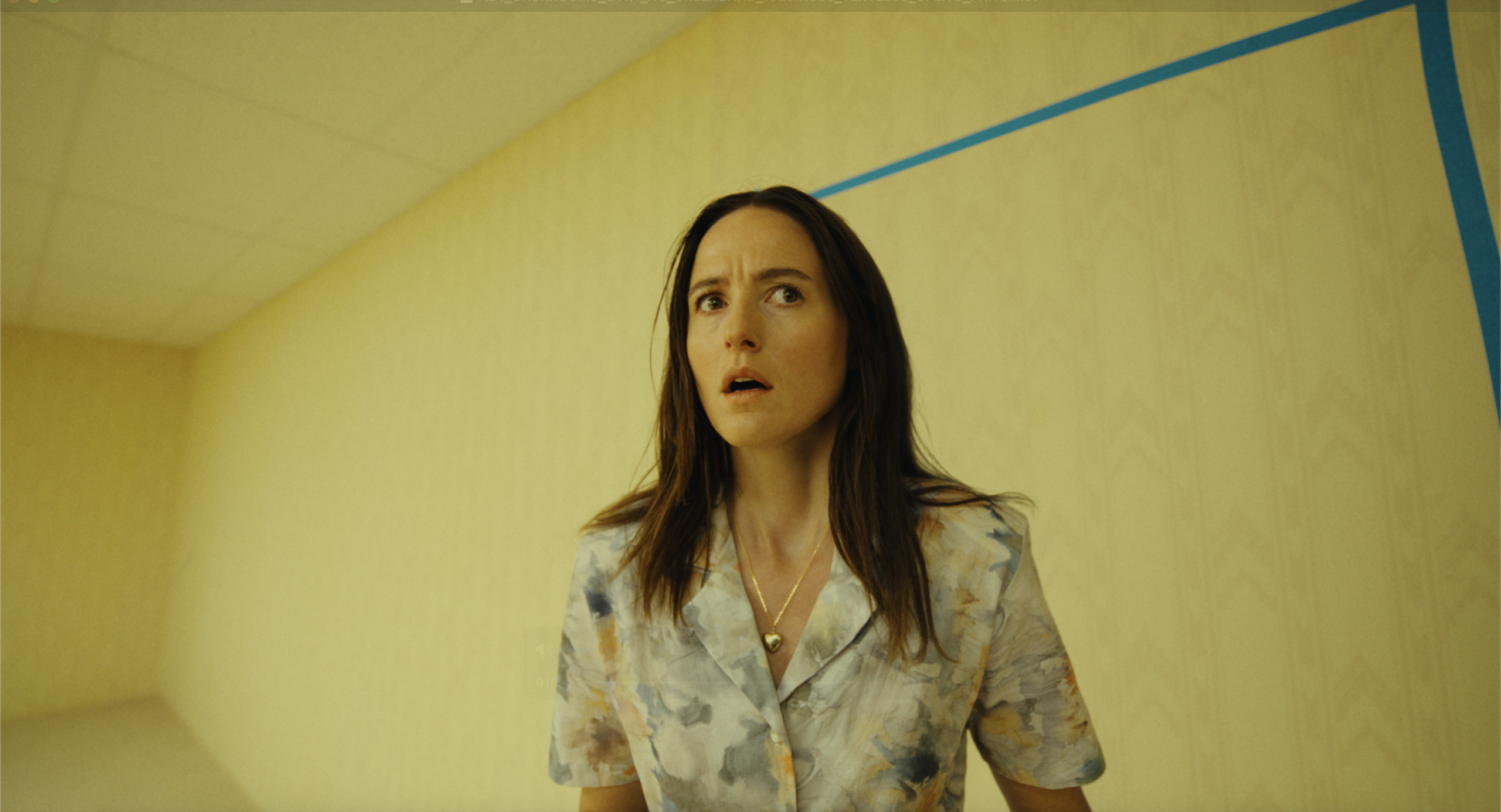
Then there’s finding the right shade of the yellow wallpaper. The original Oshkosh image is white balance shifted, it’s not literally that yellow. That posed the question of whether we should do the same white balance shift? But then of course, everyone’s skin tones would shift with the white balance shift, which doesn’t work. So having the wallpaper a little more yellow created an offset for the skin tone. Doing that legwork allowed us to shoot any direction, anywhere, and it all looked good.
30,000 square feet of real Backrooms were built for the film. Tell me about the journey from planning those spaces to the first time you stepped on set.
Kane had built the Backrooms in Blender, and then I figured out how to use Blender as best as I could, and we would stress test them. We’d figure out the spacing of the ceiling tiles or the frequency of lights. So when the set was built and we started filming, you’re like, “Phew. This is the Backrooms.” You see it on the monitor, it doesn’t need any post work, you don’t have to squint. Seeing someone experience the space for the first time was really rewarding, knowing that it looks just like the Backrooms.
Did your background in documentary help with the found footage scenes?
The found footage was interesting because in the YouTube series, Kane keyframed all the movements for the handheld work in Blender. Some of the hardest stuff to operate was the handheld work, because you had to act as if it’s an accident, but then also hit these key beats. All you can see is what the camera sees, all the actors are looking at you. It was a very weird, alien feeling of operating – more of a theatrical performance.
Were you operating those segments?
Yes – we shot them on a RED Komodo. There’s a bunch of VFX work done in some of those segments, so we shot in a cropped Super 16 mode with an 8-64mm zoom lens, and then, after all the VFX happened, we printed it to VHS. Simultaneously, there was a bunch of full Blender material that was also printed to VHS.
This must be one of the first times that process has ever been done.
It almost felt like stepping out onto the moon. You’re like, “Holy smokes, we took this crazy film experience that’s on YouTube and then totally reengineered how to get back to the same place, but it works!”
Kane has talked about this collective, cultural feedback loop that we’re living through being the genesis of Backrooms. Was there a conscious effort to buck any current visual trends?
Very much so. We didn’t want the film to feel inherently “cinematic”. We didn’t want it to feel glossy, or like a fabrication of itself. Se spent a lot of time figuring out how to make a film that despite being inherently a construction, avoids the plasticities that can come from a production.
This was Kane’s first live action feature. Did you have anything you shared with him that you pulled from your experiences on features?
A lot of what we worked on, that was pleasantly surprising to Kane, was embracing the restrictions of the medium – for instance, how a wide shot can turn into a close up if the actor comes closer and creates the close up themselves. Live film production has limitations, whereas in Blender, you can do anything, in a way. But seeing what the actor brings to it, and the relationship between the camera and the actor, was really exciting for Kane. Like, wow, you don’t have to give them key frames.
How did shooting Backrooms compare to something like Mile End Kicks?
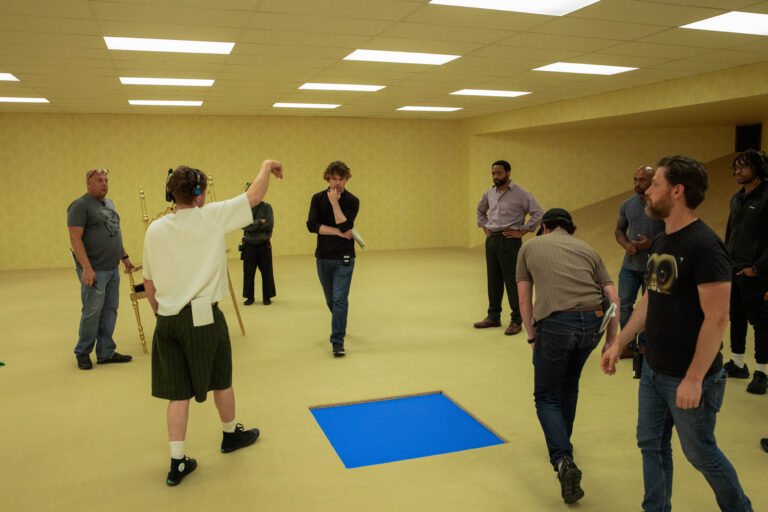
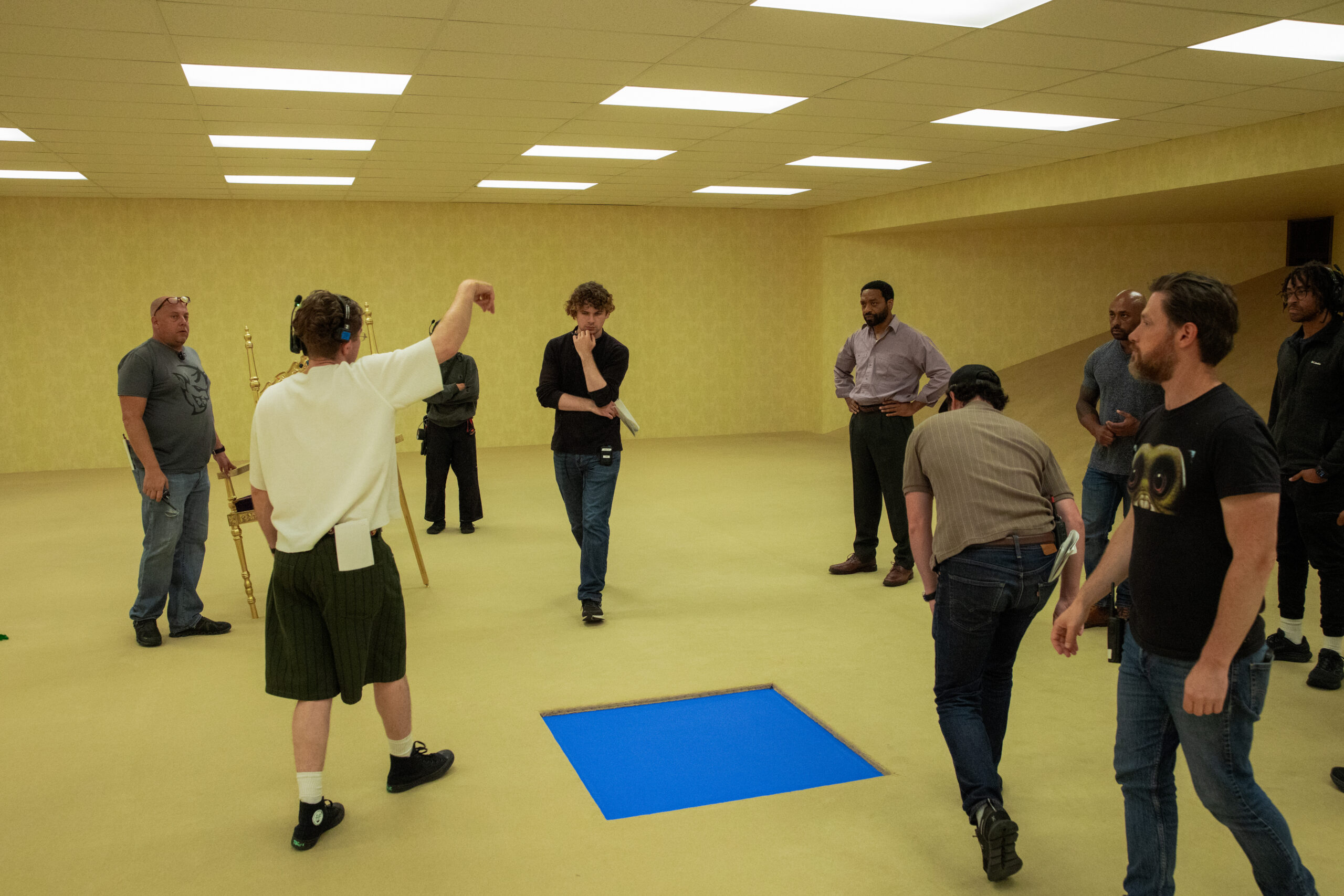
Mile End Kicks has the benefit of happening in the real world. On Backrooms, we were immediately confronted with the implications of rigging a set that large. The whole thing needs to be supported from the roof, and now you have a rigging team putting in a sub steel frame that’s supporting the roof, and you’re like, “Holy smokes, that’s a full team’s job for two weeks, just to hold the roof.” It’s really interesting seeing your idea on the computer, and then seeing what’s involved in creating it in reality. It was a very impressive lift from the production design and production teams.
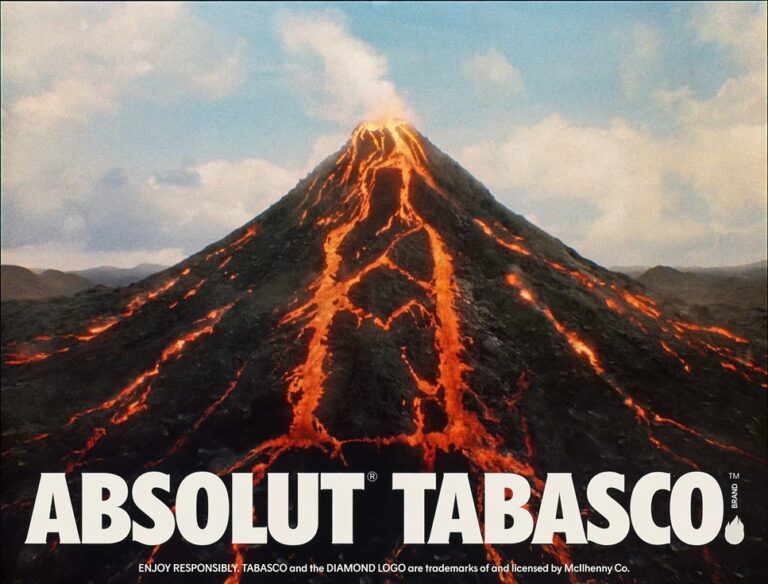
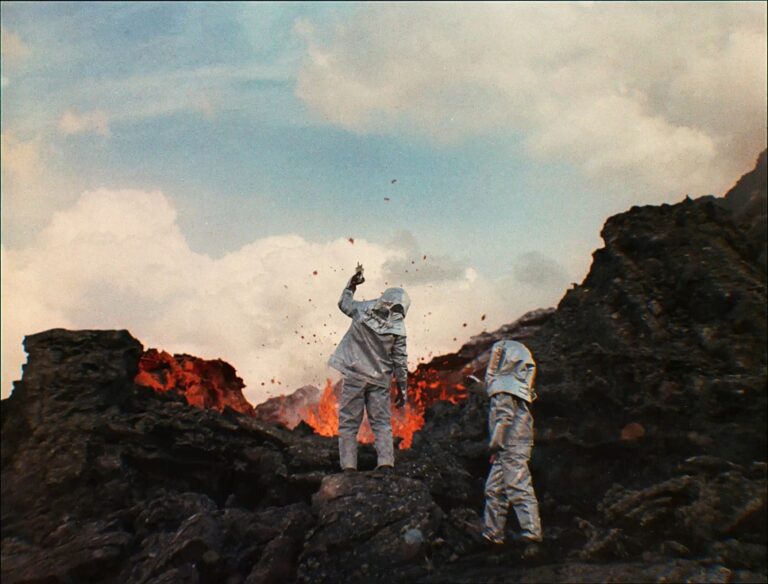
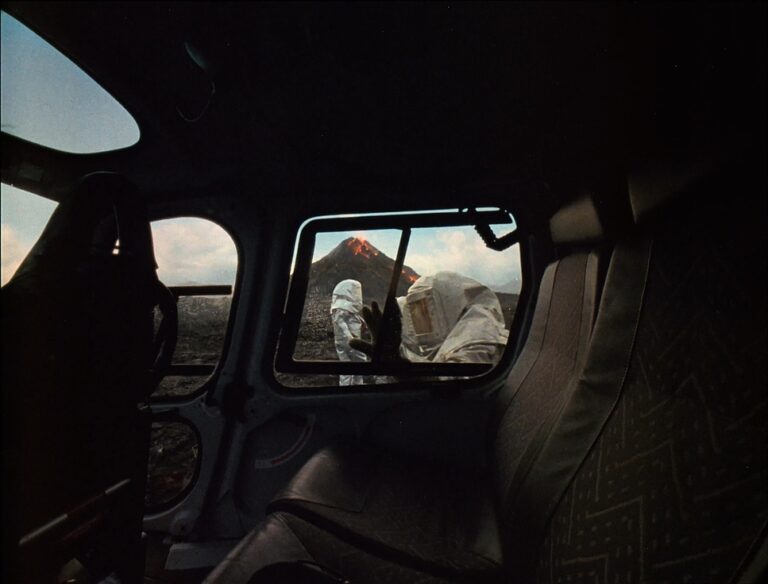
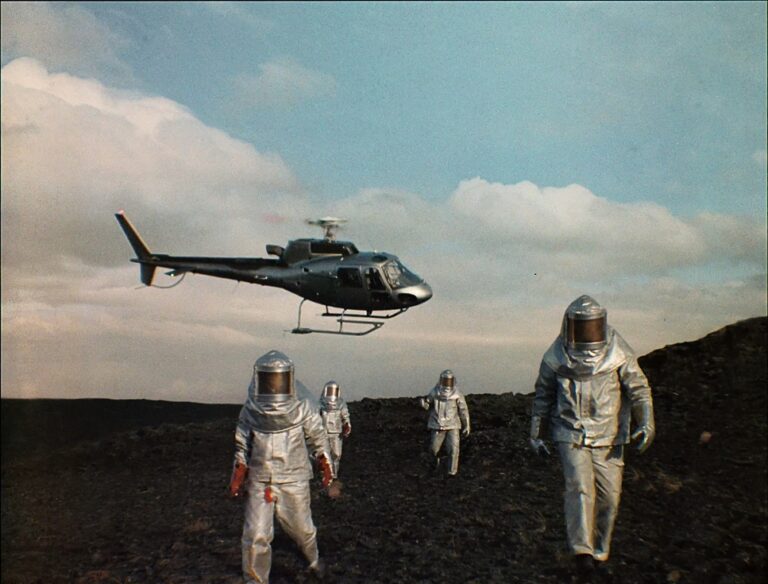
Another project of yours that got a lot of attention was your Absolut Vodka commercial. What value do you find in commercial work versus narrative work?
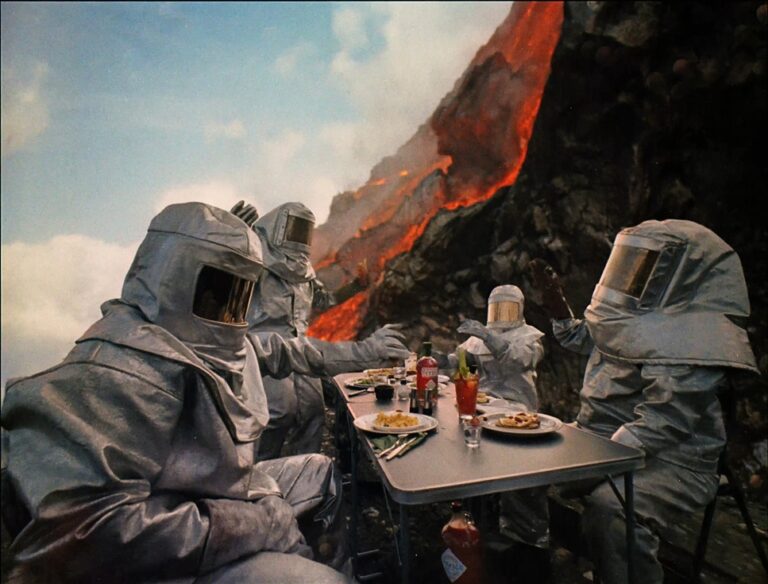
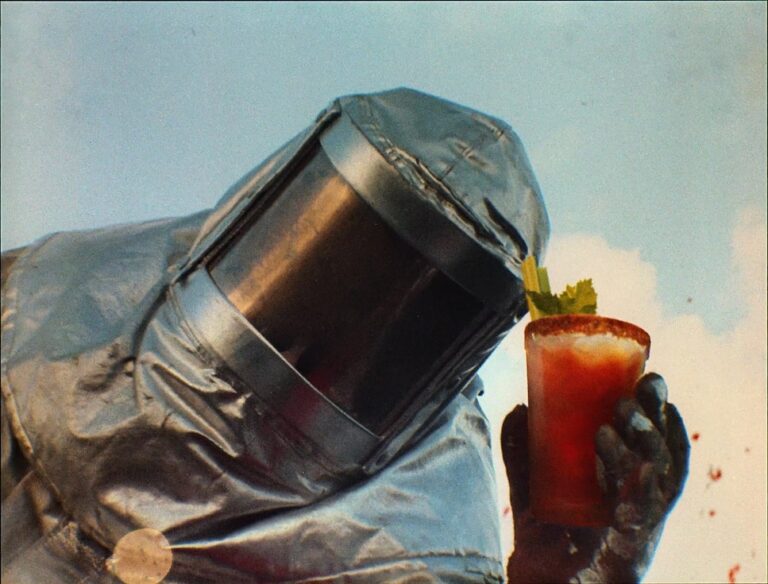
That Absolut job I did with Leigh Powis was really cool because with Leigh, he basically wants it to fail. He wants you to push the look so far, to the point where you might have nothing. We pulled the film two stops, then underexposed 3 stops, and lifted it all back up to get to the final image. I think commercials are the best space for that, where you have resources to try just different weird things.
When you watch a commercial, people will buy into anything. It’s 30 seconds. It kind of has to feel something. Otherwise, you’re just like, so what? There are times where you end up on a commercial that doesn’t want that. So I guess avoid that, and if it’s not a creative endeavor, then don’t bother.
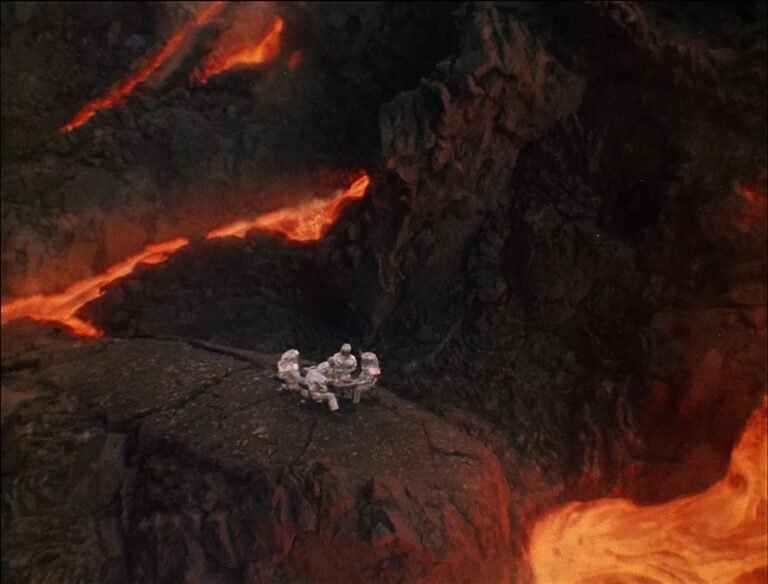
Between Kane and Markiplier, you’ve now worked with two major players of the YouTube to Hollywood pipeline. What excites you about this new wave, and where do you see it heading?
The biggest thing is the fact that you can get a RED Komodo or a BlackMagic, and create a film that has your own feeling to it. Even in commercials, there’s this push towards having things that feel handmade. Part of getting there is letting your guard down or letting the imperfections come through.
When you’re used to making films a certain way, you can develop these weird patterns or habits that are hard to shake. I notice I’m drawn to certain things that worked well in the past, but then when you work with people that come from different spaces, you ask yourself, do you actually need to do that? Working with Kane, you don’t have the baggage of what it should be. You’re just thinking about what it can be.
Backrooms is a story built around patterns. Did the experience illuminate any of your own patterns as a cinematographer?
Definitely. I had a big phase where I was always into flat camera, zero degree tilt, perpendicular with the back wall. I found that was a way of creating striking imagery through aligning with the spine of a room or space. It makes it “digestible”, in a way. I started to realize that it was almost a crutch.
In Backrooms, I was pushing myself to be off-center, not having someone in the center frame, framing with slight short-siding, and having things be asymmetrical to an extent. Once you’re in the Backrooms, the space is so uniform that you could afford to have an obscure tilt and the shot would still have cohesion. So there was kind of no wrong frame when we were shooting, and that was a cathartic experience.
I really like that you’re picking up on these patterns. The Backrooms are a regurgitation of something, so you start to notice those habits, but how do you even attempt to break out of them? I think that’s a cool space to work from in any case, being slightly outside of your comfort zone.
With that in mind, what are you taking from this experience to your next project?
Well, it’s a good question. The next film I’m doing is 4 X 4: The Event with Alex Ullom of It Ends. That one is interesting. I don’t know how much I can say about it, but I’m trying not to bring any baggage to it, and treat it as its own experience.
For the first time in history, films are available in still format at scale. Has the proliferation of cinematic reference images influenced your filmmaking process?
Totally. The feedback loop is way faster. Someone can work on something, then a few weeks later, it’s on ShotDeck. You connect with it so immediately. As a cinematographer, it allows me to ask myself: “What am I doing to add to the dialogue?”
With ShotDeck, you see all of these great things that work, and can ask yourself what inspiration you can draw from them. You can find patterns and trends, what is contemporary, what is older, and you can really track that with ShotDeck as a tool to connect those dots. It’s super cool.