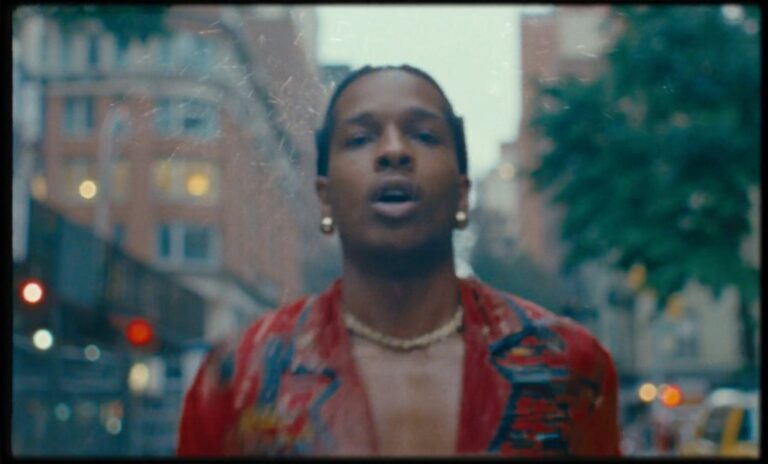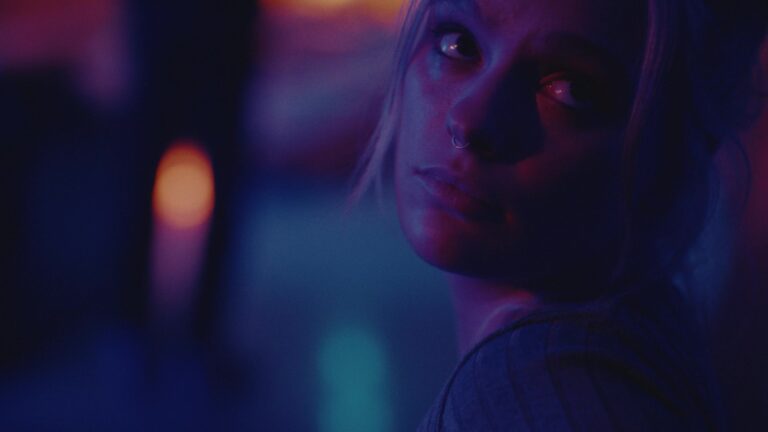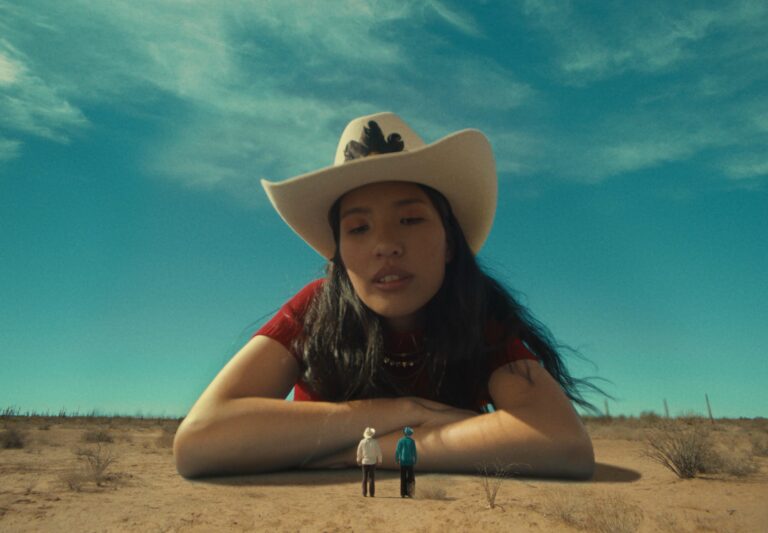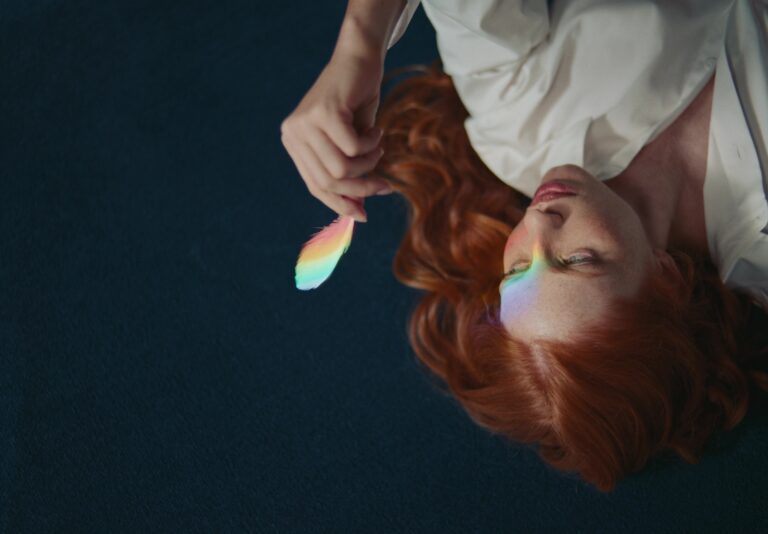
Visionaries, VistaVision and New York on TV
Hello, ShotDeck community!
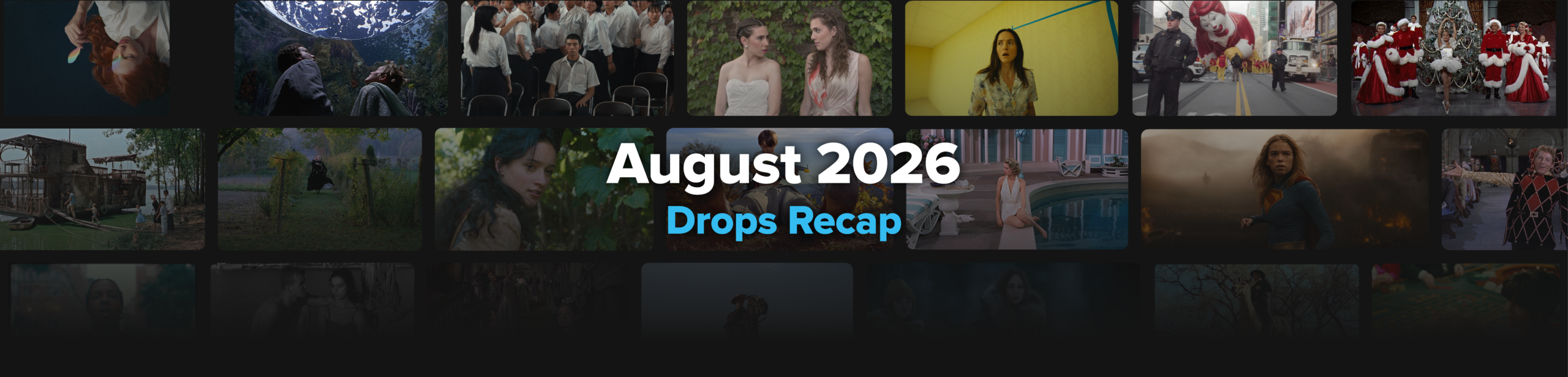
As the northern hemisphere summer winds towards a close, we’ve dropped over 40,000 new shots into our library from an amazing catalogue of films, television series, music videos and commercials. We’ve also got a great new selection of articles and interviews from this past month for you to dive into:
- We interviewed New Queer Cinema icon Gregg Araki for his new film, I Want Your Sex
- Watch our Shot Talk with the cinematographer of the Emmy-nominated Beef Season 2, James Laxton, ASC
- Check out our interview with the cinematographer of Teenage Sex and Death at Camp Miasma, Eric Yue
- Watch our Shot Talk with Emmy-nominated D.T.F. St. Louis creator Steven Conrad and cinematographer James Whitaker, ASC
We’ve got some gems in our library from our curations in August – read more about them below!
FILM COLLECTION
New Releases
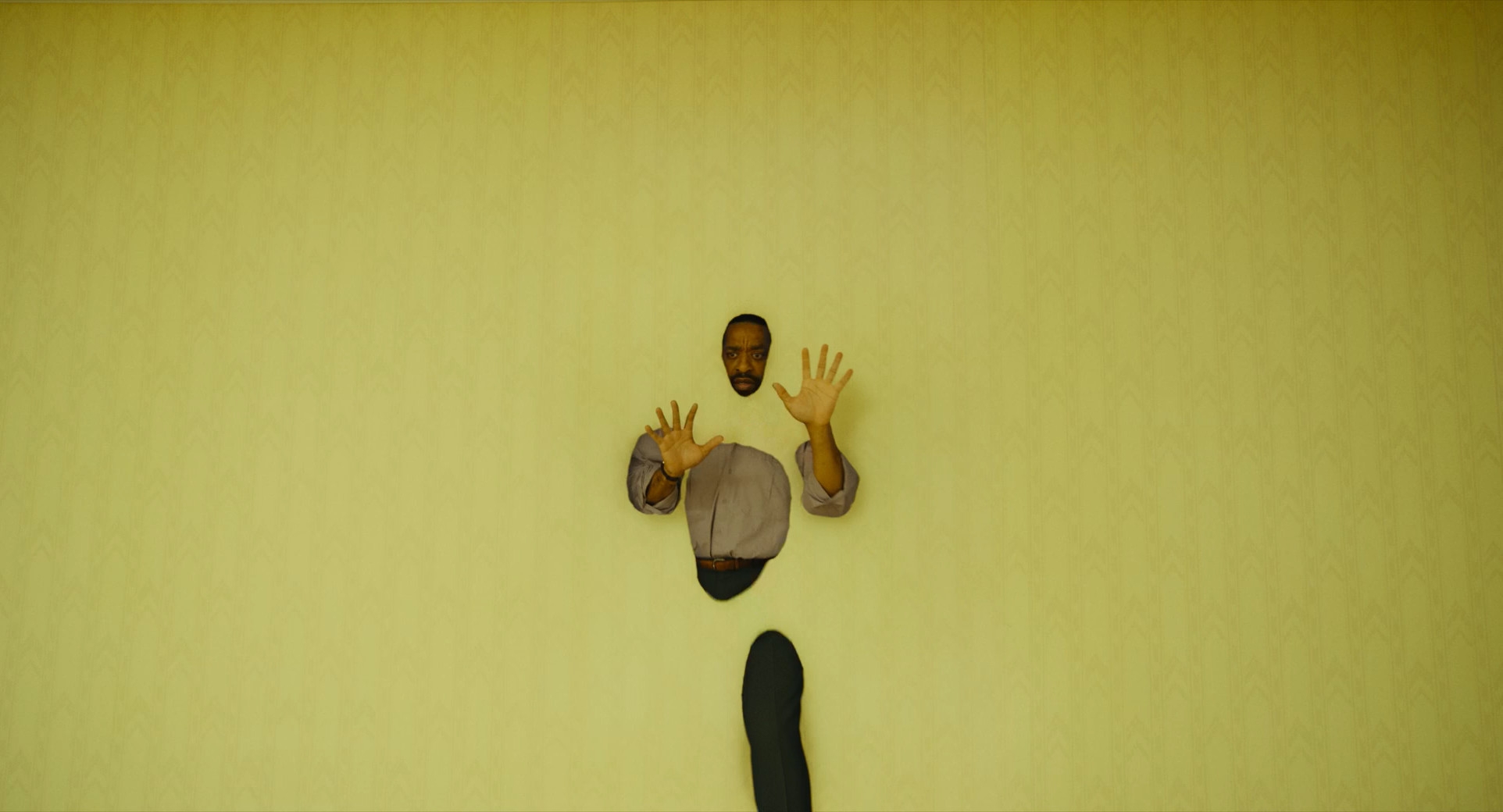
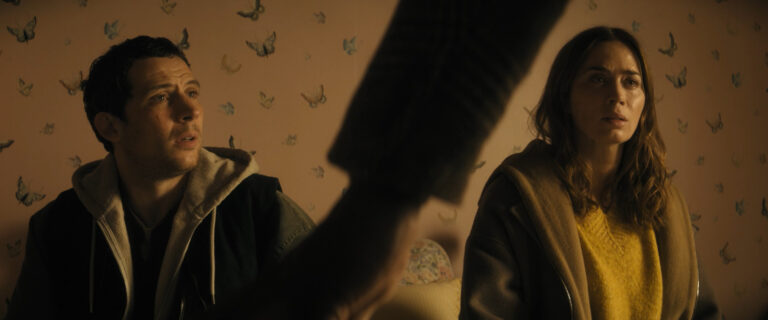
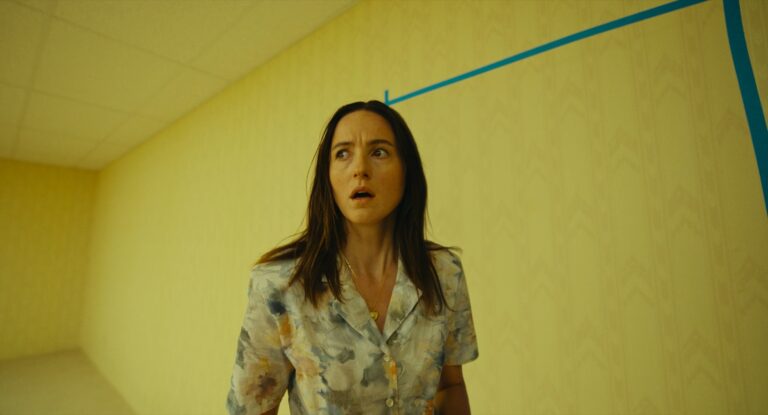
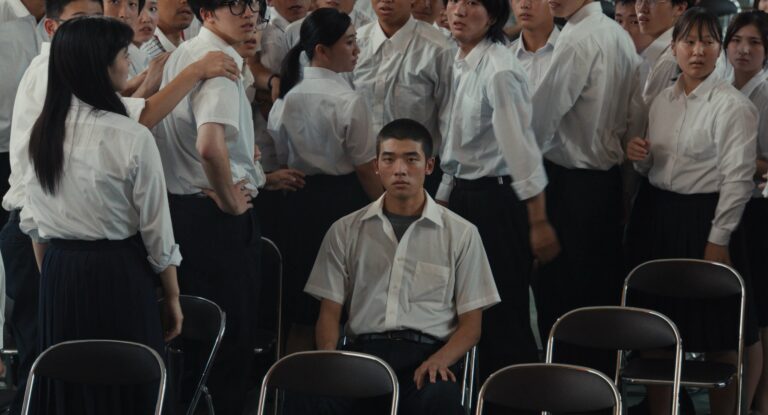
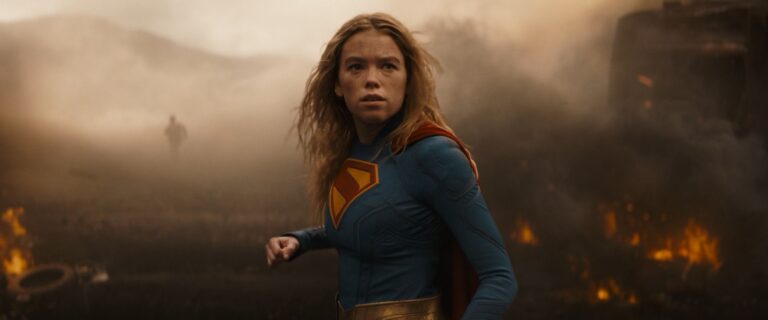
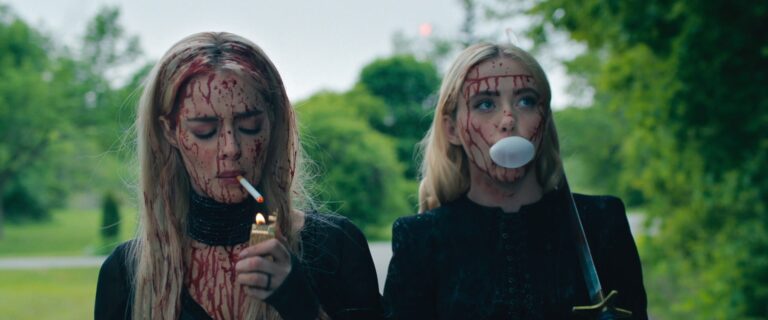
This month, we dropped thousands of new shots into our library from some of this year’s hottest new releases. Add stills to your decks from Backrooms, Disclosure Day, Ready or Not 2: Here I Come, Supergirl, Happyend, and The Mandalorian and Grogu. Dive in!

FILM COLLECTION
VistaVision
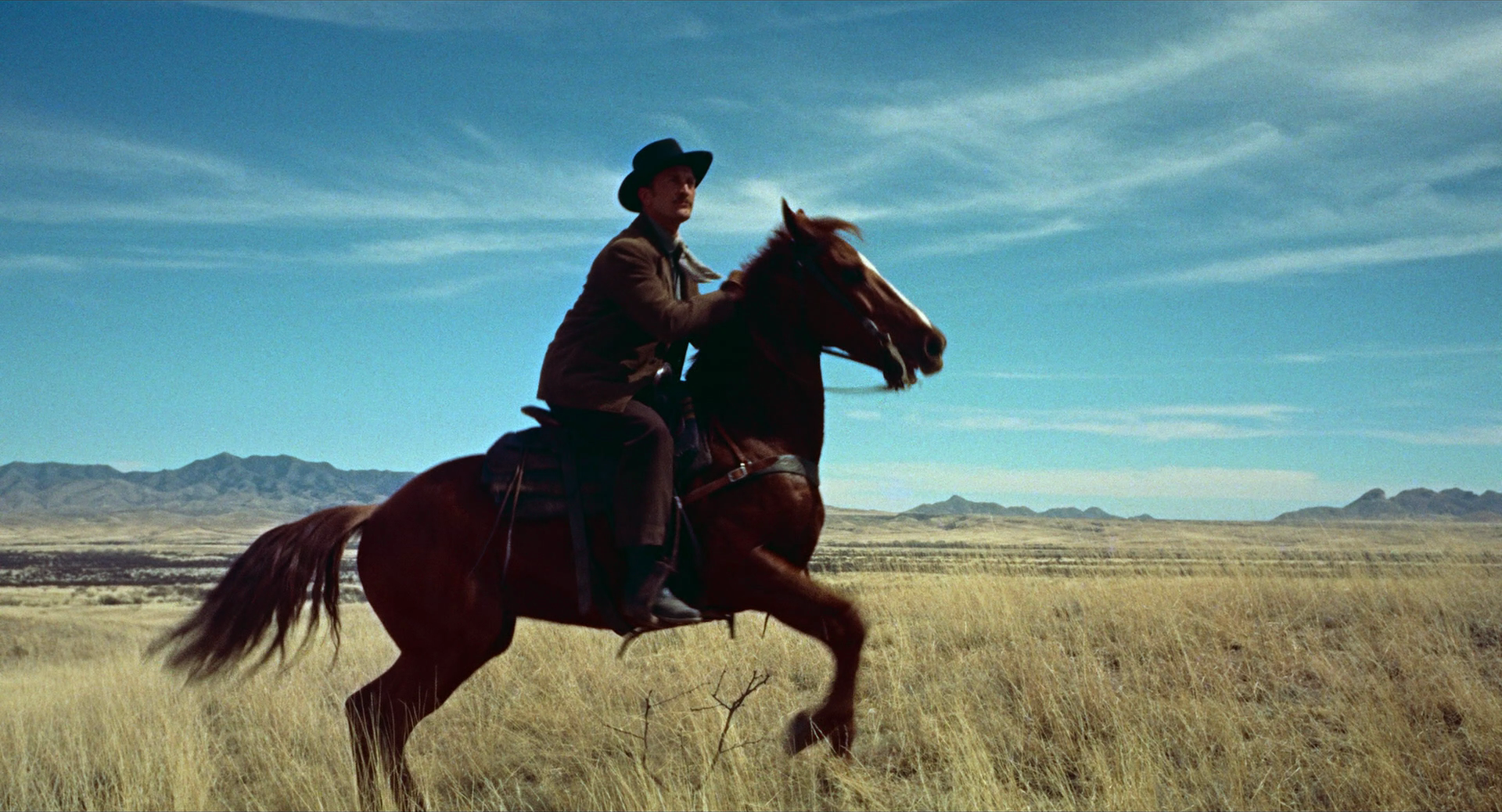
Before films like The Brutalist, Bugonia and One Battle After Another (as well as this year’s upcoming Digger) revived interest in the format, VistaVision was considered to be a relic of the 1950s and early 60s Hollywood spectacle. This month, we took a trip down memory lane to drop thirteen films from the original heyday of VistaVision.
In the early 1950s, the film industry was in a recession due to the growing popularity of television, and Hollywood studios turned towards large-format films in the hope of regaining audiences for “event films” that would be best experienced on the biggest screen possible. Created and designed by engineers at Paramount Pictures, VistaVision was conceived as a 35mm film frame that would be oriented horizontally in the camera gate, allowing the image to captured onto a larger surface area and give a finer-grained projection print.
VistaVision was debuted to the world in the 1954 film White Christmas as an alternative to CinemaScope, and became the primary format for Paramount’s event movies, while also being adopted by MGM and Warner Bros. for some of their films. Paramount chief engineer Loren L. Ryder believed that VistaVision would become the primary widescreen projection format, but by the end of the 50s, it had become virtually obsolete, with filmmakers preferring to use the less expensive and mechanically difficult lenses, cameras and stocks invented by Panavision and Eastmancolor film stock. While its heyday was shortlived, the format has recently made a comeback among some of the most celebrated films of this decade, and the underlying philosophies with which VistaVision cameras were constructed laid the foundations for how 70mm IMAX cameras work today.
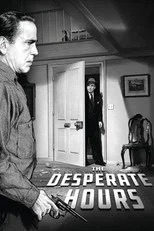
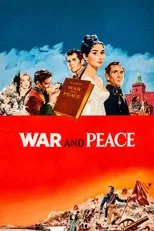
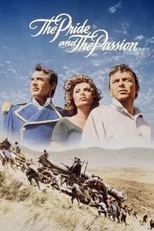
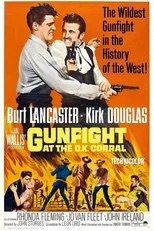
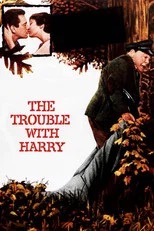
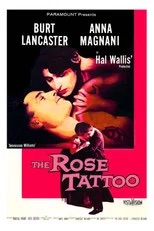
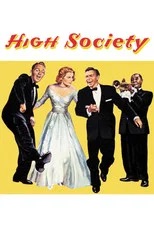
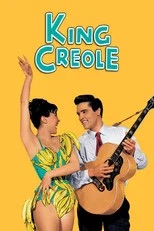
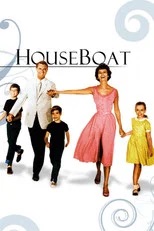
Check out this month’s VistaVision drop, alongside White Christmas – screwball comedy The Court Jester (1955), westerns Gunfight at the O.K. Corral (1957) and One-Eyed Jacks (1961), war epics The Pride and the Passion (1957), Strategic Air Command (1955) and War and Peace (1956), thrillers The Desperate Hours (1955) and The Trouble With Harry (1955), romantic melodrama The Rose Tattoo (1955), gangster musical King Creole (1958), and romantic comedies Houseboat (1958) and High Society (1956).

ARTIST SPOTLIGHT
Albert Brooks
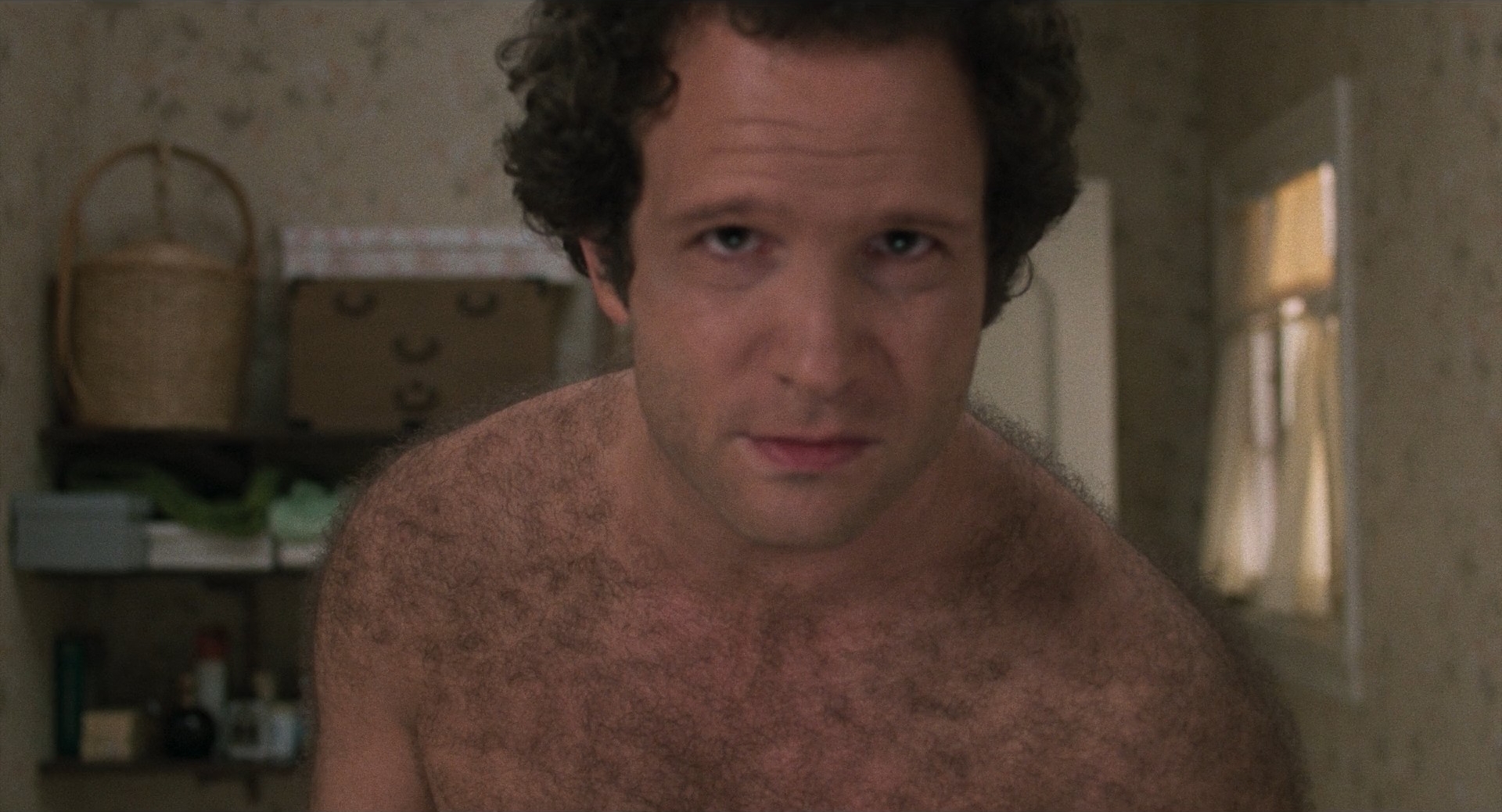
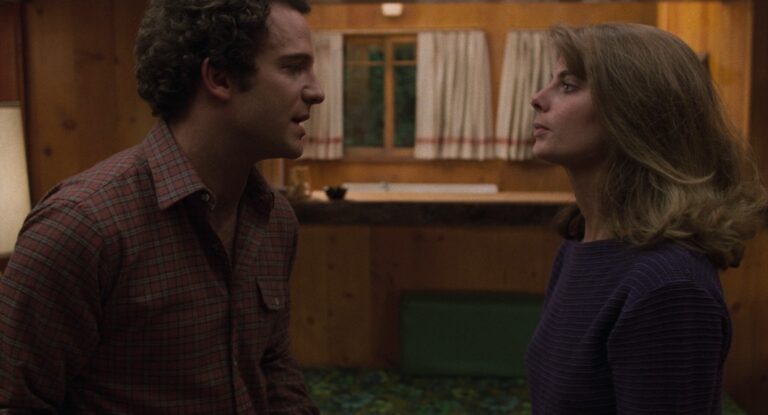
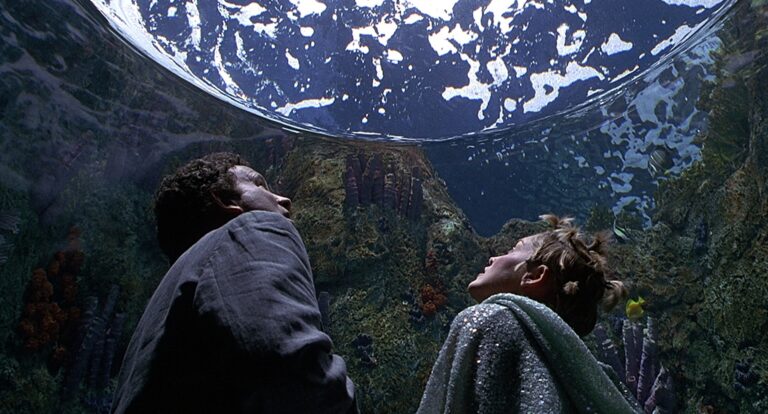
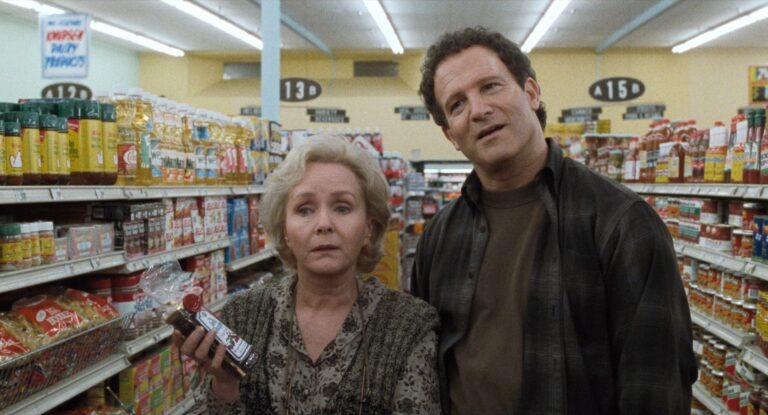
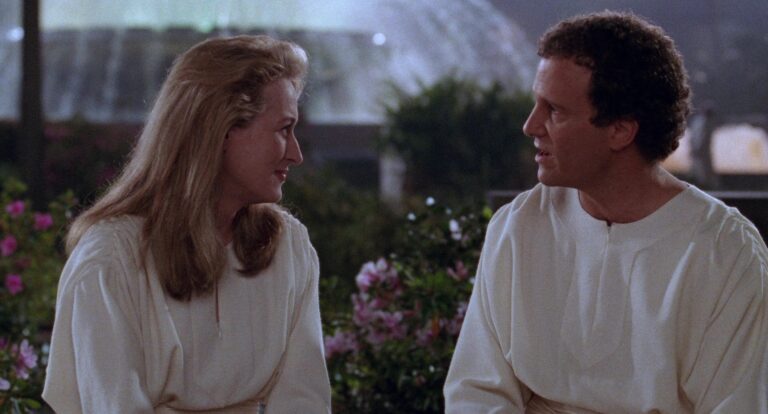
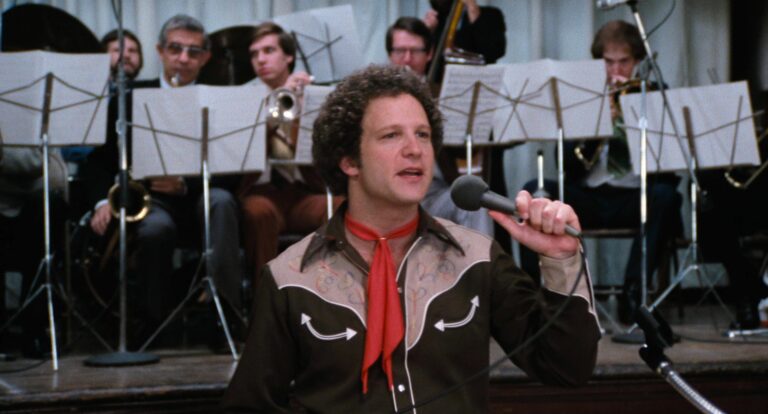
This month, we released five films from the filmography of the iconic American comedian, actor, writer and director Albert Brooks. A pioneering comic figure in Hollywood who rose to fame playing lovable losers and helpless neurotics, Brooks also became known for his razor sharp satires of modern American life, all told within a classical filmmaking style.
Brooks directed six short films on the first season of Saturday Night Live, and got his first mainstream film acting role on Taxi Driver. In 1981, he made his feature directorial debut with Real Life, which he also acted in. Brooks would come to make a habit of starring in his own work, carving out a unique voice in American cinema that would come to define him as one of the godfathers of contemporary American comedy, and a touchstone reference point for comedy filmmakers all over the world.
Dive into this month’s curation of Brooks’ work – Real Life (1979), Modern Romance (1981), Defending Your Life (1991), Mother (1996), and The Muse (1999). Enjoy!
TELEVISION SERIES
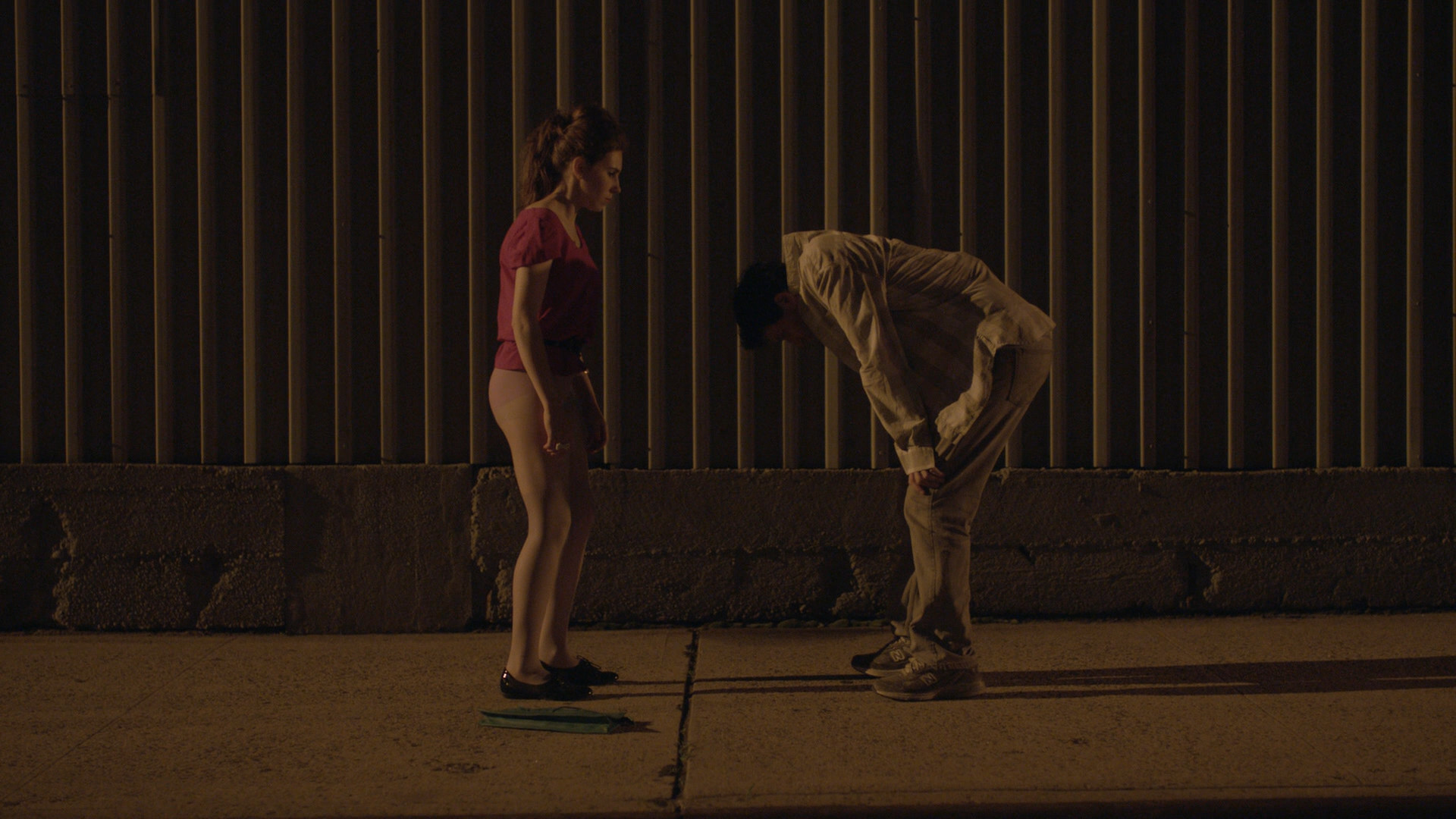
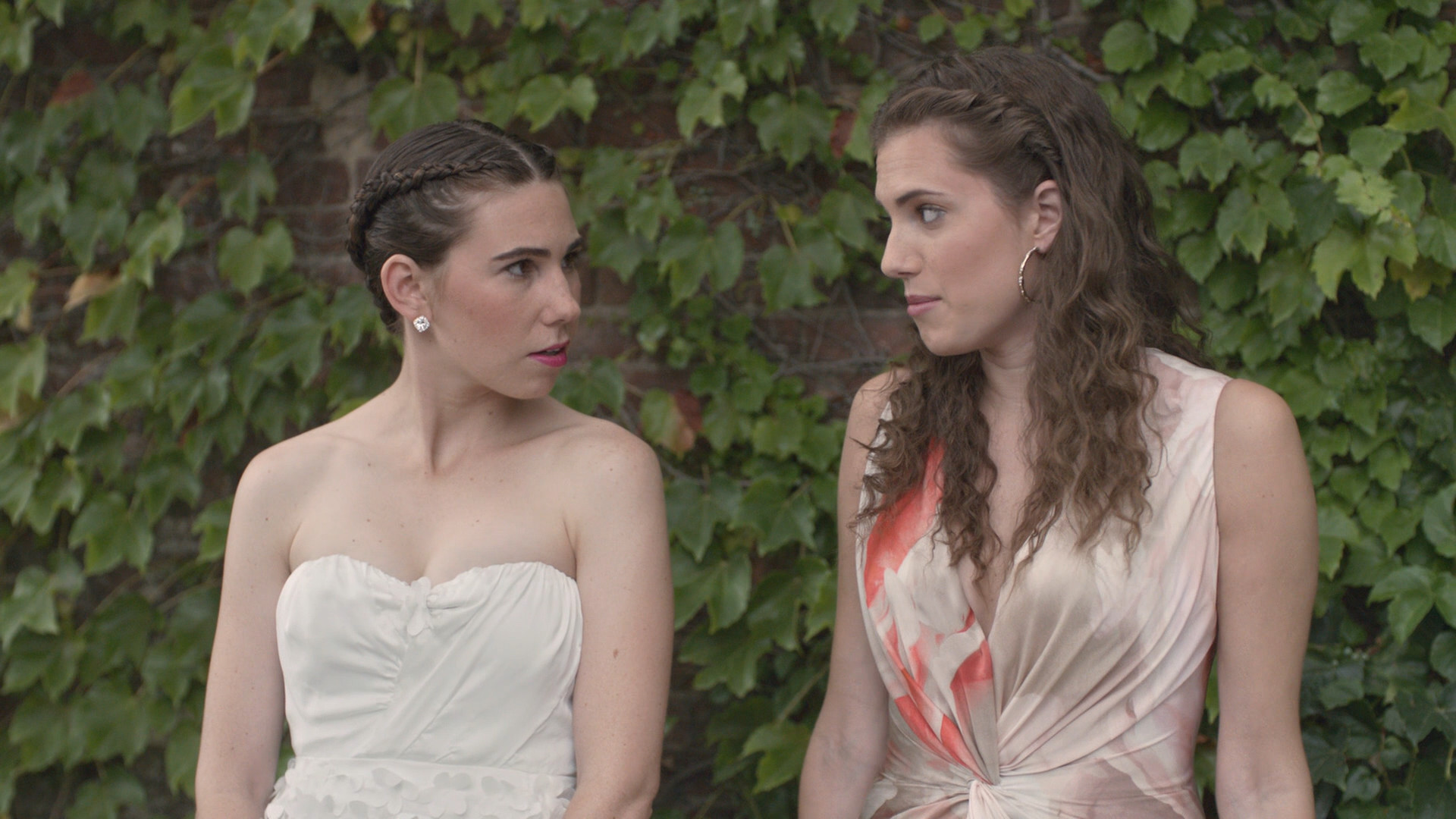
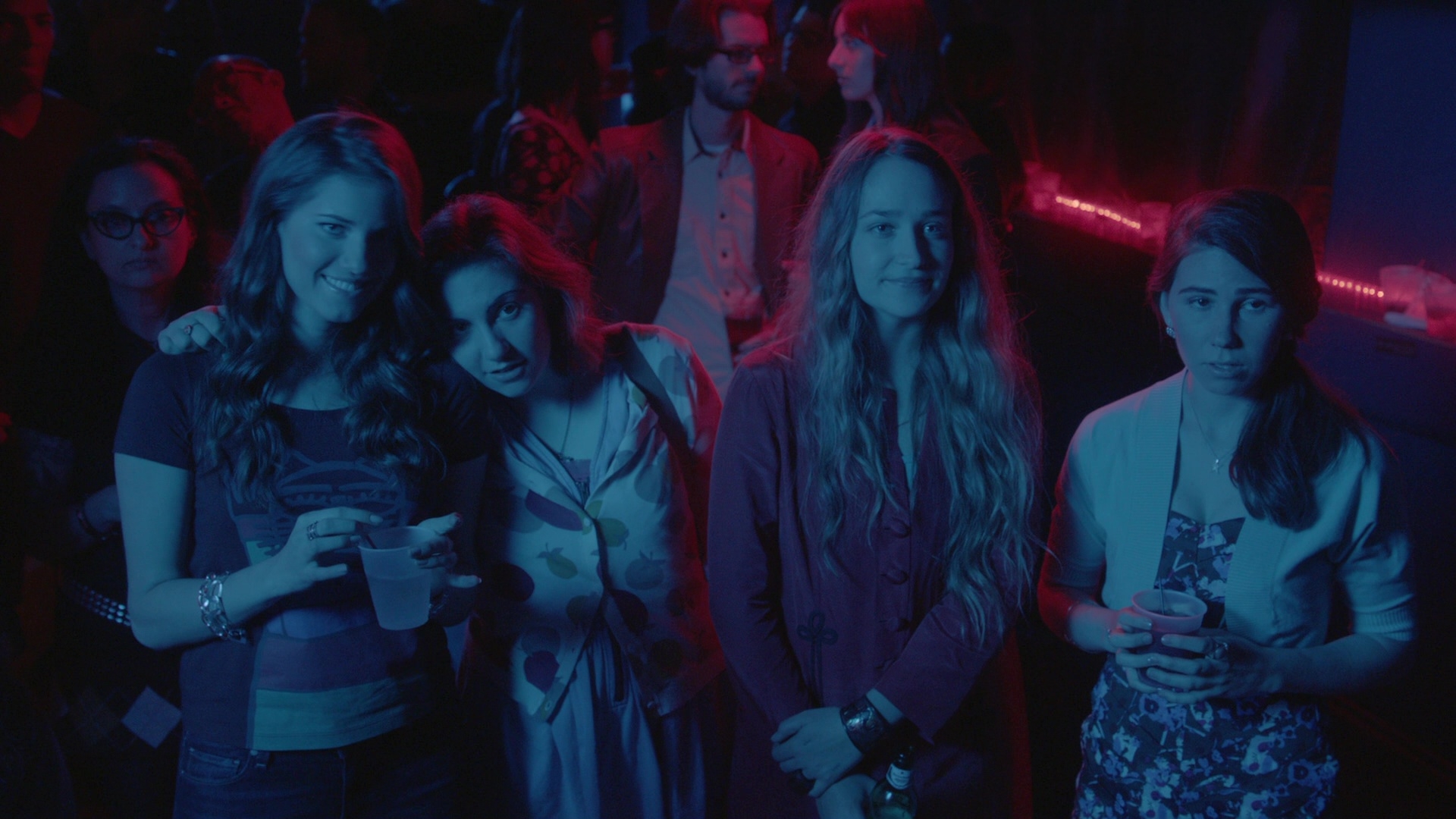
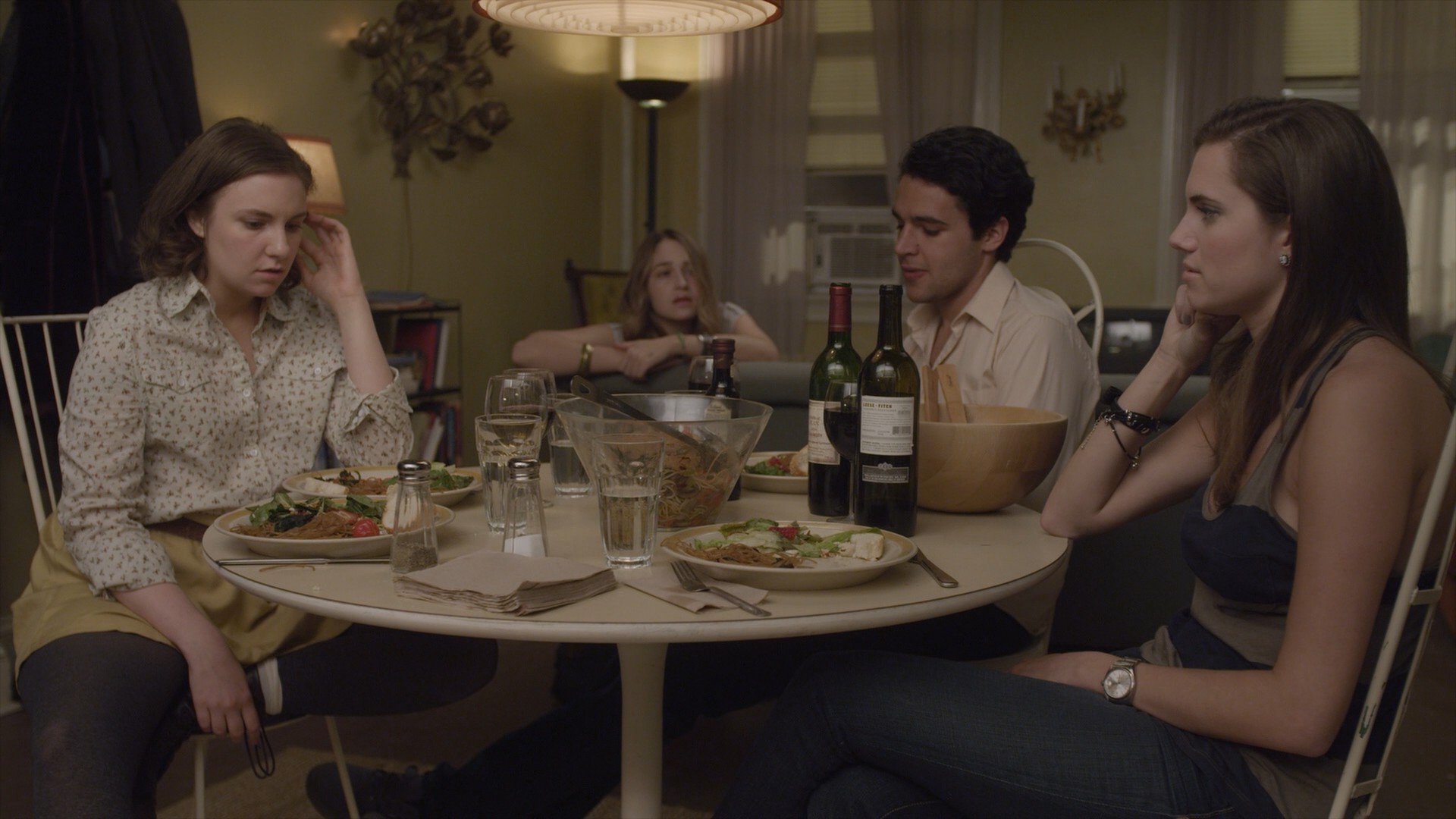
Girls – Season 1
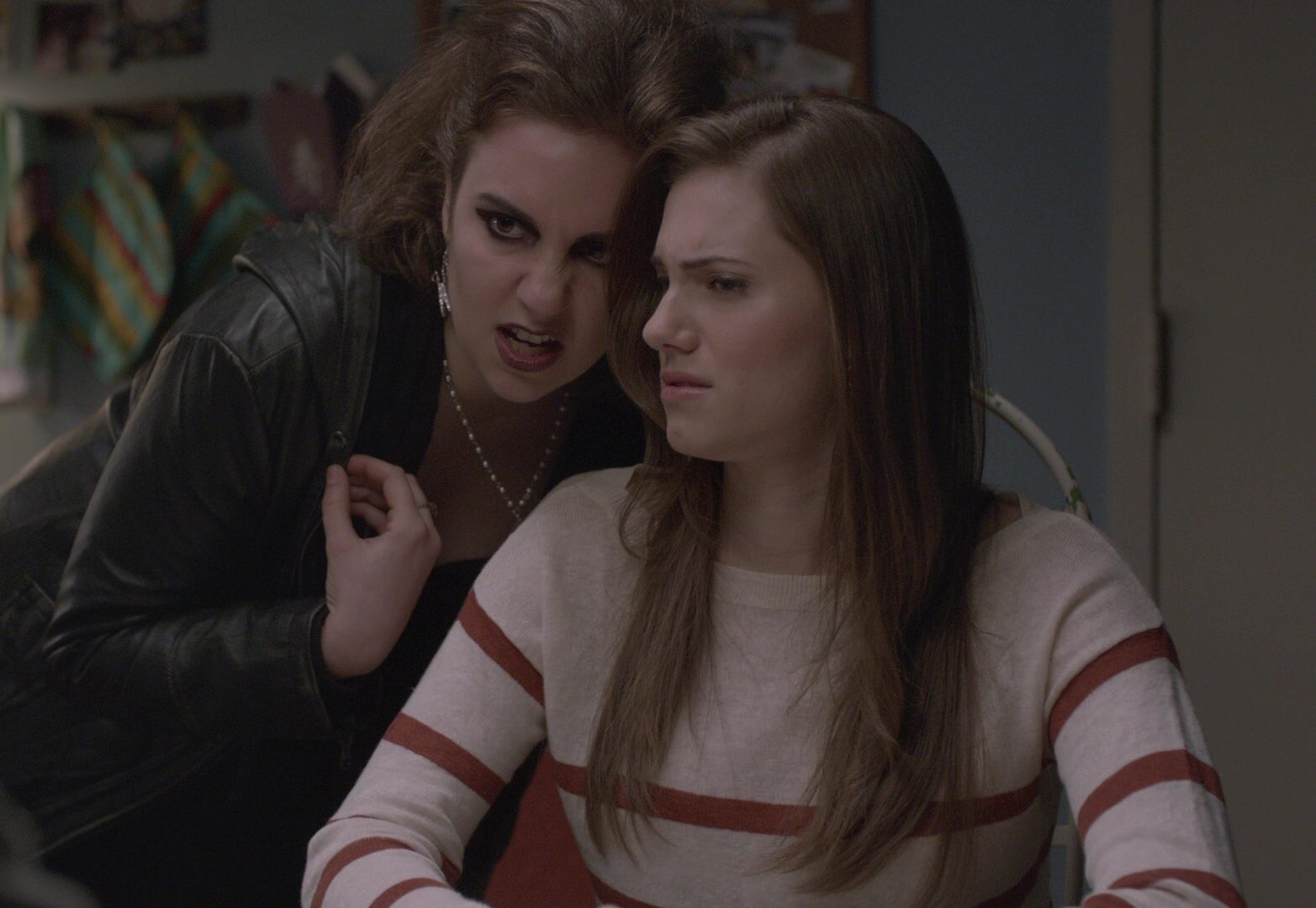
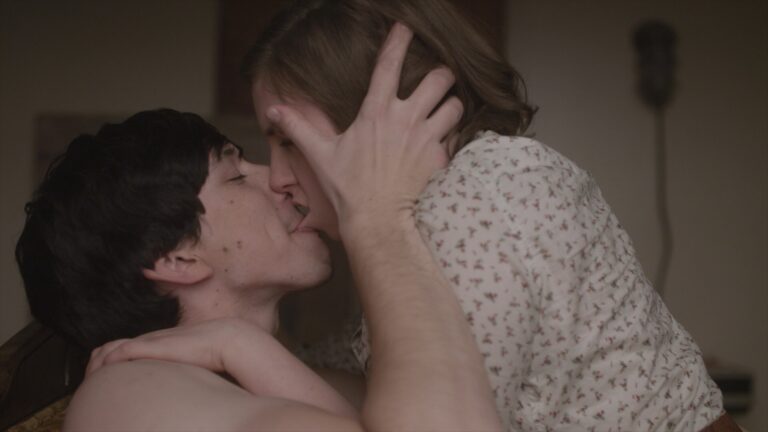
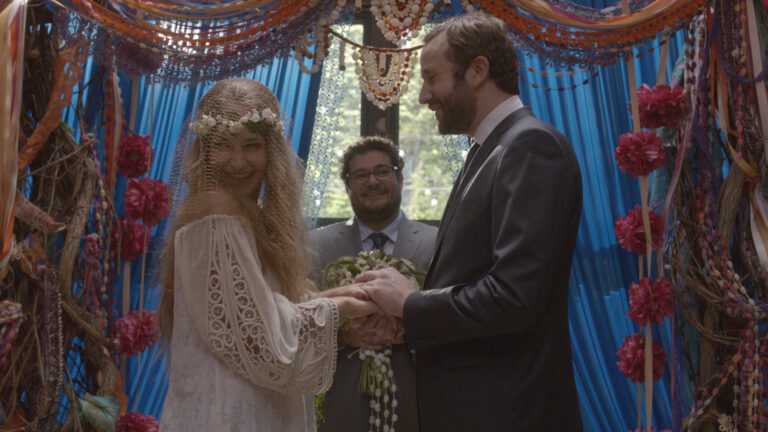
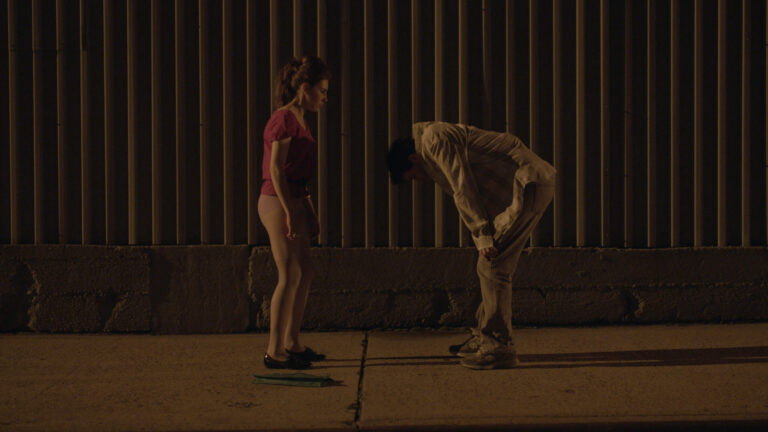
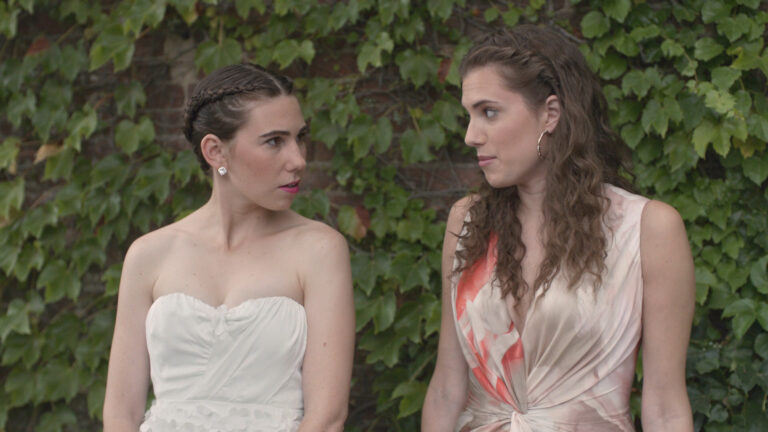
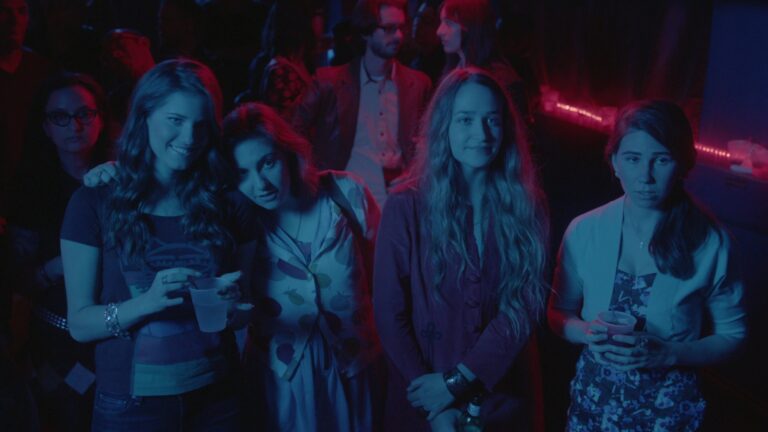
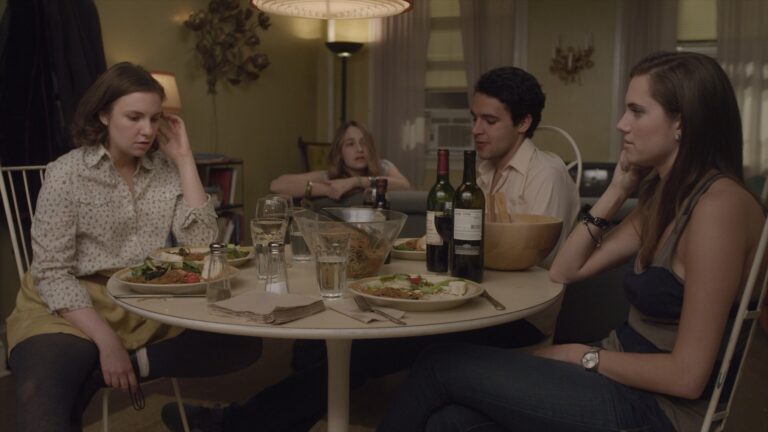
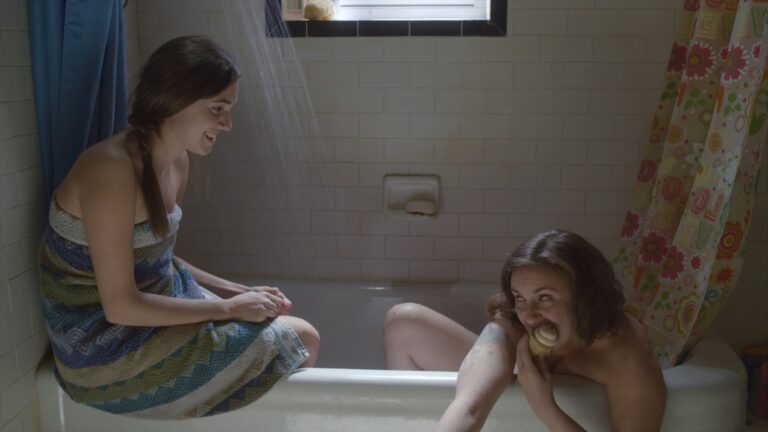
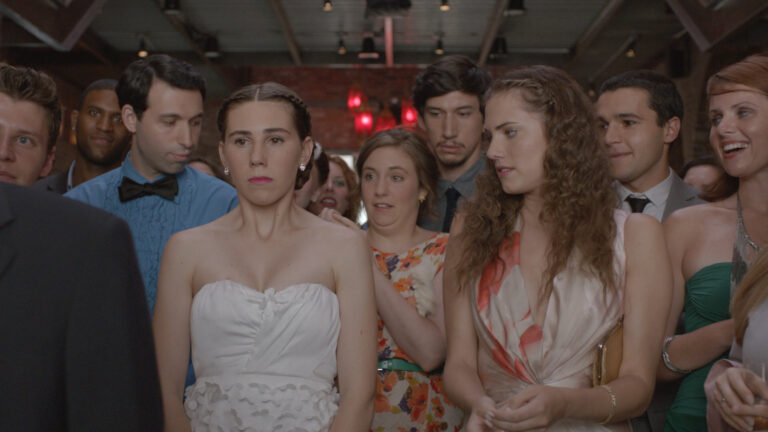
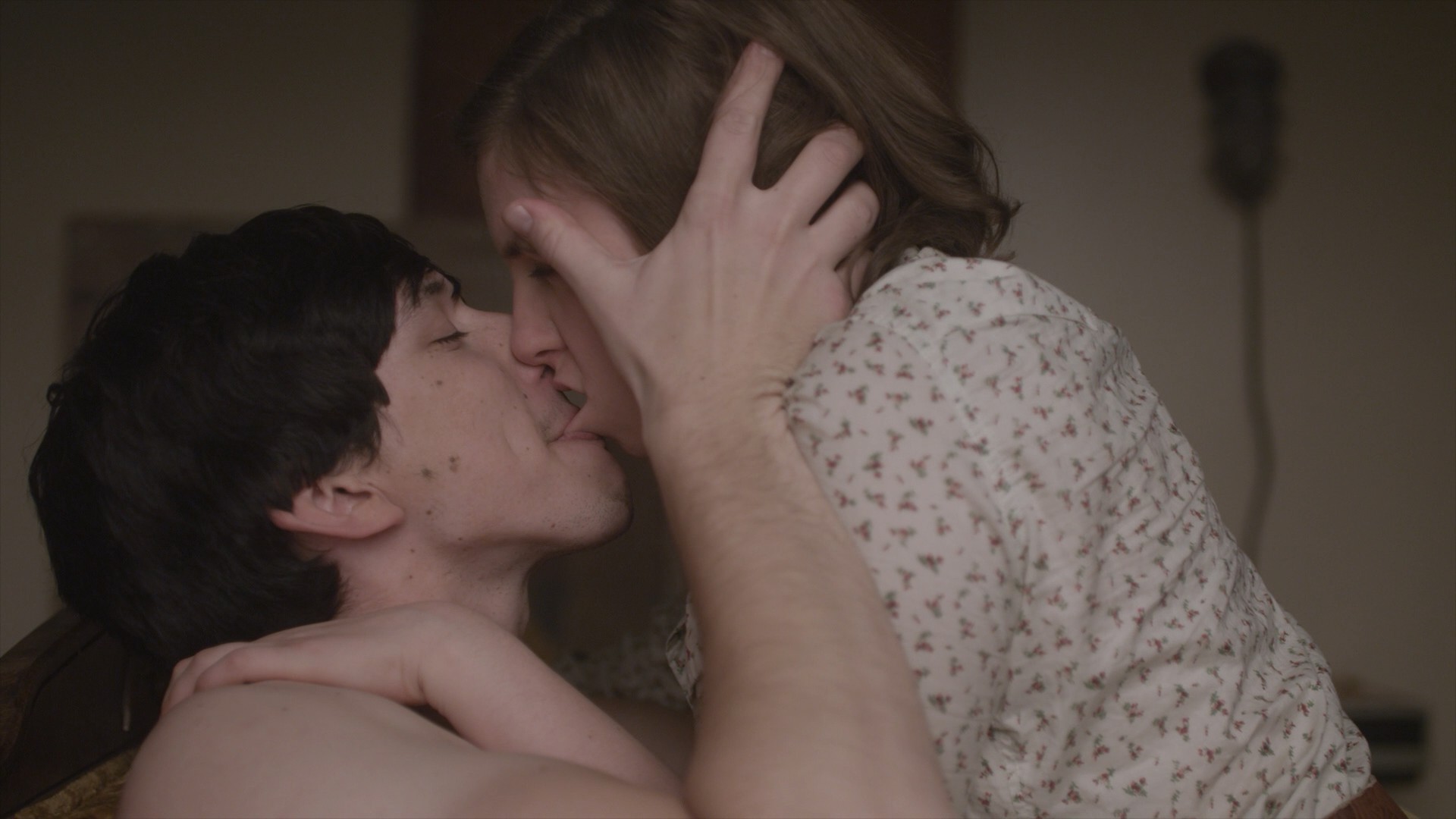
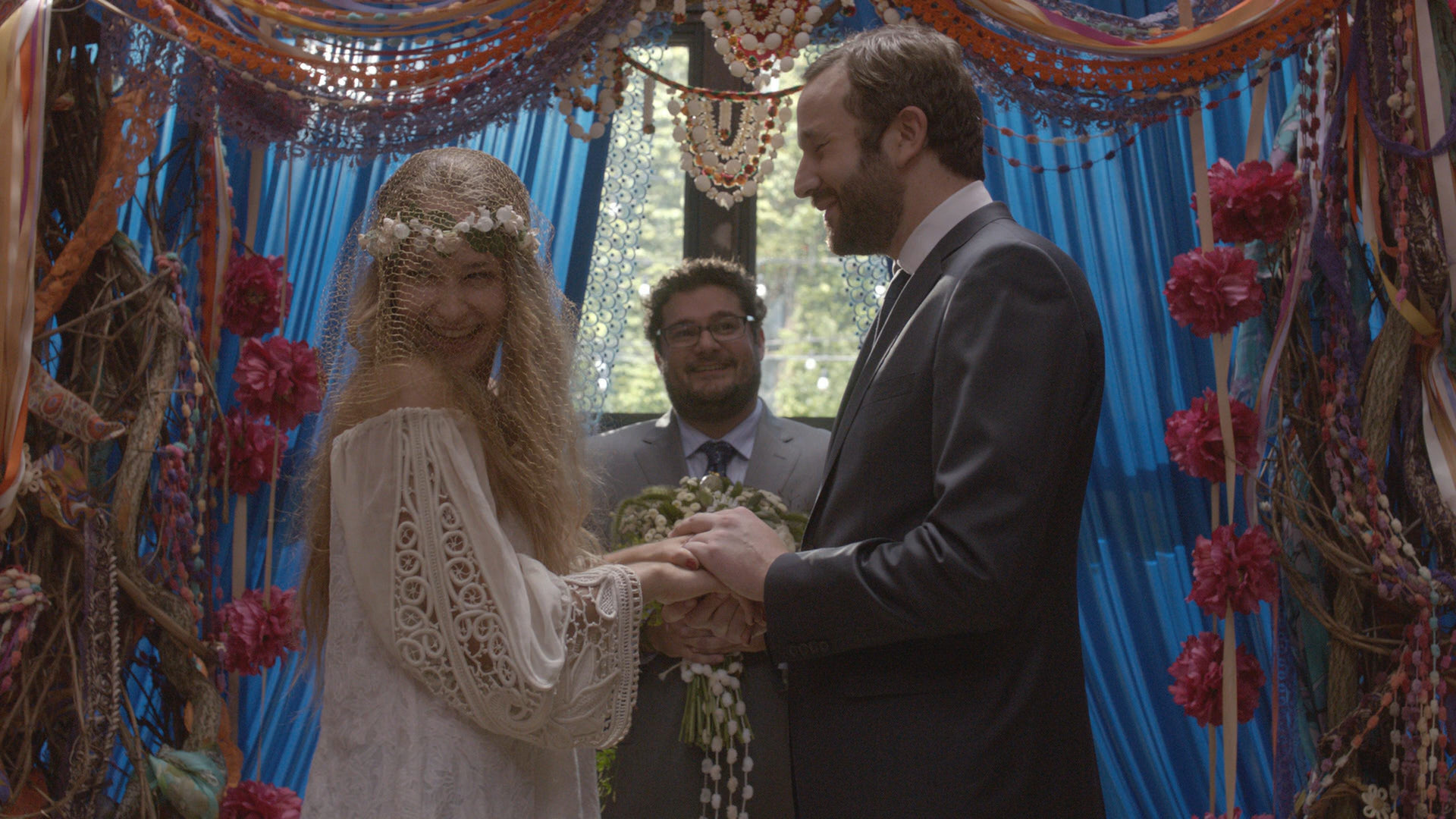
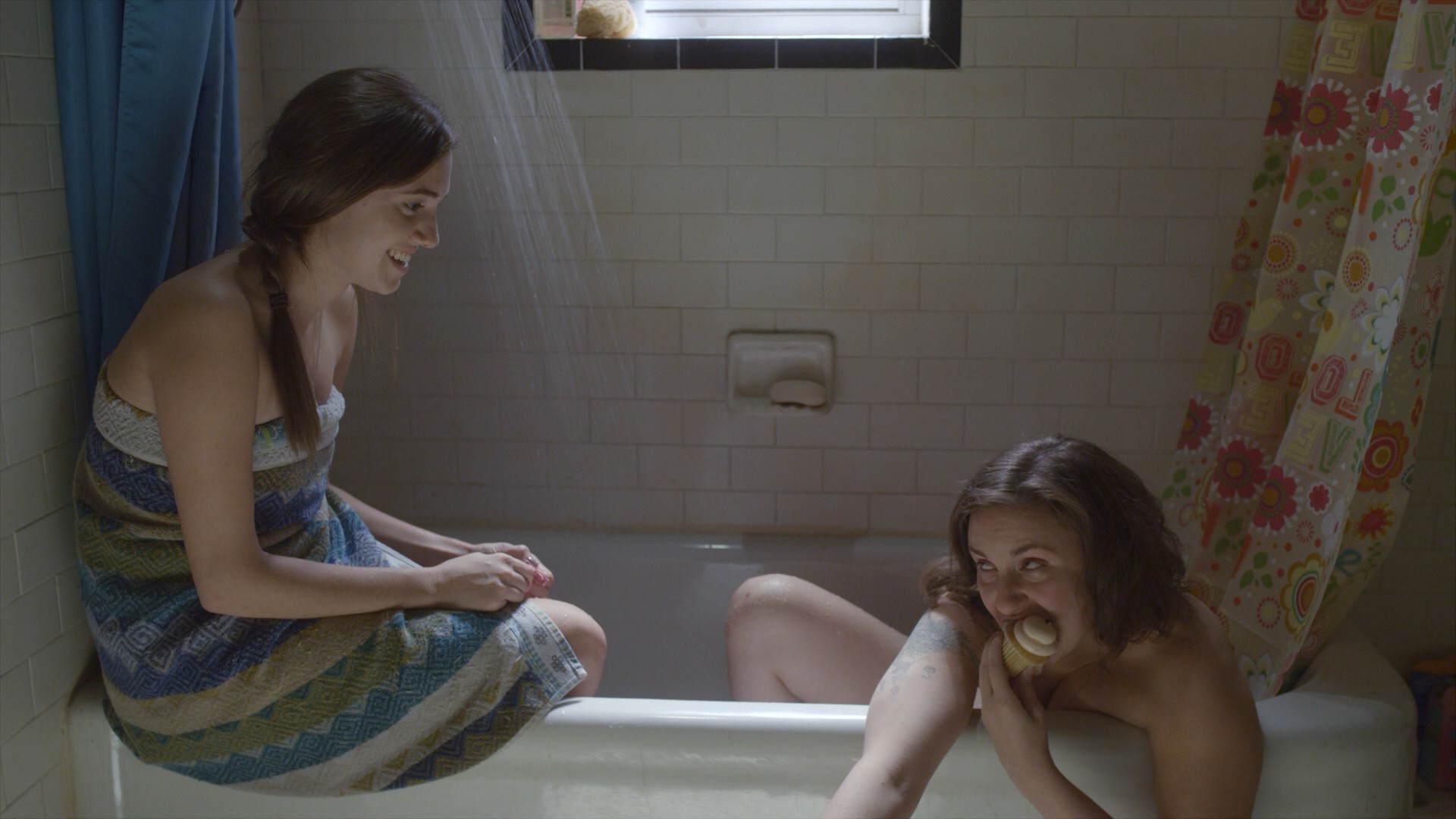
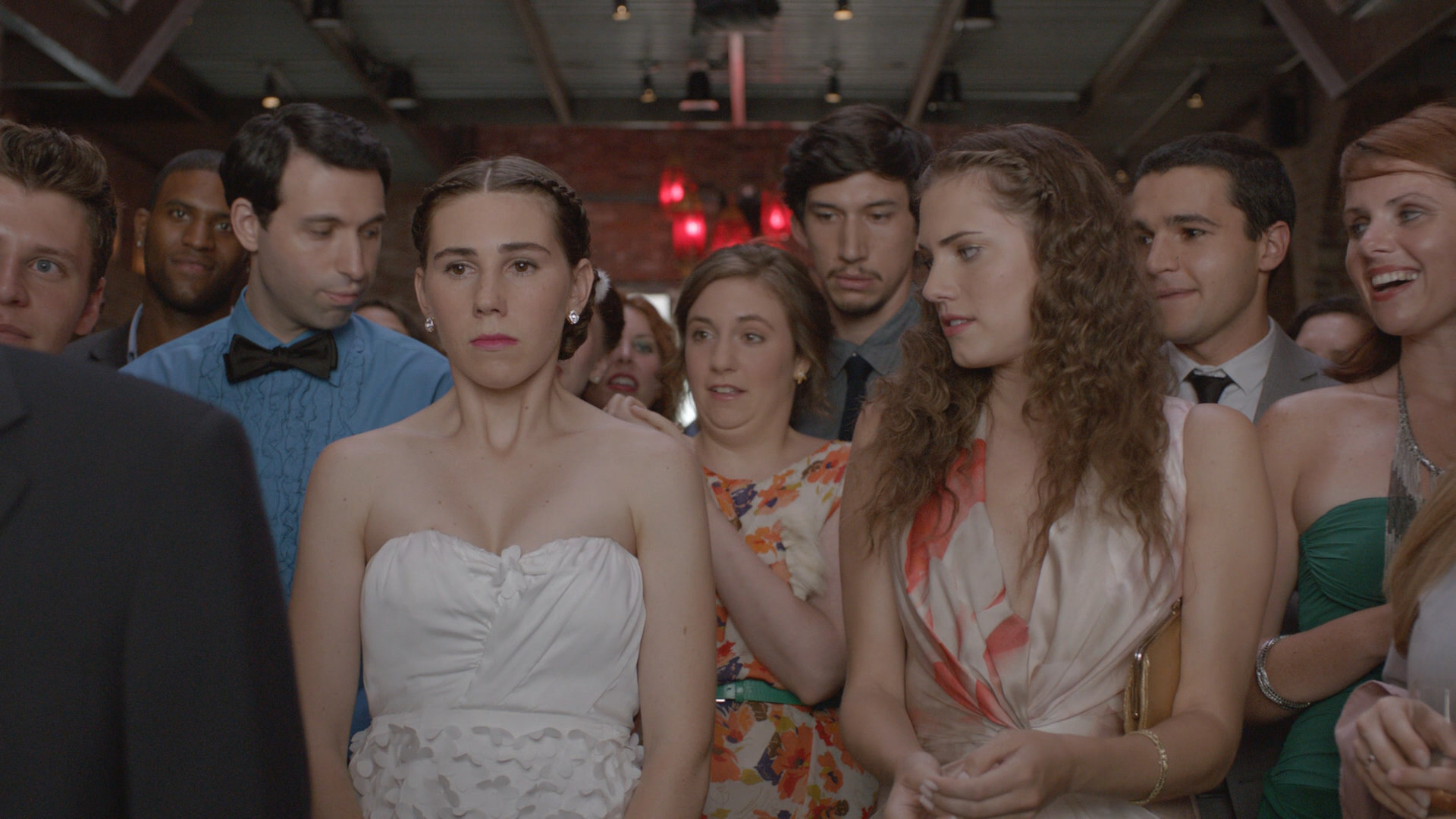
In August, we dropped the first season of the iconic 2010s portrait of young adulthood, Girls. Created by and starring Lena Dunham, the series follows aspiring writer Hannah Horvath, whose life in Brooklyn is upended when her parents tell her that they no longer plan to financially support her. Hannah struggles with her newfound independence while navigating adulthood with her friends Marnie (Allison Williams), Jessa (Jemima Kirke), and Shoshanna (Zosia Mamet). The series also stars Adam Driver, Christopher Abbott, and Peter Scolari. Girls became one of the defining television series of the 2010s, capturing New York through the eyes of millenial women in a way that became a touchstone reference for a generation.
The majority of Season 1 was shot by cinematographer Jody Lee Lipes, who worked with Dunham to create a visual language that would divert noticeably from the more airbrushed and glossy looks of predecessor shows set in New York City. Lipes avoided traditional coverage to create a visual language with more emotional and physical immediacy, in an attempt to situate the audience in the middle of the world that its central characters occupied.


ARTIST SPOTLIGHT
Claude Chabrol
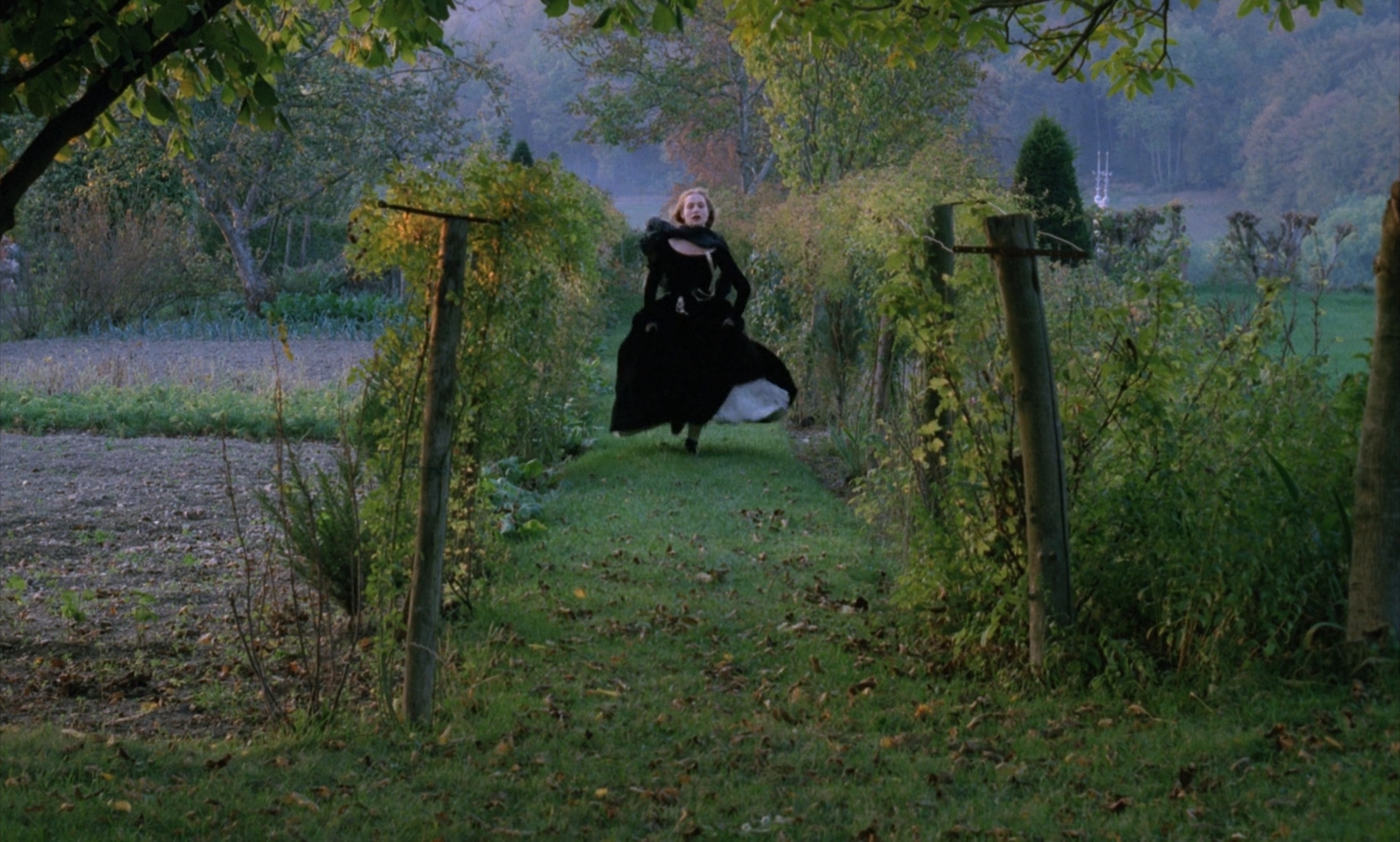
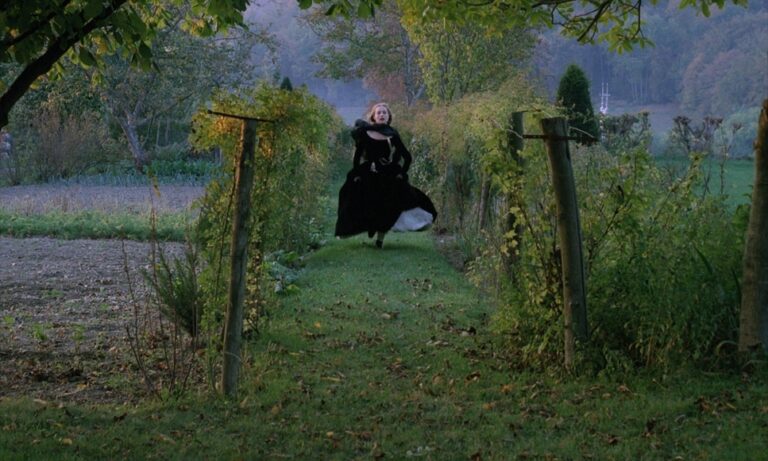
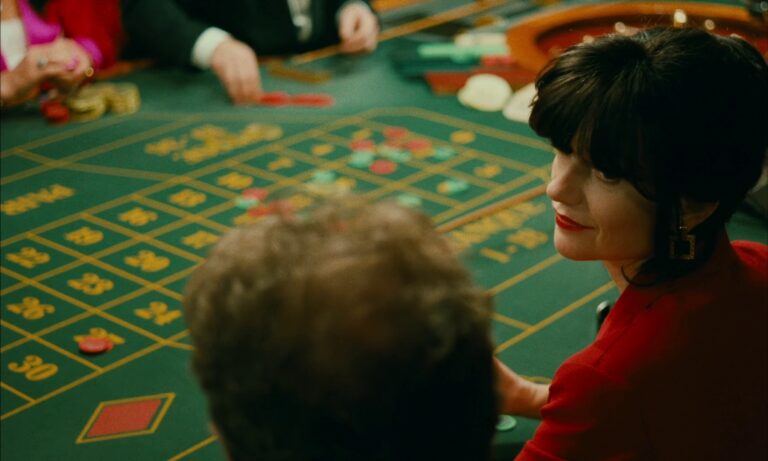
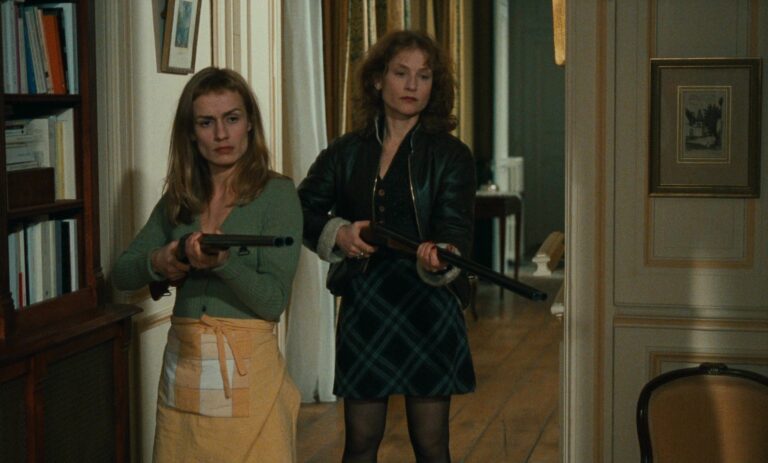
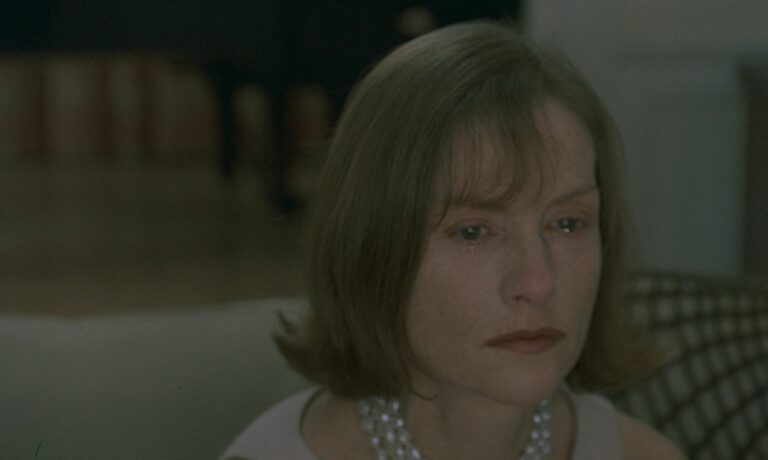
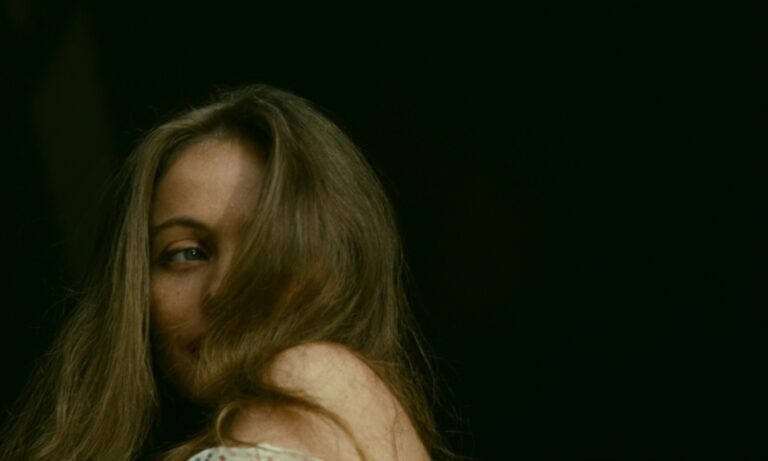
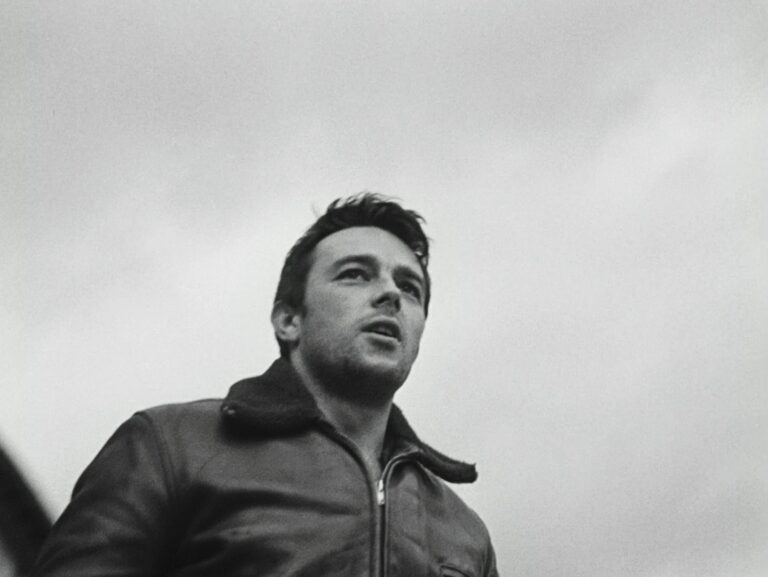
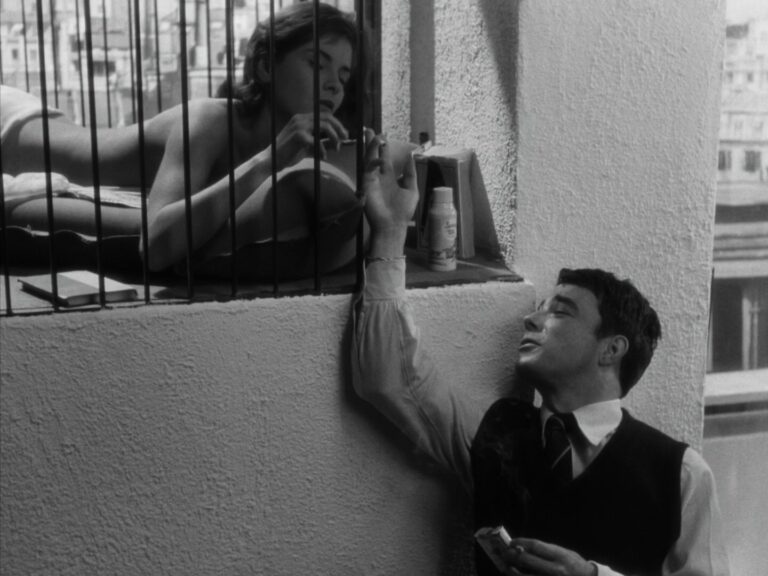
This month, we dropped thousands of shots from a selection of seven films from Claude Chabrol. Known as the “French Hitchcock”, Chabrol was a member of the French New Wave group of filmmakers who came to prominence in the late 1950s, and like many other major filmmakers of that generation, Chabrol started out as a critic for the influential magazine Cahiers du Cinéma before directing films of his own.
Sometimes classified as one of the more “mainstream” filmmakers of the French New Wave, Chabrol was a prolific filmmakers who rarely went more than two years without releasing a film. Chabrol became known for his satirical suspense thrillers that dissected the bourgeoise, and his filmmaking style was characterized by visual precision and distanced objectivity.
Take a closer look at this month’s Claude Chabrol curation – thrillers Les Cousins (1959) and Torment (1994), crime dramas Nightcap (2000) and The Swindle (1997), dramas La Cérémonie (1995) and Le Beau Serge (1958), and romantic drama adaptation Madame Bovary (1991).
TELEVISION SERIES
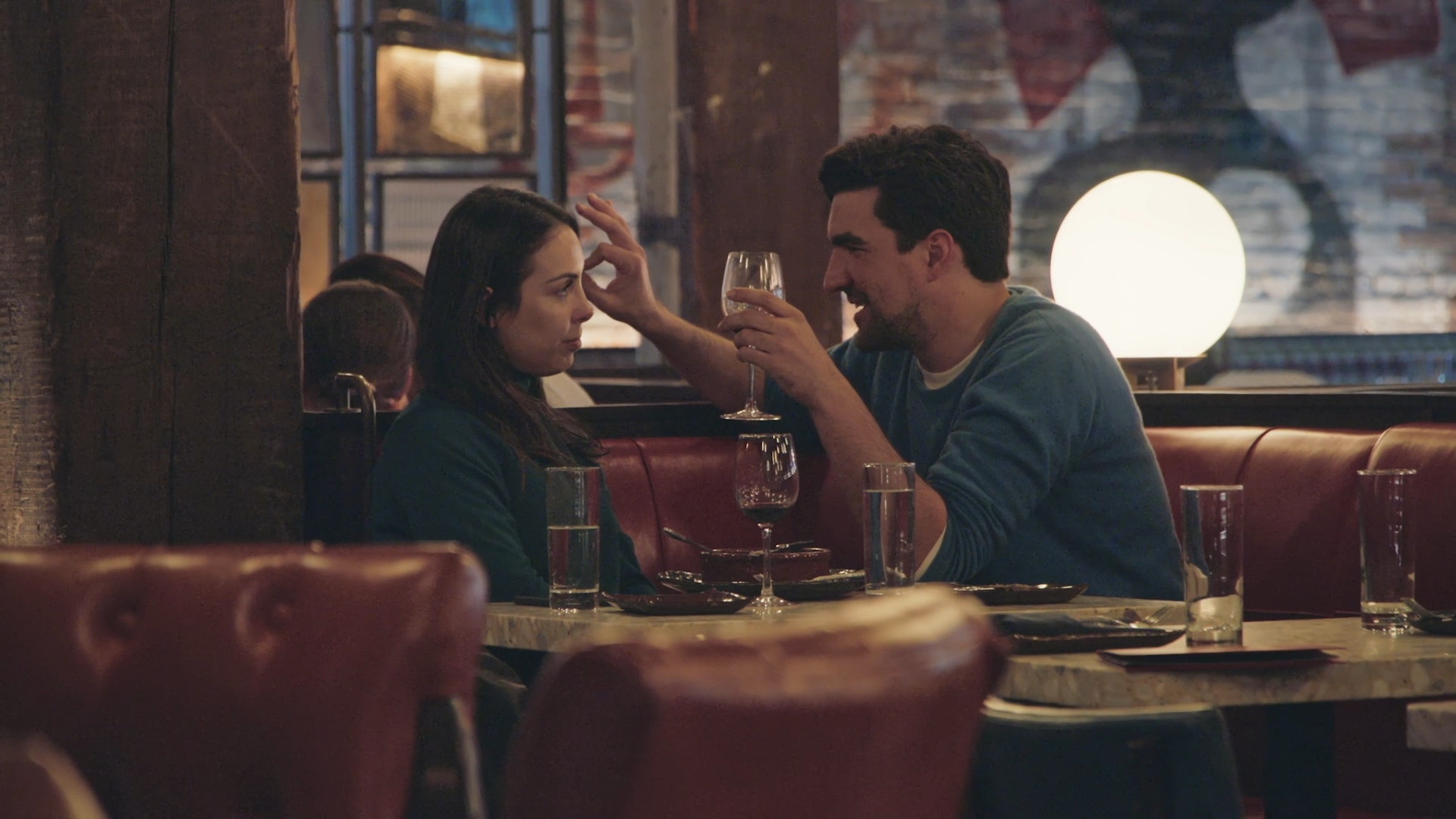
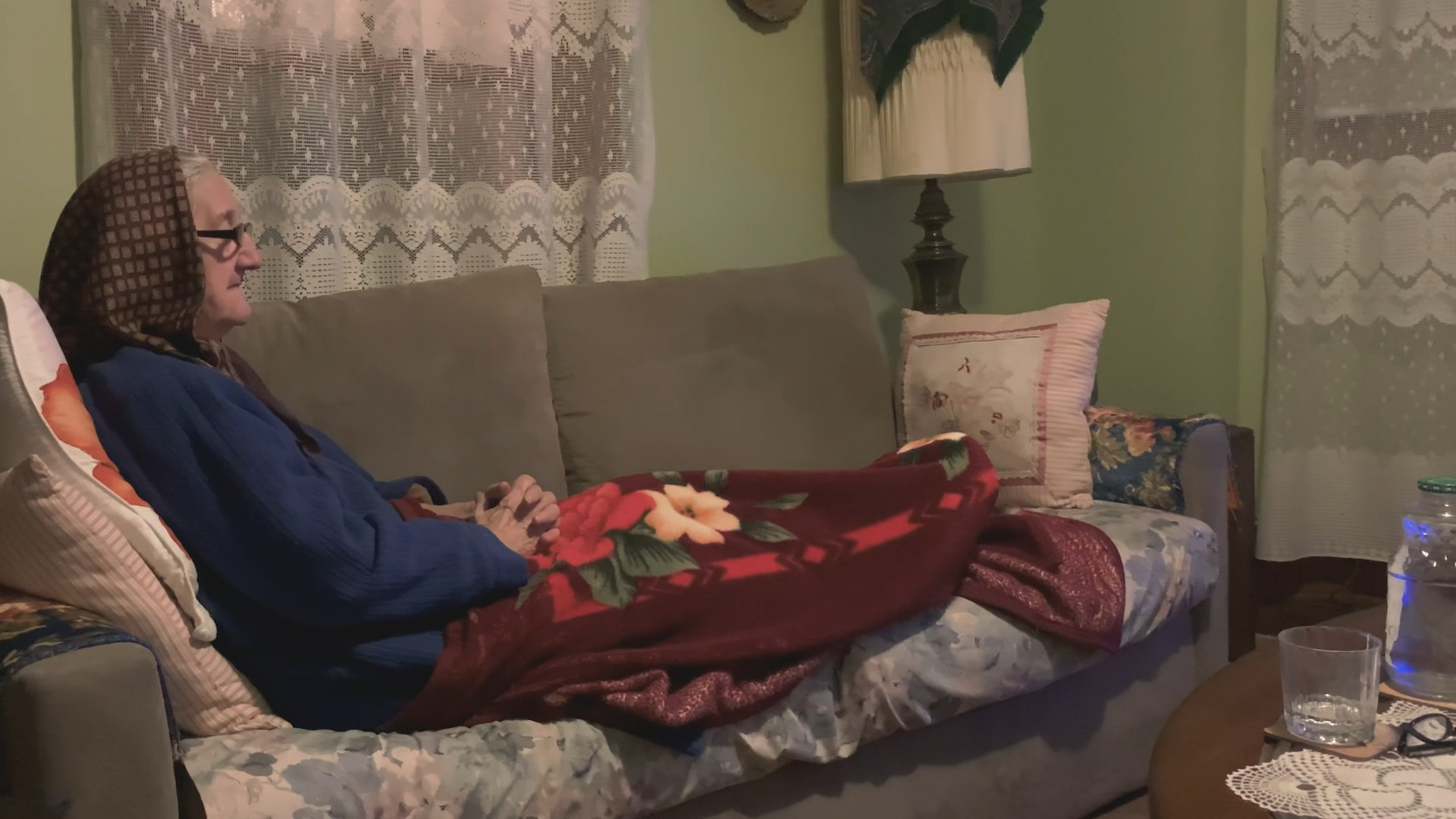
How To with John Wilson – Season 1
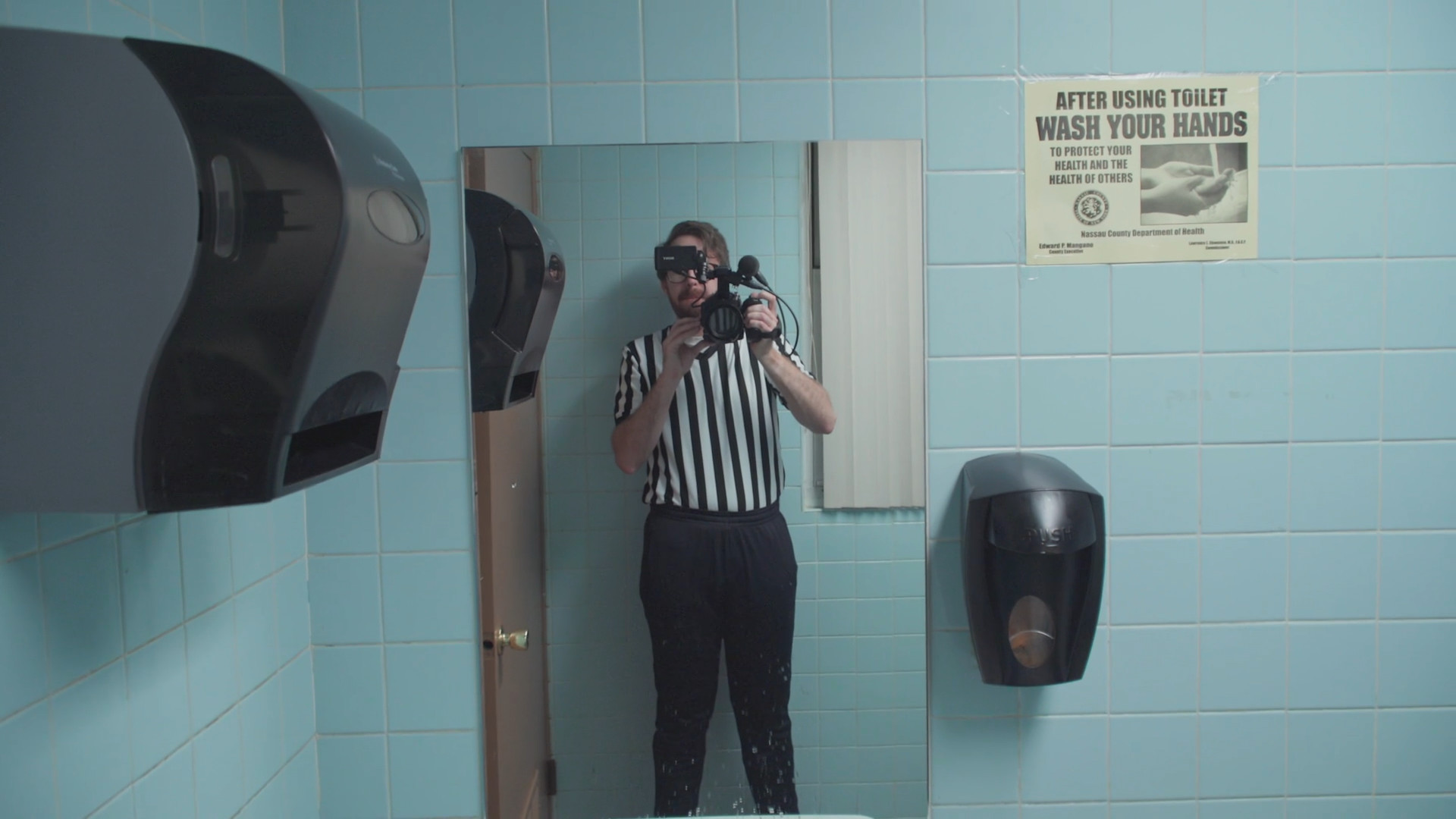
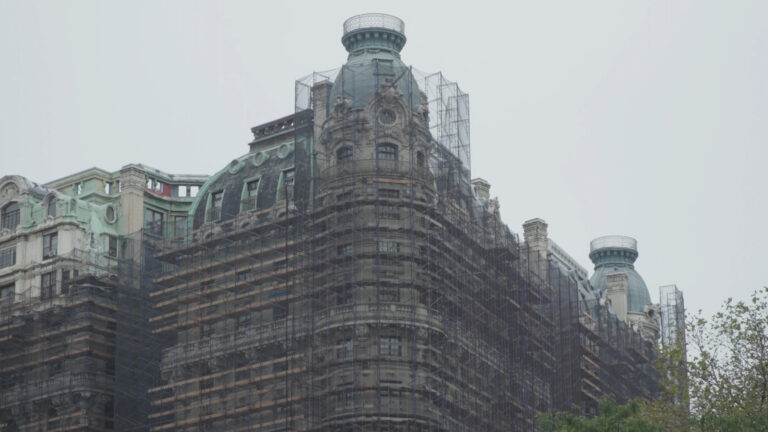
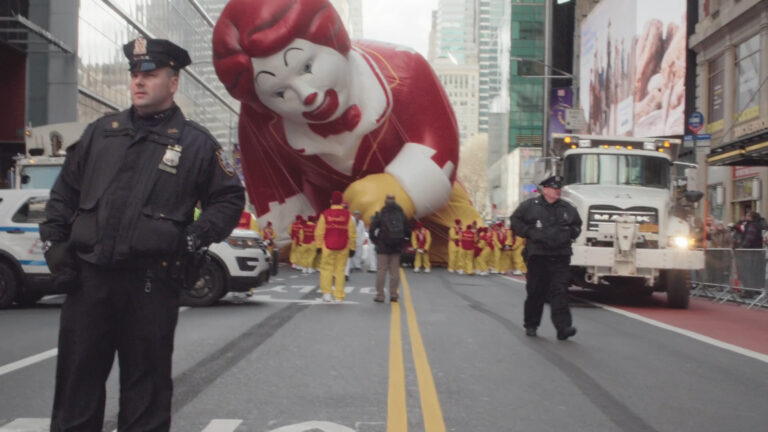
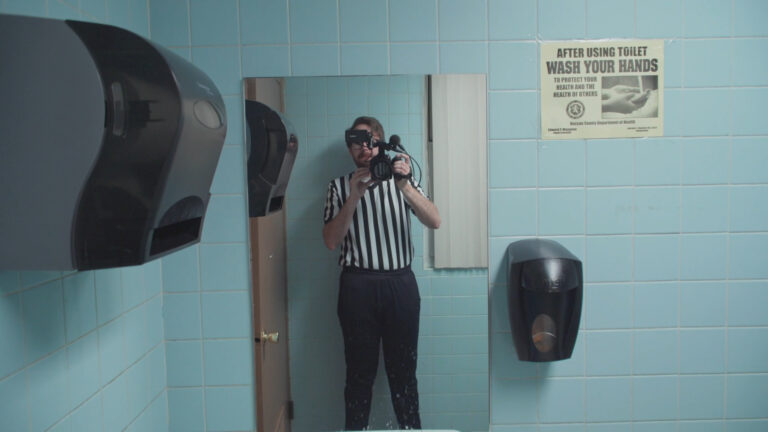
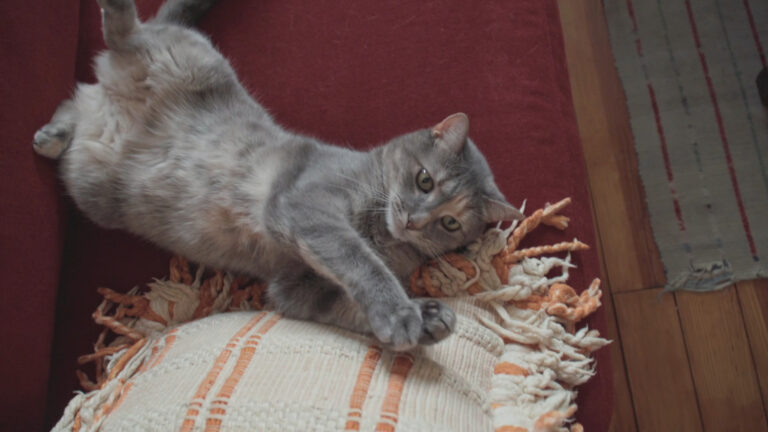
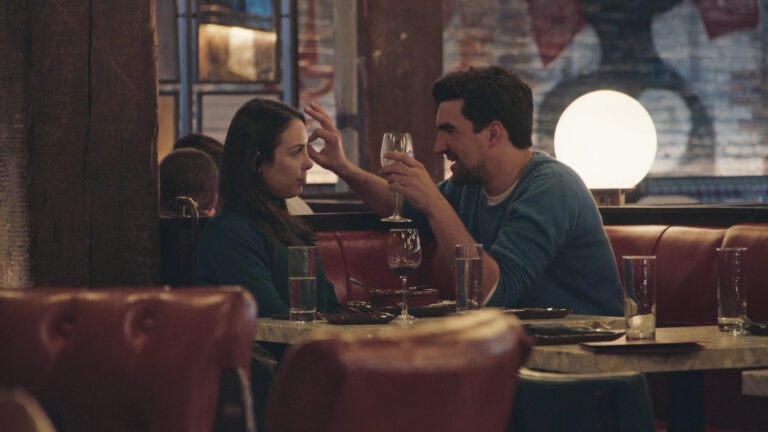
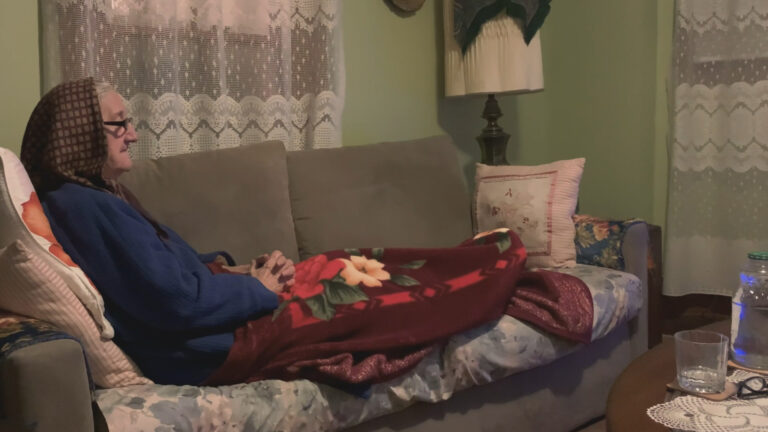
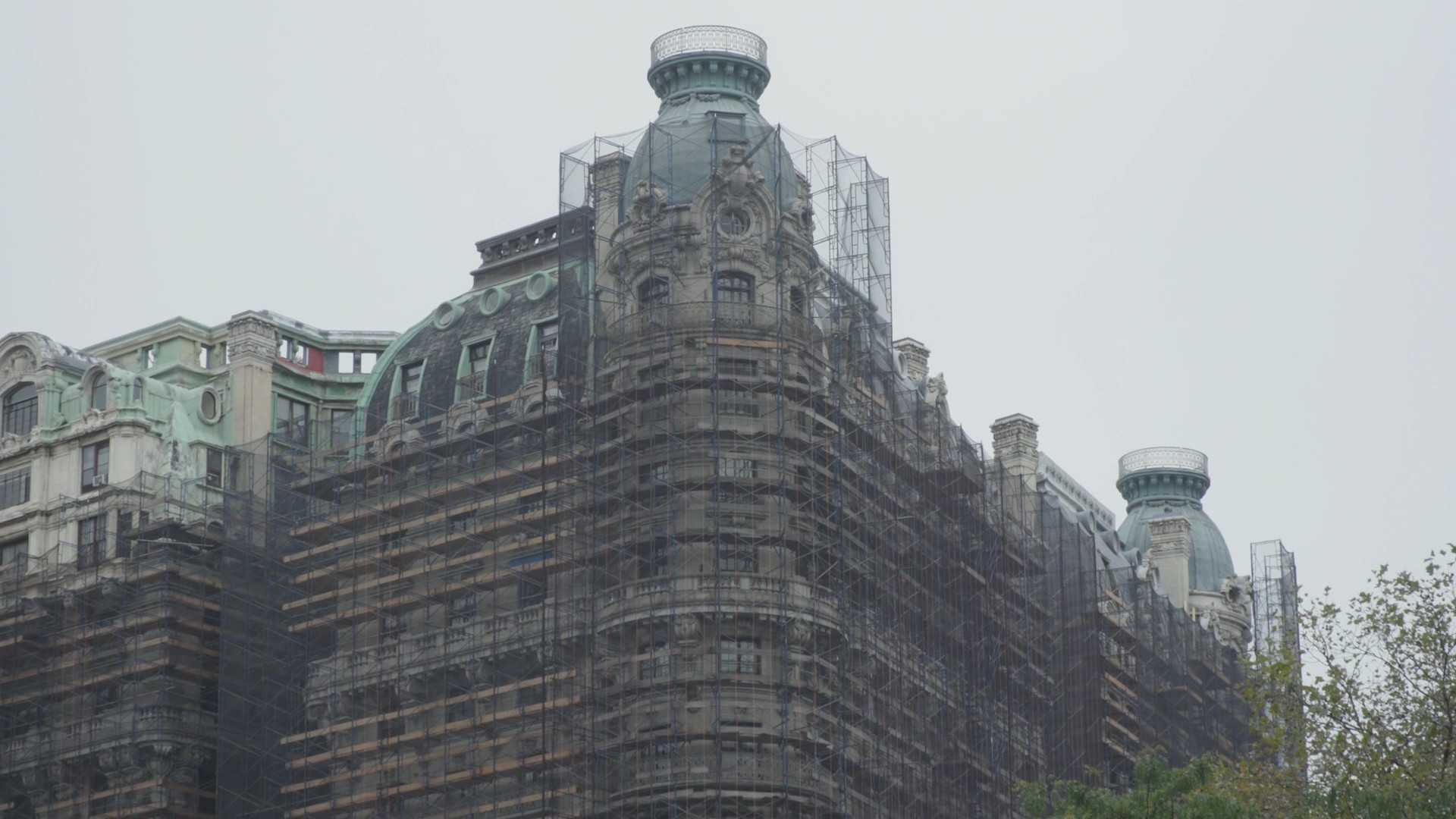
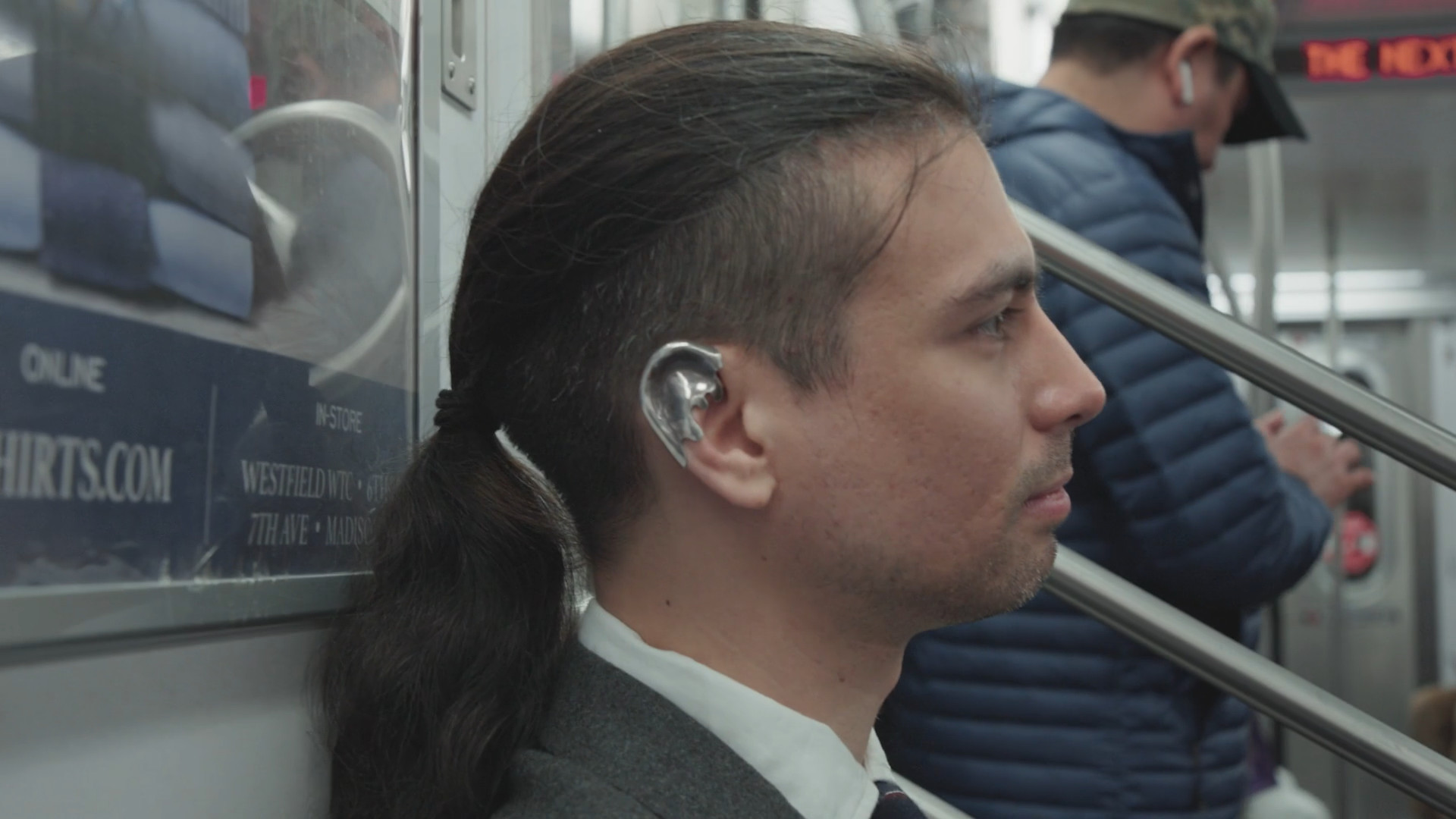
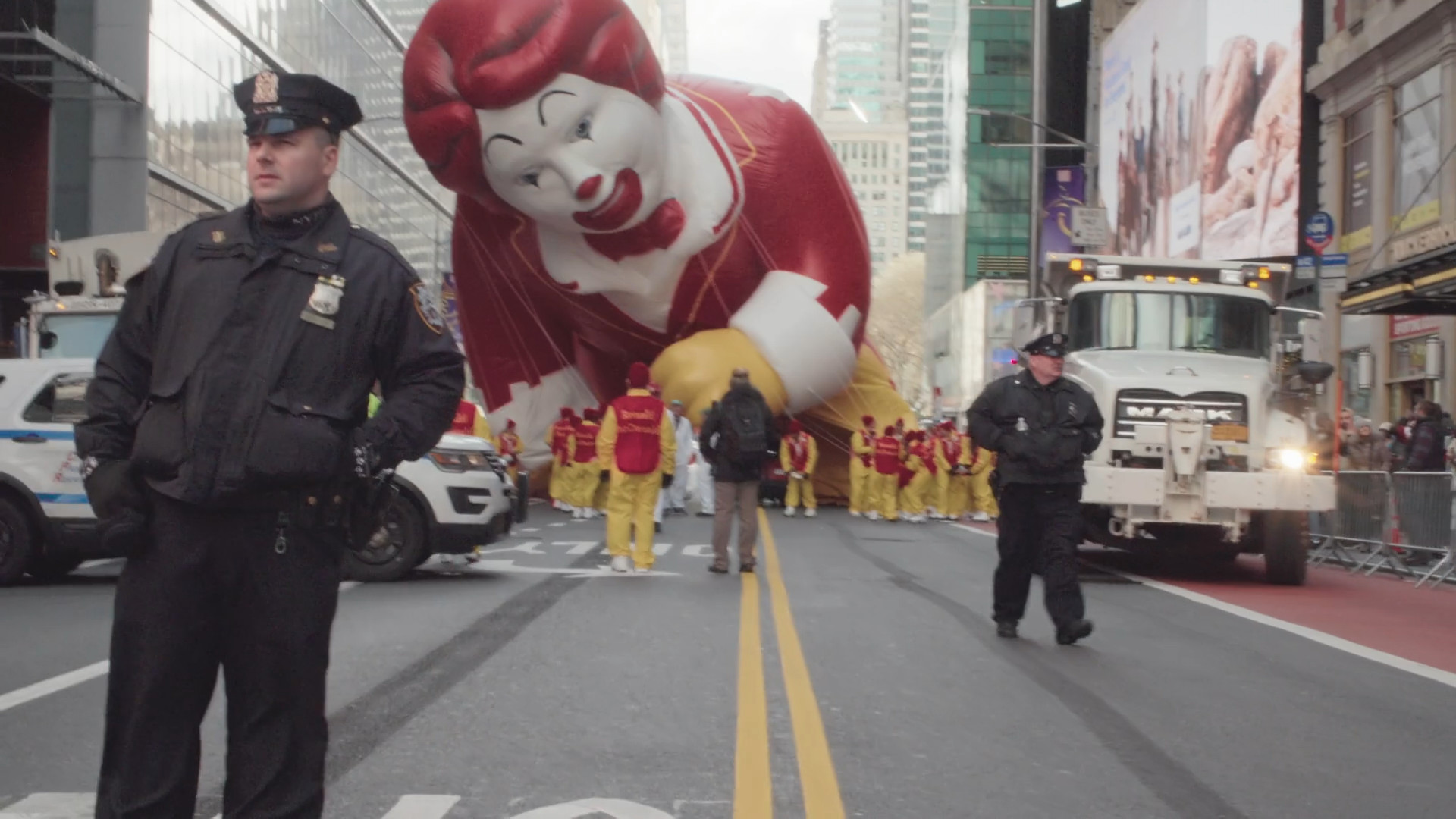
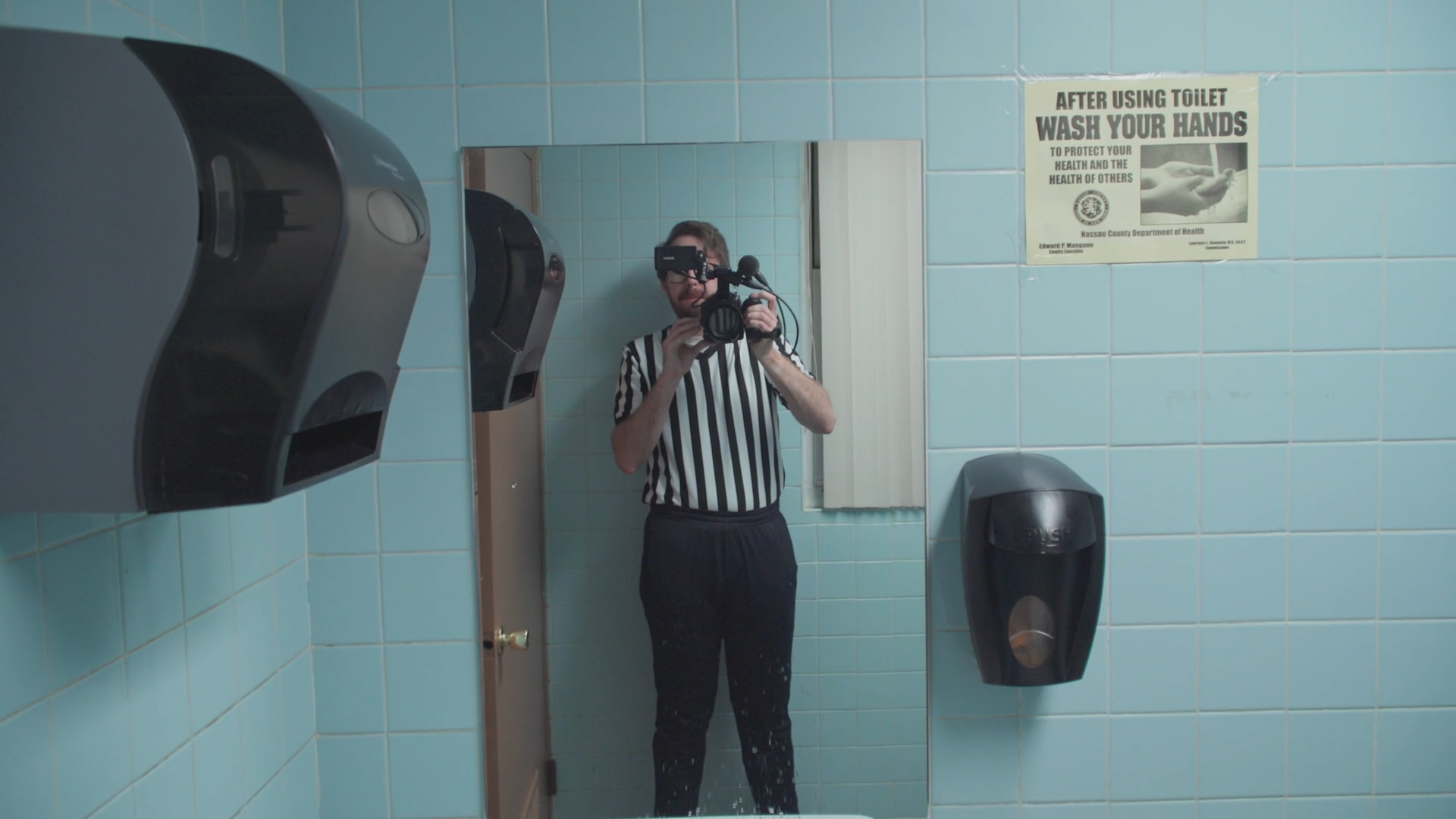
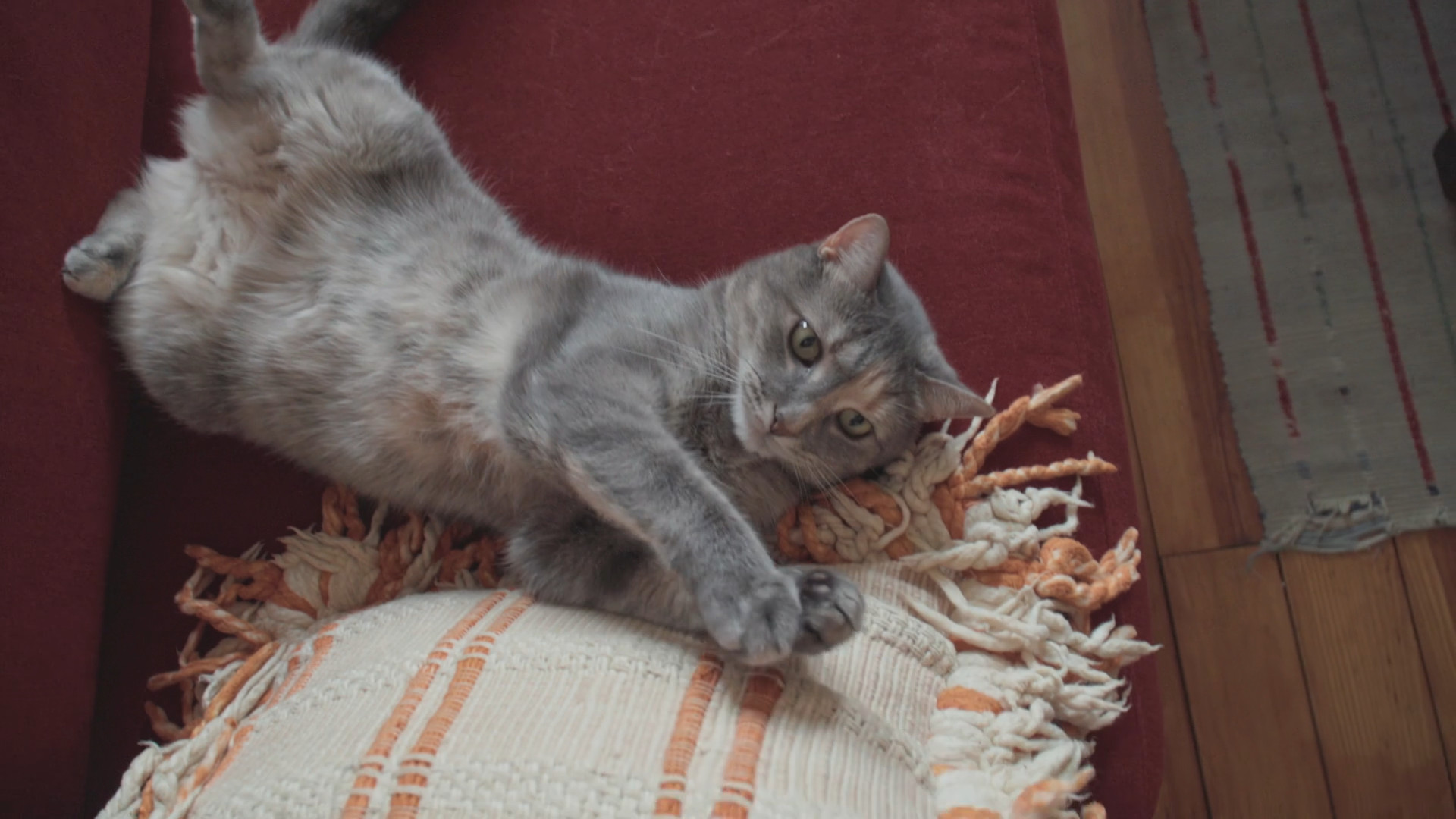
This month, we dropped Season 1 of John Wilson‘s iconic documentary television portrait of New York City, How To with John Wilson. The six episode season is narrated by Wilson himself in the style of how-to videos, and is filmed and edited as an essayistic documentary collage of New York City, covering topics as wide ranging as small talk, to scaffolding, to the Mandela effect. How To with John Wilson became one of the most watched shows of 2020 and was nominated for a Gotham Award and an Emmy.
Wilson’s guiding ethos for filming the series was to move as far away from his background filming infomercials as possible. In an interview with The Arts Fuse Magazine, Wilson said, “The stuff I was filming for infomercials was drab. It was logo based. It was some of the most reprehensible imagery you could conjure up. I wanted my own work to be the complete opposite of that. I think it definitely influenced me. Everything that I was told not to do in a professional capacity I did then in my own work. For example, whenever you are working with a producer, they always say don’t make it look like a pole is coming out of a subject’s head. Don’t place your subjects in front of a pole or a plant because it makes it look as if there is something coming out of their heads. That was one of the first things I did. In one of the interviews, I put someone in front of a smoke stack so it looked like his head was smoking. It was something you can’t get away with if you are working for some stooge for money.”





ARTIST SPOTLIGHT
Niki Caro
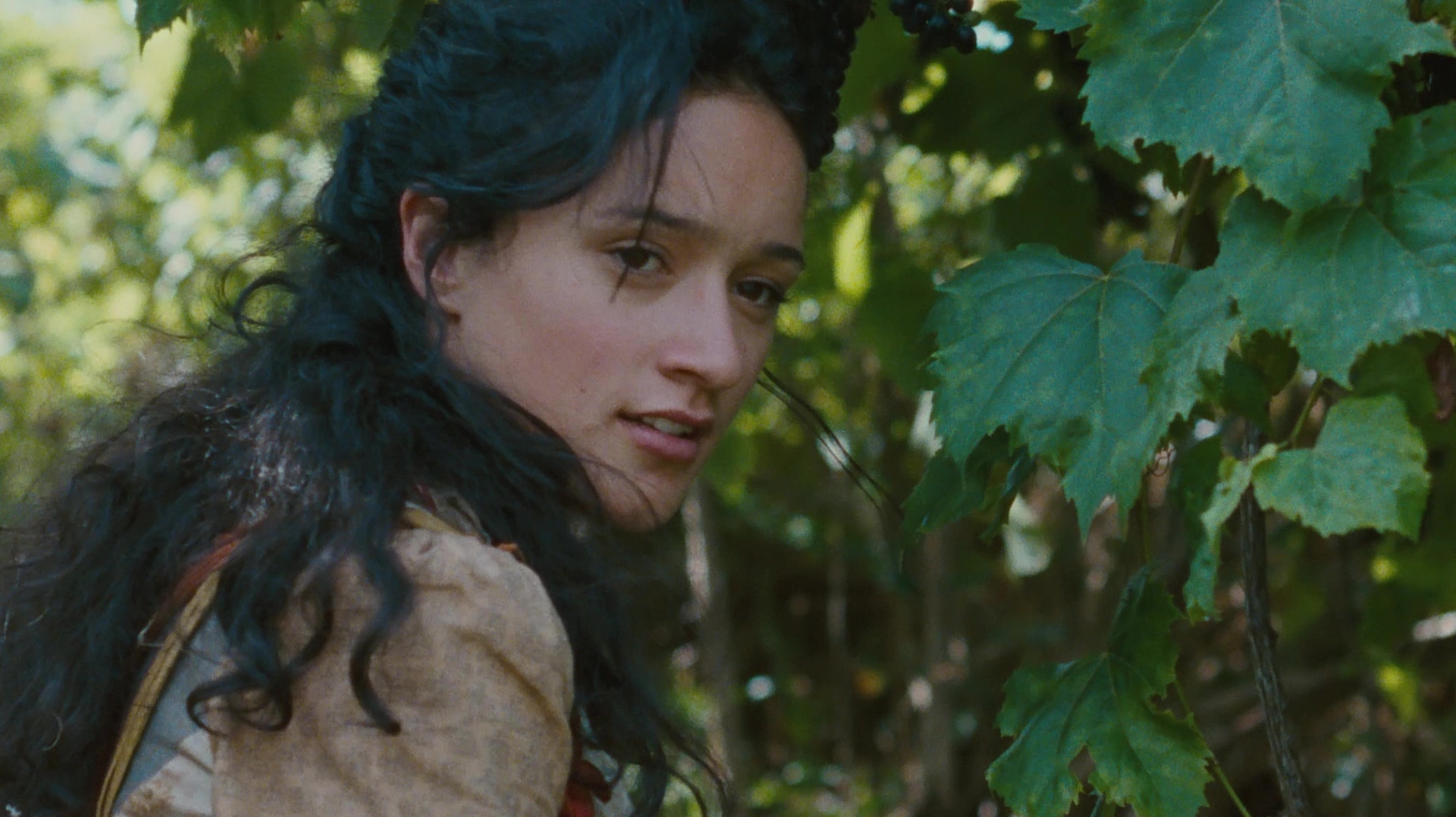
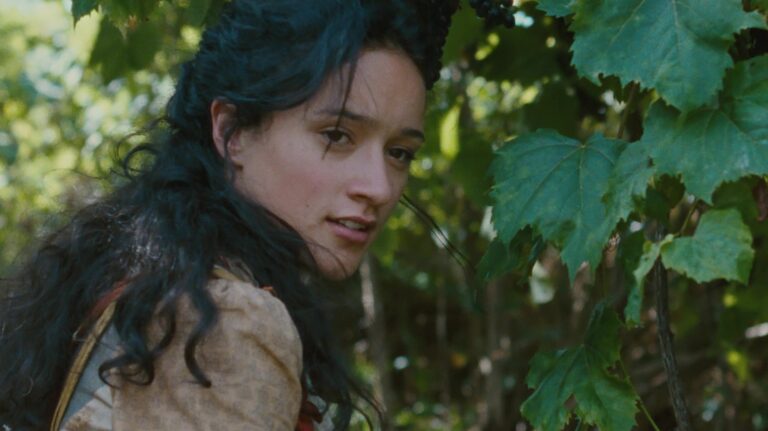
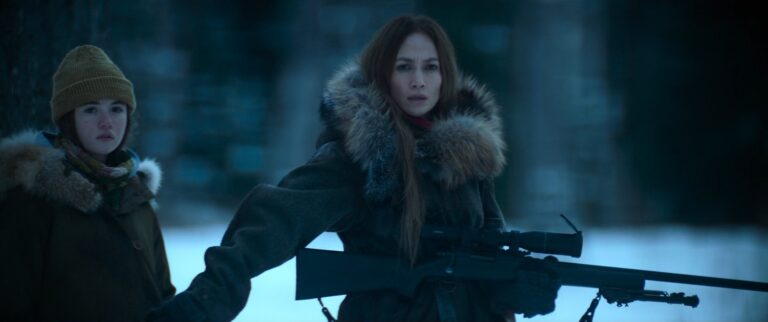
This month, we dropped four films into our library from New Zealand filmmaker, Niki Caro. Originally a metalwork sculptor, Caro found her way to film directing as a commercial filmmaker, before being hired to write and direct for the New Zealand television series Another Country. After working in television and in short films, Caro directed her first feature film in 1998 – Memory & Desire, and followed it up four years later with the beloved coming-of-age family drama Whale Rider (2002), which would go onto earn an Academy Award nomination for its lead, Keisha Castle-Hughes, and become New Zealand’s most financially successful film to date.
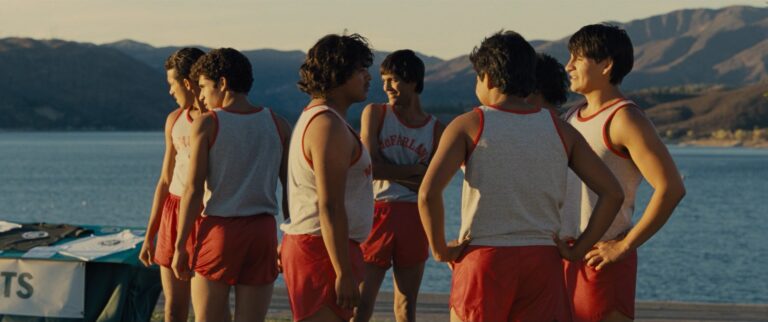
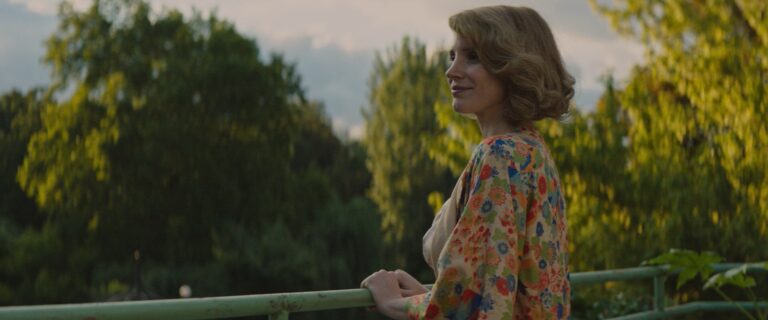
Caro’s work in both independent films and big budget Hollywood blockbusters has blended intimate character work often centering female protagonists with sweeping location photography, exploring themes of resilience, identity and belonging in her work. Check out our August curation of Caro’s films – fantasy romance The Vintner’s Luck (2009), action thriller The Mother (2023), sports drama McFarland, USA (2015), and historical drama The Zookeeper’s Wife (2017).
FILM COLLECTION
Music Videos and Commercials
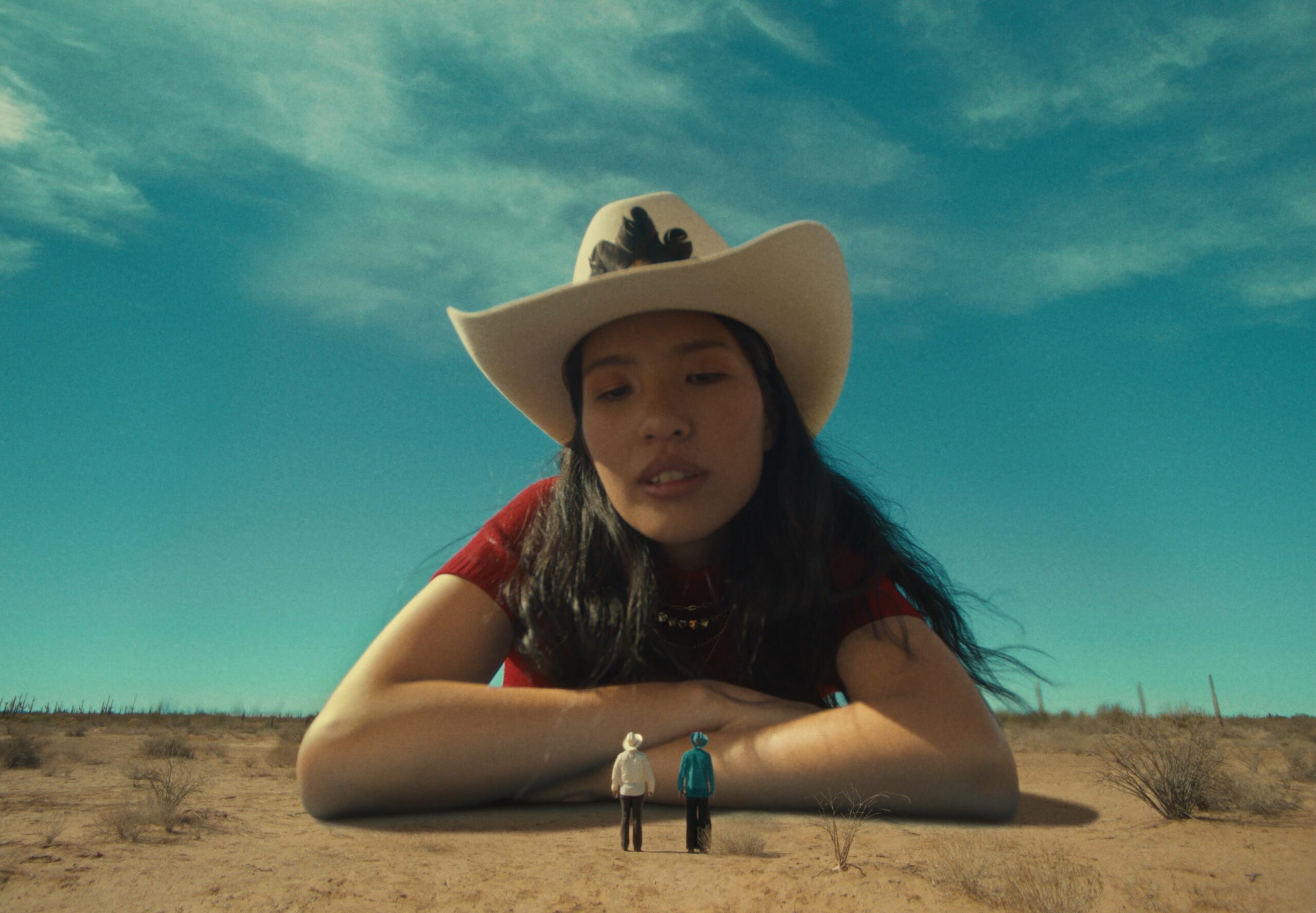
In August, we dropped over 11,500 new shots from a stellar line-up of music videos and commercials into our library. Check out music videos in latin pop, hip hop and dance music, and commercials for fashion houses, charities and activewear. Enjoy!
 COMMERCIALOnitsuka Tiger – “MILAN – TOKYO” (2022)
 COMMERCIALLevi’s – “Big or Small” (2023)
 MUSIC VIDEOLali – “Disciplina” (2022)