New Releases, 90’s Anime, AAPI Month and American Auteurs
Hello, ShotDeck community!
Welcome to the brand new ShotDeck Community page! We’ve completely redesigned our former blog page to now be an all-in-one home for you to browse our back catalog of Tuesday Drops, read in-depth analytical Articles and Artist Spotlights, watch one of the dozens of Shot Talks we’ve done with some of the industry’s leading artists, and hear about the latest ShotDeck News and Events. What’s more, we’ve gone through and painstakingly catalogued every single Grand Prize Winner, Runner Up and Honorable Mention from our Recreations Contest, dating all the way back to our very first contest in 2022. Check out the amazing work of our community for yourself!
To celebrate launching our Community Page, we’ve published interviews with the cinematographers of this year’s biggest breakout horror sensations, Obsession and Backrooms!
– Read our interview with Obsessions cinematographer Taylor Clemens here
– Read our interview with Backrooms cinematographer Jeremy Cox here
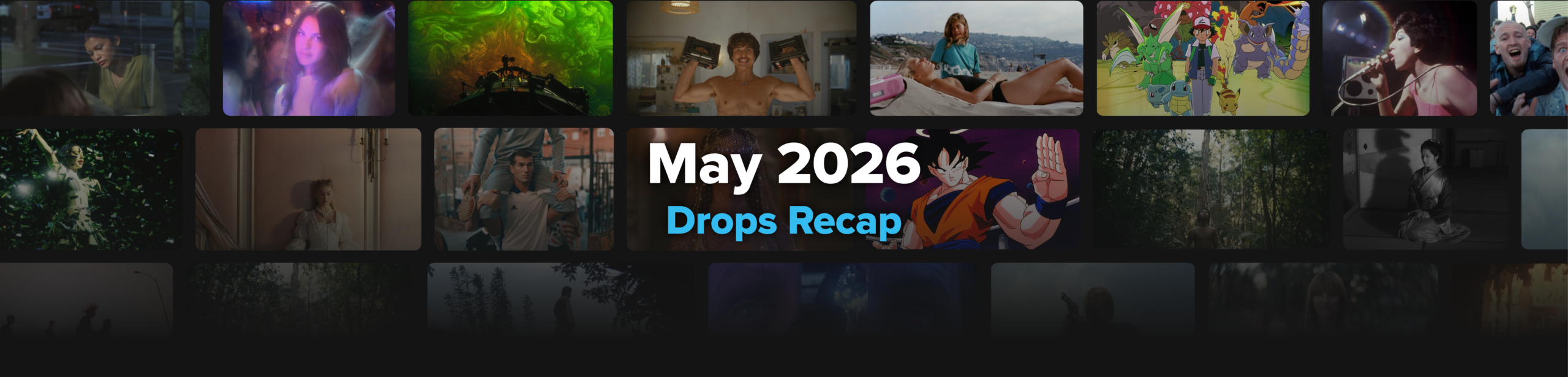
In May, we dropped over 50,000 new shots into our library from an amazing selection of films, television series, music videos and commercials. Read more about it below!
FILM COLLECTION
New Releases
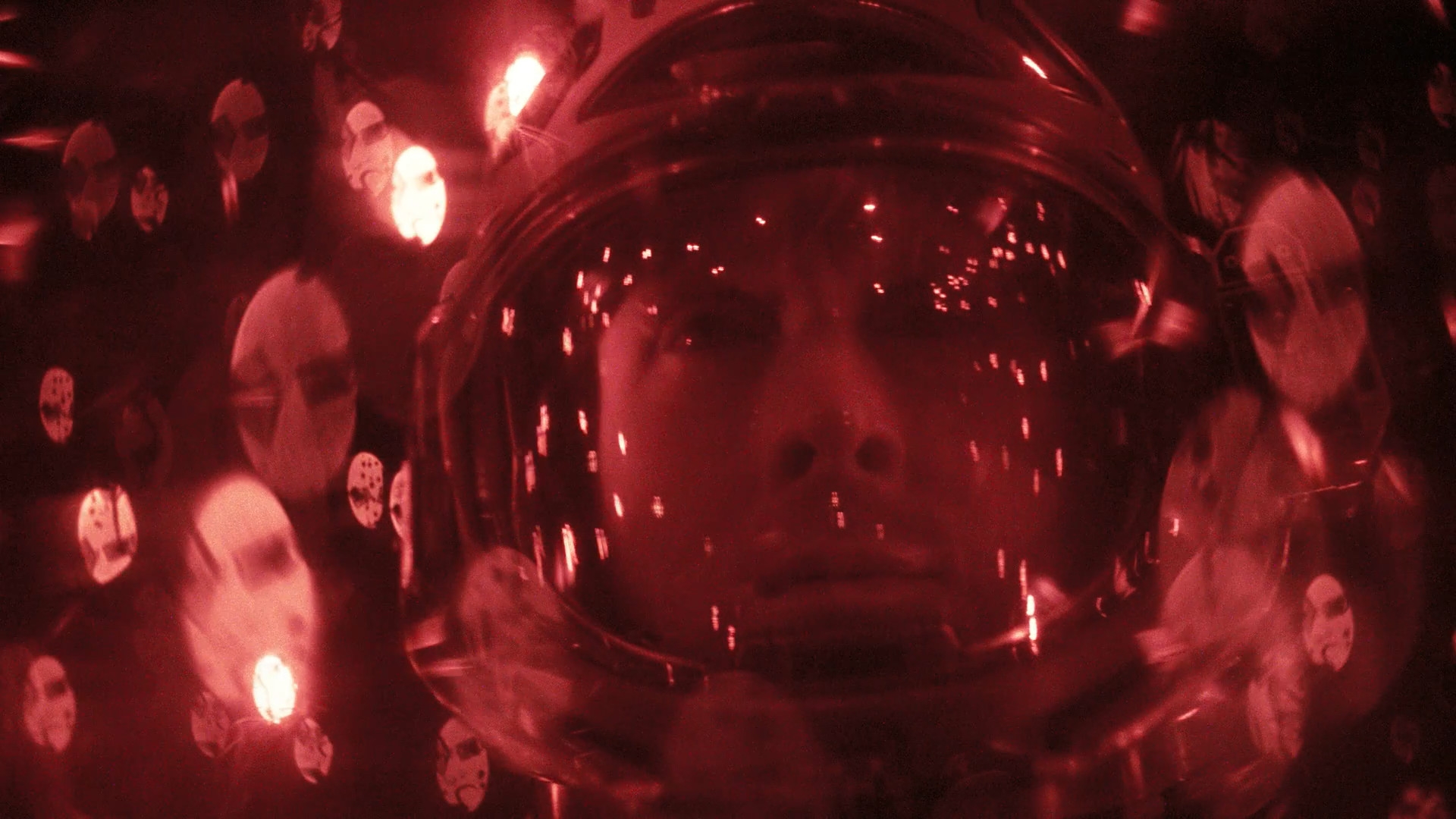
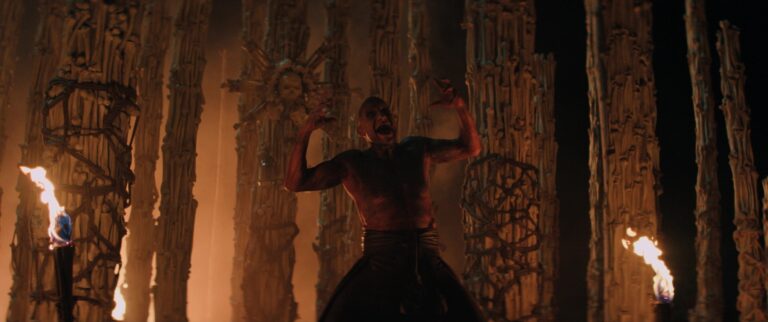
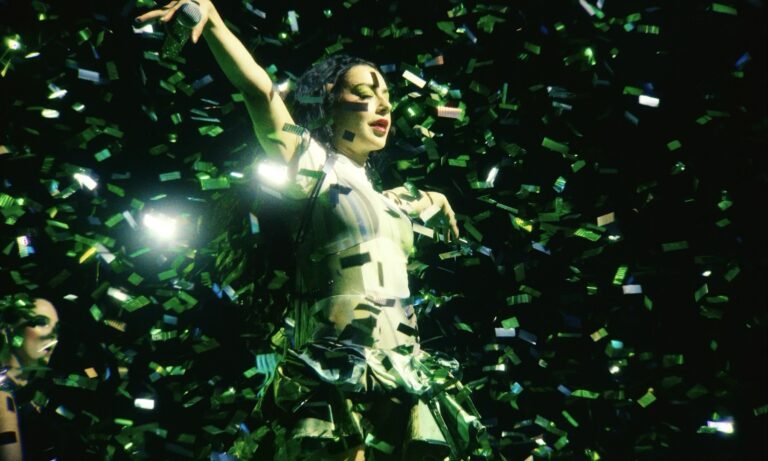
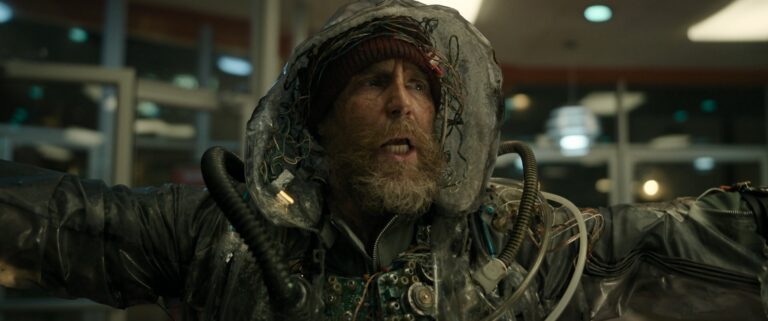
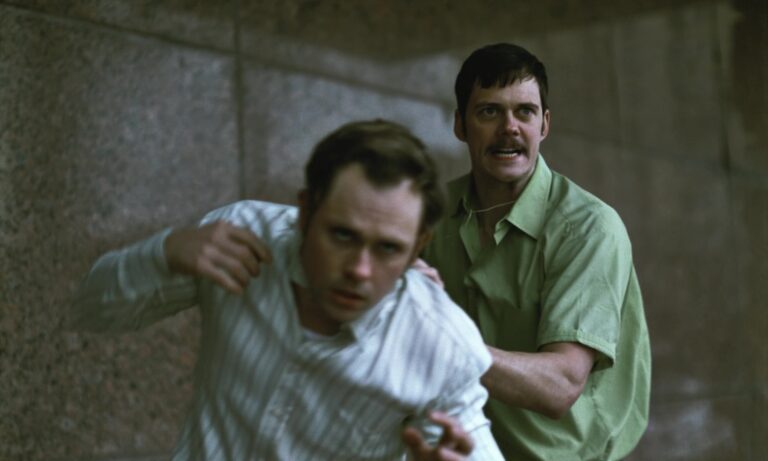
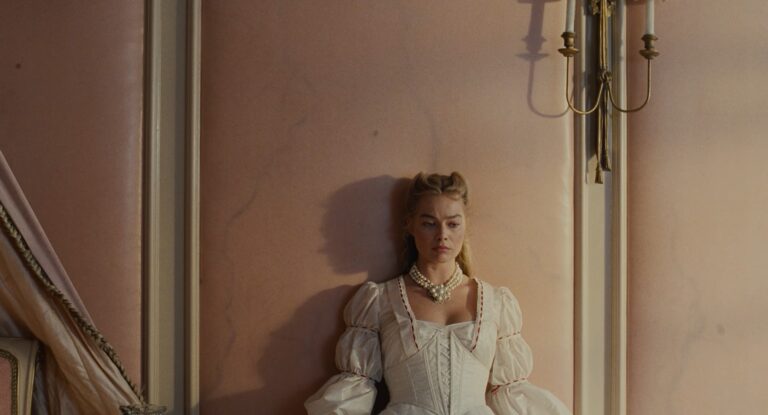
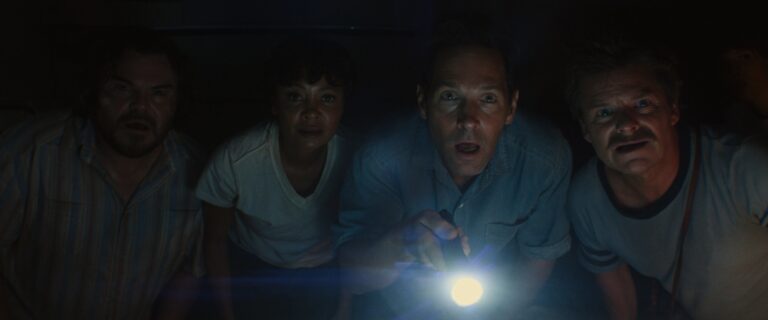
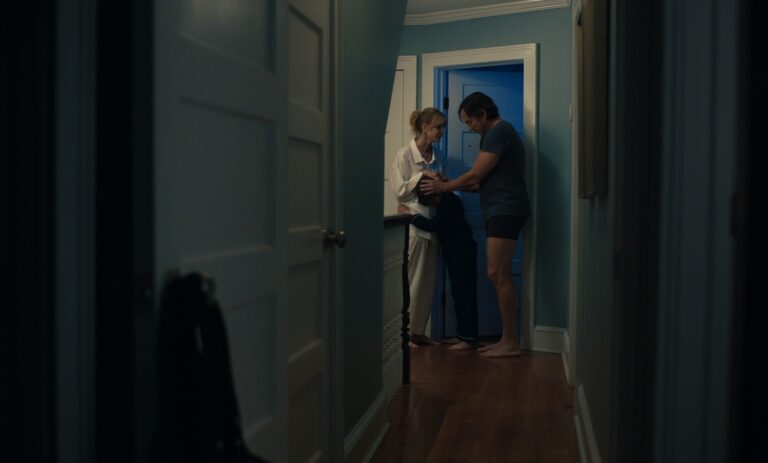
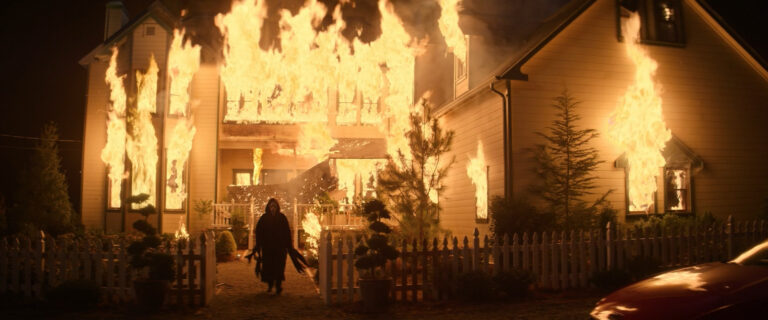
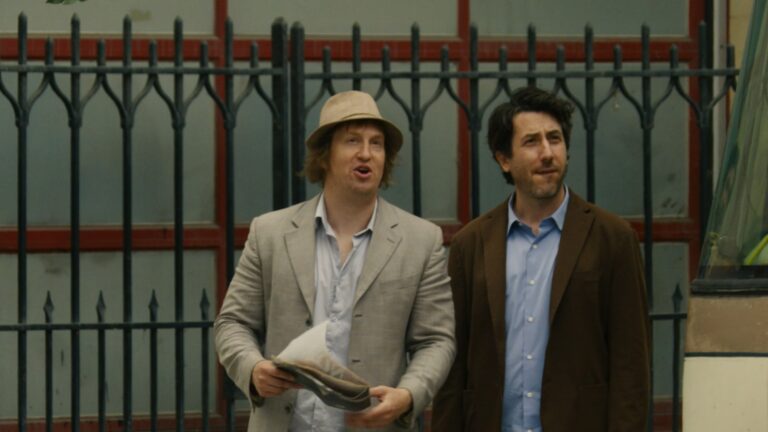
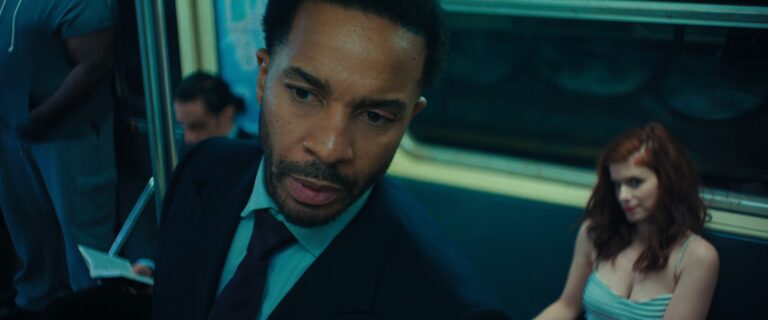
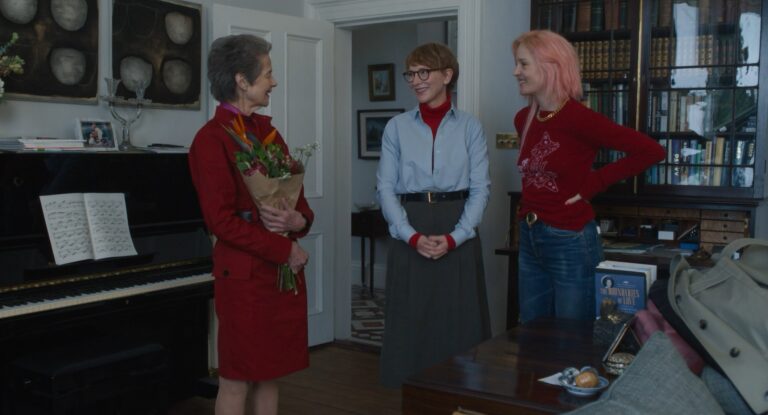
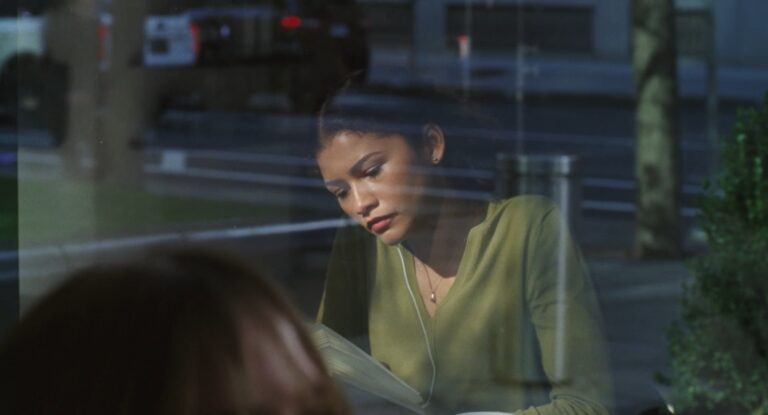
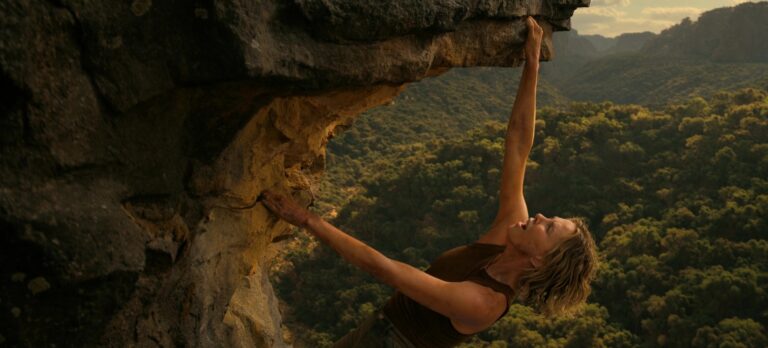
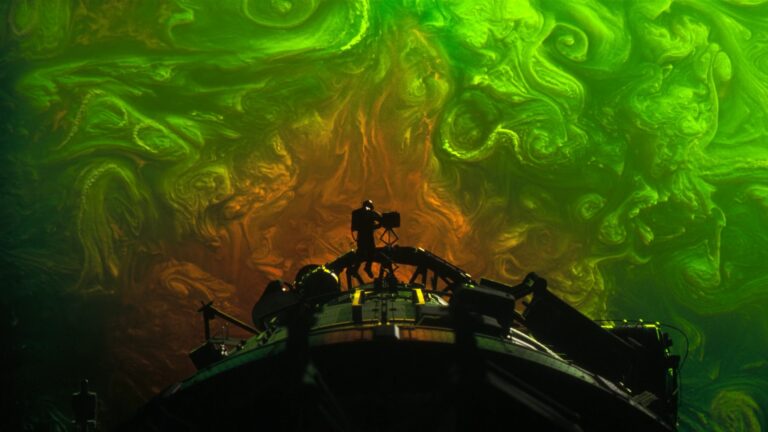
This month, we added thousands of shots to our library from a massive selection of the biggest new releases of 2026 so far (as well as as few from the tail end of 2025). Add frames to your decks from Project Hail Mary, Send Help, The Moment, 28 Years Later Part 2: The Bone Temple, “Wuthering Heights”, Good Luck, Have Fun, Don’t Die, Anaconda, The Drama, How to Make a Killing, Is This Thing On?, Scream 7, Nirvanna the Band the Show the Movie, Father Mother Sister Brother, The Dutchman, and Apex.

ARTIST SPOTLIGHT
Kazuo Miyagawa
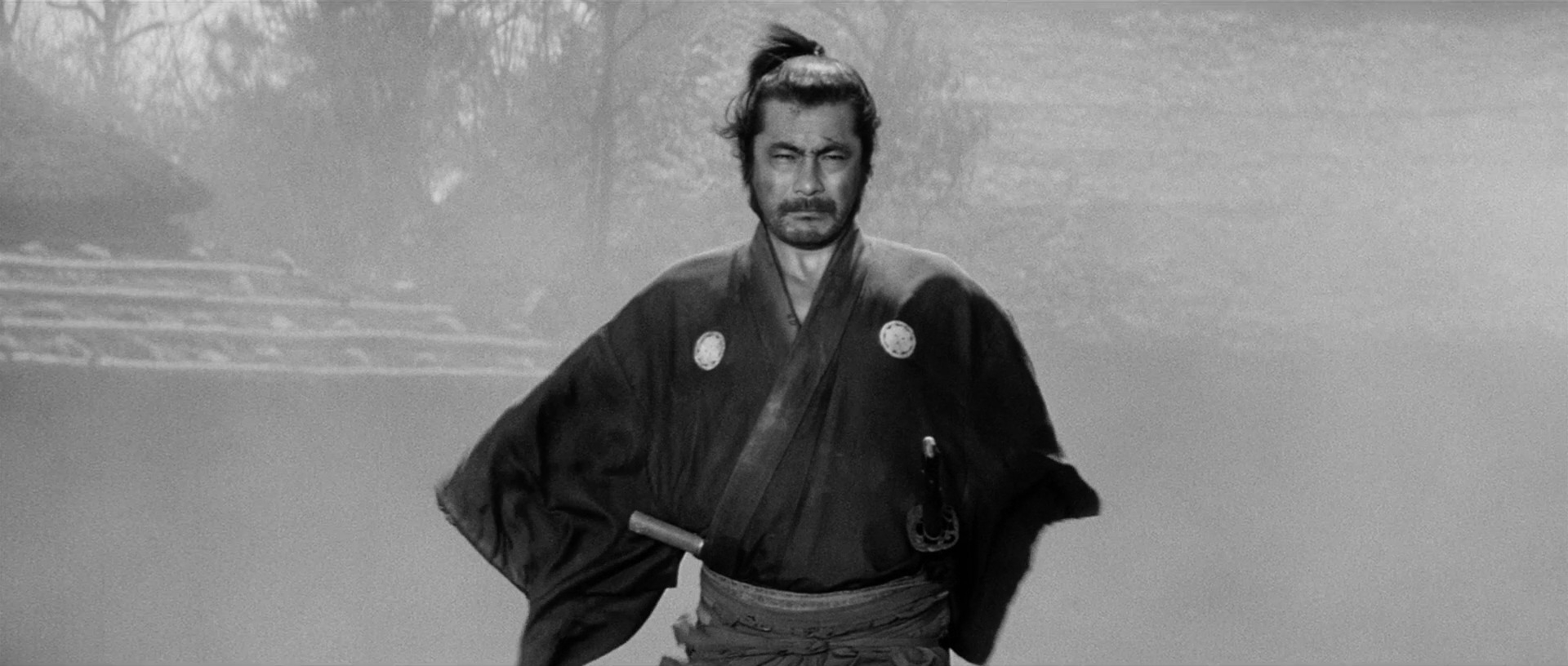
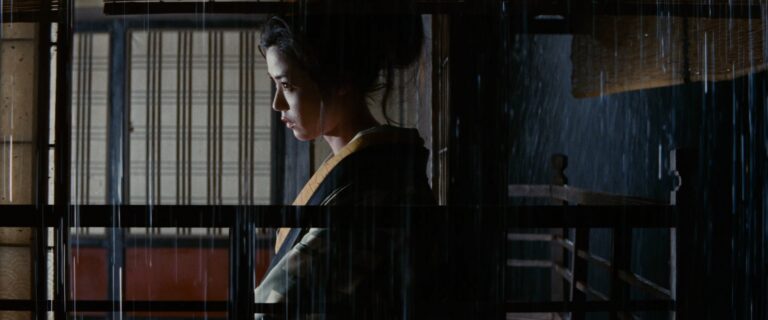
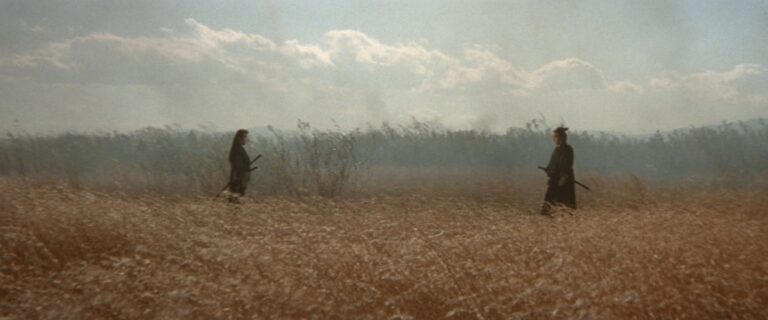
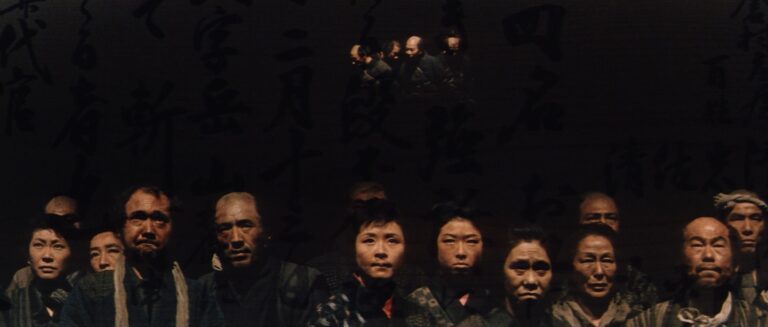
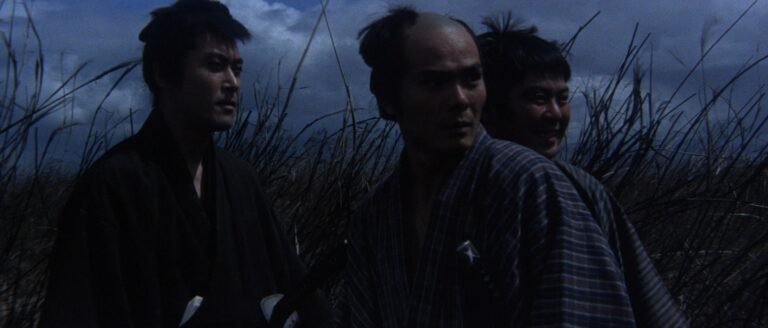
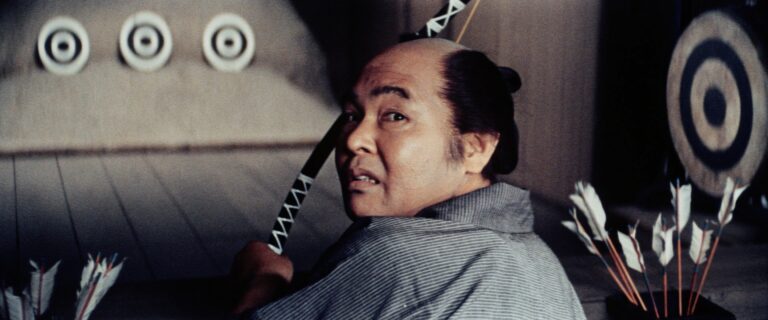
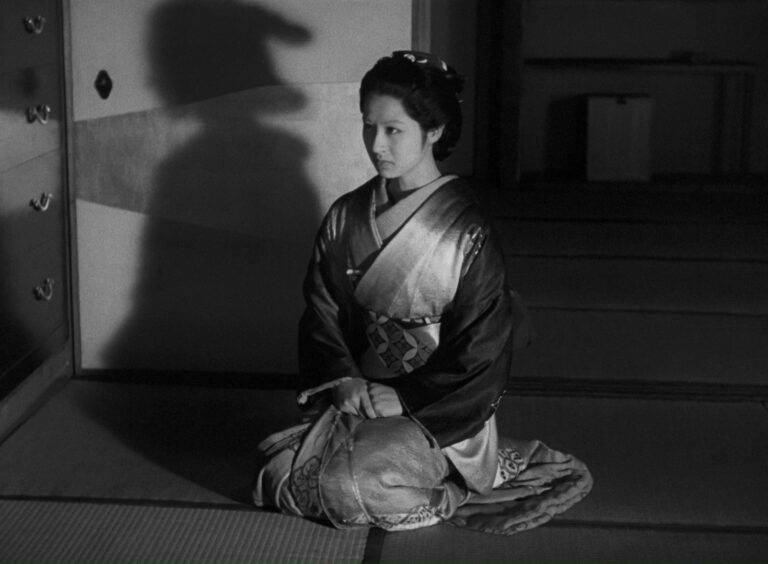
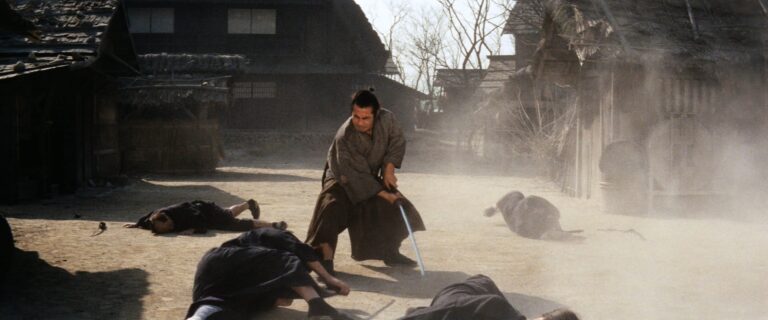
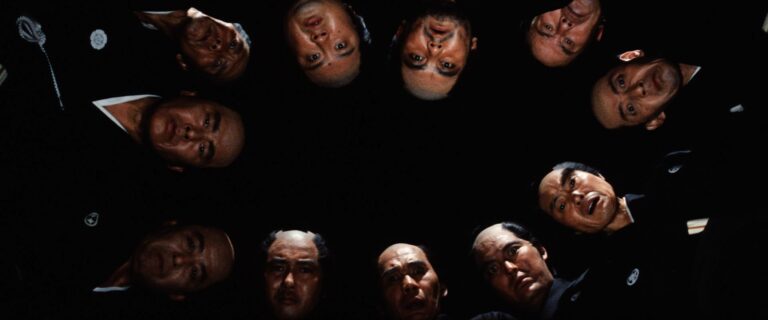
This month, we dropped thousands of shots from nine entries in the filmography of one of Japan’s most influential cinematographers, Kazuo Miyagawa. An artist from a young age who began selling illustrations as a teenager, Miyagawa was highly influenced by the 1920s German Expressionist films that were coming out as he was a teenager. The high-contrast lighting of those films became a touchstone for much of his own work when he began work as as a cinematographer at the Nikkatsu studio in the 1930s. Miyagawa became Japan’s most sought-after cinematographer, forging deep creative relationships with directors who have since come to define the post-War “Golden Age” of Japanese cinema – Akira Kurosawa, Kenji Mizoguchi, Kon Ichikawa and Yasujirō Ozu.
As his career developed, Miyagawa became one of the most innovative and boundary-pushing cinematographers of his era. He became synonymous with elaborate tracking shots, striking lighting designs for both color and black-and-white, and some of the most iconic imagery of international cinema. Miyagawa also invented the bleach bypass technique – a chemical film processing method where the bleaching step is skipped, allowing silver crystals to remain bound to the film emulsion, creating a higher contrast but lower saturation image. Miyagawa invented the technique while shooting Kon Ichikawa’s Her Brother (1960) as a way to have more control over the image’s tone and saturation, and the look has been used in countless films since.
Dive into this month’s selection of Kazuo Miyagawa films – the erotic thriller Irezumi (1966), action film Lone Wolf and Cub: Baby Cart in Peril (1972), romantic drama The Crucified Lovers (1954), as well as six entries in the legendary Zatoichi action film series.

TELEVISION SERIES
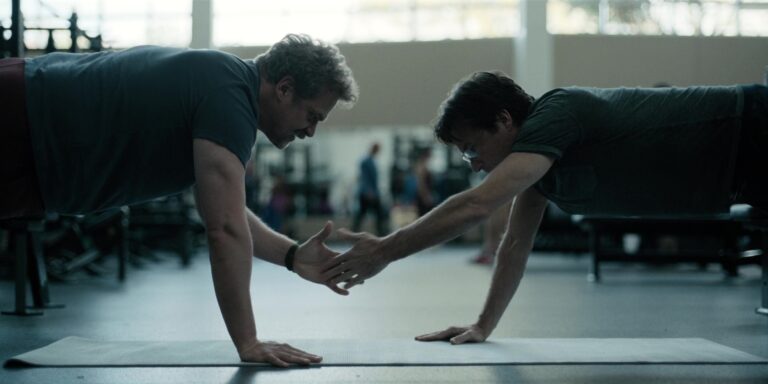
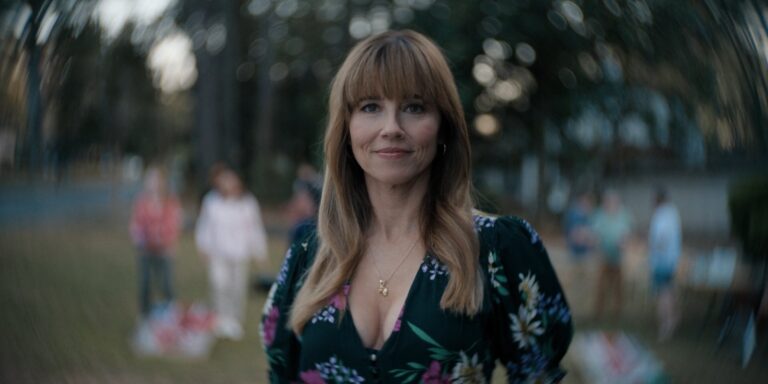
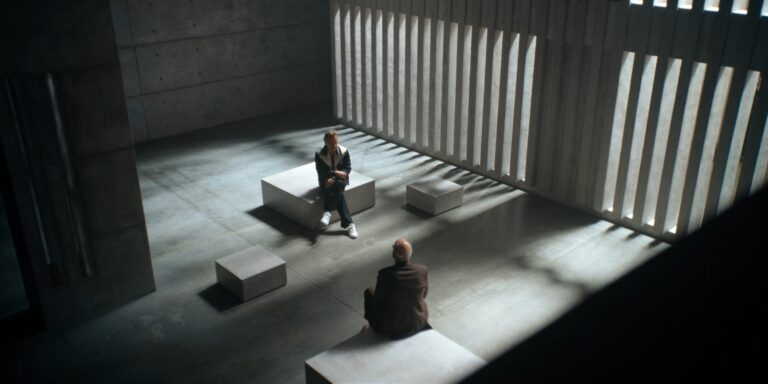
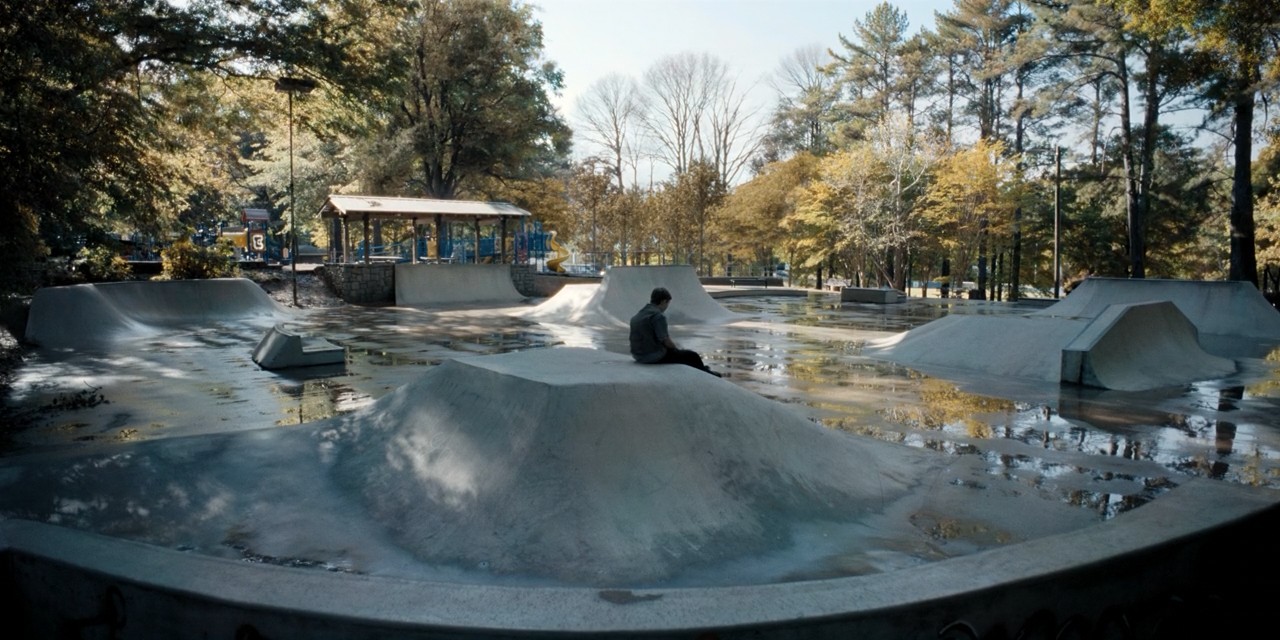
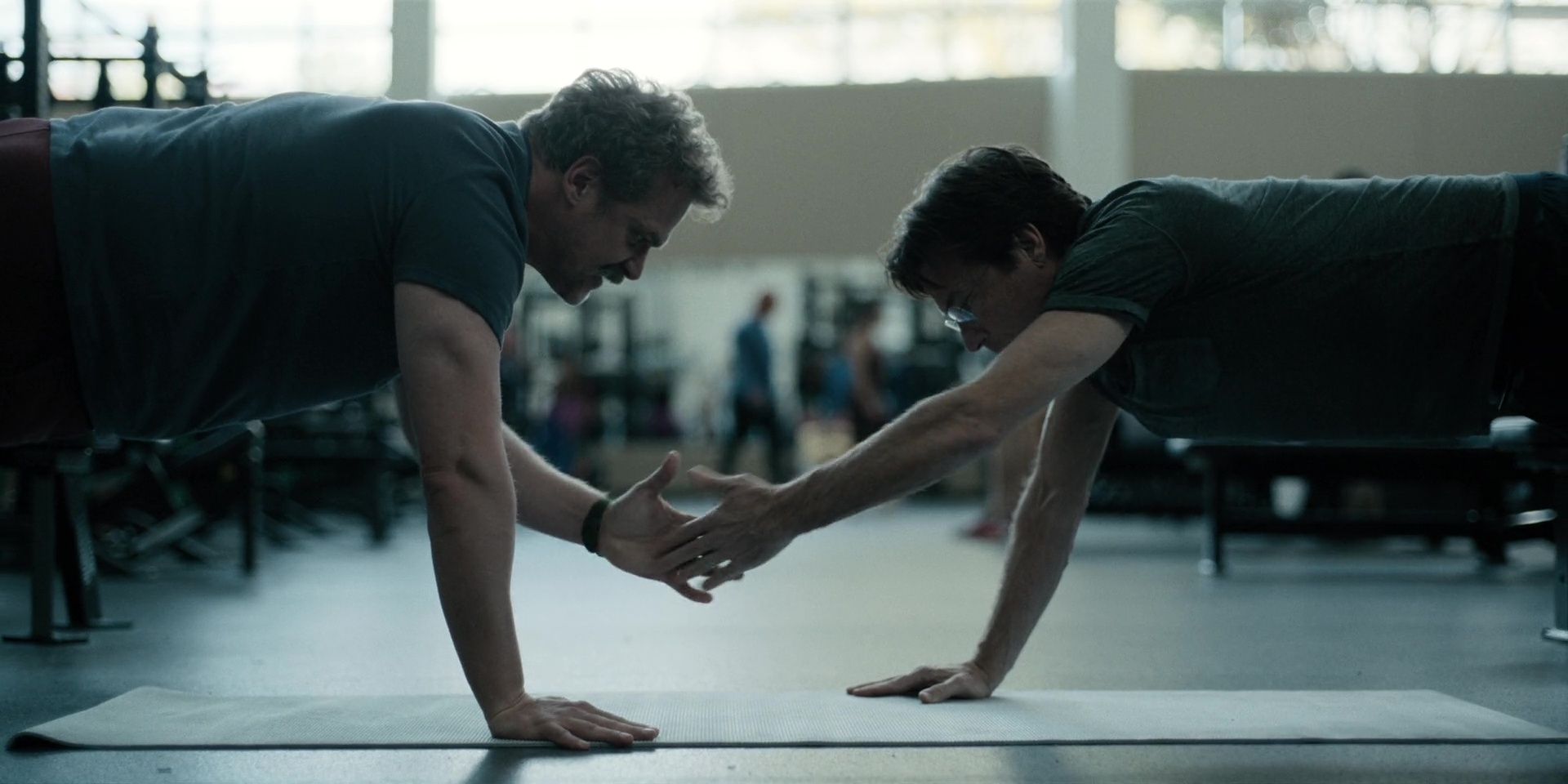
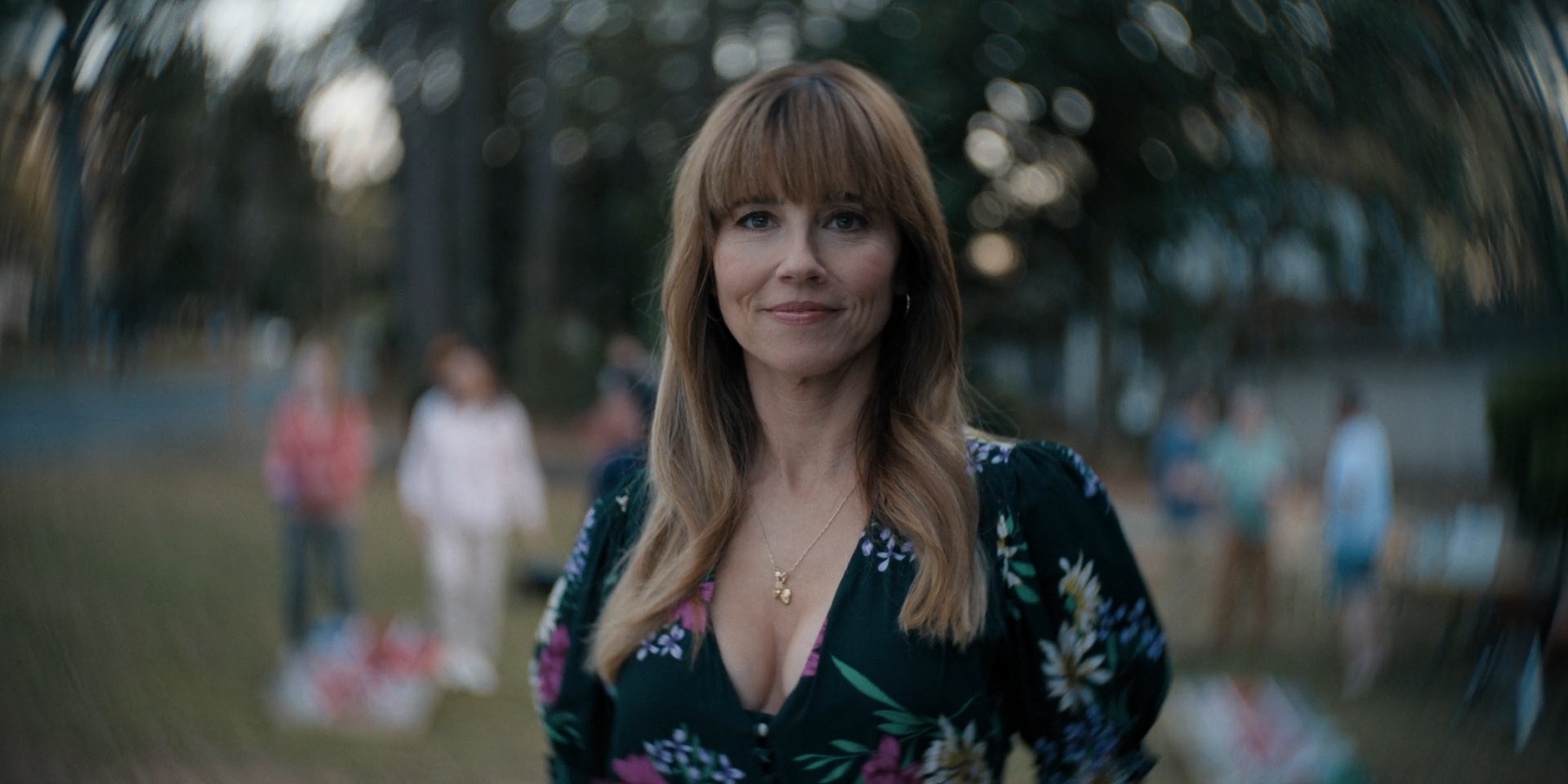
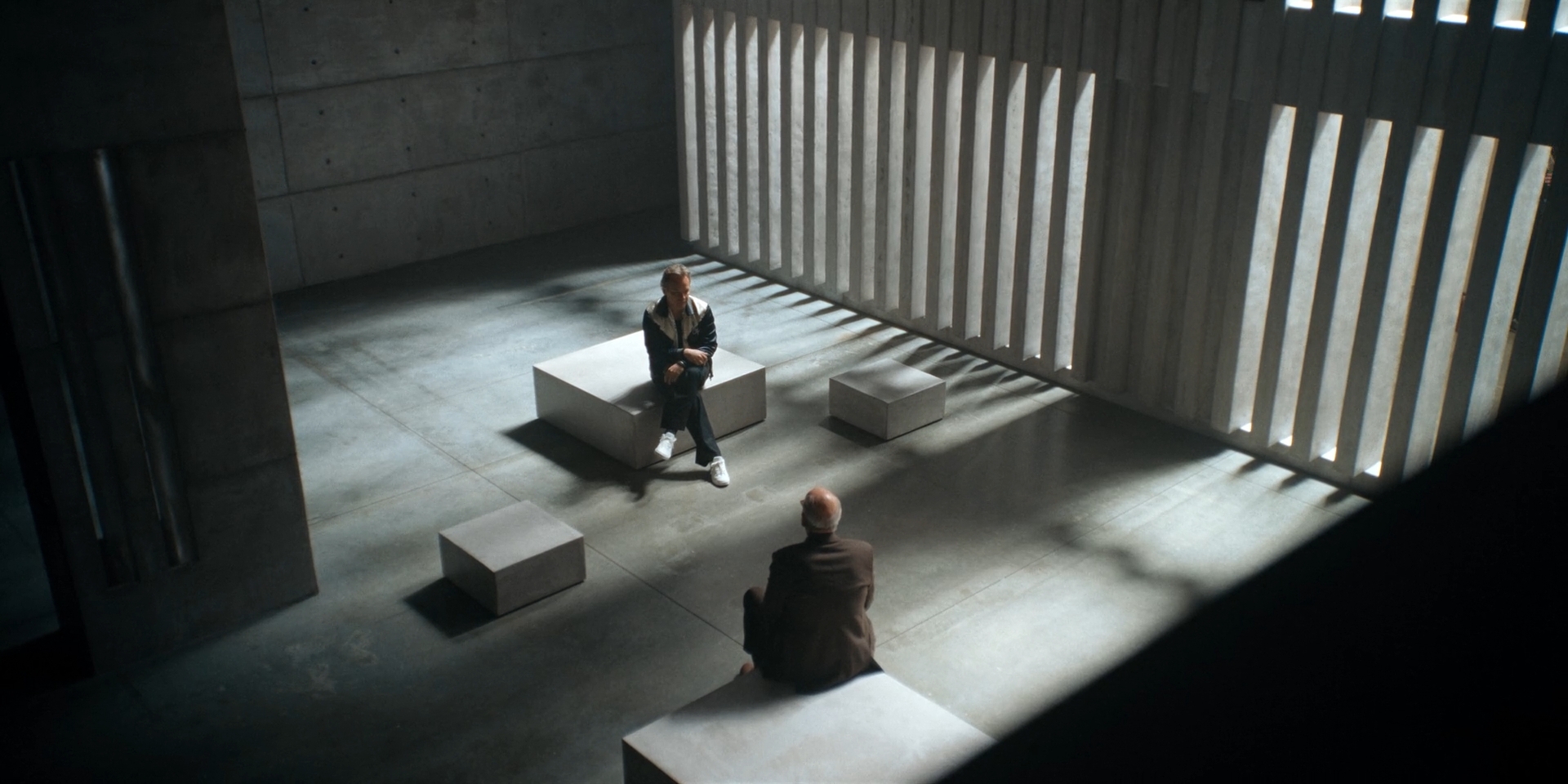
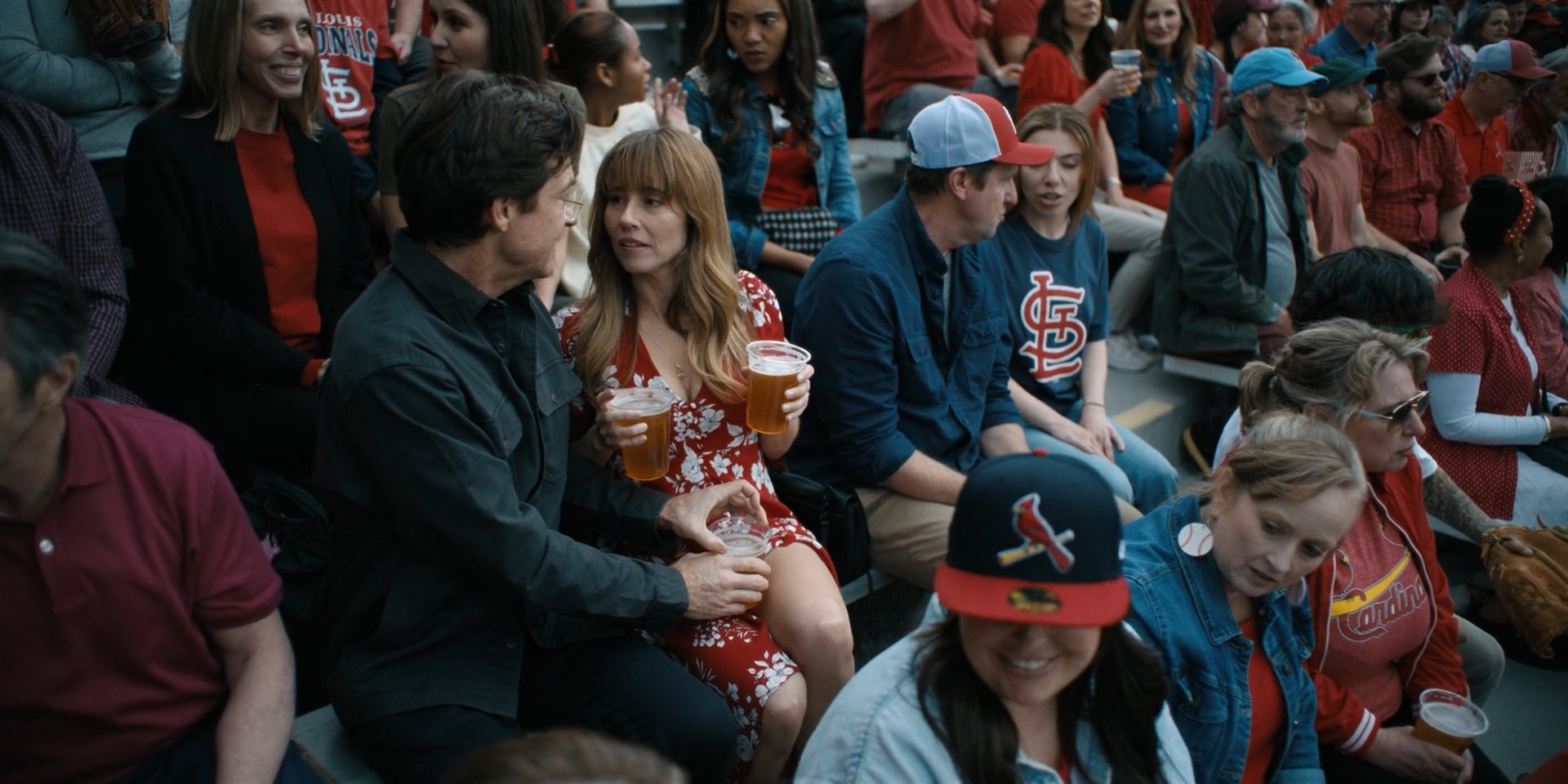
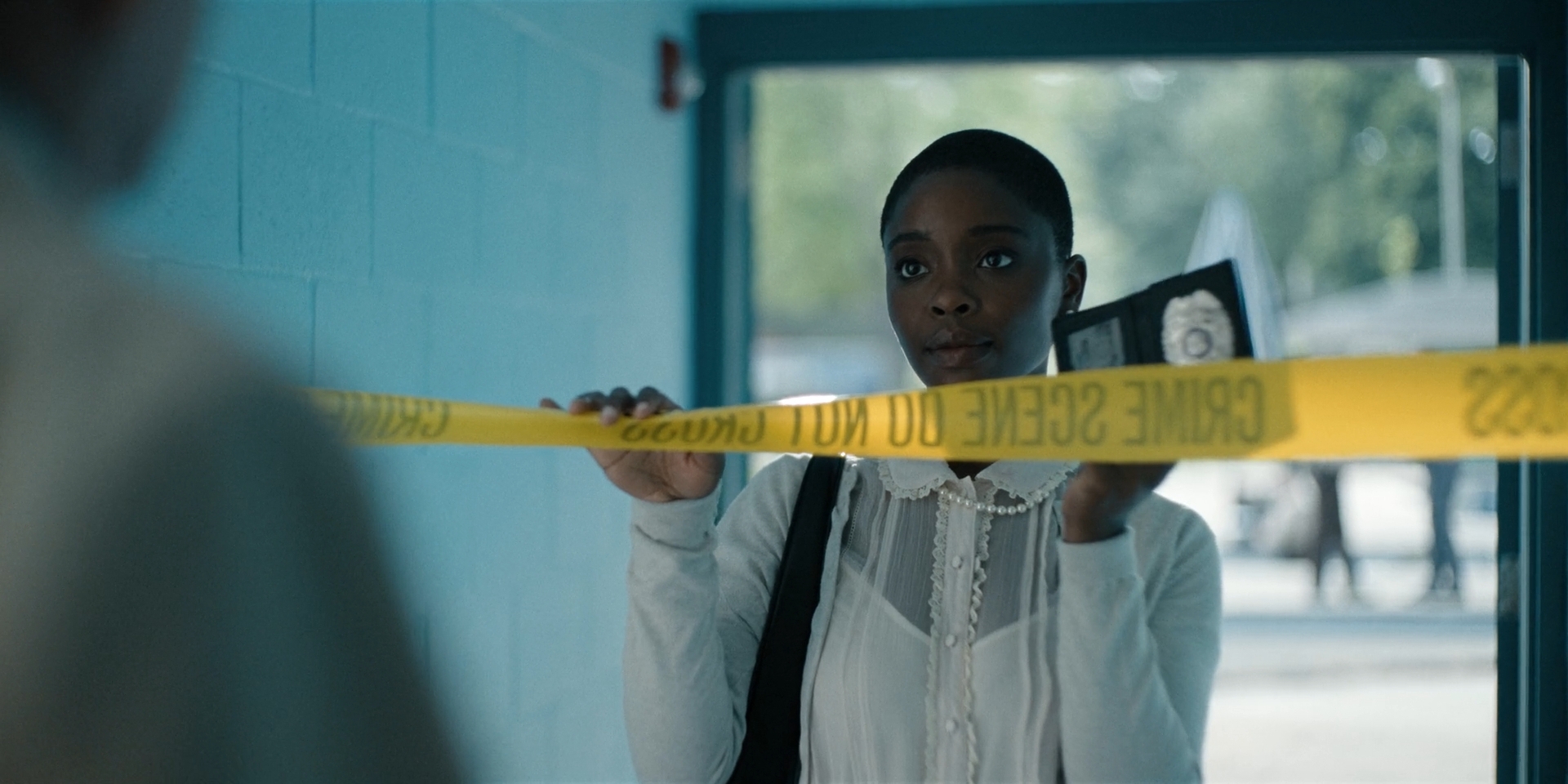
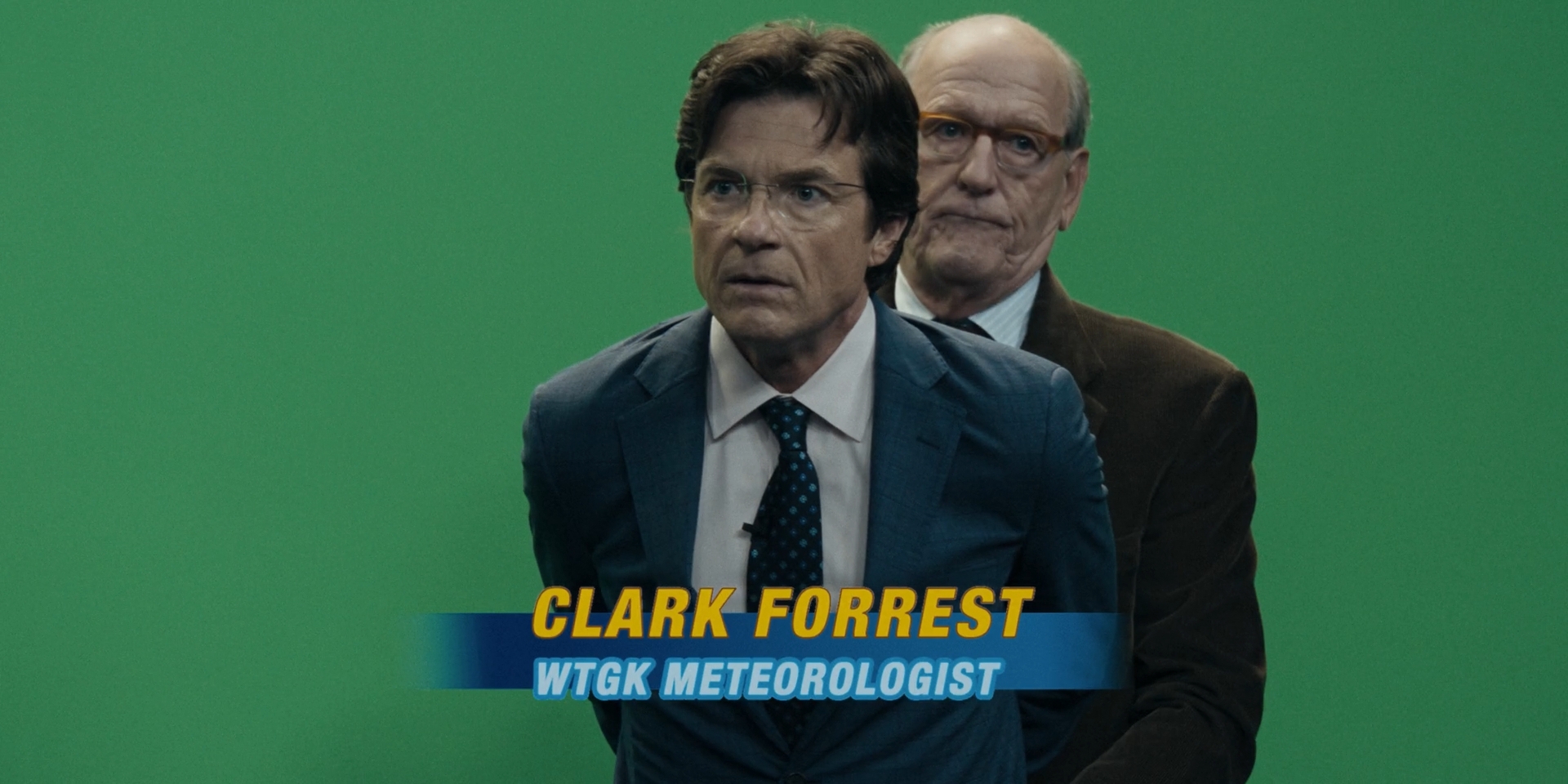
DTF St. Louis
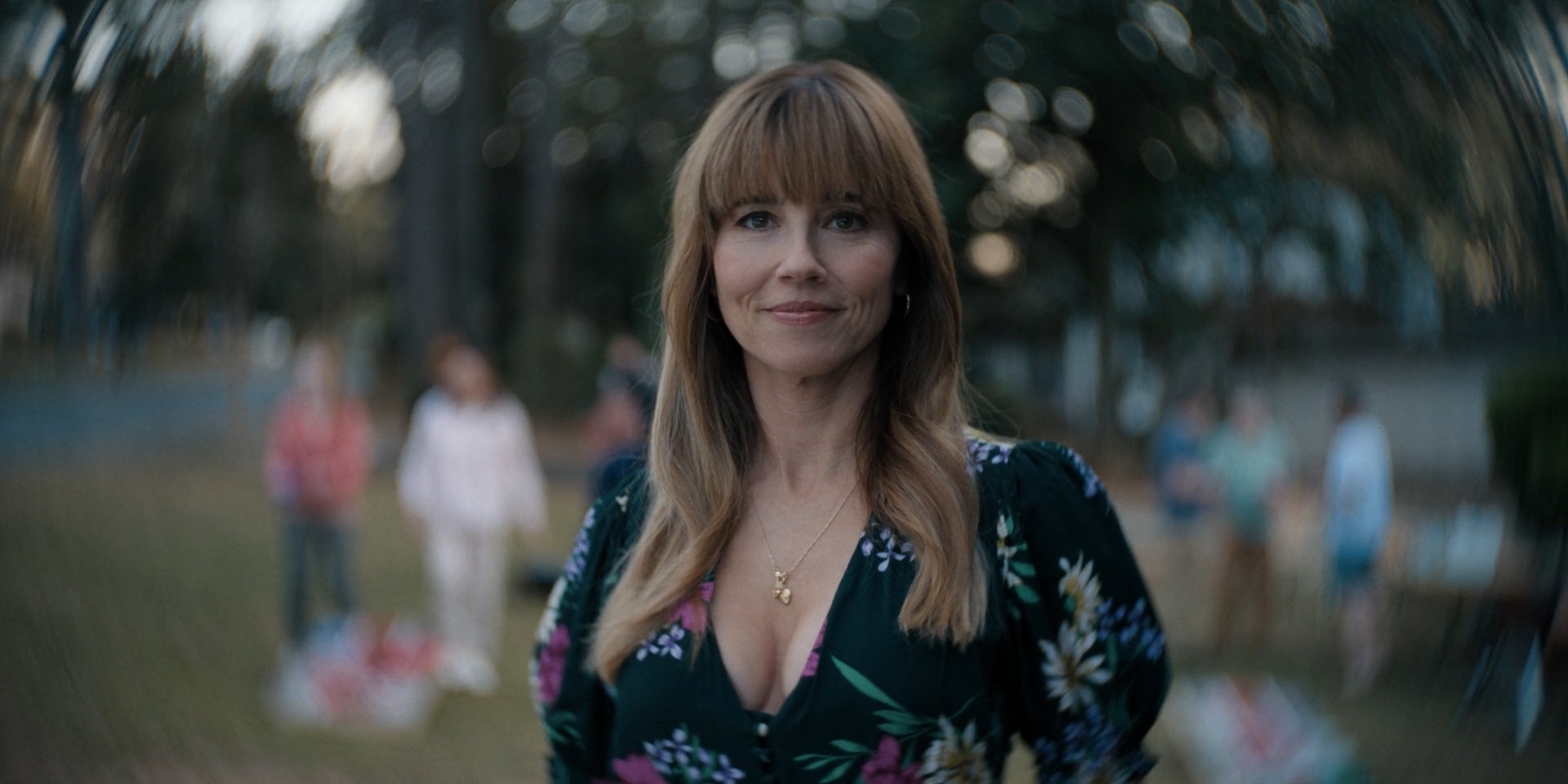
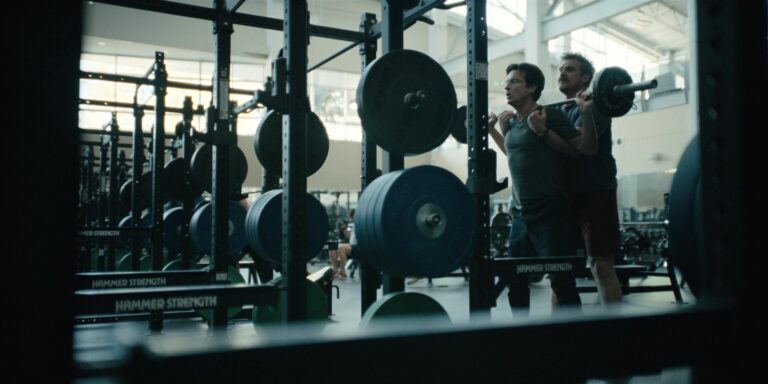
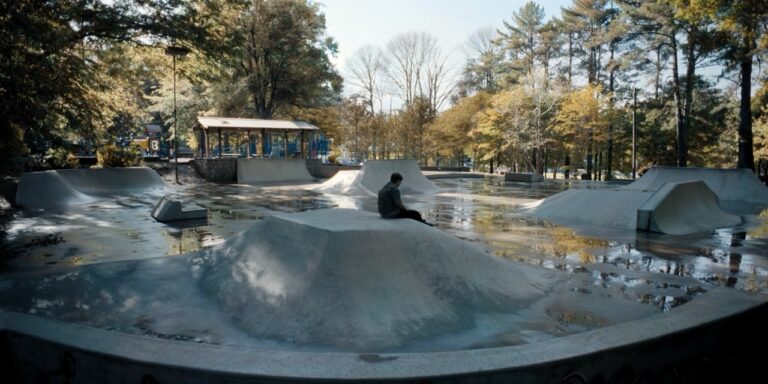
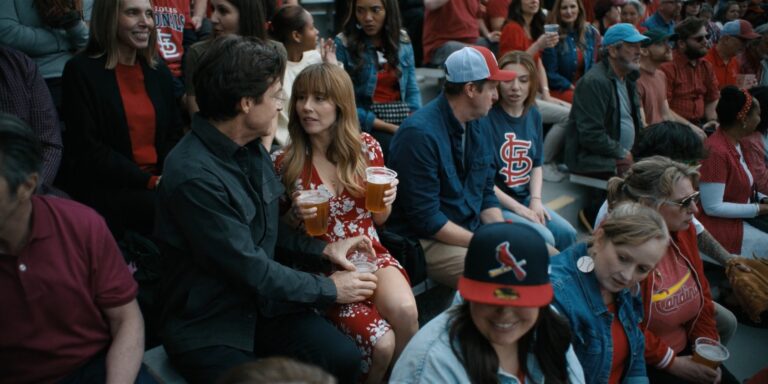
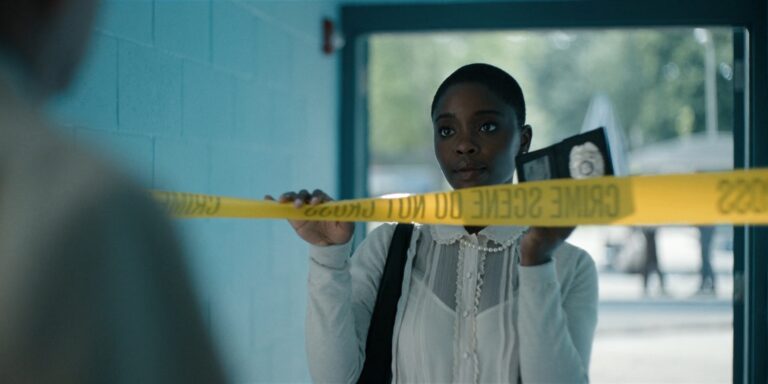
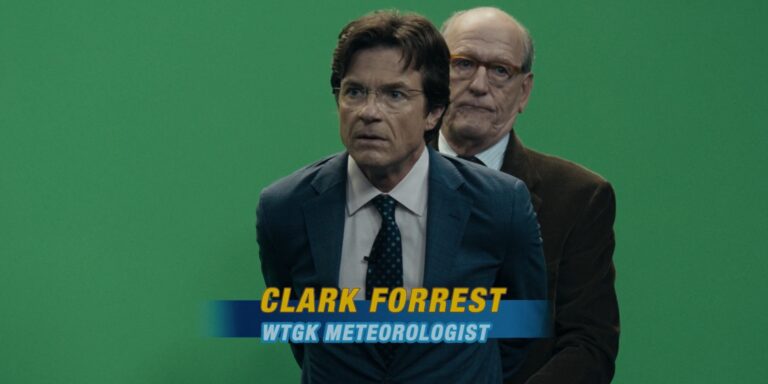
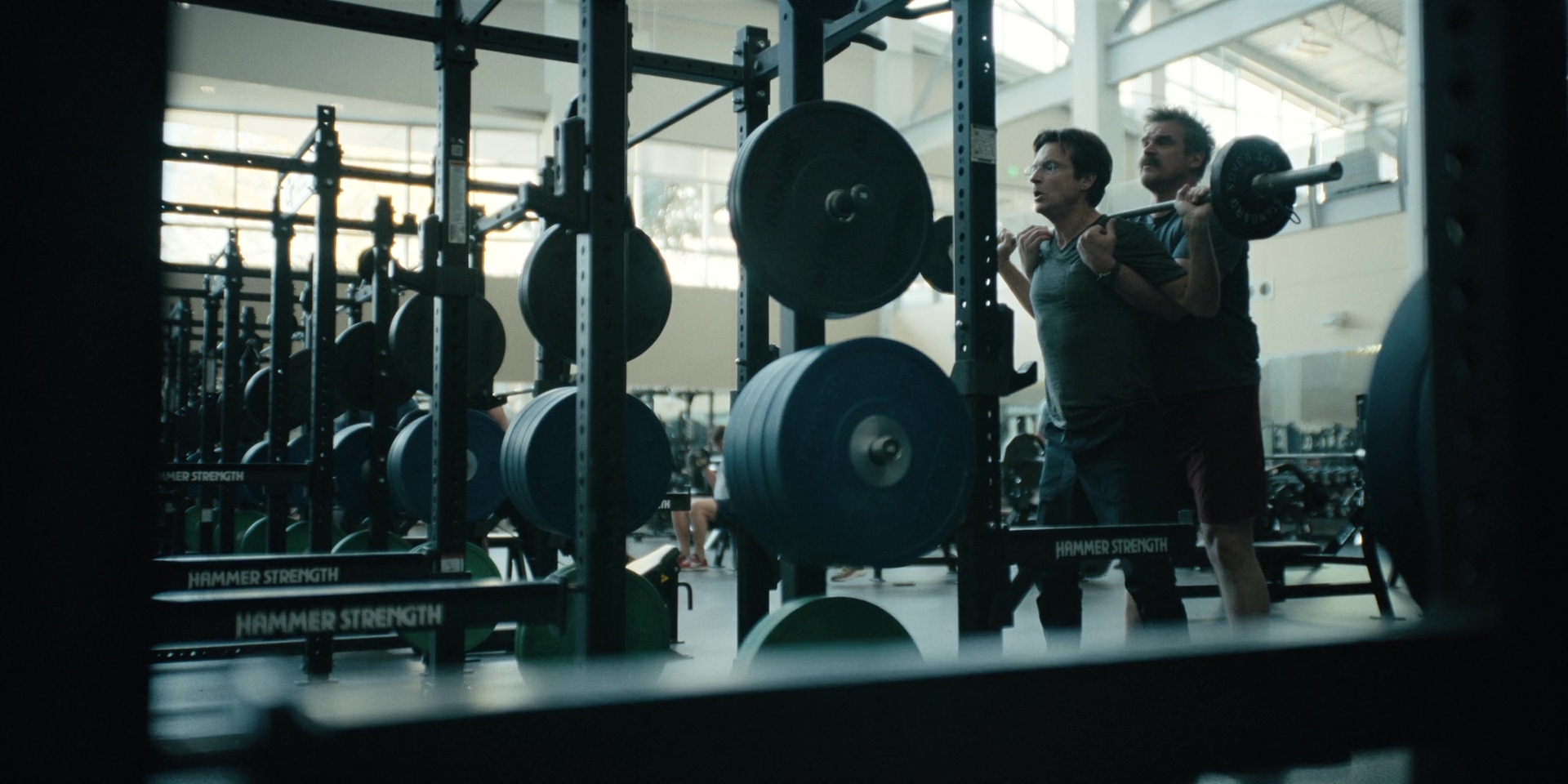
In May, we dropped thousands of shots from Season 1 of the hit new American dark comedy miniseries, DTF St. Louis. Created by Steven Conrad, the miniseries tells a nonlinear story following a dark love triangle between three people (played by Jason Bateman, Linda Cardellini and David Harbour) going through a midlife crisis. The series also stars Richard Jenkins, Arlan Ruf, Peter Sarsgaard, and Joy Sunday.
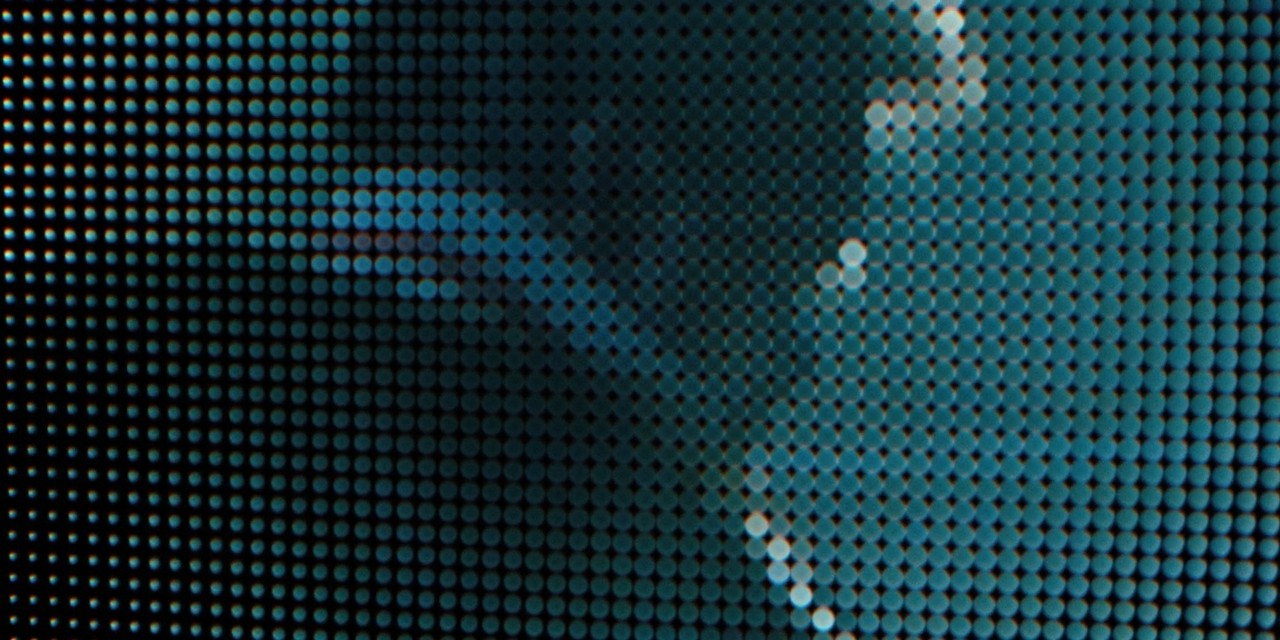
Series cinematographer James Whitaker, who had a longstanding collaboration with Conrad including on the series Perpetual Grace LTD, developed the technical approach to filming out of the environment that he and Conrad aspired to create on set – one that was focused, intimate, and could accommodate the needs of the actors, who were often in unconventional and vulnerable situations. Despite this, the visual language of the show still needed to be very precise, given the subtle visual cues that would clue the audience into the emotional distance or connection between characters at any given moment. Aesthetic choices with lighting were often made in real time alongside gaffer Dan Cornwall, key grip Kurt Korneman and programmer Elton James, who in motel room scenes would reposition exterior lights simulating sunlight on a modified Z-head, or subtly adjust the programming of interior Astera tubes to evolve the emotional effect of a scene in the moment.
ARTIST SPOTLIGHT
Penelope Spheeris
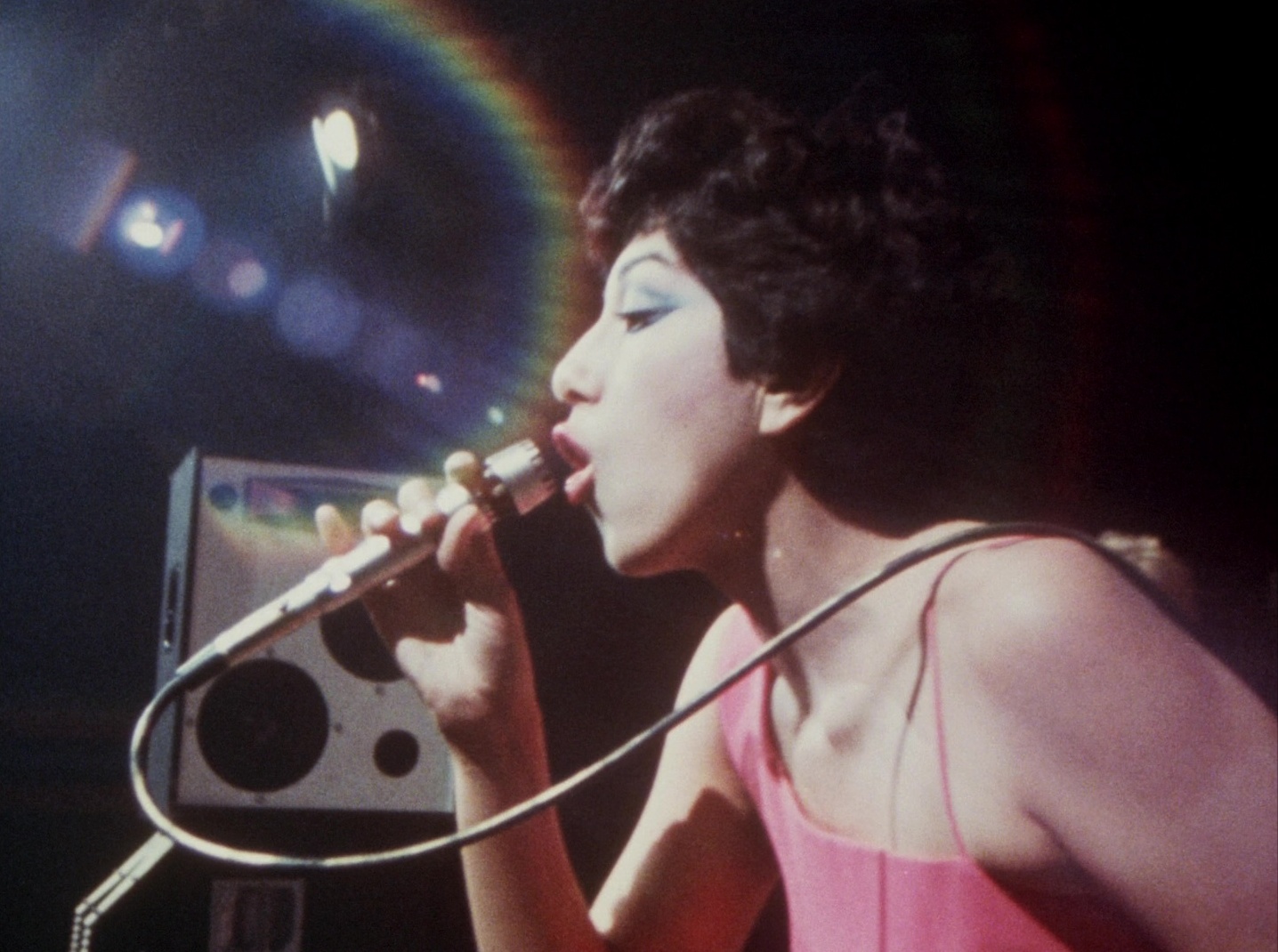
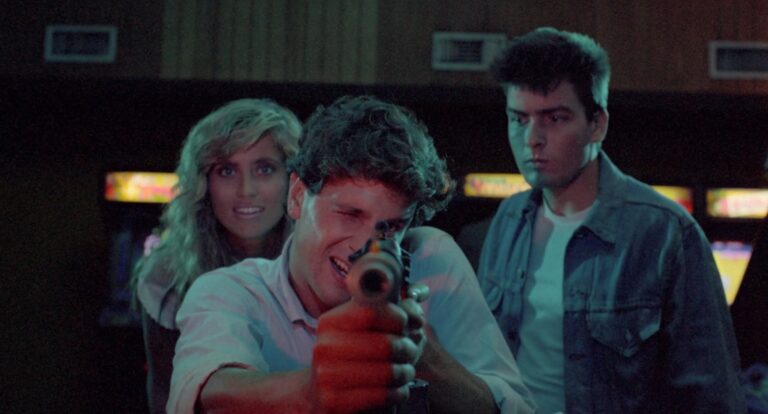
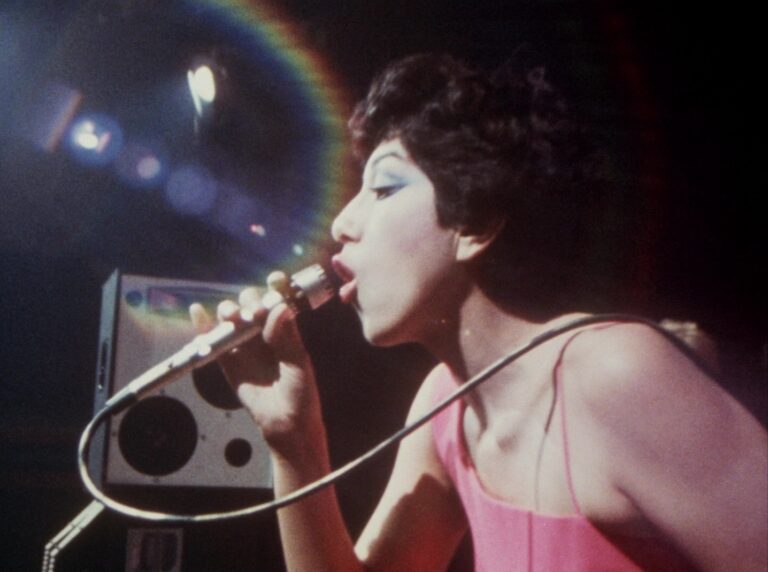
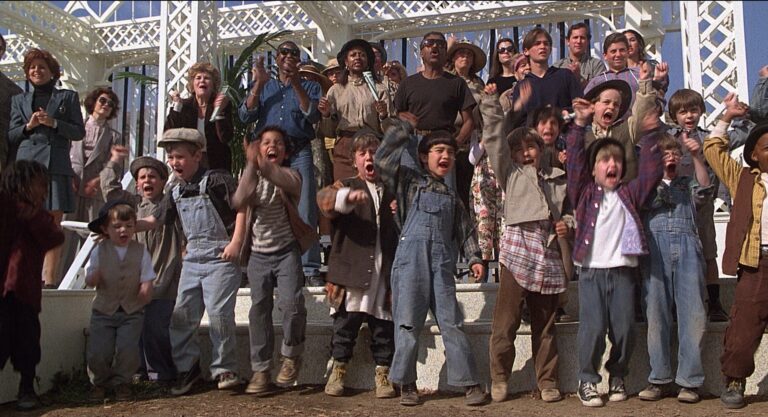
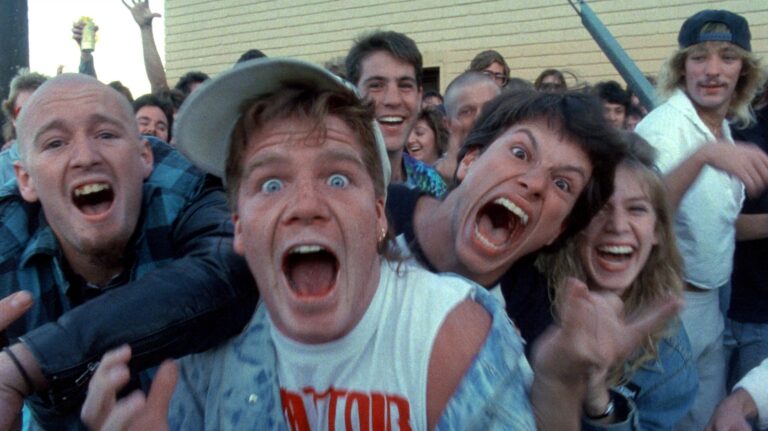
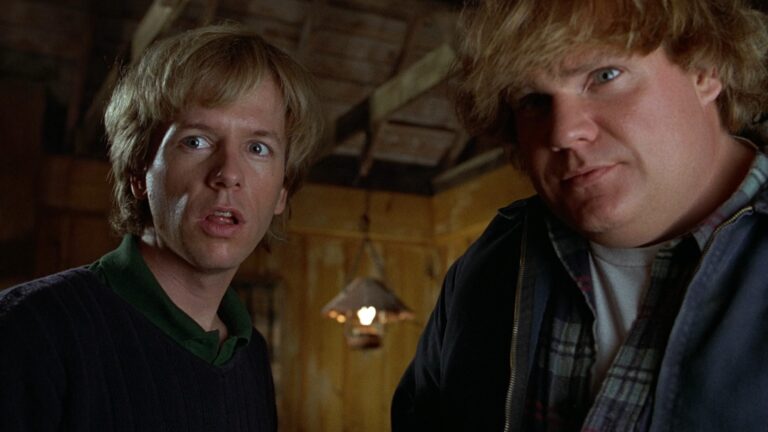
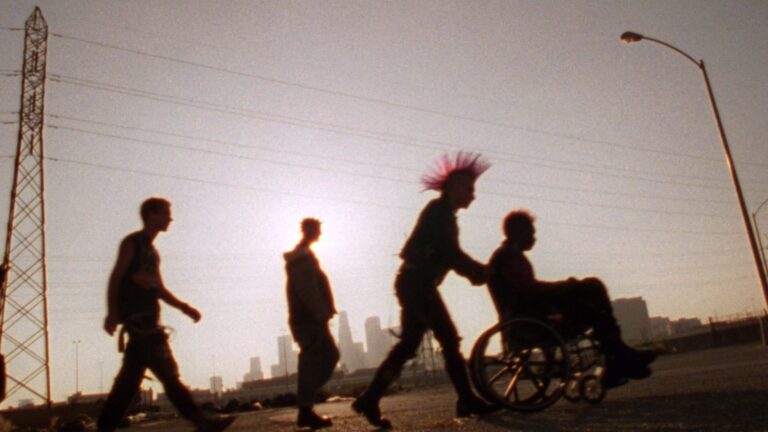
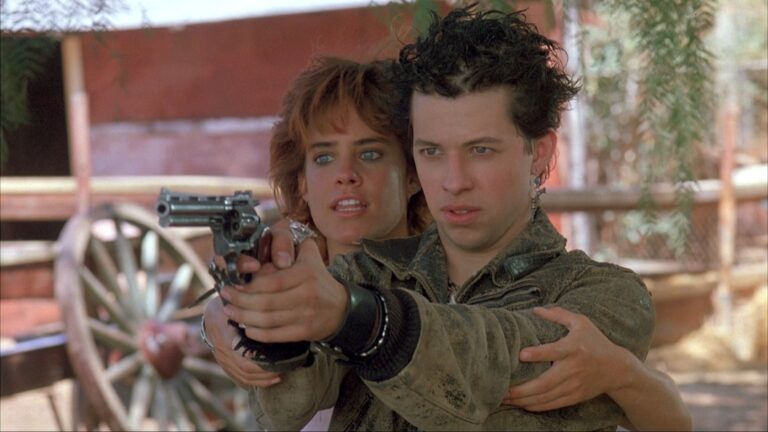
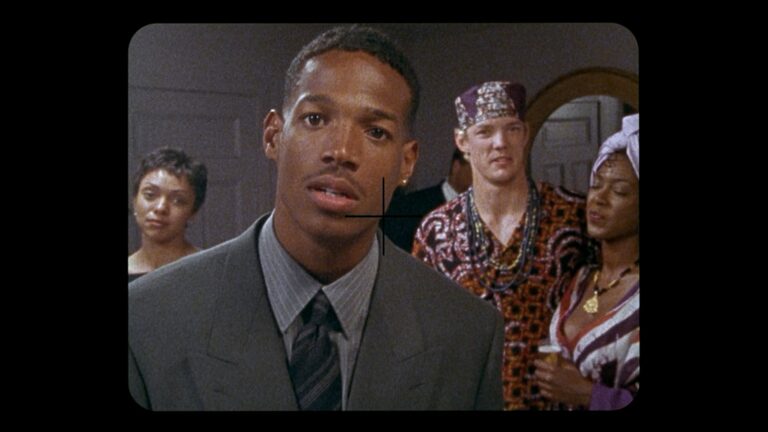
This month, we curated shots from eight films by the “rock n’roll anthropologist” of film, Penelope Spheeris, whose work has both studied the punk scene in Los Angeles, as well as dipped into the world of mainstream Hollywood comedies. A native of California who started off making music videos, Spheeris was working on a Jimi Hendrix film with two filmmakers who introduced her to a young producer hoping to start a sketch show in New York – Lorne Michaels. When Saturday Night Live began, Michaels hired Spheeris to work with Albert Brooks on short films for the show, and Spheeris developed deep ties to a burgeoning generation of comedians across New York and Los Angeles.
With an outsider’s eye in both worlds, Spheeris’s body of work established her as both a daring documenter of the punk scene, and a staple of the Hollywood comedy. Check out this month’s curation, which includes comedies The Little Rascals (1994), Black Sheep (1996), Dudes (1987), and Senseless (1998), the crime thriller The Boys Next Door (1986), and her trailblazing punk documentary trilogy, The Decline of Western Civilization Part I (1981), Part II: The Metal Years (1988), and Part III (1998).
TELEVISION SERIES
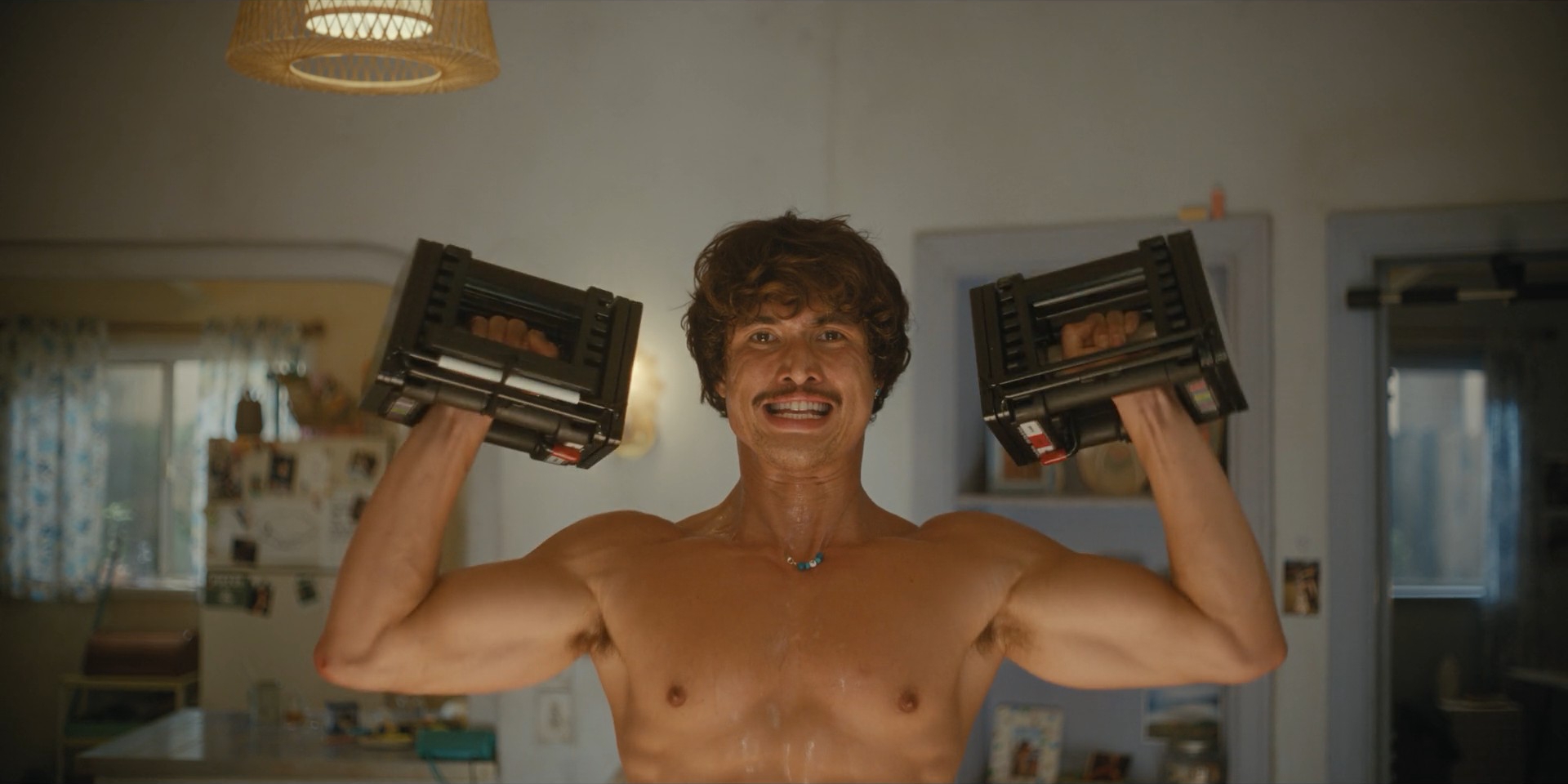
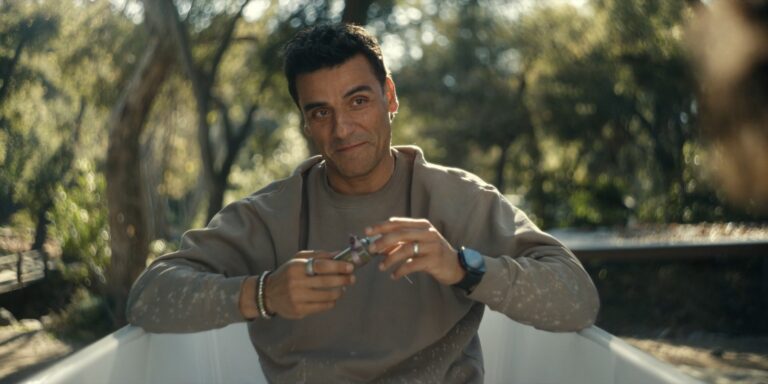
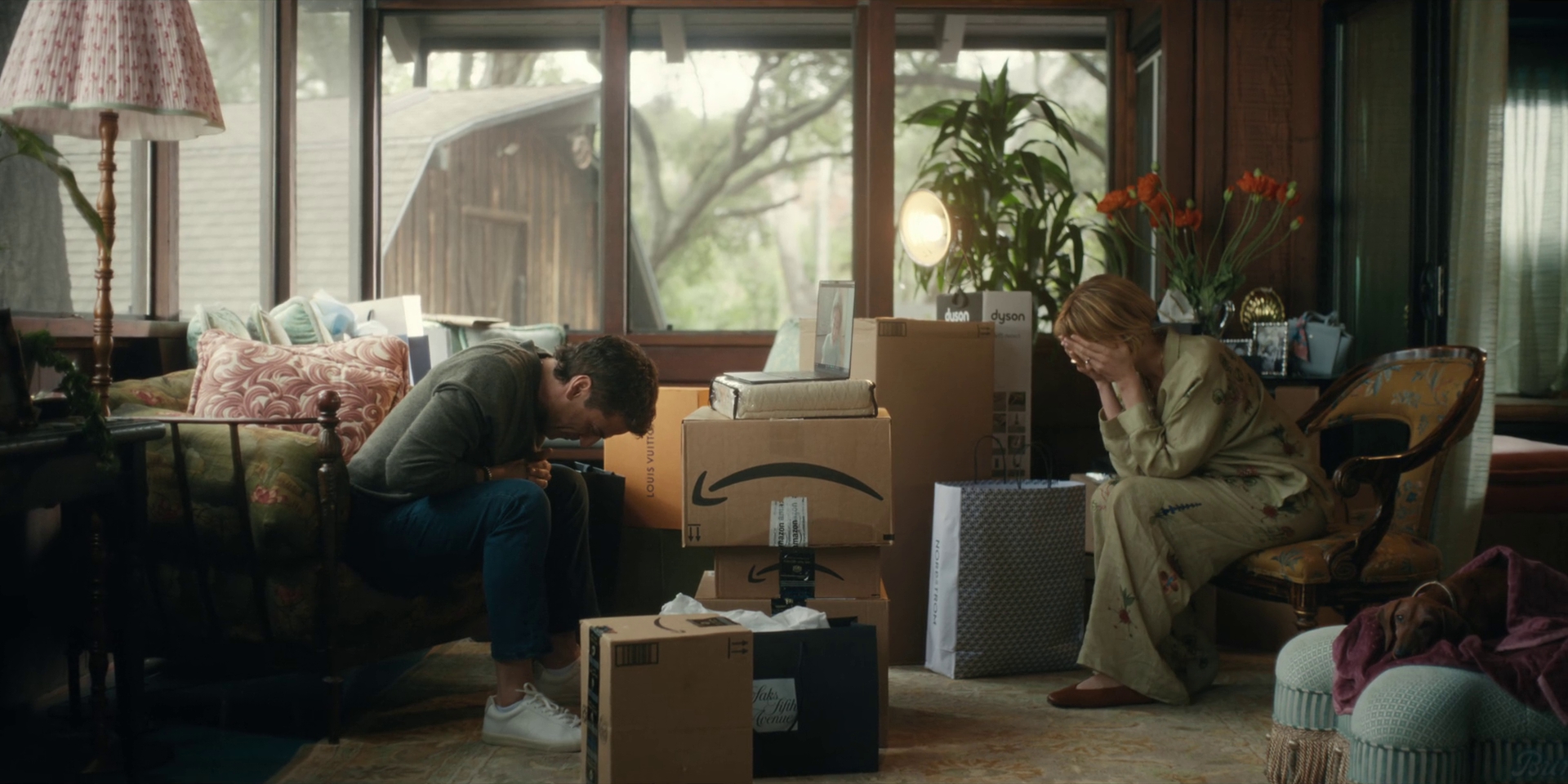
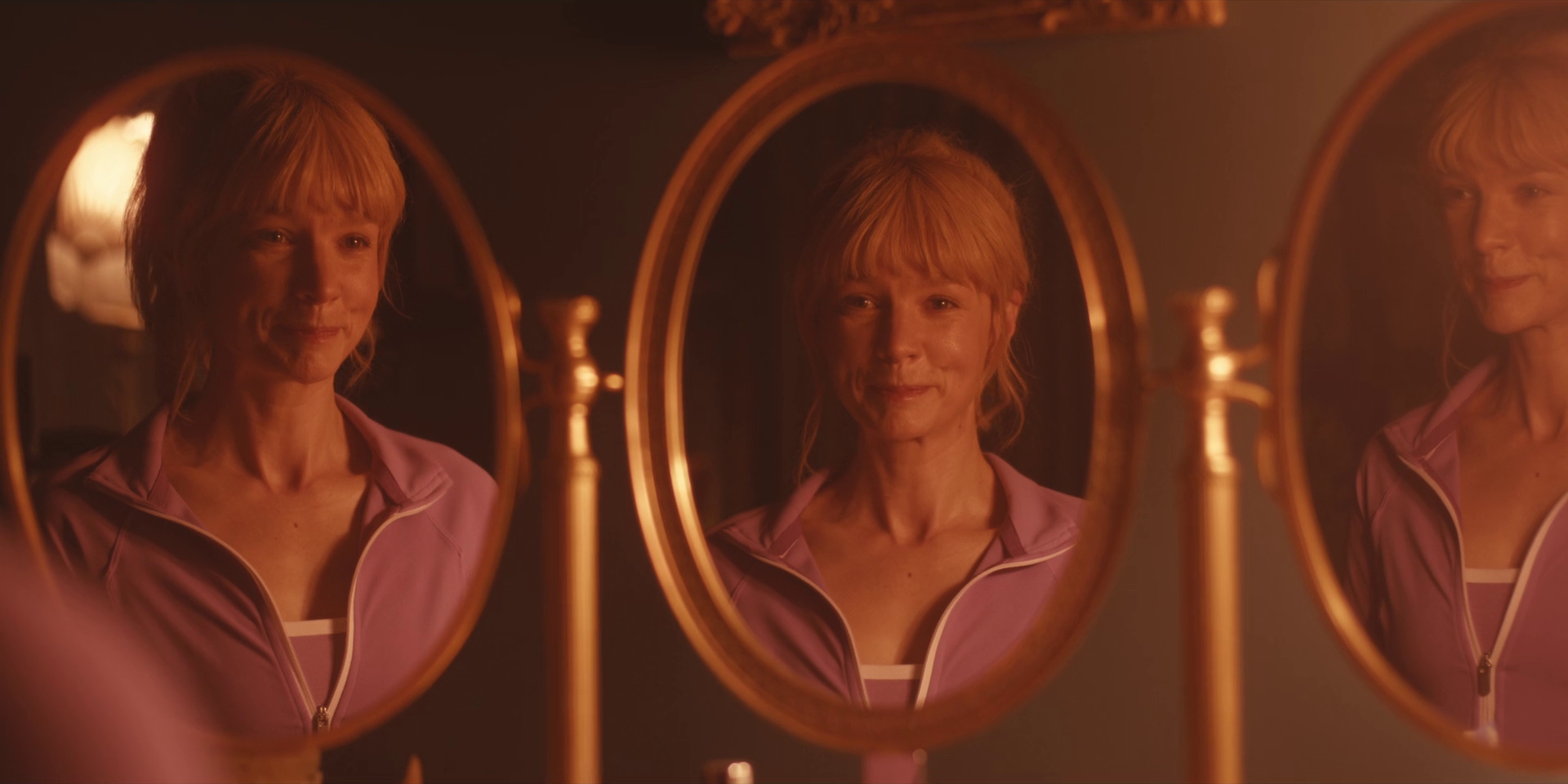
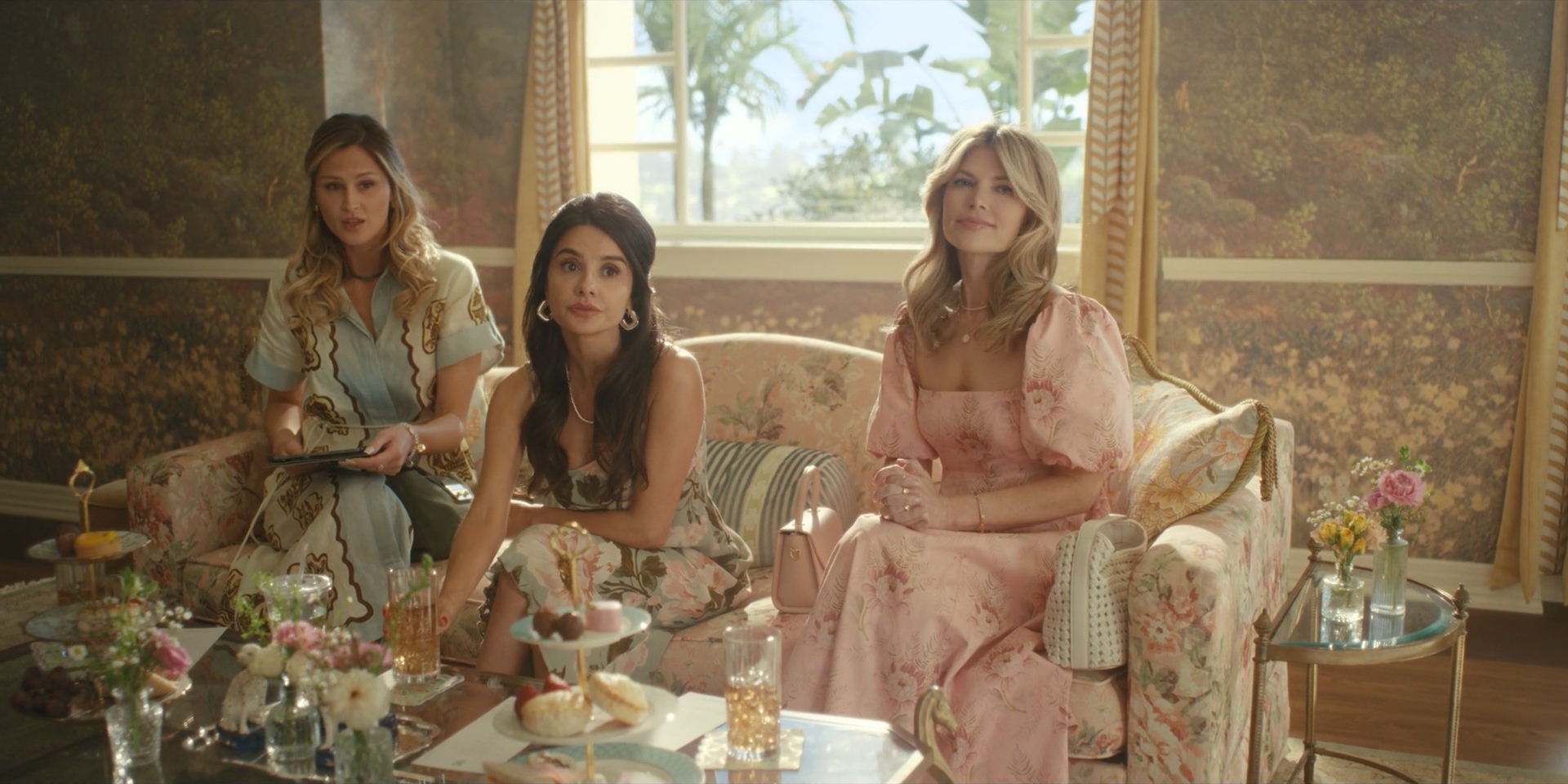
Beef – Season 2
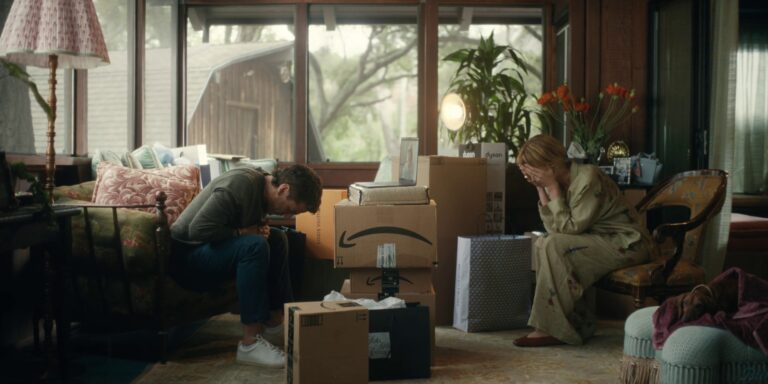
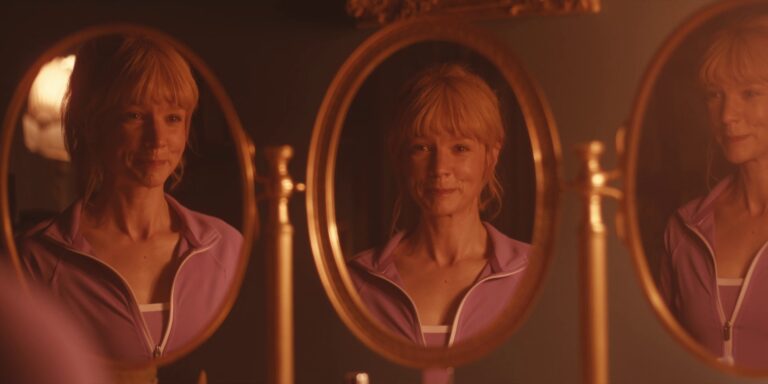
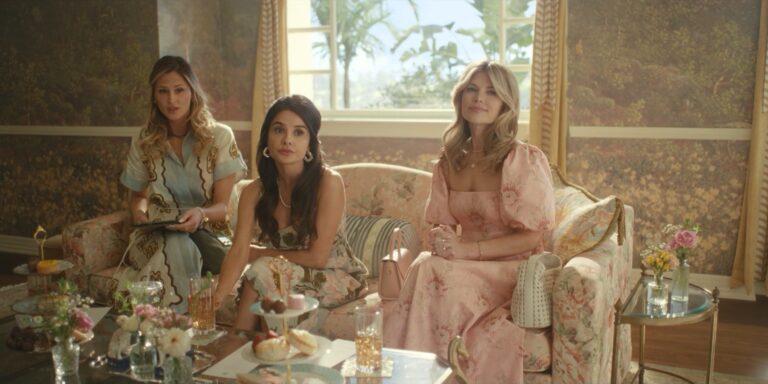
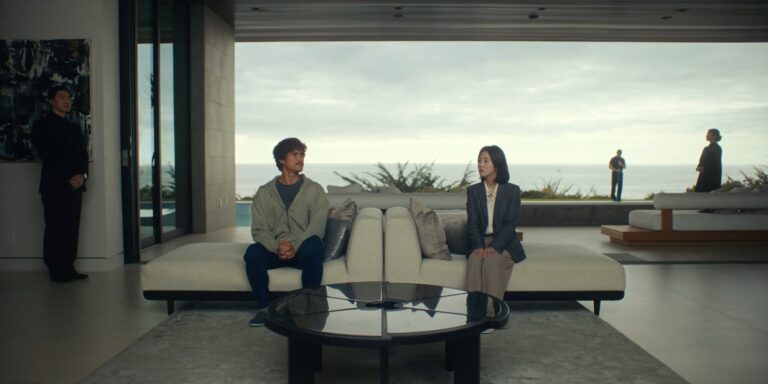
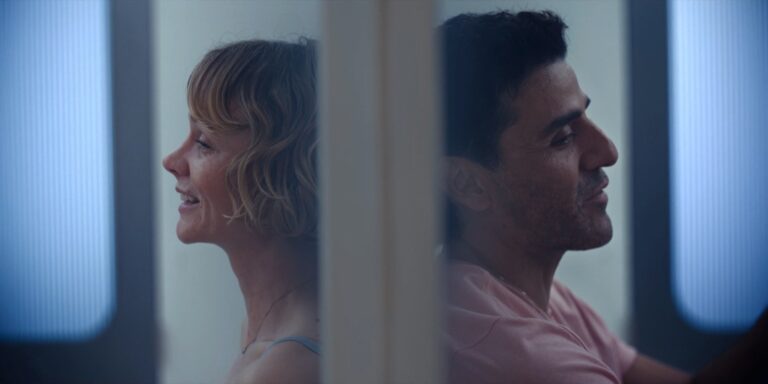
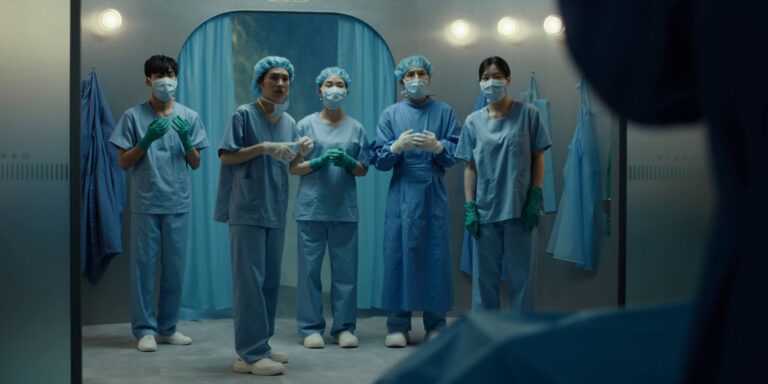
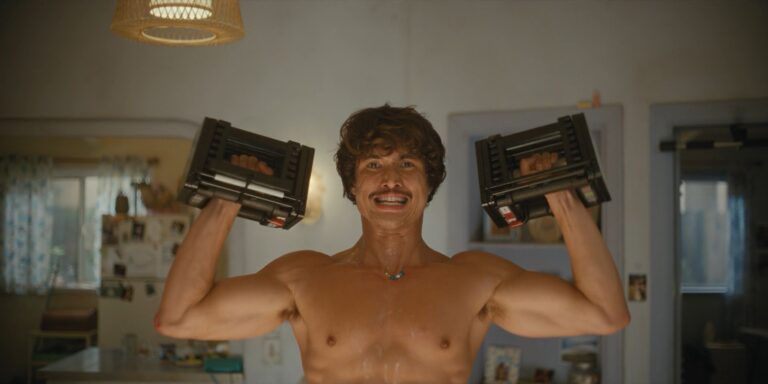
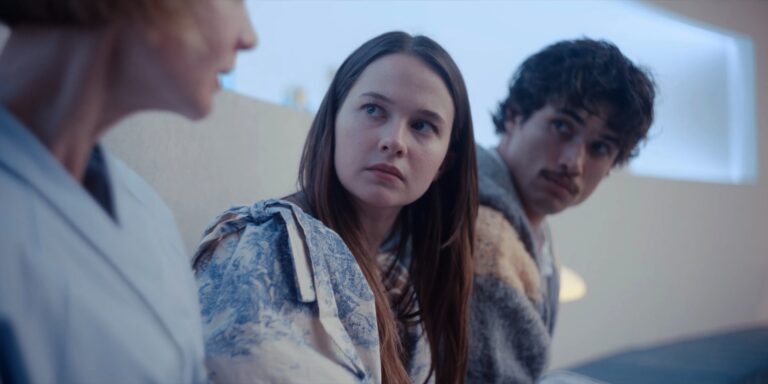
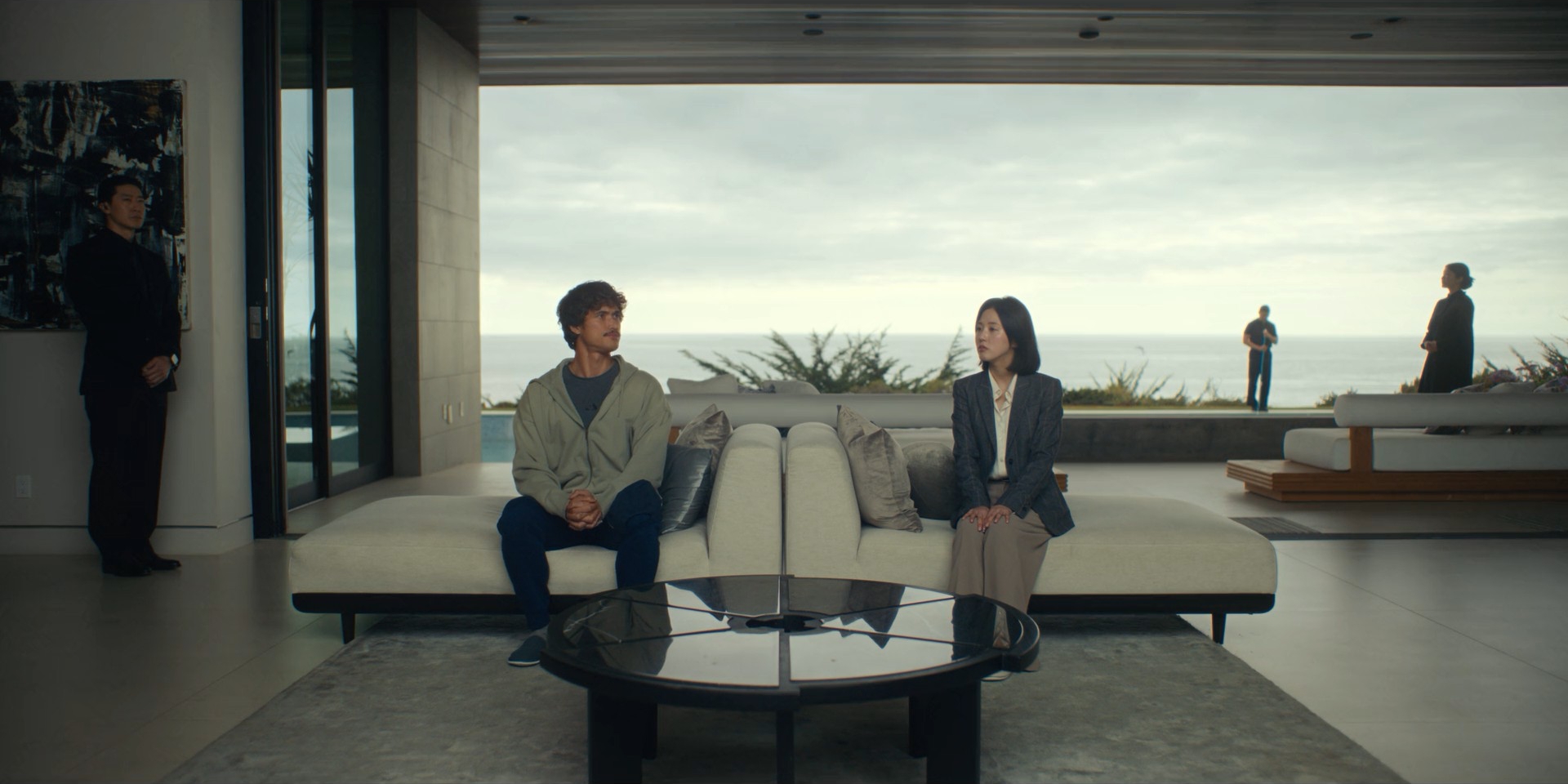
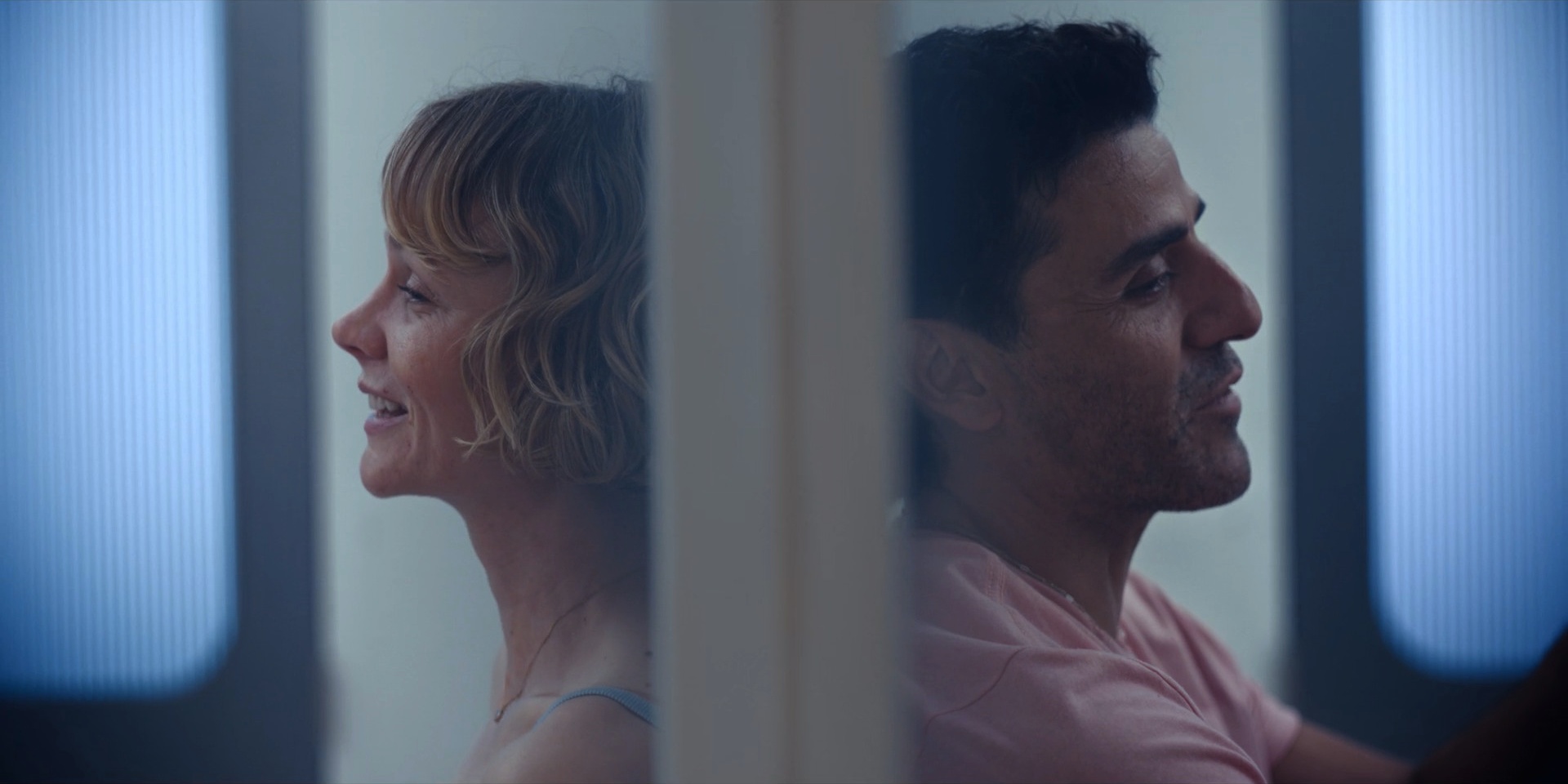
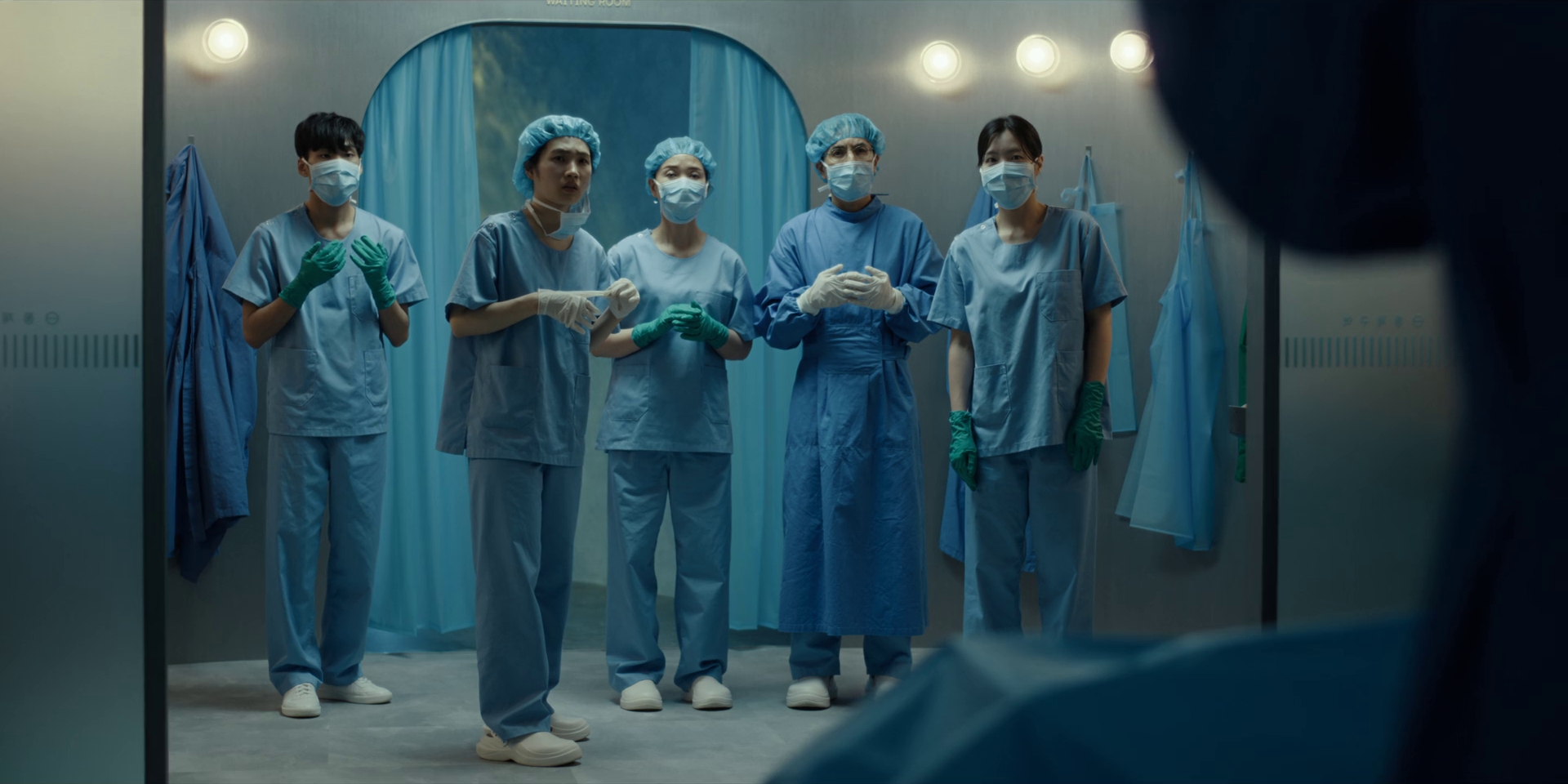
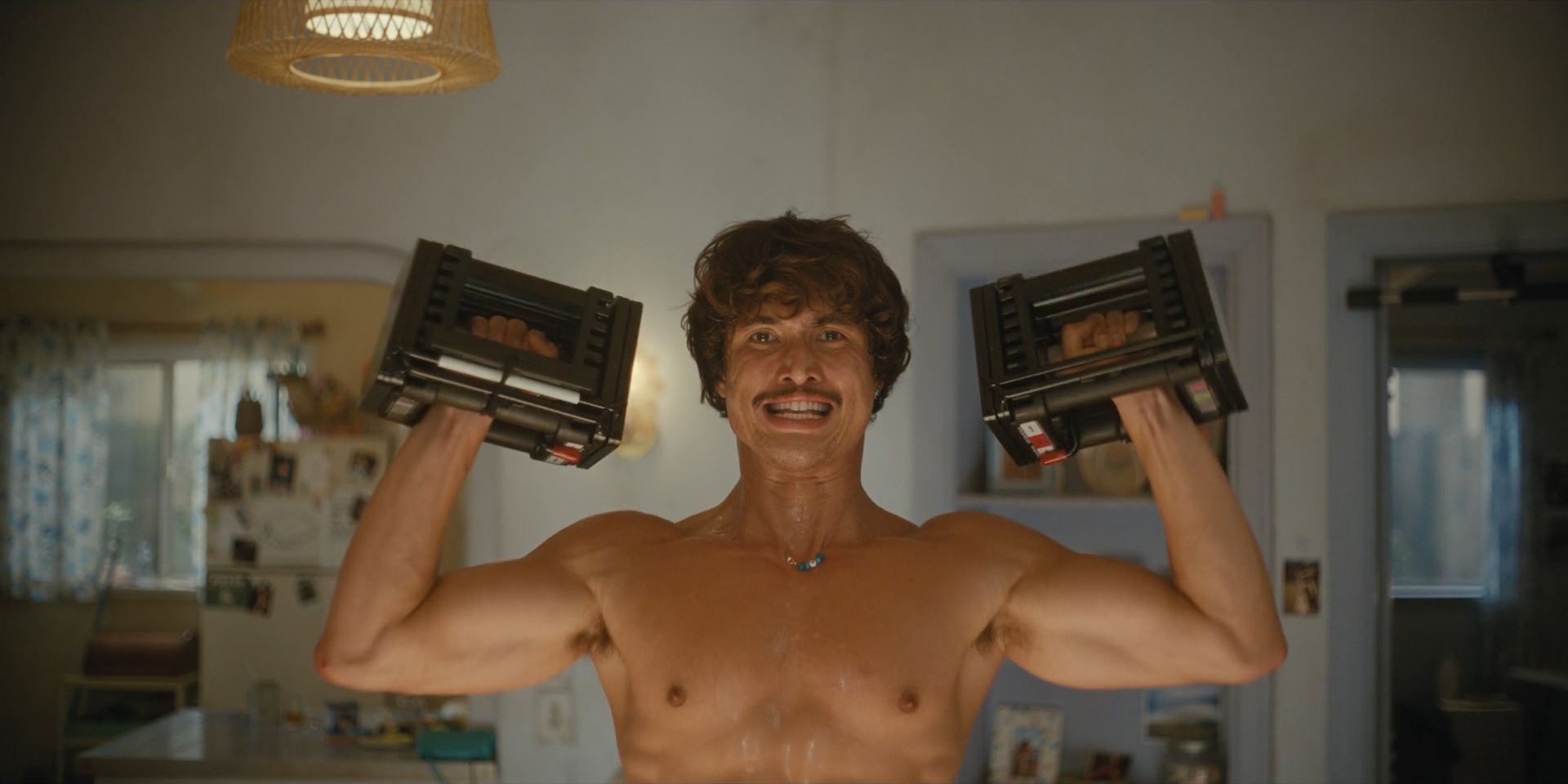
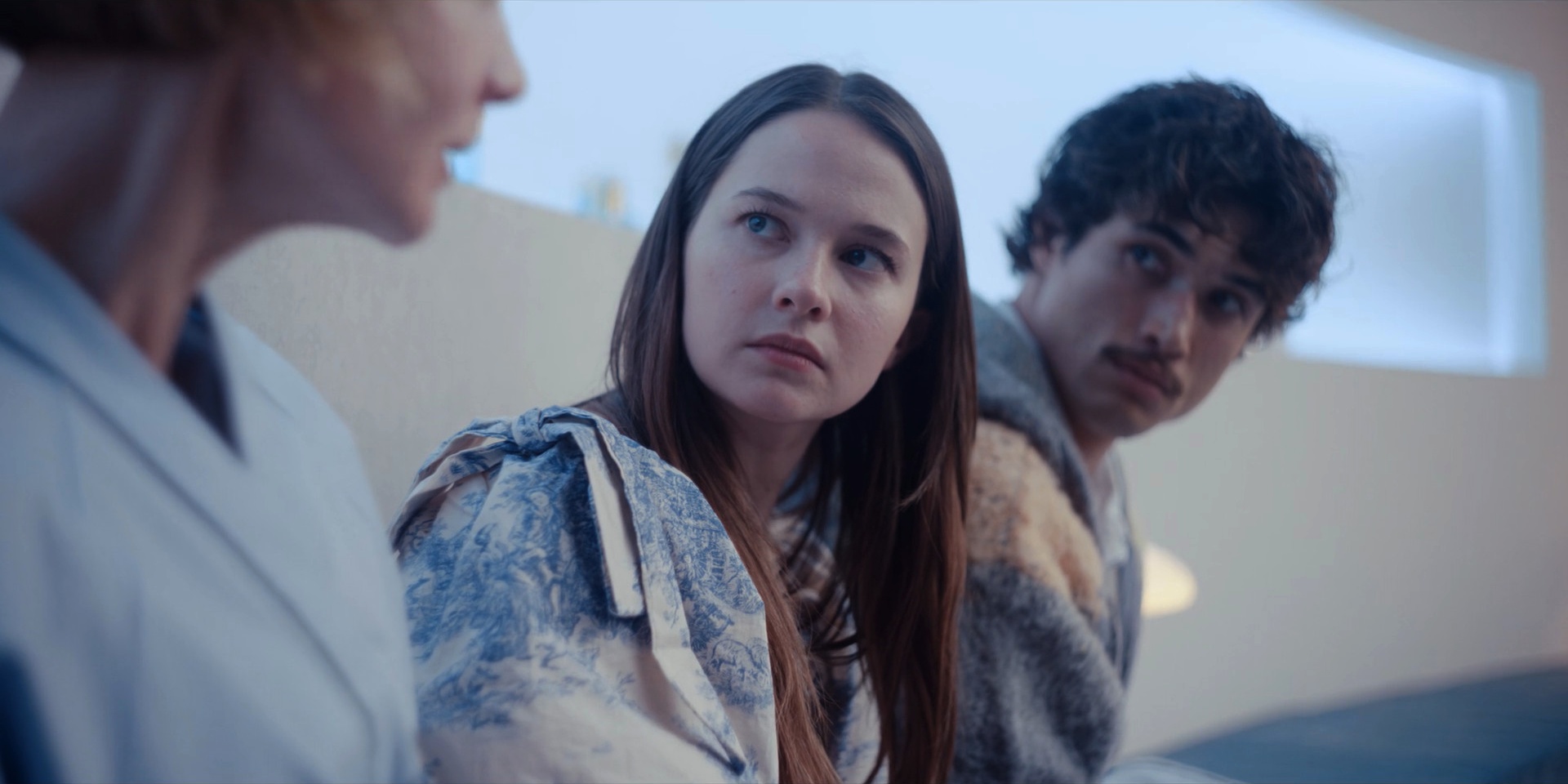
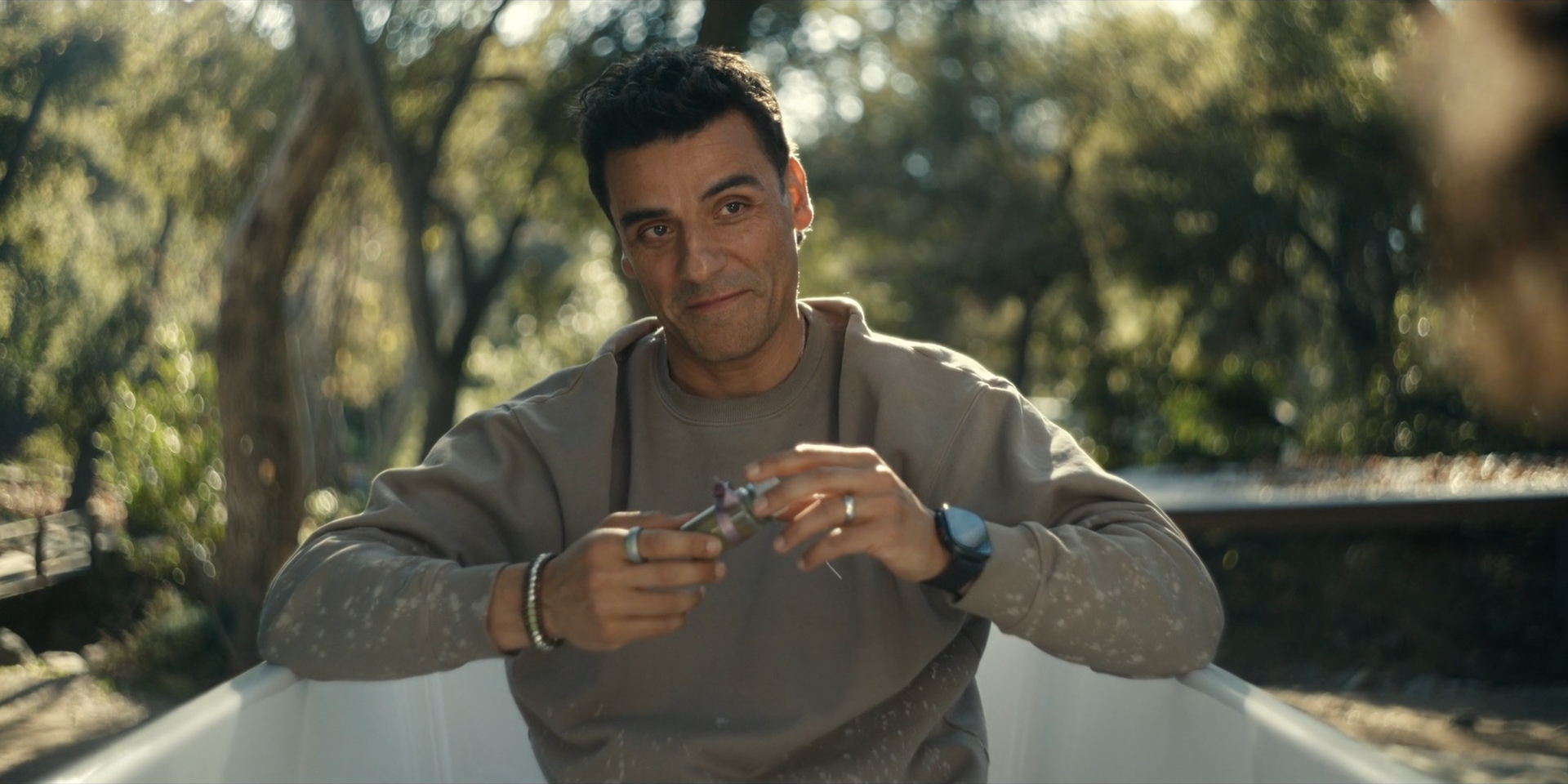
In May, we dropped season 2 of Lee Sung Jin‘s hit television series, Beef. Starring Oscar Isaac, Carey Mulligan, Cailee Spaeny, and Charles Melton, the series follows a young couple (Melton and Spaeny) who witness a violent fight between their boss (Isaac) and his wife (Mulligan), triggering an escalating series of favors and coercion in the elite Montecito country club that they all work in.
Series production designer Grace Yun wanted the design of the key environments of the series to be a reflection of both the change those spaces were undergoing, as well as of the dynamics in the key character relationships on screen. The country club – a picture in Yun’s mind of “eternal summer”, initially began as Lindsay’s (Mulligan) vision – a more maximalist, older millenial aesthetic of “floral and plaids within a summer pastel palette” – until billionaire Chairwoman Park (Youn Yuh-jung) critiques it as “colonial” and proceeds to change it to a more “minimalist, limited-palette aesthetic, something that feels quite clean, orderly and icy.” Lindsay and Josh’s home was a real location that Yun and her team did significant design work to, bringing a “more autumnal palette” that reflected the collapsing state of their relationship, while also giving it a sense of being permanently under renovation. Austin and Ashley’s apartment, built on a stage, was designed to both reflect their shared aesthetic for old-fashioned interiors, as well as the old-fashioned relationship dynamic they seemed to be striving for.
FILMMAKER SPOTLIGHT
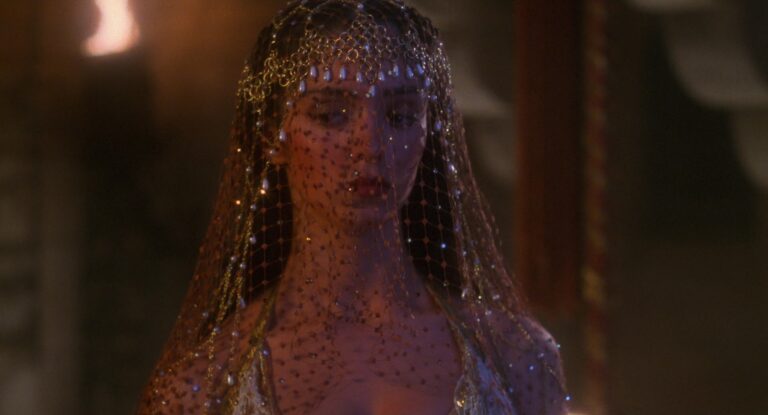
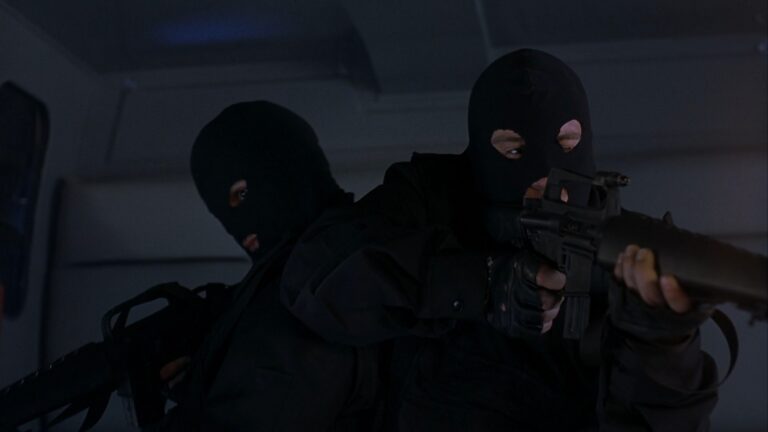
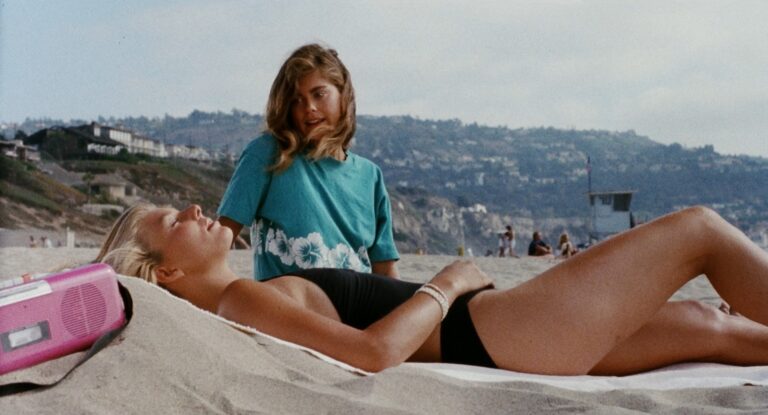
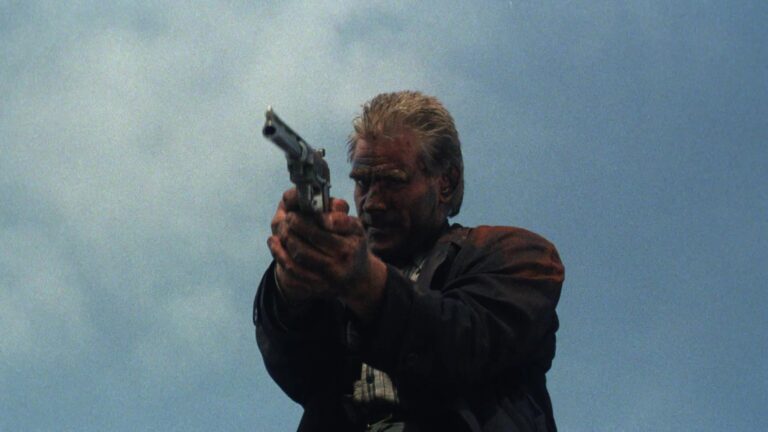
Albert Pyun
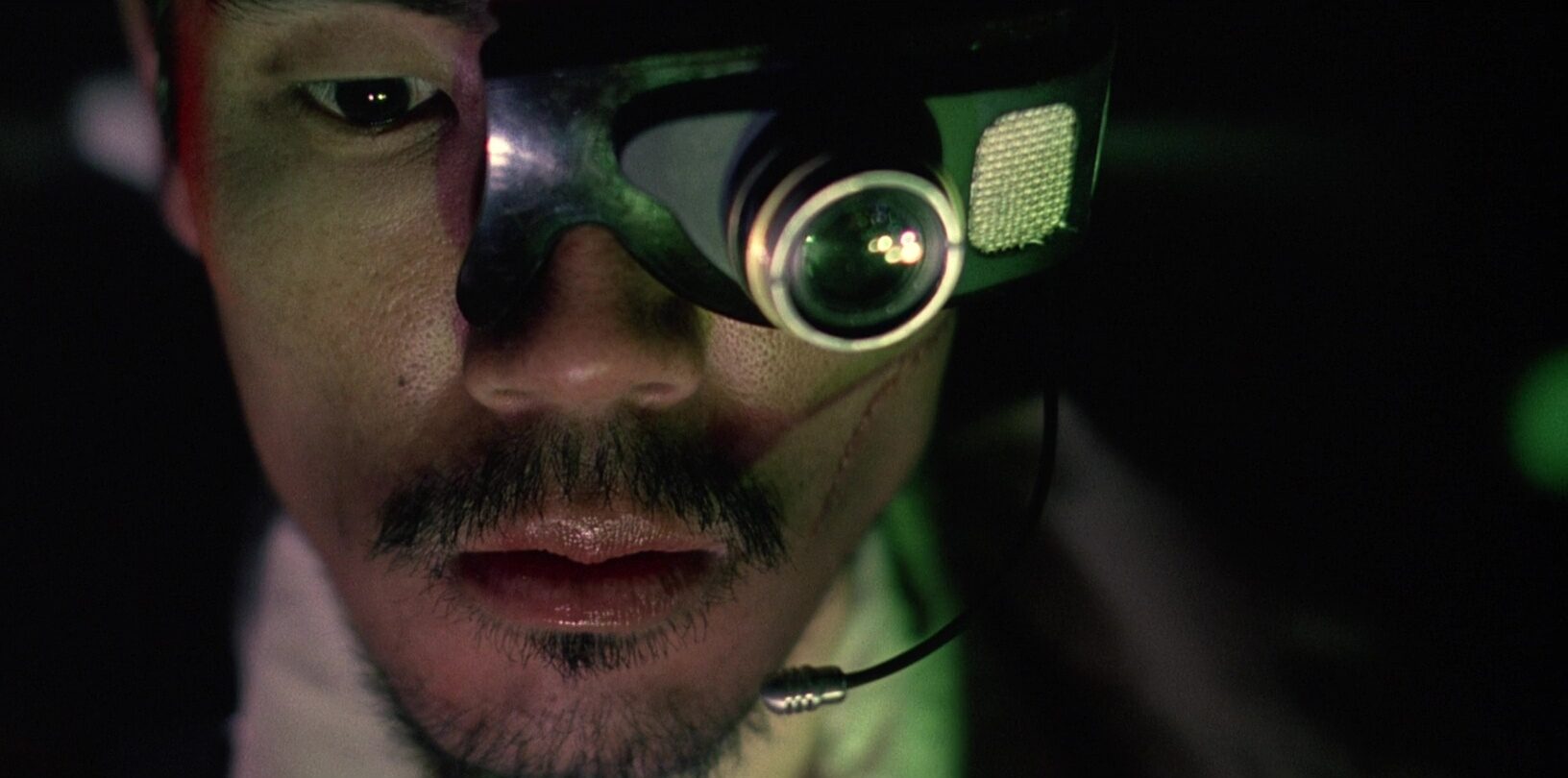
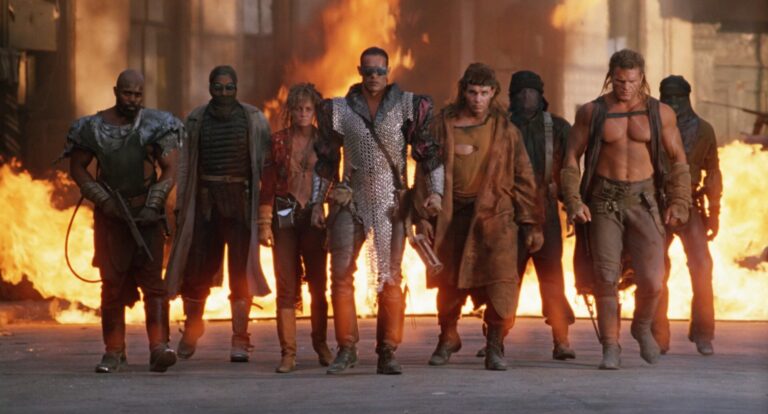
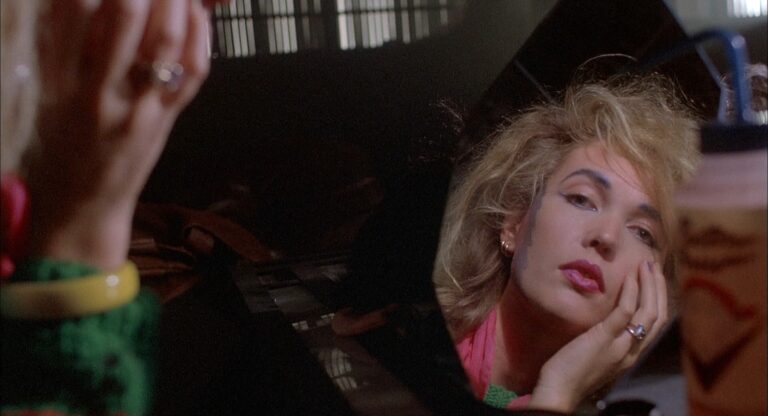
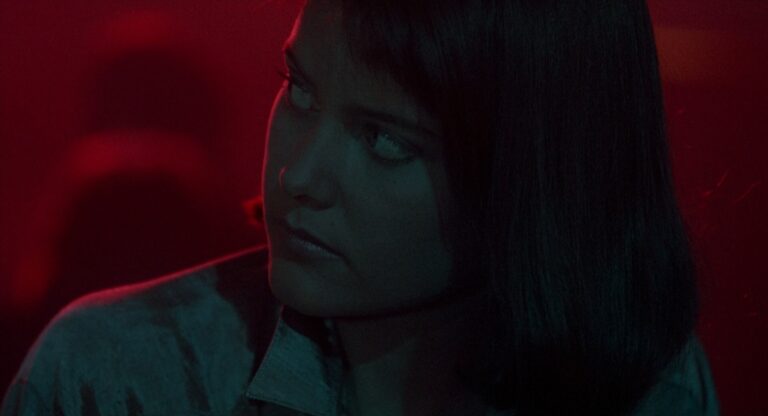
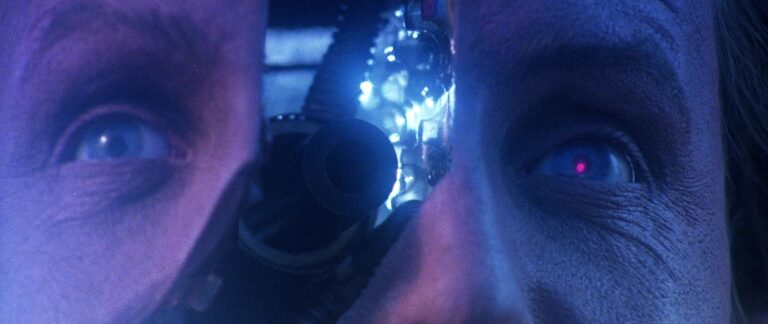
This month, we dropped nine films from B-movie icon, Albert Pyun. A relentless filmmaker who carved out a singular career in sci-fi and cyberpunk, Pyun began his career as a commercial film editor in Hawaii before moving to Los Angeles to direct his first feature film, The Sword and the Sorcerer (1982), which was a commercial success and for a time, seemed to put Pyun on a path of making films in the established Hollywood system.
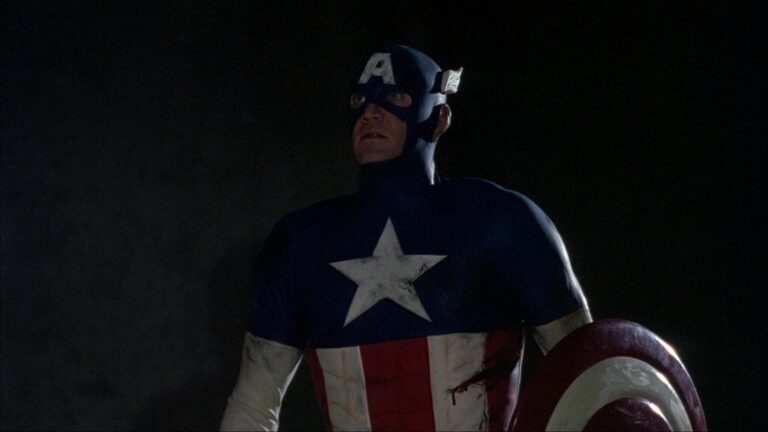
Wanting to make films that he could retain creative control over and make quickly, Pyun established a reputation for being able to mount resourceful productions at speed, and he directed over 20 films during the 1990s, including his Nemesis (1992) series, and the first feature length live-action adaptation of the Marvel superhero, Captain America (1990). After 2000, Pyun largely self-funded his projects, but remained prolific, capturing a beloved cult following among genre audiences for his immersive dreamy lighting style, eerie post-apocalyptic visions, and his “surreal, balletic action”
Dive into our Albert Pyun curation, which includes The Sword and the Sorcerer, Nemesis and Captain America, as well as crime thrillers Dangerously Close (1986) and Ticker (2001), action film Dollman (1991), family adventure story Alien from L.A. (1988), horror sci-fi musical Vicious Lips (1987), and cyperpunk cult film Cyborg (1989).
FILM COLLECTION
90’s Anime
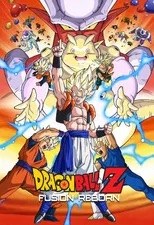
Anime fans, unite! In May, we dropped thousands of shots from ten films and a television series from the one of the most consequential decades in the history of anime – the 1990’s. Building on the growing commercial popularity and the artistic experimentation of the genre through the 80’s, the 1990’s saw the explosion of anime as a worldwide phenomenon, with television series like Dragon Ball Z, Pokémon and Sailor Moon gaining fever-pitched international attention and establishing anime as a staple of mainstream film and television entertainment.
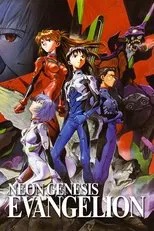
The 1990s were also a time of artistic evolution for the medium, with a visible shift away from the animation style popularized by Yoshinori Kanada during the 1970’s and 80’s. New ways of animating kinetic movement and striking visual designs created unforgettable anime images among a global audience, perhaps none more influential than those from the television series, Neon Genesis Evangelion, which is today regarded as one of the greatest animated series of all time, and has left a profound and lasting impact on Japanese and global anime pop culture.
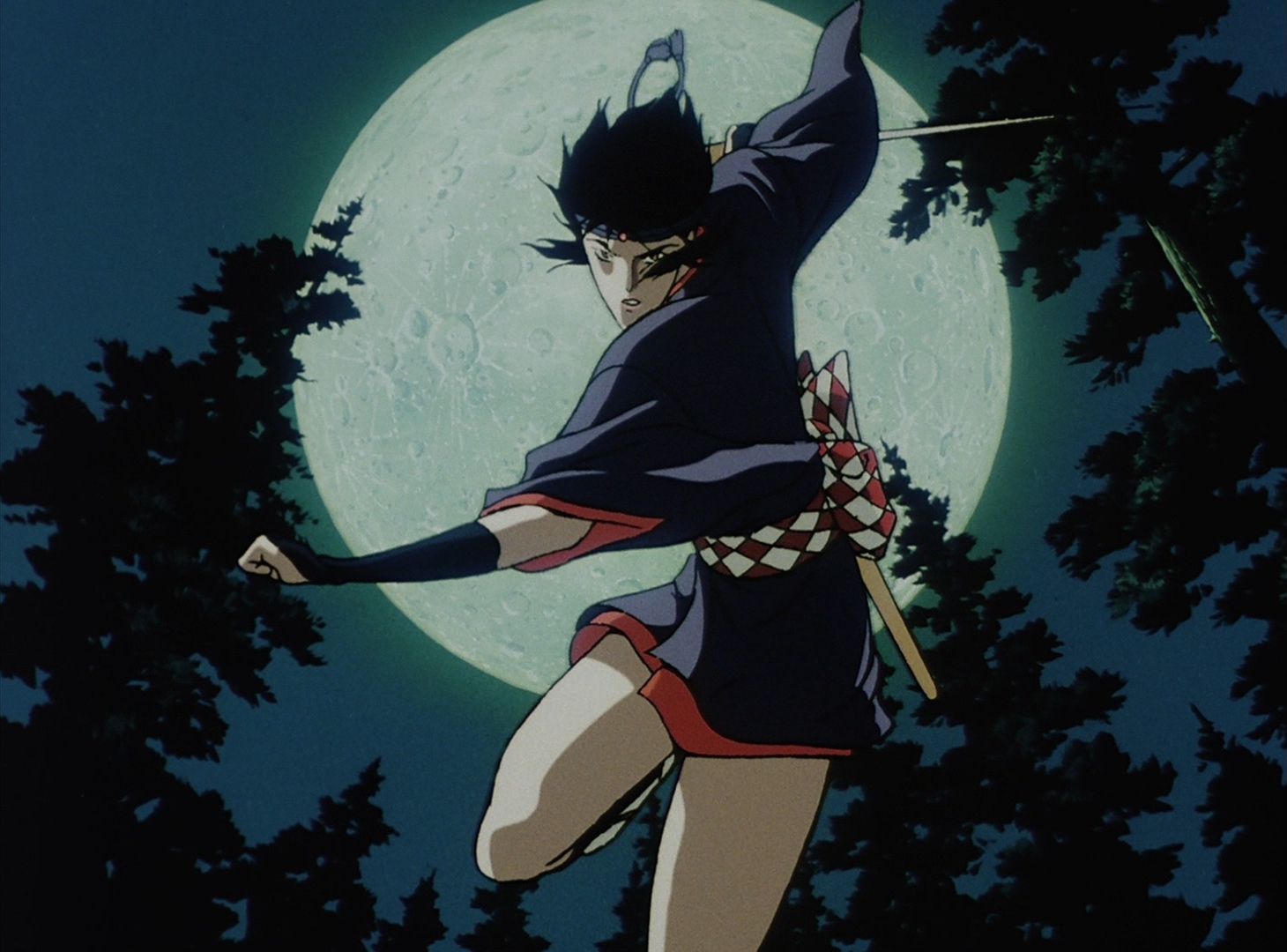
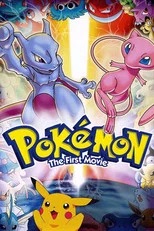
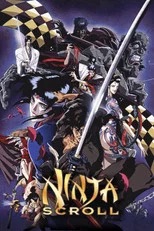
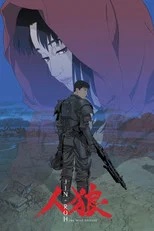
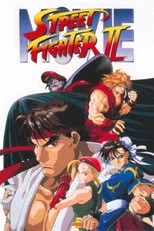
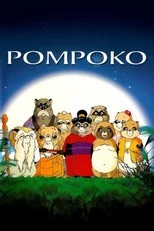
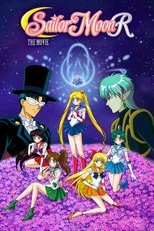
Explore images from Season 1 of Neon Genesis Evangelion alongside the films Pokémon: The First Movie (1998), Ninja Scroll (1993), Dragon Ball Z: Fusion Reborn (1995), Sailor Moon R: The Movie – The Promise of the Rose (1993), Pom Poko (1994), Street Fighter II: The Animated Movie (1994), Jin-Roh: The Wolf Brigade (1999), Memories (1995), My Neighbors the Yamadas (1999), and Ocean Waves (1994).



FILM COLLECTION
Music Videos & Commercials
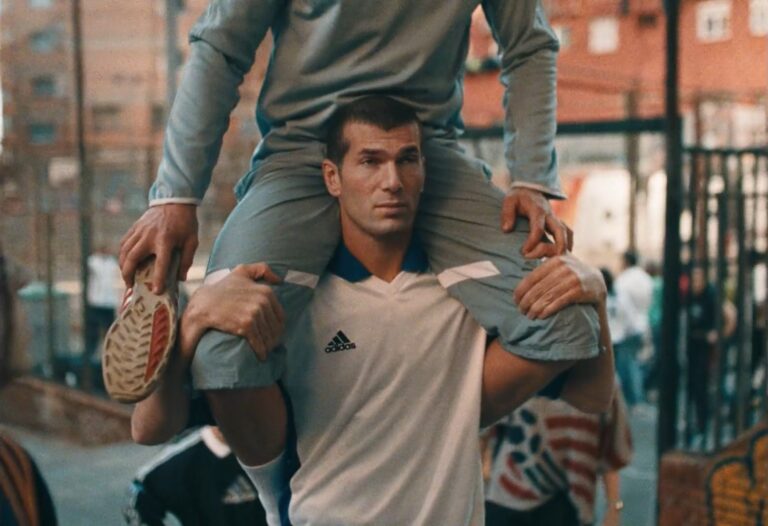
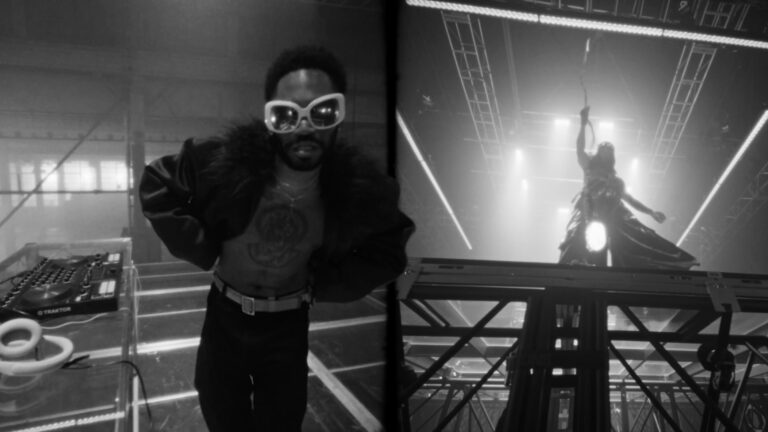
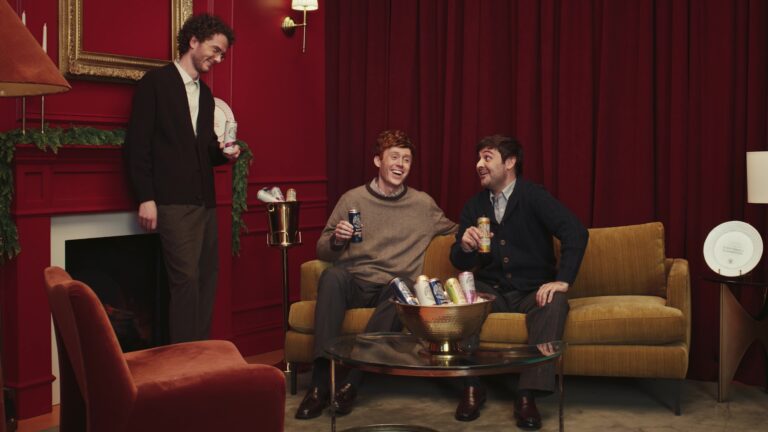
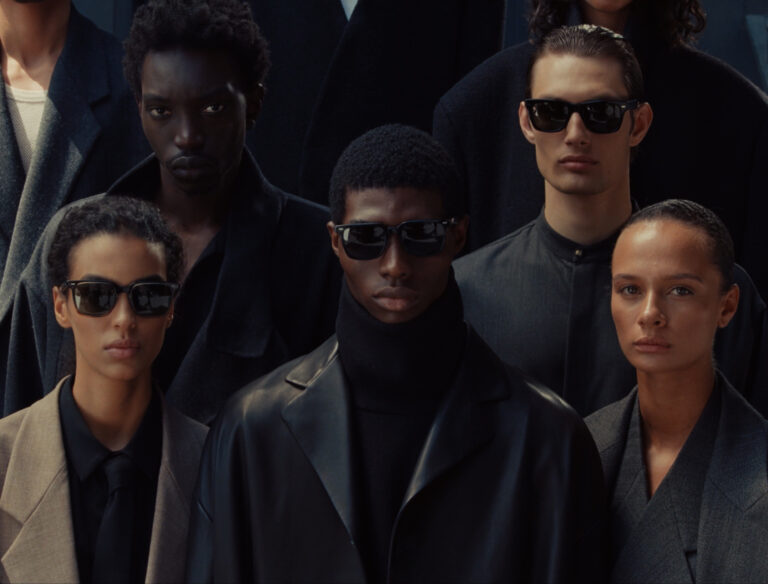
This month, we added over 11,000 new shots into our library from 150 commercials and 50 music videos. Add shots to your decks from commercials representing World Cup clothing manufacturers, luxury cars, energy drinks and even equestrian clubs, while our music video curation has new offerings from chart-topping pop stars, R&B icons and blues musicians. Enjoy!
 MUSIC VIDEOOlivia Rodrigo – “Drop Dead”
 COMMERCIALAéroports de Paris – “Sharing New Horizons”
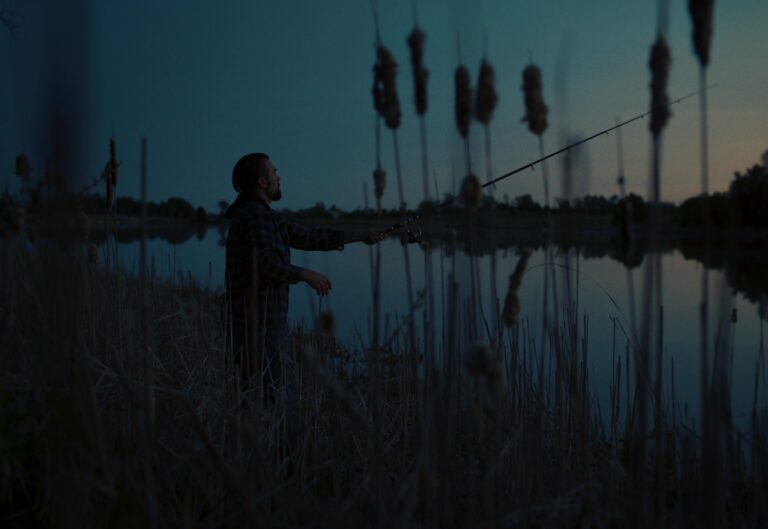 COMMERCIALStella Artois – “People to Premium”