Horror Masters, Cult Heroes, Indigenous Stories and Music Documentaires
Hello, ShotDeck community!
We’ve had a busy start to the Fall, and are so excited to share a massive new set of updates to ShotDeck which we’ve been working on for the past two years – very very soon! In the meantime, the shots continue to drop thick and fast into our library, and we have another great group of articles and interviews from this past month for you to check out on our Community page:
- Director Lance Oppenheim and DP David Bolen shared their enormous lookbook for Primetime with us as talked about the transition from documentary to fiction
- The legendary Ed Lachman, ASC sat down for a Shot Talk with our CEO Lawrence Sher, ASC, for a retrospective on his career
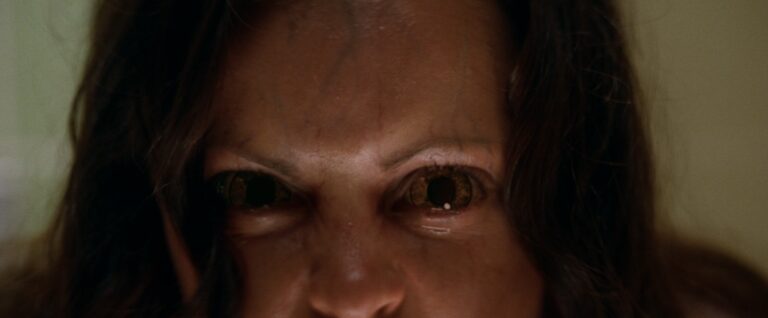
- Other Mommy and The Haunting of Bly Manor cinematographers Lowell A. Meyer and James Kniest chatted to us about the art of filming horror
- I Love Boosters and The Neon Demon Natasha Braier, ASC, ADF did a Shot Talk, offering a masterclass on her career and approach to visual storytelling
We dropped over 39,000 new shots into our library this month – read on to see what we curated!
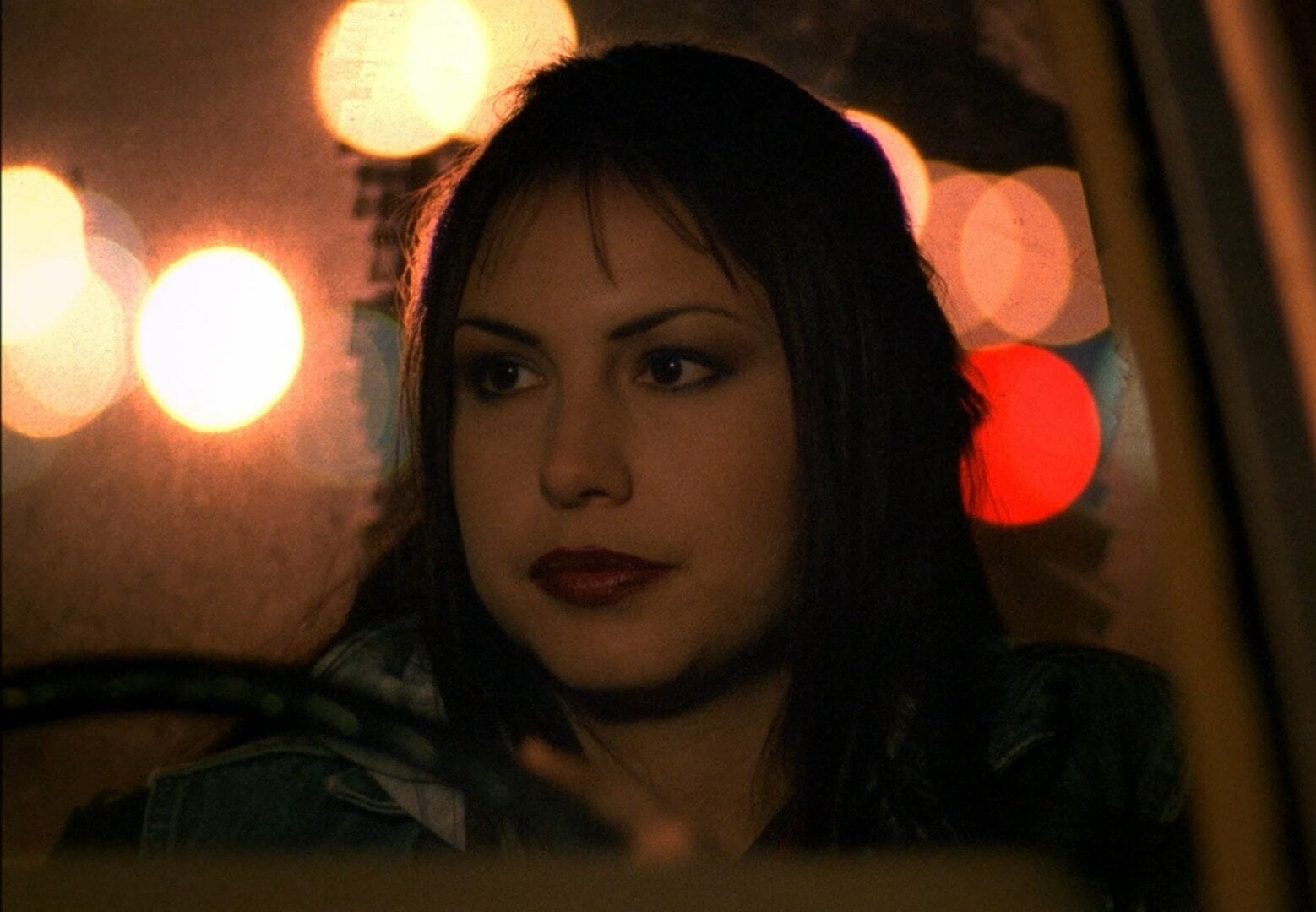
FILM COLLECTION
New Releases
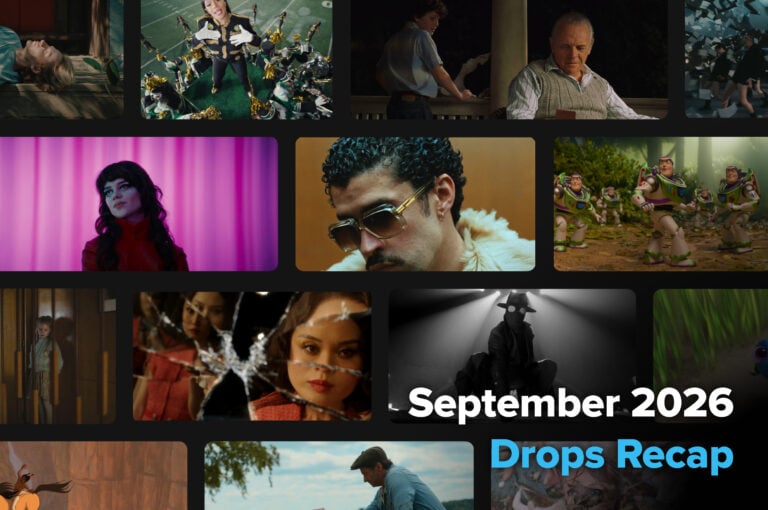
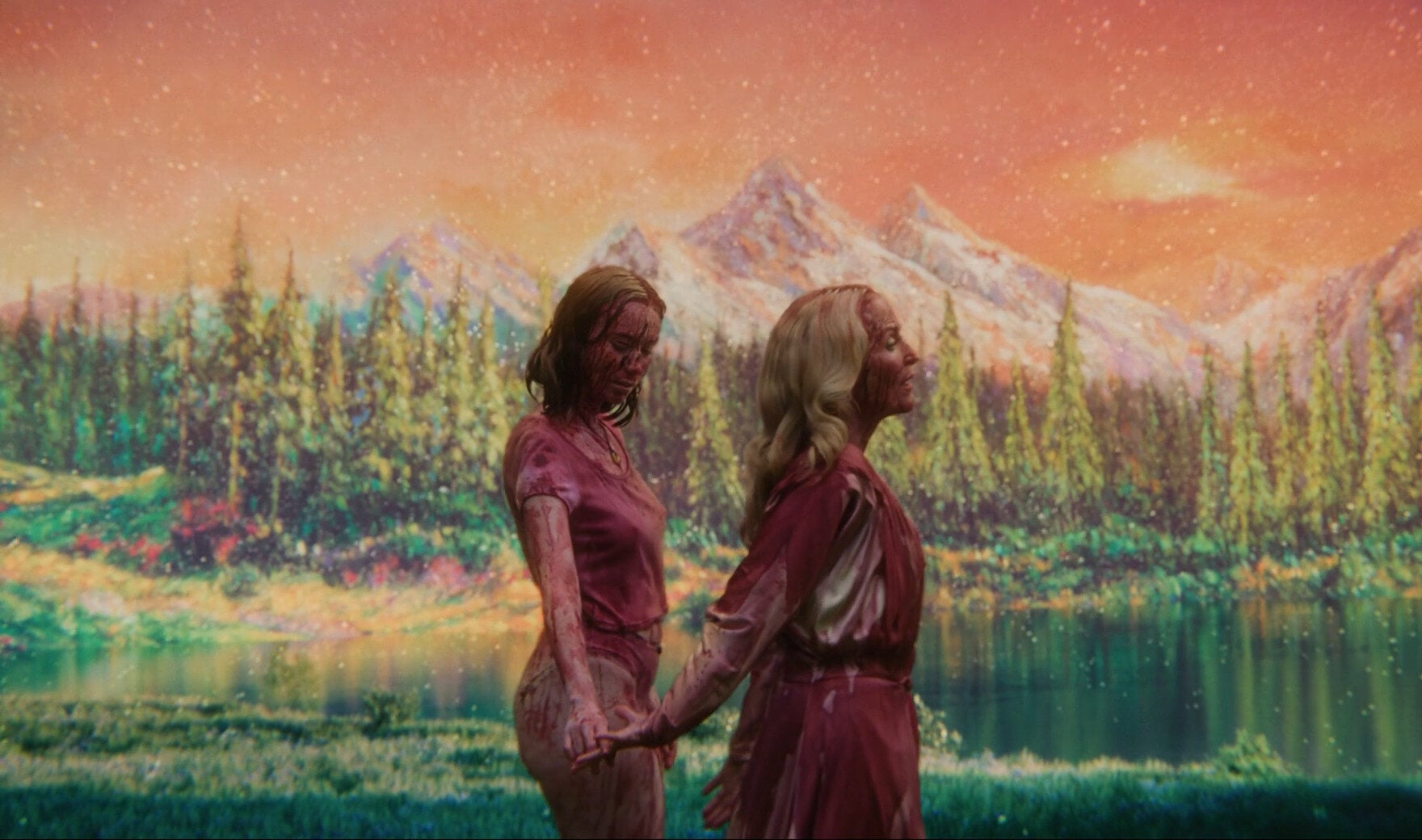
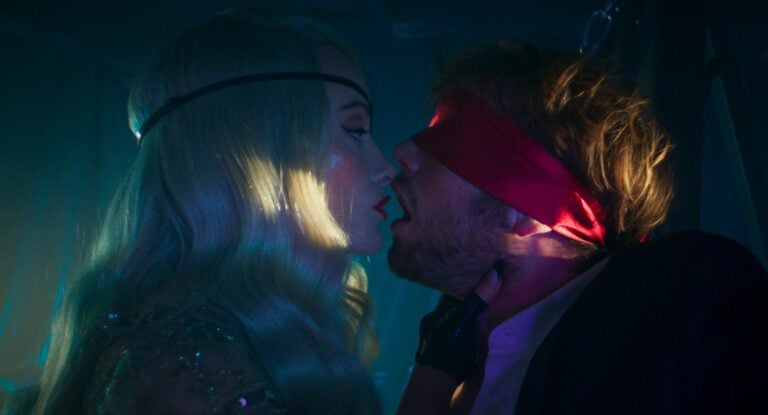
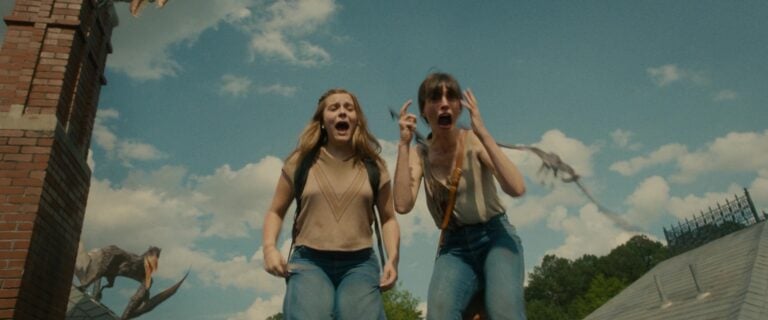
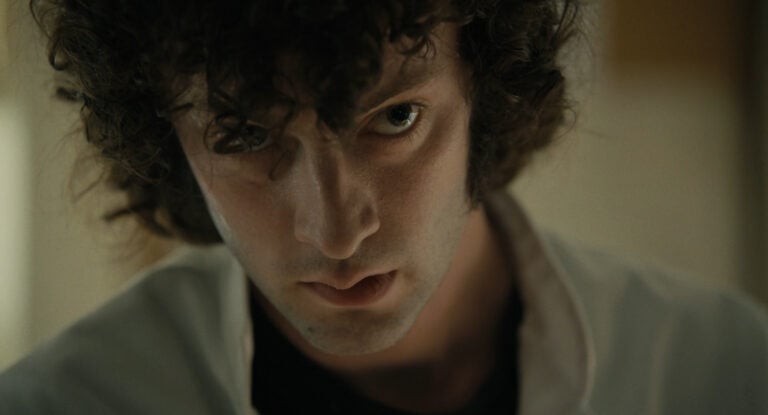
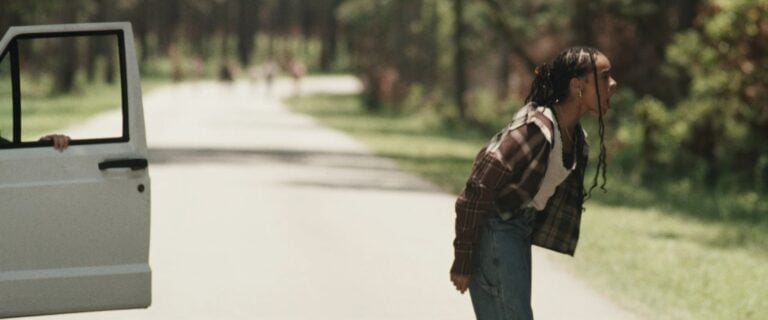
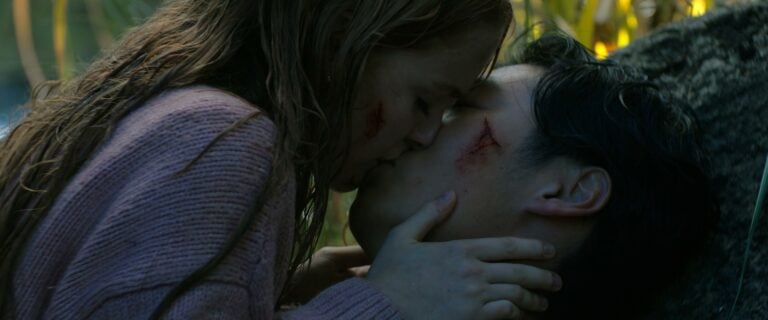
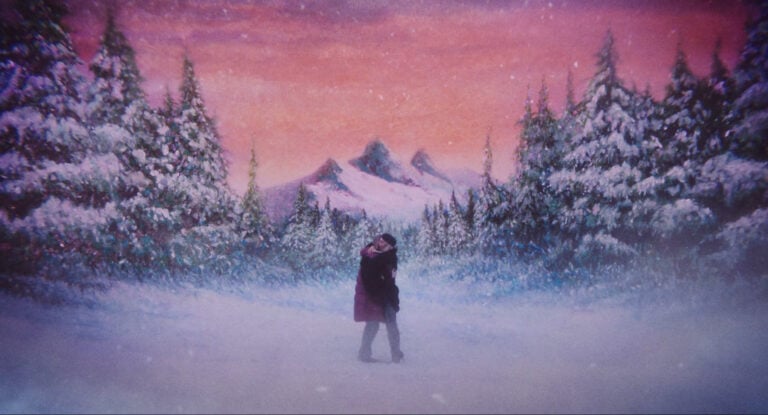
We’re now deep into fall film season, and ShotDeck has a huge crop of shots for you to add to your decks from some of 2026’s biggest new releases. Check out frames from Teenage Sex and Death at Camp Miasma, Tony, It Ends, I Want Your Sex, The End of Oak Street, and The Last Kiss!
FILM COLLECTION
Music Documentaries
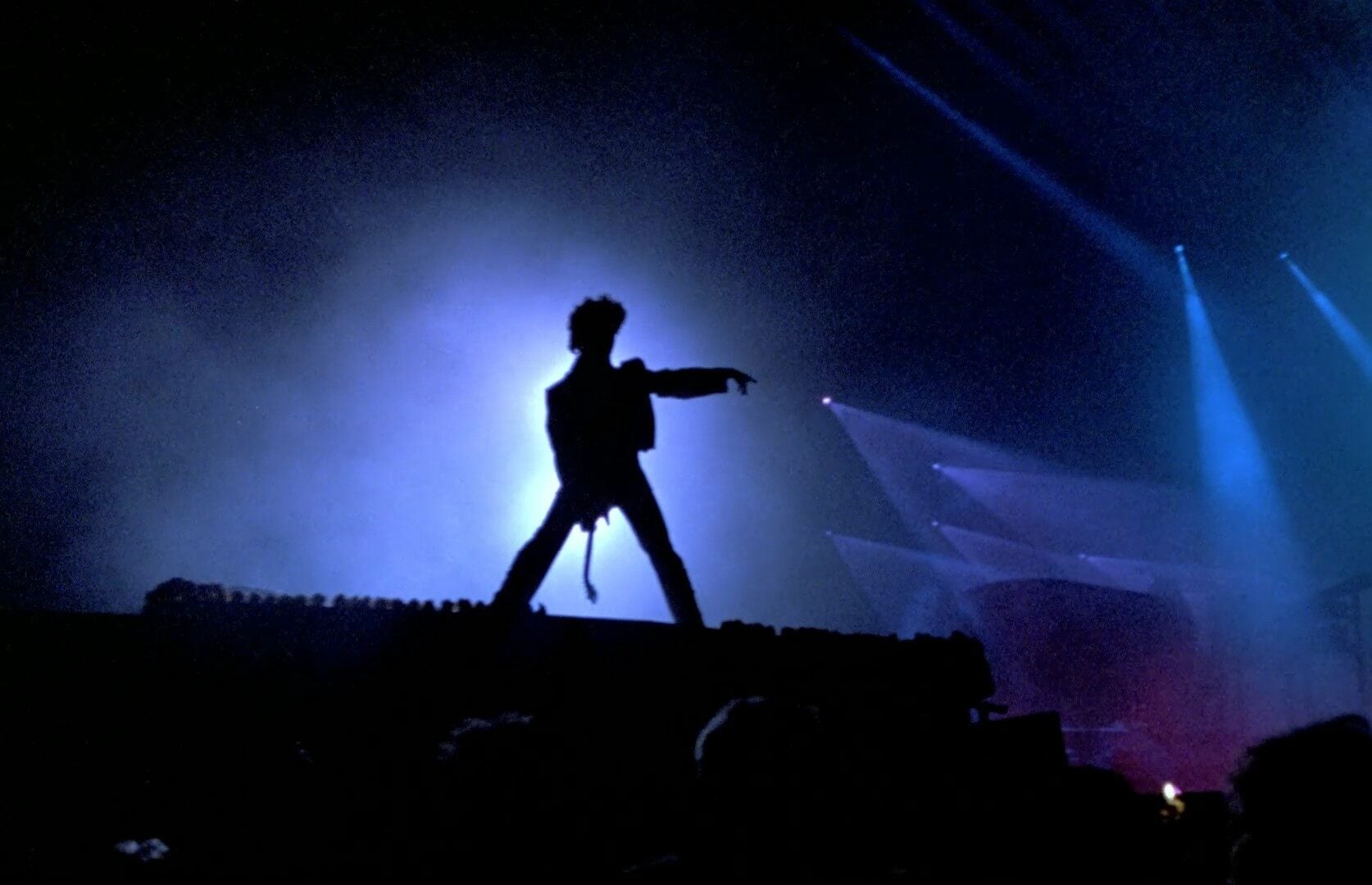
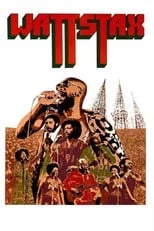
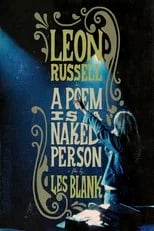
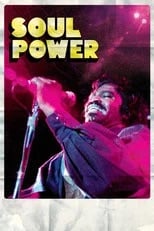
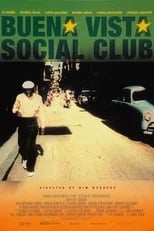
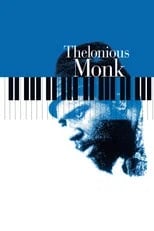
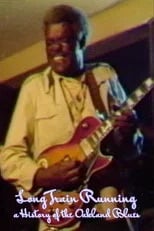
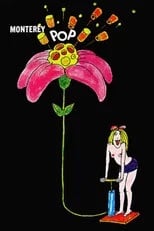
From pop to country, rock and roll to jazz, traditional, soul, and everything in between, this month we curated a collection of nine iconic music documentaries. These documentaries and concert films explore the lives of celebrated musical artists across eras and genres, showcasing their incredible work and diving into the ambitions, inspirations and obsessions behind their music.
These films also took the music of these artists and gave them a visual identity, helping to forge their legacy and carve a new cinematic language for how to represent music on the silver screen. Dive in and add stills to your decks from Wattstax (1978), Prince: Sign ‘o’ the Times (1987), A Poem is a Naked Person (1974), Festival (1967), Soul Power (2008), Buena Vista Social Club (1999), Thelonious Monk: Straight, No Chaser (1988), Long Train Running: A History of the Oakland Blues (1981), and Monterey Pop (1968).
ARTIST SPOTLIGHT
Chris Eyre
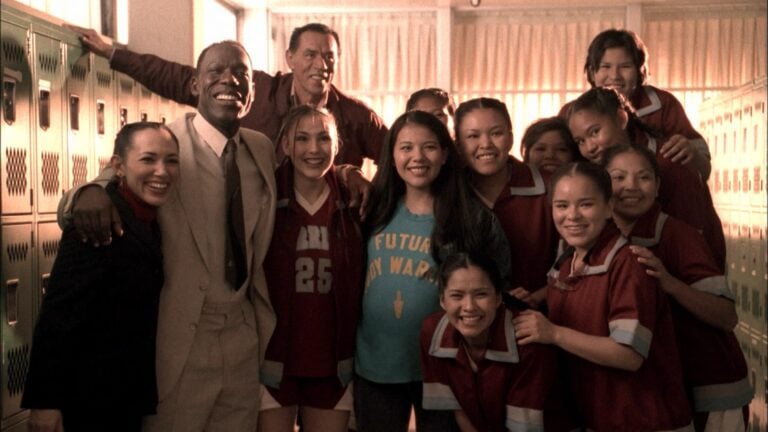
In October, we added three films to our library from the filmography of pioneering Native American filmmaker, Chris Eyre. Eyre’s breakthrough came in 1998 with Smoke Signals, which won the Audience Award at the Sundance Film Festival and became the first nationally distributed film that was directed, written and prominently featuring Native American artists.
Eyre became a lightning rod for Indigenous filmmakers all around the world. His stories center the contemporary Indigenous experience with warmth, humor, and complexity, and his body of work has become characterized by its bold compositions and distinctive landscape photography.
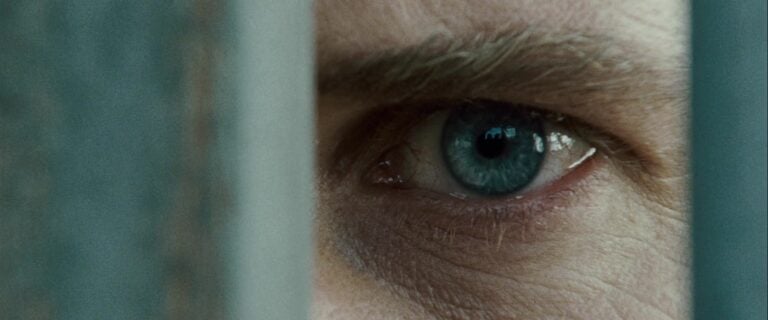
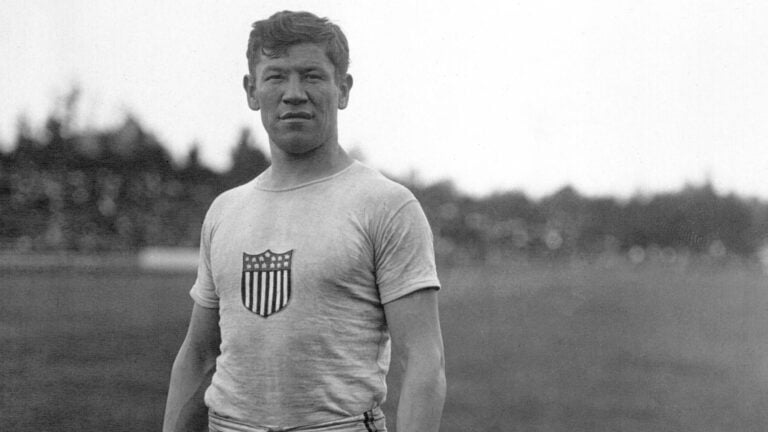
Check out this month’s selection of Eyre’s work – coming-of-age basketball film Edge of America (2003), mental health drama Hide Away (2011), and sports biographical documentary Jim Thorpe: Lit by Lightning (2025). Enjoy!
TELEVISION SERIES
Widow’s Bay
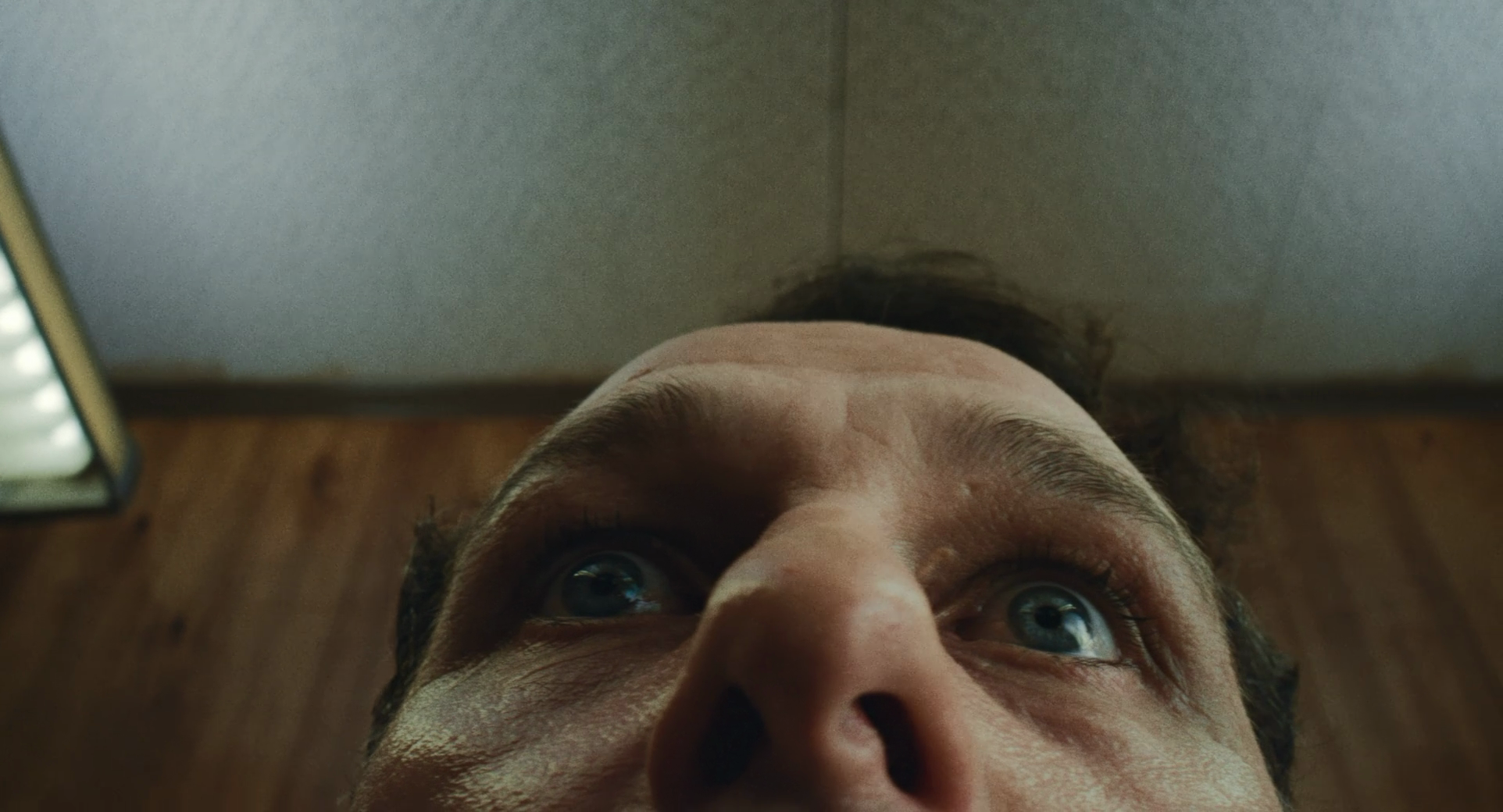
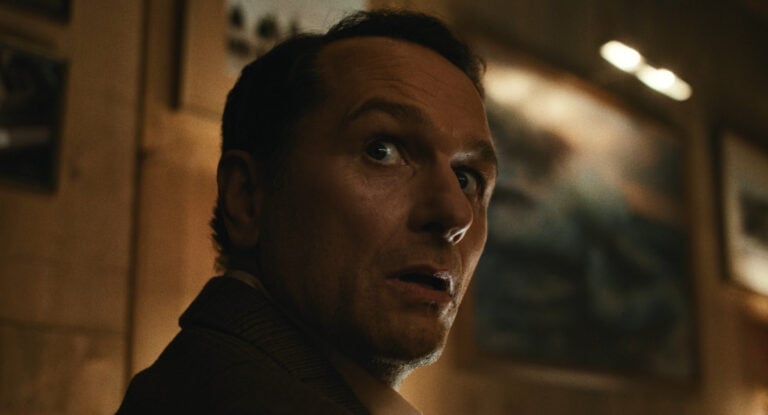
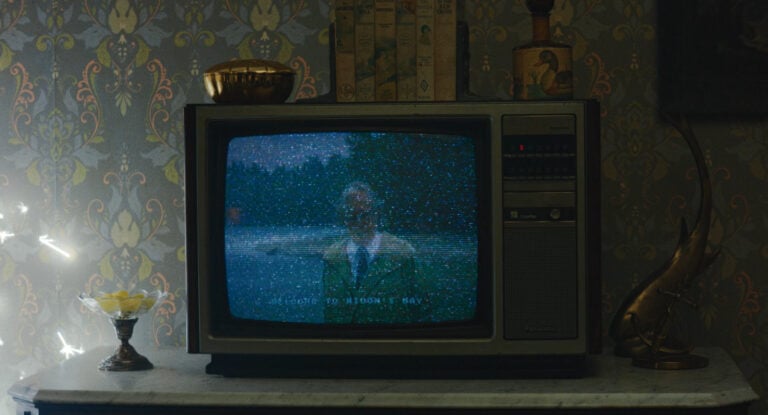
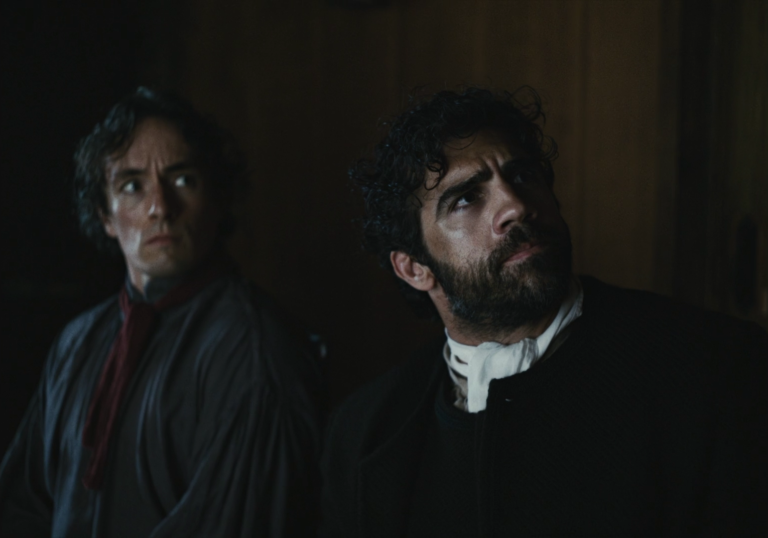
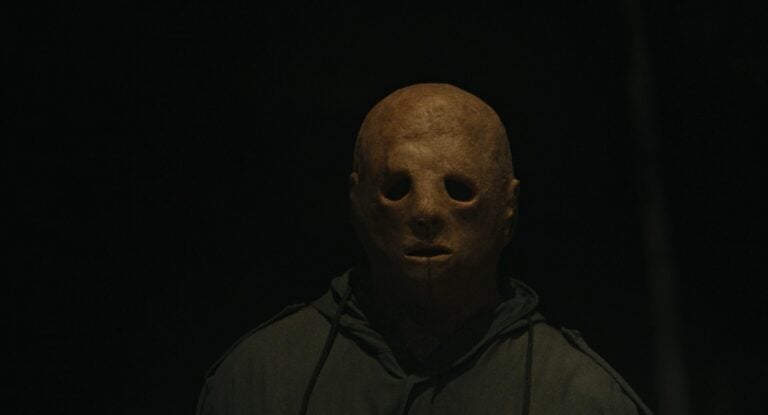
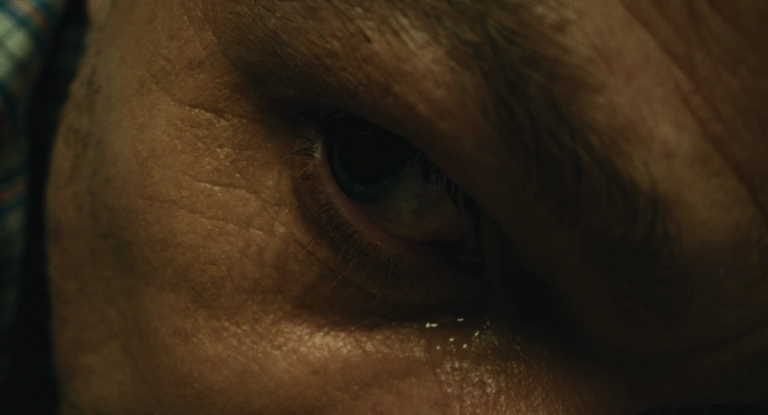
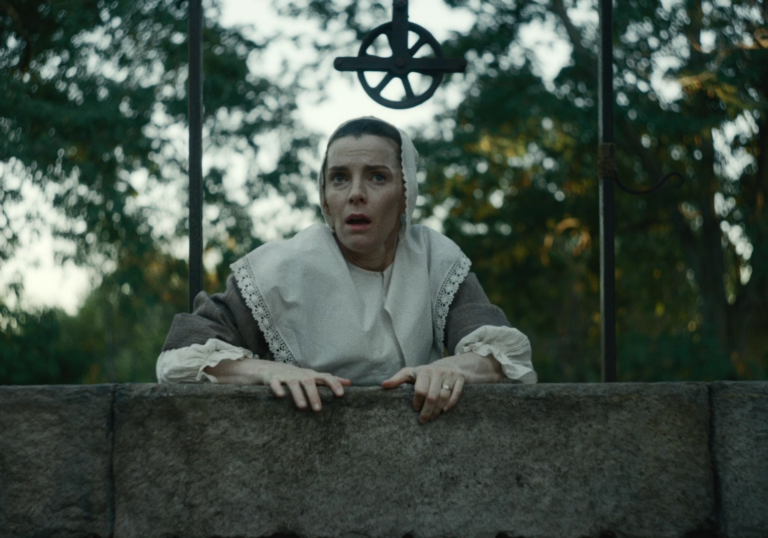
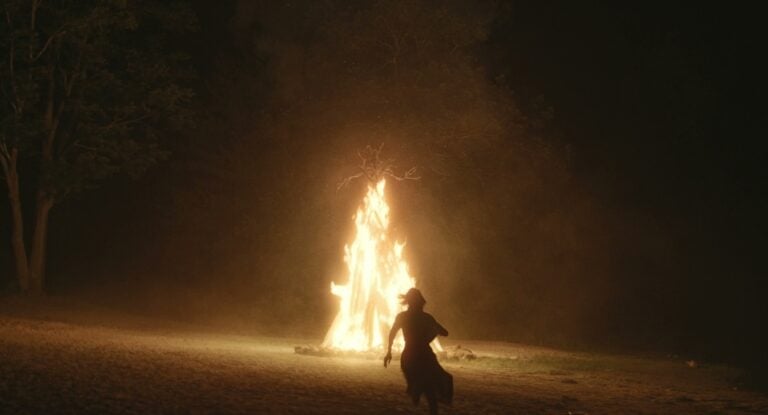
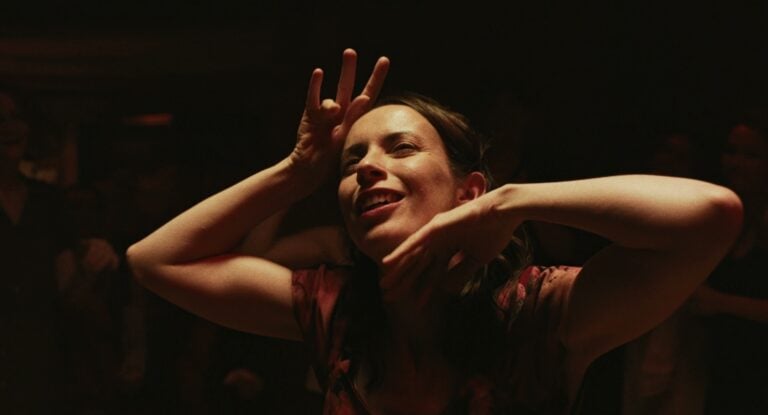
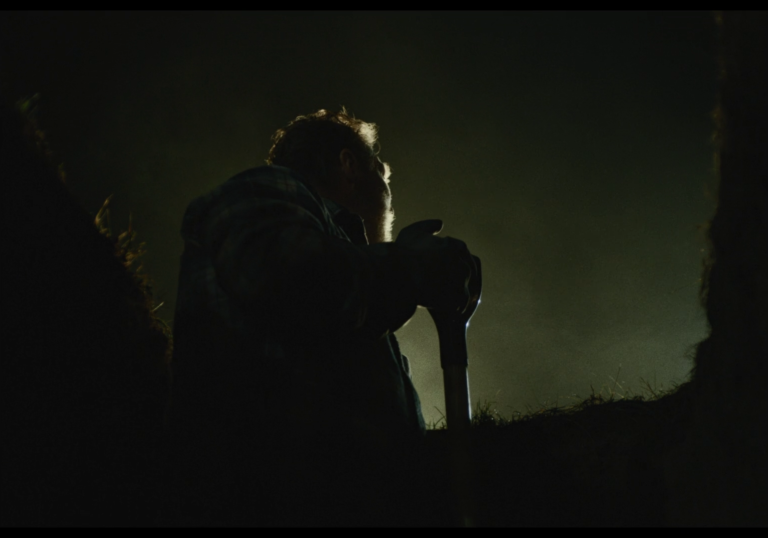
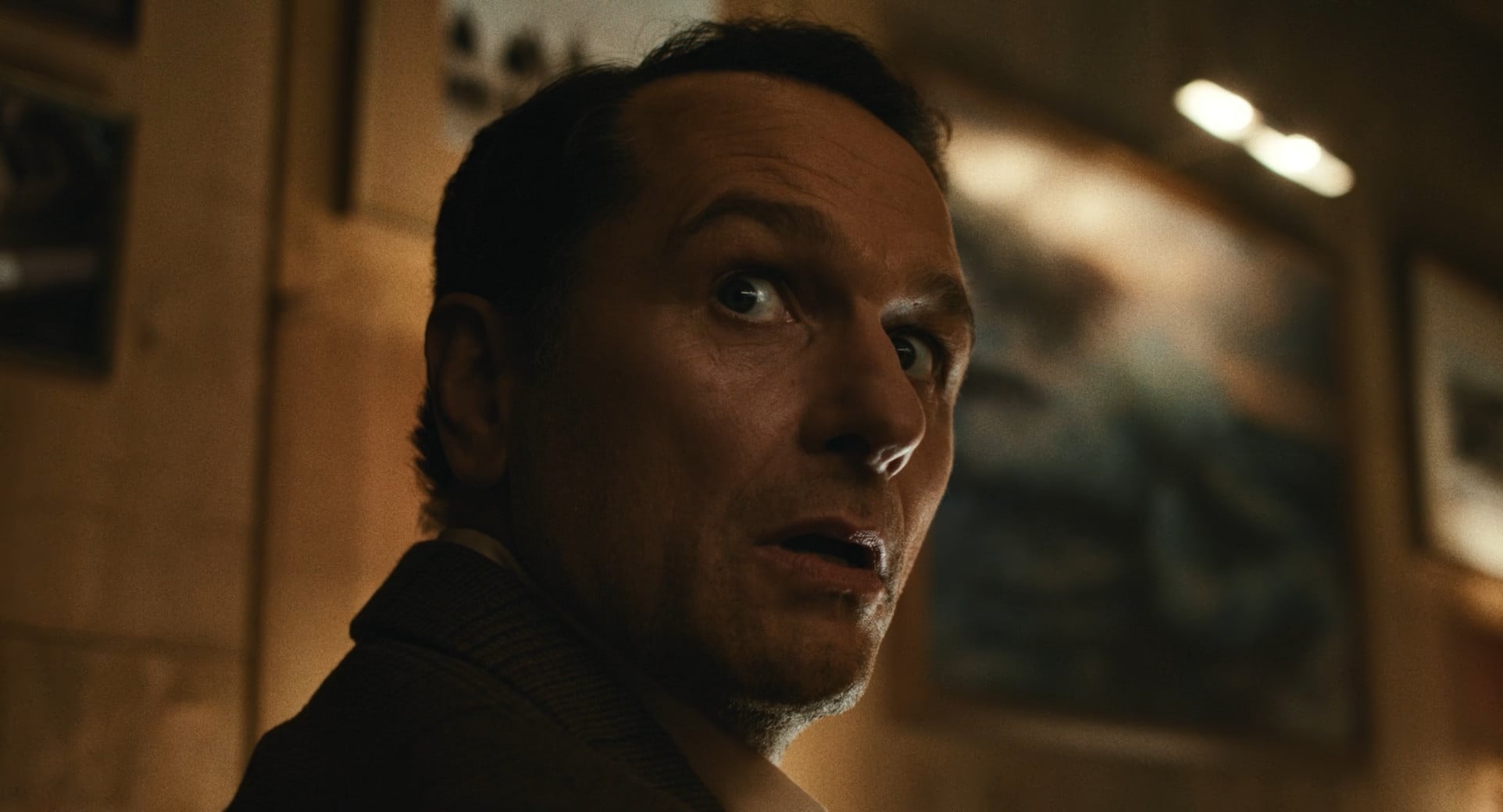
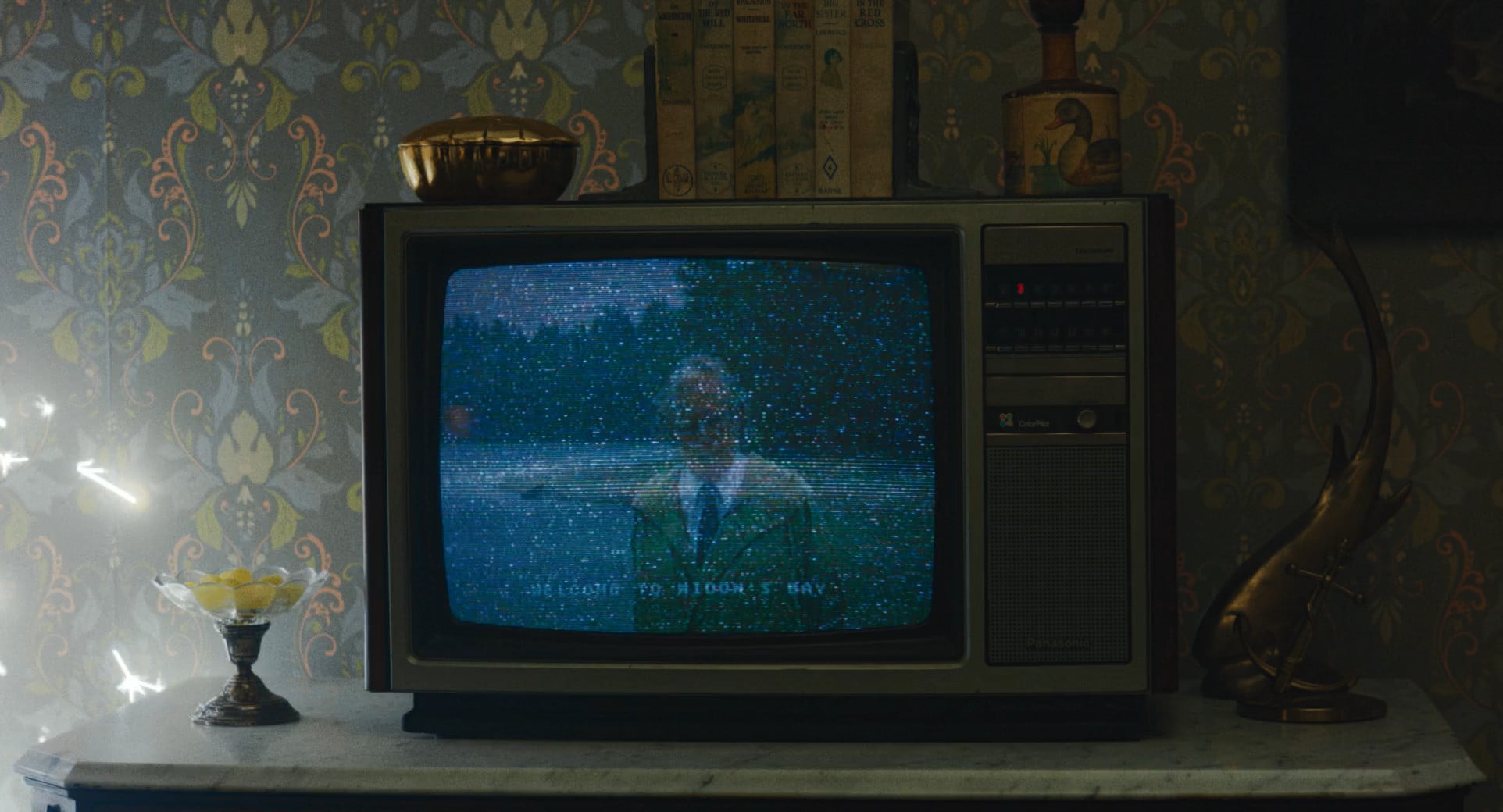
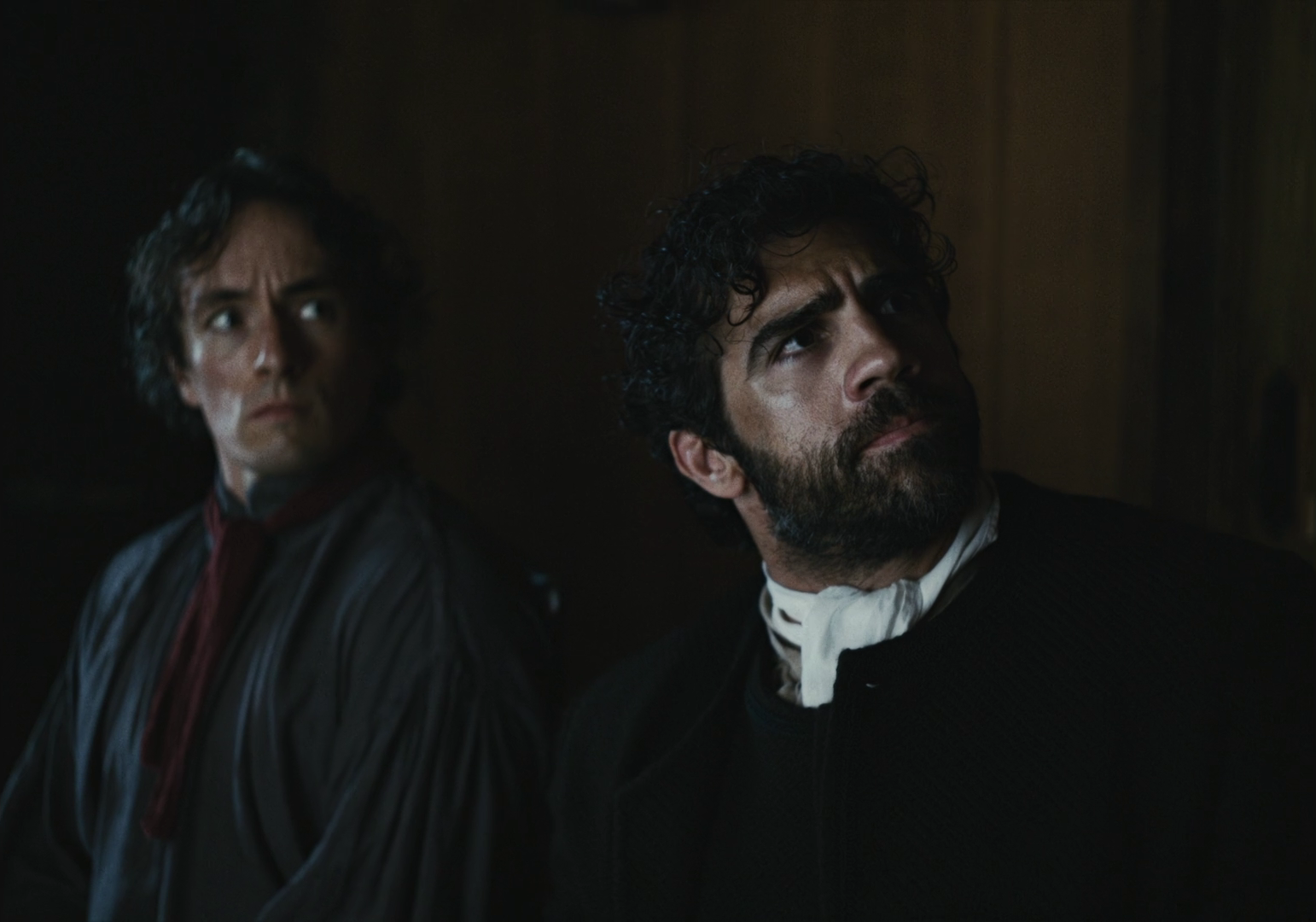
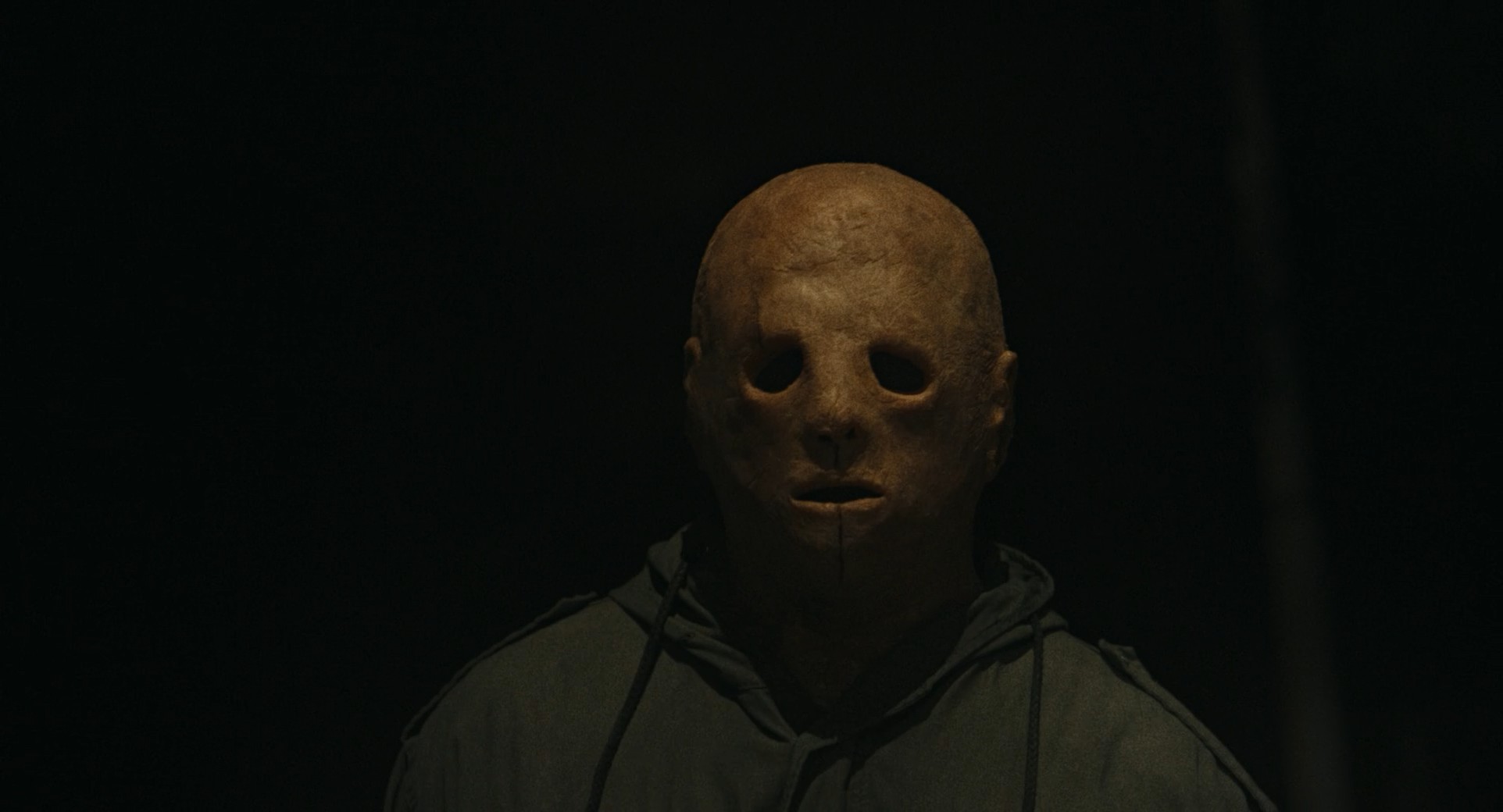
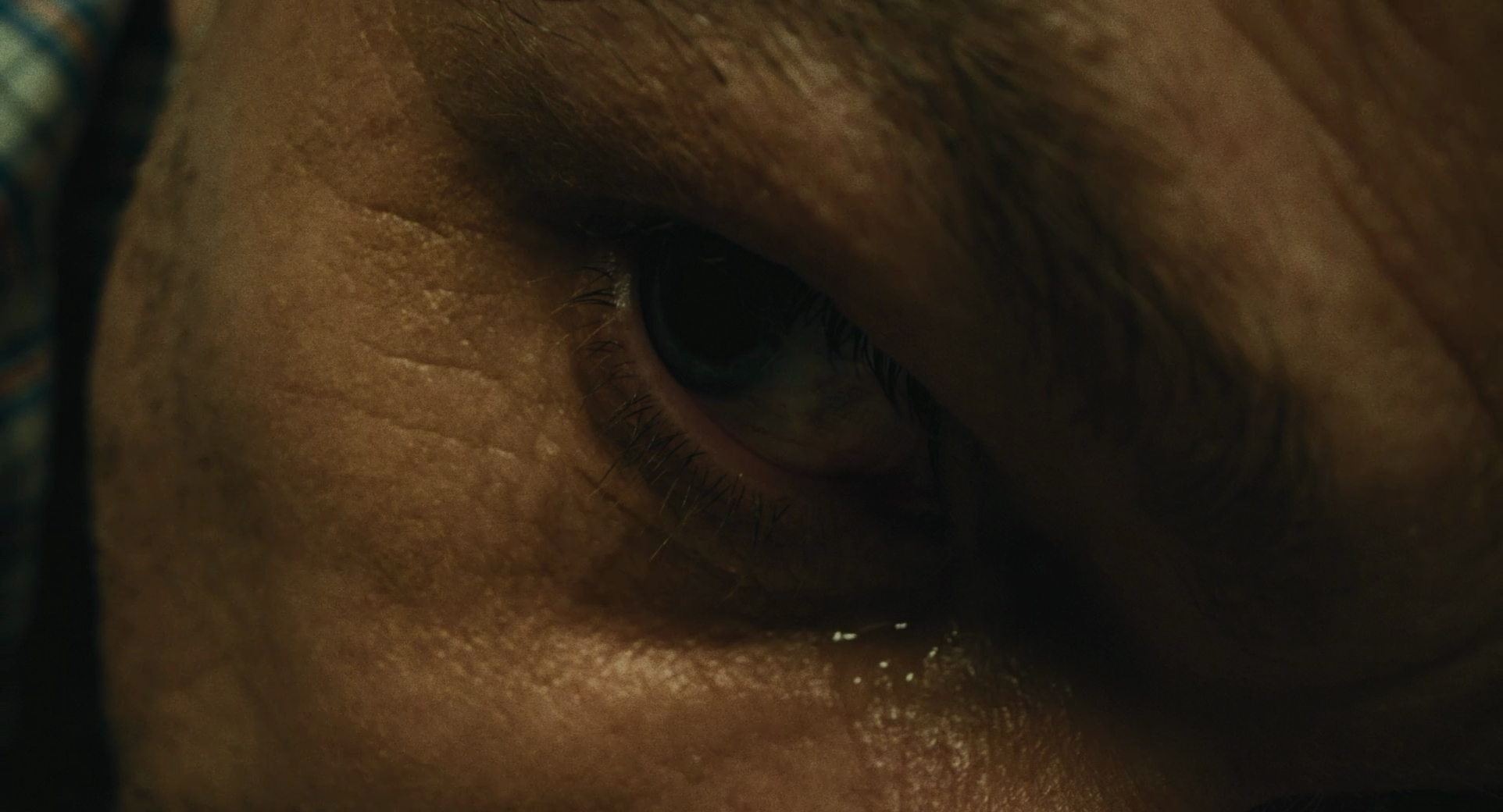
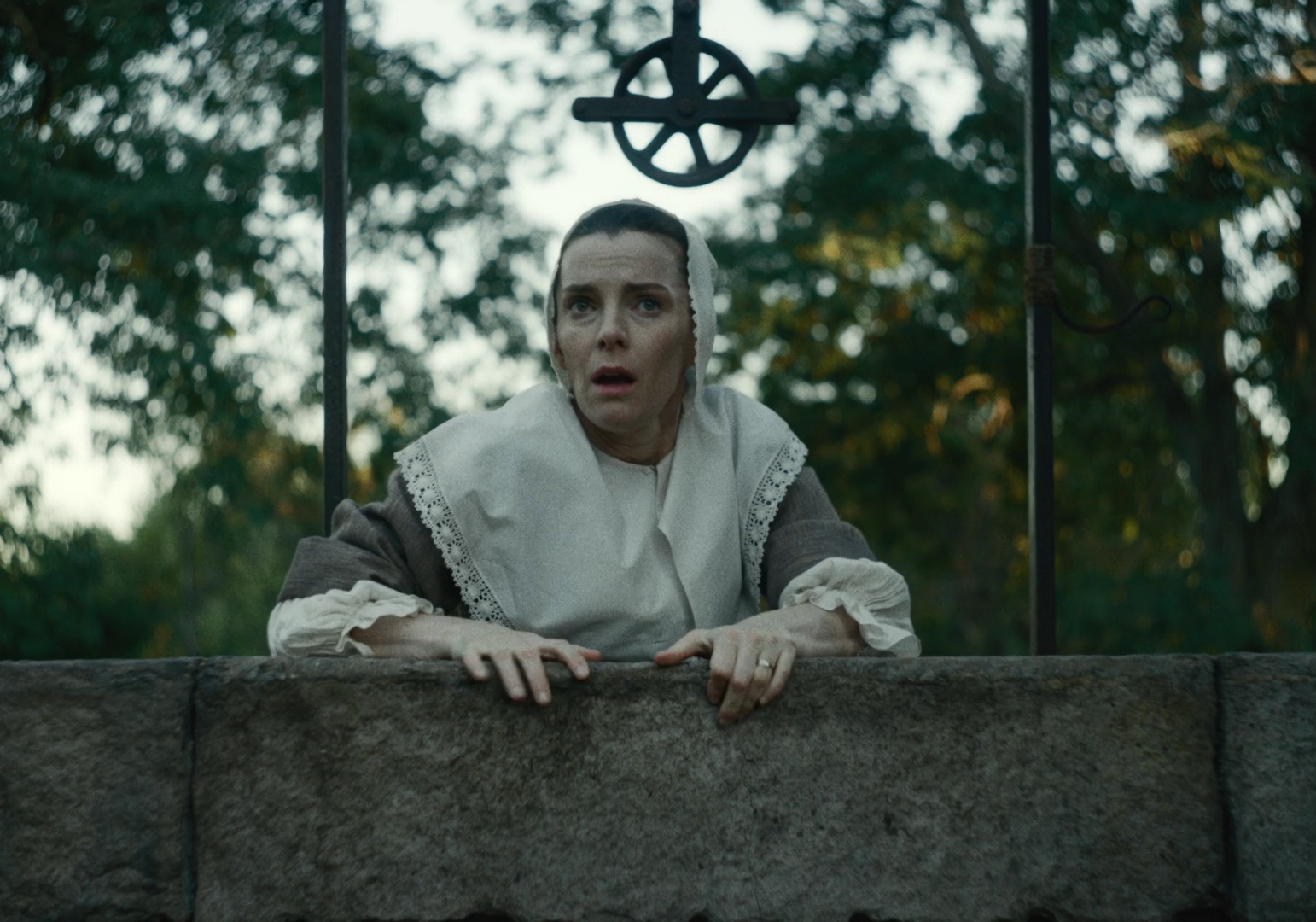
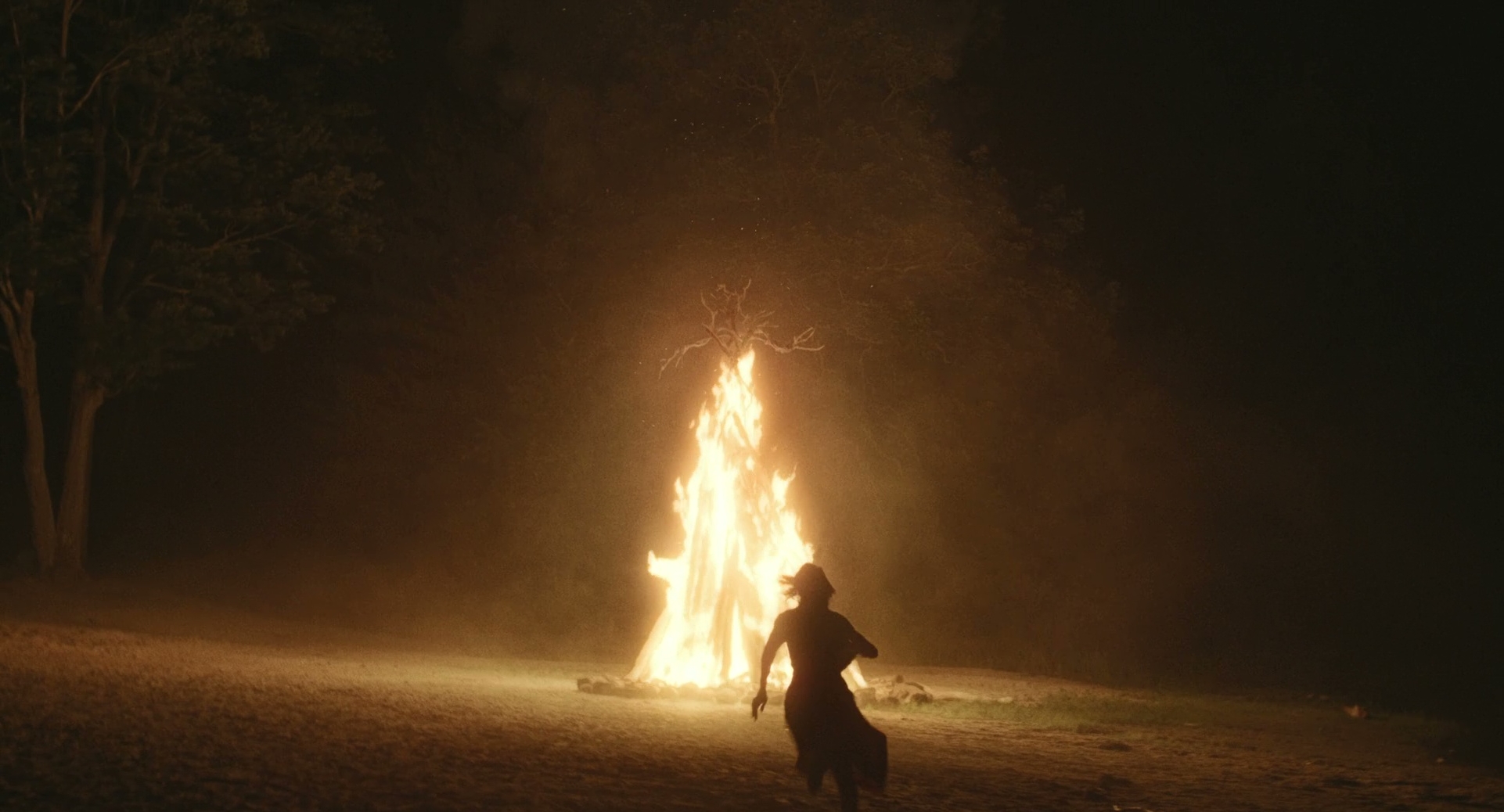
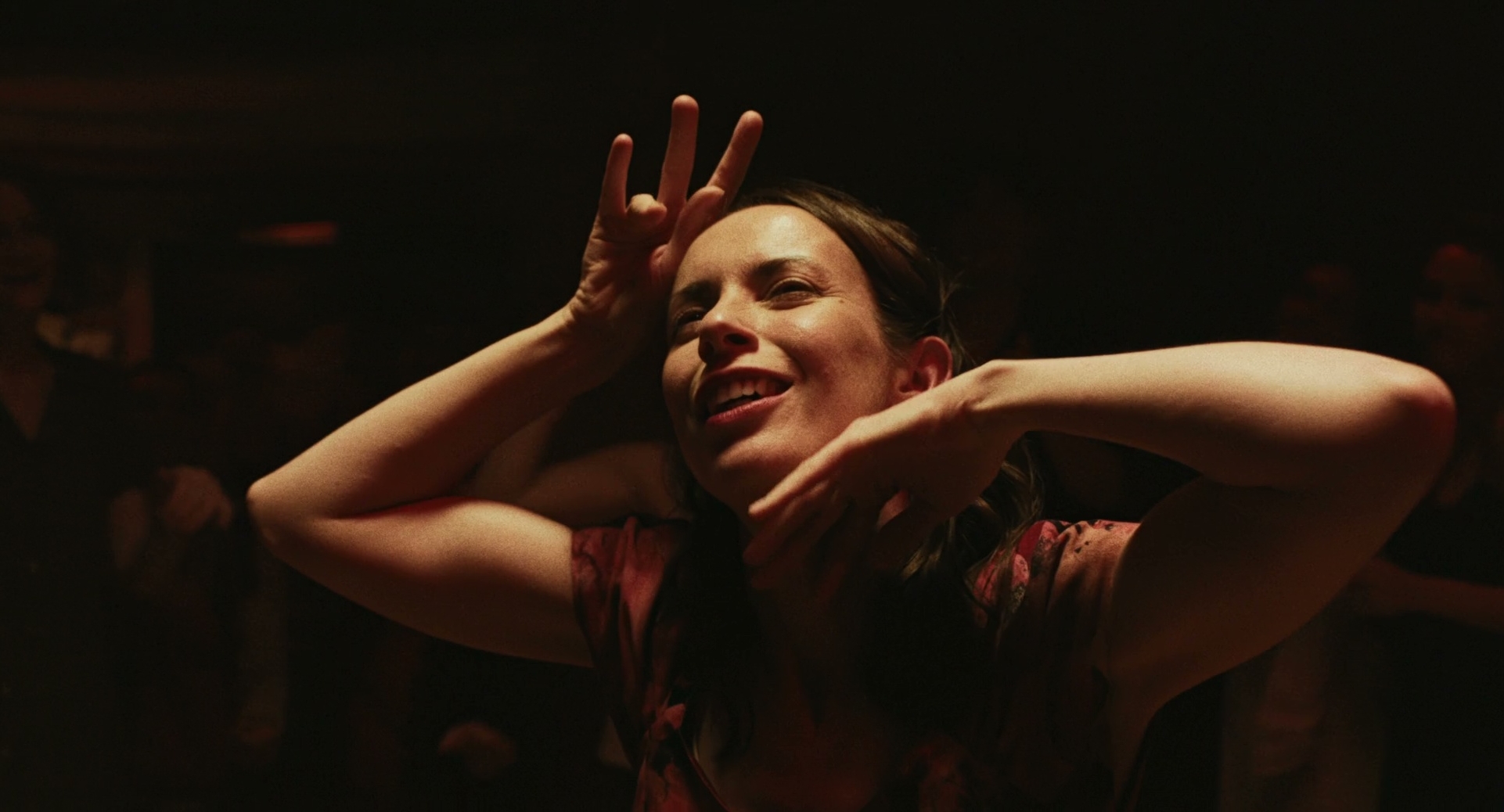
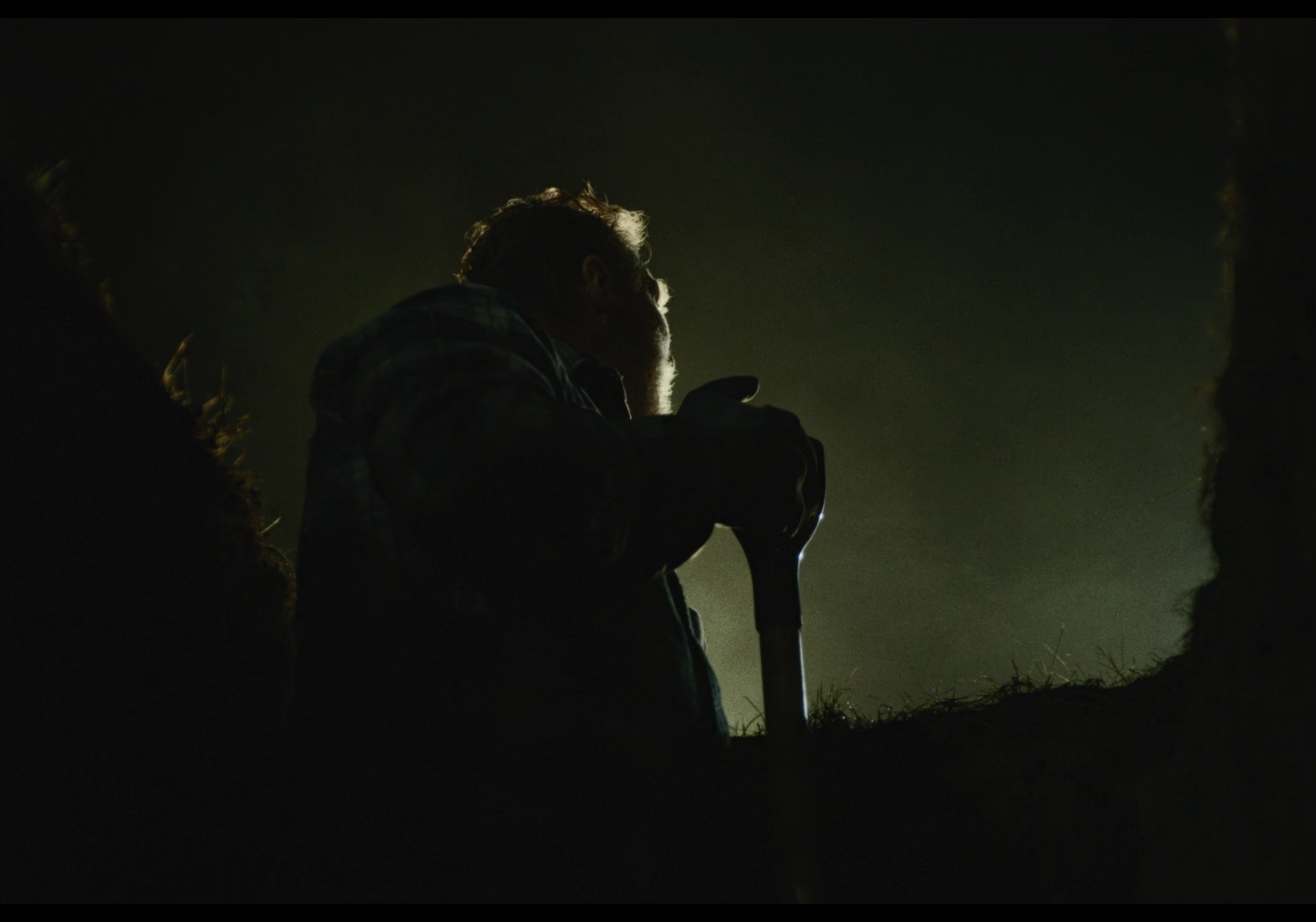
It’s Spooky Season, and ShotDeck is celebrating by dropping thousands of shots from the smash-hit horror-comedy series of the year, Widow’s Bay. Created by Katie Dippold, directed by Hiro Murai, and starring Matthew Rhys, Kate O’Flynn, Kevin Carroll, Dale Dickey, and Betty Gilpin, the series follows the mayor of a fictional New England town, who is determined to turn it into the next big tourist hotspot, despite warnings that the town is cursed. Widow’s Bay set a single season record for a comedy show by winning 14 Primetime Emmy Awards, including Outstanding Comedy Series.
Series production designer Steve Arnold and set decorator Jennifer Engel had the tricky task of building a visual language that held together the series’ delicate blend of horror and comedy, while creating a fictional island town (filmed on the mainland) that could be stuck in time, unsettling and lived-in, all at once. Using a combination of stages and locations near the water, Arnold and Engel sought to build a period and tonally-accurate world, with the parlor area set up to be warmer and more inviting, and the inn’s rooms and captain suite corridor slightly cooler. The crawl space was constructed in false perspective to seem bigger than it was, and was engineered to force the actors to move in particular ways through it. Overall, Engel said she and Arnold were “trying very carefully not to be the source of ominousness or the source of comedy. We were really trying to be the quiet infrastructure for the actors and the script to really shine. There were definitely pieces of furniture that we introduced that later on had to serve a very specific function. But for the most part, we kept things quiet, avoided distractions, and did not give anything away.” Read their interview on Deadline to learn more!
ARTIST SPOTLIGHT
Kevin Smith
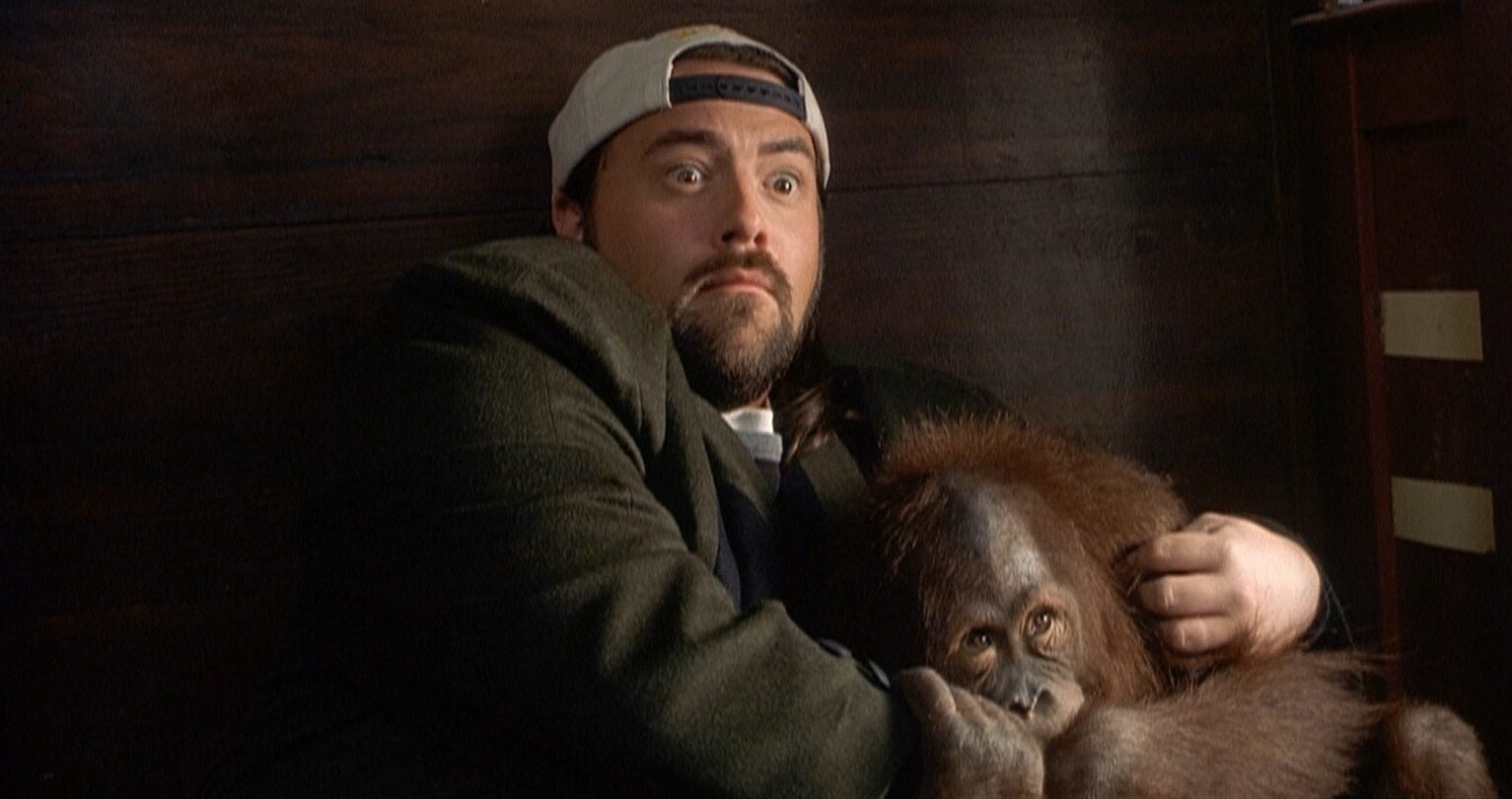
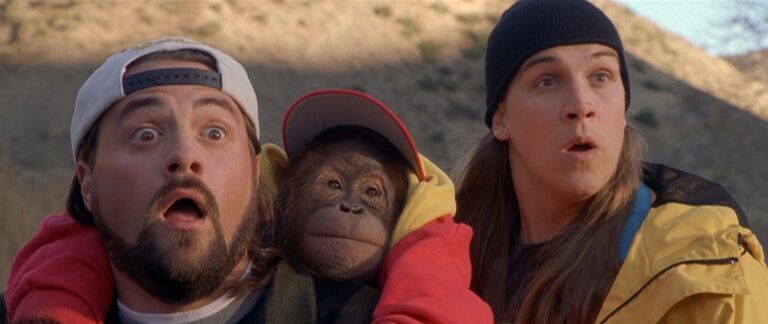
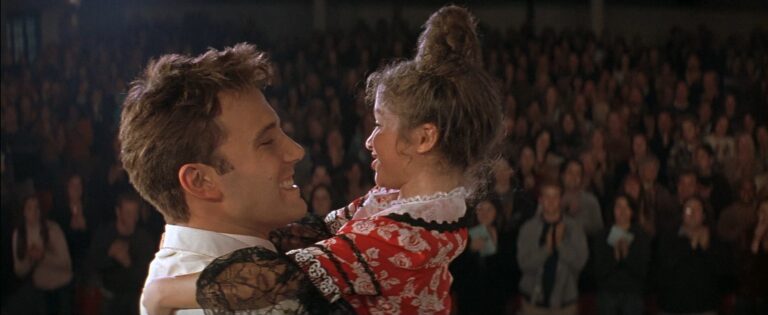
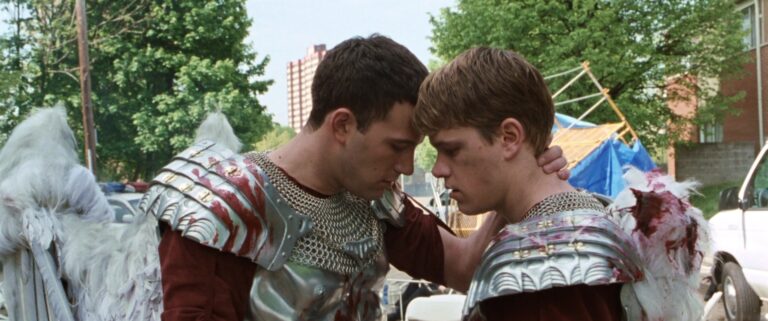
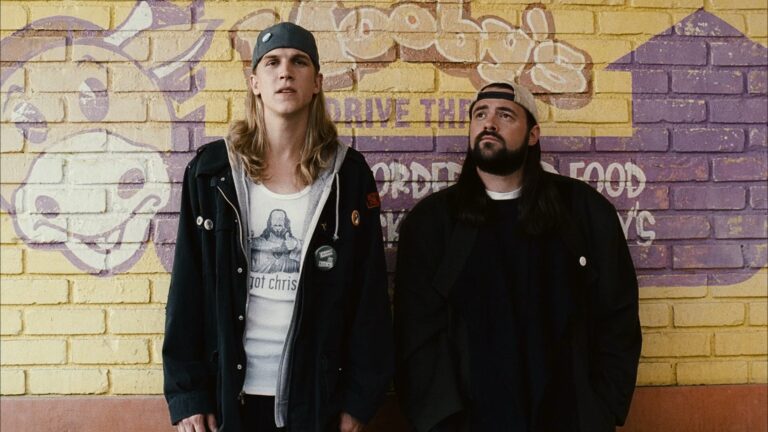
Seven from the cult cinema hero of New Jersey! This month, we programmed a collection of films directed by Kevin Smith, whose body of work helped turn low budget filmmaking into a pop culture obsession and forge a deeply personal brand of American independent comedy. Smith broke out with his debut feature film Clerks (which he also wrote, co-produced, co-edited and acted in), set at the convenience store where he worked and funded by his comic book collection and over a dozen maxed out credit cards.
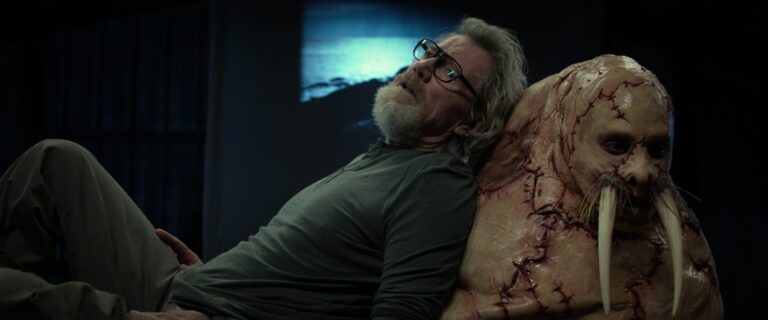
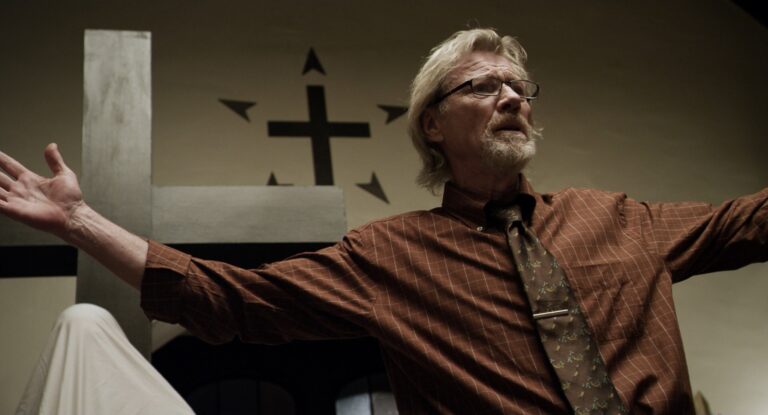
Clerks helped launch one of the most obsessed-over cult careers in recent American cinema, with a body of work spanning everything from horror to comedy, studio films to microbudget independents. Check out our October curation of Kevin Smith’s work: romantic comedies Chasing Amy (1997) and Jersey Girl (2004), stoner comedy Jay and Silent Bob Strike Back (2001), body horror-comedy Tusk (2014), small town action thriller Red State (2011), fantasy comedy Dogma (1999), and dark comedy Clerks II (2006). Enjoy!

TELEVISION SERIES
Chief of War
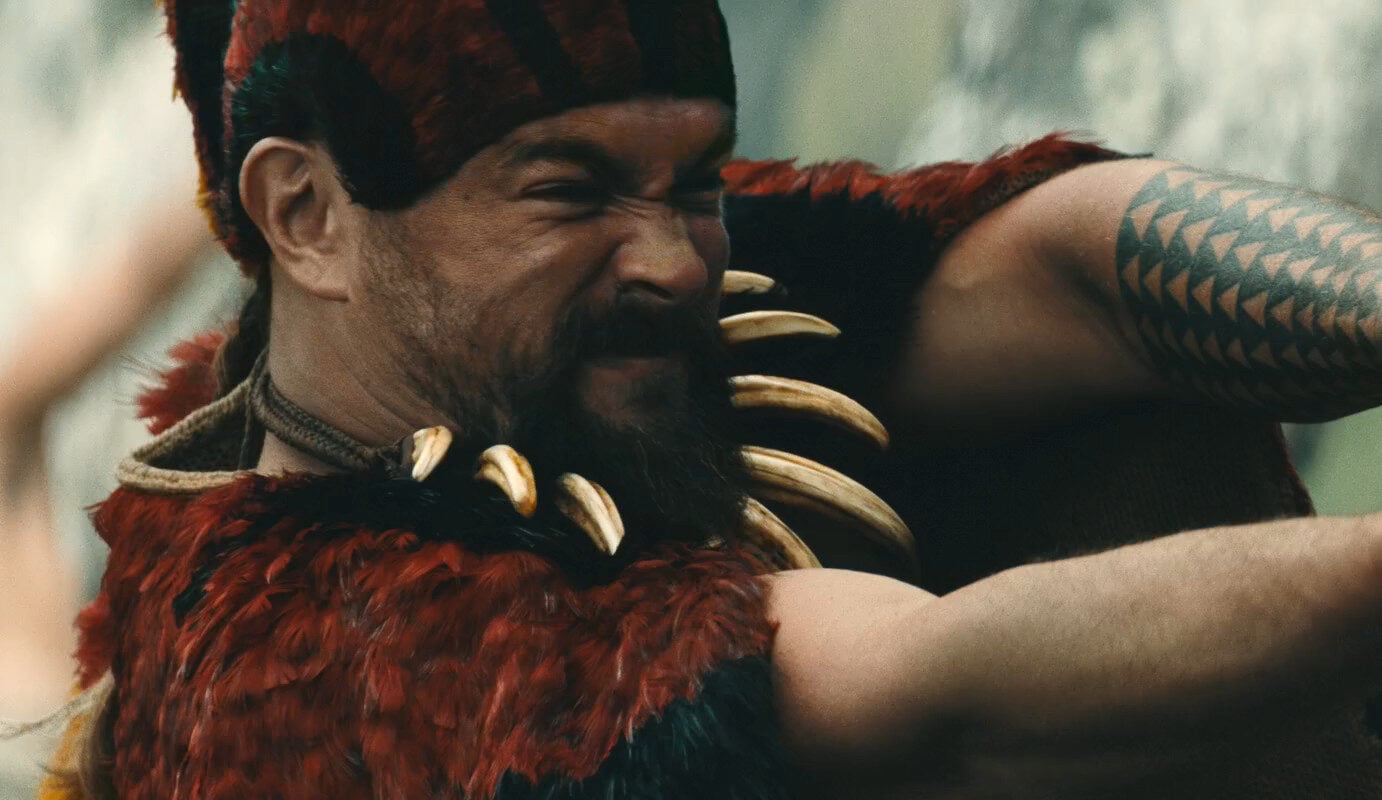
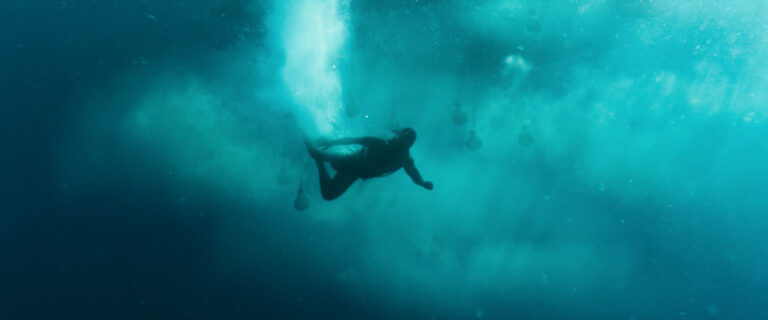
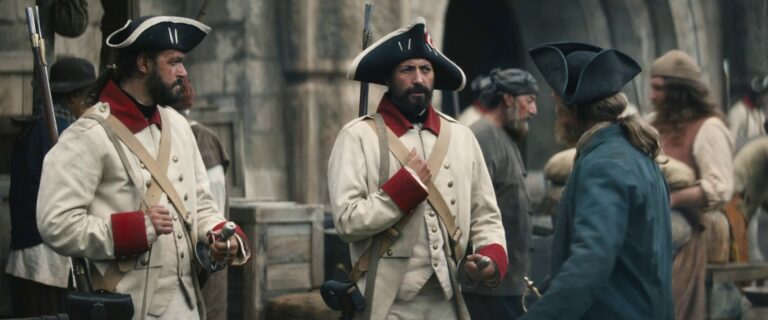
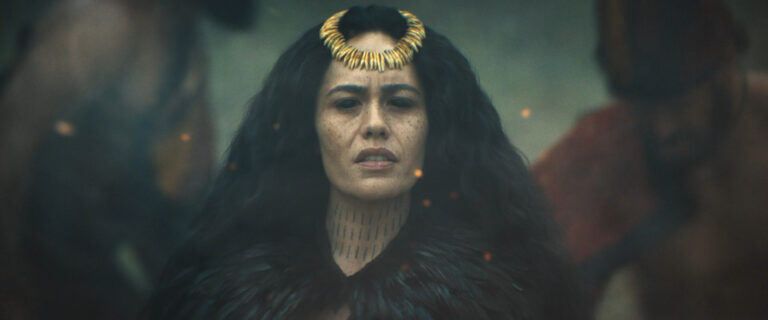
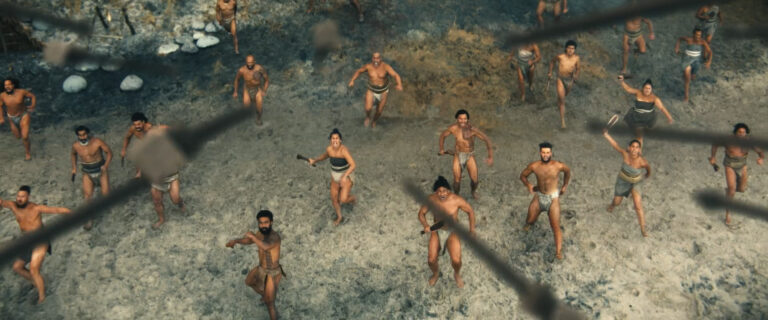
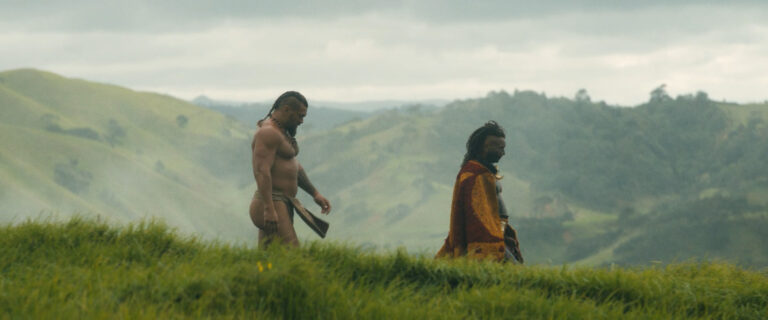
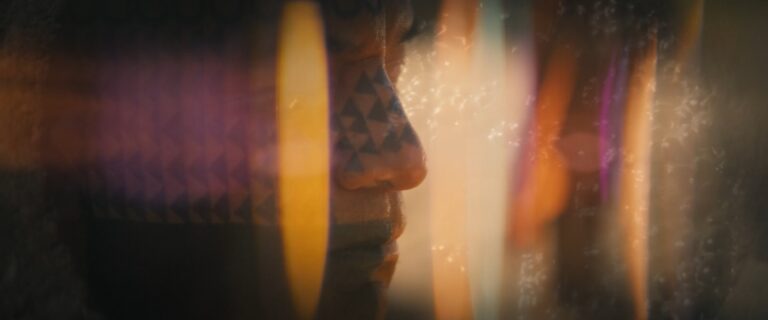
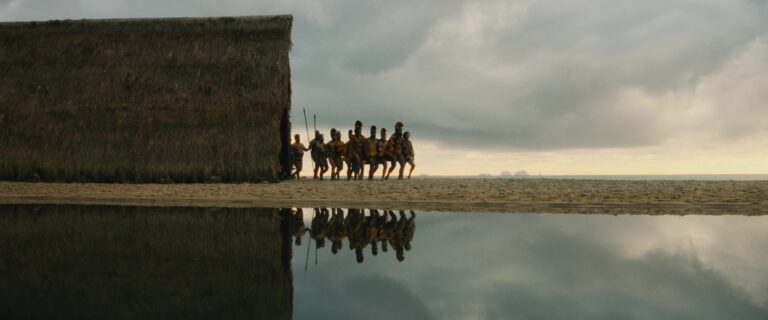
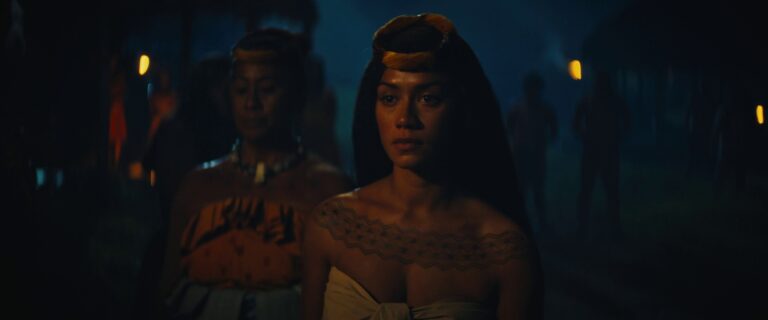
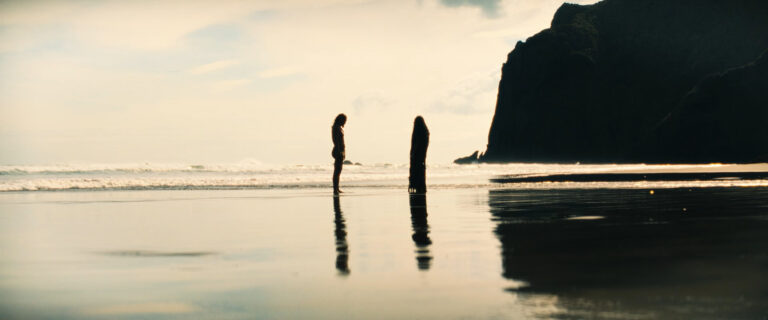
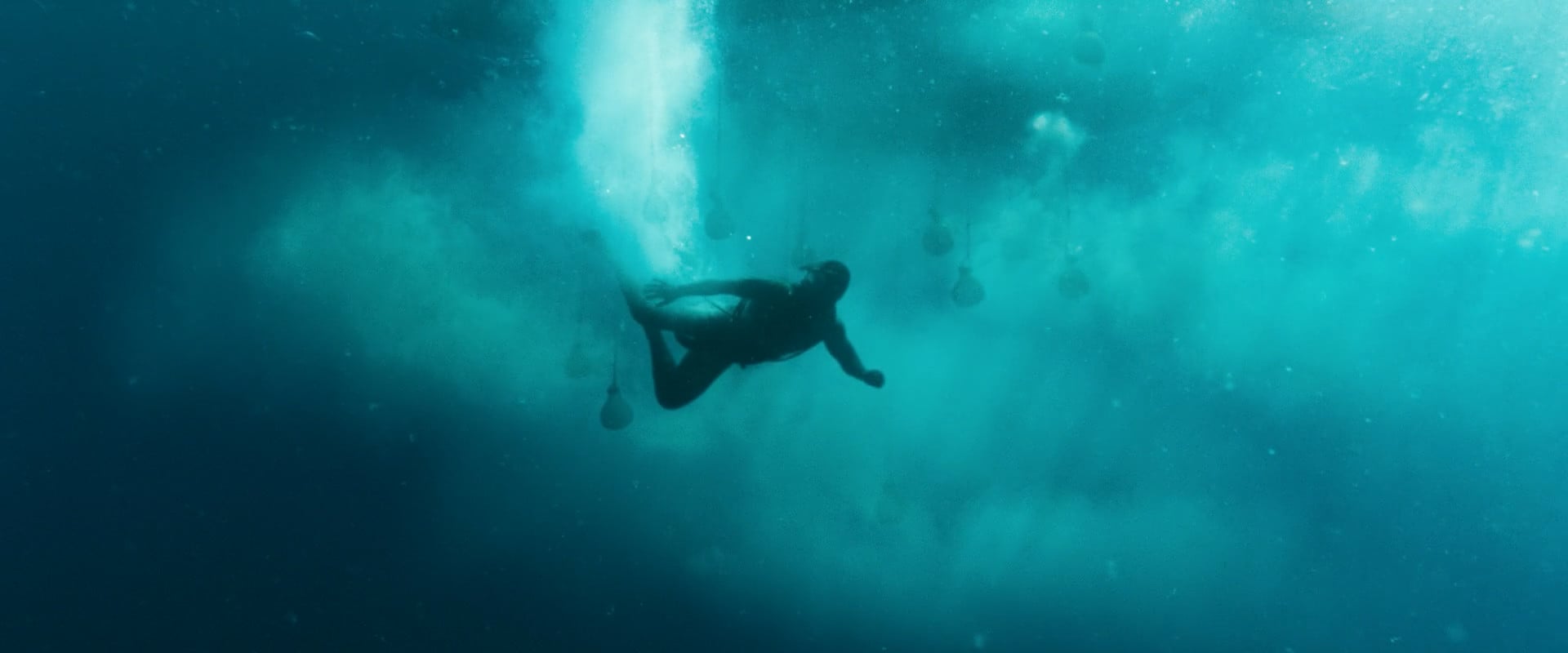
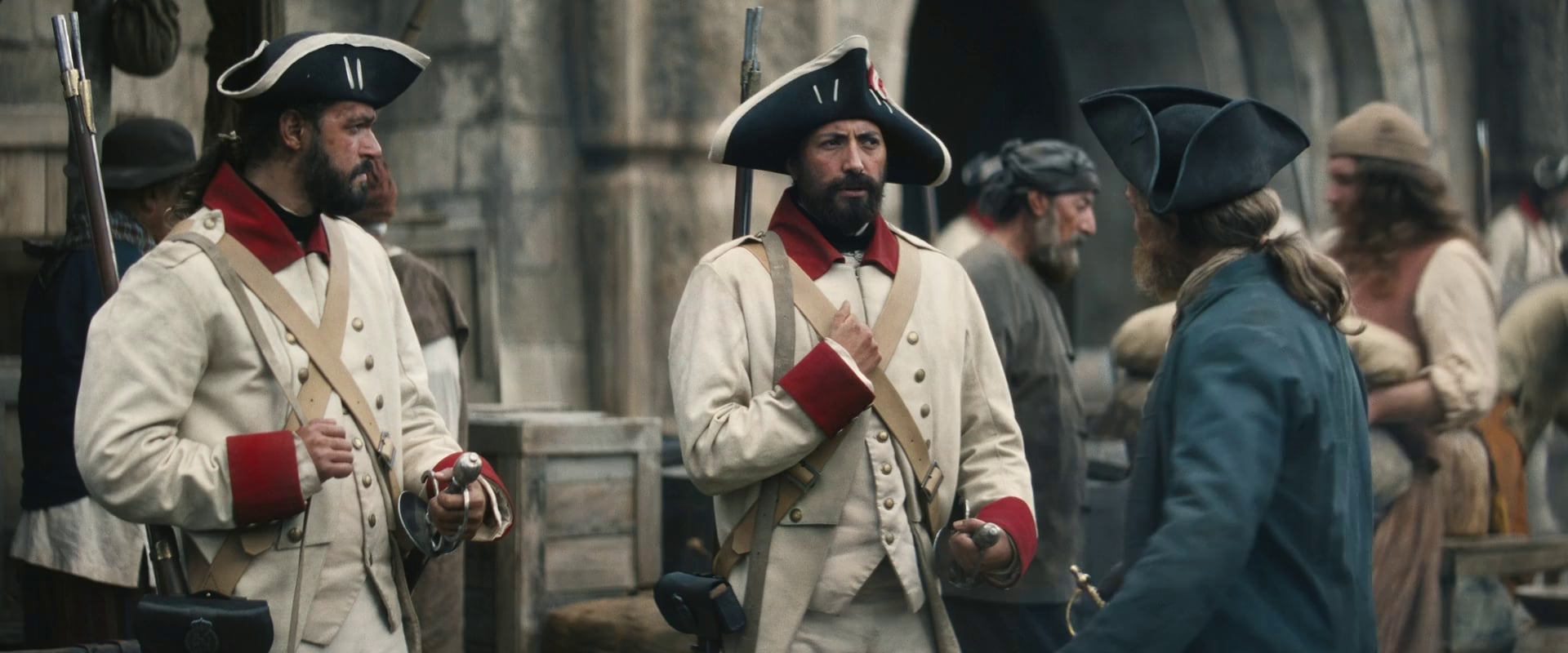
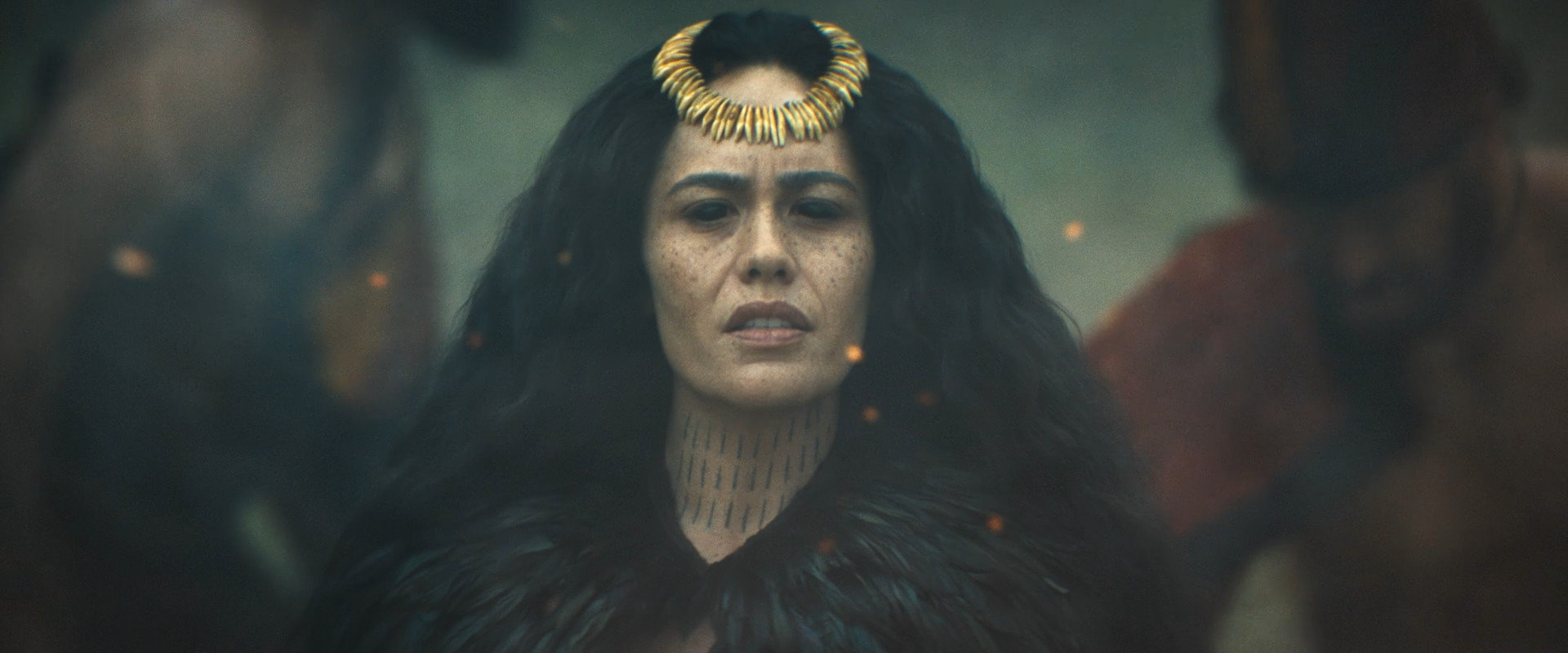
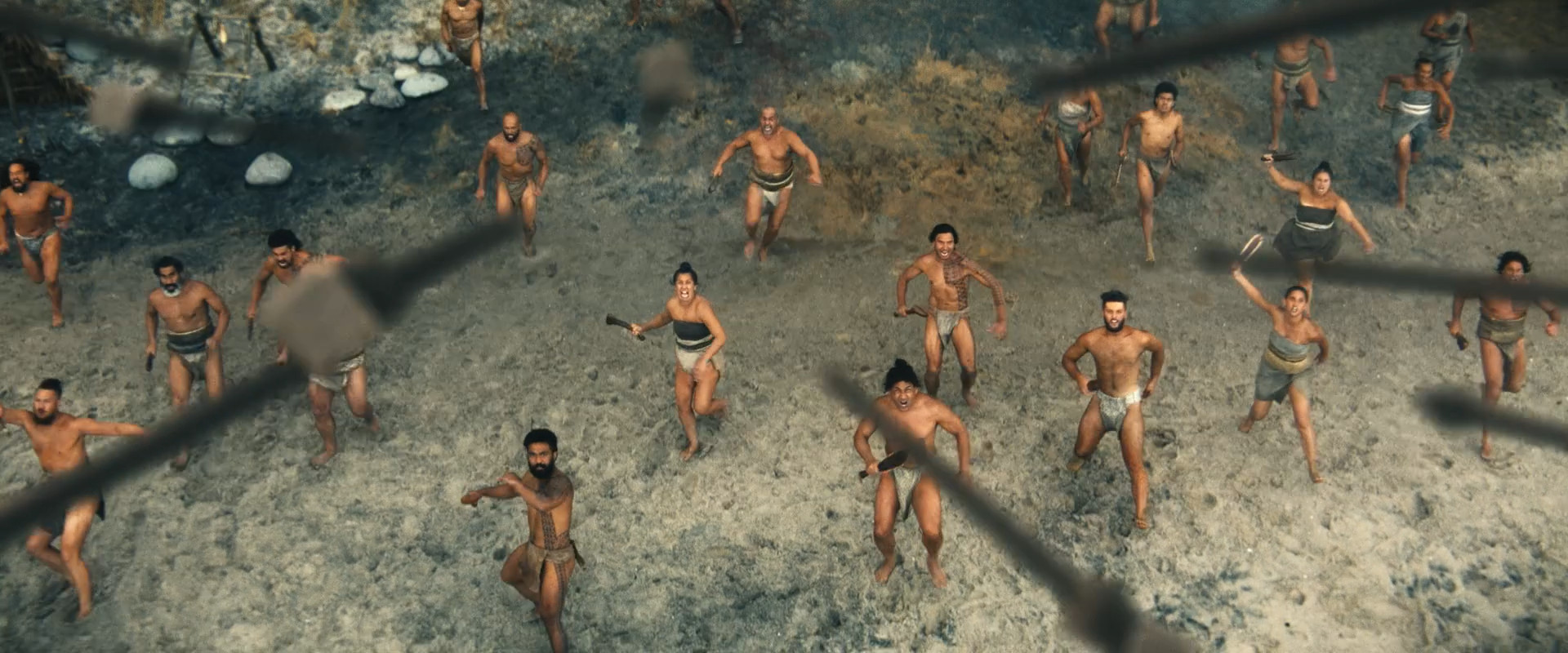
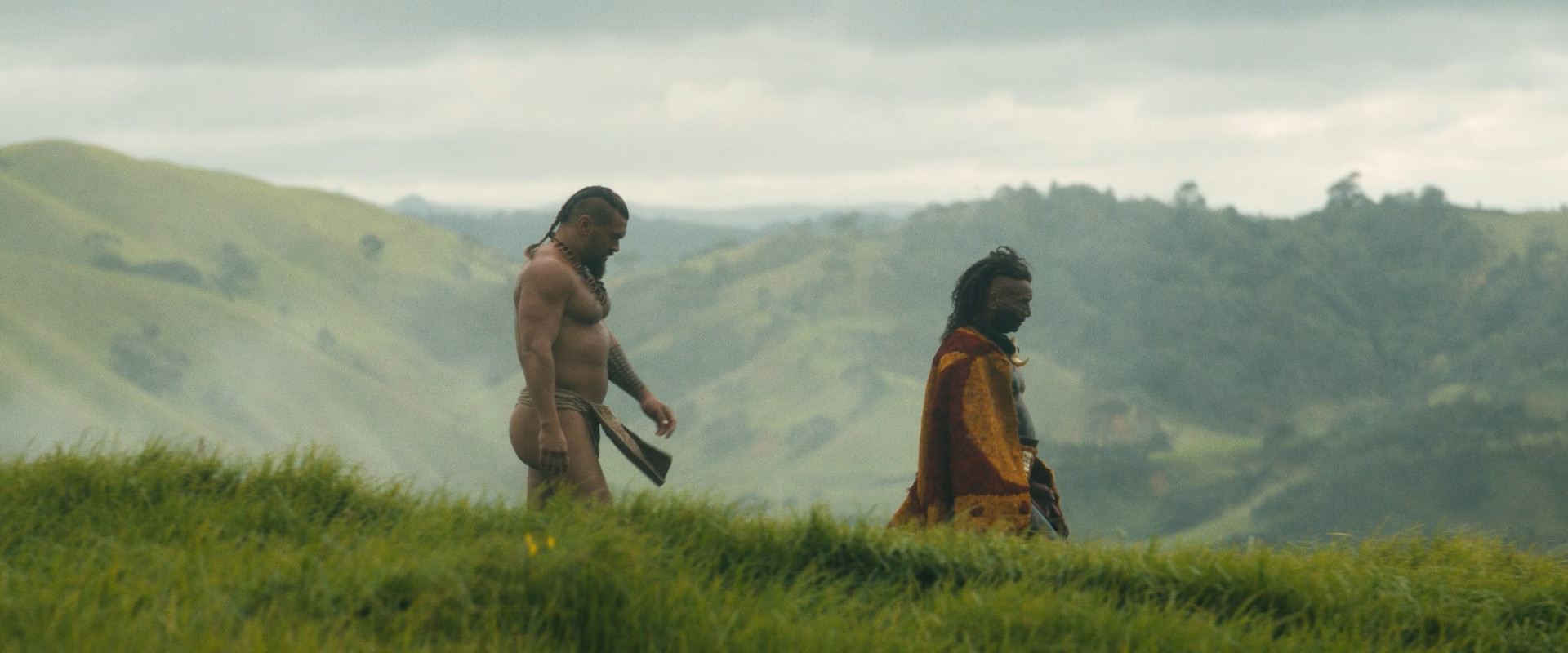
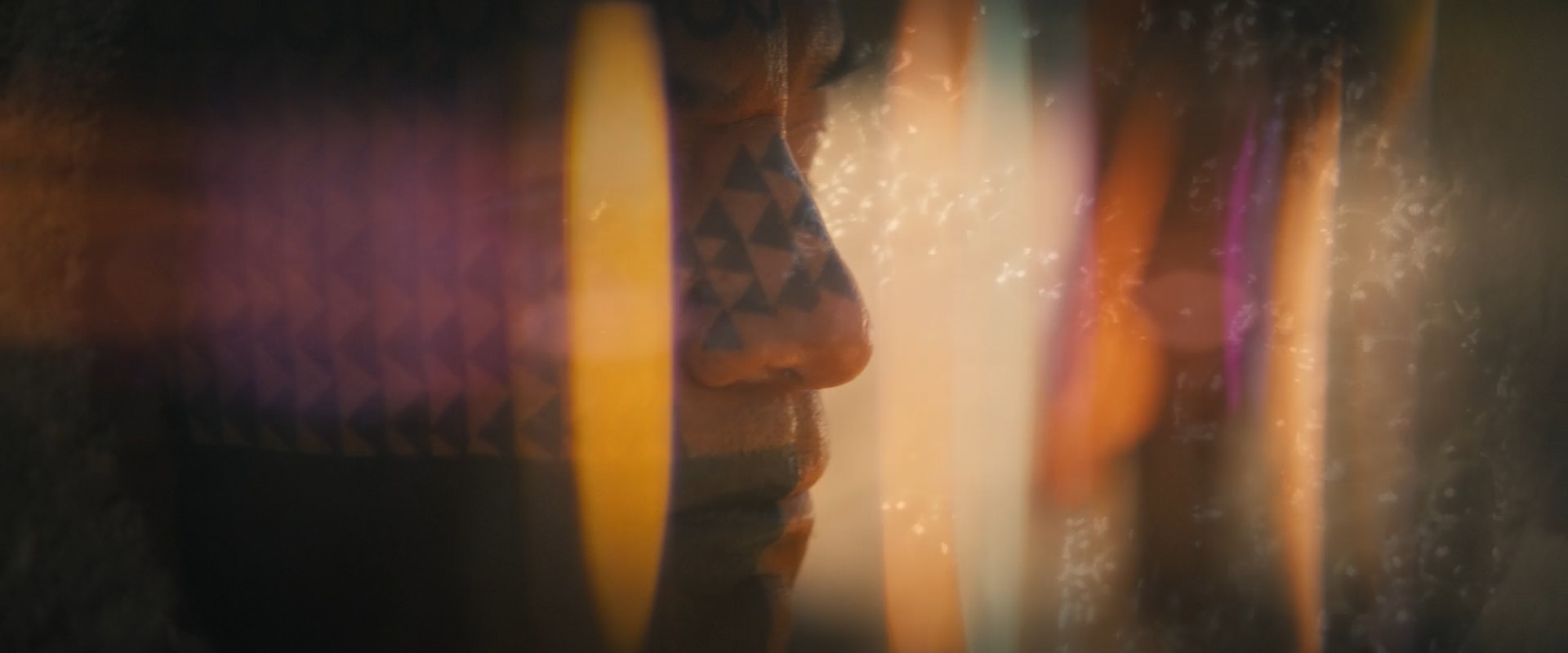
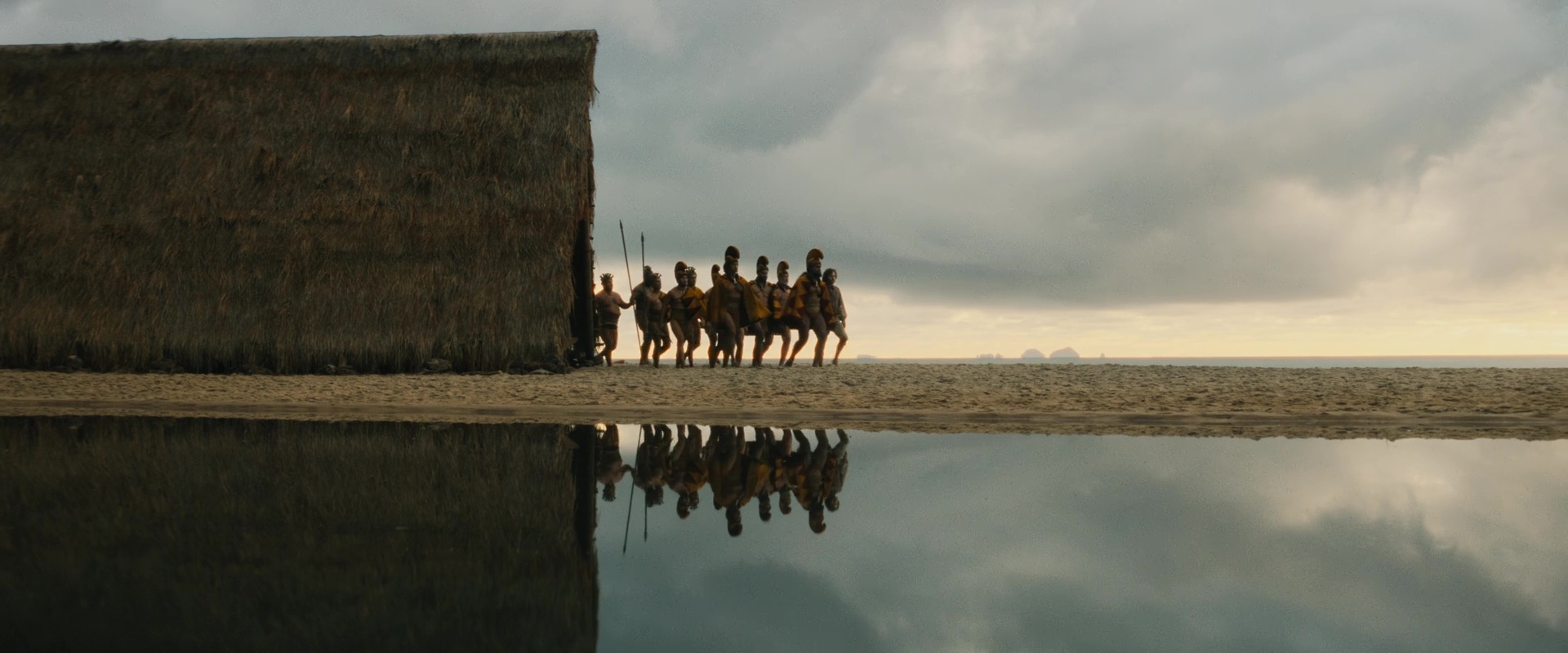
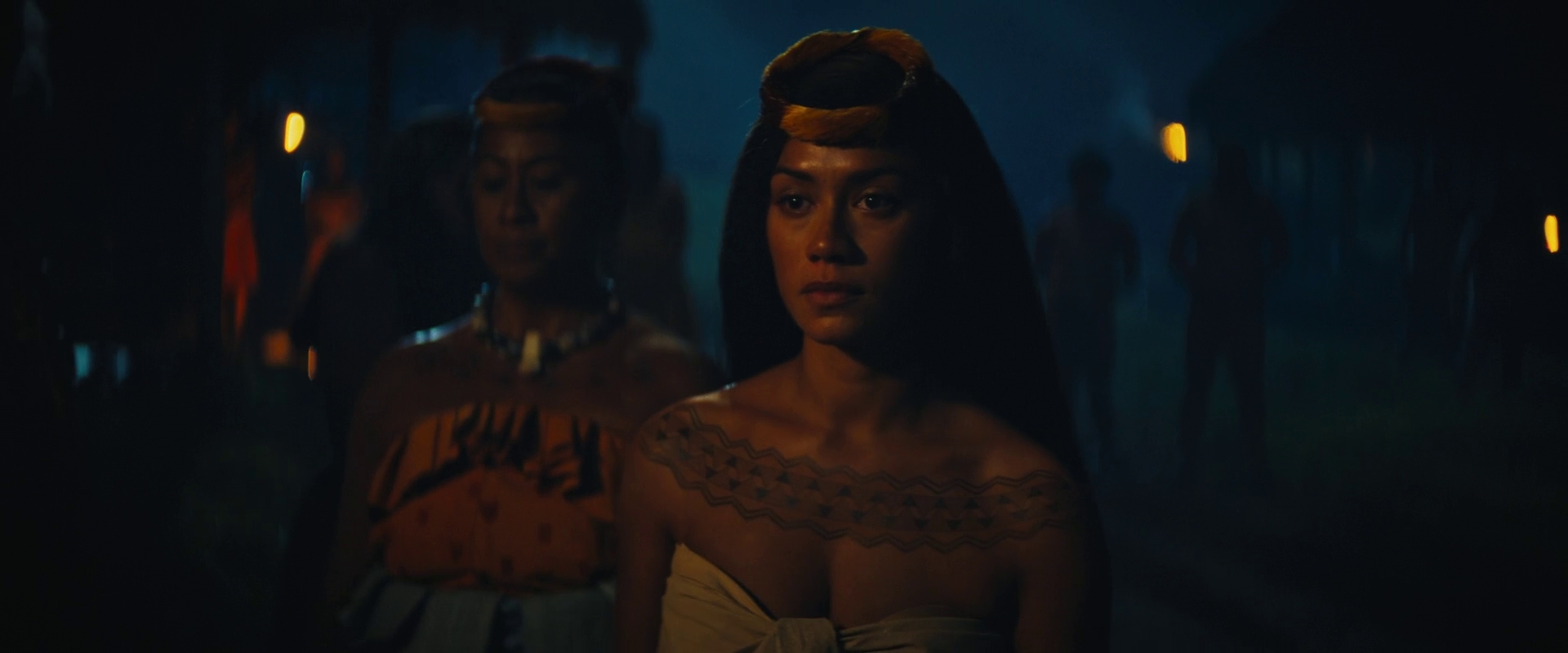
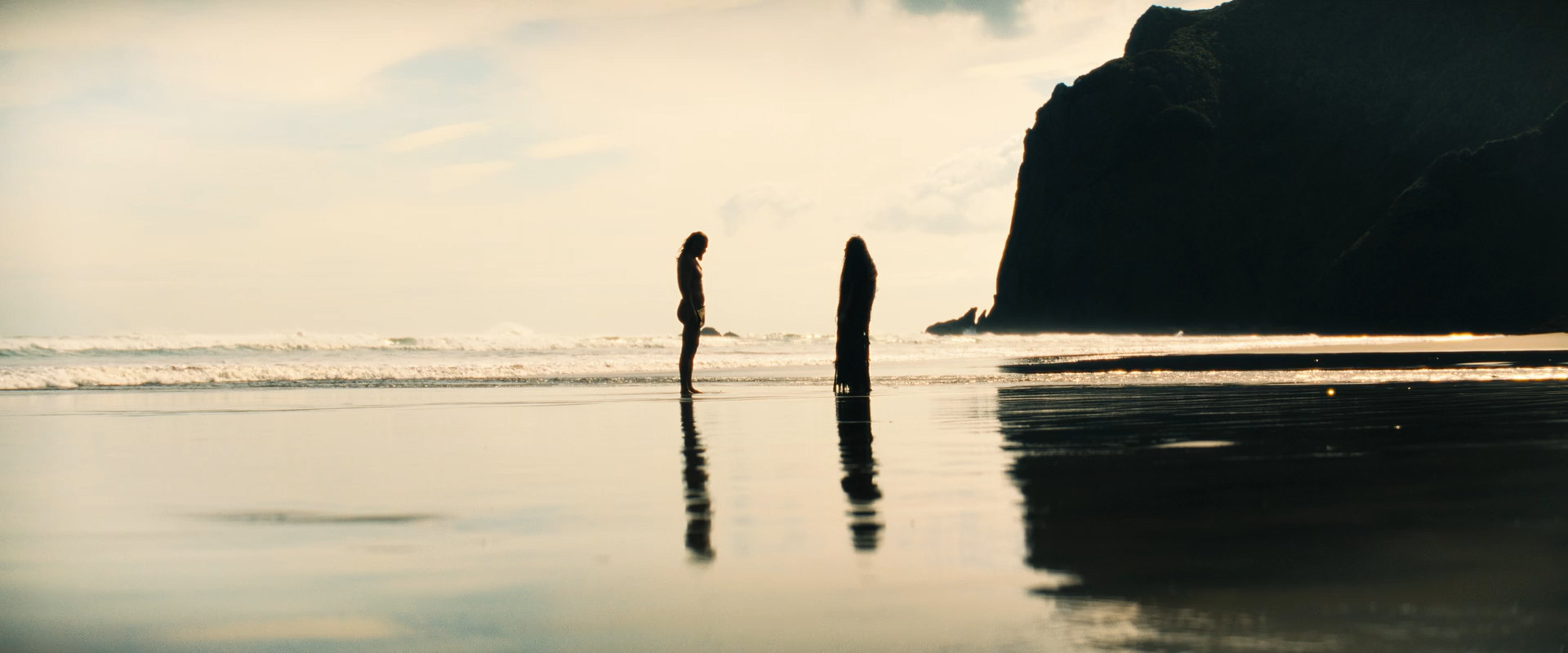
In October, we dropped season 1 of Chief of War into our library. Created by Thomas Pa’a Sibbett and Jason Momoa (who also stars), the series is inspired by true events at the end of the 18th century, when the four major kingdoms of the Hawaiian Islands (Hawai’i, Maui, O’ahu and Kaua’i) were in a state of war. Warrior chief Ka’iana (Momoa) seeks to unite the kingdoms under the prophesied rule of Kamehameha I. Chief of War also stars Te Ao o Hinepehinga, Mainei Kinimaka, Te Kohe Tuhaka, and Siua Ikale’o.
Chief of War was lensed by Taiwanese-Australian cinematographer Matthew Chuang, whose other credits include the 2021 film Blue Bayou, which was also directed by one of the show’s directors, Justin Chon. In an interview with Slug Mag, Chuang described how the work of John Toll in the historical epic genre served as a useful jumping-off point for building the look of the show. Chuang shot on the Alexa Mini LF for the first two episodes, and then the Red V-Raptor in a 2.39:1 aspect ratio to capture the epic feeling of the story, with custom Panavision T Series anamorphic lenses built to give both a classical but off-kilter, textured feel to the image.
ARTIST SPOTLIGH
Wes Craven
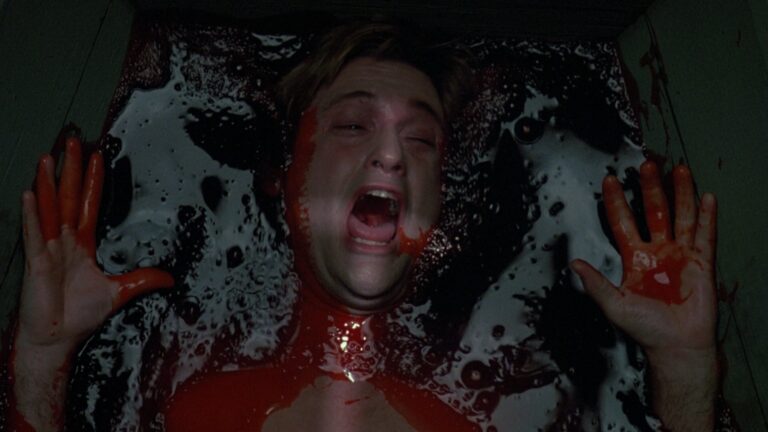
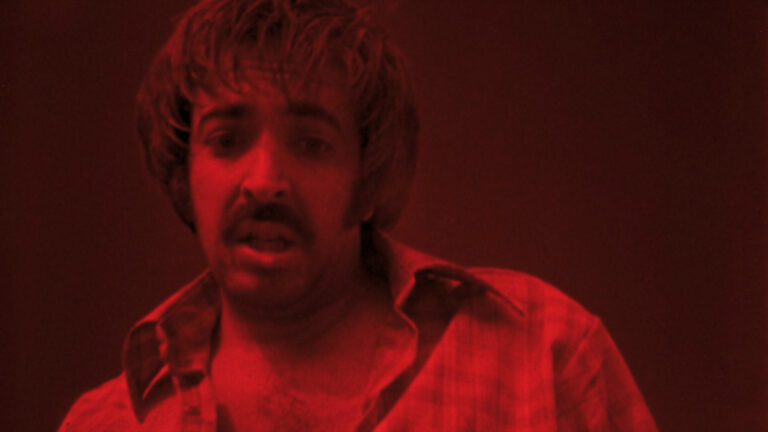
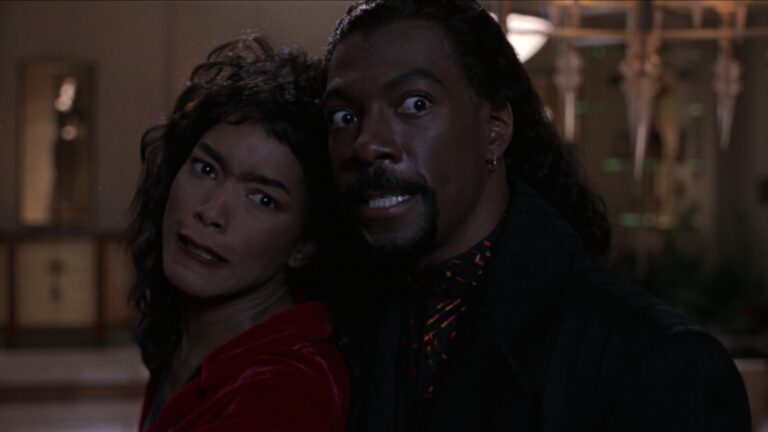
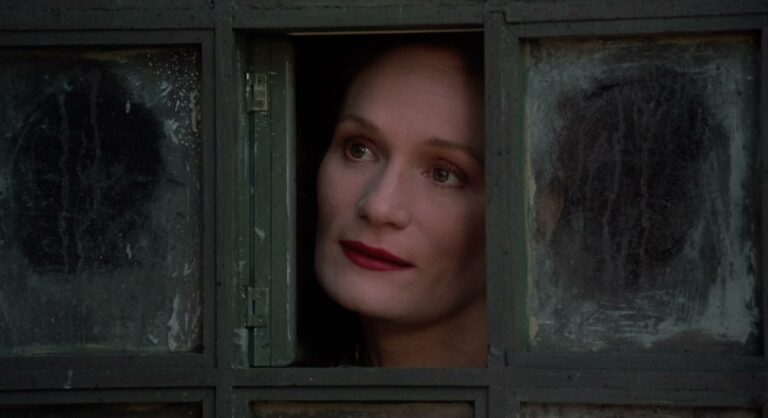
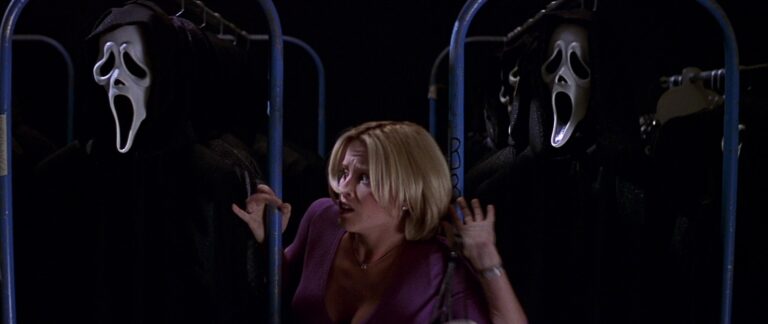
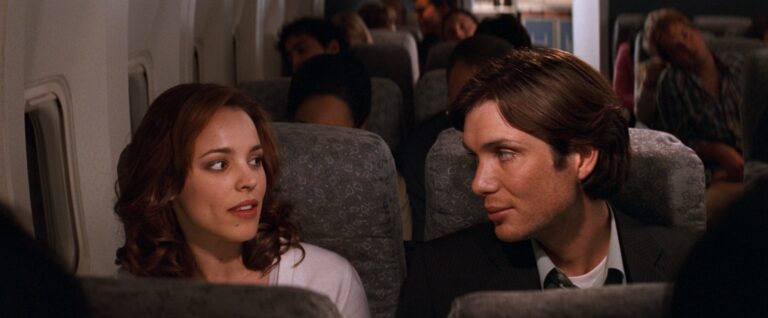
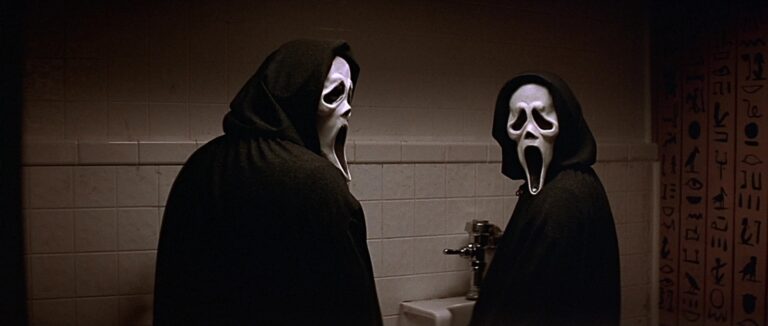
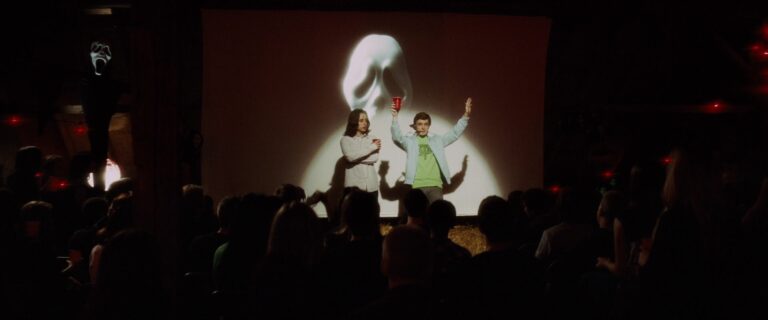
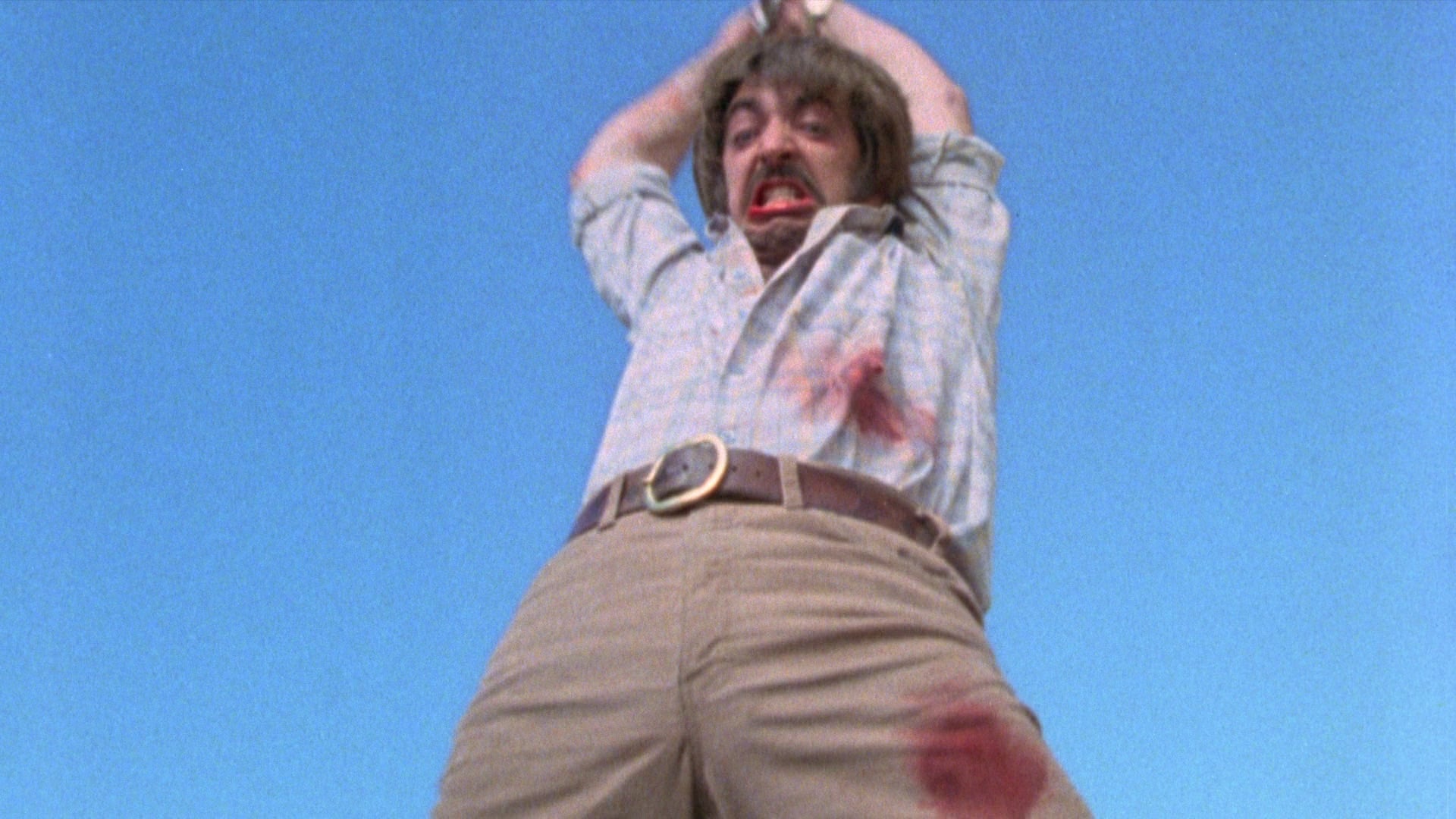
It simply wouldn’t be Halloween without a spotlight on one of horror’s masters! This month, we programmed twelve films from modern horror legend, Wes Craven. The creator of the Nightmare on Elm Street franchise and the director of the first four Scream films, Craven was one of the most prolific slasher filmmakers of his generation, helming horror classics that have come to define American suburban fears while turning the rules of the genre inside-out.
Craven’s visual style became known for its blurry boundaries between dreams and reality, which media historian and film critic John Kenneth Muir described through the term “rubber-reality”. Combined by his interest in a deconstructionist narrative approach, Craven’s body of work has become a touchstone for both filmmakers and film scholars that have followed.
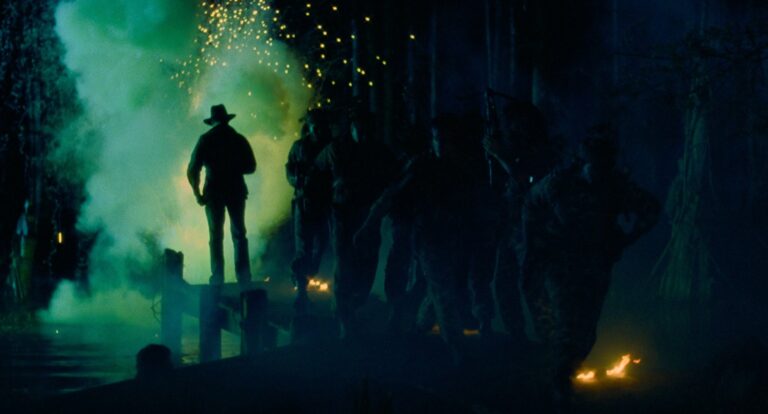
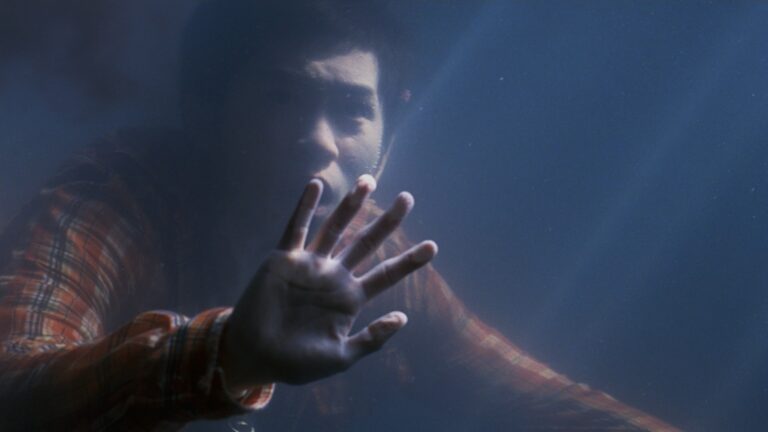
Check out this month’s selection of Wes Craven’s work – The Hills Have Eyes (1977), The Serpent and the Rainbow (1988), Scream 2 (1997), Scream 3 (2000), Scream 4 (2011), Red Eye (2005), Vampire in Brooklyn (1995), Swamp Thing (1982), The People Under the Stairs (1991), Shocker (1989), Cursed (2005), and My Soul to Take (2010). Don’t be scared!