In celebration of Women’s History Month, ShotDeck is thrilled to devote the next two weeks on our blog to highlighting some incredible female-identifying cinematographers. Some of these DPs broke ground for other cinematographers to follow, some have lensed some of the most significant films and television shows of recent history, and some are among the rising stars of the industry today.
This list is focused on cinematographers primarily working in film and television, and is by no means exhaustive. There are so many more amazing female-identifying DP’s working in film and TV, as well as commercials, fashion and music videos. We hope this will serve as a launching pad for your inspiration to discover new artists, new styles and new possibilities in the craft of cinematography.
Check out the films shot by these cinematographers available in ShotDeck’s library, and read below to learn more about these amazing artists!







ARTIST SPOTLIGHT
Brianne Murphy
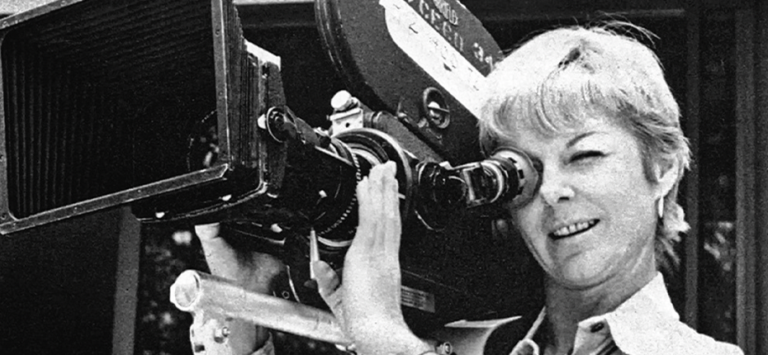
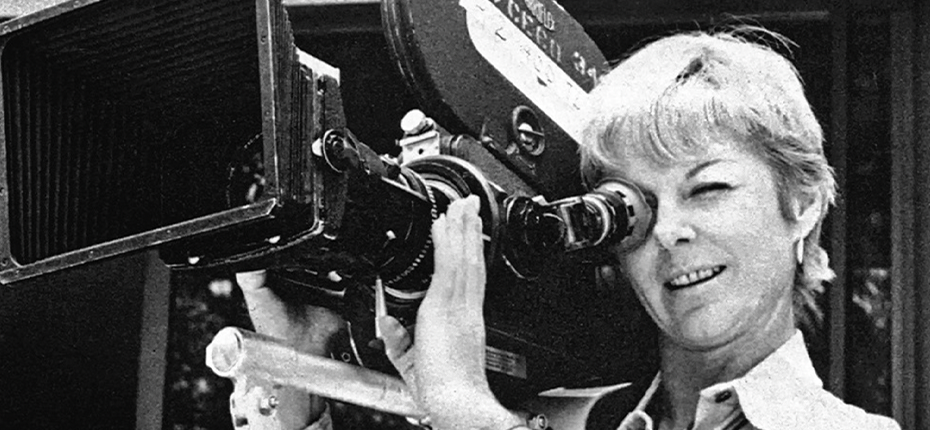
Geraldine Brianne Murphy was a British cinematographer and the first woman to both DP a major studio film and the first woman to be accepted into the American Society of Cinematographers. Murphy started developing her interest for films while running errands for the production manager of On the Waterfront, and in 1954 was hired as a photographer for the Ringling Brothers and Barnum & Bailey Circus. It was there that Murphy met and married notable B-movie director Jerry Warren, with whom she shot many of her first films.
Murphy’s career started taking off in 1975 after Richard C. Glouner, the DP of the show Columbo, suggested she take over for him (Murphy had previously worked with Glouner as a script supervisor). Later that year, she won an Emmy for her work on the NBC children’s show Special Treat. She served as the lead DP on Little House on the Prairie from 1974-86, Trapper John from 1979-86 and In the Heat of the Night from 1988-94. Murphy was nominated for four Emmy Awards between 1978 and 1987 (winning for Highway to Heaven in 1985), and in 1980, she became the first female DP of a major studio film on Fatso, directed by Anne Bancroft.
Besides being a DP whose work defined the look of many of America’s most watched television shows and films, Murphy was a vital technical innovator. In 1982, she and Donald Schisler were awarded a Scientific and Engineering Academy Award for the concept, design and manufacturing of the Mitchell Insert Systems Camera Insert Car and Process Trailer, a camera vehicle designed to protect technicians while filming cars in motion at close quarters.
Murphy often used the names “Brian” or “GB” to break through the male-dominated industry. When she first attempted to join her local union branch in 1973, she was told by one officer that she’d be admitted “over my dead body.” Murphy was the only female member of the ASC for over 15 years after she was admitted. Her work on major television shows and films formed one of the most recognizable bodies of work of any cinematographer in the 70s and 80s, and she remains to this day one of the most important pioneers in film history.
ARTIST SPOTLIGHT
Jessie Maple
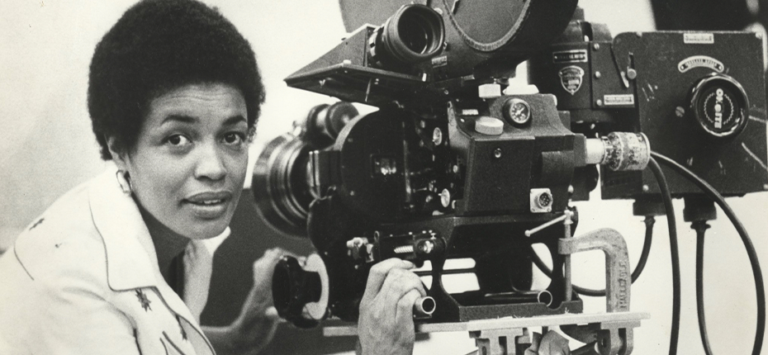
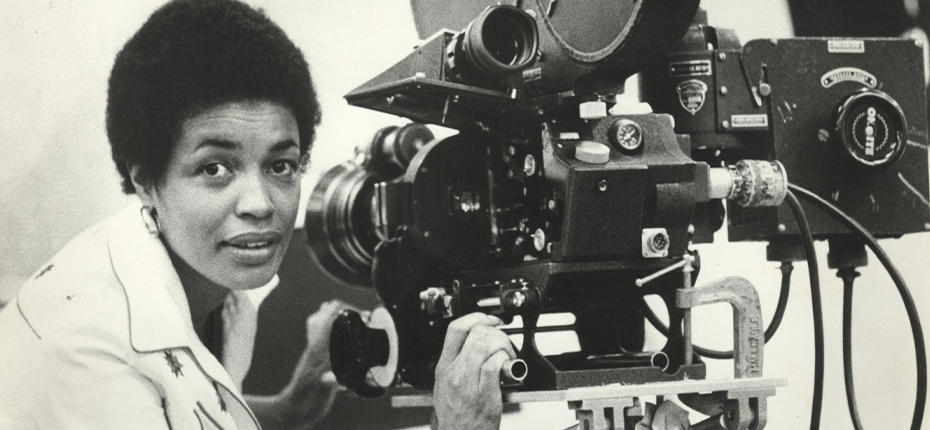
Jessie Maple is an American cinematographer, director, and civil rights pioneer within the film industry. She was the first Black woman to produce and direct an independent feature length film, the first Black woman admitted to the New York camera operators union, and a pioneering producer of documentary short films.
Maple was born in Louisiana in 1947, and received her film education through Ossie Davis’ Third World Cinema and the National Education Television Training School, which was run by WNET public television in New York City. Her training allowed her to get work as an apprentice editor for Shaft’s Big Score! and The Super Cops. After joining the Film Editor’s Union, she set out to join the Cinematographer’s Union. Maple became the first Black woman to be inducted as a member of the International Photographers of Motion Picture & Television Union. When she got in, other union members sought to blacklist her from the studios. Maple decided to sue ABC, CBS and NBC all at the same time and won.
Maple worked for much of the 1970s as a news camera operator. During that time, she developed innovative shooting techniques as a method of resisting racism in news editing. Maple designed and executed shots that created editing patterns in camera, making it virtually impossible to later re-edit a story.
In 1981, Maple directed and shot the film Will, the first independent feature-length film directed by a Black woman. Shot on location in Harlem on a budget of $12,000, the film marked the screen debut of Loretta Devine, and was restored by the New York Women in Film and Television’s Women’s Film Preservation Fund in 2013.
Maple is one of the most important Black filmmakers of the 20th century, breaking boundaries for women of color in the field and pioneering a wave of independent filmmaking that would pave the way for the Black New Wave of the late 80s and early 90s.
ARTIST SPOTLIGHT
Agnès Godard
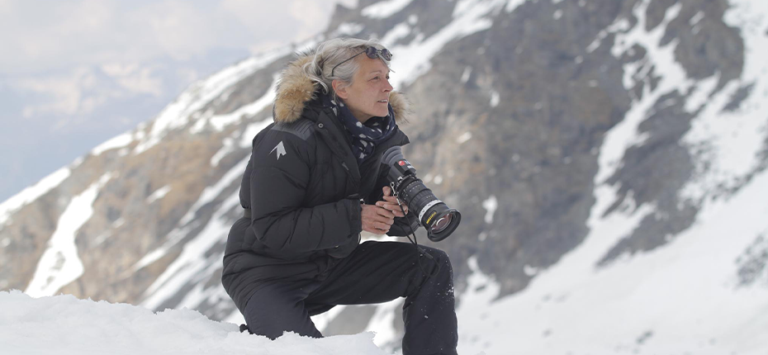
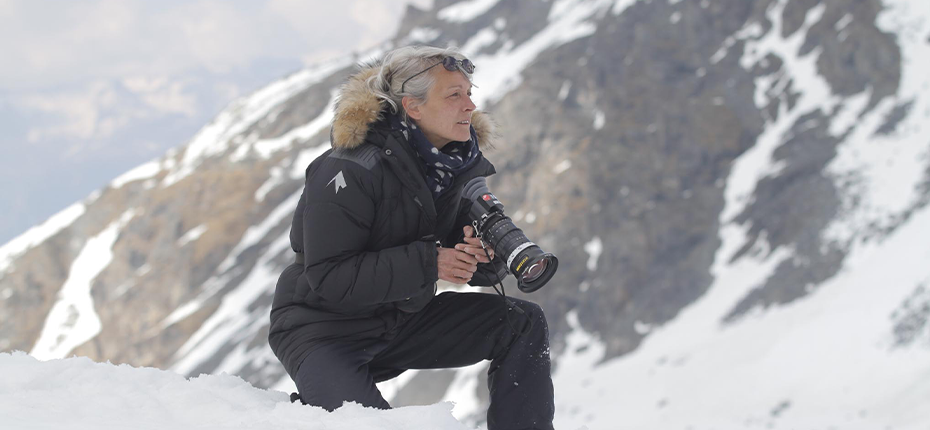
Agnès Godard is a French cinematographer whose work has helped define French independent cinema for over 30 years. She has collaborated with filmmakers such as Wim Wenders, Agnès Varda and Ursula Meier, but is perhaps best known for her work with French director Claire Denis, with whom she has made over 15 films.
The daughter of an amateur photographer, Godard originally set out to study journalism but switched to film, graduating from La Femis (which was then known as IDHEC) in 1980. Her first work in the industry came as a camera assistant, and Godard’s credits include assisting Robby Müller on Paris, Texas and Henri Alekan on Wings of Desire, both directed by Wim Wenders. Wenders would go on to hire Godard for her first film as a cinematographer on Room 666, a 50 minute made-for-television movie. It was on Room 666 that Godard met Claire Denis. Denis was working on the project as Wenders’ assistant director.
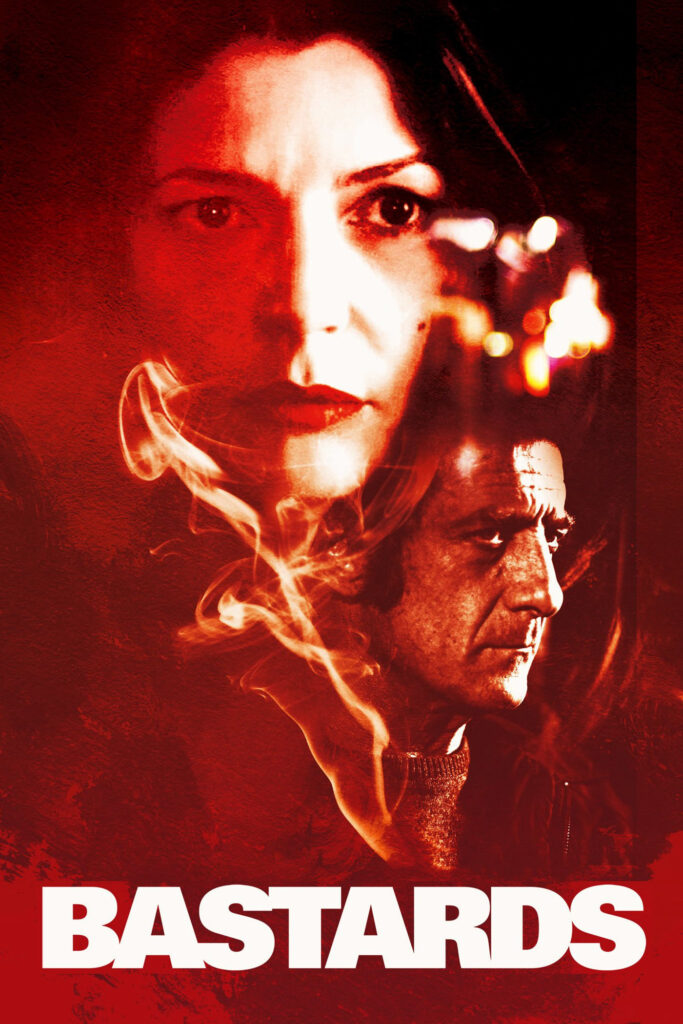
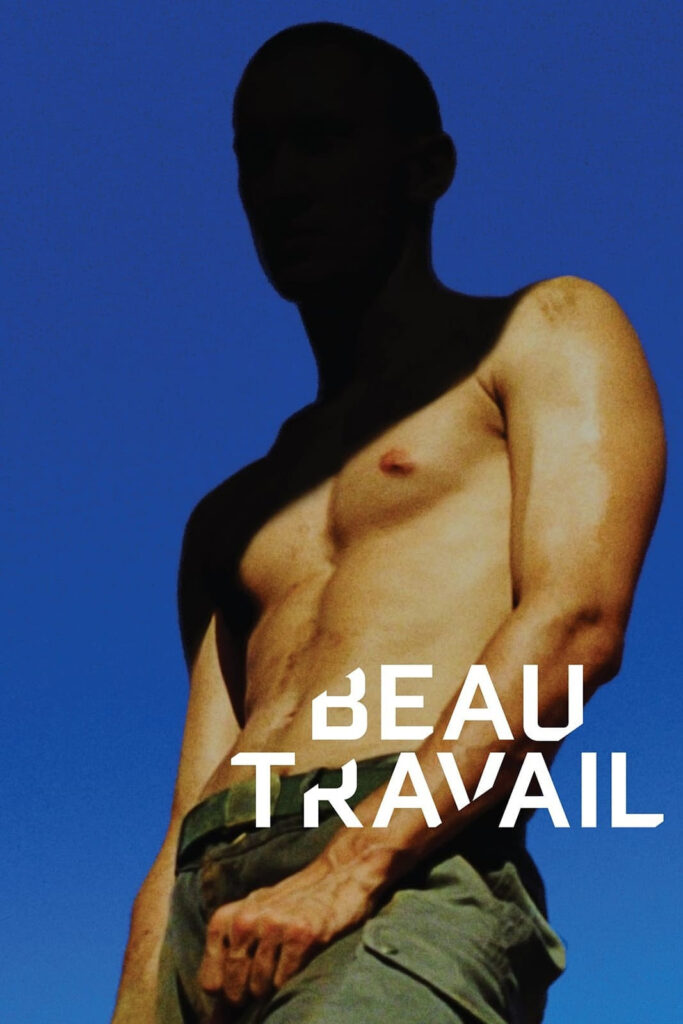
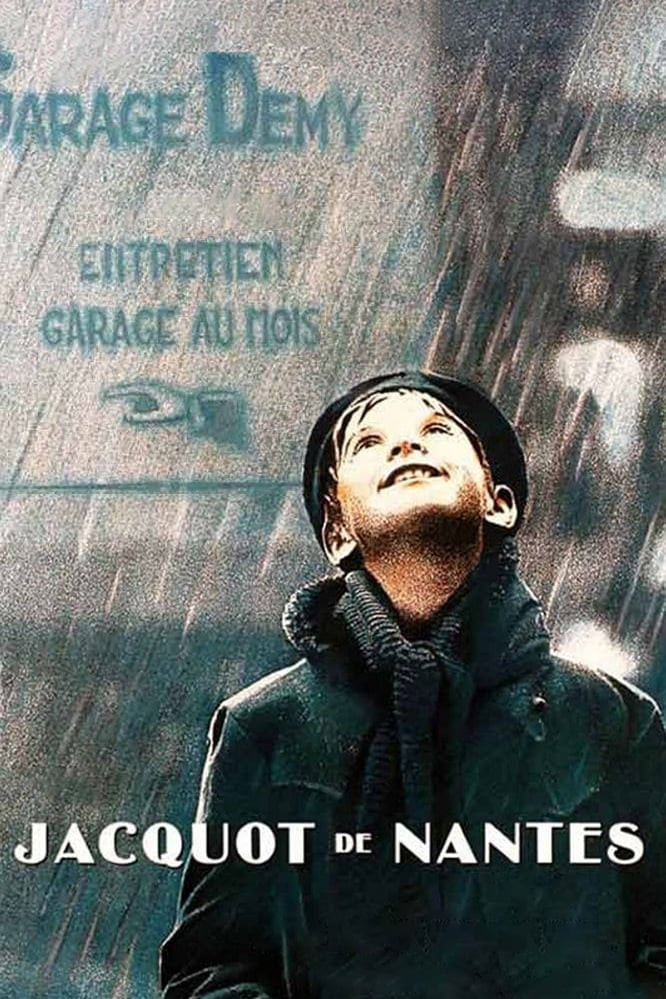
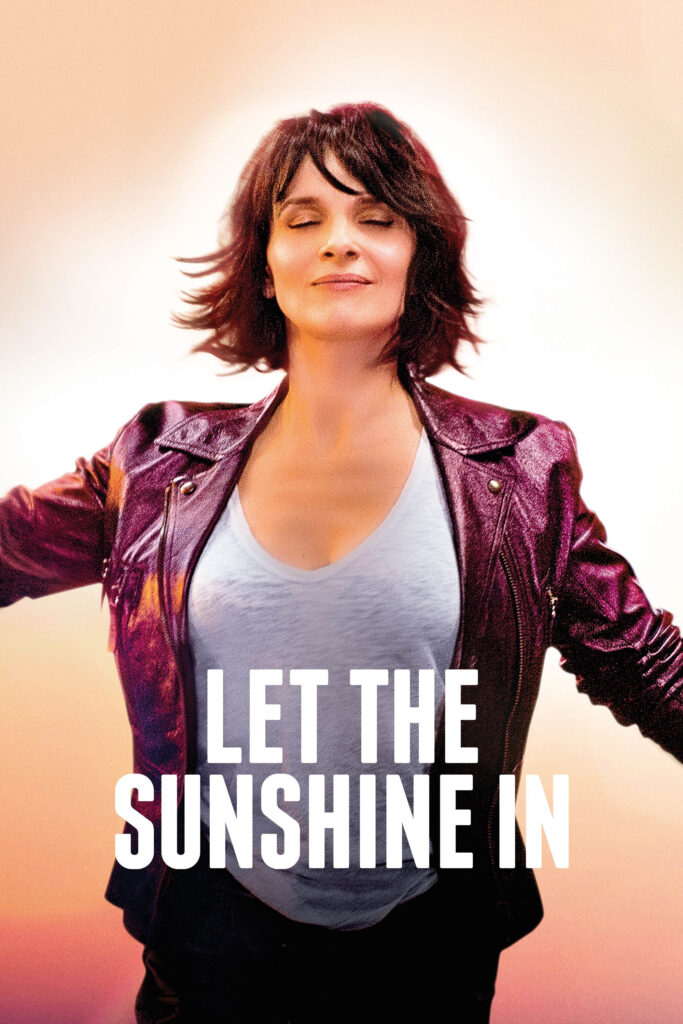
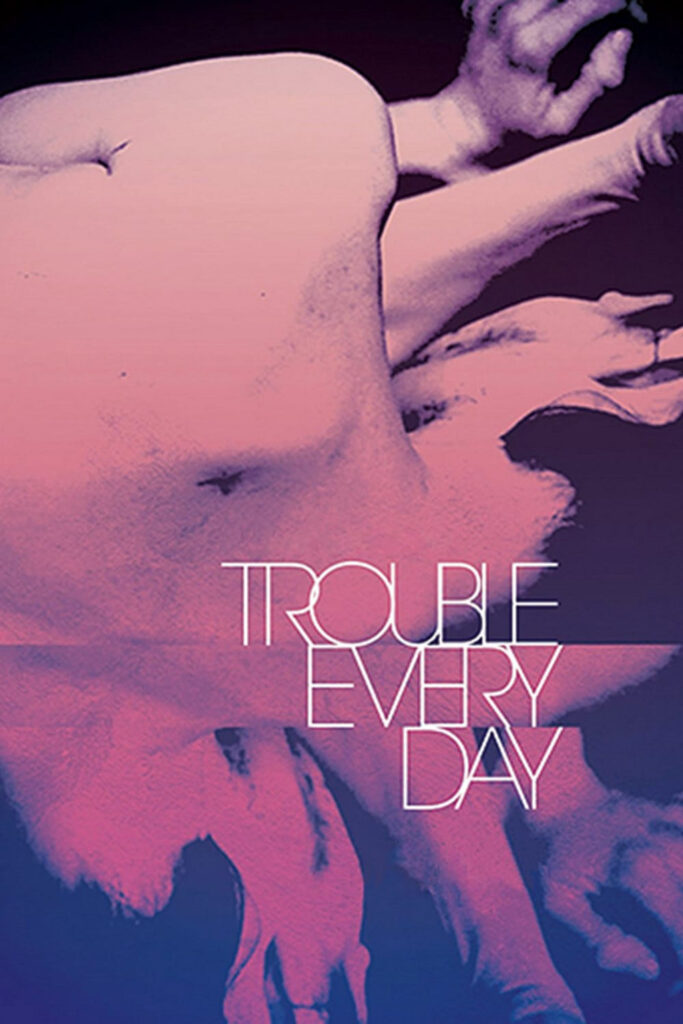
Denis and Godard went on to strike up one of the most significant director-DP relationships of the past 50 years. Godard worked as the camera operator on Denis’s debut feature, Chocolat in 1988, before shooting a 1990 documentary with her about Nouvelle Vague filmmaker Jacques Rivette. They then worked on the 1991 short film Keep It for Yourself (the same year that Godard shot Jacquot de Nantes with Agnès Varda). Godard and Denis’s shared credits include I Can’t Sleep, Beau Travail, Trouble Every Day, Vendredi Soir, Bastards and Let the Sunshine In.
Through their work together, Denis and Godard created a signature visual style for capturing immediacy and intimacy in their films. Godard’s philosophy on shooting films with Denis grew out of a desire to create images where the camera disappears, and where the action feels organic and spontaneous. Most of Godard’s operating came from the camera being on her shoulder, and from pushing for the first take to be the one that ended up in the final cut. Many of Godard and Denis’s frames are over-the-shoulder shots, and their working style evolved from Denis holding Godard’s shoulders while looking at the action from her perspective. The result is an intimacy, immediacy and fluidity that few director-DP collaborations have been able to as effectively achieve.
ARTIST SPOTLIGHT
Autumn Durald Arkapaw
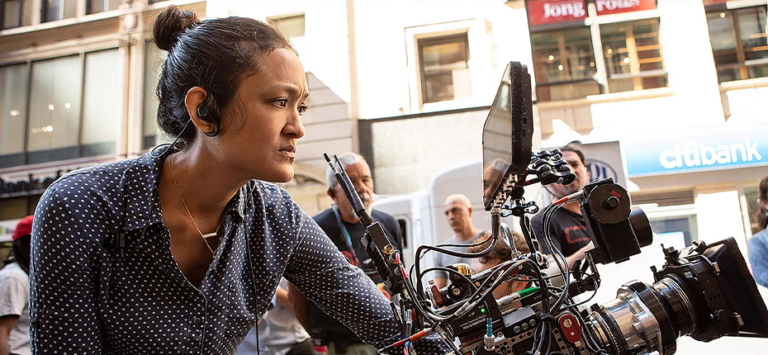
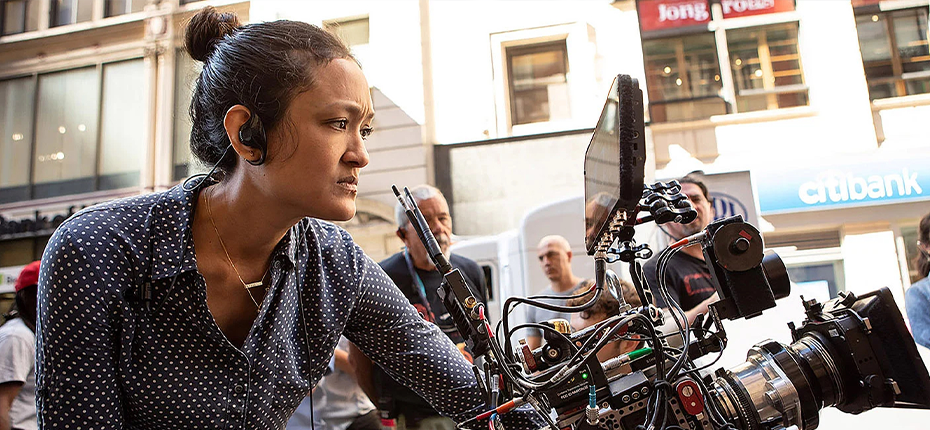
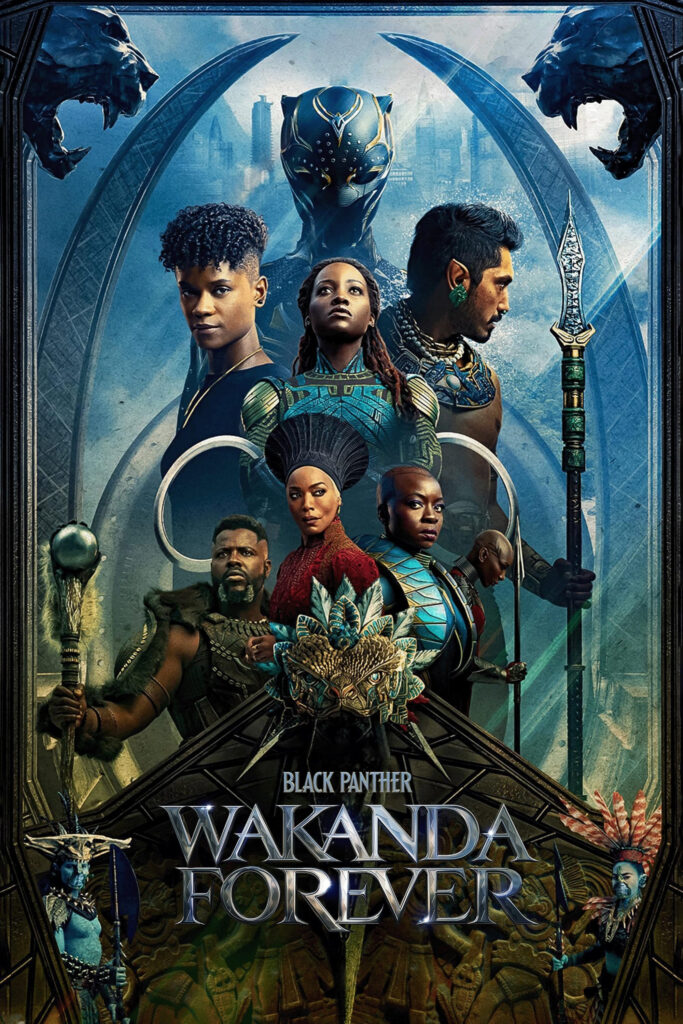
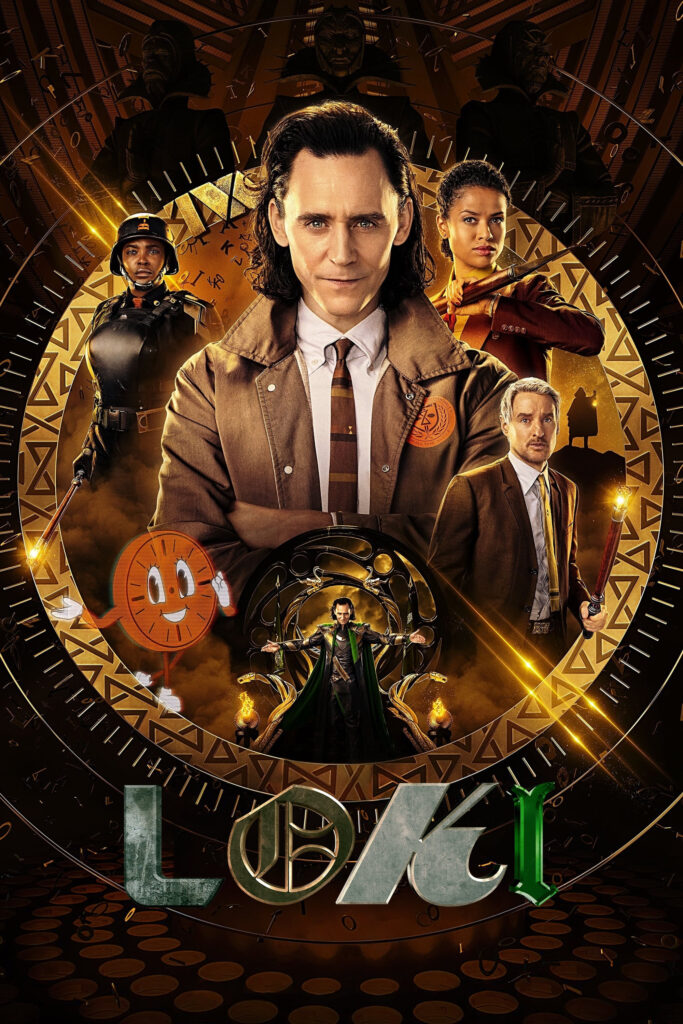
Autumn Durald Arkapaw is an American cinematographer whose work on both independent movies and more recently on the Marvel series Loki and film Black Panther: Wakanda Forever have made her one of the most in demand DP’s working in the industry today.
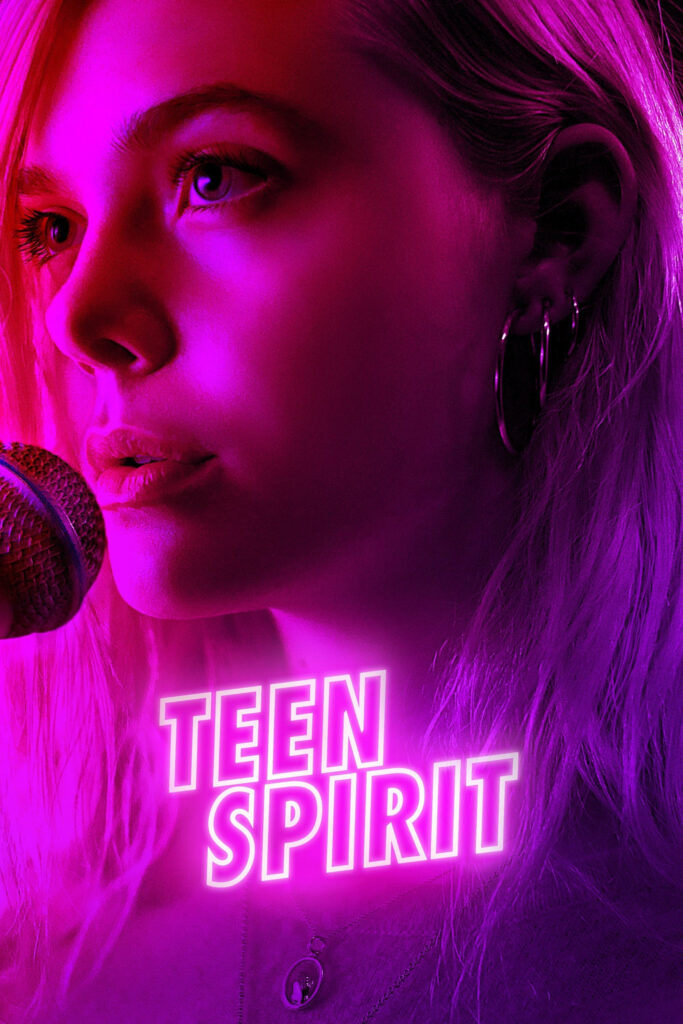
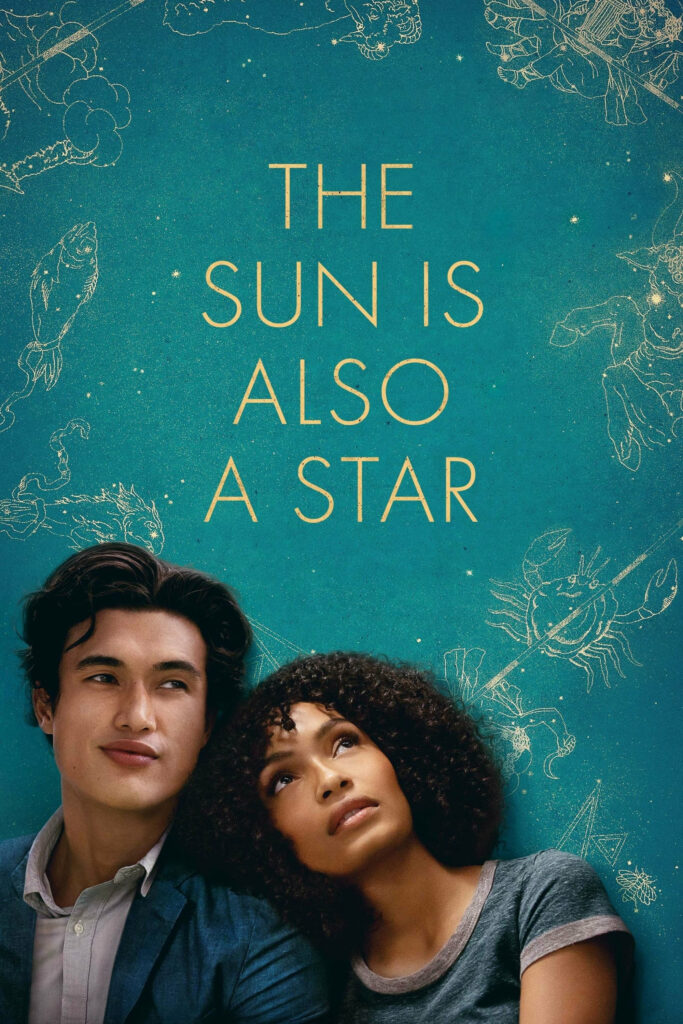
Durald studied art history at Loyola Marymount University, where seeing films such as Broadway Danny Rose and Raging Bull sparked her interest in cinematography. After college, she assisted Guy Livneh on the documentary television series On the Road in America, and her work on the series earned her admission to AFI’s cinematography program in 2006. While at film school, she shot the micro-budget features Macho (2006, dir. Rafael Palacio Illingworth) and Guadalupe the Virgin (2011, dir. Victoria Giordana). Durald was eventually introduced to Gia Coppola, with whom she made the 2013 film Palo Alto. The success of Palo Alto led Durald to shoot music videos for artists such as Haim, London Grammar and Solange Knowles. She also lensed independent films such as One and Two, Teen Spirit and The Sun is Also a Star. In 2021, Kate Herron asked Durald to shoot the Marvel TV show Loki, and the next year, she DP’d Black Panther: Wakanda Forever for director Ryan Coogler.
Over the past decade, Durald has been a strong advocate for bringing anamorphic lenses into both independent and studio-backed films. She began experimenting with anamorphic lenses while at film school, attracted not only to their widescreen view, but the inherent nostalgia produced in the image by older glass, and the soft, dreamy quality that anamorphic lenses create in the frame. Durald has brought this aesthetic into almost every project she has DP’d, establishing a close relationship with Panavision and creating a signature look for her work in the process.
ARTIST SPOTLIGHT
Caroline Champetier
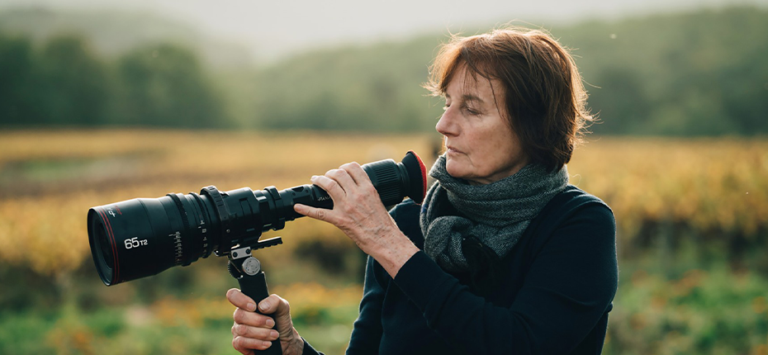
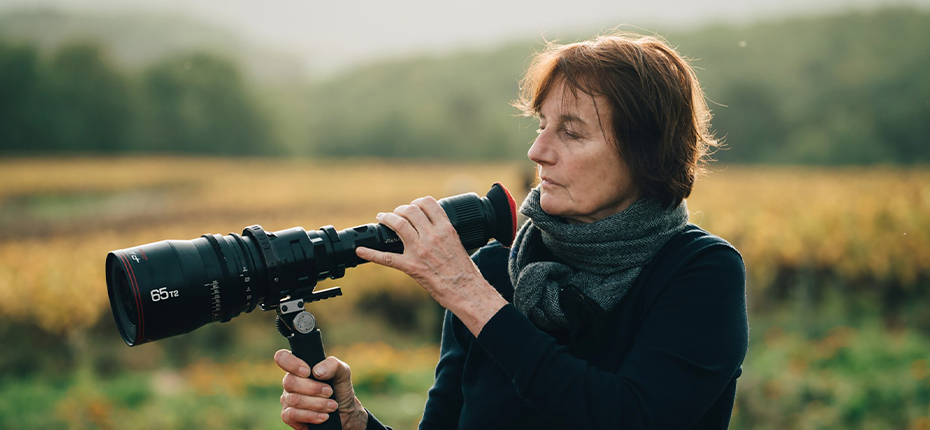
Caroline Champetier is a French cinematographer who has contributed to over one hundred films since 1979, and served as the president of the French Society of Cinematographers between 2009 and 2012. In 2023, Champetier was awarded the Berline Camera award for lifetime achievement at the Berlin International Film Festival, and she is widely considered one of the most important French cinematographers of all time.
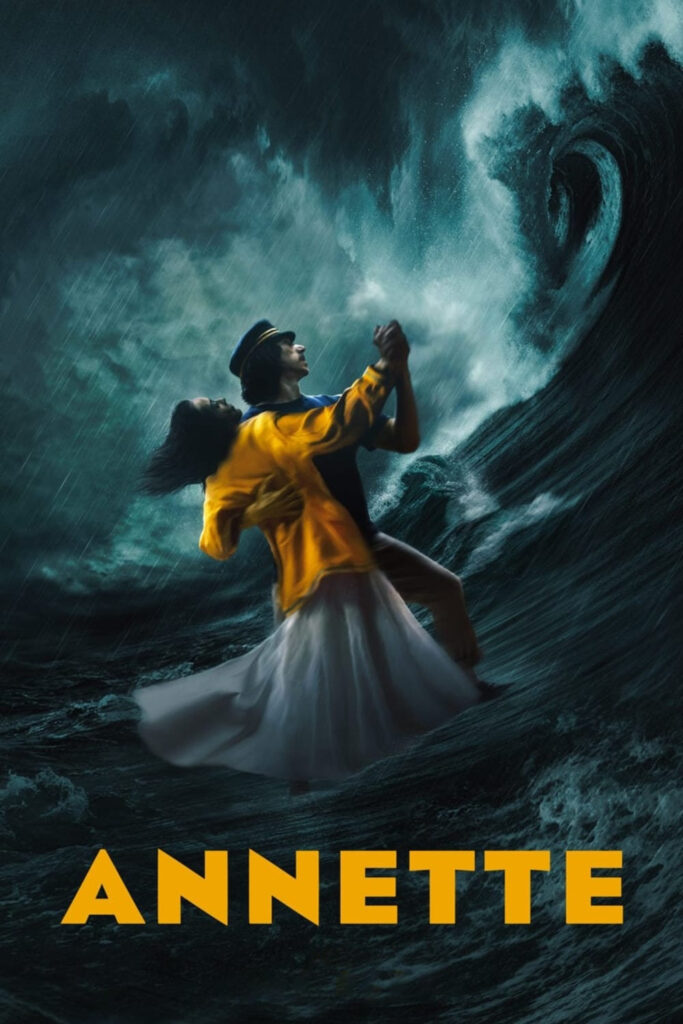
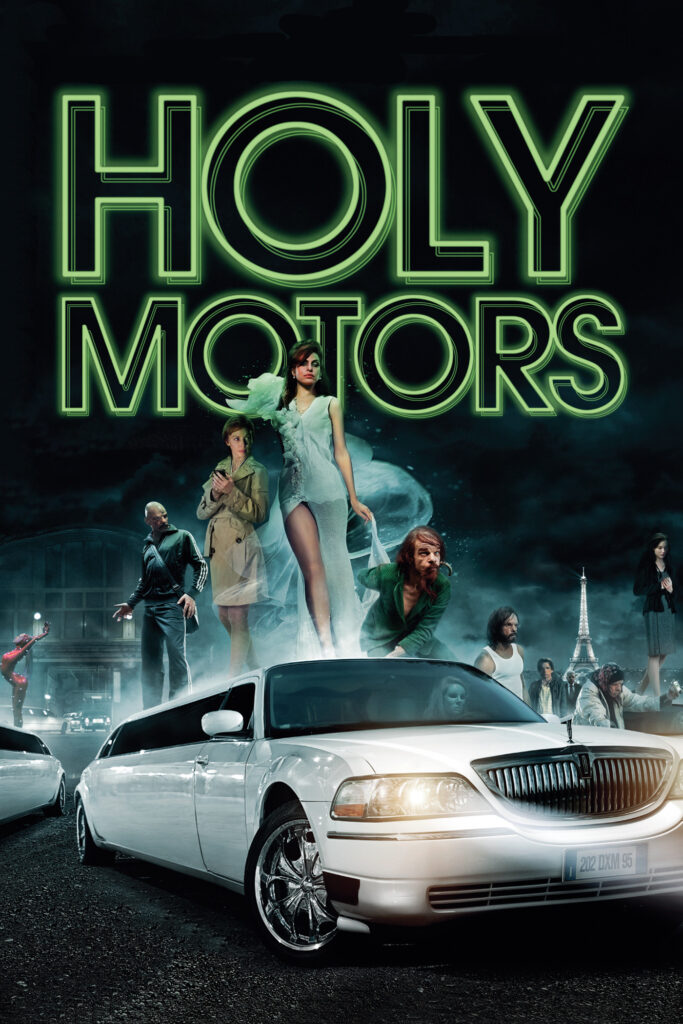
Champetier was classically trained at the French School of Cinema. She started in the industry as a second camera assistant in 1976 before moving to first camera assistant several years later. One of her first films as a DP was with Jacques Rivette on Le Pont du Nord in 1981, before working with Chantal Akerman on Toute une nuit in 1982. Her collaborators include Claude Lanzmann, François Truffaut, Jean-Marie Straub, Jean-Luc Godard and Xavier Beauvois. Champetier was awarded César and Lumières Awards for Best Cinematography in 2010 for her work on Of Gods and Men, and her collaborations with Leos Carax on the 2012 film Holy Motors and the 2021 film Annette are among the most celebrated in contemporary French cinema.
Champetier is widely celebrated for helping generations of filmmakers develop their signature looks and styles, crafting the later-stage work of established directors like Truffaut and Godard, while also ushering in the visual styles of more contemporary filmmakers like Beauvois and Carax. Her work as a DP is considered a crucial bridge between the work of Nouvelle Vague filmmakers and subsequent generations of French filmmakers, and her experimentation with digital cinematography, especially with Carax, has broken new technological ground in the field.
ARTIST SPOTLIGHT
Charlotte Bruus Christensen
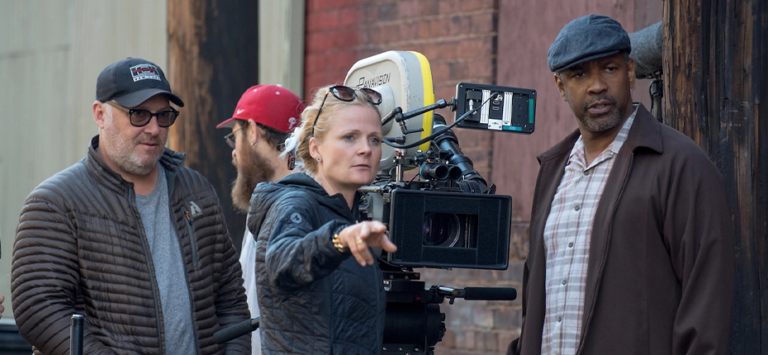
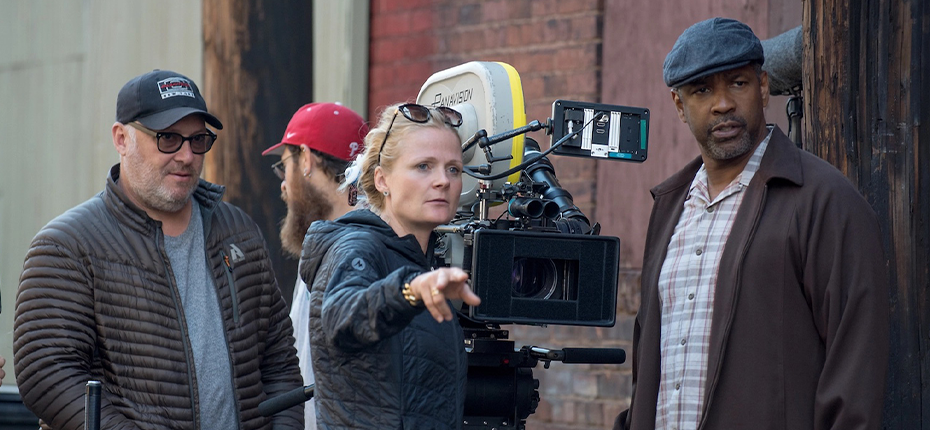
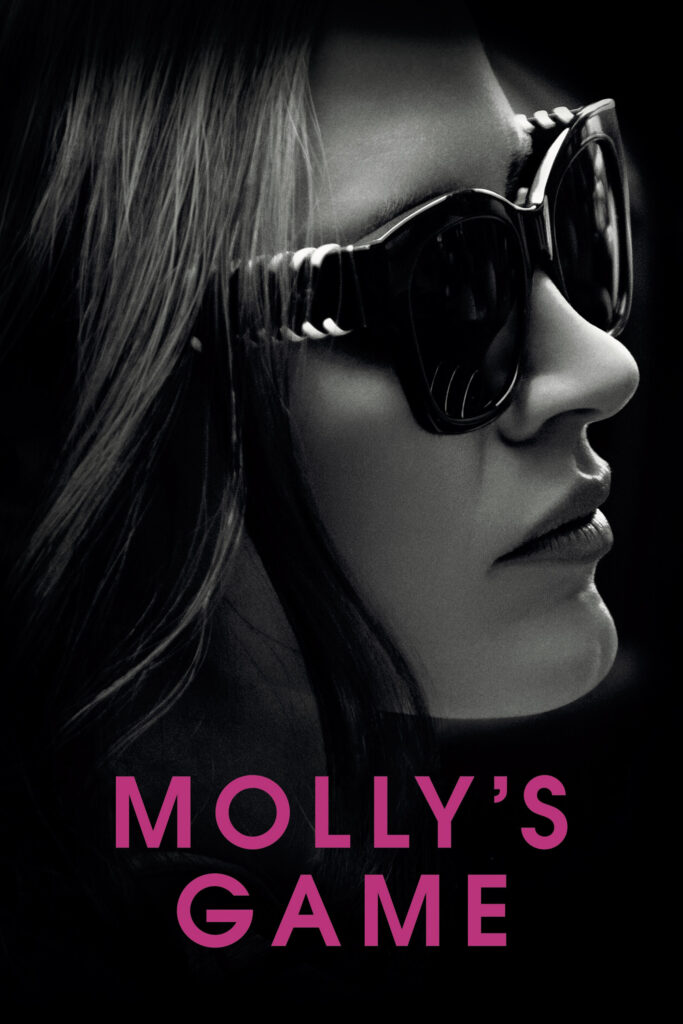
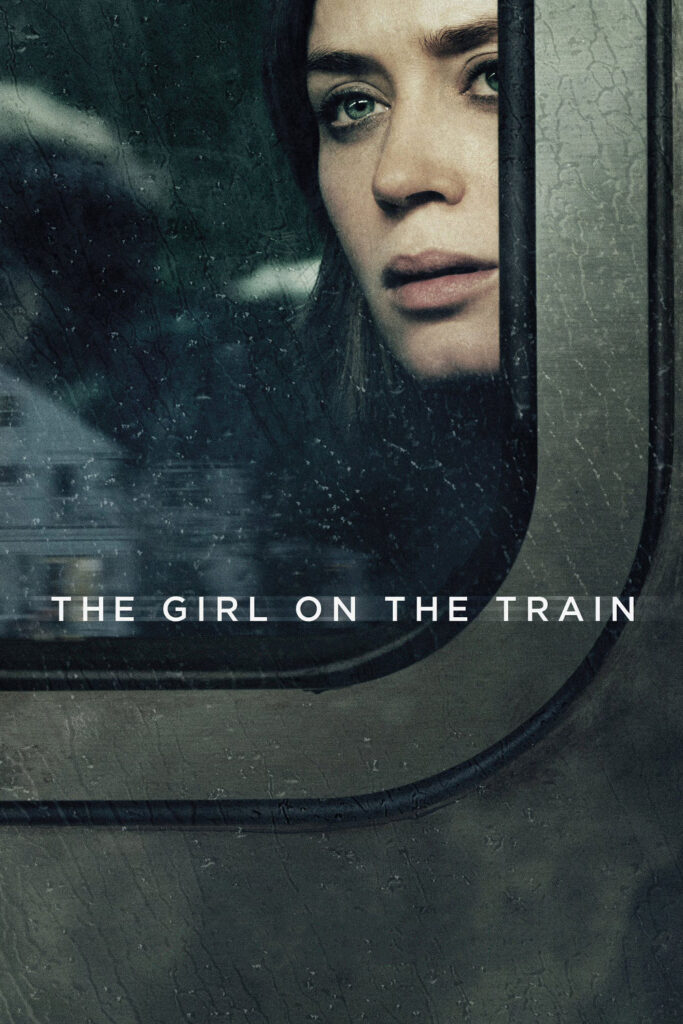
Charlotte Bruus Christensen is a Danish cinematographer known for her work with Danish filmmakers such as Thomas Vinterberg, as well as on major American studio films such as Molly’s Game, A Quiet Place and The Girl on the Train.
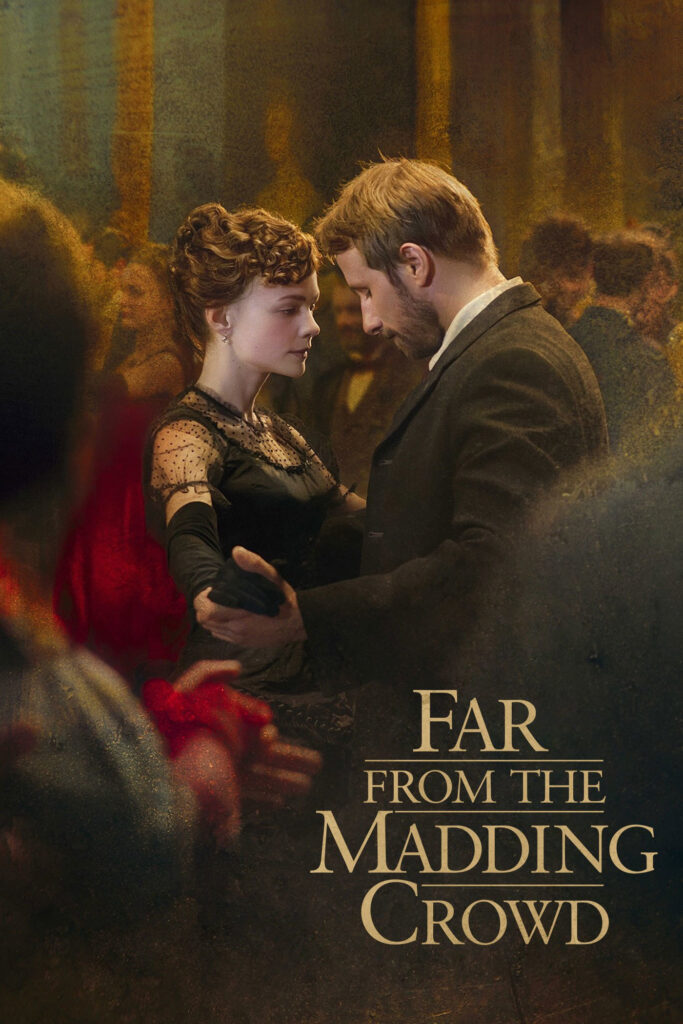
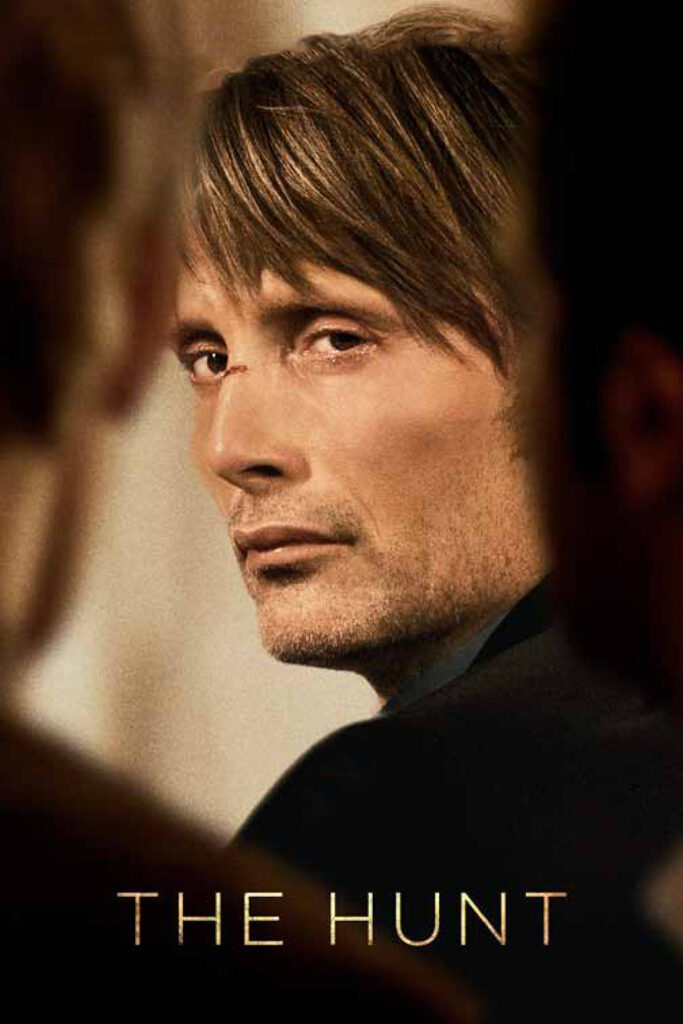
Christensen studied filmmaking at the European Film College in Denmark. She later earned her master’s degree in cinematography from the National Film and Television School in the UK, after which she wrote, directed and shot the short film Between Us. Christensen was inspired by the Dogme 95 movement, and would go on to establish a collaboration with one of the movement’s most noted directors, Thomas Vinterberg. The pair worked together on the 2010 film Submarino, before collaborating again on the 2012 film The Hunt and the 2015 film Far from the Madding Crowd.
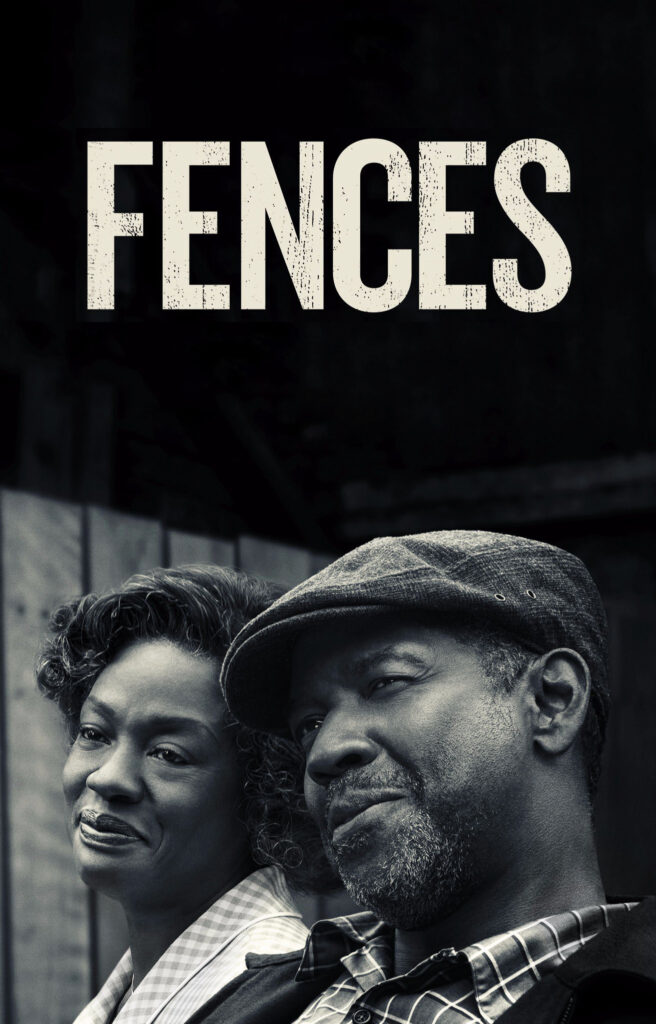
Christensen’s work with Vinterberg garnered her attention from Hollywood filmmakers. In 2016, she worked with Tate Taylor and Denzel Washington on The Girl on the Train and Fences respectively, before shooting Molly’s Game with Aaron Sorkin in 2017 and A Quiet Place with John Krasinski in 2018.
Christensen’s approach to cinematography is rooted in Dogme 95 guidelines, with a goal to create freedom for the director and cast as much as possible on set. Her cinematography is dominated by the use of anamorphic lenses, in particular Panavision C-Series lenses, giving many of her films a native widescreen aspect ratio with shallow depth-of-field. Her lighting approach similarly privileges natural light and maximizes freedom on set, while crafting shallow-focus and classically-lit frames.
ARTIST SPOTLIGHT
Iris Ng
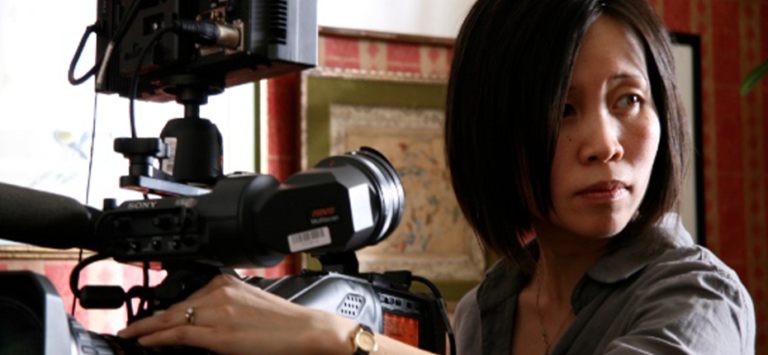
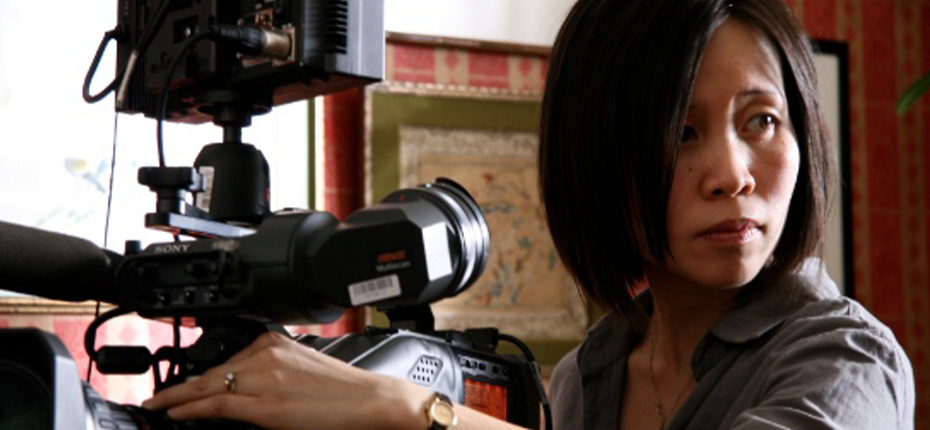
Iris Ng is a Canadian cinematographer whose work has crossed multiple genres of fictional filmmaking, as well as documentary and art films. Her early work was largely in documentary filmmaking.
Ng got her BFA in Film Production at York University, and began shooting documentary and fictional short films for several years before lensing the documentary films Herman’s House in 2012 and The Ghosts in Our Machine in 2013. In 2015, she shot the film League of Exotique Dancers with Rama Rau, opening the 2016 Hot Docs Film Festival, and the next year, she worked with Vikram Jayanti on Loretta Lynn: Still A Mountain Girl, which aired on PBS.
Ng’s most well-known film is arguably the 2012 documentary Stories We Tell, directed by Sarah Polley. The film was shortlisted for an Academy Award and broke ground for its innovative use of mixing formats. Ng mixed home movie footage shot on Super 8 with Super 8-filmed re-enactments, and then juxtaposed them against contemporary interviews with Polley’s family members. Ng took a similar approach with the 2018 documentary Shirkers, directed by Sandi Tan, which won the Best Director World Cinema award at the Sundance Film Festival. In the years since, she has lensed the documentary Toxic Beauty as well as the digital series Hey, Lady!, also directed by Polley.
ARTIST SPOTLIGHT
Claire Mathon
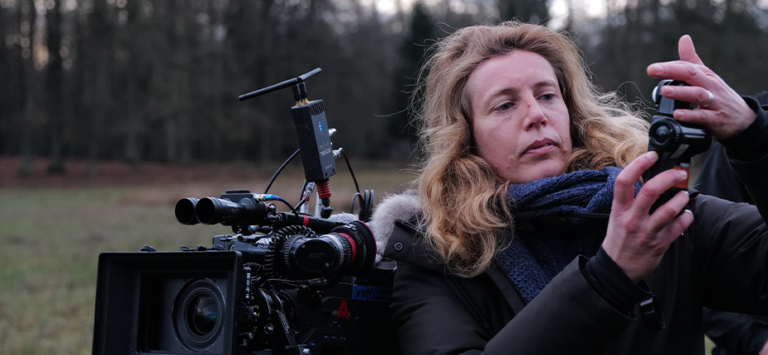
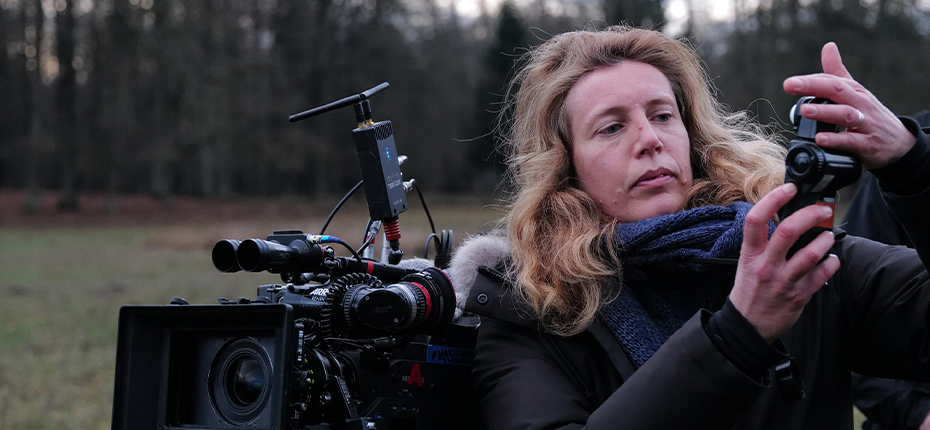
Claire Mathon is a French cinematographer, best known for her collaborations with filmmakers such as Céline Sciamma, Mati Diop, Pablo Larraín and Alice Diop.
Mathon studied film at the École nationale supérieure Louis-Lumière, graduating in 1998. Her first film as a cinematographer was the 2006 film Horezon directed by Pascale Bodet. She went on to shoot films such as Pardonnez-moi (2006, dir. Maïwenn), The Queen of Hearts (2009, dir. Valérie Donzelli) and Angel & Tony (2010, dir. Alix Delaporte). In 2013, Mathon was nominated for a César Award for Best Cinematography for Stranger by the Lake (dir. Alain Guiraudie), before second collaborations with Maïwenn and Delaporte on The Last Hammer Blow and Mon roi earned her back-to-back Lumières Award nominations.
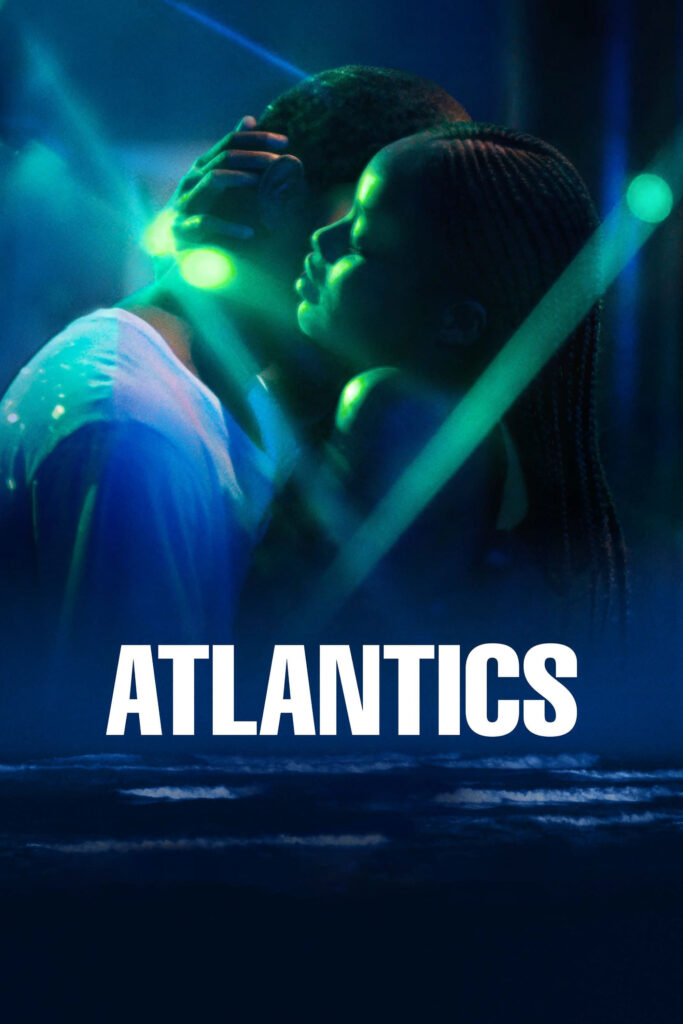
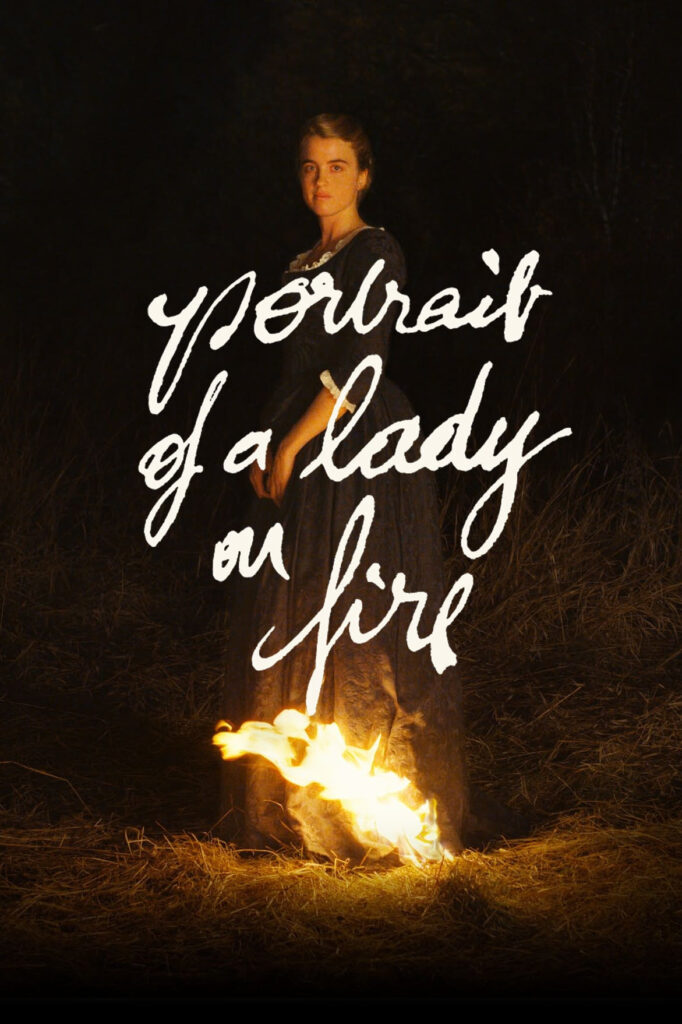
In 2019, Mathon shot two of the most critically praised films of the year – Atlantics (dir. Mati Diop) and Portrait of a Lady on Fire (dir. Céline Sciamma). Her work on Portrait of a Lady on Fire was particularly notable for its highly controlled use of light, which was designed to feel painterly, multi-directional and almost surreal in how it sat on the skin of the performers. Shooting on a low budget in a historical castle, Mathon and her team had to build a platform around the castle and shine lights into the space, intricately setting up flags and diffusion on stands inside to create a precisely-lit set that allowed the actors complete freedom of movement.
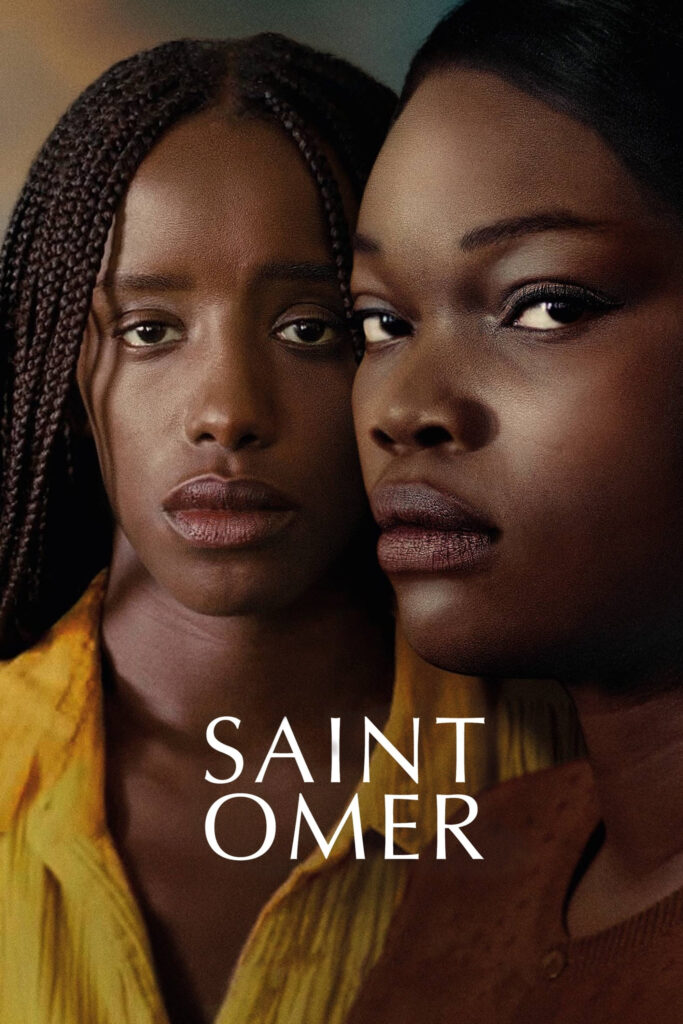
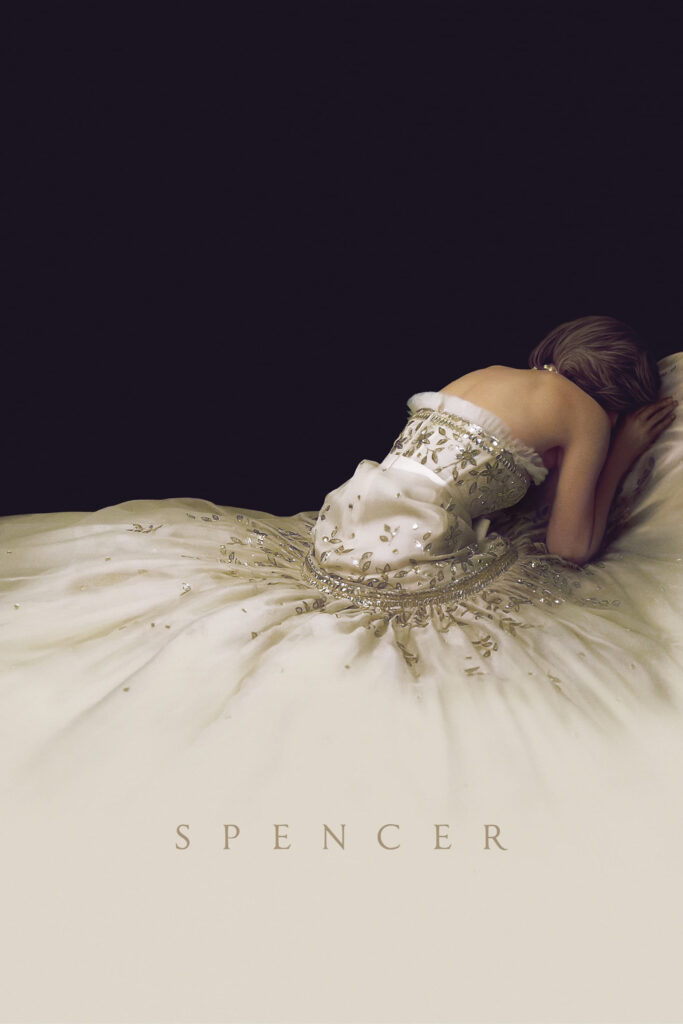
Mathon and Sciamma went on to collaborate on Petit Maman two years later. Mathon also shot the Academy Award-nominated films Spencer and Saint Omer, making her one of the most respected independent cinematographers working today.
ARTIST SPOTLIGHT
Michelle Crenshaw
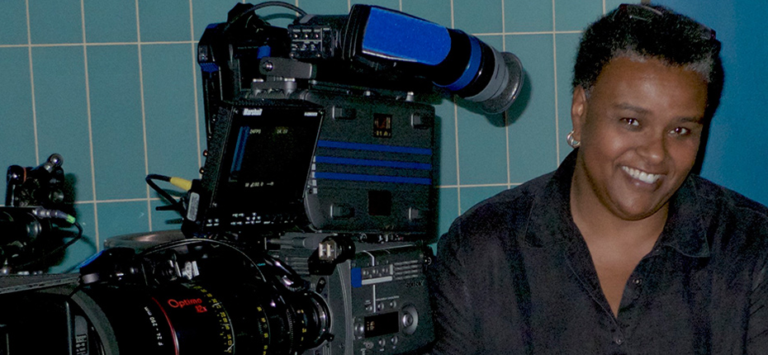
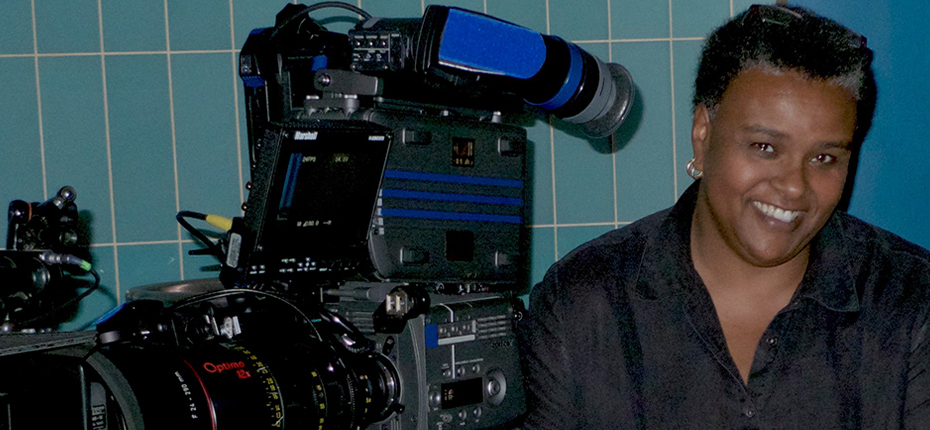
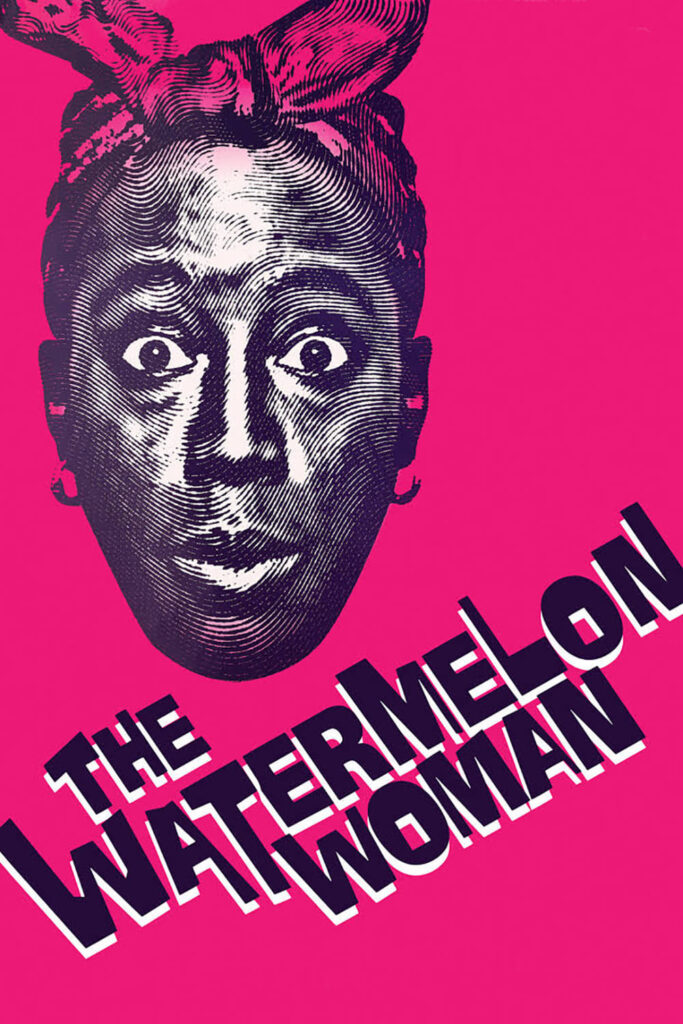
Michelle Crenshaw is an American cinematographer whose work as a camera assistant and operator has included many of America’s most well-known television series, and whose work as a DP has included iconic films such as The Watermelon Woman and TV series like Delilah.
Born in Detroit, Crenshaw studied film in Chicago and began her career as a camera assistant working on educational videos, commercials and documentaries such as Eyes on the Prize. Her work as an assistant also took her to films like Home Alone, Mo’ Money and Uncle Buck.
Crenshaw’s most well-known project as a DP is the 1996 film The Watermelon Woman, directed by Cheryl Dunye. Today considered by many to be a cornerstone of New Queer Cinema, The Watermelon Woman is known for its striking opening sequence – first-person camcorder footage of a wedding, and its unapologetic adoption of the Black, female, queer gaze into the fabric of its visual language. In 2021, the film was selected for preservation in the US National Film Registry by the Library of Congress in recognition of its radical visual style and politics.
ARTIST SPOTLIGHT
Polly Morgan
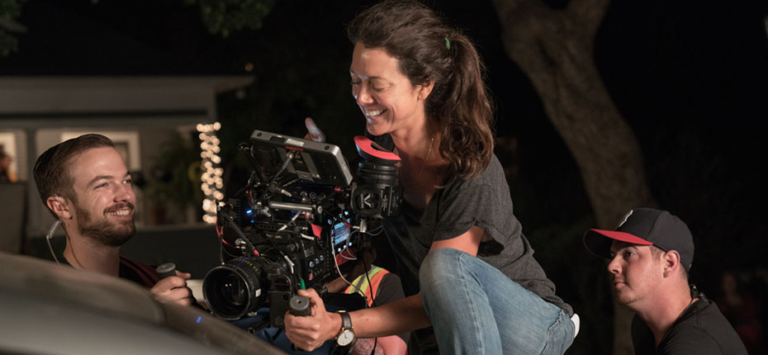
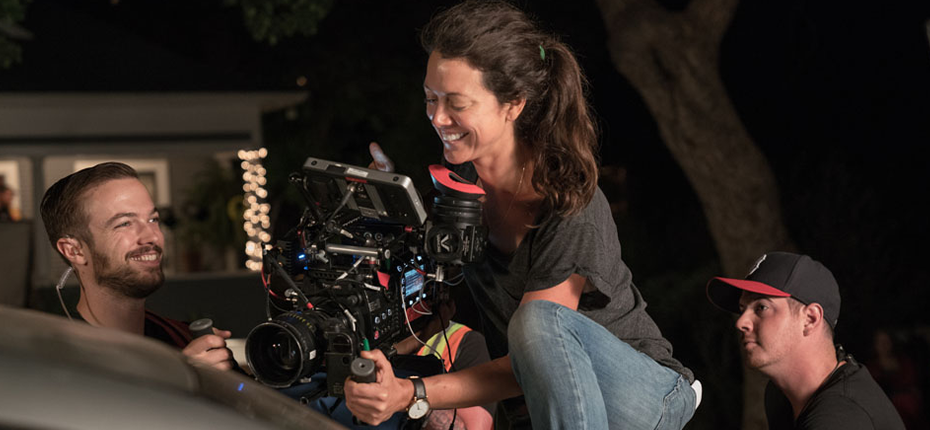
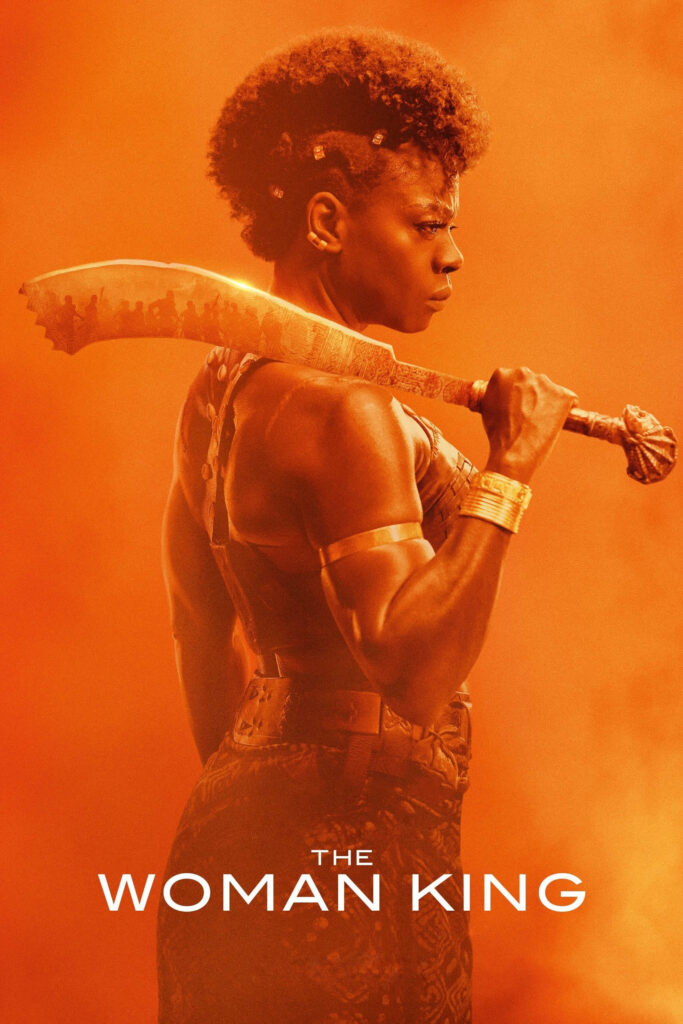
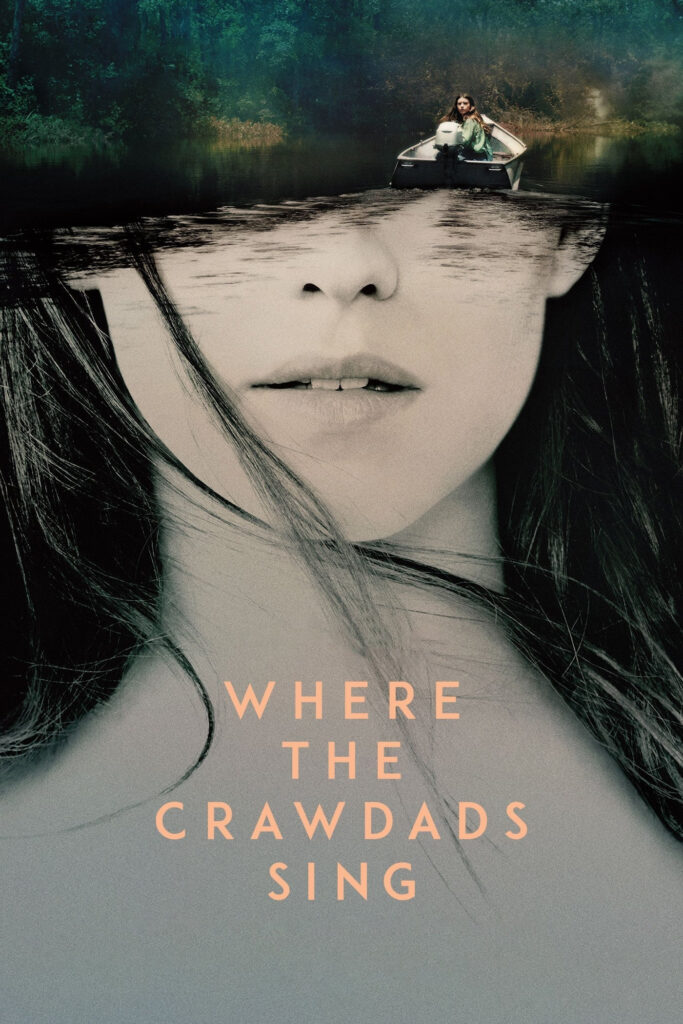
Polly Morgan is a British cinematographer and to date, the only woman to be accepted into both the British Society of Cinematographers and the American Society of Cinematographers. Her first credit as a cinematographer was on the 2011 film Venom (Snaked Fear), and she has since shot major studio projects such as A Quiet Place Part II, Where the Crawdads Sing and The Woman King, as well as television series such as American Horror Story and Legion.
Morgan earned a Bachelor’s degree in Broadcasting at the University of Leeds before earning an MFA in cinematography at AFI. After working on Venom (Snaked Fear), she lensed multiple independent films, including The Truth About Emanuel (2013, dir. Francesca Gregorini), which premiered at the Sundance Film Festival, and We’ll Never Have Paris (2014, dir. Simon Helberg and Jocelyn Towne), which premiered at South by Southwest.
Morgan’s work on the television series Legion, which she shot from 2017-19, led to her first DP job of a major studio film, when showrunner Noah Hawley hired her to film Lucy in the Sky in 2019. A Quiet Place Part II, Where the Crawdads Sing and The Woman King would all soon follow, establishing Morgan as one of the most recognizable cinematographers working today.
ARTIST SPOTLIGHT
Ellen Kuras
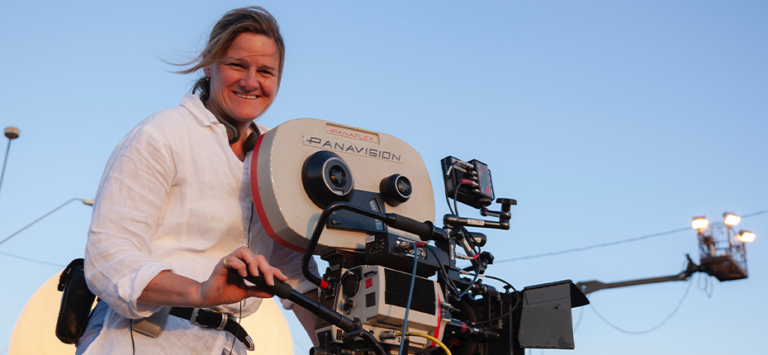
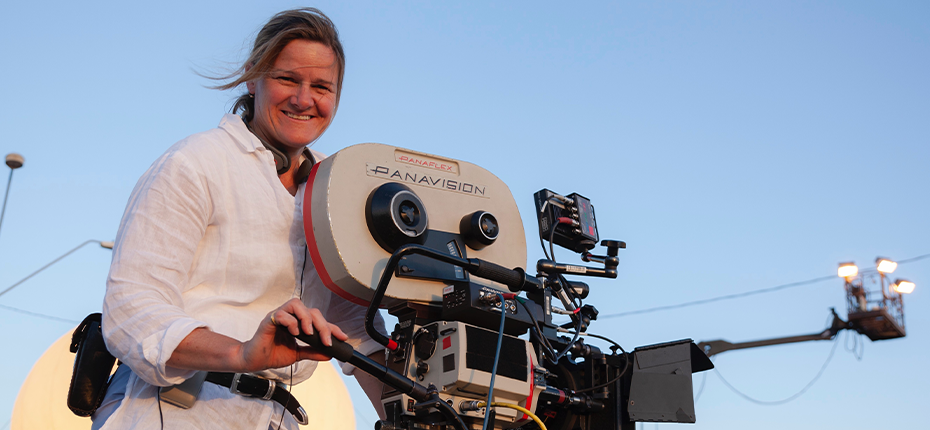
Ellen Kuras is an American cinematographer and director, and a pioneer of 20th century filmmaking whose body of work includes fiction films and documentaries, music videos and commercials. She is best known for her collaborations with filmmakers such as Michel Gondry, Spike Lee, Martin Scorsese and Rebecca Miller.
Kuras studied anthropology and semiotics at Brown University before studying photography at RISD. She began her film career in 1987 filming Samsara: Death and Rebirth in Cambodia (dir. Ellen Bruno). Samsara was the first American movie filmed in Cambodia since the Vietnam War, and earned accolades from the Student Academy Awards, the Sundance Film Festival, and the Eastman Kodak Best Cinematography Focus Award. Her work on Samsara led to a long and ongoing collaboration with producer Christine Vachon, who brought her on to shoot films such as Postcards from America and I Shot Andy Warhol.
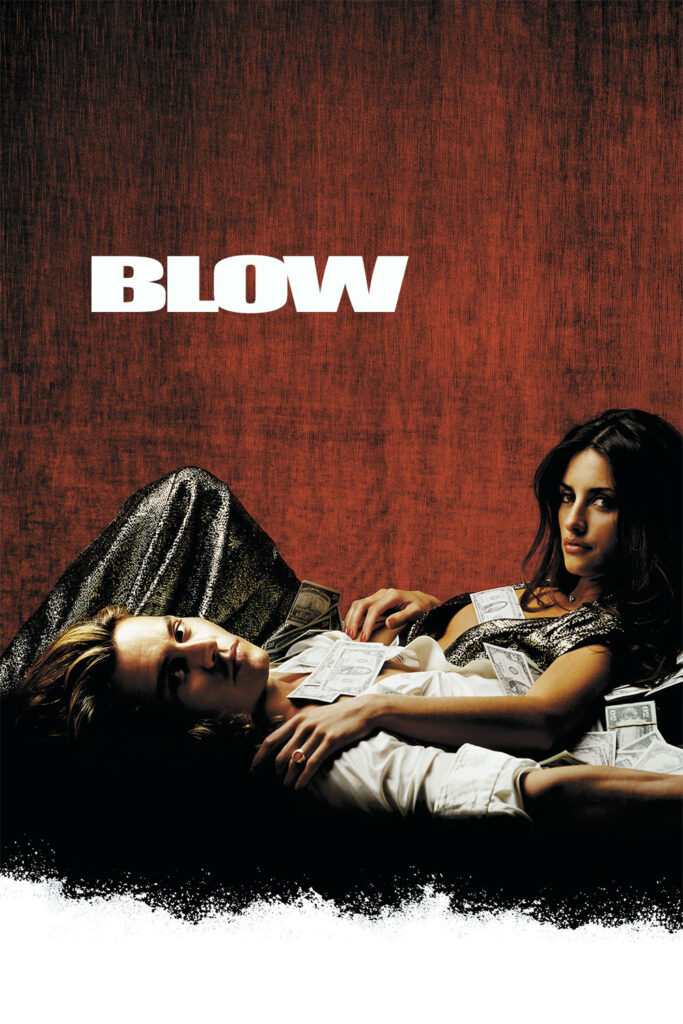
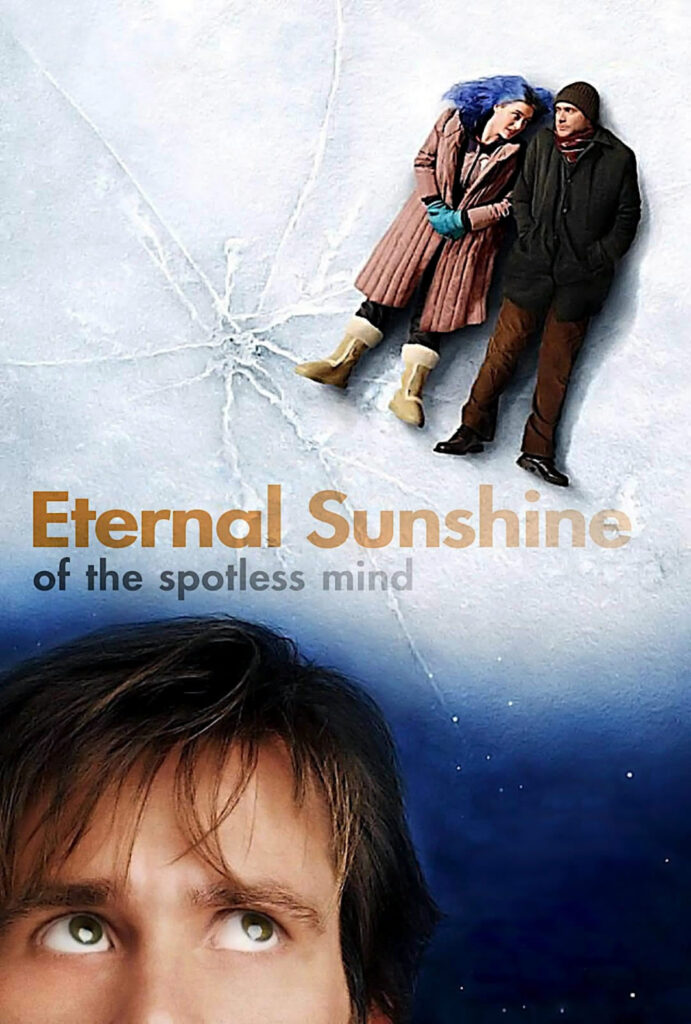
Kuras’s body of work includes major studio films such as Blow and Analyze That, independent film classics such as Angela and Eternal Sunshine of the Spotless Mind, and documentaries such as 4 Little Girls, No Direction Home: Bob Dylan and Pretend It’s a City. She has also DP’d episodes of television for shows like Ozark, The Umbrella Academy and Extrapolations, and in 1999, became just the fifth woman invited to the American Society of Cinematographers.
In 2022, Kuras became the first woman to receive the ASC Lifetime Achievement Award. Her body of work and visual style are uniquely eclectic, and her consistent interest in making bold political films makes her filmography one of the most memorable and influential of the past century.
ARTIST SPOTLIGHT
Natasha Braier
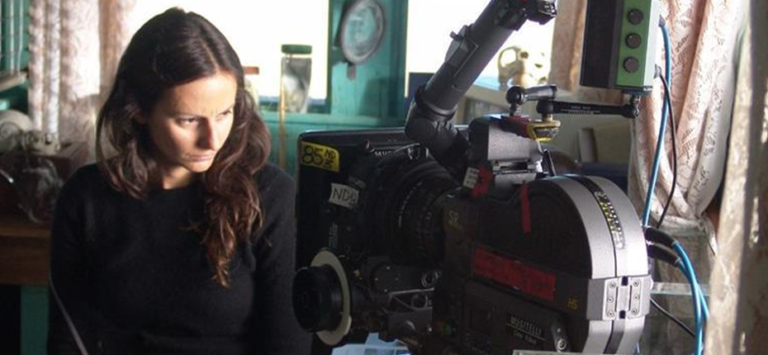
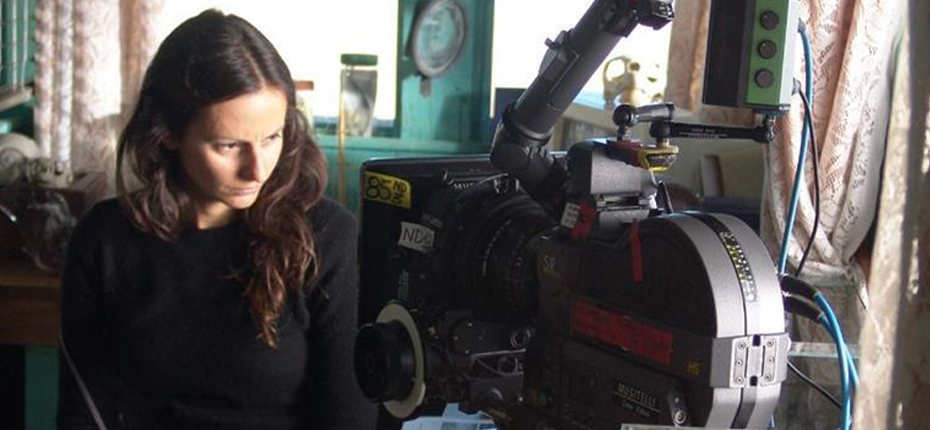
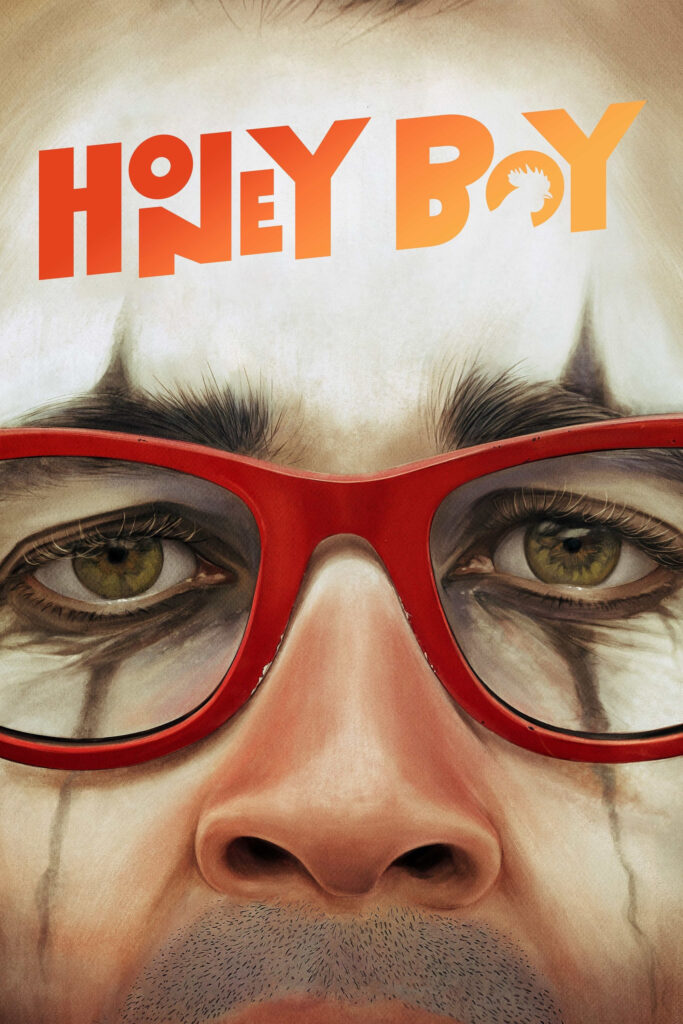
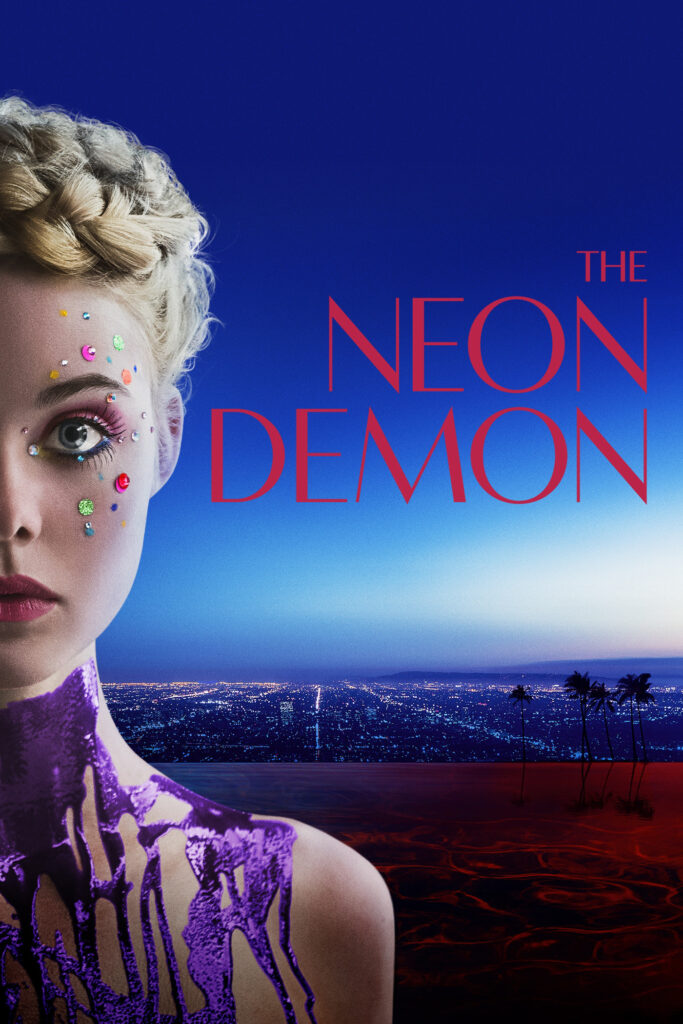
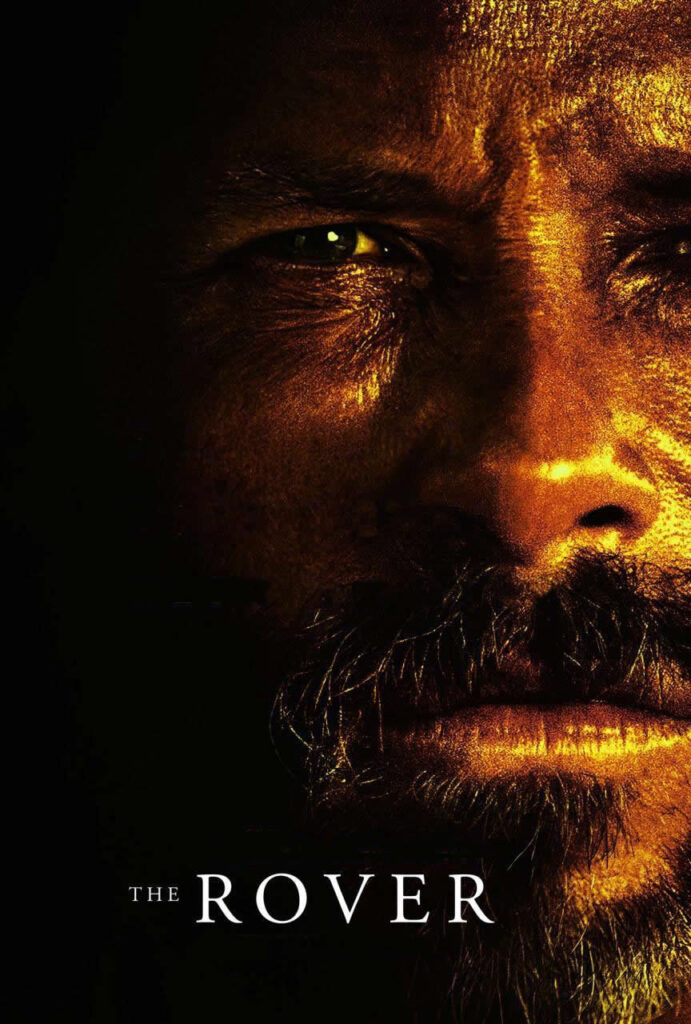
Natasha Braier is an Argentinean cinematographer whose work has spanned global cinema, including films from Argentina, Peru, the UK, Australia, and the USA. She has lensed some of the most recognizable and stylish independent films of the past decade, including The Neon Demon, The Rover and Honey Boy.
Braier was born in Buenos Aires and earned a master’s degree in cinematography from the National Film and Television School. Her first film as a cinematographer was the 2006 Argentinian movie Glue, directed by Alexis Dos Santos, and the following year, she shot In the City of Sylvia (dir. José Luis Guerín) and XXY (Lucía Puenzo).
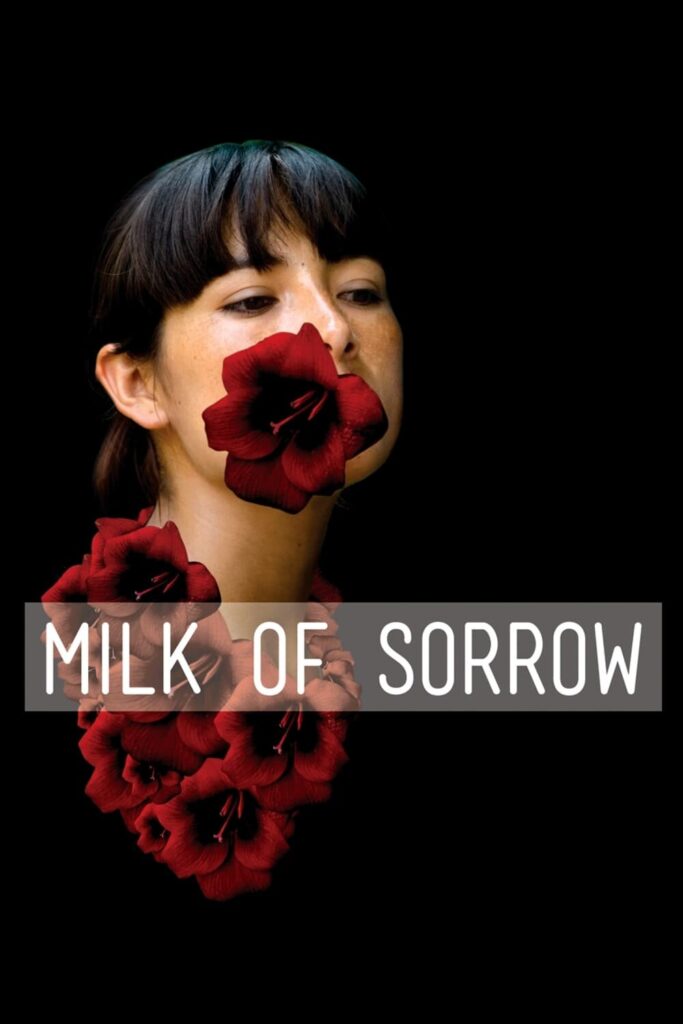
Braier’s work in Argentina led to films around the world, including Somers Town (2008, dir. Shane Meadows), The Milk of Sorrow (2009, dir. Claudia Llosa) and The Rover (2014, dir. David Michôd). Braier’s work on the 2016 film The Neon Demon (dir. Nicolas Winding Refn) earned her a Robert Award for Best Cinematography. In 2019, she was awarded a Special Jury Award for Vision and Craft for her work on Honey Boy, directed by Alma Har’el.
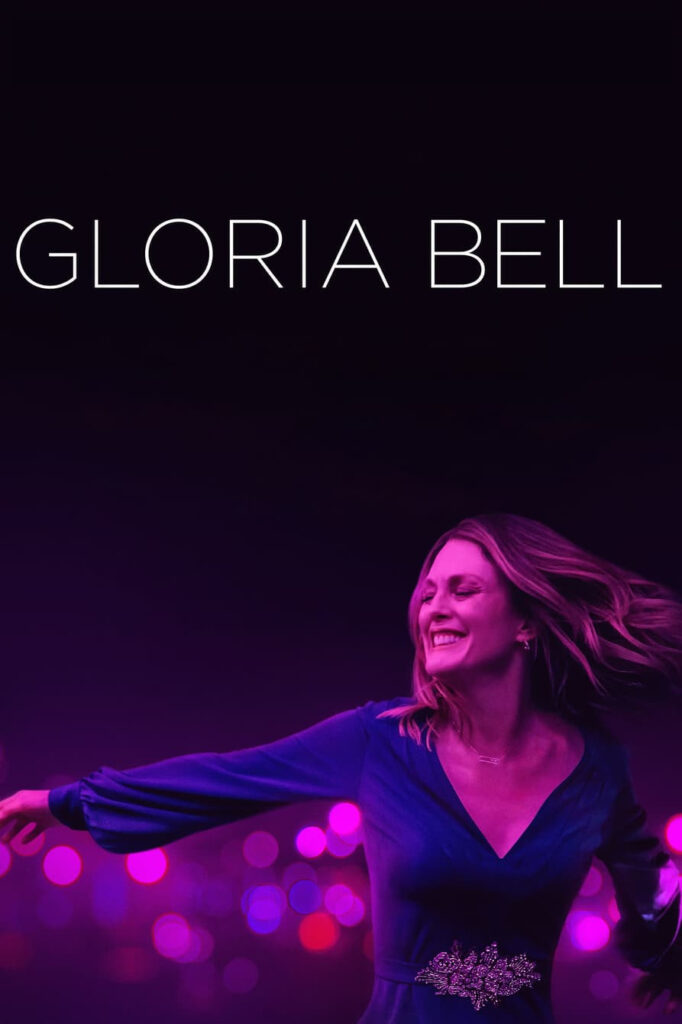
Braier’s work on The Neon Demon has become a touchstone for independent filmmakers. The film is notable for its bold lighting designs involving strobes, shifting color hues within shots and lens flares. She used many of the same techniques in a more subtle context on 2018’s Gloria Bell, and to even more subtle results again with the 2022 film She Said (dir. Maria Schrader), establishing her as one of the most technically and artistically nimble DPs working today.
ARTIST SPOTLIGHT
Maryse Alberti
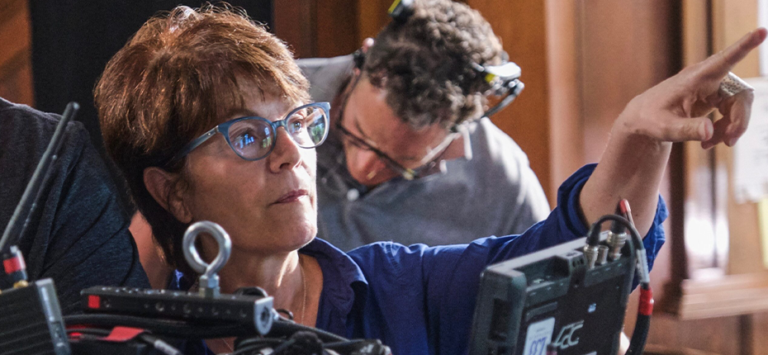
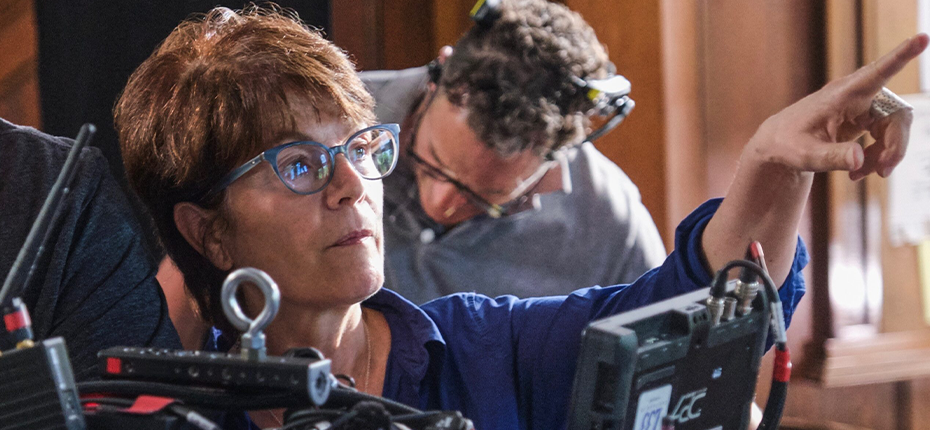
Maryse Alberti is a French cinematographer whose work has become synonymous with contemporary cinema vérité in both European and American cinema. Her work has earned her two Independent Spirit Awards for Best Cinematography, and has covered documentaries, independent fiction films and major studio projects.
Alberti did not attend film school, and got her first job as a still photographer on a porn film. While on set, she convinced the filmmakers of the 1982 punk film noir Vortex to hire her as an assistant for cinematographer Steven Fierberg. Alberti earned her first feature film credit on the 1990 documentary H-2 Worker (dir. Stephanie Black), for which she won an award at the Sundance Film Festival. Soon after, she worked with Todd Haynes on his subversive feature film debut Poison.
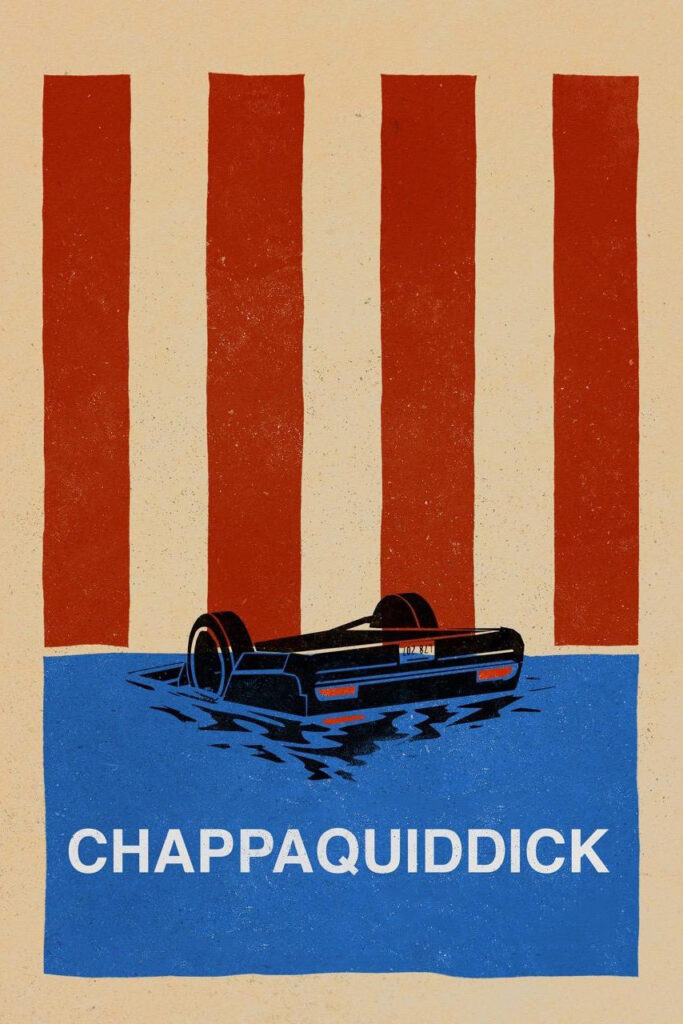
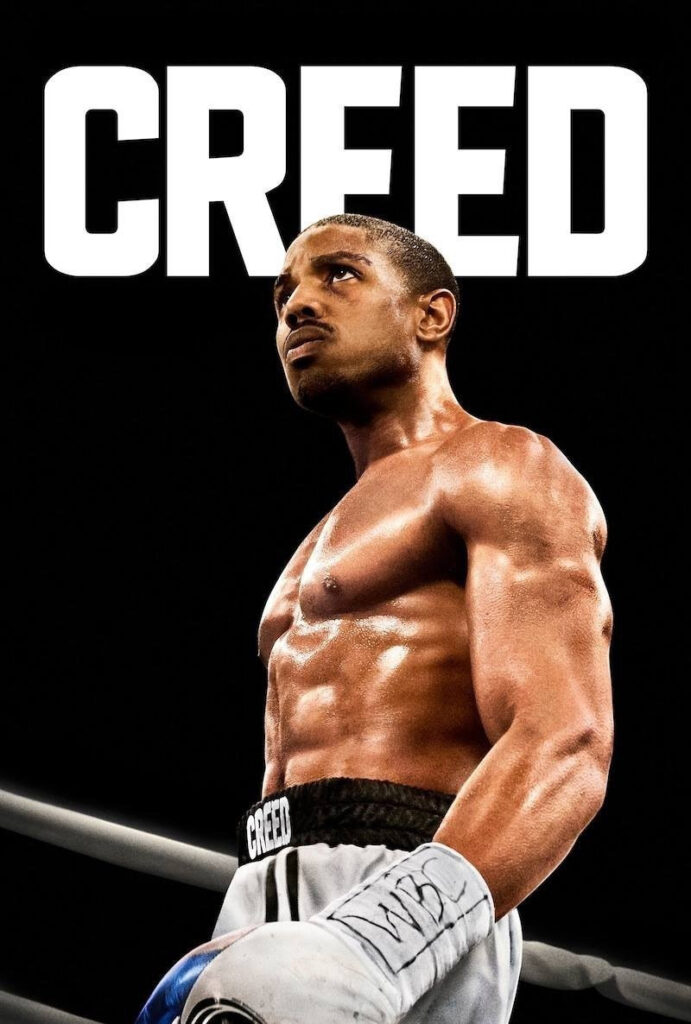
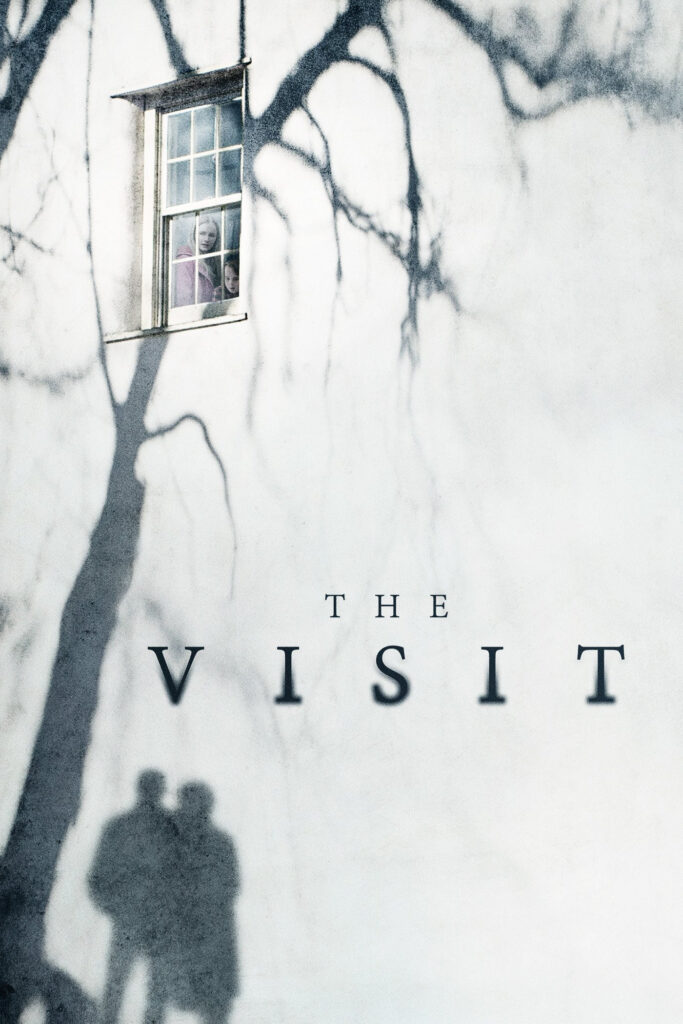
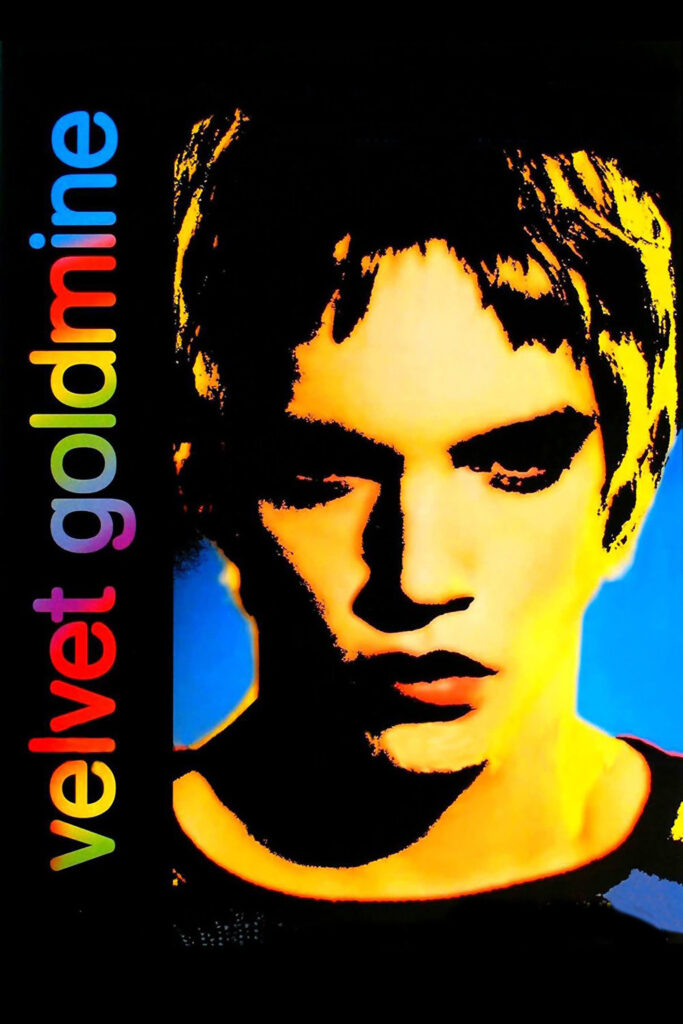
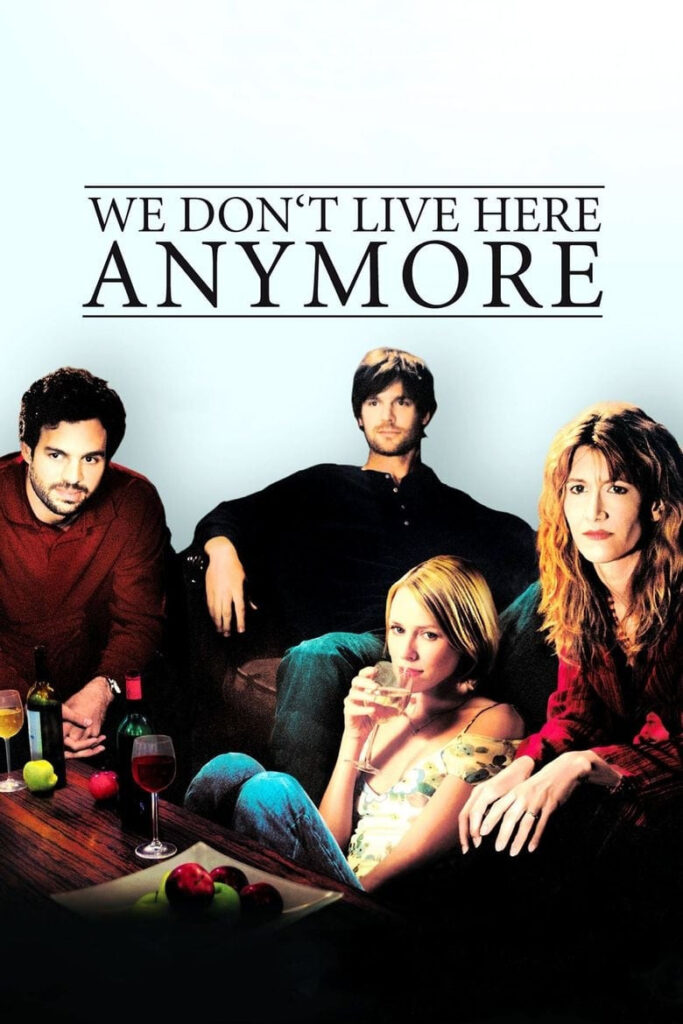
Alberti’s work became synonymous with 16mm film photography. Her intimate, hand-held camerawork and naturalistic, often unit-less lighting setups made her one of the most recognizable DPs of the independent documentary world, but she also worked on major independent fictional films such as Velvet Goldmine (1998, dir. Todd Haynes) and We Don’t Live Here Anymore (2004, dir. John Curran). As her filmography grew, so did the types of films and stylistic approaches she took. In 2008, Darren Aronofsky hired her to shoot The Wrestler in her signature 16mm, naturalistic, gritty style, and Alberti became a mainstay of Hollywood films, going on to shoot movies such as The Visit, Creed, Chappaquiddick and Jerry & Marge Go Large.
Though Alberti’s range of films and stylistic approaches is as varied as any other major cinematographer, her pioneering work shooting 16mm using the Aaton camera has created a unique visual style that makes her one of the most influential DPs of her generation.
ARTIST SPOTLIGHT
Tami Reiker
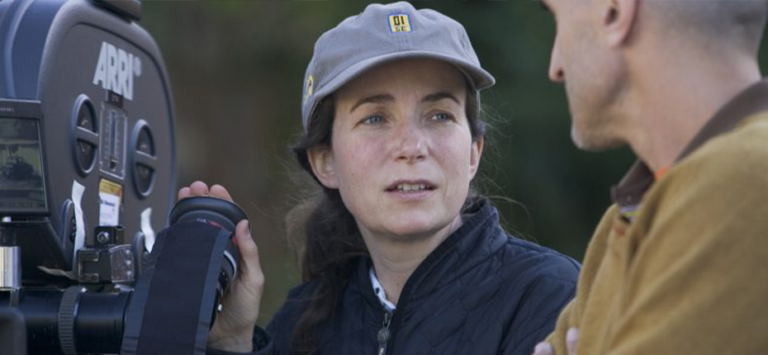
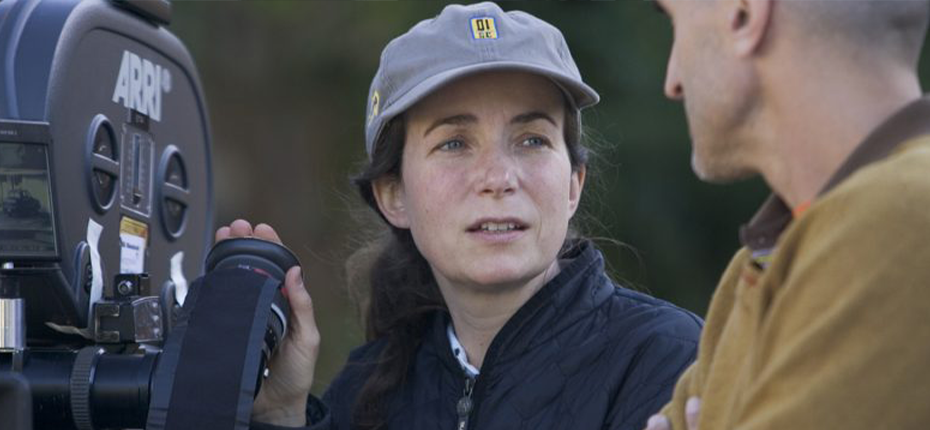
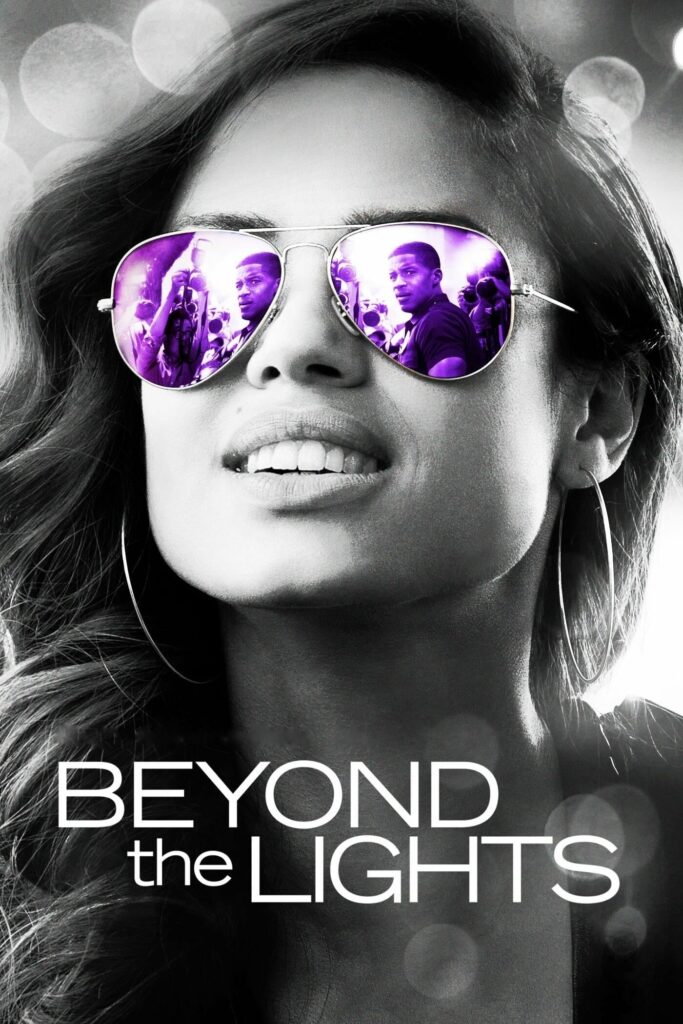
Tami Reiker is an American cinematographer best known for her work on films such as High Art (1998, dir. Lisa Cholodenko) and Beyond the Lights (2014, dir. Gina Prince-Bythewood), as well as the pilot of the television series Carnivàle, for which she became the first woman to win an American Society of Cinematographers Award in 2004 (as well as the first woman to ever be nominated for an ASC award).
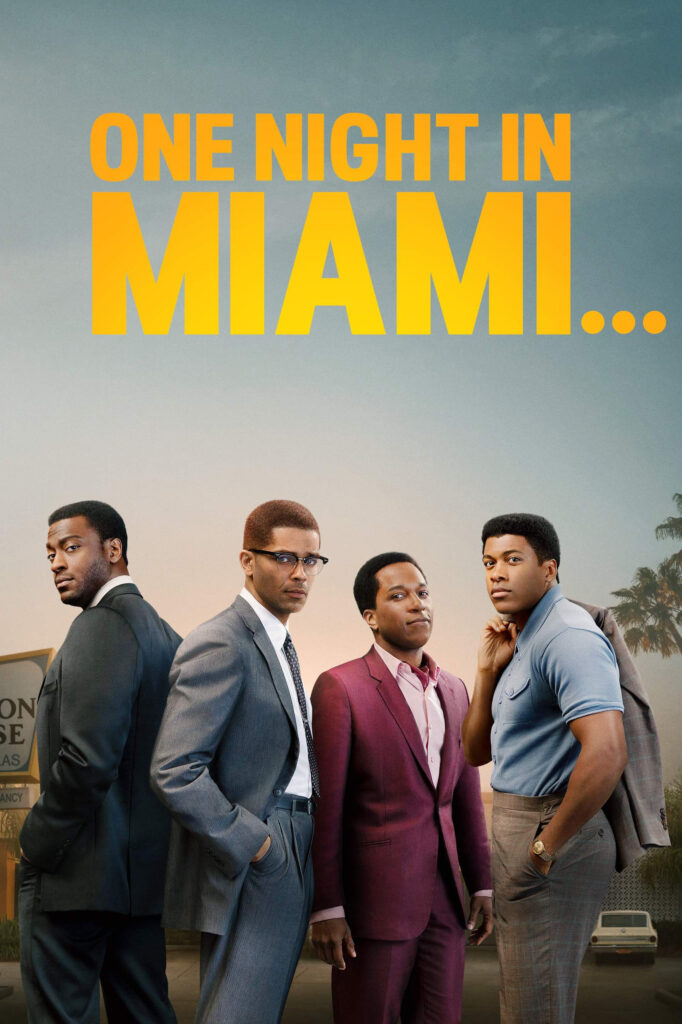
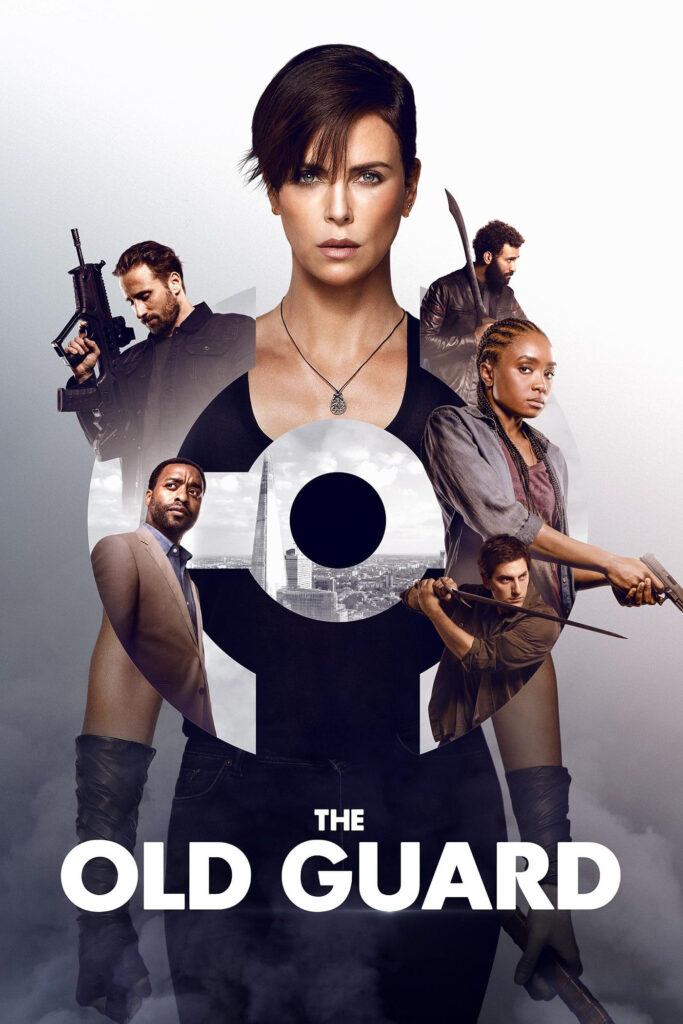
Reiker developed an interest in photography from an early age and decided to pursue cinematography while enrolled in an undergraduate film degree at NYU. During that time, Reiker met director Alex Sichel, and began shooting her student films. Reiker’s work on short films eventually led to her first feature film, The Incredibly True Adventure of Two Girls in Love, written and directed by Maria Maggenti in 1995. She shot Far Harbor (dir. John Huddles) the next year, before shooting High Art and Girl (dir. Jonathan Kahn) in 1998. In 2000, Reiker collaborated with Gina Prince-Bythewood for the first time on Disappearing Acts. The pair would go on to work together 14 years later on Beyond the Lights. In the past five years, Reiker’s credits have included The Morning Show, The Old Guard, One Night in Miami… and Surface.
Today, Reiker is one of the most in-demand DP’s in Hollywood. She remains a frequent collaborator with Gina Prince-Bythewood, and her work across genres in both film and TV make her one of the most versatile cinematographers in the field.
ARTIST SPOTLIGHT
Nancy Schreiber
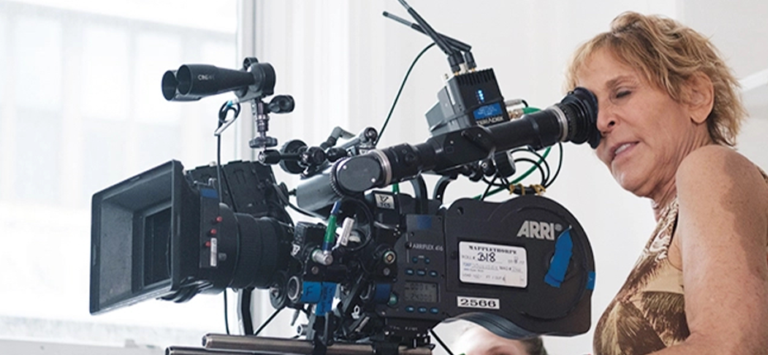
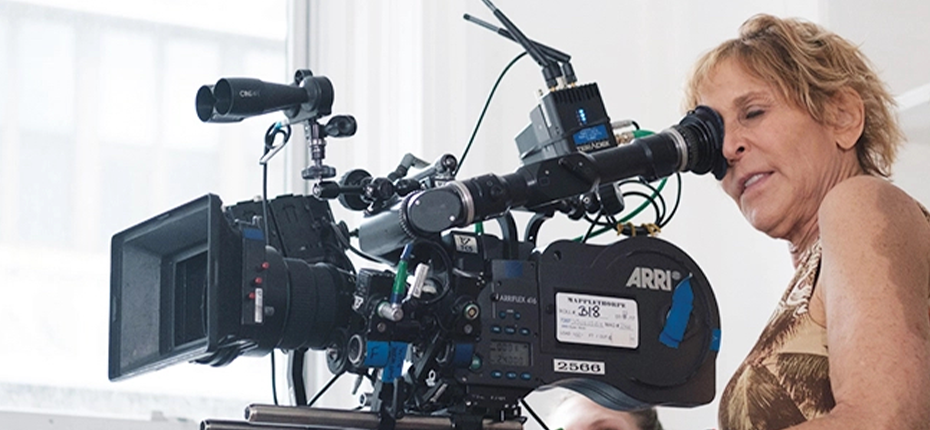
Nancy Schreiber is an American cinematographer known for her work on over 50 narrative features as well as an array of award winning television series, and the fourth woman ever voted into the American Society of Cinematographers.
Schreiber was born in Detroit, and studied psychology and art history at the University of Michigan. After she graduated, she took a two month film course in New York, and later got a job as a production assistant after replying to a newspaper advertisement. By the end of the shoot, she was the production’s best boy, and later began working in the electrical department of commercials and films. Schreiber’s first credit as a cinematographer was on the 1992 drama romance film Chain of Desire (dir. Temístocles López), and she went on to work on everything from dark comedies to thrillers, documentaries to television dramas including recently the critically acclaimed P-Valley.
Schreiber’s work has become one of the most celebrated of American independent cinema of the past 35 years, with films such as The Nines, Serious Moonlight and Your Friends and Neighbors all released to critical acclaim on the indie circuit. Her work has earned her nominations for an Independent Spirit Award, an Emmy and a Camerimage Golden Frog.
ARTIST SPOTLIGHT
Quyen Tran
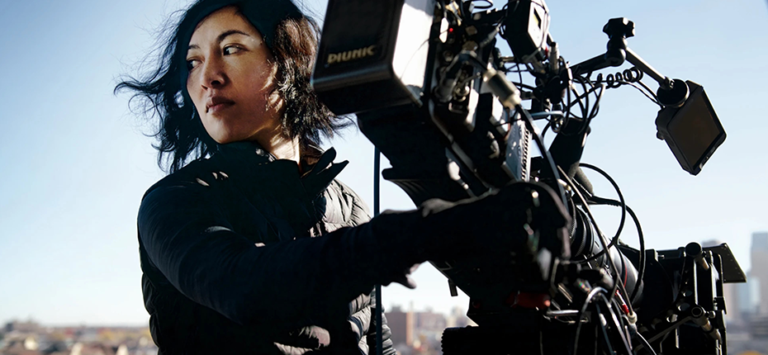
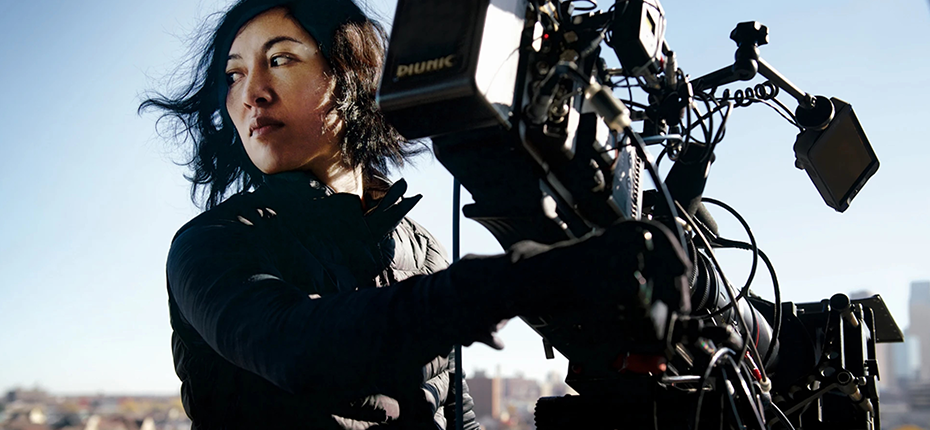
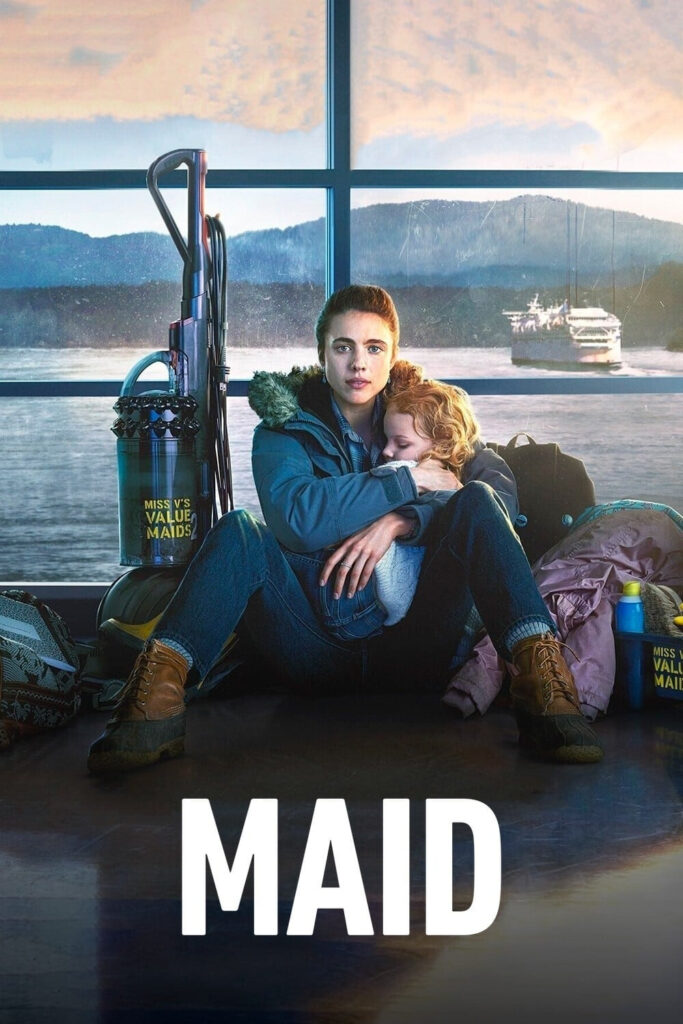
Quyen Tran is a Vietnamese-American cinematographer whose work includes The Little Hours, Palm Springs and Maid.
Tran studied film at UCLA and began her artistic career as a still photographer, gaining critical acclaim for her work documenting the destruction of 9/11. After starting out with shooting short films (Tran has shot over 15 in total, including the award-winning SMILF with Frankie Shaw in 2015), Tran started working in both film and television at the same time. In 2008, she received an Emmy nomination for her work on Imaginary Bitches, while also shooting Kingship with Julien Favre and Vietnam Overtures with Stephane Gauger.
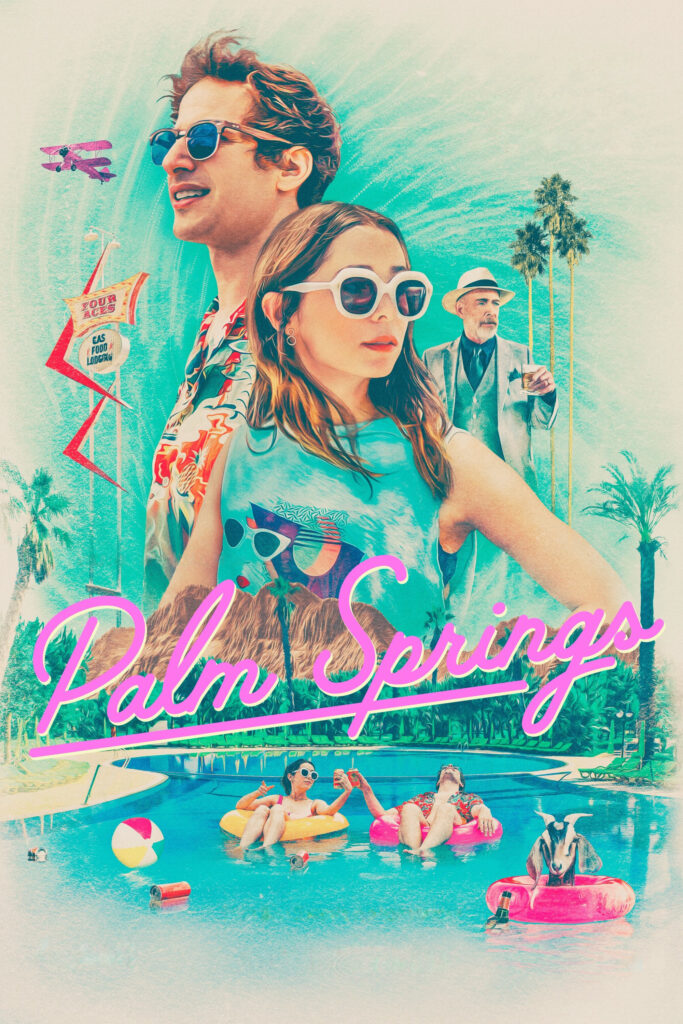
In the past five years, Tran’s film credits have included The Little Hours (2017, dir. Jeff Baena), The Night Stalker (2016, dir. Megan Griffiths) and Palm Springs (2020, dir. Max Barbakow). She also shot and directed episodes of Maid, Minx and Roar, as well as the upcoming series Ahsoka.
ARTIST SPOTLIGHT
Priya Seth
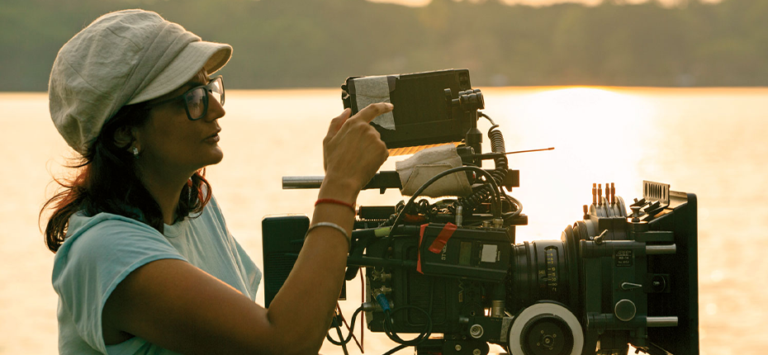
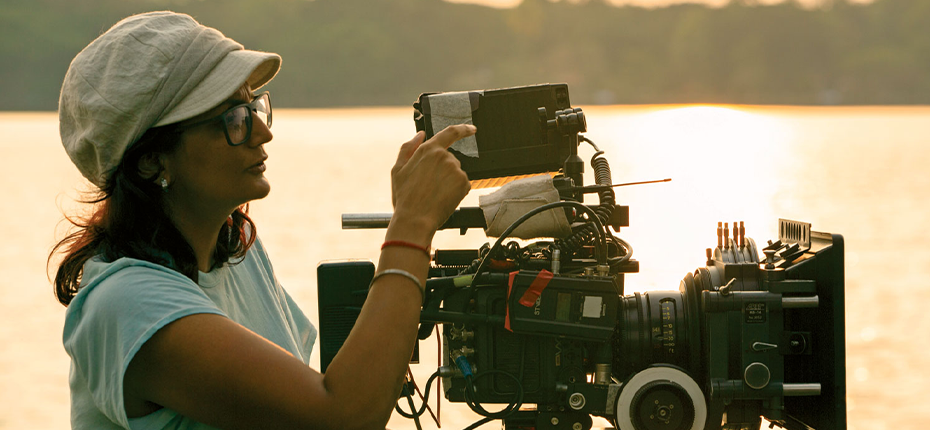
Priya Seth is an Indian cinematographer whose work in feature films and commercials has made her one of the few established female-identifying DPs in Indian cinema. She is best known for her collaborations with director Raja Krishna Menon and for founding the Indian Women Cinematographer’s Collective (IWCC) alongside Fowzia Fathima and Savita Singh.
Seth completed a degree in economics at St. Xavier’s College in Mumbai before taking a six month filmmaking course at NYU. Her first jobs in the industry were as a clapper and assistant cameraperson on the 1998 film Earth (dir. Deepa Mehta), as well as on Holy Smoke! (dir. Jane Campion). Her work on music videos and commercials as a DP eventually caught the attention of Raja Krishna Menon, who hired her to shoot Barah Aana. The pair have gone on to collaborate on three more feature films, establishing Seth as one of India’s top cinematographers.
Beyond her pioneering work in the Indian film industry, Seth is known for the innovations she has led in underwater filming in India. A trained scuba diver, many of Seth’s initial cinematography jobs were as the underwater DOP for Bollywood films such as Dhobi Ghat and Mardaani 2. This, combined with Seth’s commitment to naturalism in her shooting and lighting styles, make her one of the most visually recognizable cinematographers working in India today.
ARTIST SPOTLIGHT
Mandy Walker
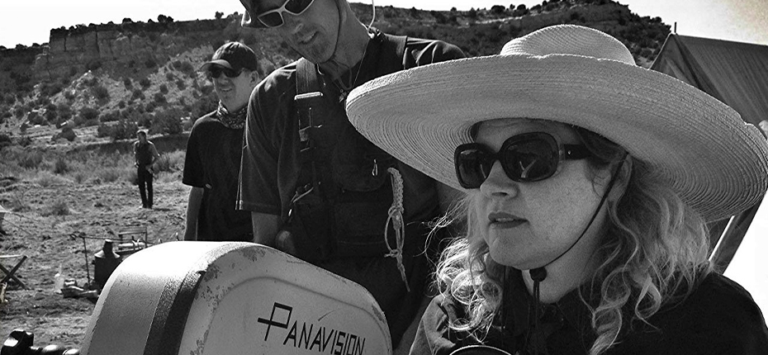
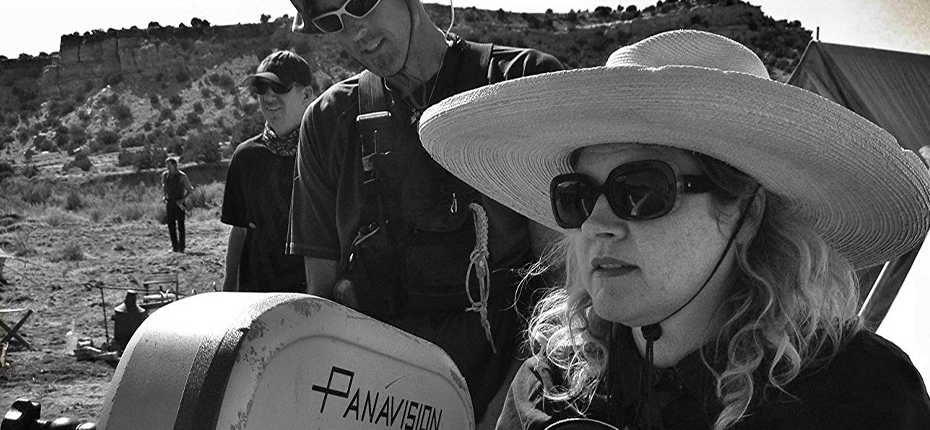
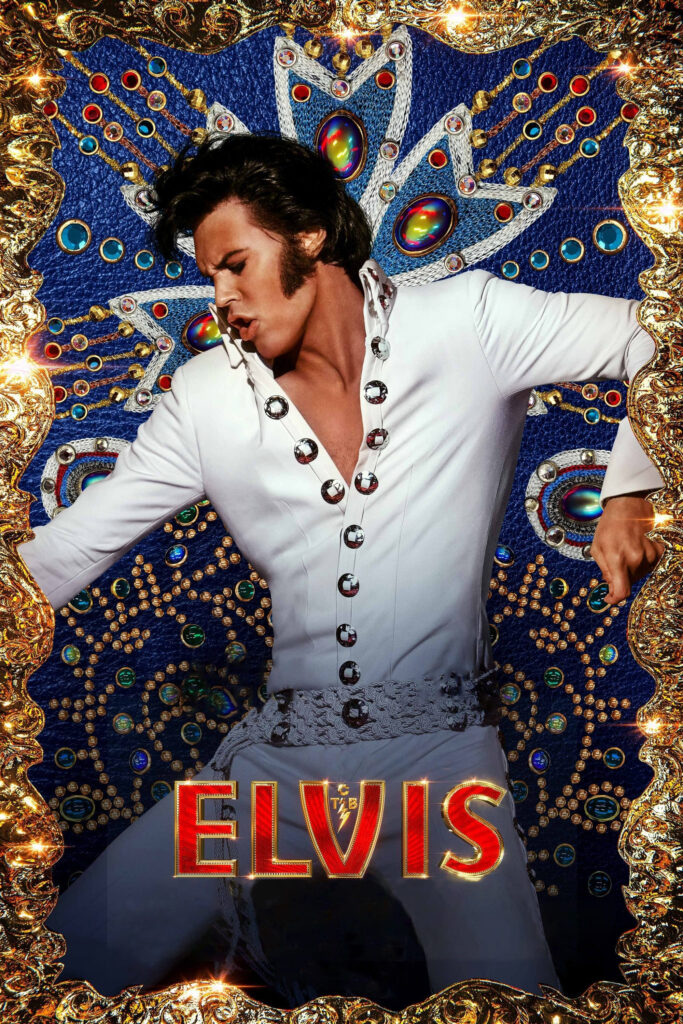
Mandy Walker is an Australian cinematographer whose body of work includes some of Australia’s most well-known films of the past 30 years, including Parklands, Lantana and Australian Rules, as well as major American studio films such as Hidden Figures, Mulan and Elvis. Walker became the first woman to win the American Society of Cinematographers Award in the Feature competition for her work on Elvis, as well as the first woman to win a cinematography award at the AACTA Awards.
Walker’s mother was a painter and both her parents encouraged her interest in cinema and the arts. Walker’s interest in black-and-white photography during her high school years led her to working initially as a PA on independent films in Australia, before working her way up the camera department (Walker began as a loader when she was 18). Walker shot her first feature, Return Home (1990, dir. Ray Argall), when she was 25, and went on to shoot a number of Australian films. Her 1997 film The Well earned her an AACTA Award nomination.
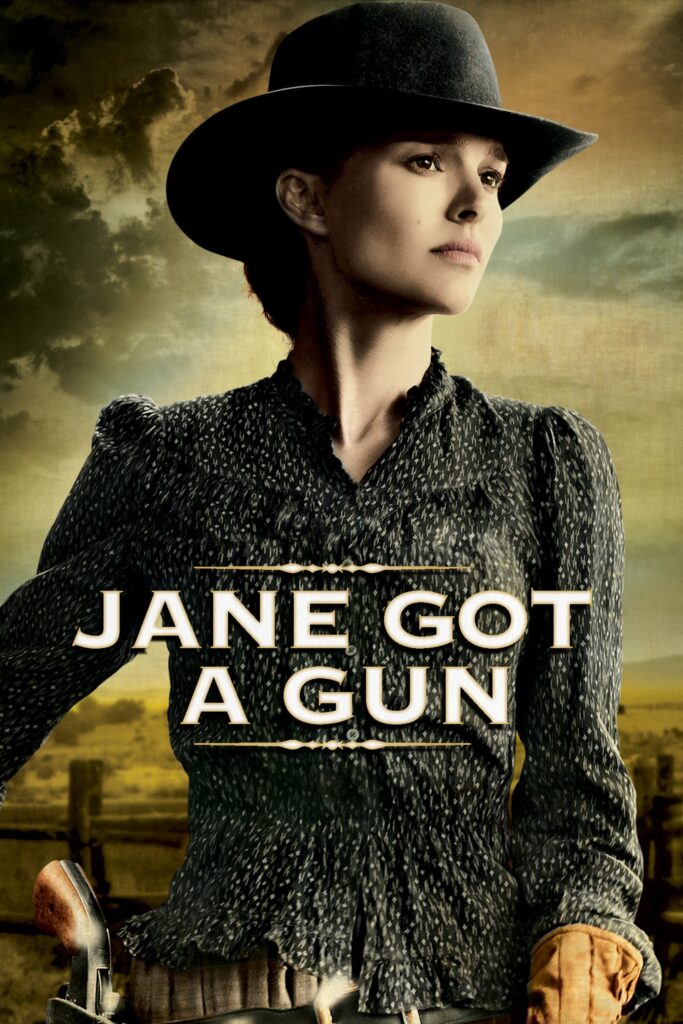
Walker’s 2008 collaboration with Baz Luhrmann on Australia earned her a Satellite Award and established her as a leading DP in Hollywood, leading to films such as Red Riding Hood (2011, dir. Catherine Hardwicke), Jane Got a Gun (2015, dir. Gavin O’Connor) and Hidden Figures (2016, dir. Theodore Melfi).
As a largely self-taught DP, Walker has broken new ground for female cinematographers and filmmakers both in Australia and around the world. From low-budget gritty thrillers like Lantana to character-driven westerns like Jane Got a Gun, epic action films like Mulan and sprawling operatic musicals like Elvis, Walker’s body of work is among the most eclectic and innovative of any living cinematographer.
ARTIST SPOTLIGHT
Amy Vincent
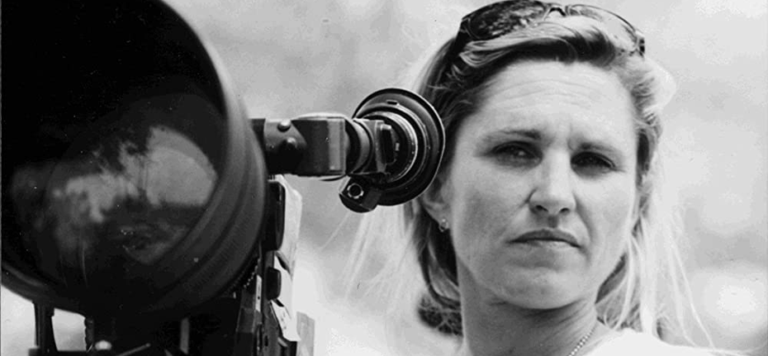
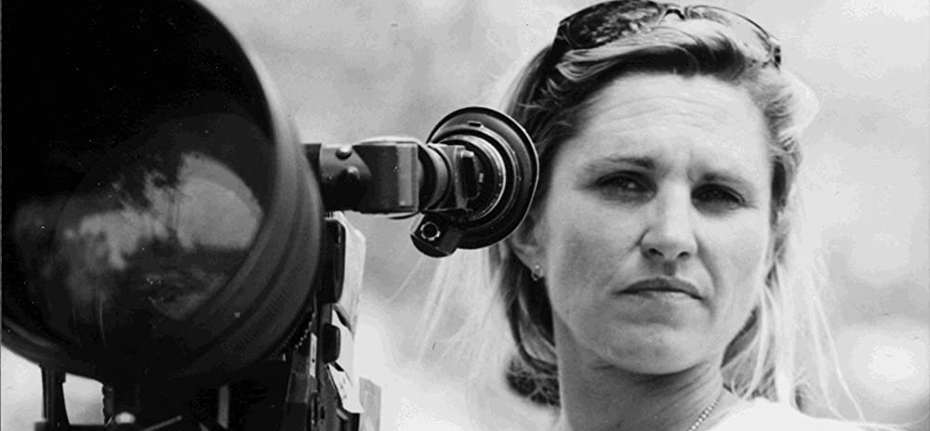
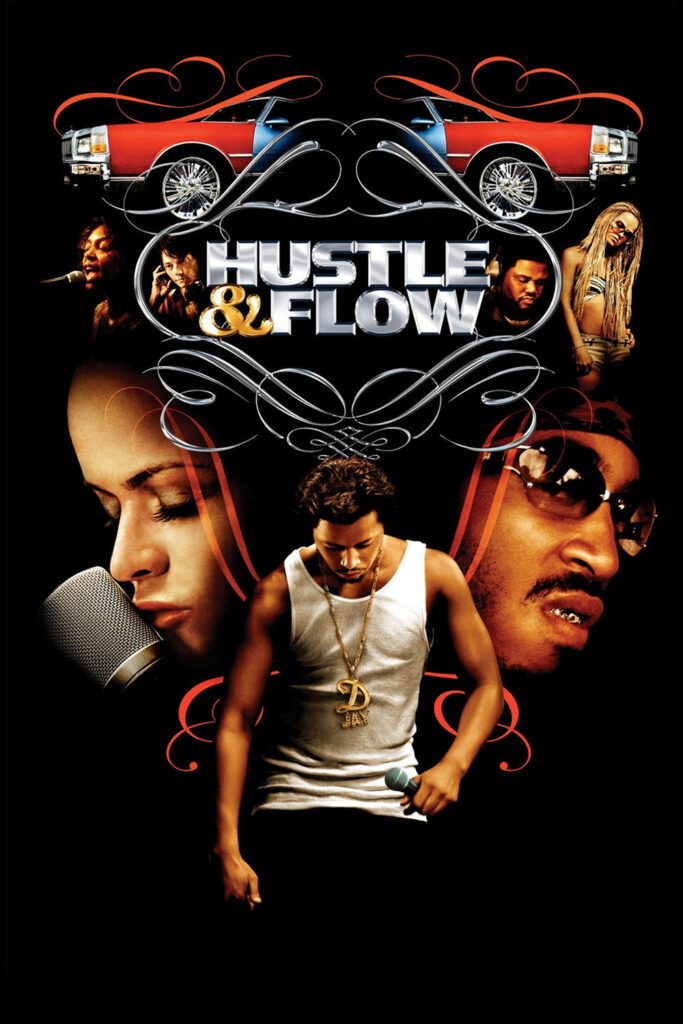
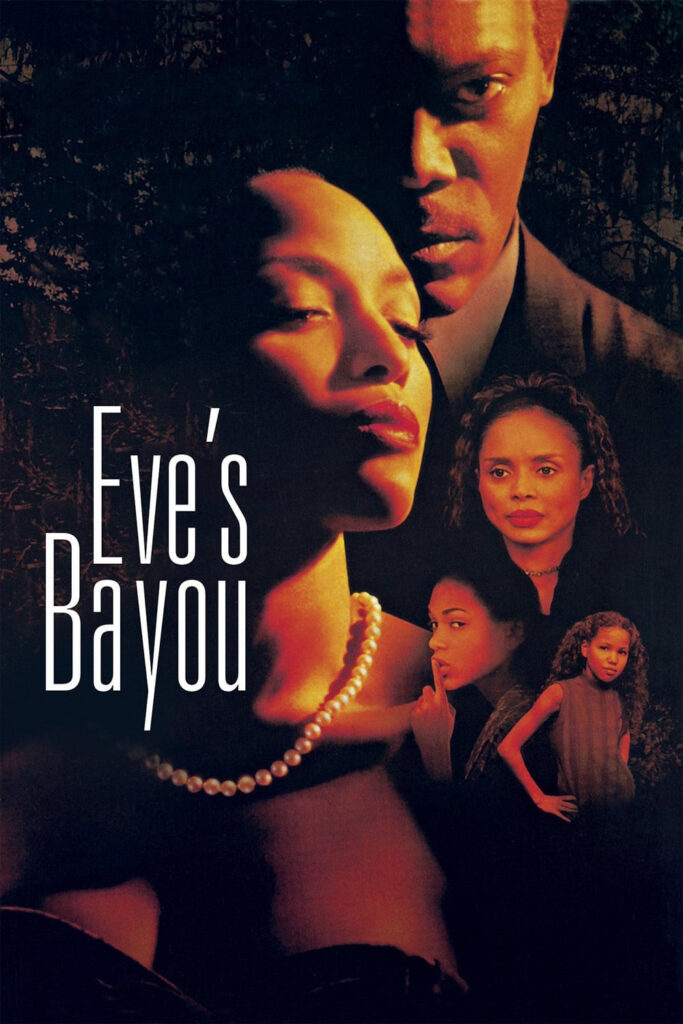
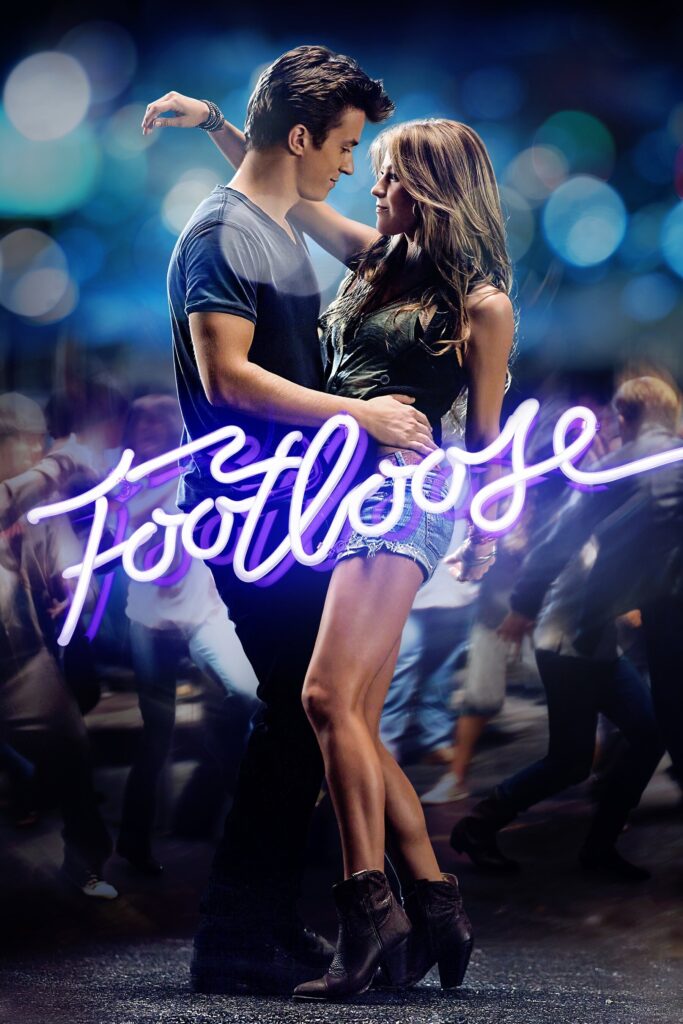
Amy Vincent is an American cinematographer and longtime pioneer for women in cinematography. She is one of the first women admitted into the American Society of Cinematographers. Vincent has lensed over a dozen films such as Eve’s Bayou, Hustle & Flow and the 2011 remake of Footloose.
Vincent was born in Boston and studied theater arts and film at UC Santa Cruz, before studying cinematography at AFI. Vincent entered the industry as an assistant editor in the archive department for Warner Bros., before being selected for an internship in the studio’s camera department. Vincent joined the International Cinematographer’s Guild and began working her way up through the camera department on various productions, loading, assisting and operating with DPs such as John Lindley, Robert Richardson and Bill Pope. Vincent shot her first feature, Animal Room (dir. Craig Singer) in 1995, and shot Tuesday Morning Ride and The Party Favor the same year.
Vincent’s breakout came from shooting the 1997 film Eve’s Bayou, directed by Kasi Lemmons. Hailed by critic Roger Ebert as the best film of 1997 and selected for preservation in the US National Film Registry by the Library of Congress in 2018, Eve’s Bayou premiered at the Toronto International Film Festival and grossed over $14 million from its $4 million budget, making it the most financially successful independent film of the year. Vincent’s cinematography contrasted the deep, rich blues and greens of the Louisiana landscape with high-contrast black-and-white photography. Combining these photographic approaches with symbols of Black mythology, she and Lemmons pushed the family drama-thriller to more mystical heights.
Since then, Vincent has shot everything from independent dramas like Hustle & Flow to studio comedies like Bewitched, and currently serves as the 1st Vice President for the ASC.
ARTIST SPOTLIGHT
Alice Brooks
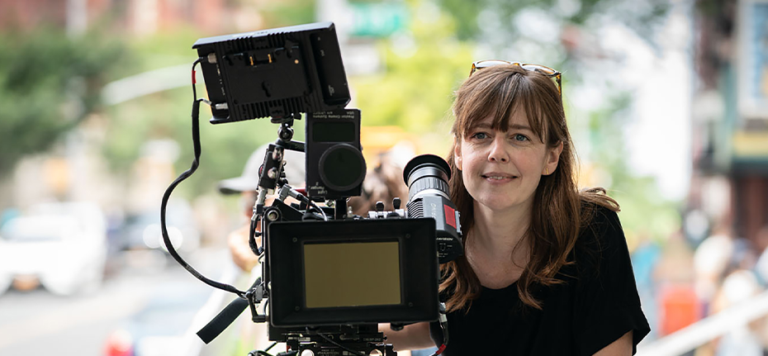
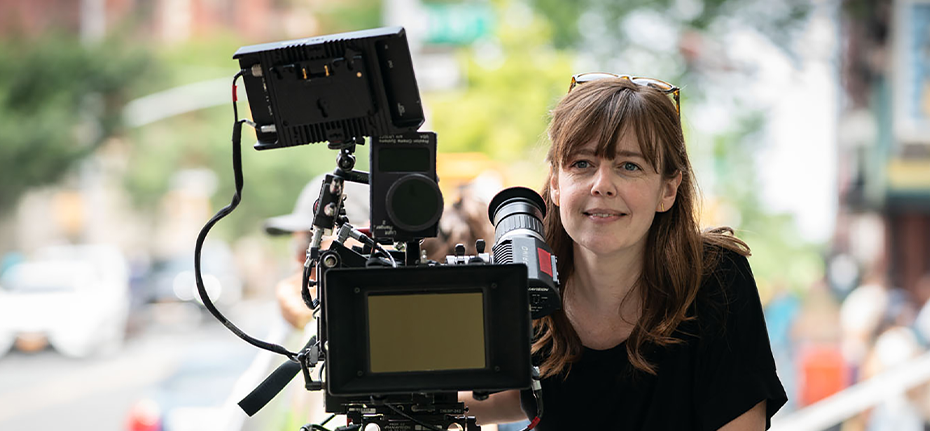
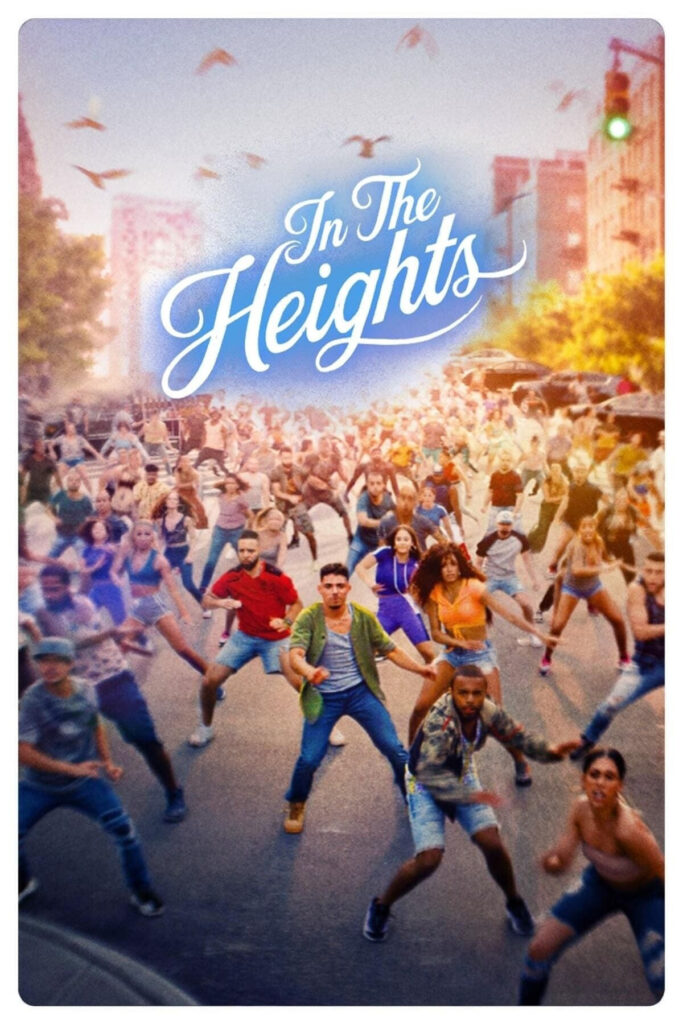
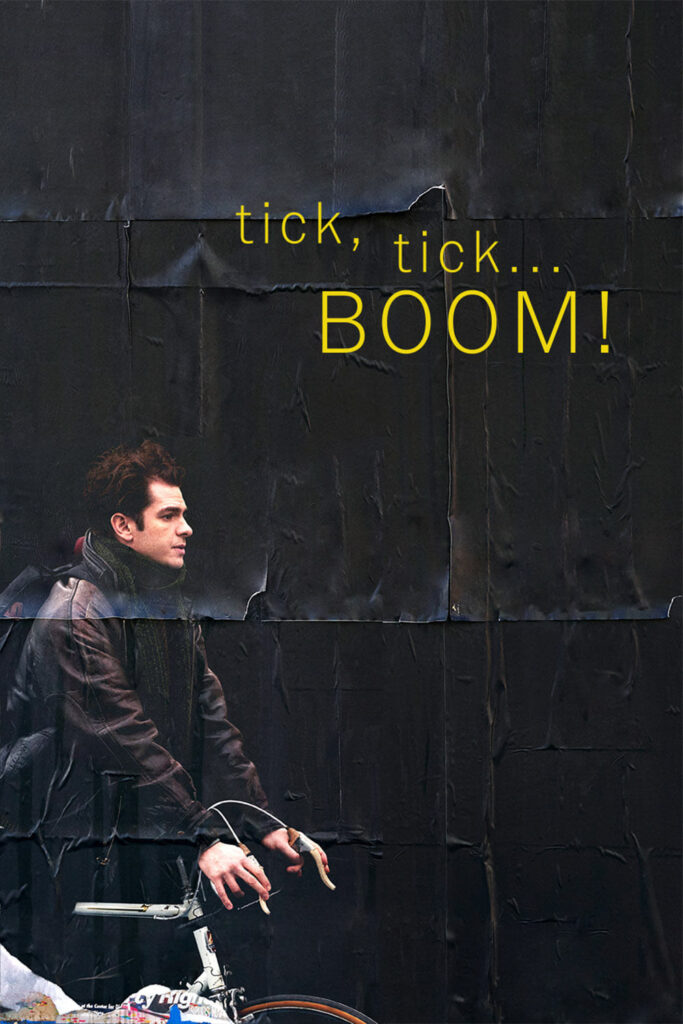
Alice Brooks is an American cinematographer who is best known for her collaborations with Jon M. Chu and Lin-Manuel Miranda. Her work includes In the Heights, Tick, Tick…Boom! and the upcoming adaptation of Wicked.
Growing up between Los Angeles and New York as the daughter of a playwright, Brooks was a child actor who performed in several television commercials and in a recurring skit on Late Night With David Letterman. She attended film school at USC, where she developed her interest in cinematography. She began shooting short films, web series and commercials, and began a long term collaboration with fellow USC alumnus Jon M. Chu. She and Chu worked together on the web series The LXD: The Legion of Extraordinary Dancers in 2011, before shooting Jem and the Holograms in 2015 (her second feature film). In 2019, Brooks shot the documentary The Remix: Hip Hop X Fashion (dir. Farah X & Lisa Cortes), which premiered at the Tribeca Film Festival and the Sidewalk Film Festival.
In 2021, Brooks re-teamed with Chu to shoot In the Heights, which was written by Lin-Manuel Miranda. She went on to shoot Tick, Tick… Boom! with Miranda, and earned a Satellite Award nomination for Best Cinematography. Brooks became a member of the ASC the same year, cementing her status as one of America’s leading cinematographers of major studio films.
ARTIST SPOTLIGHT
Ari Wegner
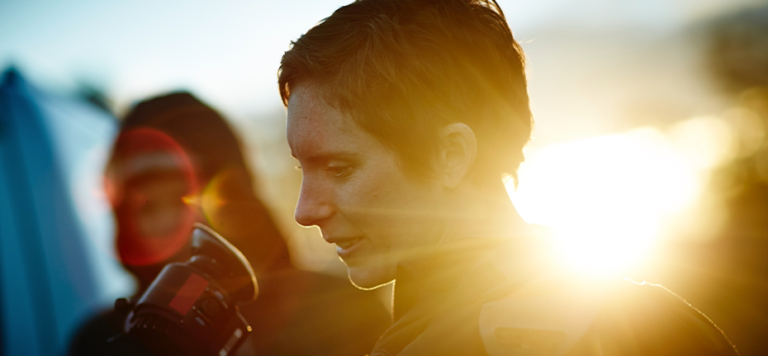
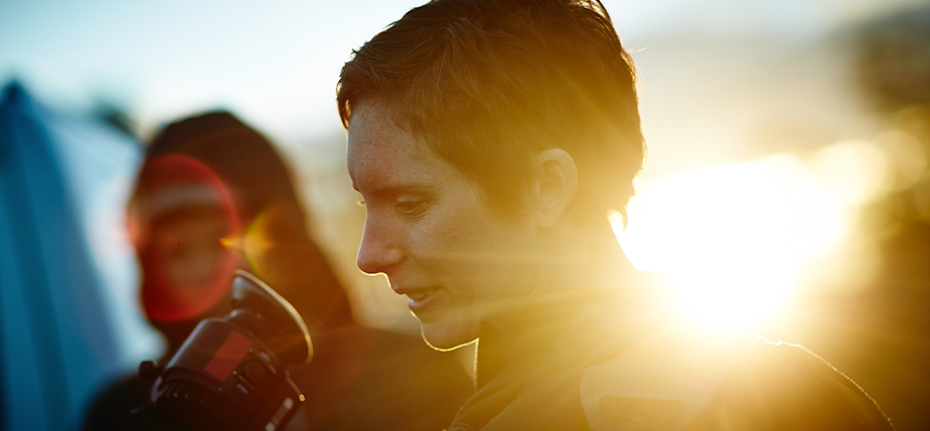
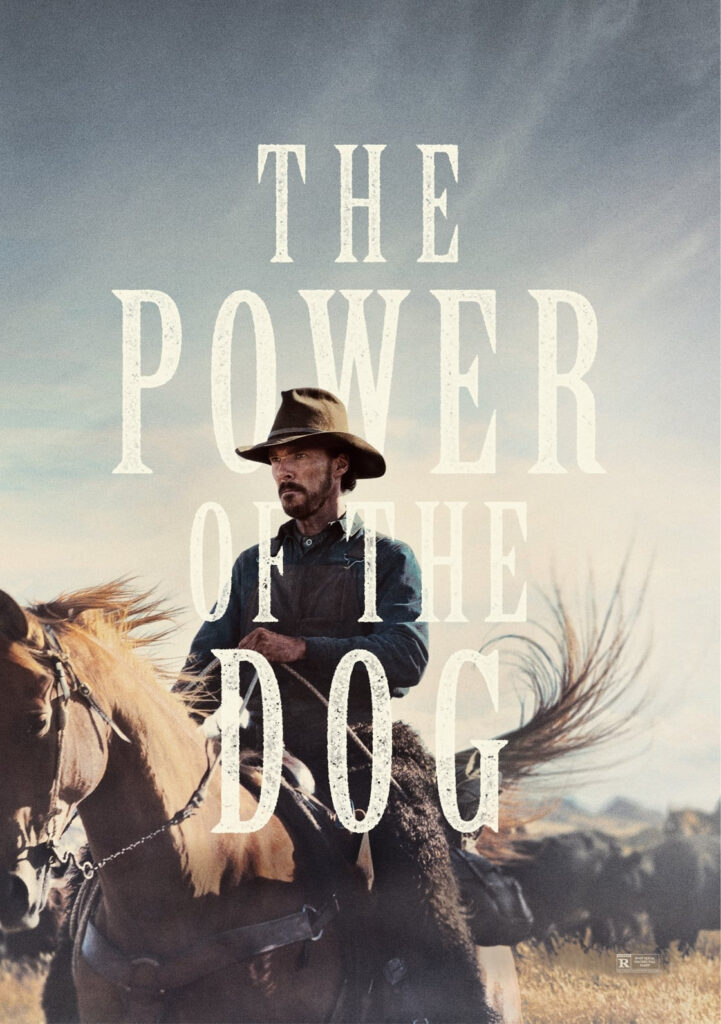
Ari Wegner is an Australian cinematographer who became the second woman to ever be nominated for an Academy Award for Best Cinematography for The Power of the Dog.
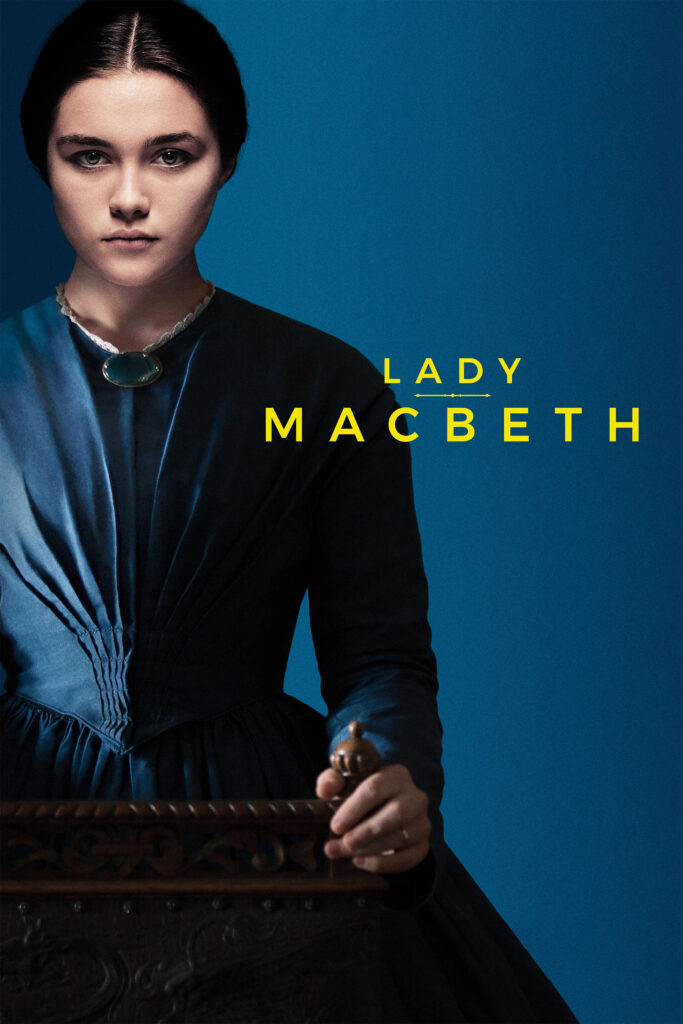
Born in Melbourne, Wegner developed an interest in filmmaking in high school after seeing Jane Campion’s 1983 short film Passionless Moments. She studied film at the Victorian College of the Arts and began shooting short films and commercials, before working on the Australian drama series The Kettering Incident in 2016, for which she was nominated for a Best Cinematography in Television AACTA Award. The same year, she made her feature debut with Lady Macbeth (dir. William Oldroyd), for which she won a BIFA Award for Best Cinematography.
Wegner continued to work in both film and television, lensing the drama series Guerrilla as well as the anthology series The Girlfriend Experience in 2017. She also shot the horror comedy In Fabric in 2018 and the dark comedy Zola in 2020, for which she was nominated for an Independent Spirit Award.
In 2020 Wegner got the chance to collaborate with her high school inspiration, lensing Campion’s revisionist Western The Power of the Dog. Wegner and Campion spent over a year in pre-production, studying the landscape of 1920s Montana in forensic detail and discussing how best to translate that across to the South Island of New Zealand, where filming took place. Wegner and Campion would storyboard in the mornings and visit sets in the afternoons, building an intimate visual language that allowed them to work in close step with the actors and the characters they were portraying.
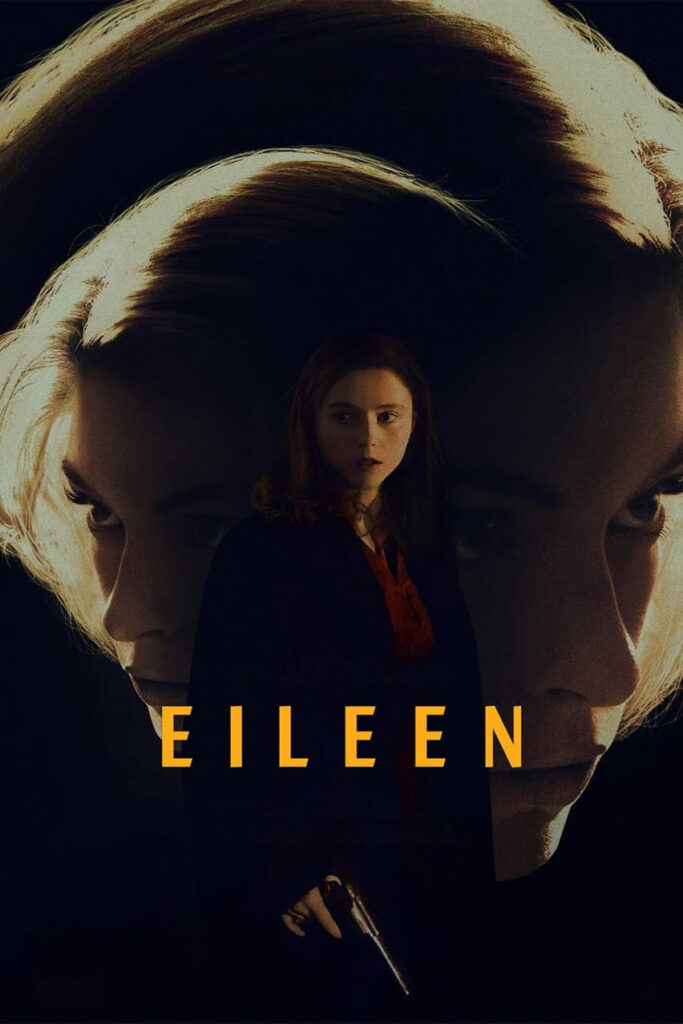
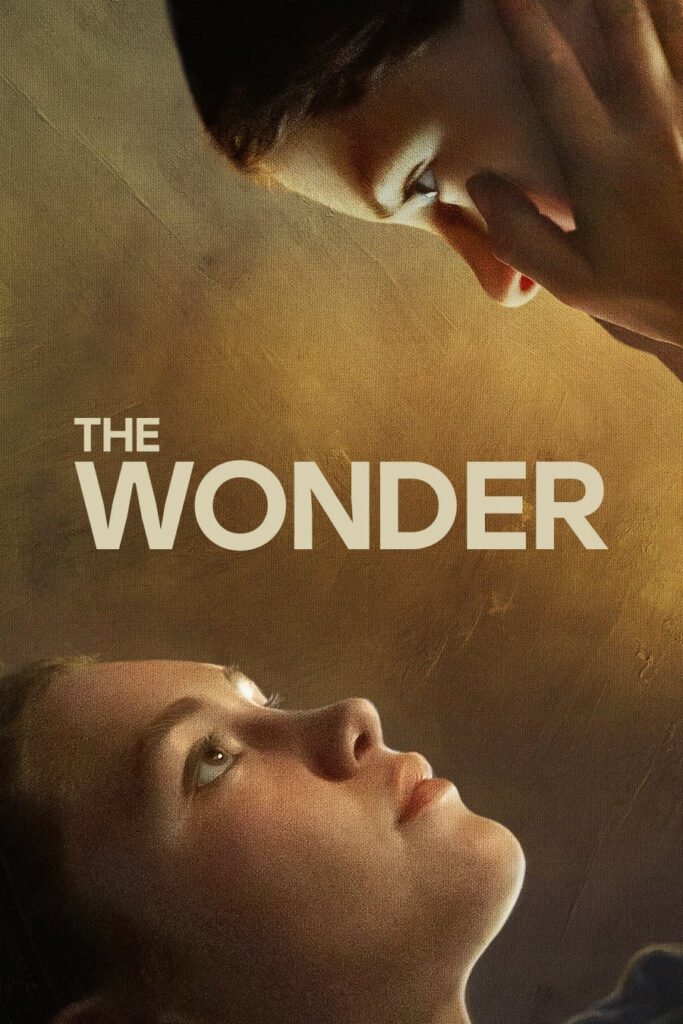
Wegner became the first woman to win the Feature Prize at the British Society of Cinematographers for her work on The Power of the Dog, and has since lensed the 2022 film The Wonder (dir. Sebastián Lelio), the 2023 film Eileen (dir. William Oldroyd), and recently wrapped production on an upcoming solo feature from director Ethan Coen.
ARTIST SPOTLIGHT
Cybel Martin
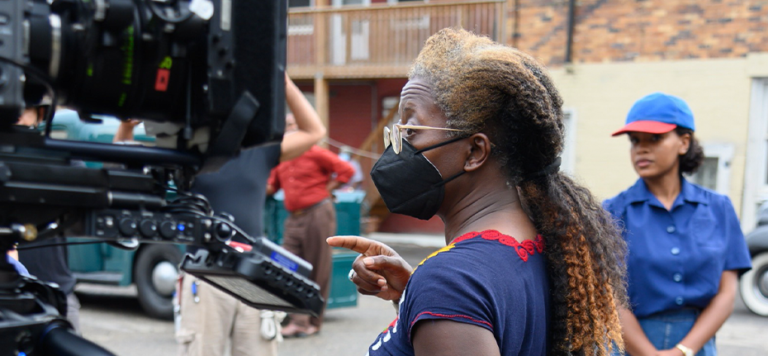
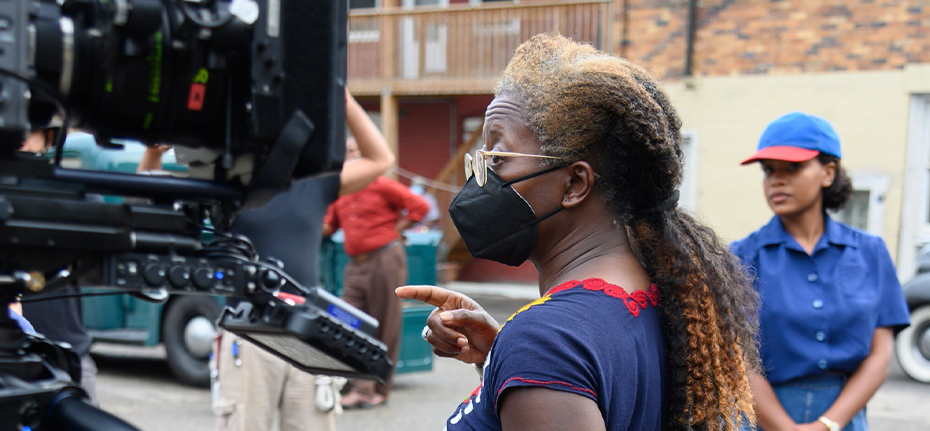
Cybel Martin is an American cinematographer whose body of work includes American Horror Stories, Black as Night and The Rookie. She is currently a member of the International Cinematographers Guild.
Martin’s interest in cinematography was sparked by cinematographer and filmmaker Jessie Maple, as well as the work of more contemporary cinematographers. She pursued an MFA in Filmmaking from NYU and began DPing short film projects for classmates and other filmmakers around New York City. Her first feature film was the 2017 film Title VII directed by Nicole Franklin, and she also shot Ultimate Goal (dir. Dan Metcalfe) the same year.
Martin’s first credit as the lead DP of a network show came in 2019 with the CBS television series All Rise. She followed this up with the television series The Rookie, the feature film Queen of Glory (dir. Nana Mensah), as well as American Horror Stories and Black as Night.
More recently, Martin has lensed the television series A League of Their Own and Kindred, establishing her as a rising star in the field.
ARTIST SPOTLIGHT
Babette Mangolte
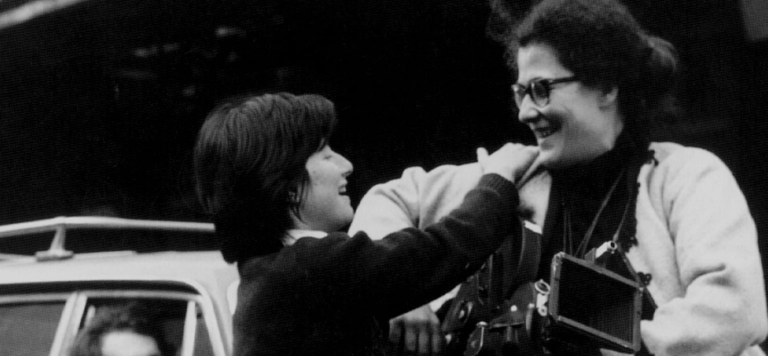
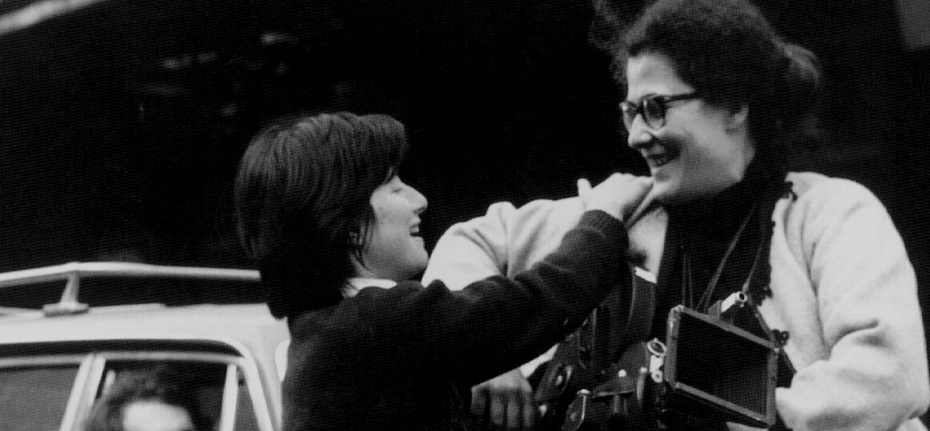
Babette Mangolte is a French cinematographer and educator who is best known for her collaborations with performance artists such as Marina Abramović and Yvonne Rainer and Belgian filmmaker Chantal Akerman.
Mangolte was born and raised in France and attended L’Ecole Nationale de la Photographie et de la Cinematographie, graduating in 1966. She credits the 1929 film Man with a Movie Camera (dir. Dziga Vertov) for inspiring her love of film and her desire to be a cinematographer. After leaving film school, she shot several shorts before collaborating with Yvonne Rainer on the 1972 film Lives of Performers, and then on the 1974 movie Film About a Woman Who….
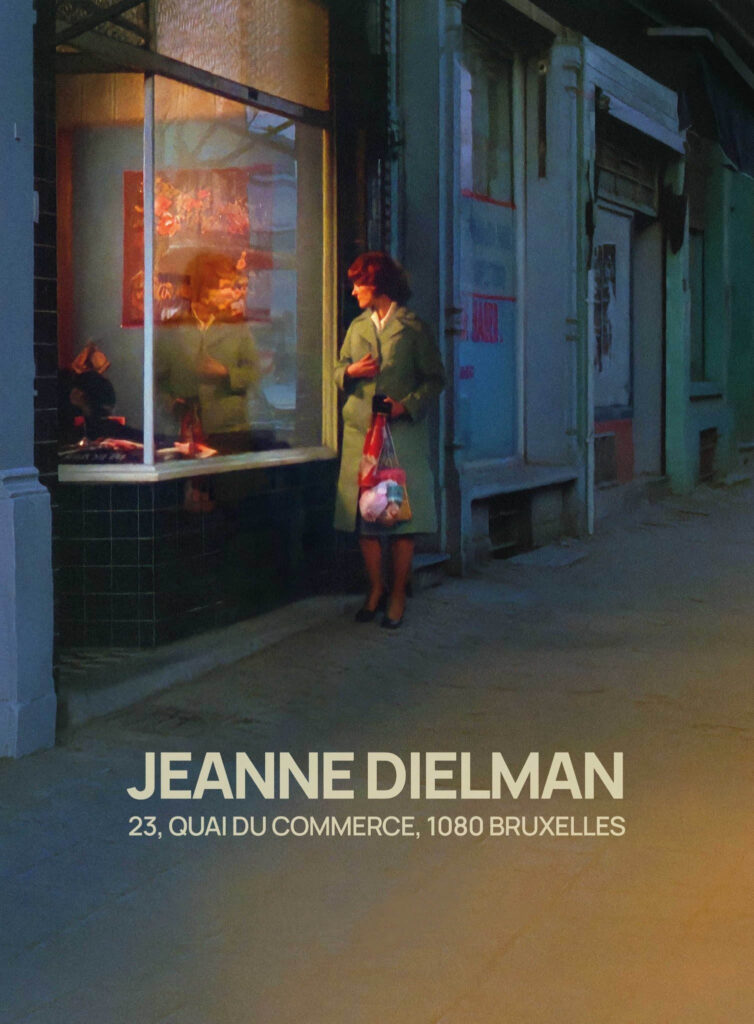
Mangolte soon met Belgian filmmaker Chantal Akerman, and the pair collaborated on the 1975 film Jeanne Dielman, 23, quai du commerce, 1080 Bruxelles. Akerman and Mangolte approached shooting Jeanne Dielman with a strict formalist approach without ever giving the audience a sense of voyeurism into Jeanne’s life. They both considered framing to be a moral act of filmmaking – a way of shaping the audience’s perspective on what matters in the story and how to observe its characters. Influenced by the framing approach of Hollywood film stars such as John Wayne, the camera was always fixed and low with a frontal and symmetrical composition. Mangolte held shots for long takes to observe the meticulous rhythms of Jeanne’s day to day life in patient, painstaking detail. The film has no reverse shots, staying focussed on Jeanne. Mangolte’s challenge with lighting came from the apartment’s low ceilings, which only gave her 2 feet of clearance in shots where Jeanne is standing. Mangolte used lights that were very diffused and photo flooded, with all the electricity rigged in the ceiling so that it wouldn’t occupy any floorspace or risk appearing in the camera’s wide angle shots.
Mangolte and Akerman re-teamed the year after shooting Jeanne Dielman to film News from Home. Mangolte moved to America soon afterwards, shooting the iconic performance art documentary Seven Easy Pieces by Marina Abramović, and sharing her time between shooting and teaching at UC San Diego.
ARTIST SPOTLIGHT
Hélène Louvart
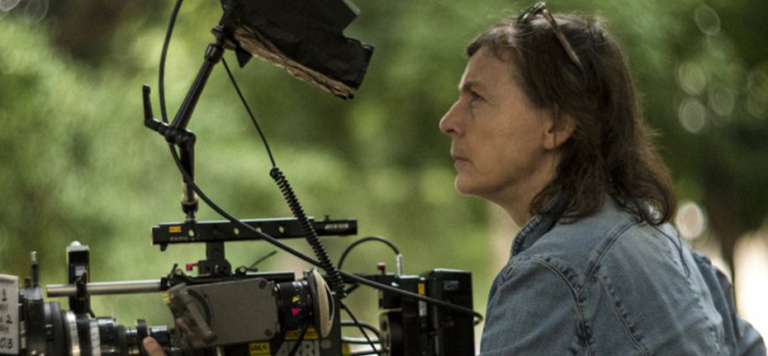
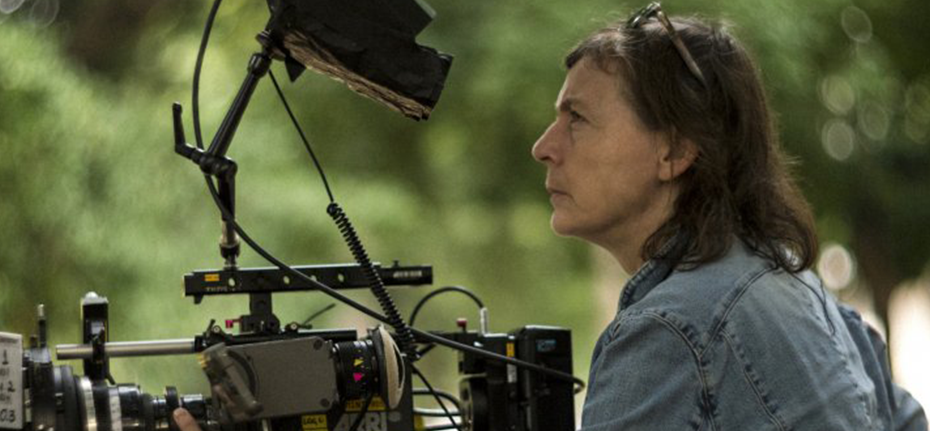
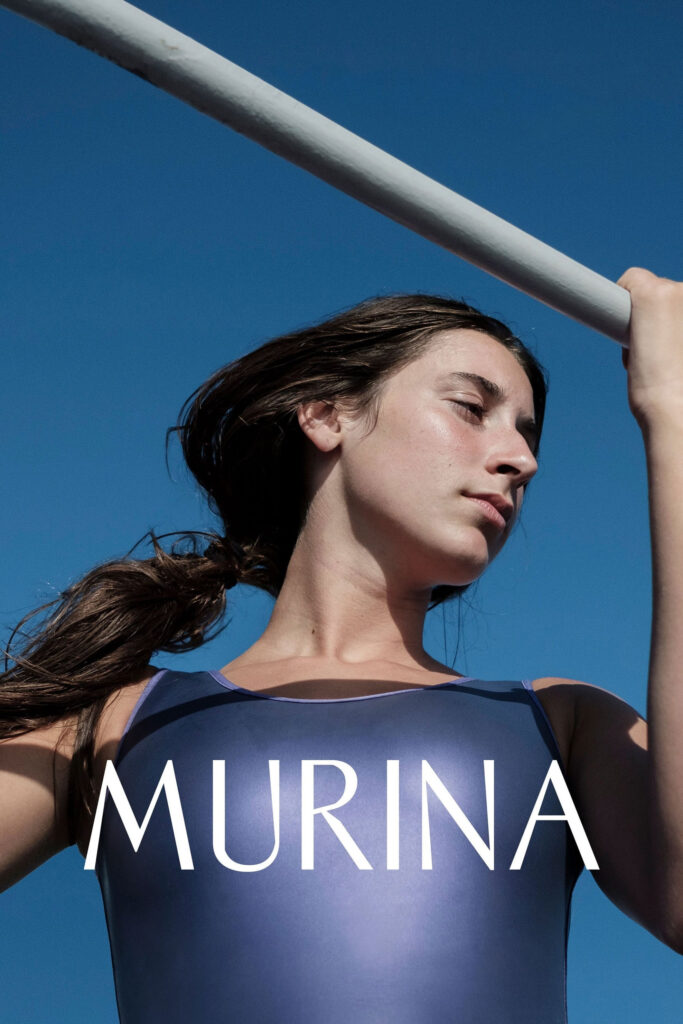
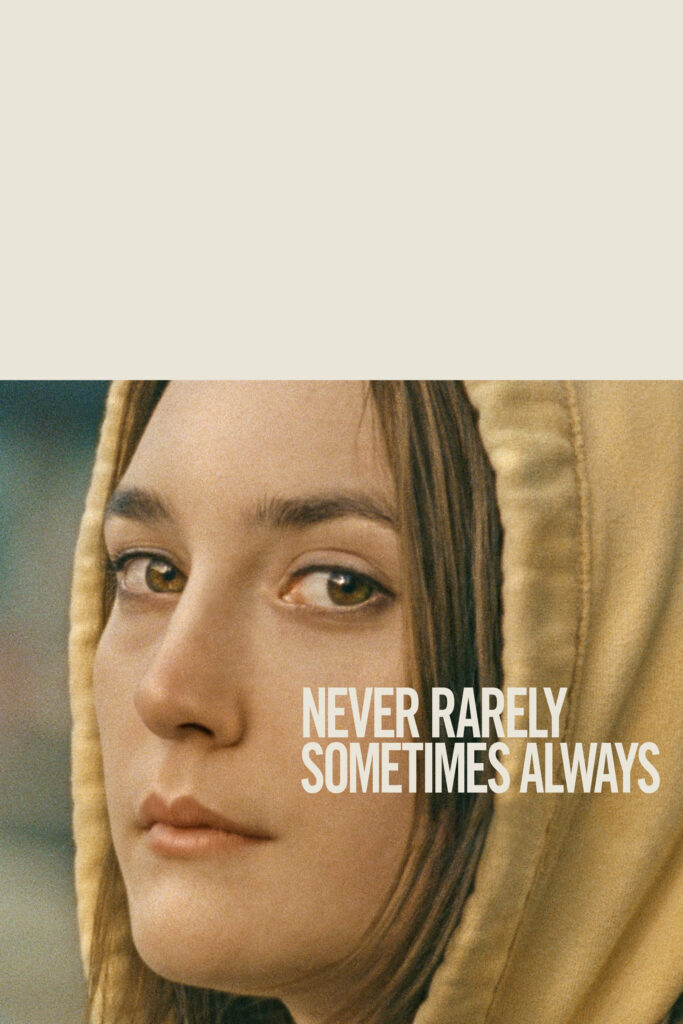
Hélène Louvart is a French cinematographer whose collaborators include Wim Wenders, Eliza Hittman, Maggie Gyllenhaal, Alice Rohrwacher and Léos Carax. She has shot over 50 fictional feature films, 49 short films and documentaries, 10 television series, as well as directed 4 short films herself. Her work has covered 7 different languages and has included films such as Happy as Lazzaro, Never Rarely Sometimes Always, and Murina.
Louvart graduated from Paris’s École nationale supérieure Louis-Lumière in 1985 and started shooting feature films almost immediately. Her stylistic flexibility and reputation for both being a close confidant of directors and an invisible presence on set attracted the attention of directors around the world.
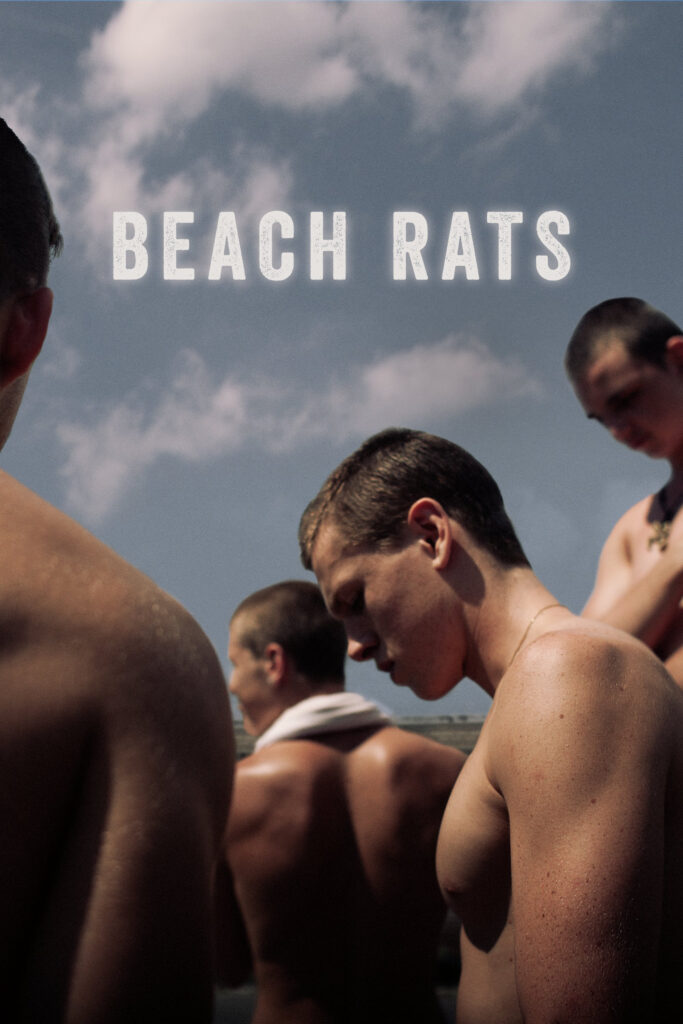
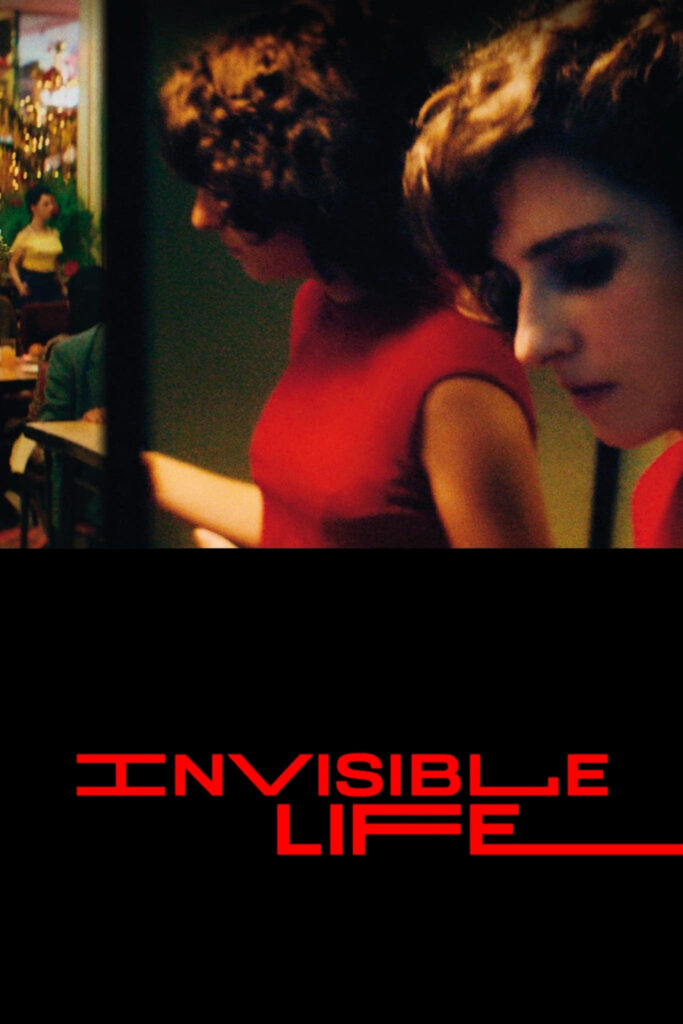
Louvart’s work has ranged from the expressive 3D dance film Pina, directed by Wim Wenders (for which she The WIFTS Foundation Cinematographer Award in 2012, as well as the best 3D documentary award at Camerimage in 2013) to the intimate, gritty dramas Beach Rats and Never Rarely Sometimes Always with Eliza Hittman, for which she was nominated for Independent Spirit Awards. She won a Golden Camera at Cannes in 2021 for Murina and the Best Cinematography prize at the Lima Film Festival in 2019 for Invisible Life, and is one of the most-sought after independent cinematographers in the world today.
ARTIST SPOTLIGHT
Kira Kelly
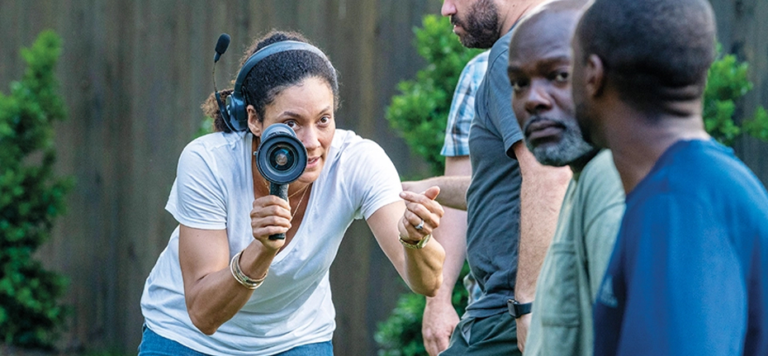
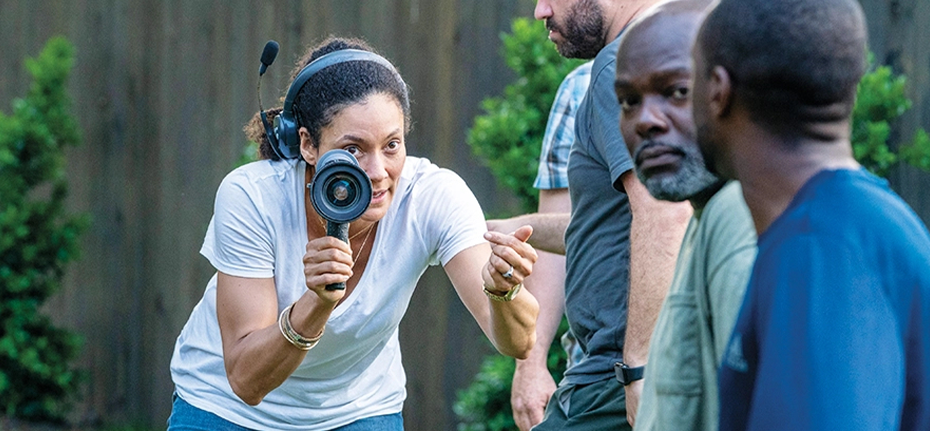
Kira Kelly is an American cinematographer, best known for her collaborations with Ava DuVernay. She is a two-time Emmy Award nominee and the first Black woman to have been invited into the American Society of Cinematographers.
Kelly majored in radio, television and film at Northwestern University and began her professional career in film as an electrician, working on a number of short films as a cinematographer as she started gaffing larger-scale projects. Her first feature film project as a DP was the 2008 film Were the World Mine (dir. Tom Gustafson), and after re-teaming with Gustafson on the 2012 film Mariachi Gringo, Kelly began work on the television series East Los High.
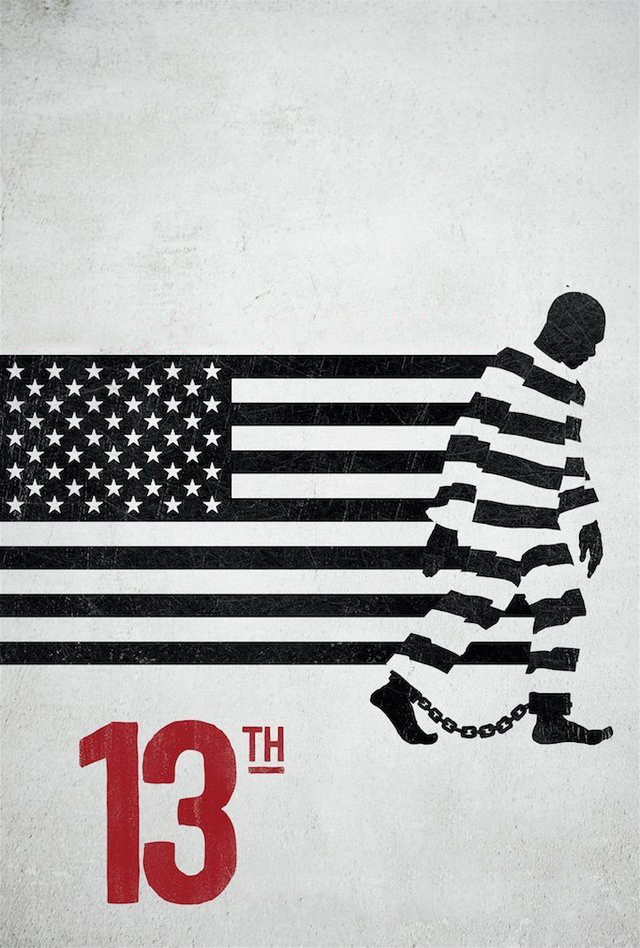
Kelly’s most well-known work as a DP has been with director Ava DuVernay, who hired her to shoot the documentary film 13th, which was the first documentary to ever open the New York Film Festival. Kelly was nominated for an Emmy Award for her work on the film. Kelly and DuVernay re-teamed for the television series Queen Sugar, which Kelly shot from 2017-19, and Kelly received her second Emmy nomination for her work on Insecure in 2020.
Kelly’s more recent work includes the limited series Self Made, Y: The Last Man and Echo.
ARTIST SPOTLIGHT
Ashley Connor
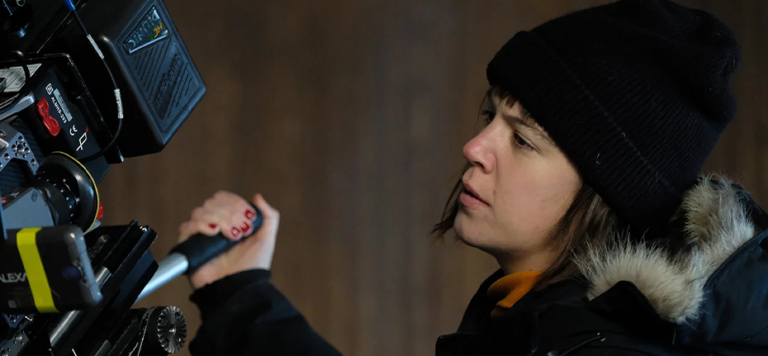
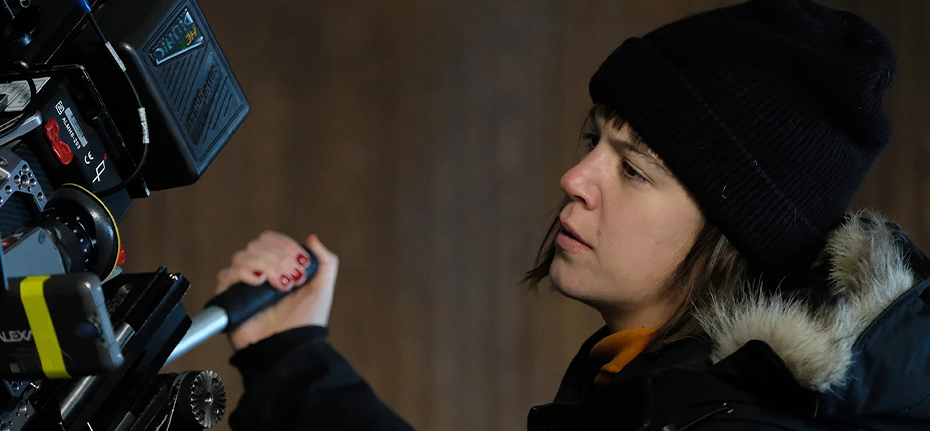
Ashley Connor is an American cinematographer best known for her collaborations with Josephine Decker, Desiree Akhavan and Daniel Scheinert.
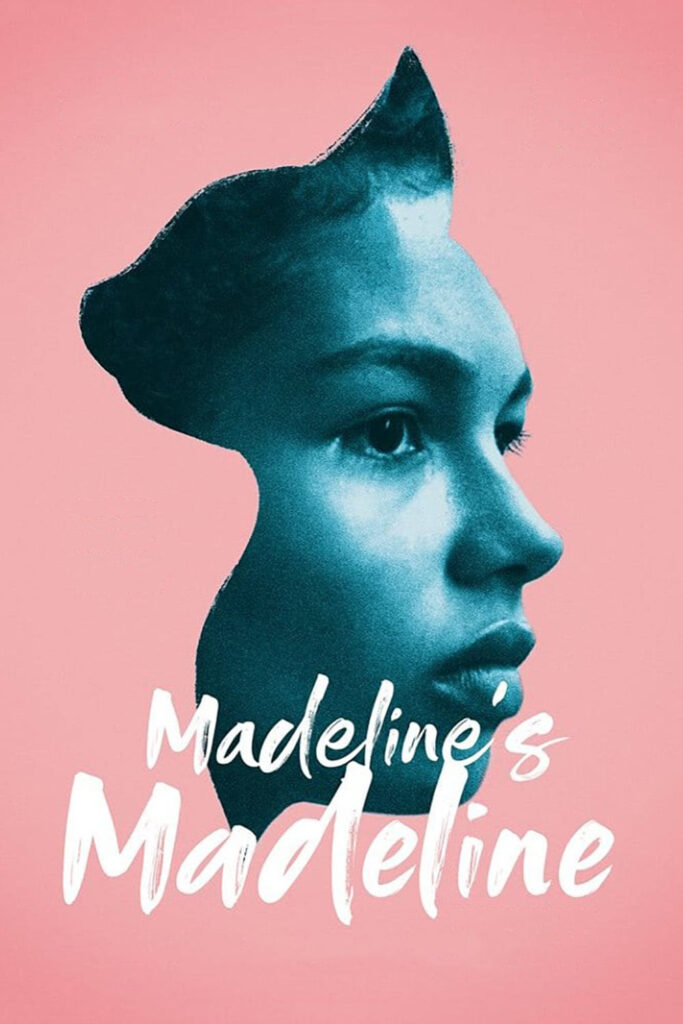
She struck up a creative relationship with Josephine Decker early into her career, lensing Butter on the Latch in 2013 and Thou Wast Mild and Lovely in 2014. Four years later, the pair shot Madeline’s Madeline, earning Connor an Independent Spirit Award nomination for Best Cinematography. The same year, Connor shot The Miseducation of Cameron Post (dir. Desiree Akhavan) and Mountain Rest (dir. Alex O. Eaton), establishing her as a rising star of the independent film scene in America.
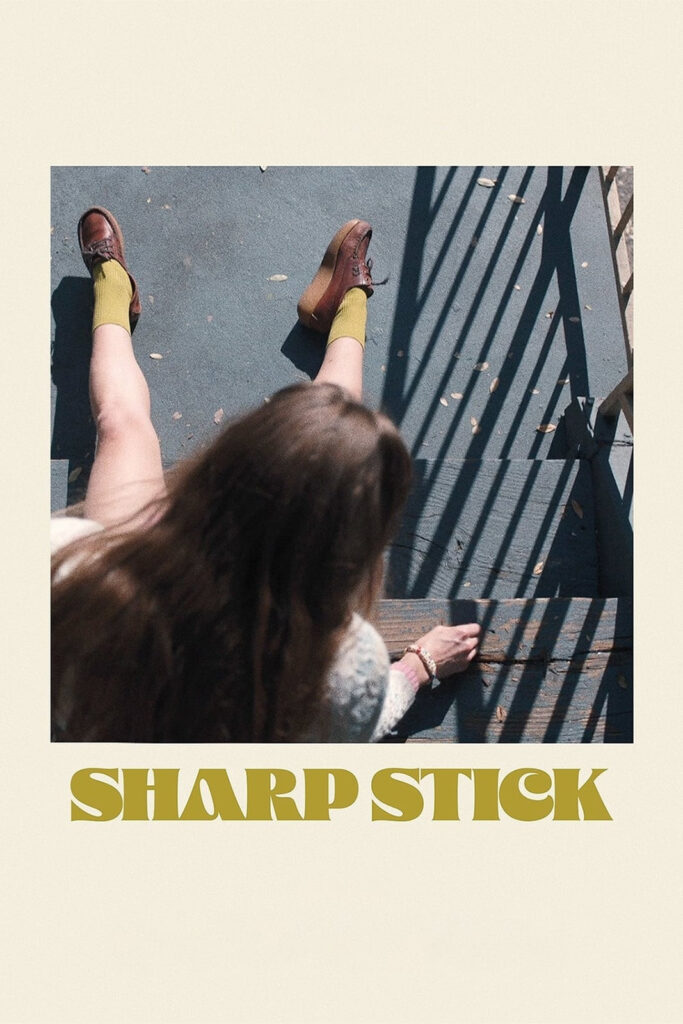
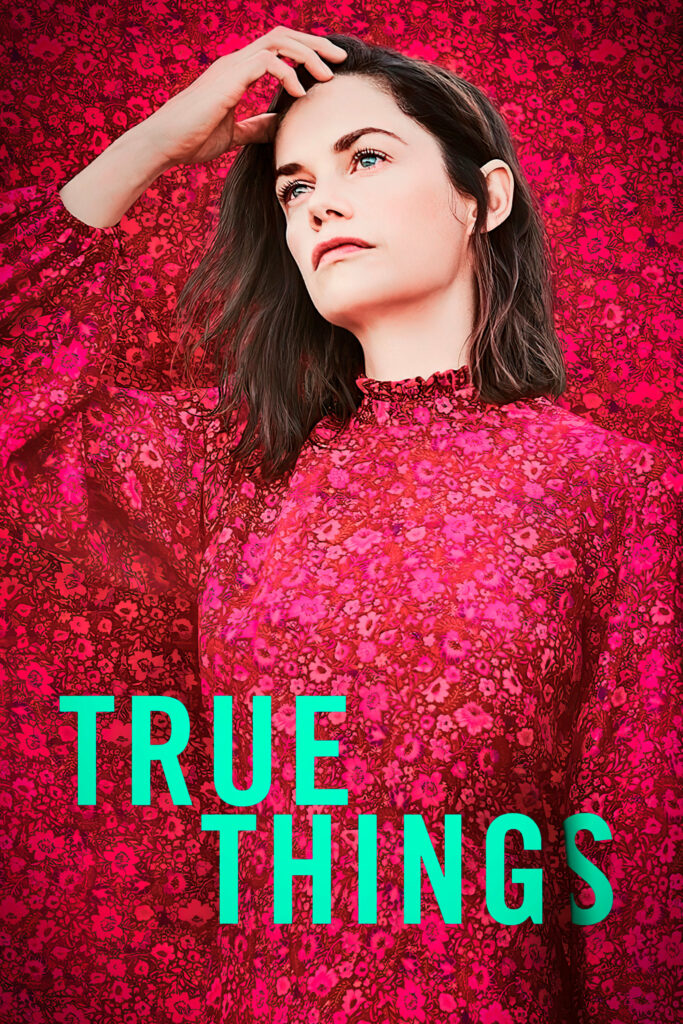
Connor’s more recent work includes filming the final season of the television series Broad City, 2nd unit photography for Knives Out, and the feature films True Things (2021, dir. Harry Wootliff) and Sharp Stick (2023, dir. Lena Dunham).
ARTIST SPOTLIGHT
Katelin Arizmendi
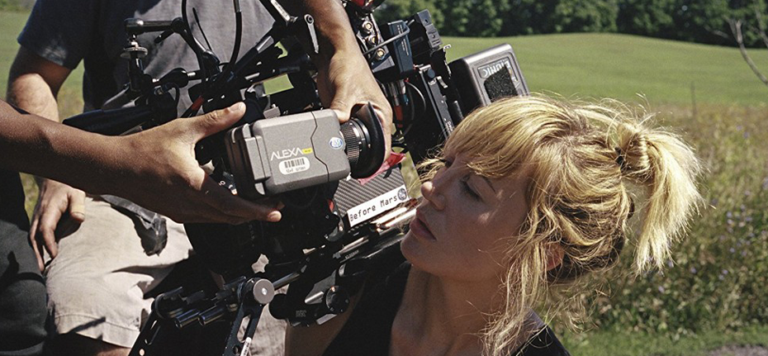
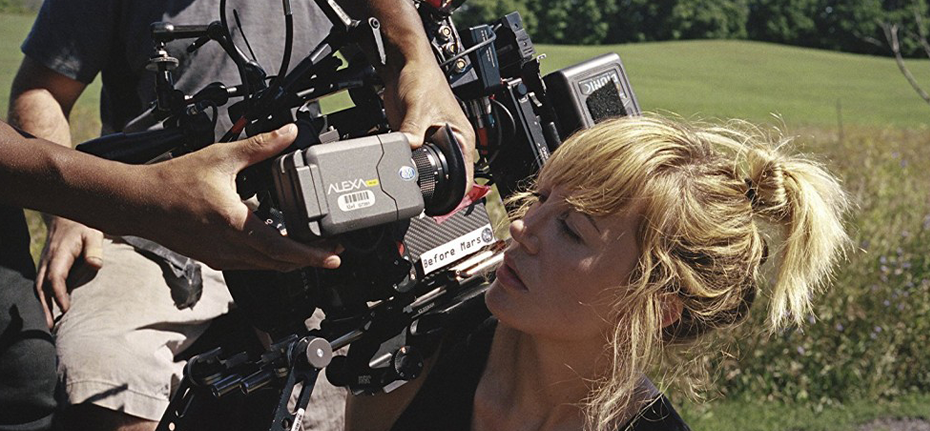
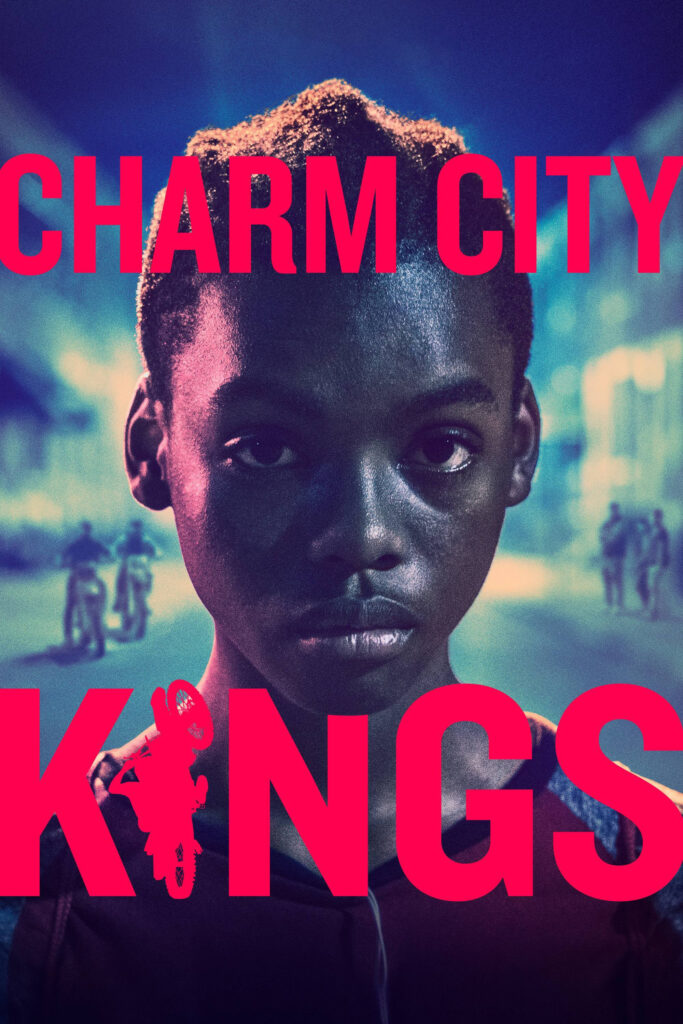
Katelin Arizmendi is an American cinematographer whose body of work includes Swallow, Charm City Kings and Flint Strong.
Arizmendi was attracted to filmmaking from an early age and studied film at UC Santa Cruz, before realizing her interest in being a cinematographer at the Academy of Arts in San Francisco. Arizmendi stayed in San Francisco and started out largely as a camera assistant, eventually being asked to shoot a Levi’s commercial.
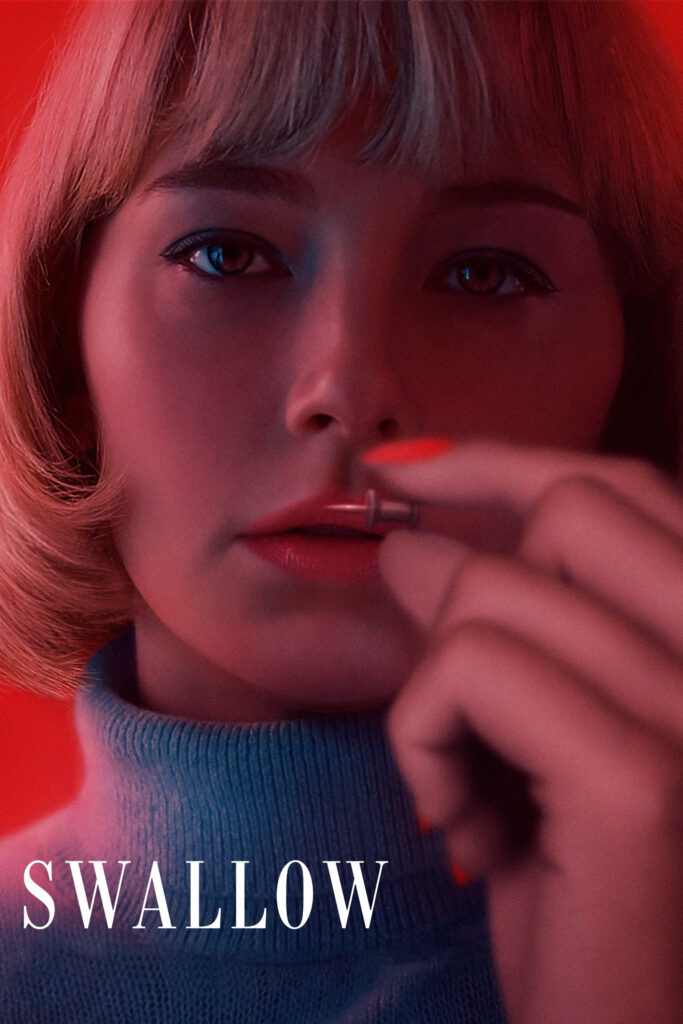
Arizmendi soon moved to Los Angeles where she decided she would only operate or DP projects from that point forward. A combination of short films and music video projects eventually led Arizmendi to shooting a music video for 30 Seconds to Mars, but Arizmendi continued to grow her body of work, eventually DPing her first feature film Cam in 2018, and then Swallow (dir. Carlo Mirabella-Davis) in 2019.
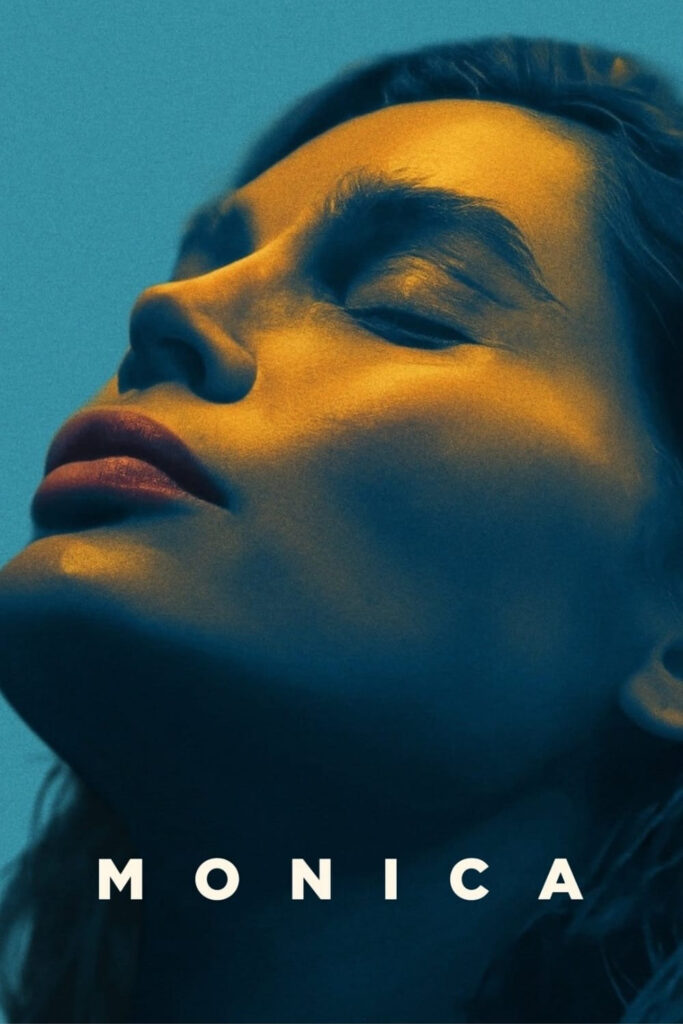
Arizmendi has since DPed films such as Charm City Kings (2020, dir. Angel Manuel Soto), Monica (2022, dir. Andrea Pallaoro) and National Anthem (2023, dir. Luke Gilford), while also shooting 2nd unit for Dune (2021, dir. Denis Villeneuve) and upcoming projects such as Flint Strong (dir. Rachel Morrison) and the highly anticipated final season of Succession.
ARTIST SPOTLIGHT
Fowzia Fathima
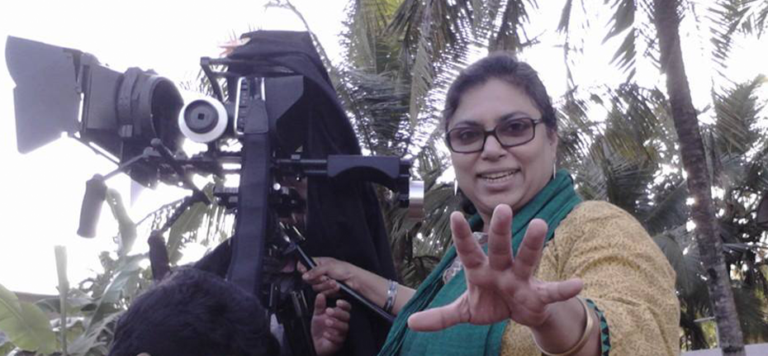
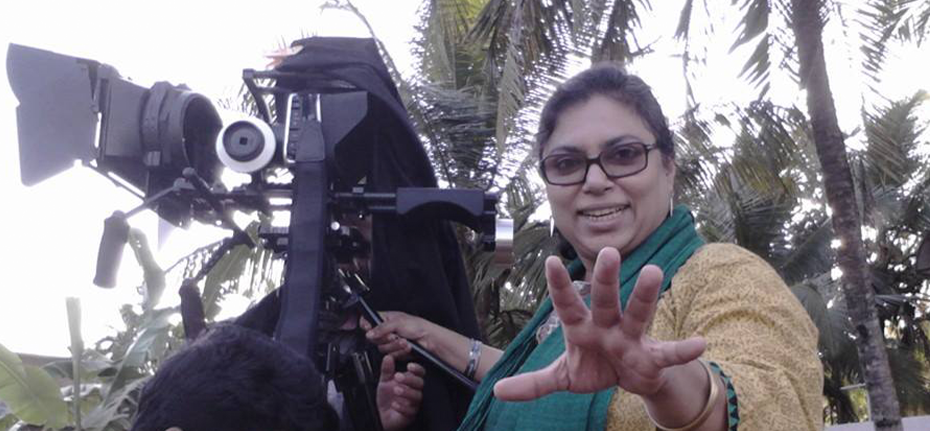
Fowzia Fathima is an Indian cinematographer and director, known for her work on films across Tamil, Hindi, English and Malayalam. Fathima has been a pioneer for female cinematographers in the Indian film industry and an educator to young filmmakers in the Indian industry.
Fathima attended the Film and Television Institute of India after completing an MA in art criticism at the Maharaja Sayajirao University of Baroda and a BA in Art History, Drawing and Painting at Stella Maris College in Chennai. She started out as an assistant to cinematographer, president of the Indian Society of Cinematographers and president of Qube Cinemas P.C. Sreeram, who has worked with filmmakers such as Mani Ratnam, Bharathan, R. Balki and Vikram Kumar on films such as Alaipaythey, Nayakan, Mouna Ragam and Cheeni Kum. Fowzia made her debut as a cinematographer on the 2002 film Mitr, My Friend, directed by Revathi and made by an all-female technical crew.
In 2003, Fathima was awarded Best Cinematographer by Iyal Isai Nadaga Mandram in Chennai for her work on Ivan (dir. R. Parthipan). She won the award again in 2006 for her work on Uyir (dir. Samy). She founded the Indian Women Cinematographer’s Collective (IWCC) alongside Priya Seth and Savita Singh, and has been a leading figure for the advancement of women behind the camera in the Indian film industry.
ARTIST SPOTLIGHT
Kirsten Johnson
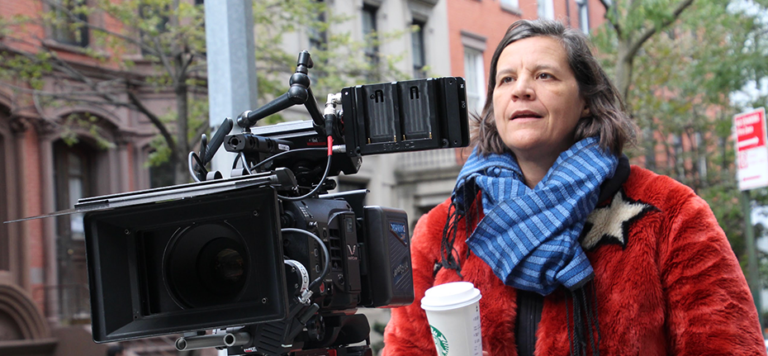
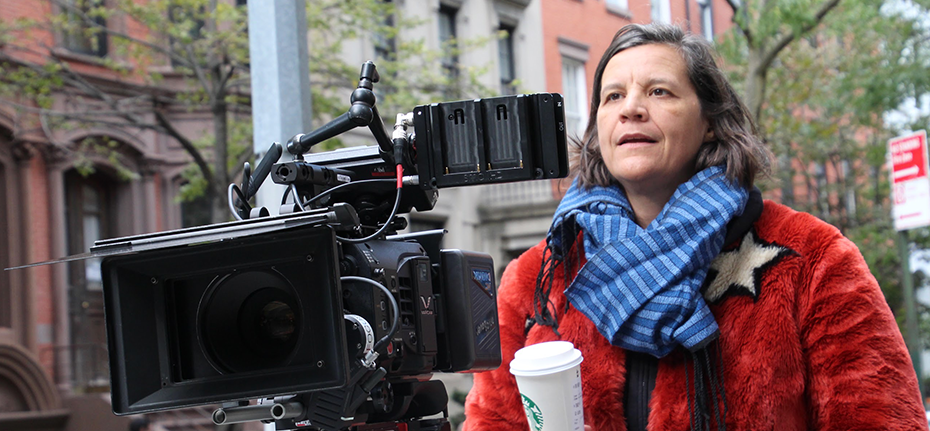
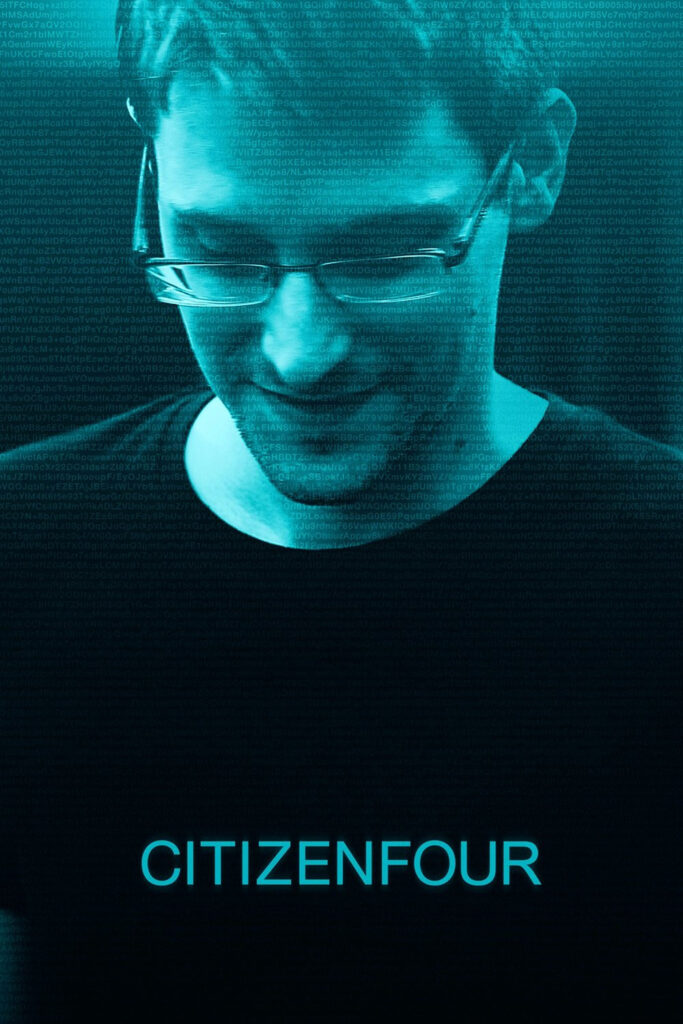
Kirsten Johnson is an American documentary cinematographer and director. Johnson entered the filmmaking world after graduating from Brown University in 1987 with a BA in Fine Arts and Literature. She began working in West Africa in both fiction and nonfiction films. Johnson then studied film in France before working as the principal cameraperson for documentary films, shooting over 40 films in total. Some of Johnson’s credits as a cinematographer include Darfur Now (2006, dir. Ted Braun), Pray the Devil Back to Hell (2008, dir. Gini Reticker), The Oath and Citizenfour (2010 & 2014, both dir. by Laura Poitras).
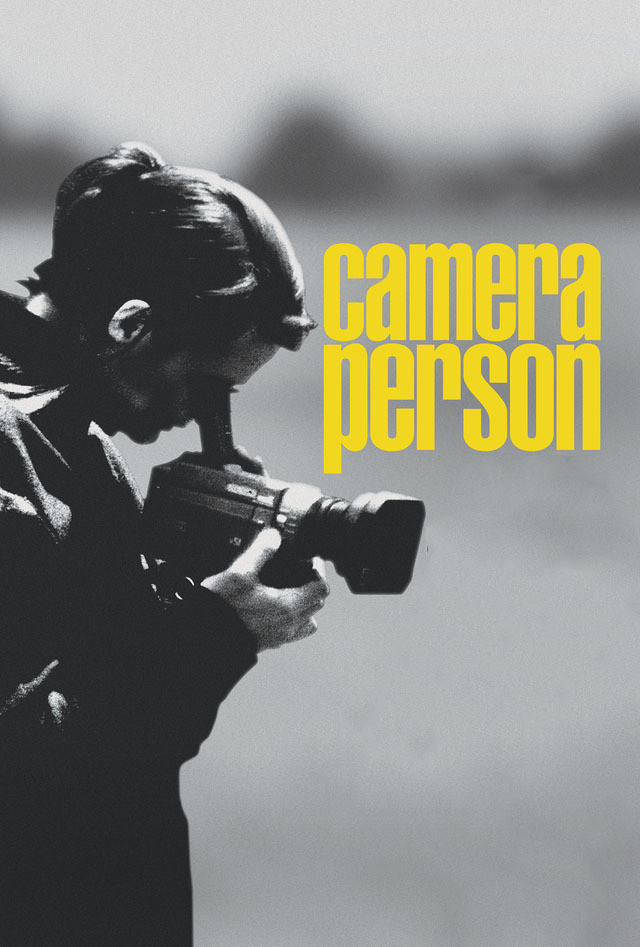
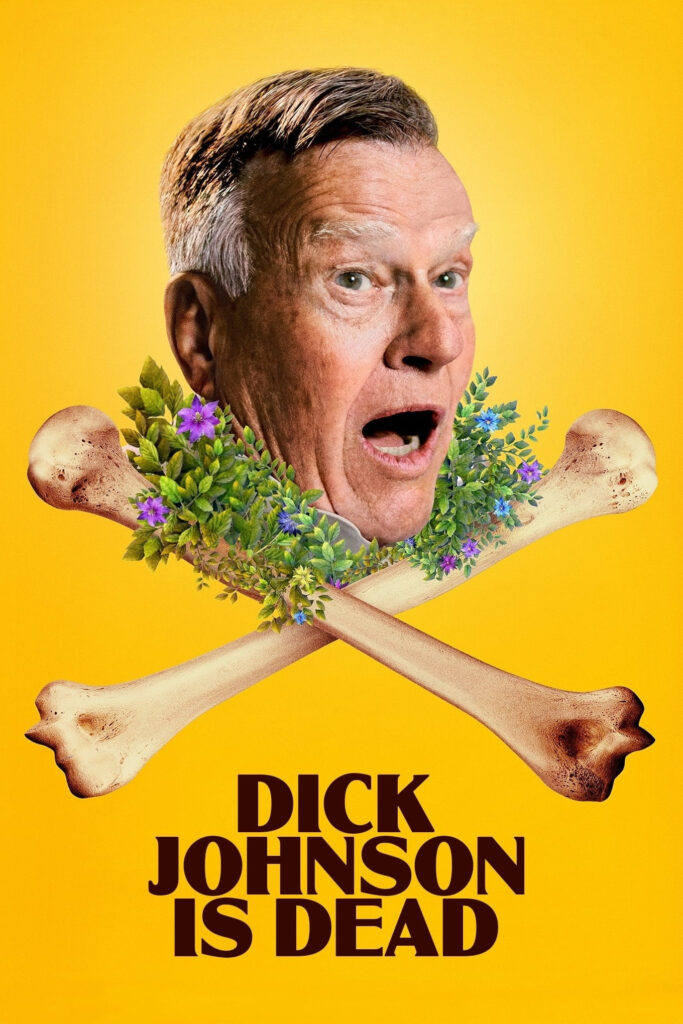
Johnson has directed 6 films of her own. In 2016, she directed Cameraperson, a collage-style memoir of the footage she had captured over her years as a cinematographer, exploring the ethics and practical realities of documentary filmmaking. Cameraperson premiered at the Sundance film festival and won the Grand Jury Award at Sheffield Doc/Fest. In 2020, Johnson directed her second feature, Dick Johnson Is Dead, which premiered at the Sundance Film Festival and was recognized for its innovations in exploring human mortality as a dedication to her father.
Johnson continues to work as both a director and a cinematographer on documentary films, and is today widely considered one of the most experienced and influential documentary cinematographers in the world.
ARTIST SPOTLIGHT
Lisa Rinzler
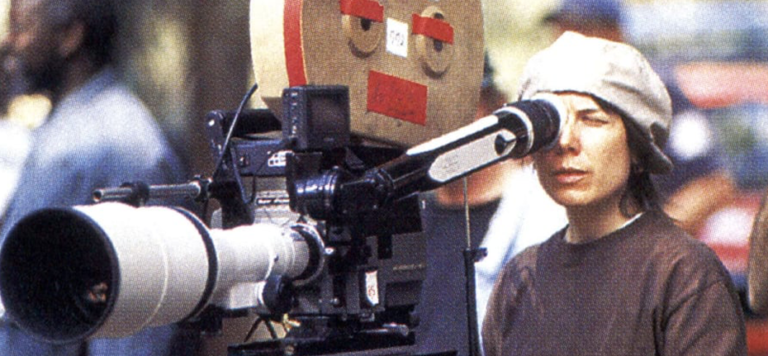
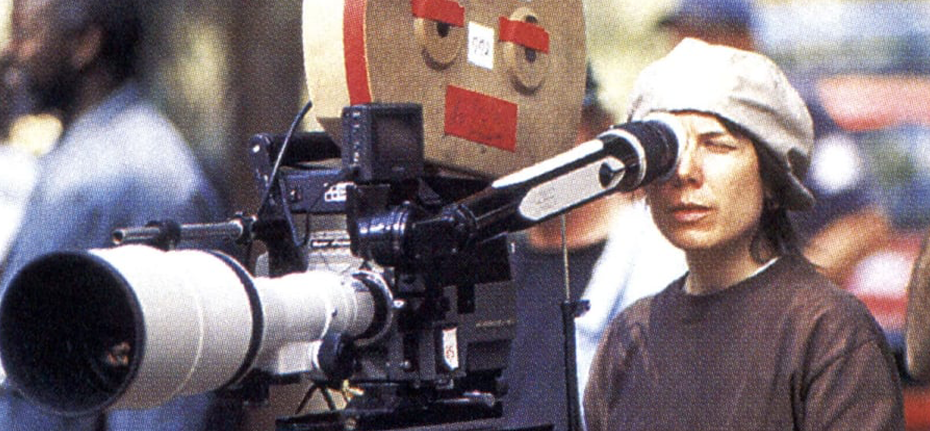
Lisa Rinzler is an American cinematographer and camera operator whose collaborators include Wim Wenders, Martin Scorsese, the Hughes Brothers, Carol Dysinger and Tamra Davis. A subject of the documentary Visions of Light, which looked back on the history of cinematography, Rinzler has received two Independent Spirit Awards for Best Cinematography, a Primetime Emmy Award, and has lensed films that have won Emmy and Academy Awards.
Rinzler was born in New Jersey and initially studied painting at the Pratt Institute in New York before moving to NYU to study filmmaking. After graduating, Rinzler began shooting short films, notably twice for Robert Mapplethorpe and once with Wim Wenders. Rinzler also worked as an assistant for Nancy Schreiber and Fred Murphy, and shot documentary films and music videos.
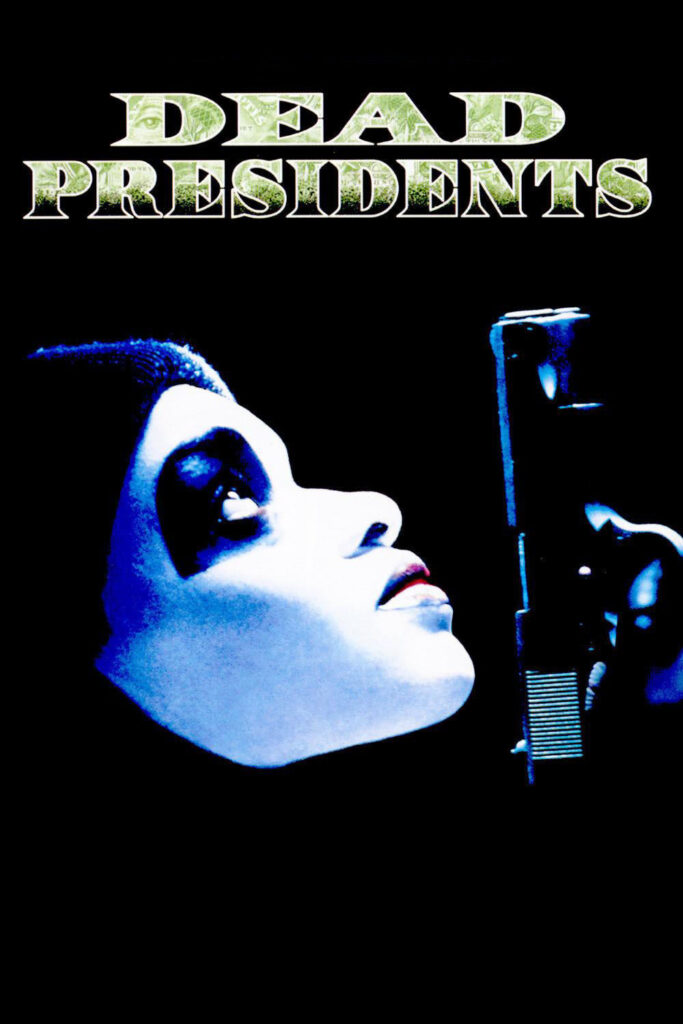
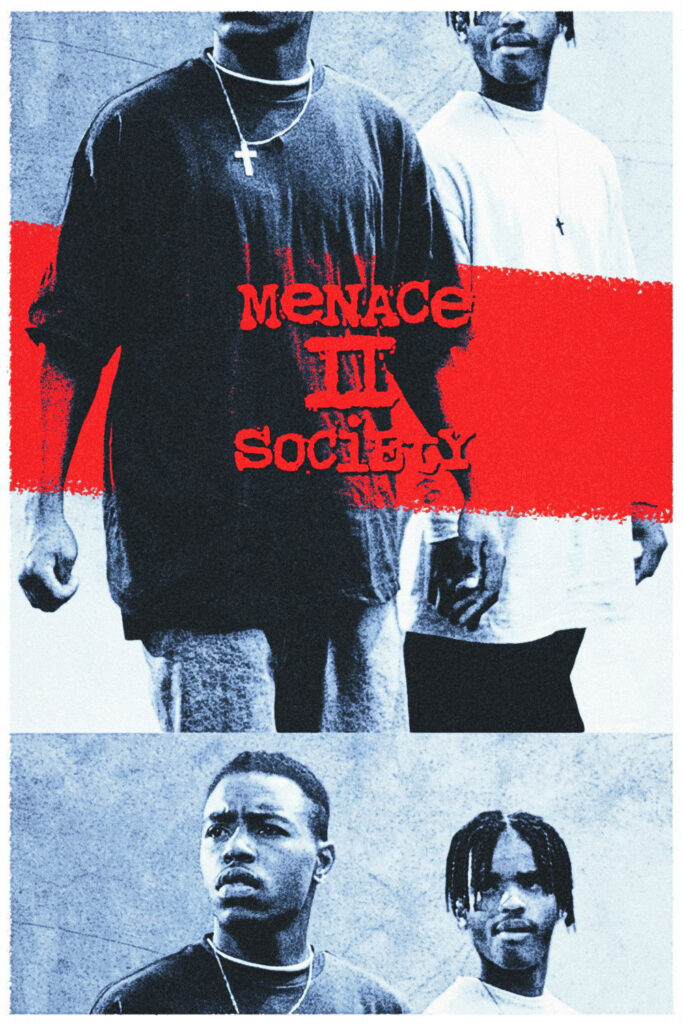
In 1991, Rinzler shot the film Guncrazy (dir. Tamra Davis), before lensing Menace II Society with the Hughes brothers the next year. For her work on Menace II Society, Rinzler won an Independent Spirit Award for Best Cinematography. Rinzler and the Hughes brothers re-teamed two years later on their crime film Dead Presidents.
Rinzler has extensive experience in documentary filmmaking, winning an Emmy for Martin Scorsese Presents the Blues in 2004 and earning a nomination for the award in 2012 for Mea Maxima Culpa: Silence in the House of God (dir. Alex Gibney). More recently, Rinzler worked with documentary filmmaker Carol Dysinger on Learning to Skateboard in a Warzone (If You’re a Girl) in 2019, which won the Academy Award for Best Documentary Short.
ARTIST SPOTLIGHT
Patti Lee
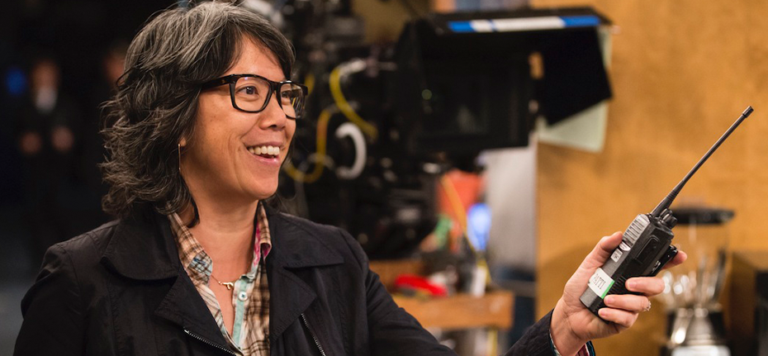
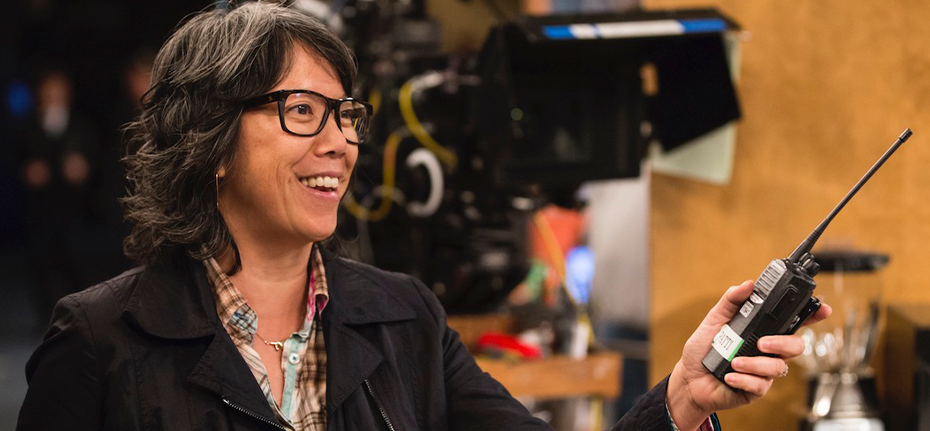
Patti Lee is a Chinese-American cinematographer and the first woman to ever be nominated for a Primetime Emmy Award for Outstanding Cinematography in a Multi-Camera series.
Lee studied filmmaking at the UCLA School of Theater, Film and Television, where films such as Bicycle Thieves, M and Le Samourai had a major influence on her. After graduating, Lee joined the lighting teams of cinematographers such as Kees van Oostrum, Newton Thomas Sigel, Guillermo Navarro and Russ Alsobrook, gaining experience on large-scale productions. At the same time, Lee gaffed television projects and shot lower-budget films. This included Independent Spirit Award nominee, Bunny.
Lee’s first large-scale project as a cinematographer came on The Bernie Mac Show, and since then, she has lensed multiple single- and multi-camera television series, earning Emmy nominations for her work on Bob Hearts Abishola and Superior Donuts. Lee has also produced the Emmy-nominated feature documentary A Small Act. Lee joined the ASC in 2018, and in 2022, was presented the ASC Mentor Award by the International Cinematographers Guild for her work shepherding emerging DPs into the film business.
ARTIST SPOTLIGHT
Rachel Morrison
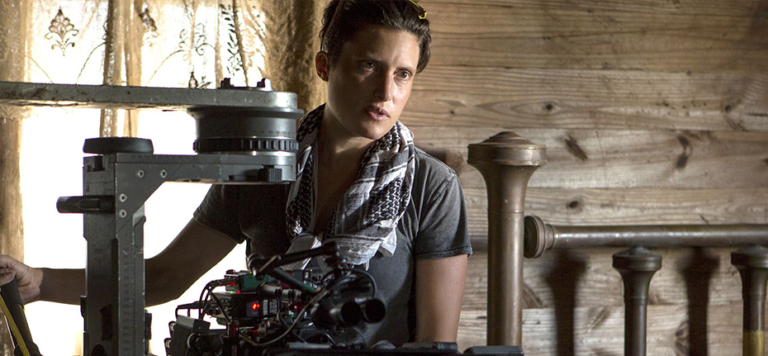
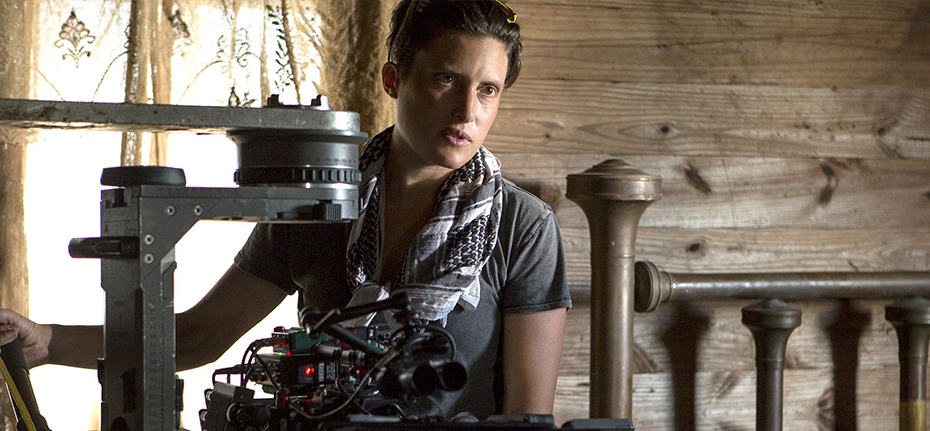
Rachel Morrison is an American cinematographer and director. She is the first woman to ever be nominated for an Academy Award for Best Cinematography, the first woman to ever be nominated by the ASC for Best Feature Film, and the first woman to lens a Marvel superhero film.
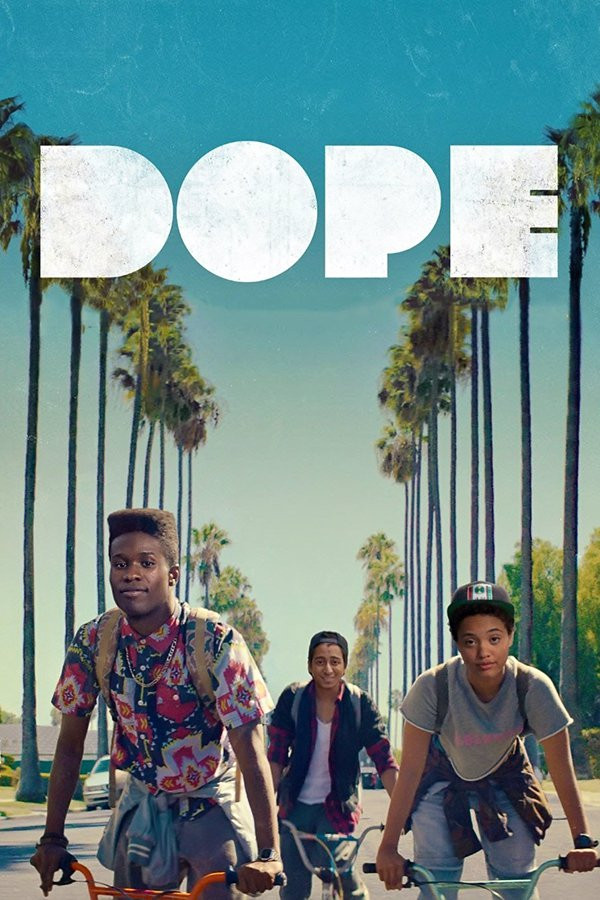
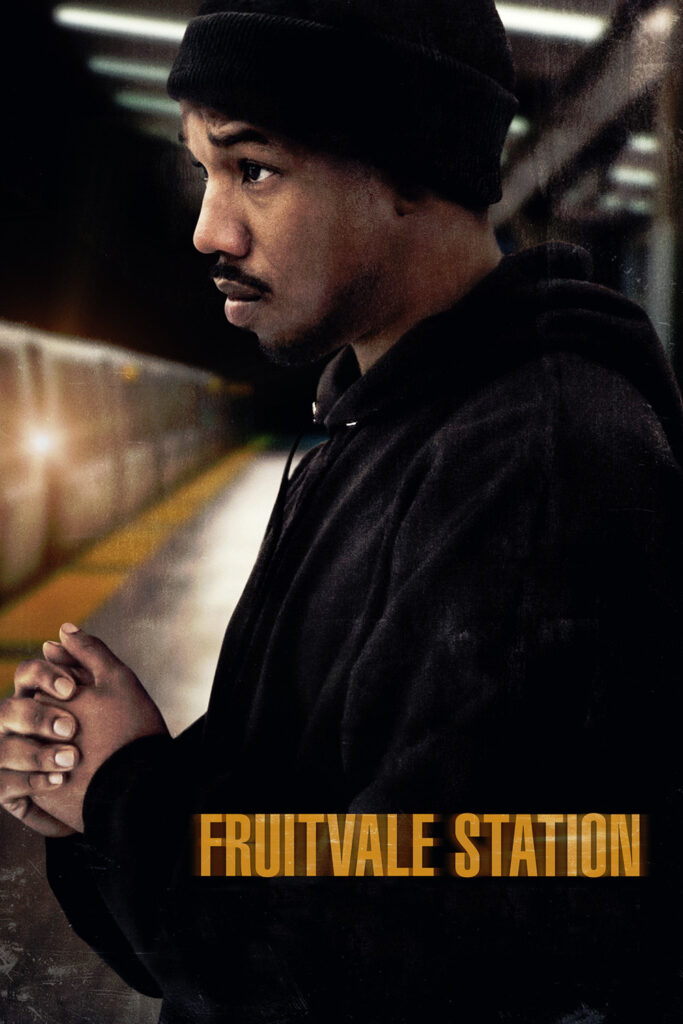
Morrison studied film and photography at NYU before concentrating in cinematography at AFI. After graduating in 2006, she began her career in television, largely shooting network shows. Her work on the 2005 television documentary Rikers High earned her an Emmy nomination. Morrison worked on the television series The Hills for several years, before shooting a string of films that earned attention at the Sundance Film Festival, including Tim and Eric’s Billion Dollar Movie (2012, dir. Tim & Eric), Fruitvale Station (2013, dir. Ryan Coogler) and Dope (2015, dir. Rick Famuyiwa).
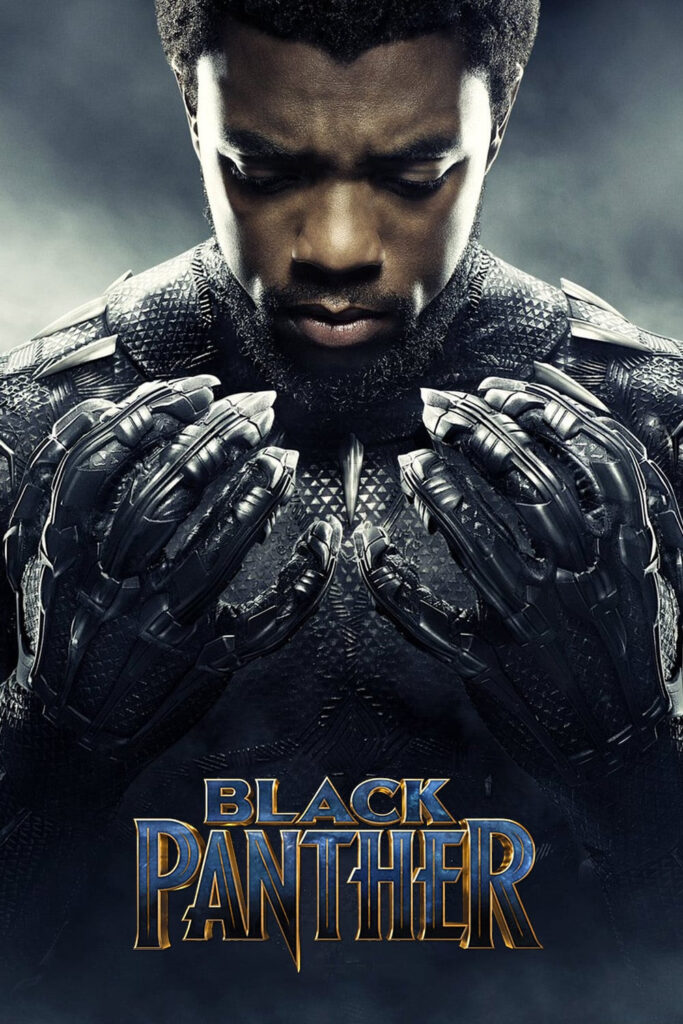
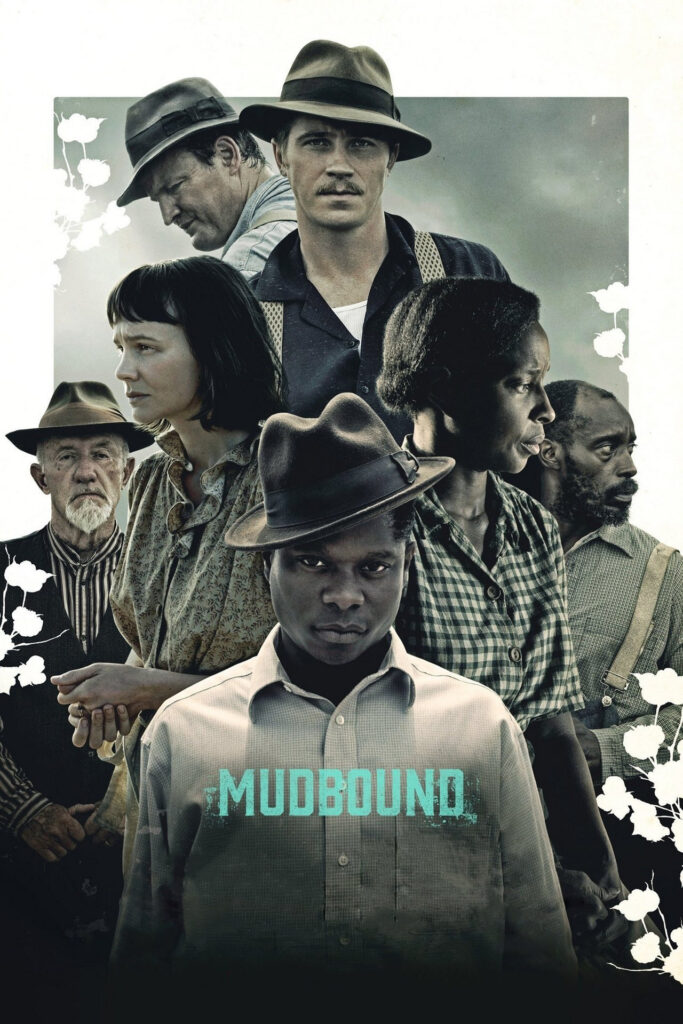
In 2017, Morrison became the first woman to win the New York Film Critics Circle Award for Best Cinematographer, the first woman nominated in the ASC’s Feature Film category, and the first woman nominated for an Academy Award for Best Cinematography for her work on Mudbound (dir. Dee Rees). The next year, she became the first female DP of a Marvel superhero film on Black Panther (dir. Ryan Coogler). She has since directed episodes of The Mandalorian and is currently working on her feature directorial debut, Flint Strong.
ARTIST SPOTLIGHT
Jendra Jarnagin
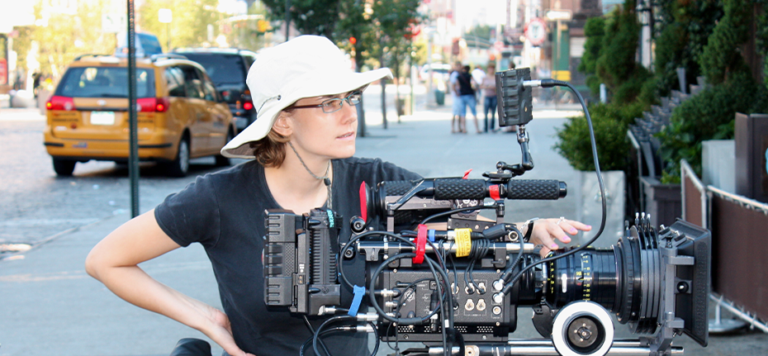
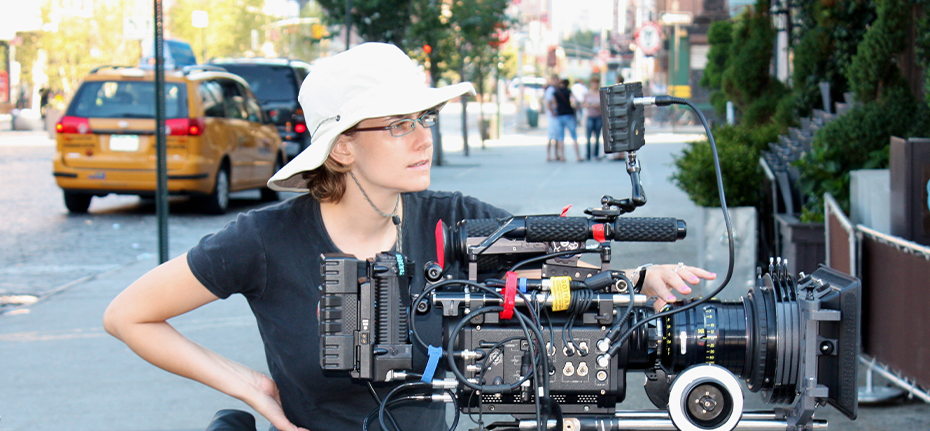
Jendra Jarnagin is an American cinematographer whose work over 25 years has covered film, television, commercials, music videos and virtual reality exhibits.
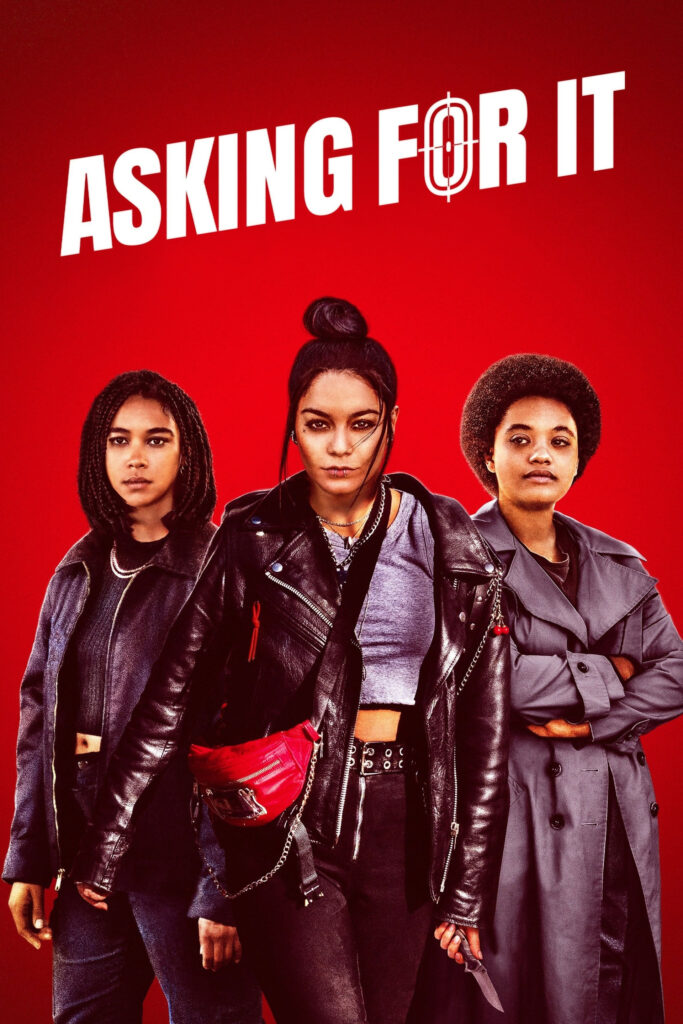
Jarnagin attended NYU to study filmmaking before beginning in the film industry in the lighting department, working as a gaffer and electrician on projects such as Sex & the City, Law & Order, The Sopranos, Analyze That, and Vanilla Sky, while shooting commercials, short films and music videos. Her first feature film as a DP was Split Ends (2009, dir. Dorothy Lyman), and she has since shot films such as Entangled (2019, dir. Milena Lurie), Asking for It (2021, dir. Eamon O’Rourke) and the television series East New York.
Jarnagin is considered a pioneer of digital cinematography and has spoken about the craft and technology of digital capture at CineGear Expo, NAB, Sundance, Camerimage International Festival of Cinematography and the American Cinematographer podcast.
ARTIST SPOTLIGHT
Paula Huidobro
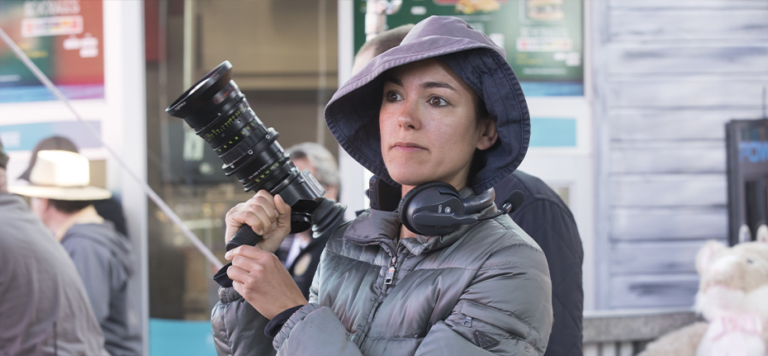
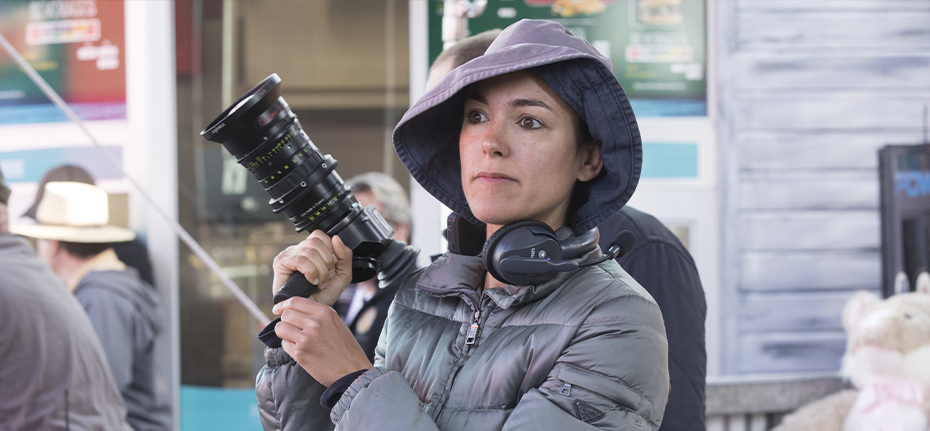
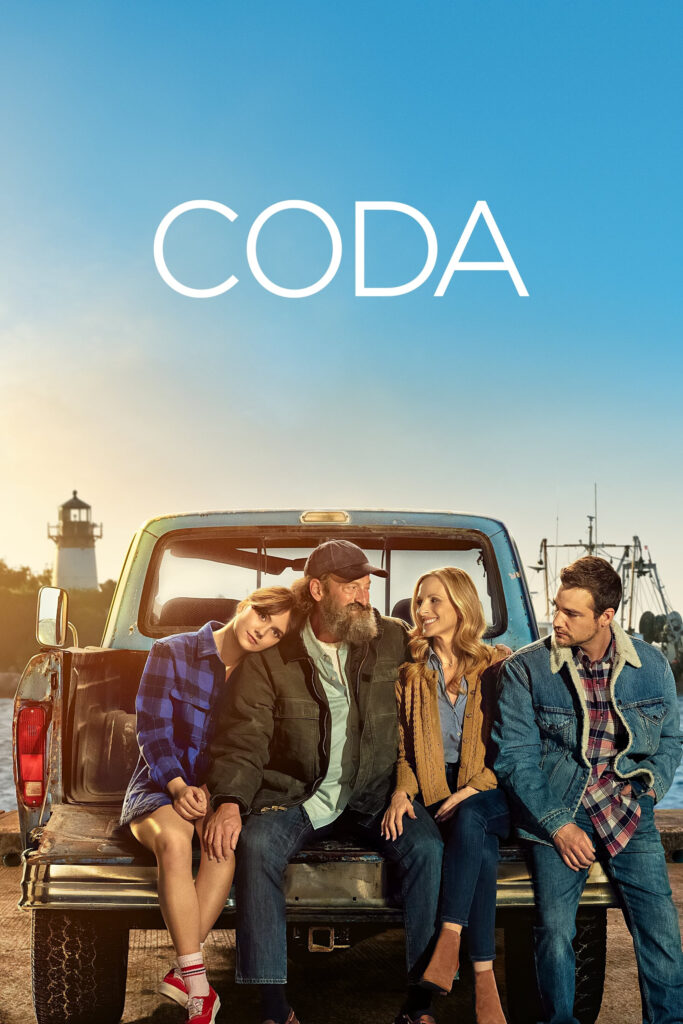
Paula Huidobro is a Mexican cinematographer whose credits across film and television include Shelter, Tallulah, Oh Lucy! and Coda.
Huidobro attended the London International Film School before studying cinematography at AFI. Her feature film debut was the 2008 film Gardens of the Night (dir. Damian Harris), which was nominated for the Golden Bear at the Berlin International Film Festival. She went on to shoot Paul Bettany’s directorial debut Shelter, Tallulah (2016, dir. Sian Heder), which was nominated for the Grand Jury Prize at the Sundance Film Festival, and Oh Lucy! (2017, dir. Atsuko Hirayanagi).
Huidobro’s first television work was seasons 1 and 2 of Barry, and she also shot episodes of Guess Who Died, Dave, Pam & Tommy, Weird City, Little America, Fargo and Insecure. In 2021, she re-teamed with Heder to work on Coda, which won the Academy Award for Best Film.
ARTIST SPOTLIGHT
Reed Morano
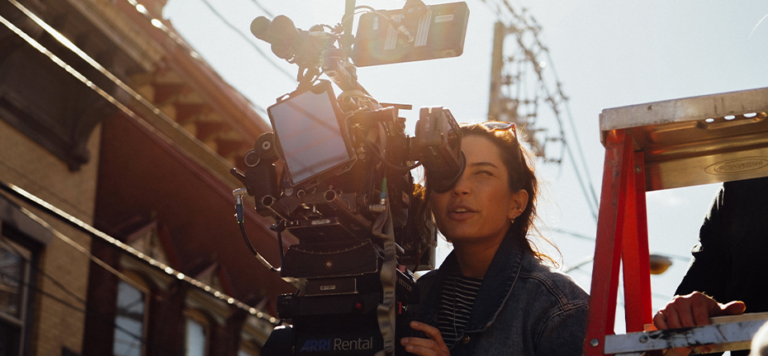
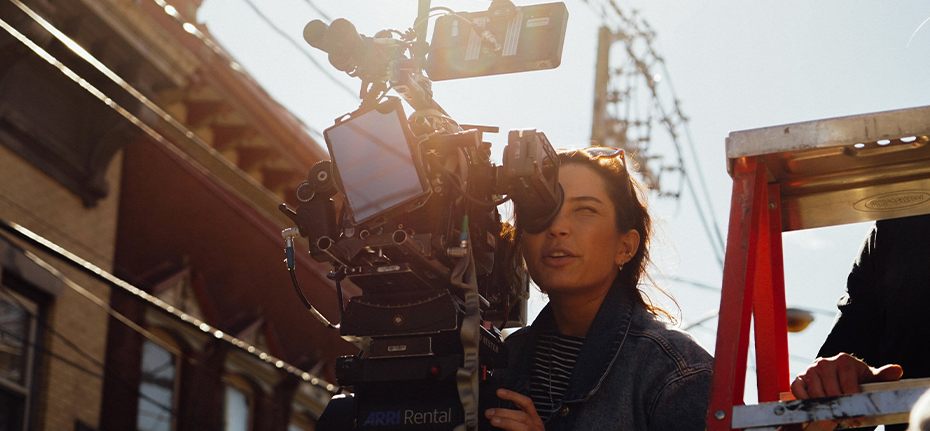
Reed Morano is an American cinematographer and director. She is the first woman to win both an Emmy and Directors Guild Award in the same year for directing a drama series. In 2013, Morano became the youngest member of the ASC, and one of only 14 women in the union at the time.
Morano was born in Omaha, Nebraska, and after developing an interest in filmmaking as a child, attended film school at NYU, where she later taught as an adjunct cinematography professor, instructing the program’s first Advanced Television class. Her first feature film was 2007’s Off the Grid: Life on the Mesa (dir. Jeremy & Randy Stulberg), which premiered at the Slamdance Film Festival. Morano went on to shoot a string of critically acclaimed independent features, such as Frozen River (2008, dir. Courtney Hunt), which was nominated for an Independent Spirit Award for Best Feature, Little Birds (2011, dir. Elgin James), which was named a Top Ten Independent Film by the National Board of Review, and the documentary Shut Up and Play the Hits (2012, dir. Dylan Southern & Will Lovelace), which premiered at the Sundance Film Festival.
Morano shot and directed her first feature film, Meadowland, in 2016, winning an Independent Spirit Award for Best Cinematography, and also directed and shot I Think We’re Alone Now two years later, winning the Special Jury Prize at the Sundance Film Festival. Her credits as a director include The Rhythm Section and The Handmaid’s Tale (for which she won an Emmy and DGA award in the same year), and her more recent work as a DP ranges from Beyoncé’s Lemonade to Martin Scorsese’s Vinyl.
Sources
Golden Globes – Brianne Murphy
Wikipedia – Jessie Maple
Indiana University – Jessie Maple Collection
The Block Museum – Jessie Maple on Breaking Boundaries and Filmmaking
British Cinematographer – Agnés Godard
Film Comment – Interview: Angés Godard
British Cinematographer – Tami Reiker ASC, One Night in Miami
IndieWire – ‘Beyond the Lights’ DP Tami Reiker On the Struggle Of Being a Female Cinematographer
Filmmaker Magazine: DP Autumn Durald Arkapaw on “Black Panther: Wakanda Forever”
ASC Magazine: Full Picture: Autumn Durald Arkapaw, ASC
Fashion Magazine: Insecure’s Lighting
Wikipedia – Caroline Champetier
The Hollywood Reporter – Berlin Film Fest Honors for Caroline Champetier
FID Marseille – Caroline Champetier
In Depth Cine – Charlotte Bruus Christensen
FX – Charlotte Bruus Christensen, Black Narcissus
The Cinematography Podcast – Iris Ng
IndieWire – Portrait of a Lady on Fire Cinematography
Criterion – Turn the Gaze Around
Chicago Filmmakers – Michelle Crenshaw
ASC: Ellen Kuras, ASC: An Eye for the Unexpected
Cooke Optics: The Cinematography of Natasha Braier
NYT: Framing a Vision, Invisibly Maryse Alberti, an Independent Force in Independent Films
Quyen Tran Cinematographer – Bio
NYT: Ari Wegner: A Cinematographer Who Knows Actors Down to the Eyelash
Musicbed: Katelin Arizmendi’s Journey from Camera Assistant to DP
Elena Rossini: 100 Days of Women in Film: Cybel Martin
Eliza Hittman & Cinematographer Hélène Louvart
FF2 Media: Hélène Louvart Captures Beautiful Moments Big and Small
Shoot: Patti Lee to receive ASC Mentor honor at ICS’s Emerging Cinematographer Awards
ASC: ASC Welcomes Patti Lee as a New Active Member