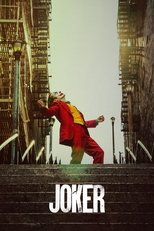
Steve Ramsey is a New York-based gaffer whose work spans across some of the most visually distinctive films of the last decade, including Joker, West Side Story, Bridge of Spies, The Post, Wonder Wheel, A Rainy Day in New York, and Leave the World Behind.
Most recently, Steve continued his collaboration with Steven Spielberg on the summer blockbuster Disclosure Day, working again alongside cinematographer Janusz Kamiński on the filmmaker’s highly anticipated return to science fiction.
Steve sat down with Christian Hurley to discuss his early mentorship lessons under gaffer Peter Bloor, how he began working with Spielberg’s team, and what films inspired Disclosure Day, which is currently in theaters. You can see a selection of Steve’s work below.
This article has been edited for clarity and length.


Could you start with how you worked your way up on set as a gaffer in the early days of your career?
It’s funny, because my participation as a gaffer came out of film school. I kind of thought “I wanna be a cinematographer.” But it turned out the jobs that were available were not in the camera department, because everybody wanted those. So my way in was through lighting, and I was working in a rental house and learned the equipment there. I worked at a sound stage at the same time, and I was prepping packages for commercials and things like that in New York City. I learned the equipment and started getting into low budget jobs, and one thing led to the next. I eventually got into the union here in New York, which is Local 52.
I had this plan – I would work on big jobs as an electrician, little jobs as a gaffer, and then work for free as a cinematographer, and then try to gradually build those things up. What I learned along the way was that there’s a lot of talented cinematographers, which was good news in the sense that as a gaffer, it was a great way to learn the craft, and then it became less about trying to become a cinematographer and more of just learning about lighting. Every job, each new personality, and each new cinematographer just offered so many new insights, techniques, and ideas.
One particular experience I had was with Peter Bloor, who was sort of like a celebrity among gaffers. He was the gaffer on The Mission and The Killing Fields and Empire of the Sun, these really foundational movies. He worked alongside another DP named Michael Seresin, who had done amazing work with the early Alan Parker movies. A lot of those movies had a very distinct rich look that was different from all the other movies at the time, and it felt like Peter’s name just seemed to be attached to so many of them. After working with him, I realized he wasn’t just in the right place at the right time – he was an active participant, and he was deeply involved in helping those visions come through, and coordinating with the art department in a way that I was not familiar with. He really showed me the broader effect of what a gaffer could do.
You mentioned that you had gone to film school to be a cinematographer at first. What was that step to actually getting you to film school and thinking you might want to do this as a career?
Well, the story that I tell people is that one of the movies that really got me as a teenager was War Games. Home computers were a big thing, so it was sort of feeding into that trend and everybody wanted to have that bedroom with the computer at the foot of their bed so they could hack into systems and things like that. I think that got me excited about computers. I eventually got into college and was a computer science major riding that enthusiasm, but I think I misread that enthusiasm. What I really enjoyed was the movie itself, and not as much the computer part of it.

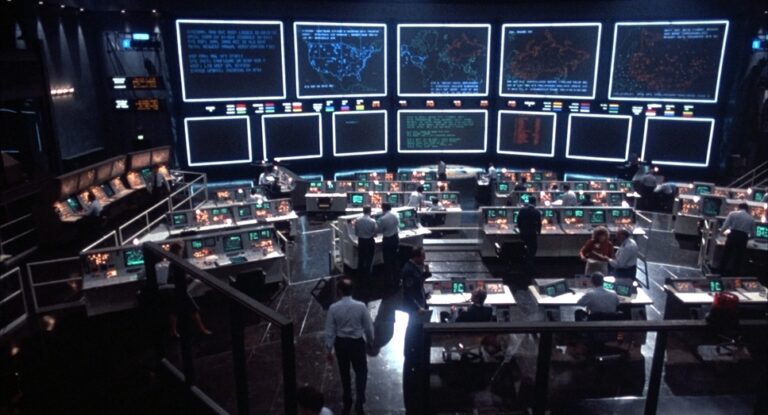
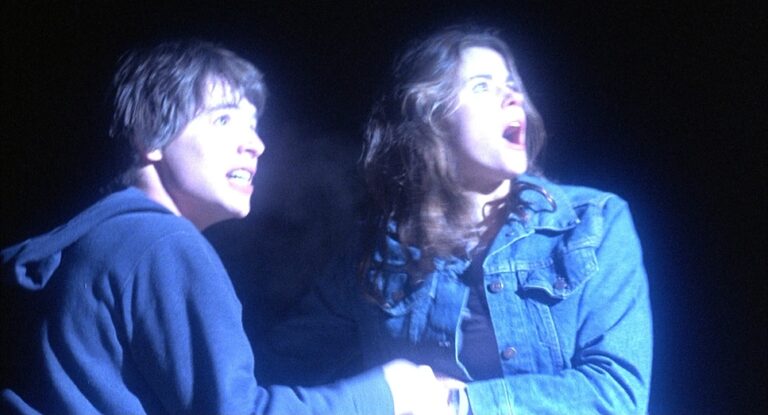
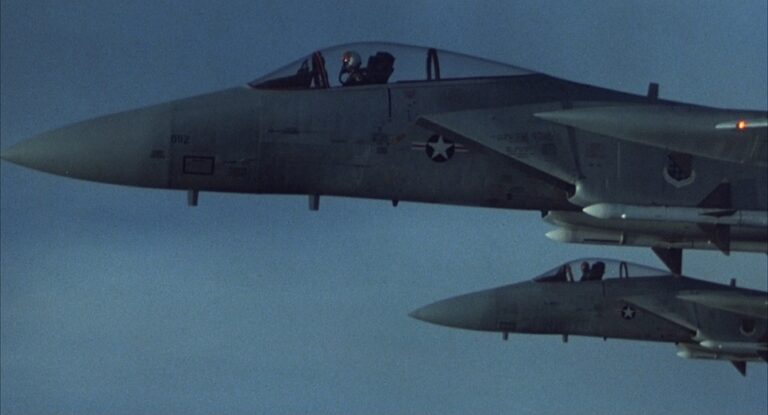
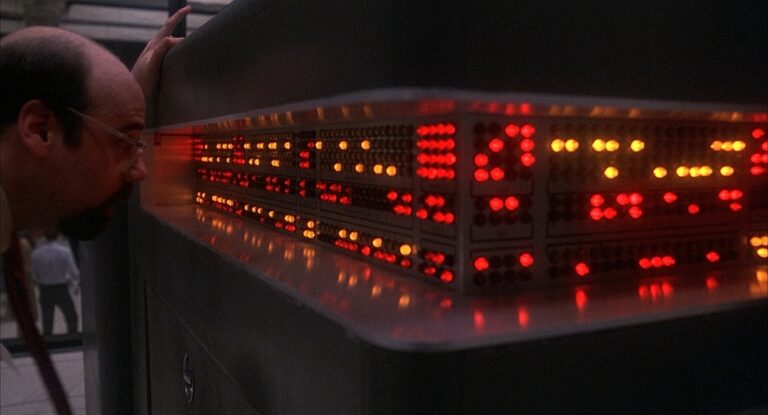
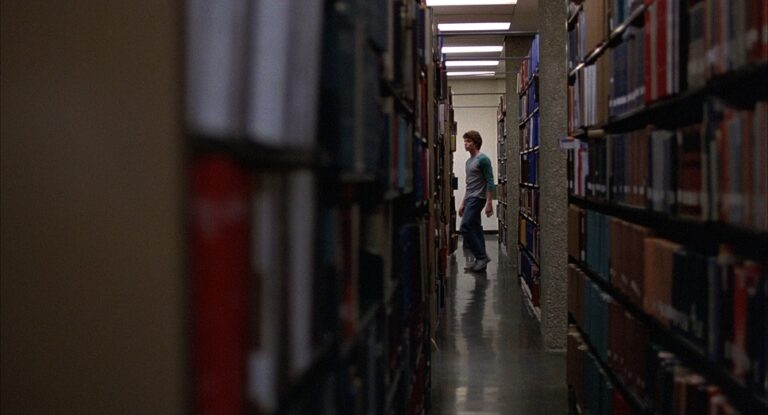
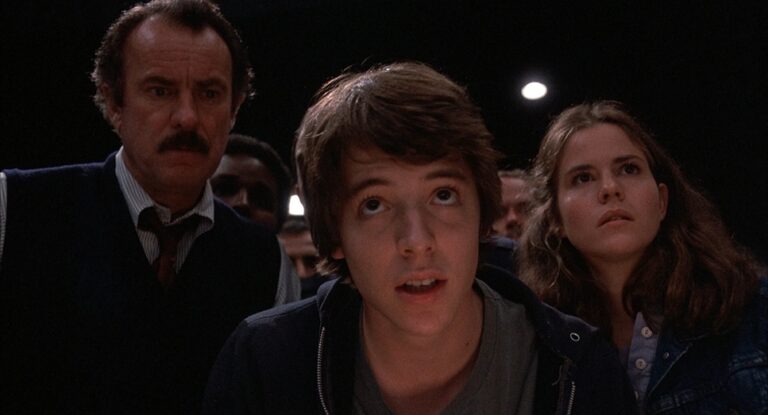

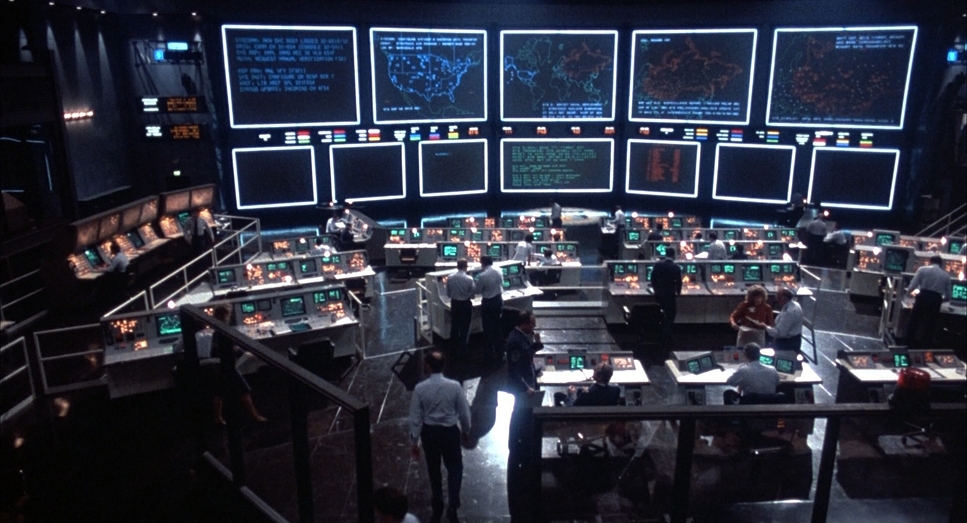
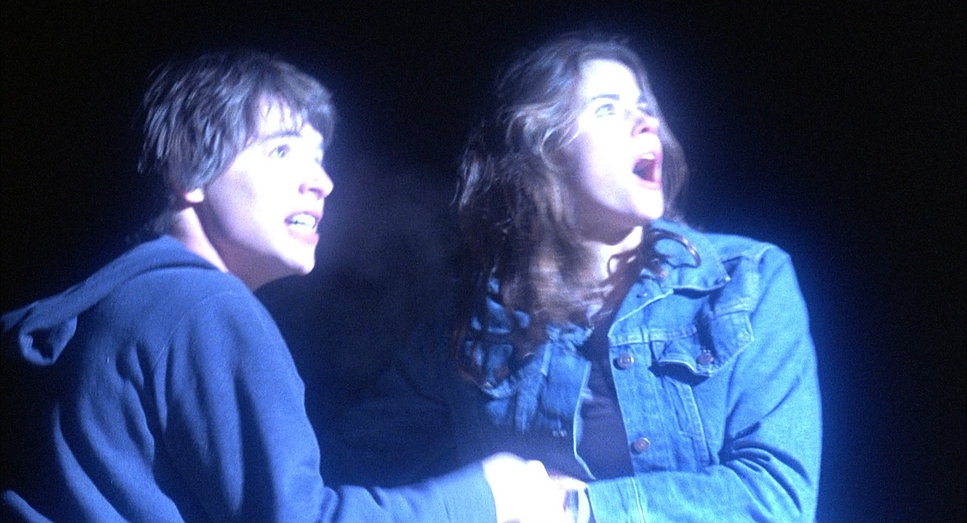
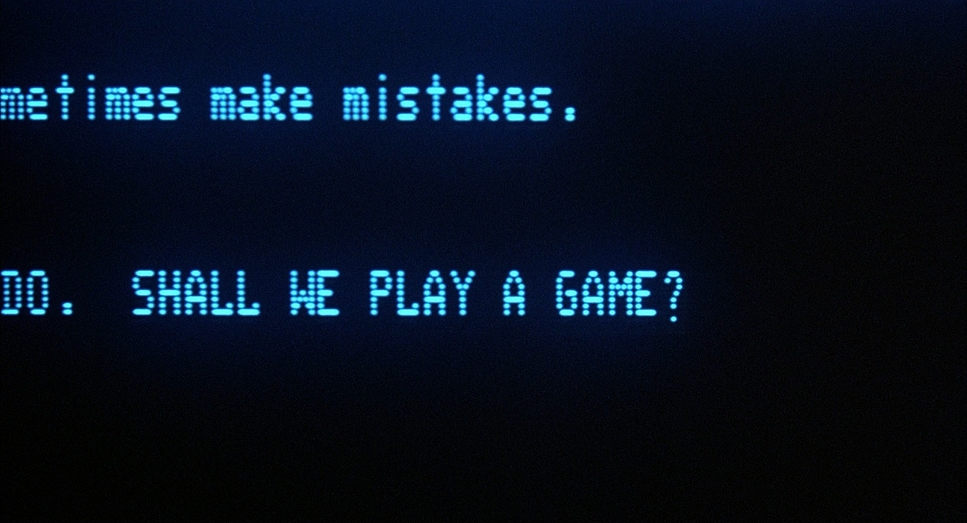
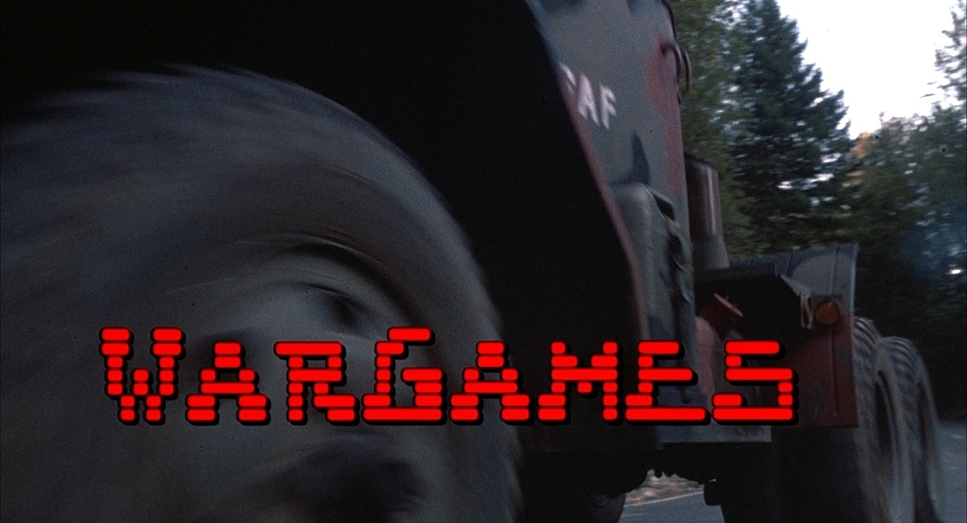
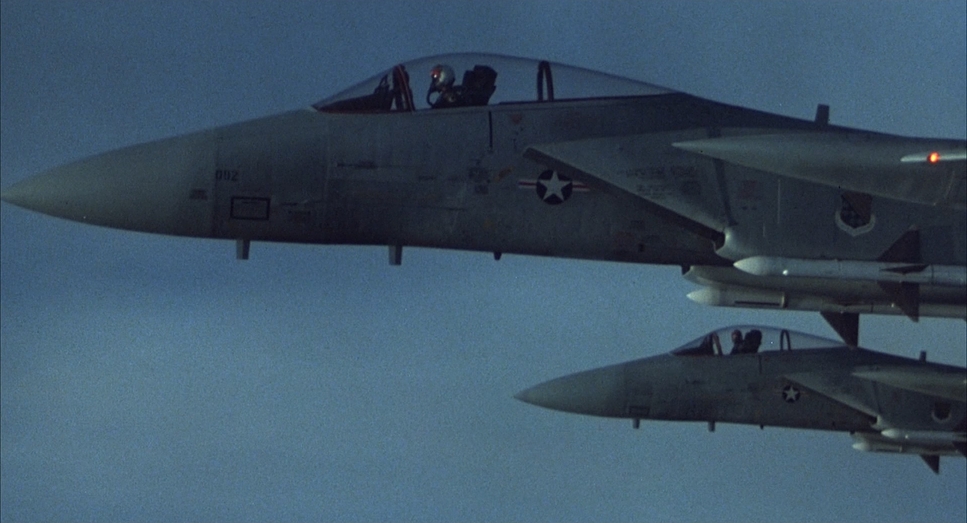
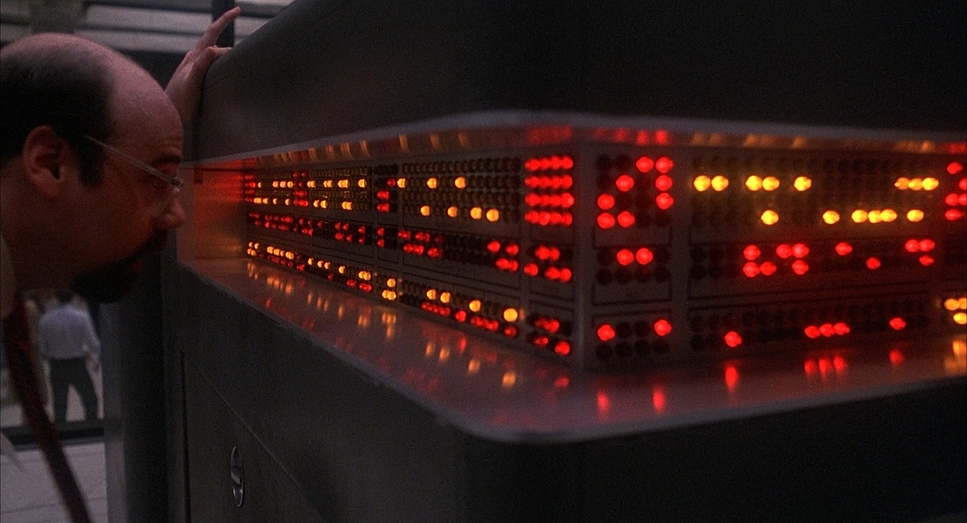
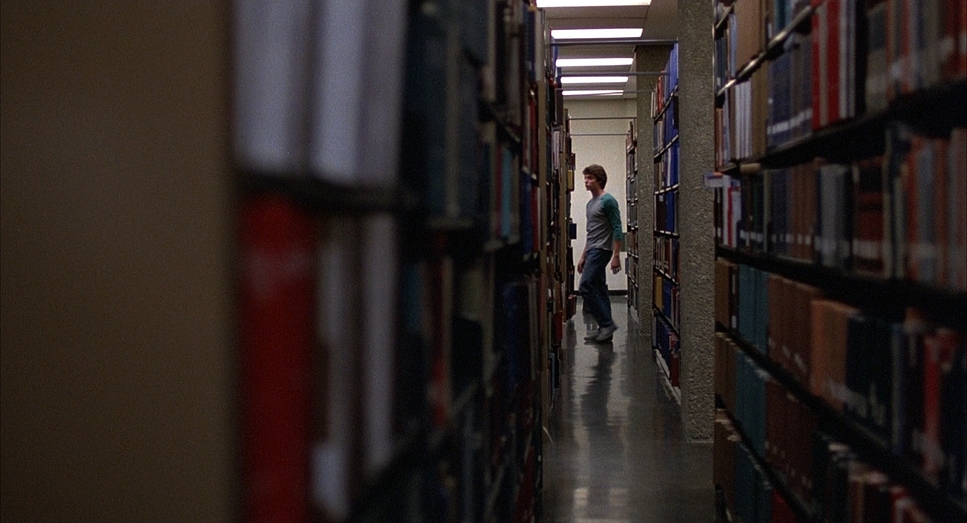
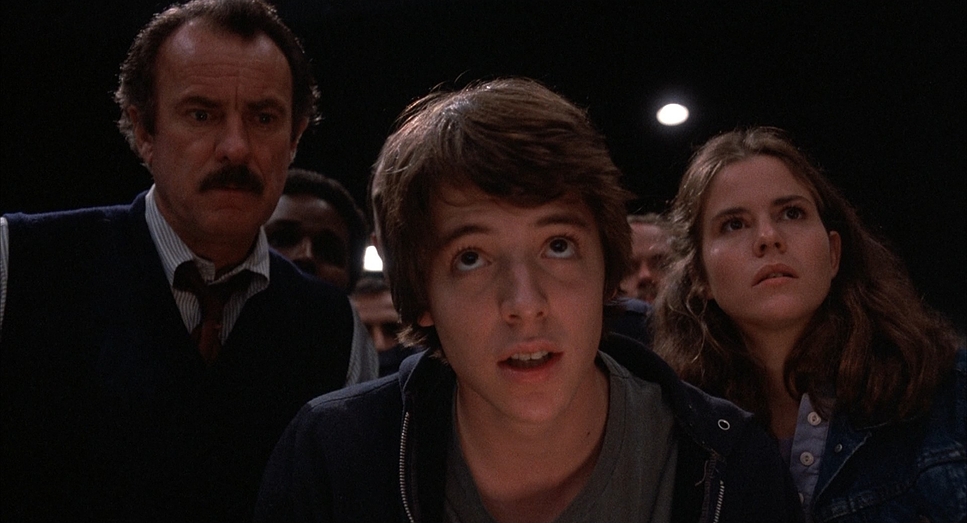
My older brother was a big movie enthusiast so he got me watching foreign films, classic films, things like that. So I had that on one side and then all these amazing 80s movies that just dropped right into my life at the time when they were going to affect me the most. I saw Star Wars when I was 7, Indiana Jones, Poltergeist… all these movies where I was just old enough to understand and appreciate and be completely taken in and shaped by them. Once I found out that computers were not necessarily my thing, that’s when I pivoted to go into film and took that leap of faith.
Well that’s a great segway – you mentioned two Spielberg films in there as inspirations, and now you’re working on his films. Could you talk about how you first met DP Janusz Kamiński and started to work with him?
The job that brought us together was Bridge of Spies, and I have to credit a New York based producer, Carla Raij, who I’d worked with on a pilot earlier that year. We both lived in Brooklyn and I would see her at our kids soccer games and one of those weekends she said, “I’ve got this job coming up, and I can’t tell you what it is yet, but it’s a group of people that don’t shoot in New York a lot, and I think you’re gonna wanna do it”. So my mind started racing and my first thought was, oh my god. It’s Bertolucci and Storaro. Of course, a couple weeks later she said it’s Kamiński and Spielberg.
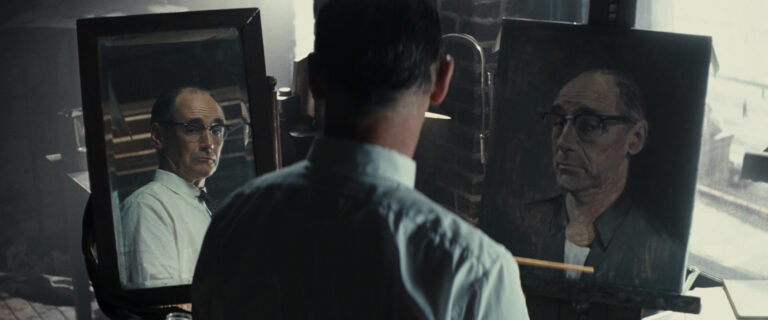
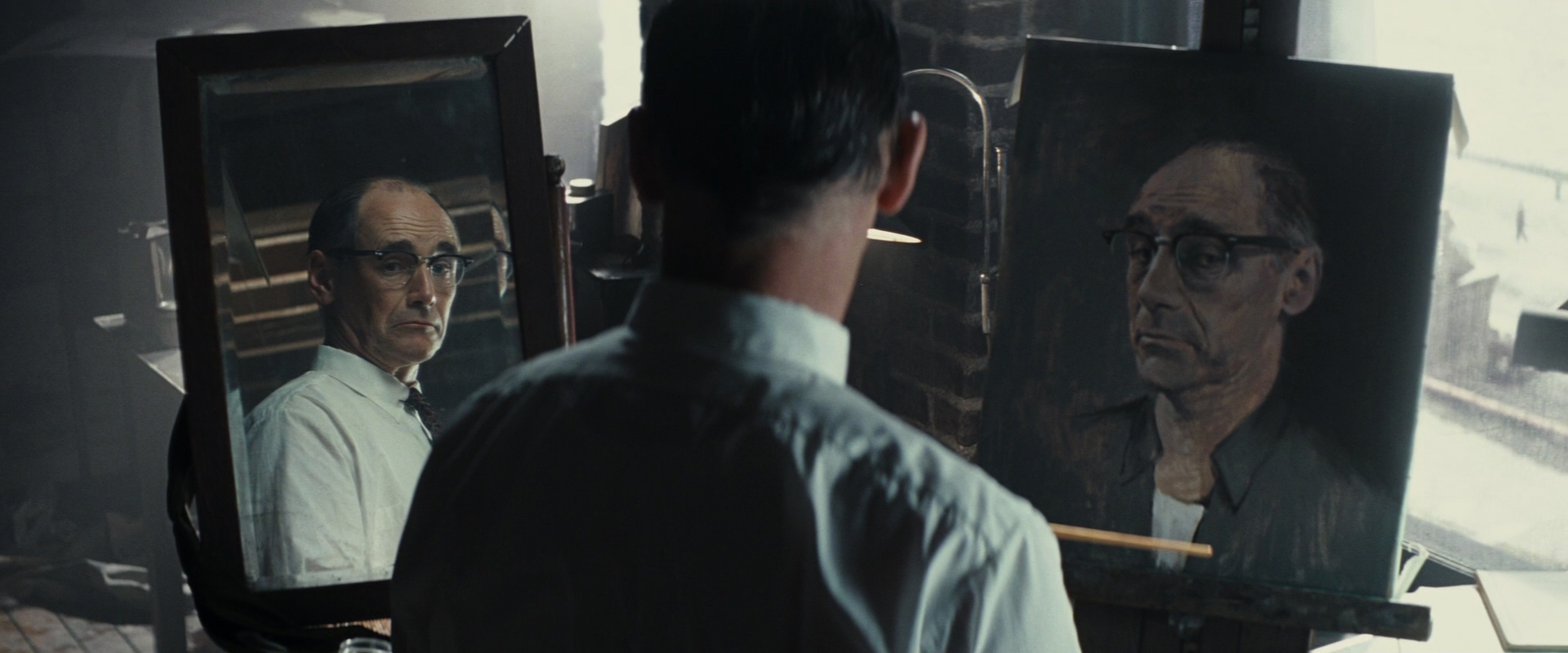
I made it through the interview process, met Janusz, and that was the beginning. My trajectory with that group was a nice entree into working with them because I just did the New York segment of Bridge of Spies. So it was seven weeks and a digestible introductory time period where we could go 110% the whole time and just knock ourselves out. So we gave it everything we had and honestly, at that point, I thought, this is gonna be the first and last time I work with these people just because they don’t come to New York that much. But Janusz had a wonderful long-time gaffer named David Devlin, who moved on to shooting. So there was a door open for me to enter this group, and it was just the right place at the right time.
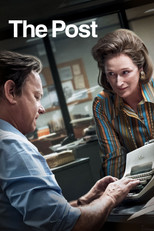
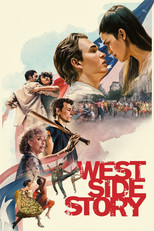
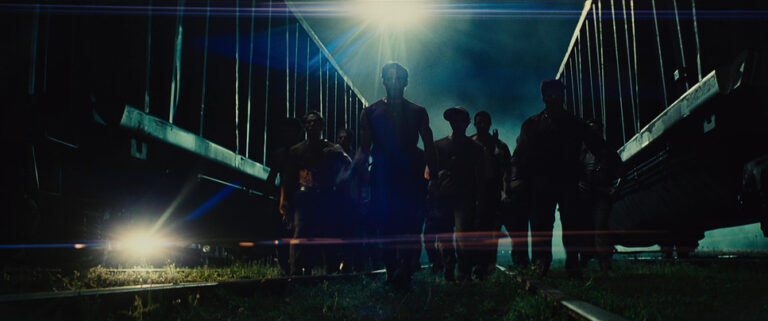
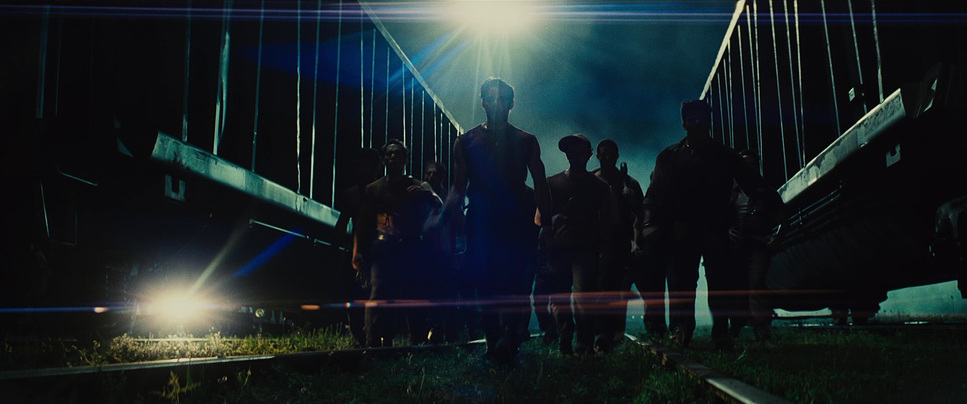
After that we did The Post and then the third movie that we did was West Side Story. If I’d started with West Side Story, I don’t know if I’d be here today. I think it was great to have that sort of massage into that group and have an understanding of their working process because I could protect their priorities. Every production has its things that they’re prioritizing, and I think that that’s certainly the case with the Spielberg family. There’s certain things that they expect, and so it was super helpful going into West Side Story with that introductory learning out of the way.
What were some of those priorities in terms of Disclosure Day?
That was actually interestingly the first of the four movies I’ve done with them that was set in the present day. The three previous ones were through this filter of the past, and this one was a little more grounded in reality just because of the setting. There were some visual effects sequences and things like that that we knew we needed to address early in prep. As far as an average day on set though, I think that Steven Spielberg is very improvisational in the best sense. It’s a living breathing process, and I think the expectation is that we’ve all read the script.
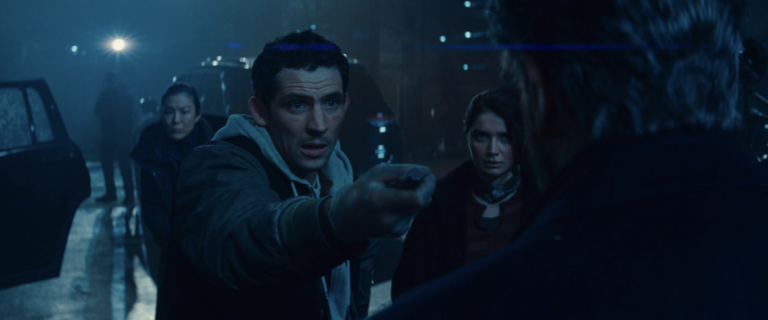
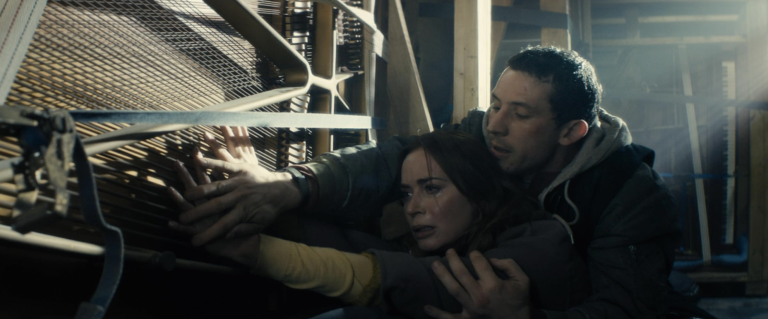
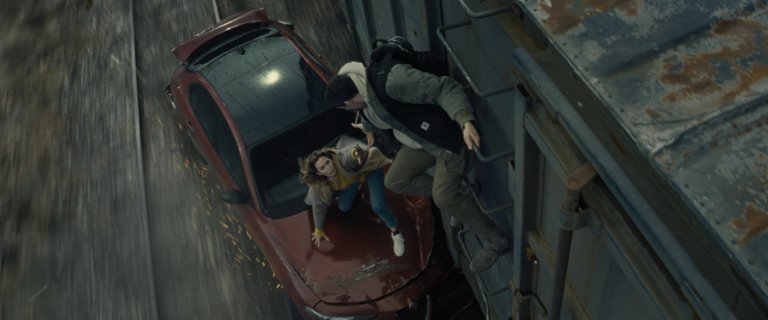
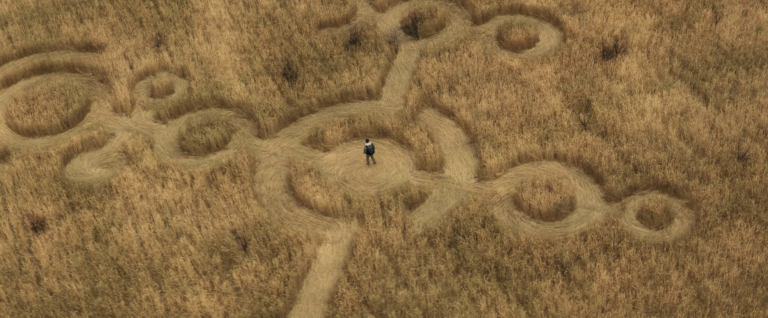
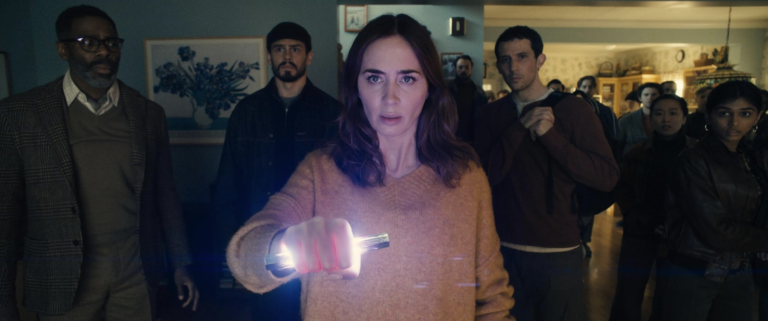
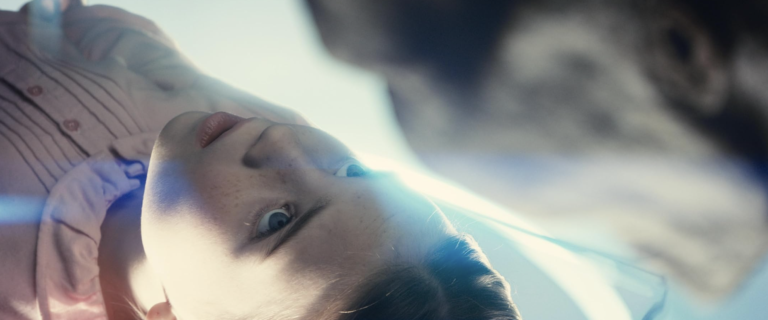
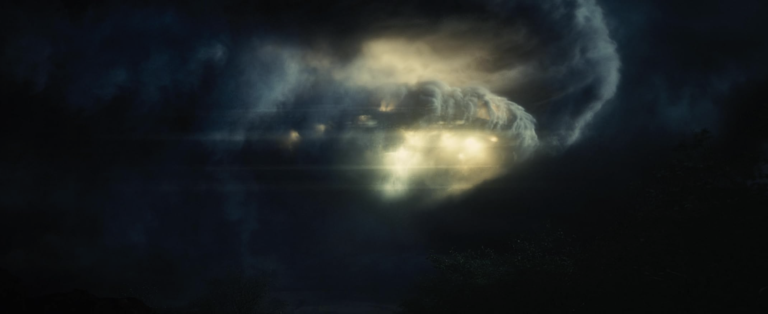
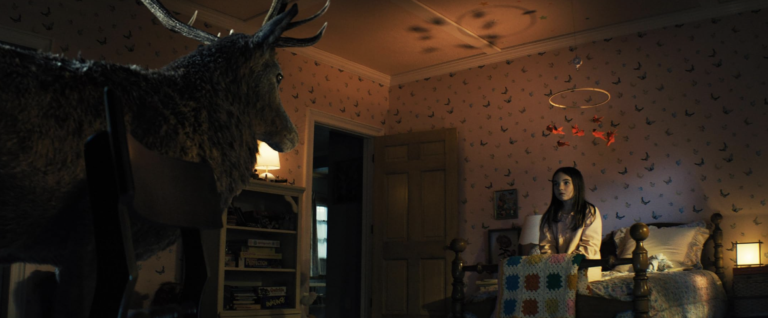
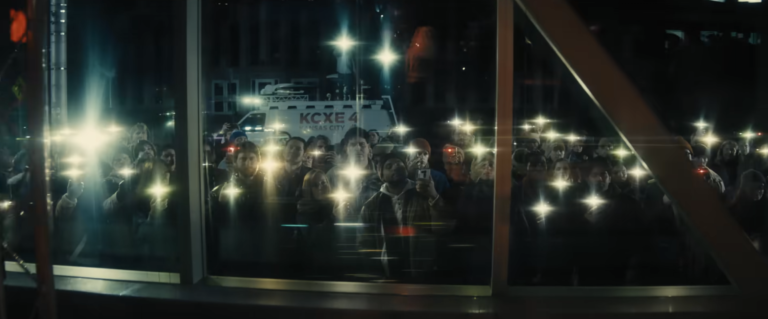
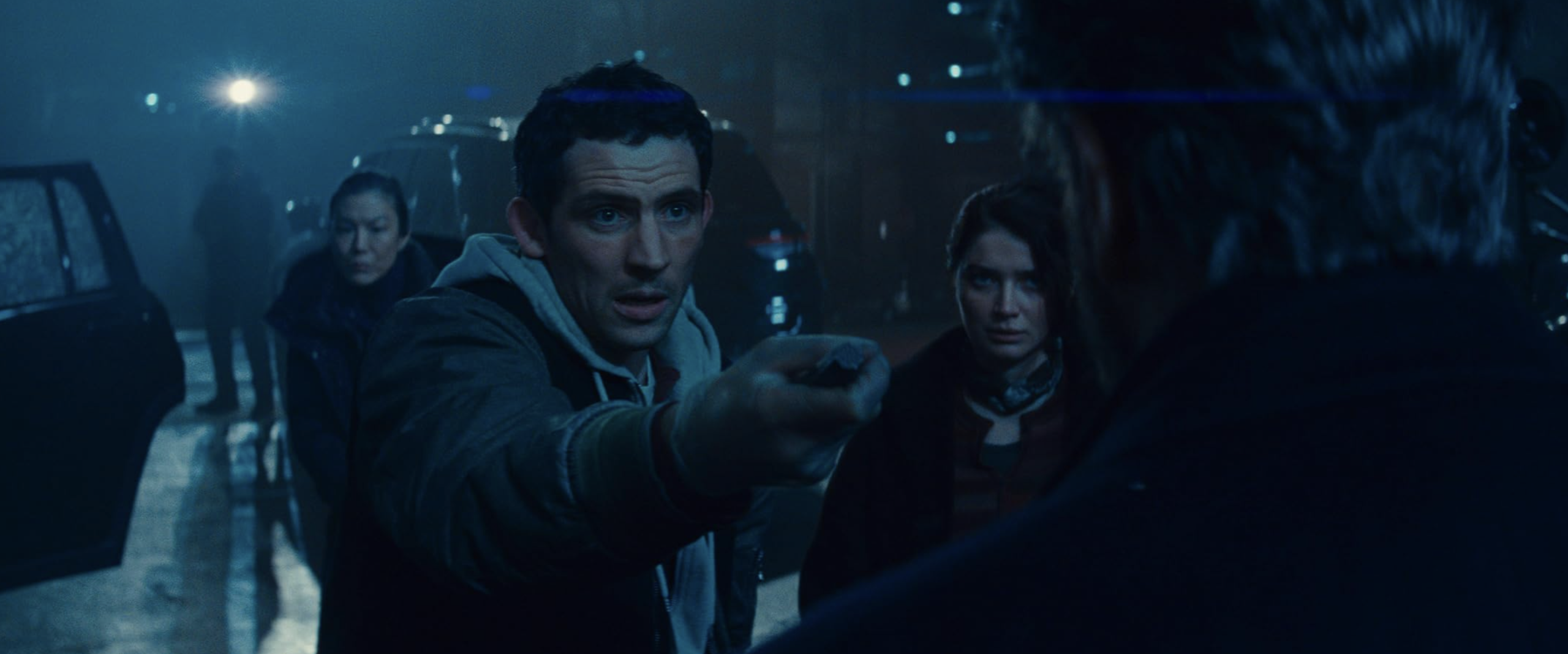
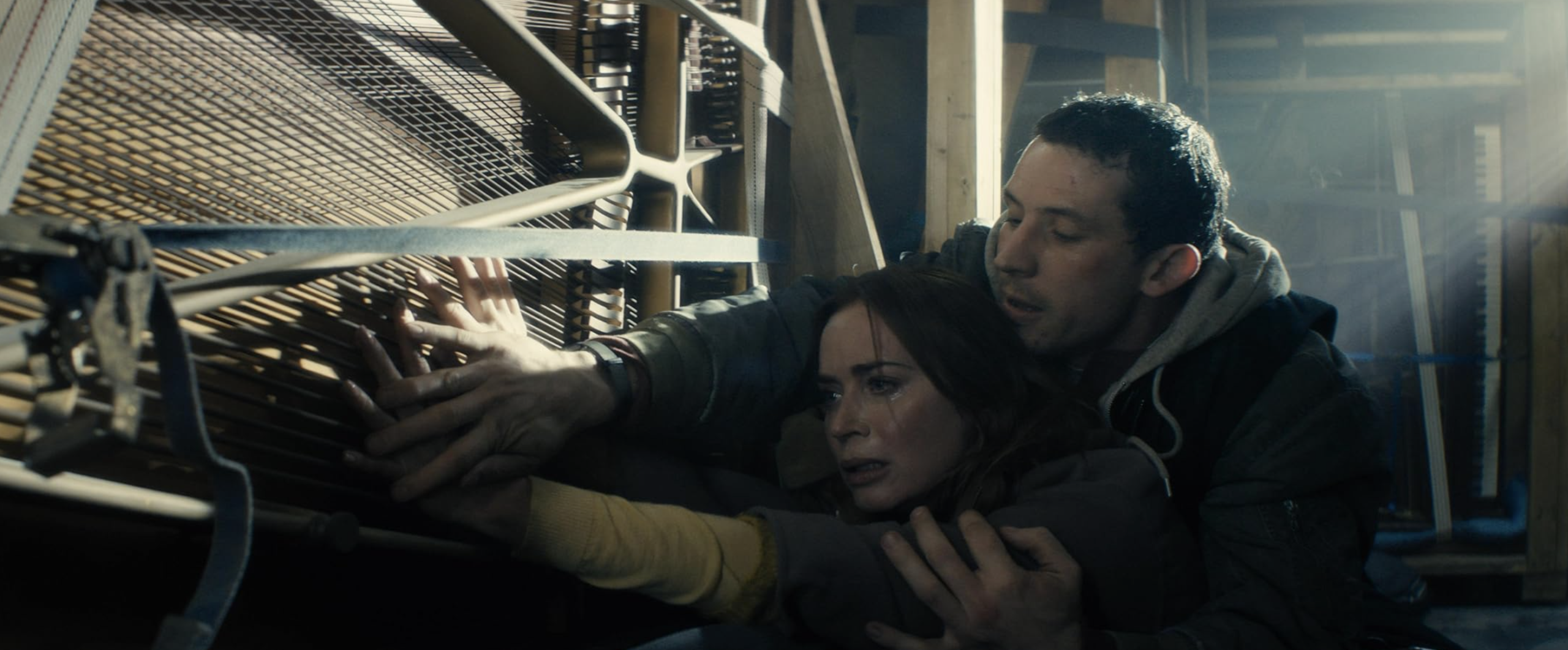
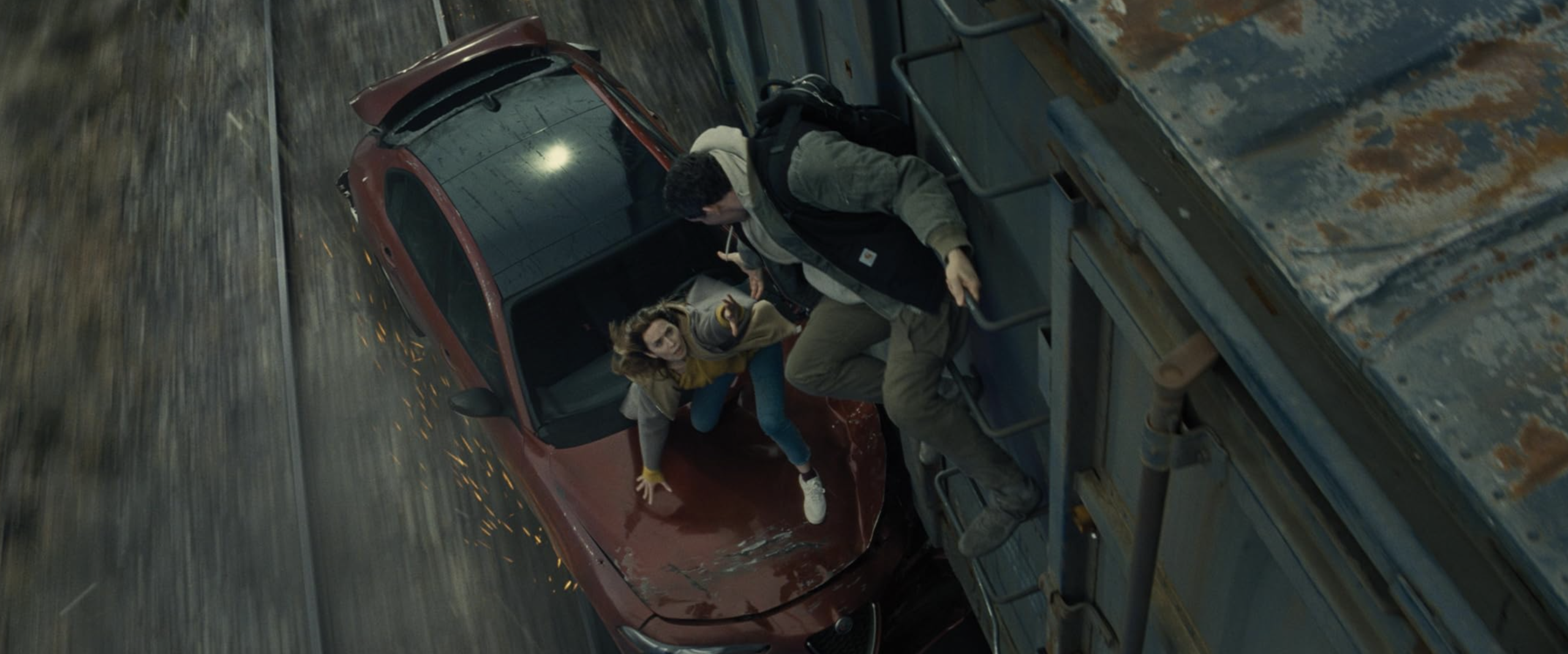
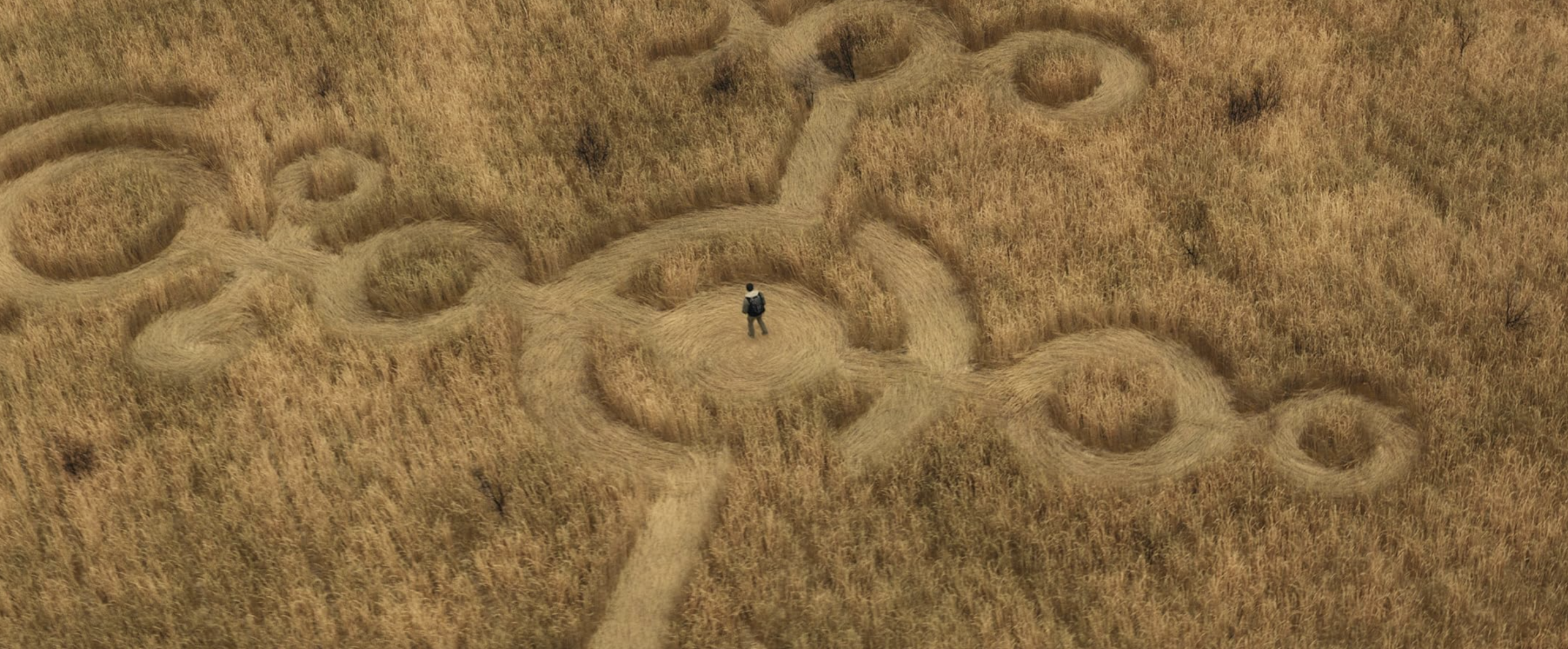
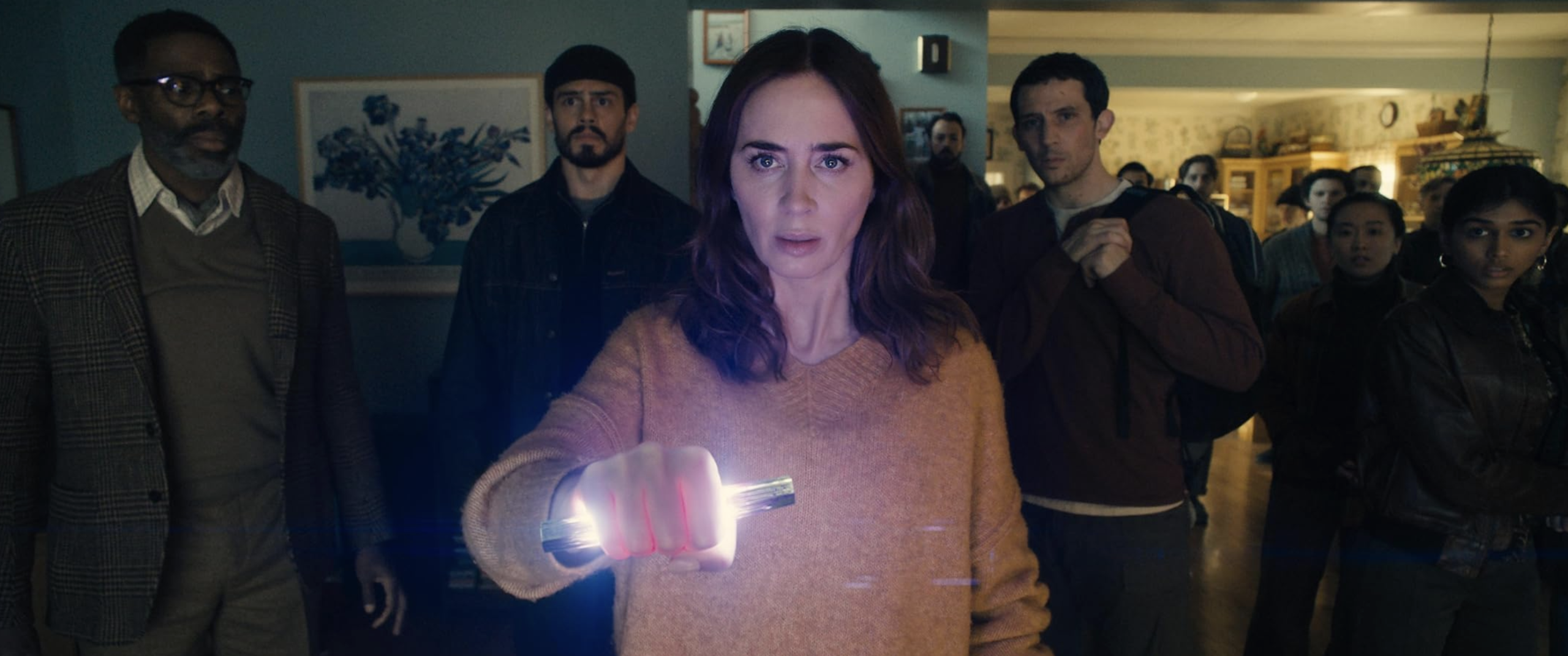
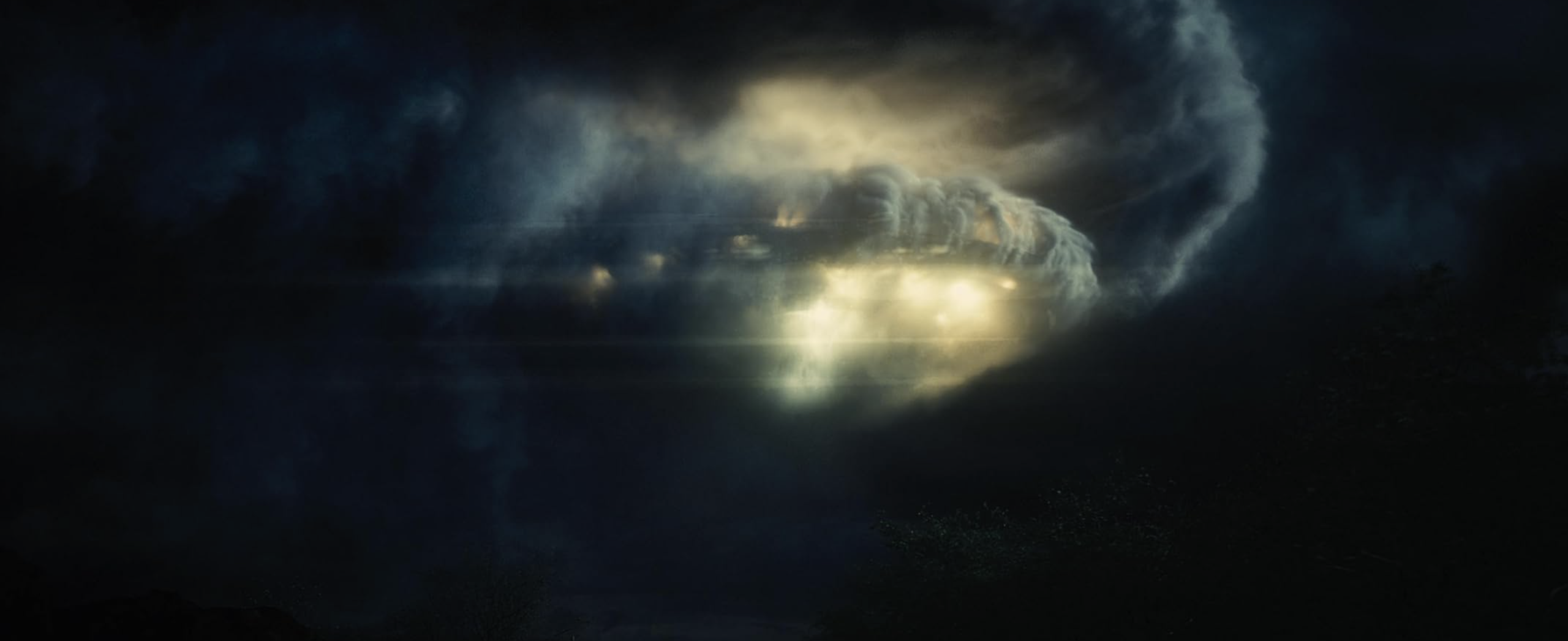
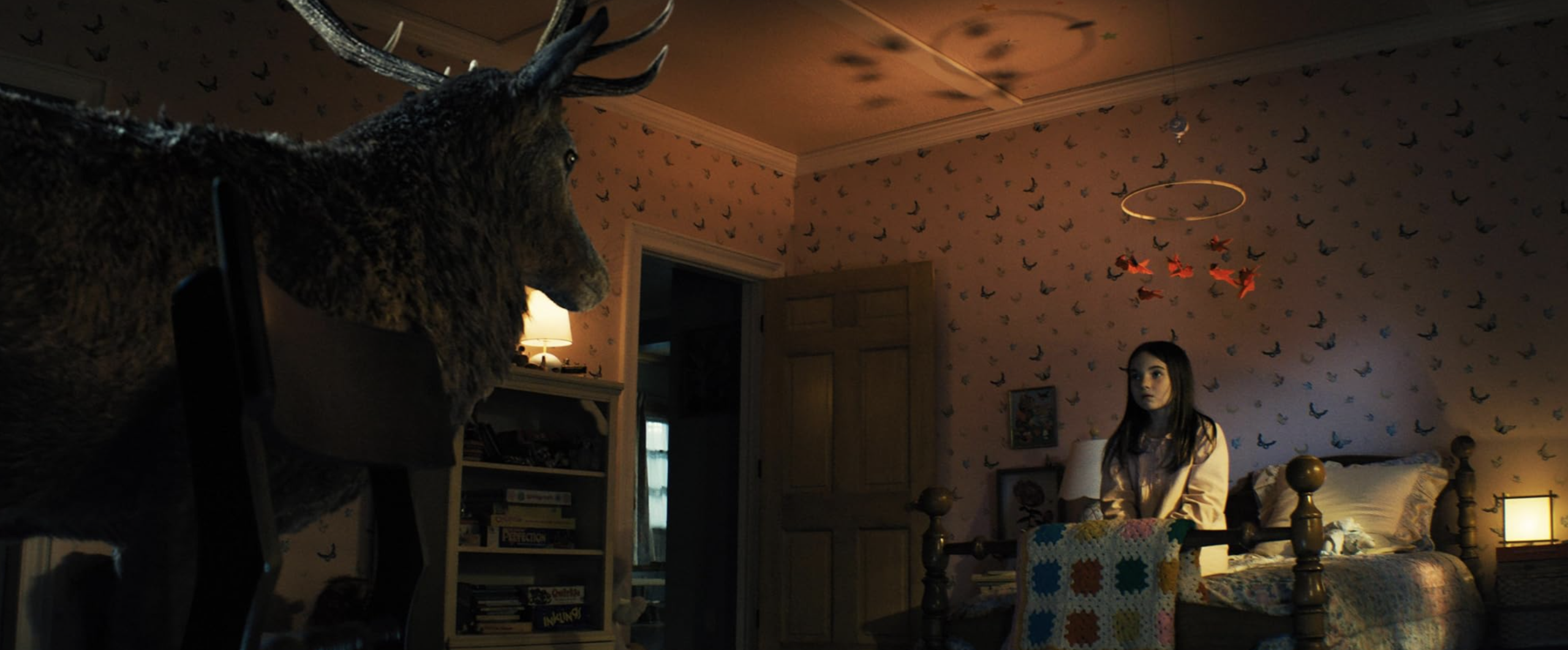
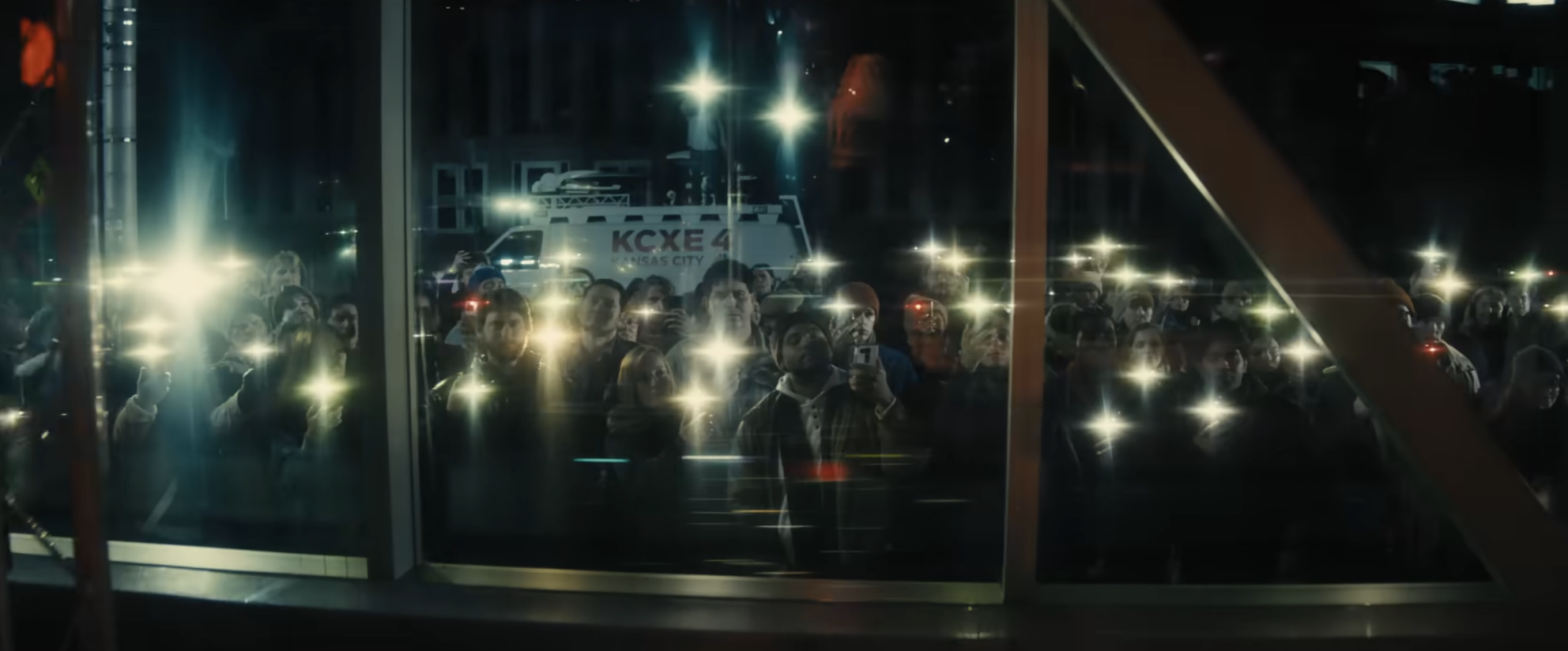
We all understand the storytelling and we all have this movie in our head and the legacy of basically growing up watching his movies. So as a viewer, we understand him. Janusz would often say “Stevie, you don’t have to ask me if you can do this. You just go do it”. You just have to chart your course and understand the territory and start making the film. For me, it’s getting in with the art department early. The first time I walk into the office you’re already on your heels a little bit because the art department has had a month, or months, of lead time. So you’re walking in and seeing an art gallery full of images and renderings and hours of work that’s been done already to set the stage. It gives you an immediate visual sense of what you’re working on, and you can start to align your sensibilities to that.
Steven’s speaking to a broad audience, and there’s not a lot of people walking out of the Spielberg movie that missed the point, you know? He makes sure he communicates and touches every audience member and I think that’s something he’s particularly good at. From an aesthetic point of view for us, if there’s a visual statement he’s trying to make, we have to punctuate that visual statement. If it’s a light coming through the window, you know, that light should be very defined and strong.
Steven is just as enthusiastic on the set as he is in interviews and things like that. It’s not a put on. That’s 100% who he is, and it’s very endearing and inspiring. I feel a little guilty in a way because I sort of want other people to see this too, to witness this thing because it’s really a labor of love. You think that it wouldn’t be as new and fresh, but it’s because everybody’s so passionate and excited about it and his energy sort of fuels everybody else’s energy. Between him and Janusz, I tell people I’ve never worked so hard, and I’ve never laughed so hard. It’s truly an exhilarating experience to be there.
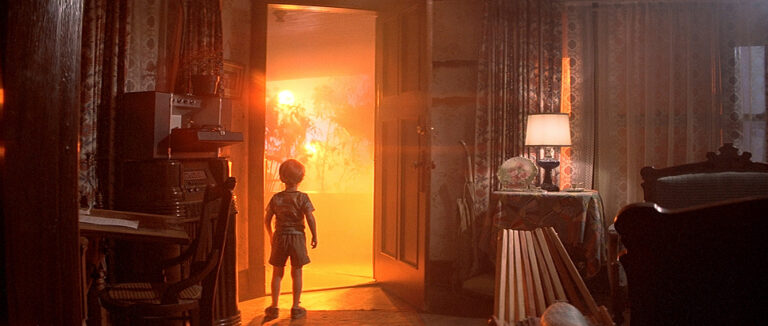
I feel like we need a whole documentary about the behind-the-scenes process for these titans like Coppola had with Megadoc. Spielberg, Scorsese, all of these films should have full length documentaries about the making of their late stage films.
You’re absolutely right, just to witness it and to see the ways in which there’s things that we do right and there’s mistakes that we make, and it’s a human process. It’s not like this is absolute perfection from start to finish. We’re making mistakes. We’re making corrections, and it’s all constant massaging of trying to get things right. I just love sharing information about it because I’m happy to report back that it’s everything you dream it would be. It’s really wonderful.
Going back to Disclosure Day, specifically, I’m curious what films you and Janusz were referencing in pre-production and on set in terms of the look of the film?
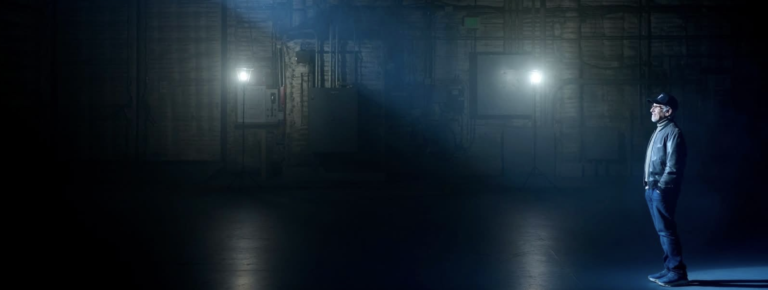
Well, Janusz mentioned A.I. Artificial Intelligence because I think it was similar in terms of scope to the film, but also Close Encounters of the Third Kind.
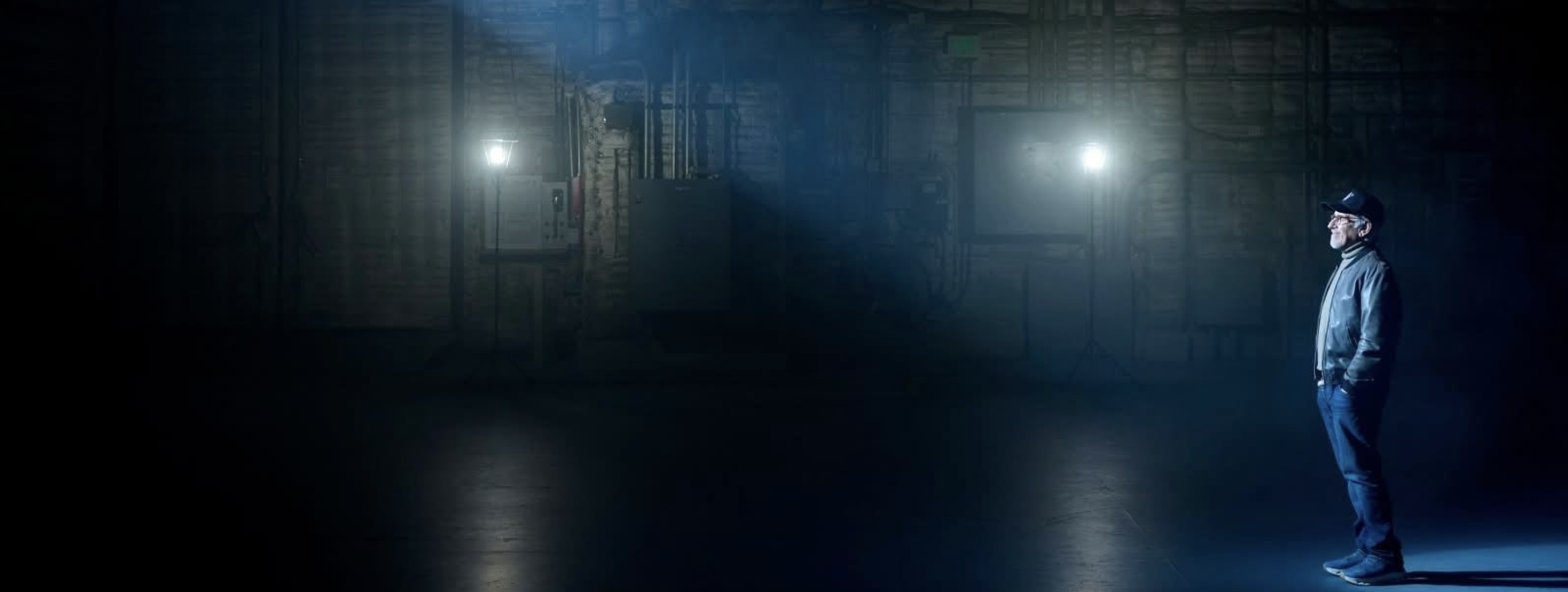
So you were just referencing Spielberg movies? That’s amazing.
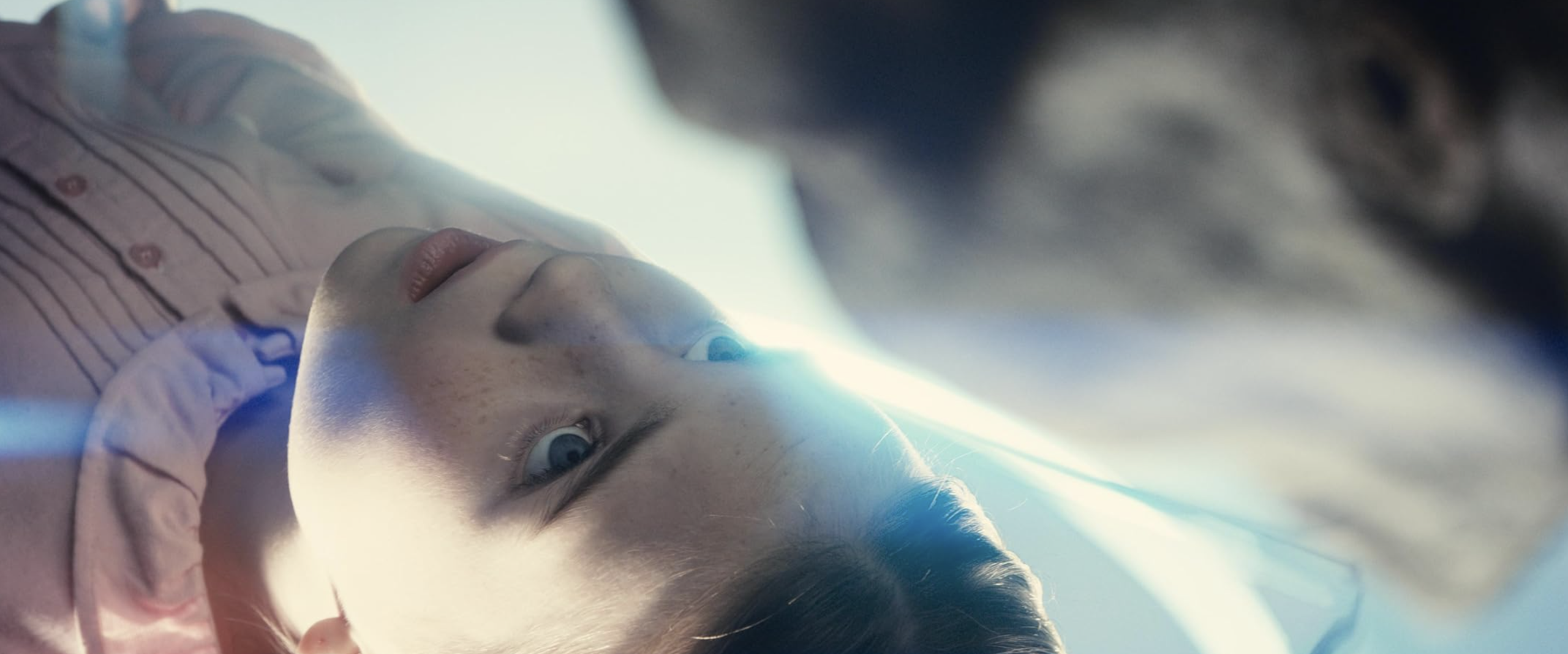
I mean, there’s so much. You don’t have to leave the playground, you’re definitely working within Spielberg’s world and he’s got this vast legacy of film. I always think of Close Encounters, the kid opening the door and the ship is outside and that quintessential sort of Spielberg flaring of the lens. Janusz has been playing around with flares for years and I think that, although I’ve never talked to him about it in this sense, it feels like those flares have their seed in that quintessential Spielberg magic.
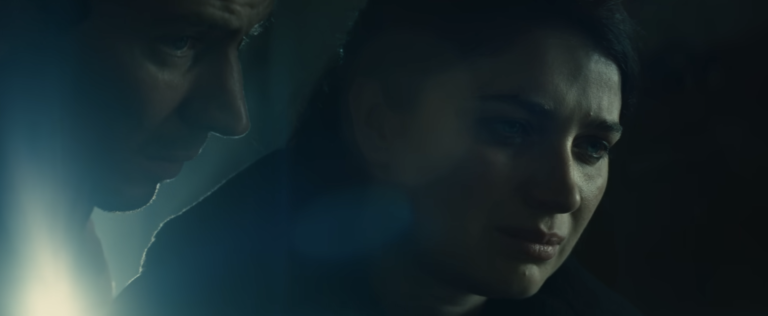
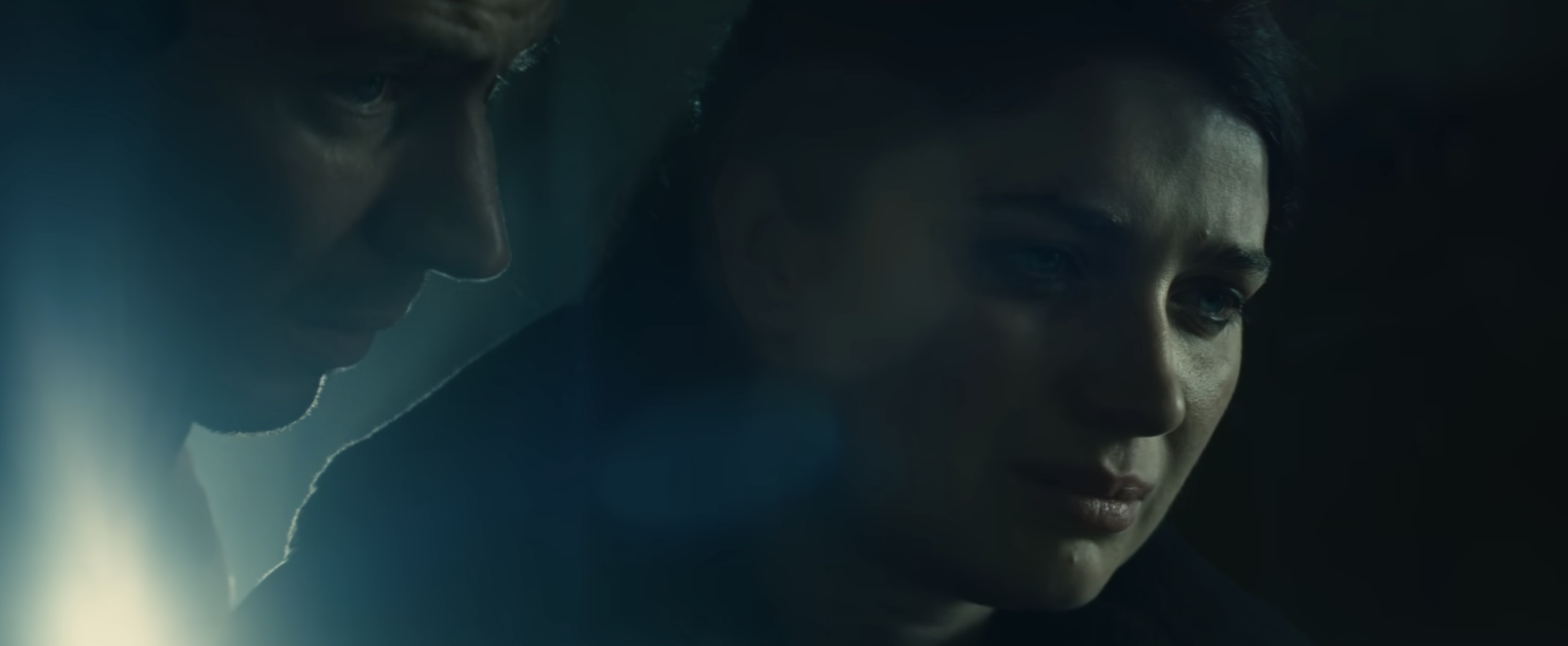
It’s using flares for emotion. You were giving that example of defining a light coming through a window before and it reminded me in Disclosure Day of the hideout scene, where Josh O’Connor’s character is showing Eve Hewson’s character the files for the first time and there’s this huge light coming through a window behind them that’s basically a curtain that you’re using to block his face until he clicks play.
It’s genius. It’s just such a bold graphic thing. It’s less about “Where is that light coming from?”, it’s like, let’s not even ask that question. Let’s just enjoy what it’s doing. Let’s just be energized by this thing that’s in front of us. It’s sort of a visual excitement.
How do you and Janusz go about developing the looks for these different environments like the Wardex Headquarters, Hugo’s Warehouse, the TV Studio, etc.
Well, when you see those artist renderings early in pre-production of these sets, that’s what’s been proposed to Steven. So I think we usually use that as our foundation for communication. If we have to alter something, we at least honor the spirit of it. Sometimes those renderings are a little misleading, and sometimes they don’t exactly follow the rules of physics, so it’s sort of like a serving suggestion.
The Wardex set was a big collaborative effort for the art department and construction and electric and the video team because that was all a physical set. The ceiling was physical, everything had physical elements. There wasn’t a single visual effect set extension in that whole environment. It was all 100% real, so that was almost like its own job on this project. It was such a big set that you’d work on the other sets in between, but it was weeks and weeks of ongoing evolution, problem solving, and pitching different lighting products. We did multiple show-and-tells with different LED products that we could fit into different parts of that set and integrate into the set design. So there was a lot of collaboration there that I think paid off in the end.
You can feel the scale of the Wardex set, even in just the reflections, with all of those windows in the space and lights and screens bouncing around.
Yeah. That was the big set. It’s funny because if you’re lucky there’s usually one big set [on a shoot], and it’s easy to get overwhelmed. On subsequent shoots we’ve heard like, “Okay. This is sort of like the Wardex set of this job” or “It’s quarter Wardex on this one”.
I have one last kind question if you’re open to sharing: Did you believe in aliens before working on Disclosure Day, and did that opinion change over the course of making the film?
That’s interesting! I wasn’t expecting this question. I guess sure, why not? It’s fun to believe in it. So why wouldn’t I believe in it? I’ll be optimistic and say that it’s possible and maybe even probable. I like the whole conspiracy thread of: “Is this film the actual disclosure day?” Maybe, how do I know? I was a participant, but maybe there’s some master plan for a big reveal!