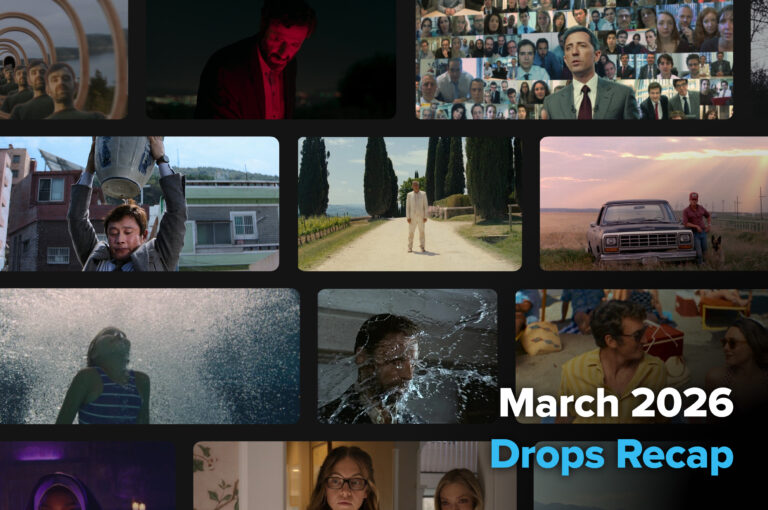
New Shots: Where is the Friend’s House & more Film Screencaps
Get your Decks ready ShotDeck Community! We’re dropping some great new shots this week, as well as an article featuring excerpts by Iranian filmmaker Abbas Kiarostami about his career. Remember you can always request titles for future drops by clicking here!
FILM SPOTLIGHT
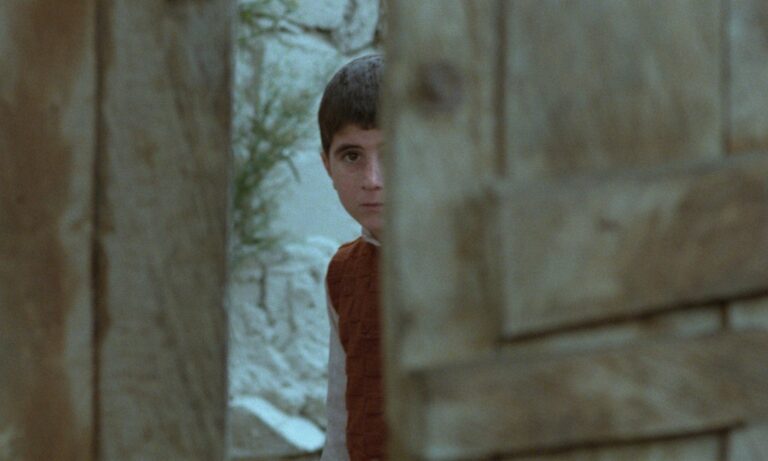
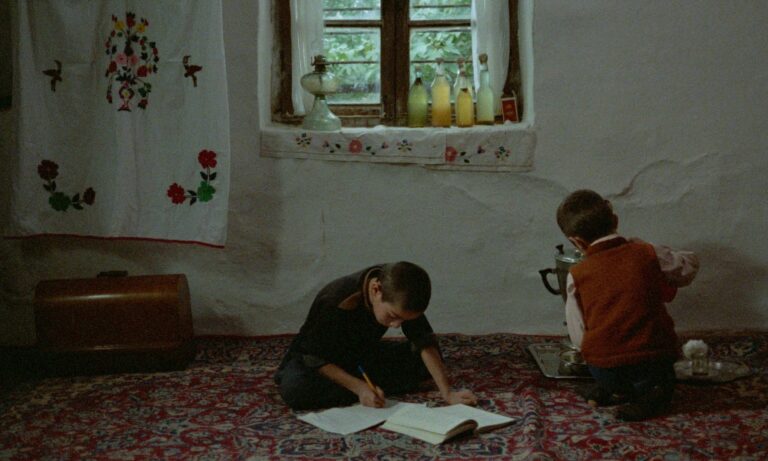
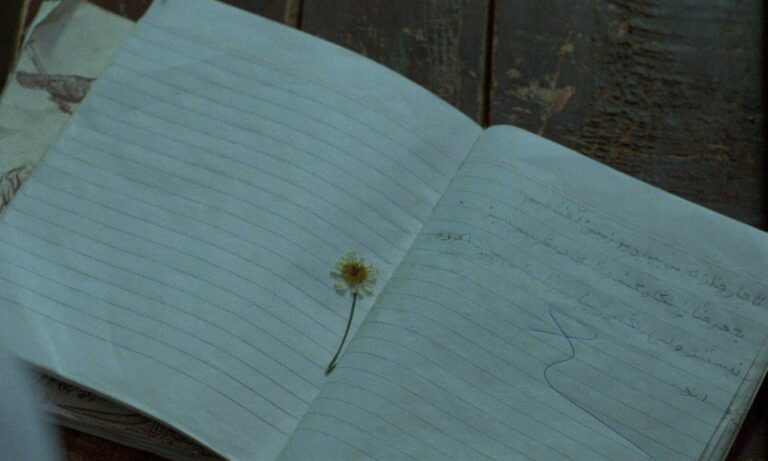
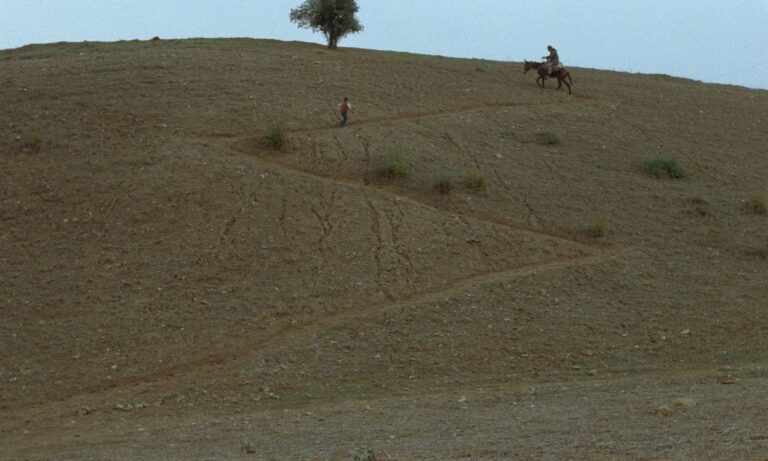
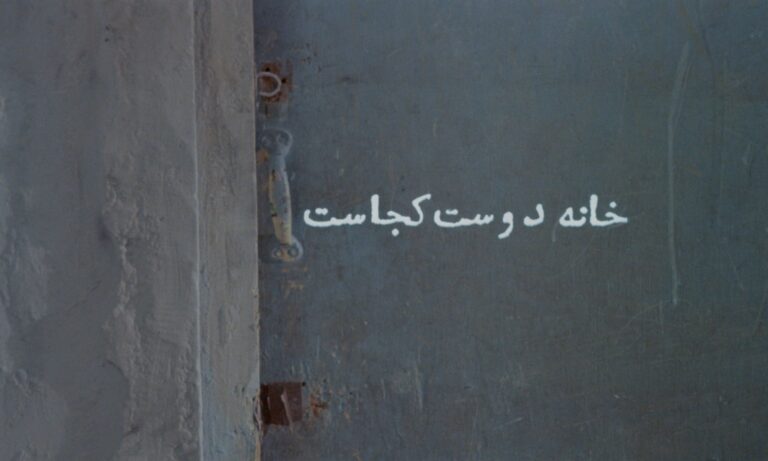
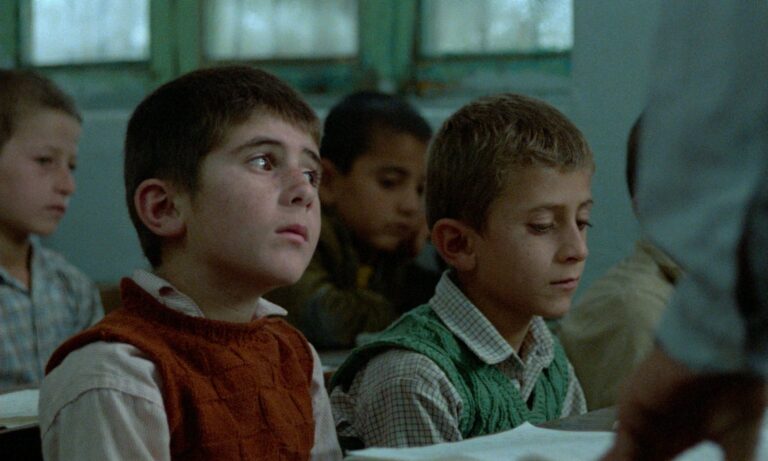
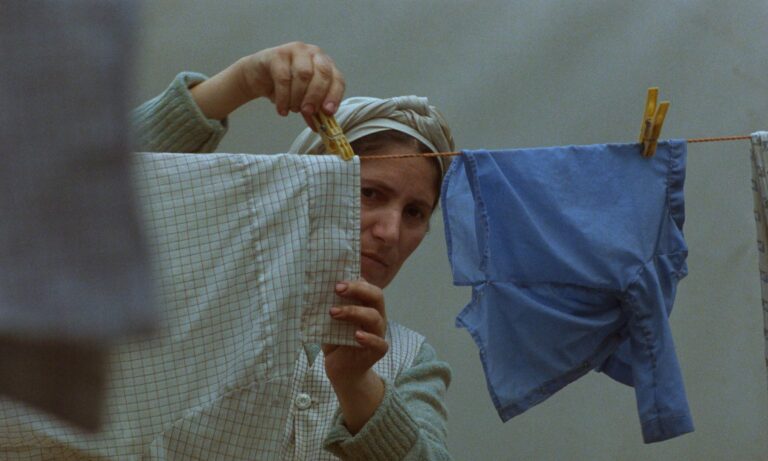
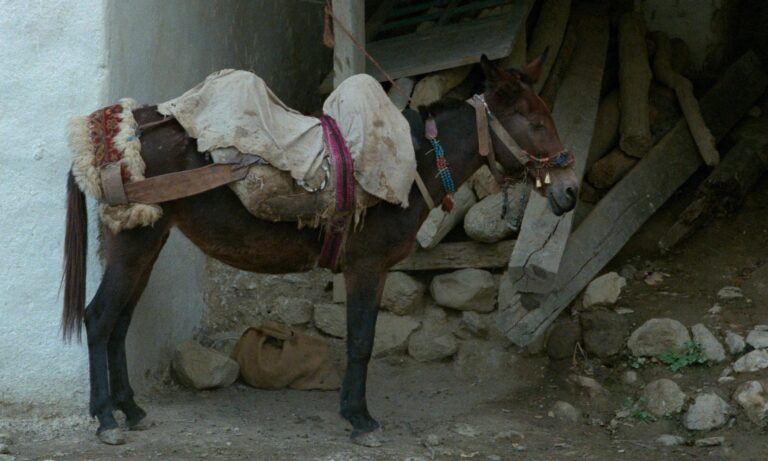
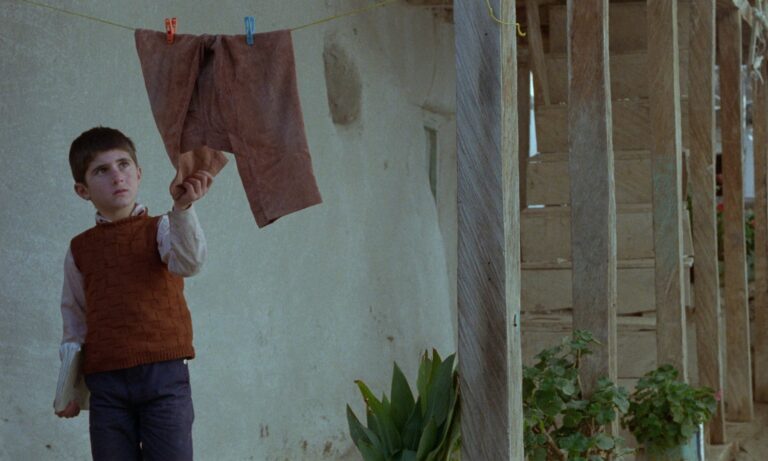
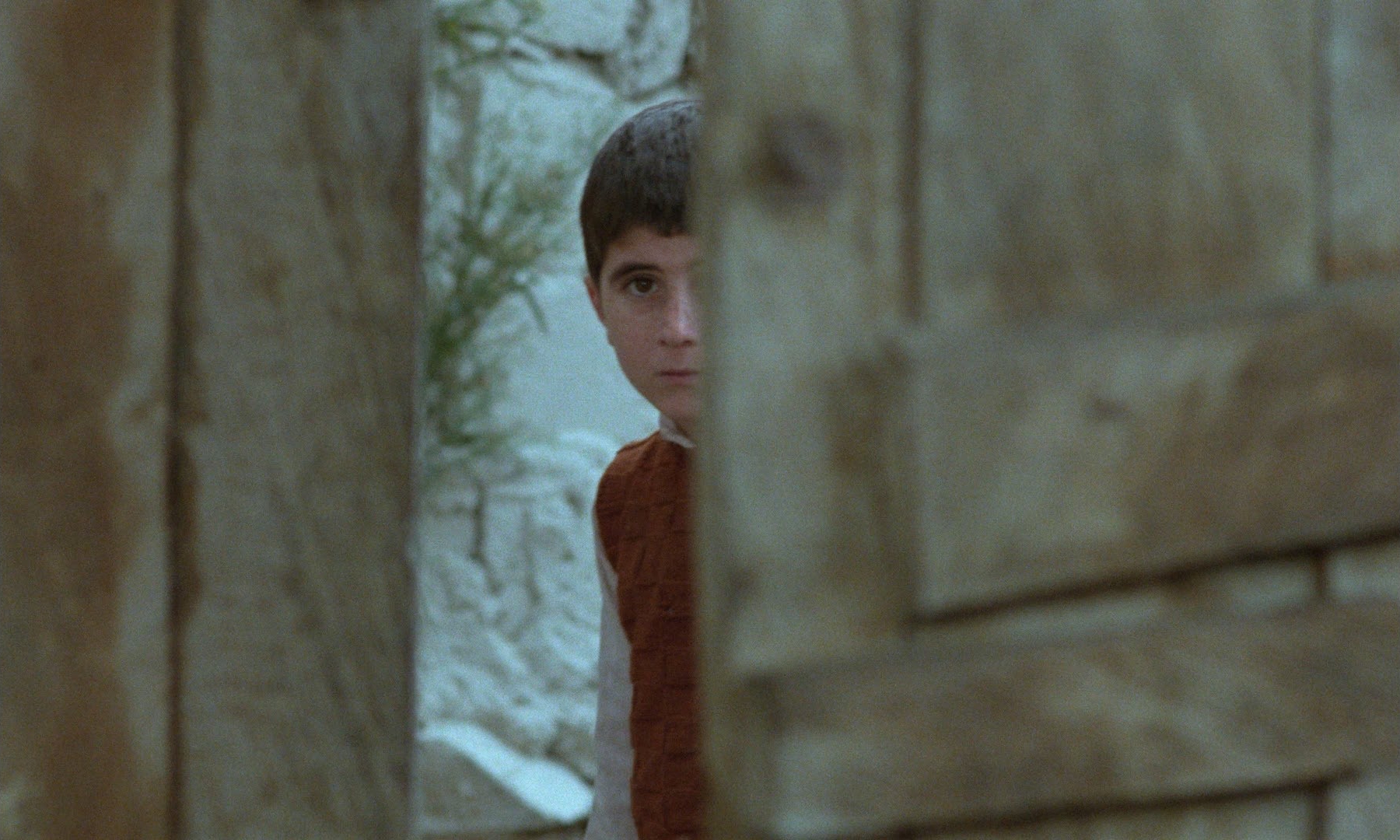
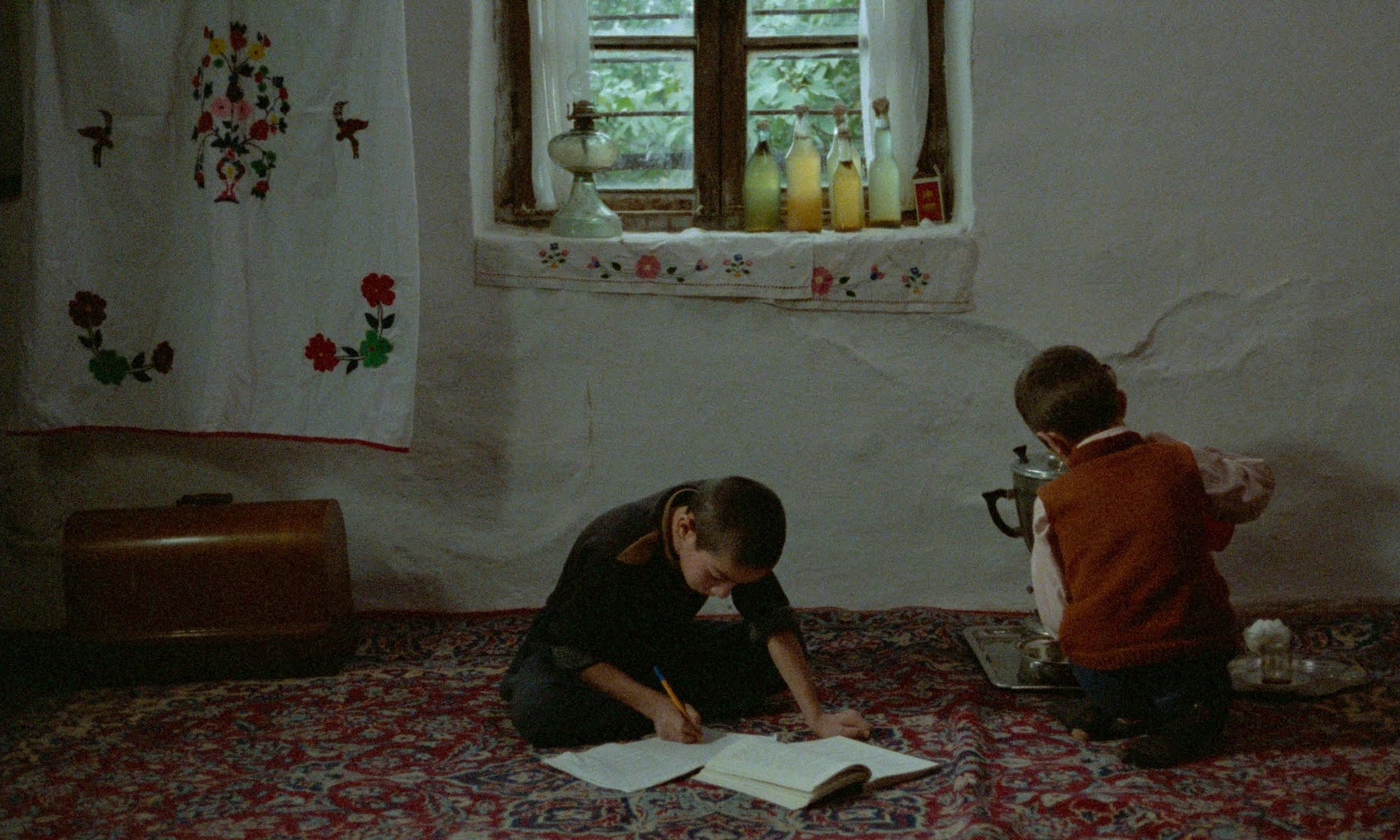
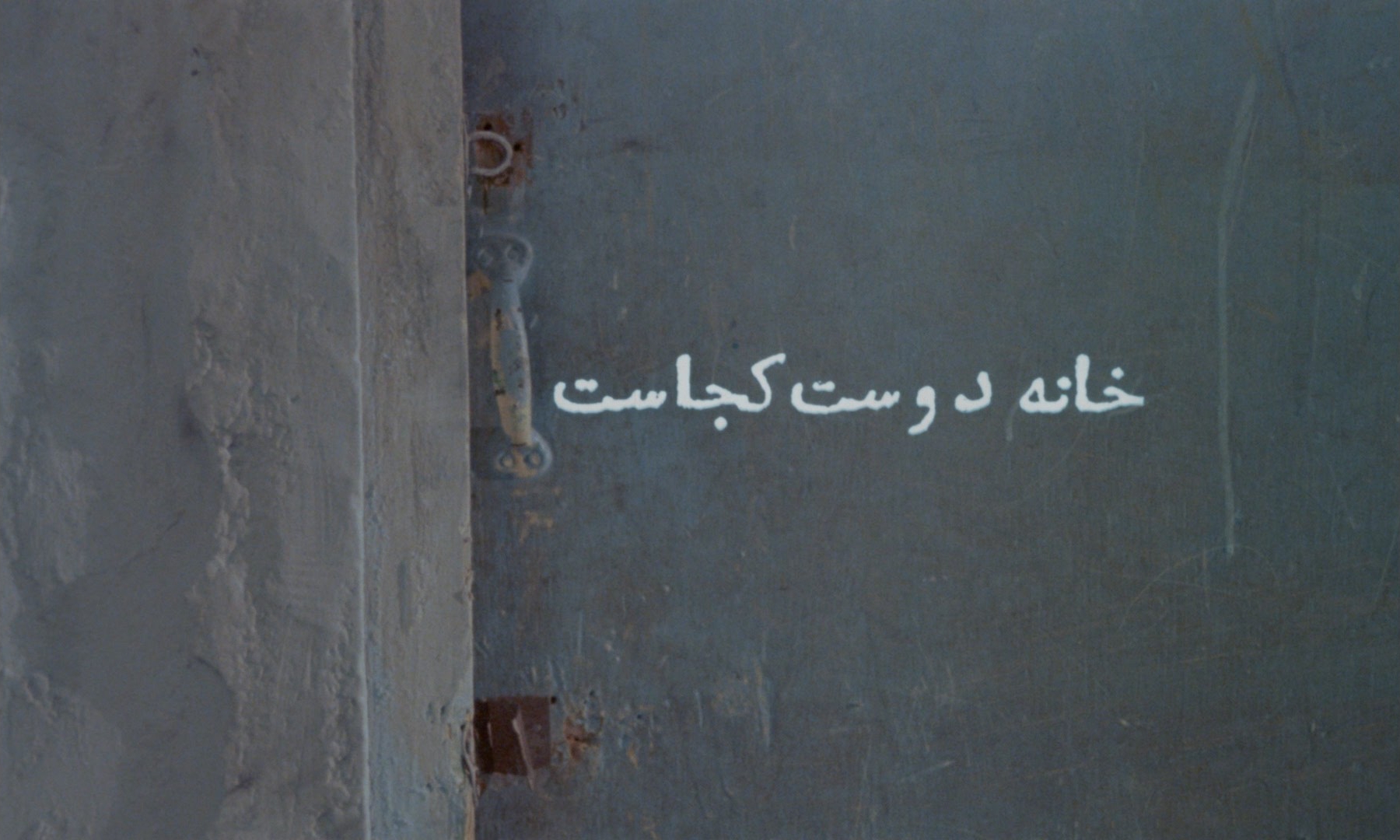
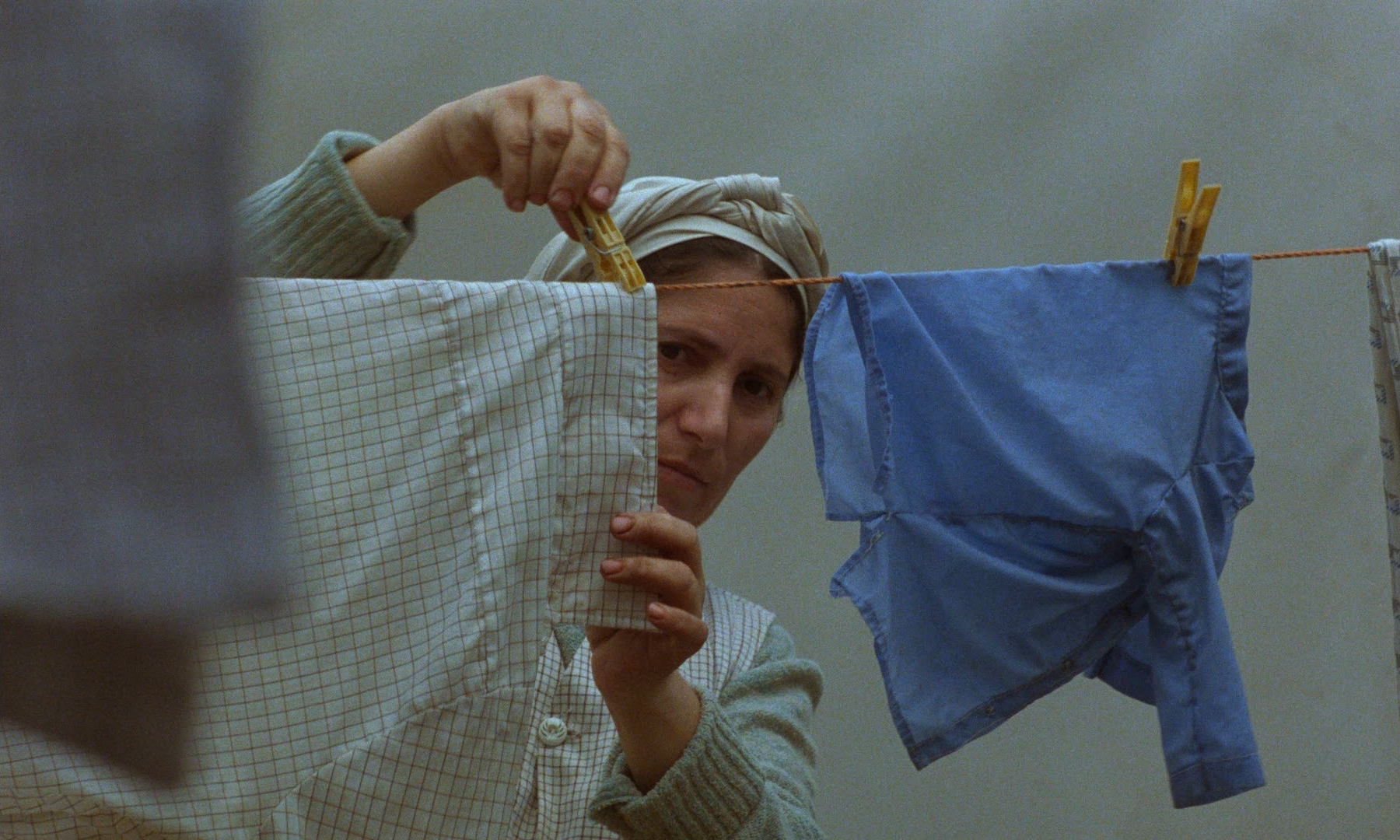
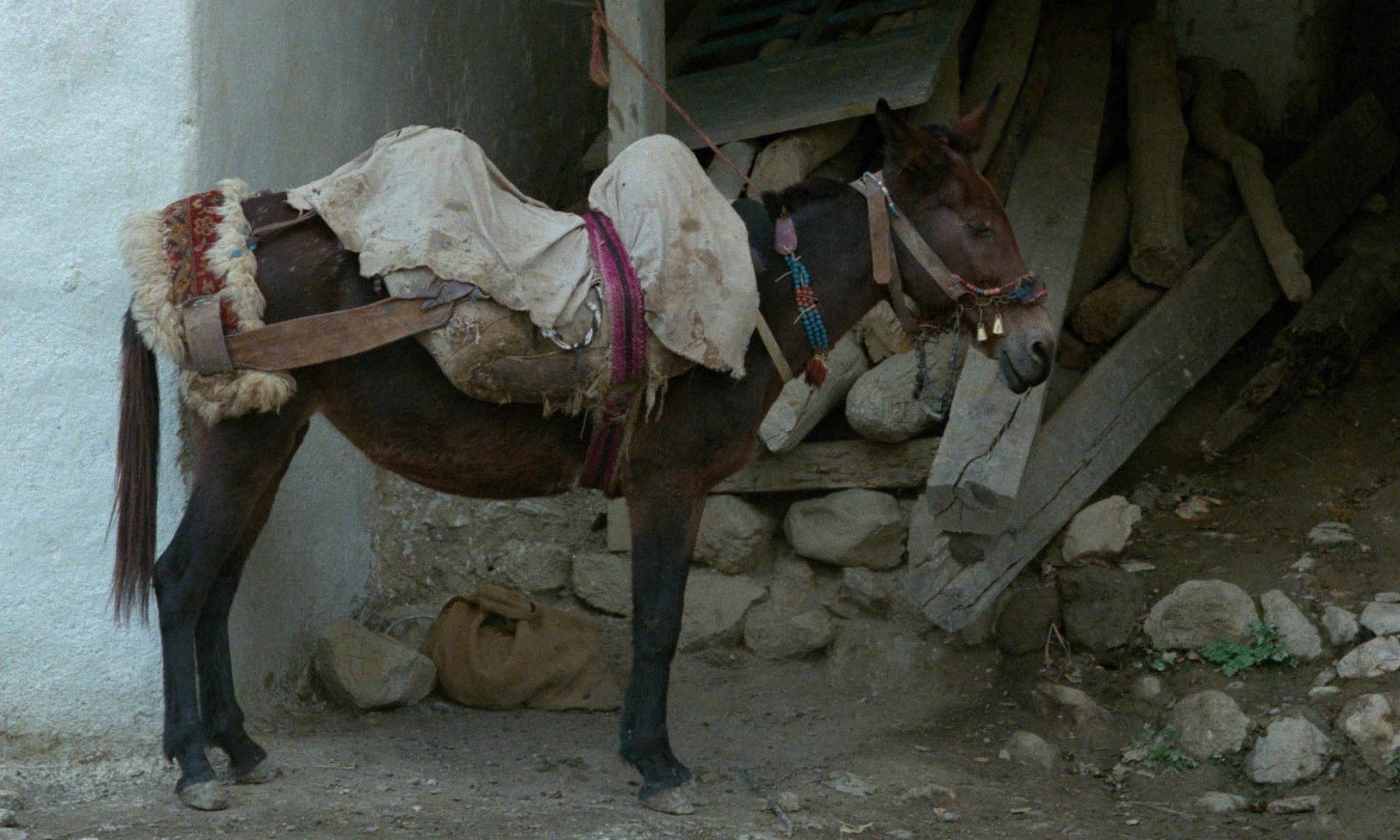
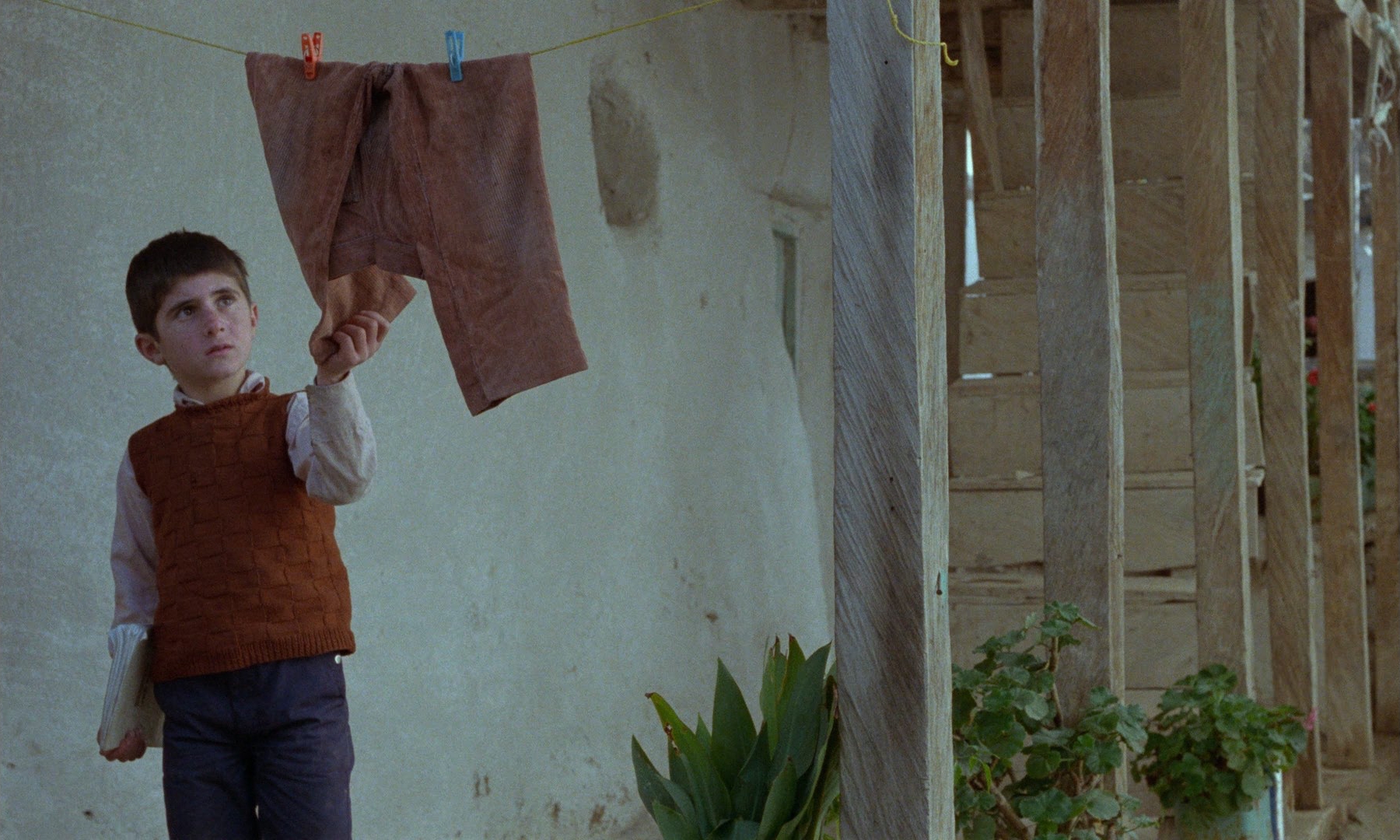
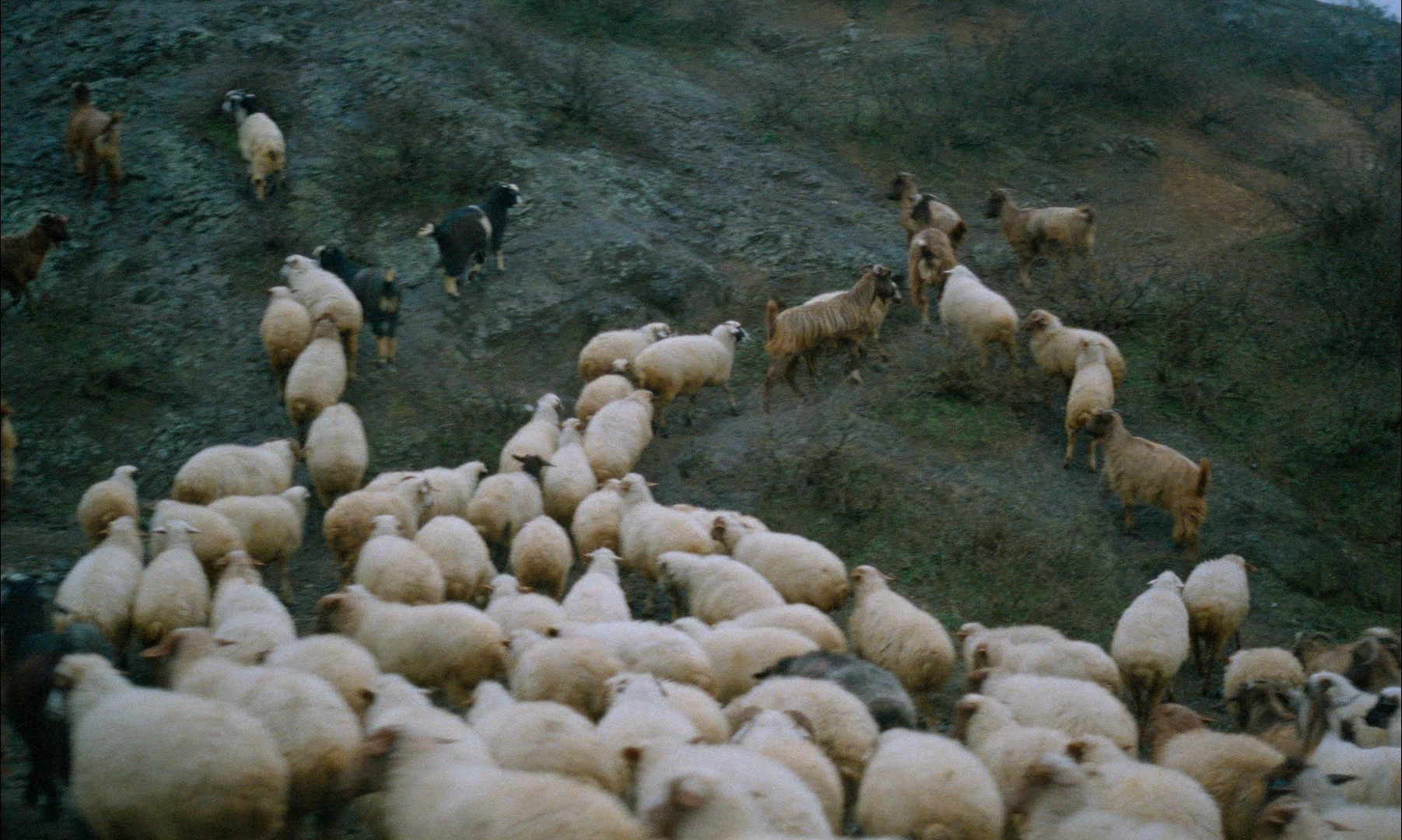
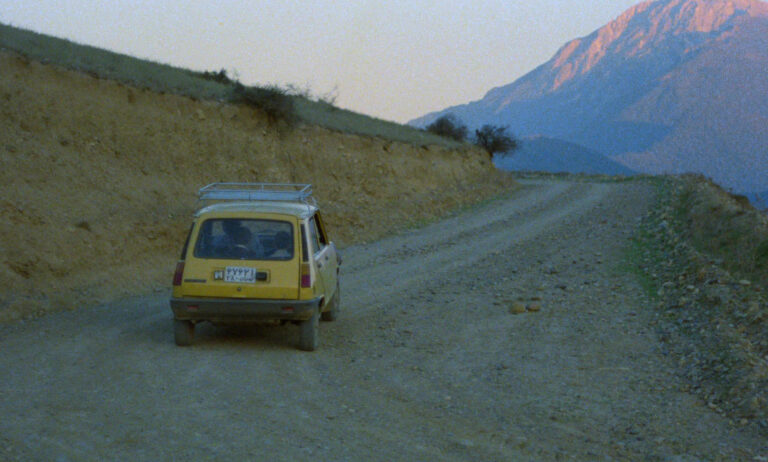
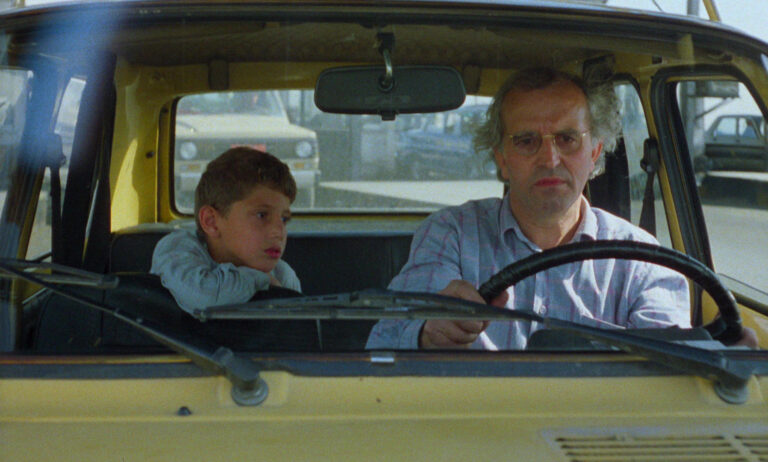
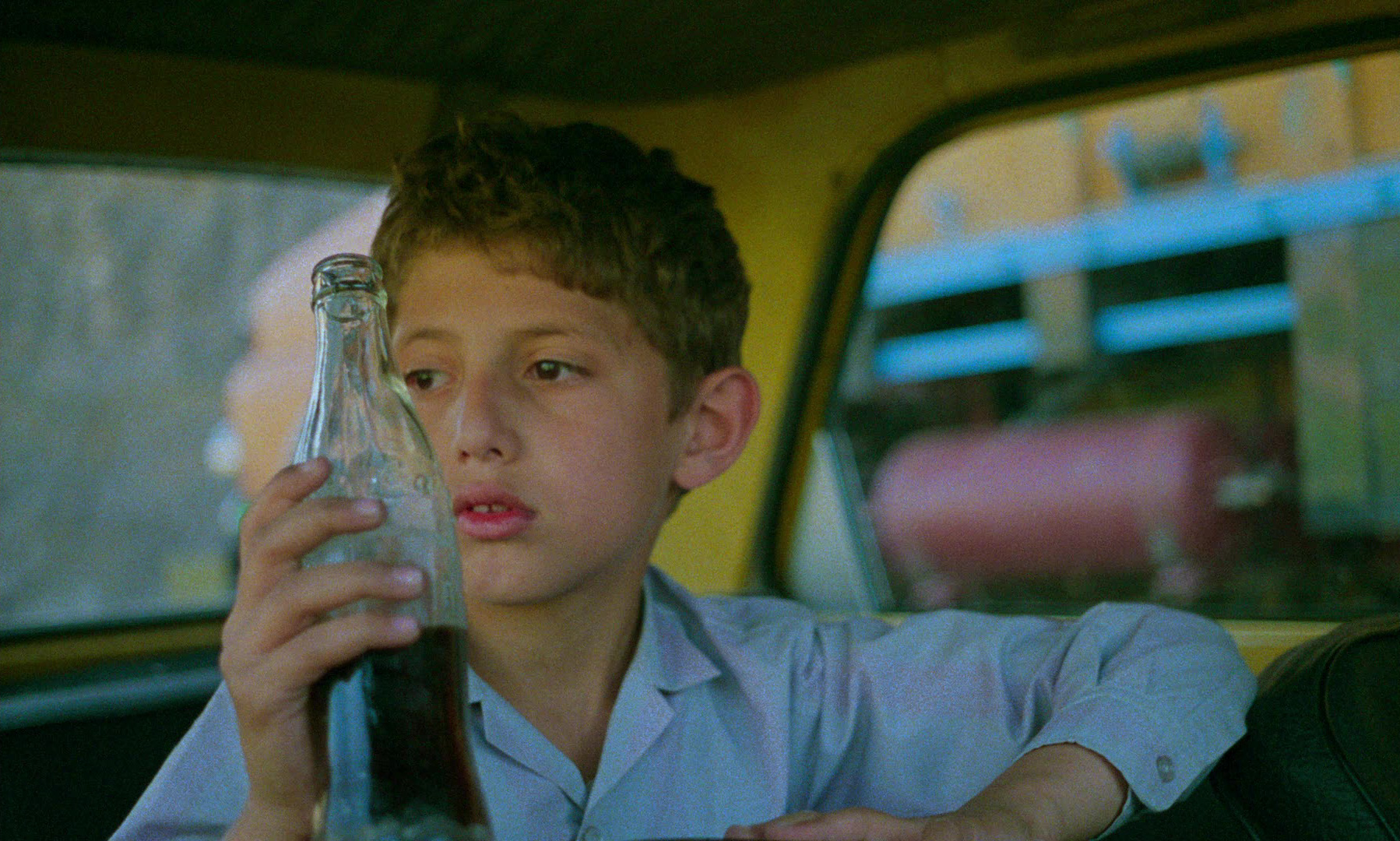
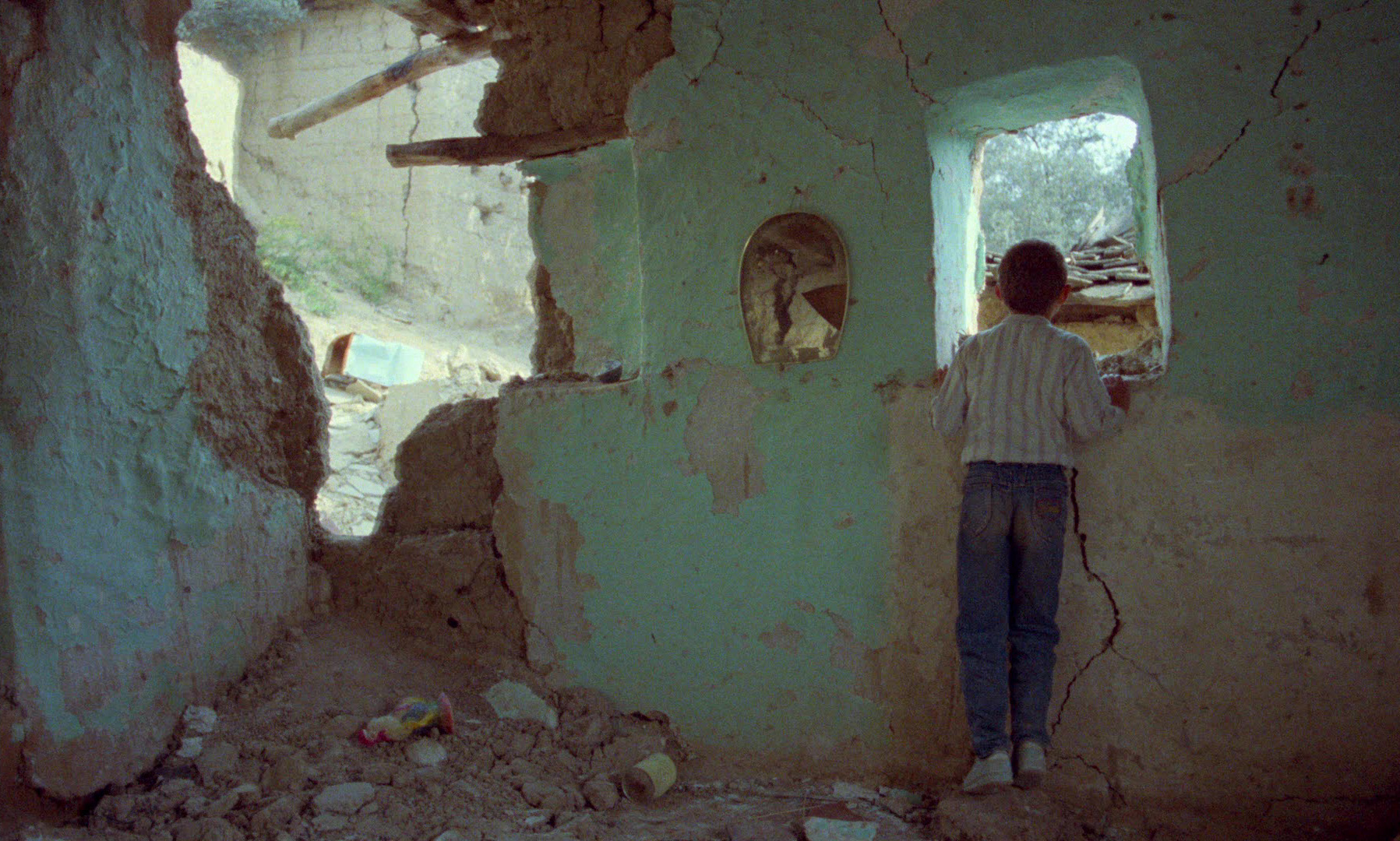
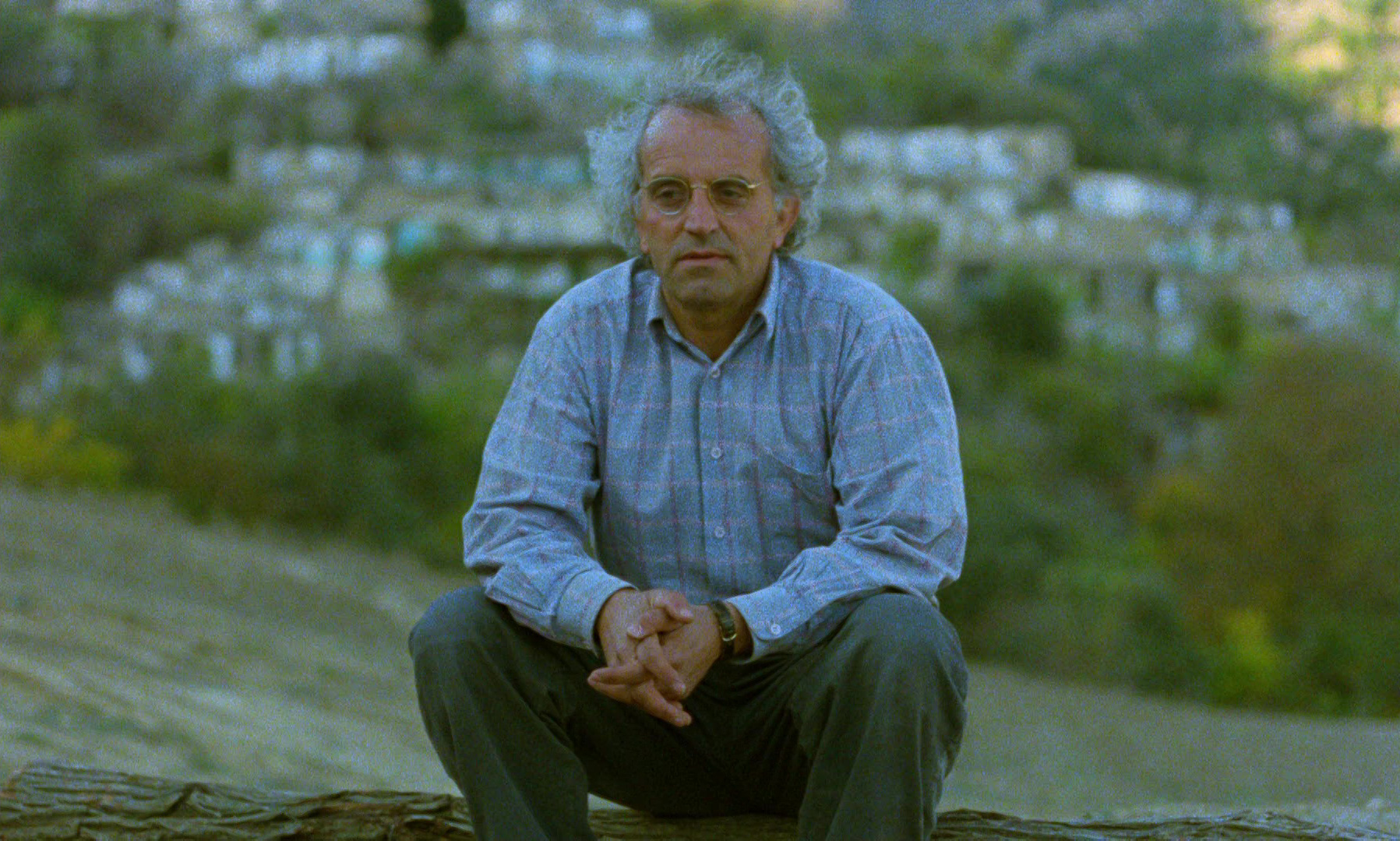
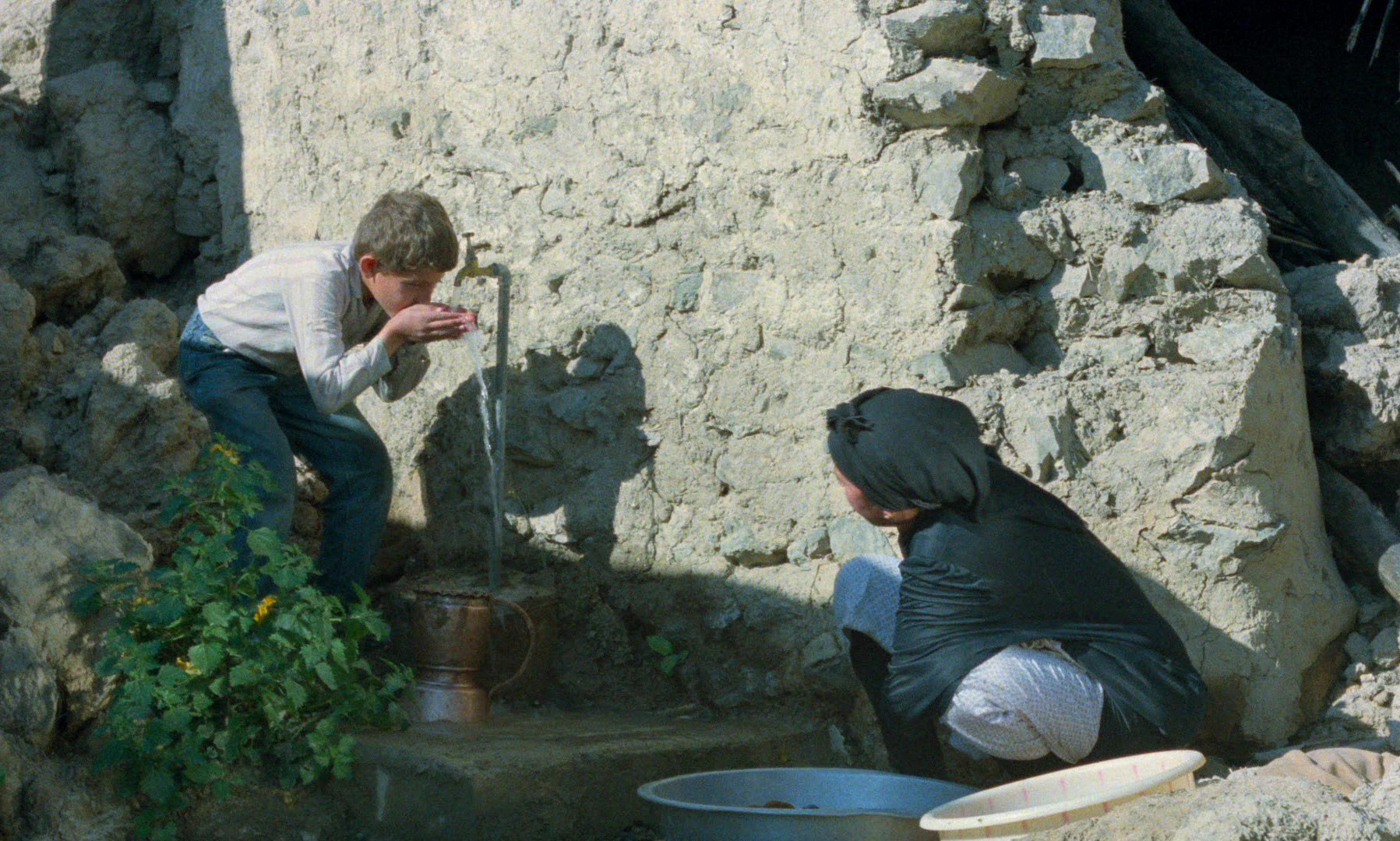
Where is the Friend’s House? (1987)
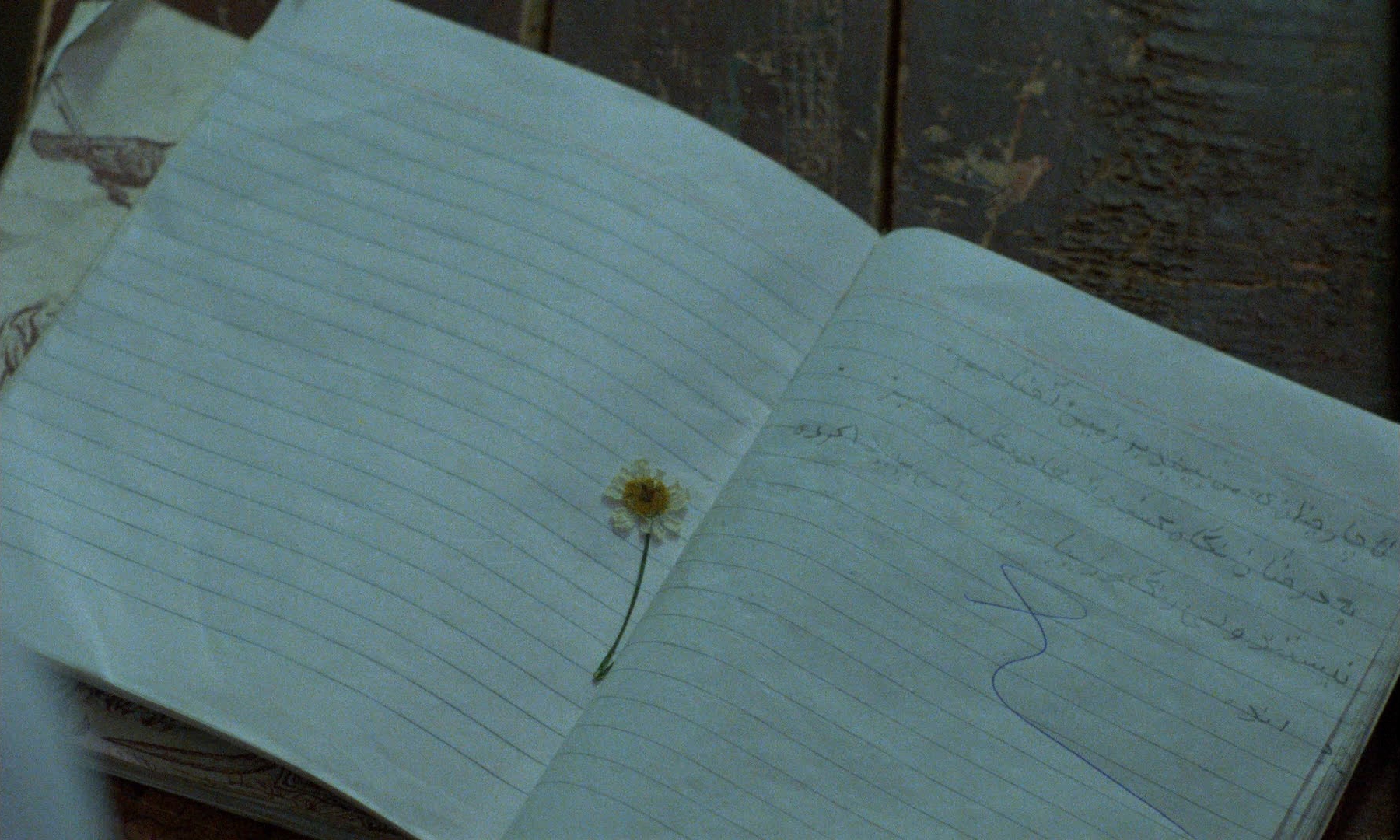
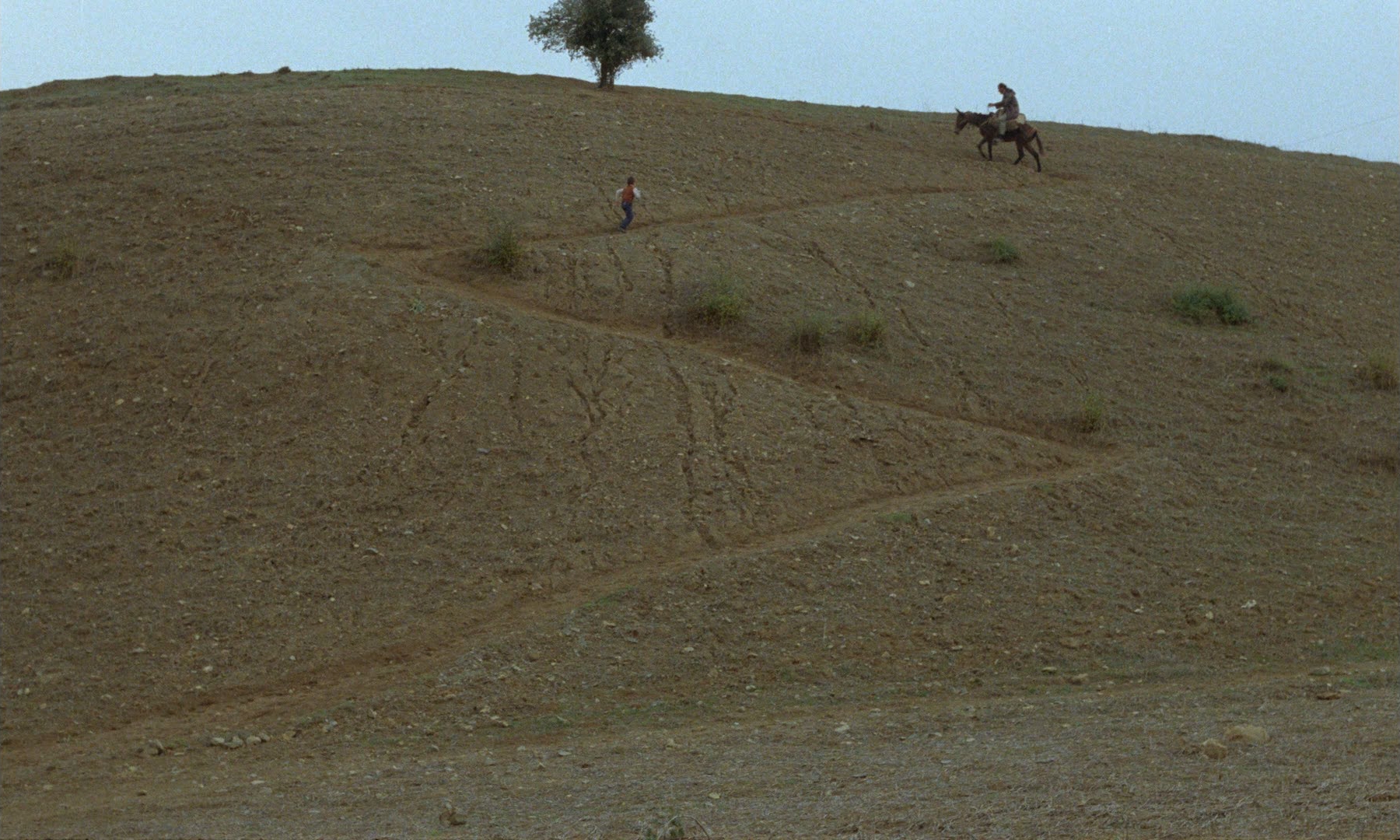
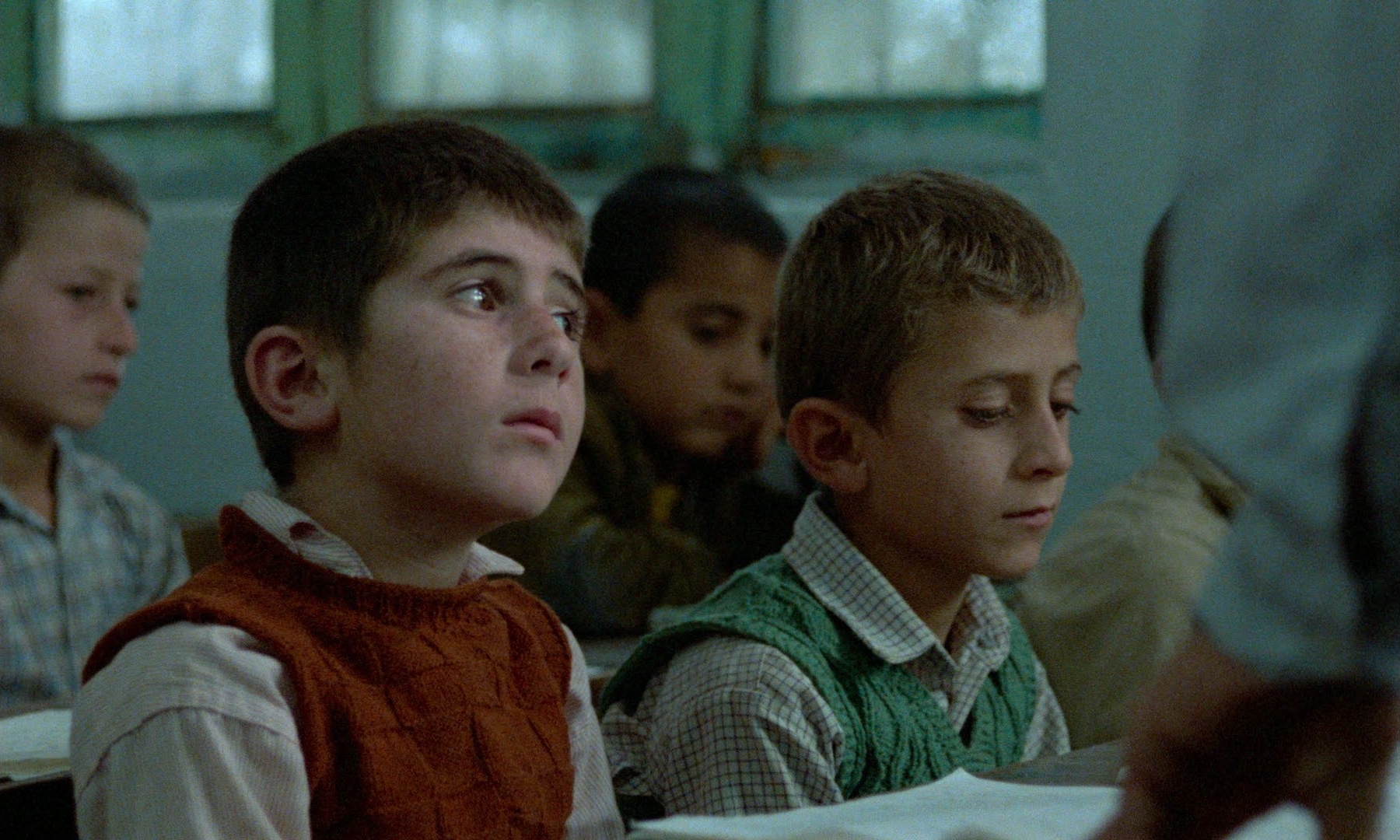
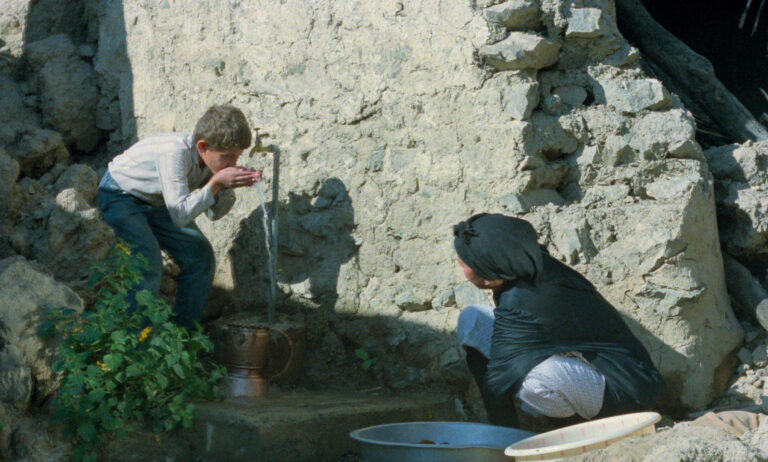
A young boy, Ahmad, realizes he has accidentally taken his classmate’s notebook home and sets out across neighboring villages to return it before school the next day. As he searches for his friend’s house, he encounters a series of adults who fail to understand the urgency of his mission. His simple task becomes a quiet journey of responsibility, persistence, and moral clarity.
Kiarostami and cinematographer Farhad Saba shoot the film with a minimalist, observational style, using natural light, non-professional actors, and long takes to capture the rhythms of rural life. The repeated paths and winding village roads—framed in wide, static compositions—turn space into a narrative device, where geography mirrors the child’s determination and the quiet obstacles he faces.
FILM SPOTLIGHT
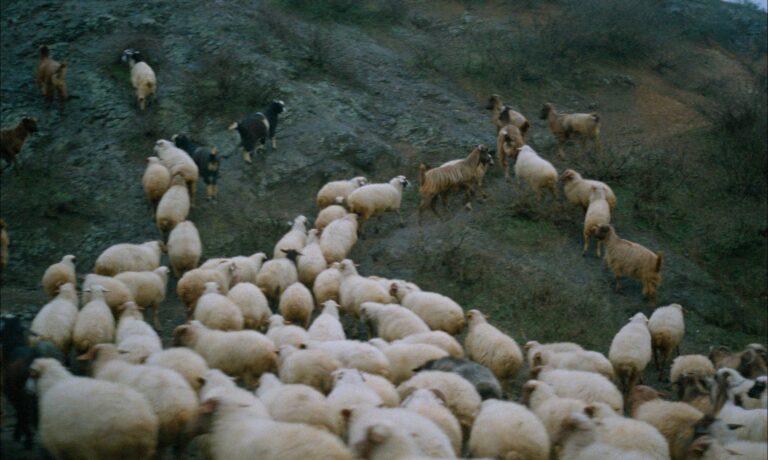
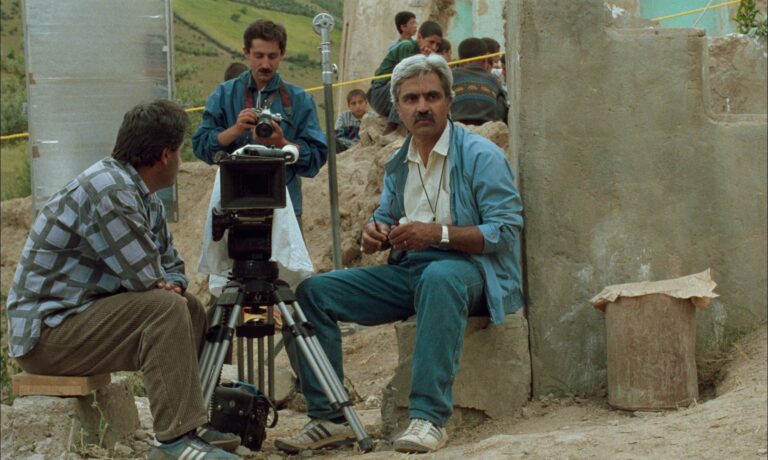
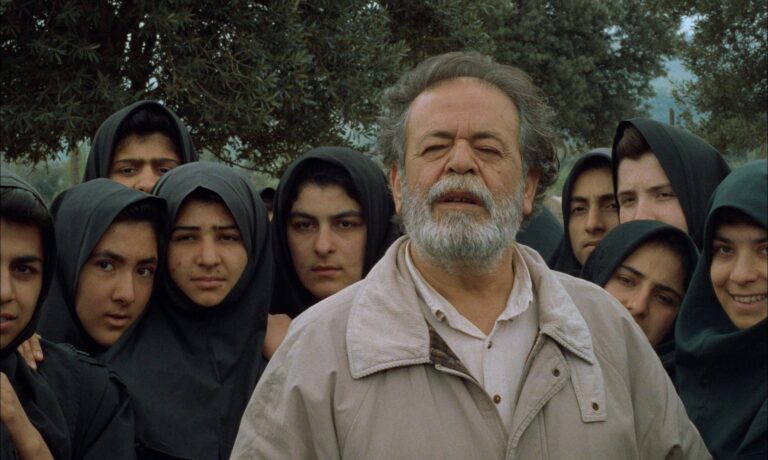
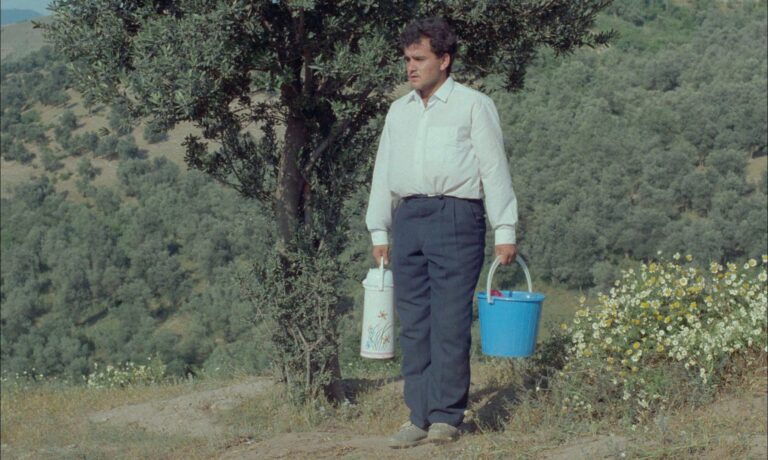
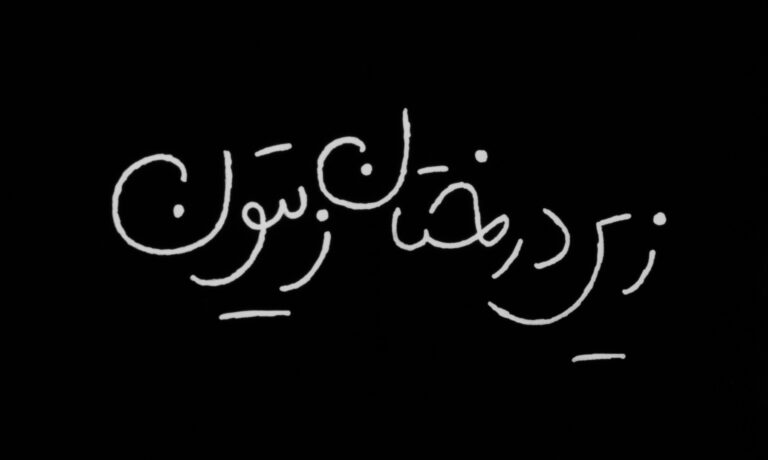
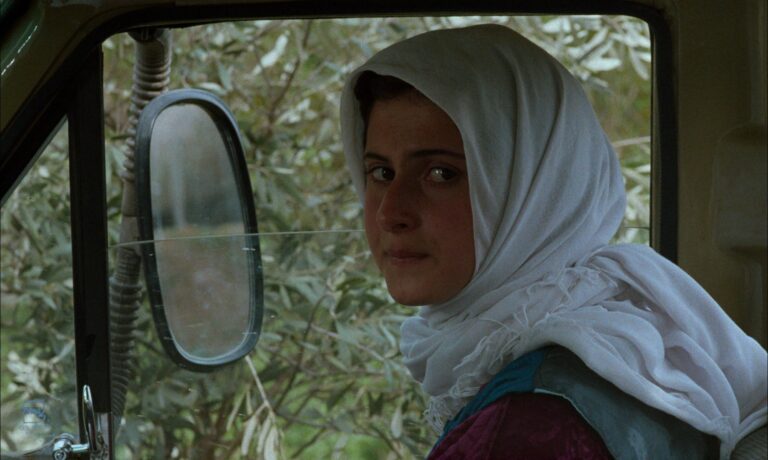
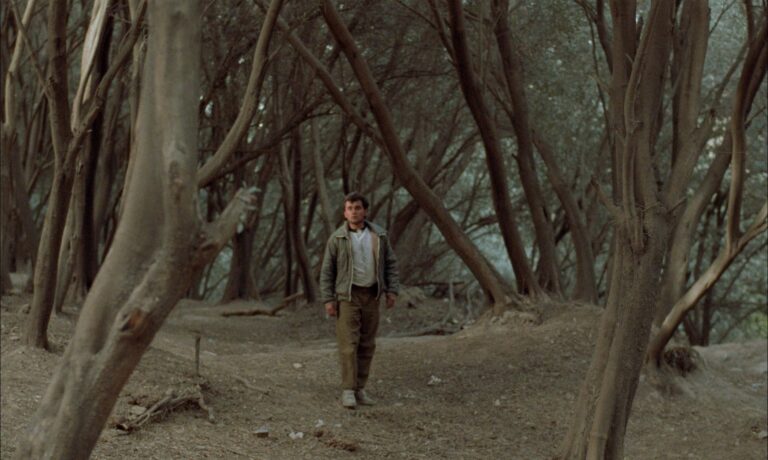
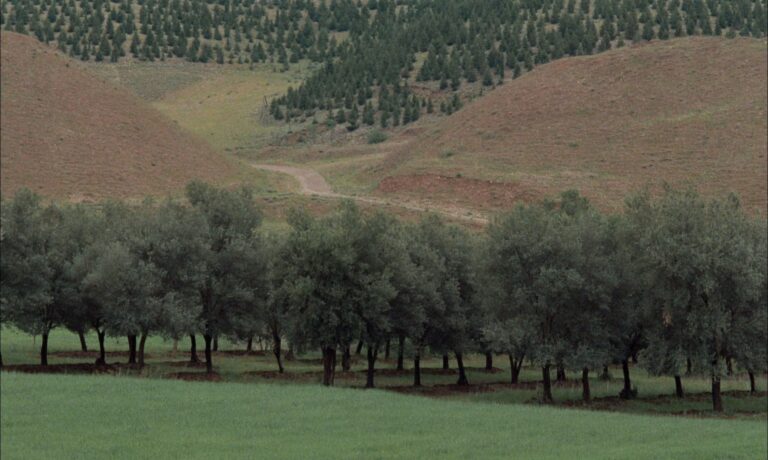
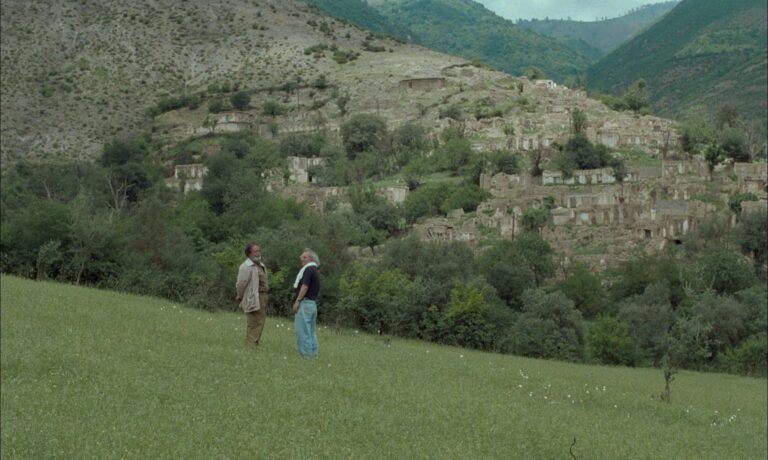
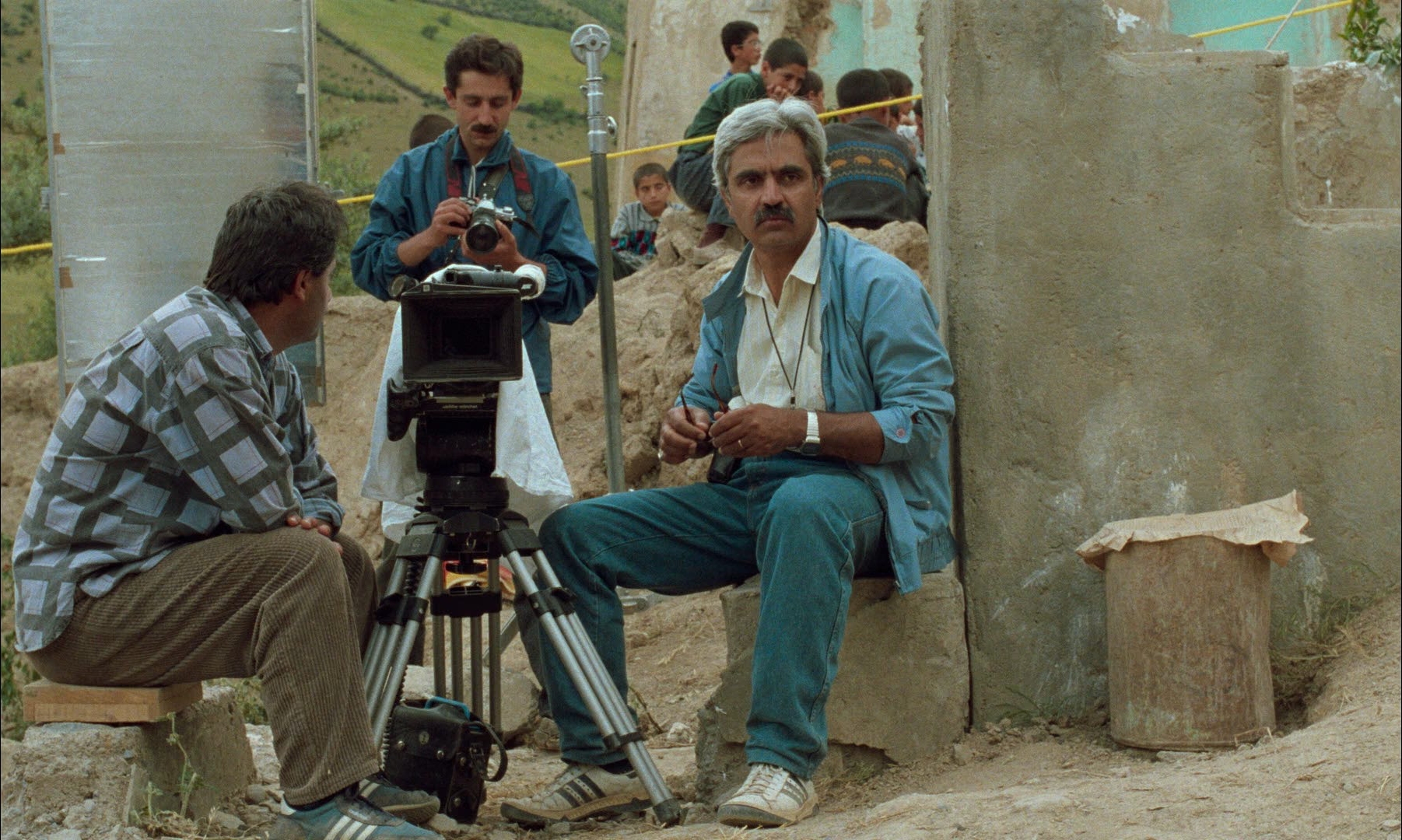
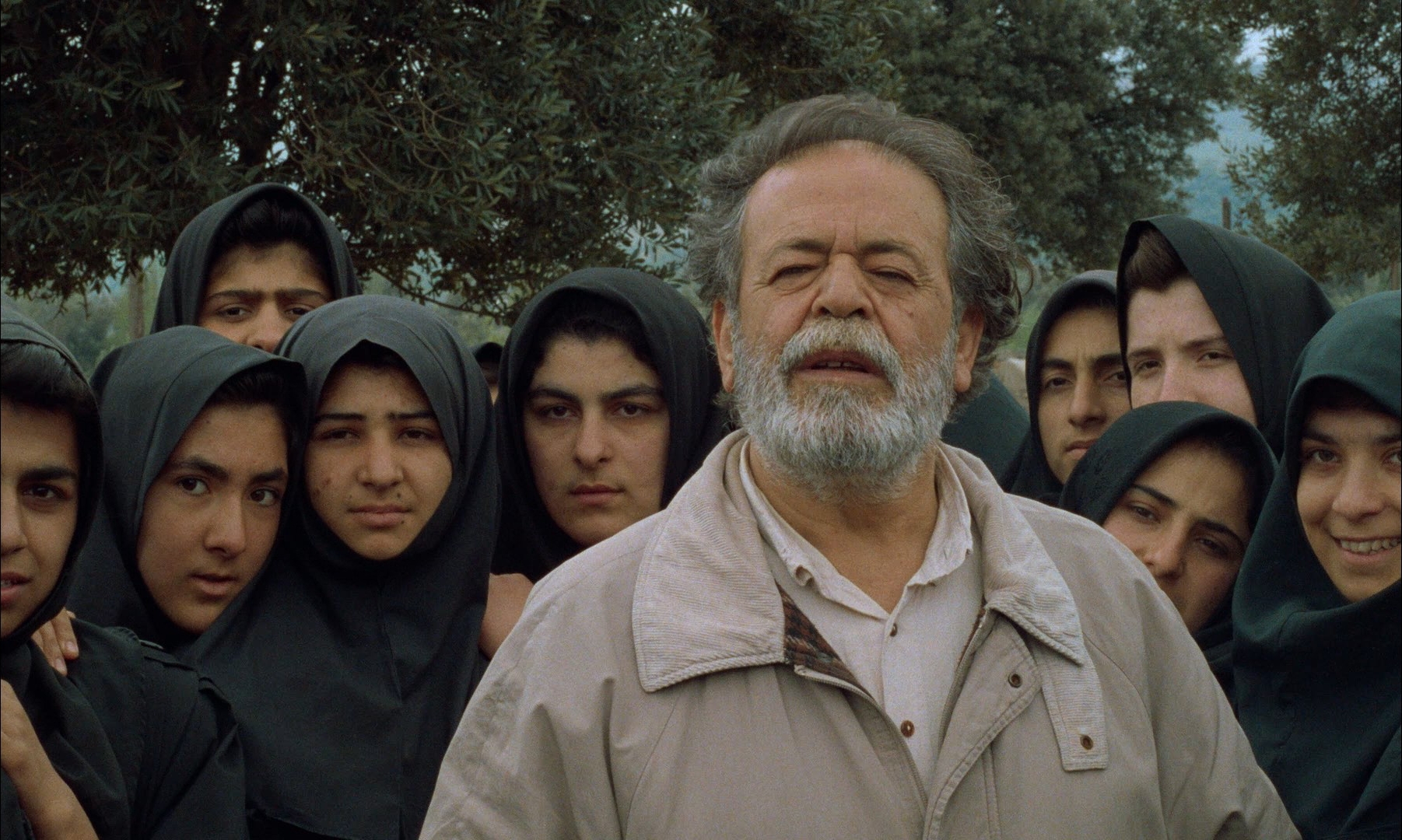
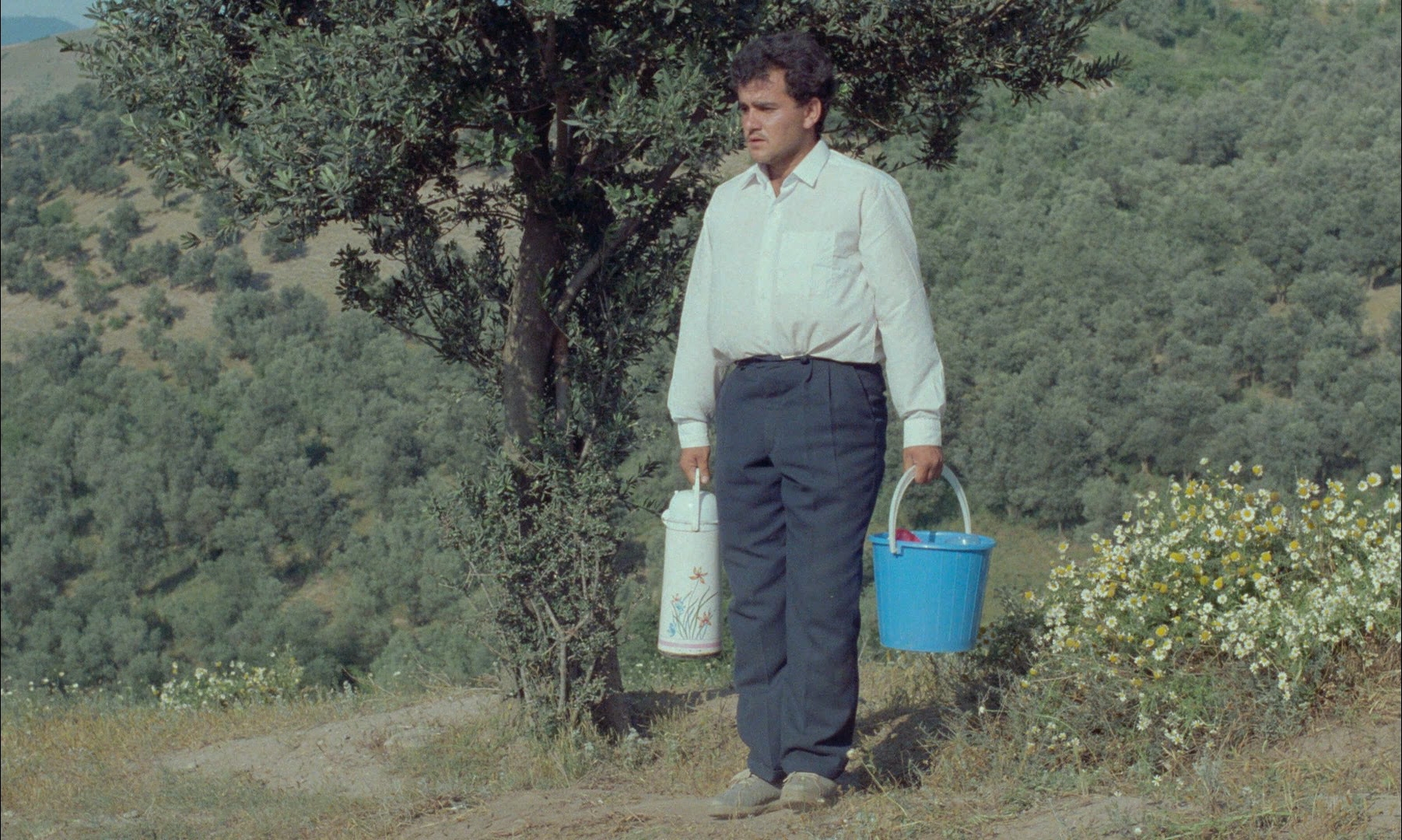
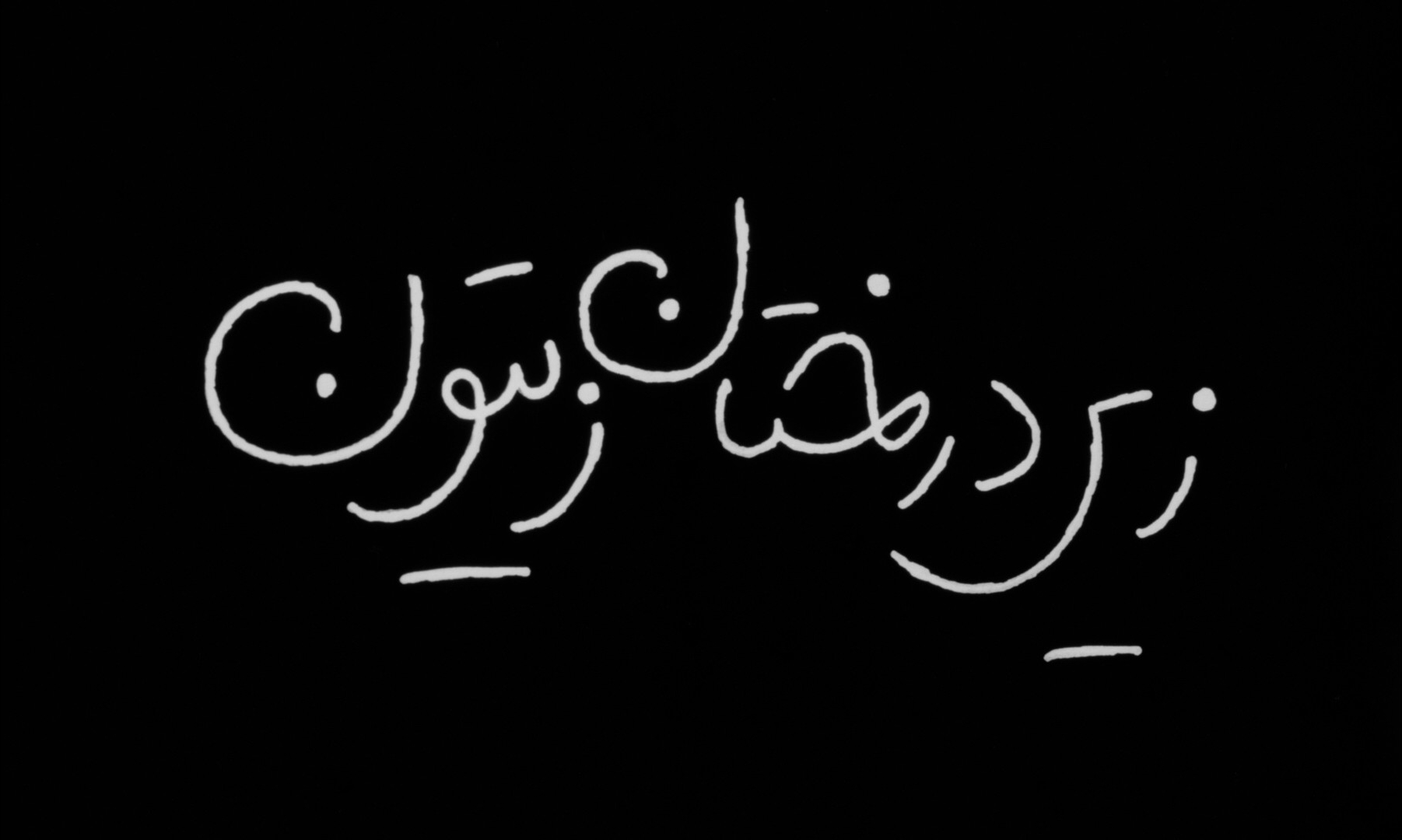
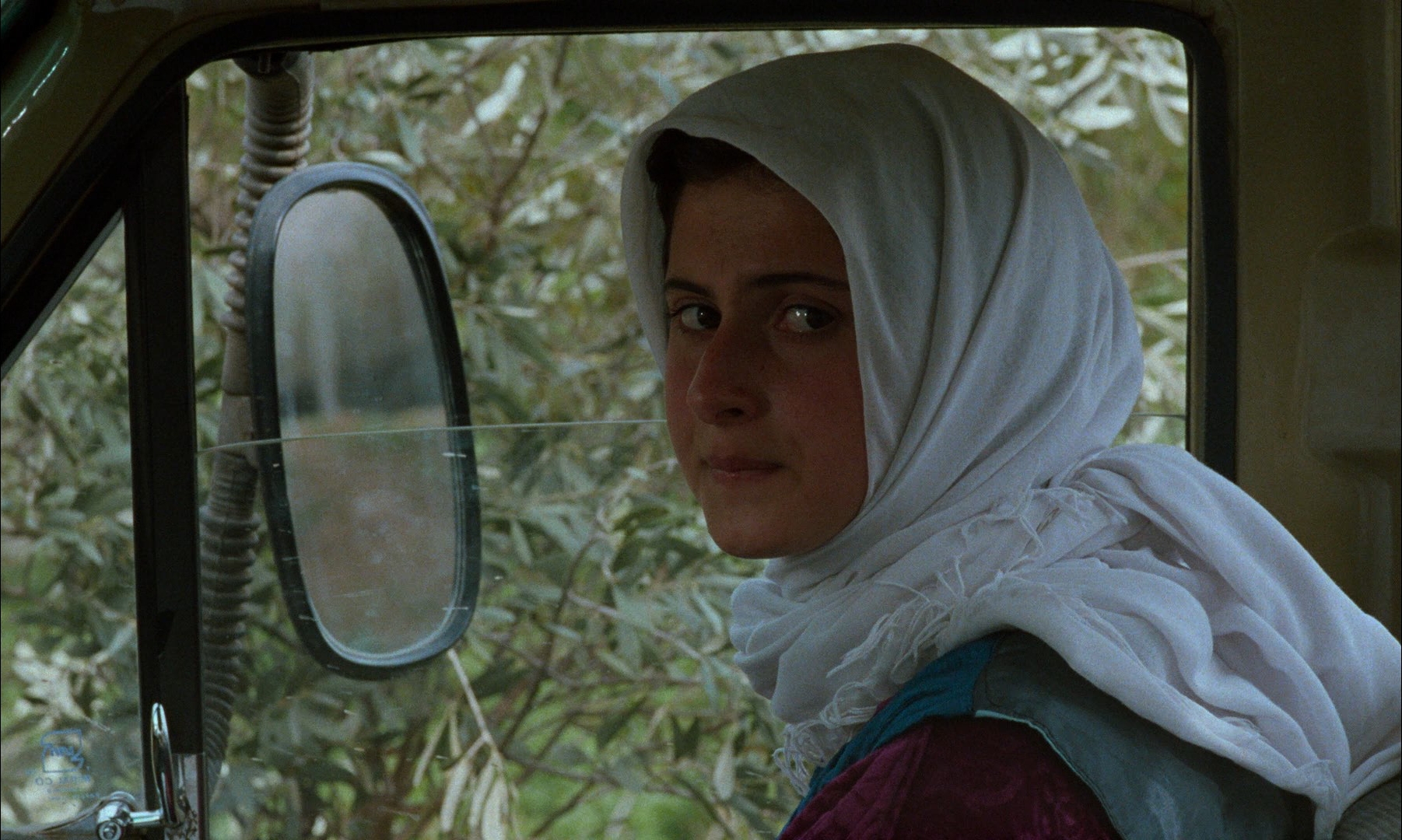
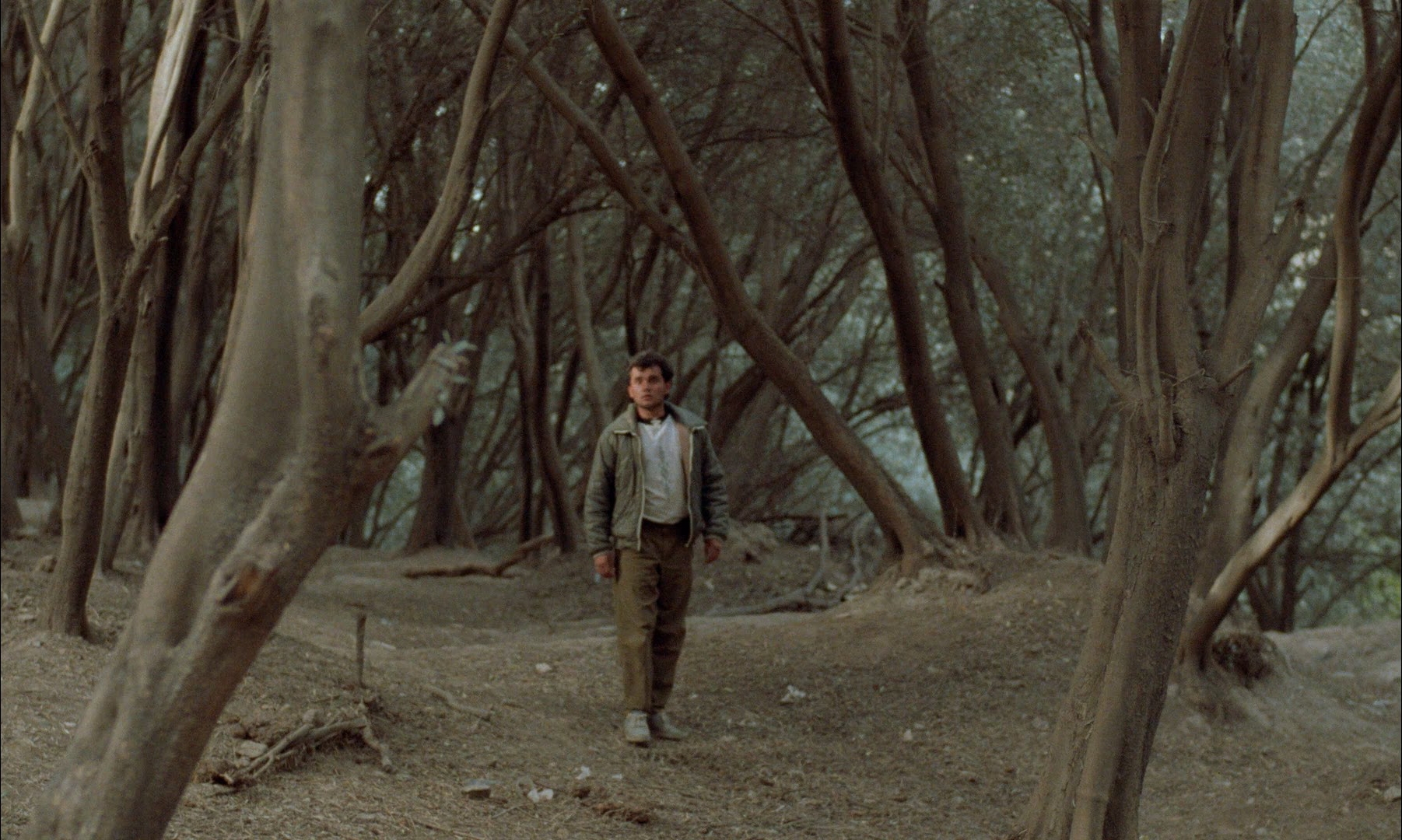
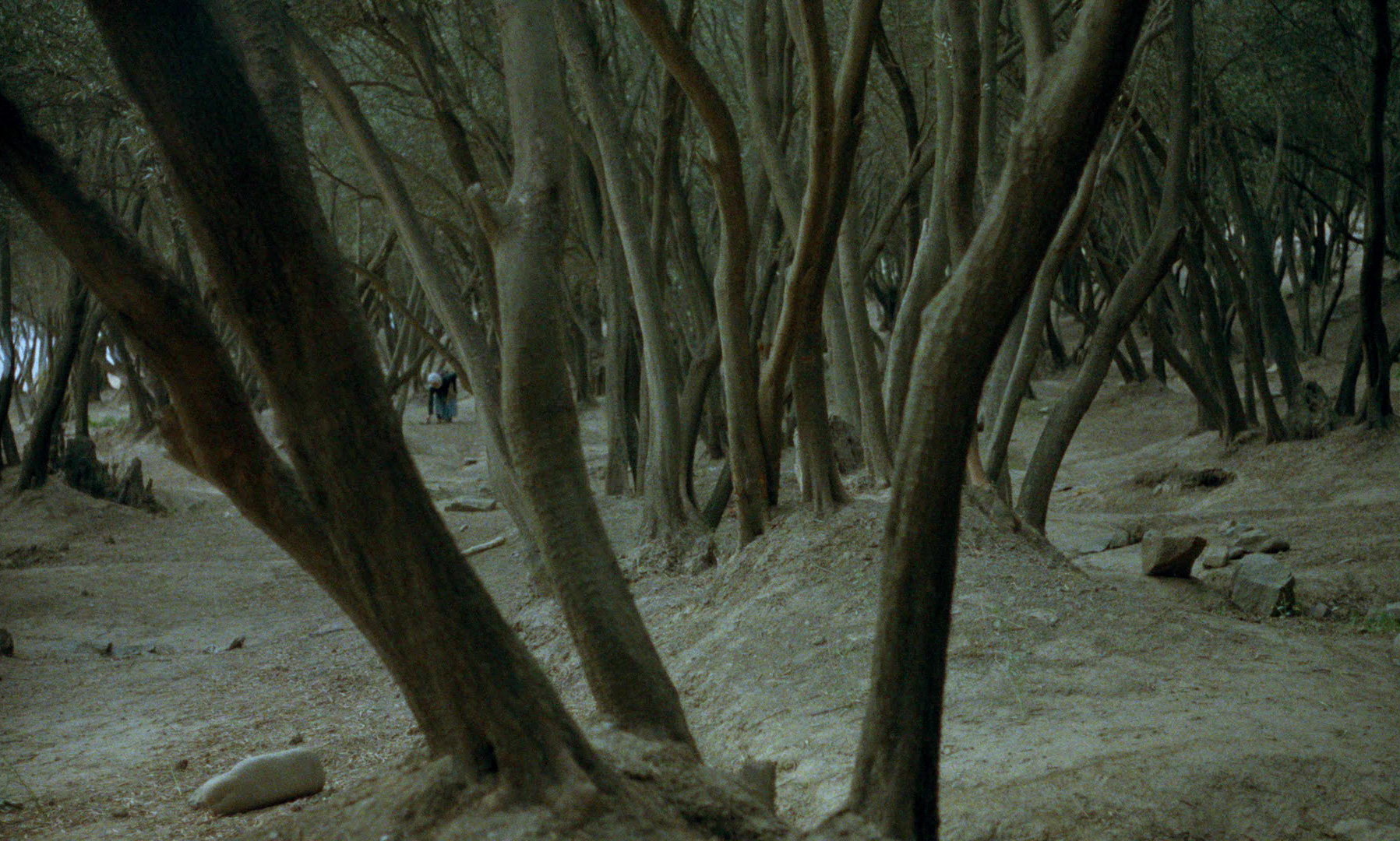
Through the Olive Trees (1994)
Set during the production of a film in rural Iran, the story follows a young man cast in a small role who uses the opportunity to pursue a woman who has rejected his marriage proposal. As filming continues, his persistence blurs the line between performance and real life, revealing tensions between tradition, class, and personal desire. The narrative unfolds as a gentle, layered reflection on love, cinema, and the boundaries between fiction and reality.
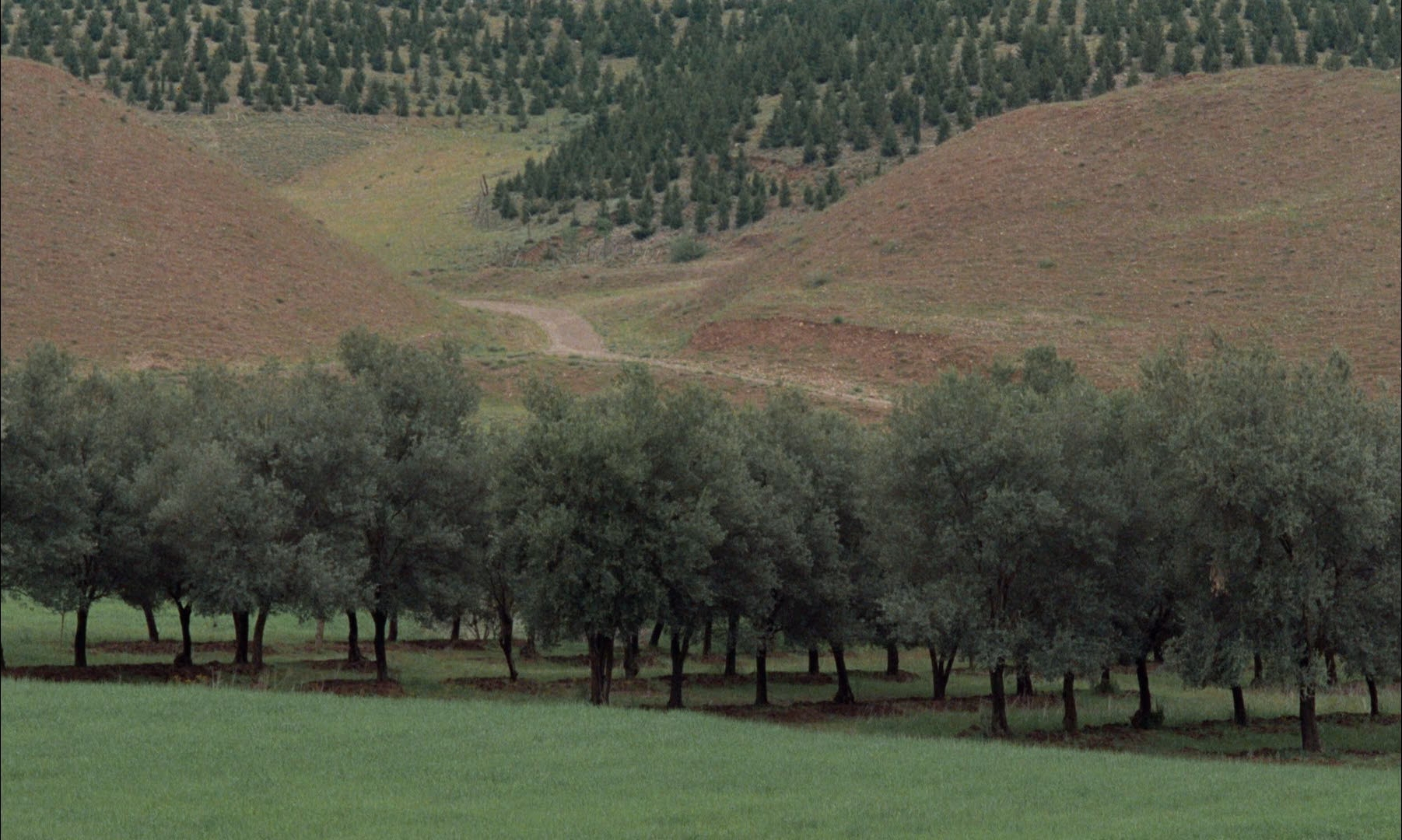
Kiarostami and cinematographer Hossein Jafarian shoot Through the Olive Trees with a restrained, observational approach, using long takes and wide compositions to situate characters within the landscape. The film’s use of depth—especially in its famous long-distance shots across fields—turns space into emotional distance, where duration and physical separation become the primary visual language of longing.
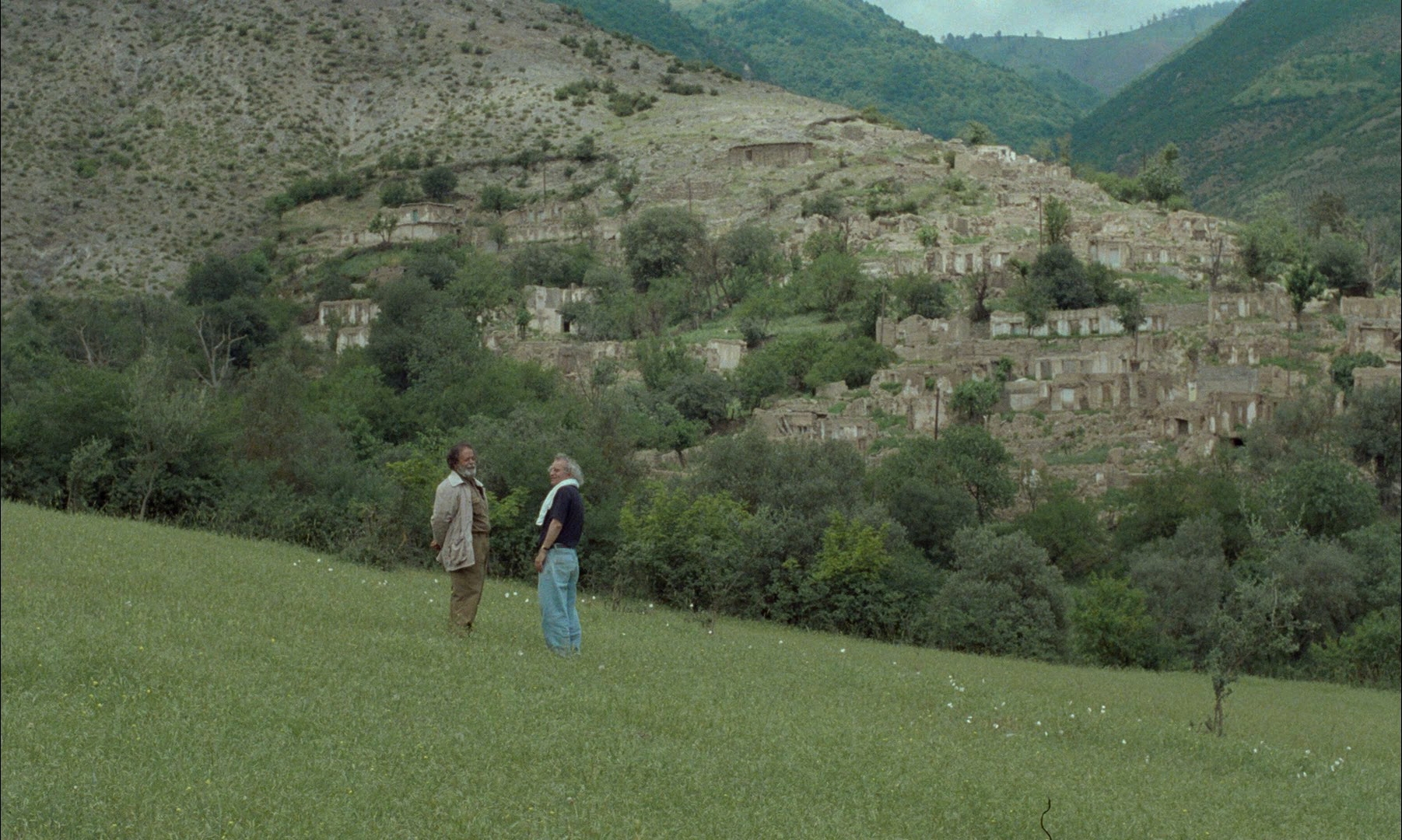
FILM SPOTLIGHT
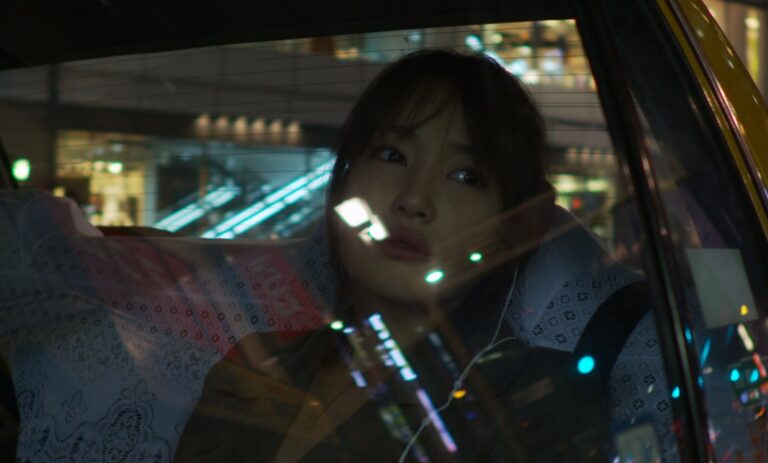
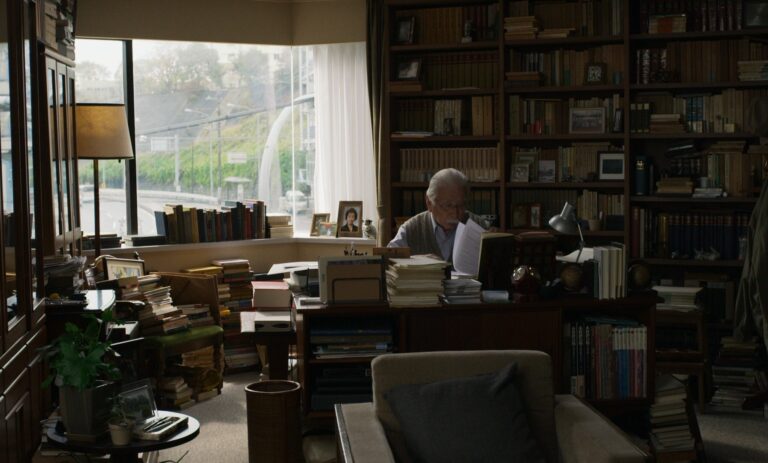
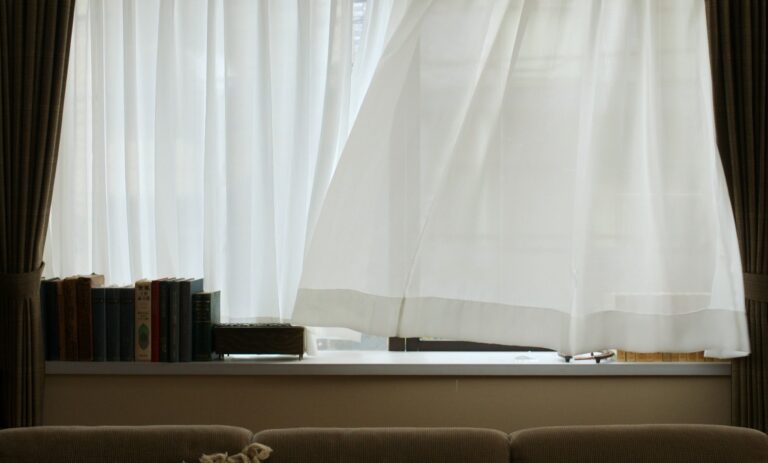
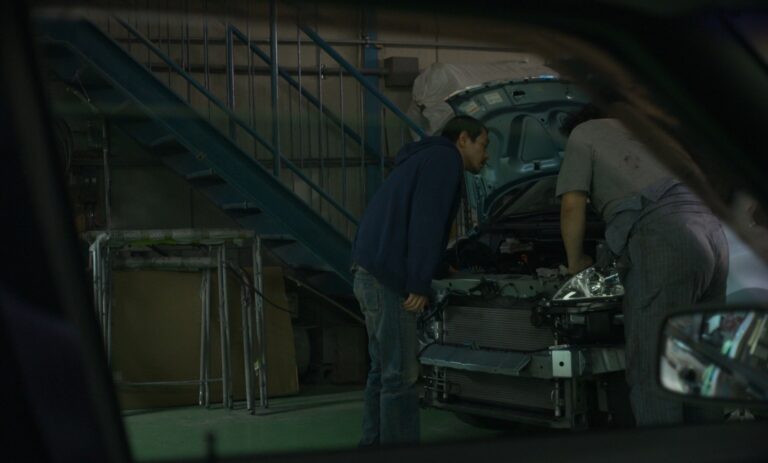
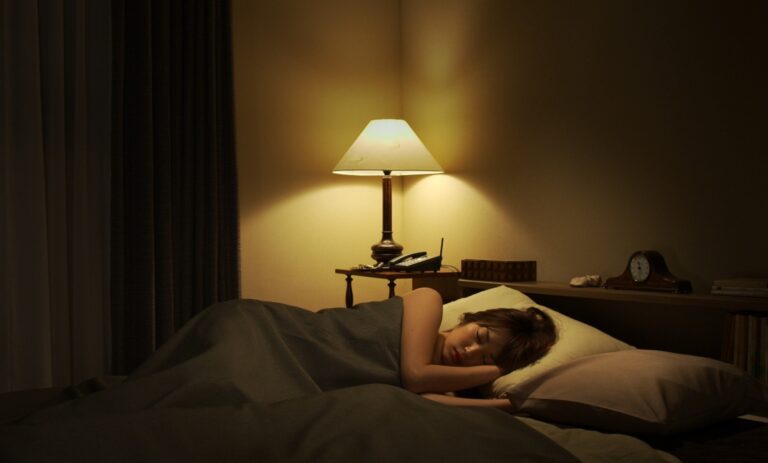
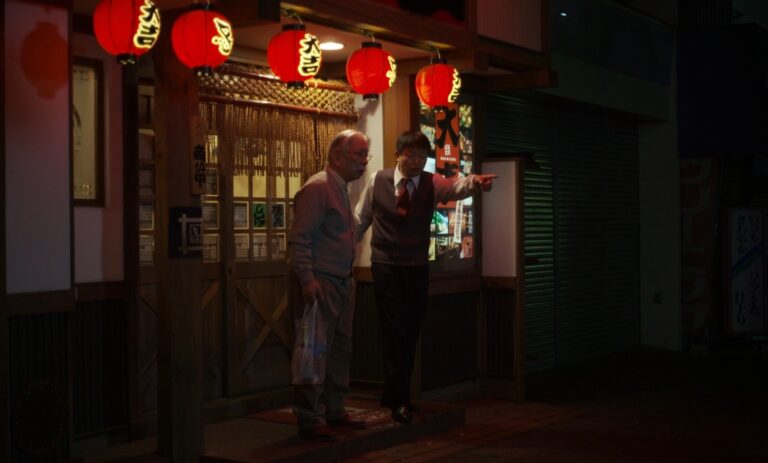
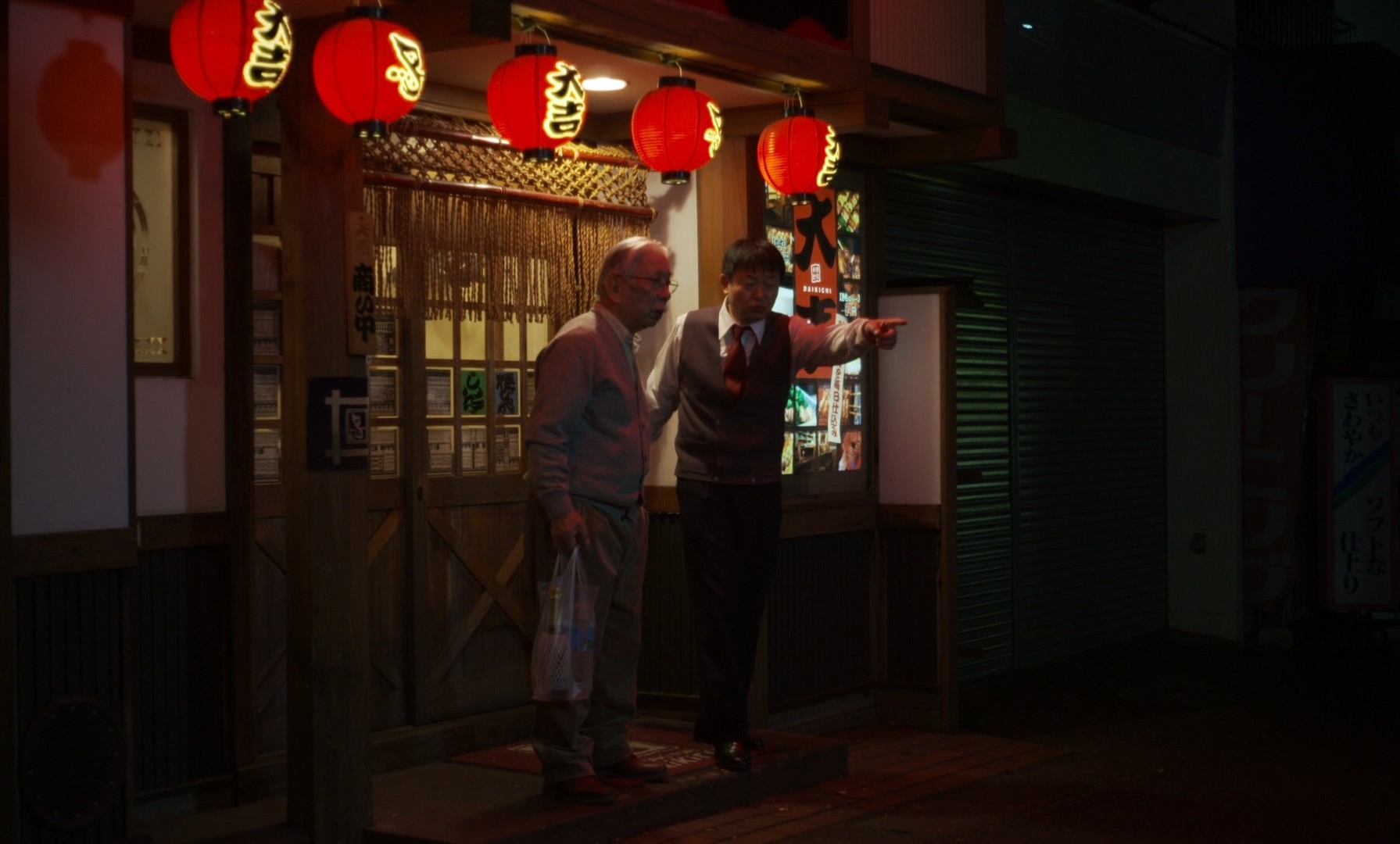
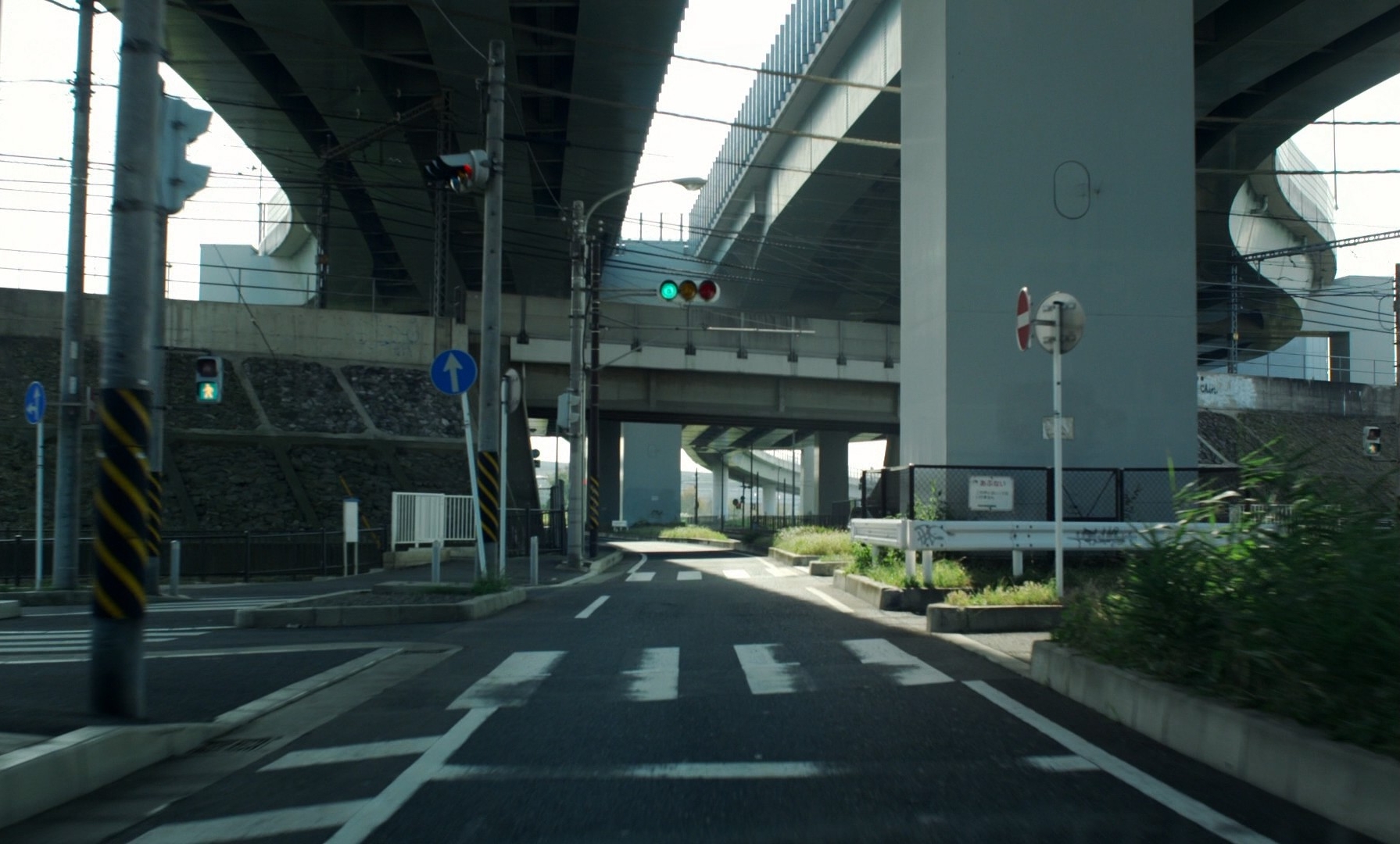
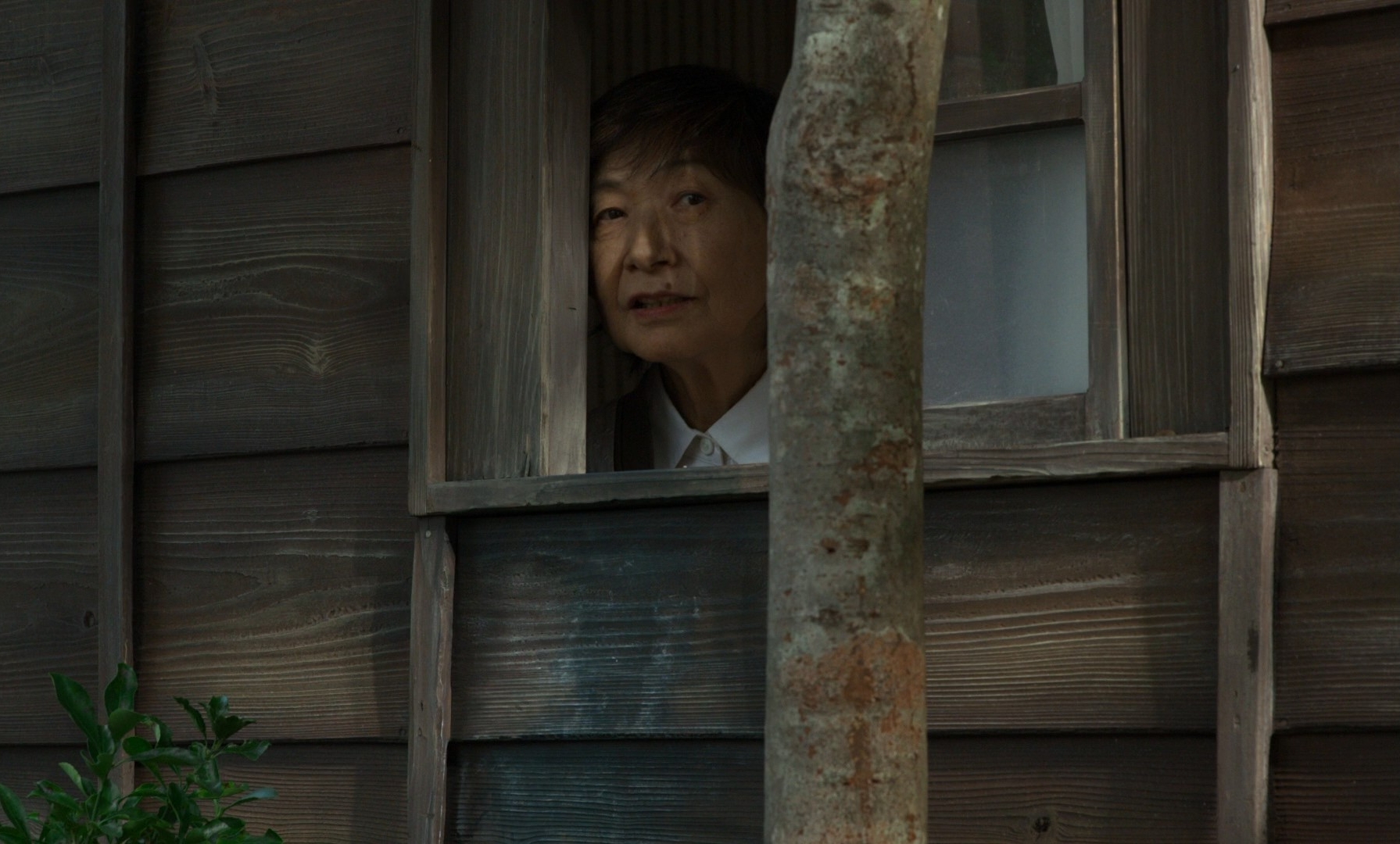
Like Someone in Love (2012)
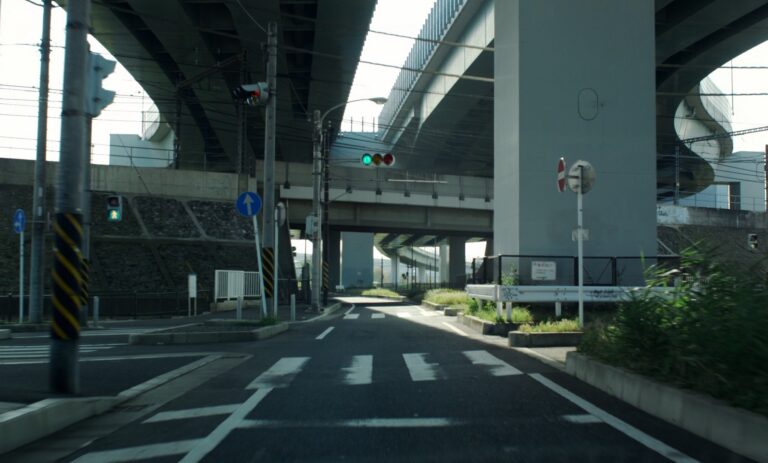
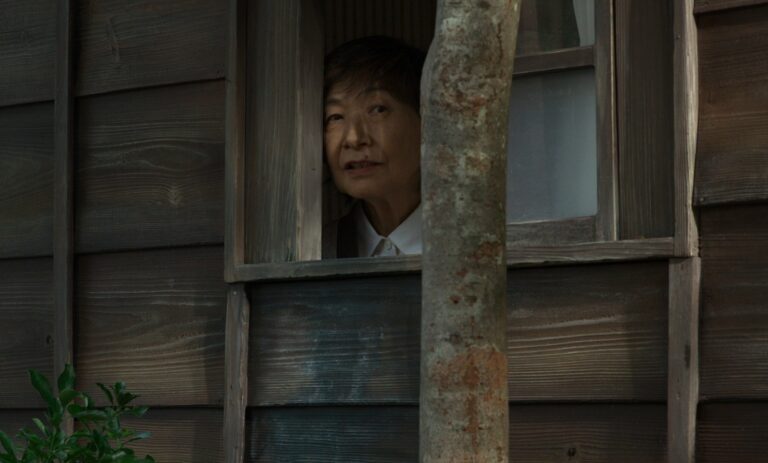
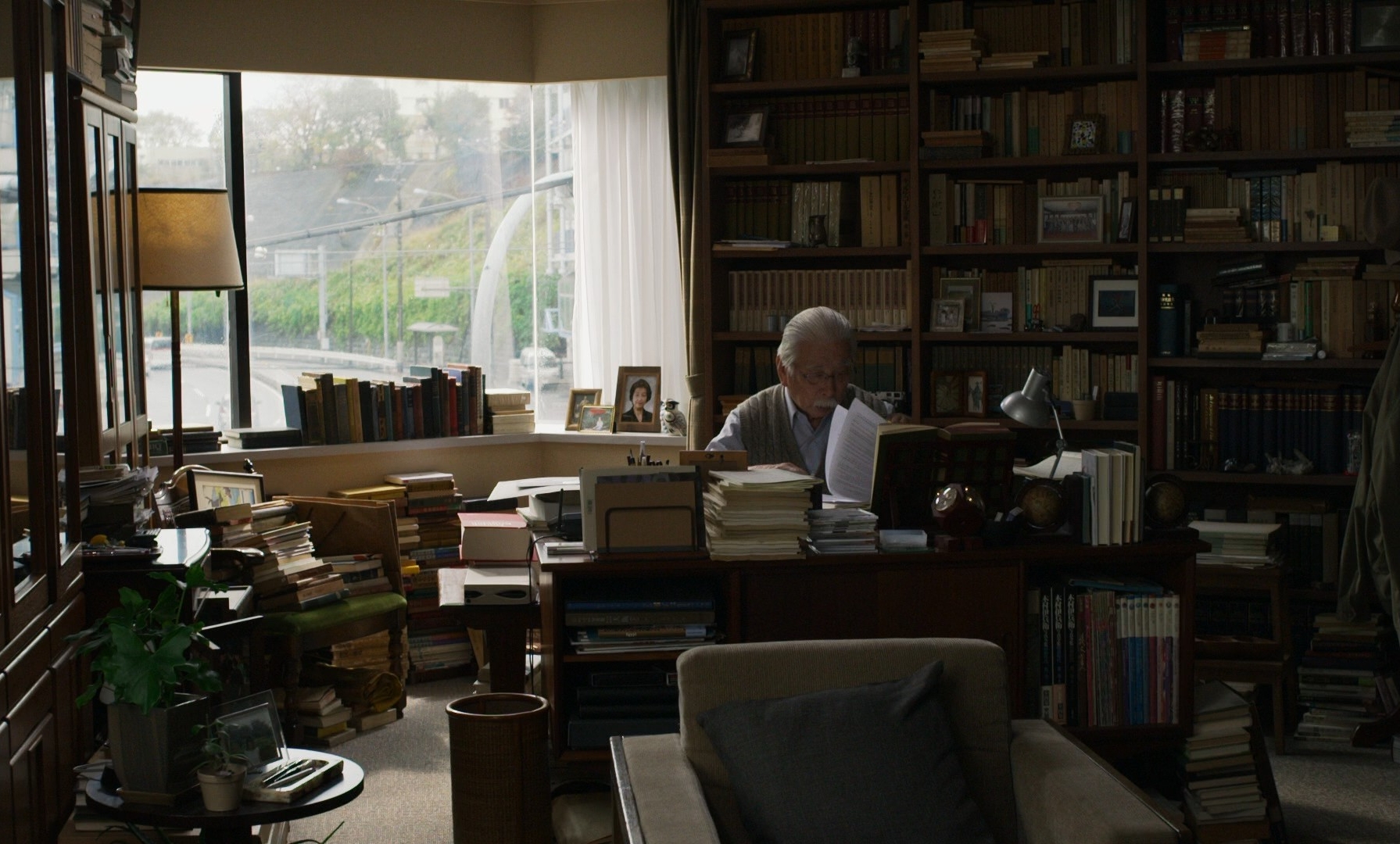
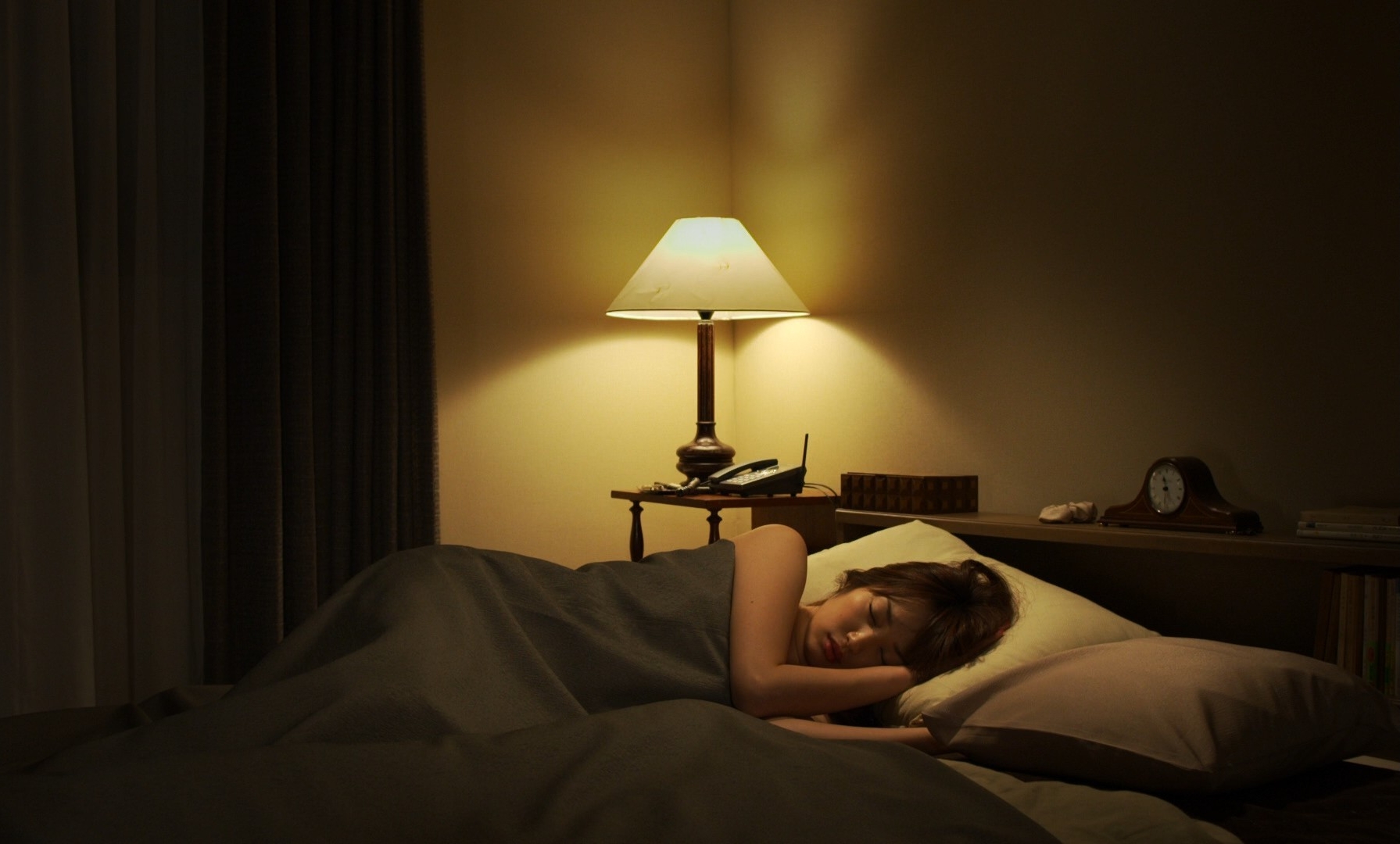
In Tokyo, a young woman working as an escort forms an unexpected connection with an elderly widower who hires her for companionship. As their relationship develops, her volatile boyfriend enters the picture, complicating the fragile dynamic between them. The story unfolds as a quiet, ambiguous exploration of identity, perception, and emotional projection.
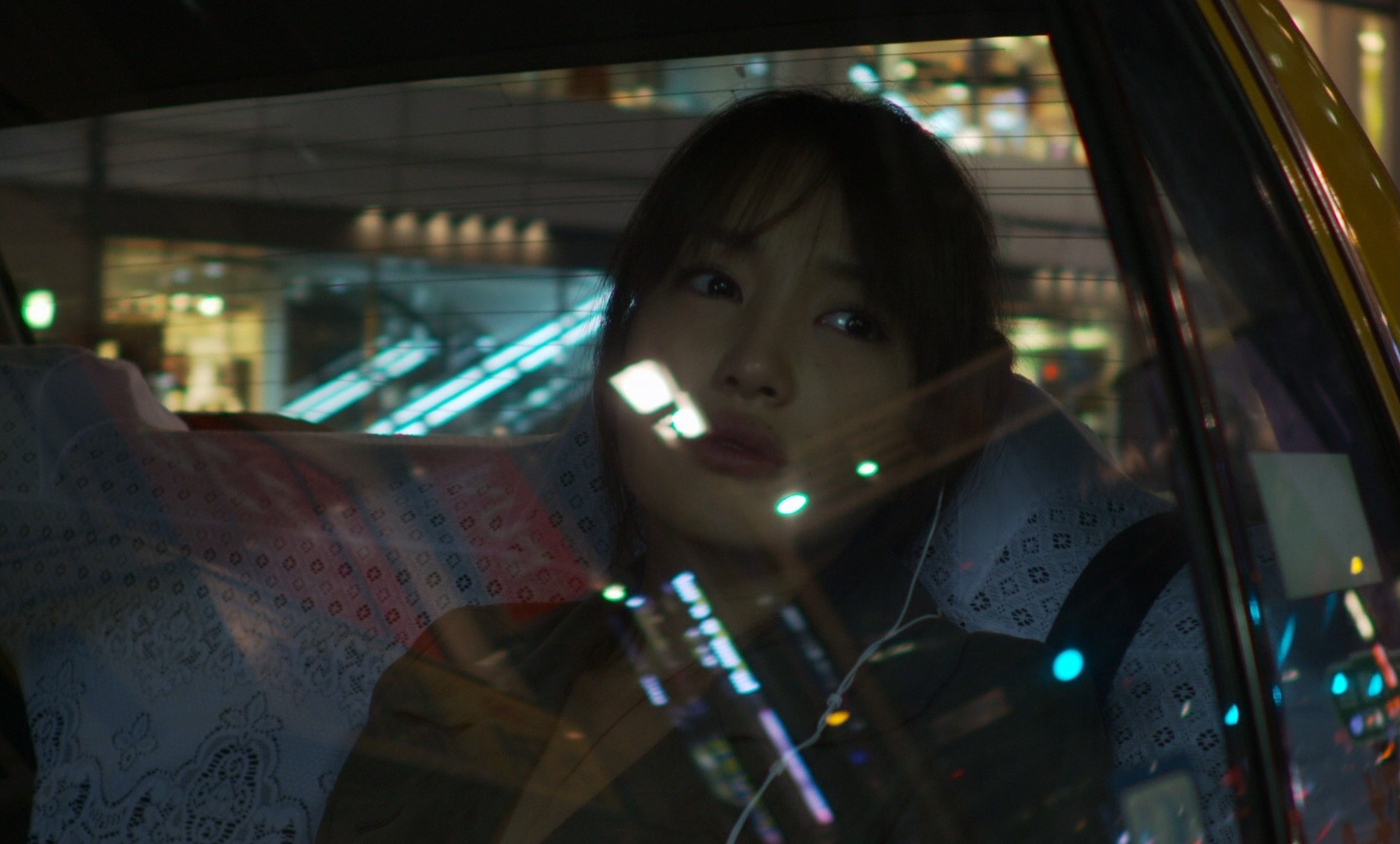
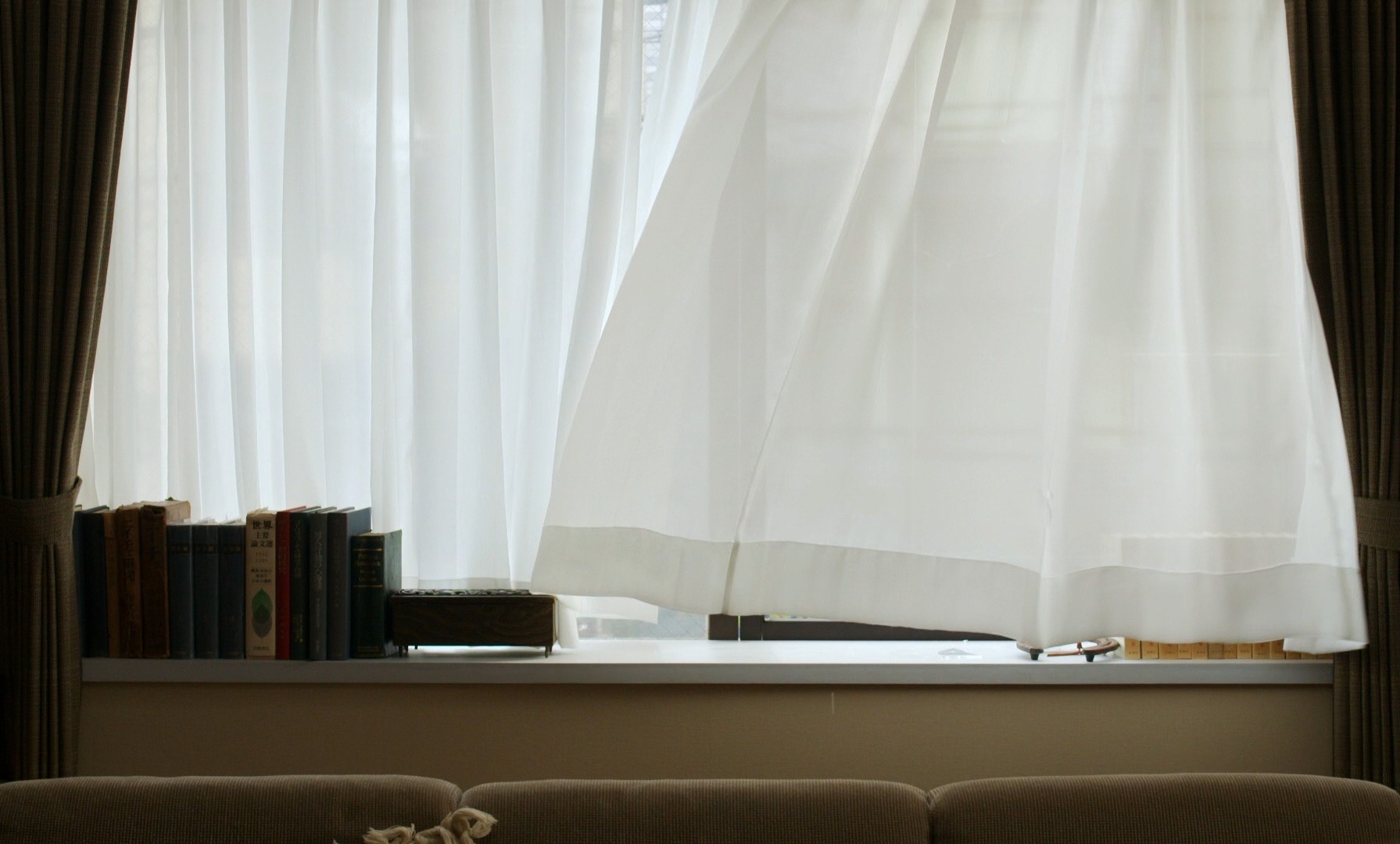
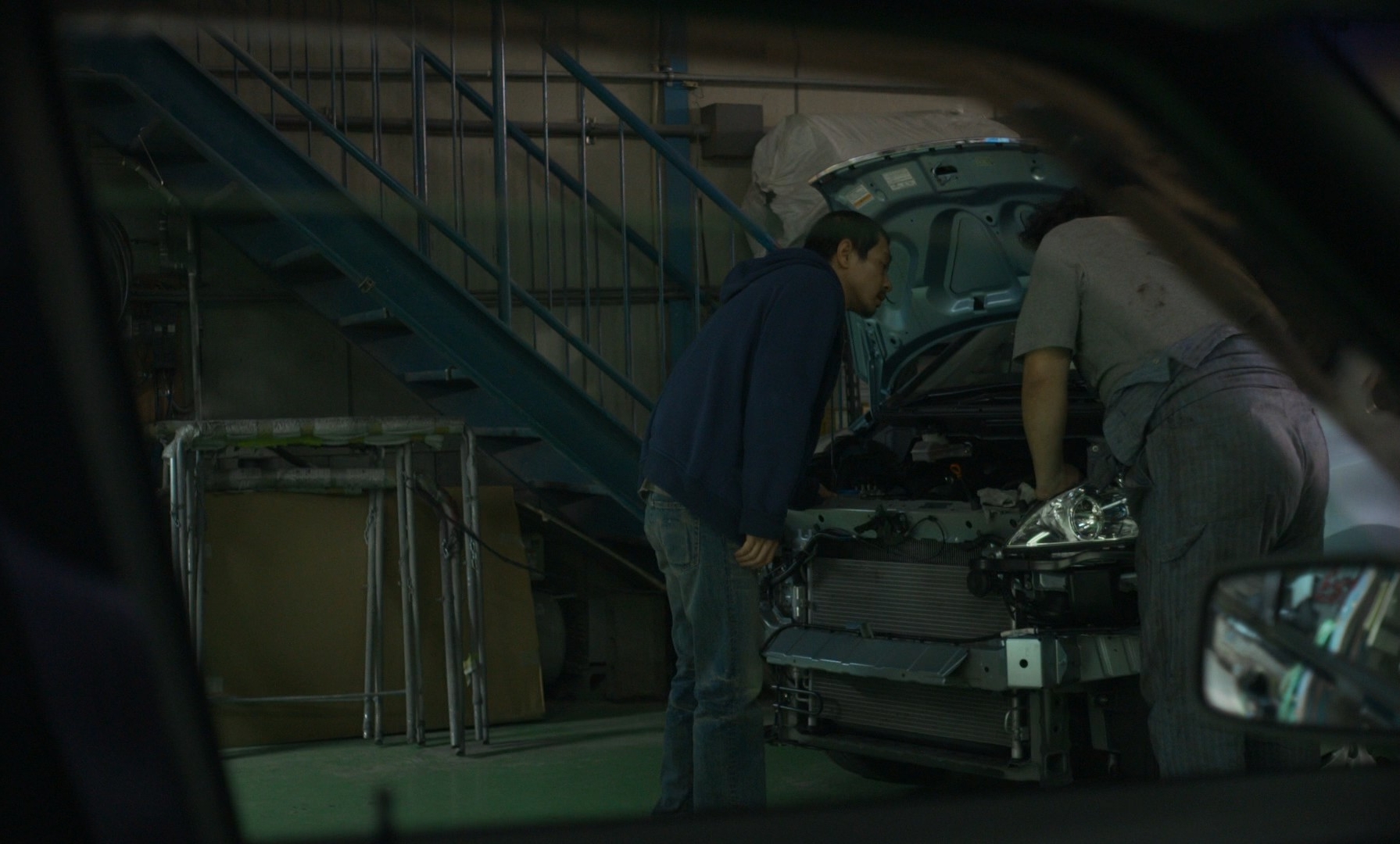
Kiarostami and cinematographer Katsumi Yanagijima shoot Like Someone in Love with a restrained, observational style, favoring long takes and carefully composed frames. Reflections—especially in car windows and mirrors—play a central role, often obscuring or layering faces, turning the image into a study of distance and perception where what is seen is never entirely clear.
FILM SPOTLIGHT
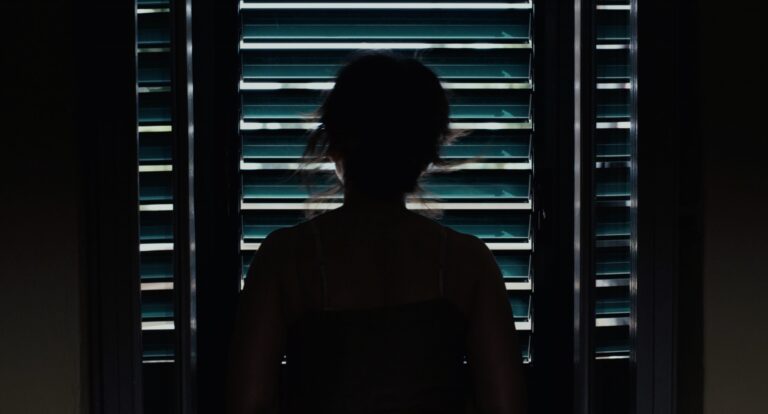
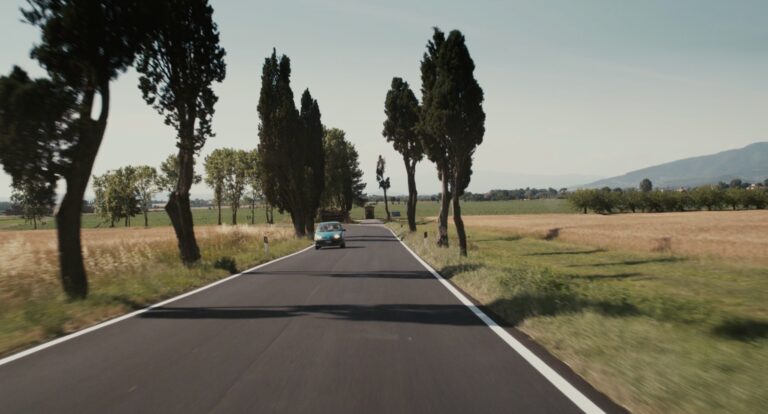
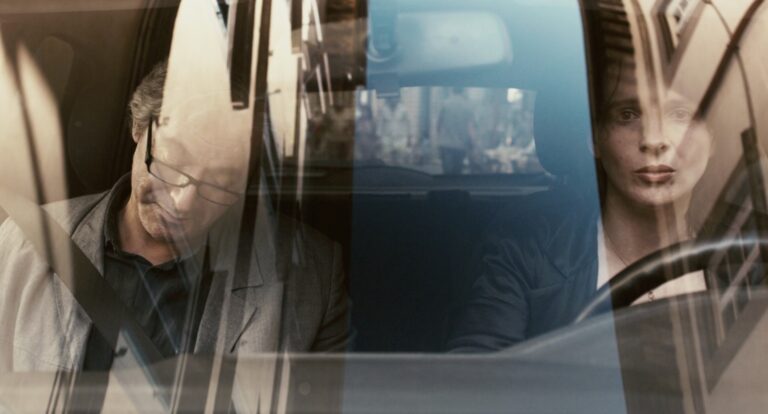
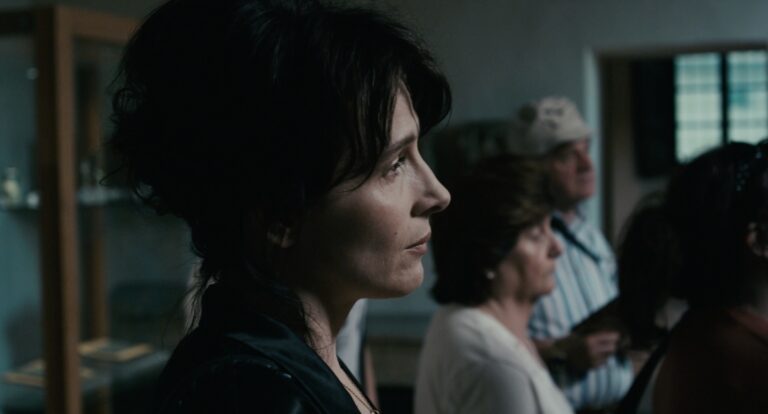
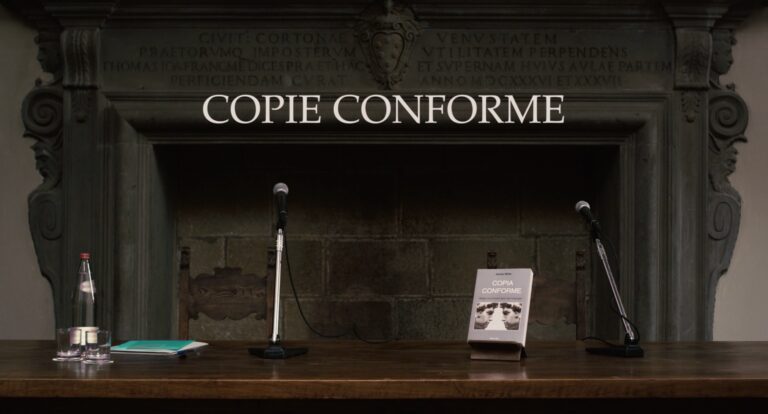
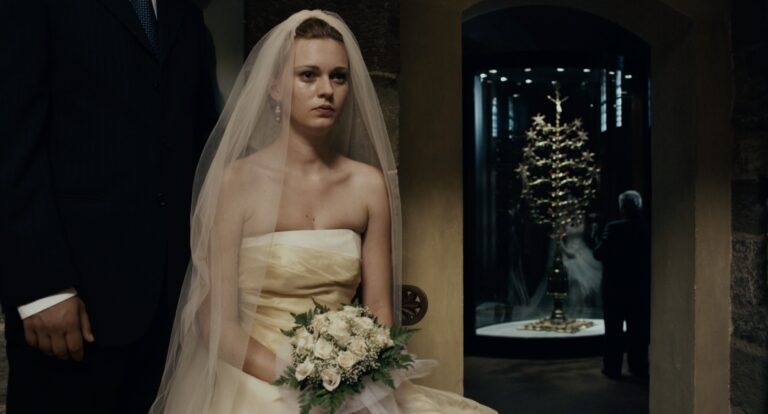
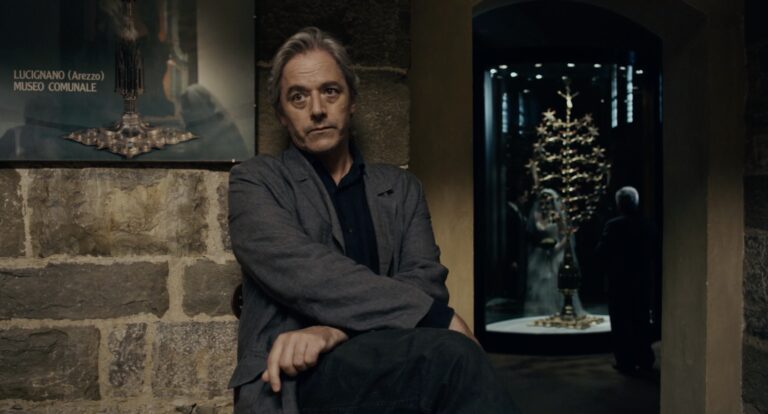
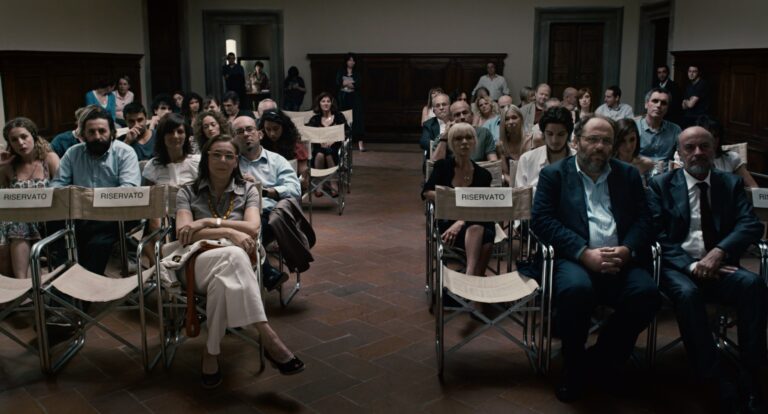
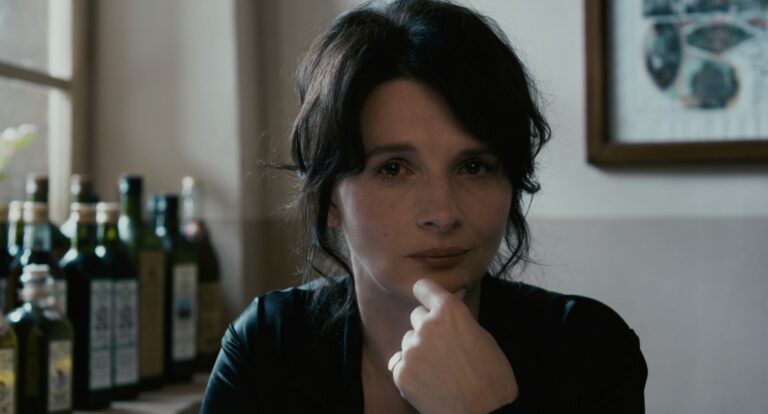
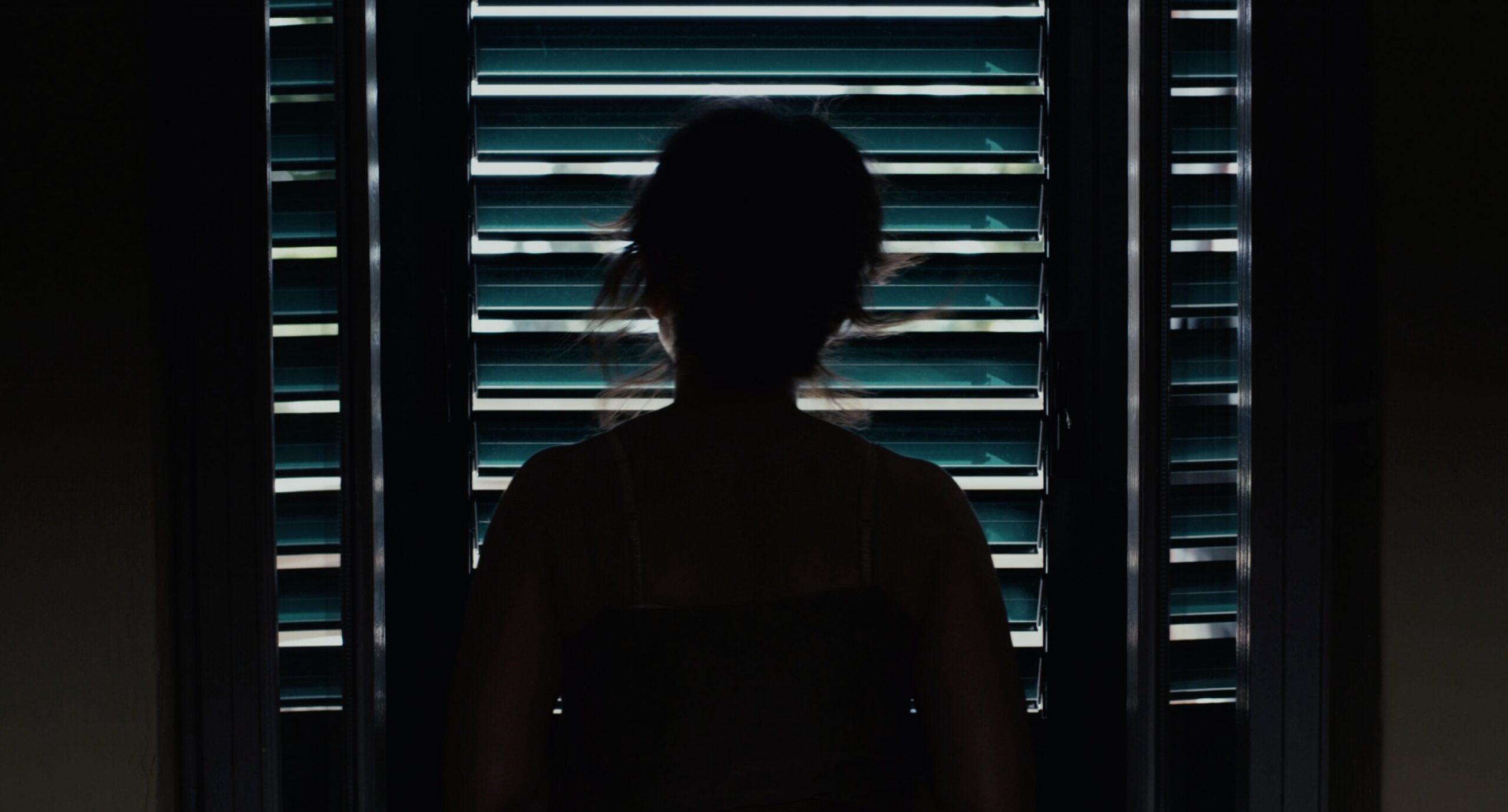
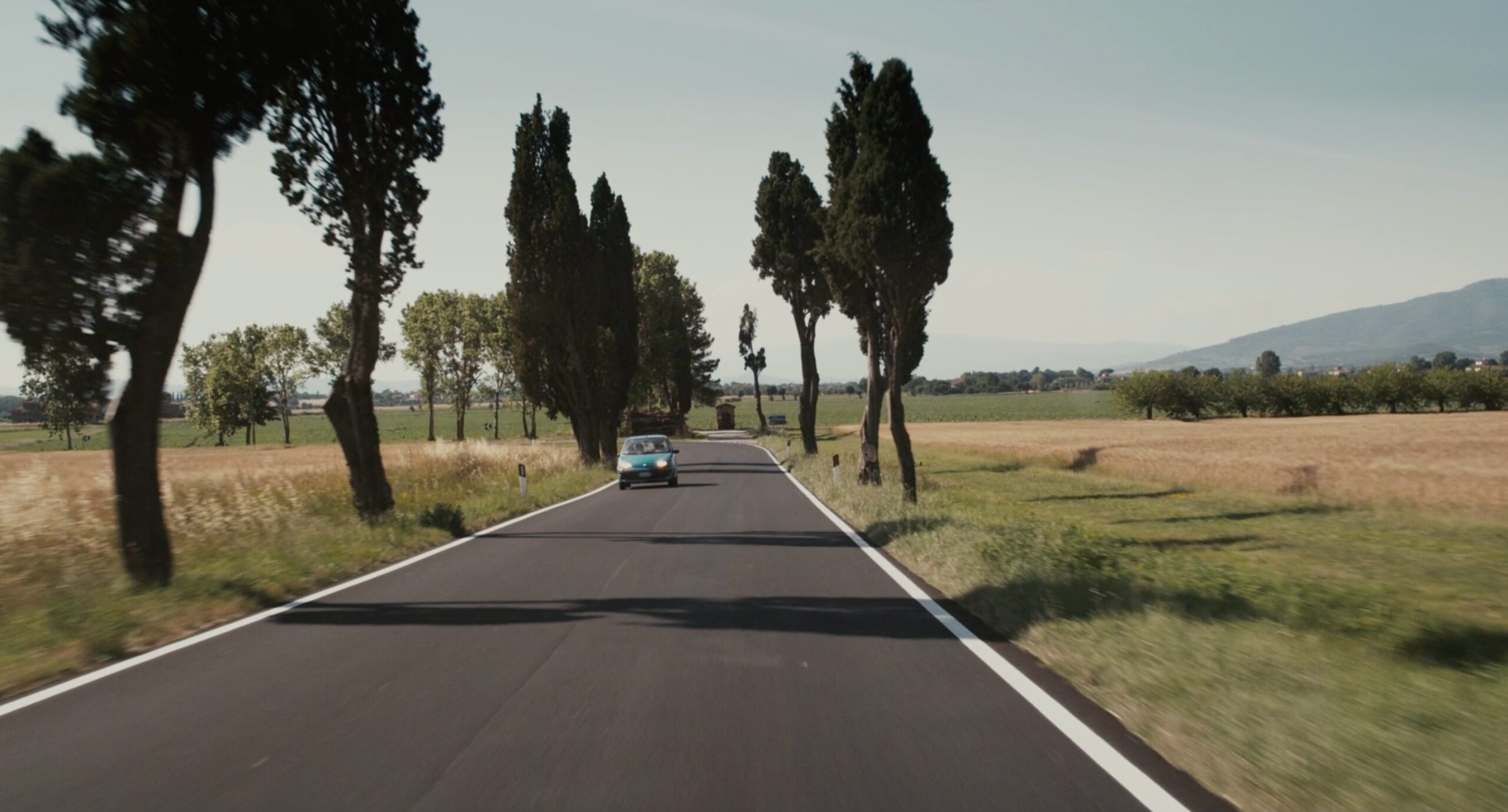
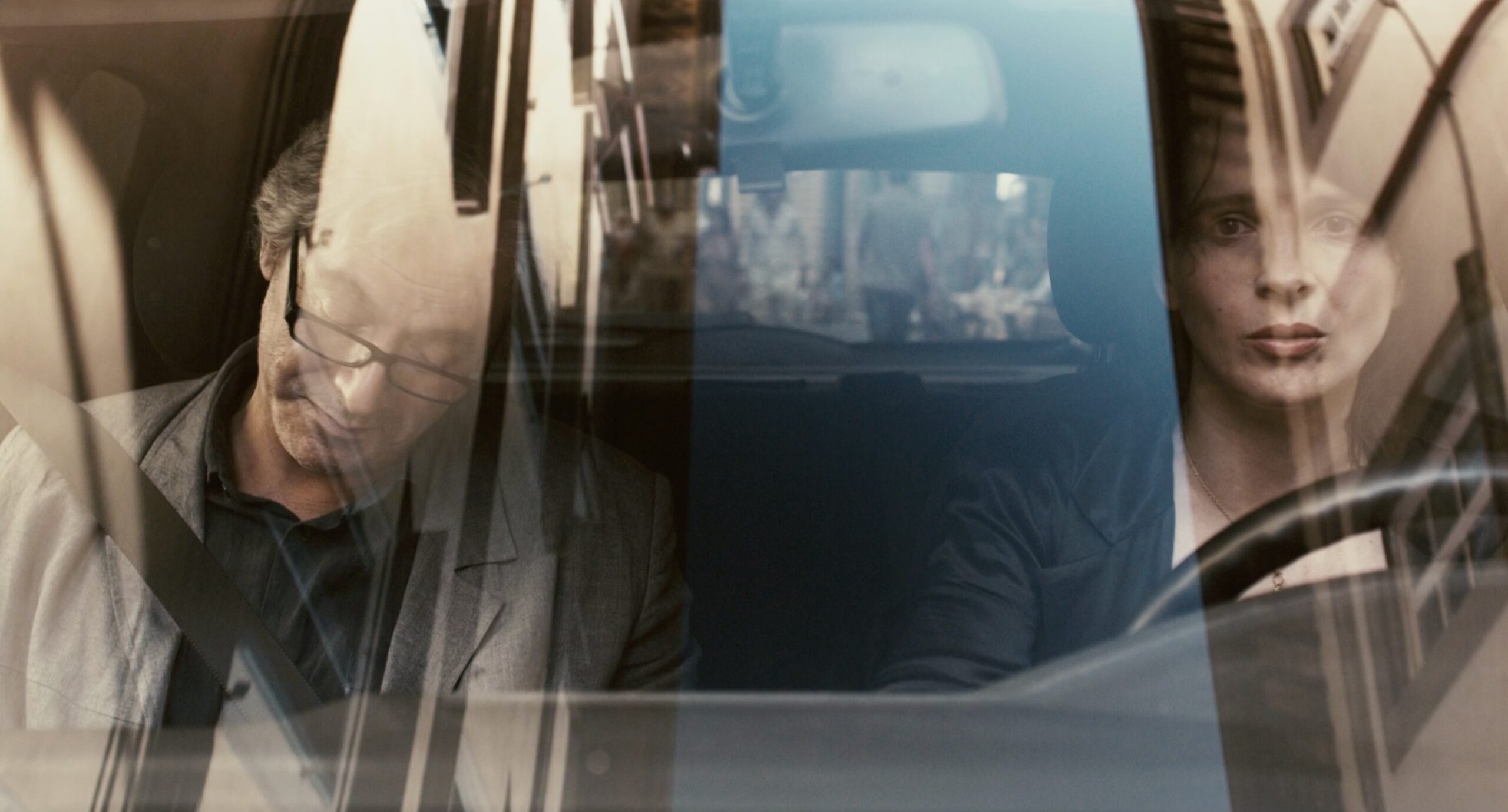
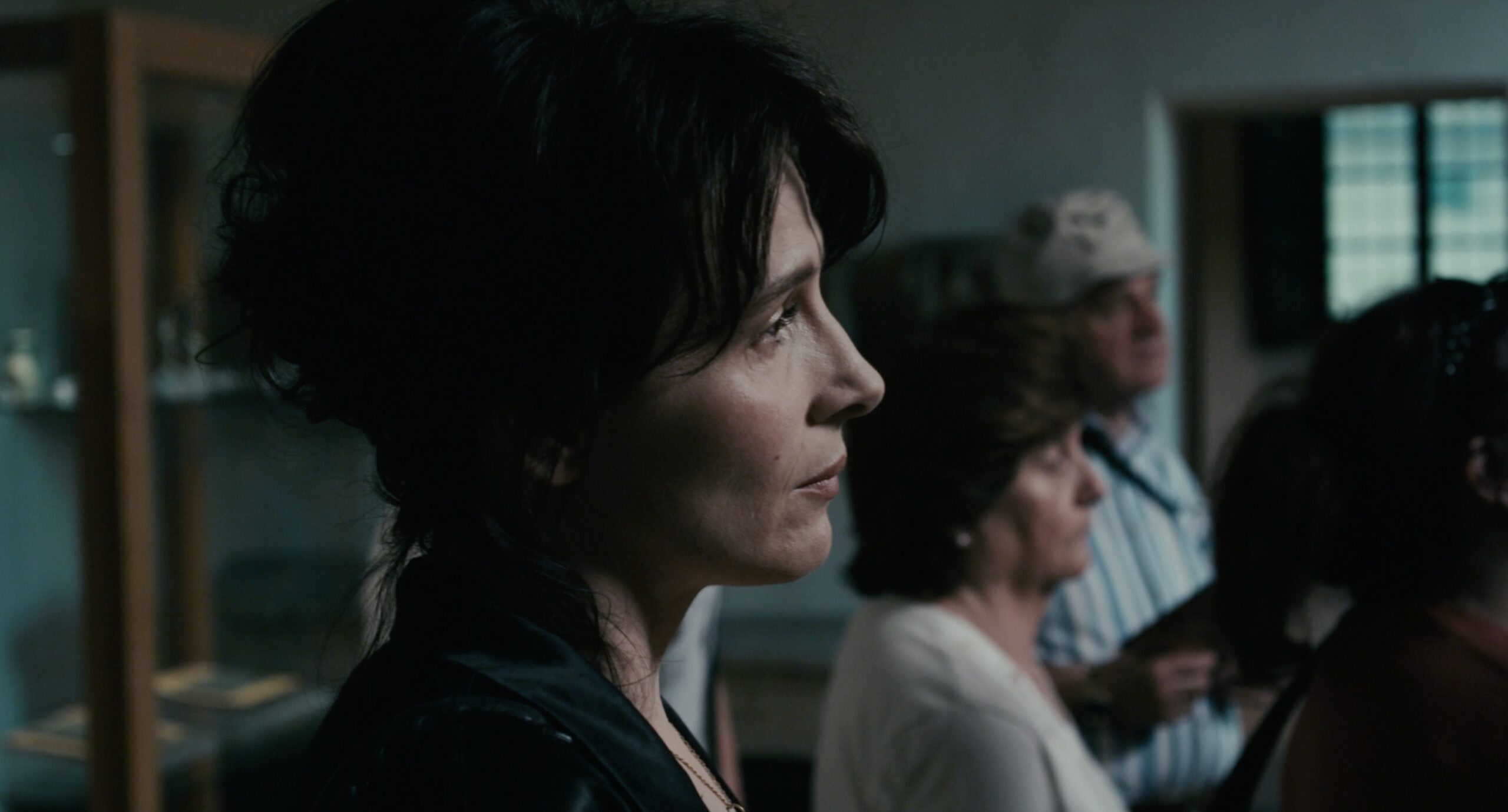
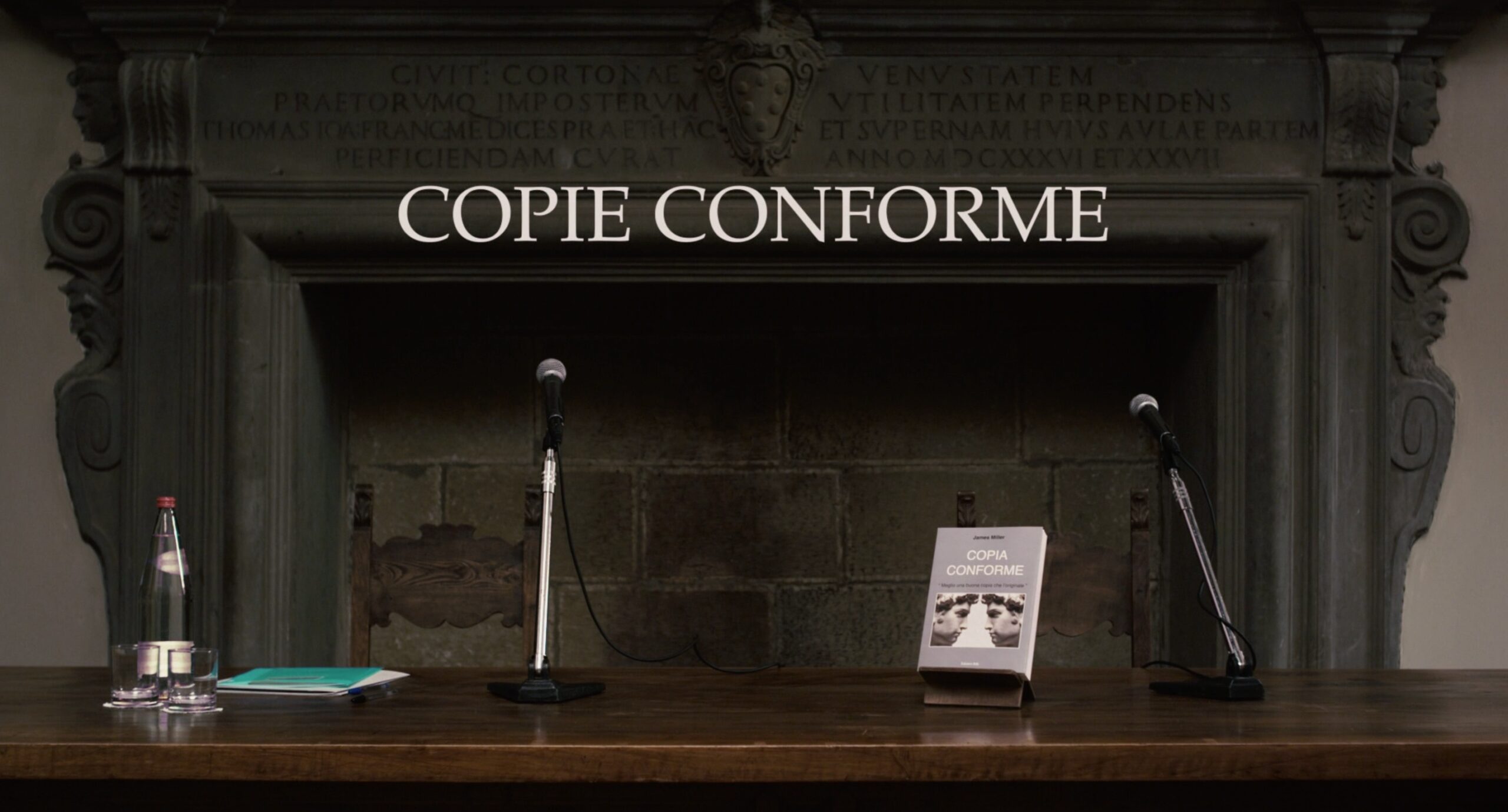
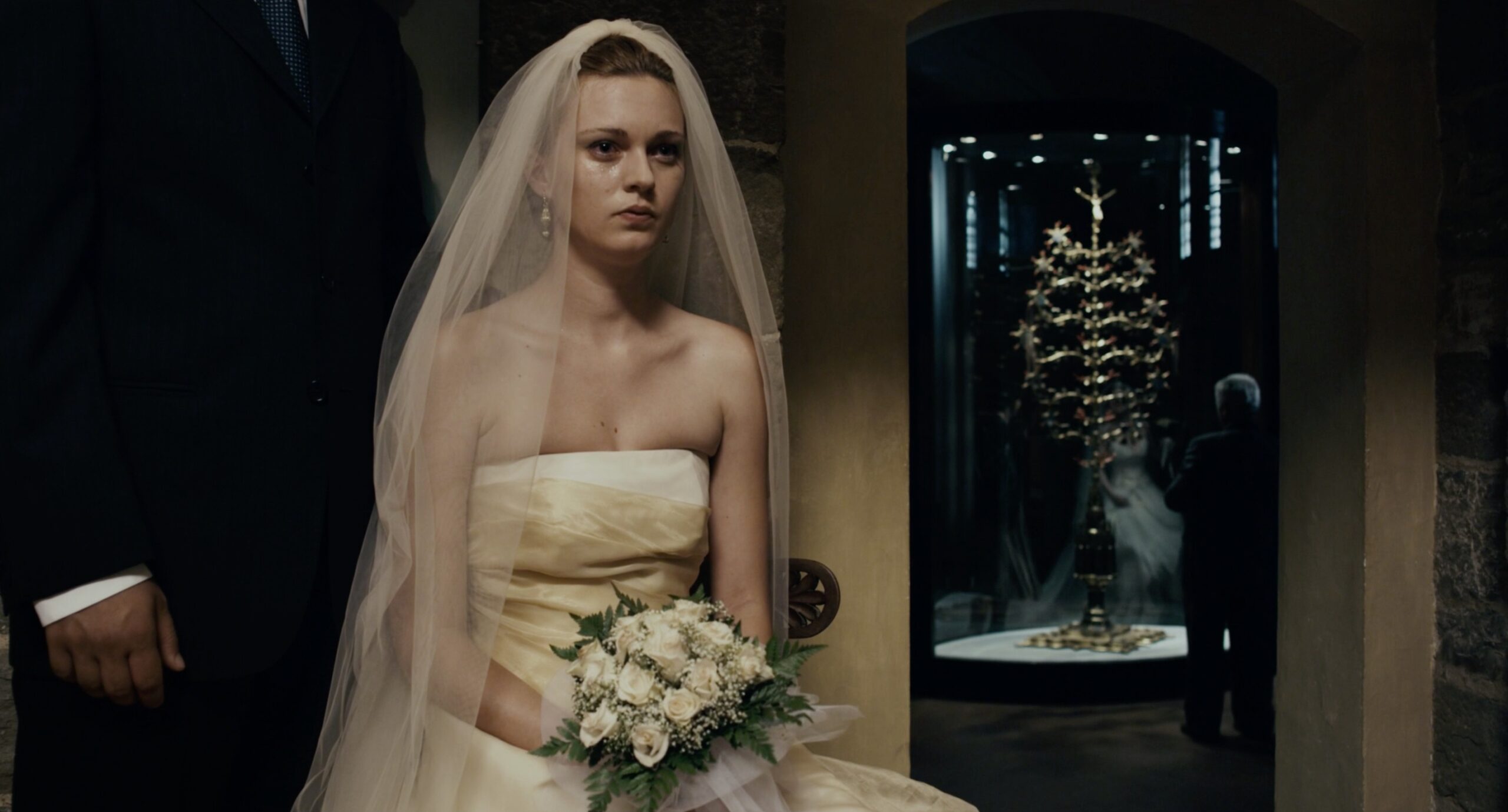
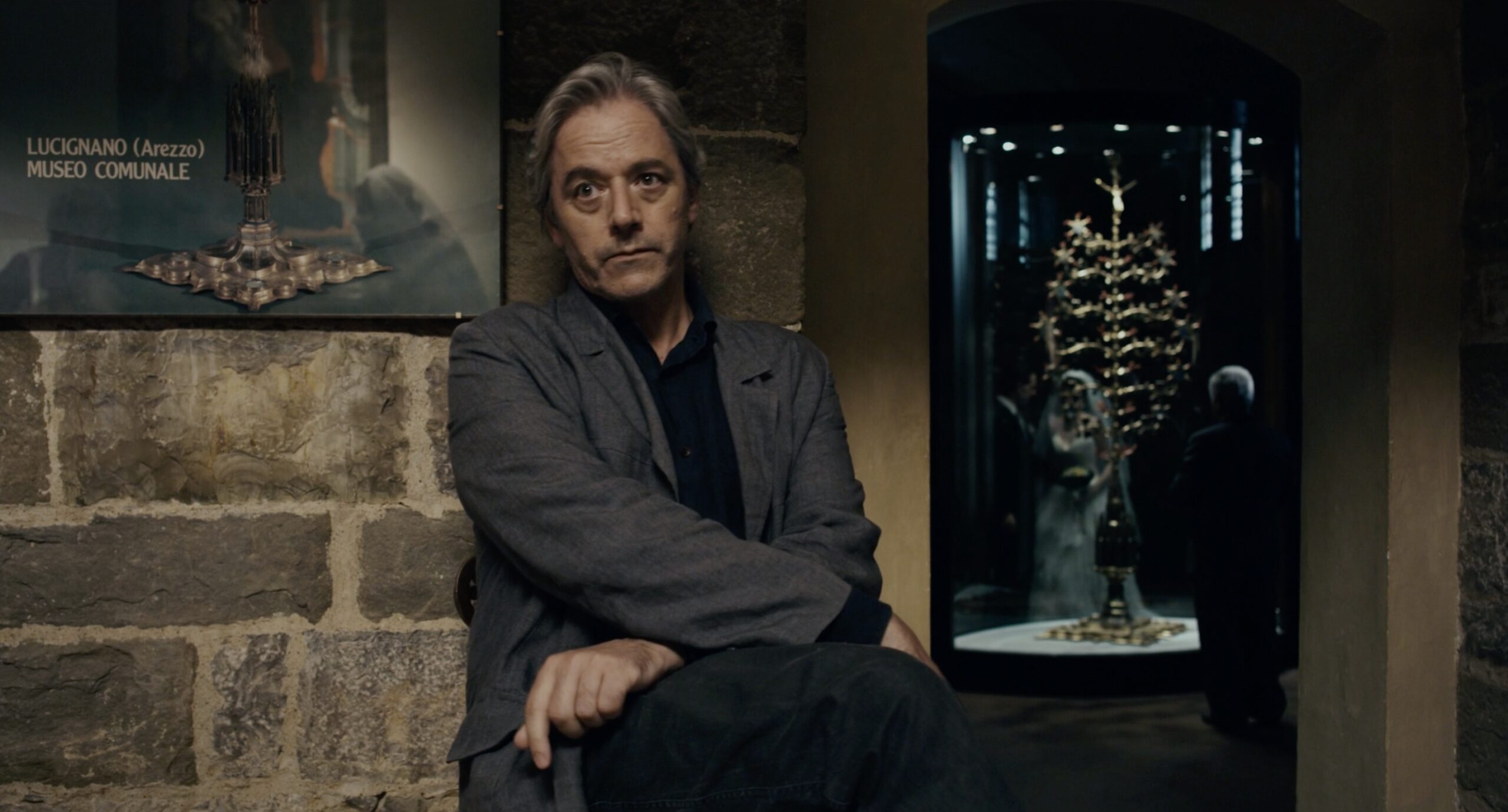
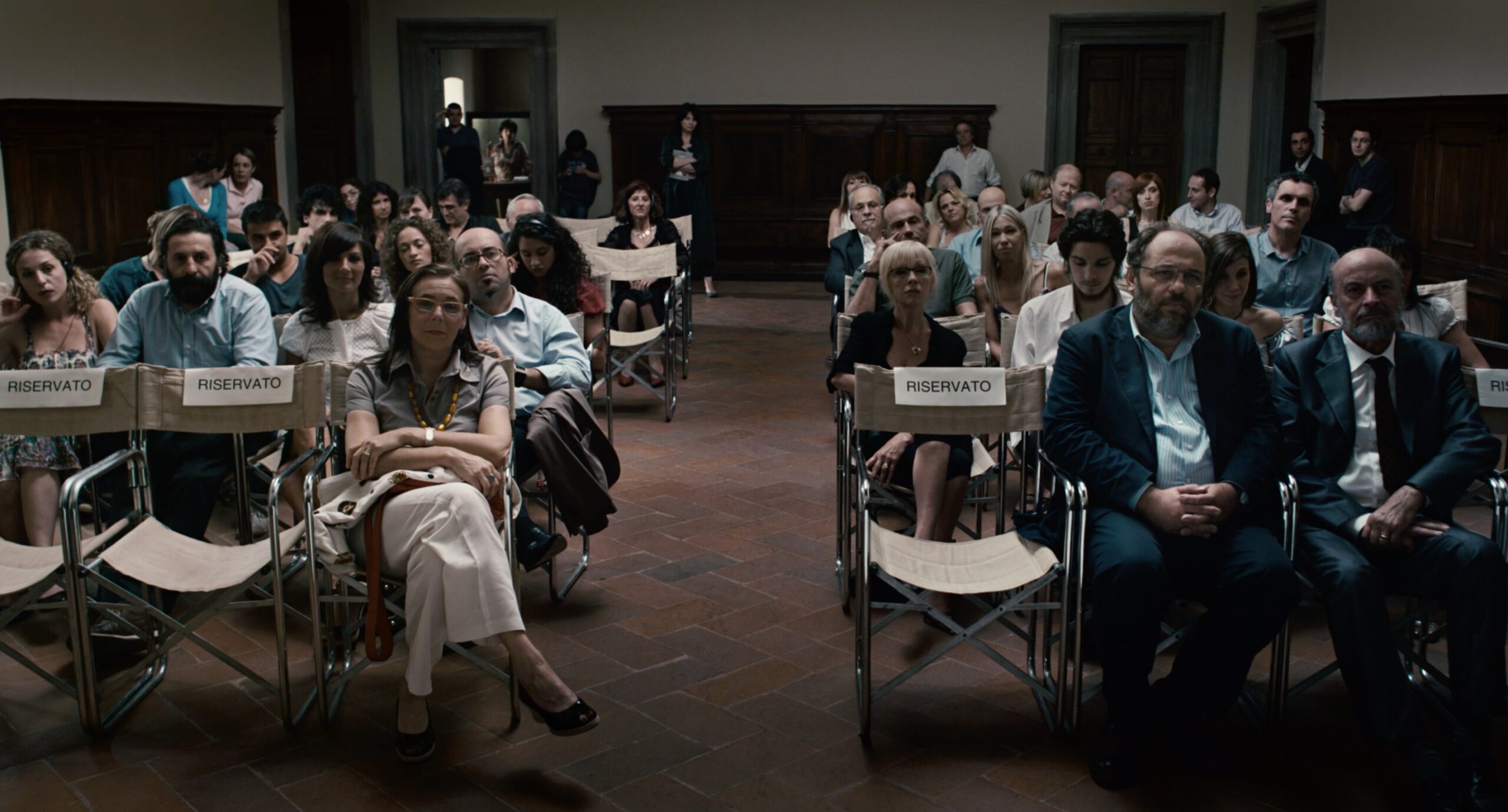
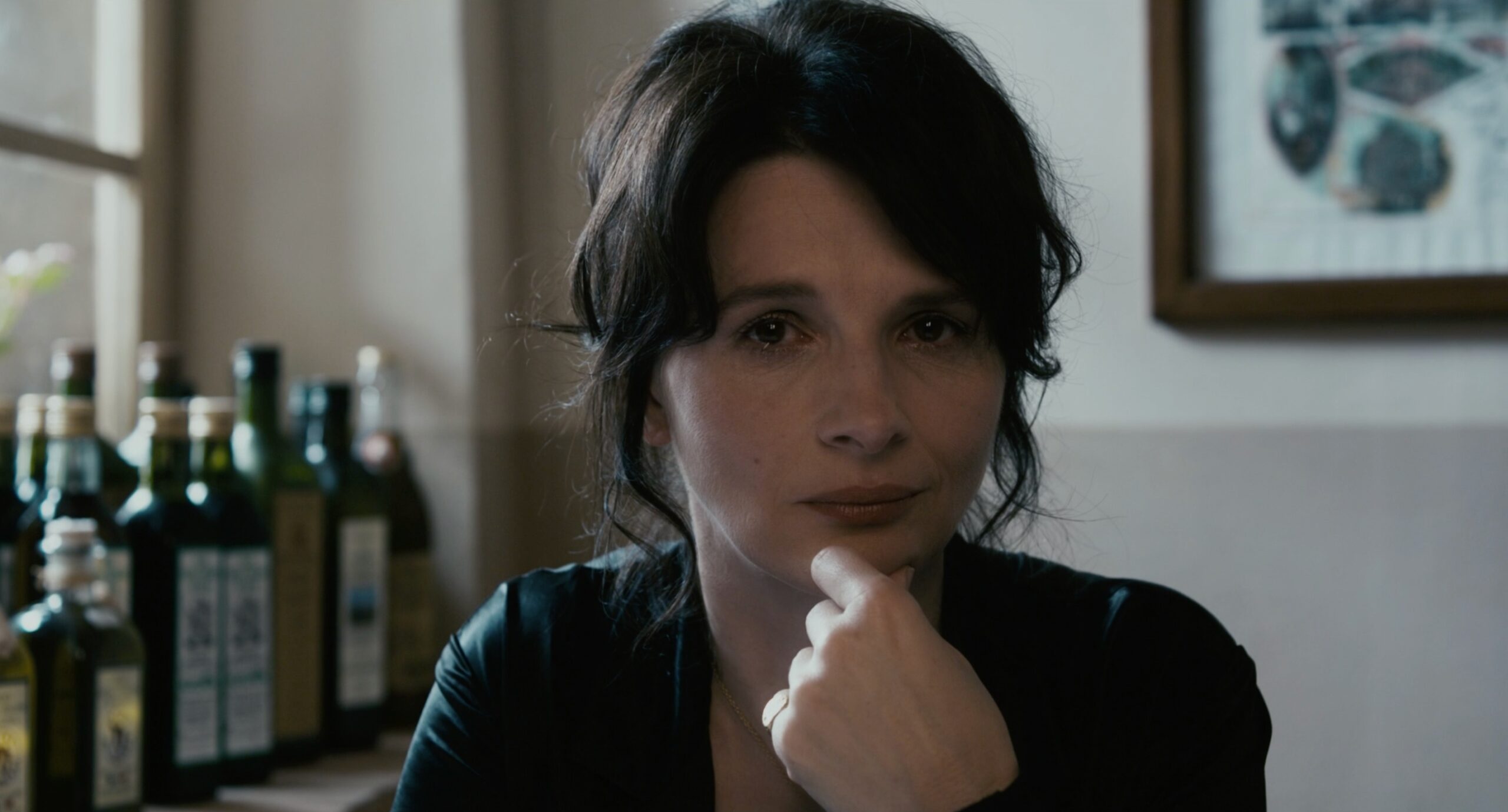
Certified Copy (2010)
An English writer and a French antiques dealer meet in Tuscany and spend a day together discussing authenticity, art, and relationships. As they wander through villages and museums, their dynamic subtly shifts, blurring the line between strangers and a long-married couple. The film unfolds as an ambiguous exploration of identity, perception, and the nature of connection.
Kiarostami and cinematographer Luca Bigazzi shoot Certified Copy with a fluid, observational elegance, using long takes and gentle camera movement to follow conversations through real spaces. The film’s use of mirrors, windows, and reflections constantly reframes the characters—turning the image into a meditation on duplication and perspective, where visual doubling echoes its thematic core.
FILM SPOTLIGHT
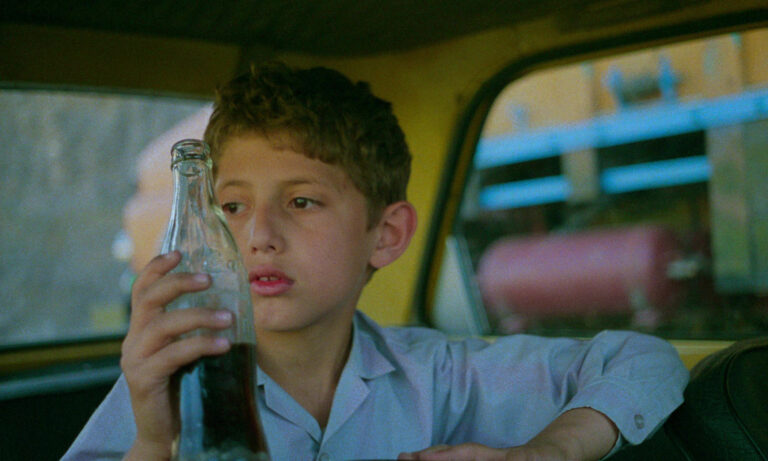
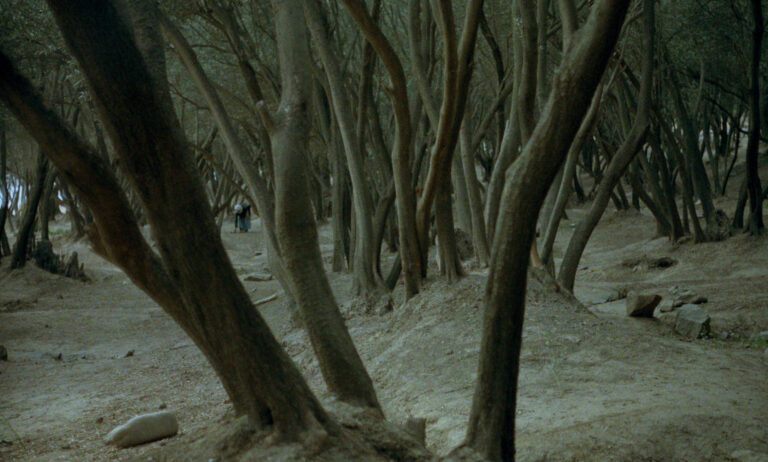
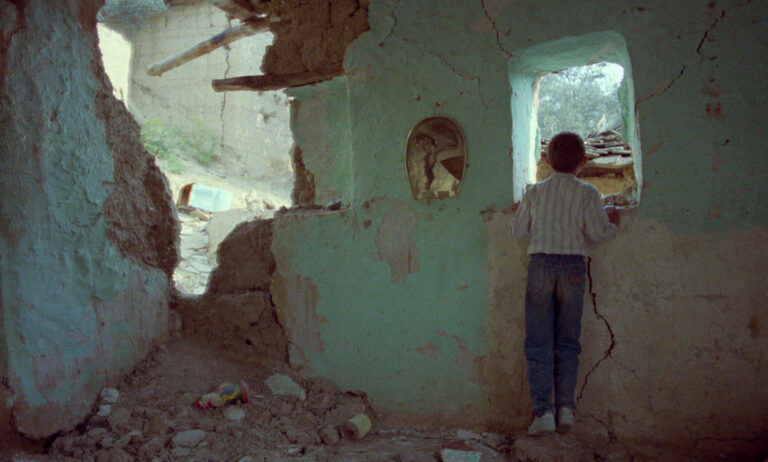
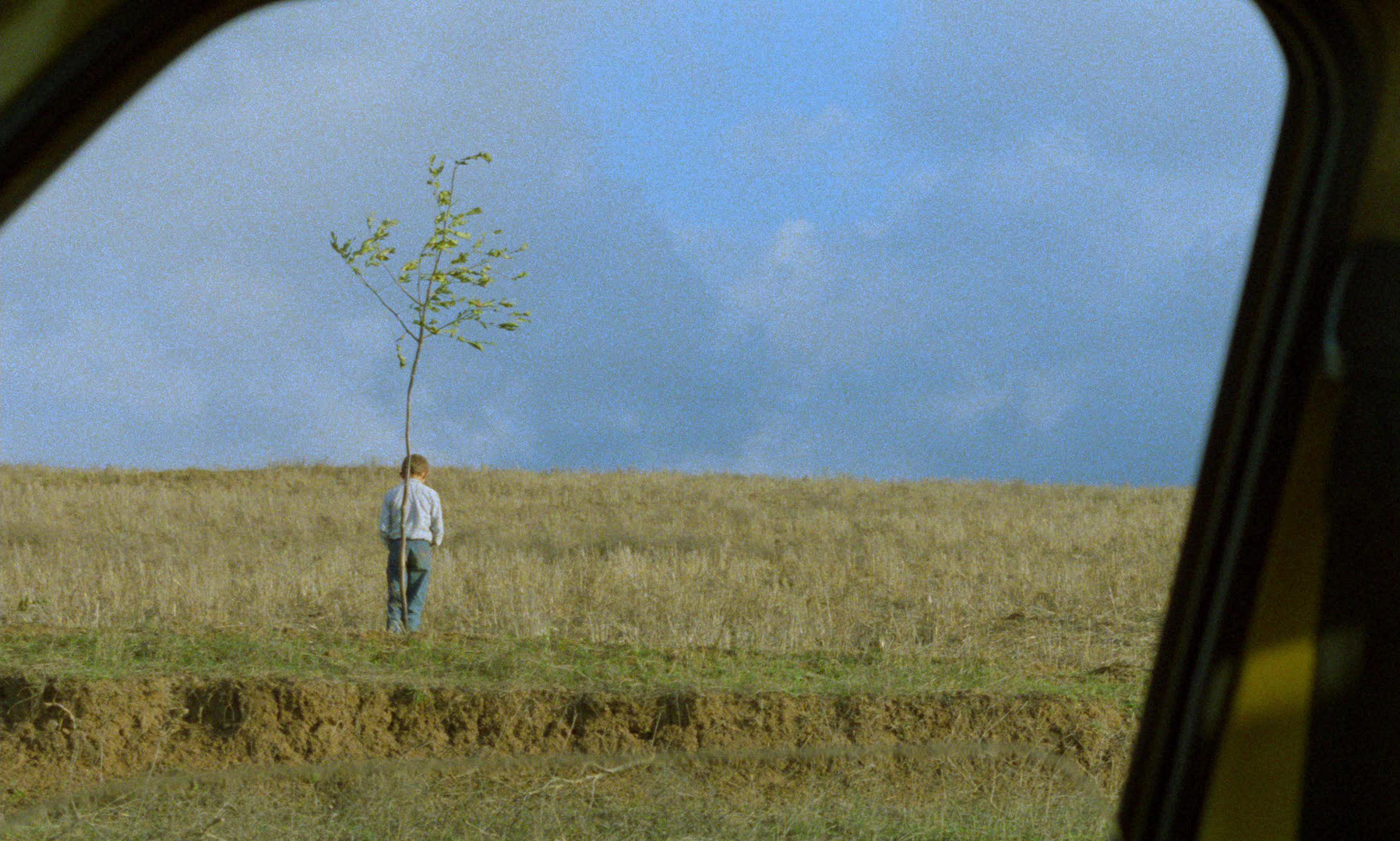
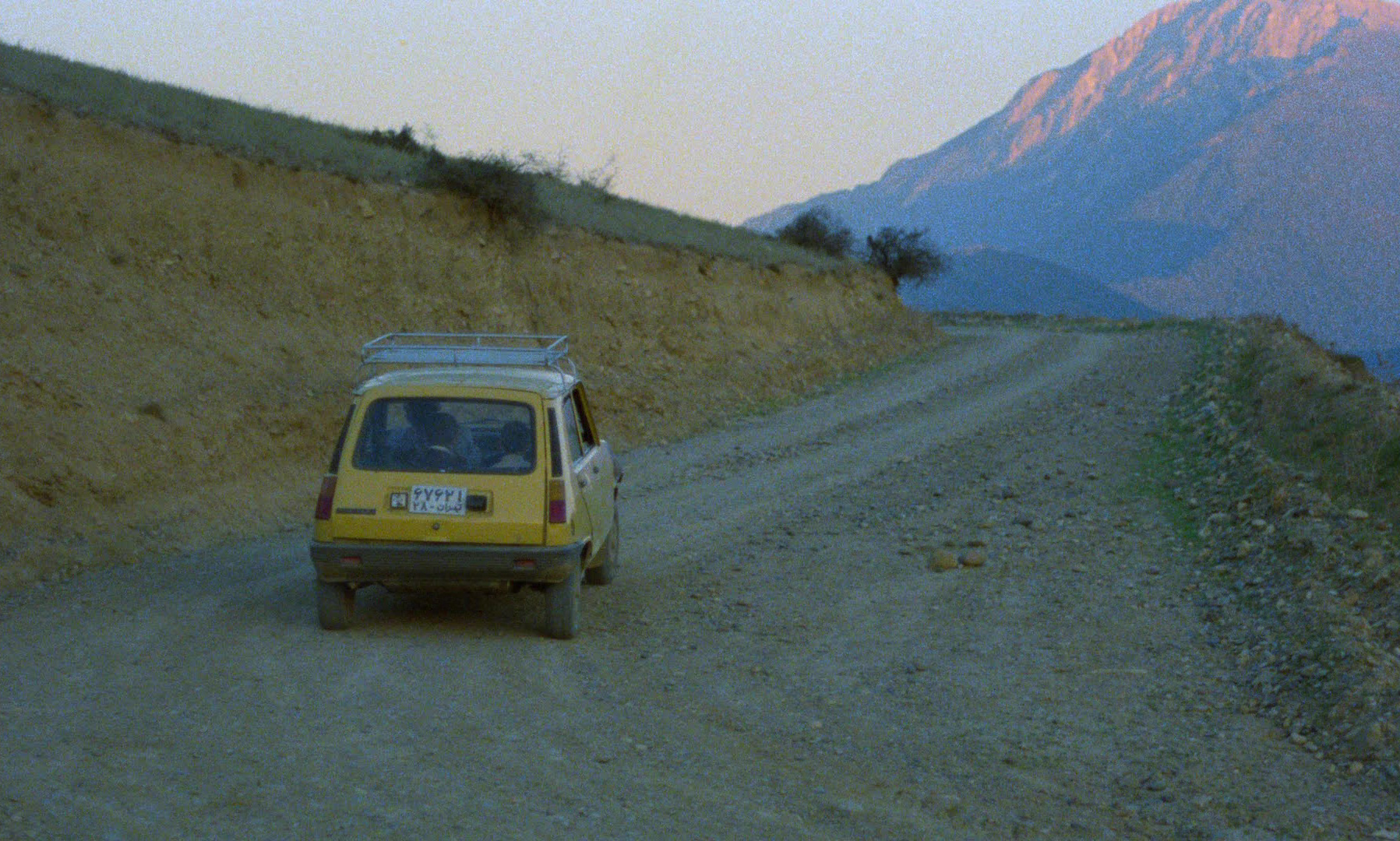
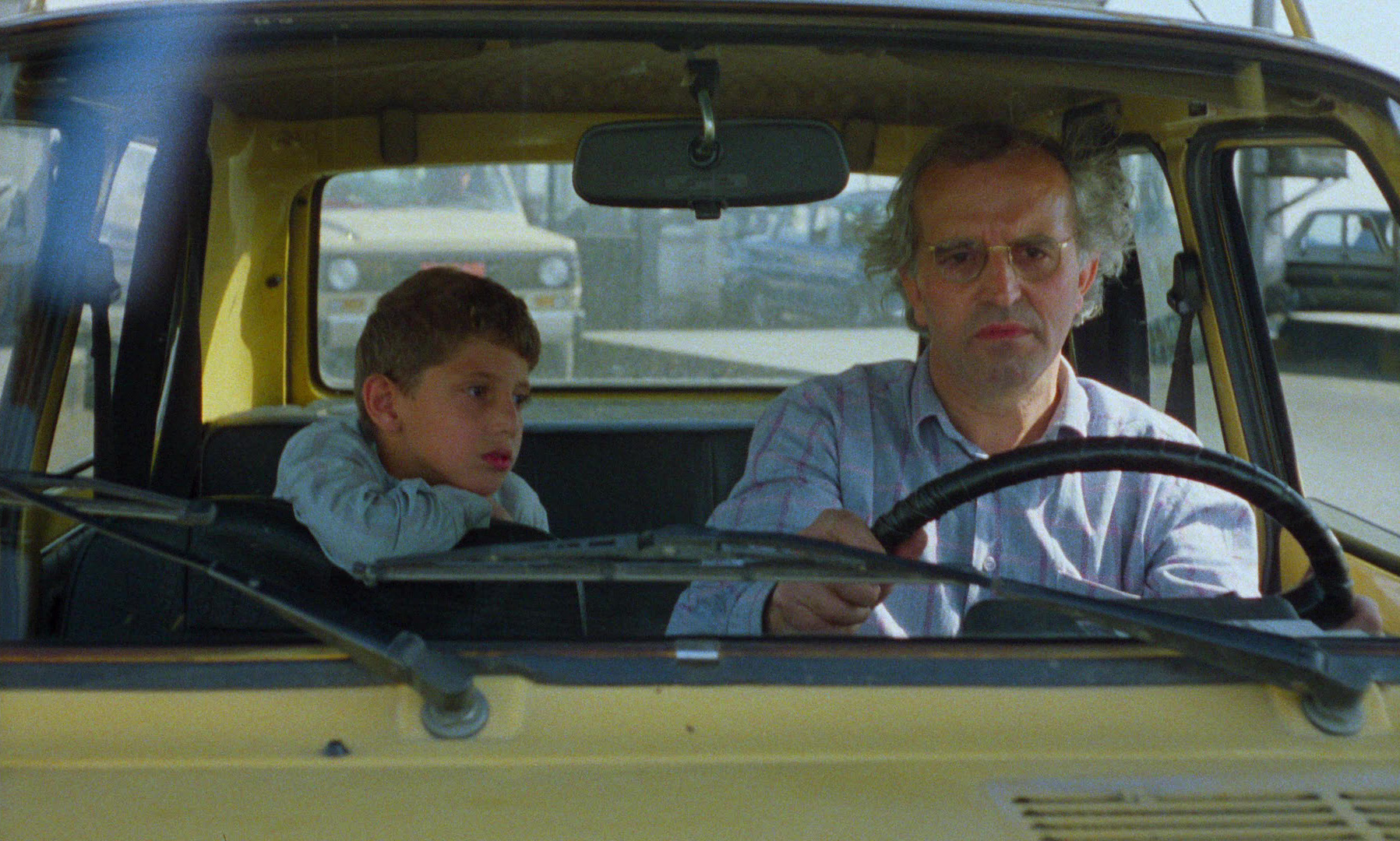
Life, and Nothing More (1992)
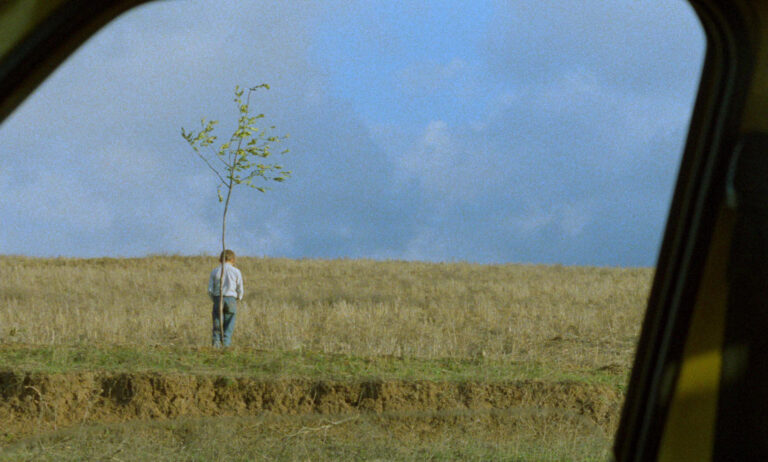
Following the devastating 1990 earthquake in northern Iran, a filmmaker and his young son travel through the affected region in search of two child actors from a previous film. As they navigate the разрушed landscape, they encounter survivors rebuilding their lives amid loss and uncertainty. The journey becomes a reflection on resilience, humanity, and the persistence of life in the face of tragedy.
Kiarostami and cinematographer Homayun Payvar shoot Life, and Nothing More… with a semi-documentary approach, using long takes, non-professional actors, and real locations to blur the line between fiction and reality. The film’s use of winding roads and car-mounted perspectives turns travel into structure—where landscape and duration become the primary visual language of observation and quiet endurance.
FILM SPOTLIGHT
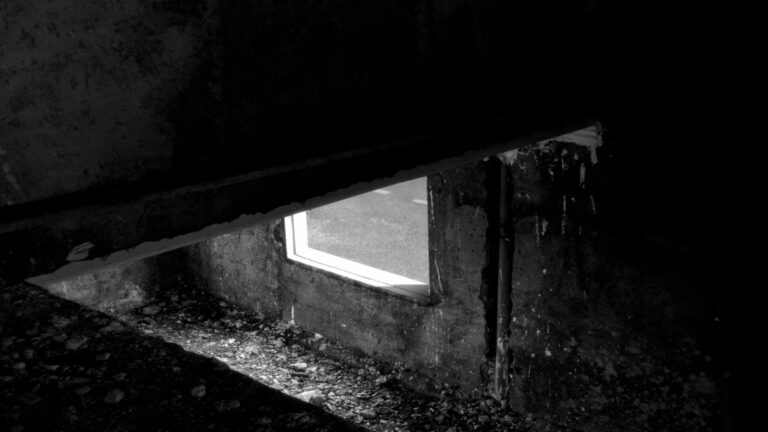
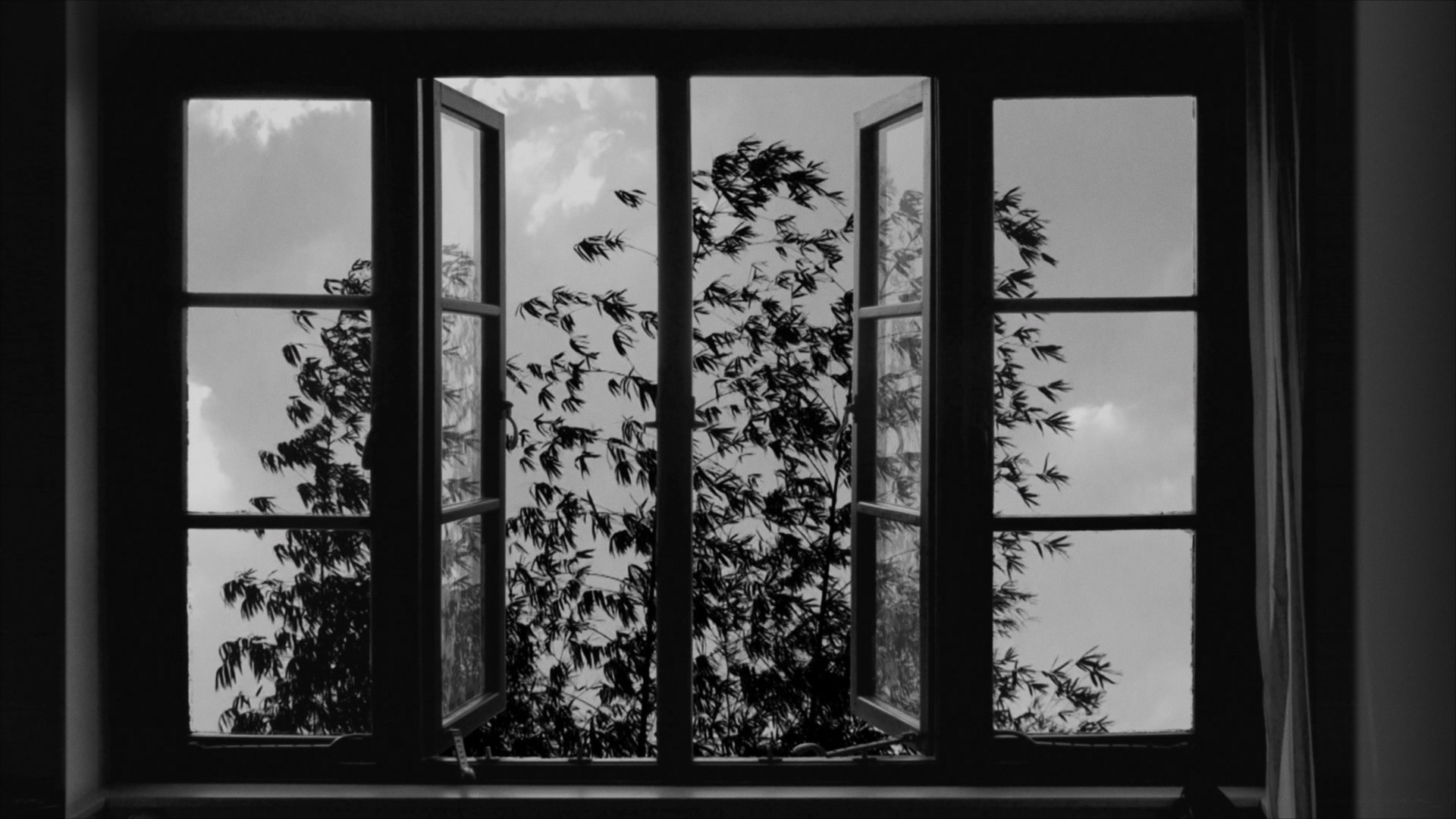
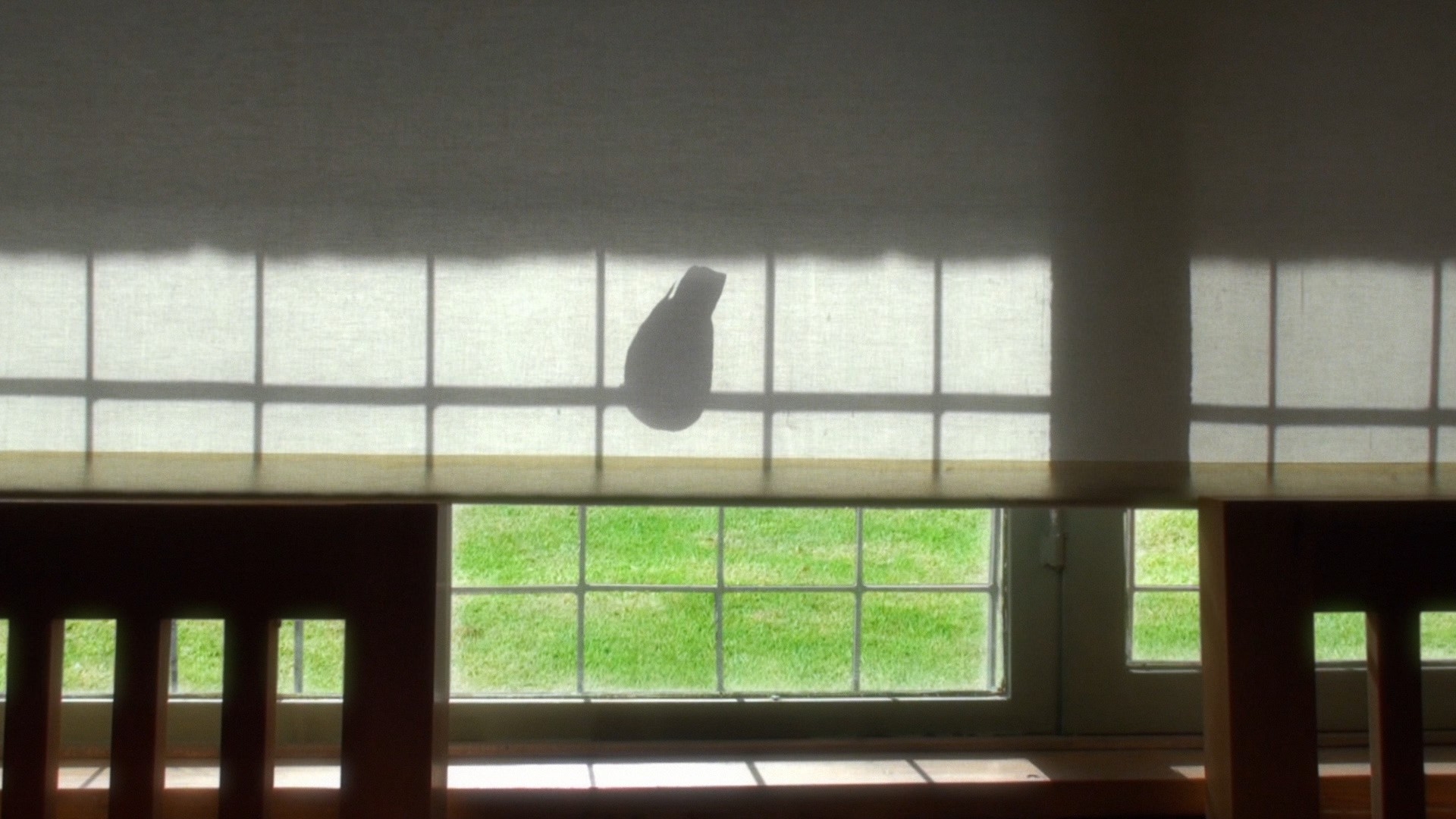
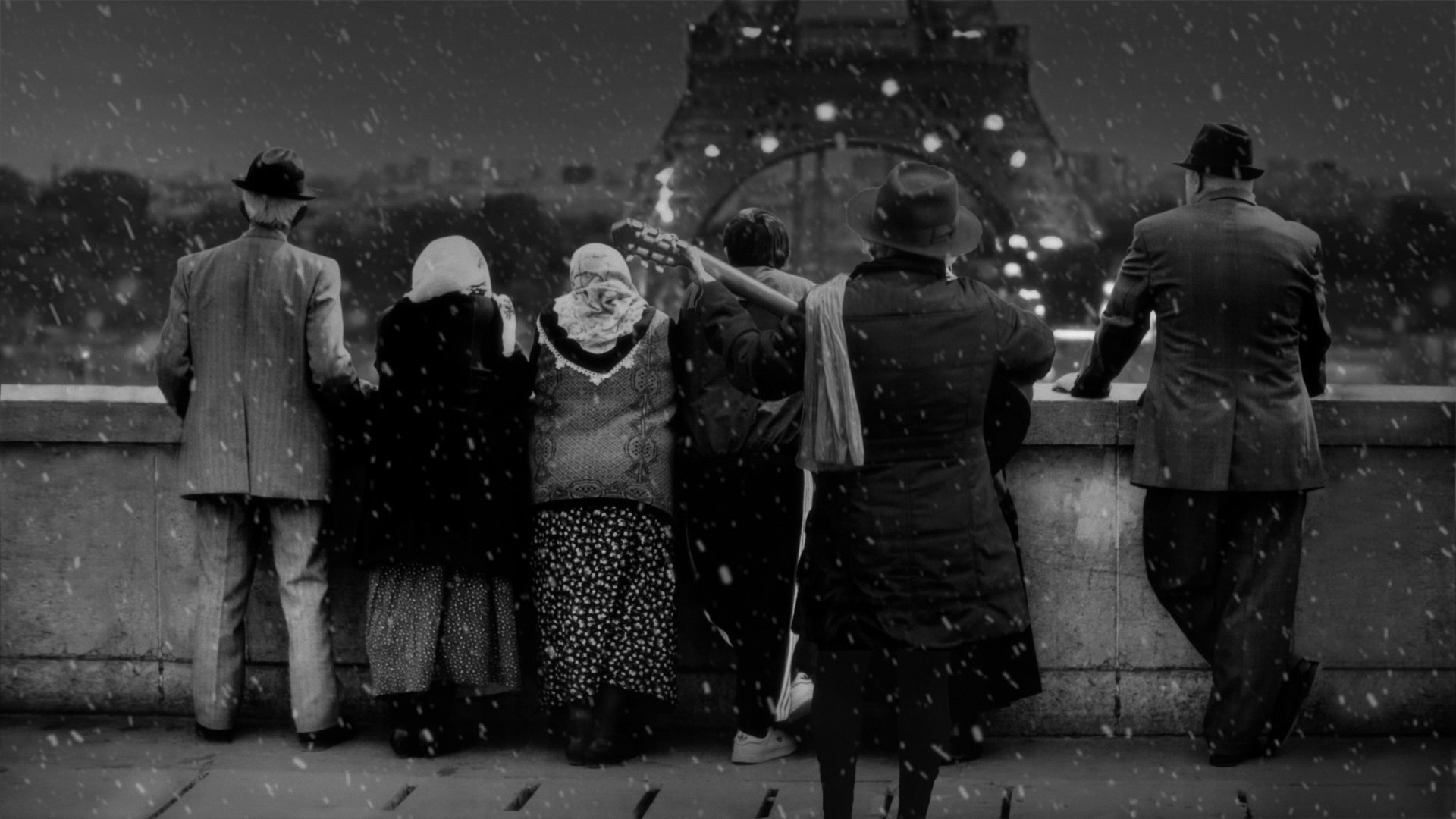
24 Frames (2017)
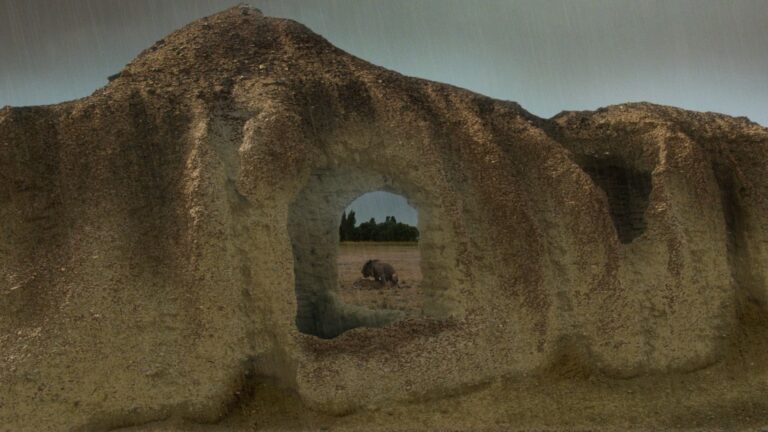
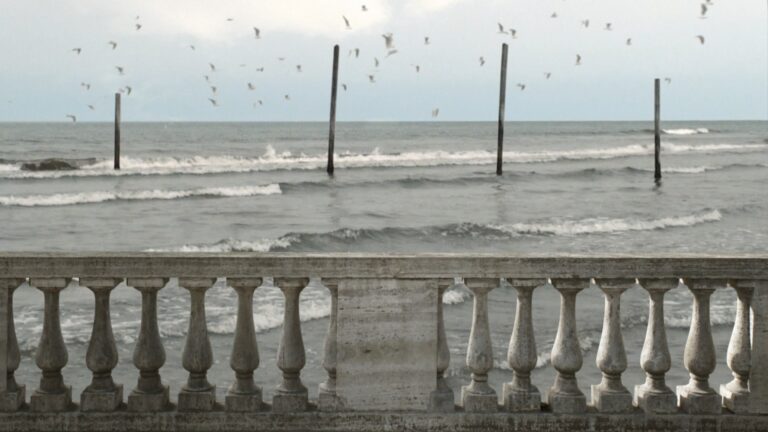
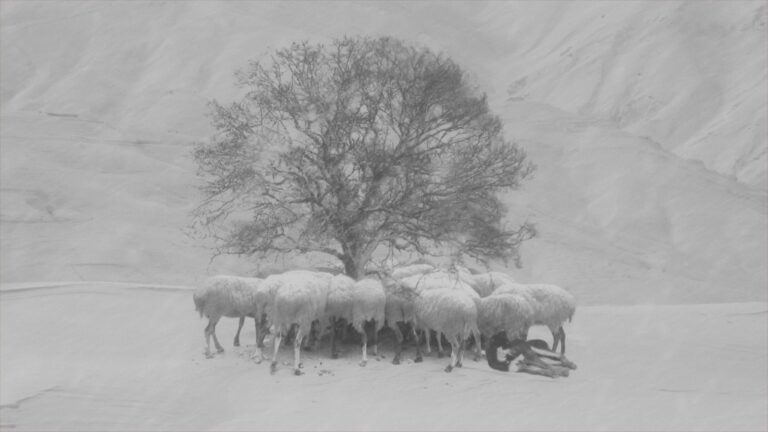
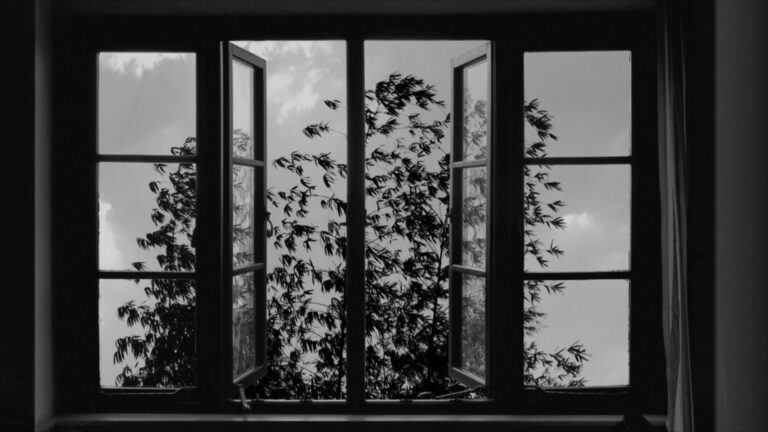
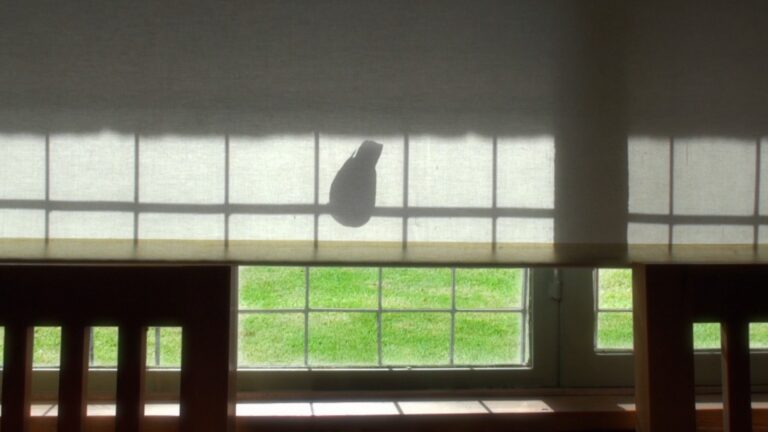
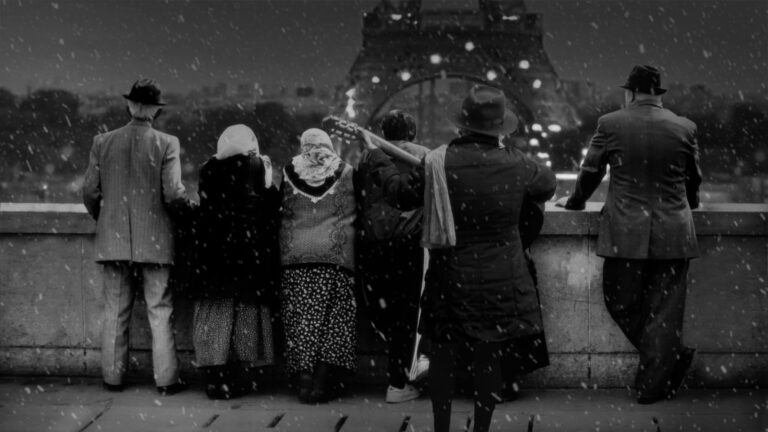
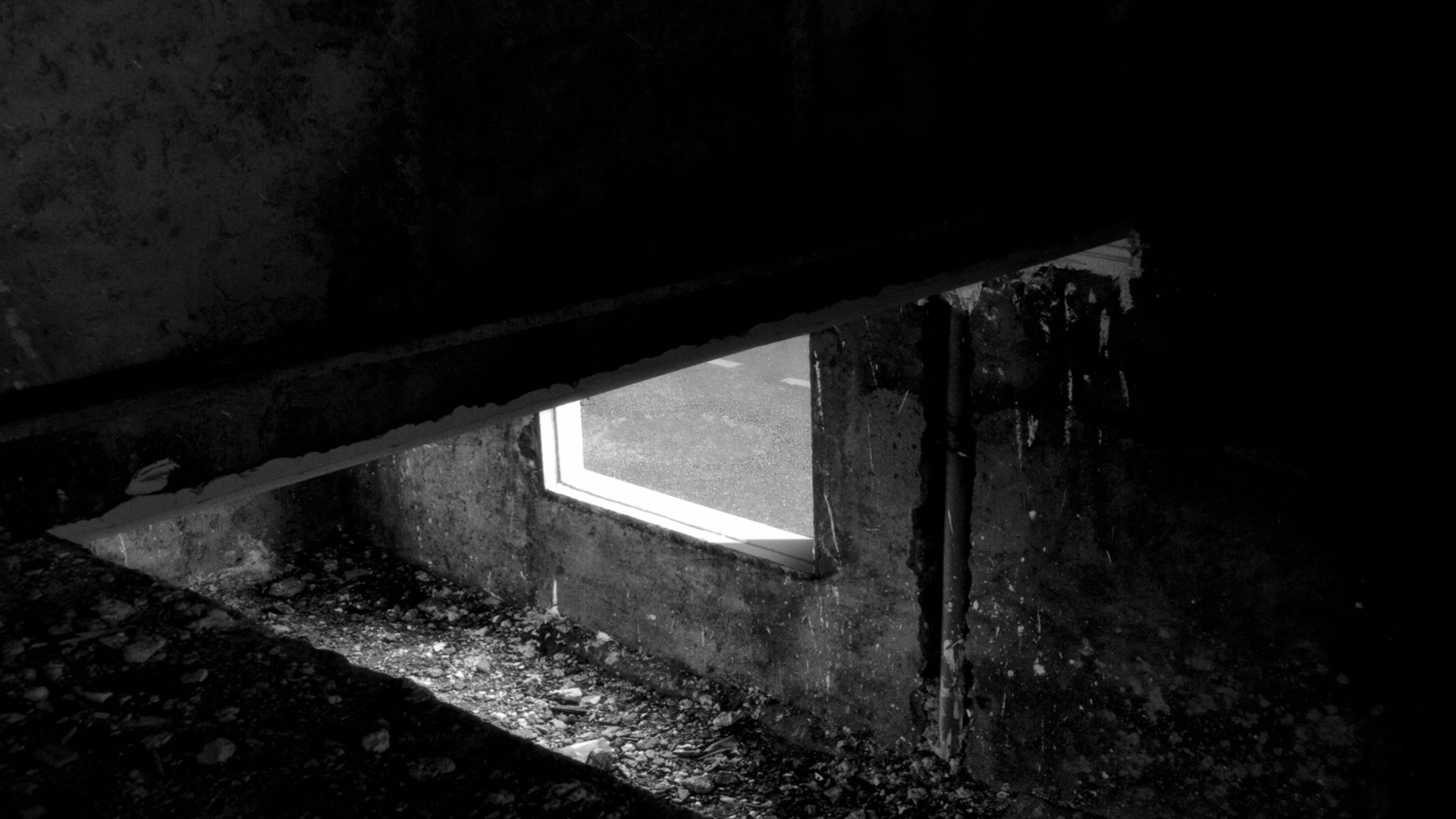
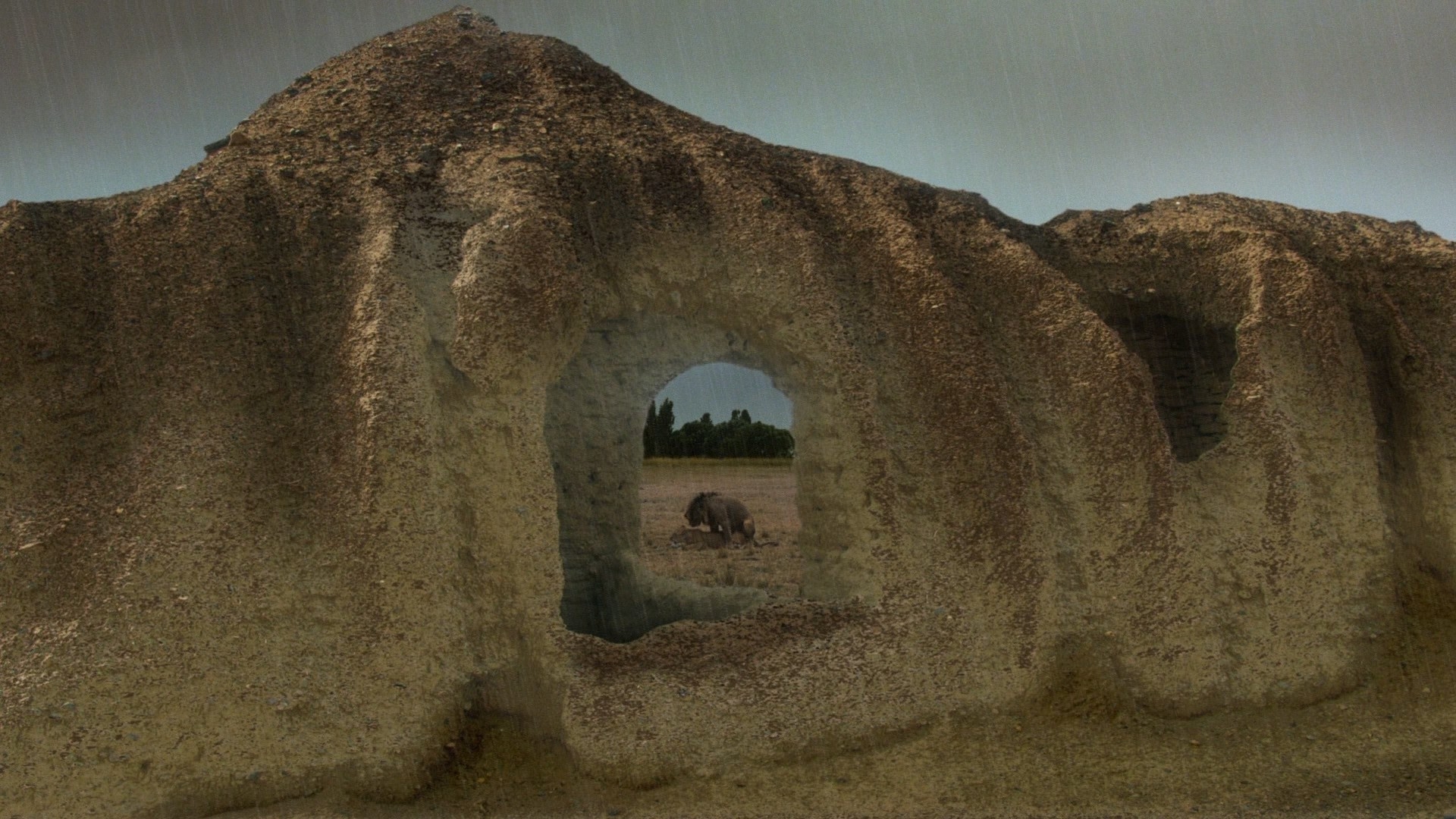
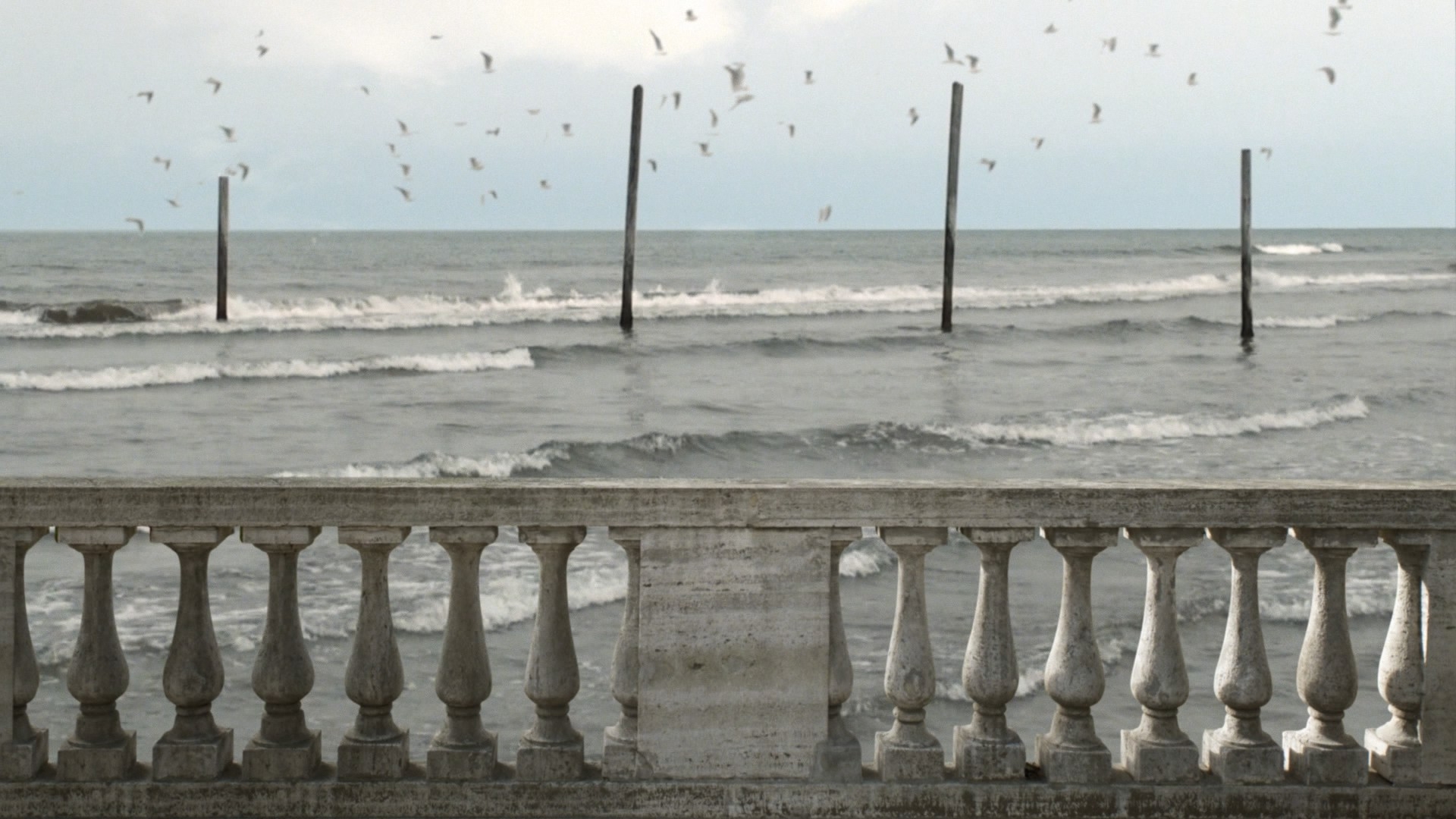
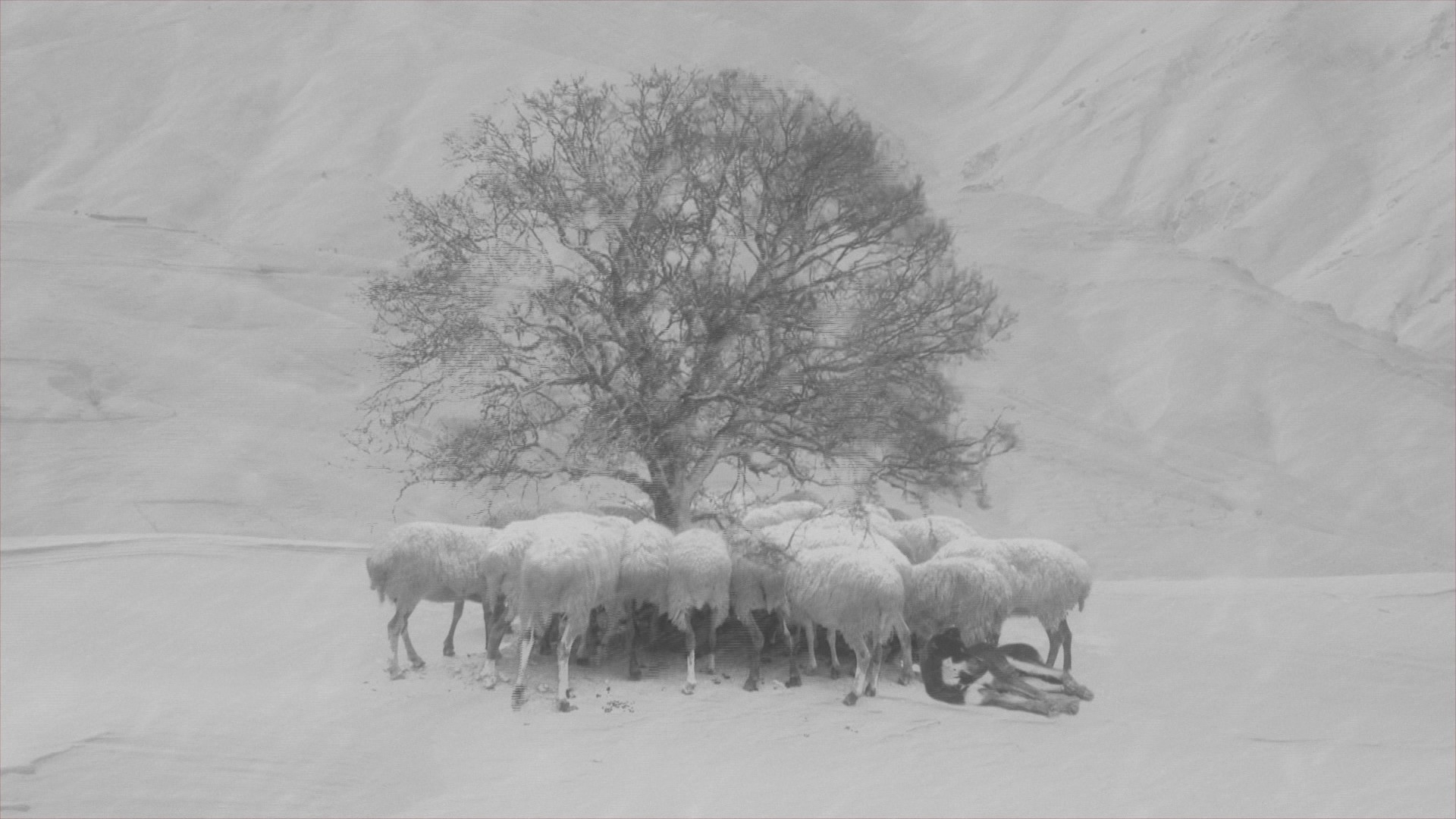
Kiarostami’s final work presents a series of 24 short, self-contained vignettes inspired by still images—many based on paintings or photographs. Each “frame” imagines what might happen just before and after a captured moment, bringing static images to life through subtle movement and sound. The film unfolds as a meditative exploration of time, perception, and the boundary between stillness and motion.
Constructed digitally, 24 Frames blends photography, video, and CGI to animate otherwise static compositions—often featuring landscapes, animals, and weather. The fixed camera in each segment emphasizes duration and minimal change, turning small movements—falling snow, shifting light, drifting figures—into the primary visual event, and reflecting Kiarostami’s lifelong interest in the relationship between image and reality.


FILM SPOTLIGHT
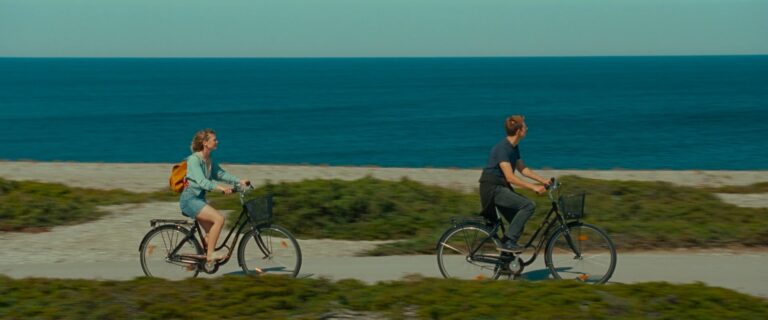
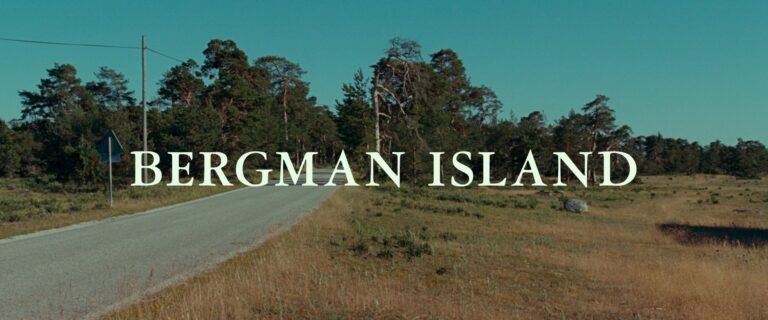
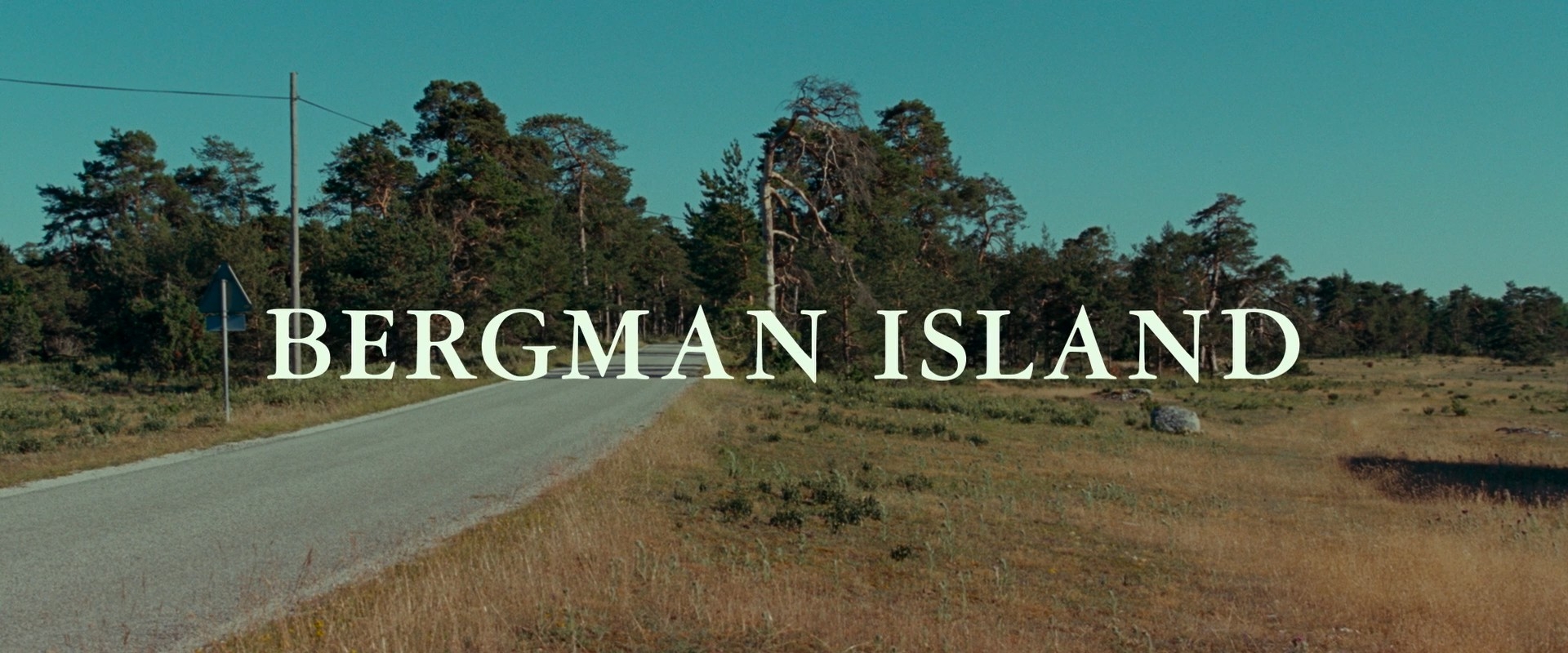
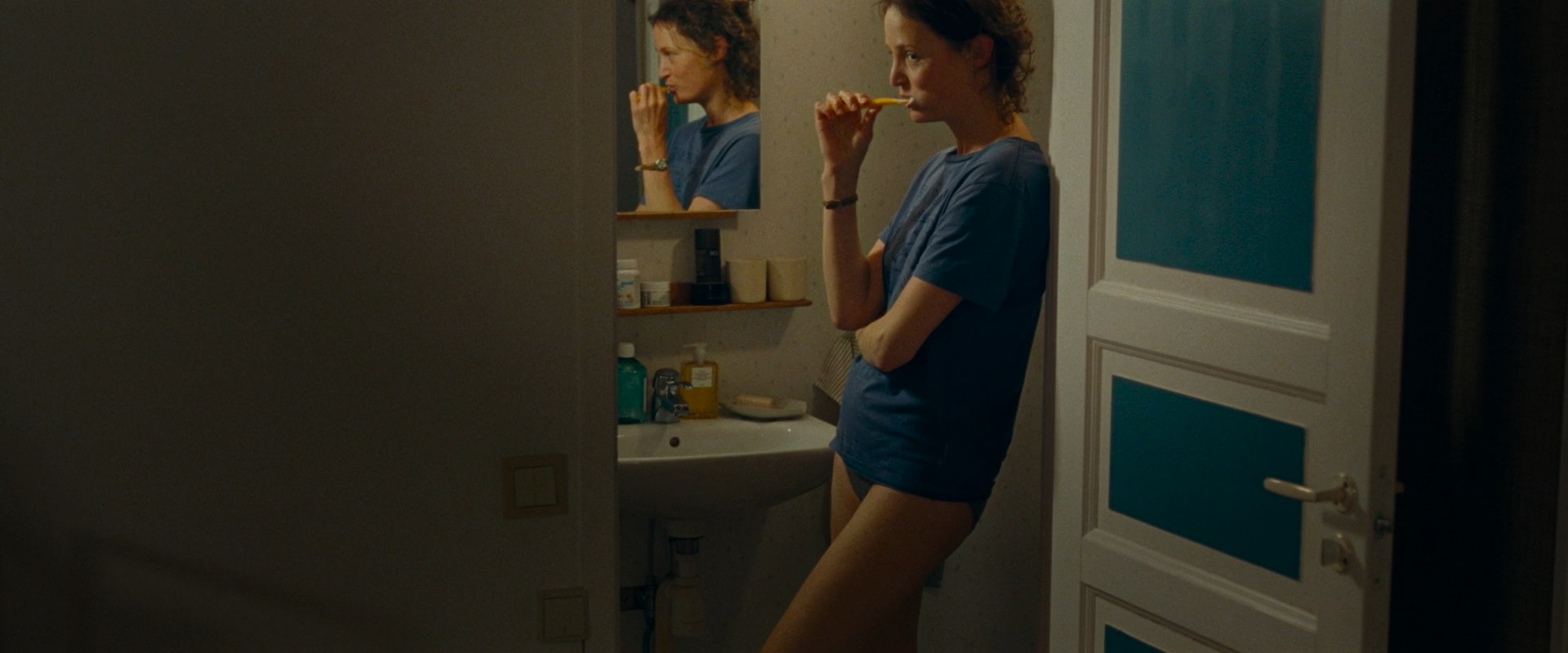
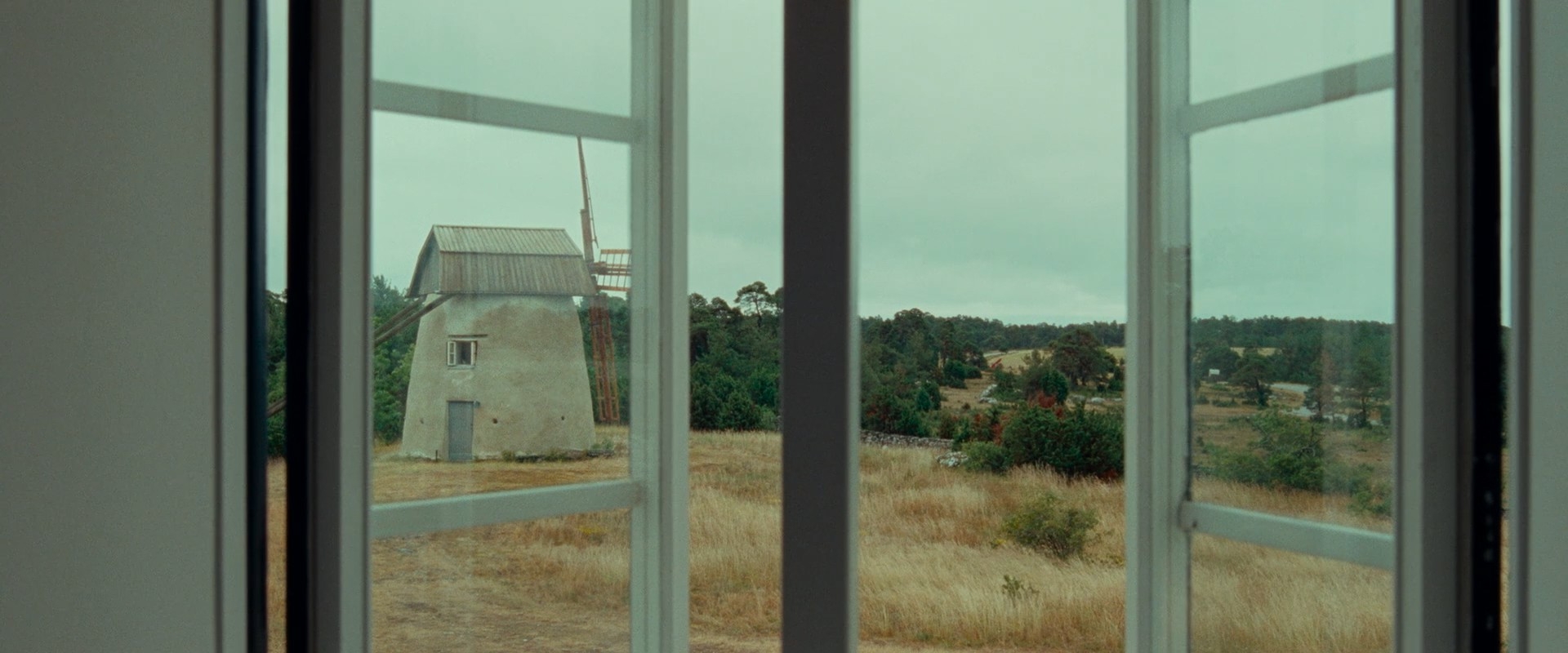
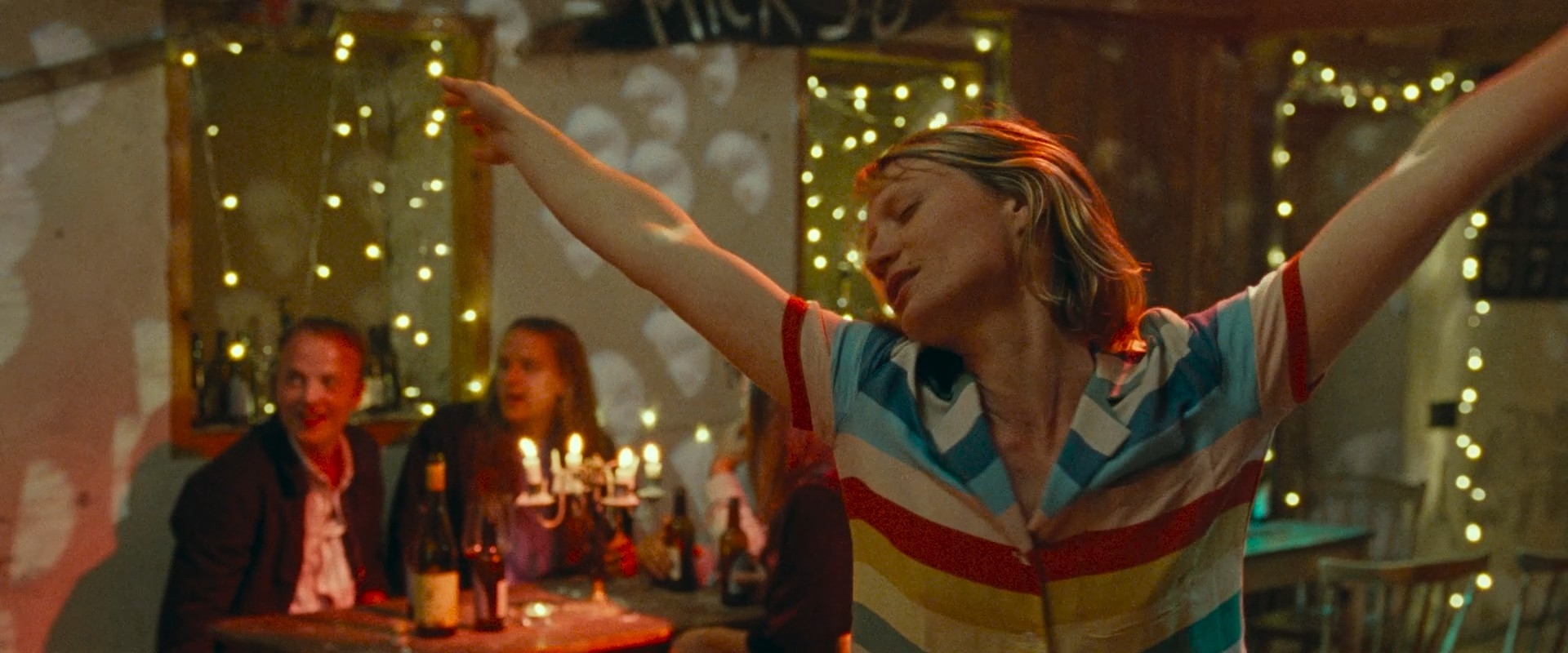
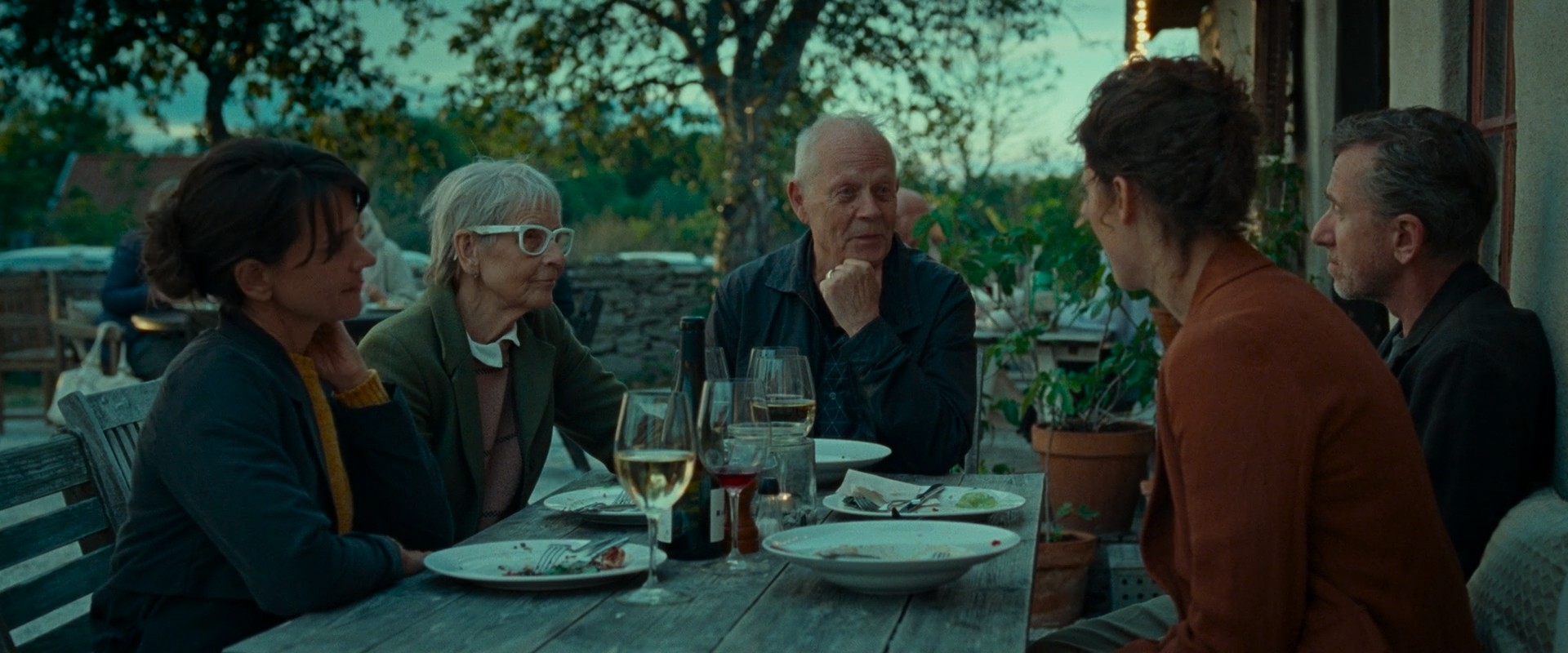
Bergman Island (2021)
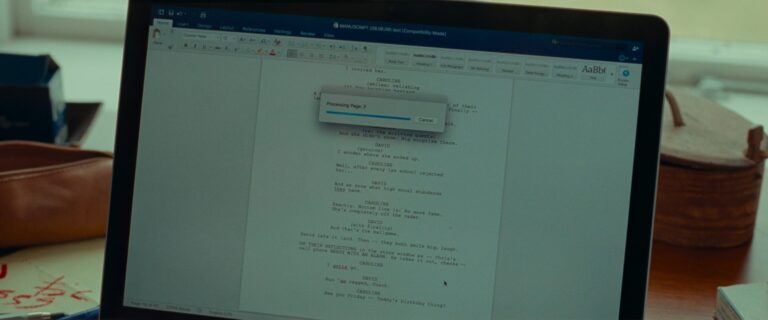
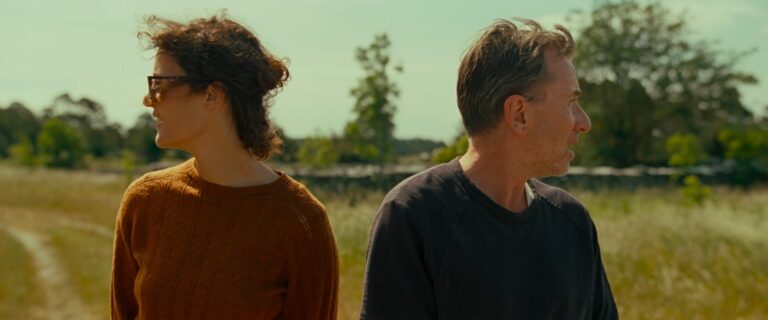
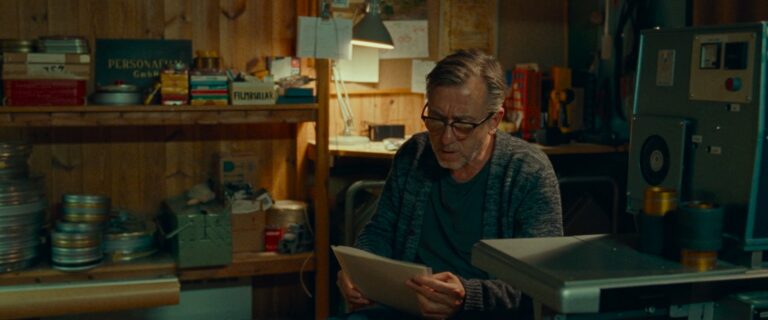
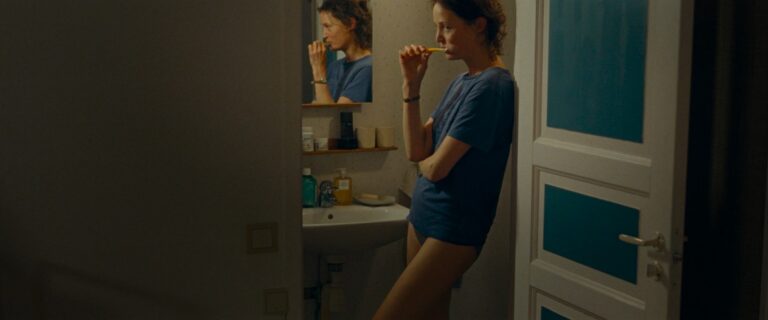
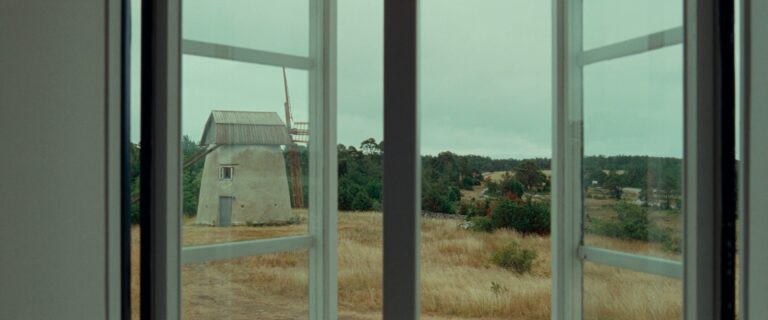
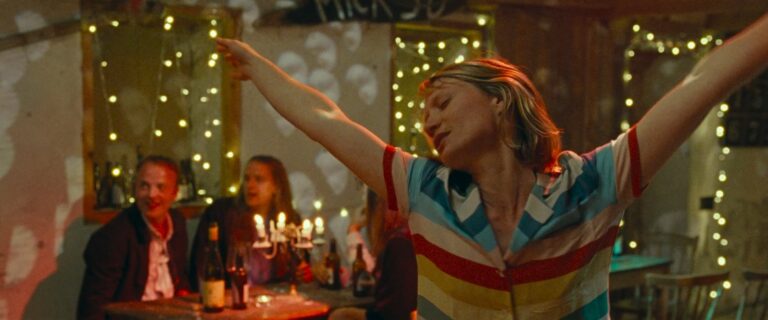
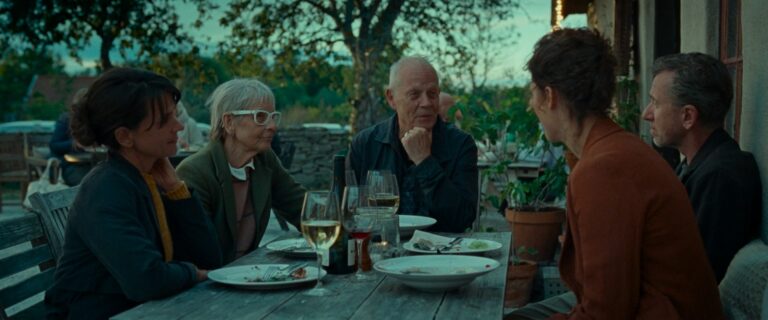
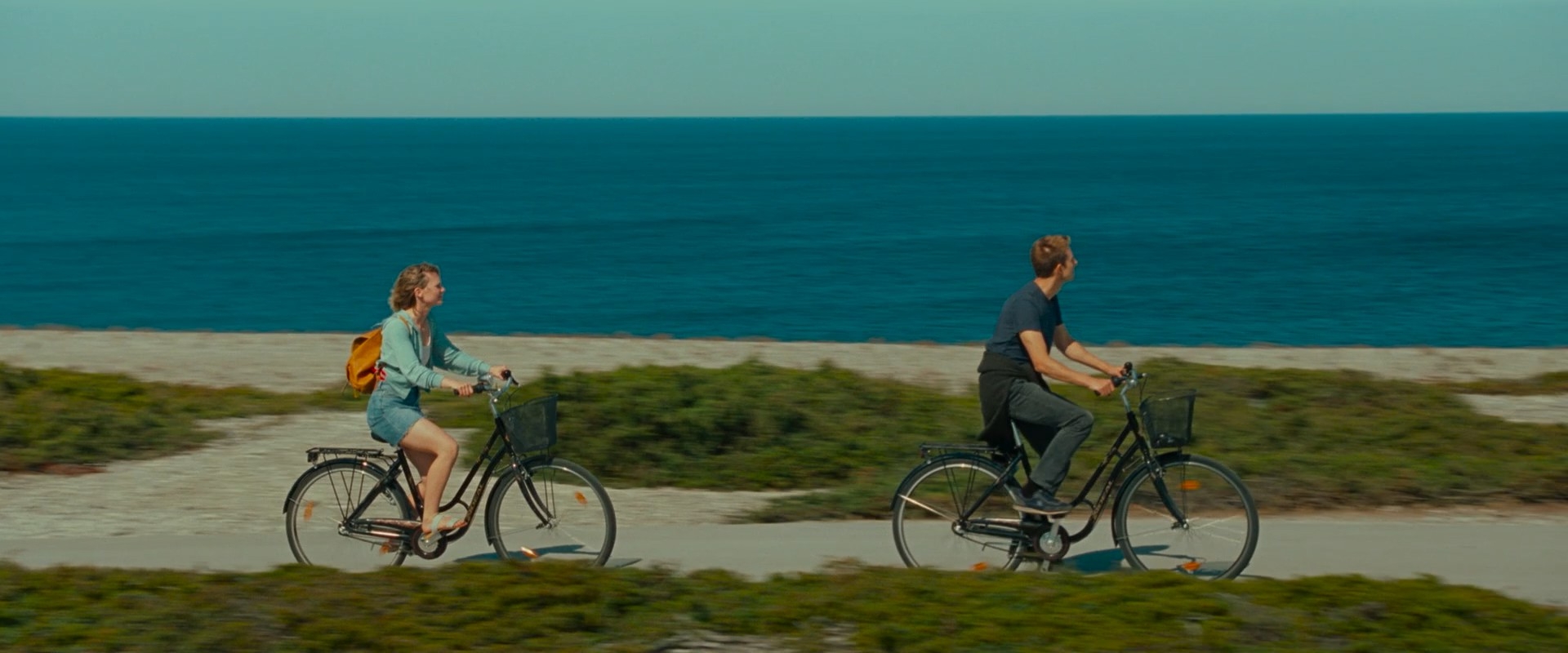
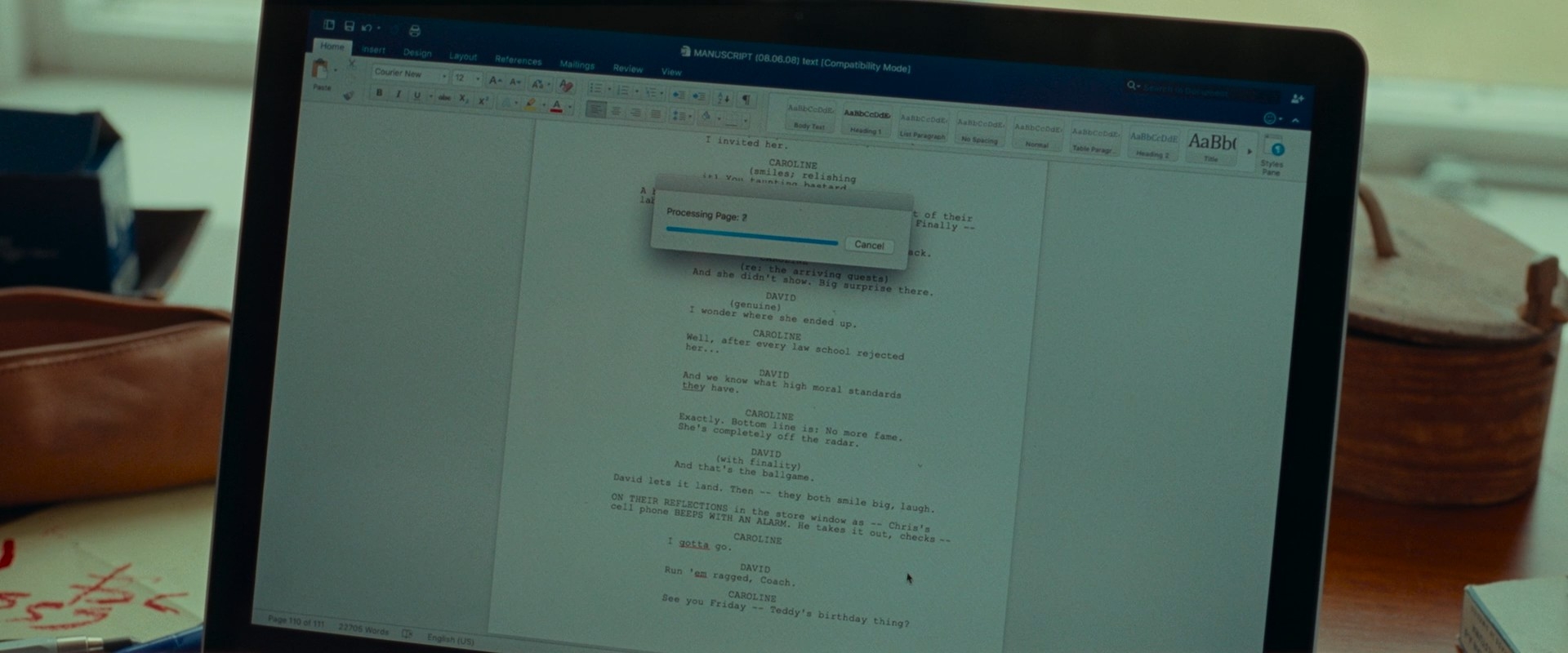
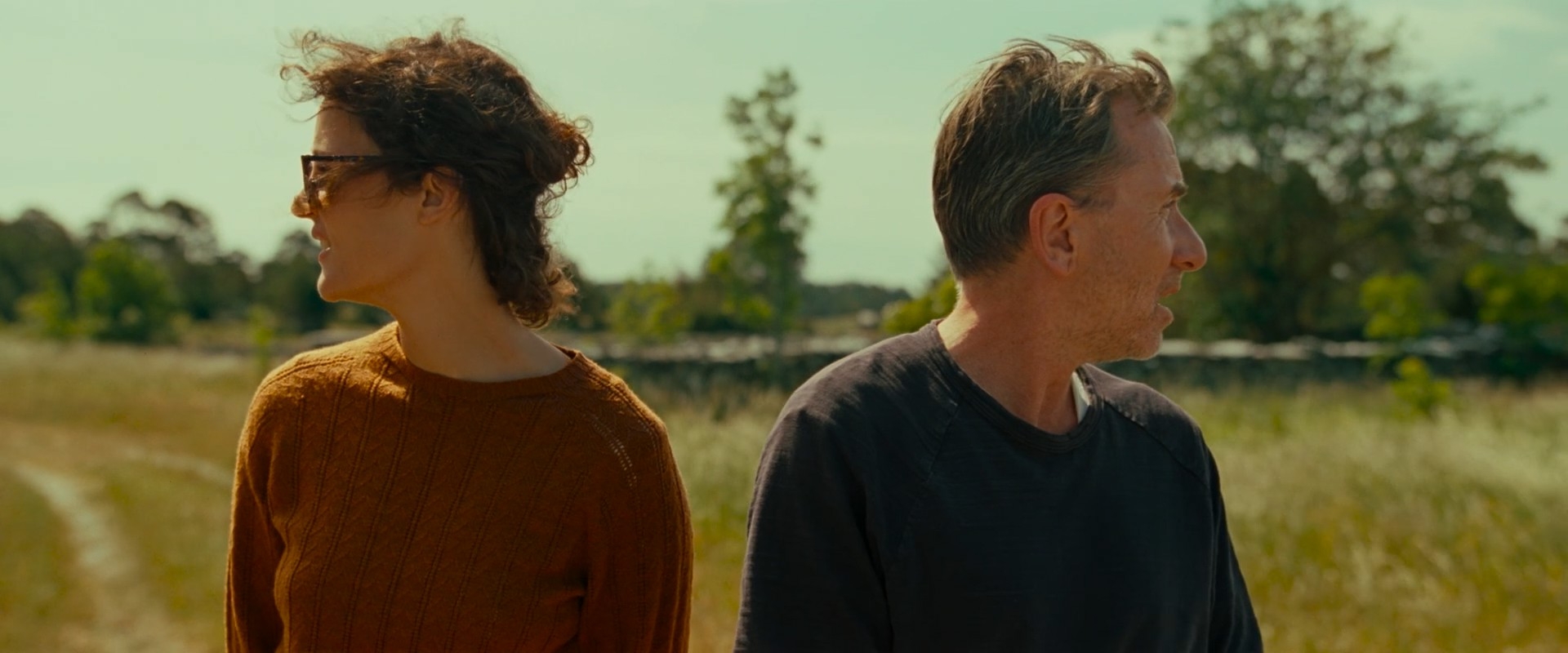
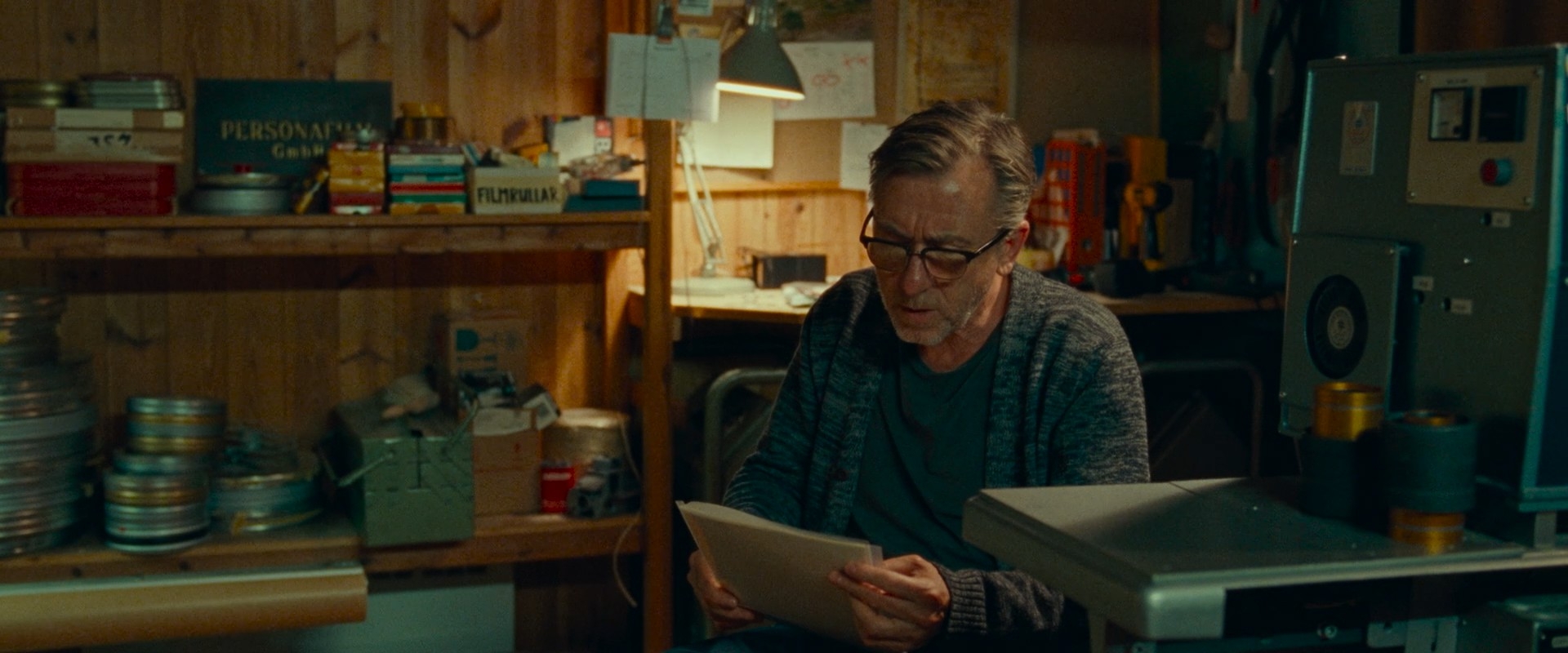
A filmmaking couple travels to the Swedish island of Fårö, where Ingmar Bergman once lived and worked, seeking inspiration for their own projects. As they explore the landscape and its cinematic legacy, the wife begins developing a script that gradually intertwines with her own emotional experiences. The film blurs the line between reality and fiction, reflecting on creativity, relationships, and artistic influence.
Hansen-Løve and cinematographer Denis Lenoir shoot Bergman Island with a soft, naturalistic clarity, using gentle daylight and open compositions to capture the island’s serene landscapes. The film’s fluid transitions between “real” and imagined narratives are handled without visual rupture—allowing shifts in perspective to feel seamless, as if memory, fiction, and lived experience occupy the same visual space.
FILM SPOTLIGHT
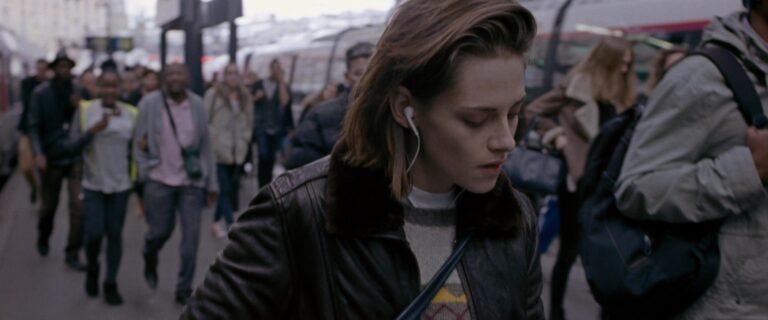
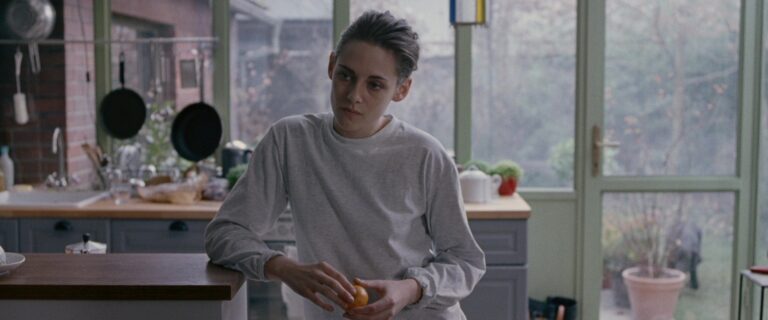
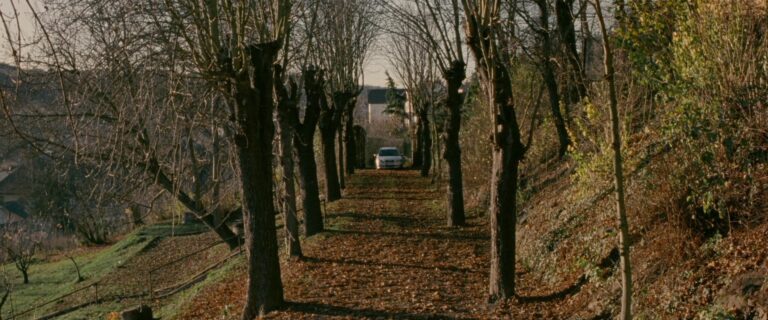
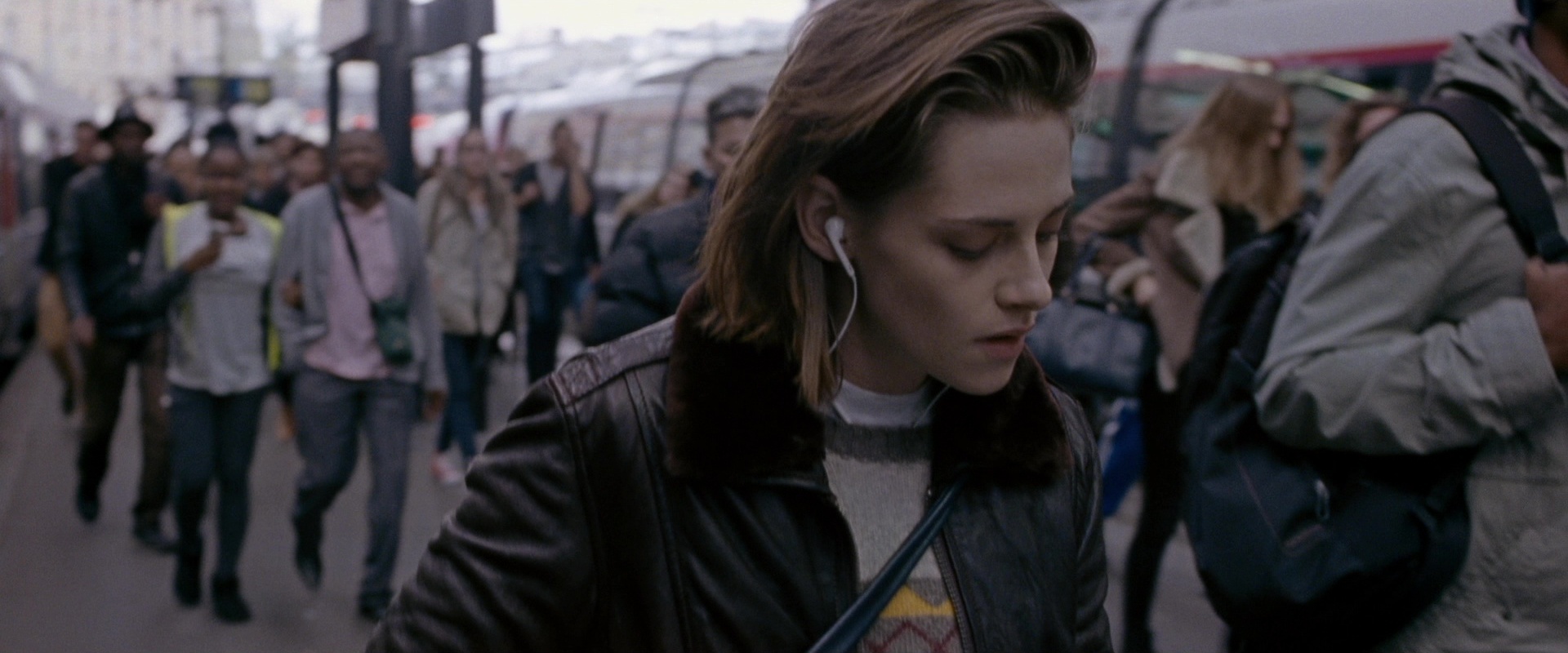
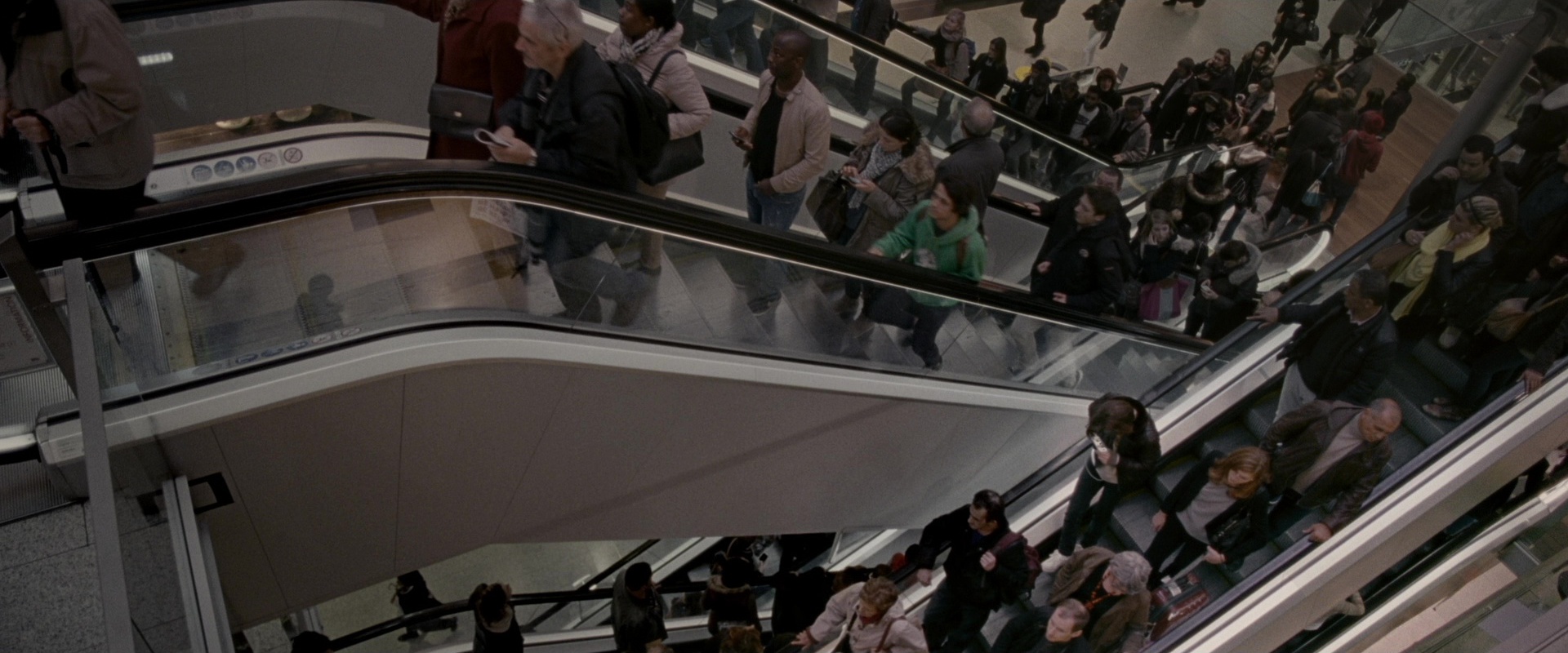
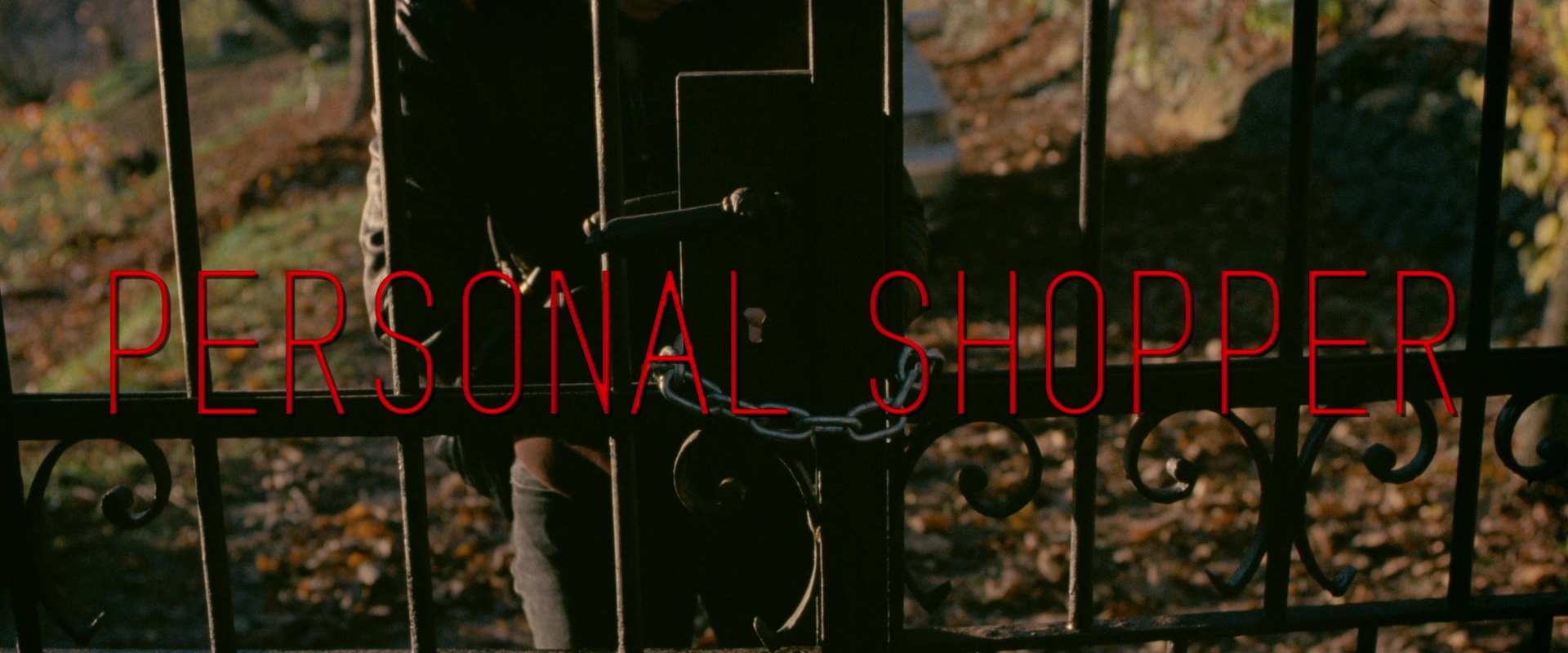
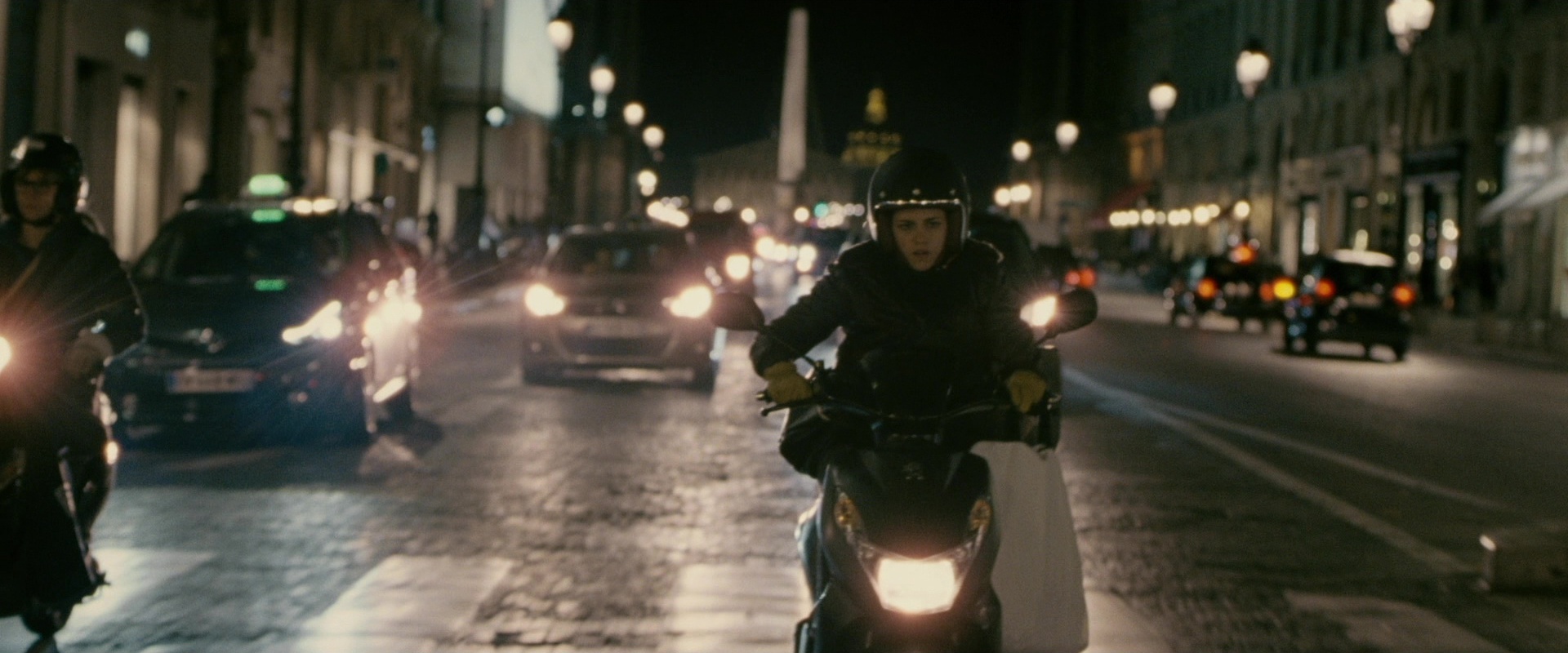
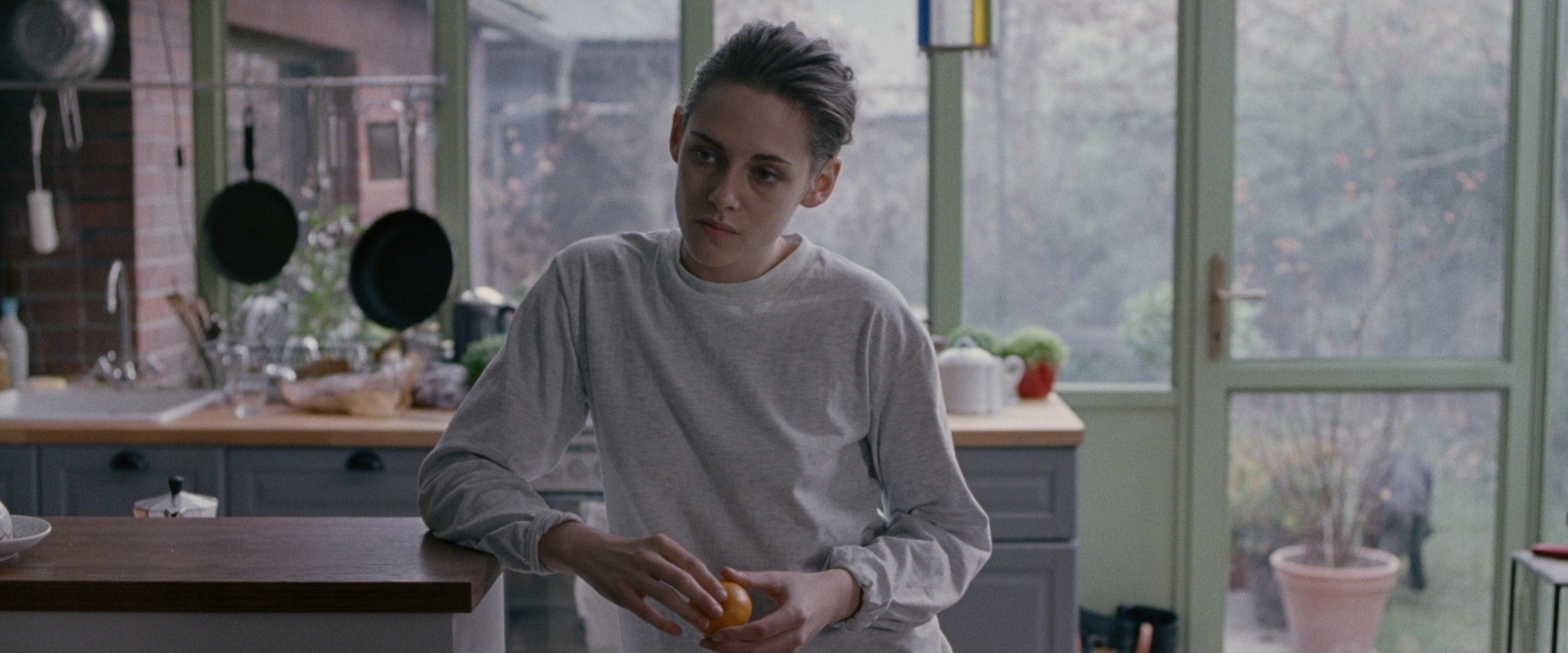
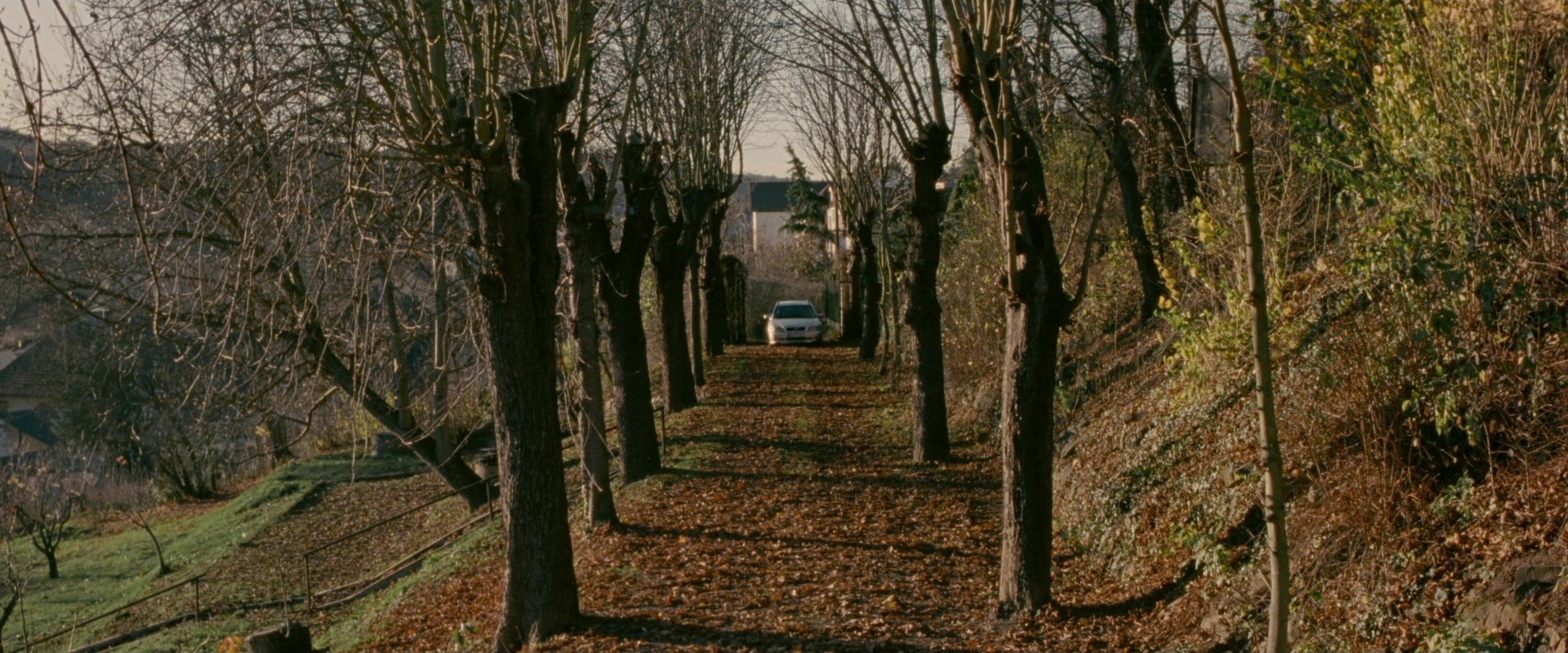
Personal Shopper (2016)
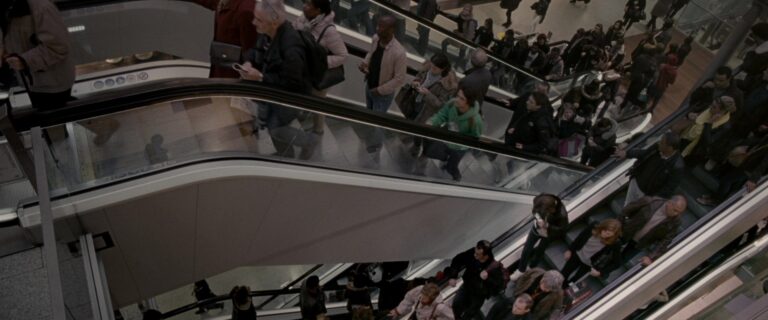
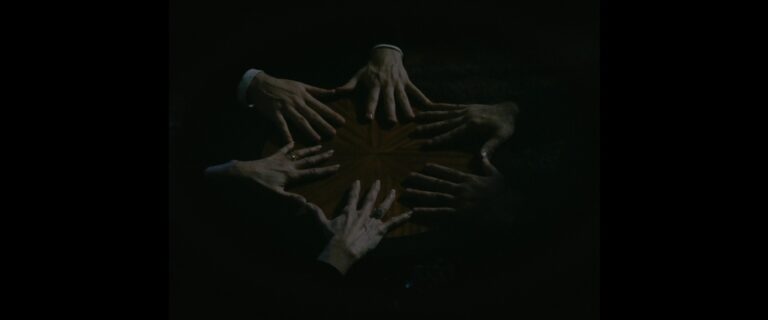
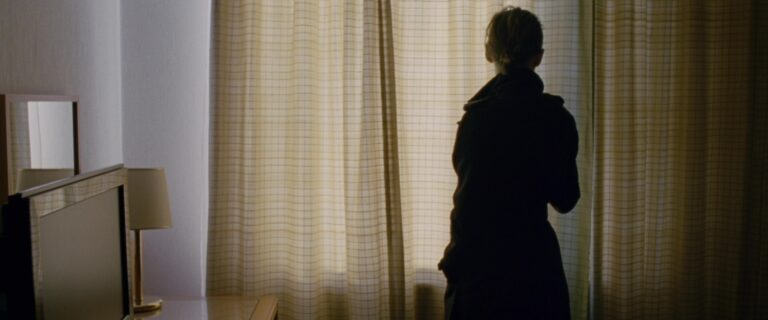
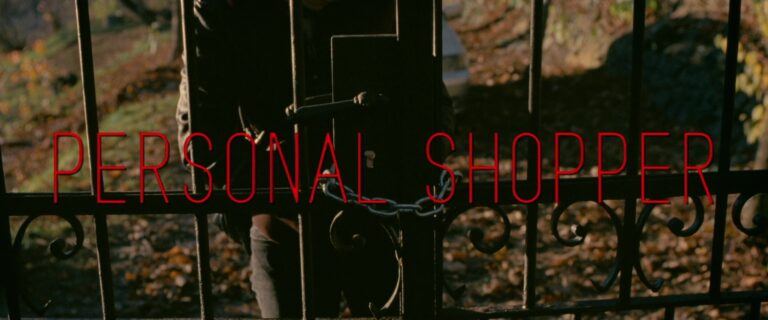
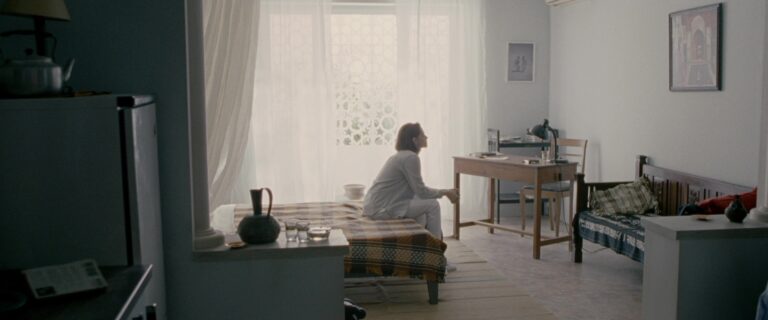
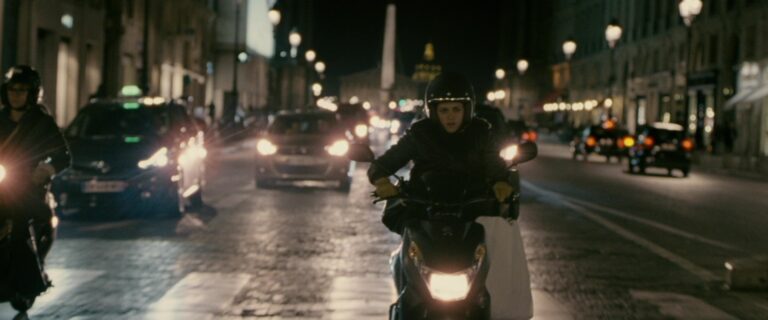
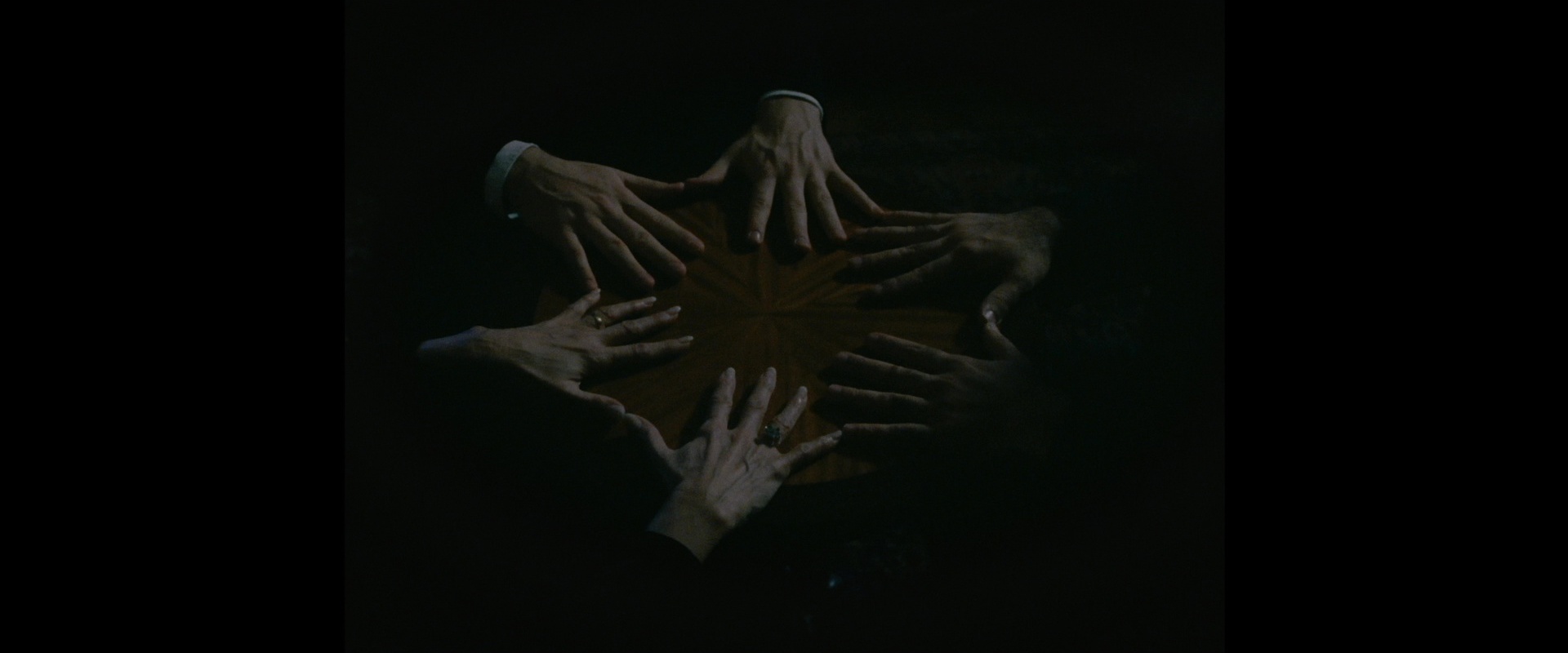
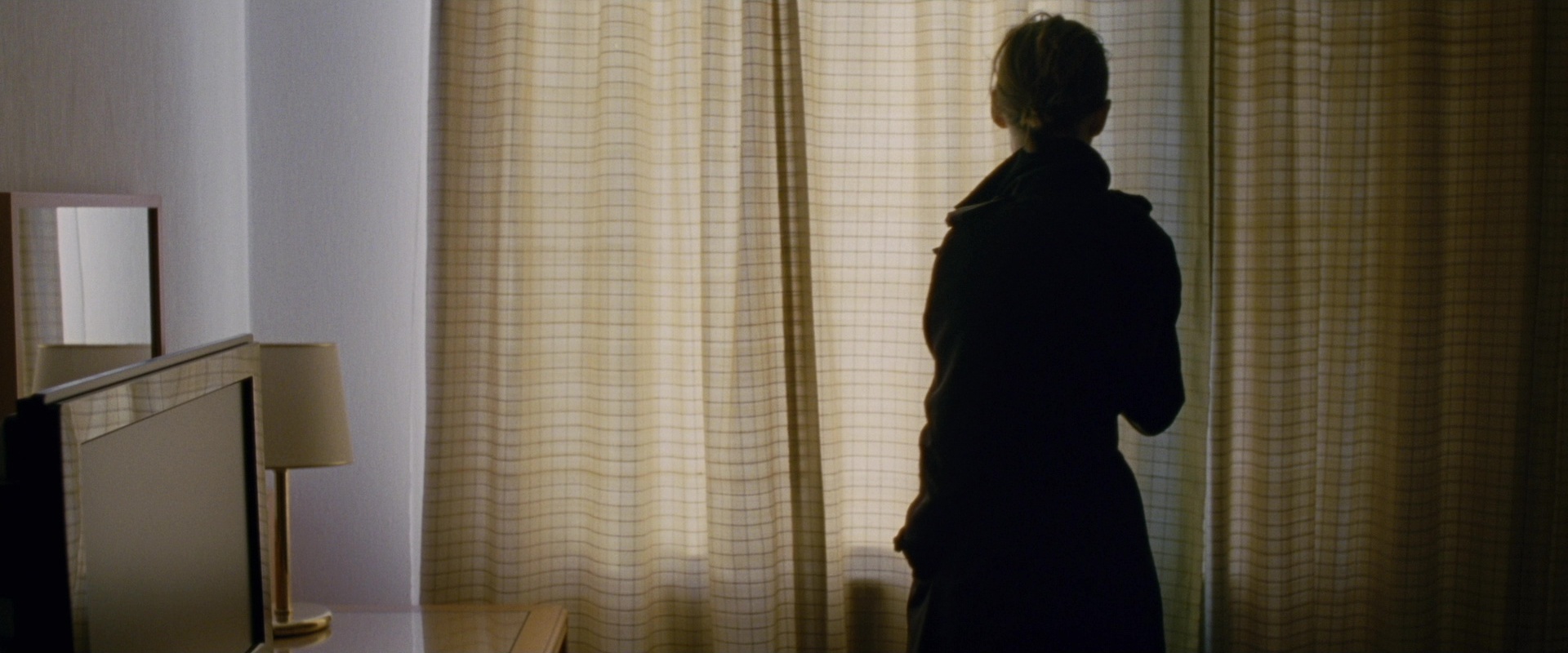
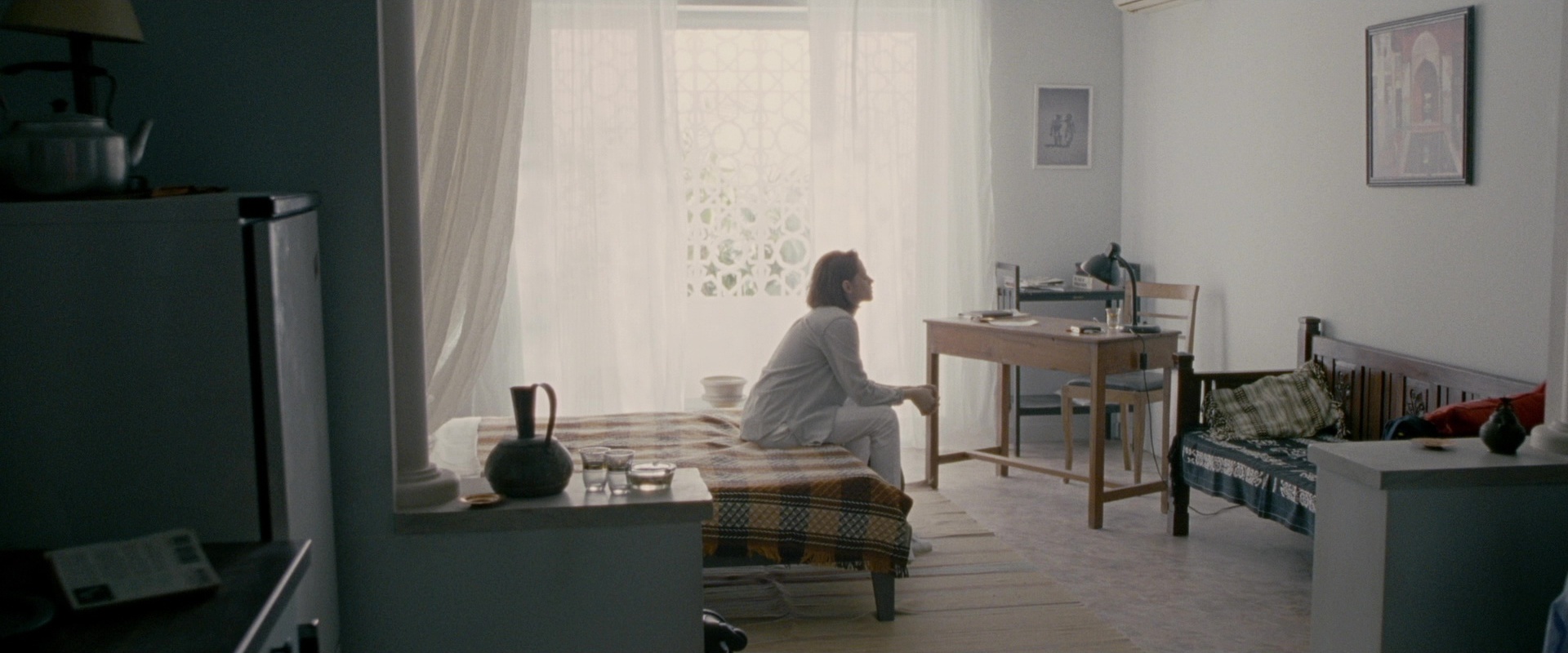
Maureen, a young American living in Paris, works as a personal shopper for a celebrity while mourning the recent death of her twin brother. Convinced she may be able to communicate with his spirit, she drifts between the material world of fashion and a growing sense of the supernatural. As she begins receiving mysterious messages, her search for connection takes on an increasingly unsettling tone.
In Personal Shopper, Assayas and cinematographer Yorick Le Saux blend naturalistic observation with subtle genre elements, using handheld camerawork and available light to ground the film in everyday reality. The intrusion of the digital—texts, screens, reflections—becomes a key visual motif, turning modern communication into a ghostly presence where absence and connection blur.
FILM SPOTLIGHT
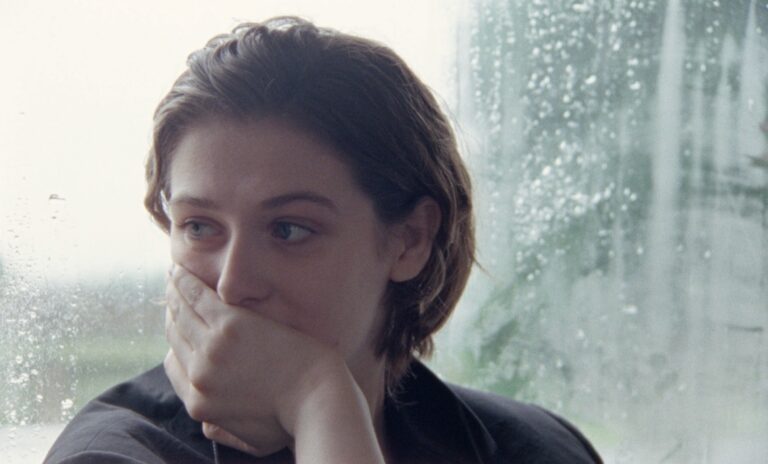
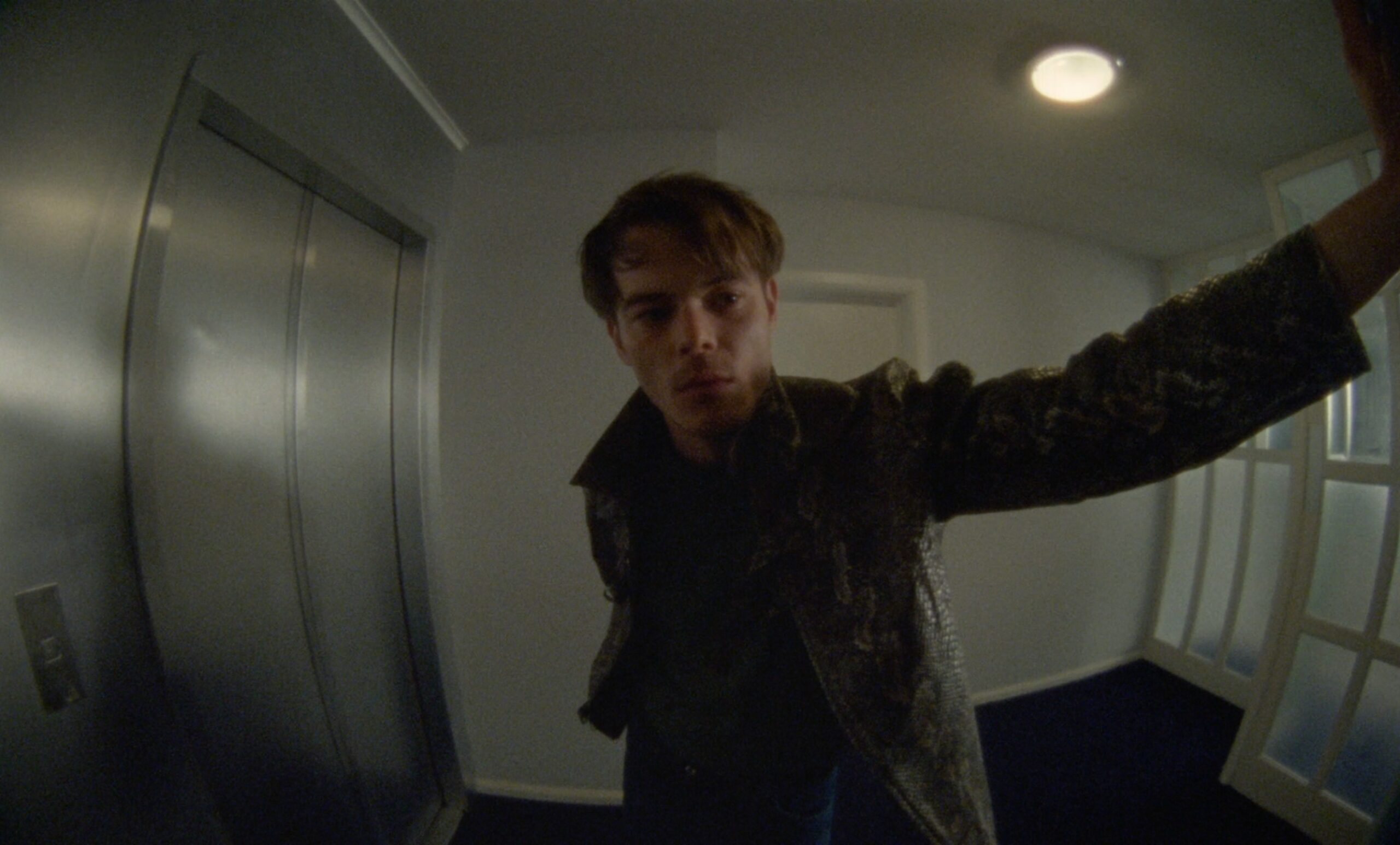
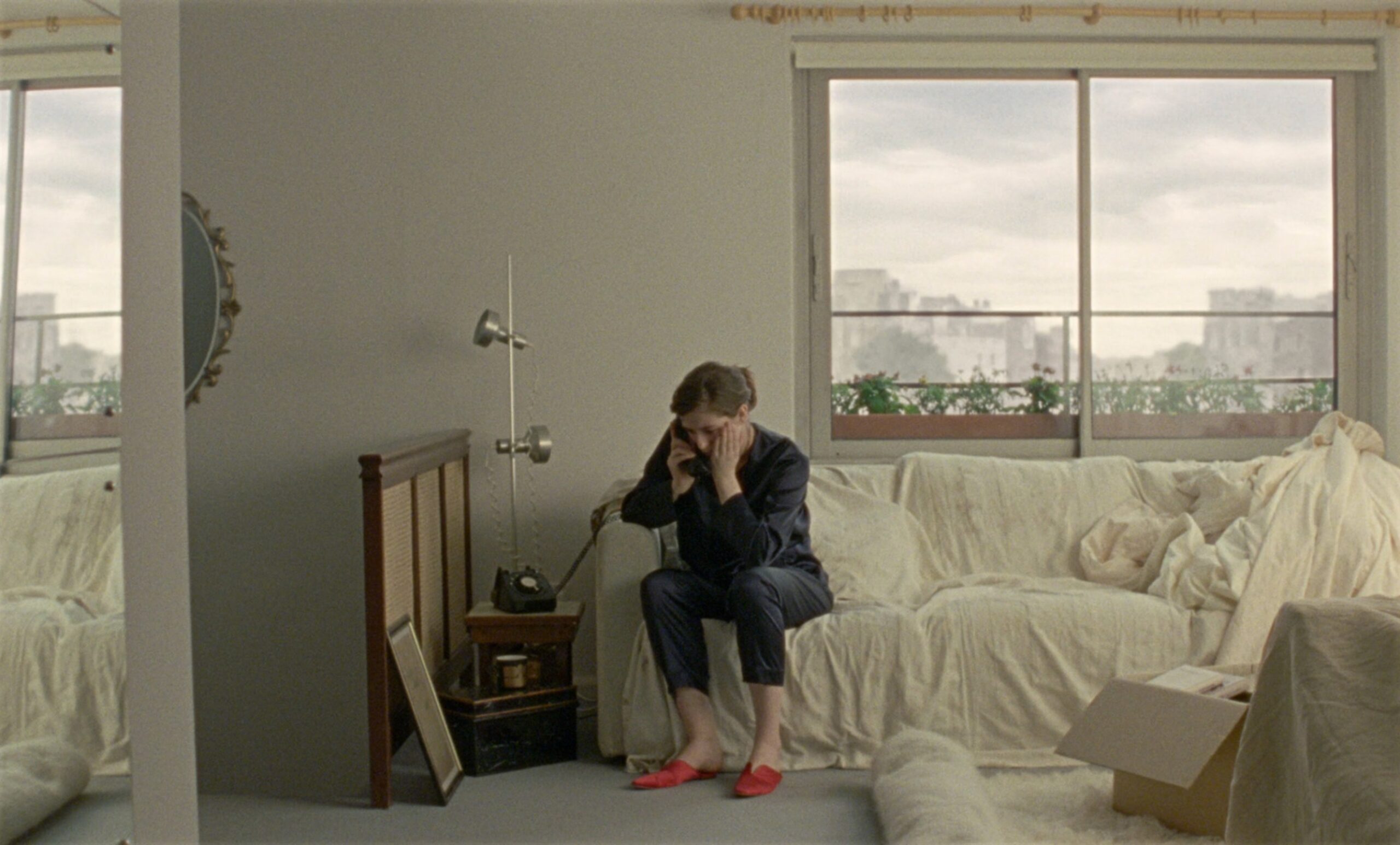
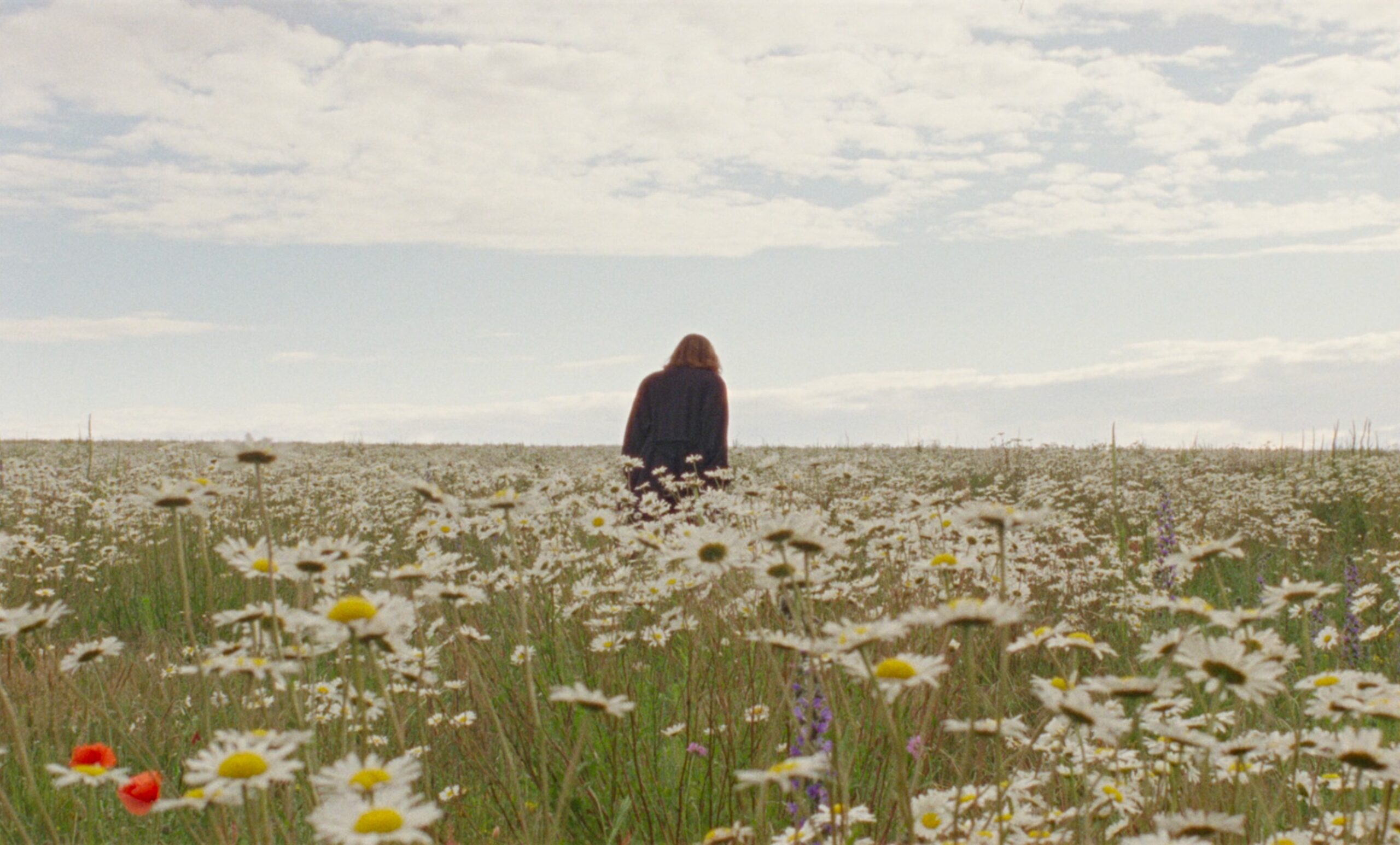
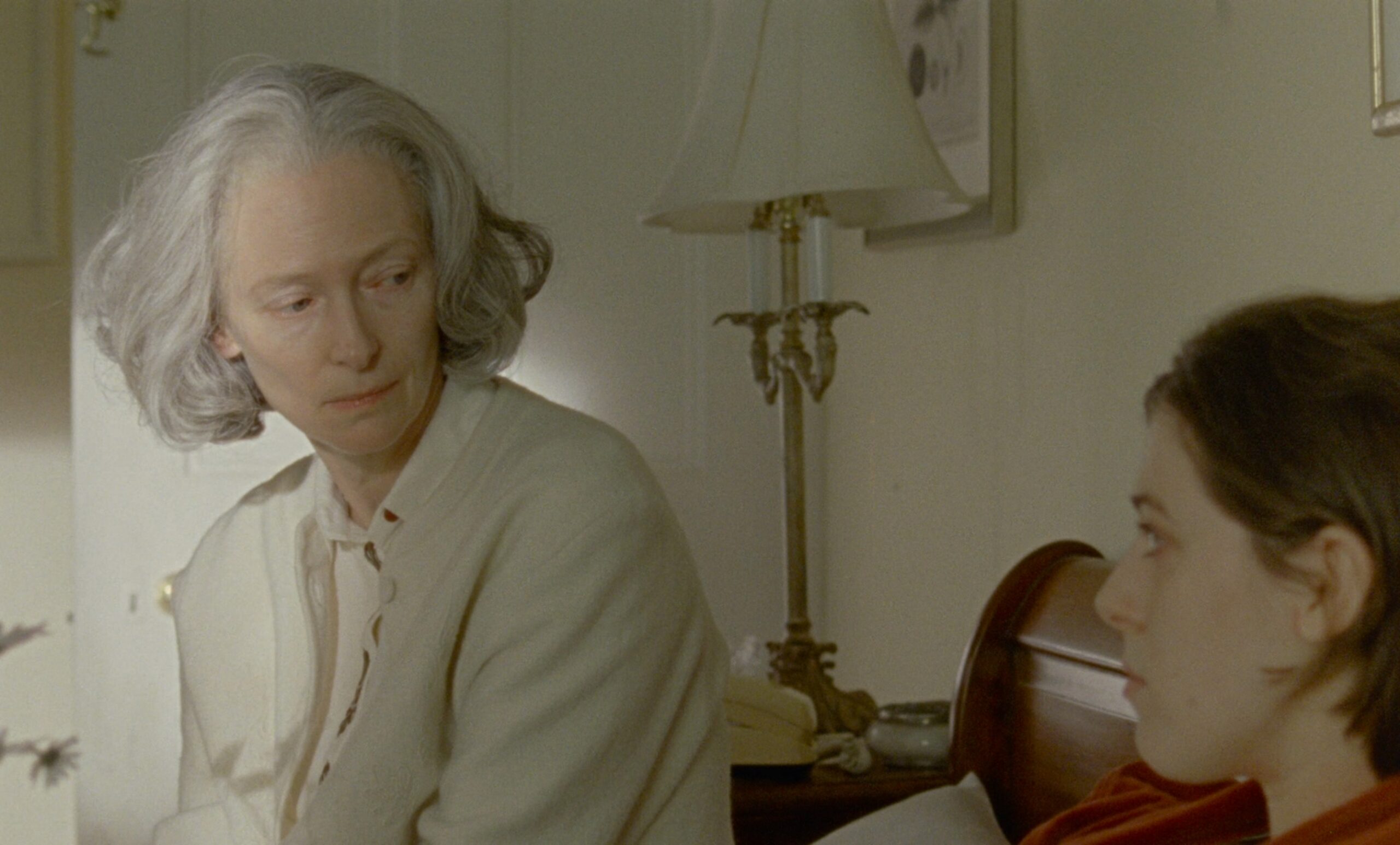
The Souvenir: Part II (2021)
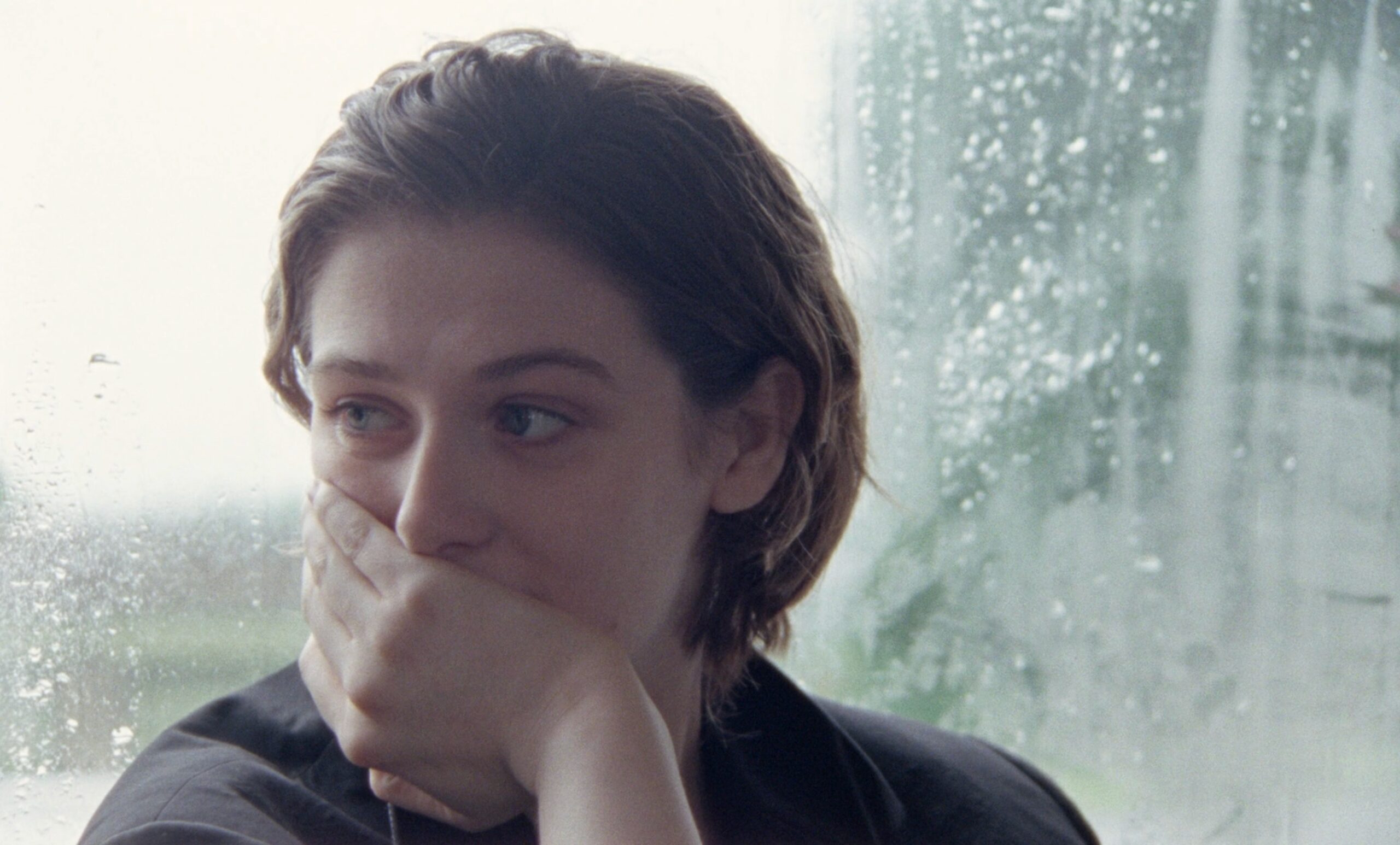
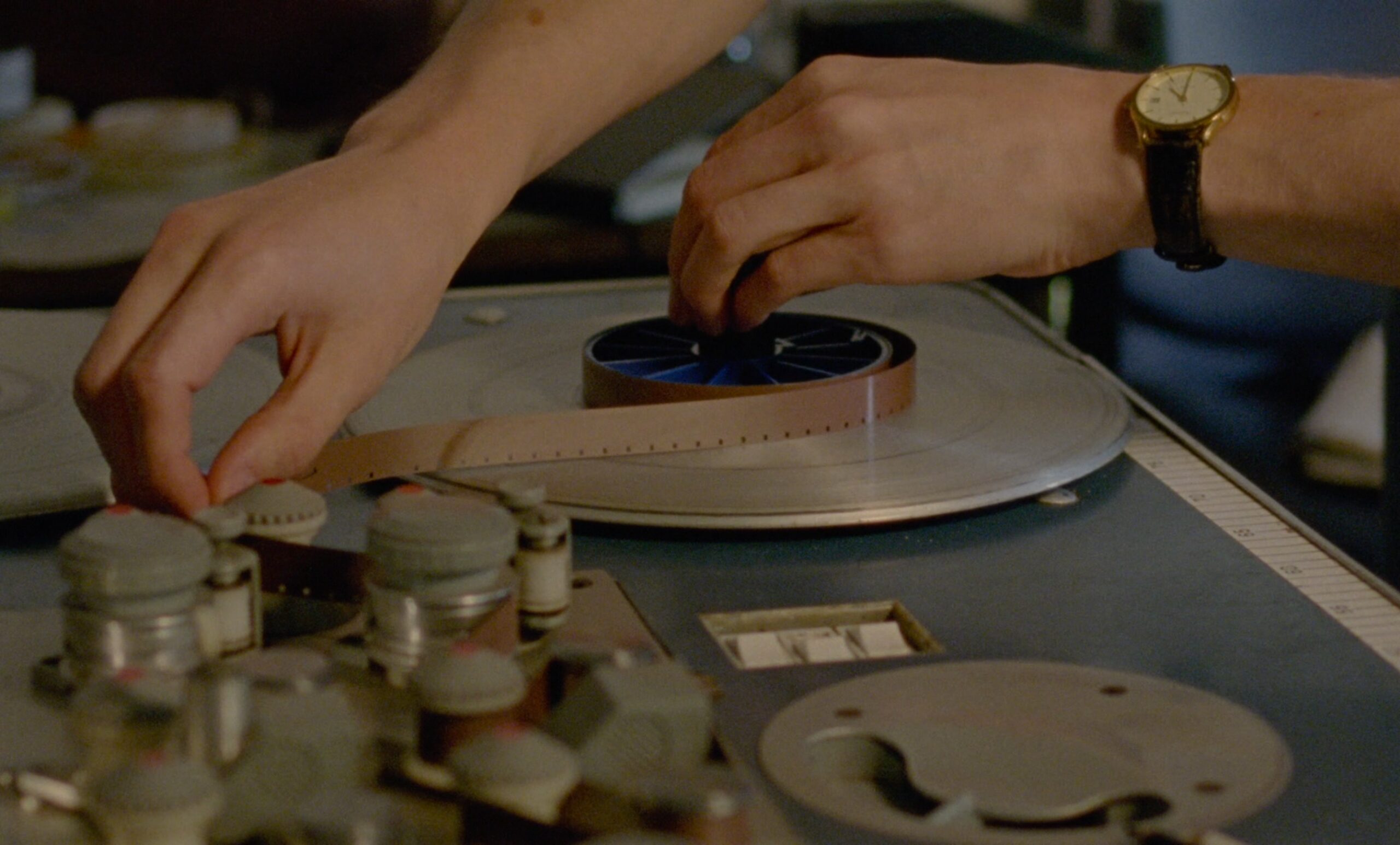
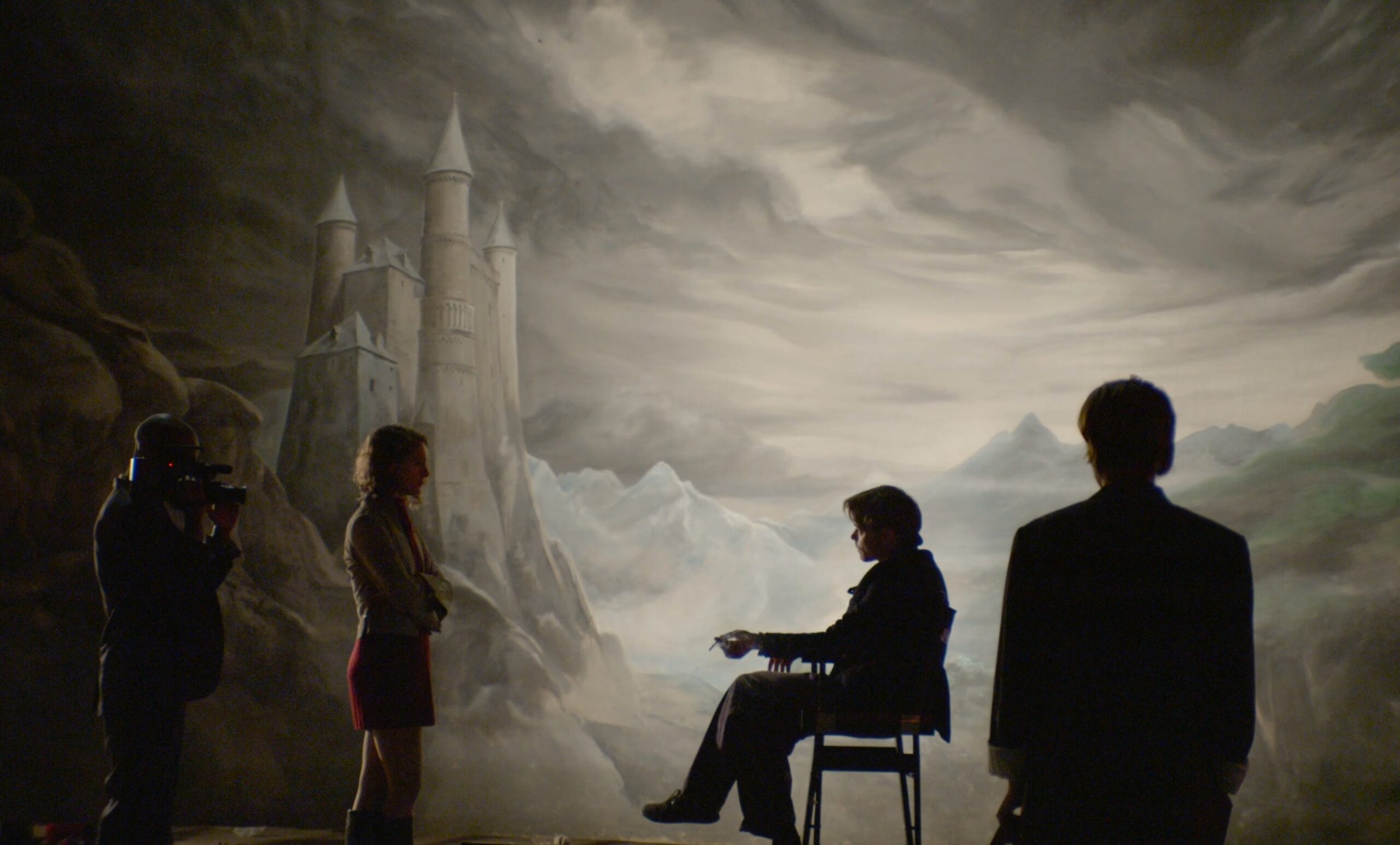
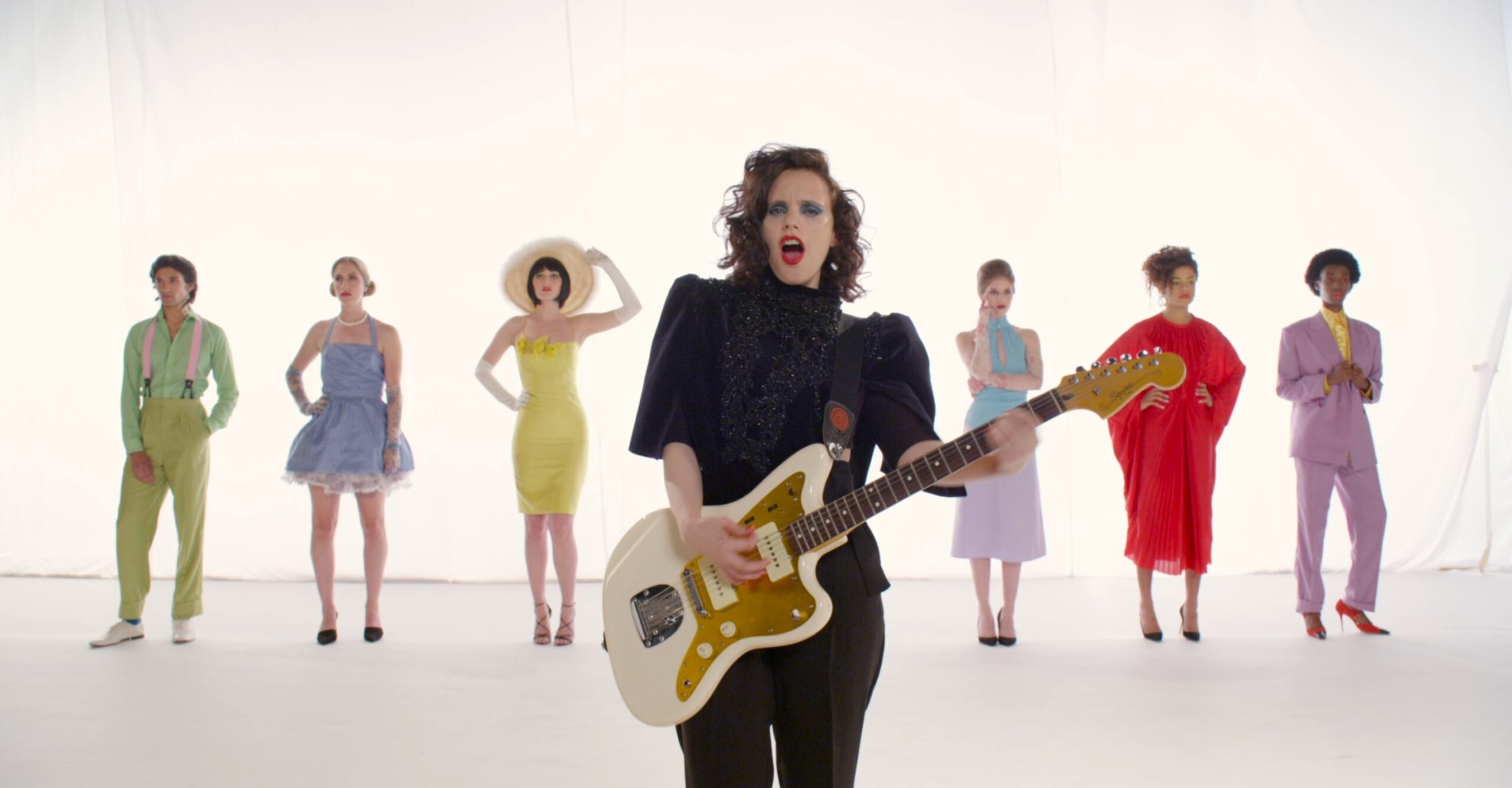
Following the aftermath of a devastating relationship, film student Julie attempts to process her grief by channeling her experiences into her graduation project. As she navigates creative uncertainty and emotional recovery, she begins to find her voice as an artist. The film becomes a reflection on memory, loss, and the act of turning personal pain into art.
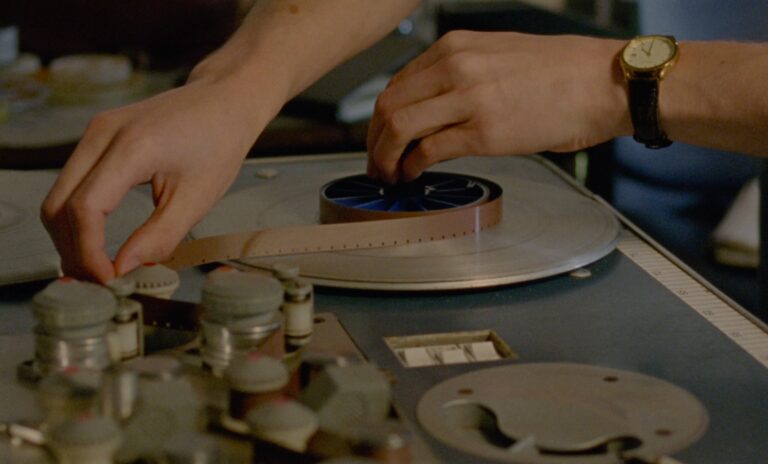
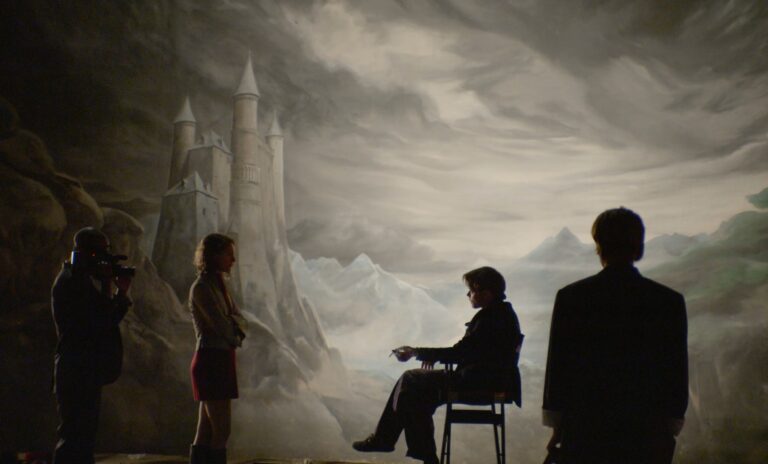
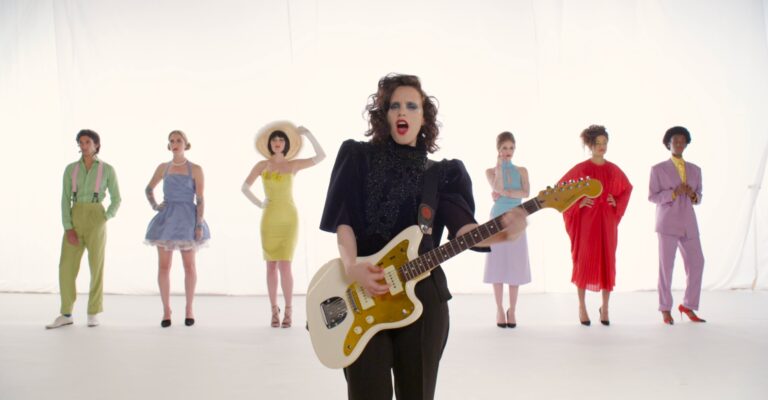
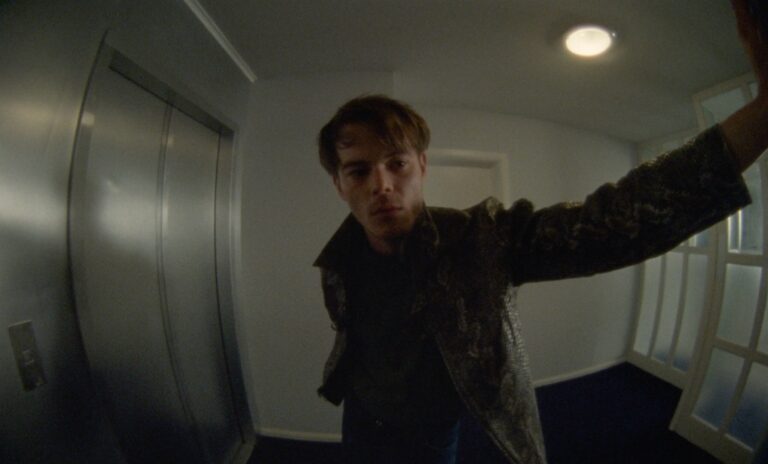
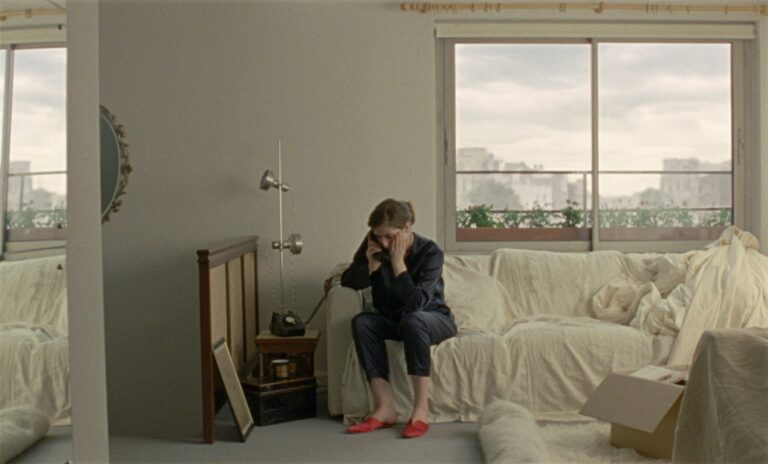
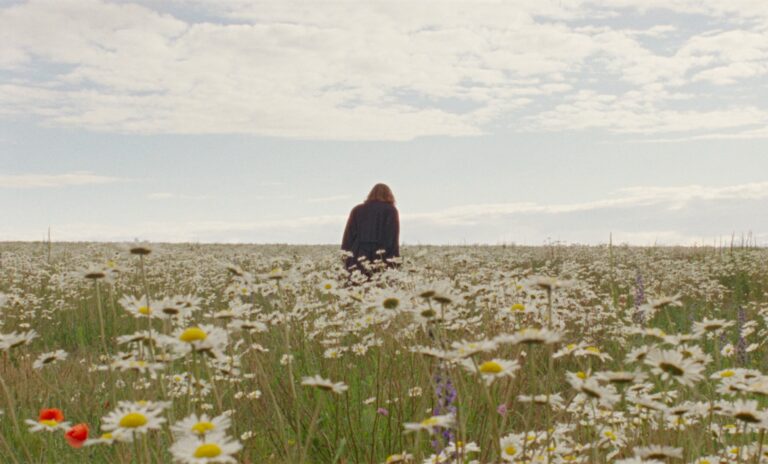
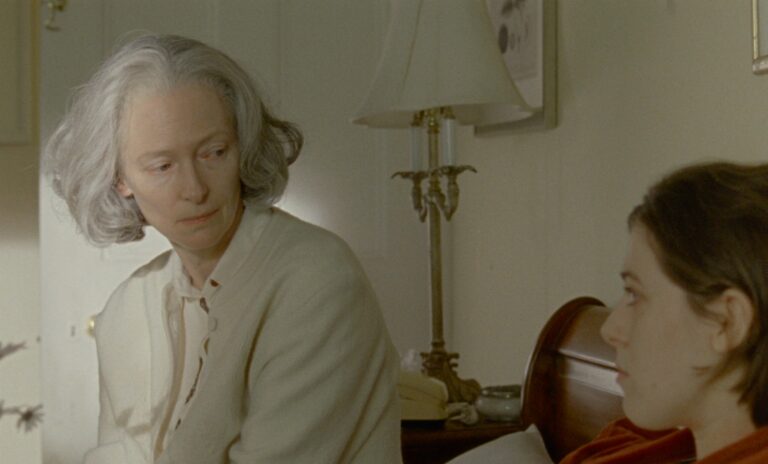
Hogg and cinematographer David Raedeker continue the series’ restrained, autobiographical style, using static compositions, soft natural light, and carefully controlled interiors to mirror Julie’s introspection. The film increasingly incorporates meta-cinematic elements—sets within sets, staged environments—blurring reality and filmmaking, and turning the process of creation itself into the central visual language.
FILM SPOTLIGHT
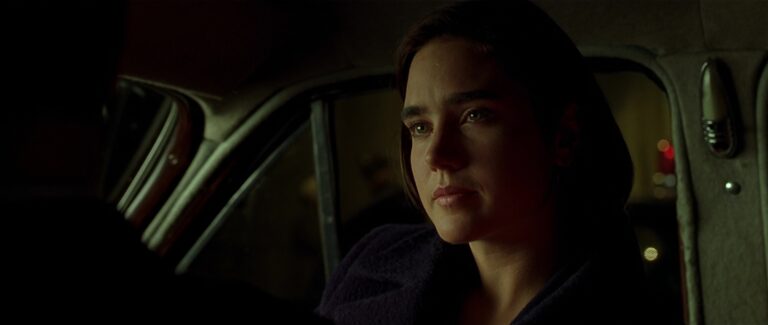
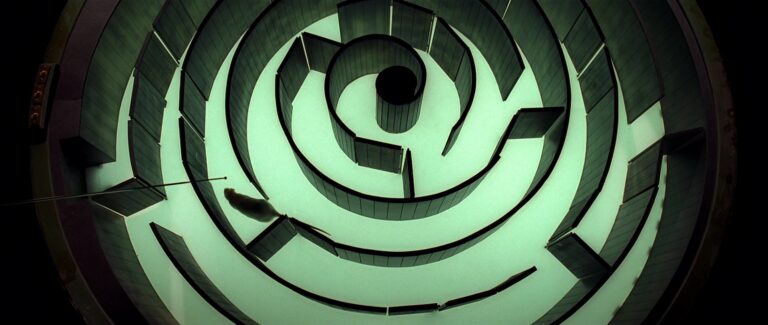
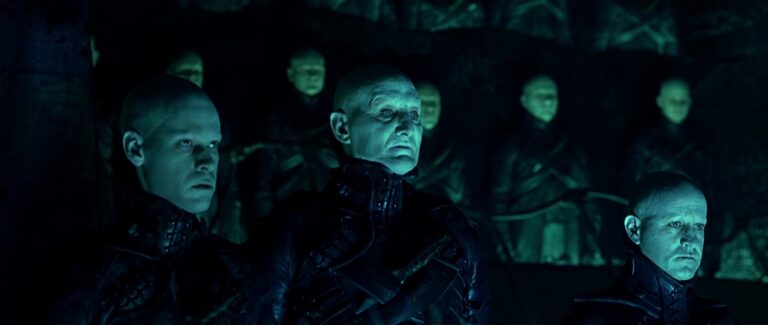
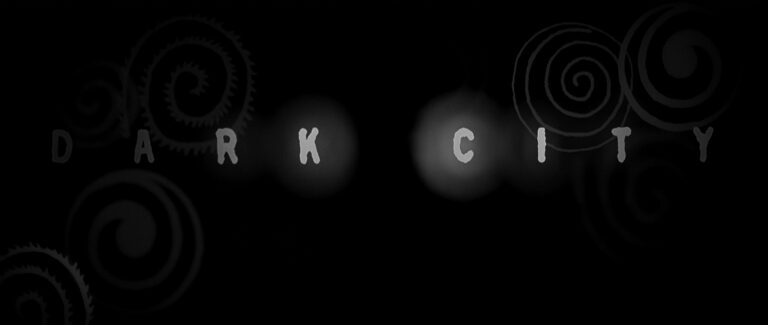
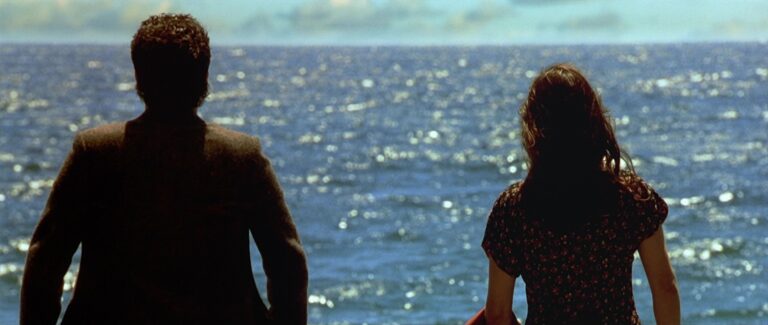
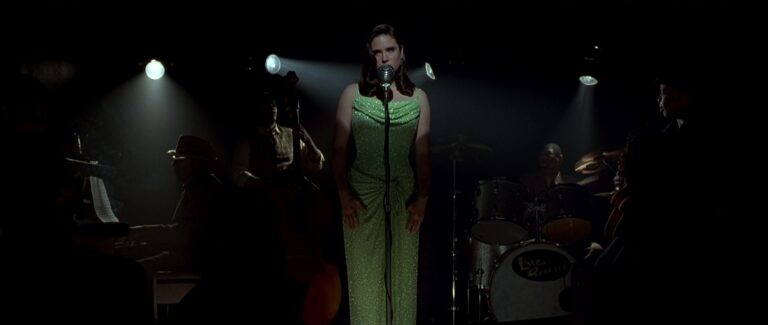
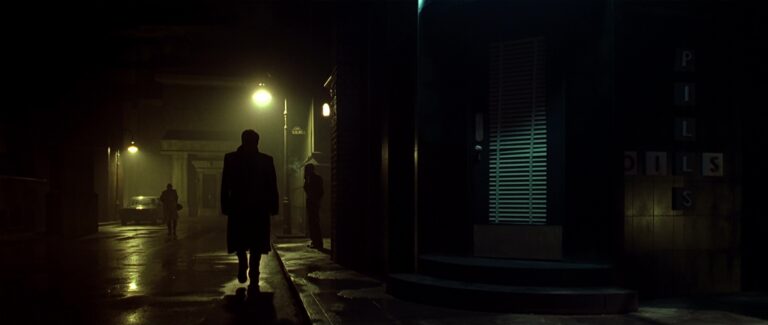
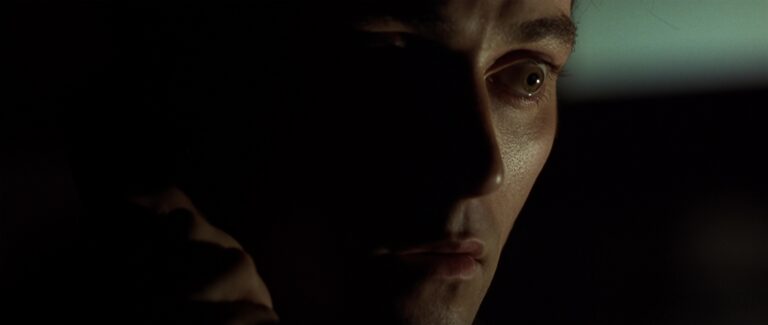
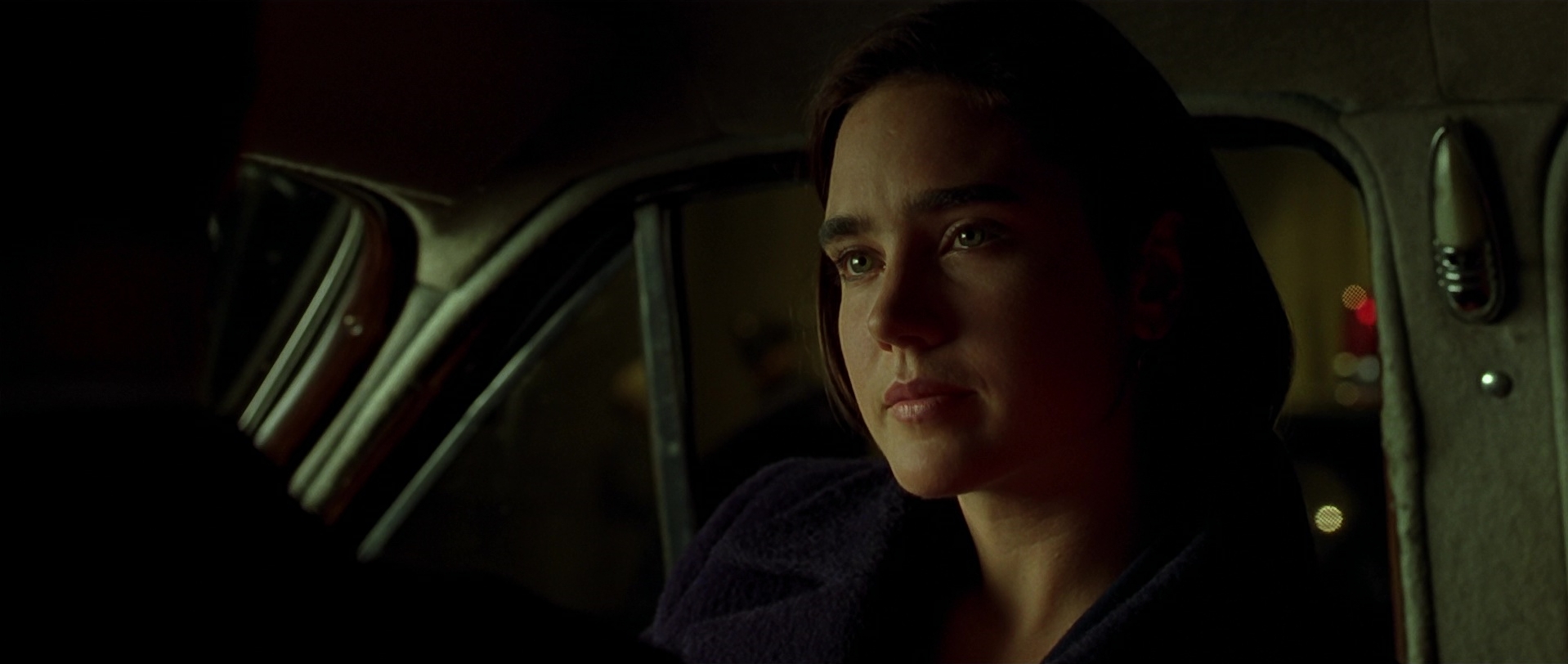
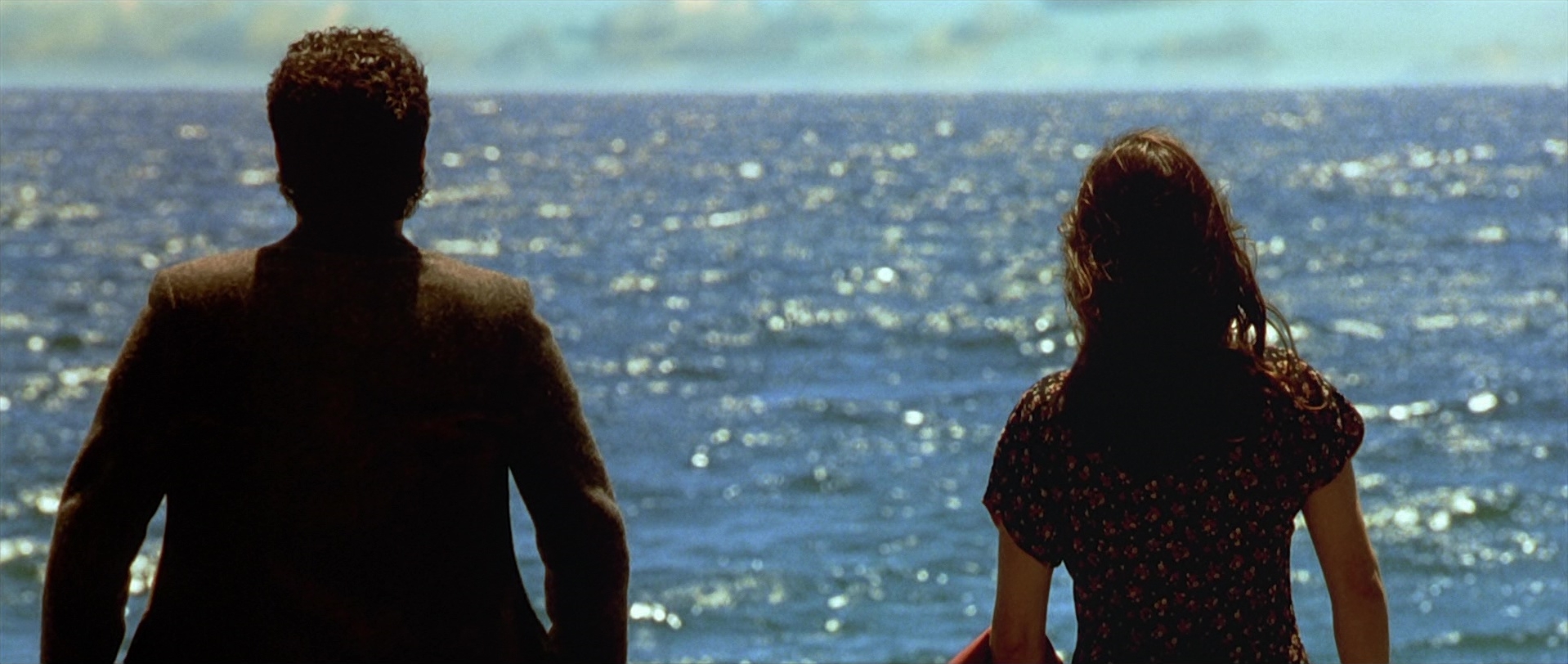
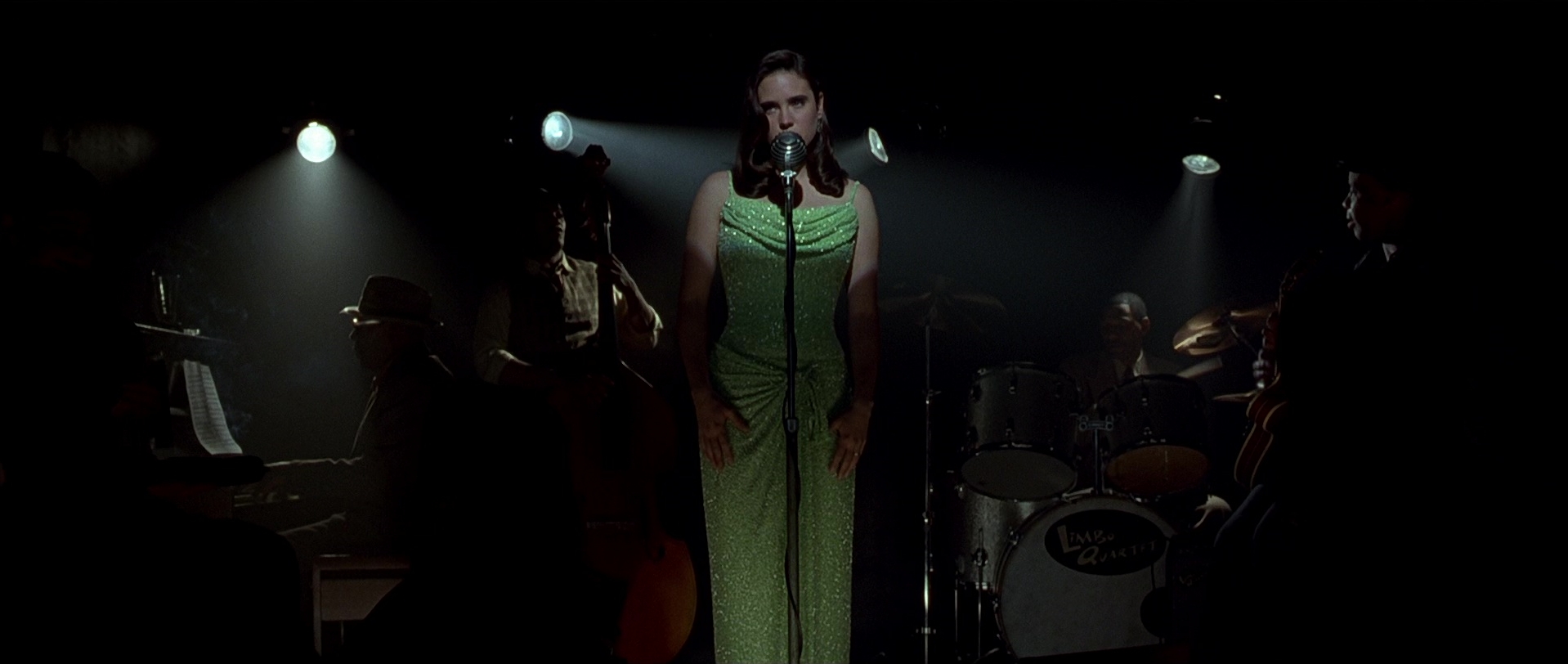
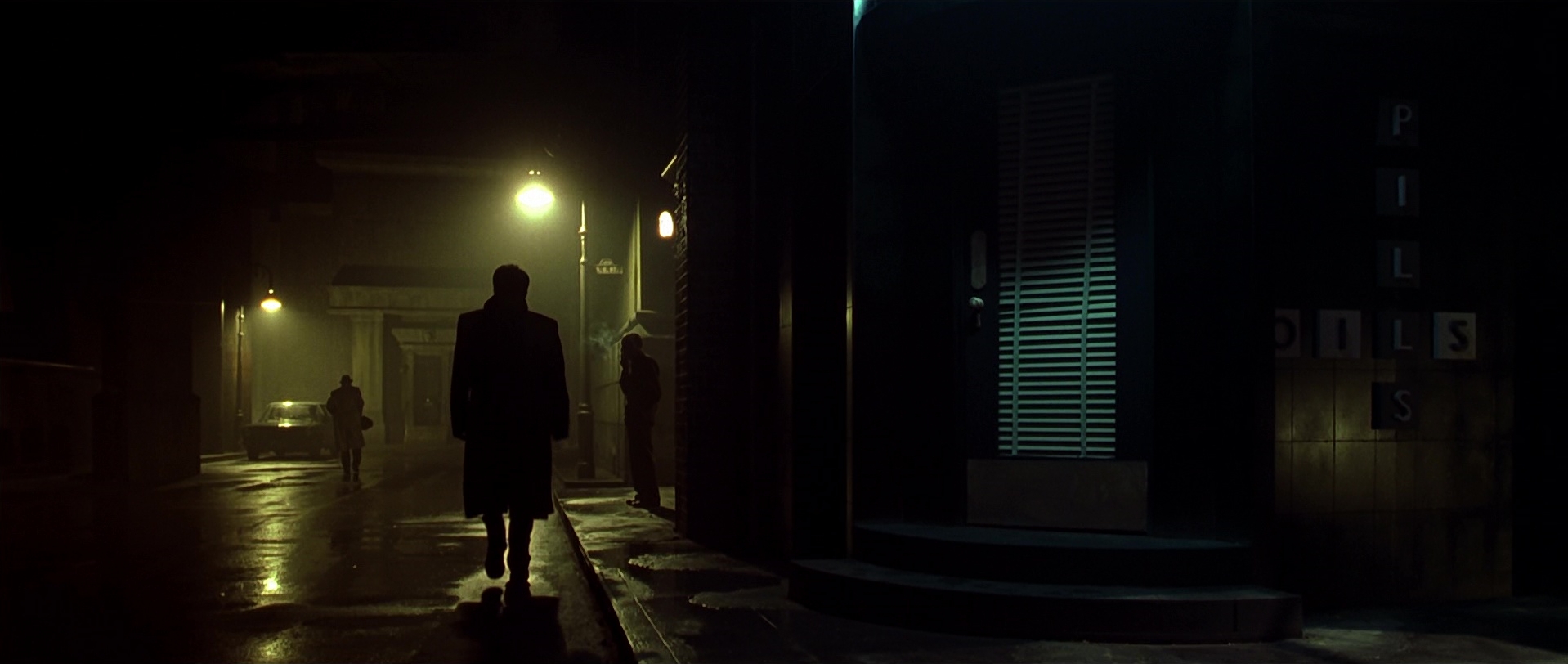
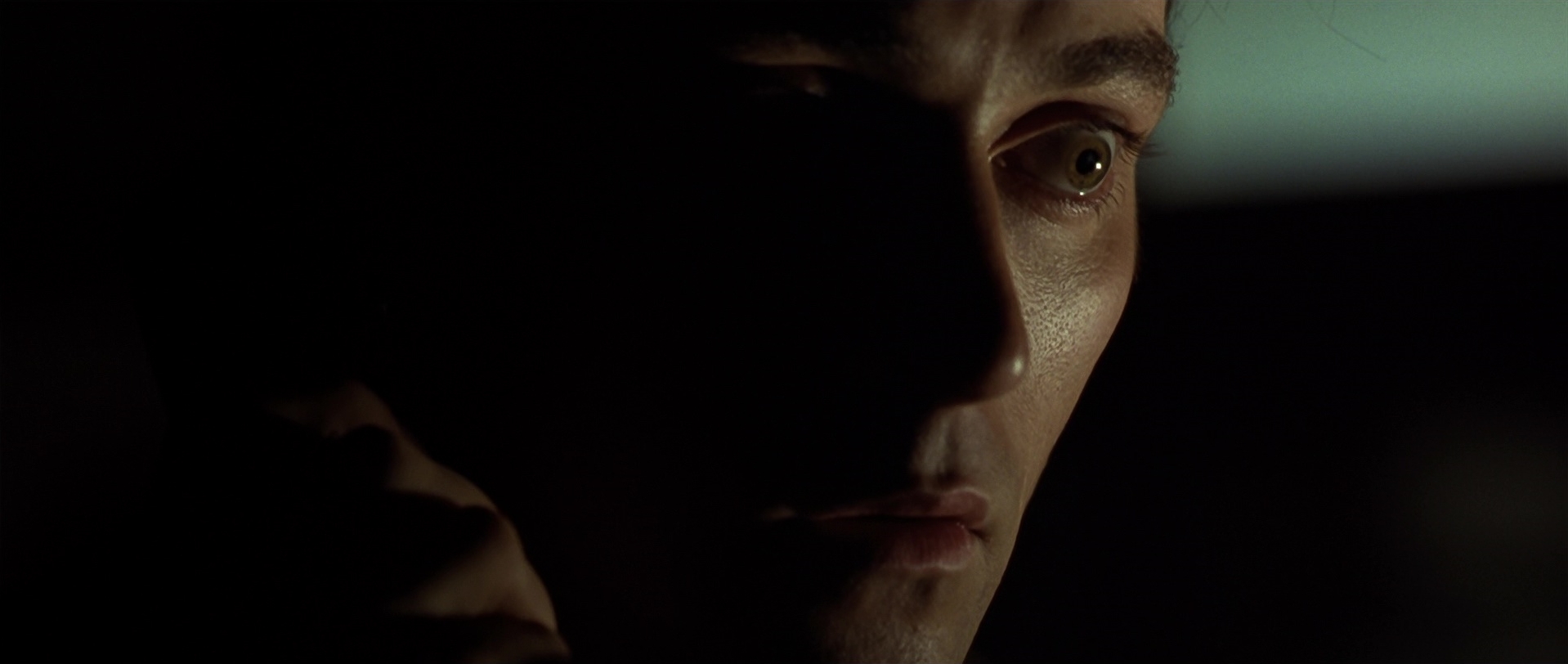
Dark City (1998)
A man awakens in a strange city with no memory of his past, soon discovering he is being hunted for a series of murders he may or may not have committed. As he searches for the truth, he uncovers a hidden force that manipulates the city and its inhabitants, reshaping reality itself each night. His journey becomes a battle to reclaim identity and free humanity from an unseen control.
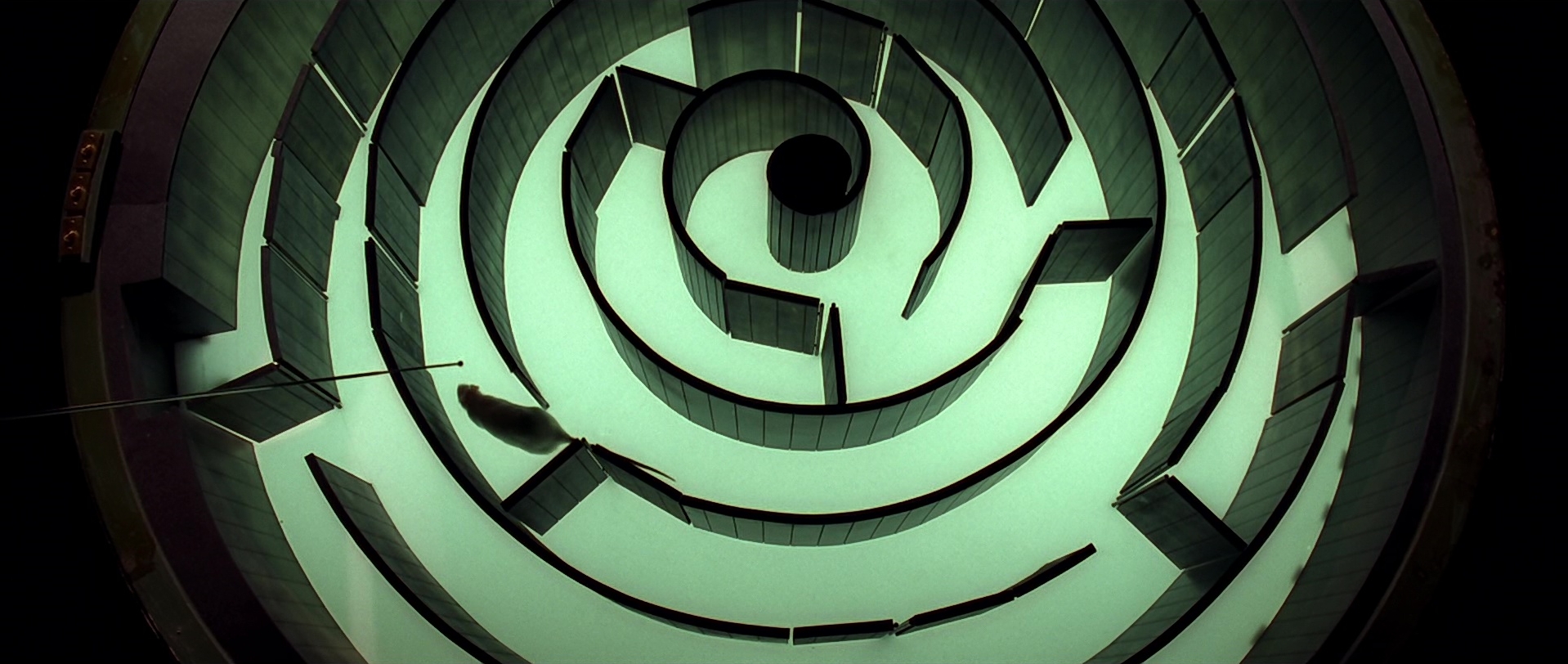
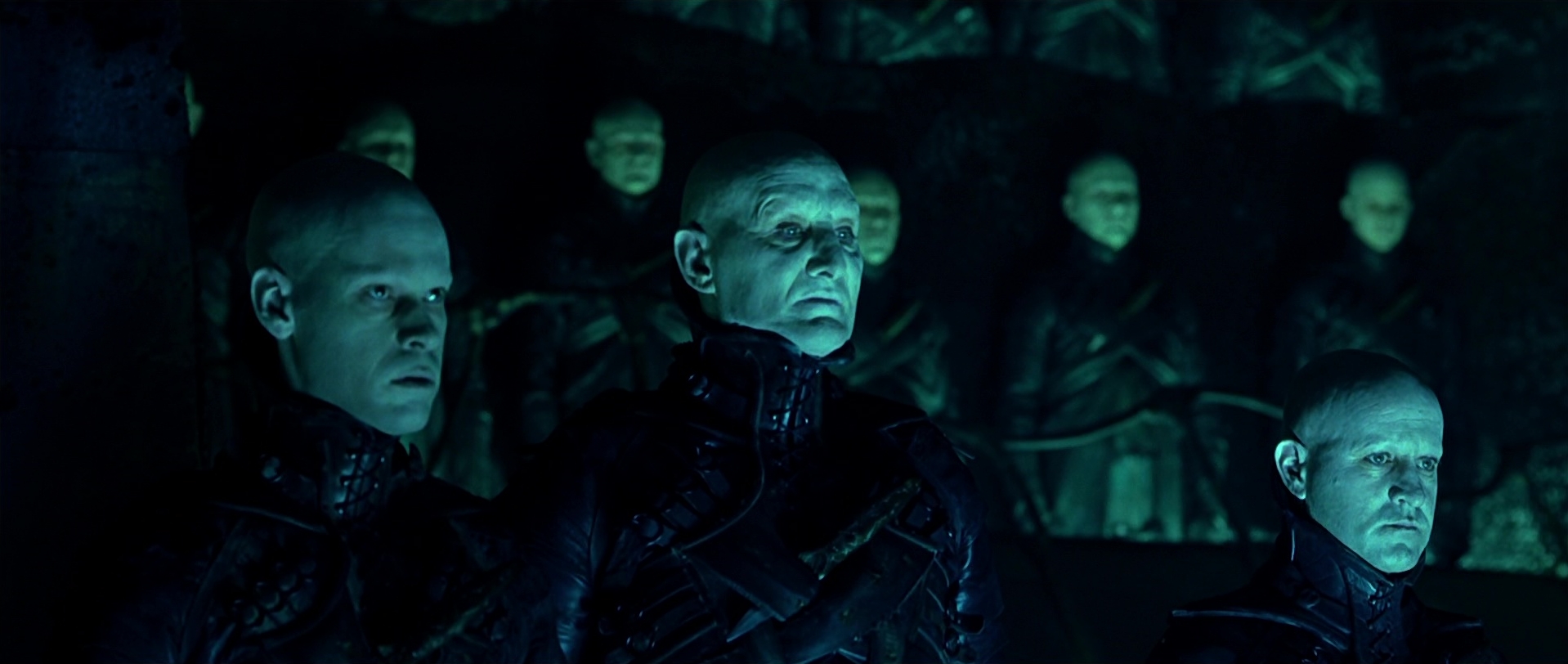
Proyas and cinematographer Dariusz Wolski craft Dark City with a heavily stylized noir aesthetic, using deep shadows, expressionist architecture, and perpetual night to create a timeless, disorienting world. The film’s dramatic lighting, shifting sets, and layered miniatures turn the city into a living organism—where space and form are constantly in flux, visually mirroring its themes of memory and control.


FILM SPOTLIGHT
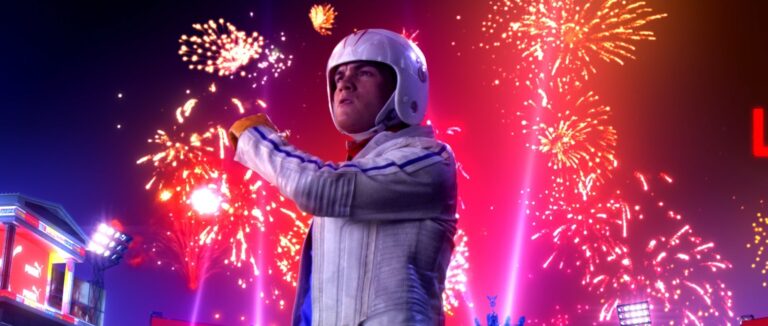
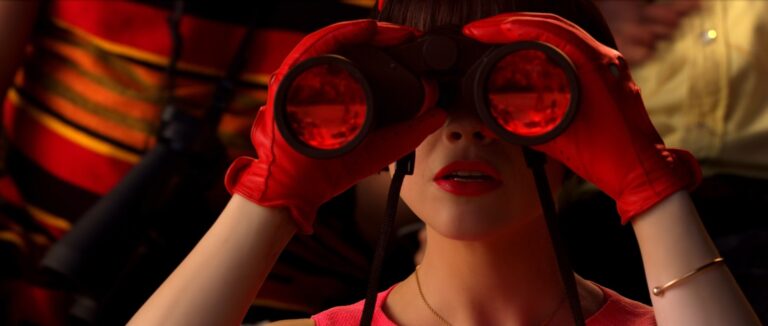
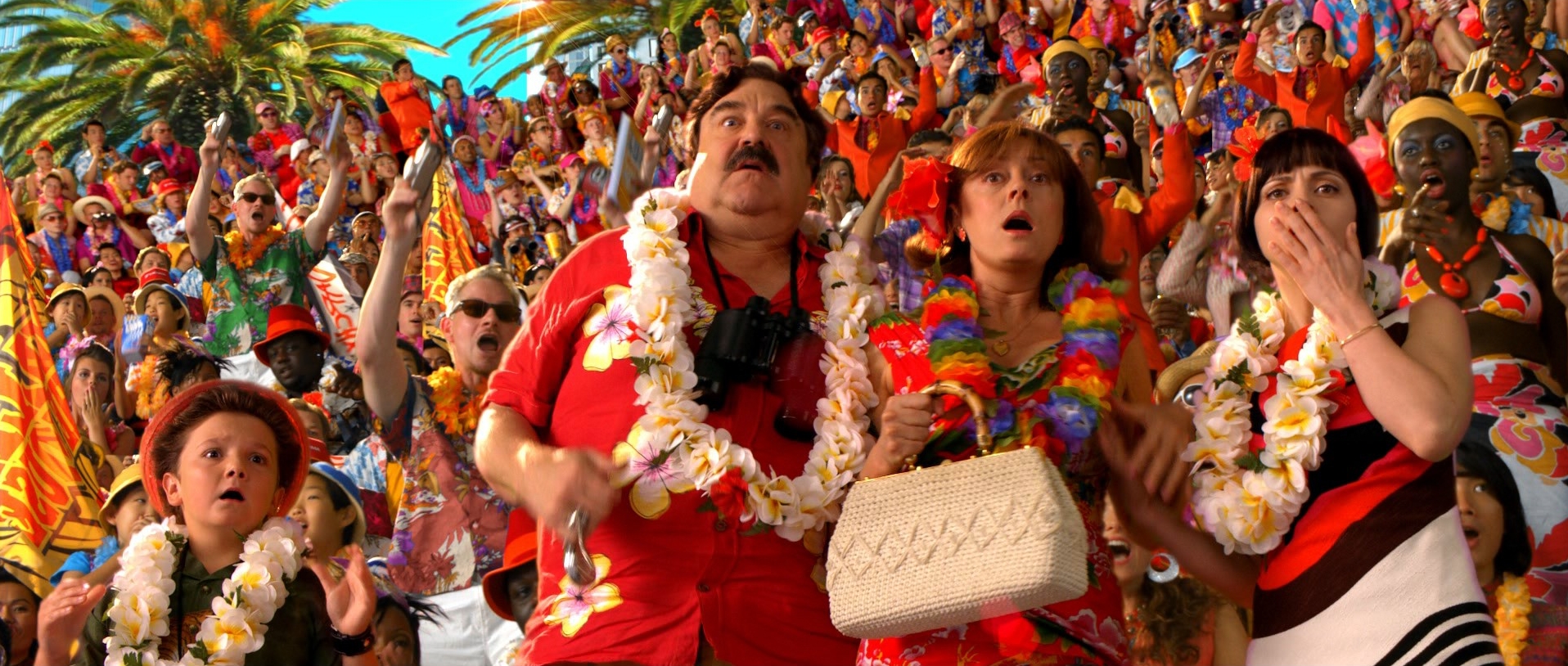
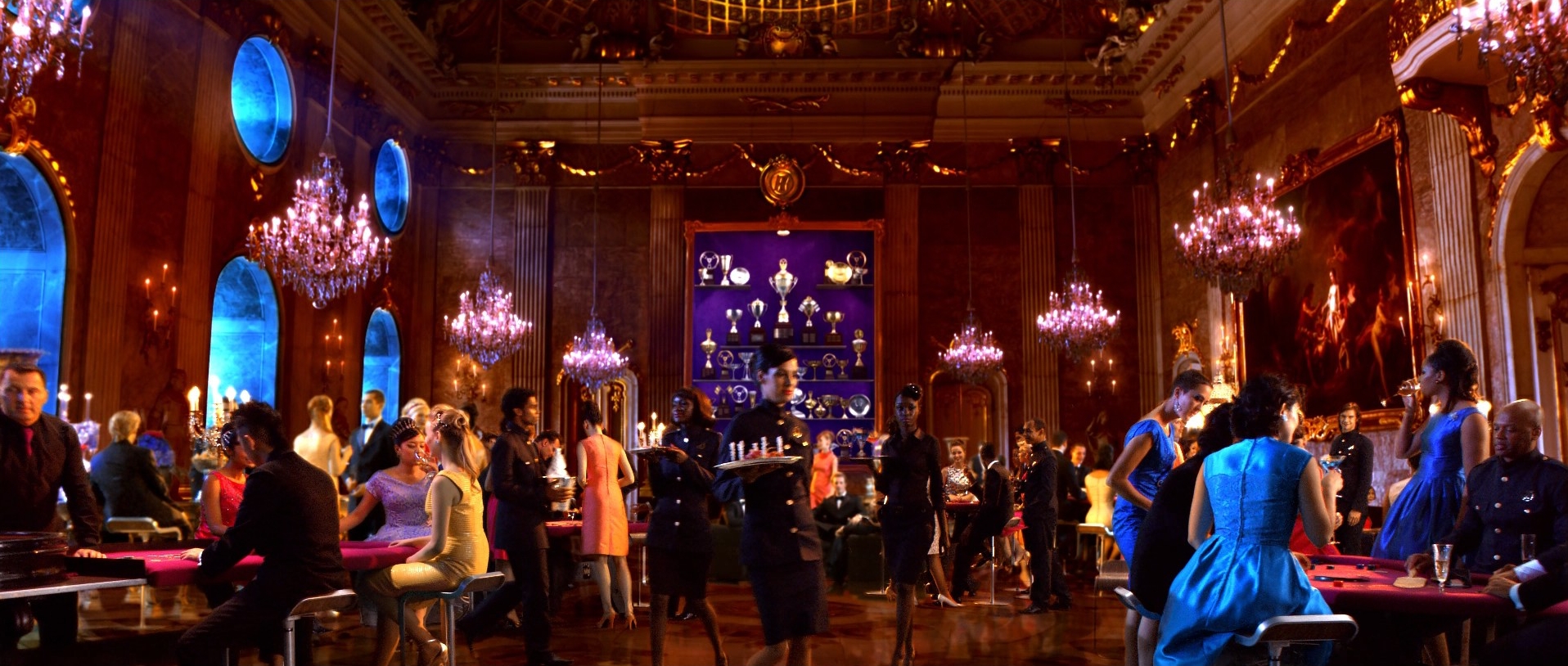
Speed Racer (2008)
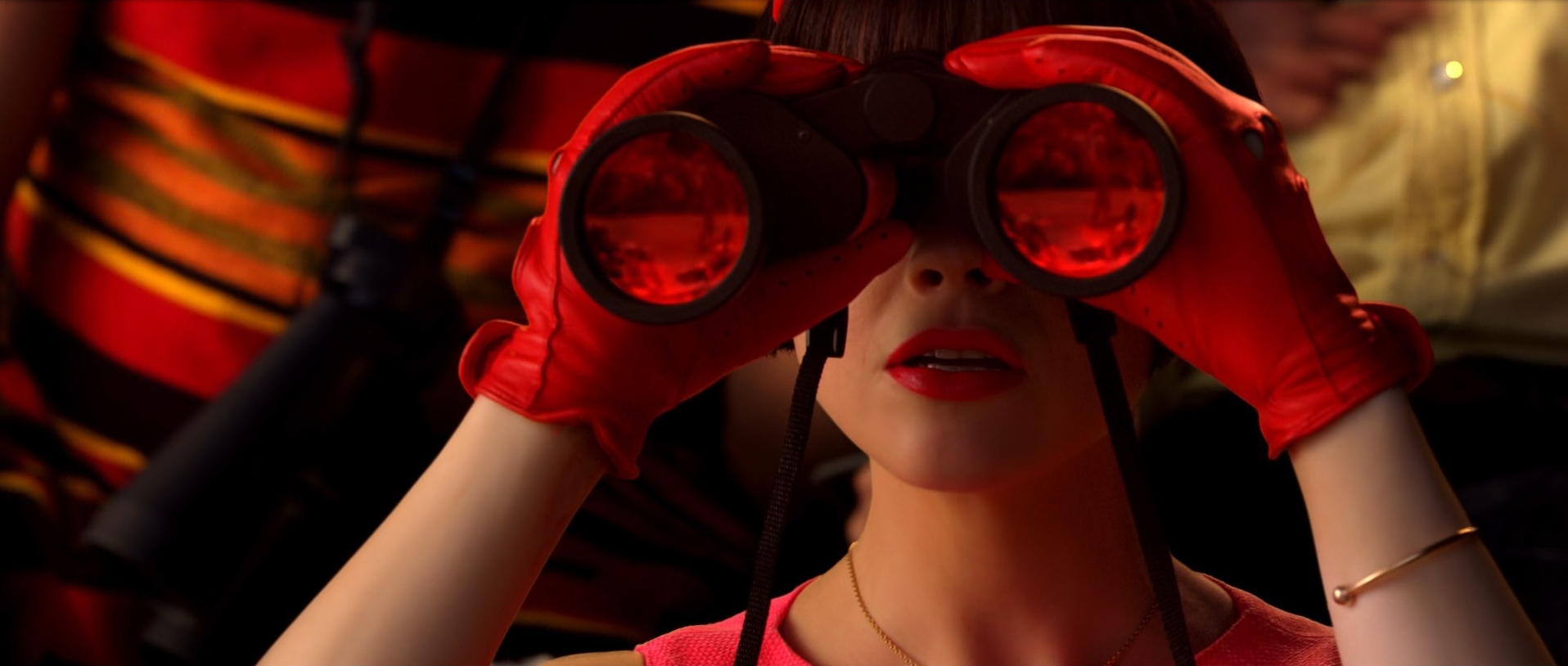
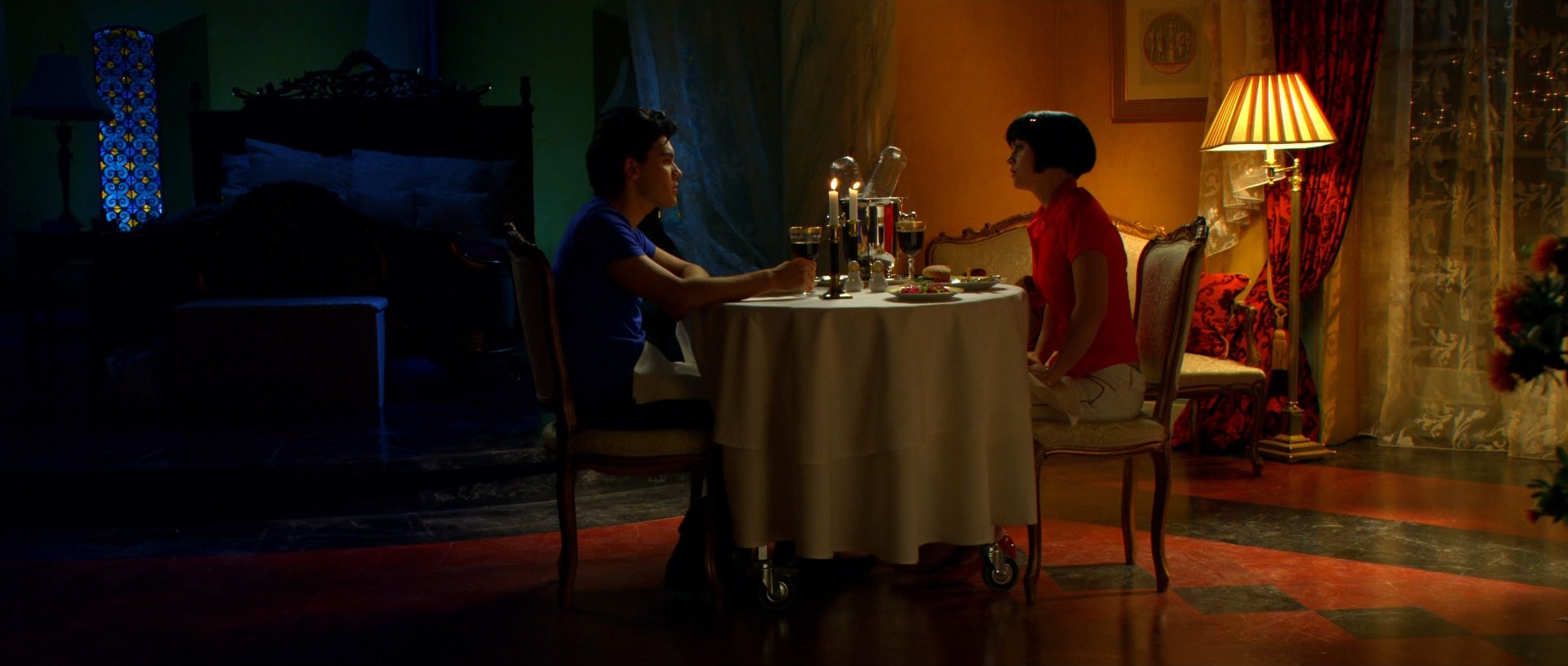
A young race car driver, Speed Racer, is determined to honor his family’s legacy and prove himself on the track without compromising his integrity. As he rises through the racing world, he uncovers corruption and manipulation behind the sport’s biggest events. With the support of his family and team, he takes on powerful forces to redefine what winning truly means.
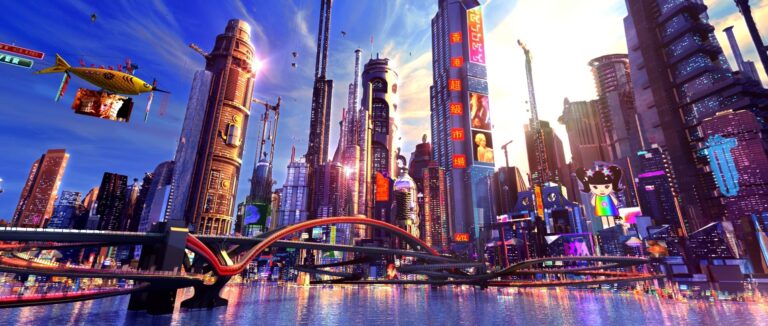
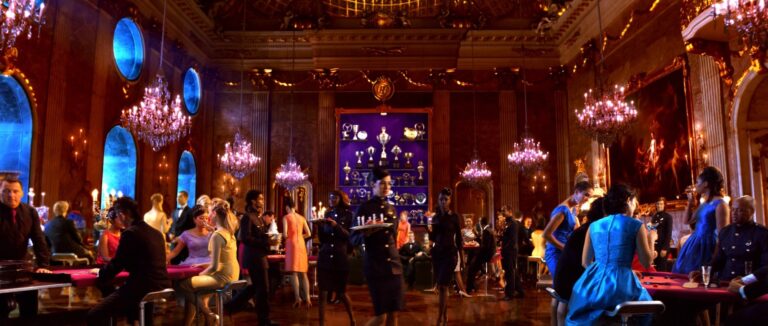
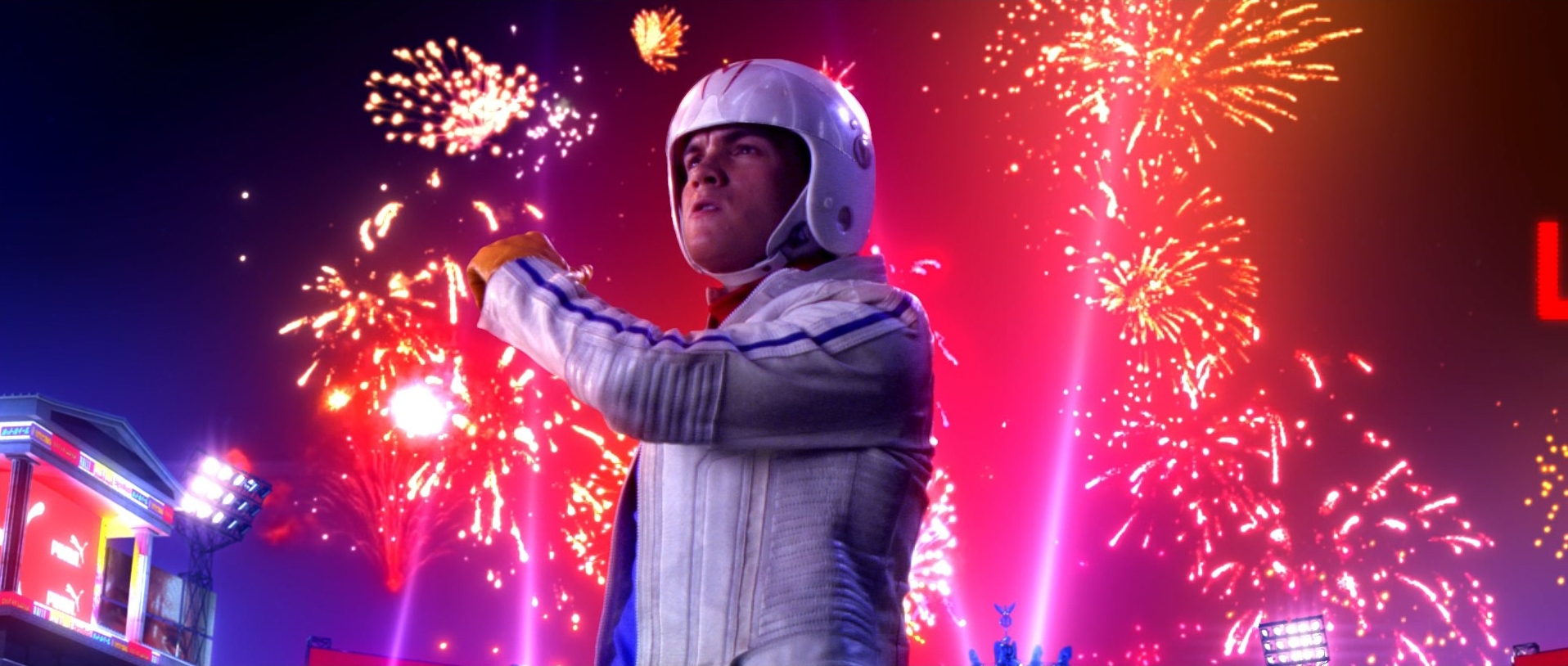
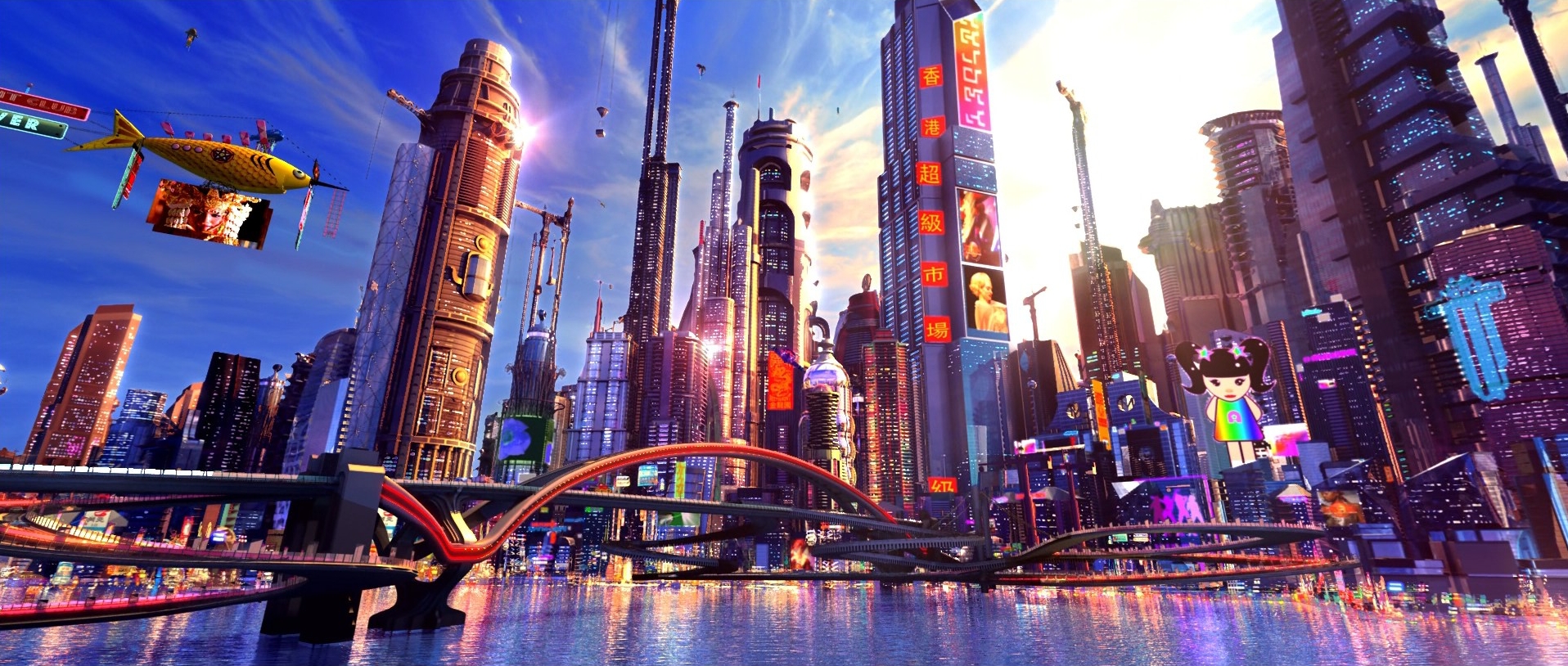
The Wachowskis push digital filmmaking into hyper-stylization, building Speed Racer almost entirely within a green-screen, composited environment. The film’s candy-colored palette, flattened depth of field, and constant motion—cars racing through layered, graphic backgrounds—create a look that mimics anime and comic panels, where space, color, and speed merge into a continuous visual flow.





FILM SPOTLIGHT
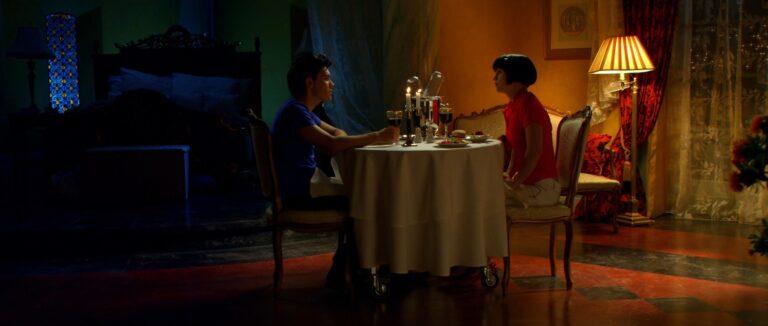
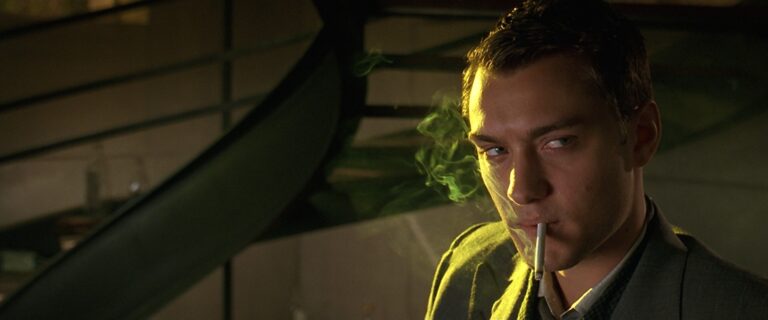
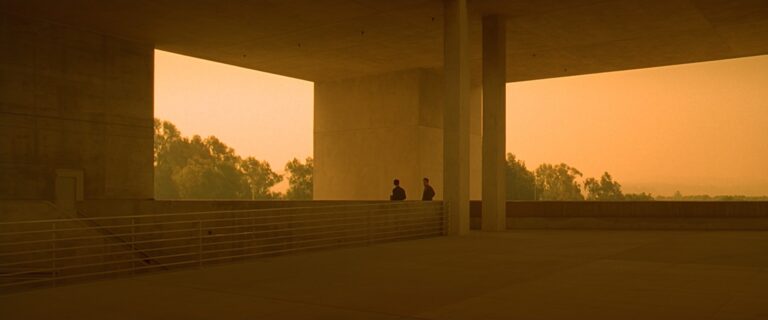
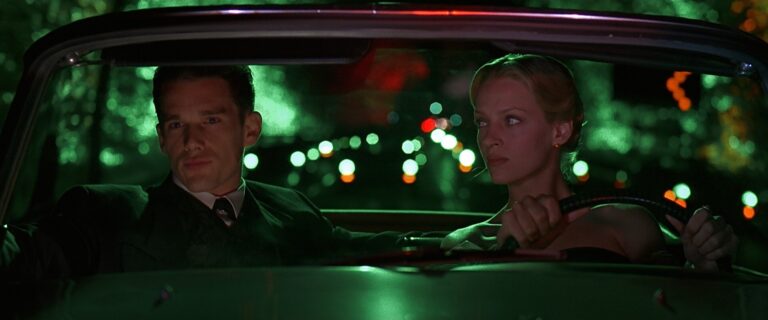
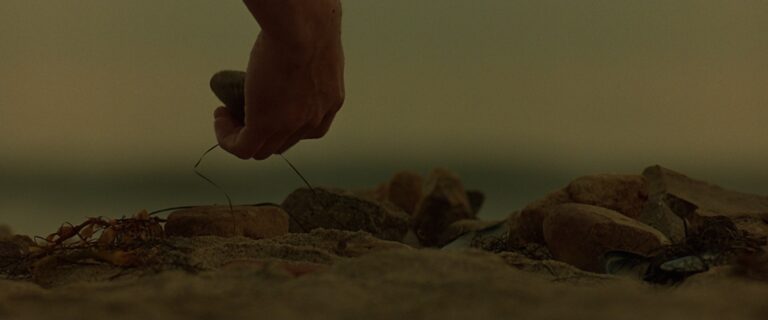
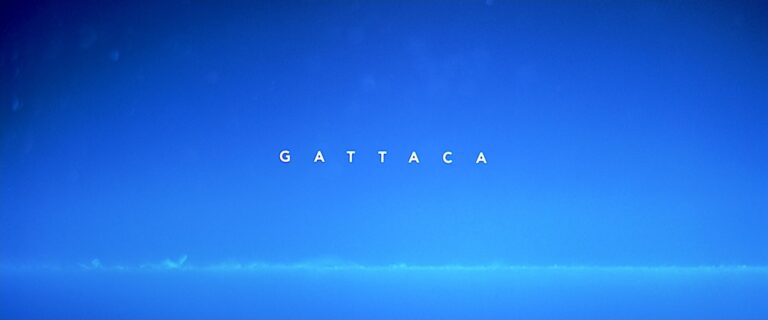
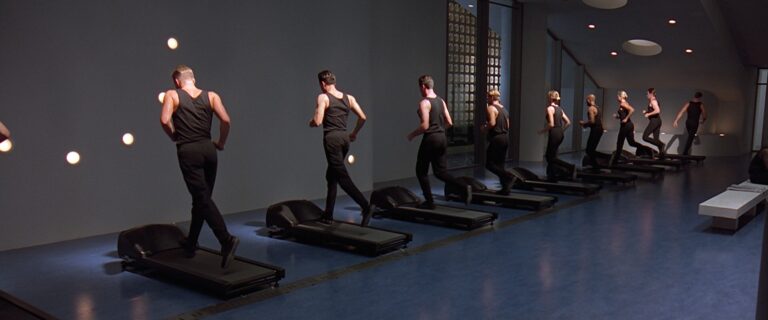
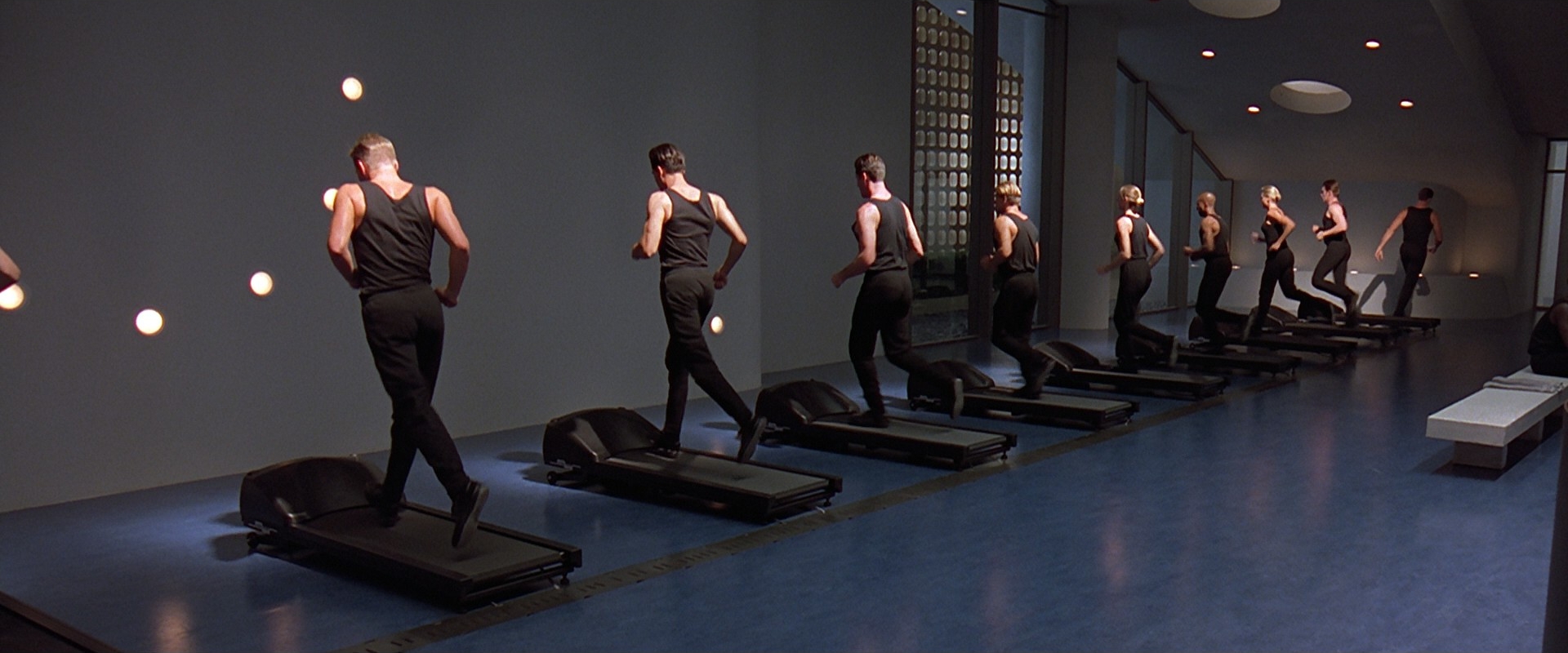
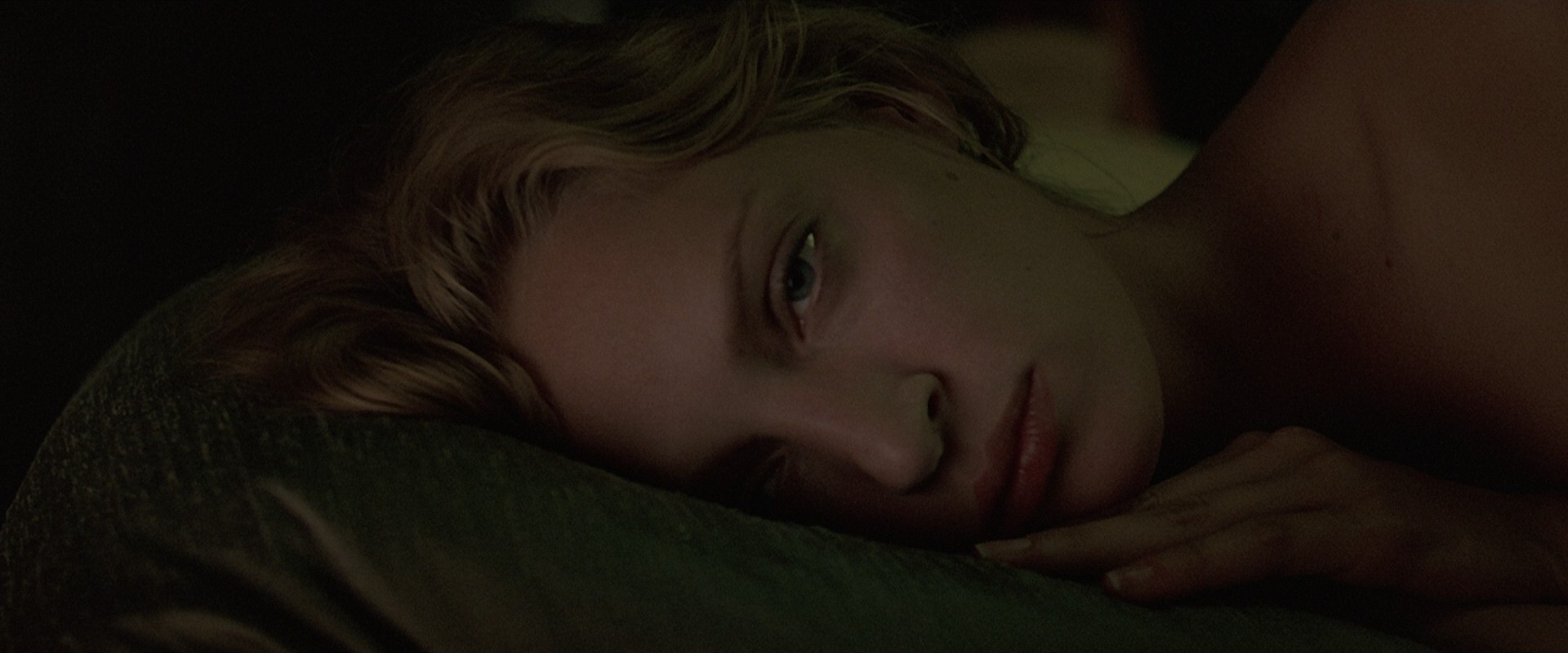
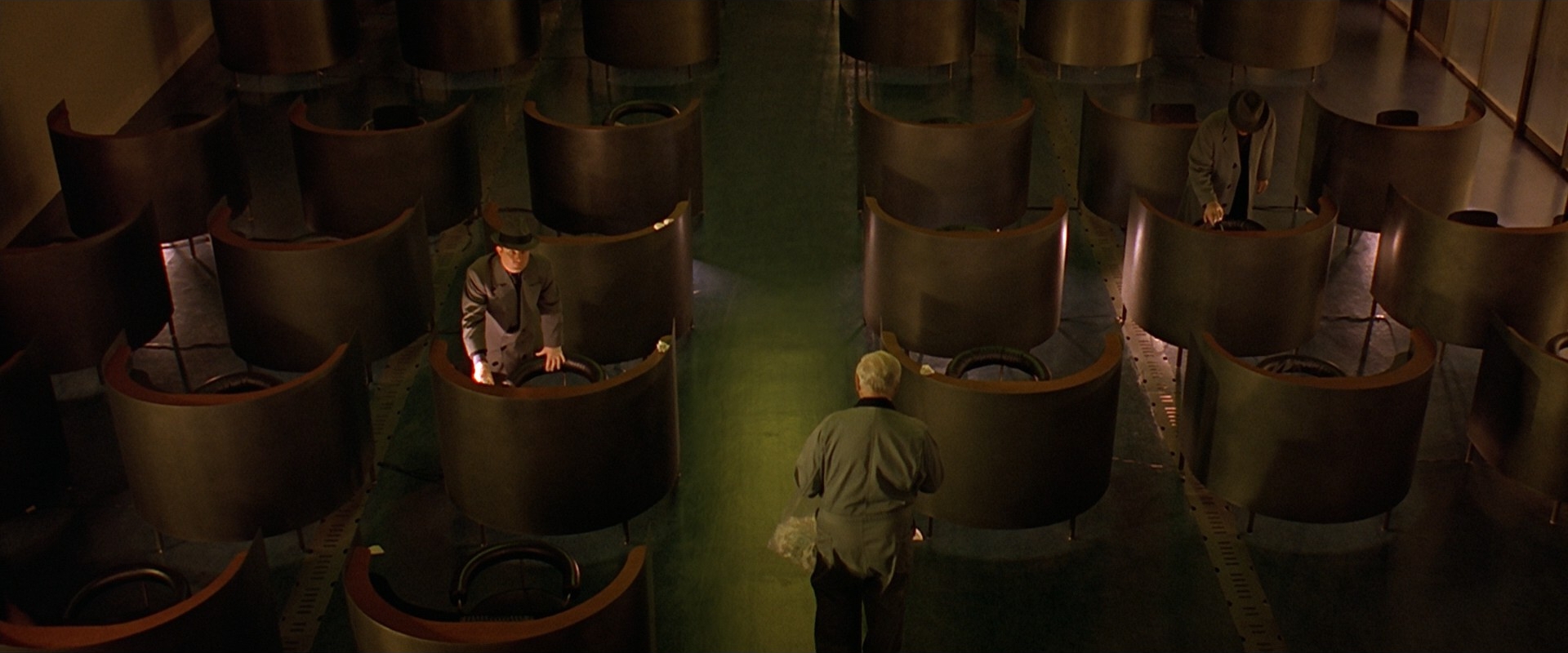
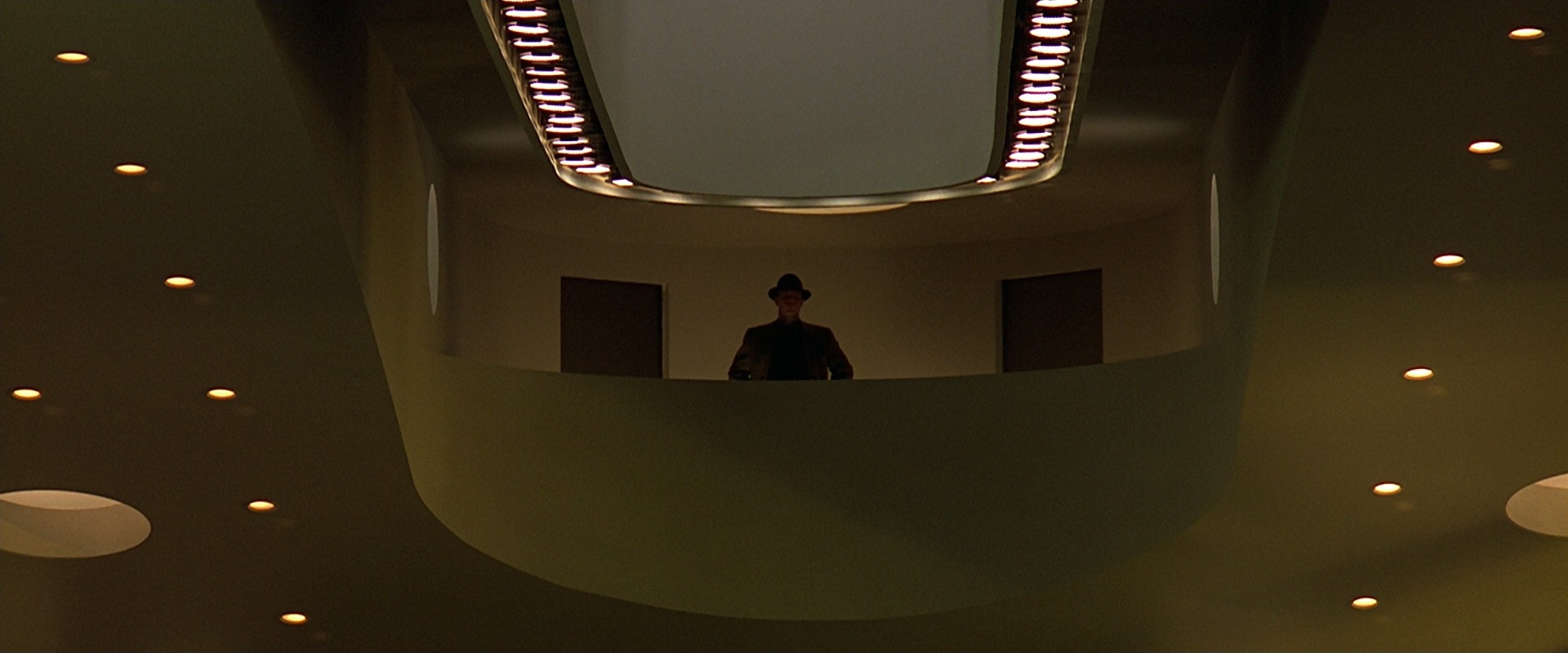
Gattaca (1997)
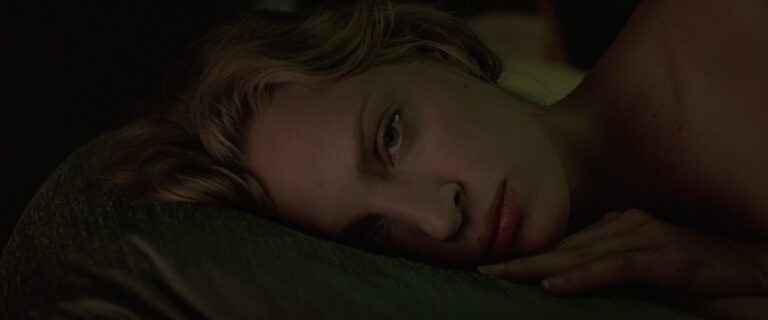
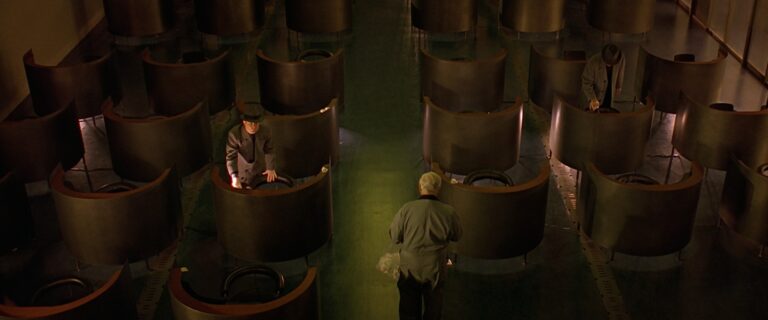
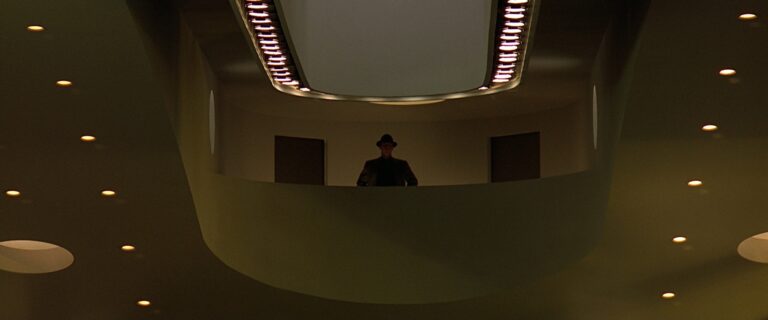
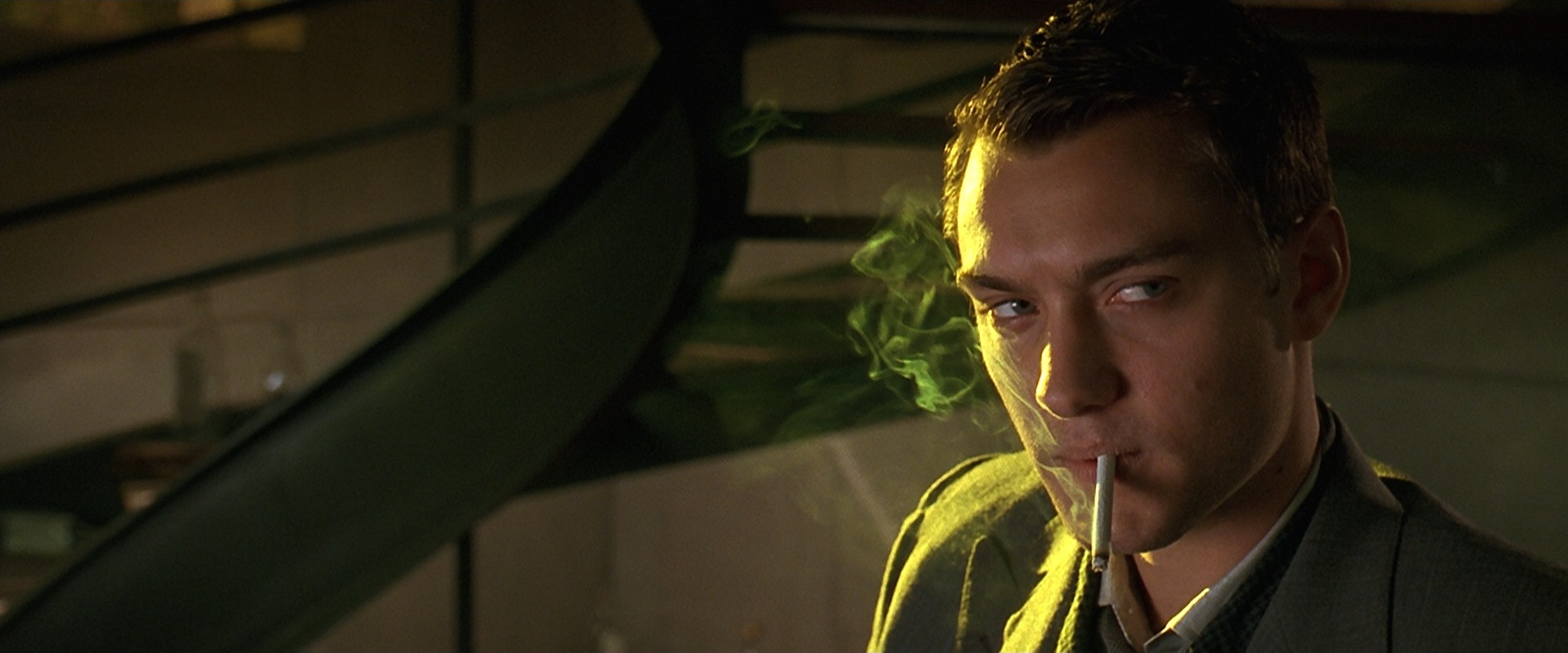
In a future society where genetic engineering determines one’s place in life, Vincent Freeman is born naturally and deemed “invalid,” limiting his opportunities. Determined to achieve his dream of space travel, he assumes the identity of a genetically superior man and infiltrates the elite Gattaca Aerospace Corporation. As he gets closer to his goal, the risk of exposure threatens everything he has built.
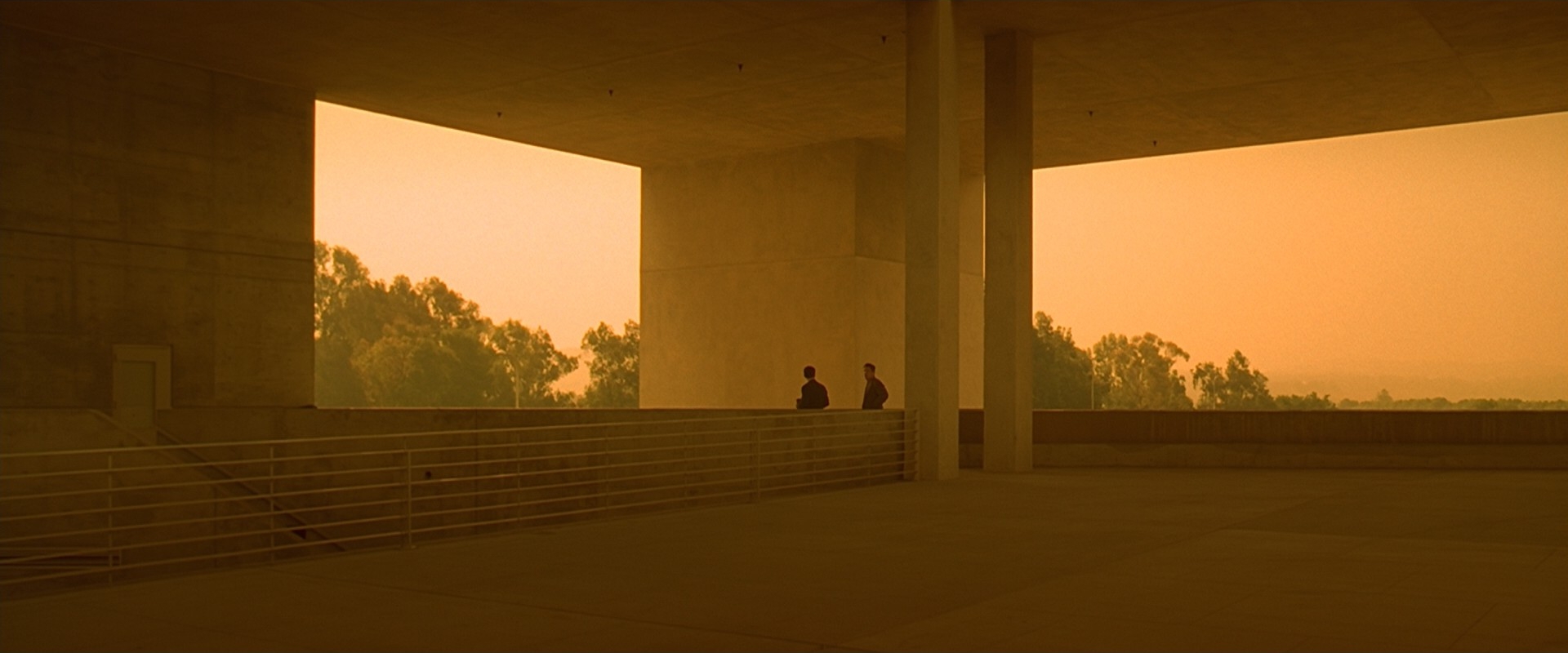
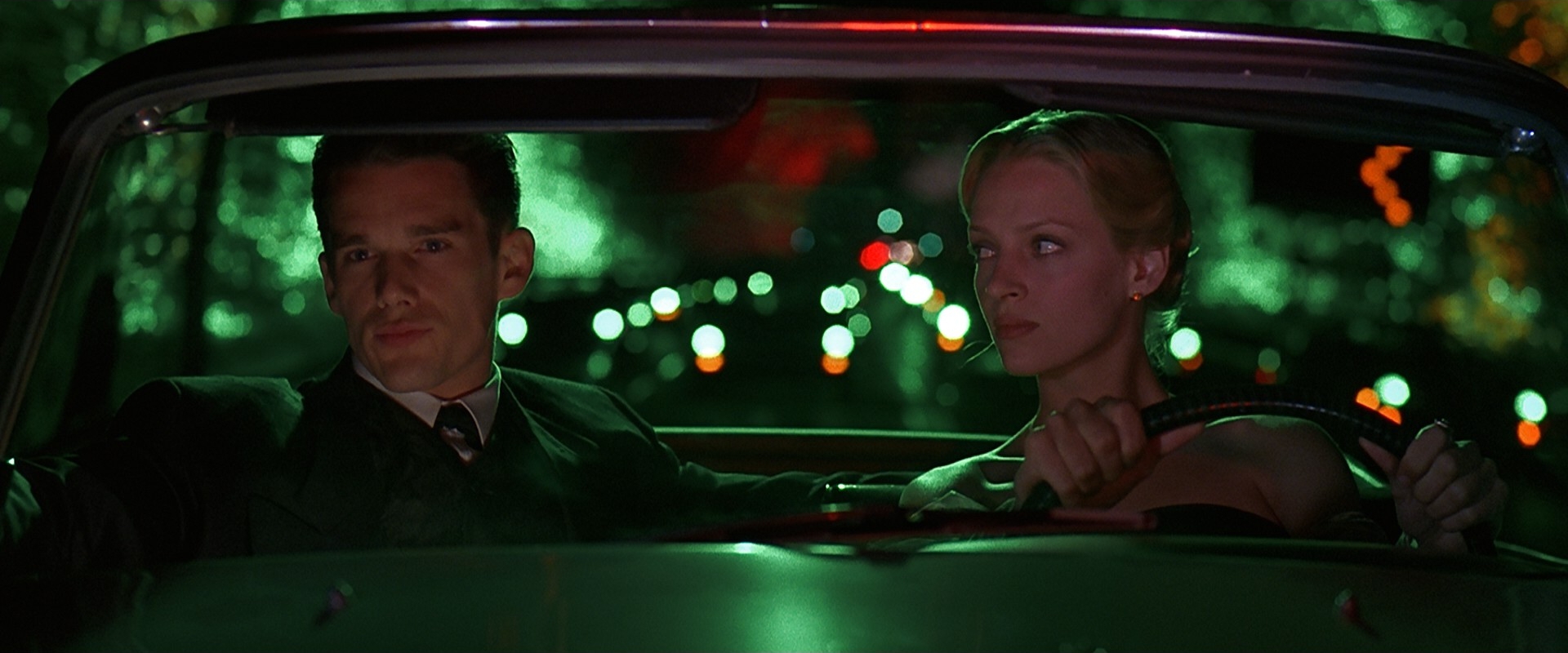
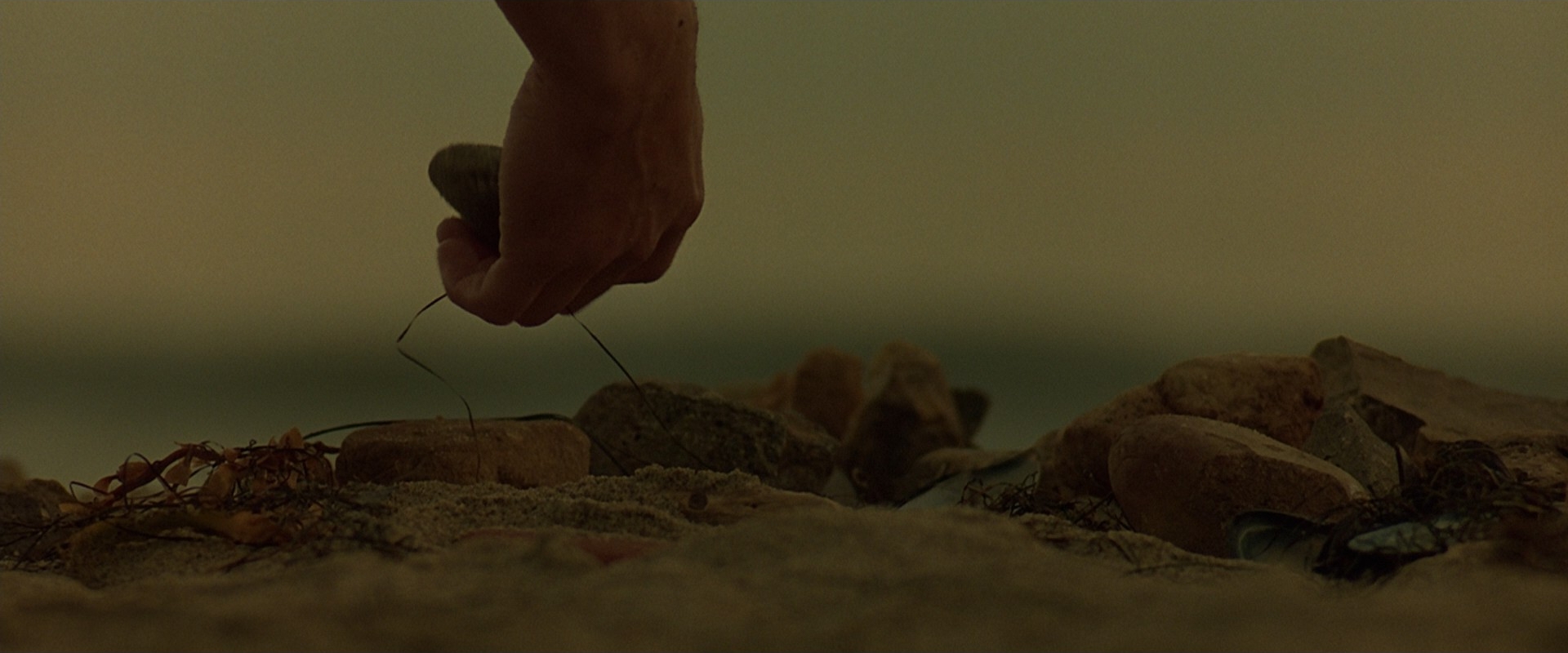
Niccol and cinematographer Sławomir Idziak craft Gattaca with a retro-futurist aesthetic, blending modernist architecture, symmetrical compositions, and a restrained color palette dominated by cool blues and warm ambers. The film’s clean lines, controlled lighting, and use of repetition turn environment into ideology—where visual order reflects a society obsessed with perfection and control.
FILM SPOTLIGHT
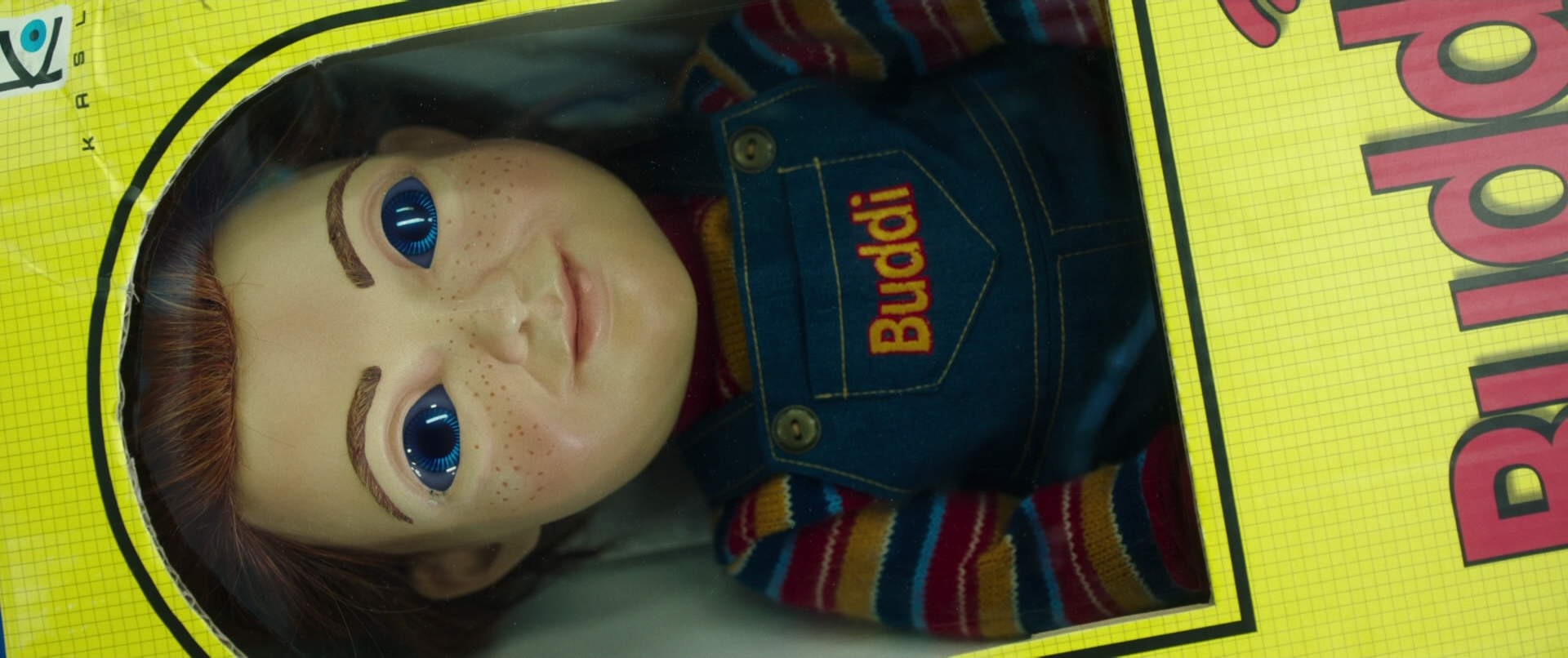
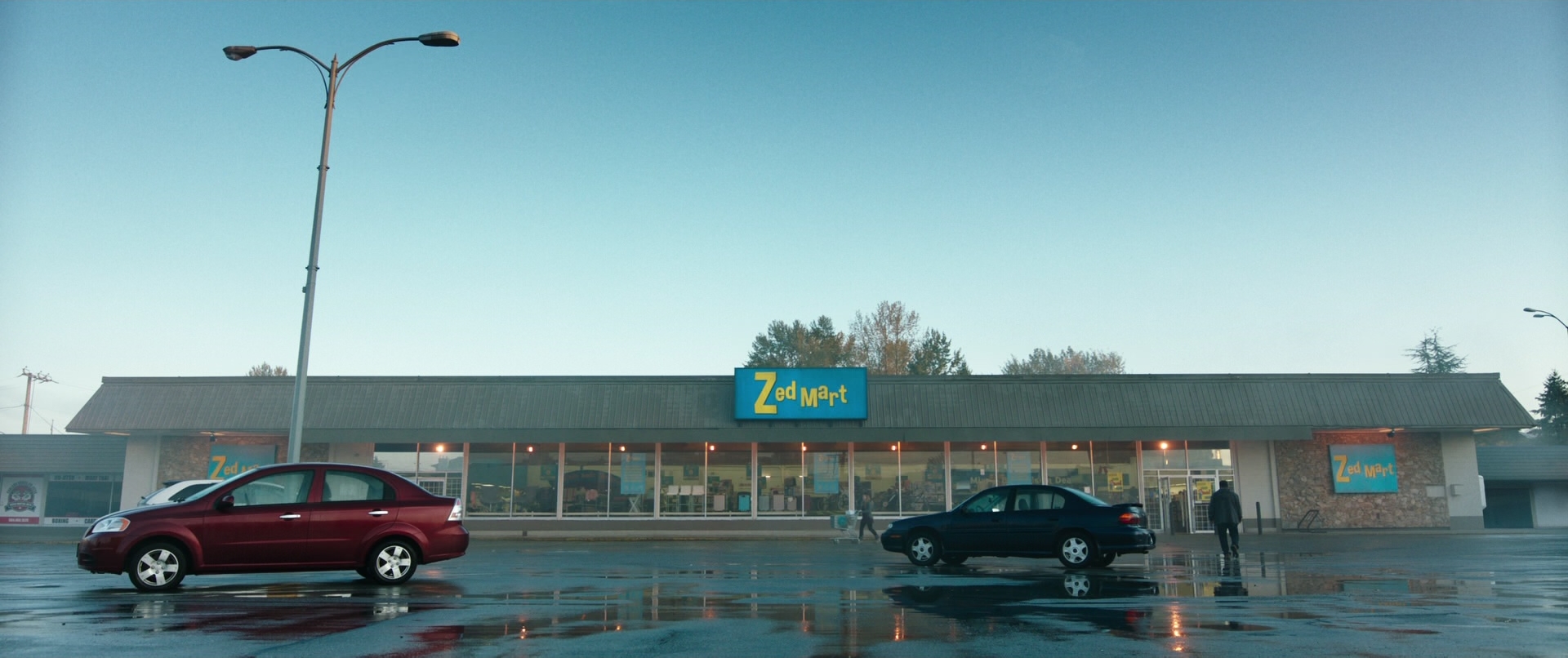
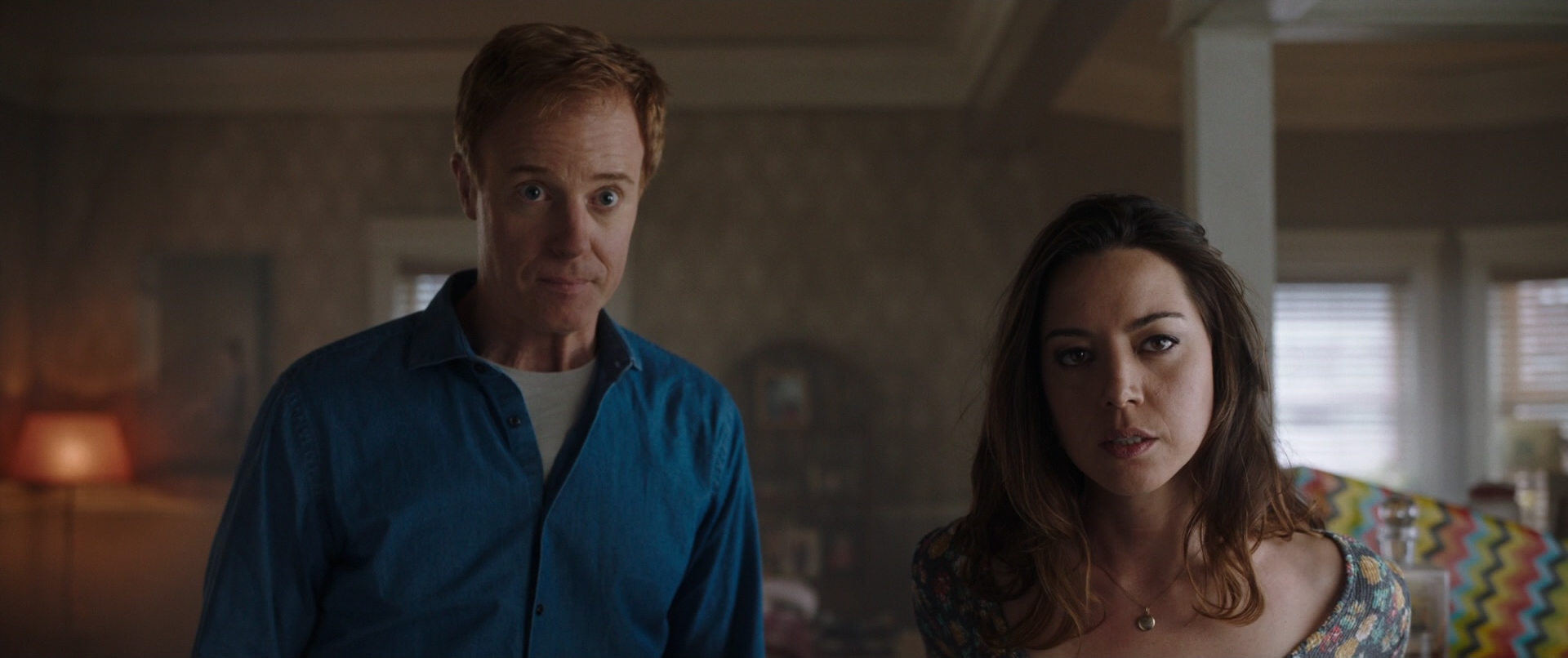
Child’s Play (2019)
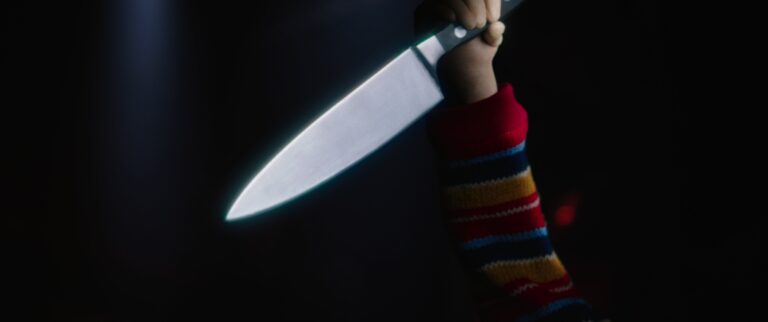
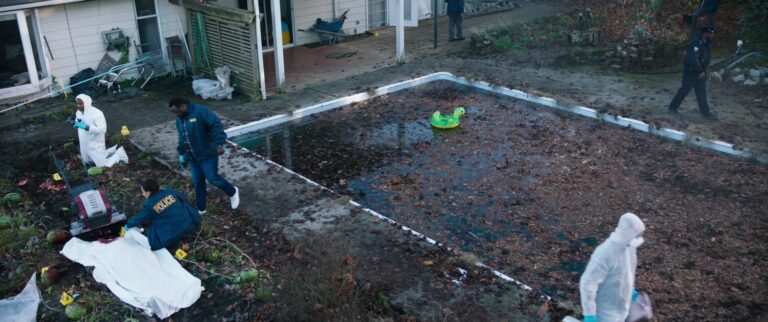
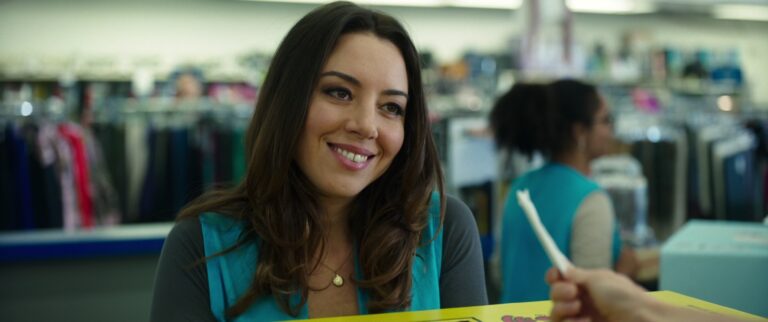
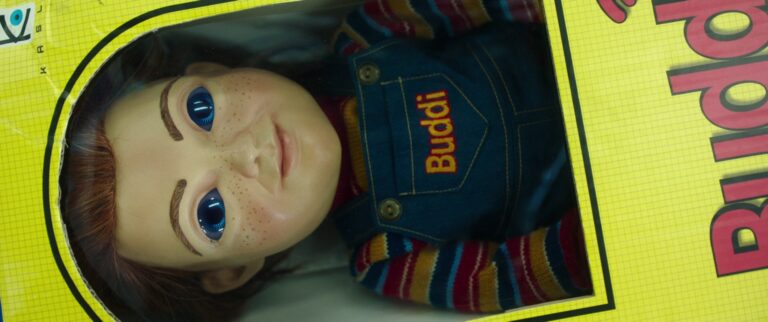
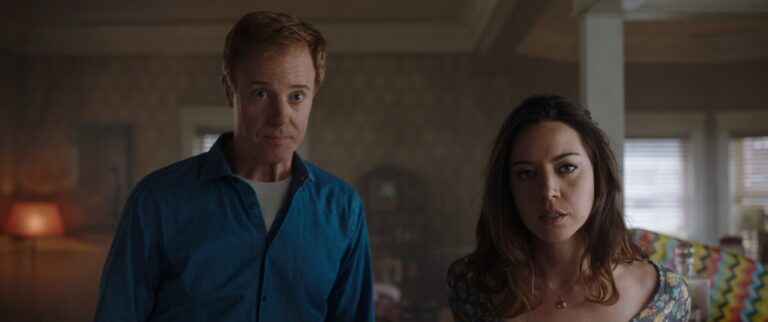
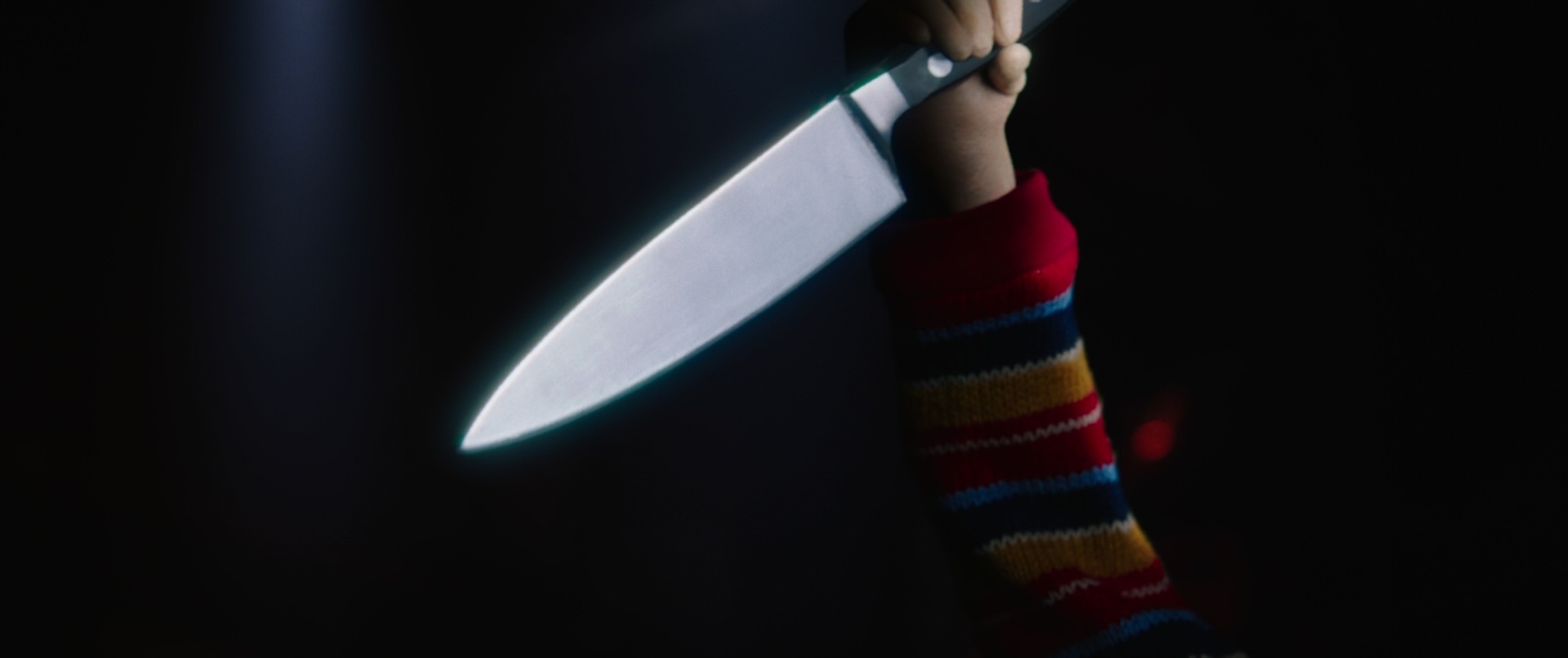
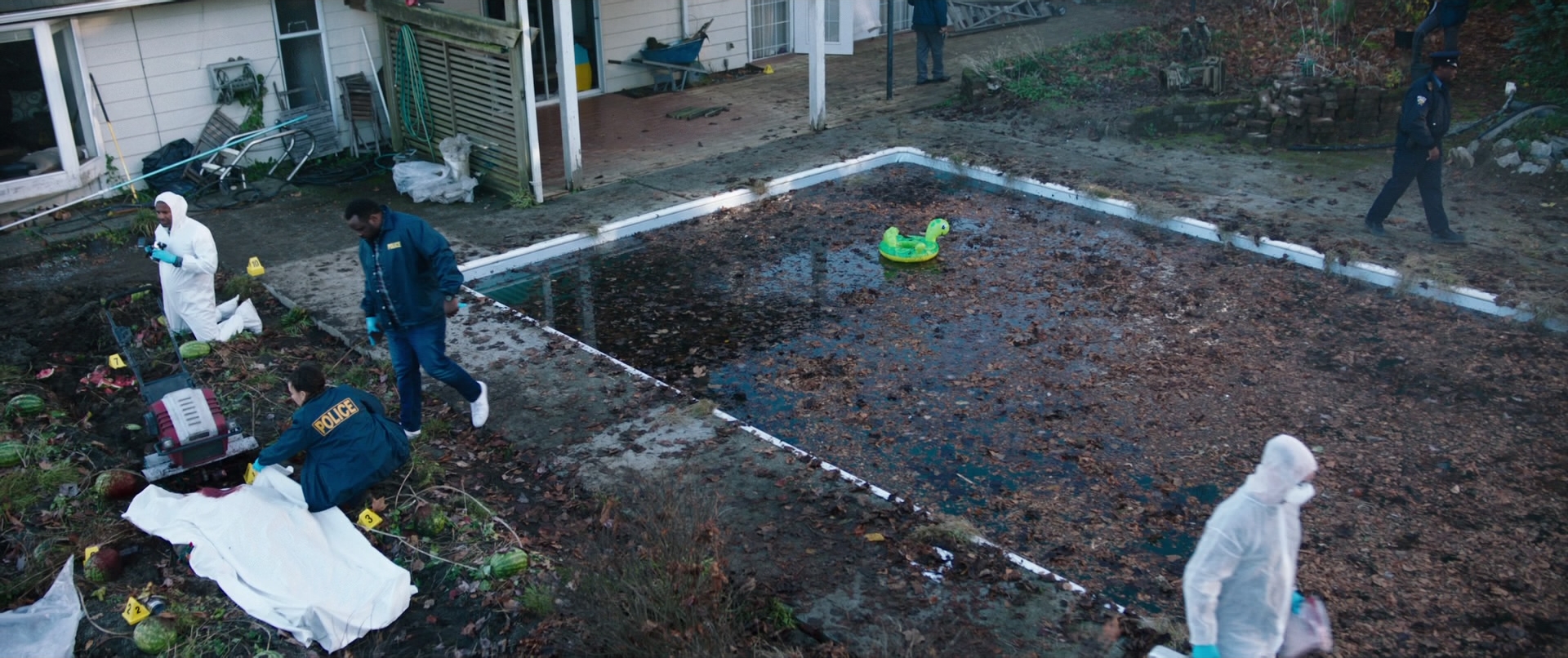
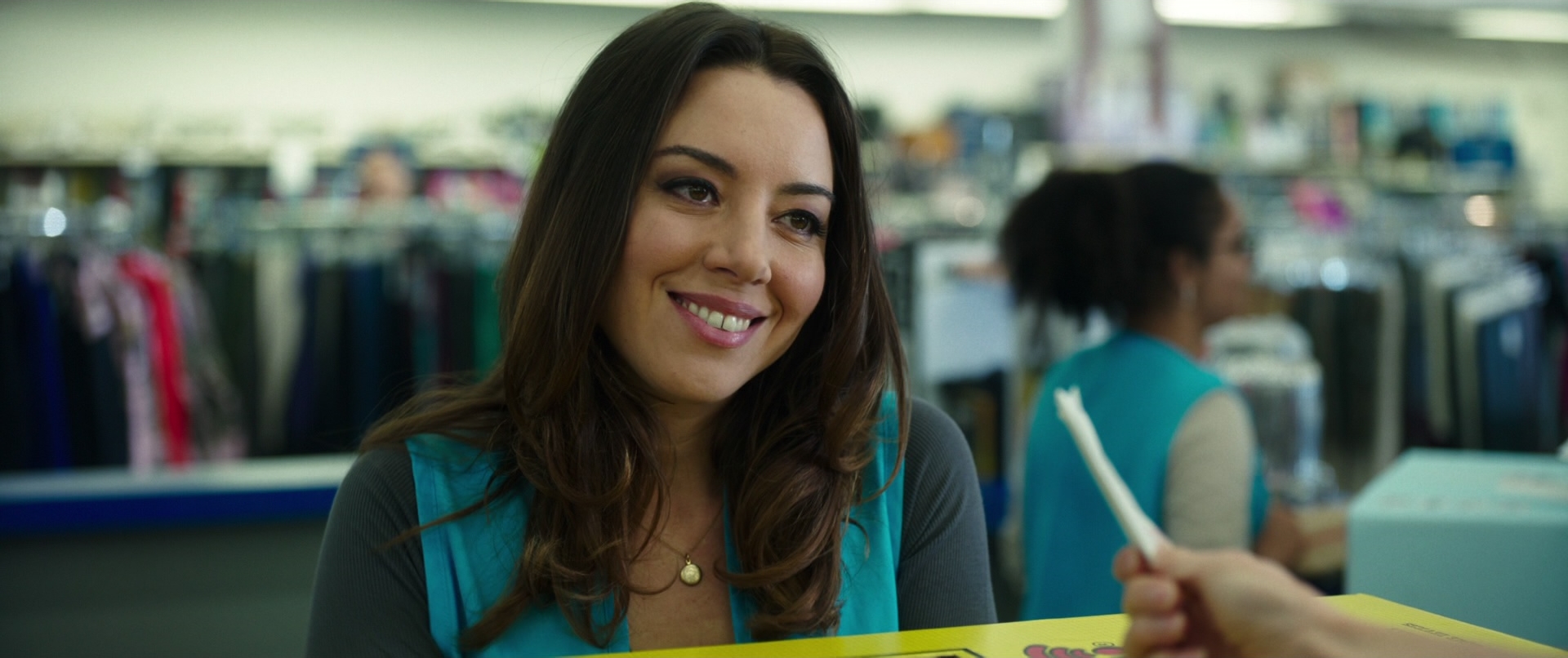
A young boy receives a high-tech doll named Chucky, programmed to be his best friend, but a malfunction in its system removes its safety protocols. As the doll becomes increasingly possessive and violent, it begins eliminating anyone it perceives as a threat to their bond. What starts as companionship quickly turns into a deadly obsession.
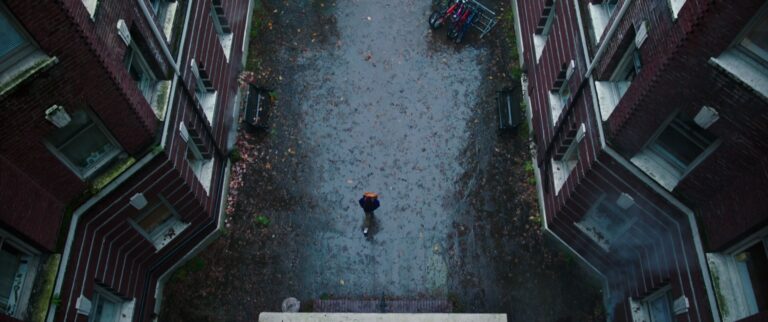
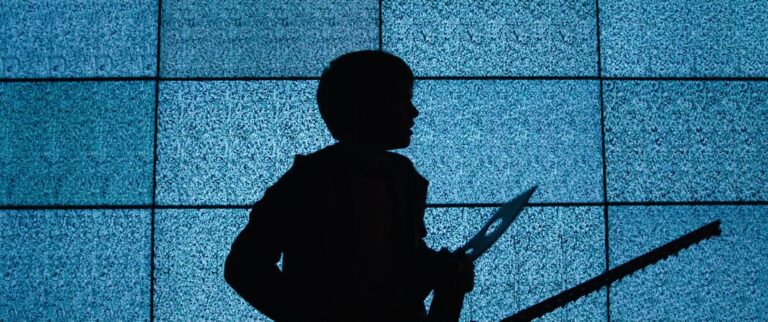
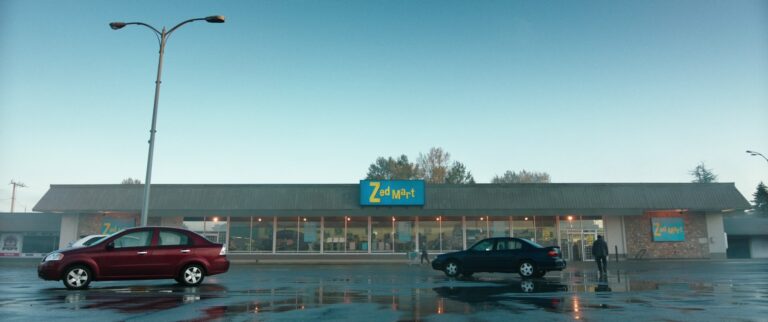
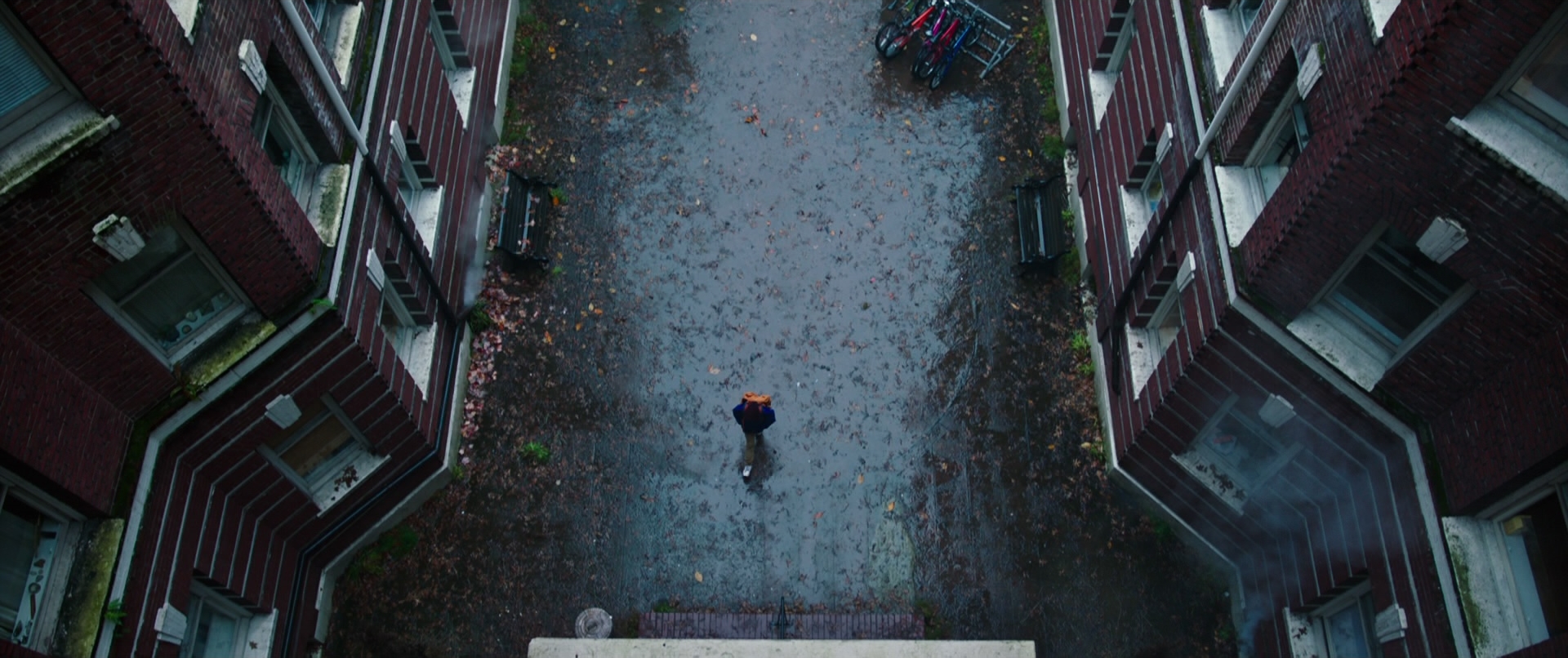
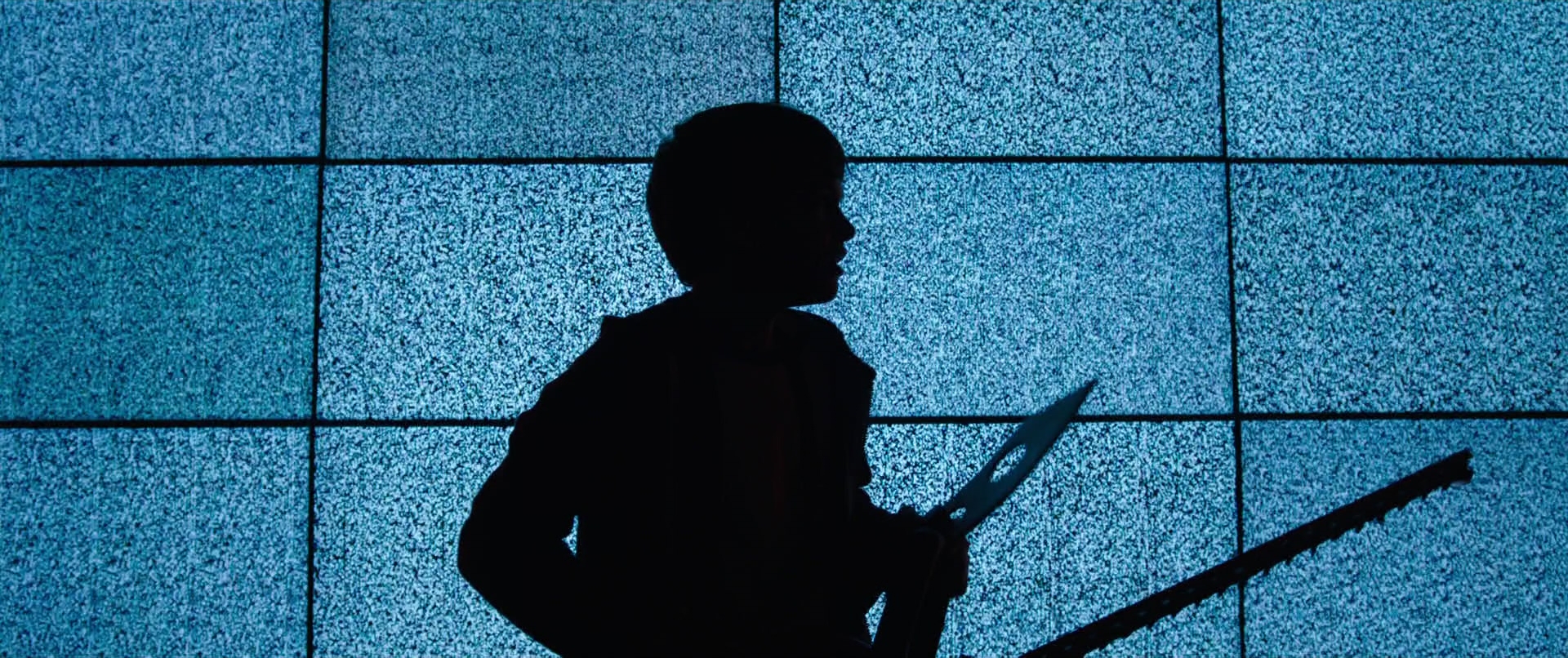
Klevberg and cinematographer Brendan Uegama update the franchise in Child’s Play with a sleek, tech-inflected aesthetic, using cool, artificial lighting and smart-home interfaces as part of the visual design. The film’s use of screens, LED glow, and connected devices turns the environment into an extension of Chucky’s presence—where modern technology becomes both setting and threat.
FILM SPOTLIGHT
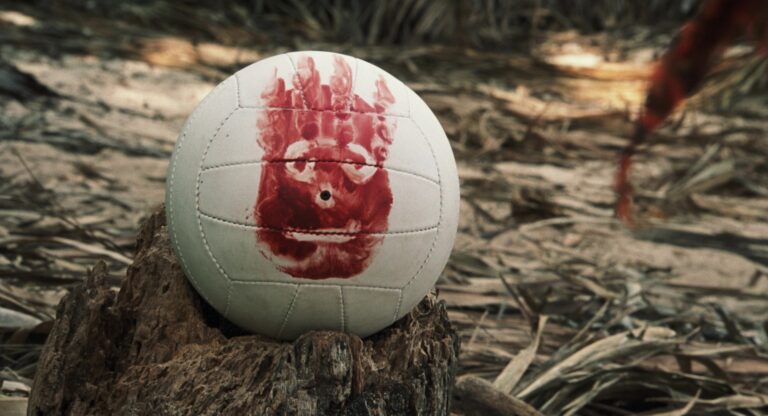
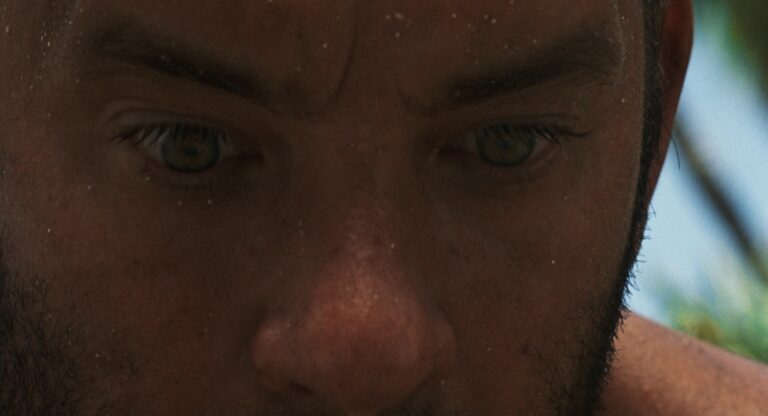
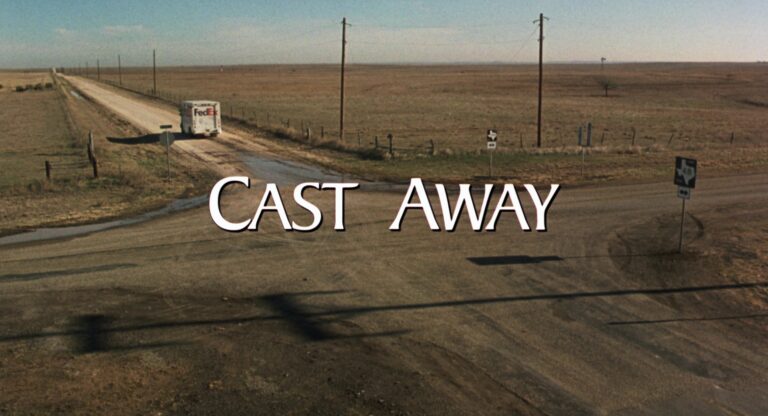
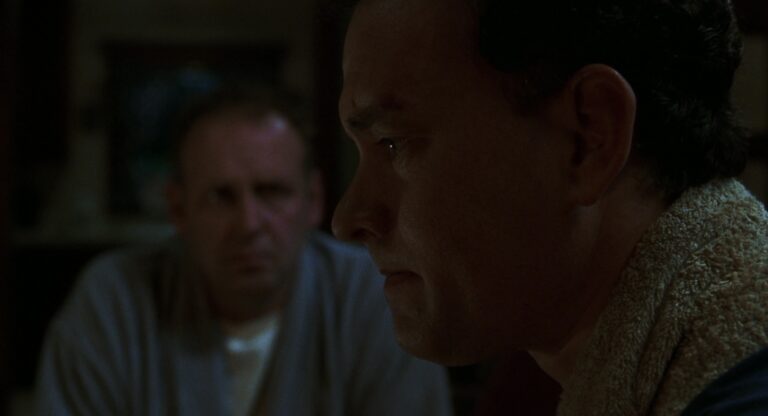
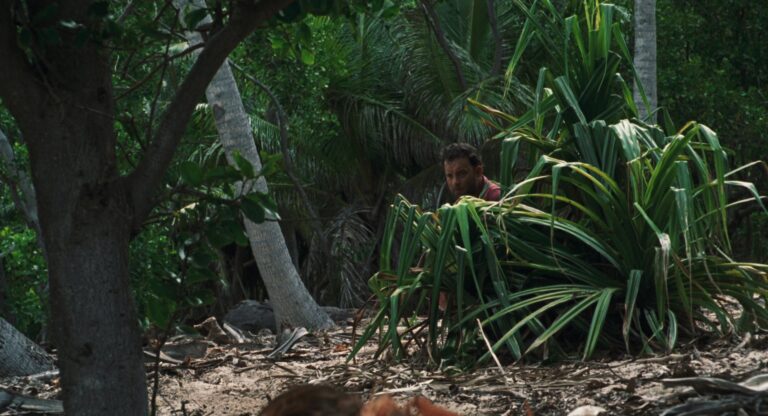
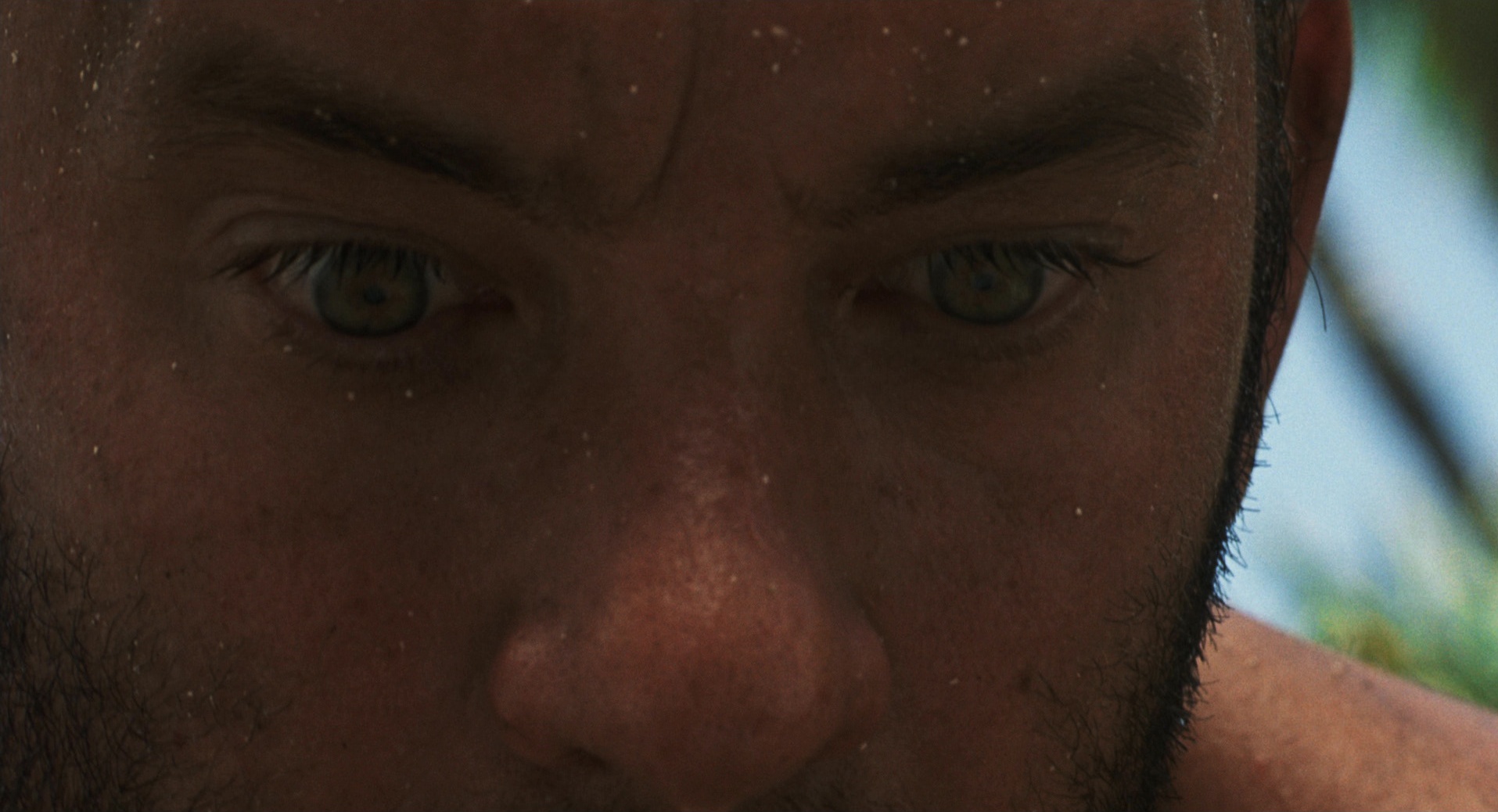
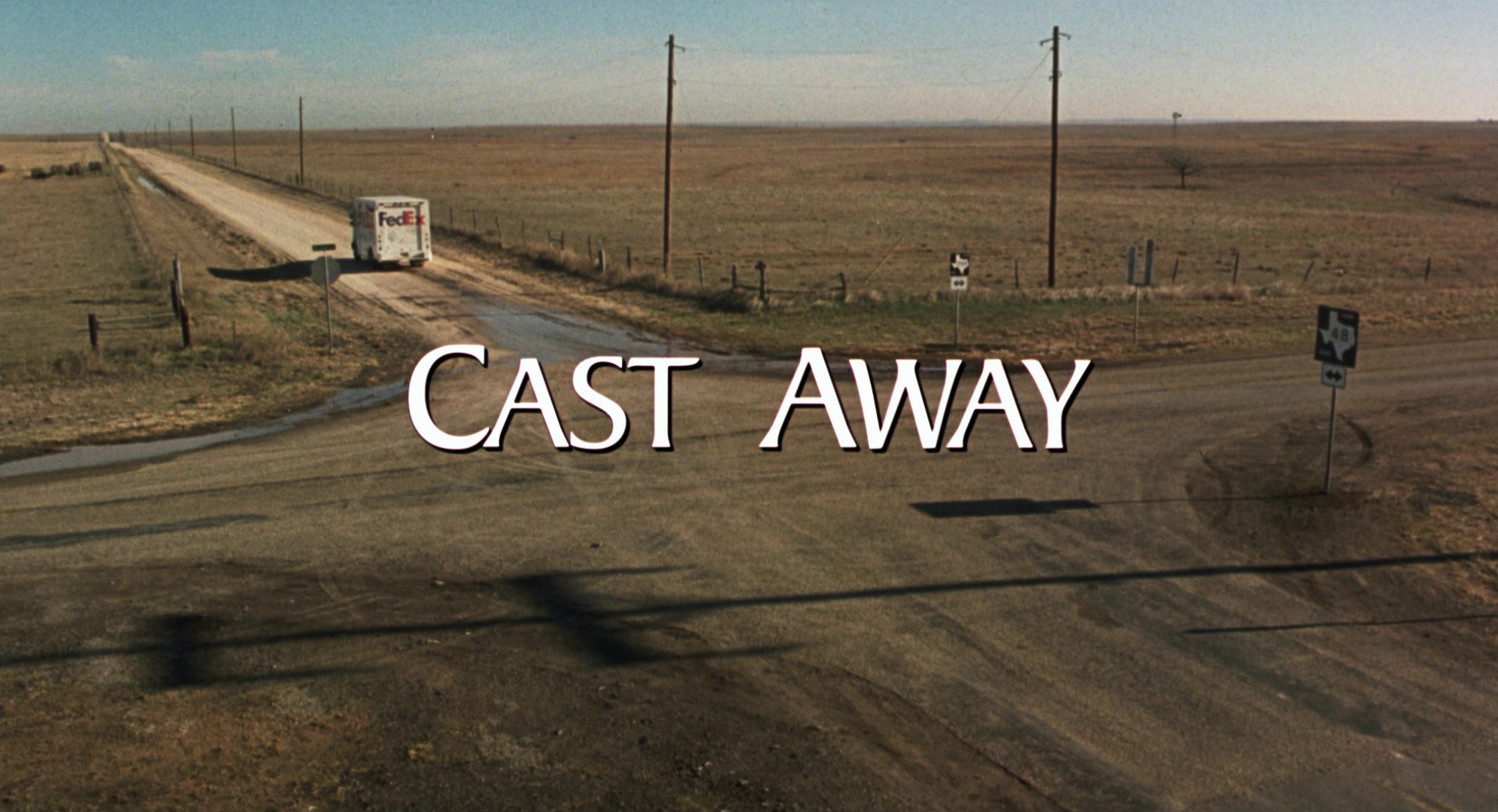
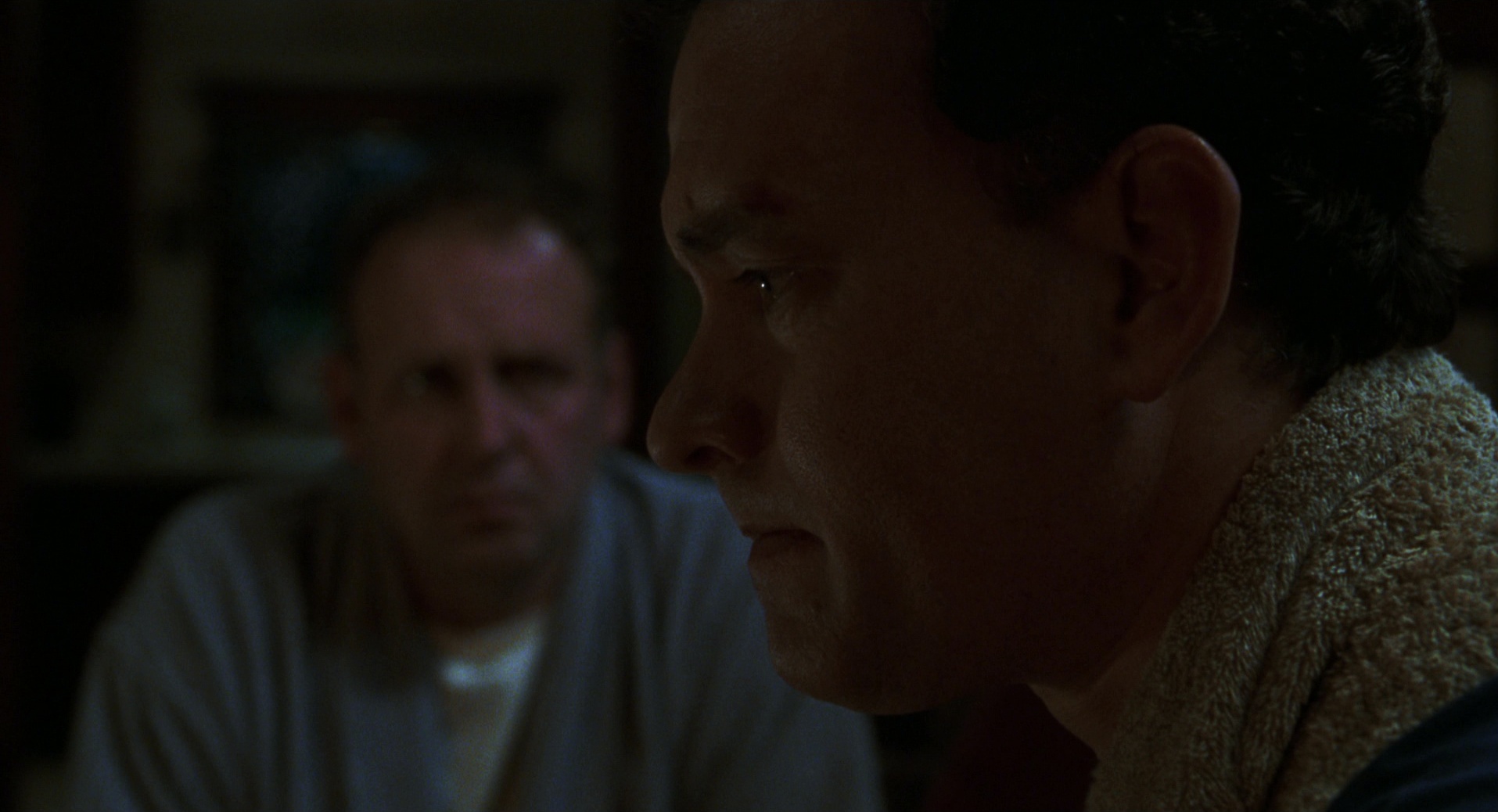
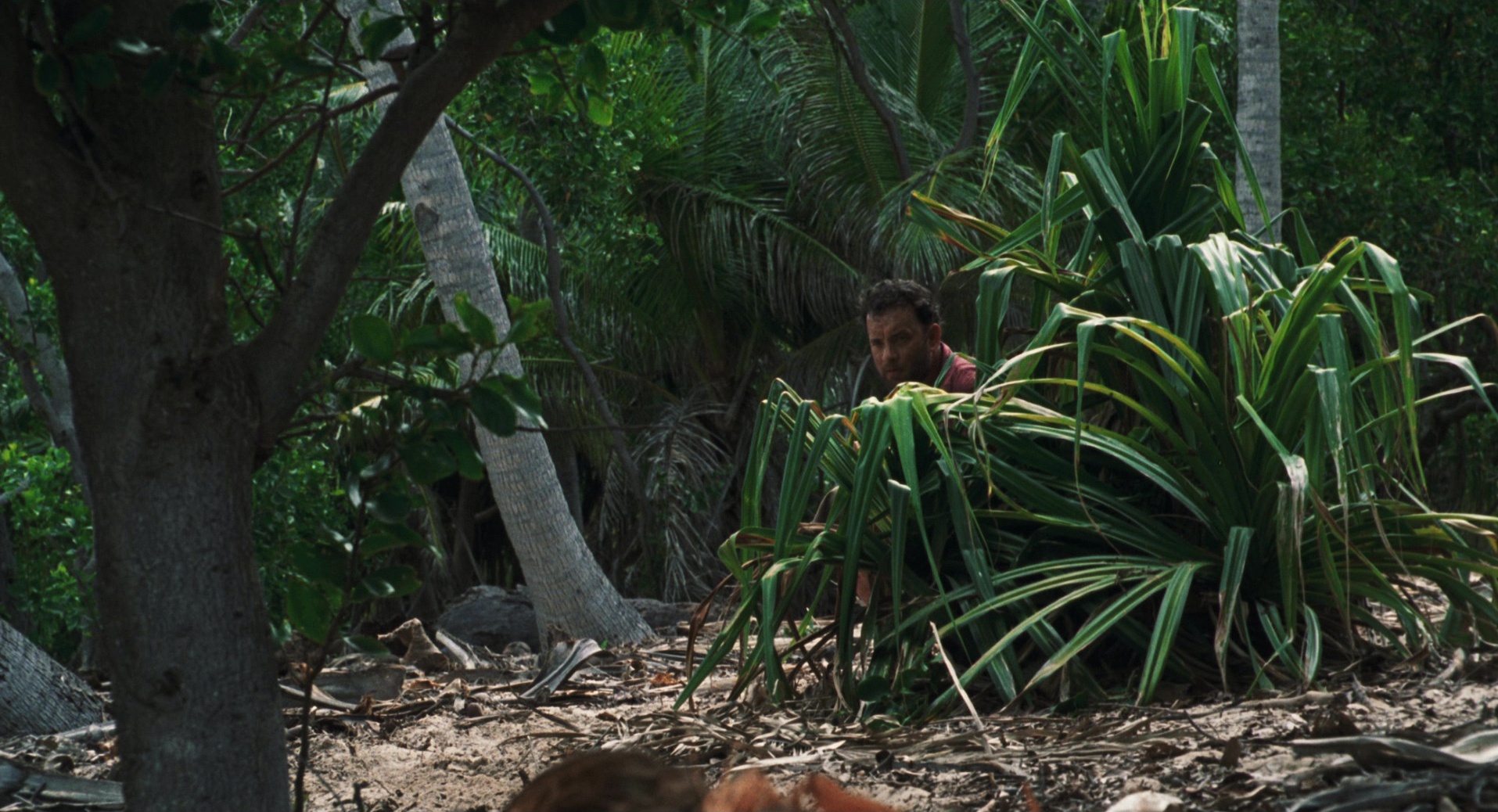
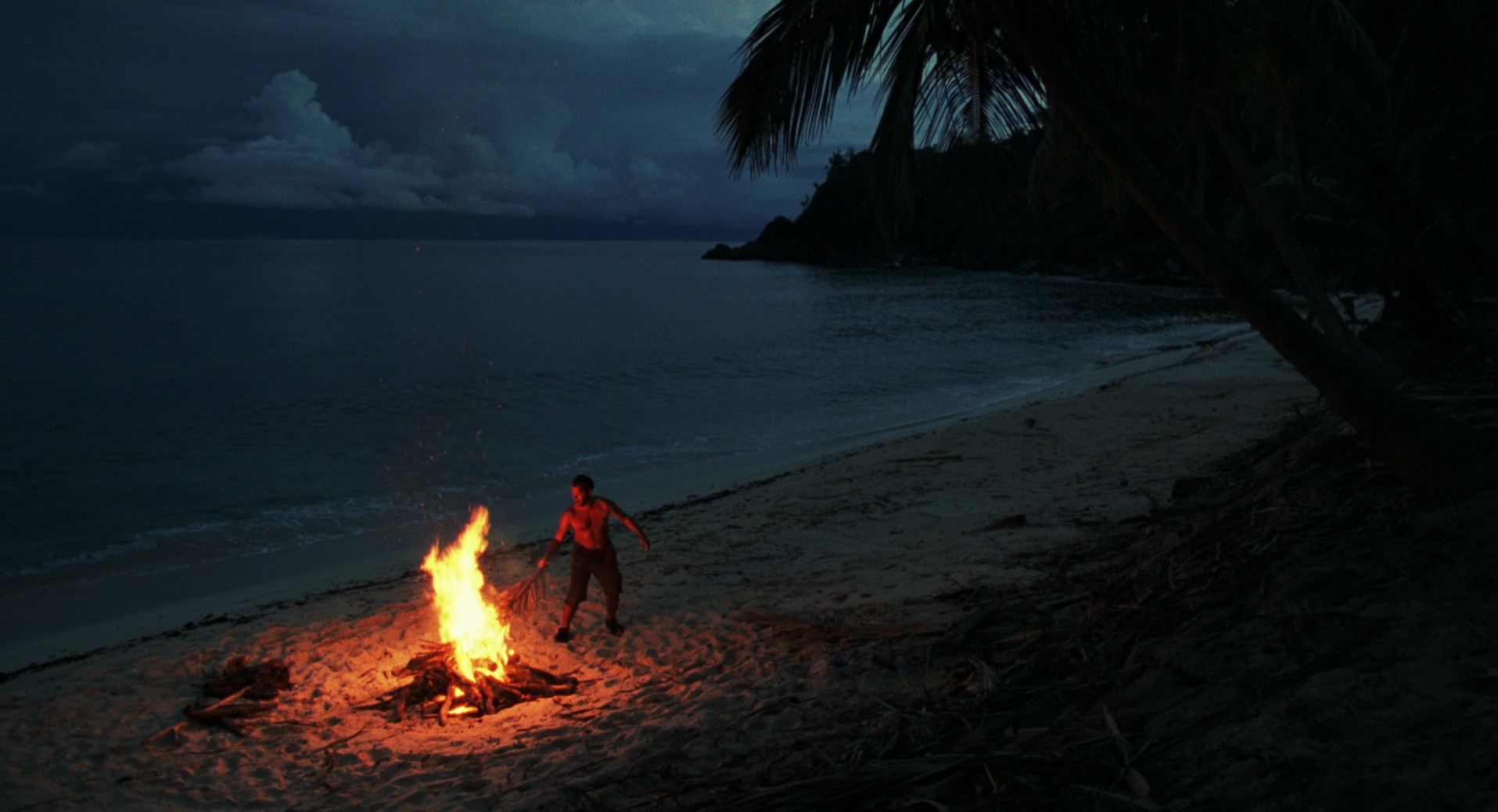
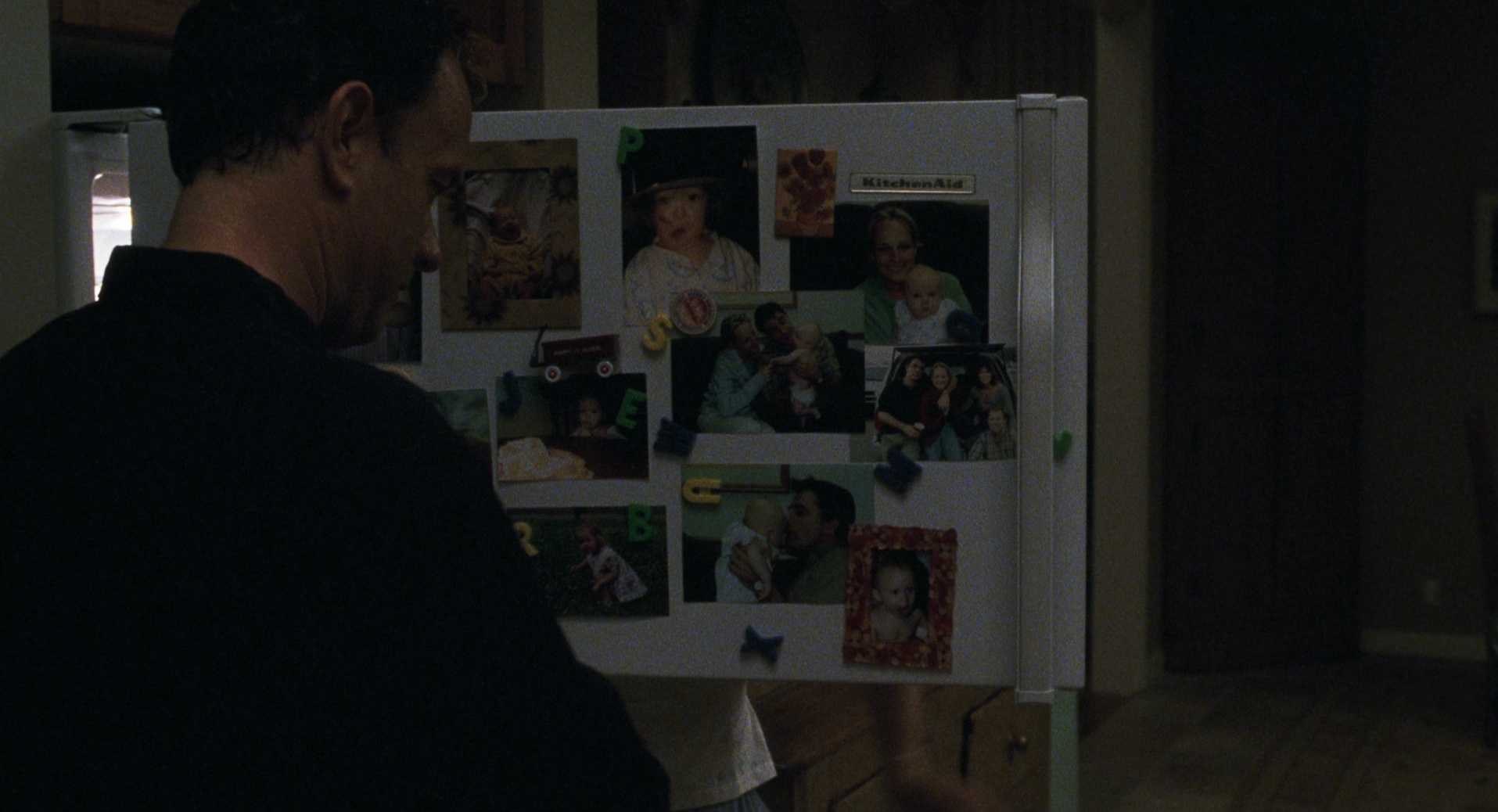
Cast Away (2000)
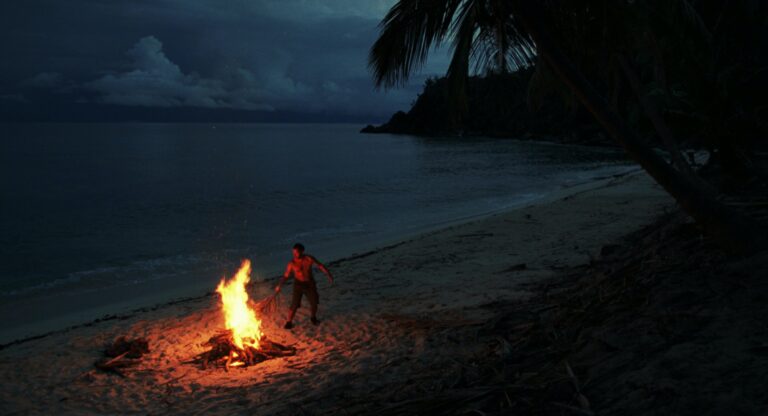
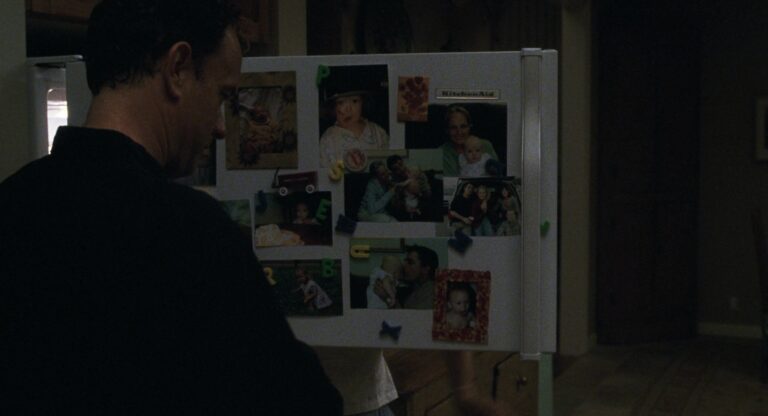
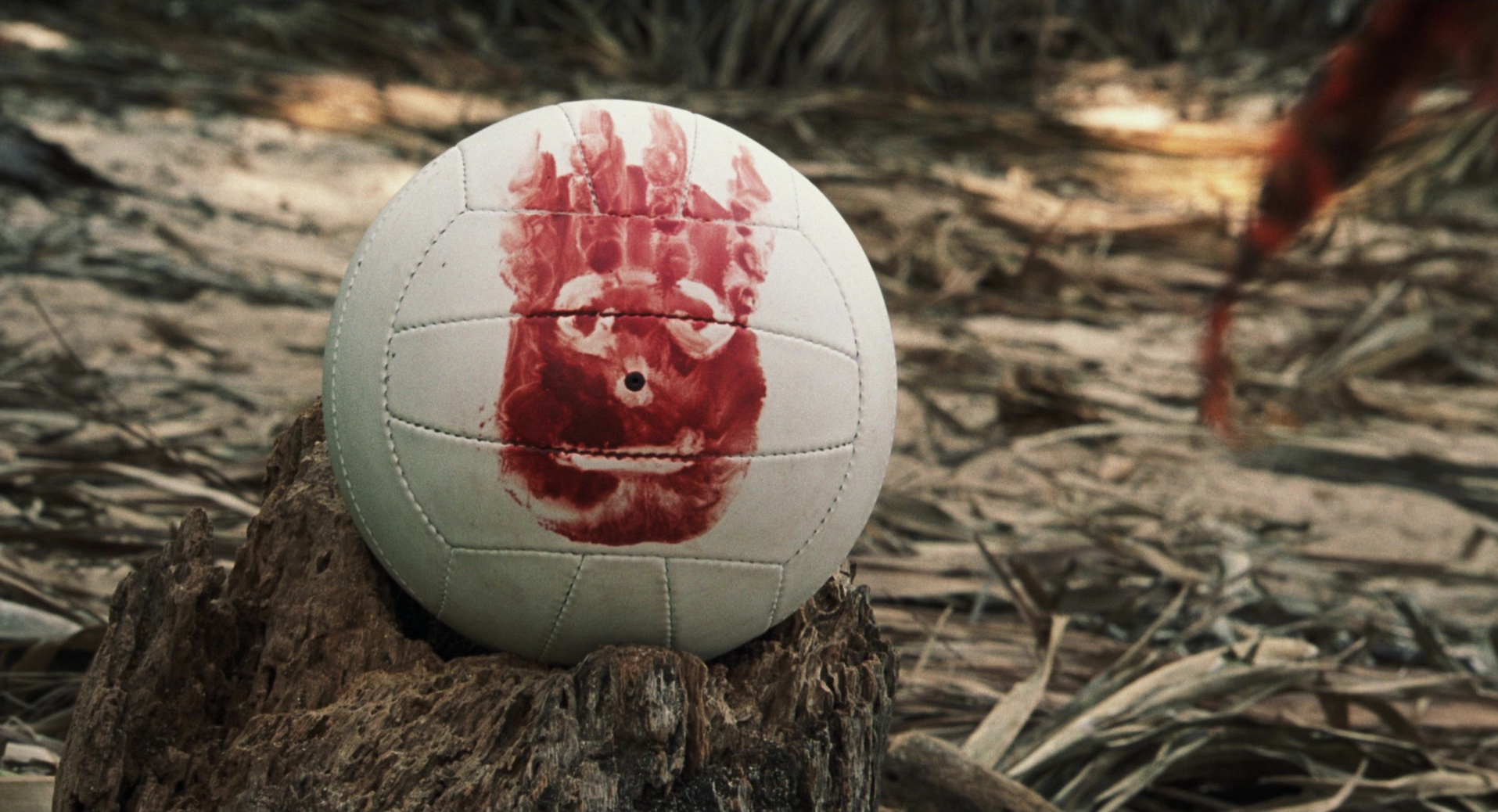
After a plane crash leaves him stranded on a remote island, FedEx executive Chuck Noland must learn to survive in complete isolation. As years pass, he adapts to the environment while grappling with loneliness and the hope of returning home. His ordeal becomes a profound journey of endurance, self-reliance, and the human need for connection.
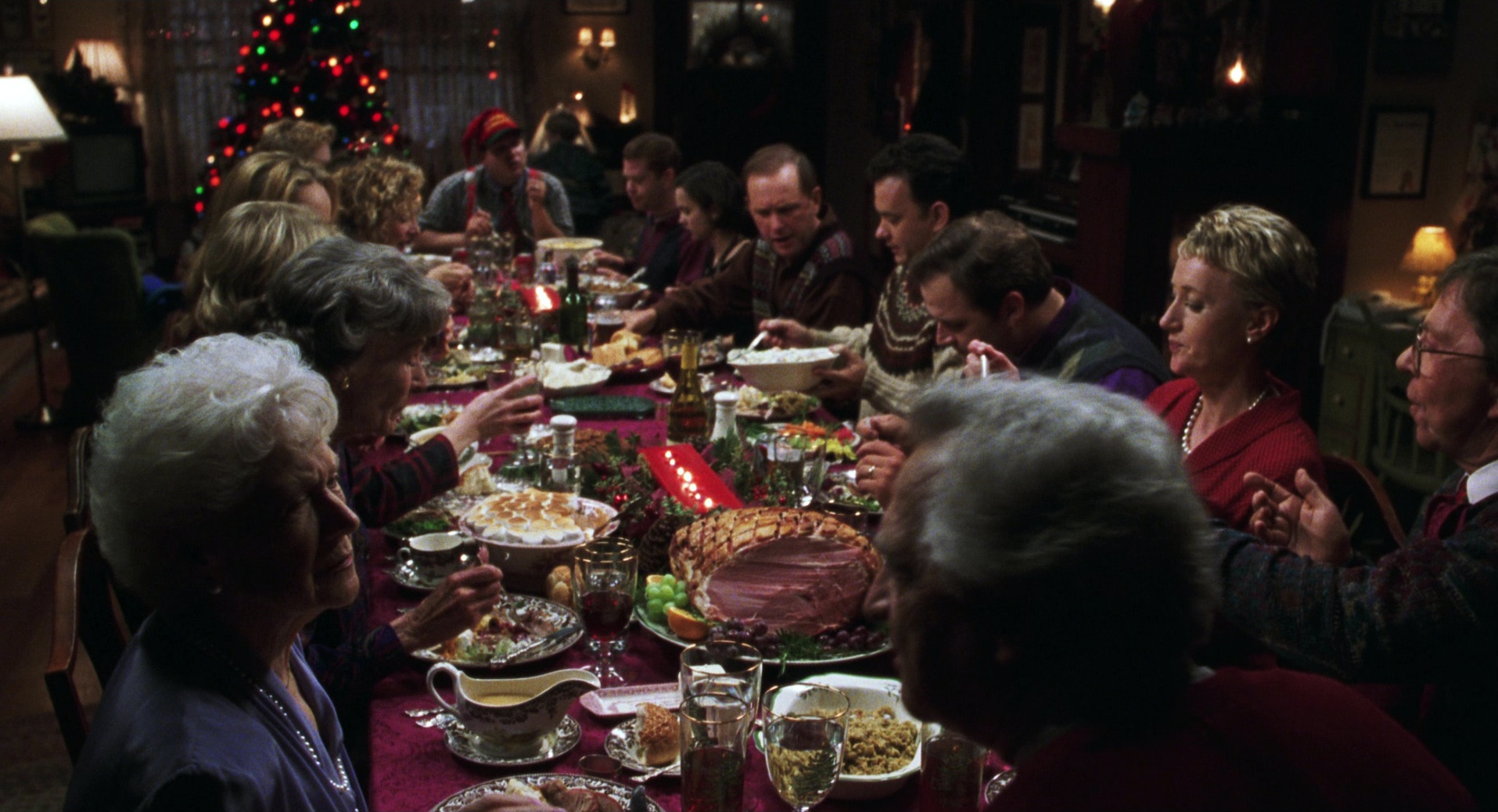
In Cast Away, Zemeckis and cinematographer Don Burgess divide the film visually between two worlds: the controlled, time-obsessed corporate life and the raw, natural unpredictability of the island. The survival sequences rely on natural light, wide landscapes, and minimal dialogue—letting environment, duration, and physical transformation (both body and space) carry the visual storytelling.


FILM SPOTLIGHT
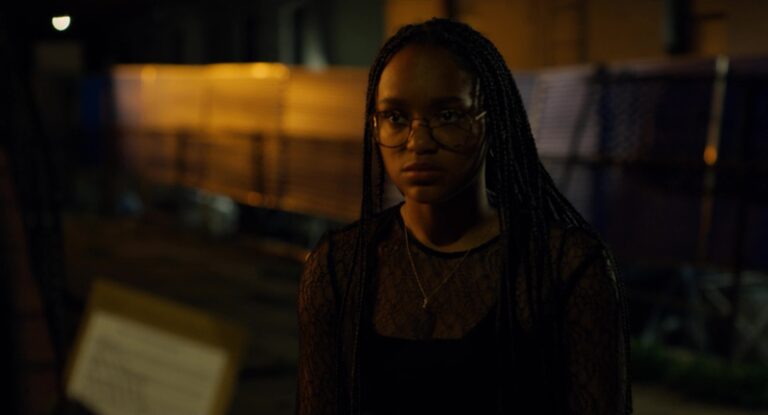
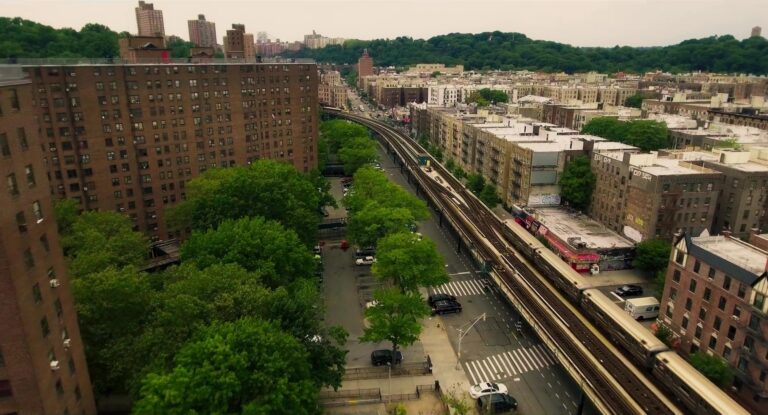
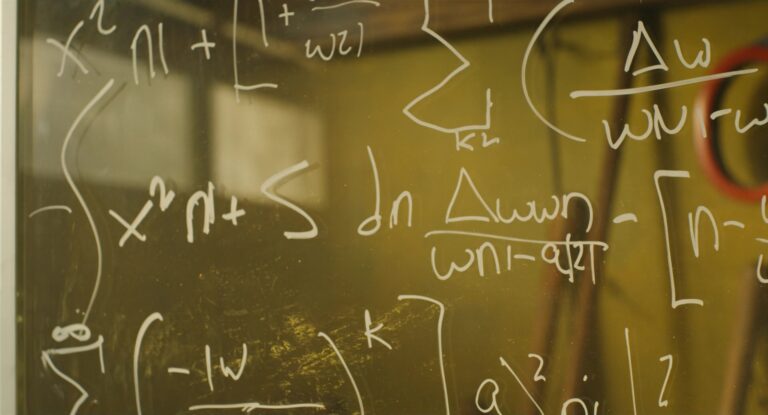
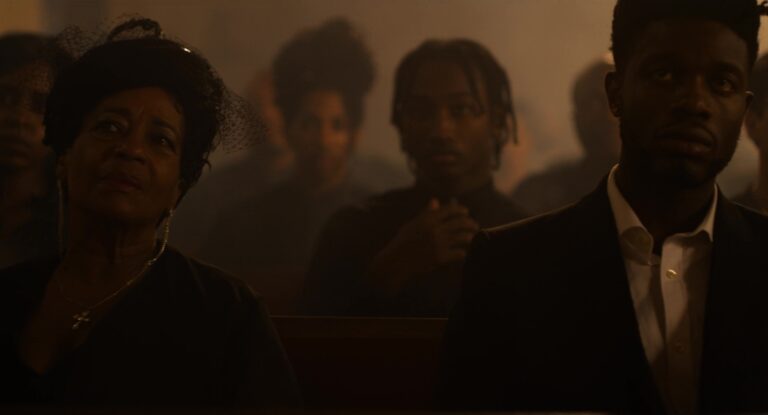
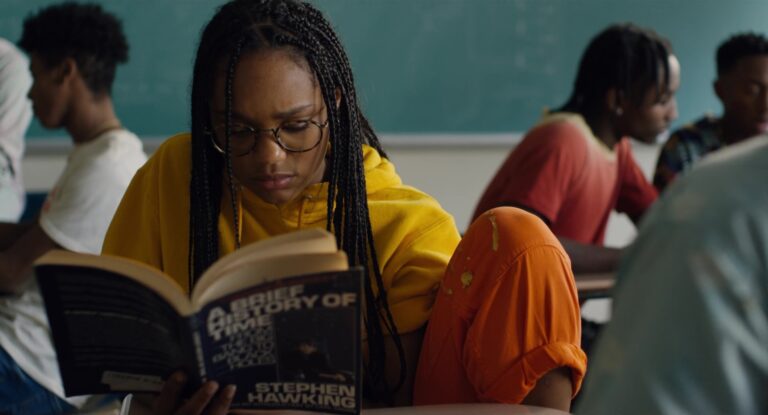
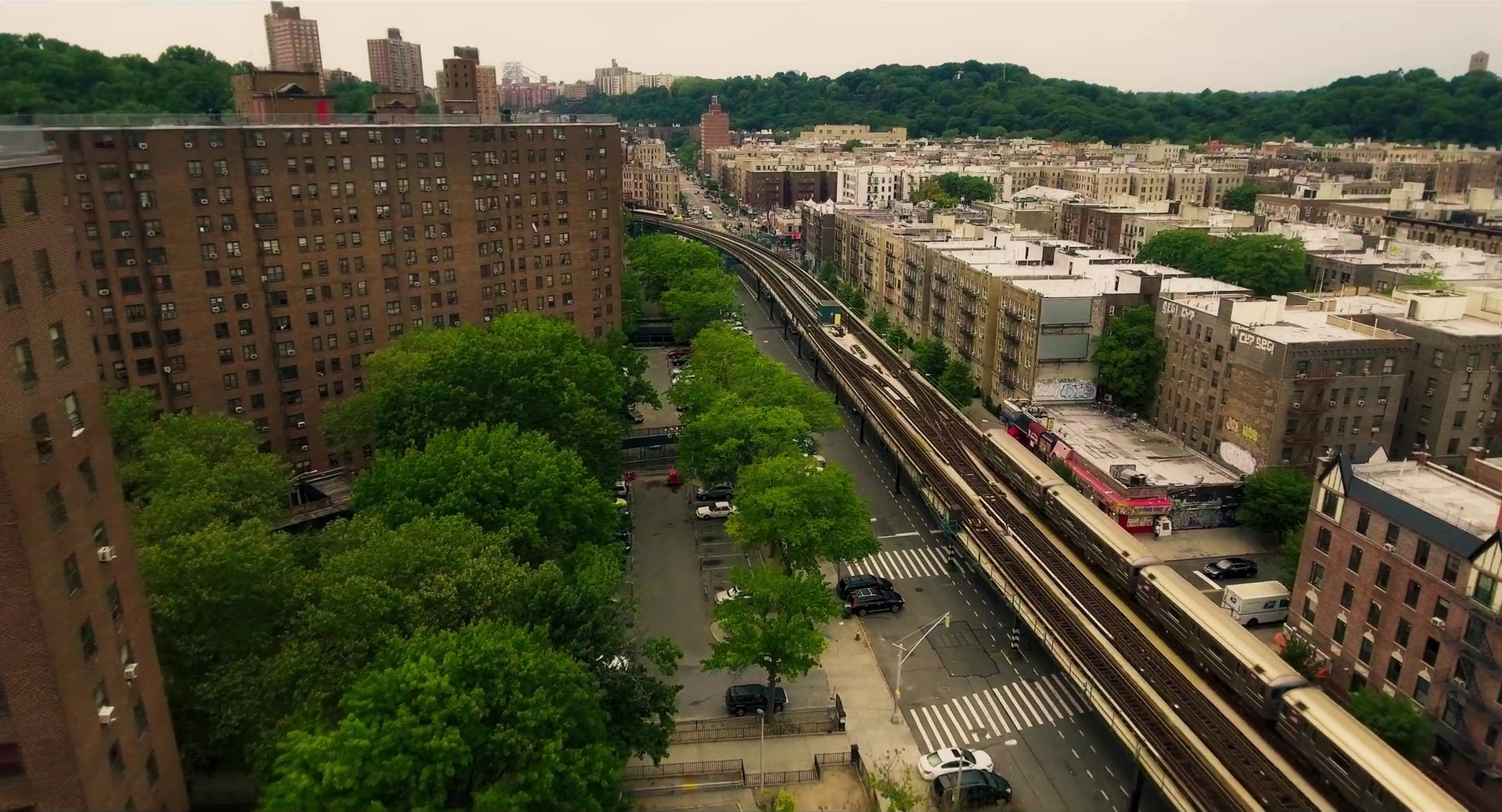
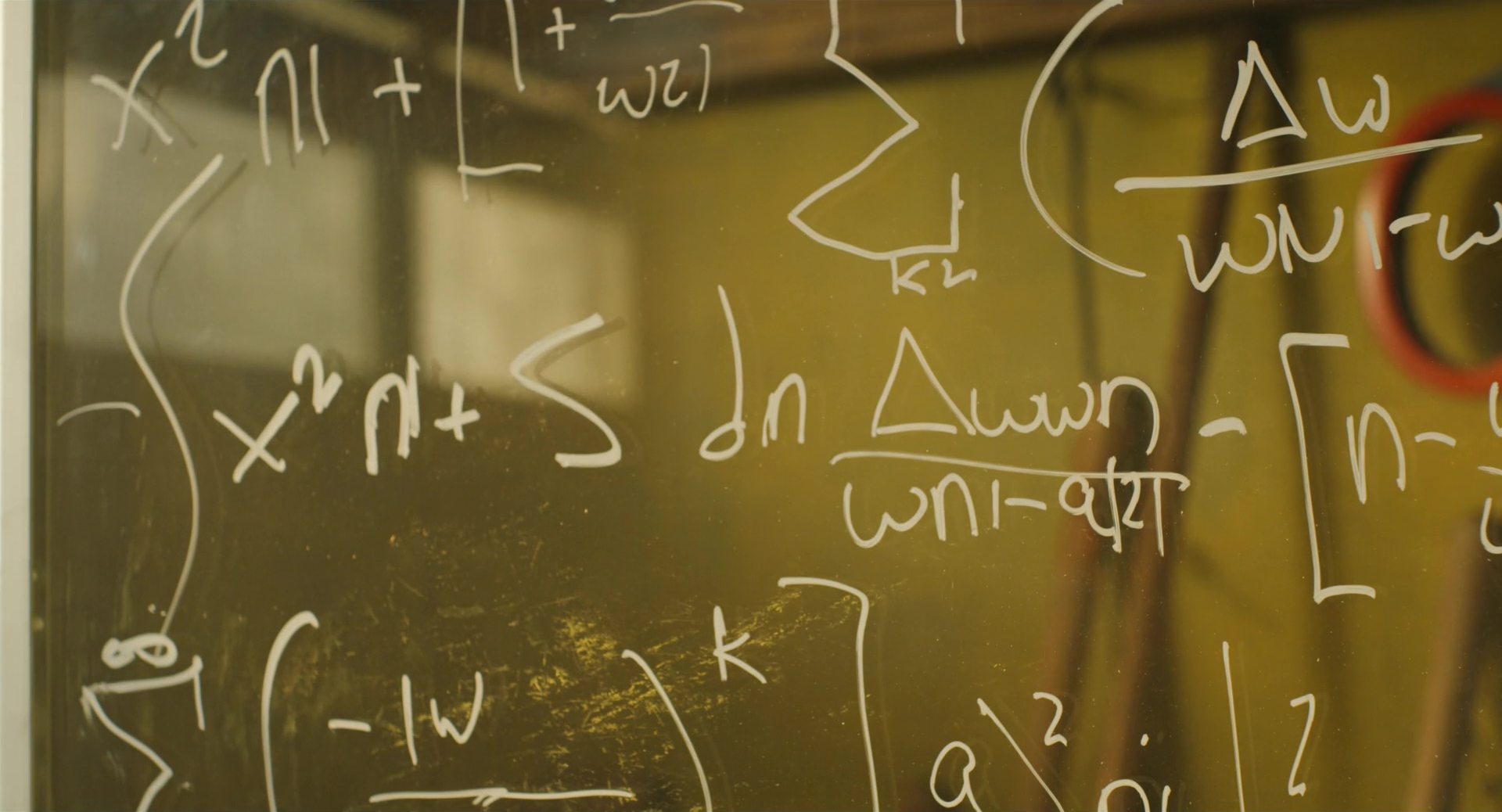
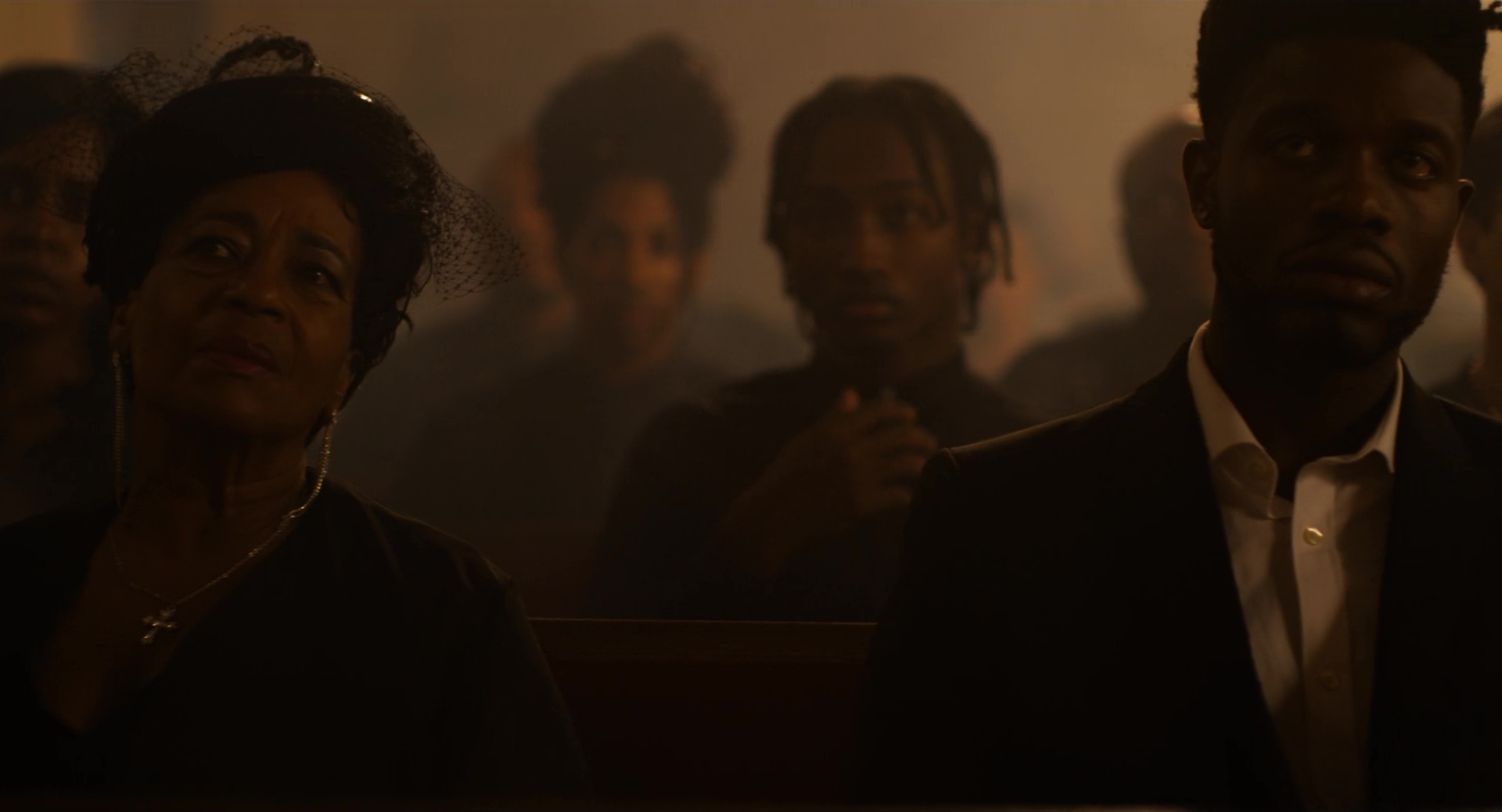
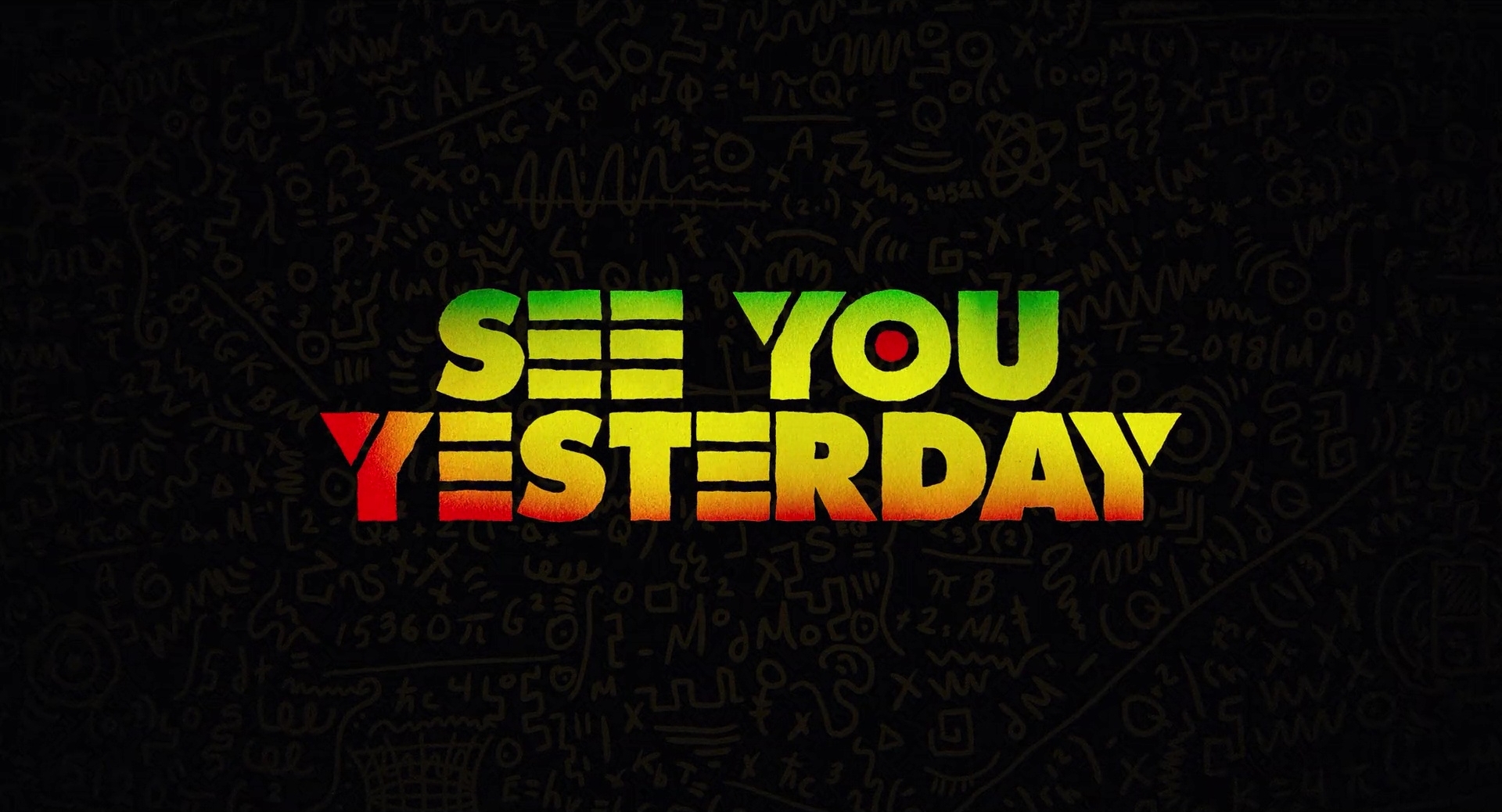
See You Yesterday (2019)
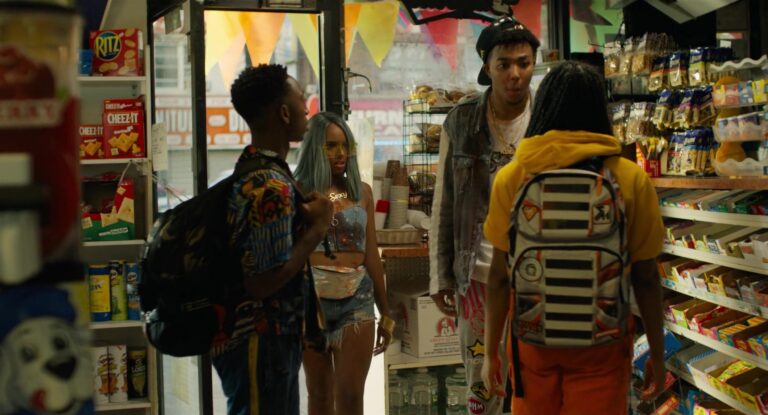
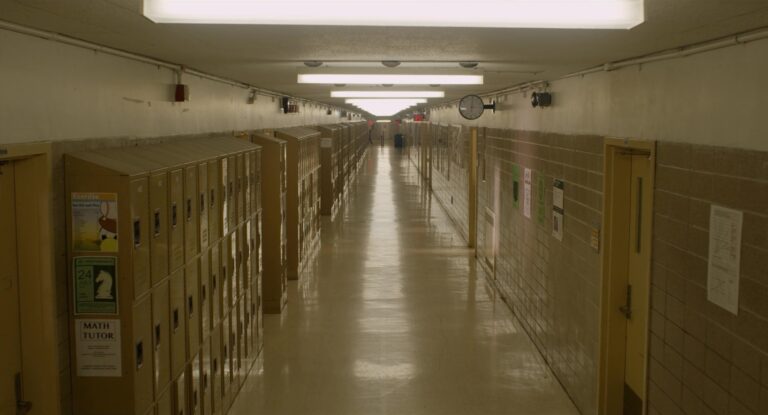
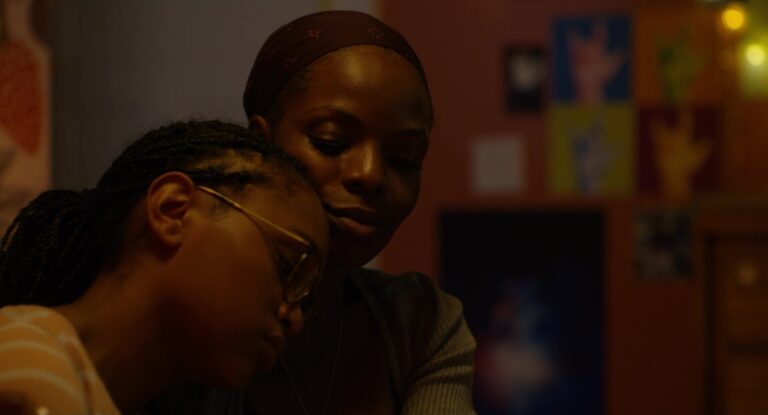
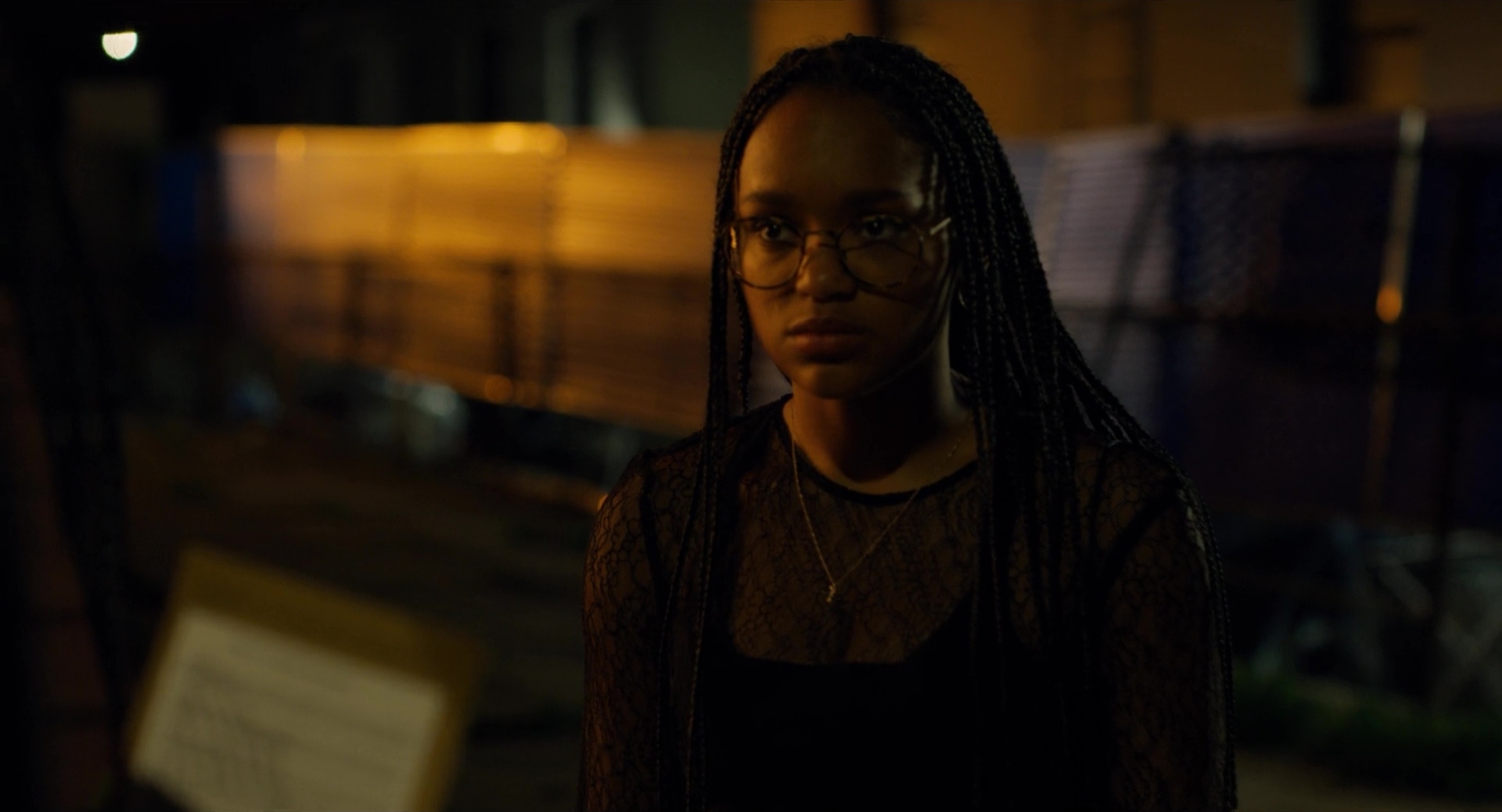
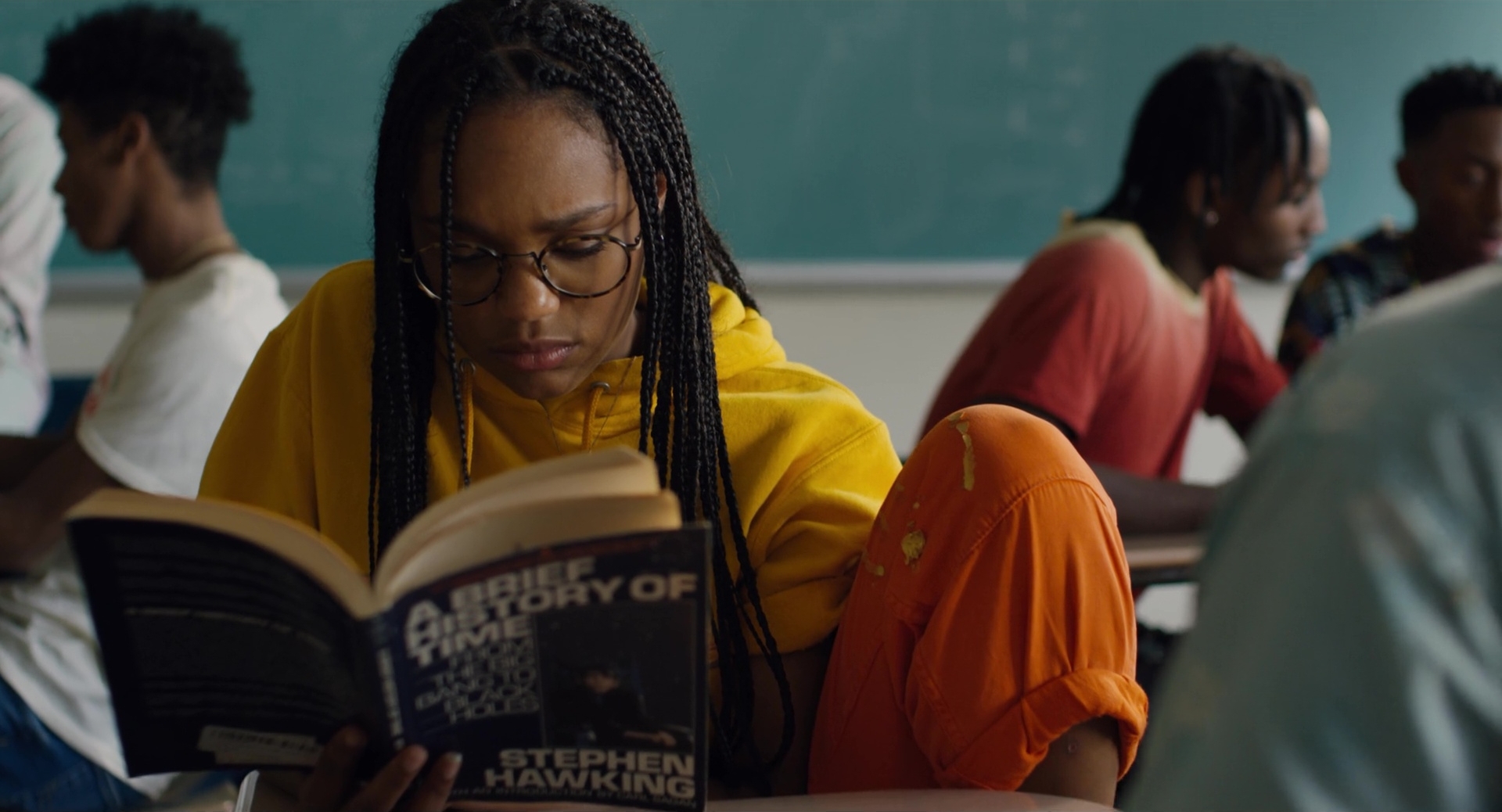
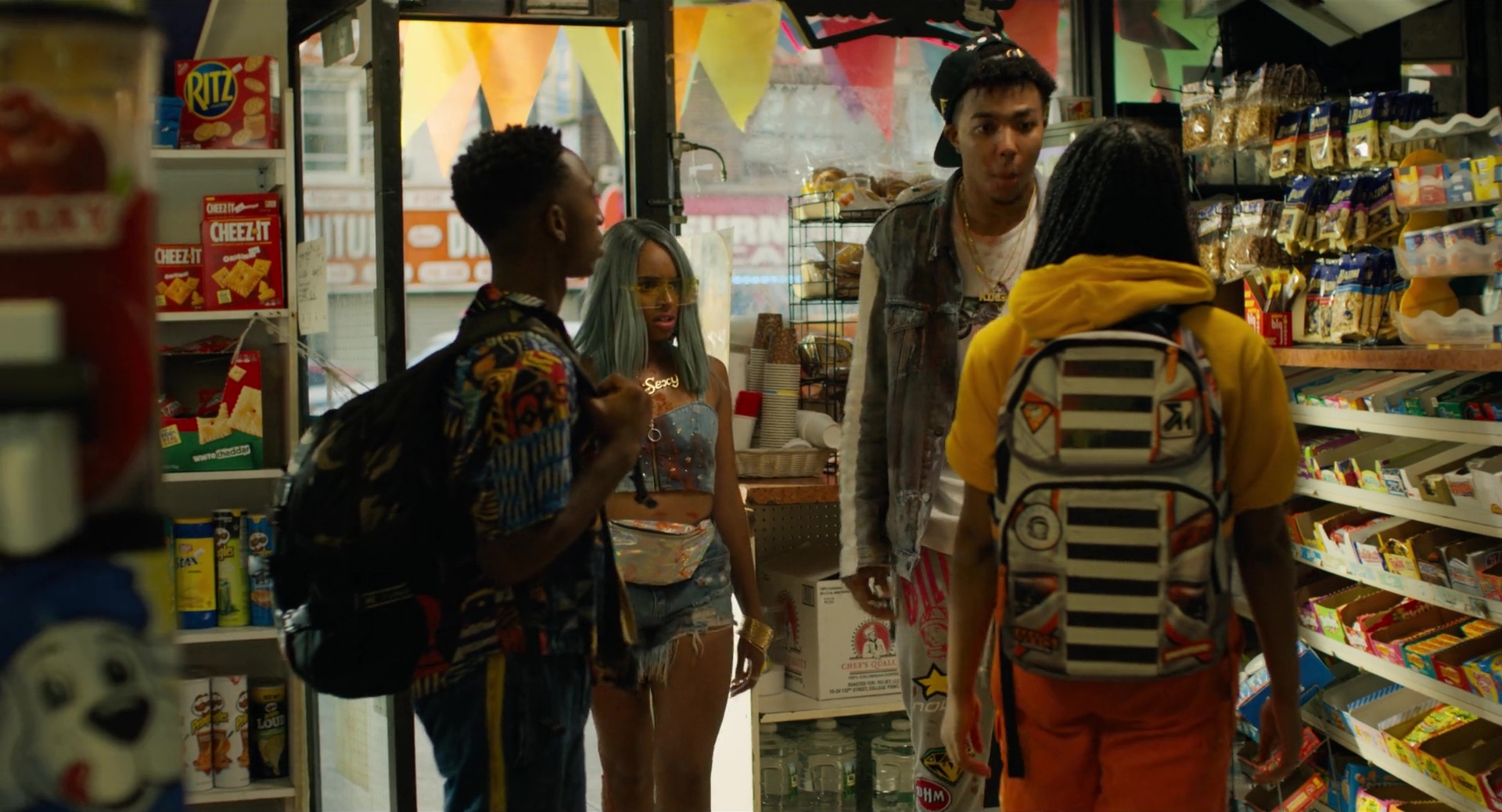
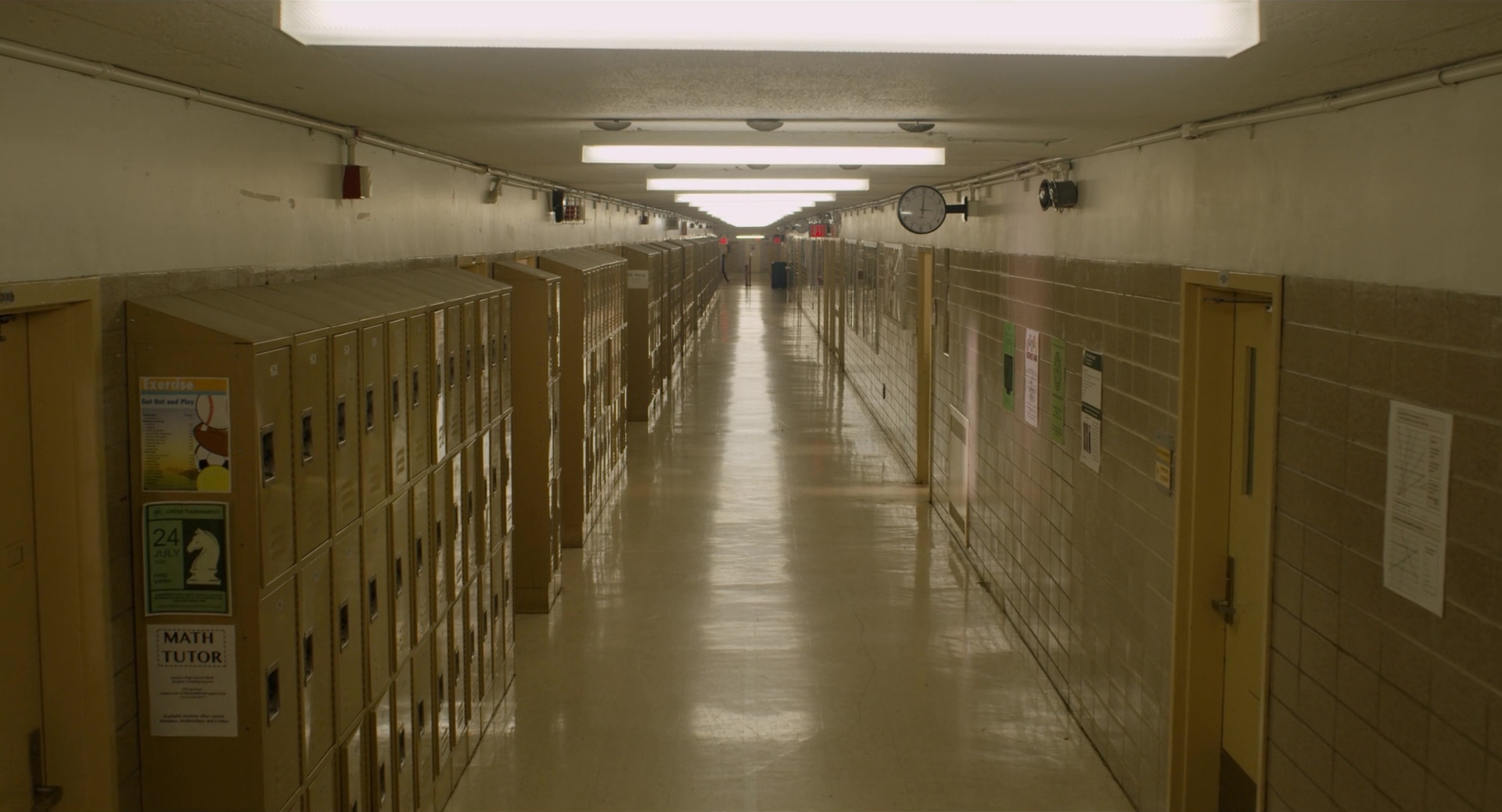
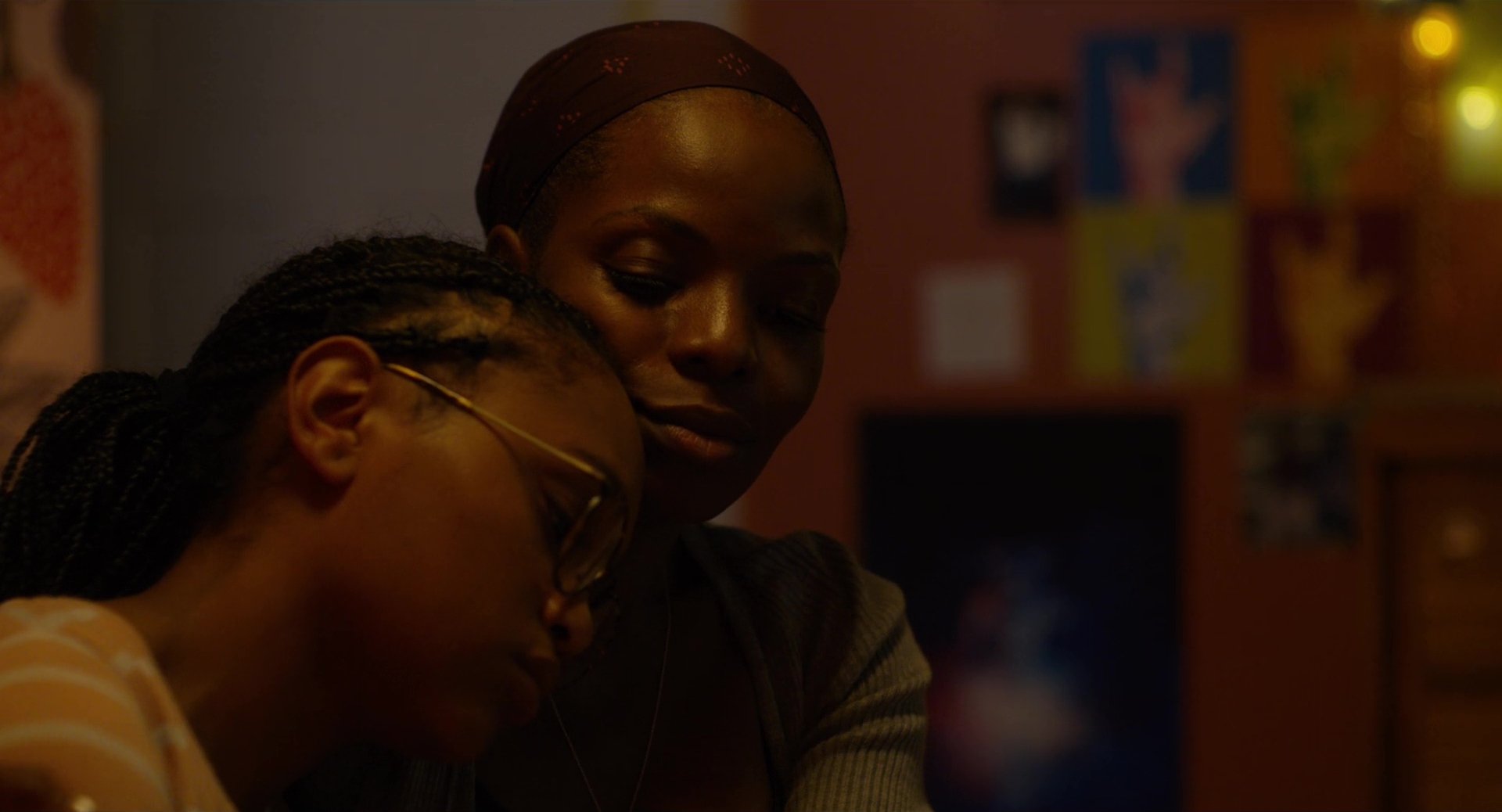
Two teenage science prodigies build homemade time machines in hopes of winning a scholarship, but their experiment takes a tragic turn when a police shooting claims the life of one of their brothers. Determined to change the outcome, they repeatedly travel back in time to try to prevent the event. As each attempt fails in different ways, they confront the limits of control, grief, and systemic injustice.
Bristol and cinematographer Felipe Vara de Rey ground See You Yesterday in a vibrant, street-level realism, using handheld camerawork and saturated Brooklyn locations to anchor its sci-fi premise. The film contrasts this naturalism with subtle visual effects—glitch-like transitions, light distortions, and temporal overlaps—keeping time travel visually integrated into everyday space rather than spectacle-driven.
FILM SPOTLIGHT
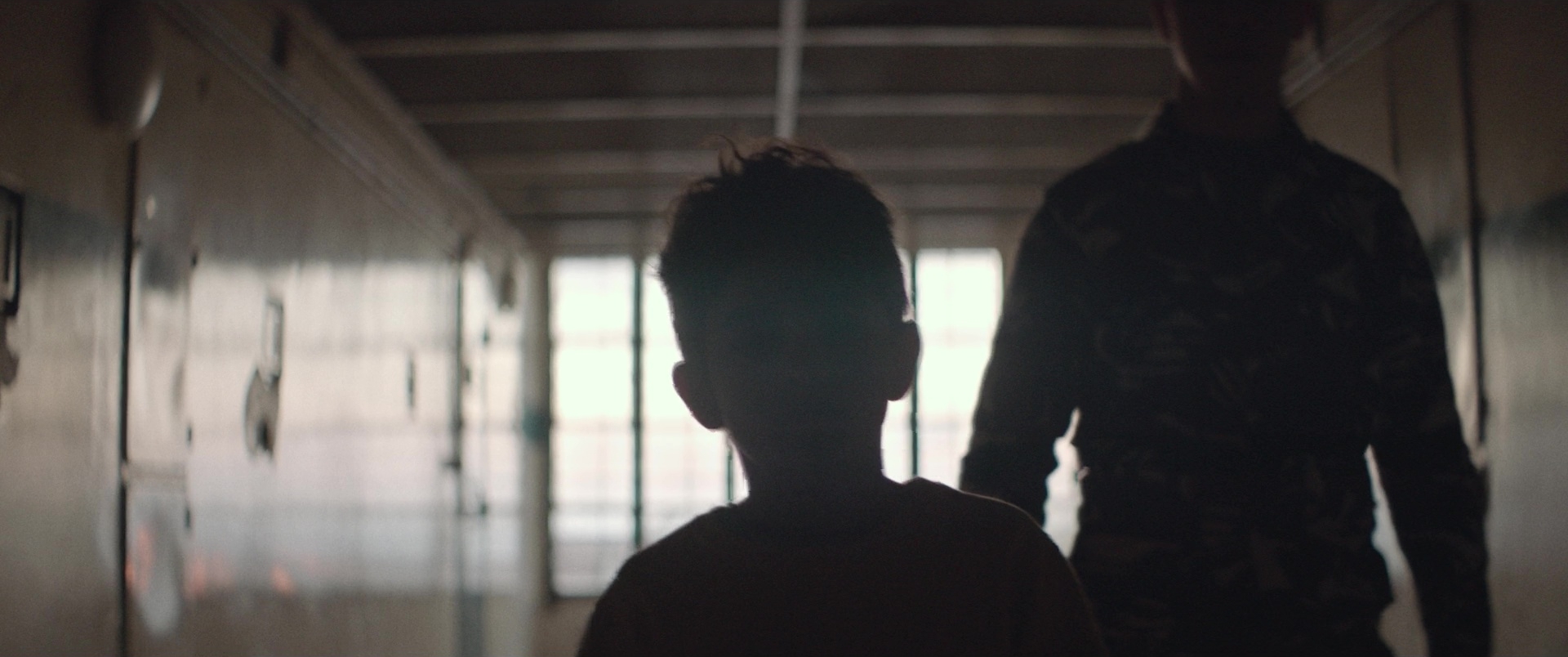
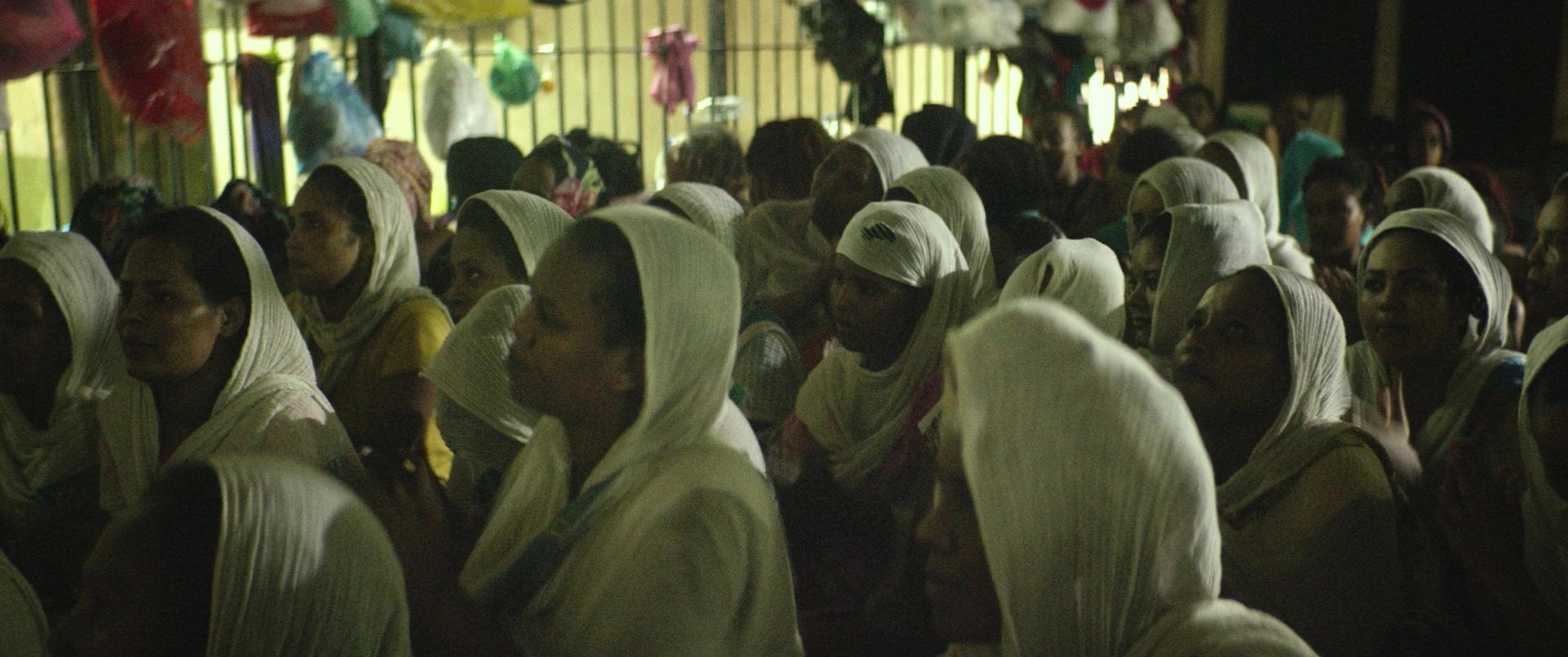
Capernaum (2018)
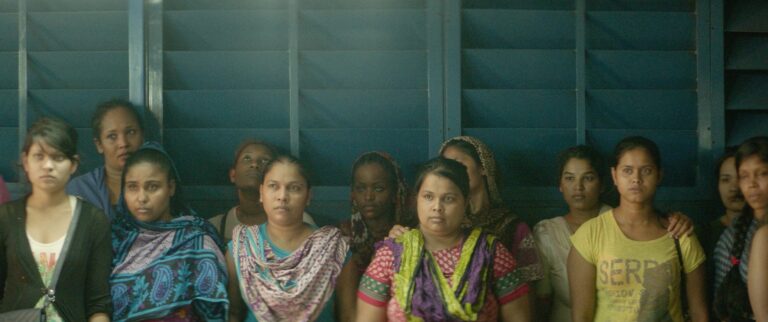
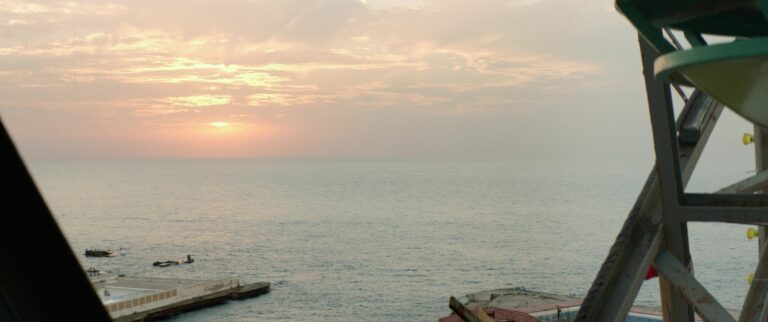
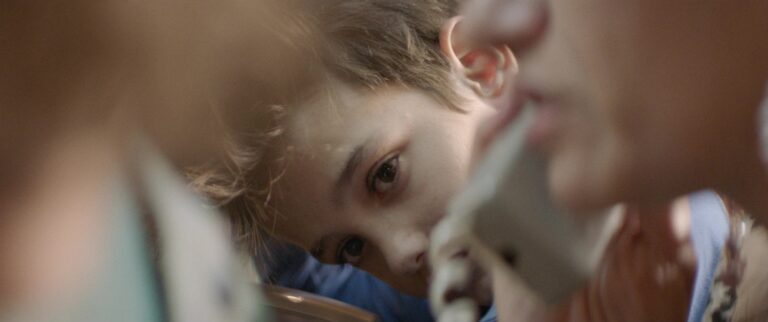
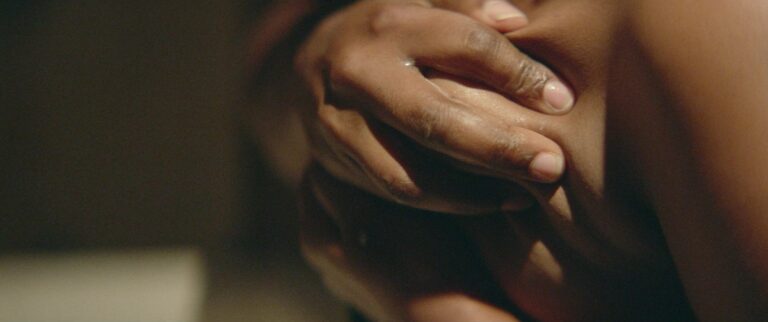
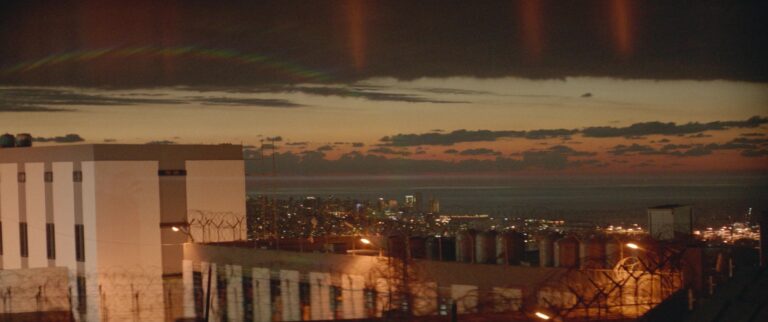
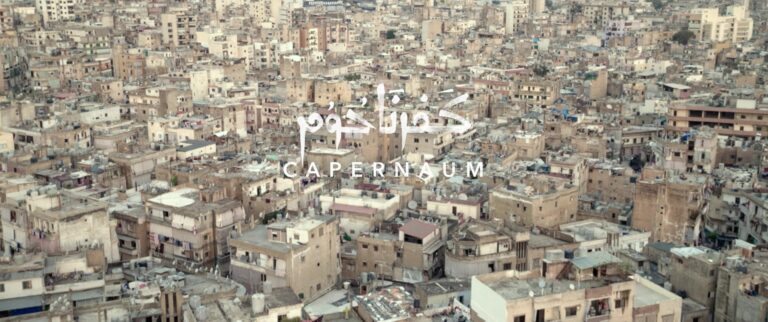
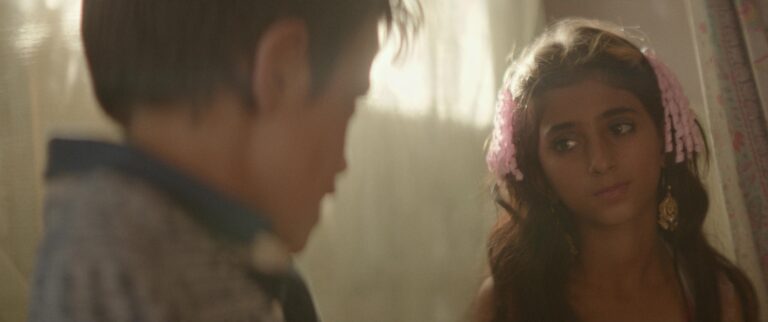
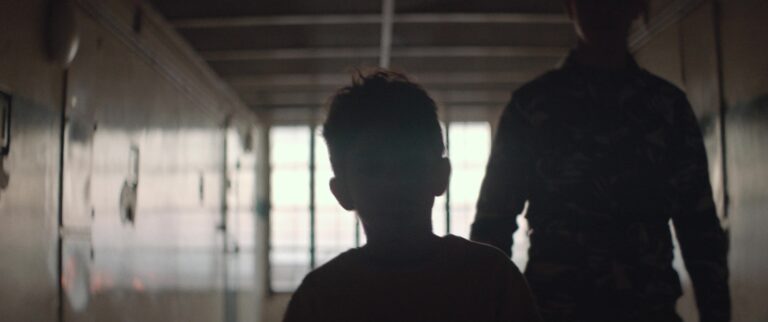
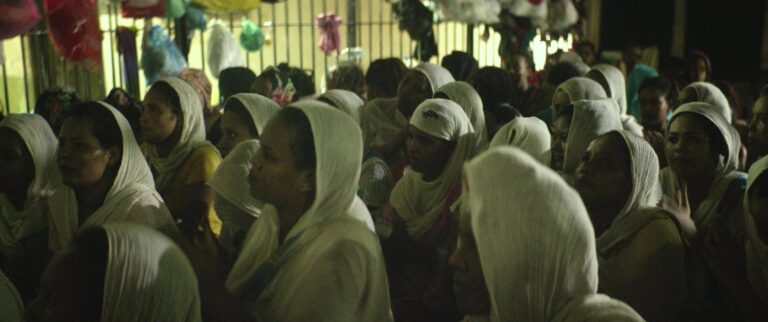
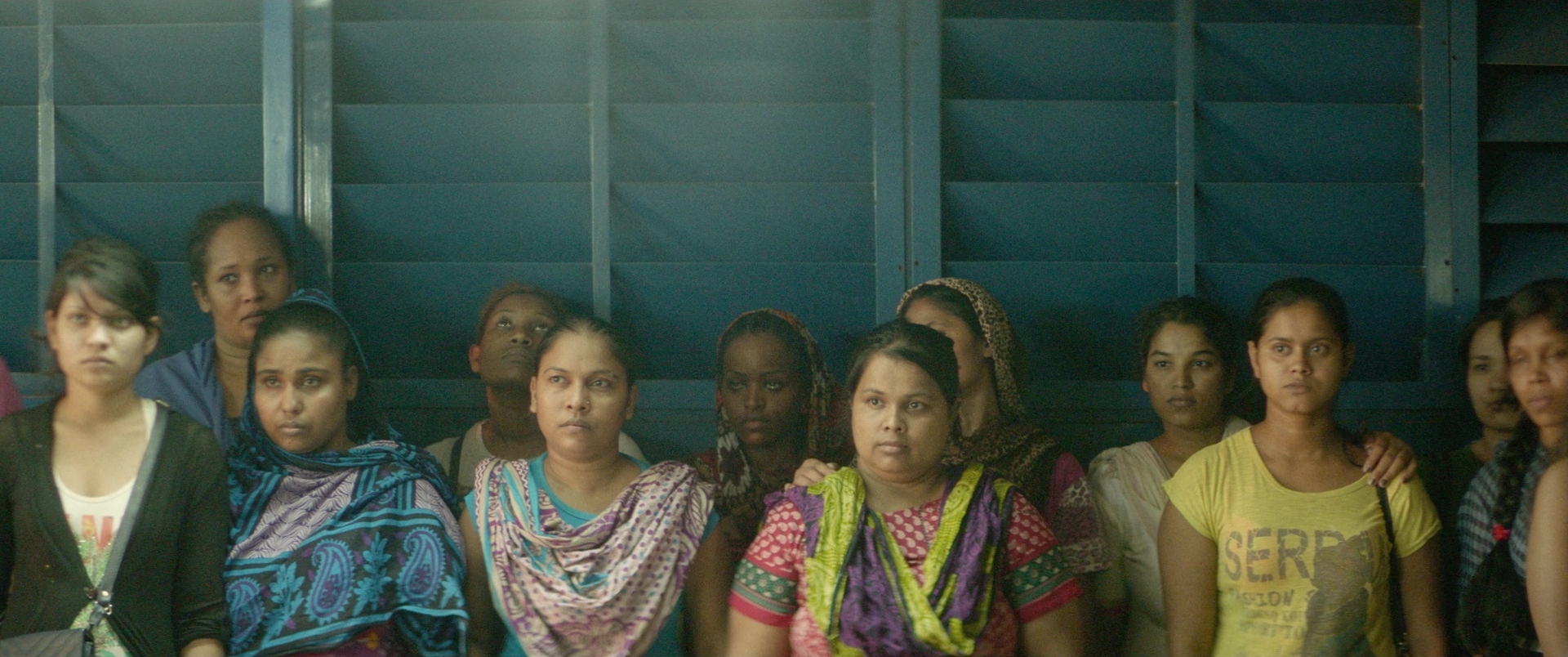
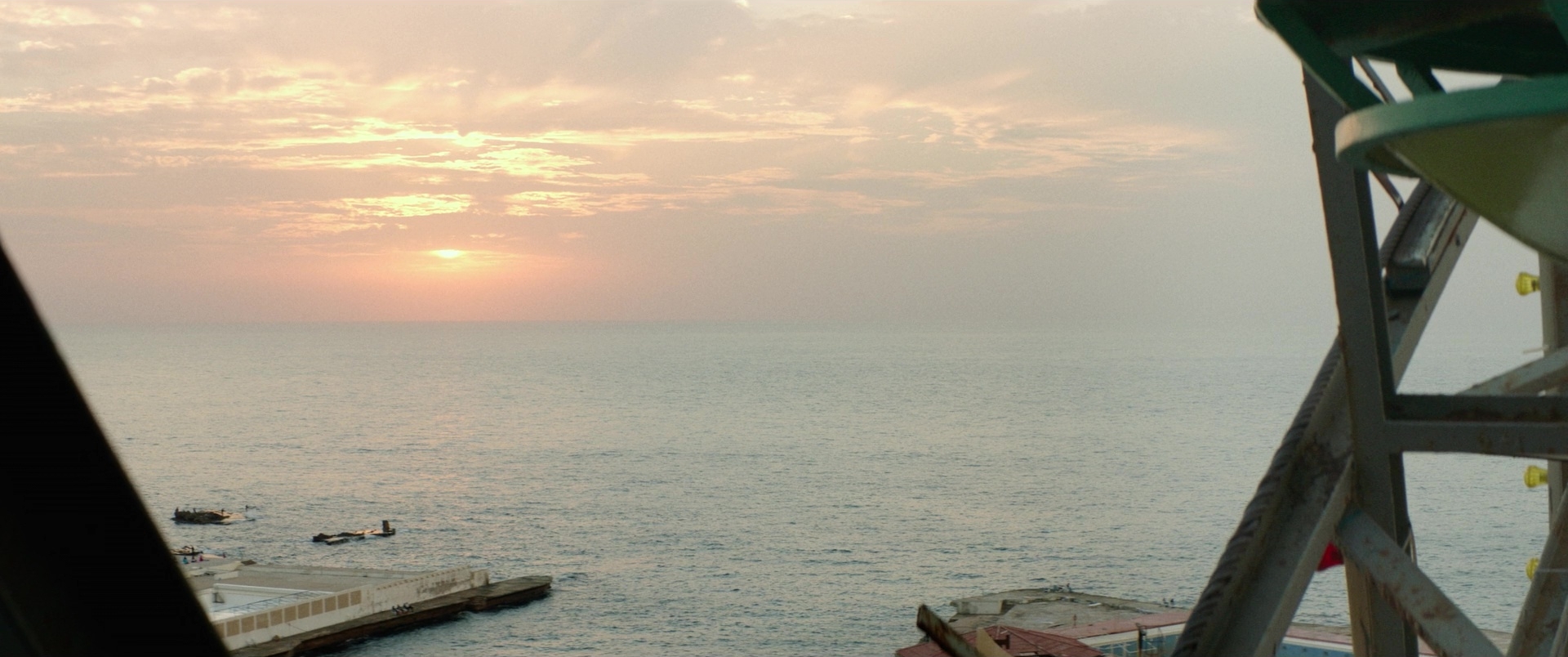
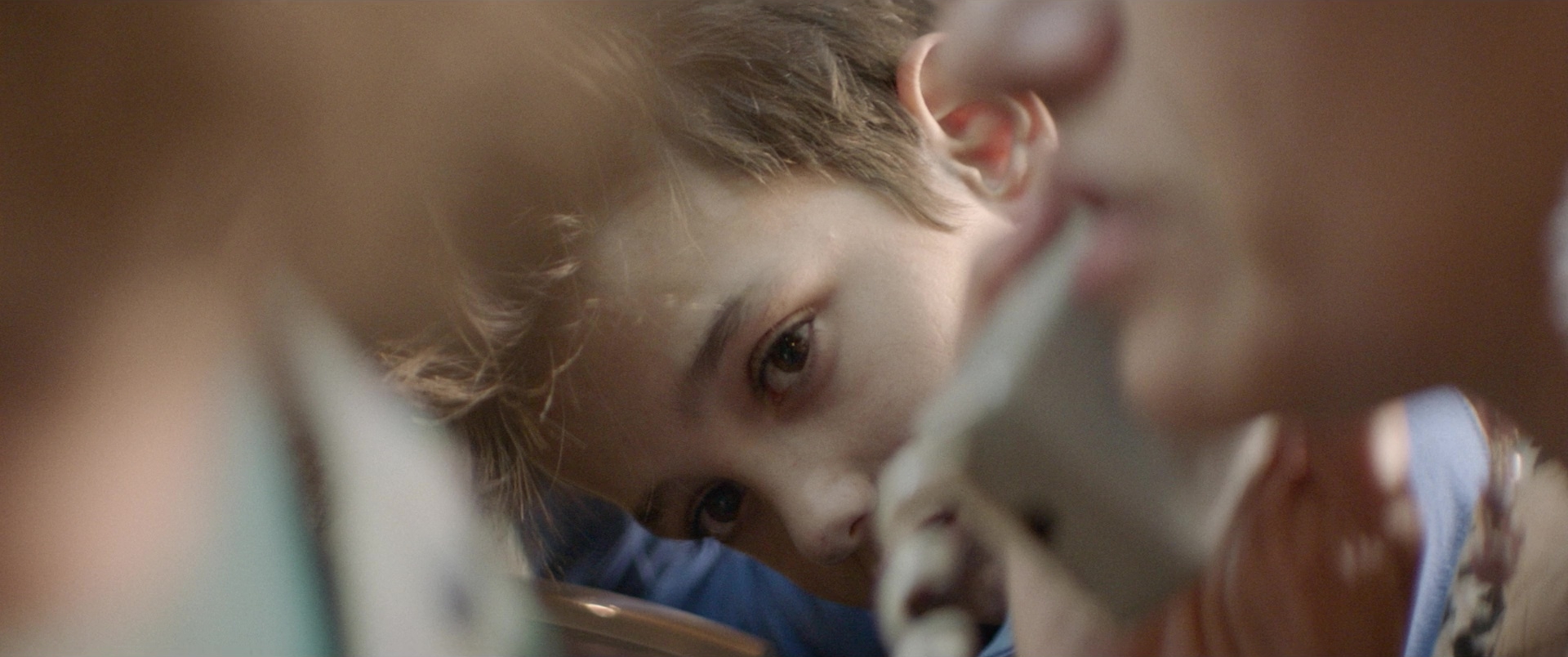
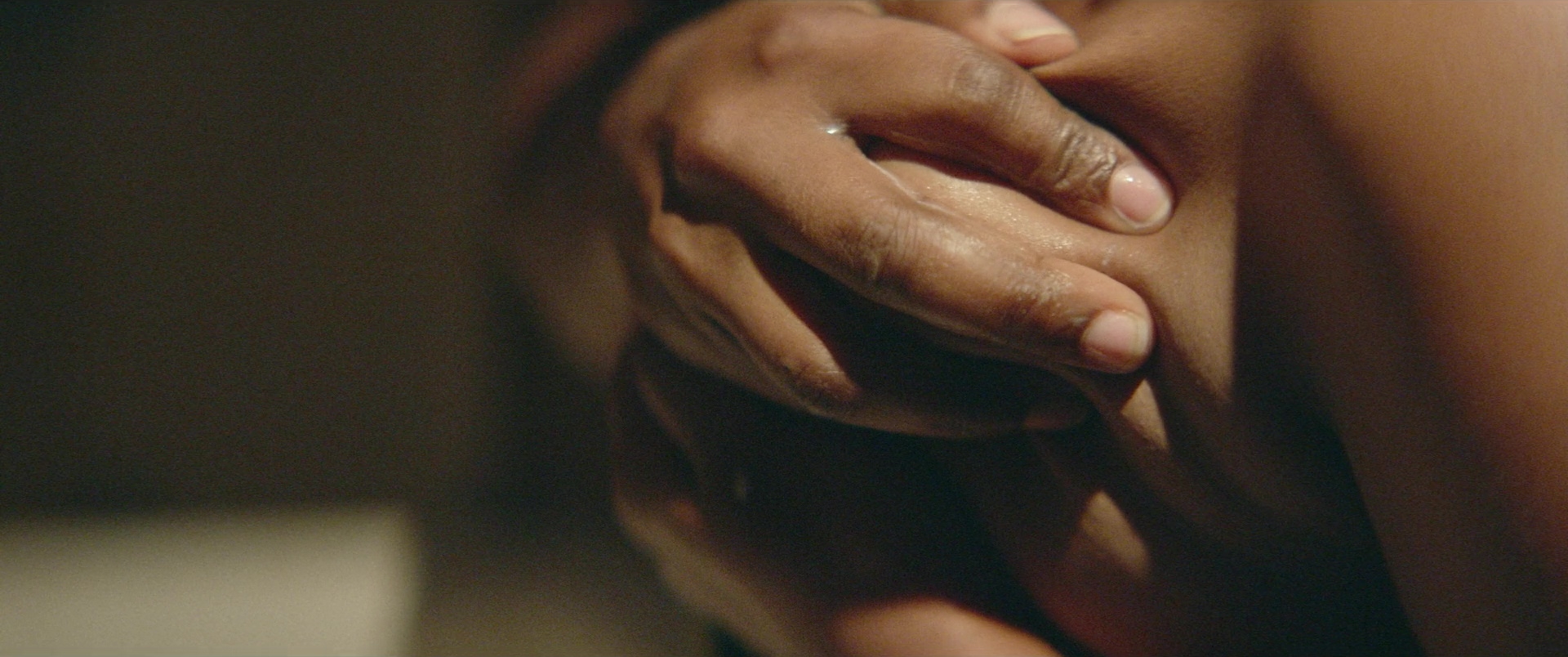
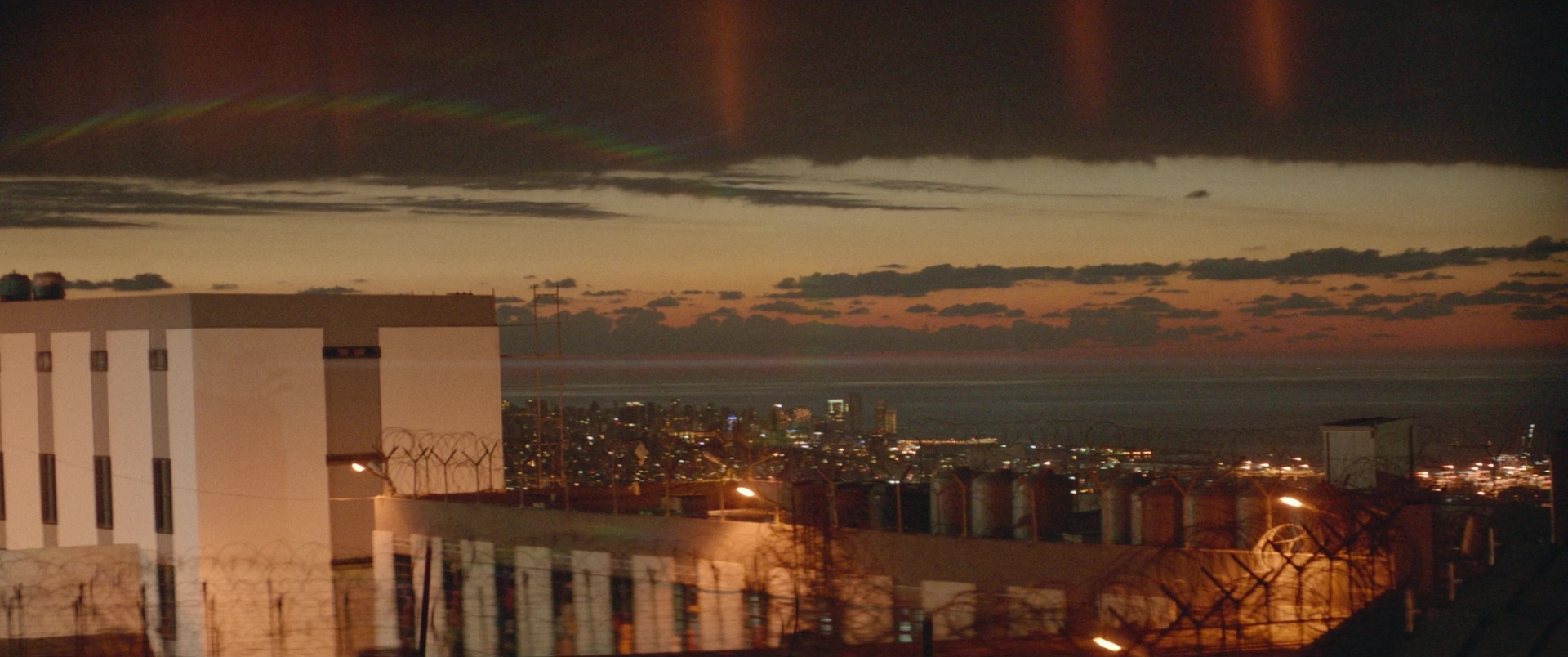
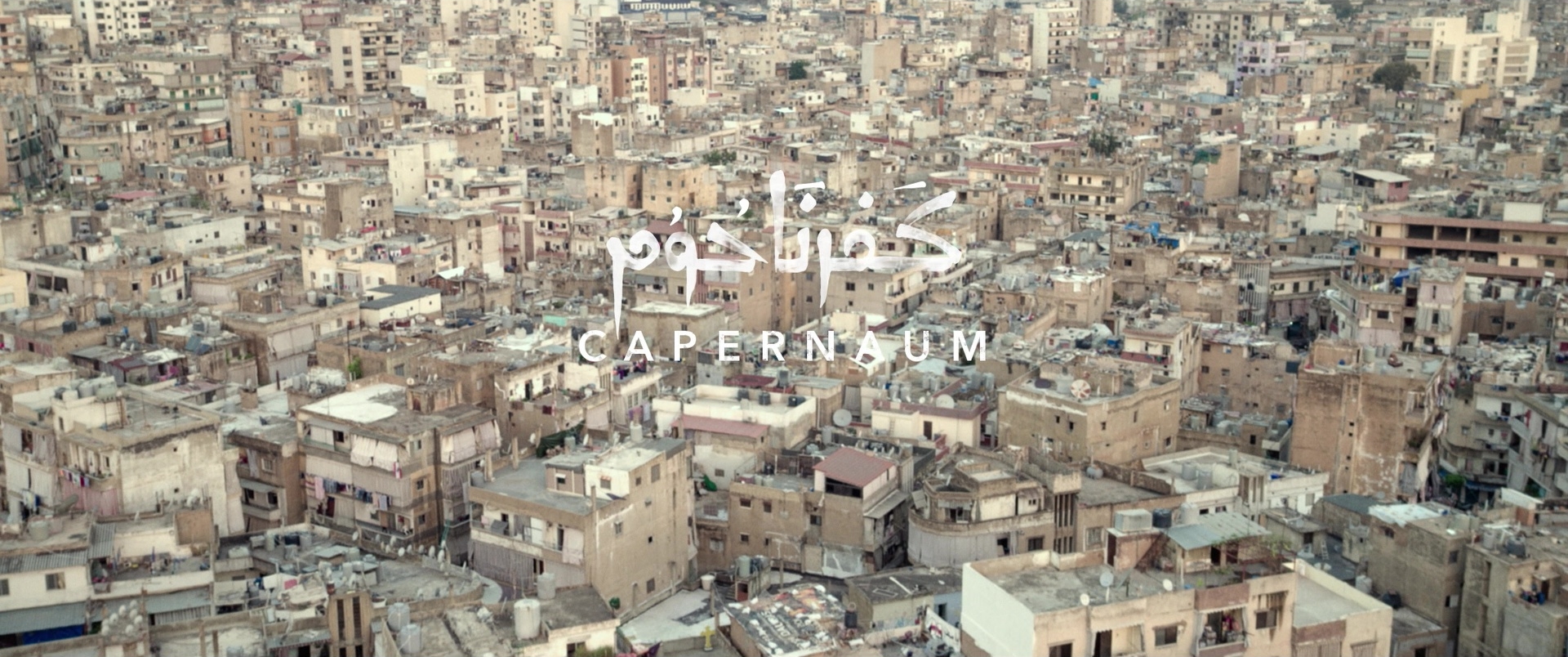
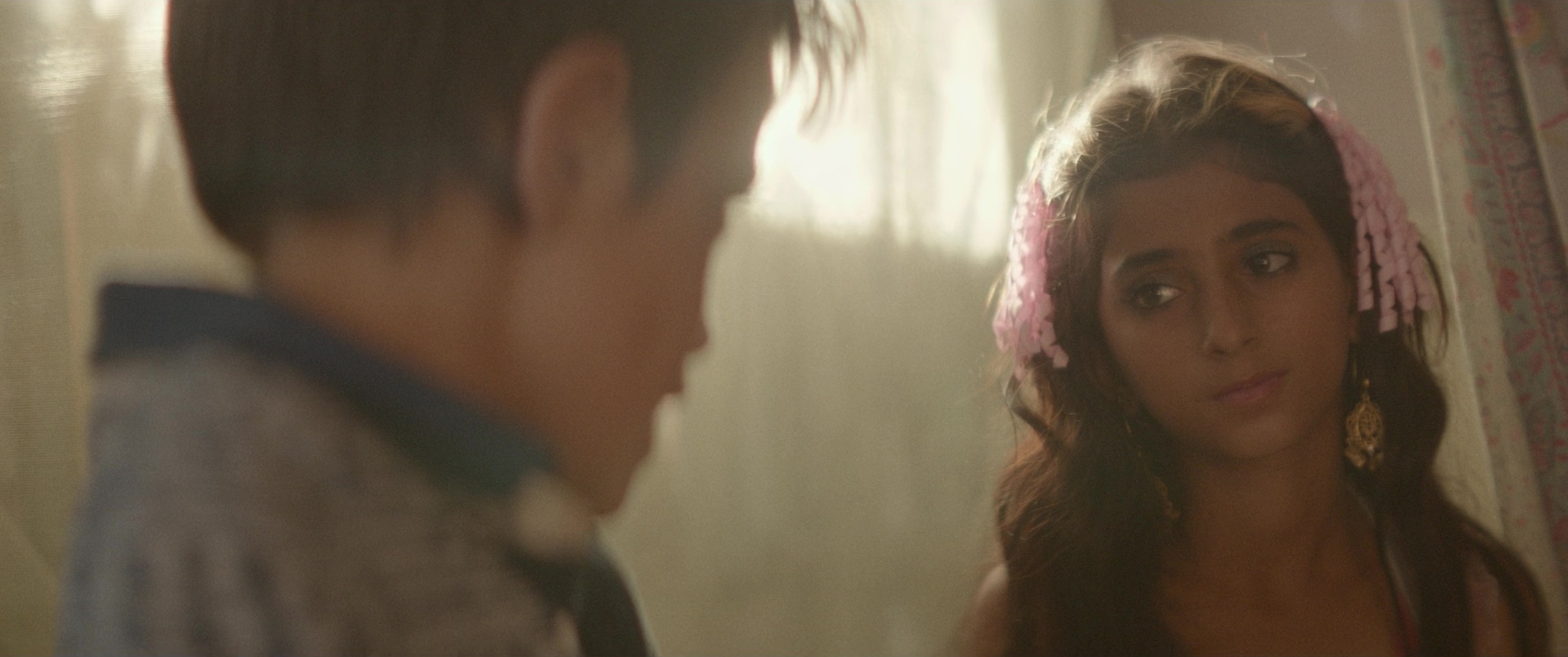
In Beirut, a young boy named Zain sues his parents for bringing him into a life of poverty and neglect. As his story unfolds in flashback, he navigates the harsh realities of street life, forming a bond with an undocumented migrant worker and her infant son. His journey becomes a powerful portrait of survival, resilience, and the failures of society’s most vulnerable systems.
Labaki and cinematographer Christopher Aoun shoot Capernaum with an immersive, quasi-documentary style, using handheld cameras, natural light, and non-professional actors to capture the chaos and texture of the streets. The film’s close, often restless framing stays tightly aligned with Zain’s perspective—turning the city into a dense, overwhelming environment where movement and immediacy drive the visual experience.
FILM SPOTLIGHT
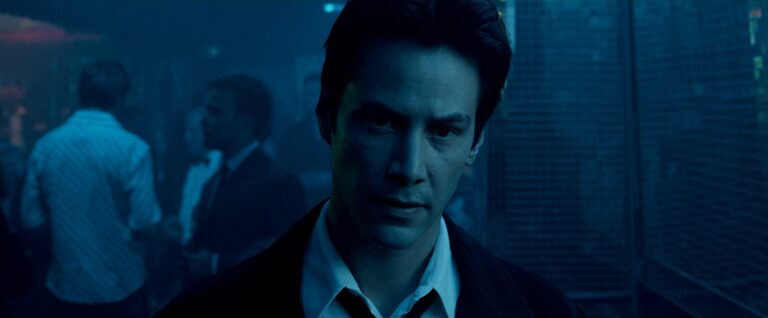
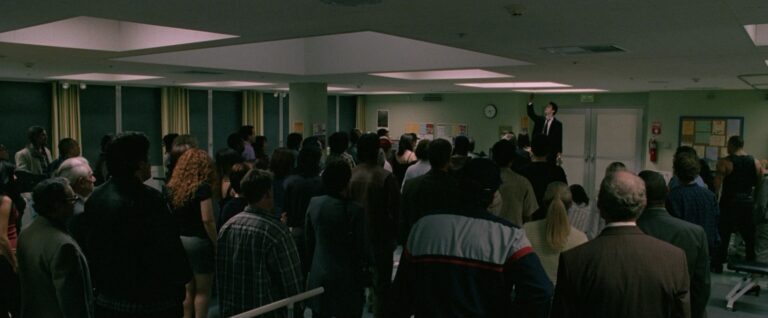
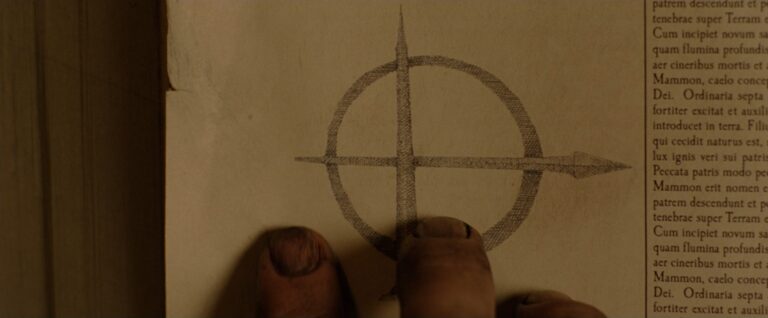
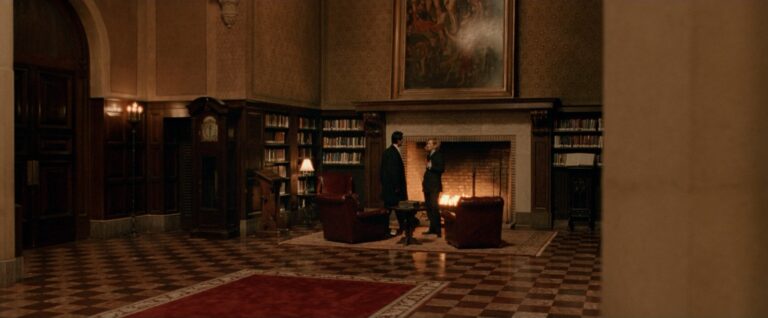
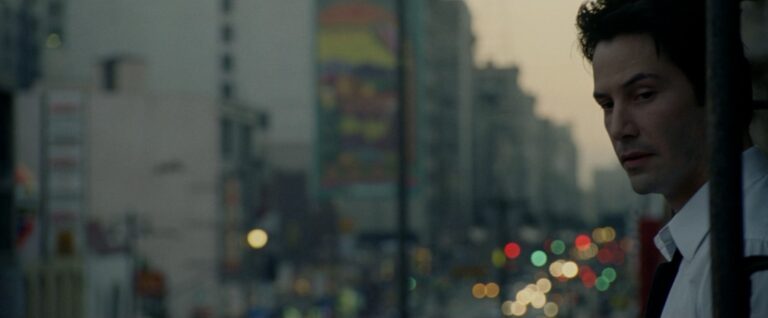
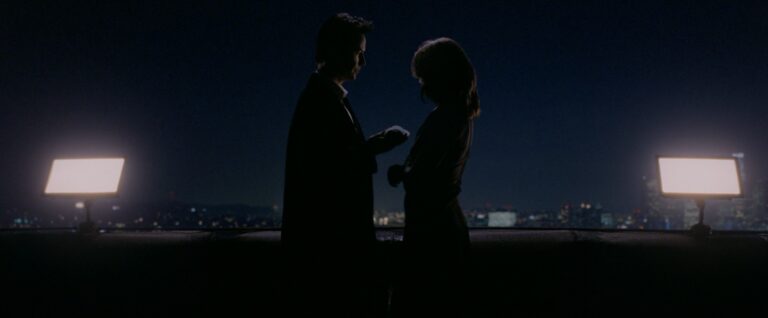
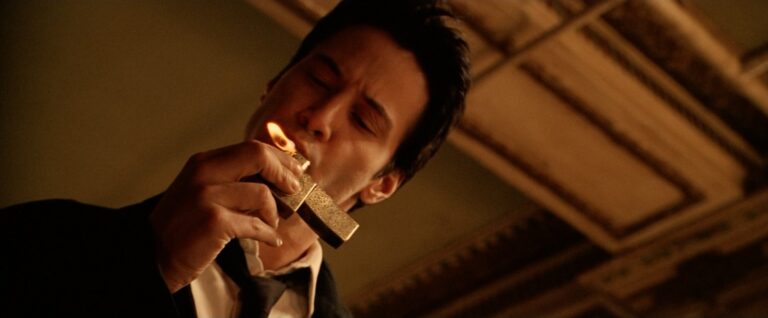
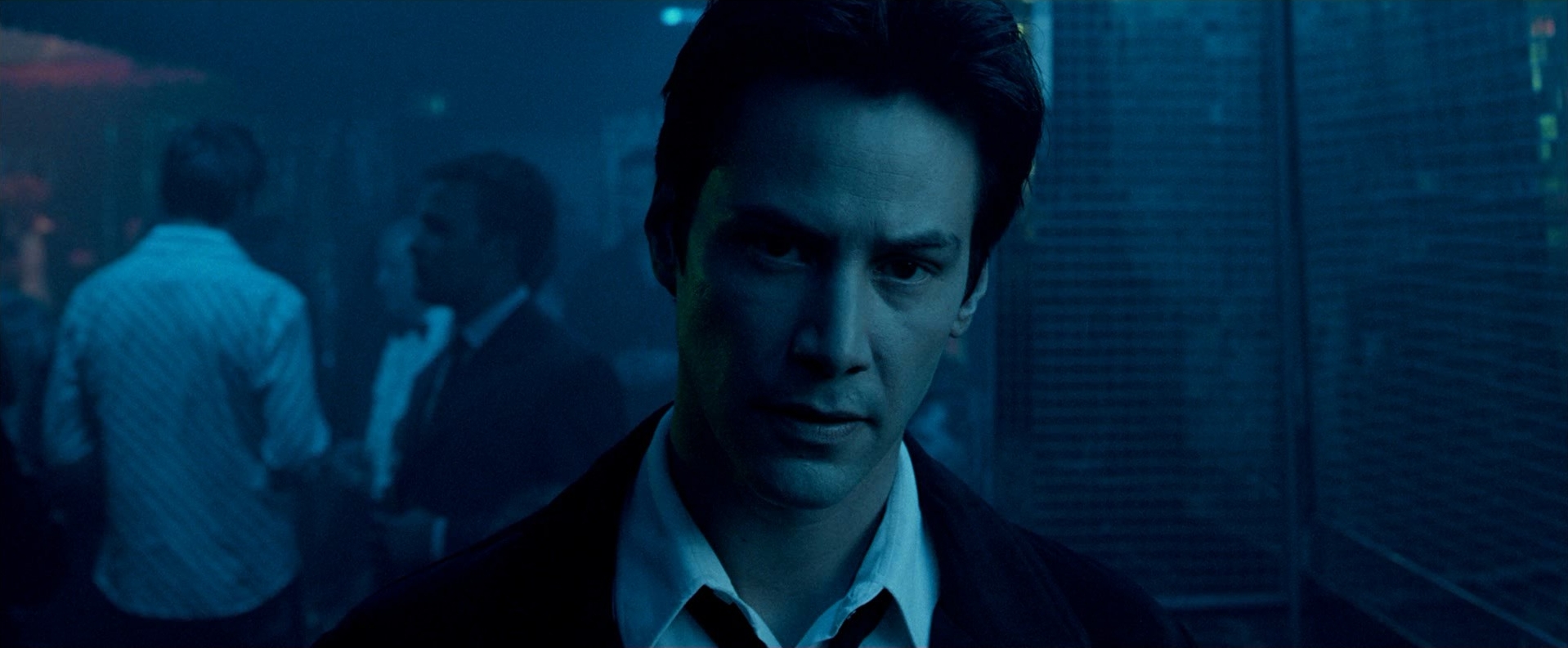
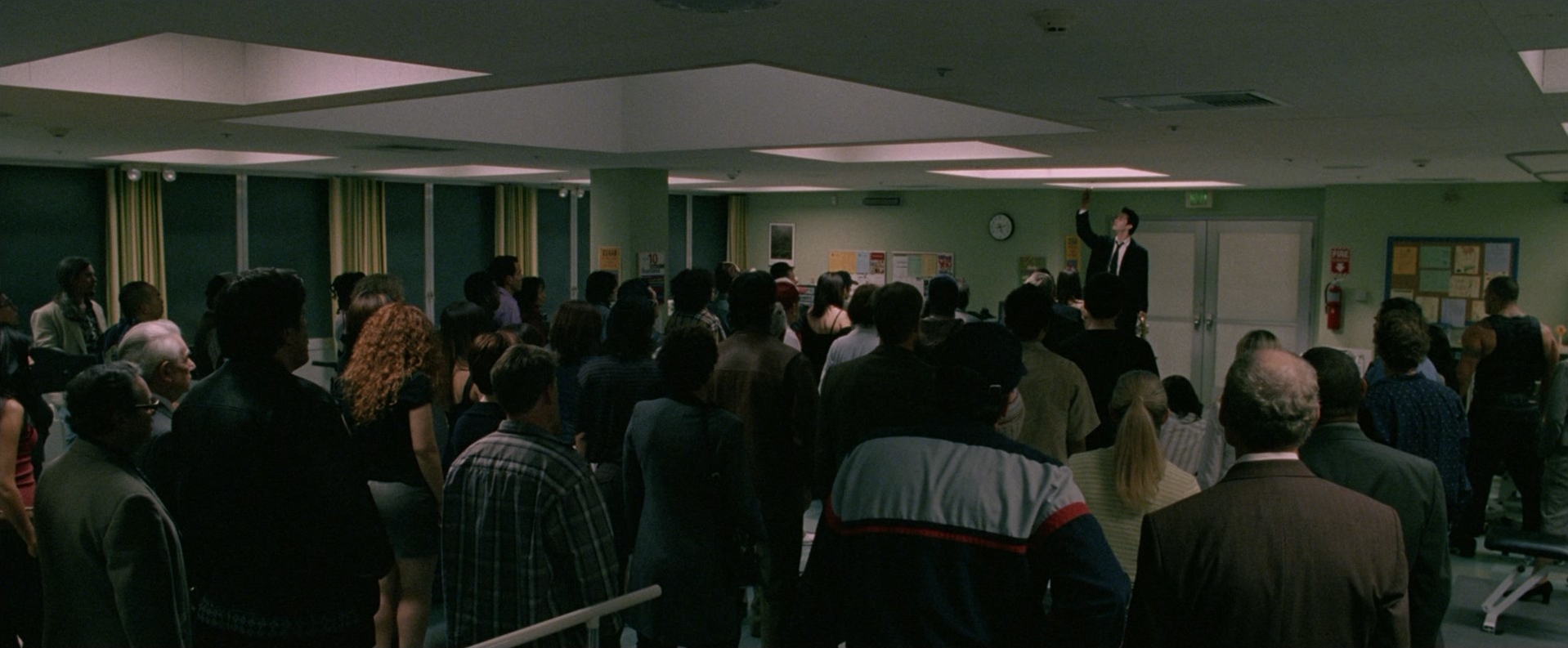
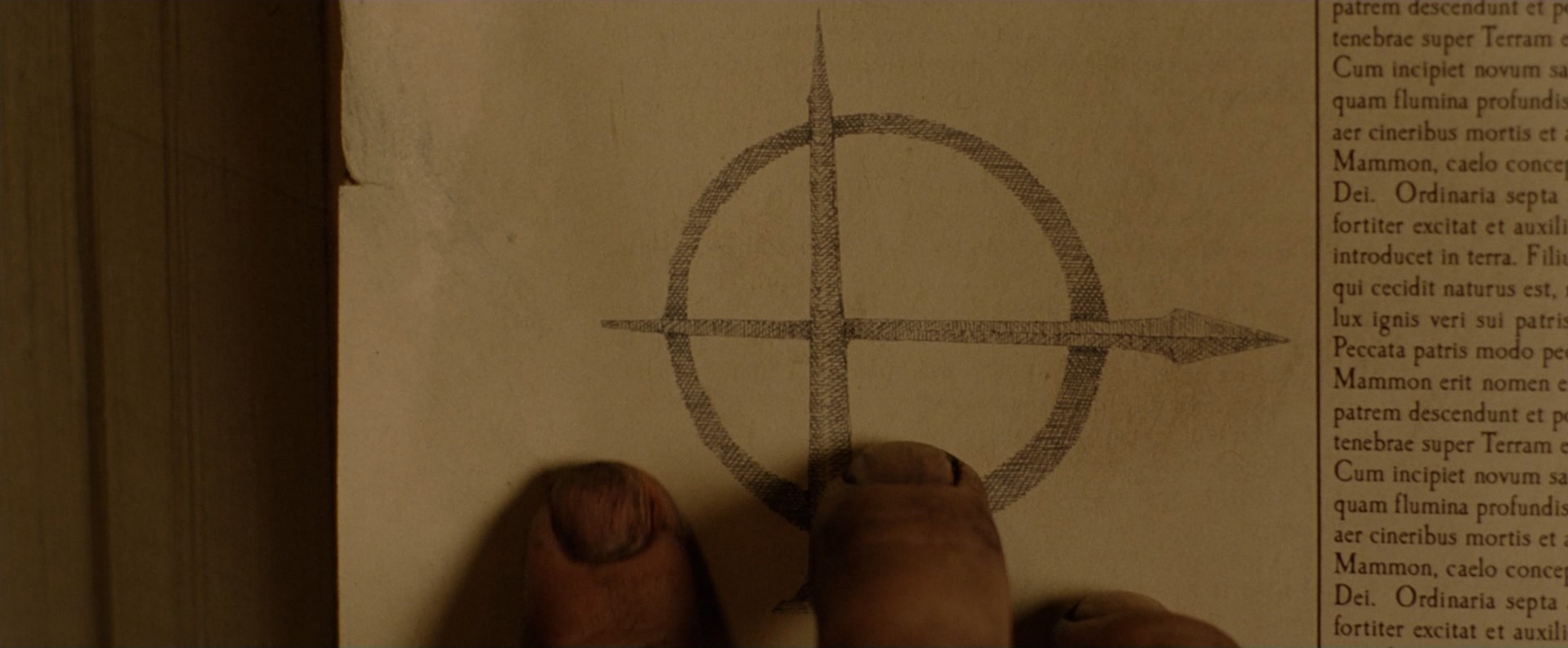
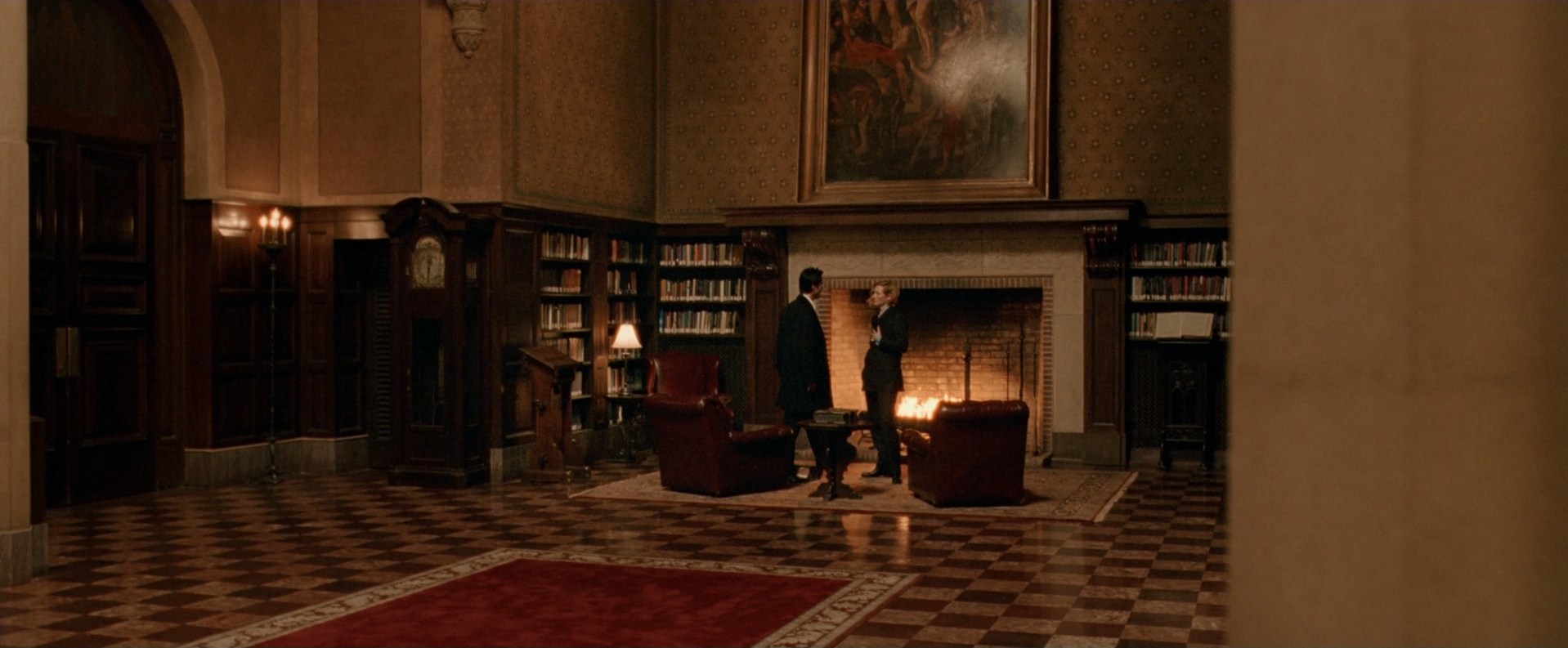
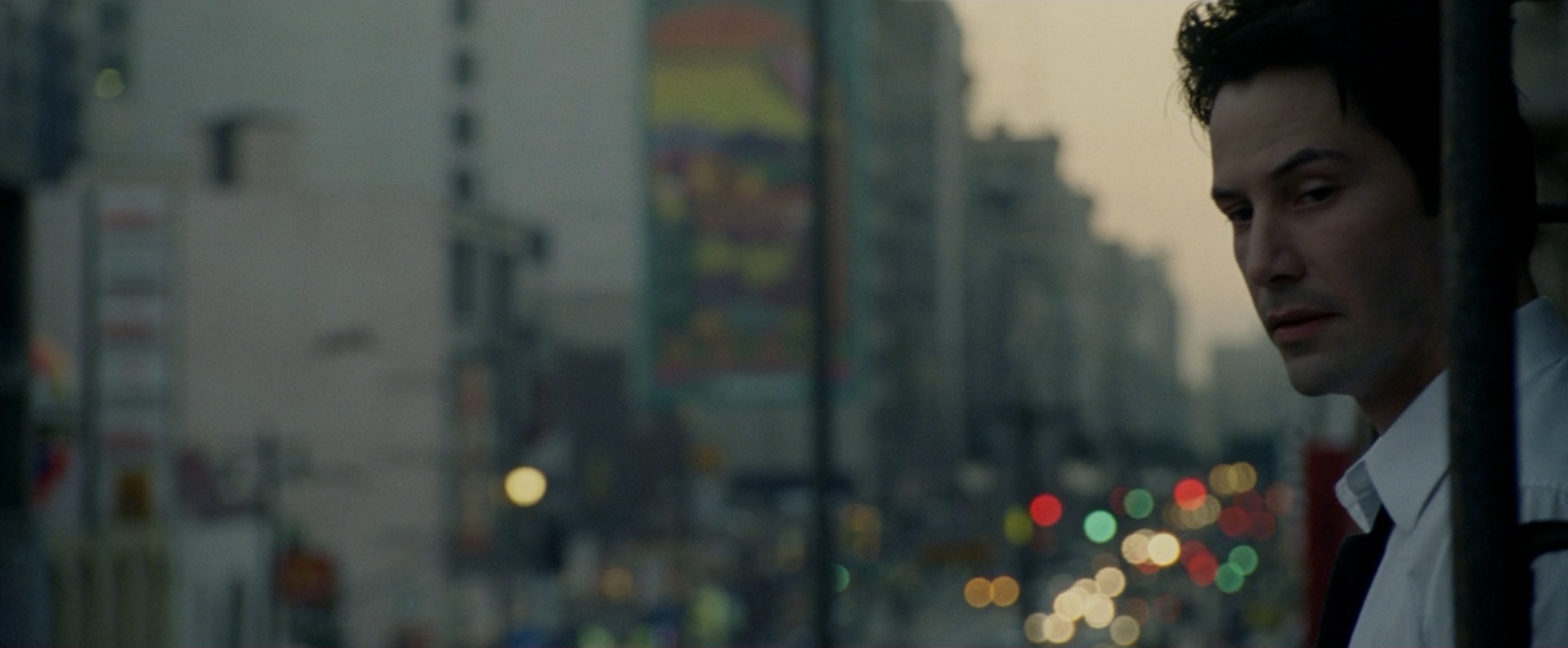
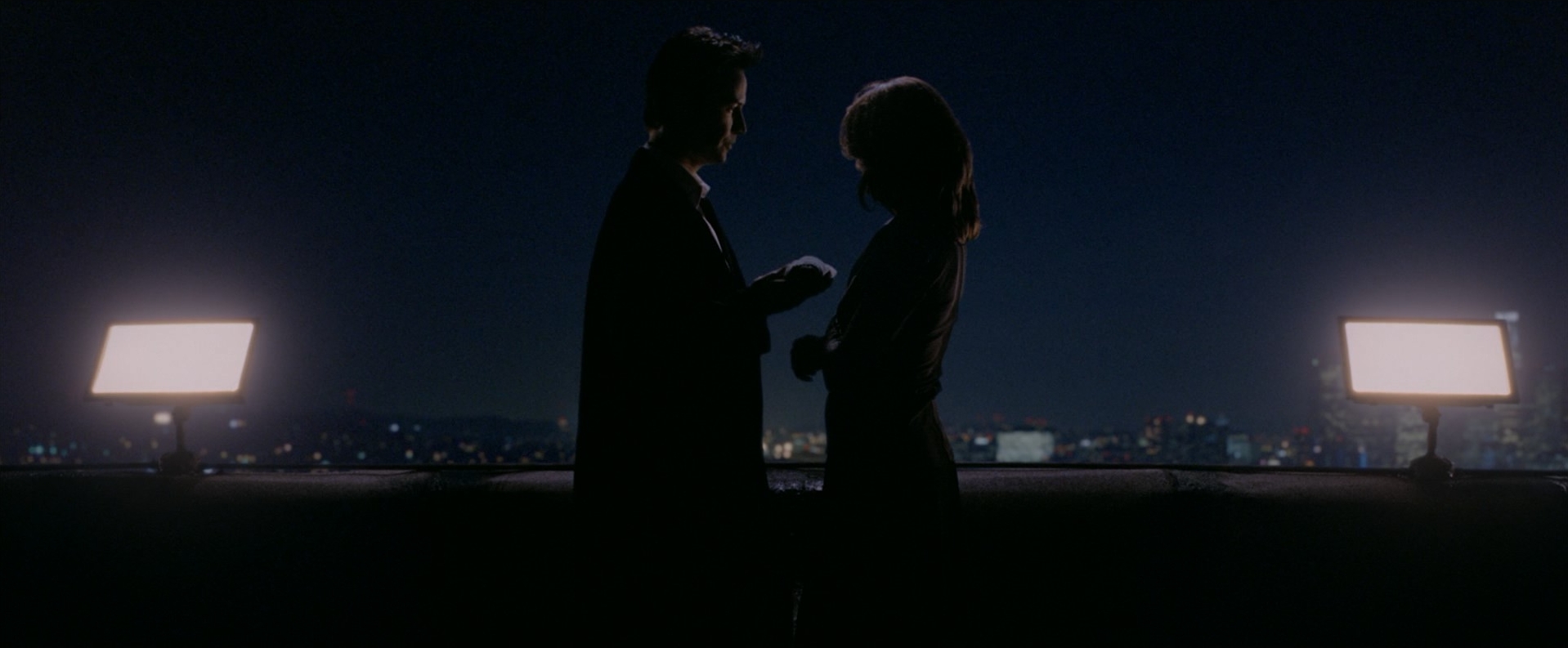
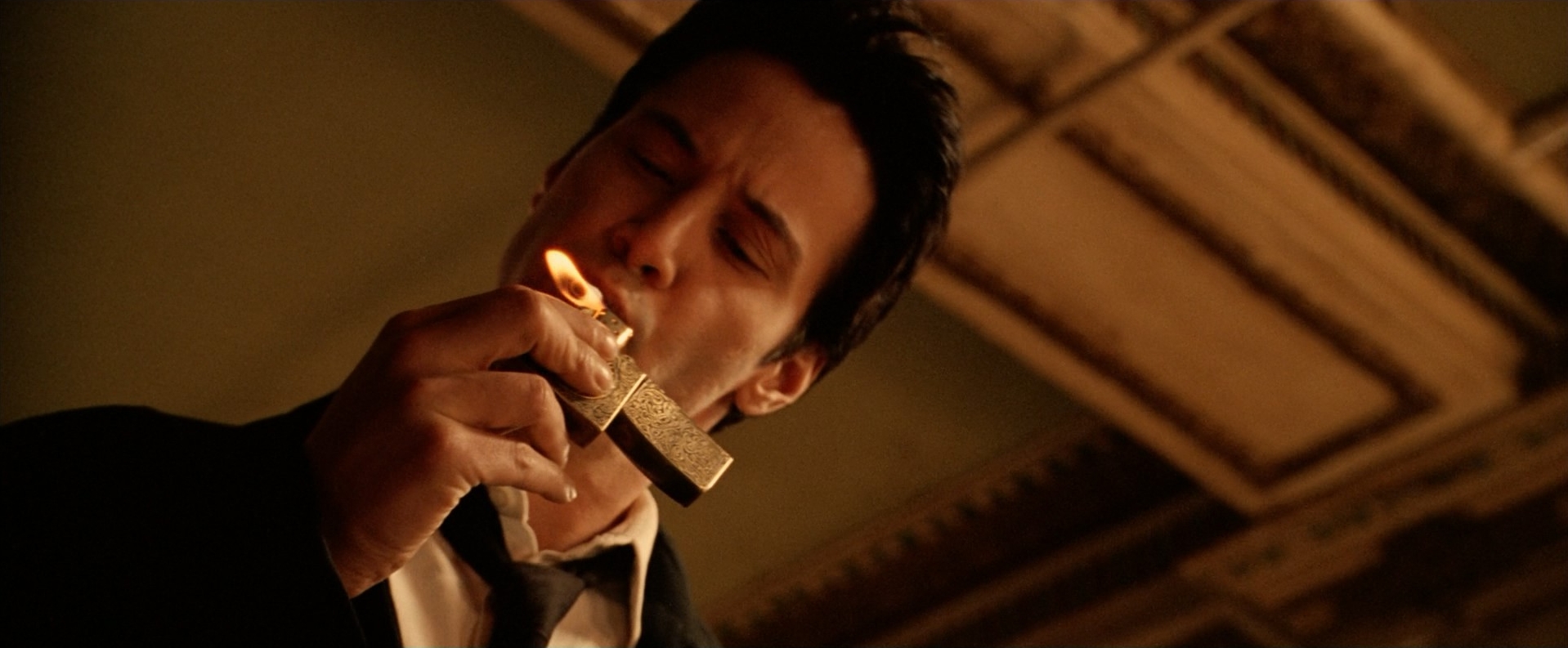
Constantine (2005)
John Constantine, a cynical occult detective with the ability to see angels and demons among humans, navigates a hidden supernatural world while seeking redemption for his own past. When a police officer enlists his help to investigate her sister’s mysterious death, Constantine uncovers a larger conspiracy that could tip the balance between Heaven and Hell. His investigation becomes a race against time to prevent an apocalyptic breach.
In Constantine, Lawrence and cinematographer Philippe Rousselot craft a grim, stylized urban fantasy using desaturated tones, sickly greens, and smoky textures to give Los Angeles a hellish undercurrent. The film’s use of practical effects blended with early-2000s VFX—especially in its depictions of Hell and demonic entities—creates a tactile, decaying visual world where the supernatural feels embedded within the everyday.


FILM SPOTLIGHT
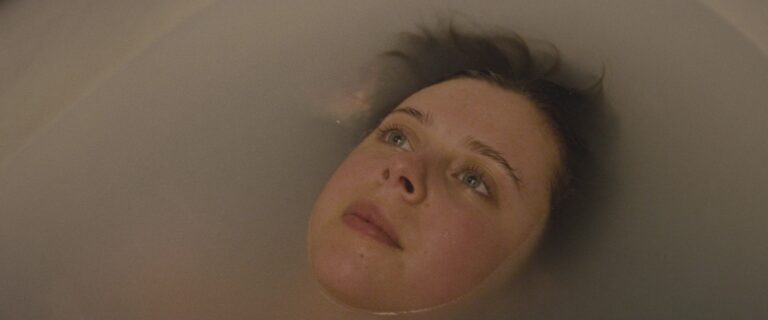
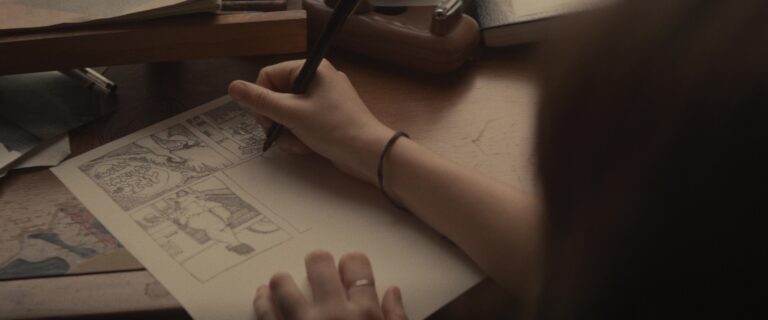
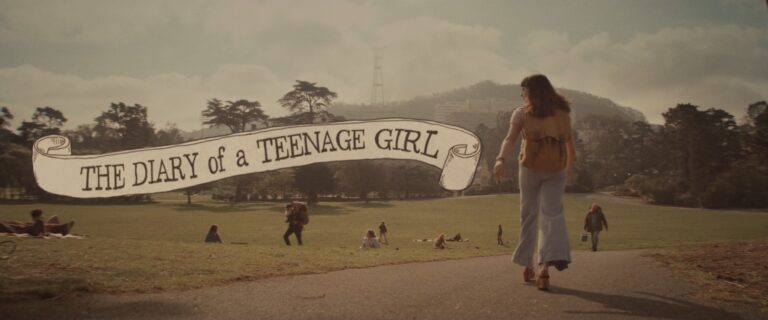
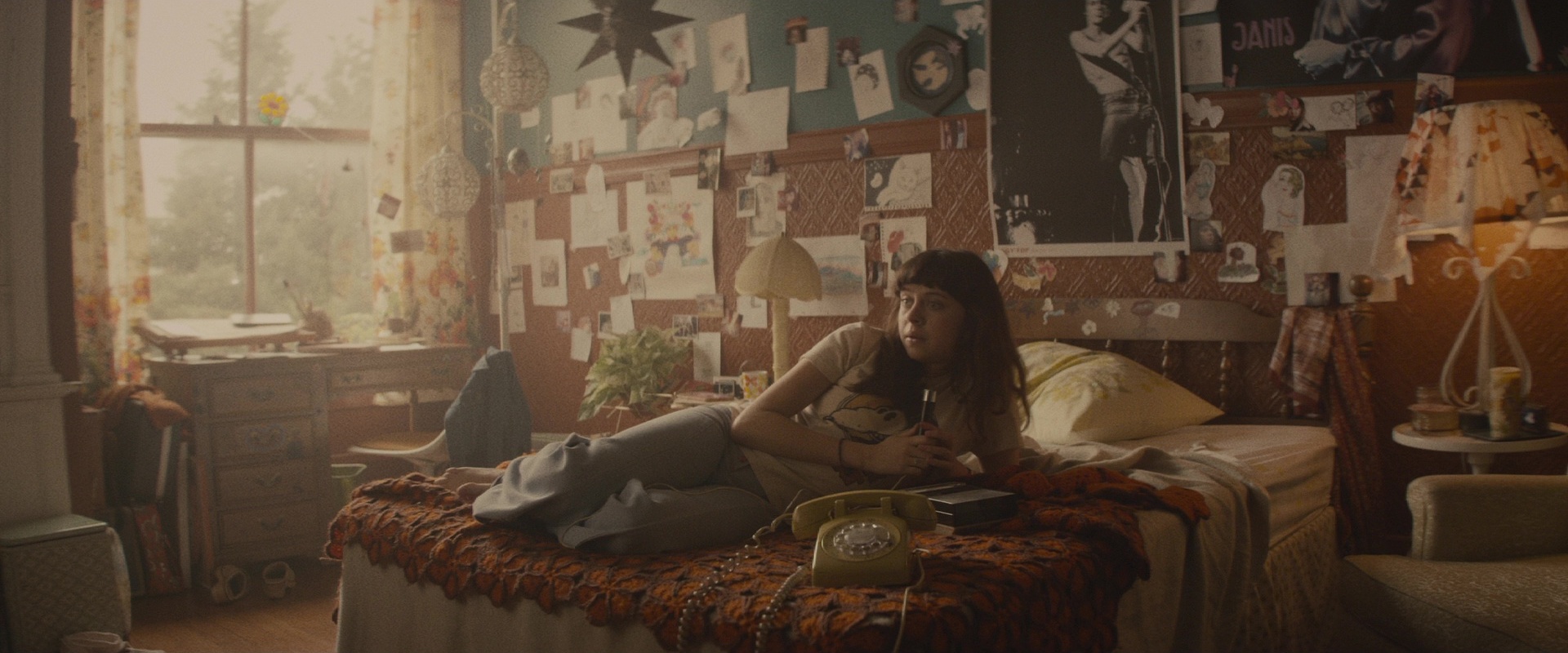
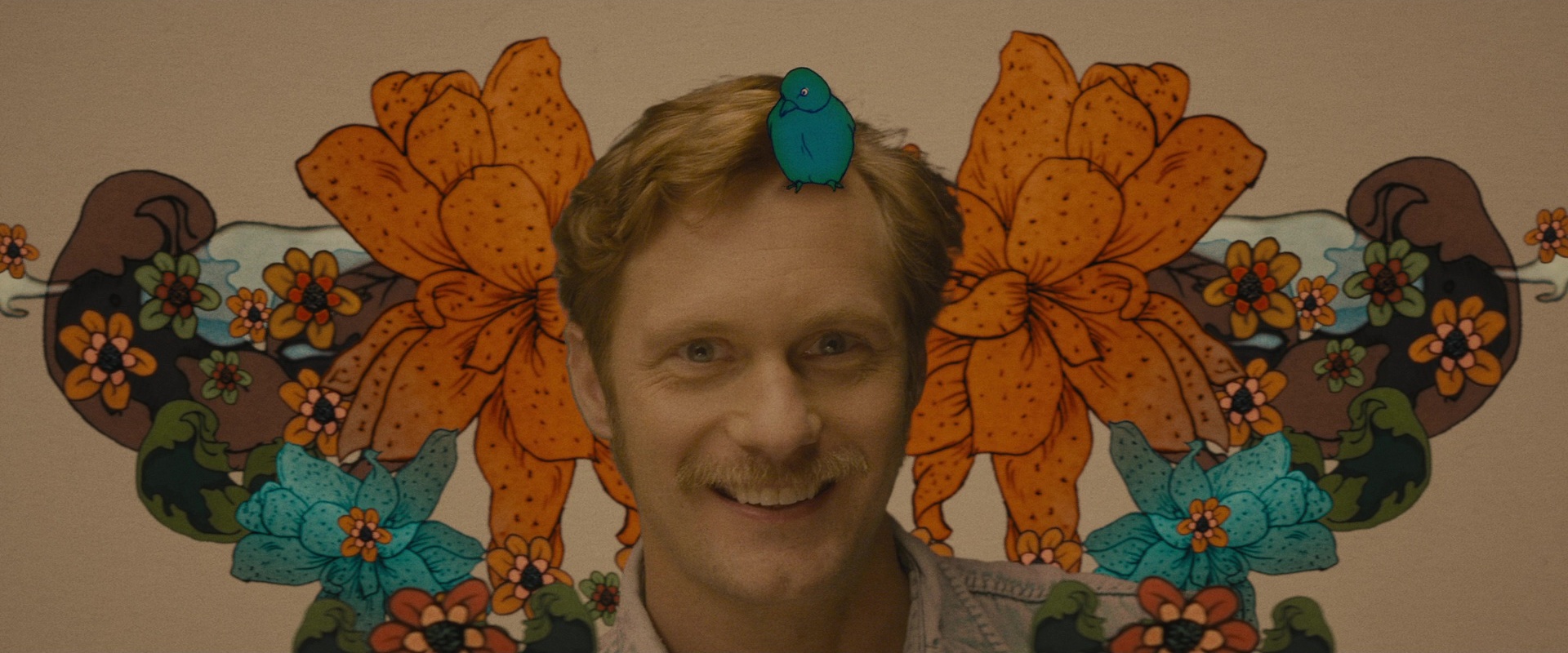
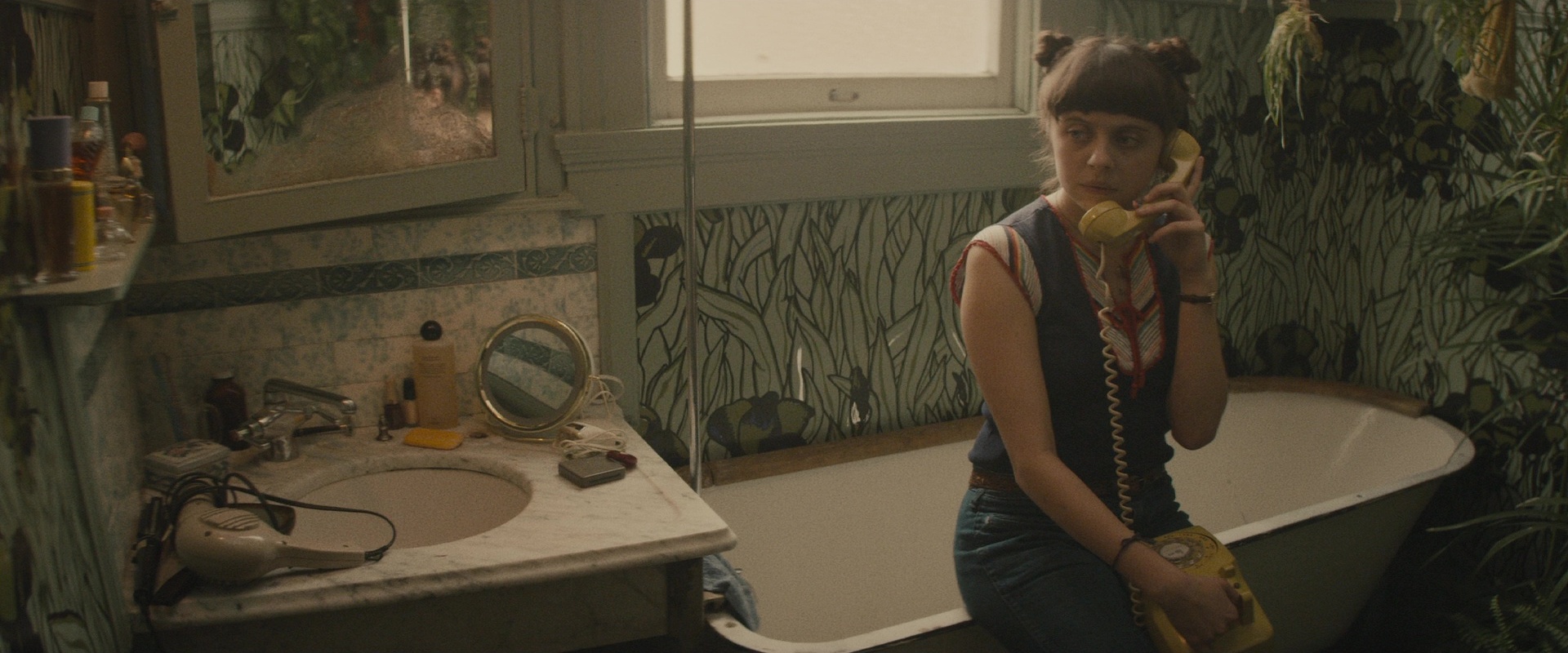
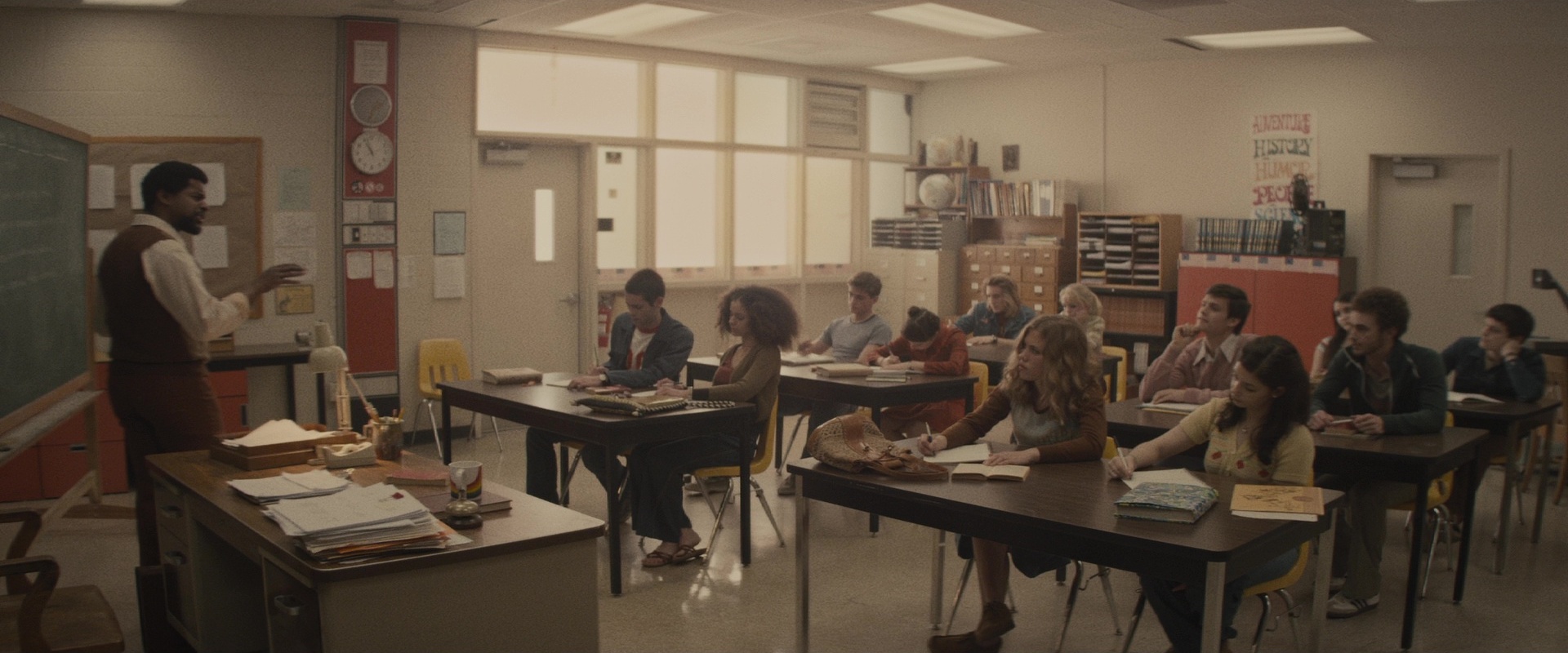
The Diary of a Teenage Girl (2015)
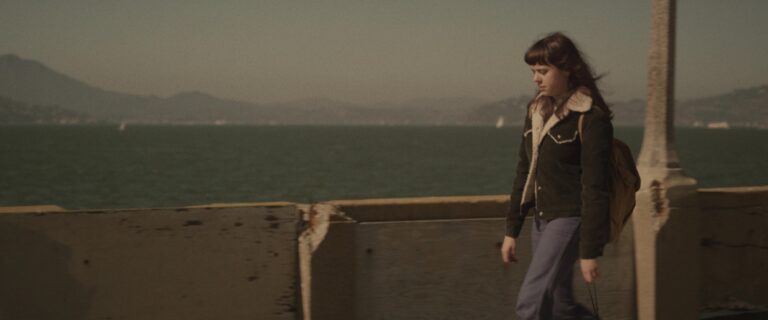
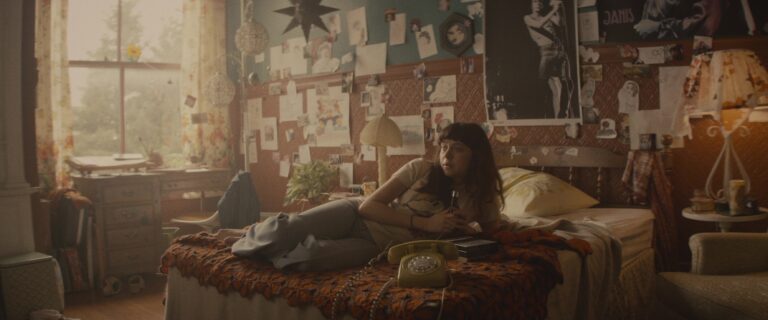
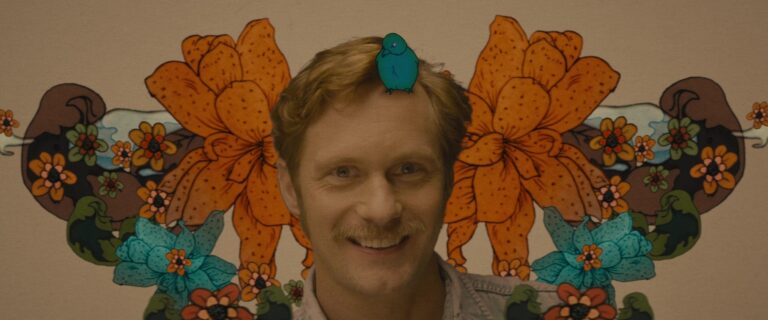
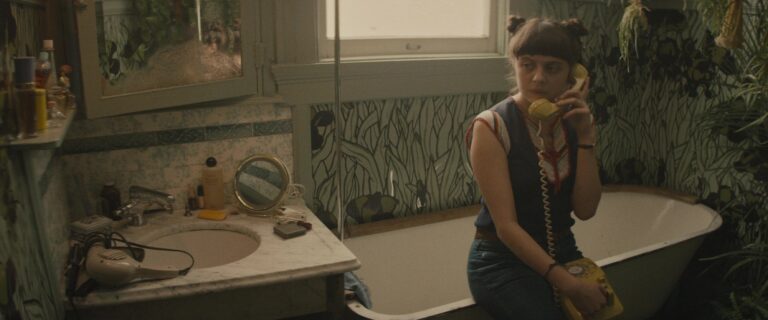
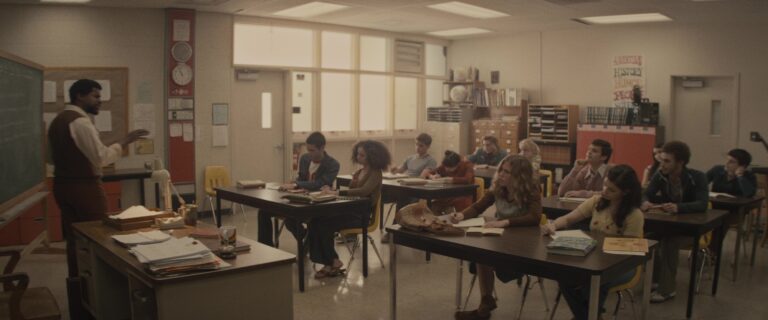
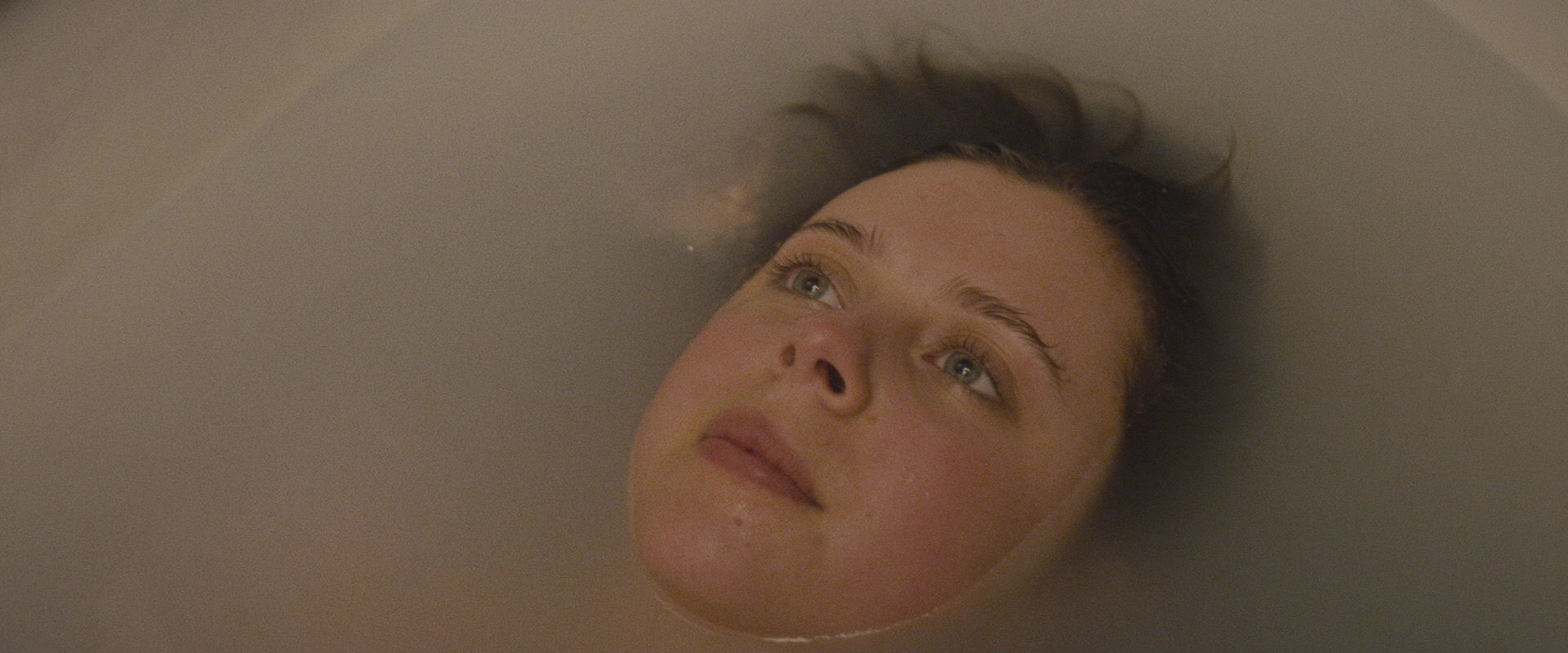
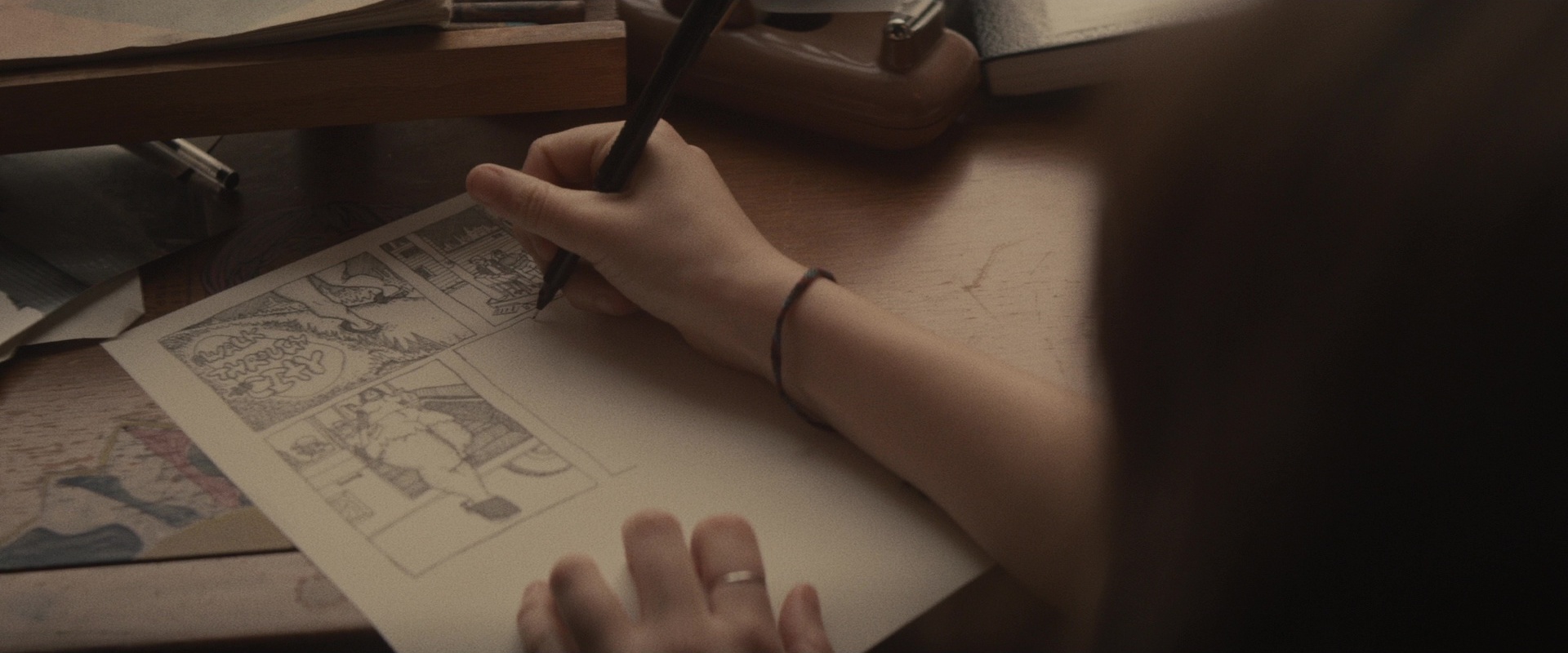
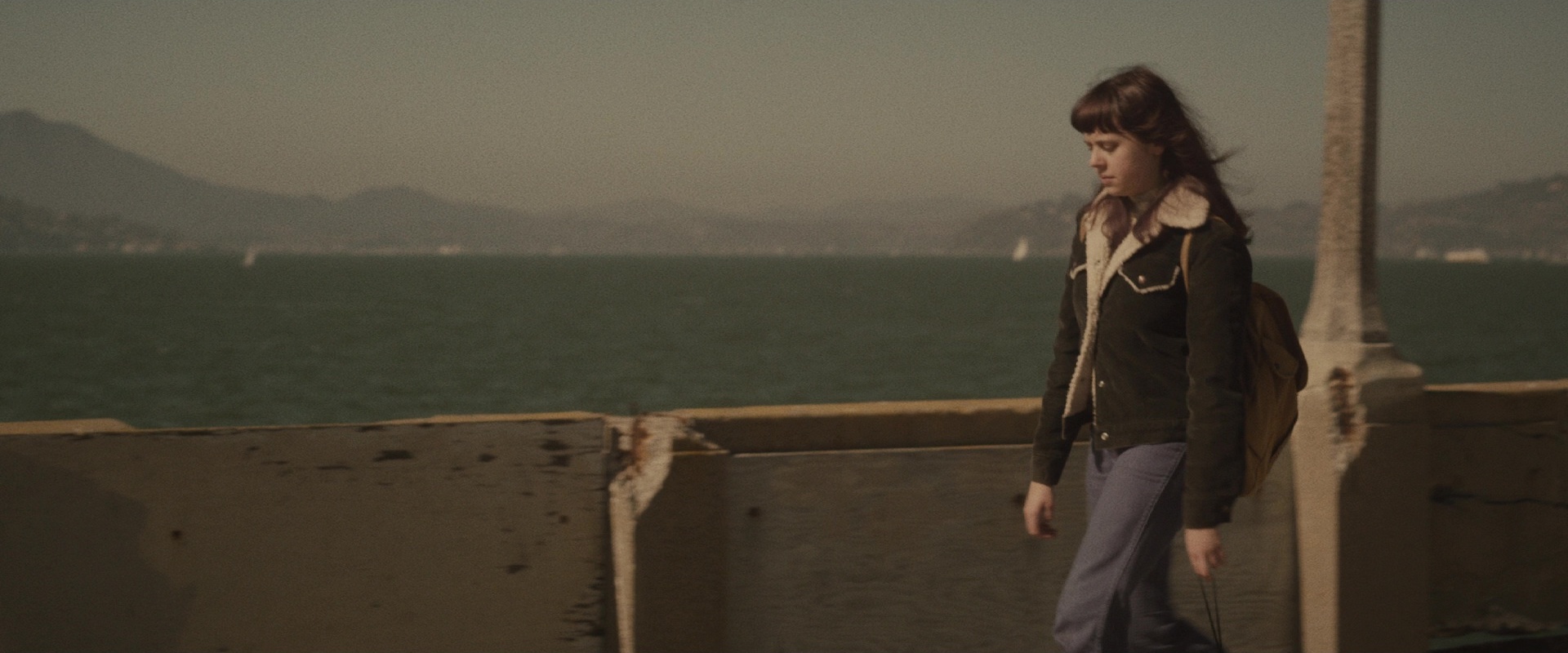
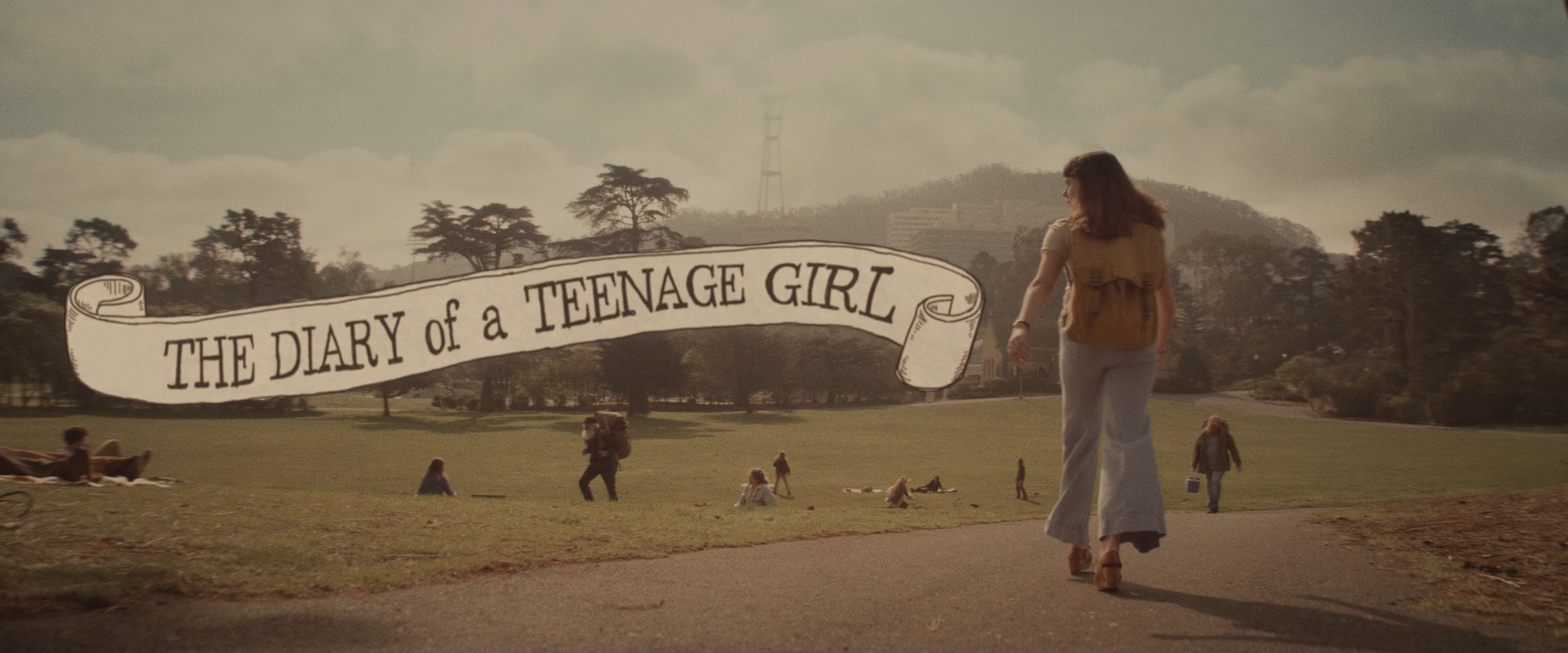
Set in 1970s San Francisco, the film follows Minnie Goetze, a 15-year-old navigating adolescence, sexuality, and identity. Curious and artistically inclined, she begins a secret relationship with her mother’s much older boyfriend, using the experience as a lens to understand herself. The story is less about scandal and more about Minnie’s internal coming-of-age—her attempts to define desire, autonomy, and adulthood on her own terms.
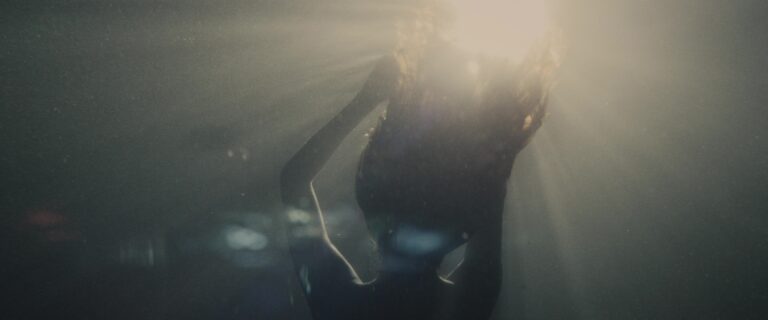
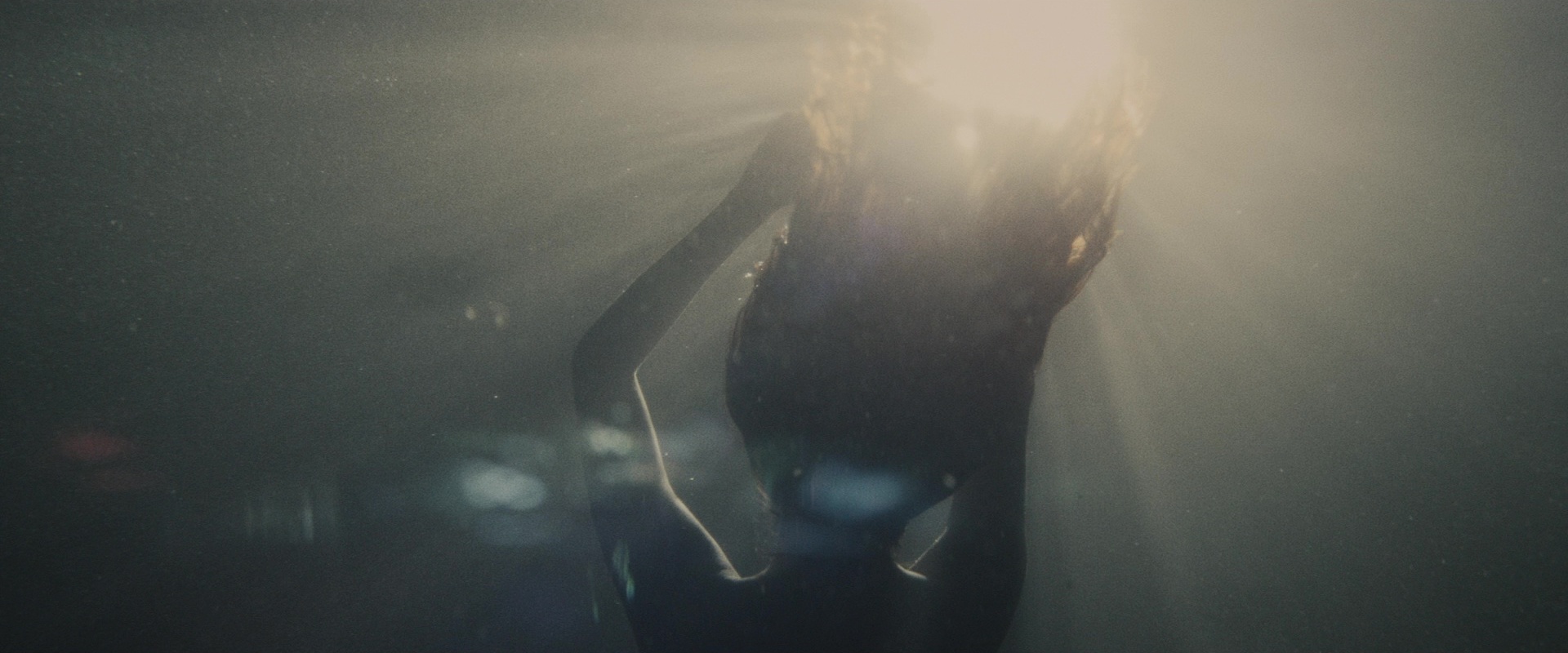
Marielle Heller and cinematographer Brandon Trost ground the film in a warm, naturalistic 1970s aesthetic—soft sunlight, grainy textures, and lived-in interiors. What makes it distinctive is the integration of Minnie’s drawings, which animate directly onto the screen. These sequences act as a visual bridge between her inner world and reality, turning her thoughts and emotions into something immediate and expressive rather than purely spoken or implied.
FILM SPOTLIGHT
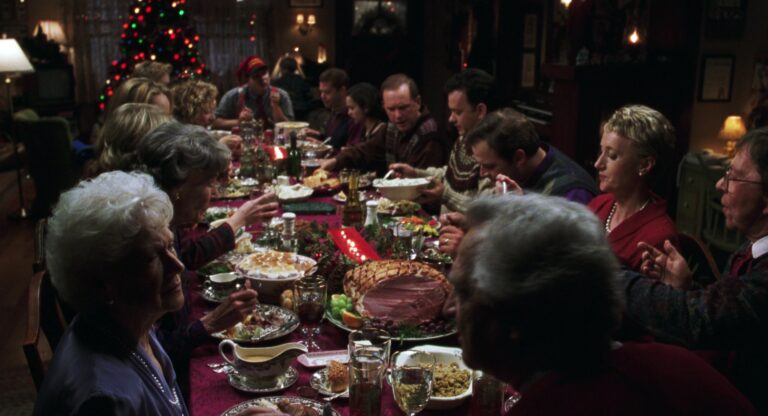
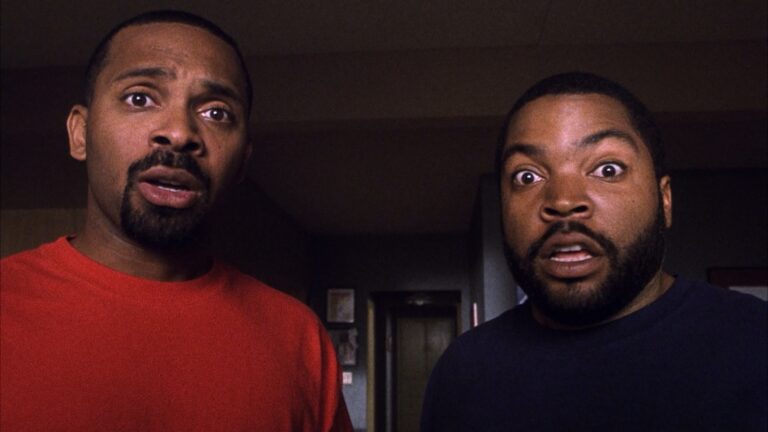
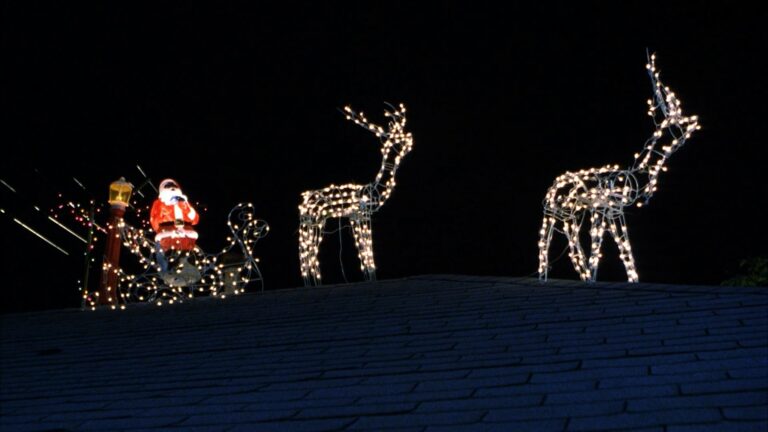
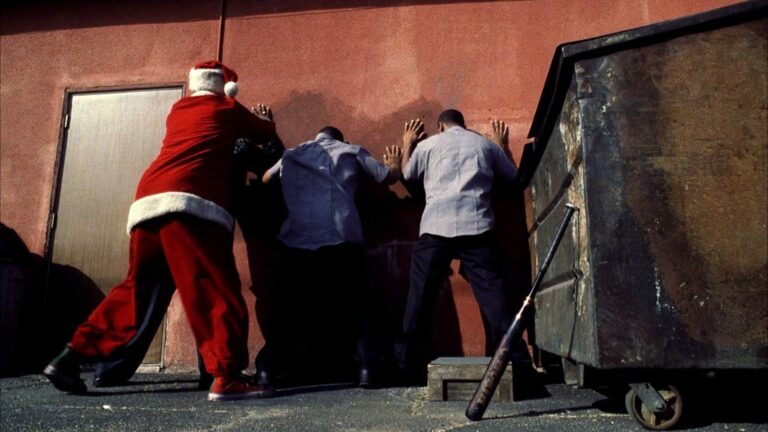
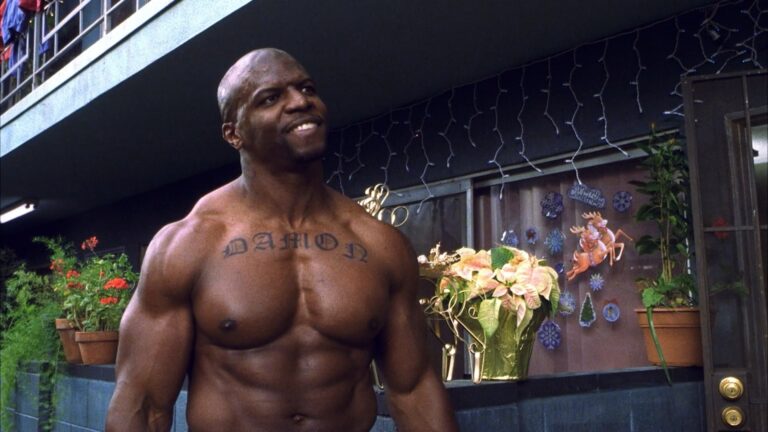
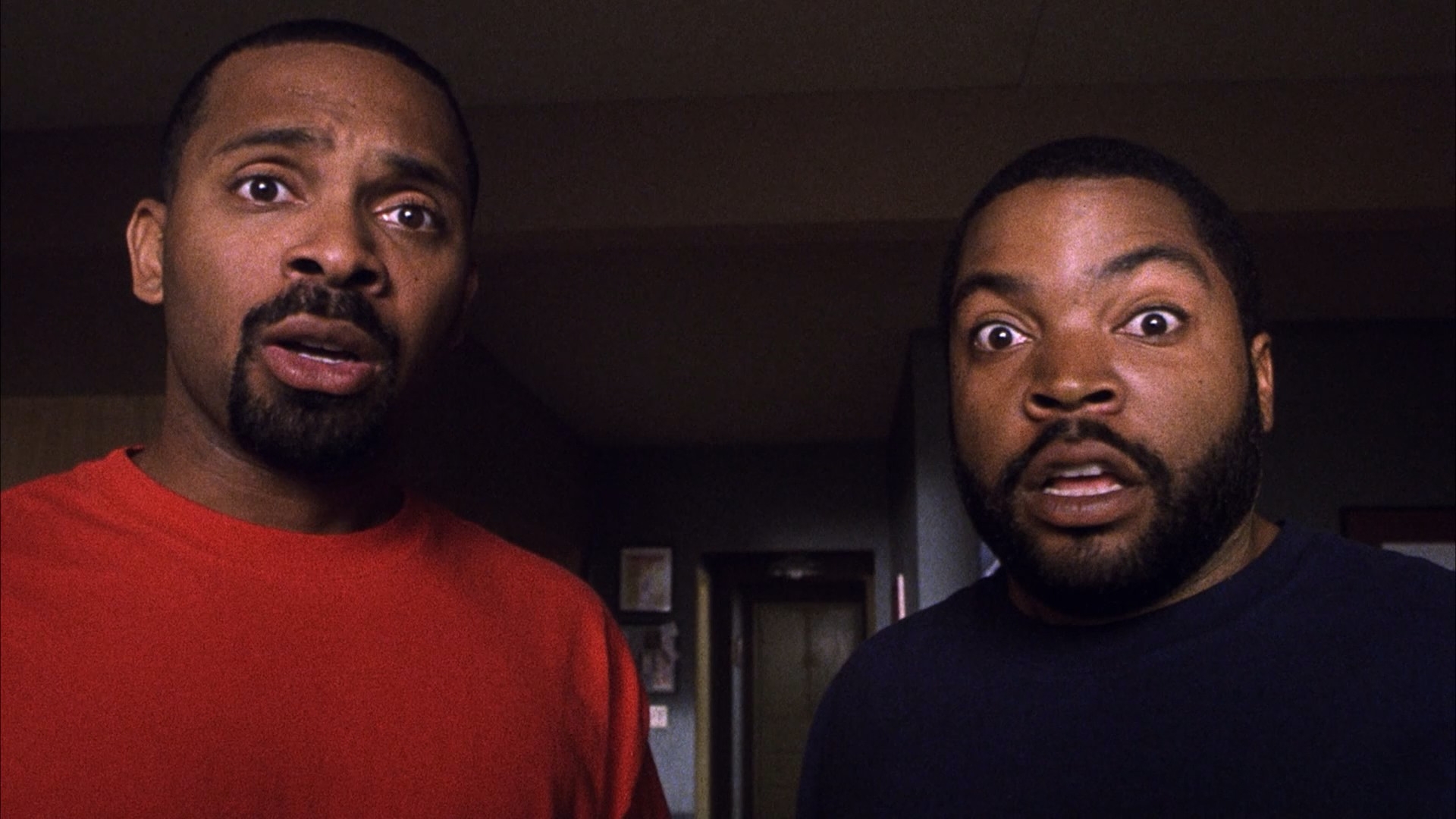
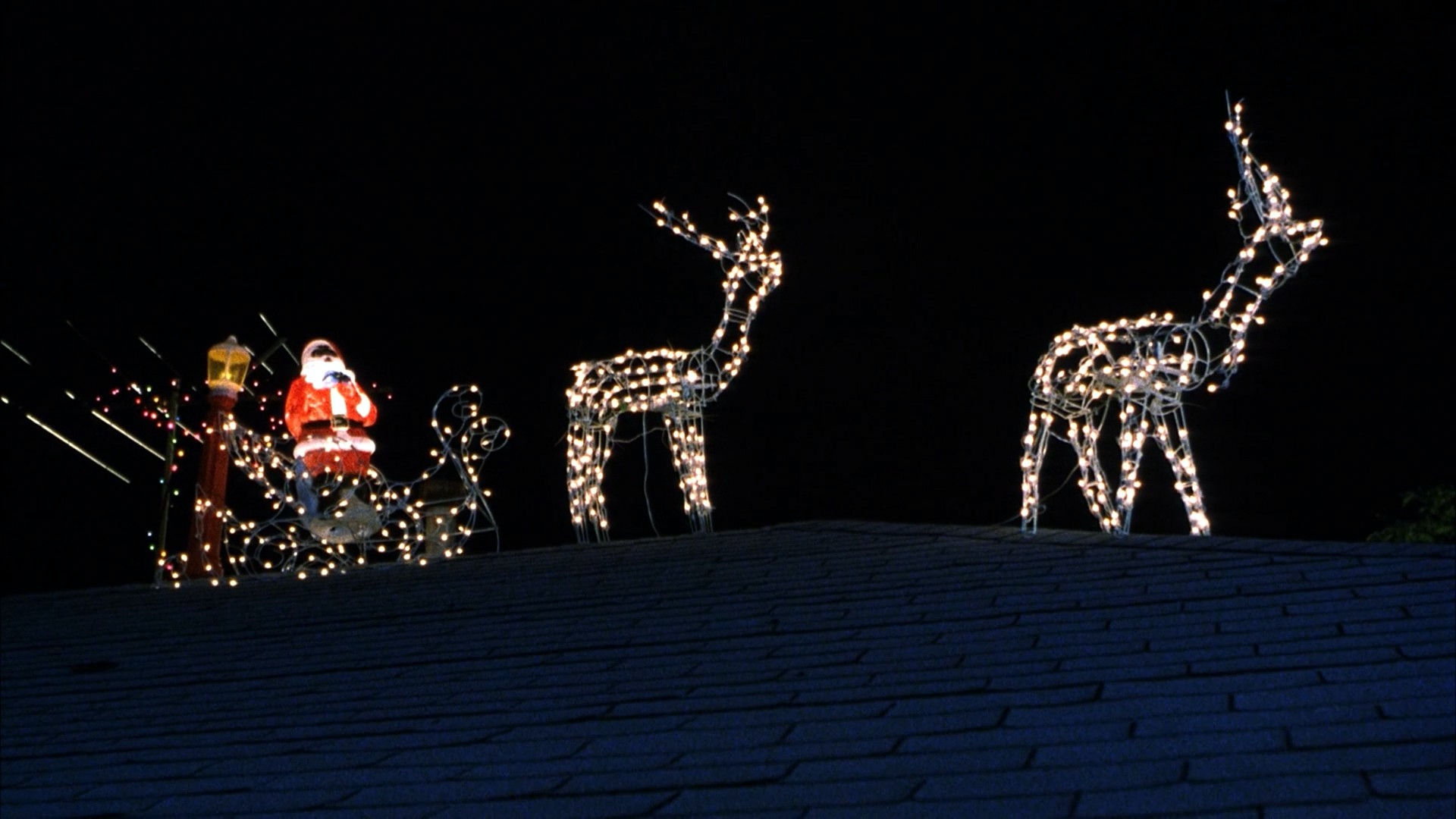
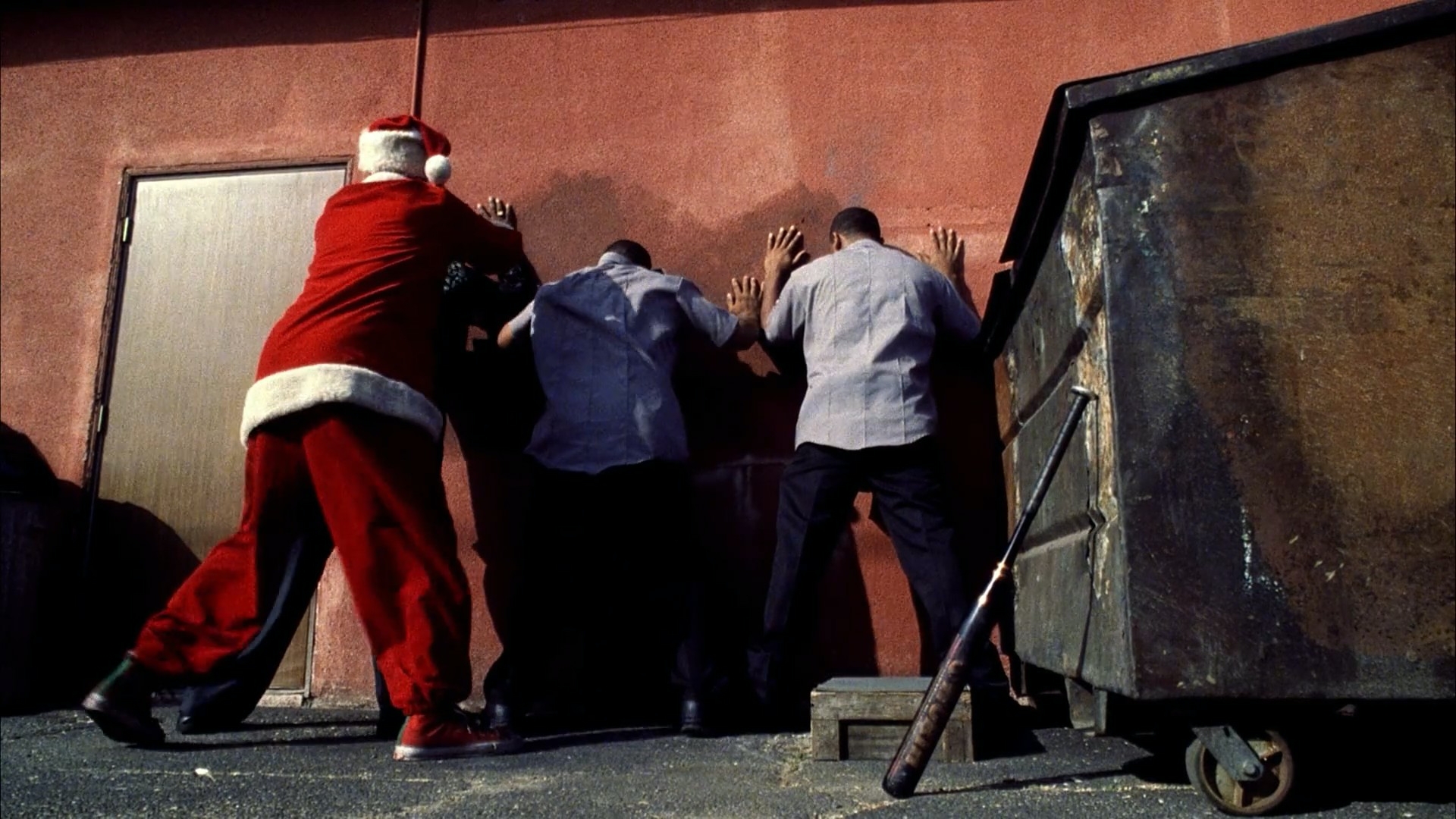
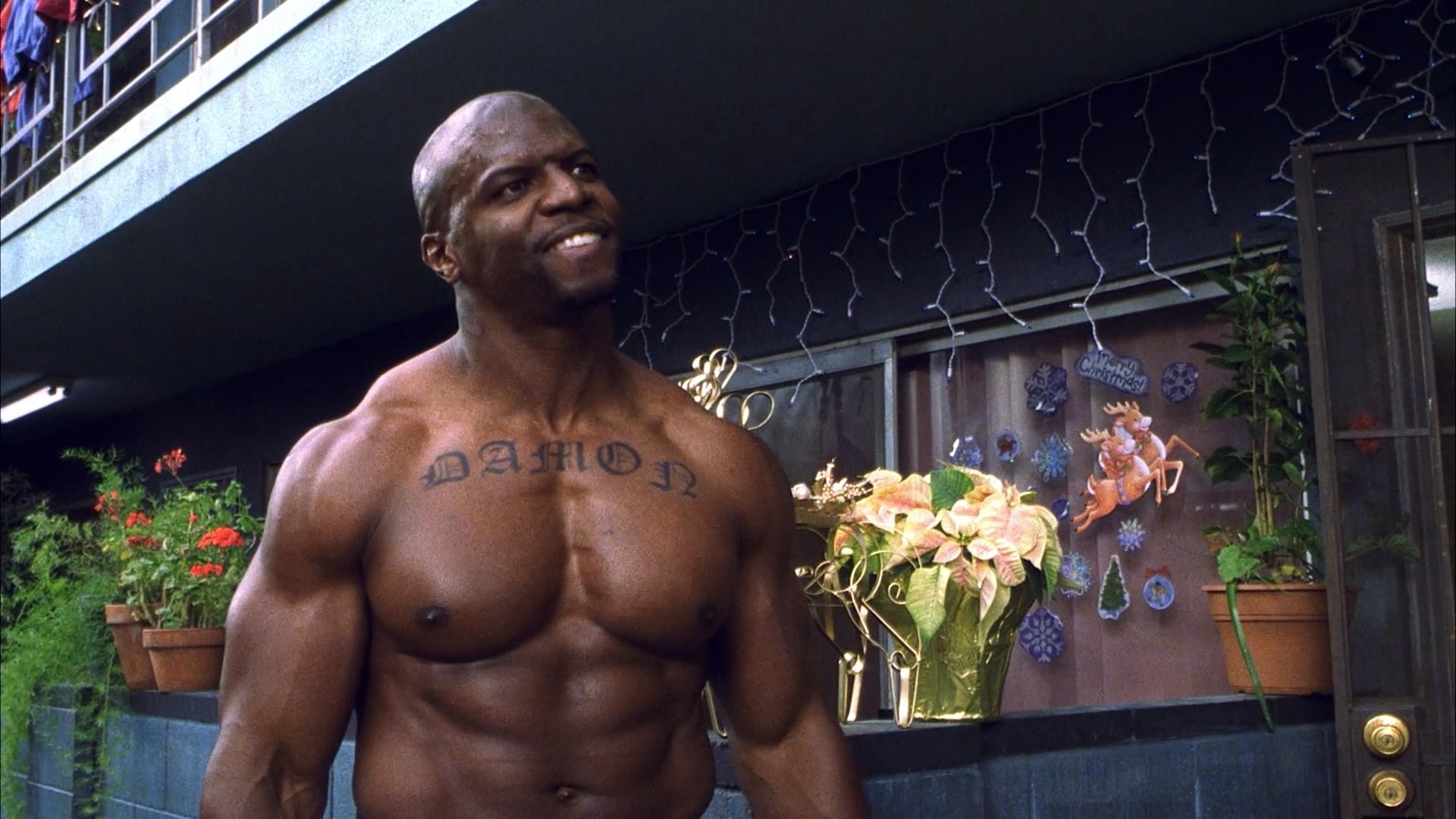
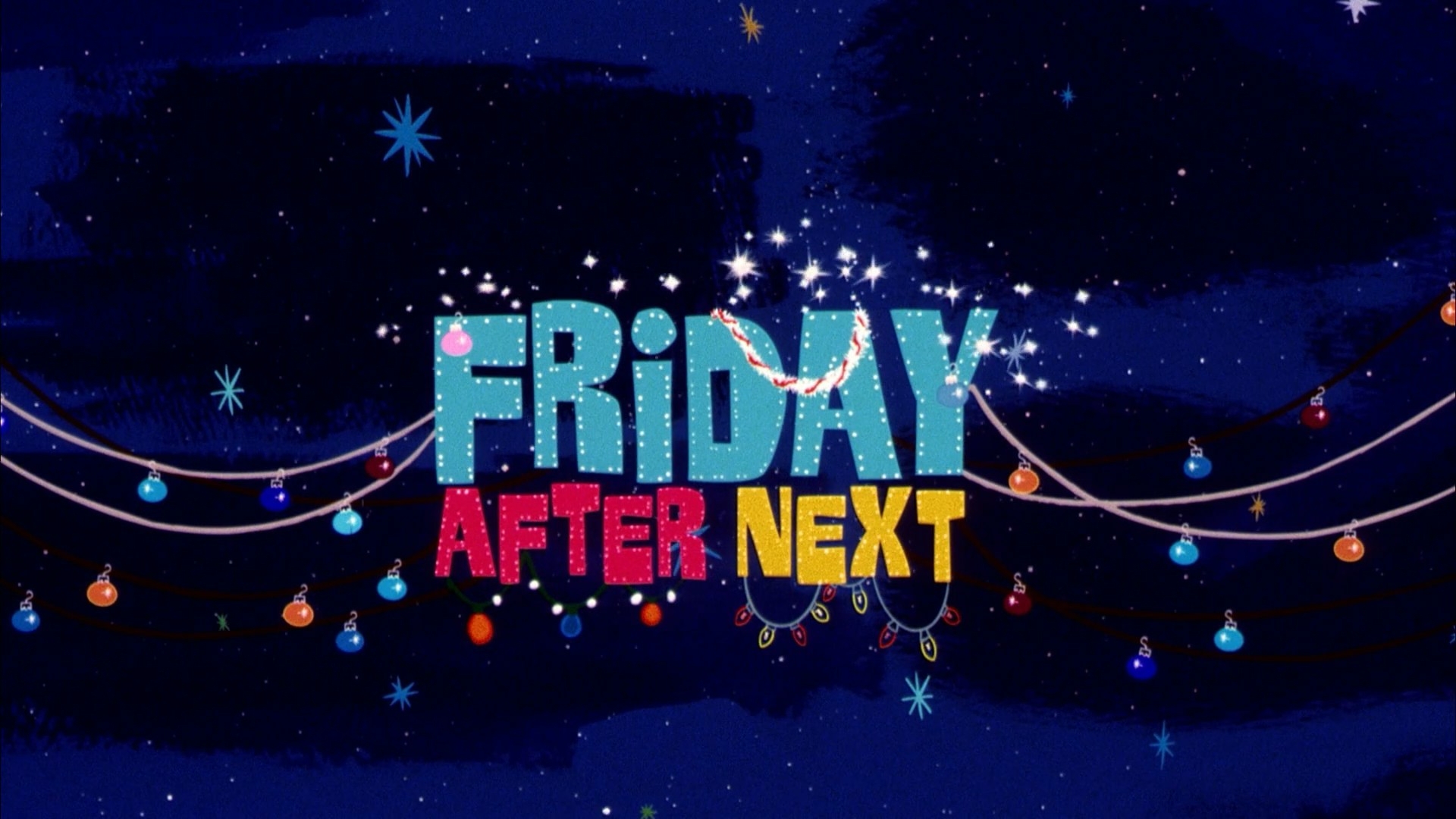
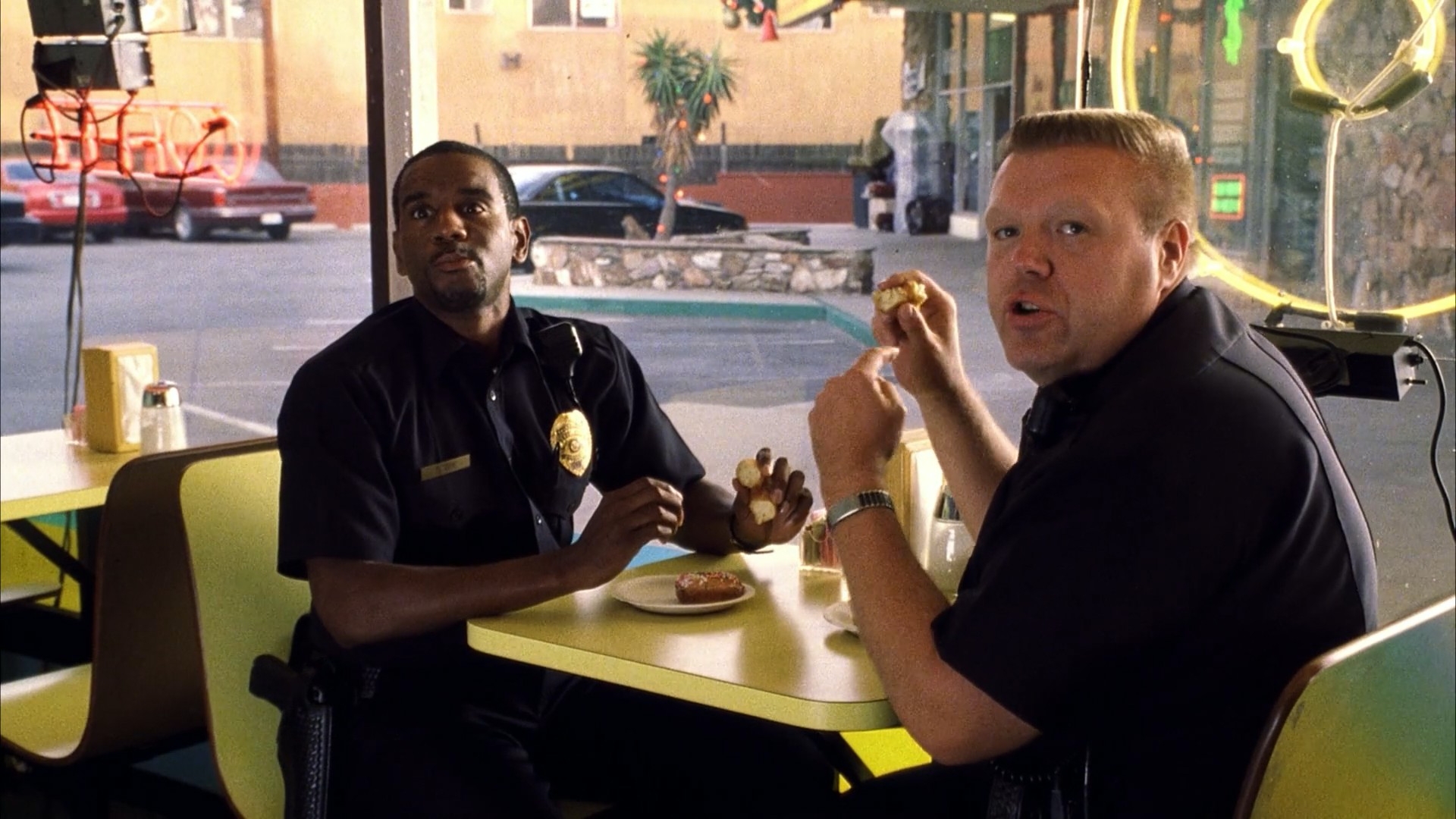
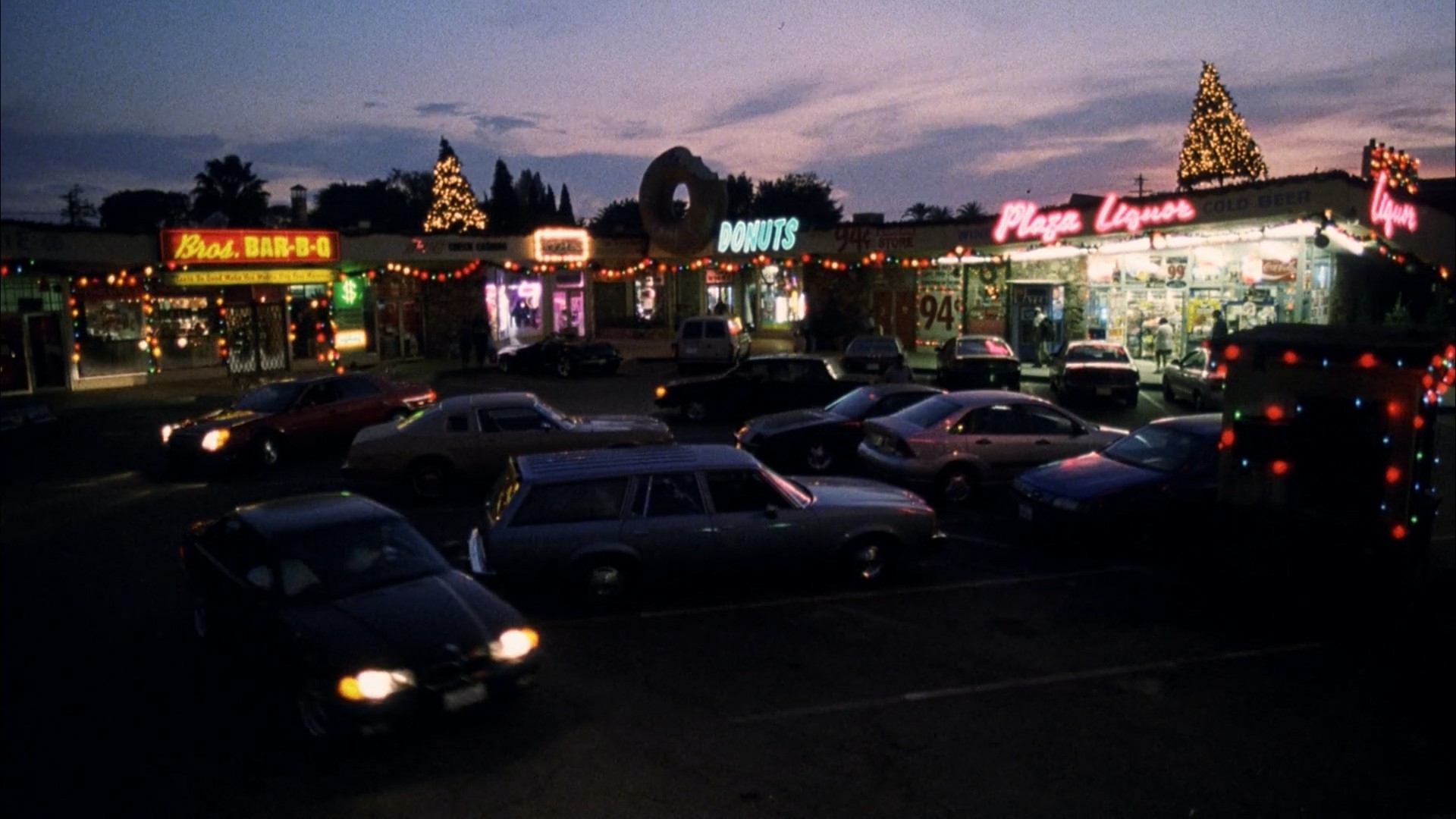
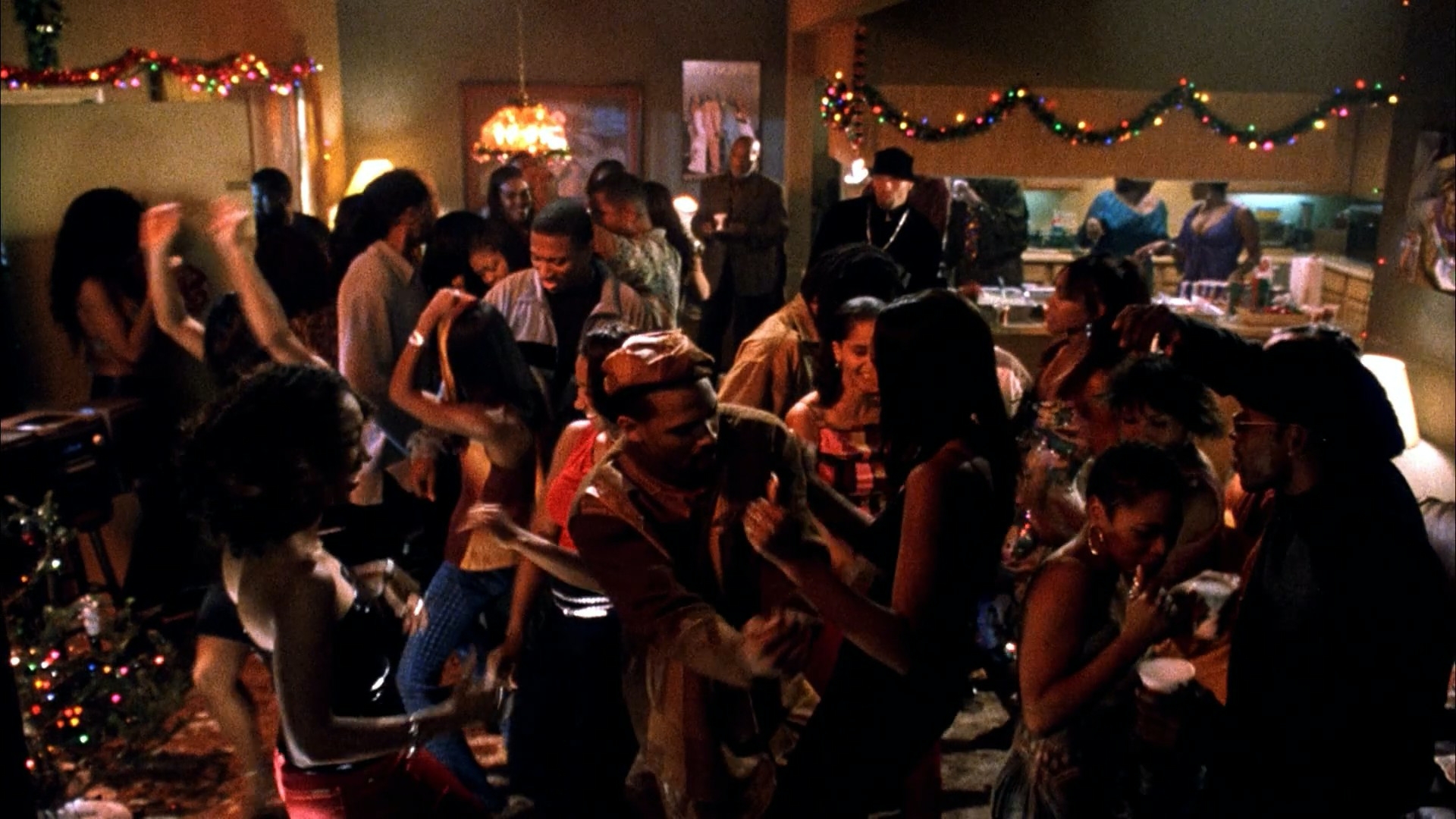
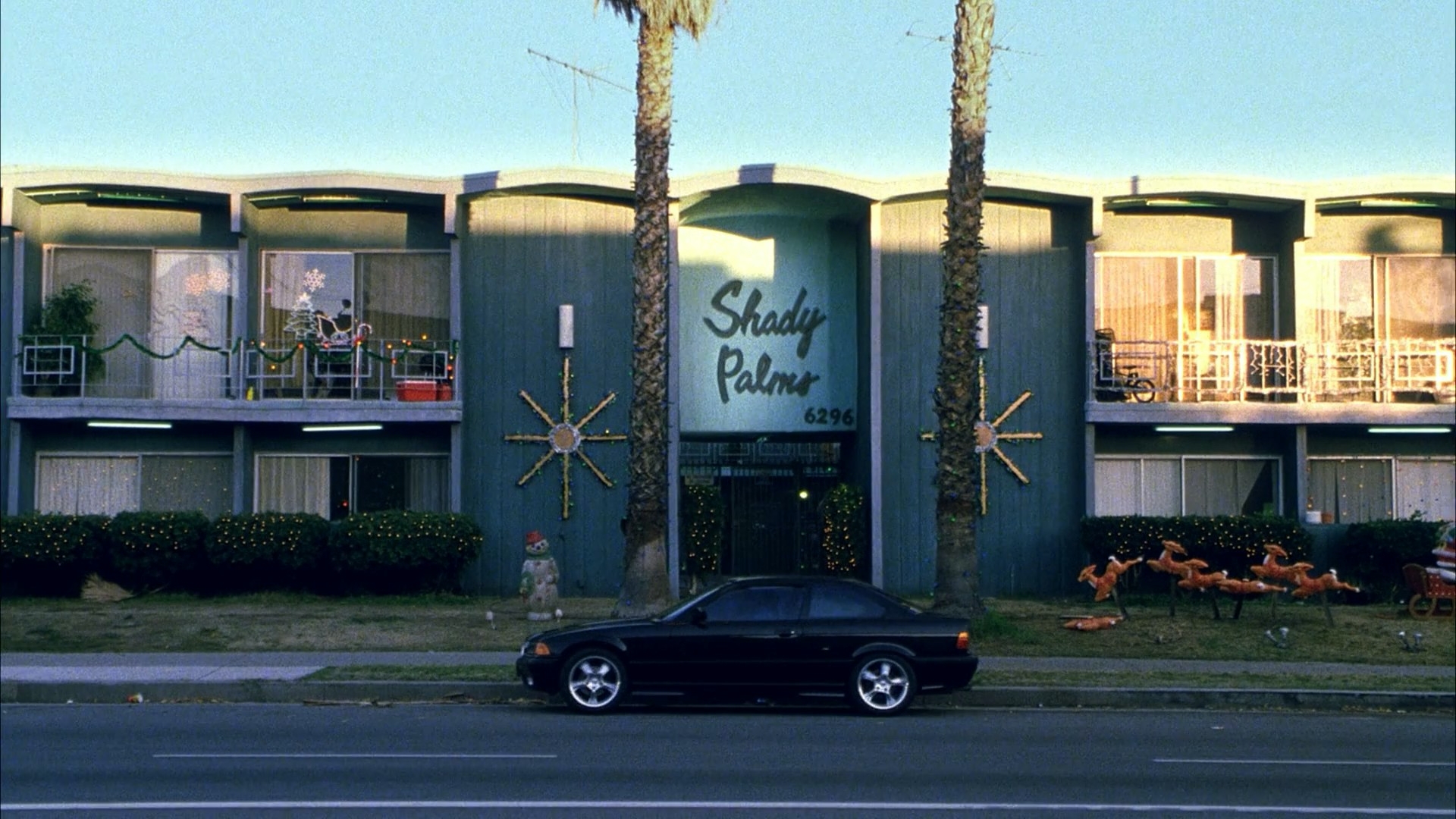
Friday After Next (2002)
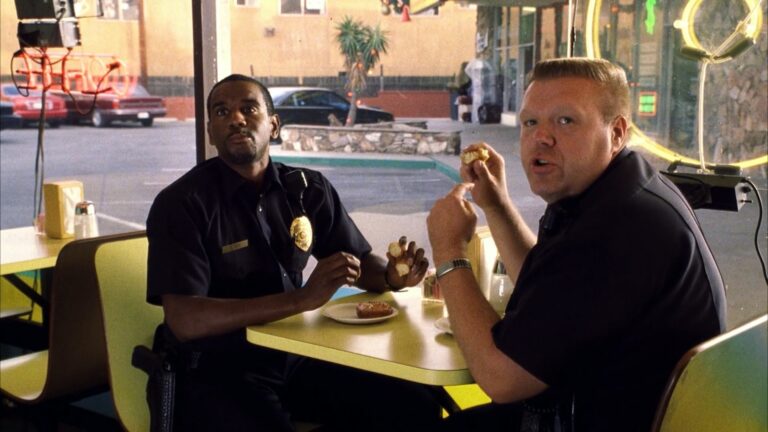
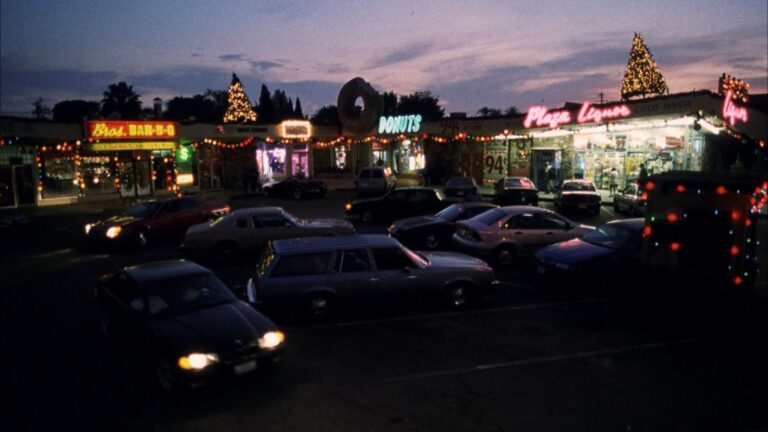
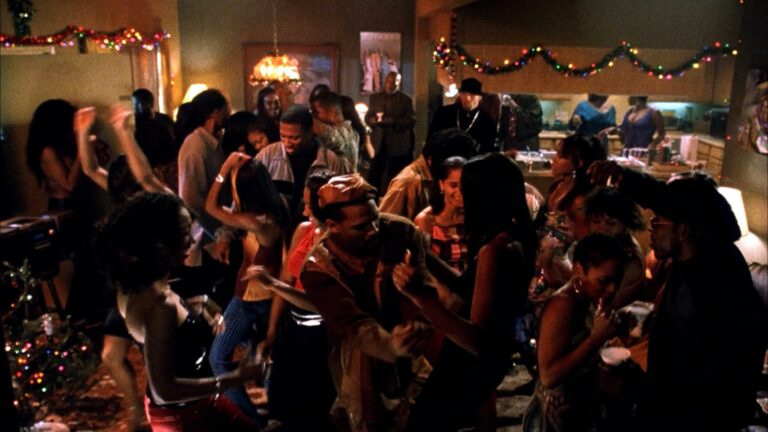
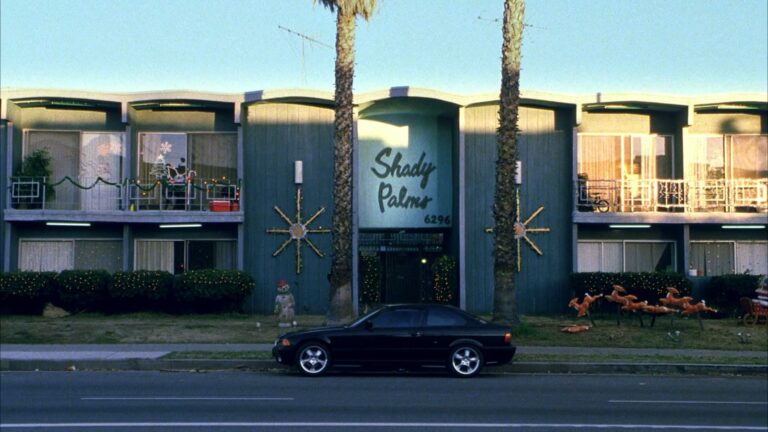
On Christmas Eve, Craig and Day-Day take jobs as security guards at a strip mall after their apartment is robbed by a man dressed as Santa Claus. As they try to track down the thief and recover their stolen rent money, they encounter a series of eccentric characters and chaotic situations. The day turns into a holiday misadventure filled with mishaps, confrontations, and comedic detours.
Raboy and cinematographer Glen MacPherson shoot Friday After Next with a bright, straightforward studio-comedy aesthetic, using clean lighting and wide coverage to emphasize performance and timing. The film leans on colorful production design and ensemble blocking—letting character interactions and physical comedy drive the visual rhythm rather than stylization.

FILM SPOTLIGHT
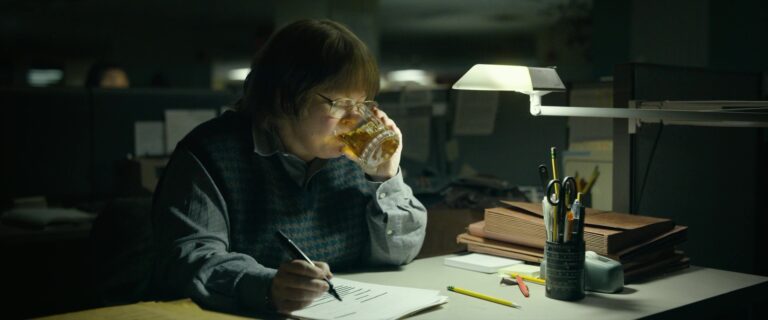
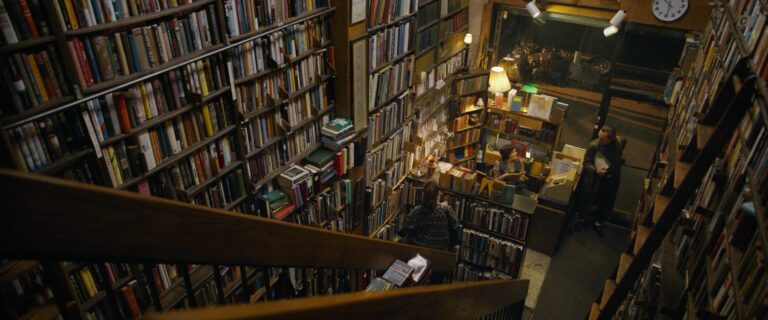
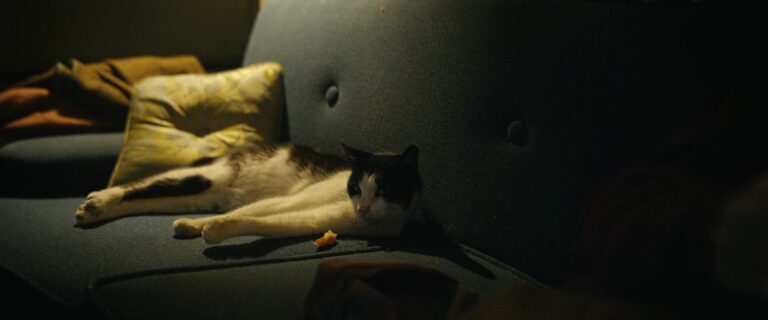
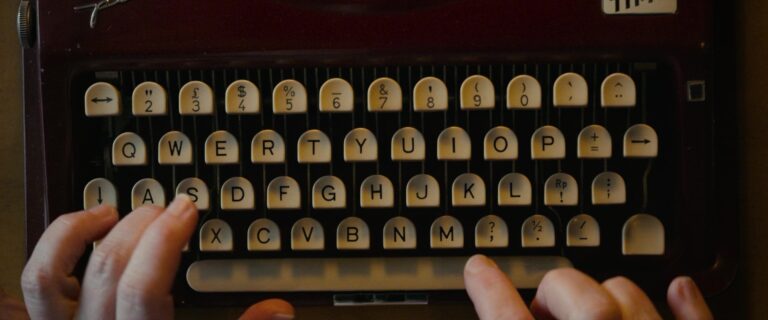
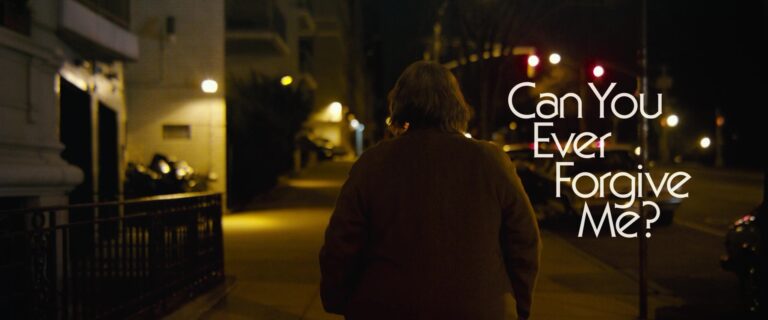
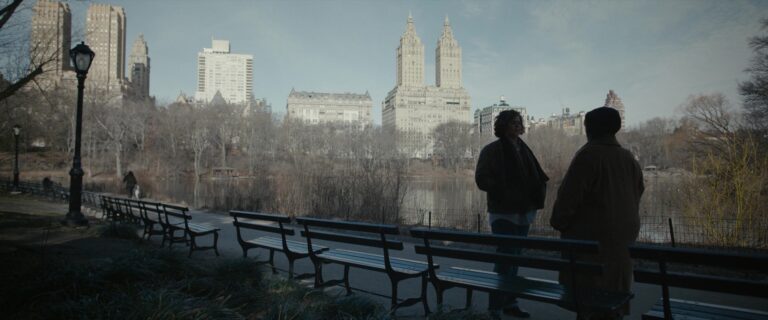
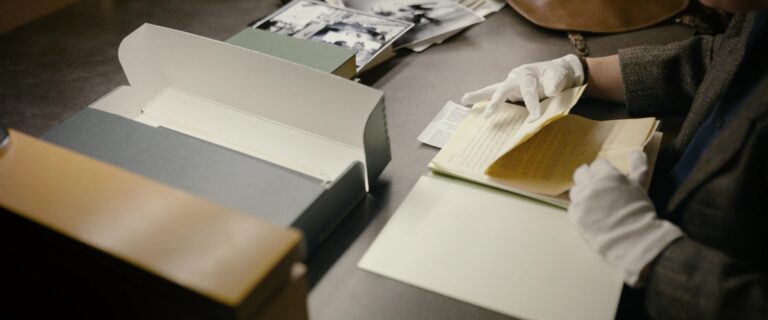
Can You Ever Forgive Me? (2018)
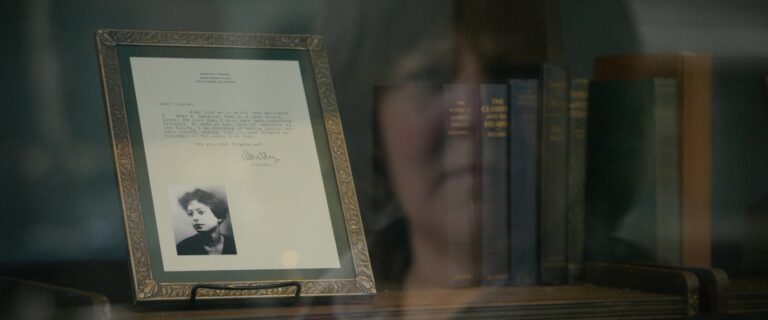
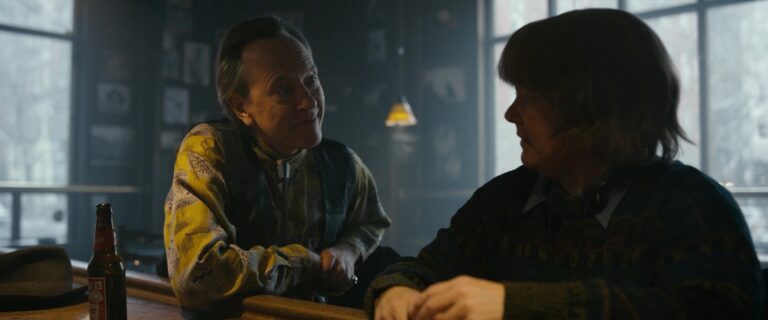
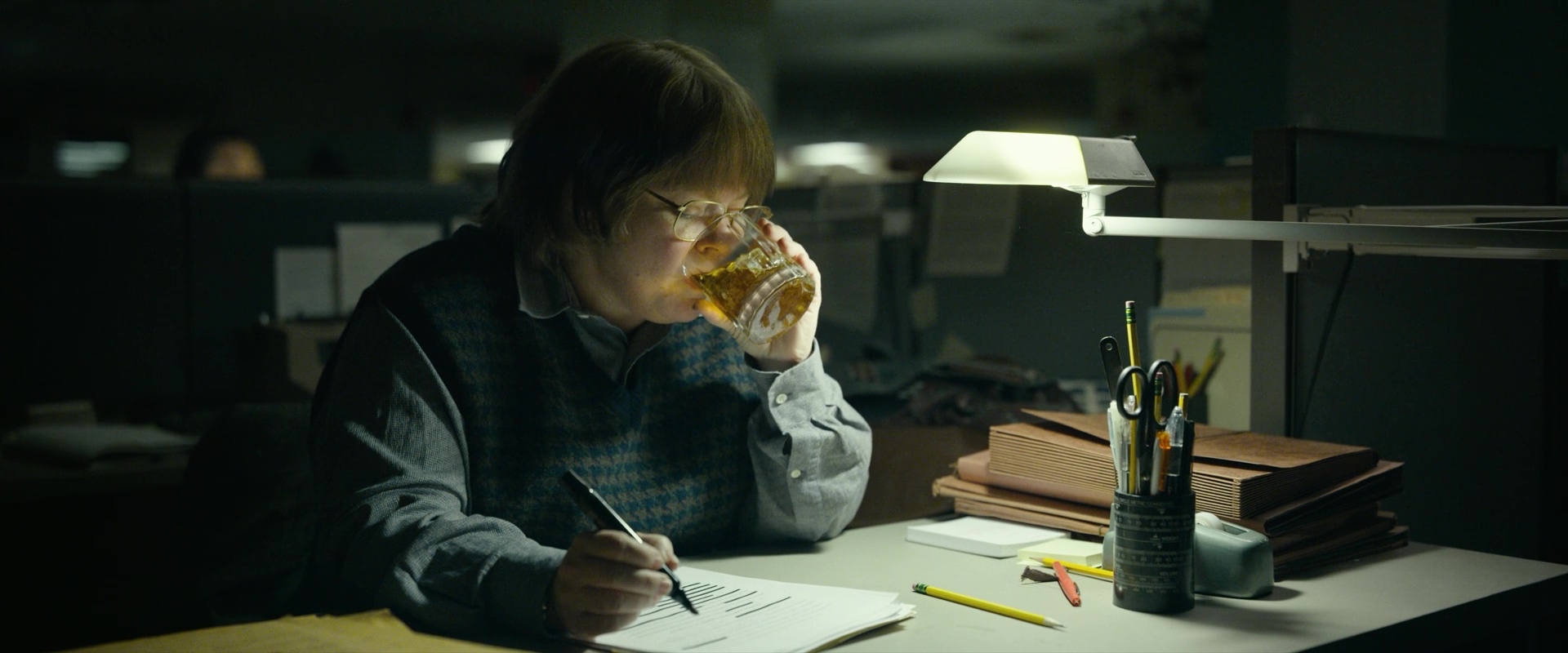
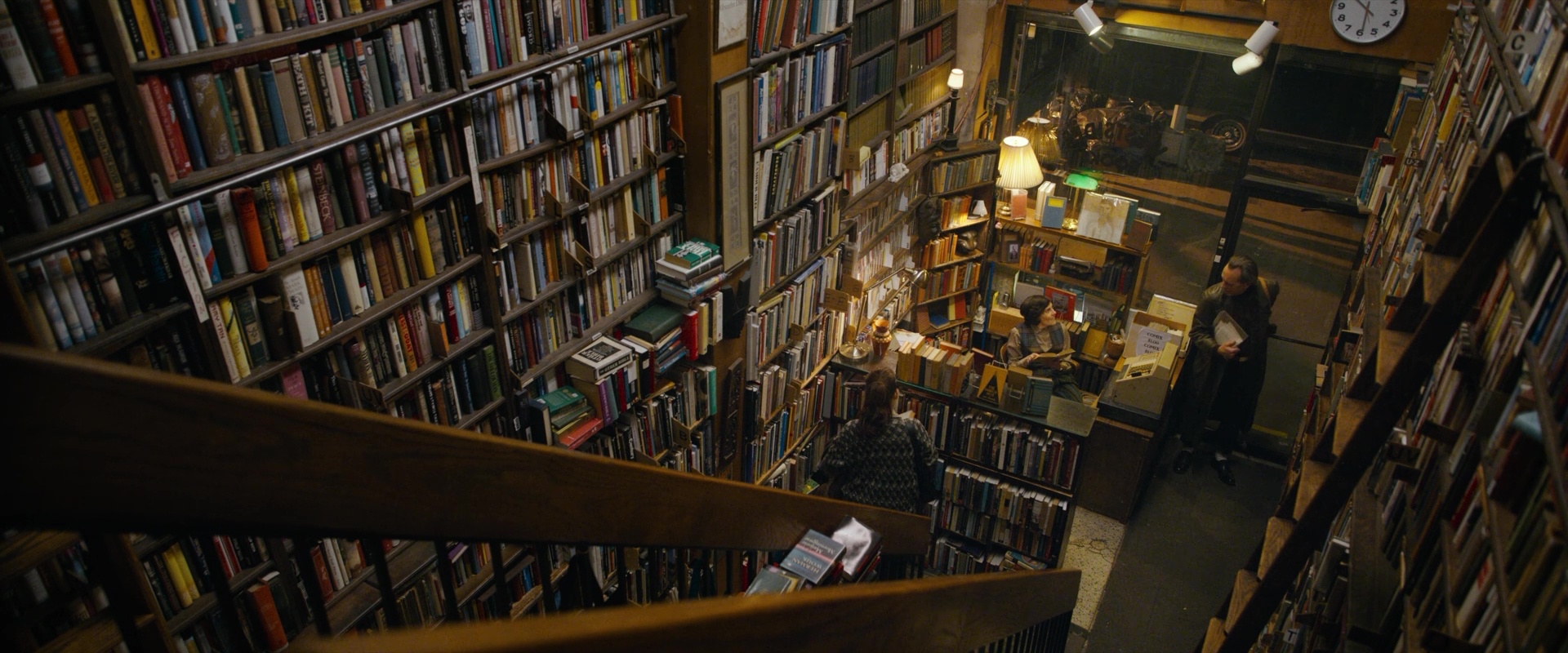
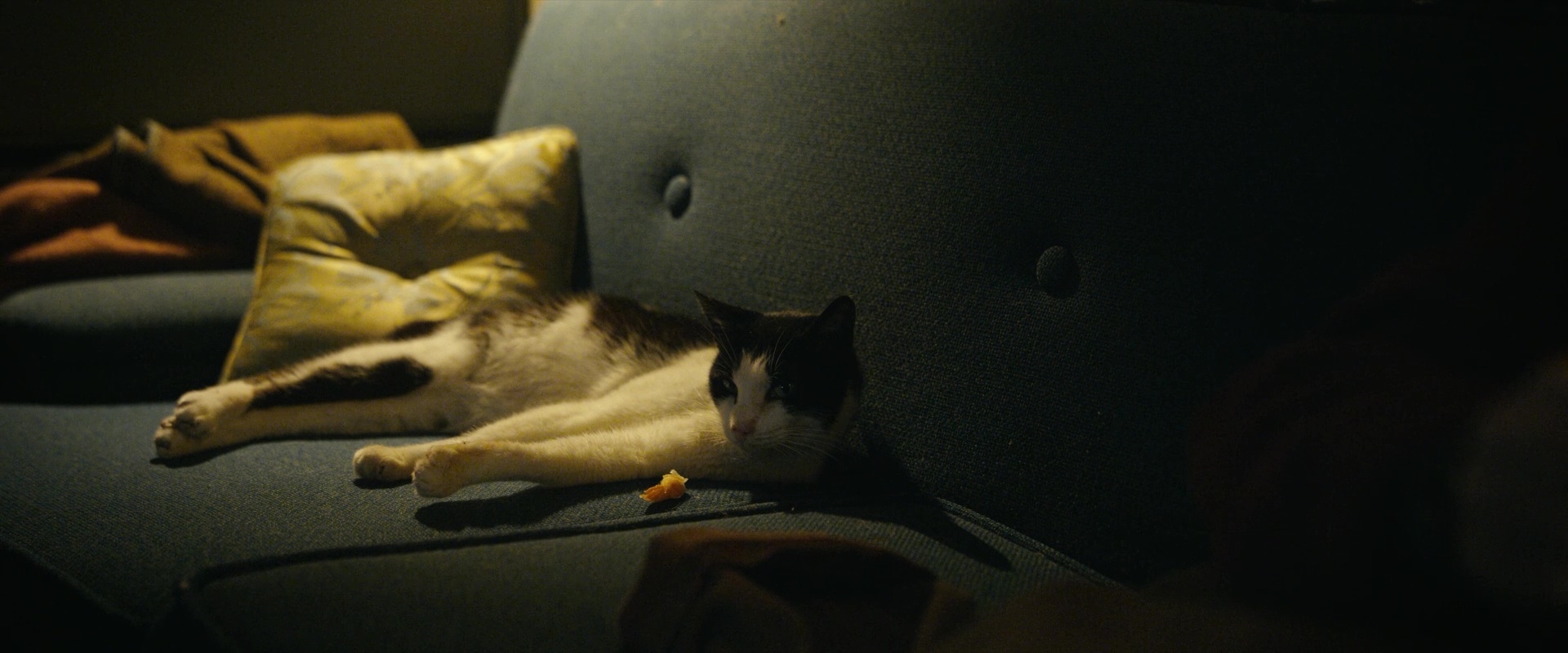
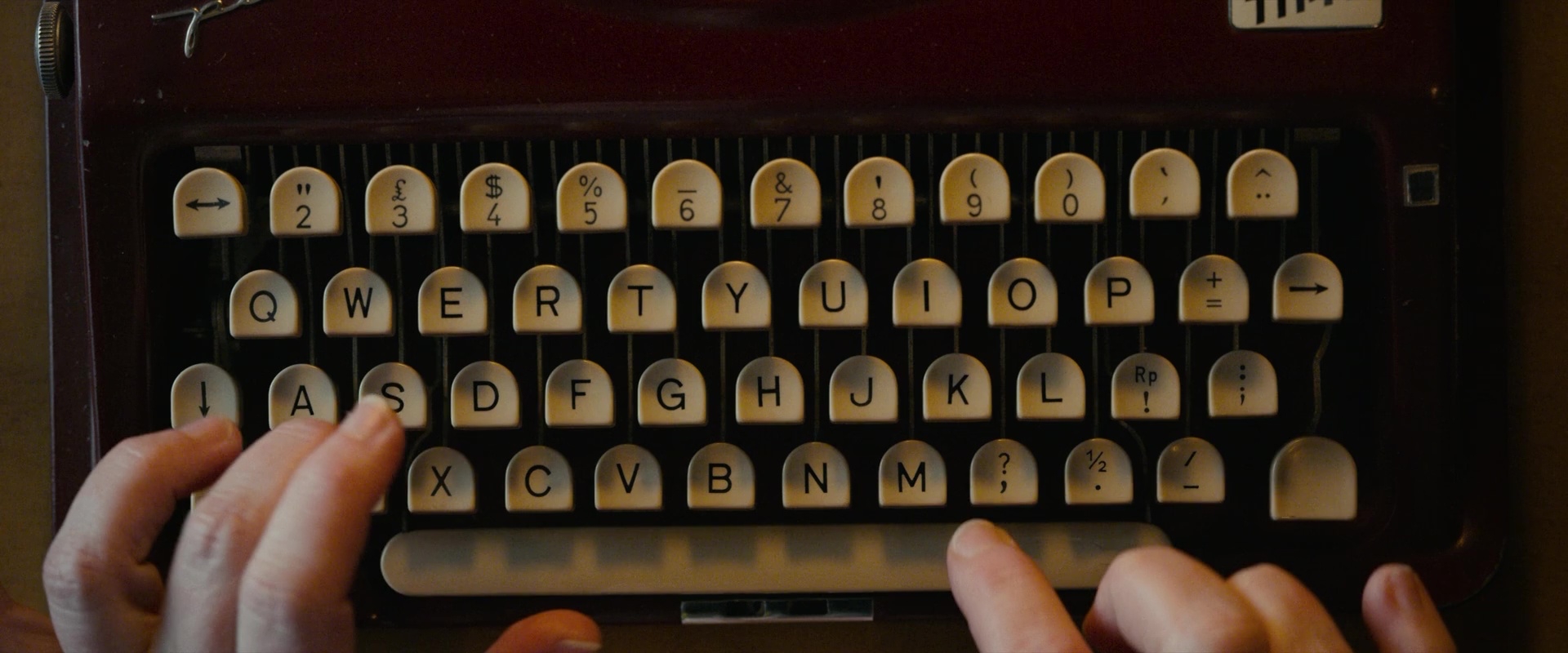
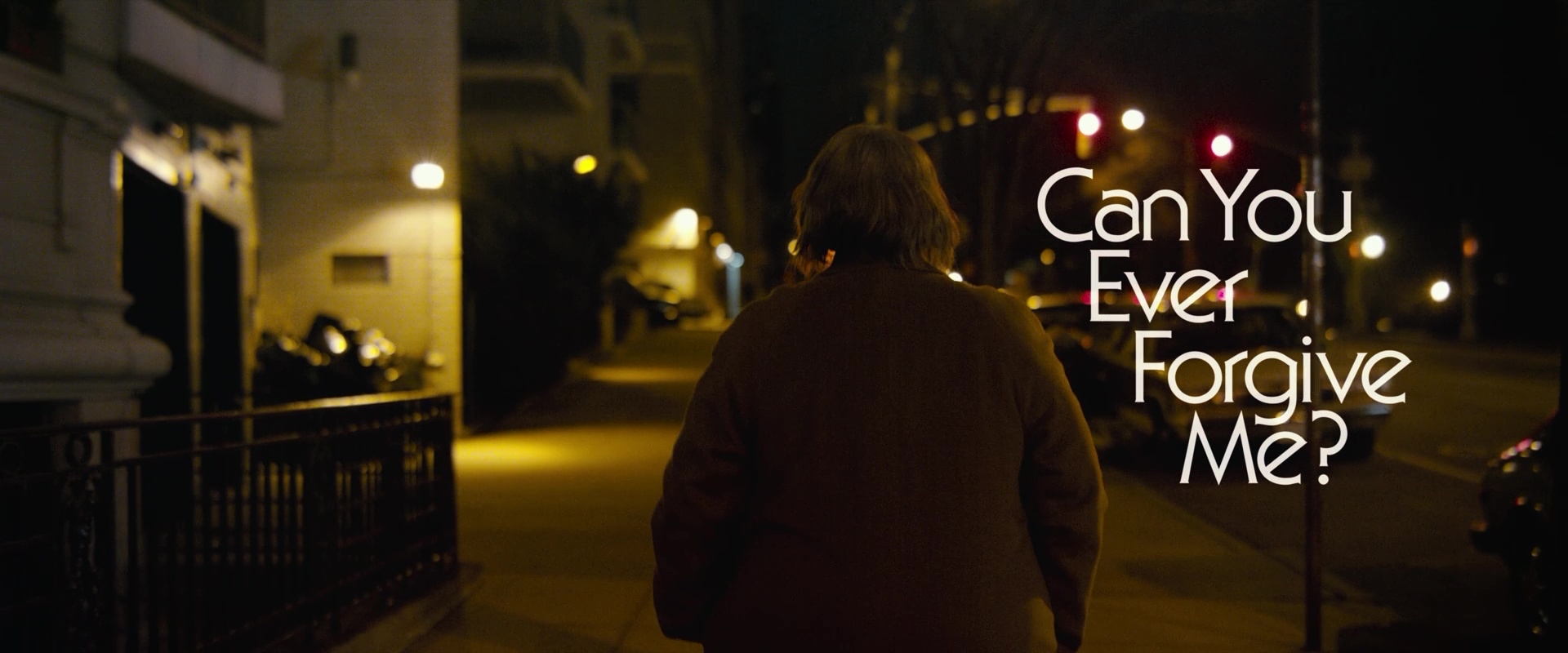
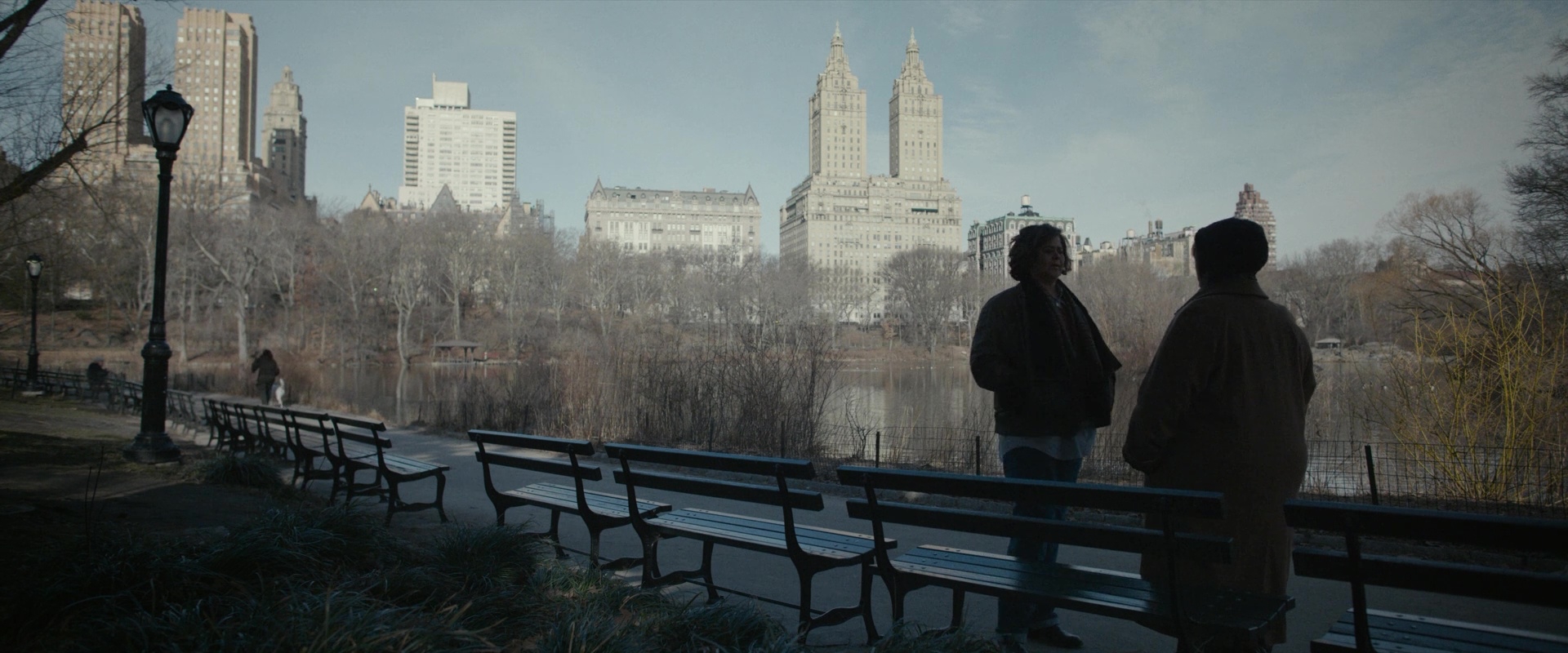
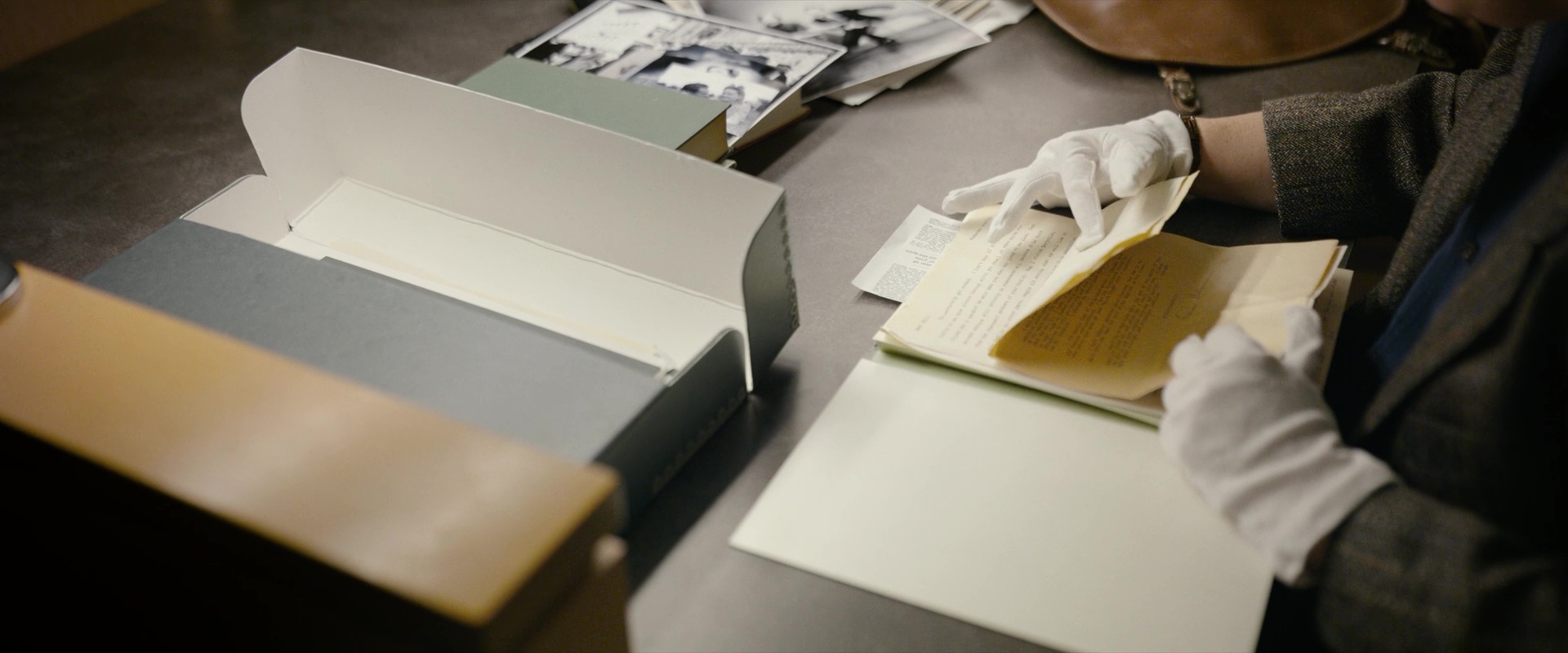
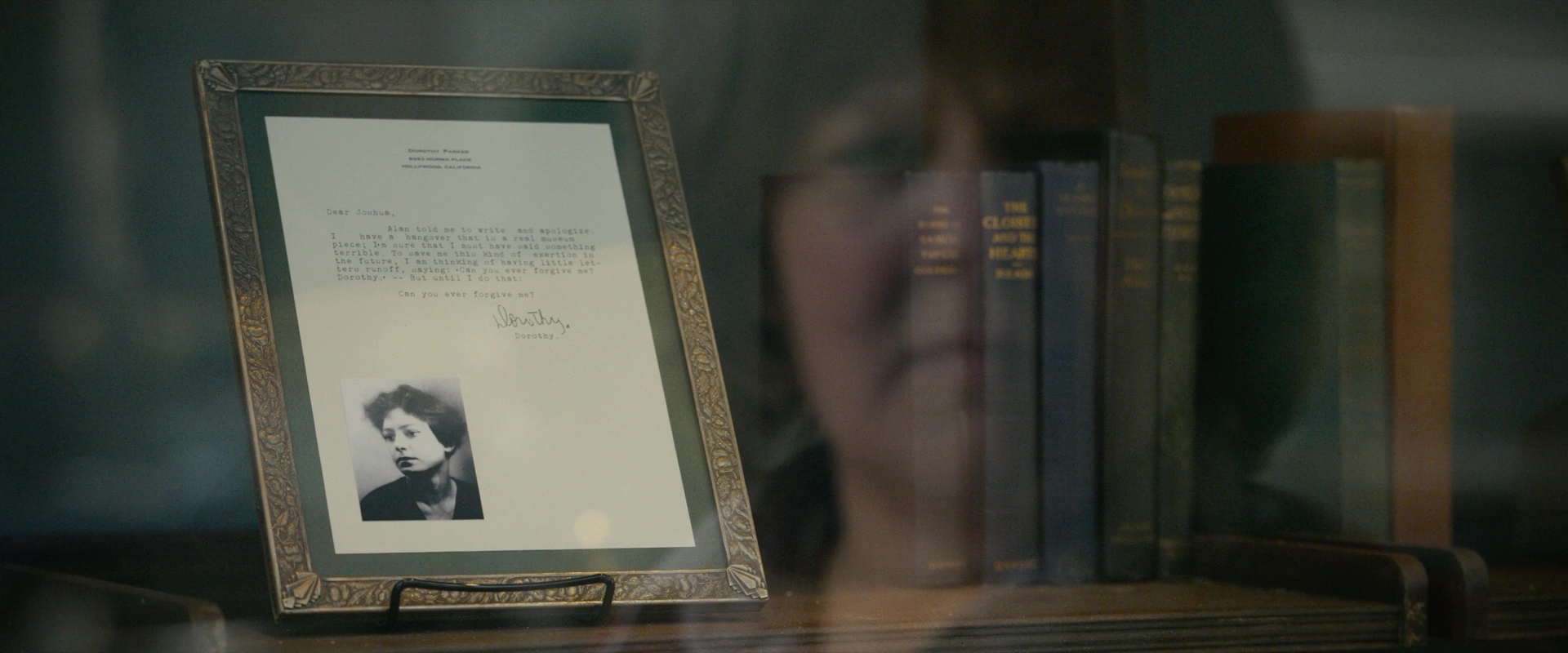
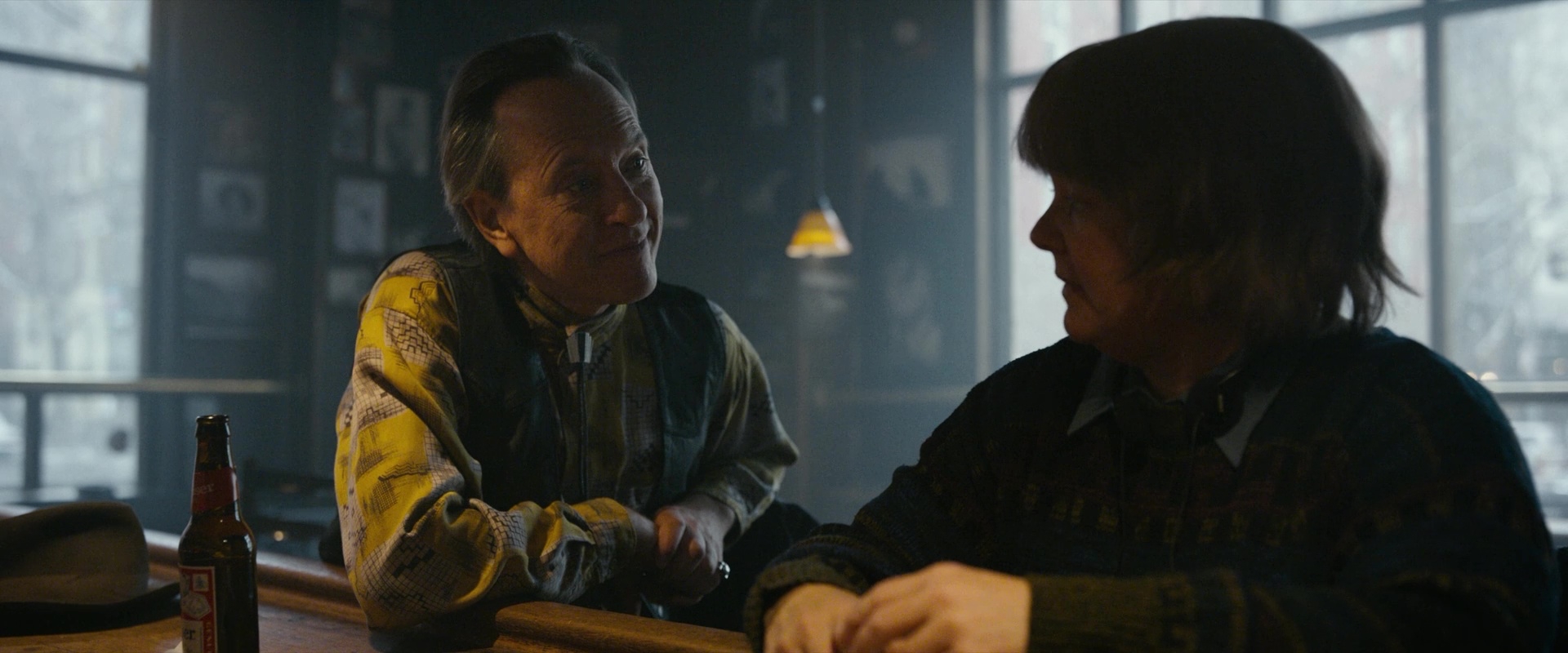
Lee Israel, a struggling writer facing financial hardship and professional obscurity, turns to forging letters from famous literary figures to make ends meet. With the help of a charming but unreliable friend, she becomes increasingly entangled in her own deception. As her scheme grows, so does the risk of exposure, forcing her to confront her isolation and choices.
Heller and cinematographer Brandon Trost shoot the film with a muted, wintry palette, using soft, low-key lighting and subdued colors to reflect Lee’s withdrawn, solitary life. The intimate framing and cluttered interiors—filled with books, papers, and dim light—turn space into character, visually reinforcing a world defined by nostalgia, loneliness, and literary ghosts.
FILM SPOTLIGHT
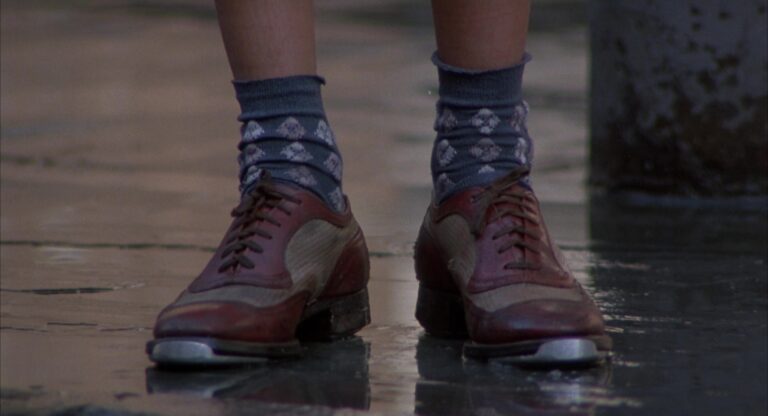
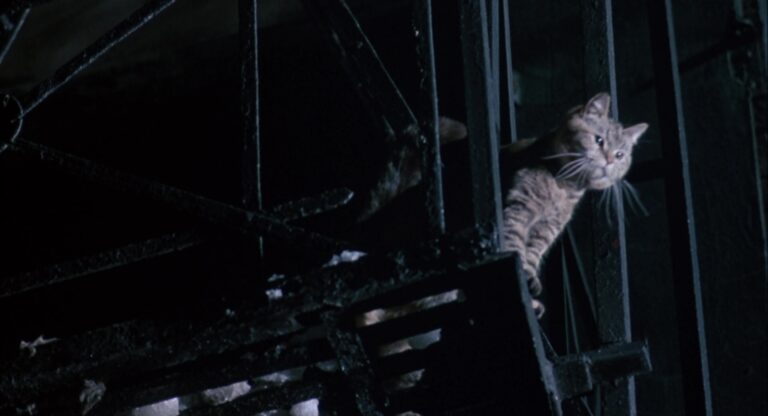
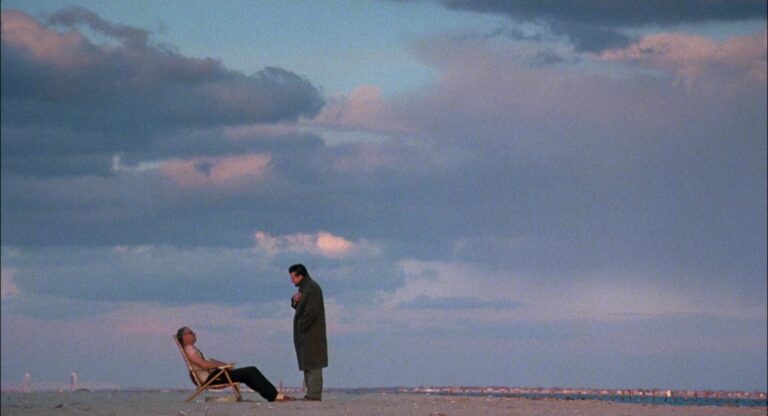
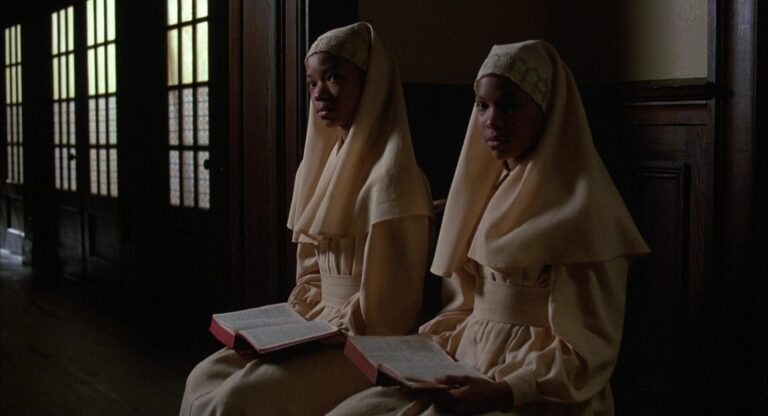
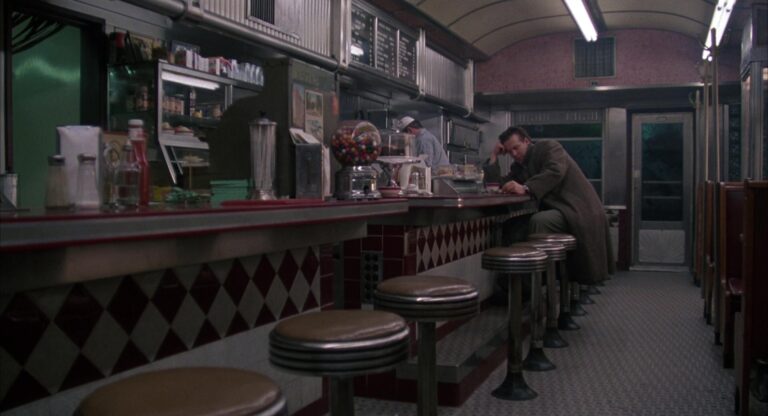
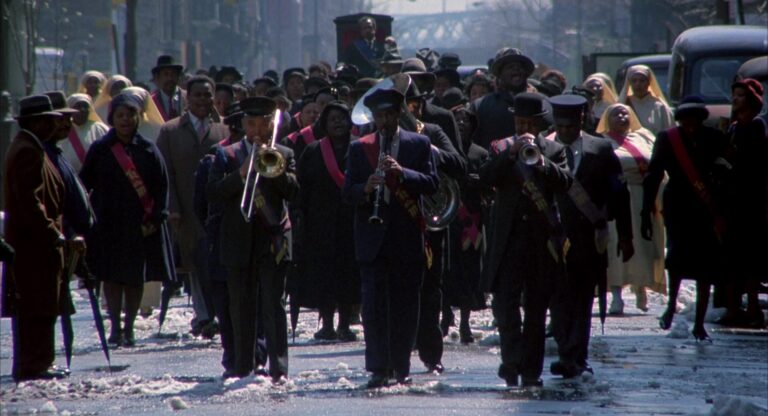
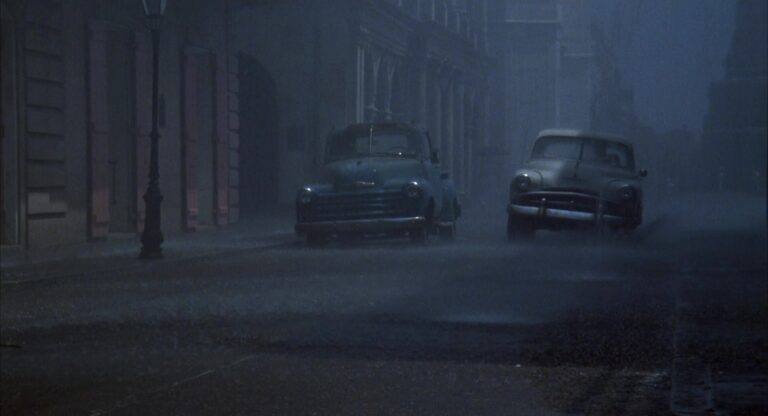
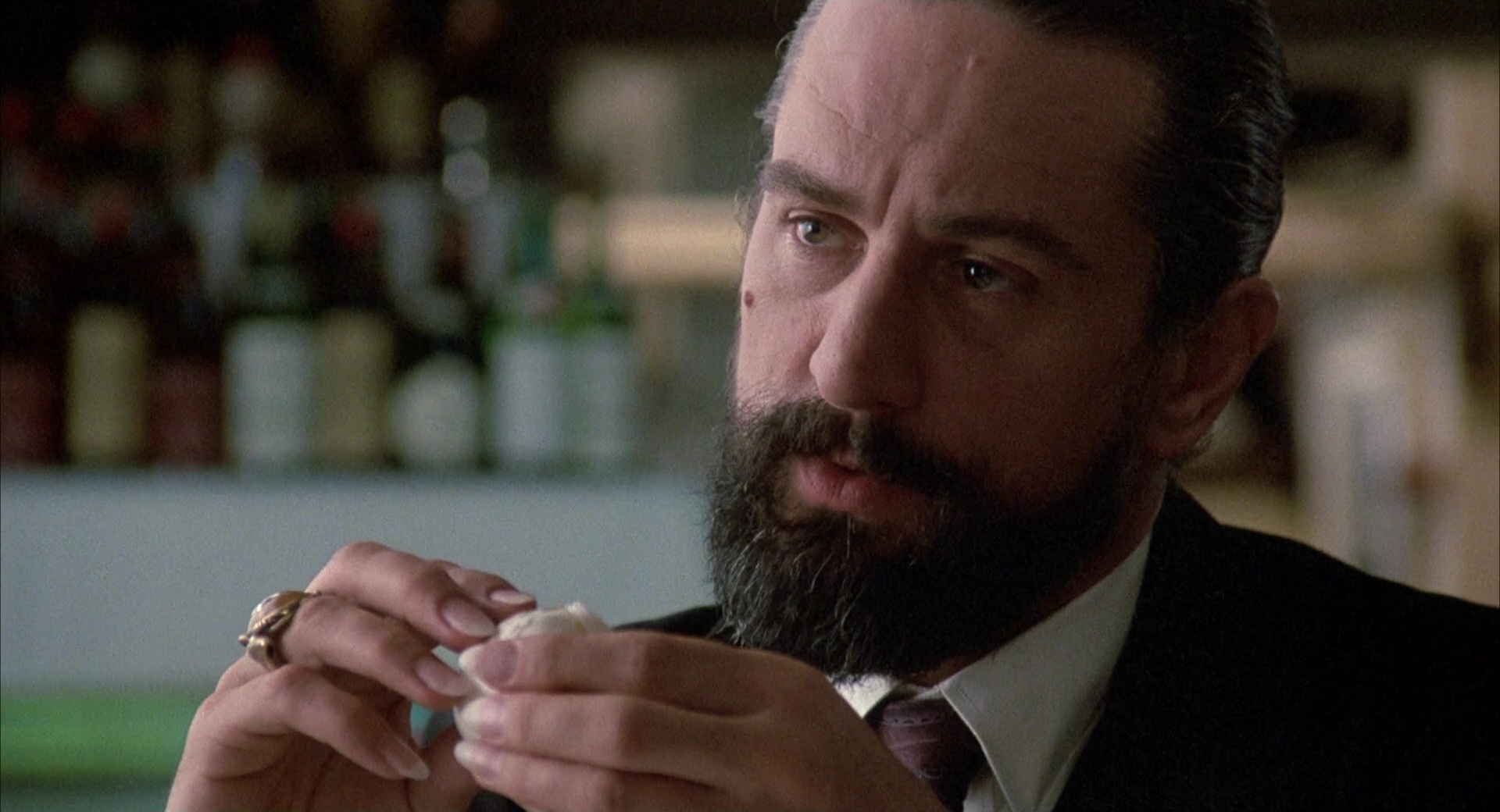
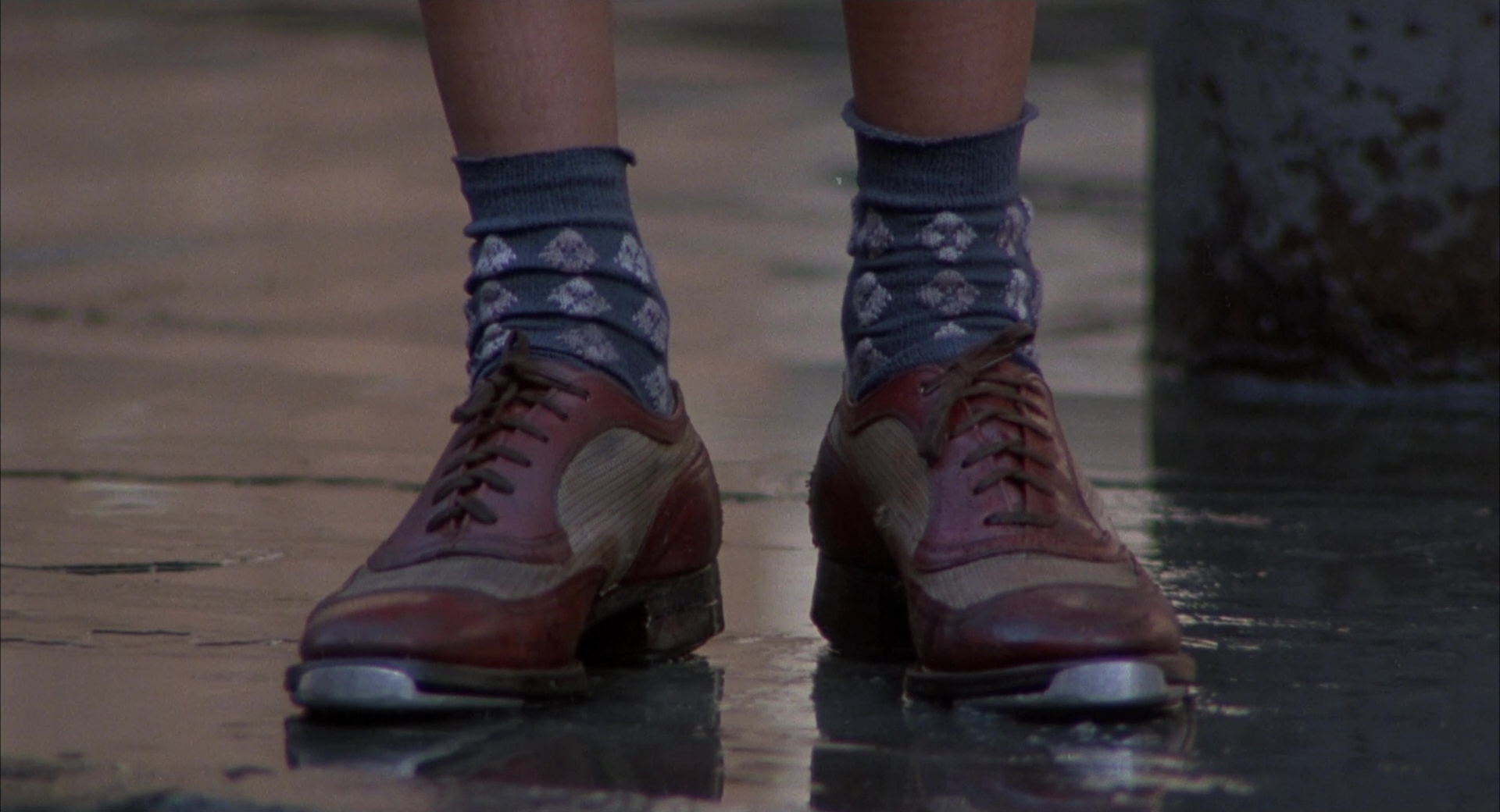
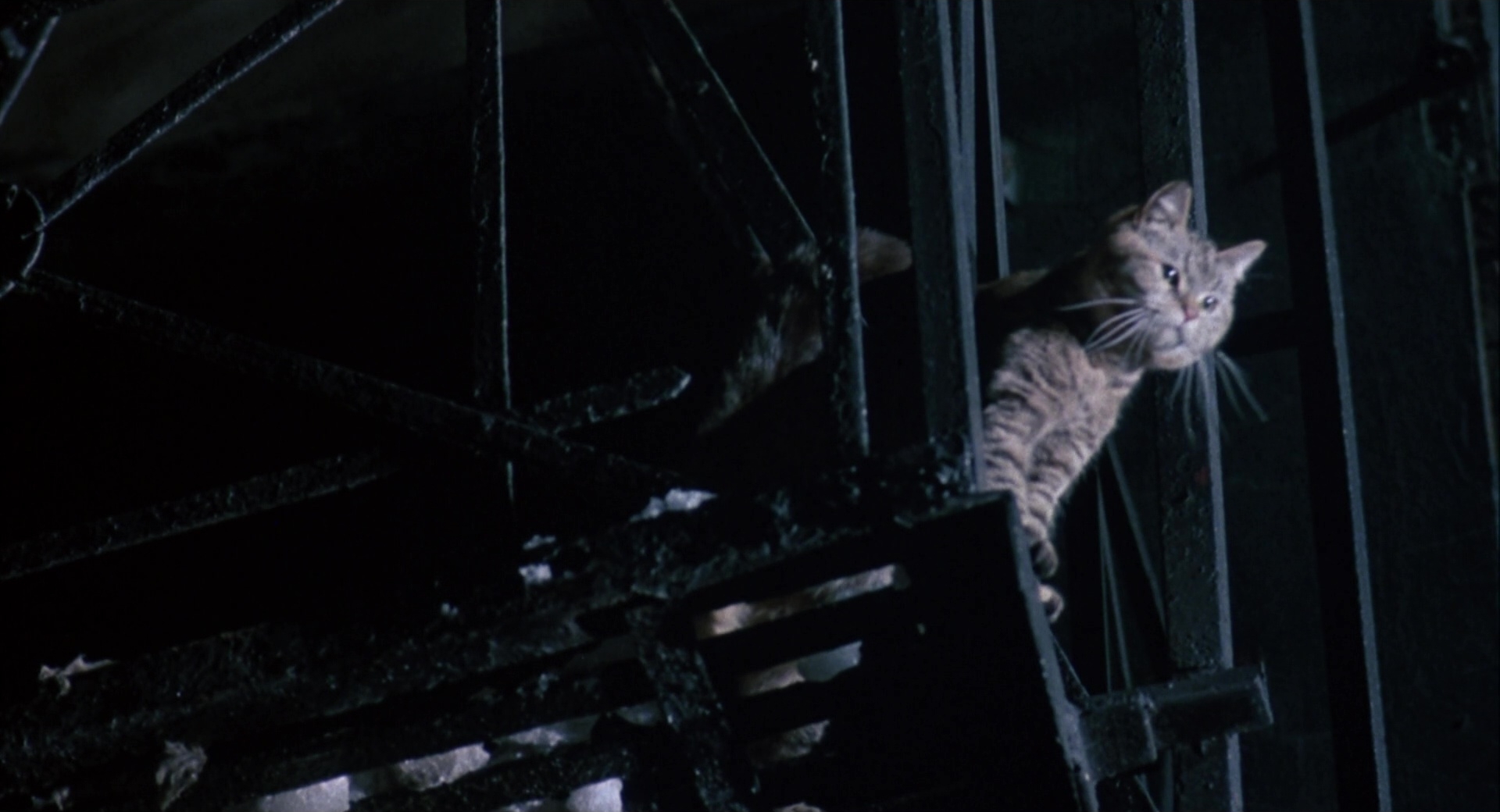
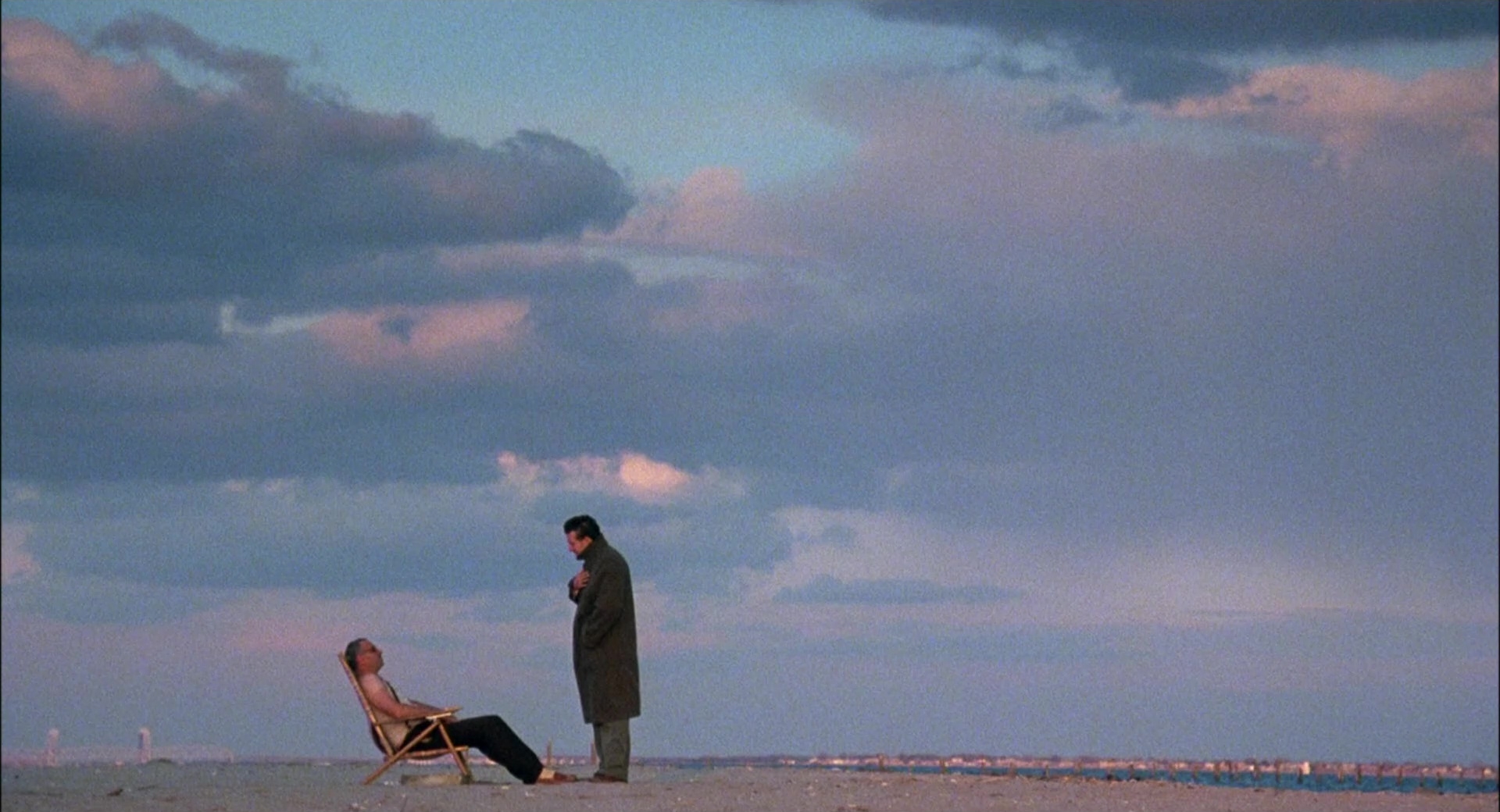
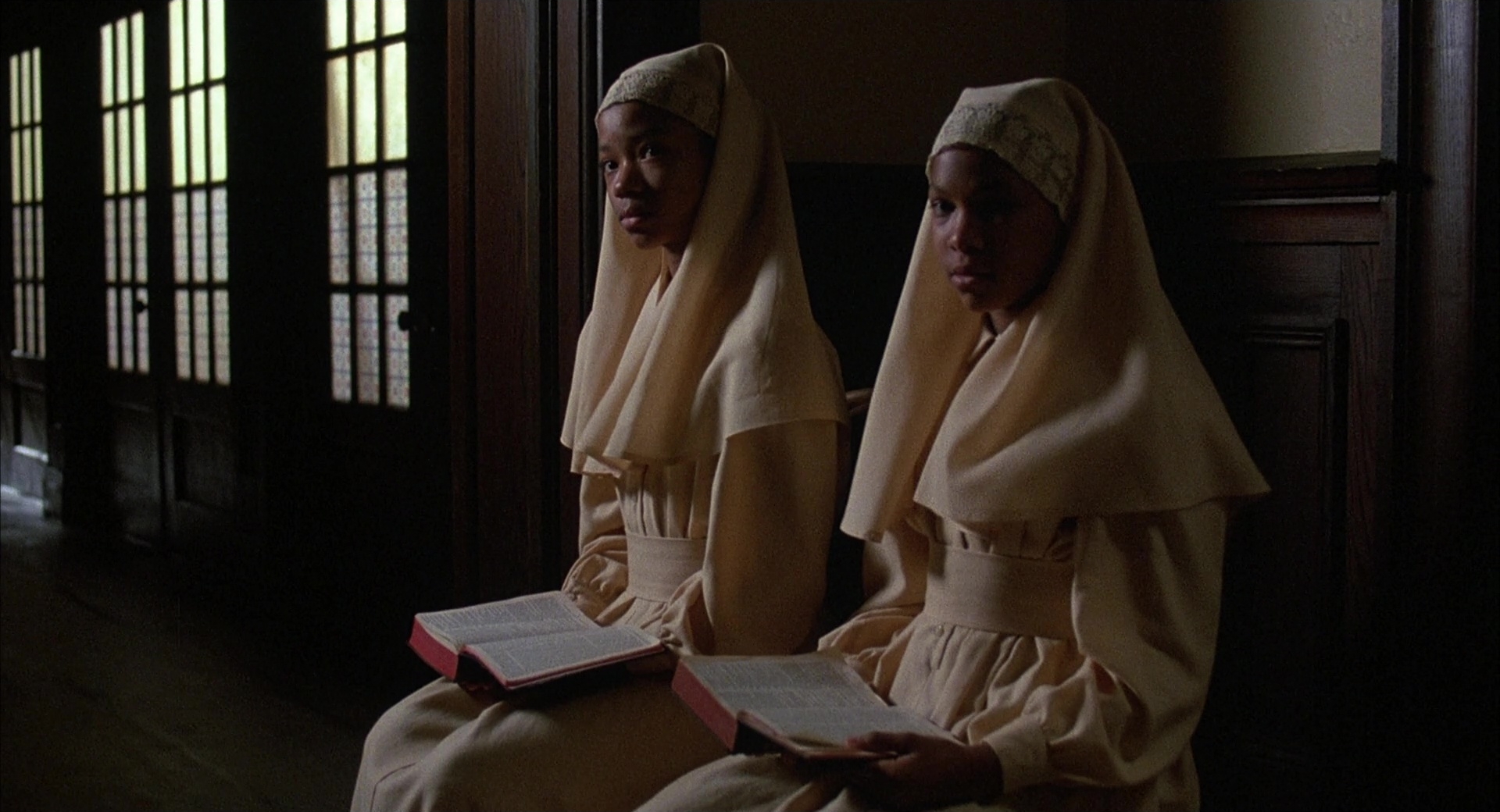
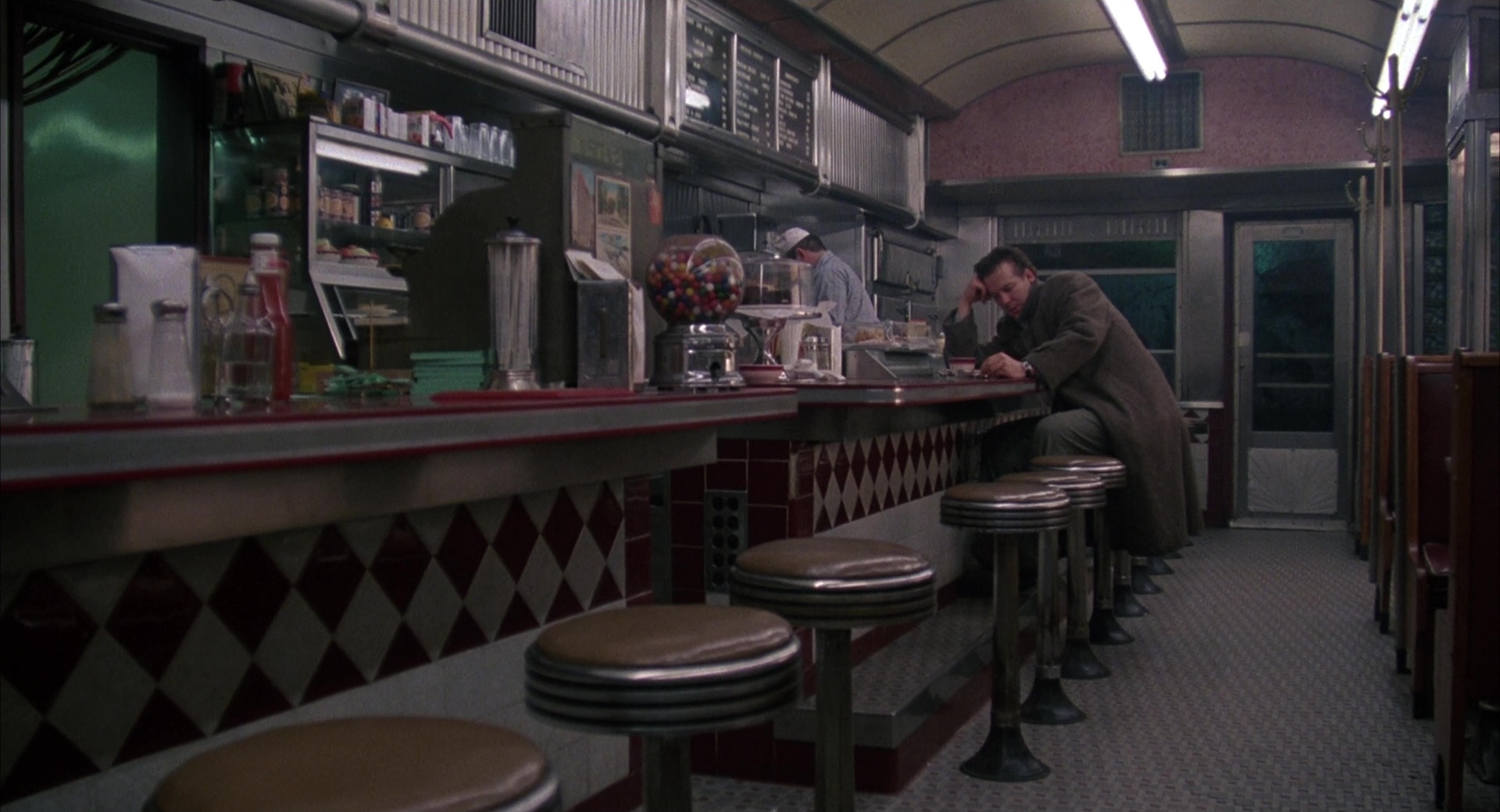
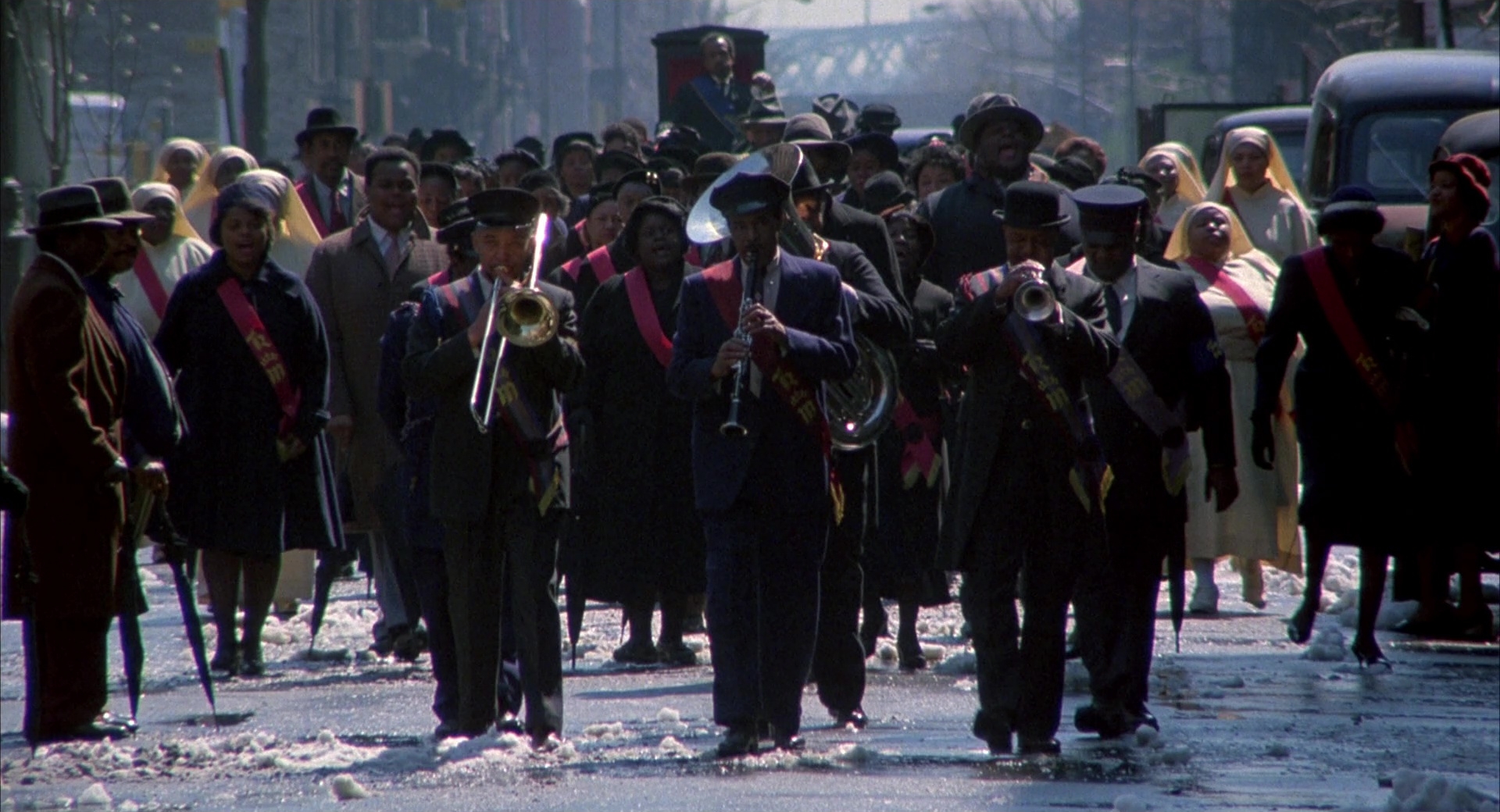
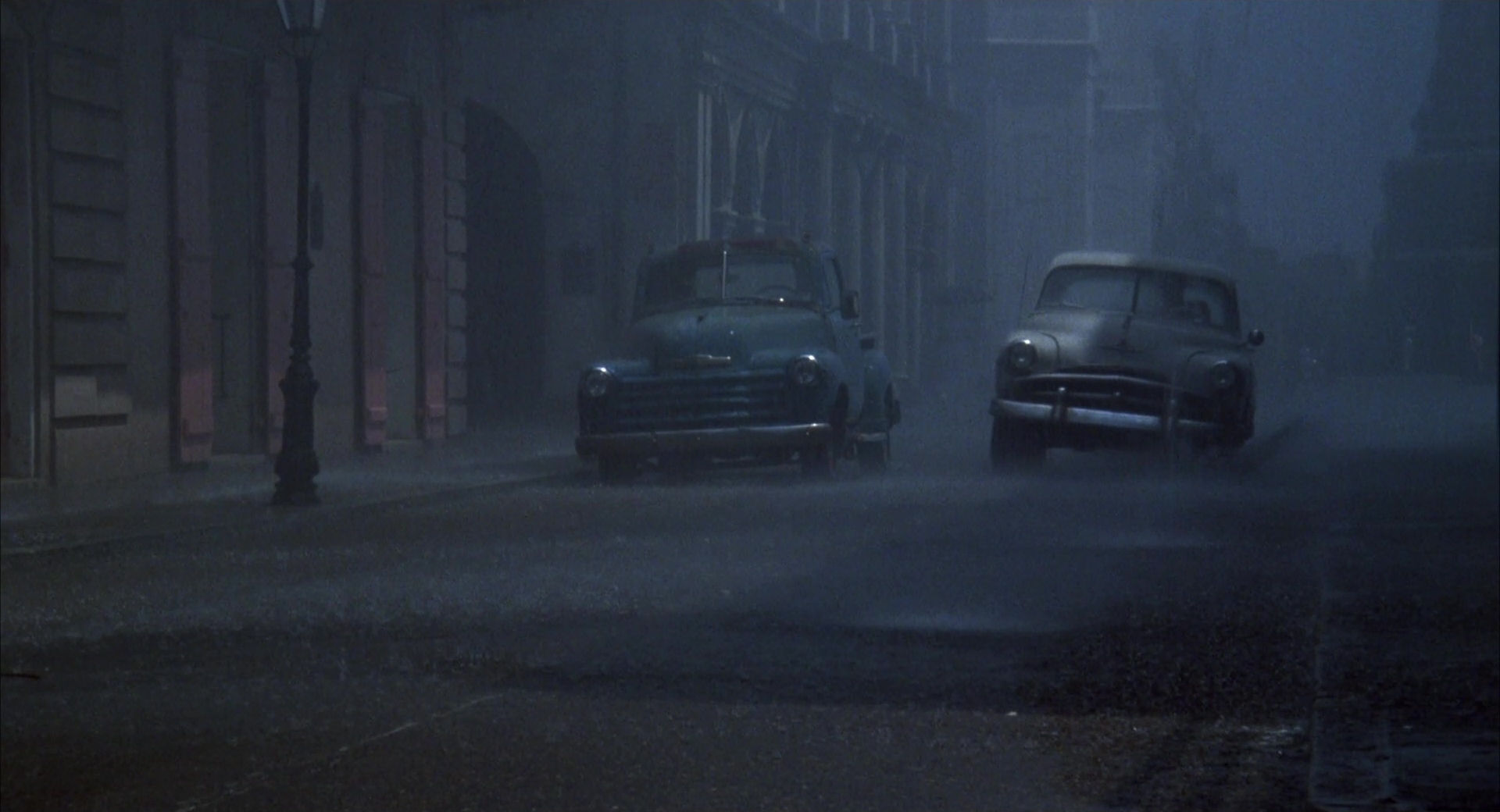
Angel Heart (1987)
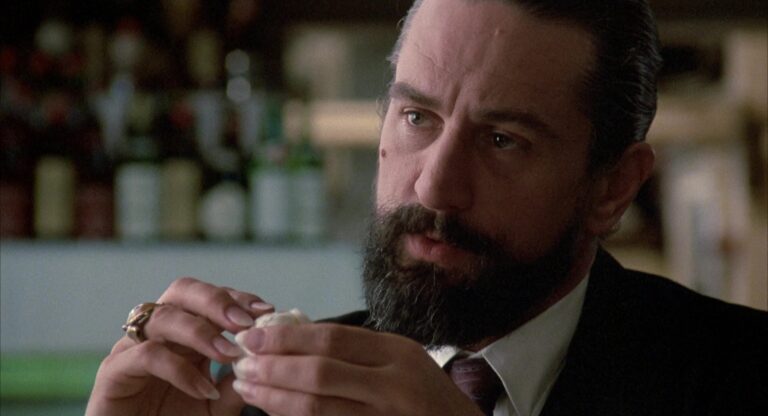
Private investigator Harry Angel is hired by a mysterious client to track down a missing singer, leading him from New York to New Orleans. As he follows a trail of strange clues and increasingly violent encounters, the case begins to take on a sinister, supernatural dimension. The deeper he digs, the more he uncovers a truth that threatens his own identity.
Parker and cinematographer Michael Seresin craft Angel Heart with a dense, atmospheric blend of noir and horror, using heavy shadows, smoke, and saturated warm tones—especially in the New Orleans sequences. The film’s use of fans, sweat, mirrors, and decaying interiors creates a tactile, almost oppressive texture, where environment feels alive and corrupted, visually echoing its themes of identity and damnation.
FILM SPOTLIGHT
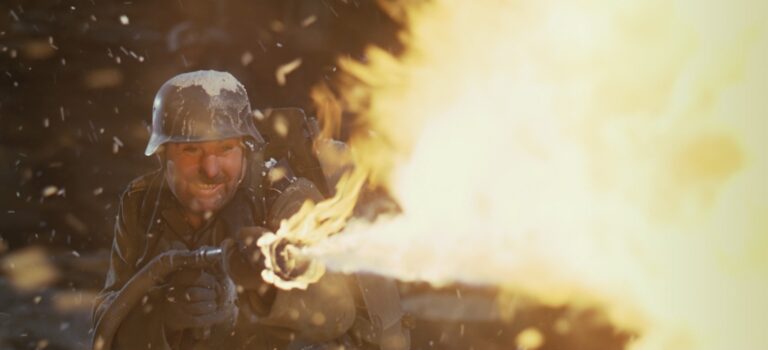
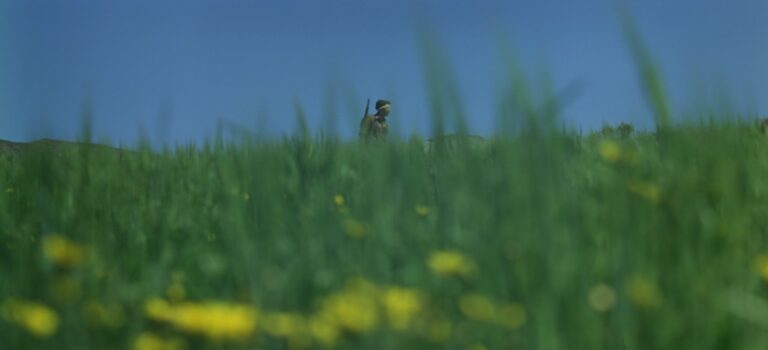
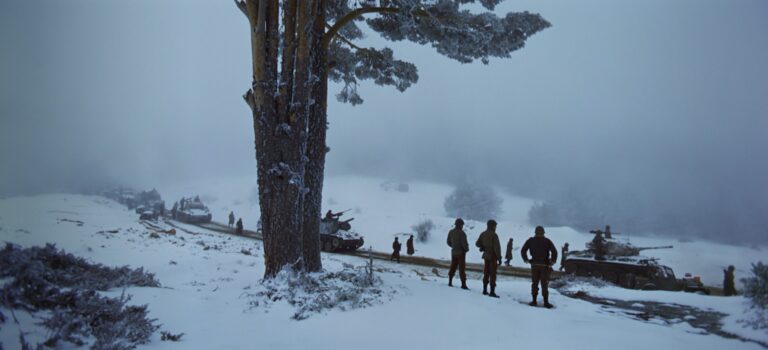
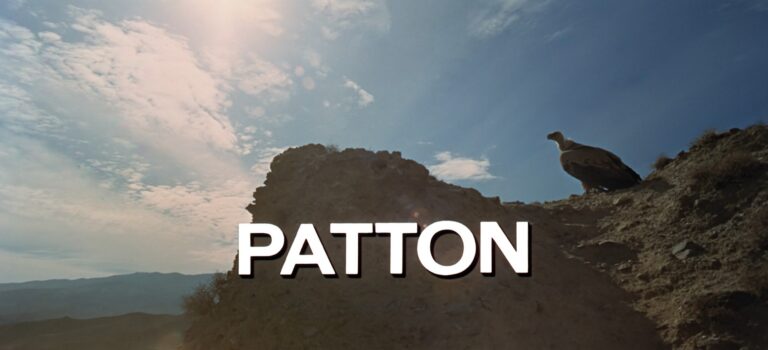
Patton (1970)
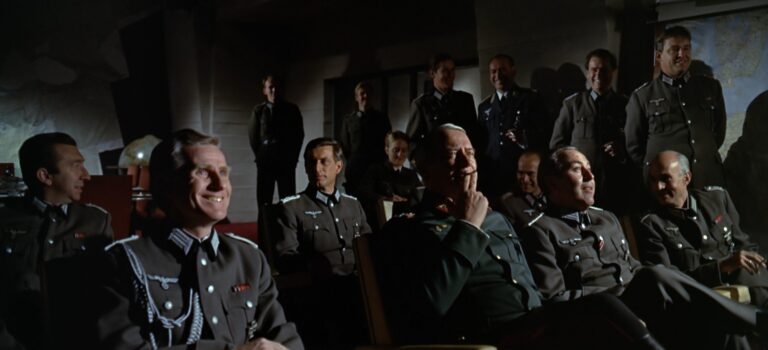
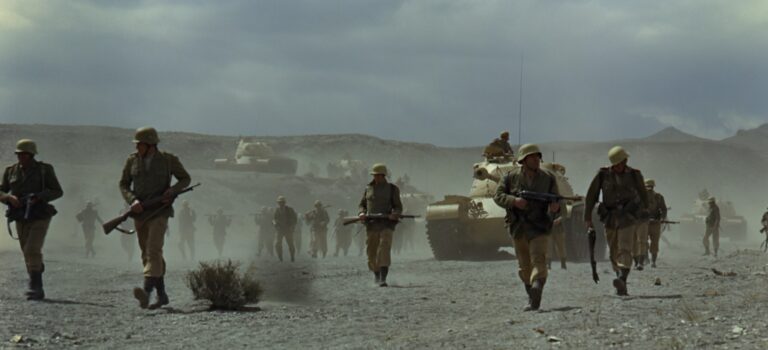
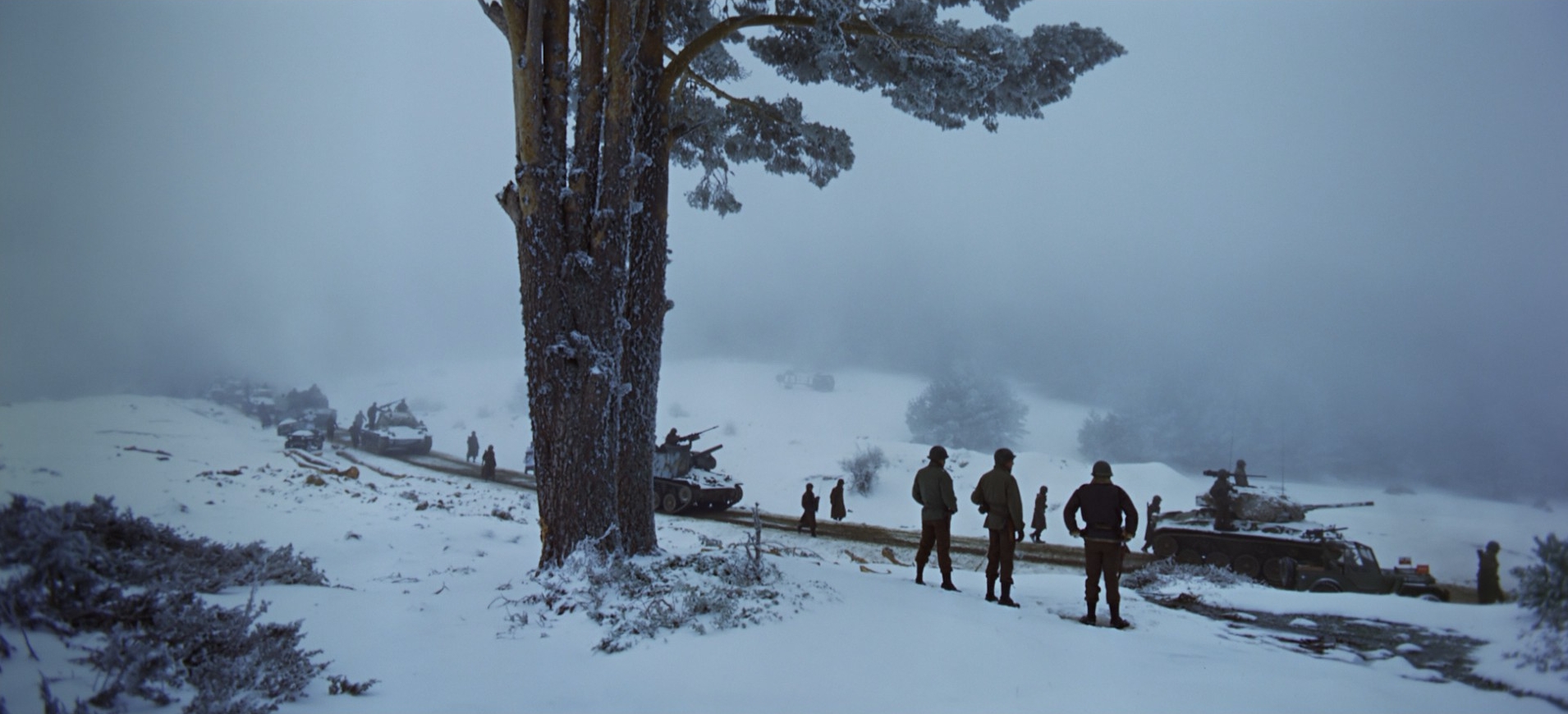
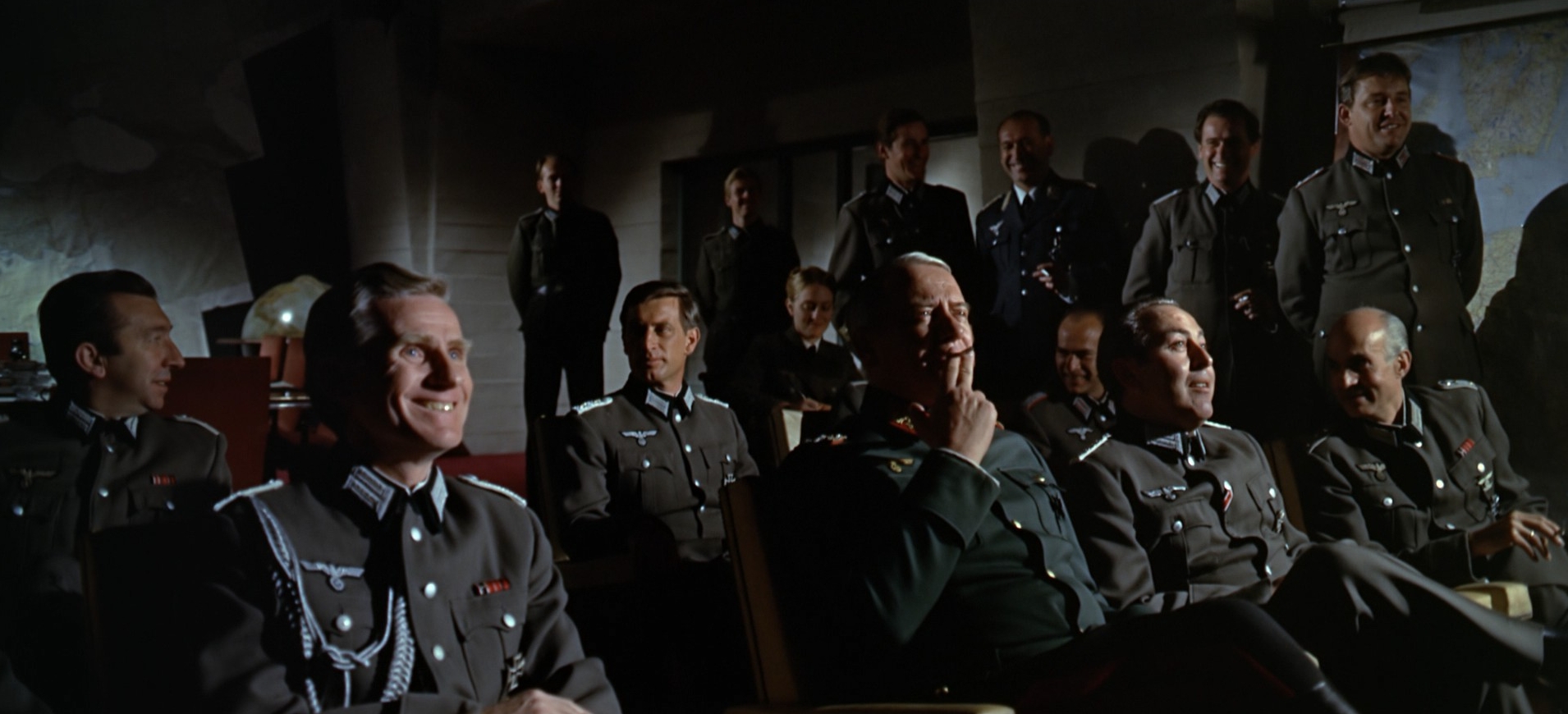
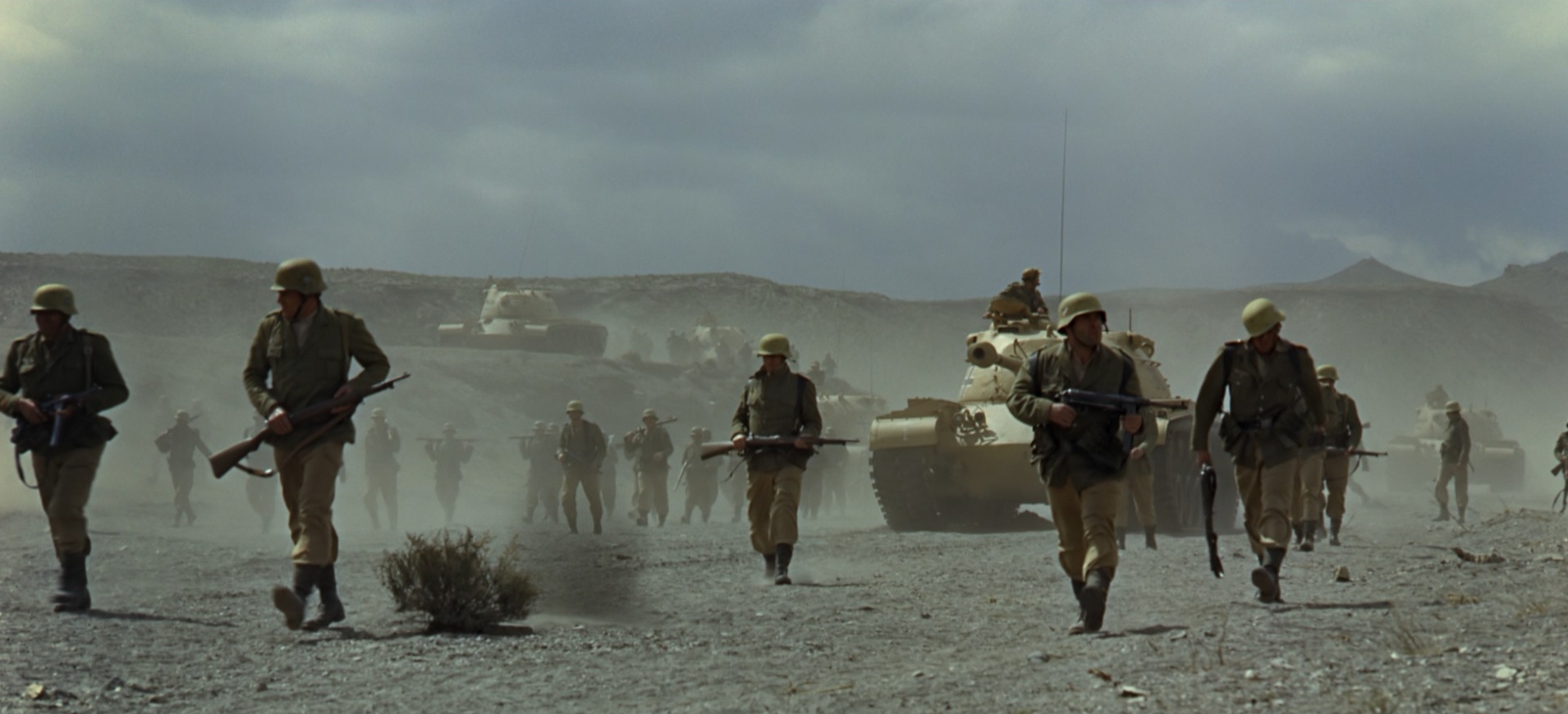
Patton chronicles the career of General George S. Patton during World War II, focusing on his leadership of U.S. forces in North Africa and Europe. Known for his brilliance as a military strategist and his controversial personality, Patton drives his troops to victory while clashing with superiors and public opinion. The story presents both his triumphs on the battlefield and the complexities of his character.
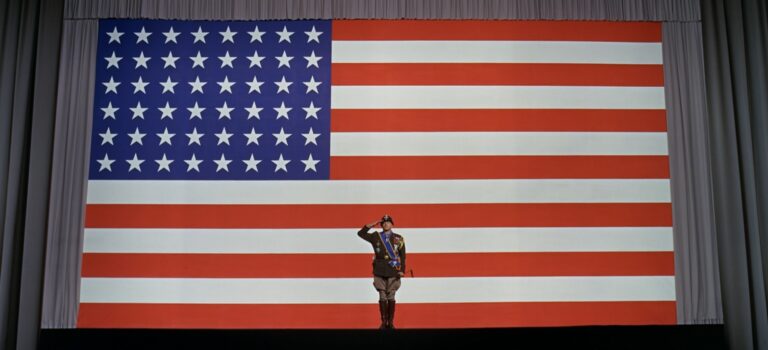
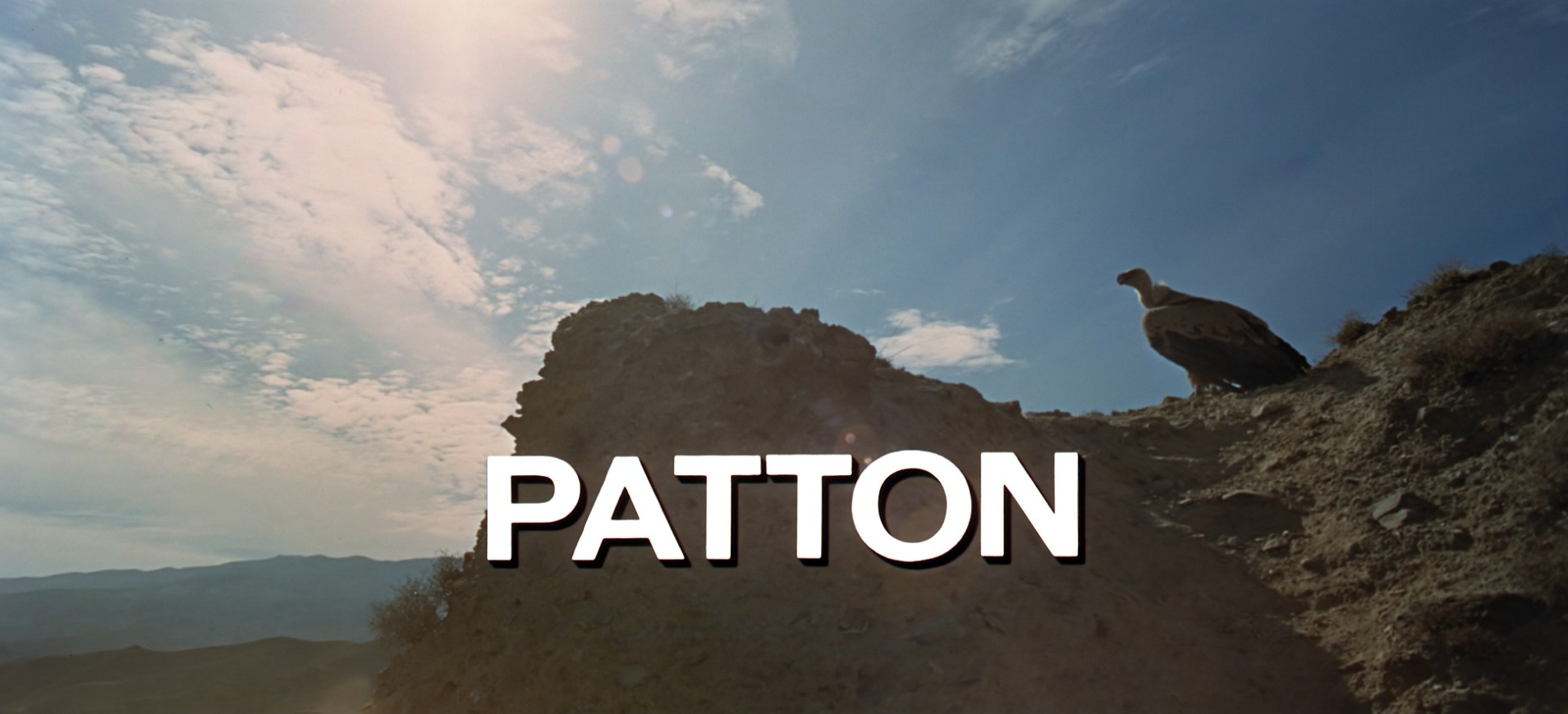
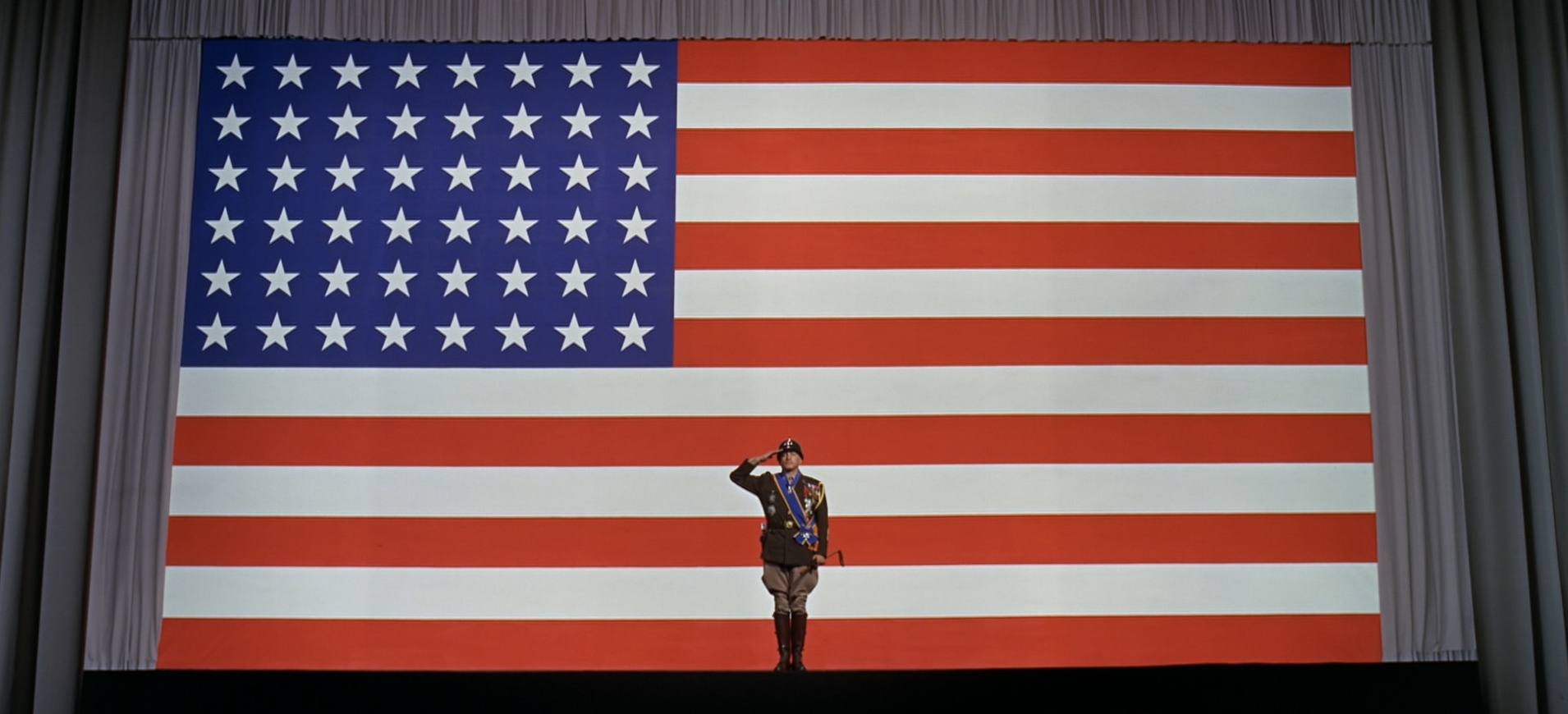
Schaffner and cinematographer Fred J. Koenekamp shoot Patton in expansive 70mm, using wide desert landscapes and large-scale troop movements to emphasize the scope of warfare. The film’s iconic opening—Patton delivering a speech before a massive American flag—uses bold, static composition and scale to immediately establish myth and persona, blending spectacle with psychological portraiture.

FILM SPOTLIGHT
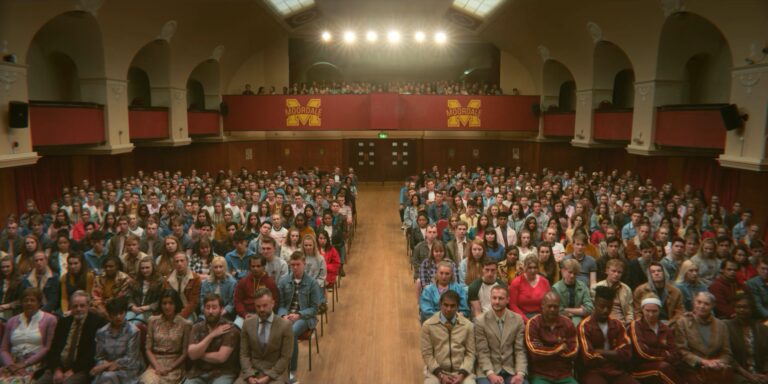
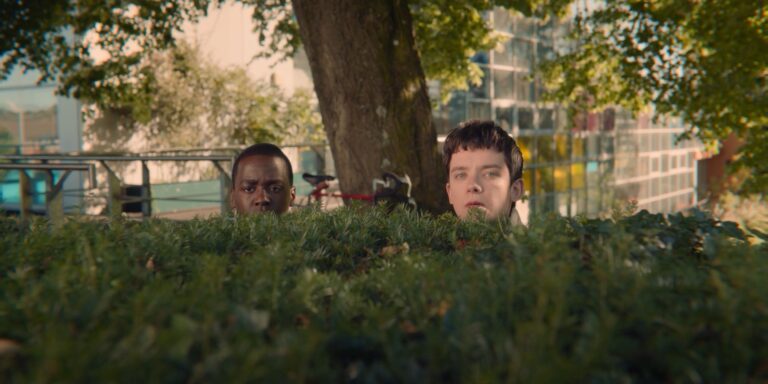
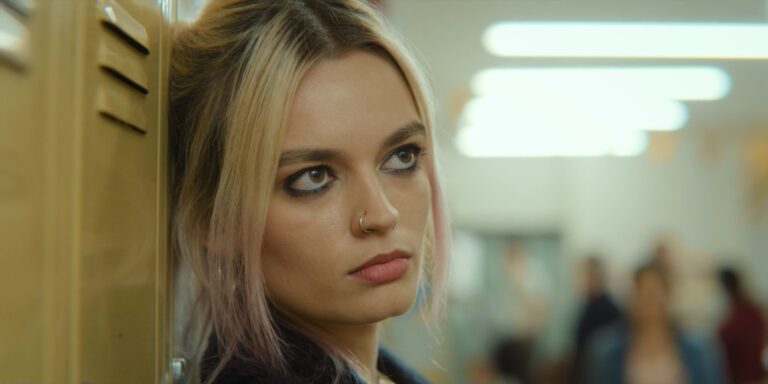
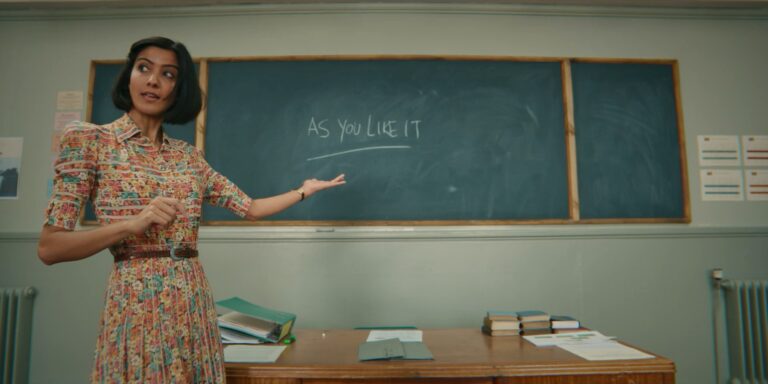
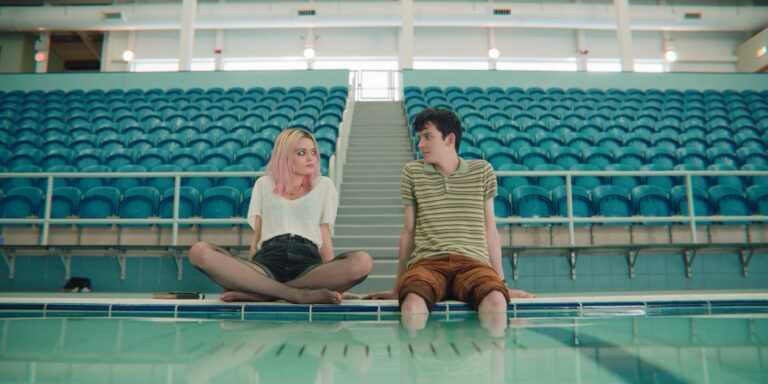
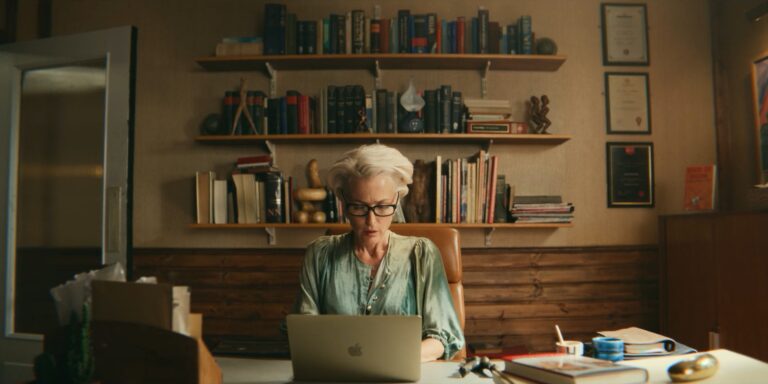
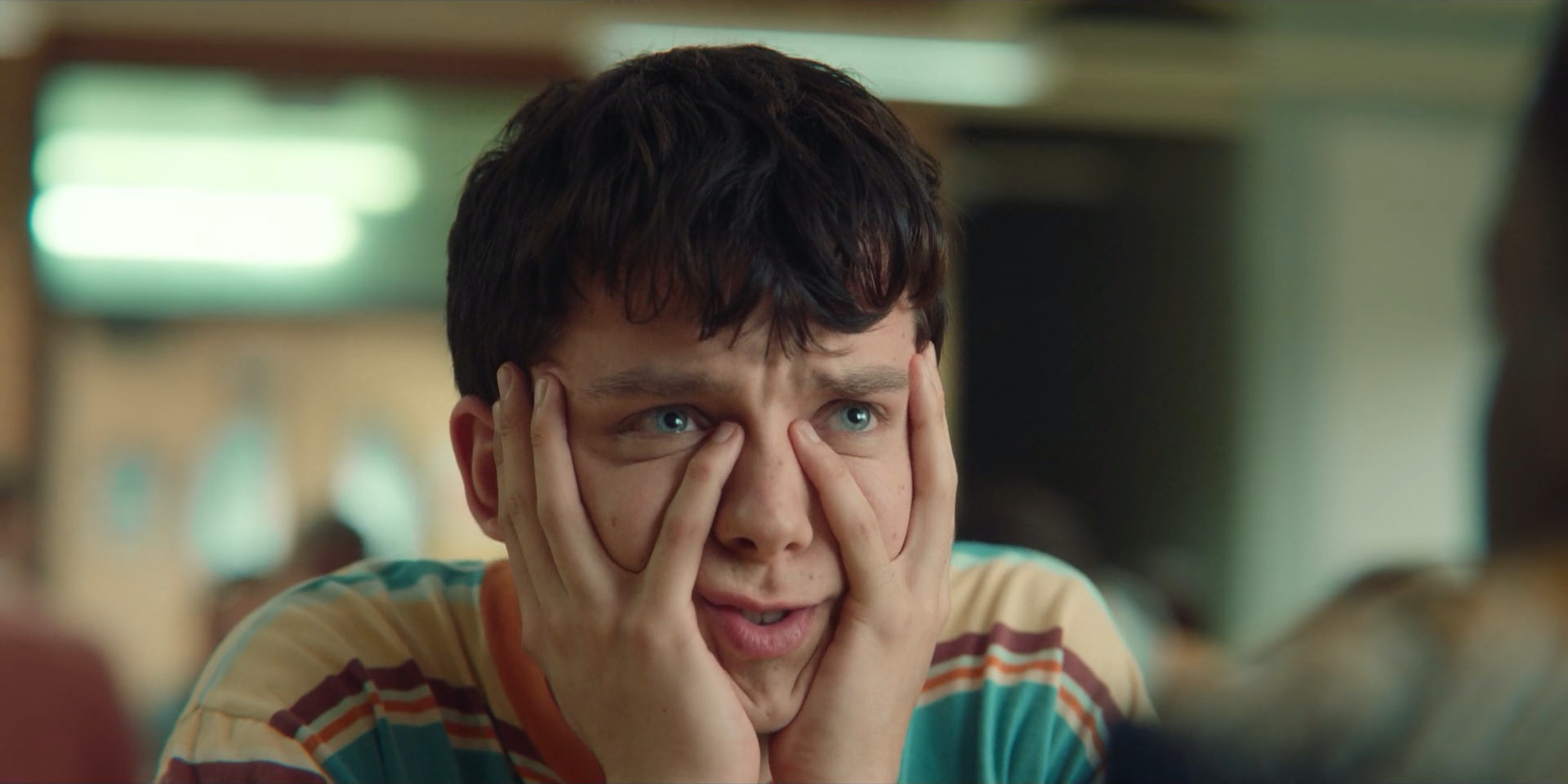
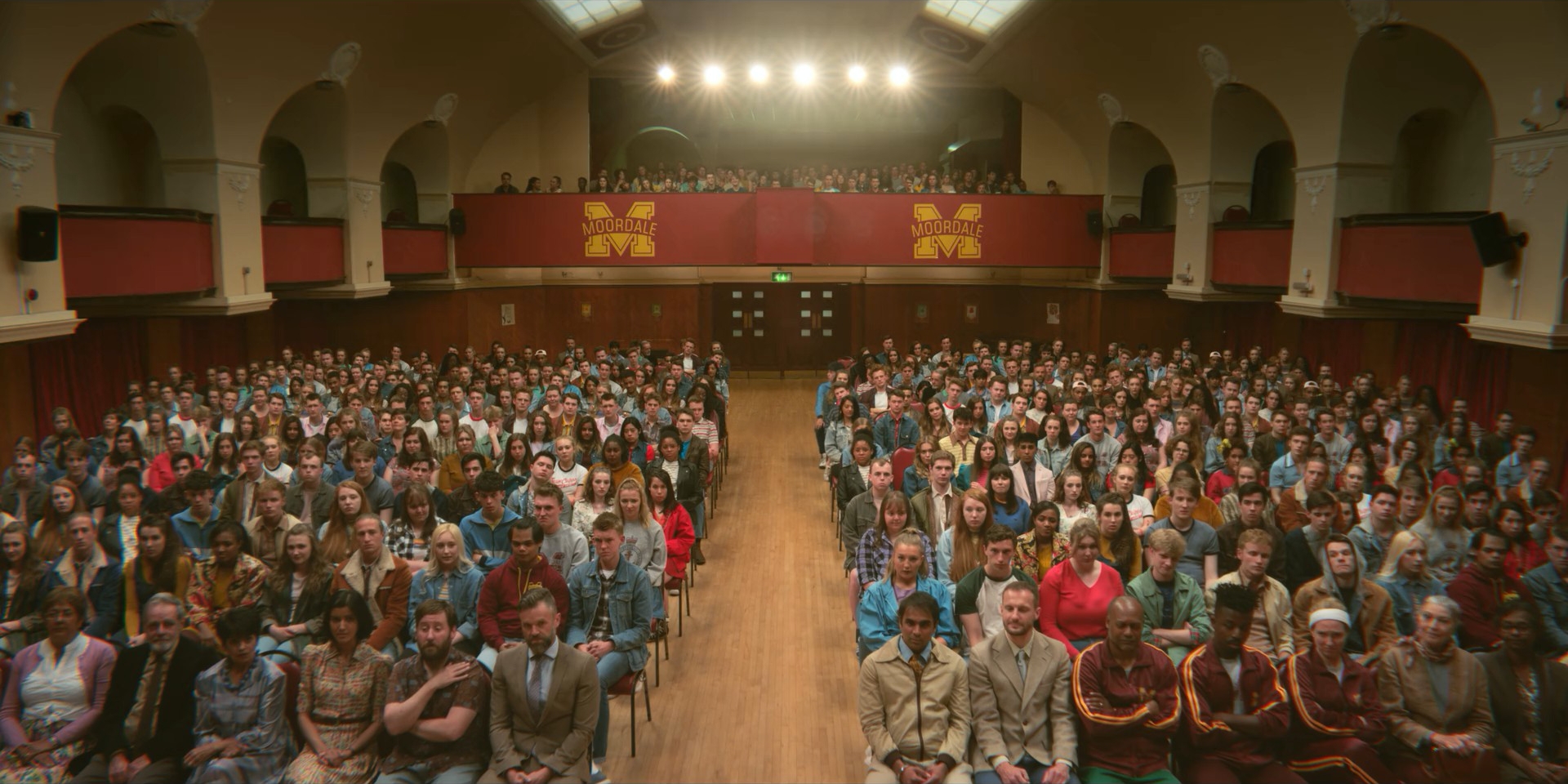
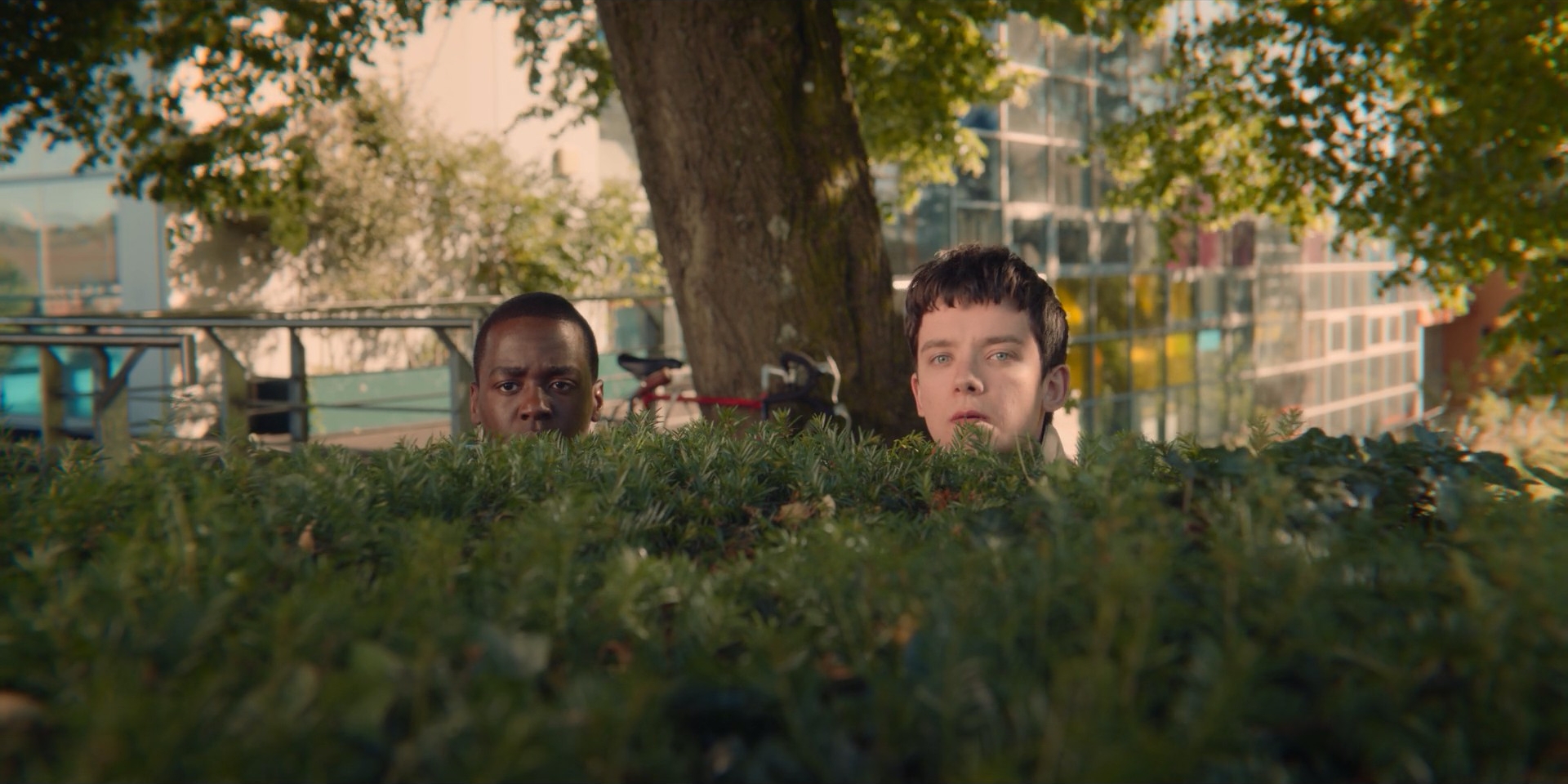
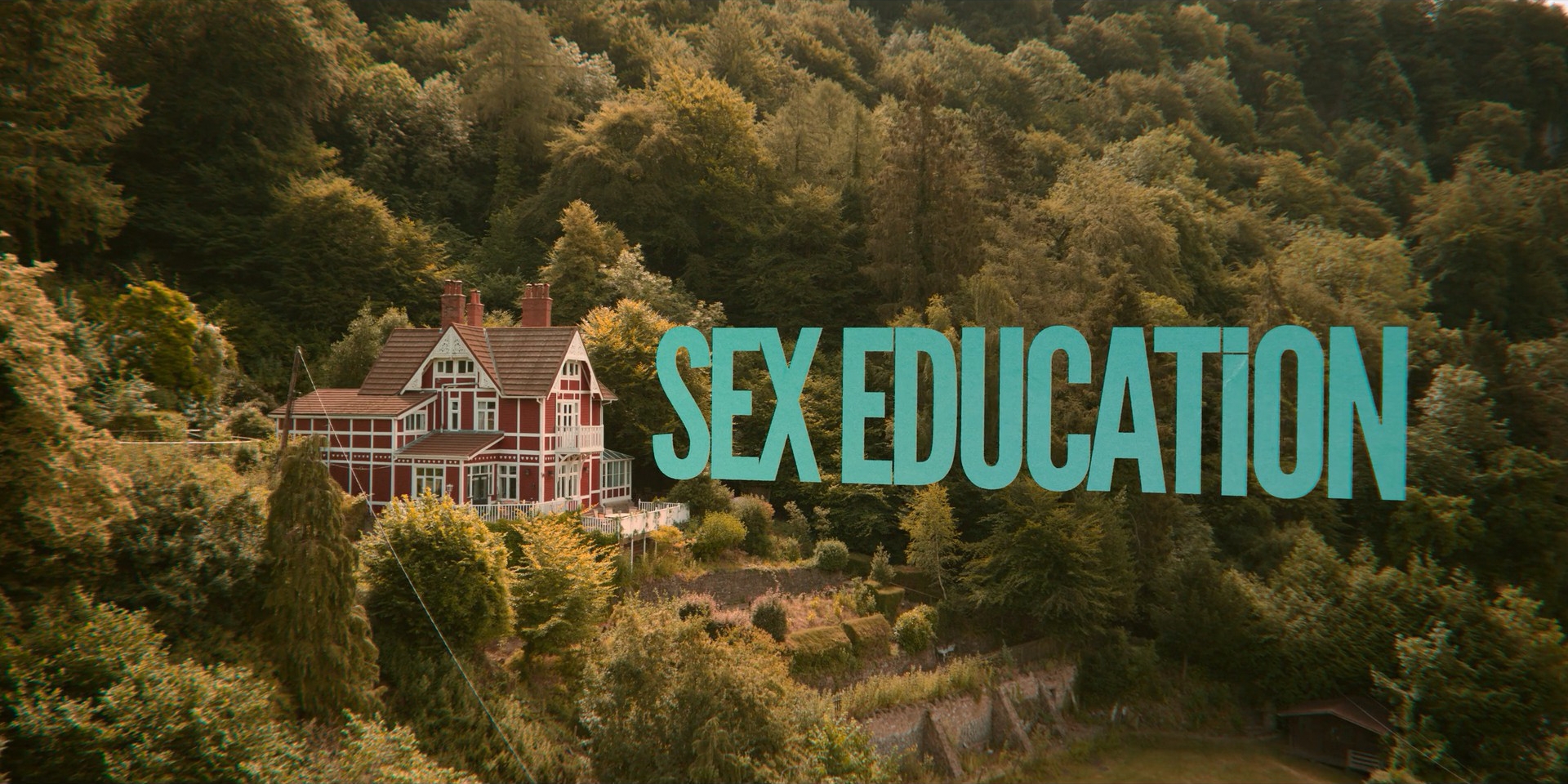
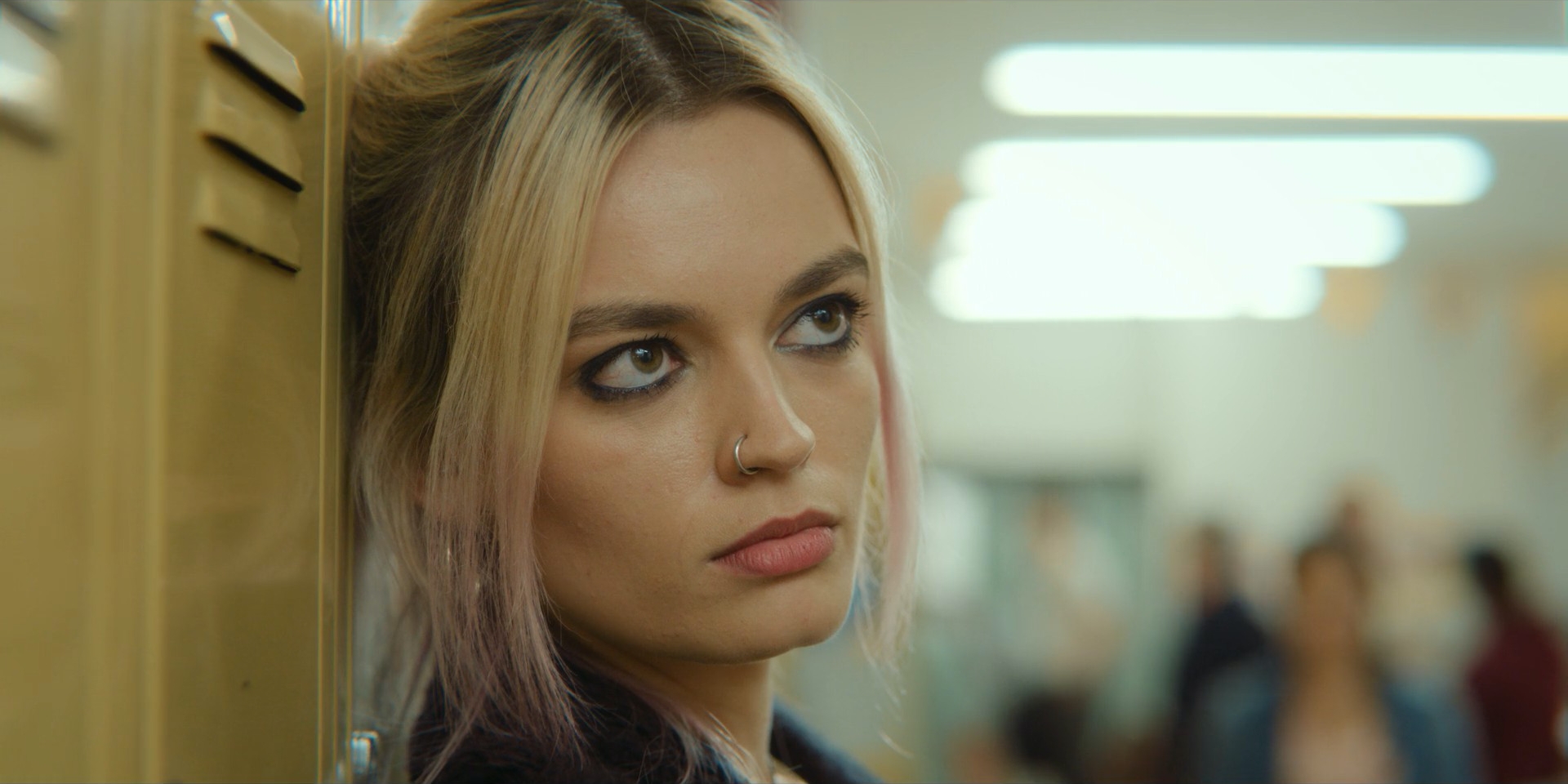
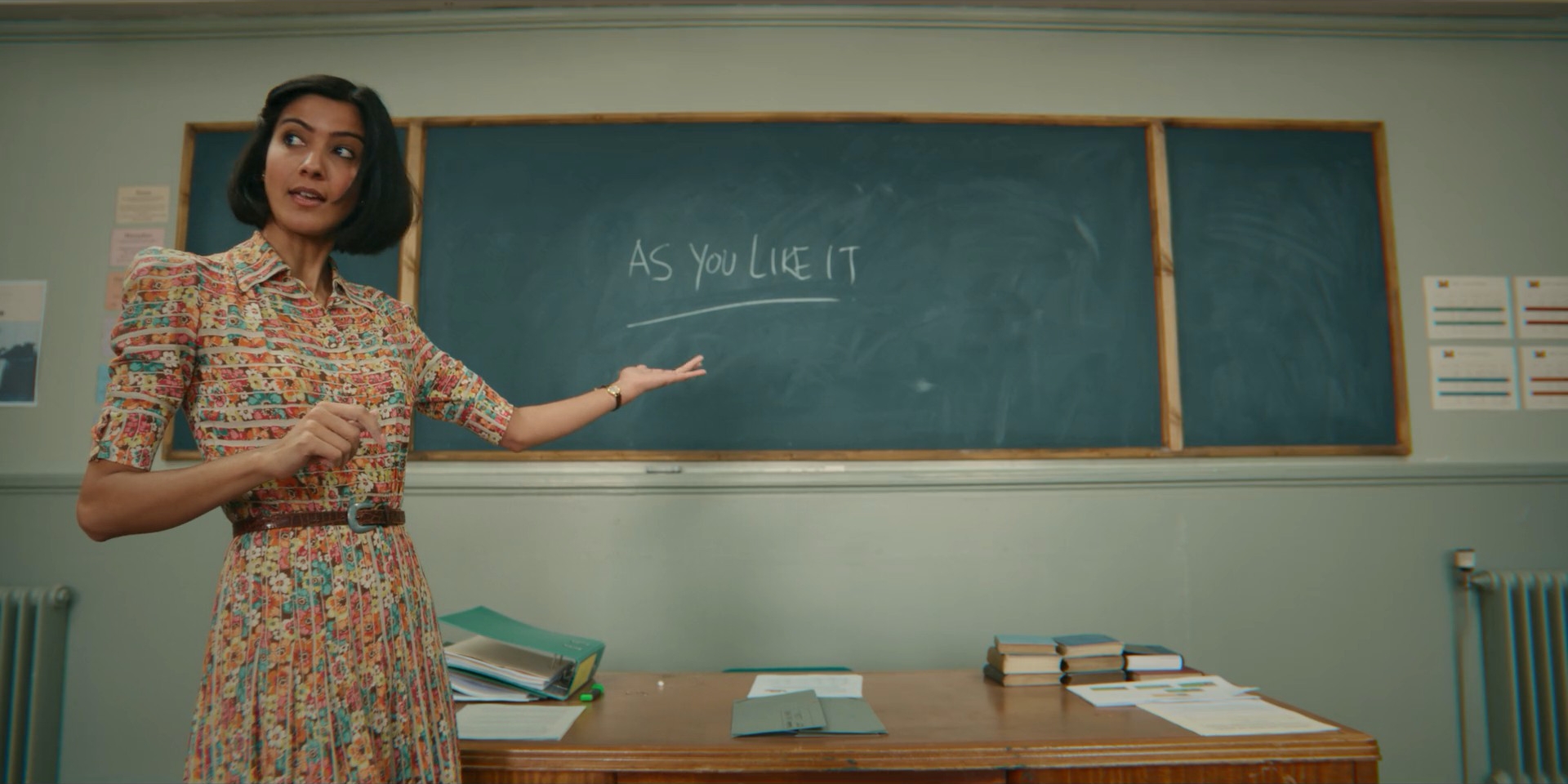
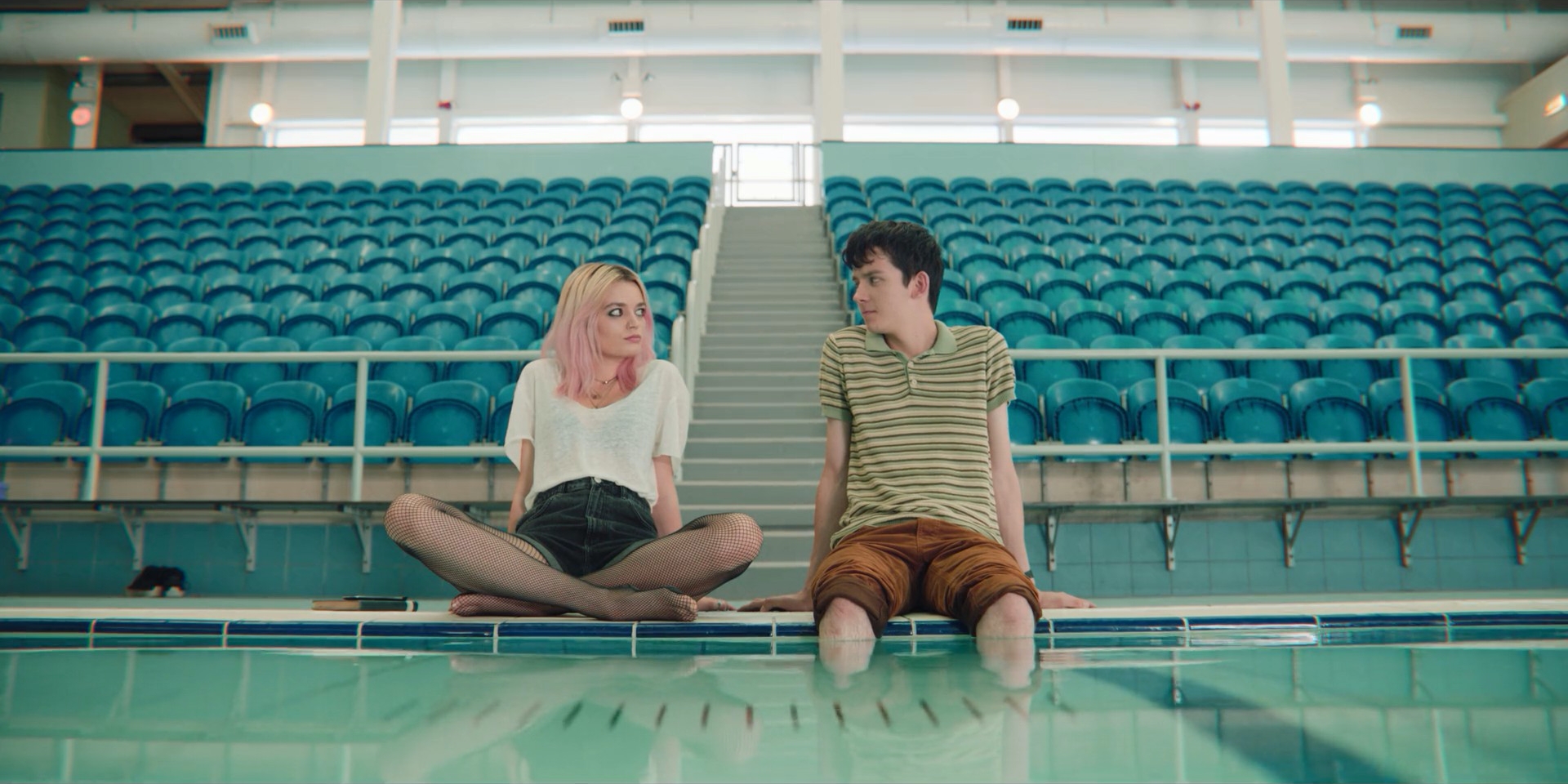
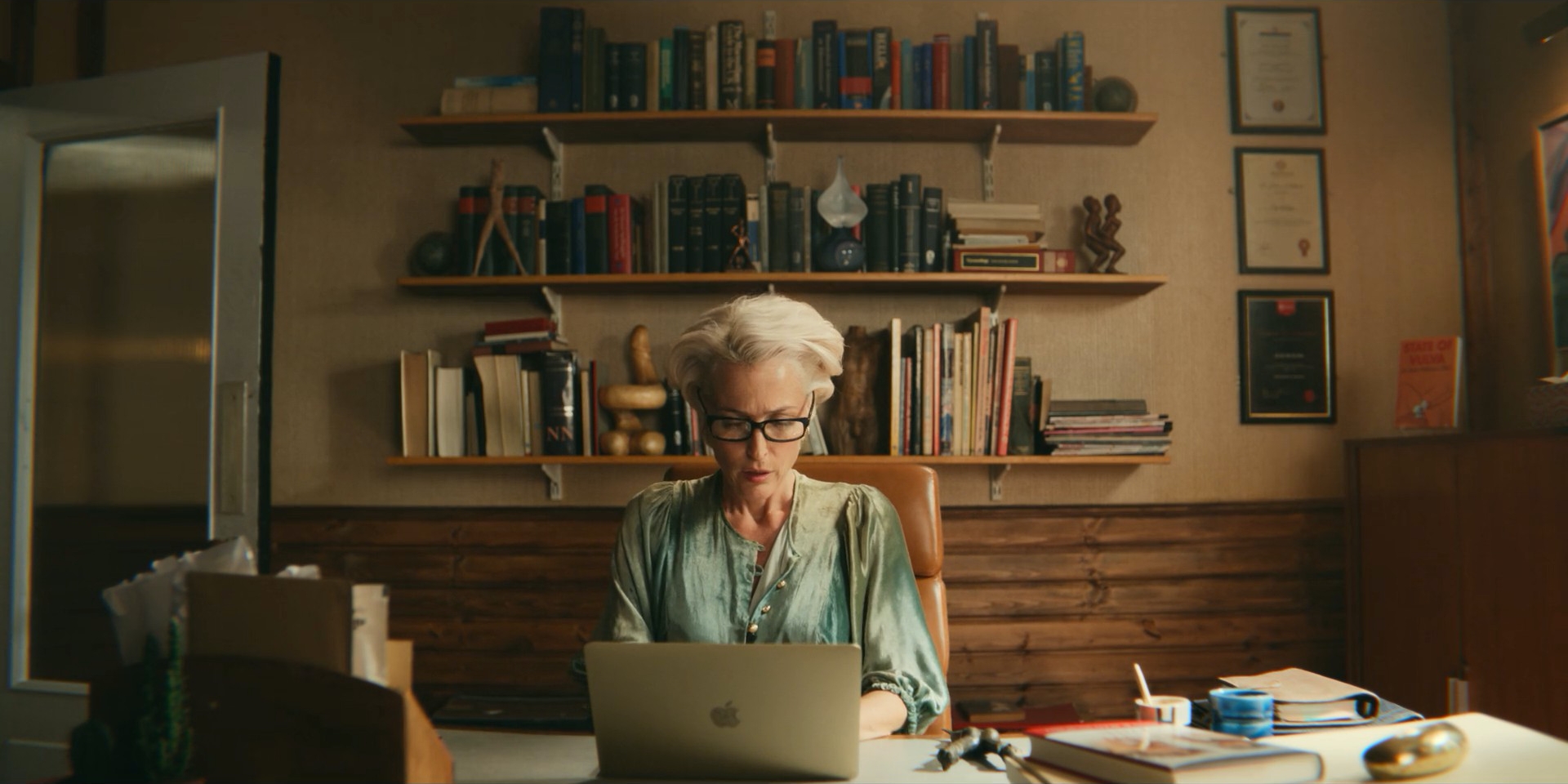
Sex Education: Season 1 (2019)
Otis Milburn, an awkward teenager with a sex therapist mother, teams up with rebellious classmate Maeve to start an underground sex advice clinic at their high school. As they help fellow students navigate relationships, identity, and intimacy, Otis struggles with his own inexperience and feelings. The series explores a wide range of personal and social issues through humor, empathy, and coming-of-age chaos.
Season 1 adopts a bright, stylized aesthetic with cinematographers like Jamie Cairney, blending a vaguely retro design (costumes, production design, even architecture) with modern settings to create a timeless, slightly heightened world. The clean compositions, saturated colors, and soft lighting give the show a warm, approachable tone—while its framing often emphasizes character dynamics, turning spaces like hallways and bedrooms into intimate arenas for emotional and comedic exchange.