New Shots: The Wiz, Dreamgirls, Get On Up, & more Film Screenshots
Get your Decks ready ShotDeck Community! In honor of Black History Month we’re adding several new films highlighting the importance and influence of Black Music in Cinema, as well as the fourth season of Stranger Things! Remember you can always request titles for future drops by clicking here!
FILM SPOTLIGHT
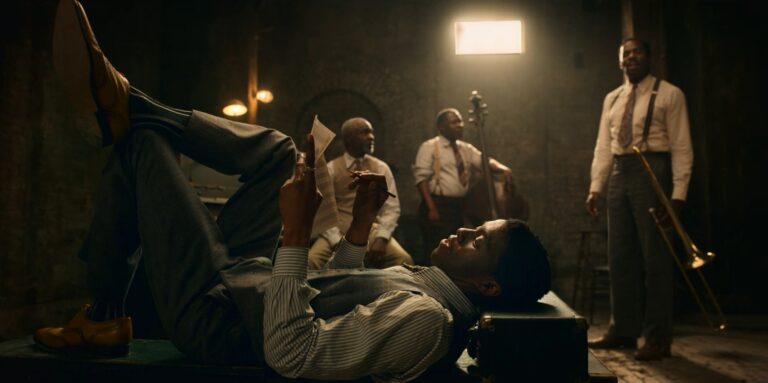
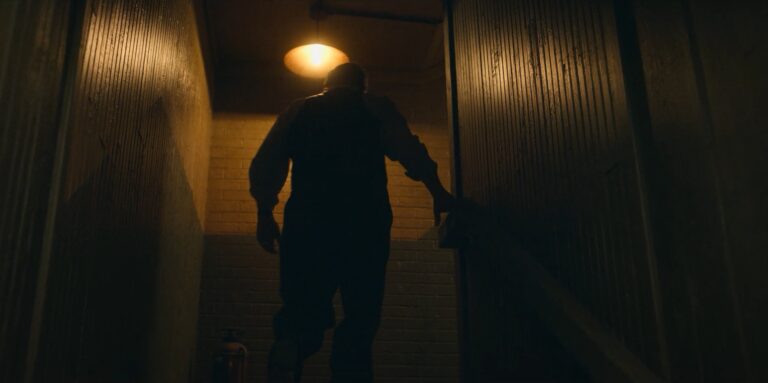
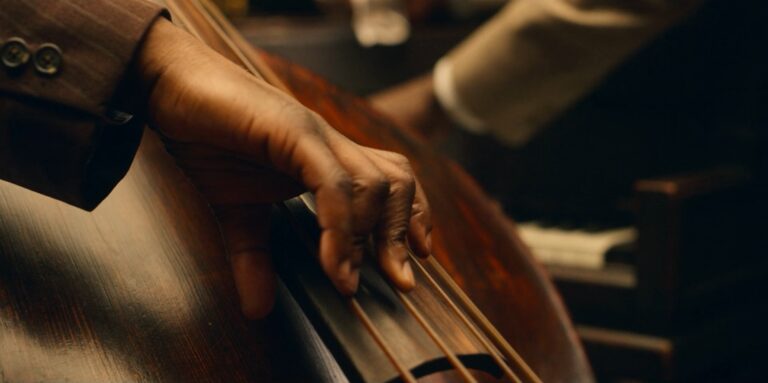
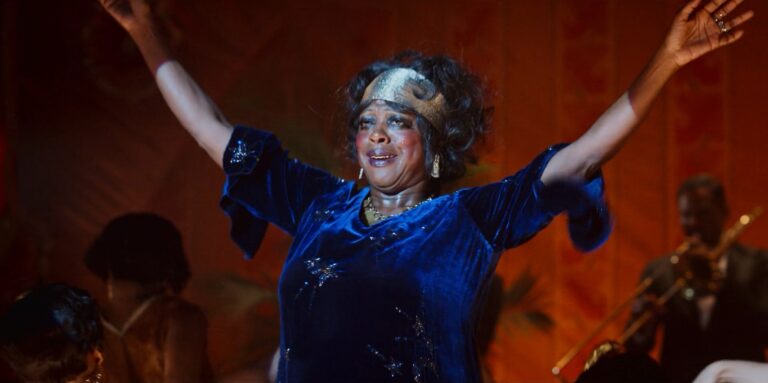
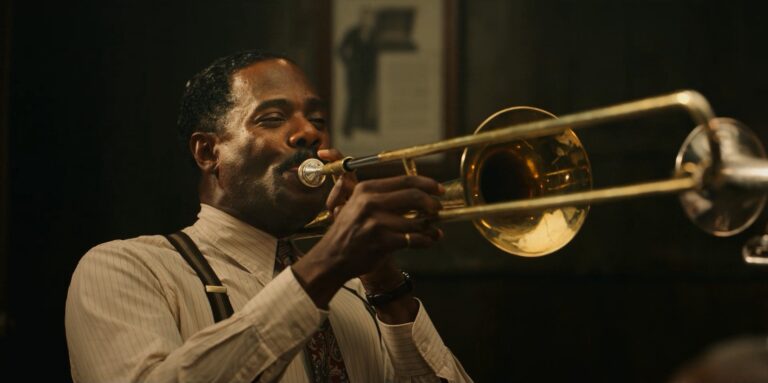
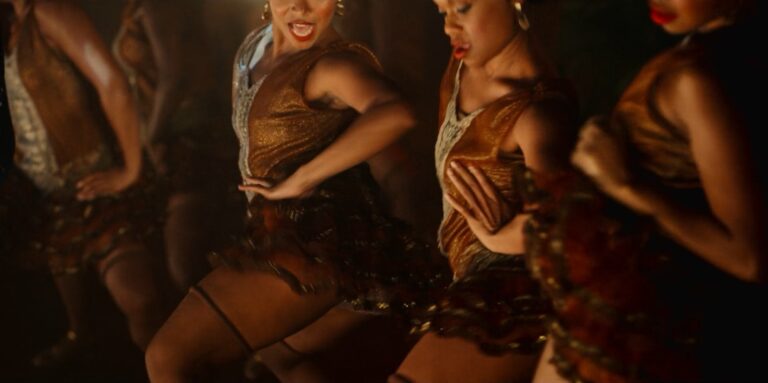
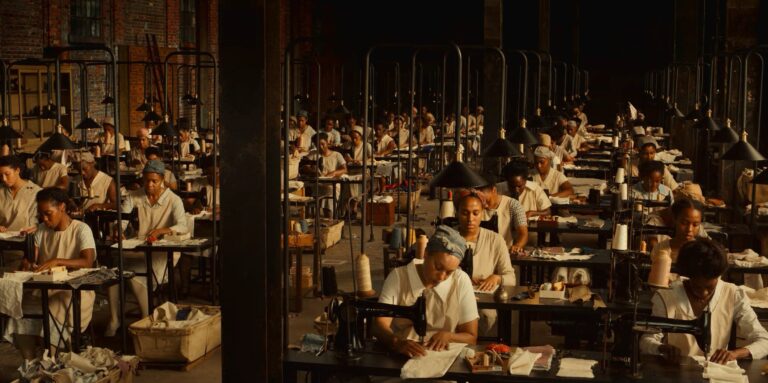
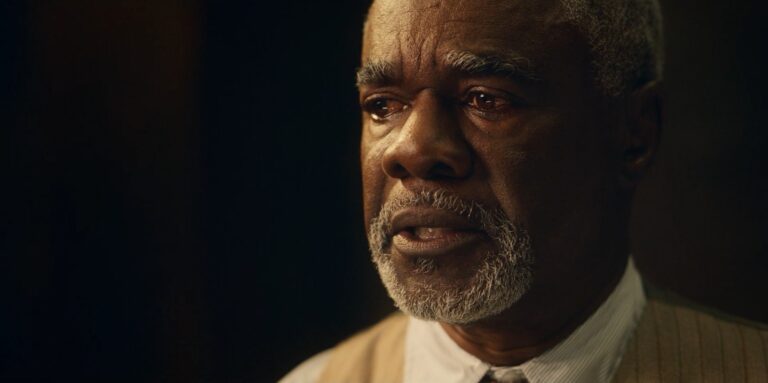
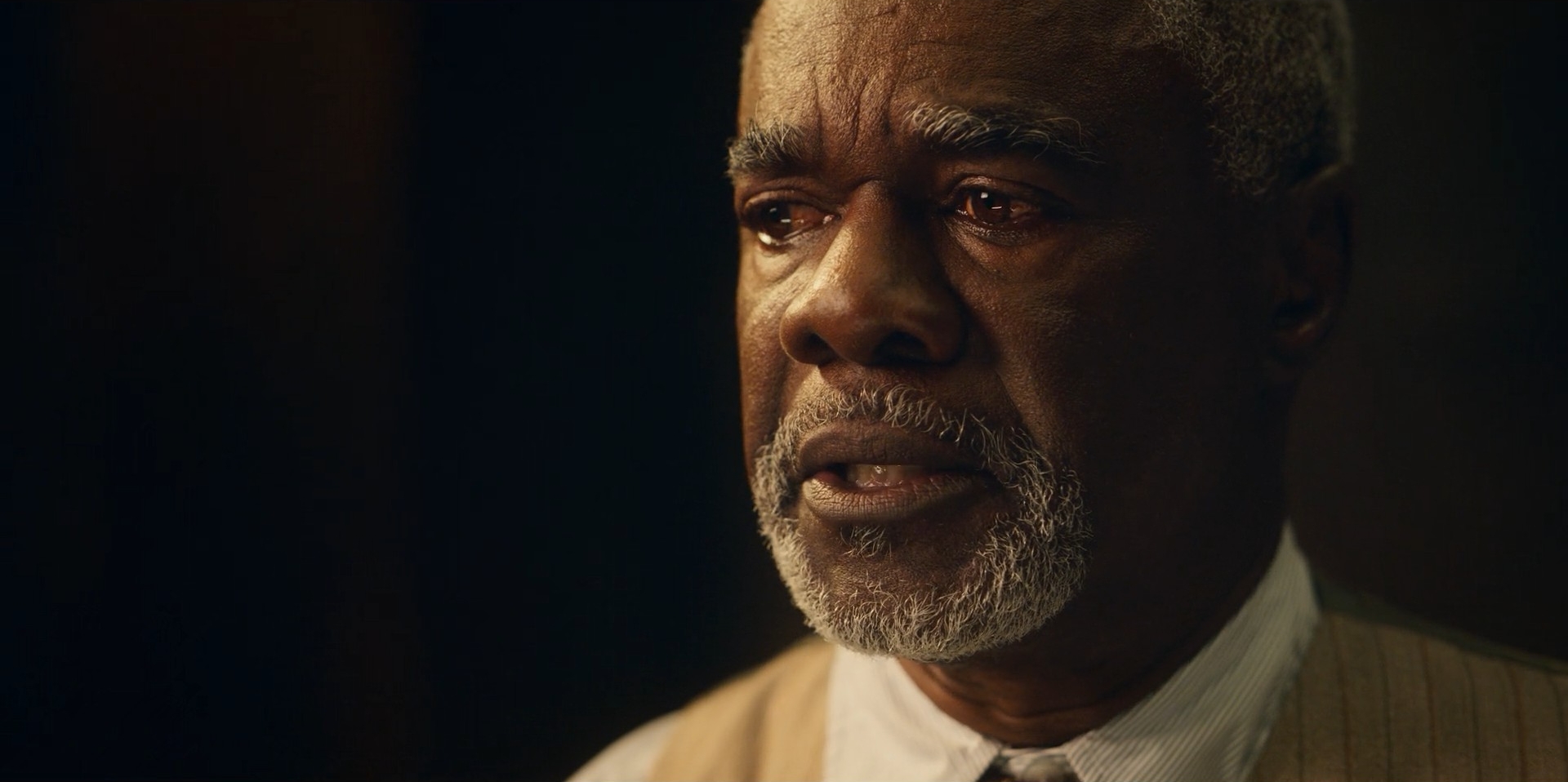
Ma Rainey’s Black Bottom (2020)
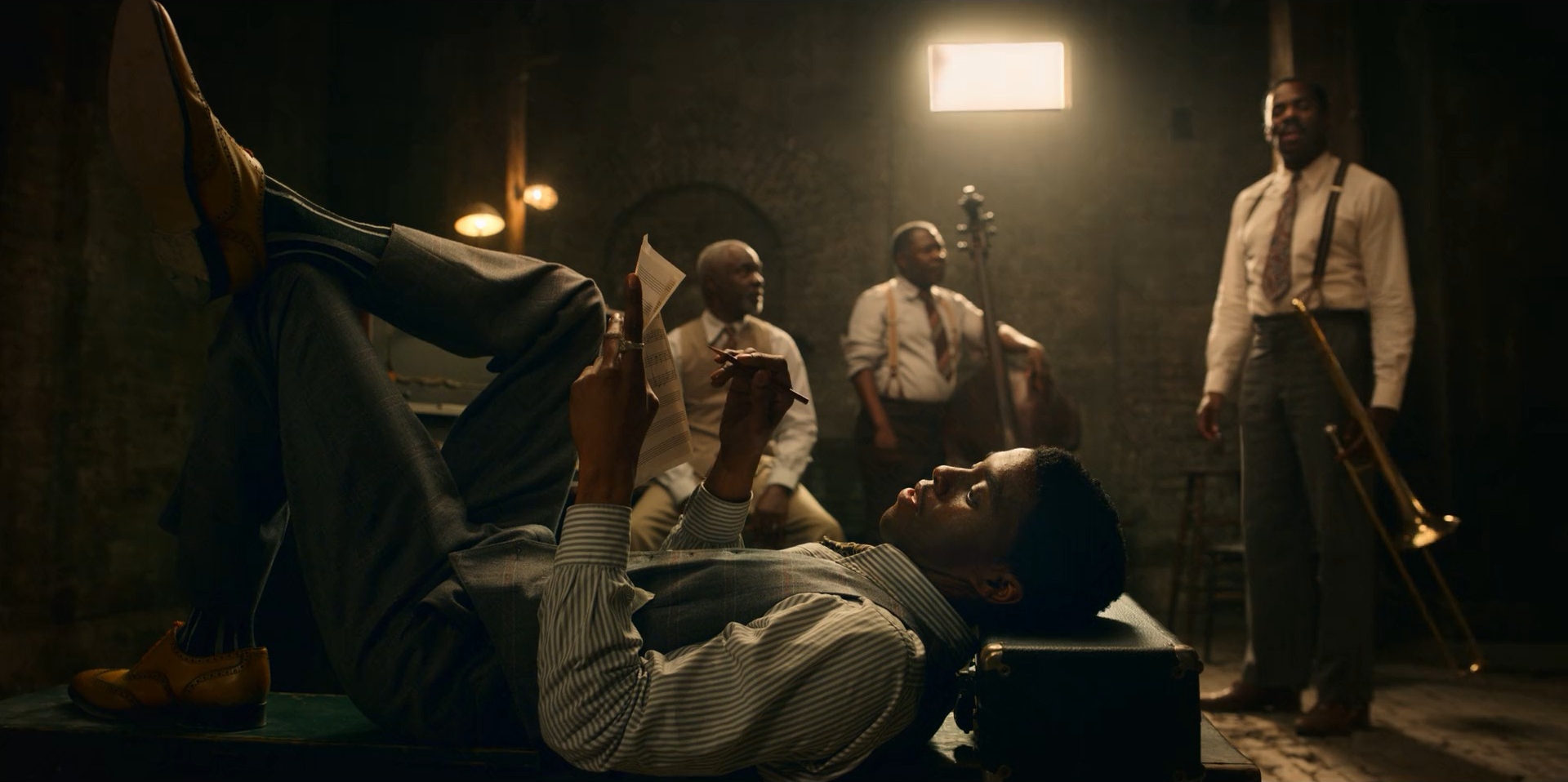
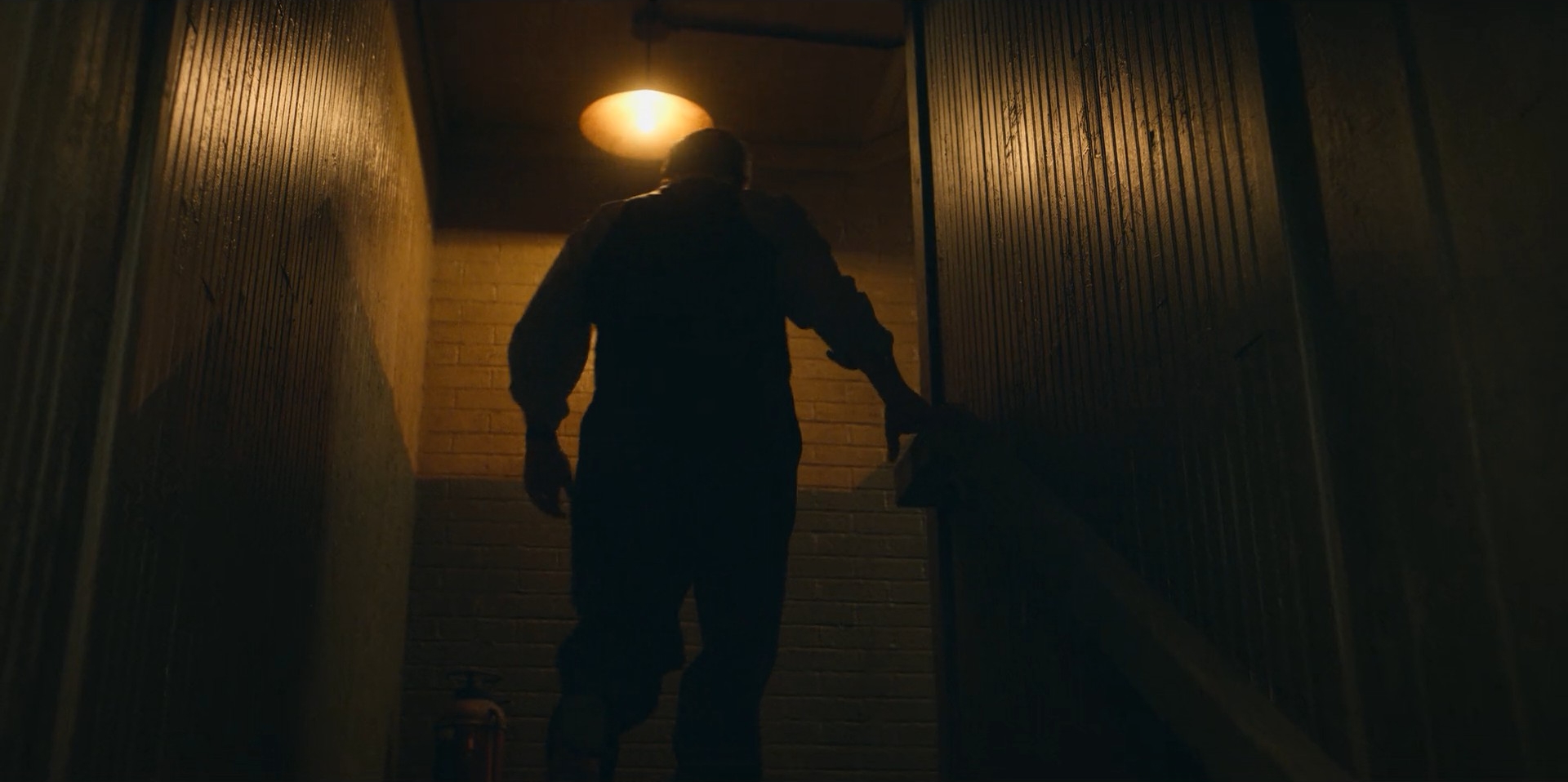
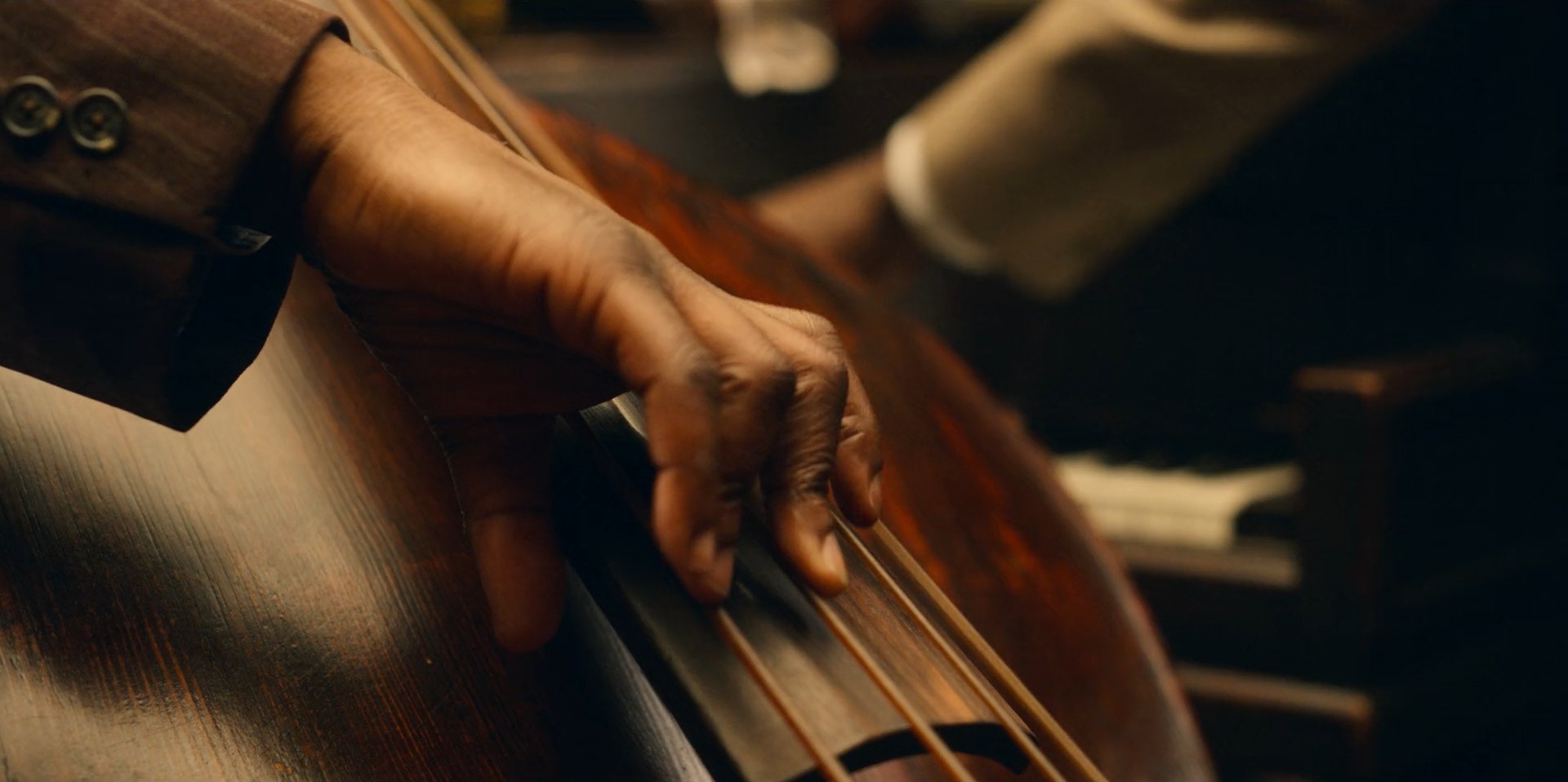
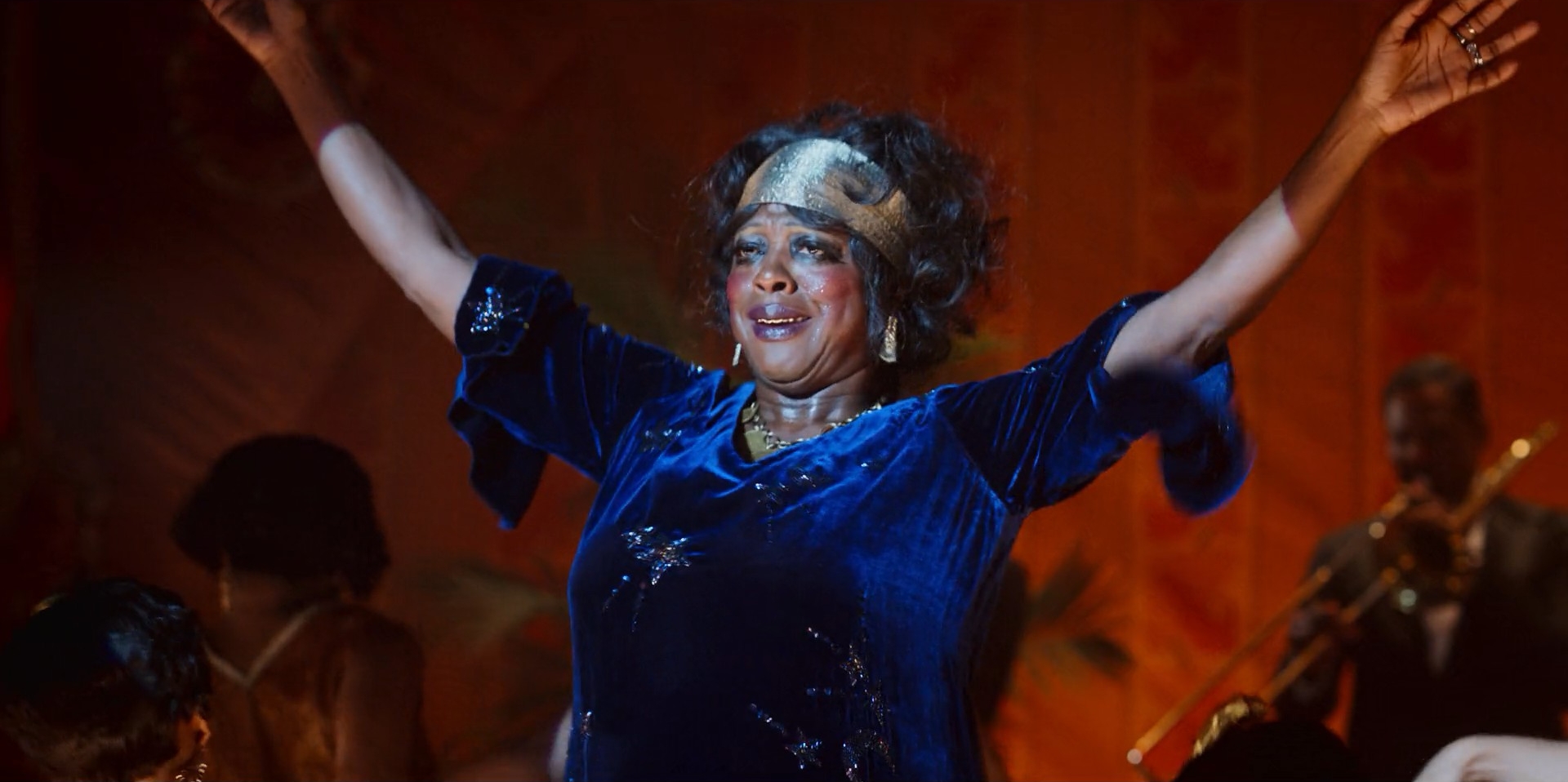
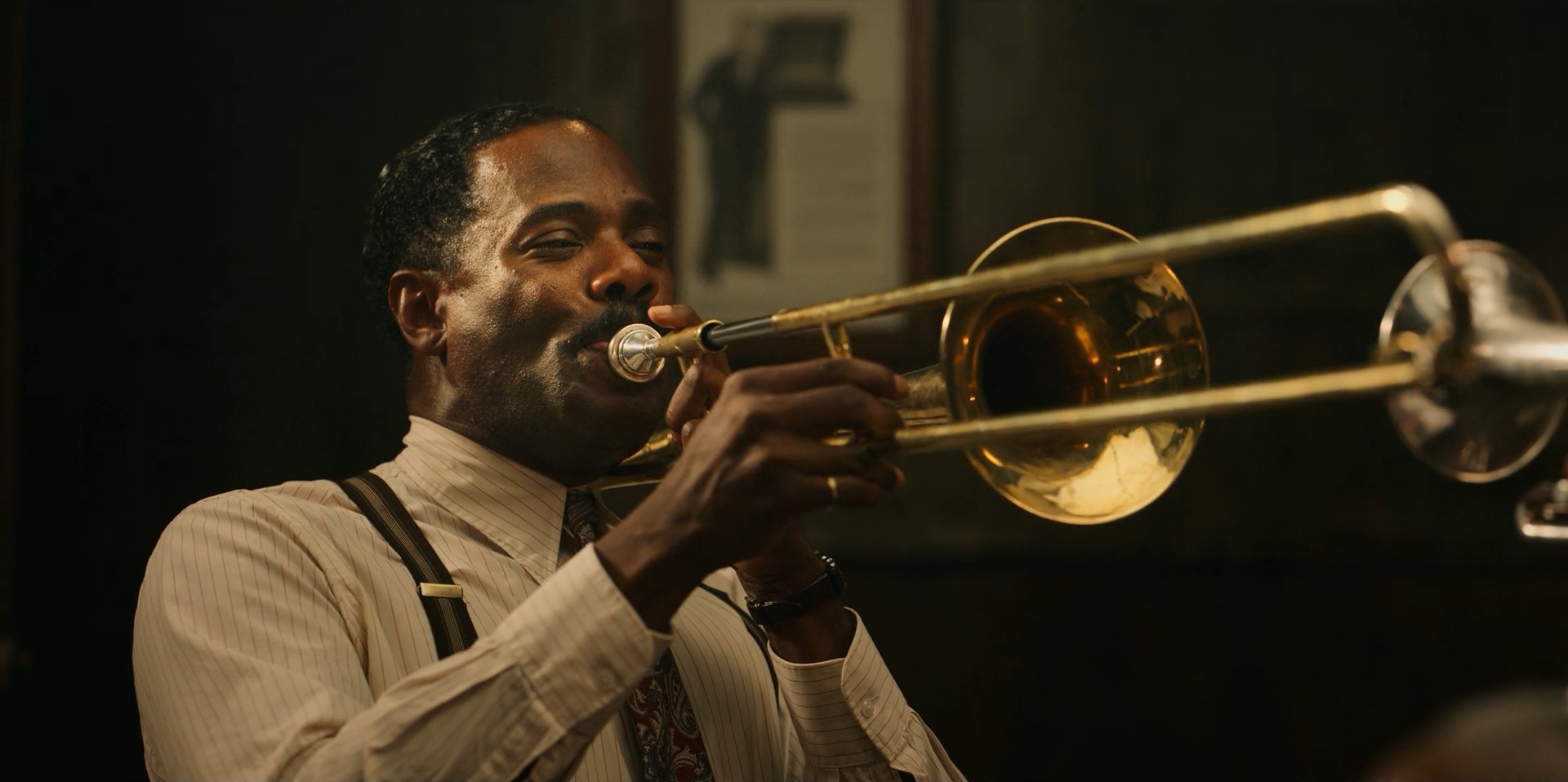
Set over the course of a single recording session in 1920s Chicago, the film follows legendary blues singer Ma Rainey and her band as tensions rise inside a studio on a sweltering afternoon. While Ma fights to maintain control over her music and image in an industry dominated by white producers, ambitious trumpeter Levee pushes against both artistic and personal frustrations. The session gradually becomes a volatile confrontation over race, power, exploitation, and creative ownership.
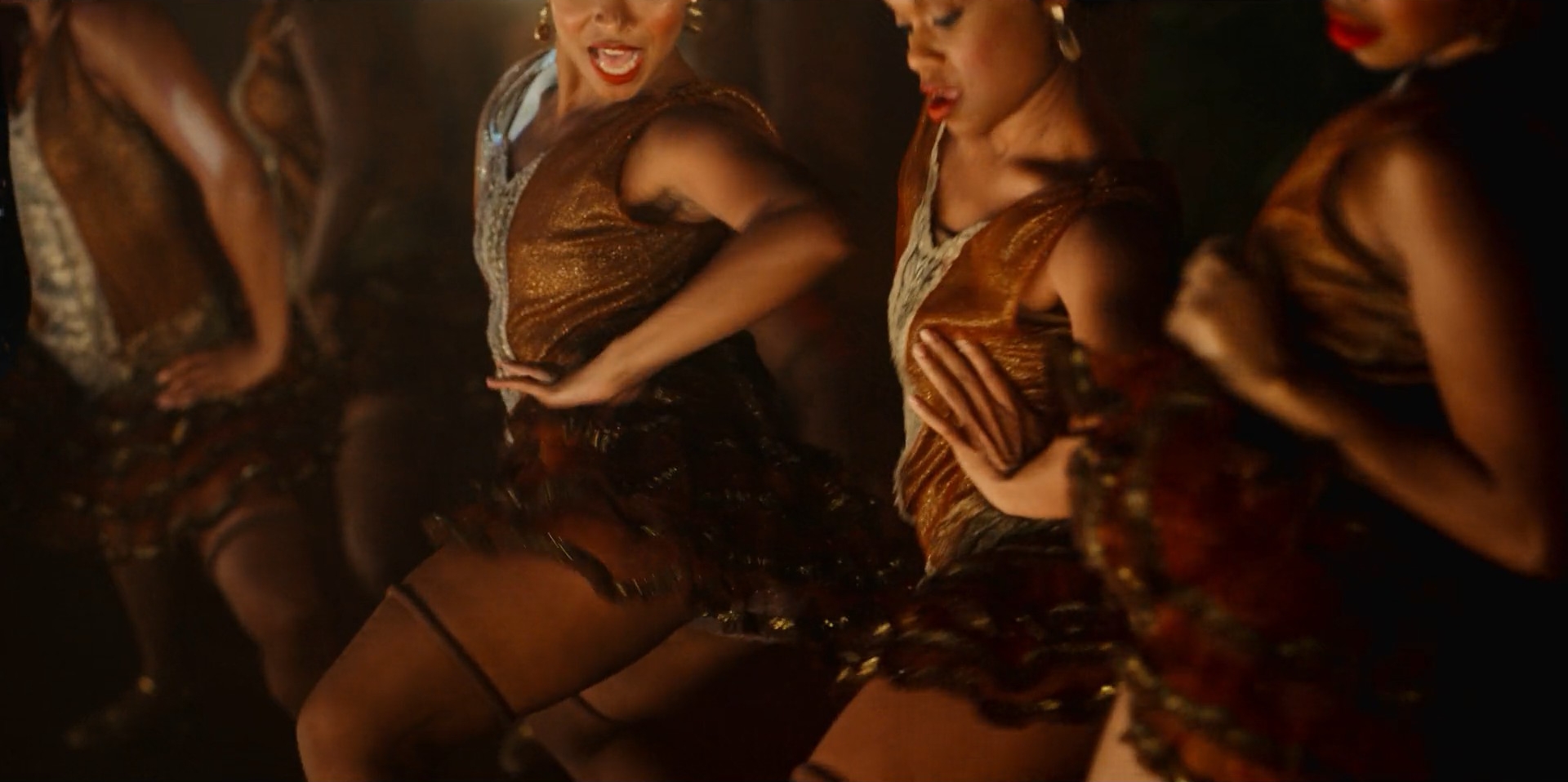
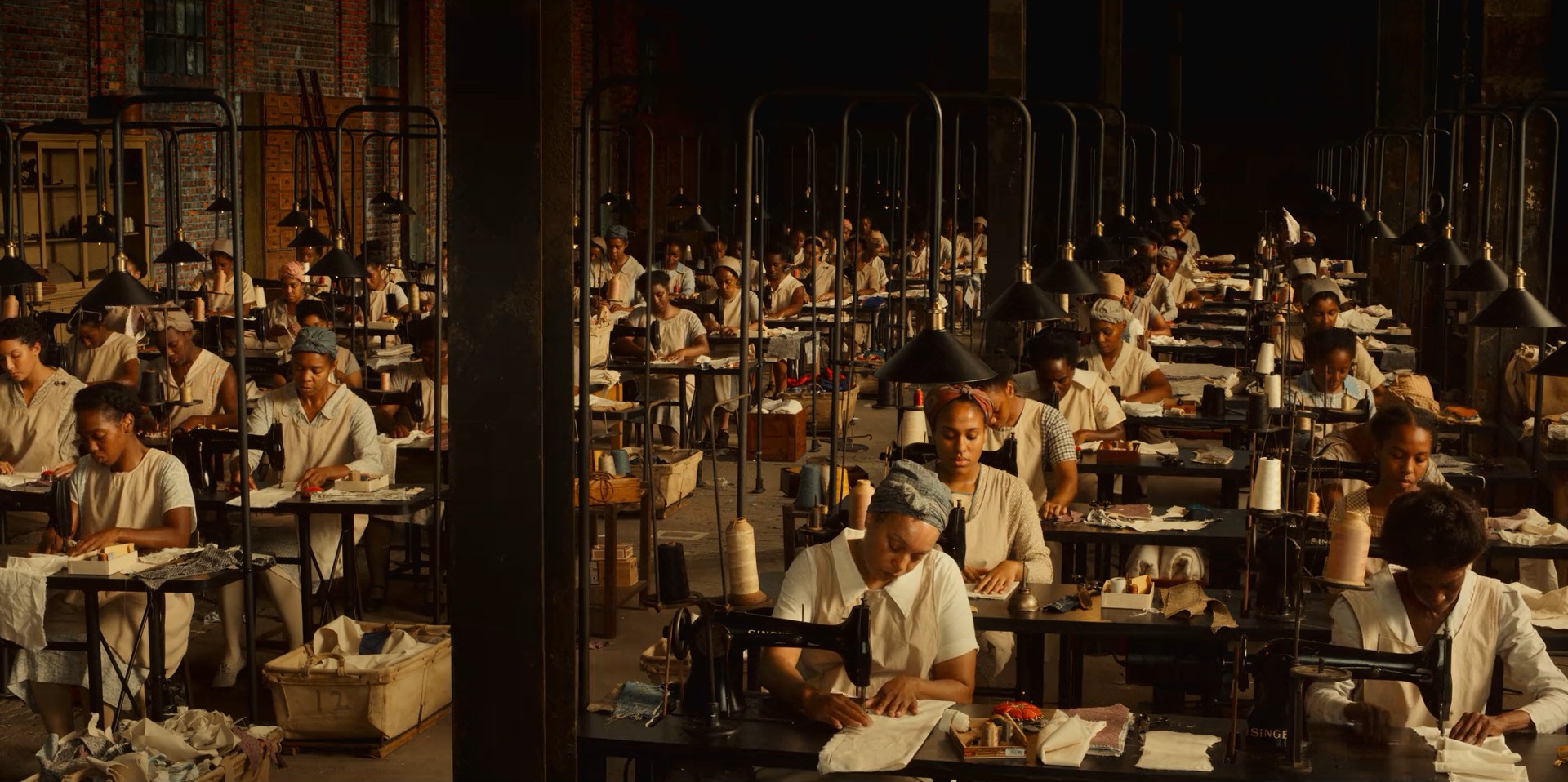
Wolfe and cinematographer Tobias A. Schliessler contrast the cramped, overheated rehearsal basement with the polished recording studio upstairs, using warm amber lighting, sweat-soaked close-ups, and dense production design to create a palpable physical tension. Adapted from August Wilson’s play, the film retains a theatrical intensity through long dialogue scenes and ensemble blocking, while fluid camera movement and richly textured period detail prevent it from feeling stage-bound—turning performance, music, and confined space into the core visual energy of the film.
FILM SPOTLIGHT
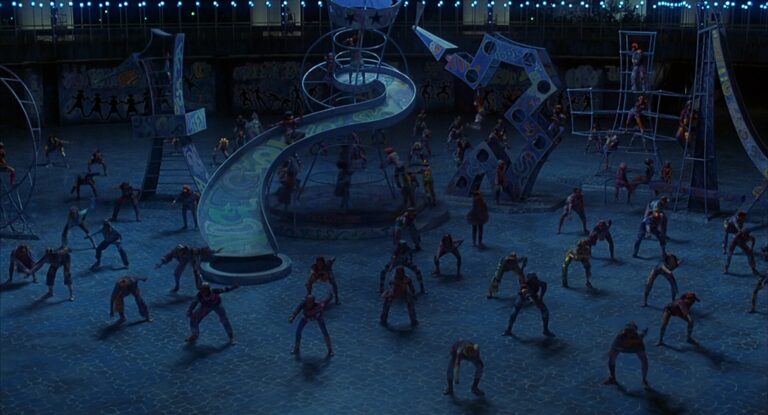
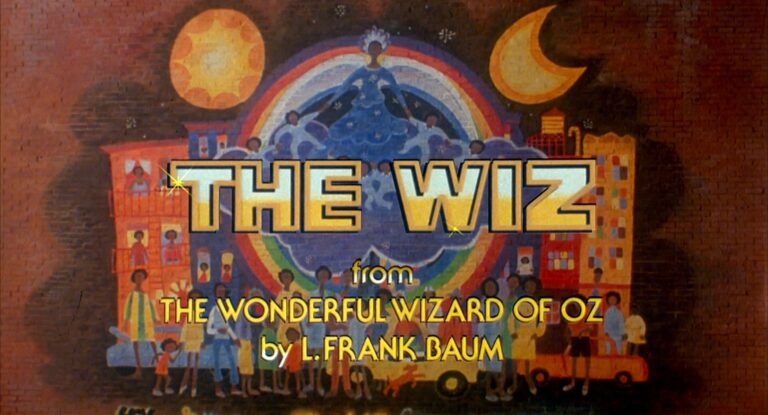
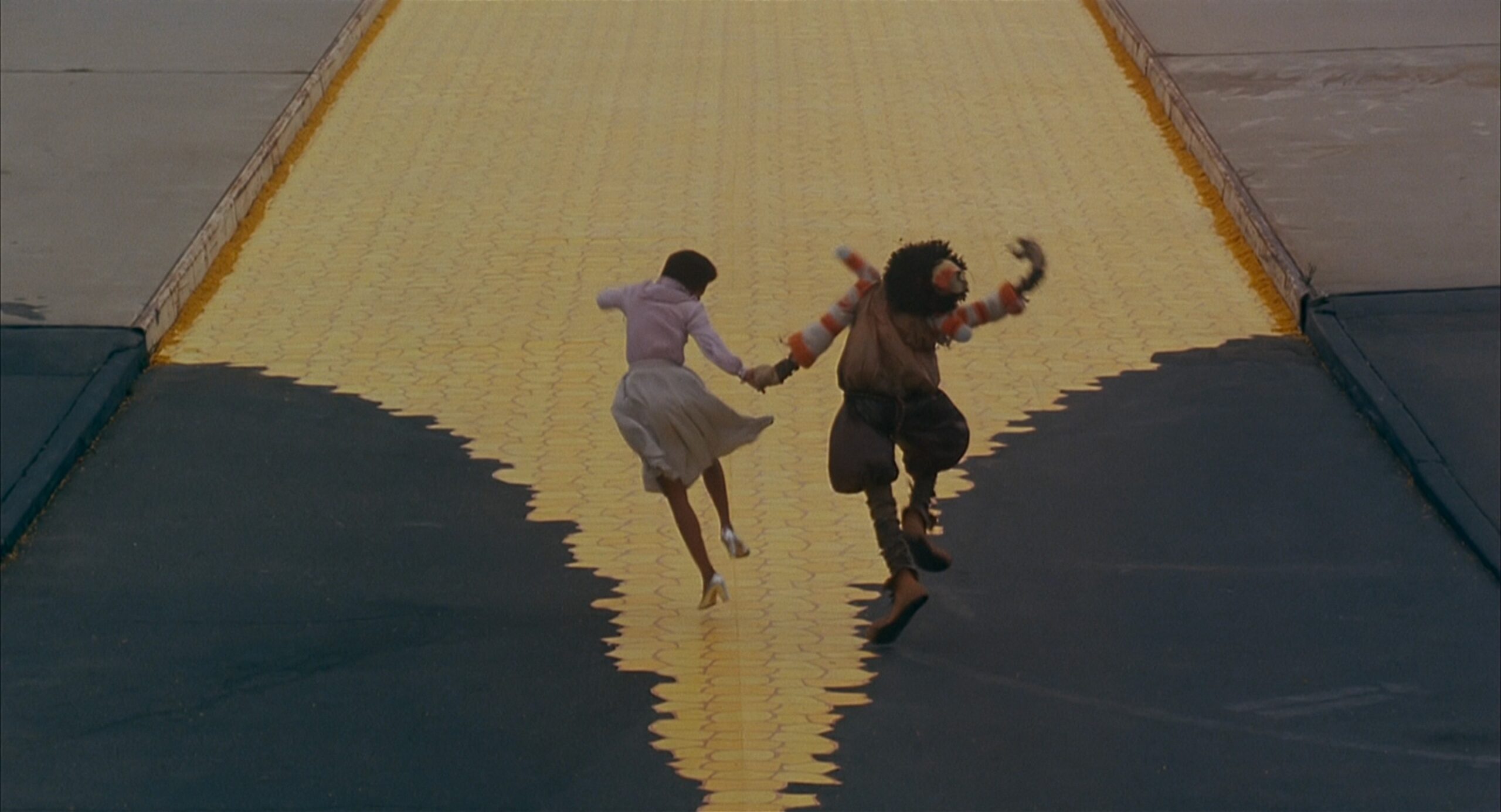
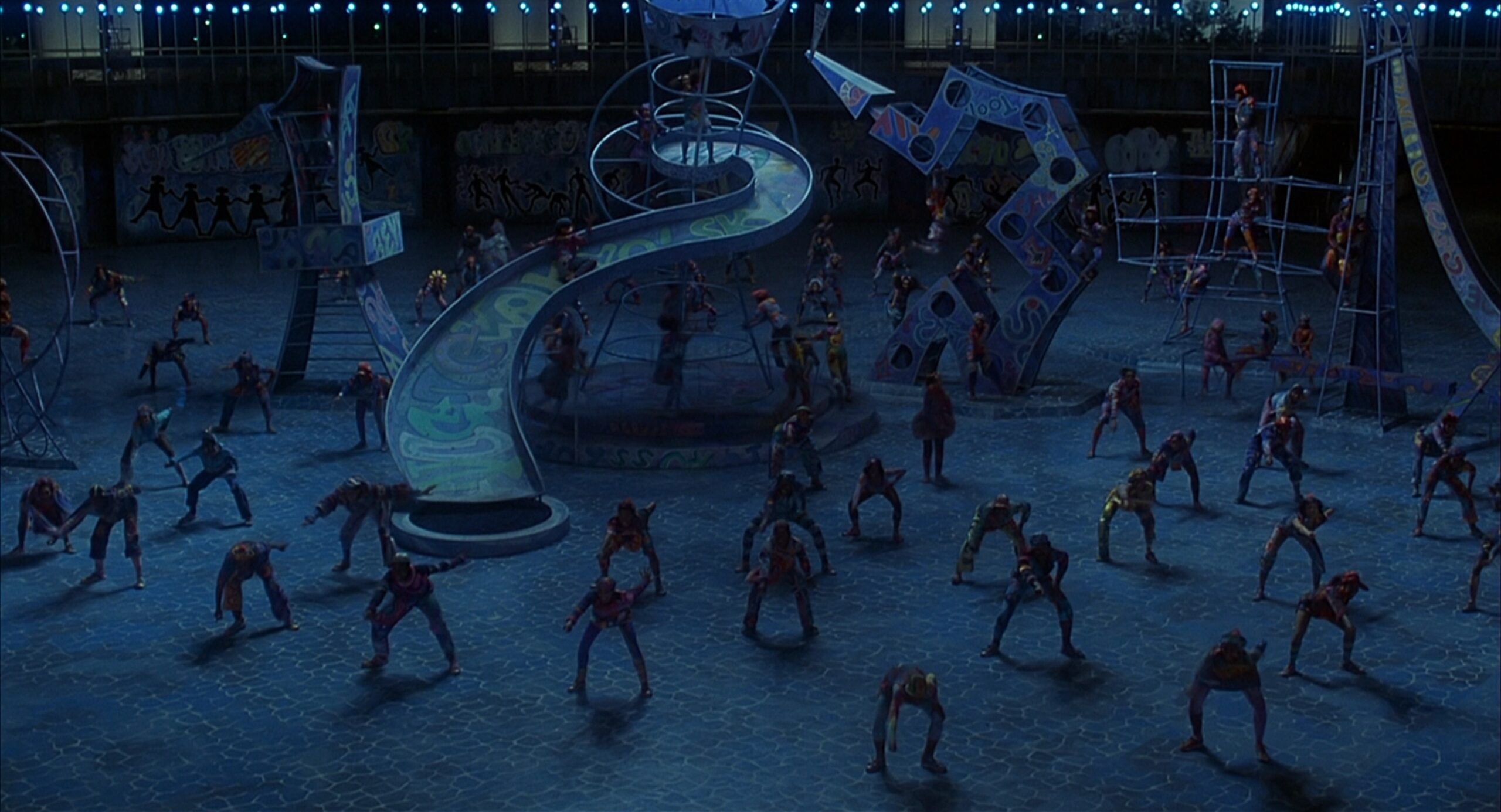
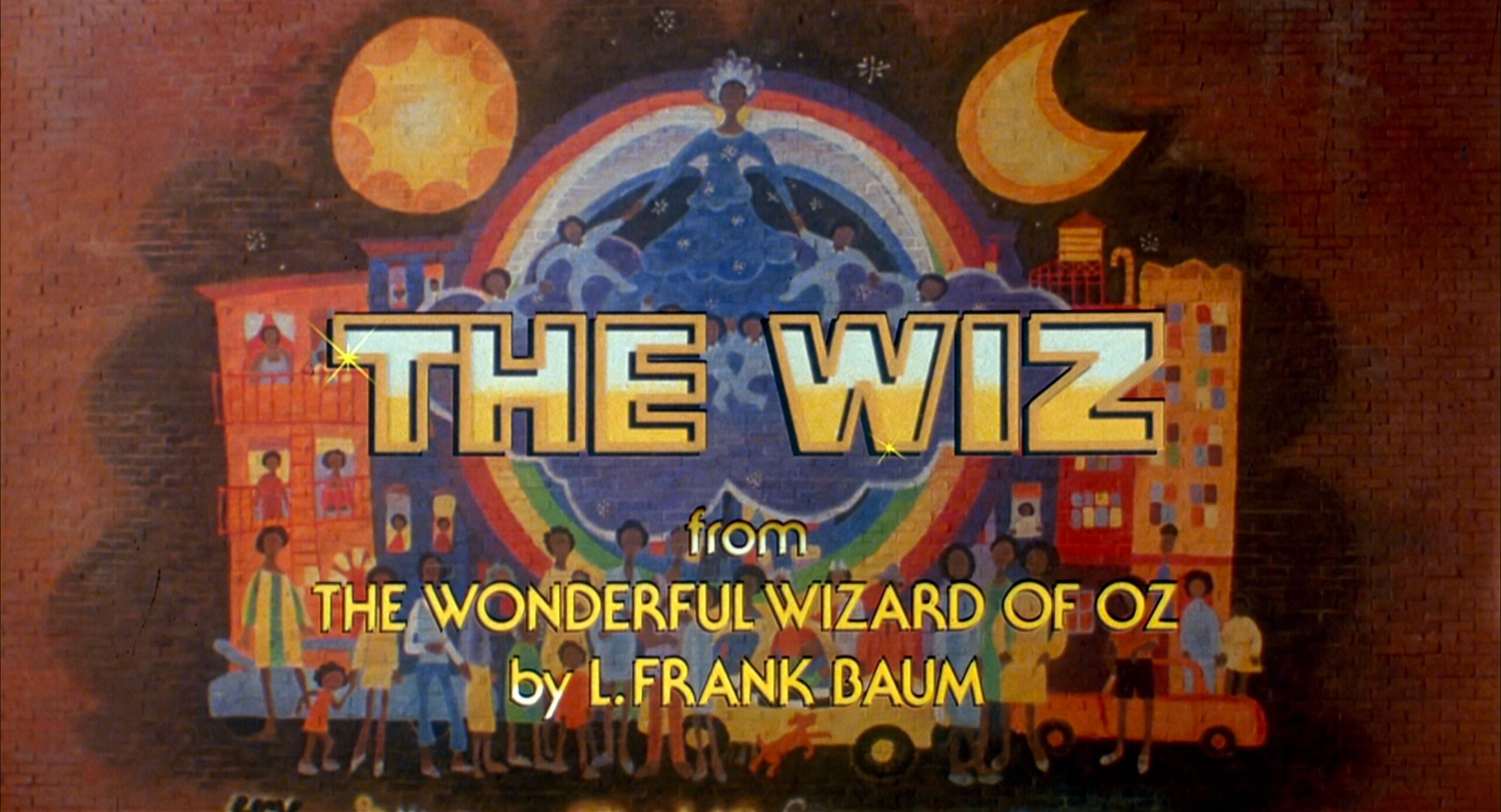
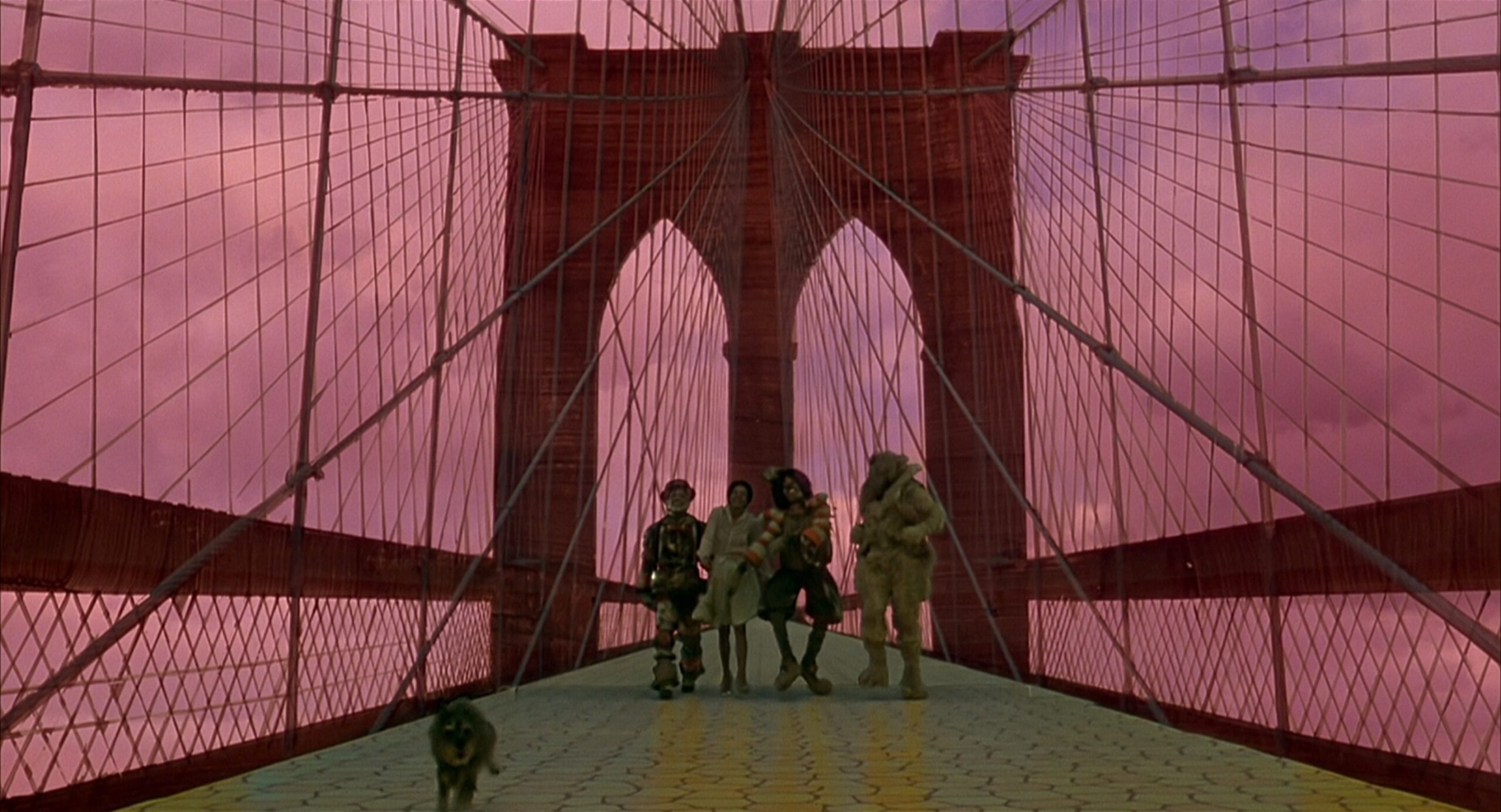
The Wiz (1978)
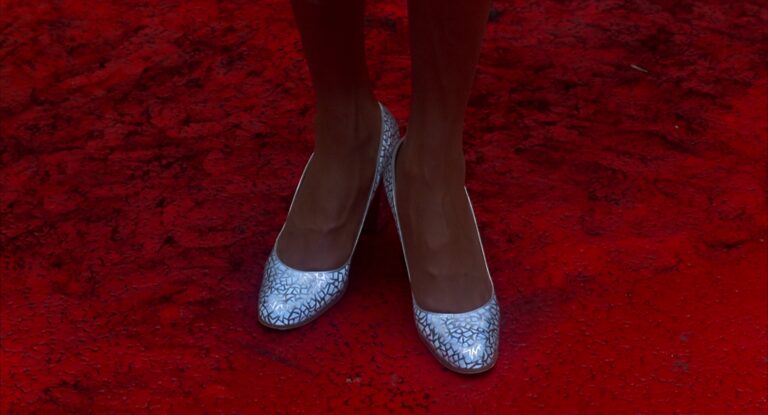
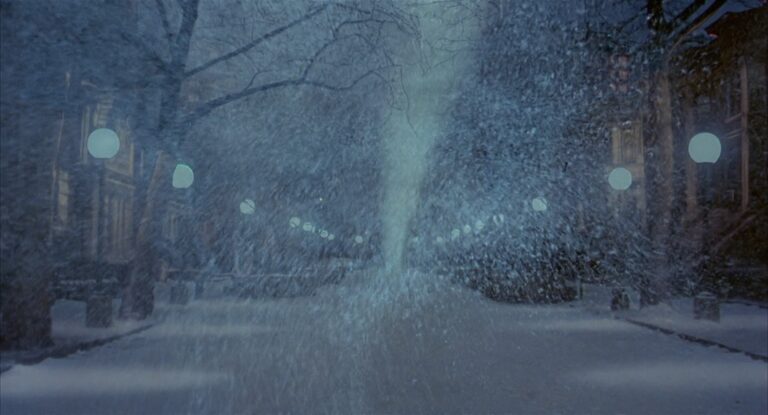
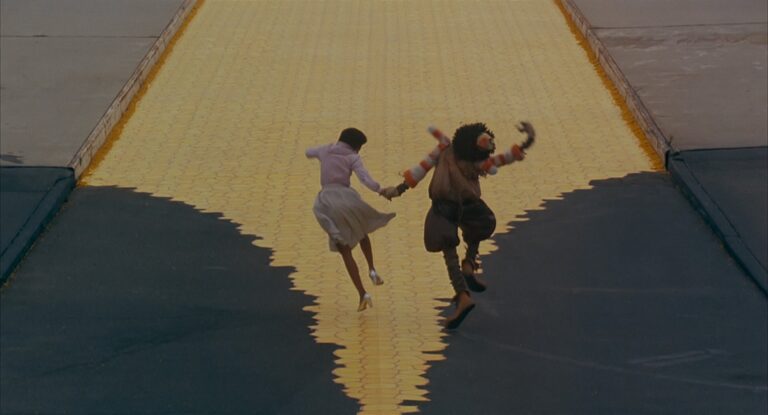
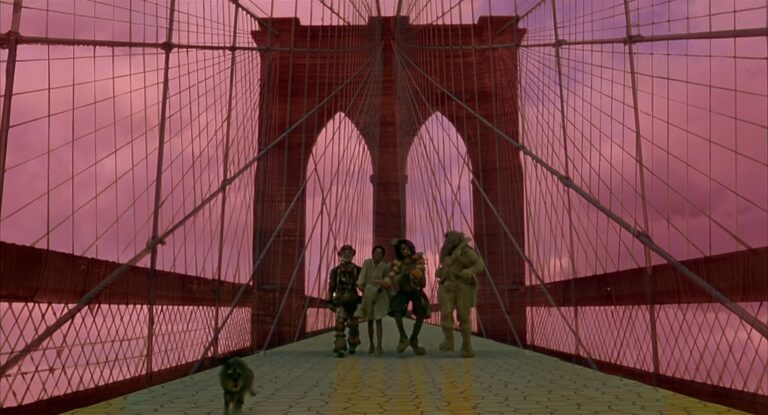
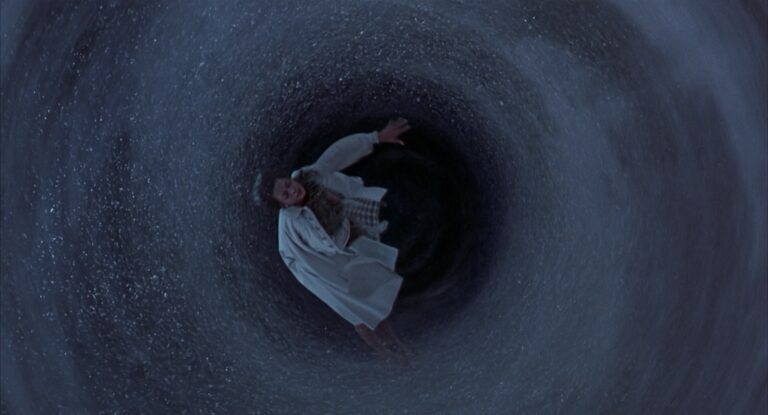
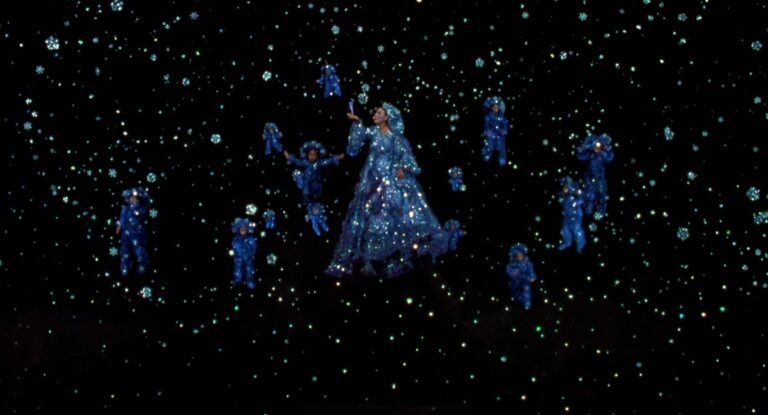
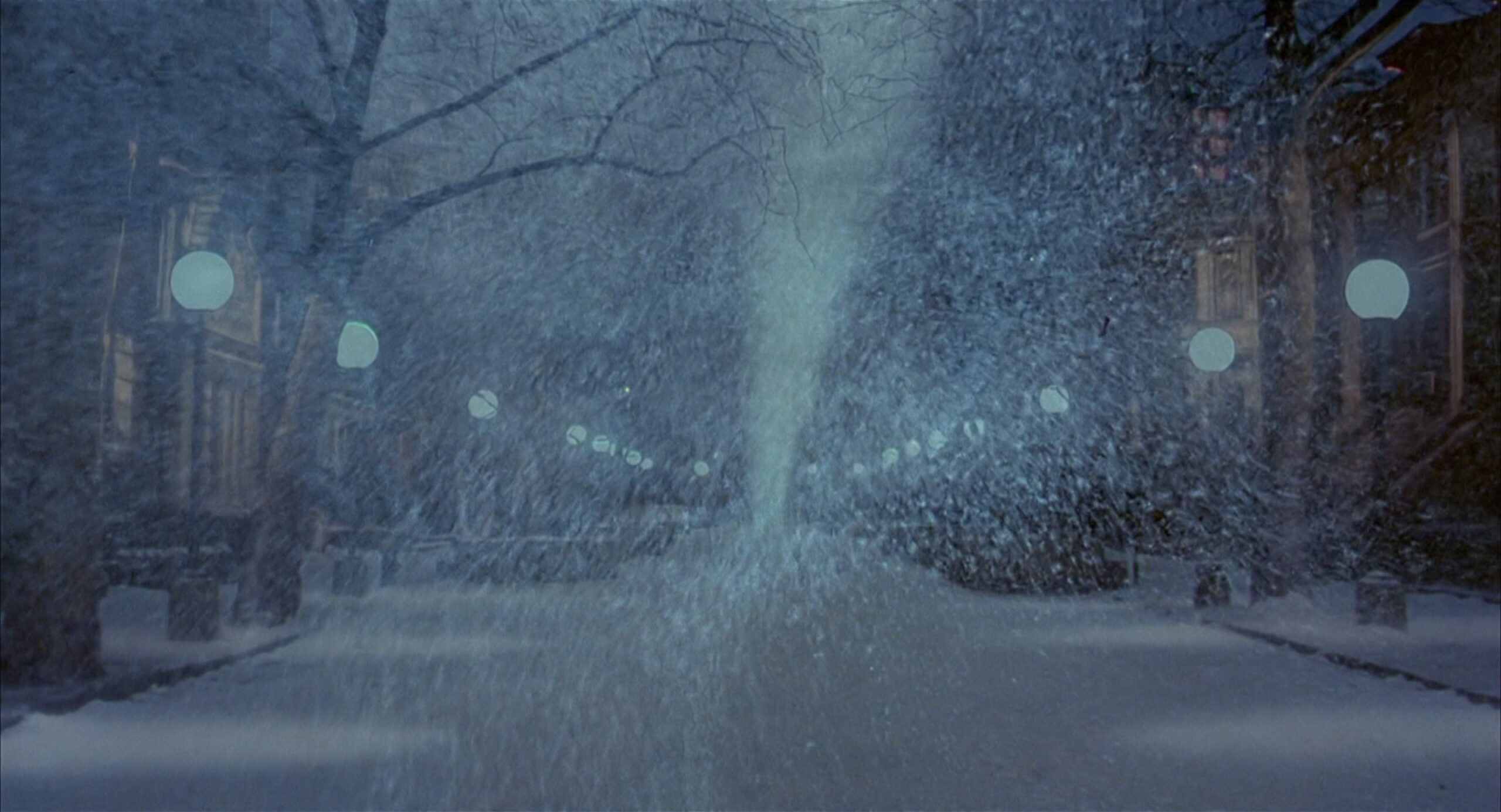
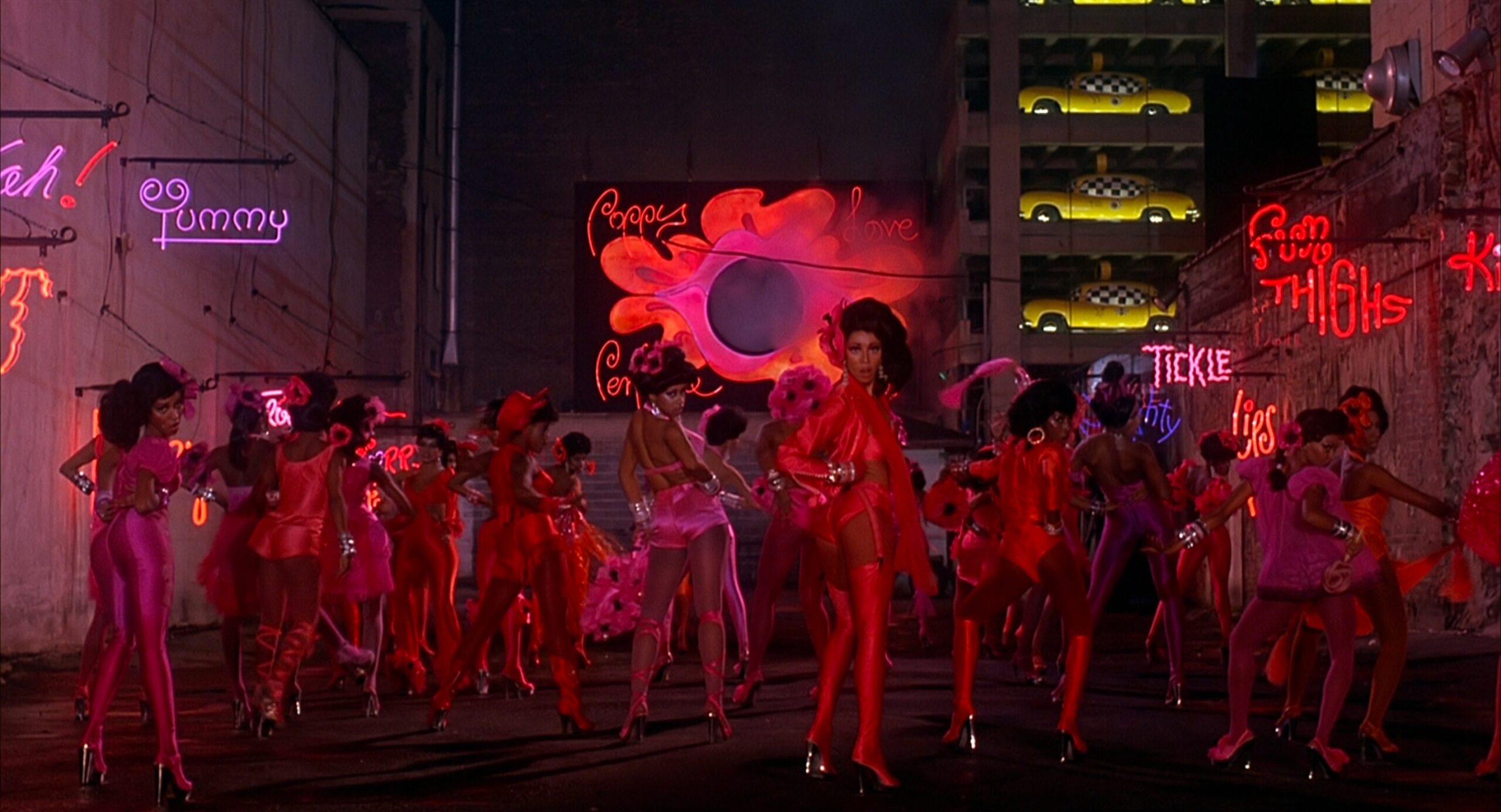
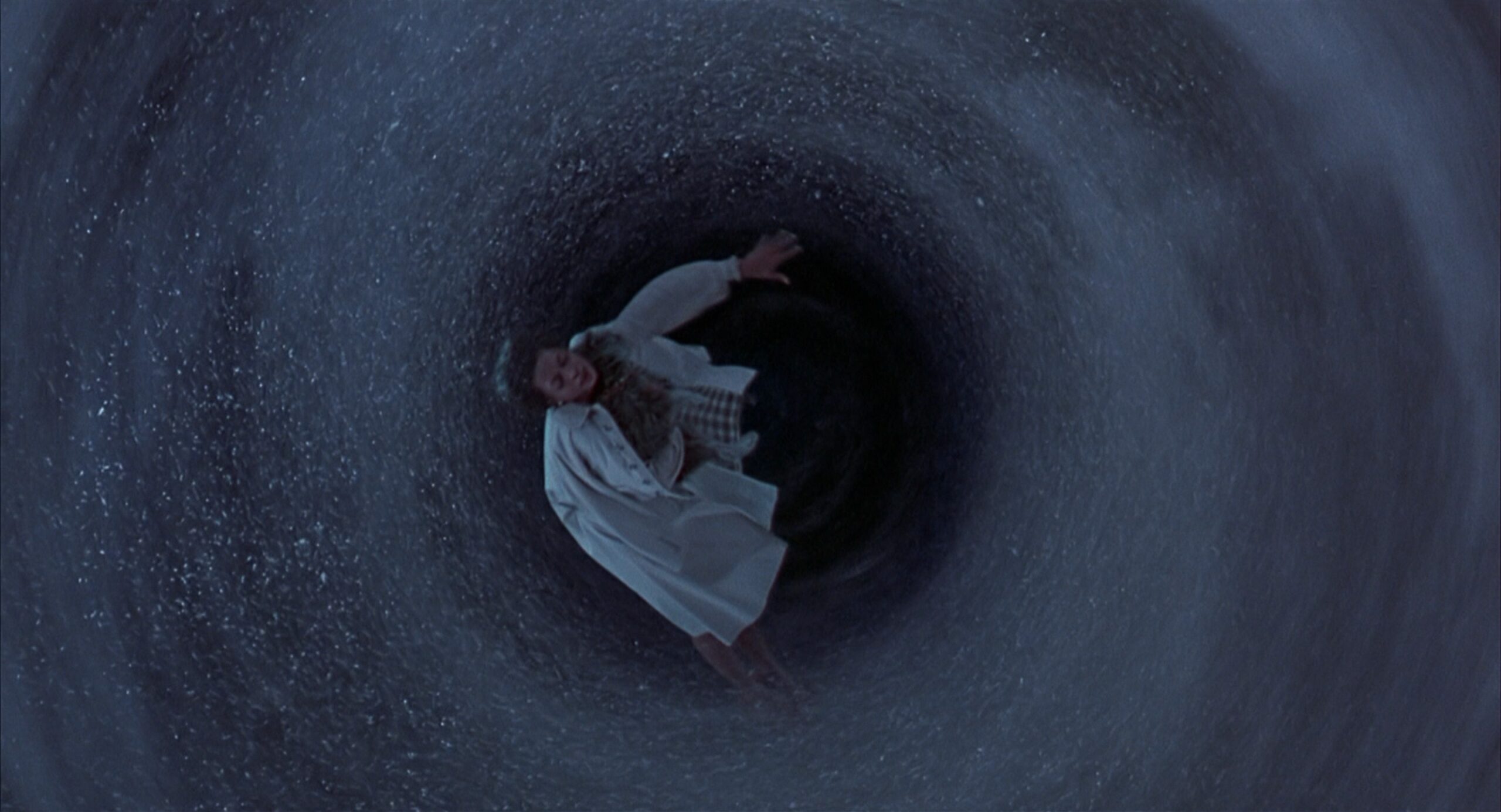
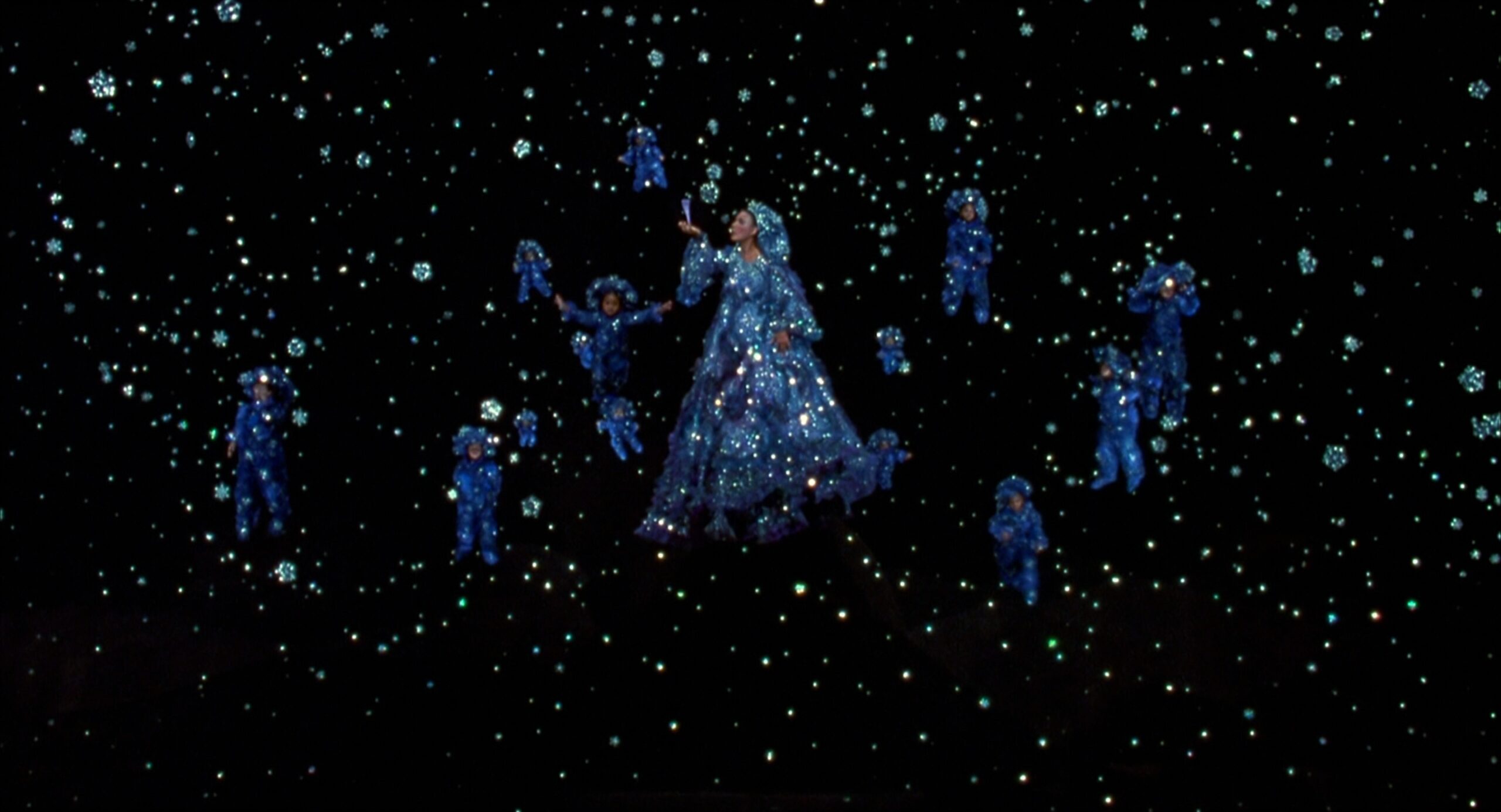
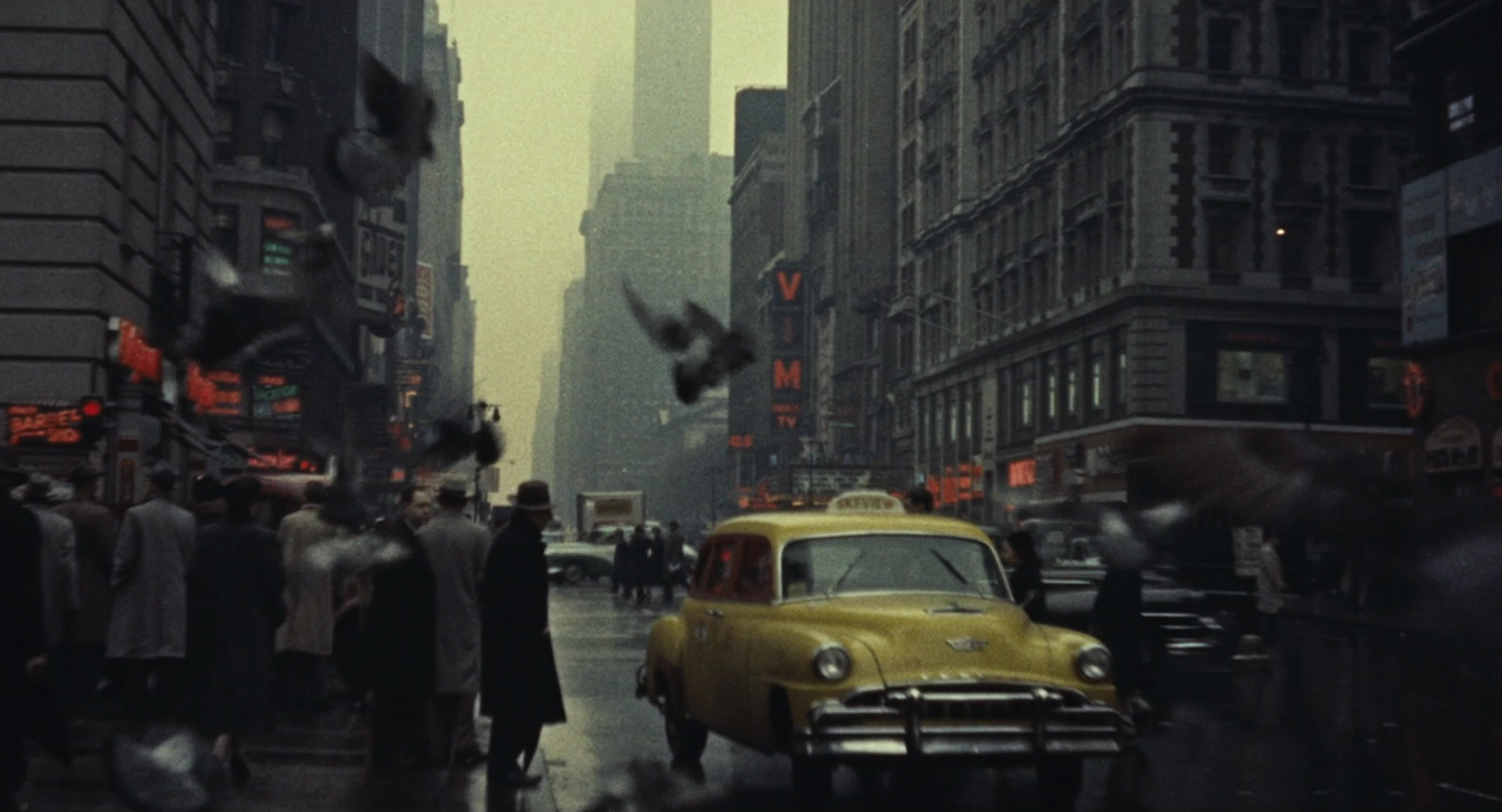
A shy Harlem schoolteacher named Dorothy is swept away by a magical storm into a fantastical version of New York City inspired by The Wizard of Oz. Joined by a Scarecrow, Tinman, and Cowardly Lion, she journeys through this surreal urban landscape in search of the mysterious Wiz, hoping to find her way home. Along the way, the group confronts fear, self-doubt, and the search for identity and belonging.
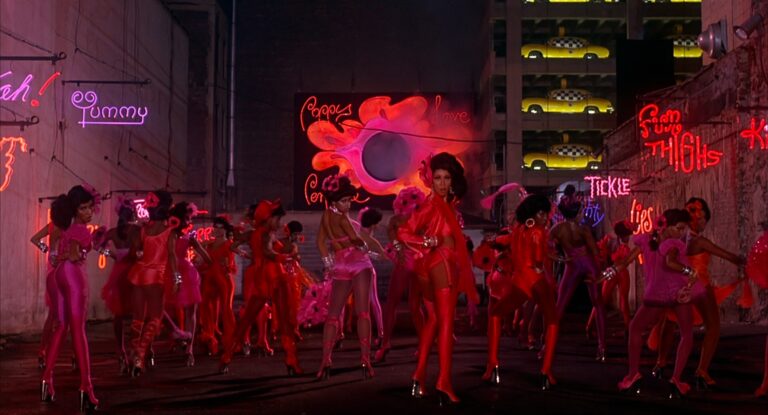
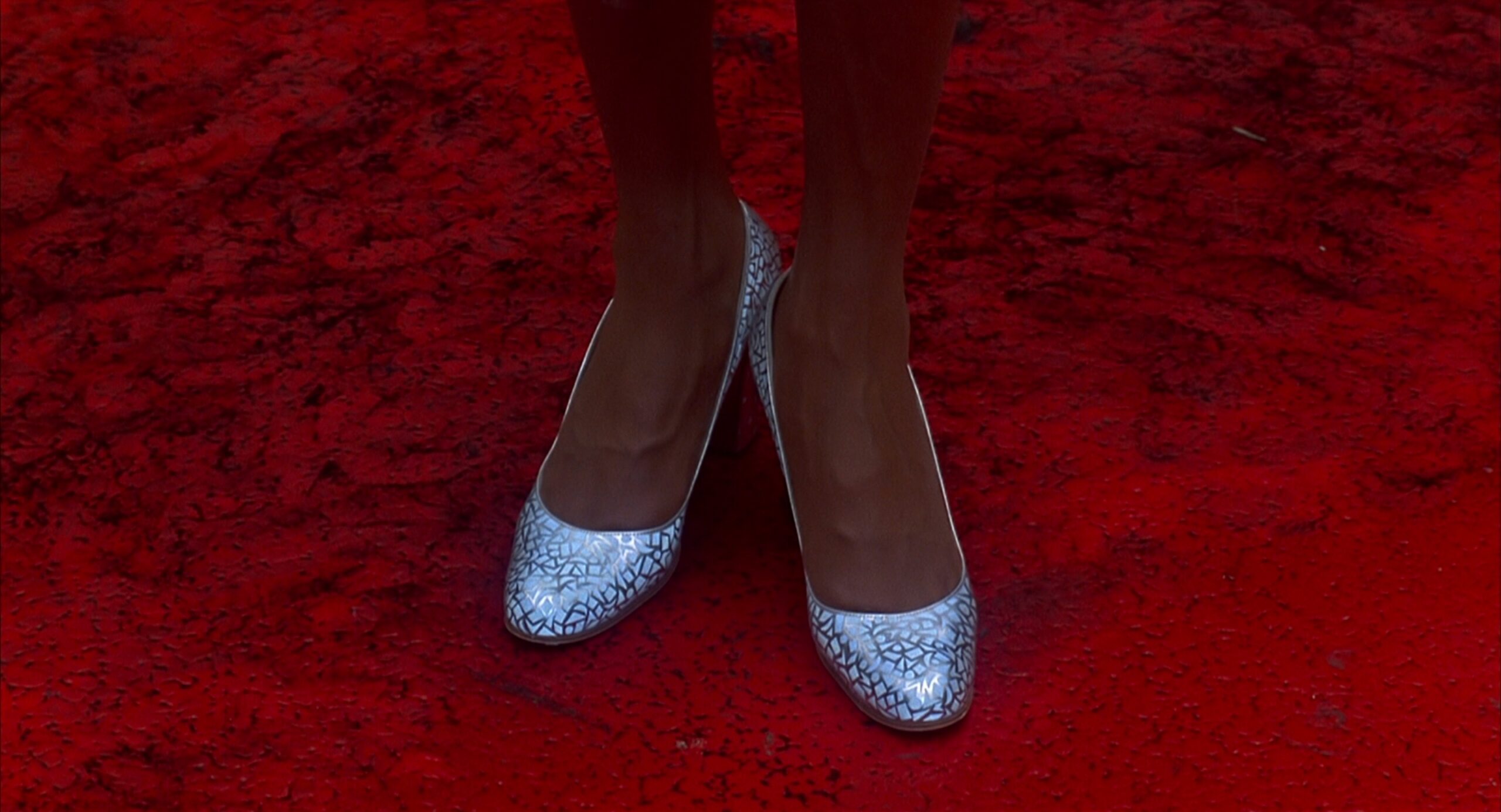
In The Wiz, Lumet and cinematographer Oswald Morris transform New York into a massive theatrical fantasy space, using real locations—subway stations, the World Trade Center plaza, amusement parks—as stylized set pieces infused with elaborate costume and production design. The film’s bold color palettes, large-scale musical choreography, and shifting visual textures give it an operatic, dreamlike quality, blending Broadway spectacle with gritty urban imagery to create a distinctly Black reimagining of classic fantasy iconography.
FILM SPOTLIGHT
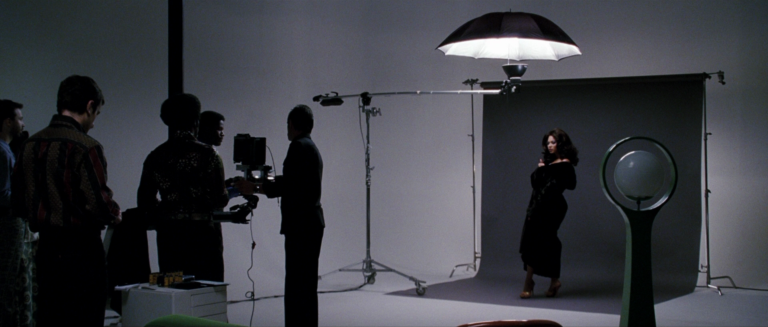
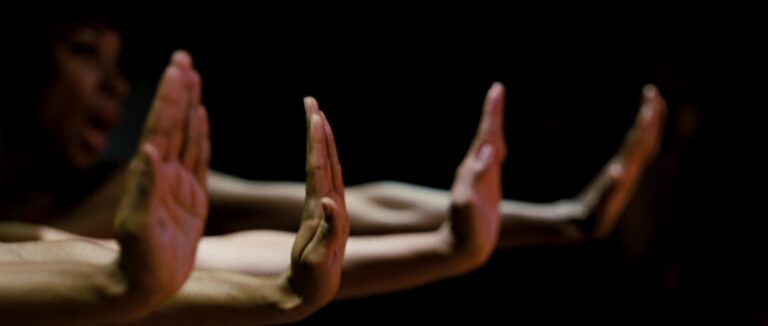
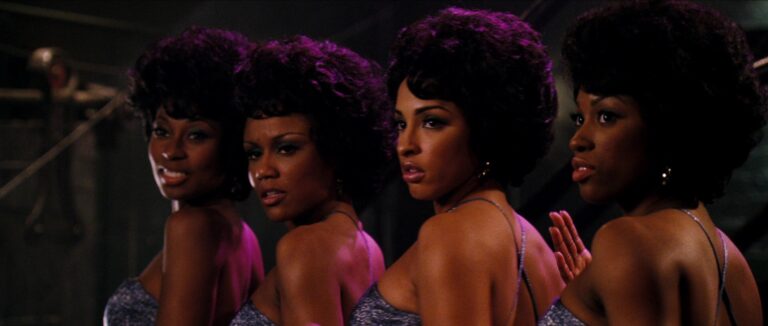
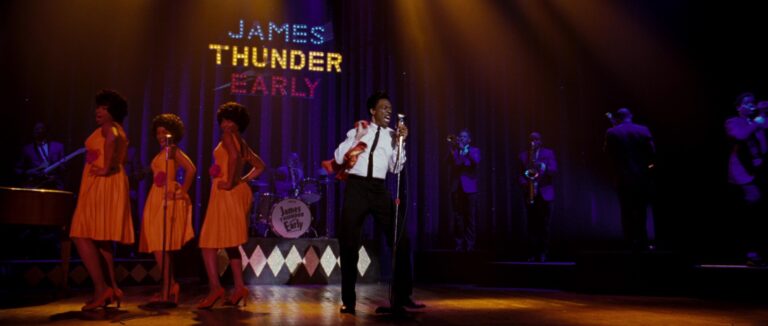
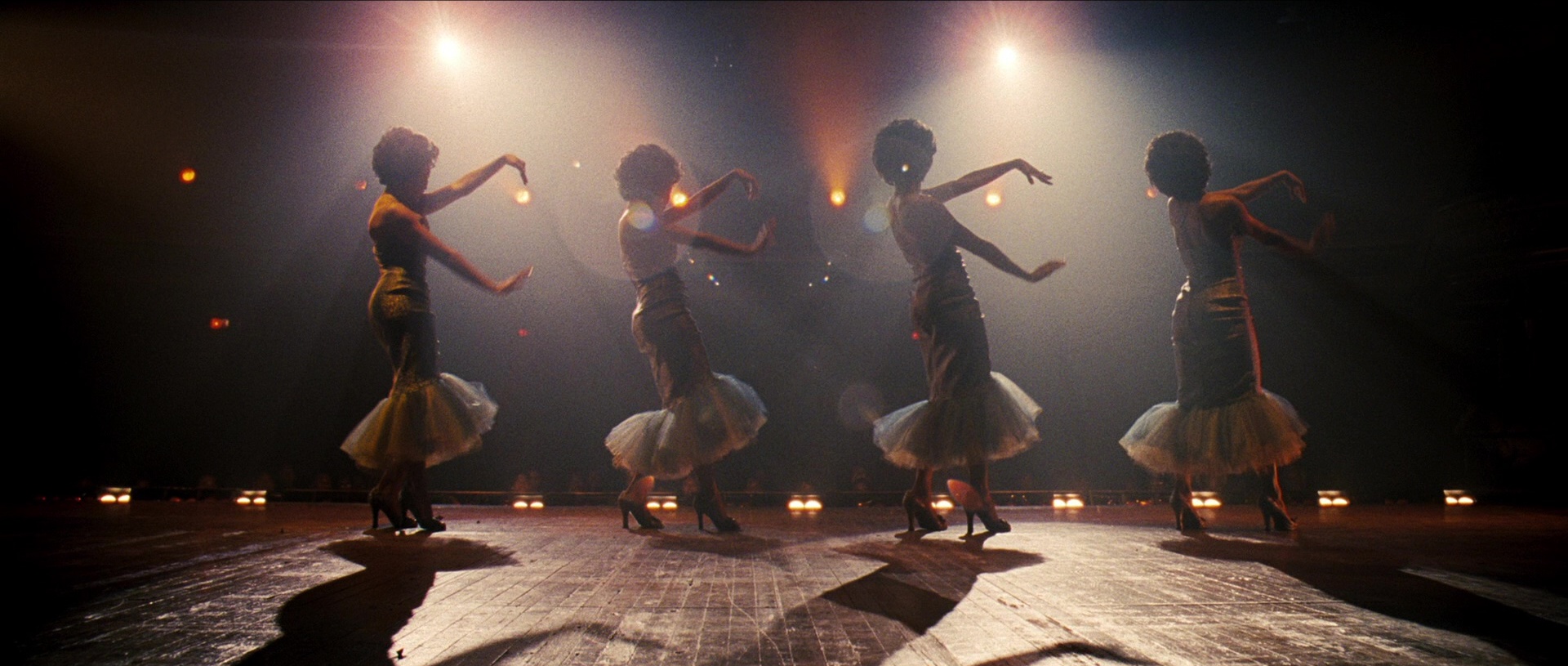
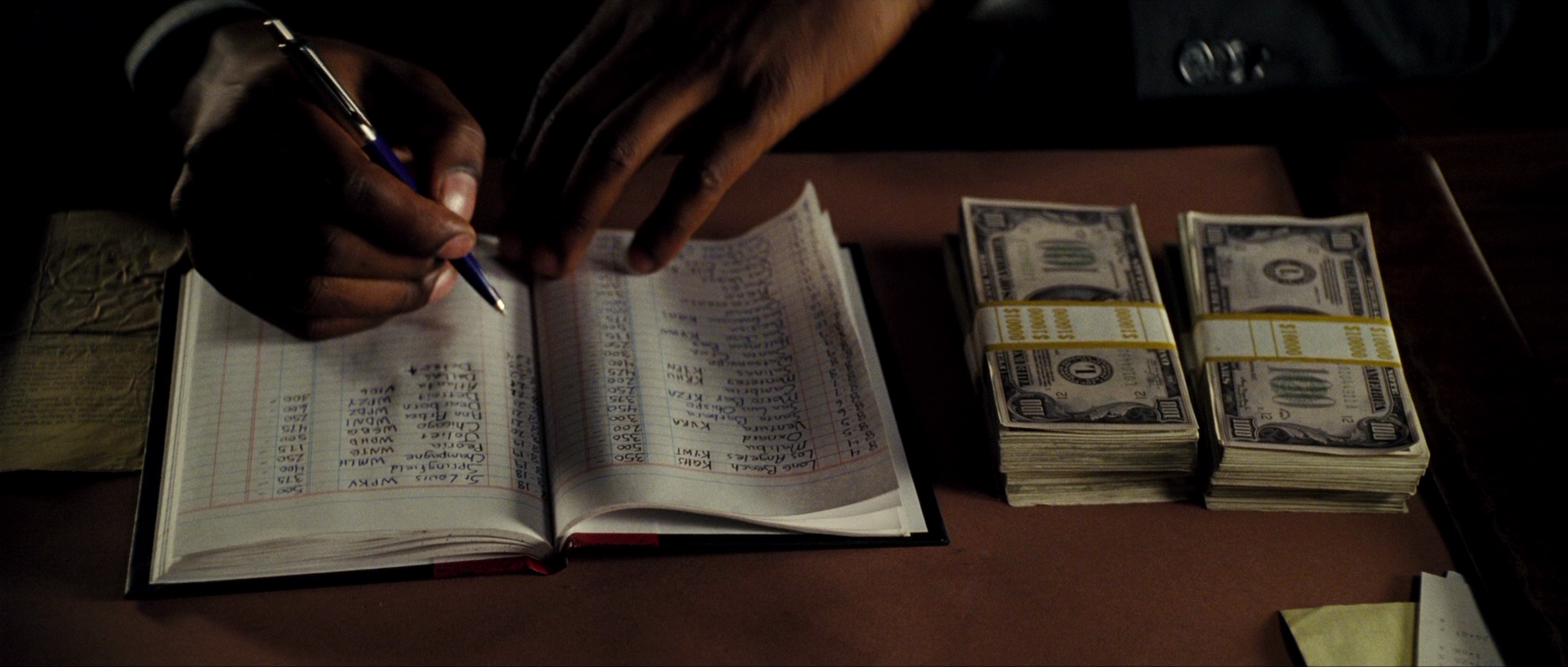
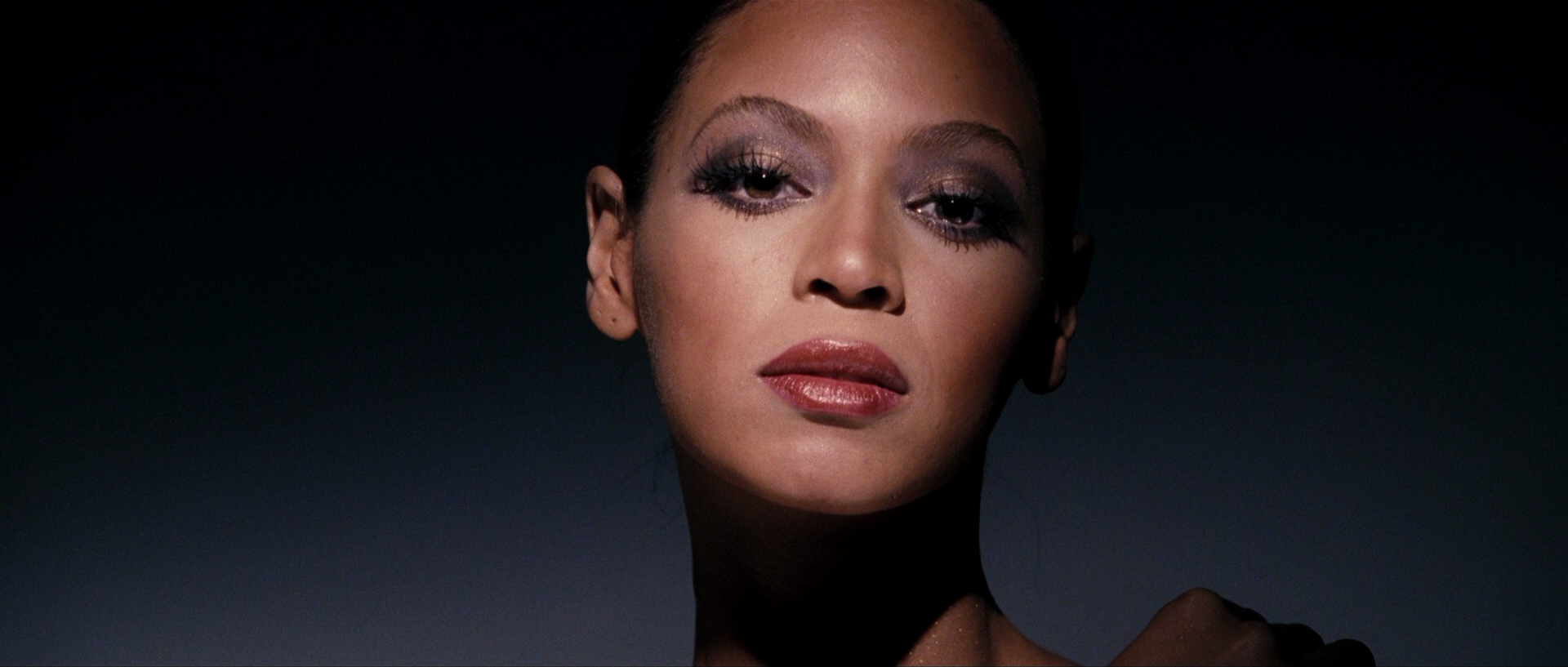
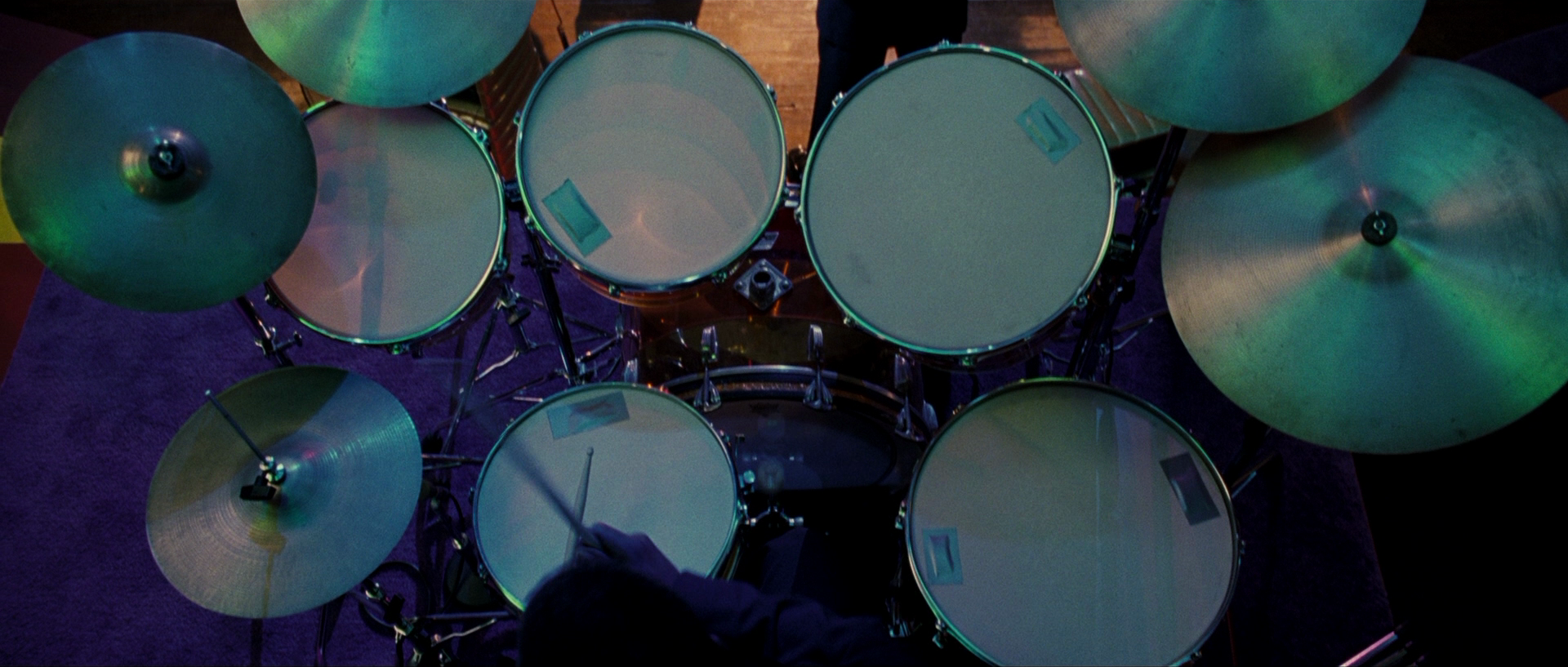
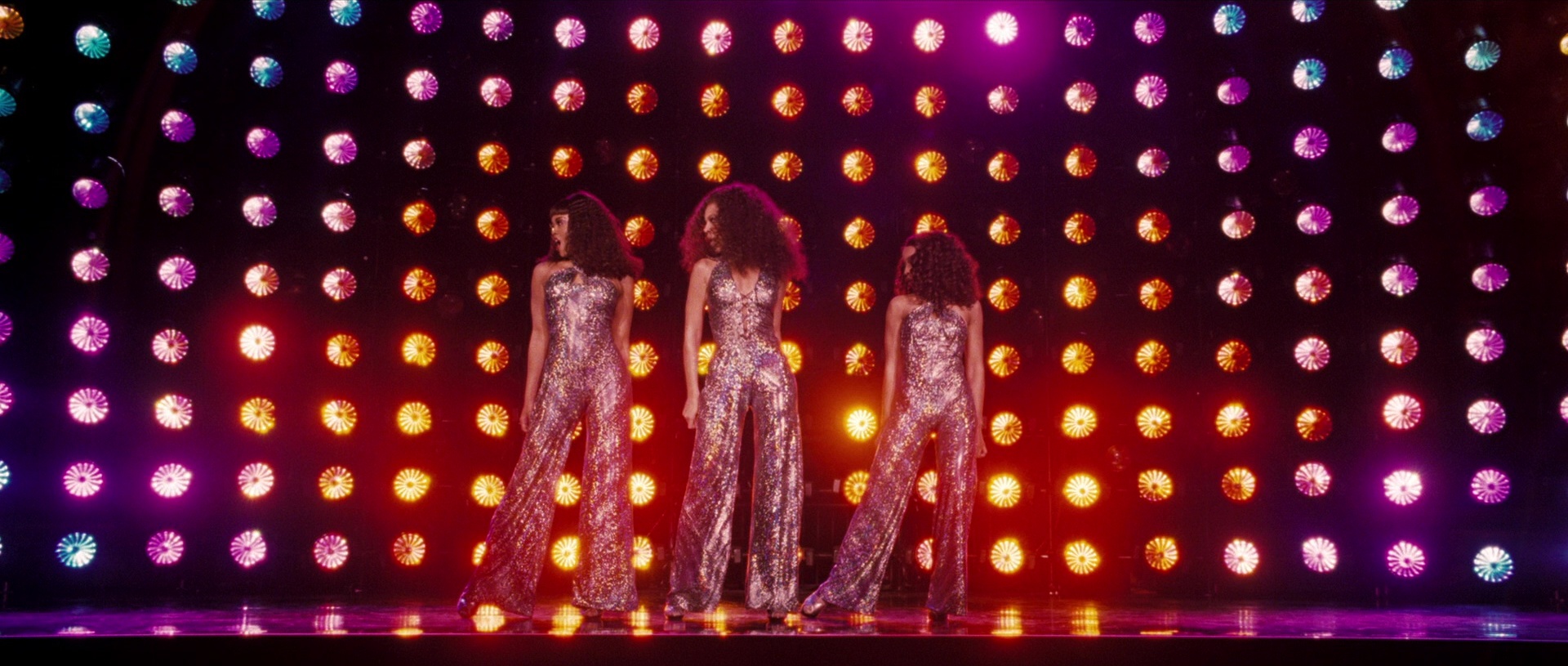
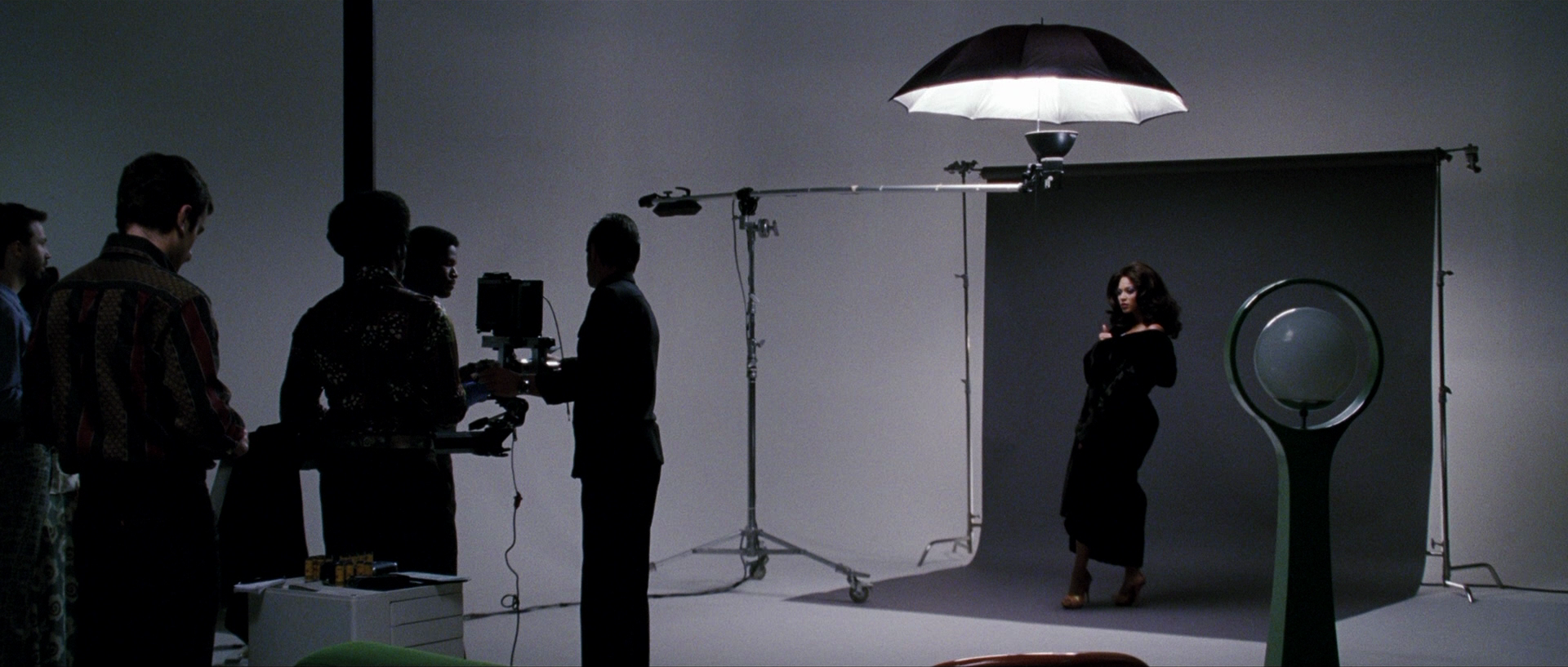
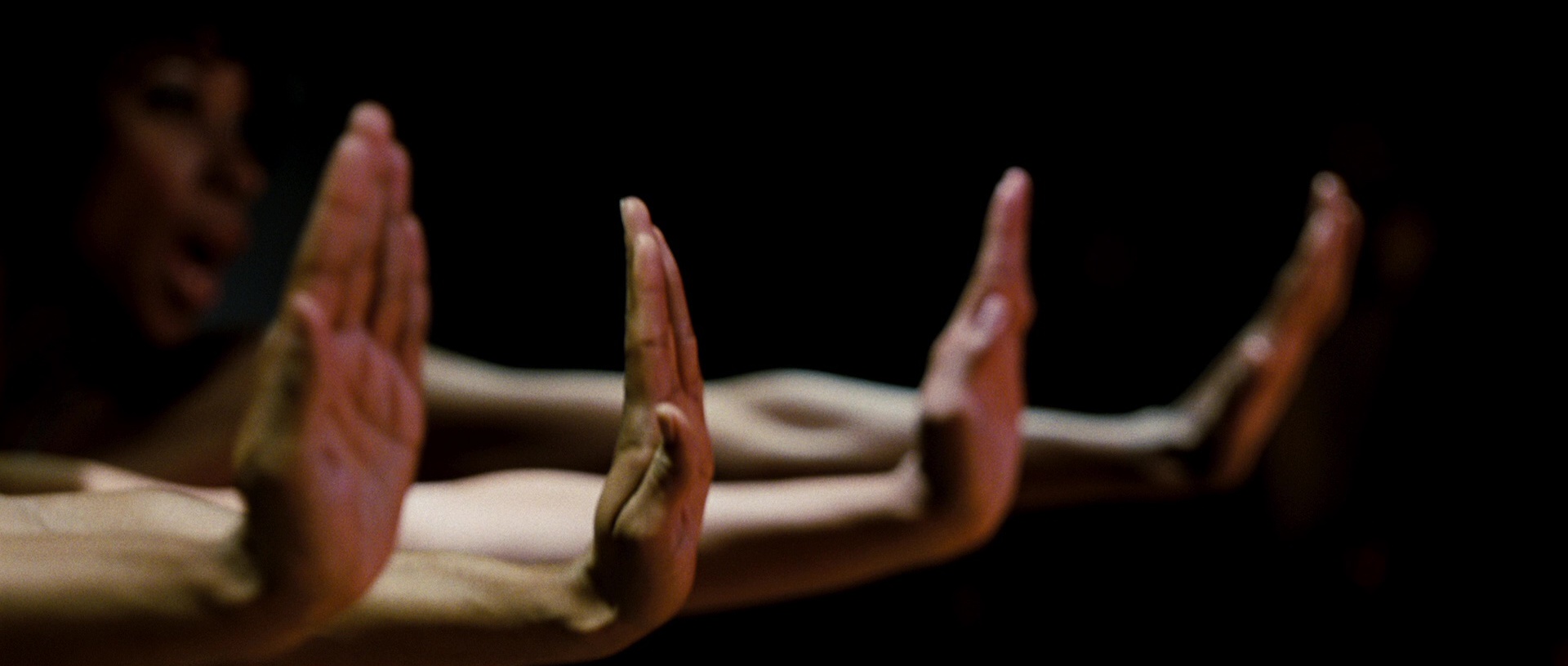
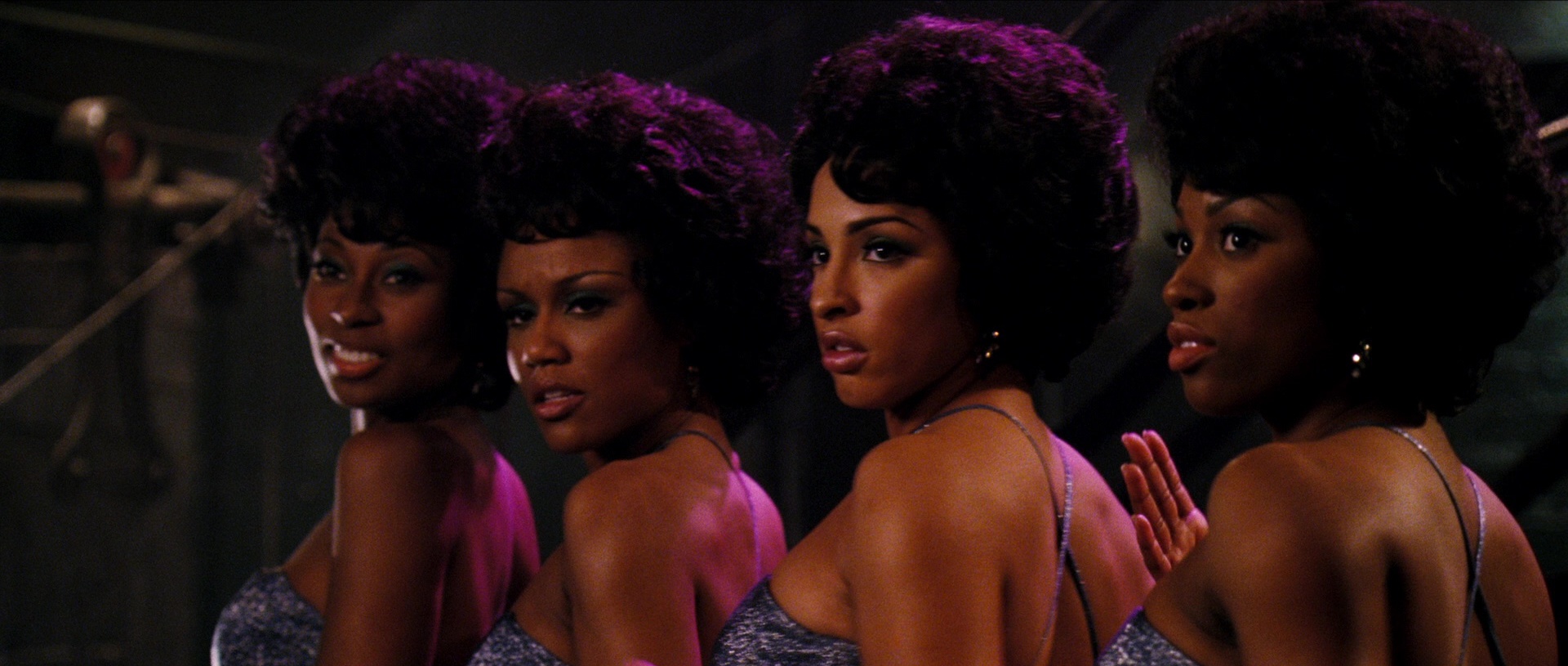
Dreamgirls (2006)
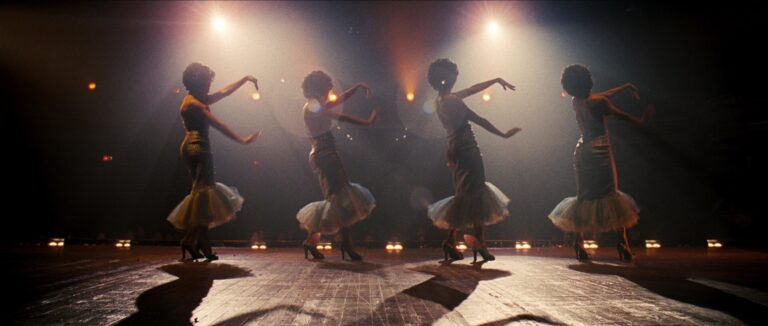
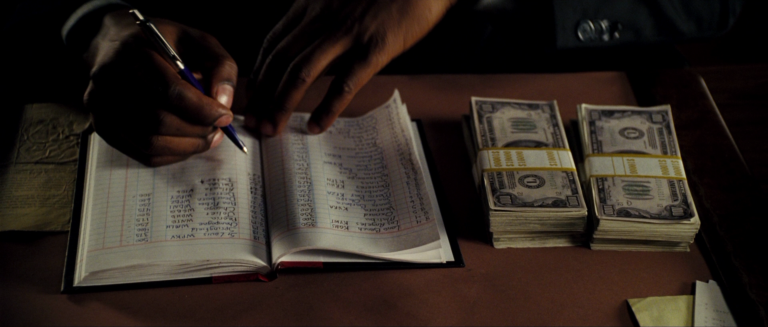
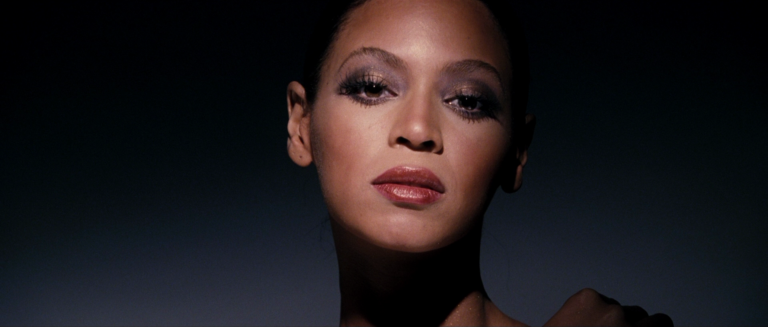
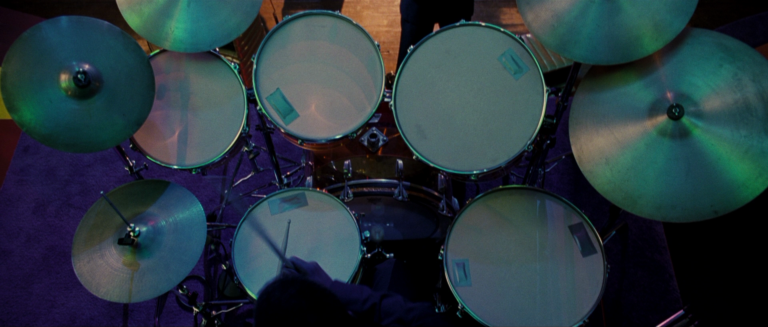
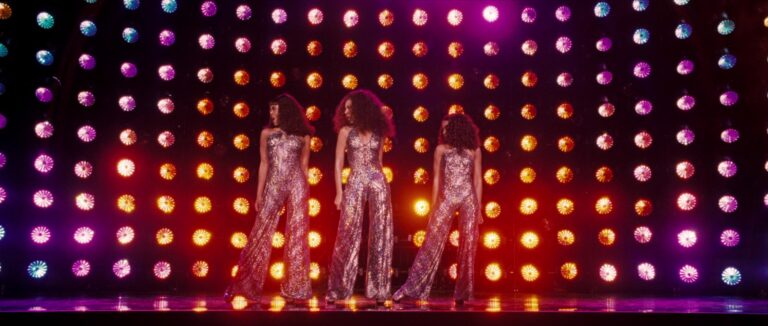
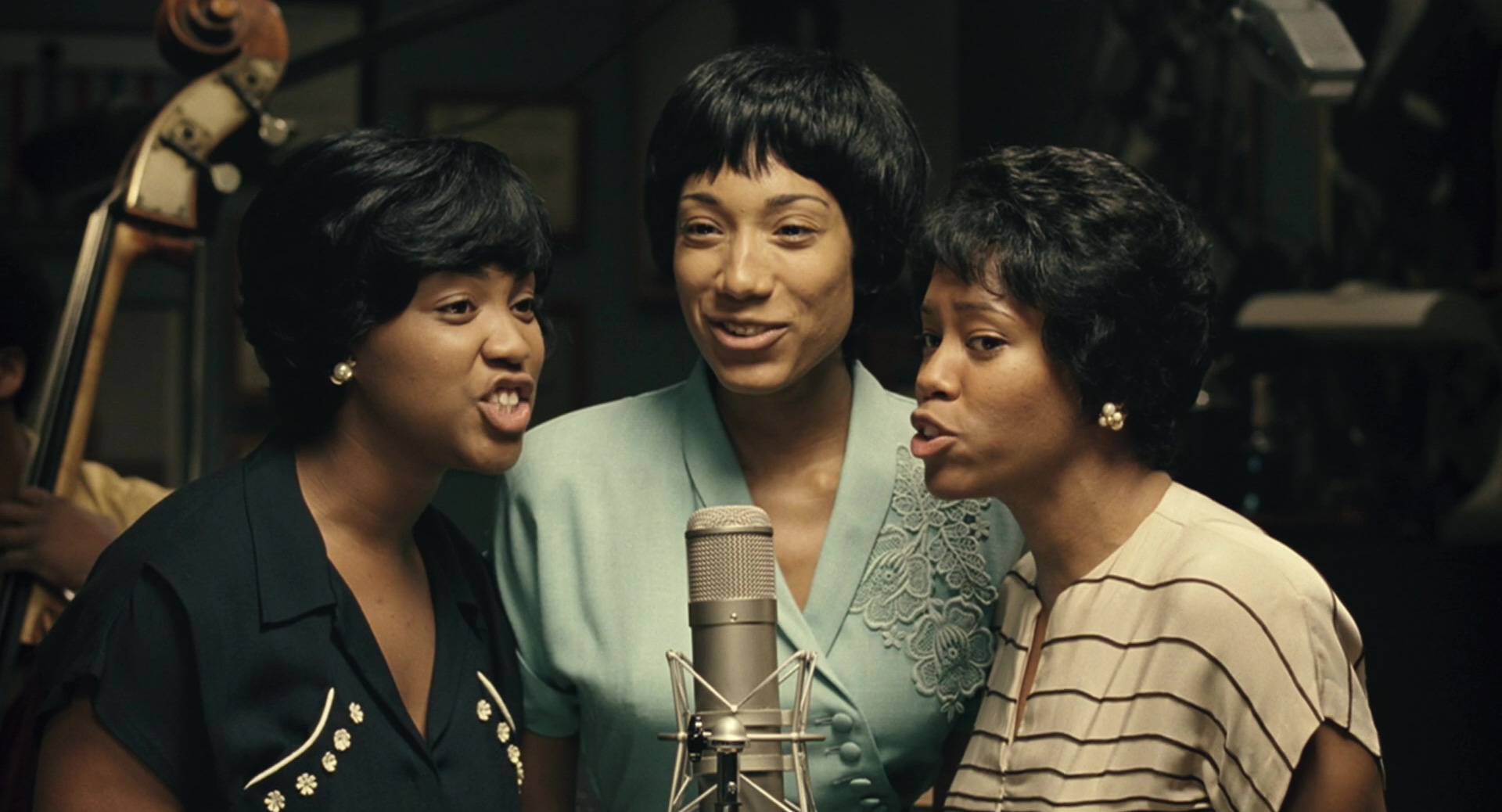
Inspired by the rise of Motown-era girl groups, the film follows a trio of young singers who are transformed into the successful act “The Dreams” under the guidance of an ambitious manager. As fame, commercial pressure, and personal ambition reshape the group, internal tensions emerge over identity, artistry, and recognition. Their journey unfolds against the changing landscape of the 1960s and 1970s music industry, where success comes with emotional and personal cost.
Condon and cinematographer Tobias A. Schliessler build Dreamgirls around glossy stage spectacle and richly stylized musical performance, using saturated lighting, elaborate costumes, and fluid camera movement to track the evolution of Black popular music across decades. The film contrasts vibrant concert sequences with more intimate backstage and studio interiors, while shifting color palettes and production design subtly mark transitions from early Motown-inspired aesthetics to the slicker disco-era visual style of the 1970s.
FILM SPOTLIGHT
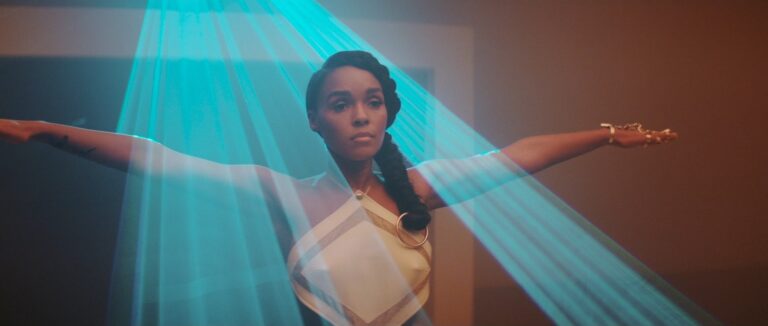
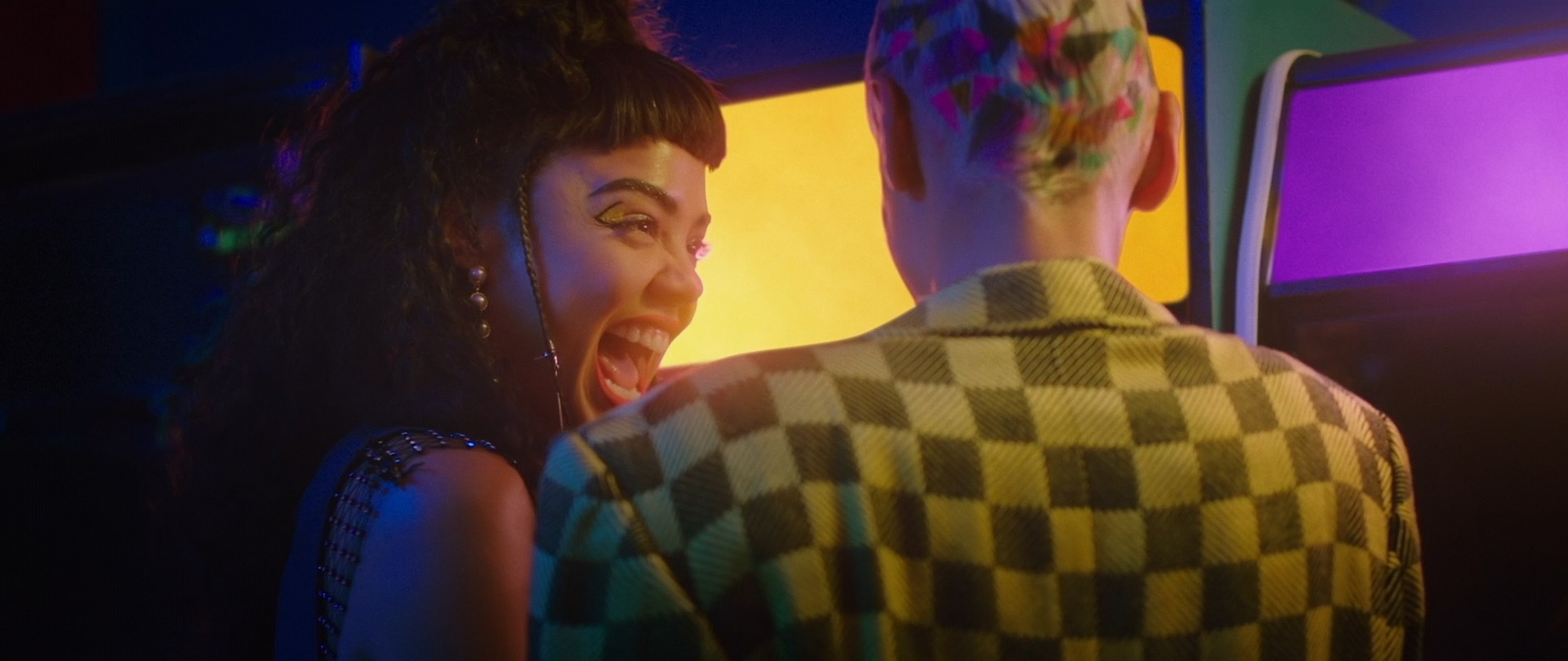
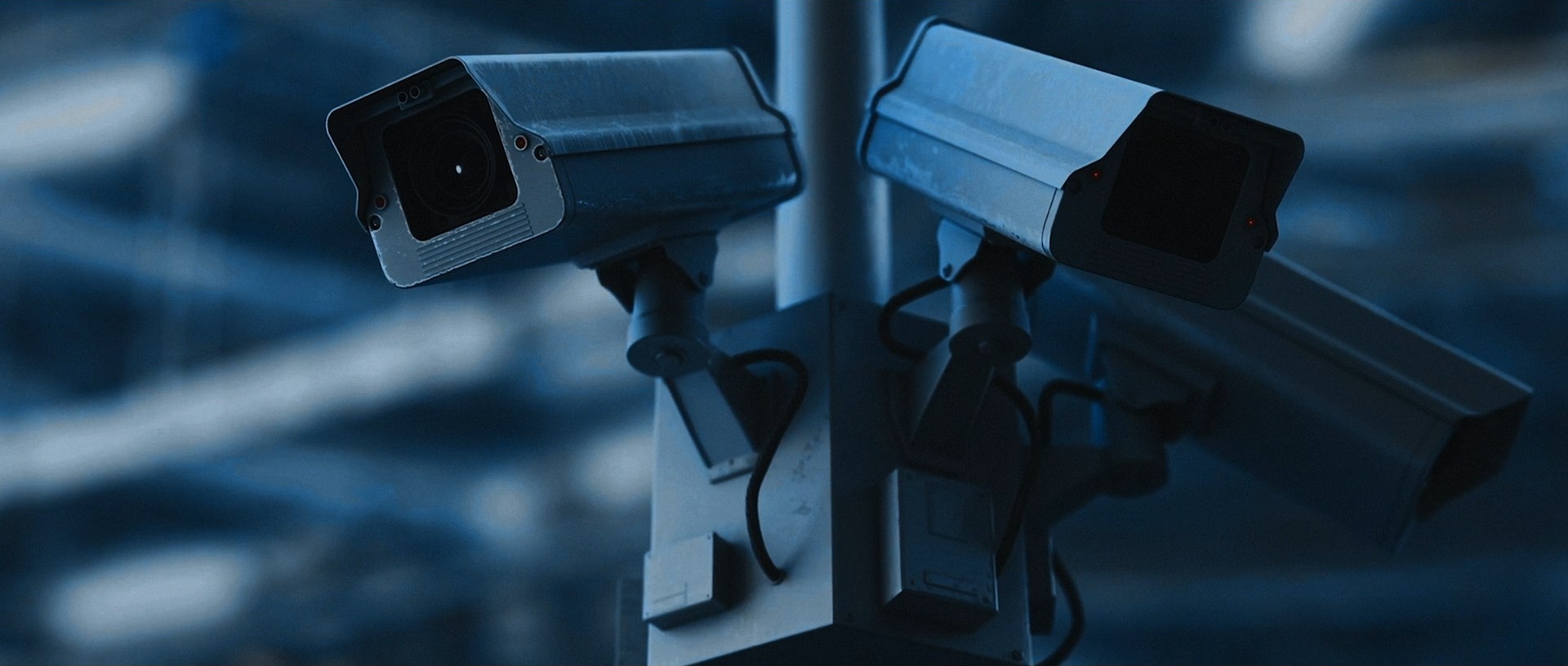
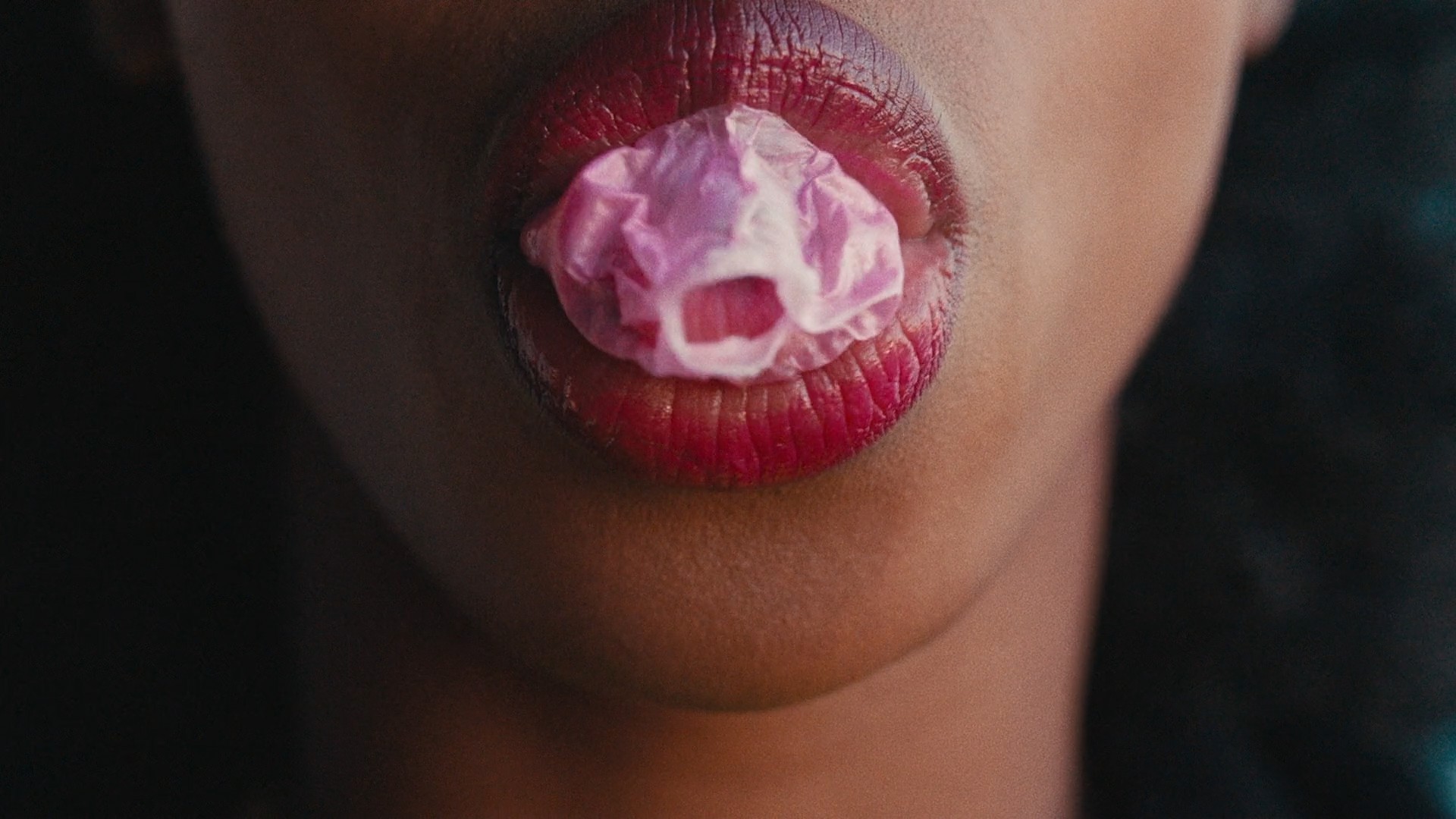
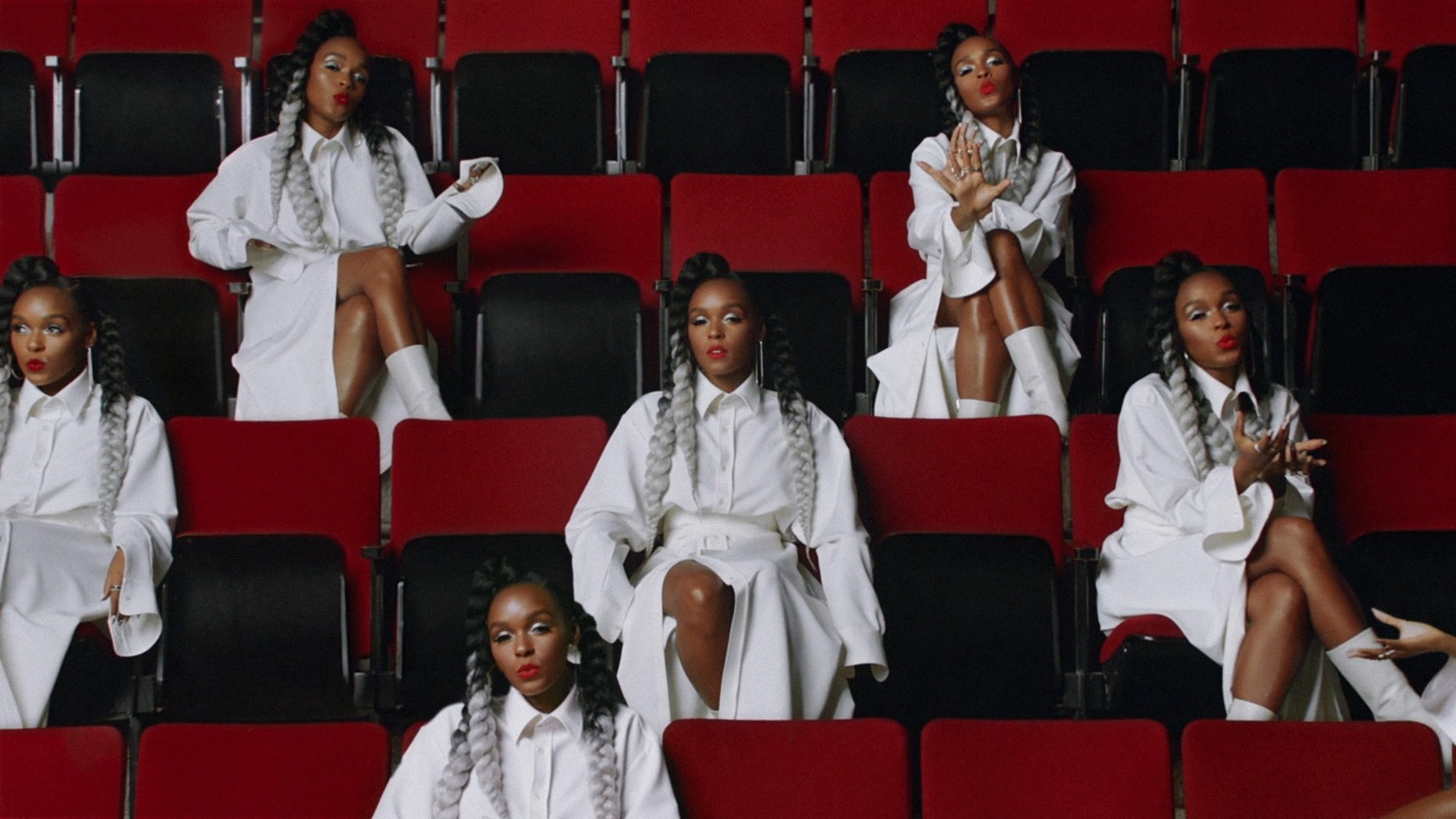
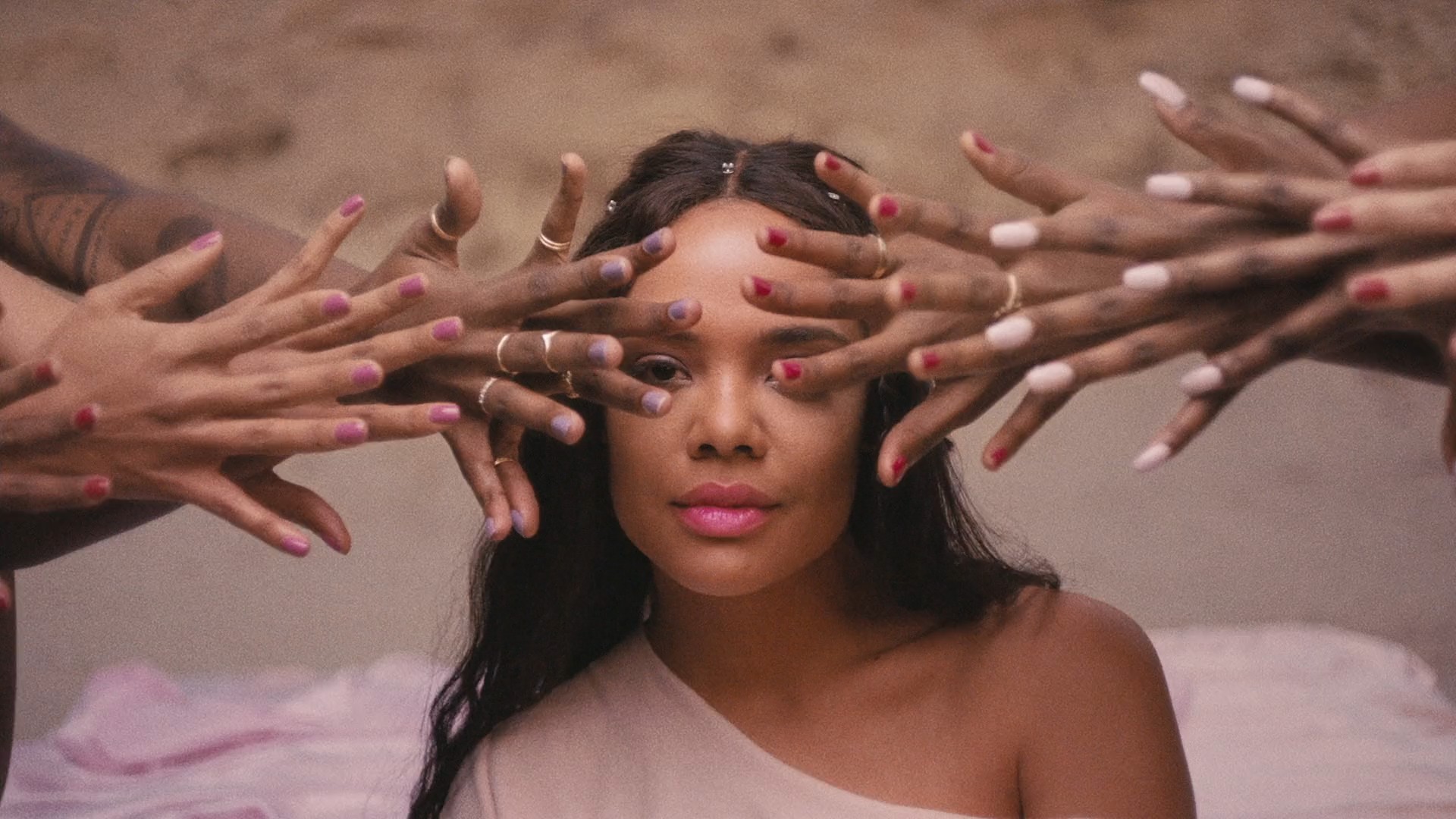
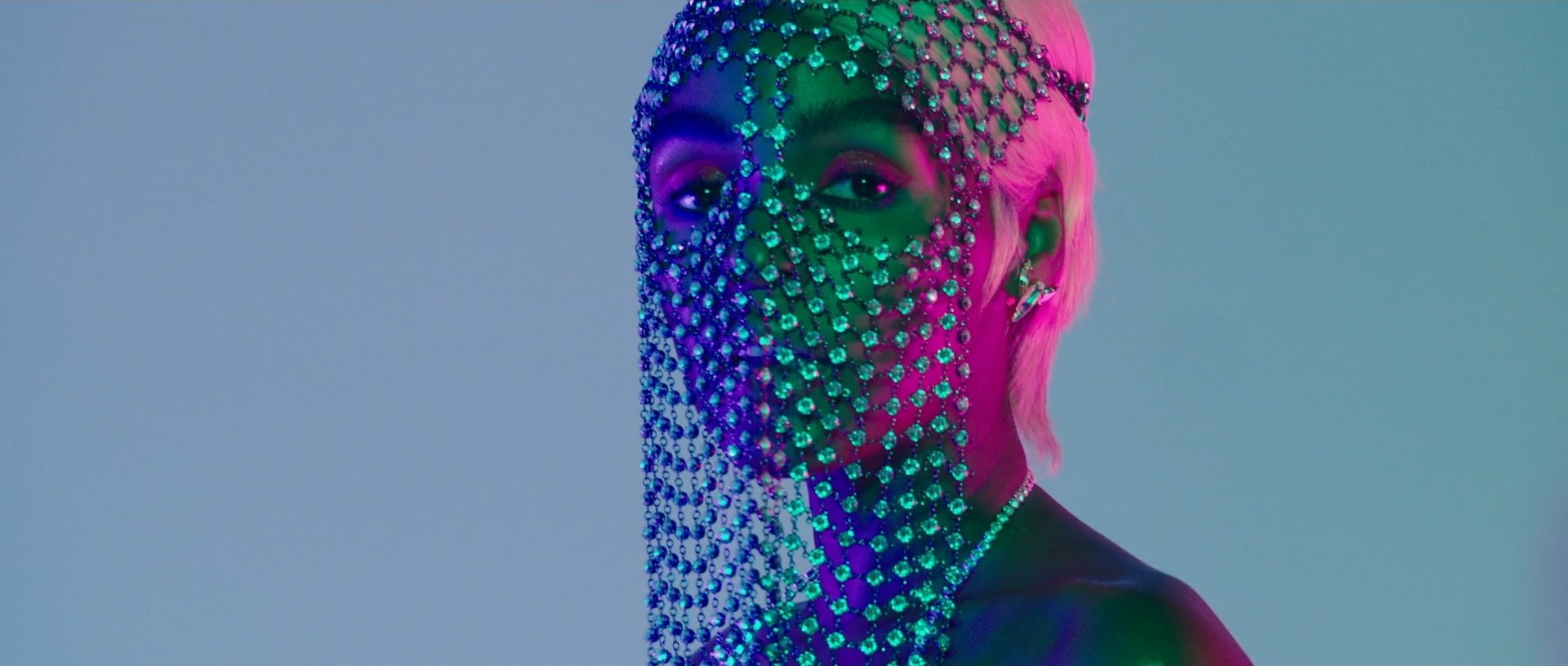
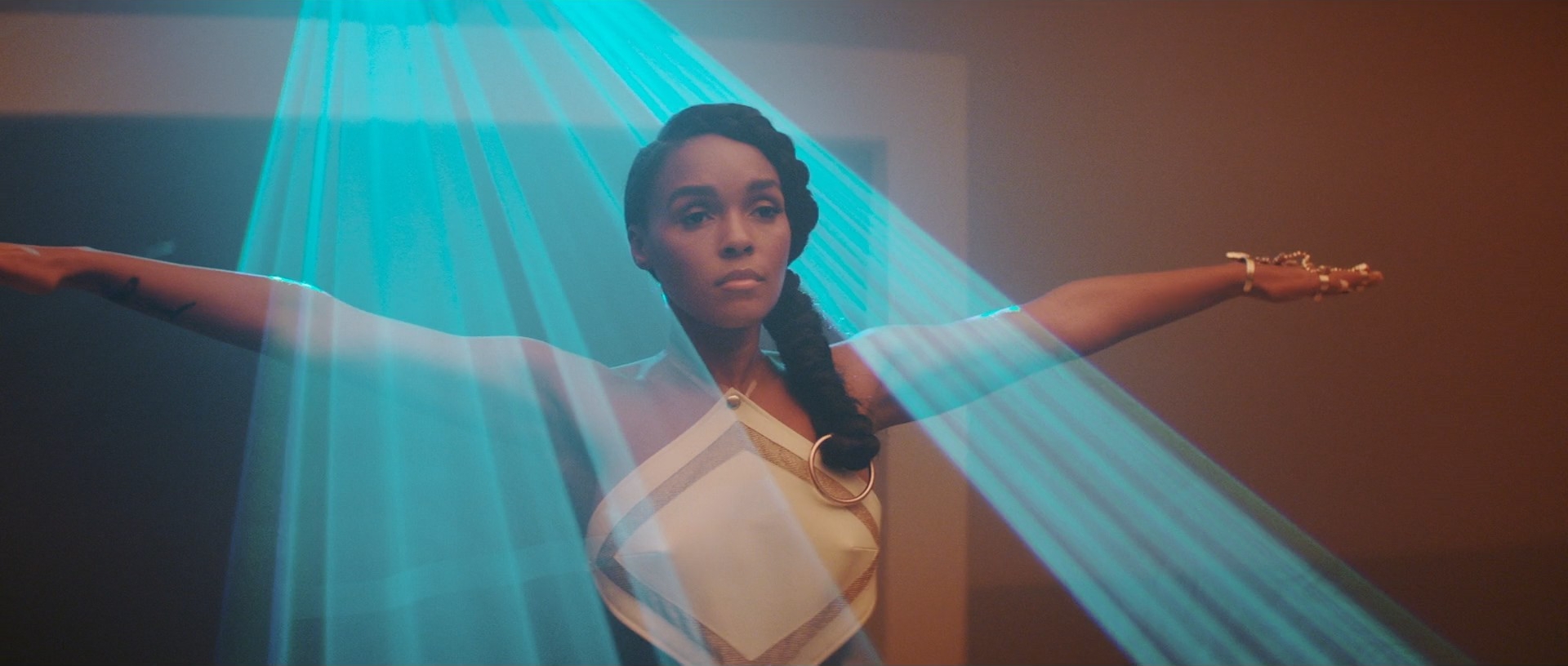
Janelle Monáe: Dirty Computer (2018)
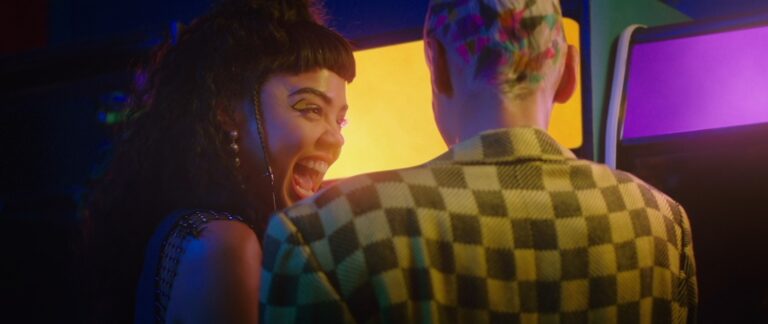
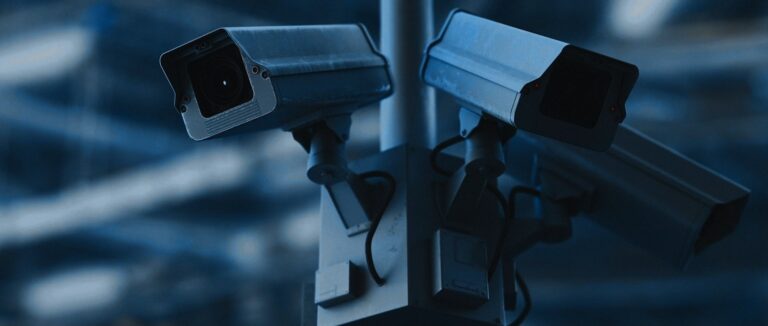
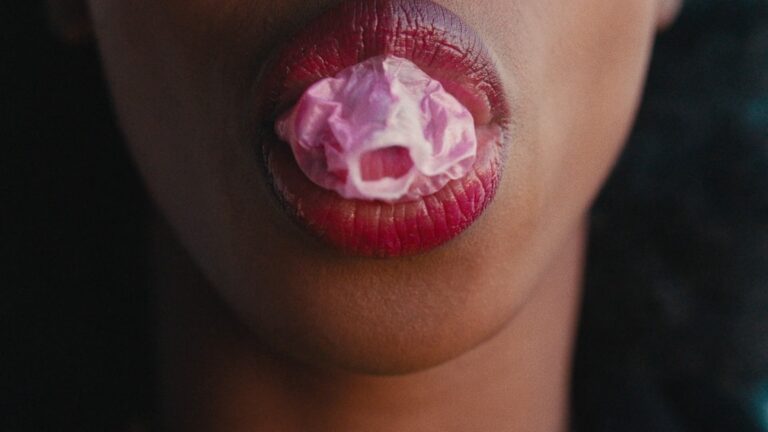
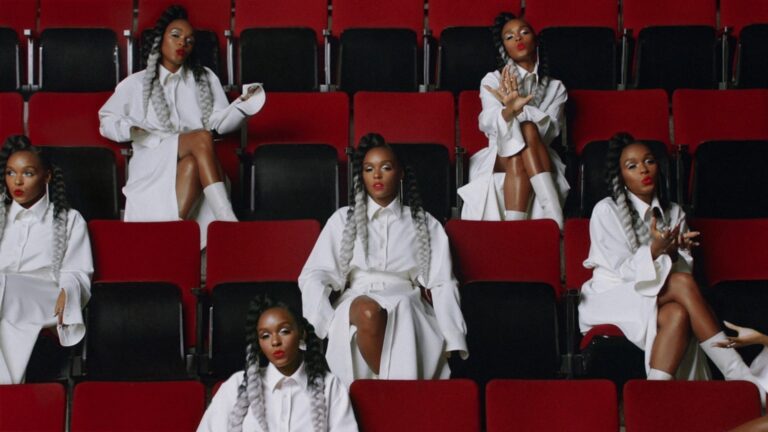
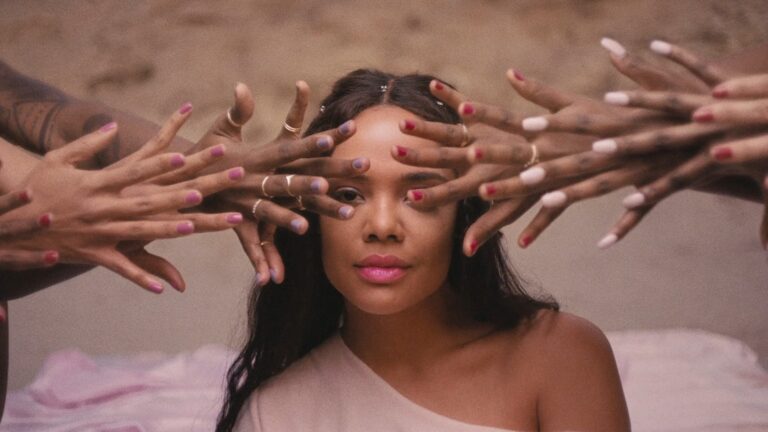
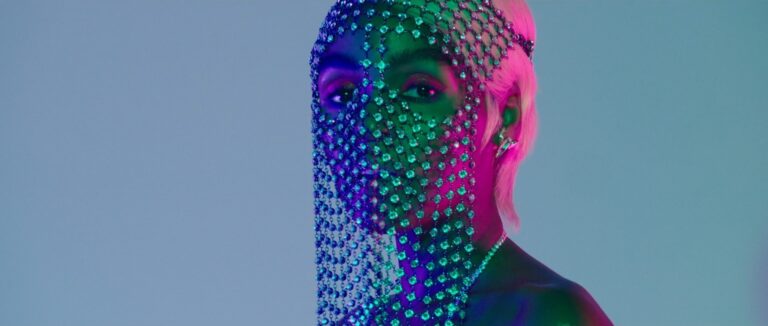
Presented as an “emotion picture,” Dirty Computer follows Jane 57821, a woman living in a futuristic authoritarian society where people deemed socially deviant are captured and “cleaned” of their identities and memories. As Jane undergoes this process, fragments of her past relationships, desires, and personal freedom resurface through music and memory. The film unfolds as a sci-fi musical manifesto about individuality, queerness, love, and resistance against conformity.
The film blends Afrofuturism, cyberpunk, and pop-art aesthetics into a highly stylized visual collage built around Janelle Monáe’s music. Saturated neon lighting, immaculate costume design, symmetrical framing, and sleek futuristic architecture create a polished, dreamlike world where identity is performed through color, fashion, and movement. Its fluid transitions between narrative scenes and music-video sequences turn the project into a continuous audiovisual experience—using visual spectacle as both celebration and political statement.


FILM SPOTLIGHT
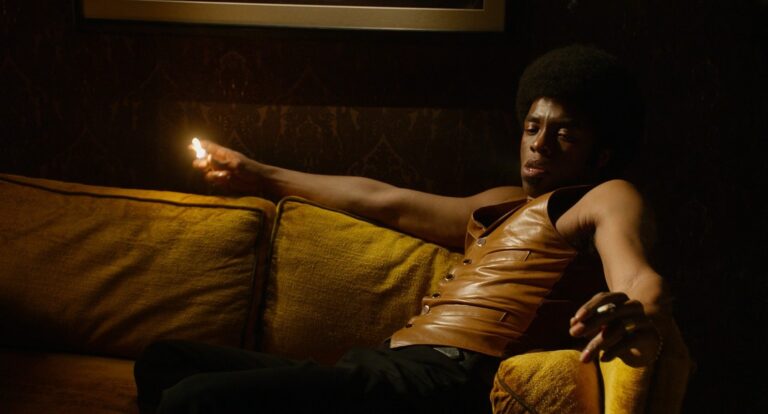
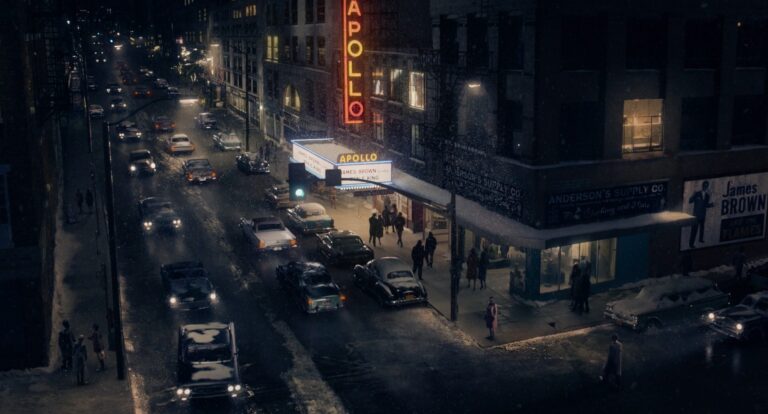
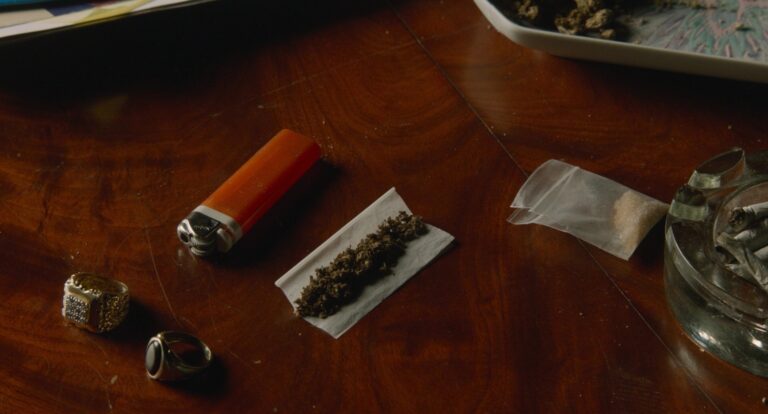
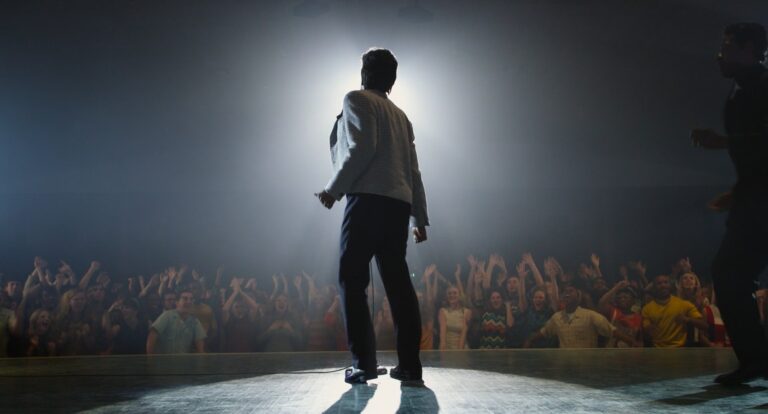
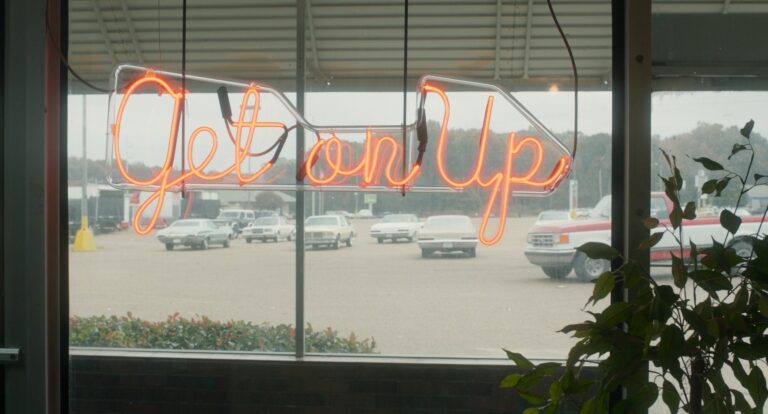
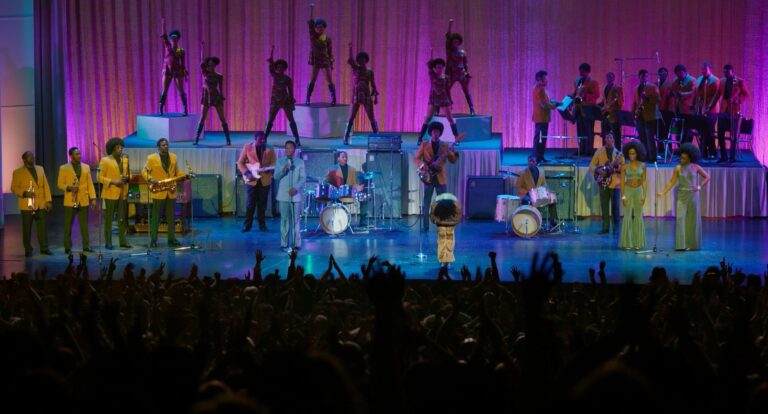
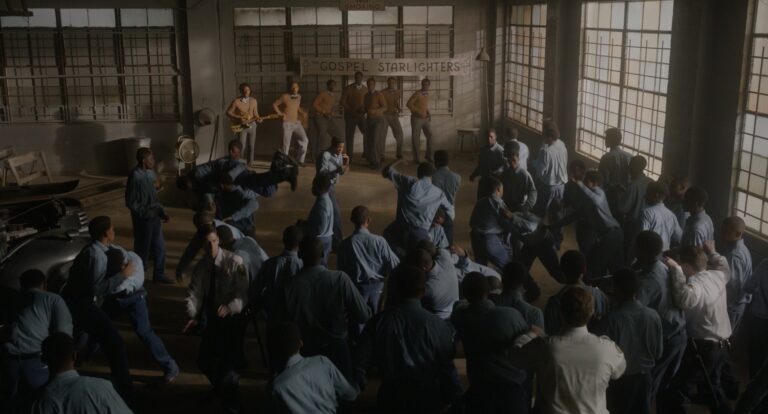
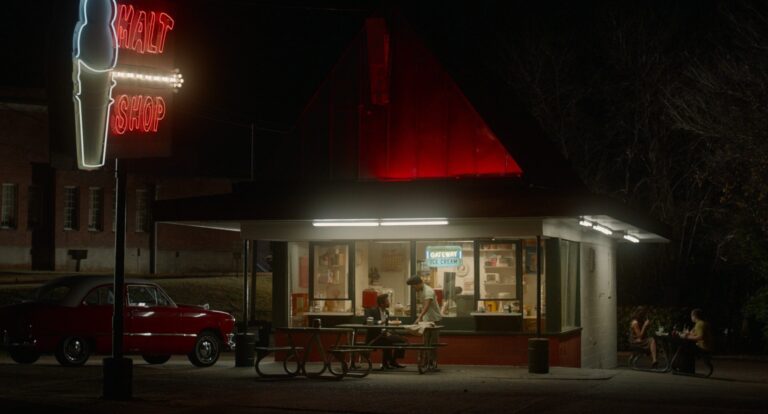
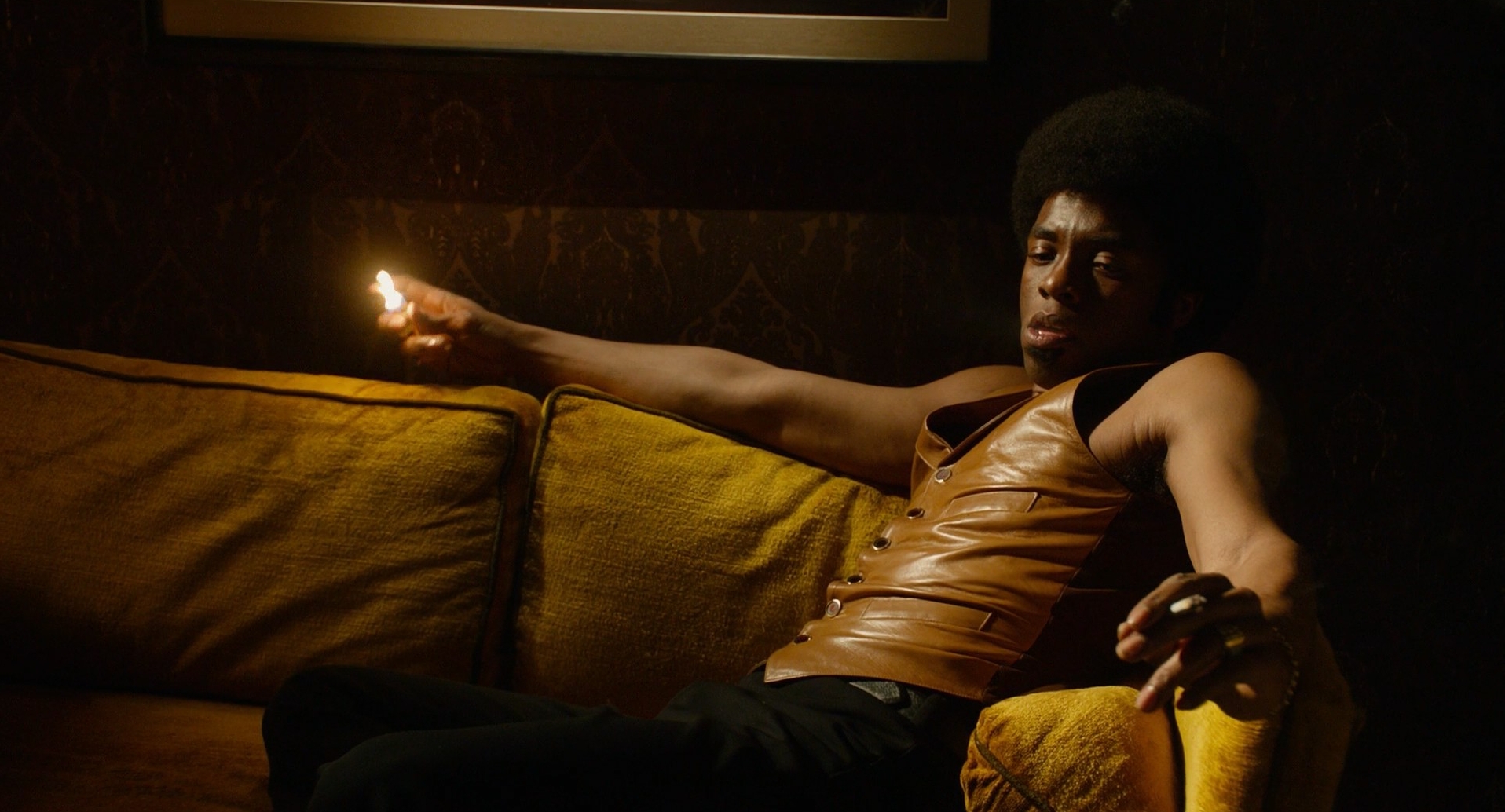
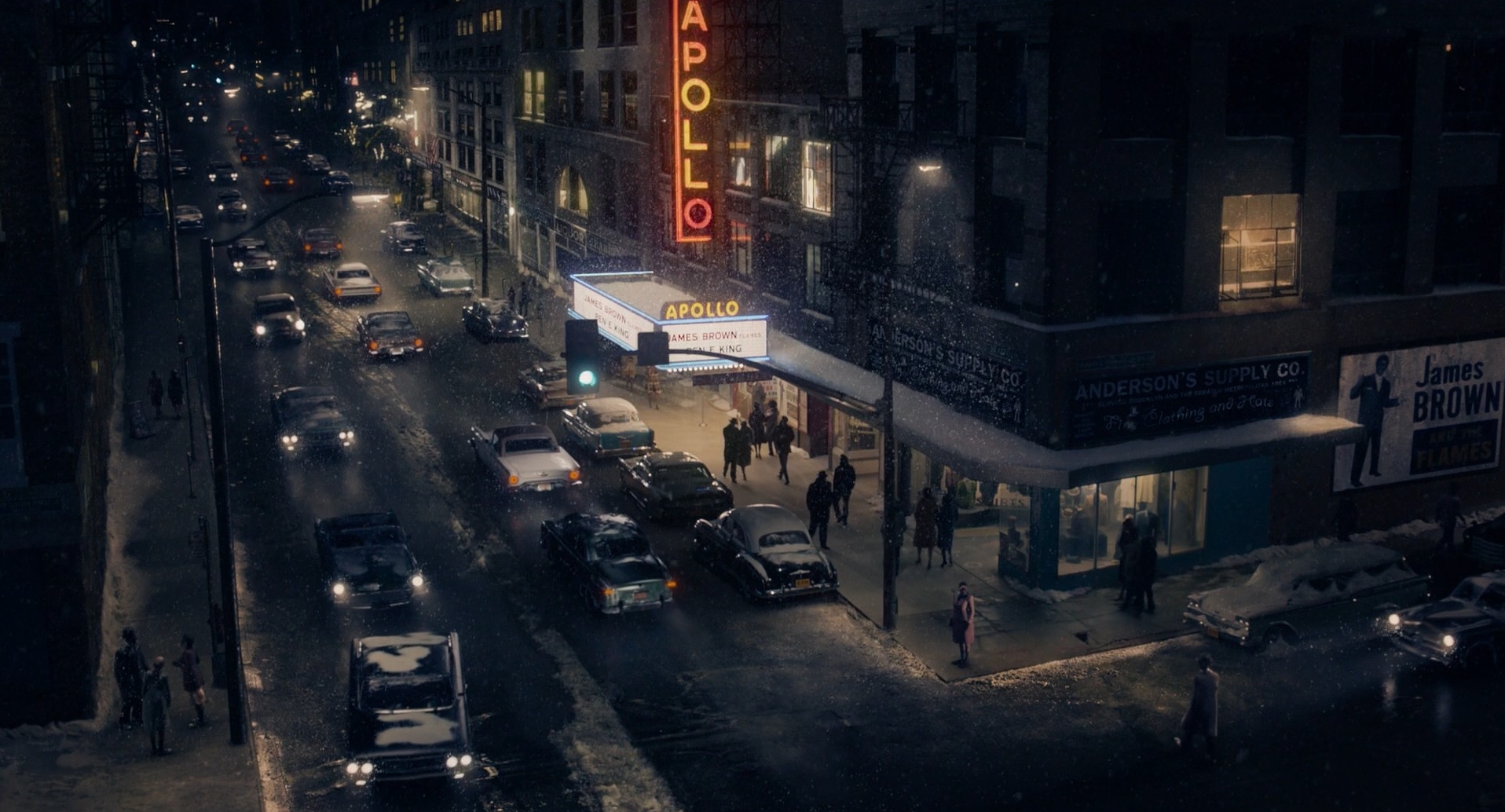
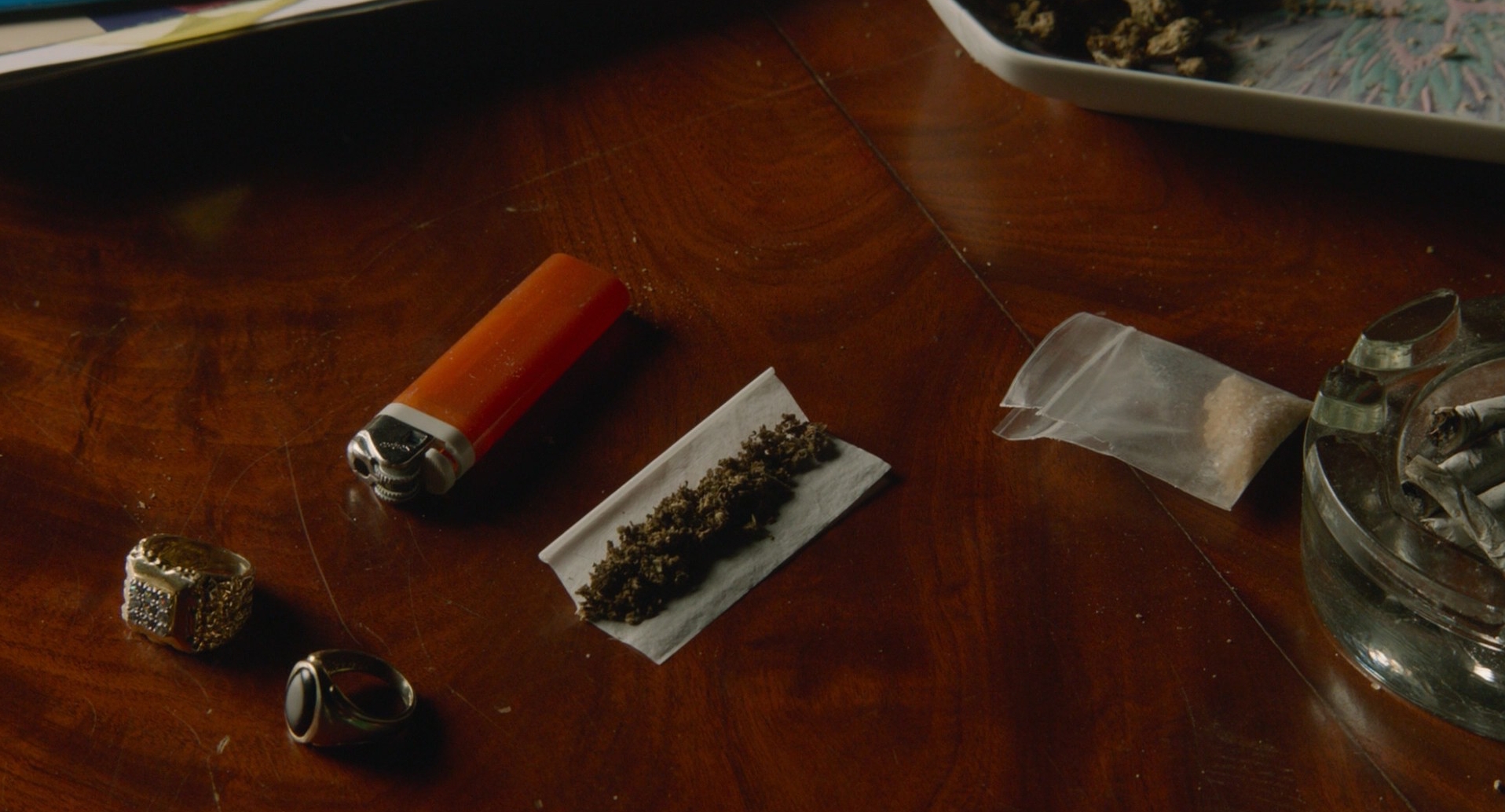
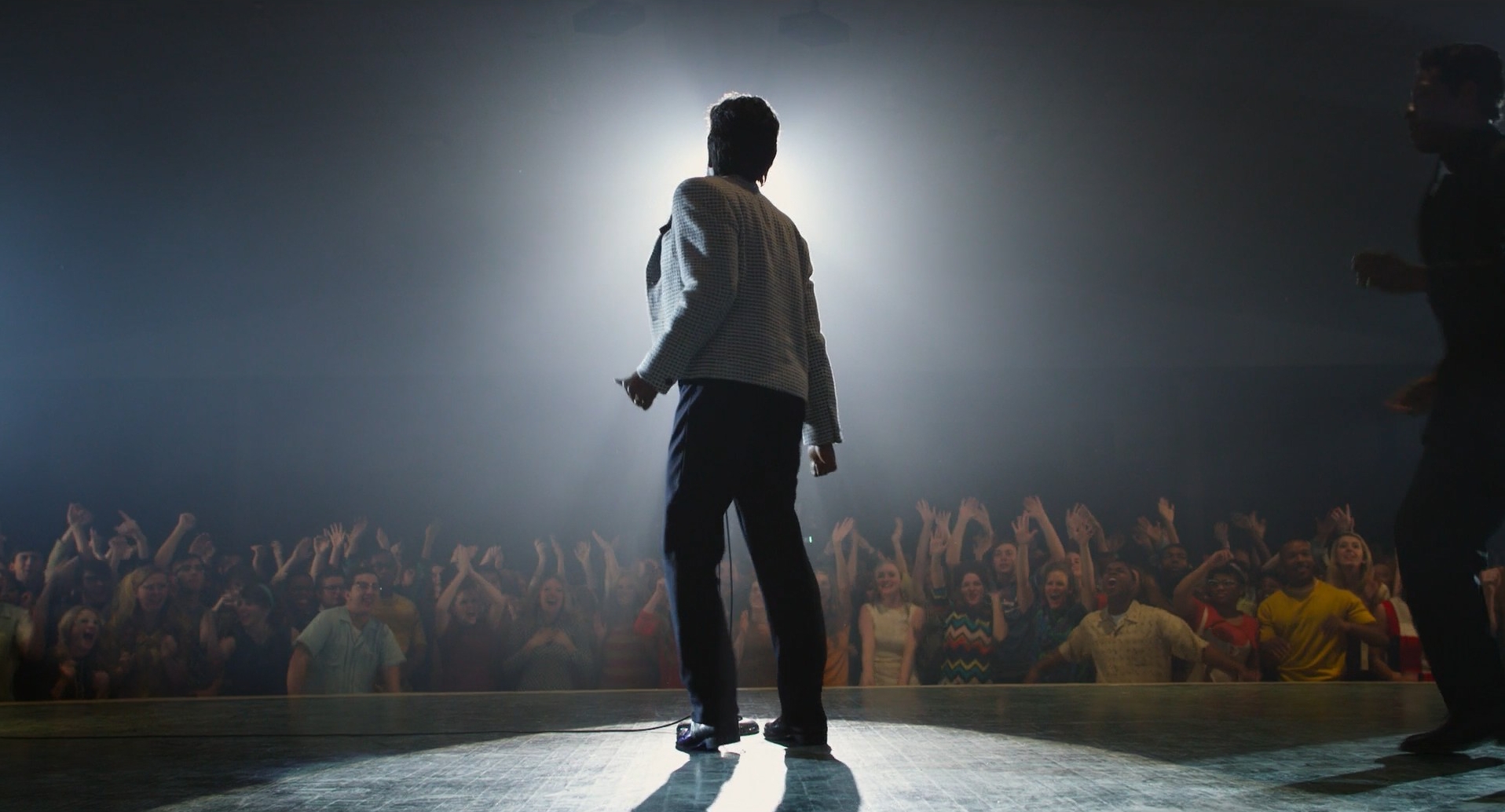
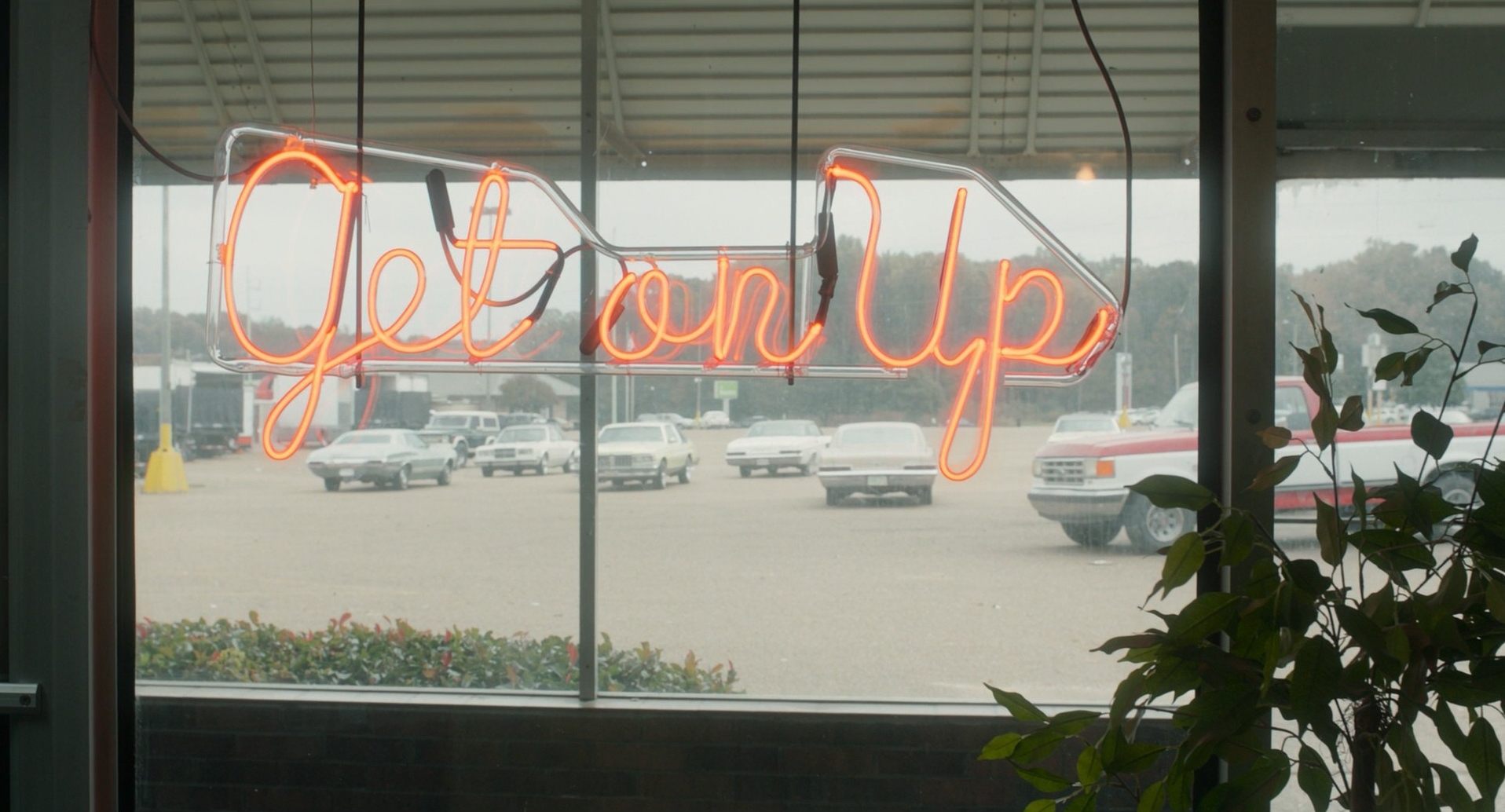
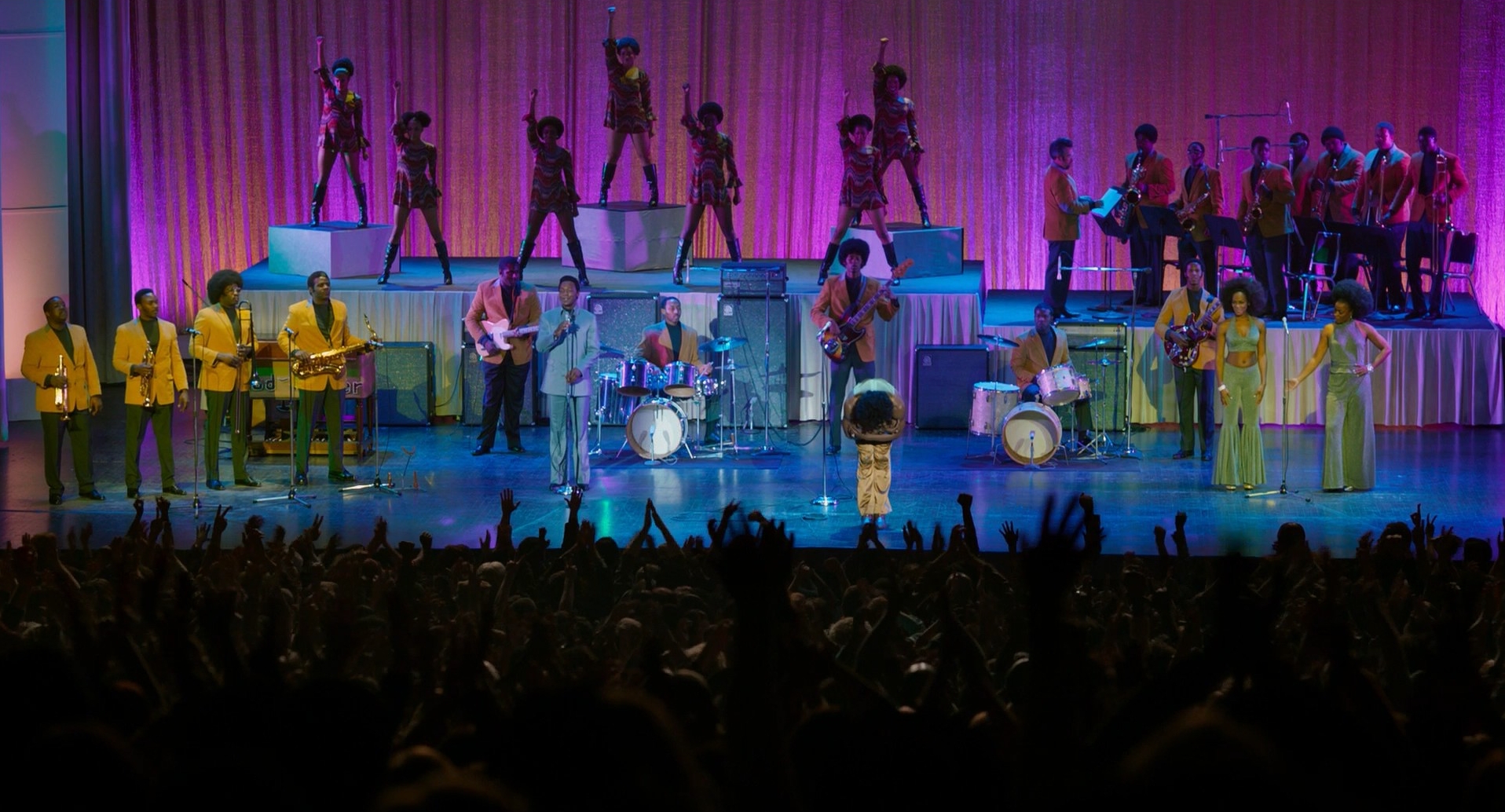
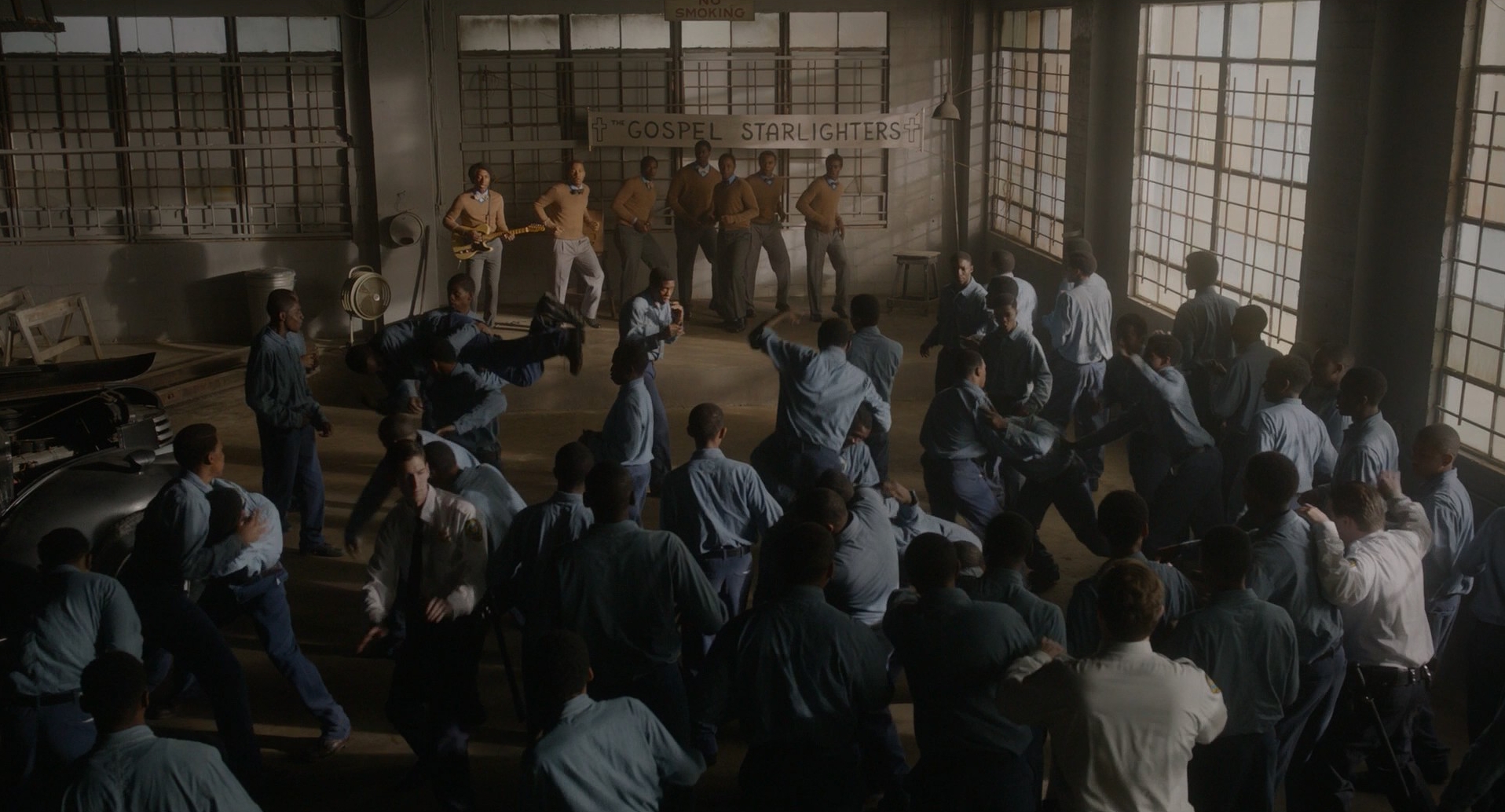
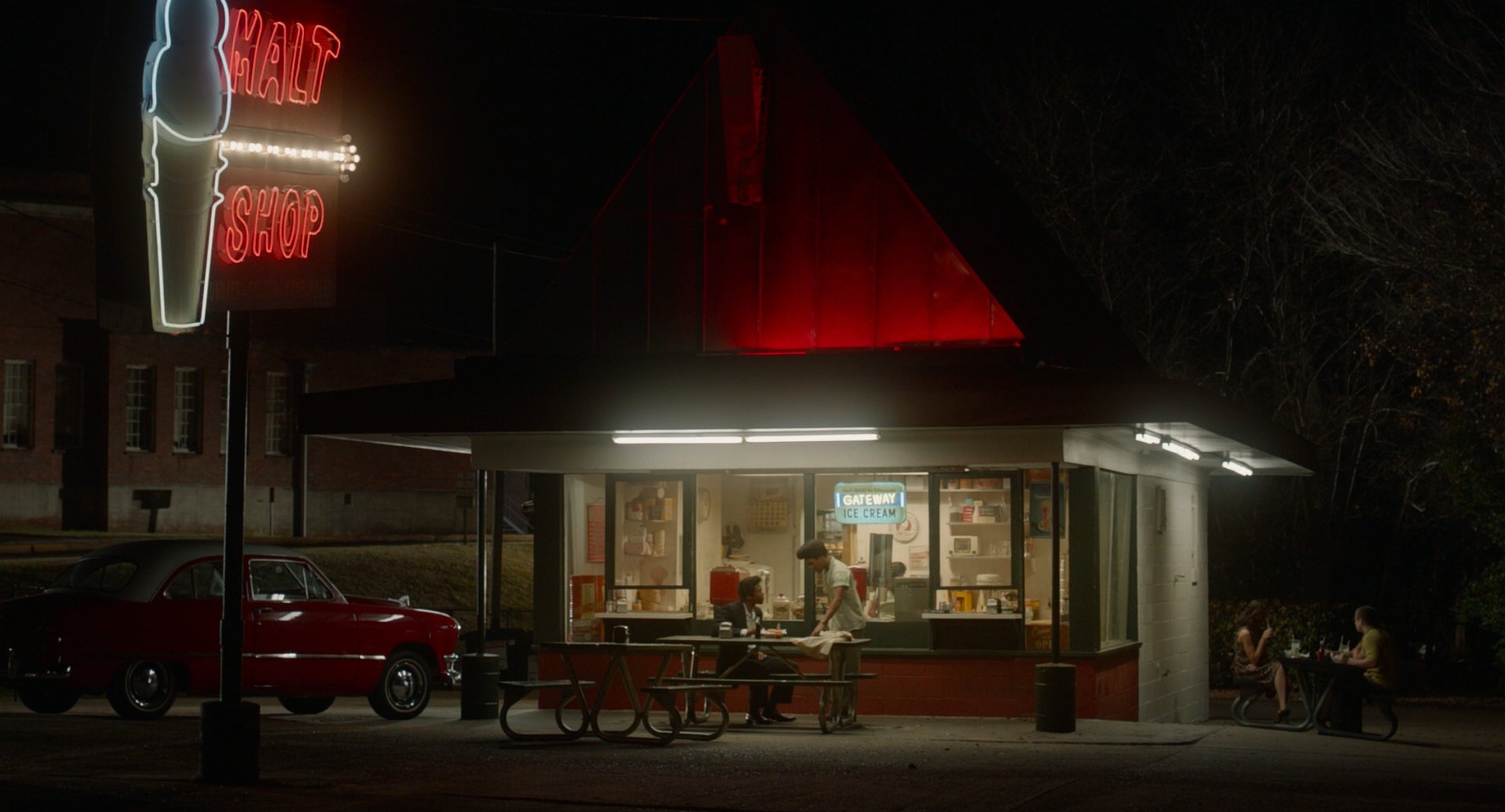
Get On Up (2014)
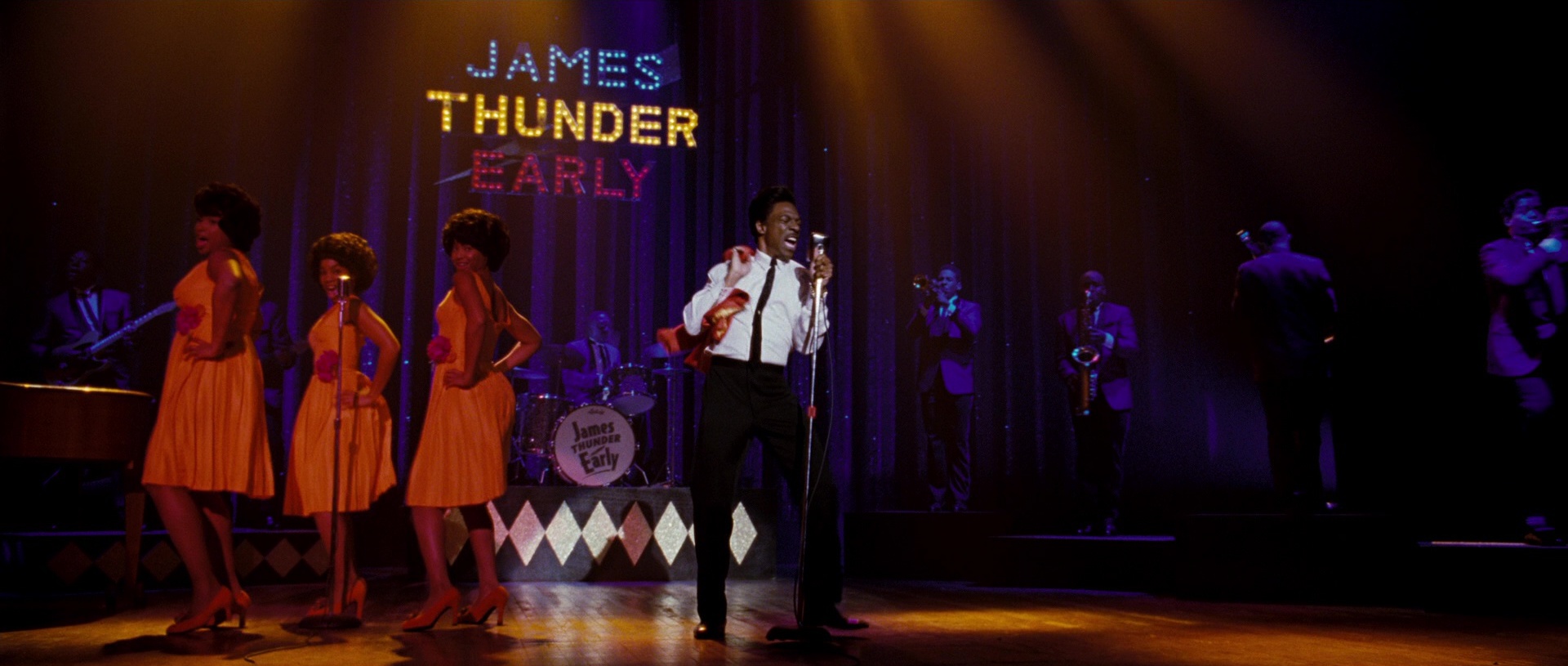
The film traces the life and career of James Brown, following his rise from extreme poverty in the segregated American South to becoming one of the most influential performers in music history. Moving across different periods of his life, the story explores Brown’s ambition, creative genius, volatile personality, and complicated relationships with bandmates, family, and collaborators. The film unfolds as both a celebration and examination of the man behind the legend known as the “Godfather of Soul.”
Taylor and cinematographer Stephen Goldblatt build the film around kinetic stage performance and restless energy, using sweeping camera moves, rapid transitions, and richly saturated period production design to mirror Brown’s electrifying presence. Concert sequences are staged with dynamic lighting, fluid tracking shots, and rhythmic editing that emphasize physical movement and musical momentum, while the film’s nonlinear structure—combined with direct address to the camera—gives the biography a performative, almost improvisational visual rhythm that echoes Brown’s style itself.


FILM SPOTLIGHHT
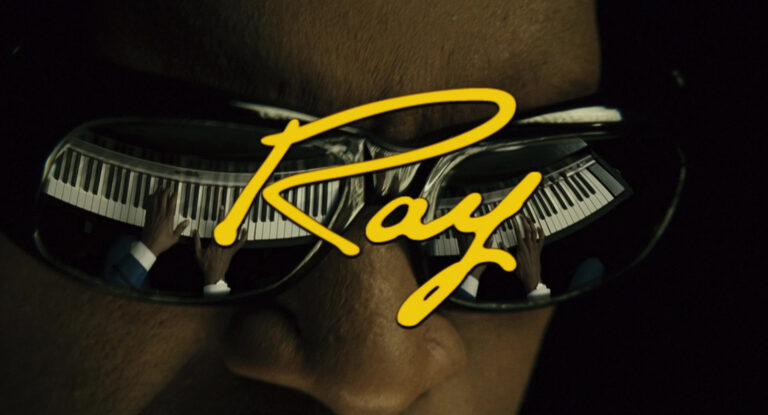
Ray (2004)
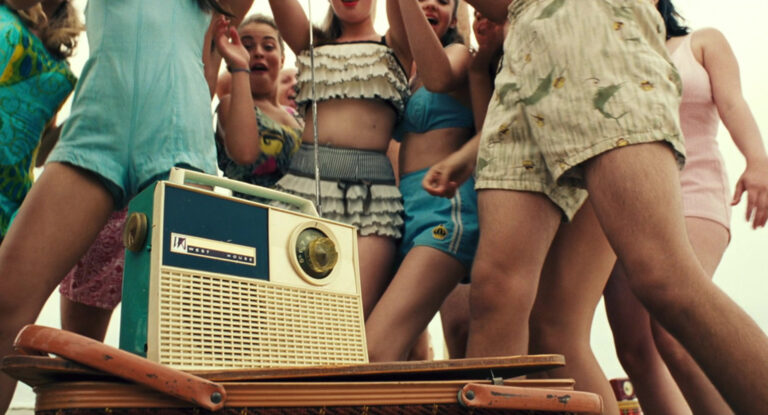
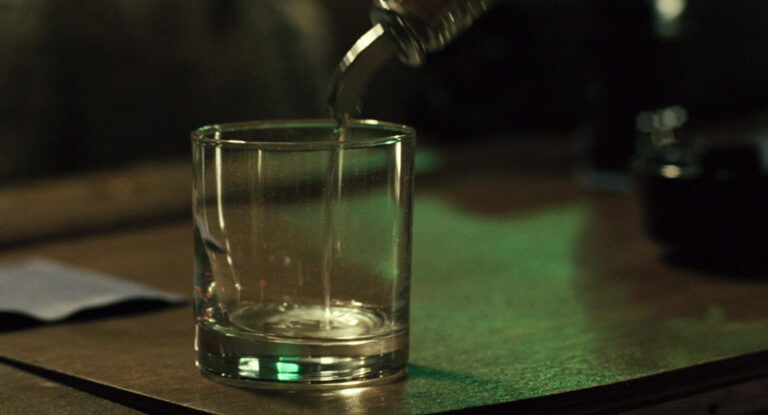
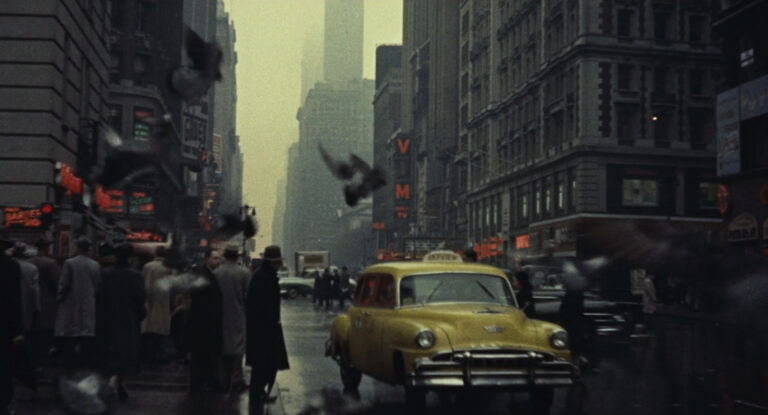
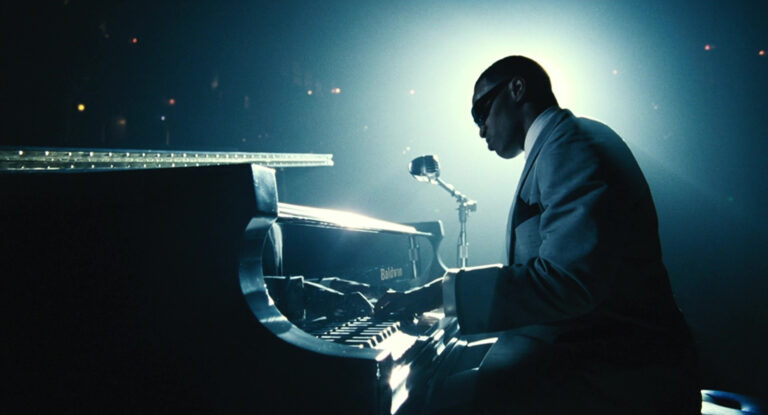
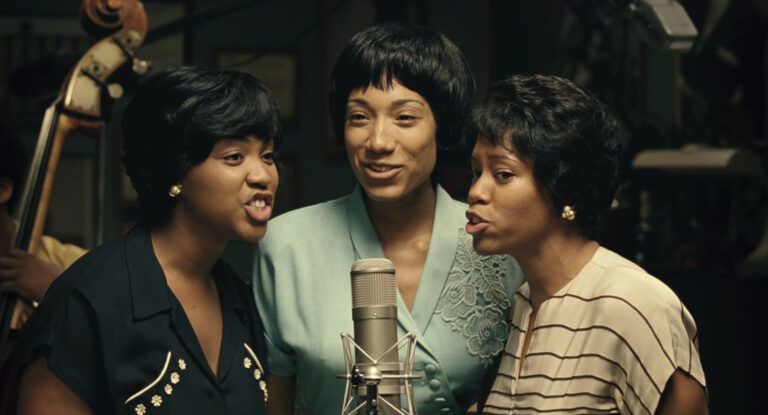
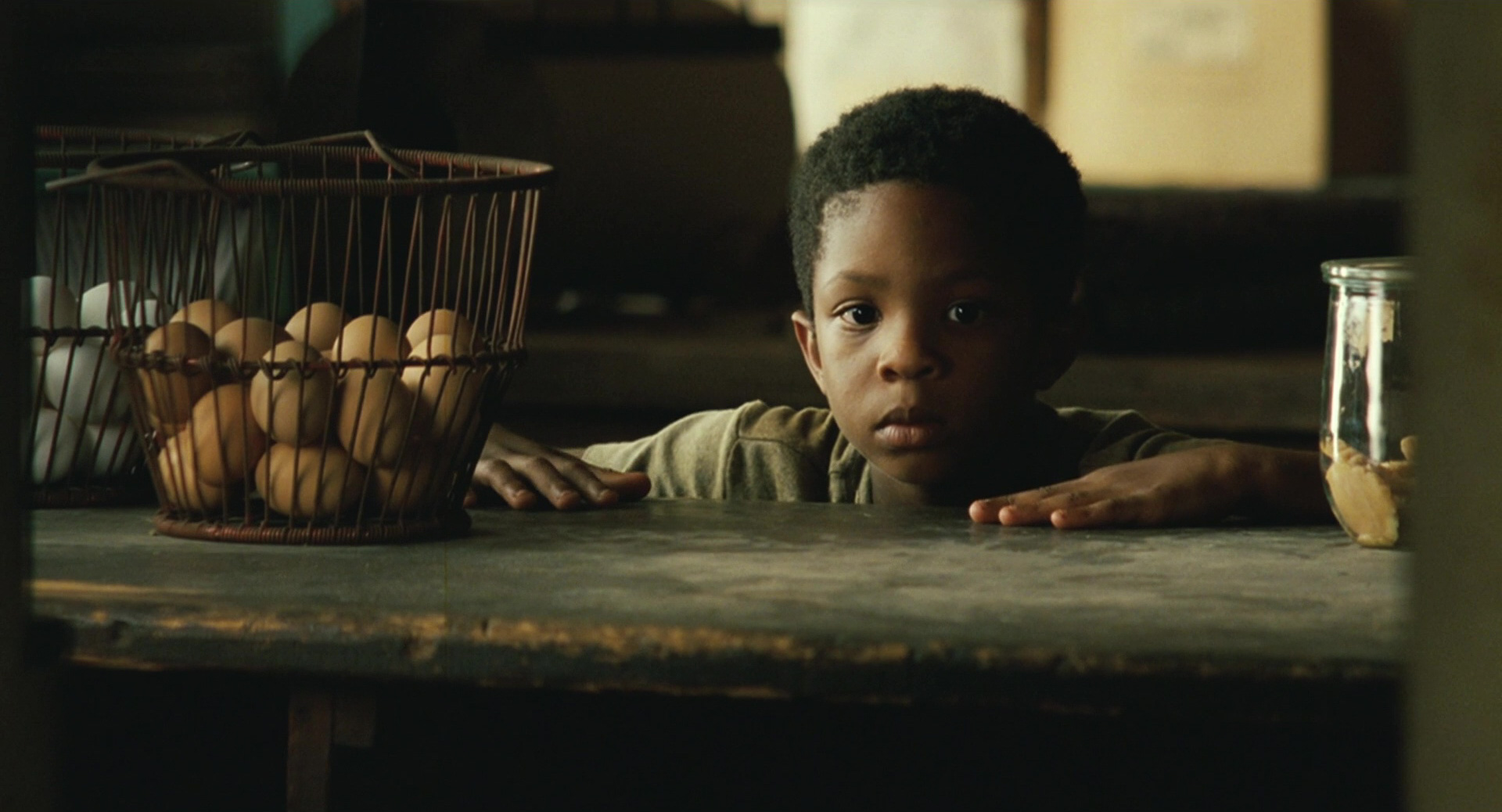
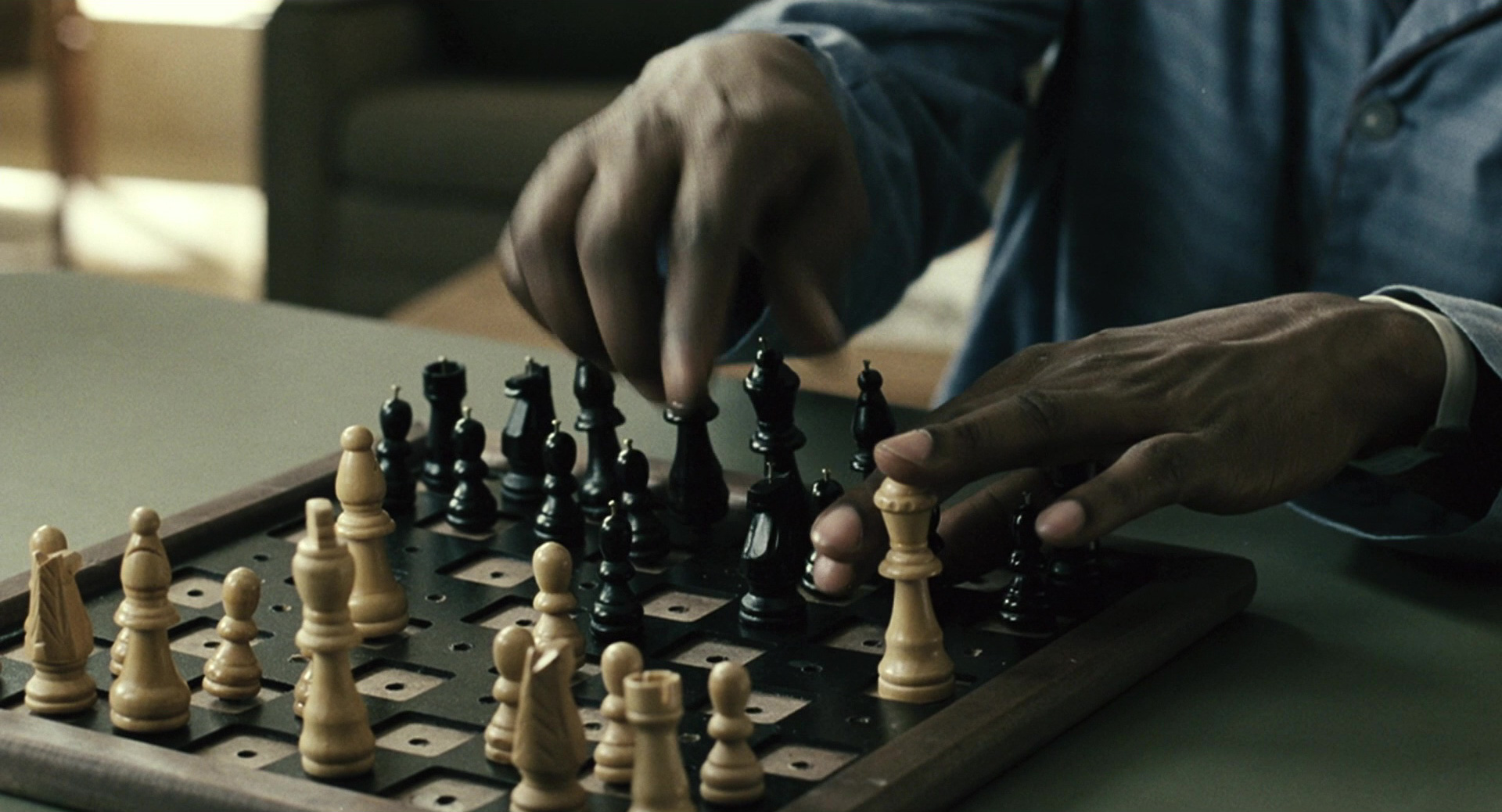
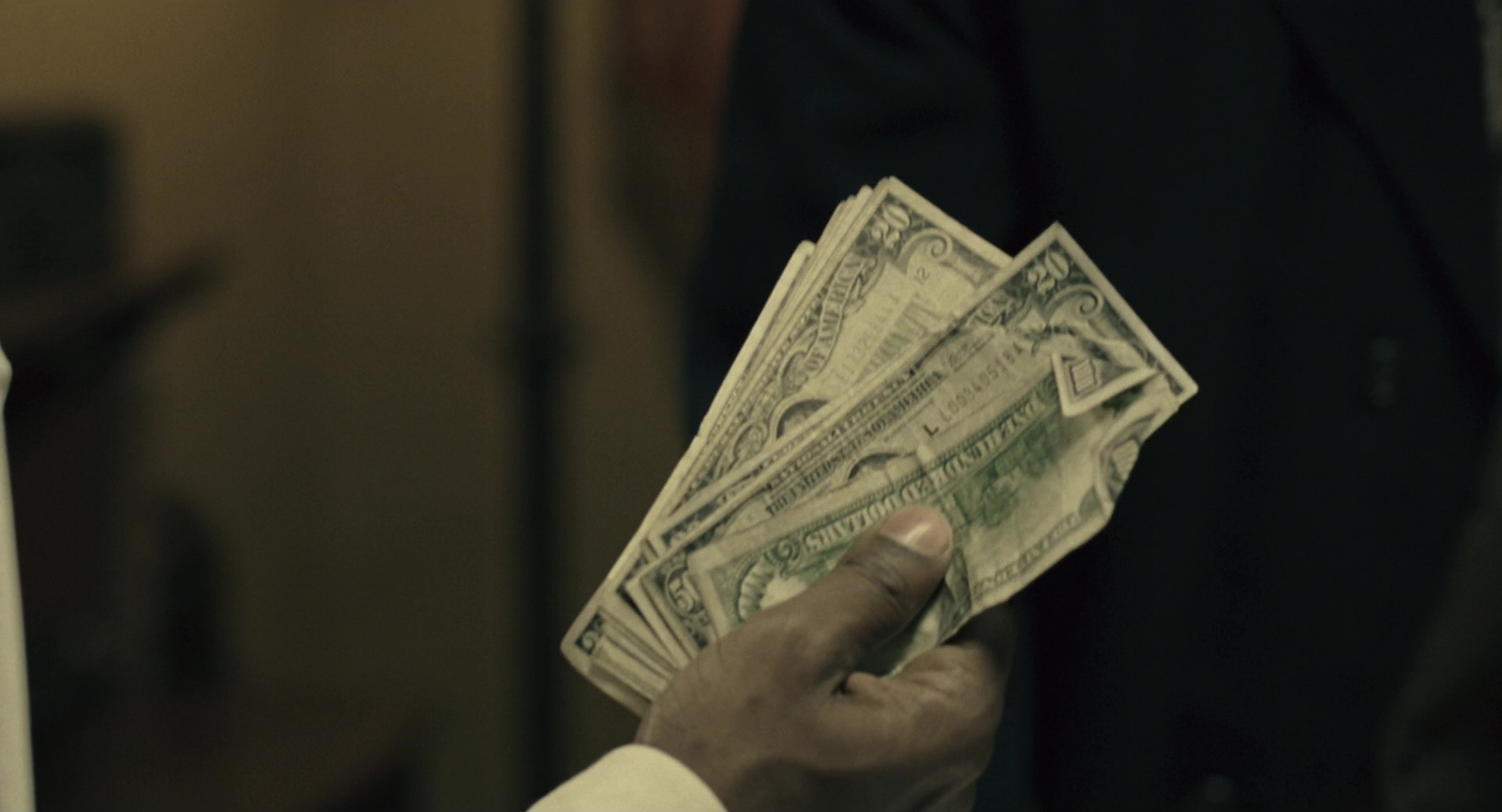
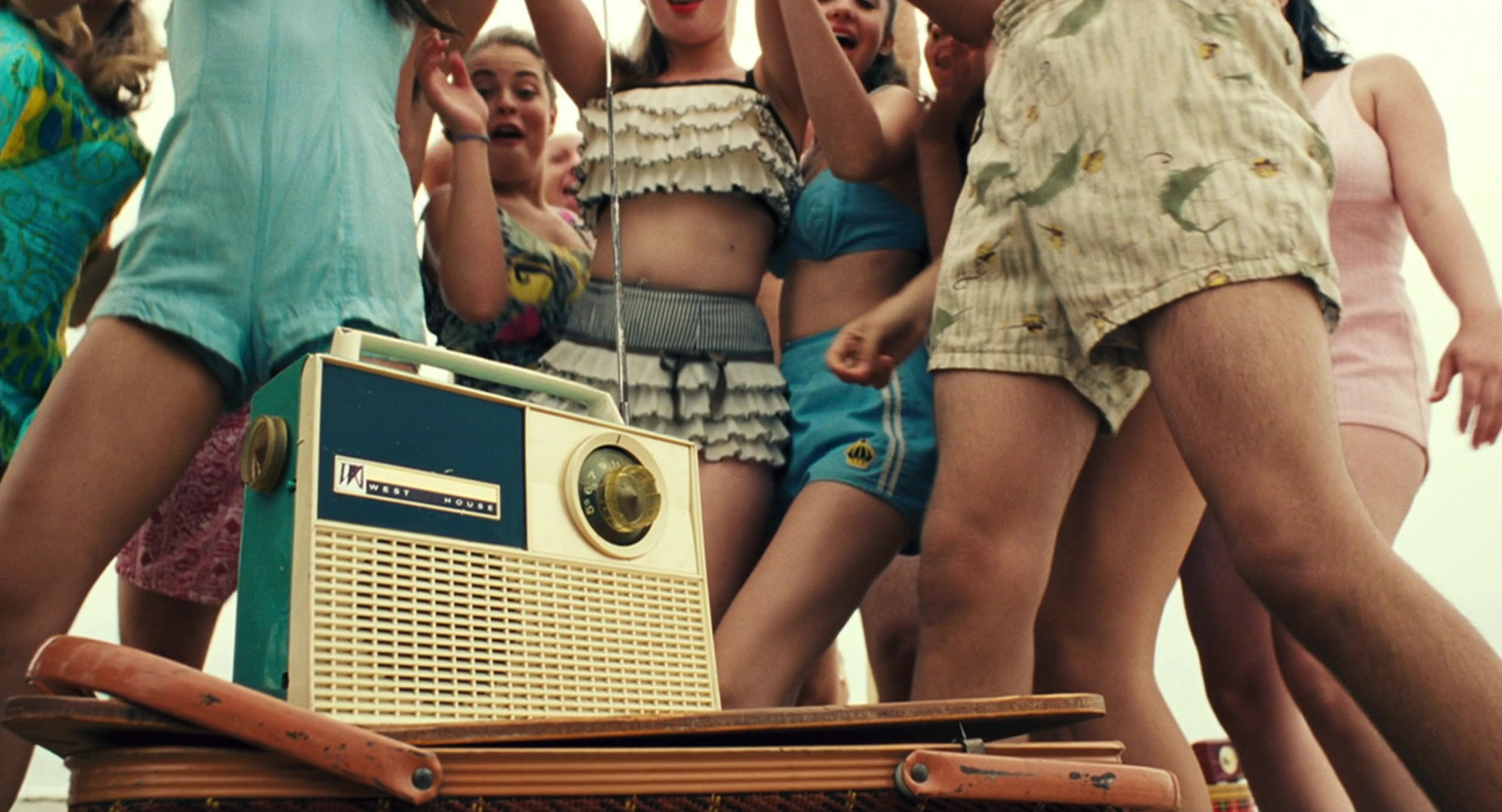
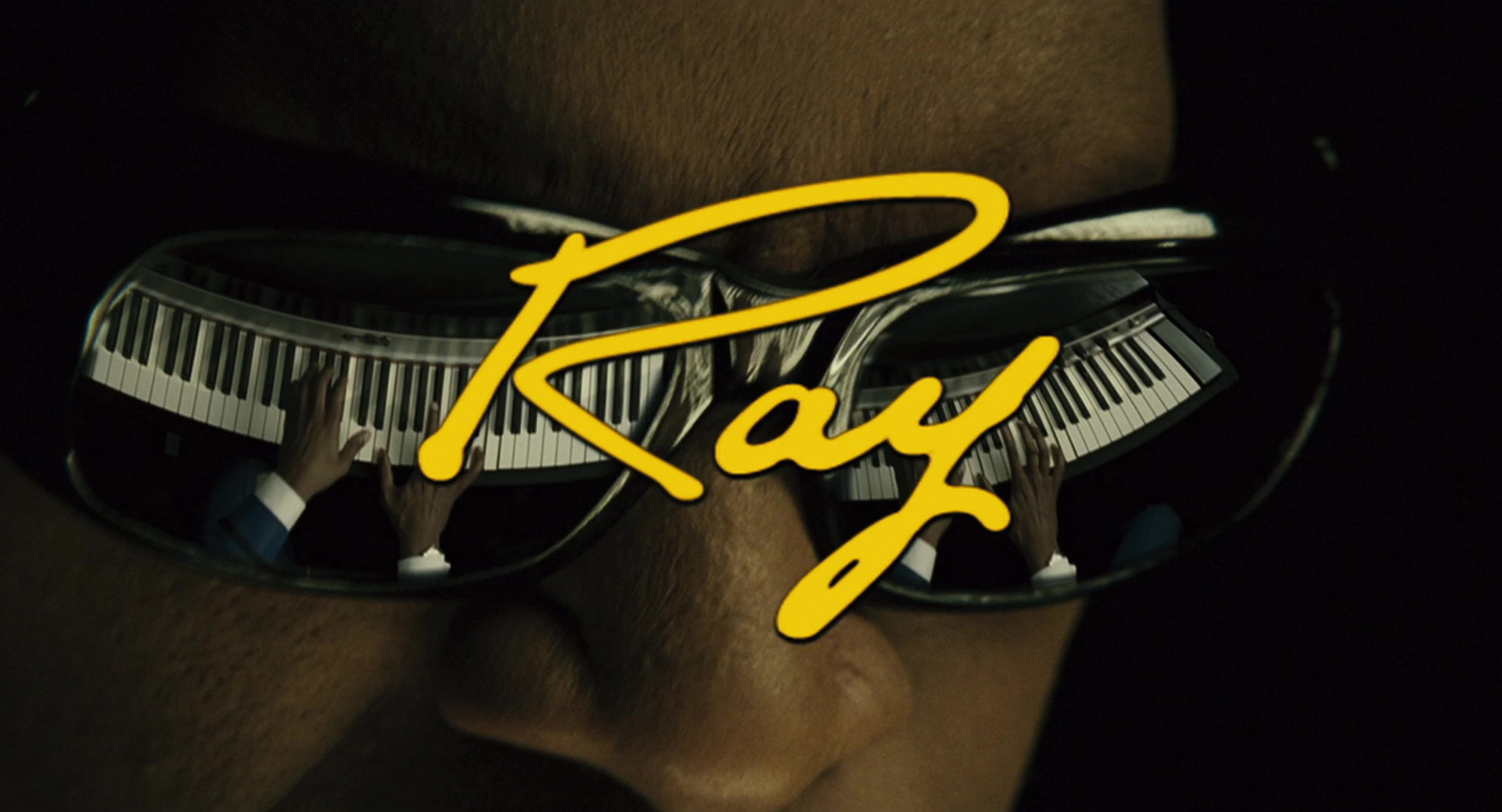
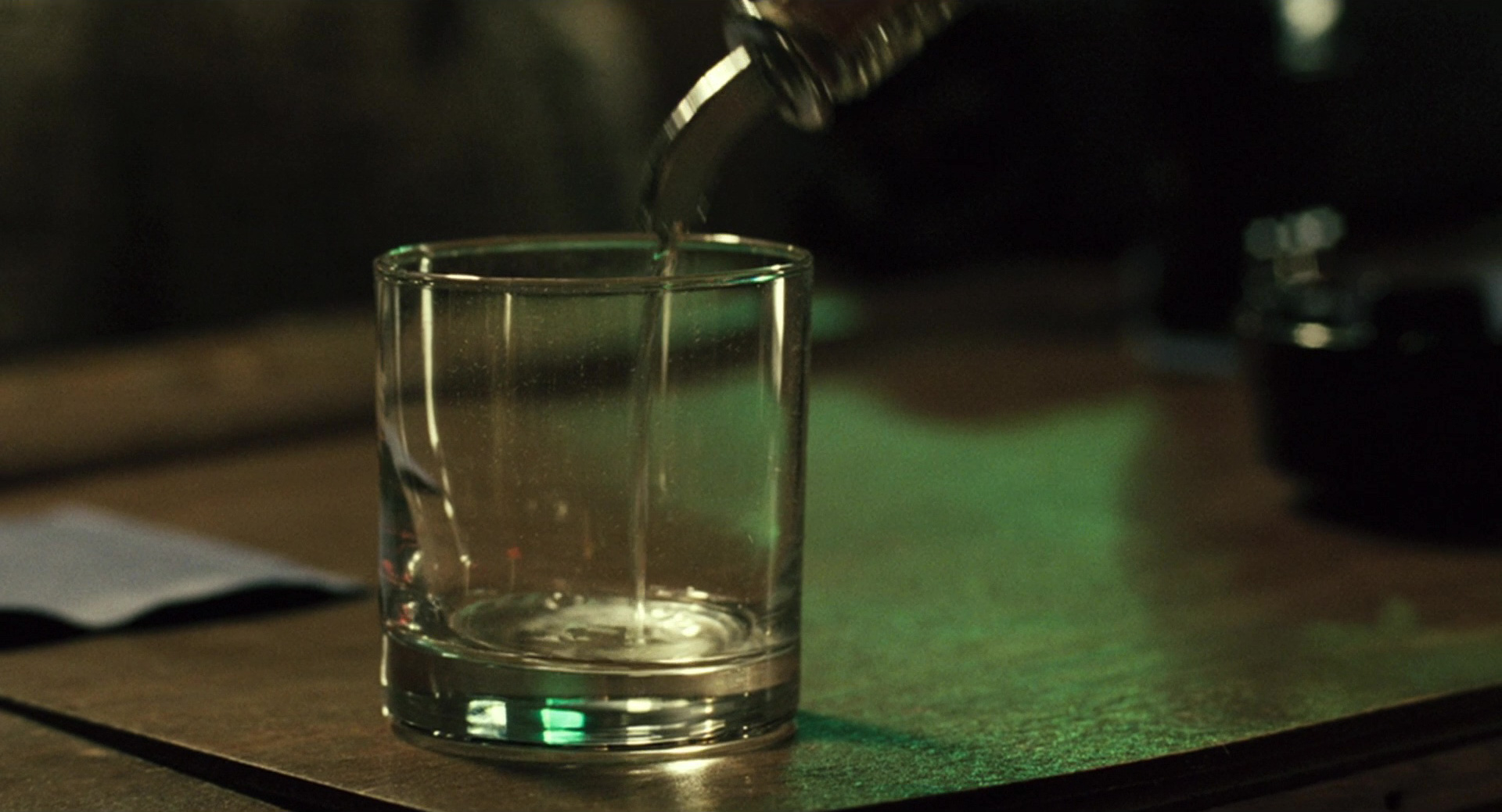
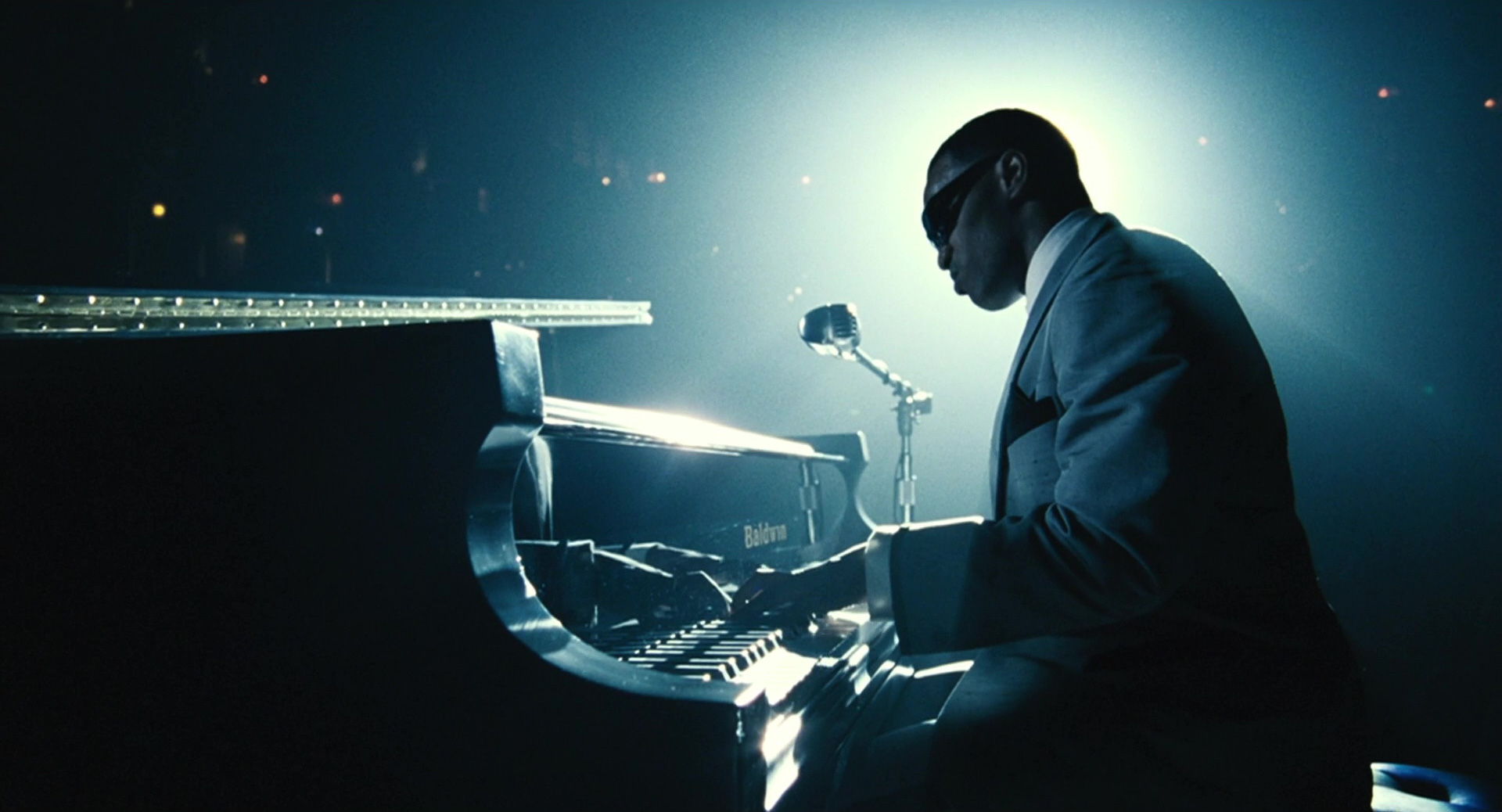
The film chronicles the life of legendary musician Ray Charles, following his rise from a poor childhood in the segregated South to international fame as one of America’s most influential artists. As Ray revolutionizes popular music by blending gospel, blues, jazz, and country, he struggles with addiction, personal relationships, and the emotional scars of his past. The story unfolds as both a portrait of artistic genius and an intimate examination of ambition, trauma, and resilience.
Hackford and cinematographer Pawel Edelman craft Ray with a warm, richly textured period aesthetic that shifts across decades of American music history. Smoky clubs, recording studios, and stage performances are lit with deep ambers, reds, and blues that evoke the tactile atmosphere of mid-century rhythm-and-blues culture, while fluid camera movement and music-driven editing emphasize performance as the emotional center of the film. The concert scenes frequently isolate Ray at the piano through dramatic spotlights and close-ups, visually reinforcing the connection between musical expression and inner life.
FILM SPOTLIGHT
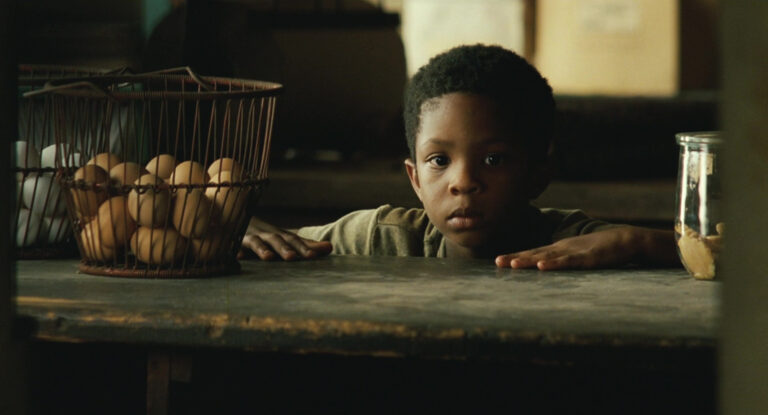
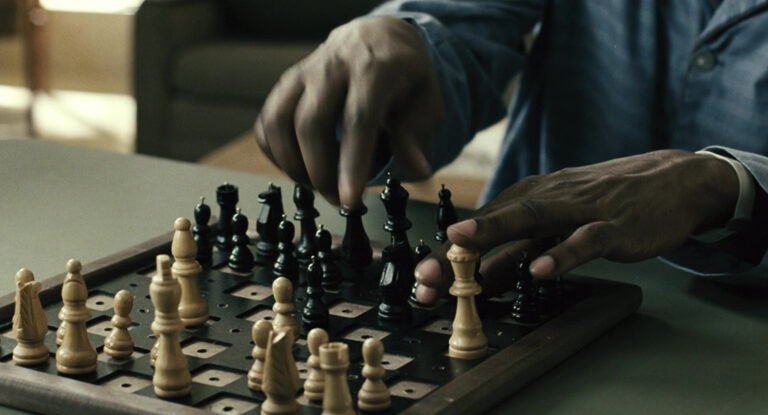
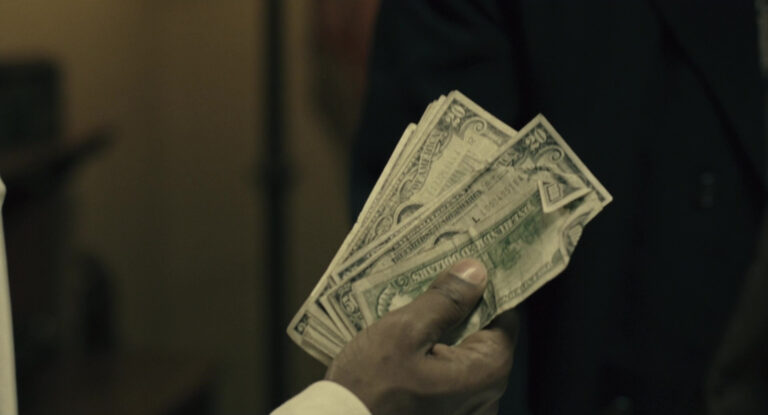
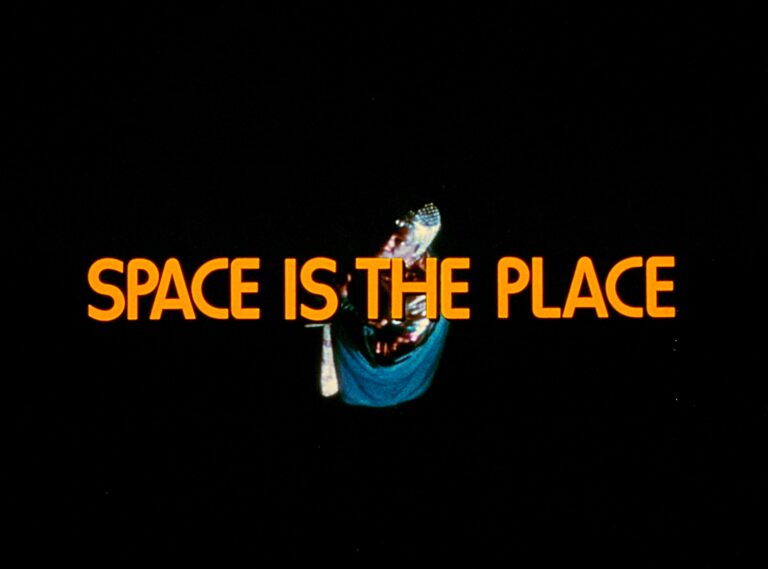
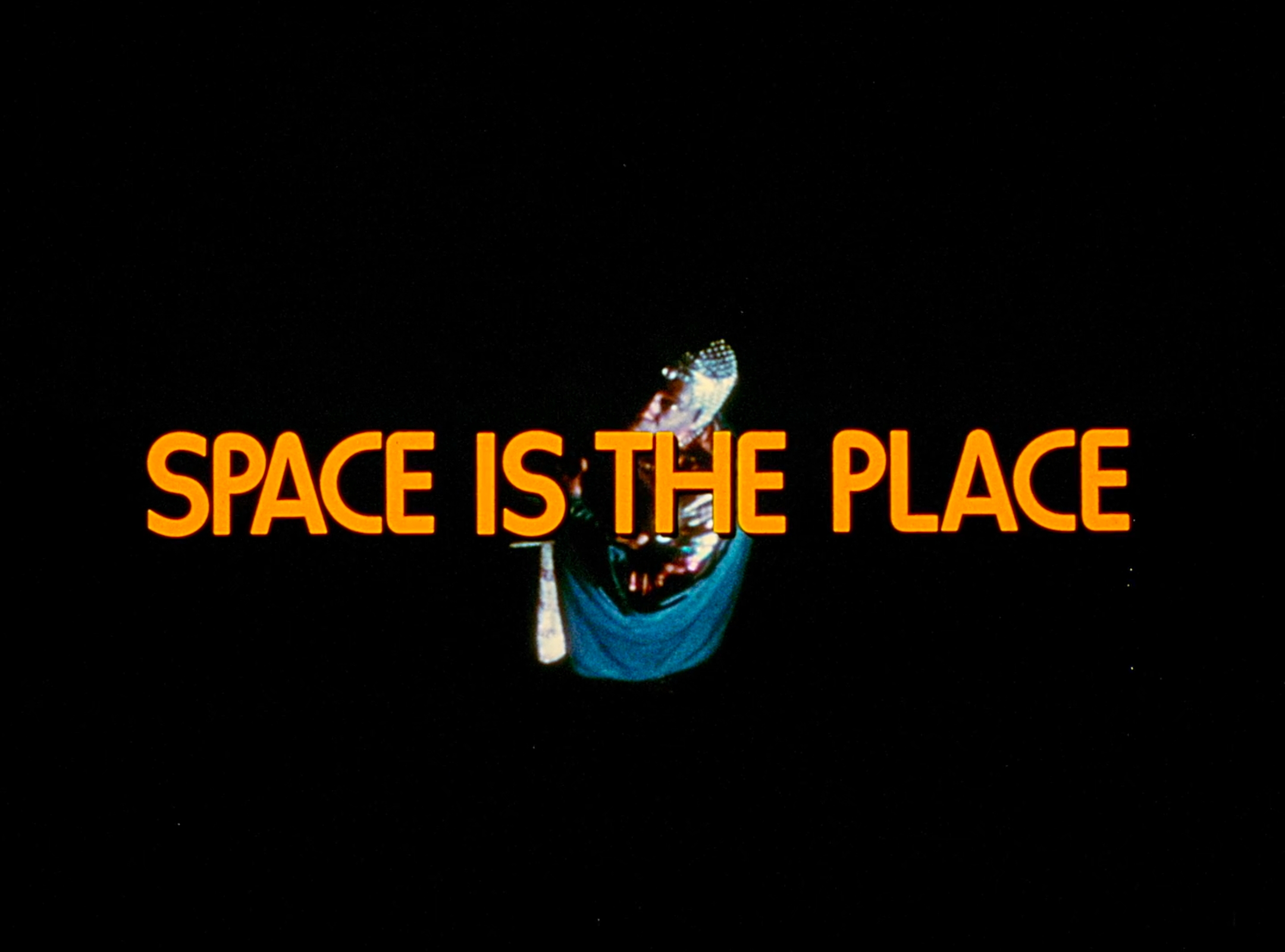
Space is the Place (1974)
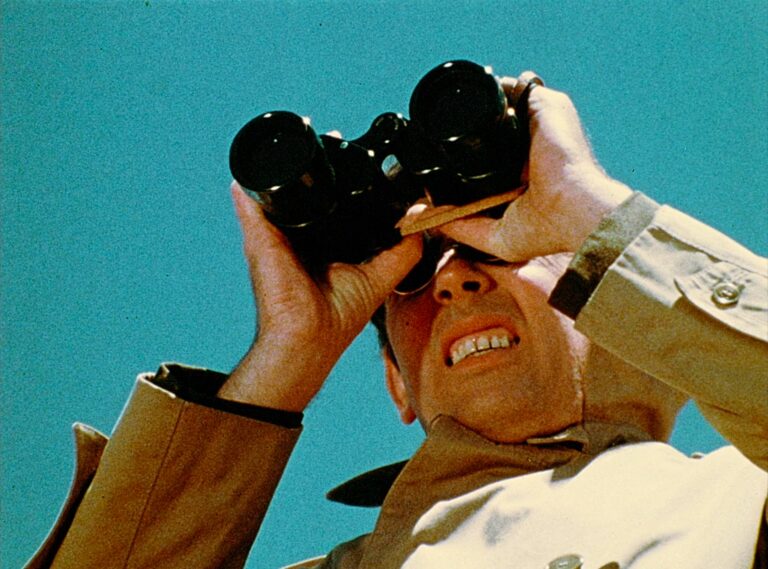
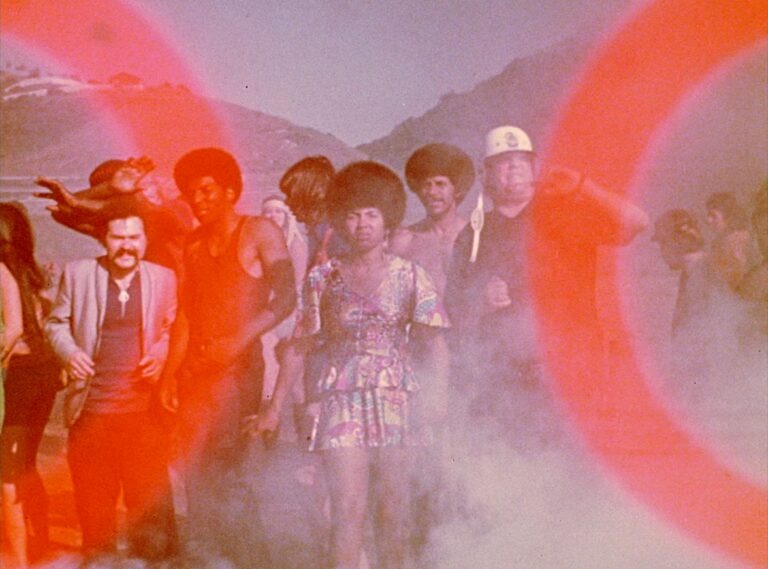
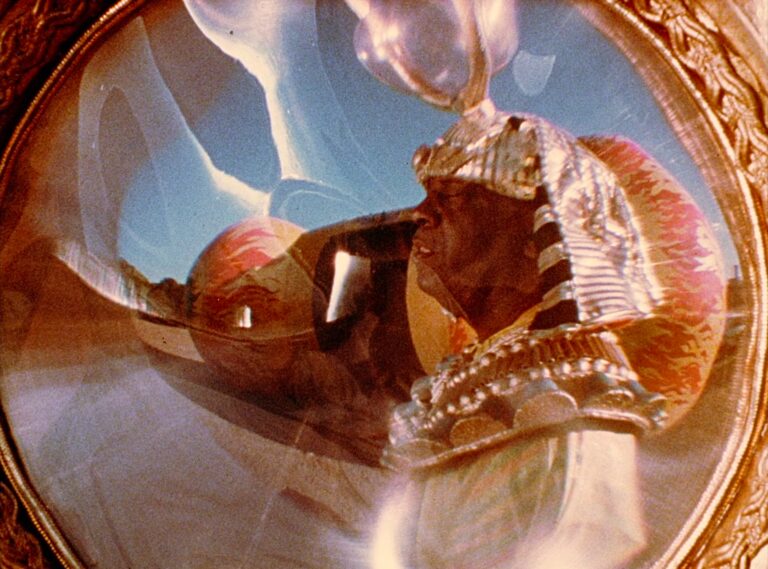
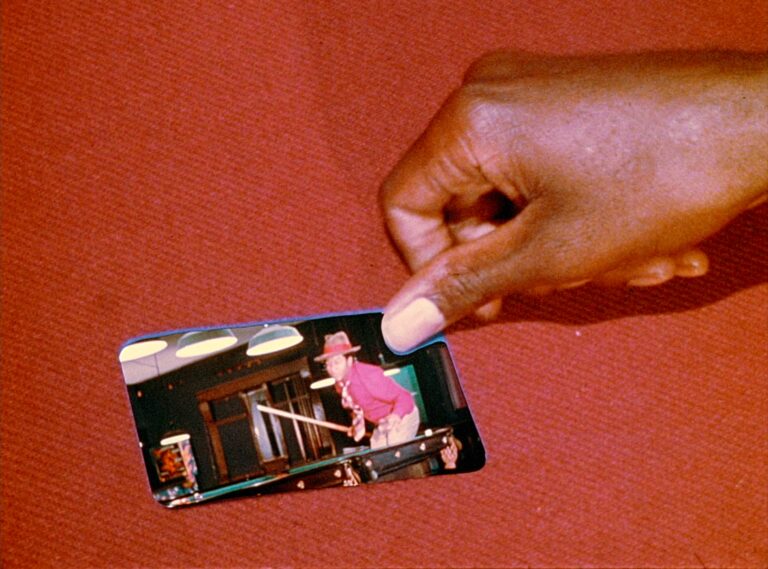
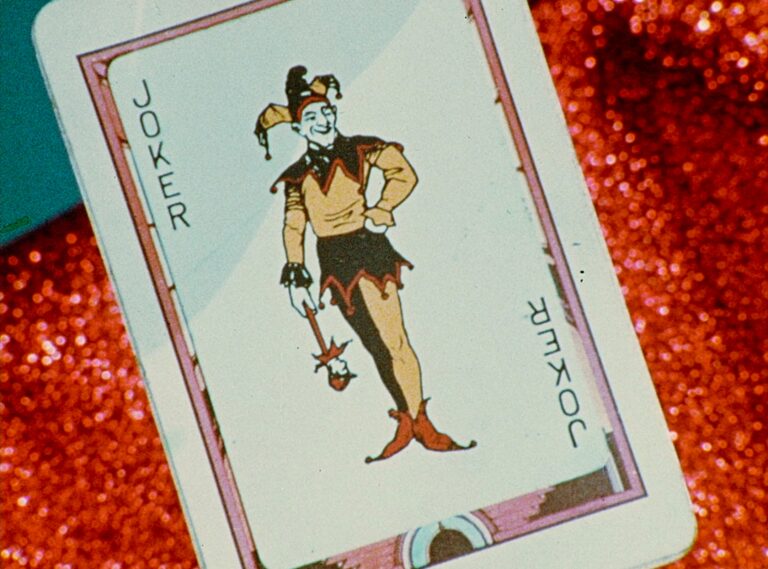
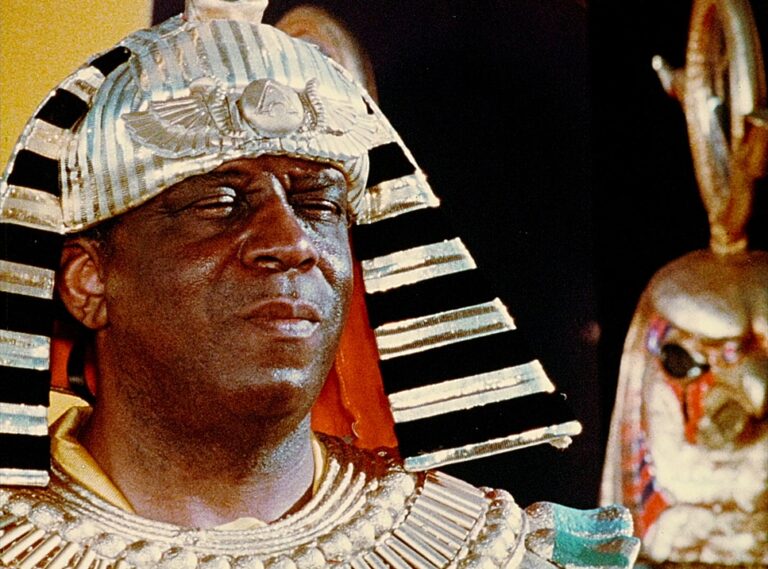
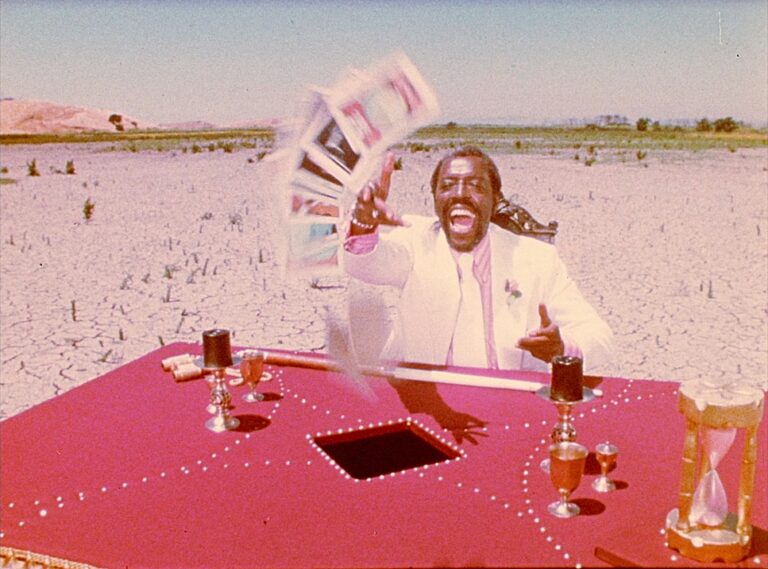
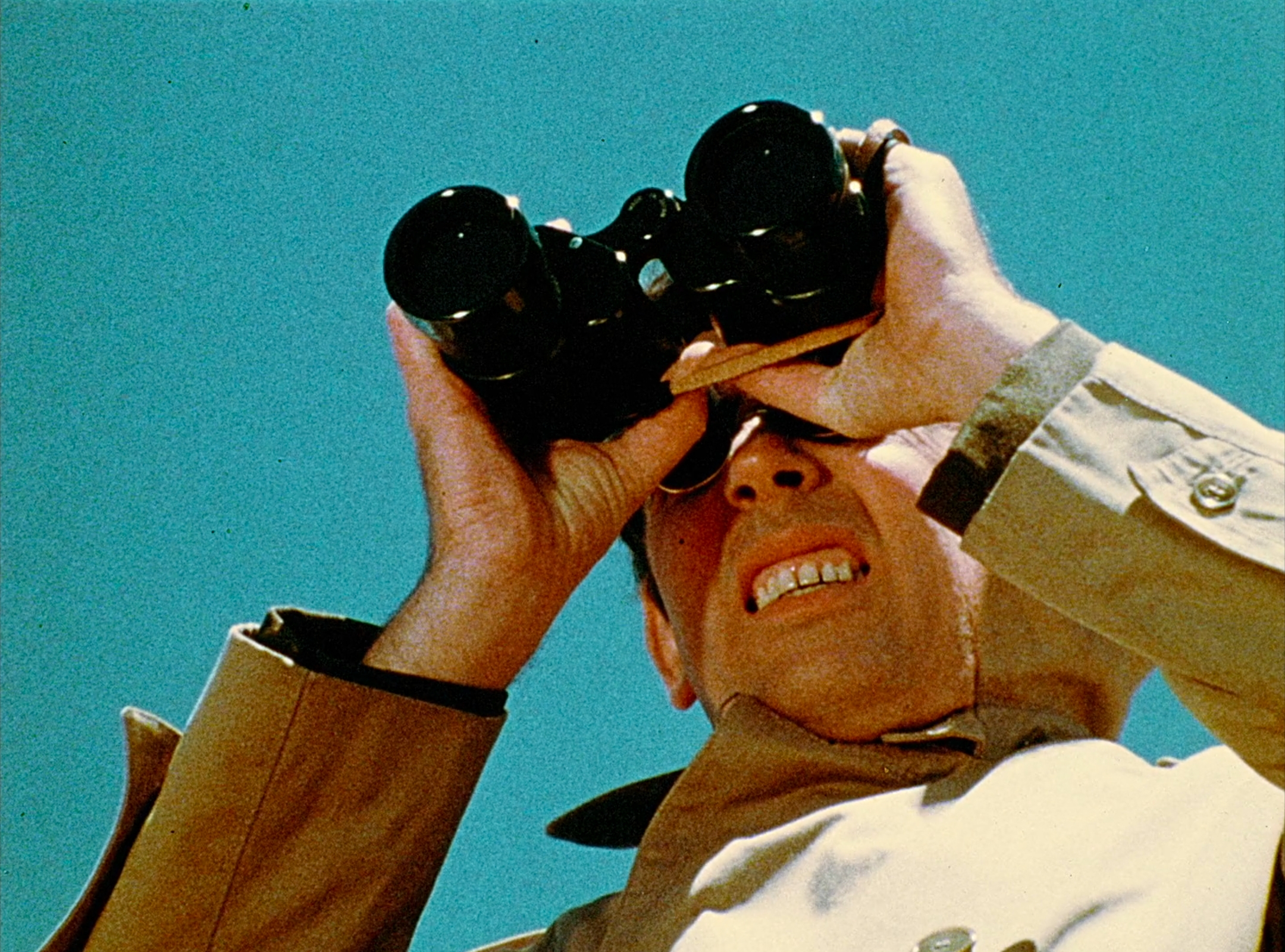
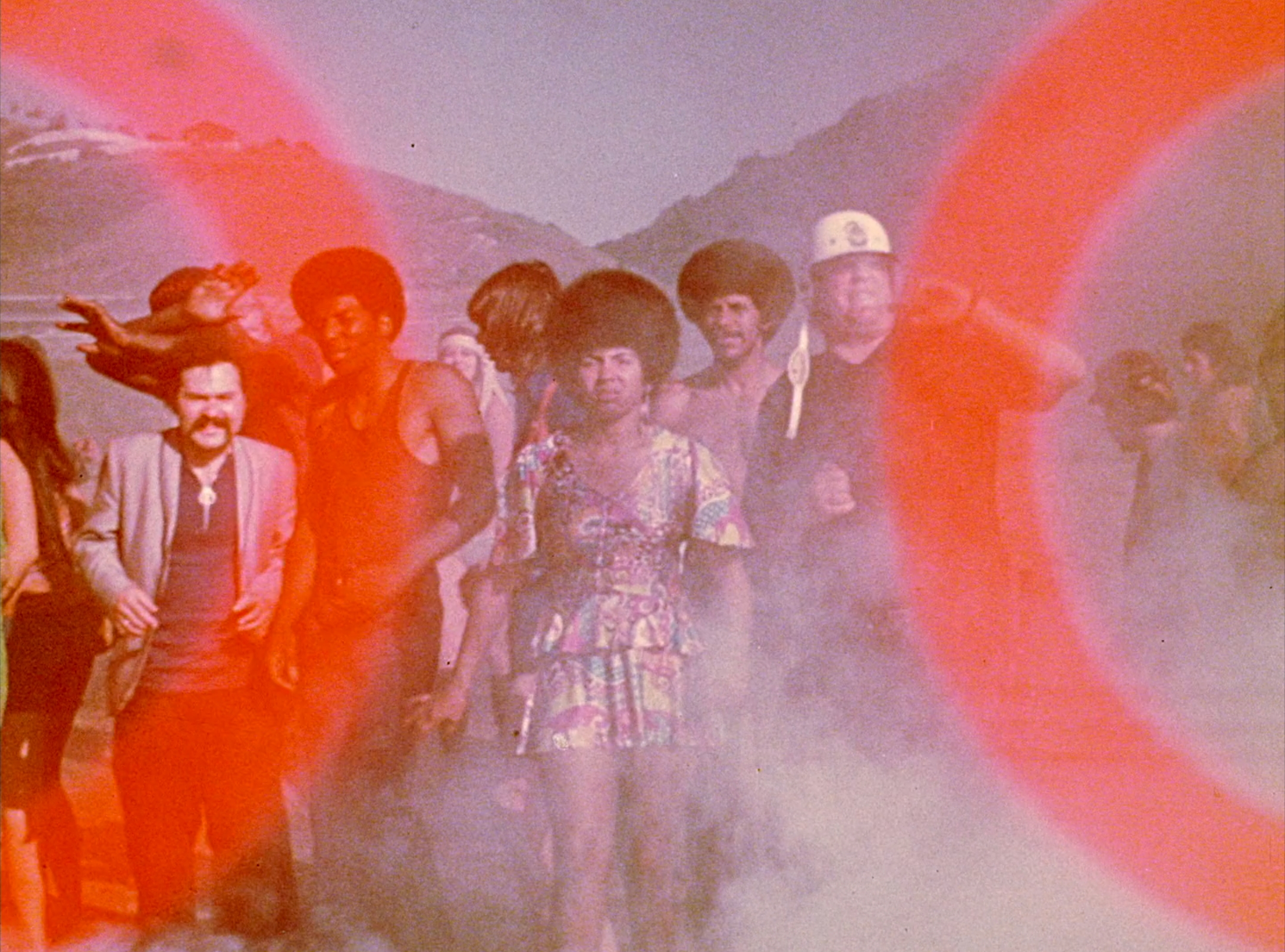
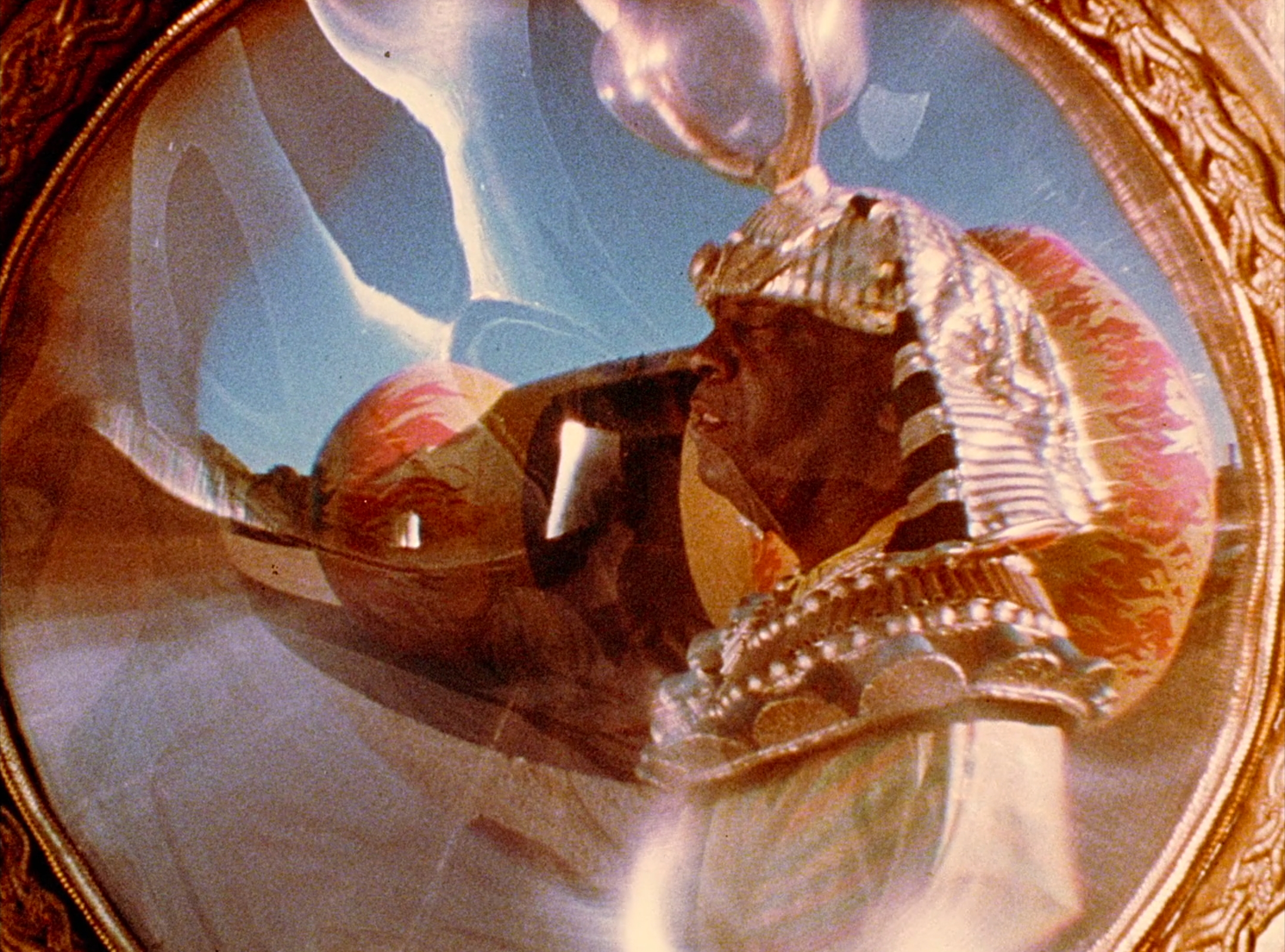
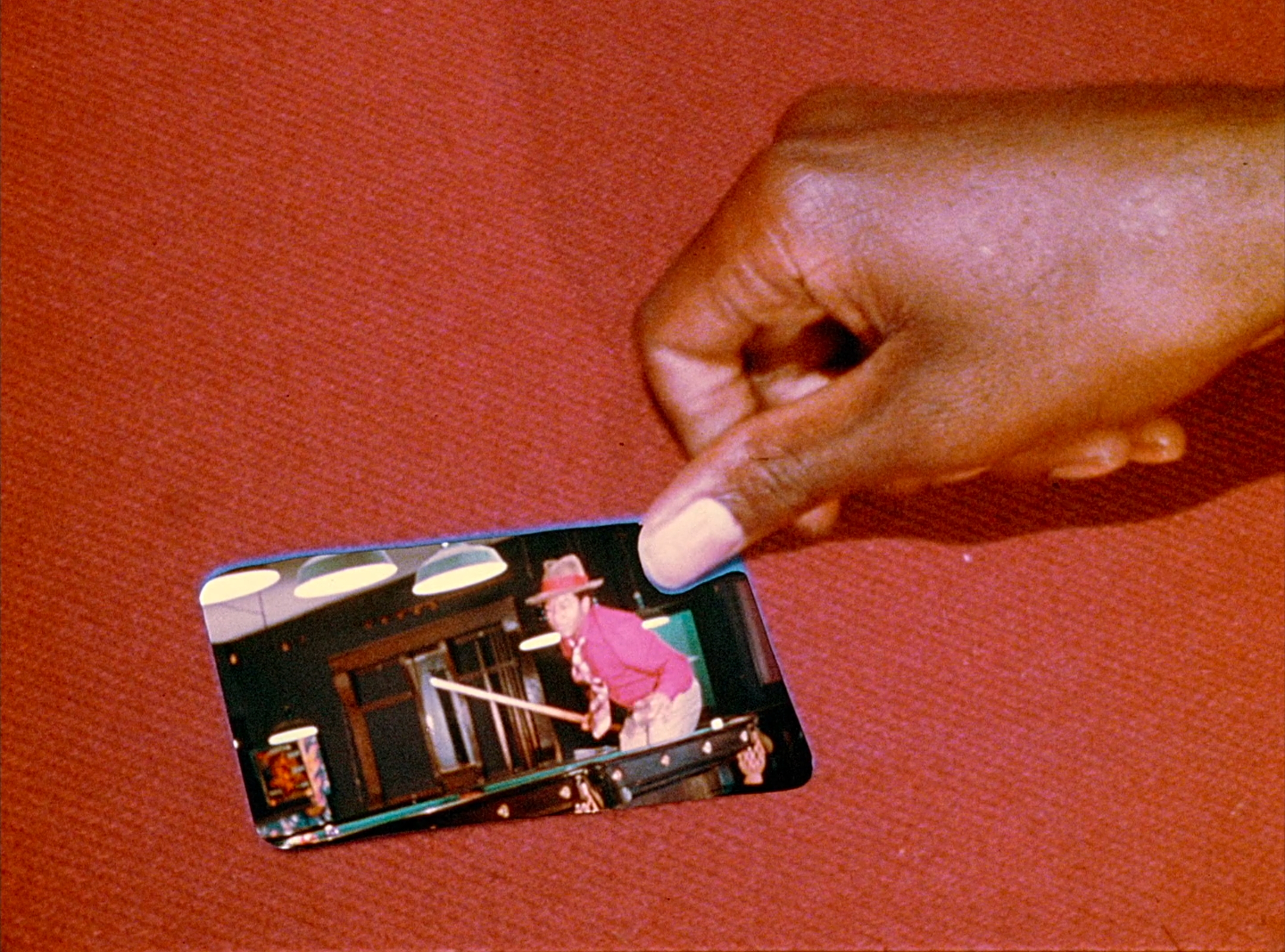
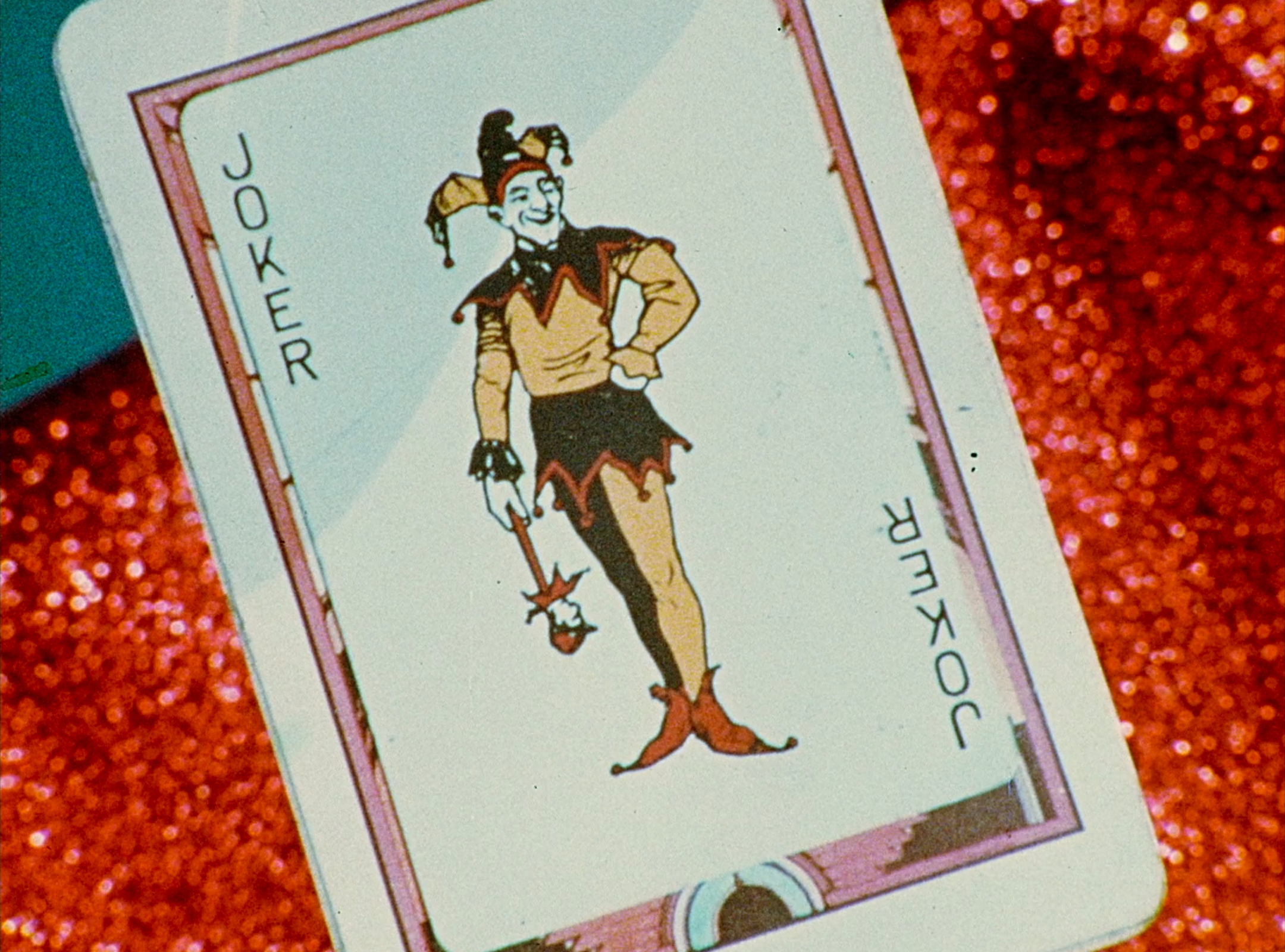
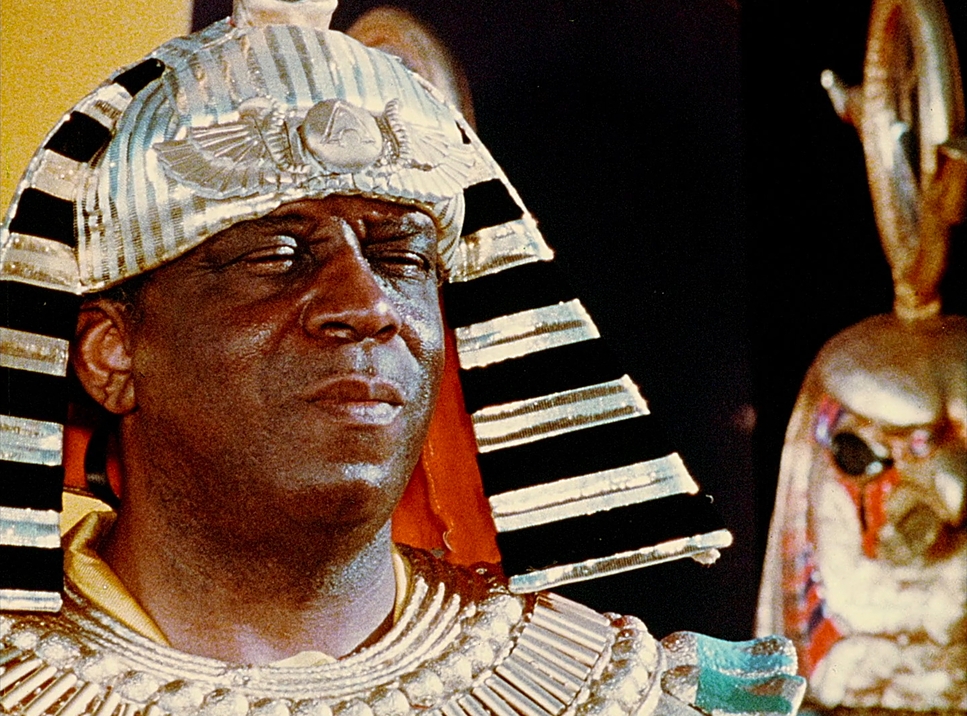
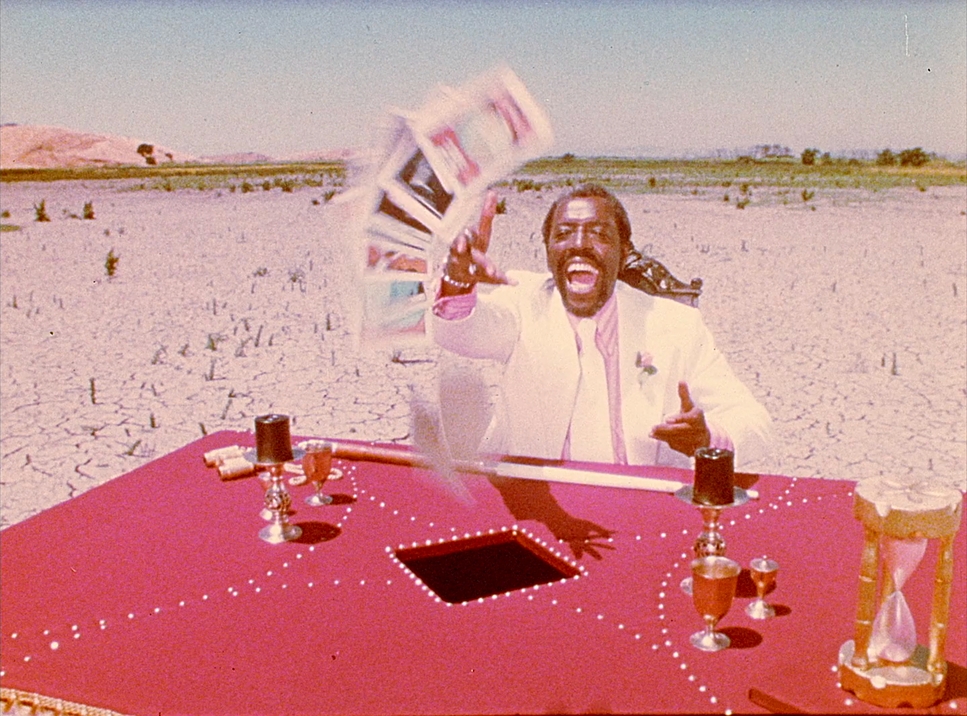
Jazz musician and cosmic philosopher Sun Ra returns to Earth after a journey through space with a radical vision for Black liberation: transporting Black people to a new utopian planet through music and interstellar consciousness. As he battles a flamboyant cosmic antagonist known as the Overseer and confronts institutions rooted in racism and exploitation, Sun Ra uses music, myth, and Afrofuturist ideology to awaken a new future. The film unfolds as a surreal fusion of science fiction, political manifesto, and experimental performance.
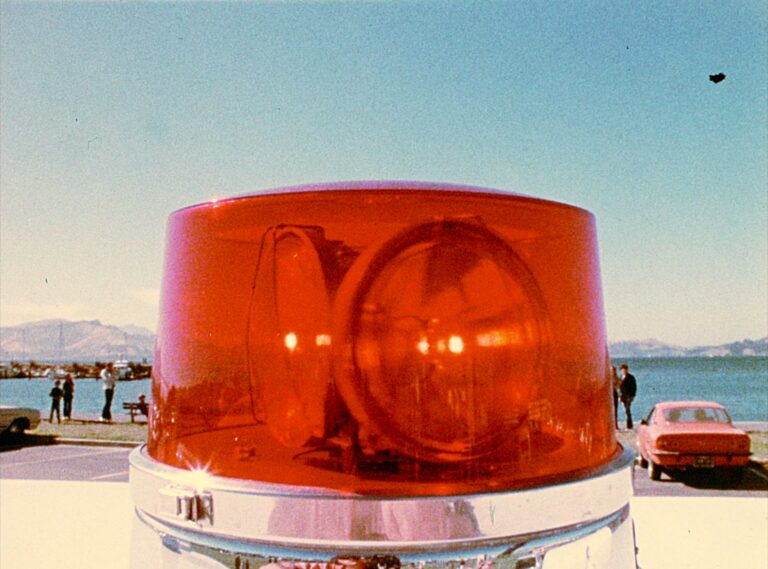
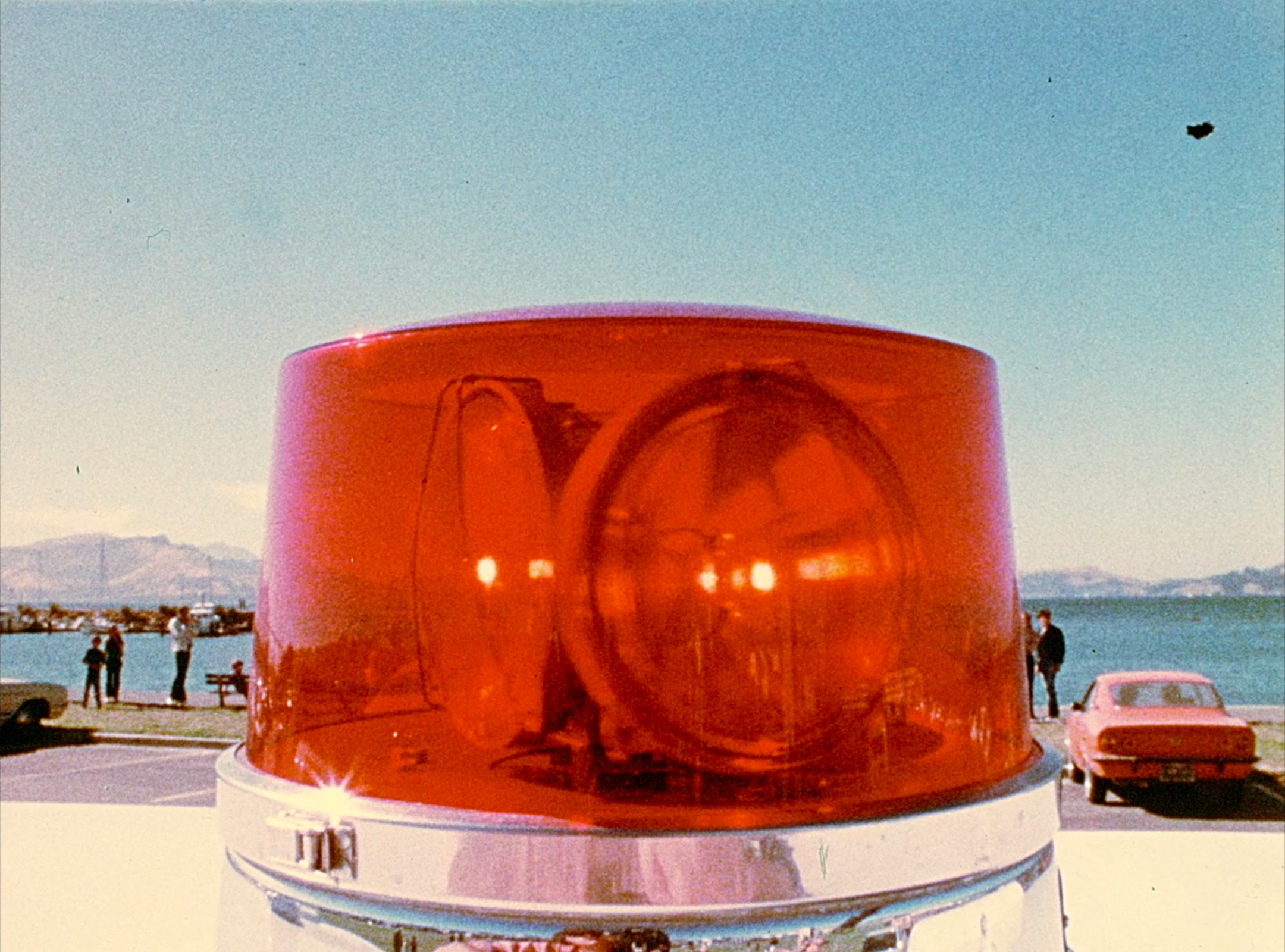
Coney crafts Space Is the Place with an intentionally raw, psychedelic visual style that merges guerrilla filmmaking with avant-garde collage aesthetics. Shot with saturated colors, theatrical costumes, improvised performances, and low-budget practical effects, the film transforms everyday Oakland locations into cosmic spaces through editing, performance, and design rather than realism. Sun Ra’s shimmering robes, elaborate headdresses, and celestial stage imagery establish an early Afrofuturist visual language where jazz, spirituality, and science fiction merge into one ecstatic cinematic universe.
FILM SPOTLIGHT
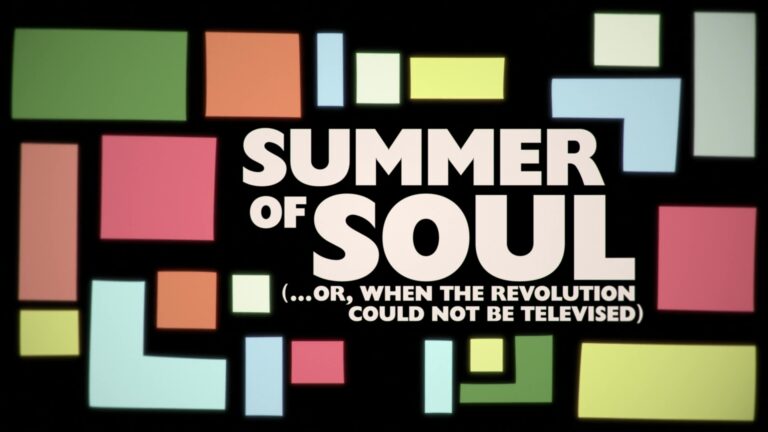
Summer of Soul (…Or, When the Revolution Could Not Be Televised) (2021)
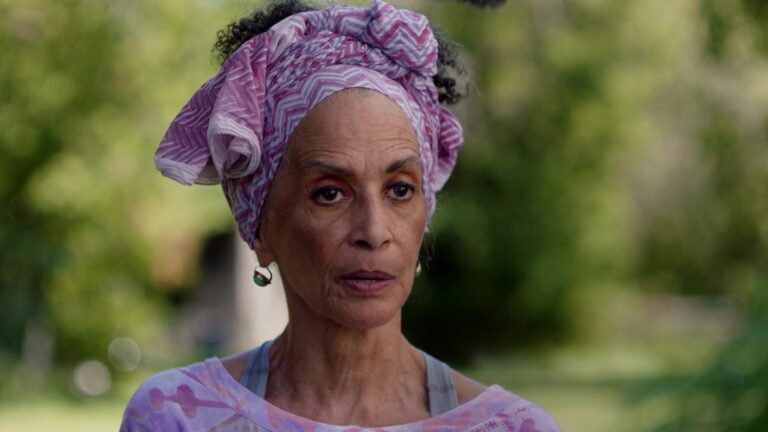
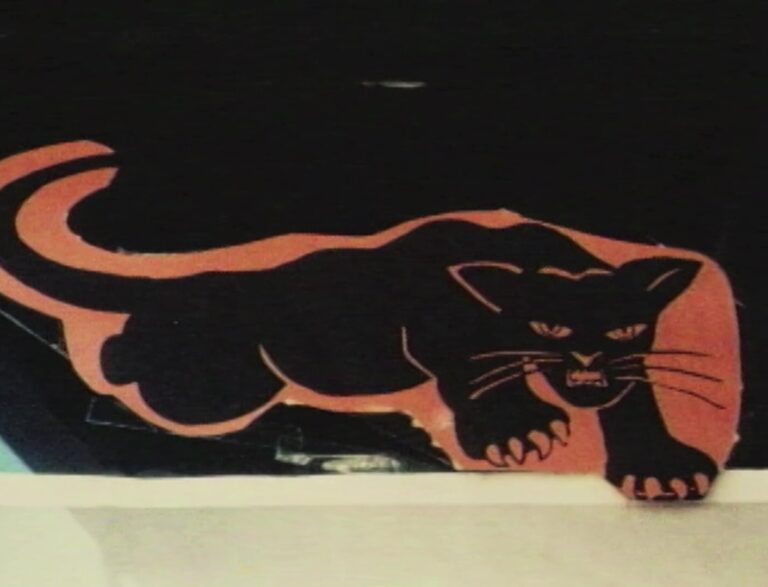
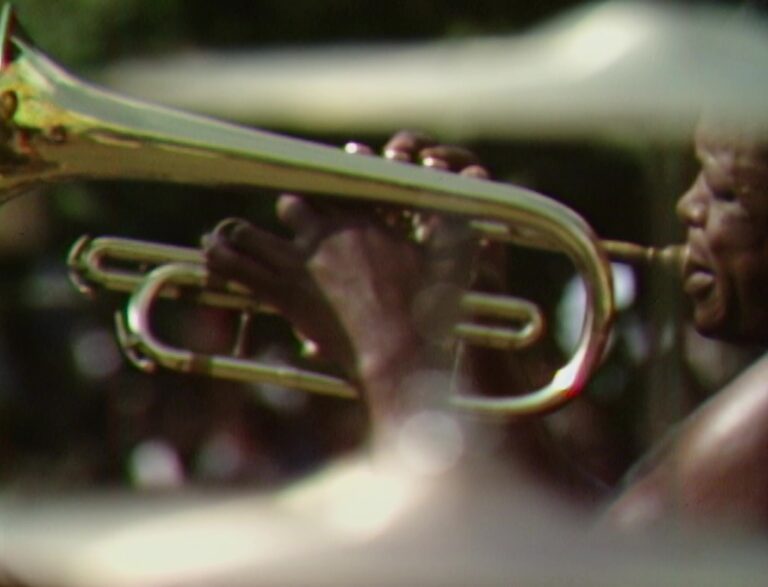
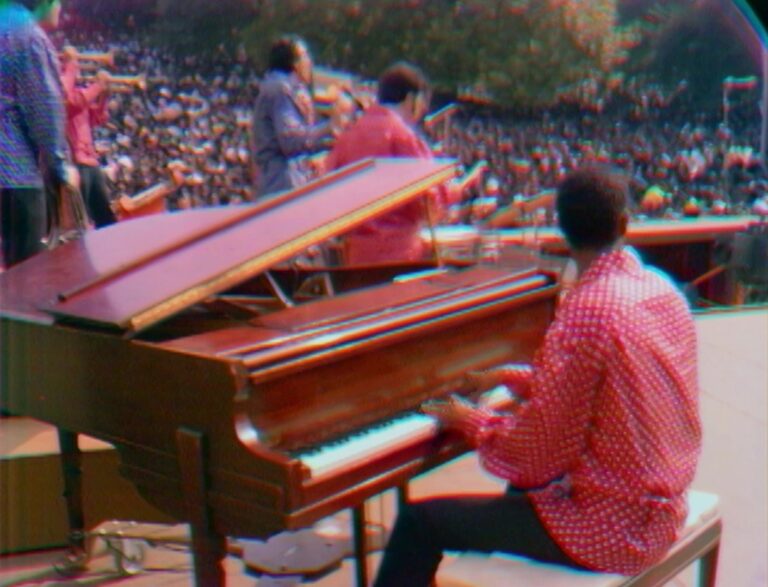
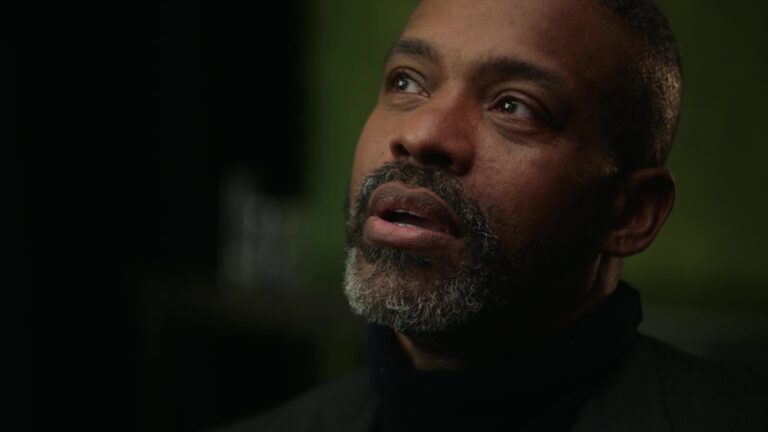
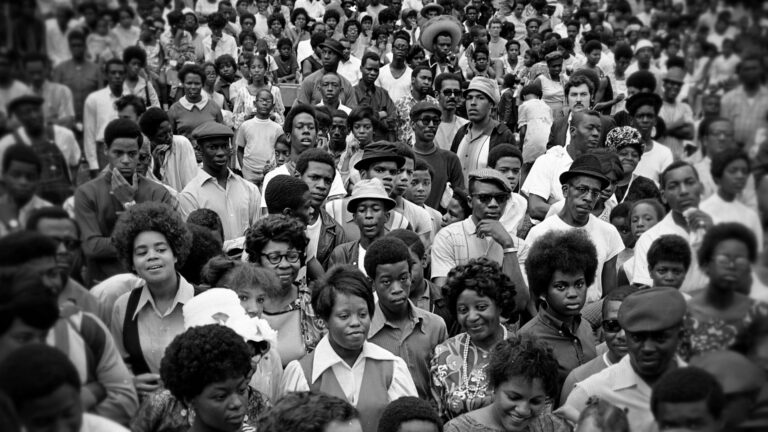
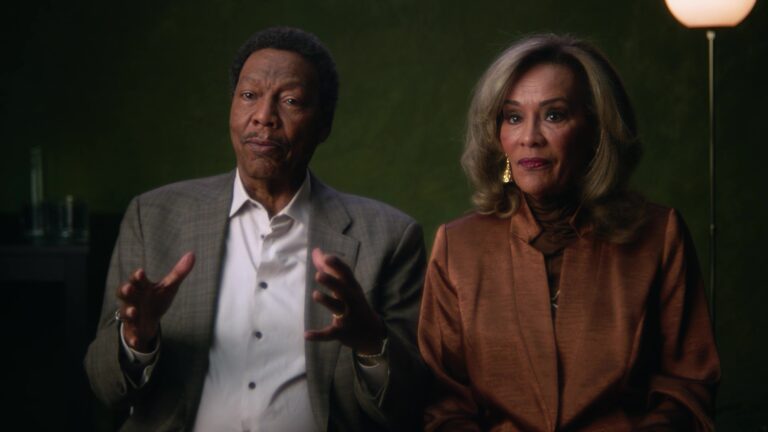
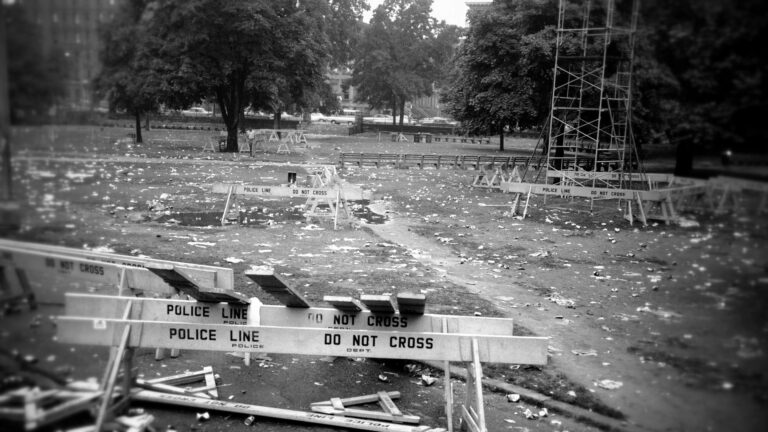
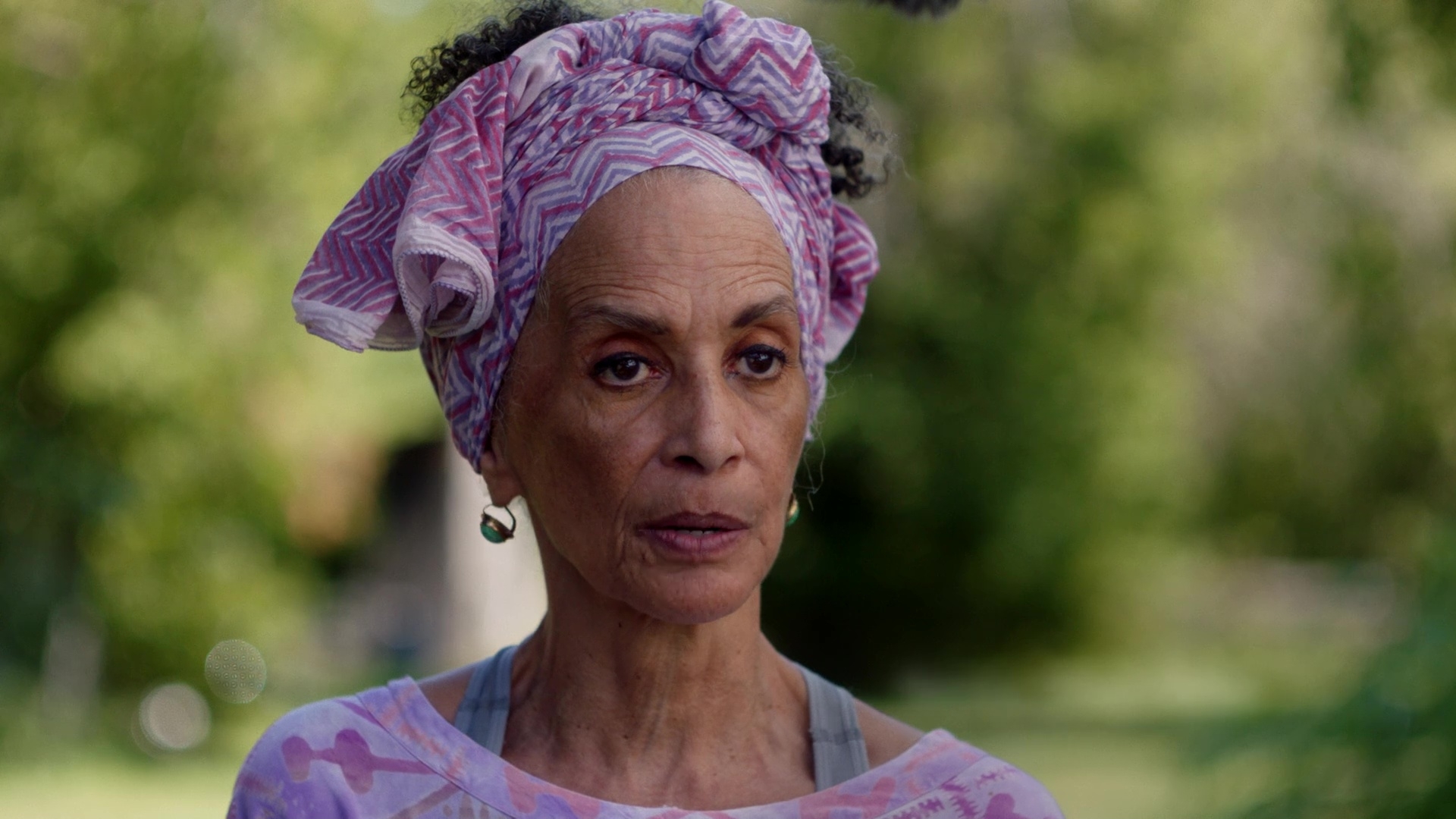
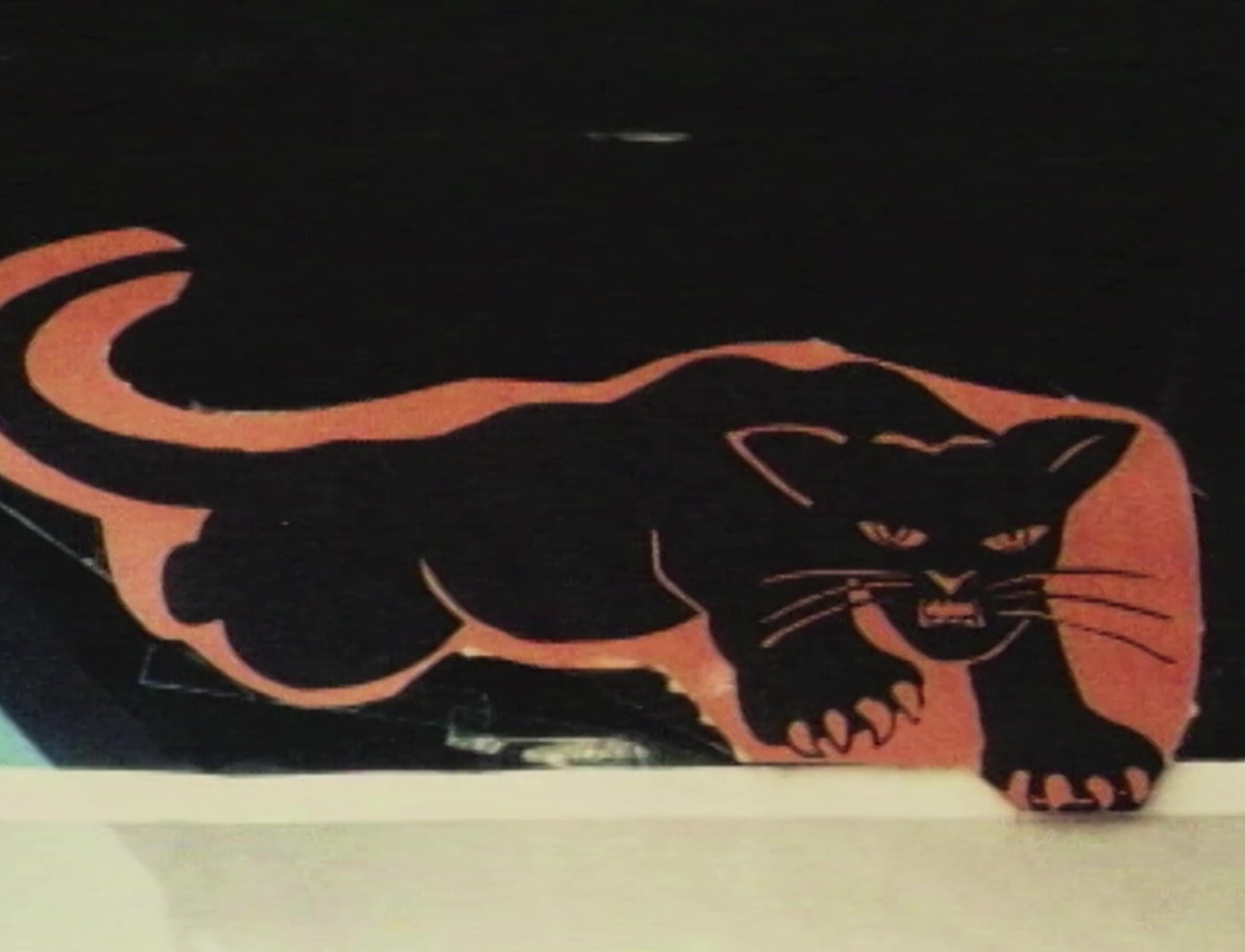
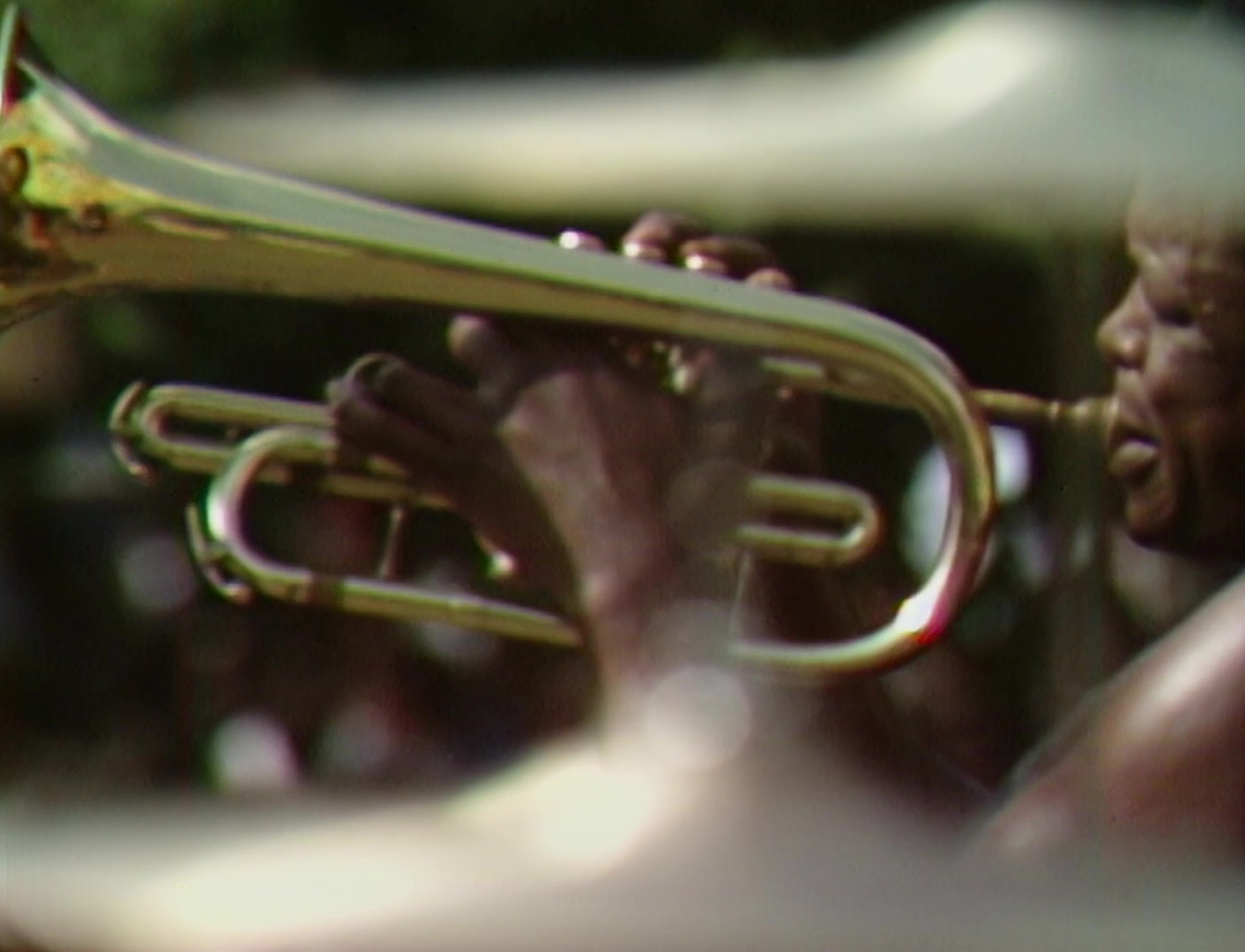
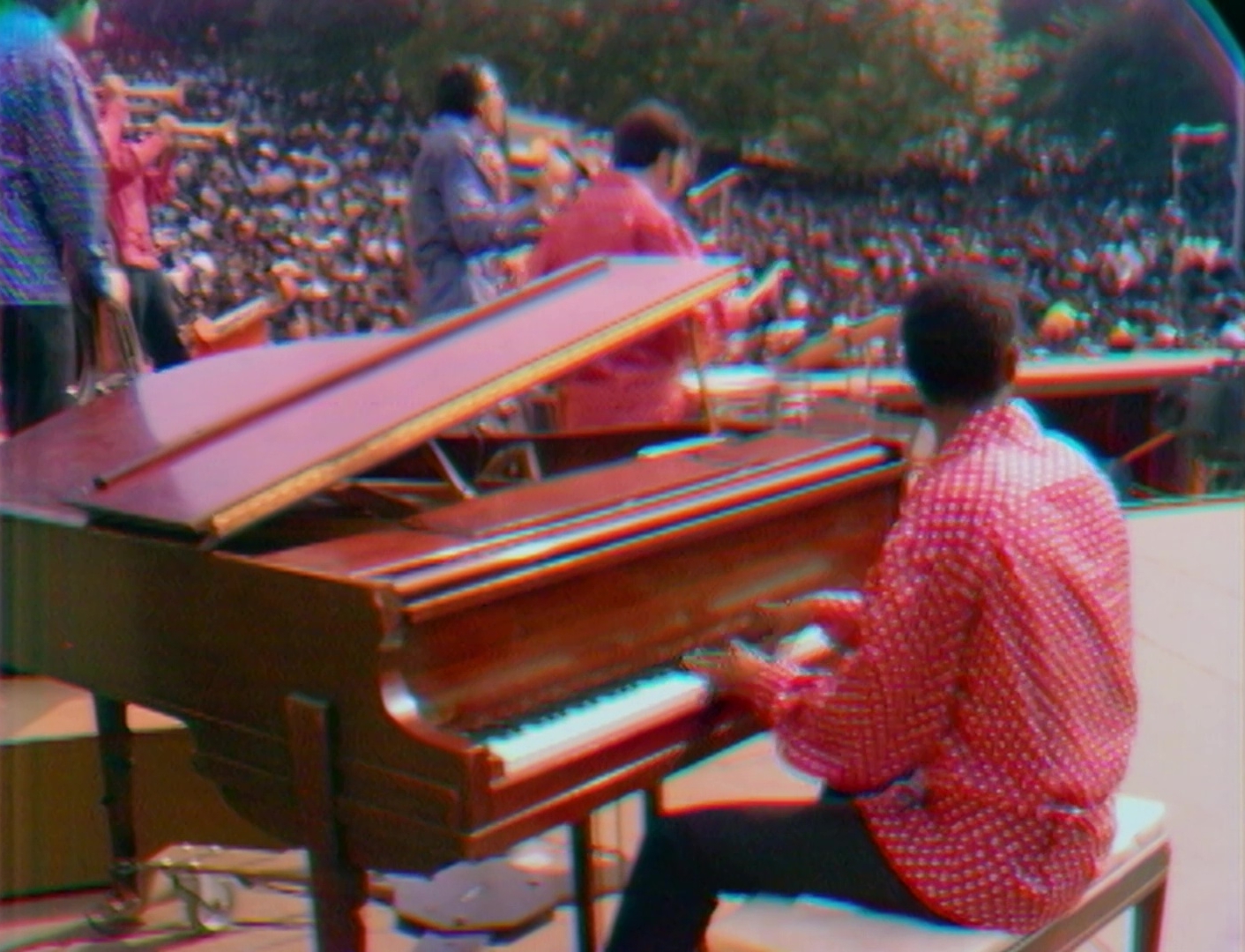
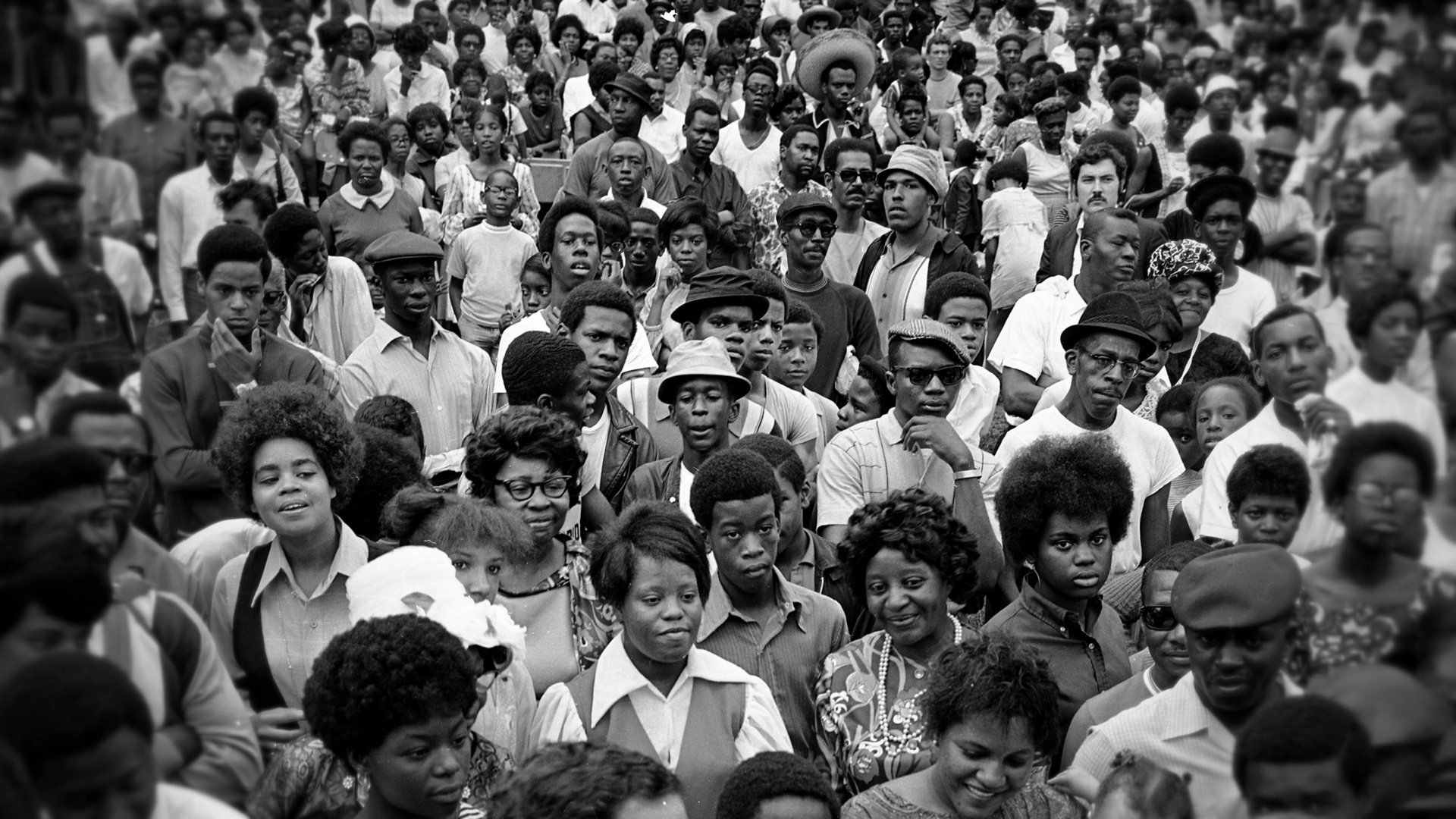
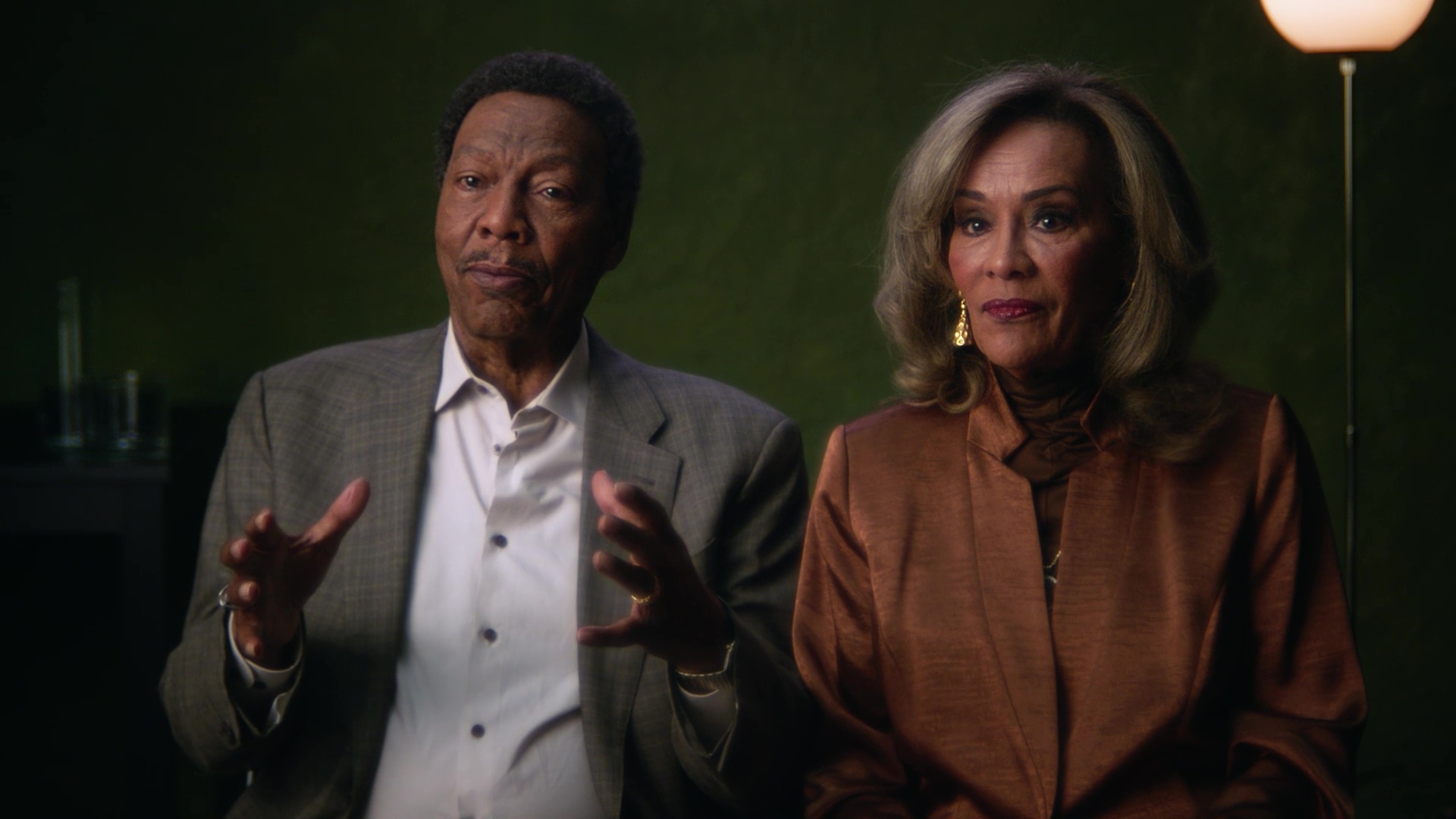
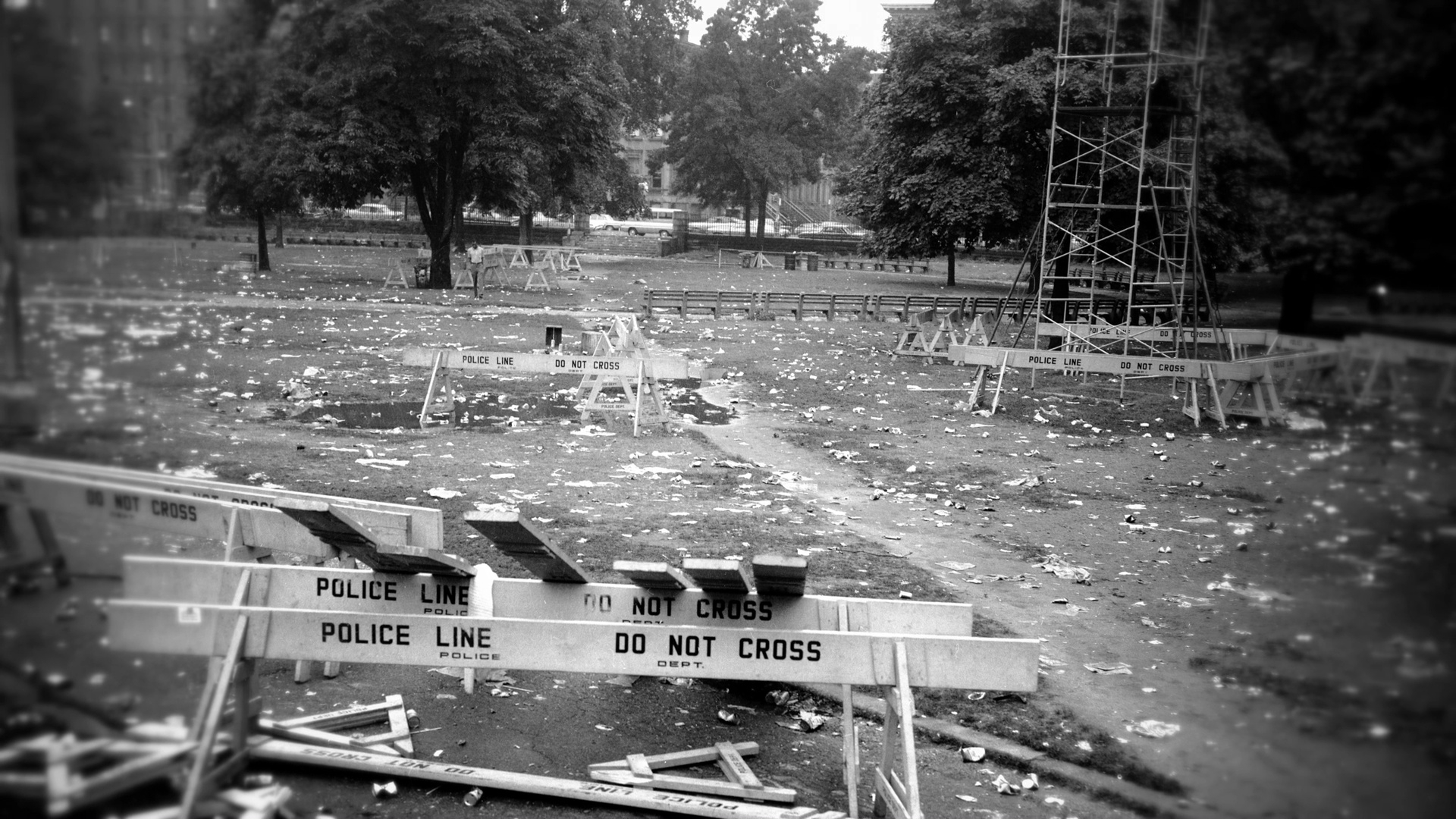
Built around long-lost footage from the 1969 Harlem Cultural Festival, the documentary captures a landmark series of performances by Black artists during the same summer as Woodstock. Featuring musicians such as Stevie Wonder, Nina Simone, Sly and the Family Stone, Mahalia Jackson, and many others, the film explores the cultural, political, and spiritual energy of Black America at the end of the 1960s. Through performance footage and contemporary interviews, it becomes both a celebration of Black artistry and a reflection on why this history was overlooked for decades.
Questlove constructs the film around restored archival footage that bursts with color, texture, and live-performance immediacy, preserving the tactile grain and energy of 1960s television production while enhancing clarity through restoration. The documentary rhythmically cuts between concert material, historical context, and present-day reactions from surviving performers and attendees, turning the act of rediscovery into part of the emotional experience. The vibrant stage costumes, dynamic crowd photography, and expressive close-ups transform the festival into a living visual archive of Black music, style, politics, and communal joy.
FILM SPOTLIGHT
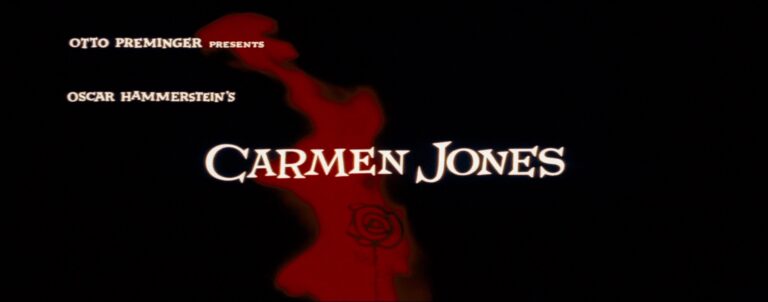
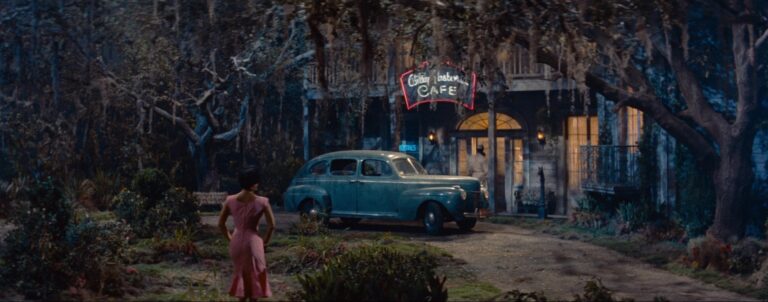
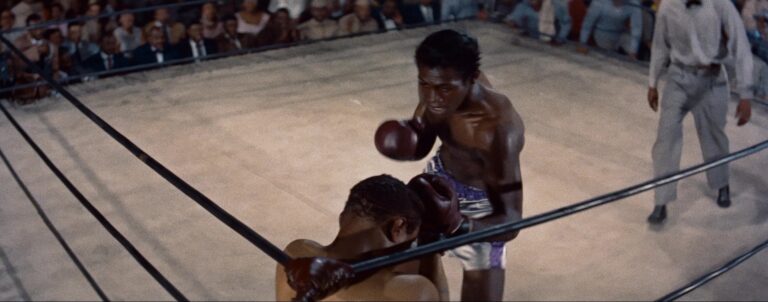
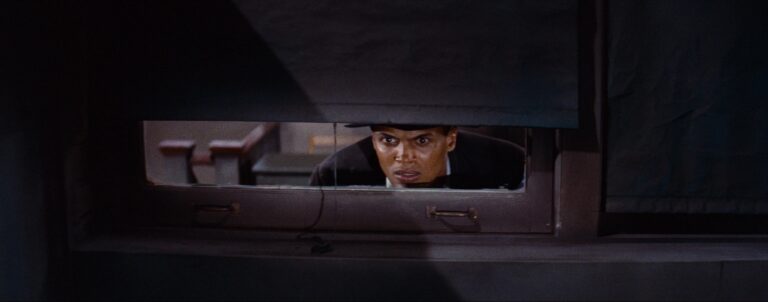
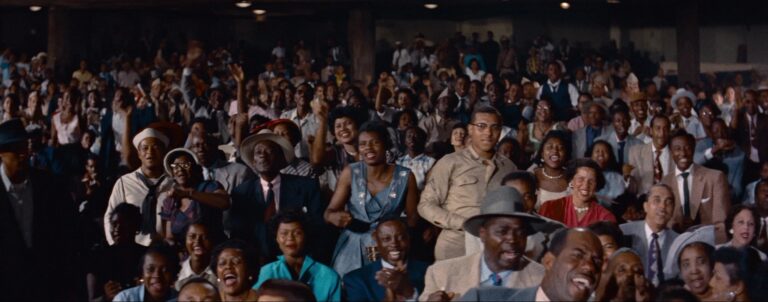
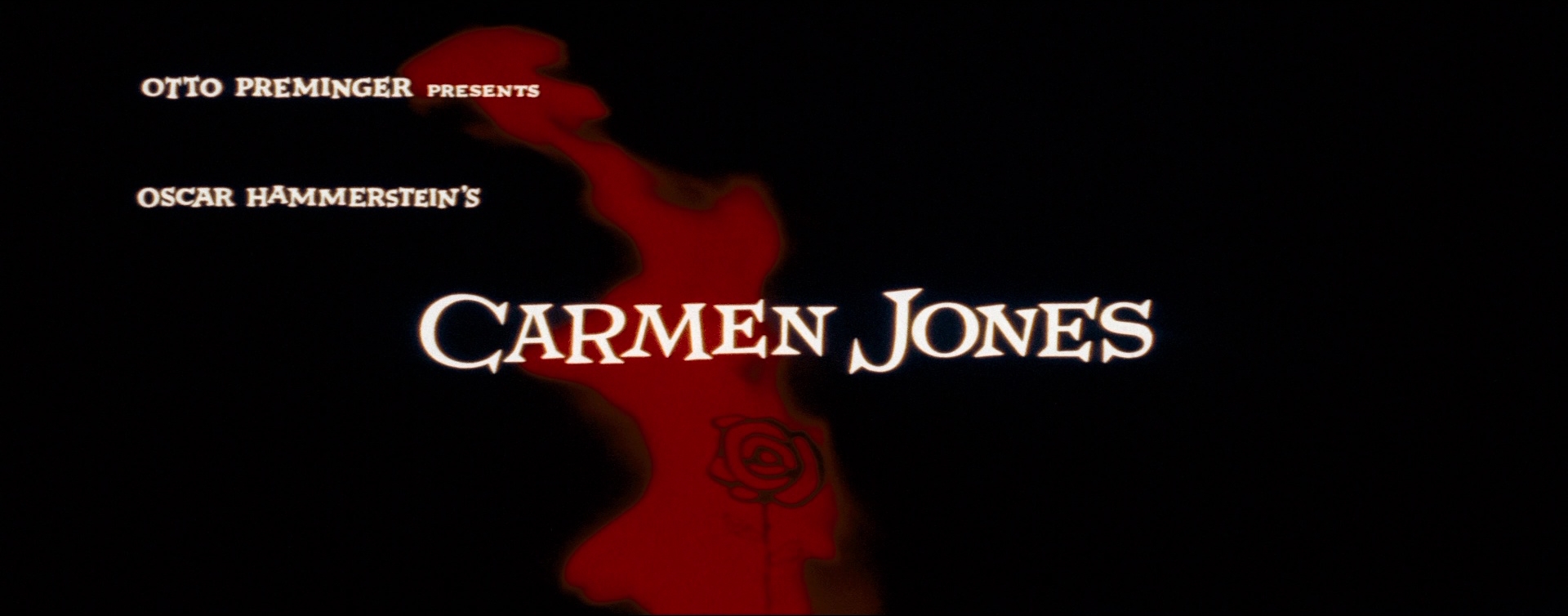
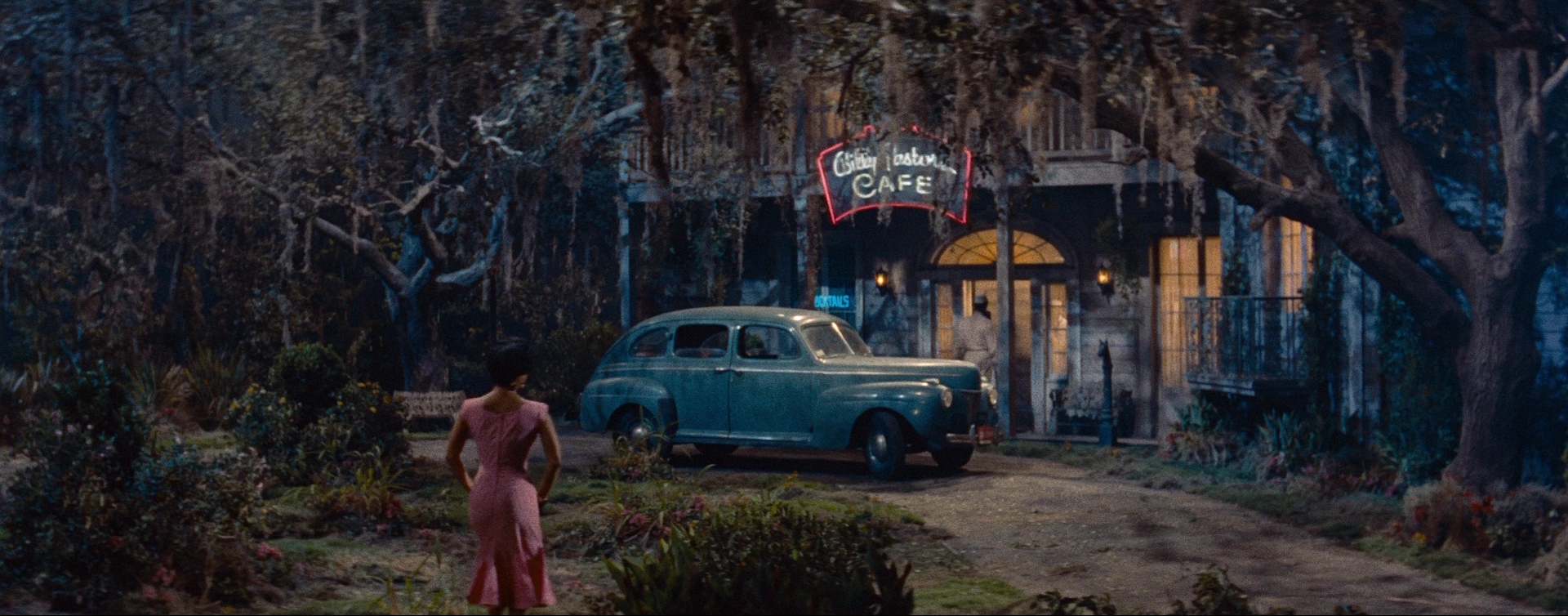
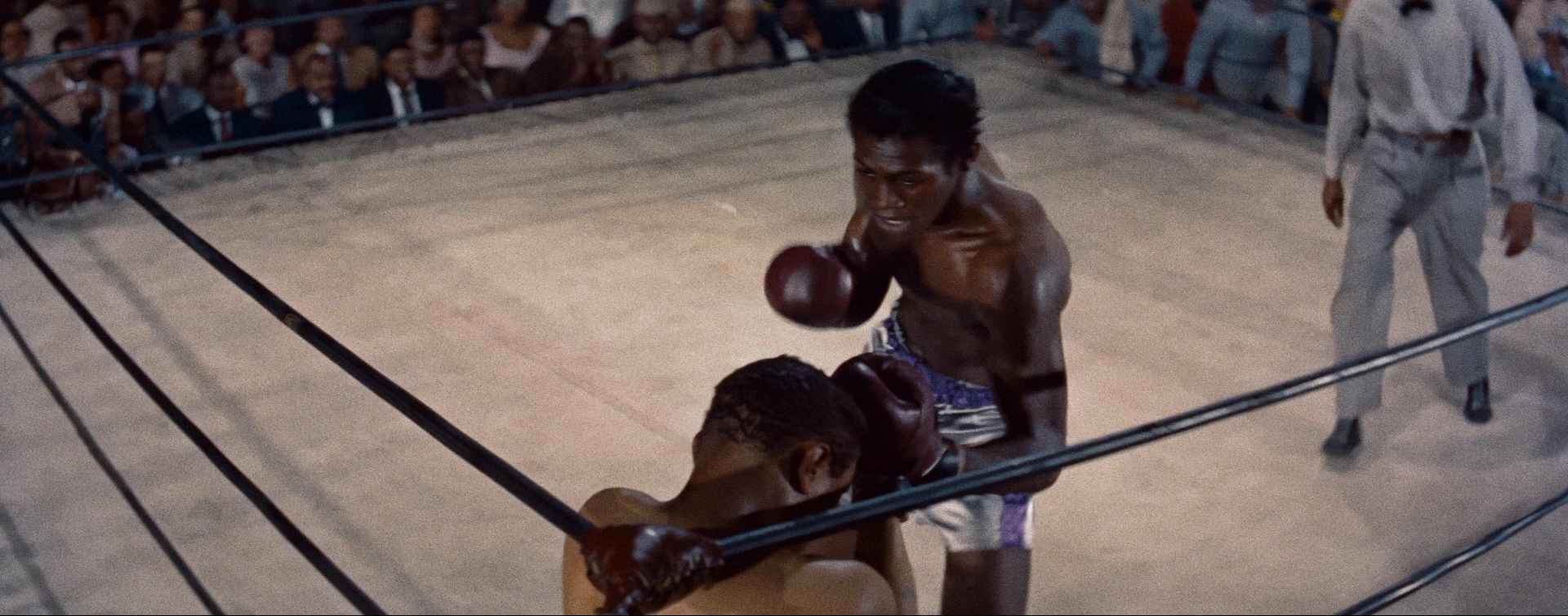
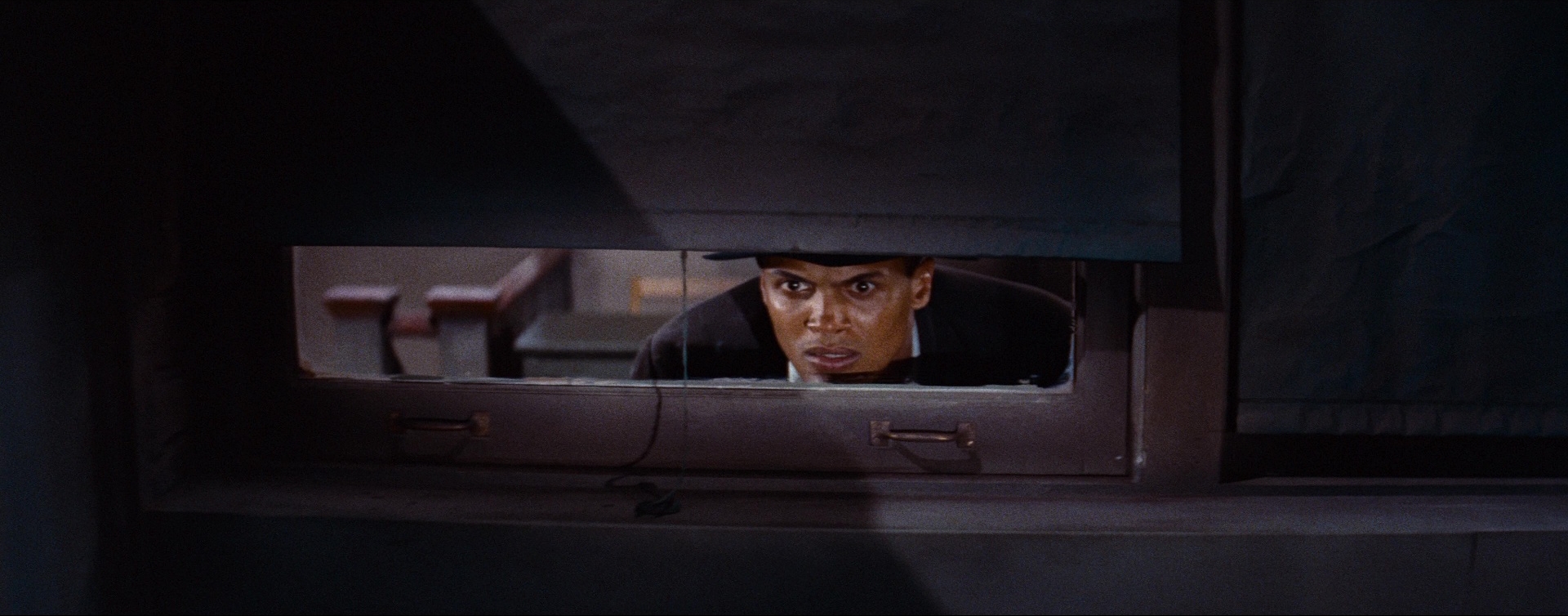
Carmen Jones (1954)
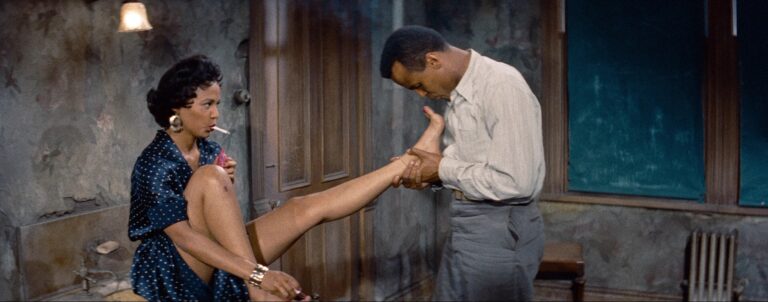
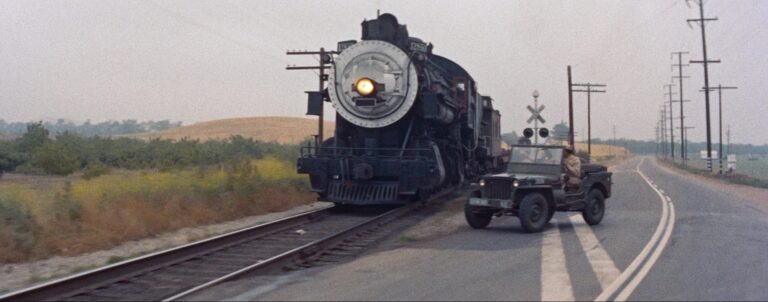
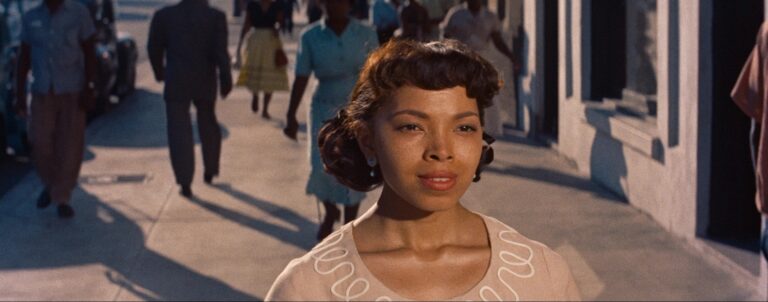
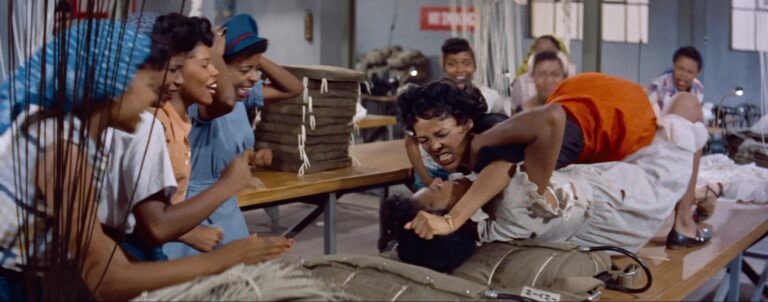
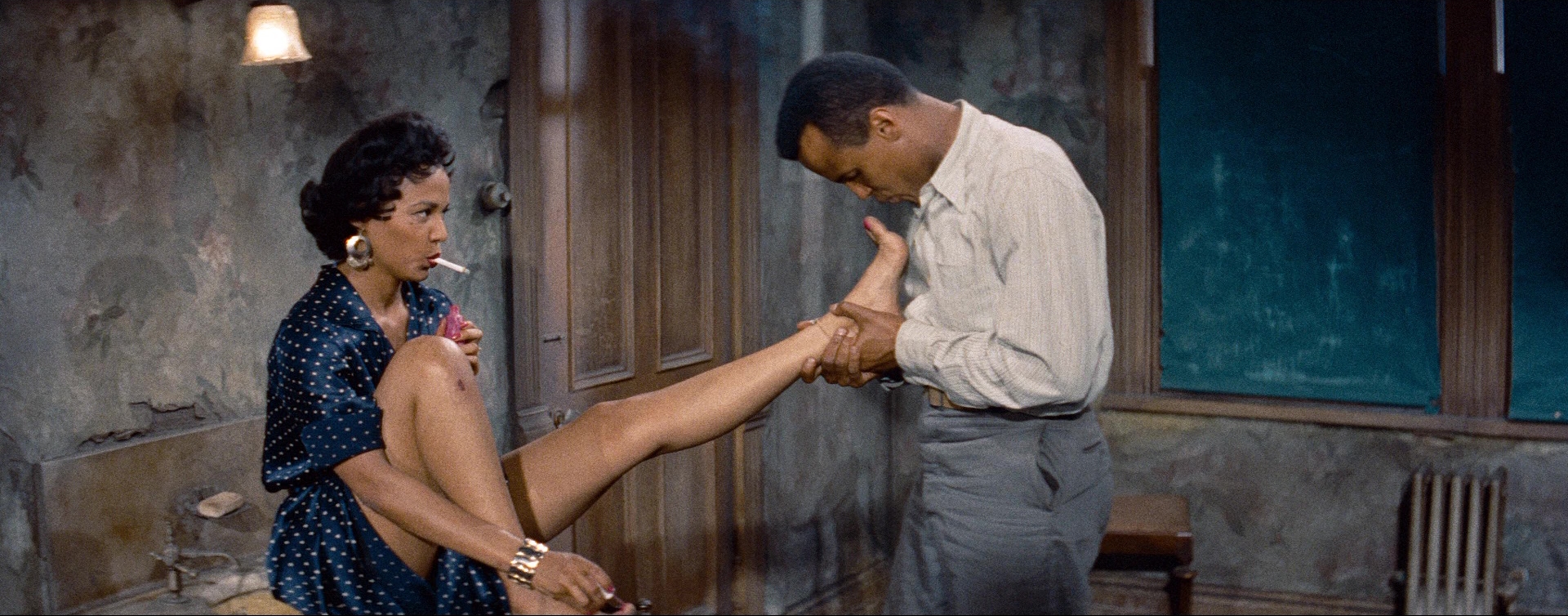
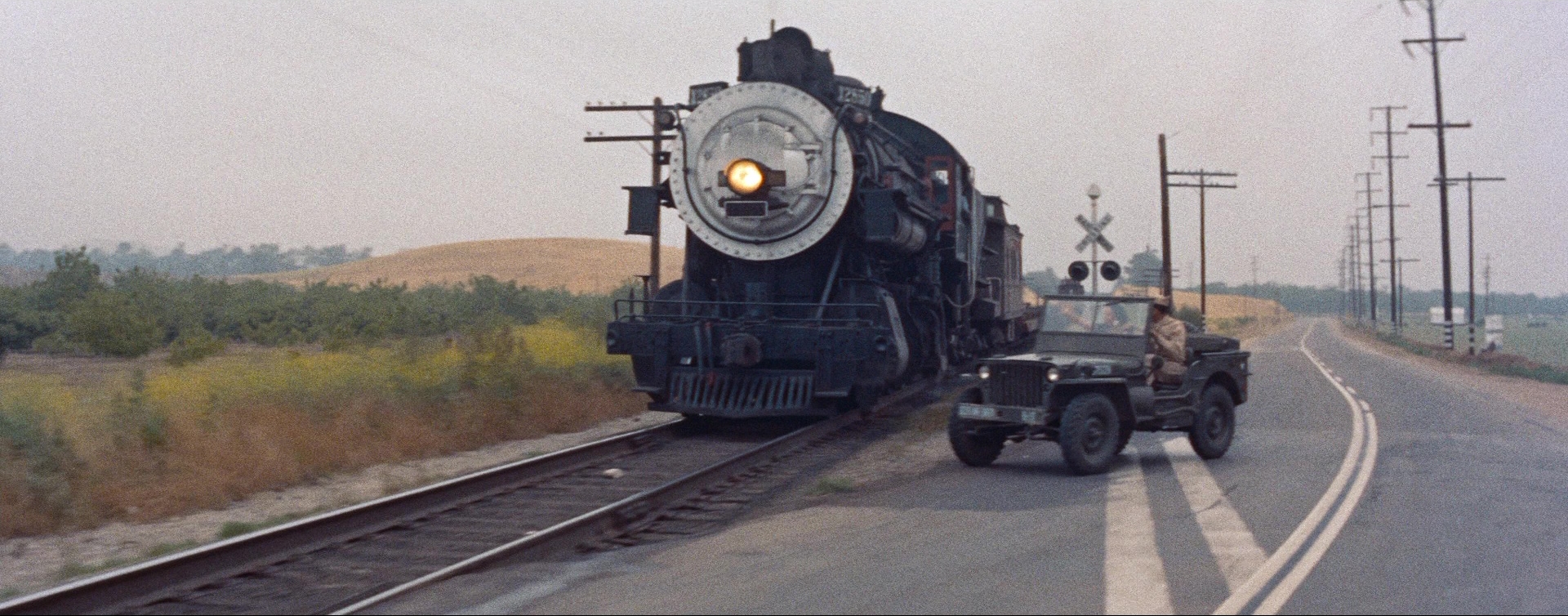
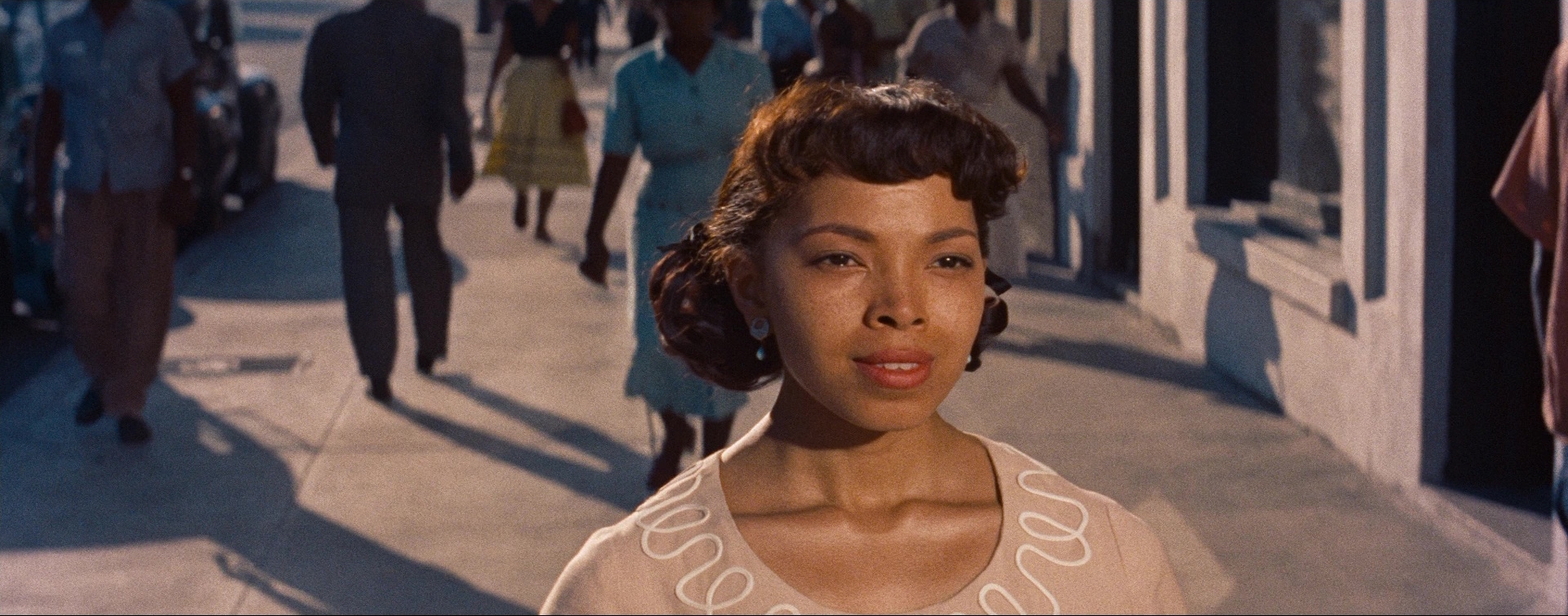
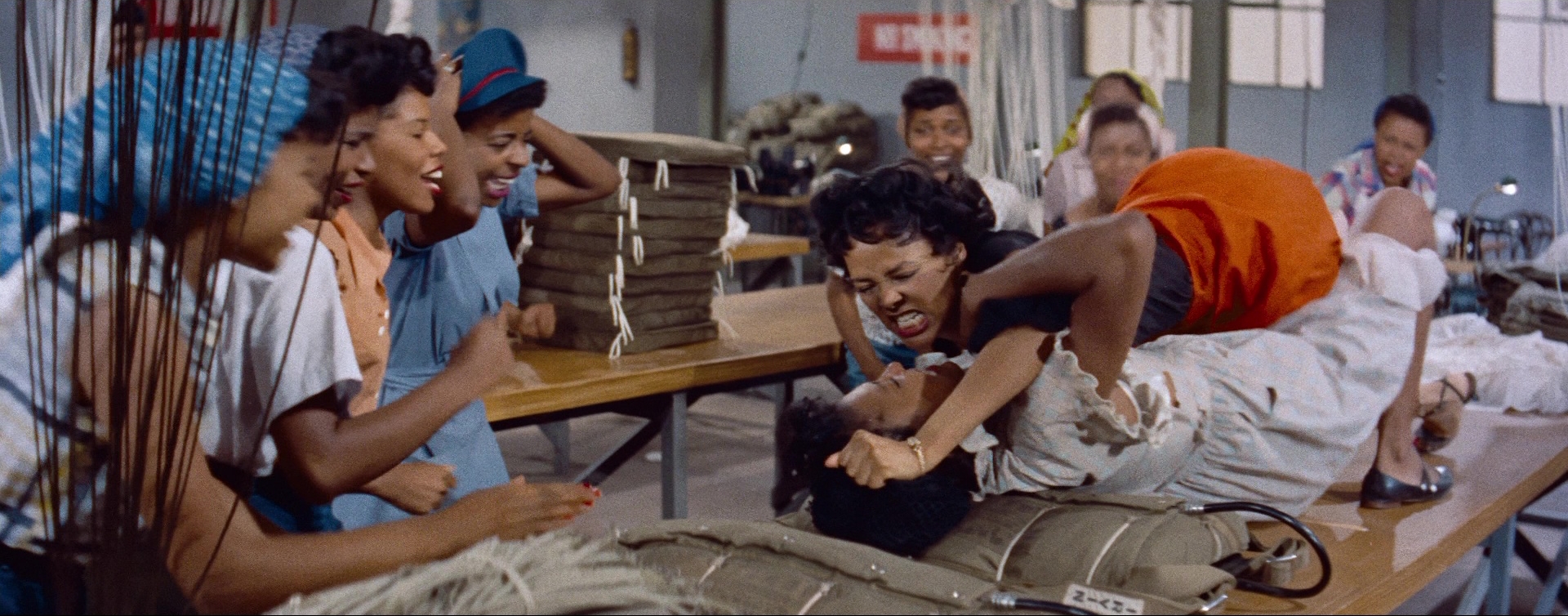
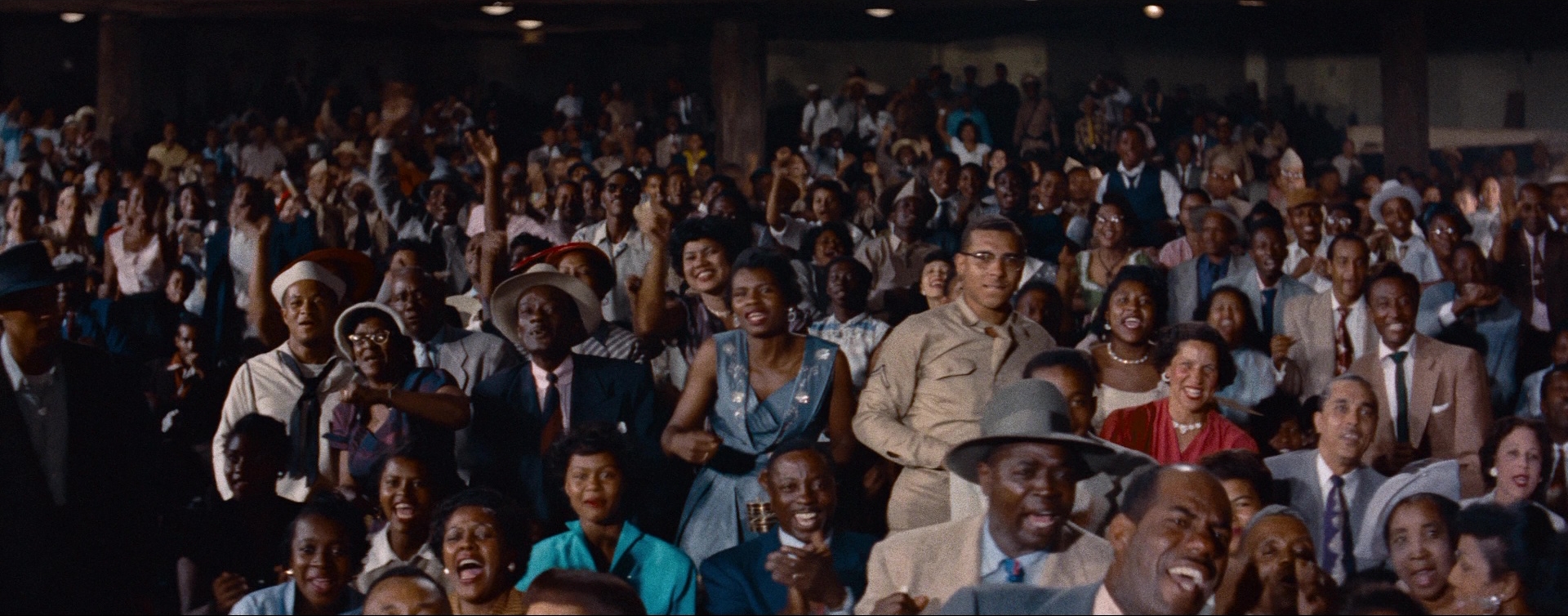
Adapted from Oscar Hammerstein II’s Broadway reworking of Carmen, the film follows the passionate and independent Carmen Jones, a factory worker who becomes involved with Joe, a disciplined soldier engaged to another woman. Their intense romance quickly spirals into jealousy, obsession, and tragedy as Joe abandons his former life to pursue her. Set against a contemporary wartime American backdrop, the story transforms the classic opera into a drama about desire, freedom, and self-destruction.
Preminger and cinematographer Sam Leavitt shoot Carmen Jones in lush CinemaScope and Technicolor, using wide compositions and saturated color to heighten the film’s operatic emotional scale. The expansive framing emphasizes movement, dance, and staging within crowded military camps, clubs, and outdoor spaces, while the rich reds, yellows, and deep shadows give the film a sensual visual texture. The combination of theatrical musical performance and cinematic widescreen imagery turns the film into both a melodrama and a vibrant showcase for Black performers within the Hollywood studio system of the 1950s.
FILM SPOTLIGHTS
Neptune Frost (2022)
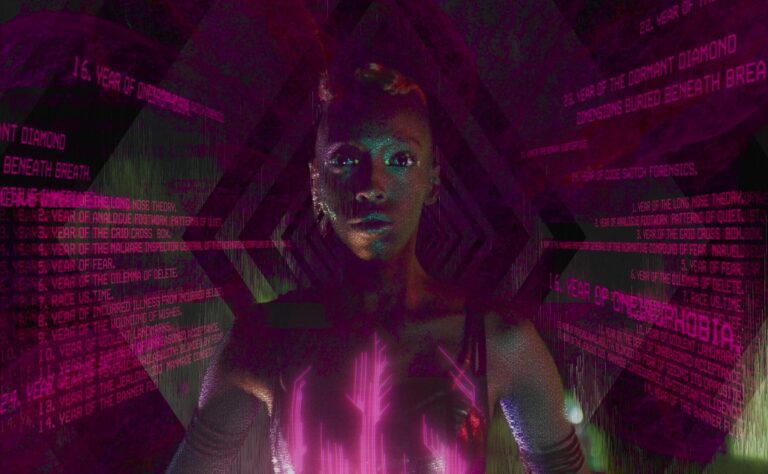
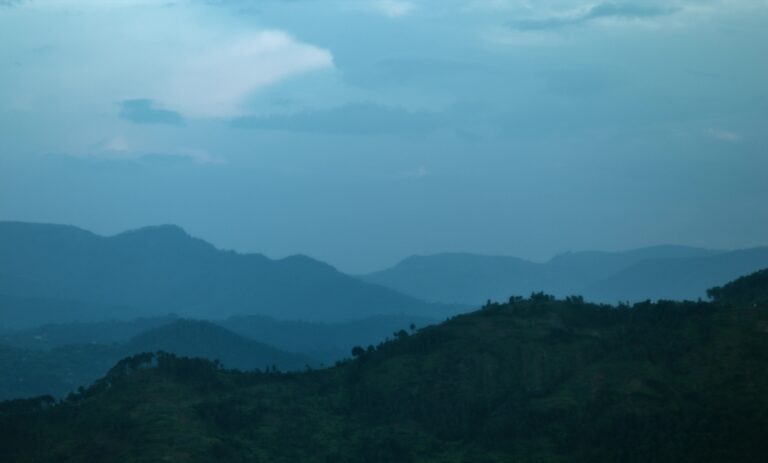
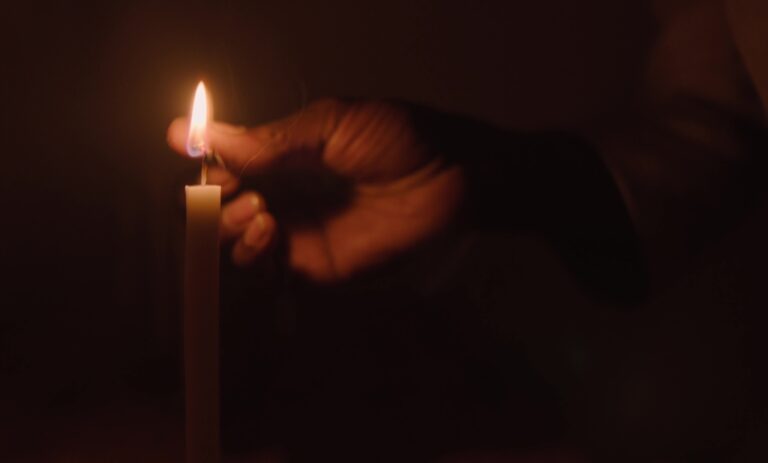
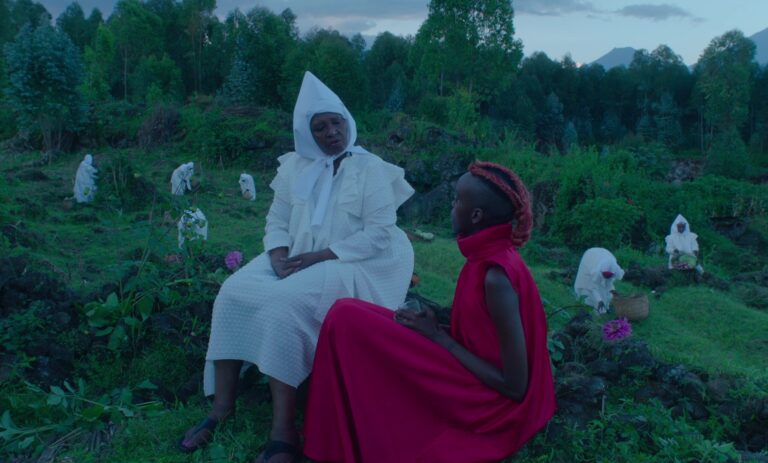
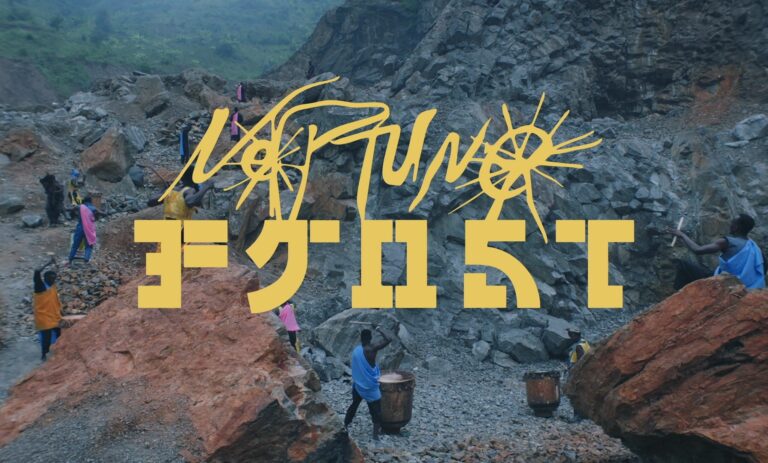
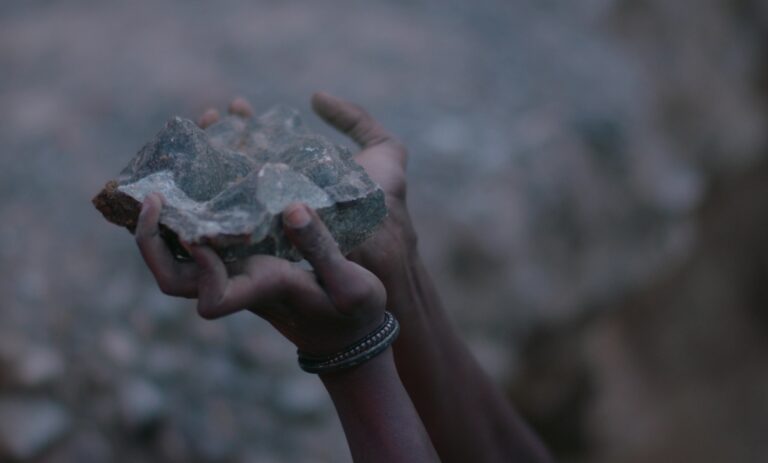
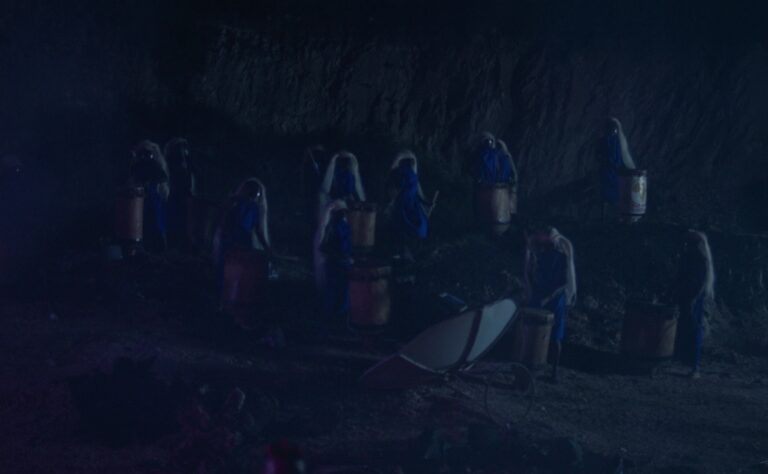
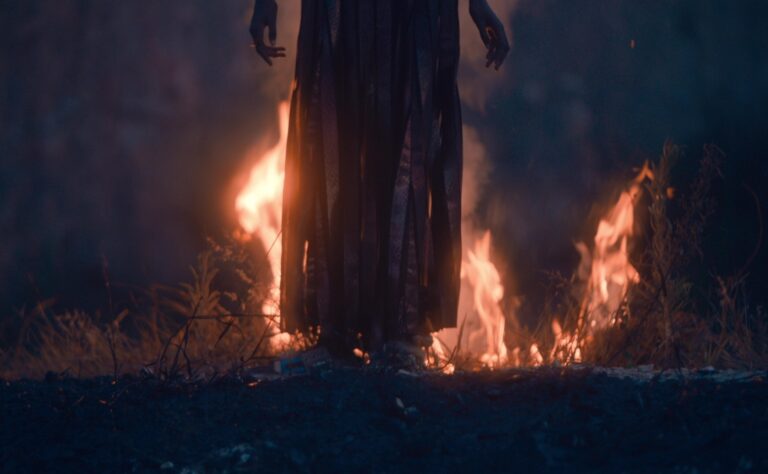
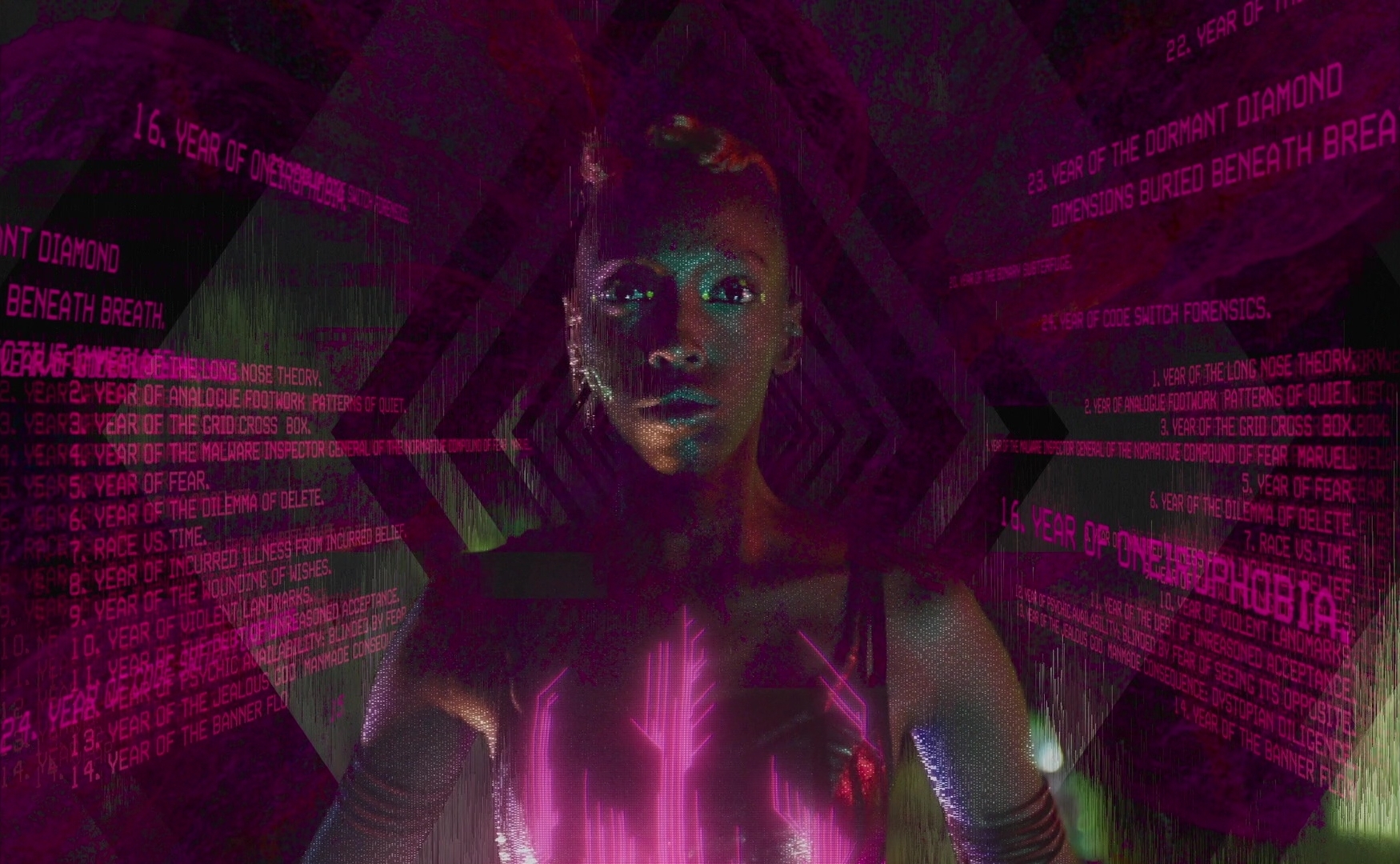
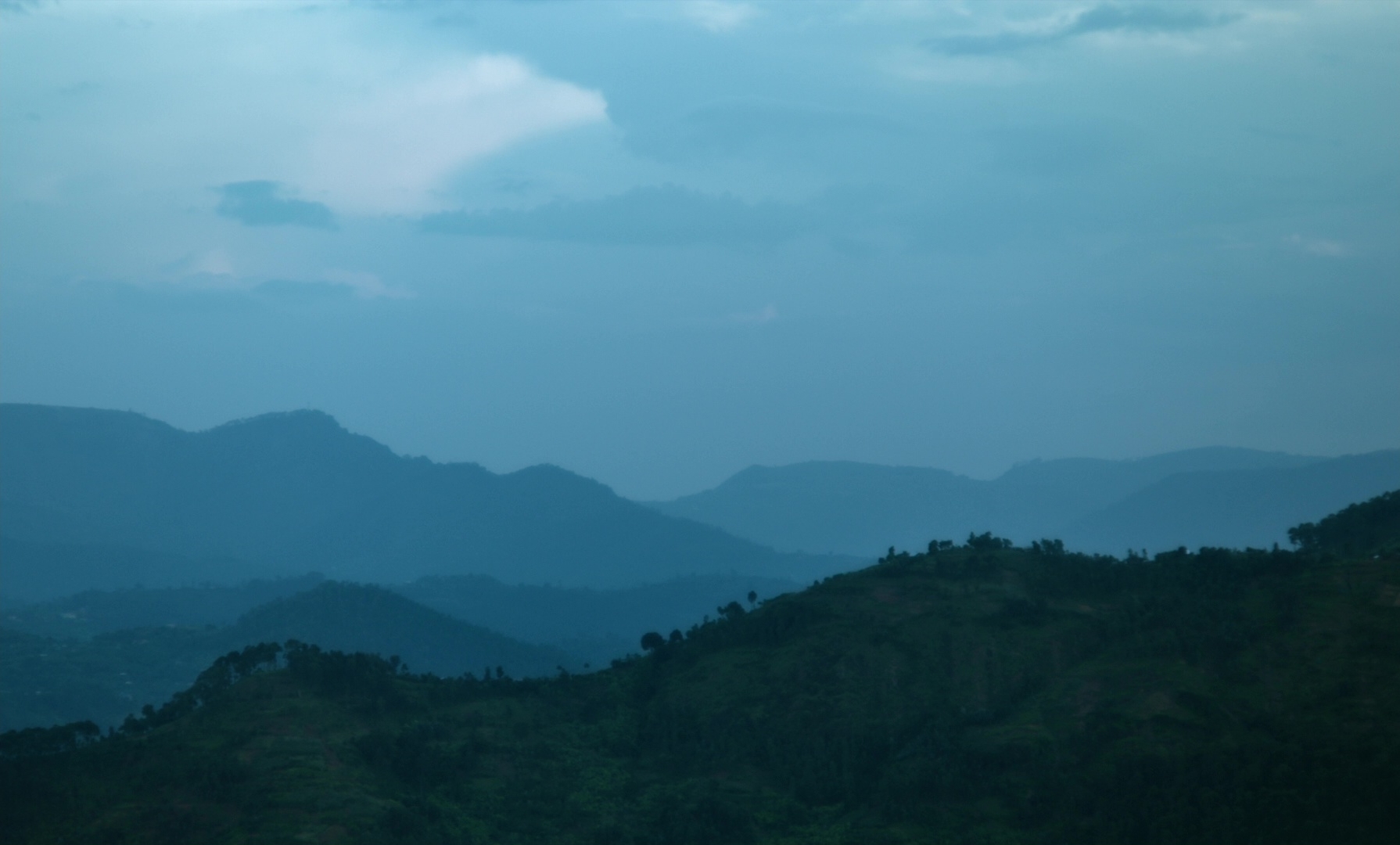
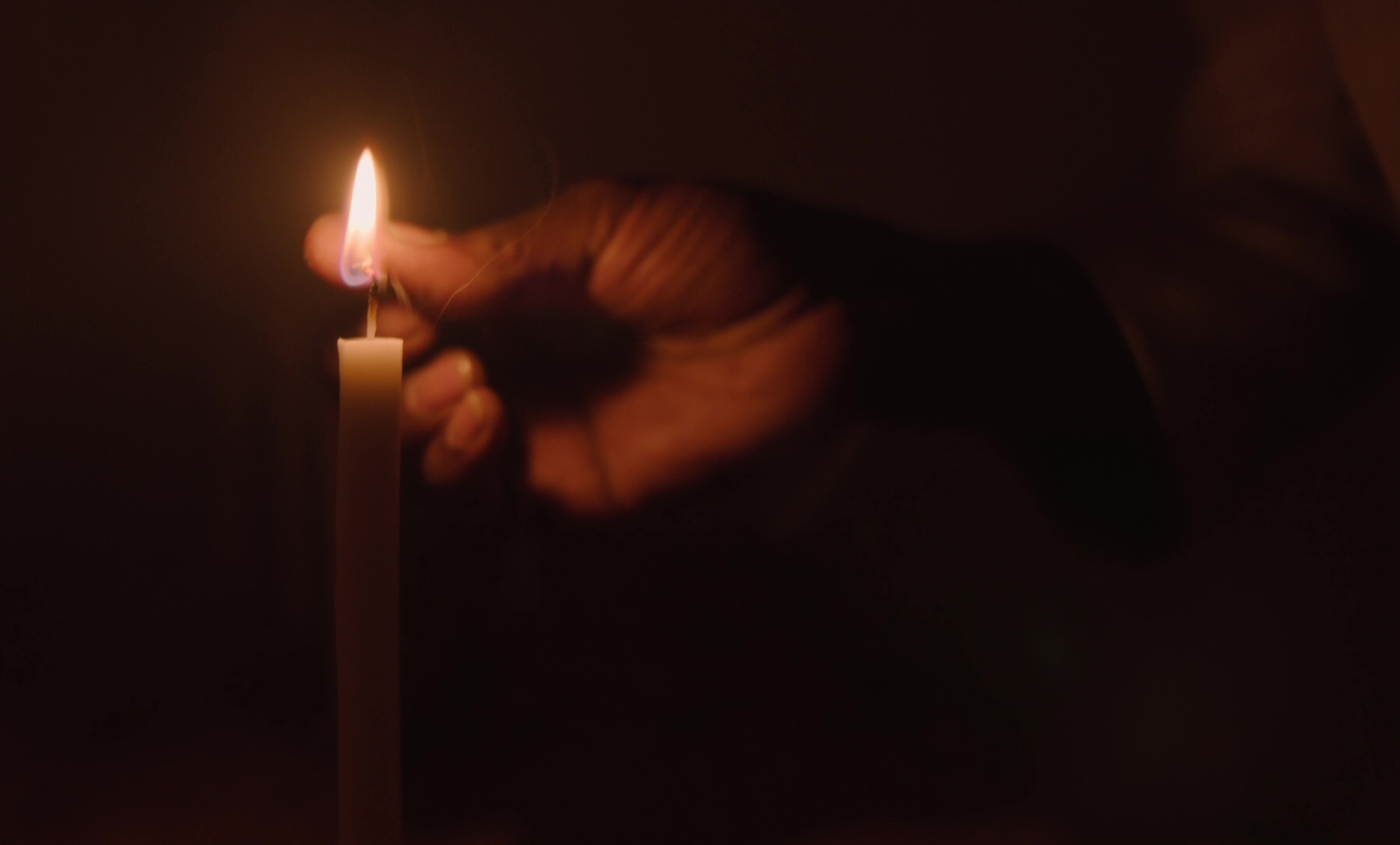
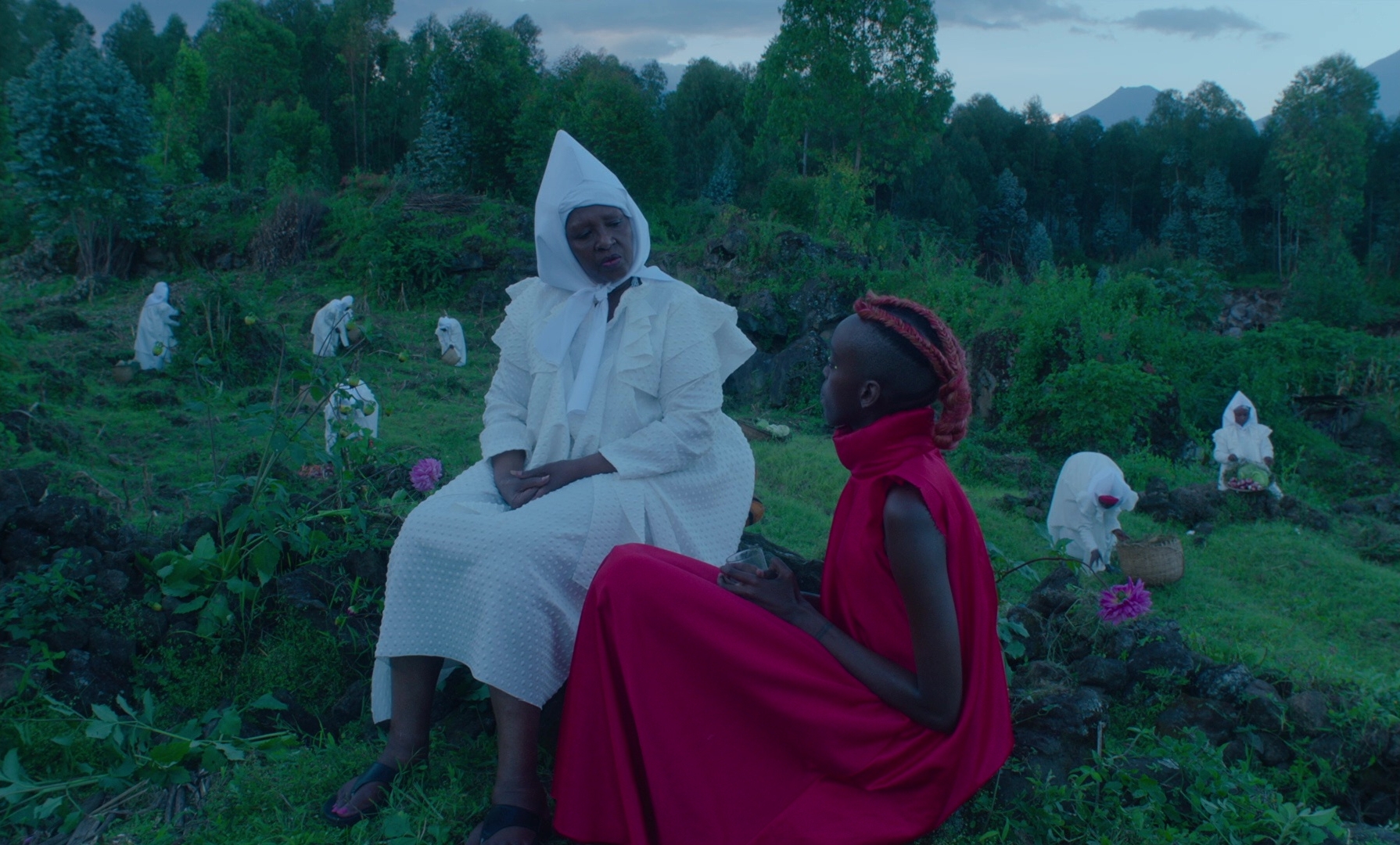
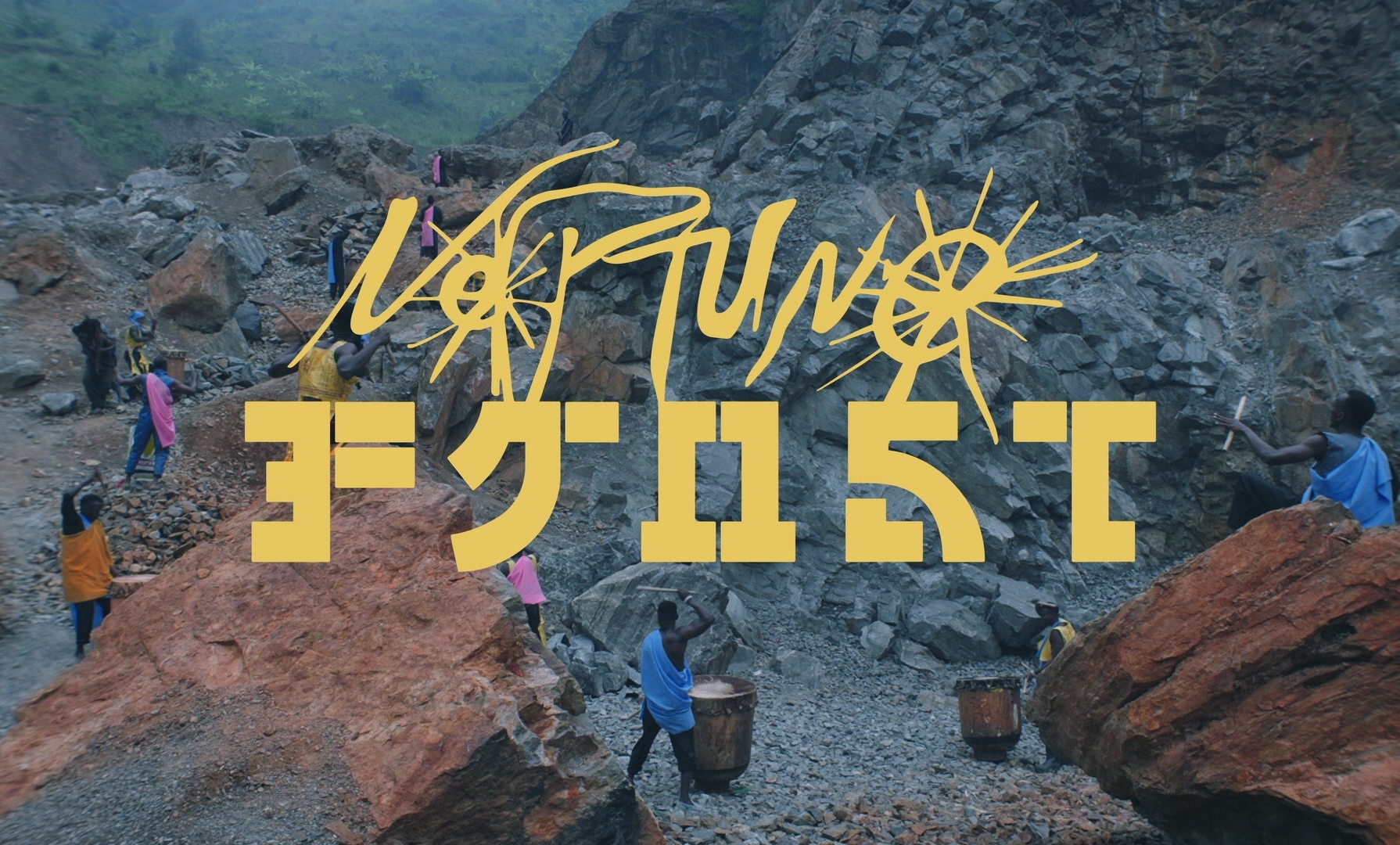
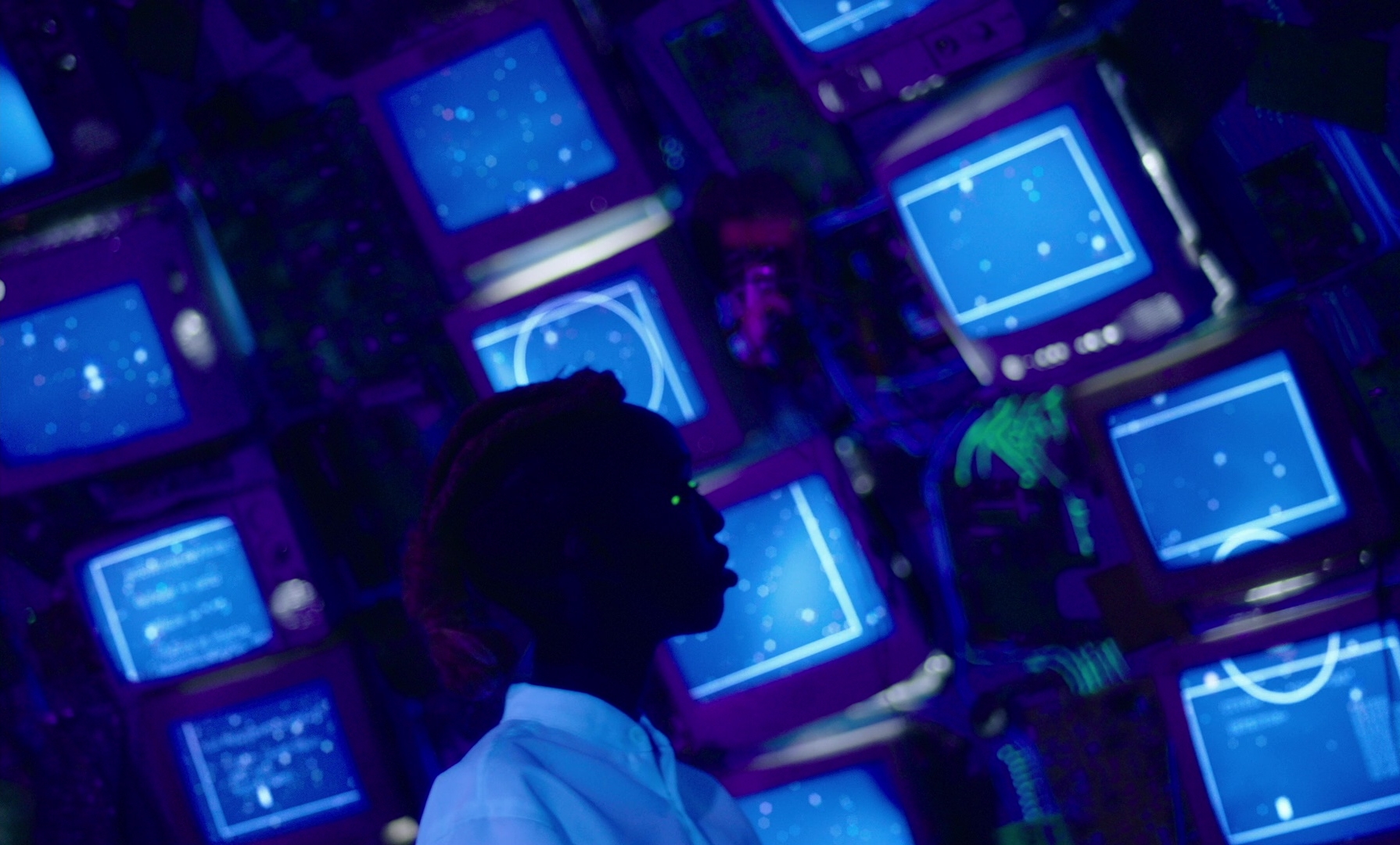
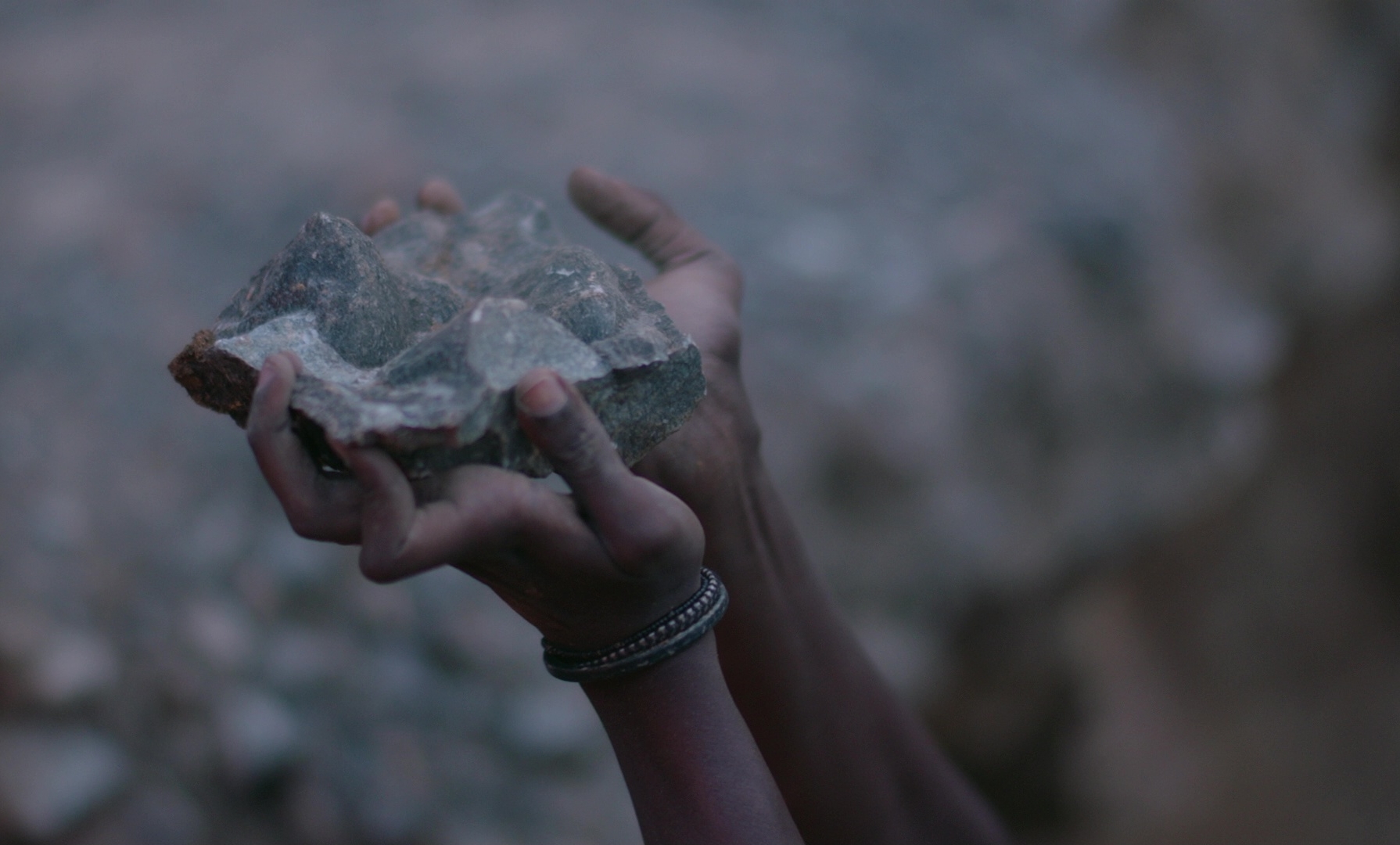
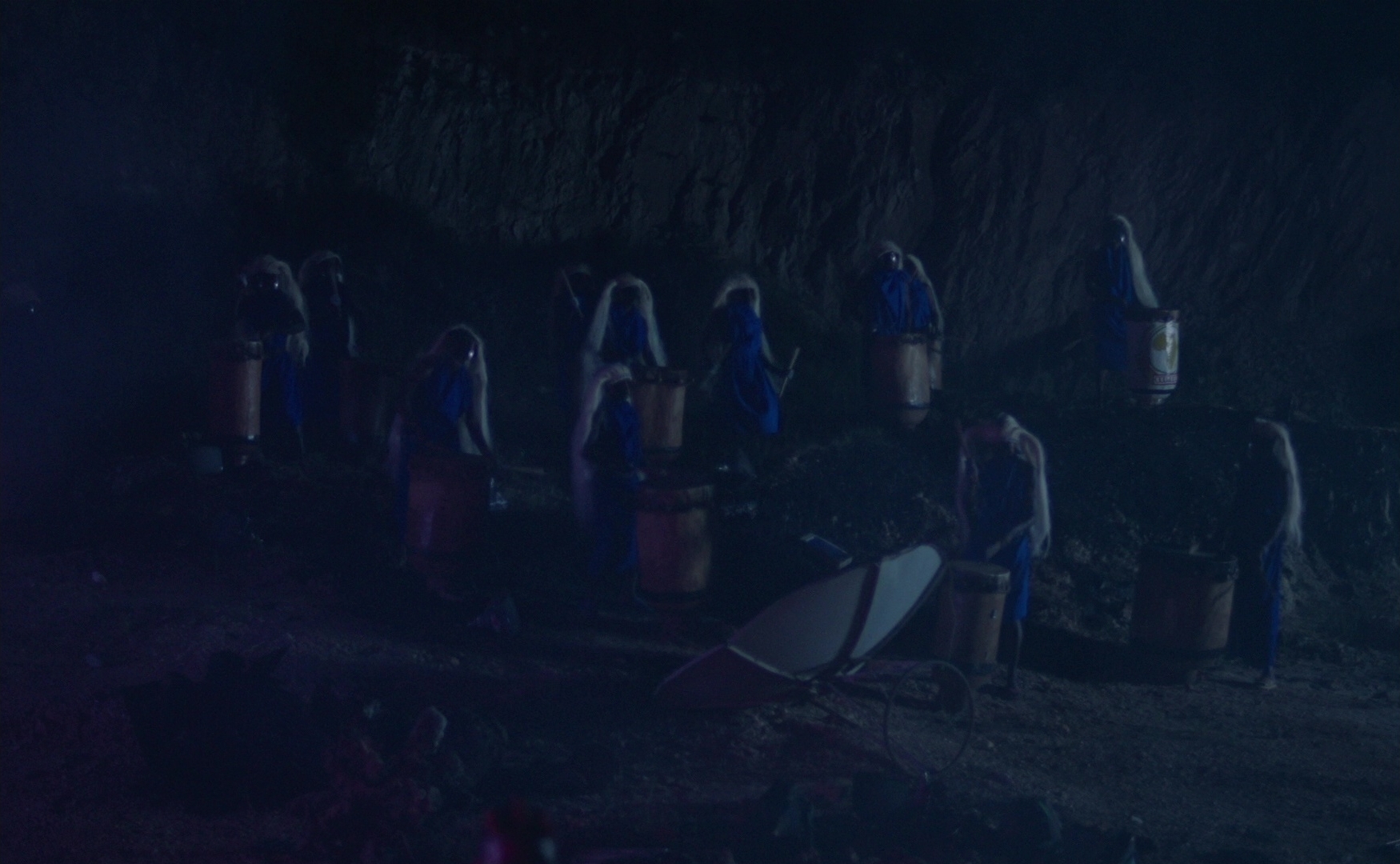
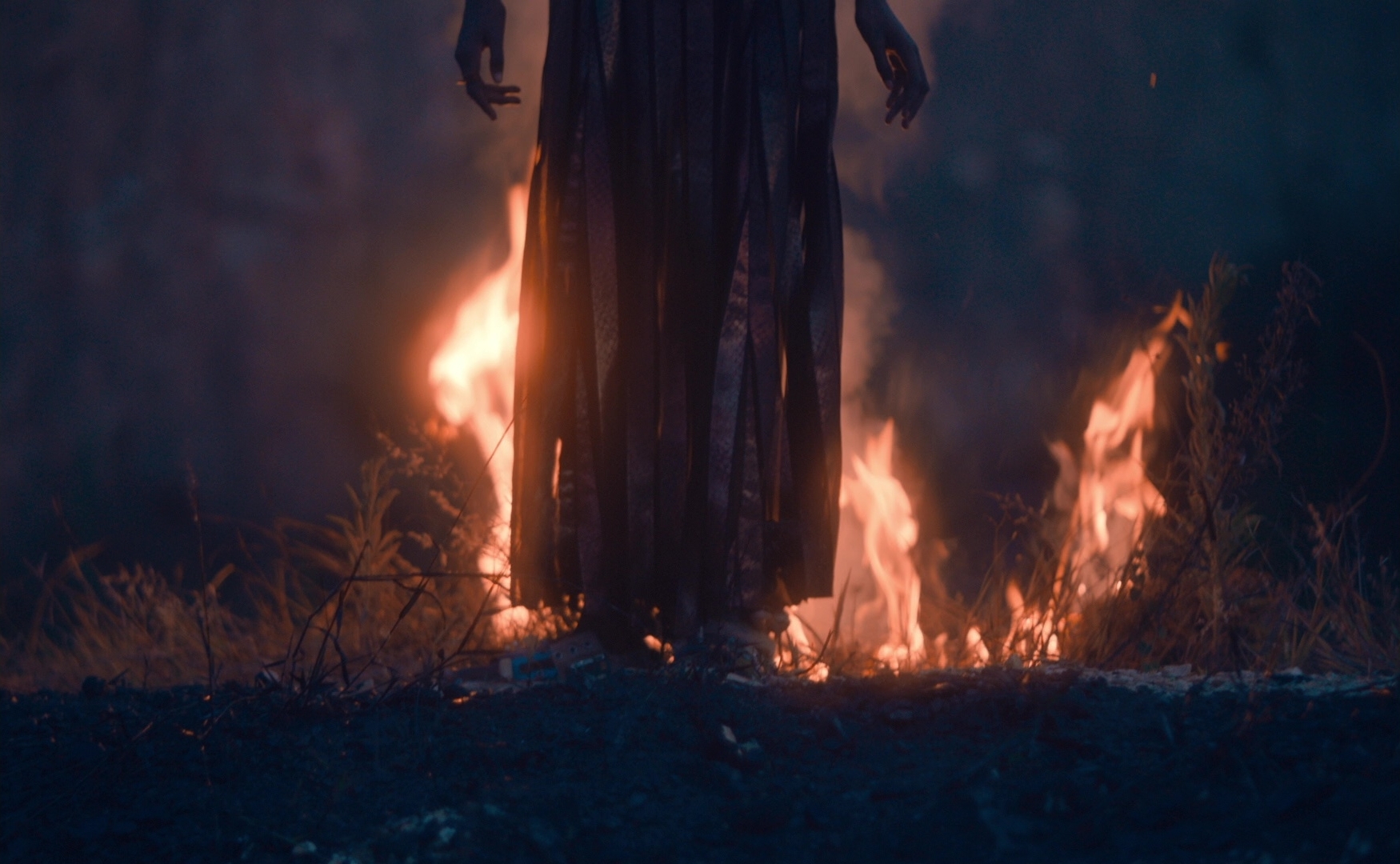
Set in a futuristic Rwanda shaped by technology, labor exploitation, and political resistance, the film follows Neptune, an intersex runaway, and Matalusa, a miner grieving his brother’s death in a coltan mine. Their paths converge within a collective of hacker-activists attempting to disrupt systems of global oppression through digital rebellion and communal imagination. Blending romance, sci-fi, and musical expression, the film unfolds as an Afrofuturist meditation on identity, resistance, and liberation.
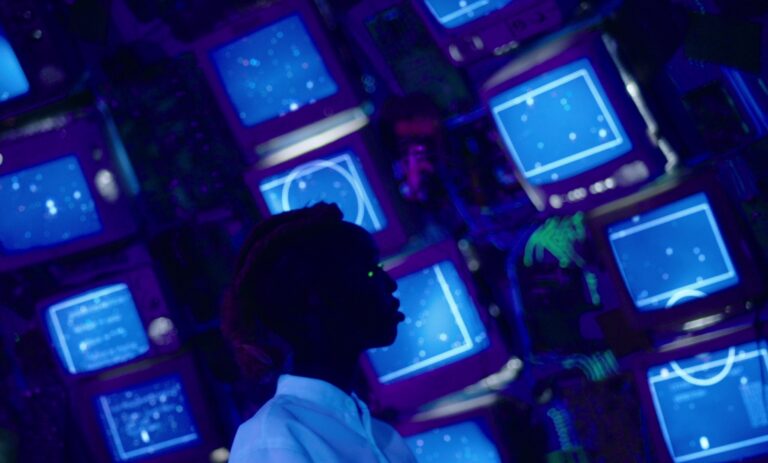
Williams and Uzeyman craft Neptune Frost with a radically hybrid visual language that merges handmade futurism, cyberpunk aesthetics, and musical performance art. Costumes and sets are built from discarded electronics, wires, circuit boards, and scrap materials, transforming technological waste into tactile Afrofuturist design. The film’s saturated colors, dreamlike digital compositing, stylized choreography, and shifting aspect ratios create an intentionally fluid visual world where music, code, mythology, and political resistance collapse into one another. Rather than aiming for polished realism, the imagery embraces collage and theatricality—turning every frame into a fusion of ritual, performance, and speculative rebellion.
FILM SPOTLIGHT
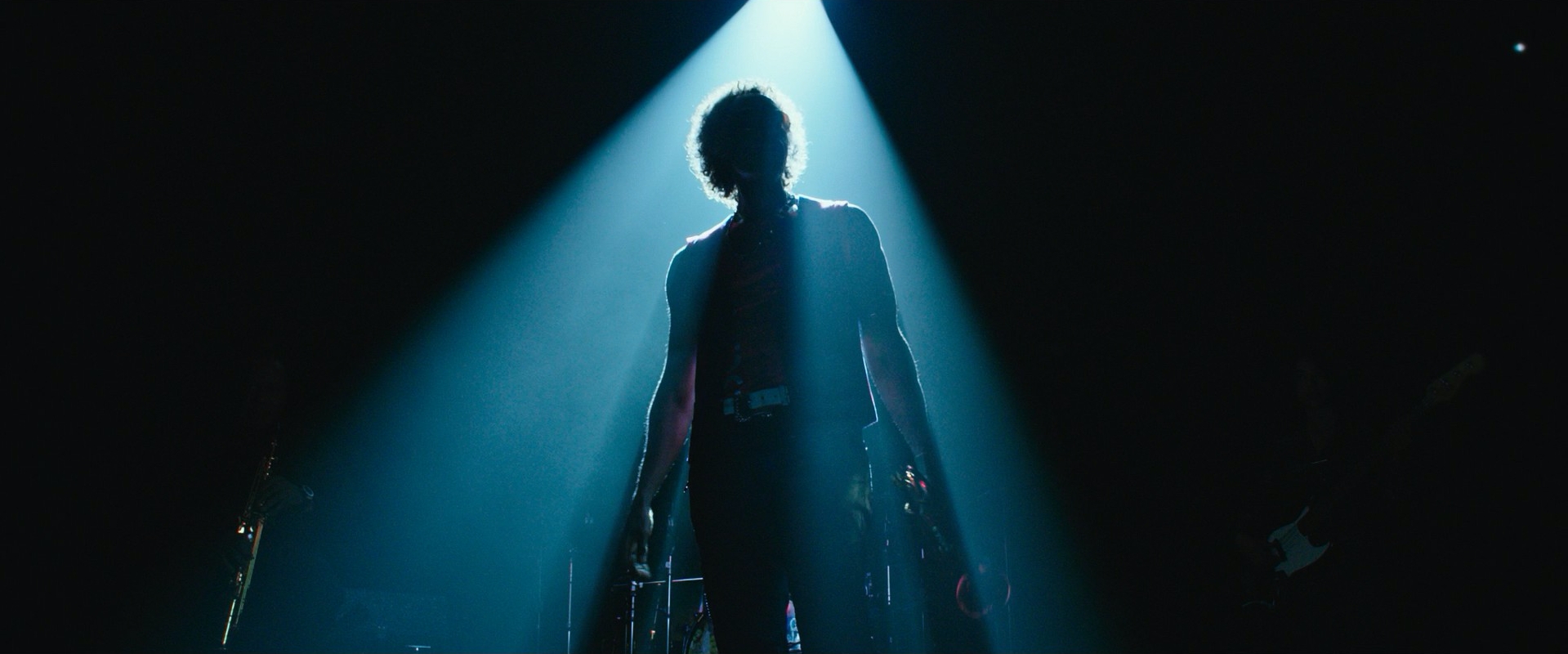
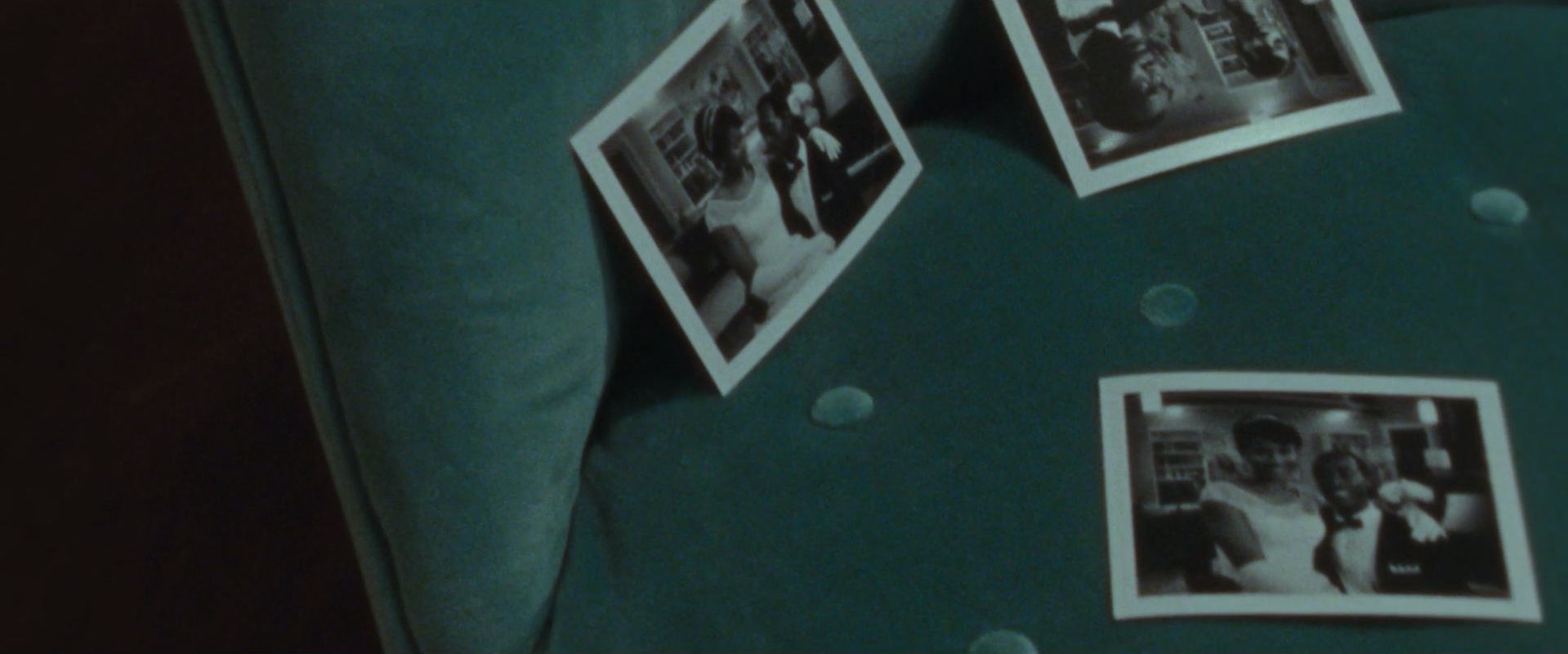
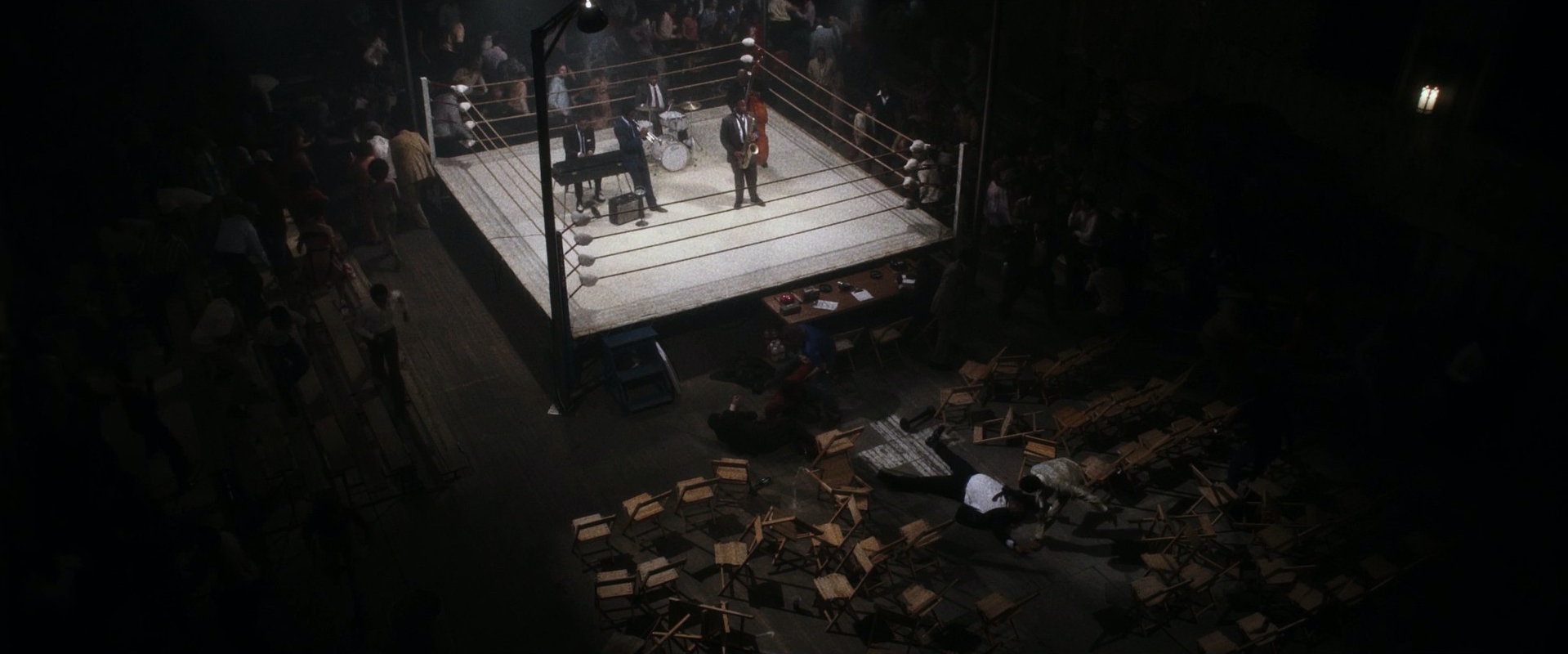
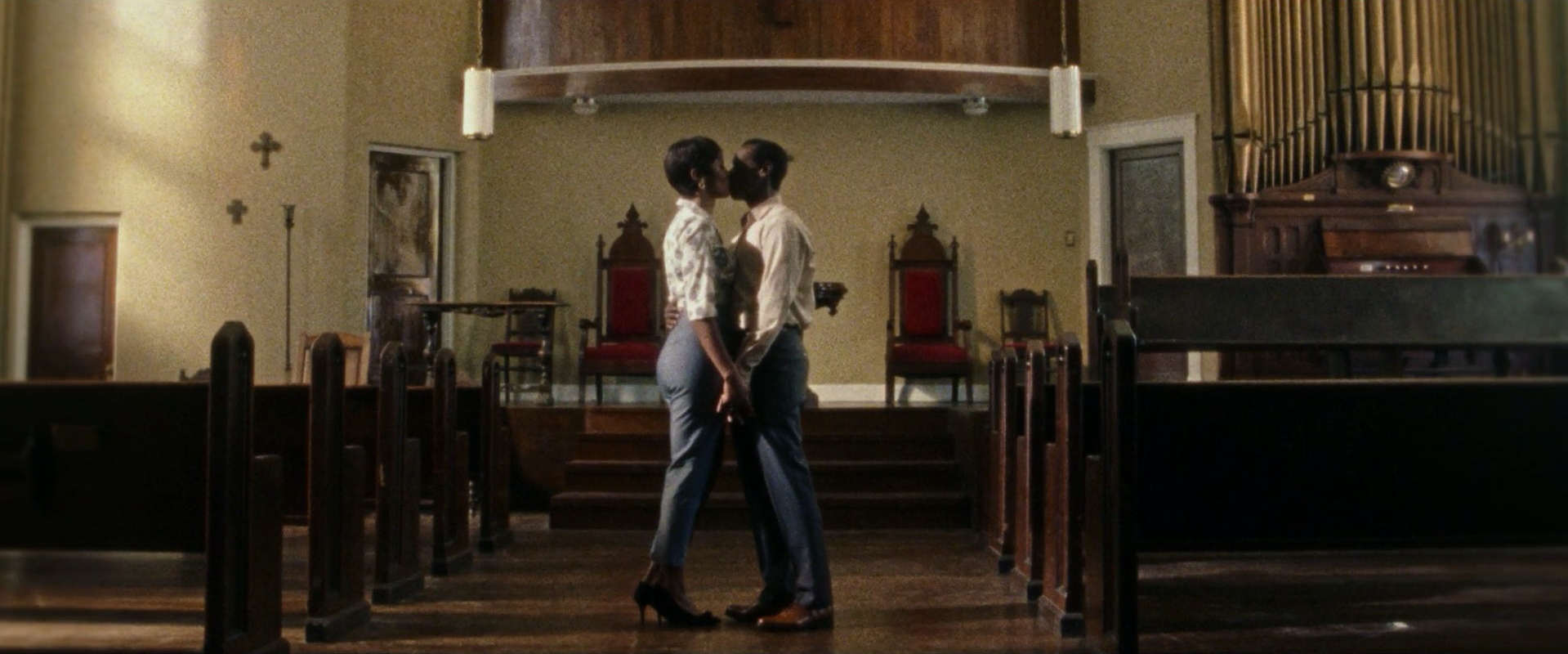
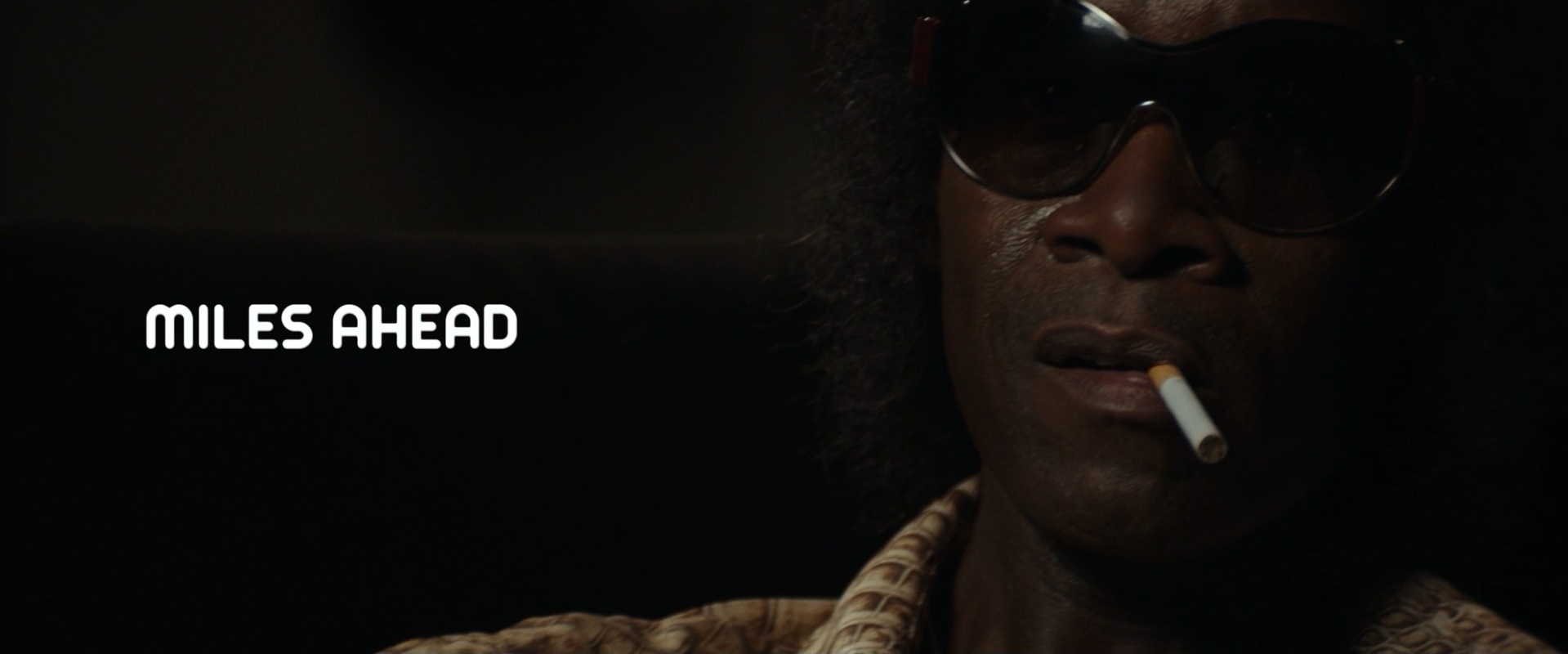
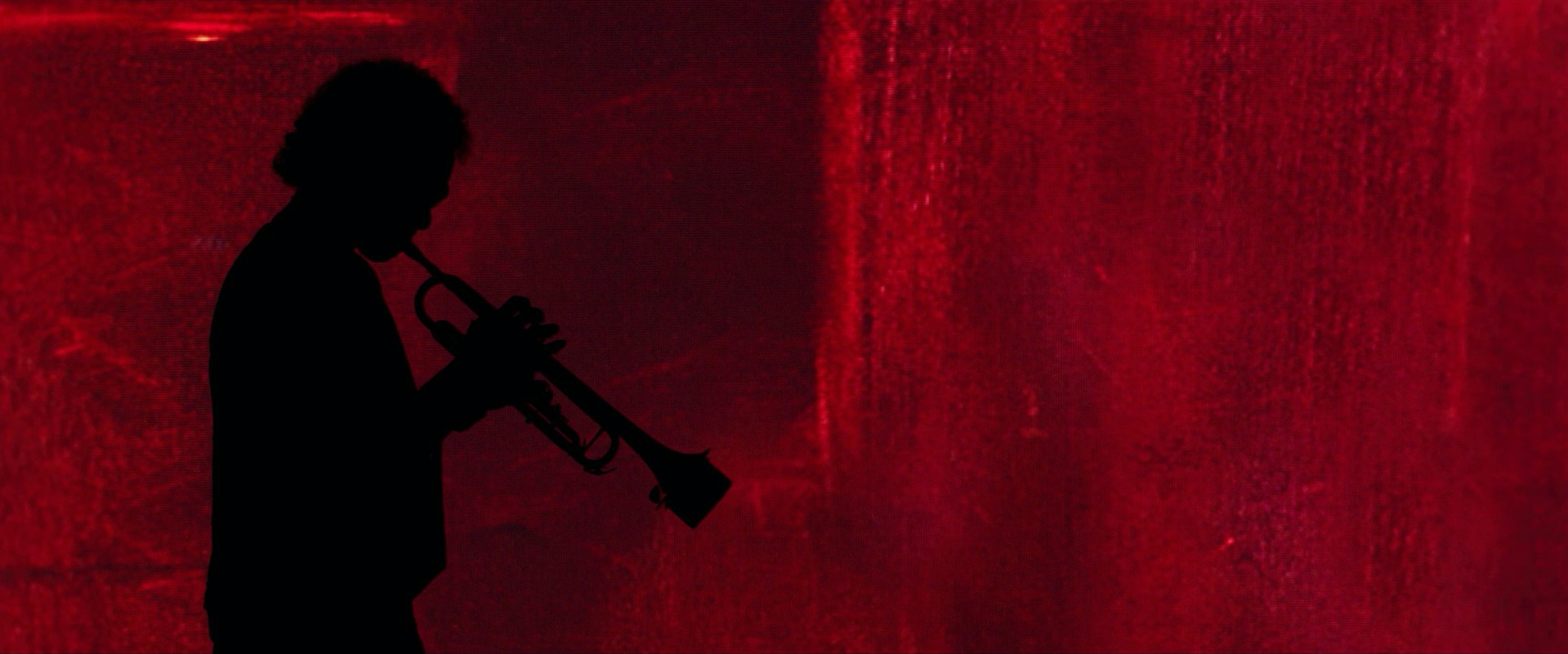
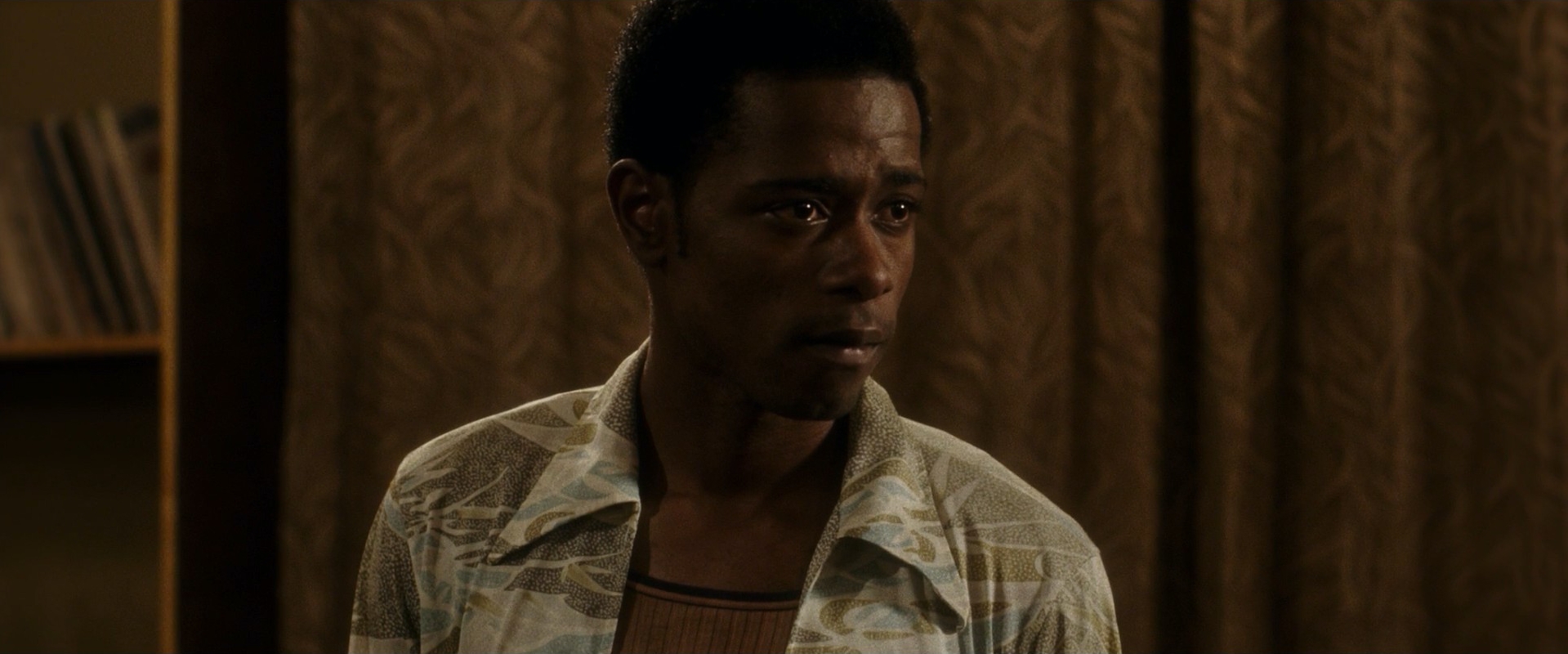
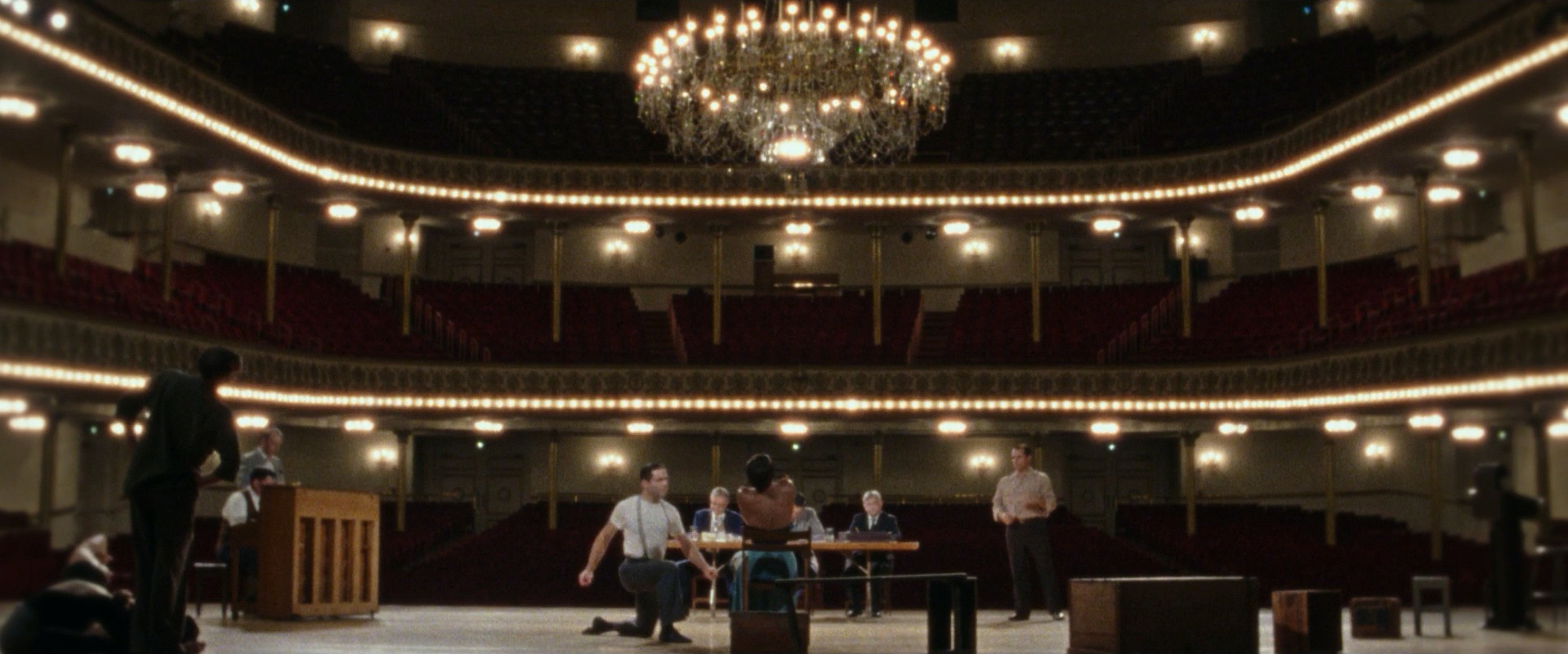
Miles Ahead (2016)
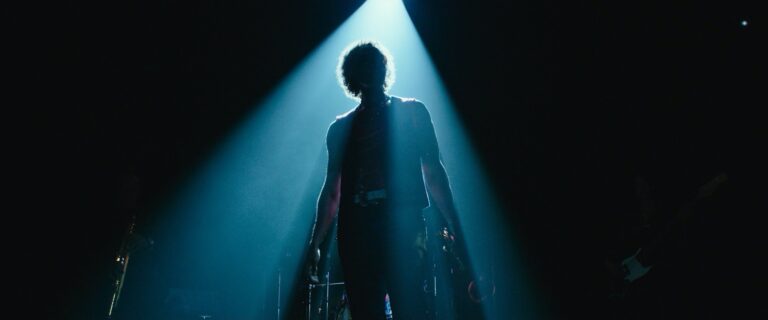
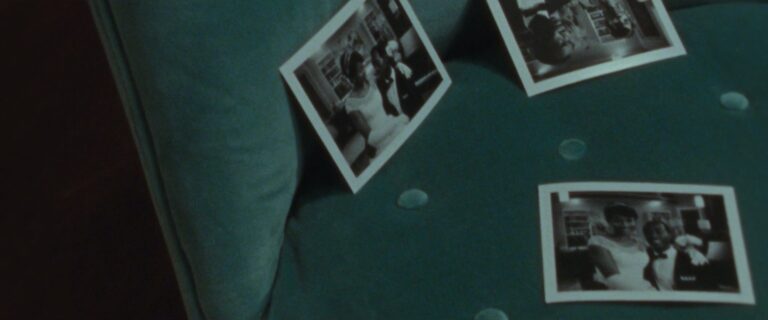
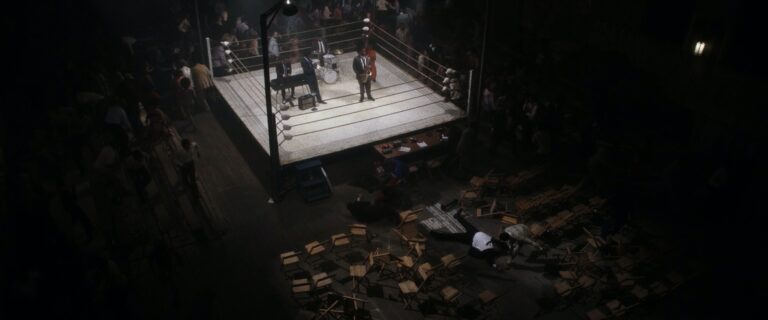
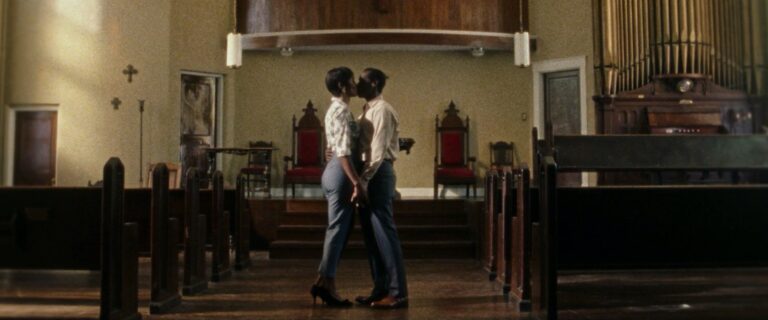
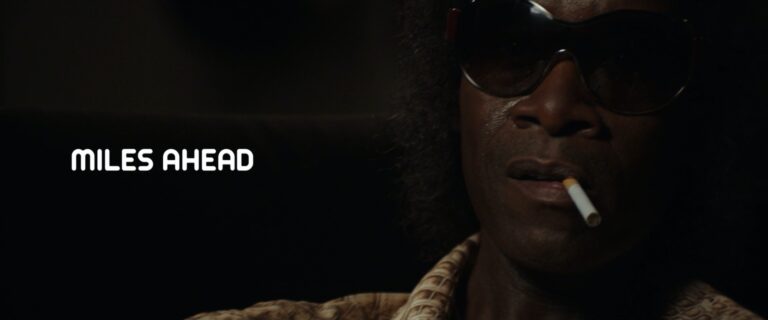
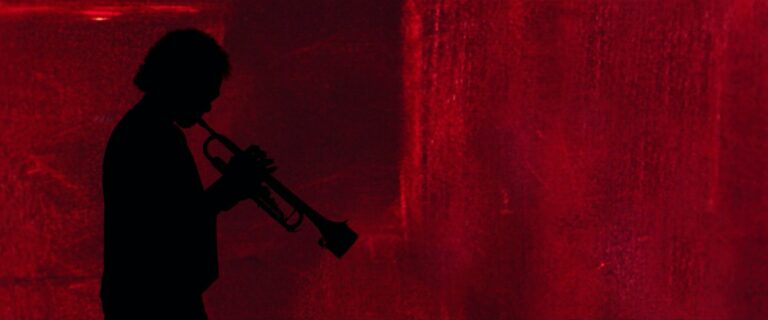
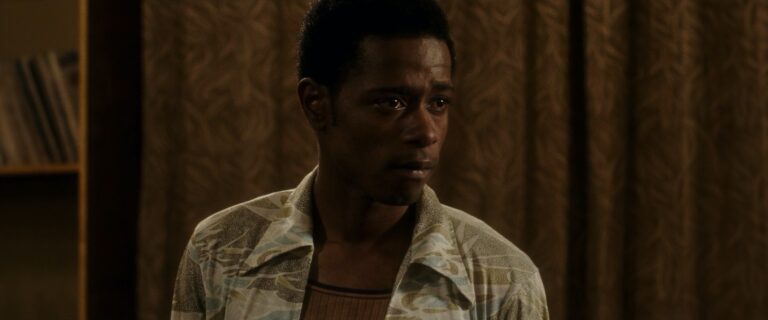
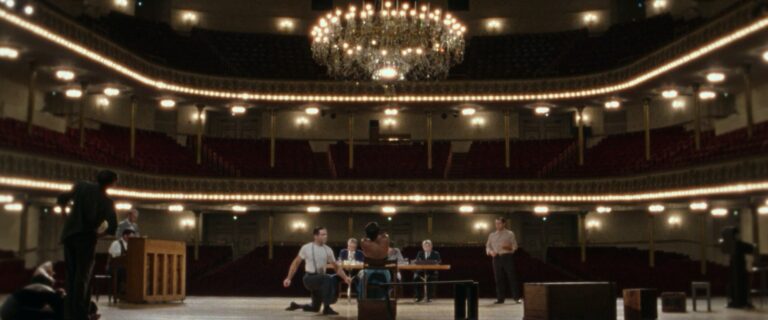
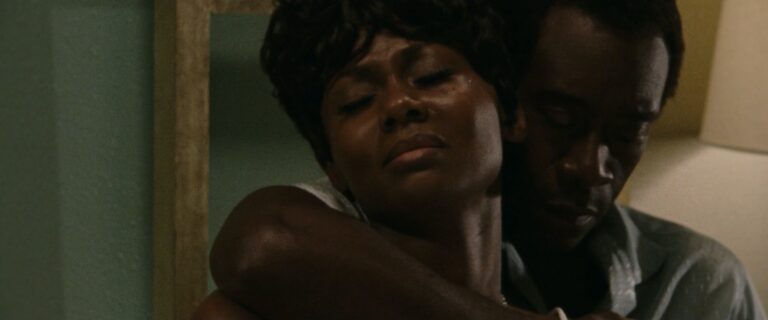
Set during a turbulent period in the late 1970s, the film imagines legendary jazz musician Miles Davis in self-imposed isolation as he struggles with addiction, creative paralysis, and industry pressure. When a journalist attempts to secure an interview, the encounter spirals into a chaotic search involving stolen recordings, criminal entanglements, and memories of Miles’ past relationship with dancer Frances Taylor. Blending biography with improvisational fiction, the film explores the emotional and artistic volatility behind Davis’ genius.
Cheadle and cinematographer Roberto Schaefer construct the film with a fragmented, jazz-like visual rhythm, using shifting timelines, handheld camerawork, and fluid editing to mirror Miles Davis’ improvisational musical style. Warm stage lighting, smoky interiors, and richly textured 1970s production design evoke the tactile atmosphere of jazz clubs and recording spaces, while abrupt tonal and stylistic transitions mimic the unpredictability of Miles’ personality and artistry. The film frequently treats performance, memory, and sound as inseparable—allowing music to drive movement, editing, and emotional momentum rather than simply accompany the story.
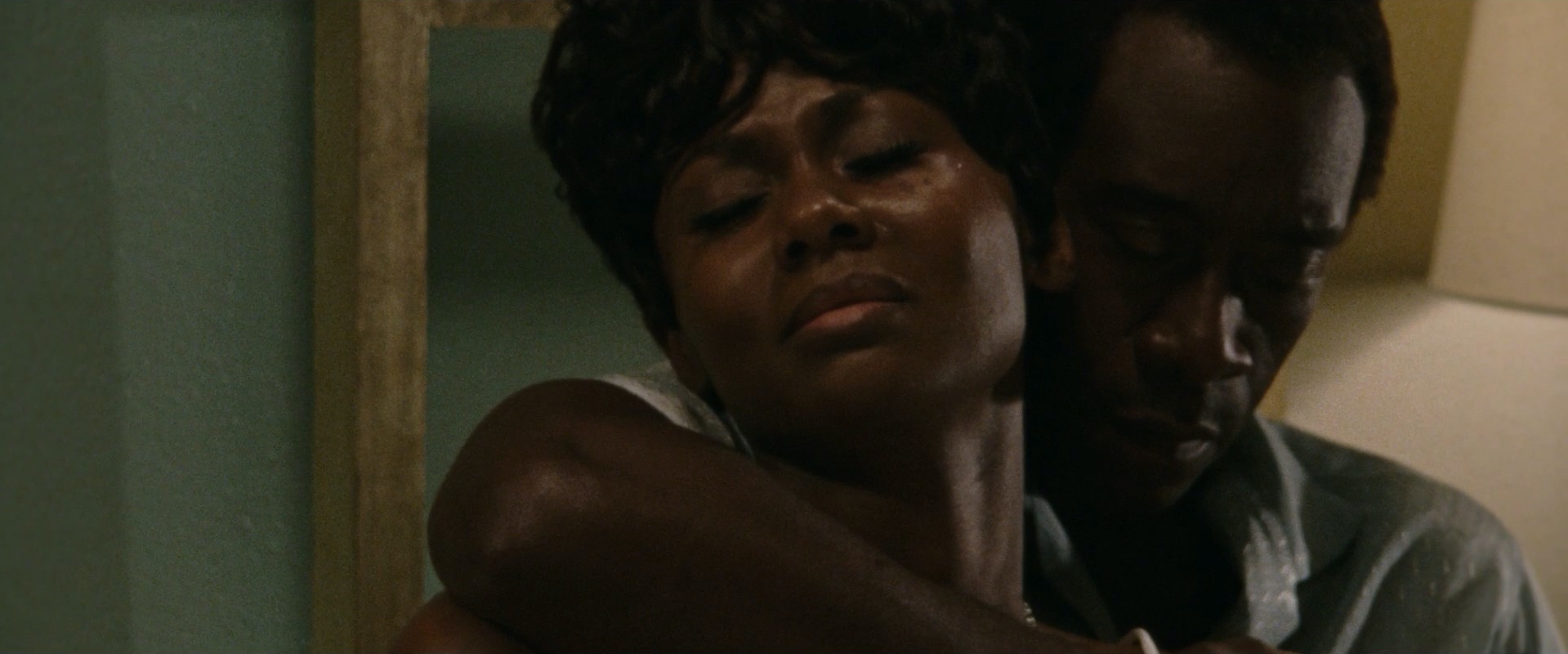
FILM SPOTLIGHT
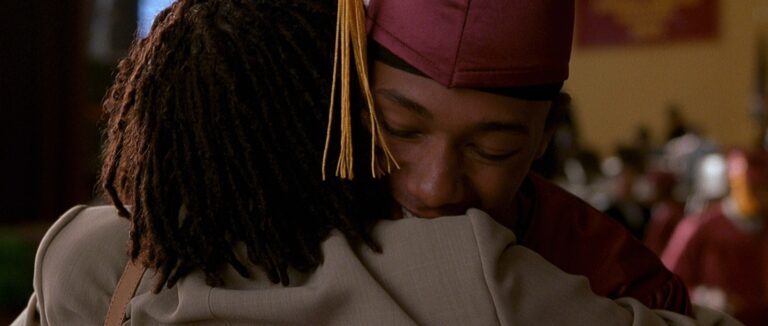
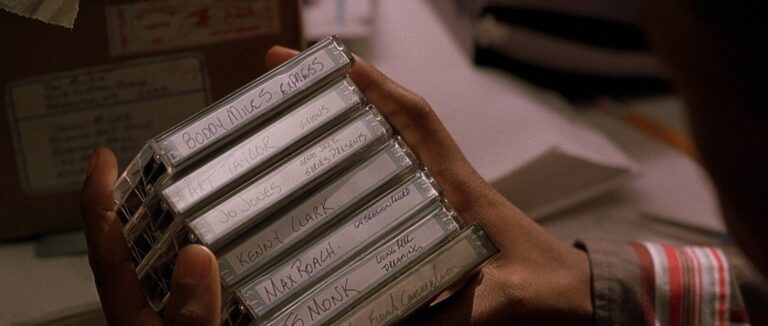
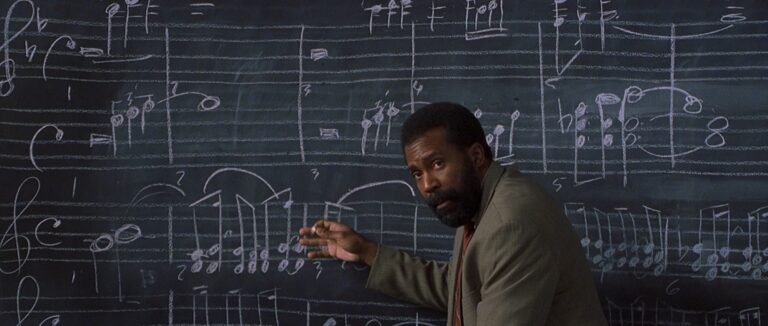
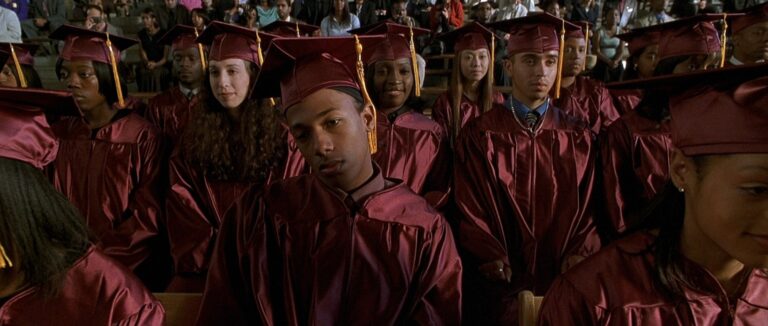
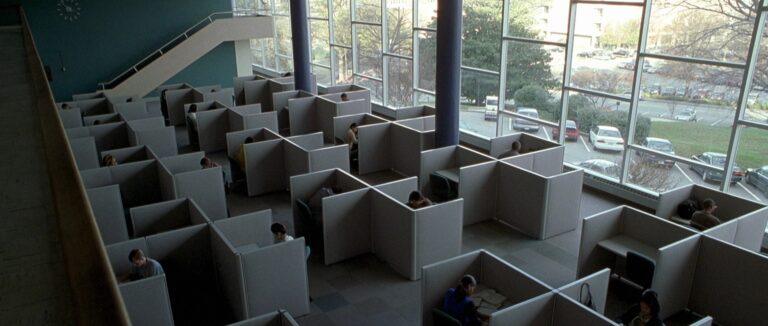
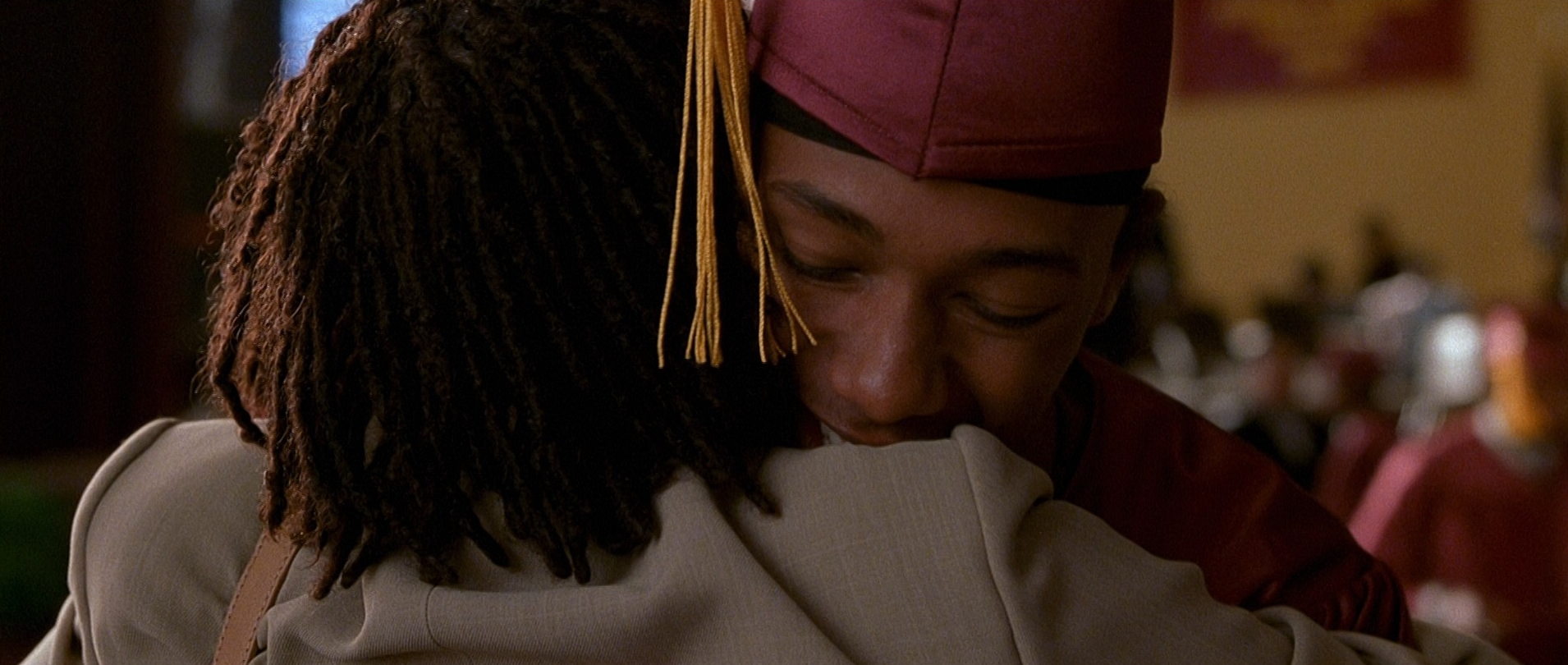
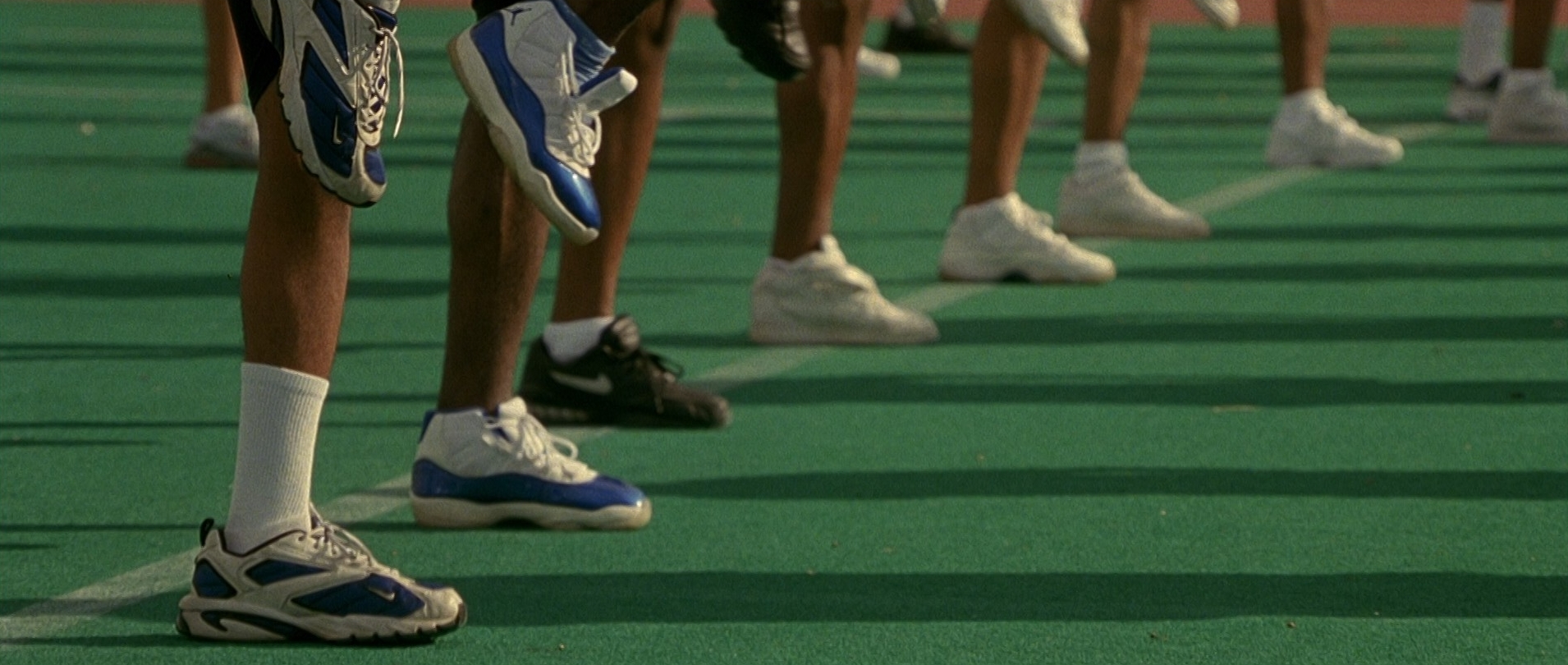
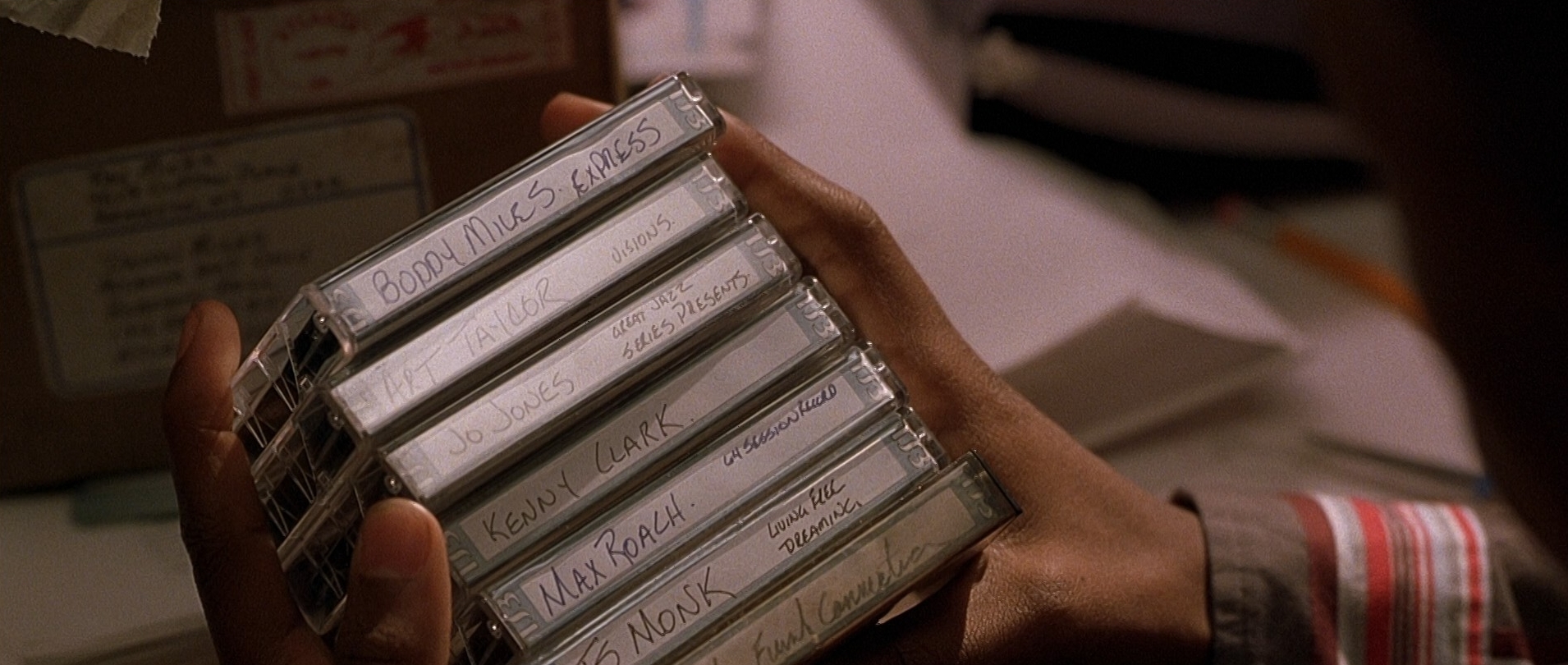
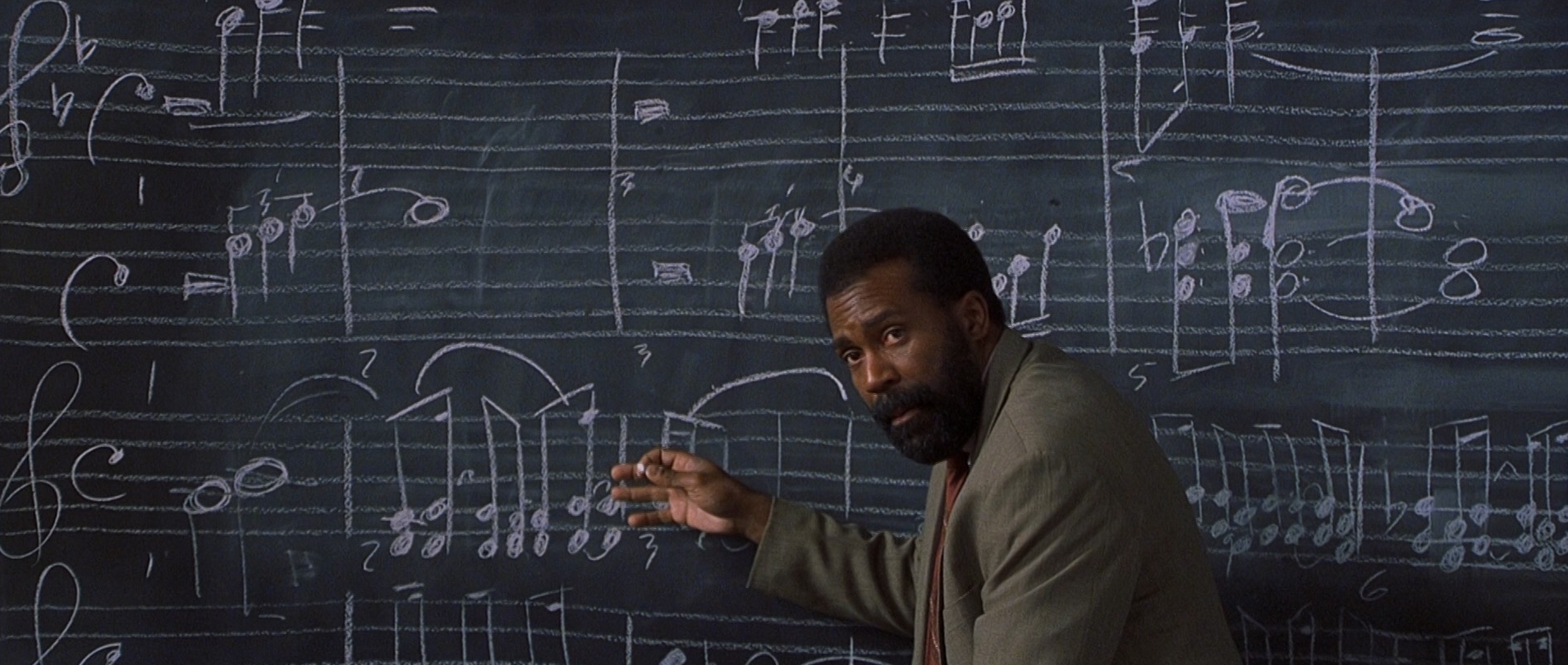
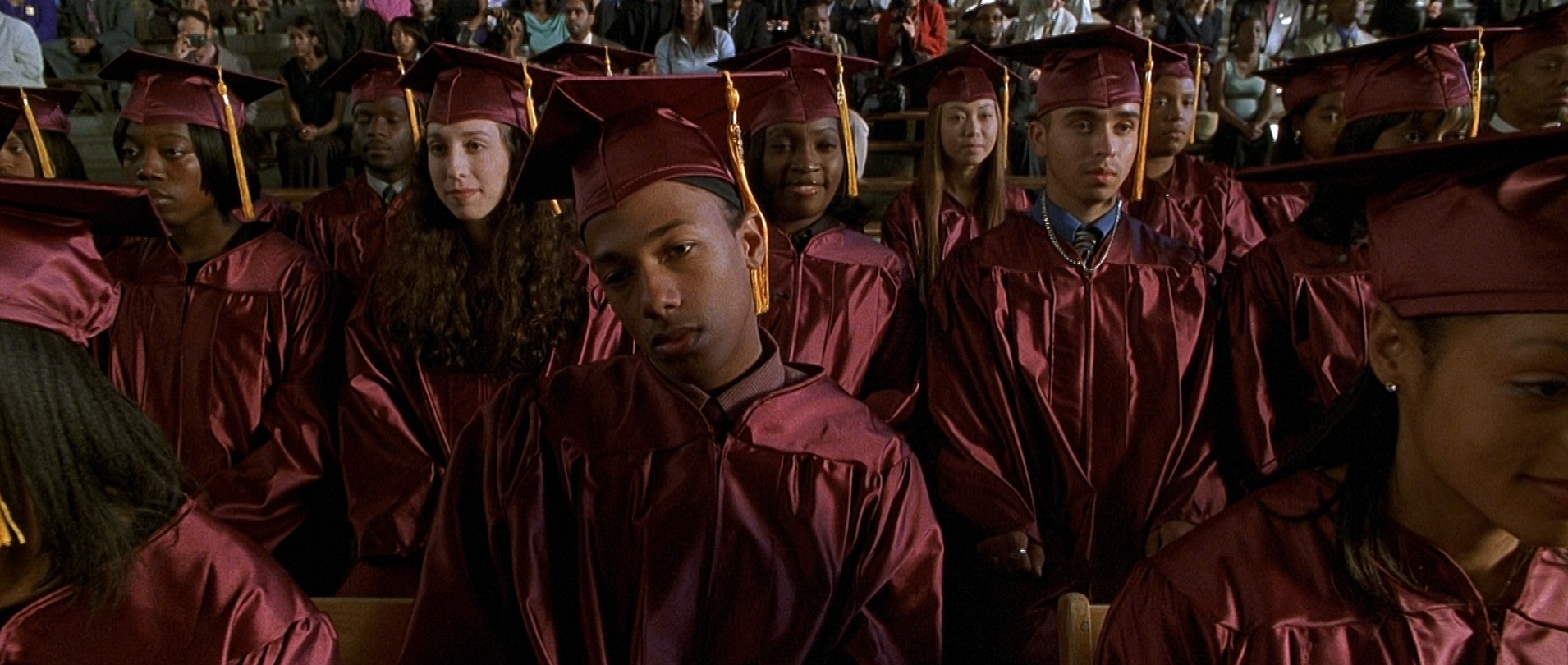
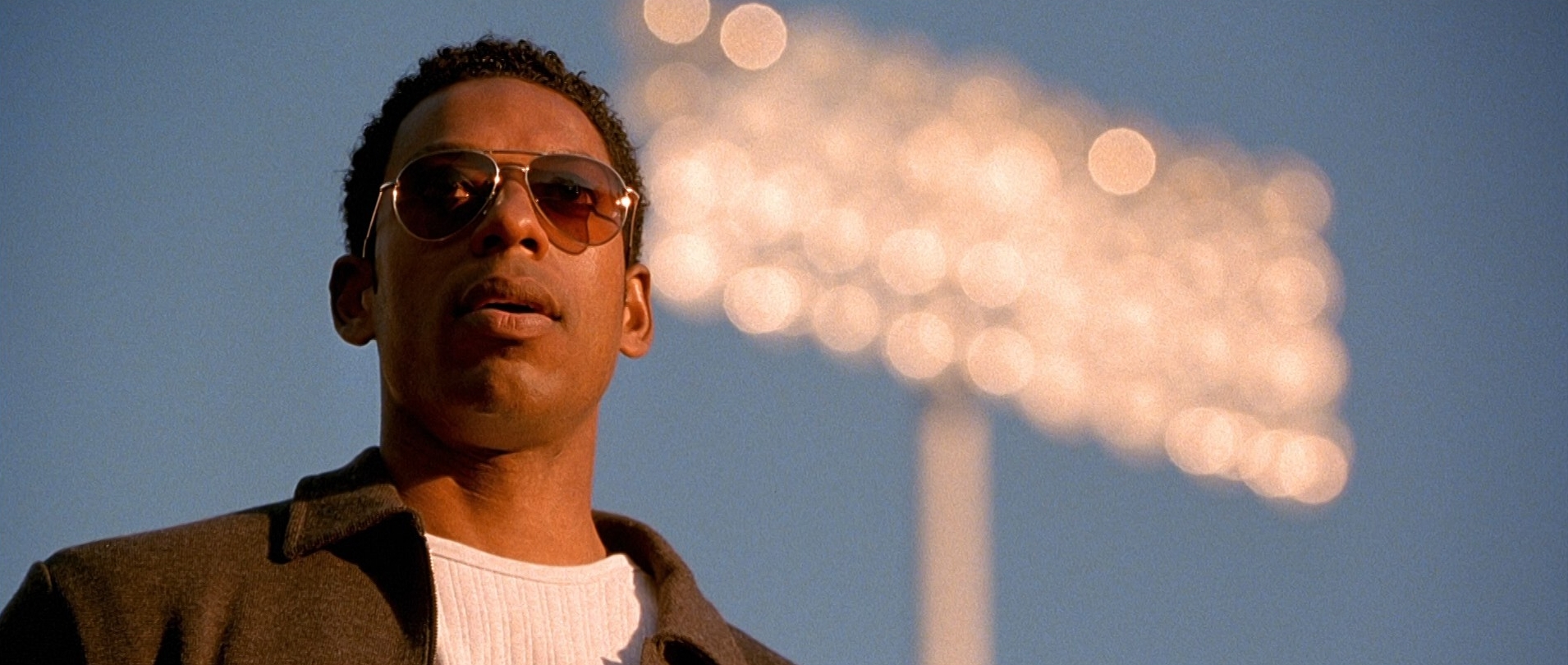
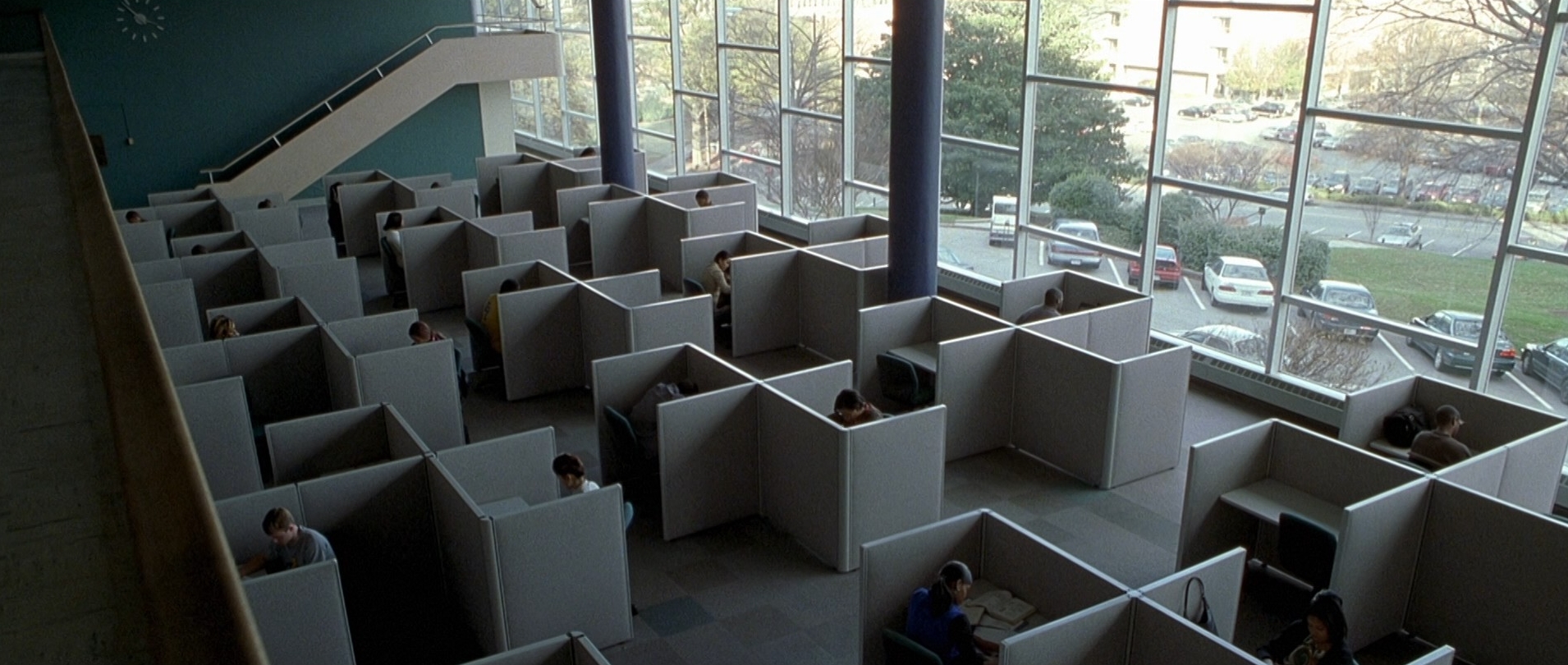
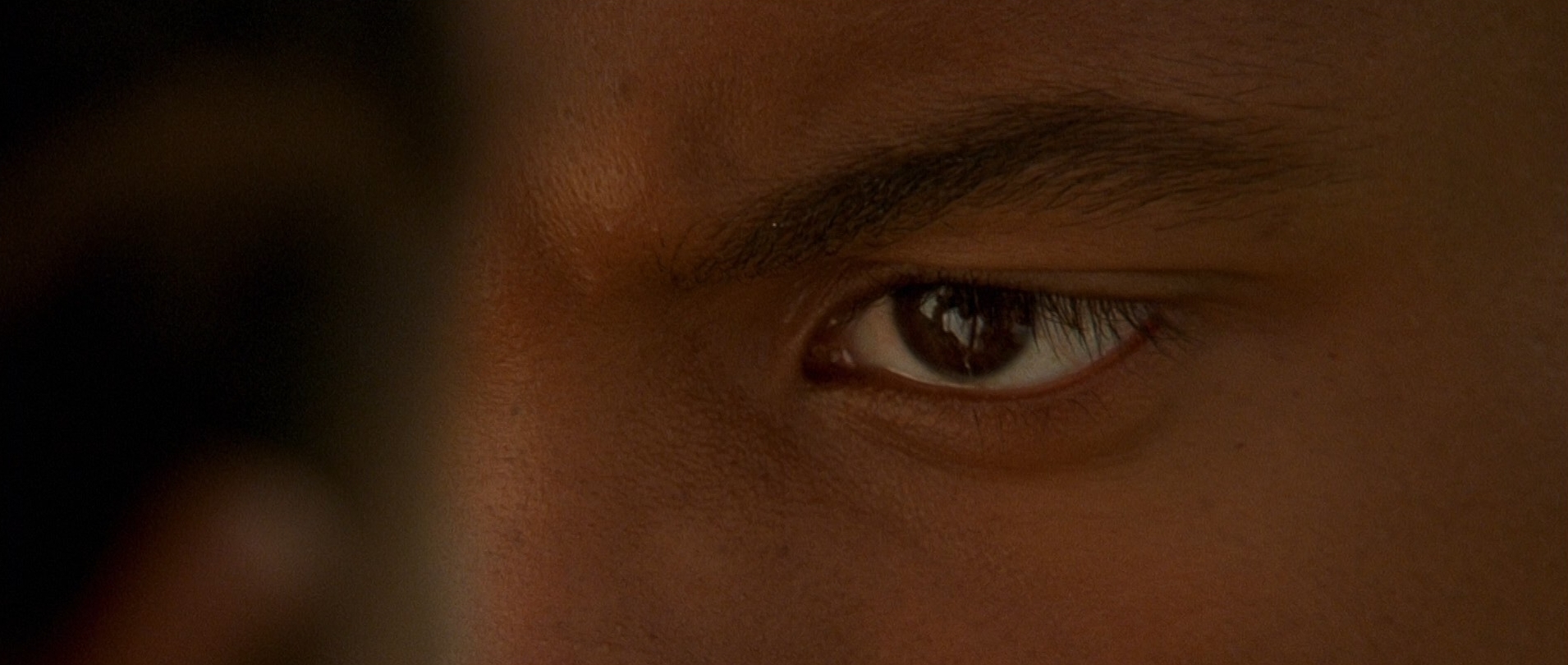
Drumline (2002)
A gifted street drummer from Harlem earns a scholarship to a prestigious historically Black university, where he joins its elite marching band. Confident in his raw talent but resistant to discipline and tradition, he clashes with band leadership and fellow musicians as he struggles to adapt to the group’s demanding culture. Through competition, rivalry, and performance, he gradually learns the importance of teamwork, humility, and musical precision.
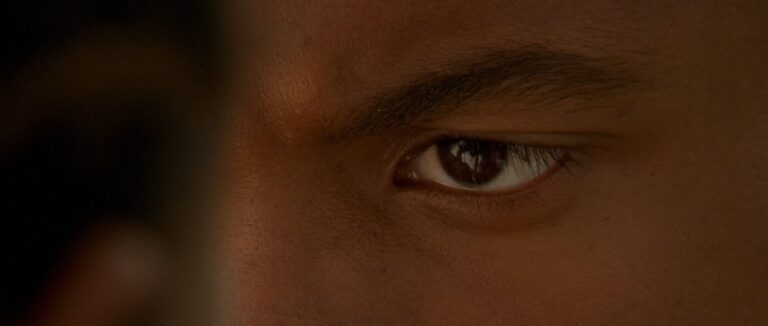
Stone and cinematographer Shane Hurlbut shoot Drumline with a kinetic, music-video-inspired energy that emphasizes rhythm, motion, and spectacle. The marching-band performances are staged with sweeping crane shots, rapid tracking movement, and dynamic editing that transform halftime shows into large-scale cinematic set pieces. Bright stadium lighting, colorful uniforms, and tightly choreographed formations create a vivid visual celebration of HBCU band culture, while close-ups of drumsticks, feet, and synchronized movement turn percussion itself into the film’s driving visual language.




FILM SPOTLIGHT
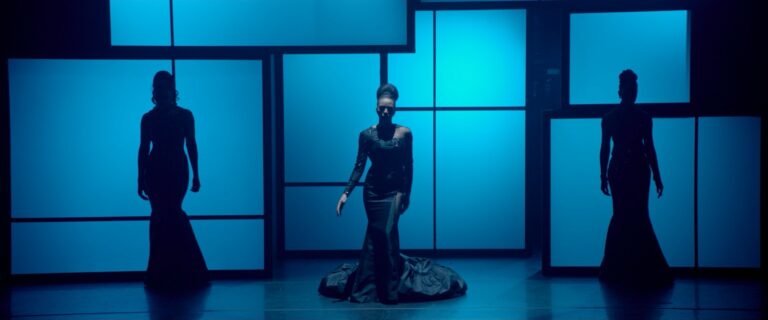
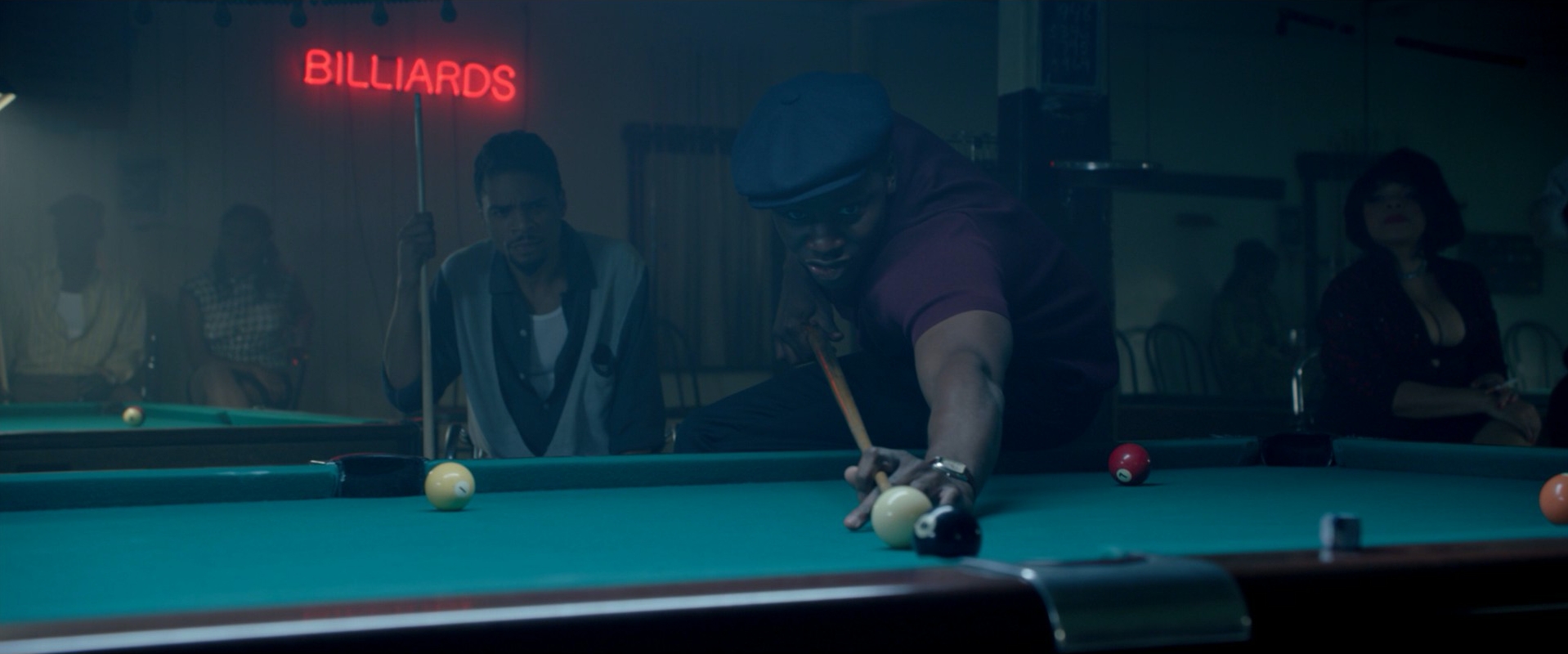
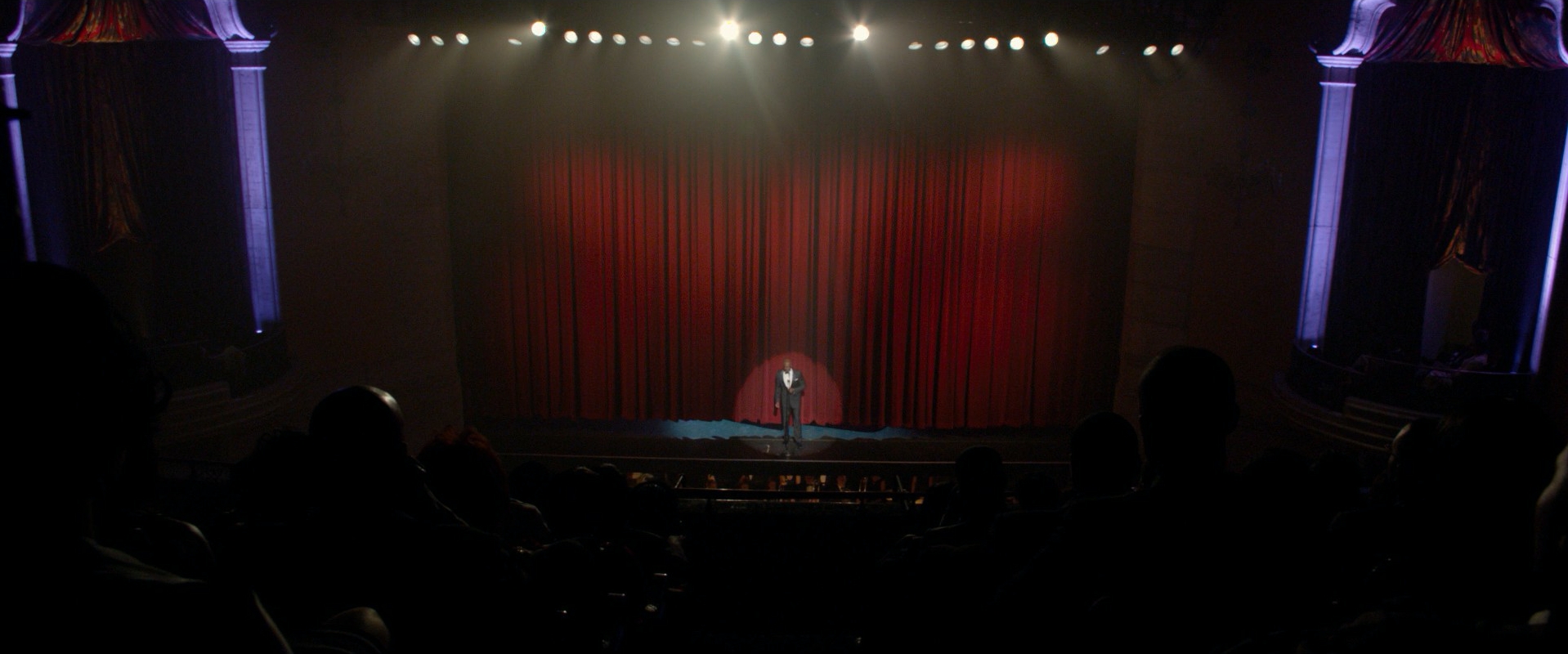
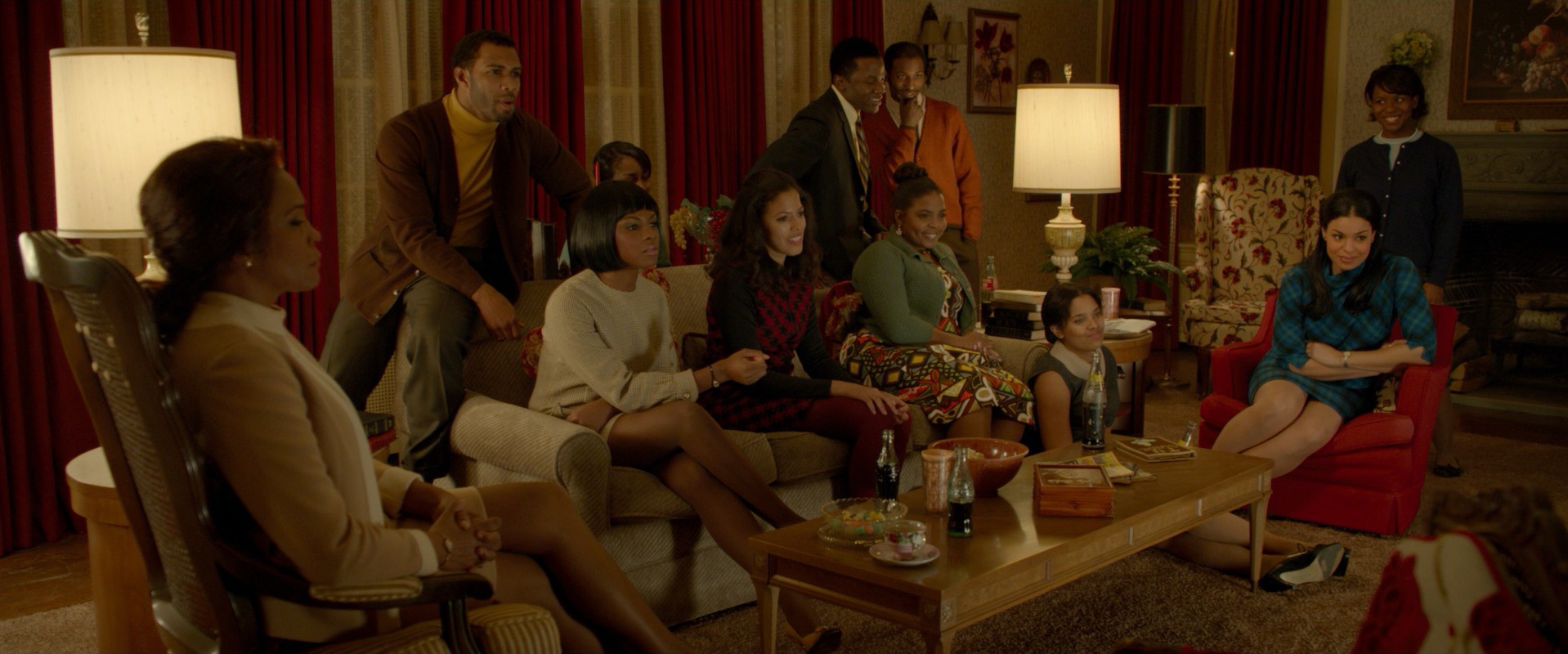
Sparkle (2012)
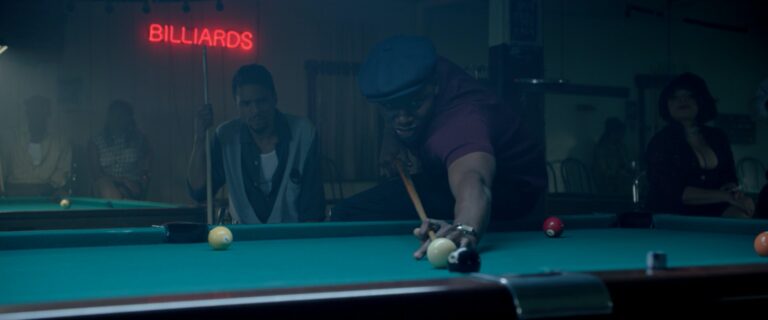
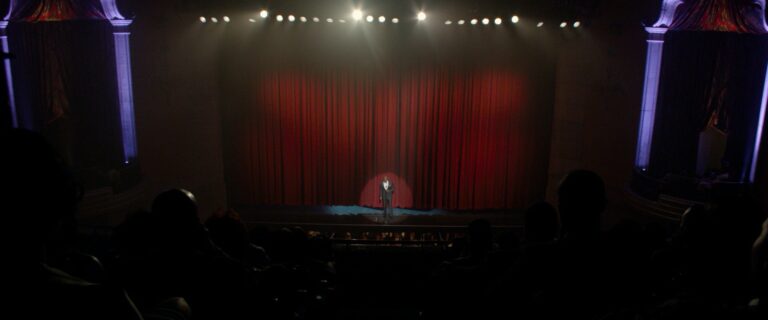
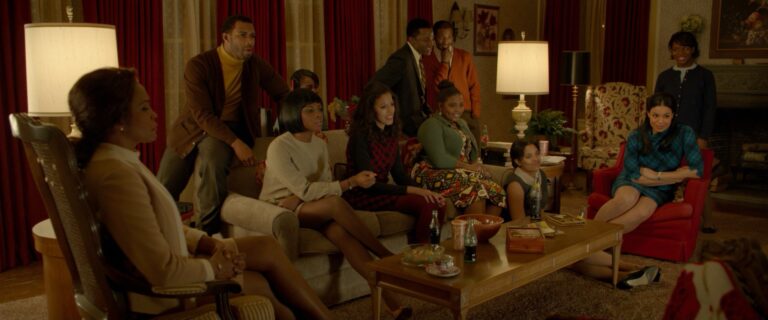
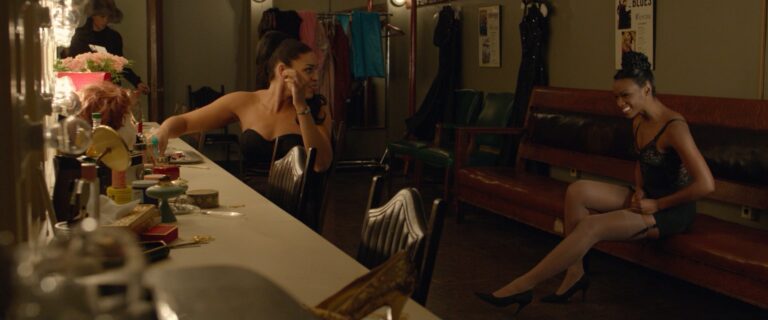
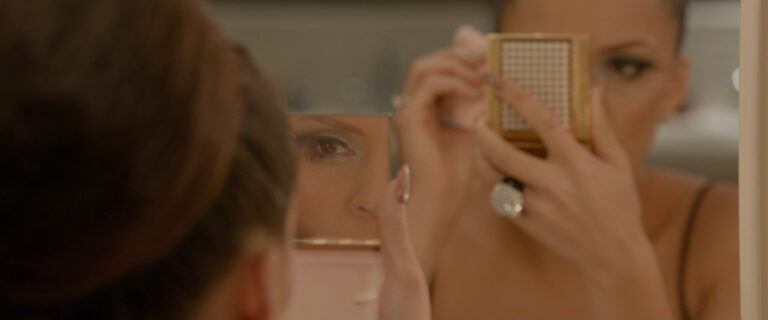
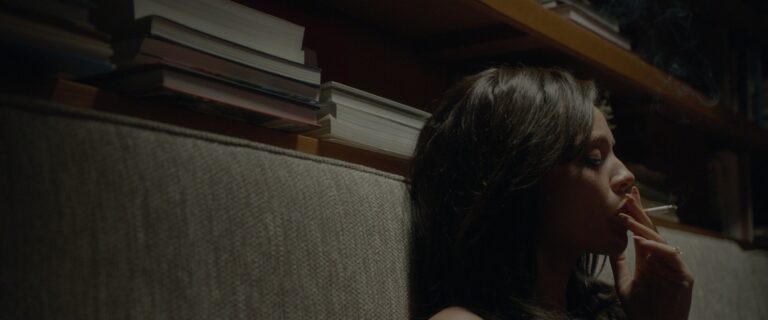
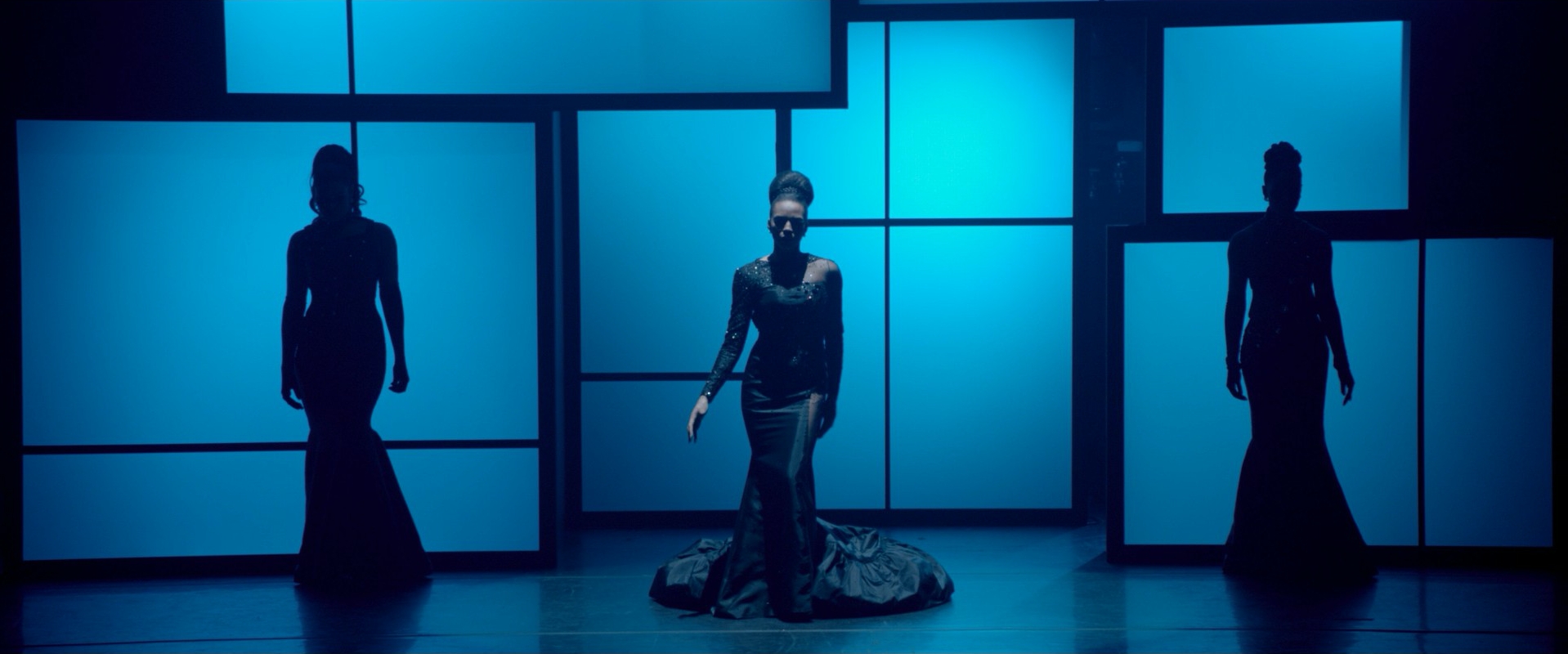
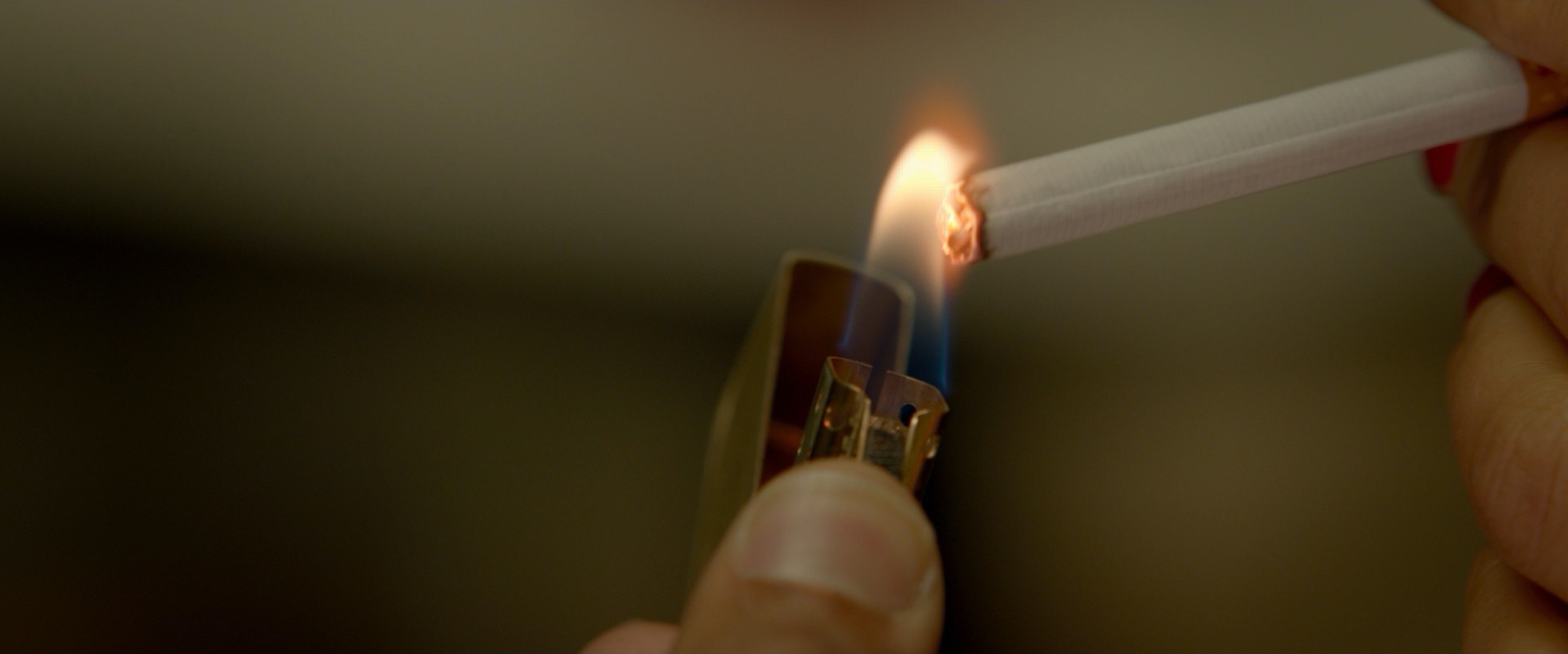
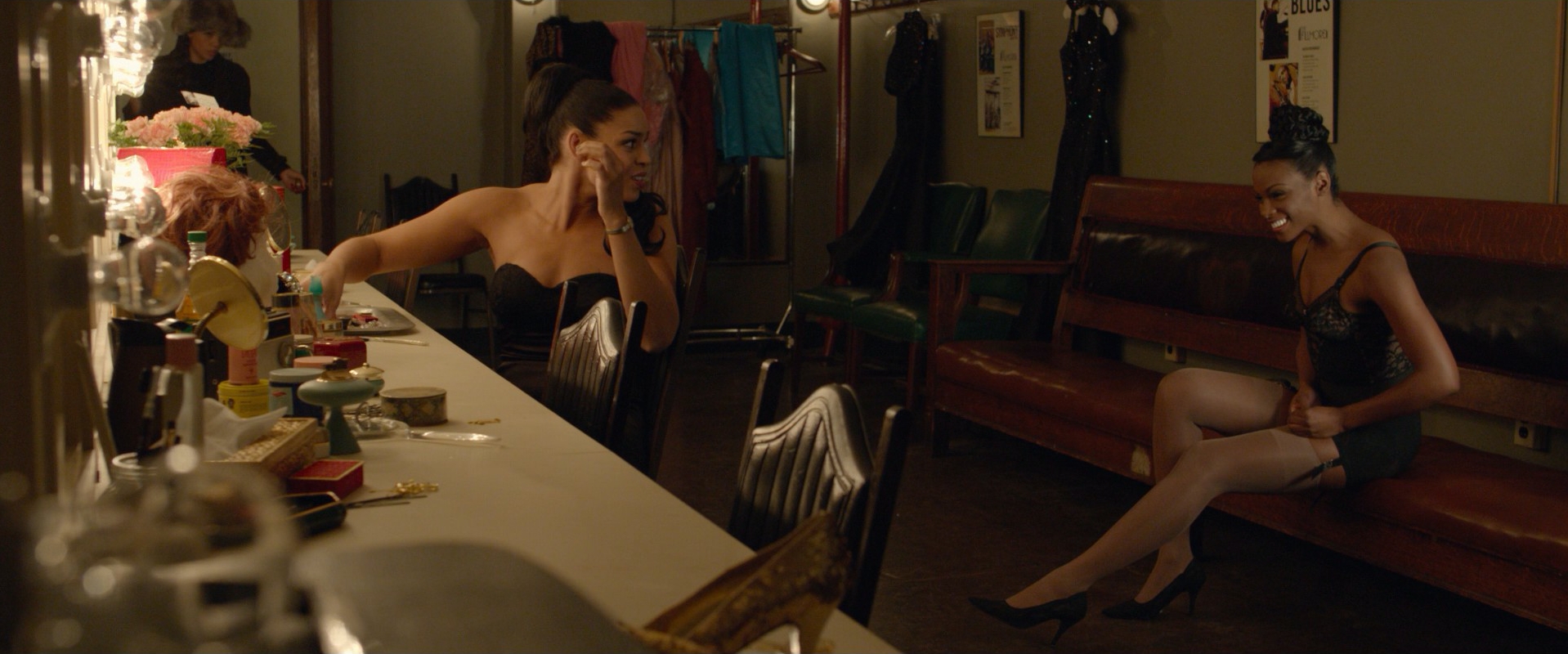
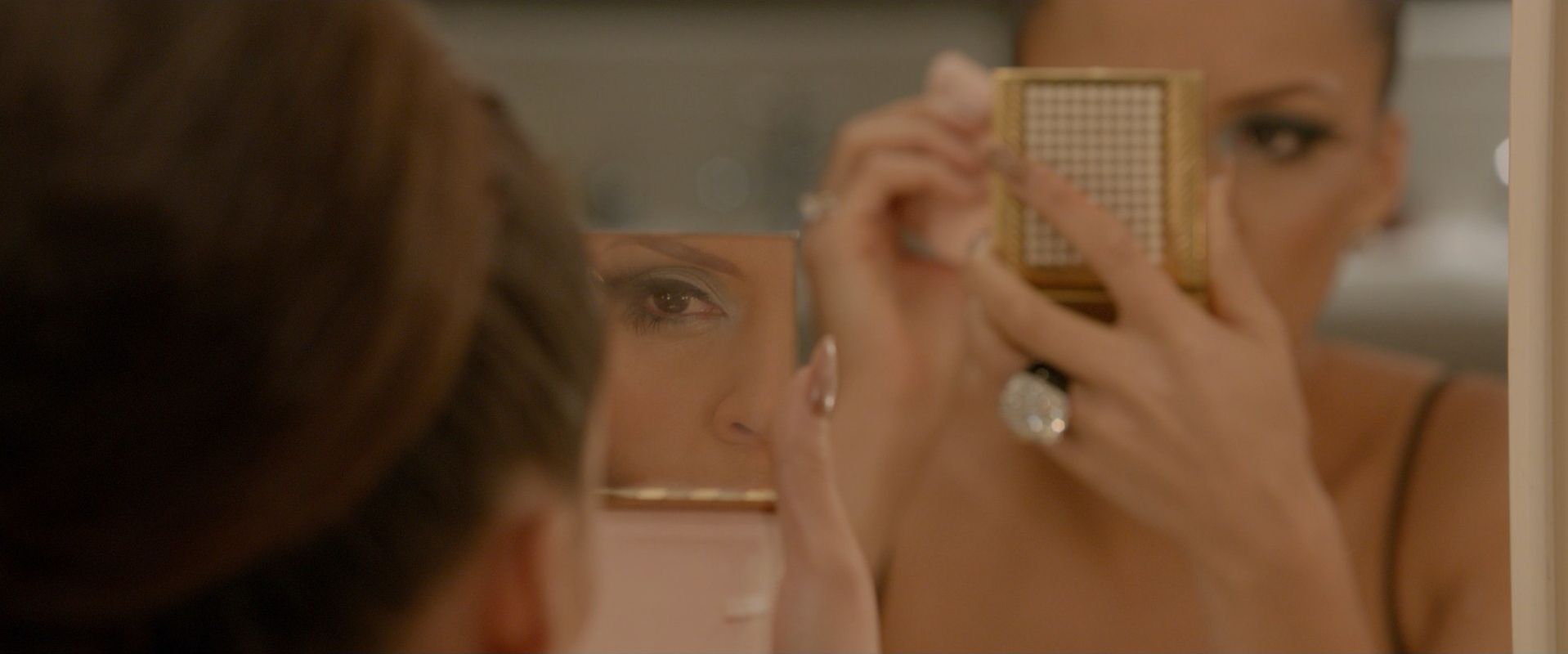
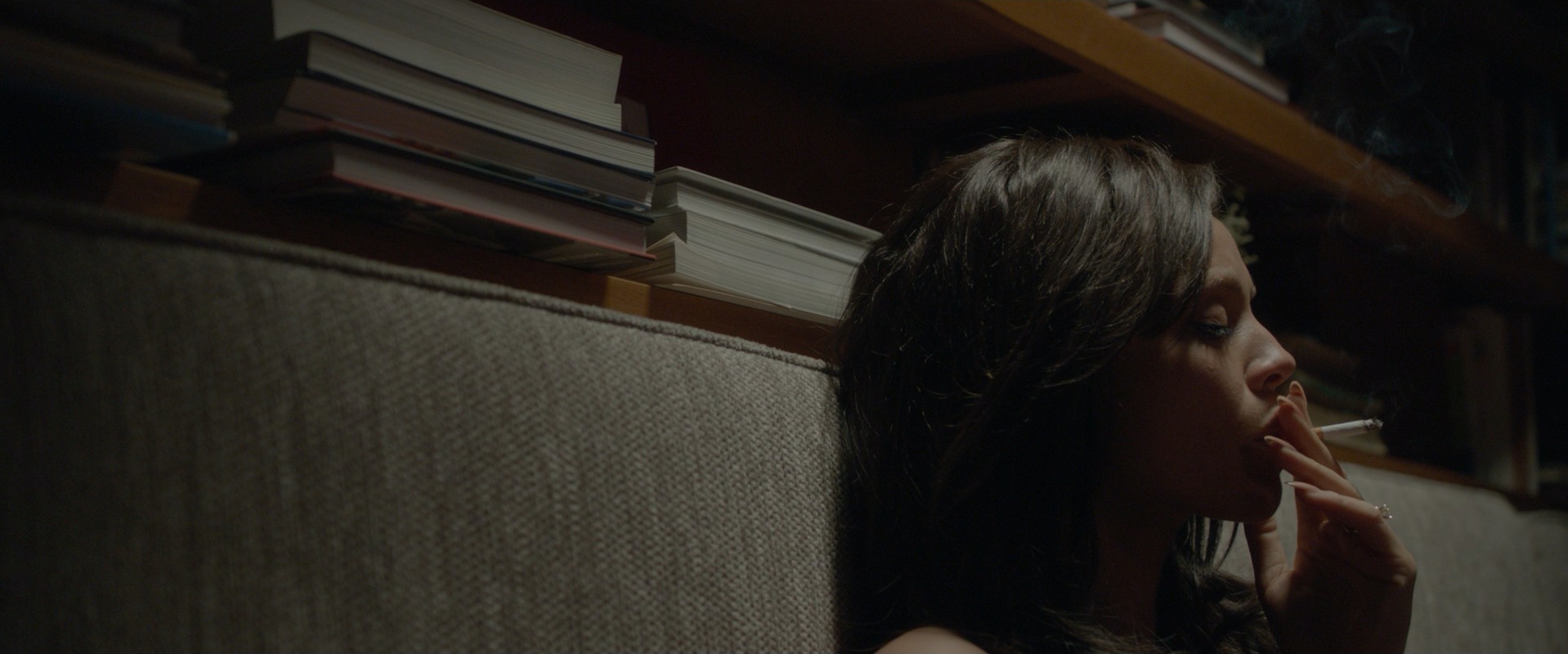
Set in 1960s Detroit during the rise of Motown, the film follows three sisters who form a musical group and quickly climb toward stardom. As success brings fame and opportunity, it also exposes tensions involving addiction, abusive relationships, ambition, and family expectations. At the center is the shy but talented Sparkle, whose journey becomes one of artistic self-discovery and personal resilience.
Akil and cinematographer Anastas Michos craft Sparkle with a glossy, nostalgic visual style inspired by classic soul-era musicals and Motown performance aesthetics. Warm lighting, saturated jewel tones, and richly detailed costumes evoke the texture of late-1960s stage culture, while musical numbers are staged with fluid camera movement and theatrical spotlighting that emphasize performance as emotional expression. The contrast between glamorous stage imagery and intimate domestic interiors visually reflects the tension between public success and private struggle.


FILM SPOTLIGHT
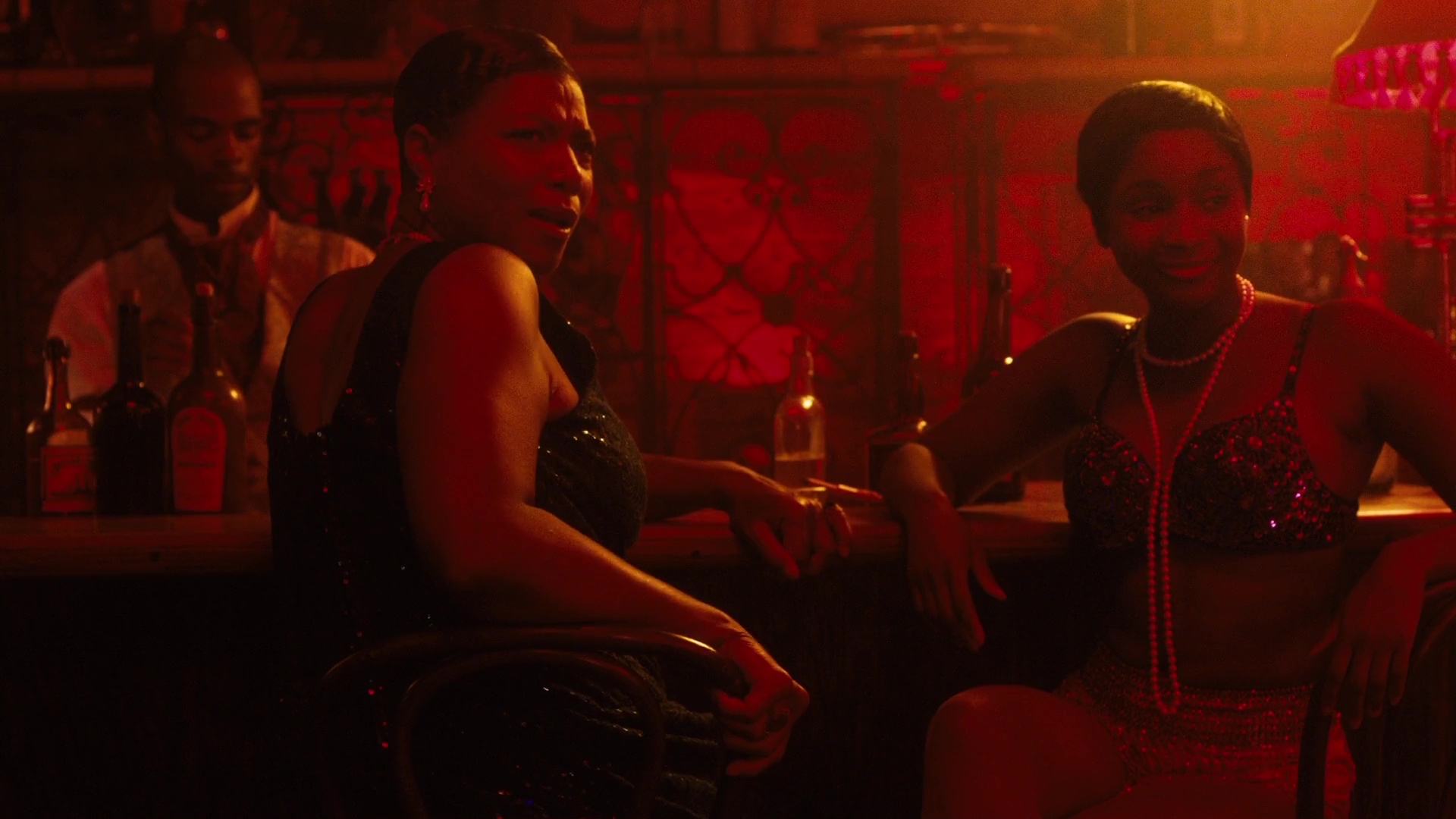
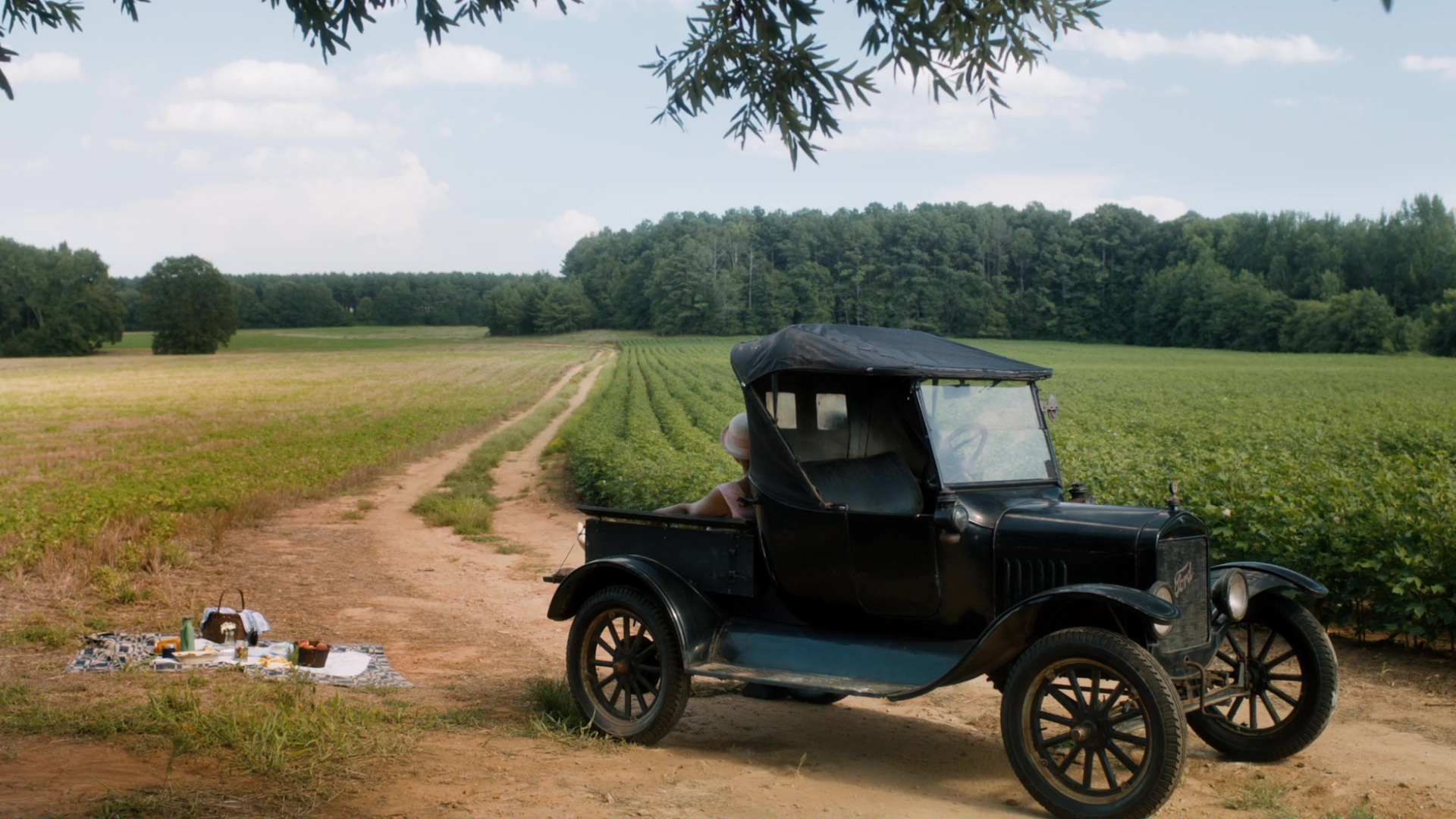
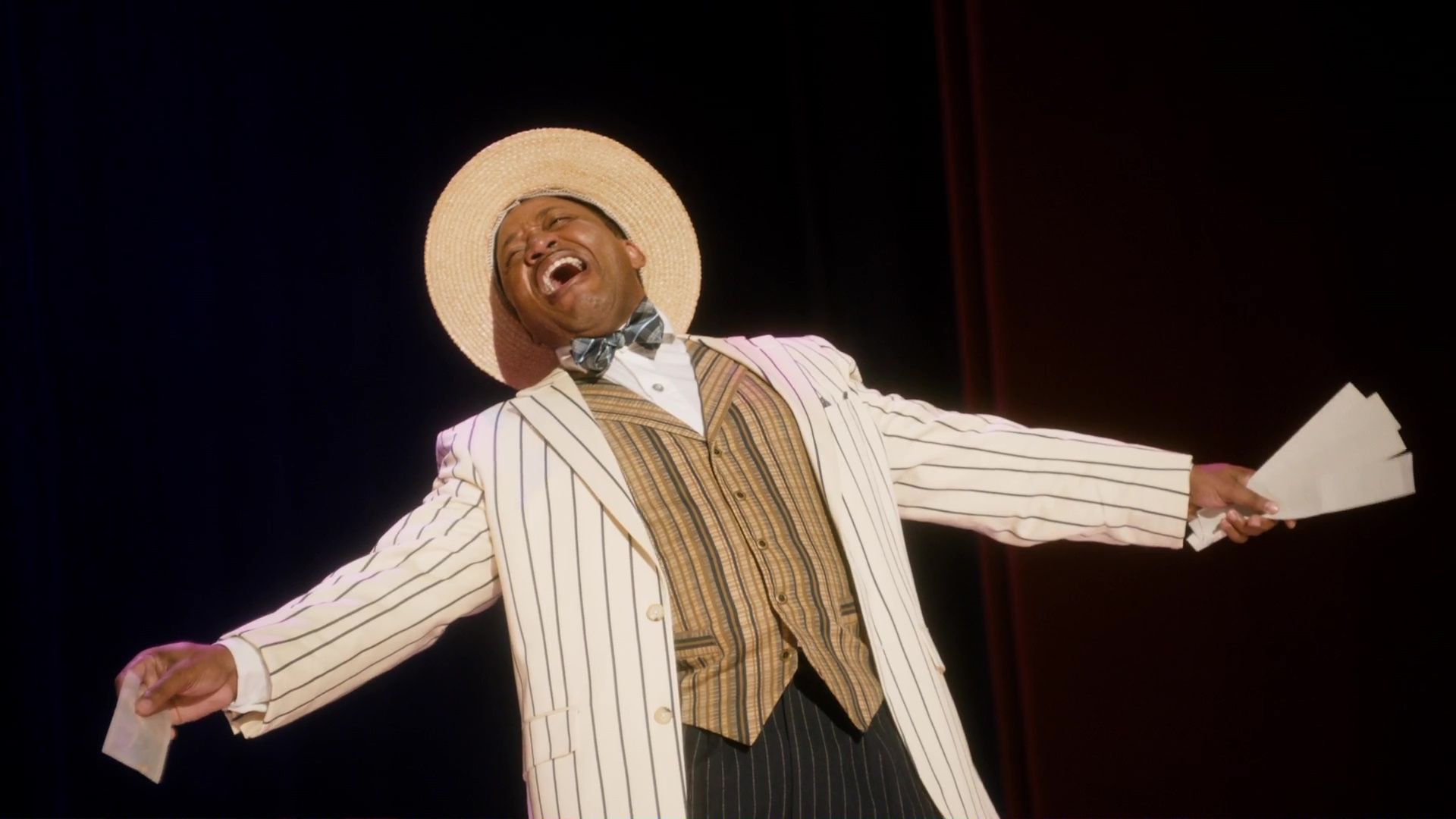
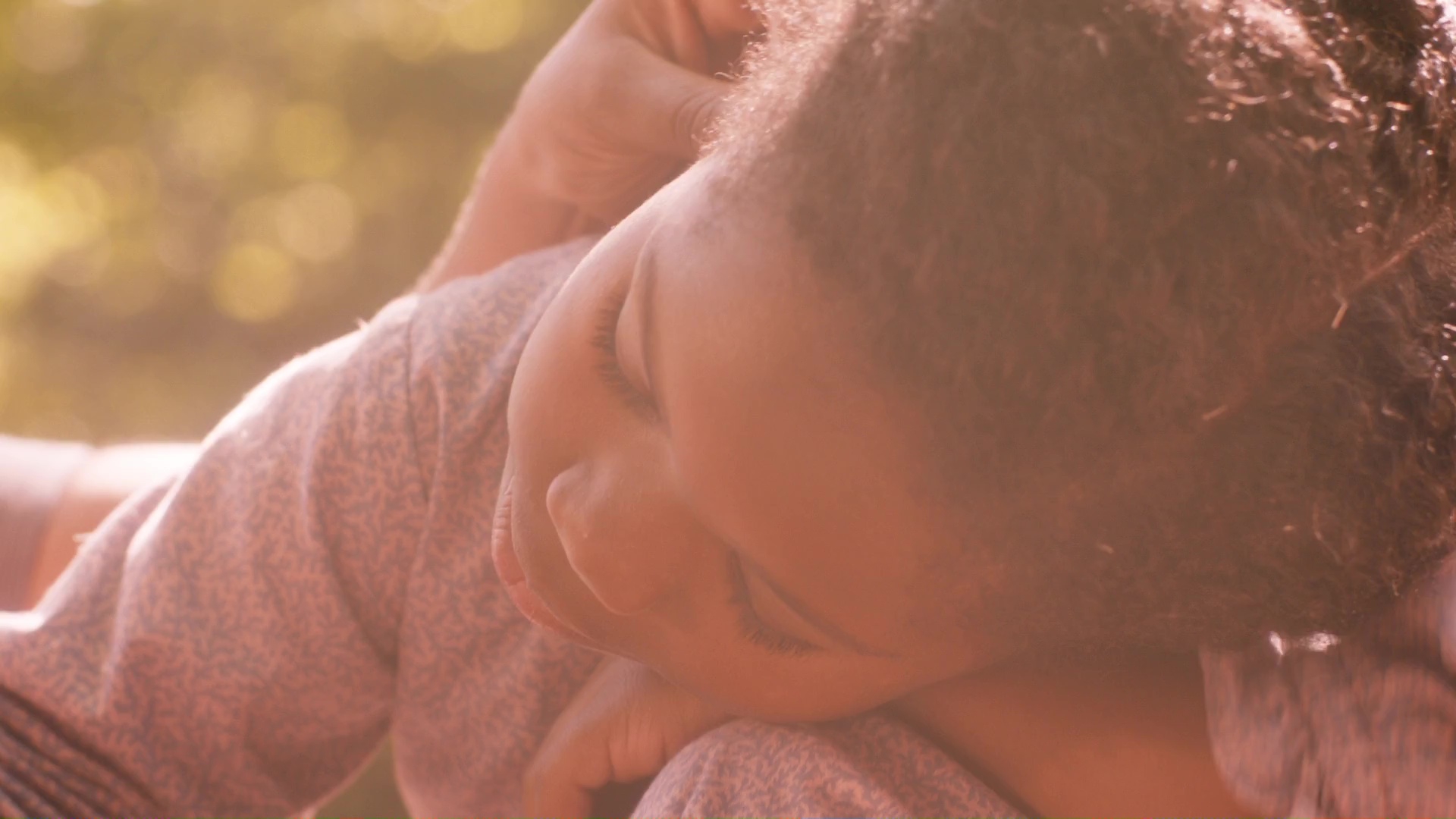
Bessie (2015)
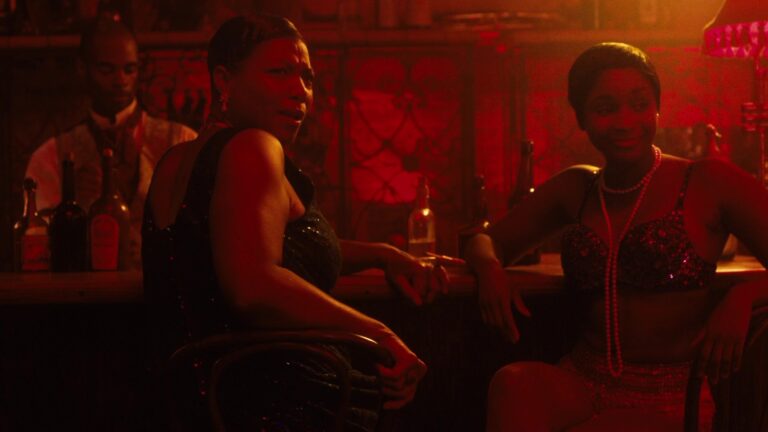
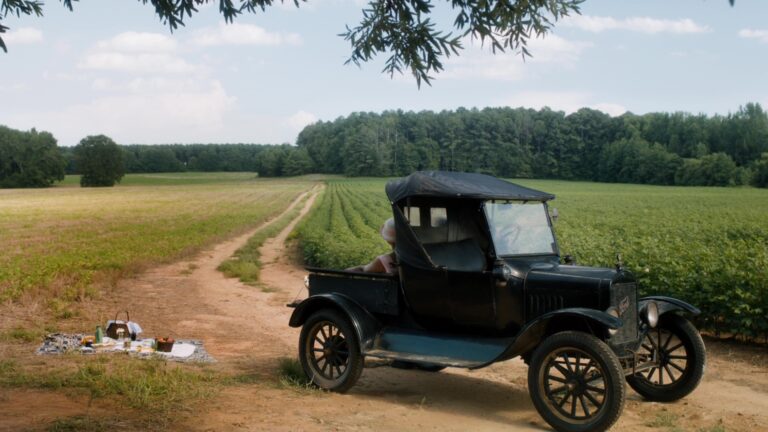
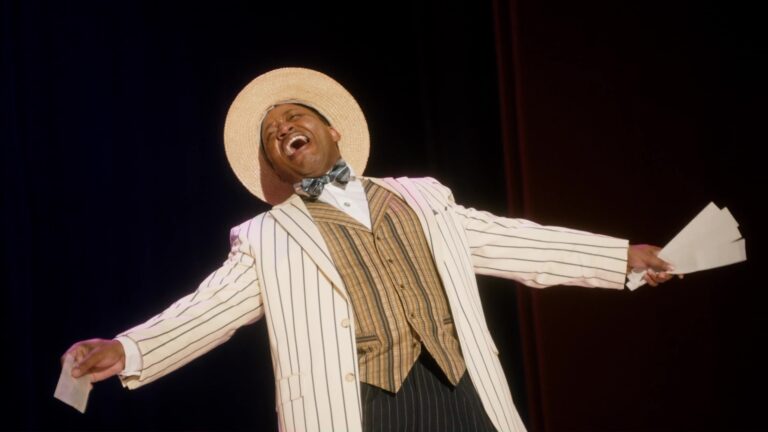
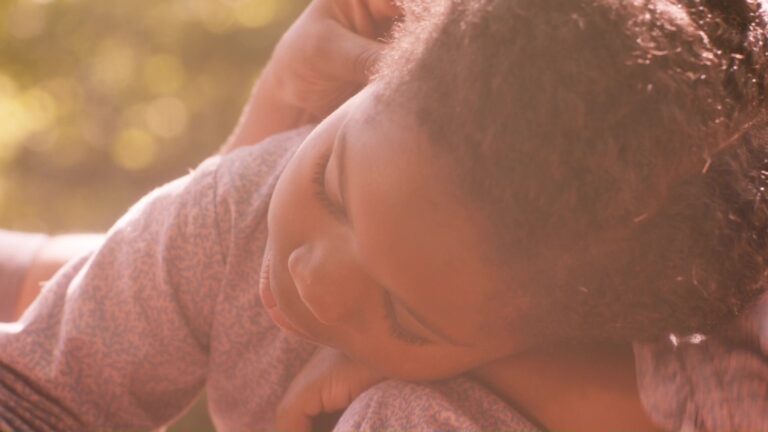
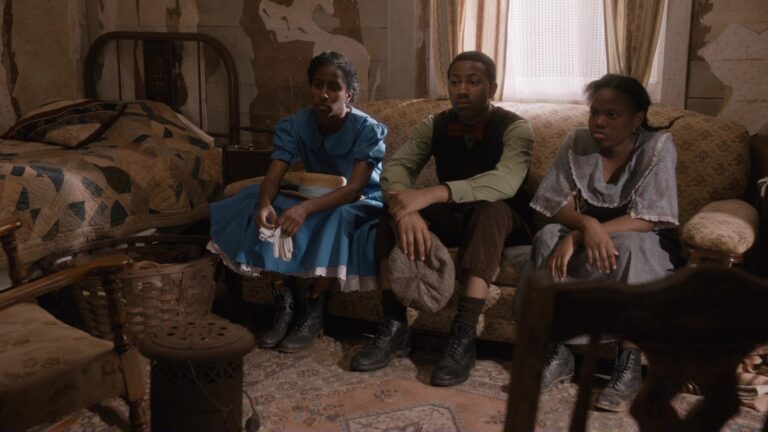
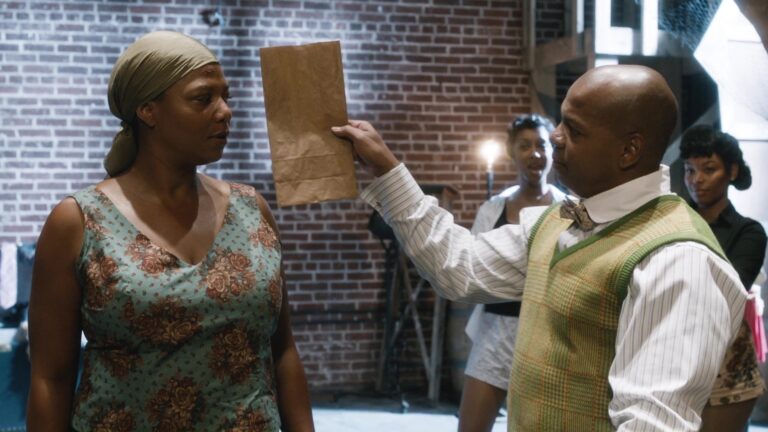
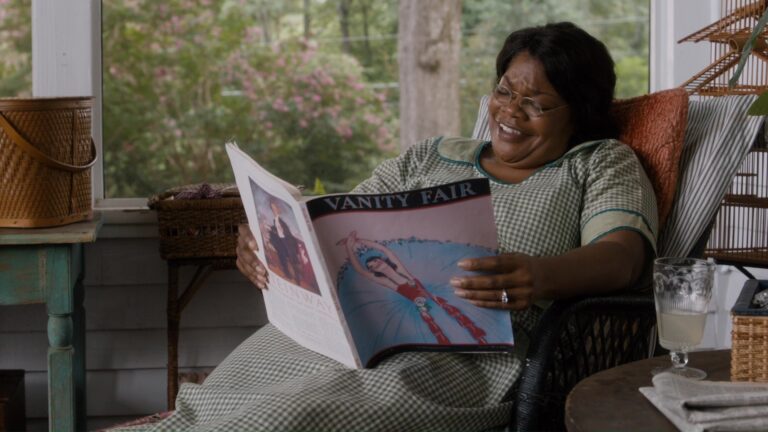
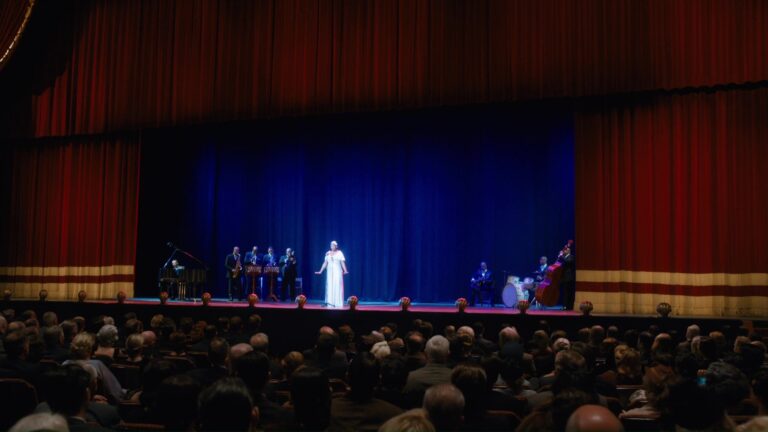
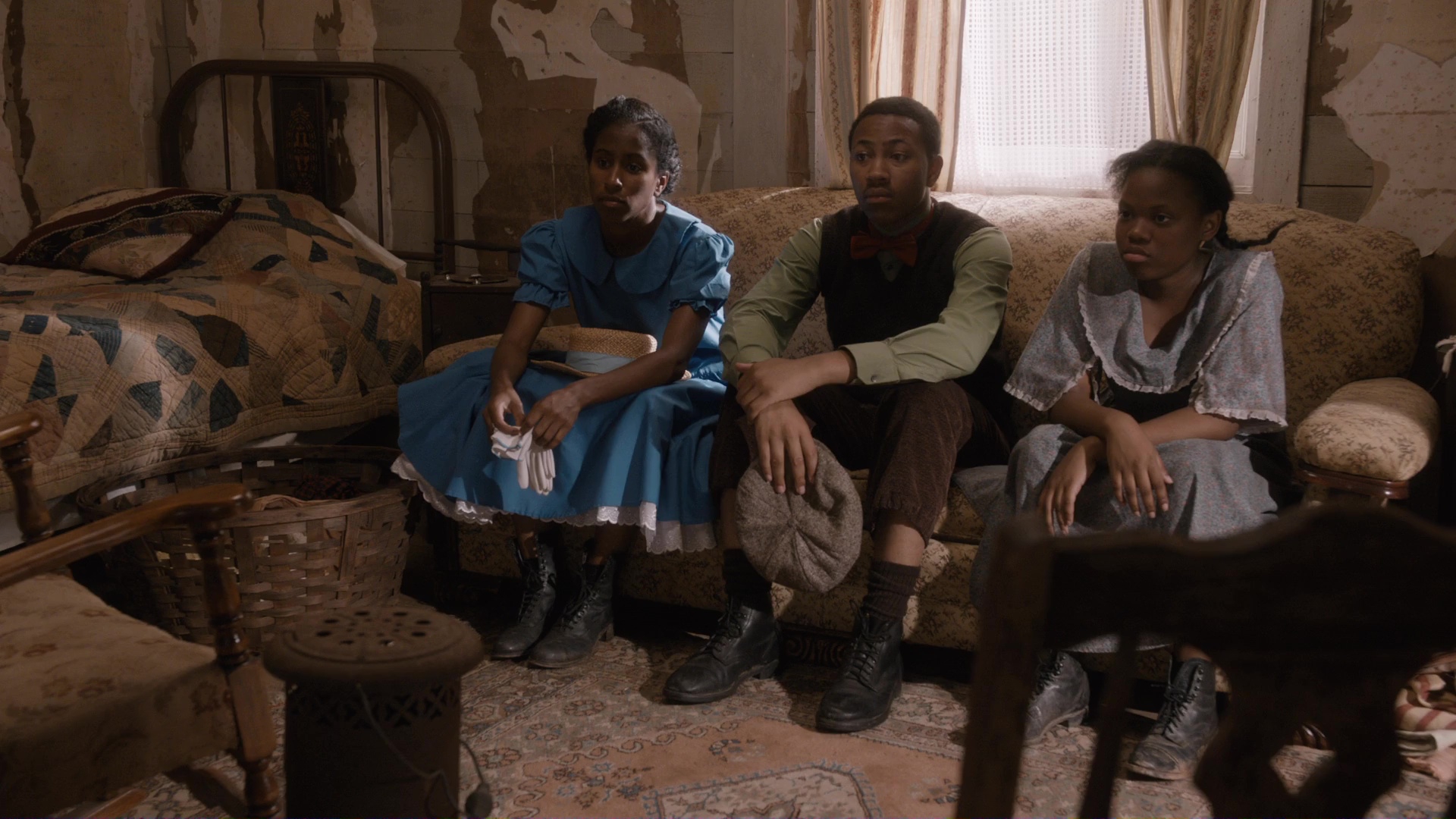
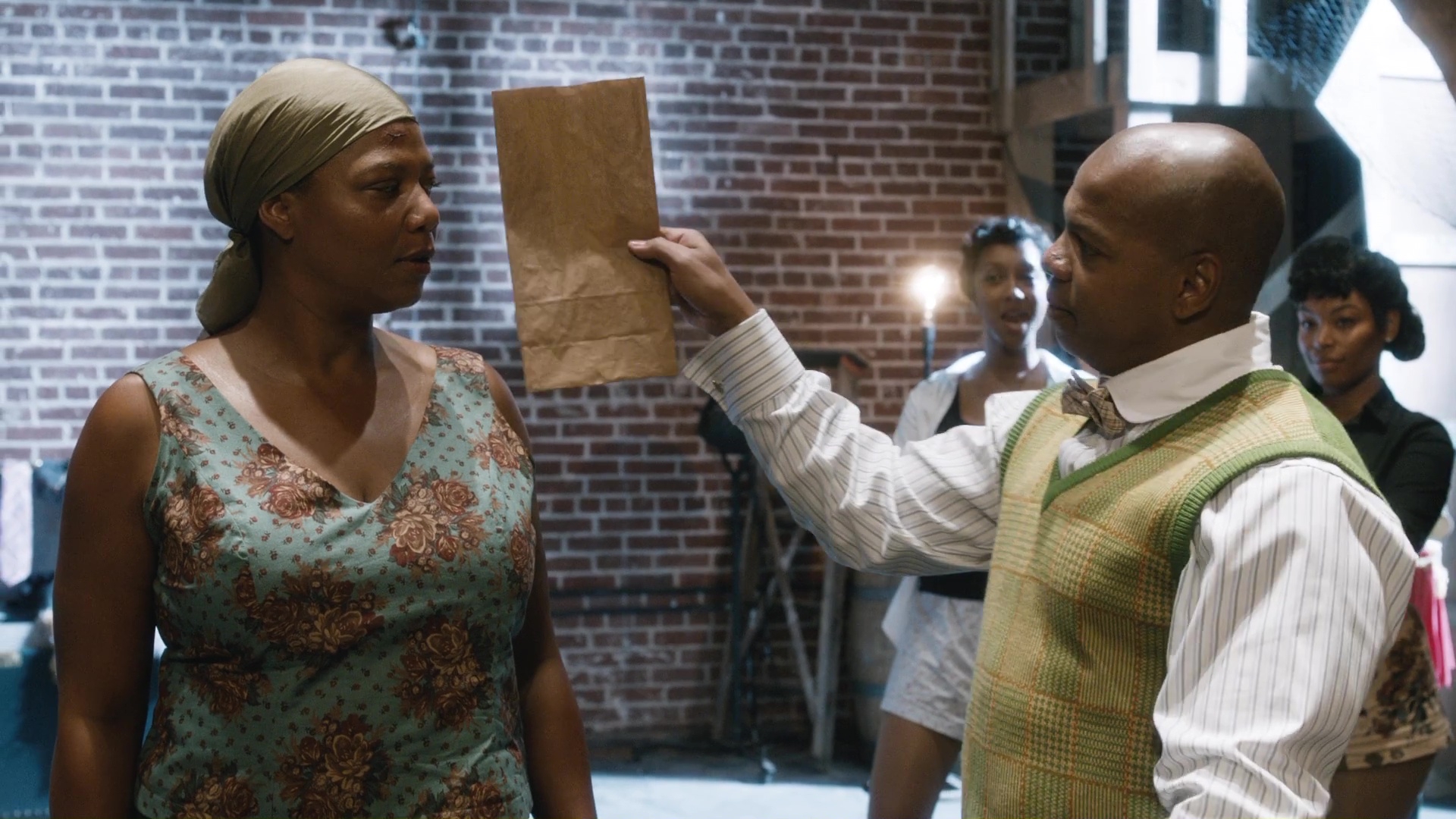
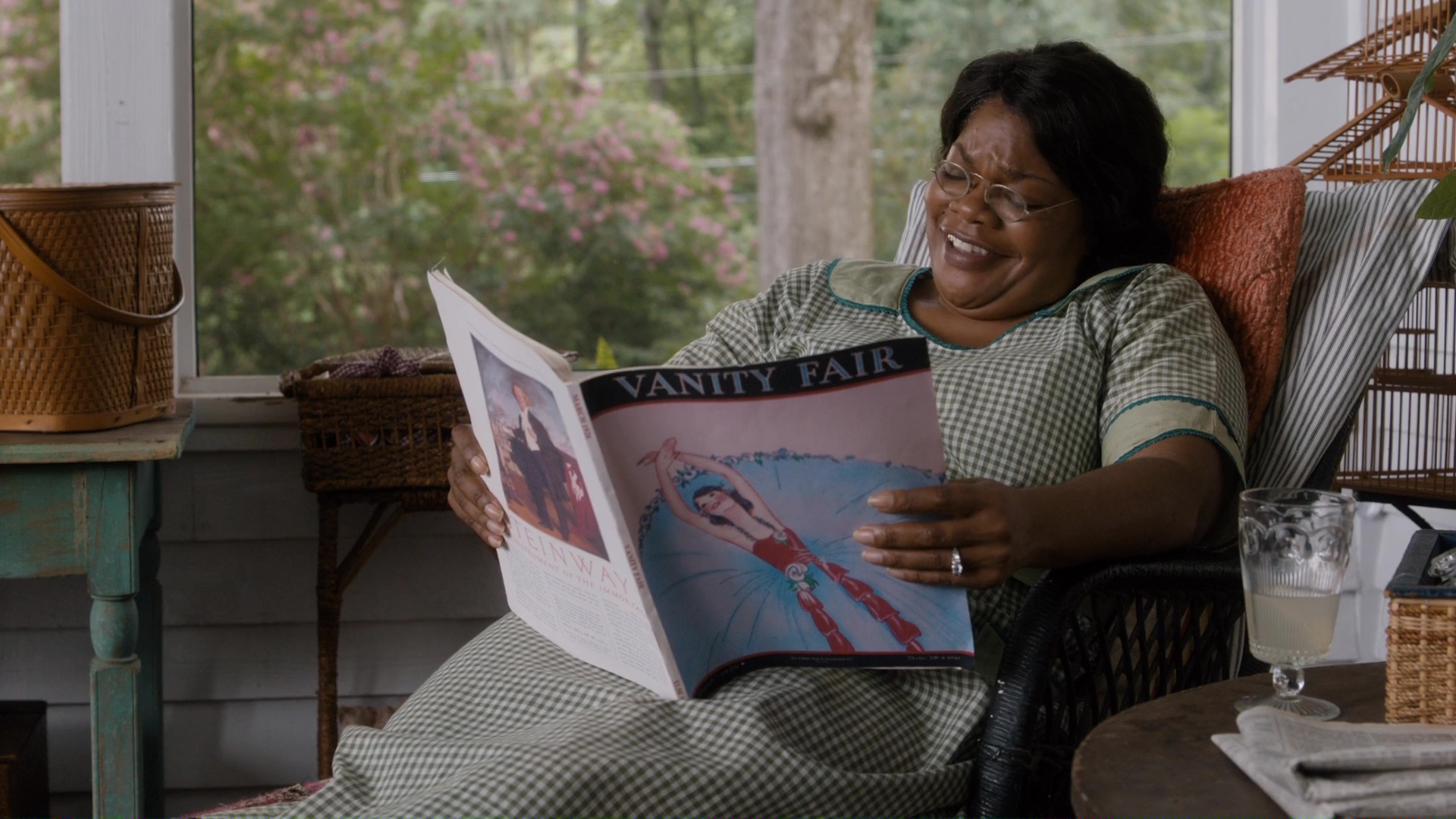
The film chronicles the rise of legendary blues singer Bessie Smith from struggling Chattanooga performer to one of the most influential recording artists of the 1920s. As Bessie navigates fame, racism, financial exploitation, and turbulent relationships, she fights to maintain artistic and personal independence in a rapidly changing music industry. The story unfolds as a portrait of creative power, vulnerability, and resilience within early American blues culture.
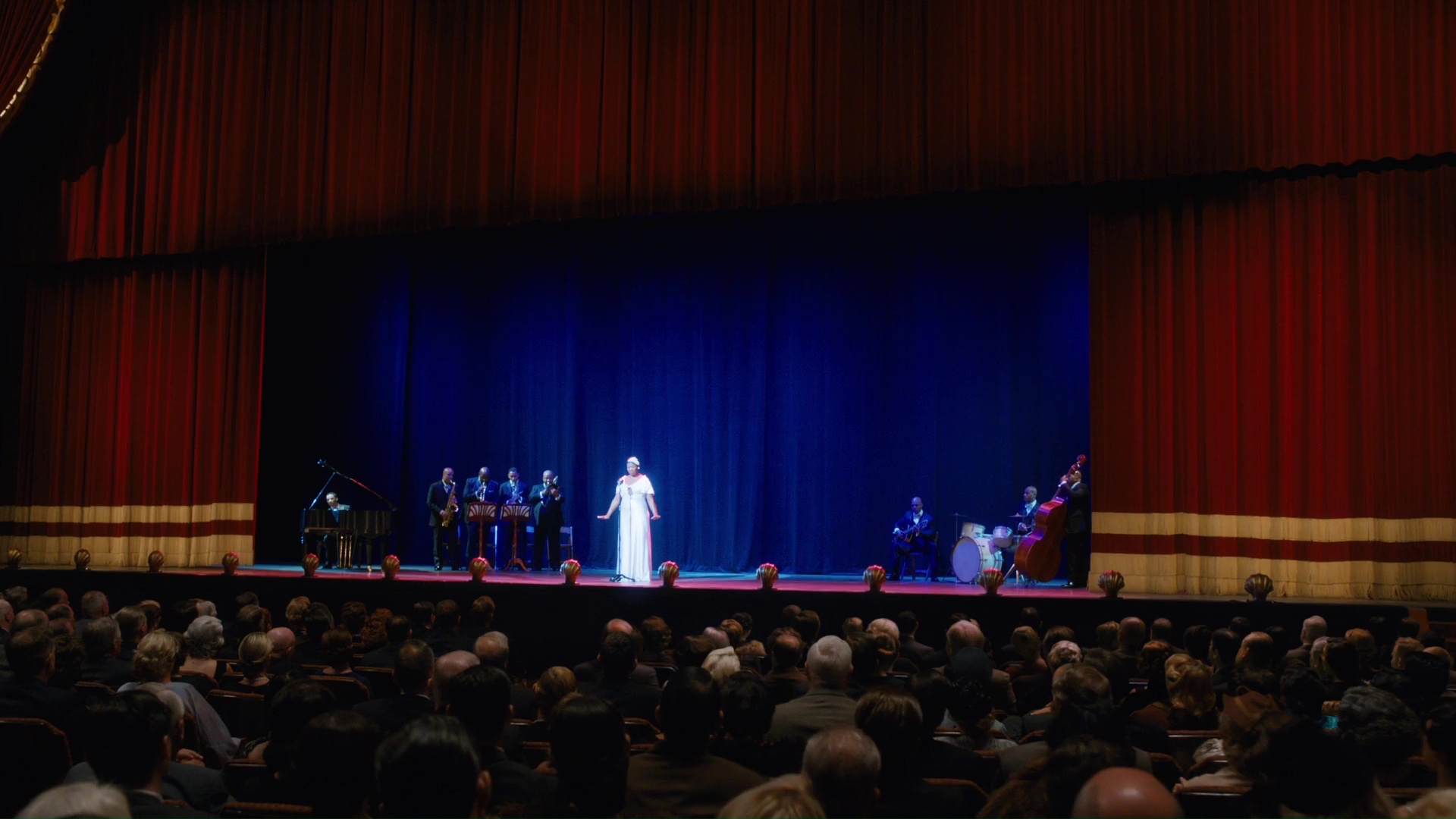
Rees and cinematographer Jeffrey Jur shoot Bessie with a richly textured period aesthetic that emphasizes the tactile atmosphere of traveling tent shows, smoky clubs, and recording studios during the Jazz Age. Warm amber lighting, deep reds, and richly detailed costumes evoke the sensuality and emotional intensity of blues performance, while handheld movement during musical sequences creates an immediacy that makes performances feel lived-in rather than staged. The film’s intimate close-ups and low-lit interiors frequently center Bessie’s physical presence and expressive power, turning music into both emotional release and visual force.
FILM SPOTLIGHT
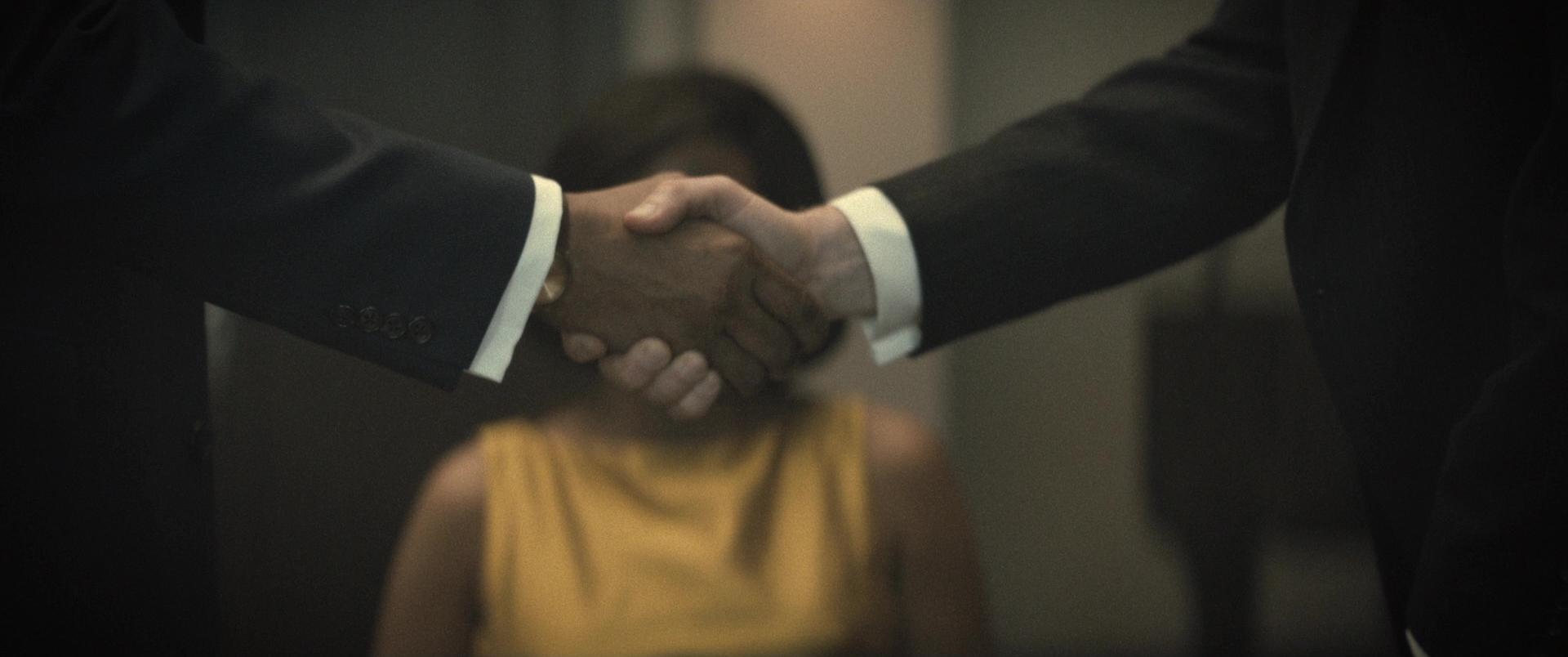
Respect (2021)
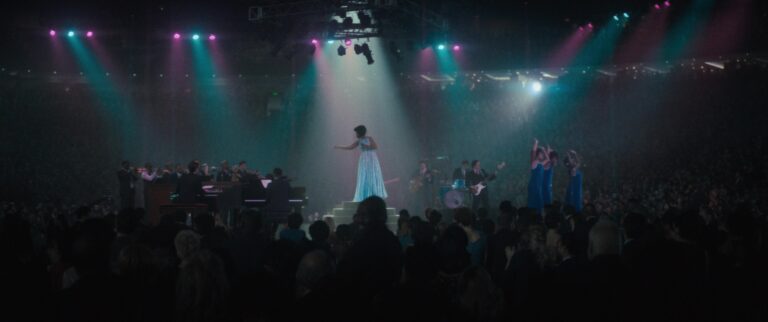
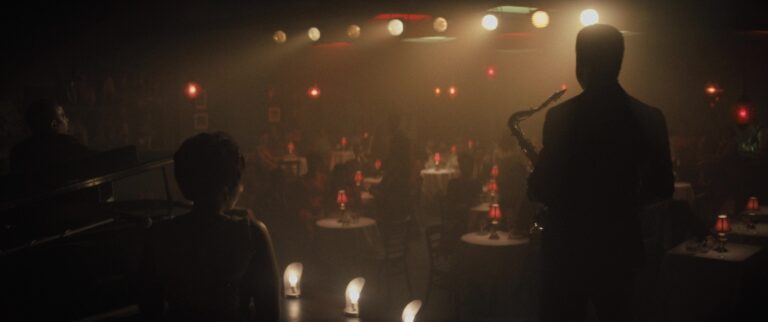
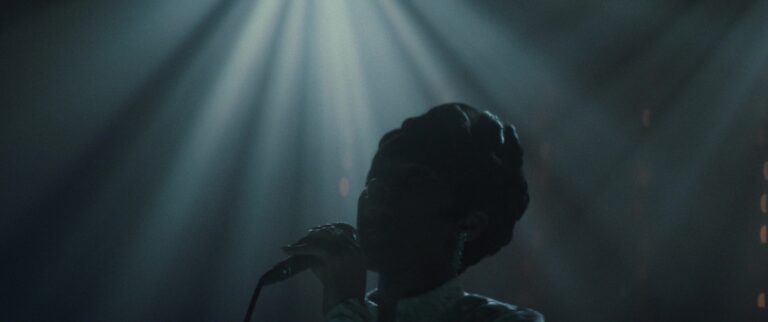
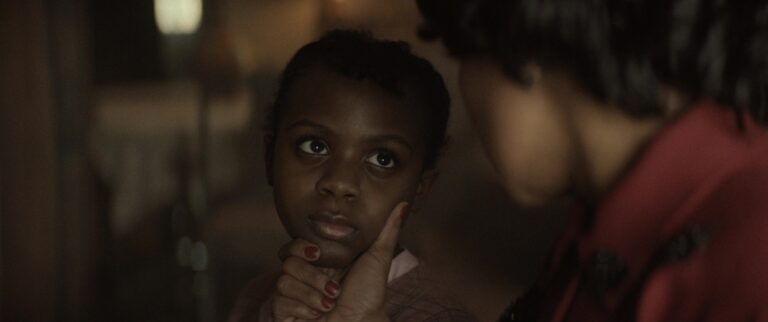
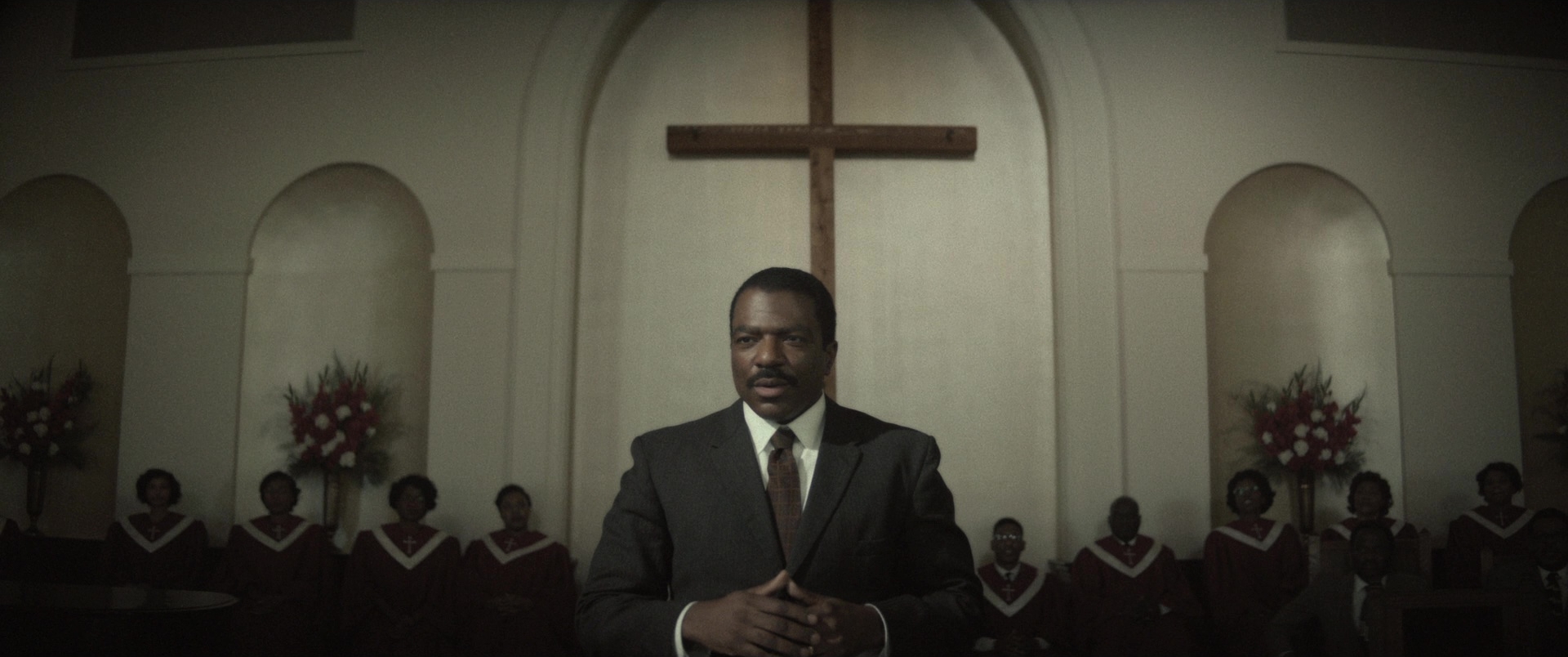
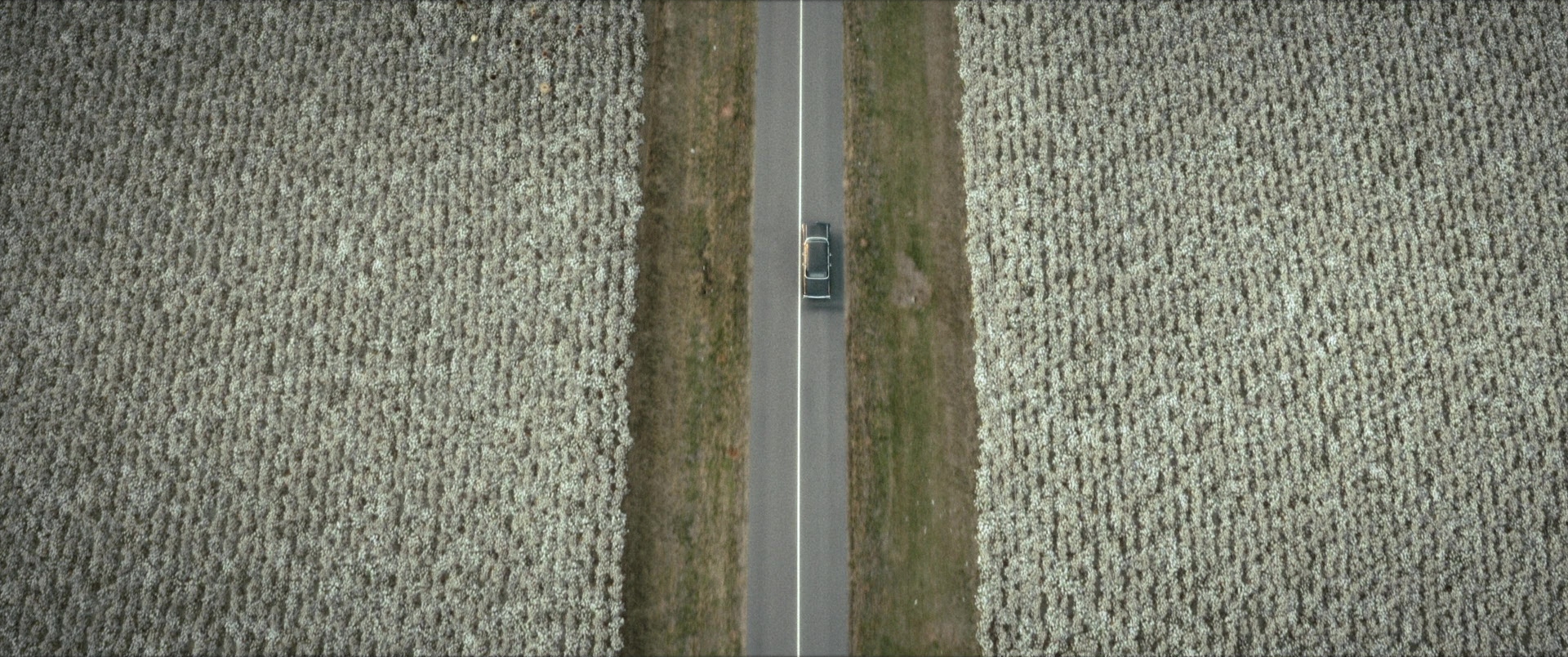
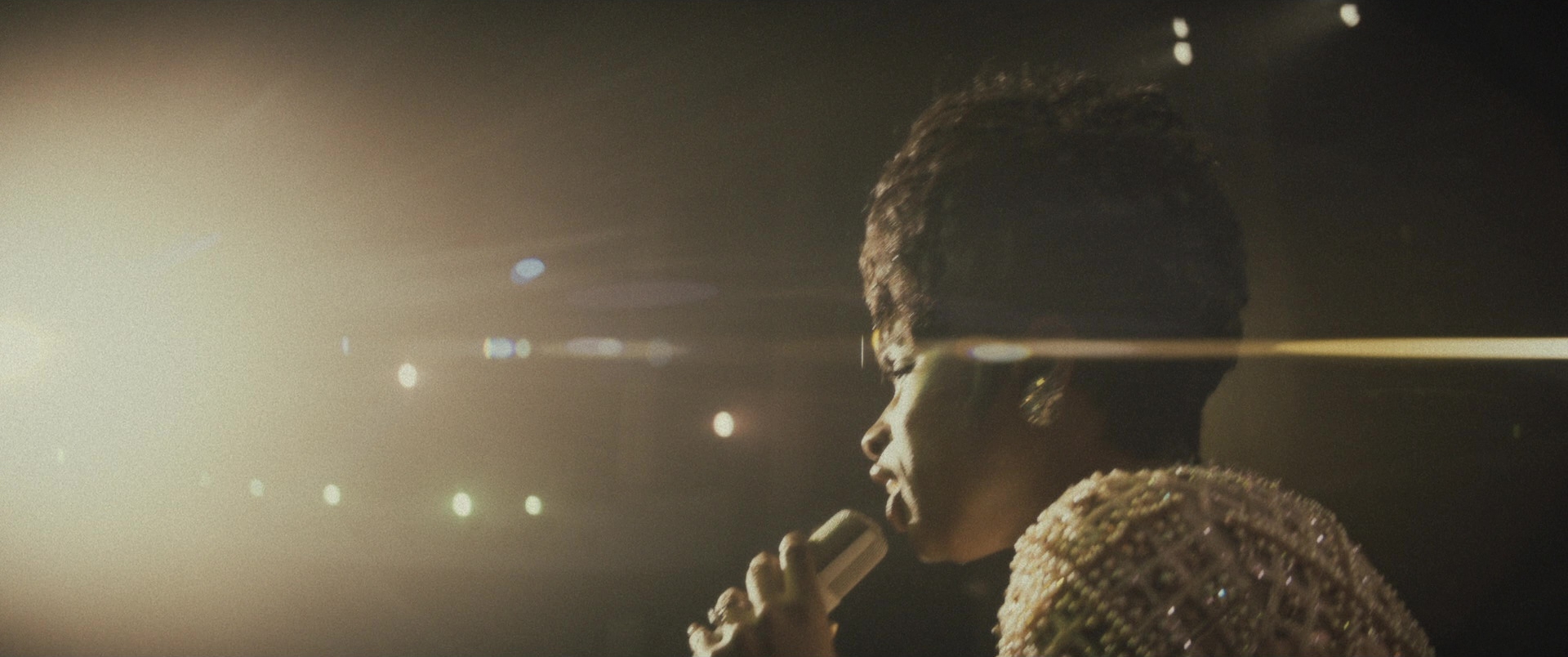
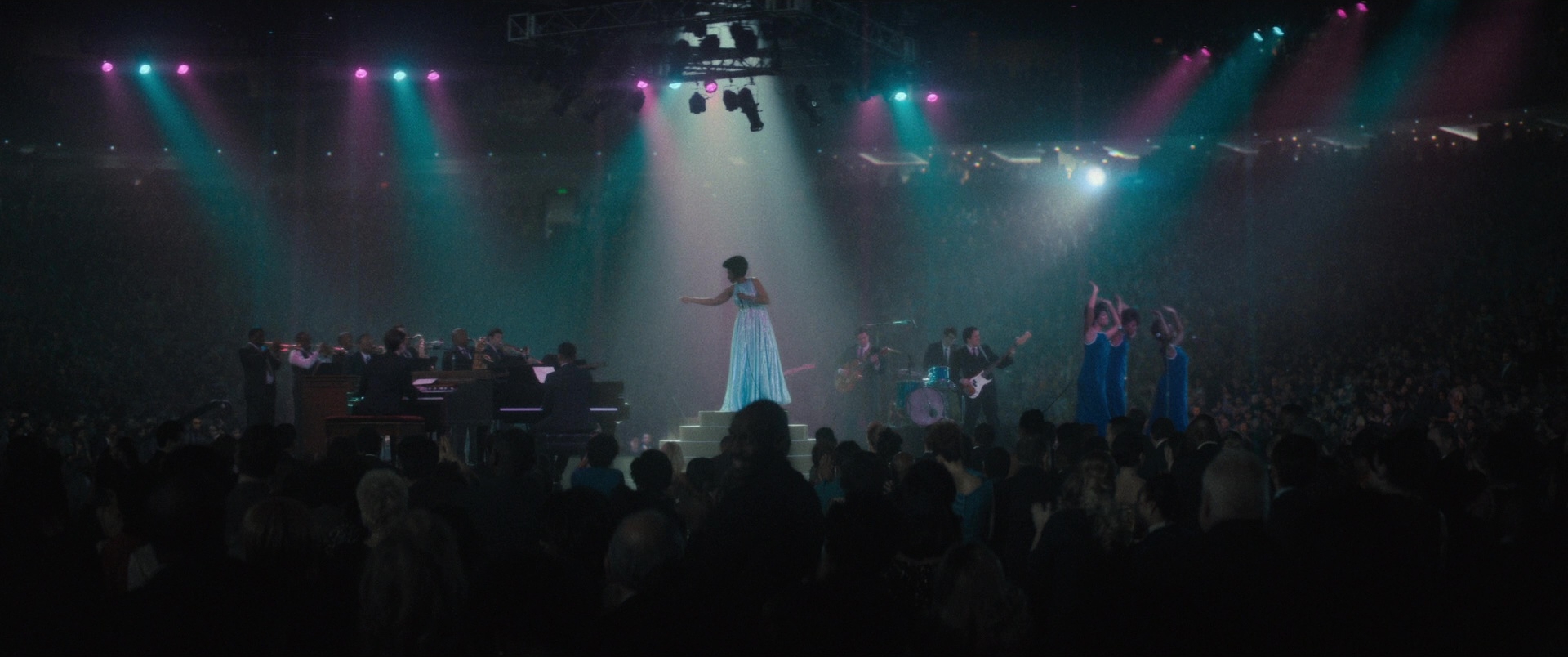
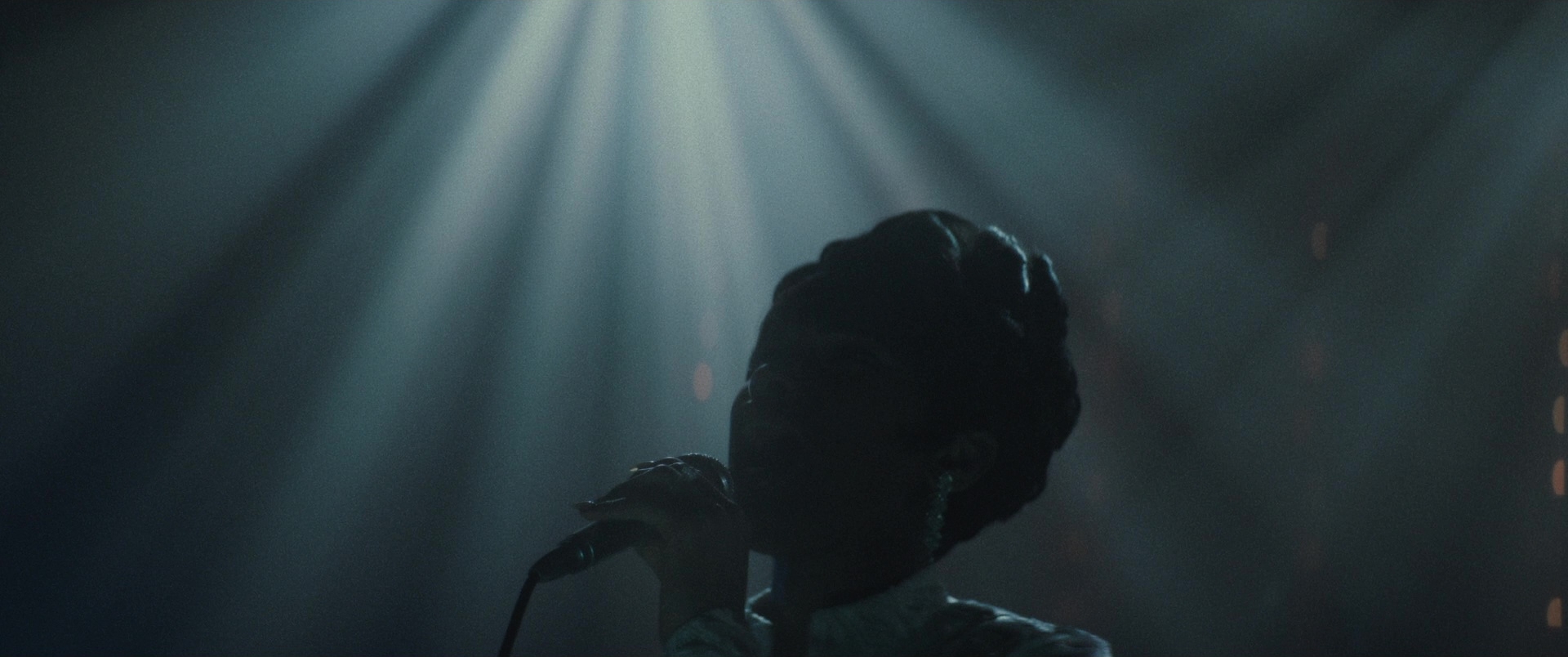
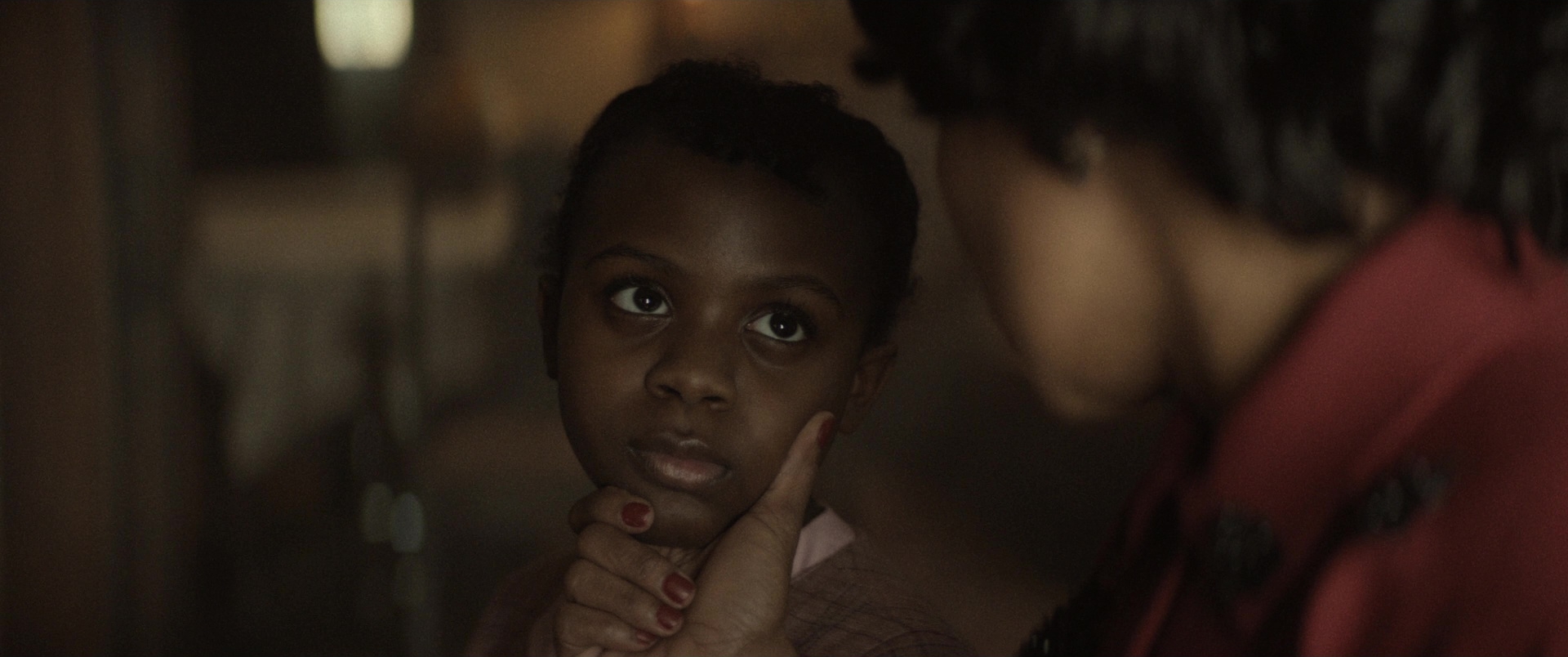
The film traces the life and career of Aretha Franklin, following her journey from singing in her father’s church as a child to becoming one of the most influential musicians in American history. As Aretha rises to fame, she confronts personal trauma, abusive relationships, addiction, and the pressures of celebrity while fighting for artistic control and self-definition. The story unfolds as both a musical biography and a portrait of resilience, spirituality, and Black womanhood.
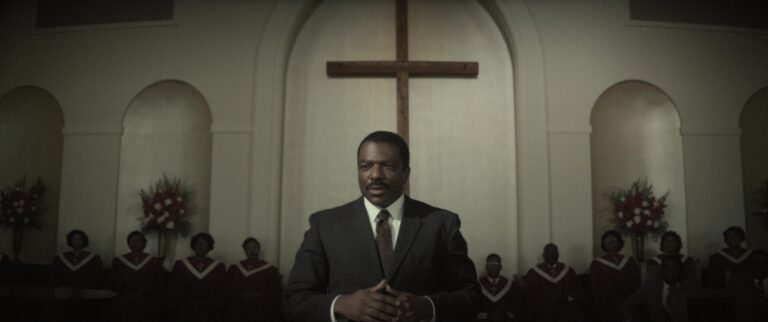
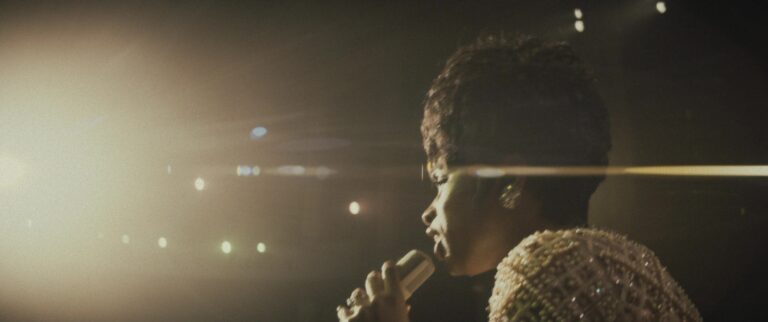
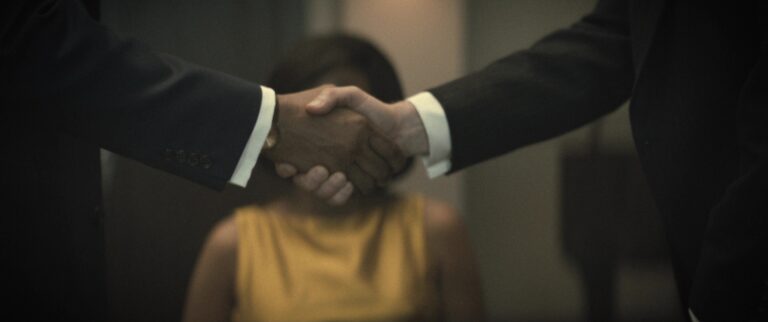
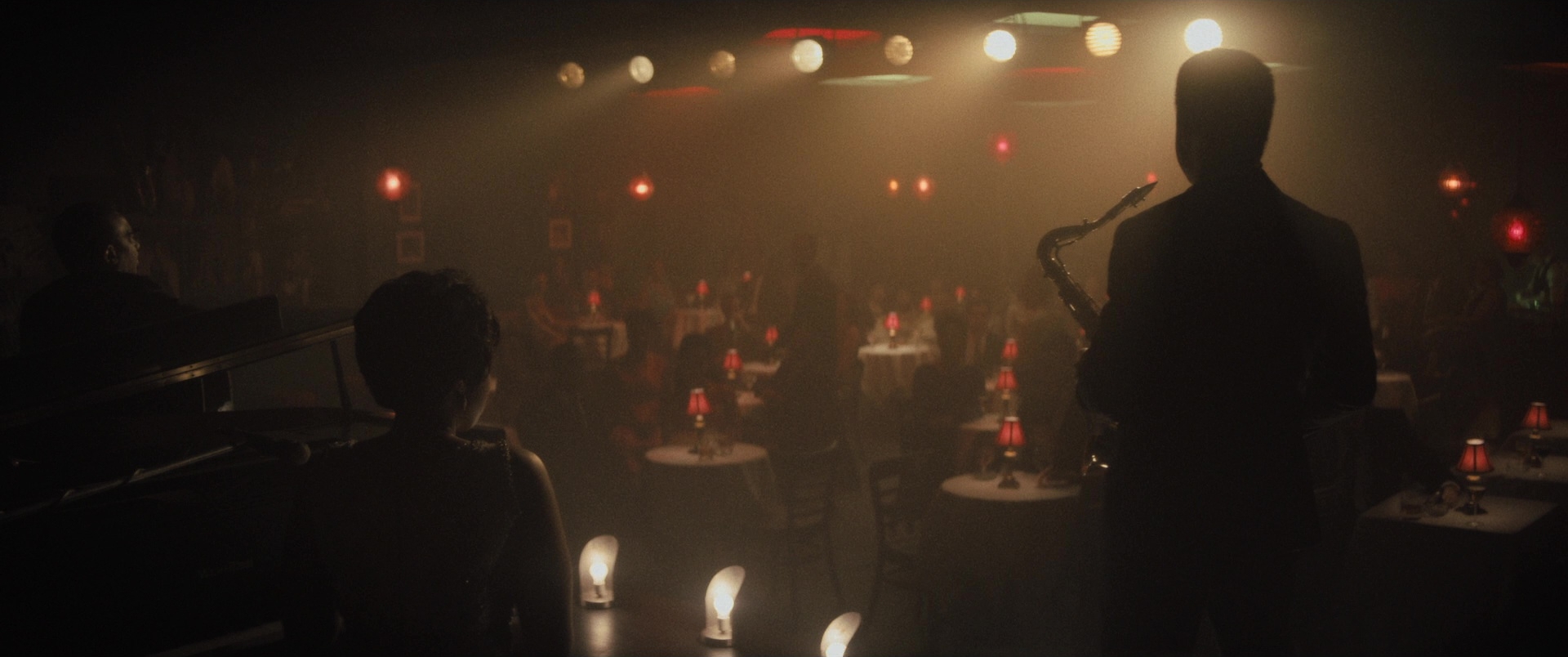
Tommy and cinematographer Kramer Morgenthau craft Respect with a polished, performance-centered visual style rooted in the textures of gospel, soul, and mid-century recording culture. Warm stage lighting, saturated jewel tones, and richly detailed period production design evoke the evolving aesthetics of the 1950s through the 1970s, while musical sequences frequently rely on extended close-ups and fluid camera movement to emphasize the emotional force of Aretha’s voice. Church interiors, recording studios, and concert spaces are framed almost ceremonially, reinforcing music as both spiritual expression and personal liberation.

TELEVISION SERIES
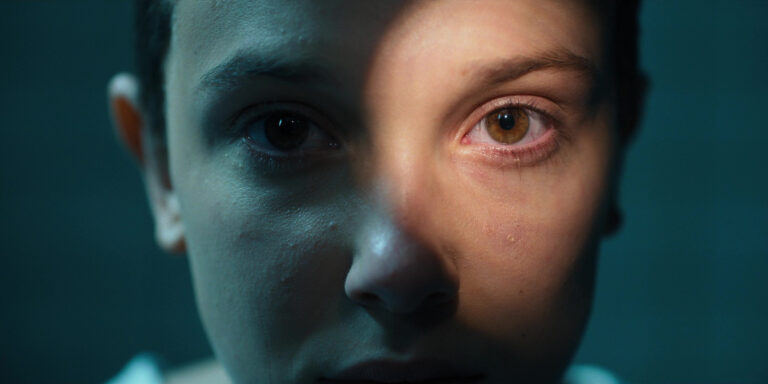
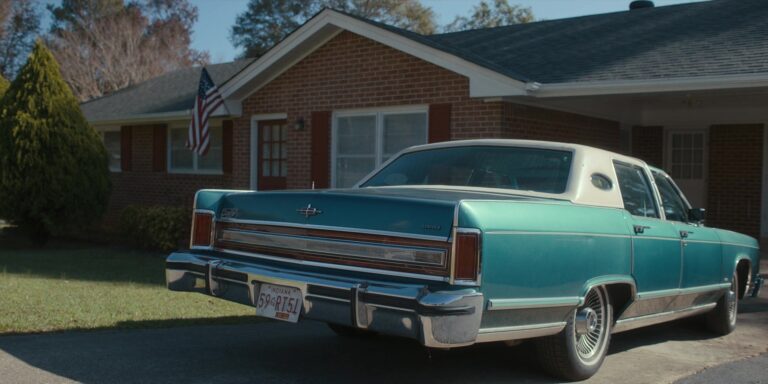
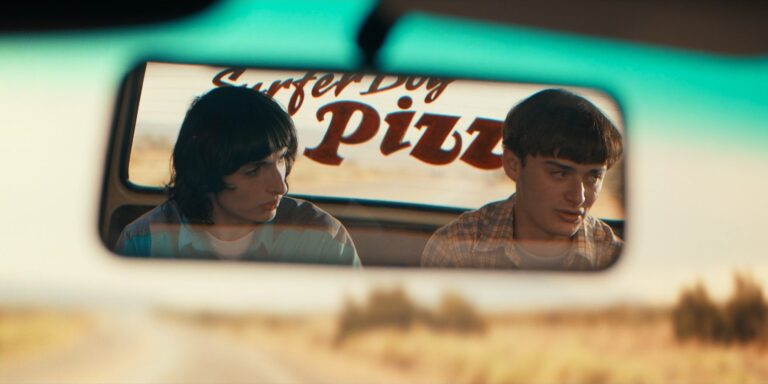
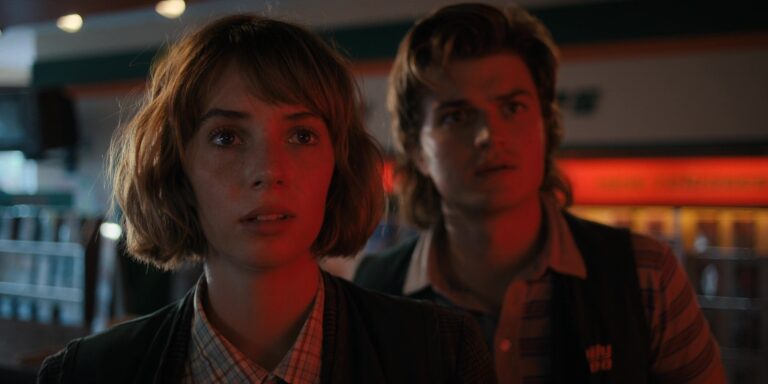
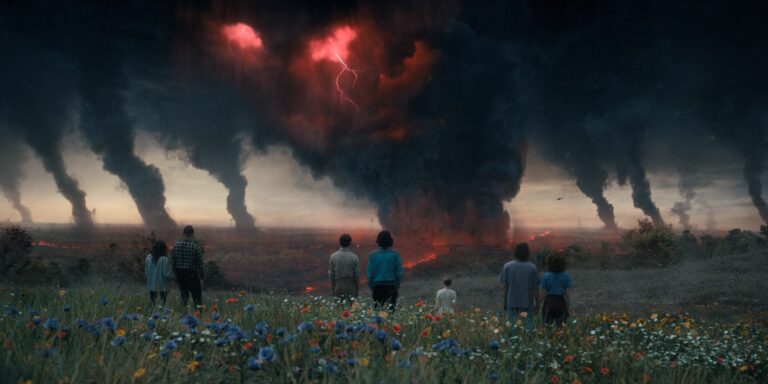
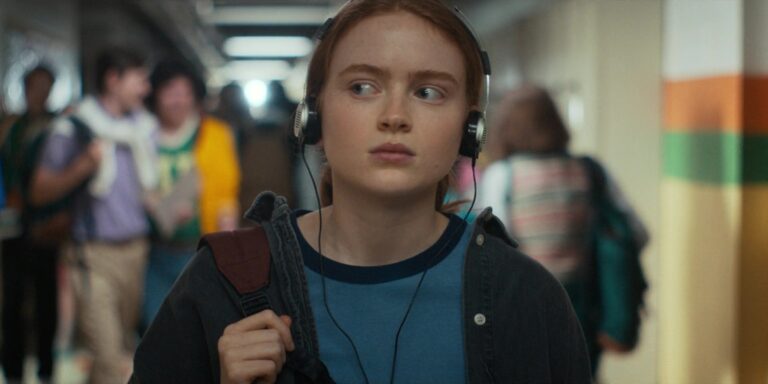
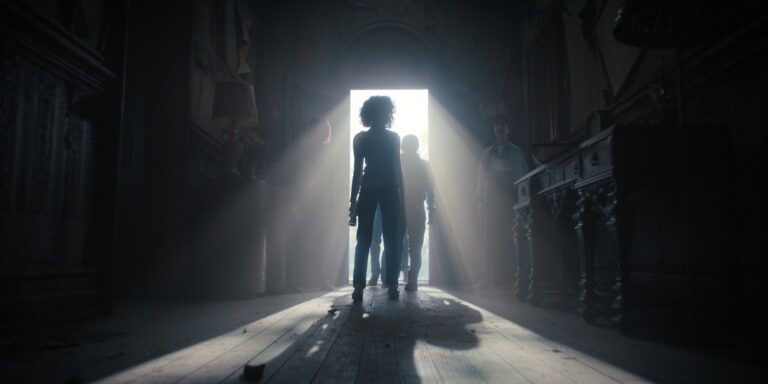
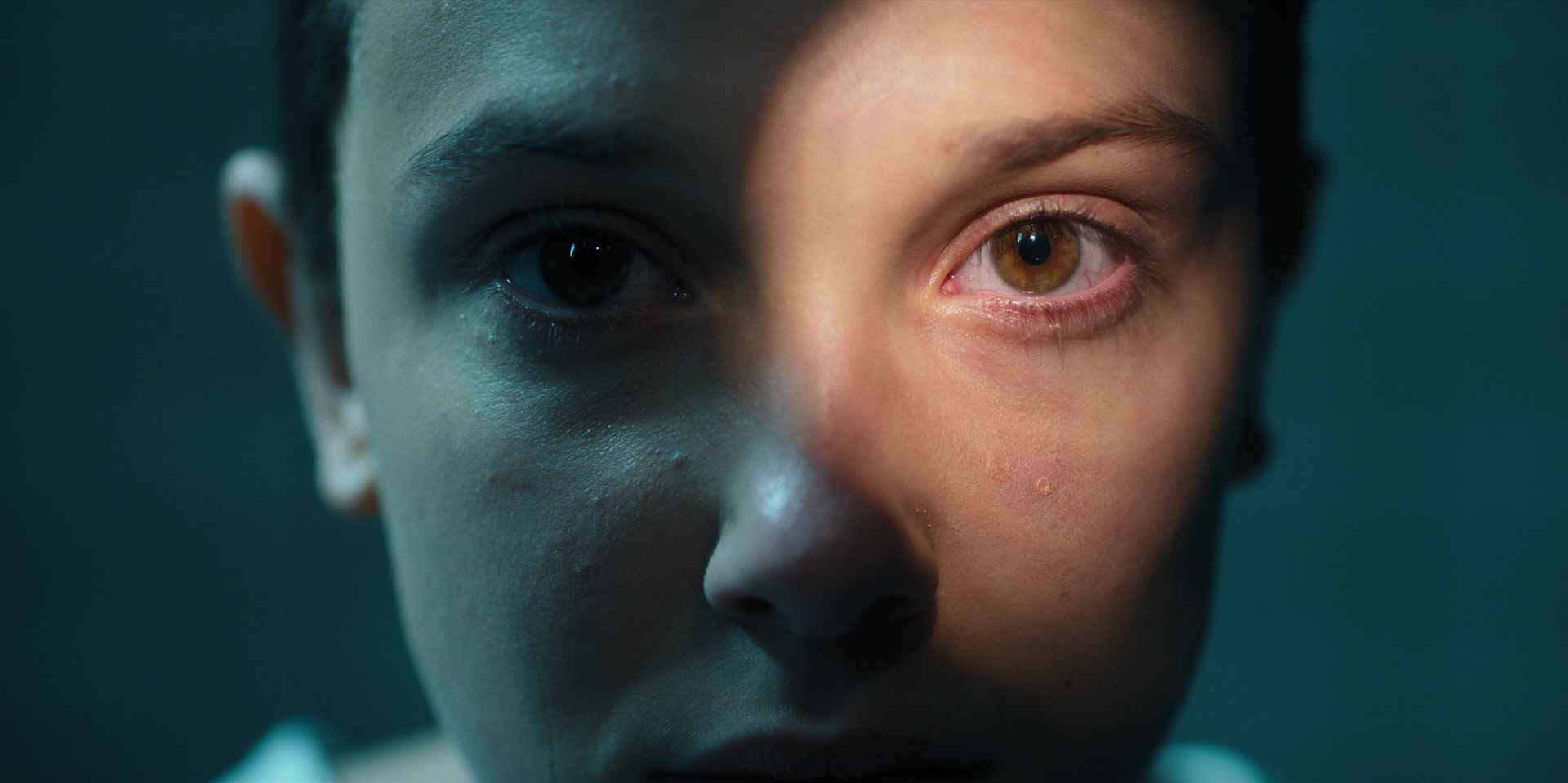
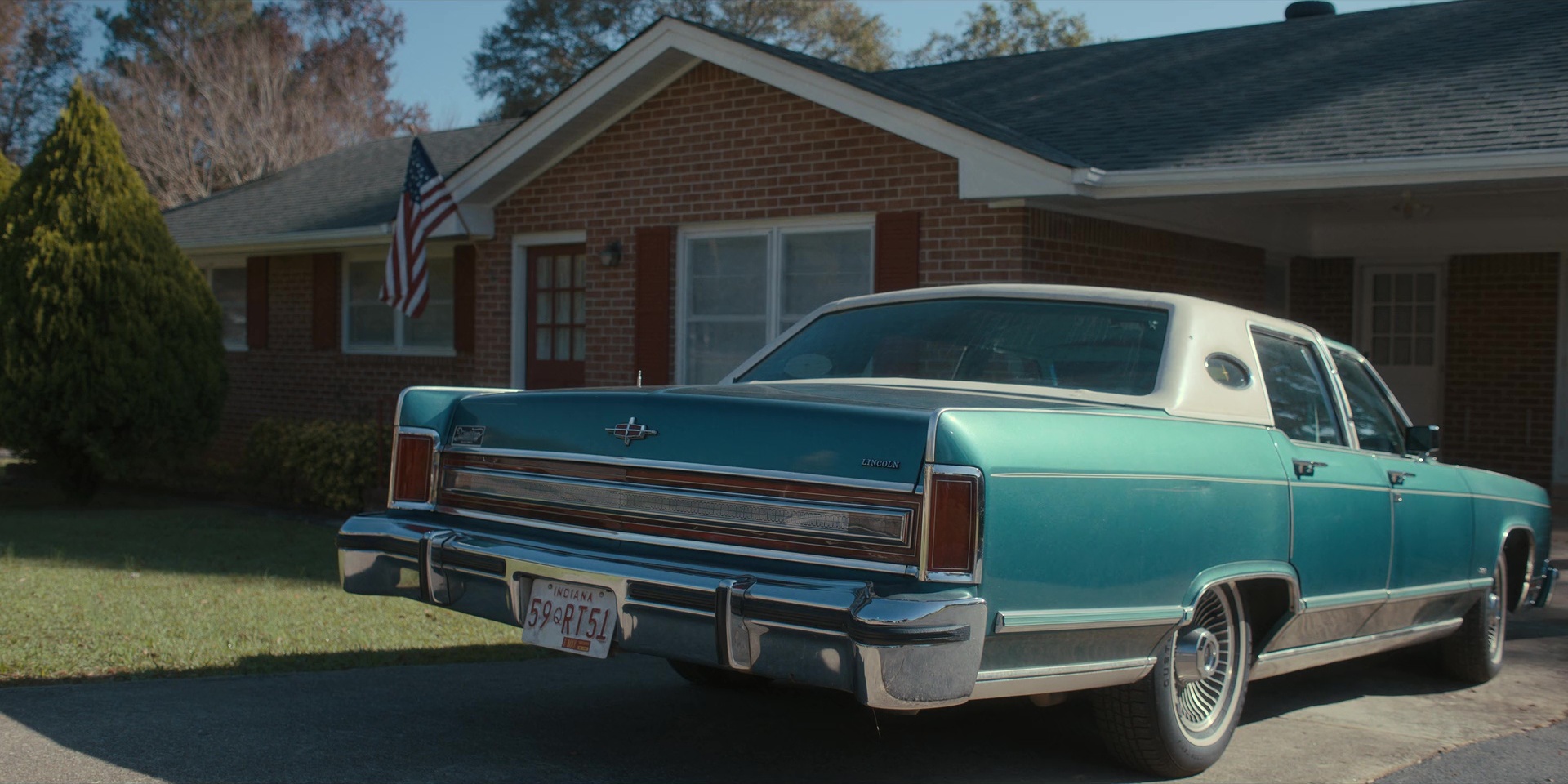
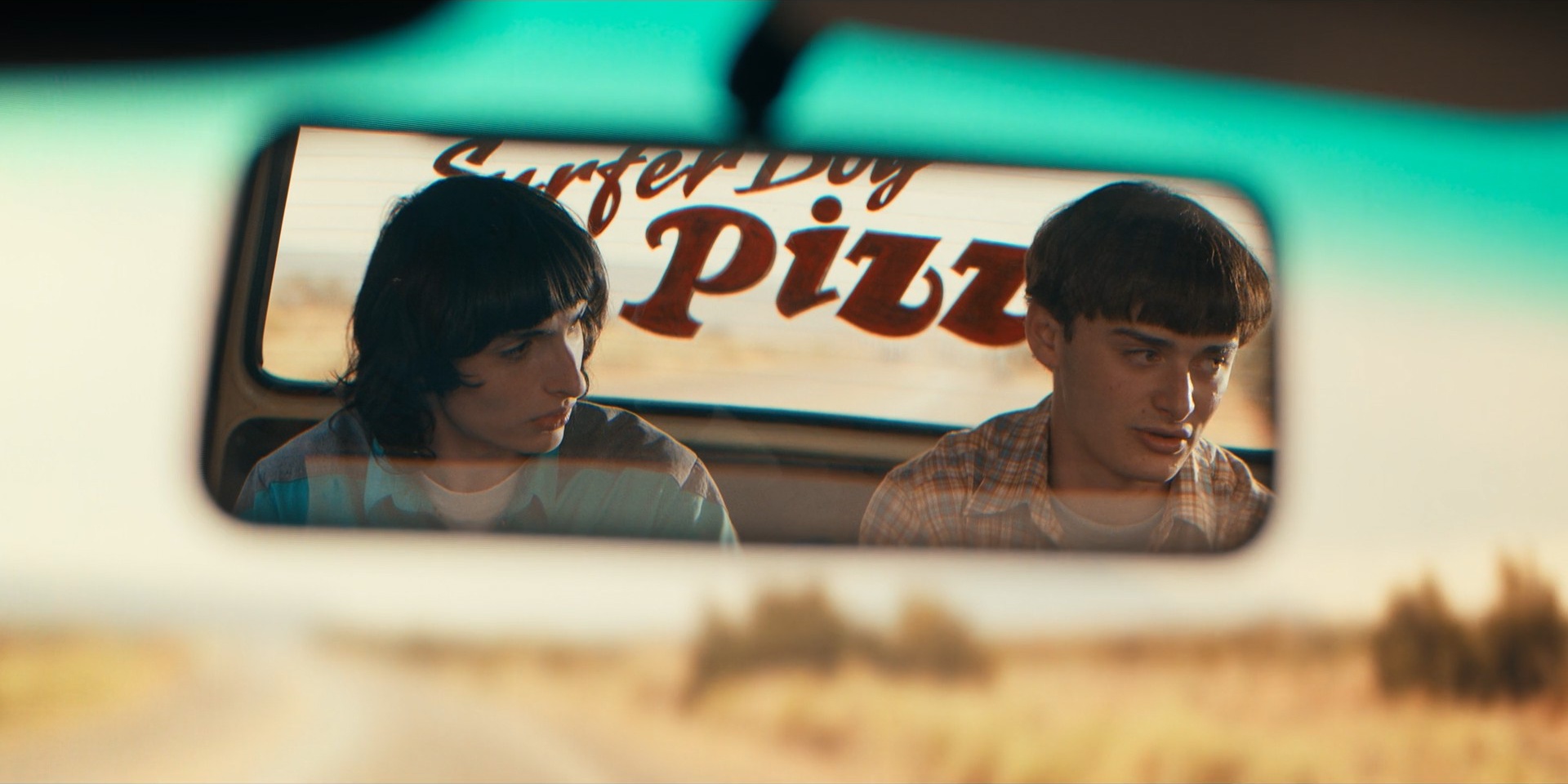
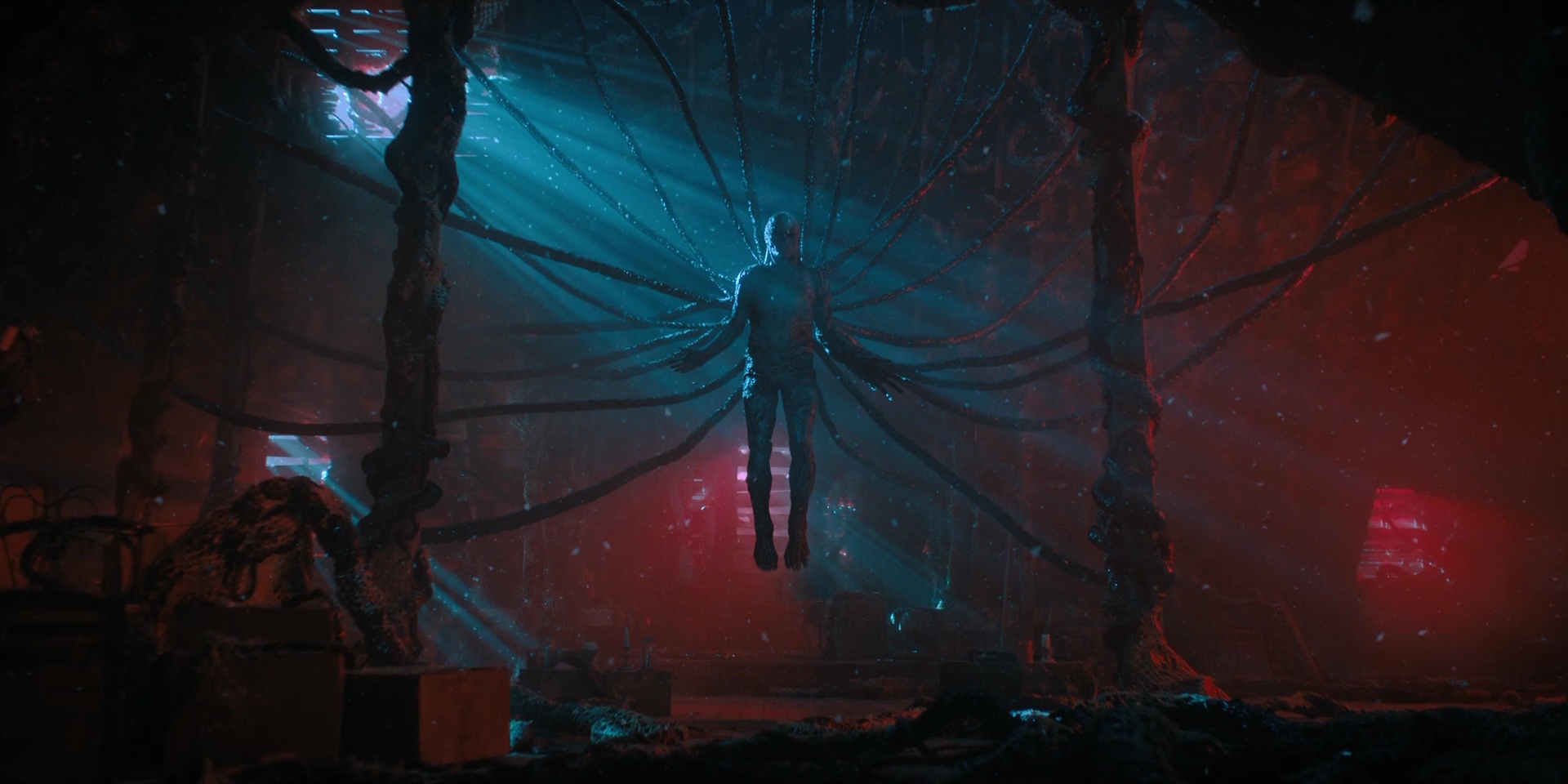
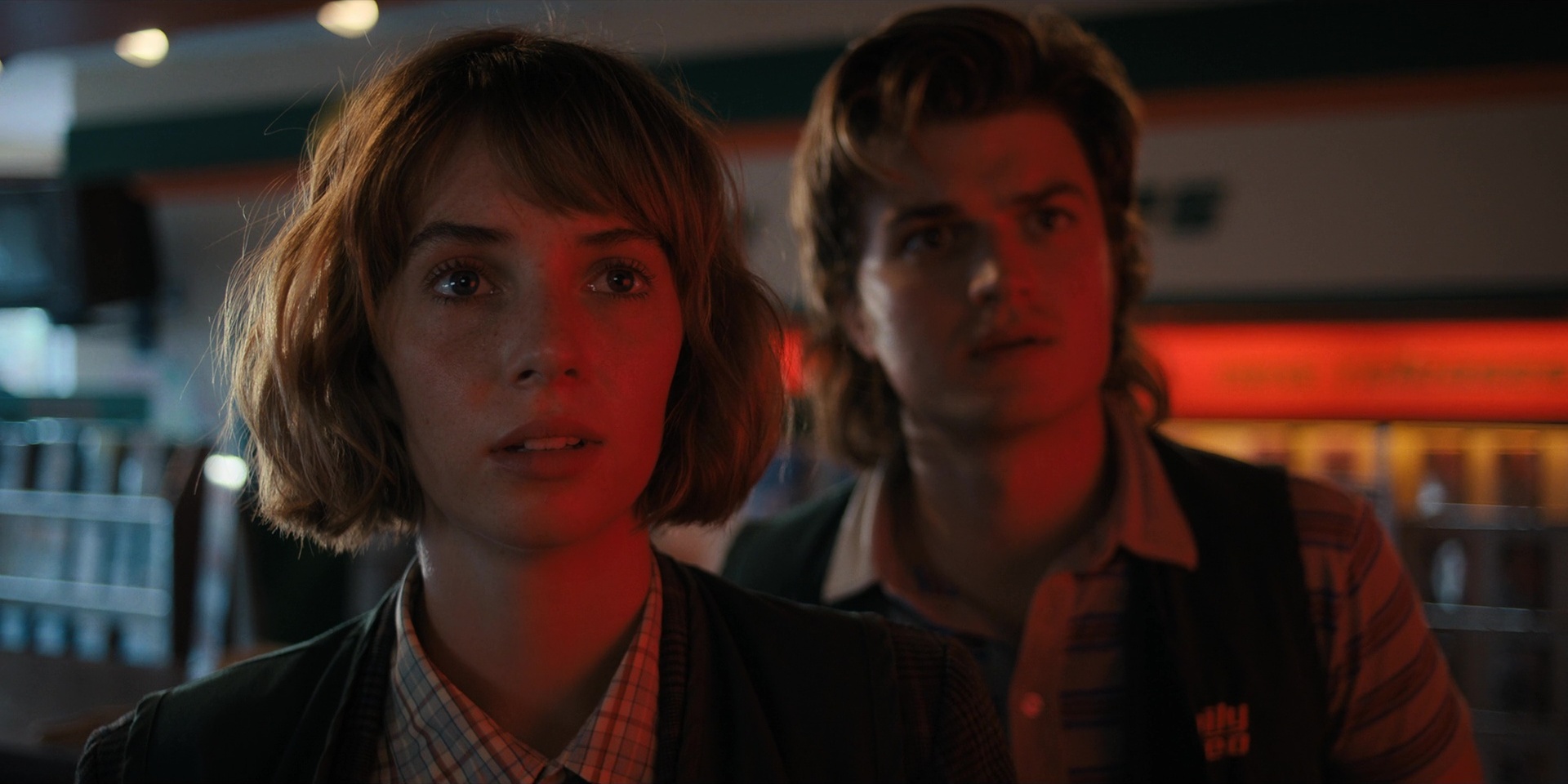
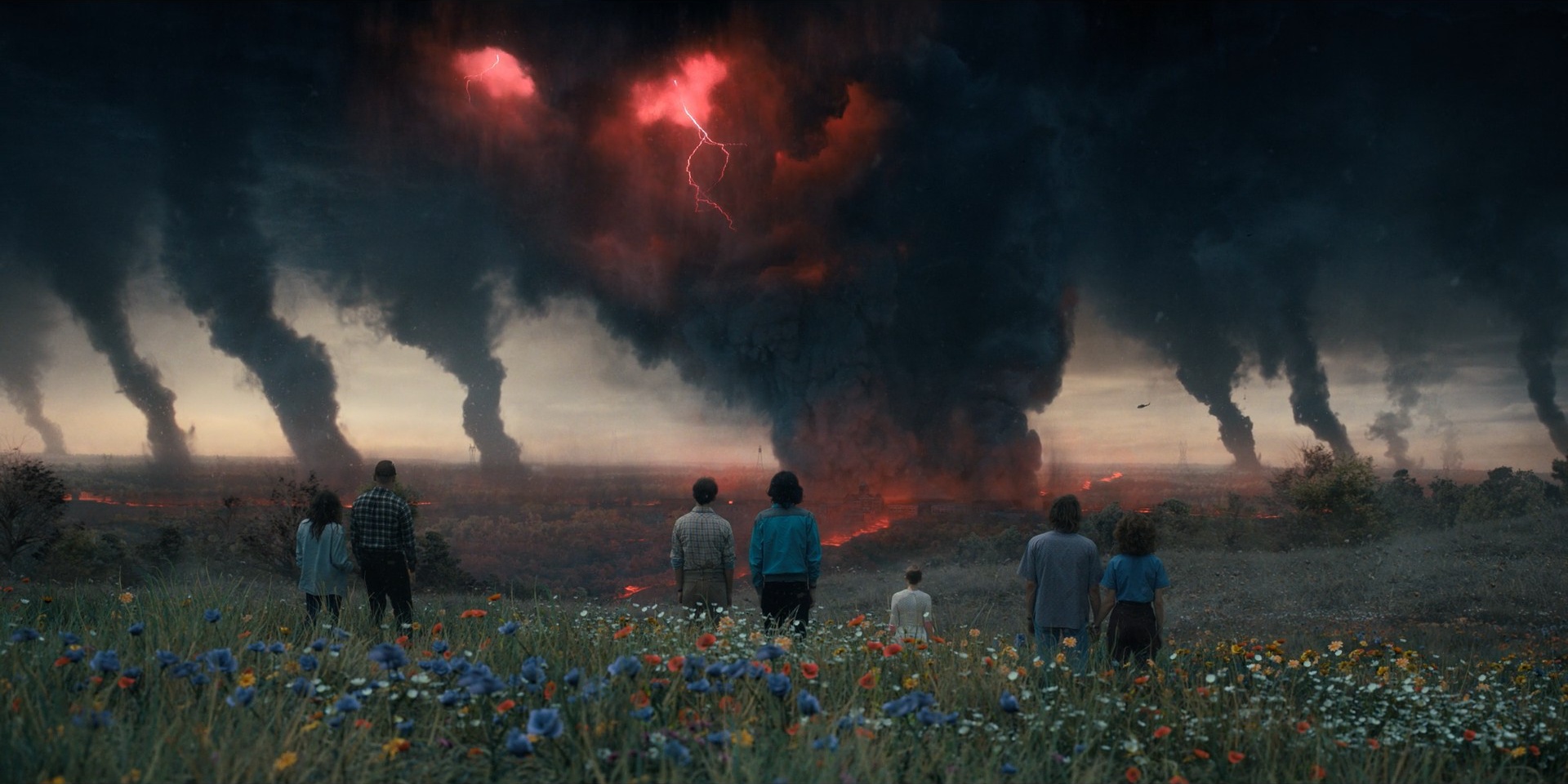
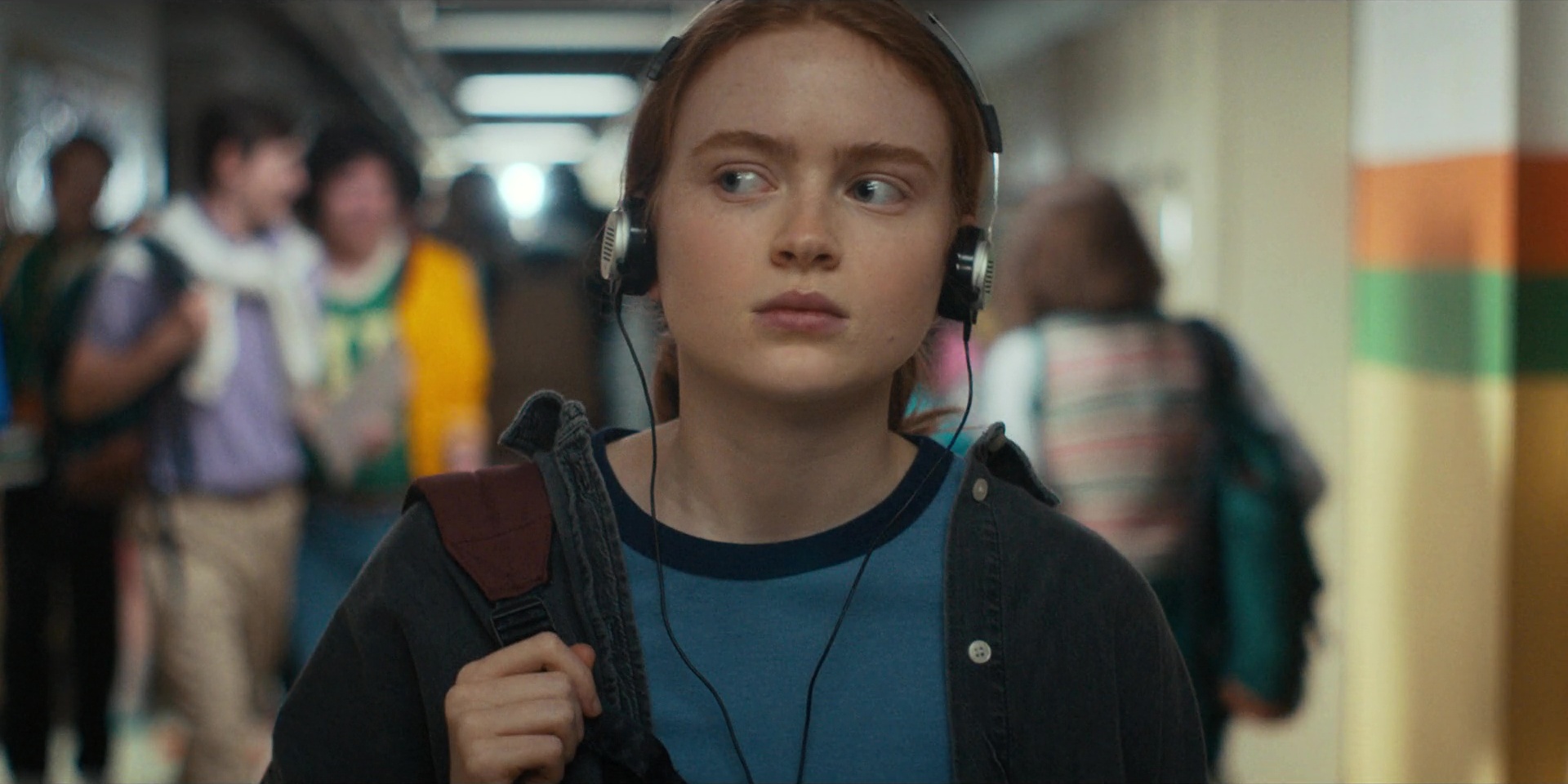
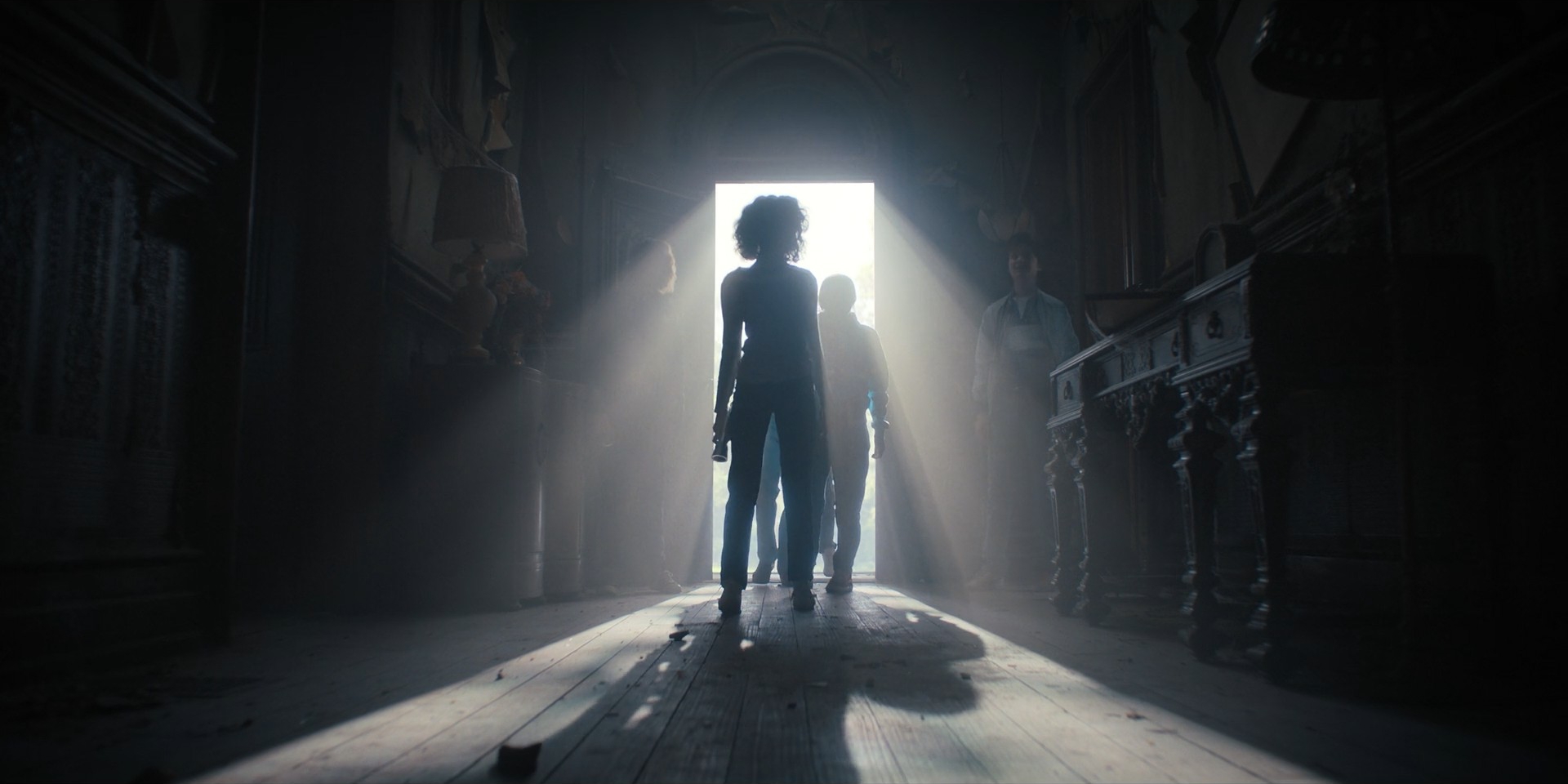
Stranger Things: Season 4 (2022)
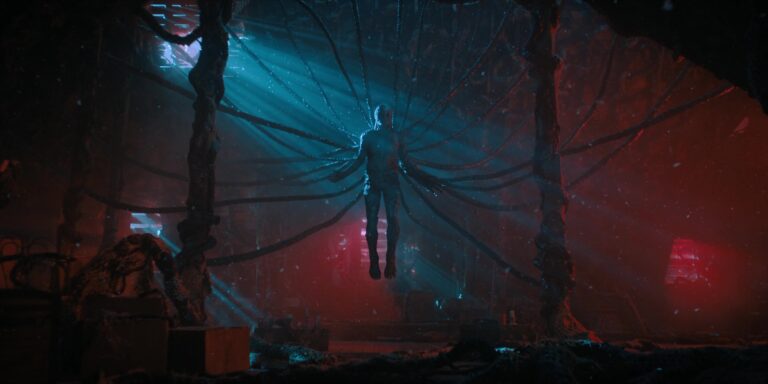
Separated across different locations after the events of Season 3, the Hawkins group faces new supernatural threats as a series of gruesome deaths begins terrorizing the town. While some characters uncover the origins of the Upside Down and the mysterious entity known as Vecna, others become entangled in conspiracies stretching from California to a Soviet prison camp. The season expands the mythology of the series into a darker, more horror-driven narrative about trauma, memory, and sacrifice.
Season 4 significantly enlarges the show’s cinematic scale, with cinematographers Caleb Heymann and Lachlan Milne embracing darker lighting, elaborate VFX environments, and horror-inspired imagery drawn from films like A Nightmare on Elm Street and Hellraiser. The Upside Down becomes more expansive and texturally detailed than in previous seasons, filled with floating particles, decayed architecture, and oppressive red storm lighting. Wide-format compositions, long tracking shots, and increasingly complex creature effects give the season a blockbuster scope, while intimate close-ups and dreamlike transitions tie the supernatural horror directly to the characters’ psychological trauma.