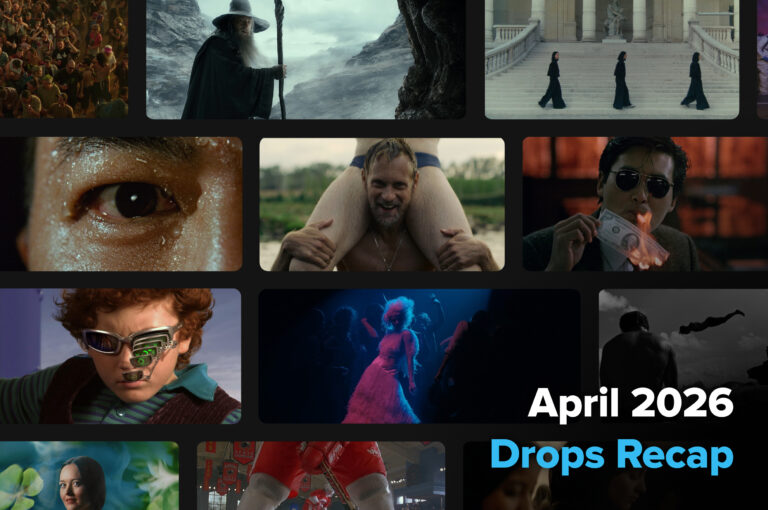
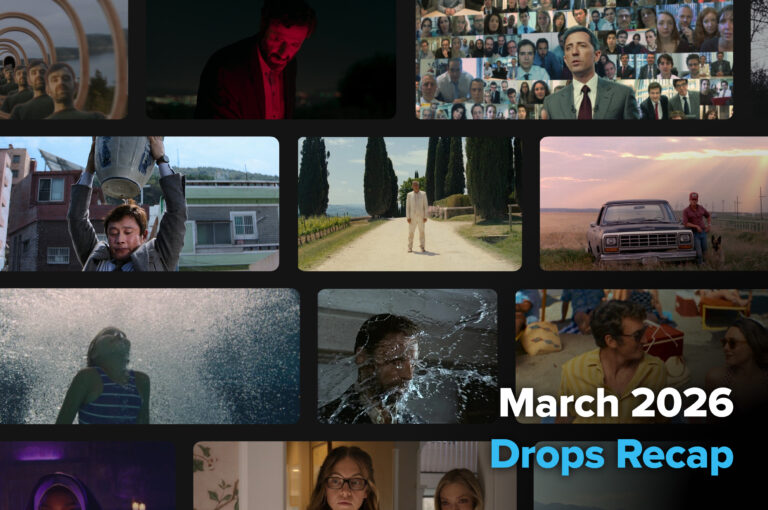
New Shots: The Miseducation of Cameron Post & More Screengrabs
Get your Decks ready ShotDeck Community! We’re dropping some great new shots from titles in honor of Pride Month! Remember you can always request titles for future drops by clicking here!
FILM SPOTLIGHT
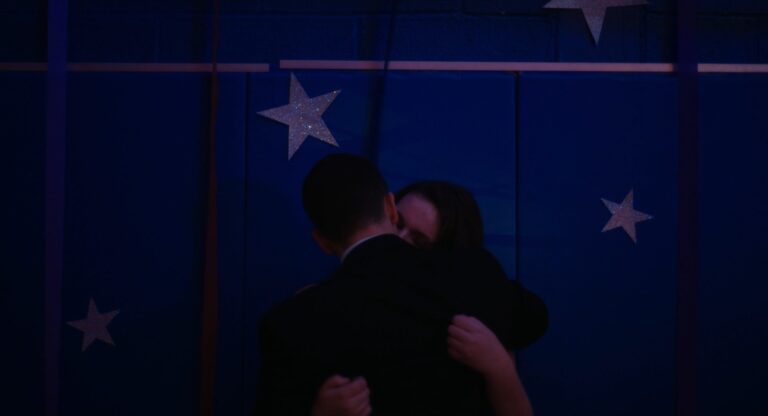
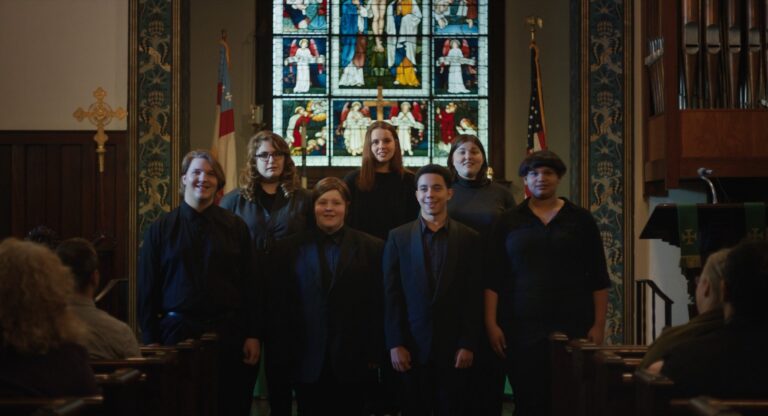
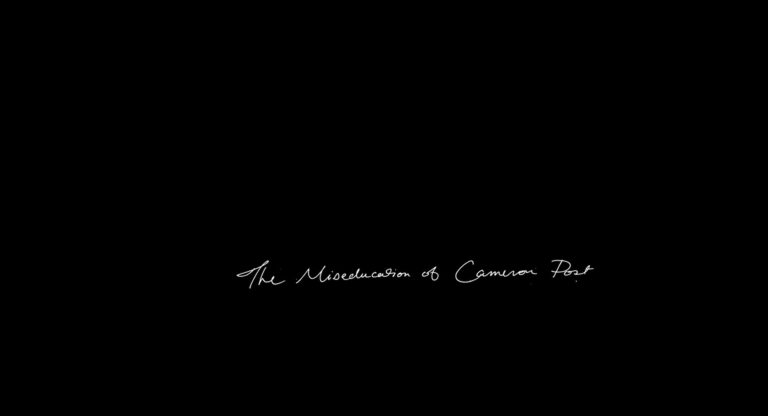
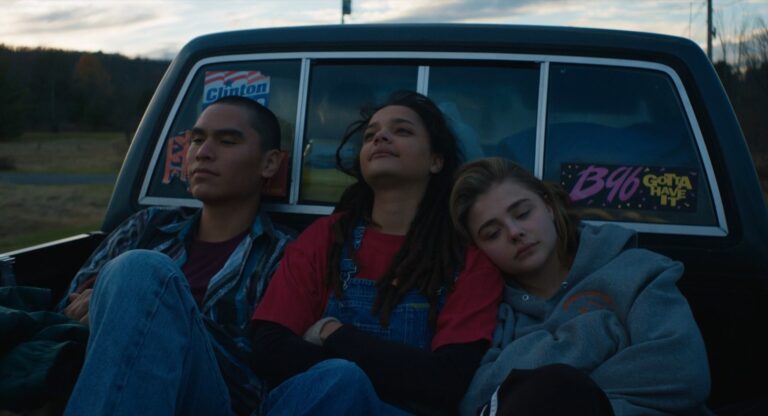
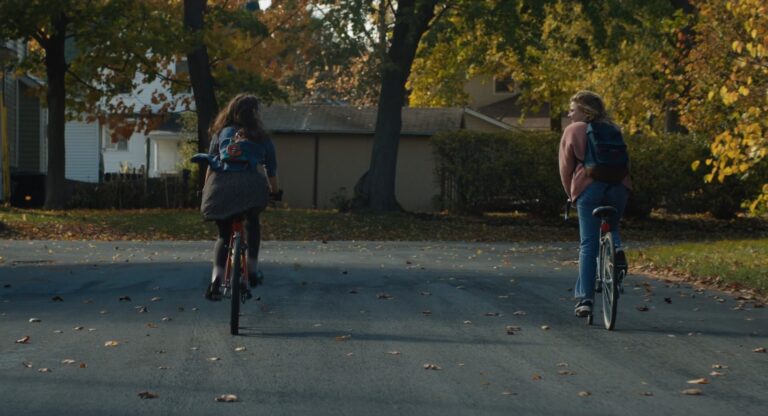
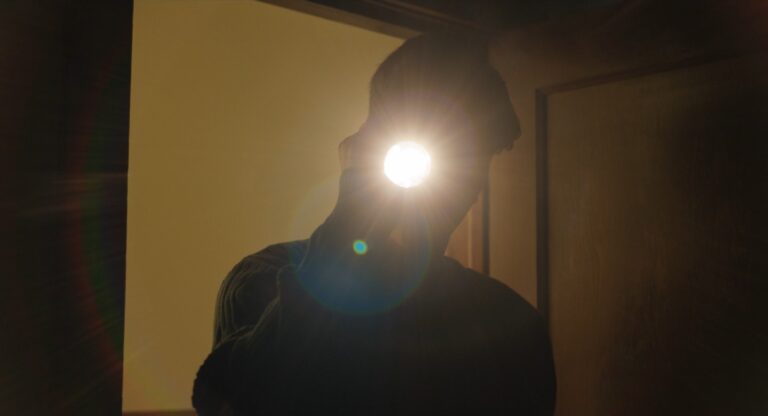
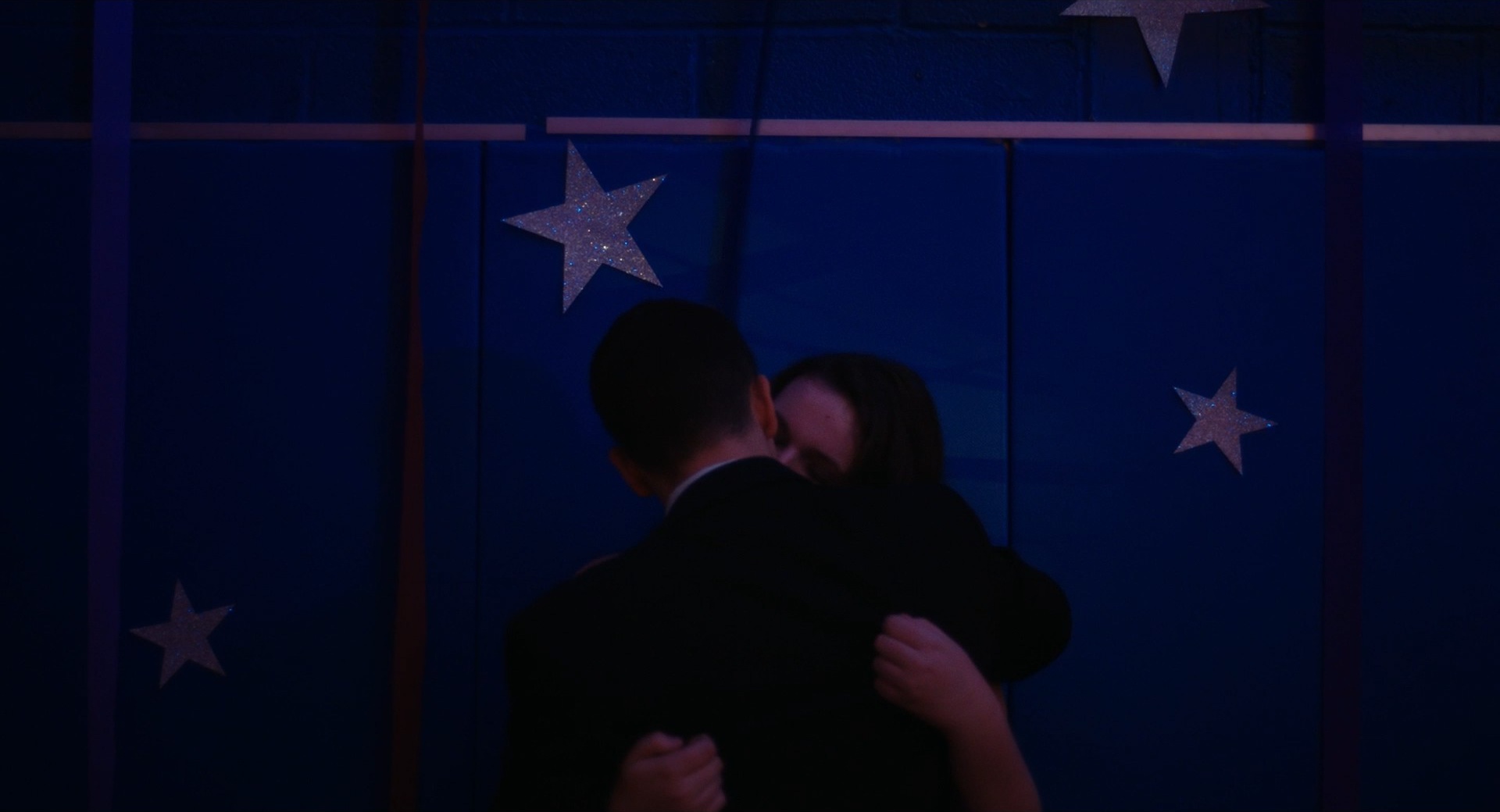
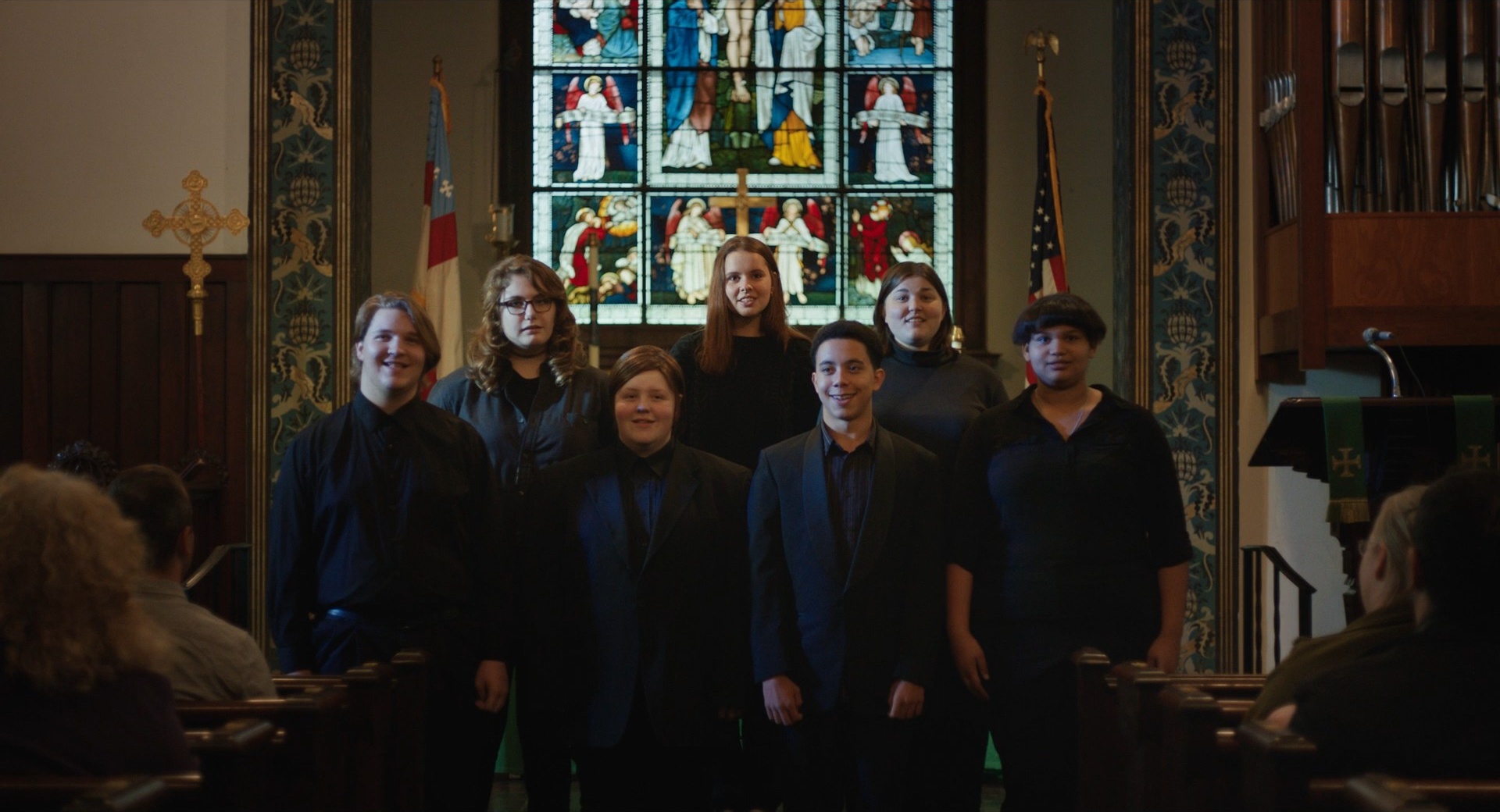
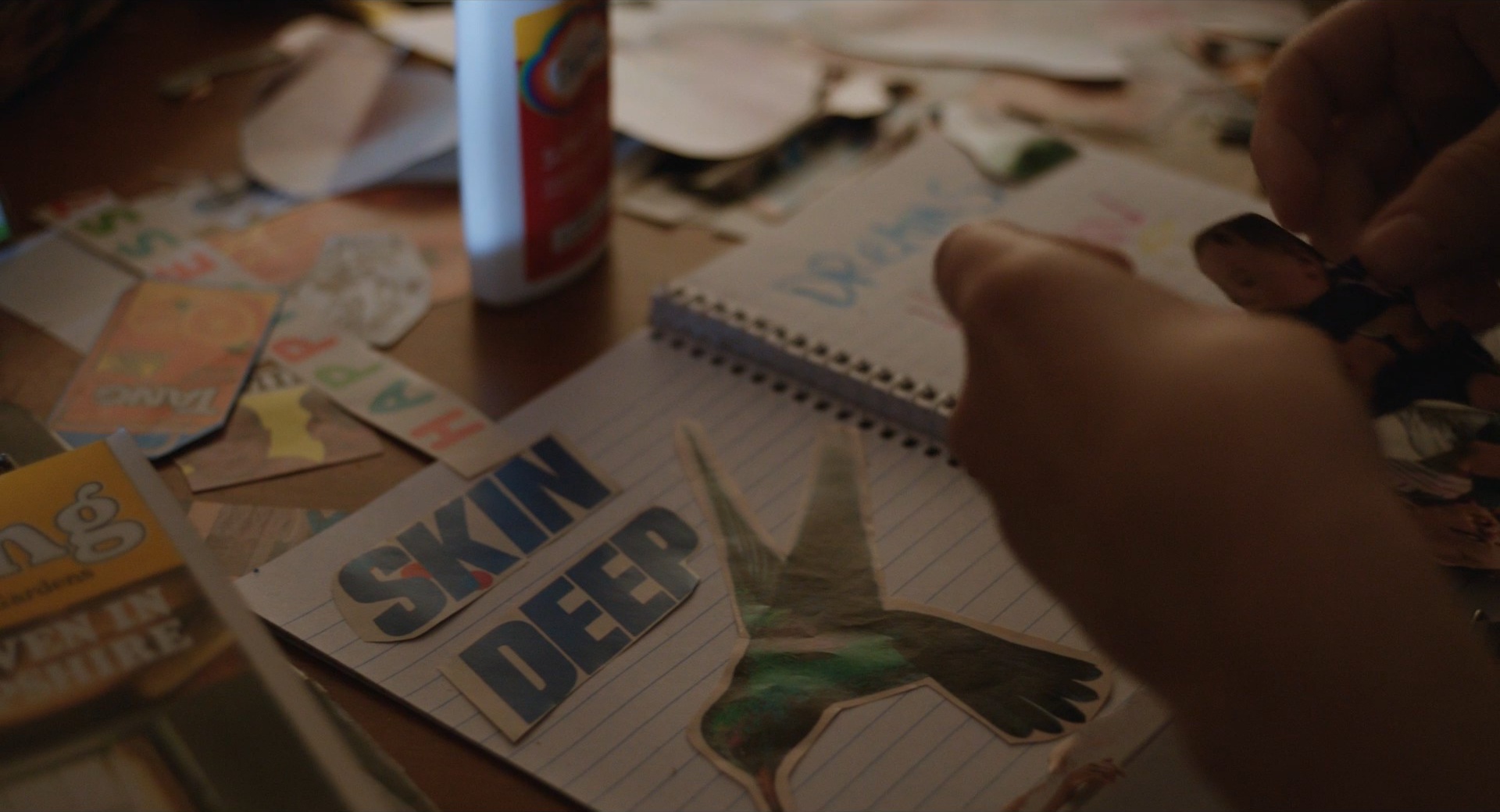
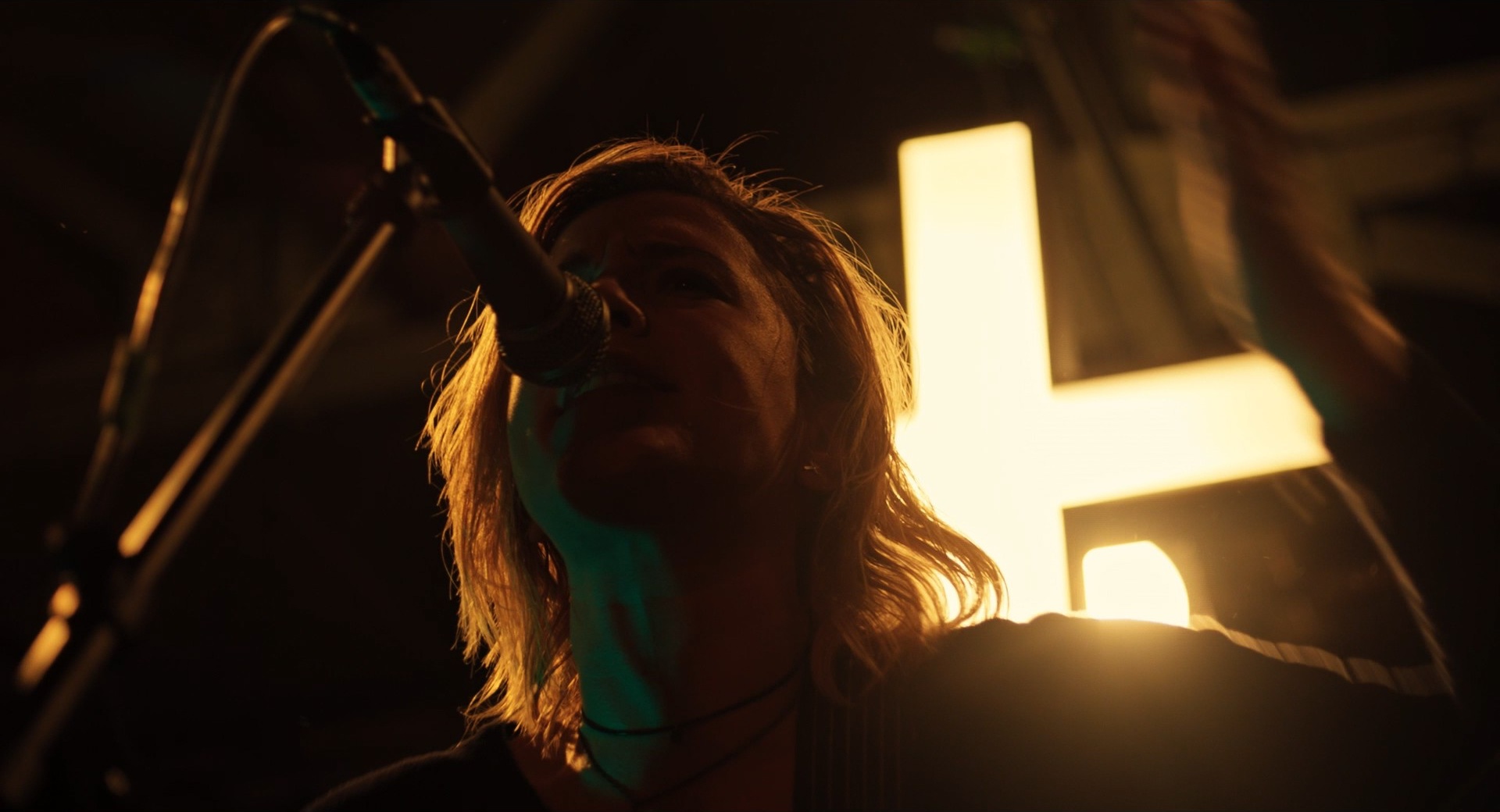
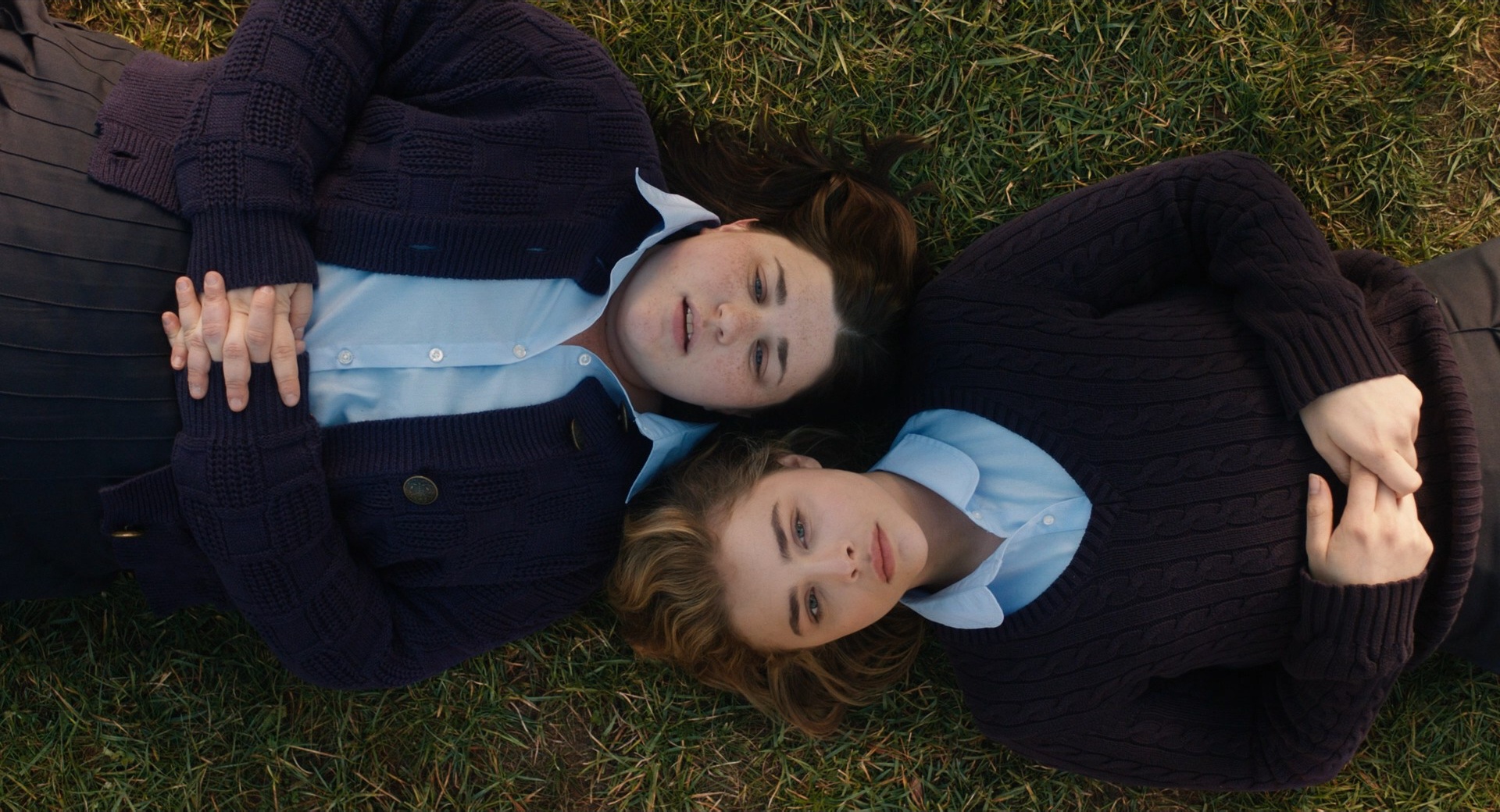
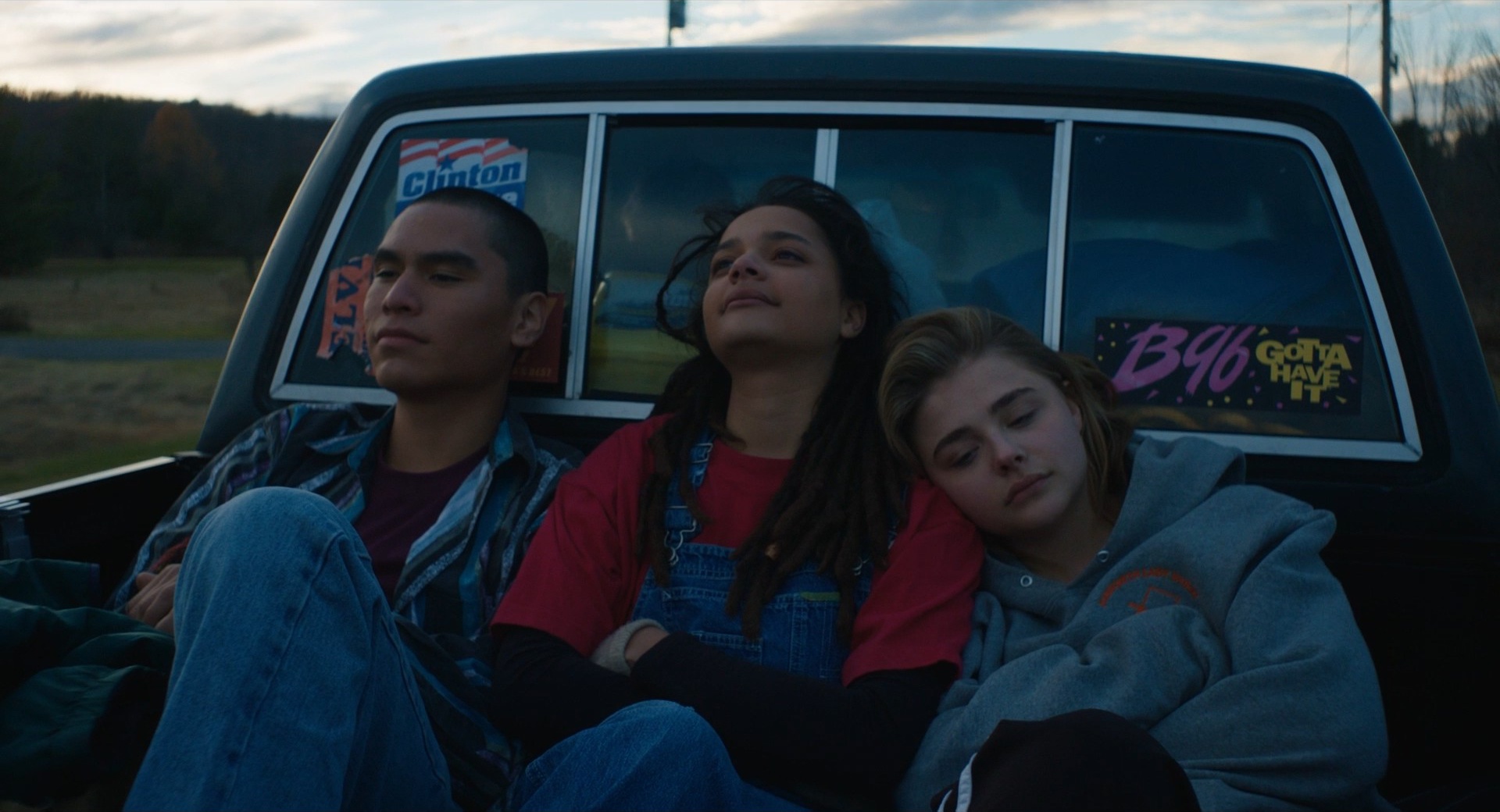
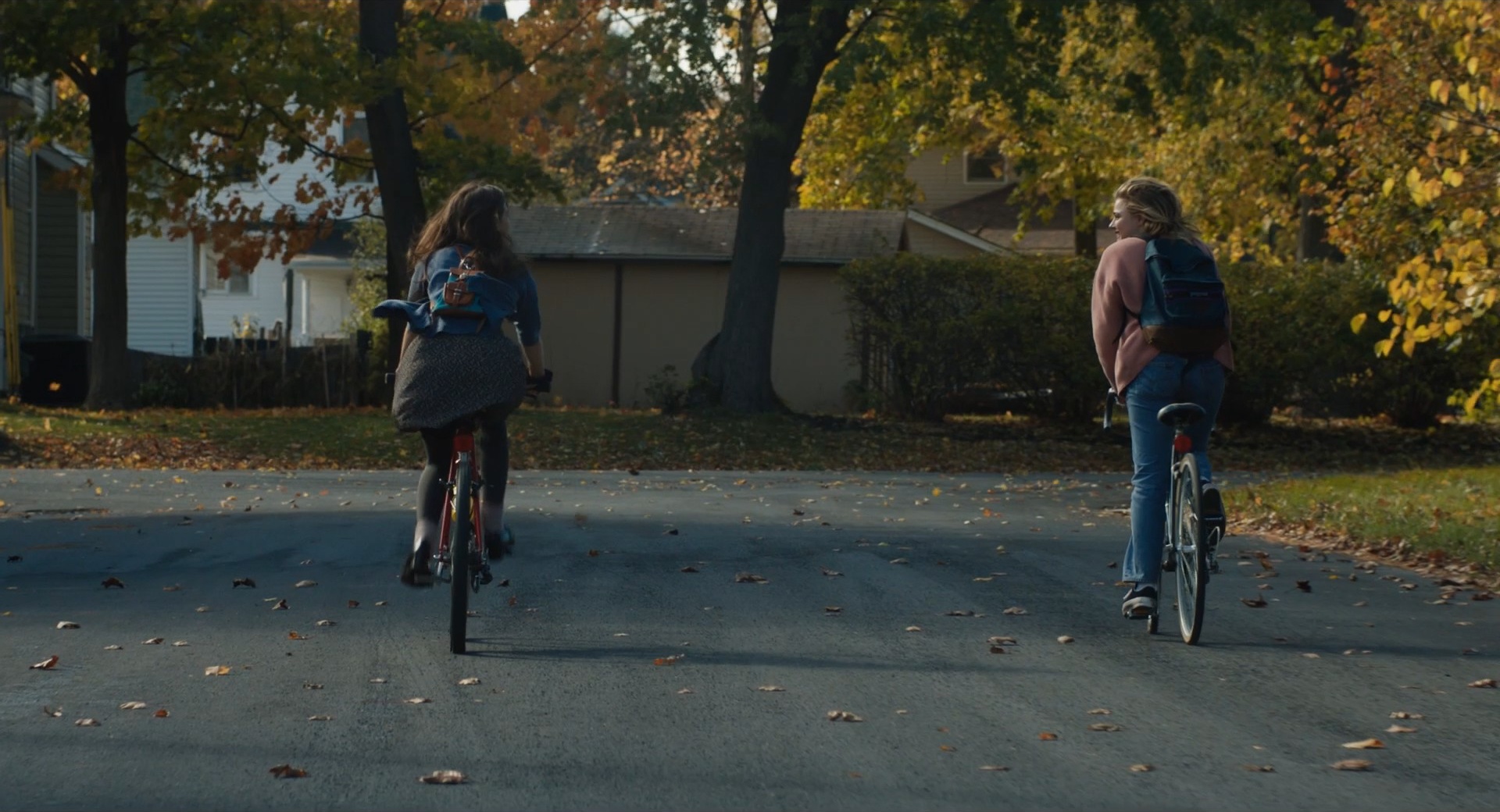
The Miseducation of Cameron Post (2018)
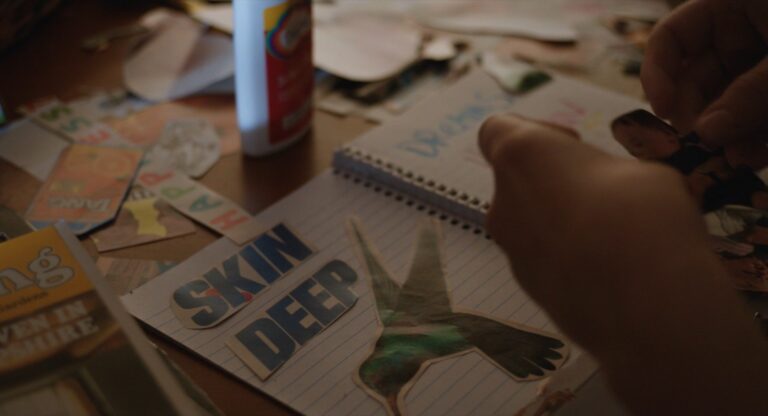
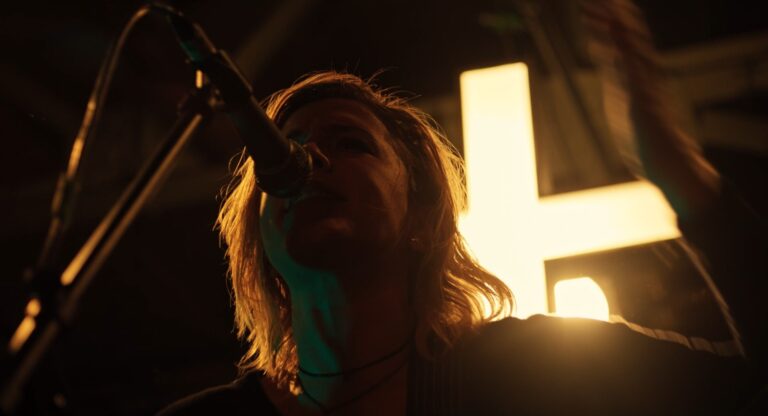
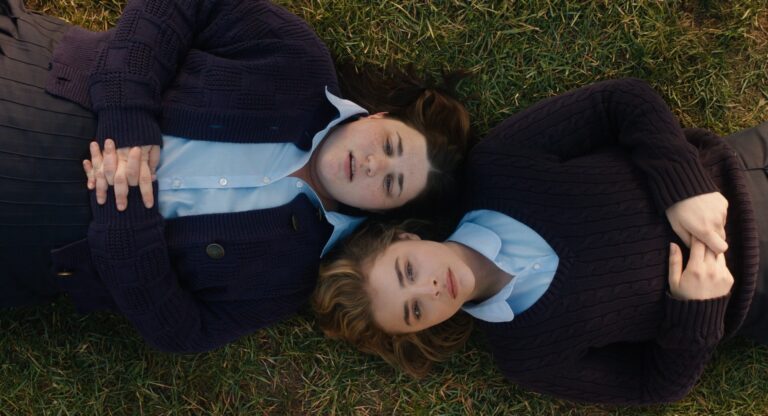
After being caught with another girl on prom night, teenager Cameron Post is sent to a conversion therapy center that claims to “fix” same-sex attraction. Surrounded by other young people facing similar pressures, she forms quiet bonds while navigating the rigid rules and emotional strain of the program. As she begins to question the authority around her, Cameron searches for a sense of identity and freedom.
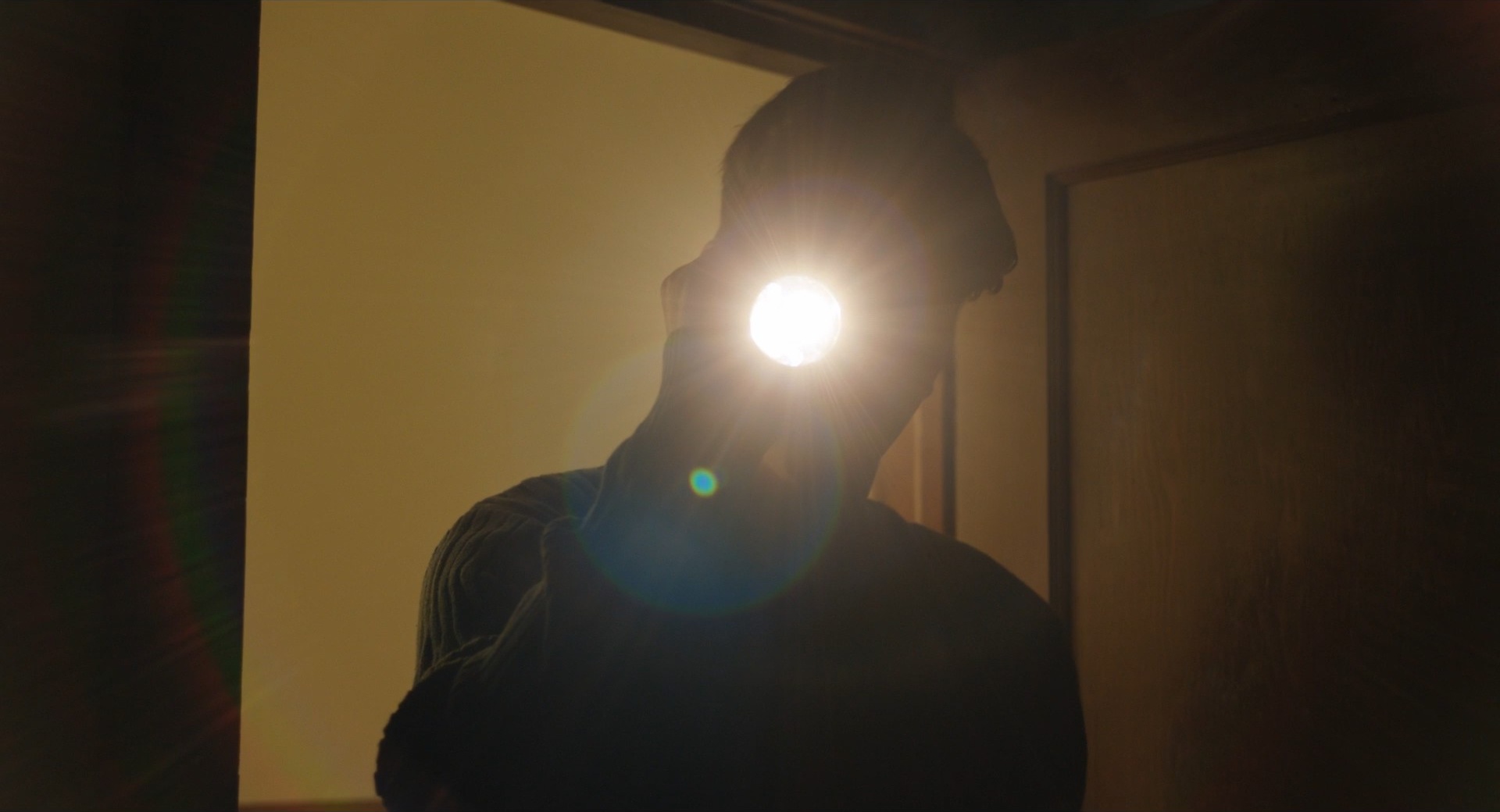
Akhavan and cinematographer Ashley Connor shoot The Miseducation of Cameron Post with a soft, understated naturalism, using diffused light and gentle handheld framing to stay closely aligned with Cameron’s perspective. The film’s muted palette and restrained compositions avoid dramatization—letting small gestures and quiet moments carry the emotional weight, grounding the story in an intimate, observational tone.
FILM SPOTLIGHT
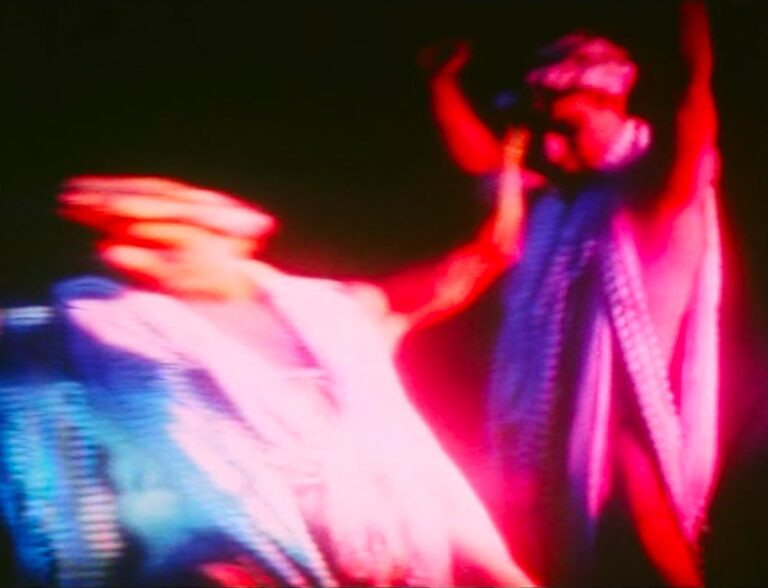
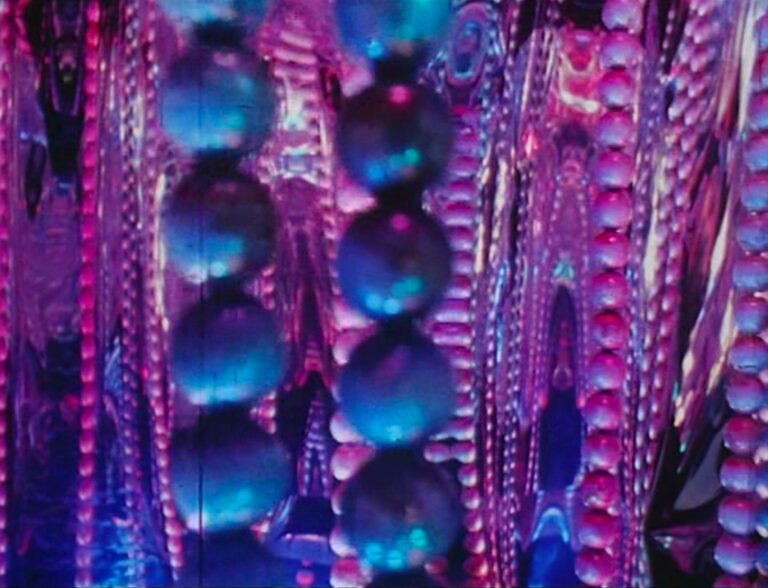
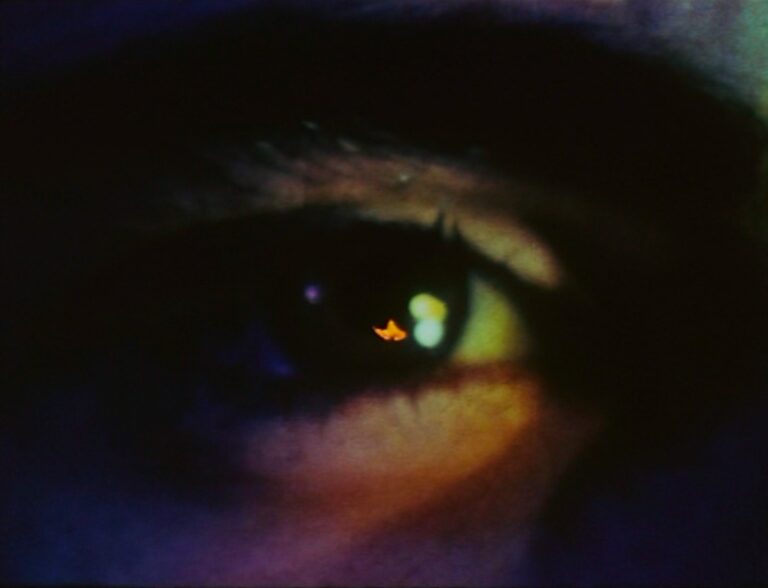
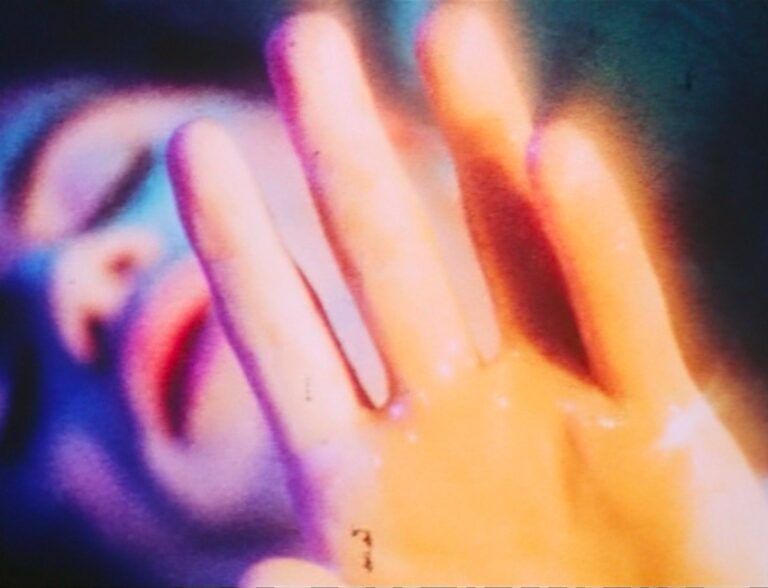
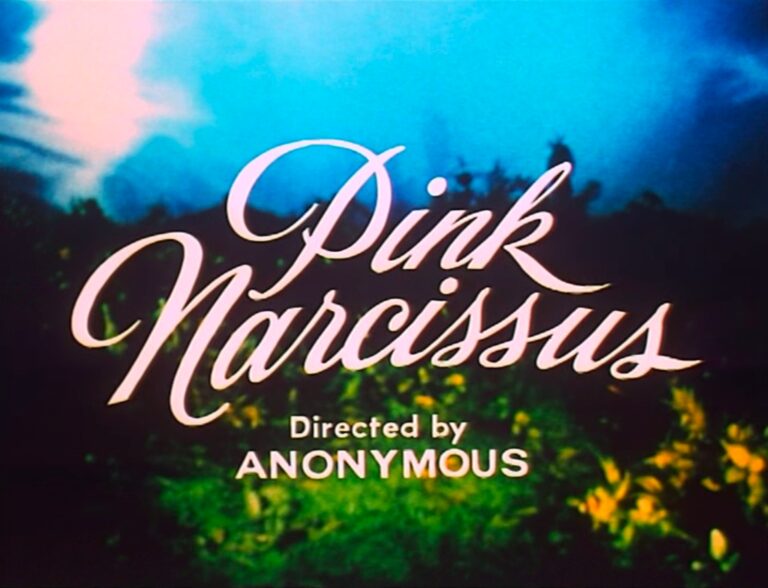
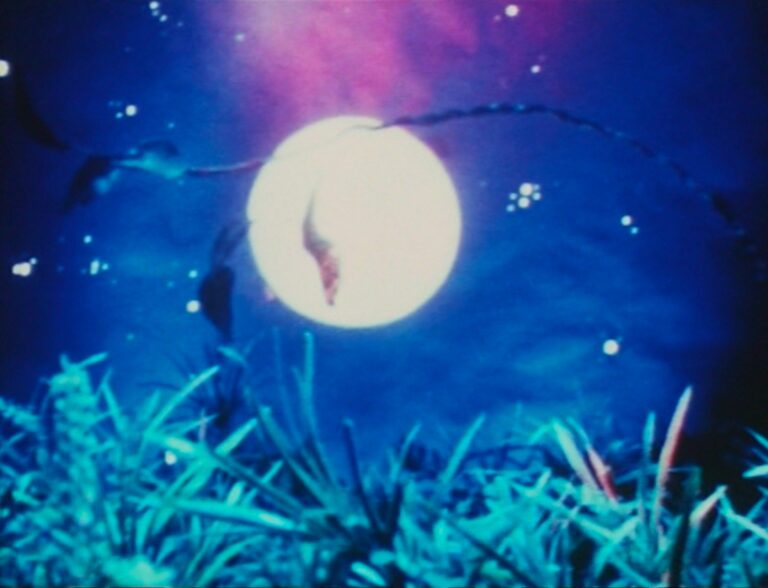
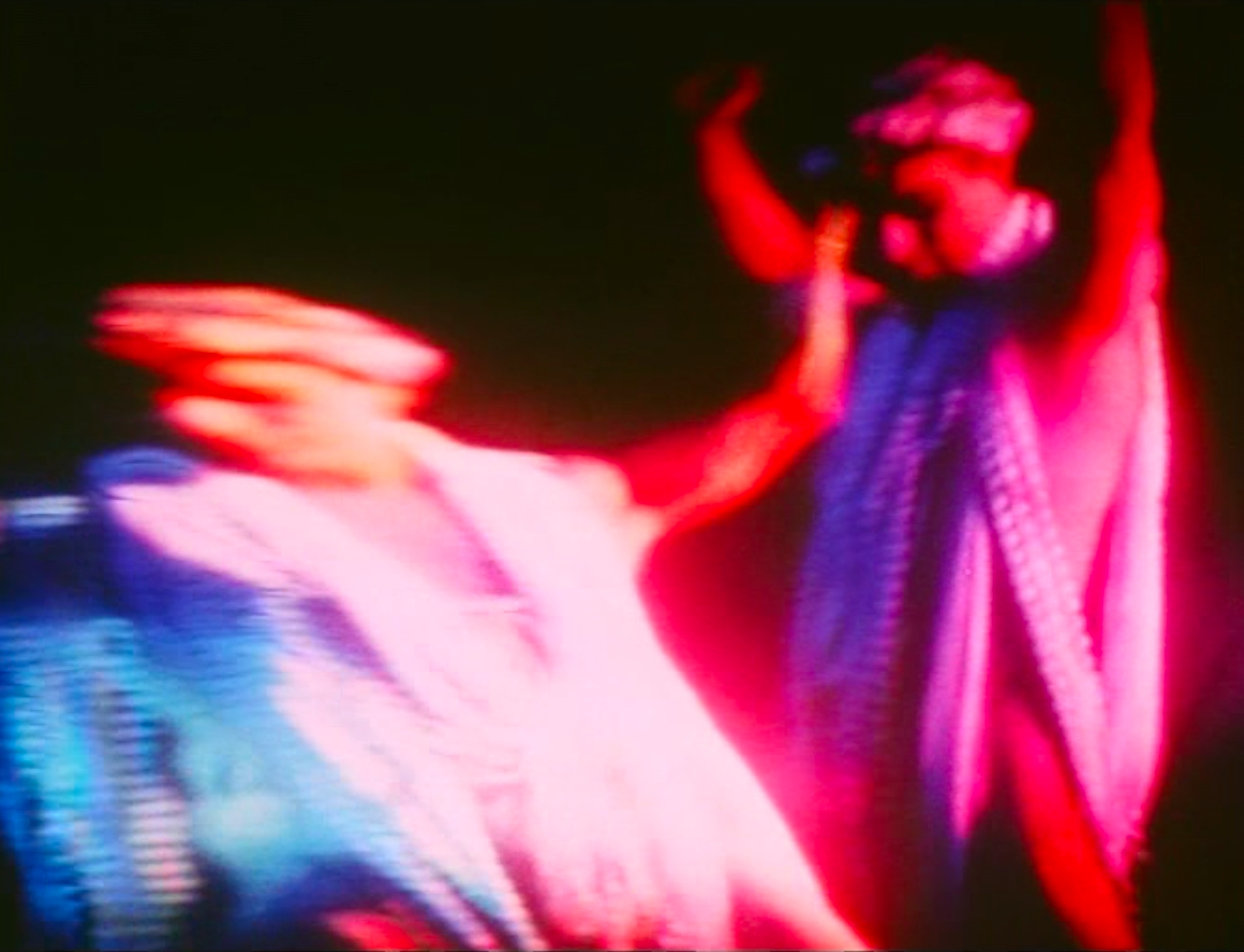
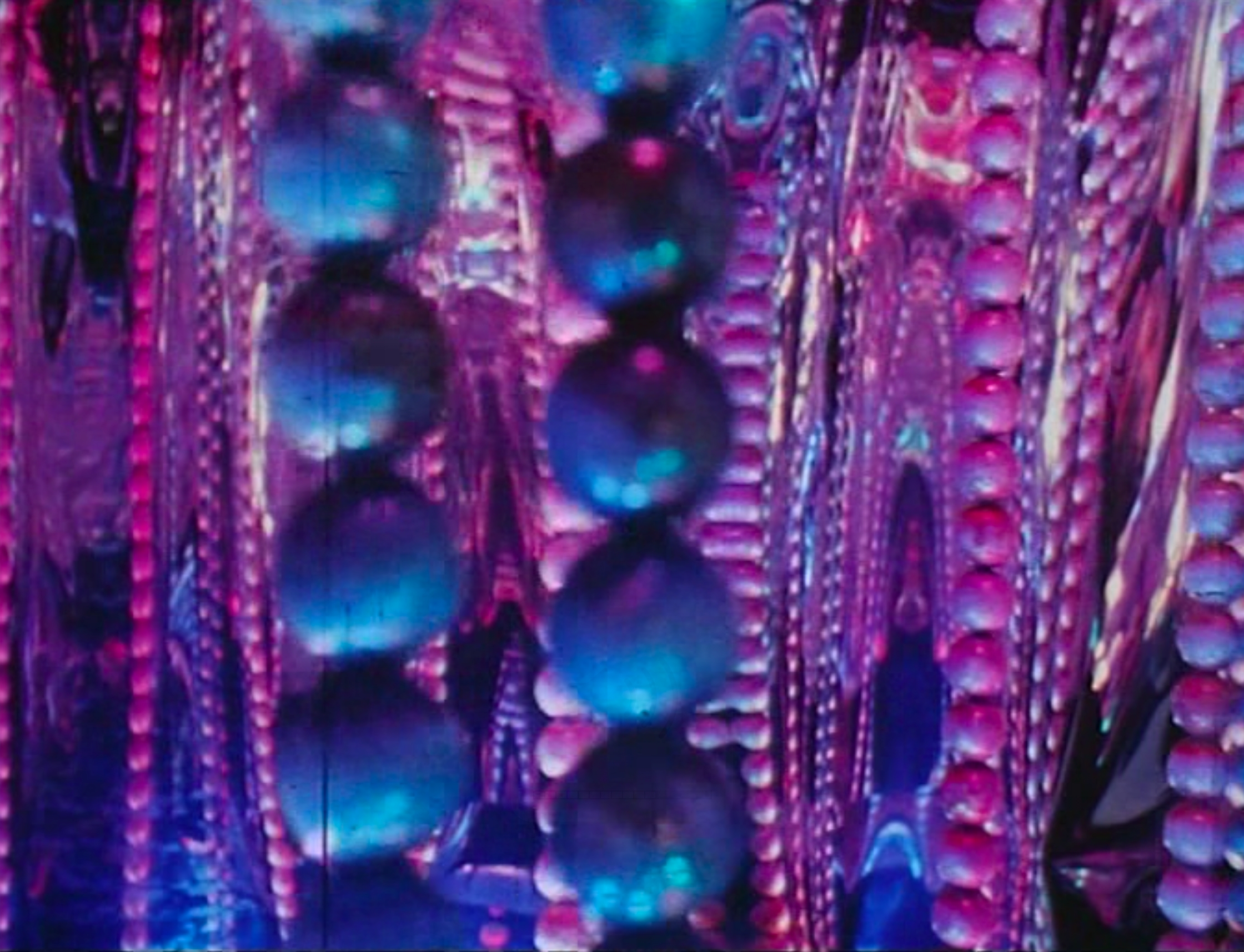
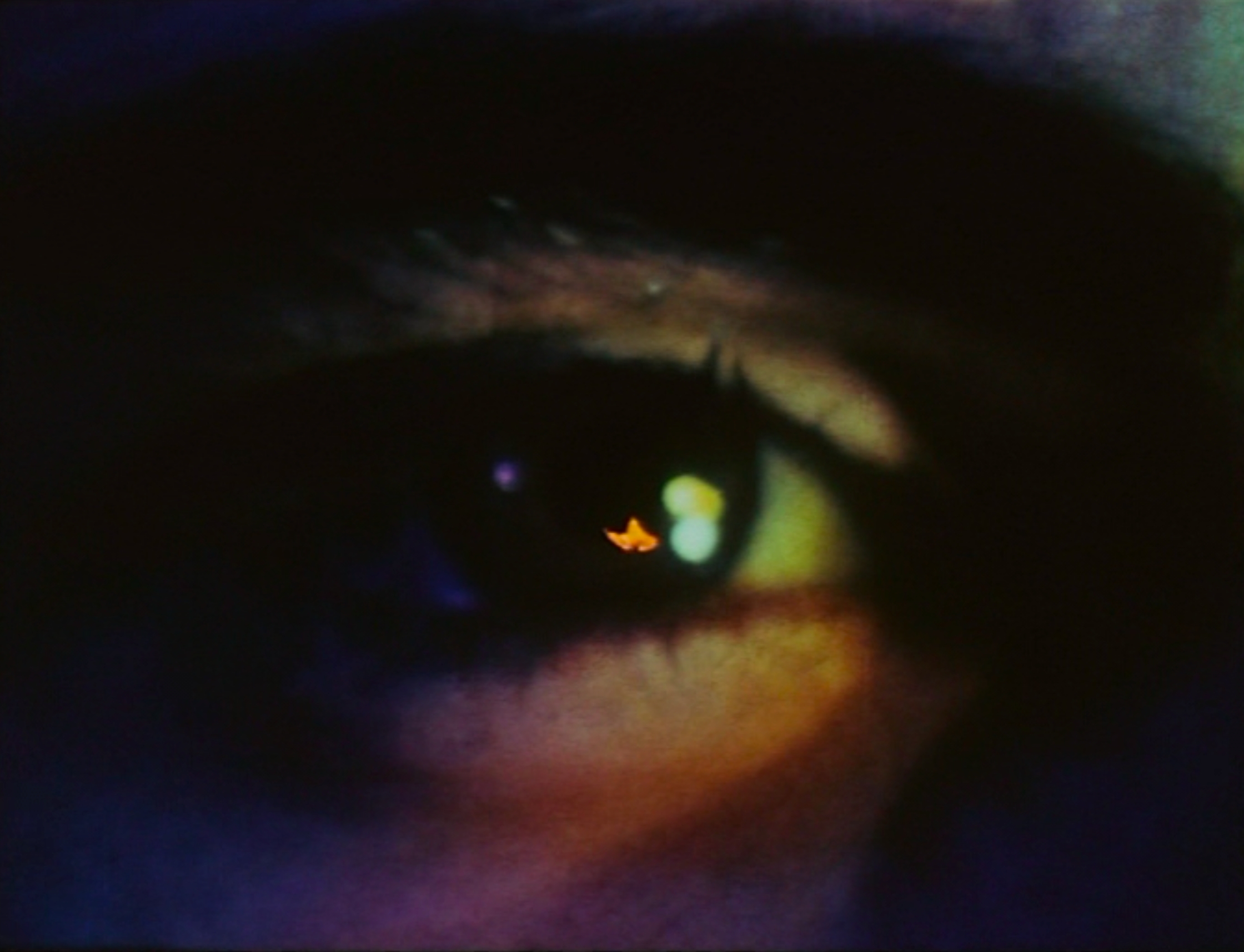
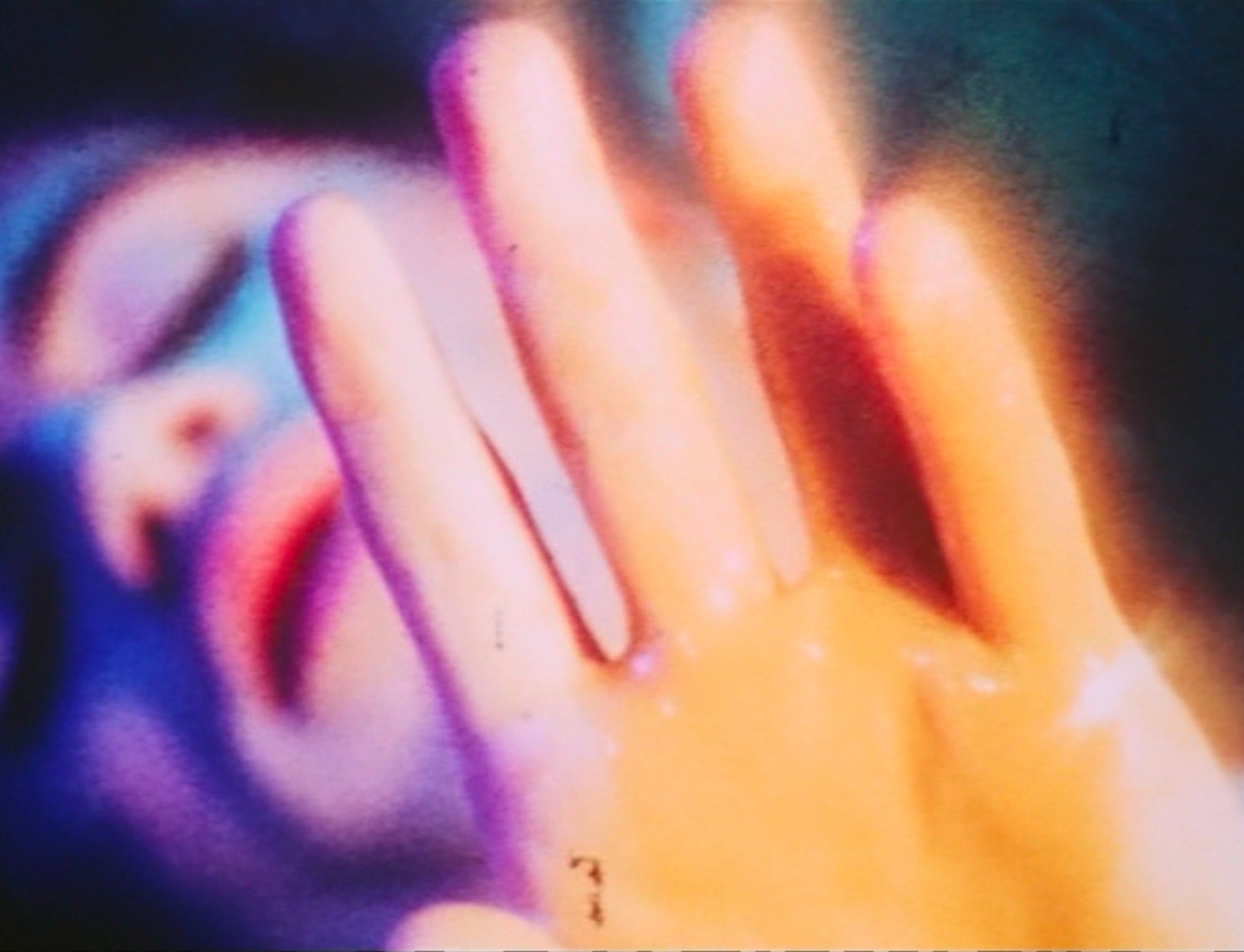
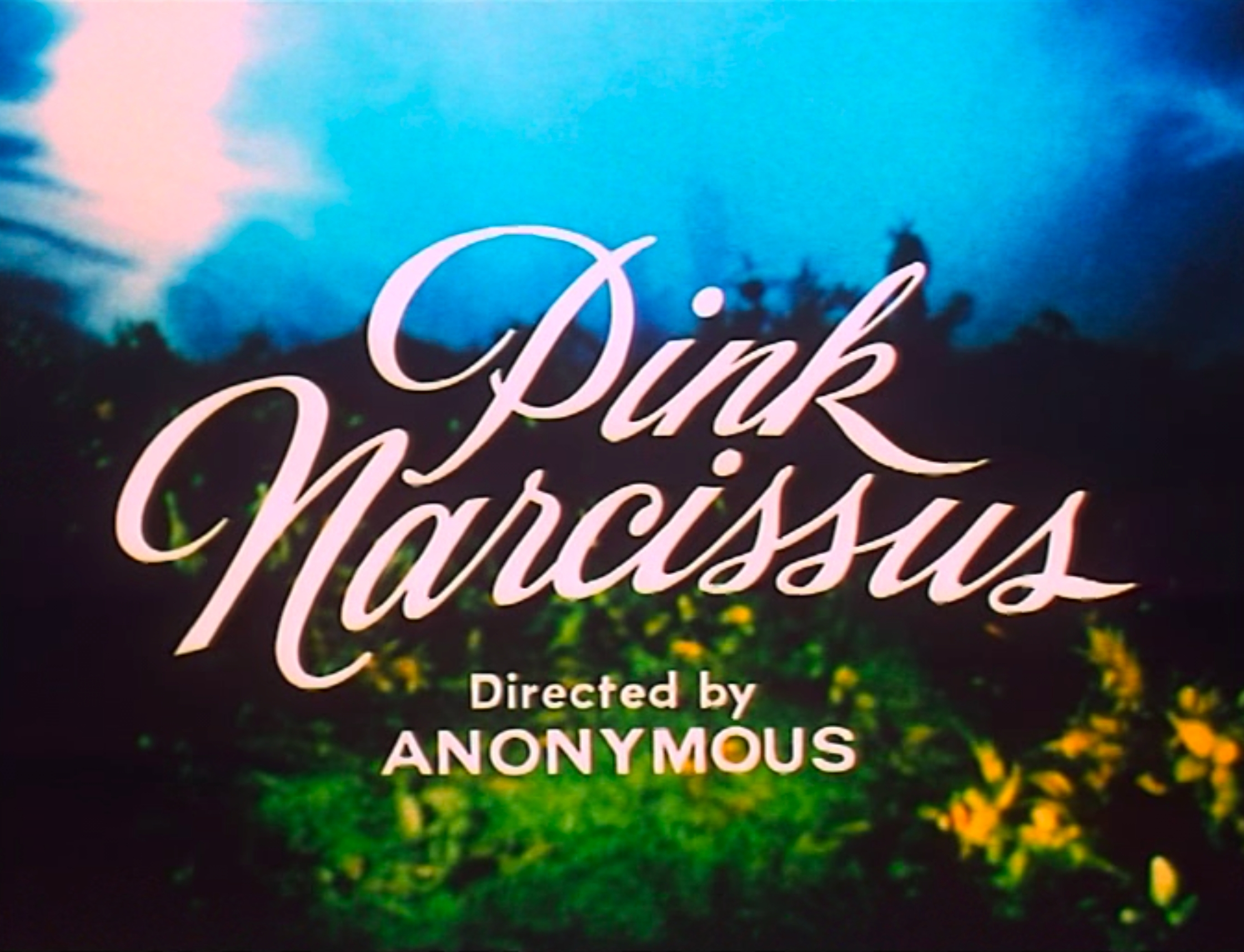
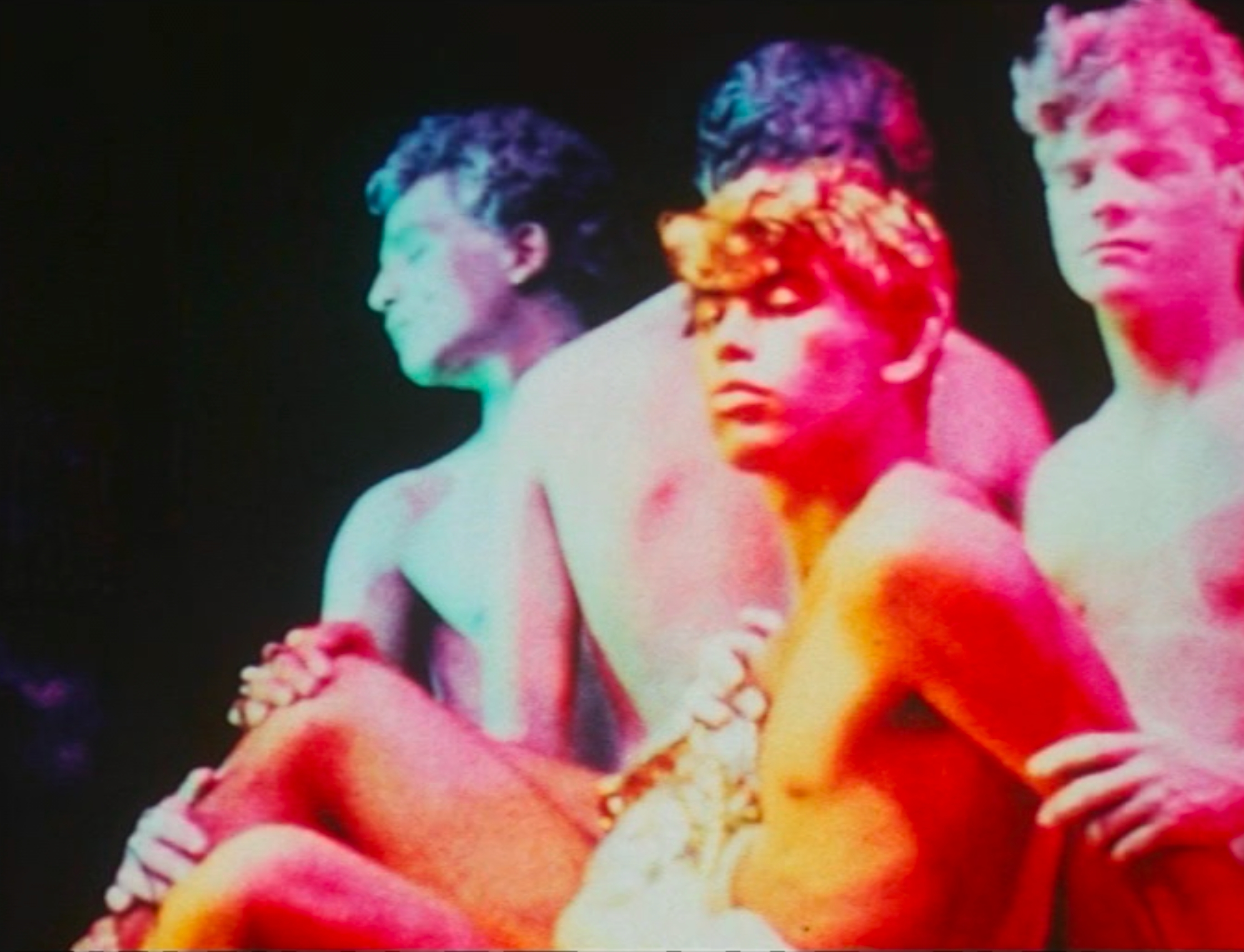
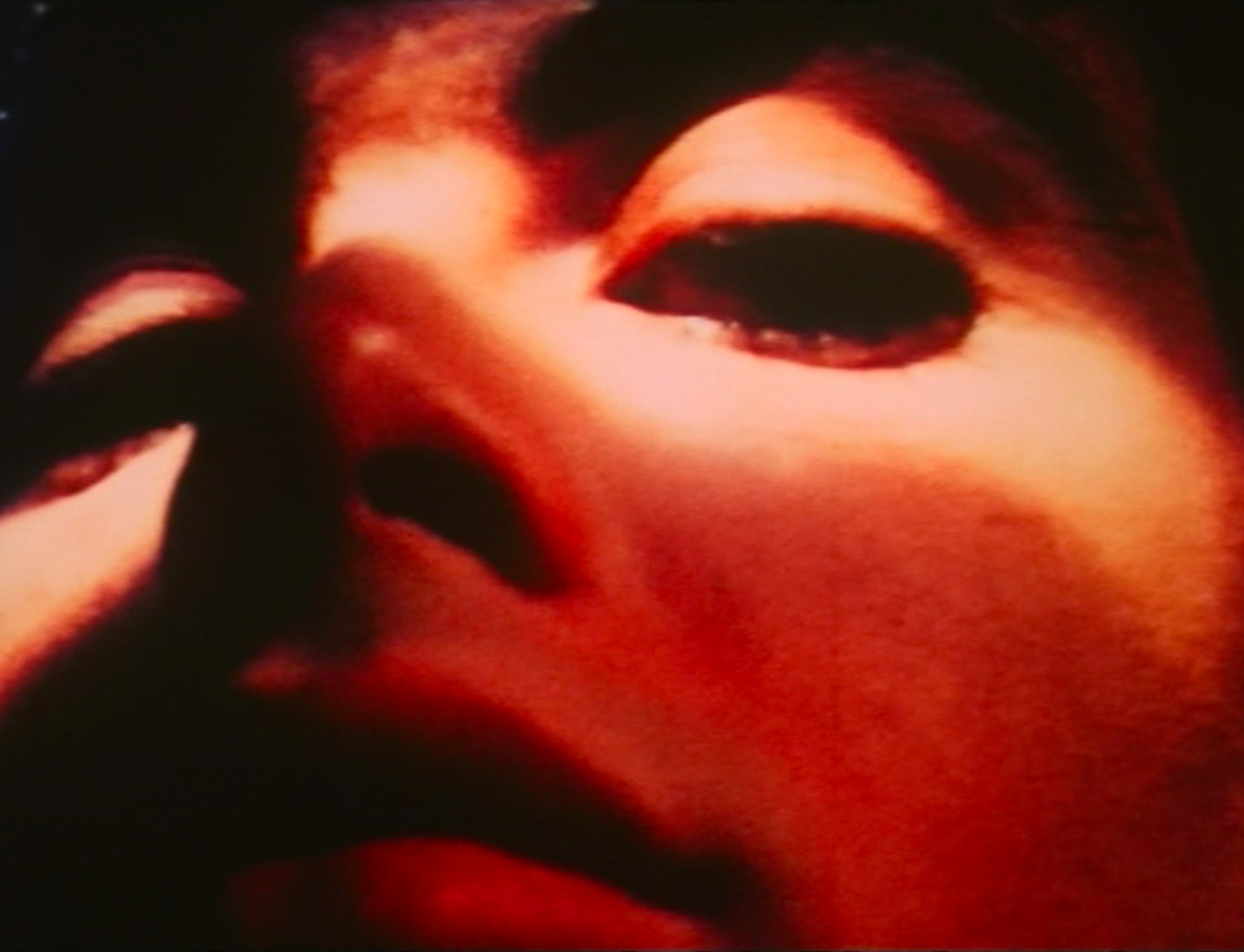
Pink Narcissus (1971)
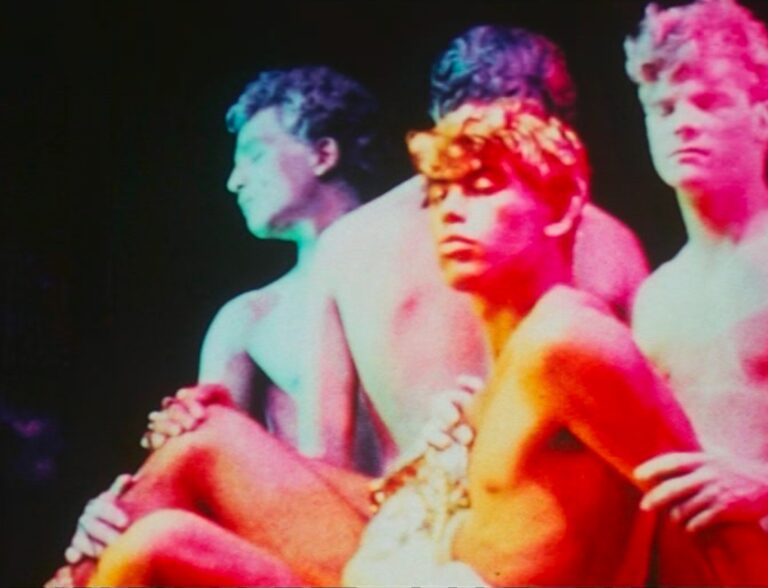
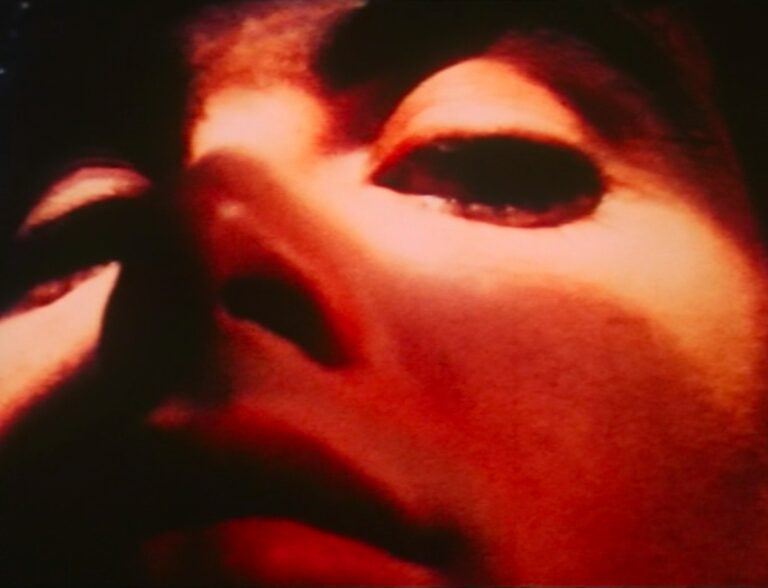
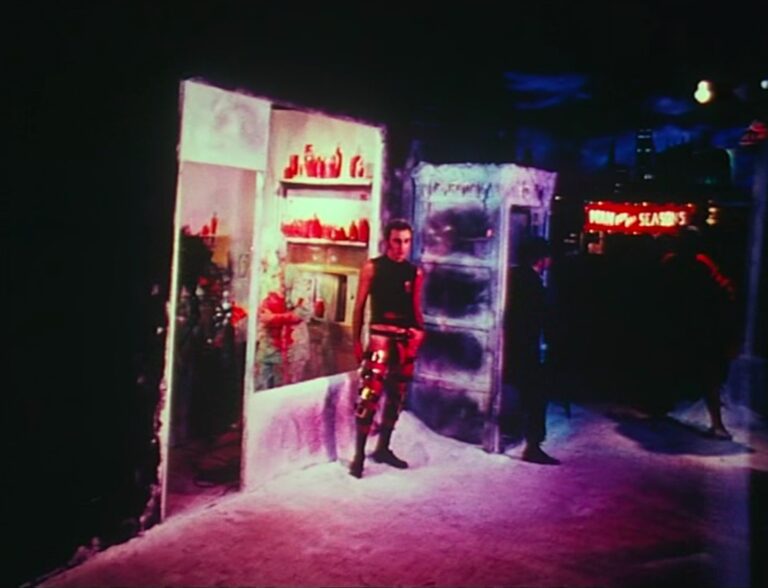
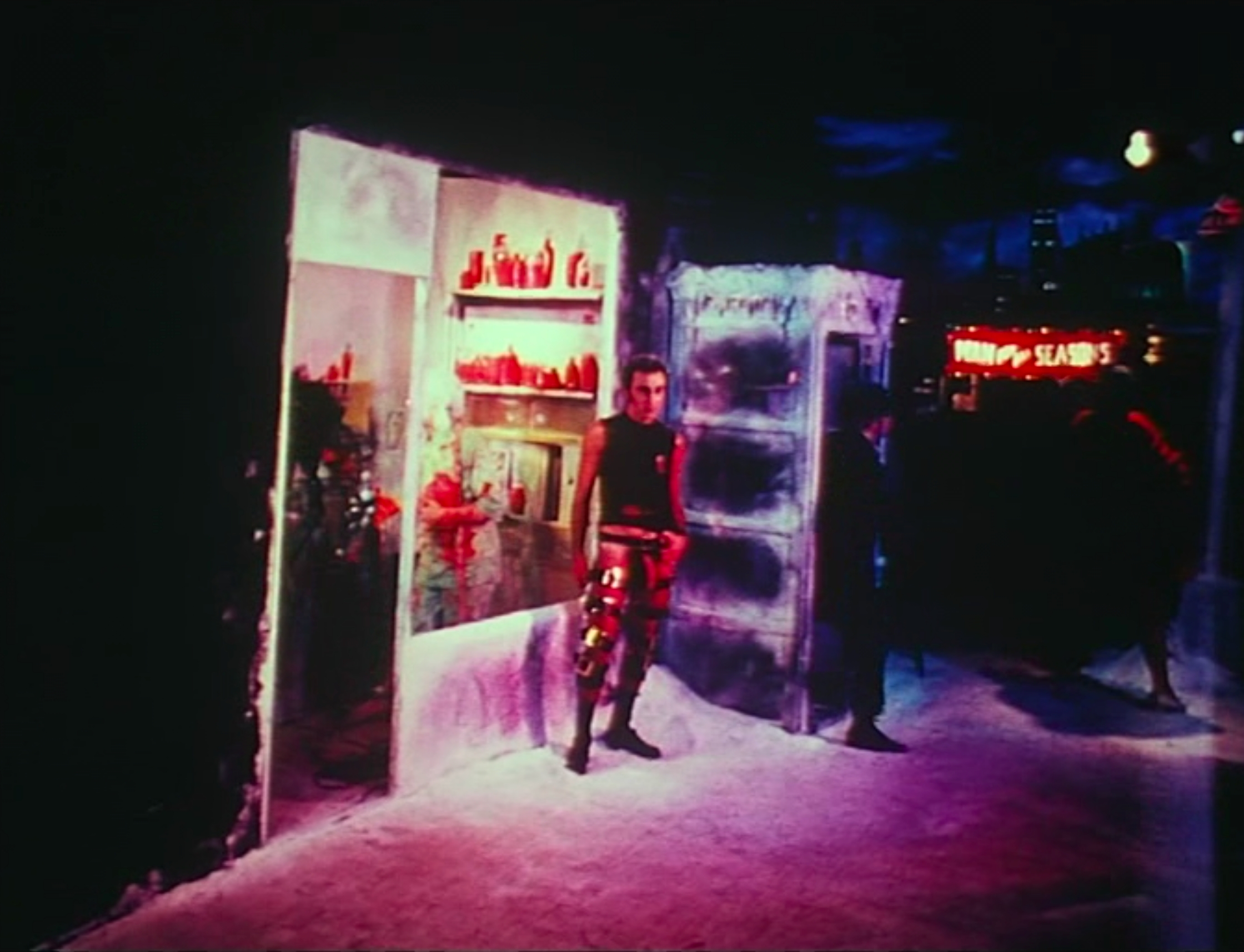
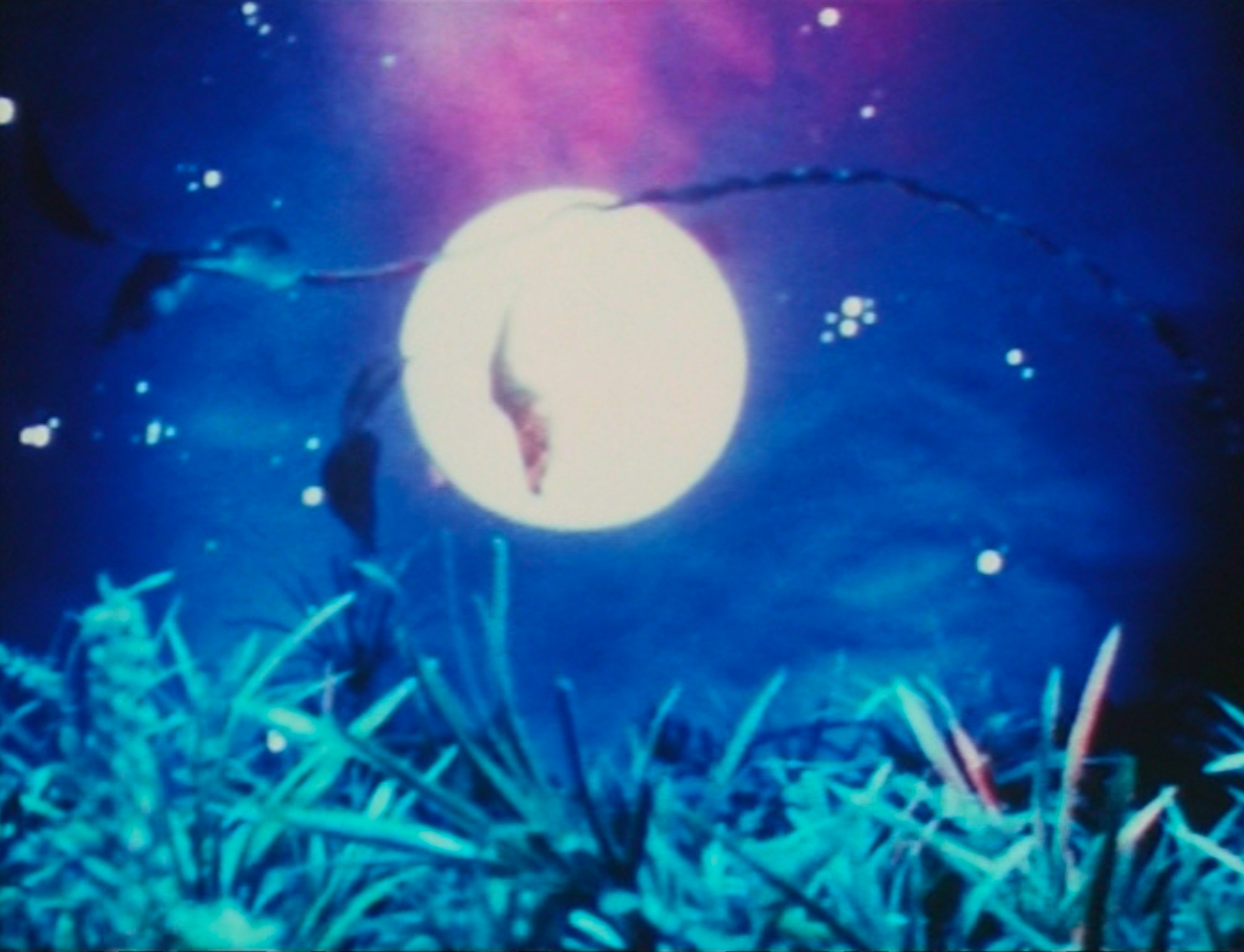
Confined to a small apartment, a young male prostitute escapes into a series of elaborate erotic fantasies, imagining himself in a variety of exotic, mythic, and decadent worlds. As reality and imagination blur, his inner life unfolds through these shifting dreamscapes. The film becomes a meditation on desire, identity, and escapism, told almost entirely through visual reverie.
Bidgood shot Pink Narcissus almost entirely in his apartment over several years, building ornate sets by hand and lighting them with richly saturated, theatrical color. Using soft focus, filters, and layered compositions, he transforms limited space into a lush, dreamlike fantasia—where lighting and production design do the heavy lifting, turning fantasy into pure visual expression.
FILM SPOTLIGHT
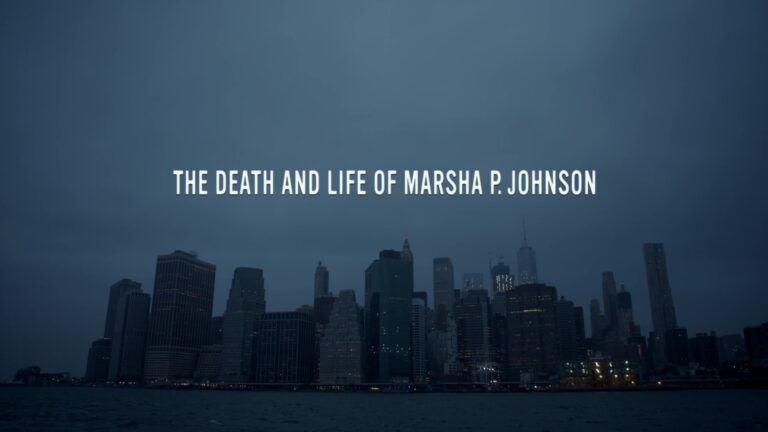
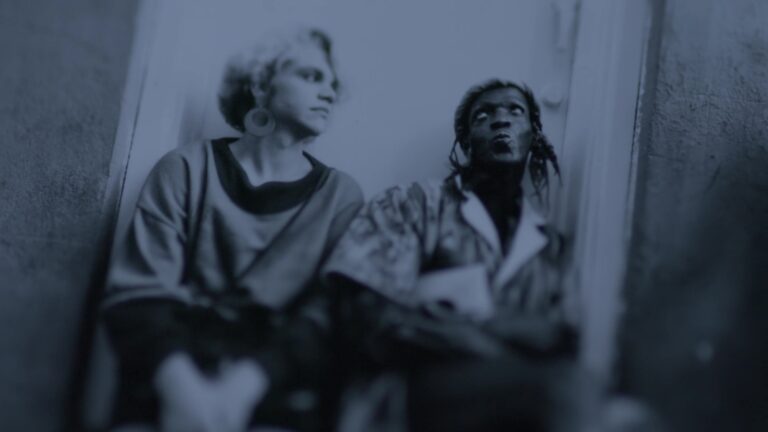
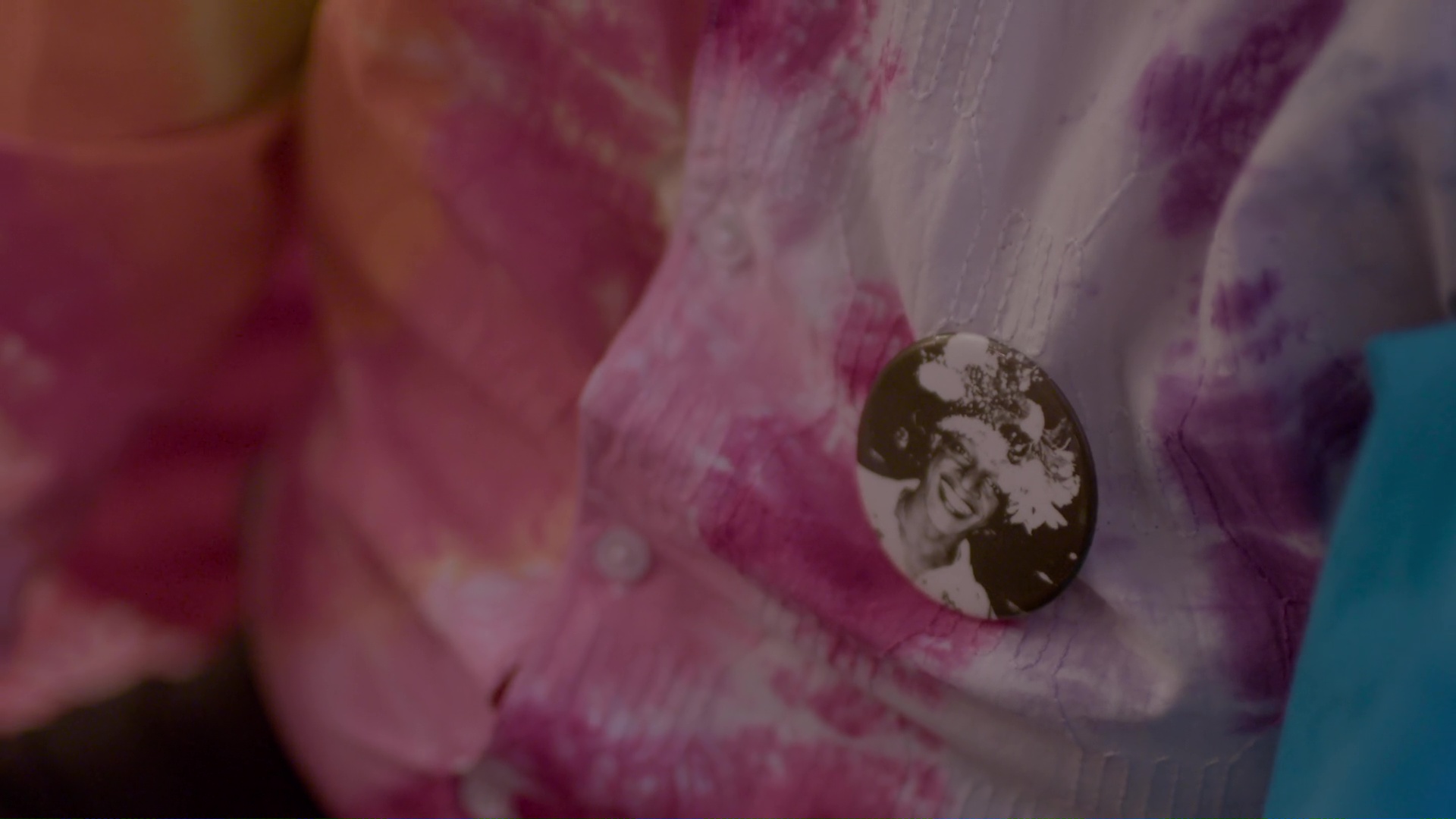
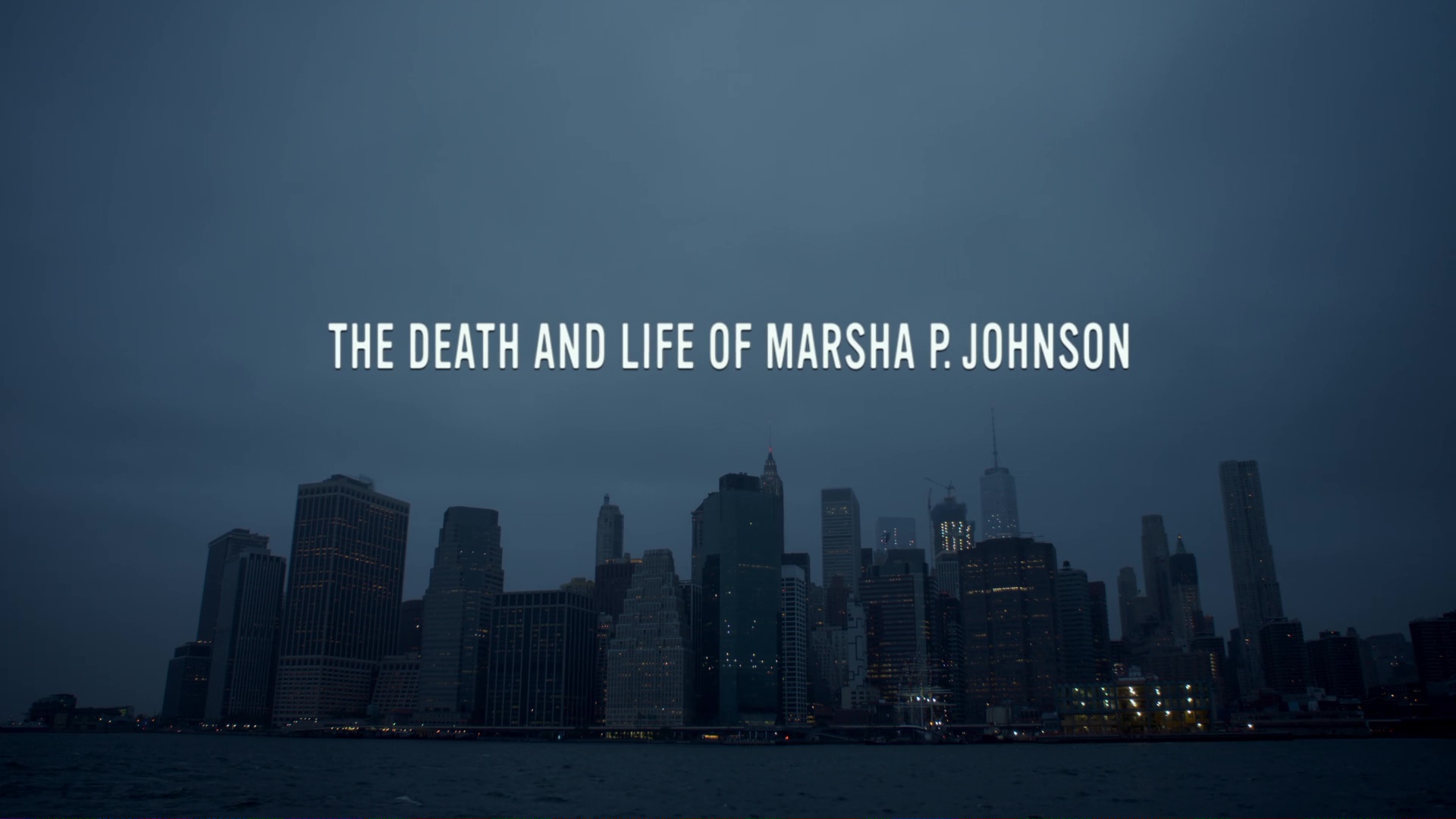
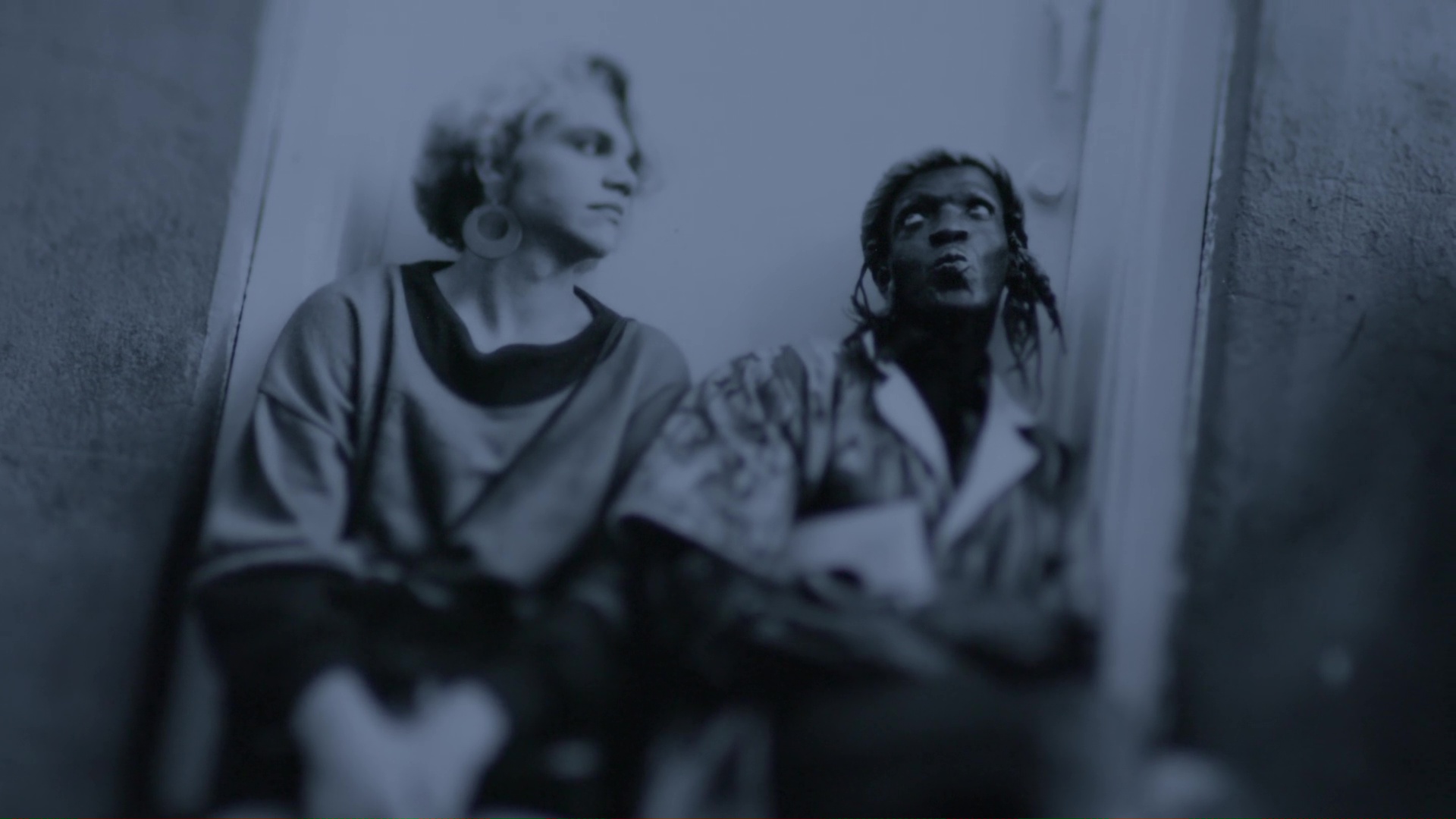
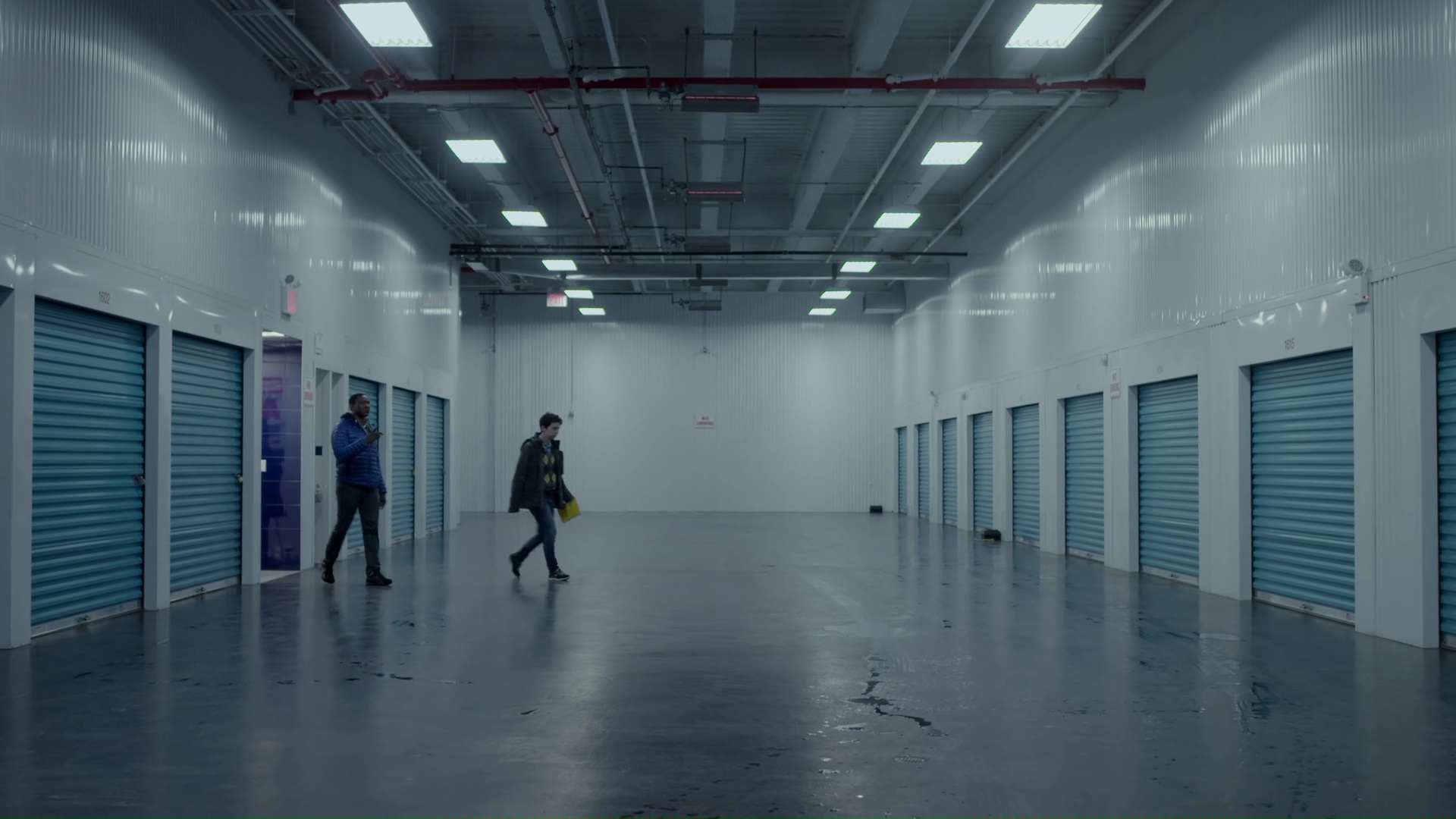
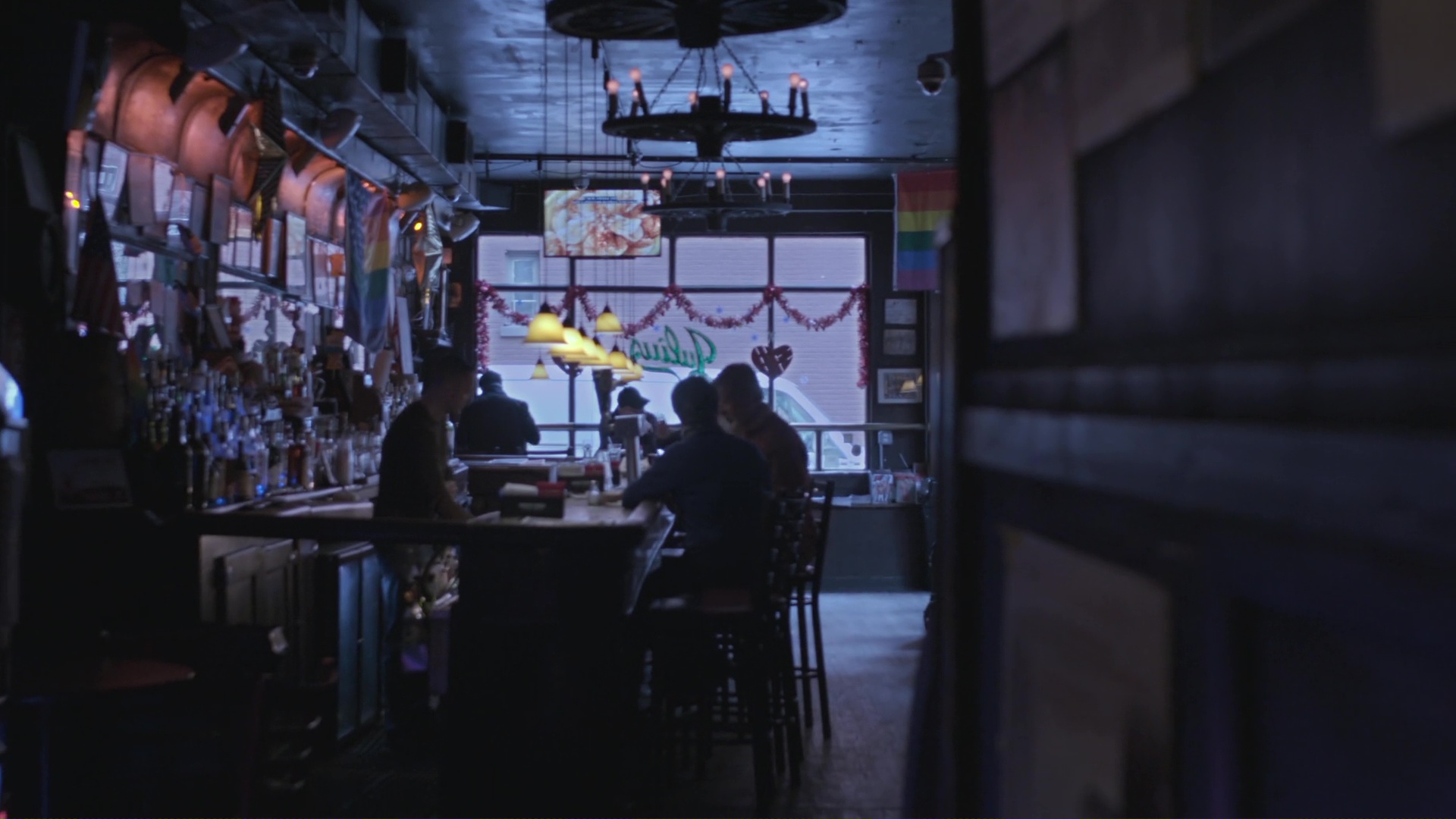
The Death and Life of Marsha P. Johnson (2017)
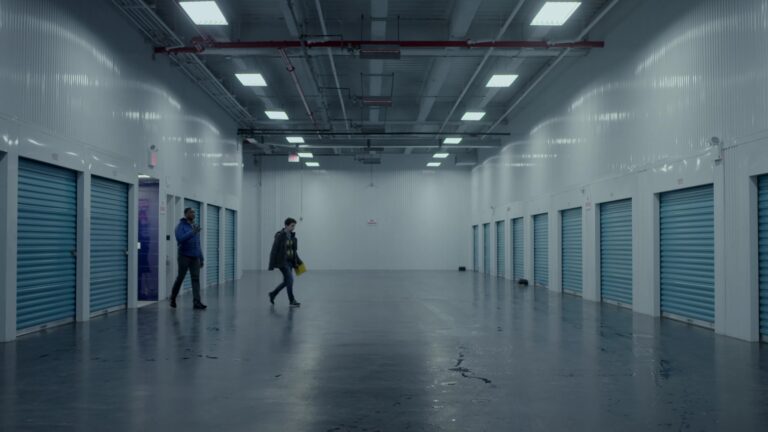
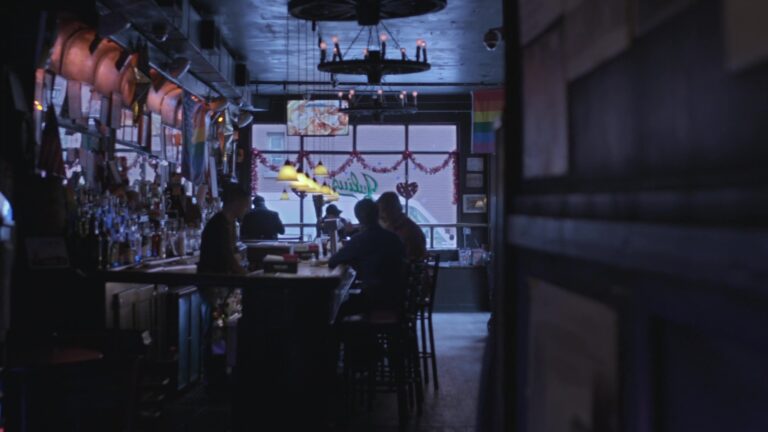
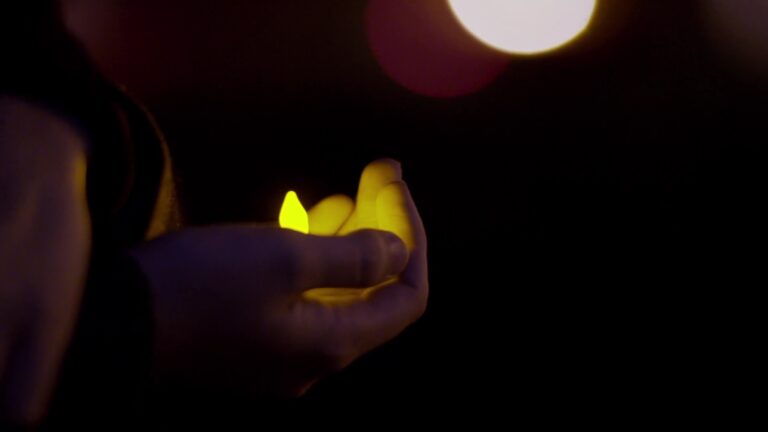
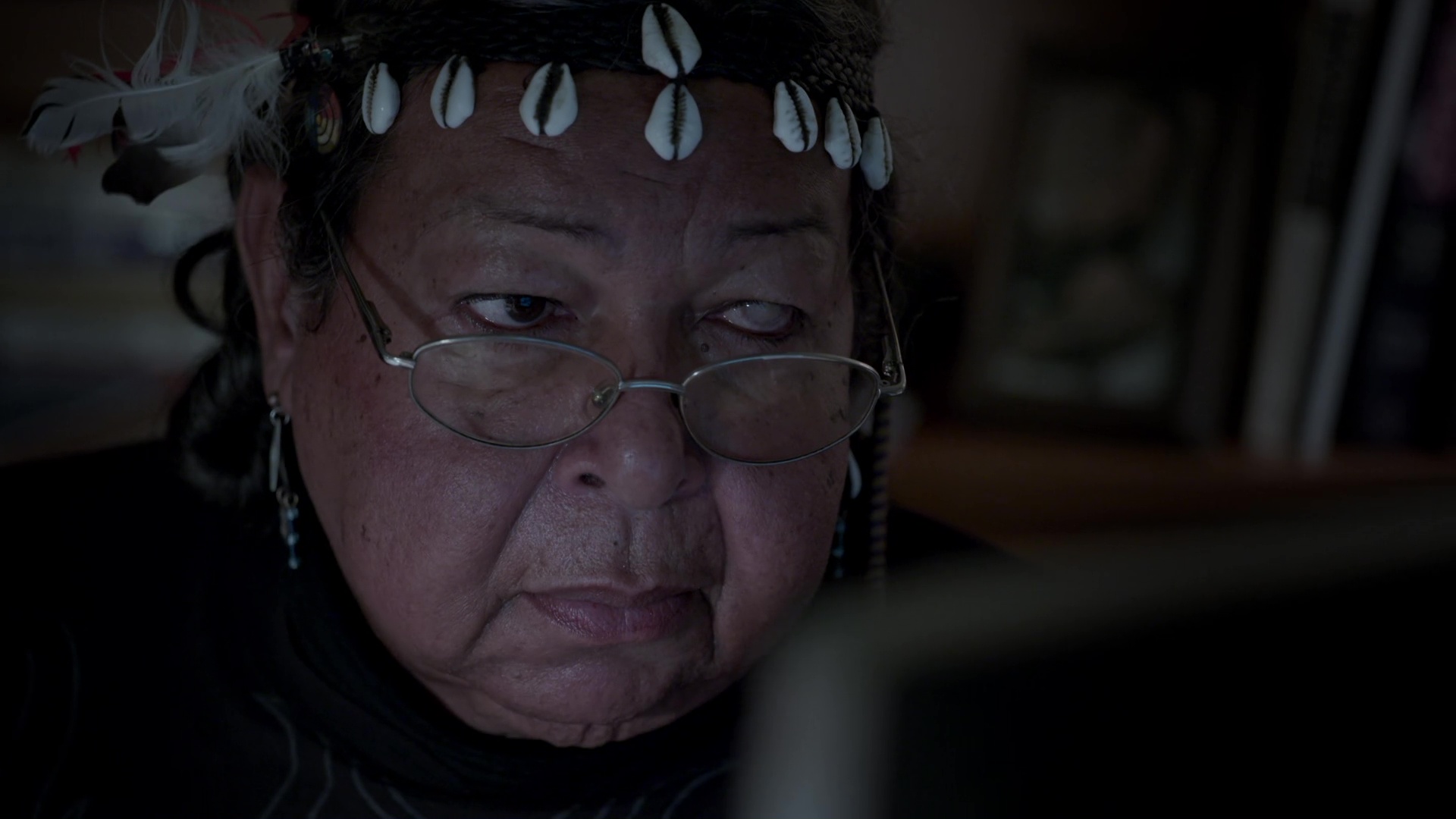
The documentary investigates the mysterious death of Marsha P. Johnson, a prominent figure in the LGBTQ+ rights movement and a key participant in the Stonewall uprising. Activist Victoria Cruz reopens the case, uncovering overlooked evidence and systemic failures that surrounded Johnson’s death. The film becomes both an inquiry into justice and a tribute to Johnson’s life and legacy.
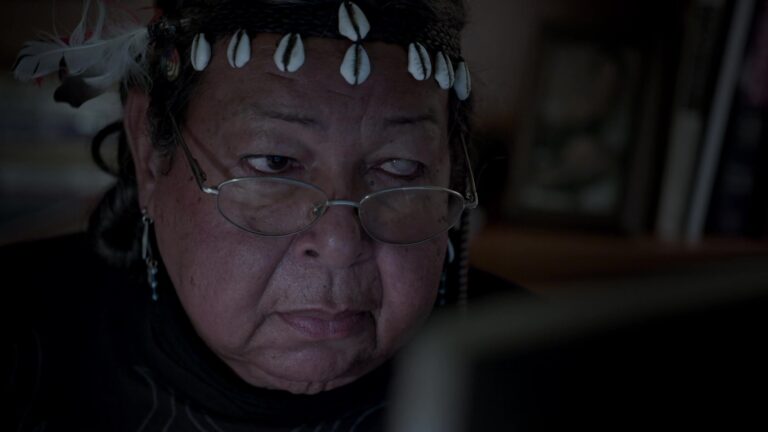
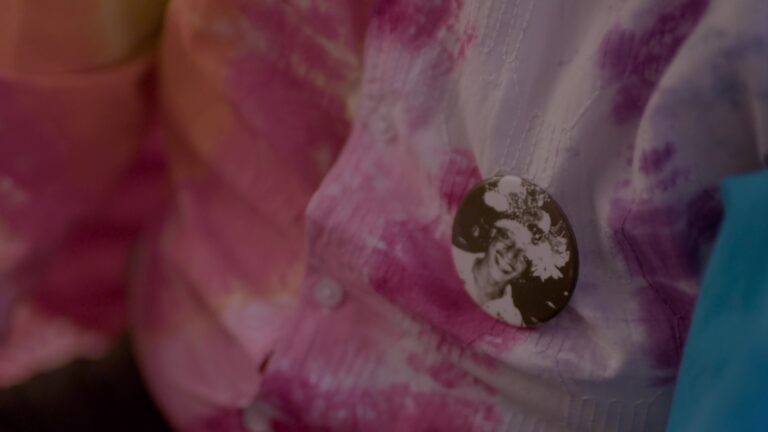
David France constructs the film through a collage of archival footage, interviews, and vérité-style observation, grounding the investigation in both past and present. The mix of formats—grainy historical video alongside clean digital interviews—creates a layered visual texture, emphasizing the act of remembering and reclaiming history as part of the storytelling itself.
FILM SPOTLIGHT
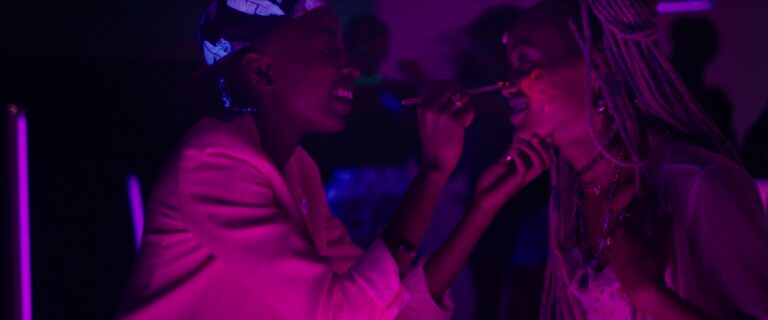
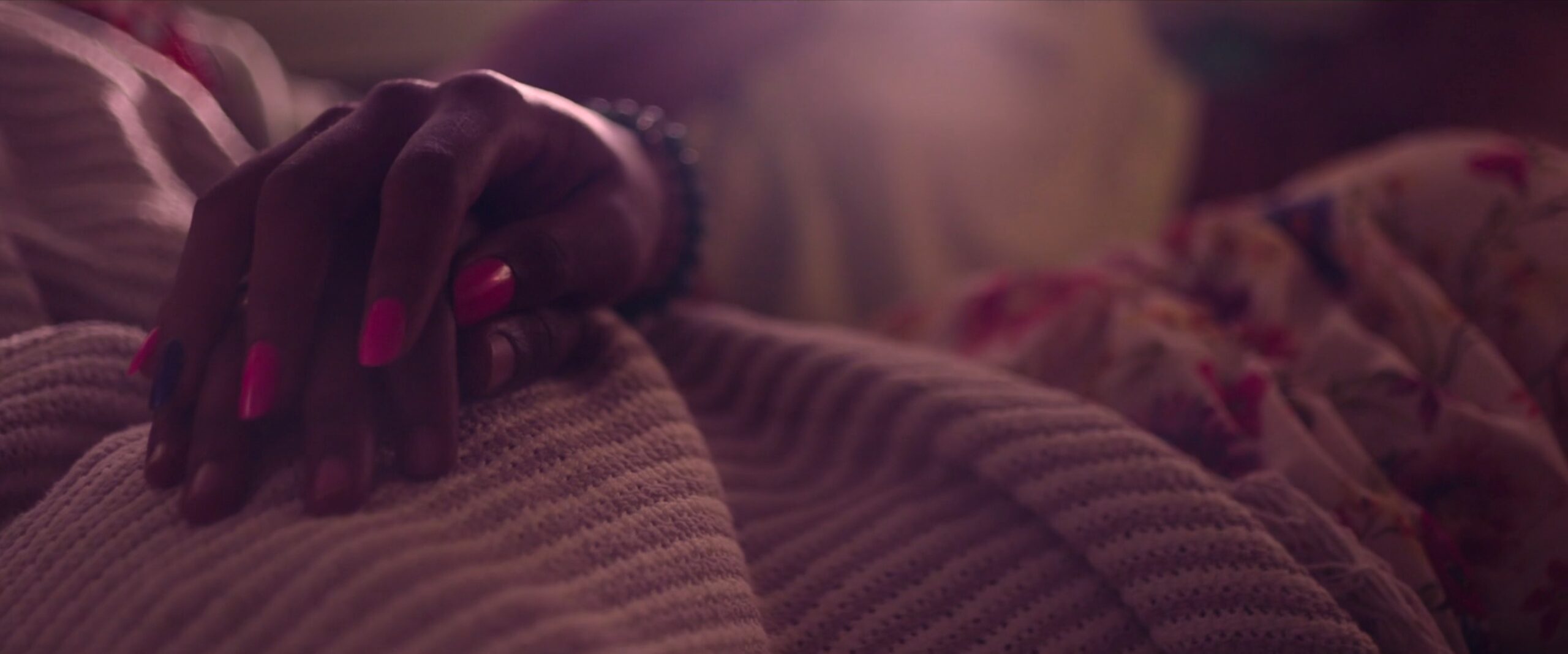
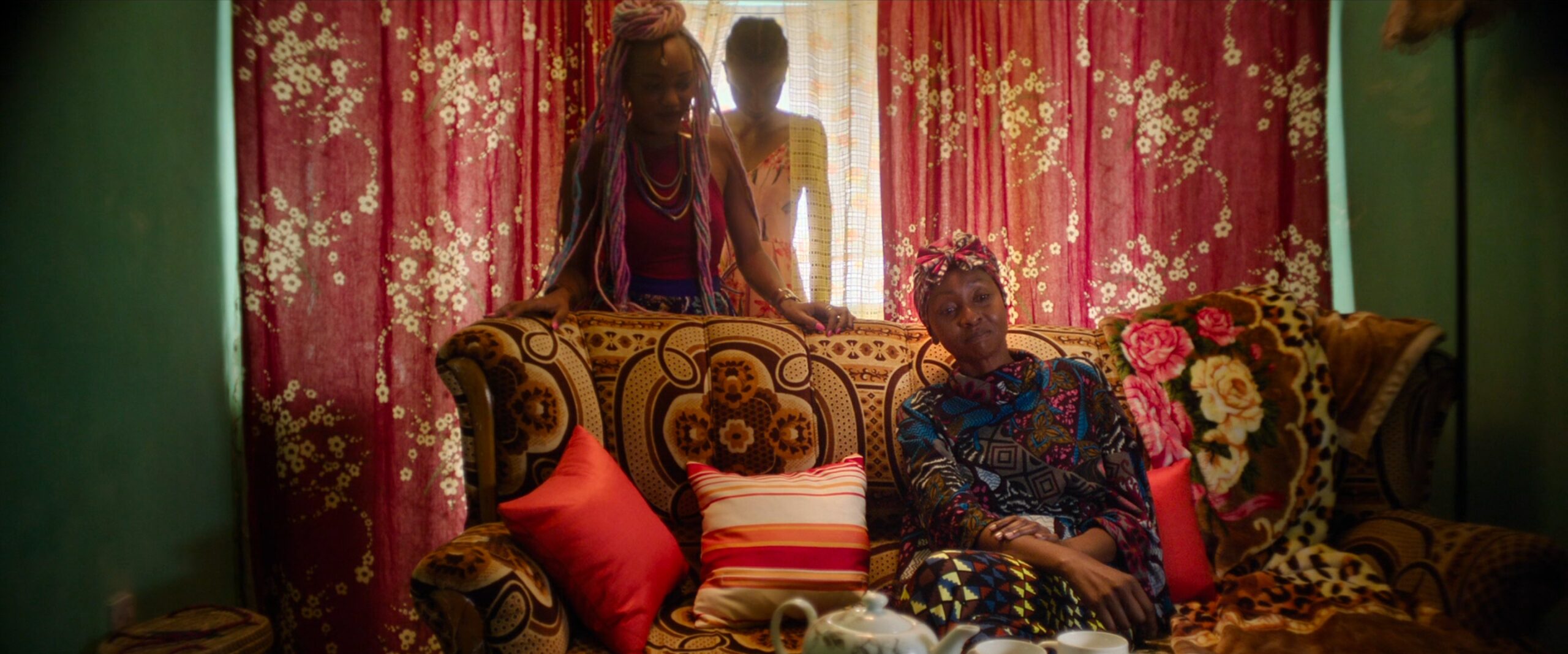
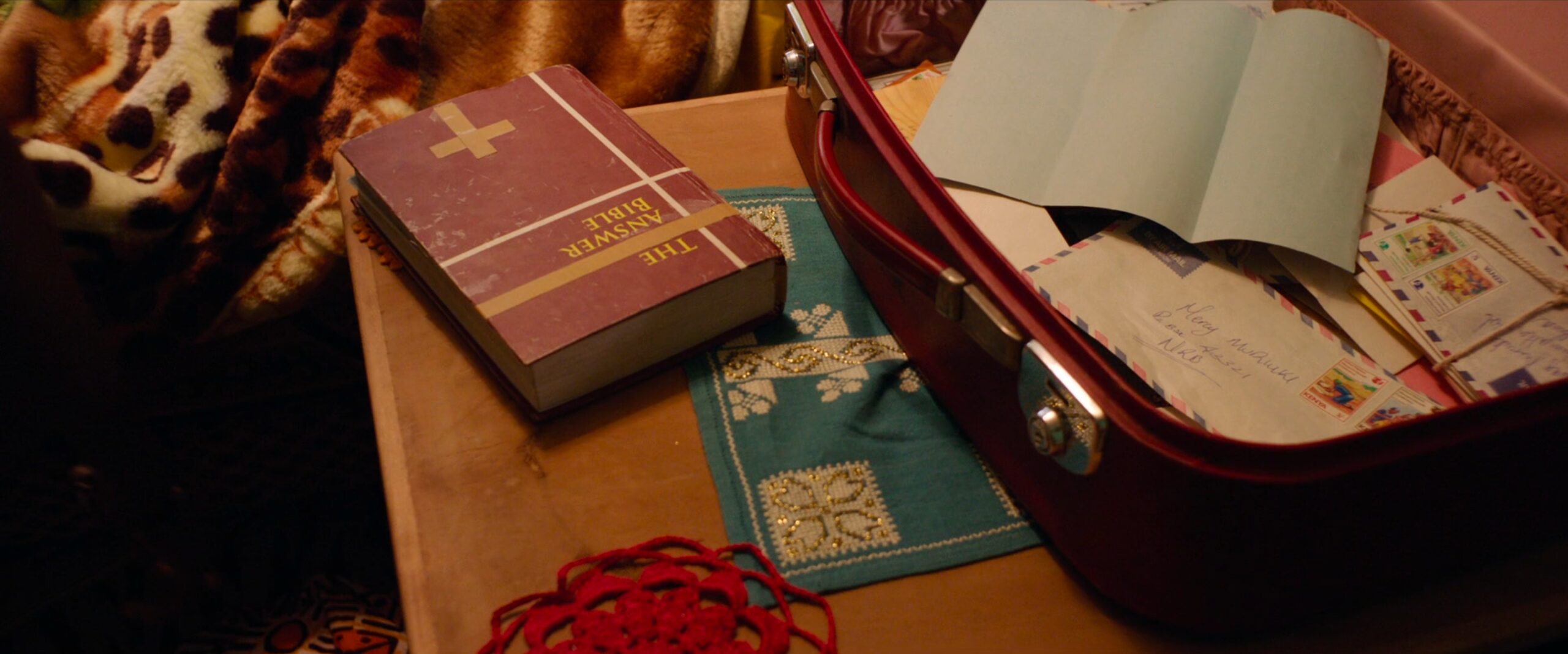
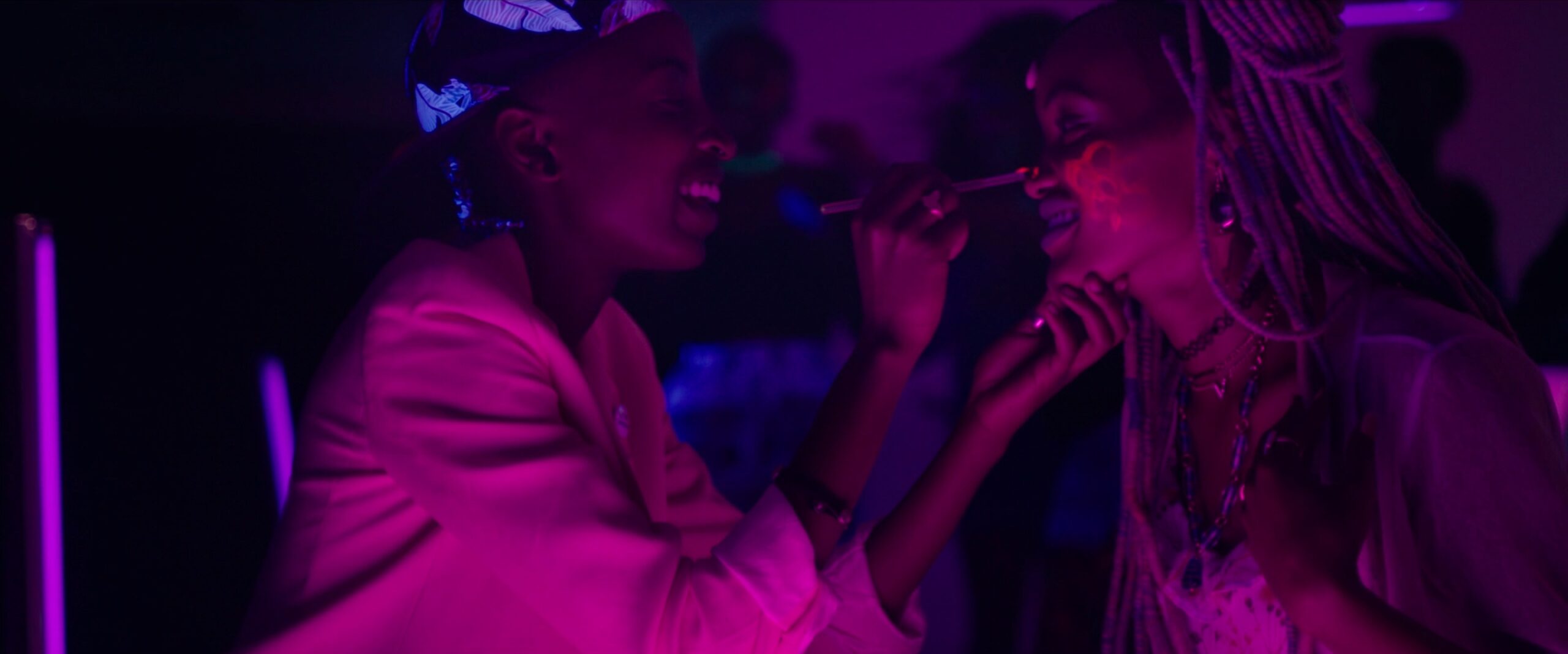
Rafiki (2018)
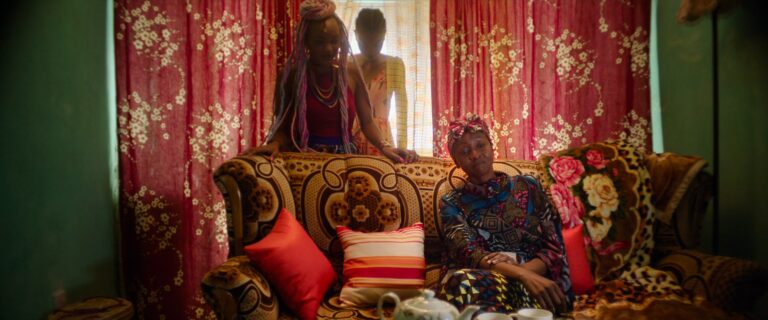
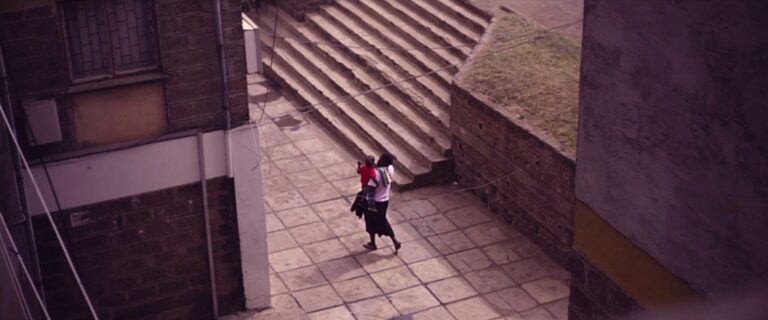
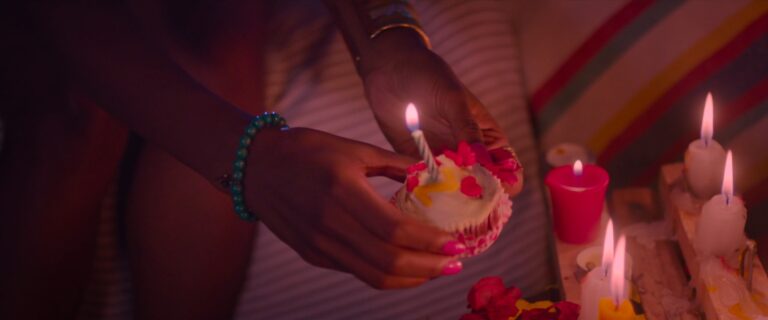
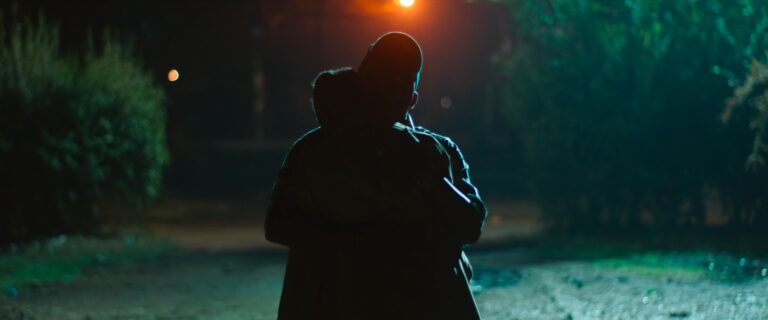
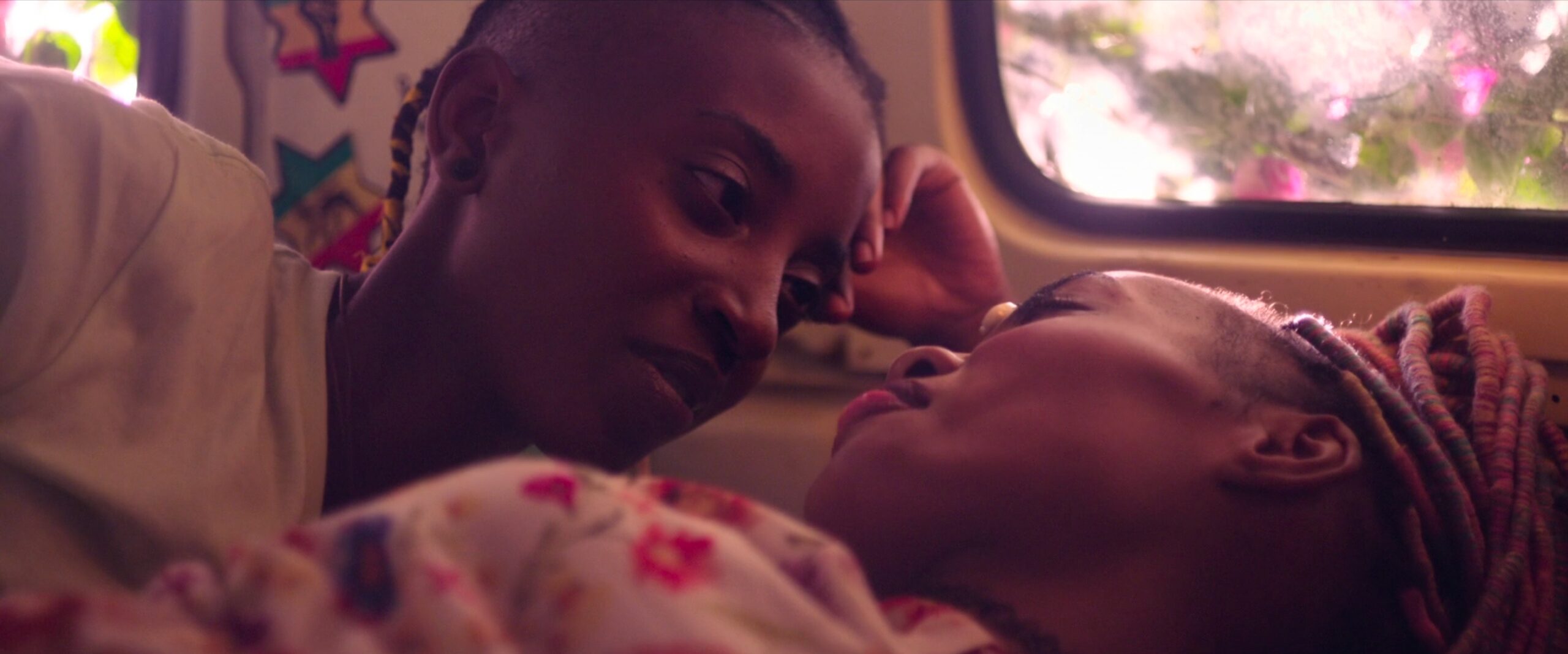
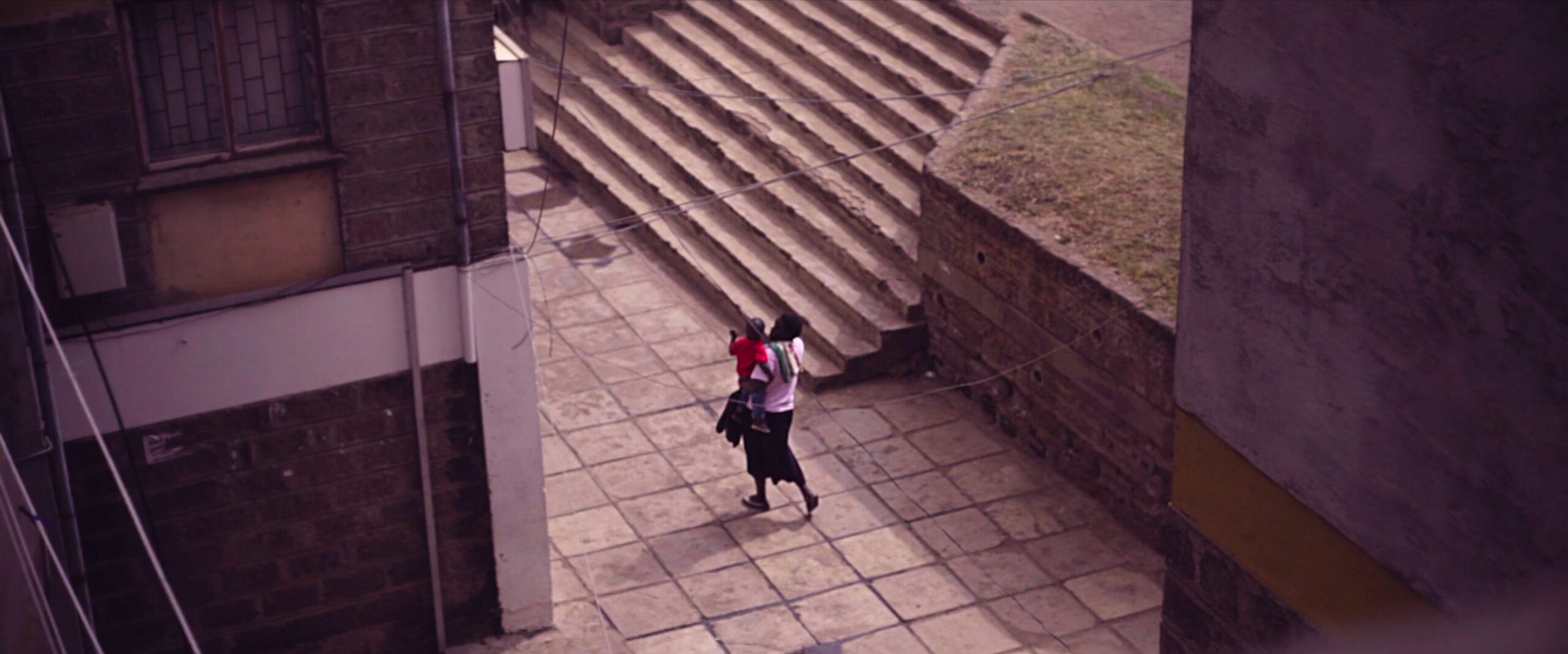
In Nairobi, Kenya, two young women—Kena and Ziki—form a close friendship that gradually blossoms into a romantic relationship, despite the deep social and legal stigma surrounding them. As their bond intensifies, they are forced to navigate family expectations, community pressure, and the threat of exposure. Their love becomes an act of defiance in a society that refuses to accept them.
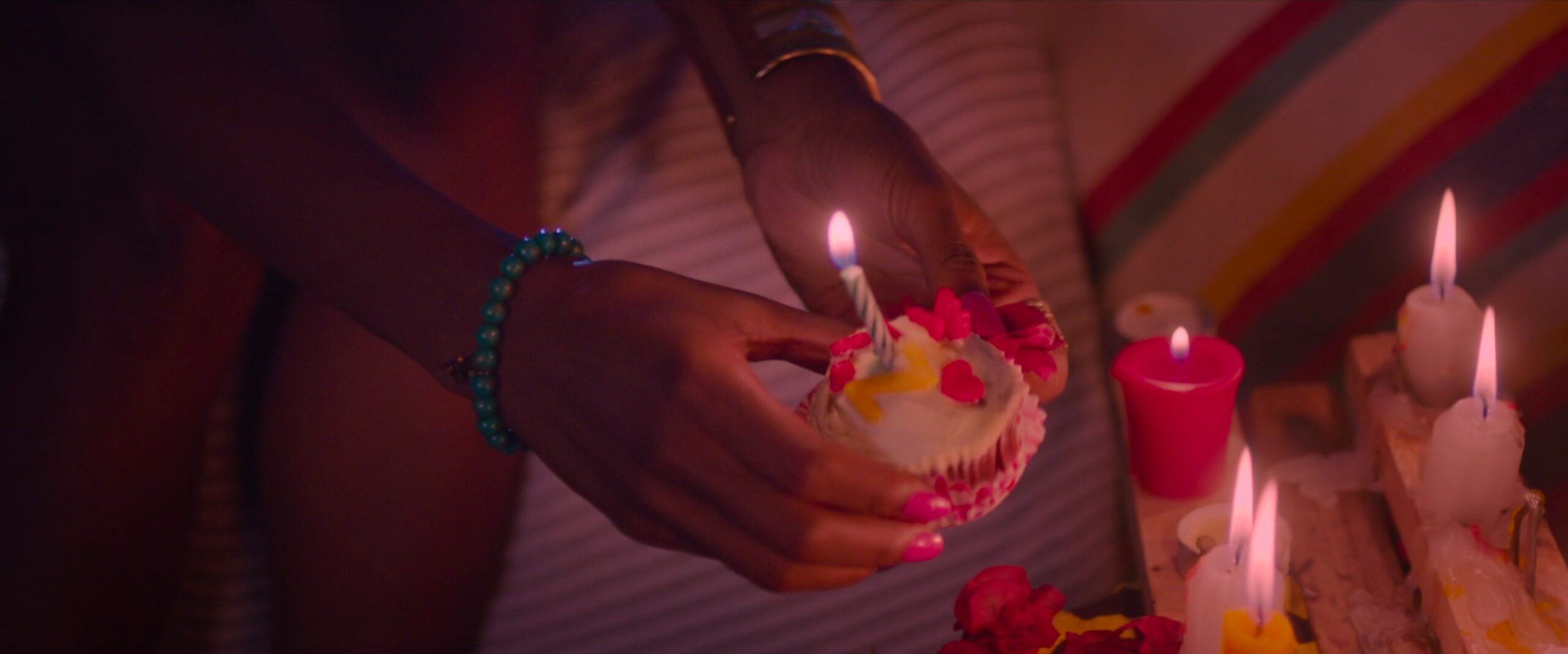
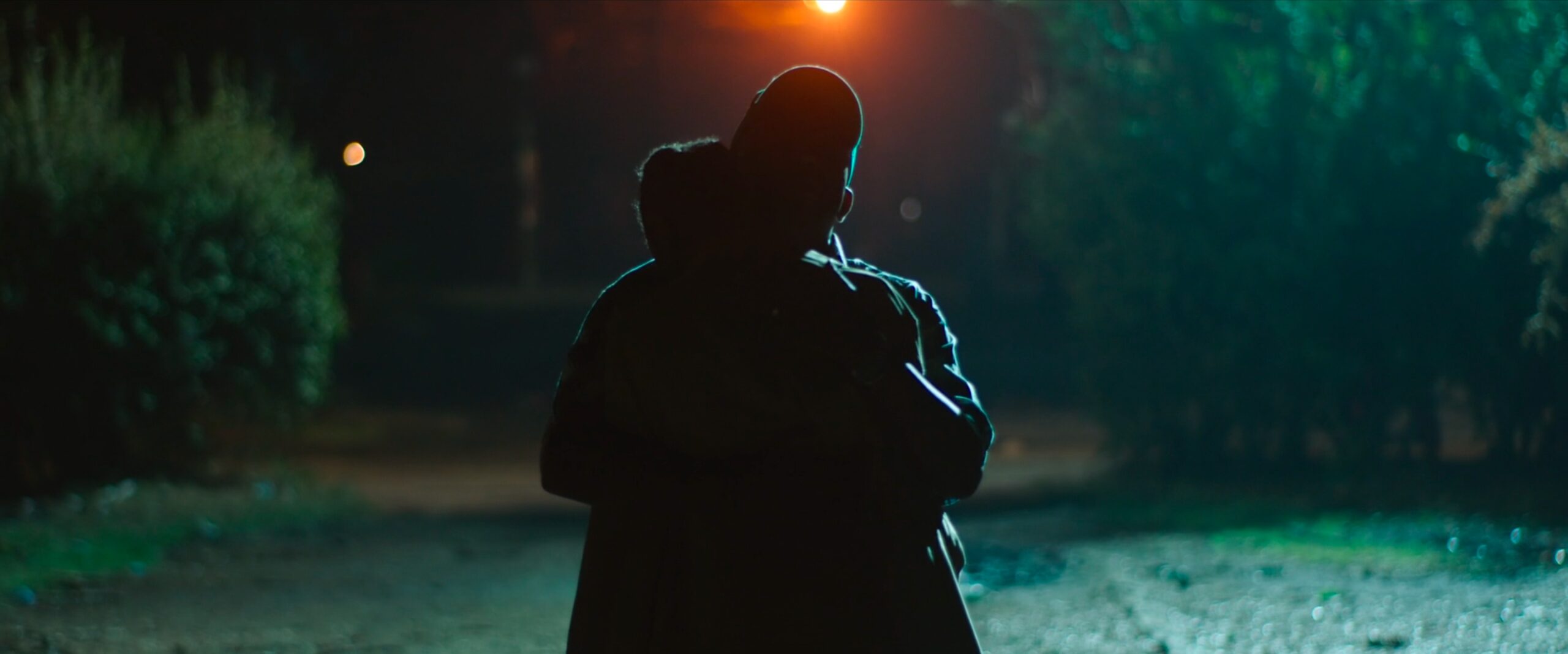
Kahiu and cinematographer Christopher Wessels shoot Rafiki with a vibrant, pop-inflected color palette, using saturated pinks, purples, and greens to carve out a visual space of joy and possibility. The film’s handheld intimacy and playful, music-driven moments turn Nairobi into a youthful, expressive landscape—where color and movement become acts of resistance against constraint.





FILM SPOTLIGHT
120 BPM (Beats Per Minute) (2017)
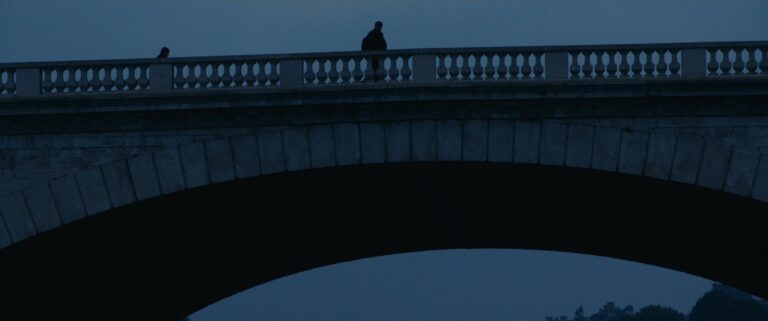
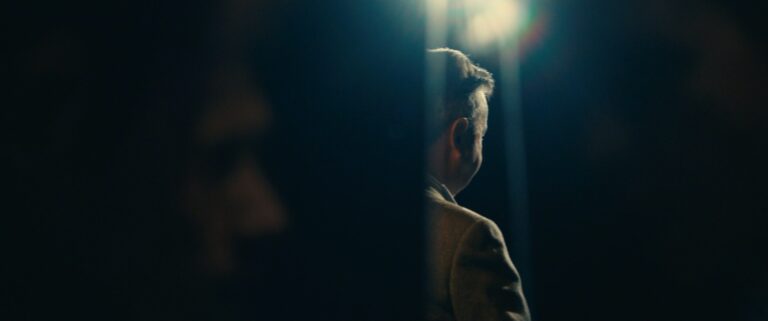
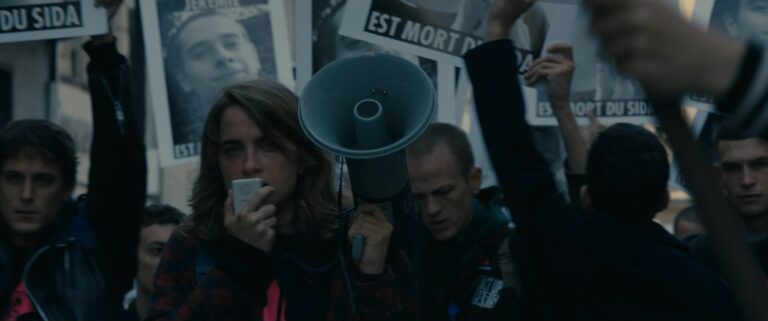
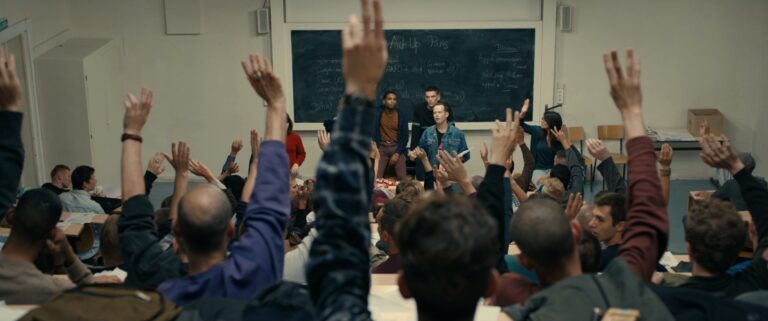
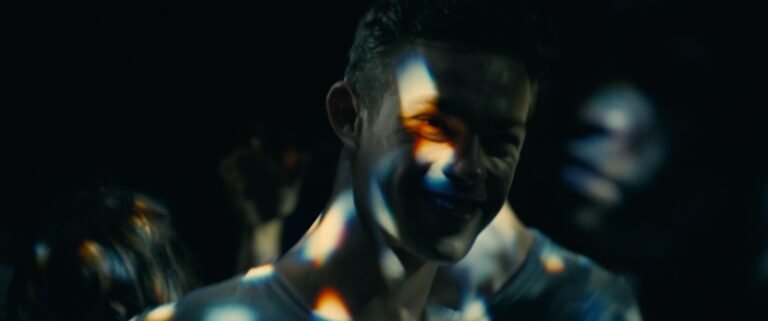
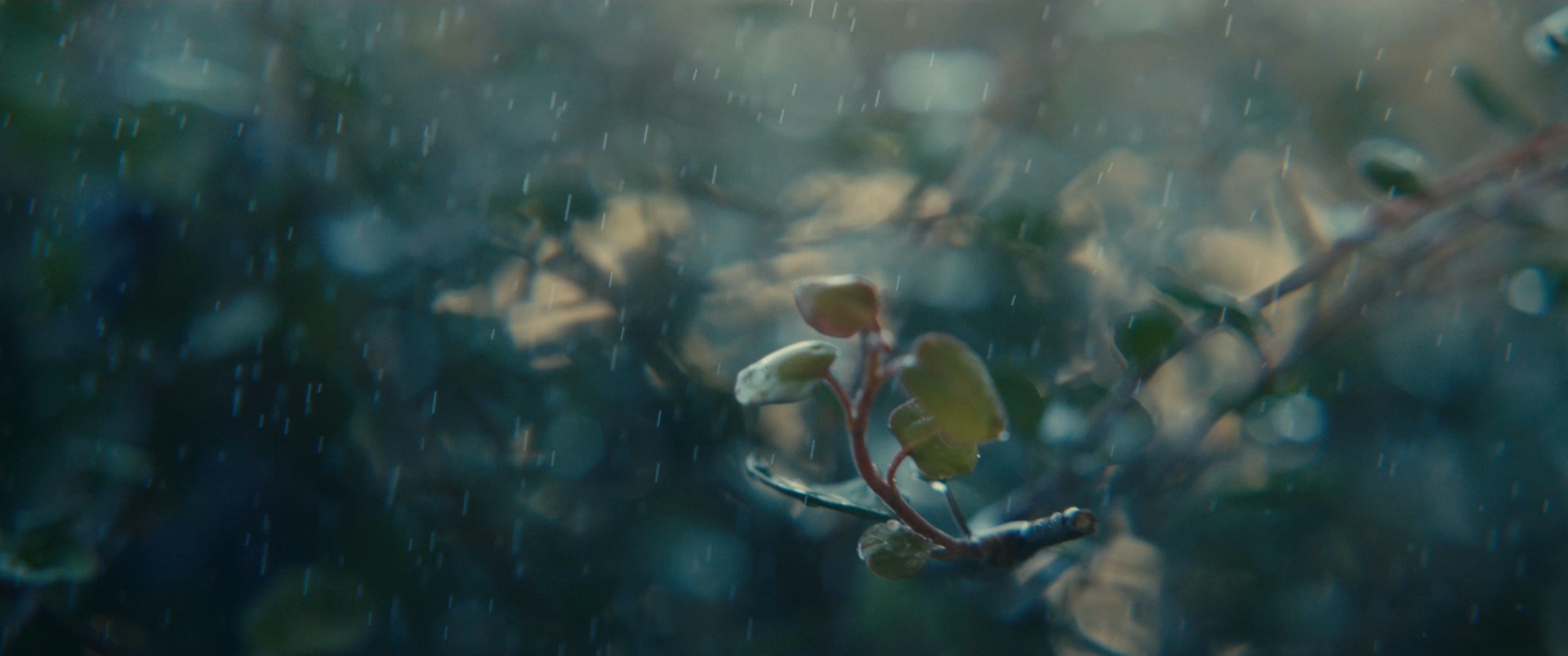
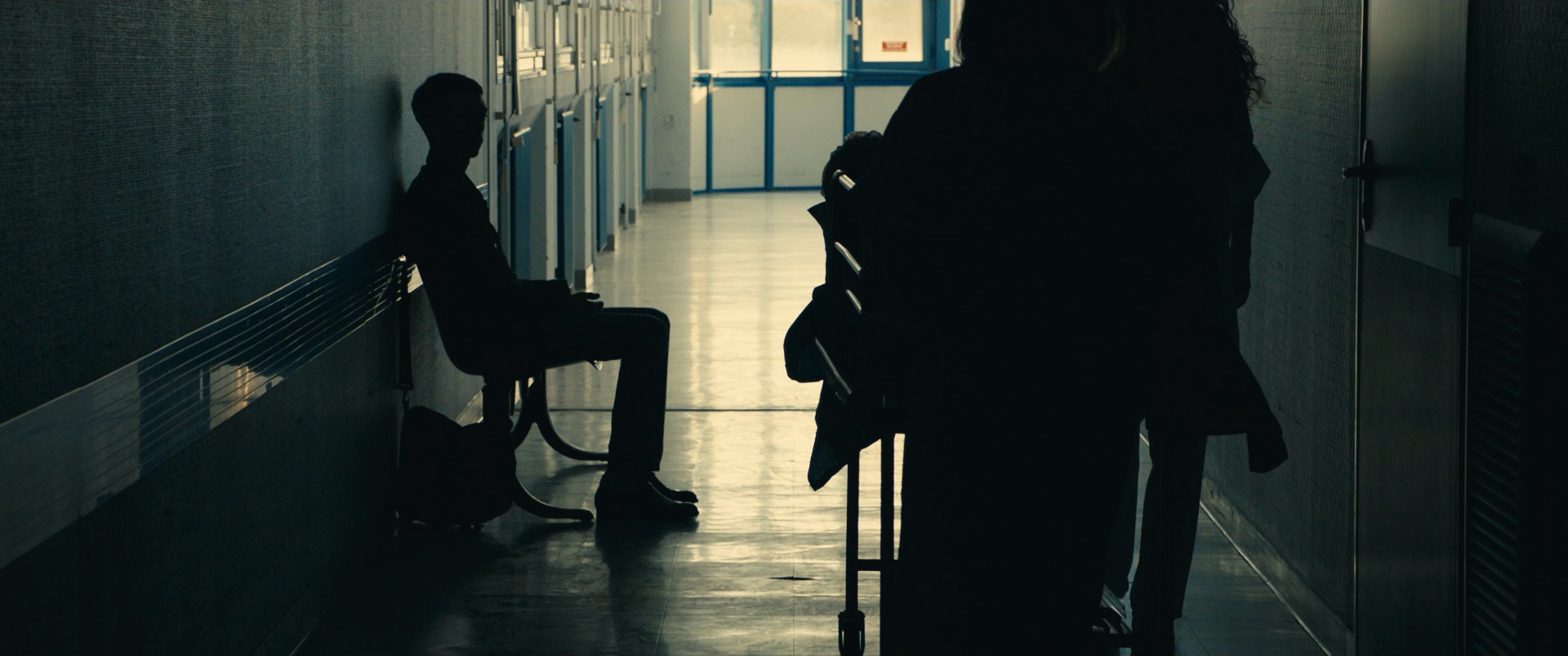
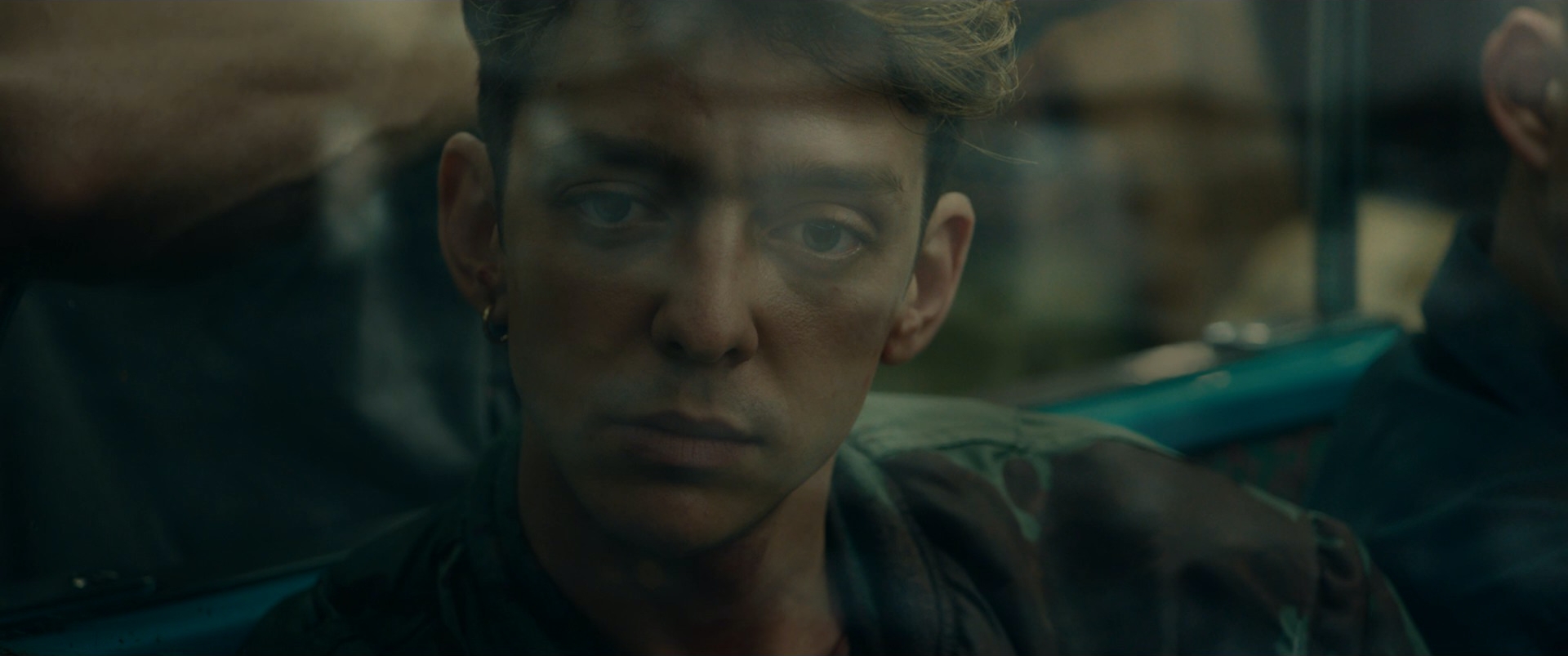
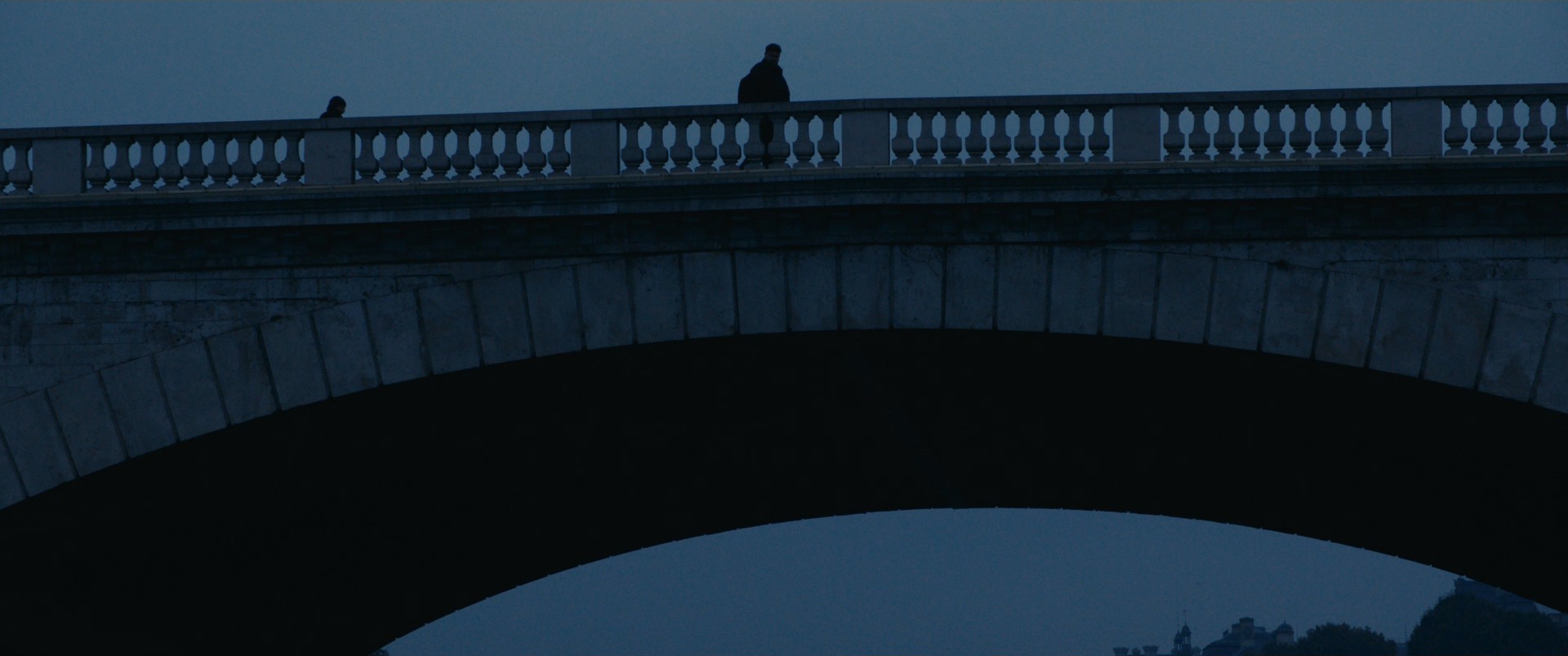
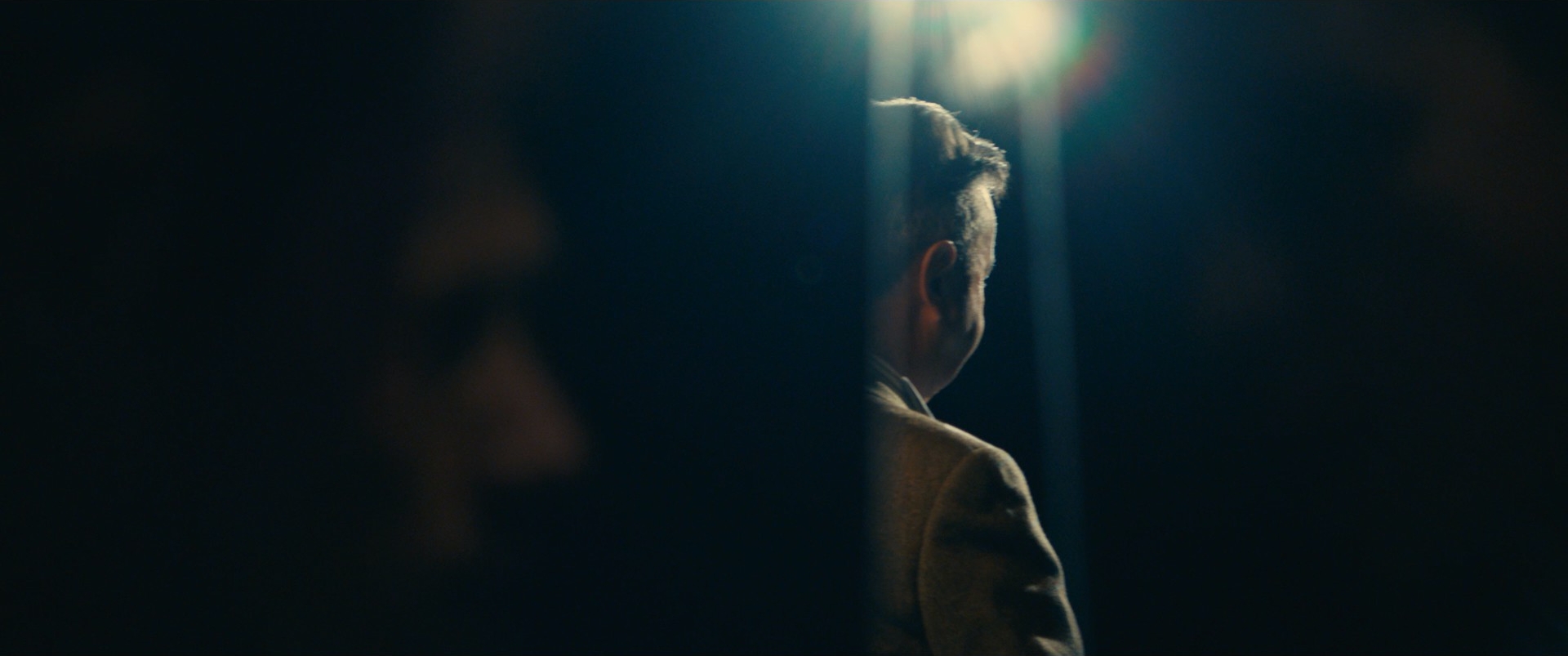
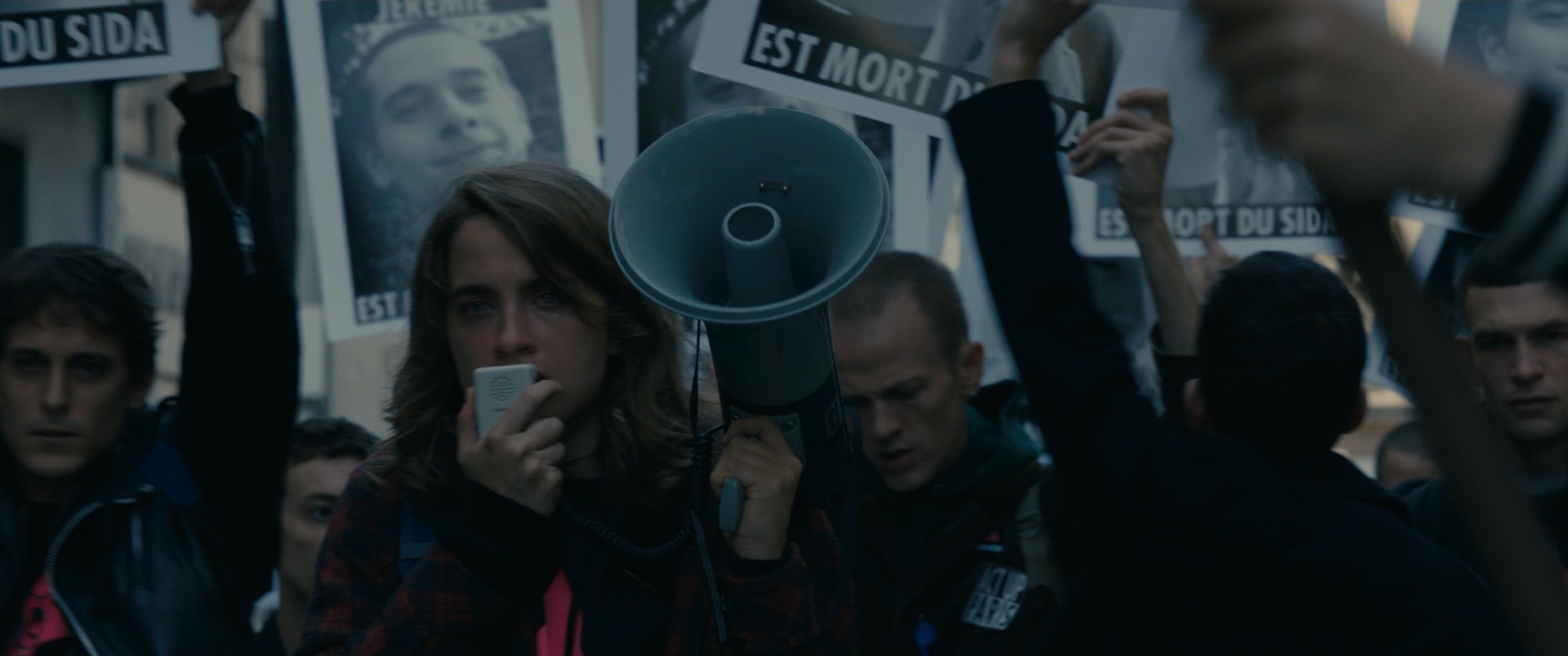
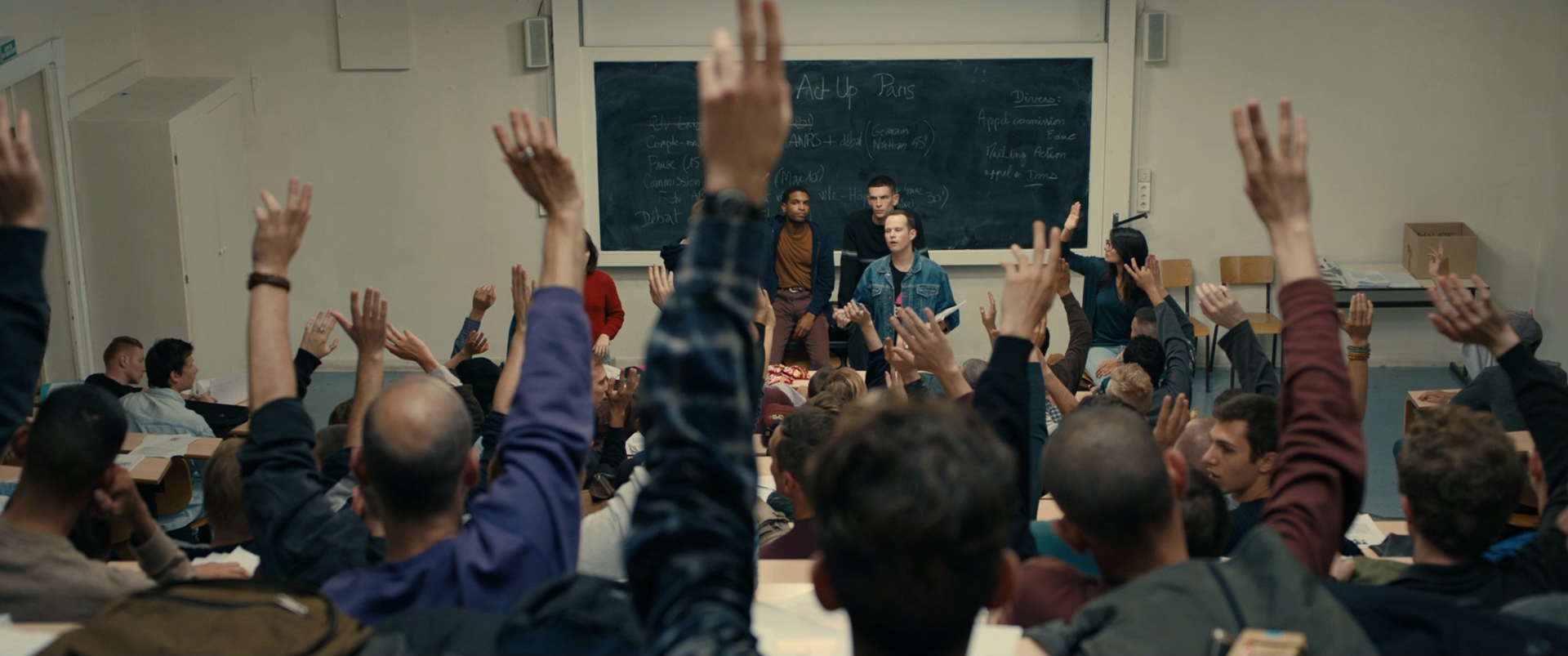
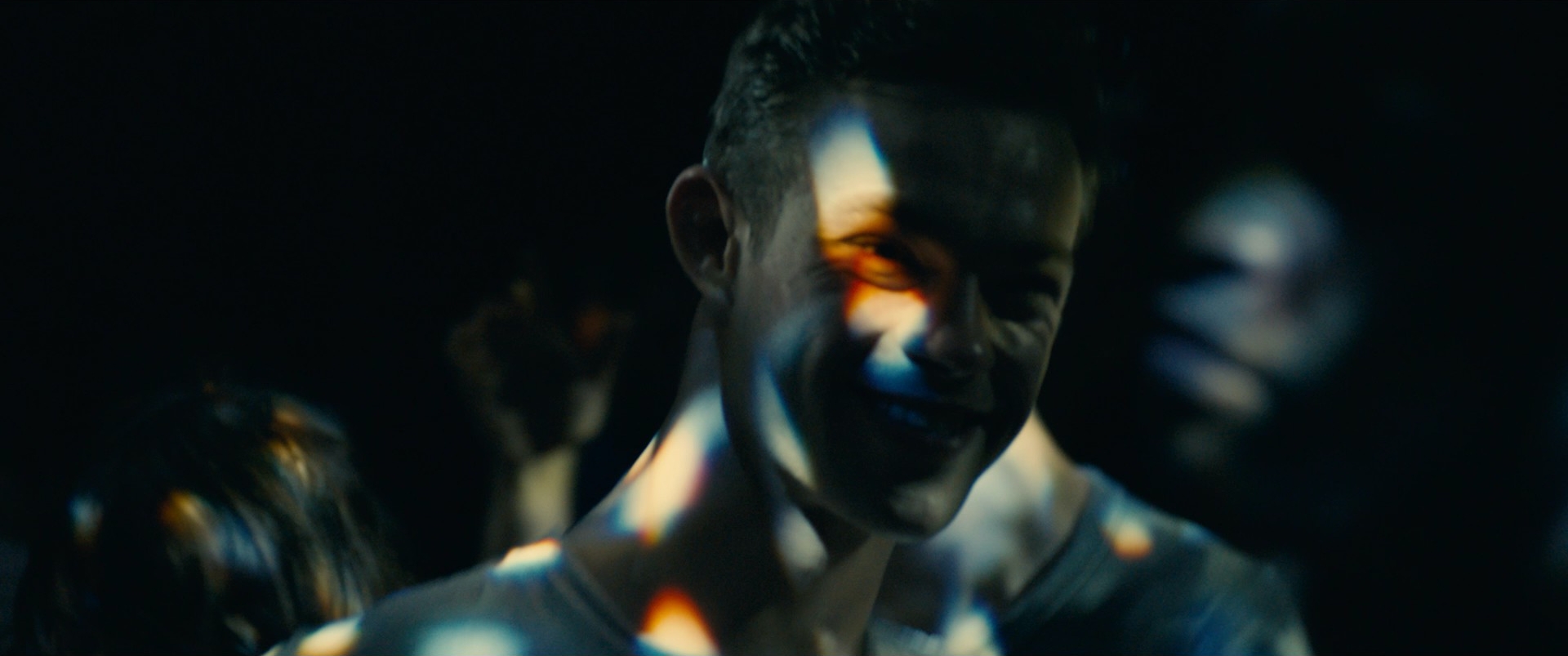
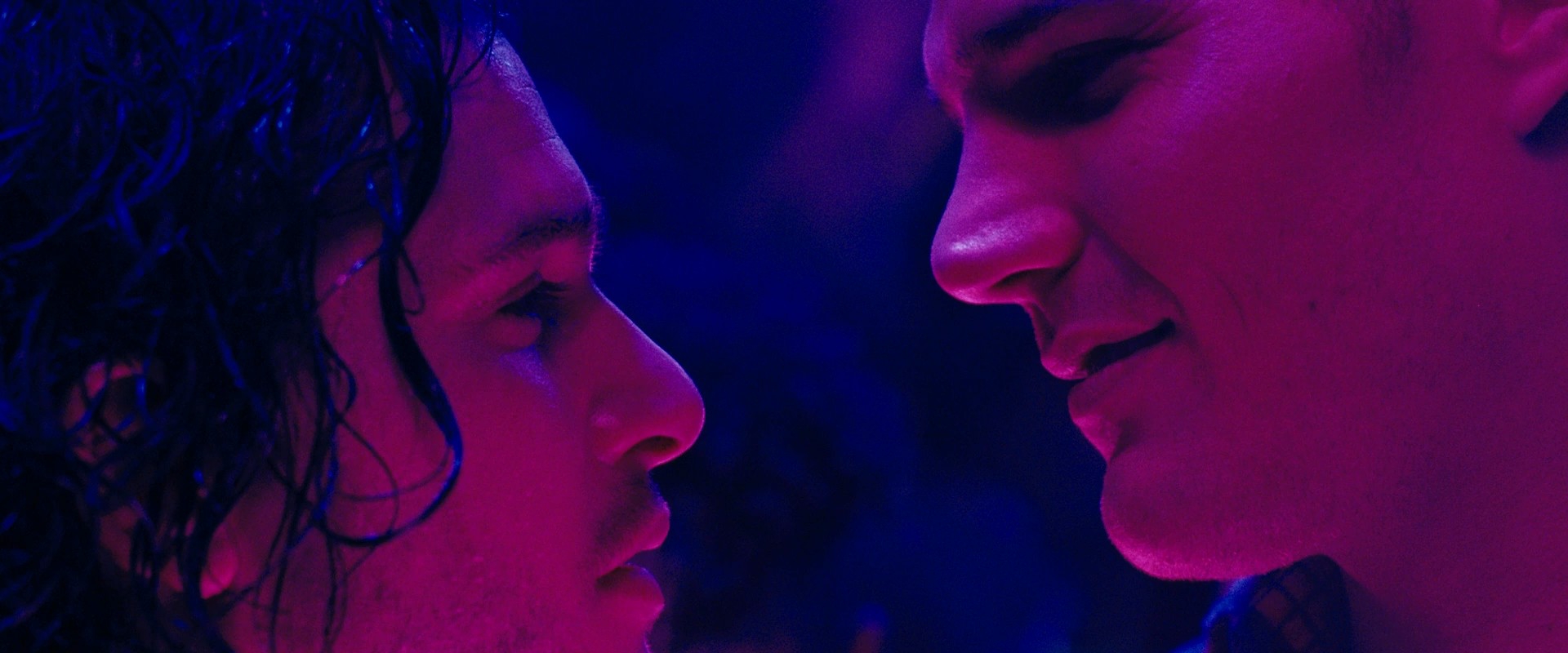
Set in early 1990s Paris, the film follows members of ACT UP as they fight for awareness, treatment, and government action during the AIDS crisis. Through protests, meetings, and personal relationships, the group navigates both political urgency and intimate struggles. At its center is the evolving relationship between activists Sean and Nathan, as love and loss unfold against a backdrop of collective resistance.
Campillo and cinematographer Jeanne Lapoirie shoot 120 BPM with a fluid, immersive style, using handheld camerawork and long takes to move between activist meetings and crowded dance floors. The film’s pulsing club sequences—lit with saturated color and synced to house music—contrast with its naturalistic interiors, turning rhythm and movement into a visual extension of both protest and life itself.


FILM SPOTLIGHT
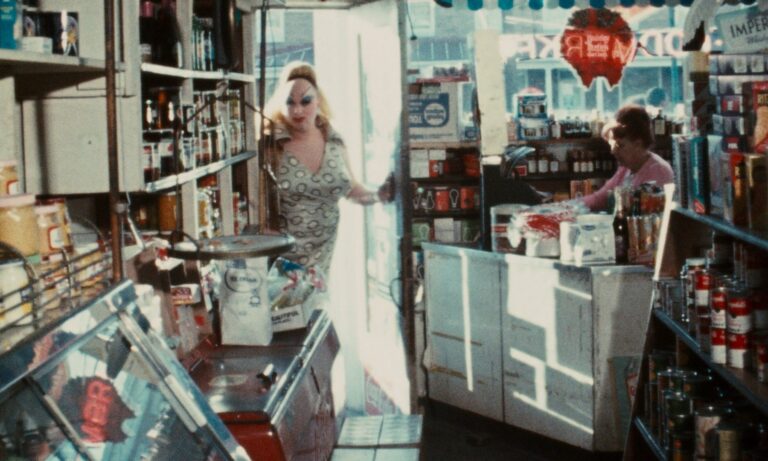
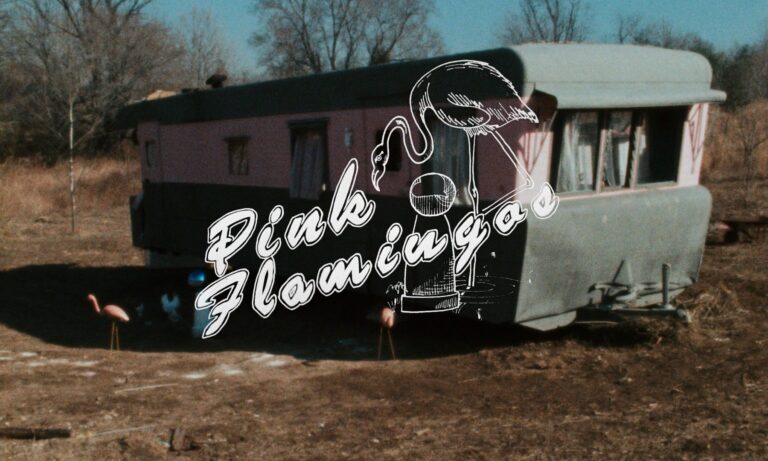
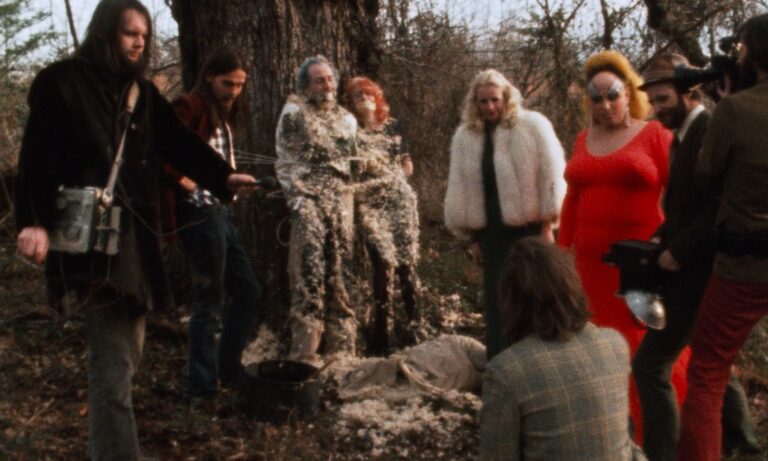
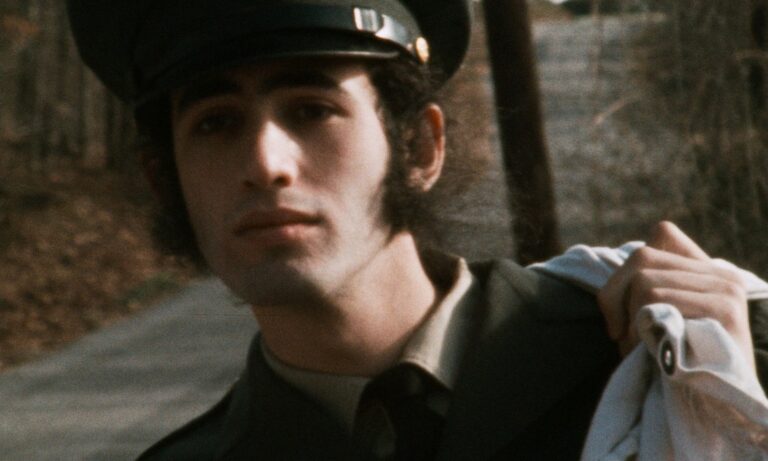
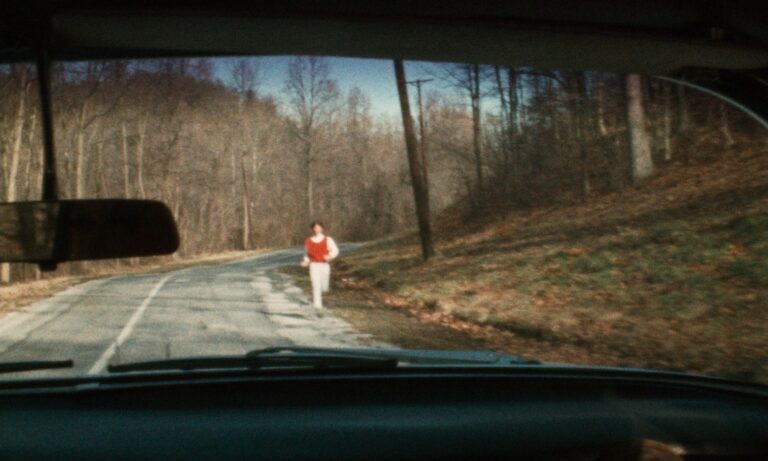
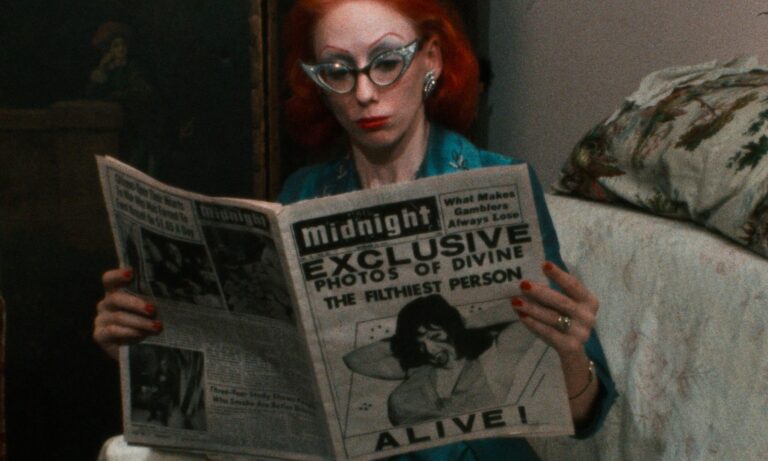
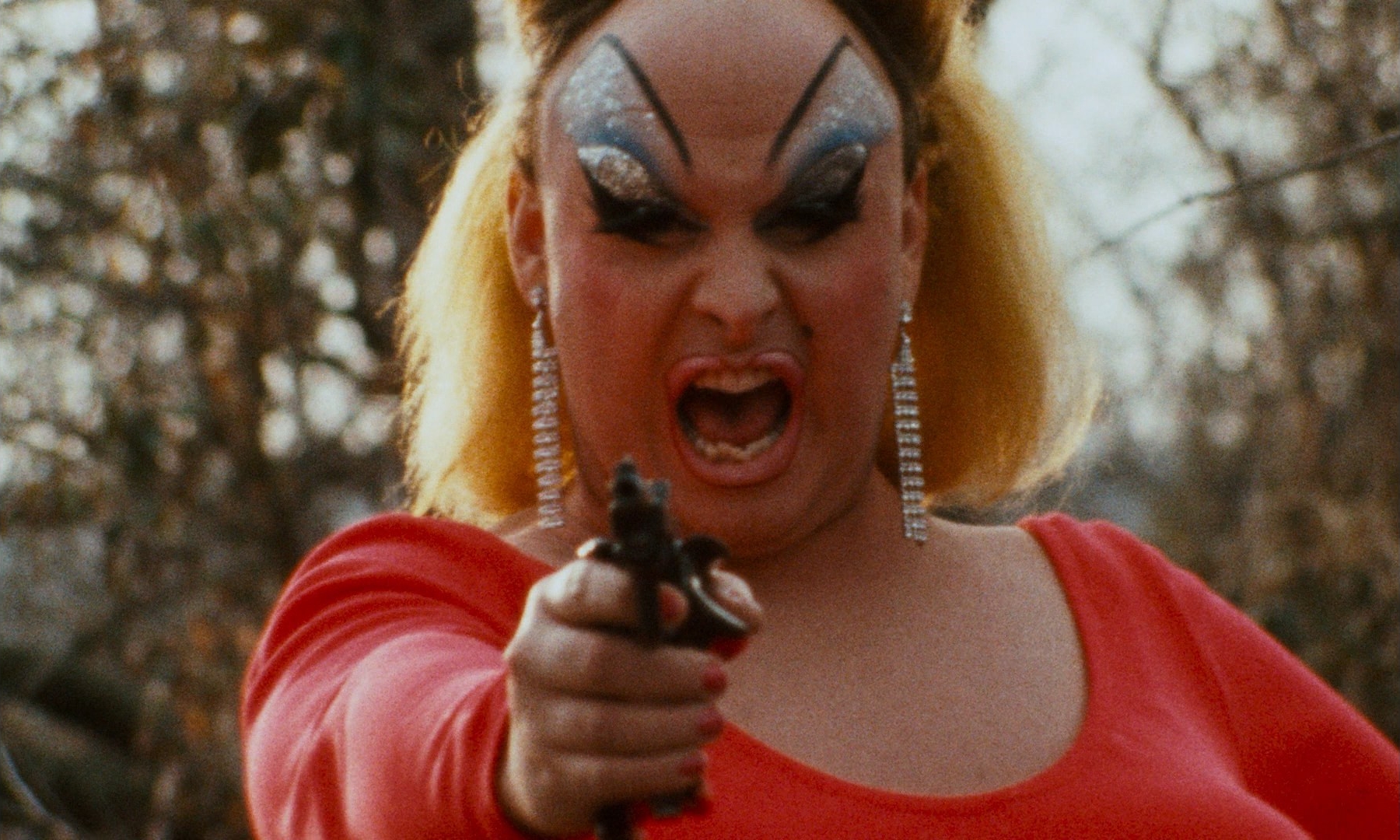
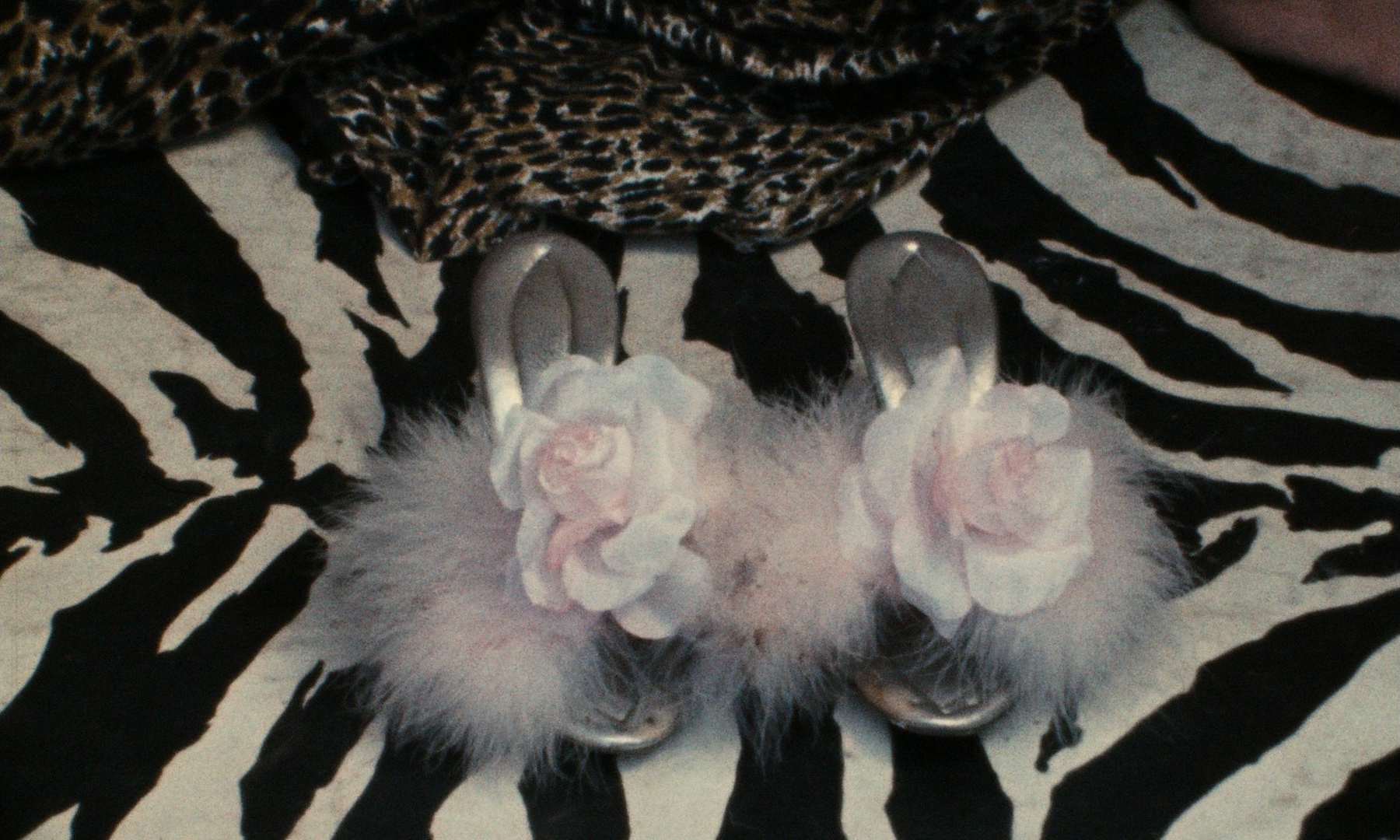
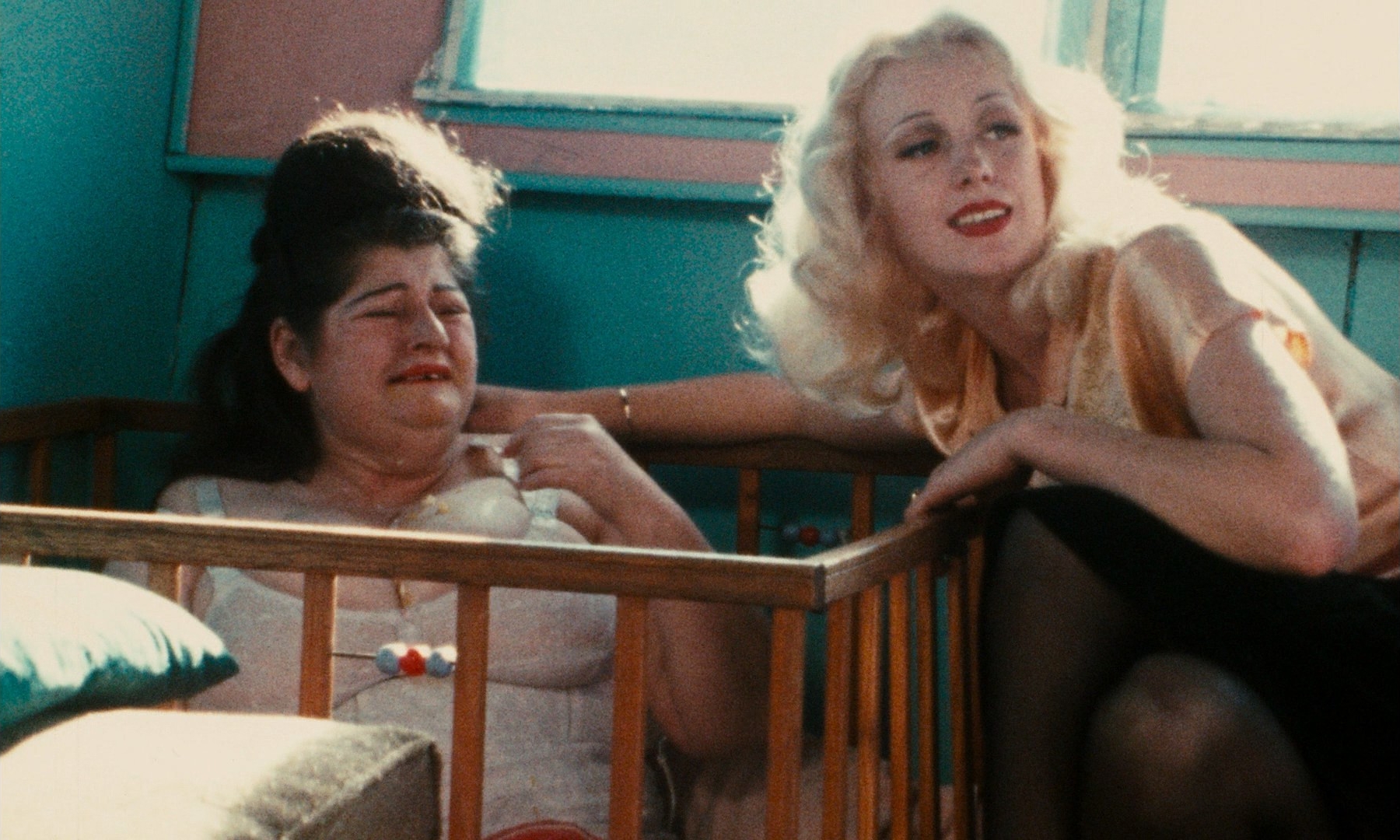
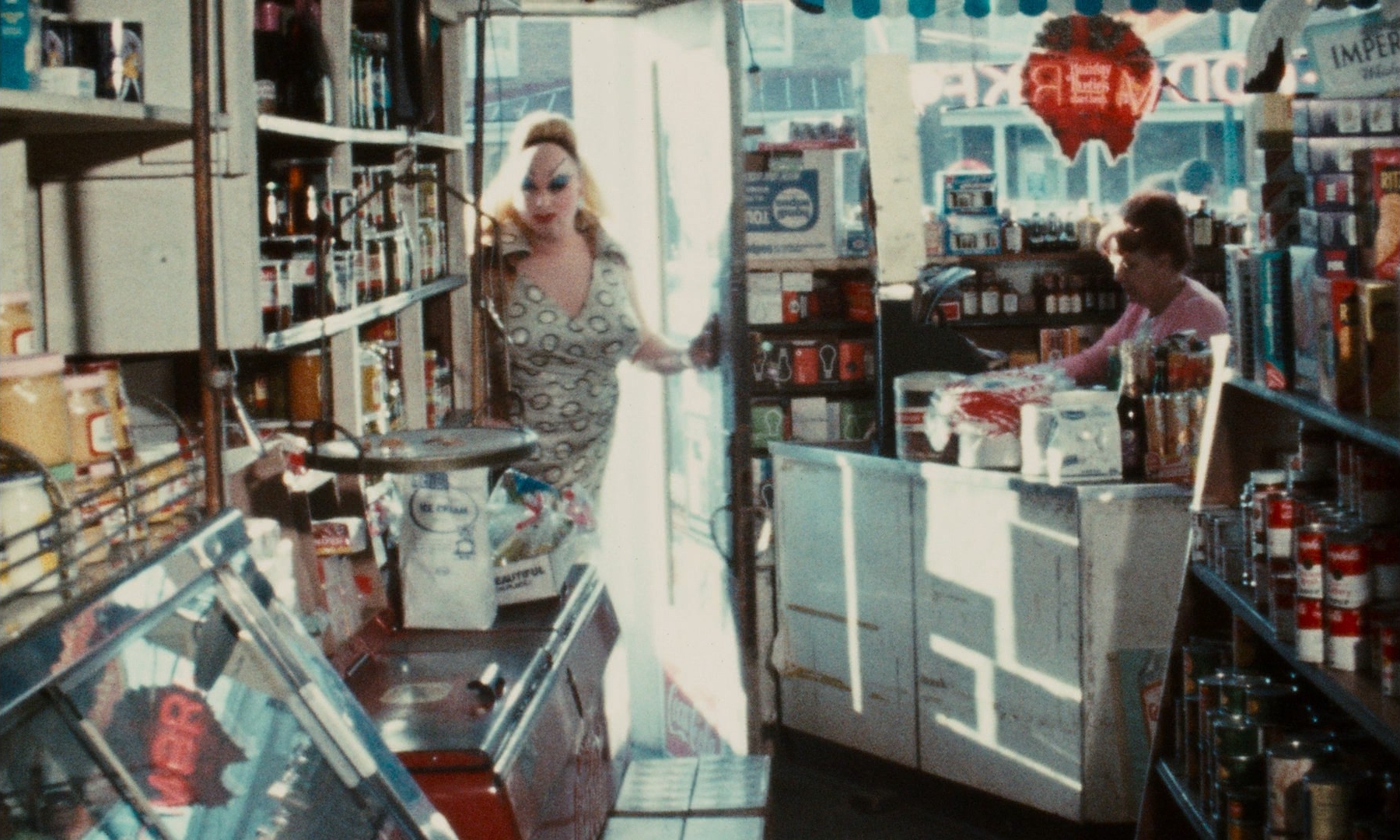
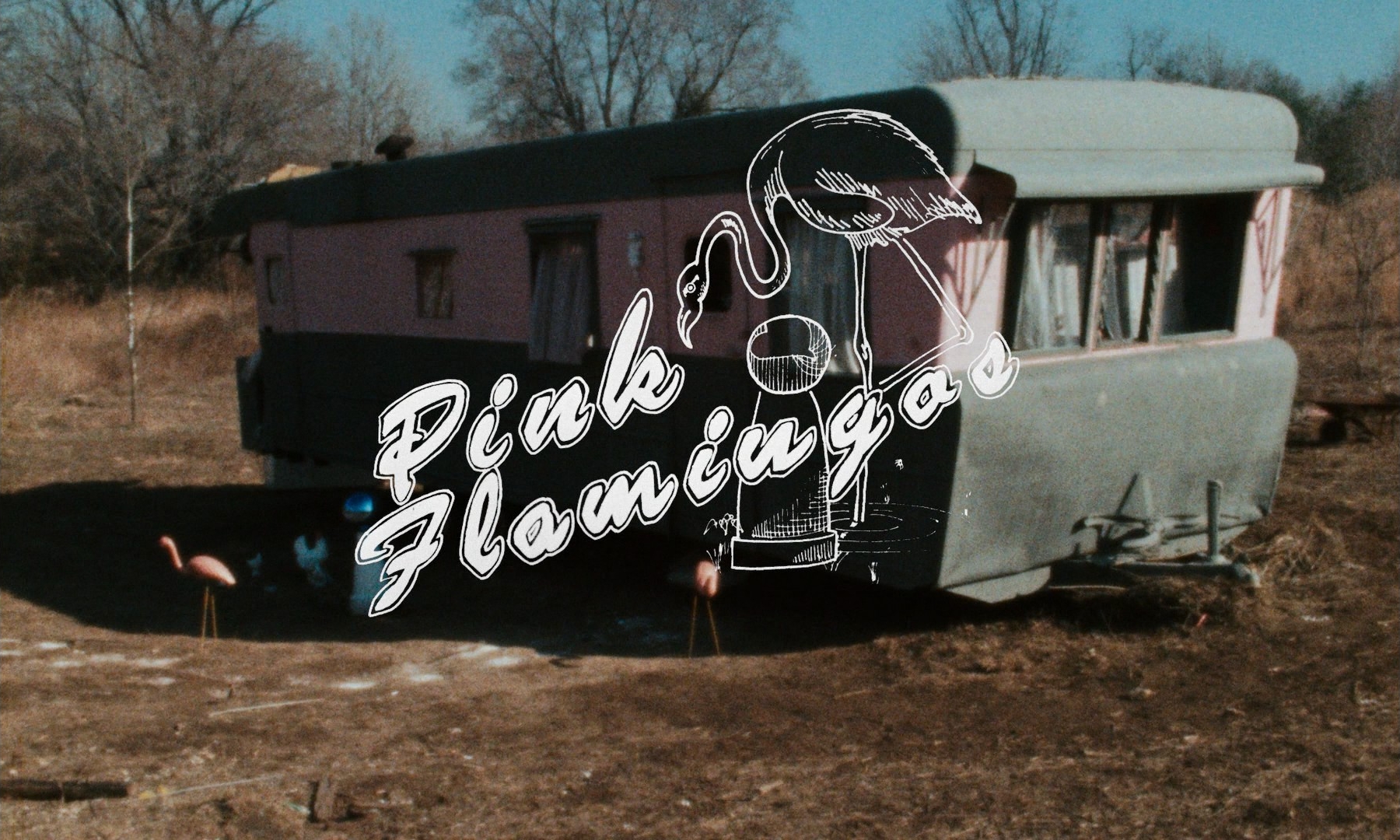
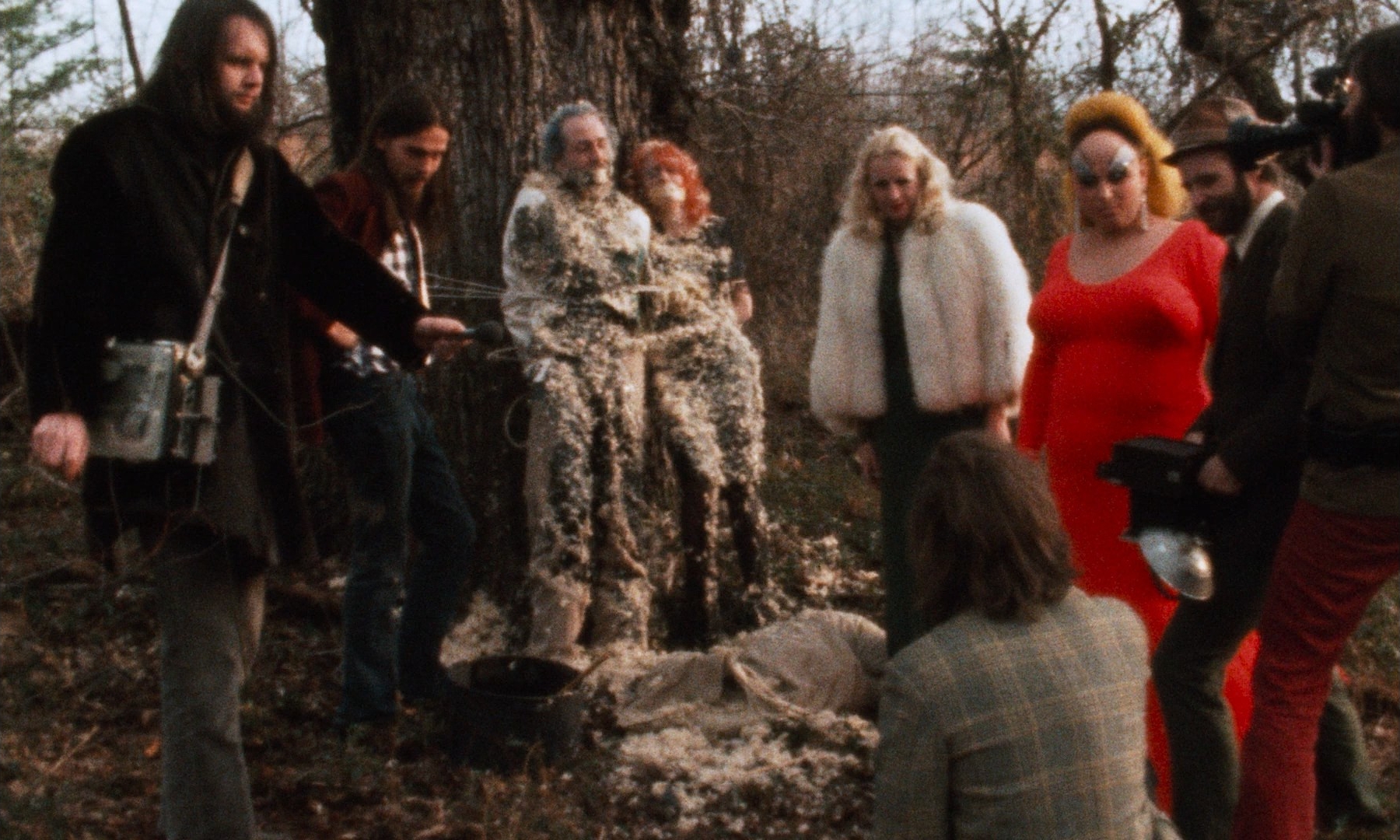
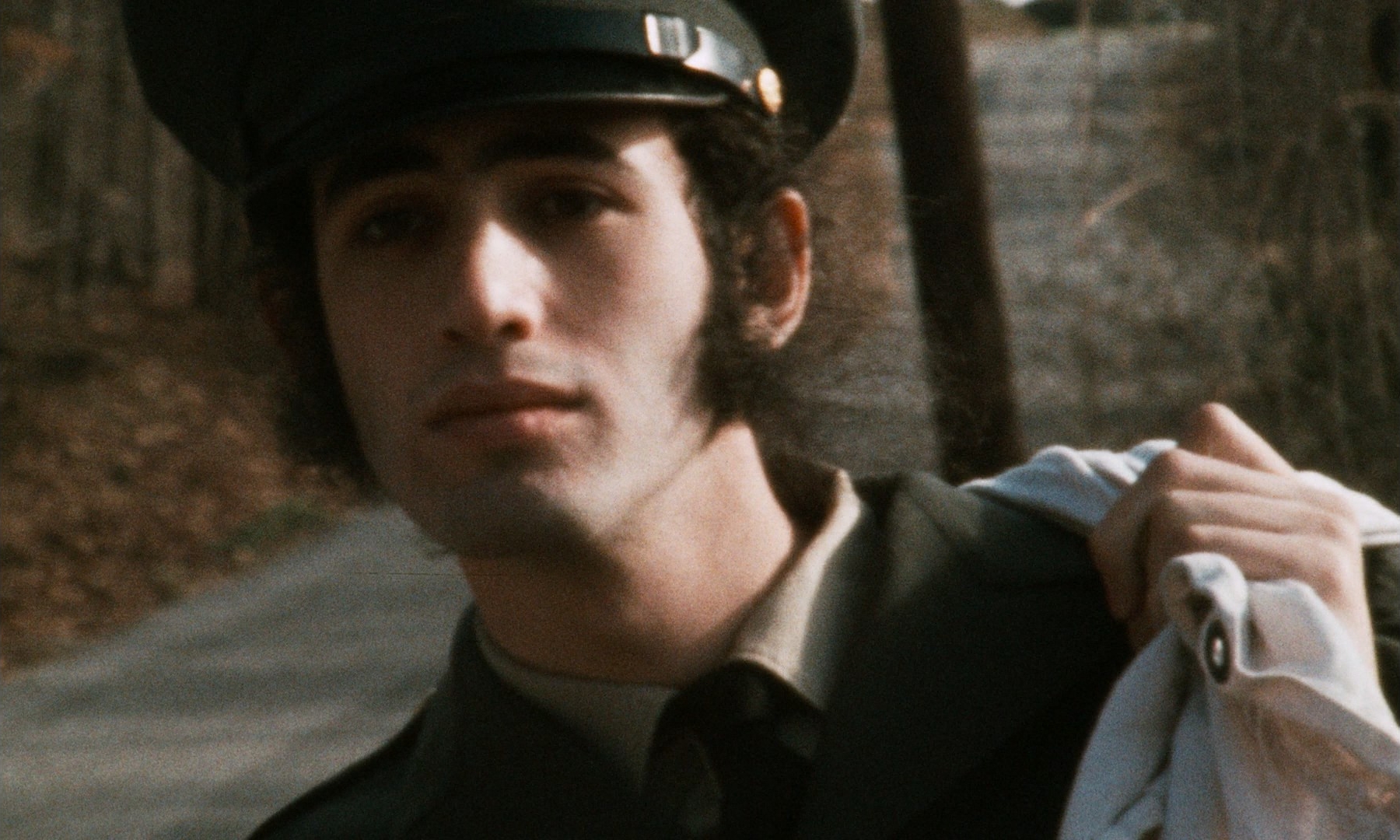
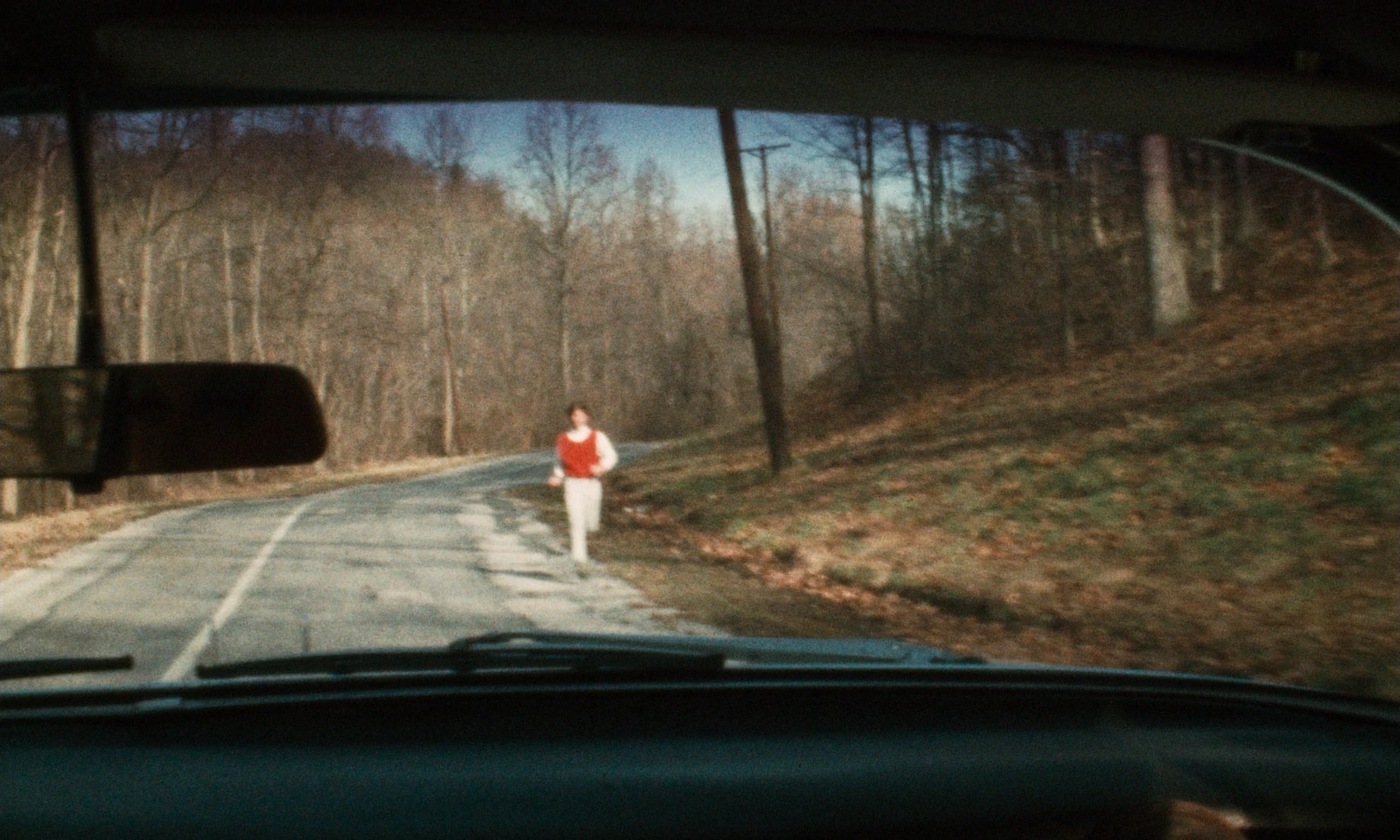
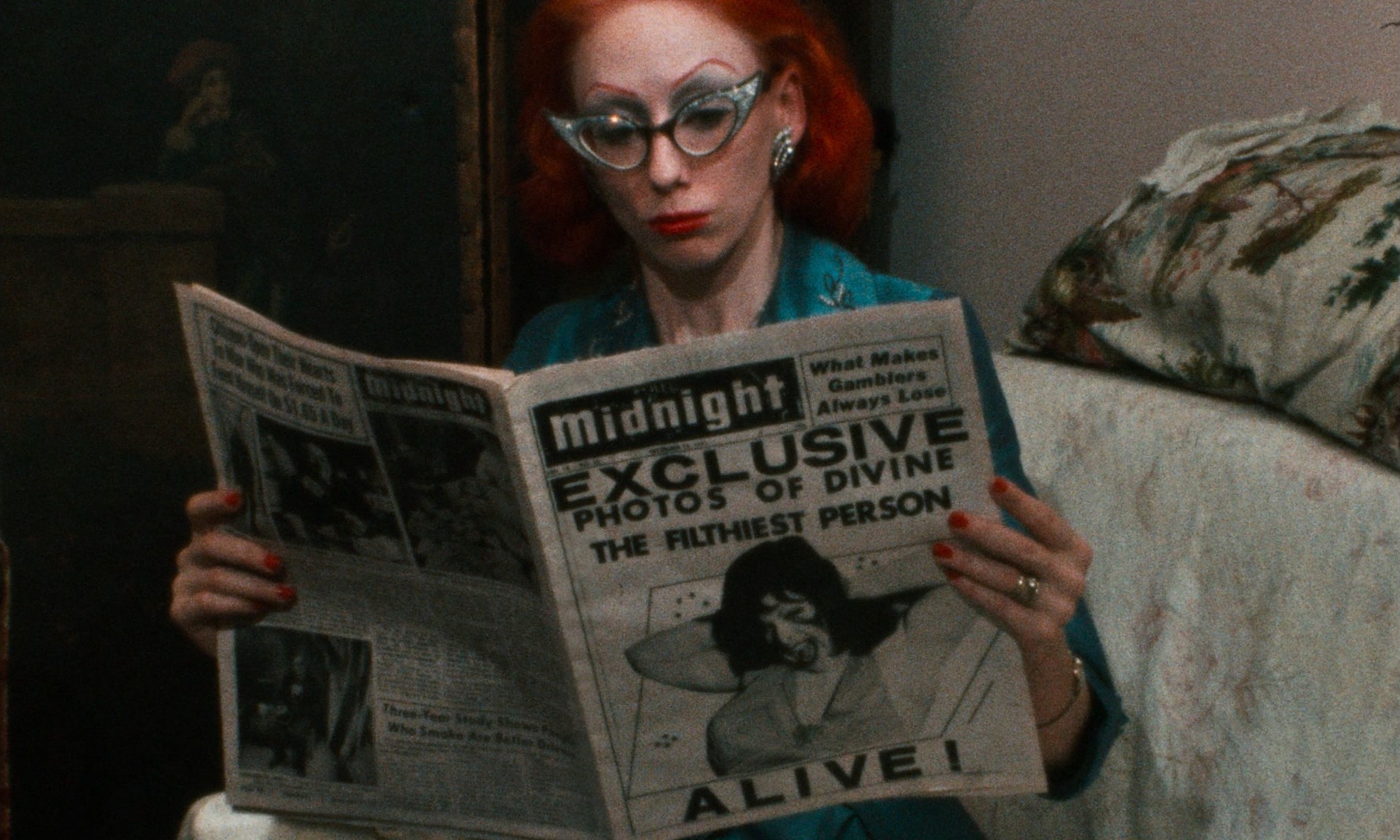
Pink Flamingos (1972)
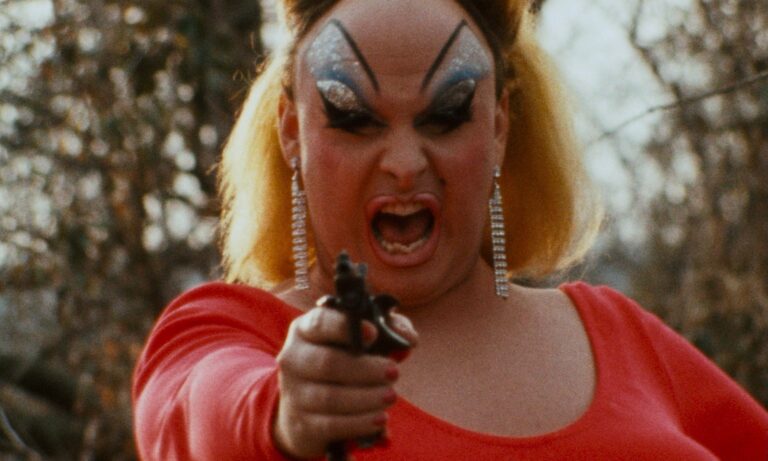
Living in a trailer on the outskirts of Baltimore, the self-proclaimed “Filthiest Person Alive,” Divine, revels in her notoriety while raising her delinquent son. When a rival couple attempts to dethrone her by committing even more outrageous acts, a grotesque competition ensues. The film escalates into a series of shocking and transgressive episodes that push the boundaries of taste and decency.
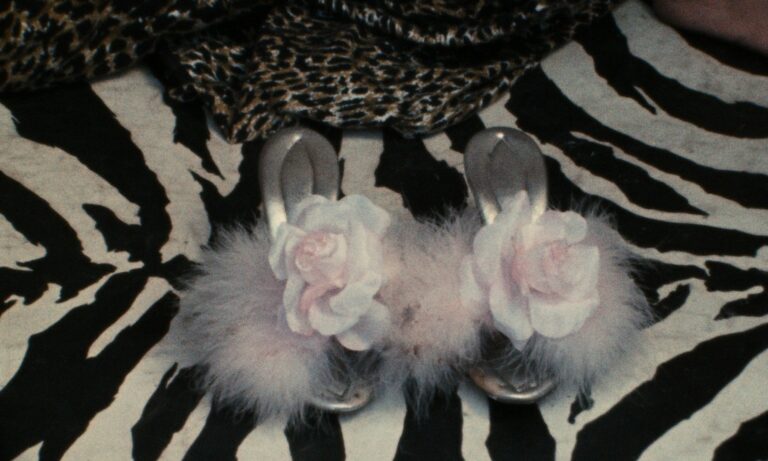
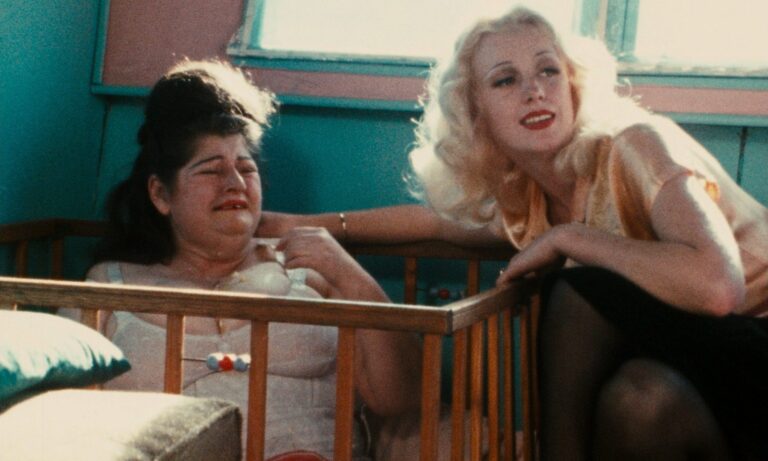
Waters shot Pink Flamingos on 16mm with a deliberately raw, DIY aesthetic, using natural light, non-professional actors, and real locations to amplify its confrontational edge. The film’s unpolished, almost home-movie texture becomes part of its identity—turning its low-budget limitations into a kind of visual provocation that matches its outrageous content.
FILM SPOTLIGHT
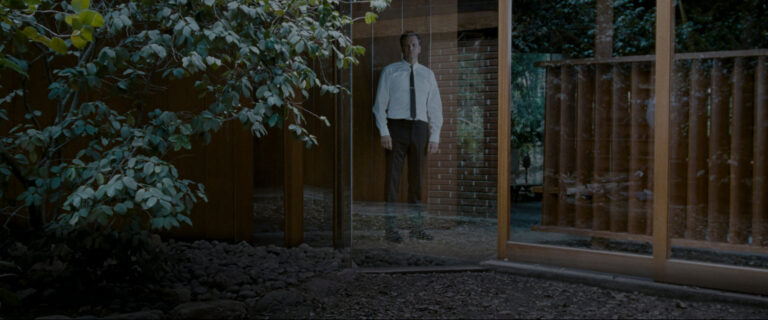
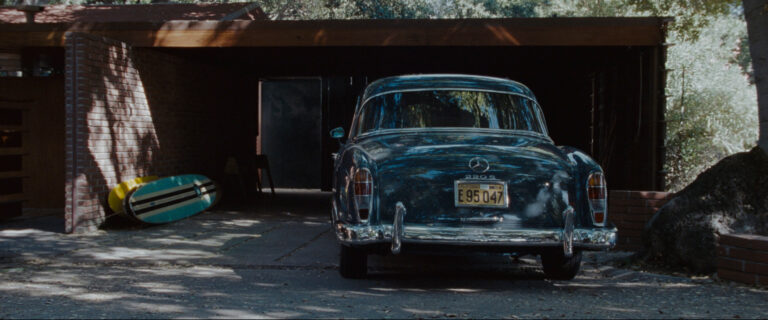
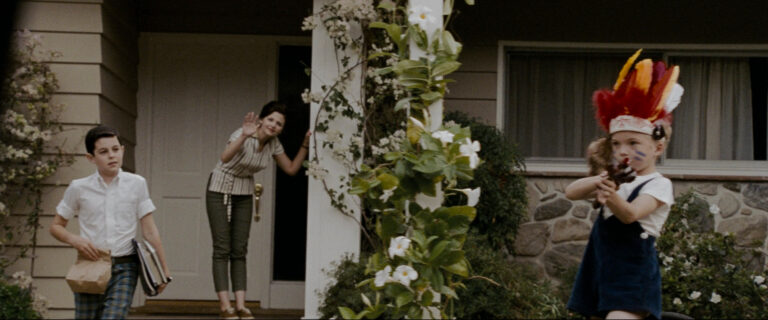
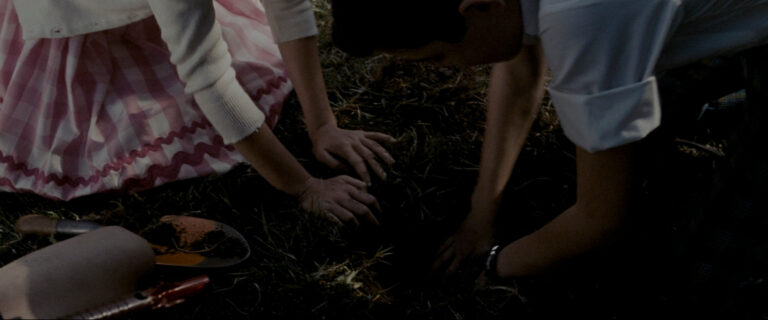
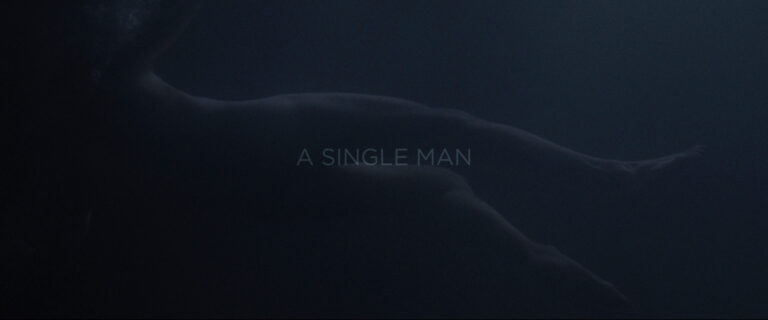
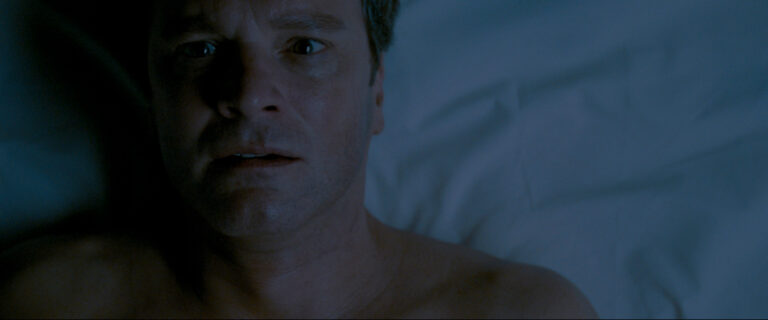
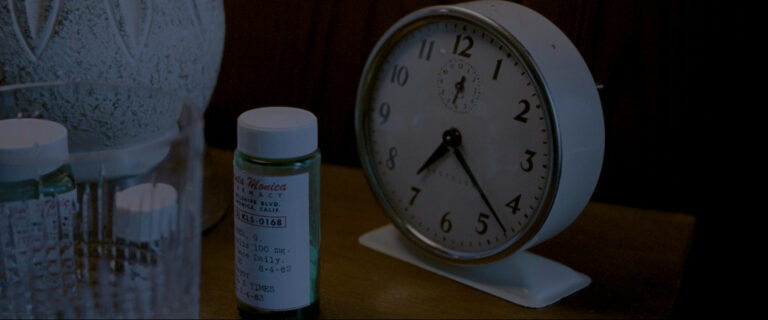
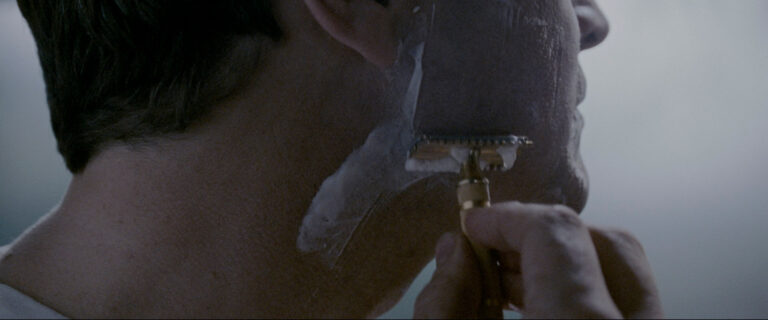
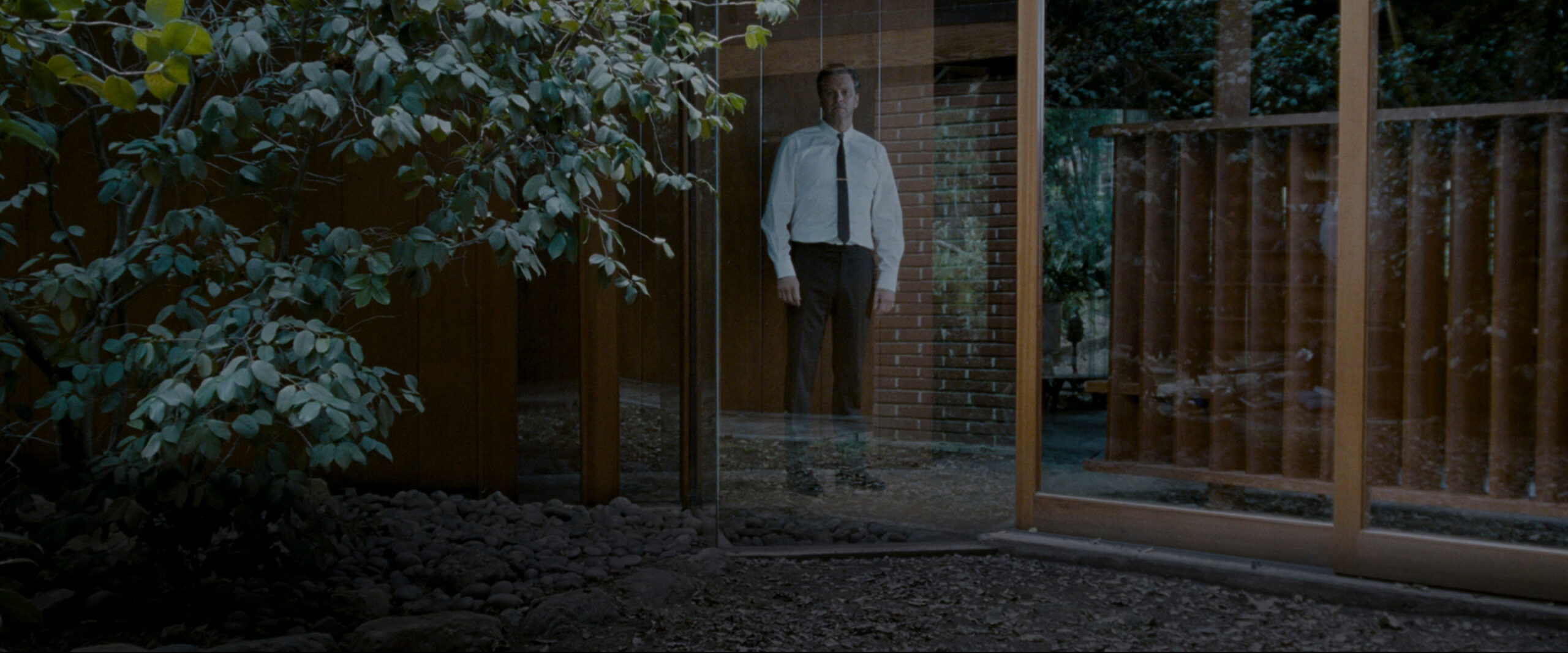
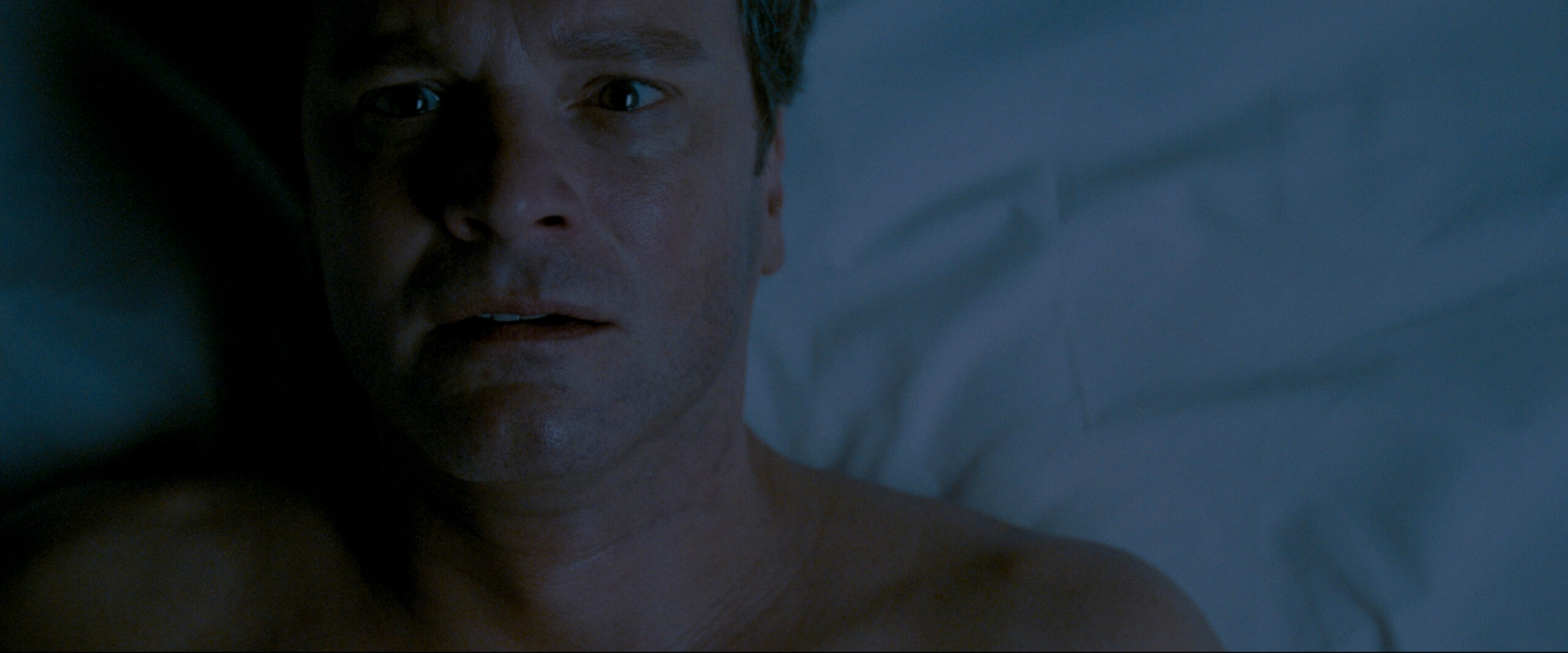
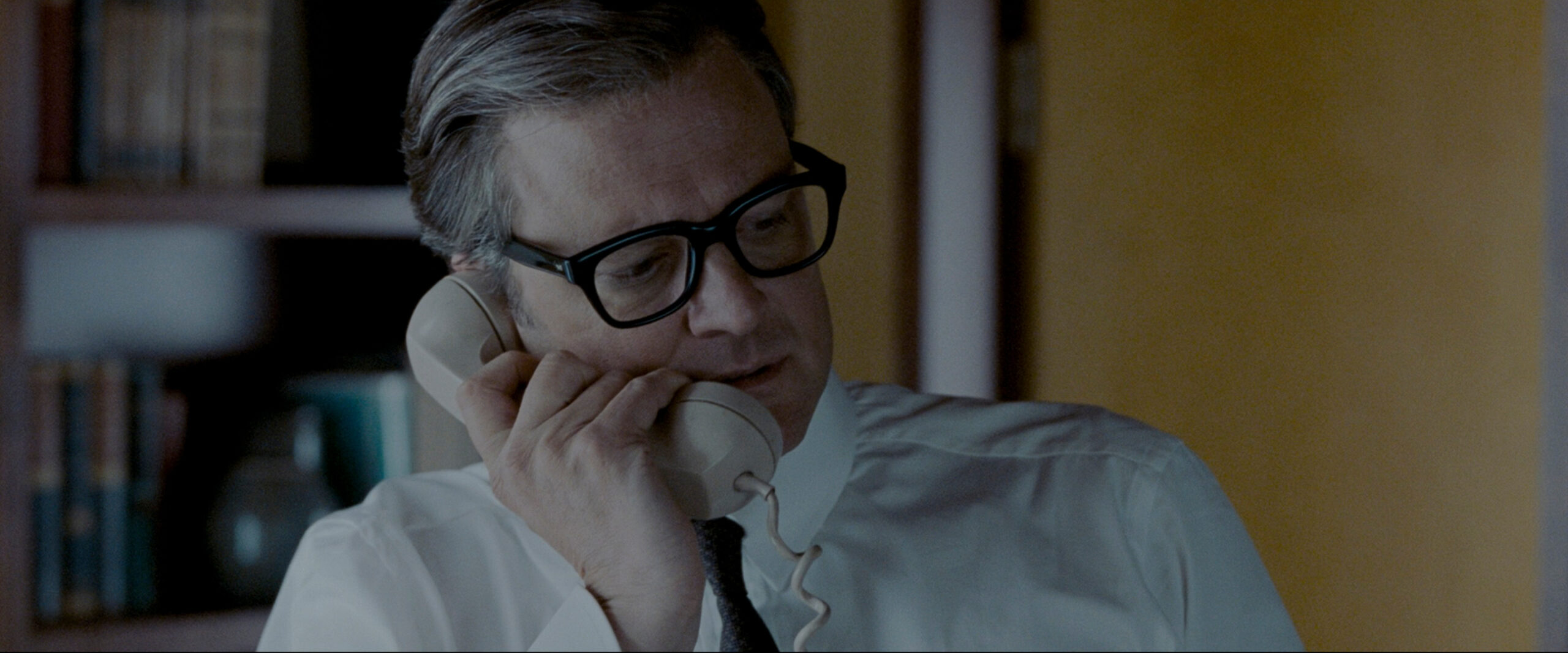
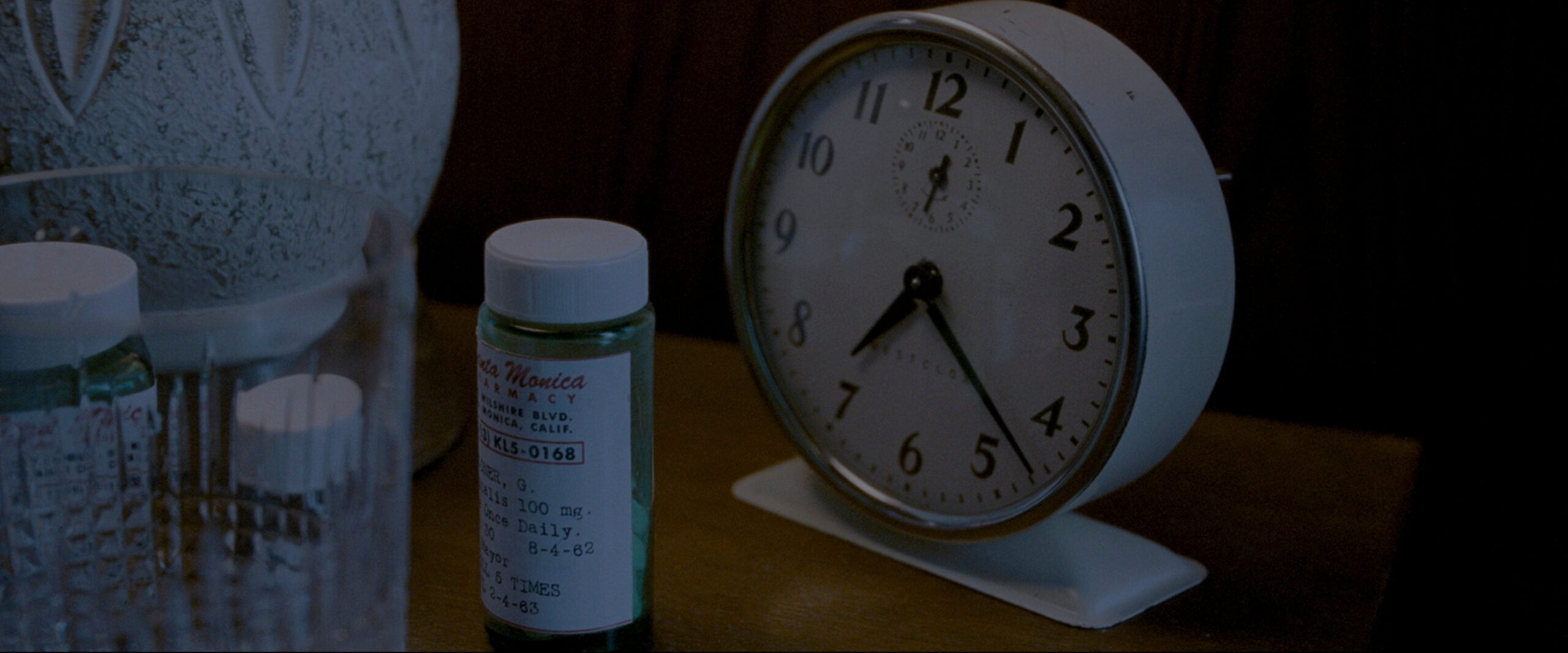
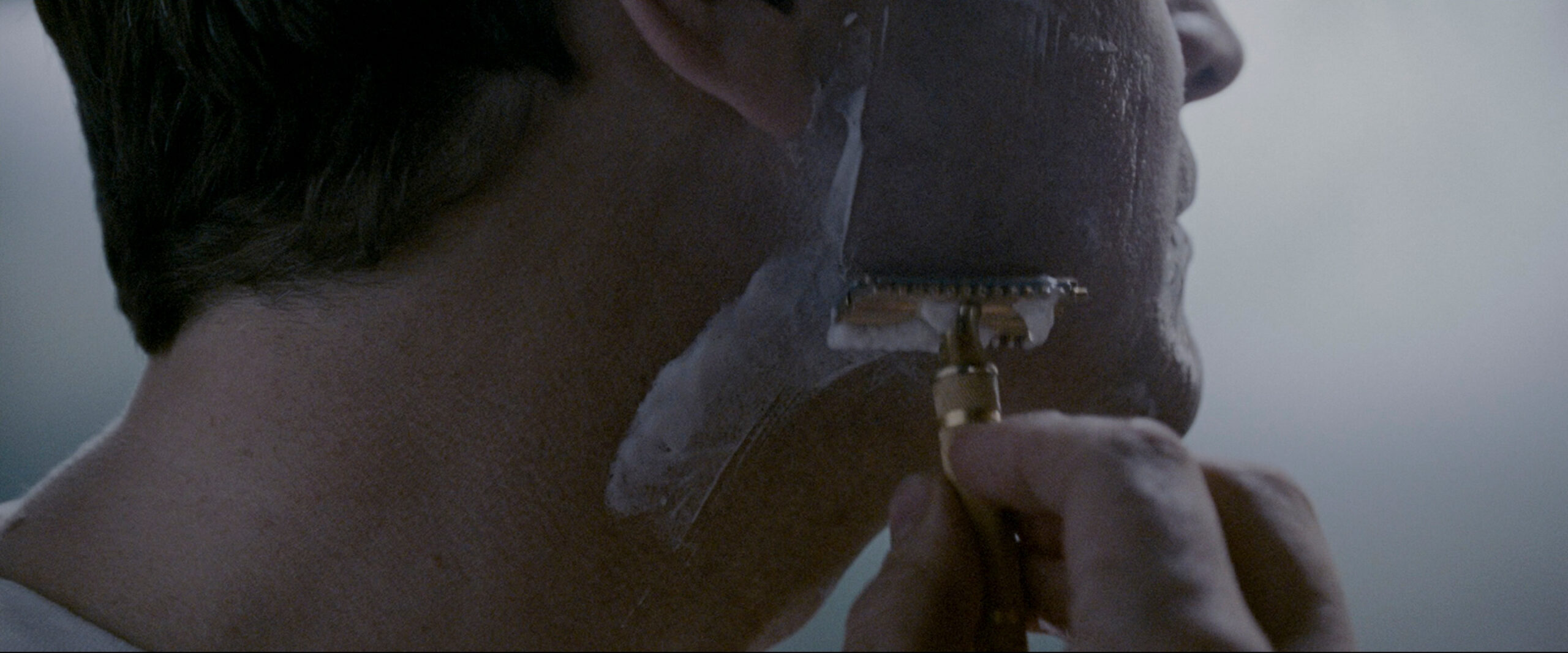
A Single Man (2009)
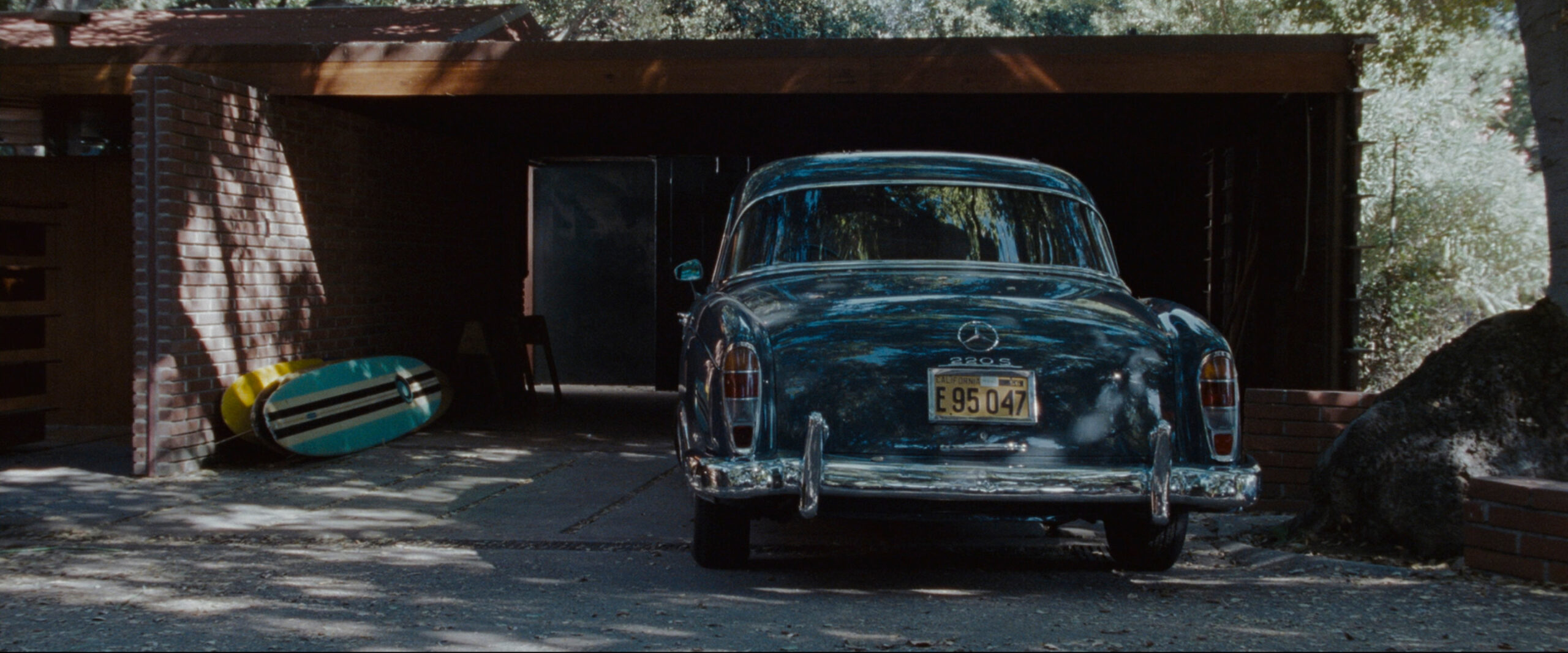
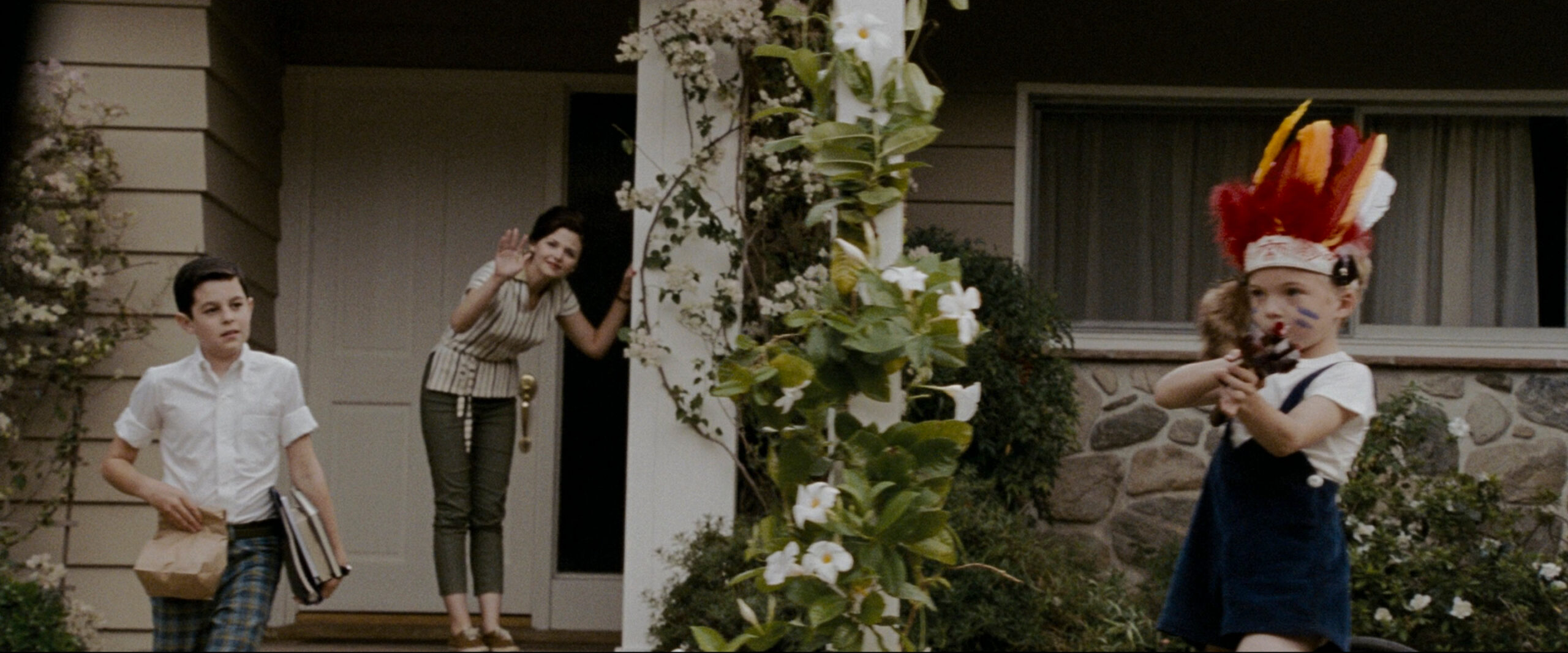
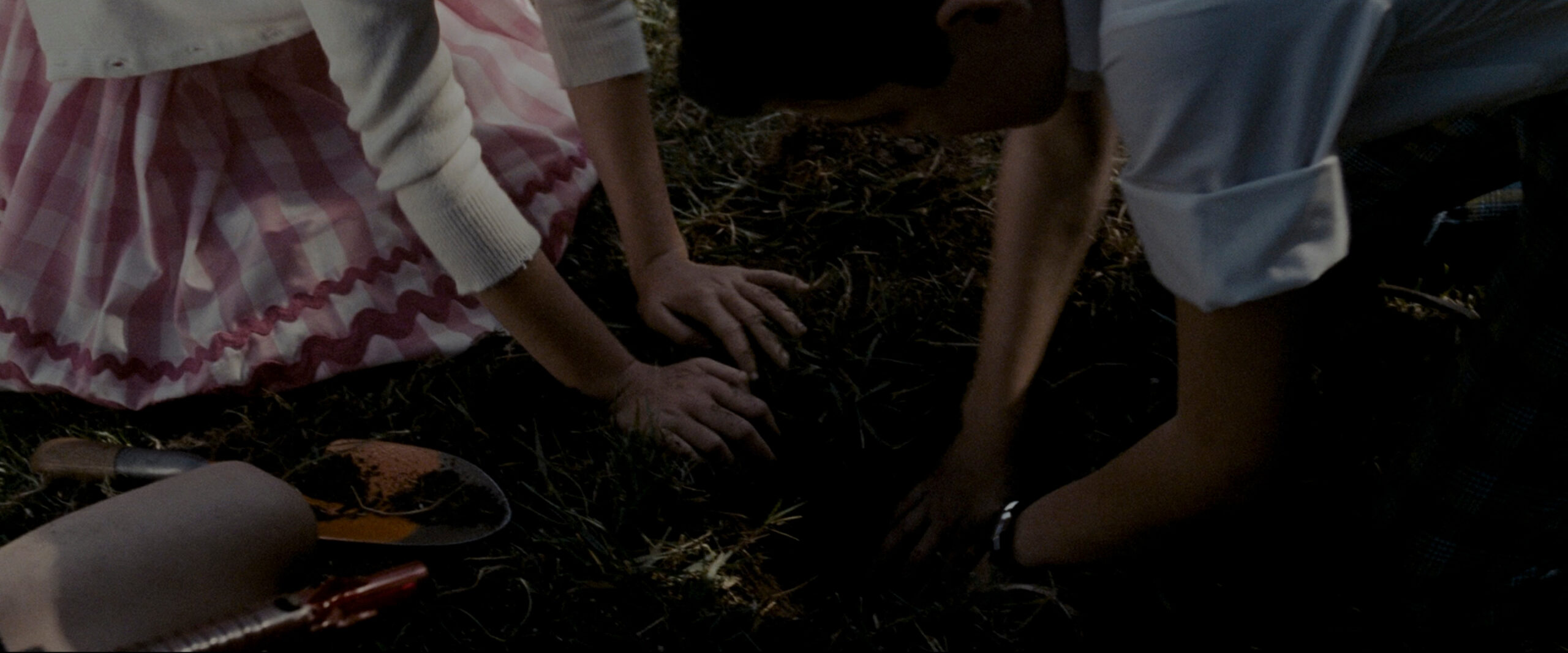
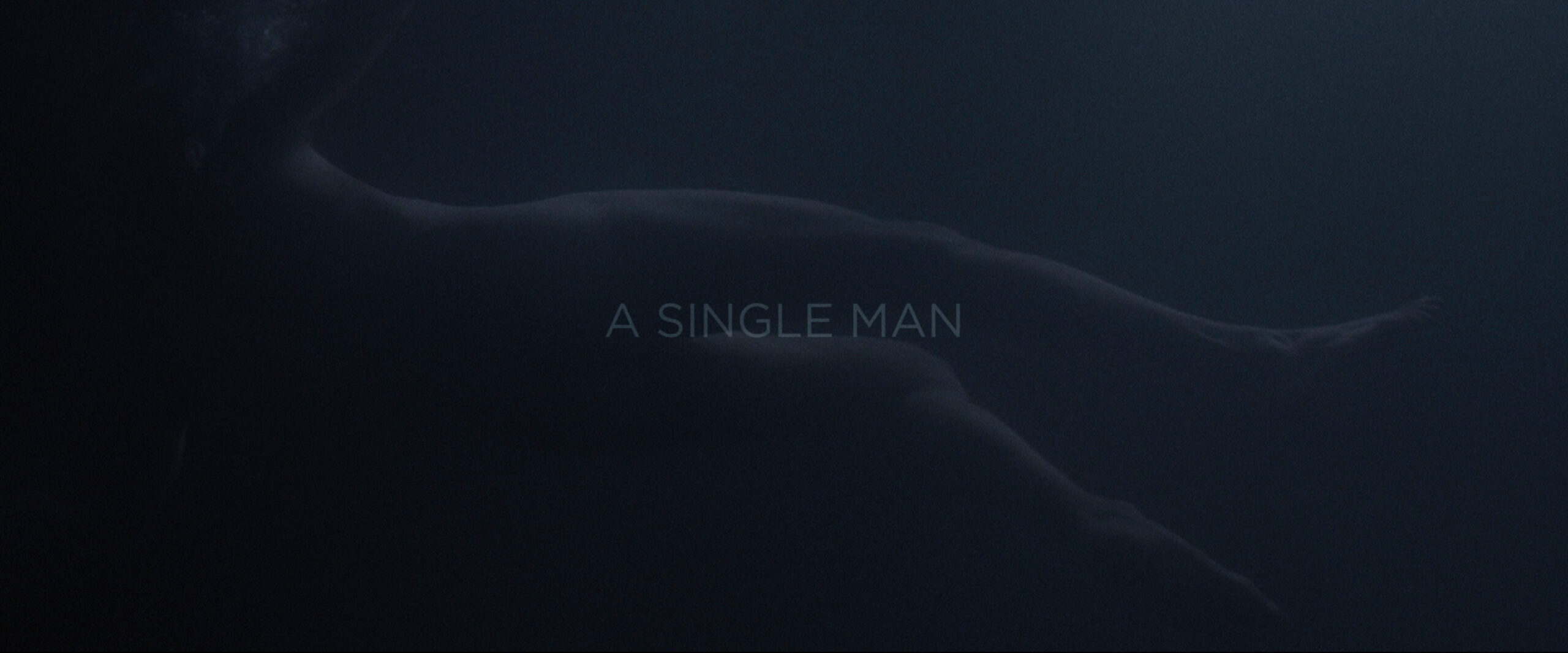
In 1960s Los Angeles, George Falconer, a British college professor, struggles to find meaning in his life following the sudden death of his longtime partner. Over the course of a single day, he moves through routines, memories, and encounters that force him to confront his grief and isolation. As the day unfolds, small moments begin to shift his perspective on life and connection.
Tom Ford and cinematographer Eduard Grau crafted A Single Man with an intensely controlled visual palette, using shifts in color saturation to reflect George’s emotional state—muted tones giving way to bursts of warmth in moments of connection. Shot with precise compositions and elegant camera movement, the film turns design, color, and texture into emotional cues, making the image itself a direct extension of the character’s inner life.

FILM SPOTLIGHT
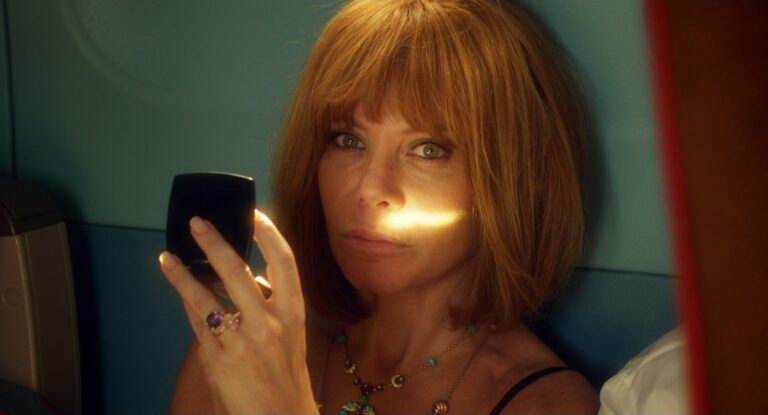
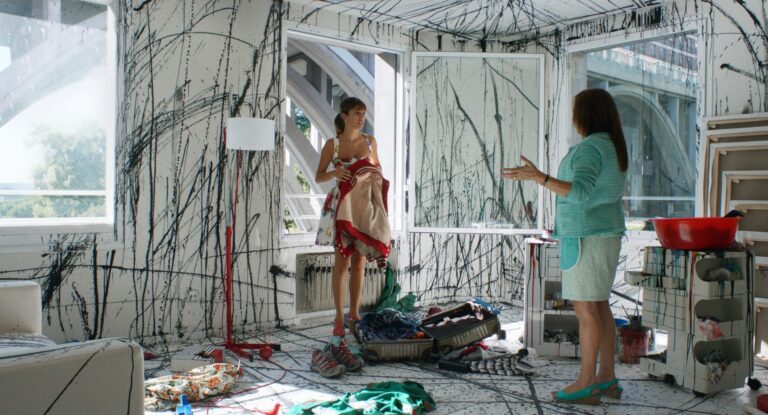
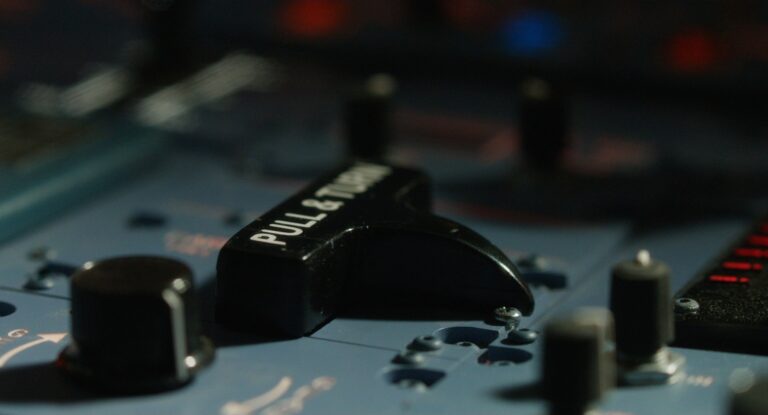
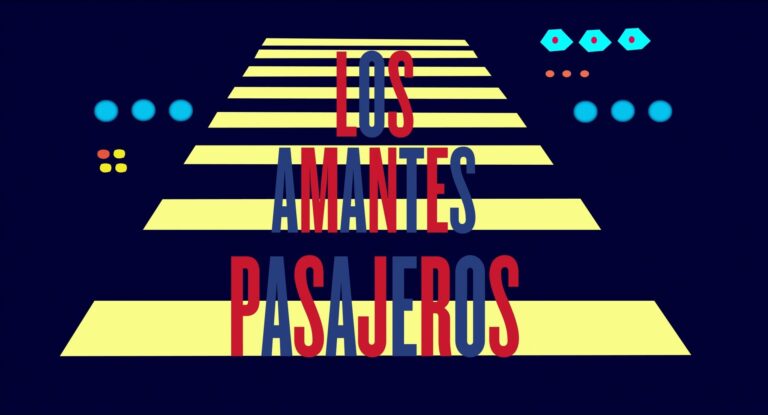
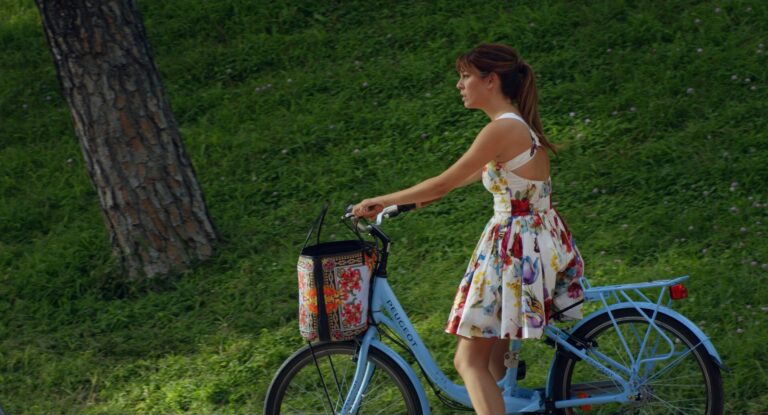
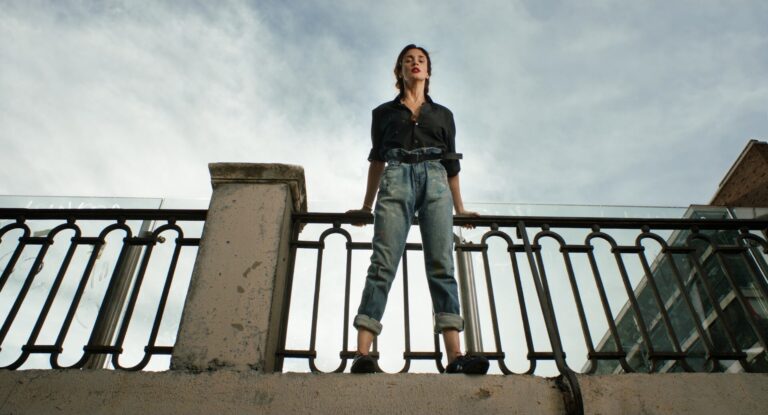
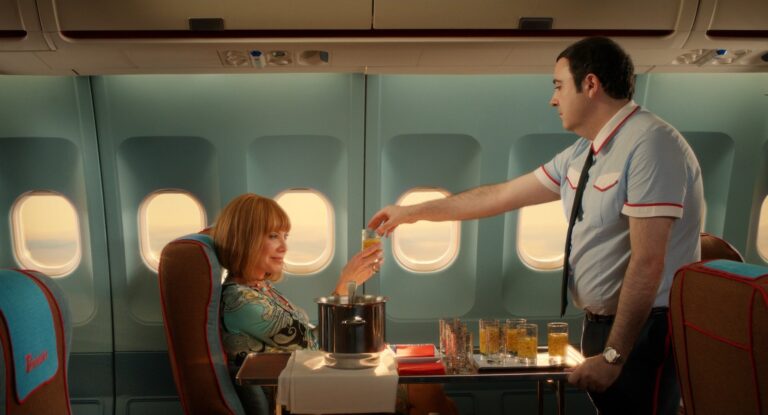
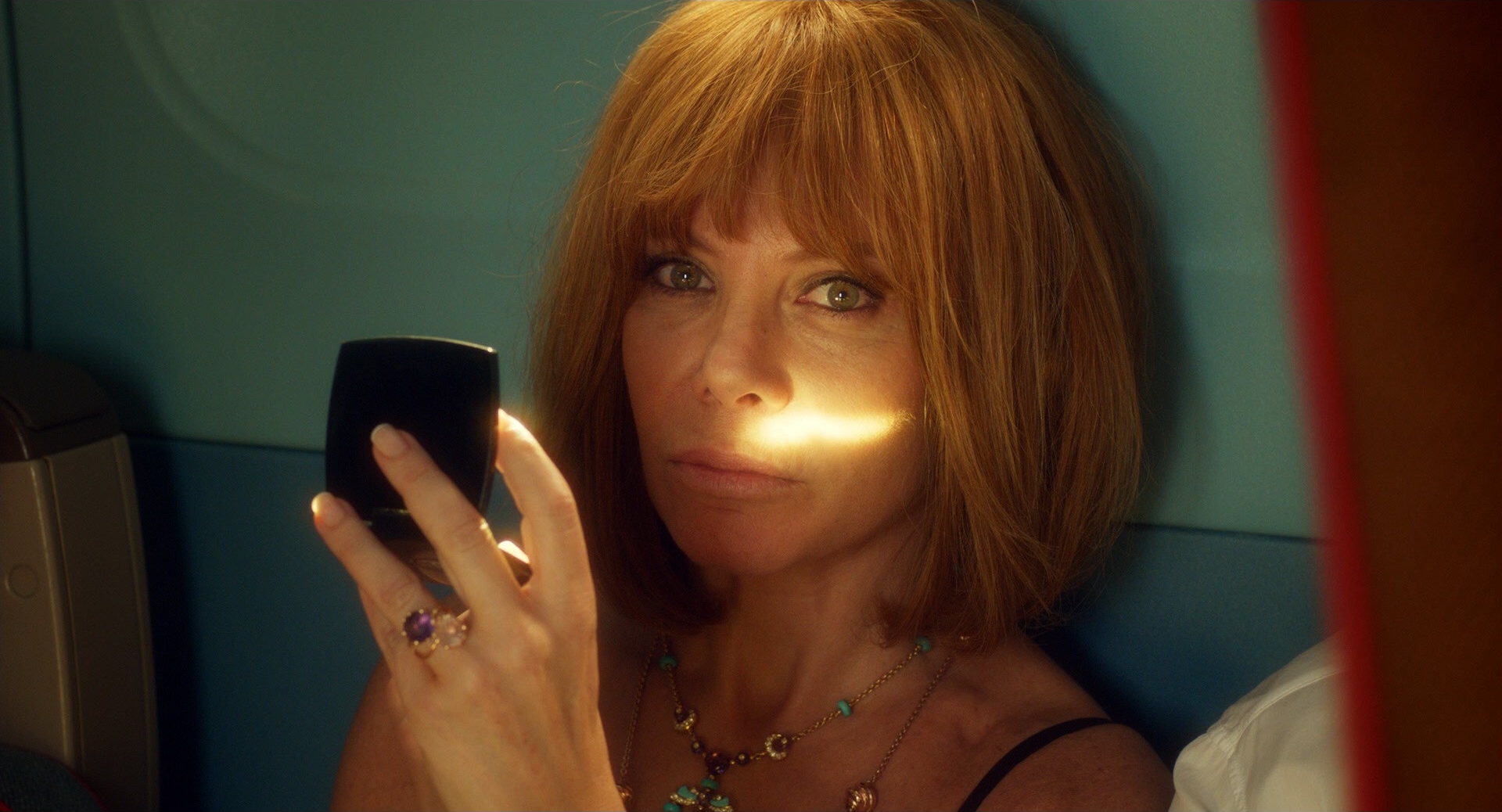
I’m So Excited! (2013)
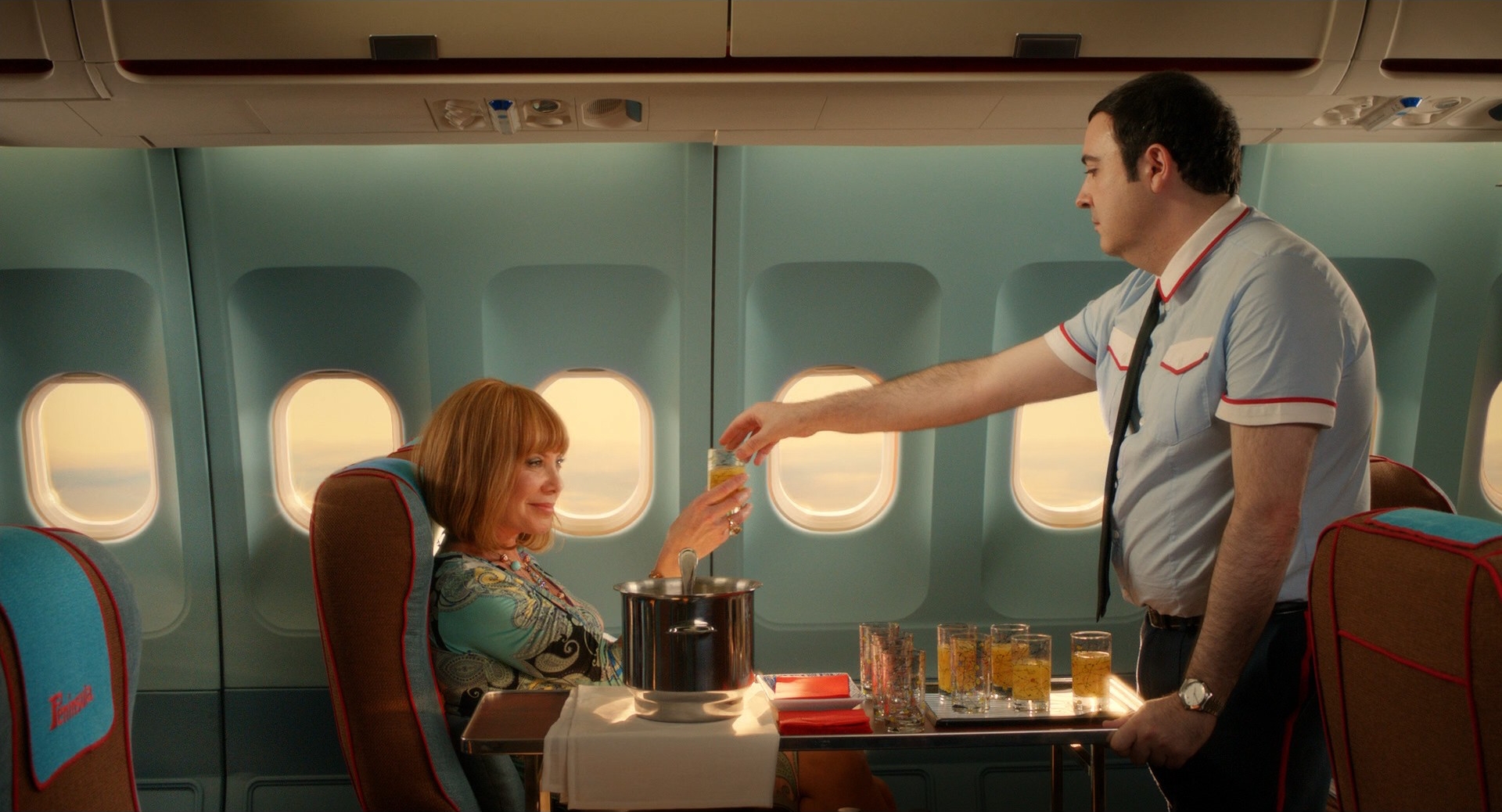
When a commercial flight from Madrid encounters a technical malfunction, the crew realizes they may not be able to land safely. As panic looms, the flamboyant flight attendants attempt to keep the situation under control by distracting passengers with secrets, confessions, and increasingly outrageous behavior. What unfolds is a chaotic, comedic portrait of fear, desire, and human vulnerability at 30,000 feet.
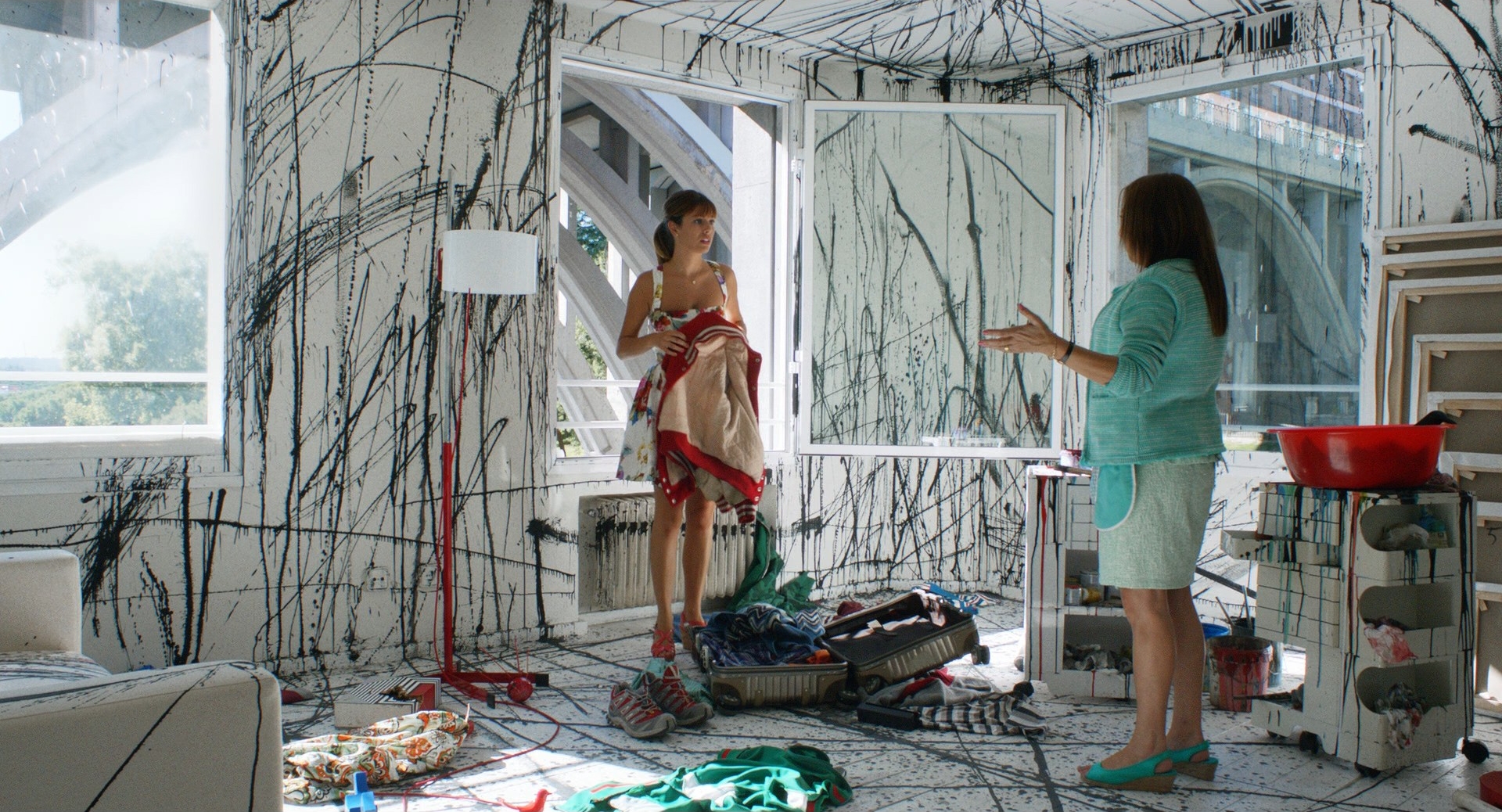
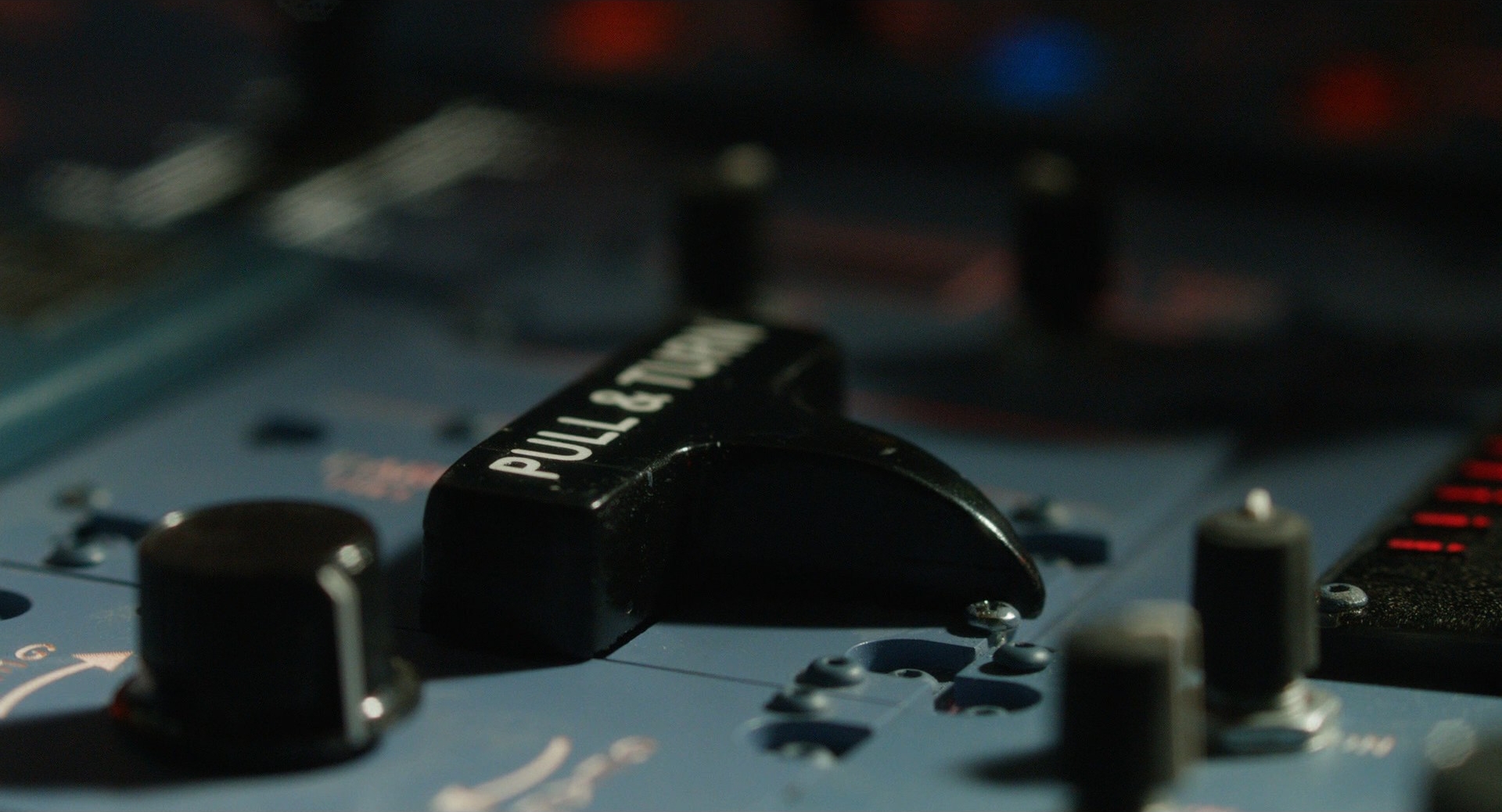
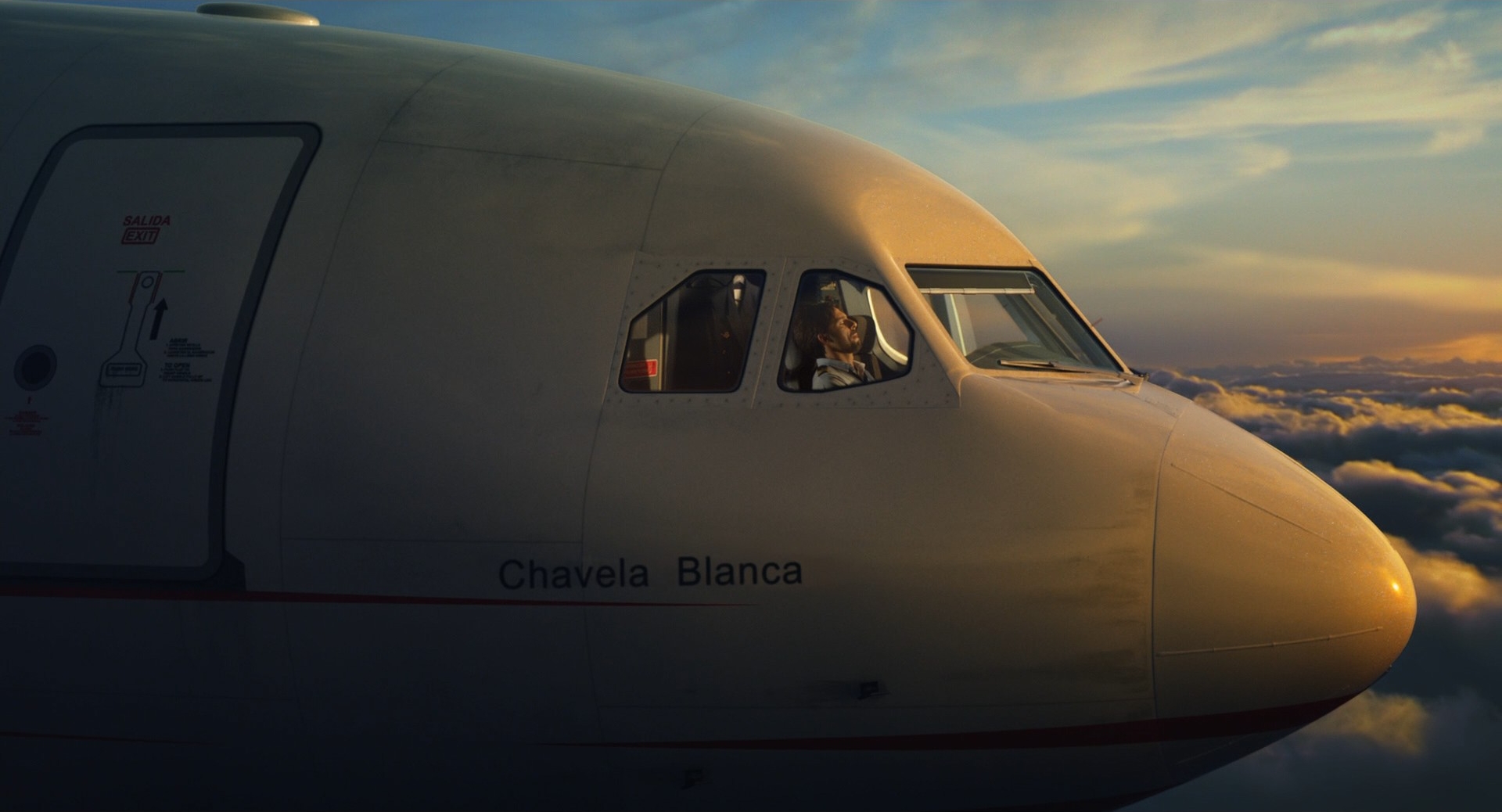
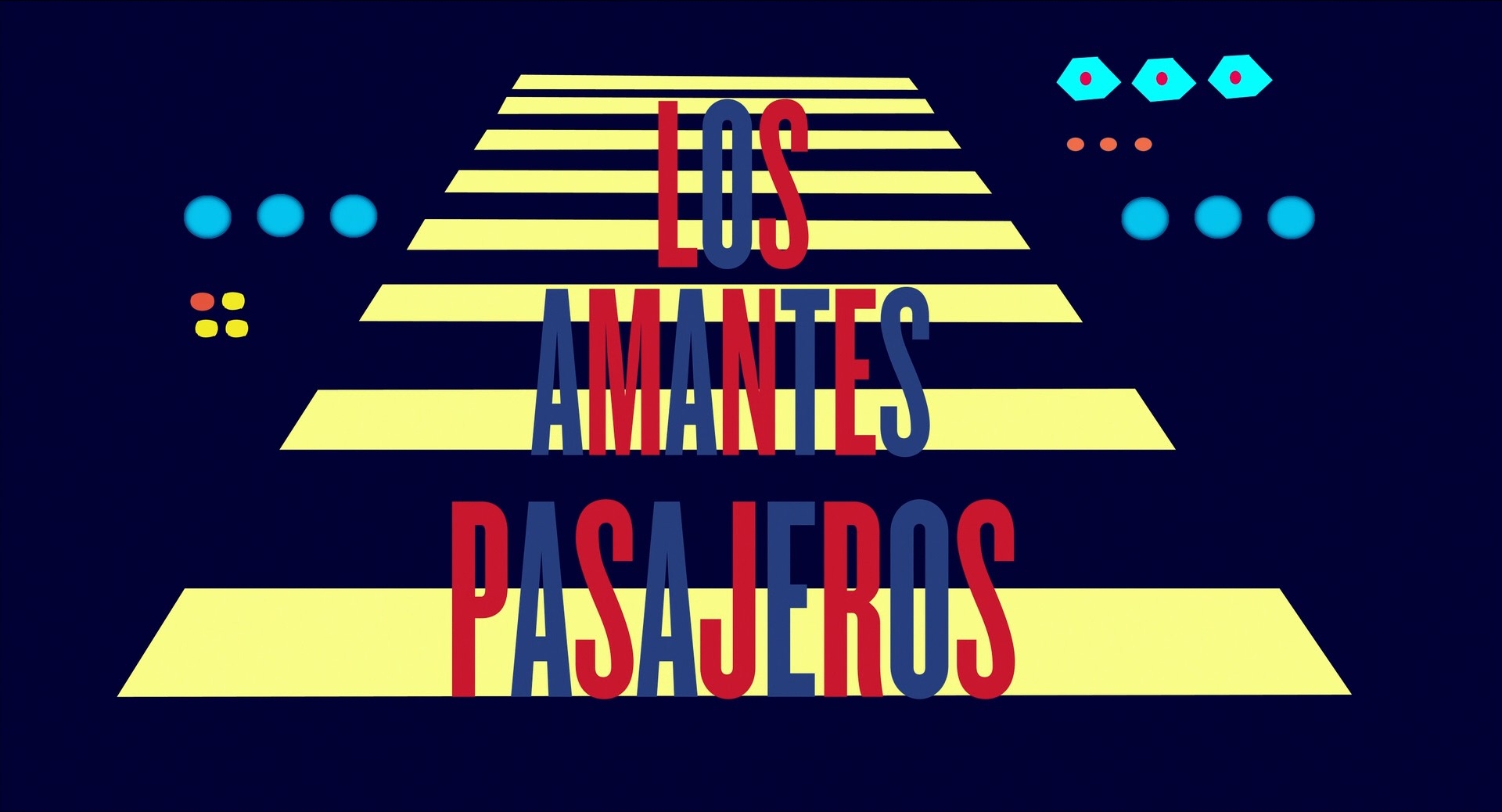
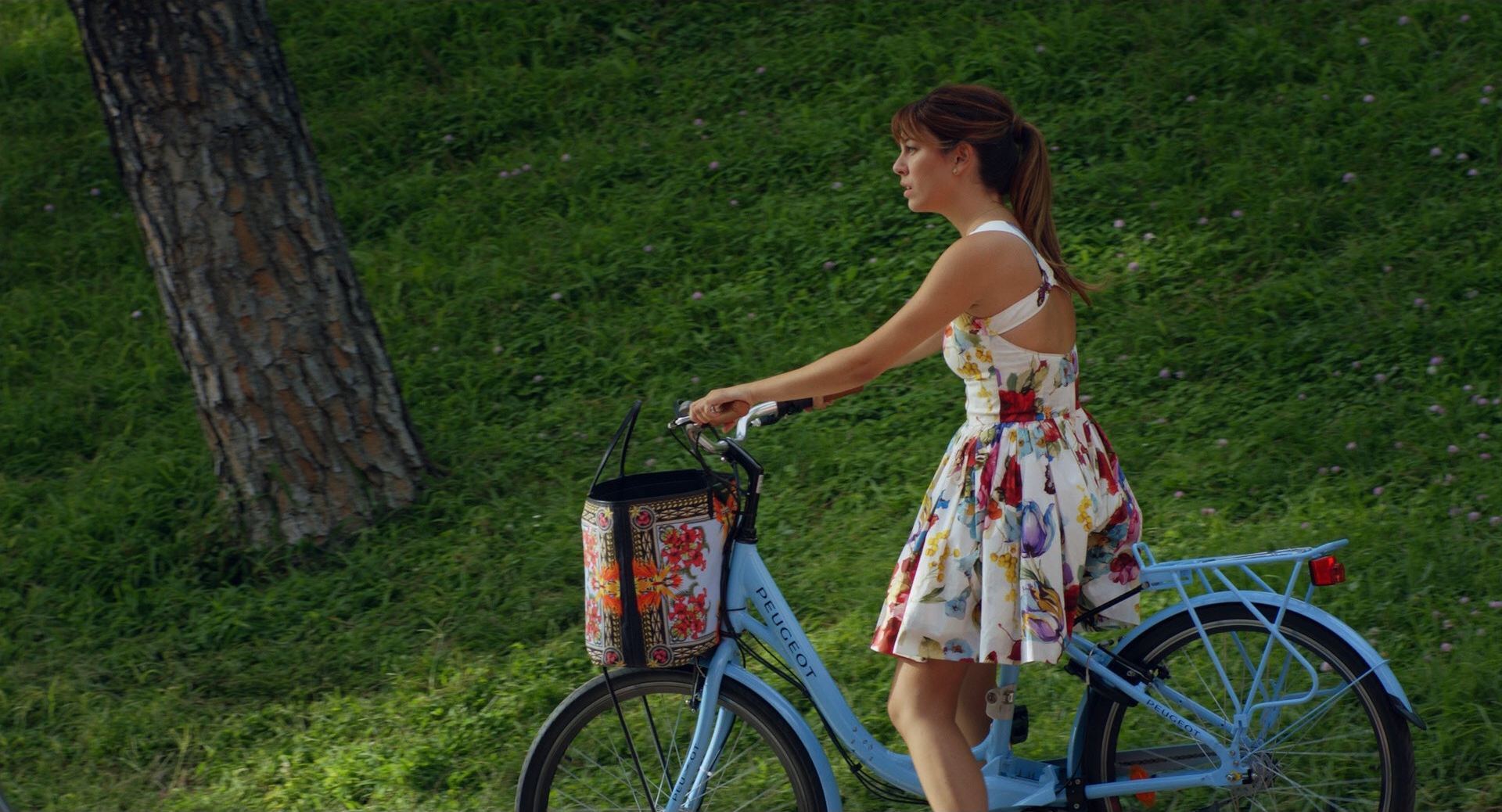
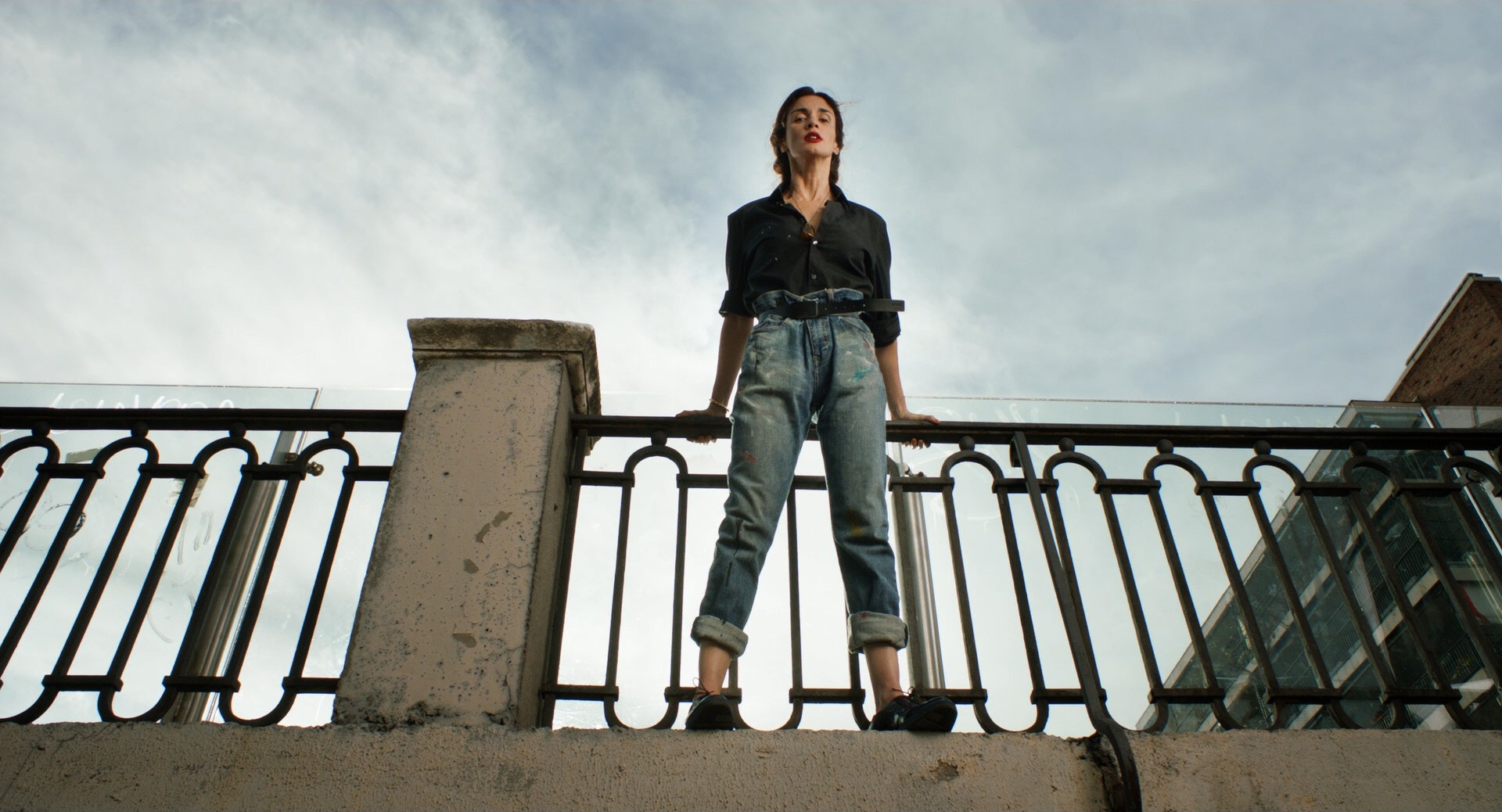
In I’m So Excited!, Almodóvar and cinematographer José Luis Alcaine embrace a bold, candy-colored palette, using saturated reds, blues, and yellows to turn the airplane interior into a heightened, almost theatrical space. The film’s clean, symmetrical compositions and controlled lighting contrast with its escalating absurdity—letting color and production design drive the tone as much as performance.



FILM SPOTLIGHT
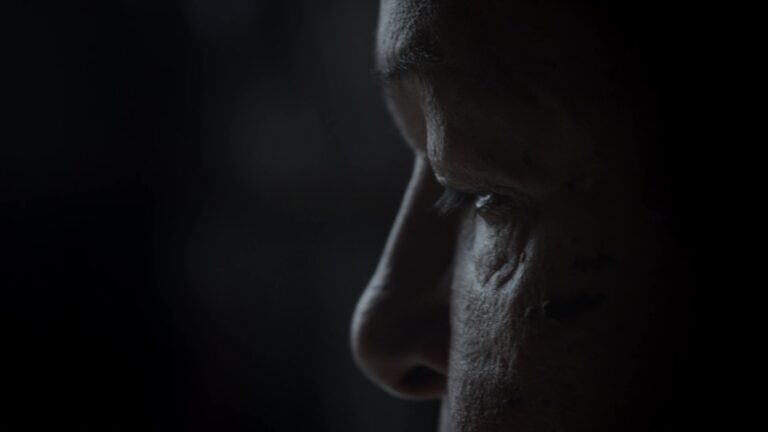
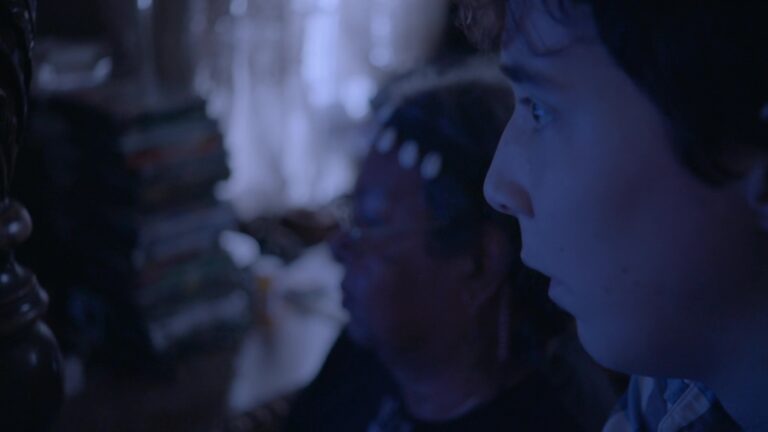
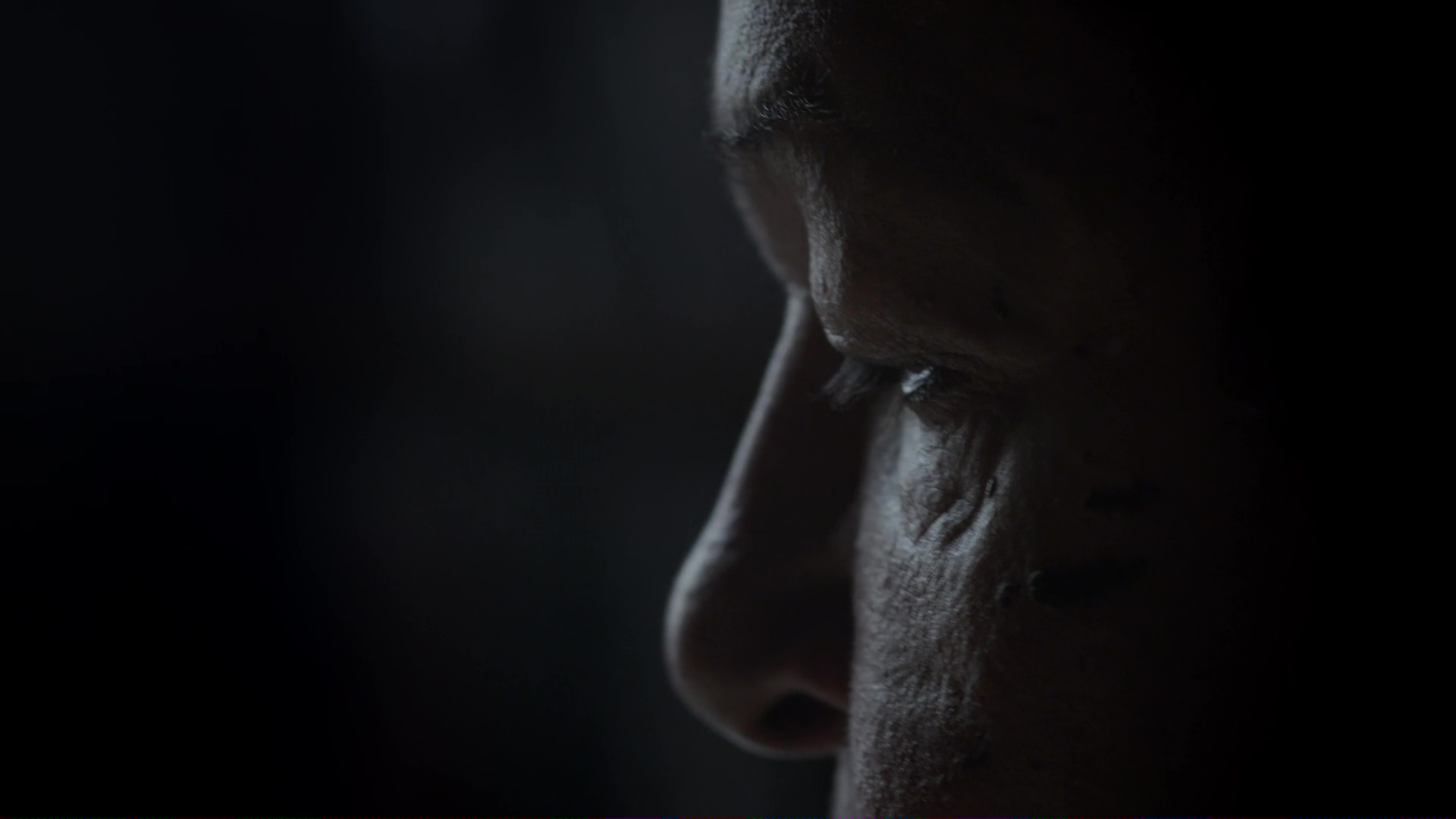
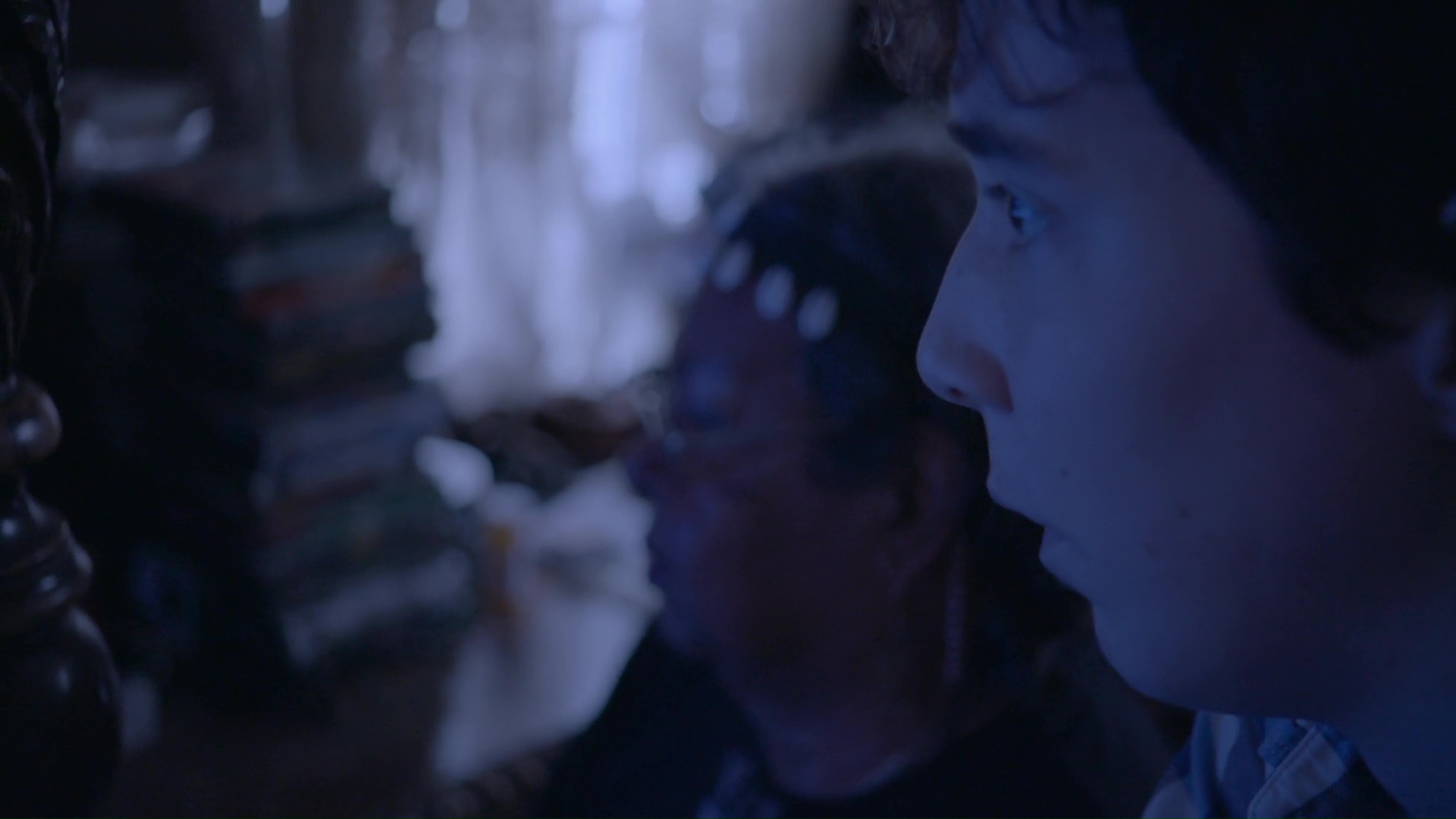
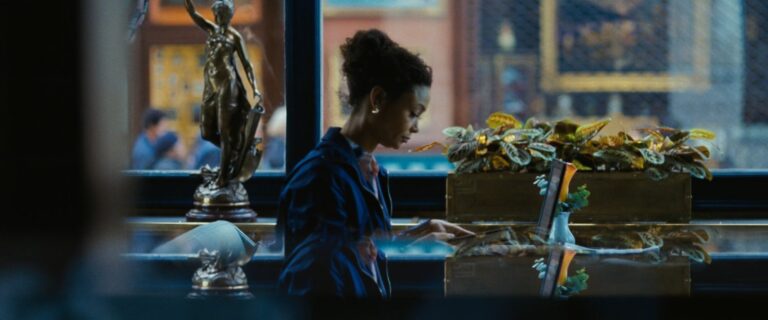
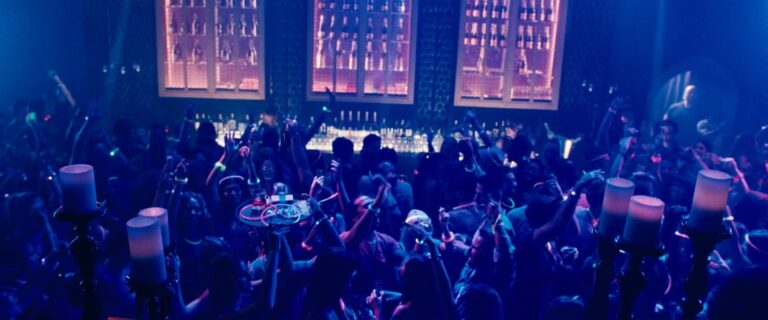
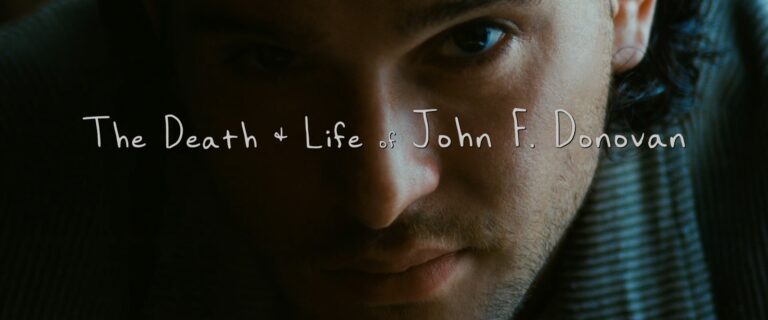
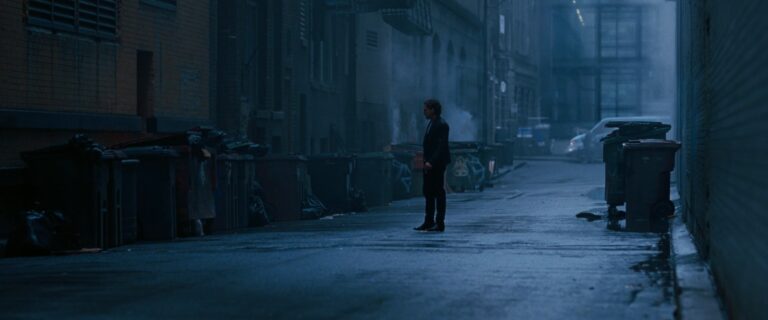
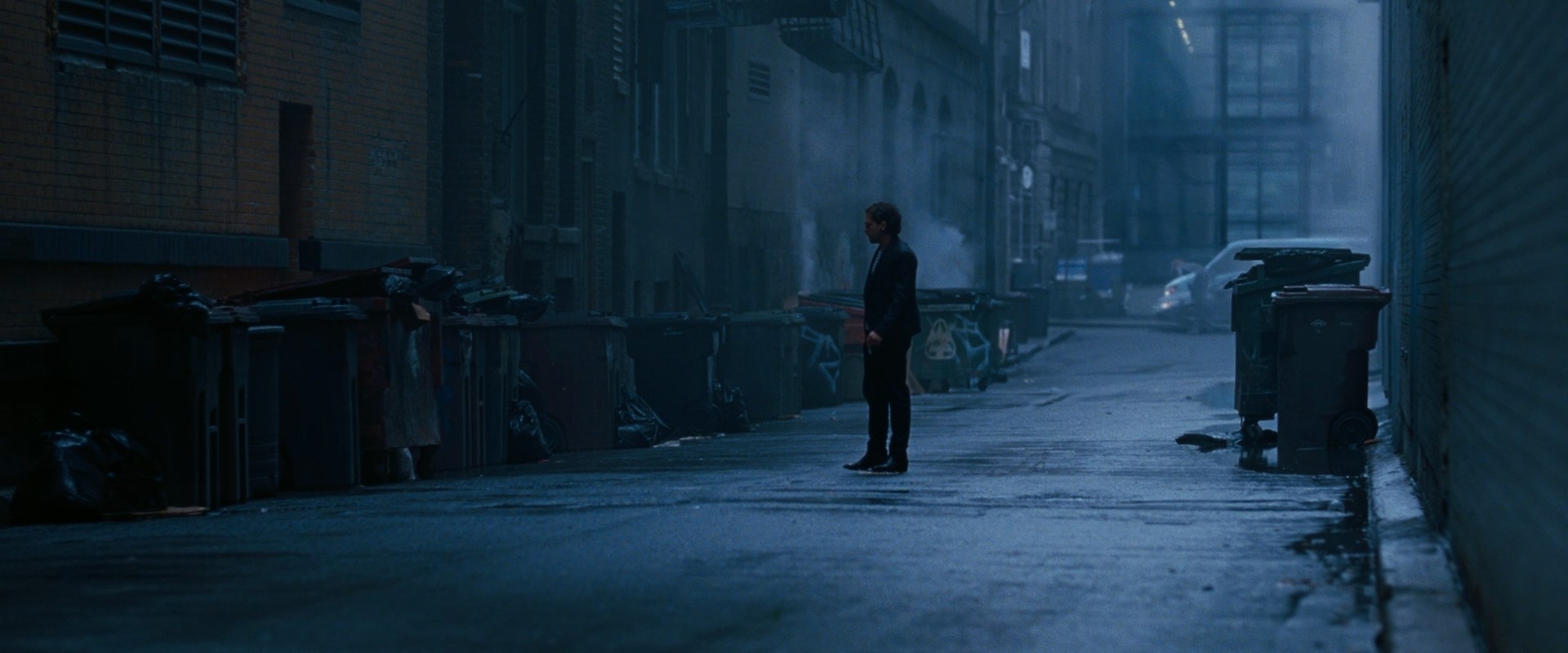
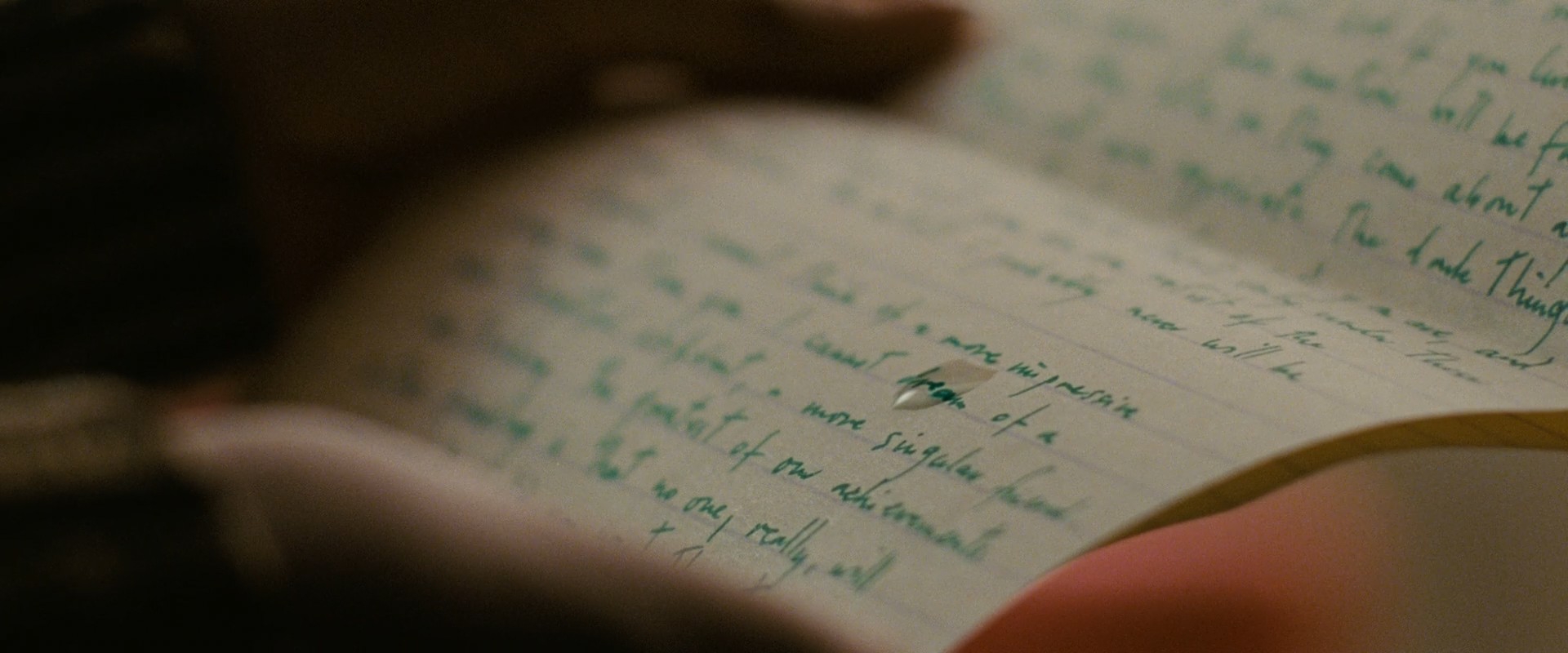
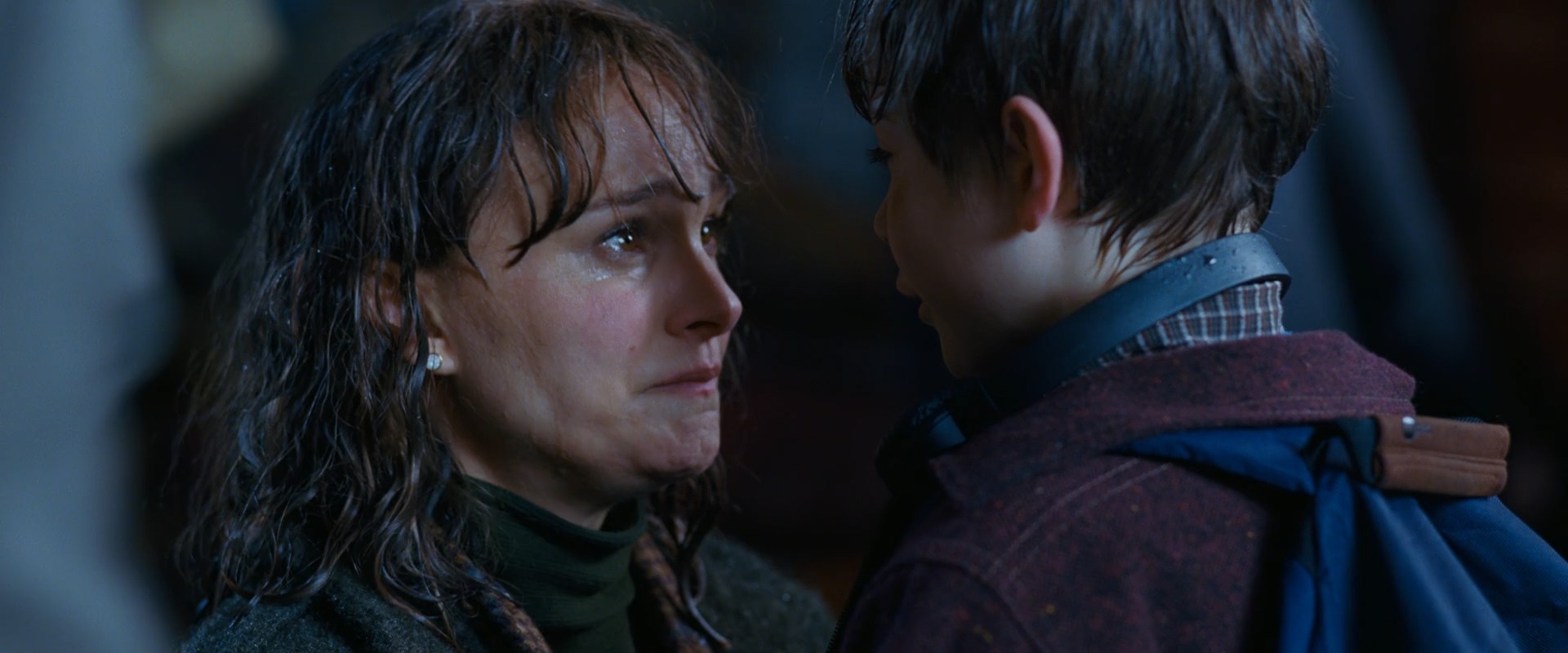
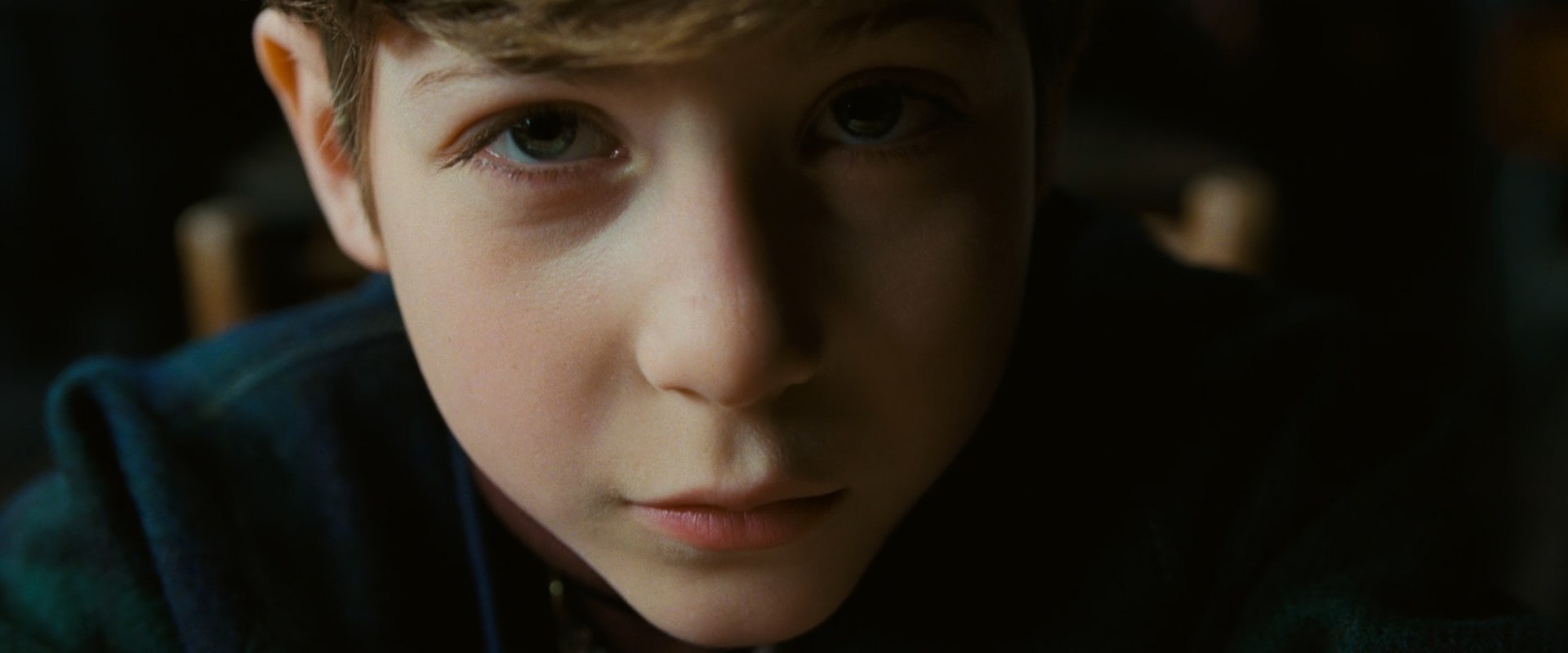
The Death & Life of John F. Donovan (2019)
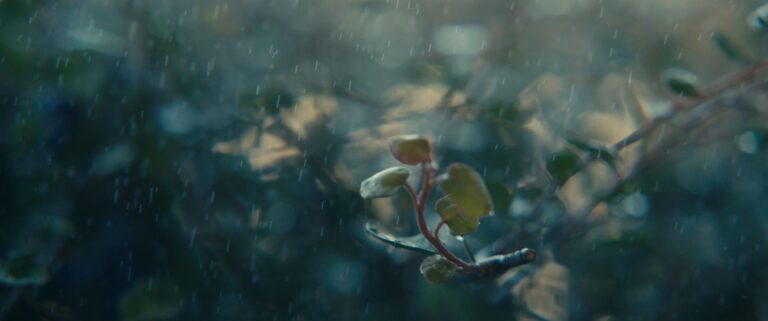
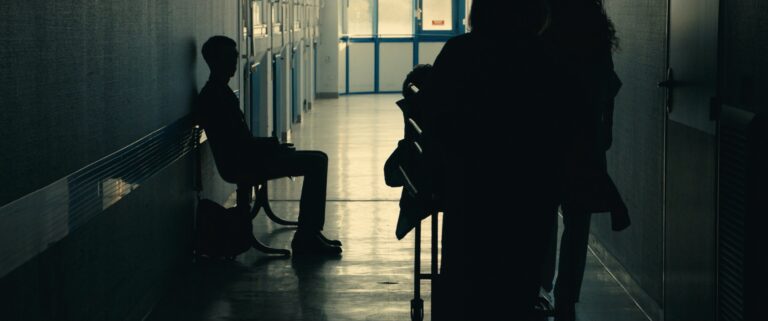
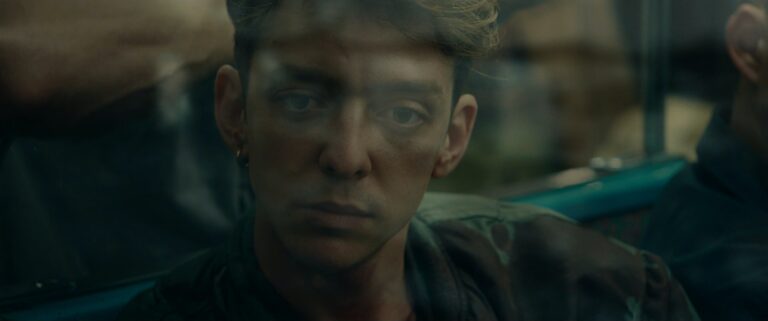
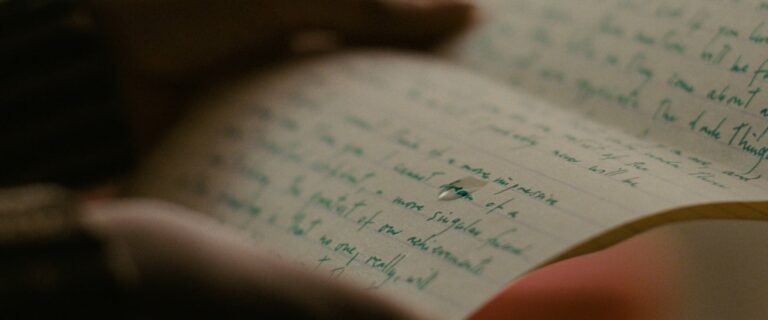
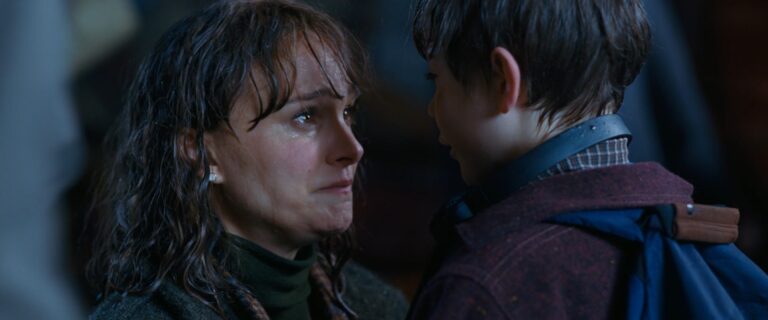
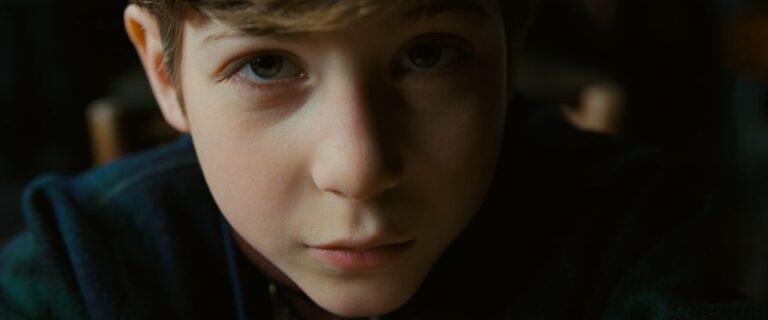
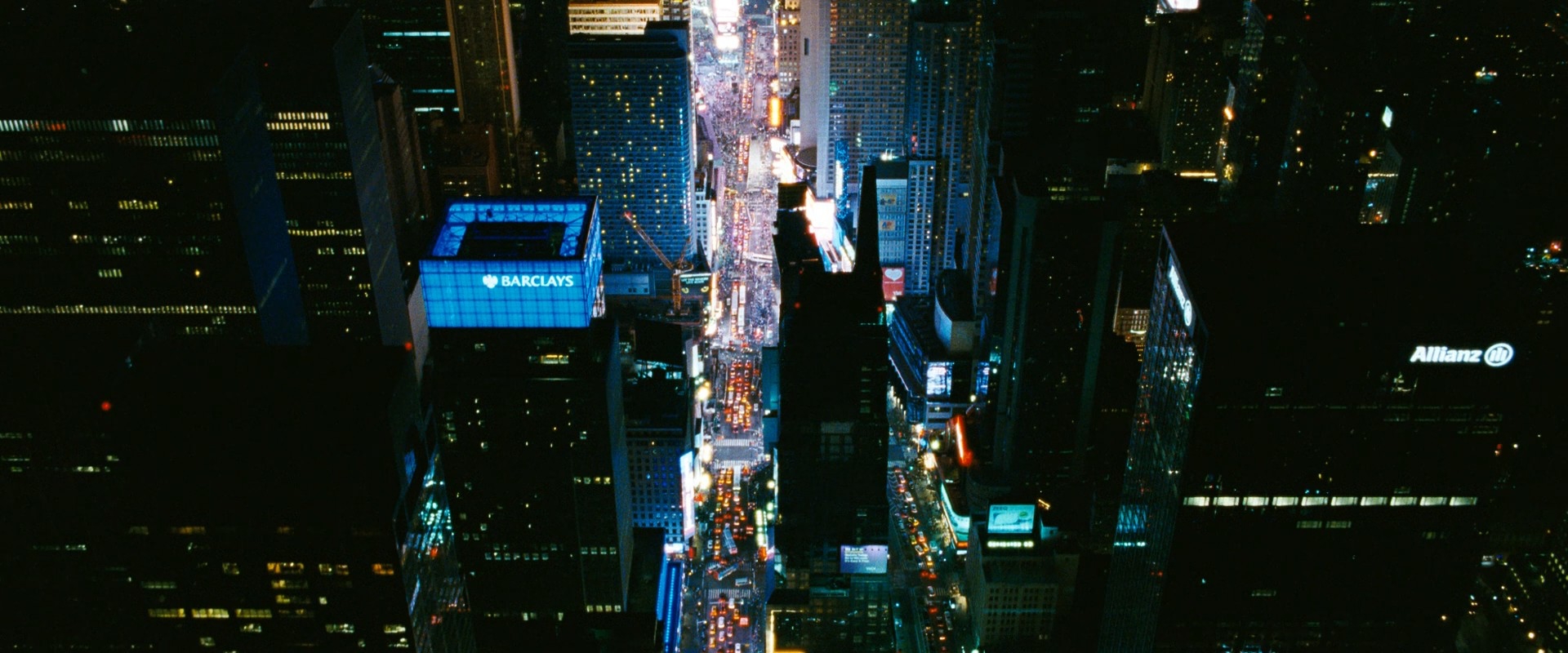
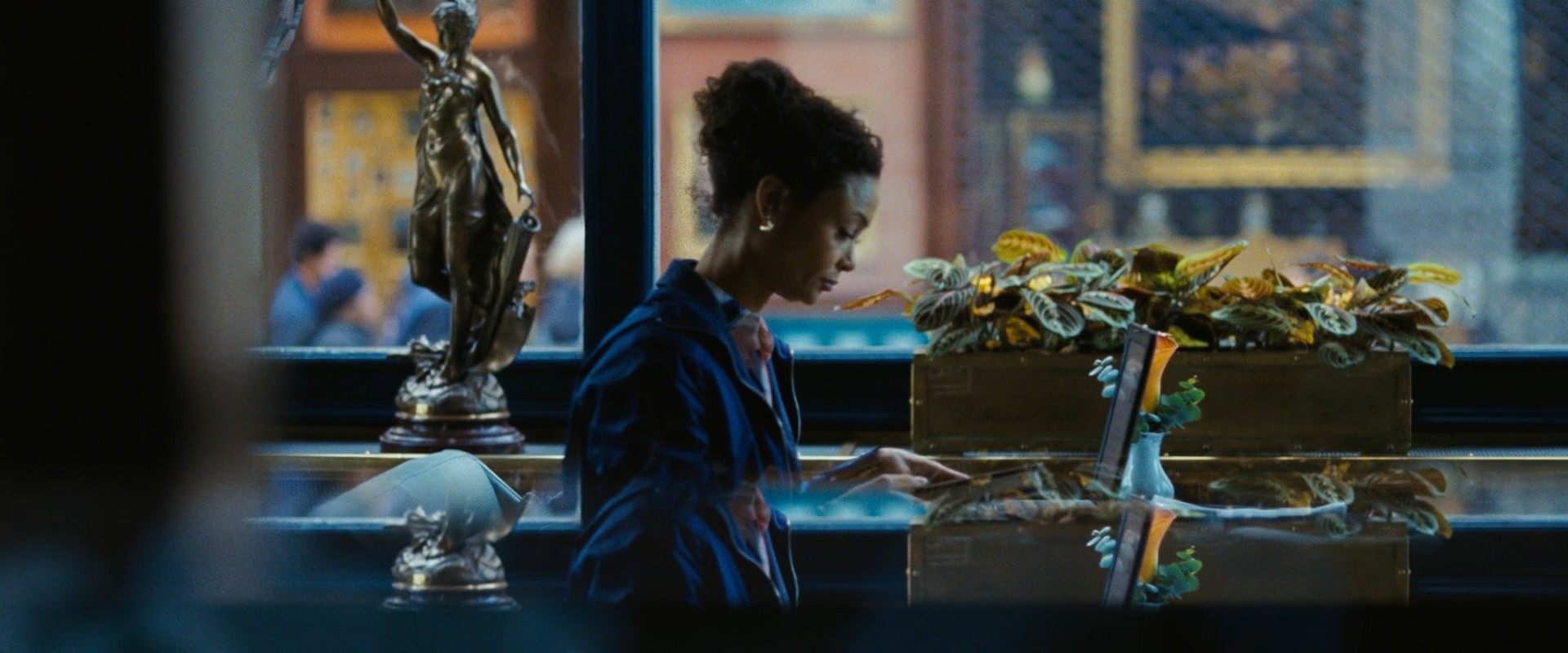
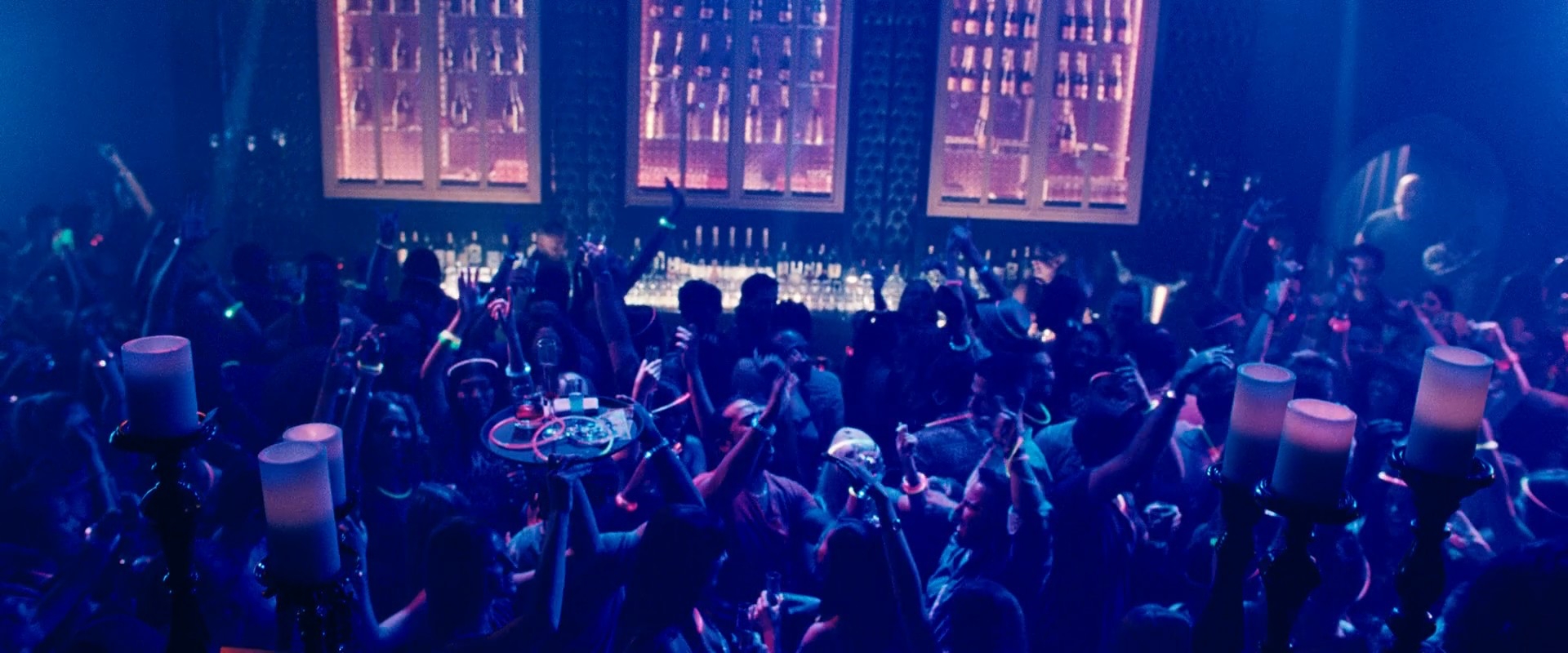
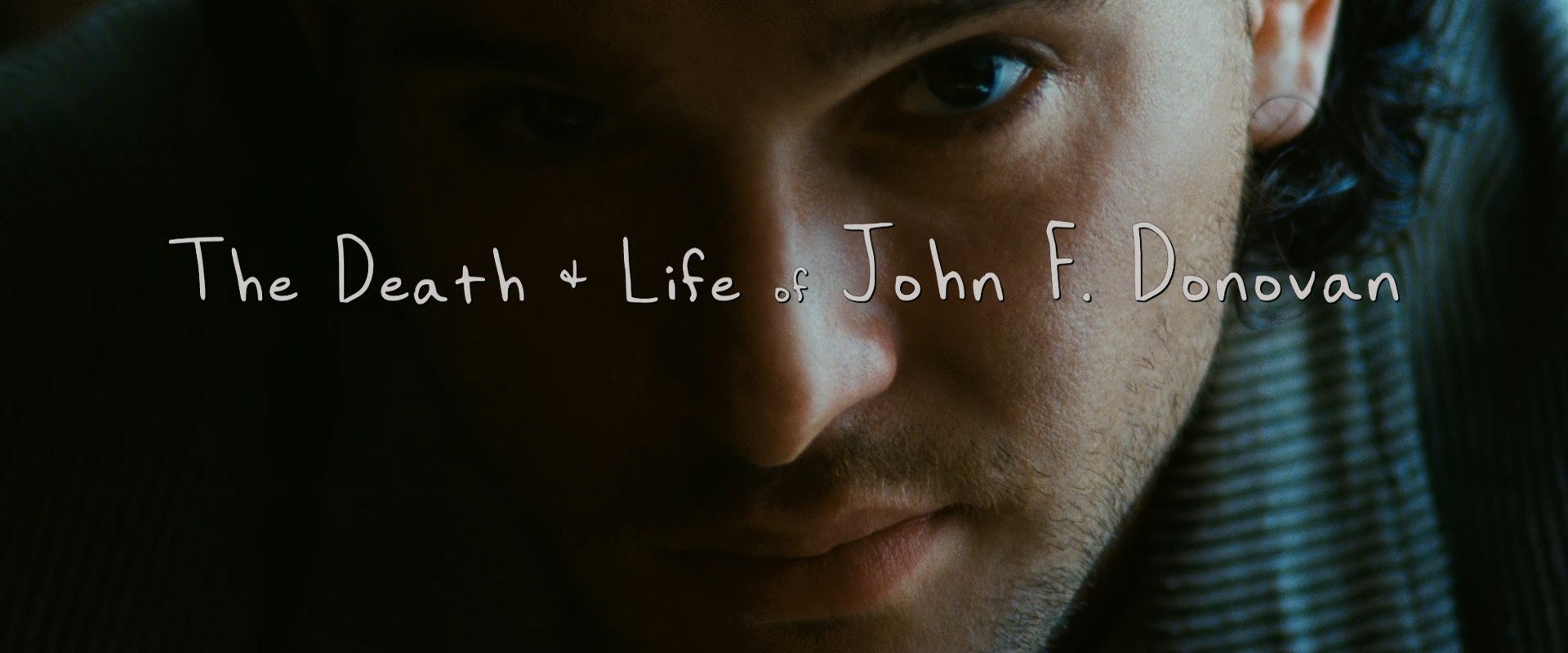
A young actor reflects on his childhood correspondence with John F. Donovan, a troubled American television star whose career was derailed by scandal. Through letters exchanged over several years, the two form an unlikely bond that shapes the boy’s sense of identity and ambition. As Donovan’s life unravels under public scrutiny, the story becomes a meditation on fame, secrecy, and emotional connection.
Dolan and cinematographer André Turpin shoot John F. Donovan with a polished, melancholic sheen, using soft lighting, shallow depth-of-field, and a cool, desaturated palette to evoke memory and distance. The film’s fluid camera and reflective surfaces—mirrors, windows, glass—turn spaces into emotional containers, reinforcing its themes of isolation within public visibility.

FILM SPOTLIGHT
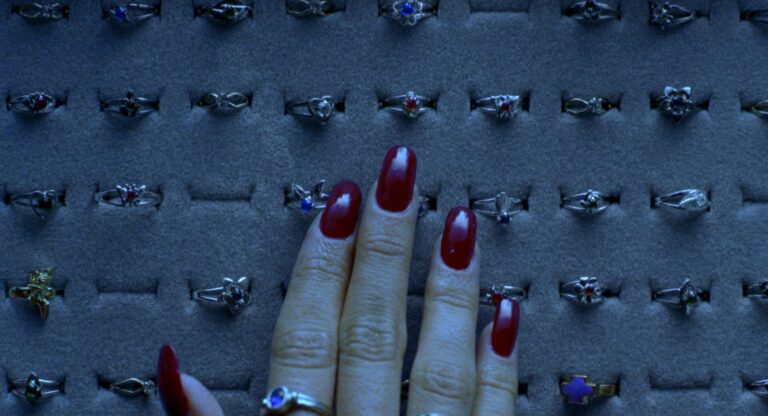
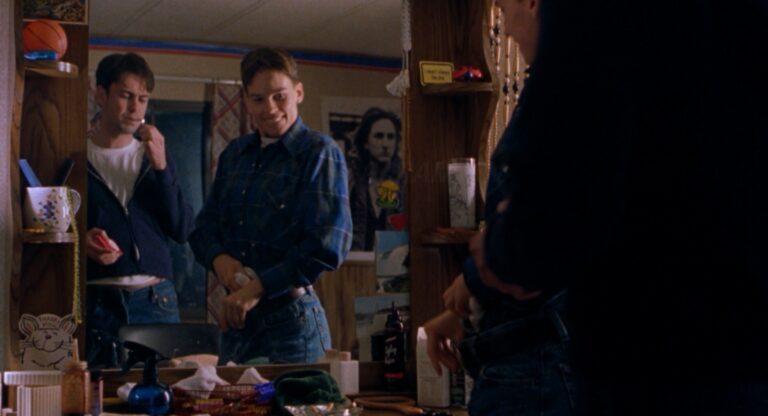
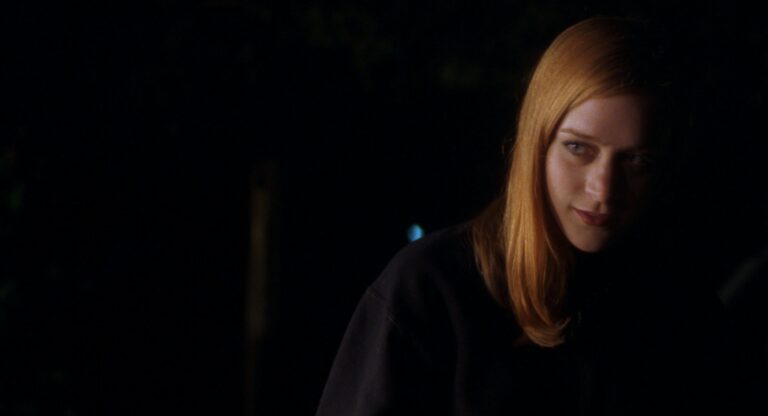
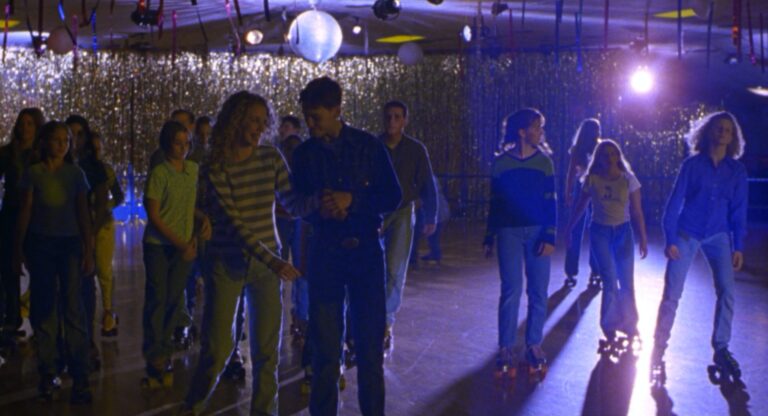
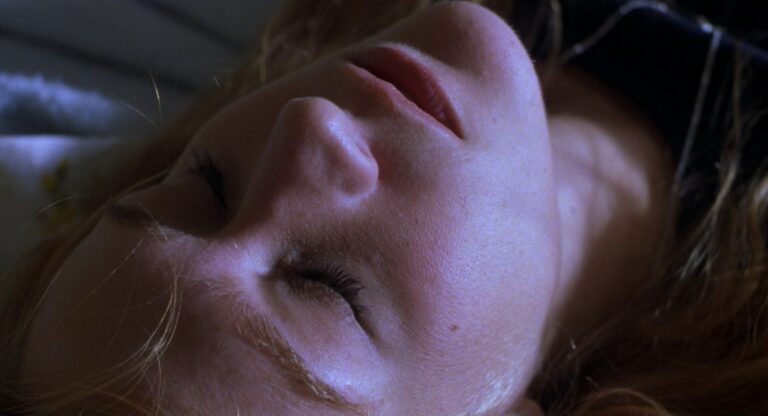
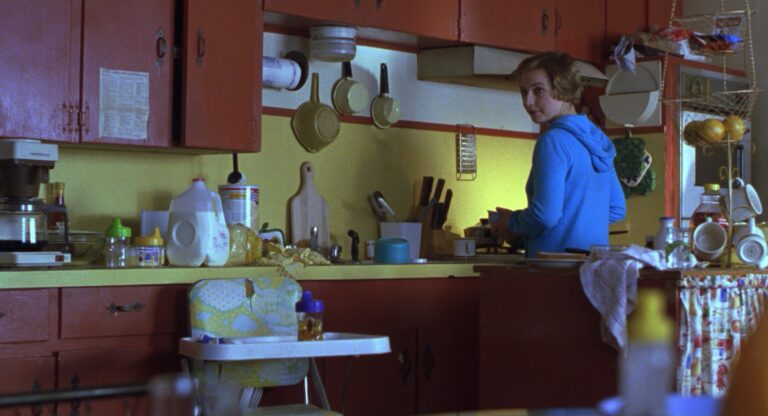
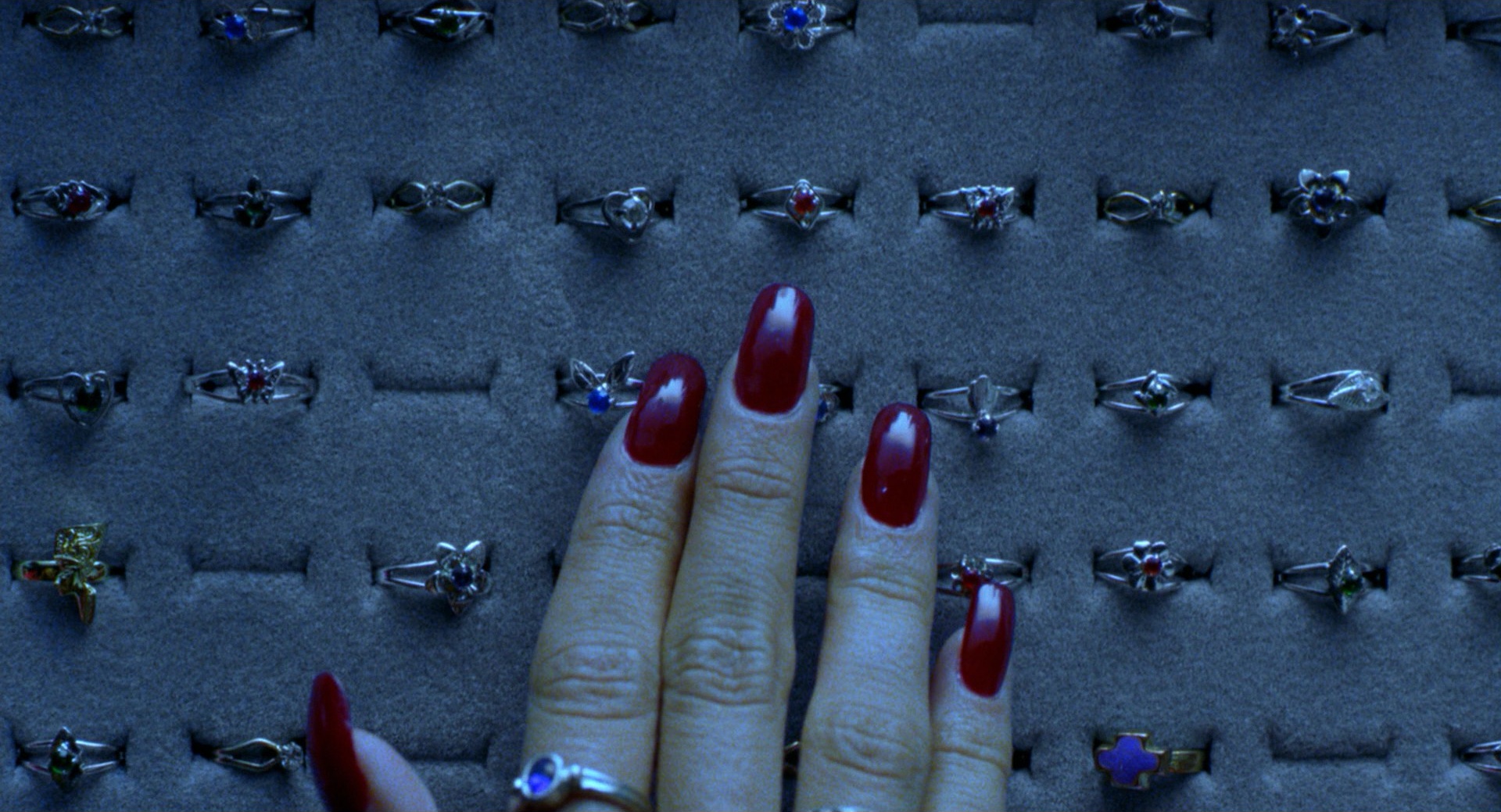
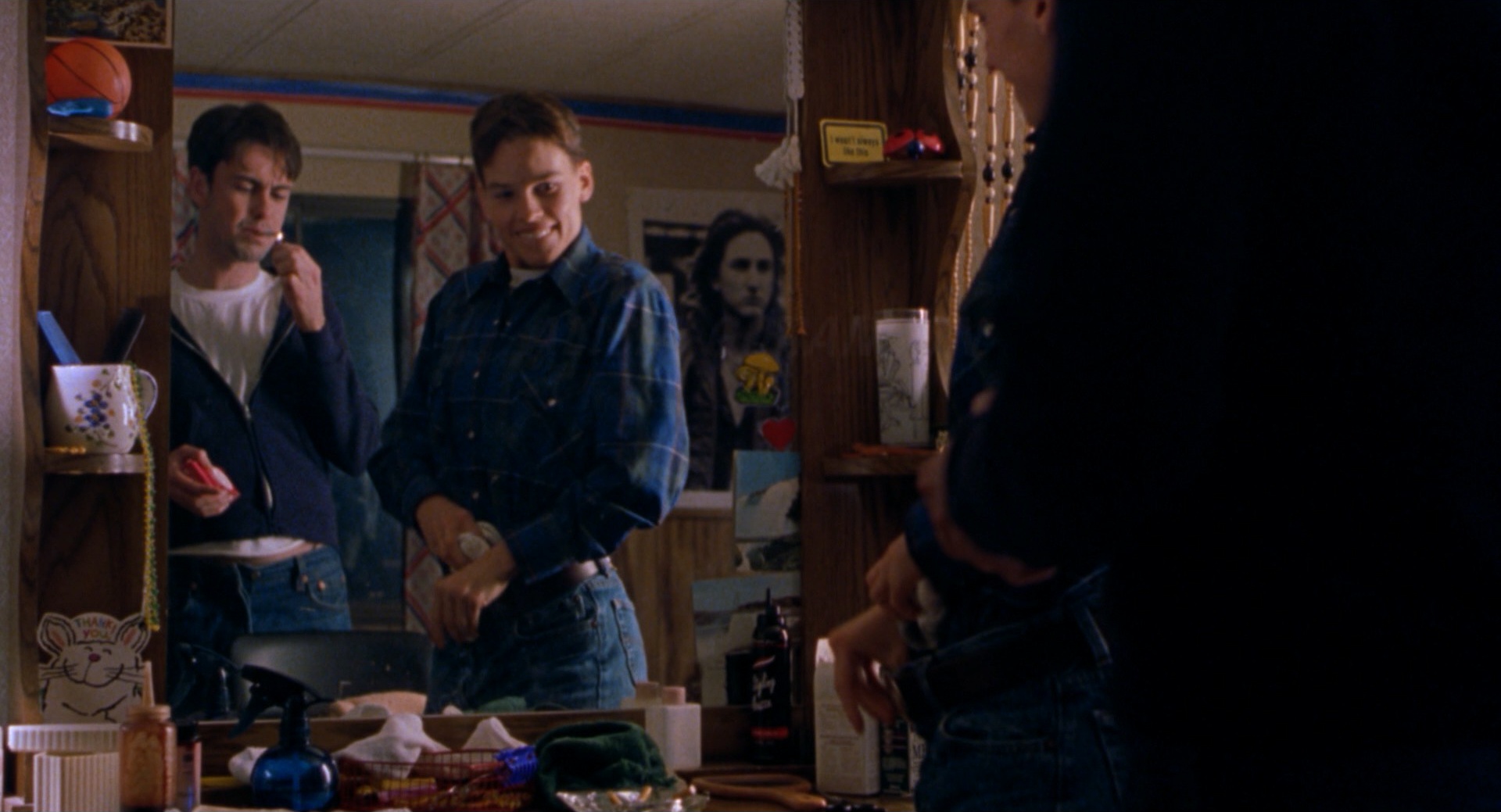
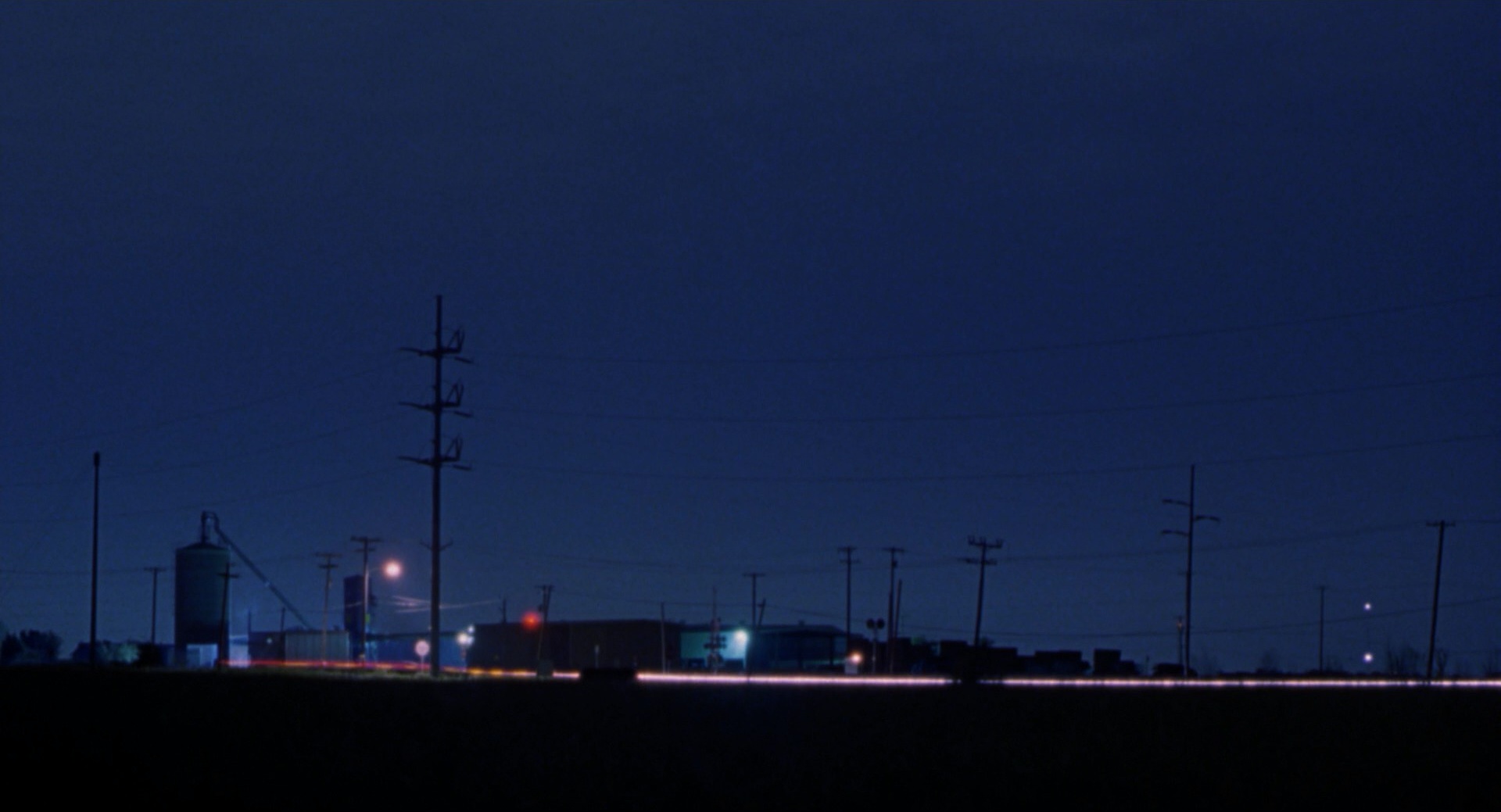
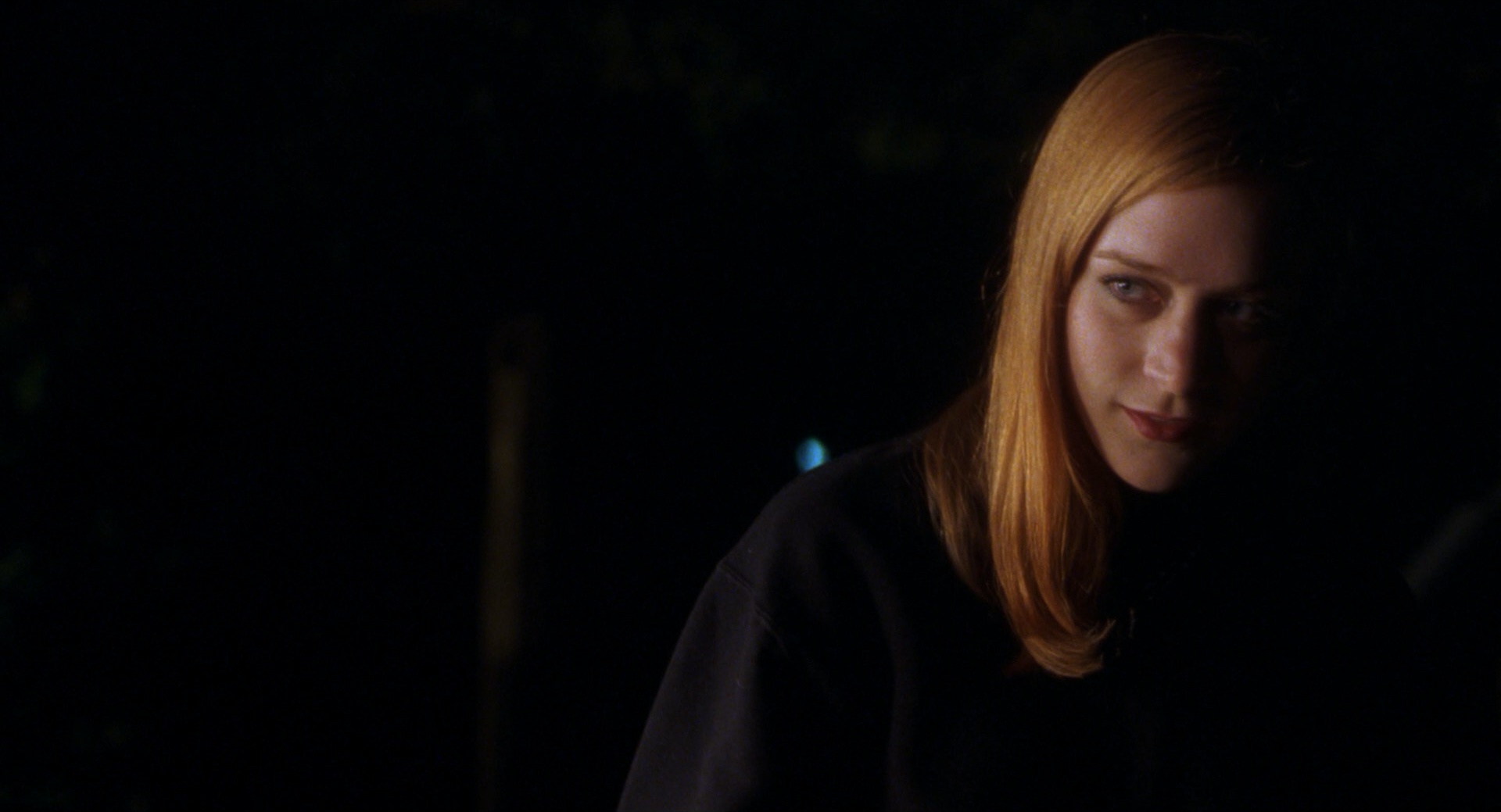
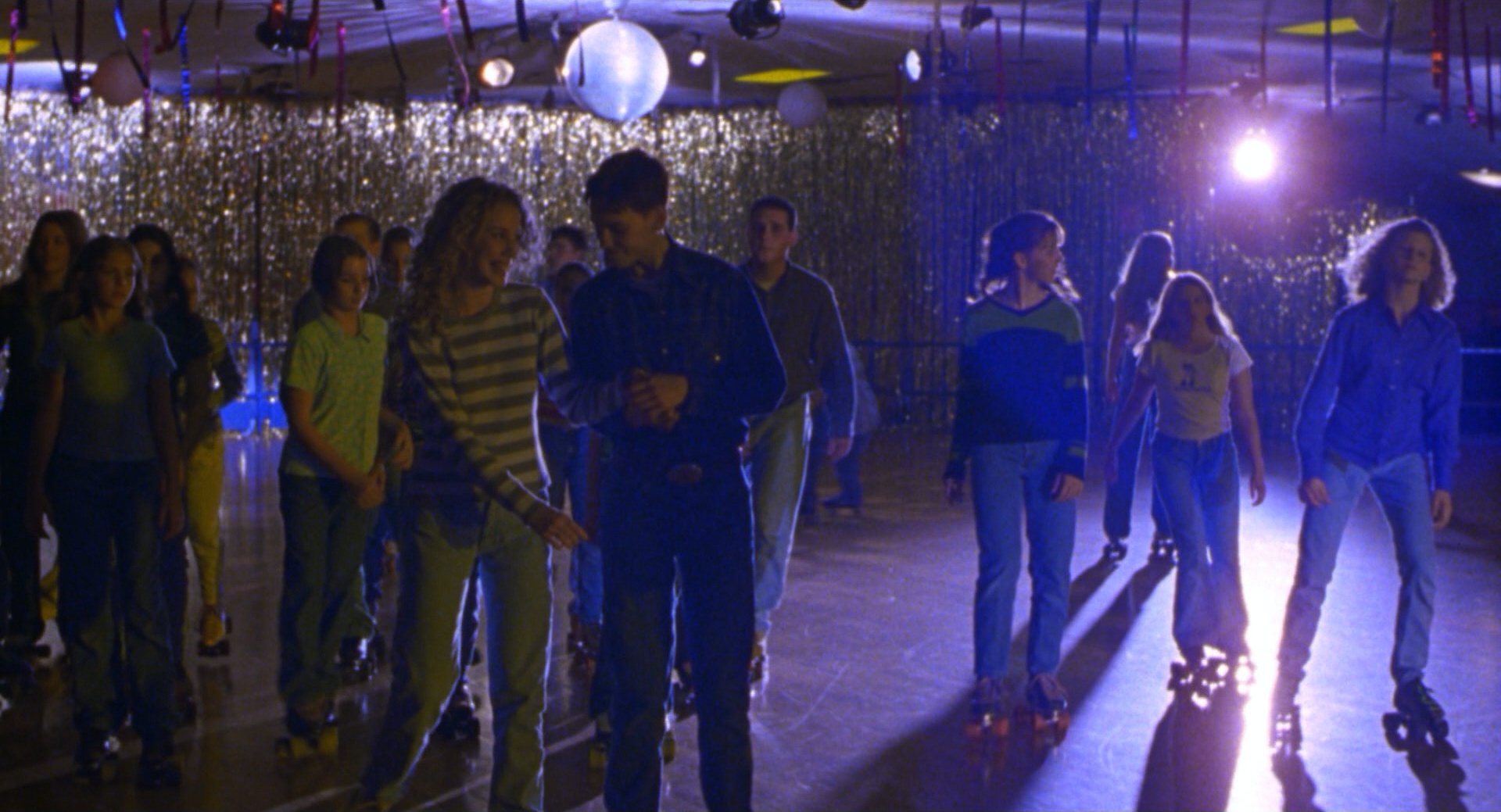
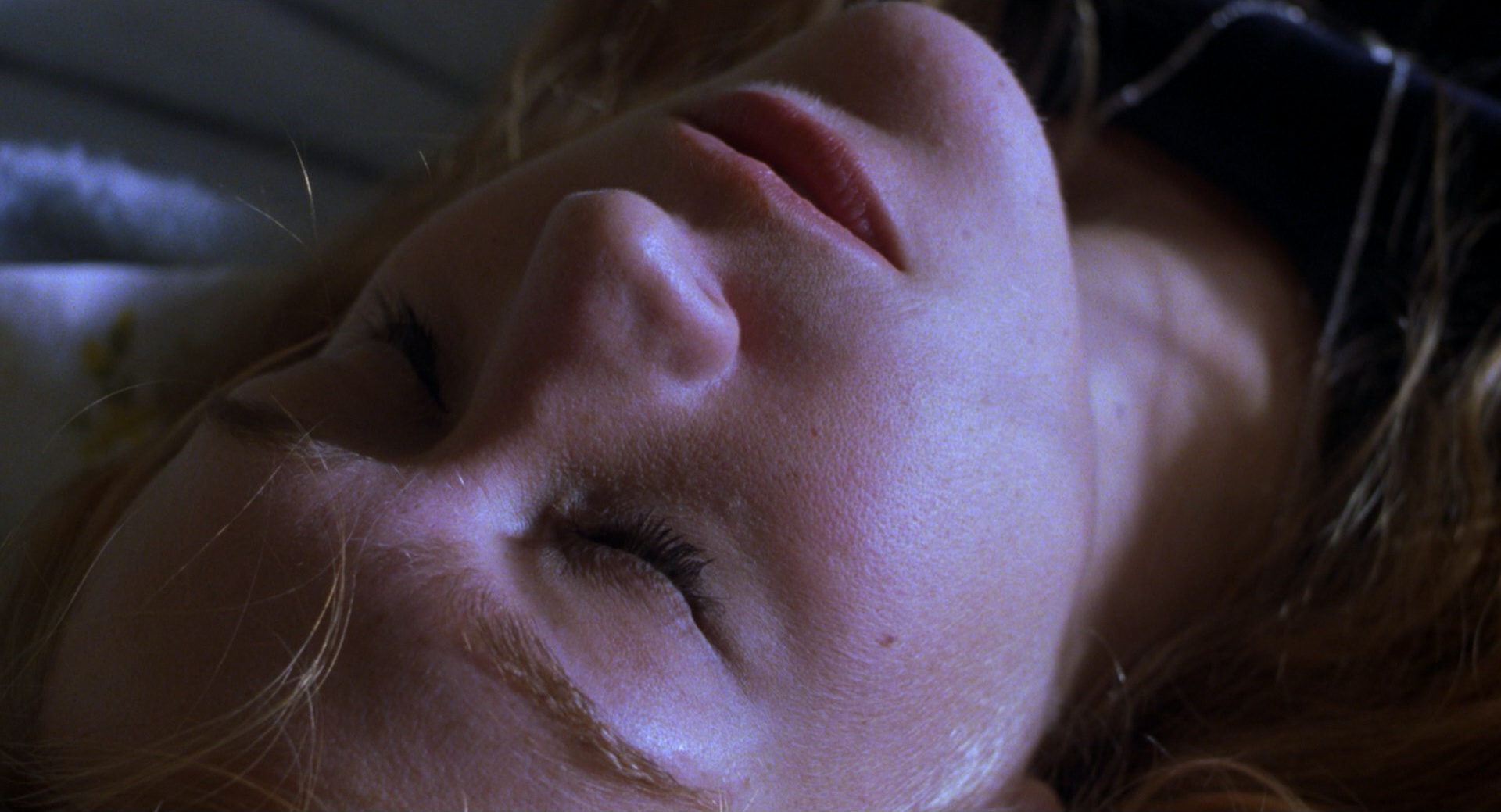
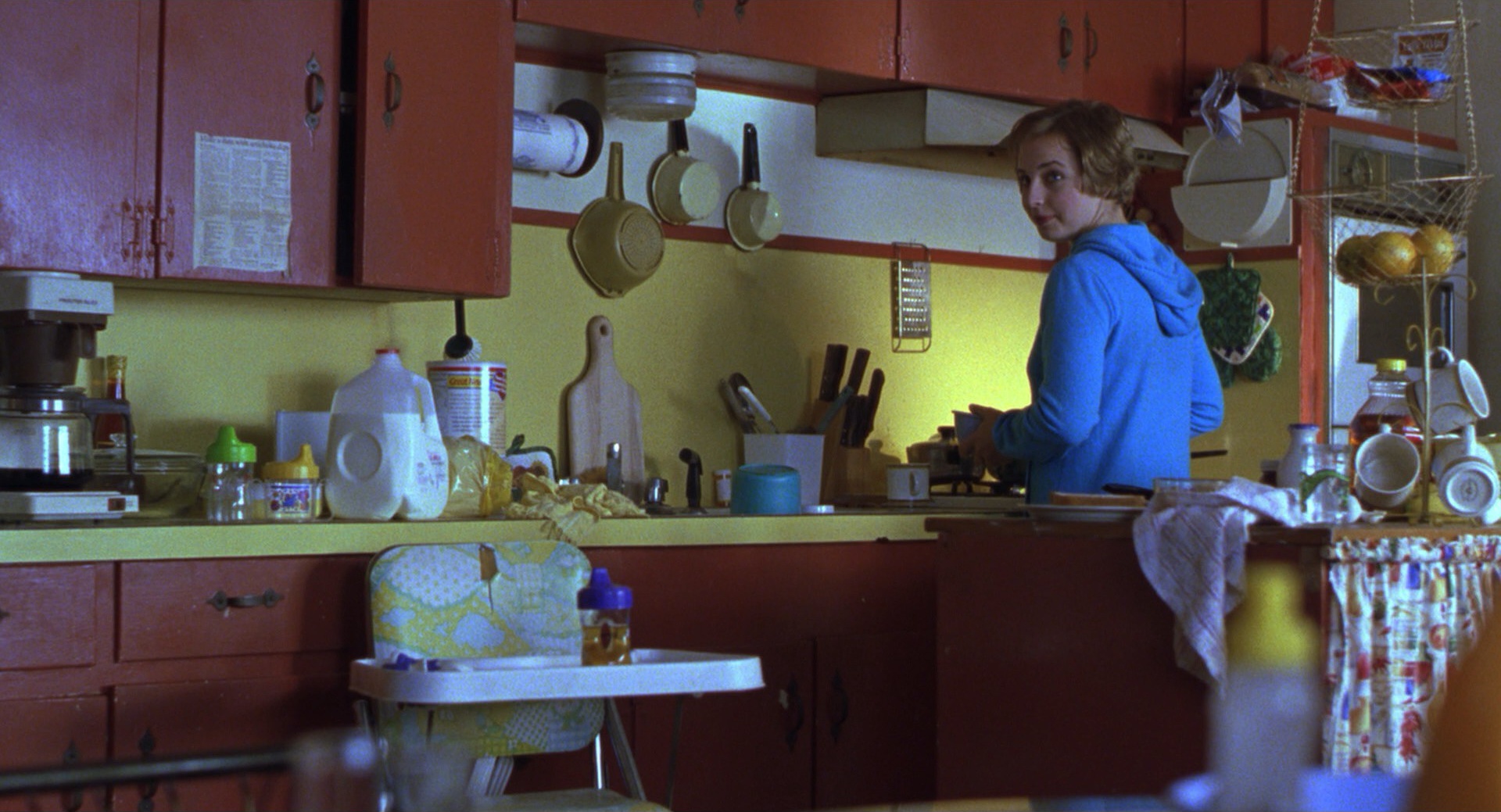
Boys Don’t Cry (1999)
Based on a true story, the film follows Brandon Teena, a young transgender man navigating life and love in a small Nebraska town. As he forms a relationship with Lana, his past begins to catch up with him, leading to growing tension and danger. What begins as a search for identity and belonging turns into a tragic confrontation with intolerance and violence.
Peirce and cinematographer Jim Denault shot Boys Don’t Cry with a raw, naturalistic approach, using handheld camerawork and available light to ground the film in a lived-in realism. The soft, open landscapes of the Midwest contrast with the increasing claustrophobia of the story—turning space into an emotional barometer as Brandon’s world closes in around him.


FILM SPOTLIGHT
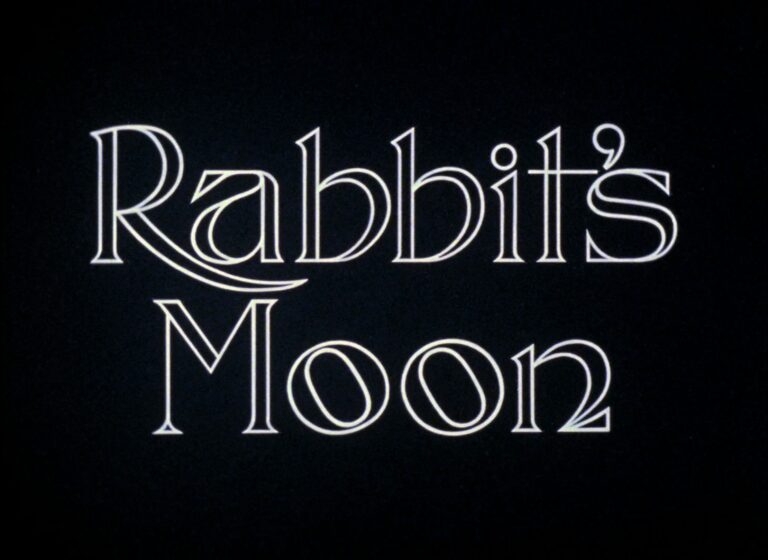
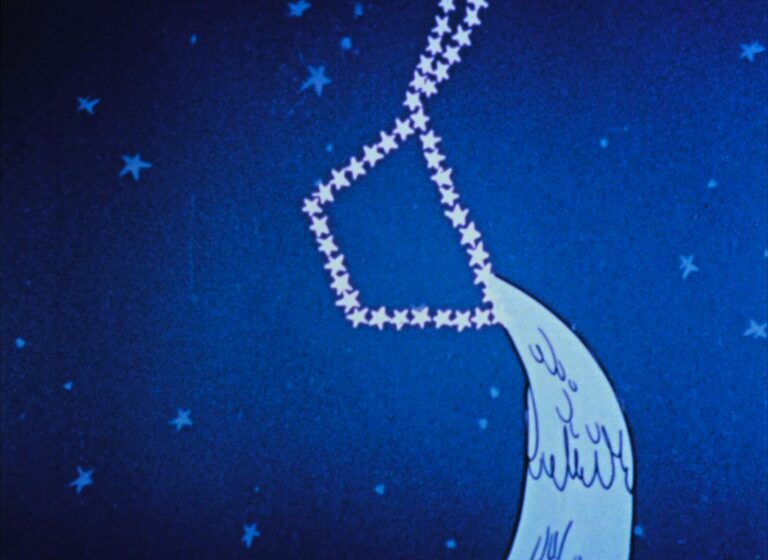
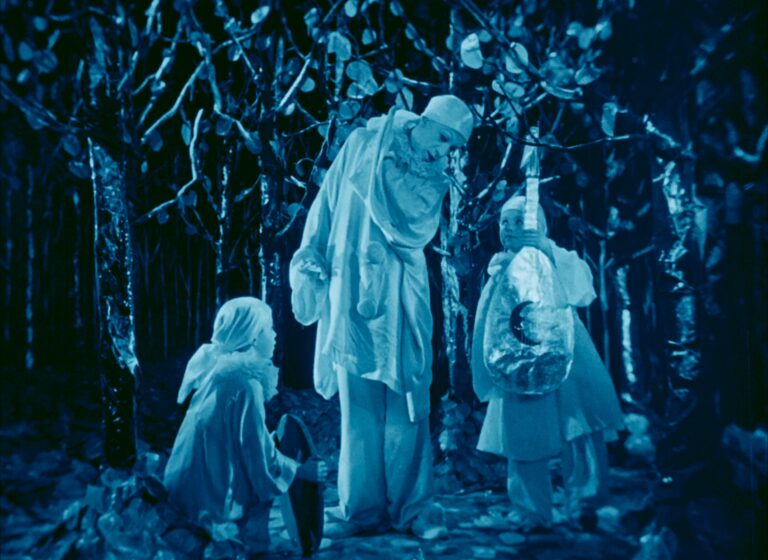
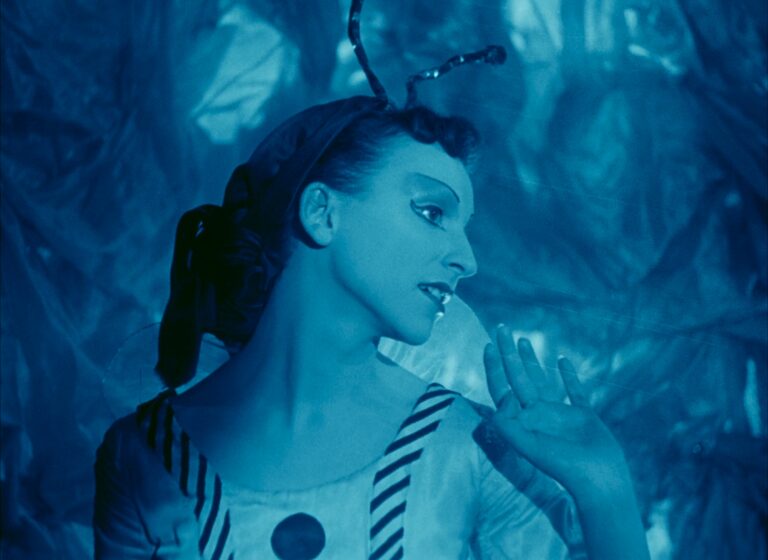
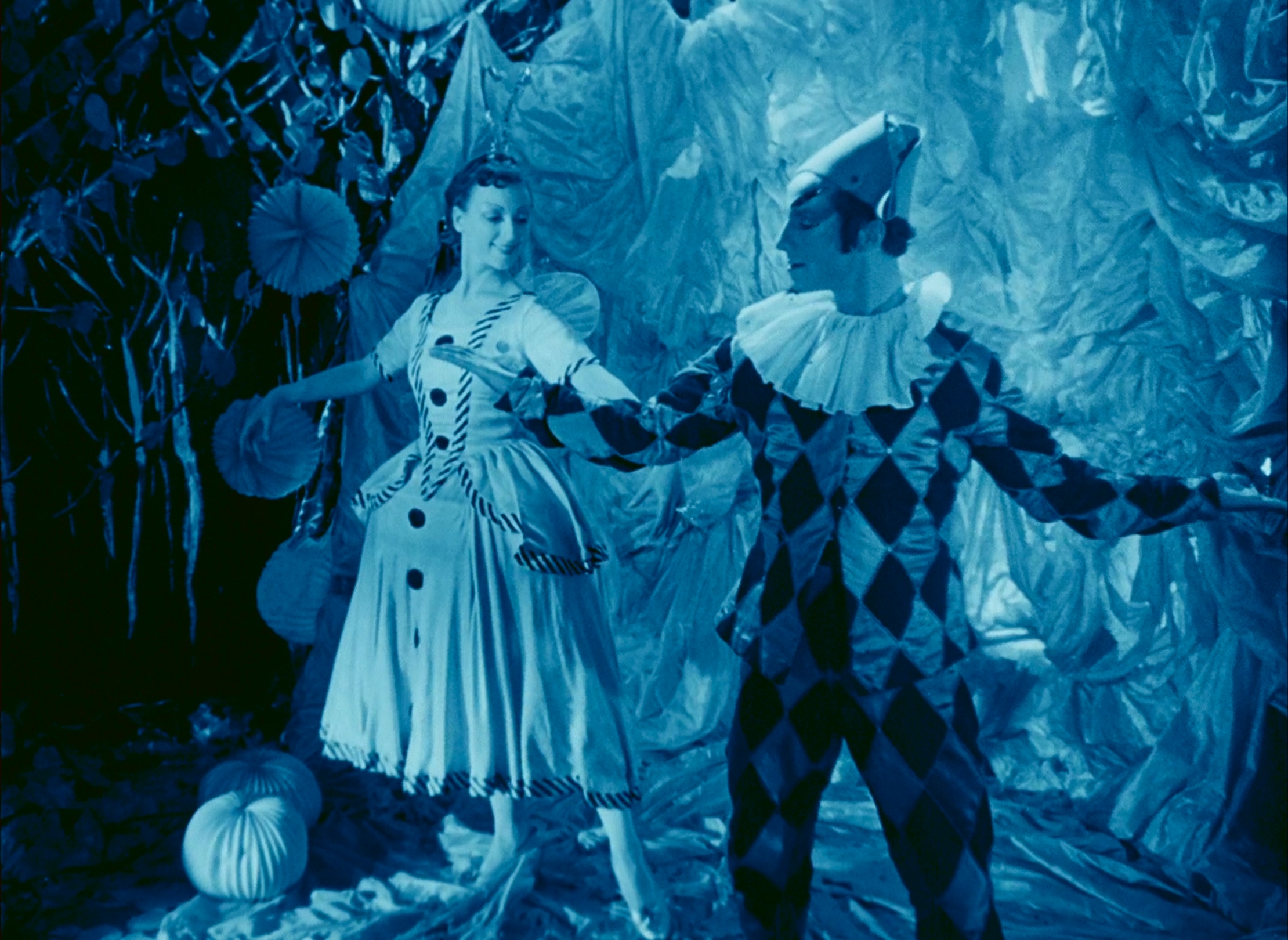
Rabbit’s Moon (1950)
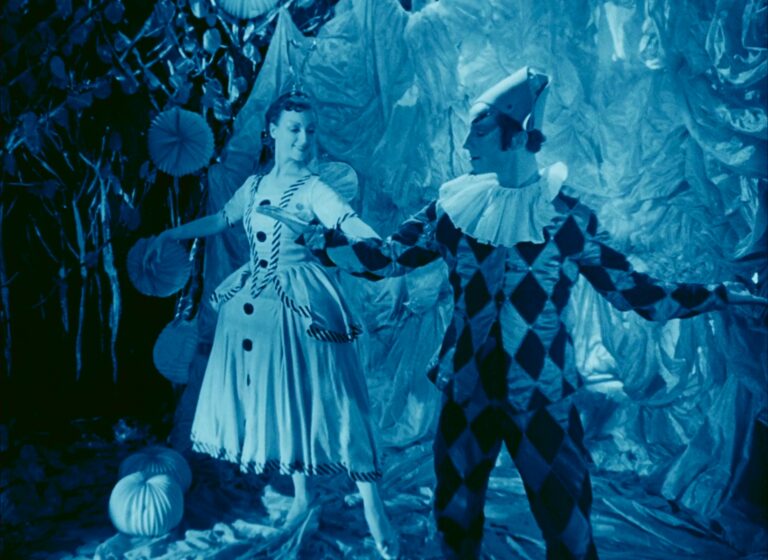
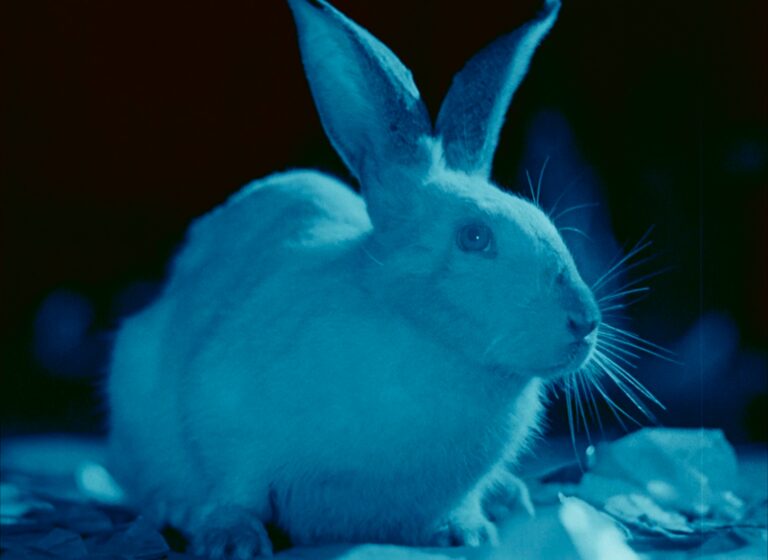
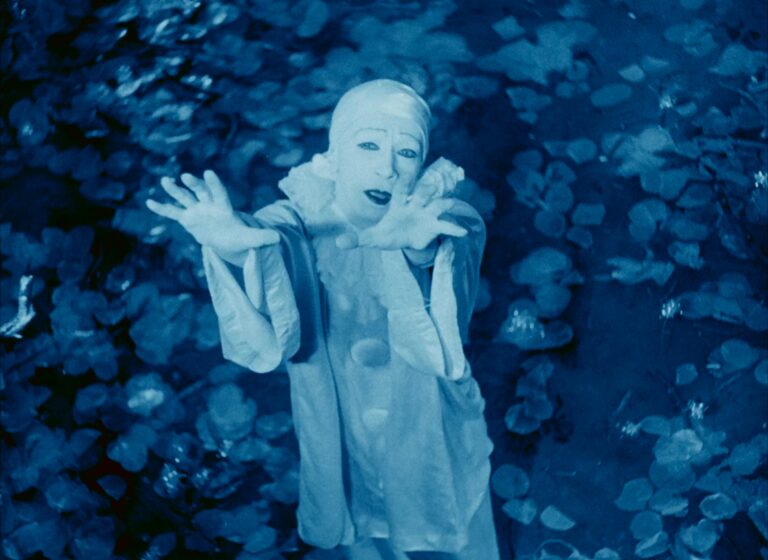
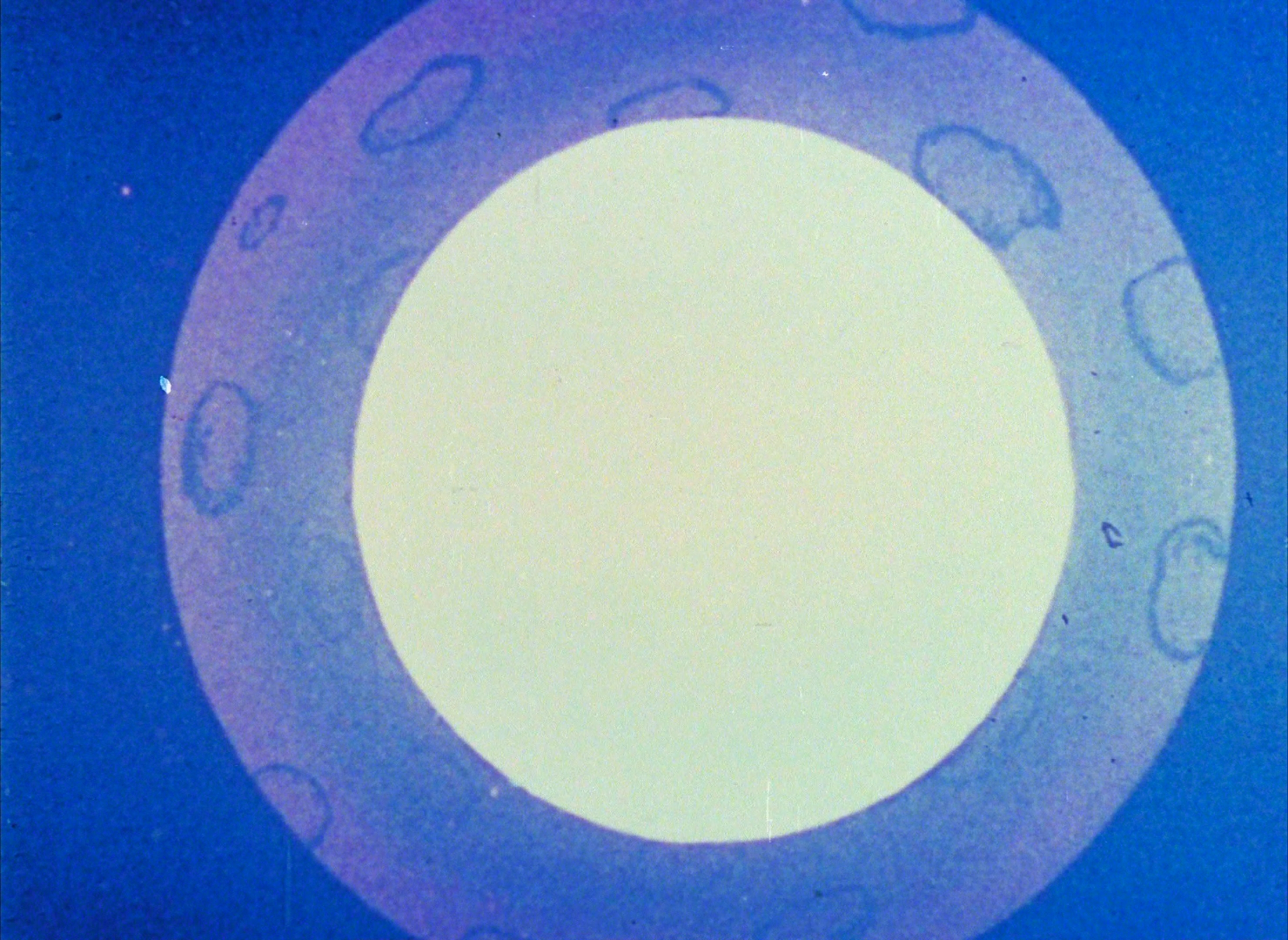
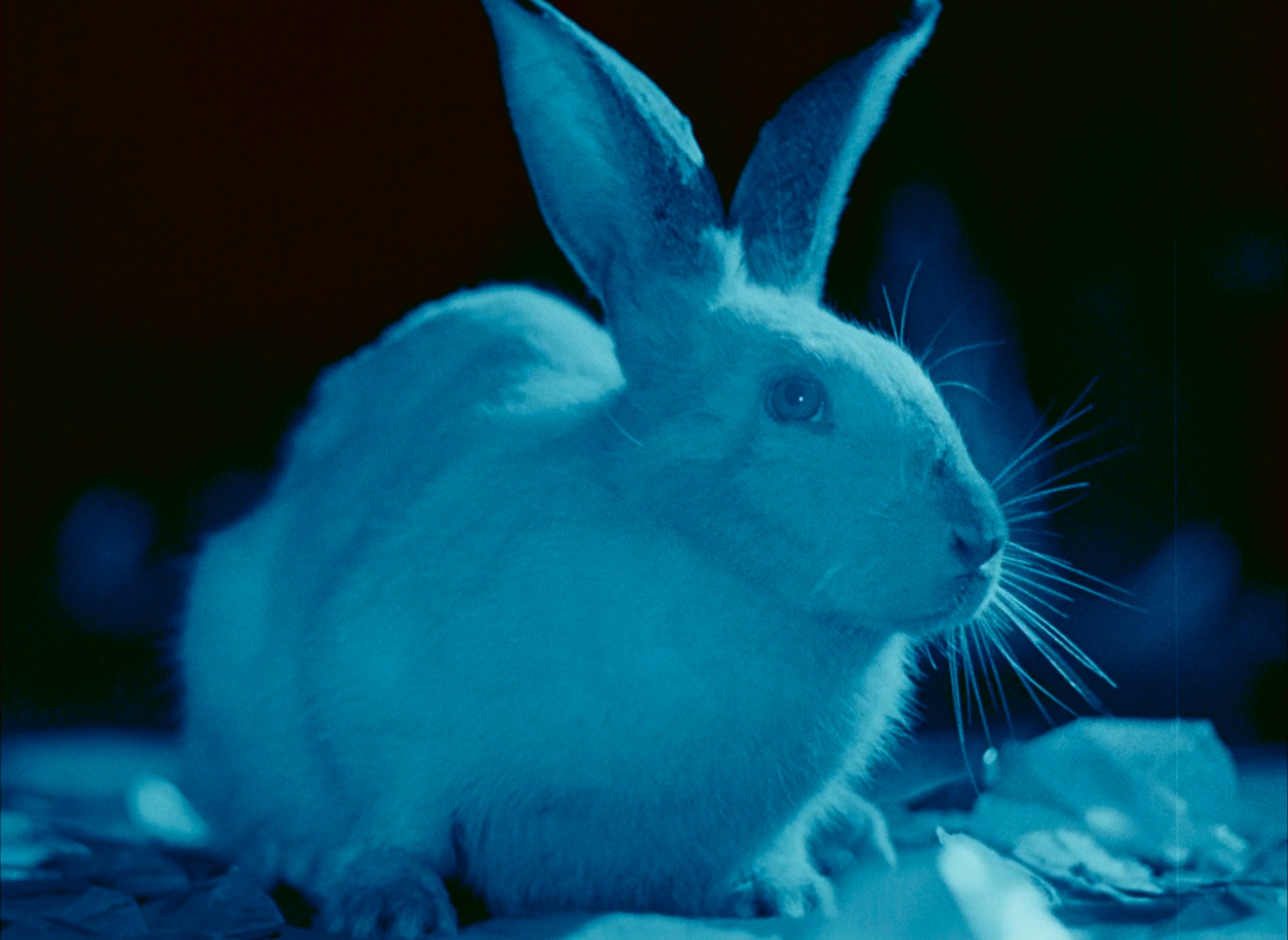
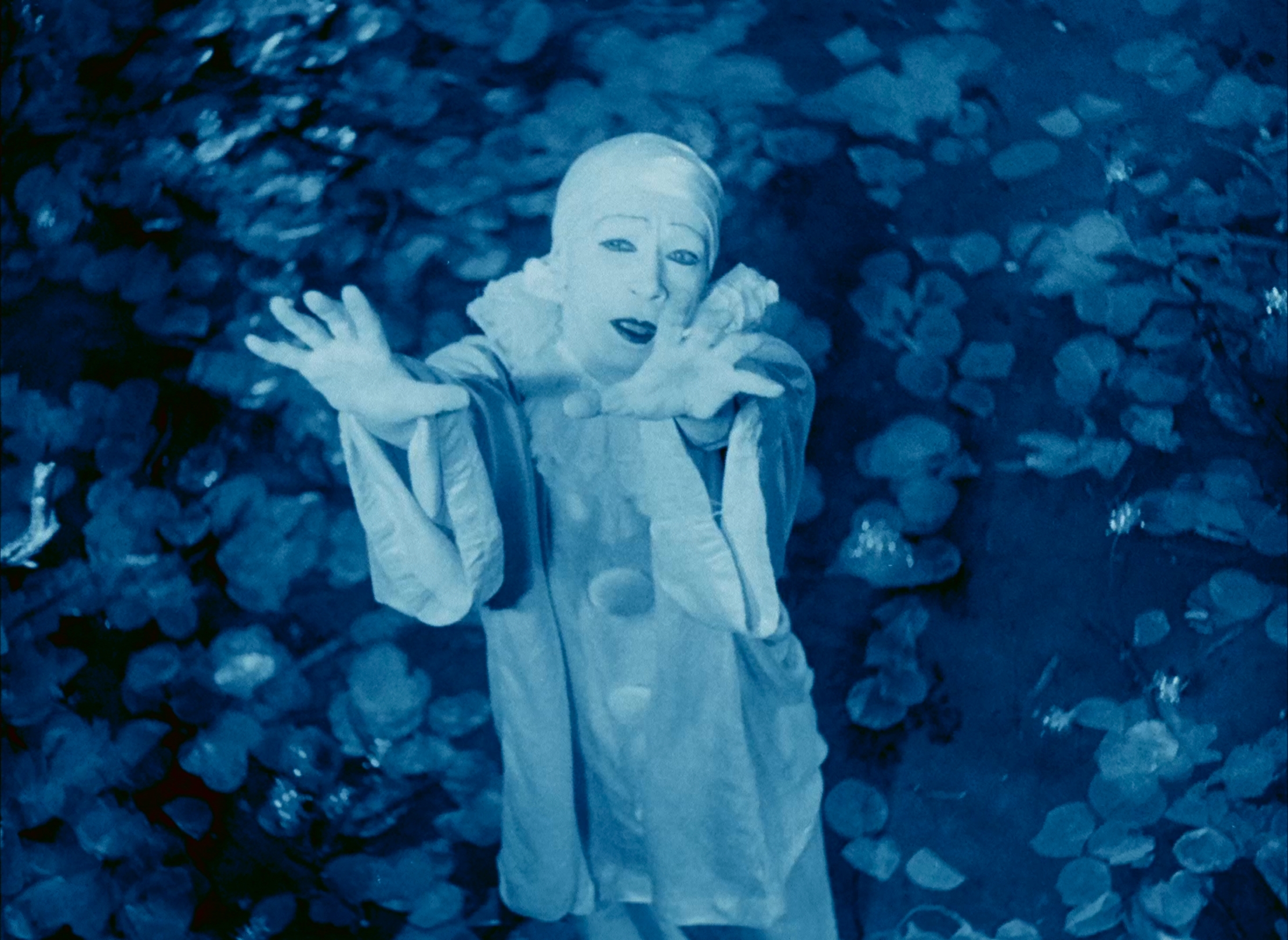
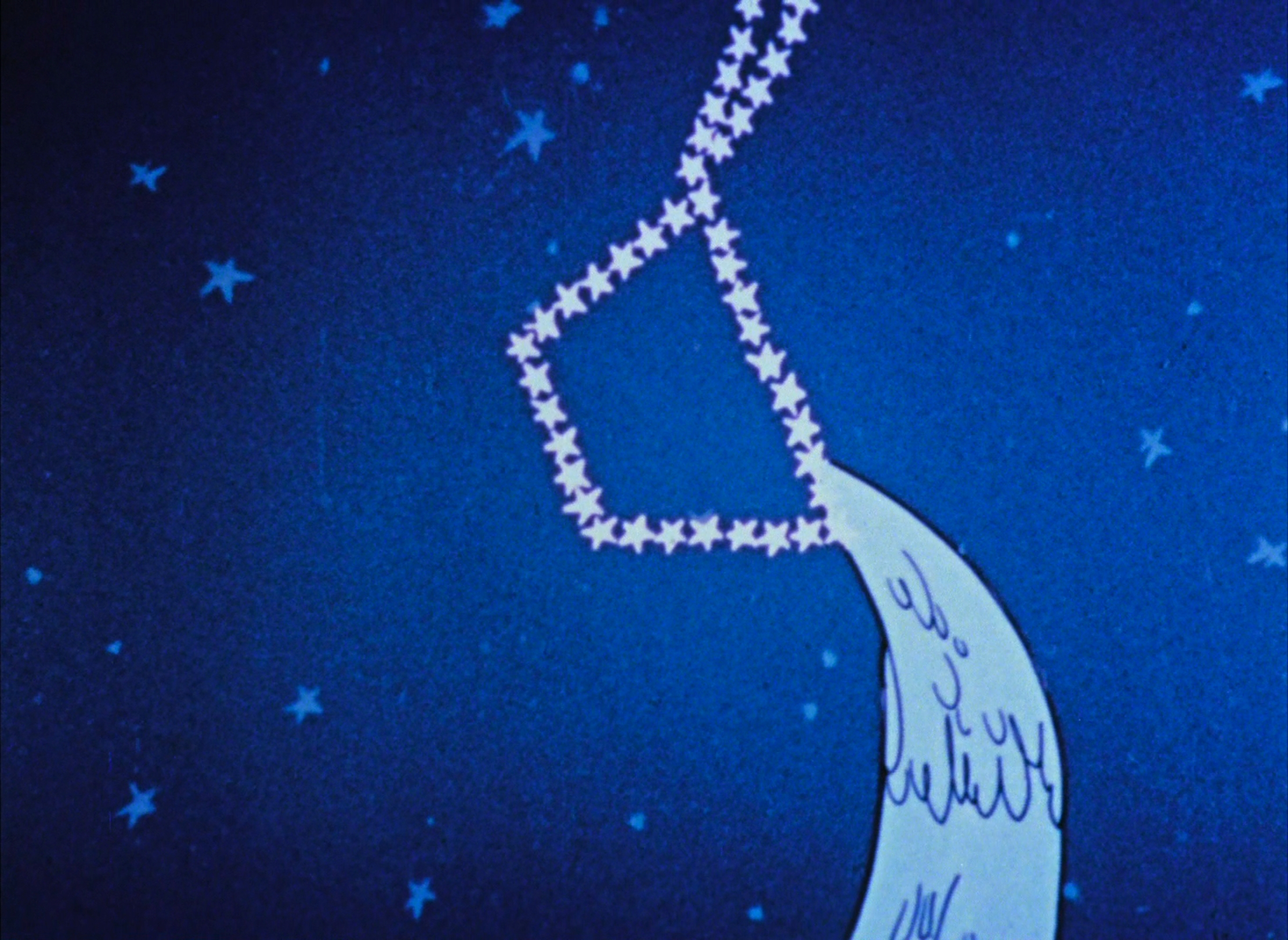
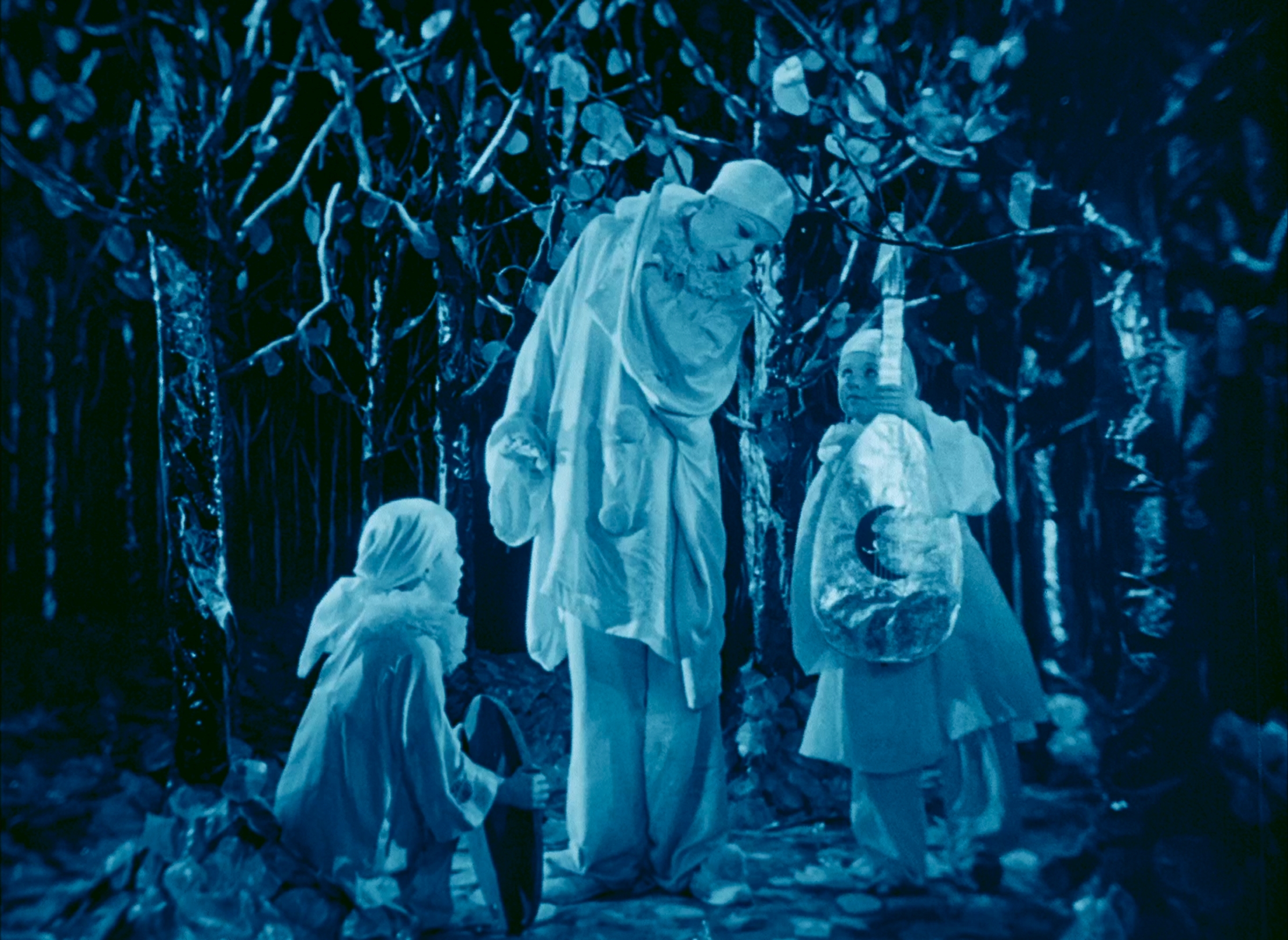
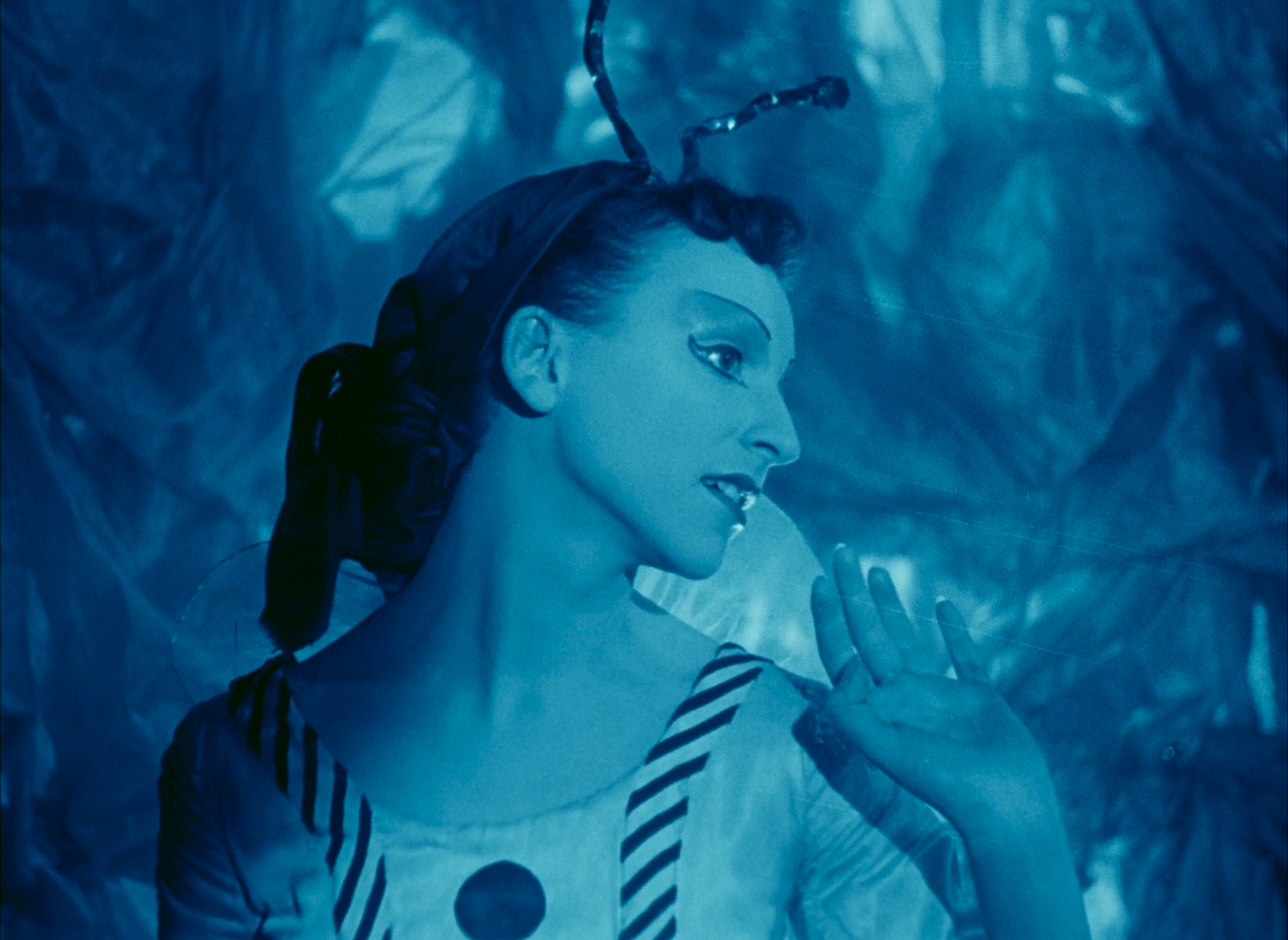
Set in a dreamlike, theatrical nightscape, the film follows Pierrot as he yearns for the unreachable Moon, while Harlequin competes for the affection of Columbine. Drawing from commedia dell’arte, the story unfolds as a symbolic and cyclical tale of desire, rejection, and illusion. Narrative gives way to mood and gesture, turning the film into a poetic meditation on longing.
Kenneth Anger shot Rabbit’s Moon on a minimal set against a pitch-black void, using stark spotlighting and saturated color tints to isolate figures like performers on a stage. The film’s high-contrast lighting, slow motion, and theatrical costuming transform simple movement into ritual—turning cinema into a kind of luminous, oneiric performance piece.



FILM SPOTLIGHT
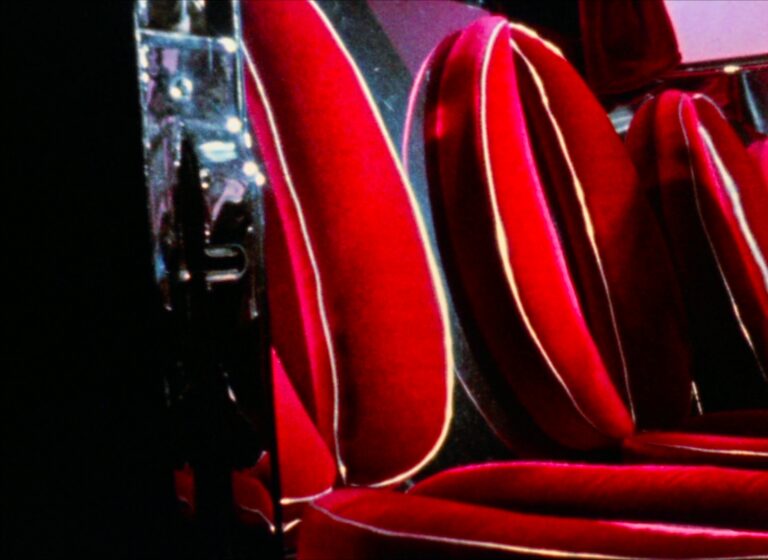
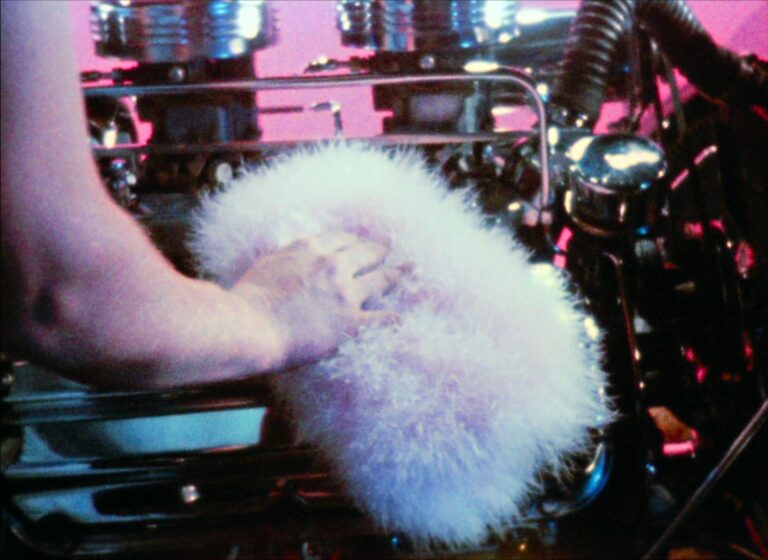
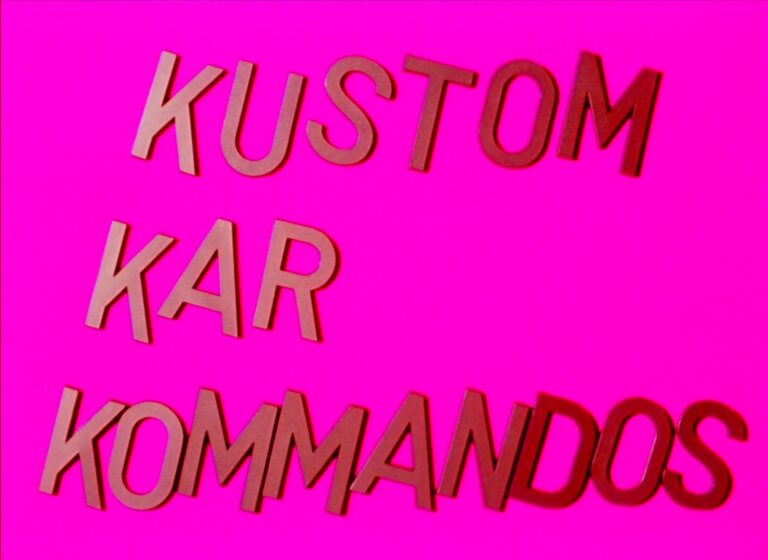
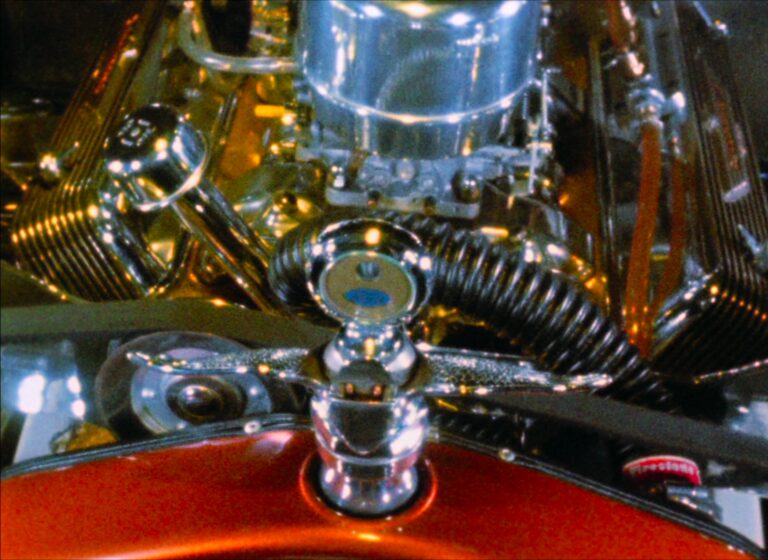
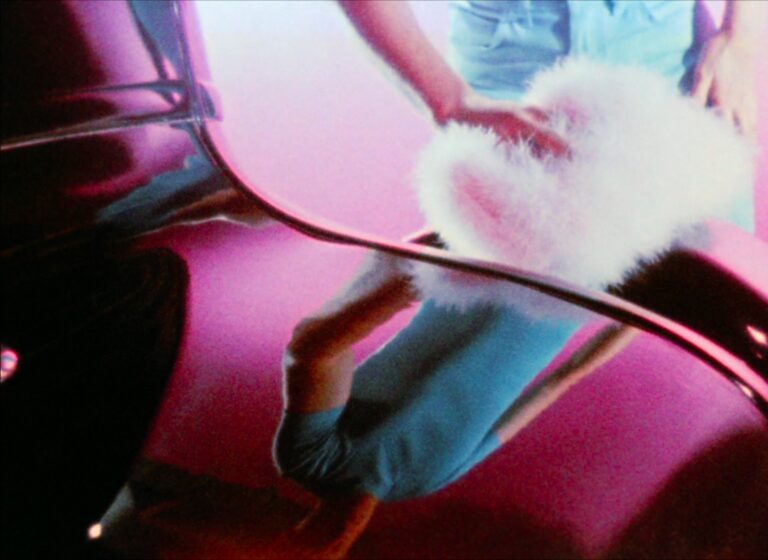
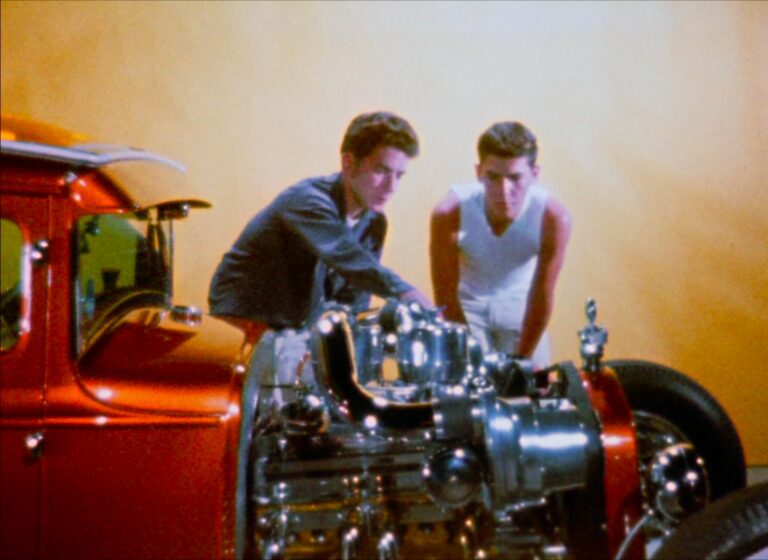
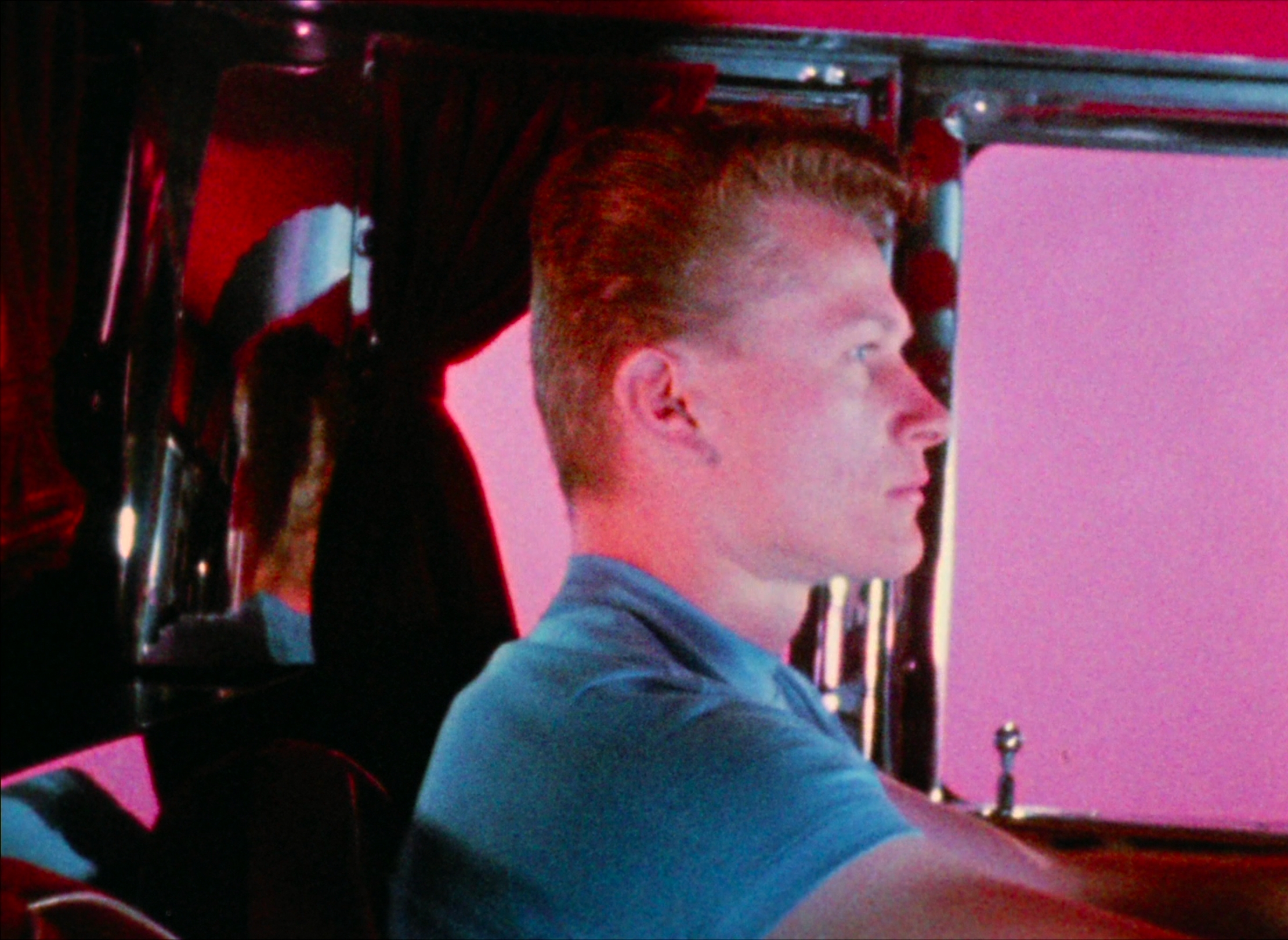
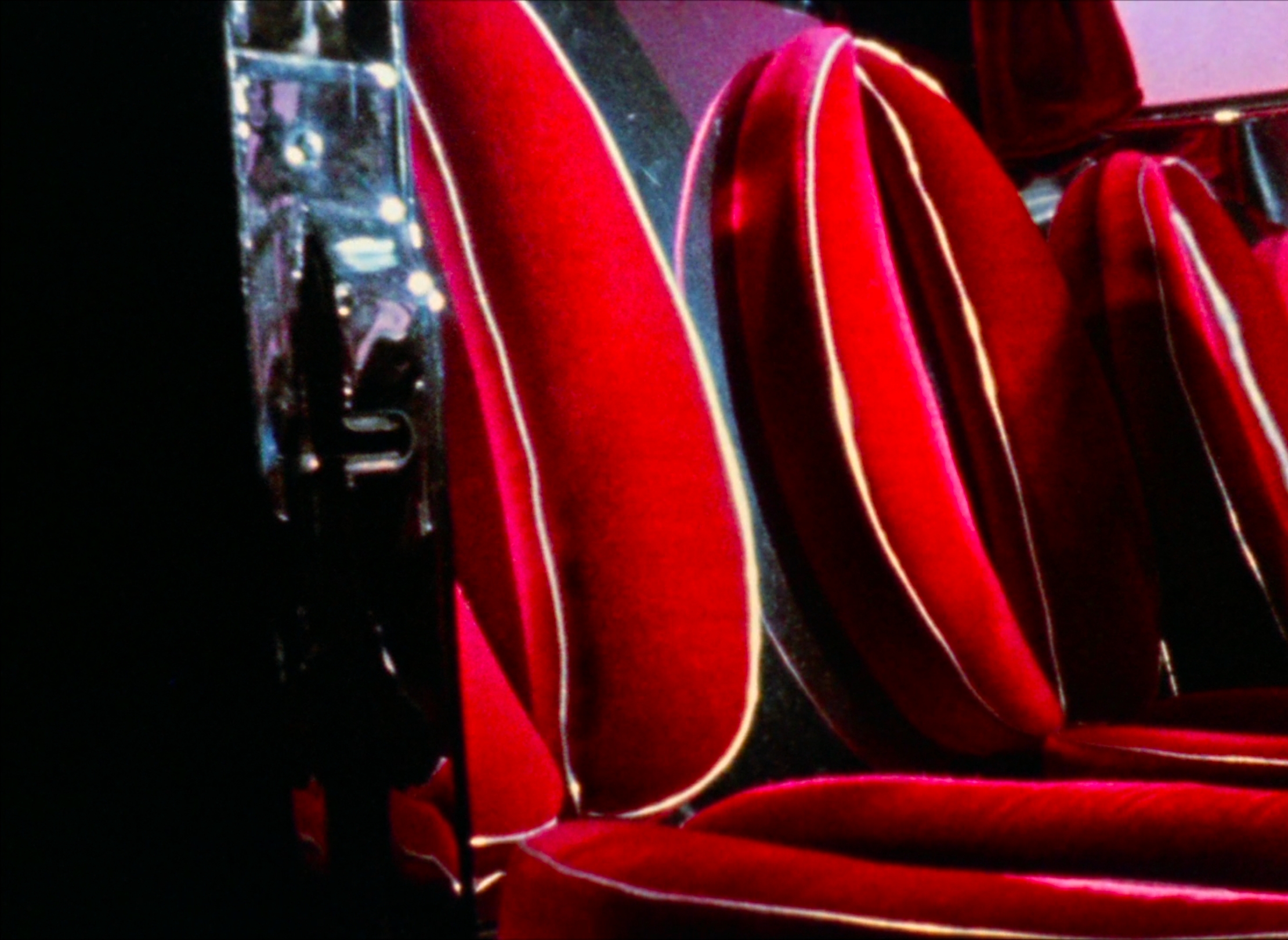
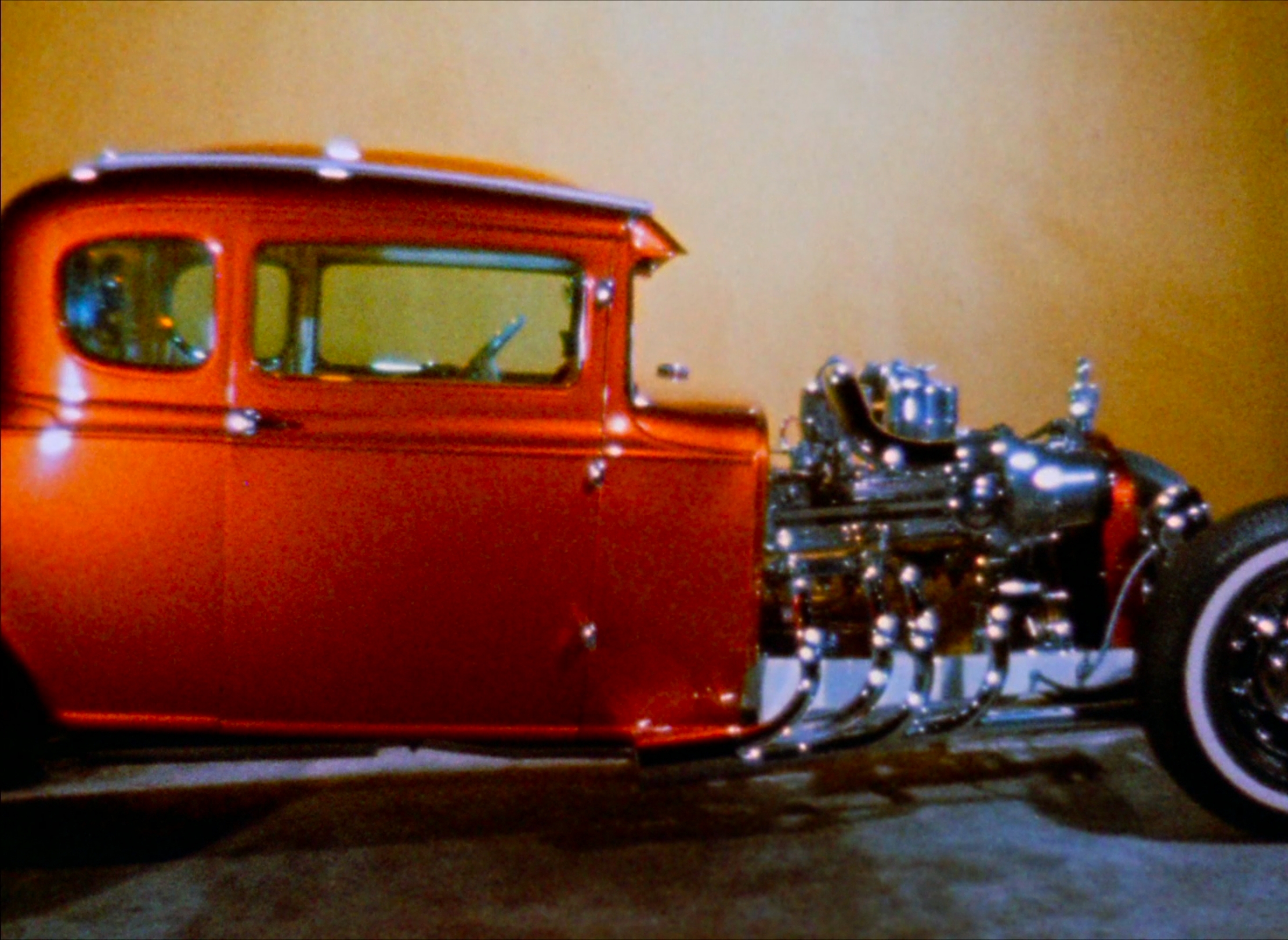
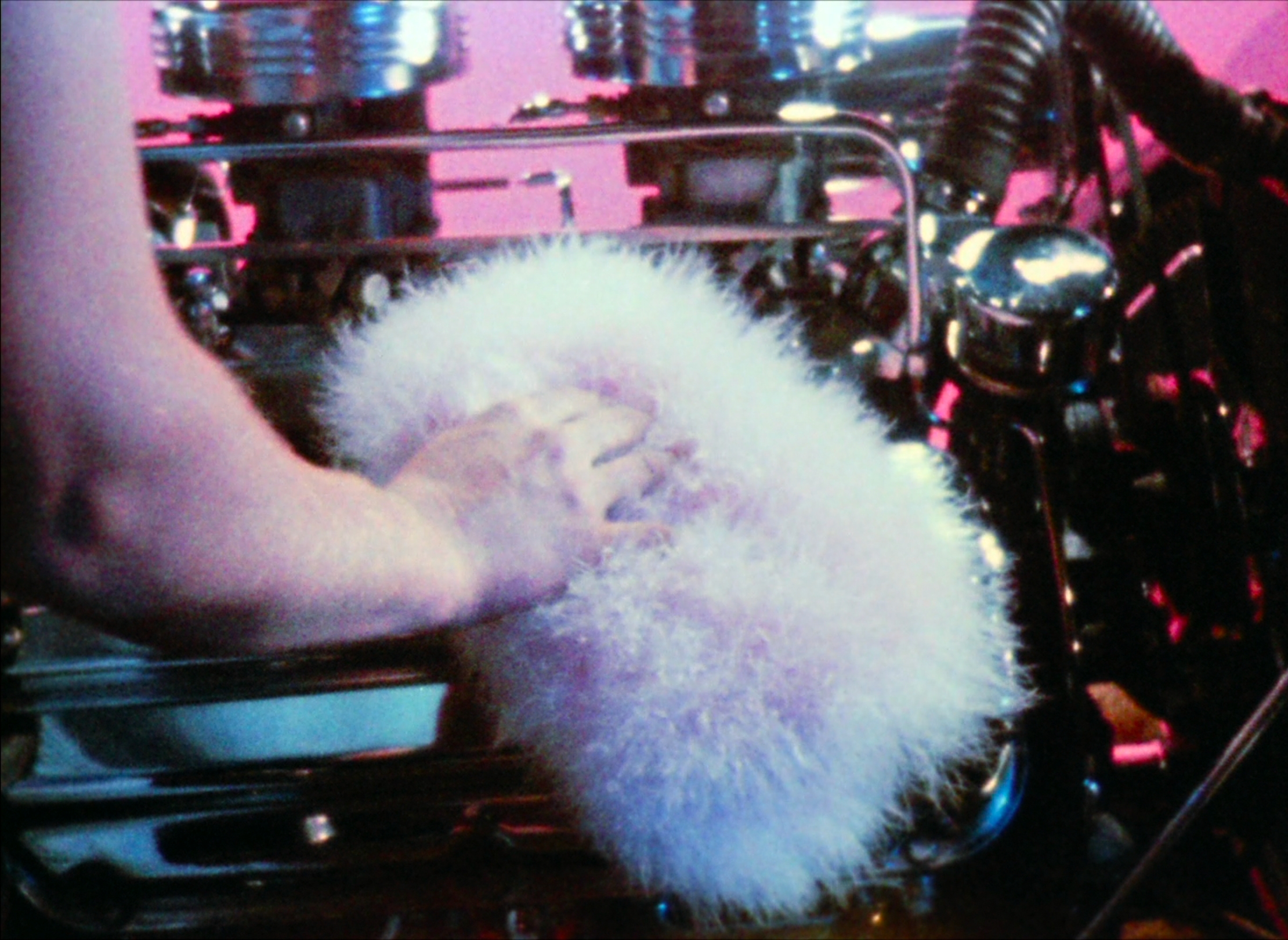
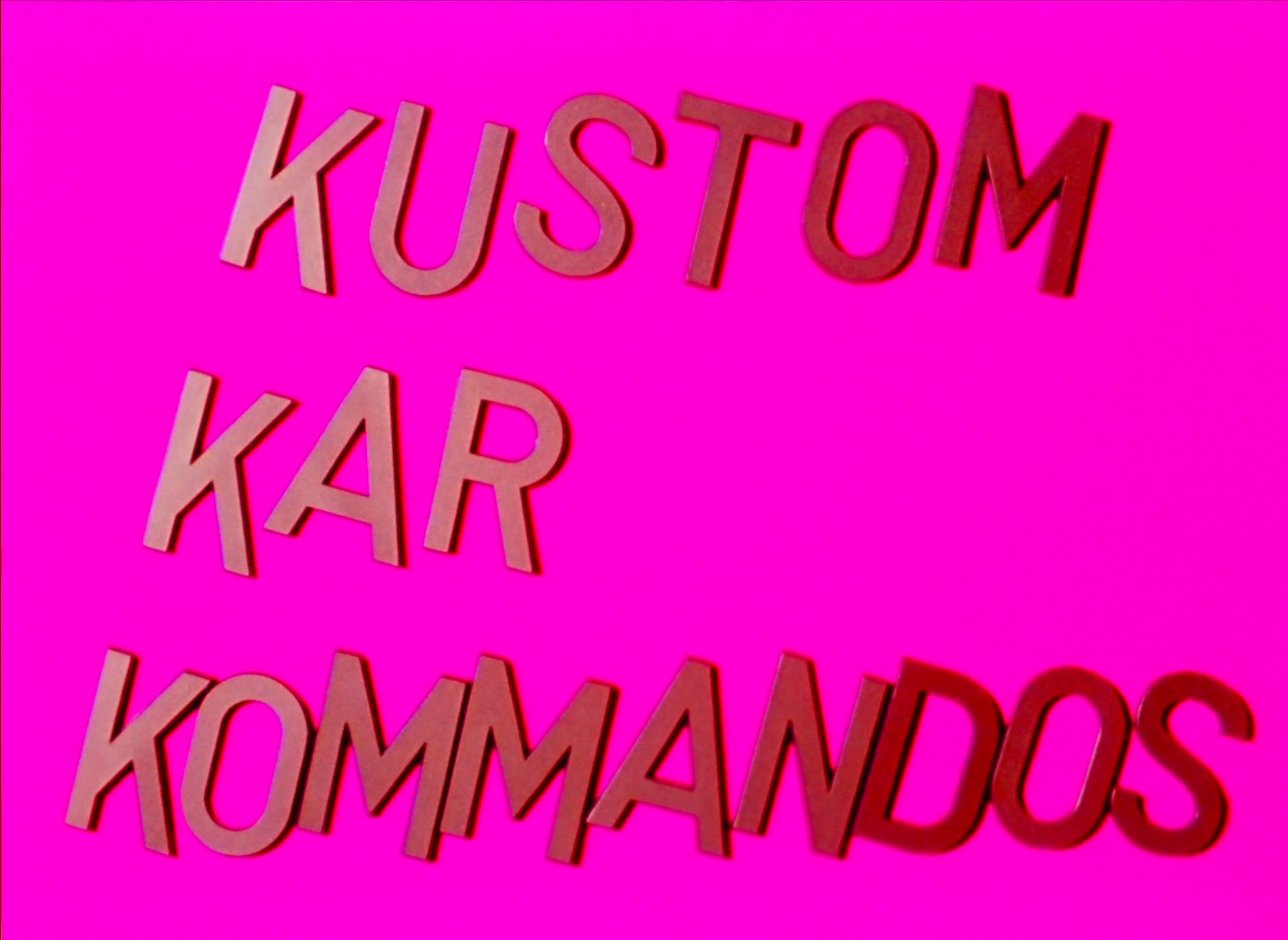
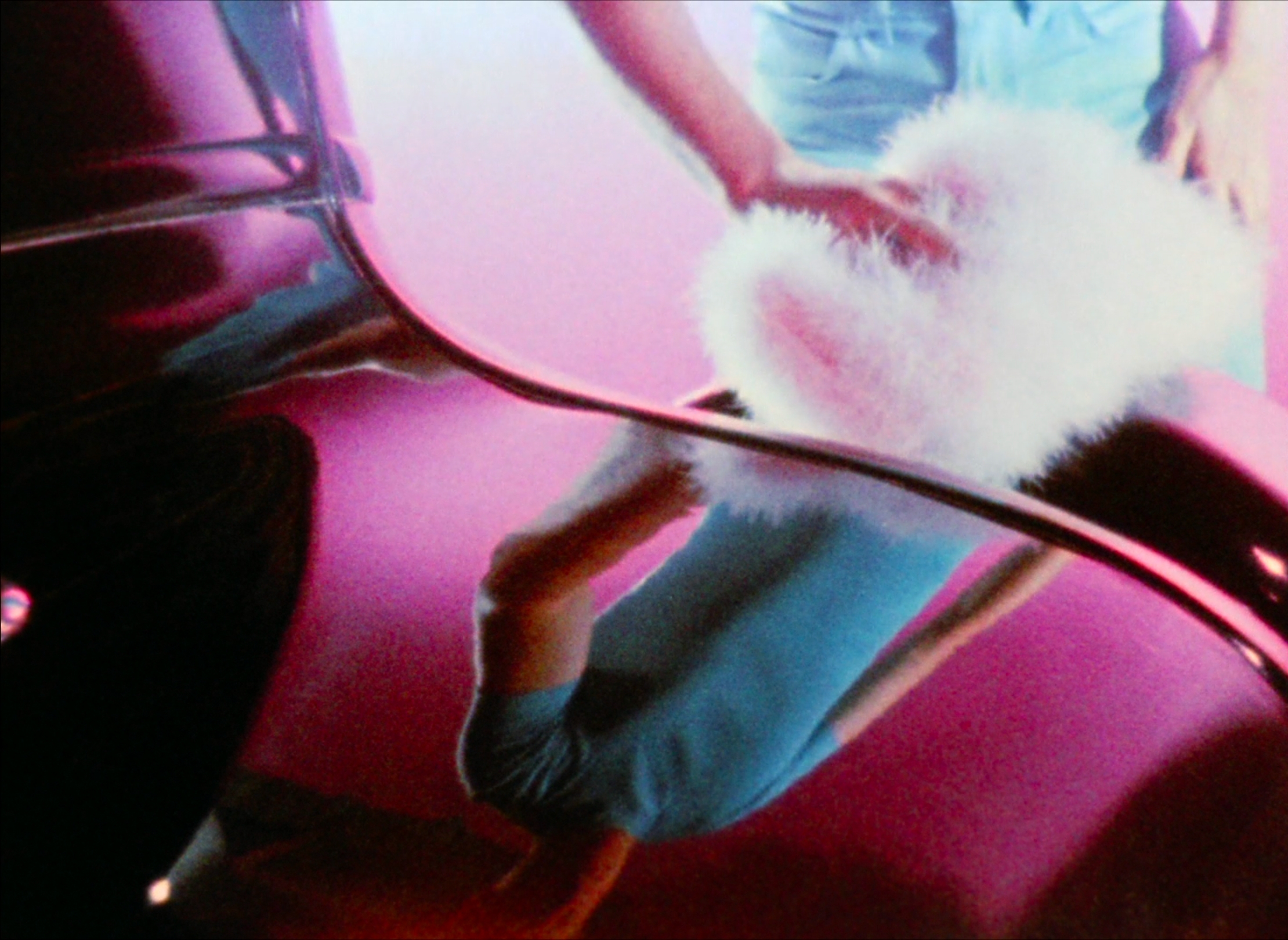
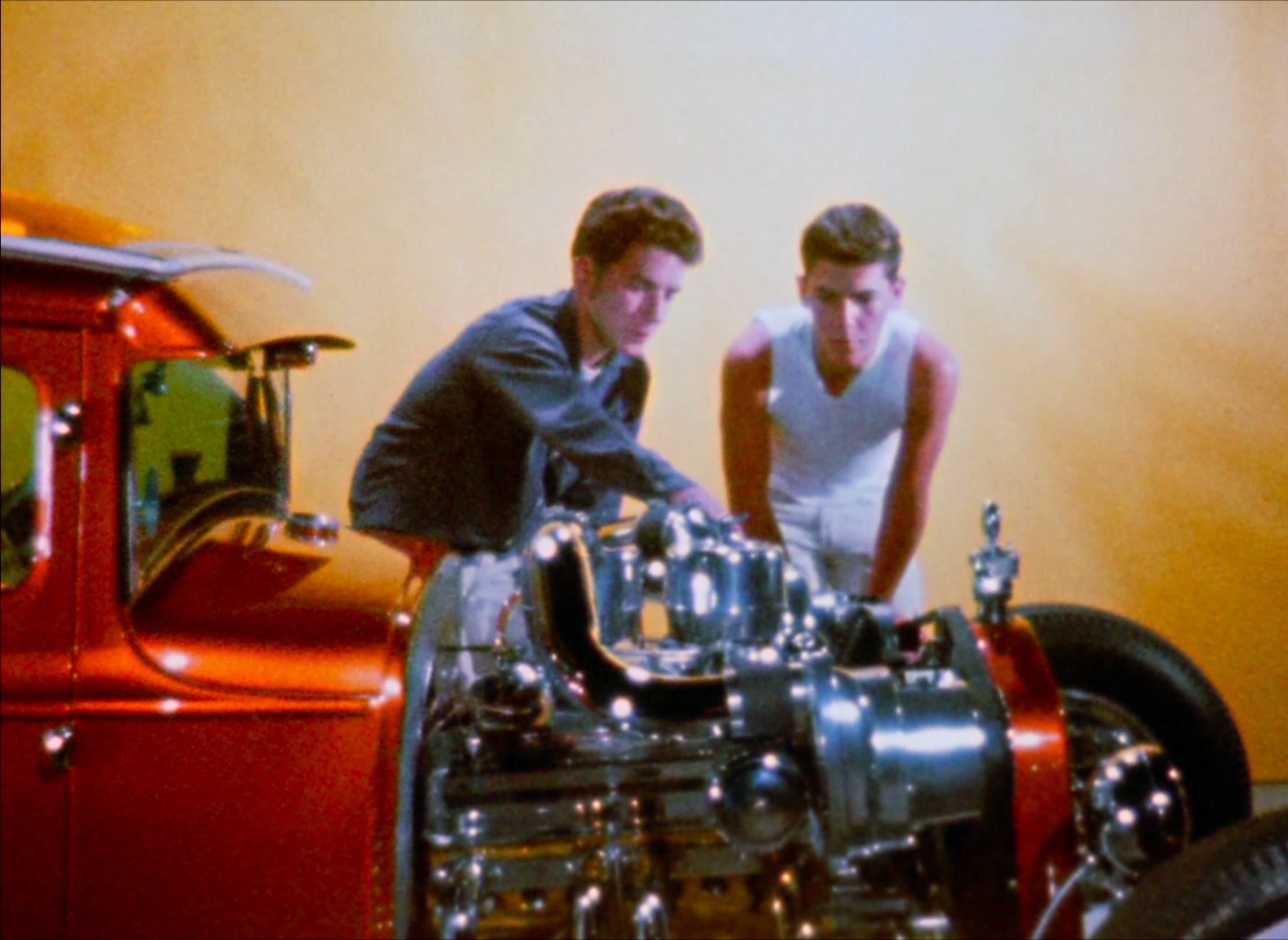
Kustom Kar Kommandos (1965)
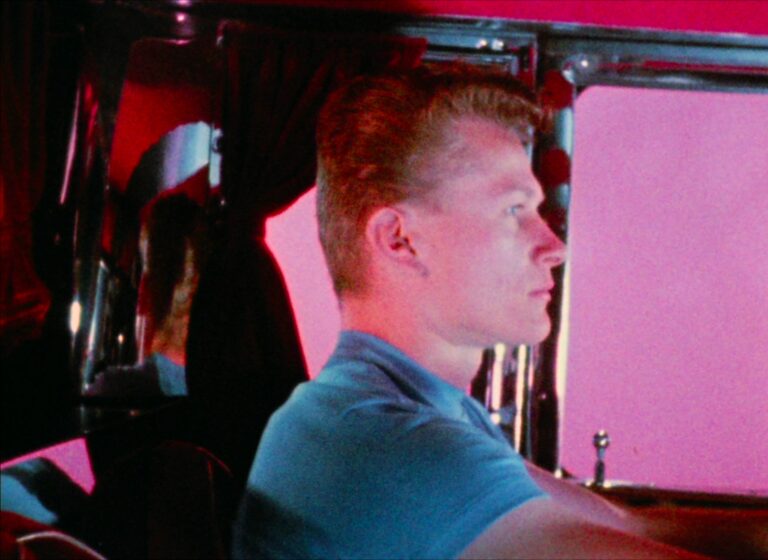
A young man sensually polishes and admires a customized hot rod, reveling in its curves, chrome, and craftsmanship. With minimal narrative, the film unfolds as a fetishistic celebration of car culture and masculine desire. The focus remains on the ritual of care and the intimate relationship between man and machine.
Anger shot Kustom Kar Kommandos with a highly stylized, color-saturated palette, using soft focus, slow motion, and tight close-ups to transform chrome and paint into sensual surfaces. Set to pop music, the film’s glossy lighting and deliberate pacing turn a simple act into a fetishistic visual ritual—elevating car culture into pure, stylized iconography.




FILM SPOTLIGHT
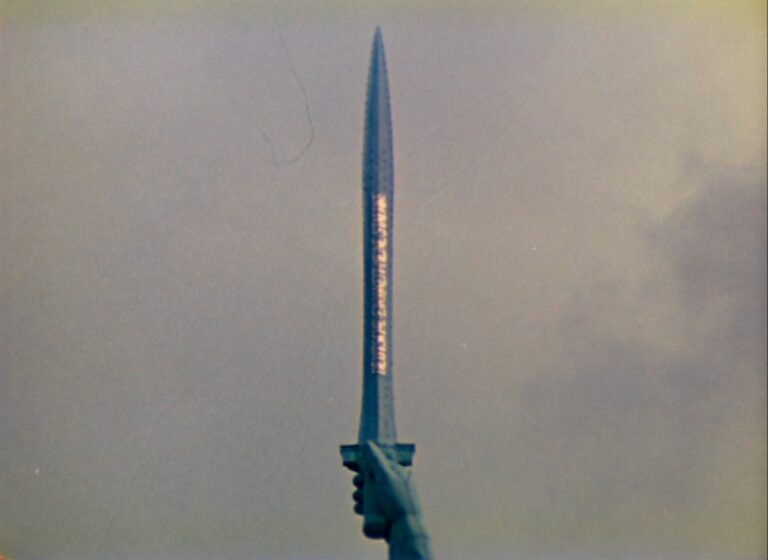
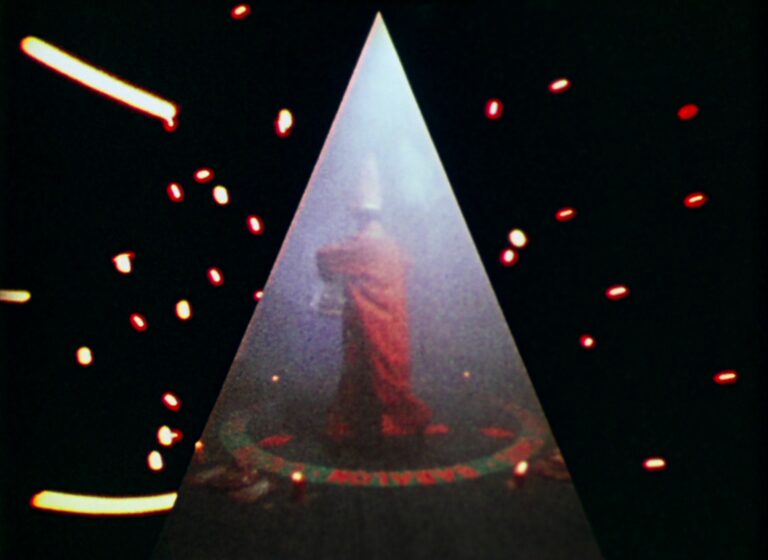
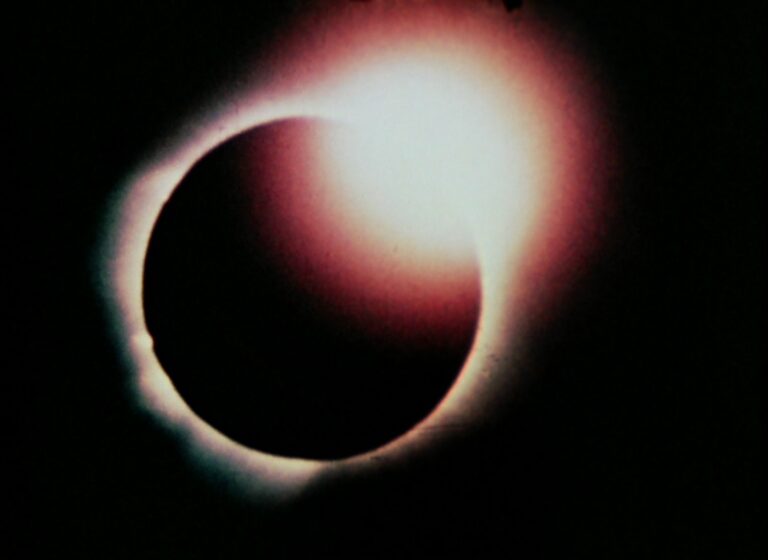
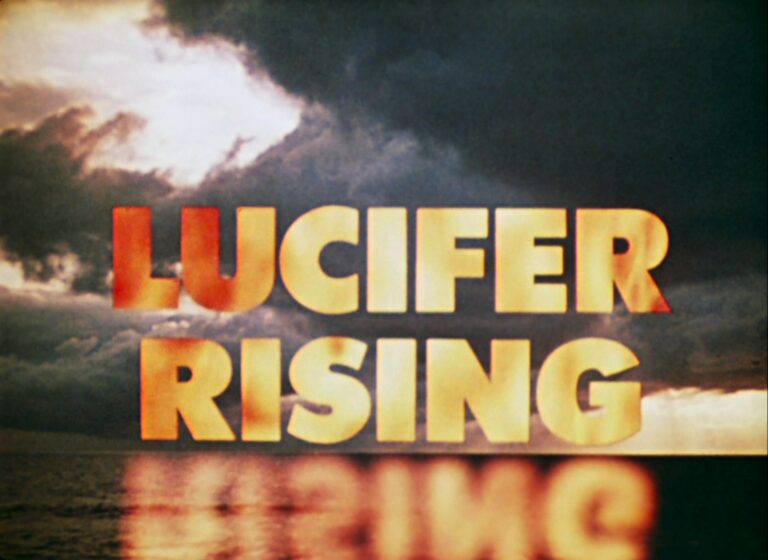
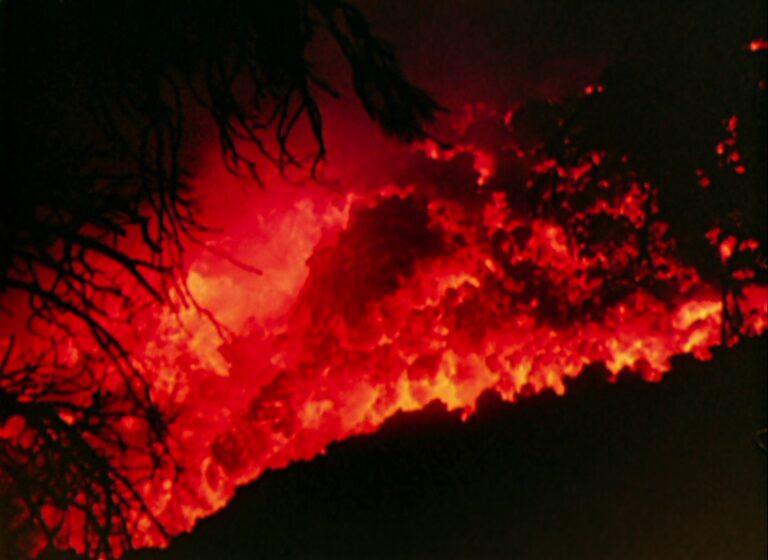
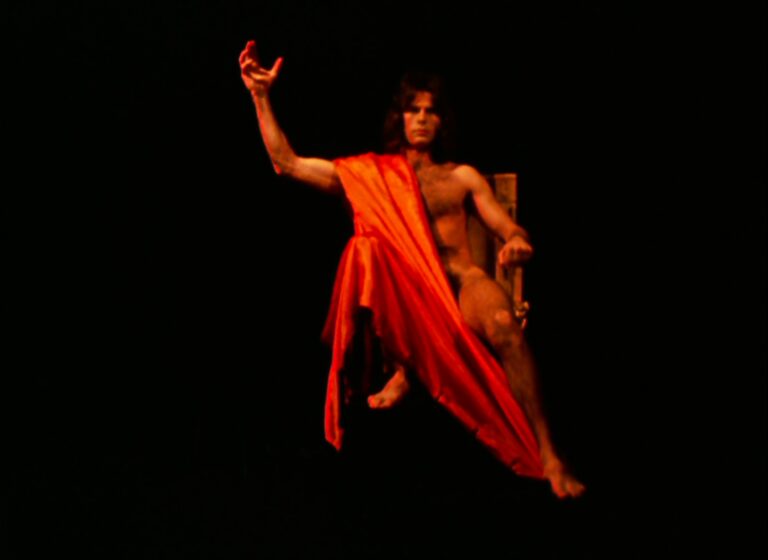
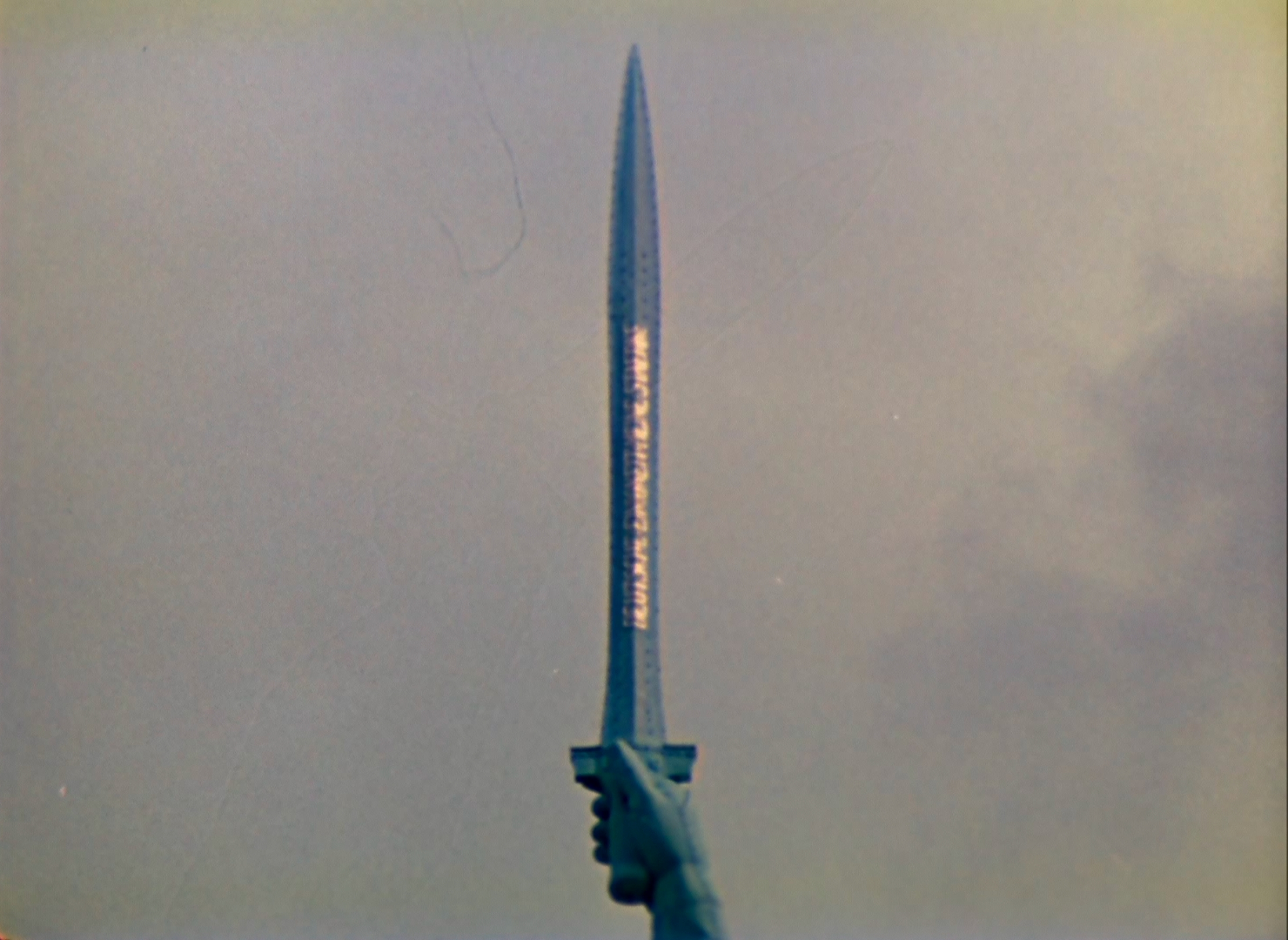
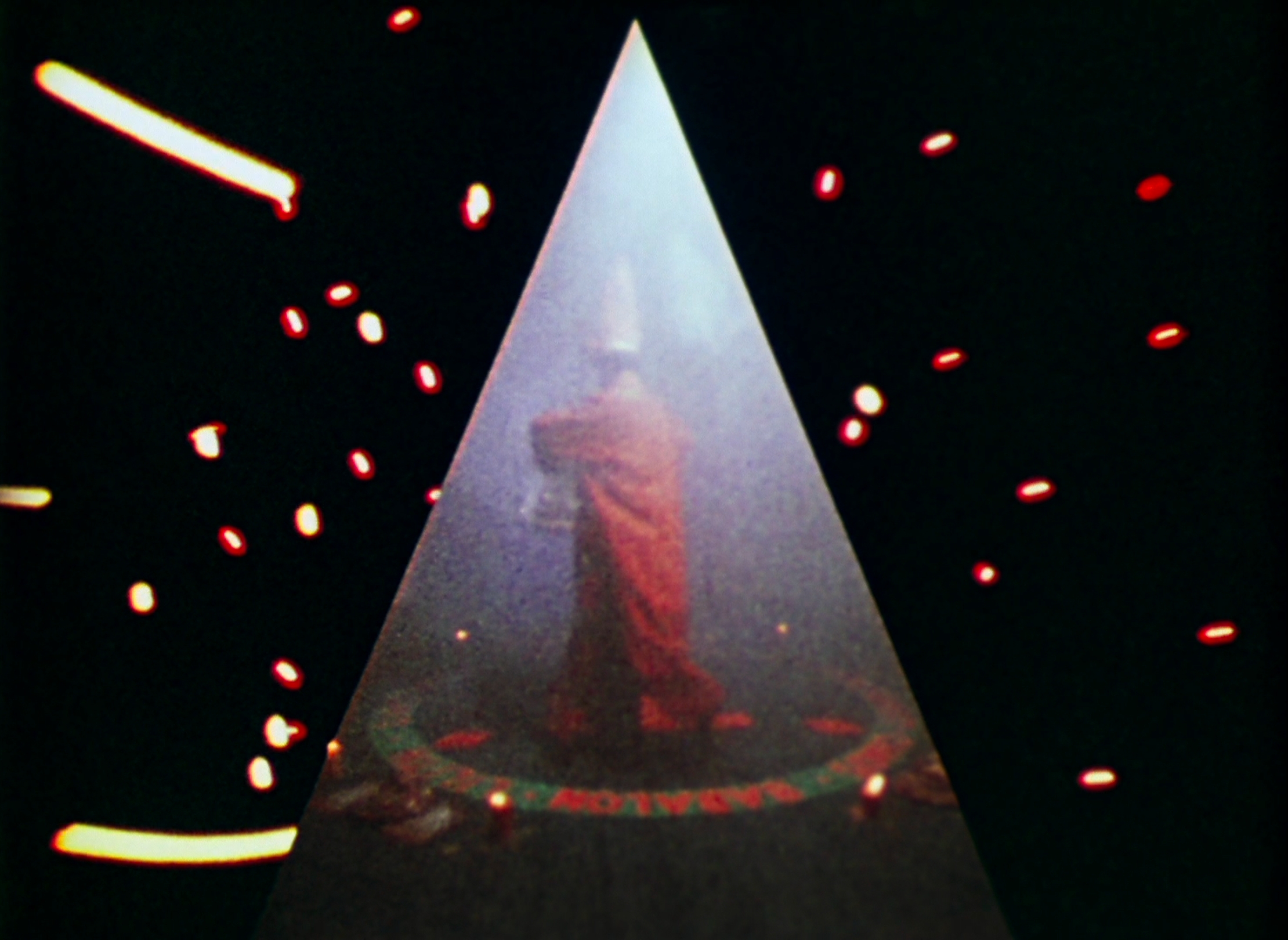
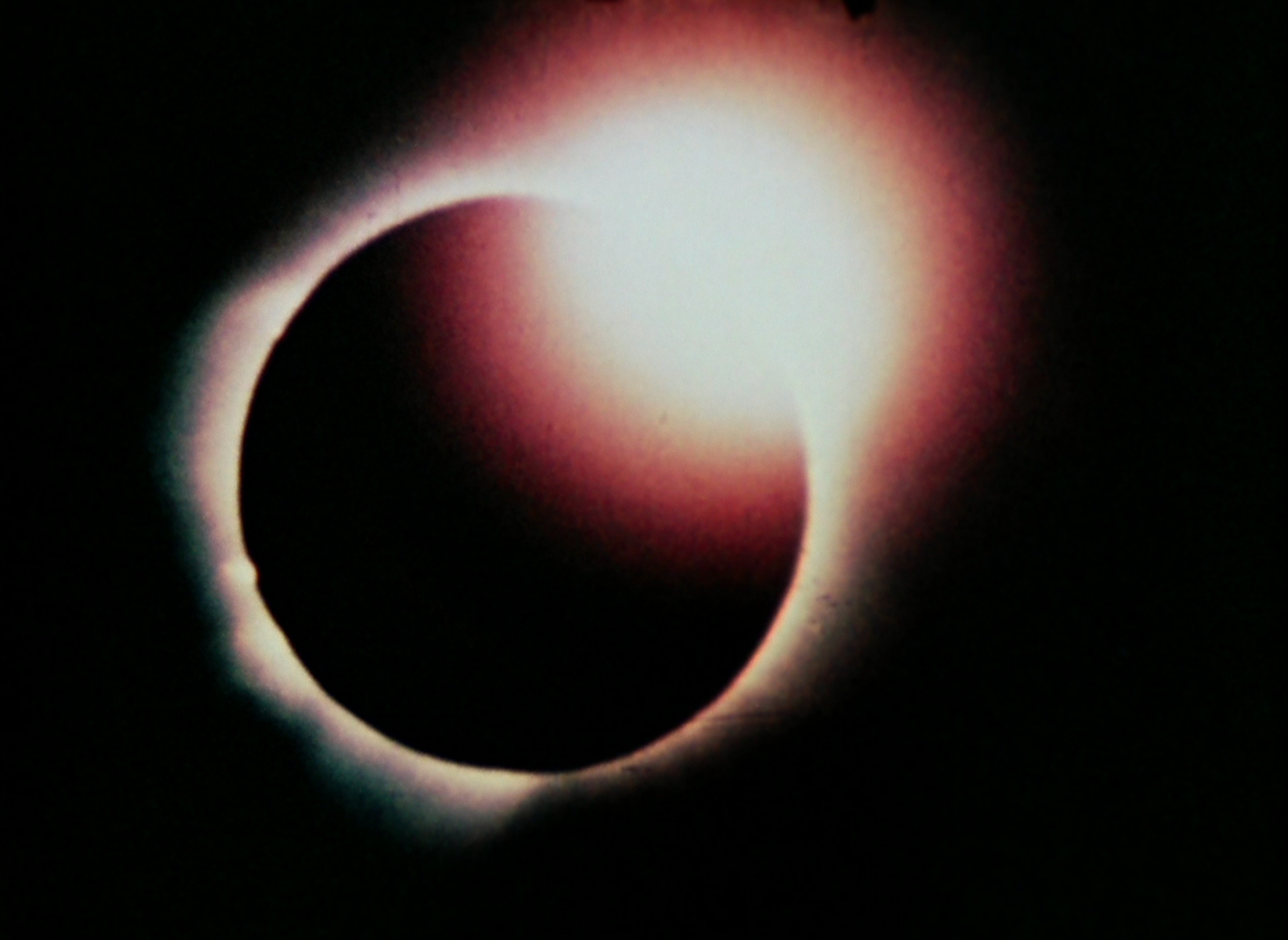
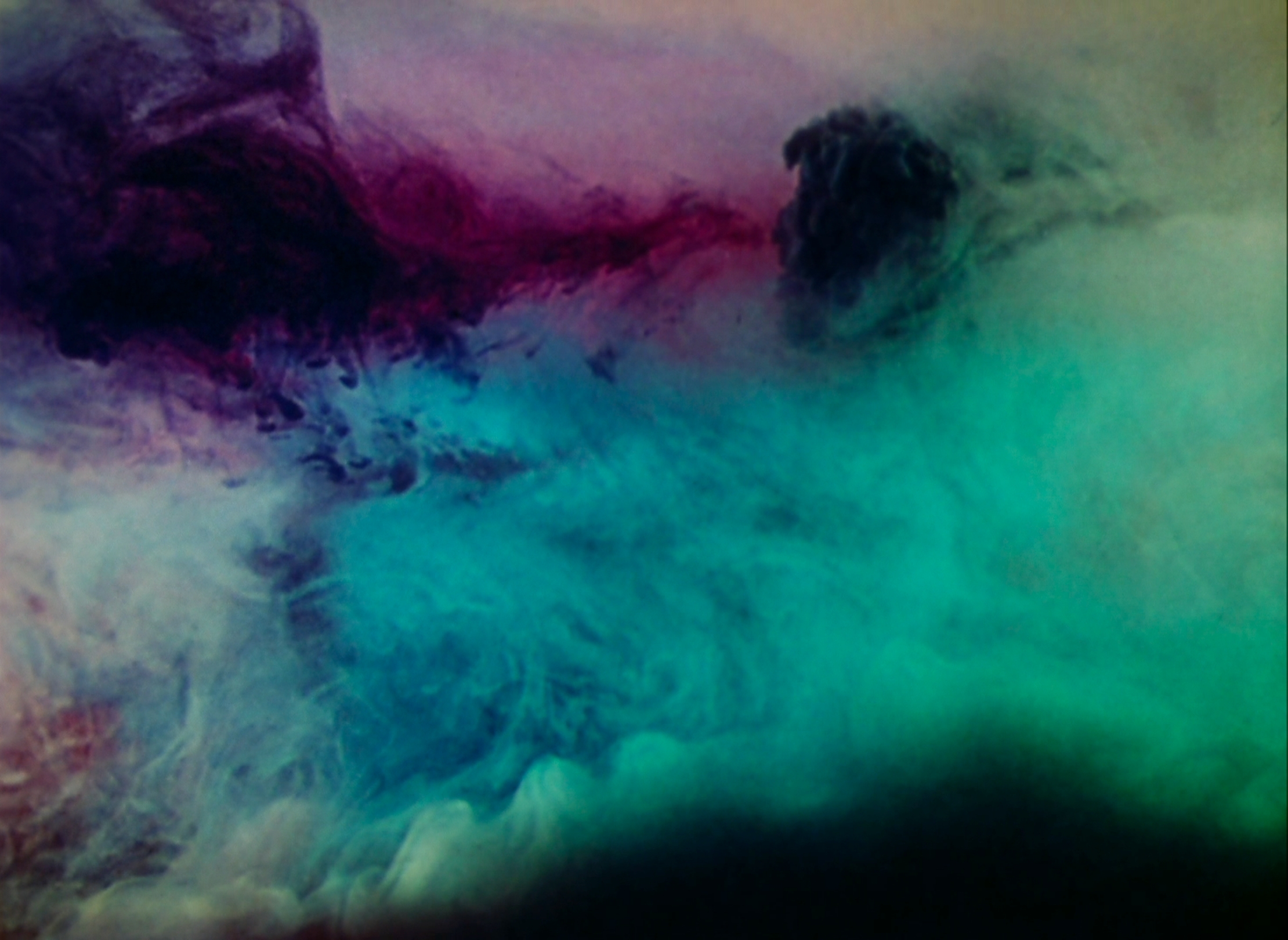
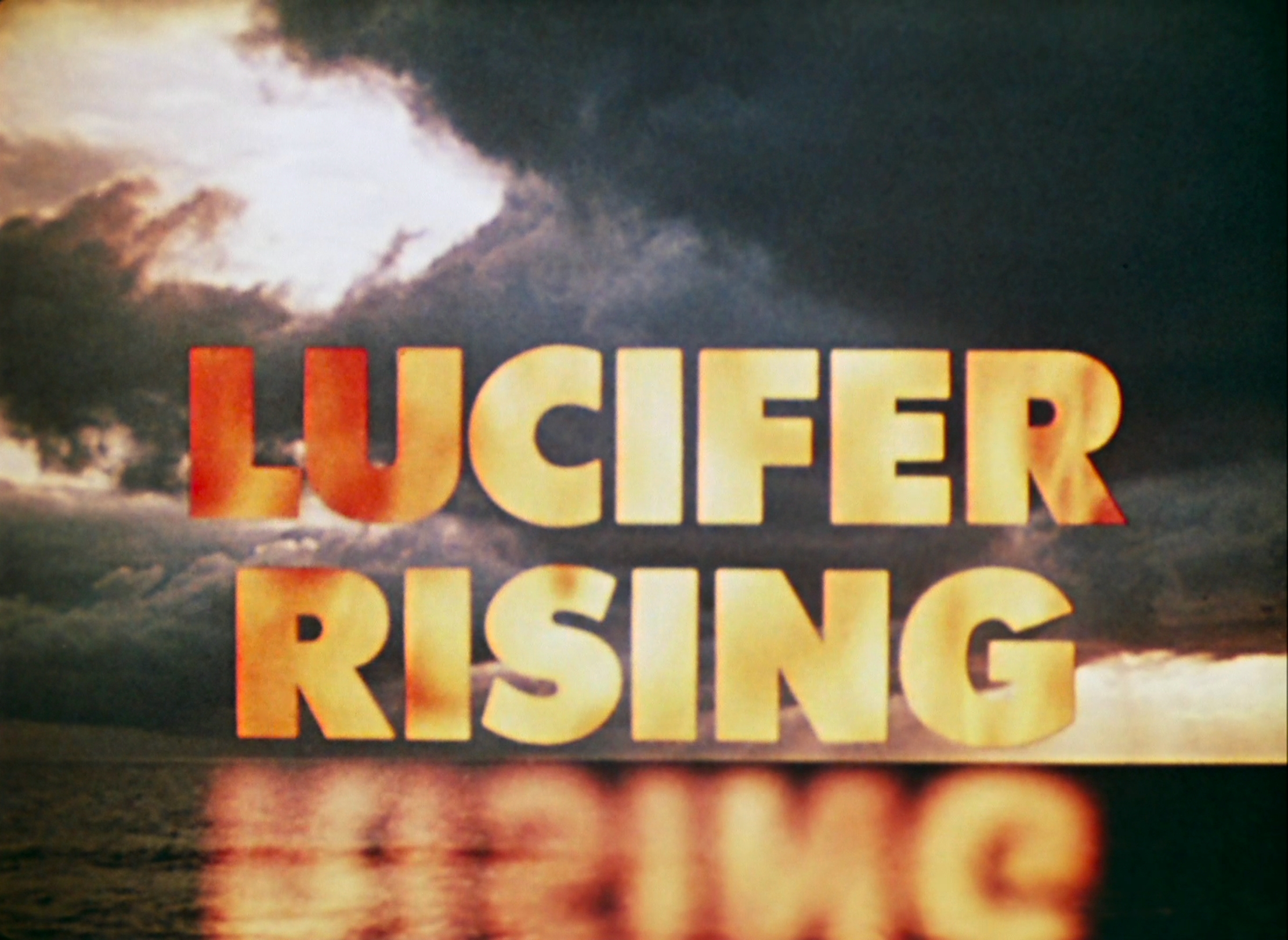
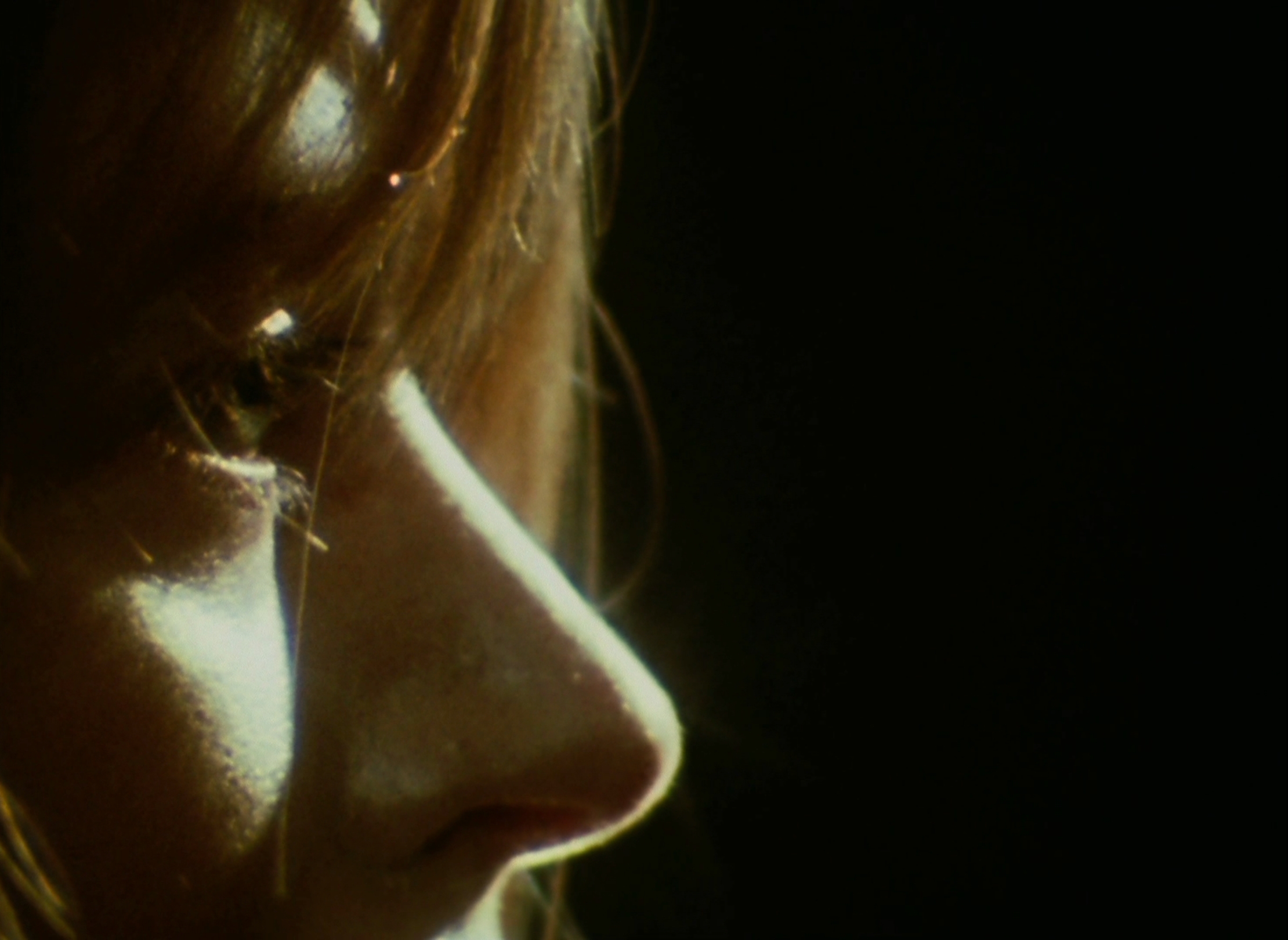
Lucifer Rising (1974)
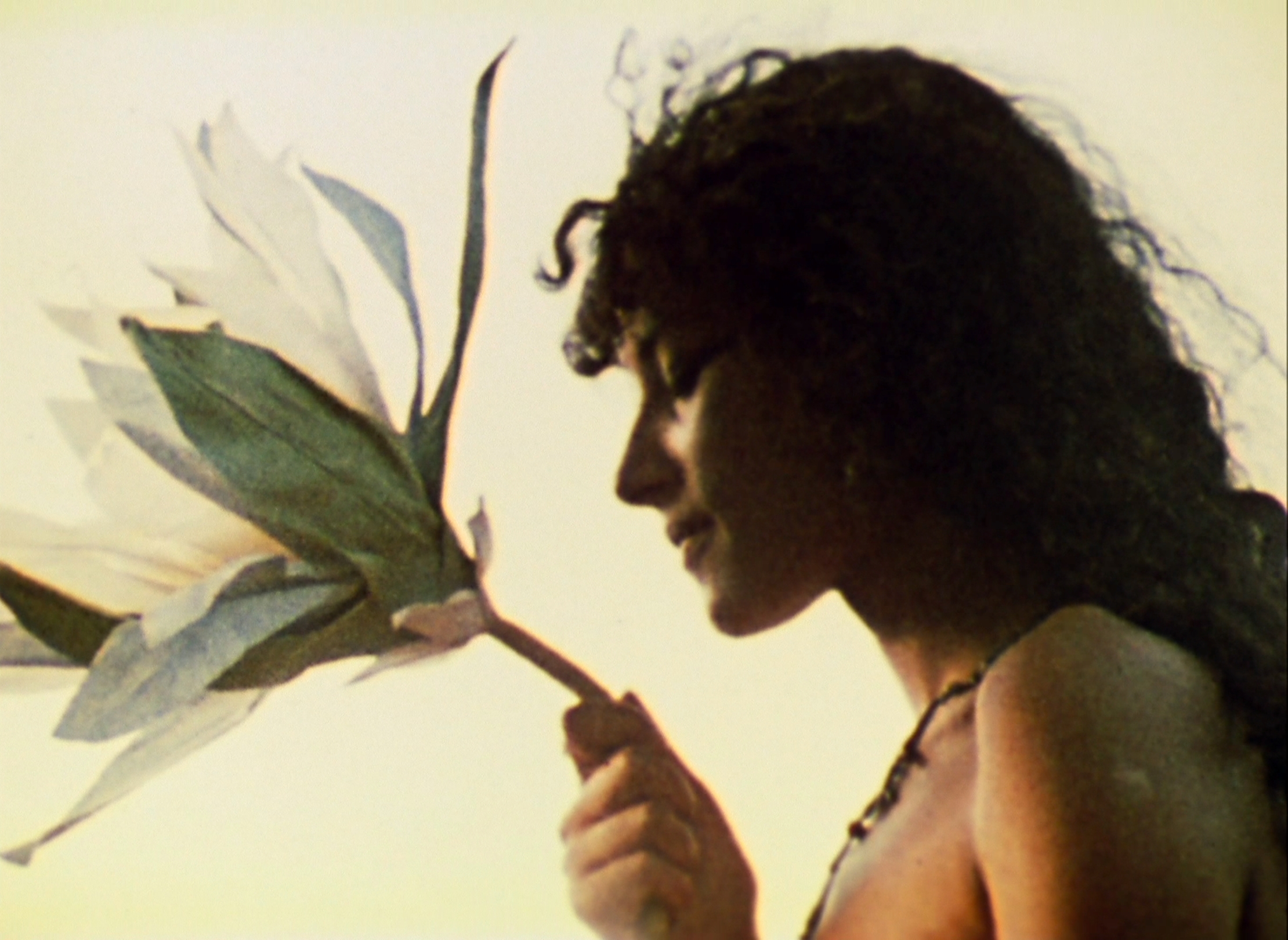
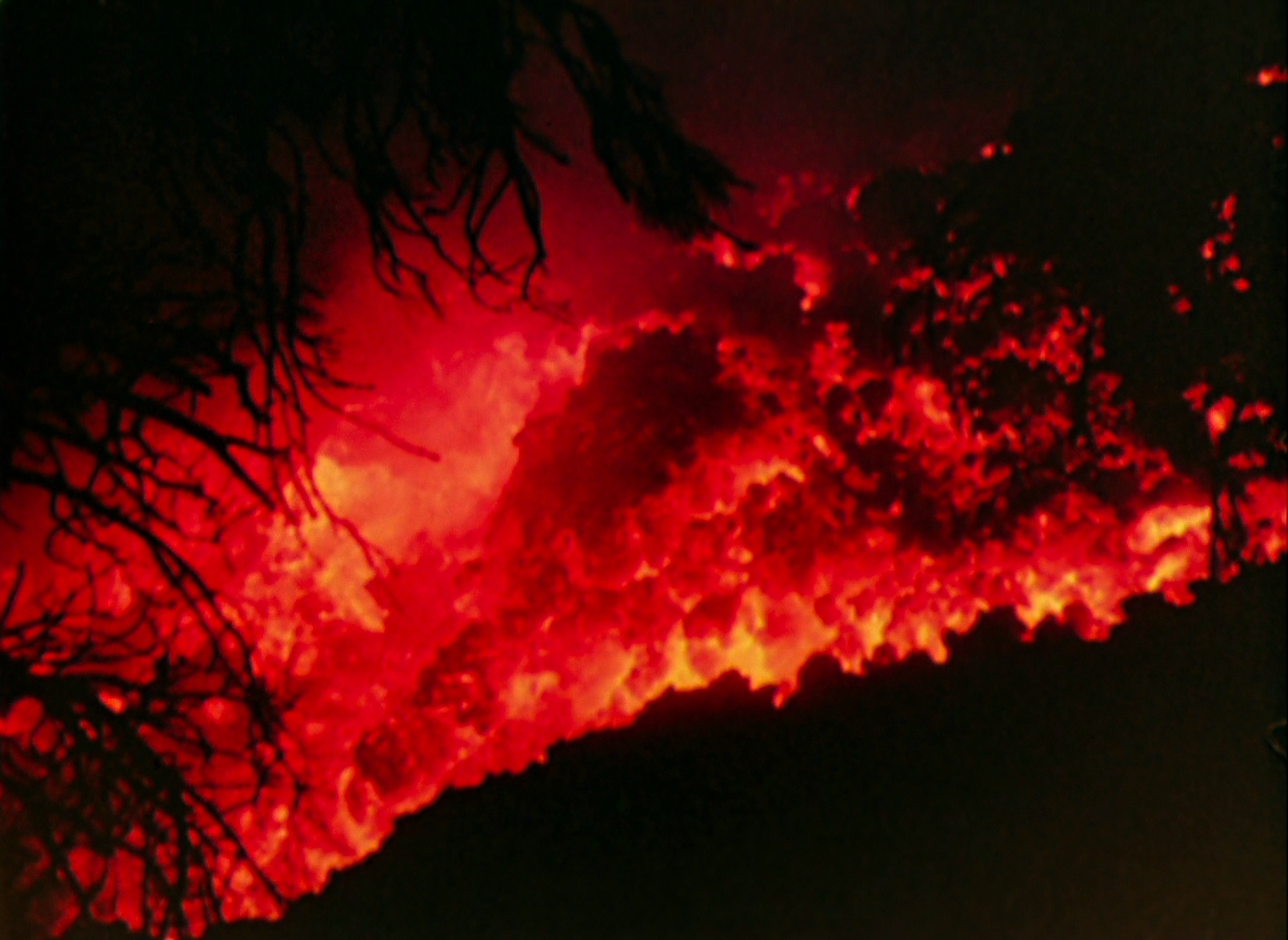
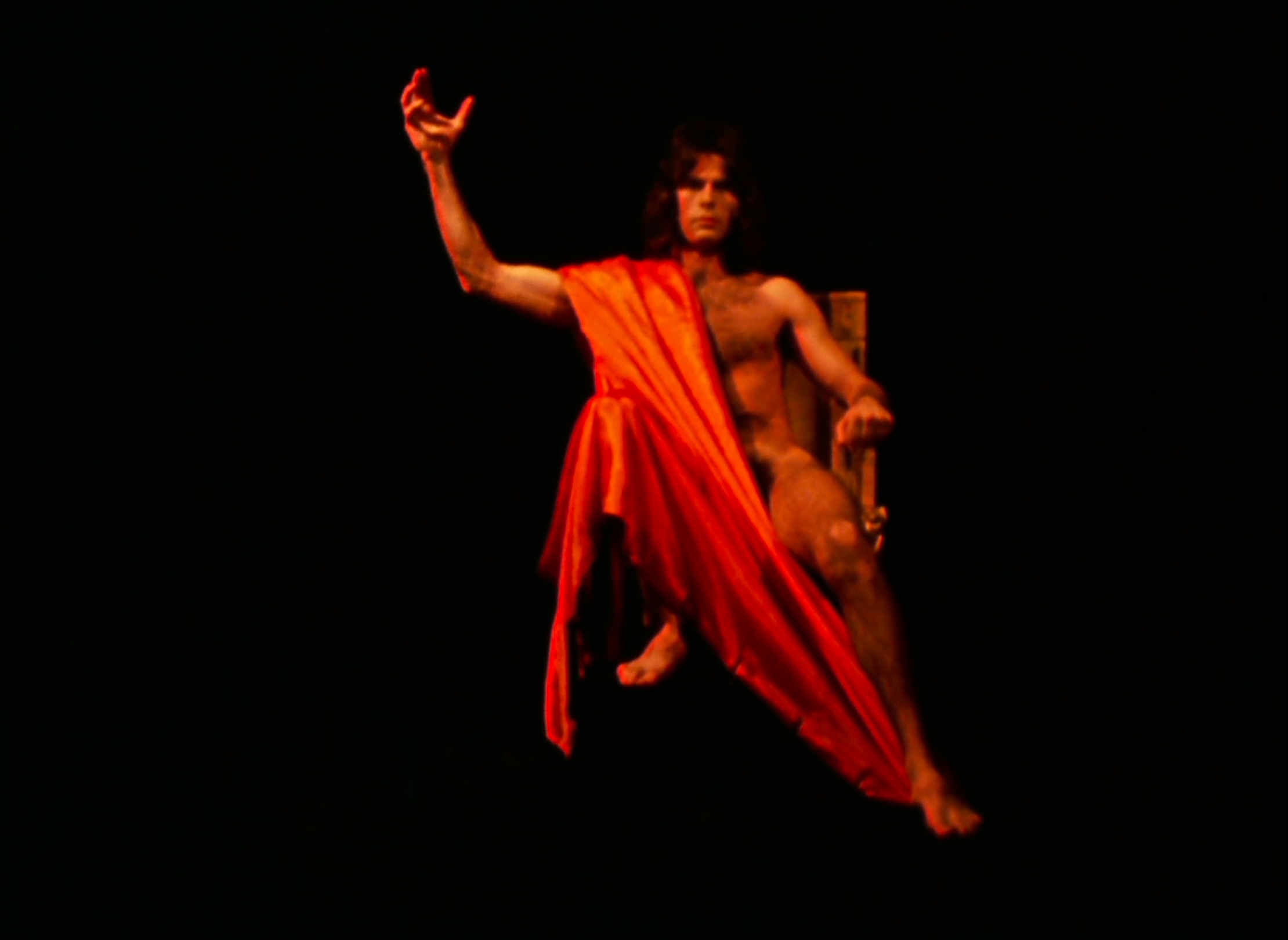
A ceremonial and symbolic work, Lucifer Rising depicts the summoning of Lucifer as a mythic force of enlightenment and transformation. Drawing on occult imagery and ancient mythologies, the film unfolds as a series of ritualistic tableaux rather than a traditional narrative. Its focus is on the convergence of cosmic energy, rebirth, and the dawning of a new age.
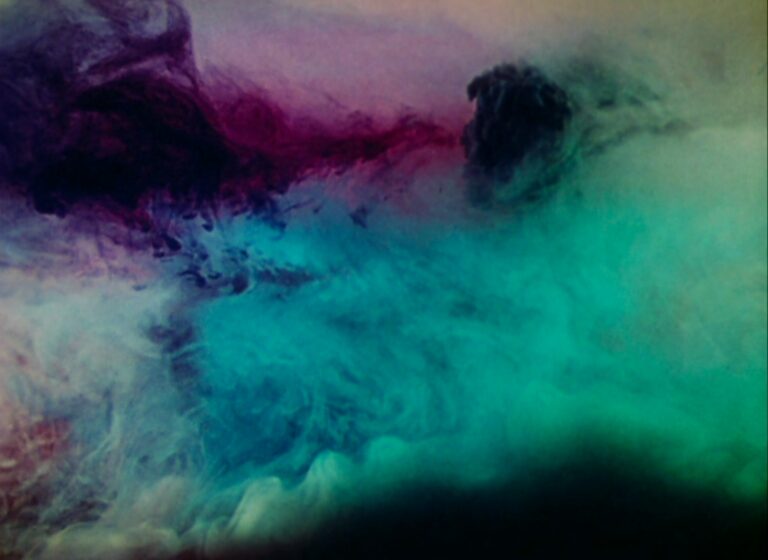
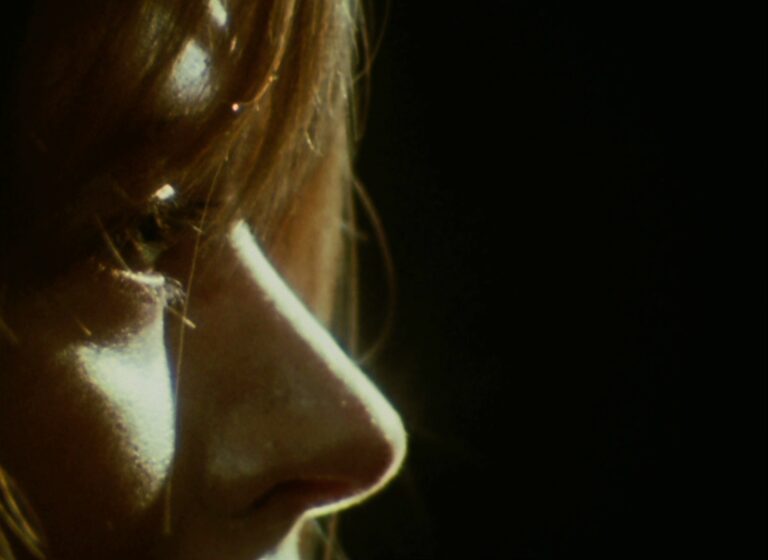
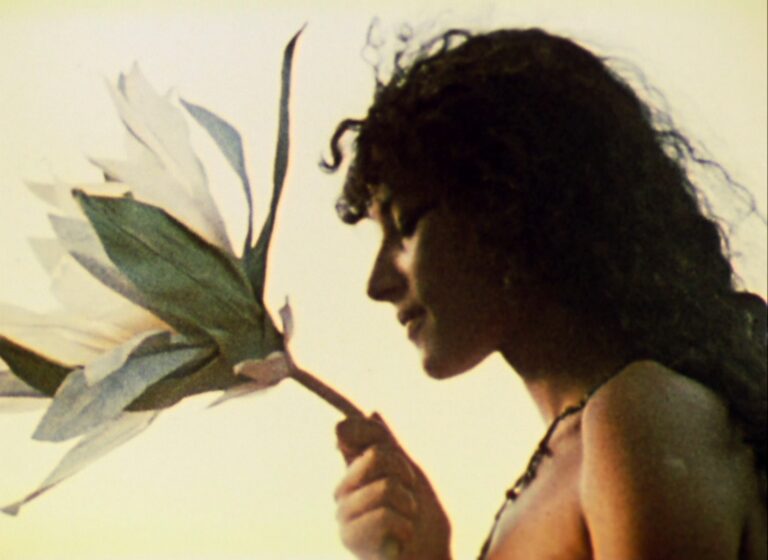
Anger shot Lucifer Rising across striking real-world locations—Egyptian temples, English landscapes—using saturated color, slow motion, and precise compositional framing to turn each image into a ritualistic tableau. The film’s reliance on natural light and bold color filtering, paired with its sculptural staging, transforms landscape and figure into a kind of living occult iconography—pure image as ceremony.
FILM SPOTLIGHT
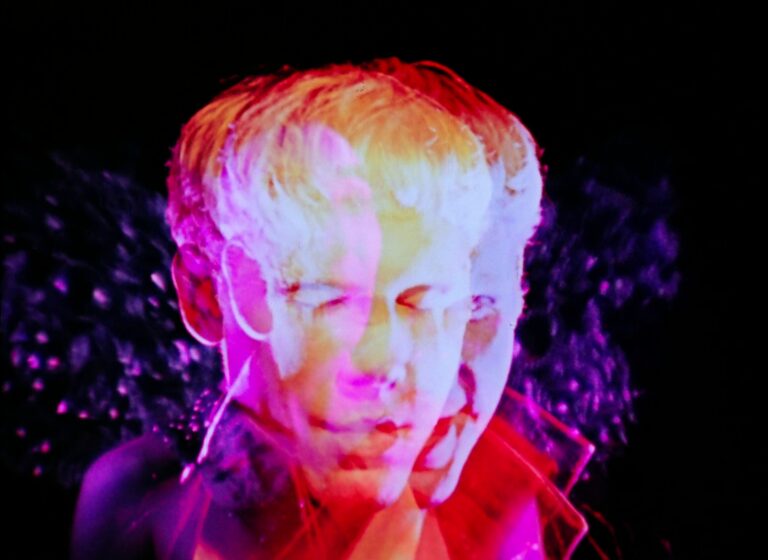
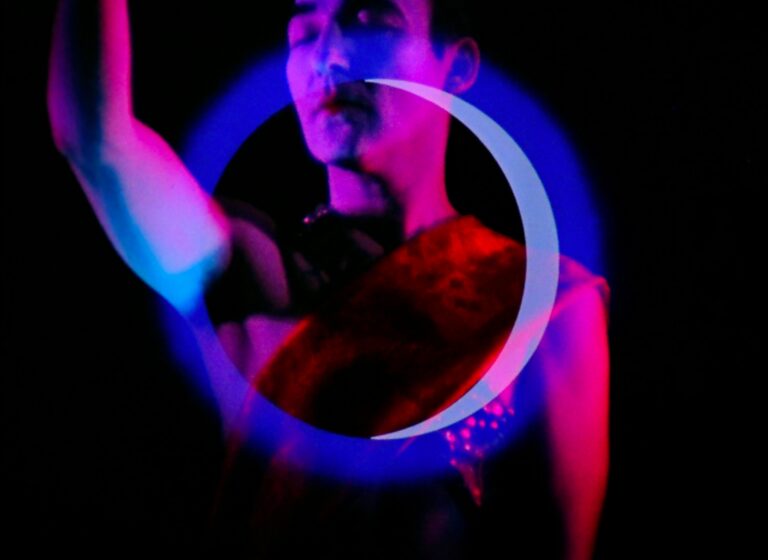
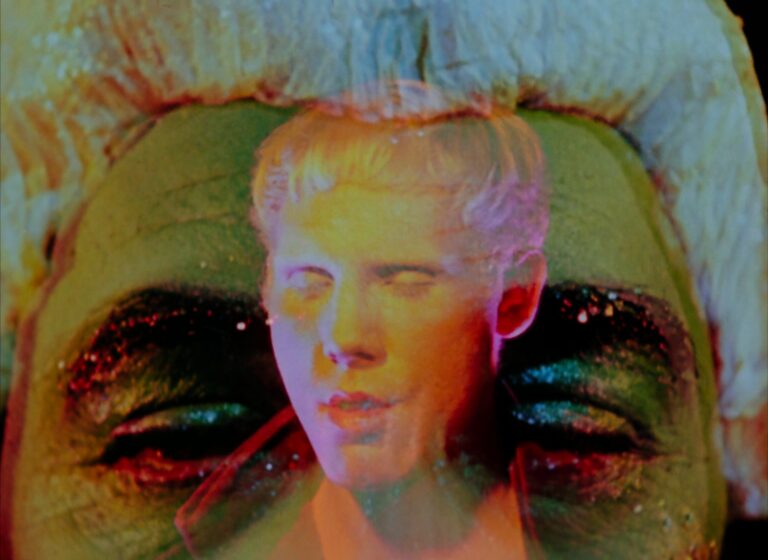
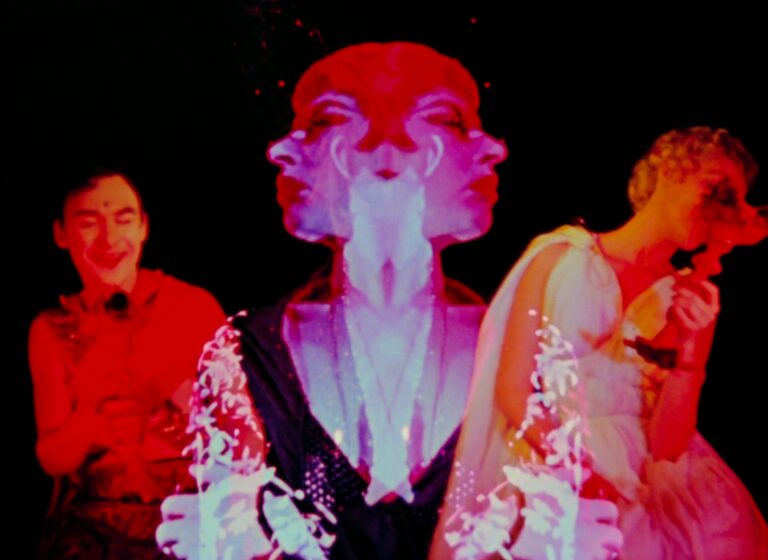
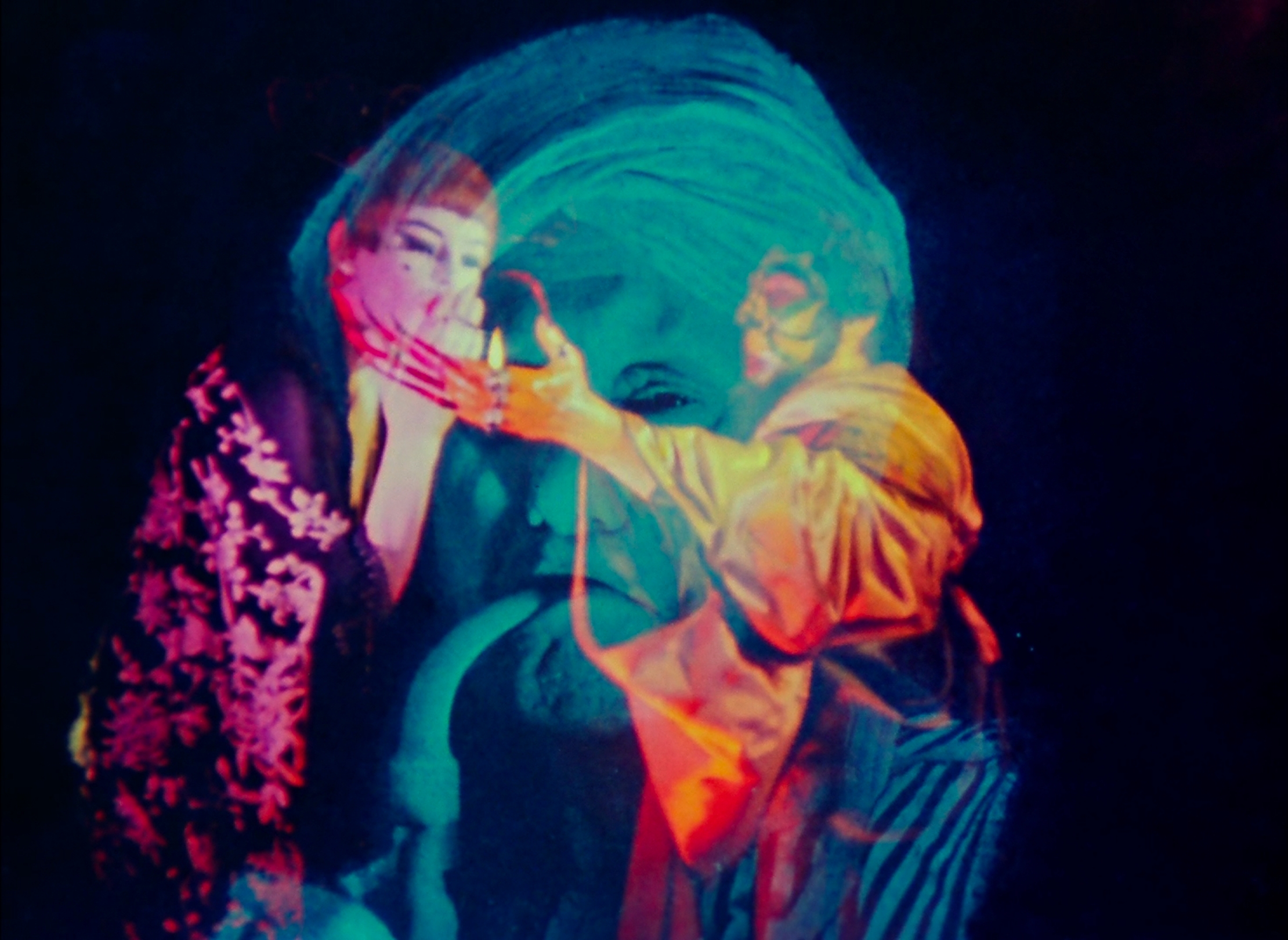
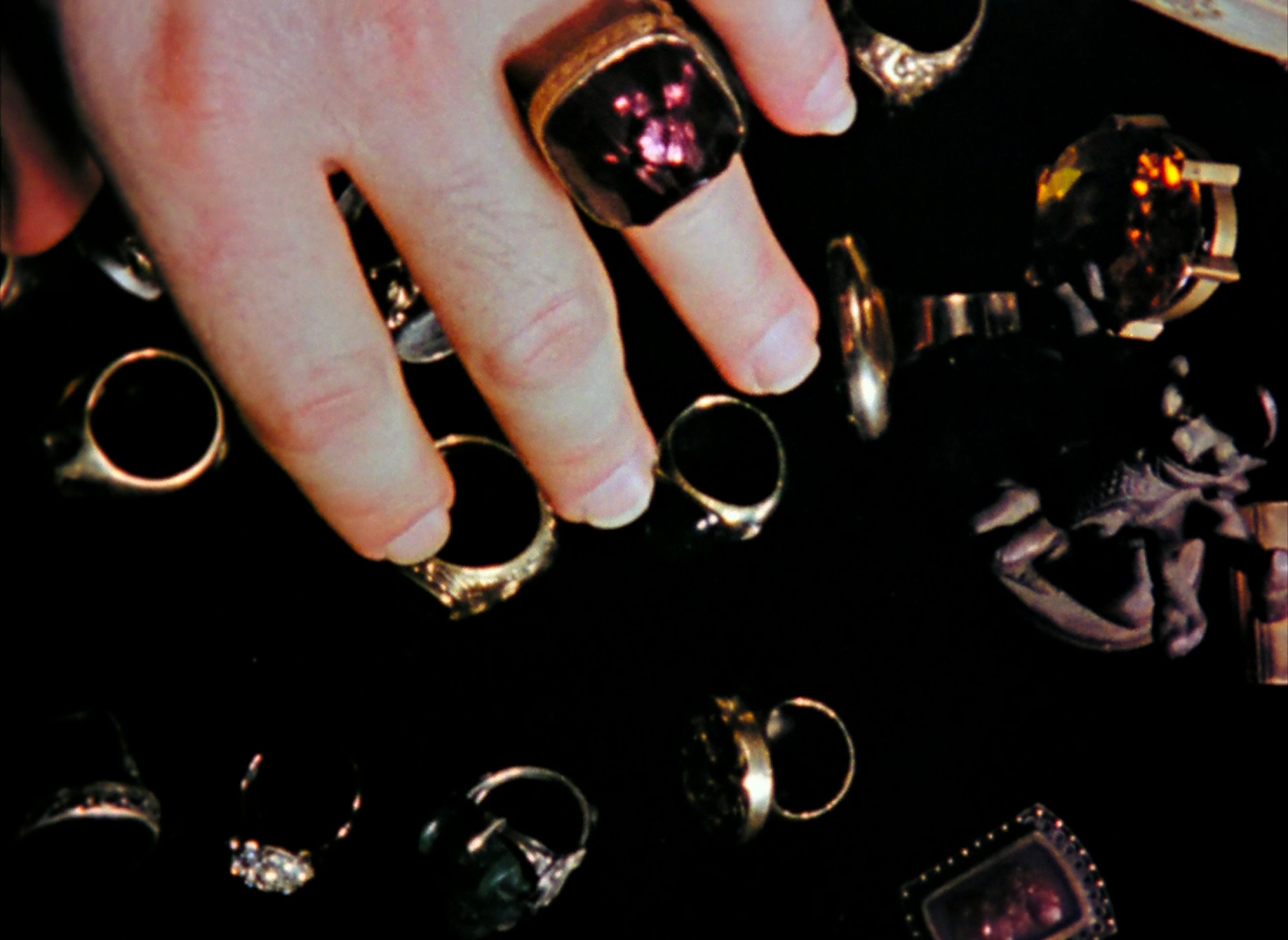
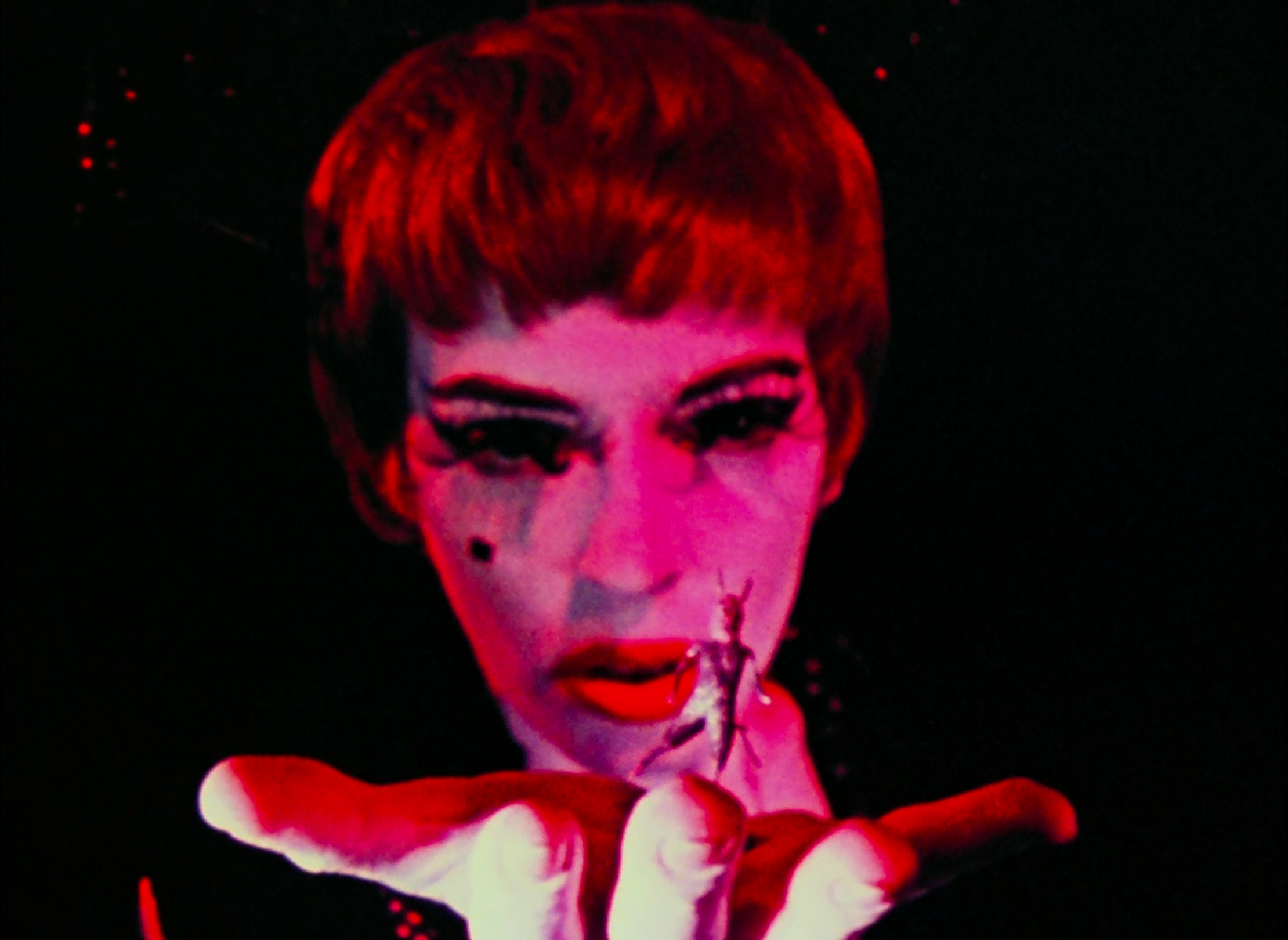
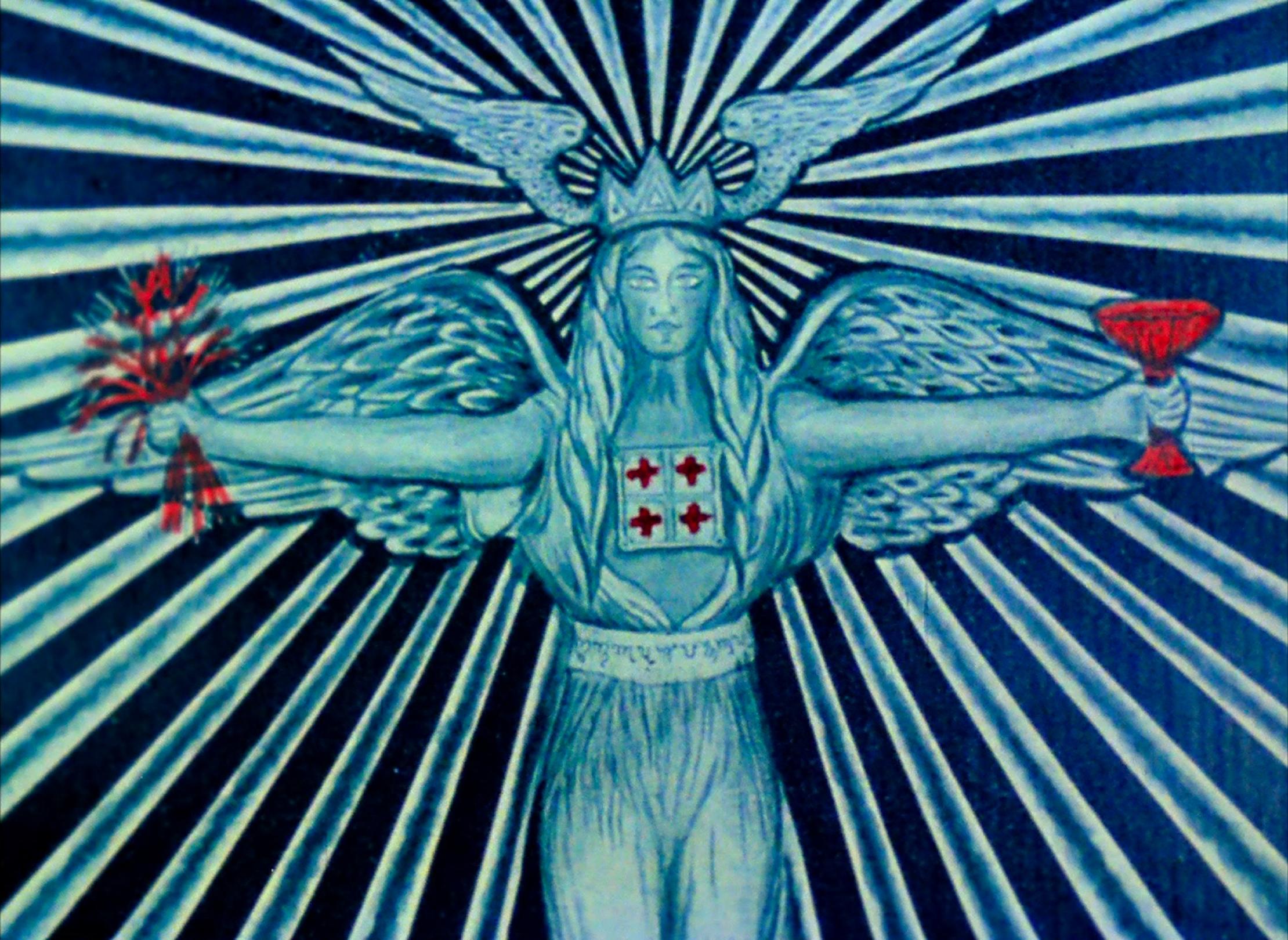
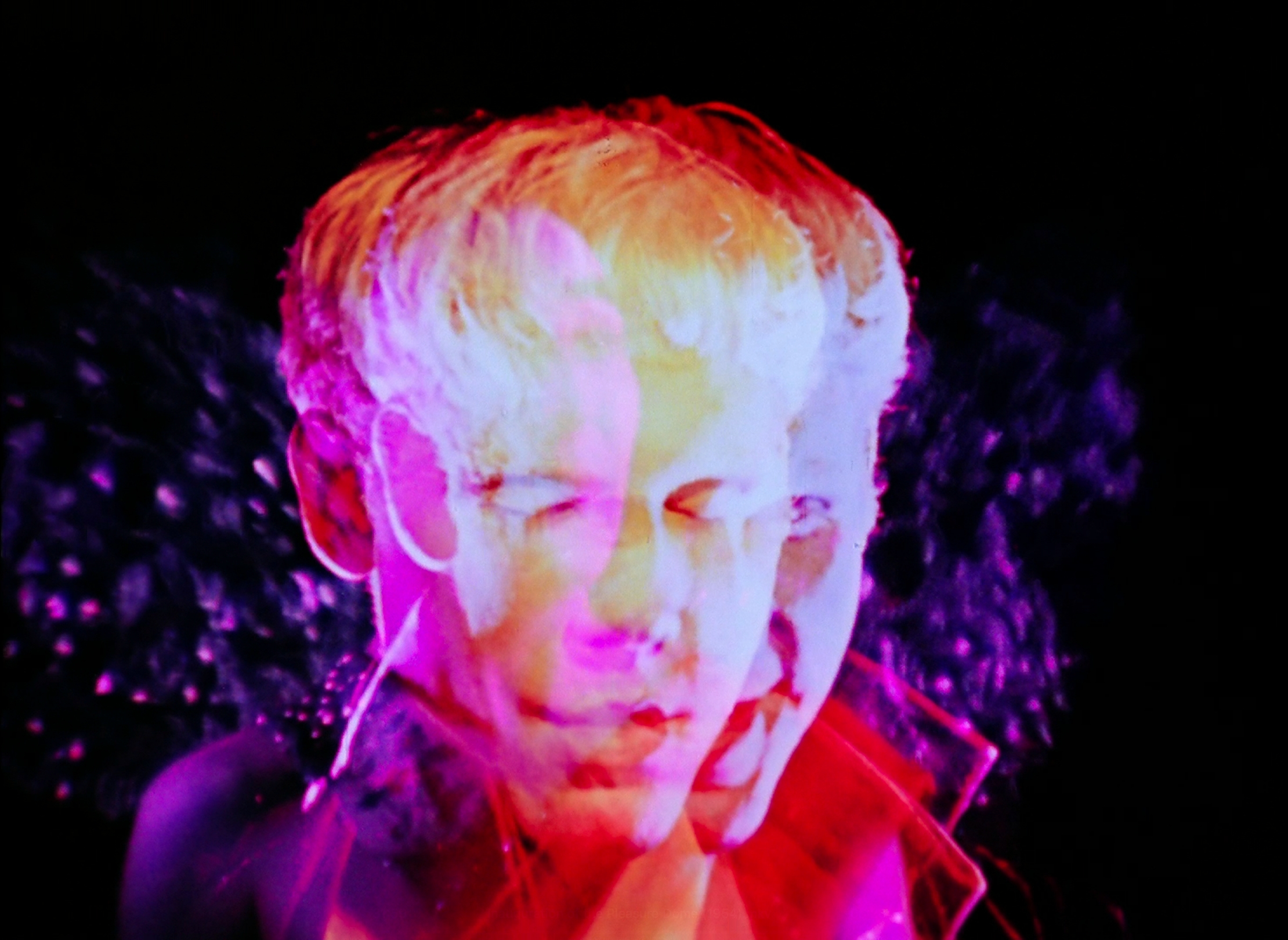
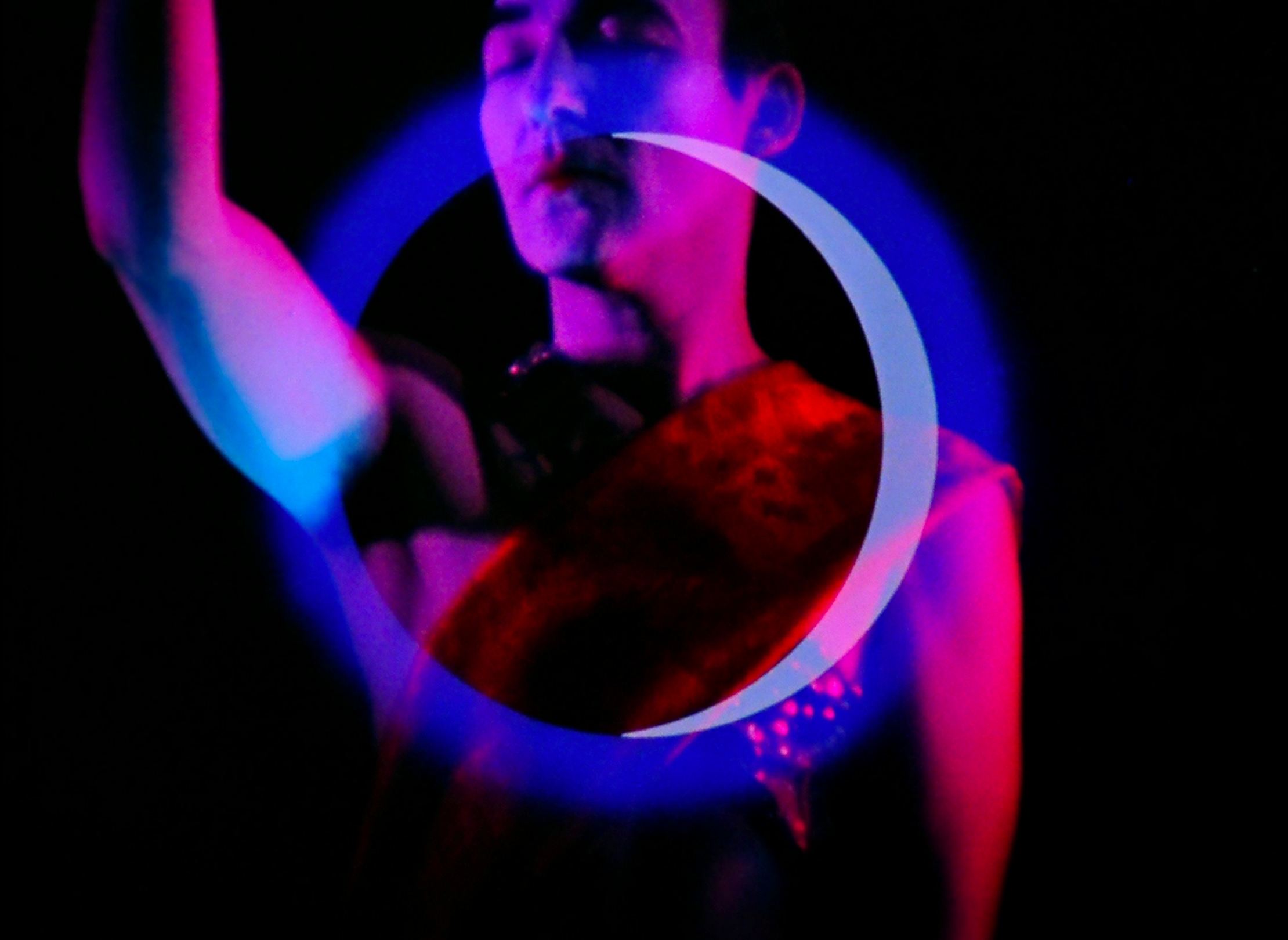
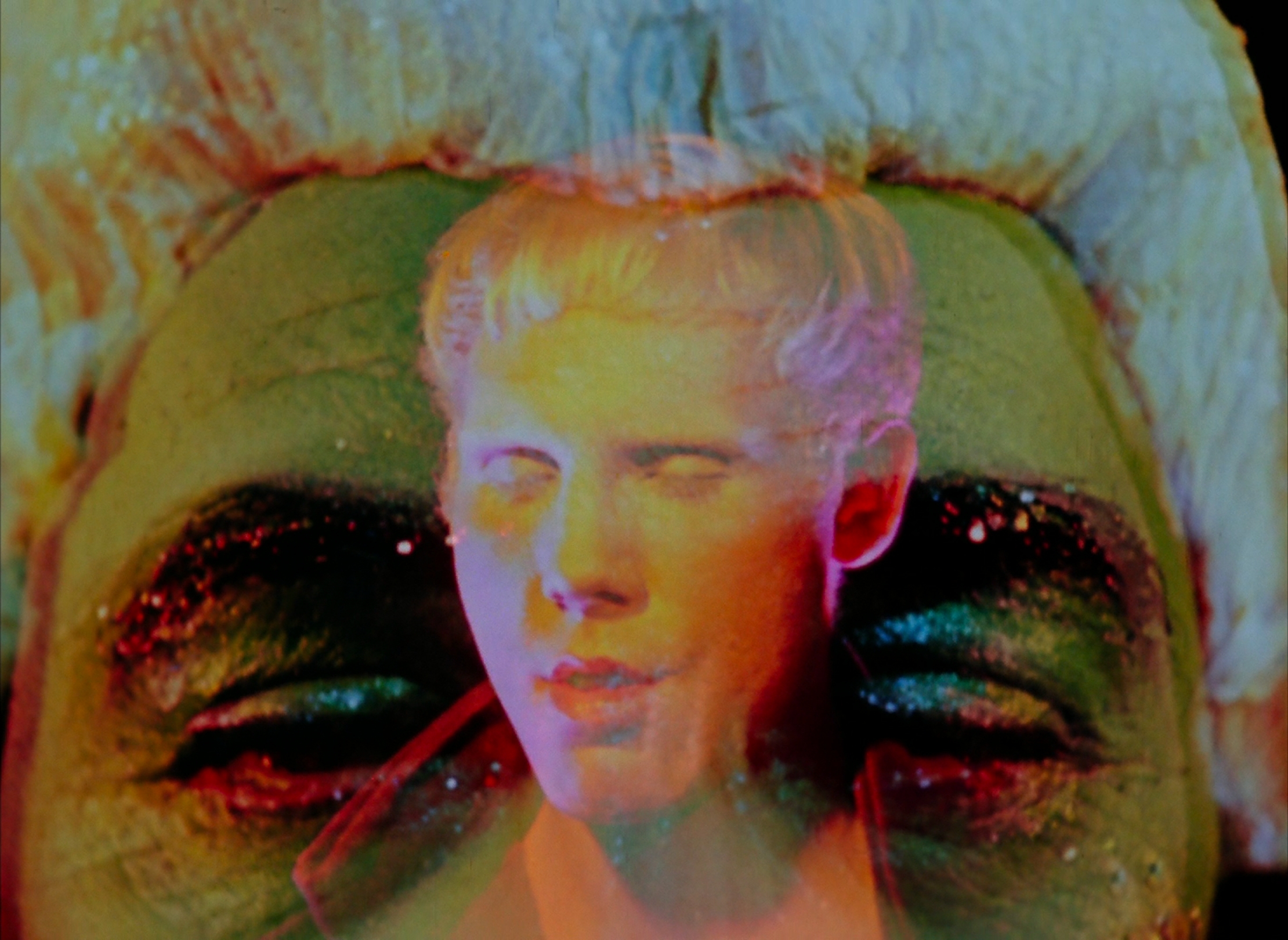
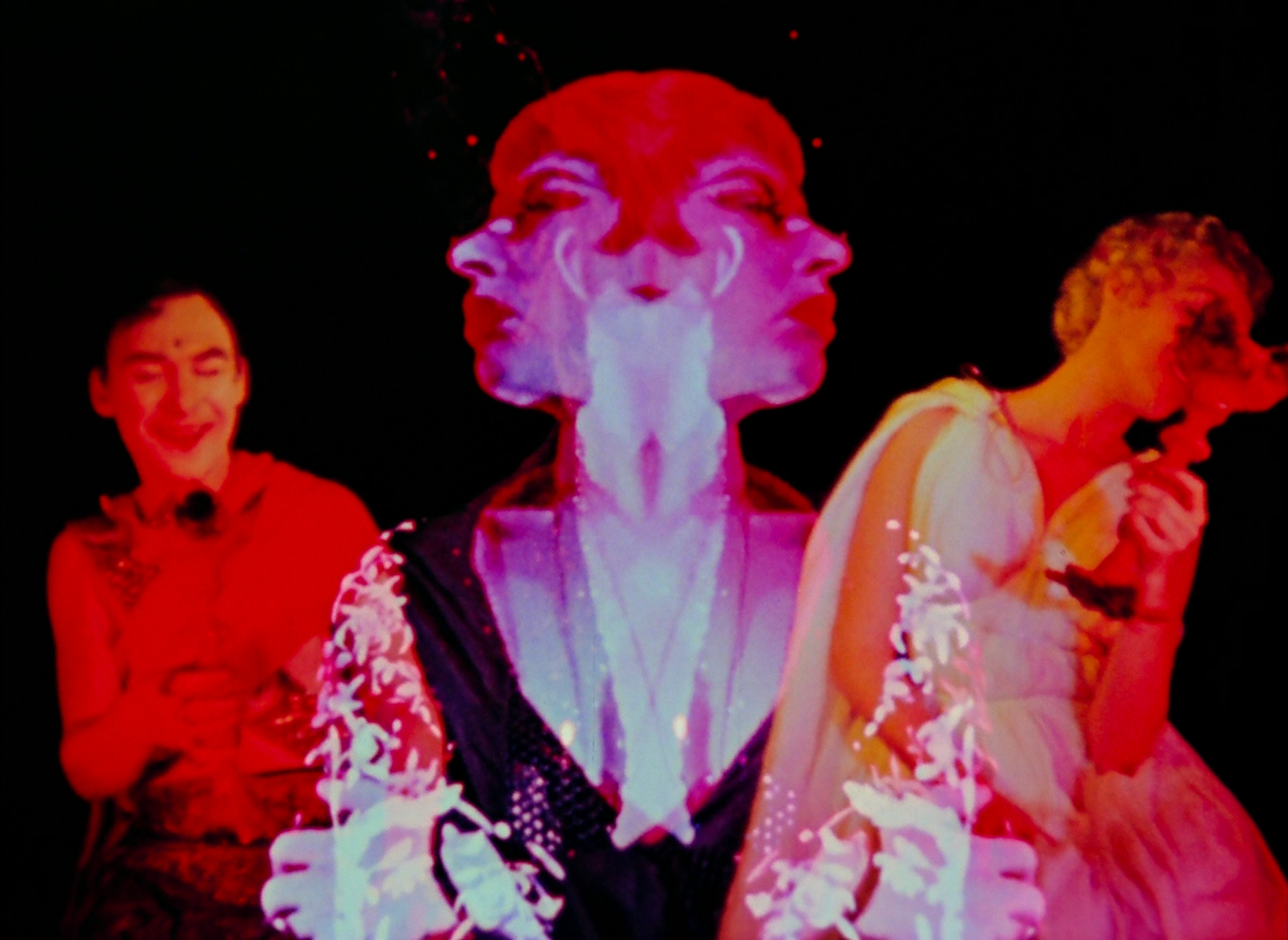
Inauguration of the Pleasure Dome (1954)
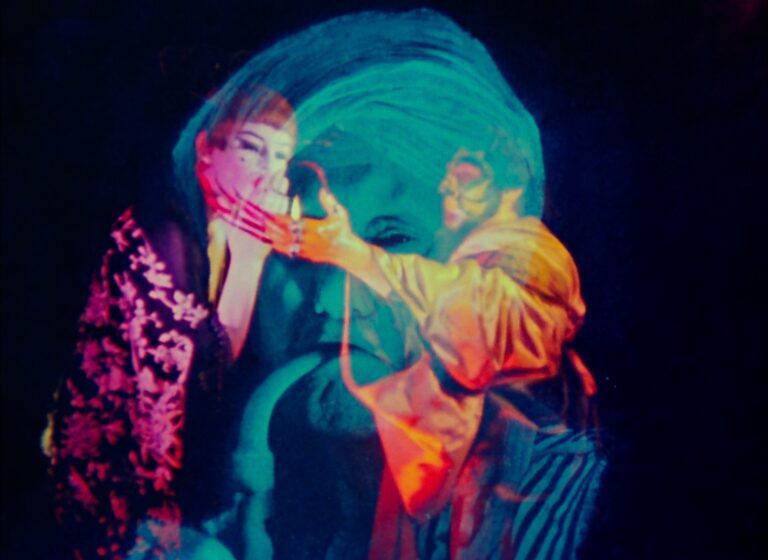
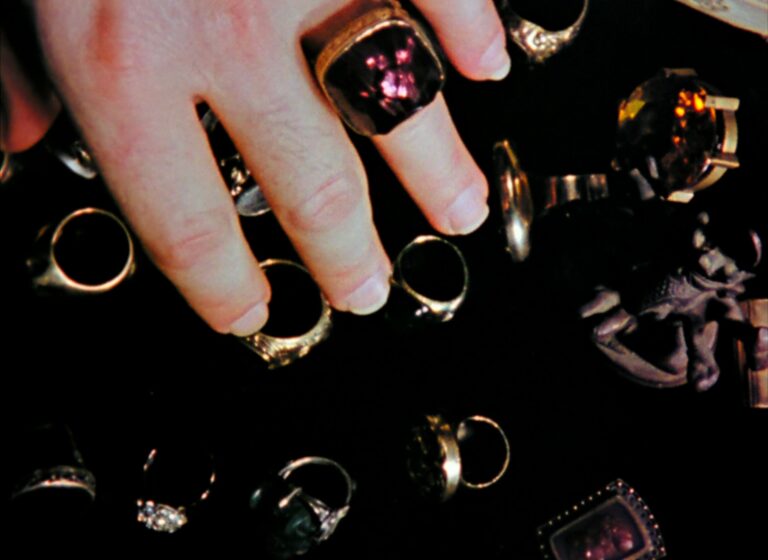
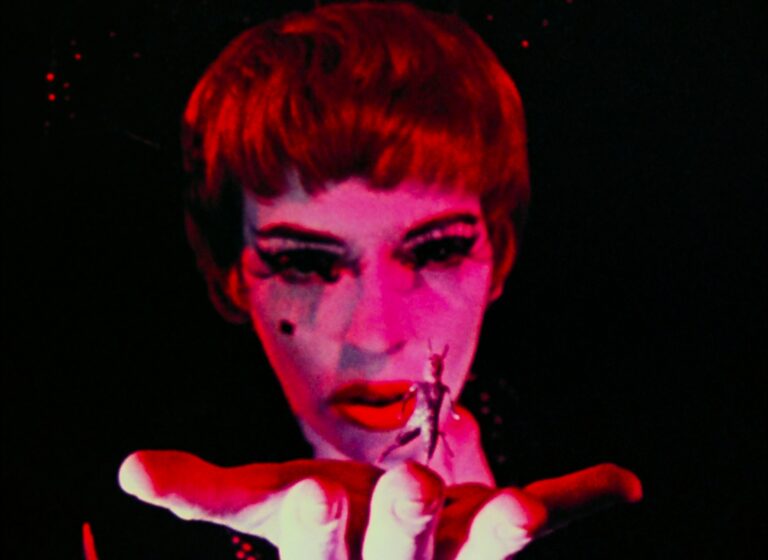
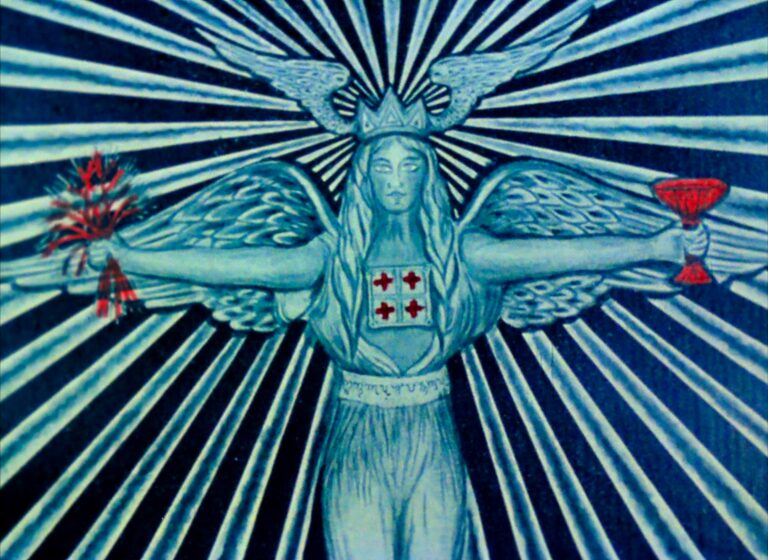
A surreal gathering of mythological and occult figures unfolds in a ritualistic ceremony, where deities, demons, and archetypal characters interact in a dreamlike, nonlinear pageant. Drawing from Thelemic and esoteric symbolism, the film abandons conventional narrative in favor of a symbolic exploration of desire, identity, and transcendence. The experience becomes an immersion into a heightened, hallucinatory realm of myth and ritual.
Anger shot Inauguration of the Pleasure Dome in a single house, transforming the space through layered superimpositions, saturated color filters, and theatrical lighting to create a dense, psychedelic visual field. The film’s overlapping imagery and kaleidoscopic compositions turn performance into pure sensation—pushing early experimental cinema toward a fully immersive, trance-like visual experience.
FILM SPOTLIGHT
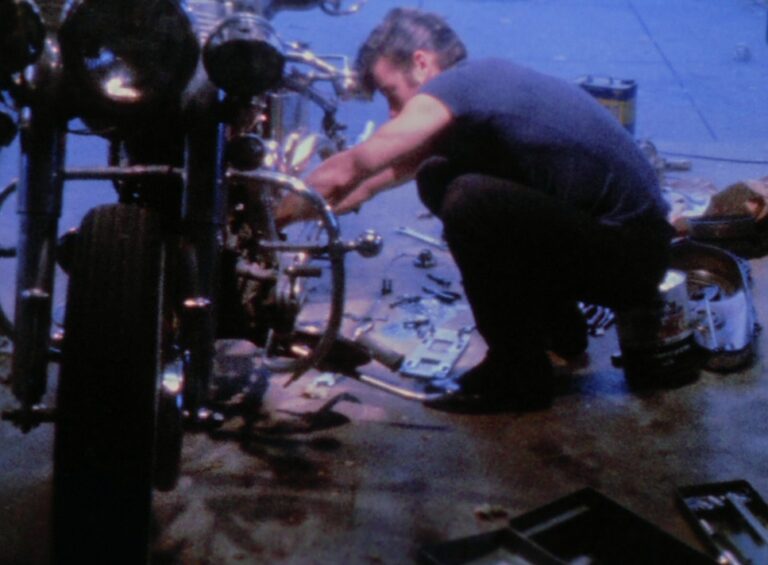
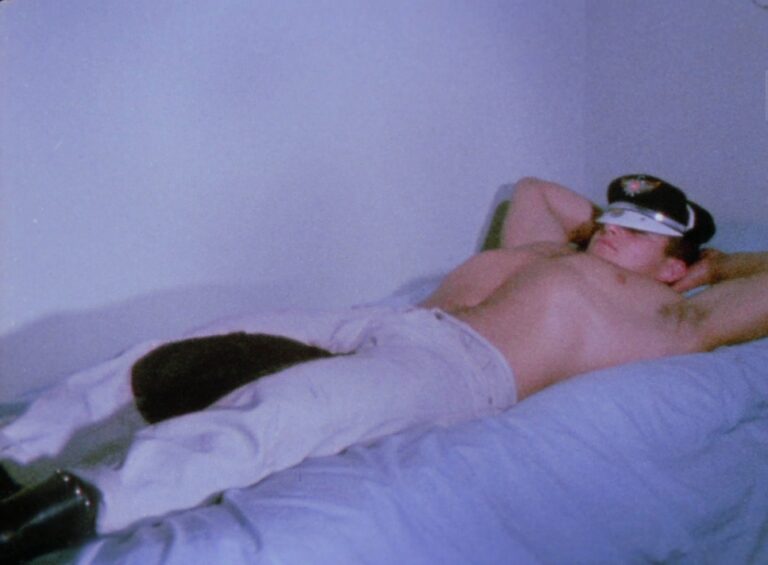
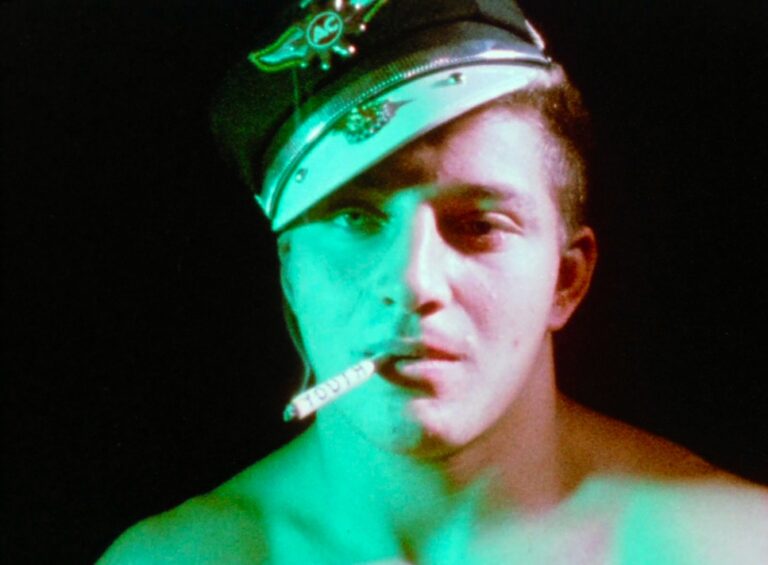
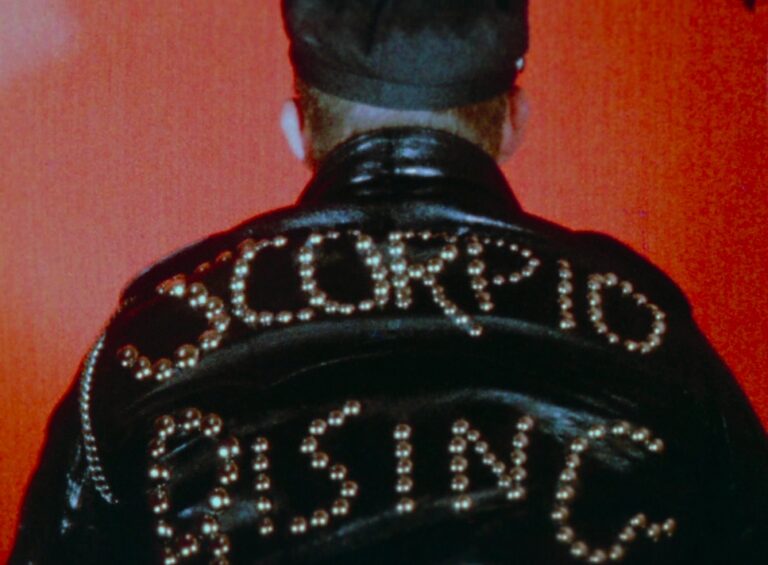
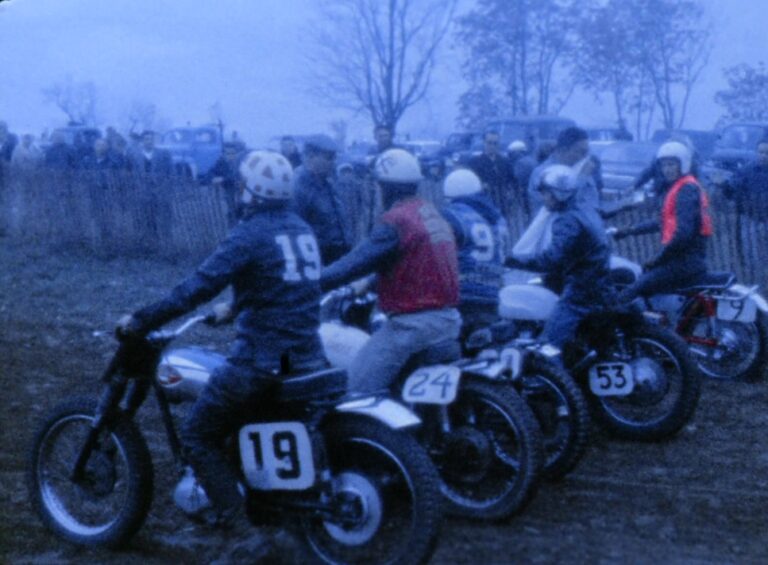
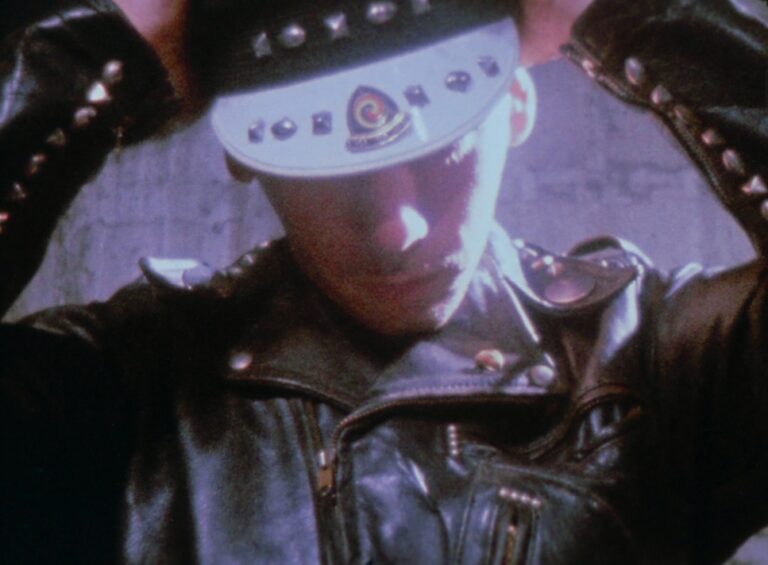
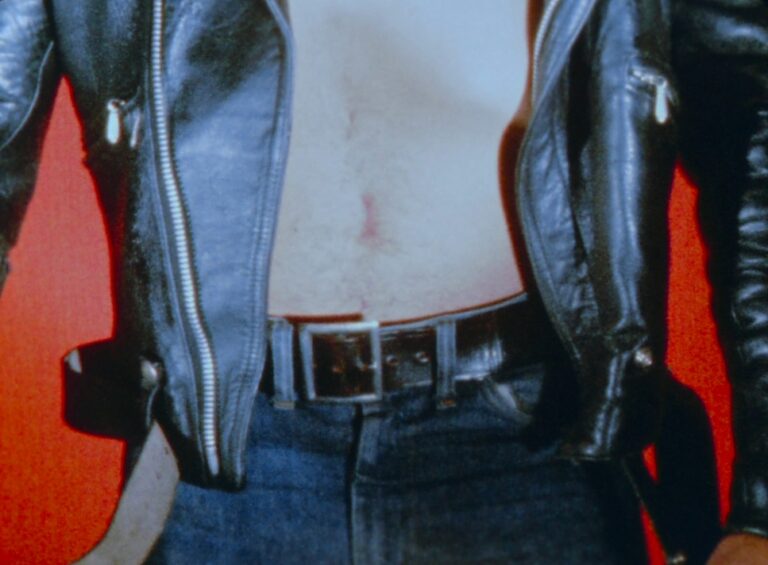
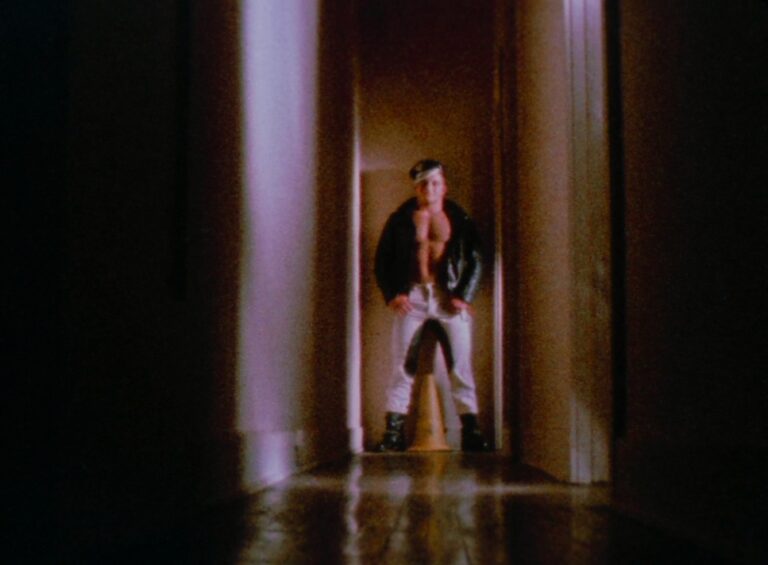
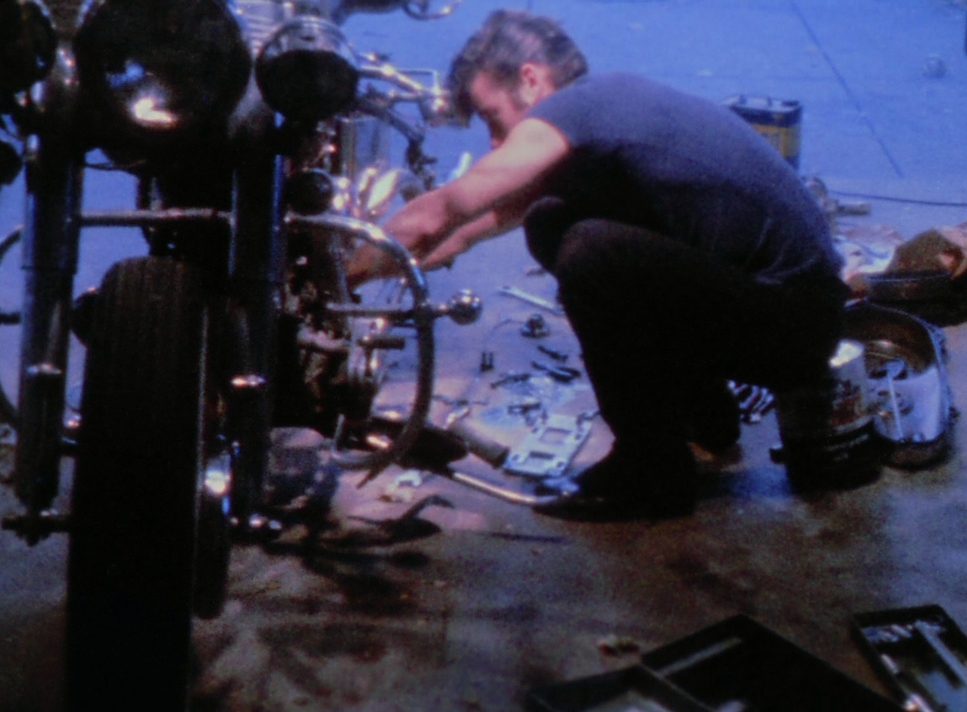
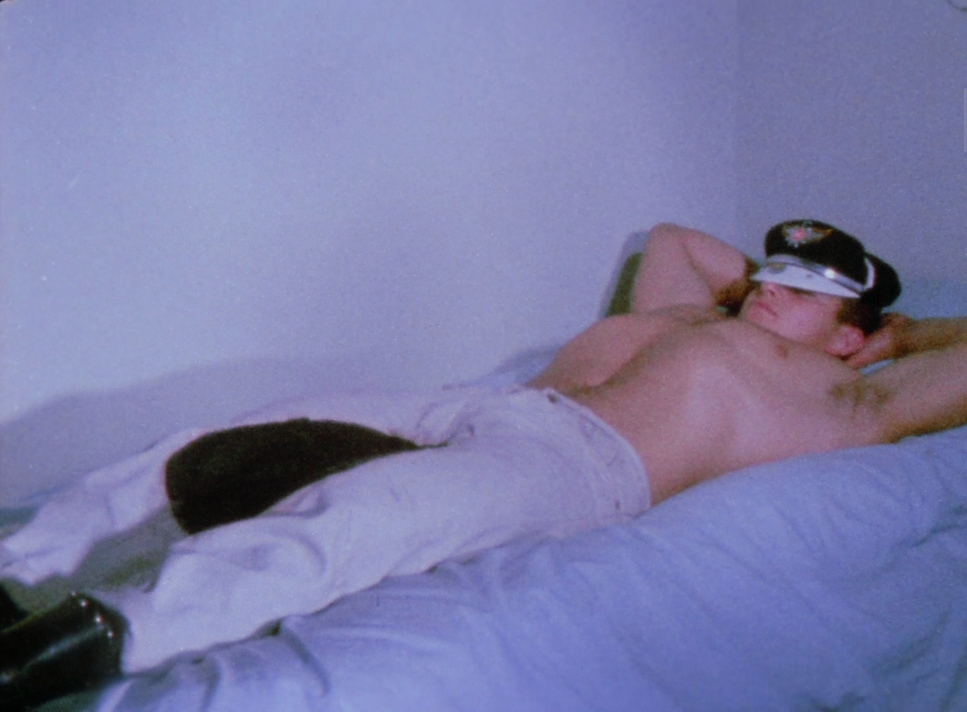
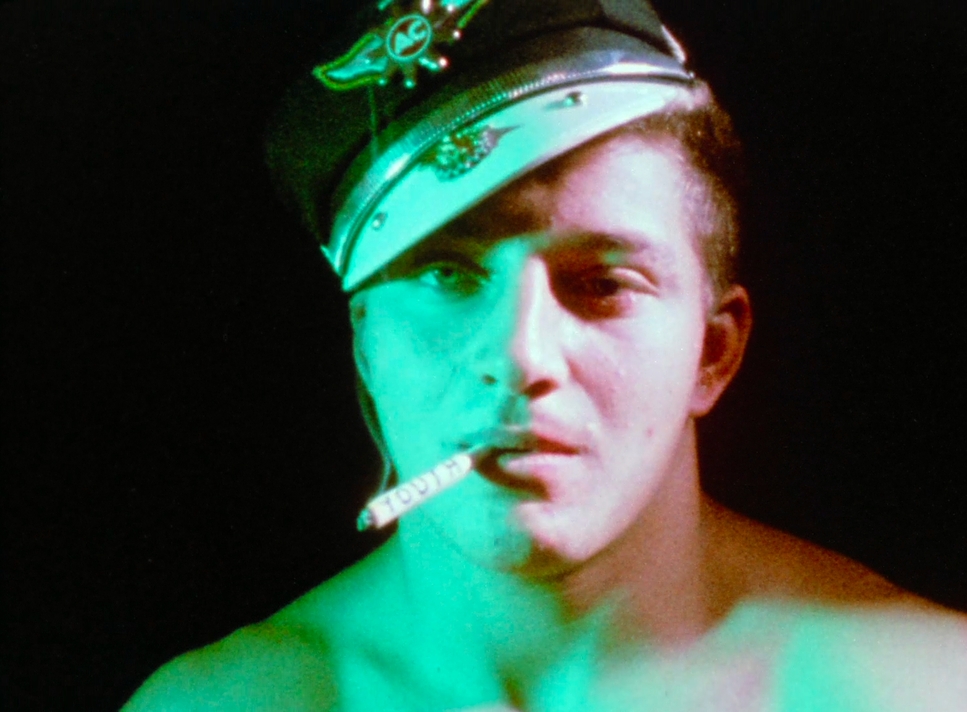
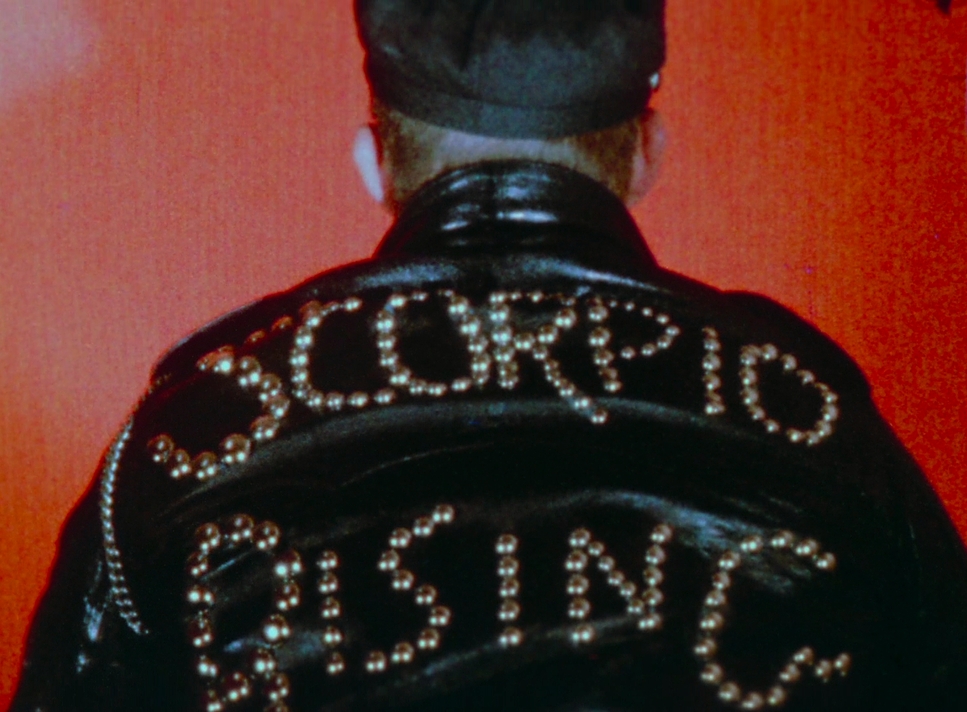
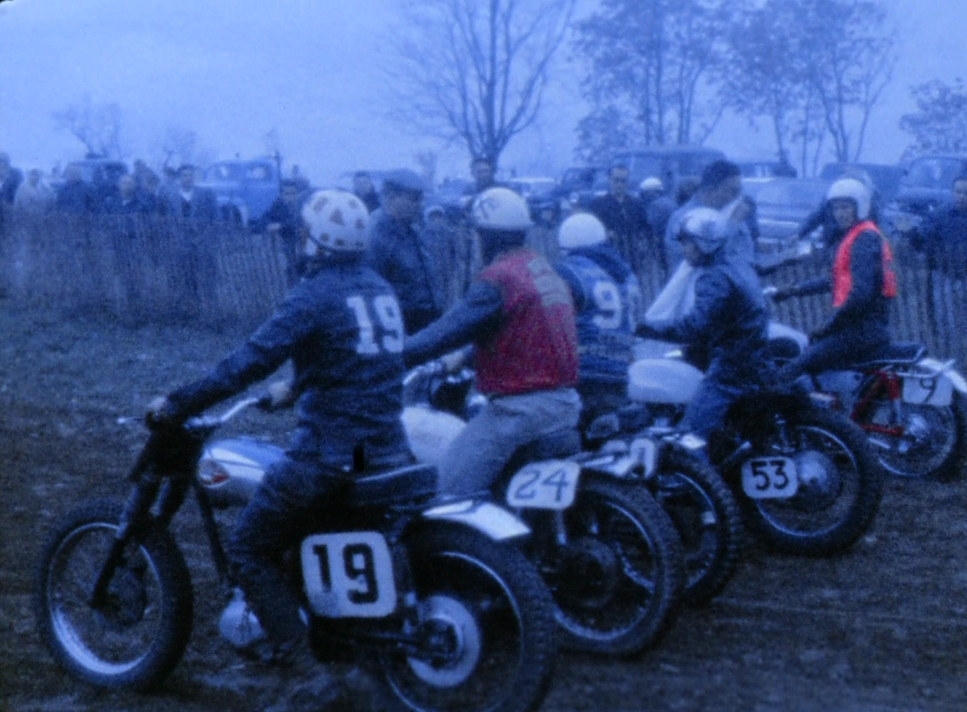
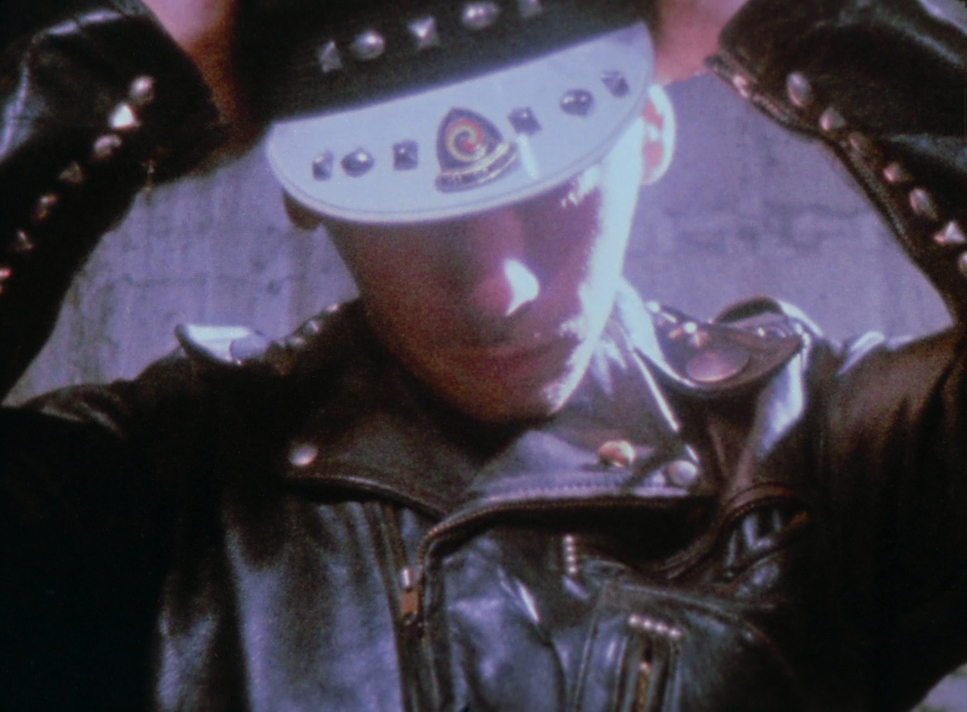
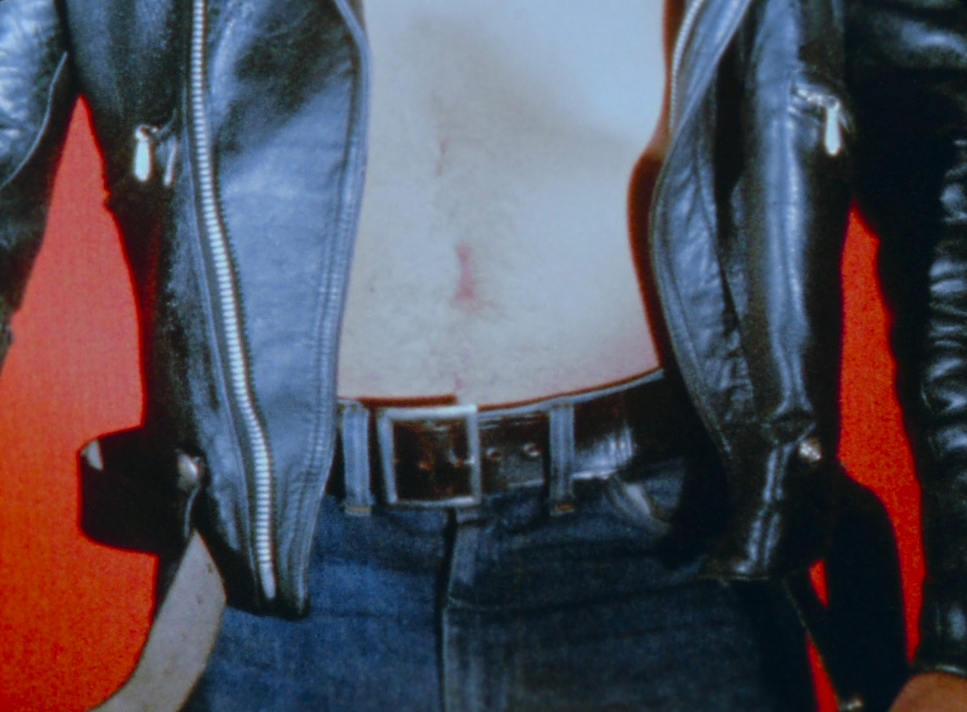
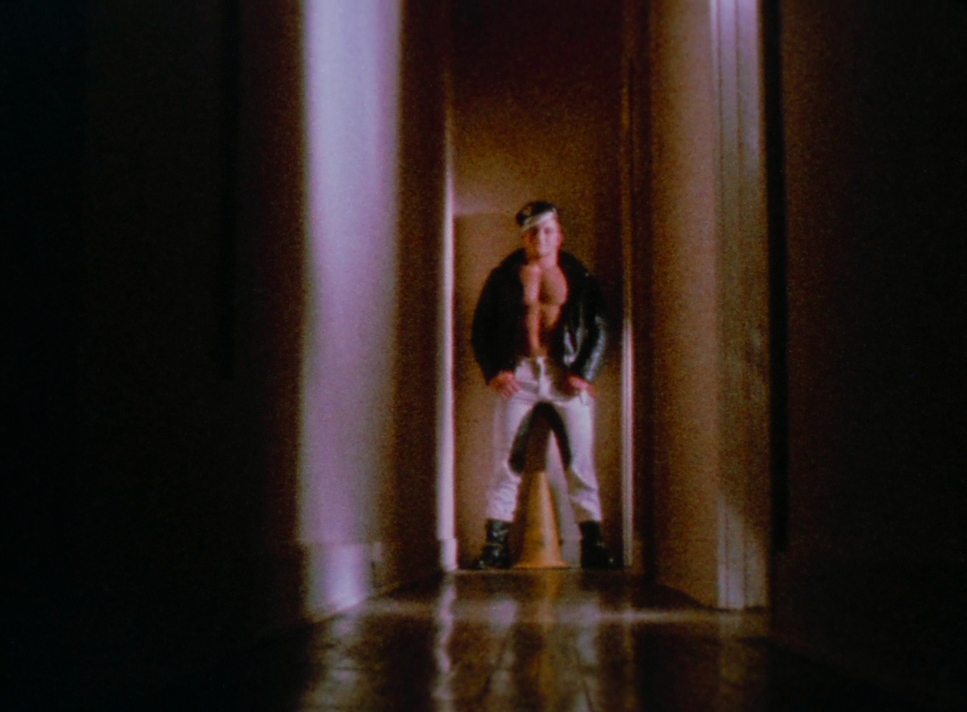
Scorpio Rising (1963)
A stylized portrait of biker subculture, the film follows a group of young men as they prepare their motorcycles, dress in ritualized fashion, and move through a series of loosely connected episodes. Blending everyday activity with symbolic imagery, it explores themes of masculinity, rebellion, and identity. Narrative remains fragmented, giving way to mood, ritual, and cultural iconography.
Anger shot Scorpio Rising on 16mm with a raw, intimate approach, using available light, saturated color, and tight close-ups to turn leather, chrome, and skin into fetish objects. Cut to a jukebox soundtrack of pop songs, the film’s rhythmic editing and layered imagery transform subculture into myth—turning gesture and surface into a kind of cinematic ritual.


FILM SPOTLIGHT
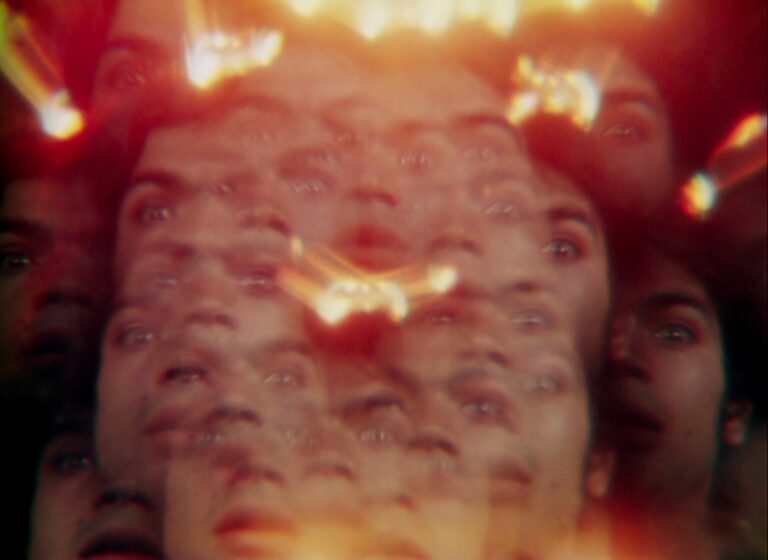
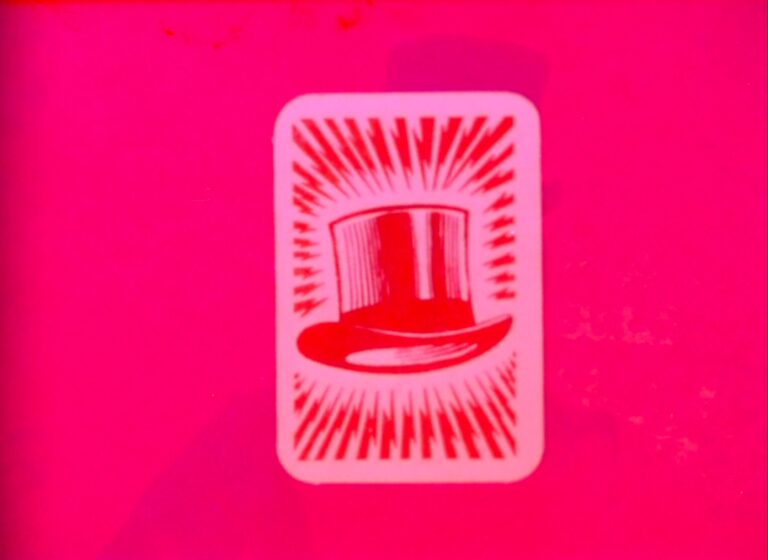
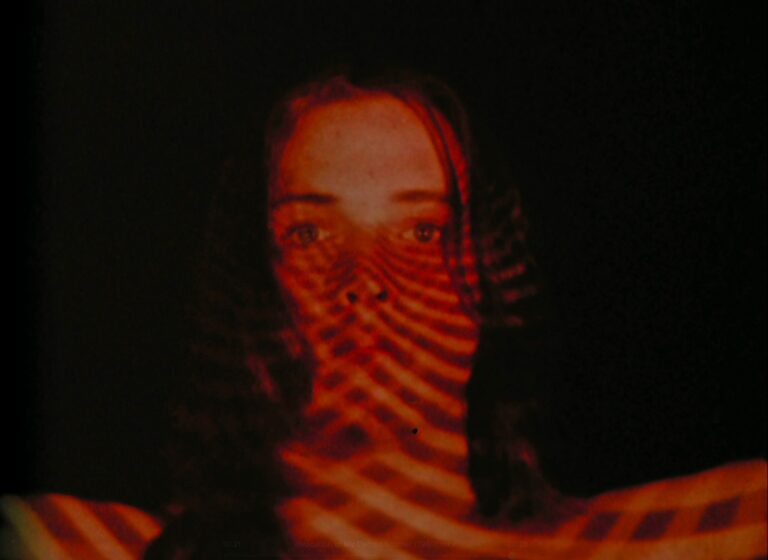
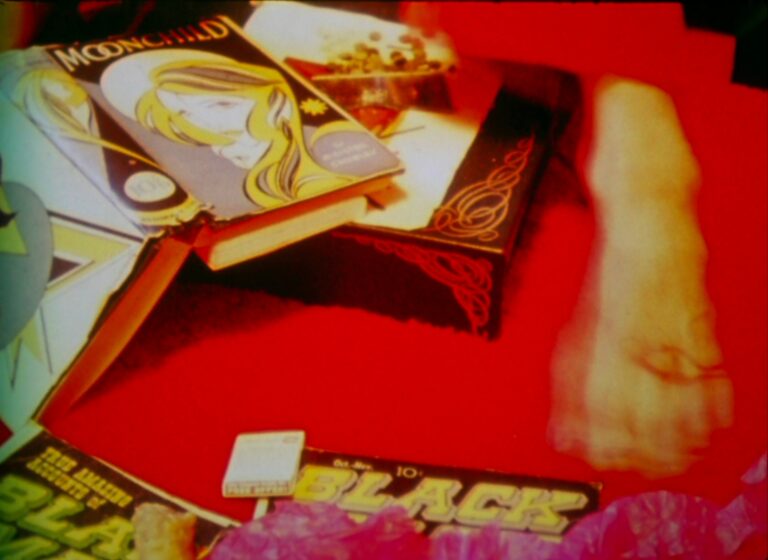
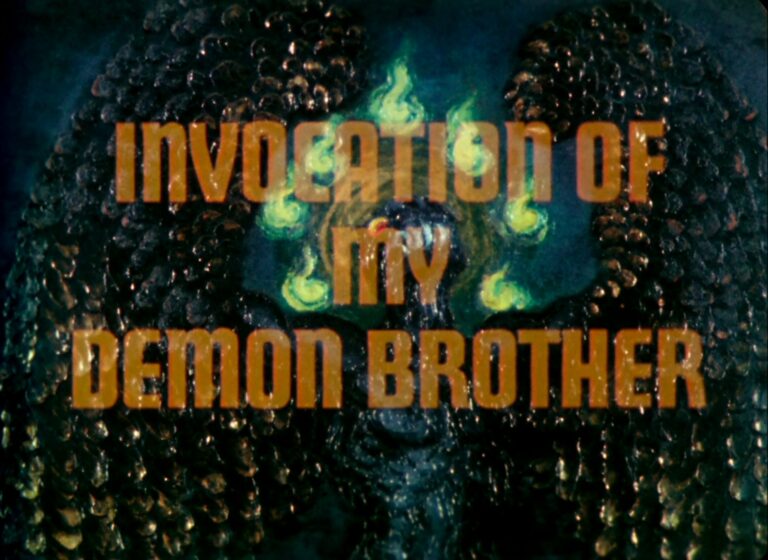
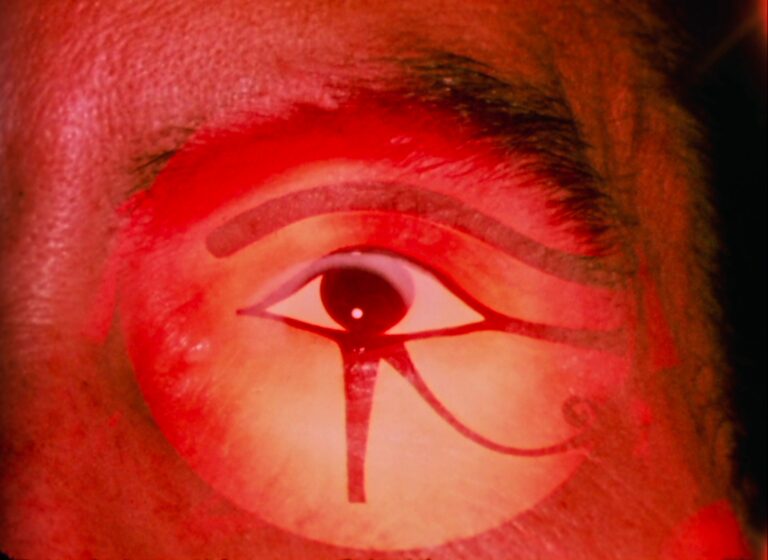
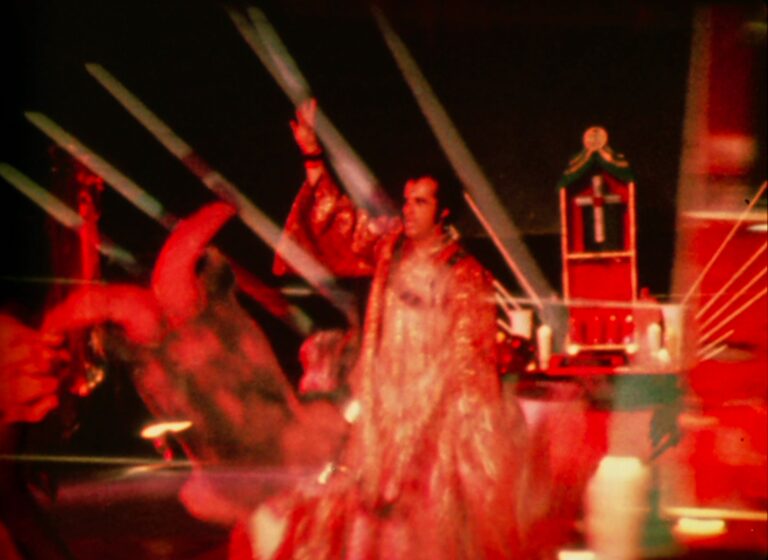
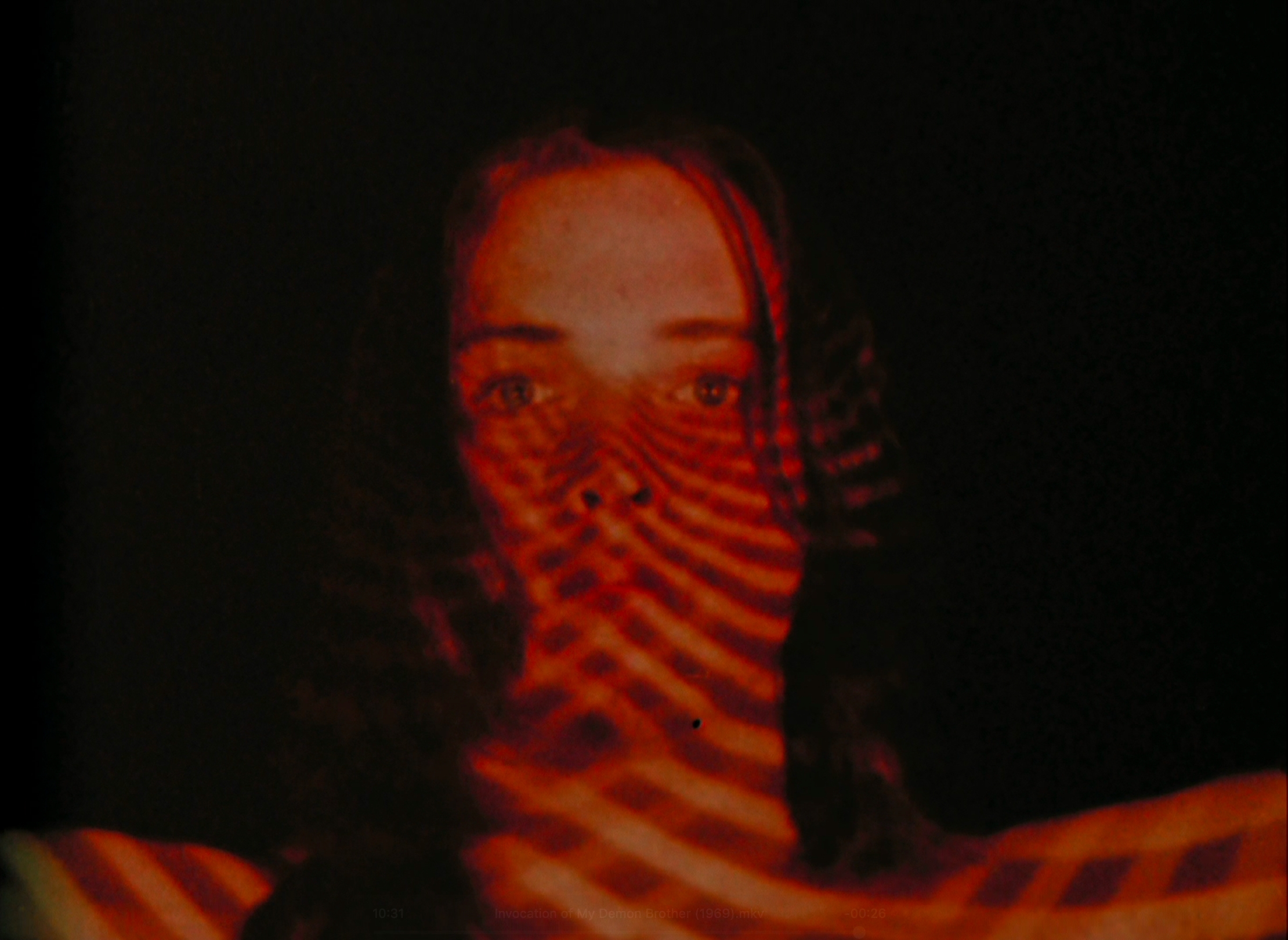
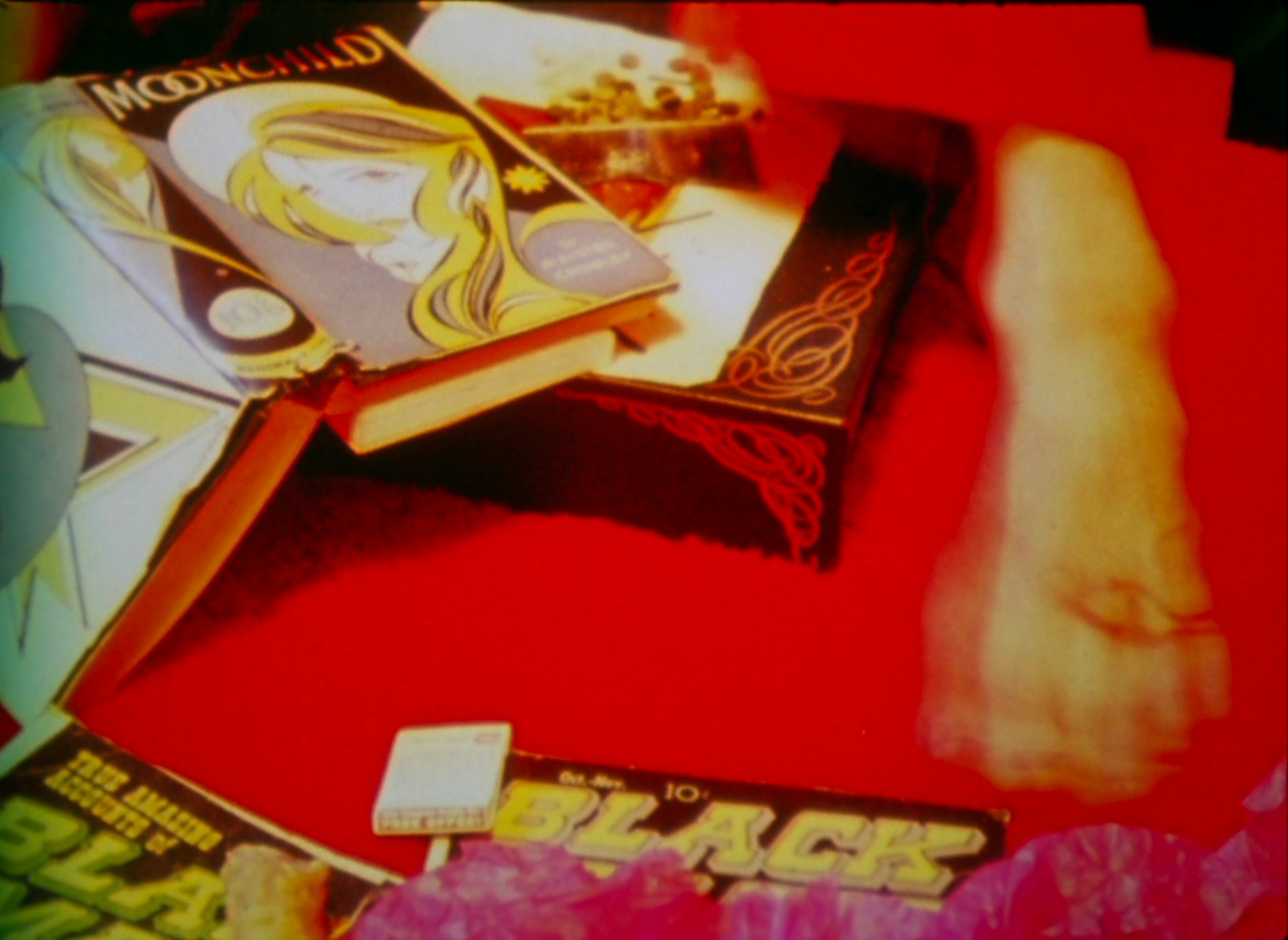
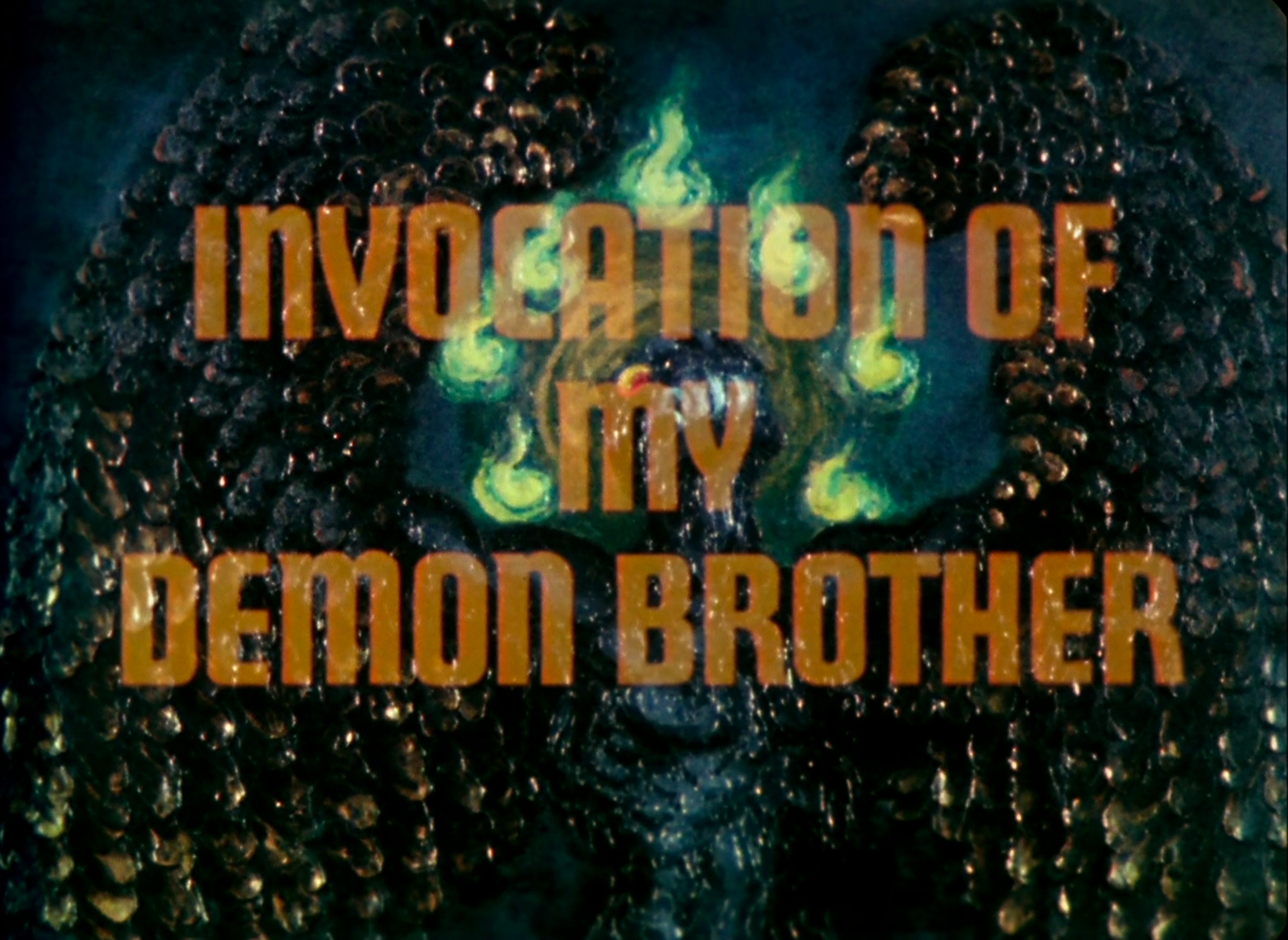
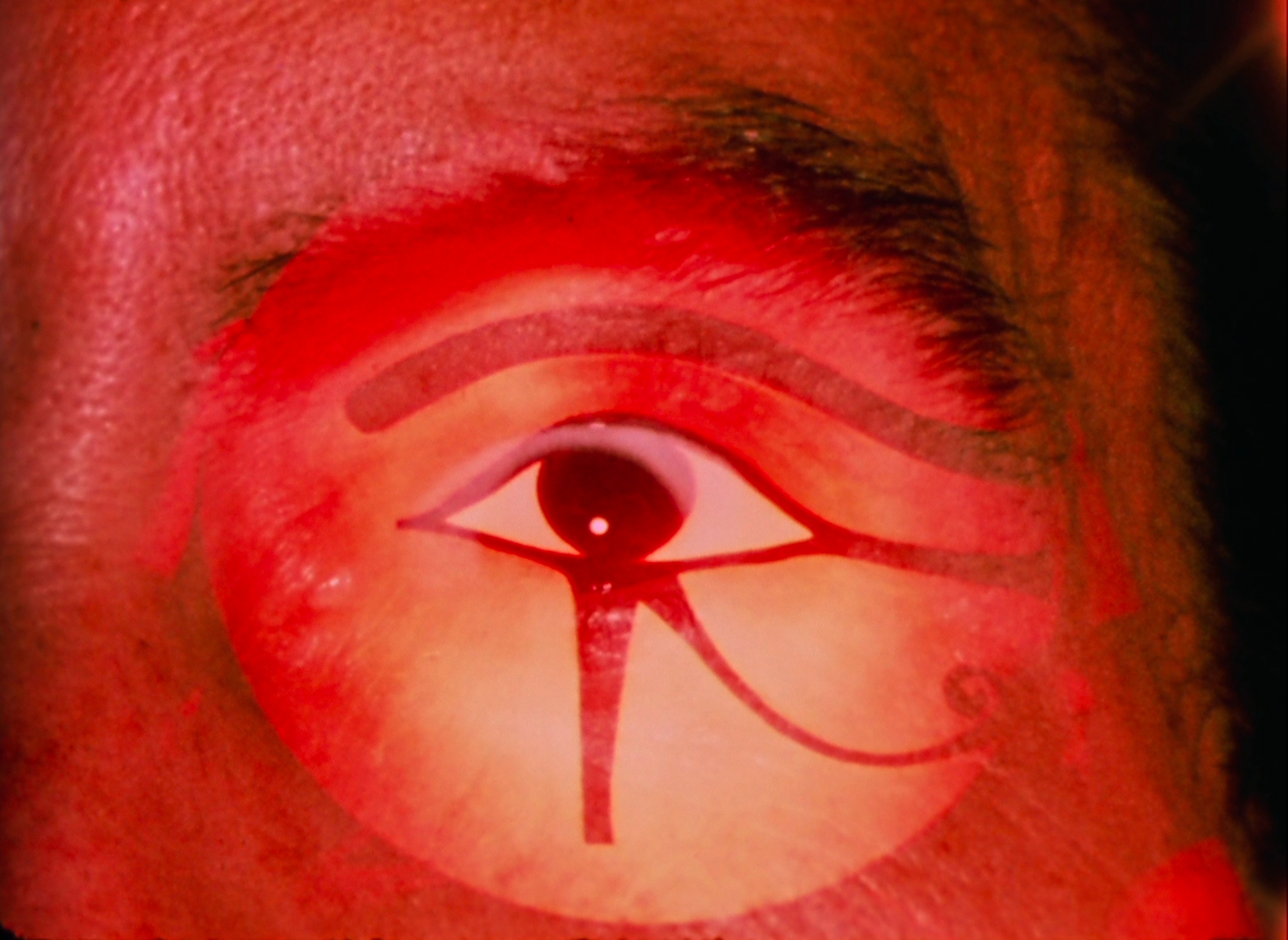
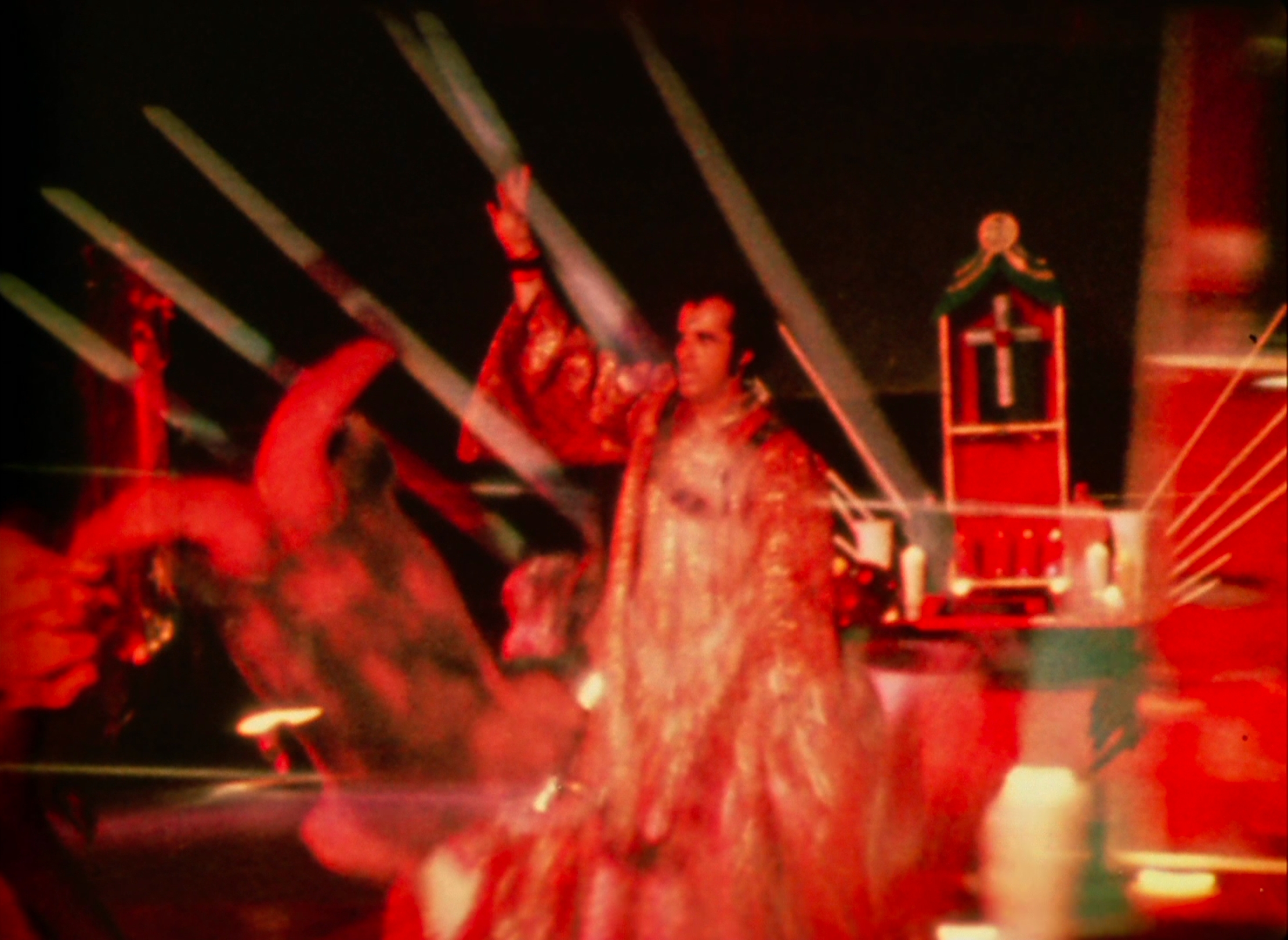
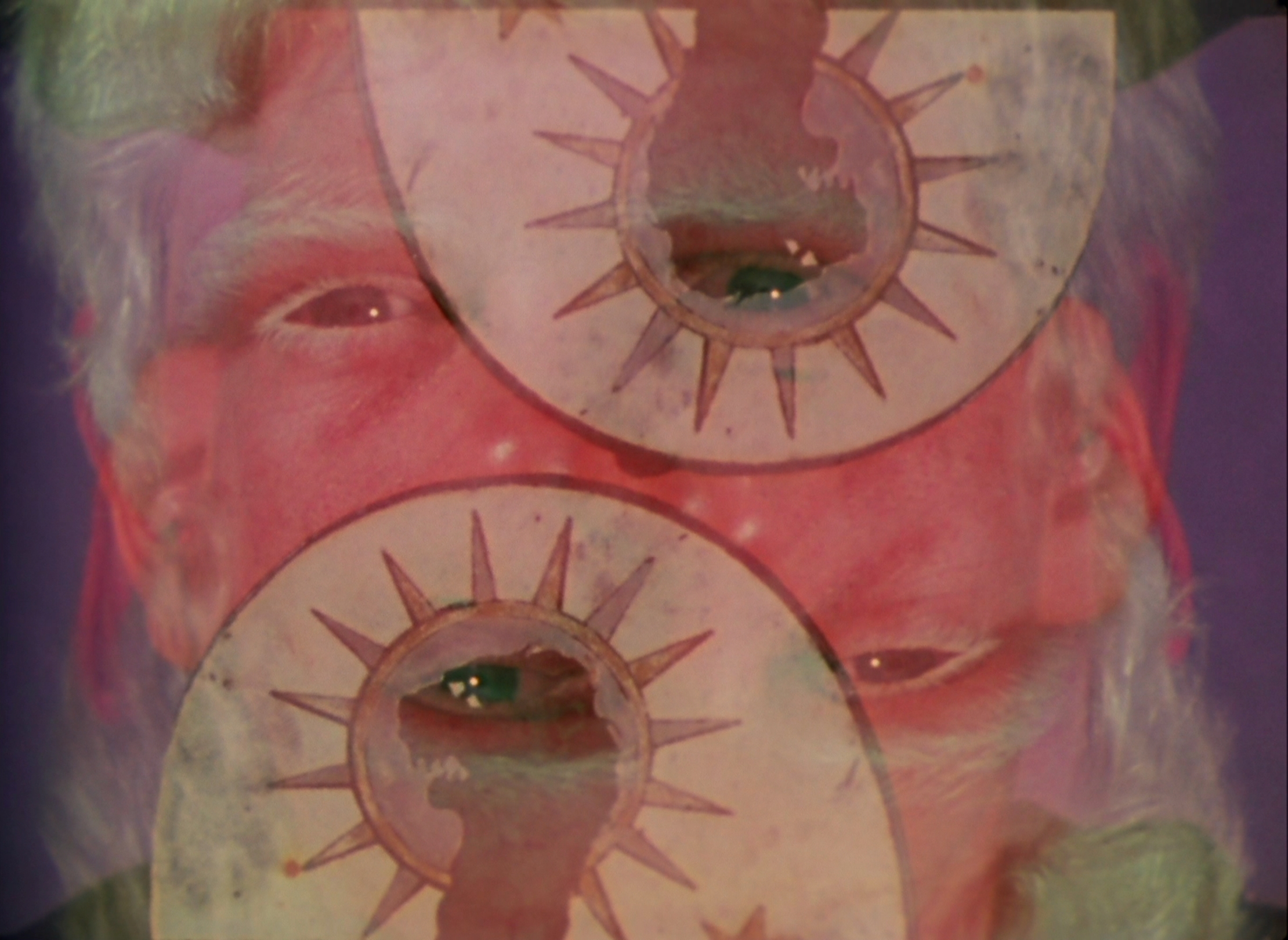
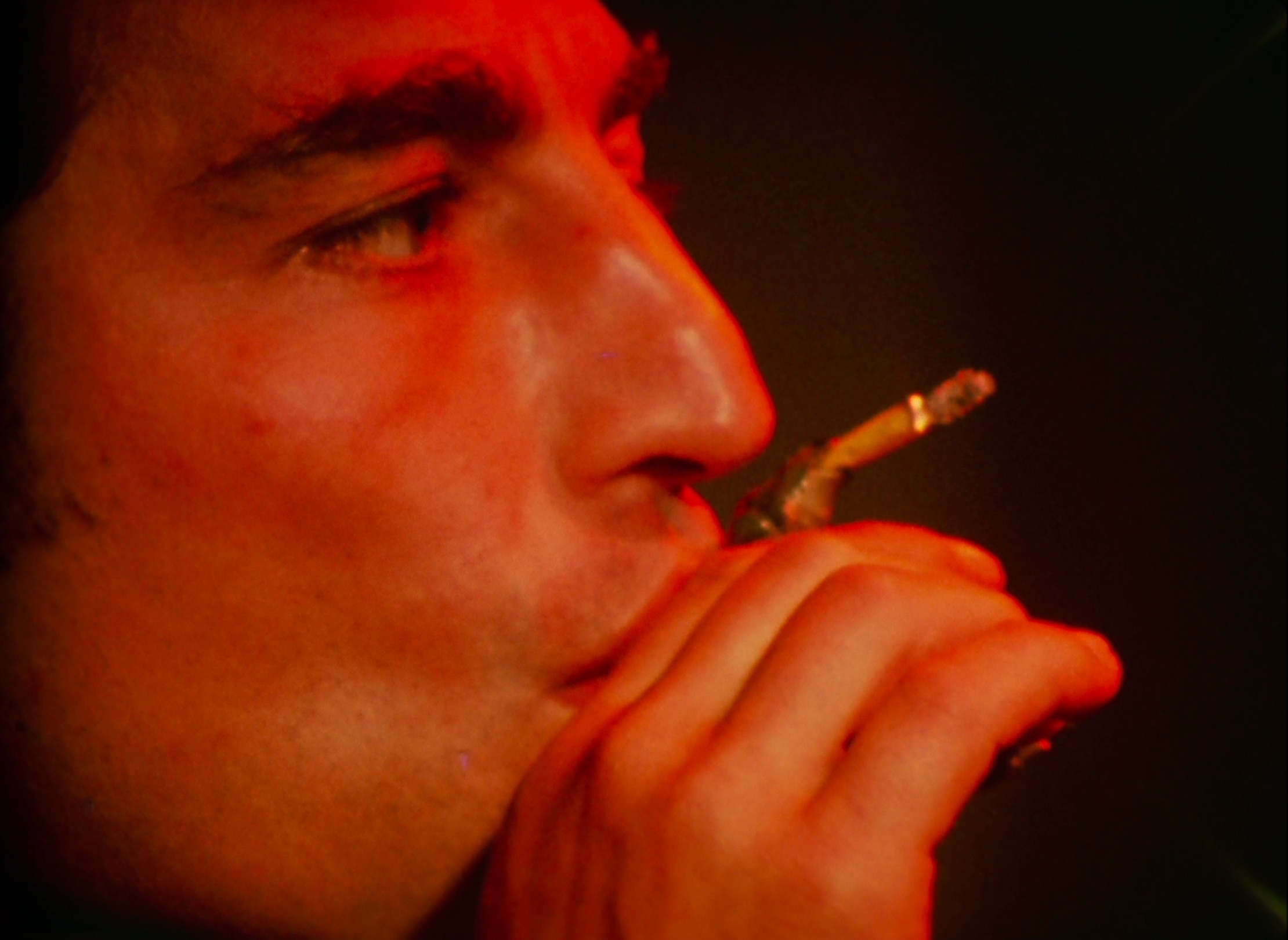
Invocation of My Demon Brother (1969)
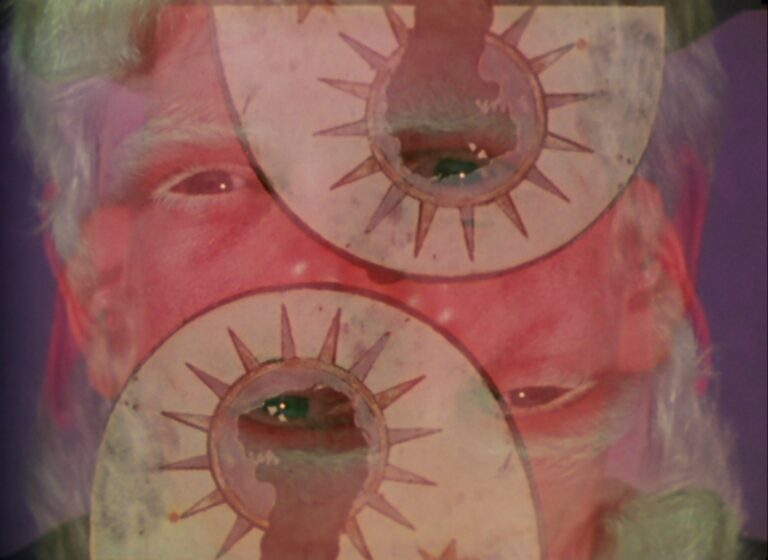
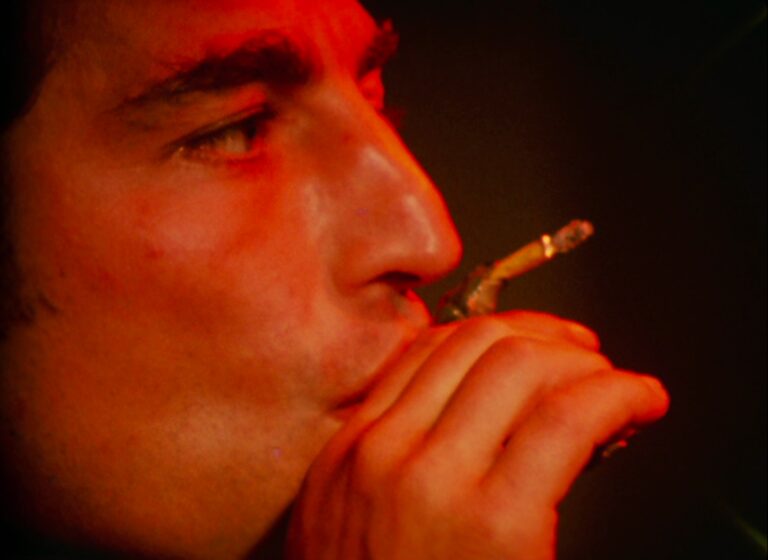
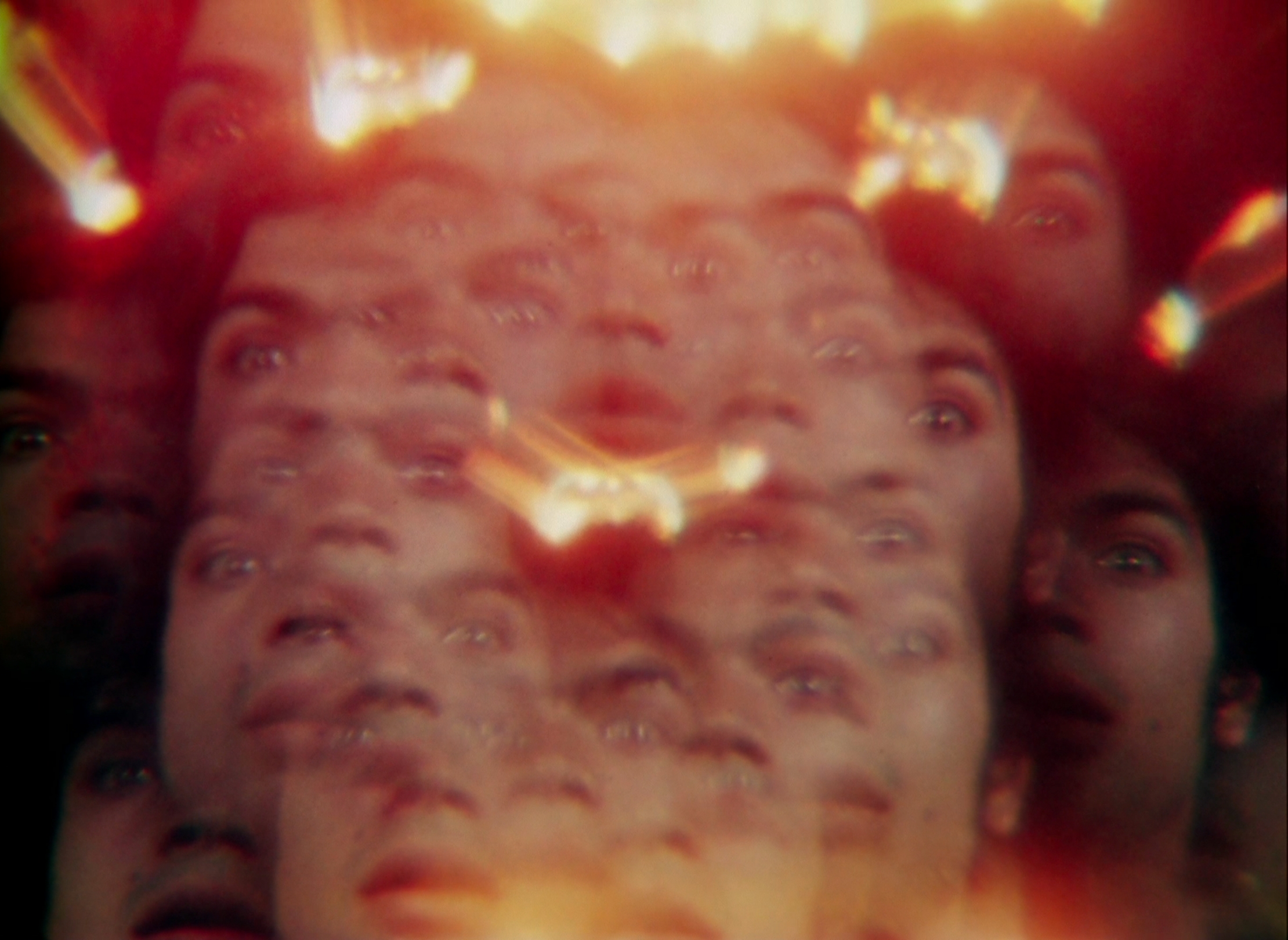
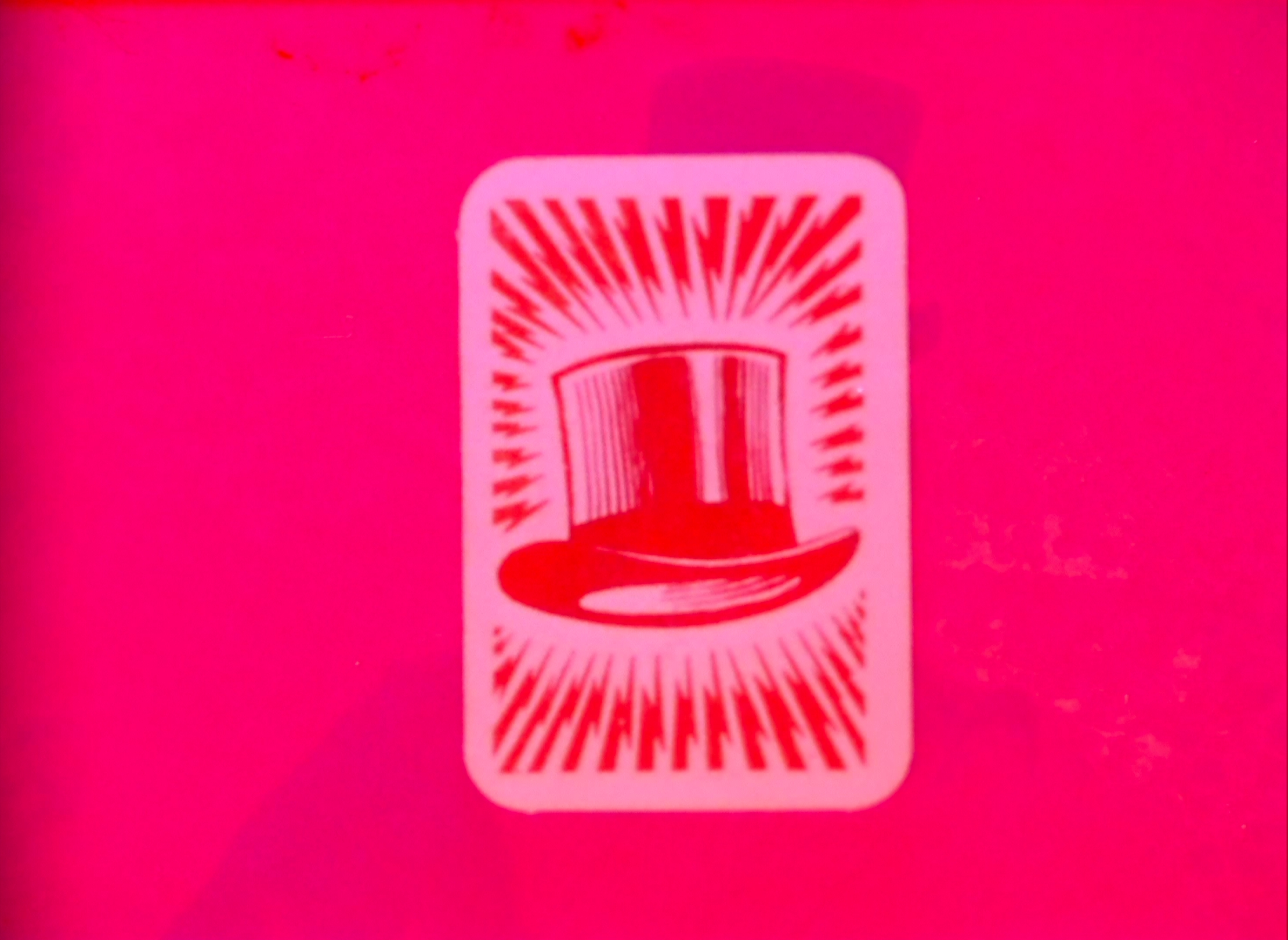
A fragmented, ritualistic work, the film assembles a series of occult ceremonies, symbolic gestures, and surreal imagery into a loose meditation on dark spiritual forces. Drawing from Aleister Crowley’s Thelemic philosophy, it presents figures engaged in acts of invocation and transformation. Narrative is secondary to atmosphere, creating an abstract exploration of mysticism and inner chaos.
Anger shot Invocation of My Demon Brother with a dense, collage-like visual style, layering saturated color filters, rapid montage, and superimpositions to create a chaotic, psychedelic texture. The film’s strobing edits and overlapping imagery turn ritual into pure visual assault—pushing his work further into abstraction, where cinema becomes a conduit for sensation rather than story.
FILM SPOTLIGHT
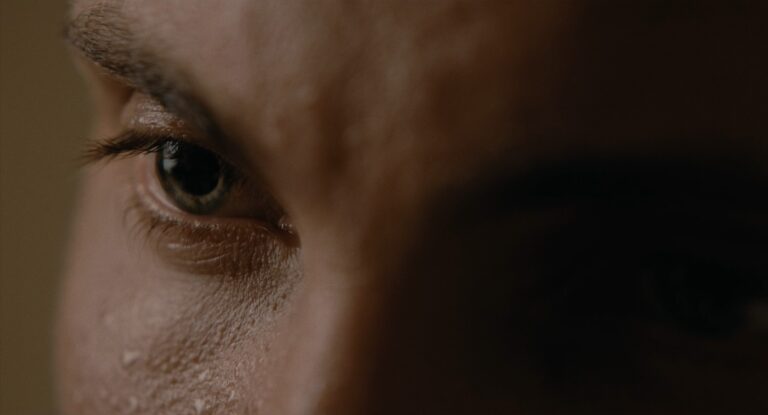
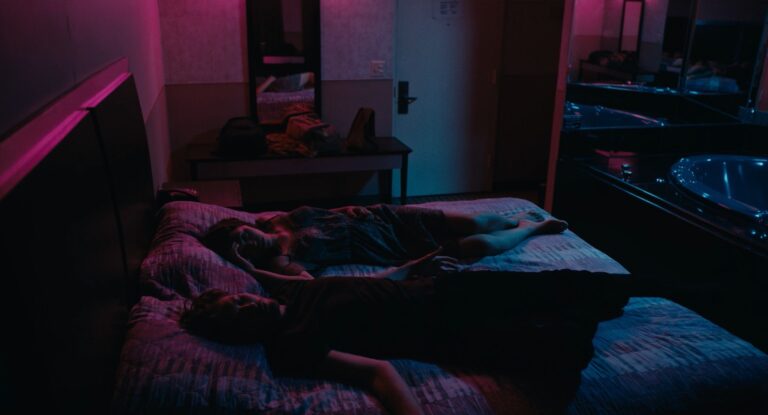
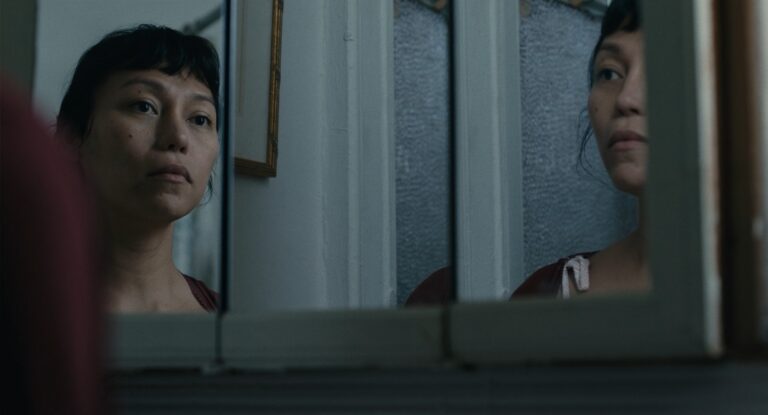
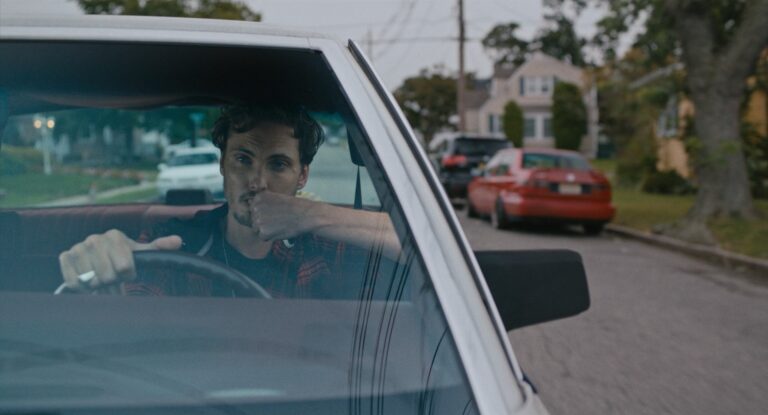
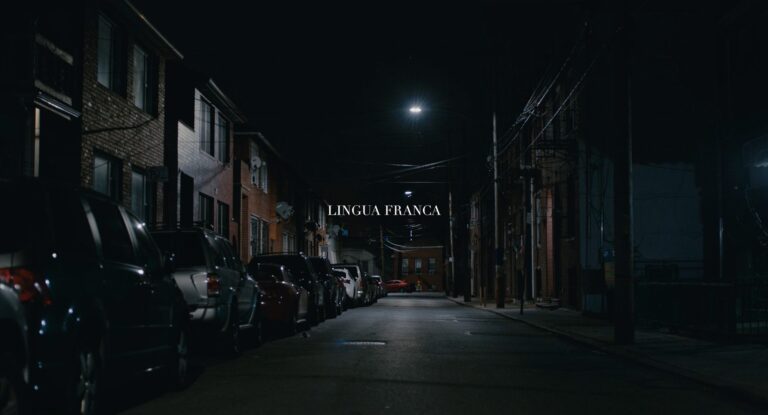
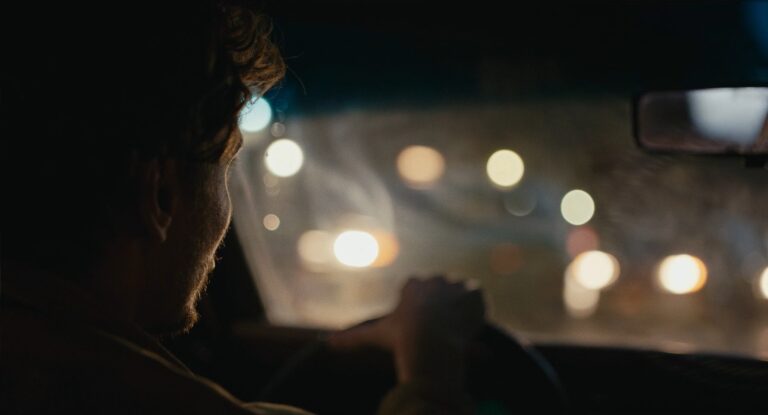
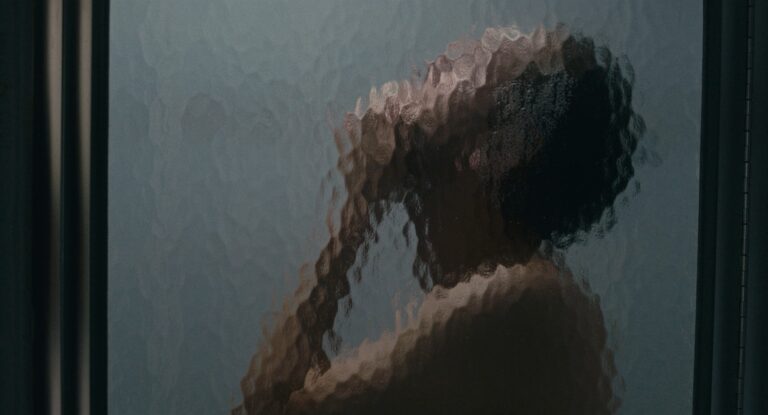
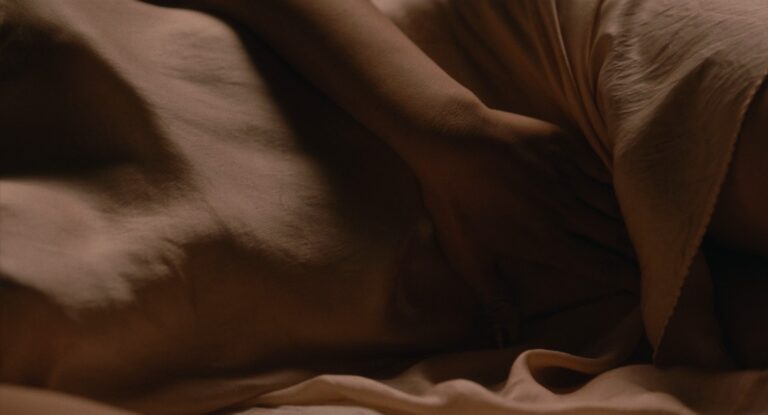
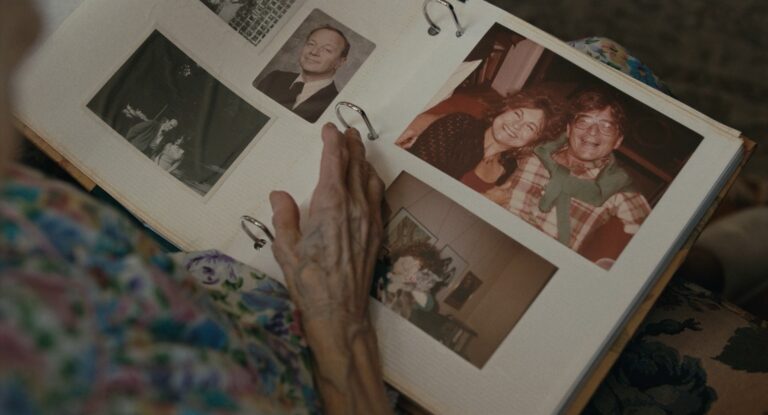
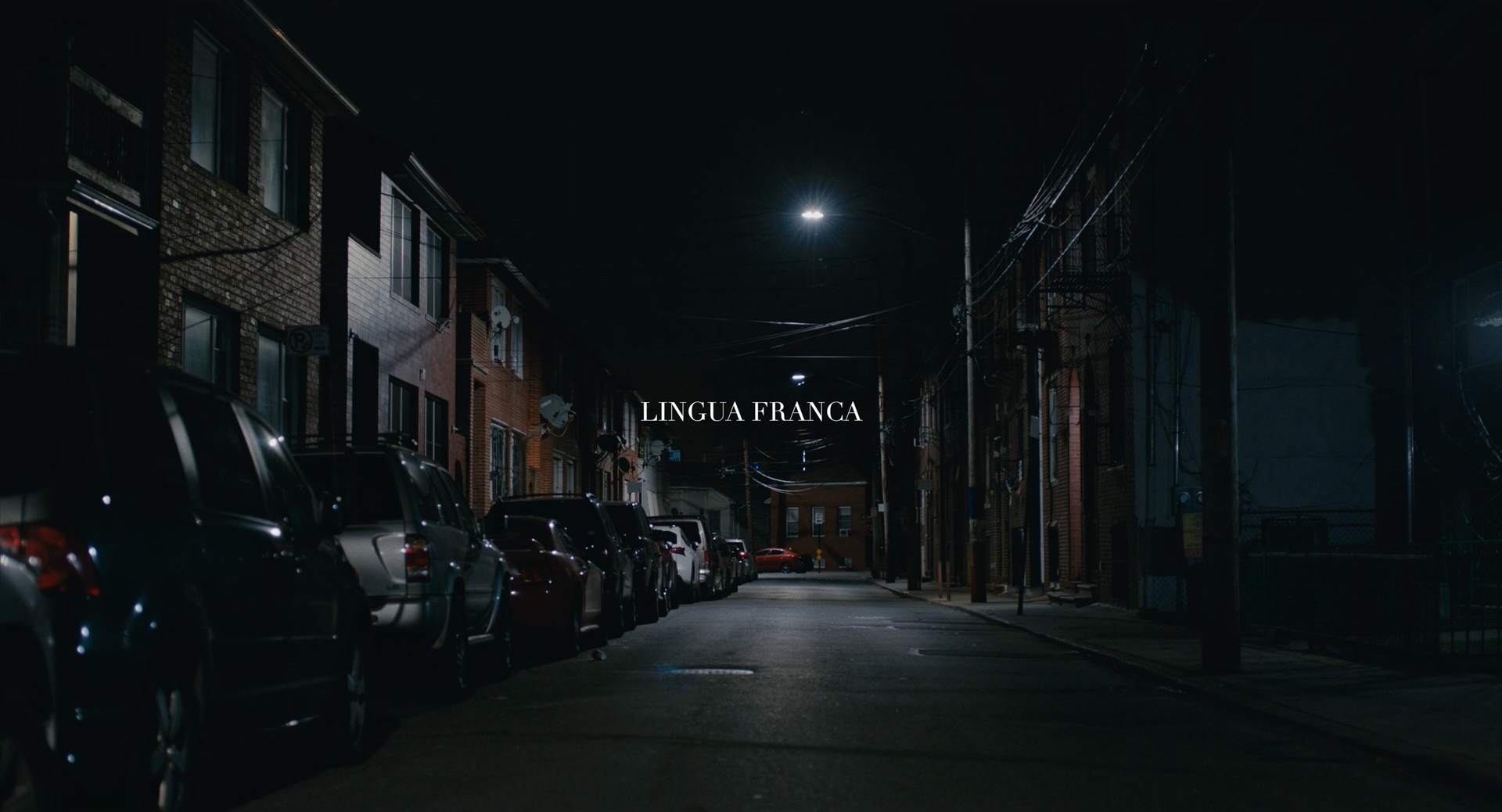
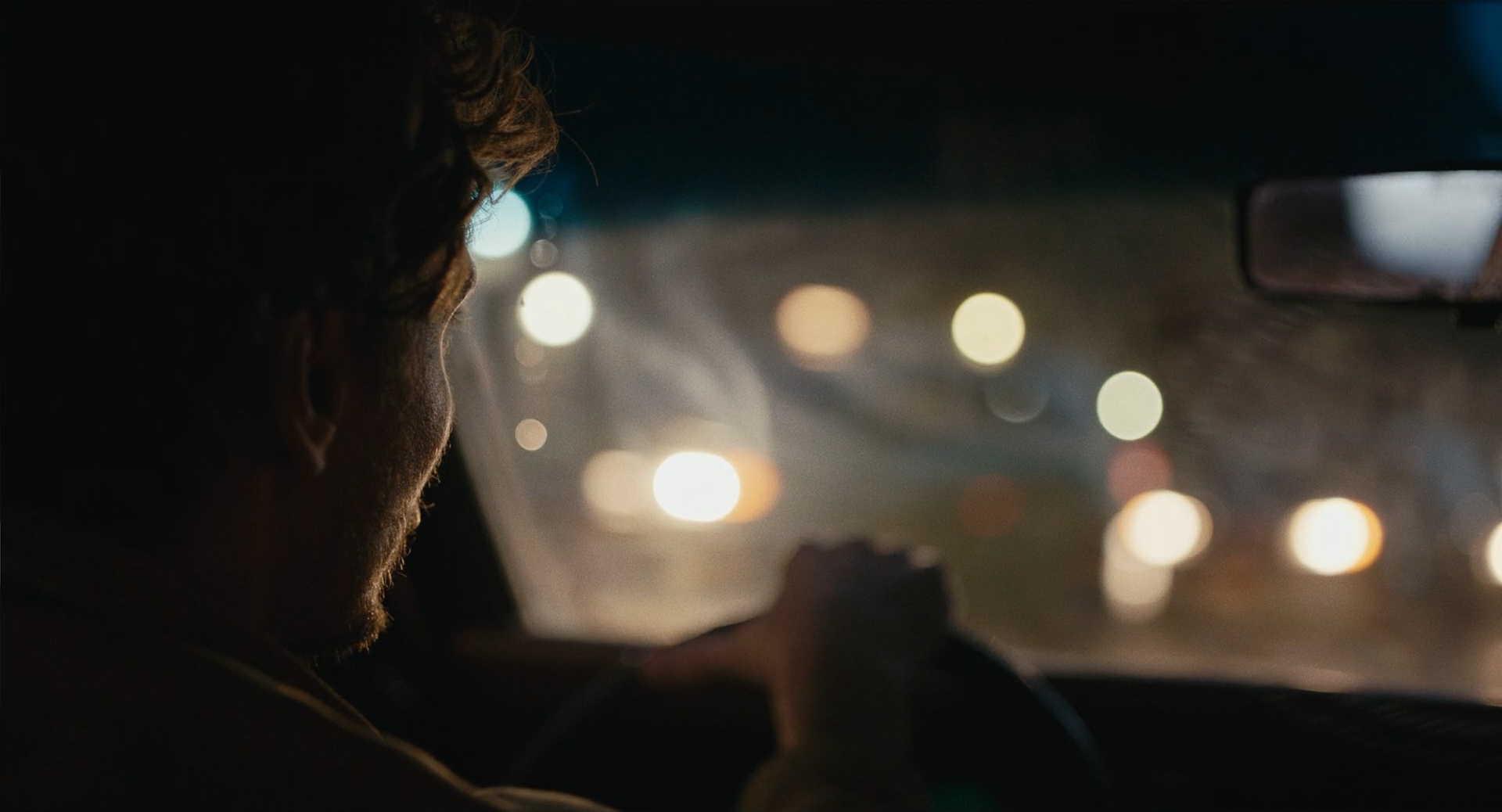
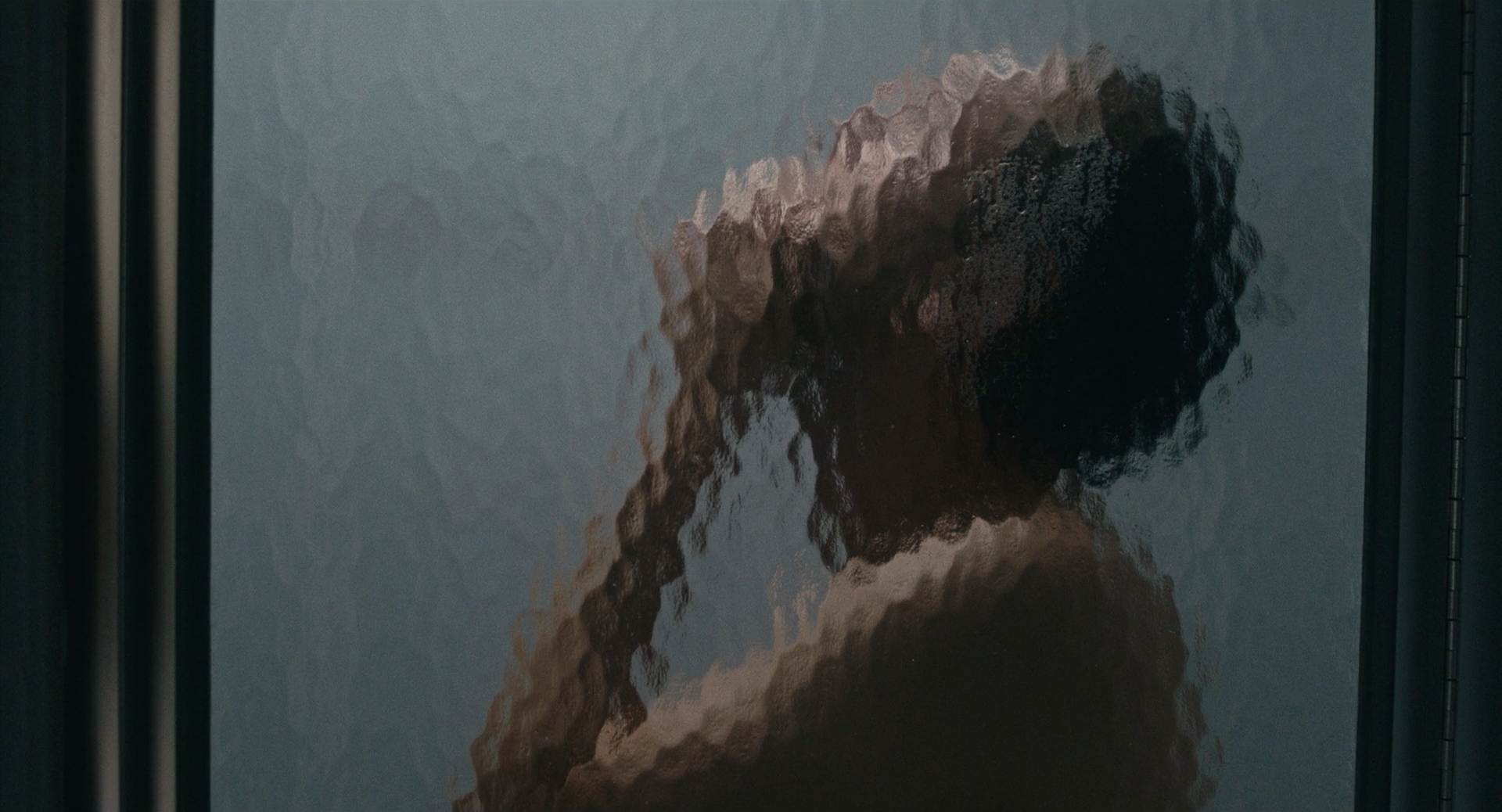
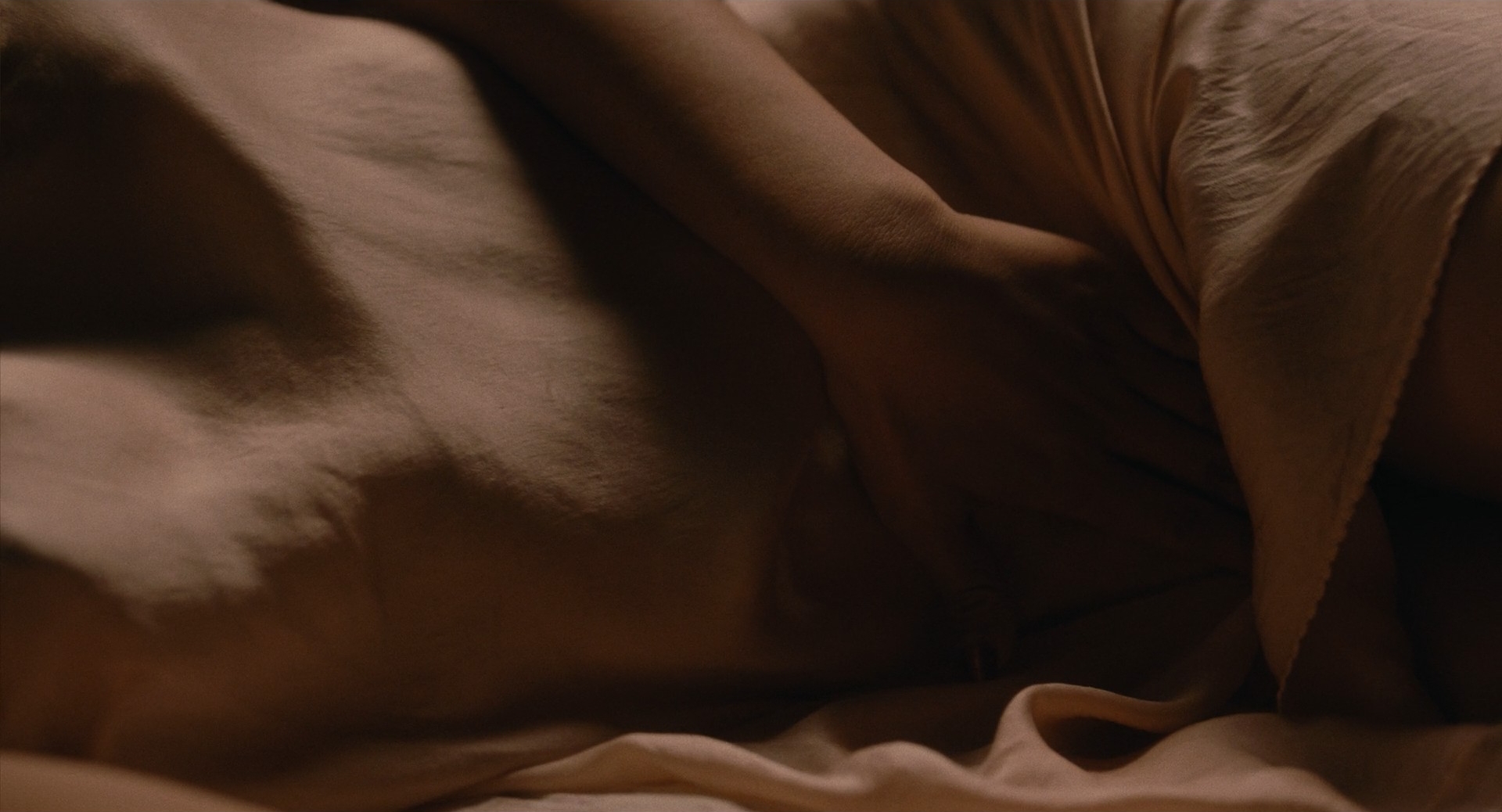
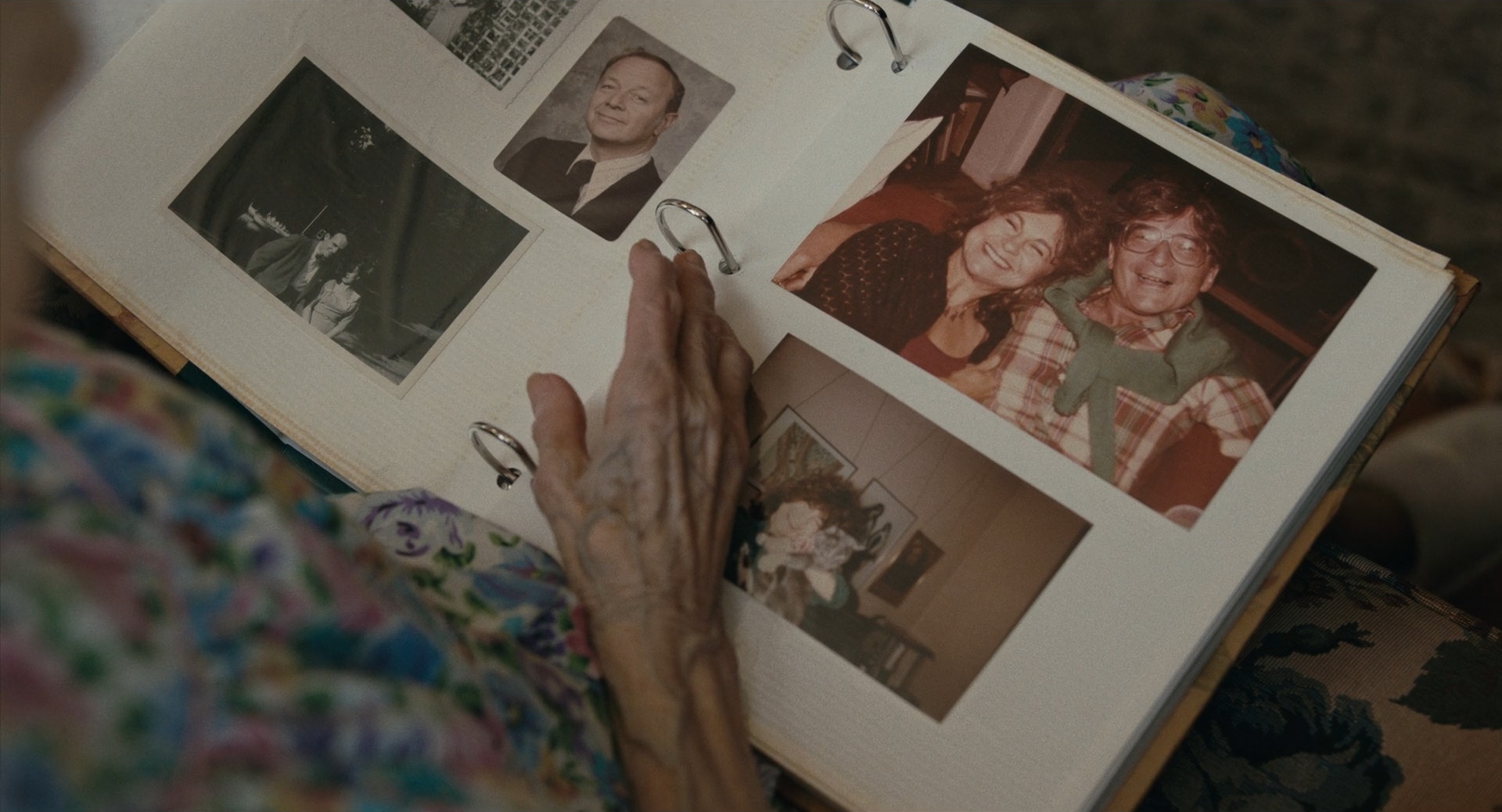
Lingua Franca (2020)
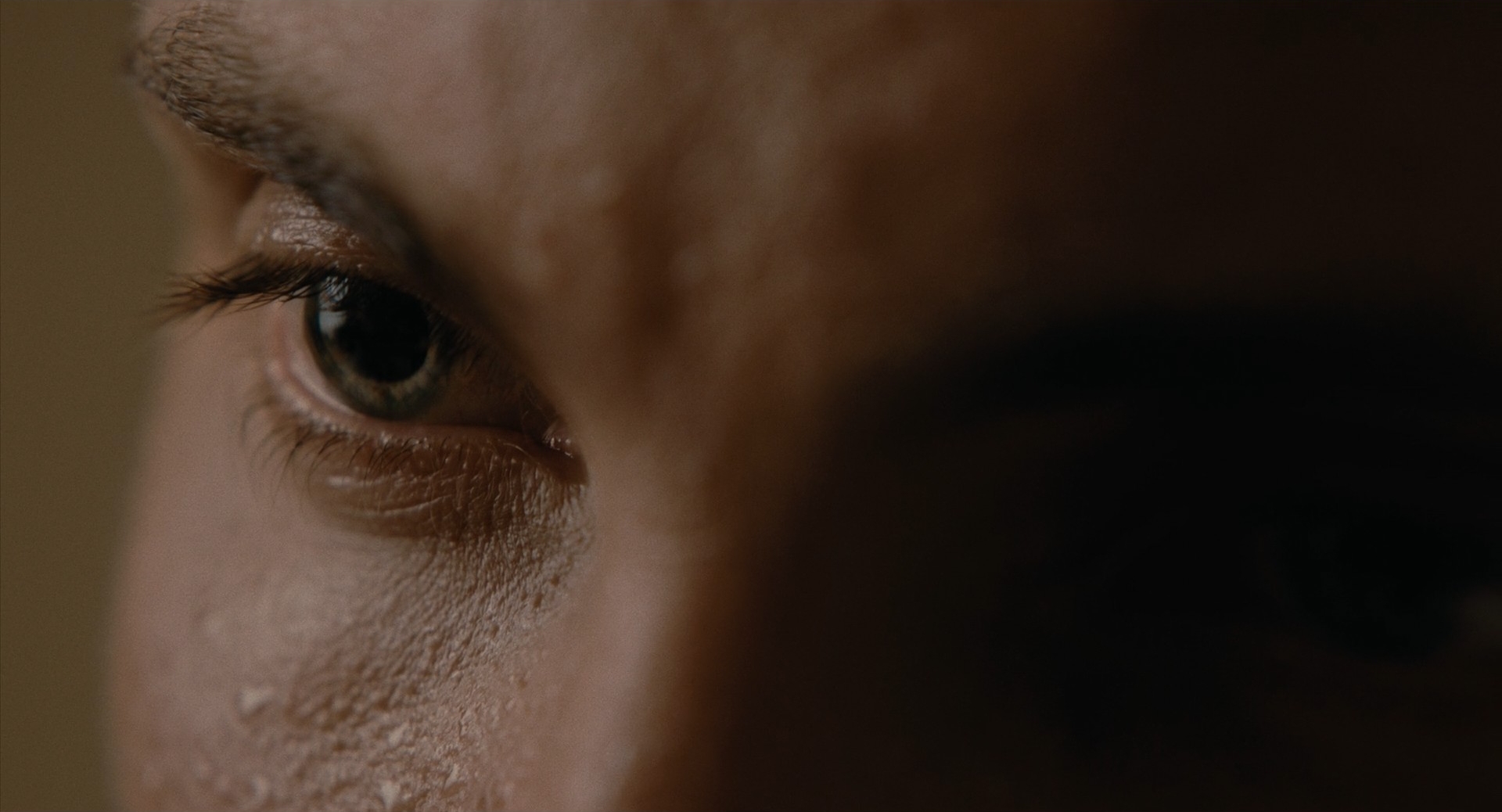
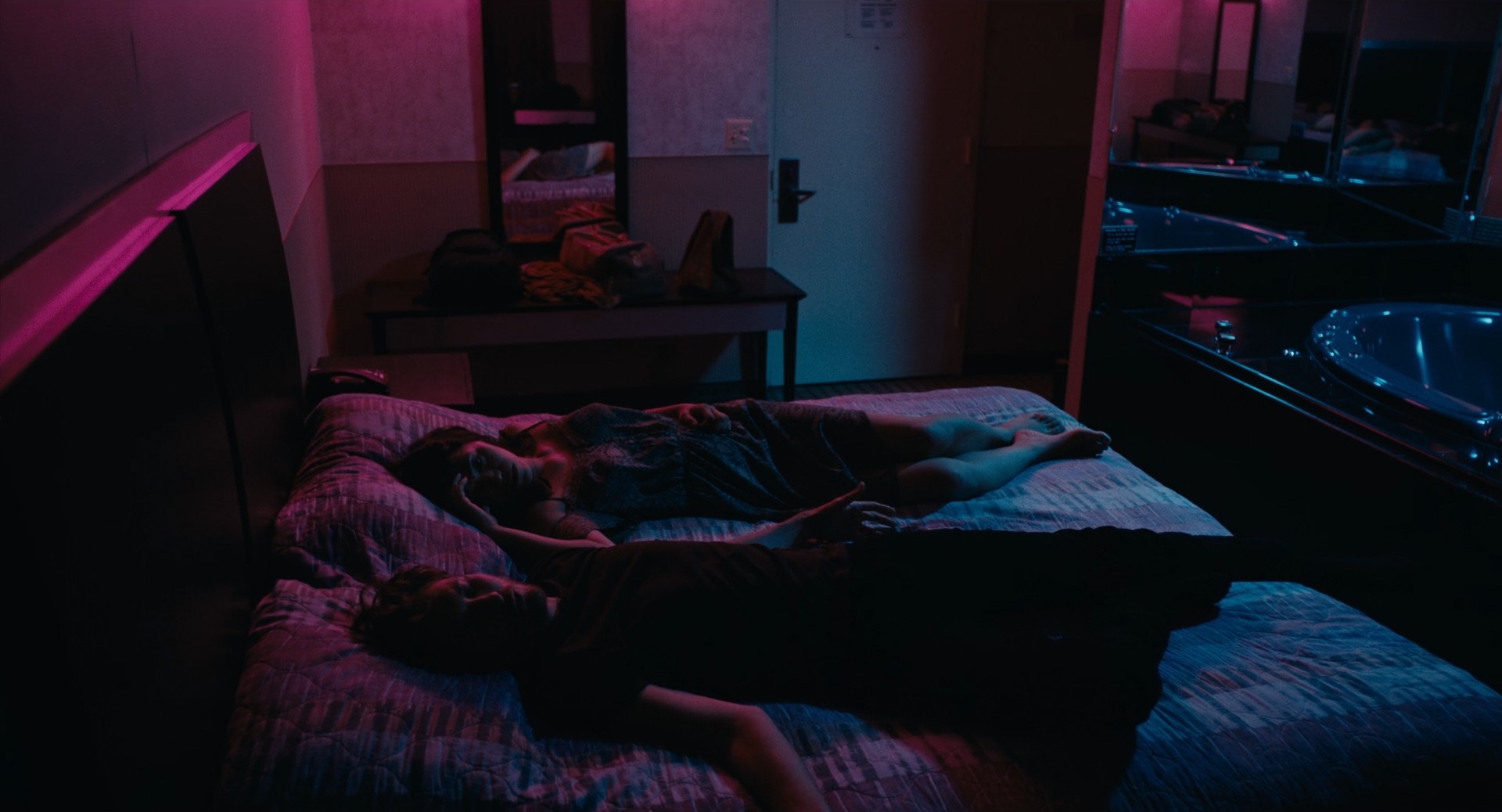
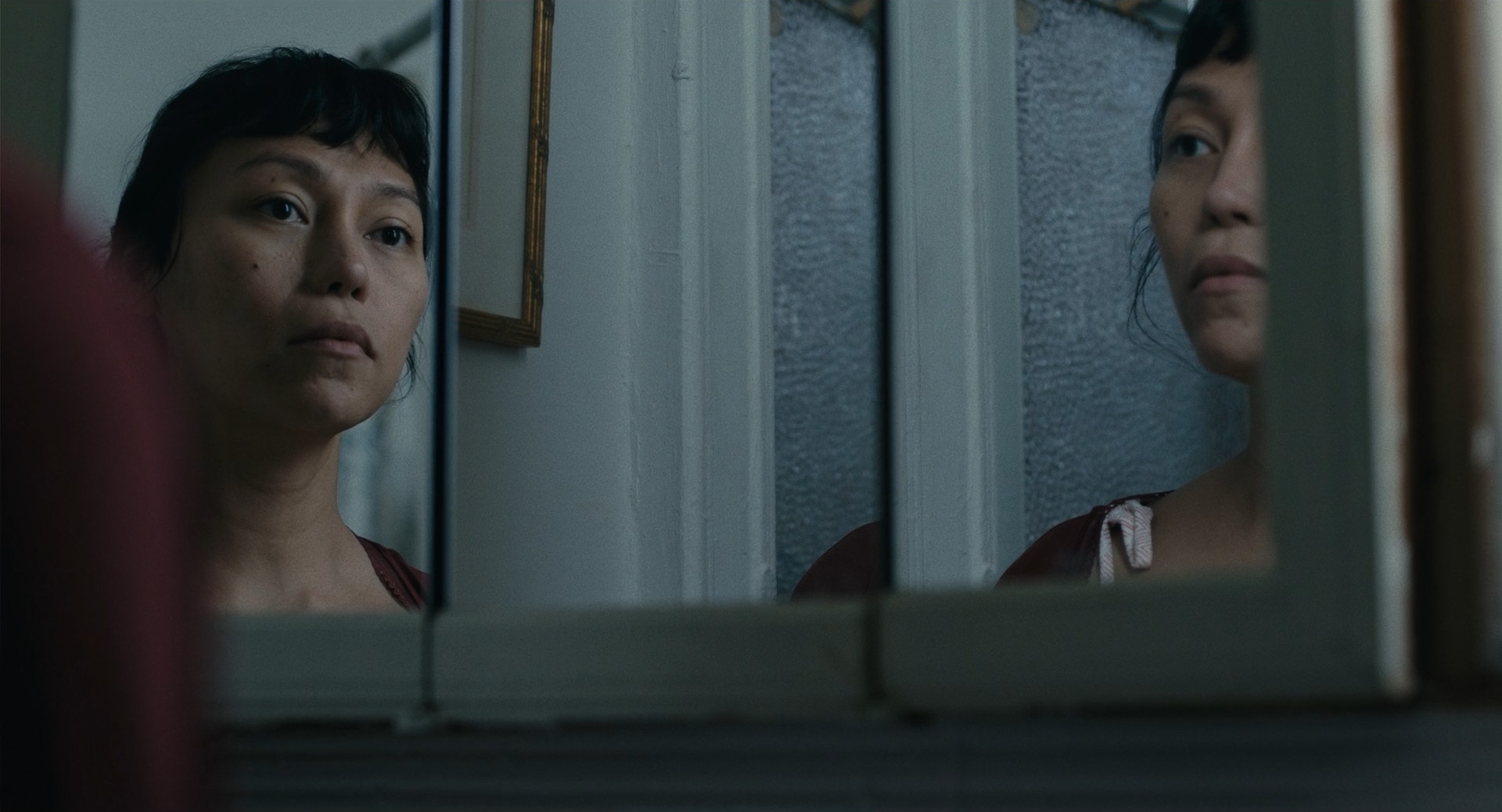
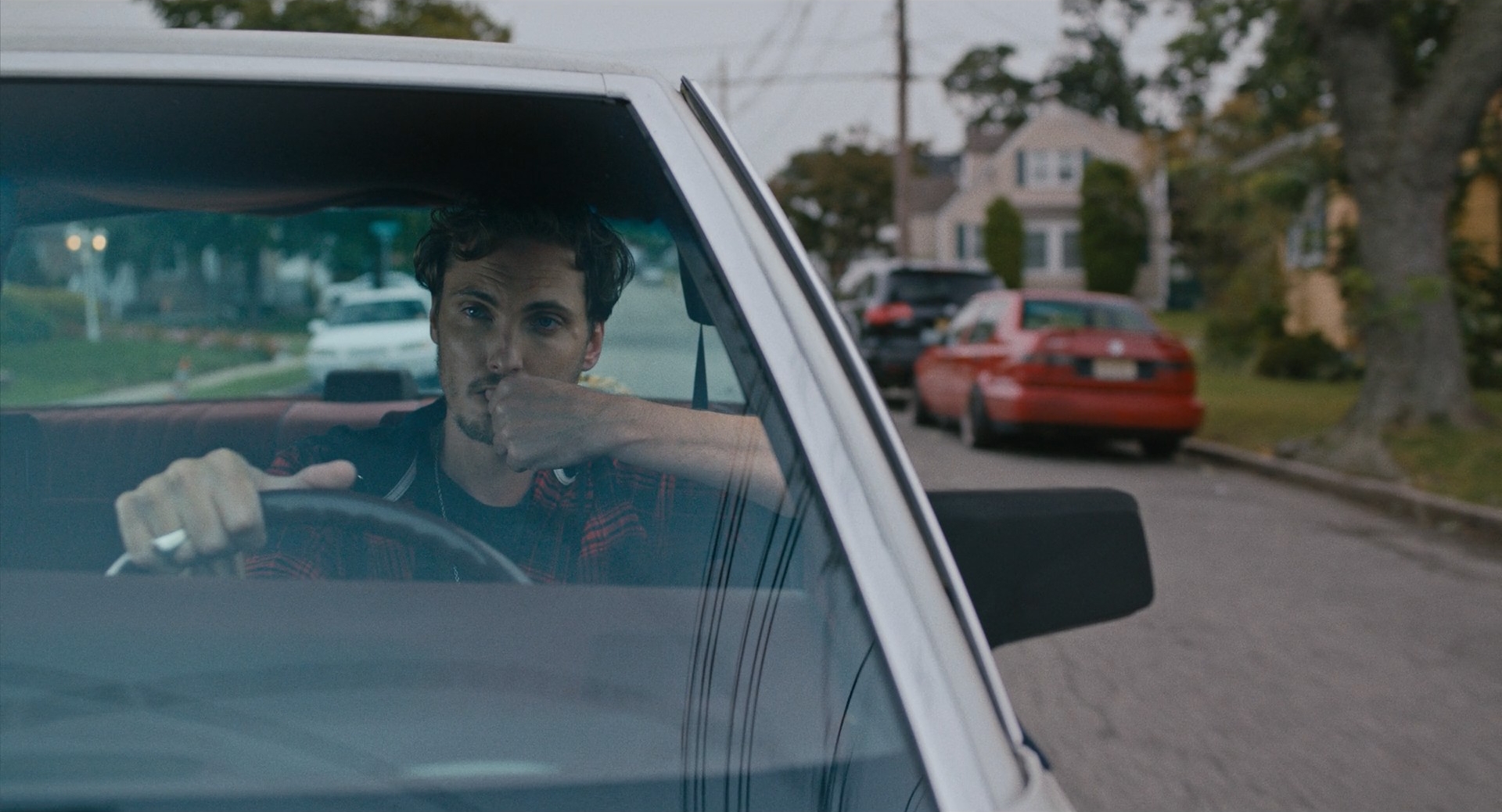
Olivia, an undocumented Filipina trans woman working as a caregiver in Brooklyn, quietly navigates life under the constant threat of deportation. As she forms a tentative romantic connection with the adult grandson of the elderly woman she cares for, her precarious situation becomes increasingly fraught. Balancing intimacy, survival, and identity, Olivia must decide how far she is willing to go to secure her future.
Sandoval and cinematographer Isaac Banks shoot Lingua Franca with a hushed, intimate naturalism, using soft light, shallow depth-of-field, and restrained camera movement to stay closely aligned with Olivia’s interior world. The film’s muted palette and quiet compositions turn everyday spaces into zones of tension—where stillness and proximity carry the emotional weight of a life lived in limbo.
FILM SPOTLIGHT
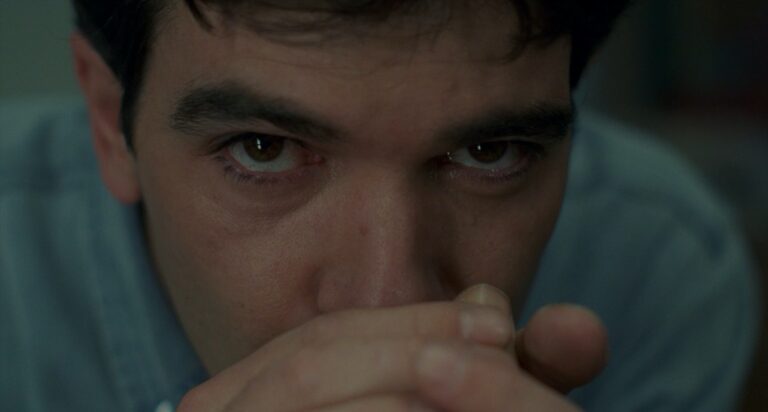
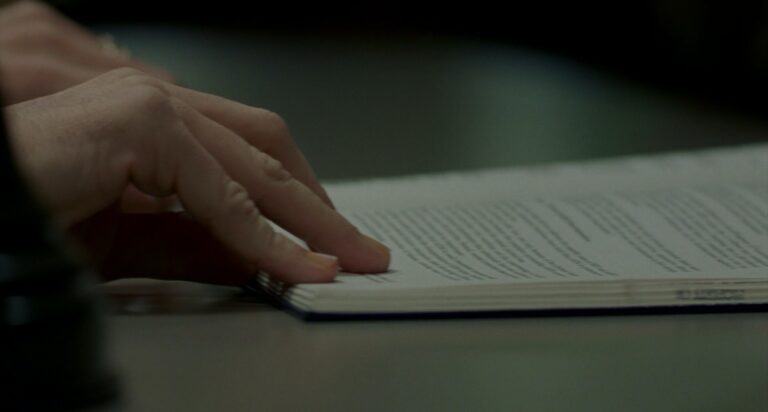
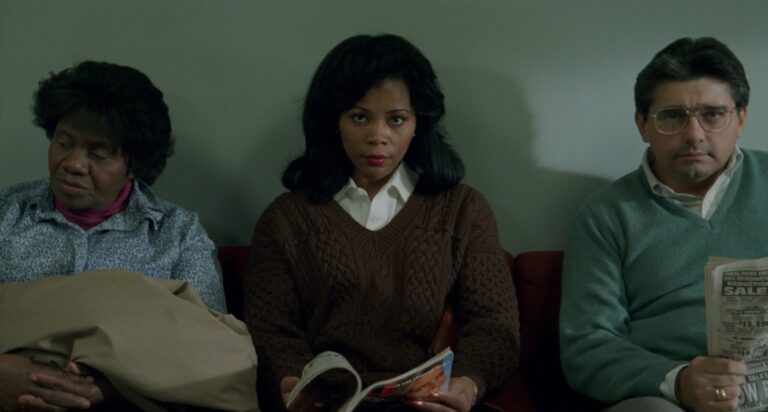
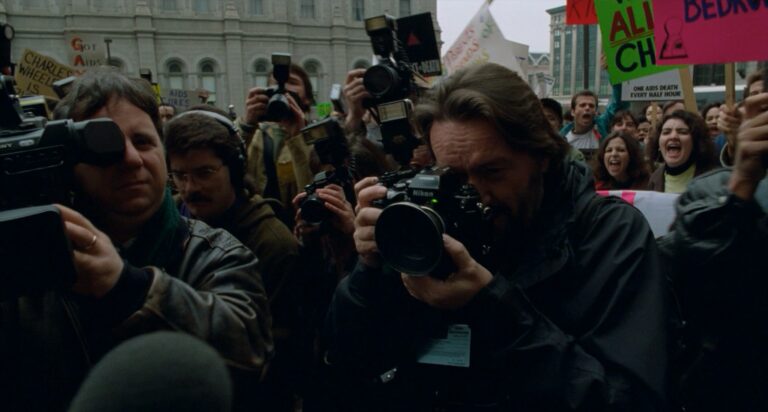
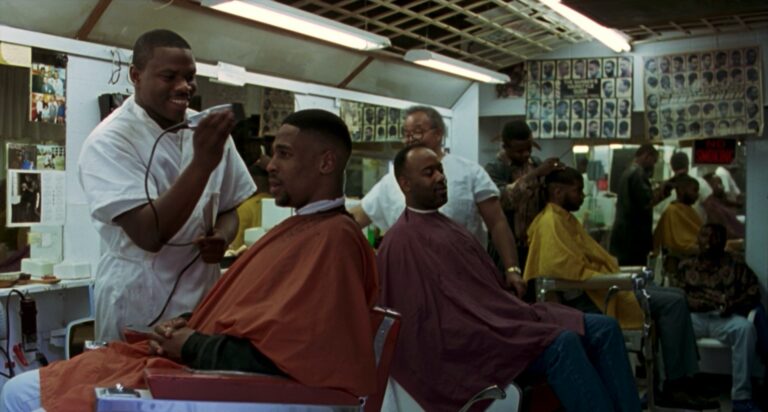
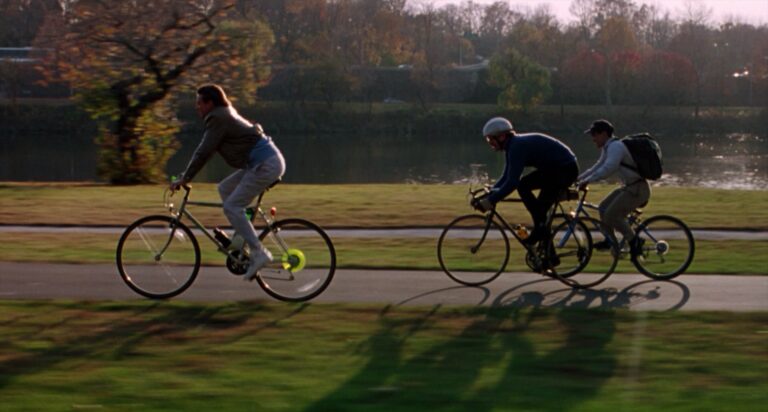
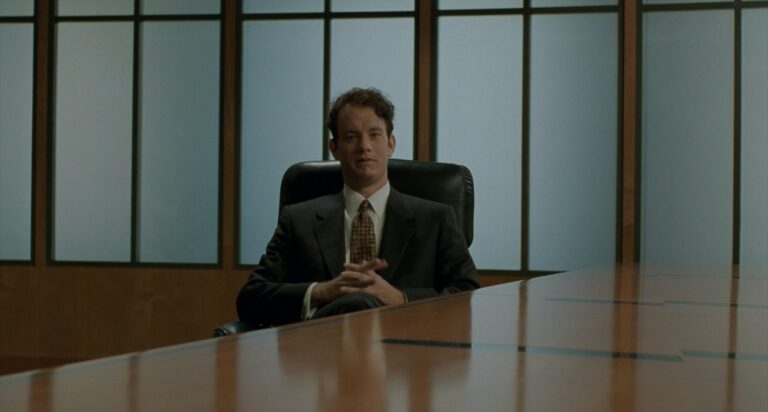
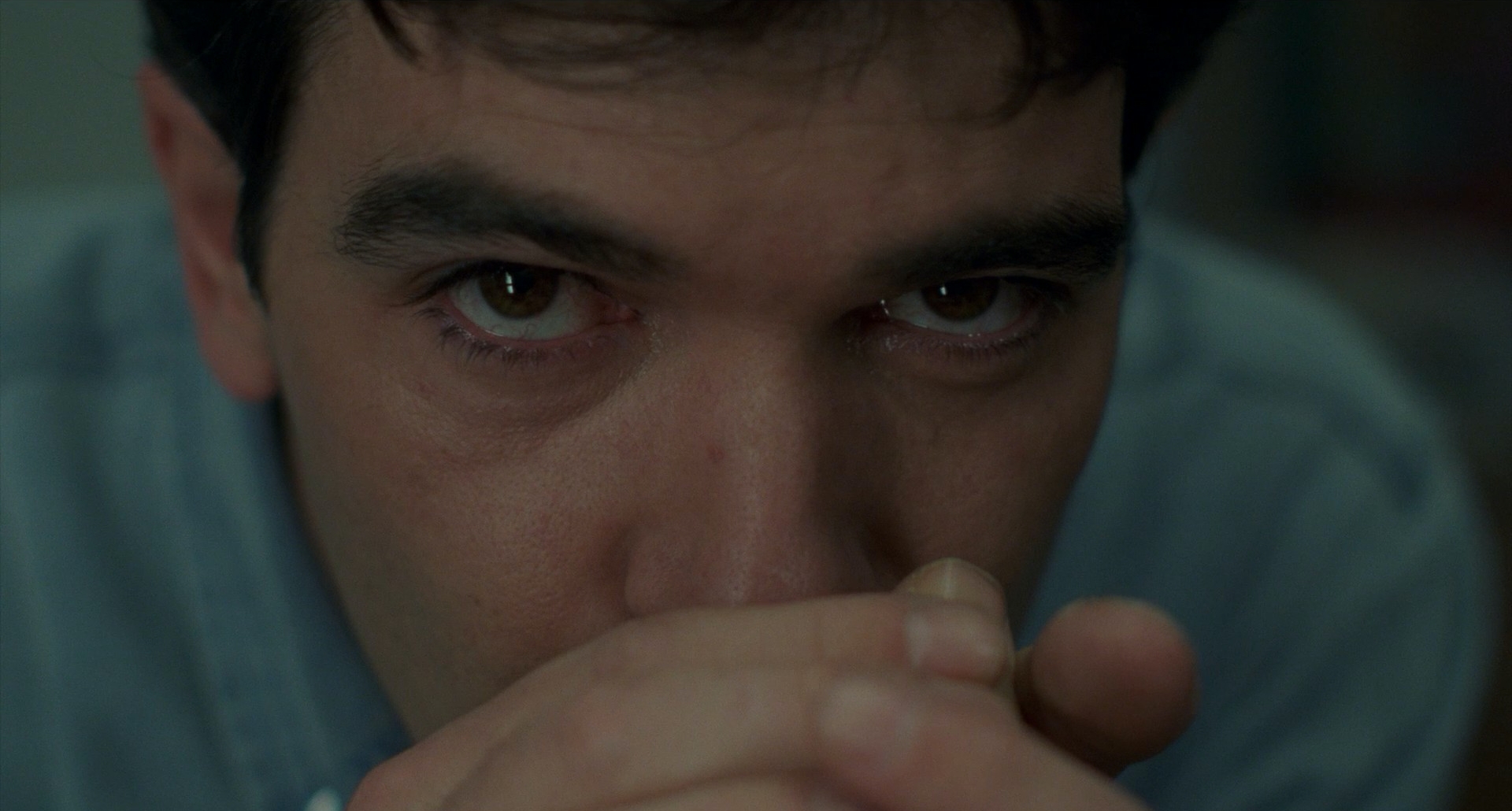
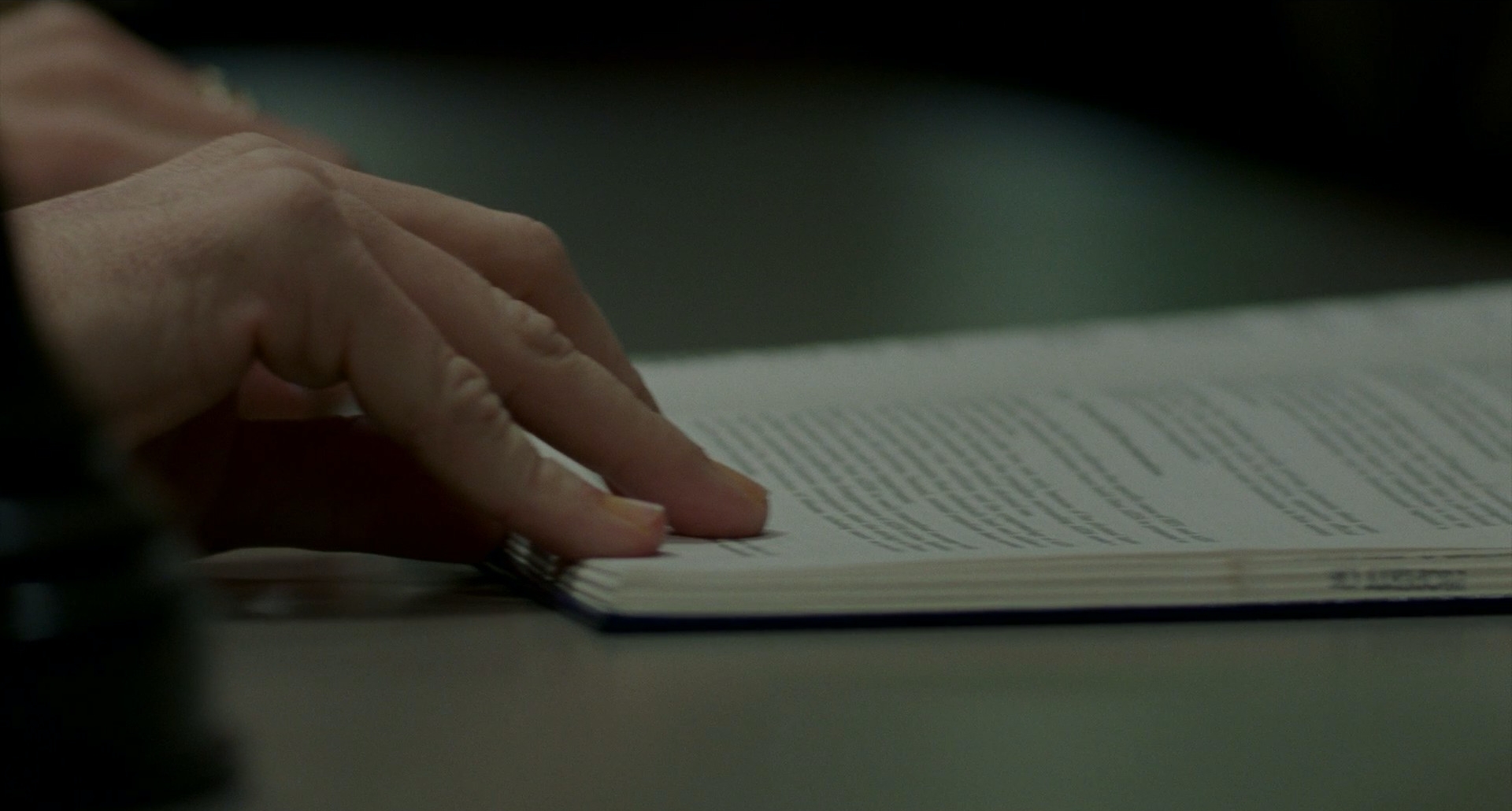
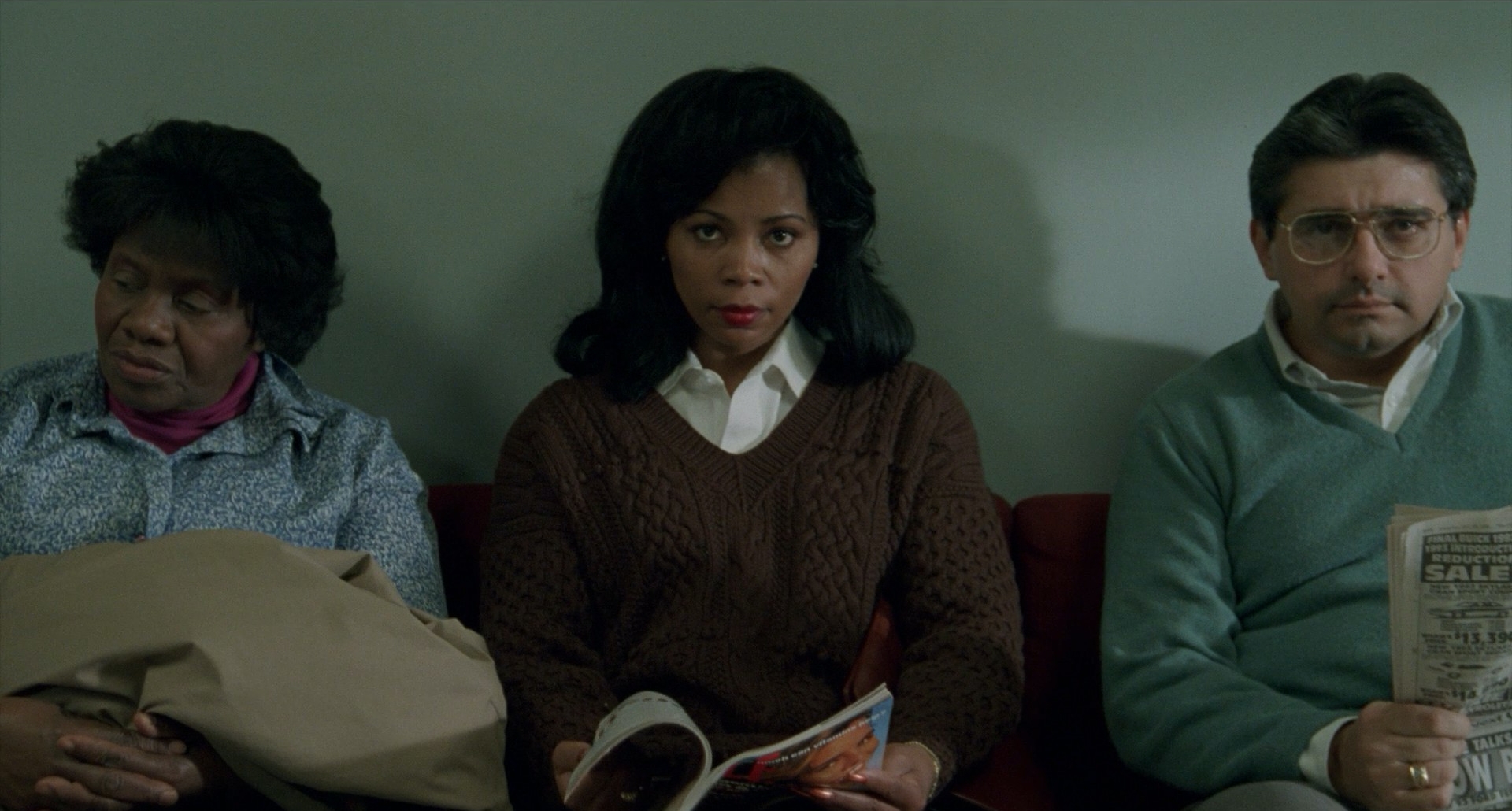
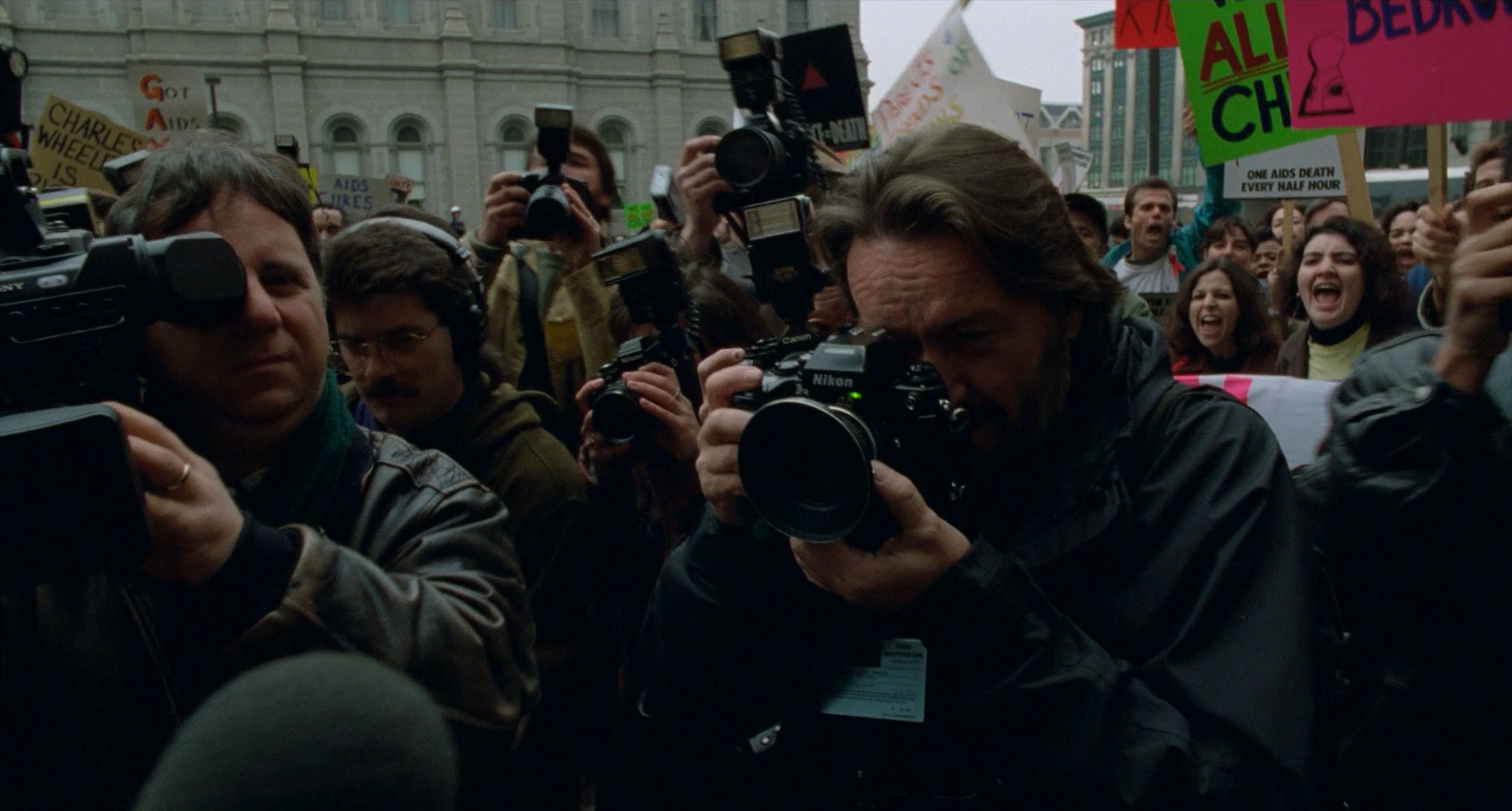
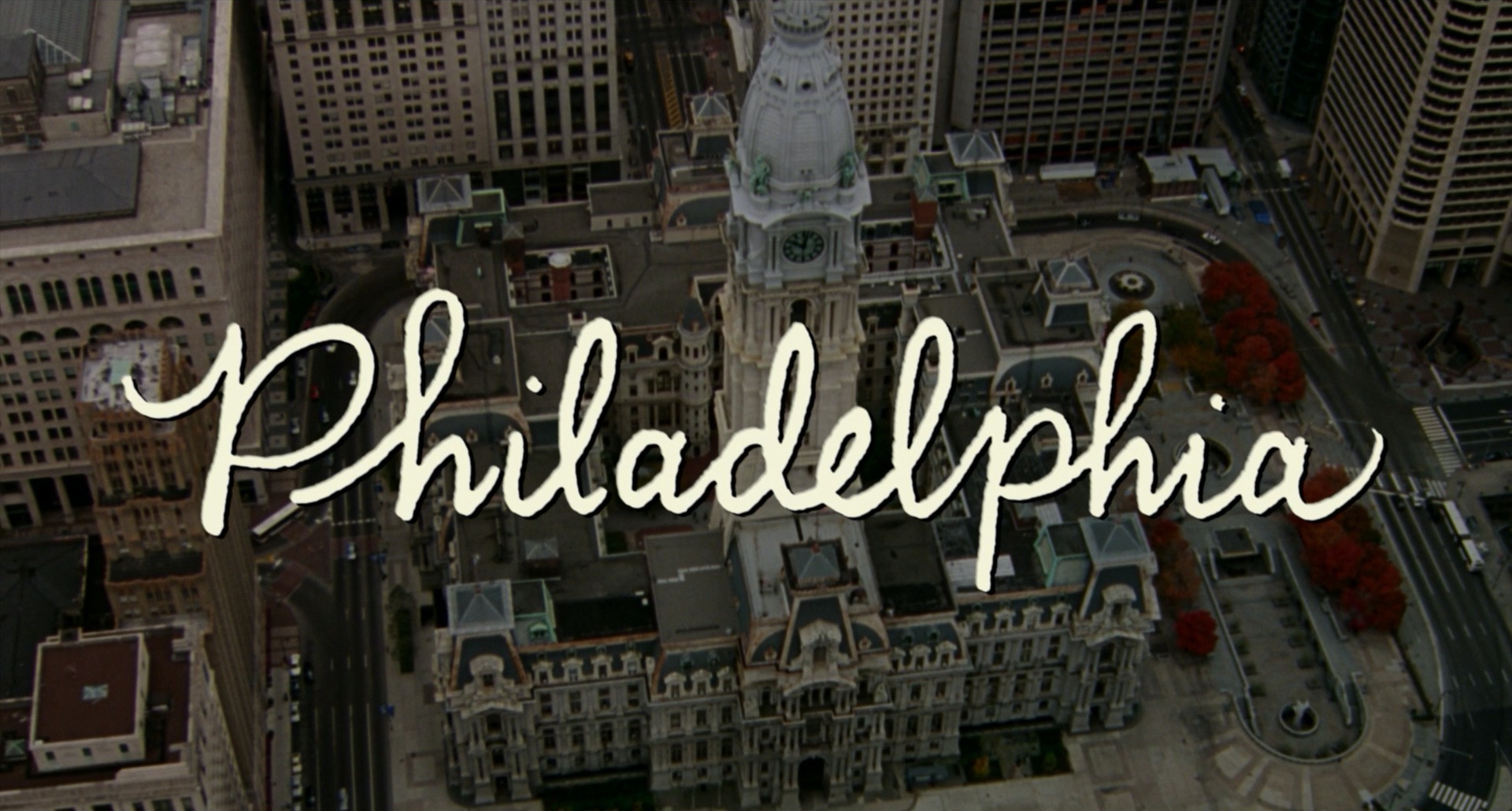
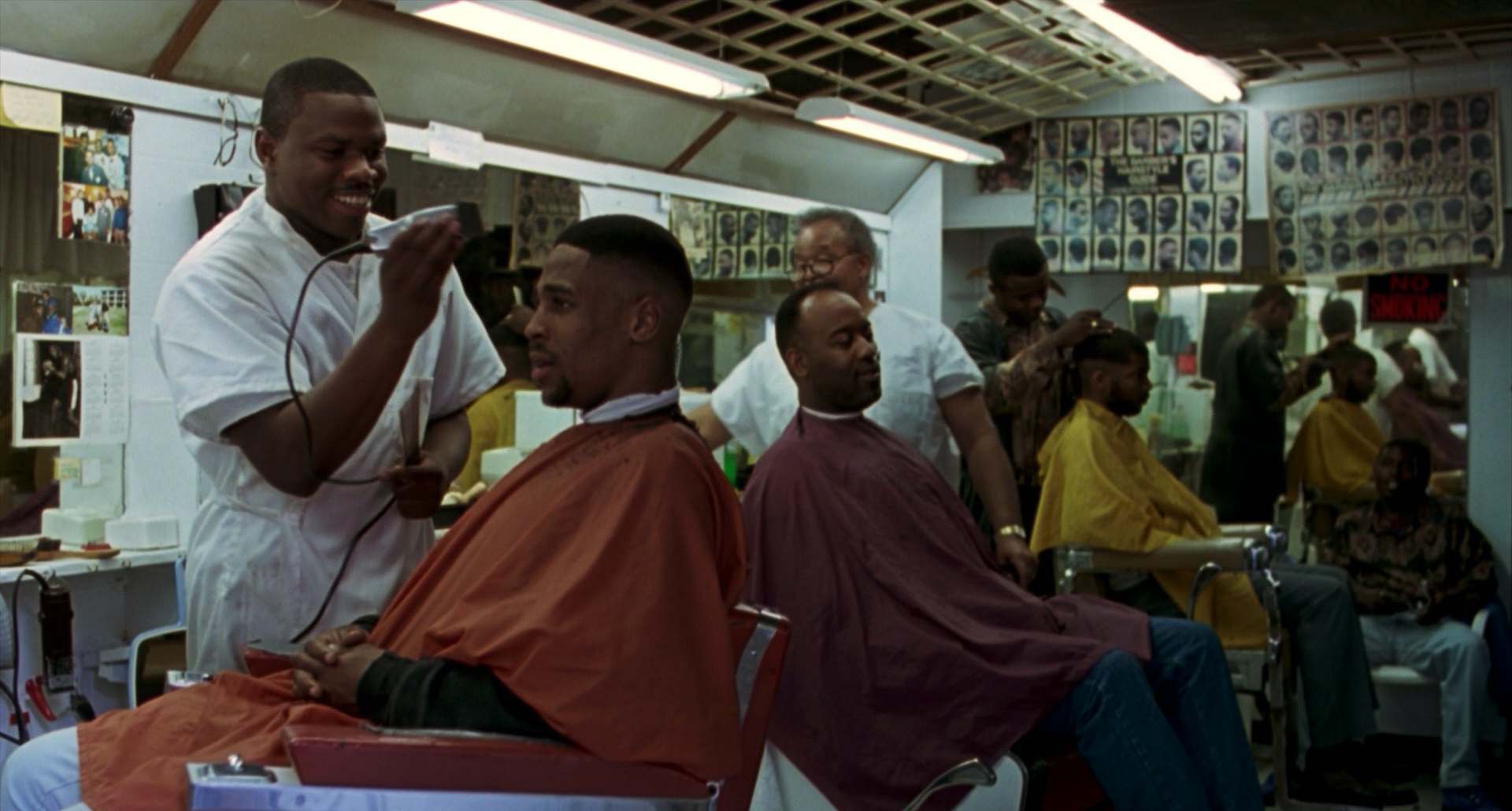
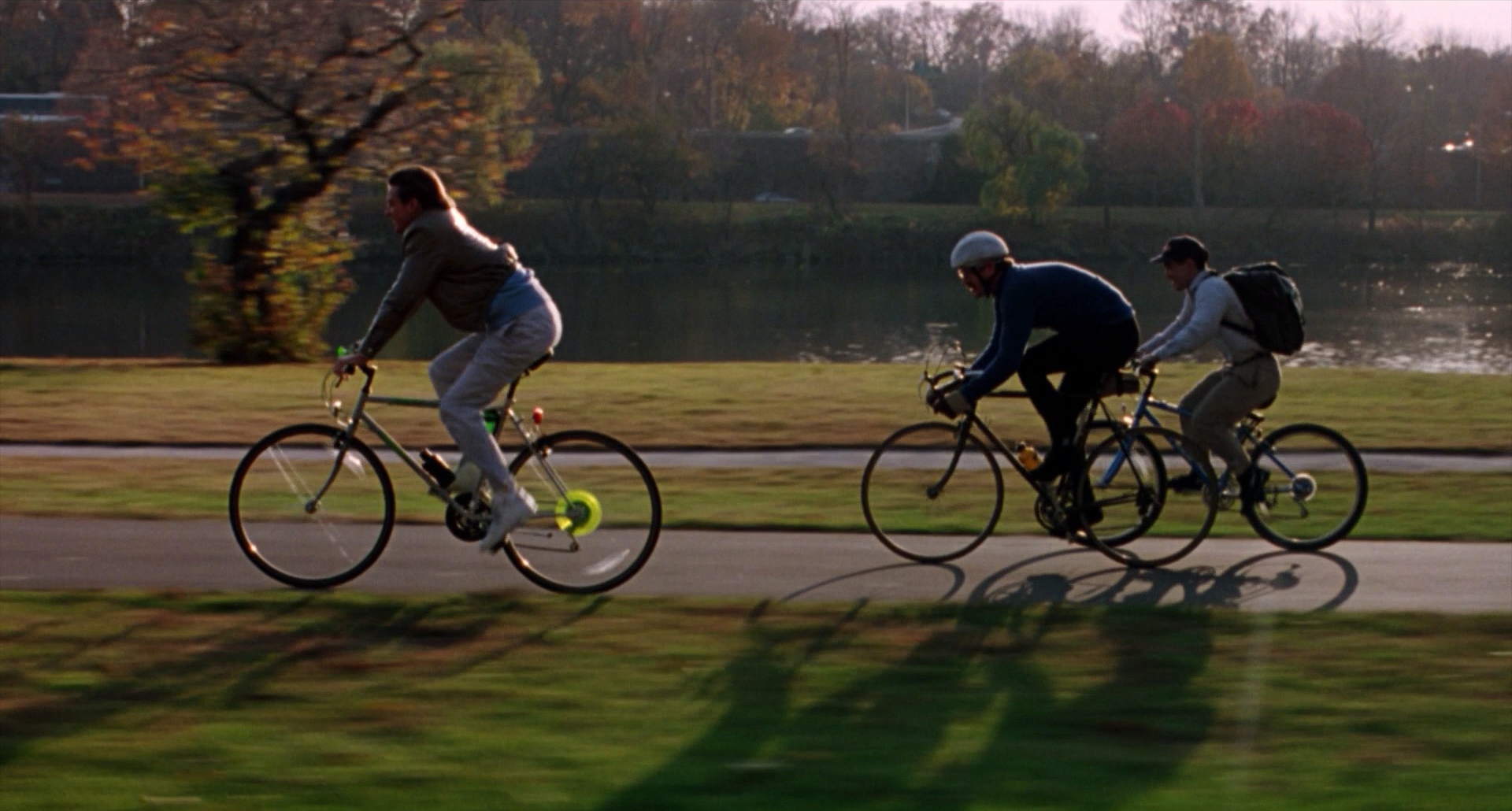
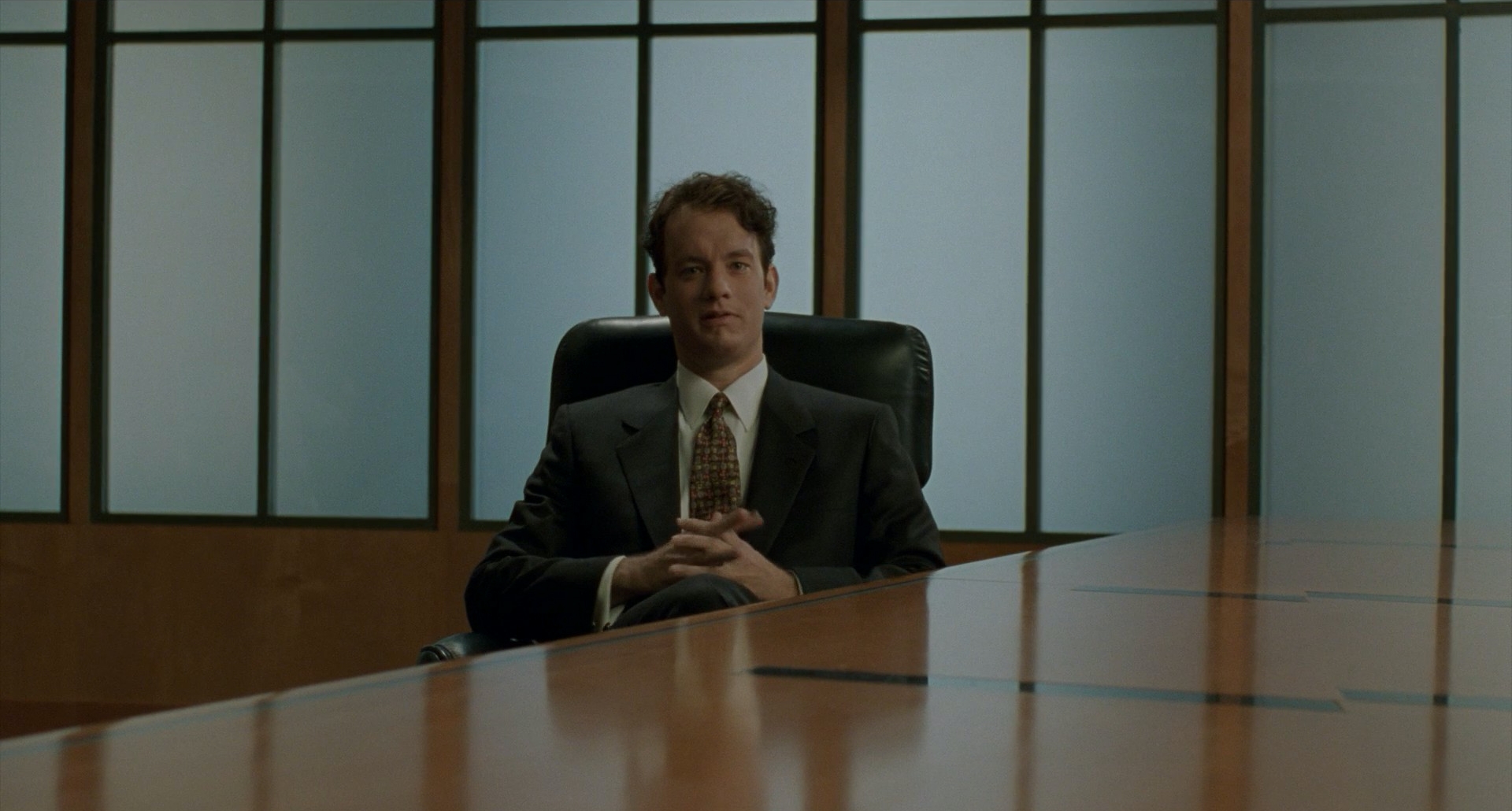
Philadelphia (1993)
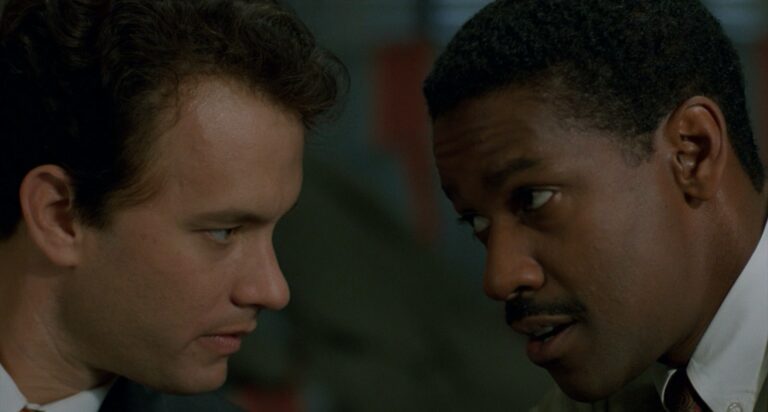
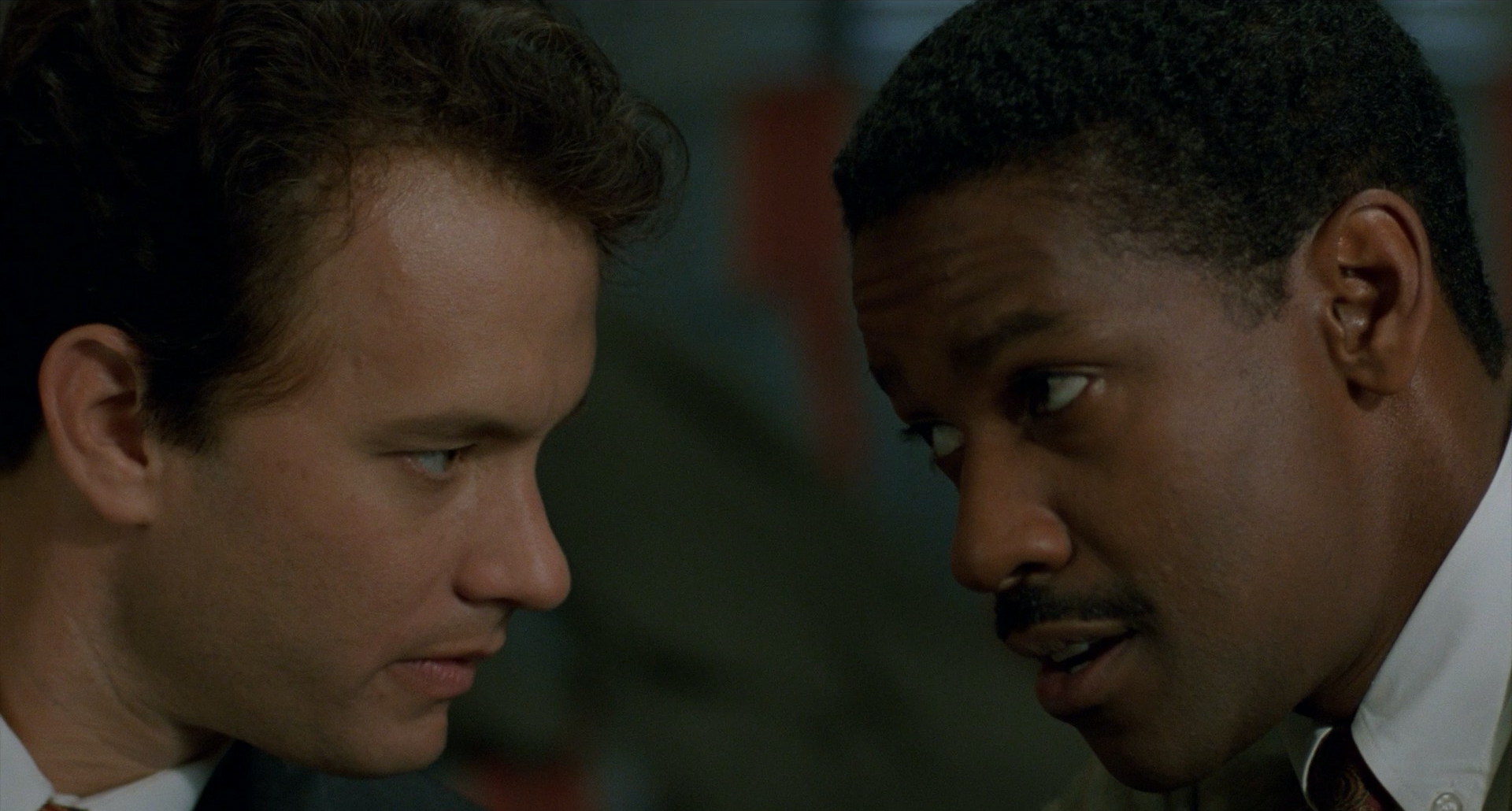
Andrew Beckett, a successful lawyer, is fired from his prestigious firm after his employers discover he has AIDS. Determined to fight the injustice, he hires Joe Miller, a small-time attorney who initially harbors his own prejudices. As the case unfolds, both men confront societal stigma, personal bias, and the human impact of discrimination.
Demme and cinematographer Tak Fujimoto shoot Philadelphia with a warm, humanistic approach, using close-ups and soft, natural light to foreground performance and emotional connection. The film’s direct-to-camera framing—especially in intimate moments—creates a sense of proximity and empathy, turning the legal drama into something deeply personal and immediate.

FILM SPOTLIGHT
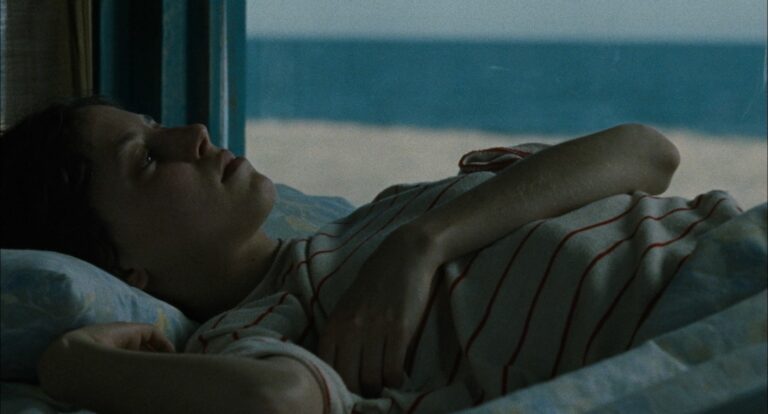
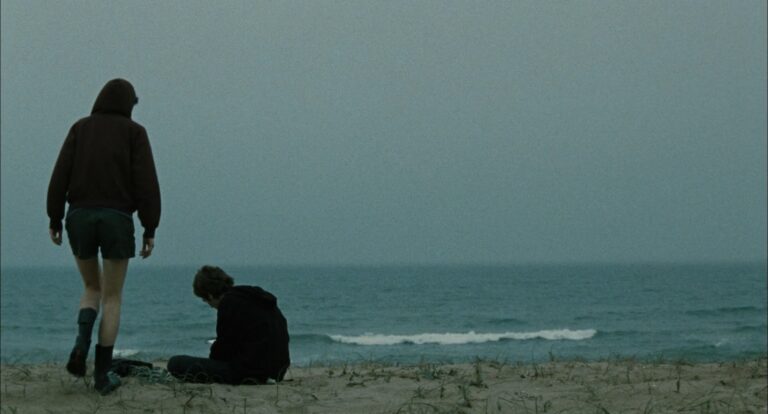
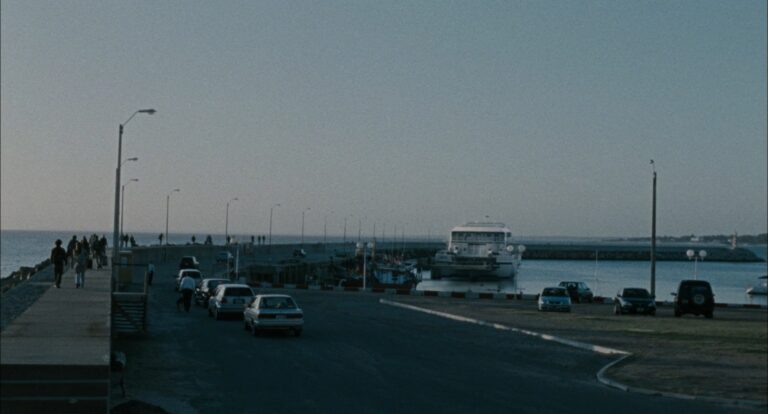
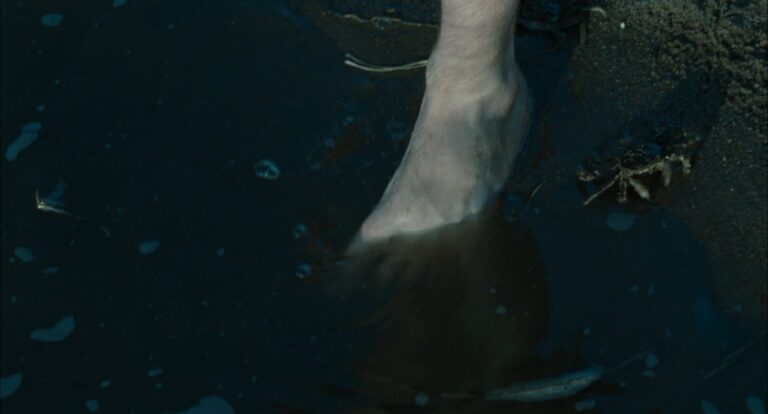
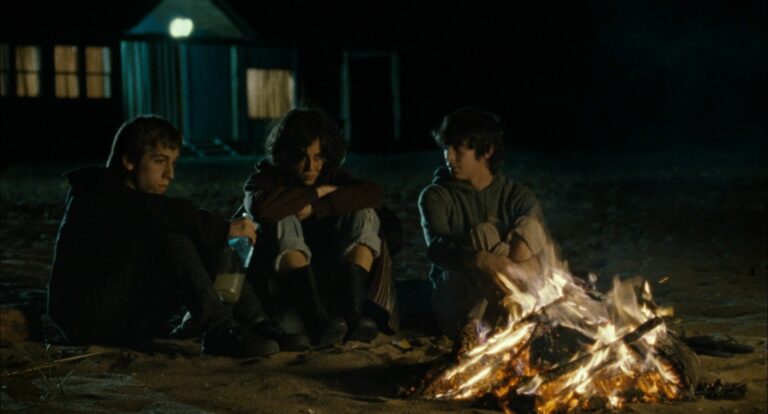
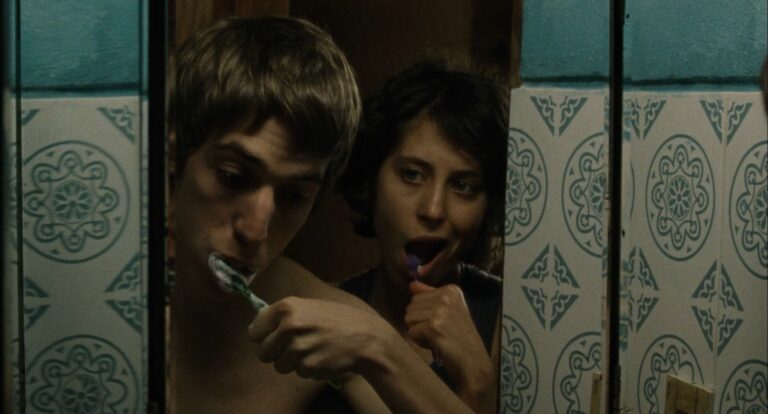
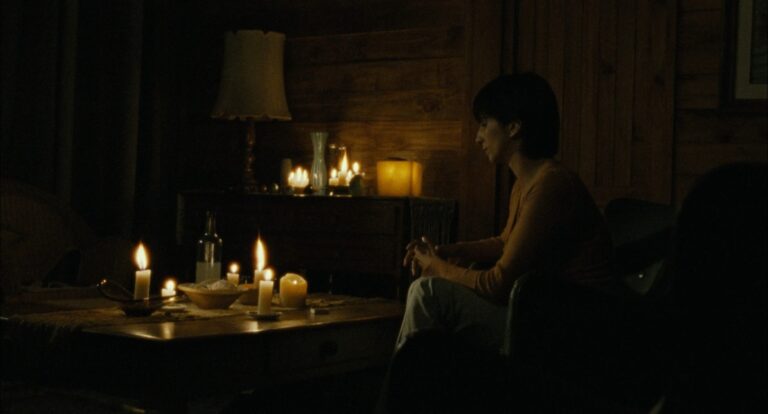
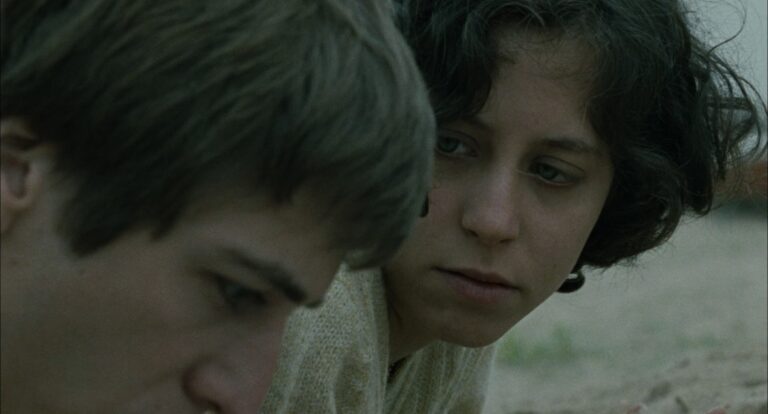
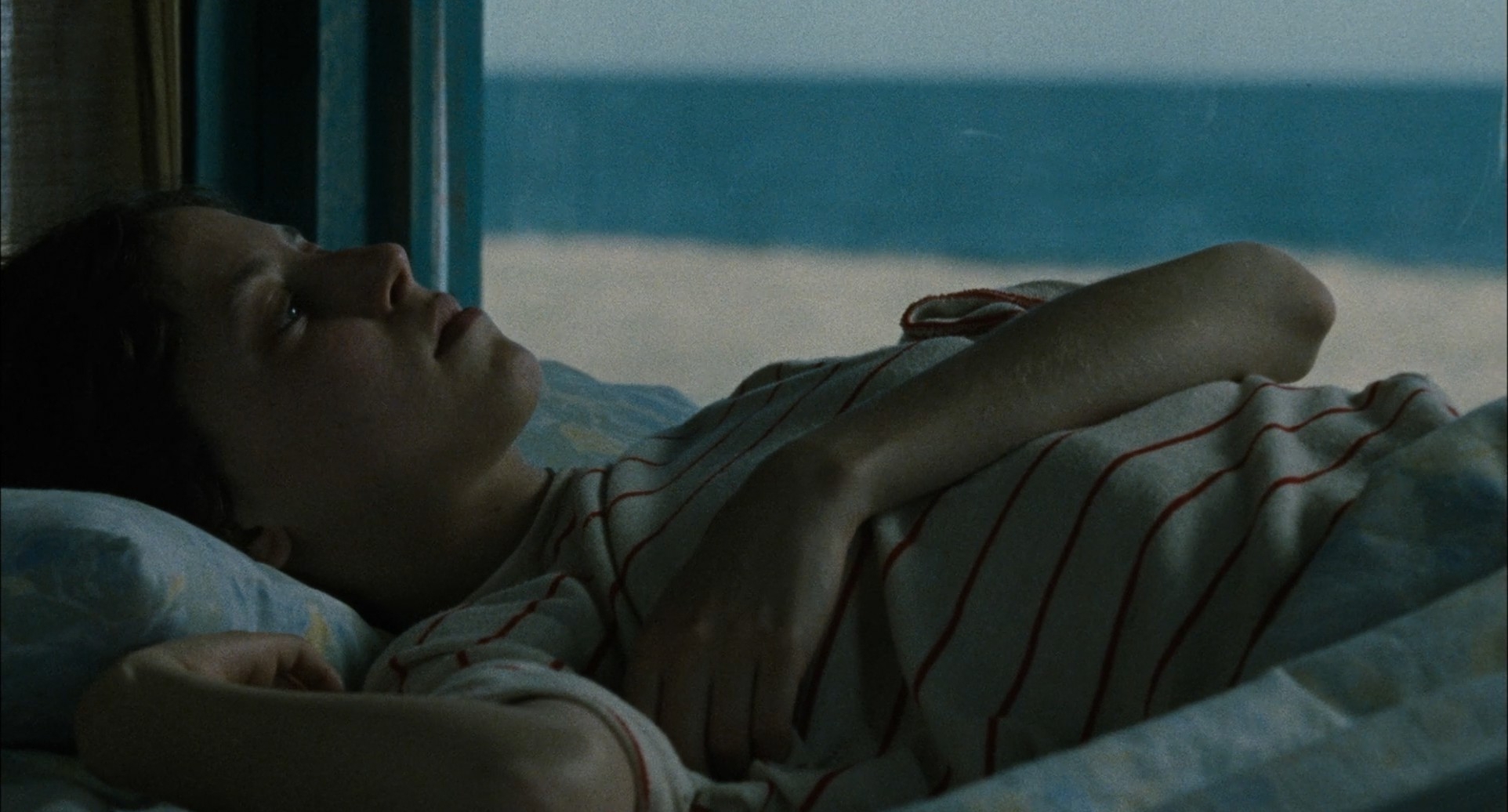
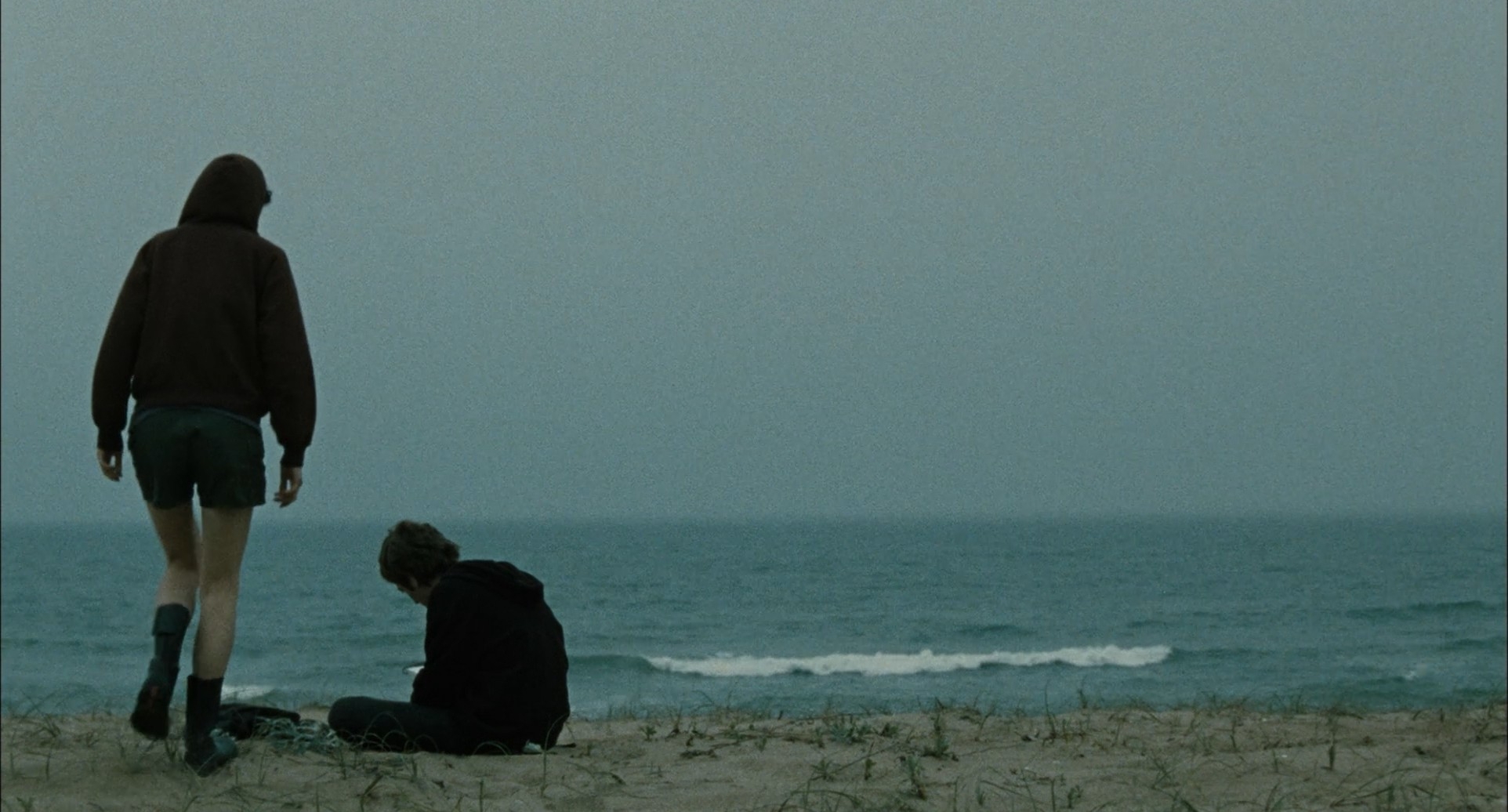
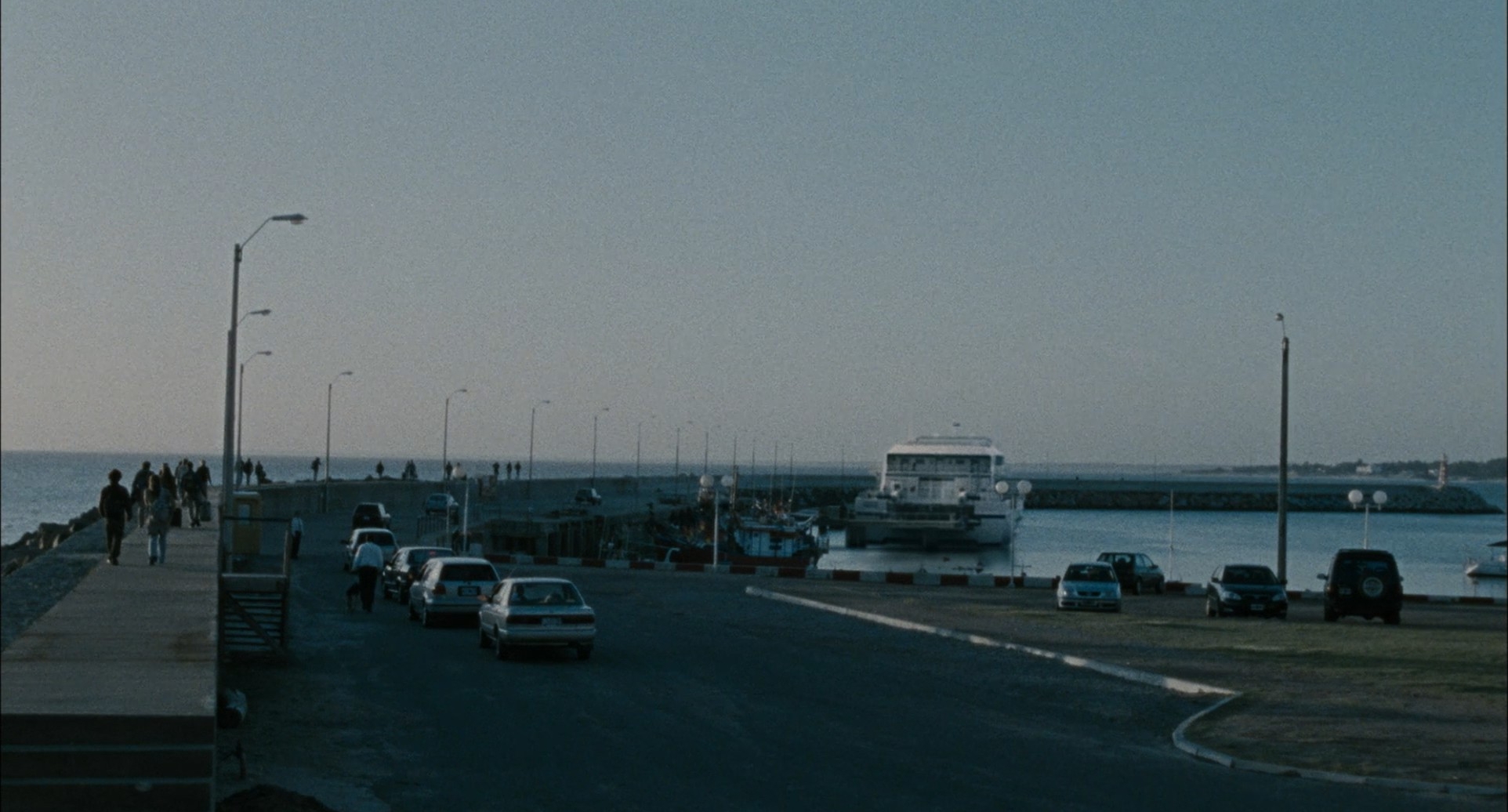
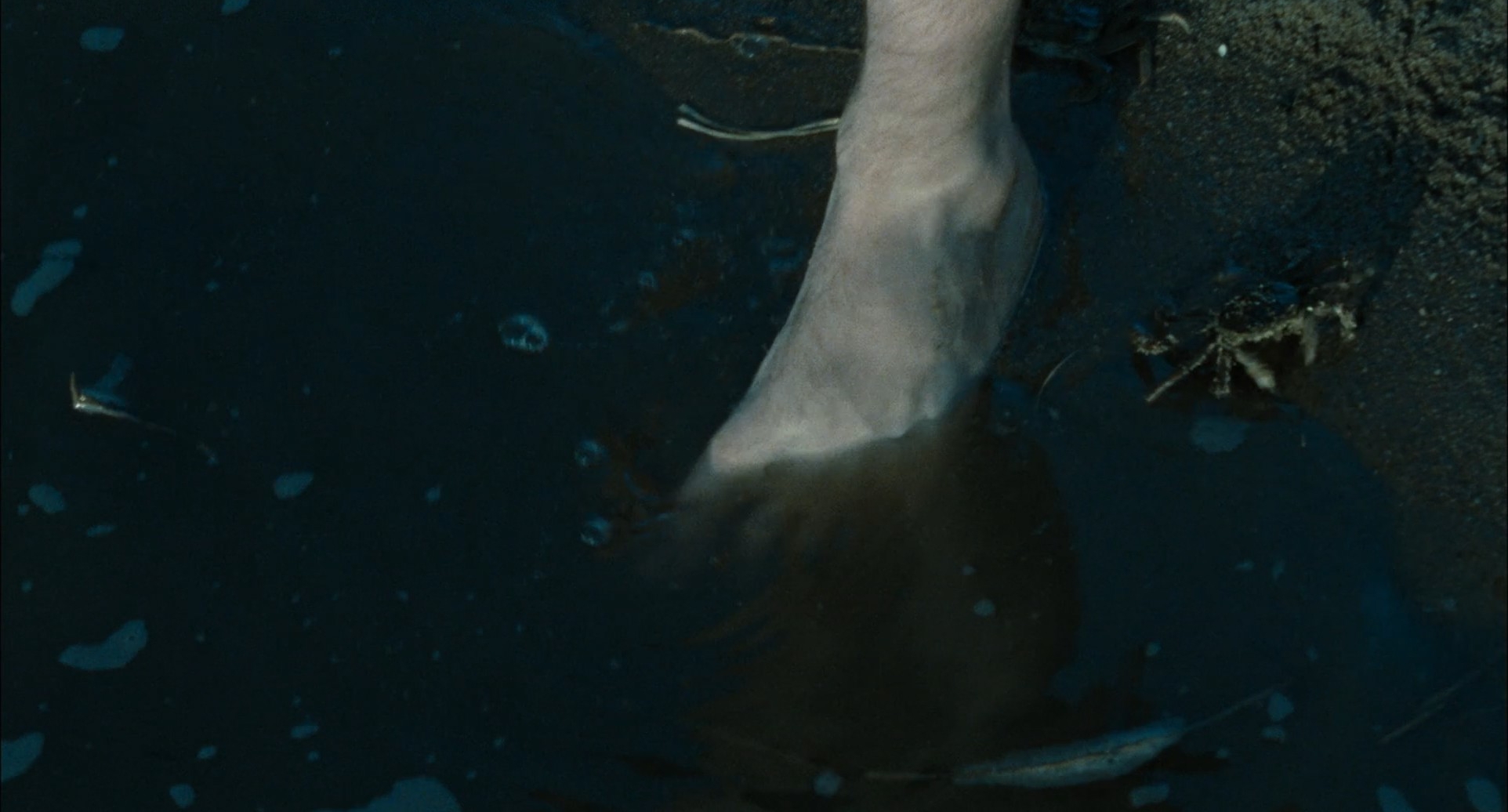
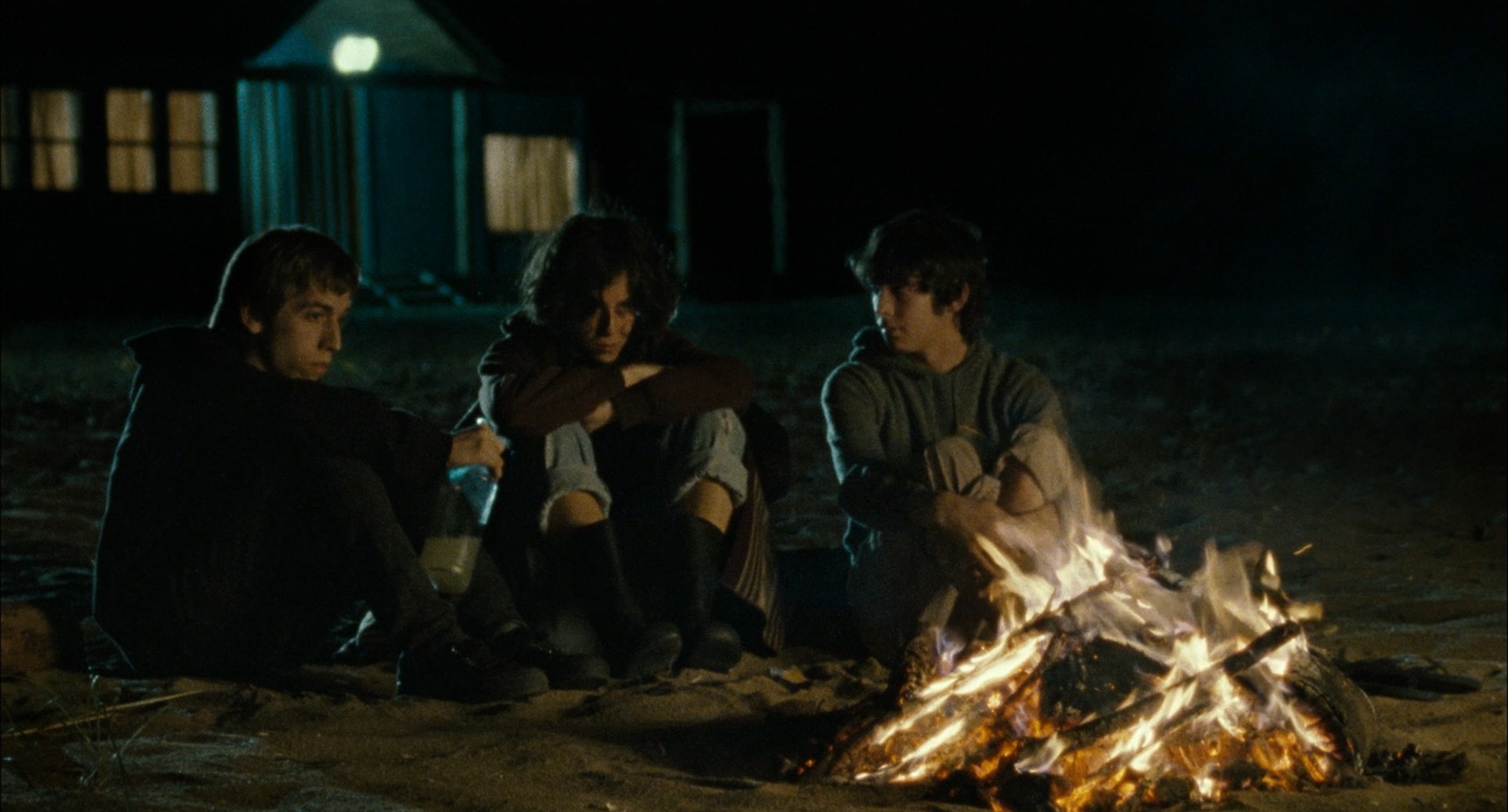
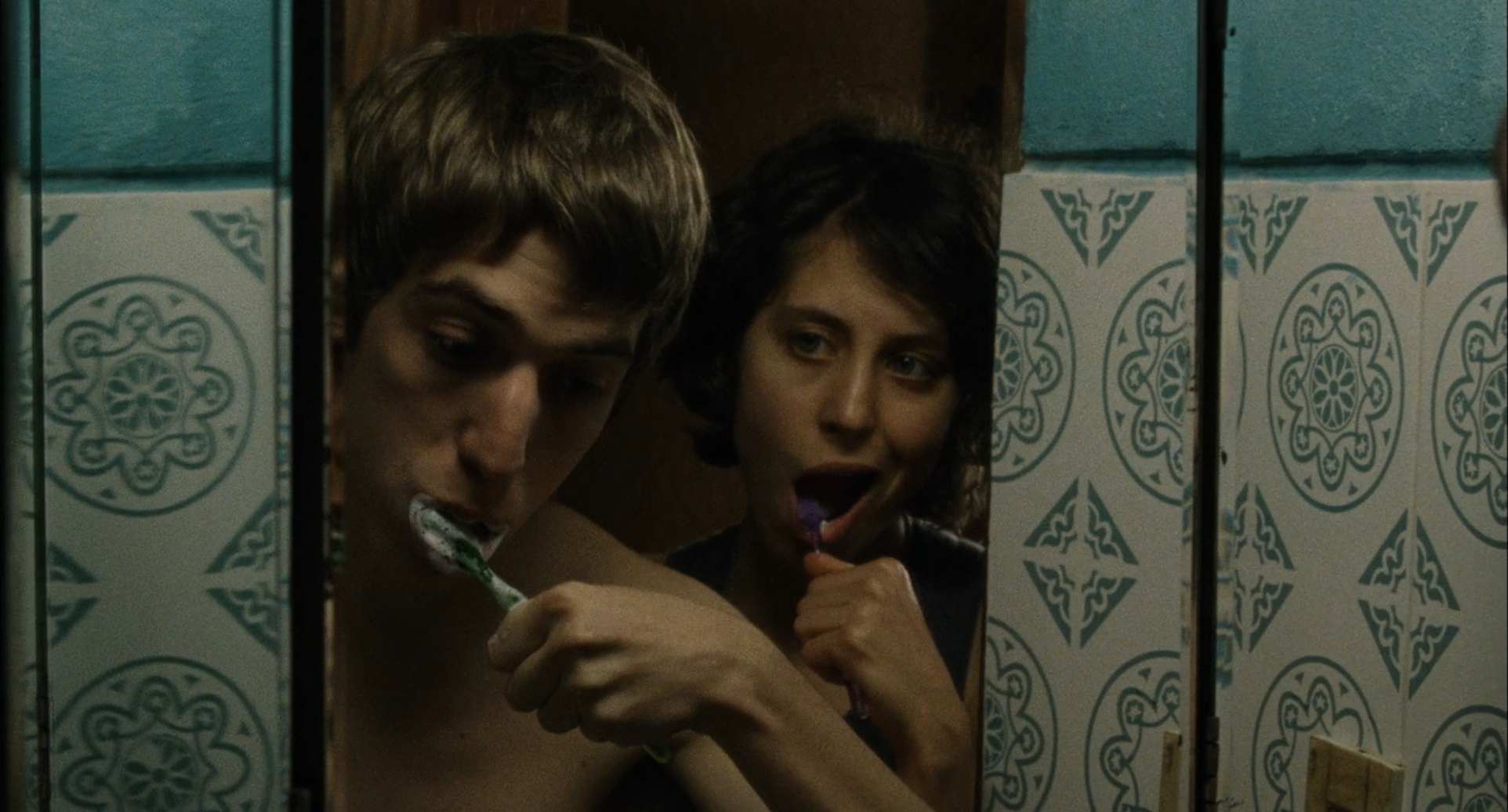
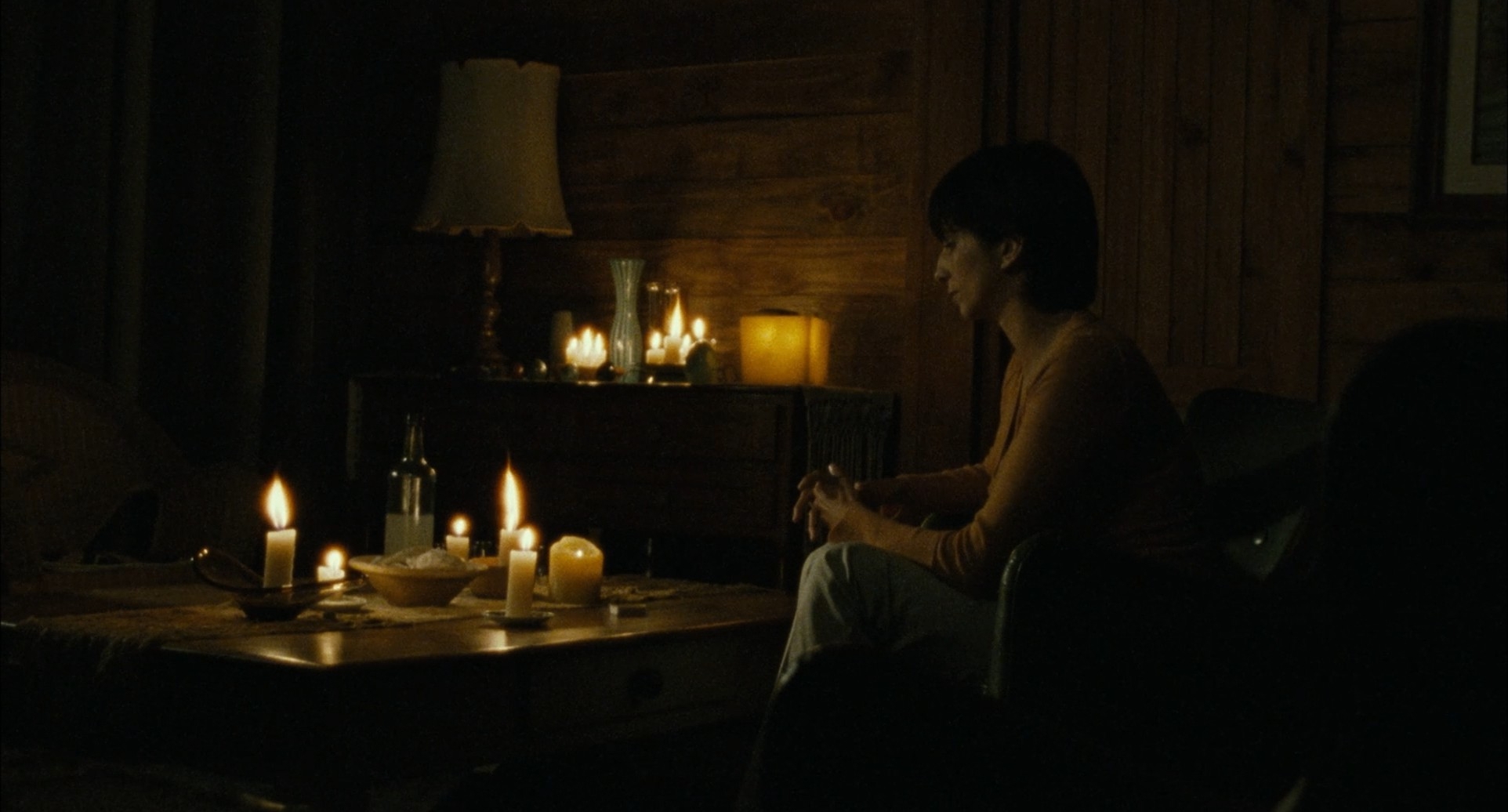
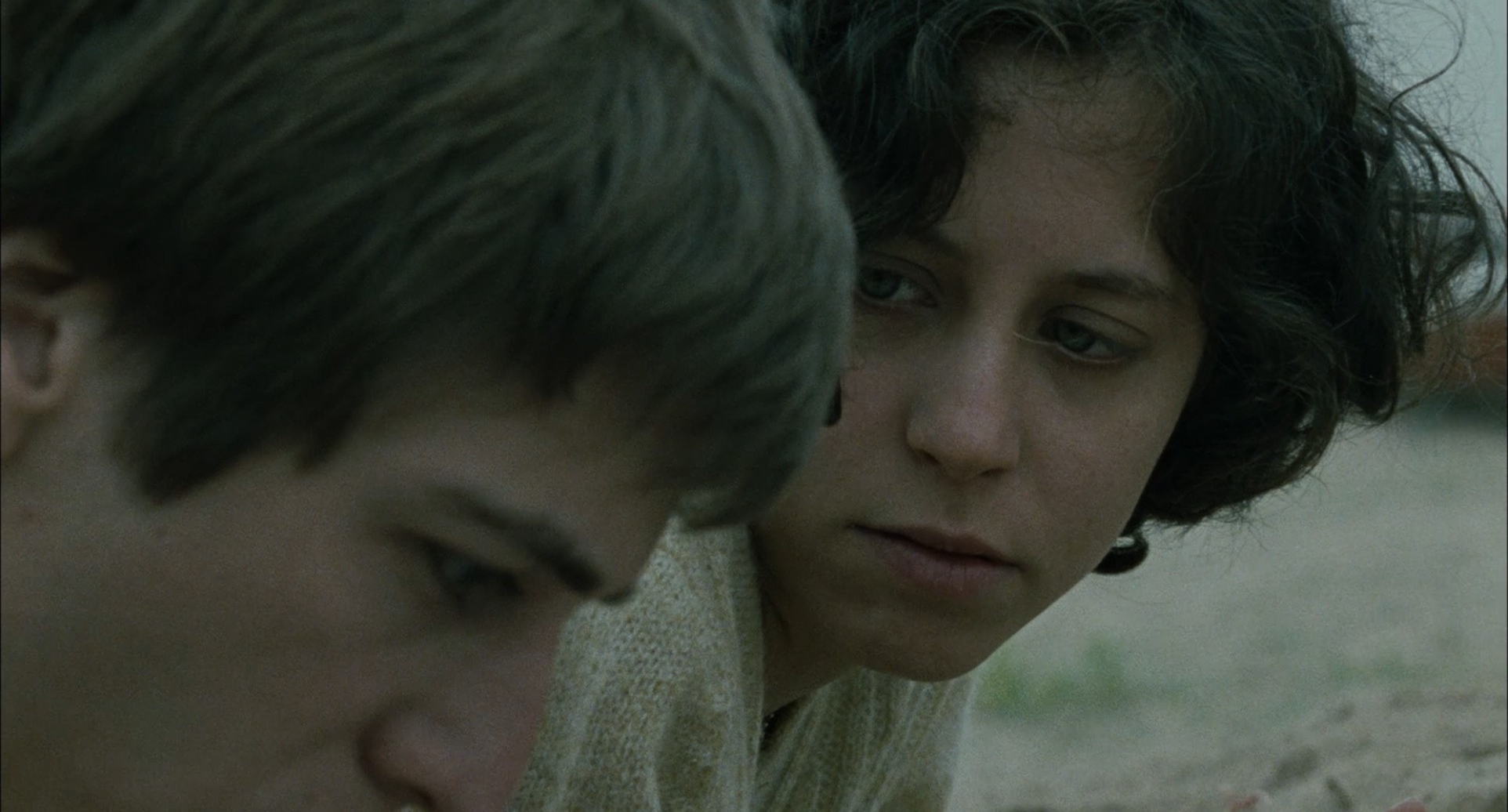
XXY (2007)
Alex, an intersex teenager living with her parents in a remote coastal village in Uruguay, faces increasing pressure to undergo corrective surgery. When a visiting family arrives—including a teenage boy—Alex is forced to confront questions of identity, desire, and autonomy. As tensions rise, she must decide how to define herself in a world that demands clear labels.
Puenzo and cinematographer Natasha Braier shoot XXY with a tactile, coastal naturalism, using handheld camerawork and soft, overcast light to embed the story in its environment. The film’s muted palette and intimate framing keep the camera close to Alex’s physical and emotional space—turning the body and landscape into parallel terrains of uncertainty and self-discovery.


FILM SPOTLIGHT
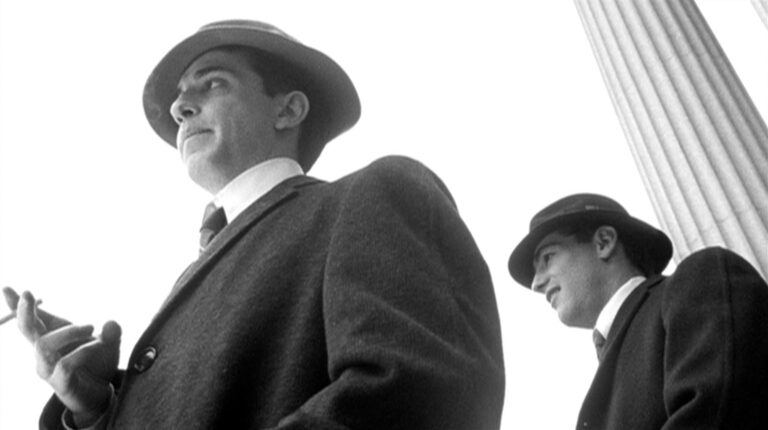
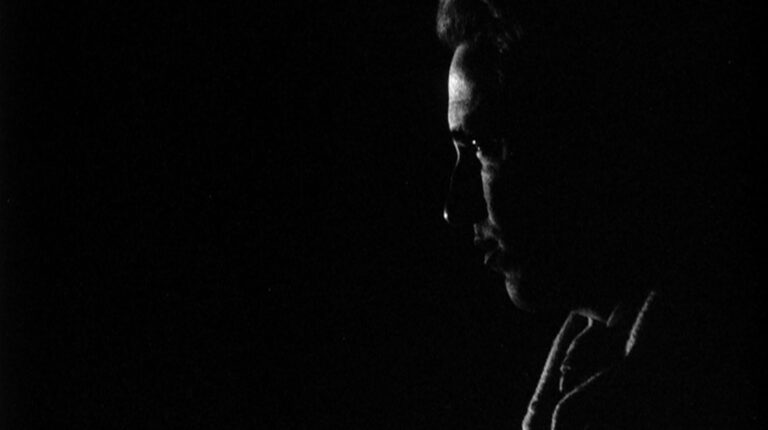
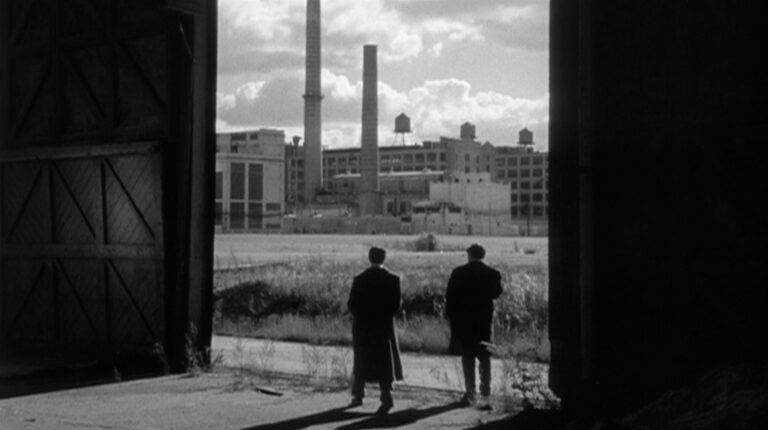
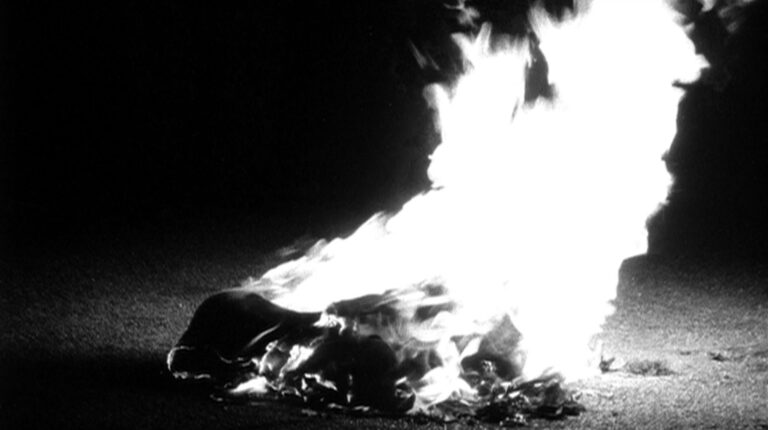
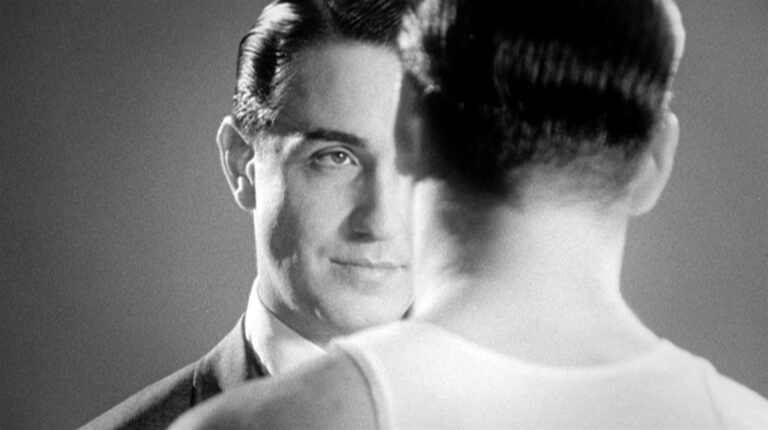
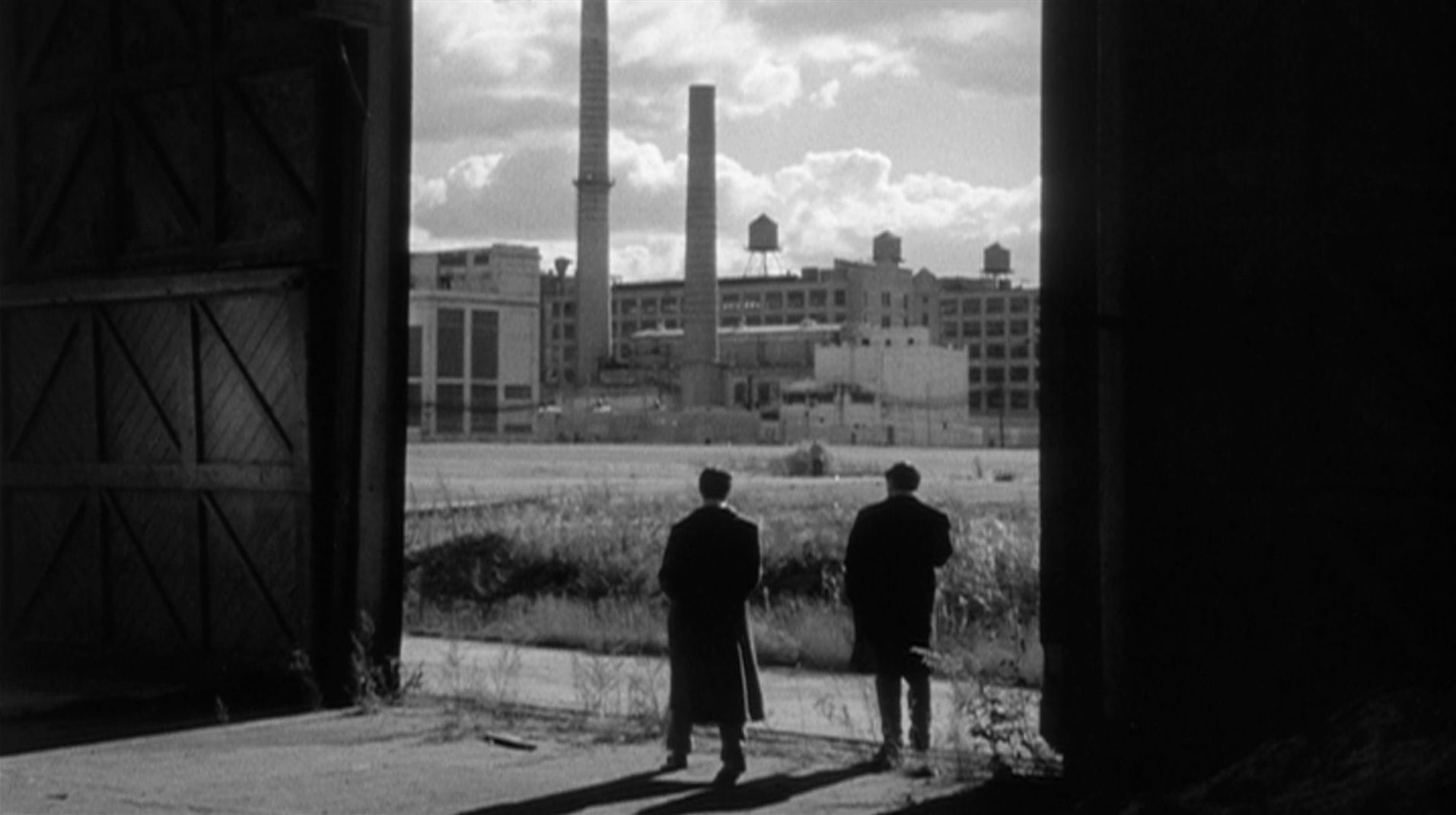
Swoon (1992)
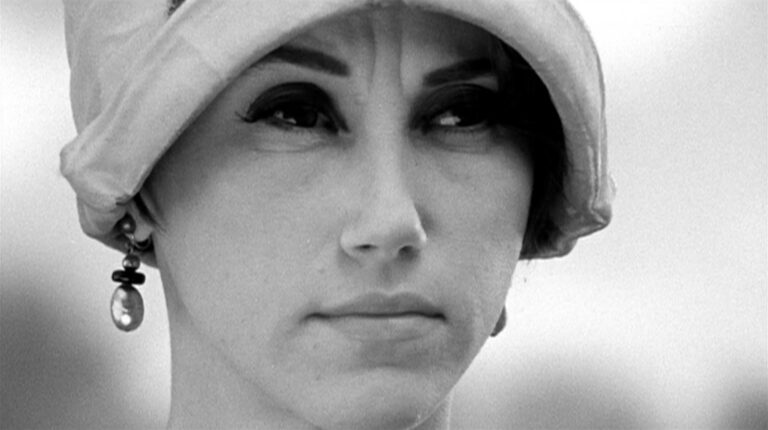
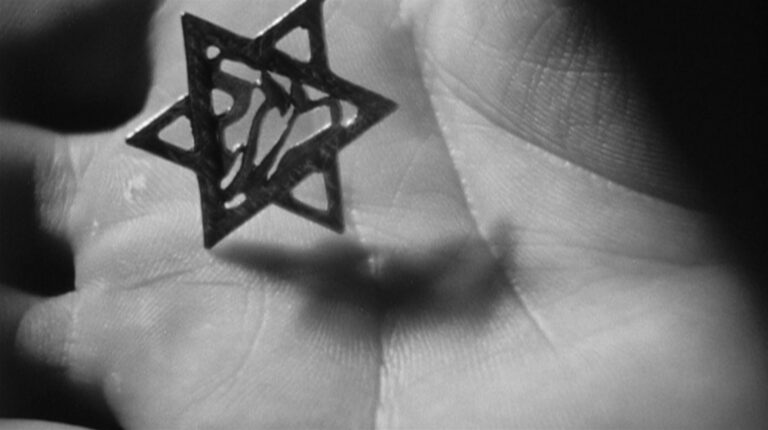
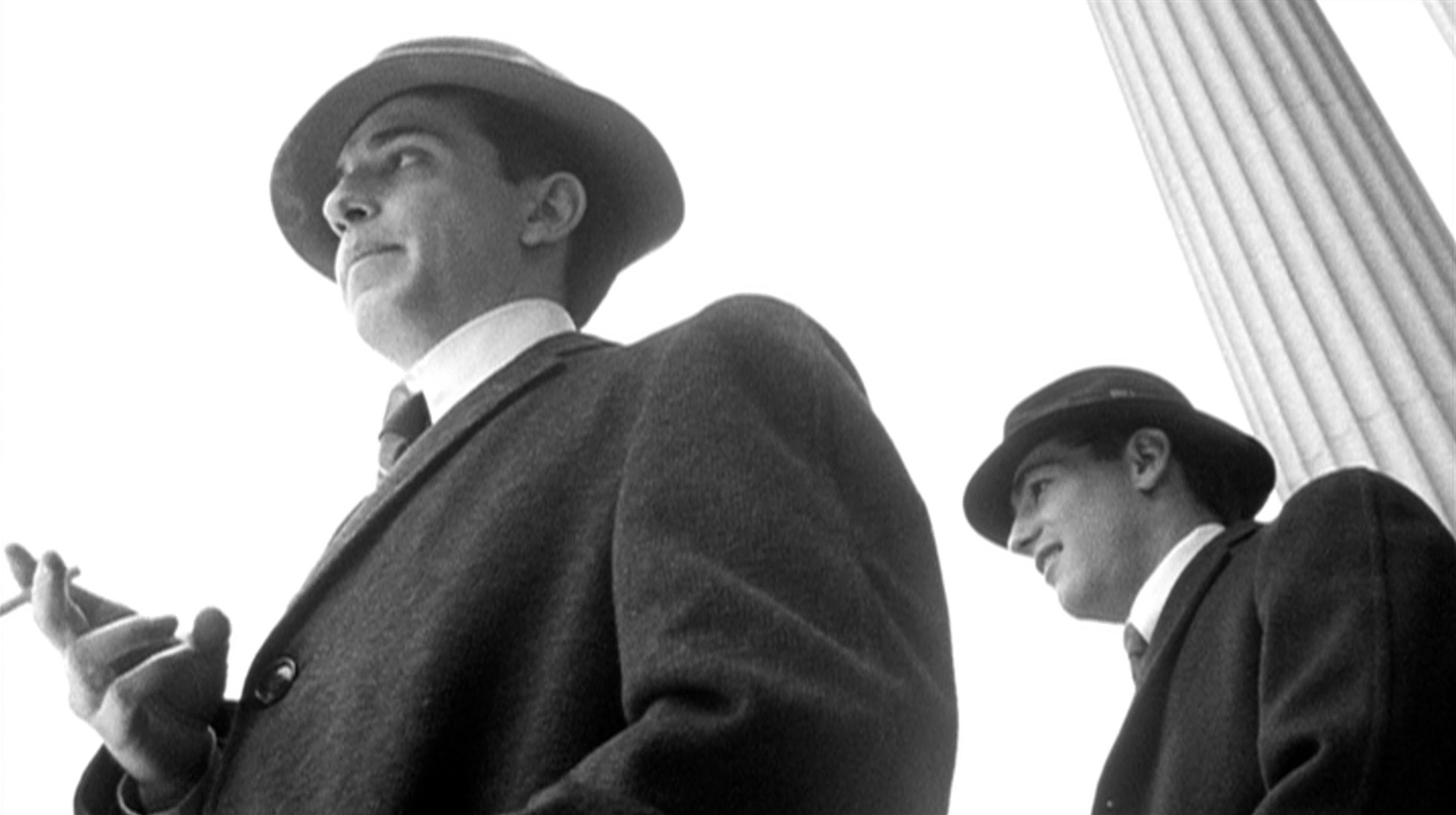
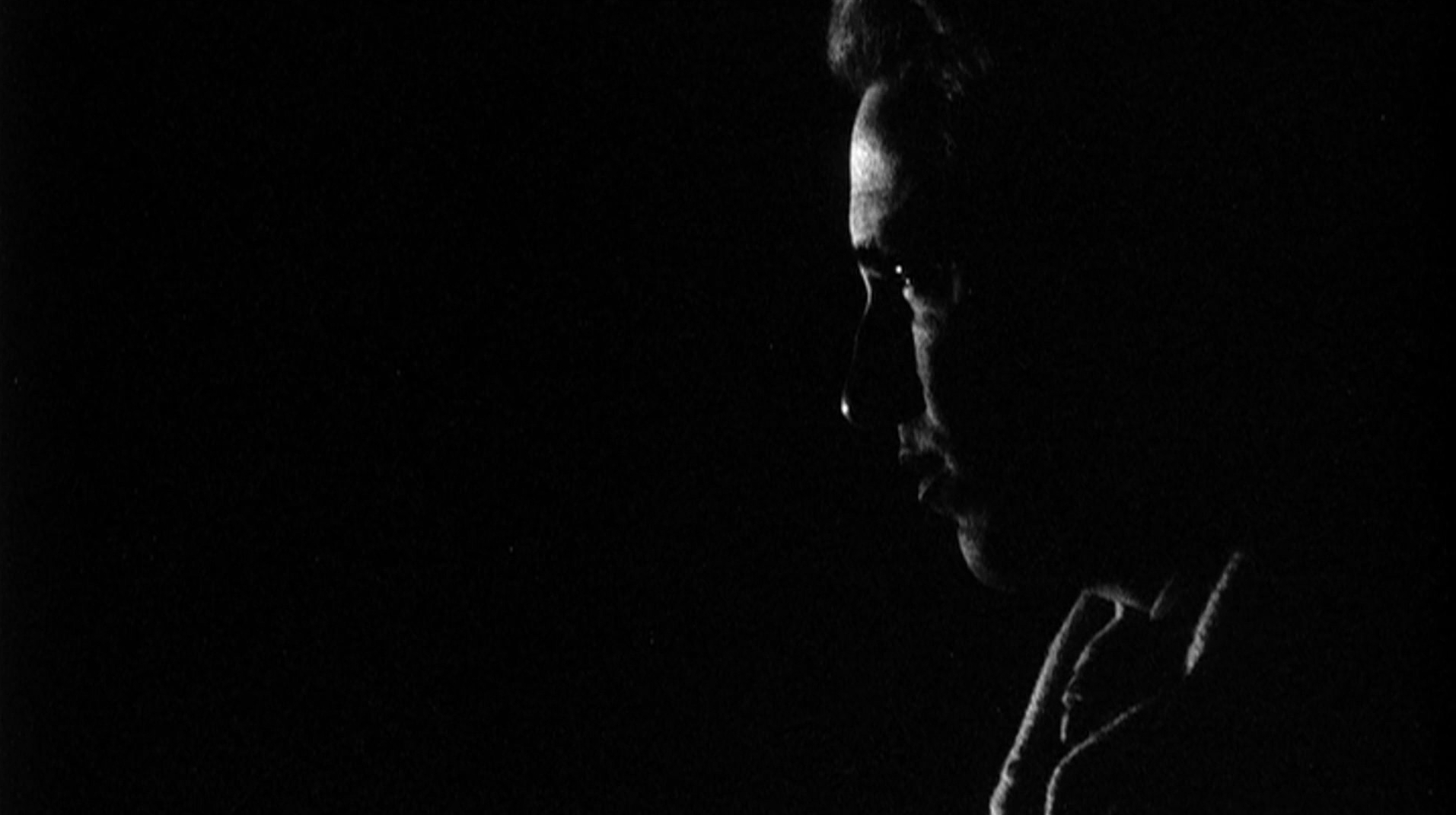
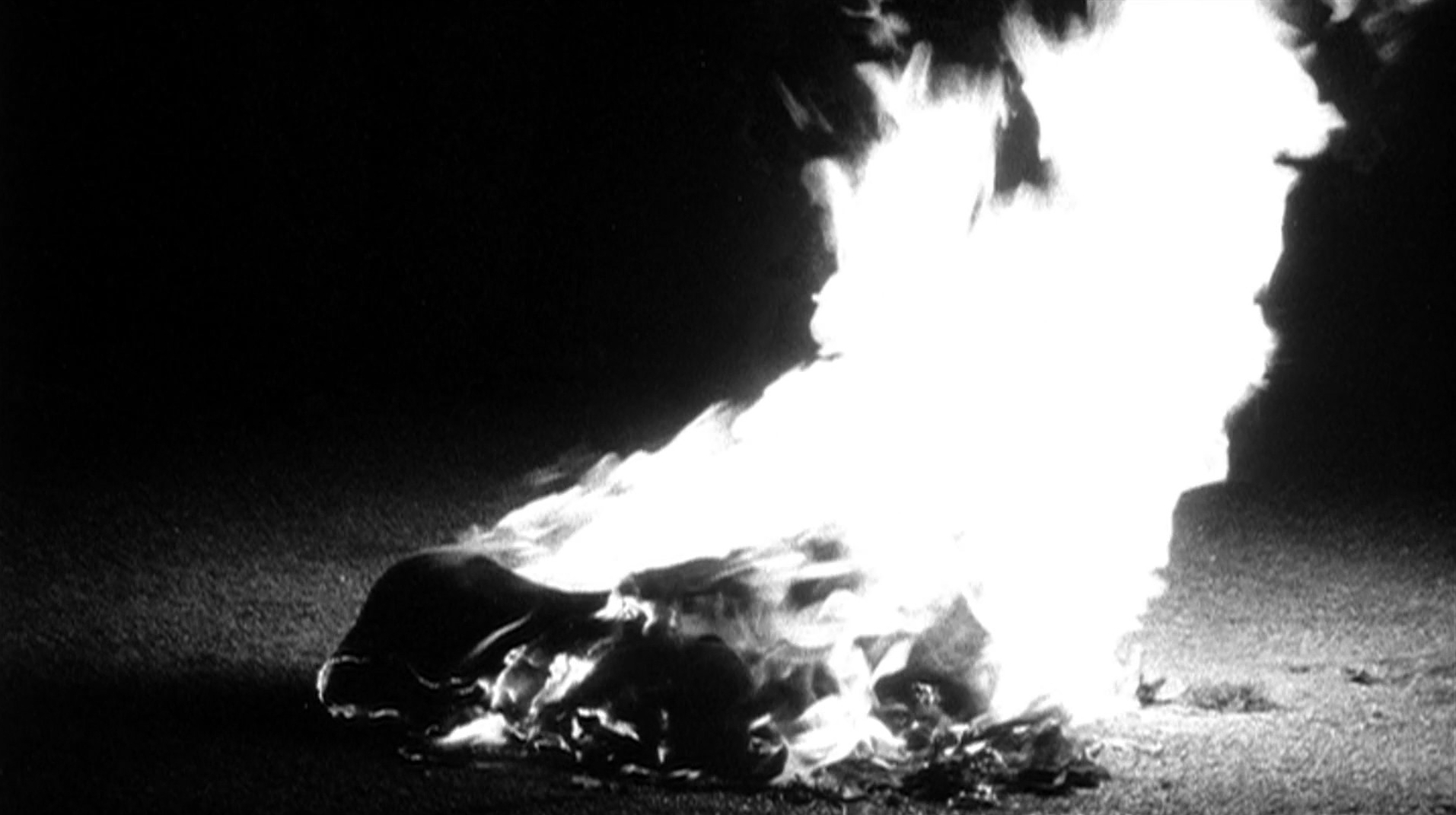
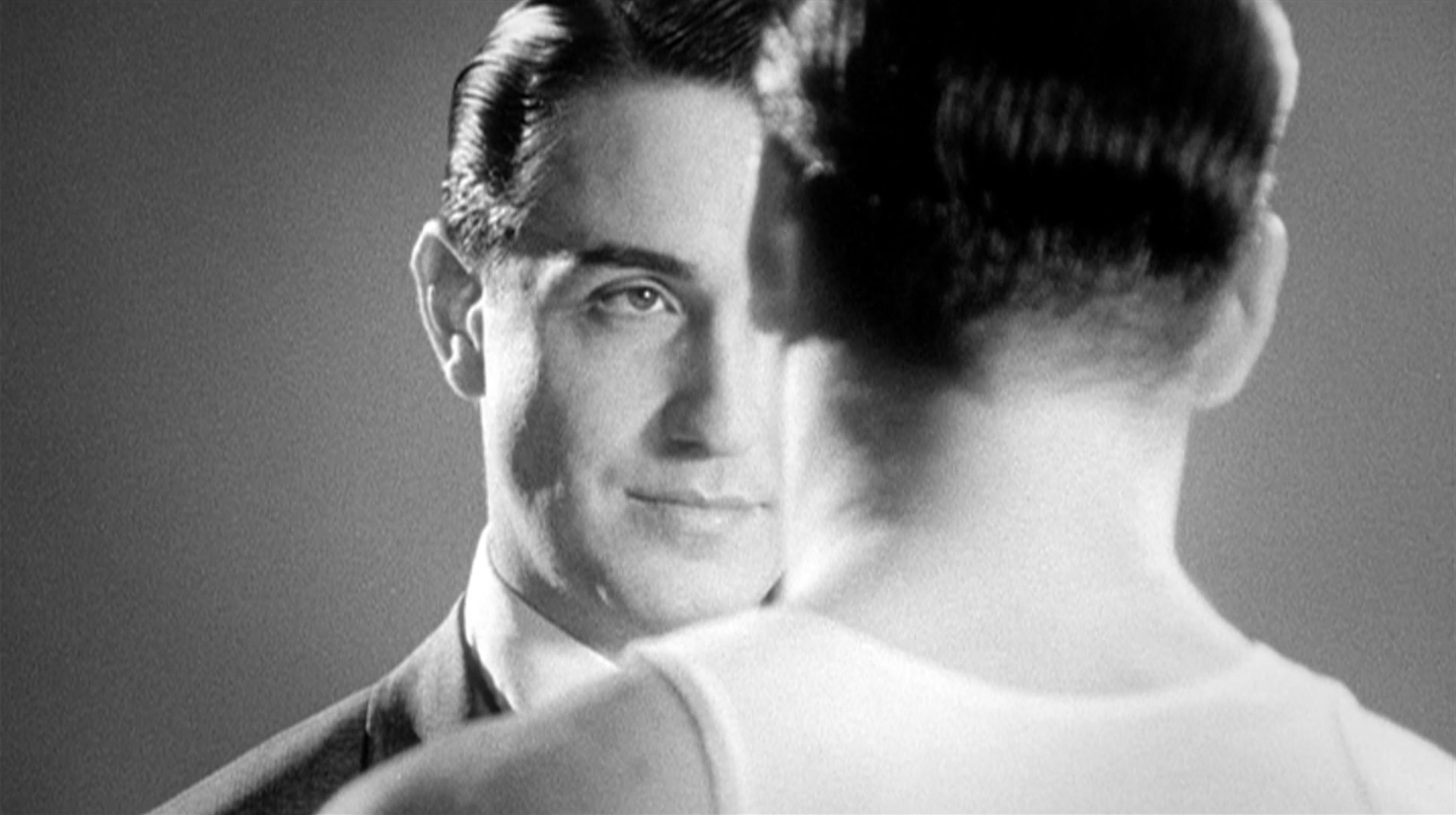
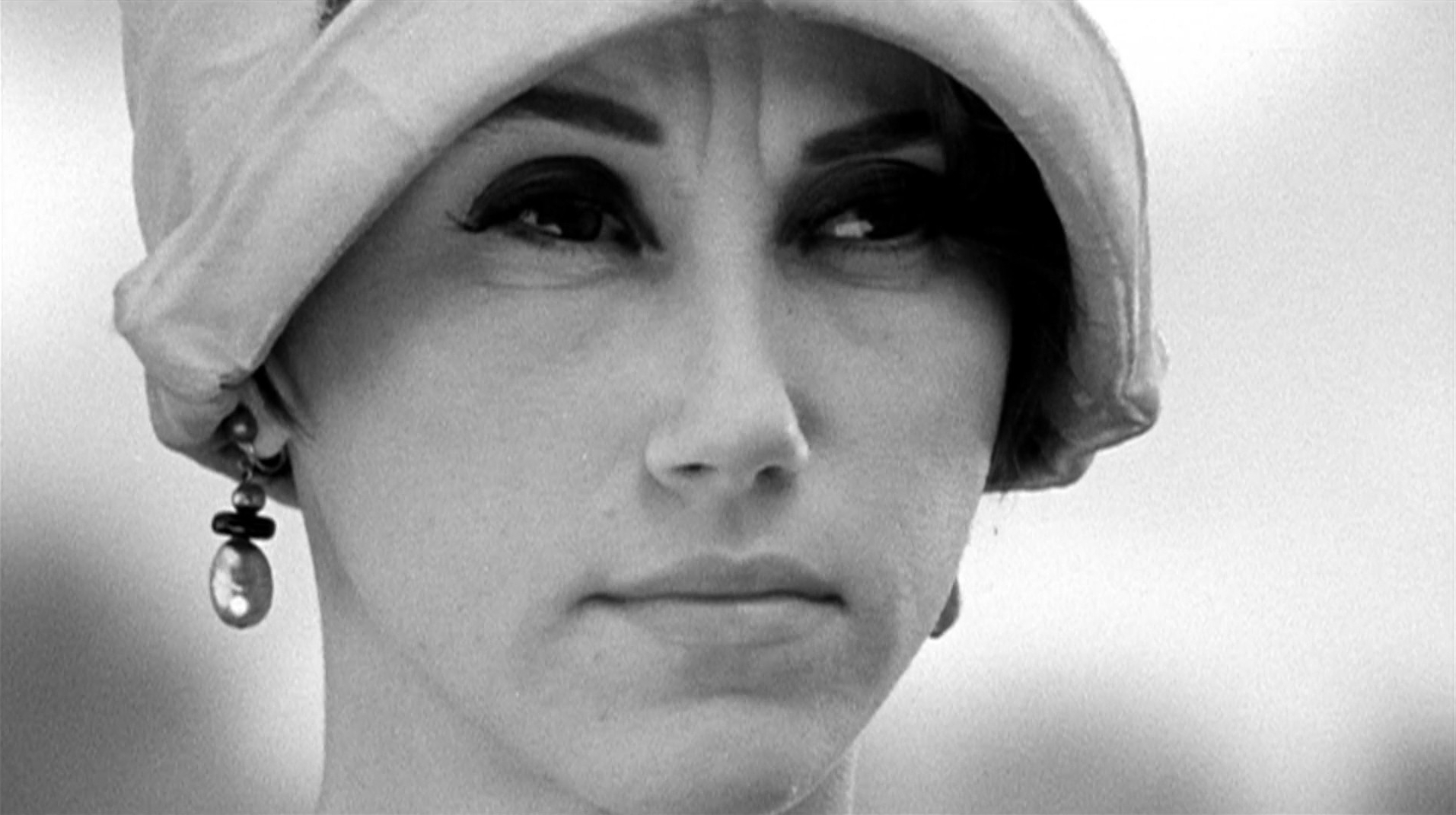
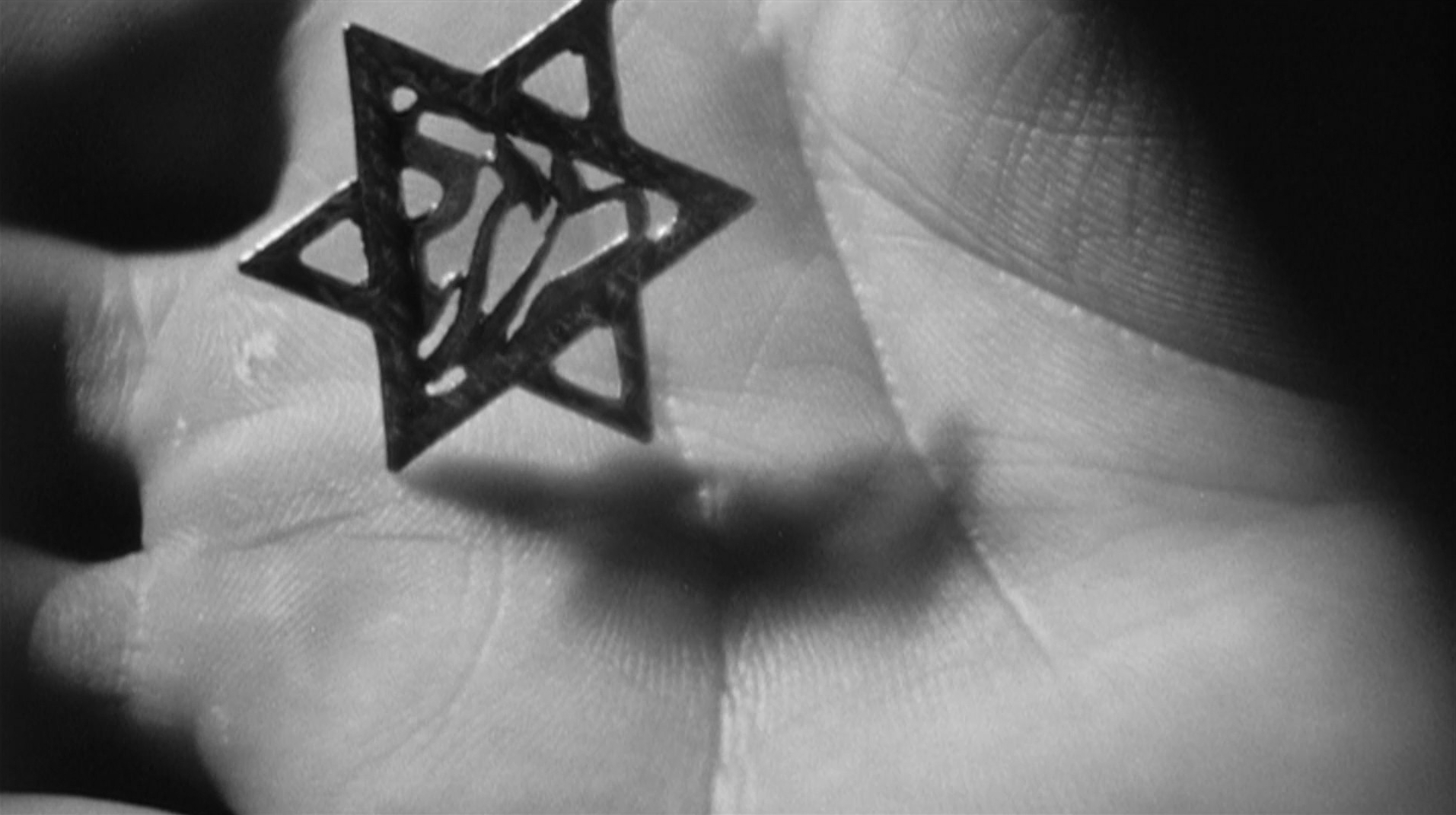
Based on the real-life Leopold and Loeb case, the film follows two wealthy young men whose intellectual arrogance and obsessive relationship lead them to commit a shocking murder. As the investigation unfolds, their motivations and bond come under scrutiny, revealing a complex mix of desire, power, and alienation. The story reframes the infamous crime through a lens of identity and societal repression.
Kalin and cinematographer Ellen Kuras shot Swoon in stark black-and-white, using high-contrast lighting and stylized compositions to strip the story down to its psychological core. The film’s controlled, almost architectural framing and deliberate artifice turn the period setting into something abstract—reimagining true crime as a formally rigorous, visually constructed narrative.


FILM SPOTLIGHT
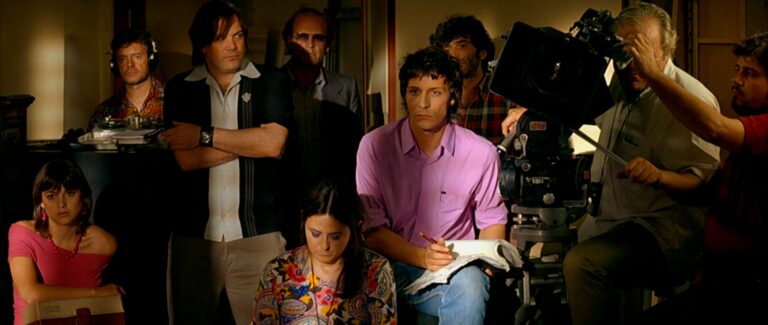
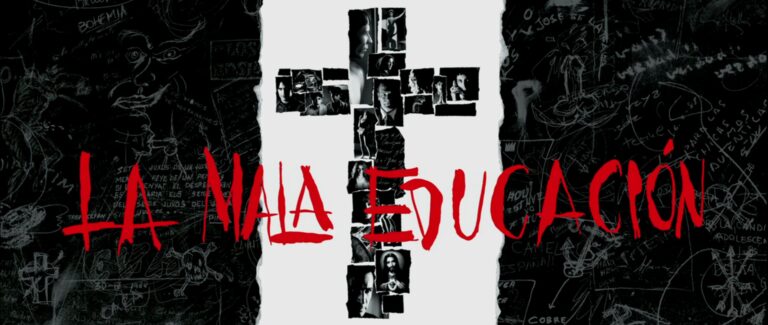
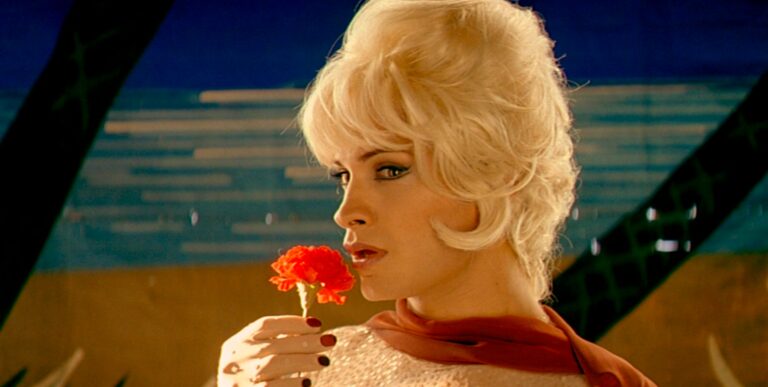
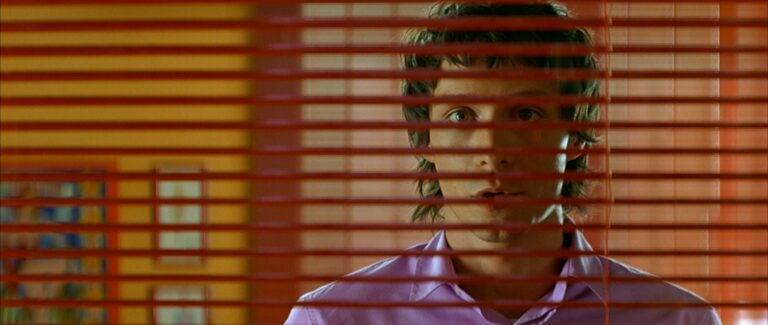
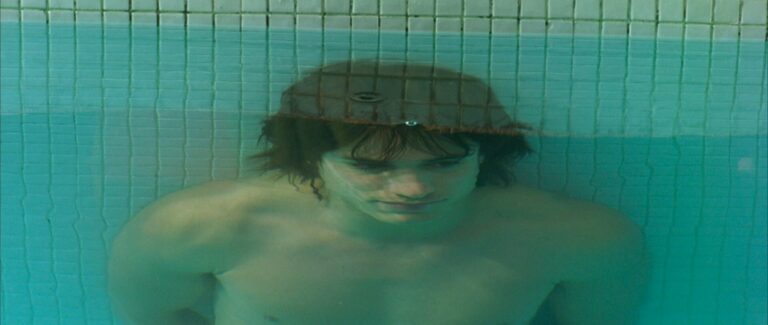
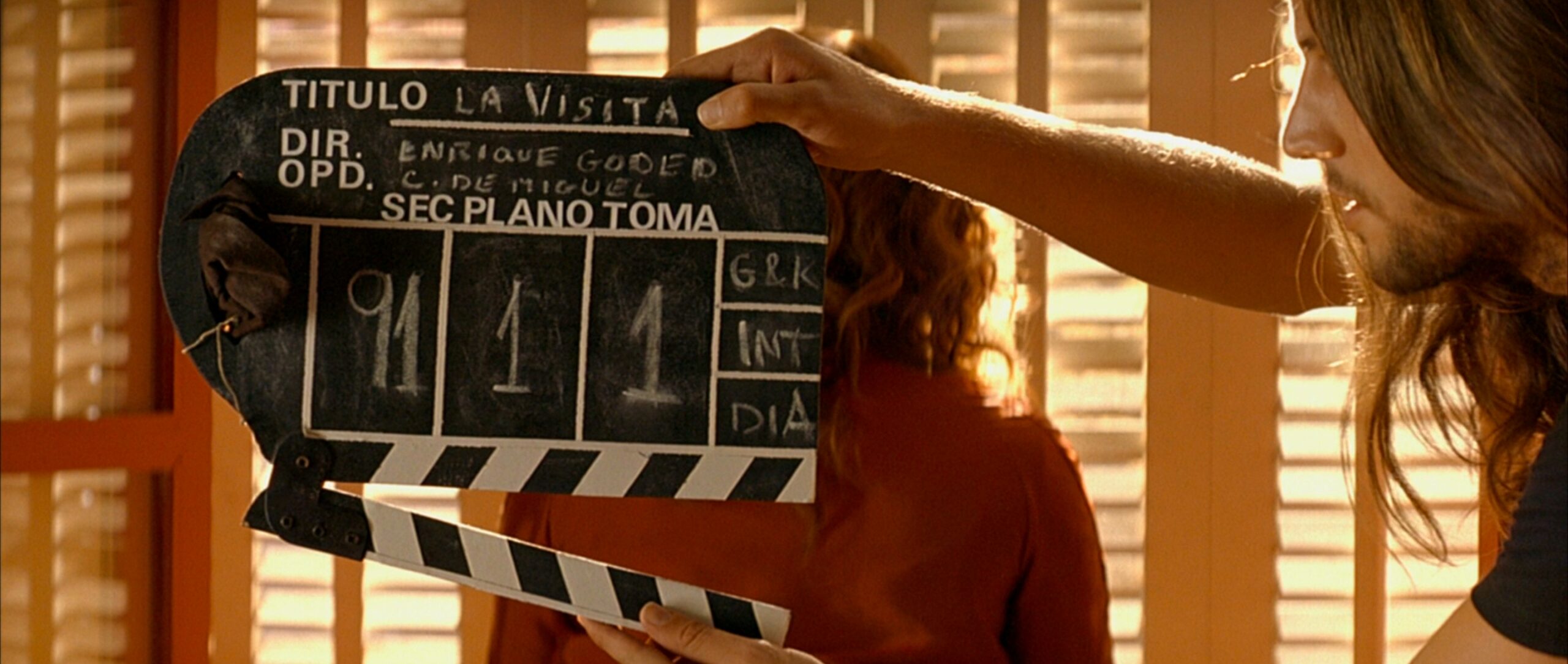
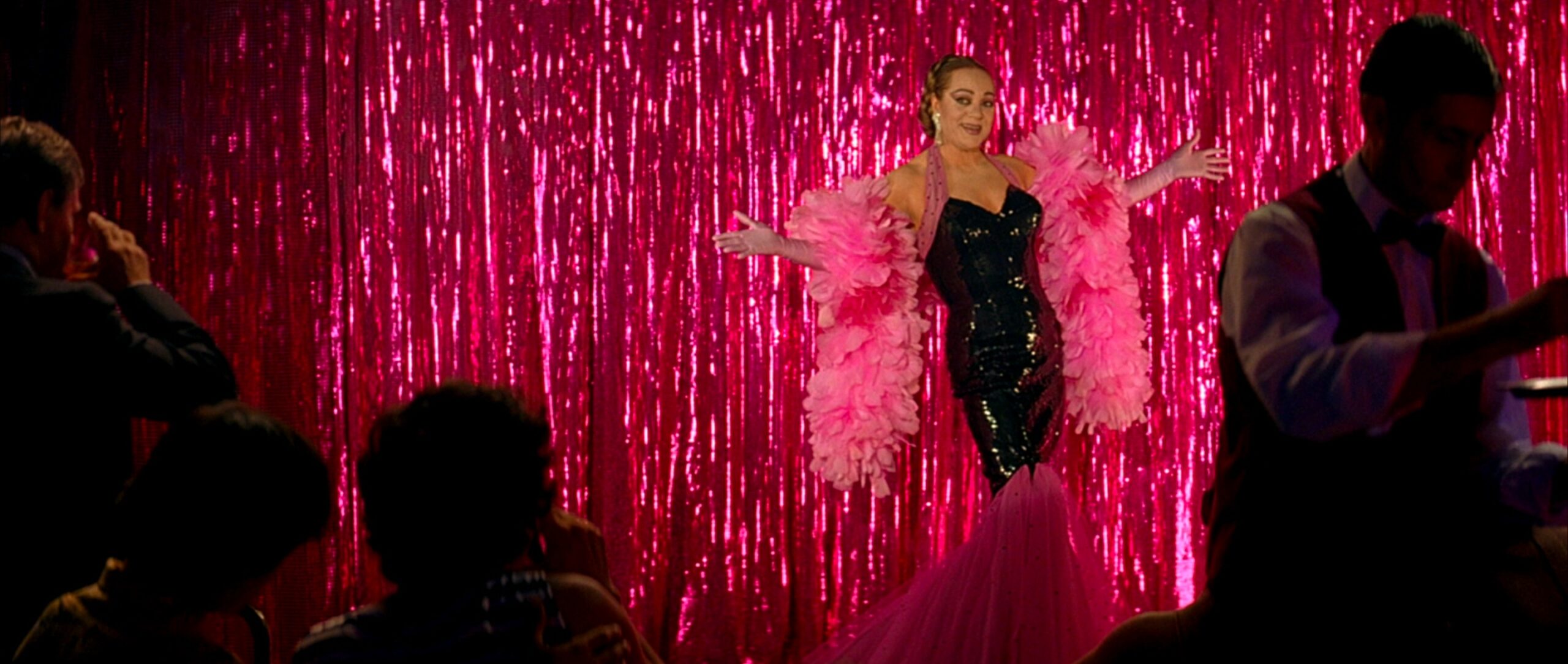
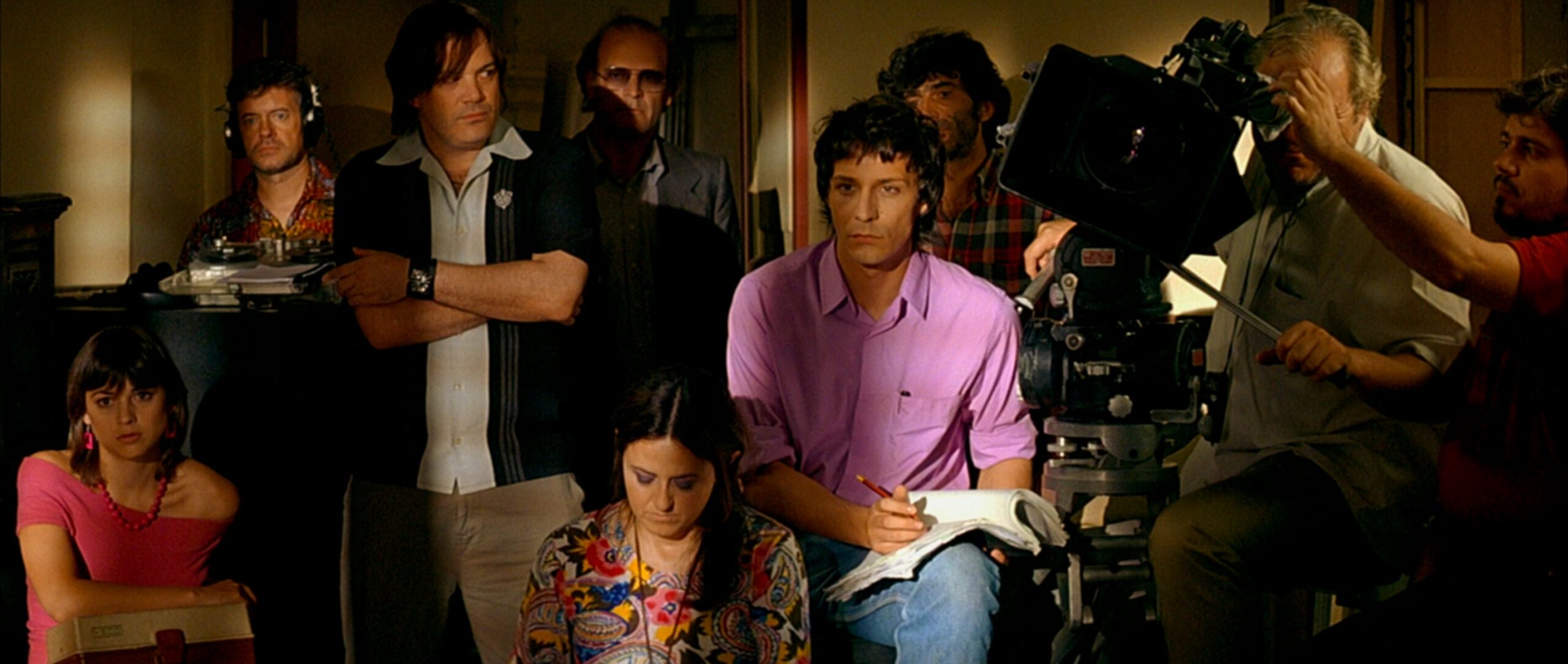
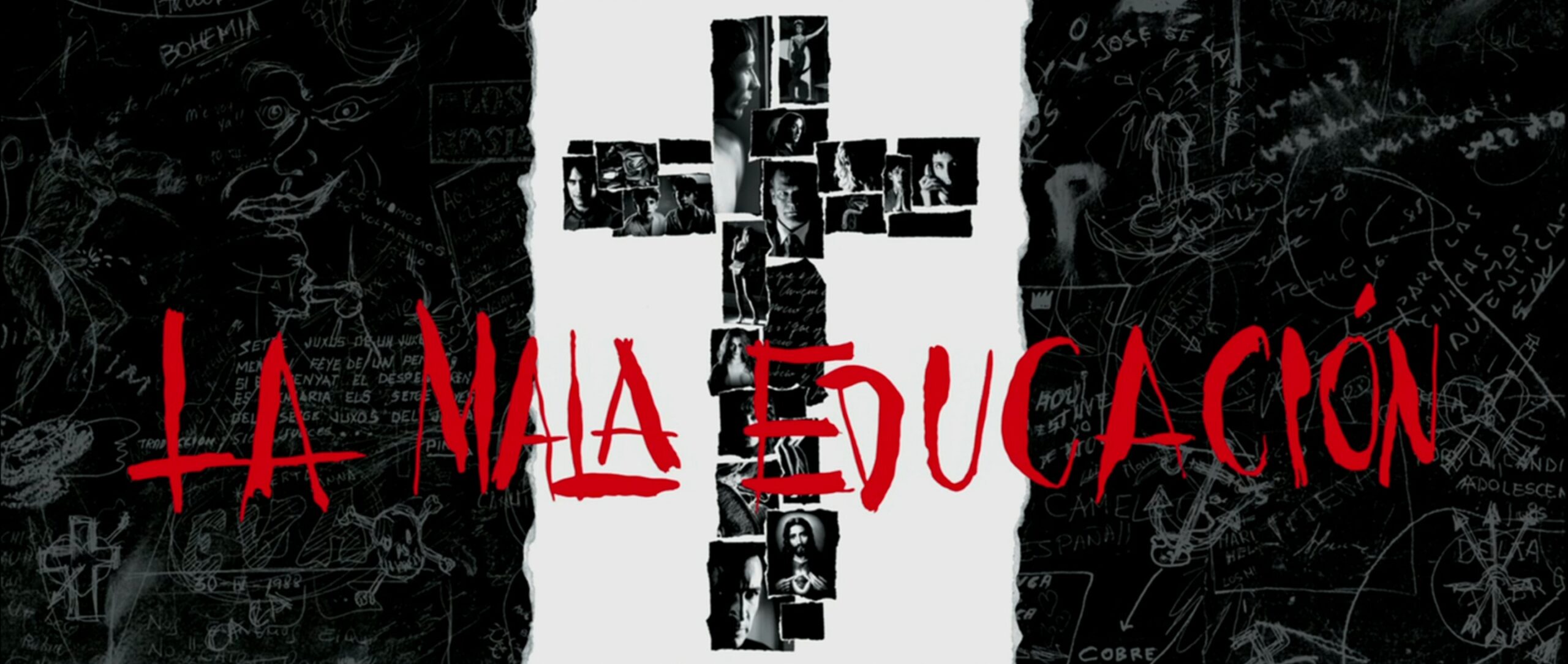
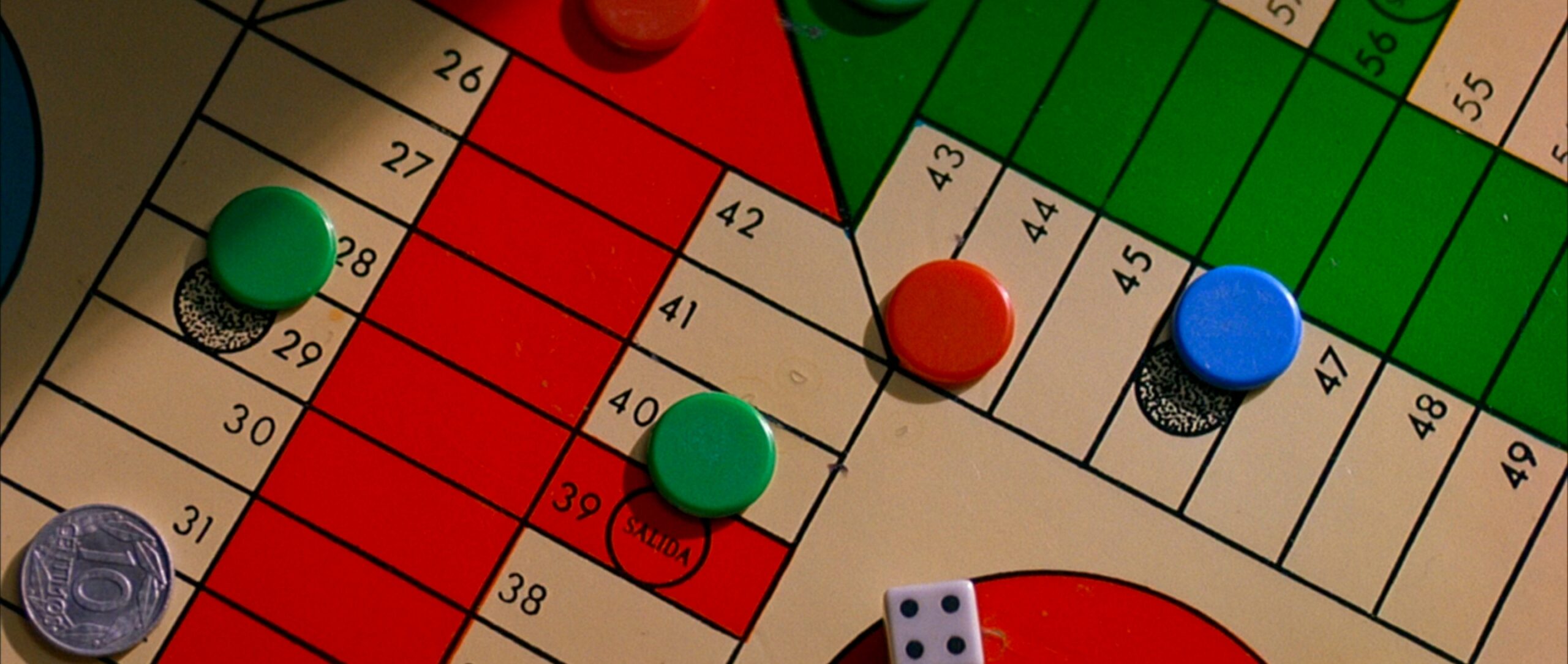
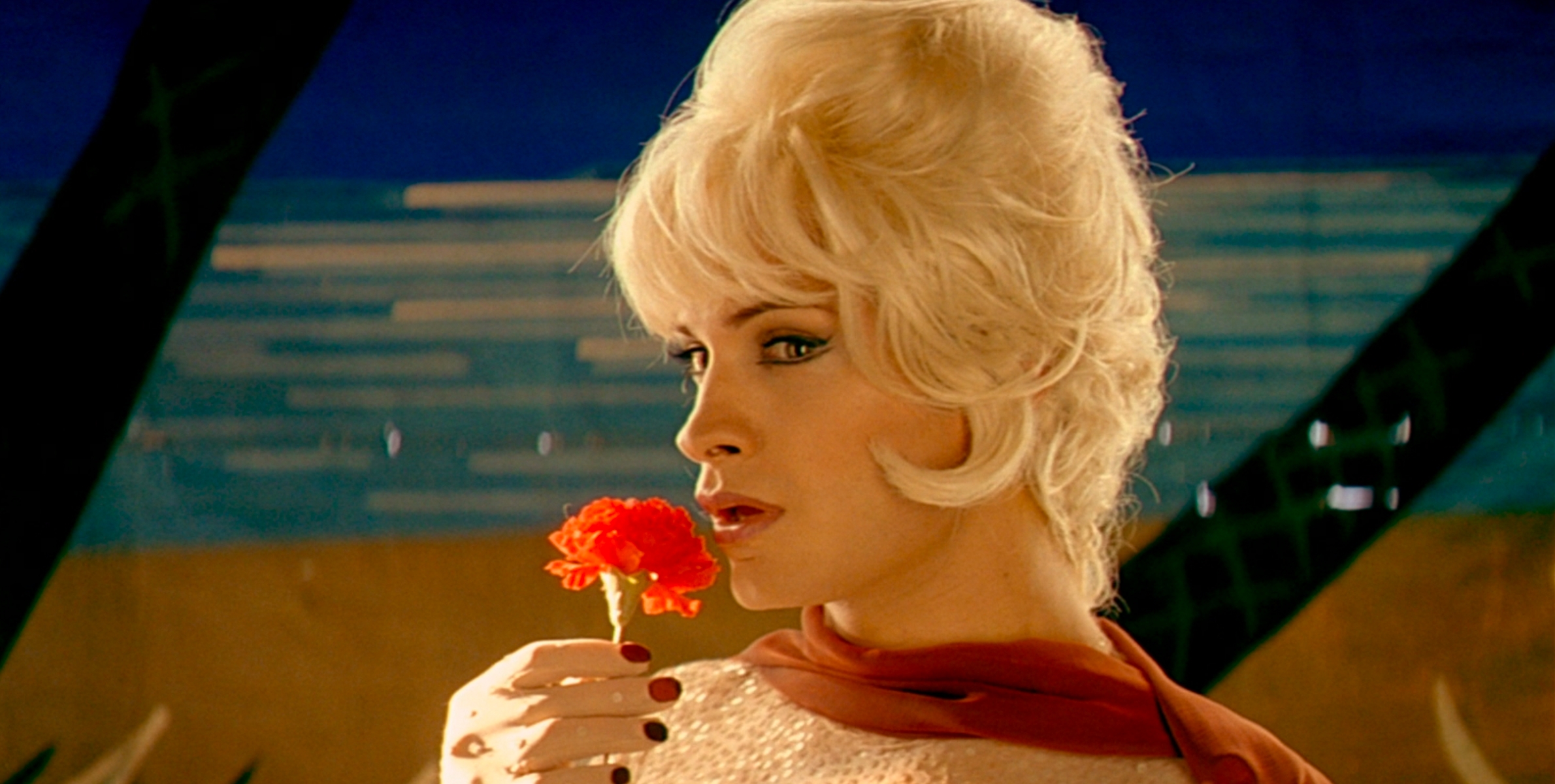
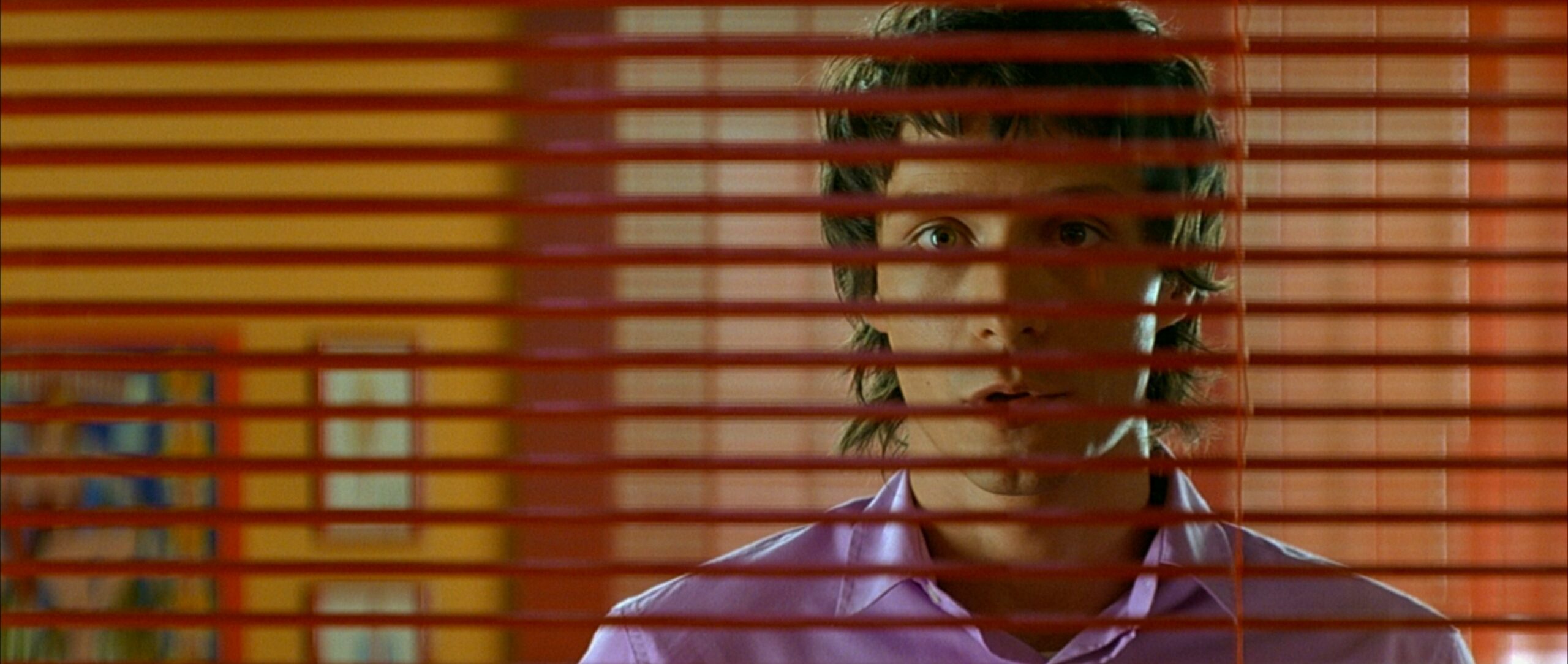
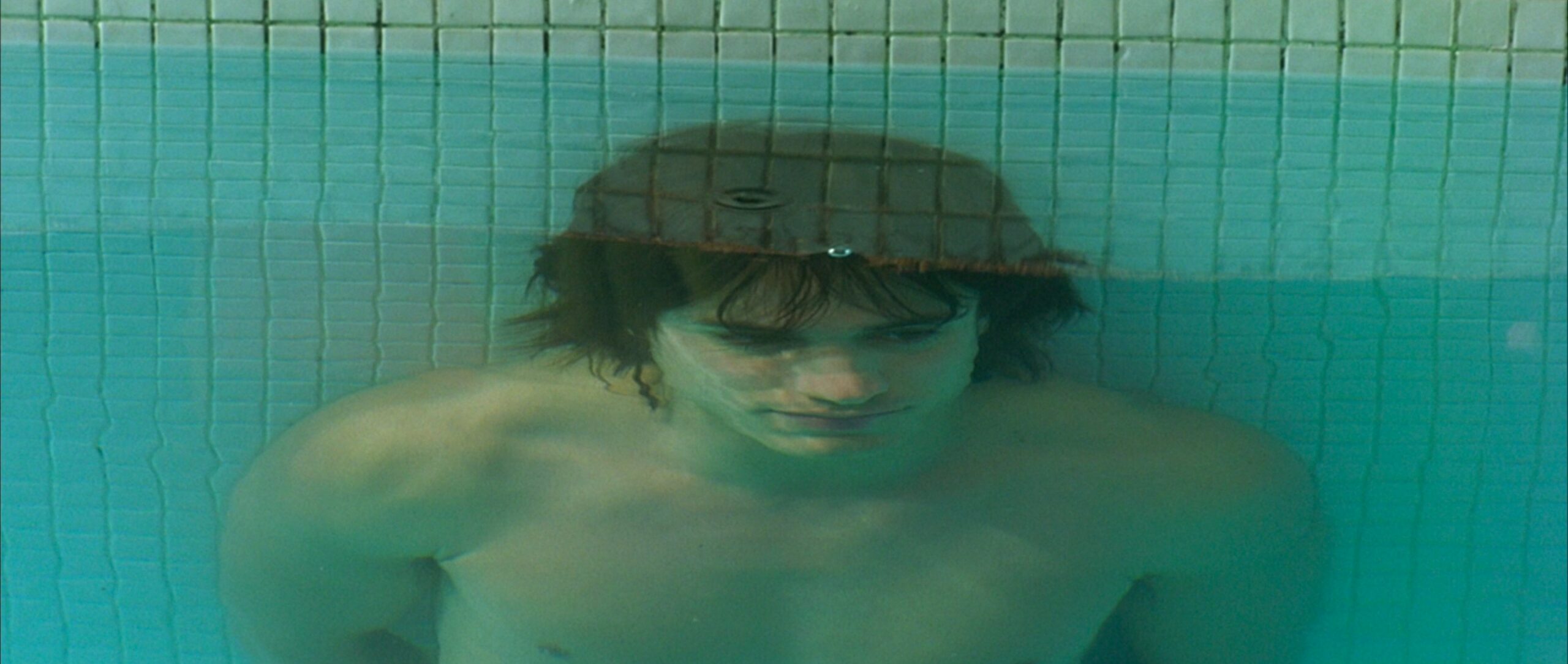
Bad Education (2004)
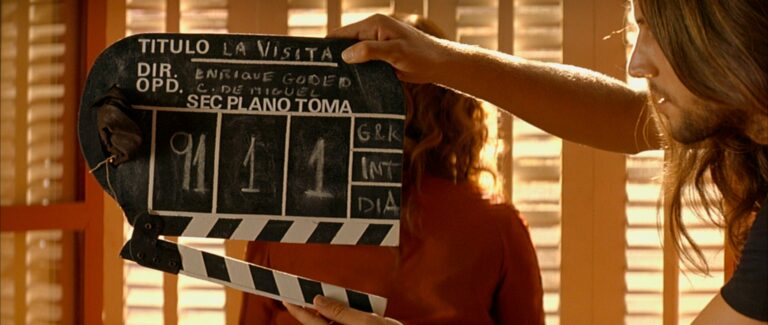
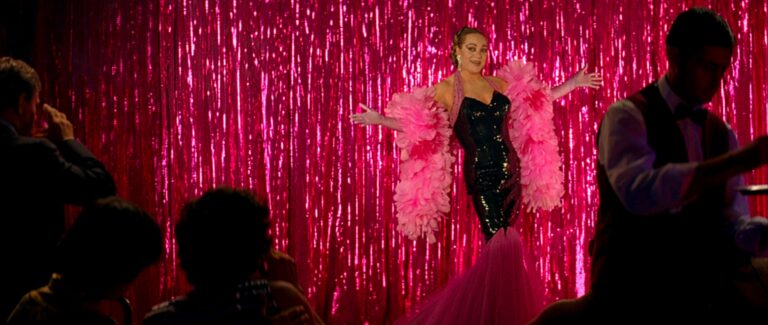
An aspiring filmmaker reconnects with a childhood friend who brings him a story based on their shared past at a Catholic boarding school, where they suffered abuse at the hands of a priest. As the filmmaker begins adapting the material, layers of identity, memory, and deception begin to unravel. The narrative folds into itself, blurring fiction and reality while exploring trauma, desire, and revenge.
In Bad Education, Almodóvar and cinematographer José Luis Alcaine lean into a richly stylized, noir-inflected palette, using saturated reds, deep shadows, and precise lighting to heighten the film’s sense of mystery and performance. The film’s layered storytelling is mirrored visually through mirrors, frames-within-frames, and theatrical compositions—turning identity itself into a kind of visual construction.



FILM SPOTLIGHT
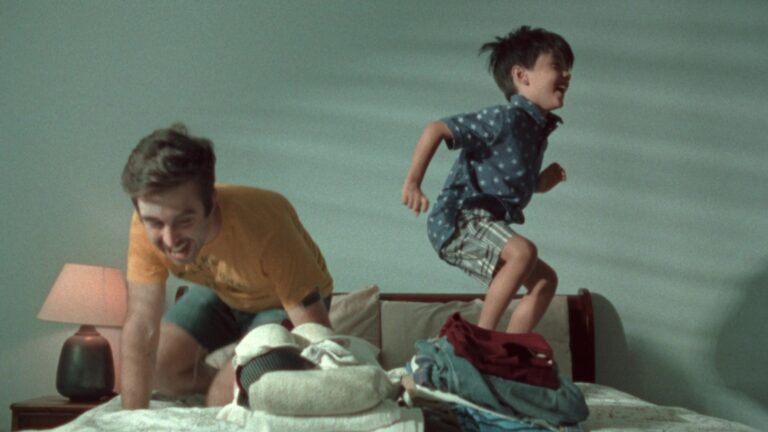
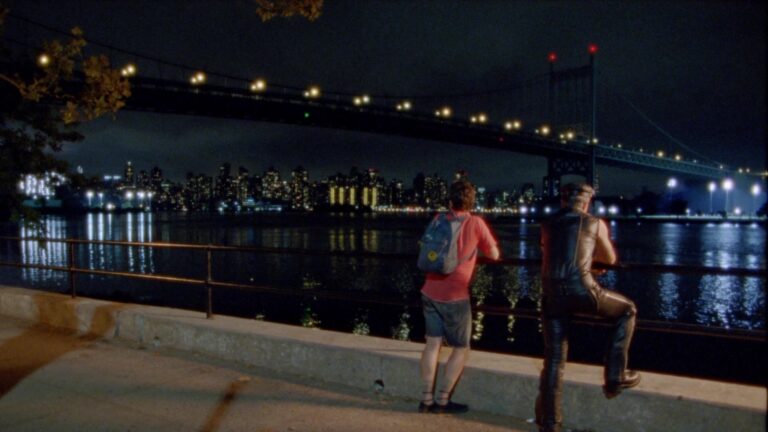
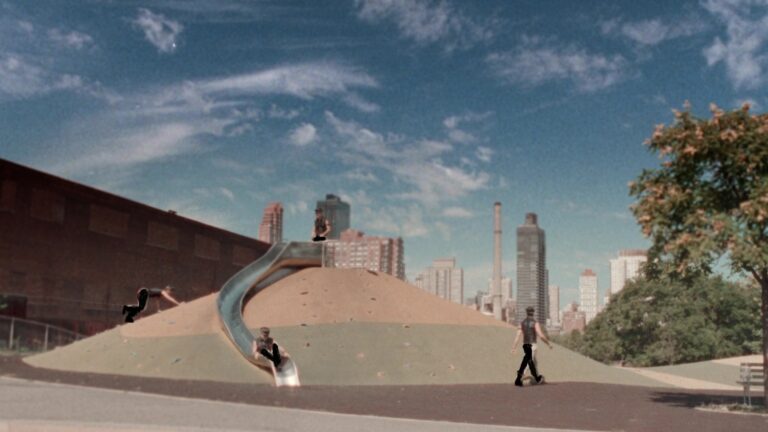
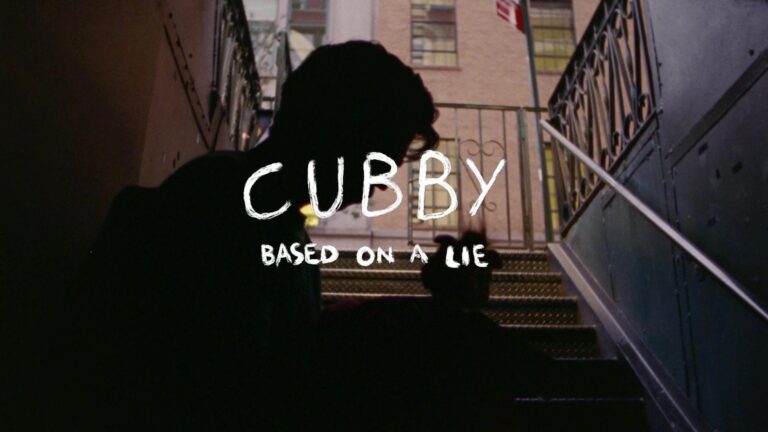
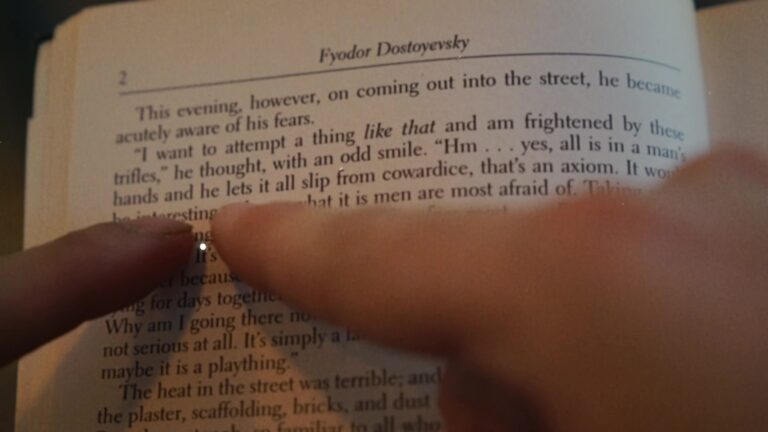
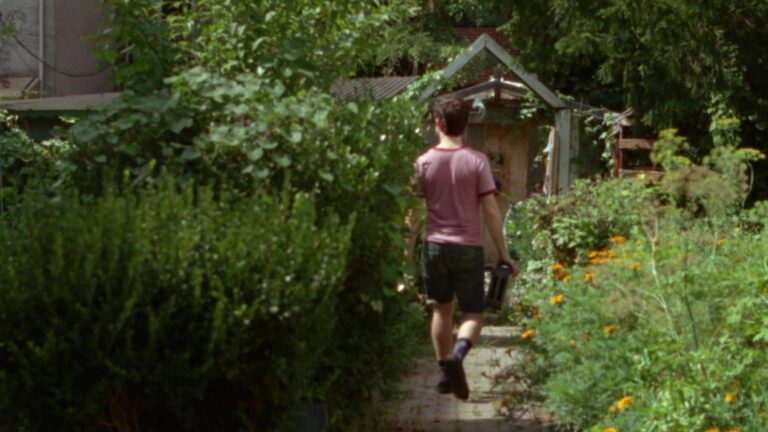
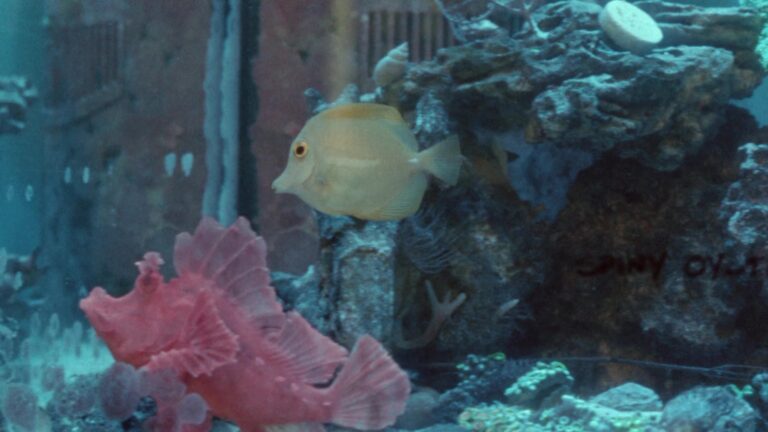
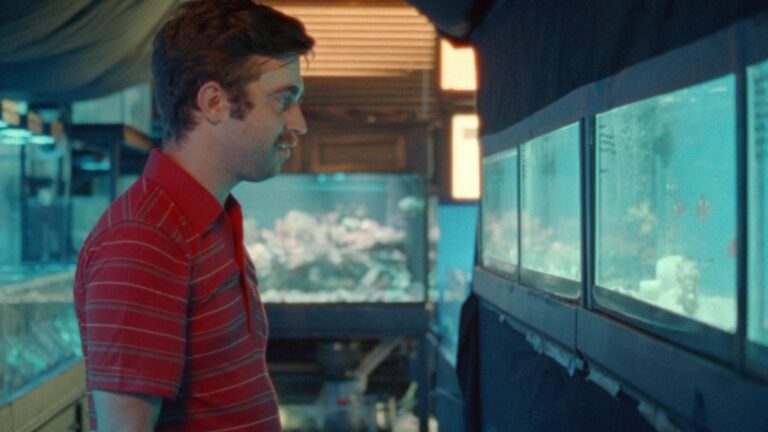
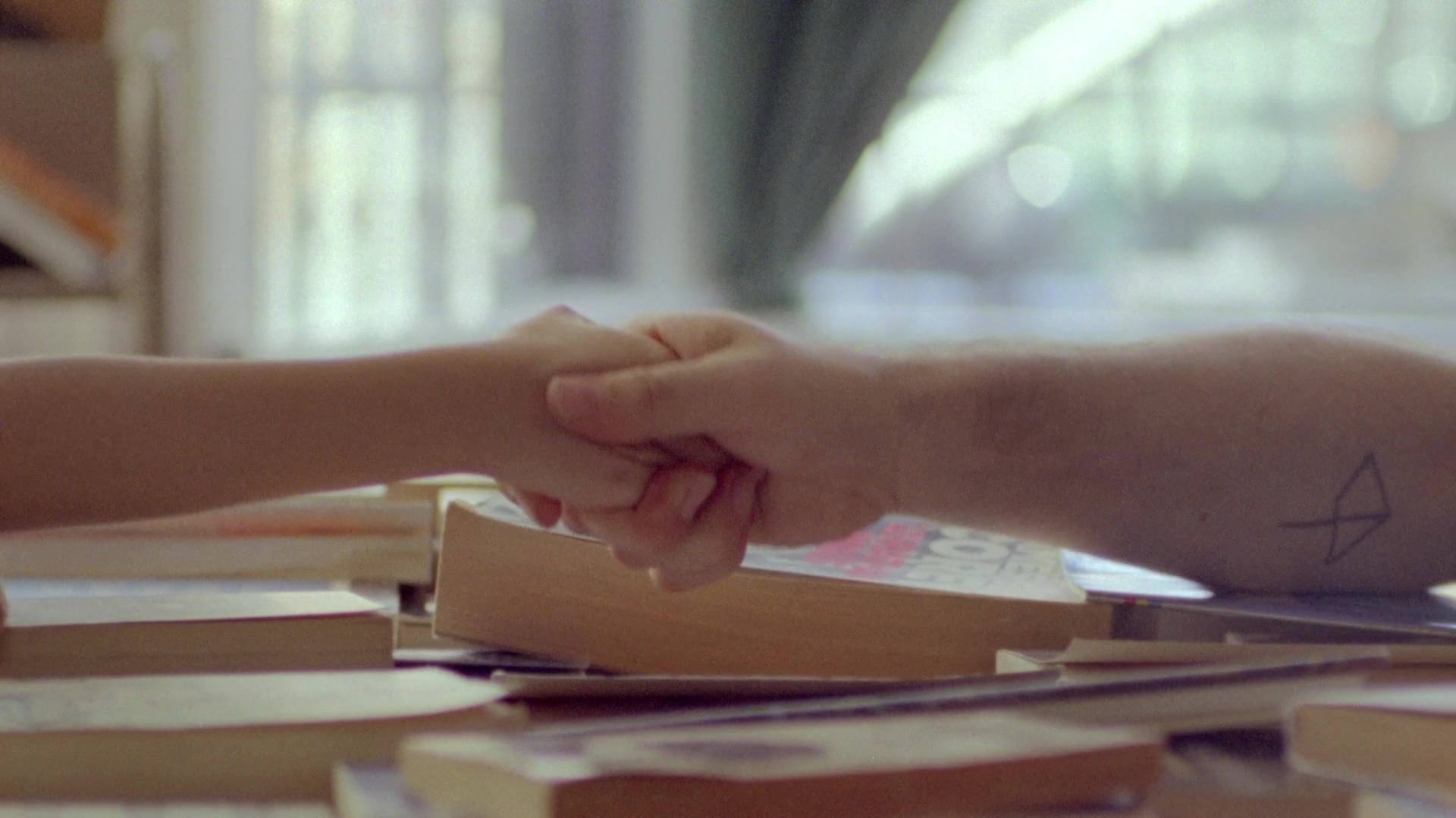
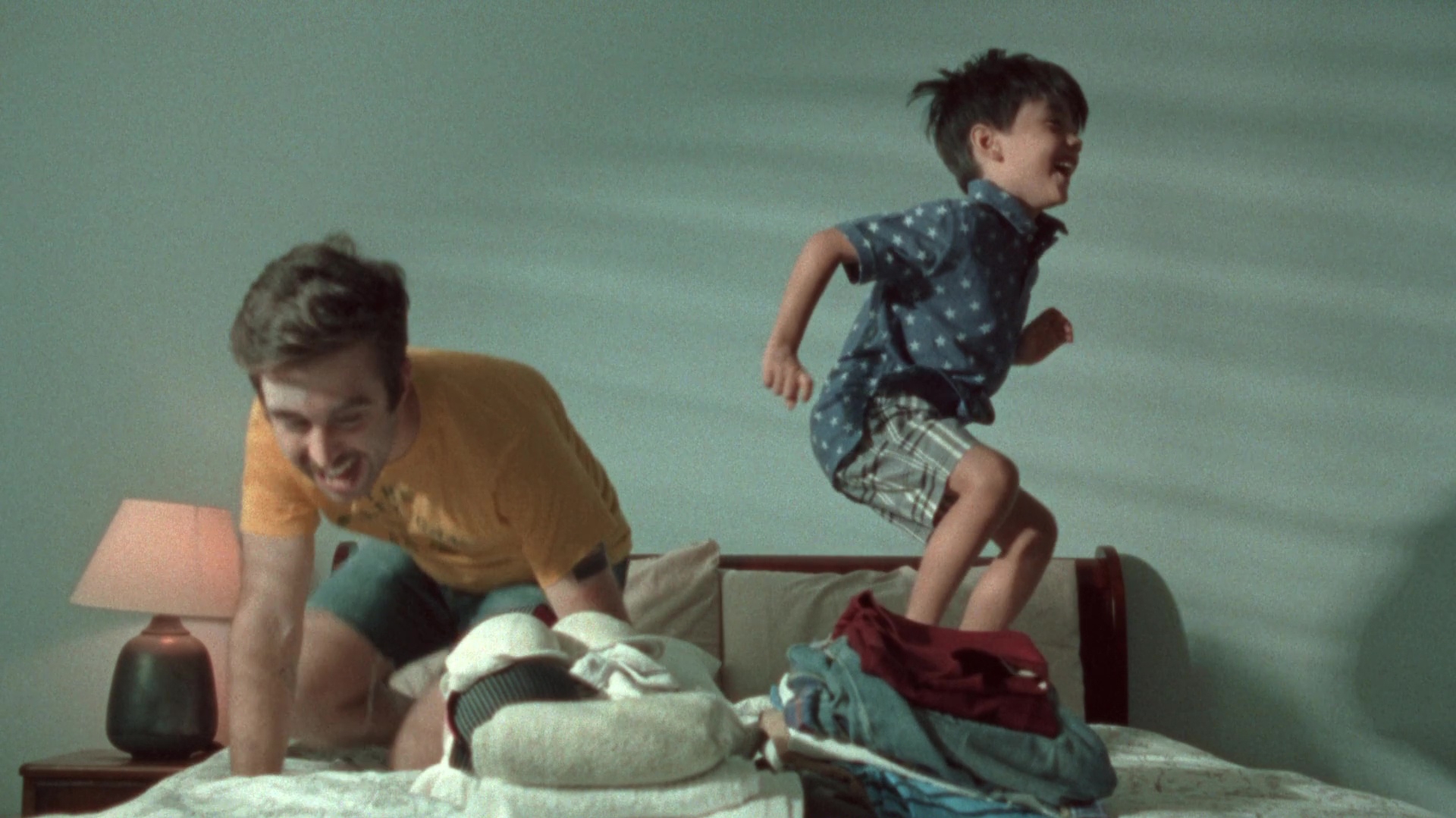
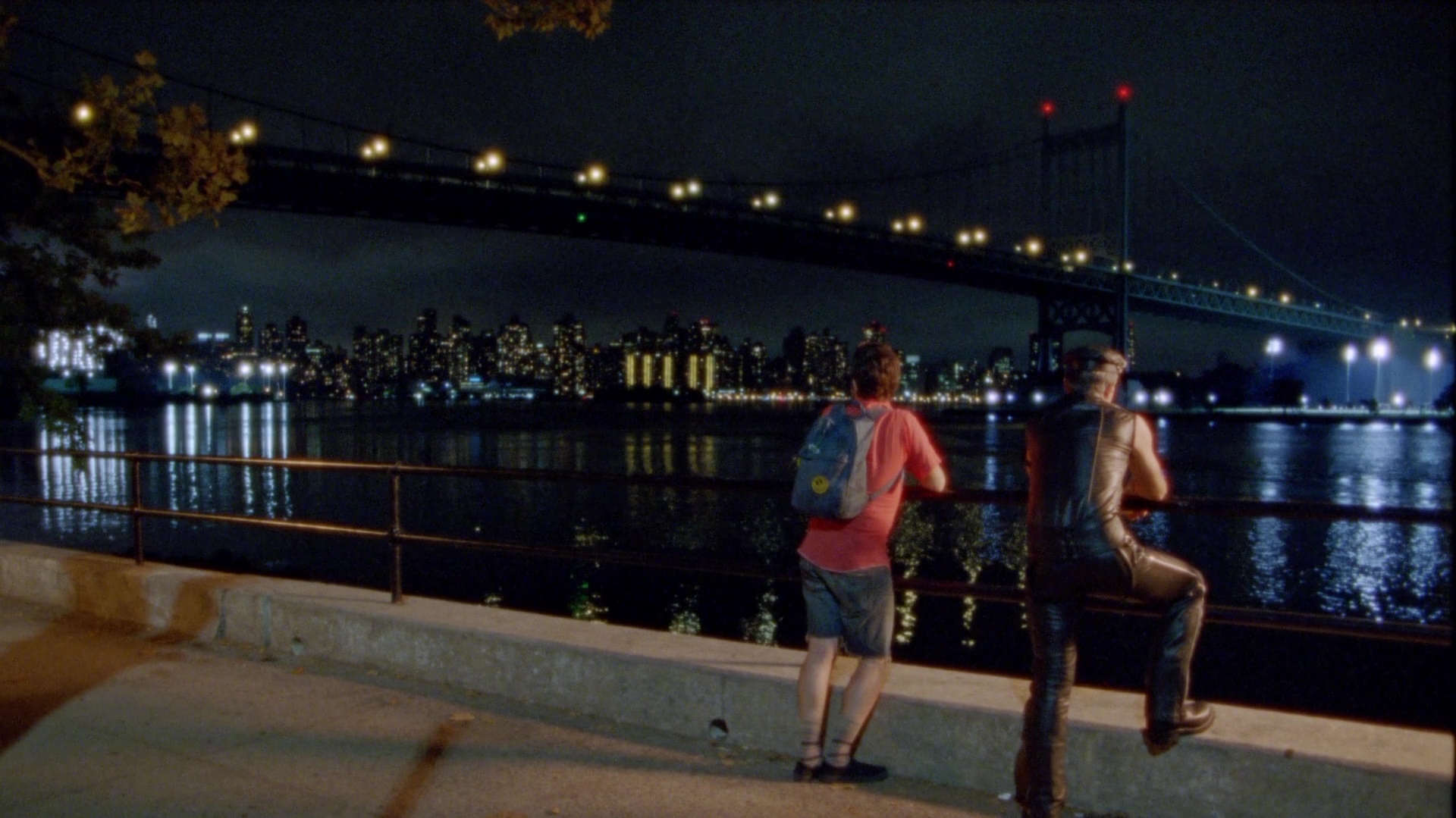
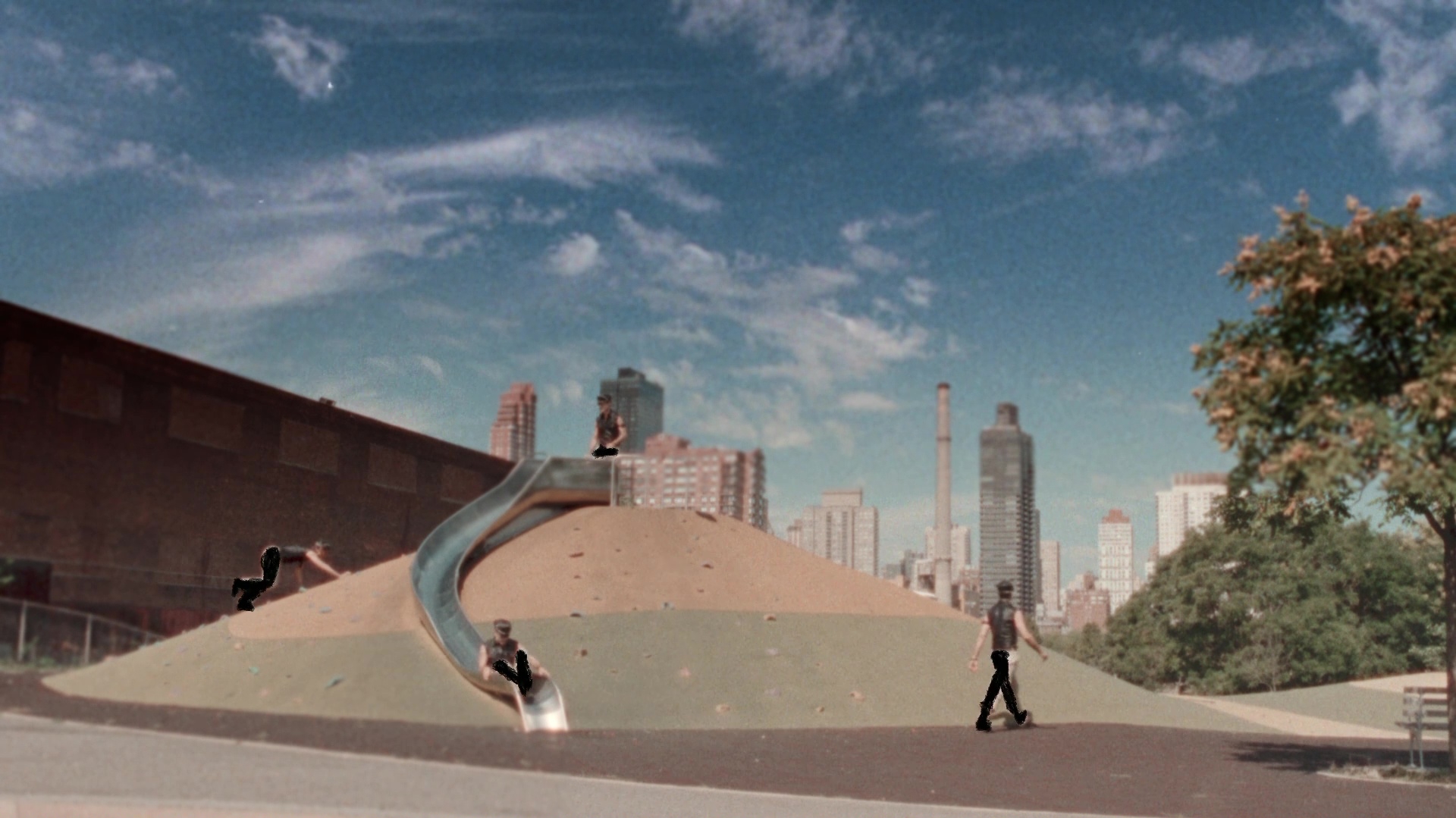
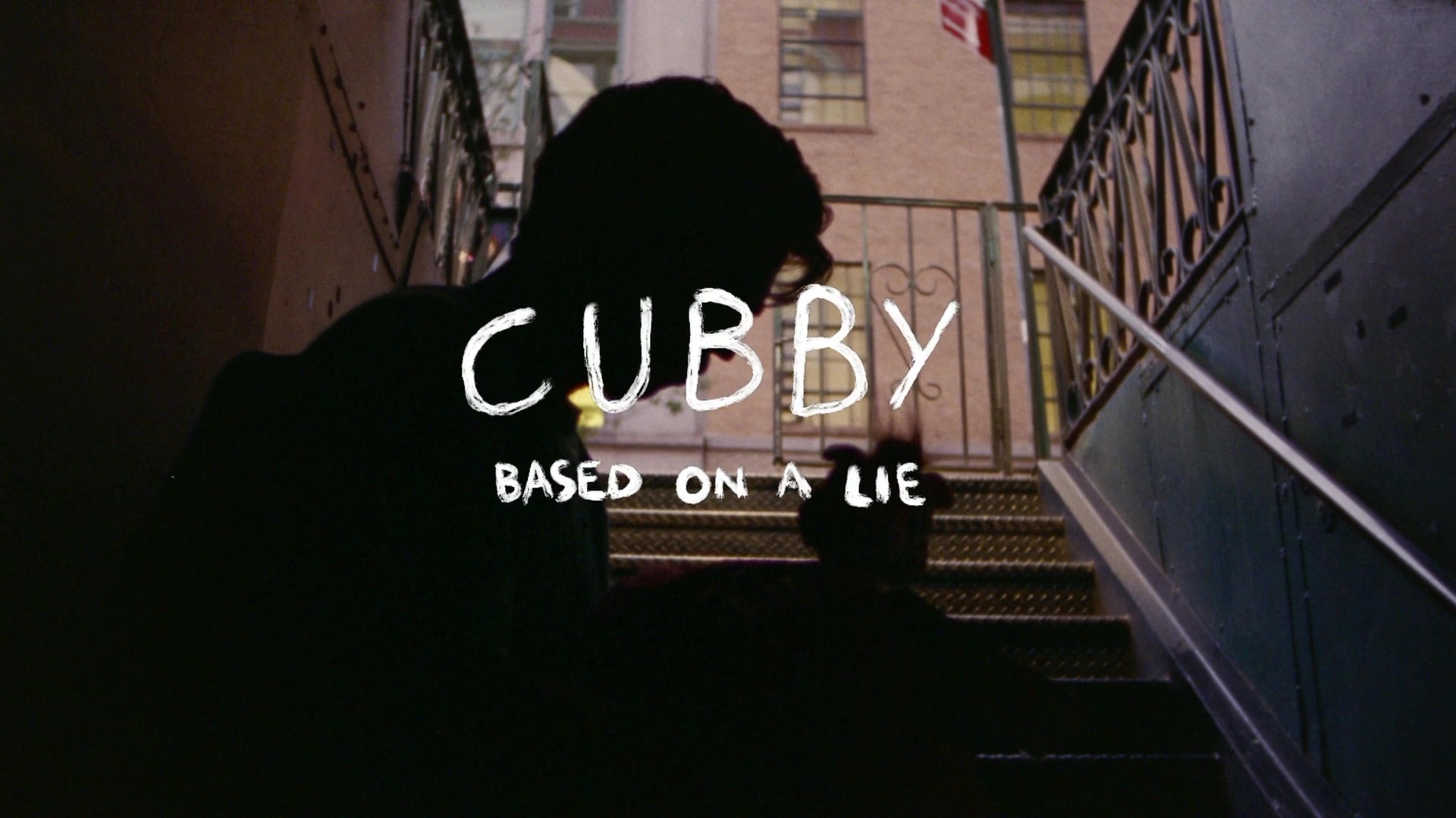
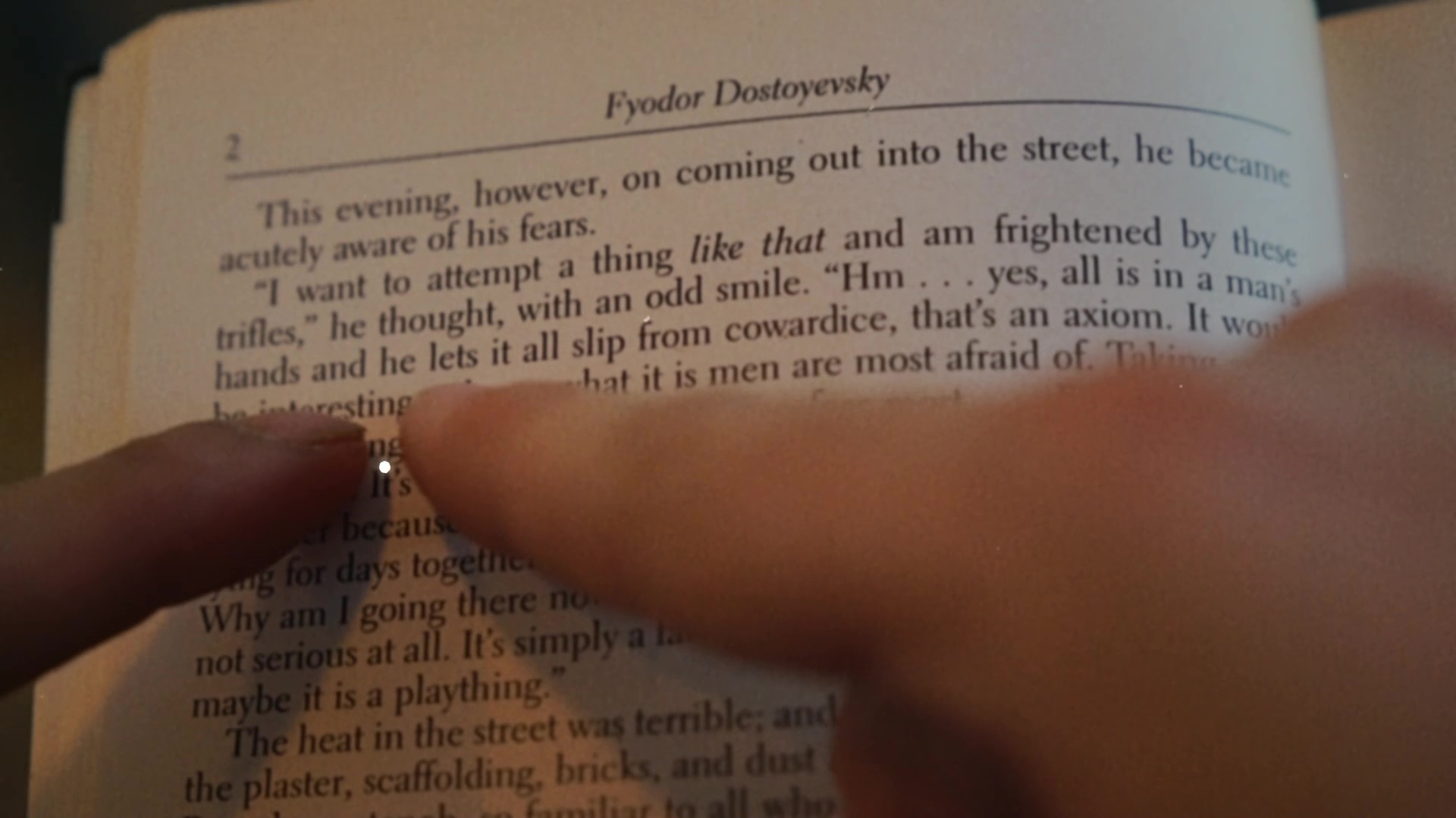
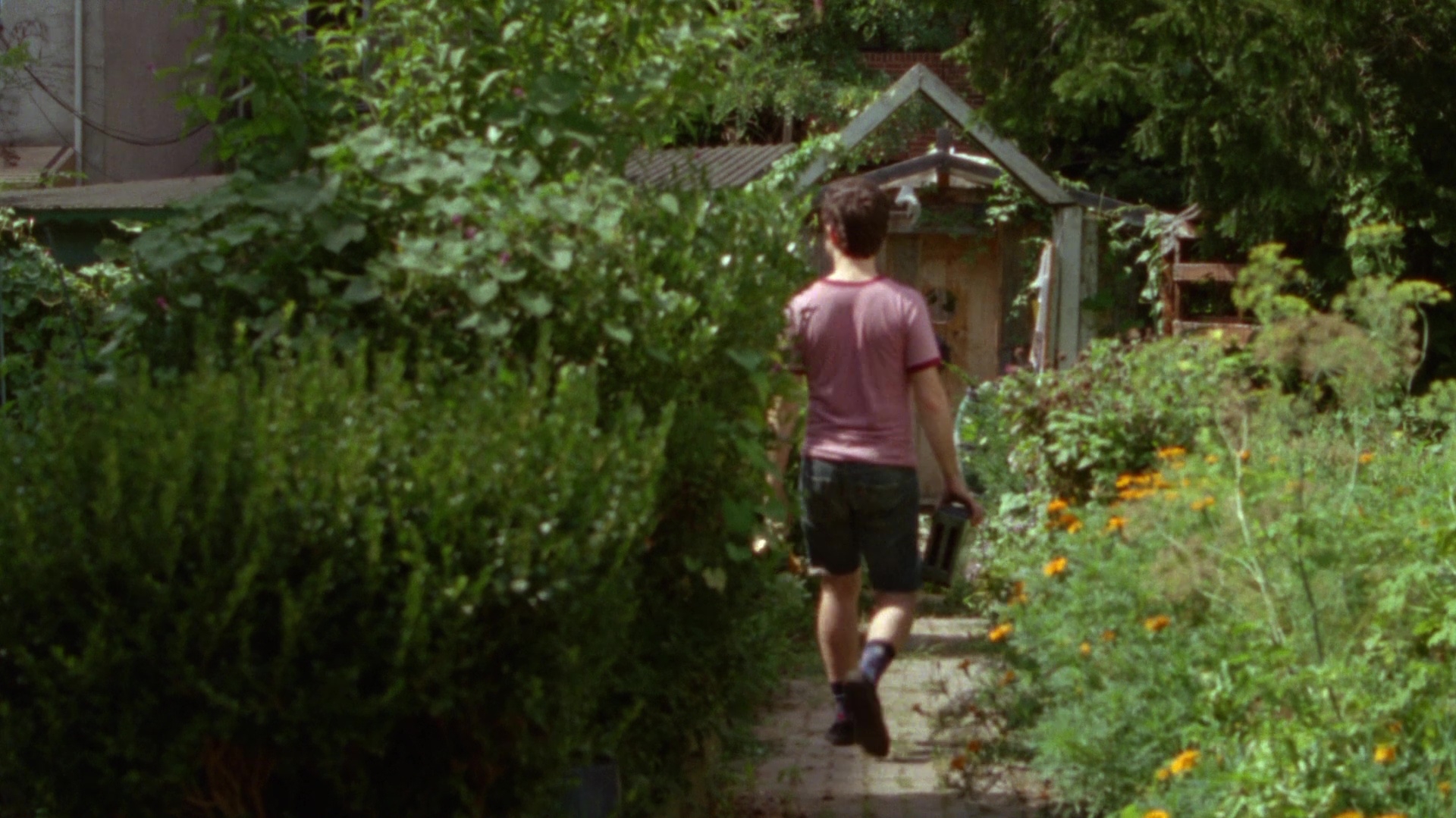
Cubby (2019)
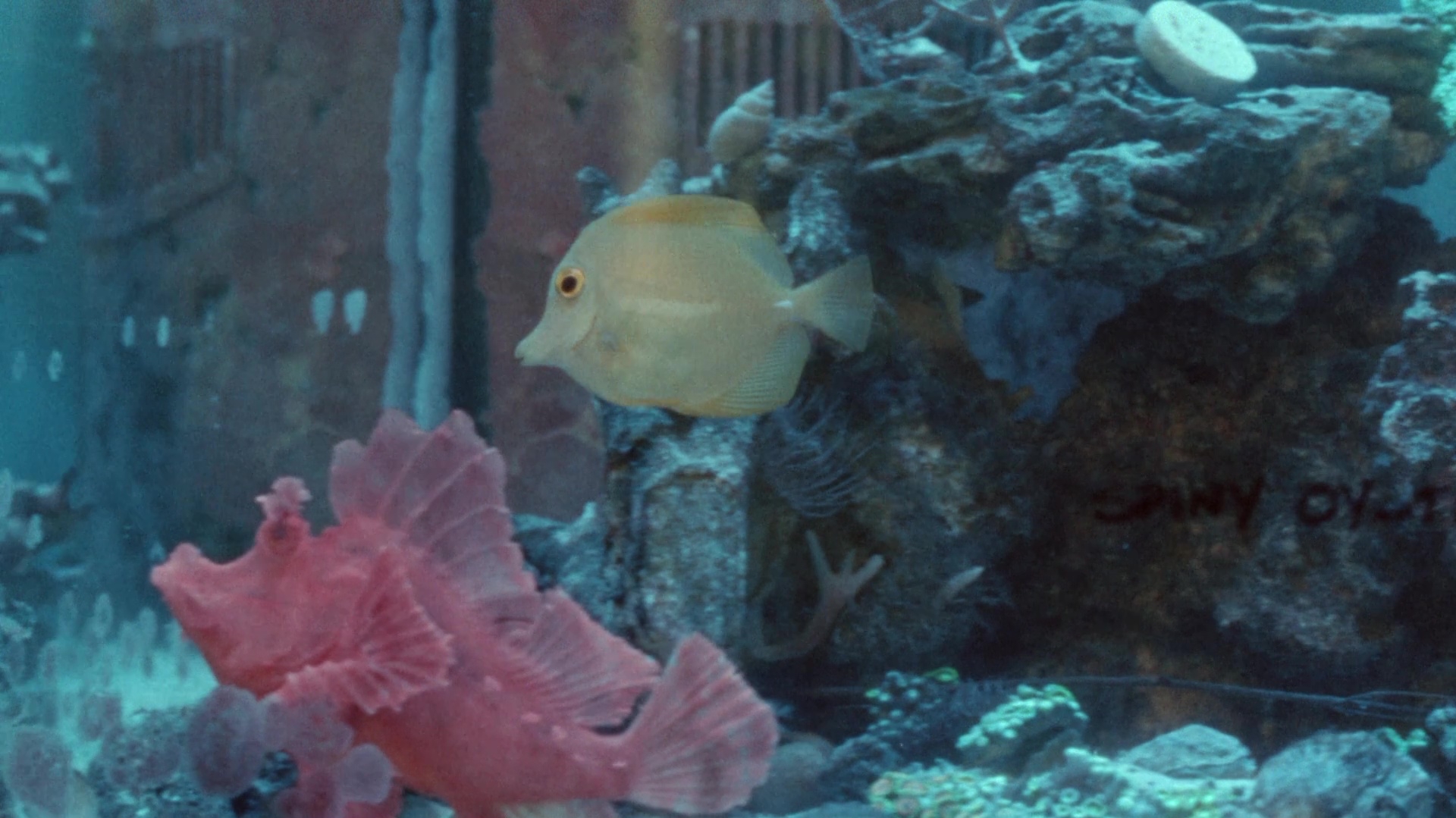
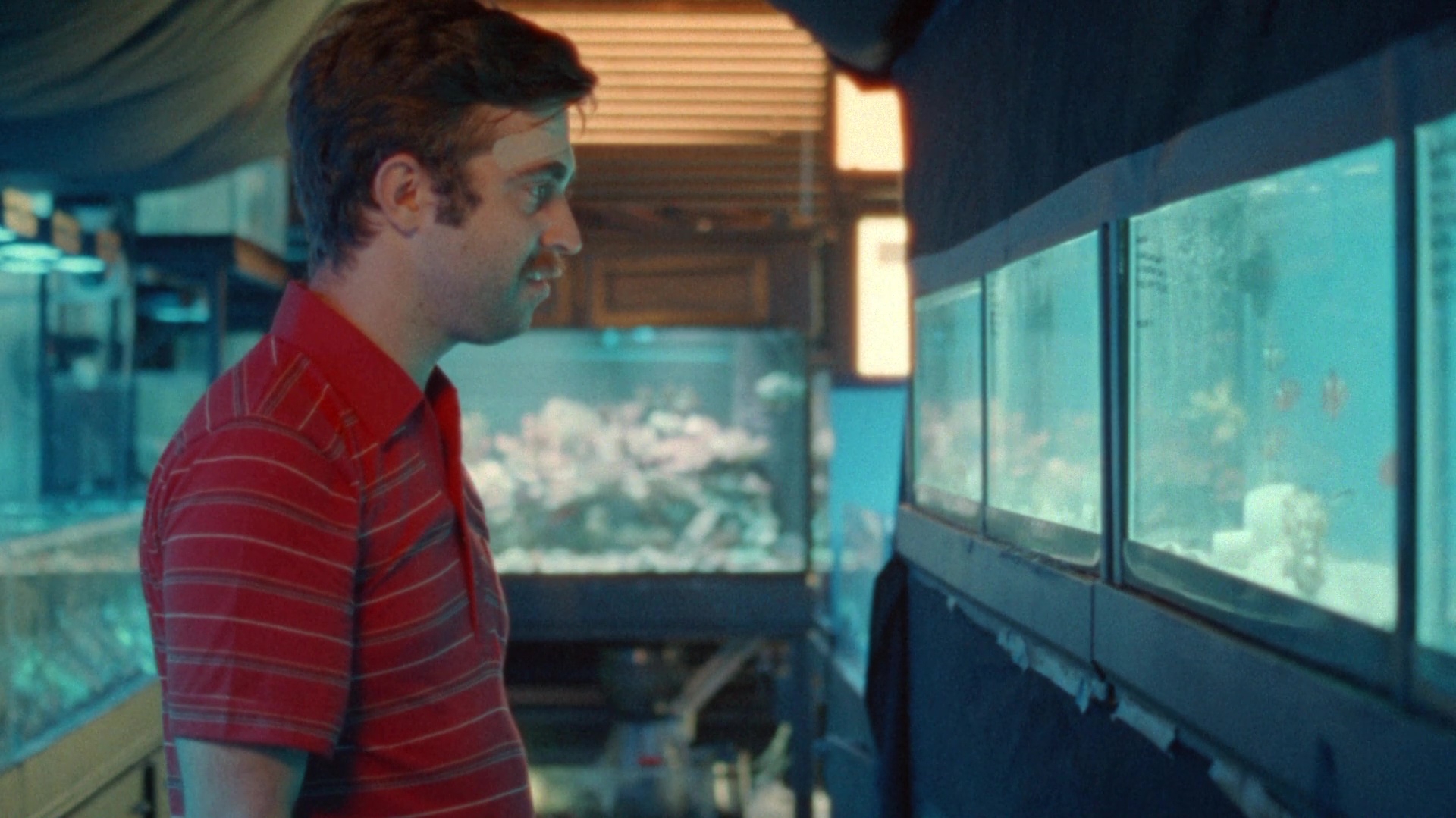
A naïve young man from the Midwest moves to New York City in search of a fresh start and becomes a babysitter for a troubled six-year-old boy. As he navigates the complexities of adulthood, identity, and relationships, he forms an unexpected bond with the child. His journey becomes one of self-discovery, as fantasy and reality begin to intertwine in his attempt to find his place in the world.
Blane and cinematographer Connor Murphy shoot Cubby with a playful, low-budget intimacy, using handheld camerawork and natural light to ground its coming-of-age story. The film contrasts this grounded approach with bursts of surreal, costumed fantasy—turning imagination into a visual escape that mirrors the protagonist’s internal struggle.

TELEVISION SERIES
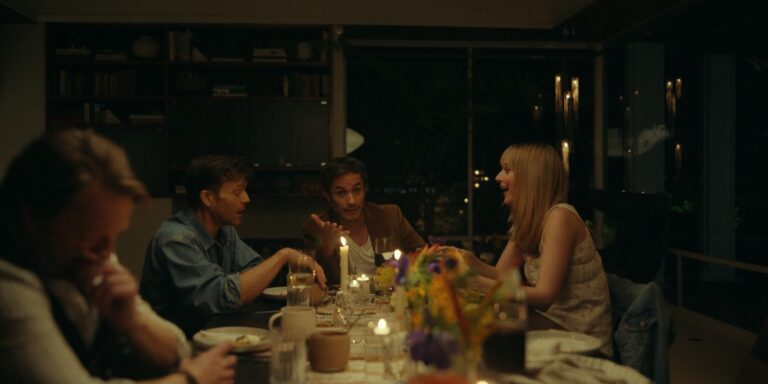
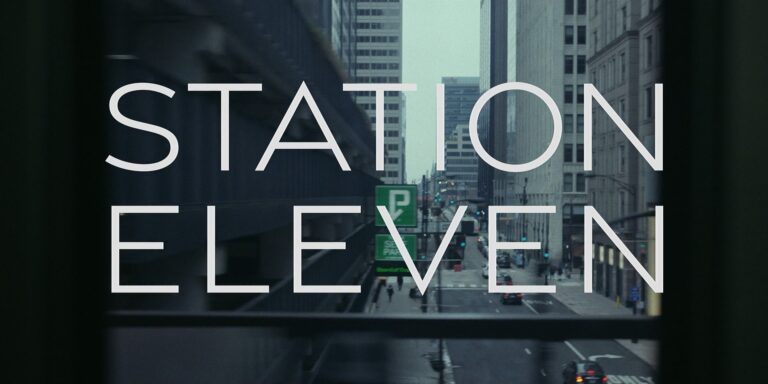
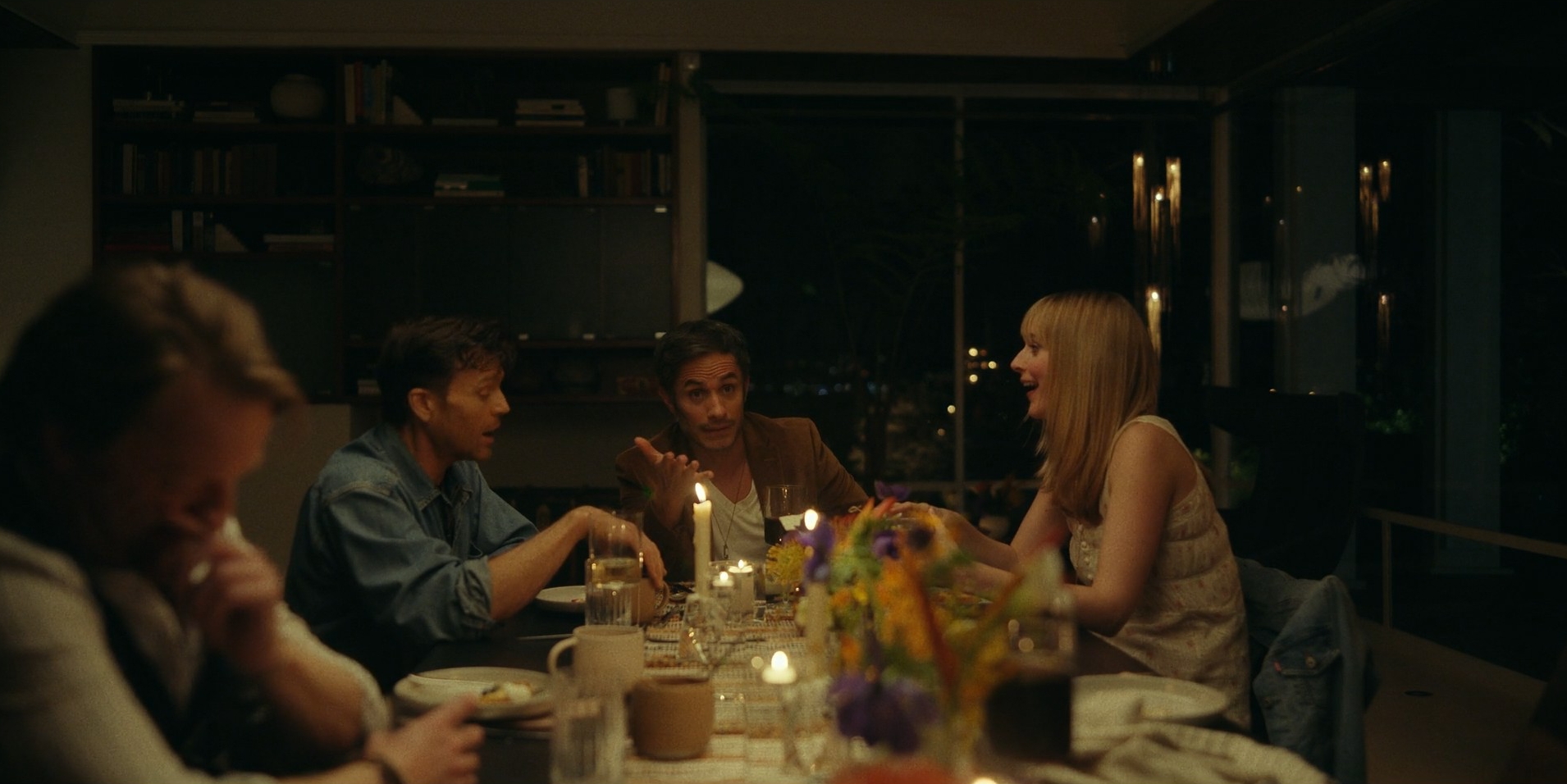
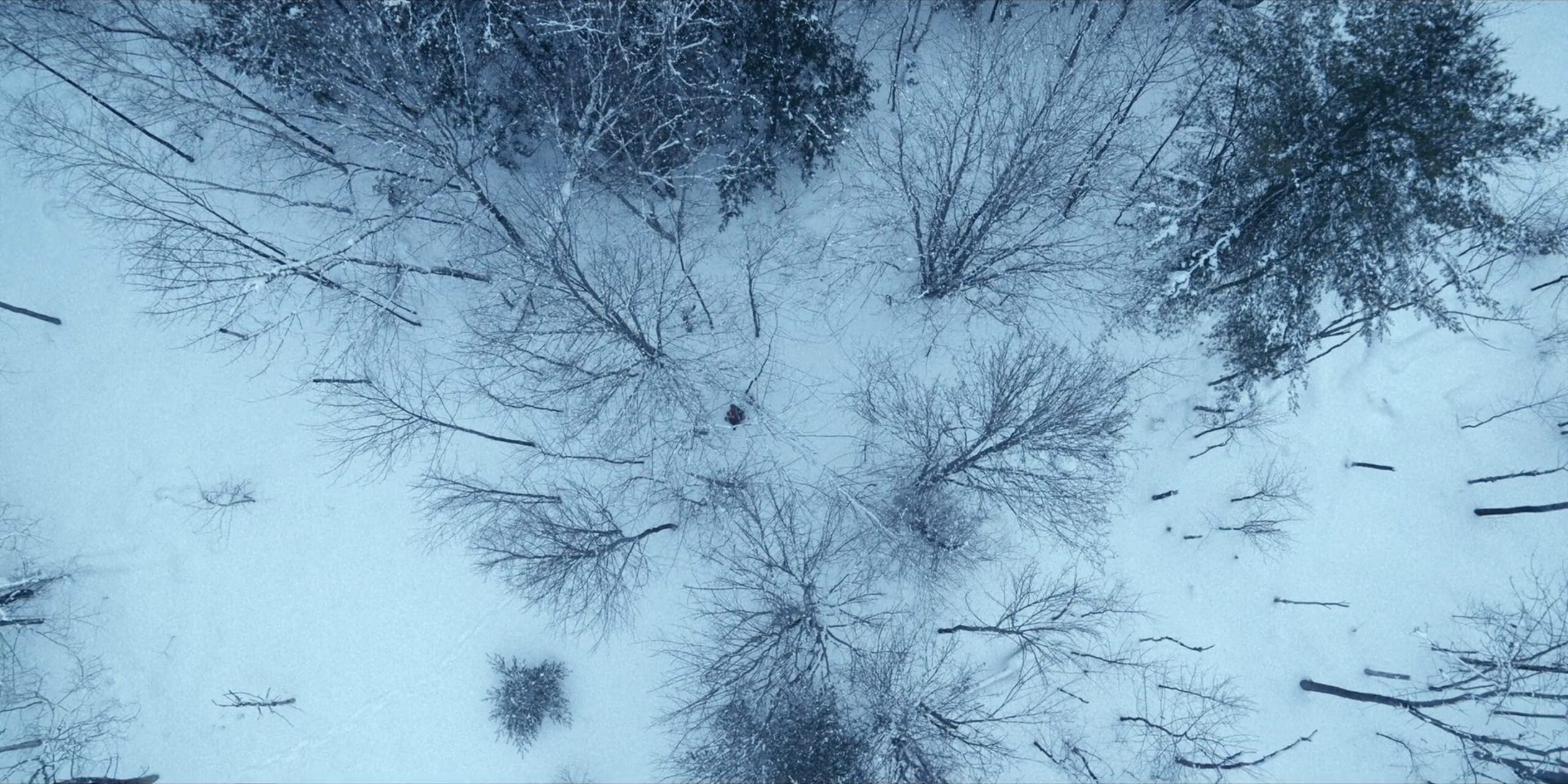
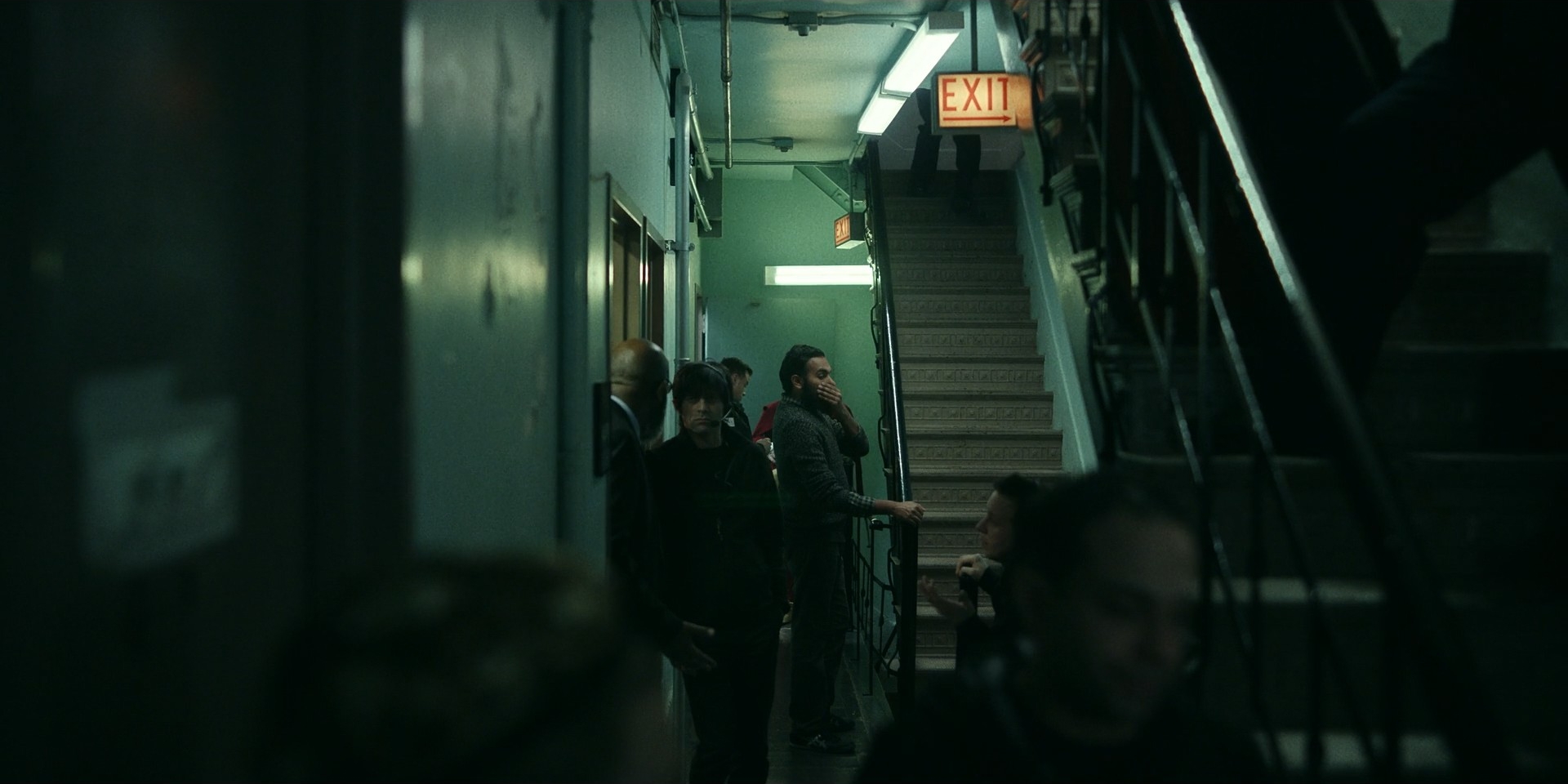
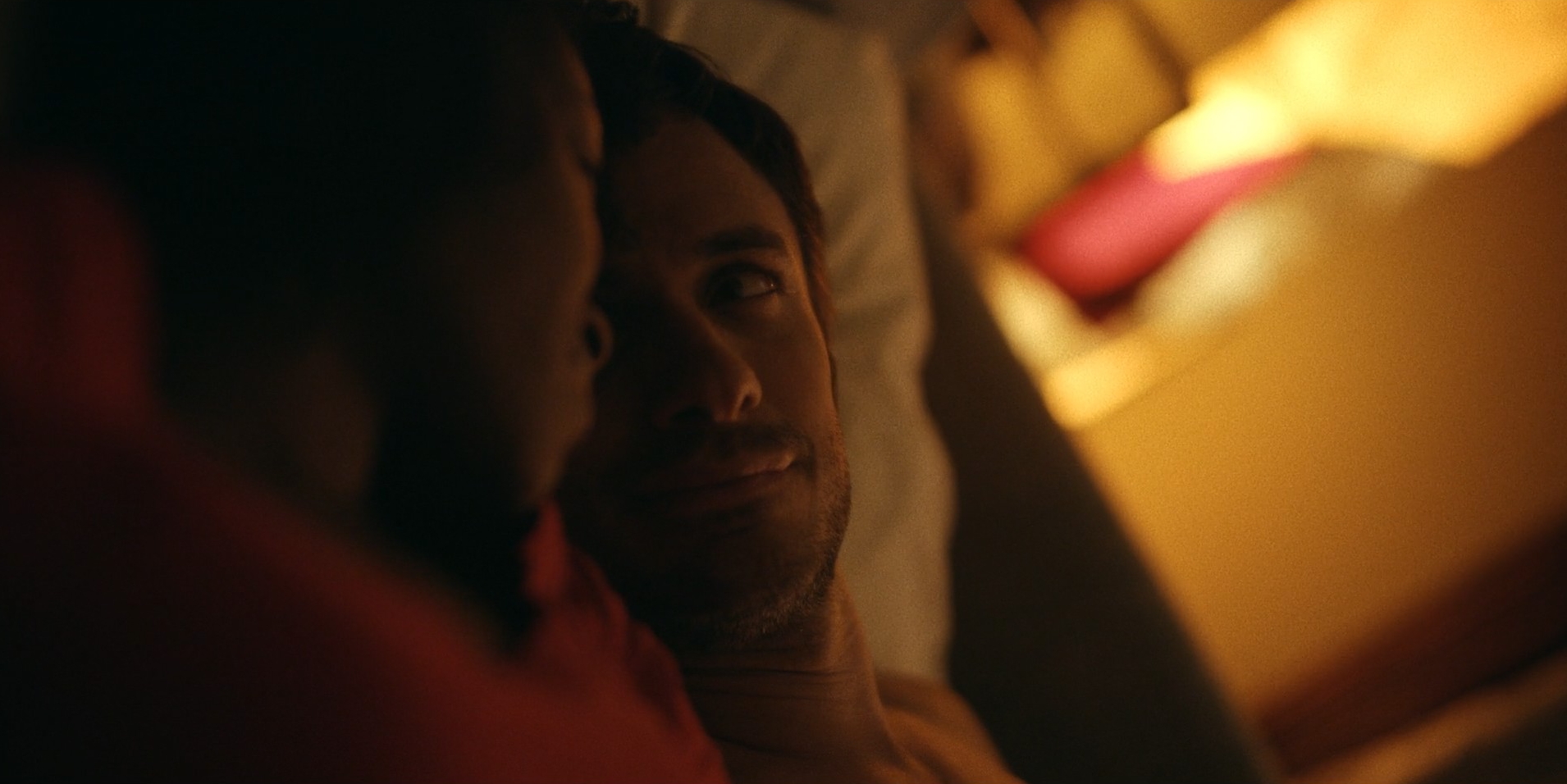
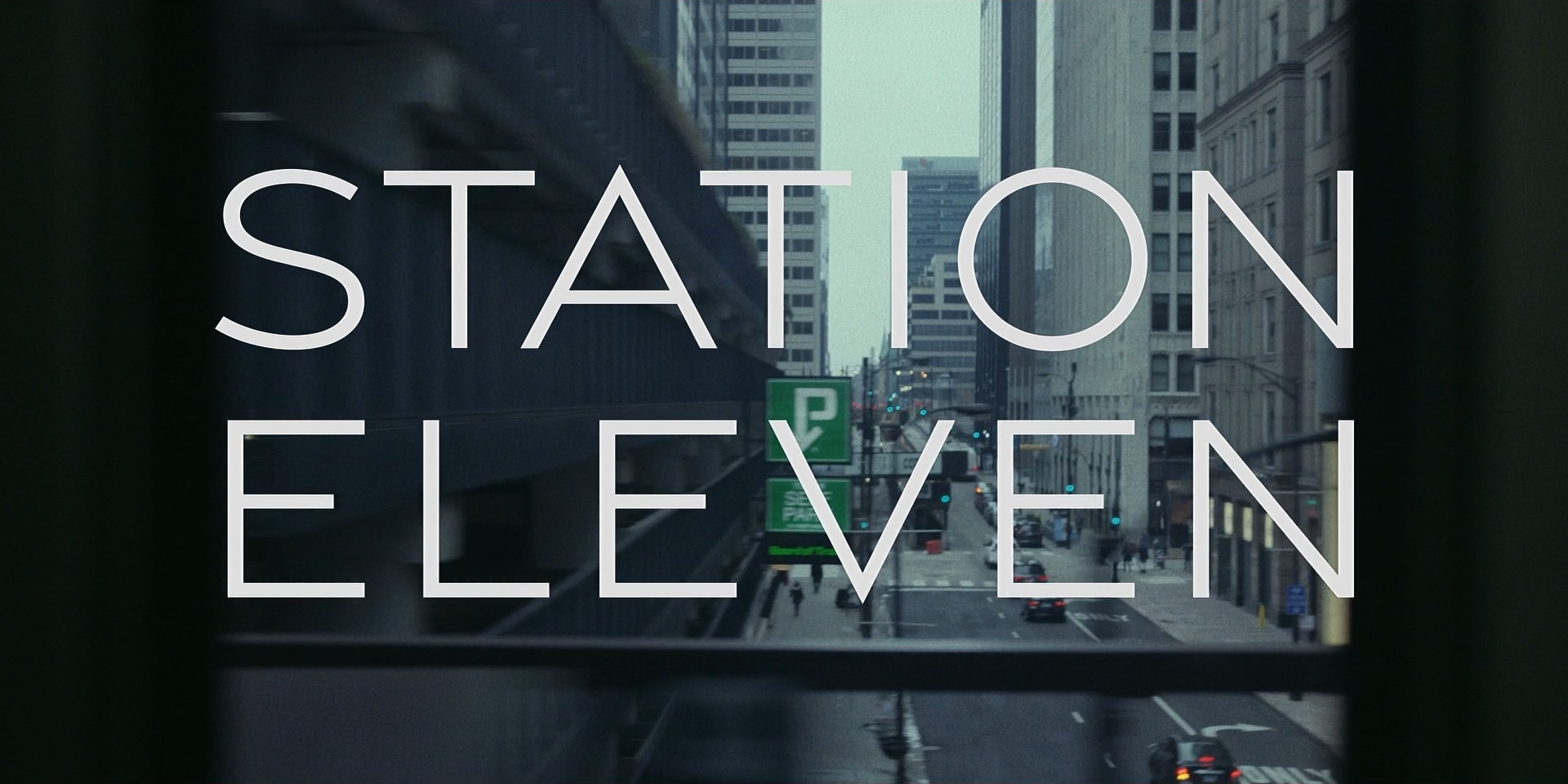
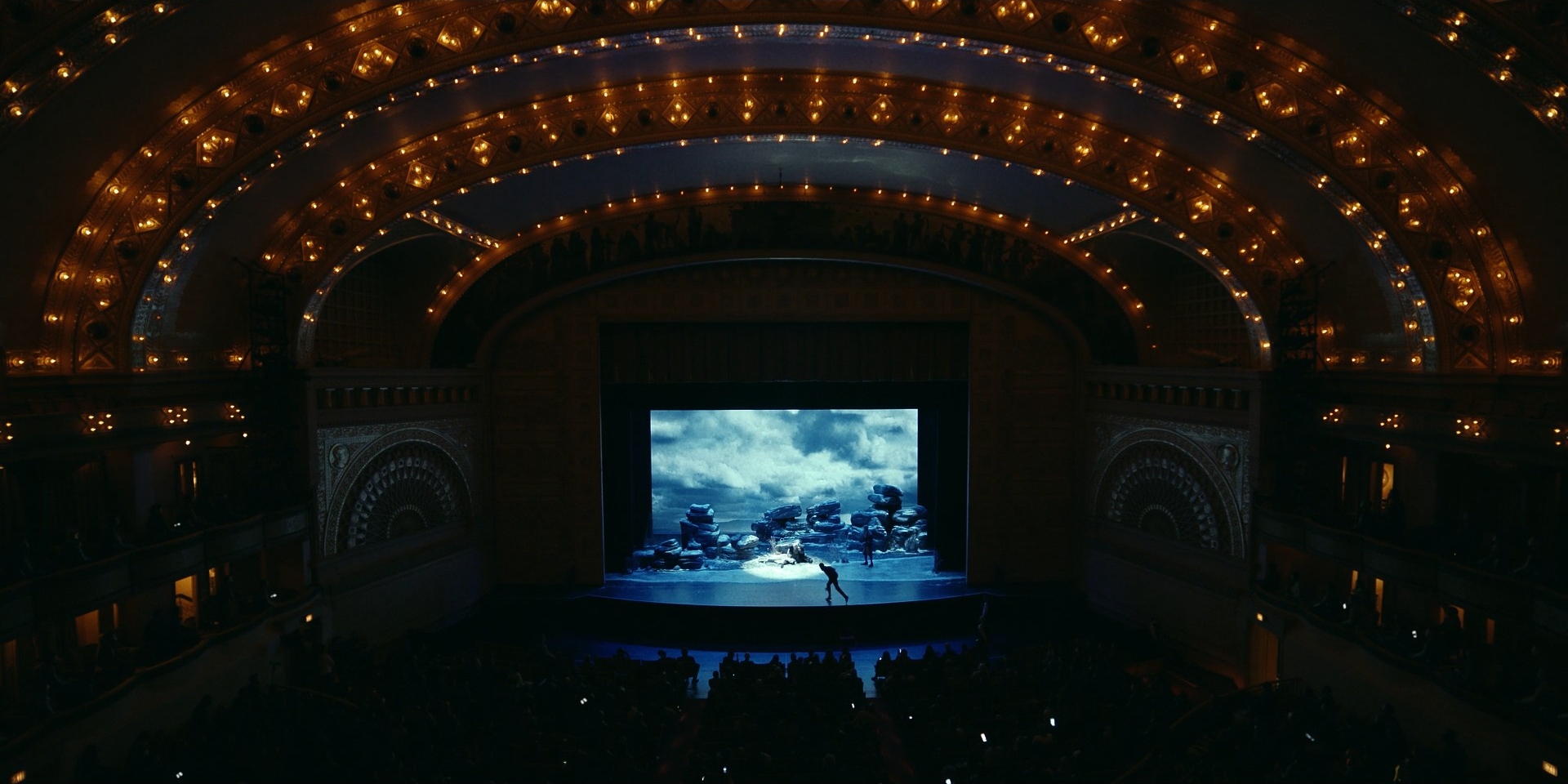
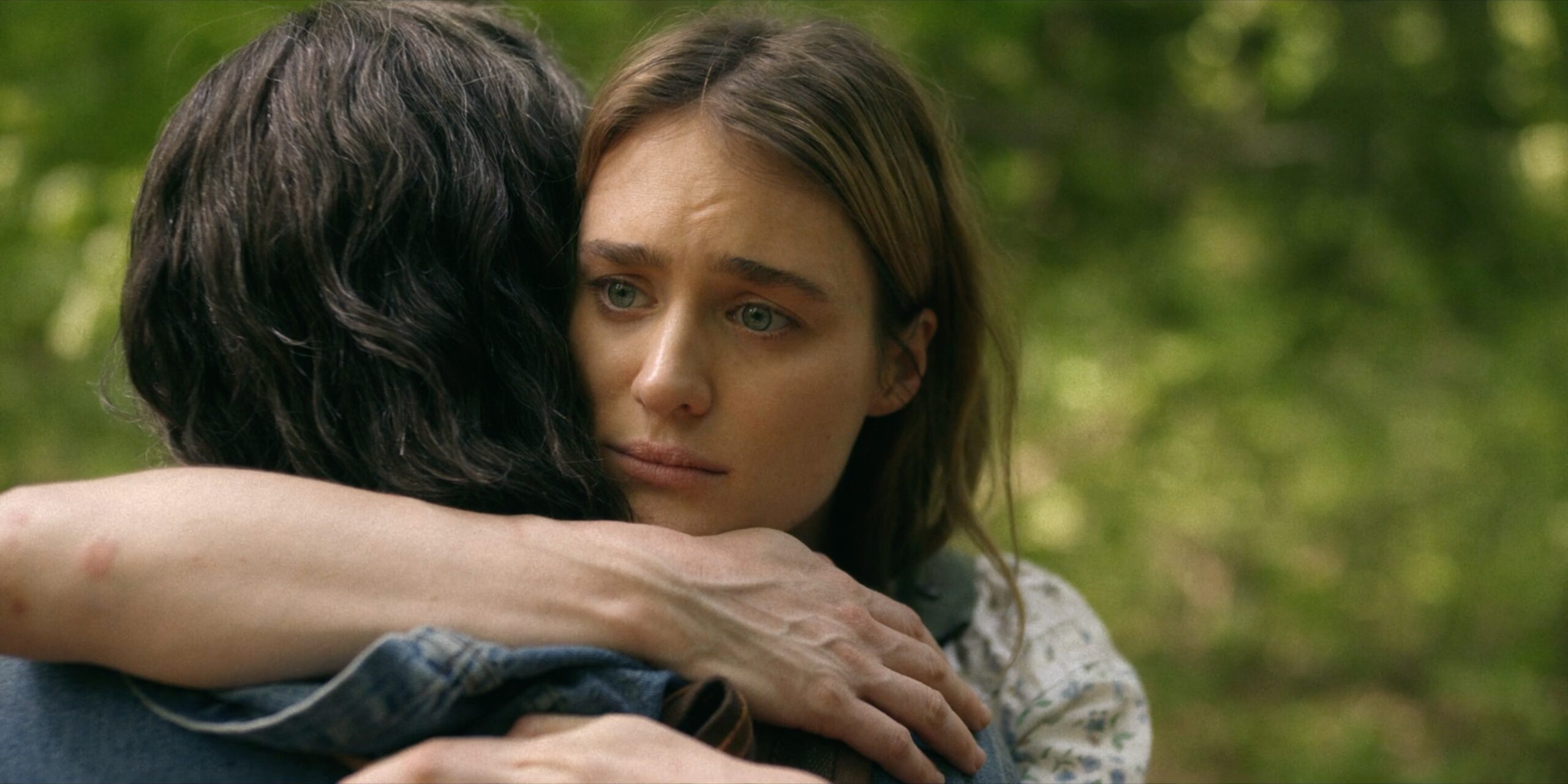
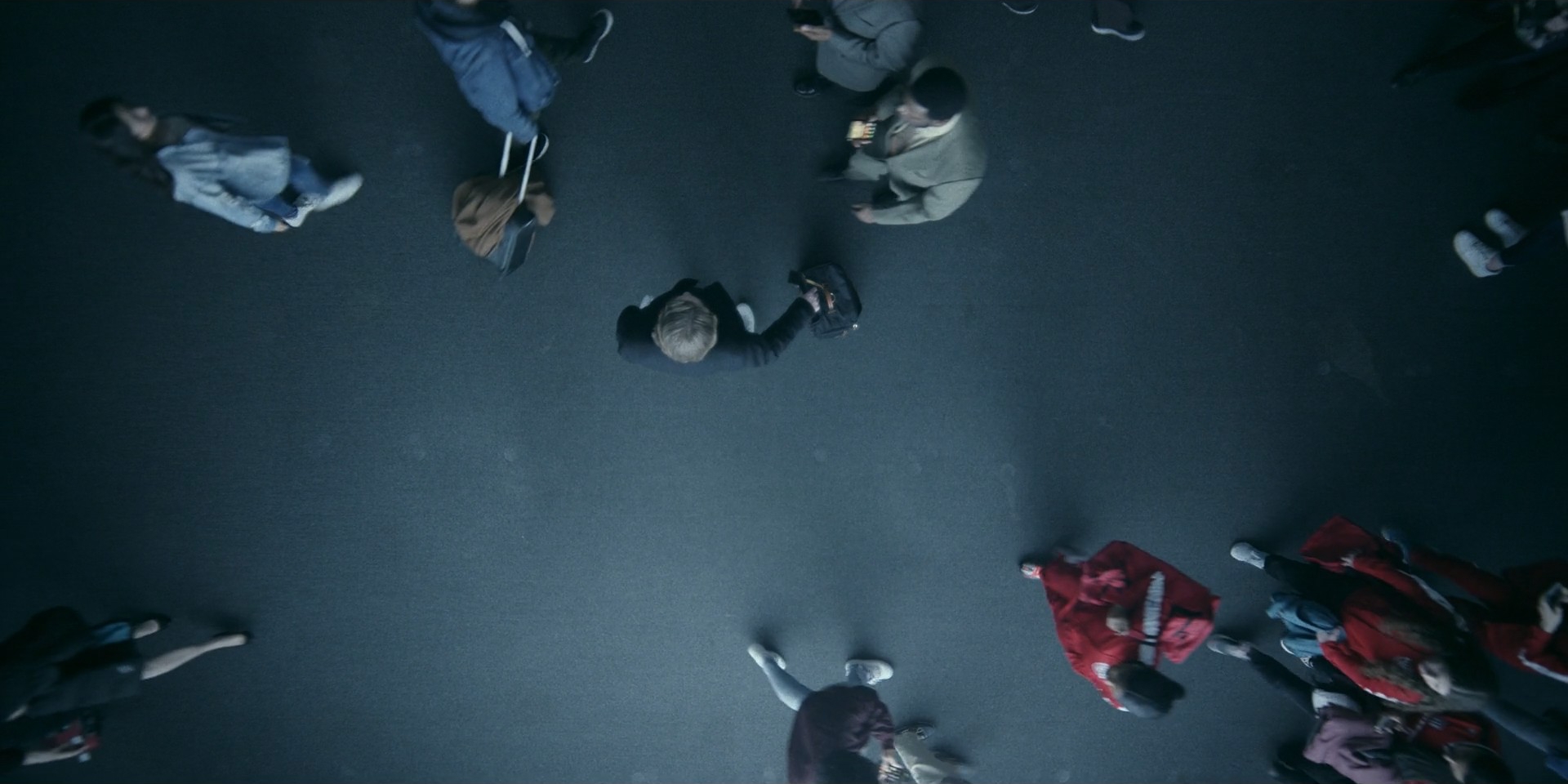
Station Eleven: Season One (2021)
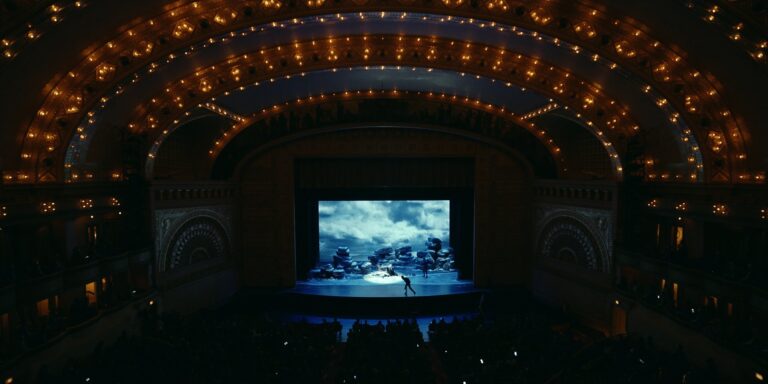
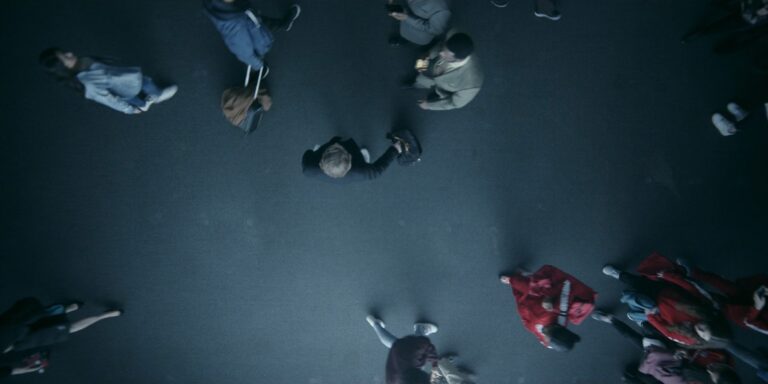
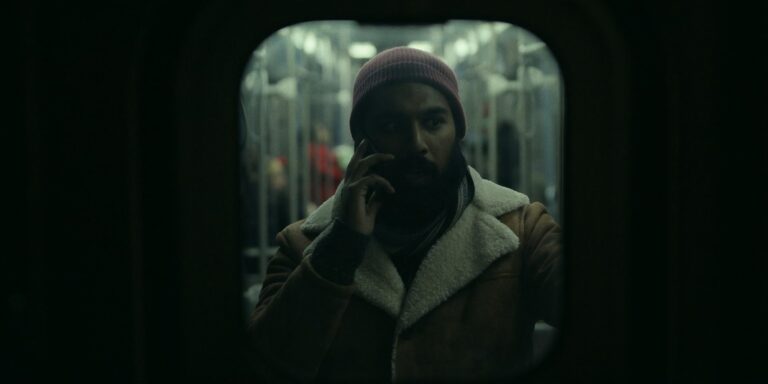
After a devastating flu pandemic wipes out much of the world’s population, the series follows multiple timelines—before, during, and years after the collapse of civilization. At its center are interconnected characters, including a traveling troupe of performers who bring art and storytelling to scattered survivor communities. As past and present gradually converge, the story reveals how memory, loss, and human connection endure in the face of catastrophe.
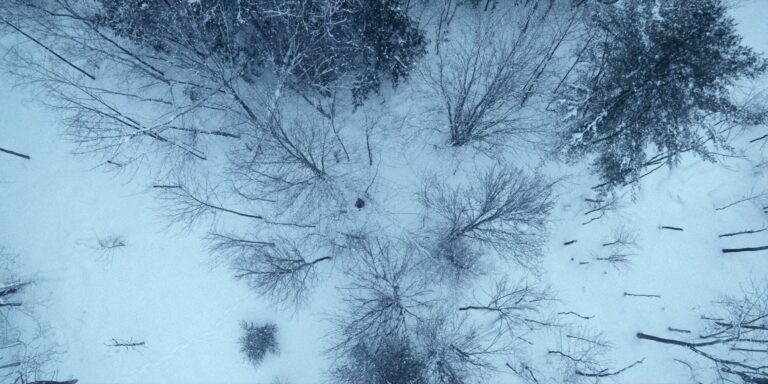
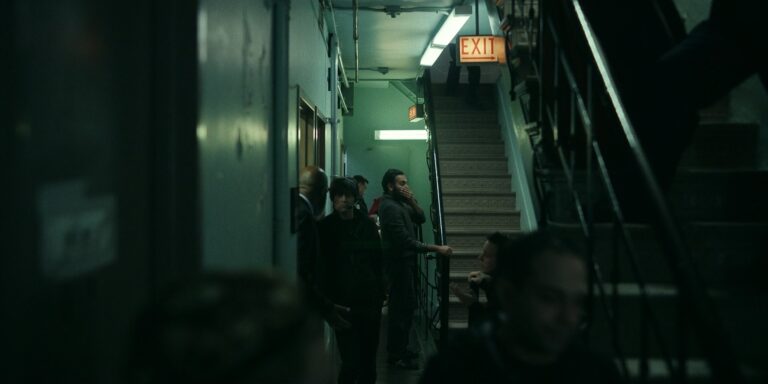
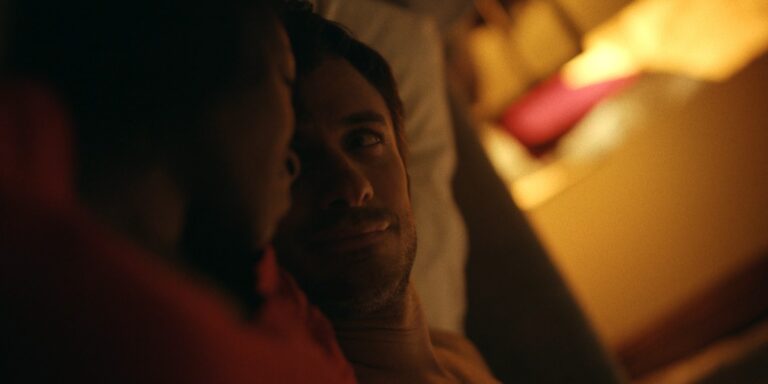
Shot by multiple cinematographers including Christian Sprenger, Station Eleven weaves together distinct visual languages for each timeline, using warmer, textured palettes for the pre-collapse world and cooler, naturalistic tones for the aftermath. The series leans into fluid camera movement and lyrical composition—often letting environments and performance carry scenes—turning its fragmented structure into a visually cohesive meditation on time, memory, and survival.