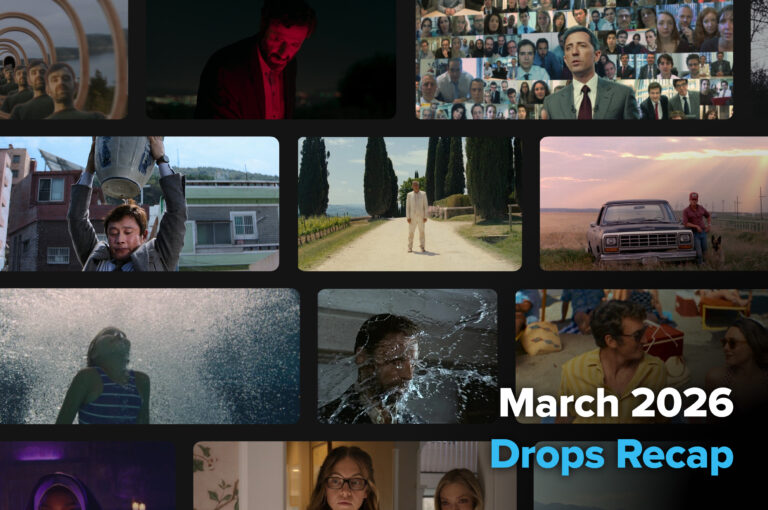
New Shots: Petite Maman, Synecdoche, & more Film Screencaps
Get your Decks ready ShotDeck Community! We’re dropping some great new shots this week, as well as an article highlighting some incredible female-identifying DPs. Remember you can always request titles for future drops by clicking here!
FILM SPOTLIGHT
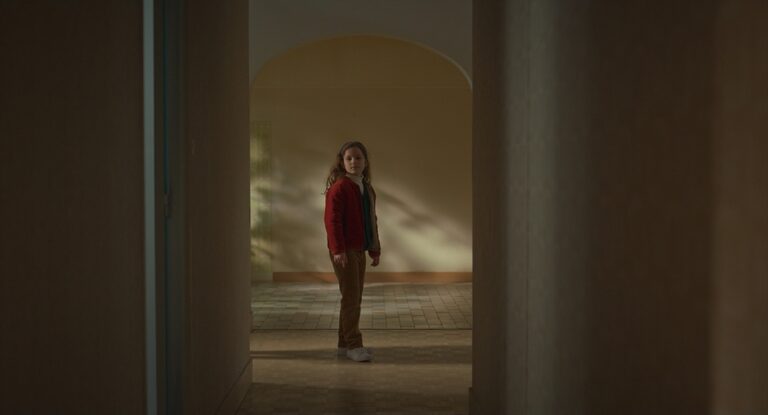
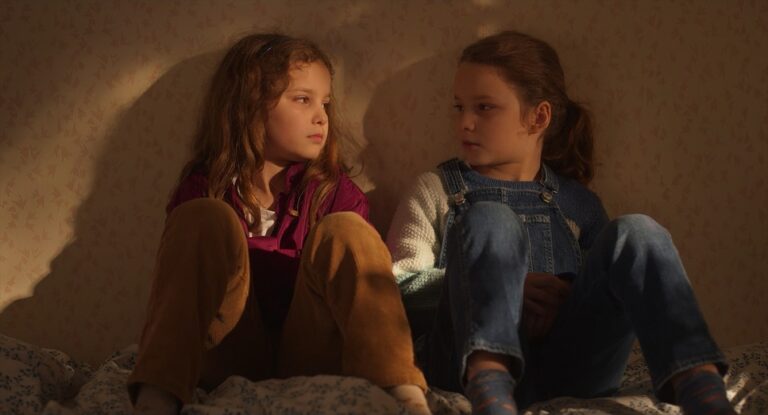
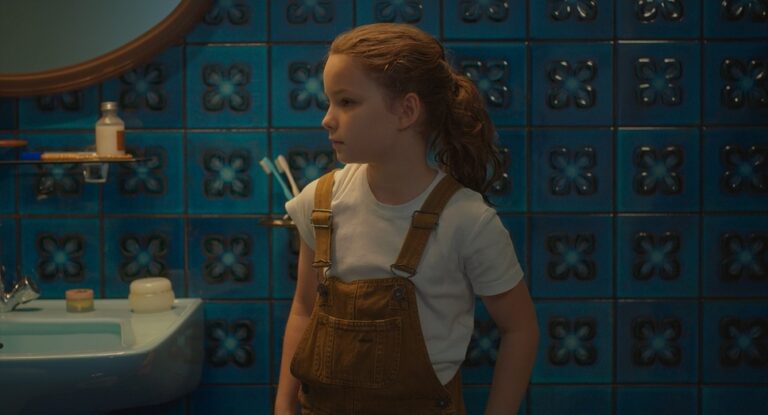
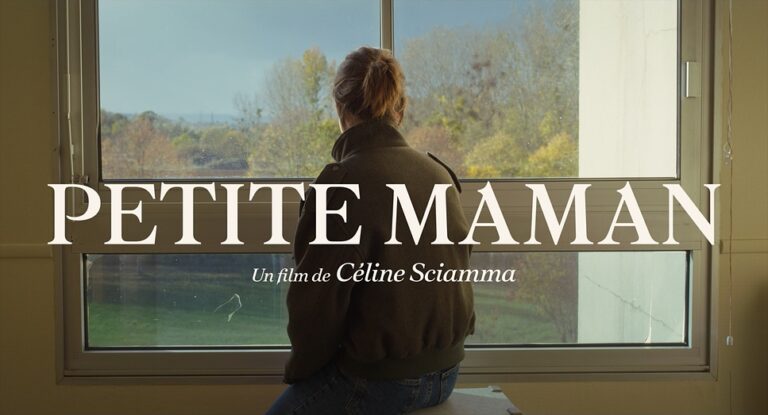
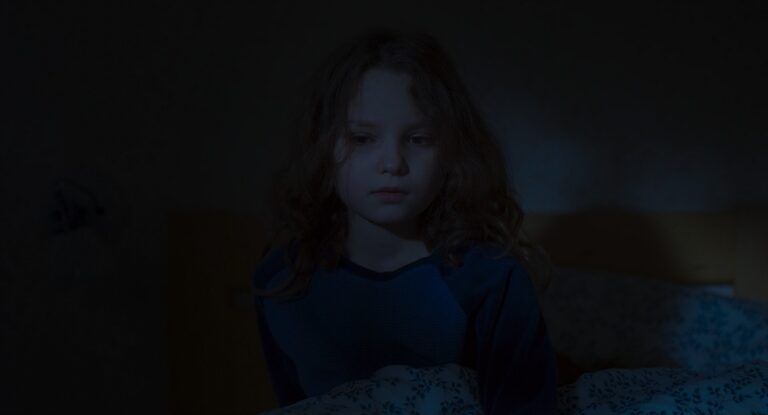
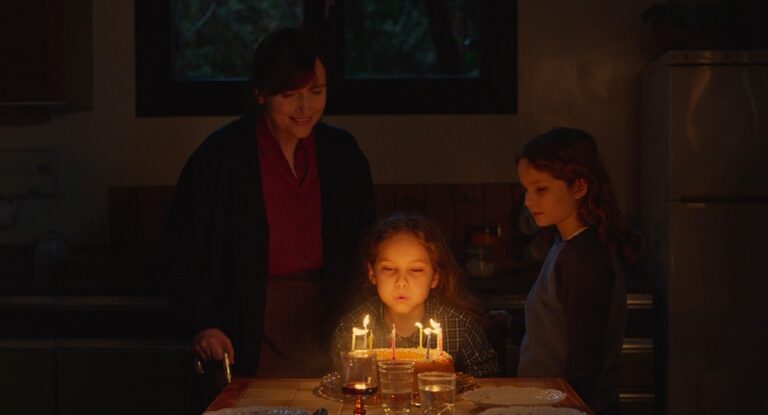
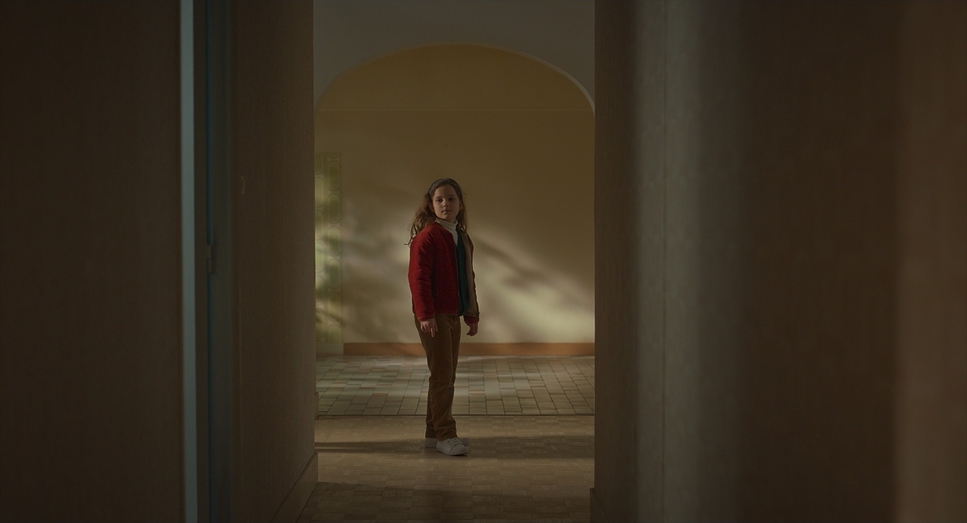
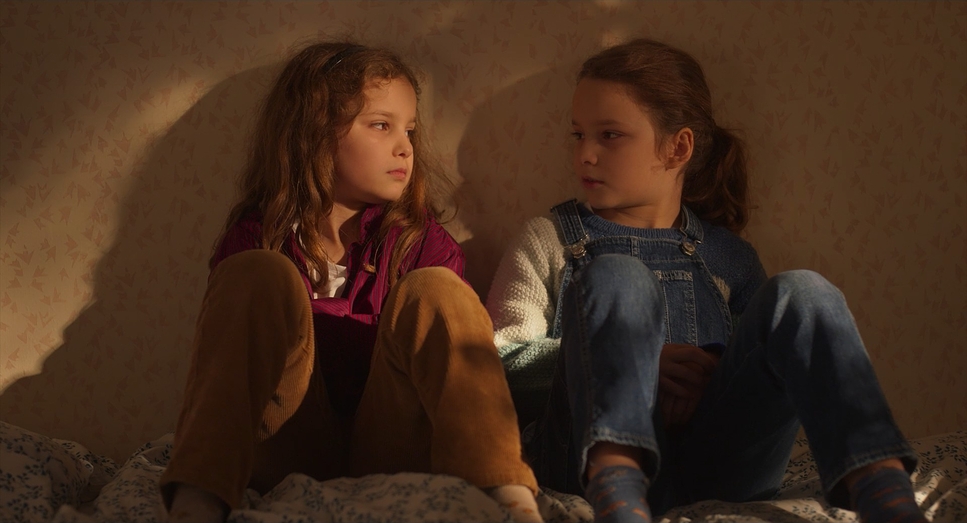
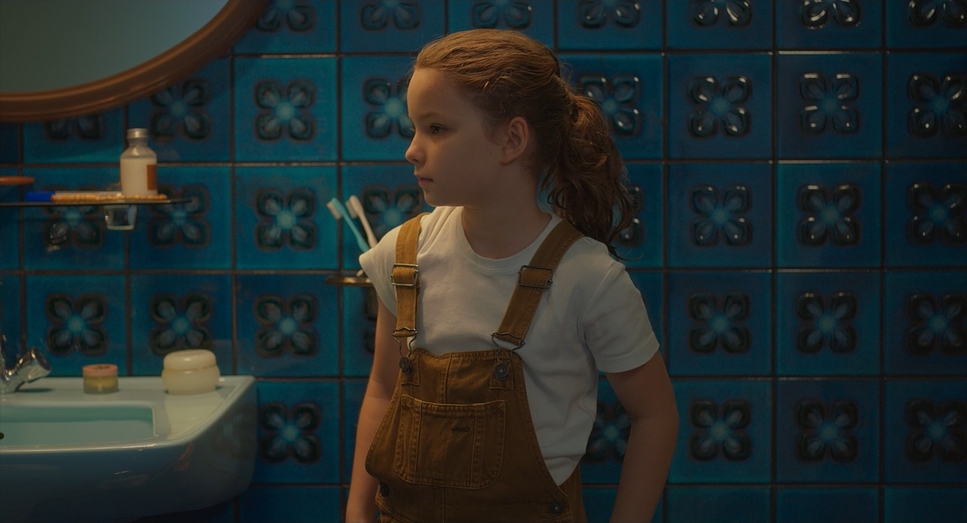
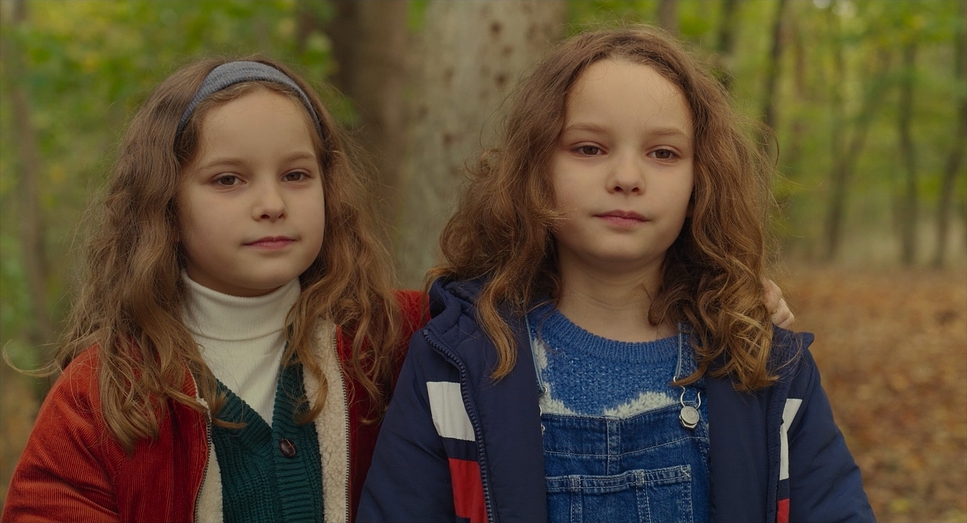
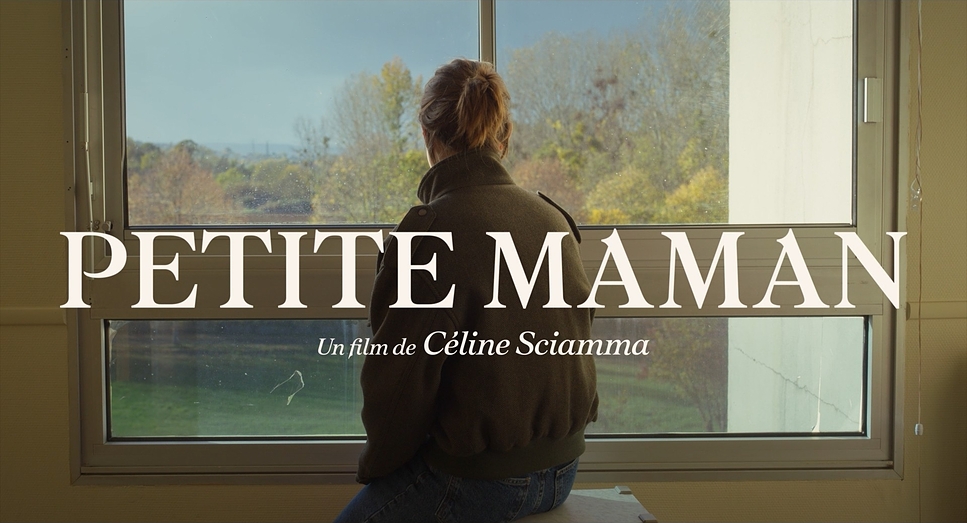
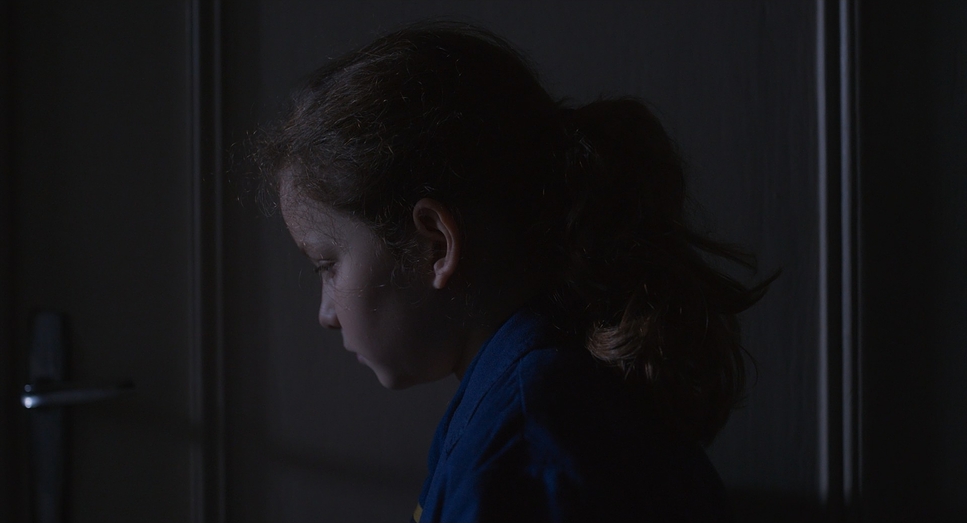
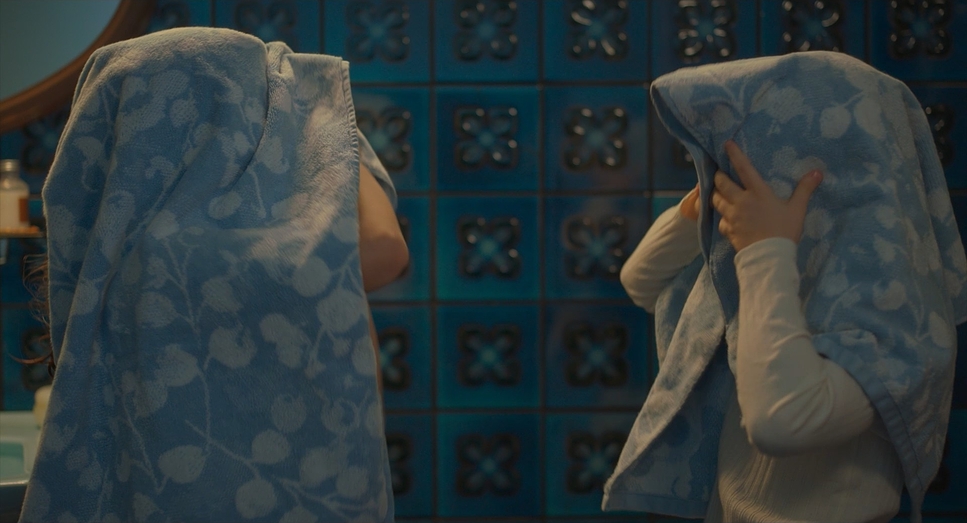
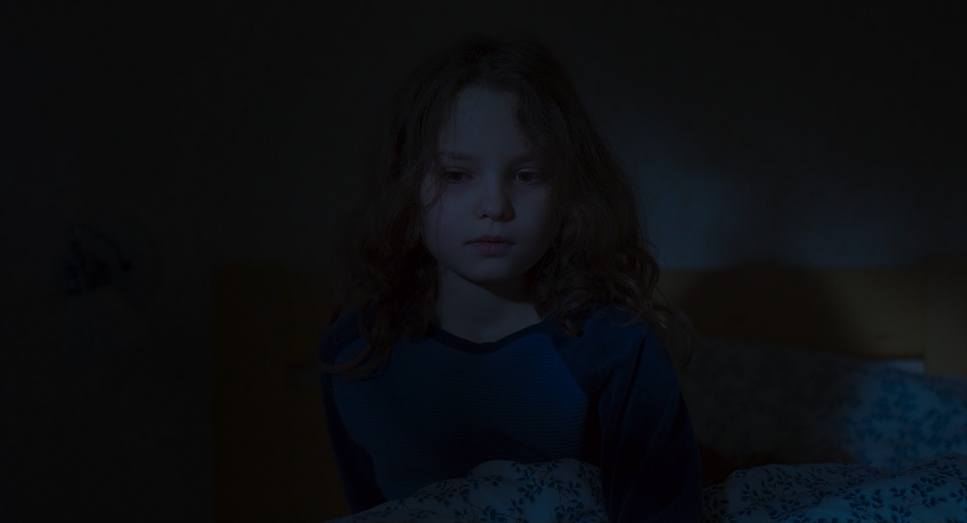
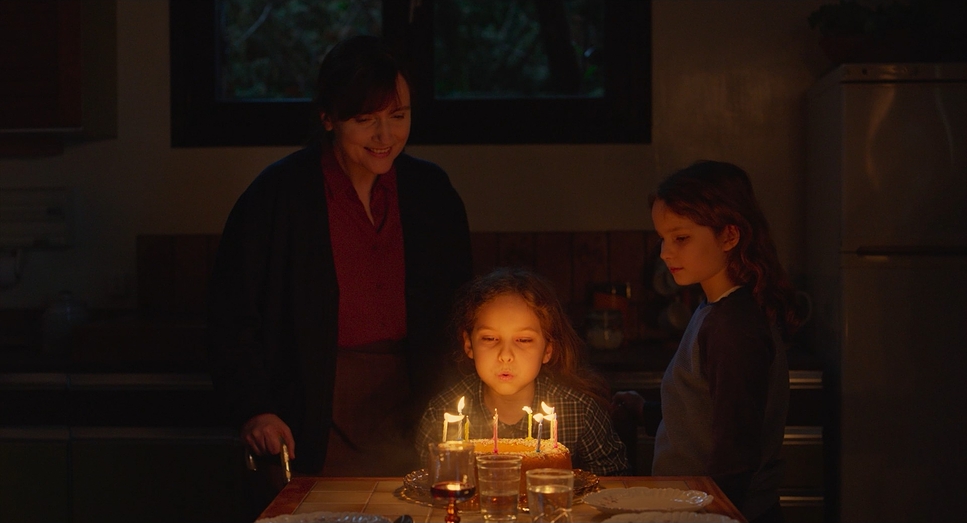
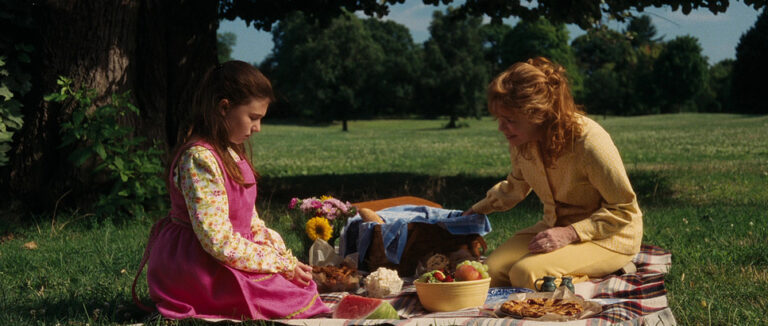
Petite Maman (2021)
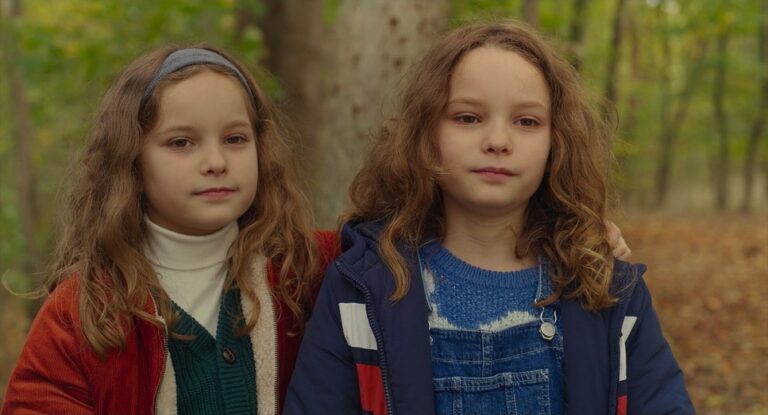
After the death of her grandmother, eight-year-old Nelly accompanies her parents to her mother’s childhood home, where they begin sorting through family belongings. While exploring the nearby woods, Nelly meets another young girl named Marion, and the two quickly form a close bond that gradually reveals a mysterious emotional connection between them. The story unfolds as a delicate meditation on grief, childhood, memory, and the intimate relationship between mothers and daughters across generations.
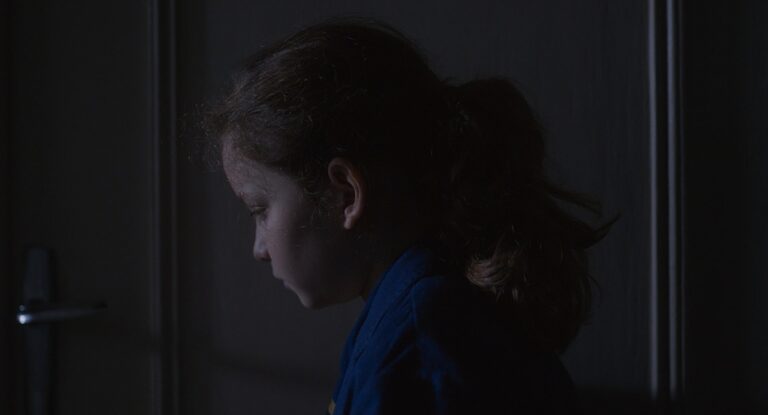
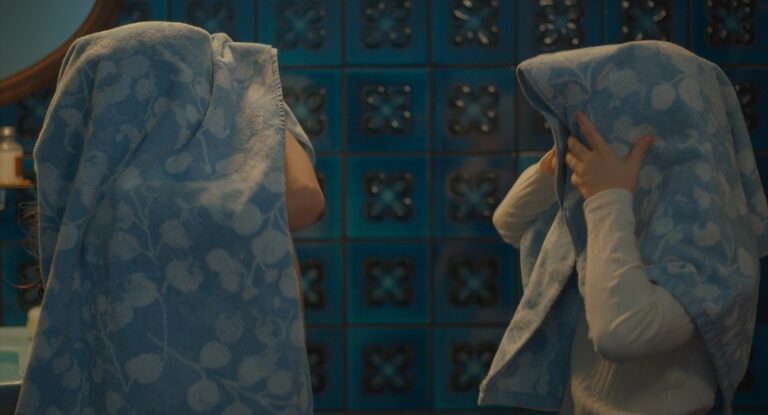
Sciamma and cinematographer Claire Mathon shoot Petite Maman with a quiet, luminous naturalism built around soft autumn light, restrained camera movement, and intimate domestic spaces. The film’s uncluttered compositions and gentle pacing allow small gestures, silences, and everyday interactions to carry emotional weight, while the forest setting is photographed not as fantasy spectacle but as a calm, almost timeless space where memory and imagination coexist naturally. The visual simplicity is central to the film’s emotional power—Sciamma avoids overt stylistic emphasis, letting symmetry, repetition, and subtle mirroring between characters quietly express themes of inheritance, empathy, and emotional continuity.
FILM SPOTLIGHT
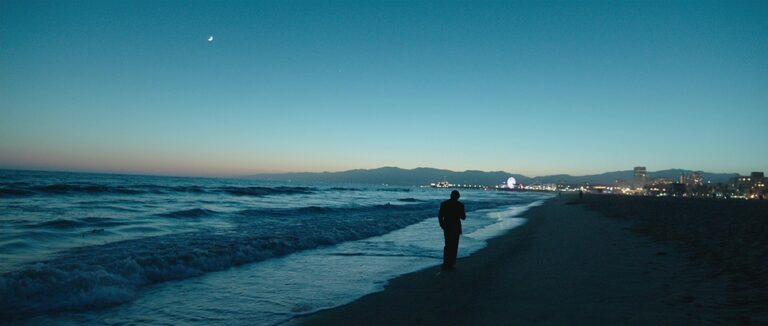
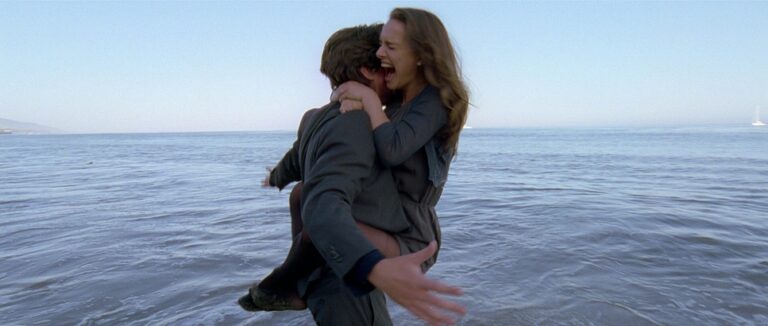
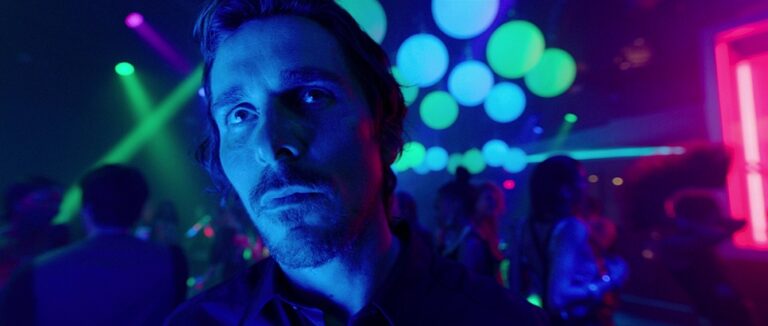
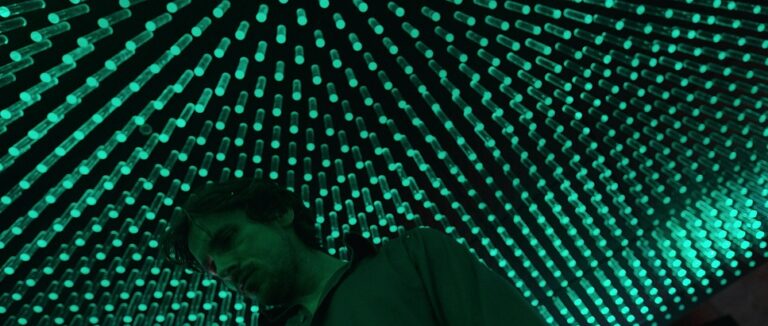
Knight of Cups (2015)
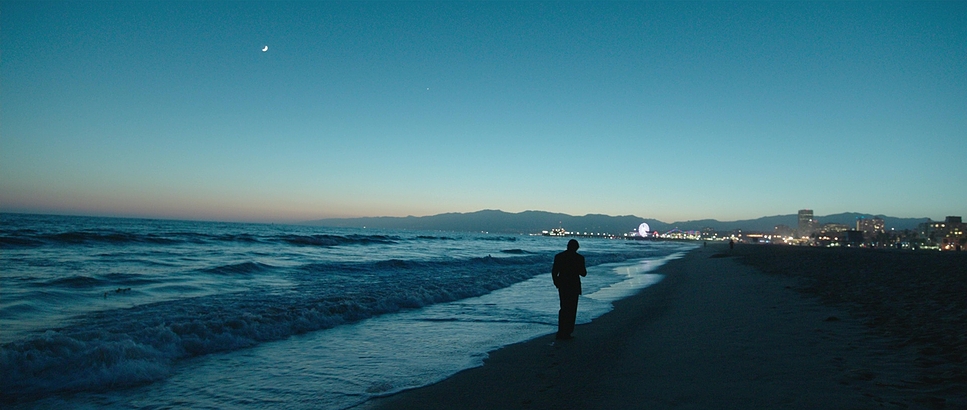
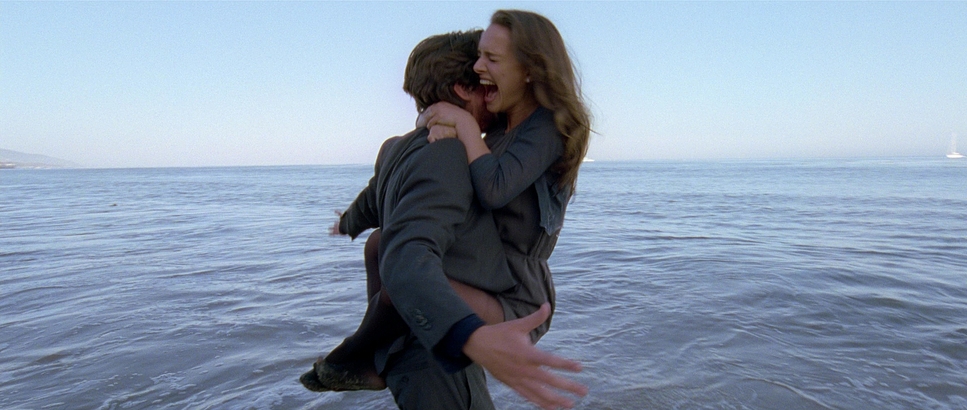
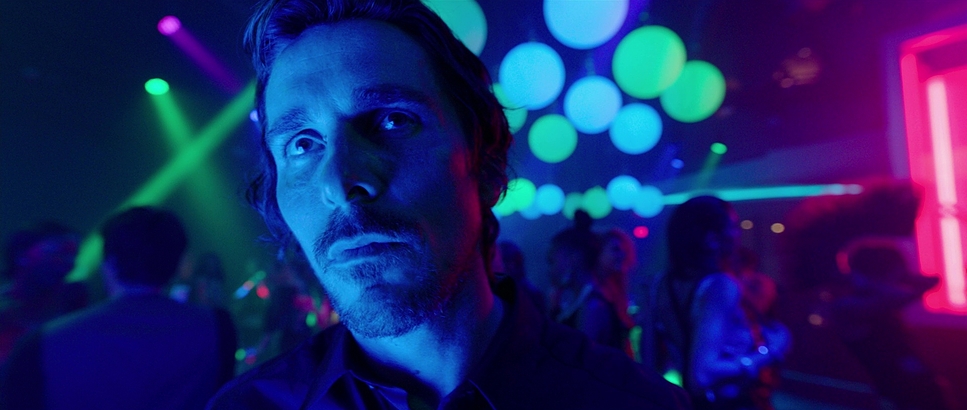
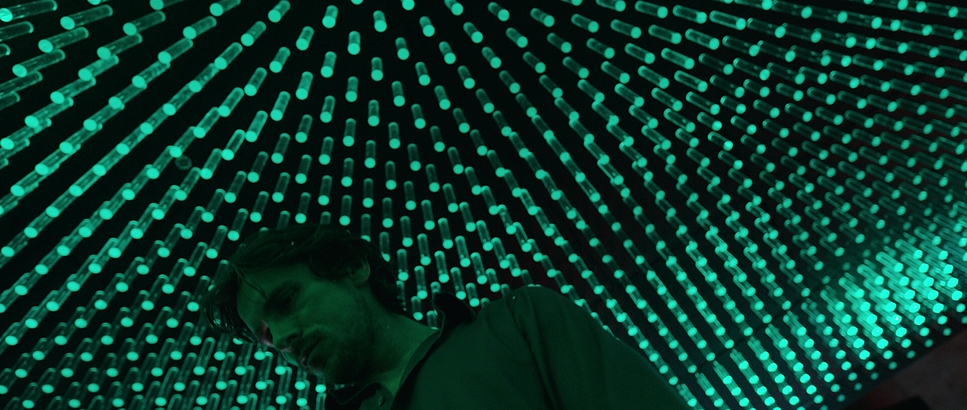
A spiritually adrift screenwriter named Rick drifts through the excess and emptiness of Los Angeles while moving between fractured relationships, parties, memories, and moments of existential reflection. Haunted by grief, family tension, and emotional detachment, he wanders through a world of wealth, desire, and distraction in search of meaning and connection. Structured less as a conventional narrative than as a stream of emotional and philosophical impressions, the film unfolds as a meditation on alienation, temptation, and spiritual longing.
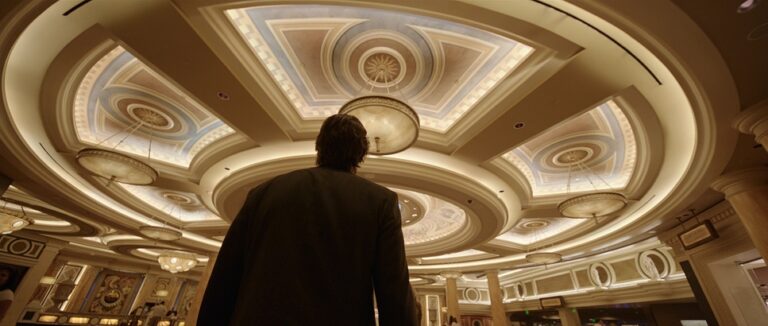
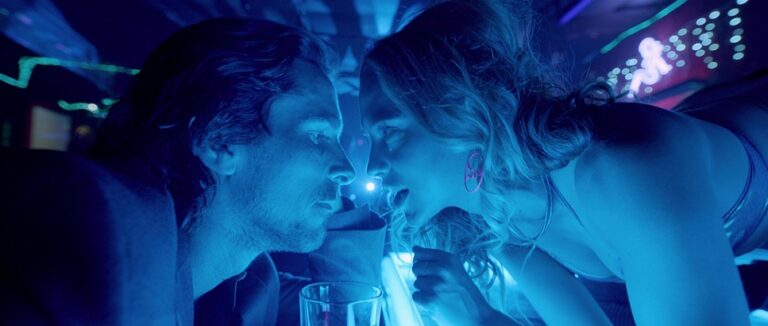
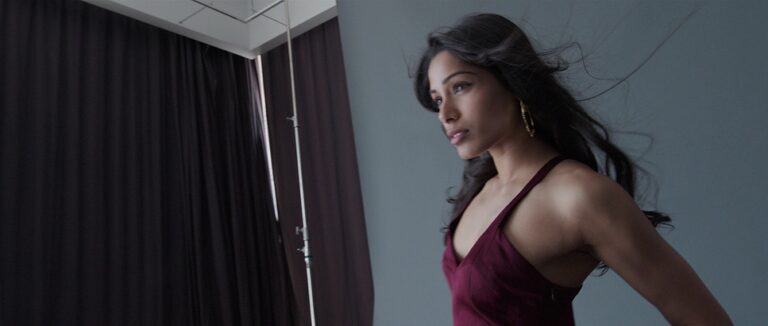
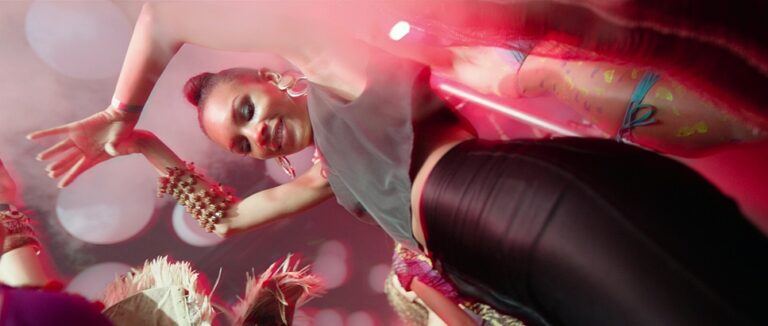
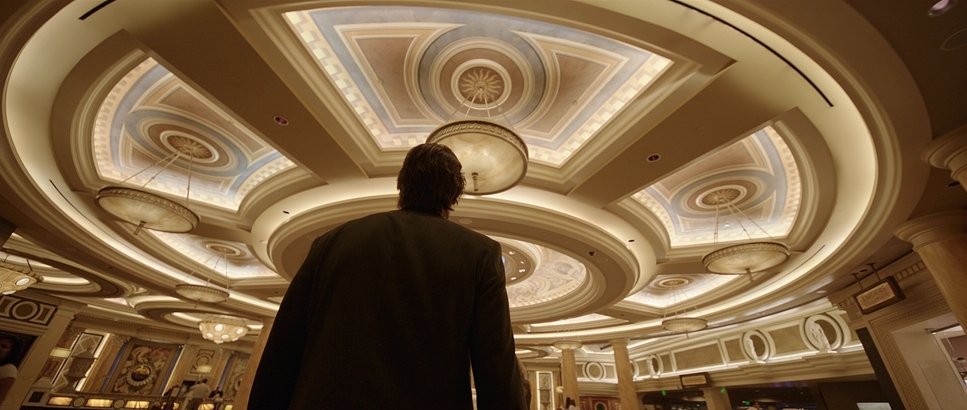
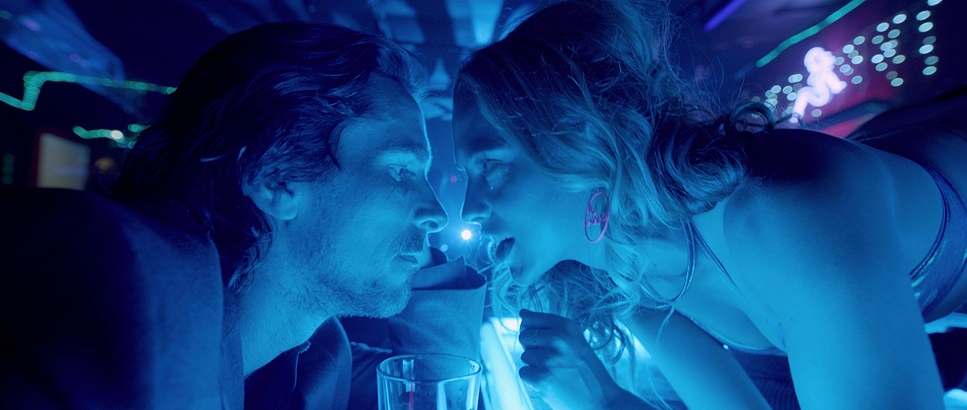
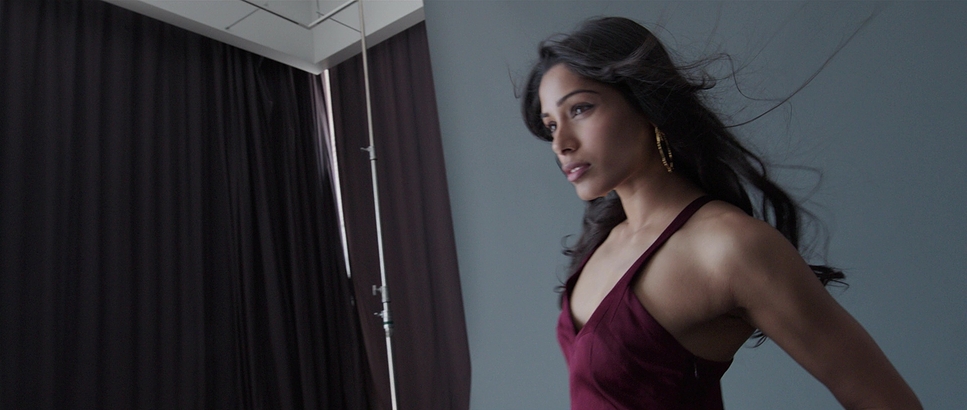
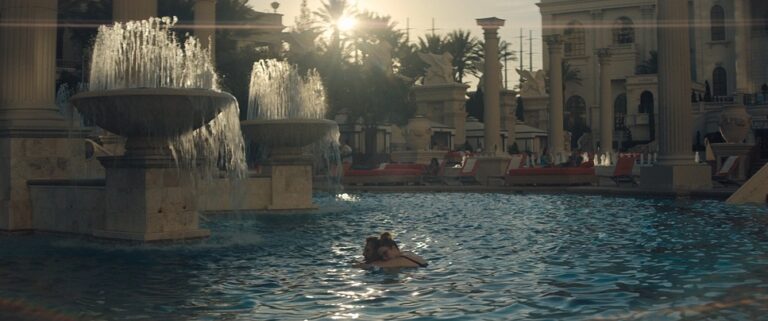
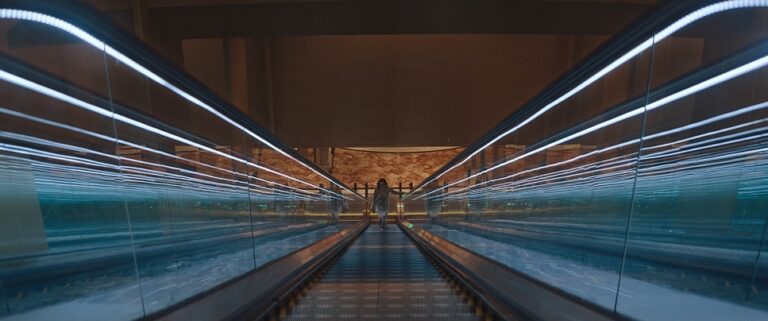
Malick and cinematographer Emmanuel Lubezki craft Knight of Cups with an intensely fluid, impressionistic visual style built around wide-angle lenses, natural light, and constantly moving handheld camerawork. The camera glides through modernist homes, beaches, casinos, deserts, and luxury spaces as if drifting through memory or consciousness itself, often circling characters rather than anchoring them in stable compositions. Sun flares, reflections, glass architecture, and fragmented voiceover create a dreamlike atmosphere where image and emotion take precedence over plot. The film’s Los Angeles becomes both a seductive playground and a spiritual void, photographed with luminous beauty that simultaneously conveys emotional emptiness and yearning.
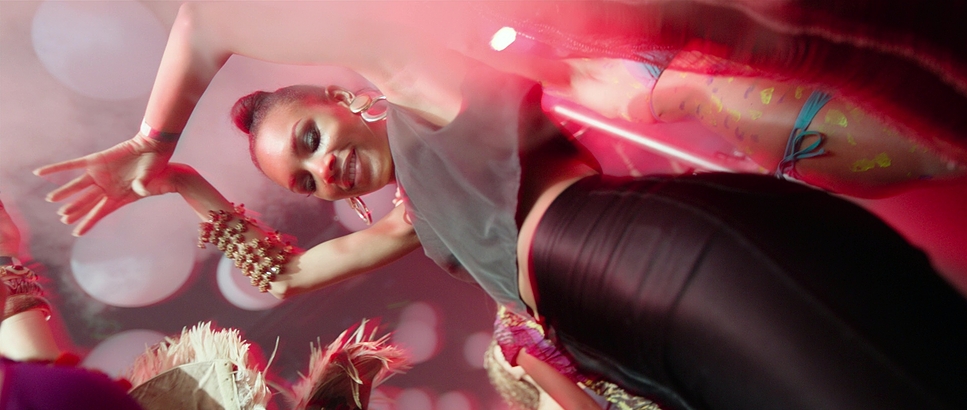
FILM SPOTLIGHT
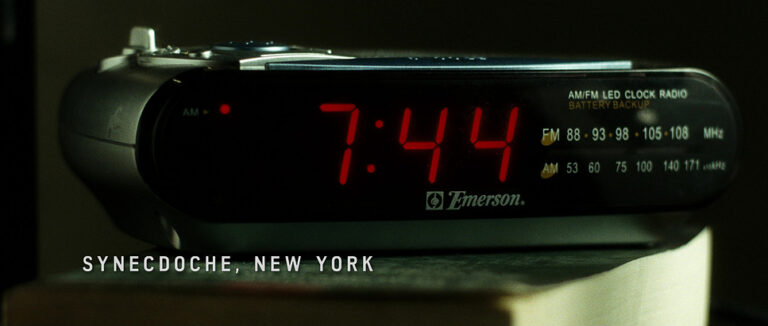
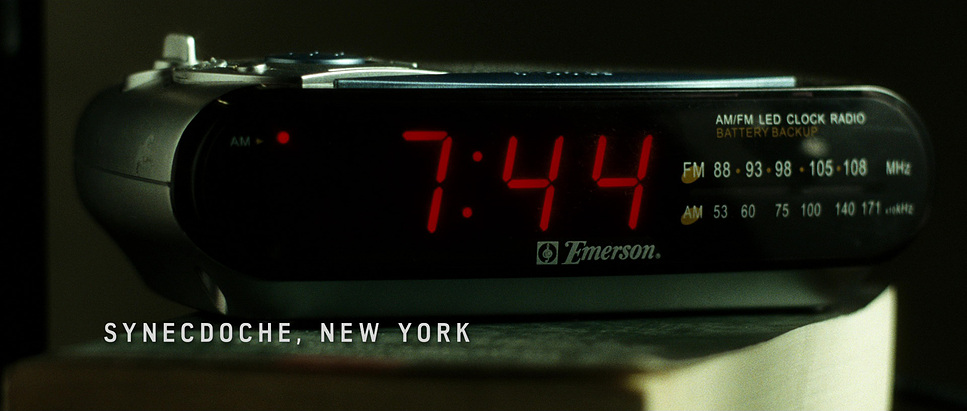
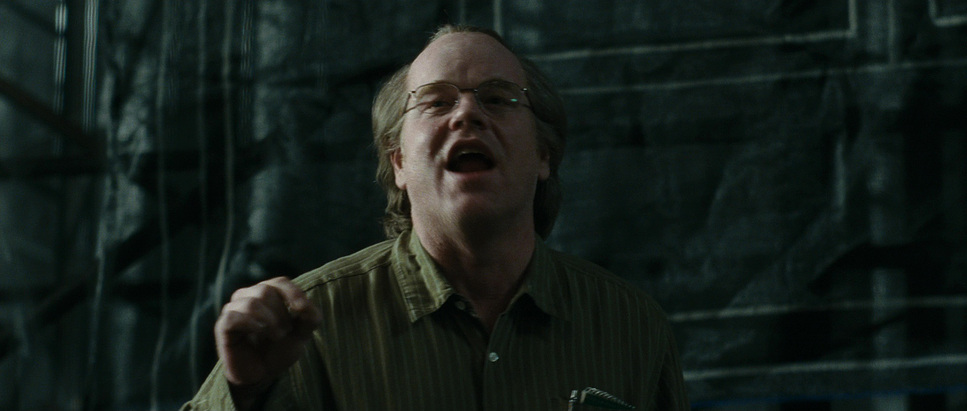
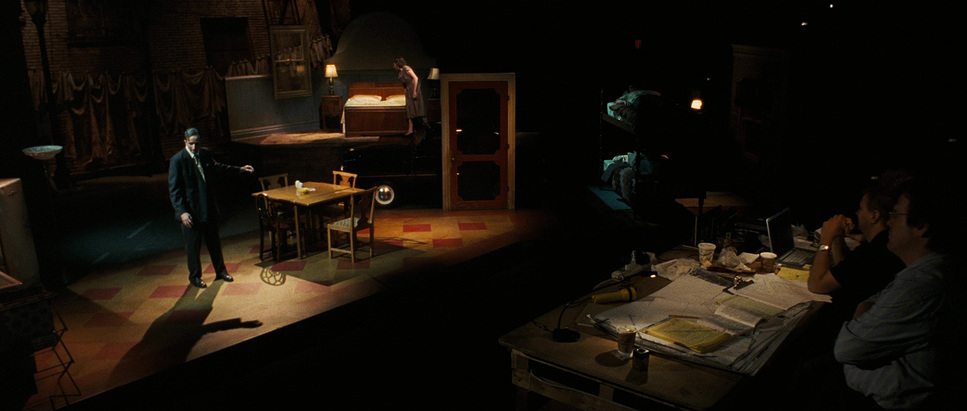
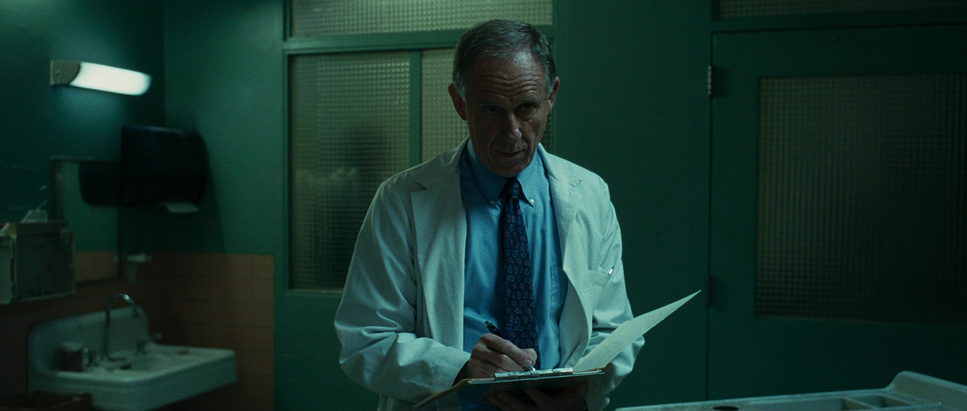
Synecdoche, New York (2008)
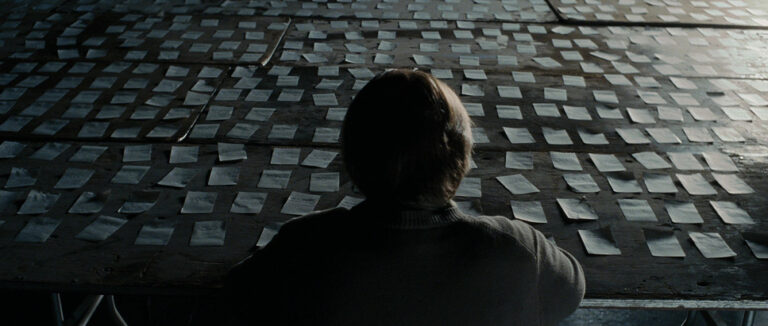
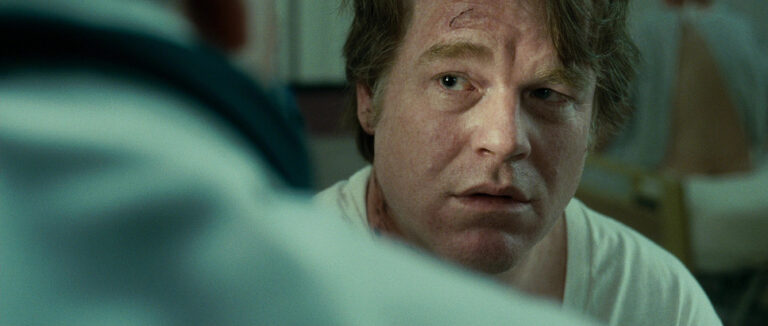
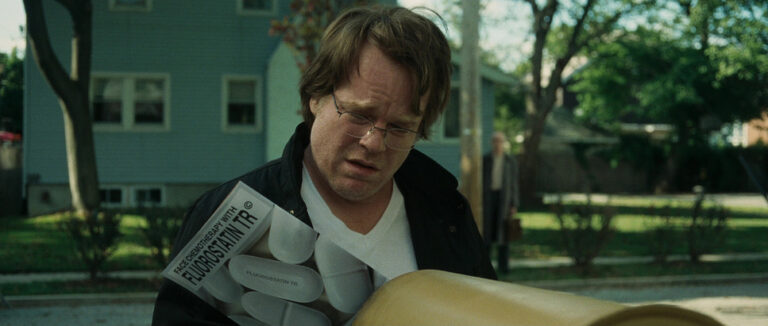
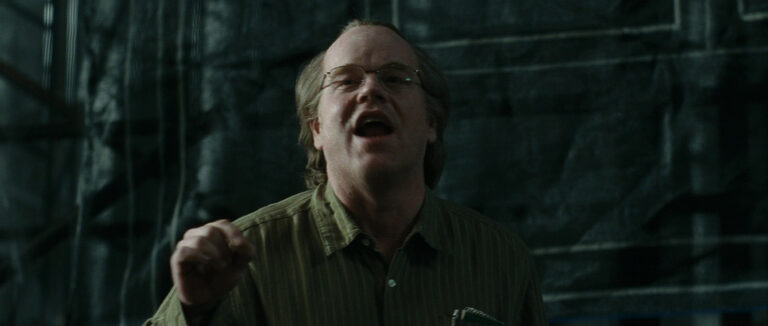
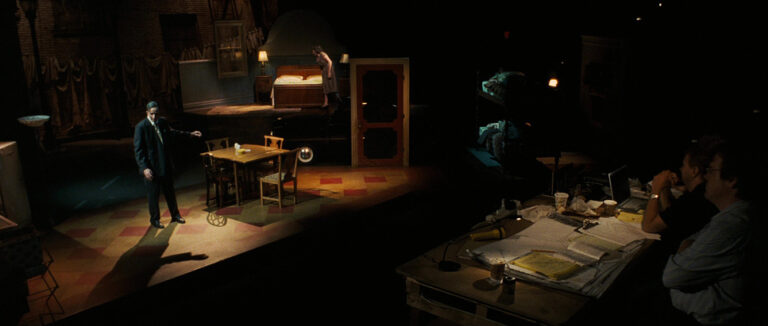
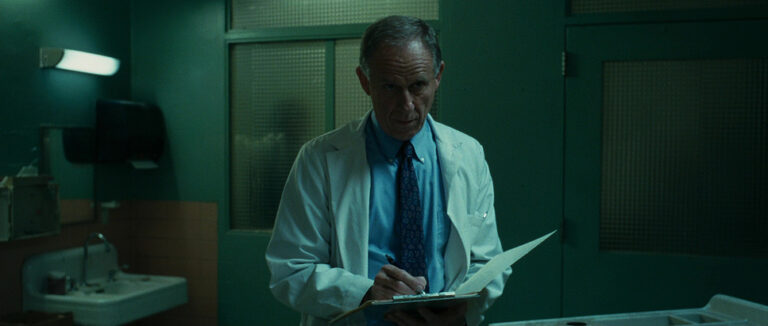
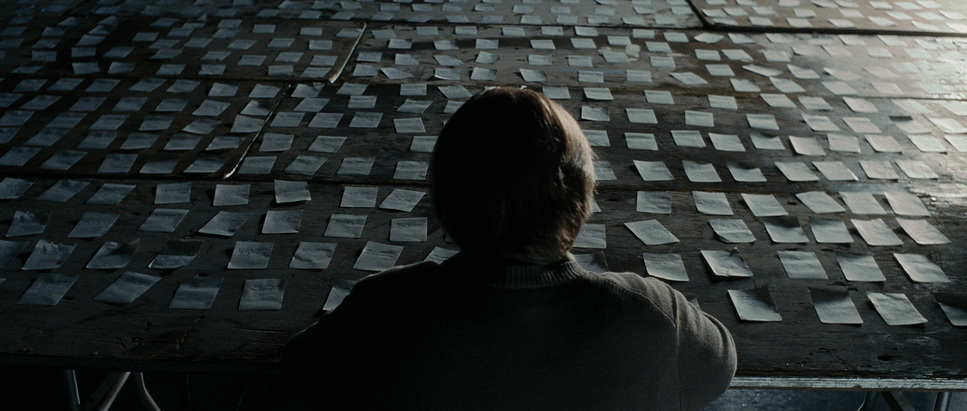
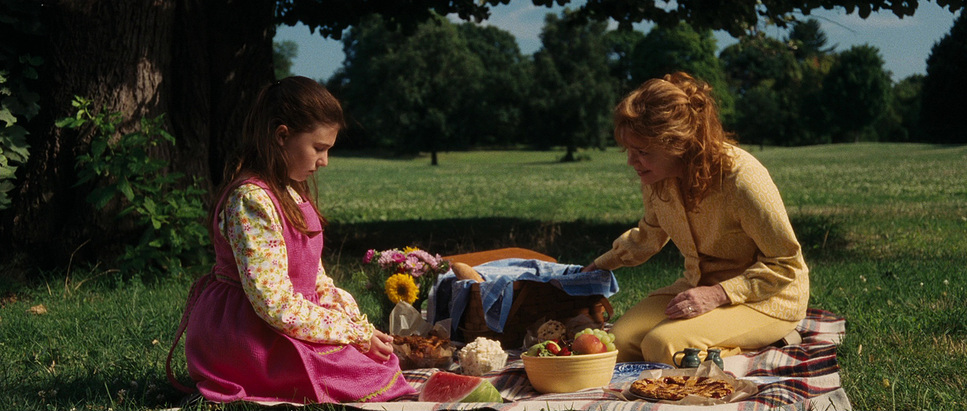
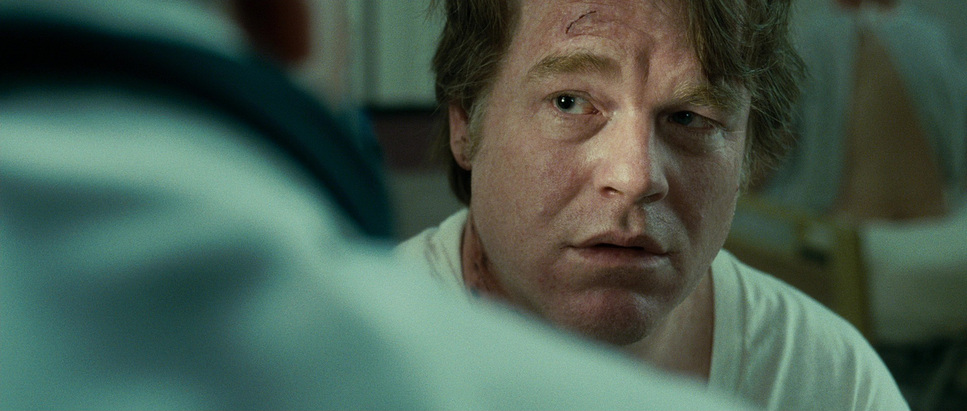
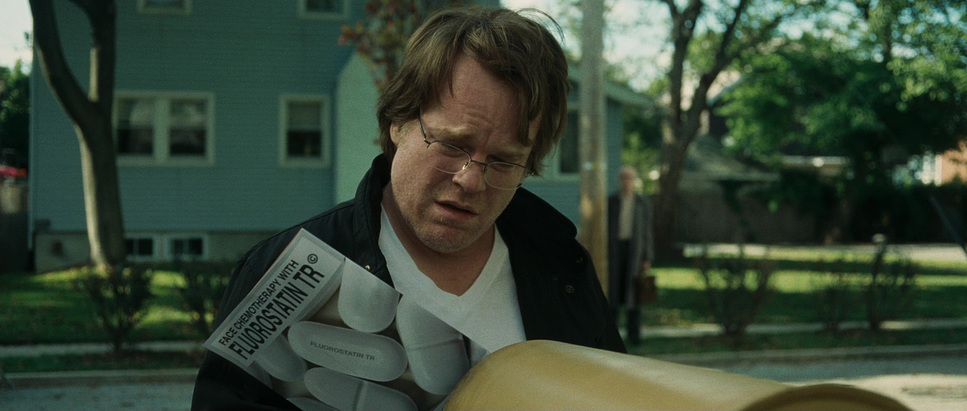
A theater director named Caden Cotard receives a prestigious grant and decides to create an ambitious stage production that attempts to capture the totality of real life. As years pass, the project expands into an increasingly vast and obsessive replica of New York City populated by actors playing versions of real people—including actors portraying Caden himself. While his personal relationships, health, and sense of identity deteriorate, the boundary between art, memory, performance, and reality gradually collapses into something impossible to separate.
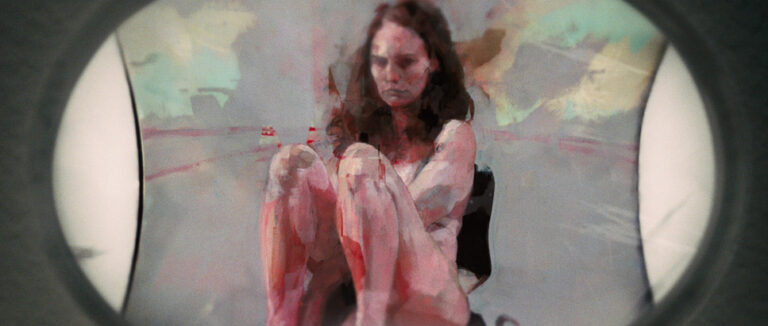
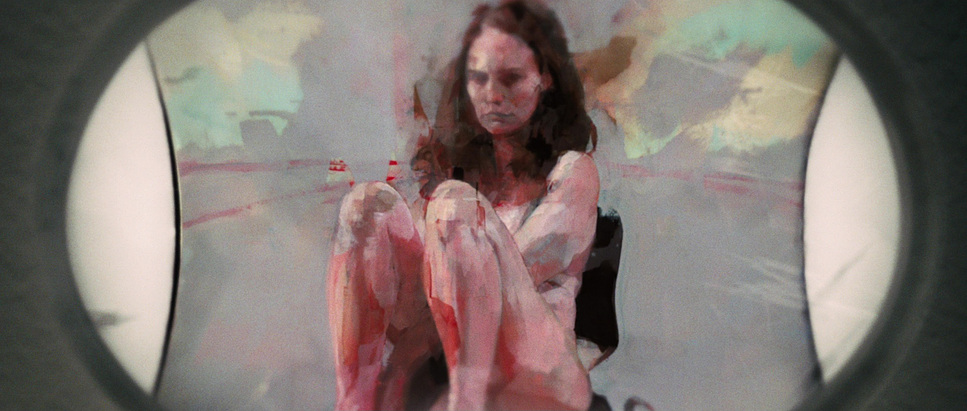
Kaufman and cinematographer Frederick Elmes construct Synecdoche, New York with a subdued, melancholic realism that slowly mutates into surreal existential abstraction without ever abandoning emotional sincerity. Ordinary apartments, rehearsal spaces, warehouses, and city streets are photographed with muted earth tones and soft natural lighting, grounding the film in tactile emotional reality even as the narrative becomes increasingly impossible. The giant warehouse containing the endlessly expanding theatrical replica of New York becomes the film’s central visual metaphor—a recursive space where sets contain sets and performances contain performances, visually expressing the terrifying infinite regress of consciousness, memory, and self-perception. Kaufman’s restrained visual approach makes the surrealism feel emotionally inevitable rather than fantastical, turning decay, repetition, and spatial impossibility into reflections of mortality, regret, and the human fear of disappearing unnoticed.
FILM SPOTLIGHT
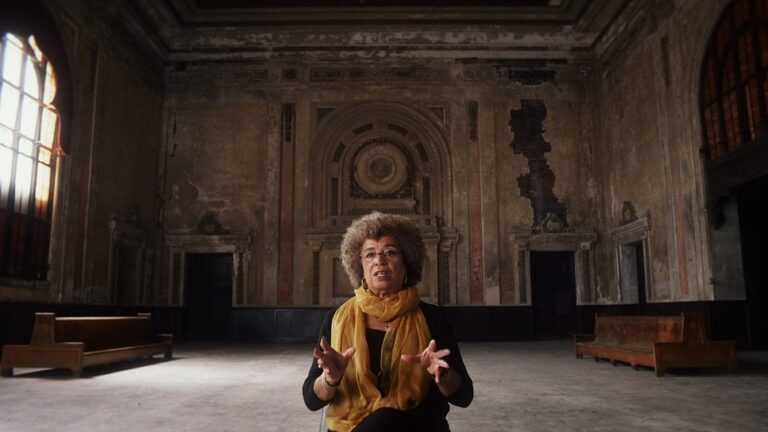
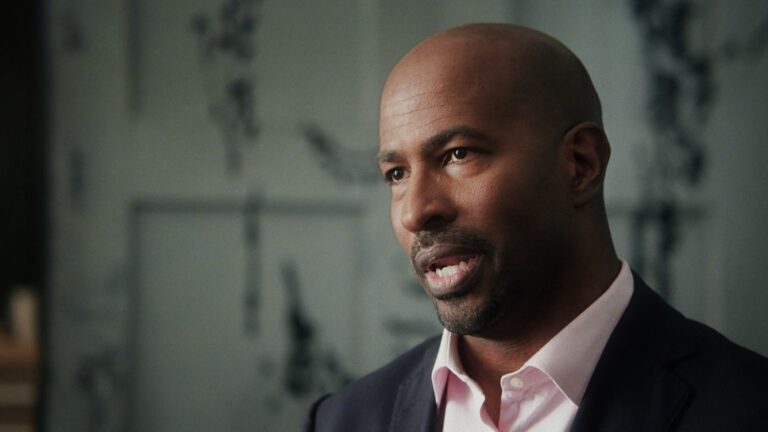
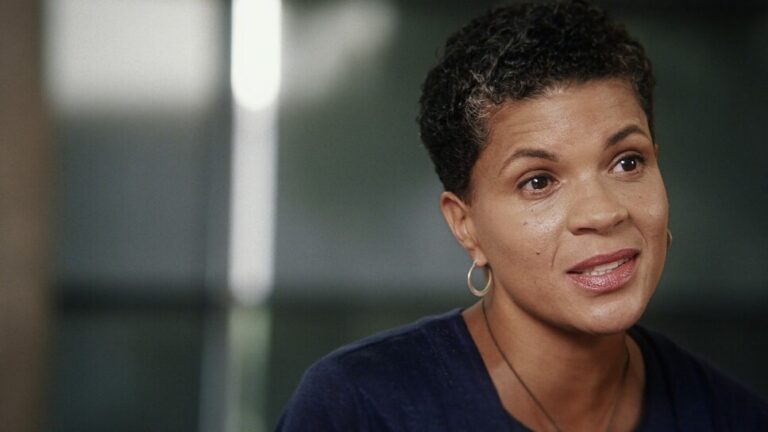
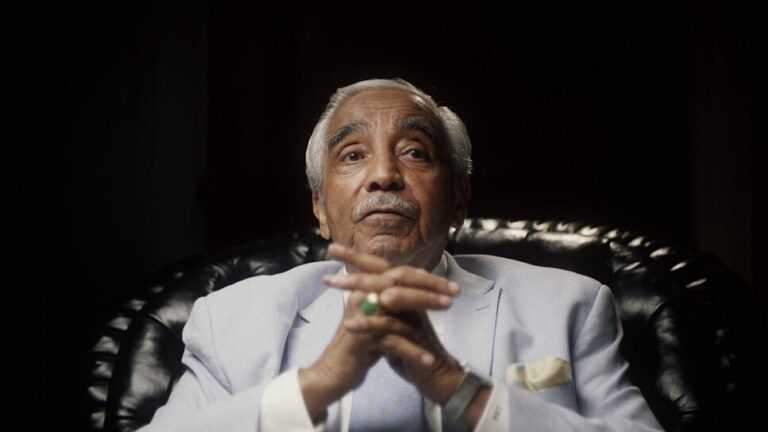
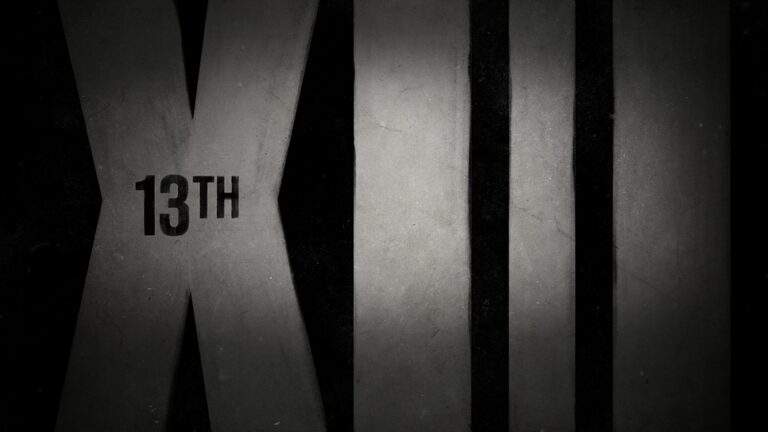
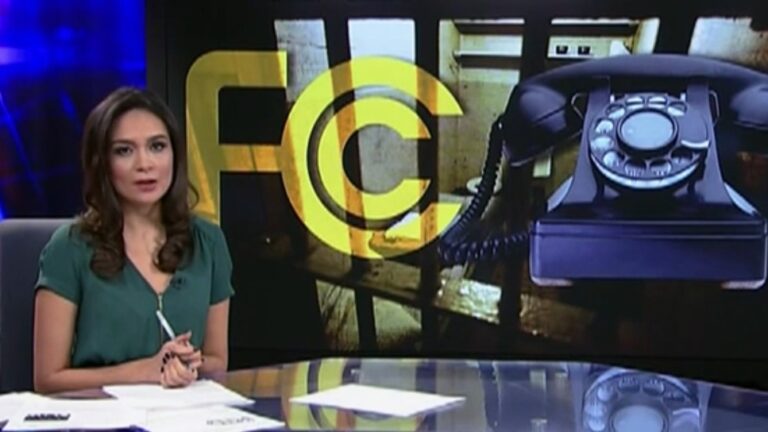
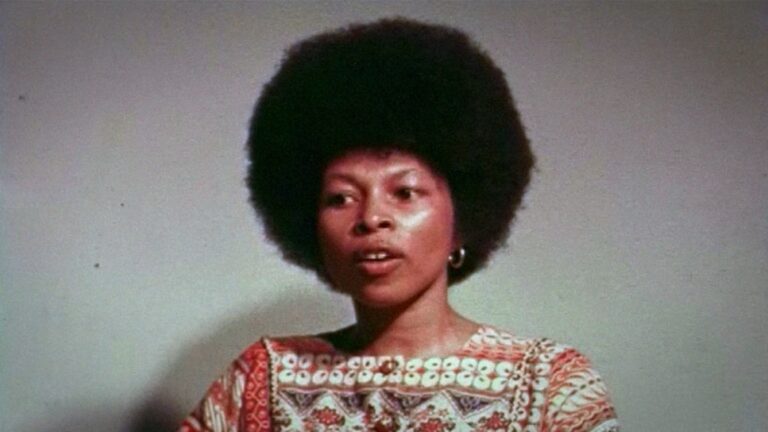
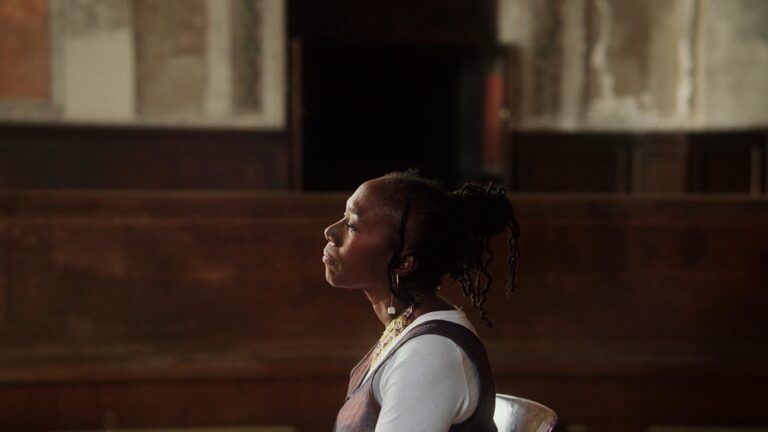
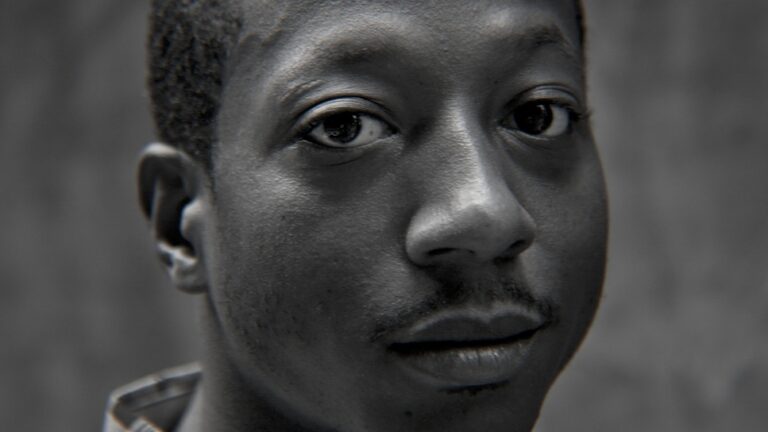
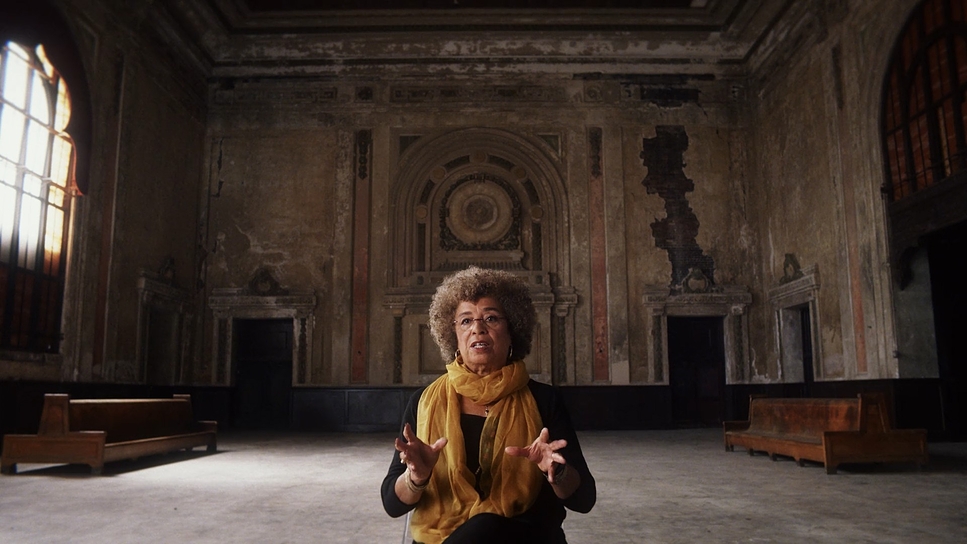
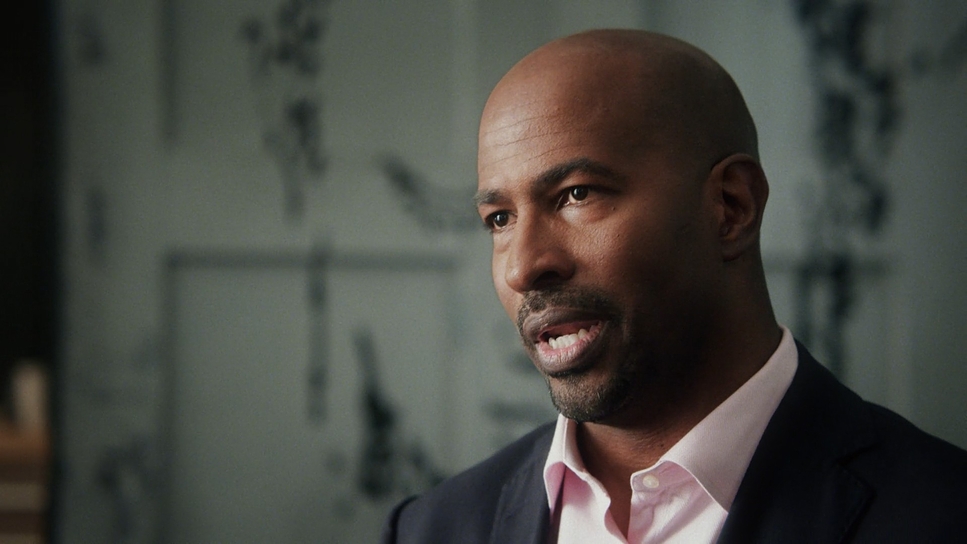
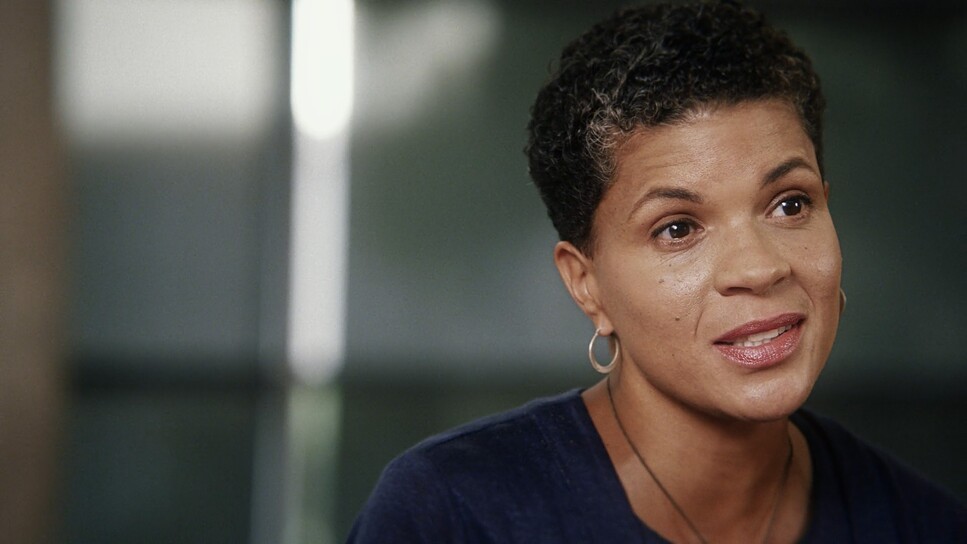
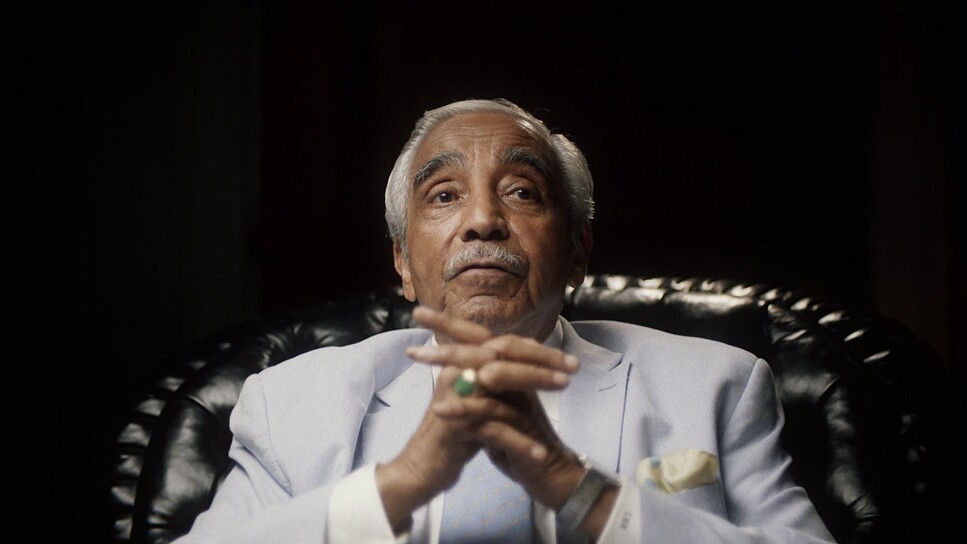
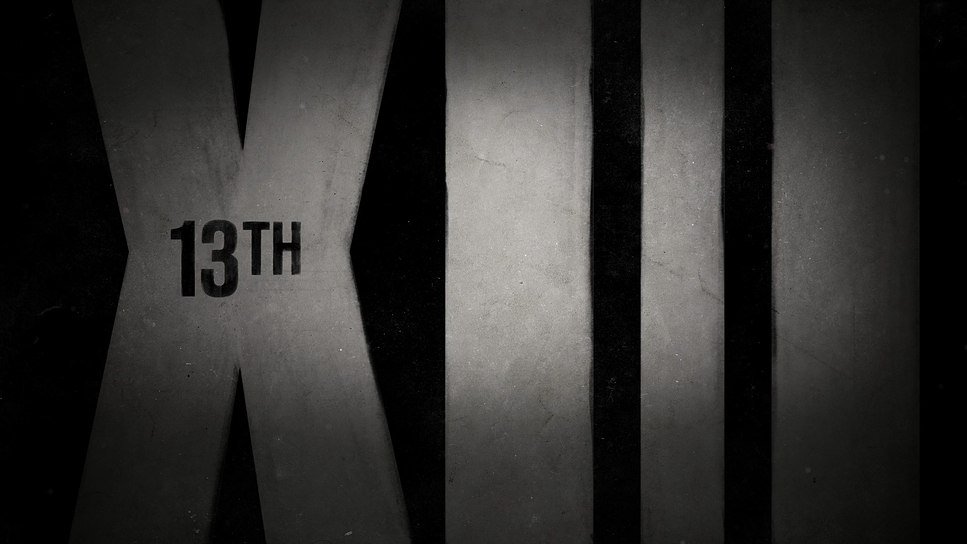
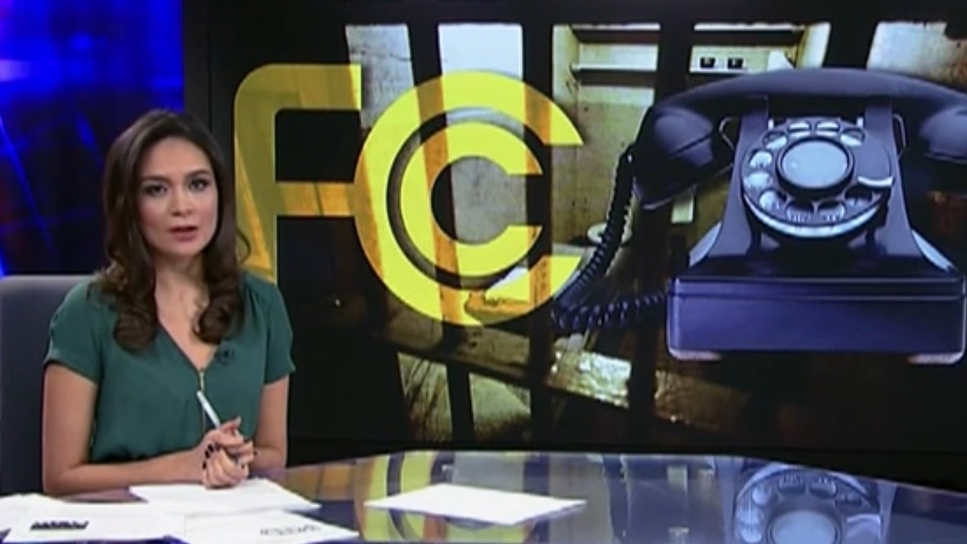
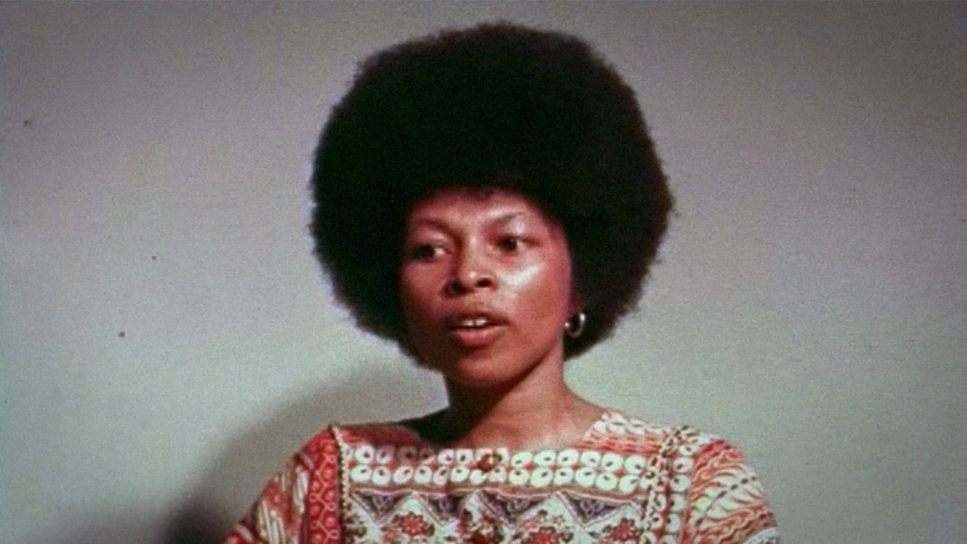
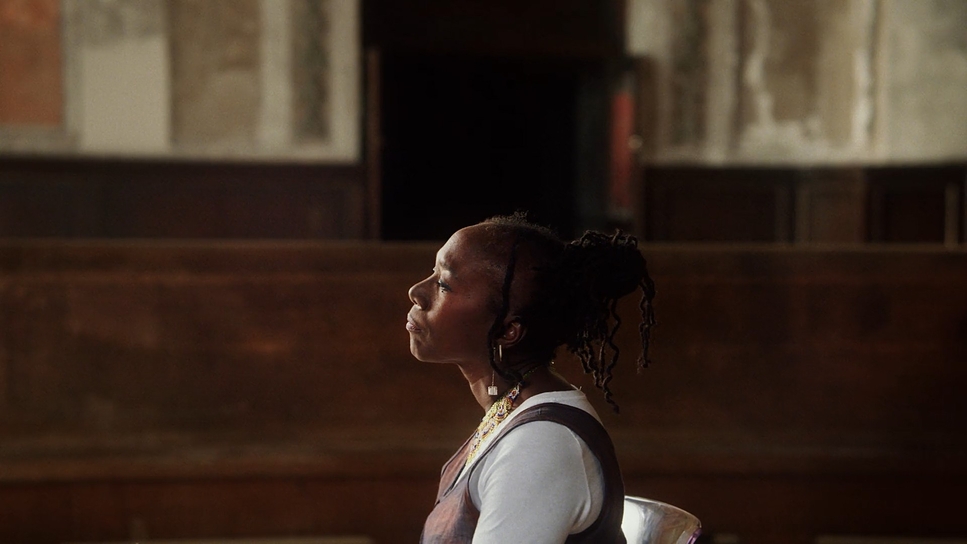
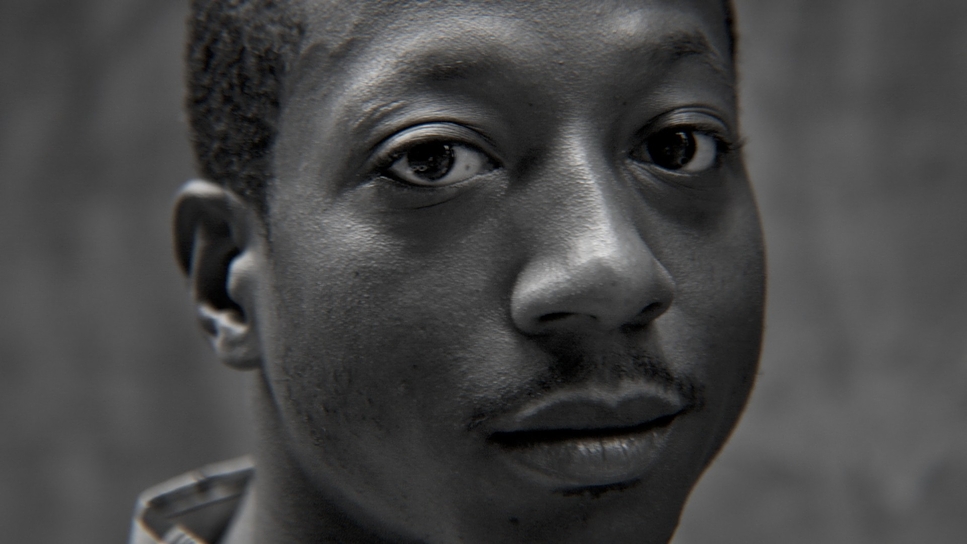
13th (2016)
This documentary examines the historical relationship between race, mass incarceration, and the American criminal justice system, arguing that the 13th Amendment’s exception clause permitting forced labor for those convicted of crimes enabled new forms of racial control after slavery. Tracing a line from Reconstruction and Jim Crow through the War on Drugs and the prison-industrial complex, the film combines archival footage, political speeches, statistics, and interviews with scholars, activists, politicians, and formerly incarcerated individuals. The result is a sweeping historical indictment of systemic racism embedded within American institutions.
DuVernay and cinematographer Hans Charles craft 13th with a sleek, urgent visual style that balances polished interview compositions with aggressively rhythmic archival montage. Interview subjects are framed against stark black backgrounds or minimalist architectural spaces, giving their testimony clarity and immediacy, while rapid editing juxtaposes historical footage, media imagery, advertisements, mugshots, and political rhetoric to reveal recurring visual patterns of racial criminalization across decades. The film’s dynamic typography, music-driven pacing, and layered sound design create a sense of accumulating momentum, transforming historical analysis into an emotionally and politically charged cinematic experience.
FILM SPOTLIGHT
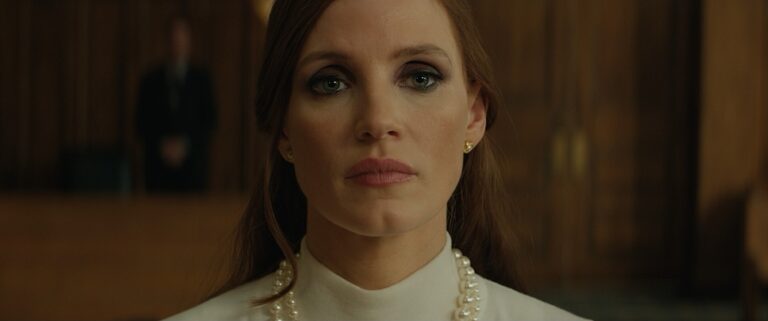
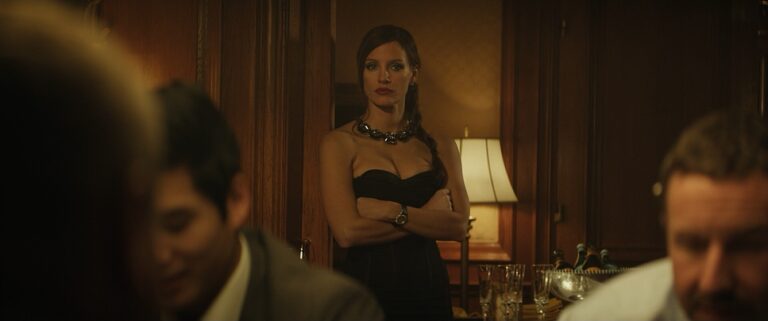
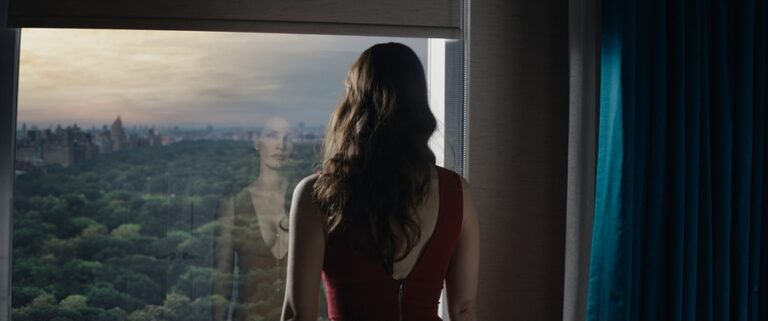
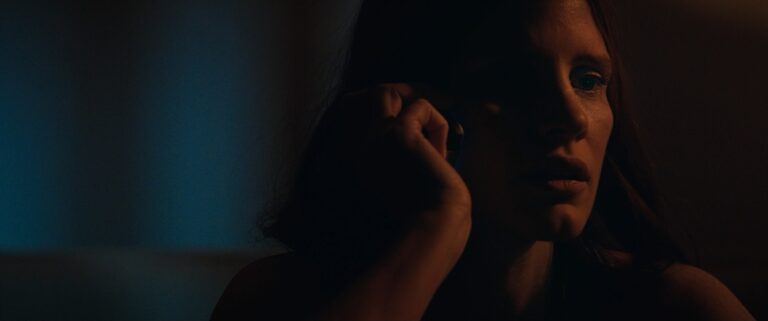
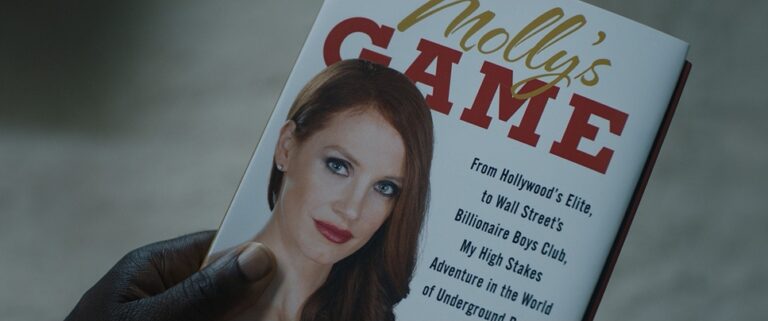
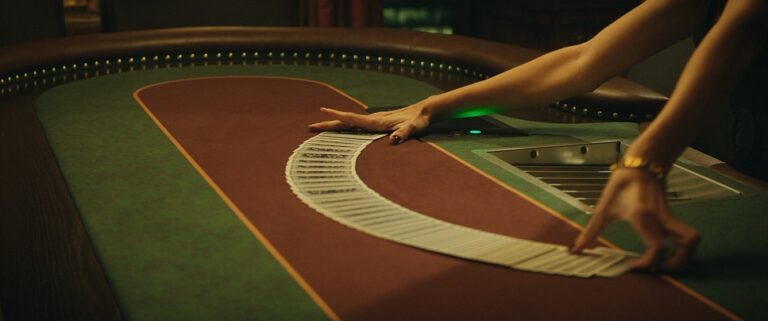
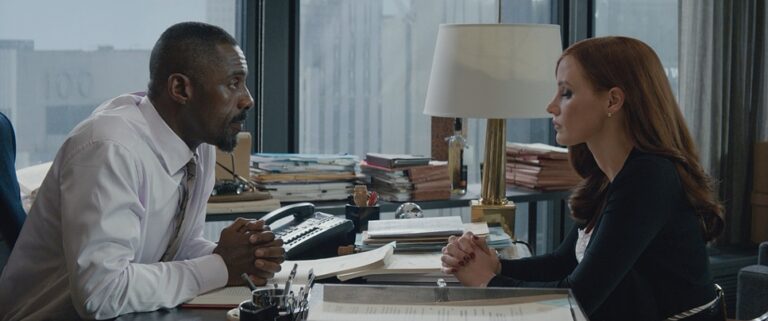
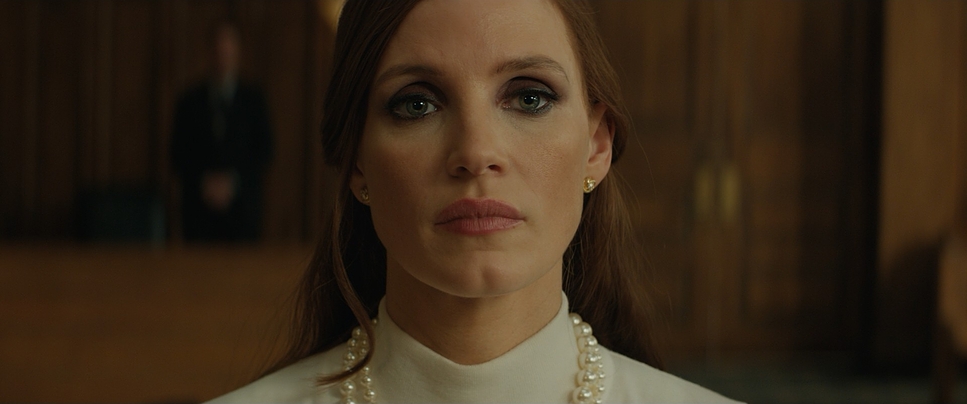
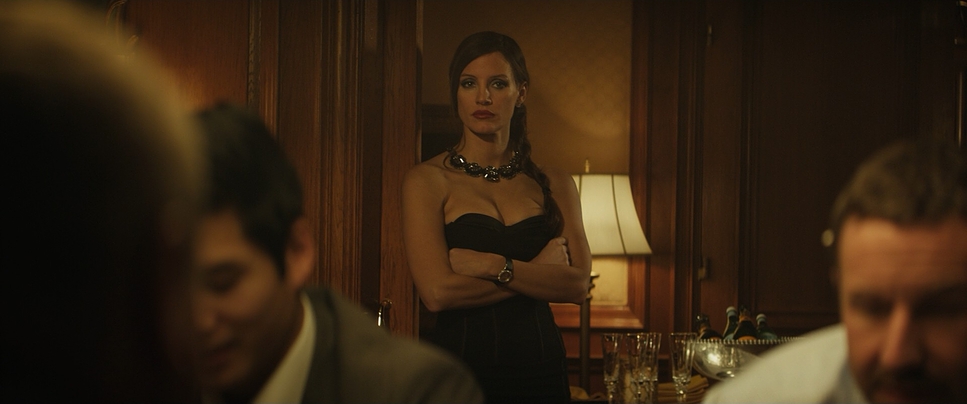
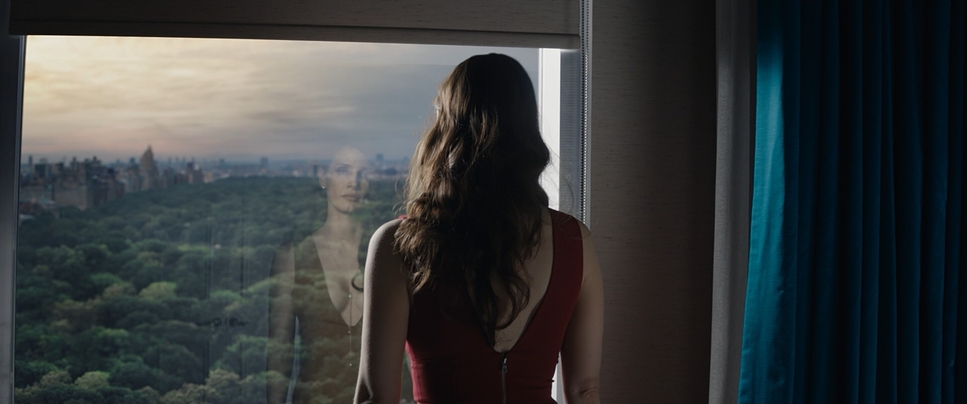
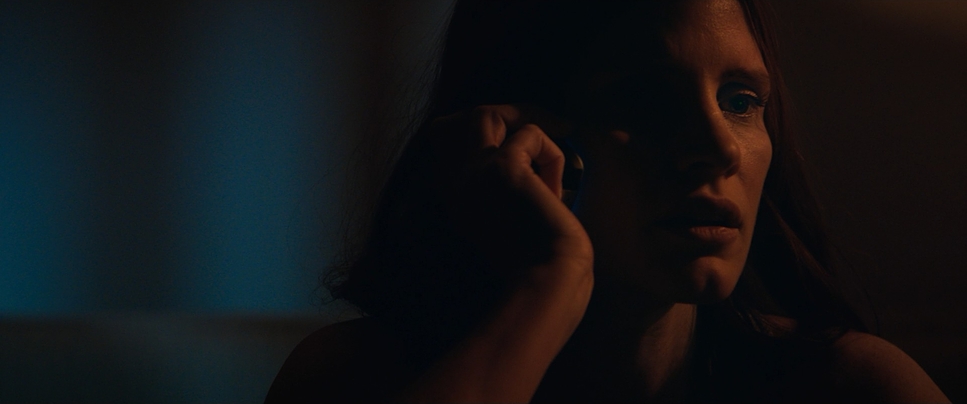
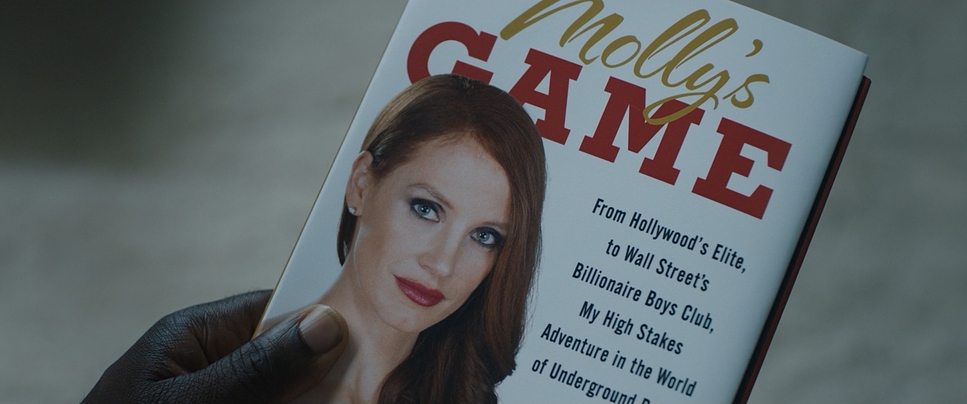
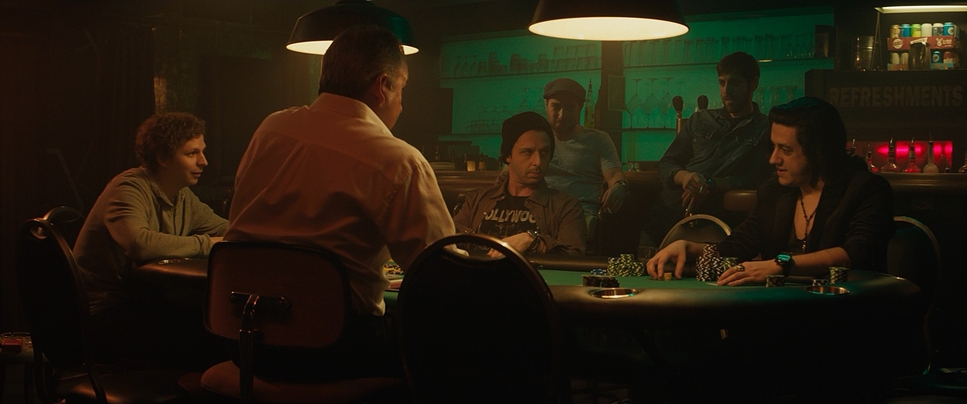
Molly’s Game (2017)
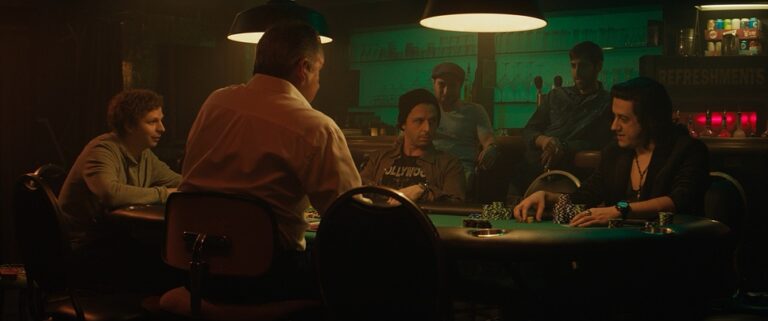
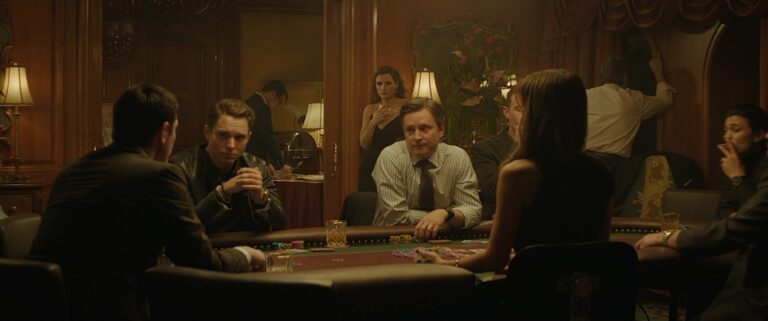
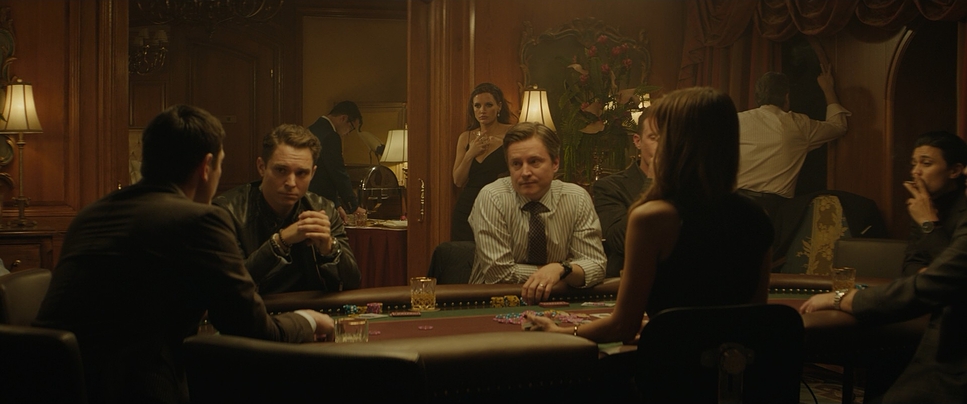
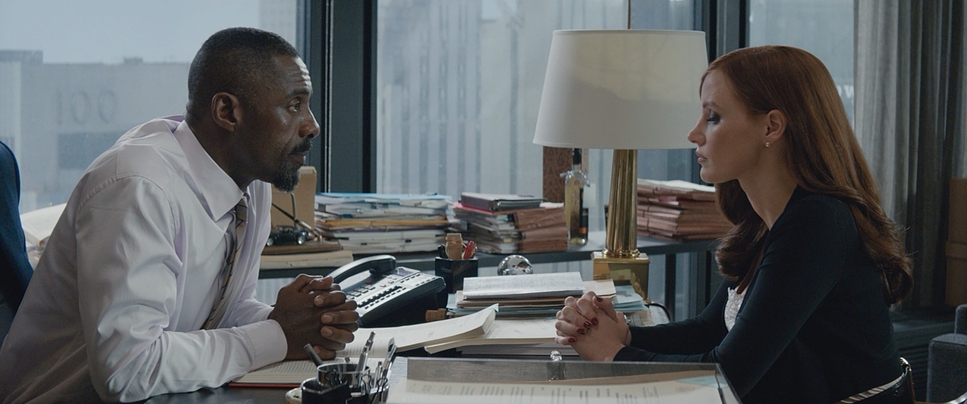
Based on the true story of Molly Bloom, the film follows a former Olympic-level skier who reinvents herself as the organizer of exclusive high-stakes underground poker games catering to Hollywood celebrities, athletes, financiers, and powerful businessmen. As Molly builds an empire defined by wealth, secrecy, and psychological control, she becomes the target of FBI investigations and criminal scrutiny connected to organized crime. The story unfolds as both a fast-paced procedural and a character study about ambition, self-invention, and the cost of maintaining power in male-dominated worlds.
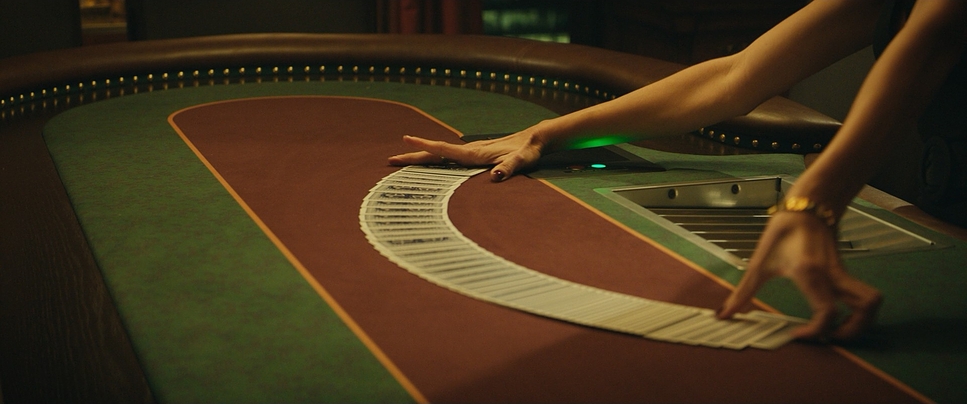
Sorkin and cinematographer Charlotte Bruus Christensen craft Molly’s Game with sleek, kinetic energy that mirrors the rapid-fire rhythm of Sorkin’s dialogue and the adrenaline of competitive gambling culture. The film relies heavily on fluid tracking shots, whip pans, montage, and stylized slow motion to turn poker games into high-pressure psychological arenas rather than static card tables. Glossy hotel suites, private clubs, and nighttime cityscapes are photographed with cool metallic tones and sharp lighting contrasts, emphasizing wealth, performance, and emotional isolation. Voiceover narration and rapid editing constantly propel the film forward, while close-ups of chips, cards, gestures, and faces transform reading human behavior into the central visual tension of the movie.
FILM SPOTLIGHT
The Message (1976)
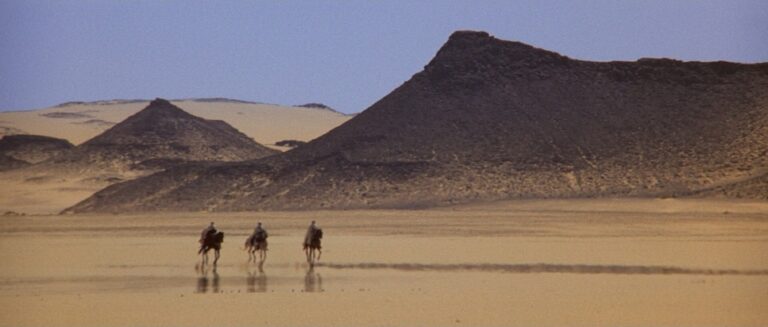
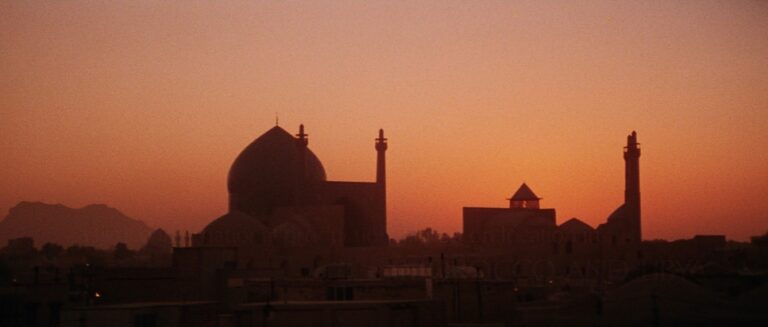
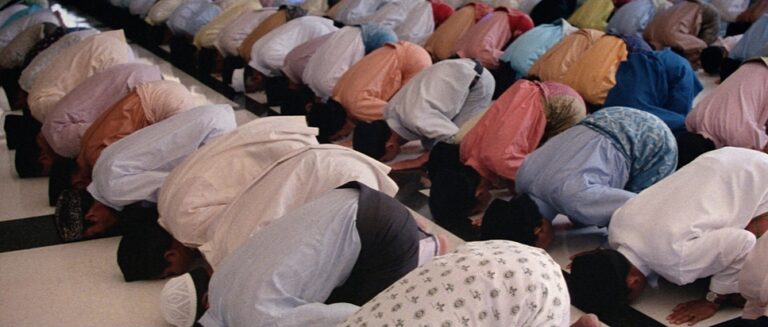
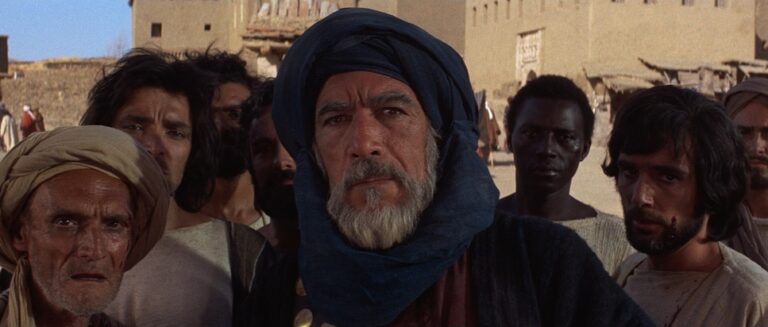
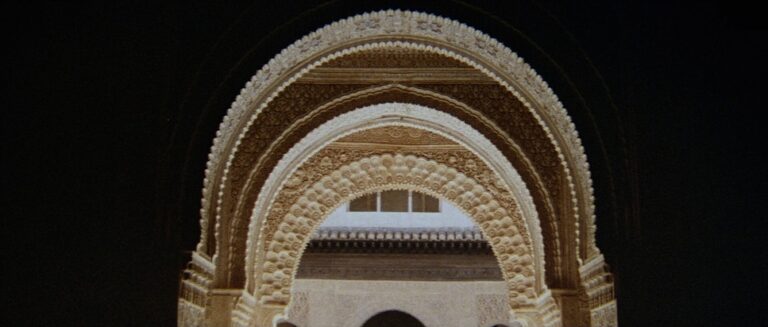
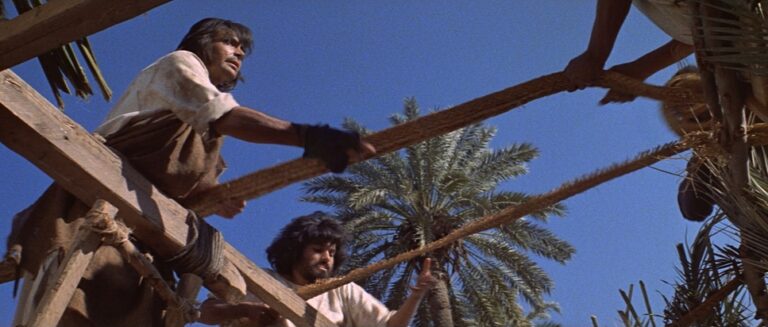
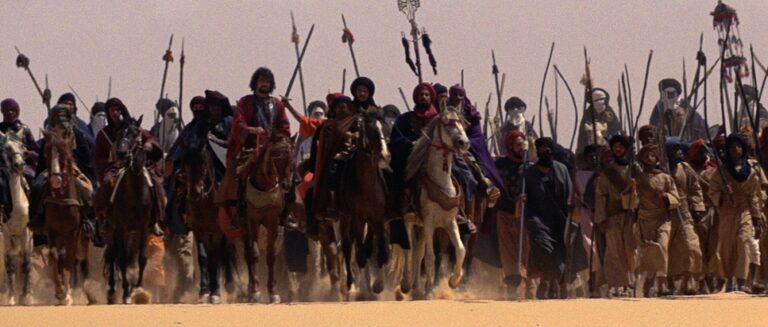
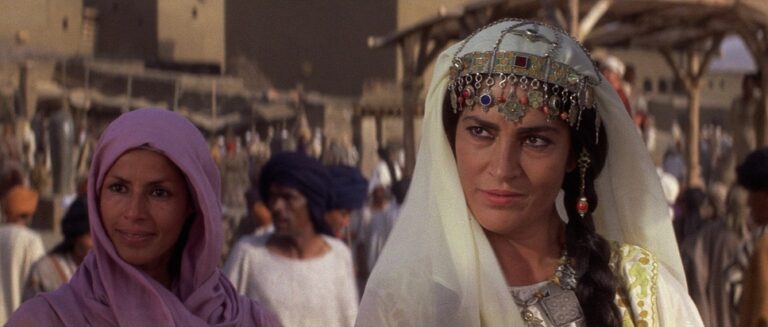
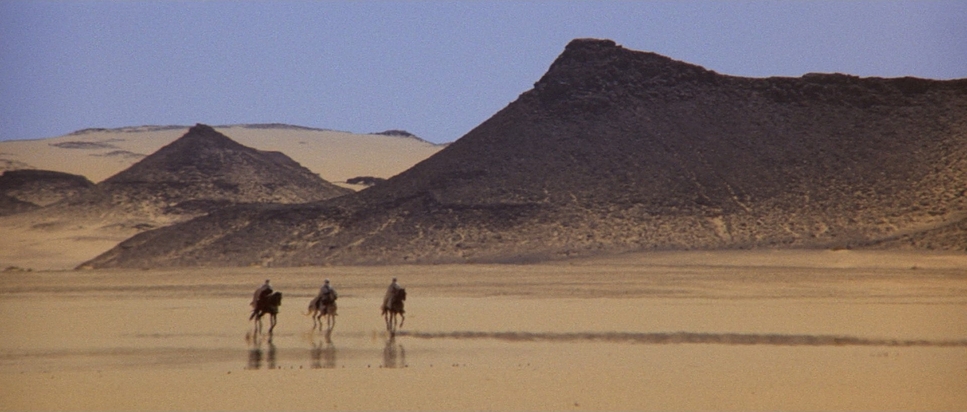
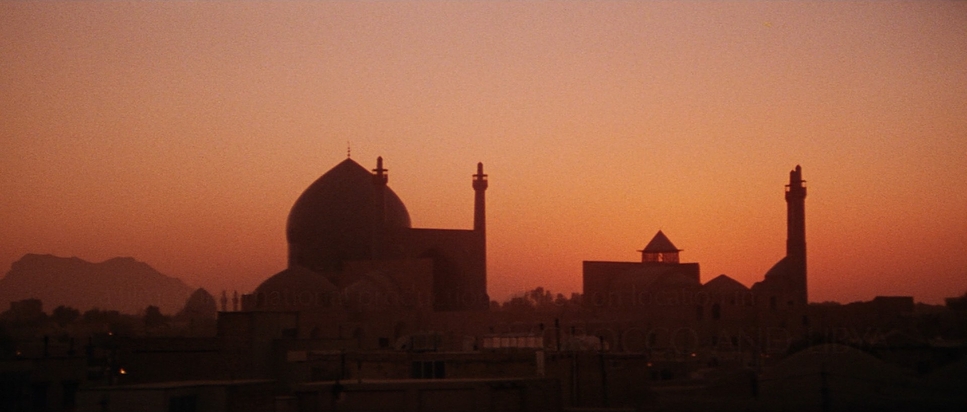
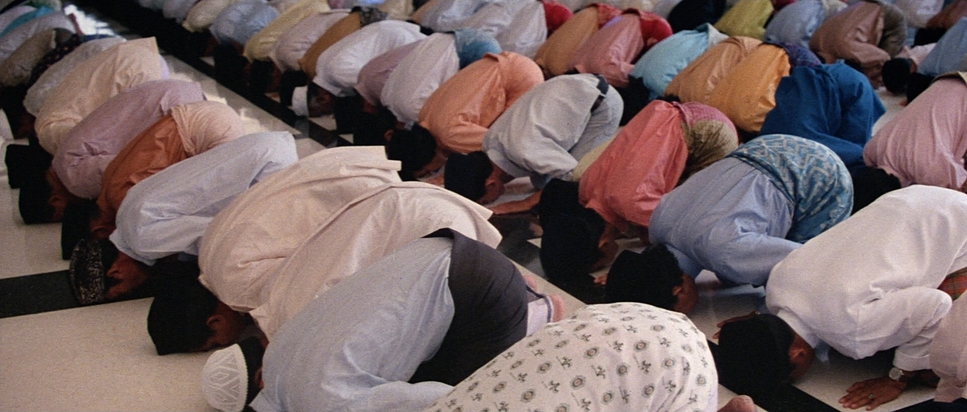
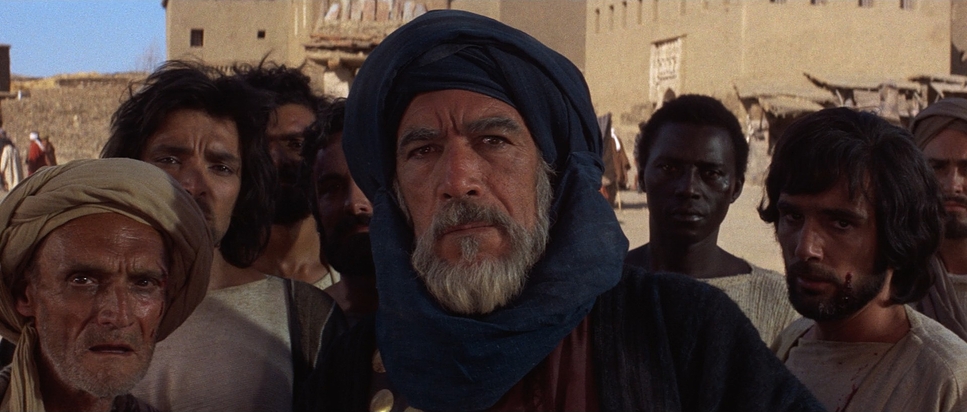
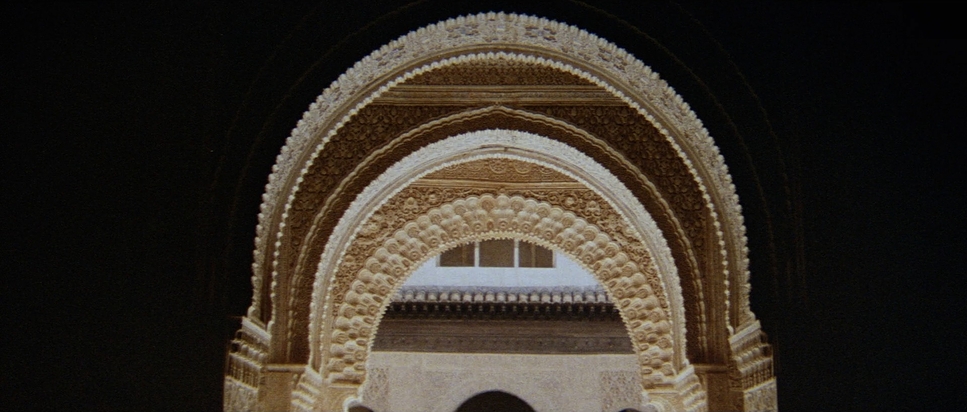
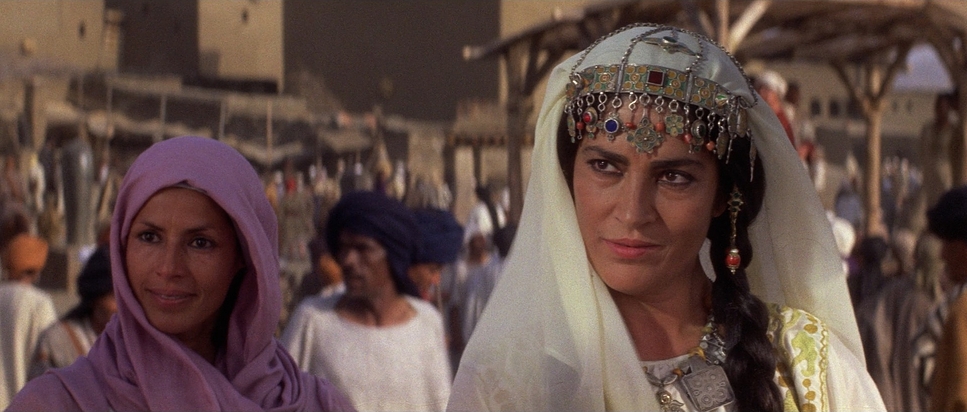
Set in 7th-century Arabia, the film chronicles the birth of Islam and the early years of the Prophet Muhammad’s mission as his followers face persecution, exile, and war while spreading the new faith. Told without directly depicting Muhammad himself, the story follows key companions and family members as they navigate political opposition from the ruling Quraysh tribe in Mecca and the eventual establishment of the Muslim community in Medina. The film unfolds as an epic historical and spiritual drama centered on faith, unity, and social transformation.
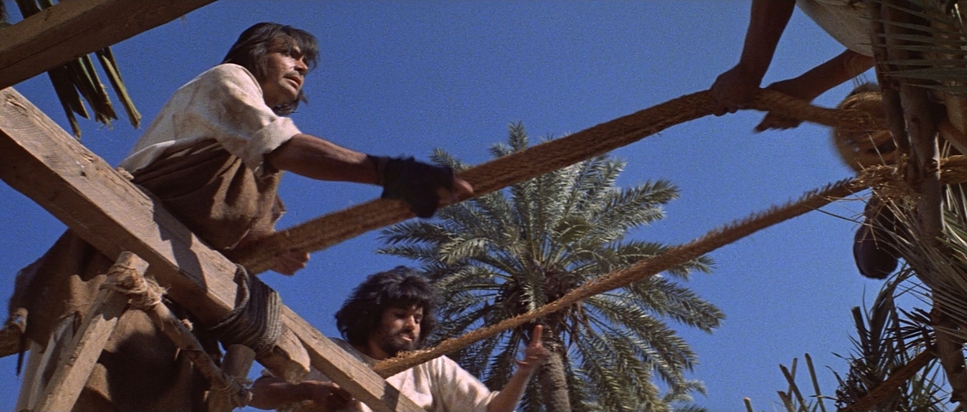
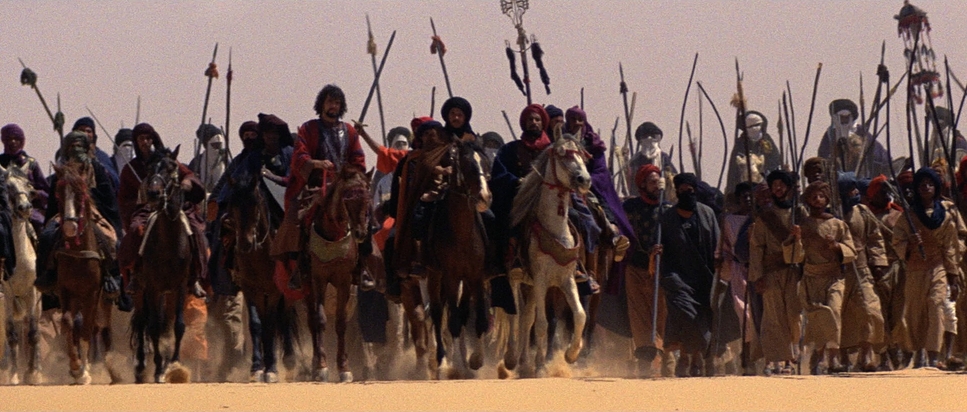
Akkad and cinematographer Jack Hildyard craft The Message with large-scale desert landscapes, sweeping battle sequences, and classical epic filmmaking techniques reminiscent of mid-century historical cinema. Because Islamic tradition discourages visual depiction of the Prophet Muhammad, the film uses subjective camera placement, reaction shots, and off-screen dialogue to imply his presence without showing him directly—turning absence itself into a defining formal device. Warm desert light, massive crowd staging, and wide CinemaScope compositions give the film a sense of grandeur and historical scope, while the use of practical locations in Morocco and Libya grounds the spiritual narrative in tactile physical environments shaped by sand, stone, and open sky.
FILM SPOTLIGHT
Pi (1998)
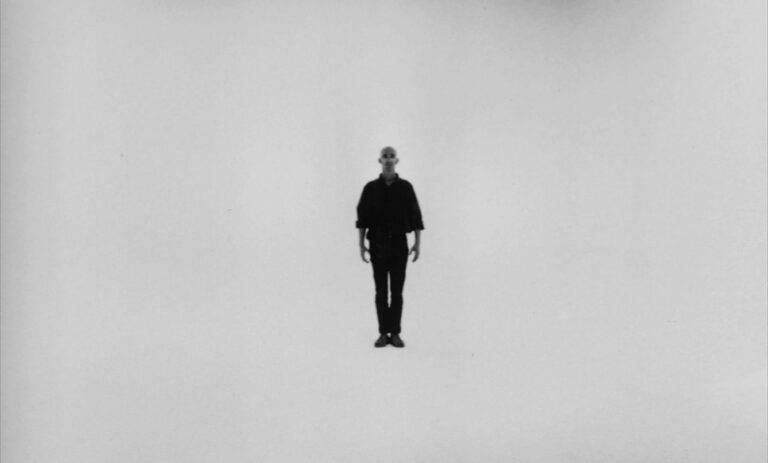
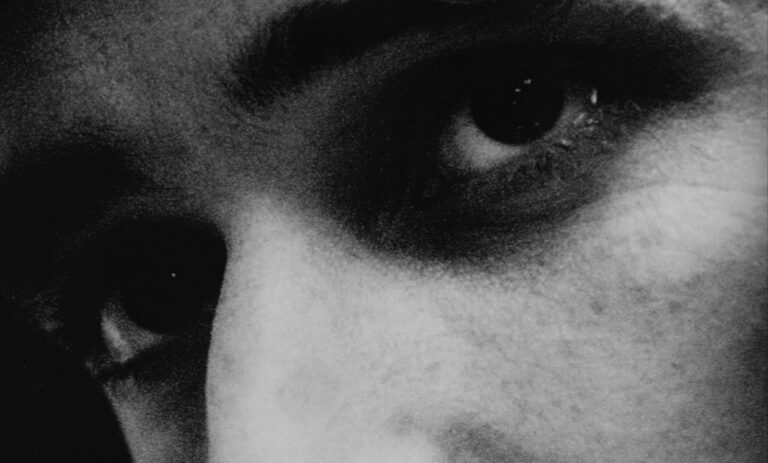
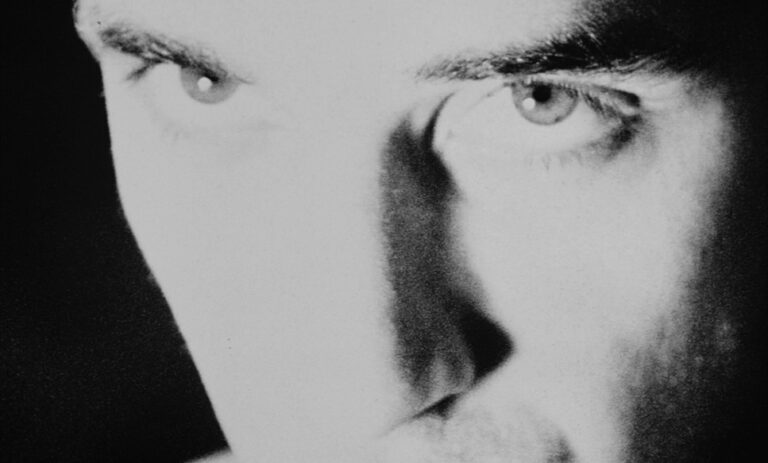
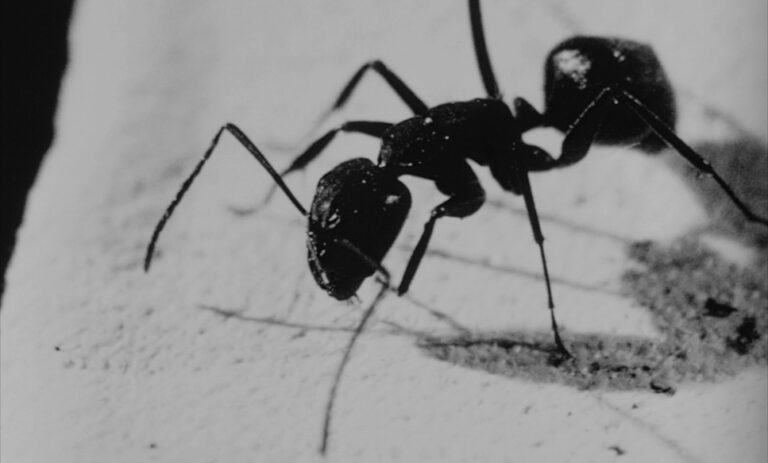
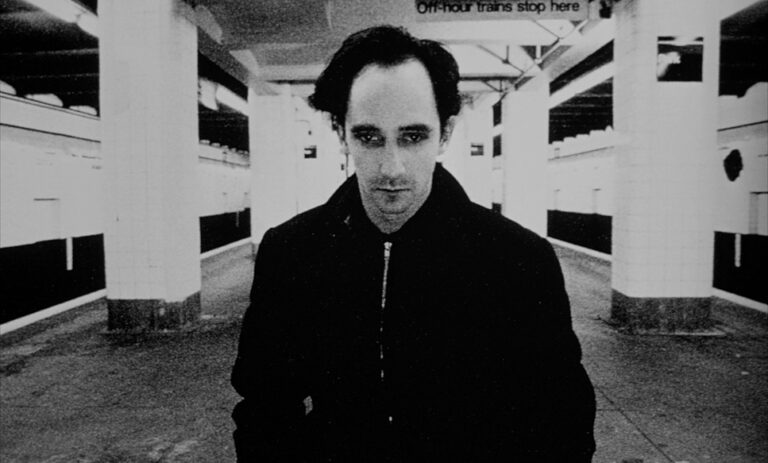
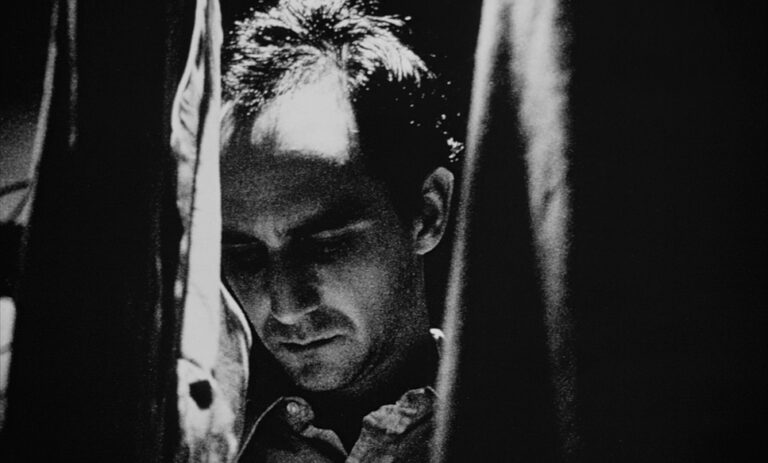
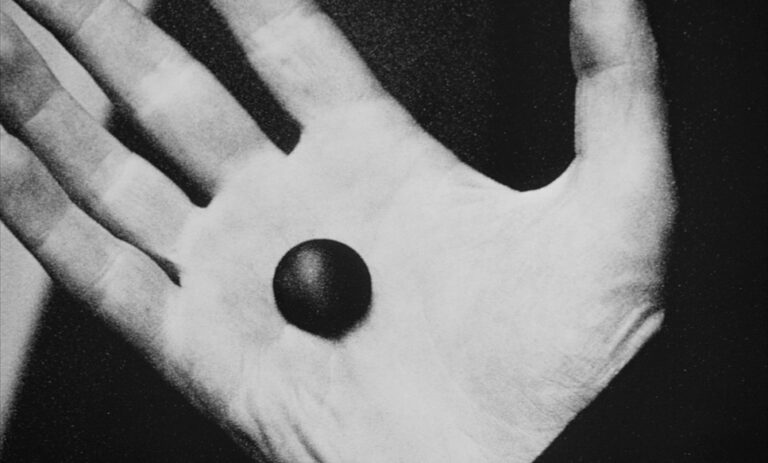
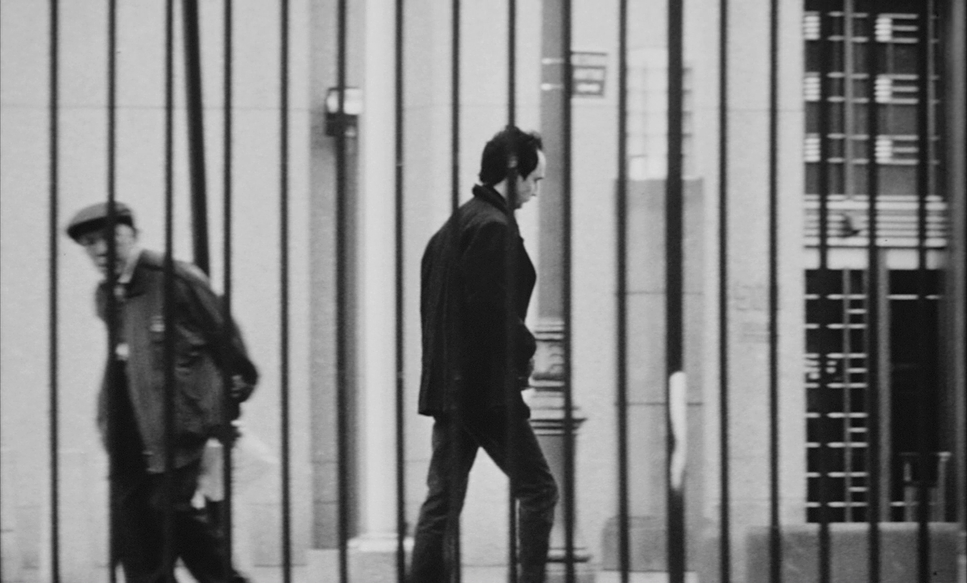
A brilliant but paranoid mathematician named Max Cohen becomes obsessed with discovering numerical patterns hidden within the stock market and the universe itself. Working in isolation inside his cramped New York apartment, Max believes that all natural systems can be explained through numbers, attracting the attention of both Wall Street firms and a group of mystical Kabbalah scholars searching for a sacred numerical code. As his obsession deepens, his physical and psychological state deteriorates, pushing him toward madness and self-destruction.
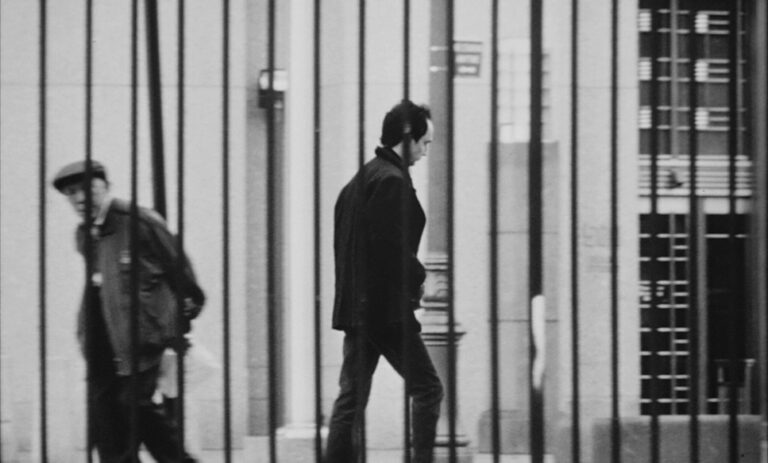
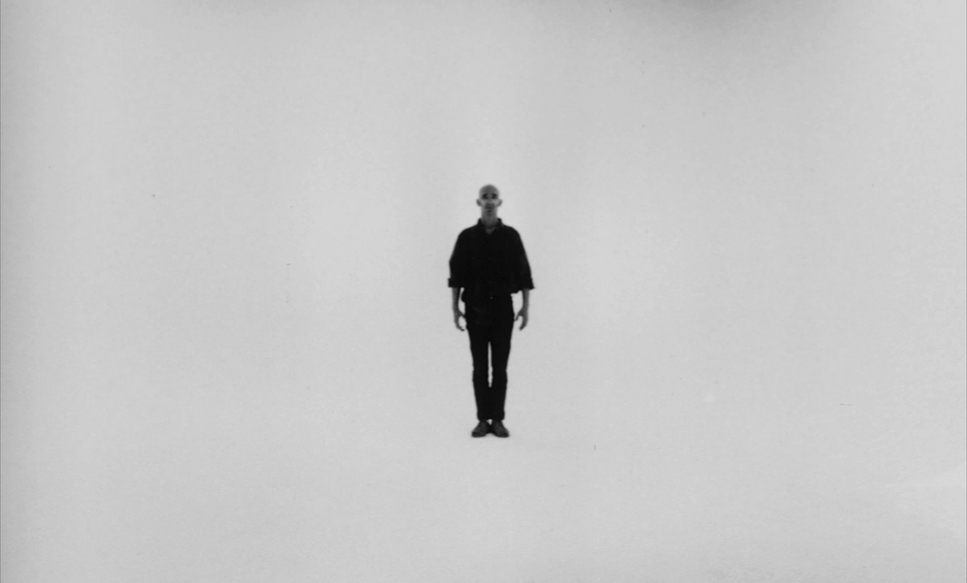
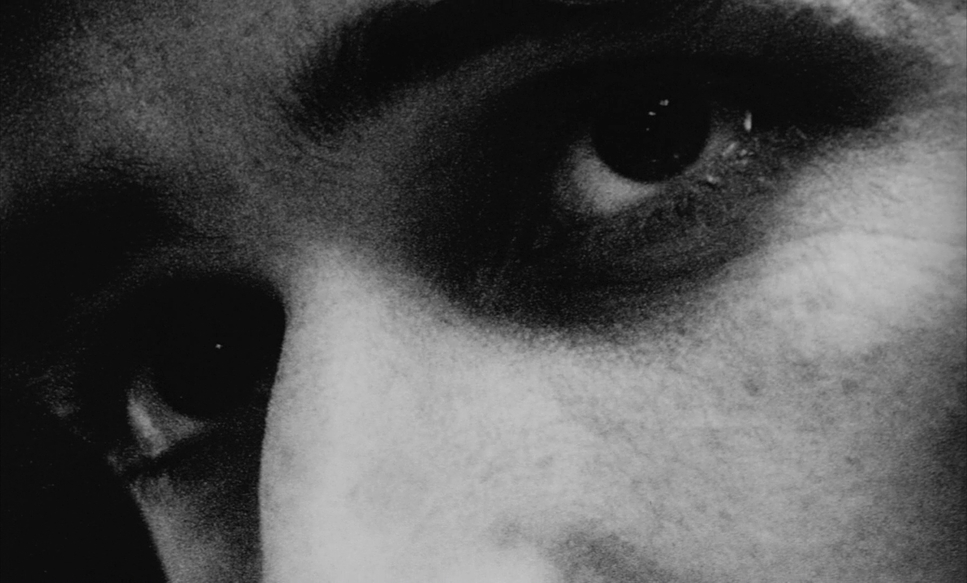
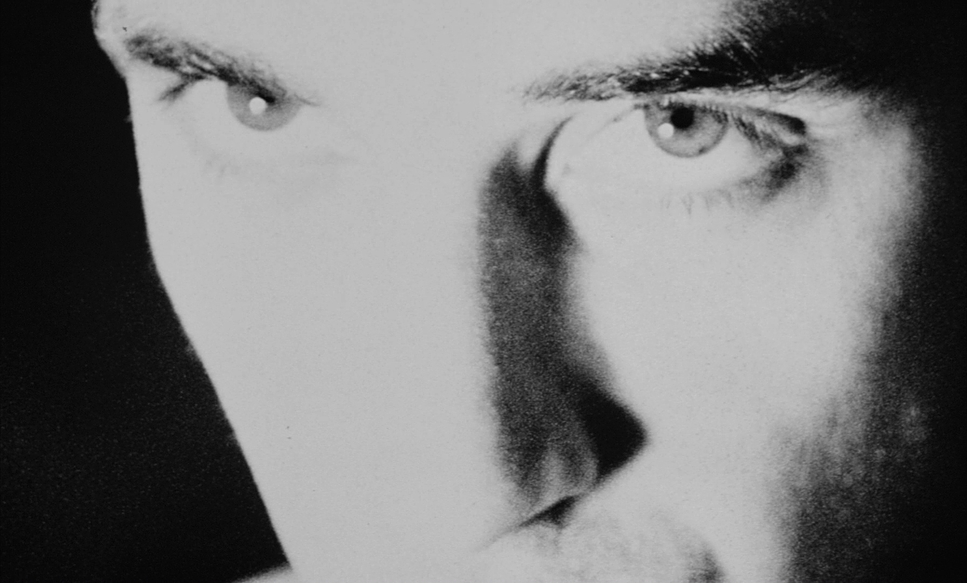
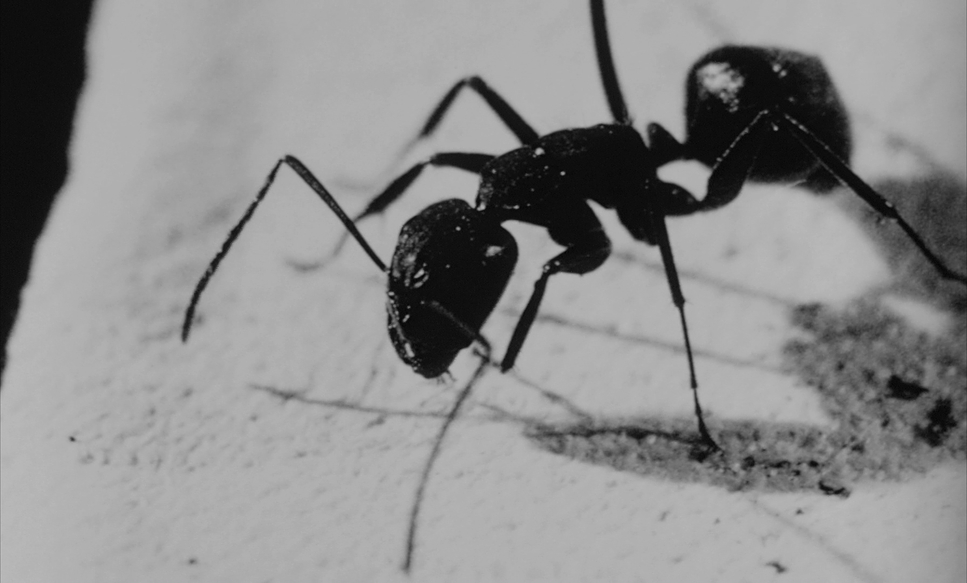
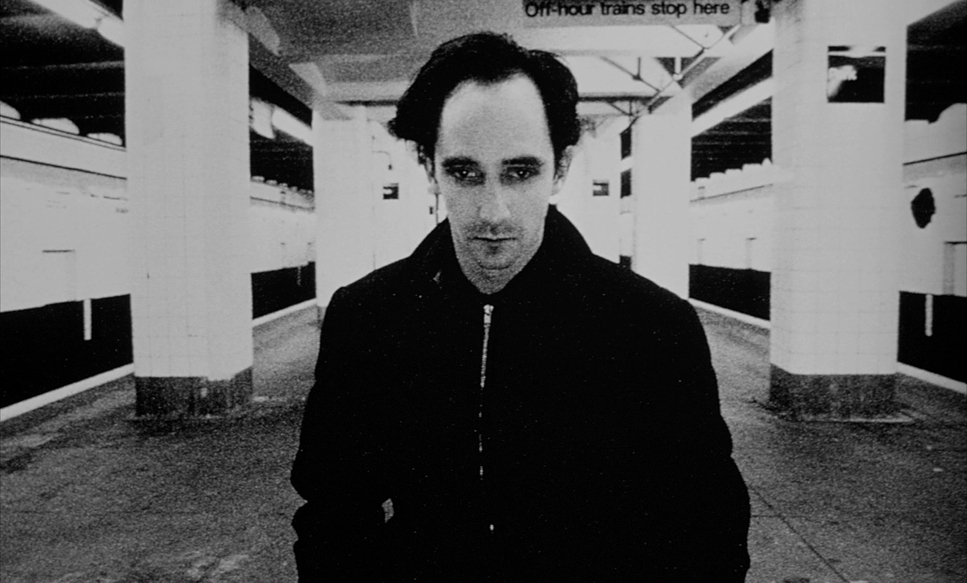
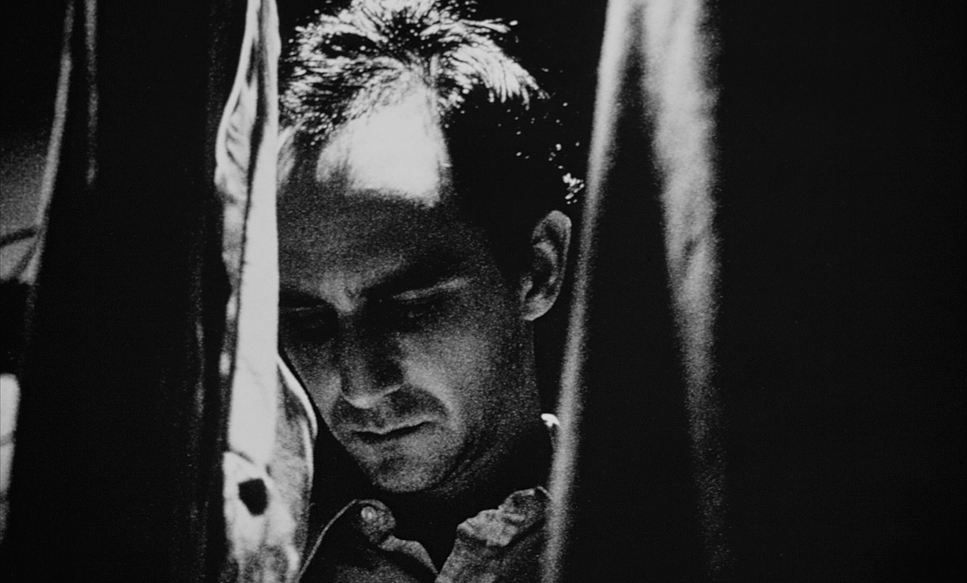
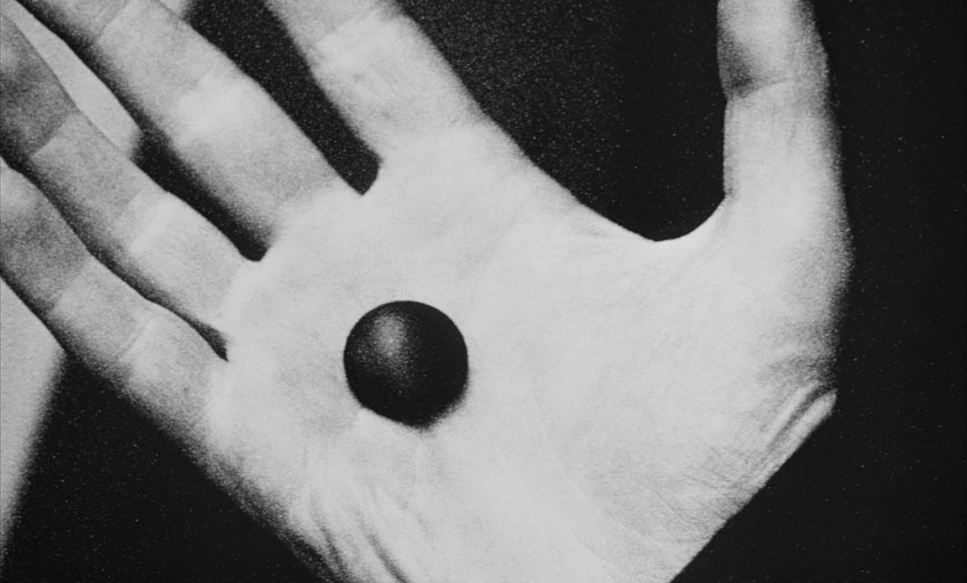
Aronofsky and cinematographer Matthew Libatique shoot Pi in stark high-contrast black-and-white reversal film, creating a grainy, abrasive visual texture that mirrors Max’s deteriorating mental state. Extreme close-ups, aggressive handheld camerawork, rapid montage, and distorted wide-angle lenses trap the viewer inside a claustrophobic subjective experience filled with noise, sweat, circuitry, and urban decay. The cramped apartment, flickering computer screens, subway tunnels, and invasive sound design turn New York into a hostile mathematical labyrinth, while recurring numerical imagery and rhythmic editing transform abstract obsession into something tactile, physical, and psychologically overwhelming.


FILM SPOTLIGHT
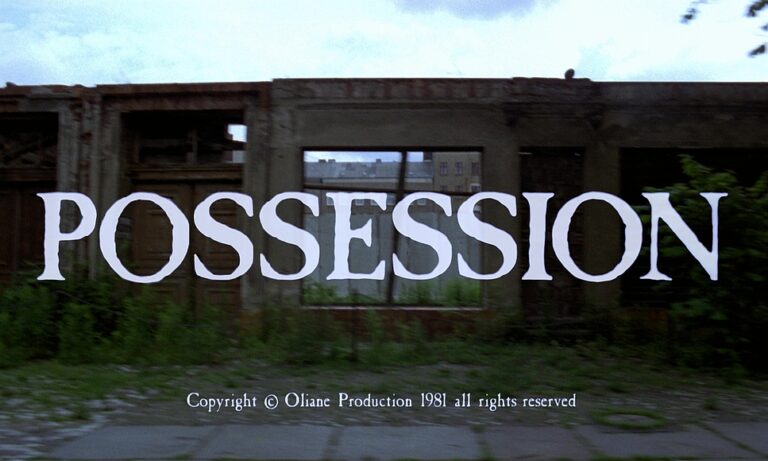
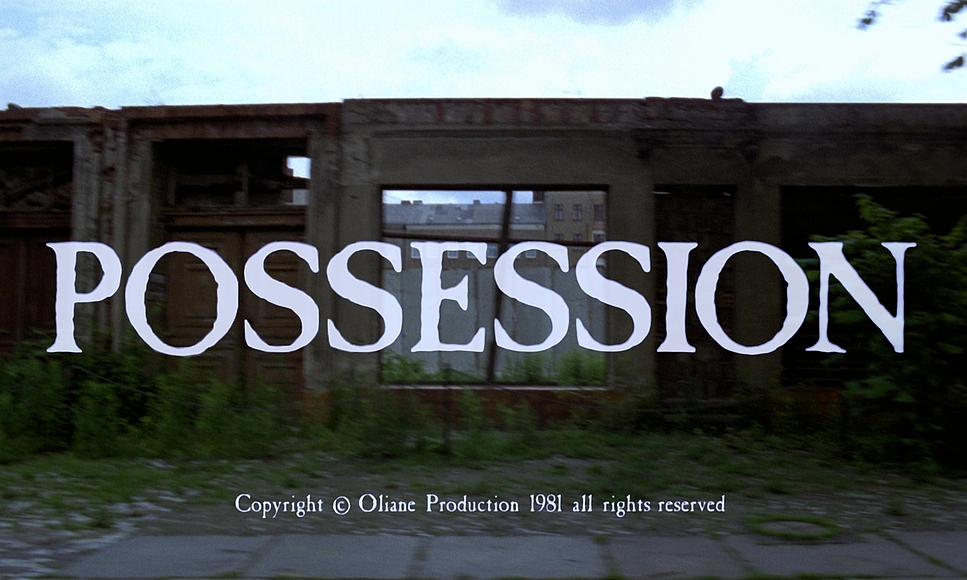
Possession (1981)
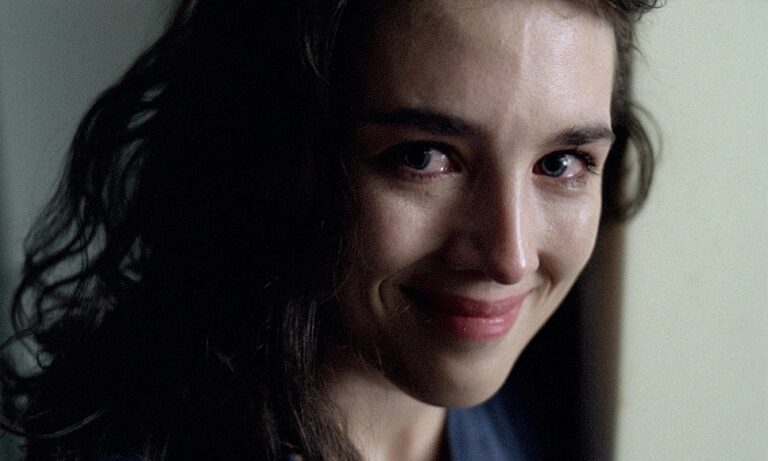
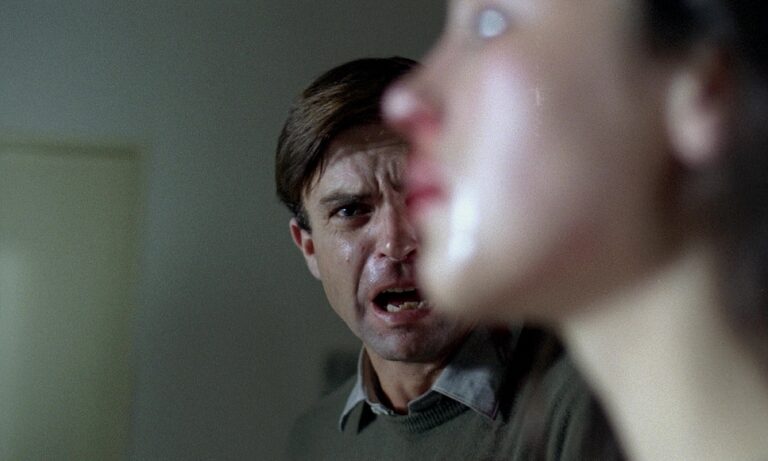
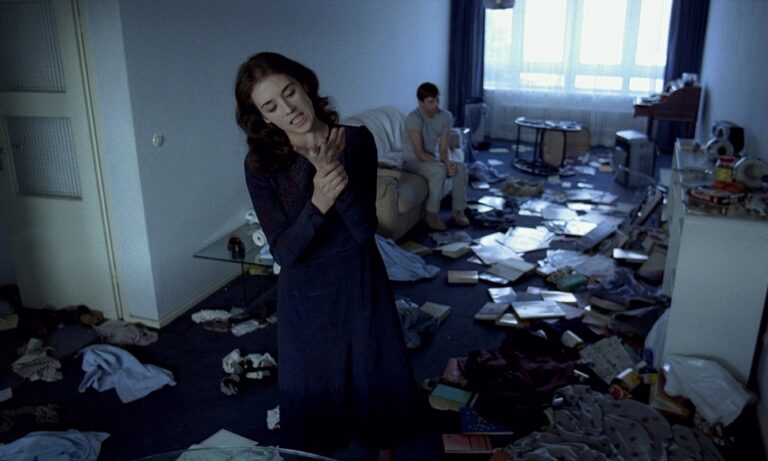
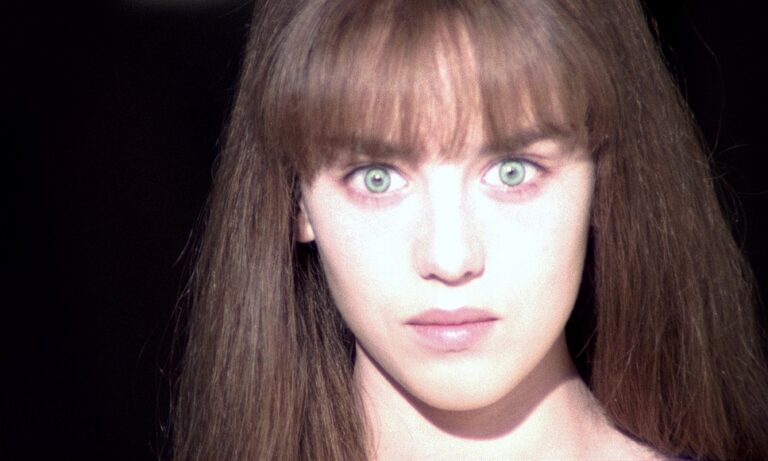
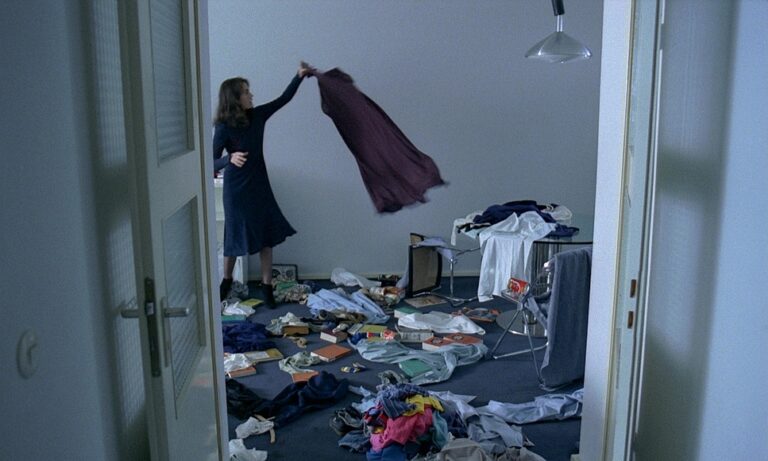
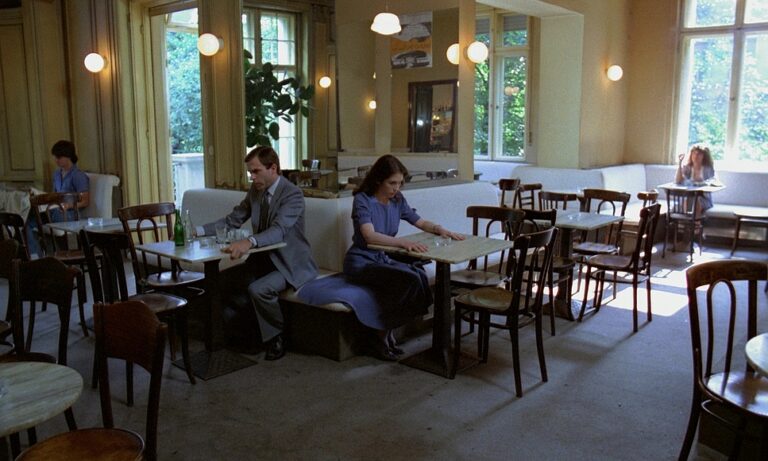
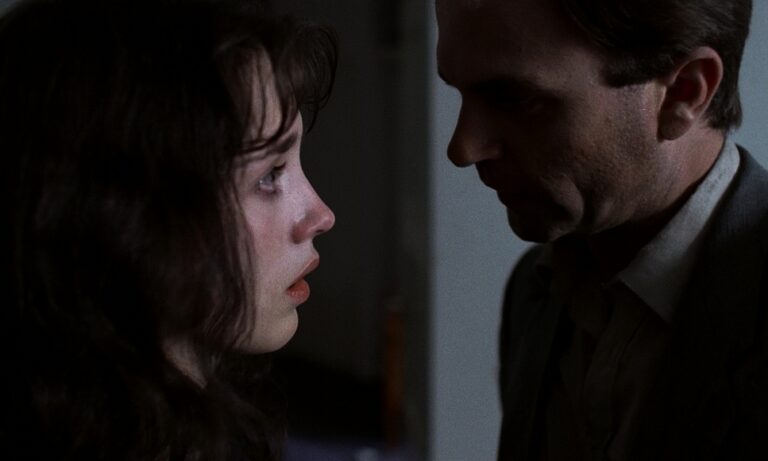
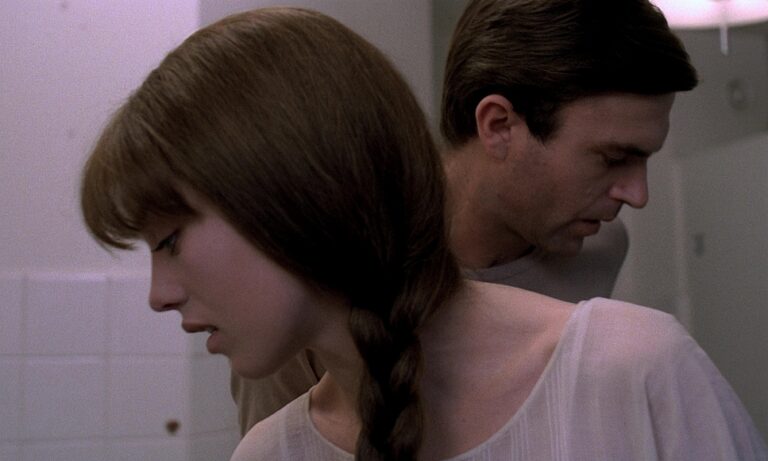
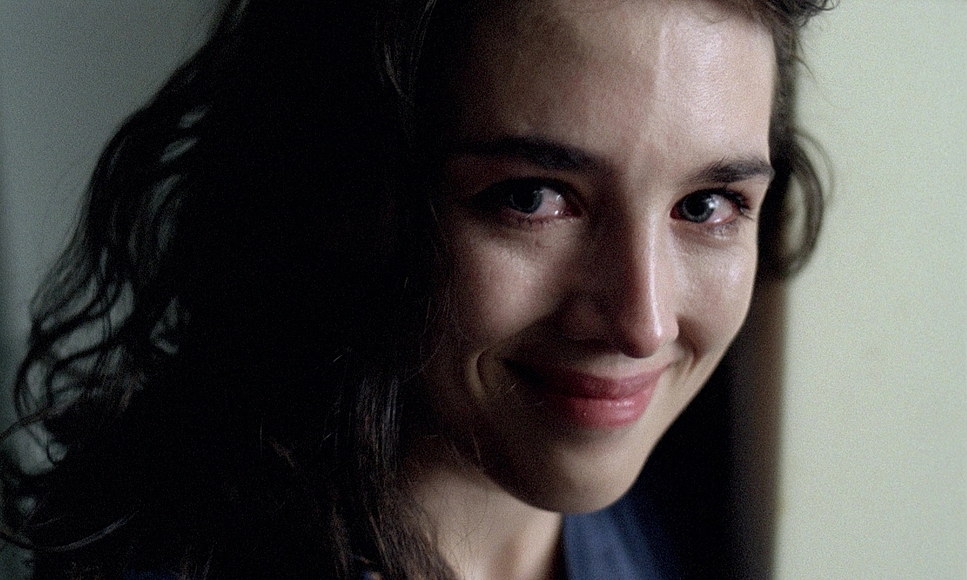
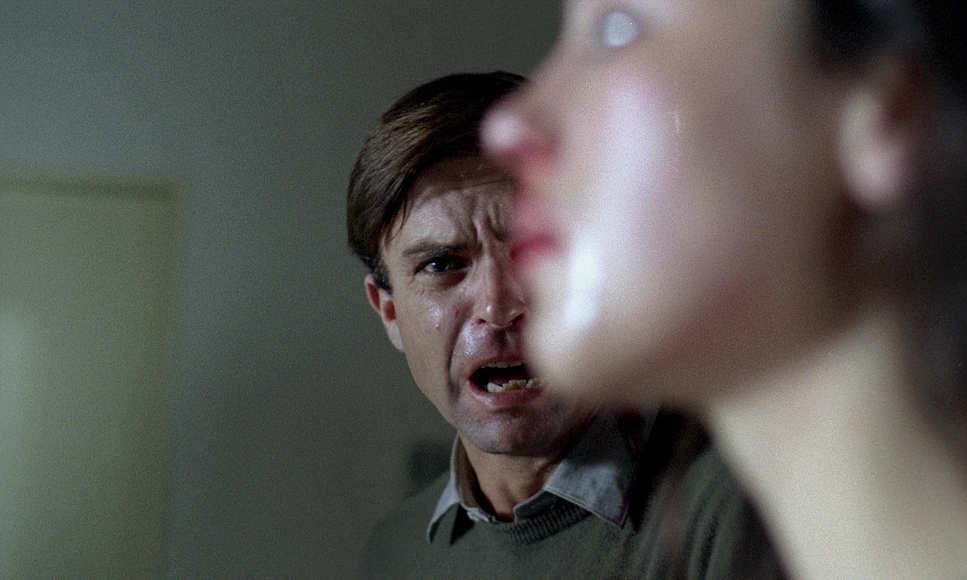
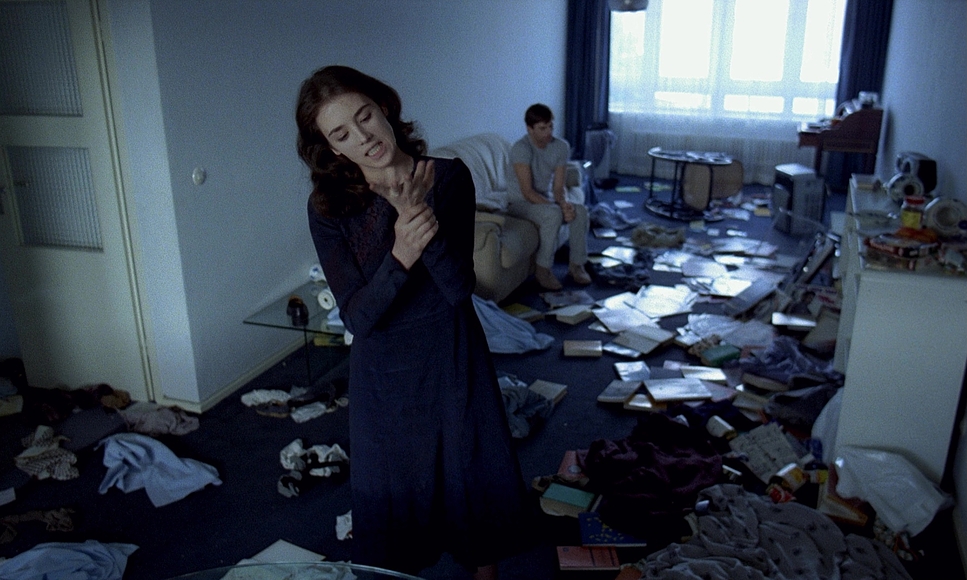
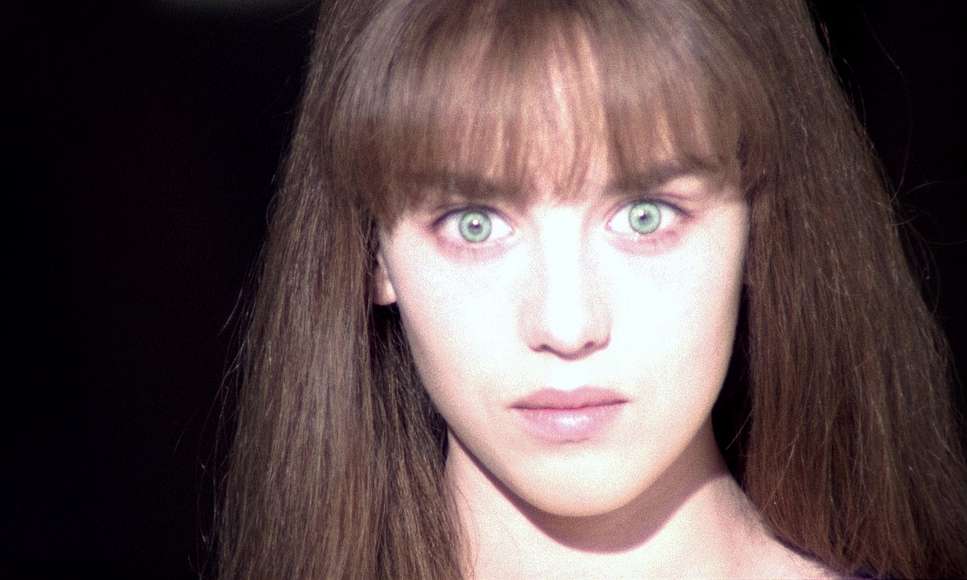
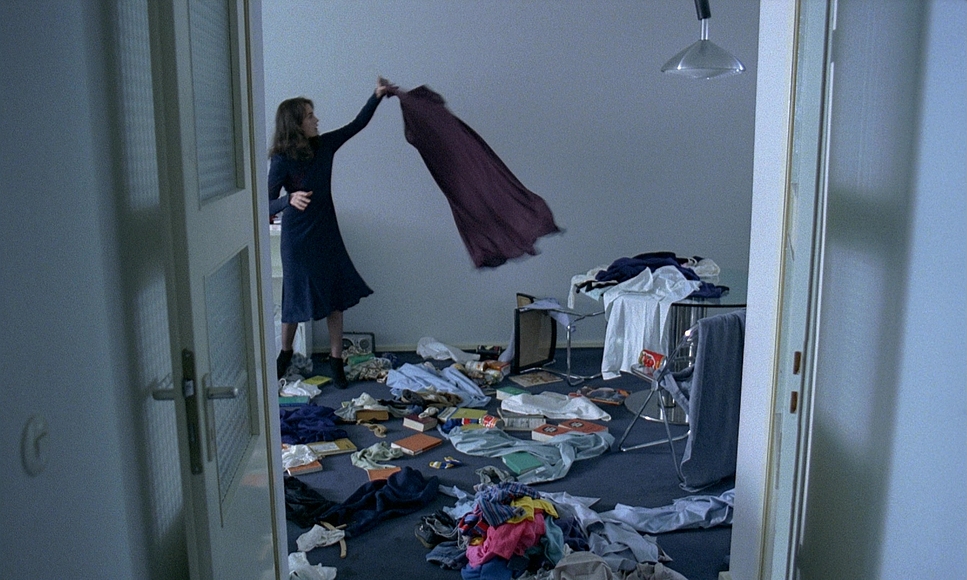
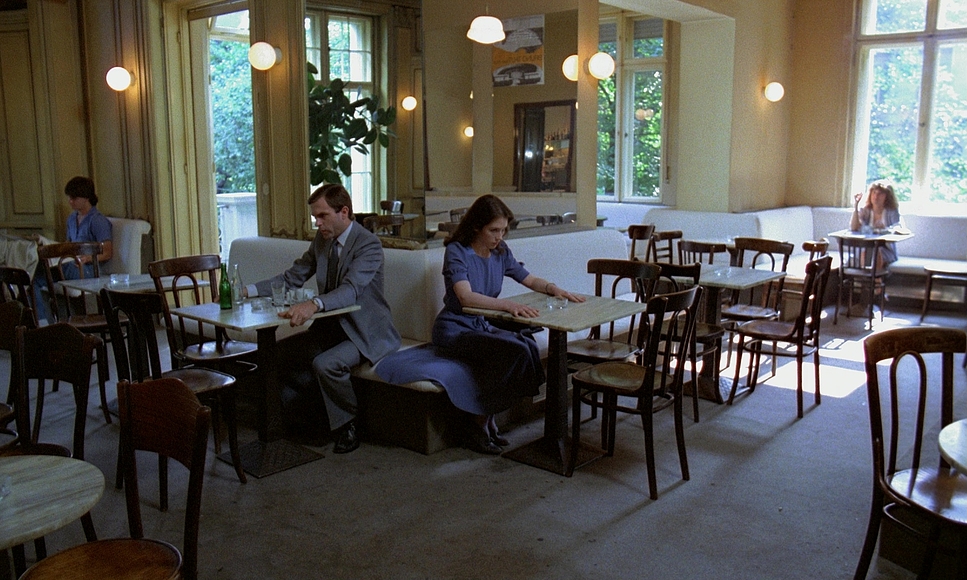
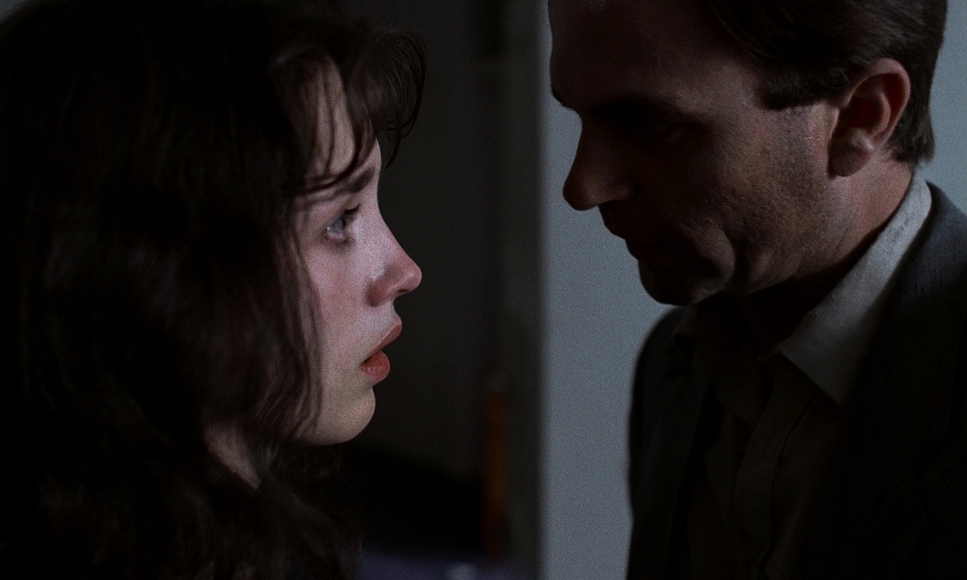
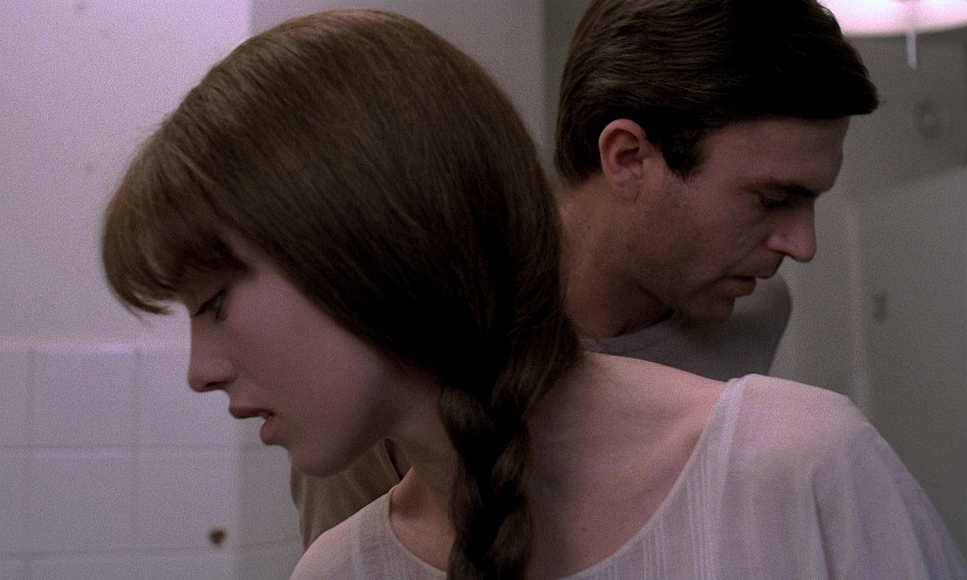
Set in a divided Cold War Berlin, the film follows Mark, a spy returning home to discover that his wife Anna wants a divorce under increasingly mysterious and disturbing circumstances. As their relationship collapses into emotional and physical violence, Mark uncovers Anna’s involvement in a grotesque secret that blurs the line between psychological breakdown, supernatural horror, and bodily transformation. What begins as a marital crisis gradually mutates into an intense exploration of obsession, identity, repression, and self-destruction.
Żuławski and cinematographer Bruno Nuytten craft Possession with a feverish, hysterical visual style built around relentless handheld camerawork, violent physical performances, and constantly shifting emotional intensity. The camera lunges, circles, and crashes through cramped apartments, tunnels, stairwells, and empty Berlin streets as if mirroring the characters’ psychological collapse. Cold blue-gray palettes and decaying urban locations evoke a spiritually diseased environment shaped by division and paranoia, while Isabelle Adjani’s infamous subway sequence—shot with convulsive physicality and surreal bodily horror—becomes the film’s visual and emotional breaking point. The imagery fuses domestic melodrama, political anxiety, and creature horror into one chaotic expression of emotional disintegration.
FILM SPOTLIGHT
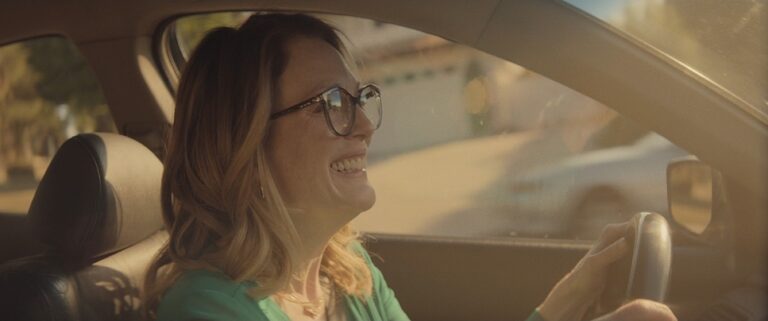
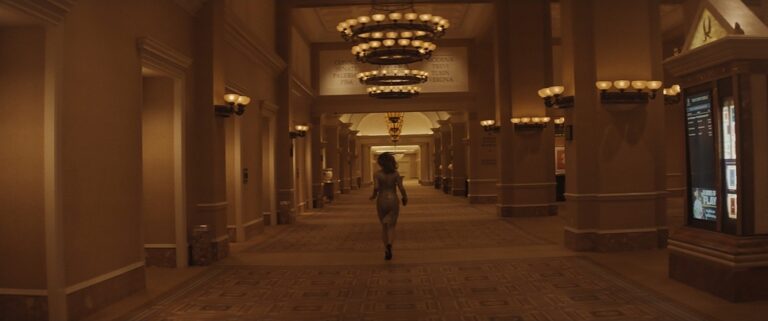
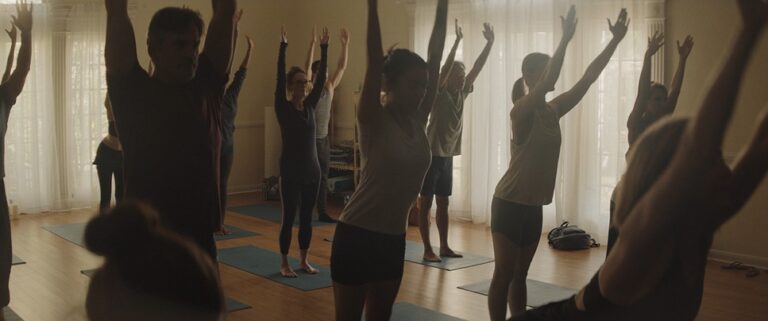
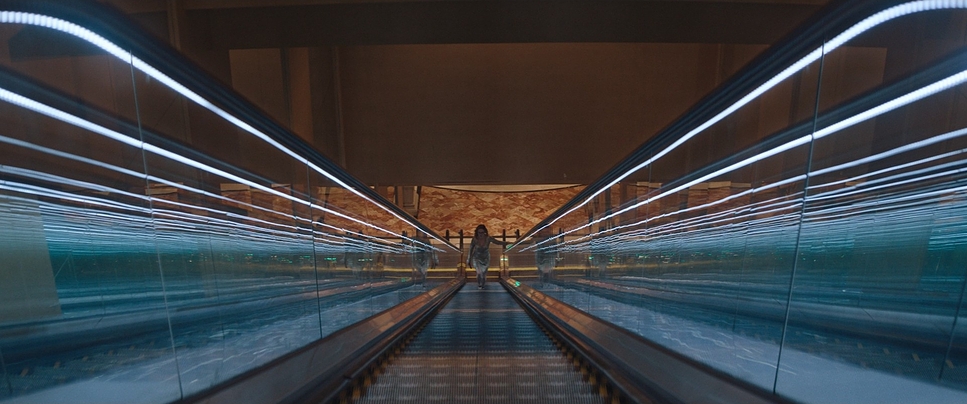
Gloria Bell (2018)
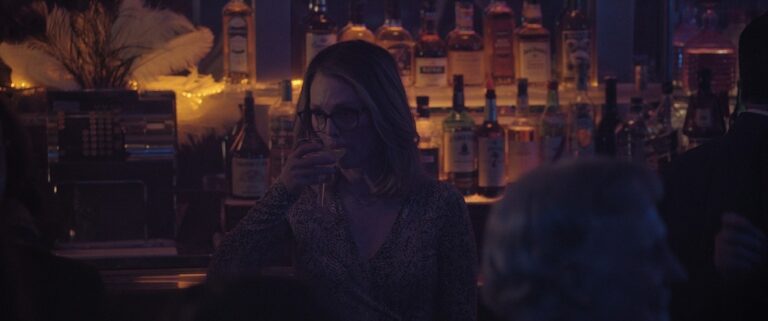
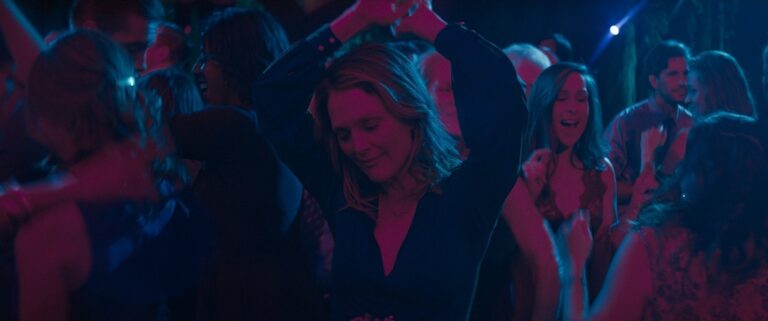
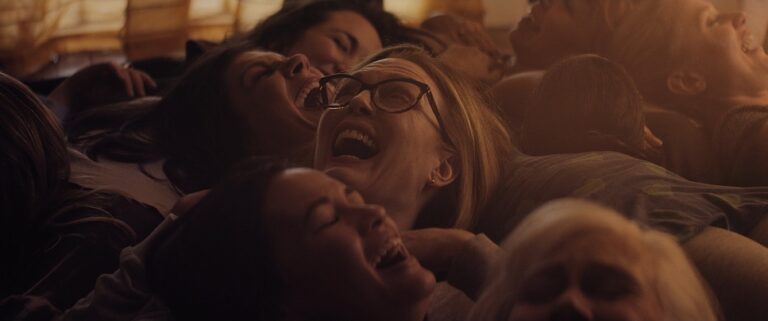
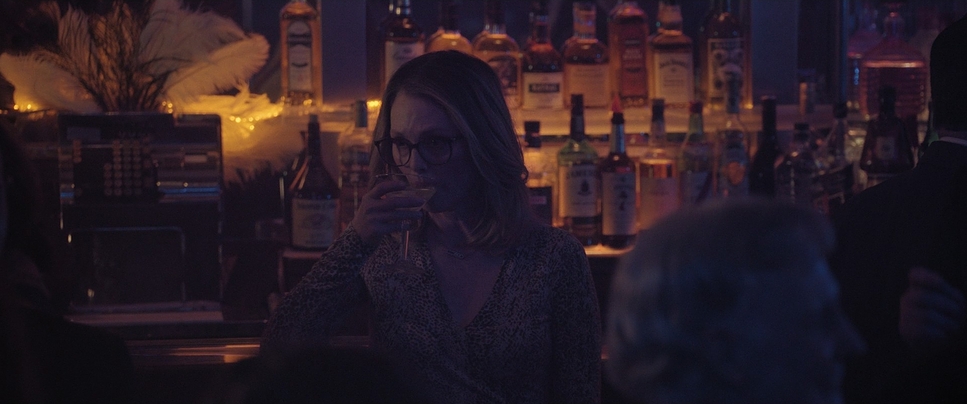
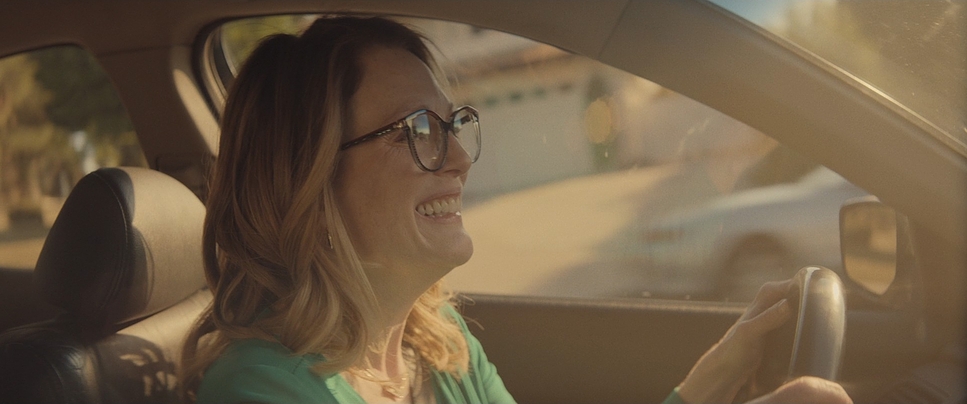
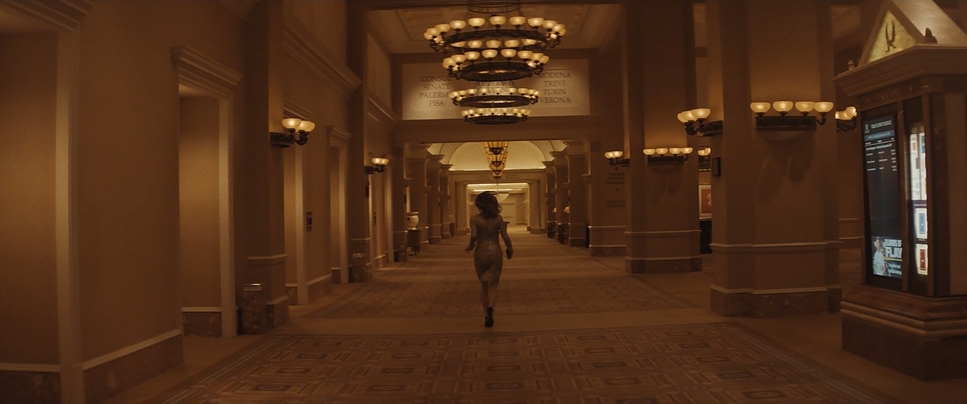
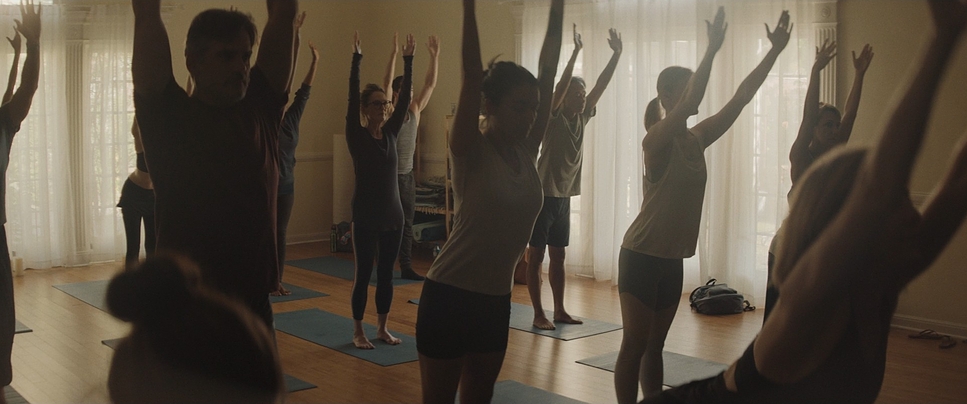
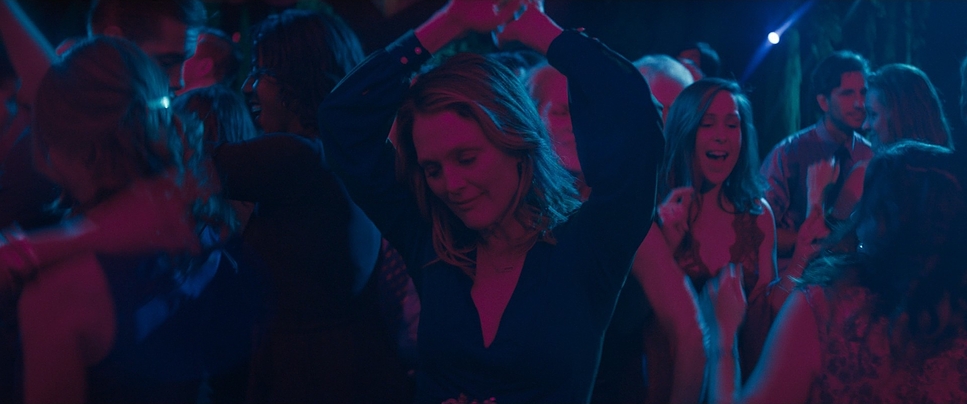
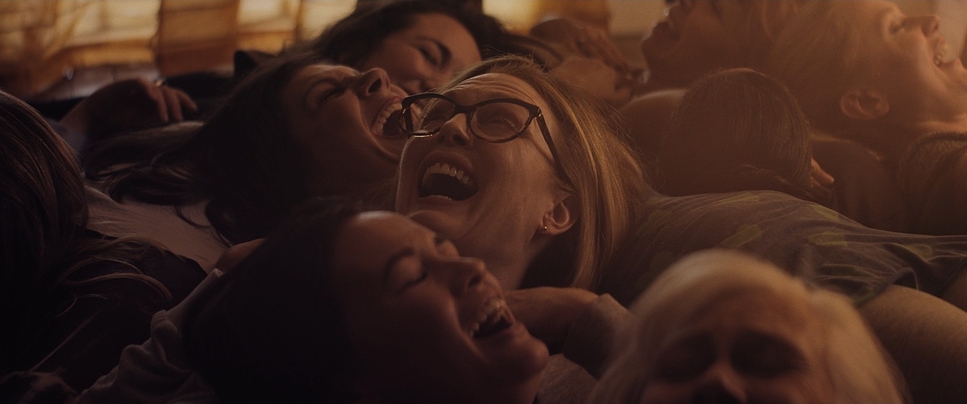
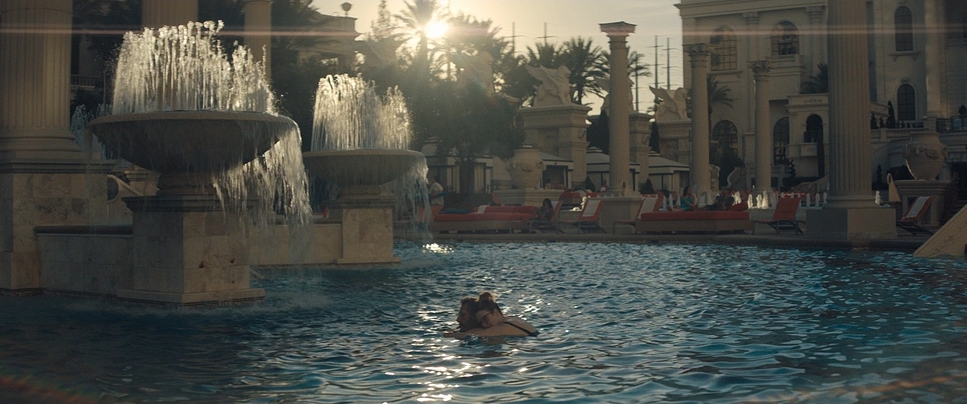
Gloria, a divorced woman in her late fifties living in Los Angeles, embraces single life through work, friendships, family obligations, and nights spent dancing at clubs for older adults. When she begins a romance with Arnold, a recently divorced man struggling to separate himself from his family’s demands, Gloria attempts to open herself to intimacy despite repeated disappointments. The story unfolds as a compassionate portrait of aging, independence, loneliness, and the persistence of desire and selfhood later in life.
Lelio and cinematographer Natasha Braier shoot Gloria Bell with warm, intimate naturalism that keeps the viewer closely aligned with Gloria’s emotional perspective. Neon-lit dance floors, car interiors, restaurants, and apartment spaces are photographed with soft focus, shallow depth-of-field, and glowing nighttime color palettes that emphasize fleeting moments of connection and emotional vulnerability. The camera frequently lingers on Julianne Moore’s face in close-up, allowing subtle expressions and gestures to carry emotional meaning, while pop songs and dance sequences become recurring visual and emotional rituals through which Gloria reclaims joy, resilience, and personal freedom.
FILM SPOTLIGHT
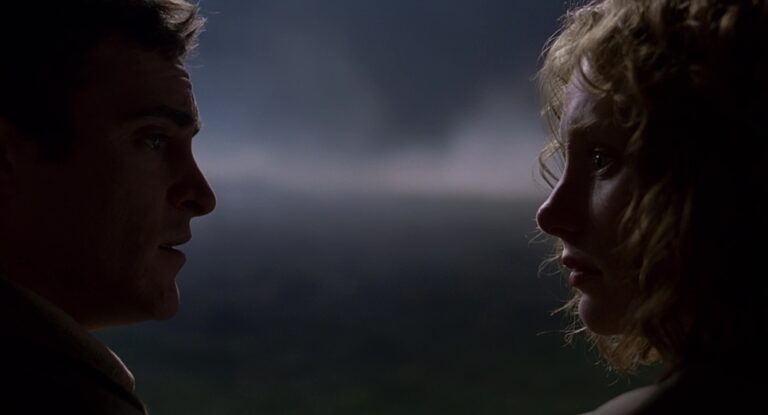
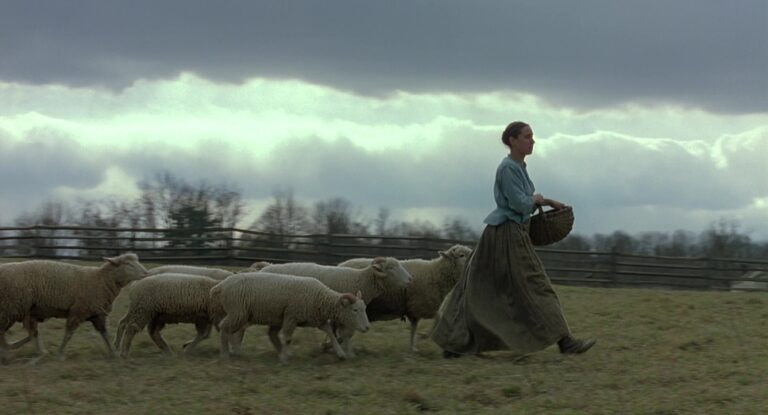
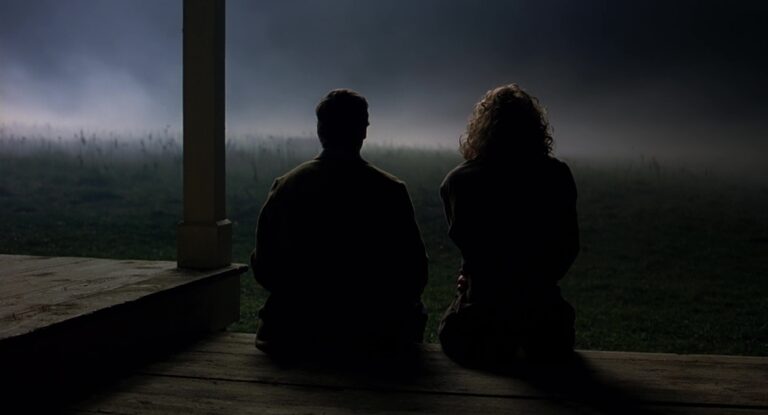
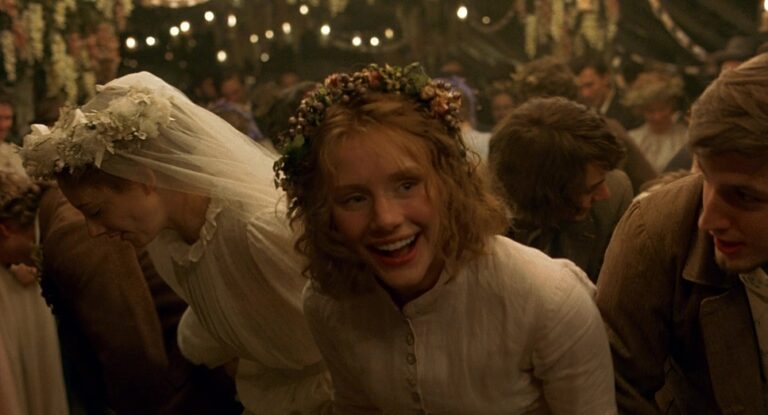
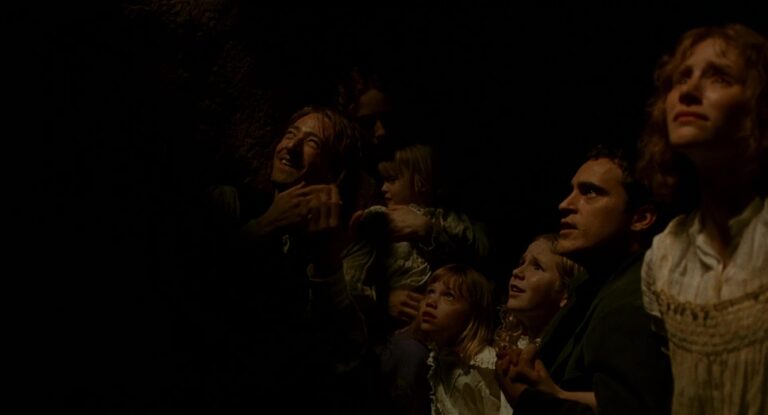
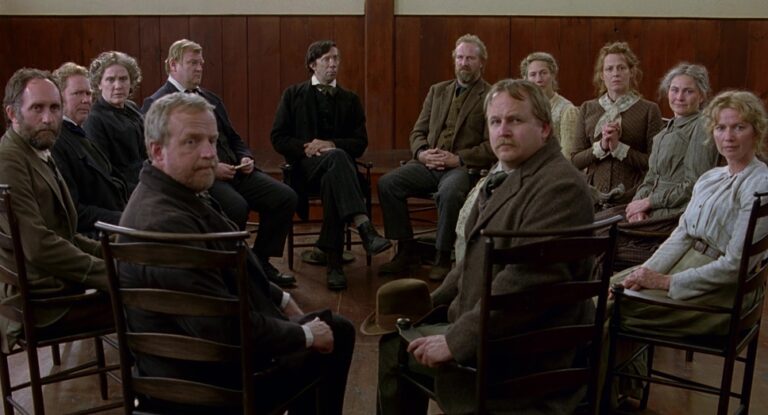
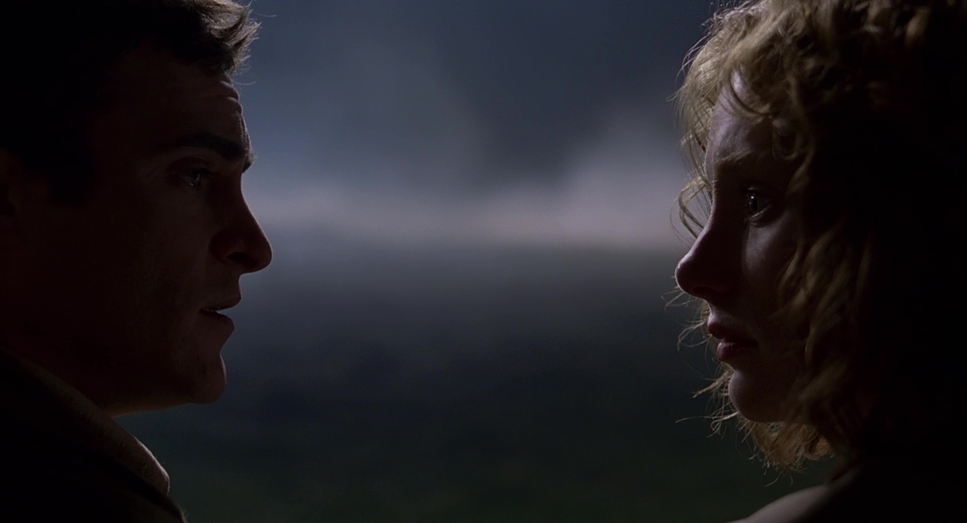
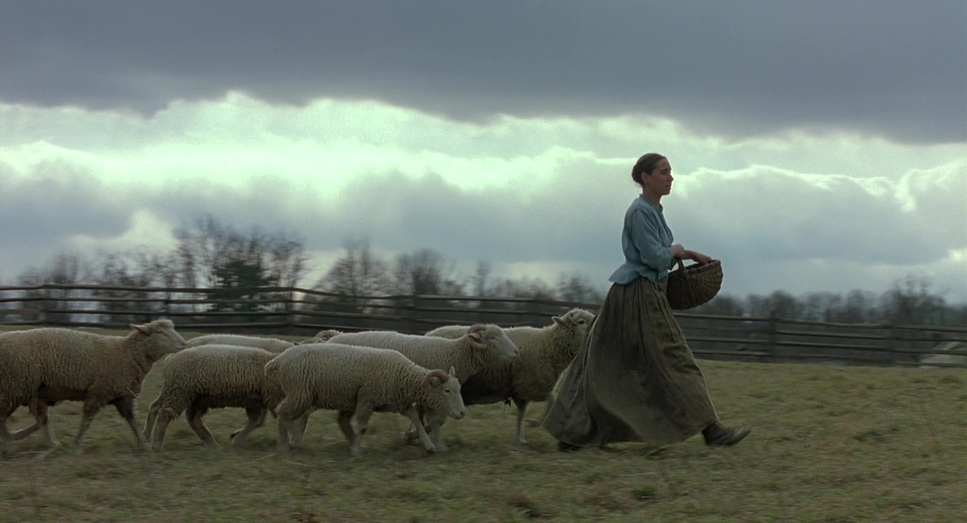
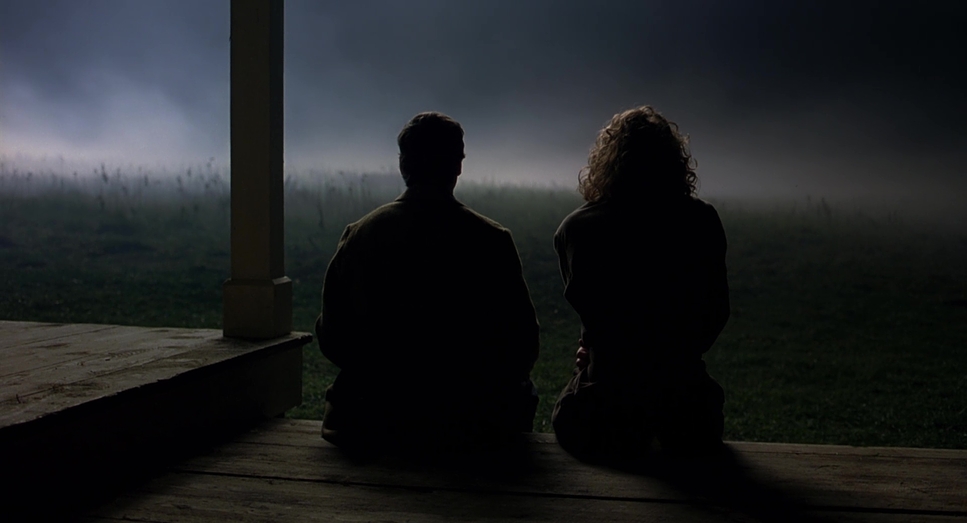
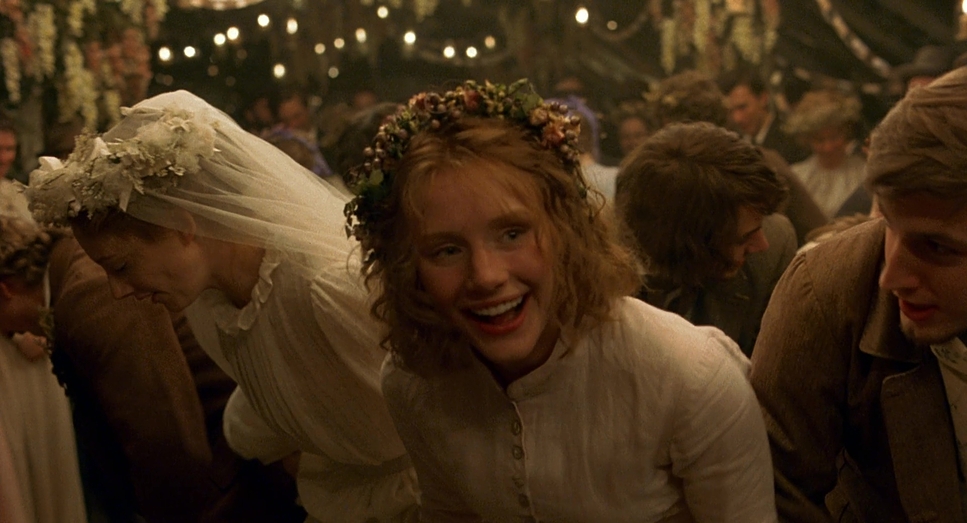
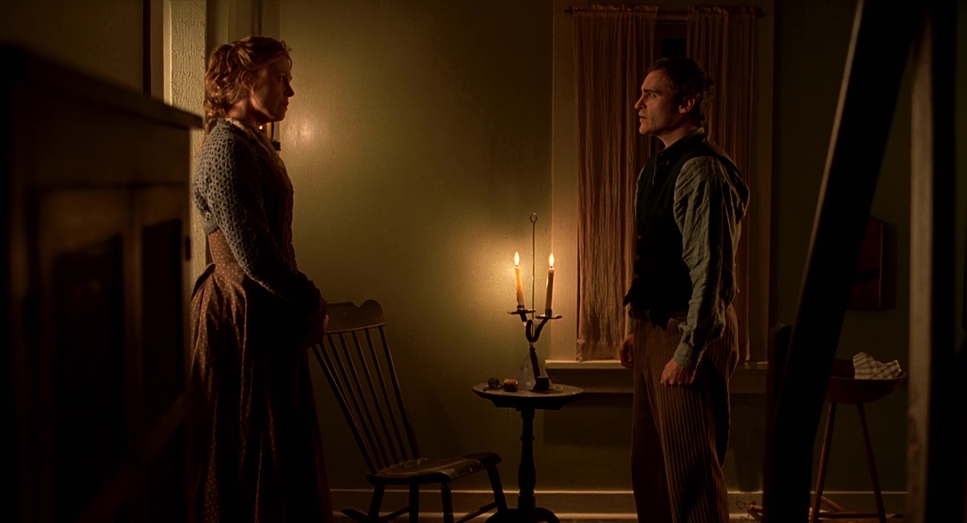
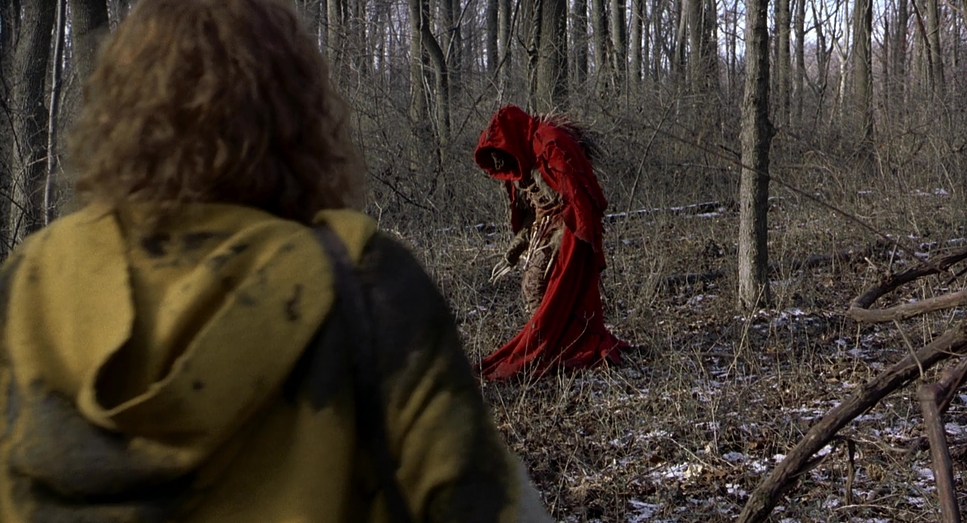
The Village (2004)
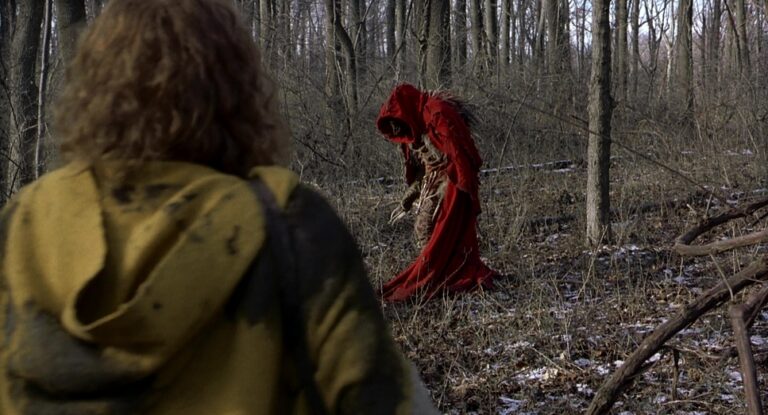
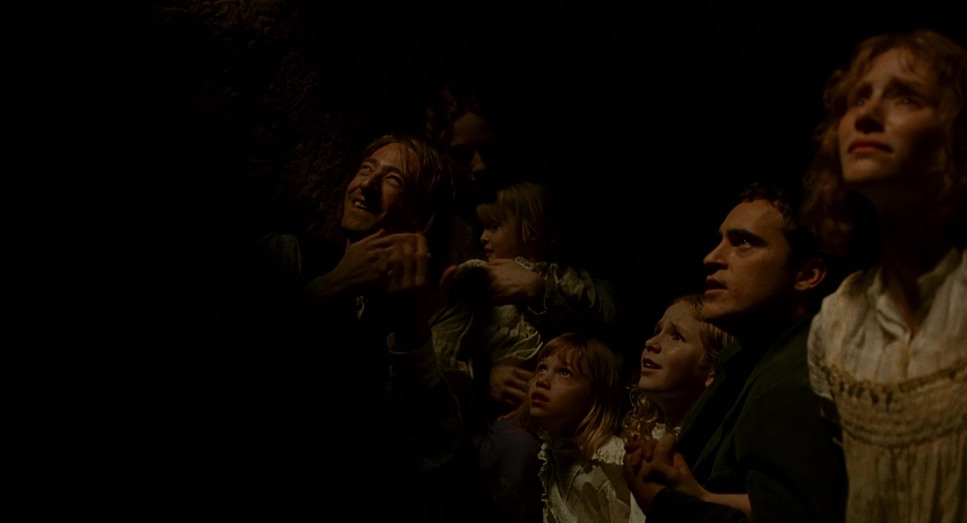
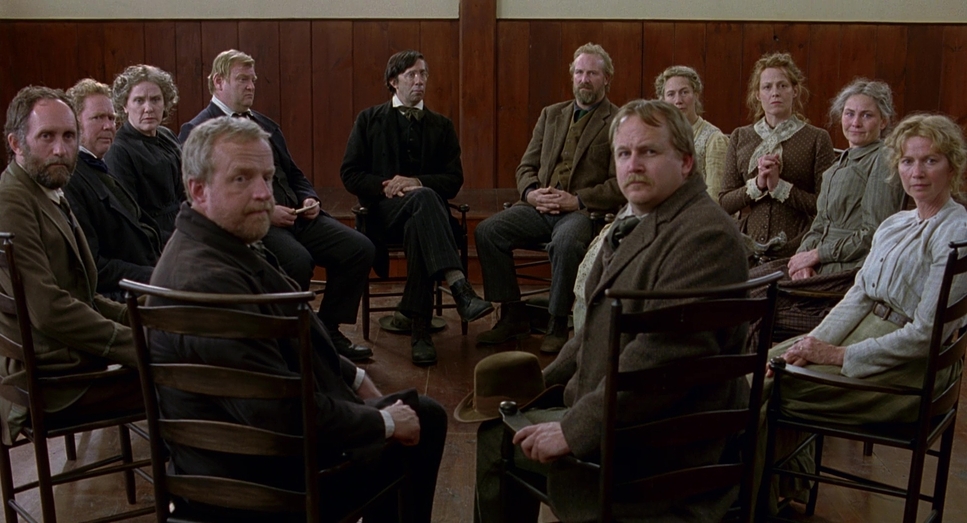
In an isolated rural community surrounded by forbidden woods, the villagers live under strict rules designed to protect them from mysterious creatures said to inhabit the forest. As fear and secrecy govern daily life, a young woman named Ivy begins to question the boundaries imposed by the elders after tragedy strikes the village. What unfolds is a tense and melancholic story about fear, innocence, grief, and the lengths people will go to preserve a fragile sense of safety.
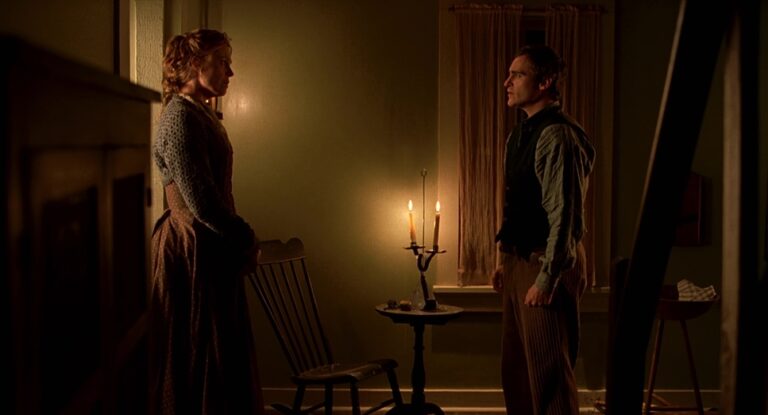
Shyamalan and cinematographer Roger Deakins craft The Village with a richly atmospheric visual style built around natural landscapes, candlelit interiors, and highly symbolic color design. Warm amber and autumnal tones dominate the village itself, creating an idyllic pastoral world, while the forbidden color red becomes a recurring visual warning tied to danger and repression. Deakins’ precise compositions, slow camera movement, and soft natural lighting give the film a storybook elegance, while misty forests and low-light photography transform the woods into an ambiguous psychological space where fear often matters more than what is actually seen. The restrained pacing and carefully controlled imagery emphasize emotional tension and collective paranoia rather than overt horror spectacle.
FILM SPOTLIGHT
Away We Go (2009)
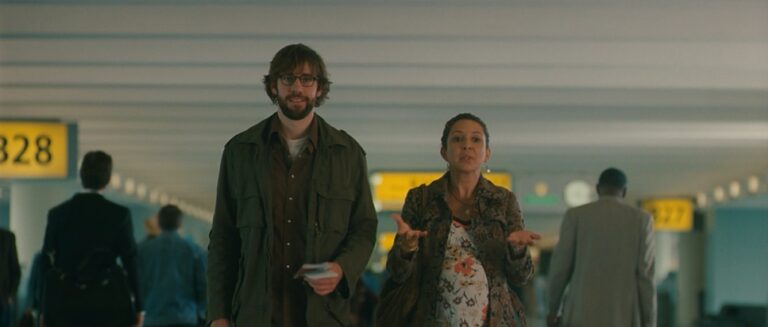
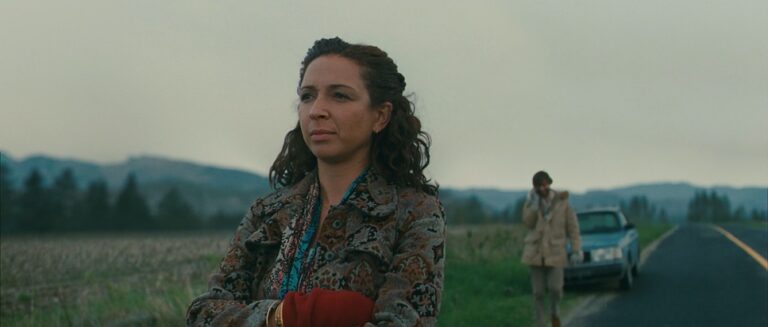
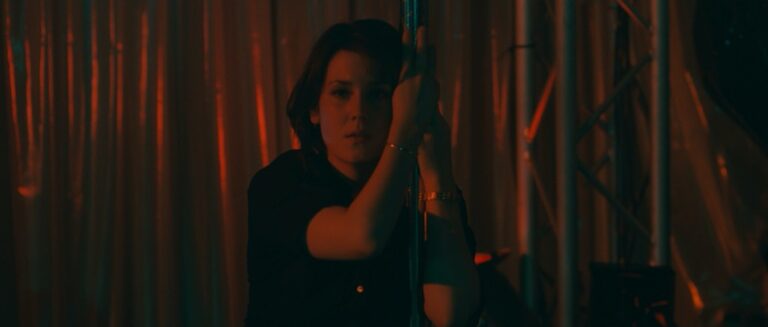
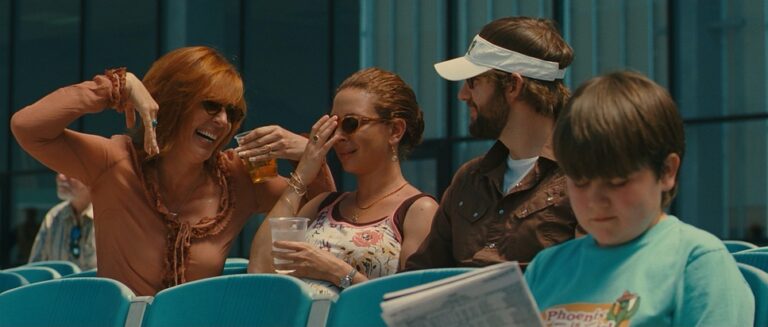
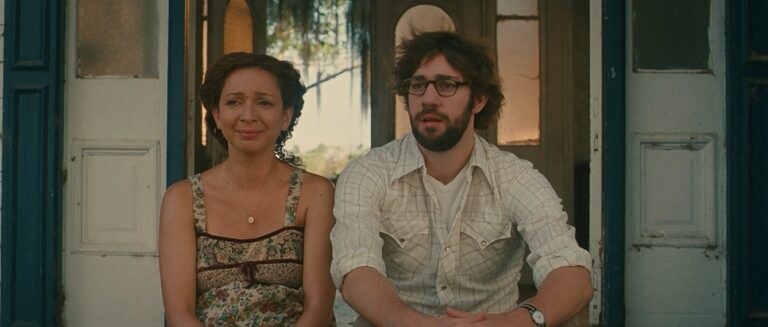
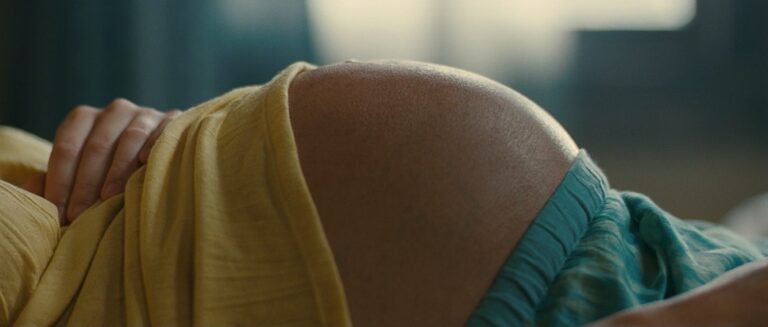
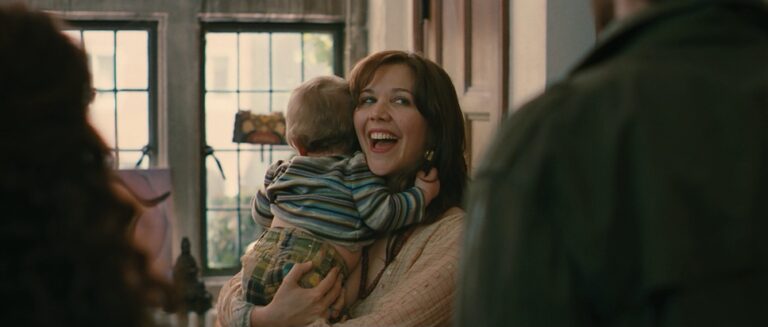
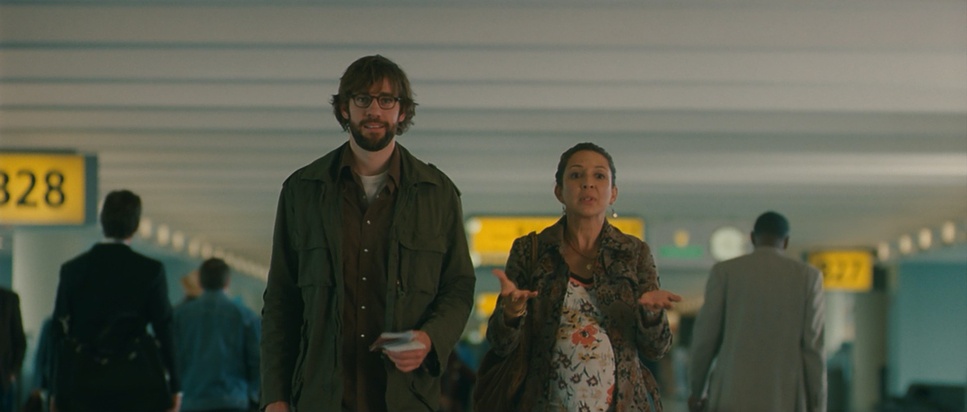
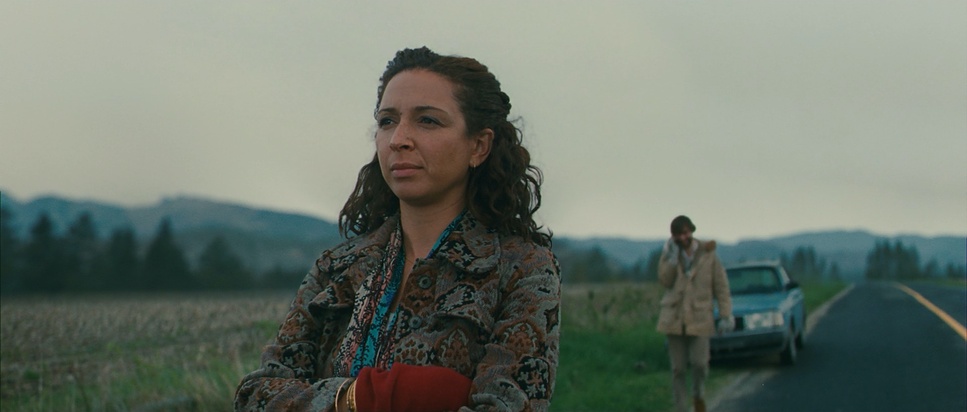
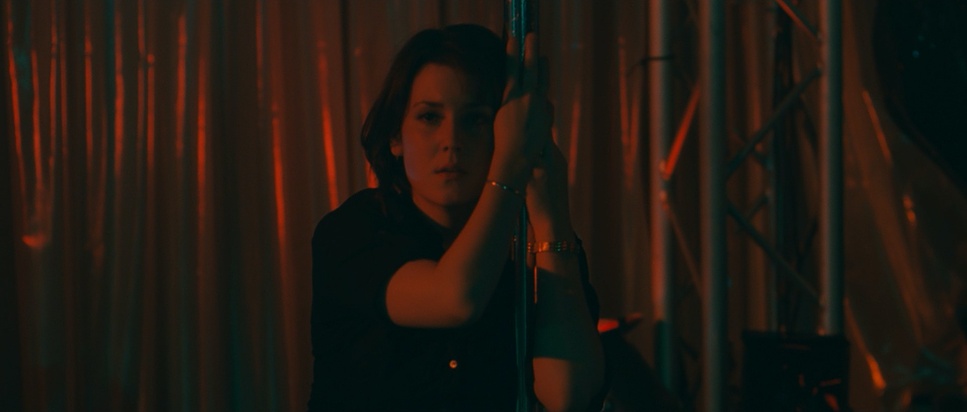
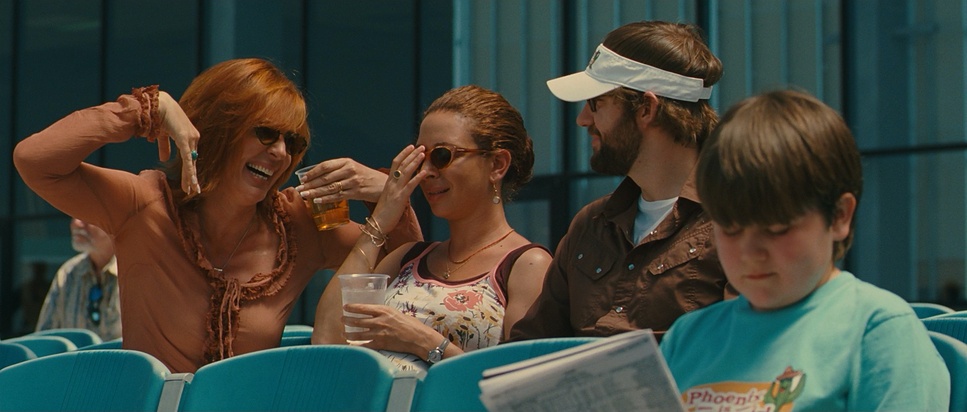
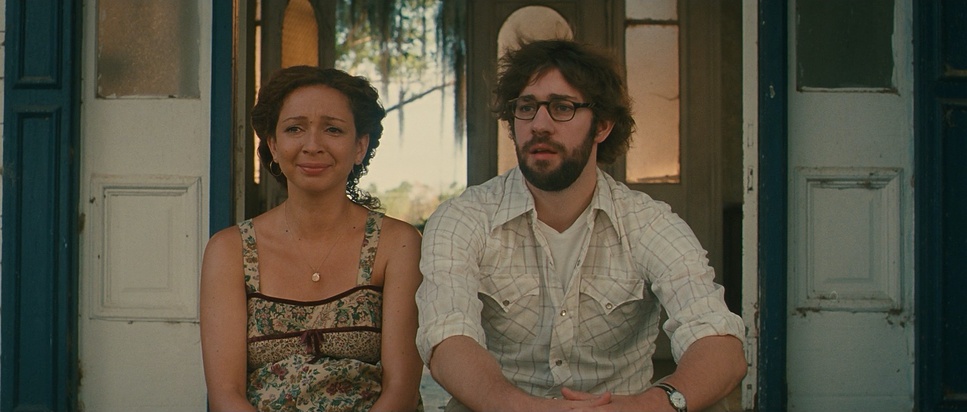
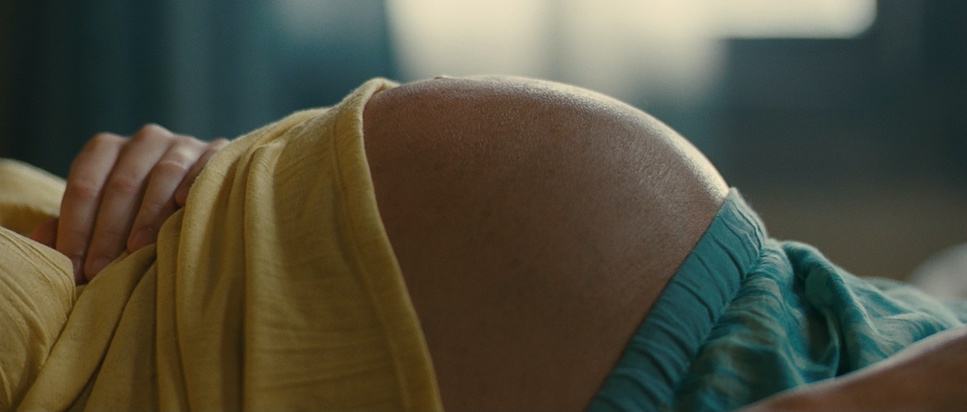
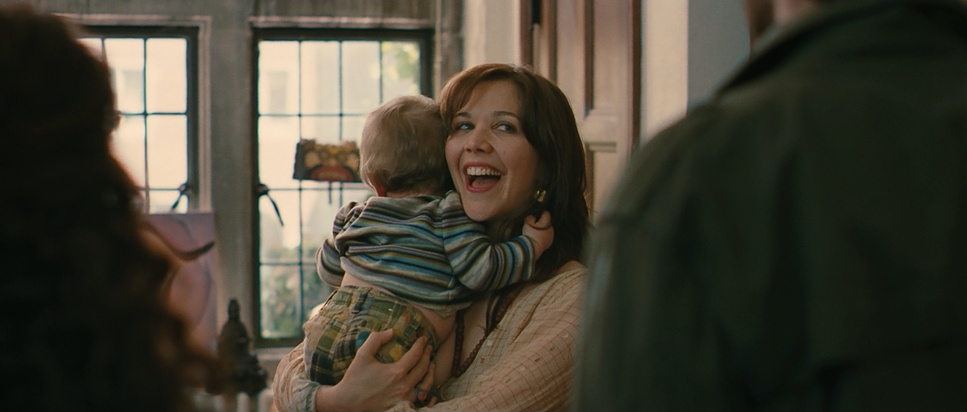
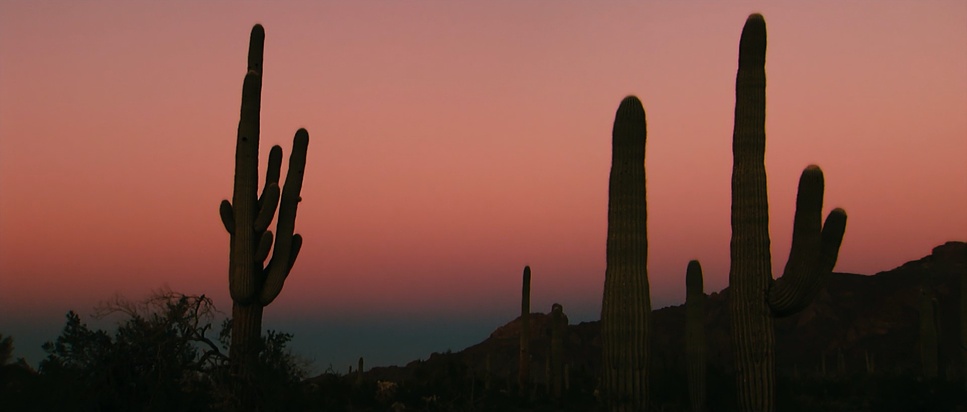
Expectant parents Burt and Verona embark on a cross-country journey searching for a place to settle down and raise their child after learning that Burt’s parents are leaving the country. Traveling between cities and reconnecting with friends, relatives, and former acquaintances, the couple encounters a wide range of relationships, parenting styles, and emotional dysfunctions that force them to reflect on their own future together. The film unfolds as a gentle road movie about adulthood, partnership, uncertainty, and the search for emotional home.
Mendes and cinematographer Ellen Kuras shoot Away We Go with a warm, understated naturalism that emphasizes emotional intimacy and geographic movement over visual spectacle. Each stop on the couple’s journey is given its own subtle atmosphere through shifts in landscape, color palette, and production design—from suburban sprawl to snowy Montreal interiors to sunlit domestic spaces. Handheld camerawork, soft natural light, and loose conversational framing create a relaxed, lived-in feeling that mirrors the couple’s evolving emotional honesty. The film’s quiet visual approach allows small gestures, pauses, and environments to accumulate meaning gradually, reinforcing its themes of vulnerability, connection, and finding stability amid uncertainty.

FILM SPOTLIGHT
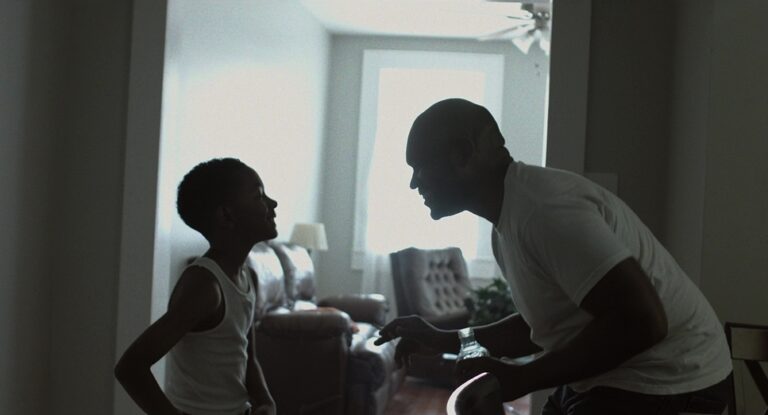
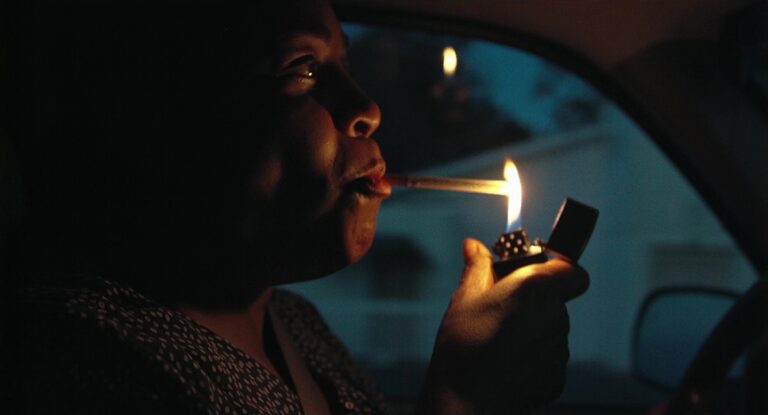
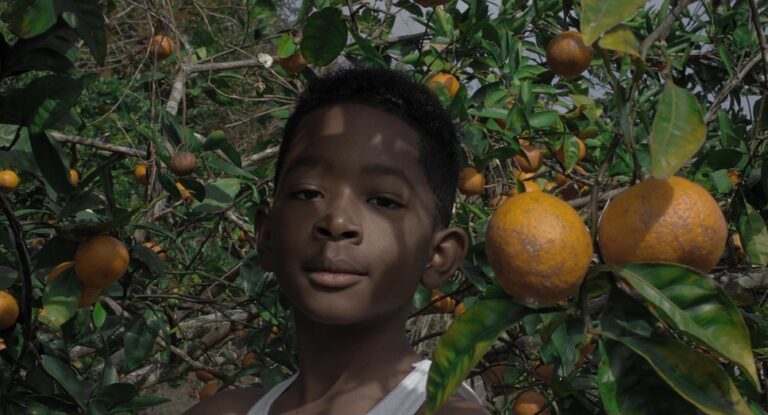
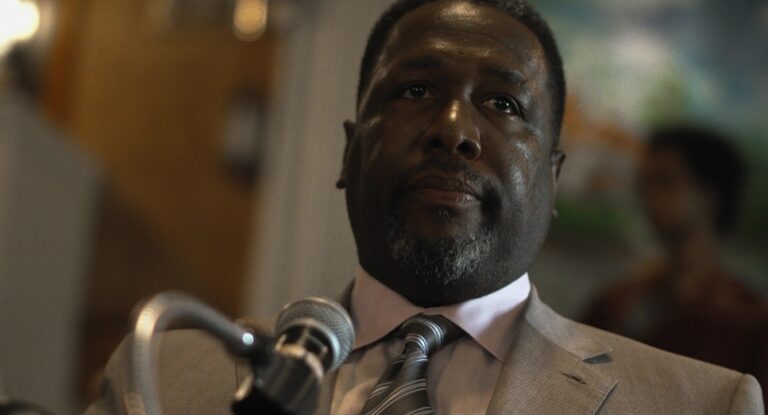
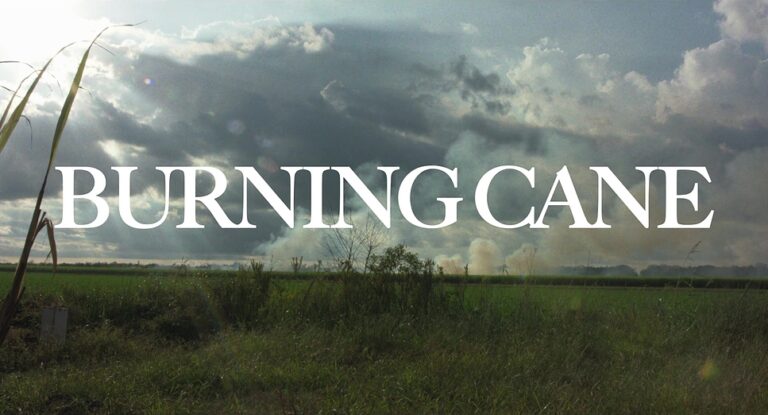
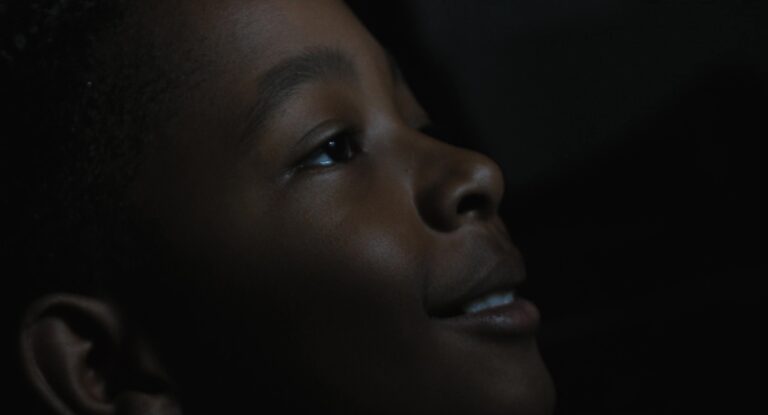
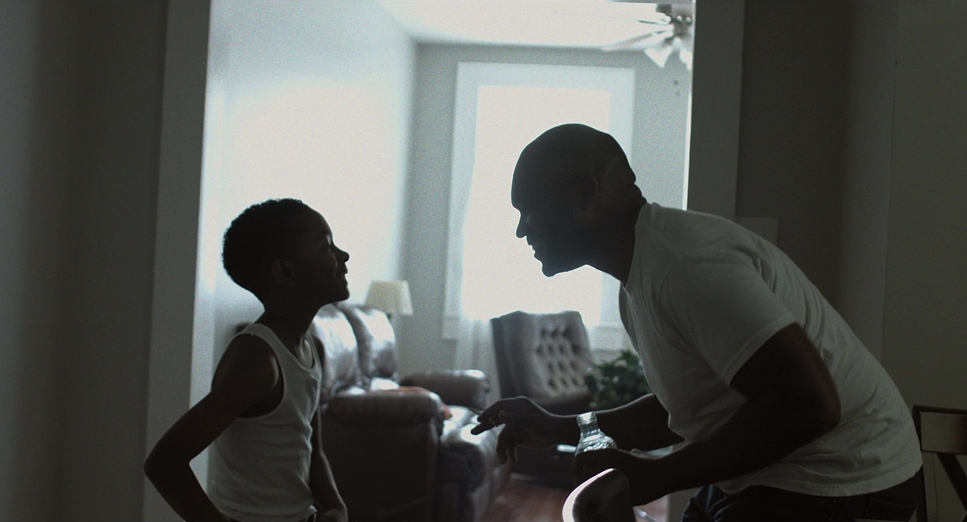
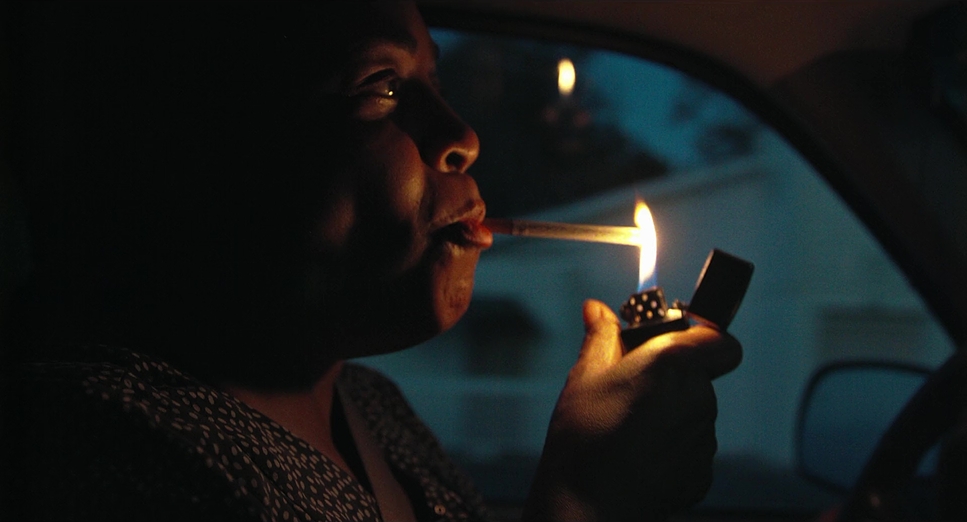
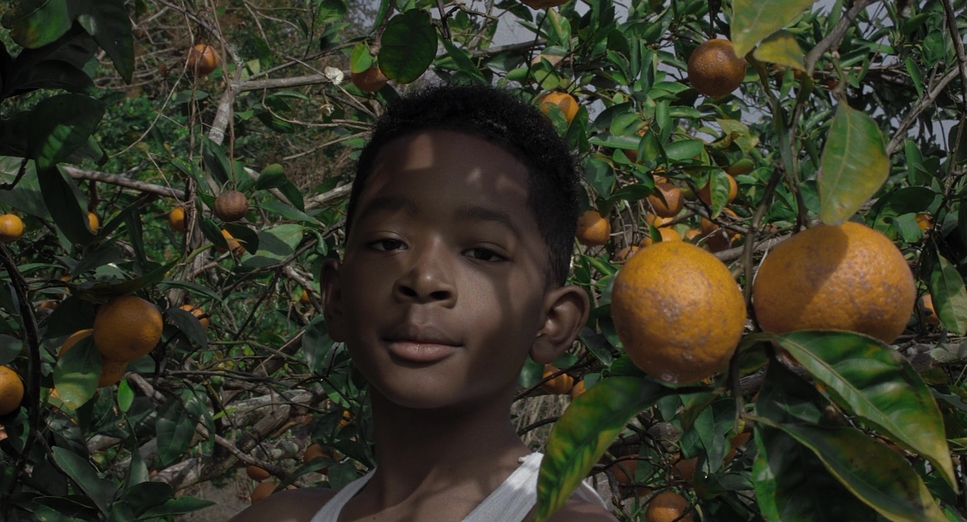
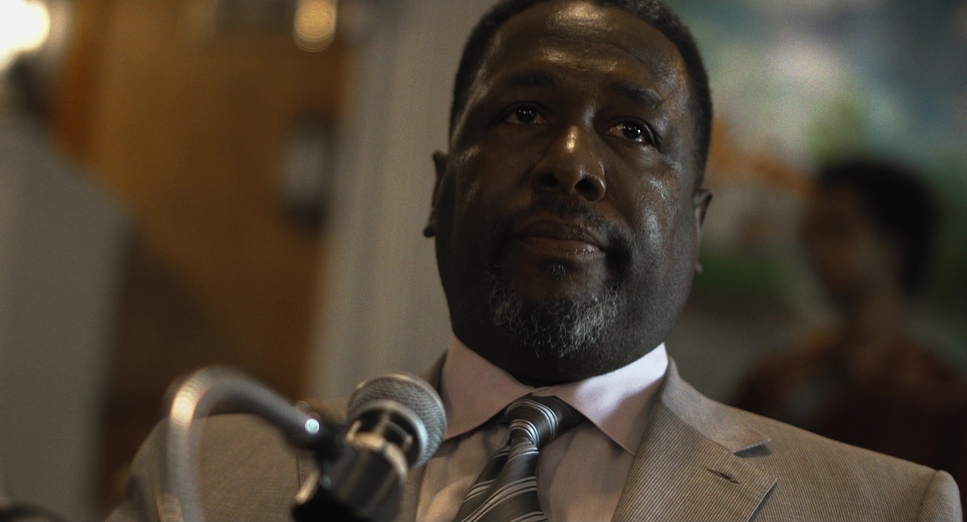
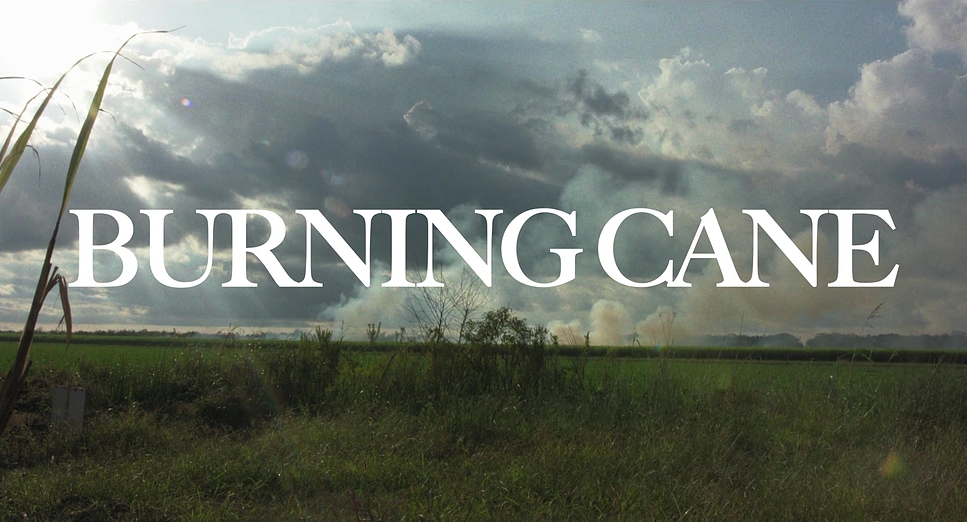
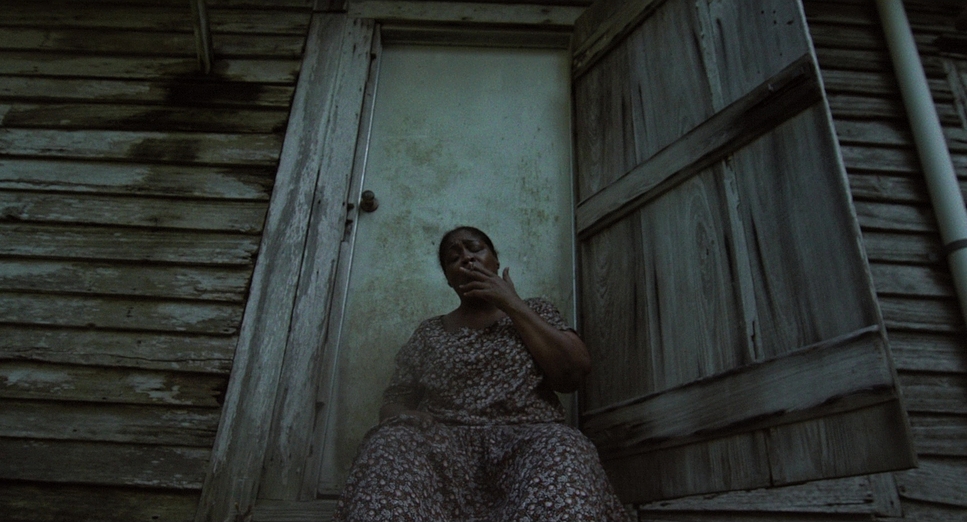
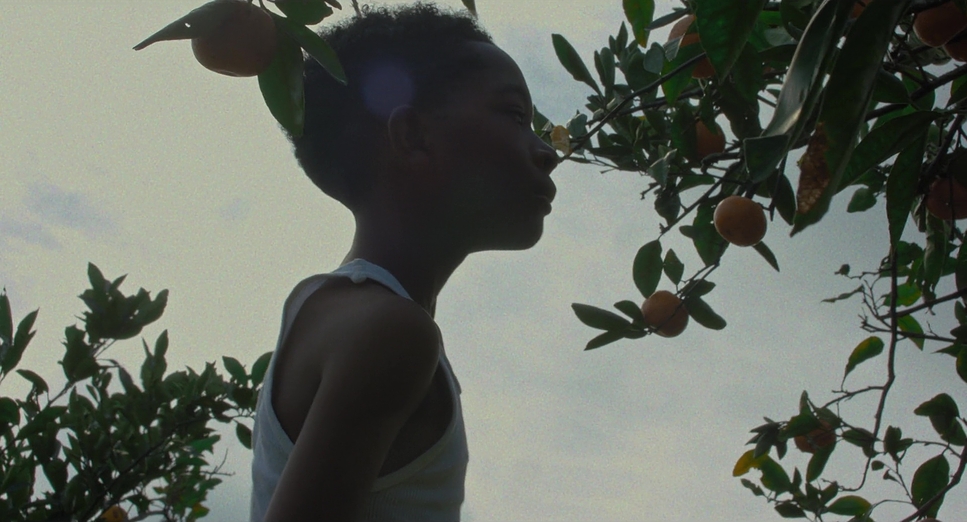
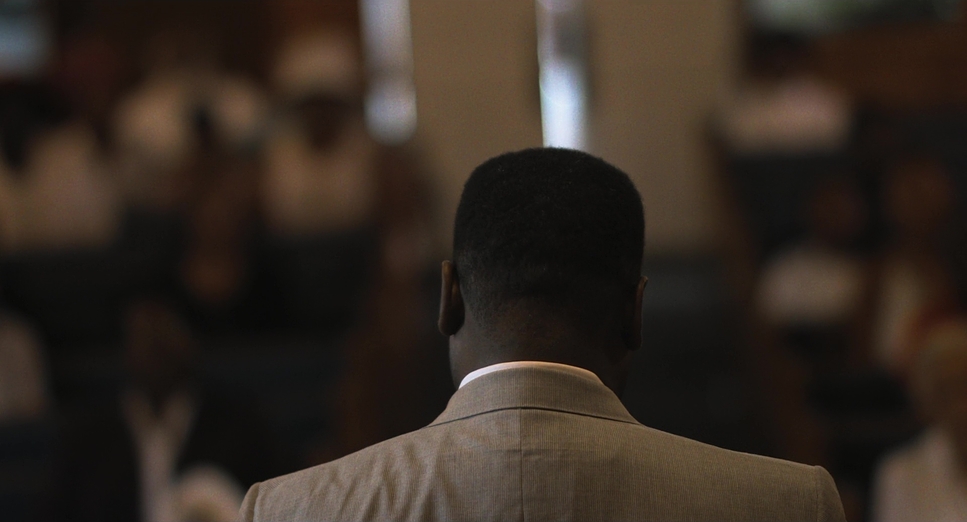
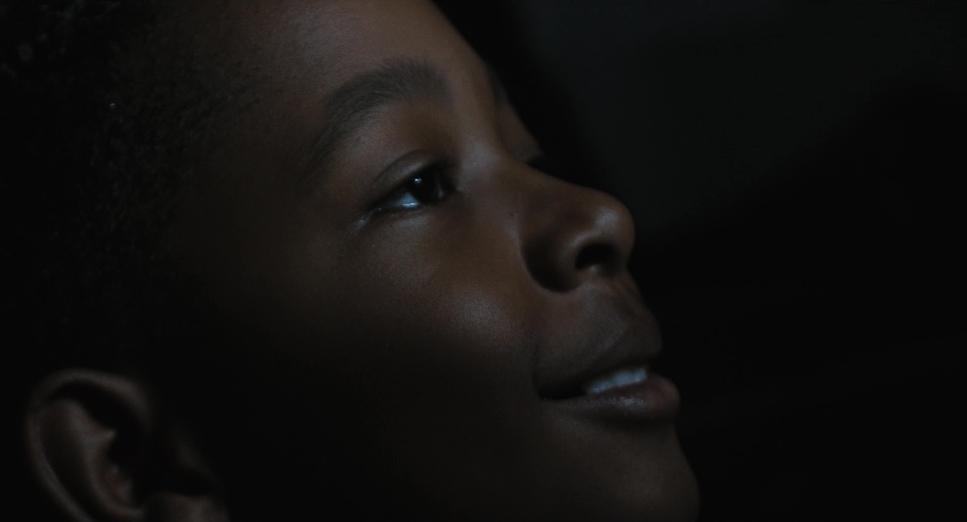
Burning Cane (2019)
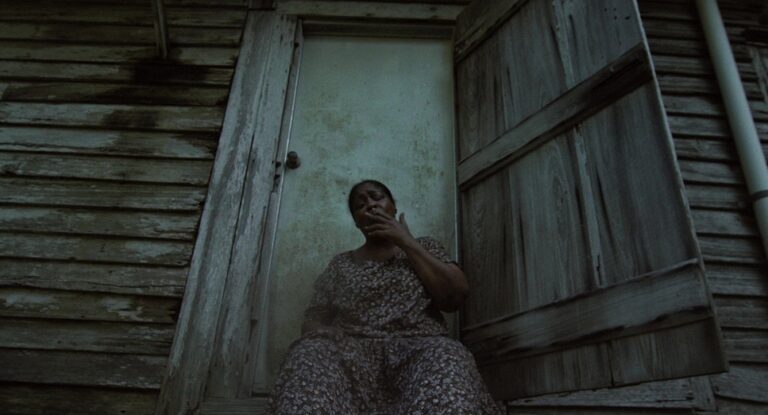
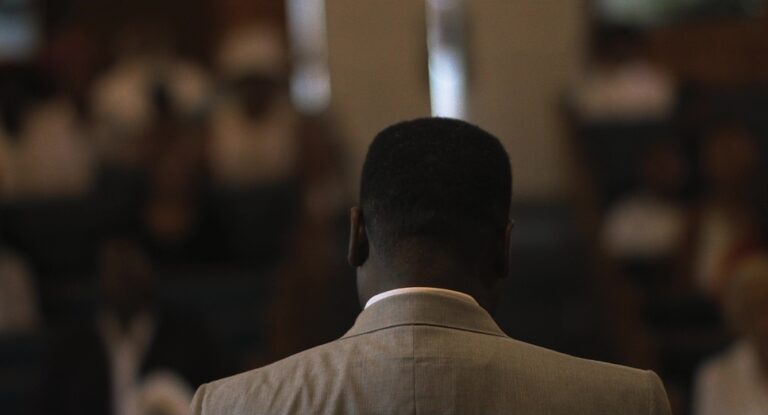
Set in rural Louisiana, the film follows an aging mother devoted to her troubled son, a local pastor struggling with alcoholism and spiritual exhaustion, and members of a small Black church community confronting cycles of pain, faith, and repression. As personal failures and buried frustrations accumulate beneath outward religiosity, the lives of these characters quietly move toward emotional and spiritual crisis. The story unfolds as a meditative portrait of loneliness, generational trauma, masculinity, and the limits of redemption within isolated communities.
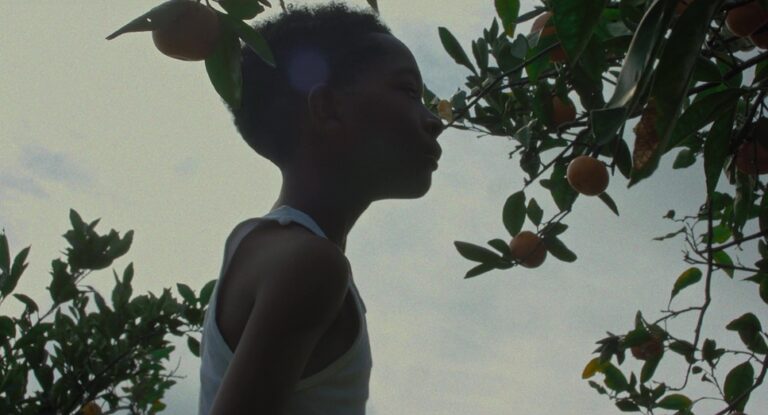
Youmans and cinematographer Sacha Moric shoot Burning Cane with a hushed, atmospheric realism rooted in natural light, lingering close-ups, and the tactile textures of Southern rural life. Shot largely with available light, the film uses darkness, candlelight, humid interiors, and muted earth tones to create a heavy, almost spiritual stillness. Slow pacing and restrained camerawork allow silence, faces, and environmental detail—weathered homes, empty roads, overgrown fields—to carry emotional weight, while the recurring imagery of fire and smoke evokes both spiritual purification and emotional destruction simmering beneath the surface.
FILM SPOTLIGHT
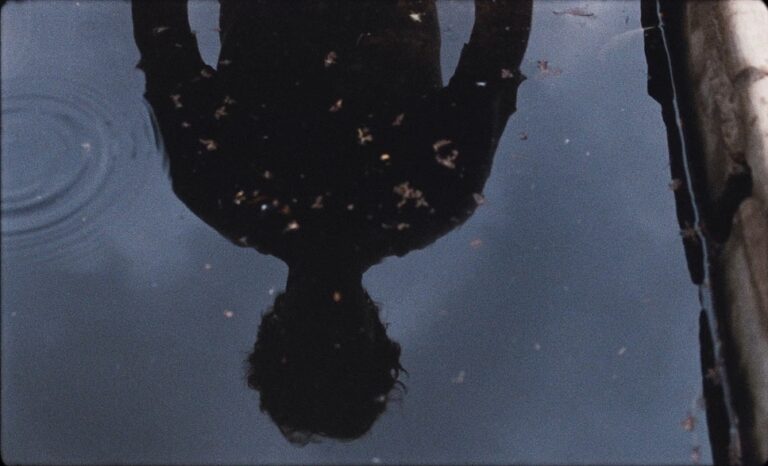
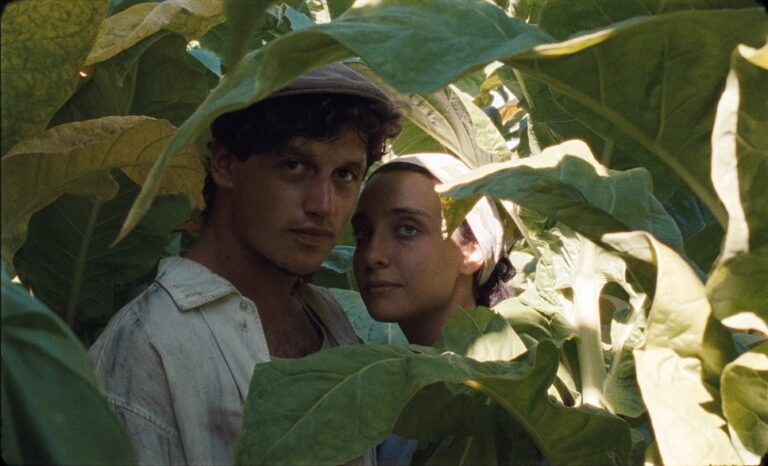
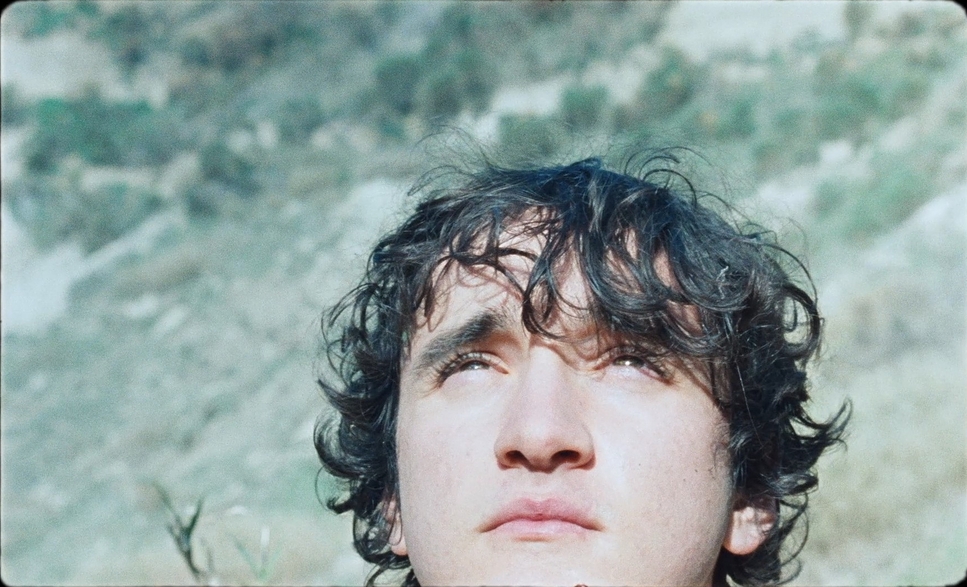
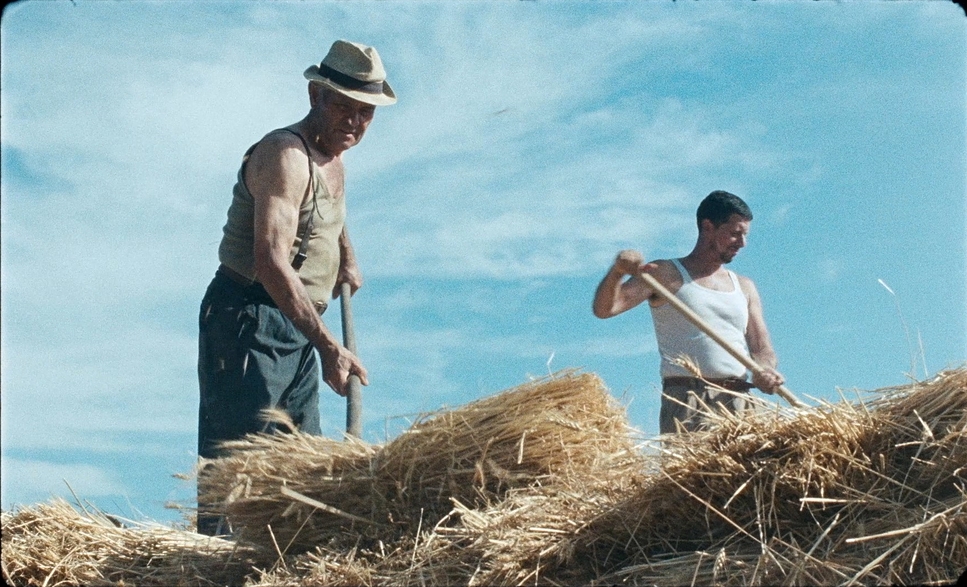
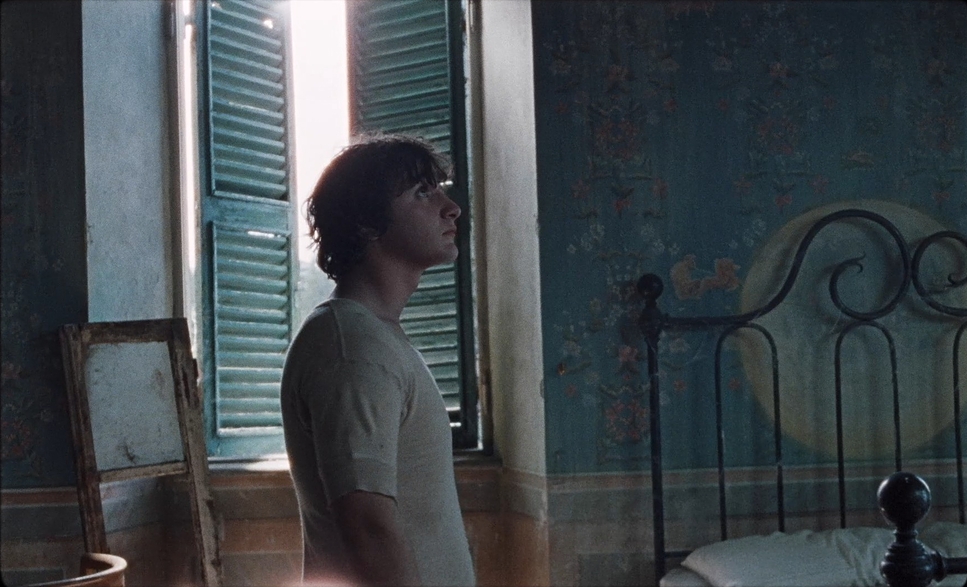
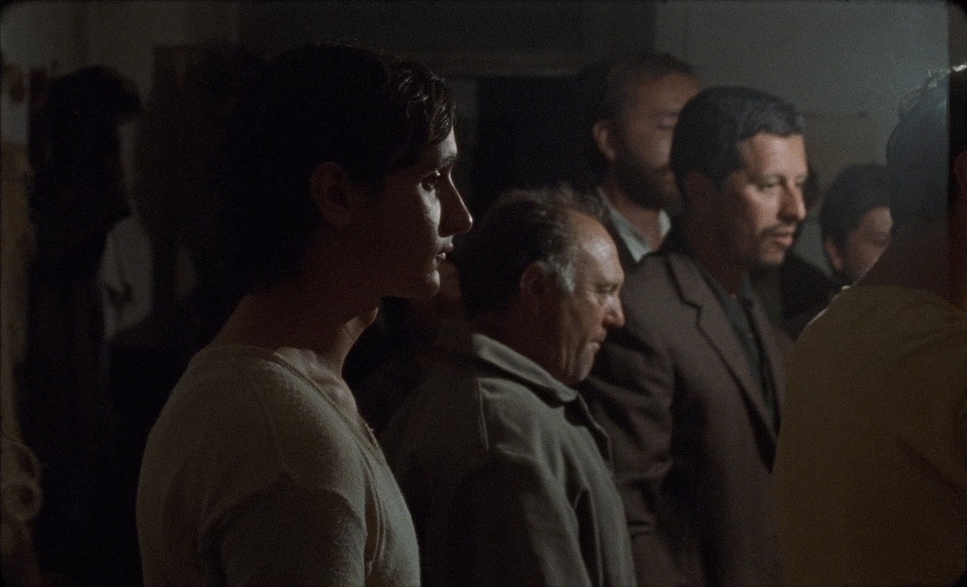
Happy as Lazzaro (2018)
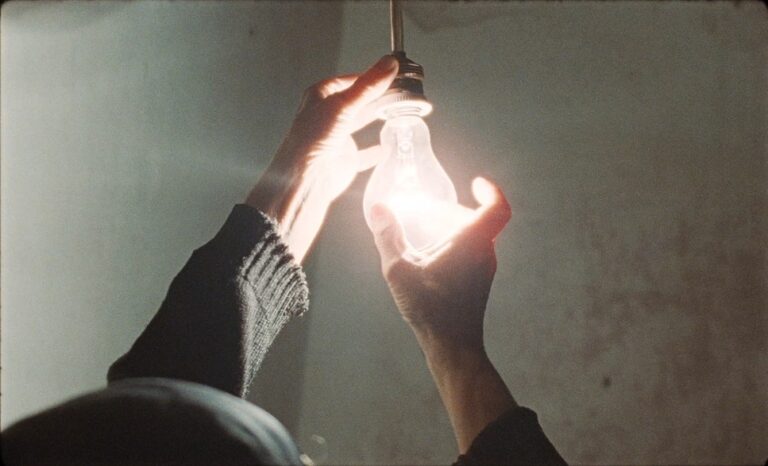
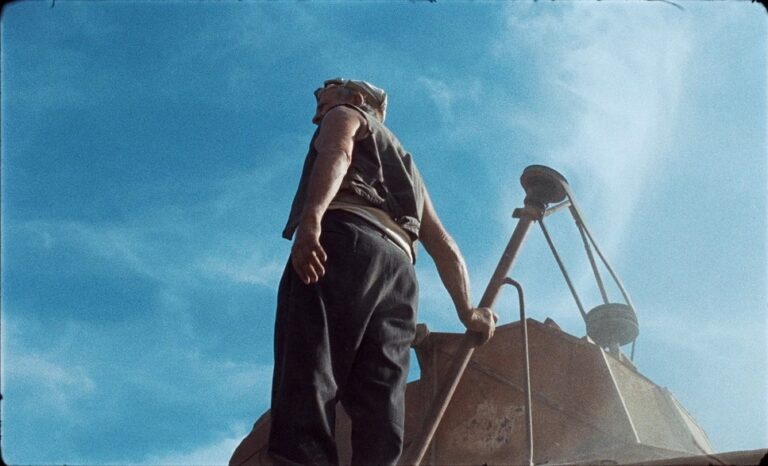
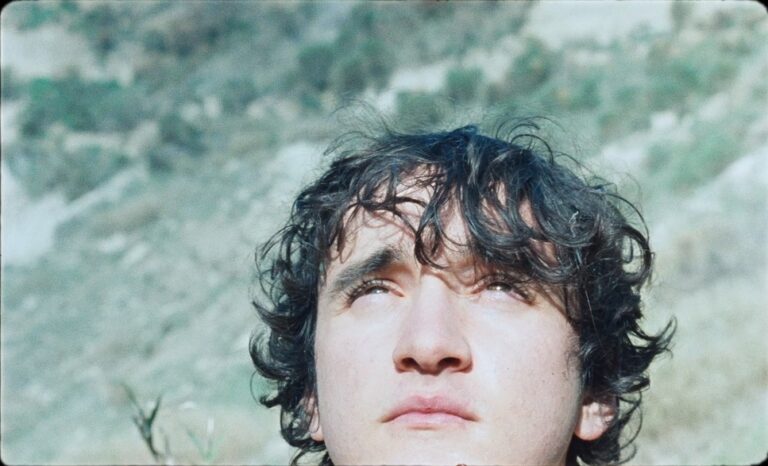
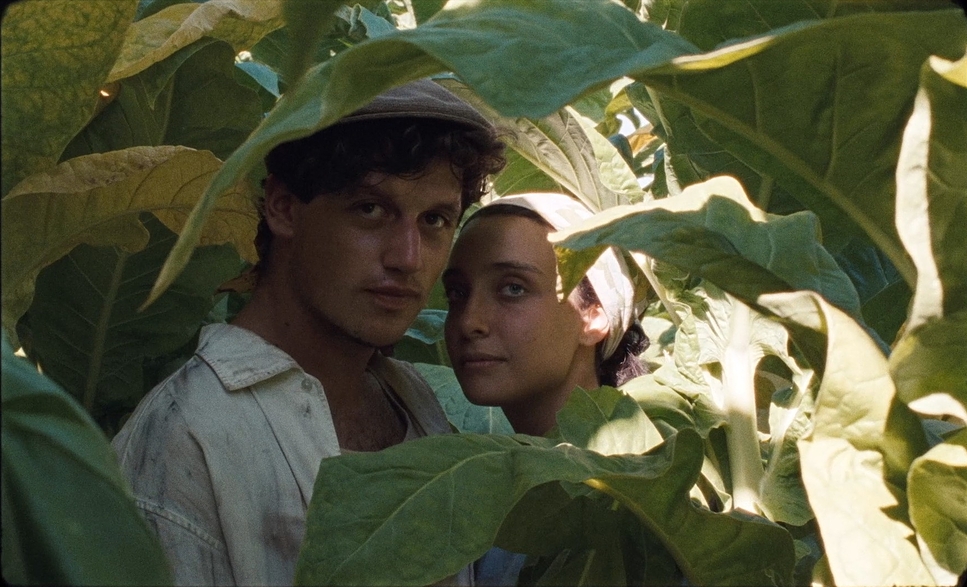
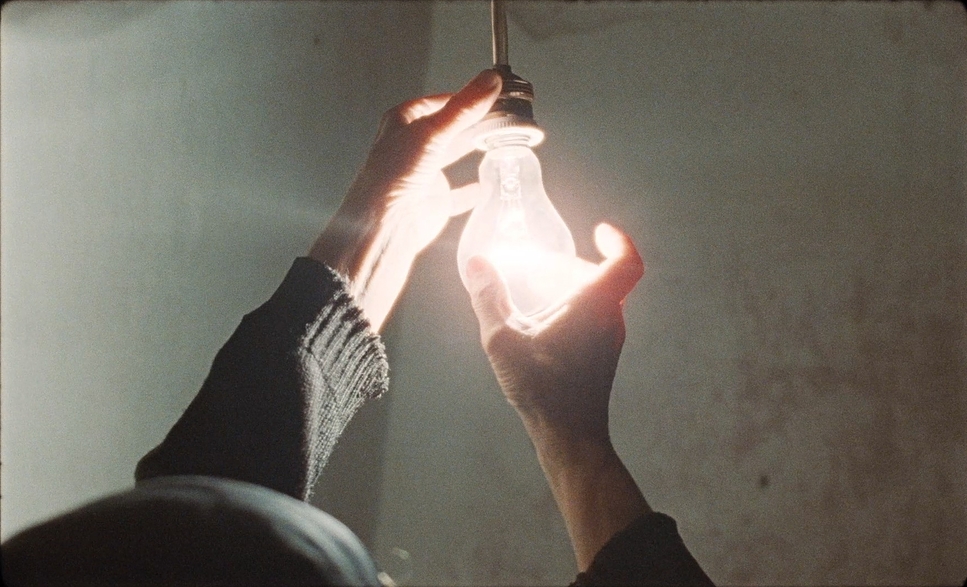
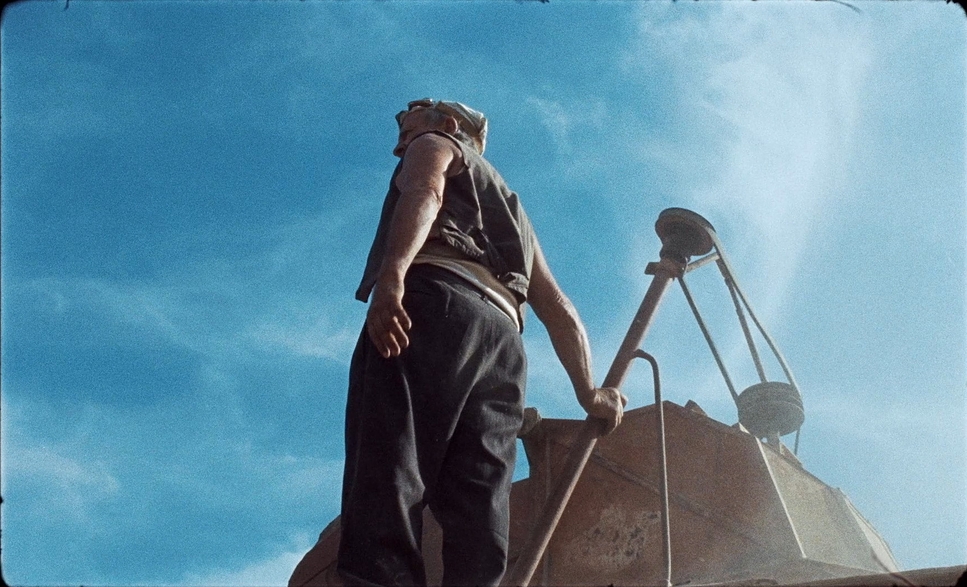
In an isolated Italian farming village controlled through exploitation and deception, a gentle young peasant named Lazzaro forms an unlikely friendship with Tancredi, the spoiled son of a local aristocratic family. After a mysterious event alters the course of his life, Lazzaro drifts through changing social landscapes while remaining untouched by cynicism or corruption. The story unfolds as a modern fable about innocence, class exploitation, faith, and the persistence of goodness in a world shaped by greed and alienation.
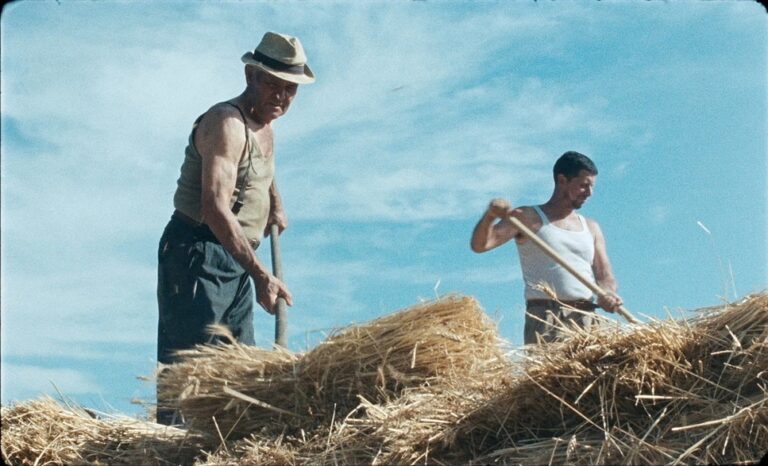
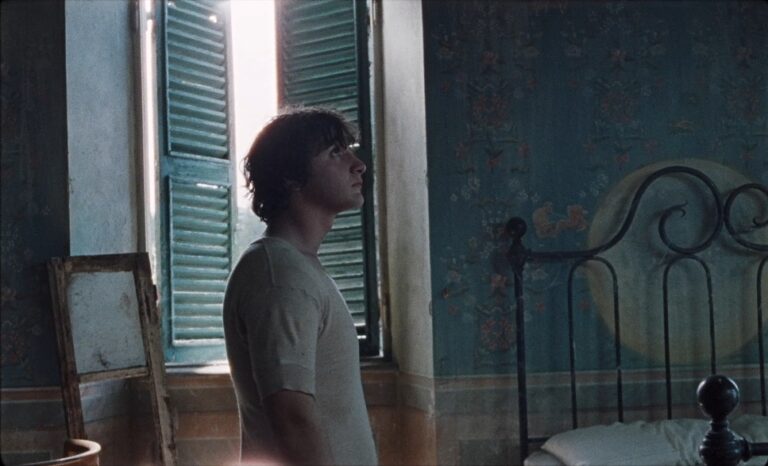
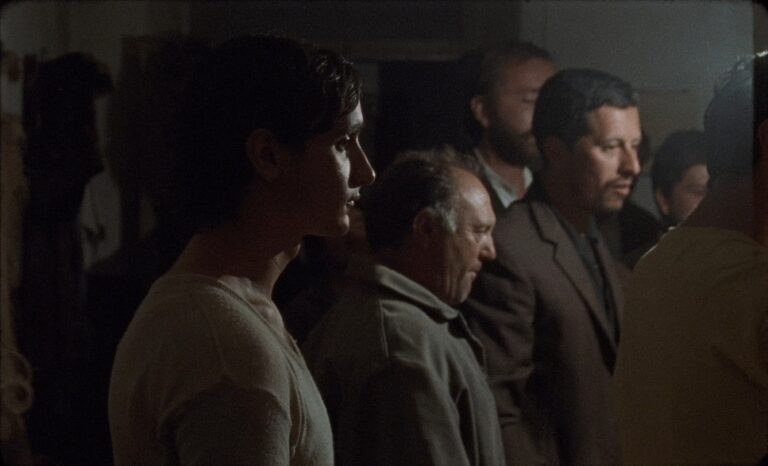
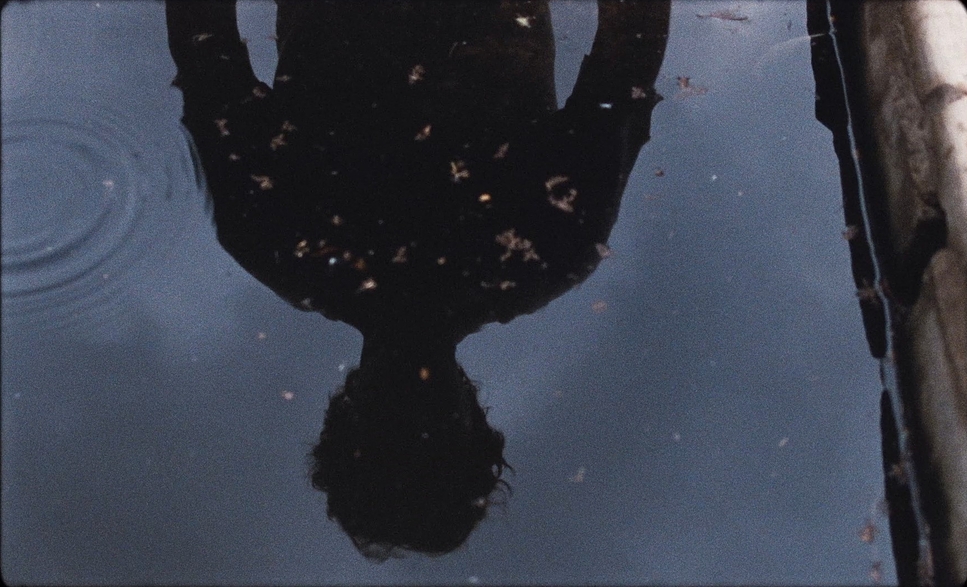
Rohrwacher and cinematographer Hélène Louvart shoot Happy as Lazzaro on 16mm film, giving the imagery a soft, tactile grain that evokes memory, folklore, and pastoral realism. Natural light, rural landscapes, candlelit interiors, and carefully observed communal rituals create an atmosphere that feels suspended between historical time and contemporary reality. The film gradually shifts from earthy neorealist textures into subtle magical realism without changing its visual sincerity, allowing the miraculous to emerge quietly within ordinary spaces. Louvart’s gentle handheld camerawork and painterly compositions reinforce the film’s spiritual and emotional tenderness, turning Lazzaro himself into an almost mythic figure moving through a world incapable of preserving innocence.
FILM SPOTLIGHT
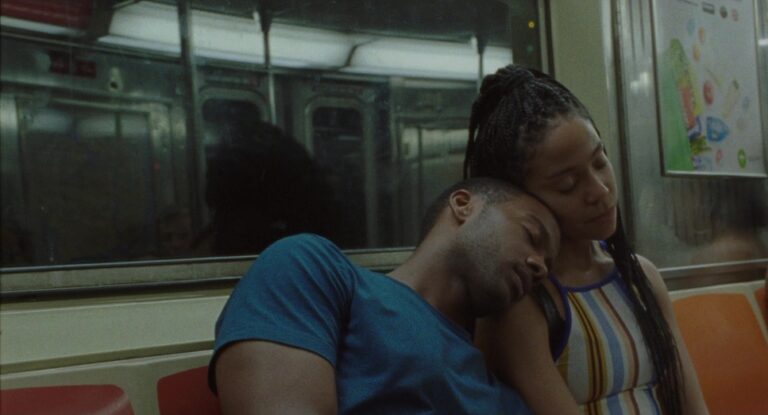
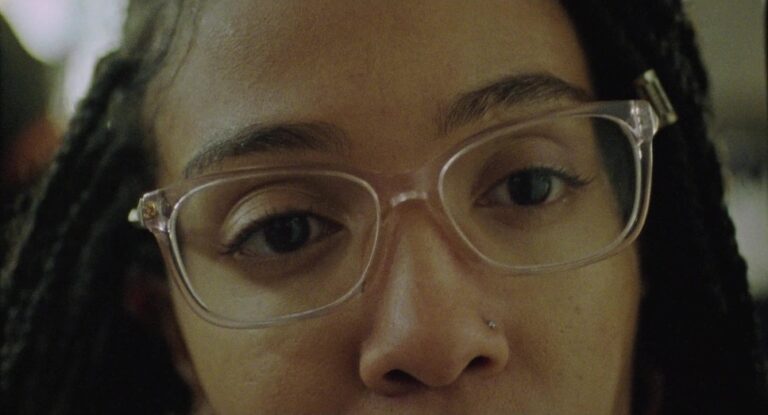
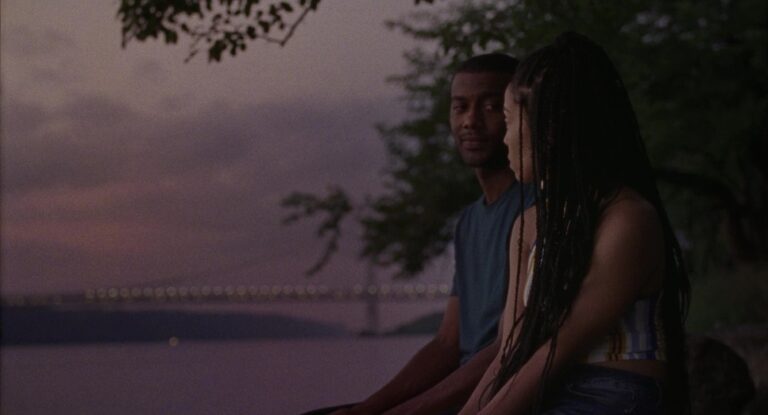
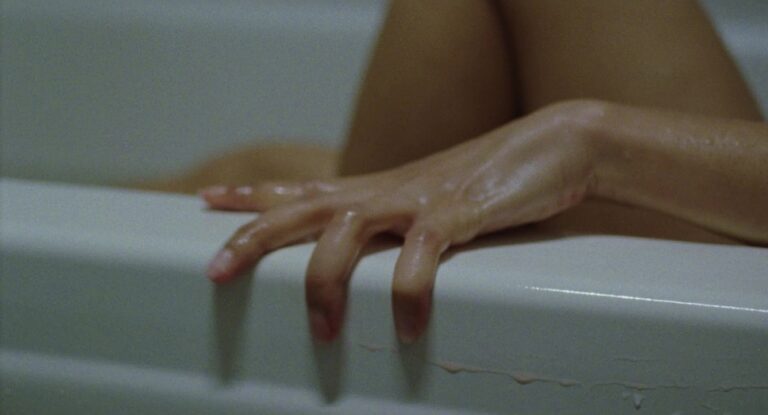
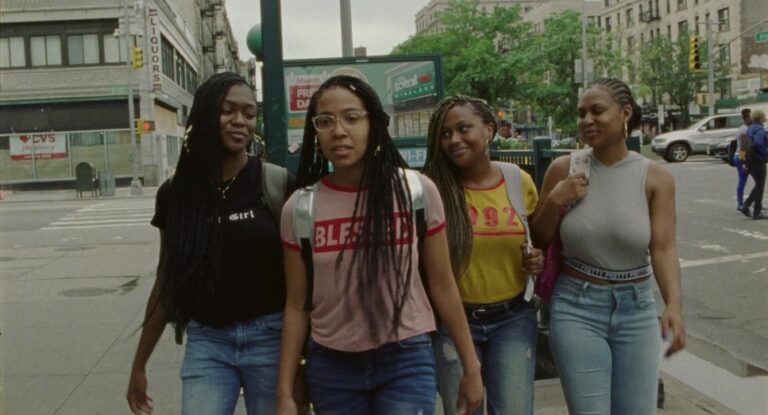
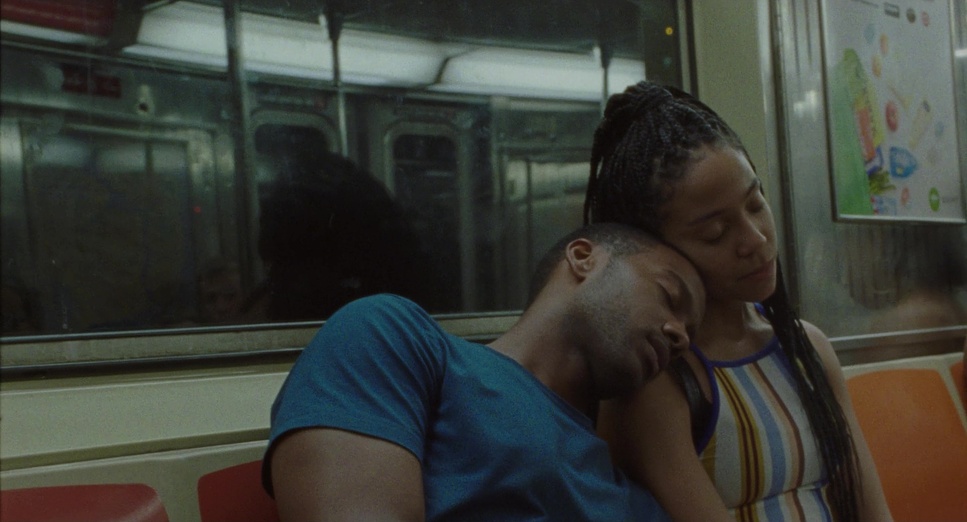
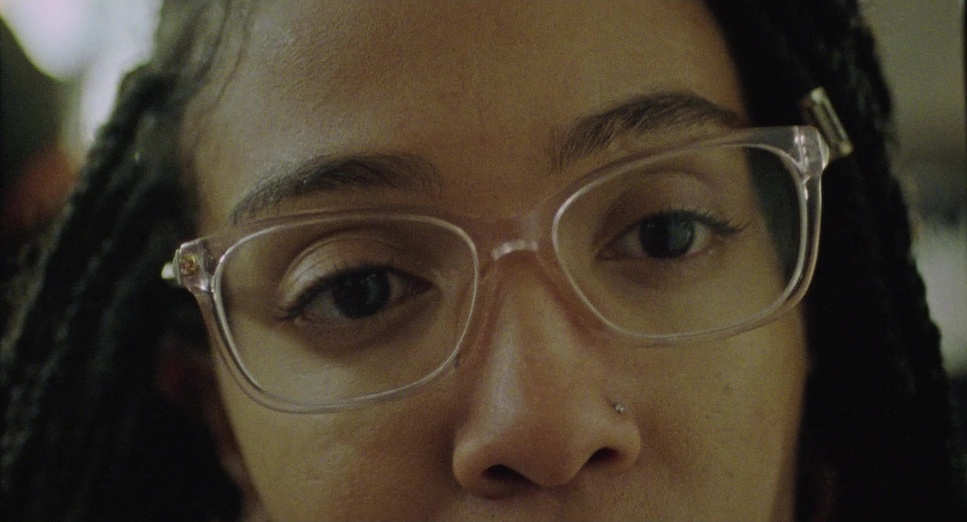
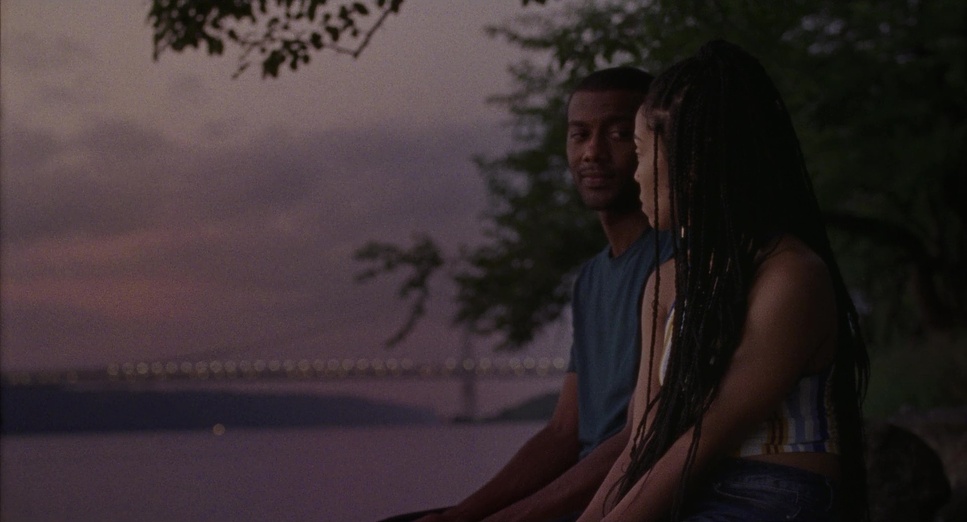
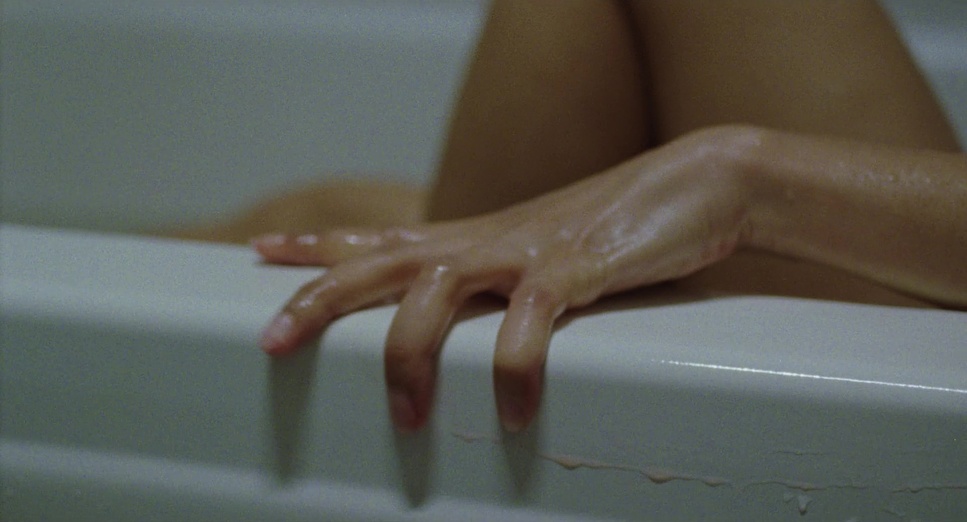
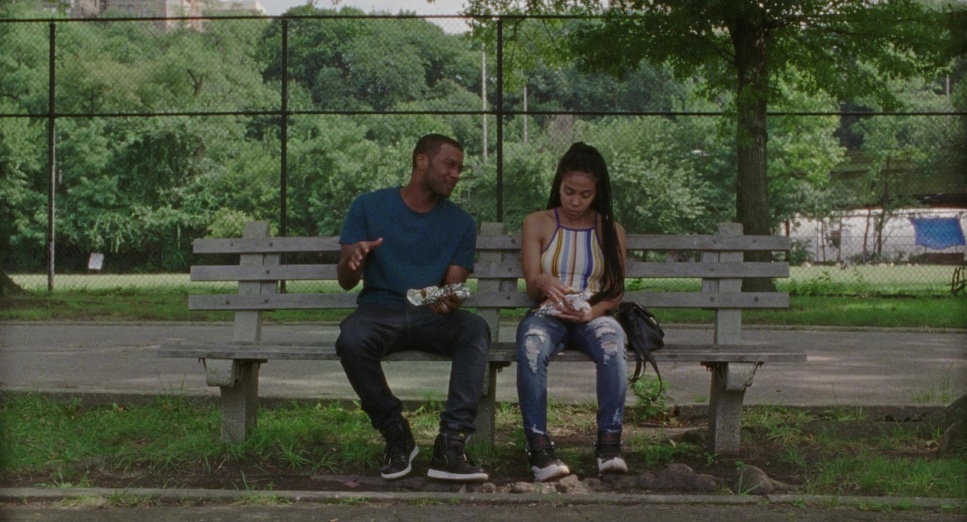
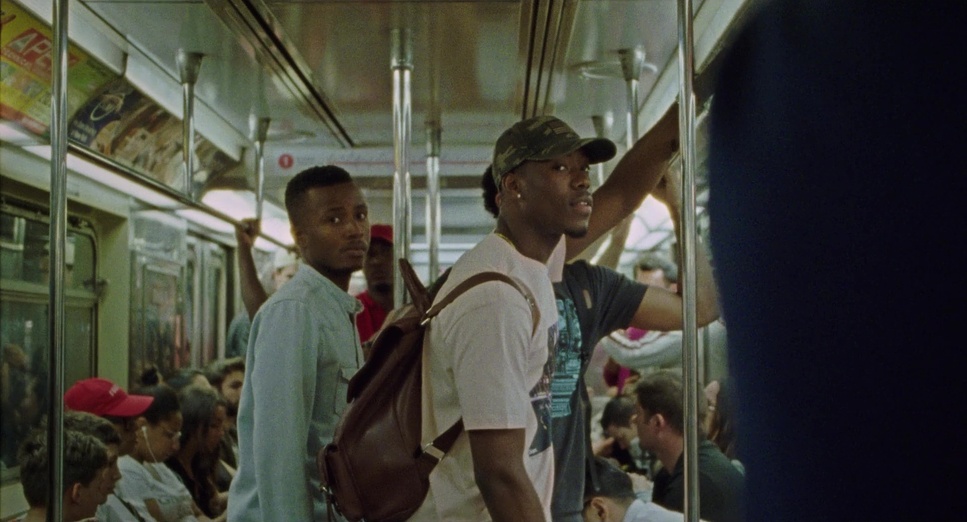
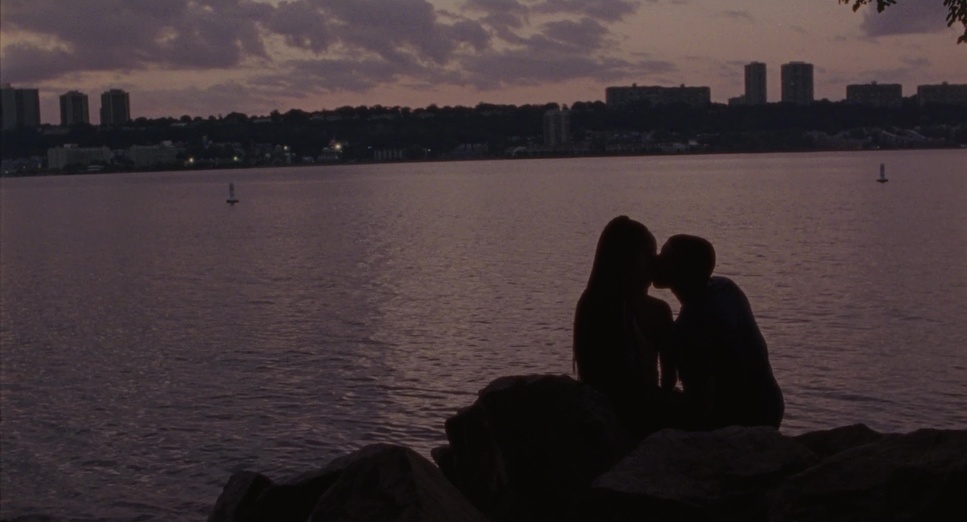
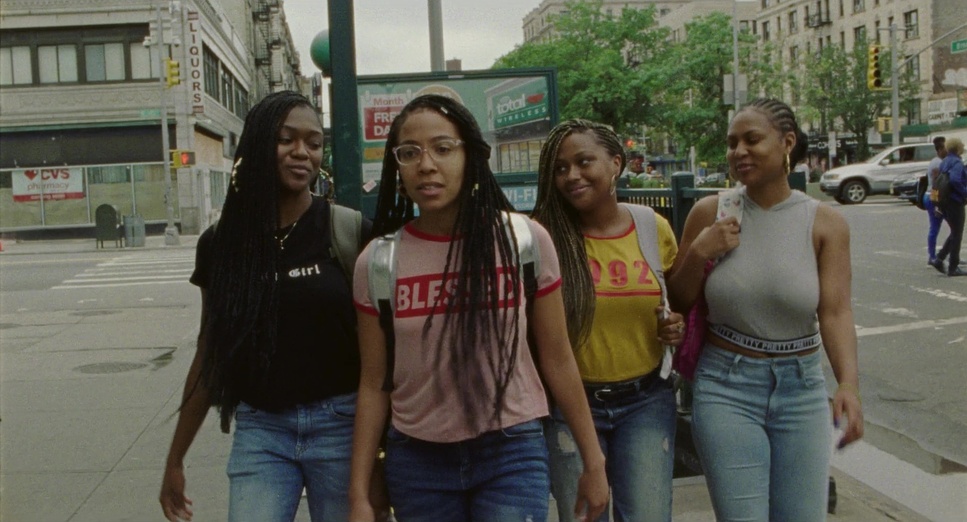
Premature (2019)
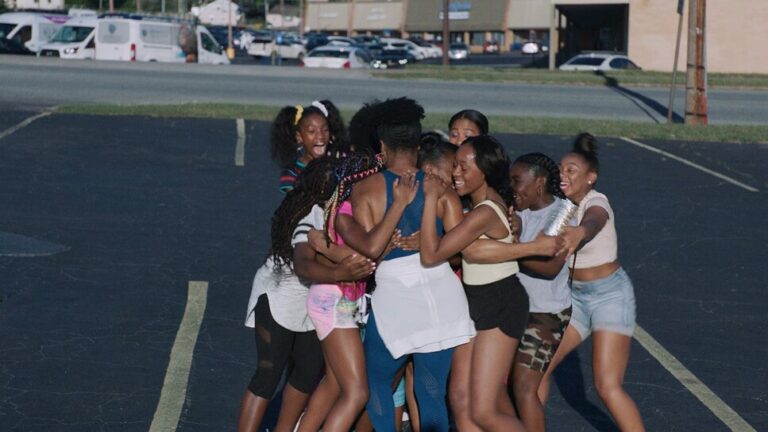
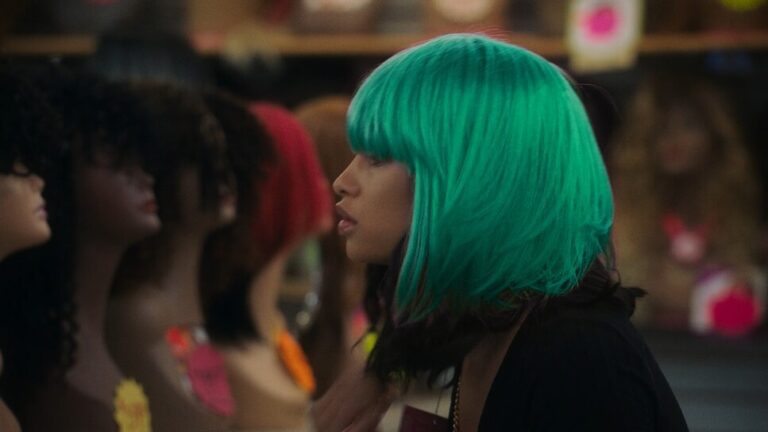
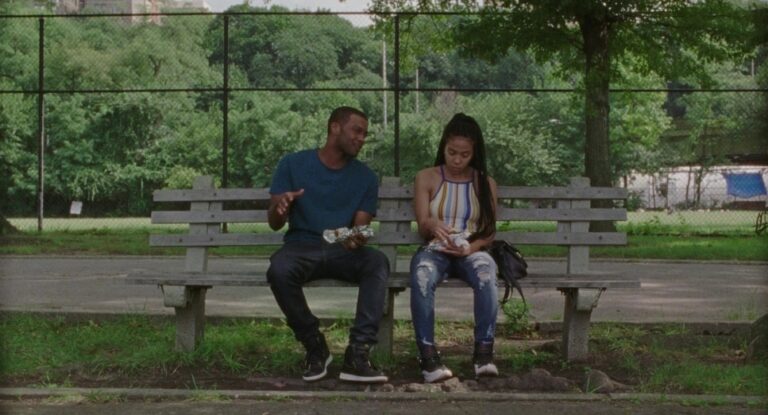
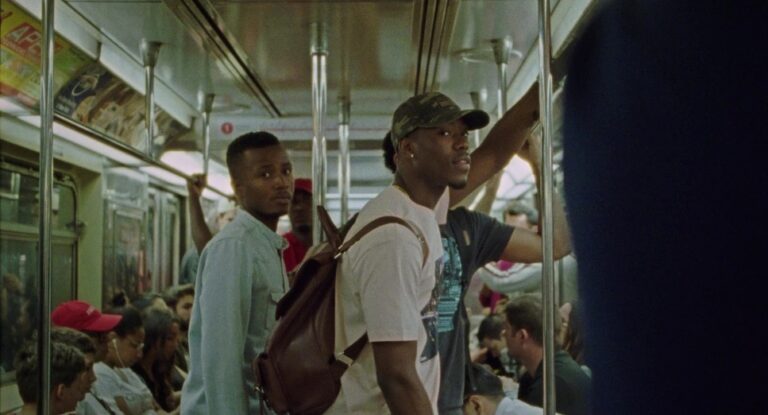
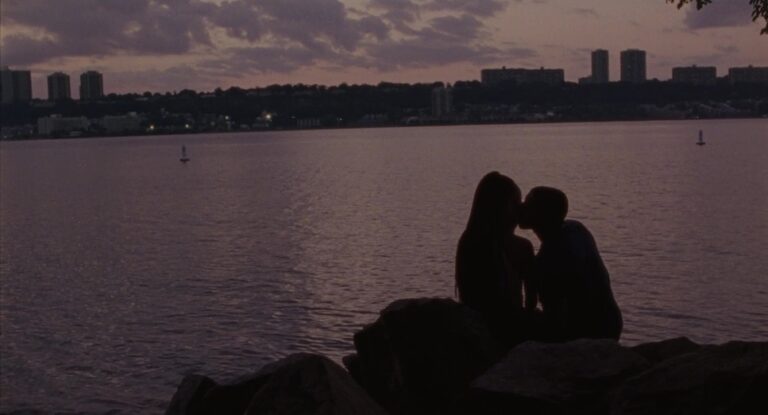
Set during a summer in Harlem, the film follows seventeen-year-old poet Ayanna as she begins an intense romance with Isaiah, an older music producer whose charm and artistic confidence initially seem to offer emotional and creative freedom. As their relationship deepens, Ayanna gradually confronts the imbalance of power, emotional manipulation, and disappointment embedded within the affair. The story unfolds as an intimate coming-of-age drama about desire, artistic awakening, vulnerability, and the painful transition from fantasy to self-awareness.
Green and cinematographer Laura Valladao shoot Premature with warm, sensual naturalism that captures Harlem as both a lived-in neighborhood and an emotional landscape shaped by summer heat, music, and youthful longing. Golden-hour lighting, handheld camerawork, and shallow depth-of-field create an atmosphere of immediacy and intimacy, while close-ups and quiet observational moments keep the viewer closely aligned with Ayanna’s emotional perspective. The film’s use of poetry, jazz, and ambient city sound gives the imagery a rhythmic softness, allowing romance and memory to feel tactile even as the relationship slowly reveals its emotional instability.
FILM SPOTLIGHT
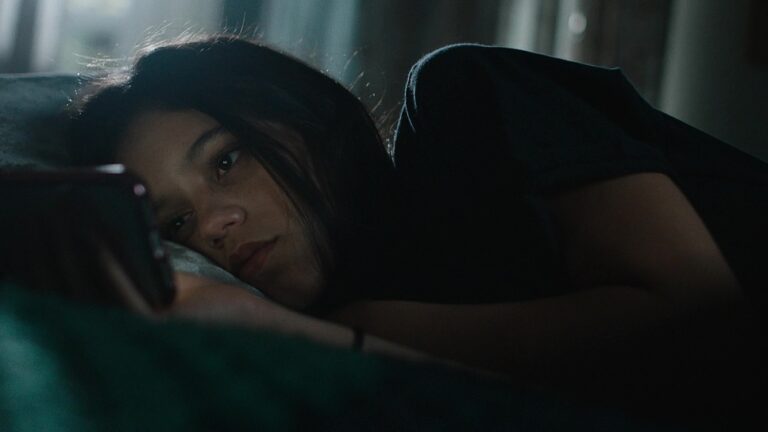
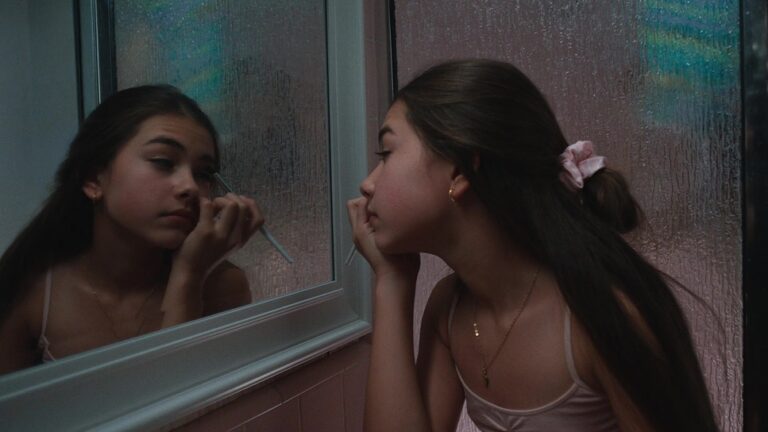
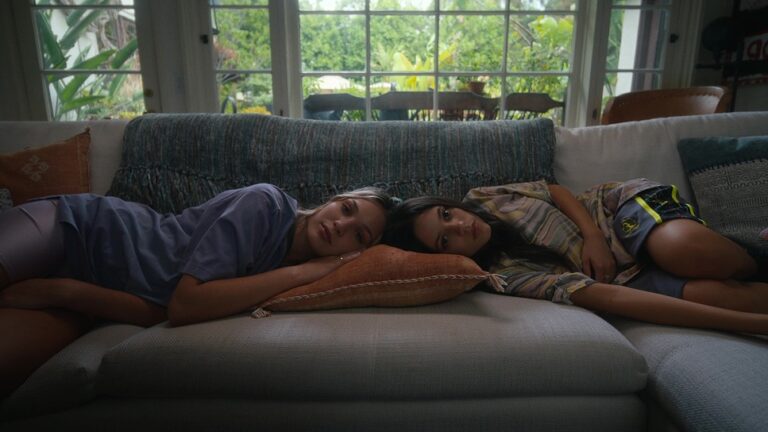
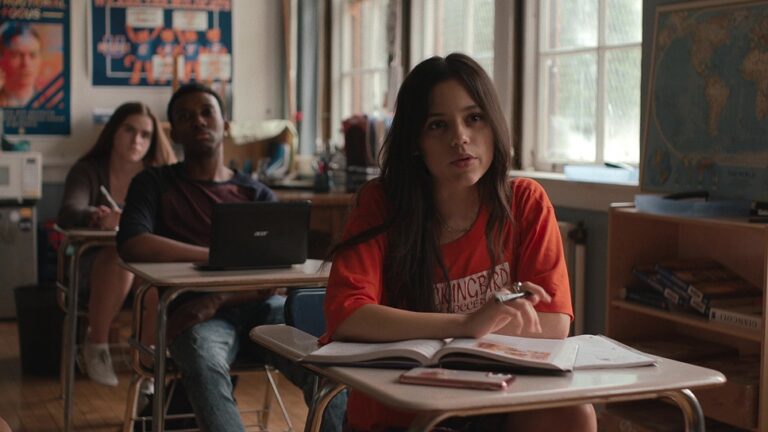
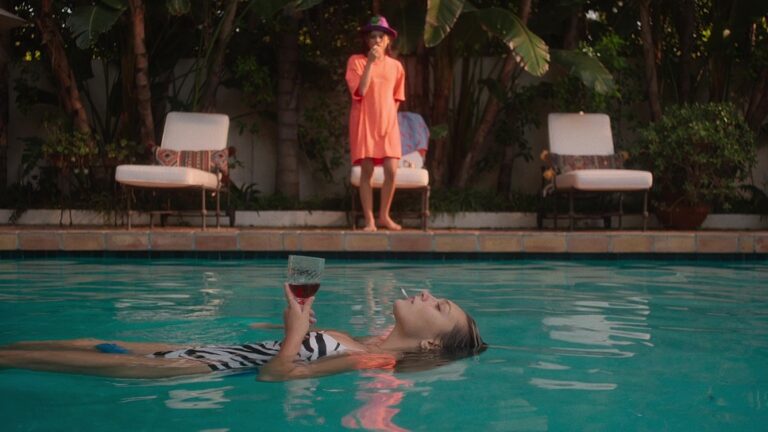
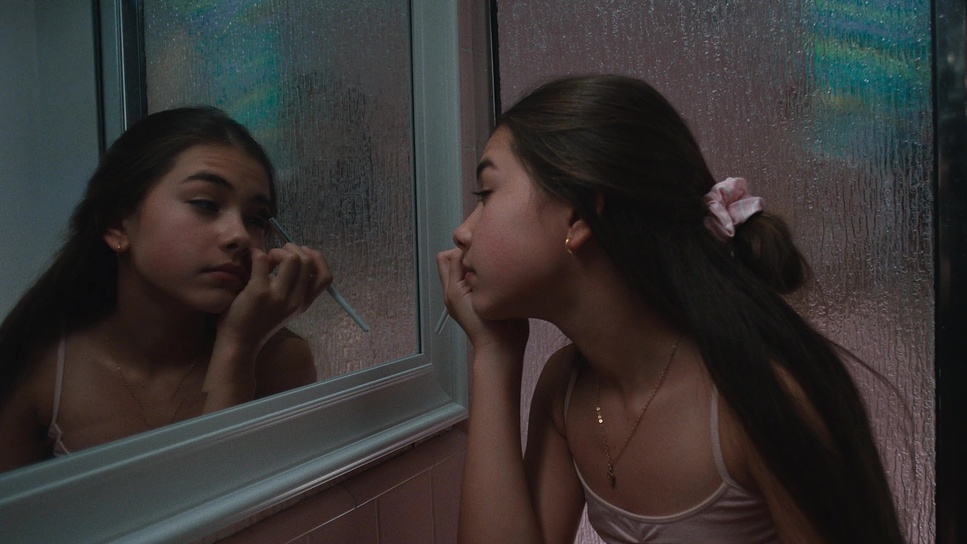
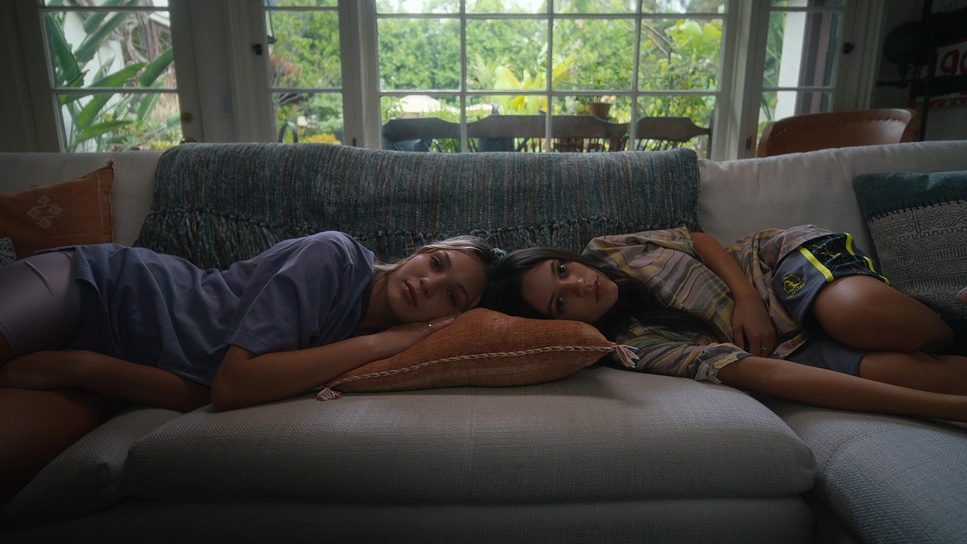
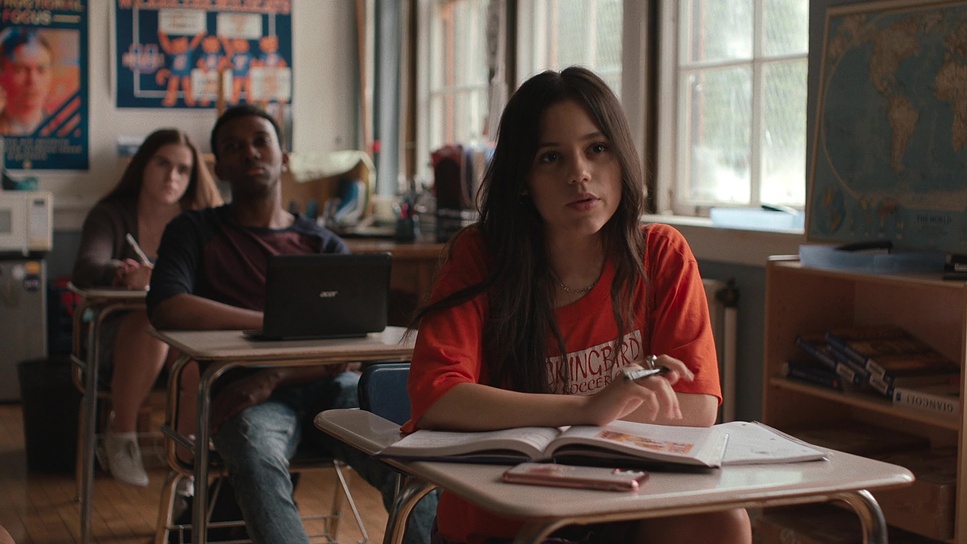
The Fallout (2021)
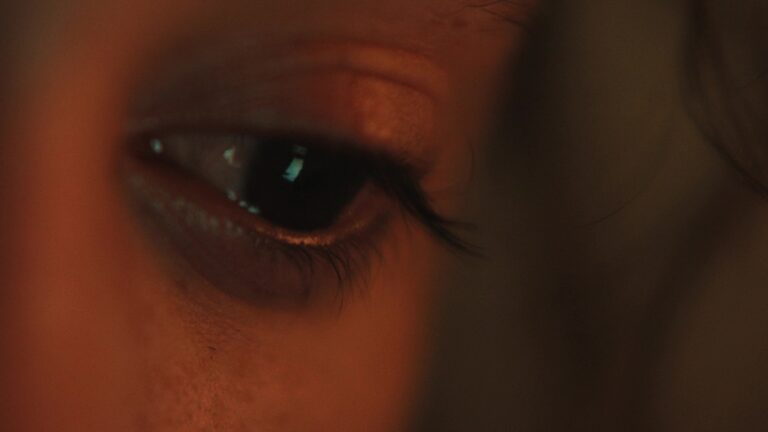
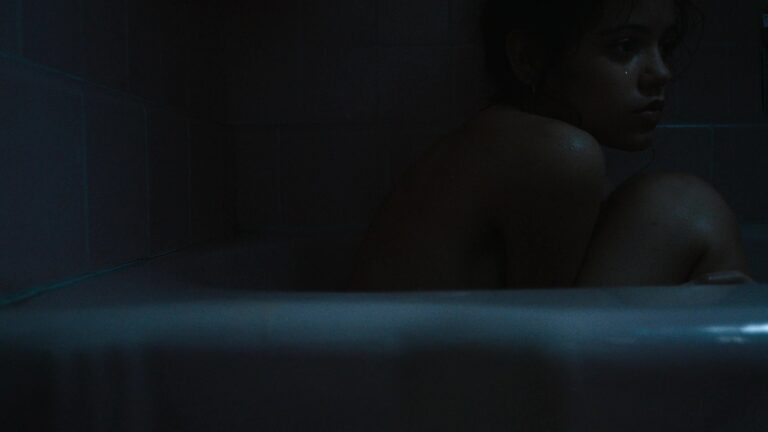
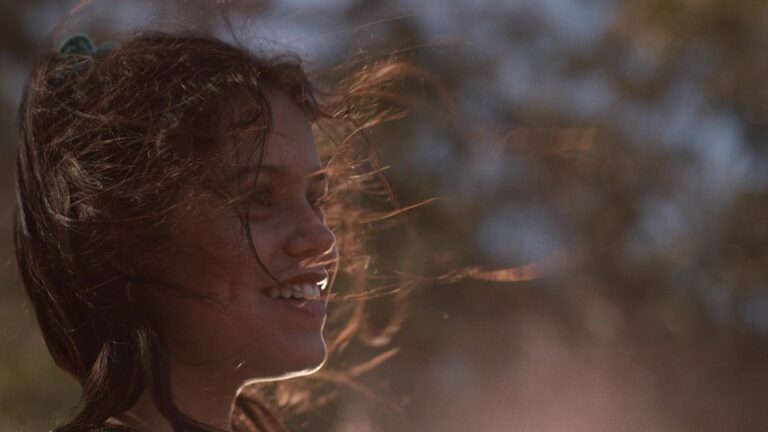
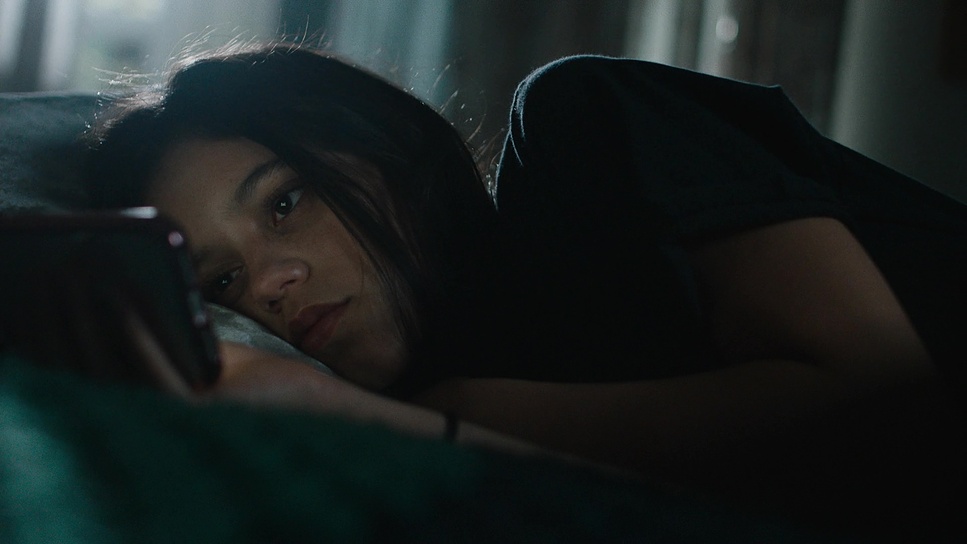
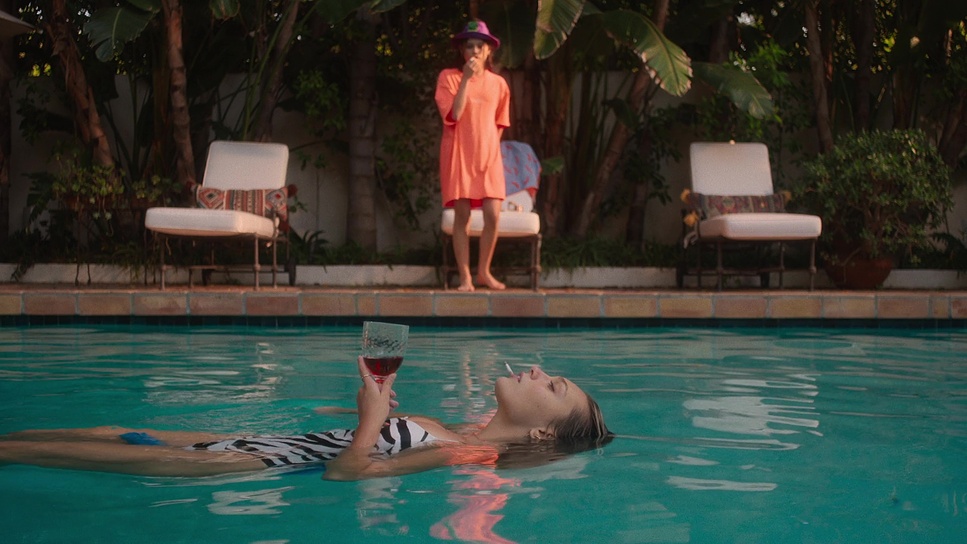
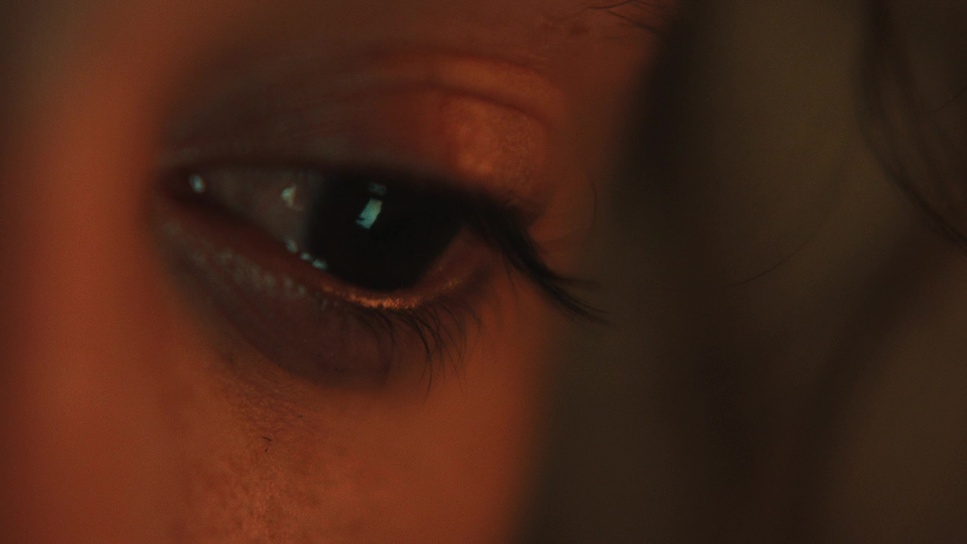
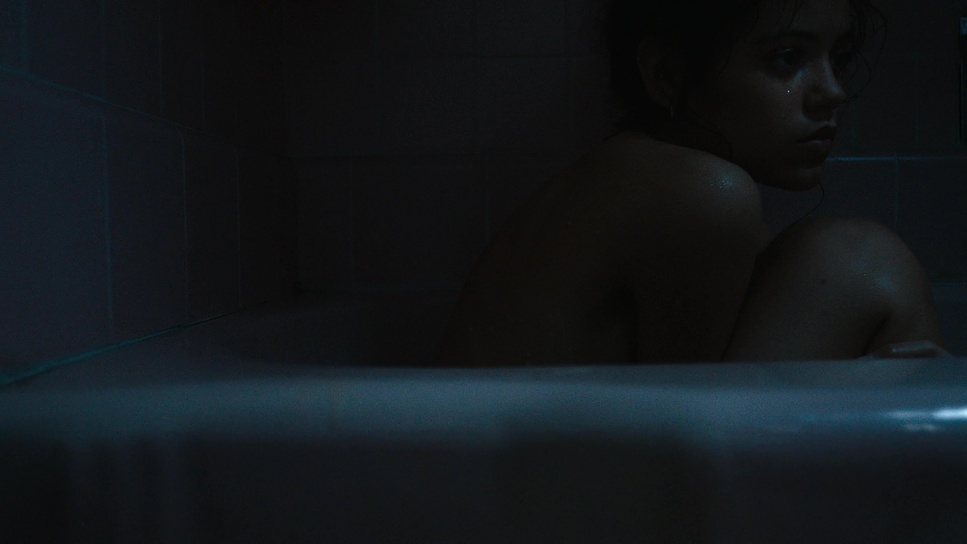
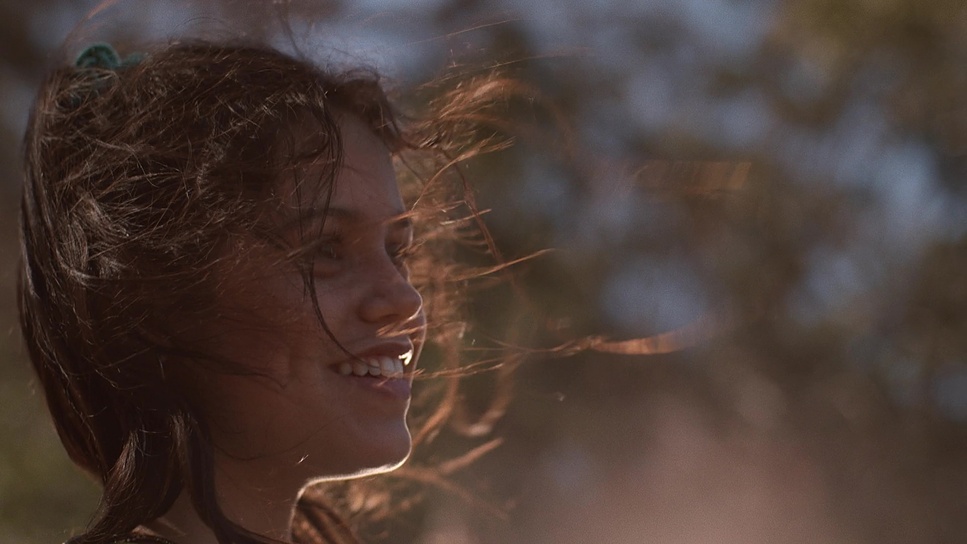
After surviving a school shooting, high school student Vada struggles to process the emotional aftermath as trauma begins reshaping her relationships, identity, and sense of normalcy. While attempting to reconnect with friends, family, and classmates who experienced the tragedy differently, she forms a particularly close bond with another survivor, Mia. The story unfolds as an intimate portrait of grief, dissociation, adolescence, and the unpredictable ways trauma lingers beneath everyday life.
Park and cinematographer Kristen Correll shoot The Fallout with a soft, intimate visual style that prioritizes emotional subjectivity over sensationalism. Warm pastel palettes, shallow depth-of-field, and naturalistic handheld camerawork create a hazy atmosphere that reflects Vada’s emotional numbness and disorientation in the aftermath of violence. Rather than focusing on the event itself, the film lingers on bedrooms, bathrooms, school hallways, parties, and quiet domestic spaces, emphasizing how trauma infiltrates ordinary routines and social interactions. The restrained visual approach—combined with close observational framing and muted sound design—allows silence, awkward pauses, and emotional distance to carry much of the film’s weight.
FILM SPOTLIGHT
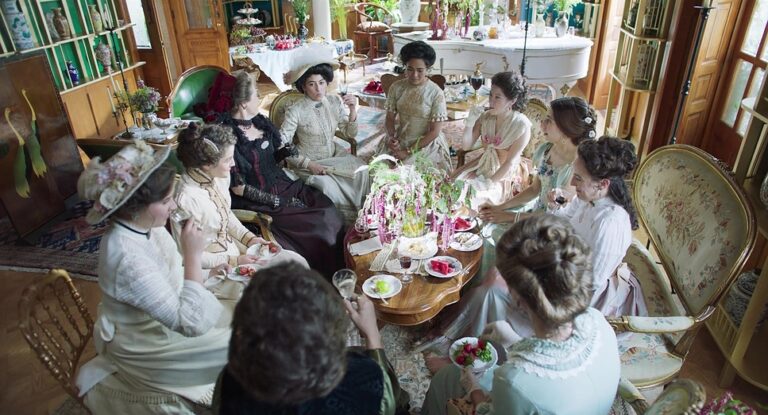
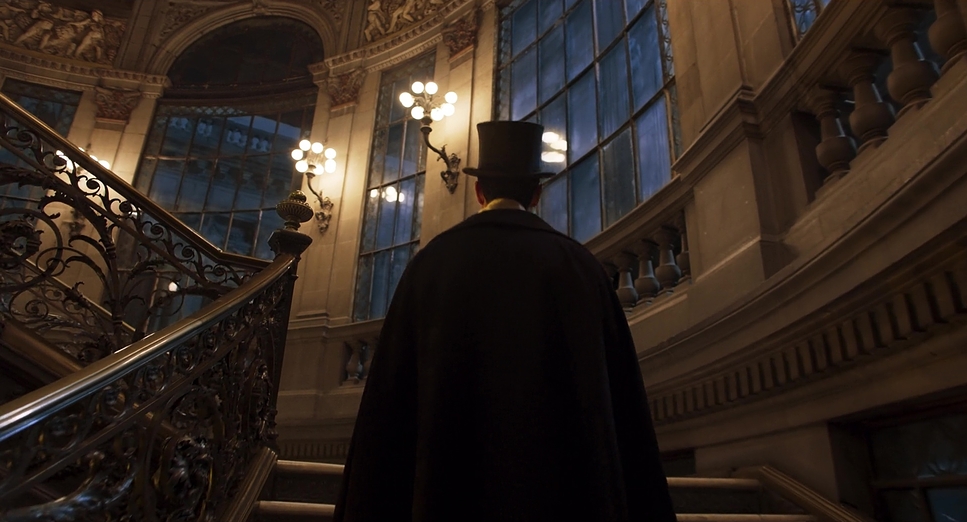
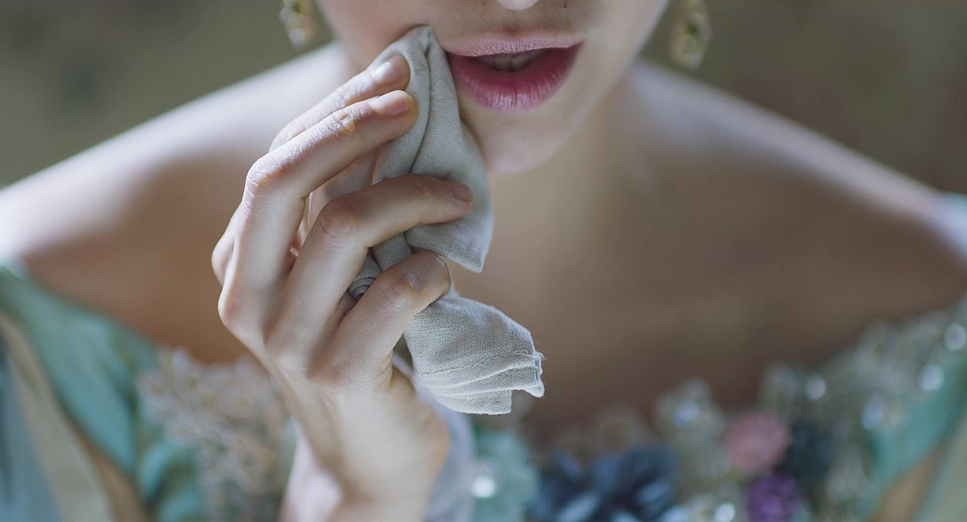
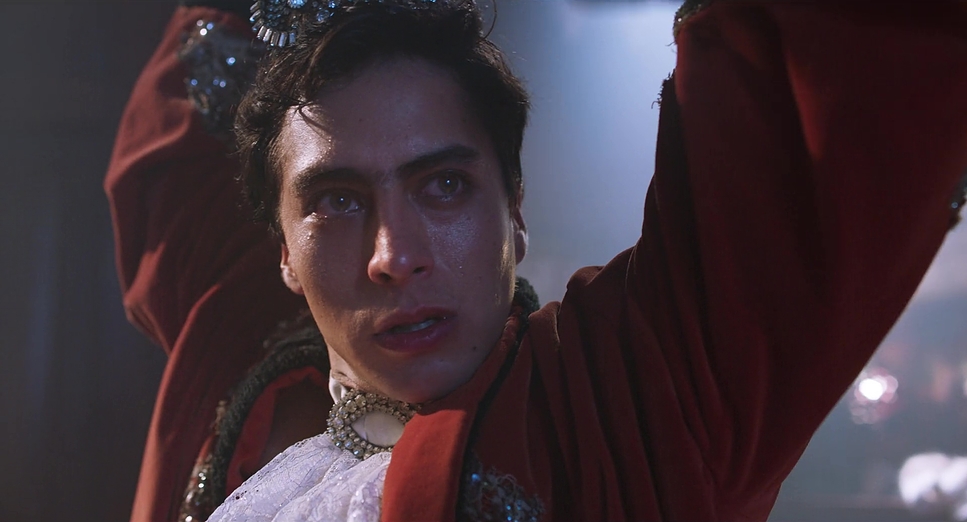
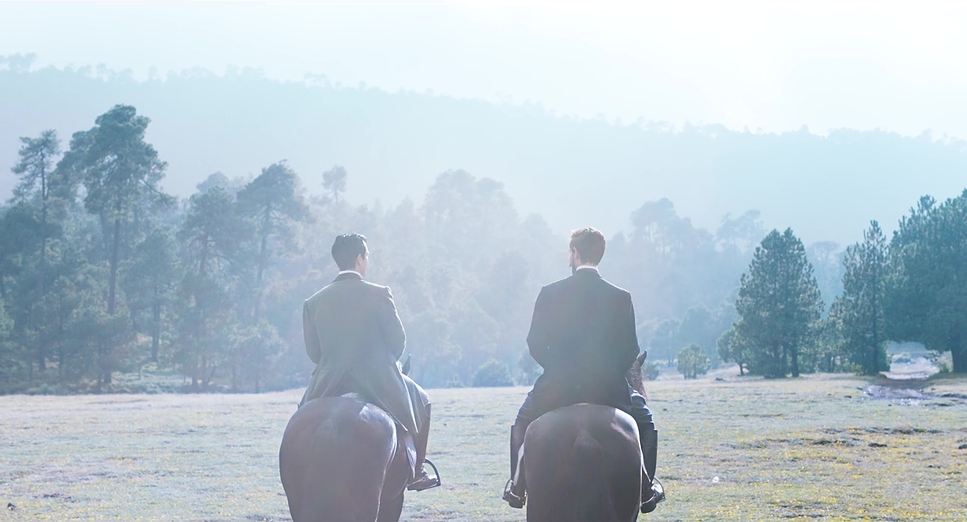
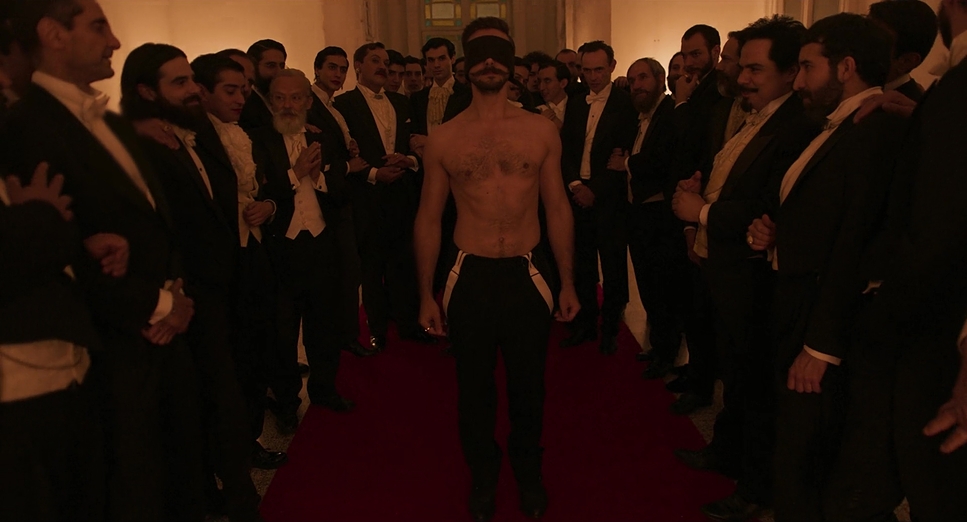
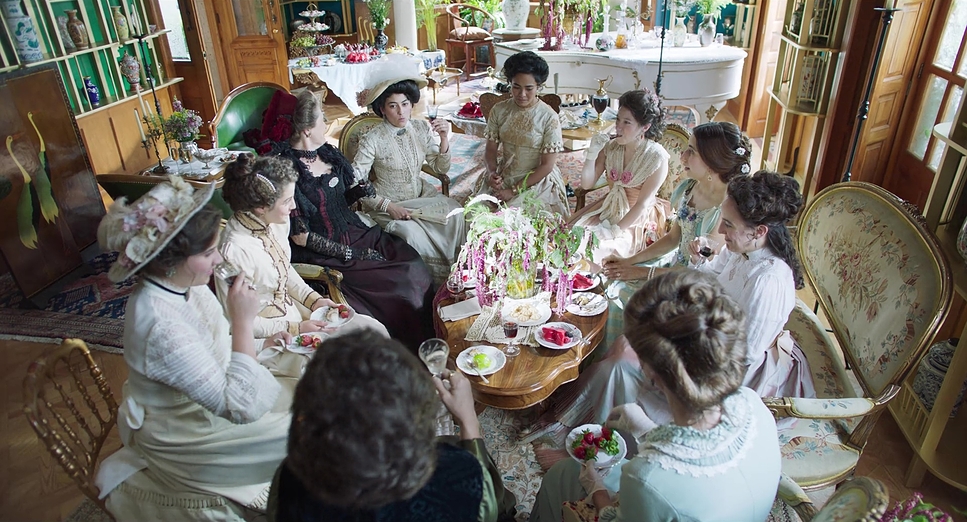
Dance of the 41 (2020)
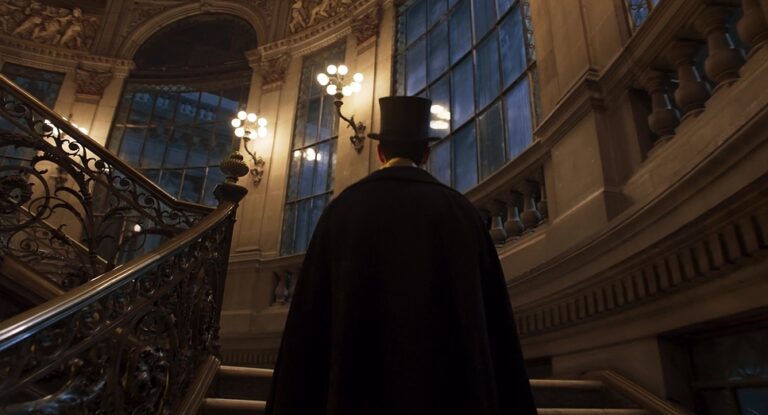
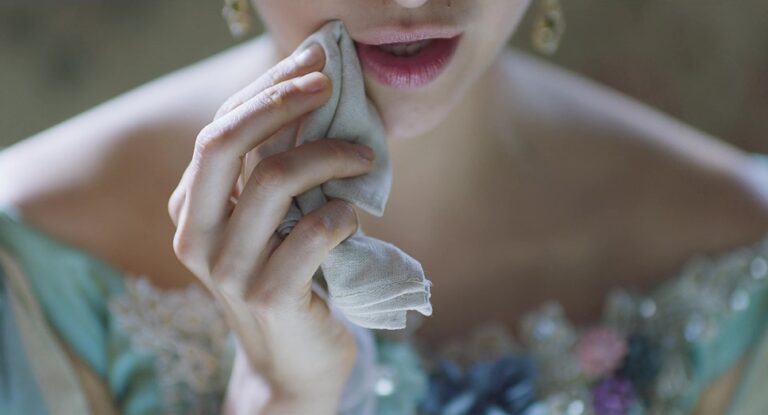
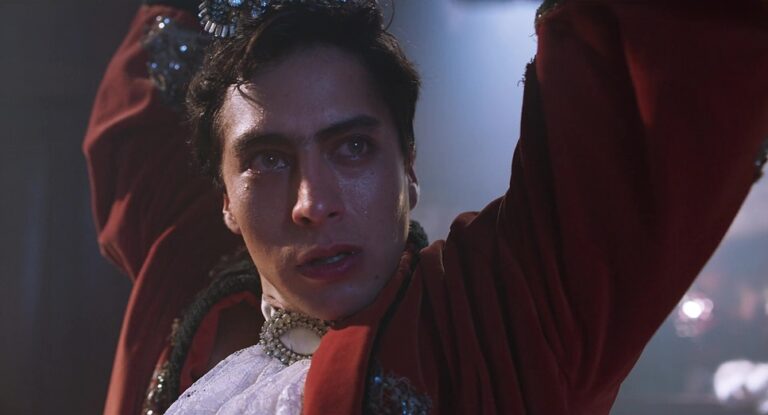
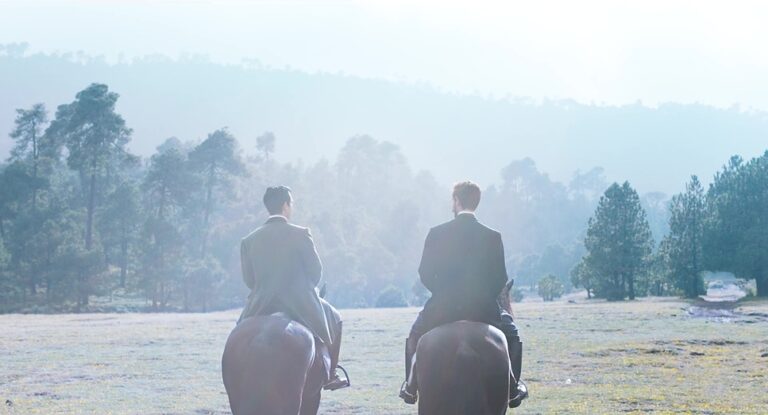
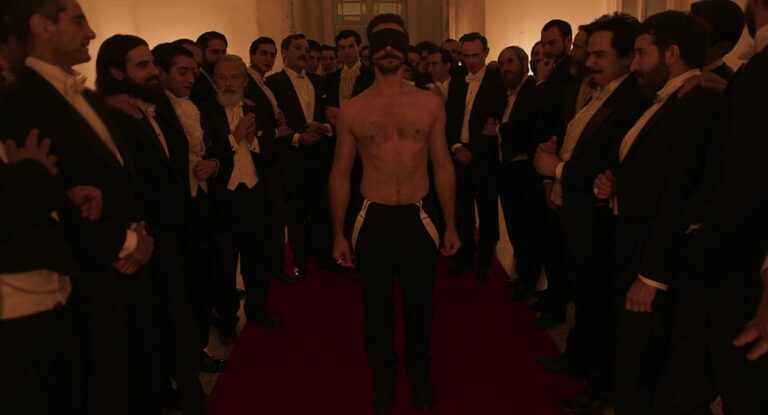
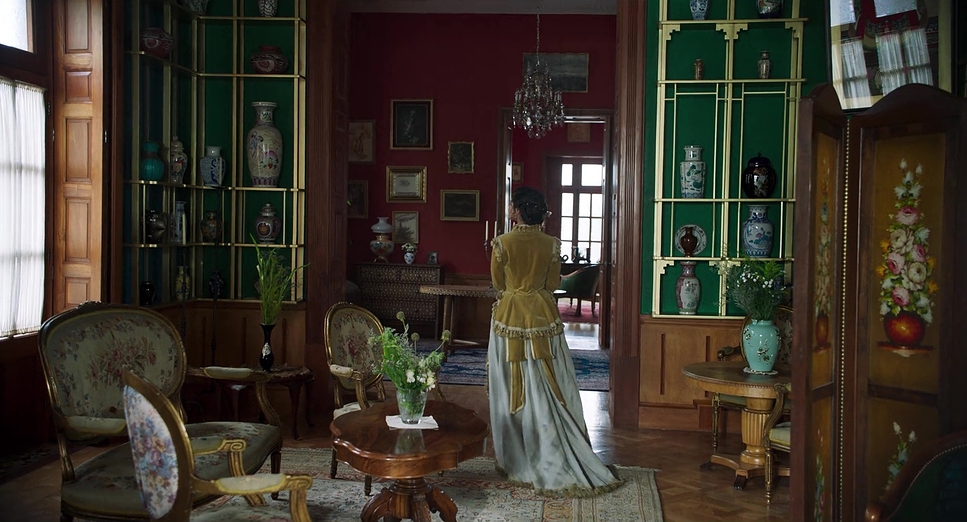
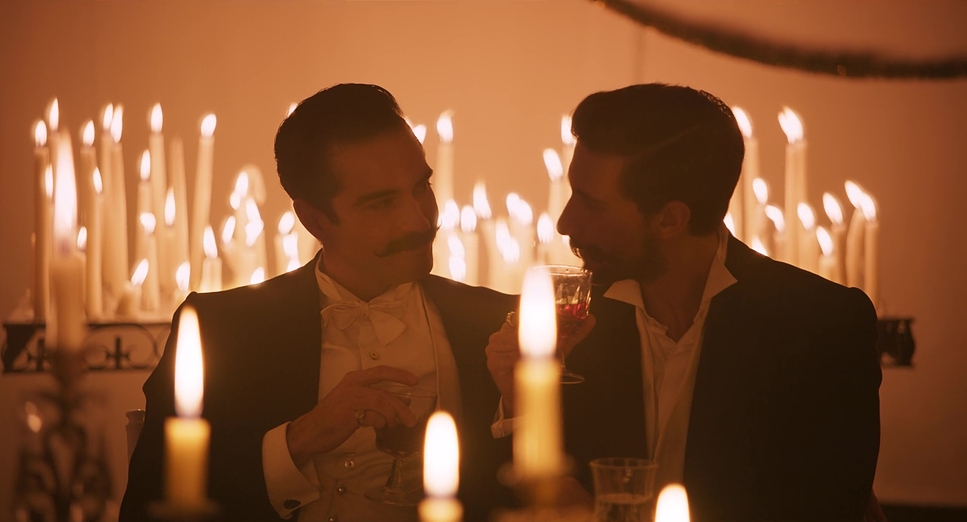
Set in early-20th-century Mexico during the Porfirio Díaz regime, the film follows Ignacio de la Torre, a prominent politician and the son-in-law of the Mexican president, who secretly participates in an underground community of gay men despite maintaining a public image rooted in power and respectability. As Ignacio’s marriage deteriorates and his hidden life becomes increasingly difficult to conceal, tensions between desire, repression, class, and political image intensify. The story culminates around the infamous 1901 police raid known as the “Dance of the 41,” a historical scandal that exposed and publicly humiliated members of Mexico’s queer elite.
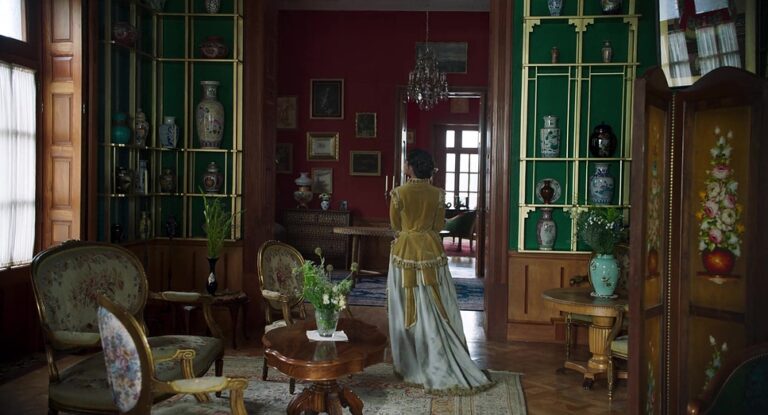
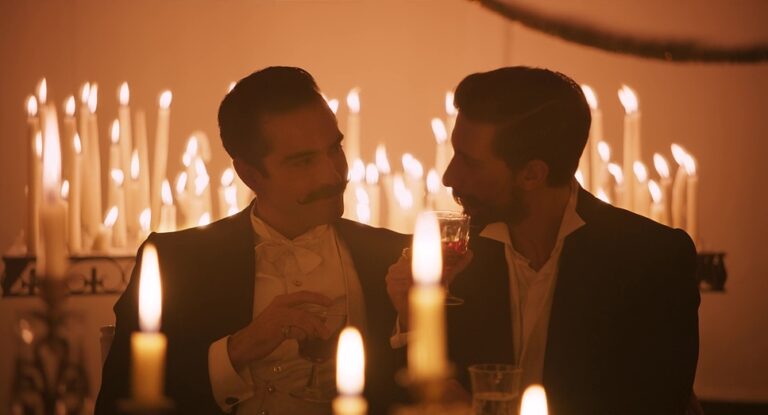
Pablos and cinematographer Carolina Costa craft the film with lush period detail and restrained, elegant compositions that emphasize secrecy, ritual, and emotional repression. Candlelit interiors, dark wood textures, mirrors, and muted earth tones create an atmosphere of aristocratic formality constantly shadowed by hidden desire. The film contrasts rigid public spaces—government halls, formal dinners, upper-class homes—with the intimacy and fluidity of private gatherings where music, dance, and costume allow temporary freedom of expression. Carefully controlled lighting and framing reinforce the tension between visibility and concealment, turning physical gesture and proximity into central emotional and political elements of the film’s visual language.
FILM SPOTLIGHT
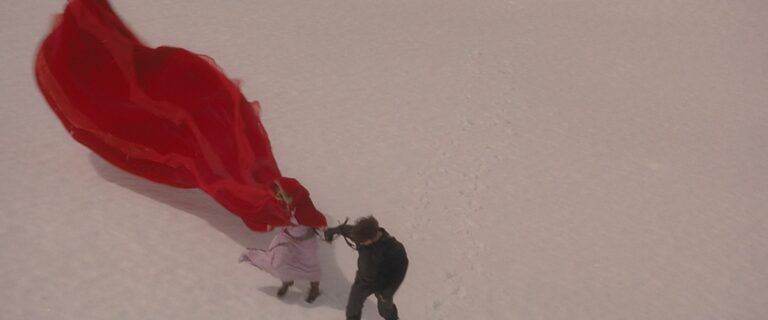
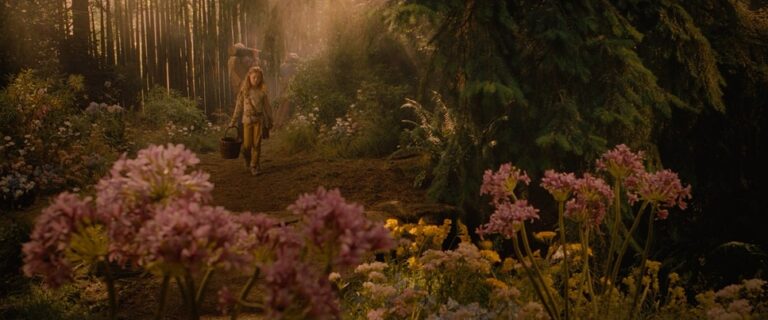
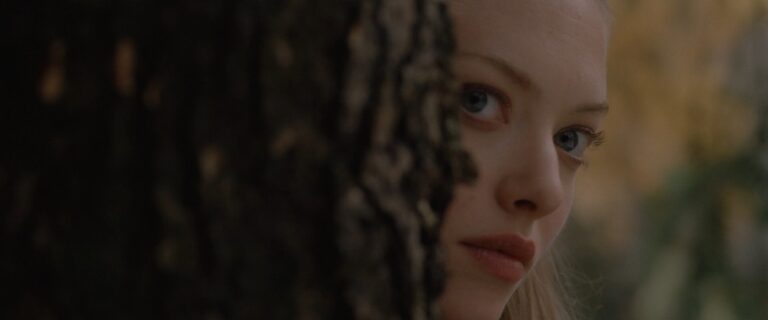
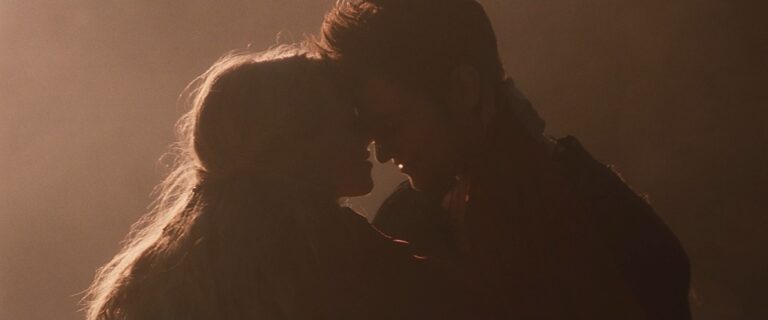
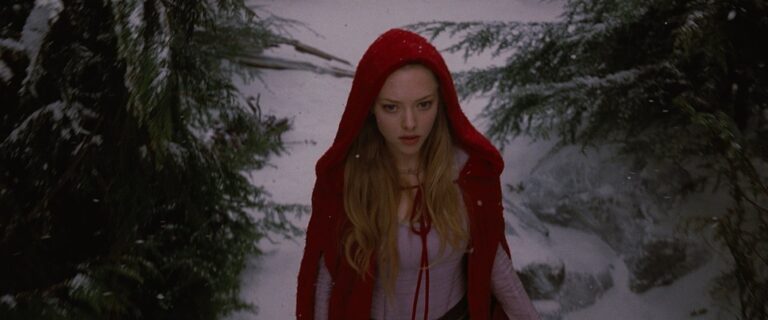
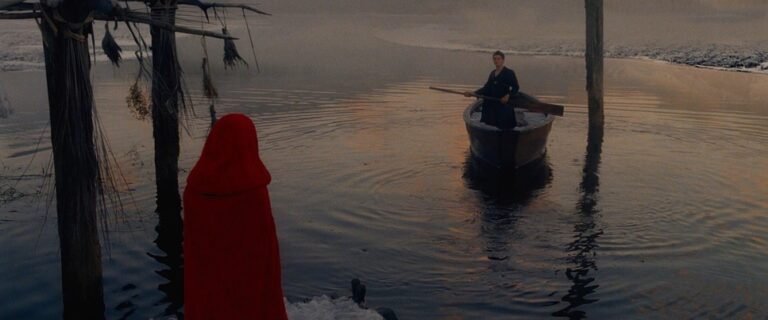
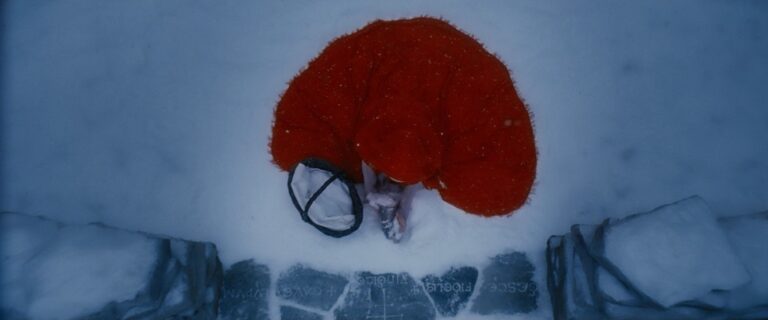
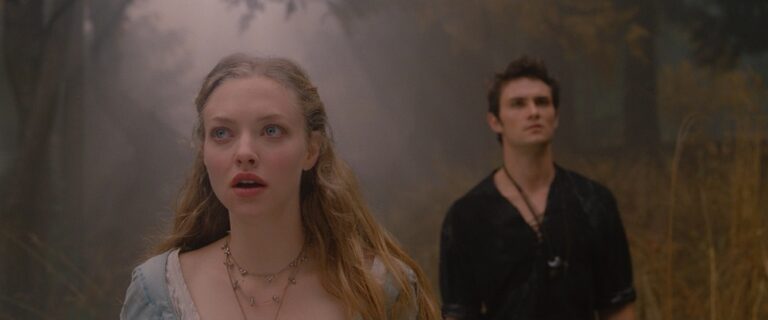
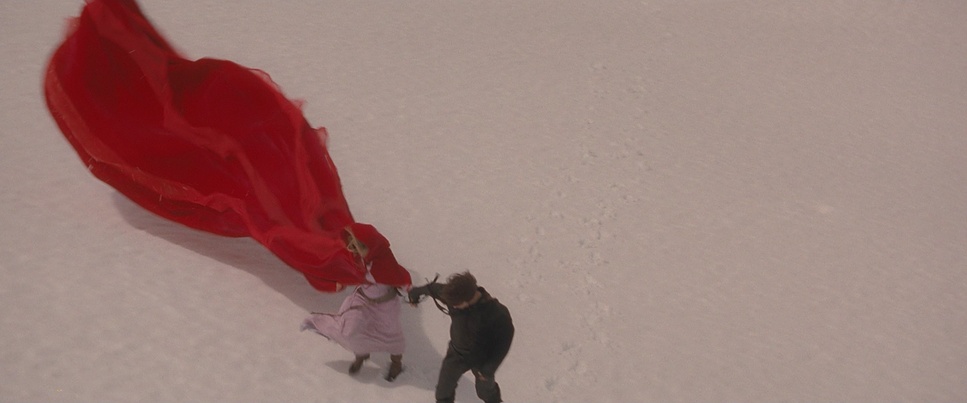
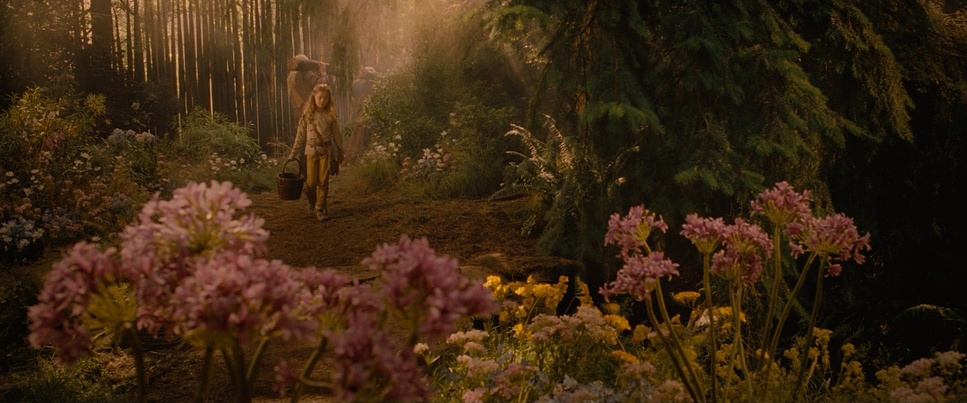
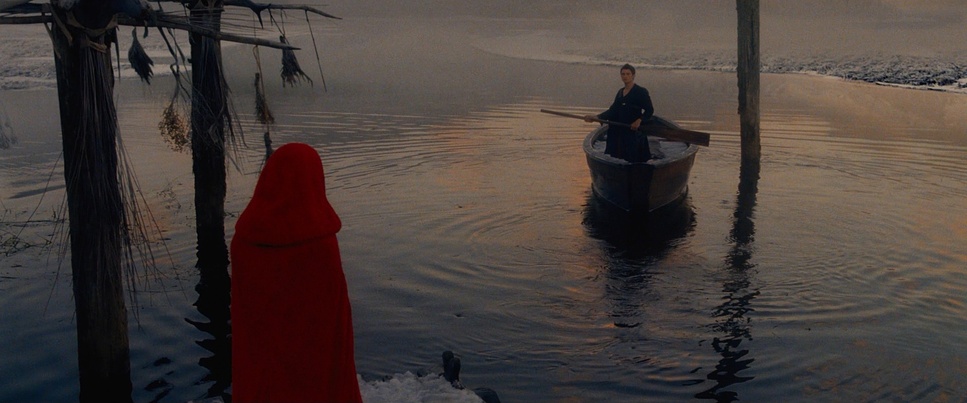
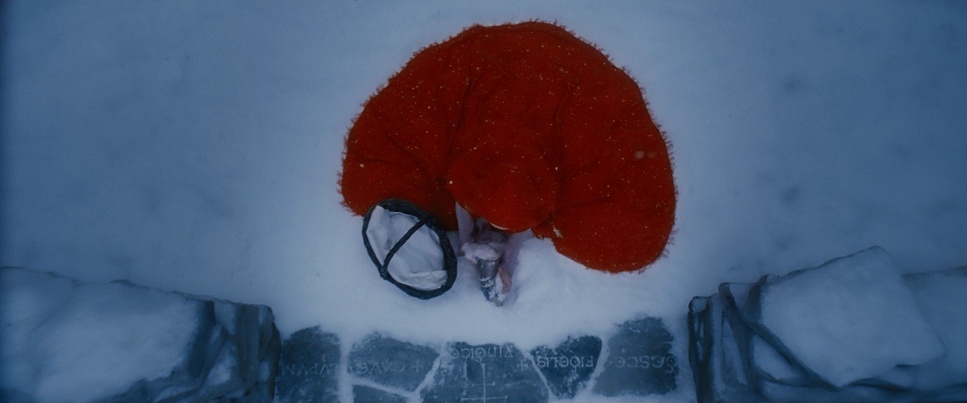
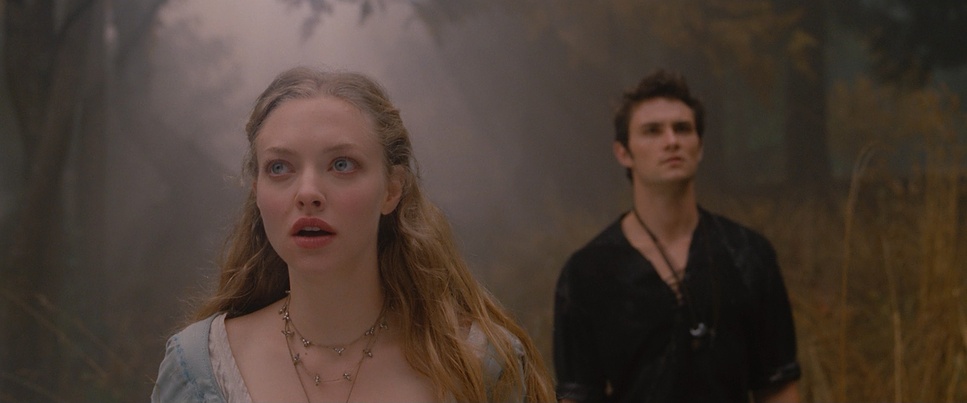
Red Riding Hood (2011)
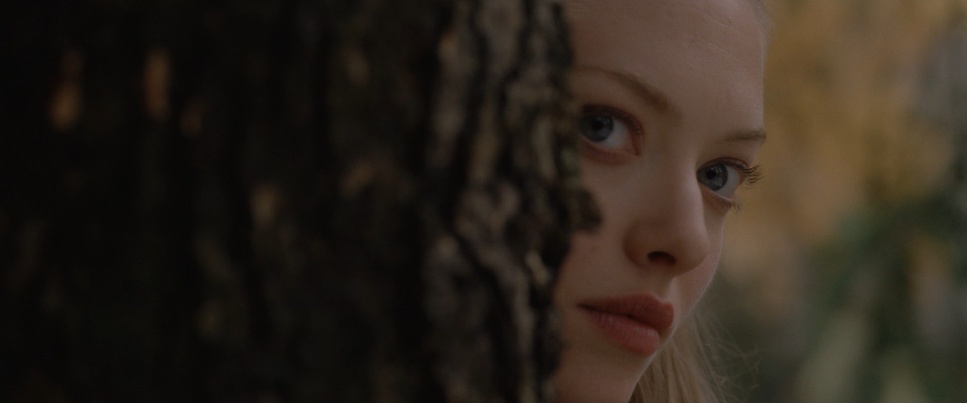
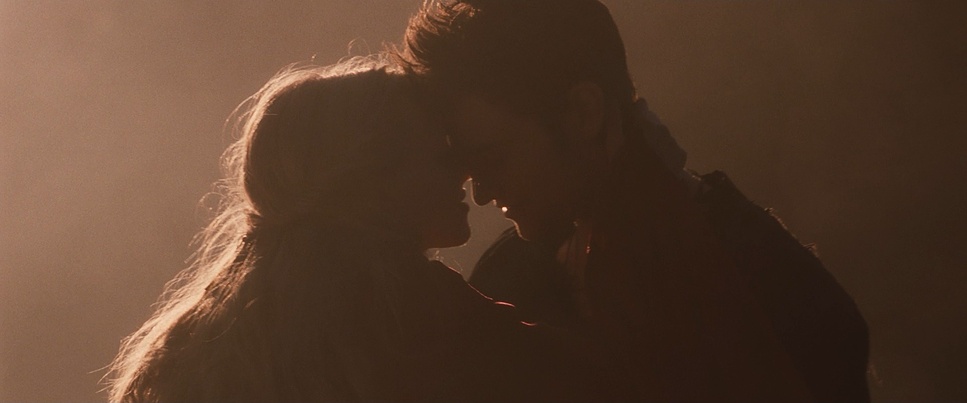
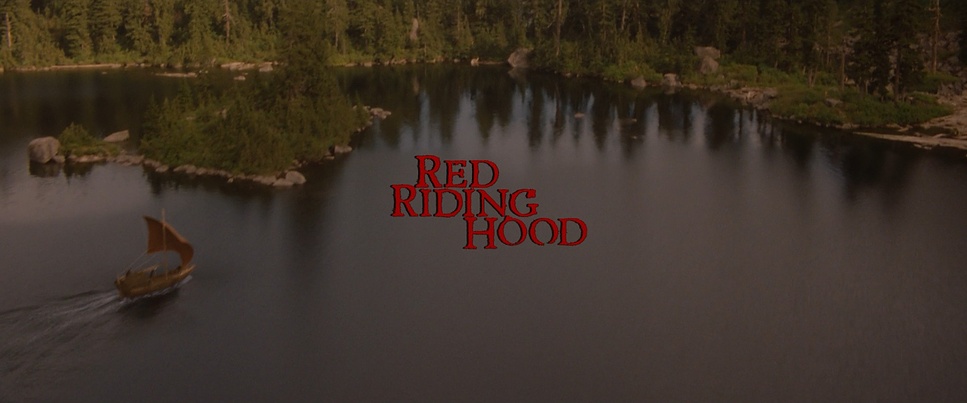
In a medieval village terrorized by a werewolf that emerges during the full moon, a young woman named Valerie finds herself torn between two men while uncovering dark secrets within her isolated community. When a famous witch hunter arrives to destroy the creature, paranoia and suspicion spread throughout the village as residents begin to fear that the wolf may be one of their own. The story reimagines the classic fairy tale as a gothic mystery centered on desire, fear, and betrayal.
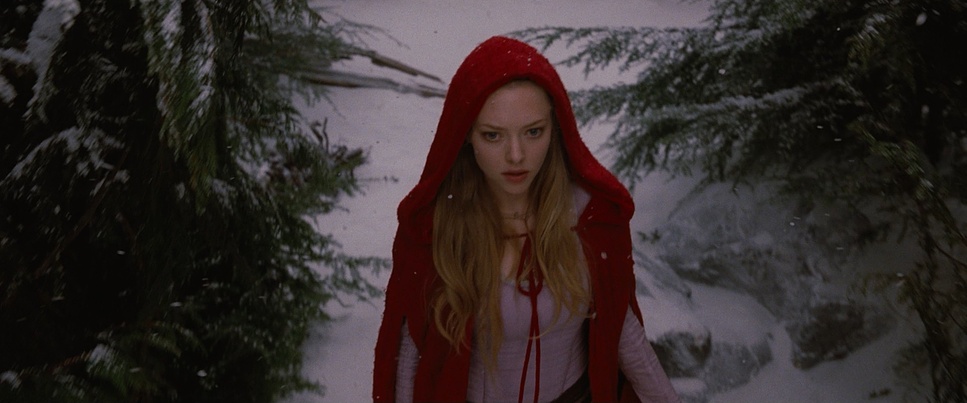
Hardwicke and cinematographer Mandy Walker craft Red Riding Hood with a stylized gothic fantasy aesthetic built around snow-covered forests, candlelit interiors, and richly saturated reds and blacks. The village is designed as a claustrophobic fairy-tale space surrounded by looming dark woods, while fog, moonlight, and heavy winter textures create an atmosphere of romantic danger and supernatural unease. Valerie’s iconic red cloak becomes the film’s central visual symbol, sharply contrasted against muted icy landscapes to emphasize innocence, desire, and vulnerability. The heightened production design and dramatic lighting give the film a storybook quality that blends young-adult romance with horror imagery and medieval fantasy melodrama.

FILM SPOTLIGHT
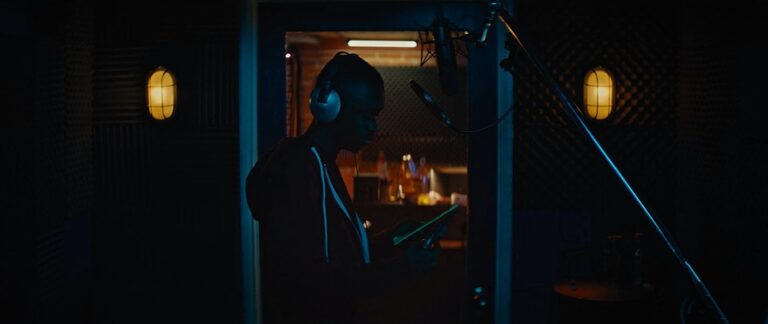
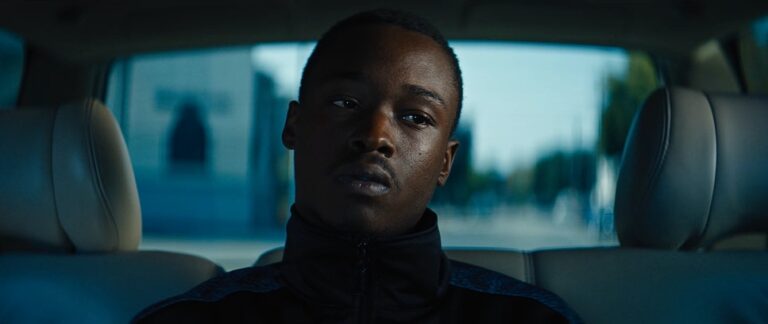
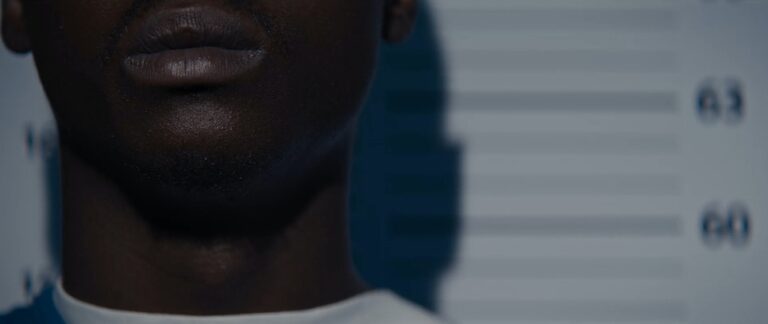
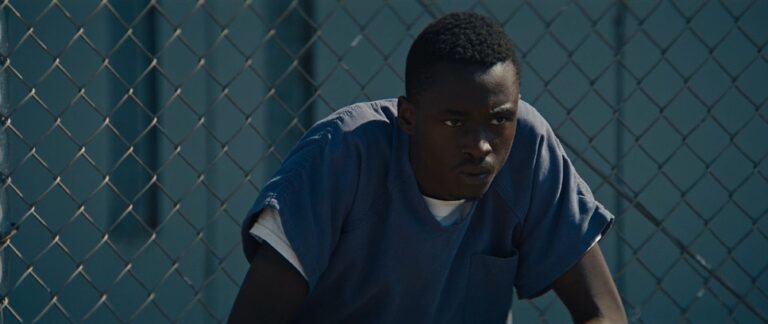
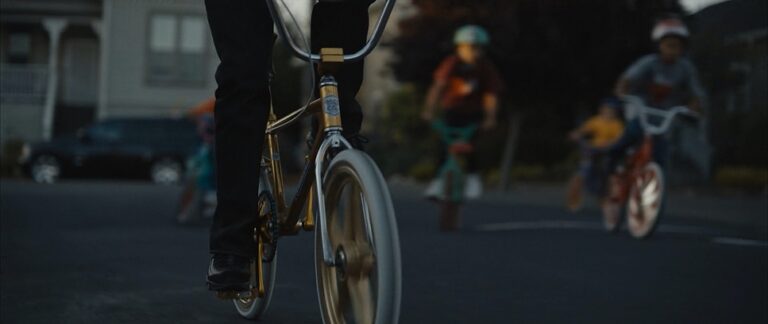
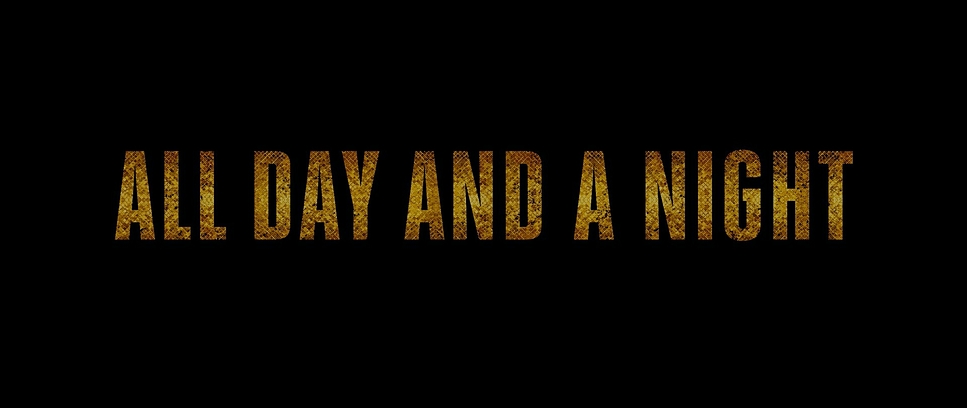
All Day and a Night (2020)
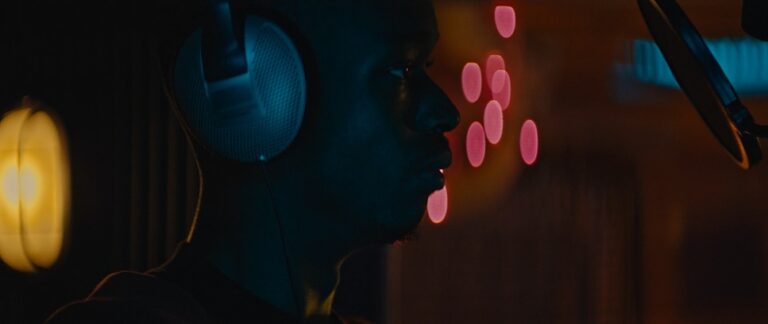
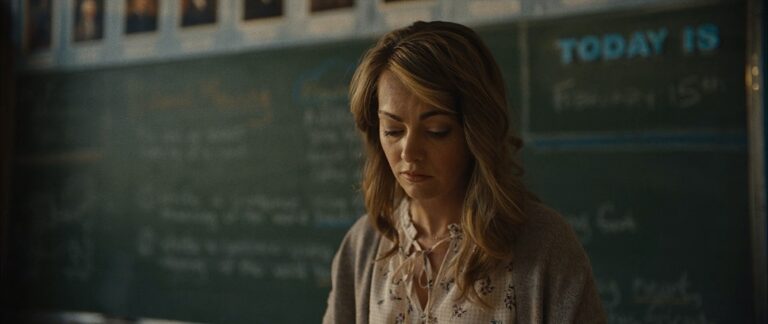
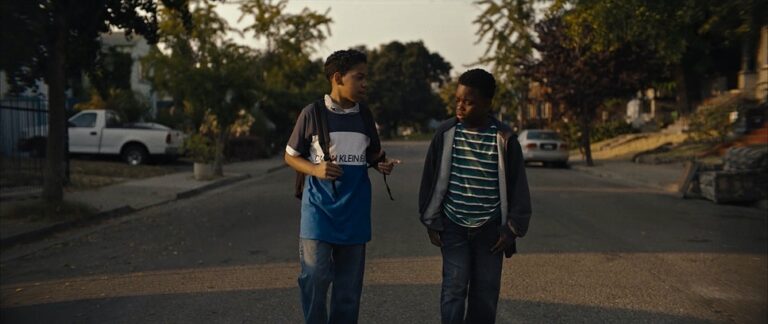
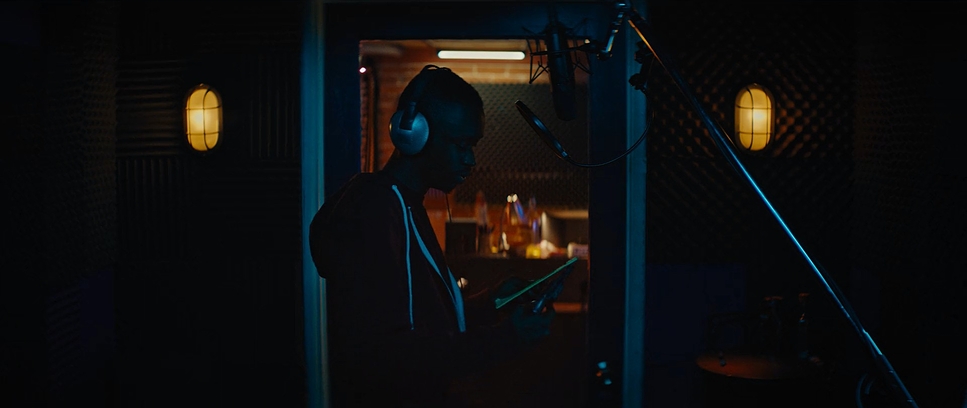
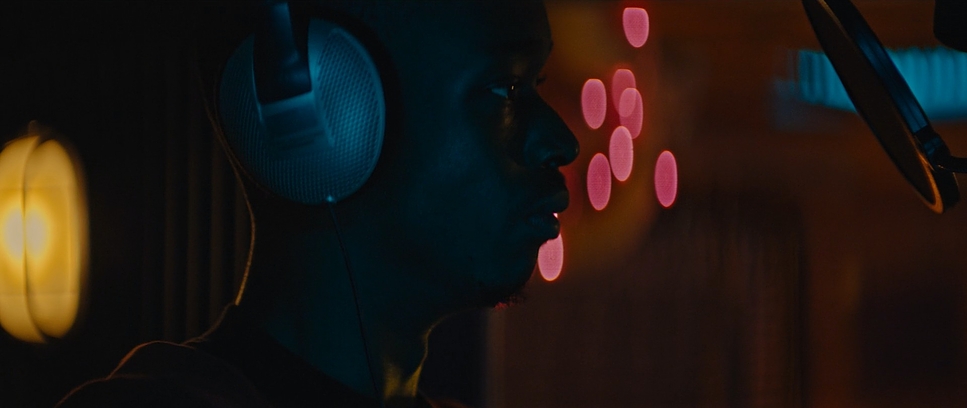
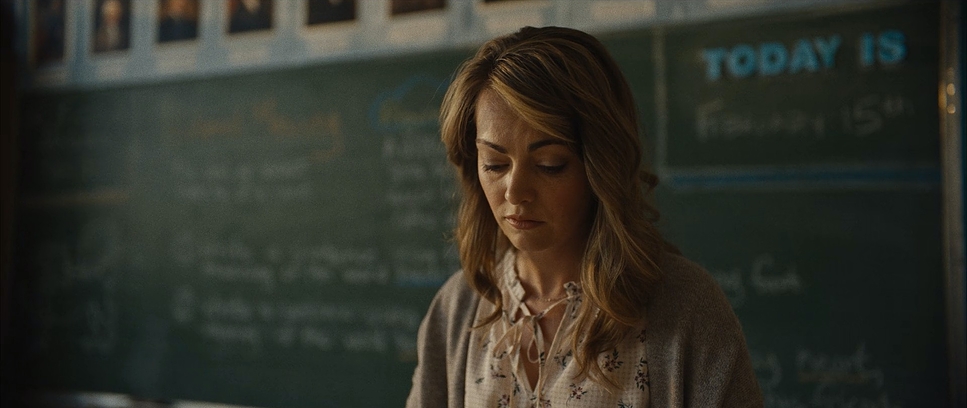
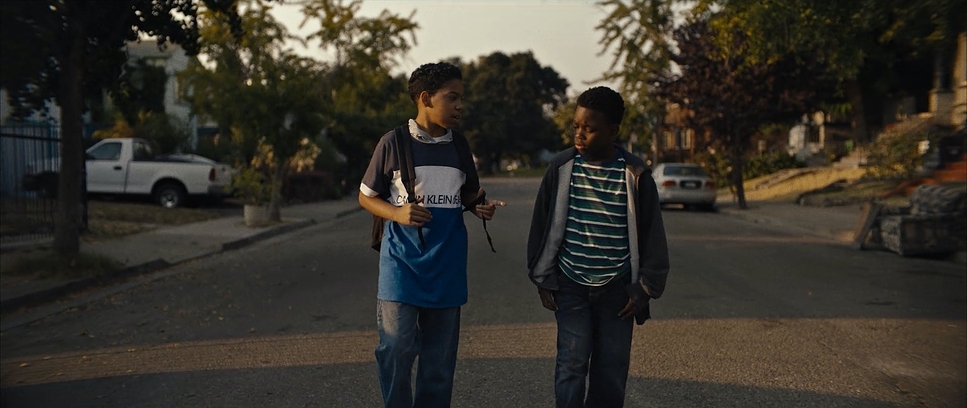
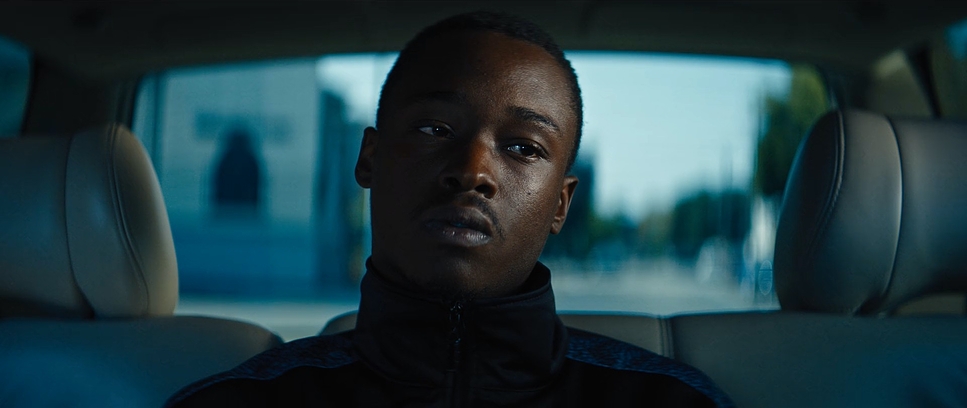
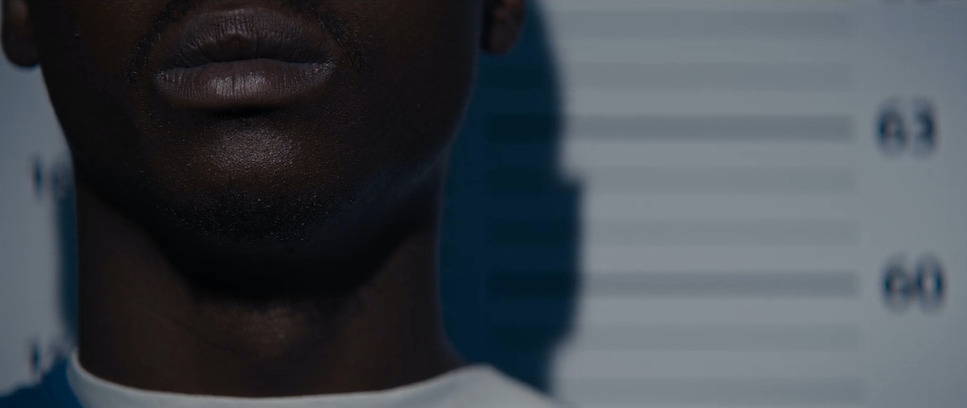
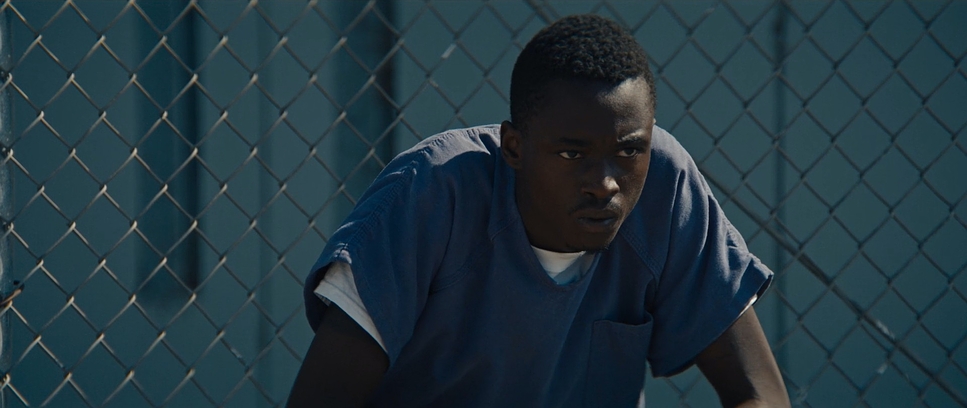
After being sentenced to prison for murder, Jahkor Lincoln reflects on the choices, relationships, and systemic forces that shaped his life in Oakland. Through memories of childhood, family instability, gang violence, friendship, and fatherhood, he confronts the cycles of trauma and incarceration that have defined generations before him. The film unfolds as a reflective character study about masculinity, survival, accountability, and the struggle to imagine a different future.
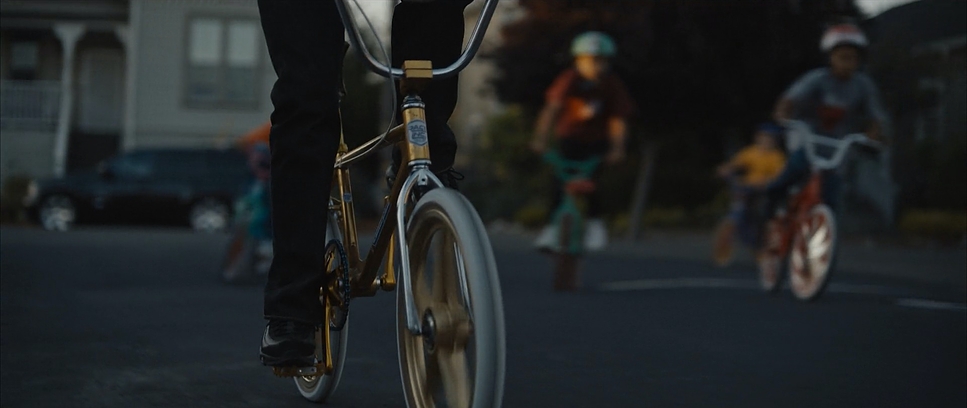
Cole and cinematographer Tommy Maddox-Upshaw shoot All Day and a Night with a moody, naturalistic visual style that emphasizes emotional intimacy and urban atmosphere over conventional crime-thriller spectacle. Warm sodium-vapor streetlights, dim interiors, and handheld camerawork create a grounded sense of place rooted in Oakland neighborhoods and domestic spaces, while fragmented flashbacks and shifting timelines mirror Jahkor’s attempts to reconstruct the path that led him to prison. The film frequently contrasts moments of tenderness—family gatherings, quiet conversations, scenes with children—with the harsh textures of violence and incarceration, using restrained framing and muted color palettes to reinforce the story’s themes of inherited pain and constrained possibility.
FILM SPOTLIGHT
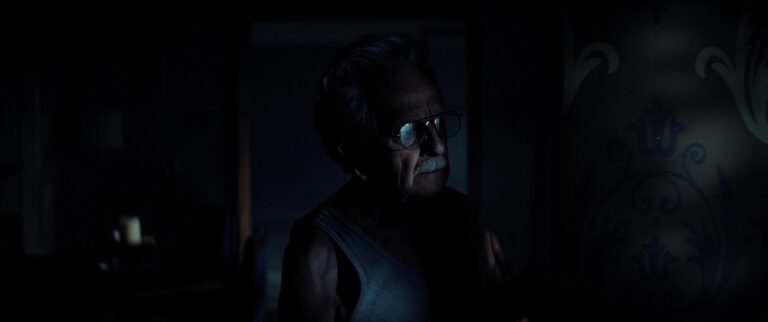
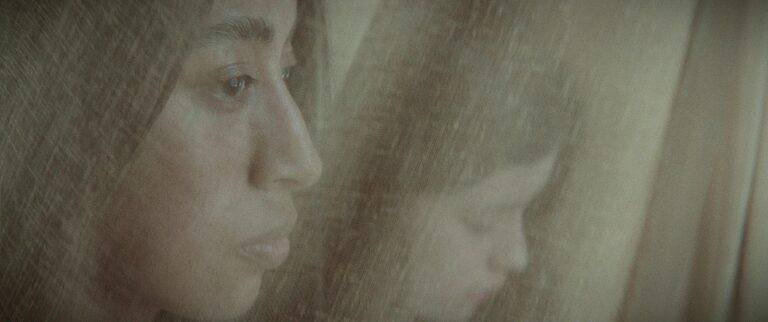
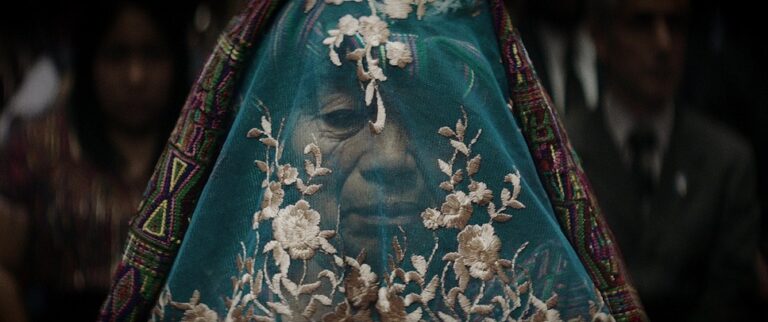
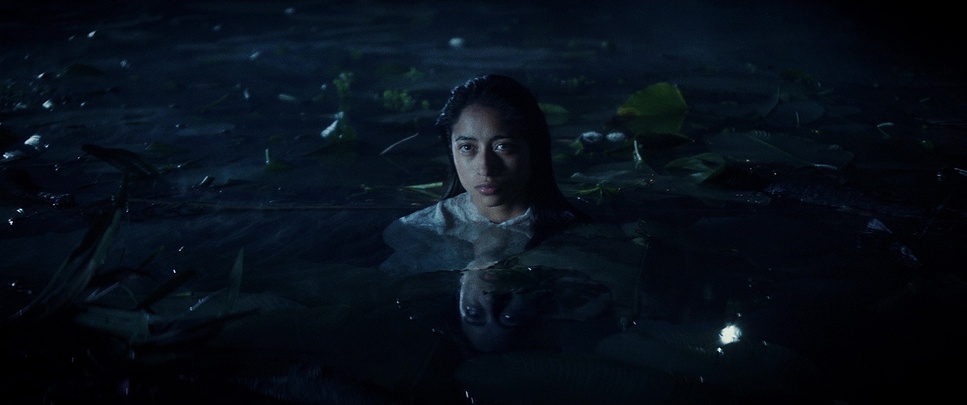
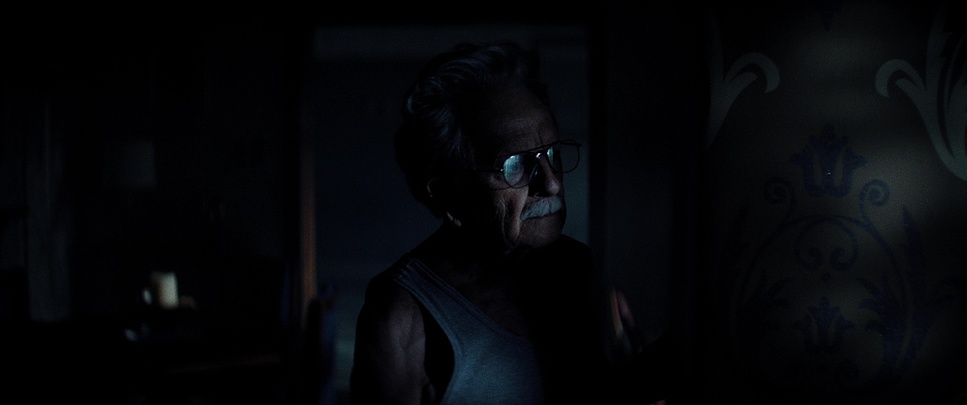
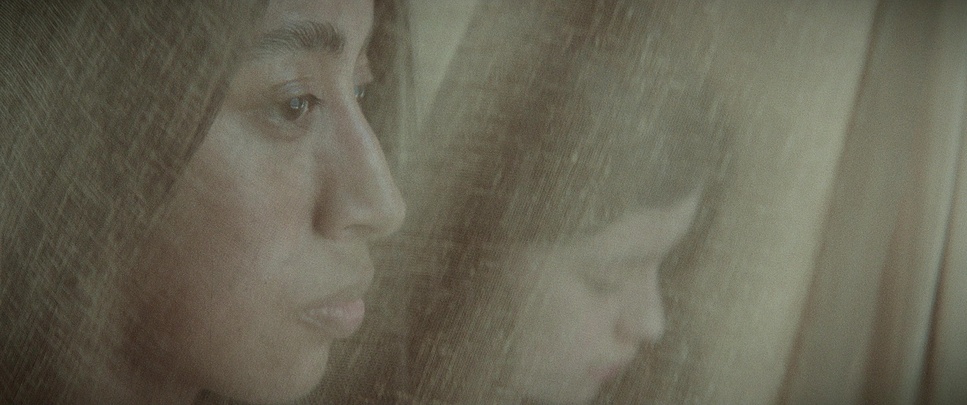
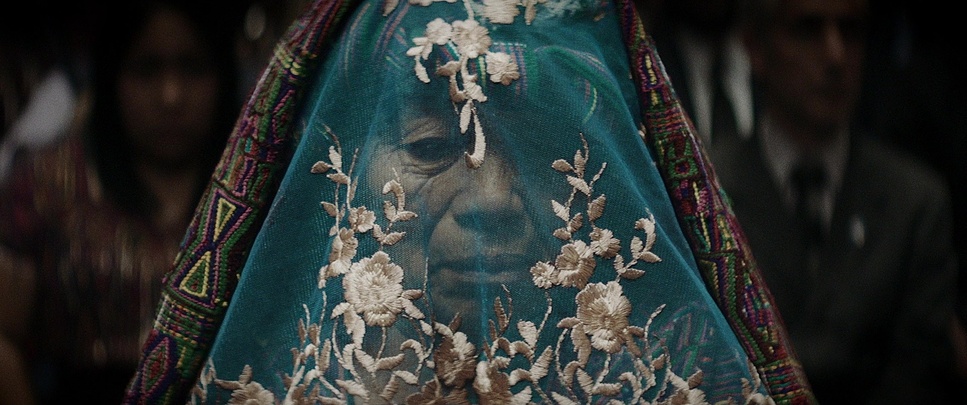
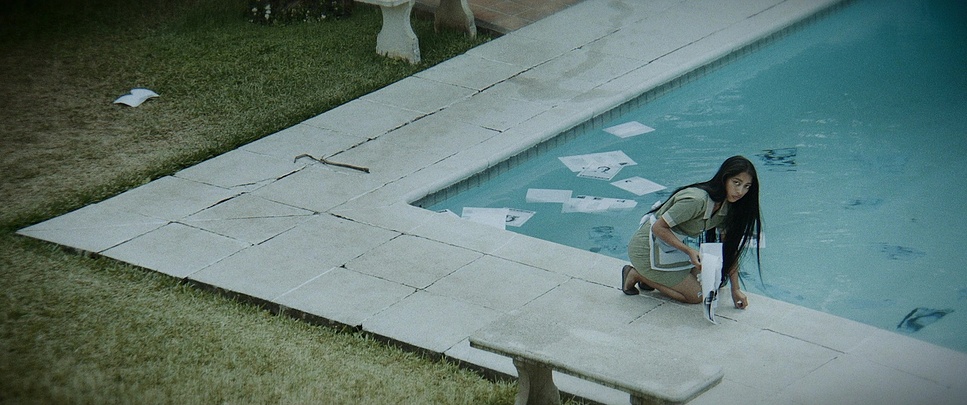
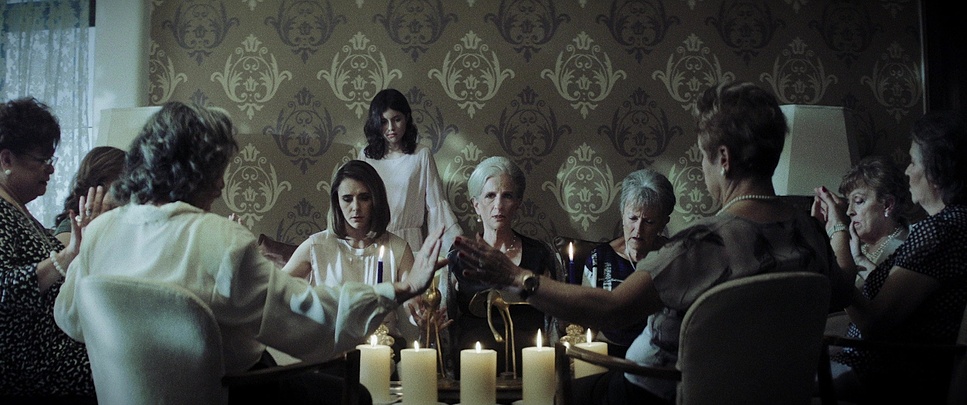
La Llorona (2020)
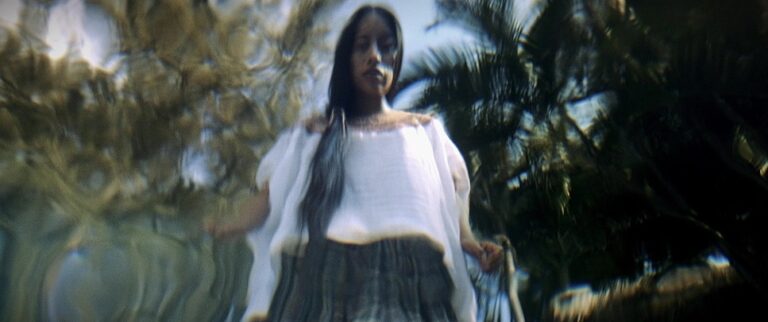
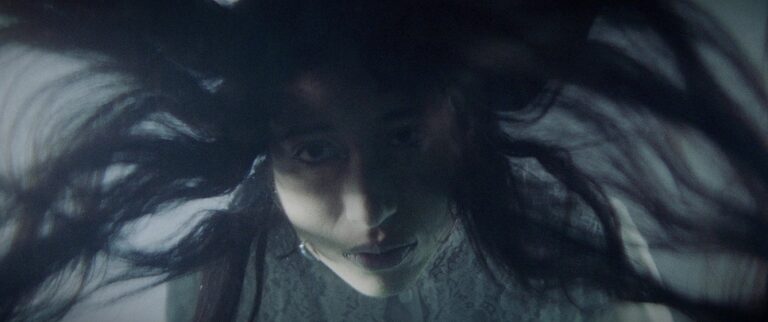
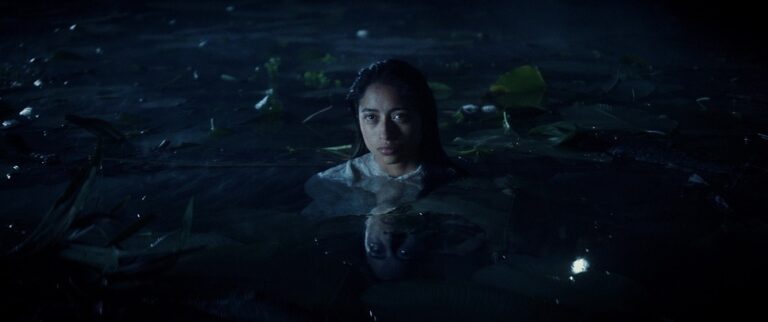
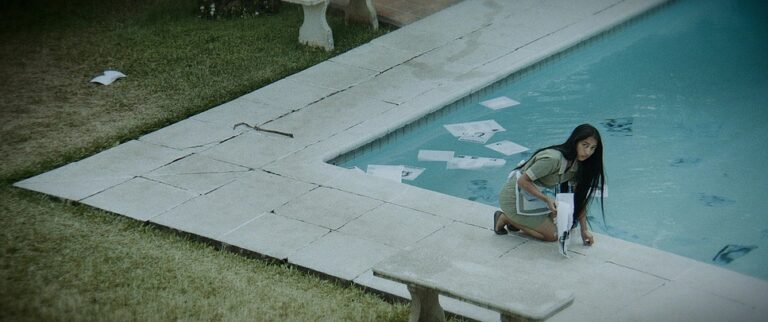
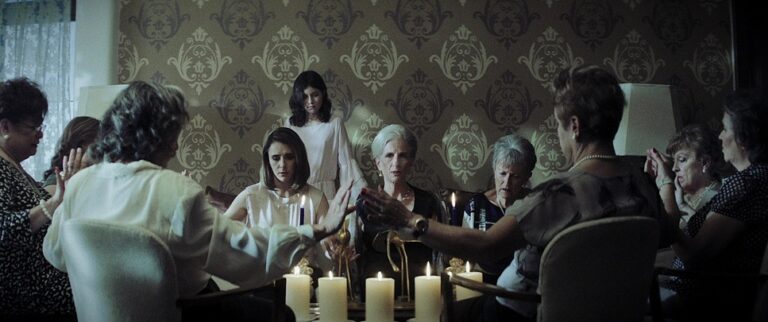
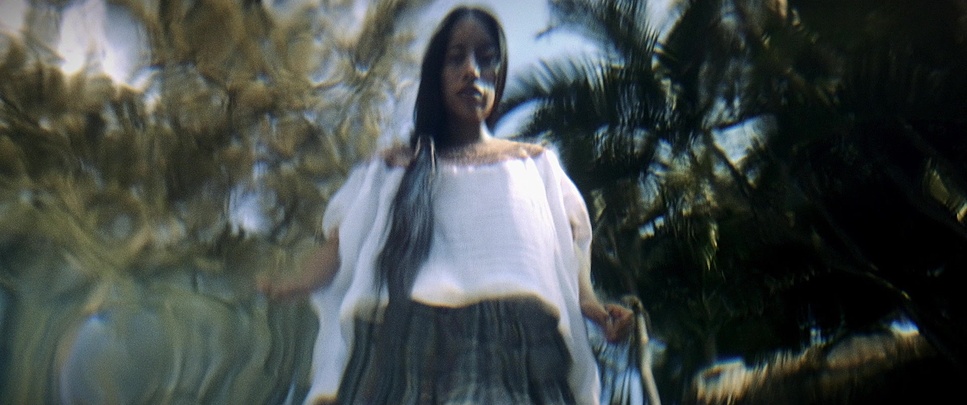
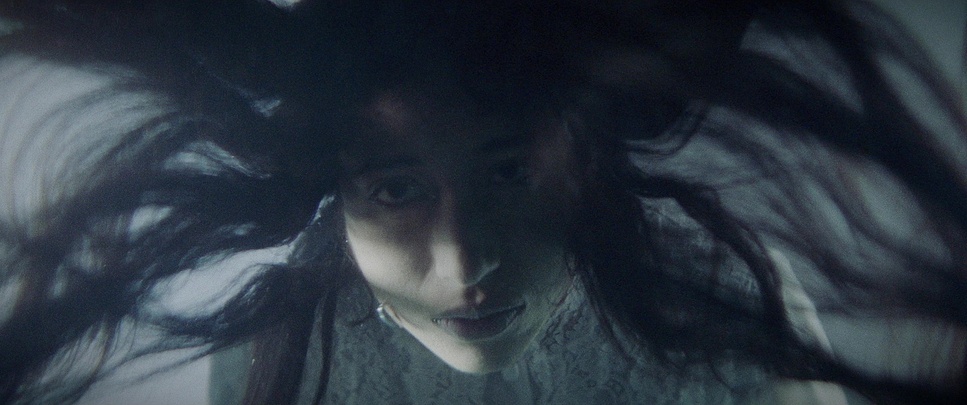
After a retired Guatemalan general accused of genocide is placed under house arrest following a controversial trial, his family begins experiencing strange disturbances inside their heavily guarded home. As protesters gather outside and an enigmatic new housekeeper arrives, guilt, paranoia, and supernatural forces slowly consume the household. Reworking the Latin American legend of La Llorona, the film unfolds as a haunting confrontation with historical violence, collective memory, and the lingering trauma of state terror.
Bustamante and cinematographer Nicolás Wong Díaz shoot La Llorona with a restrained, atmospheric style that blends political drama with ghost-story imagery. Dimly lit interiors, reflective surfaces, pools of water, and shadow-heavy compositions create a suffocating environment where the house itself seems haunted by unacknowledged atrocities. The camera often moves slowly through corridors and domestic spaces with quiet precision, allowing silence, distant protest chants, and subtle visual disturbances to generate dread rather than overt horror spectacle. Cool blue-gray palettes and soft natural light give the film a mournful, spectral texture, while recurring imagery of water and crying evokes grief as something both supernatural and historically real.
FILM SPOTLIGHT
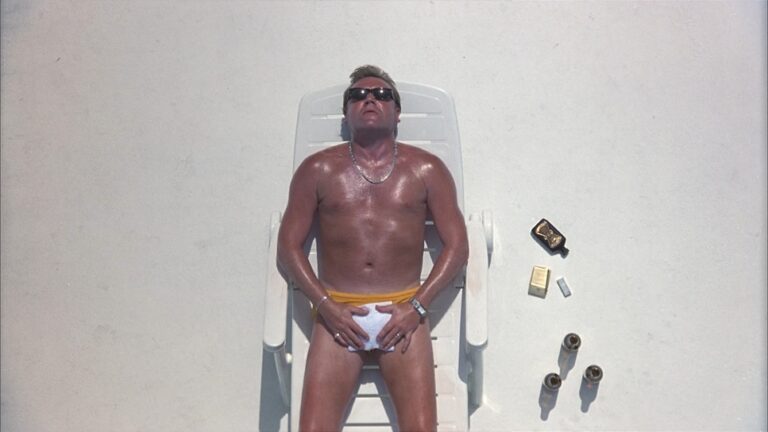
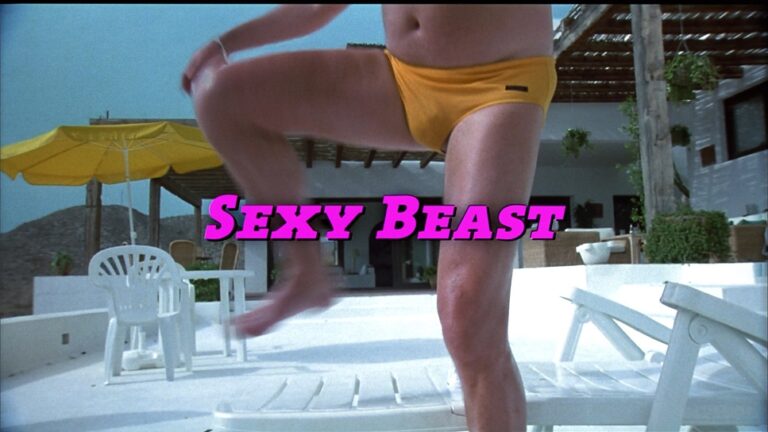
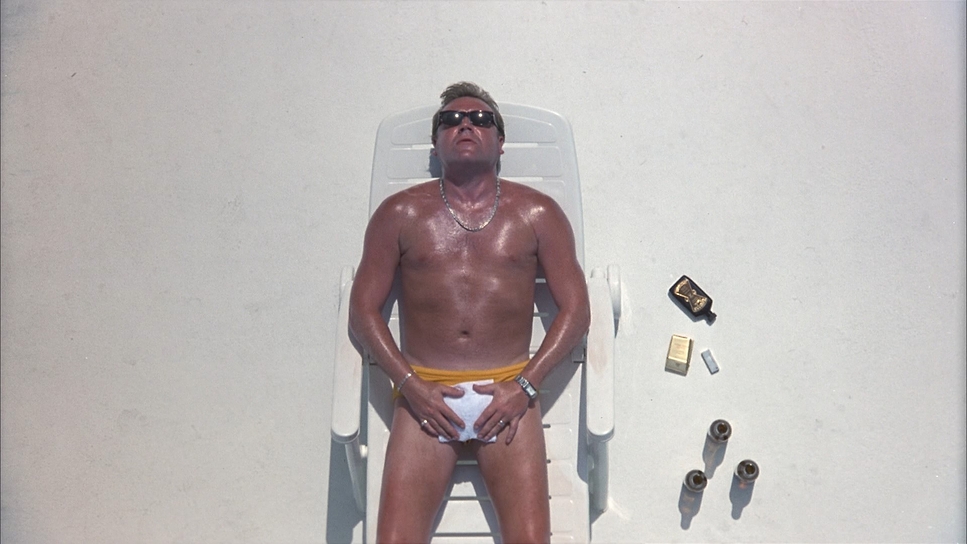
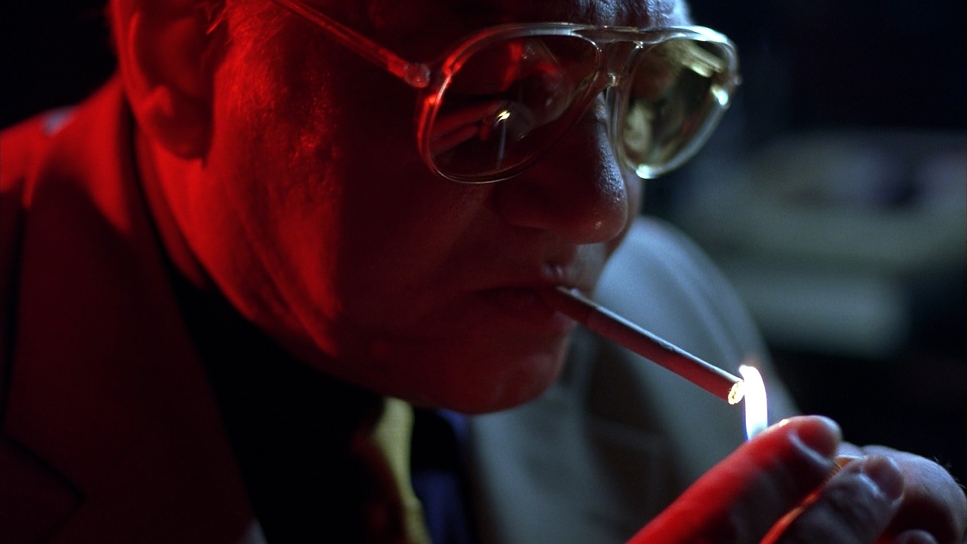
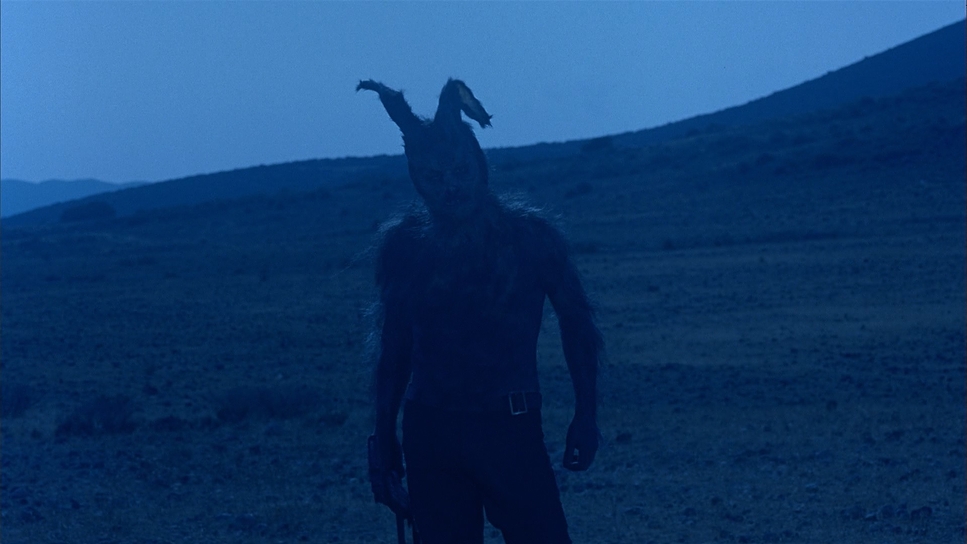
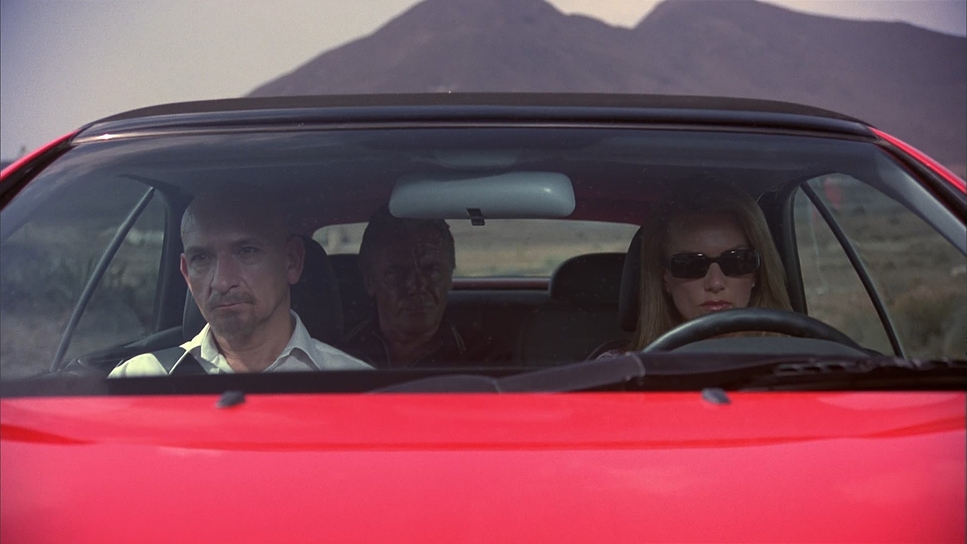
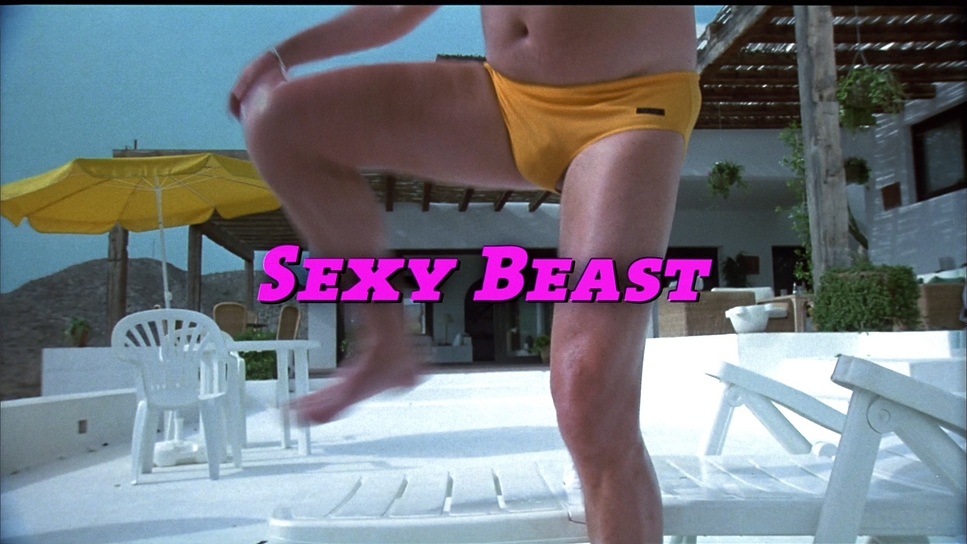
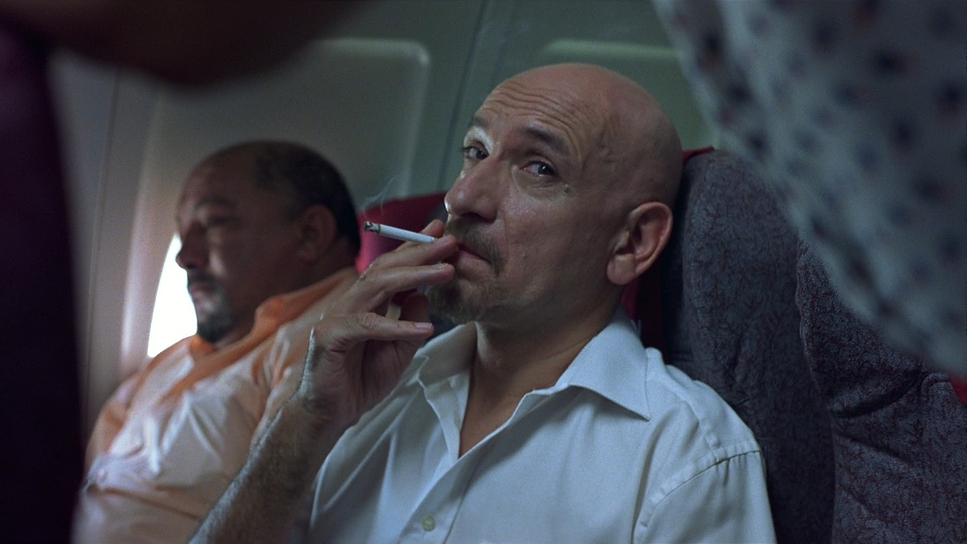
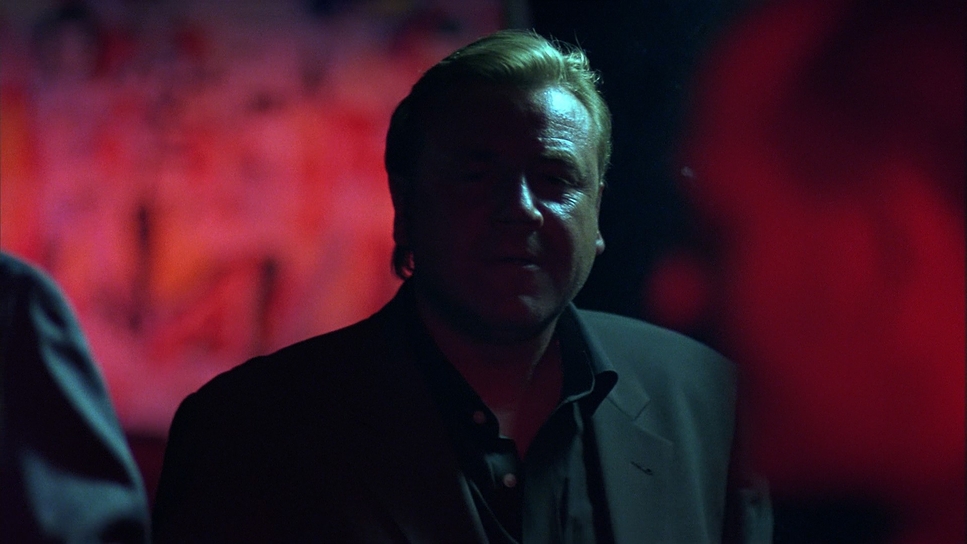
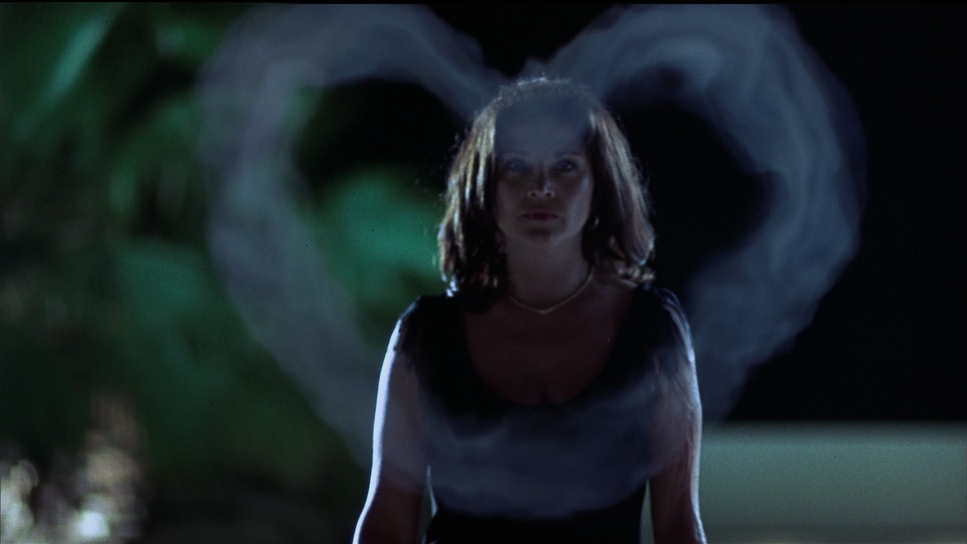
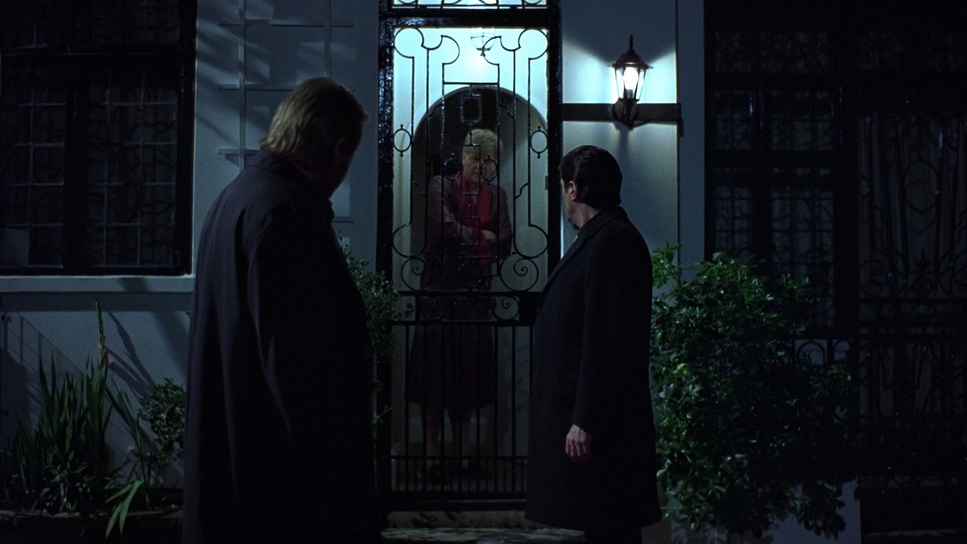
Sexy Beast (2000)
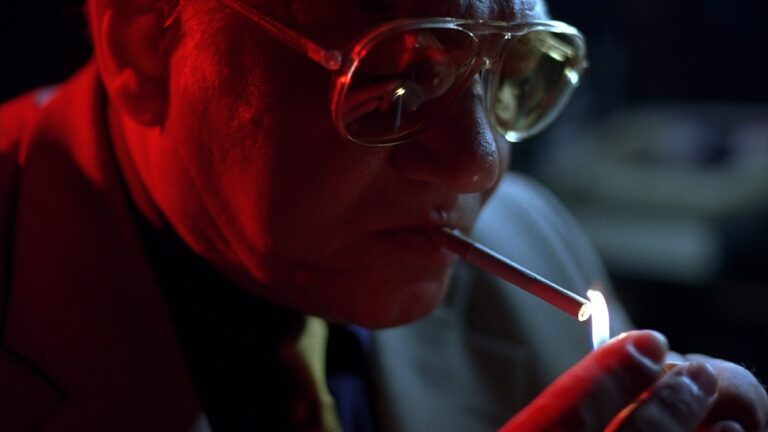
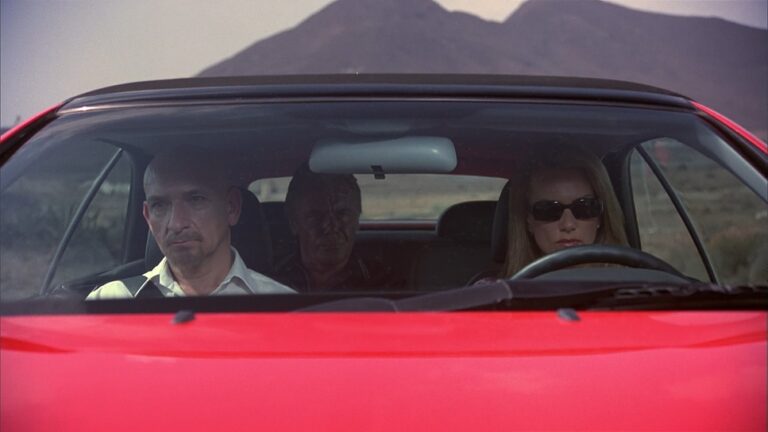
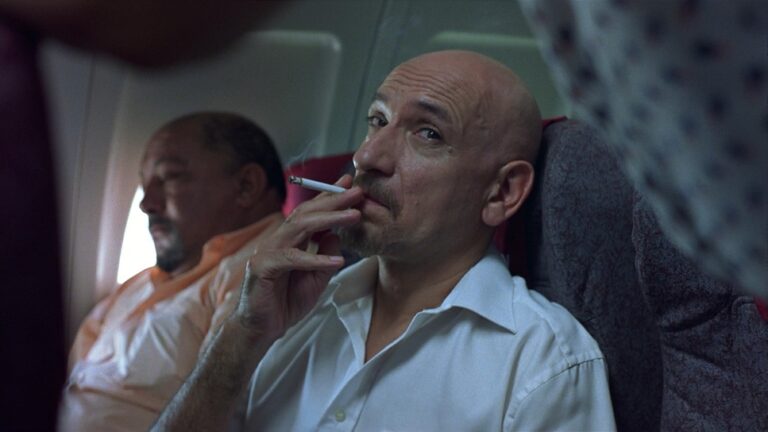
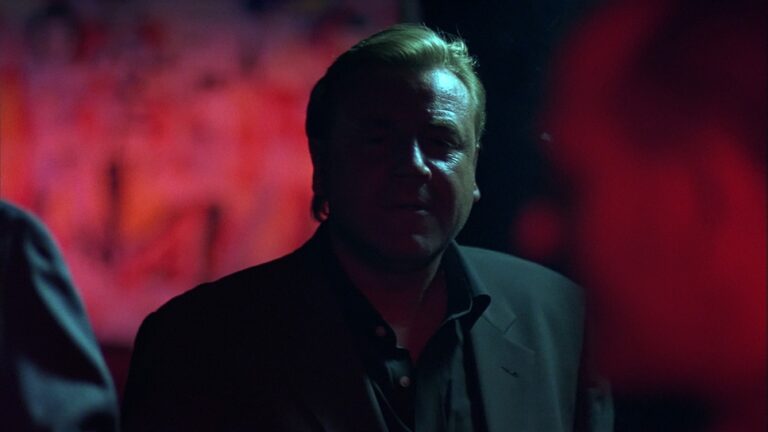
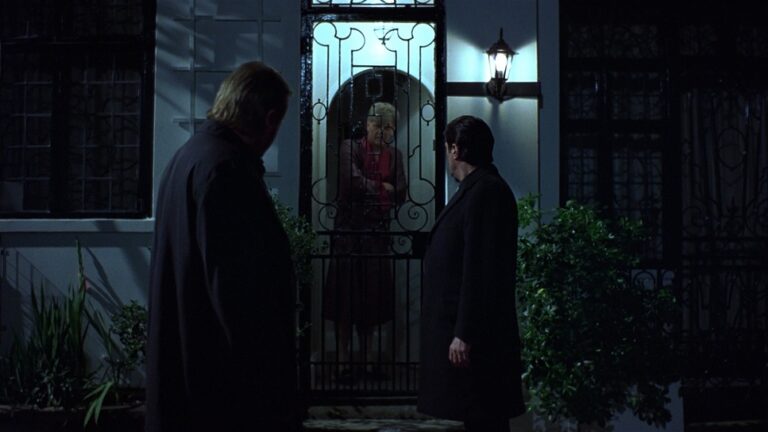
A retired British gangster named Gal Dove has settled into a quiet life in Spain, enjoying luxury and domestic peace far removed from his criminal past. His tranquility is shattered when Don Logan, a violently unpredictable former associate, arrives to pressure him into participating in one final heist back in London. As Don’s psychological intimidation intensifies, the story transforms into a tense confrontation between the desire for escape and the inescapable pull of violence and criminal identity.
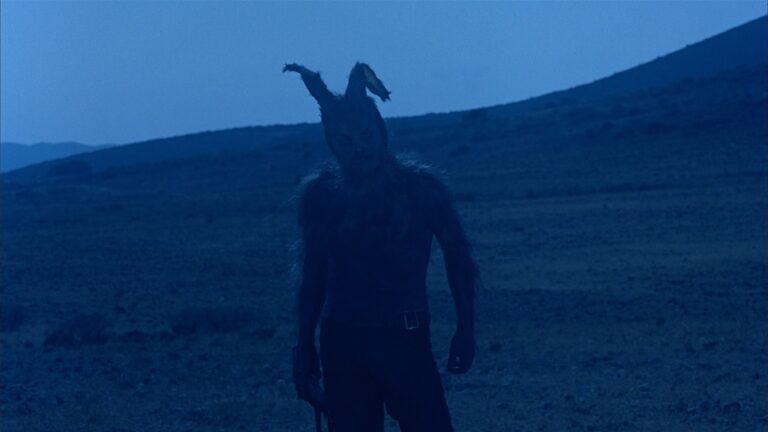
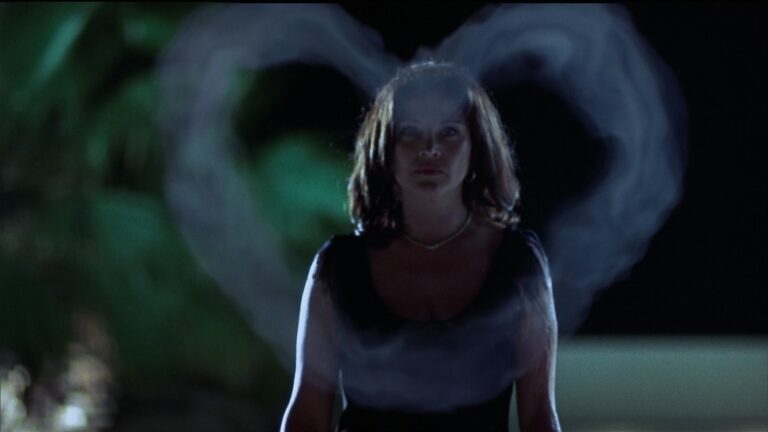
Glazer and cinematographer Ivan Bird craft Sexy Beast with a striking blend of sun-drenched surrealism and simmering menace. The bright Mediterranean landscapes and luxurious villas are photographed with saturated heat and glaring natural light that make the film’s violence feel strangely exposed rather than hidden in noir darkness. Glazer’s precise framing, abrupt tonal shifts, and disorienting sound design create a constant undercurrent of psychological instability, especially during Don Logan’s scenes, where editing rhythm and camera placement amplify his threatening unpredictability. Dream imagery, aggressive close-ups, and moments of uncanny visual stylization push the film beyond conventional gangster realism into something more nightmarish and psychologically charged.
FILM SPOTLIGHT
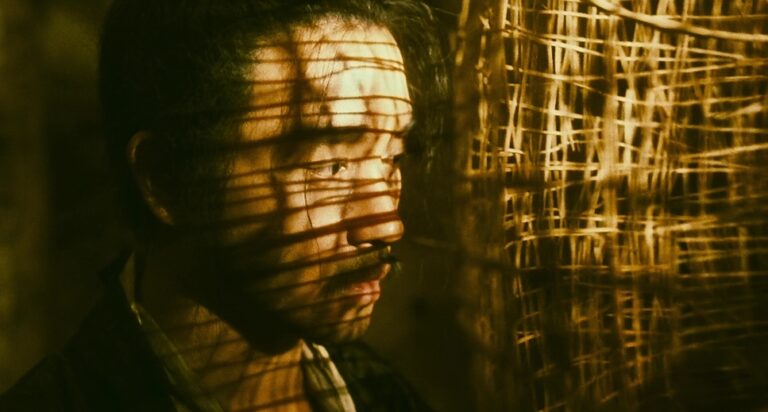
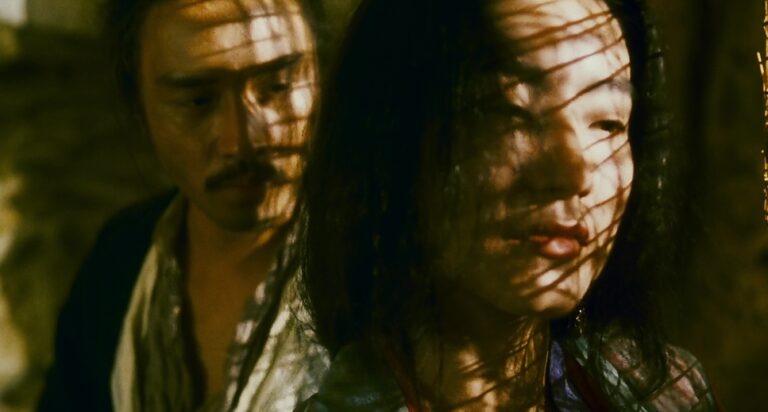
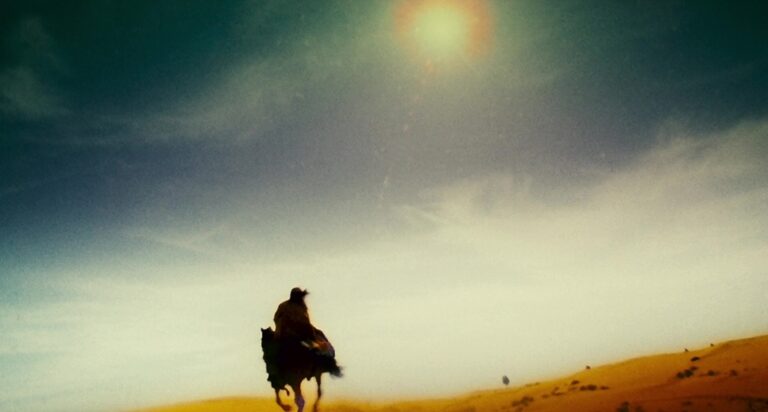
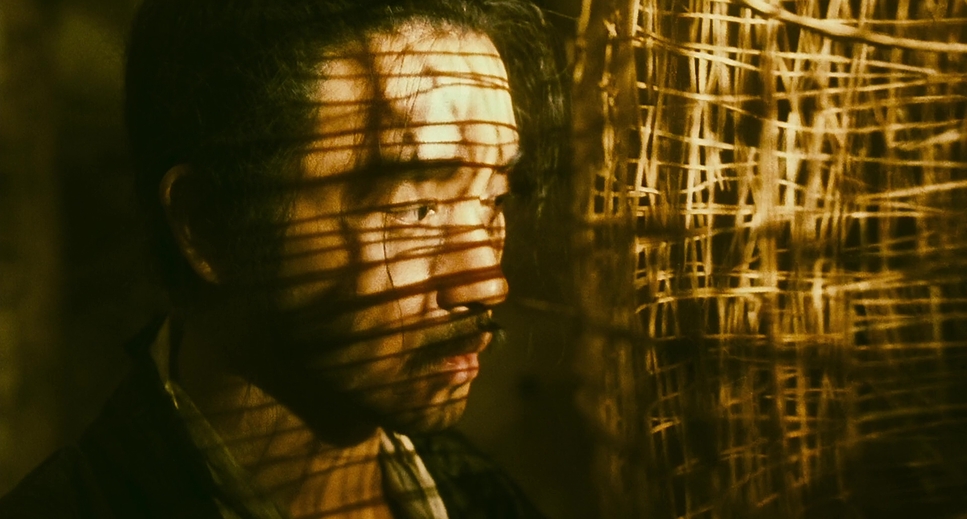
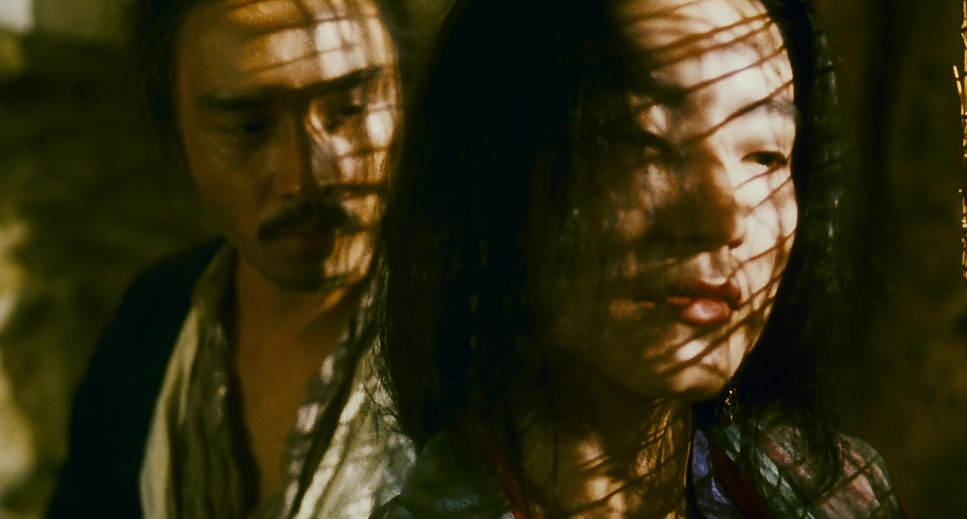
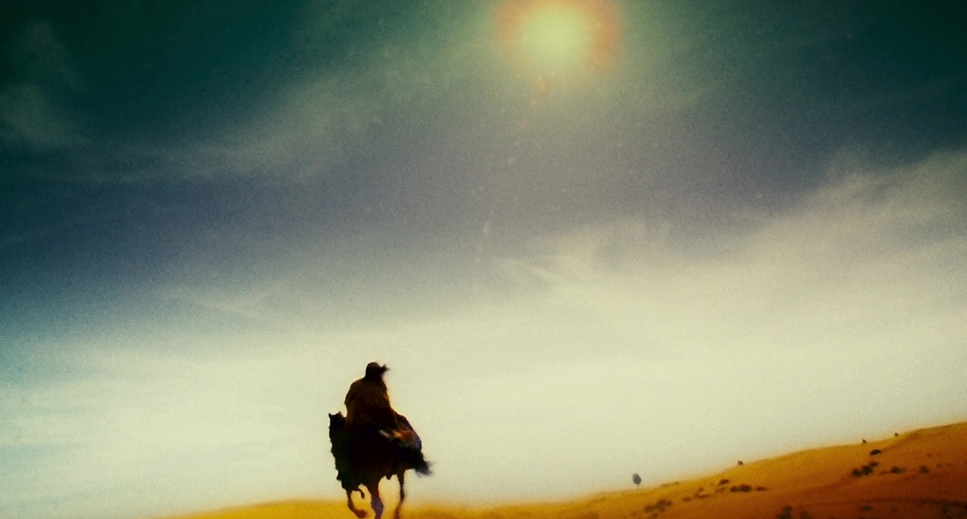
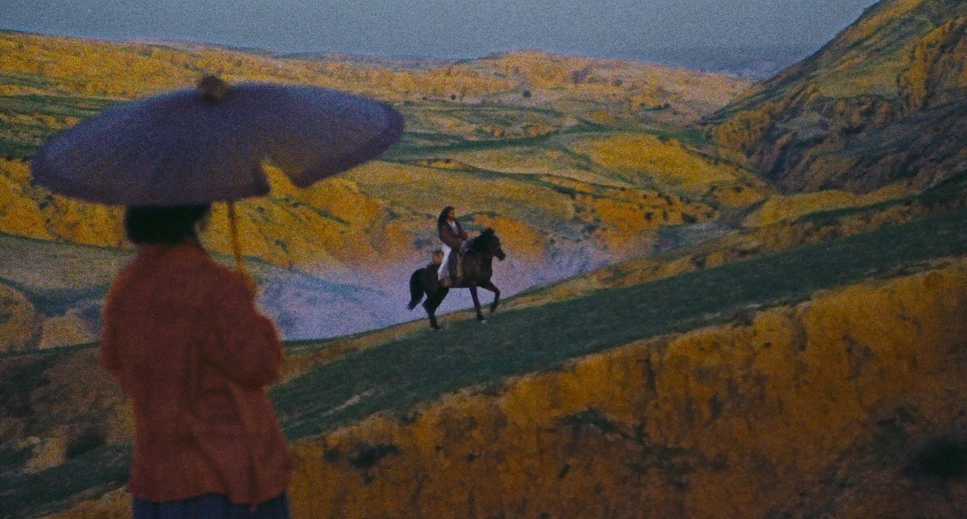
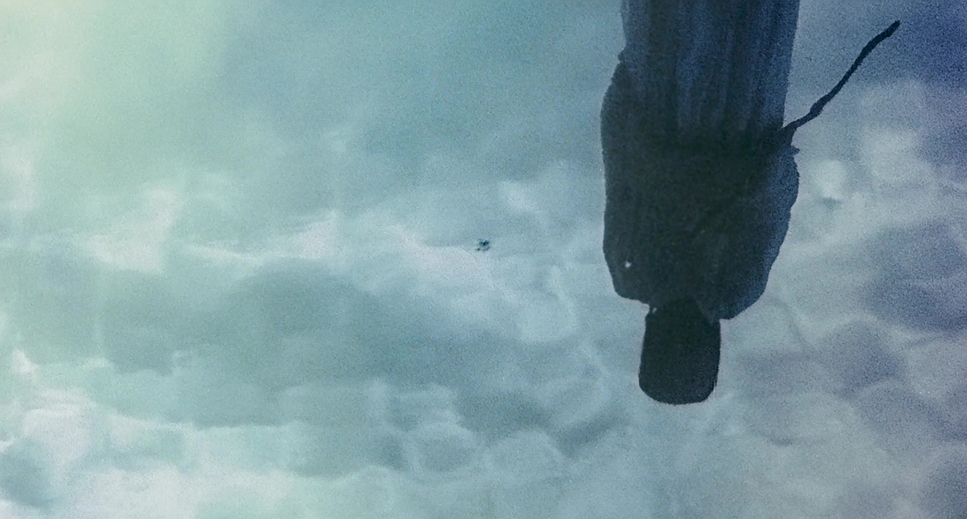
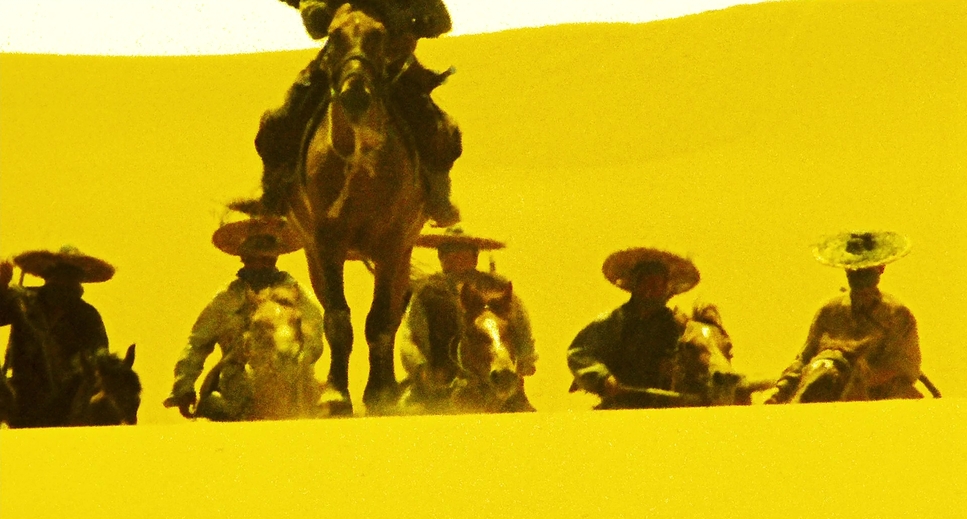
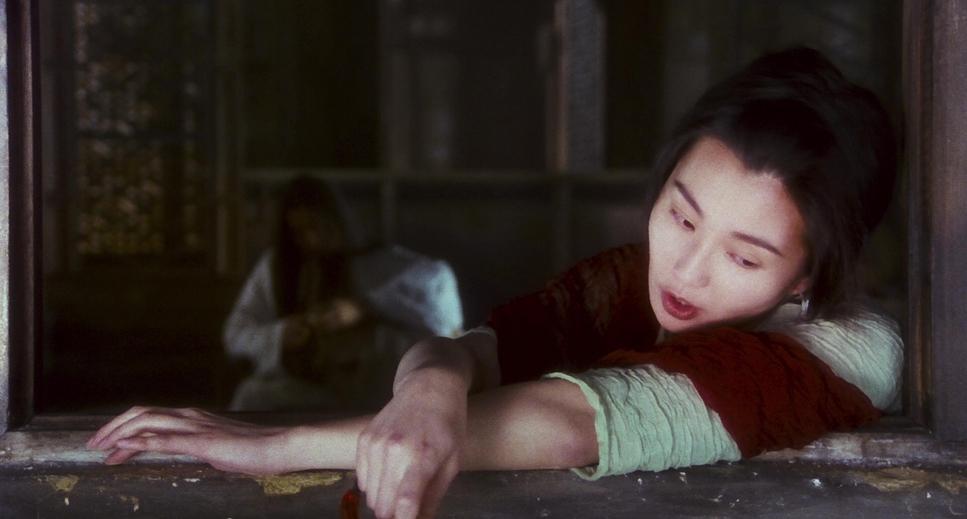
Ashes of Time (2000)
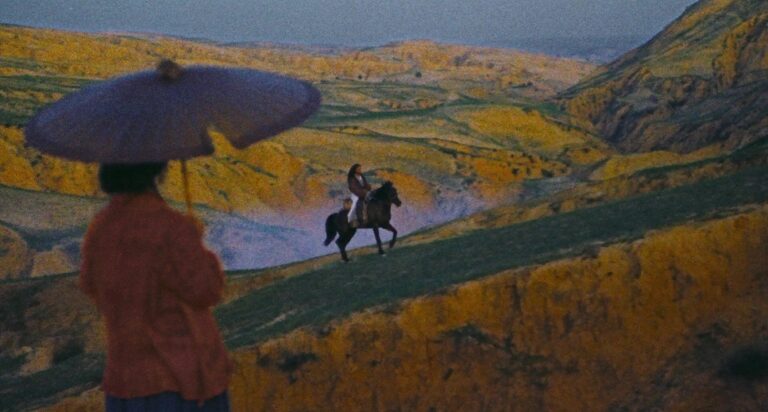
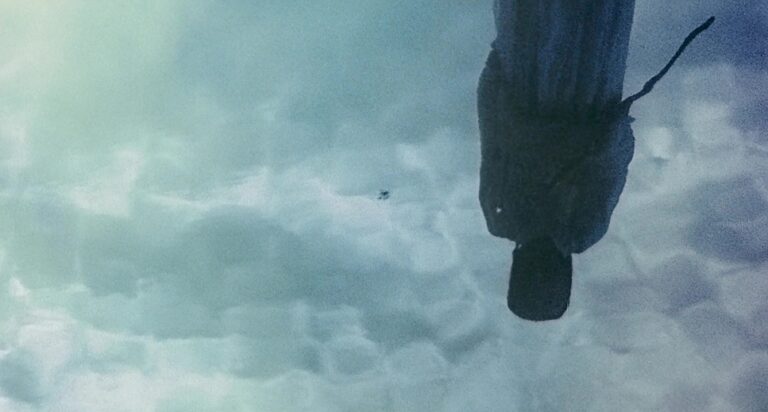
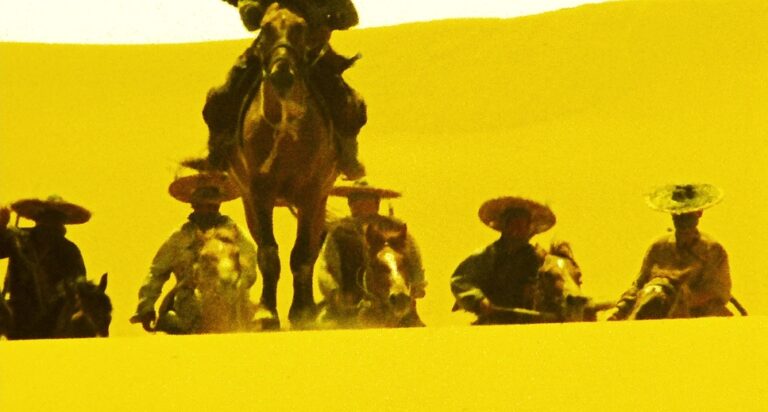
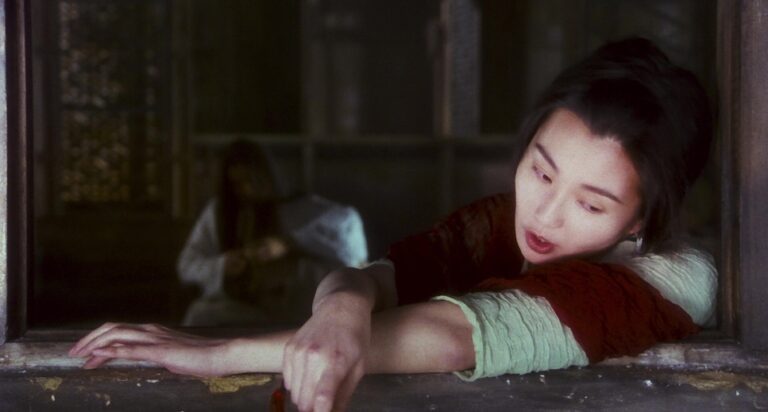
Loosely inspired by characters from Jin Yong’s wuxia novels, the film follows Ouyang Feng, a withdrawn mercenary broker living in the desert who hires wandering swordsmen for acts of revenge and violence. As different travelers pass through his isolated outpost—each haunted by lost love, regret, memory, or emotional betrayal—the film gradually reveals fragments of Ouyang’s own painful past. Rather than focusing on martial-arts heroism, the story unfolds as a melancholic meditation on loneliness, desire, memory, and the emotional wounds people carry across time.
Wong and cinematographer Christopher Doyle transform the wuxia genre into an impressionistic visual poem through fragmented editing, abstract motion, and intensely expressive color. Shot in blazing desert landscapes filled with wind, dust, and firelight, the film uses smeared motion blur, step-printing, extreme close-ups, and rapid cutting to make sword fights feel subjective and emotional rather than spatially coherent. Saturated reds, golds, and deep shadows create a dreamlike atmosphere where memory and sensation overwhelm narrative clarity. The constantly shifting visual textures—mirrors, reflections, drifting fabric, slow motion, and disorienting camera movement—turn the film into a meditation on time and emotional longing, where characters seem trapped inside their own recollections and unrealized desires.




FILM SPOTLIGHT
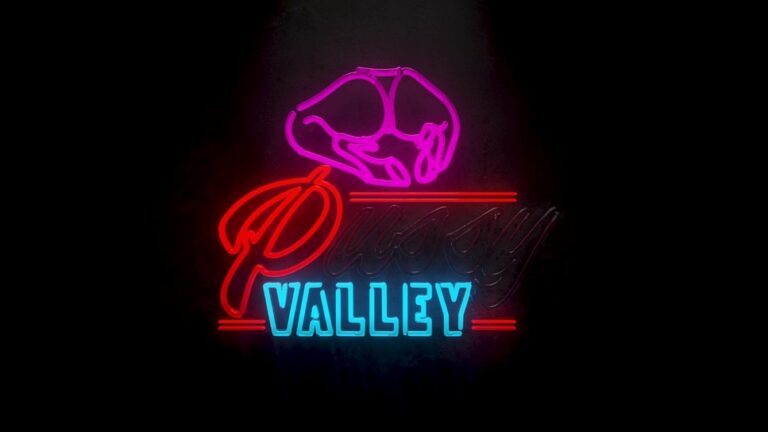
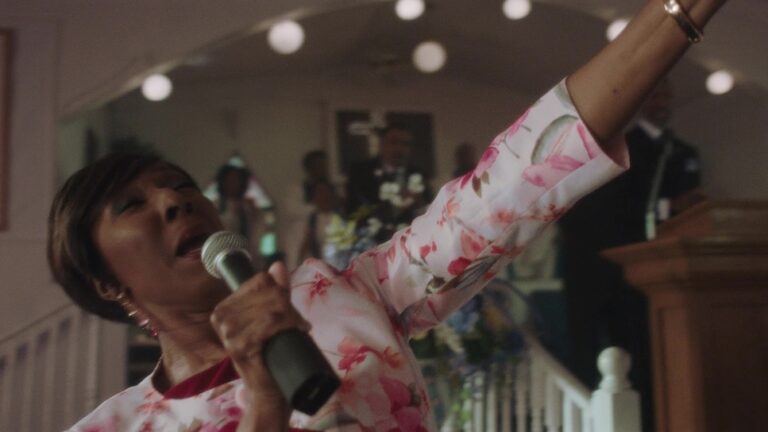
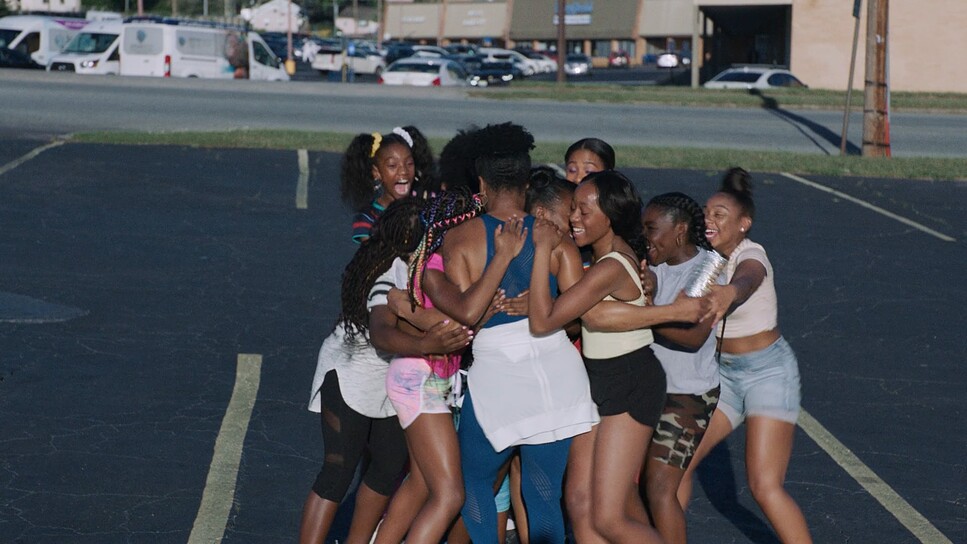
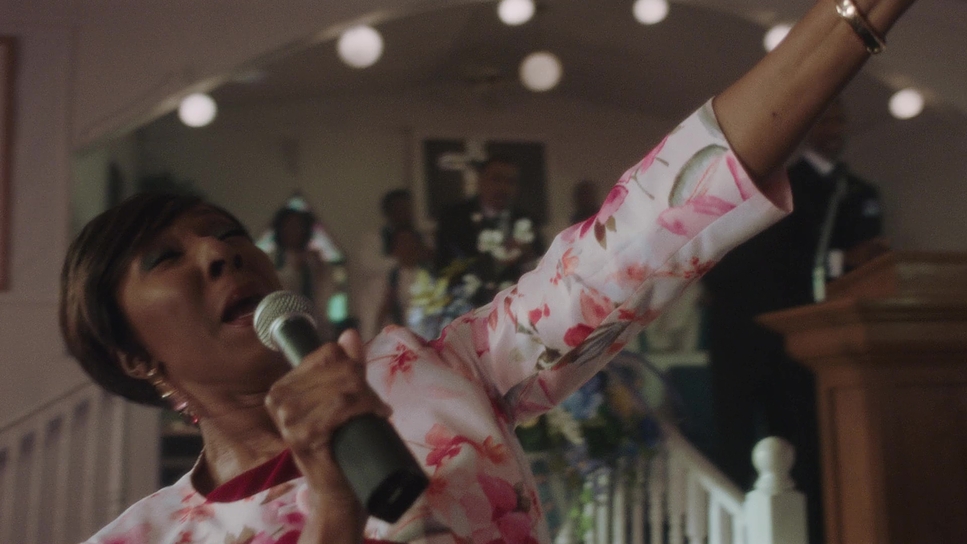
P-Valley: Season 1 (2020)
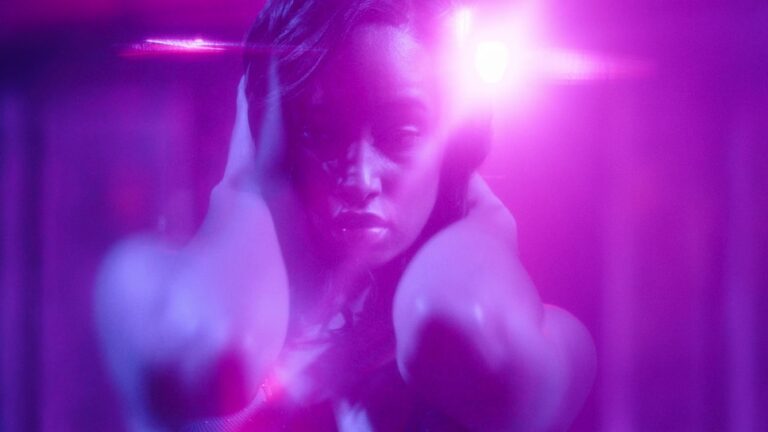
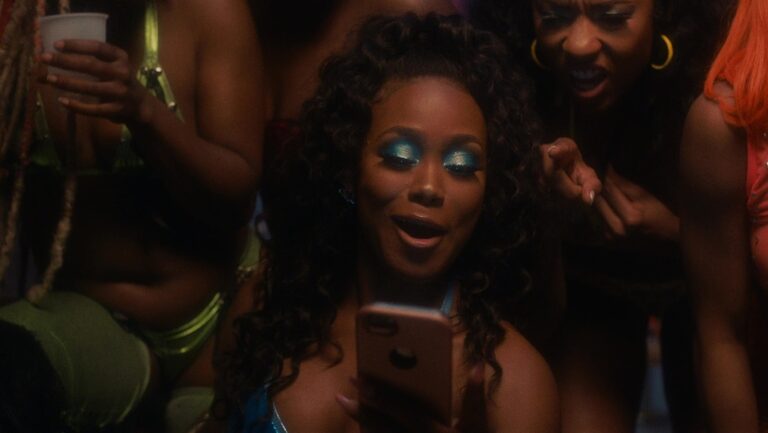
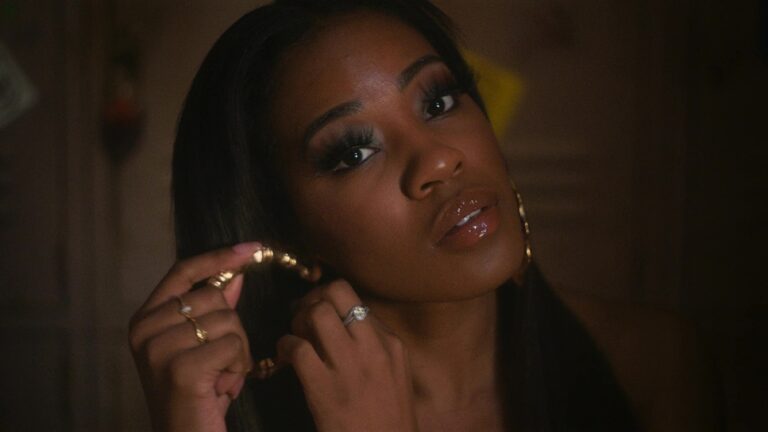
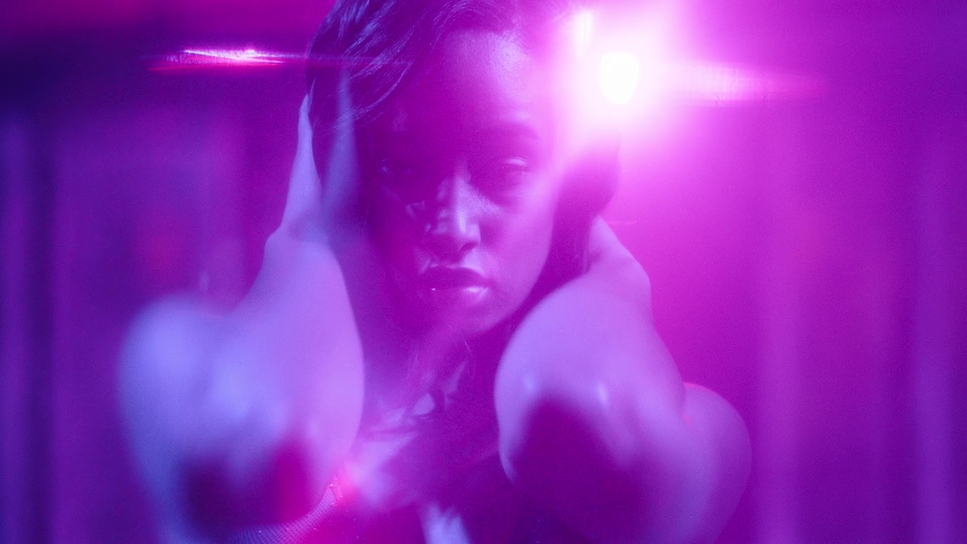
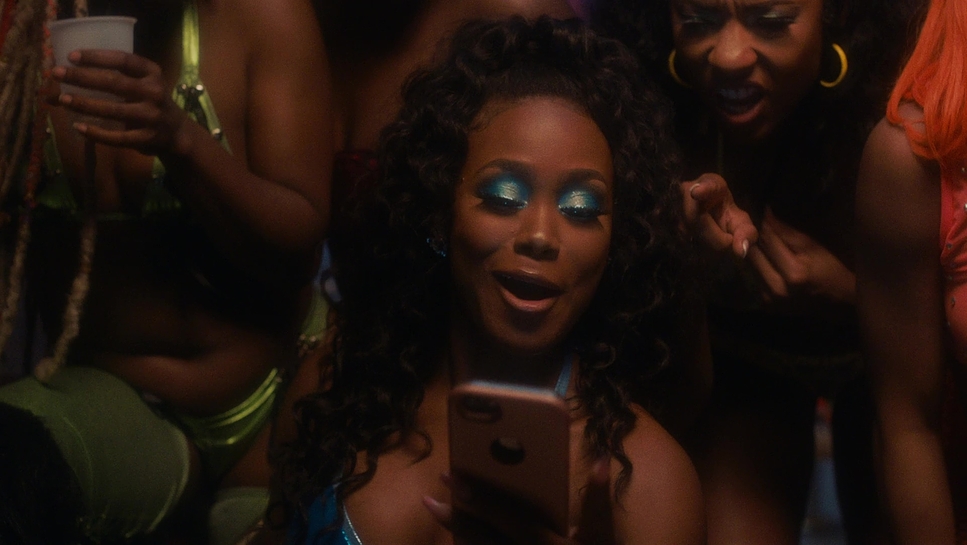
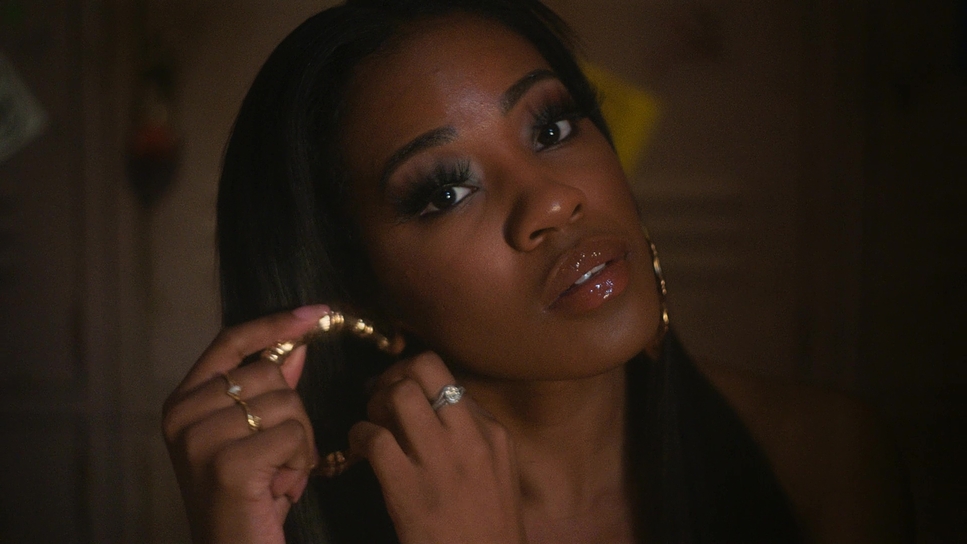
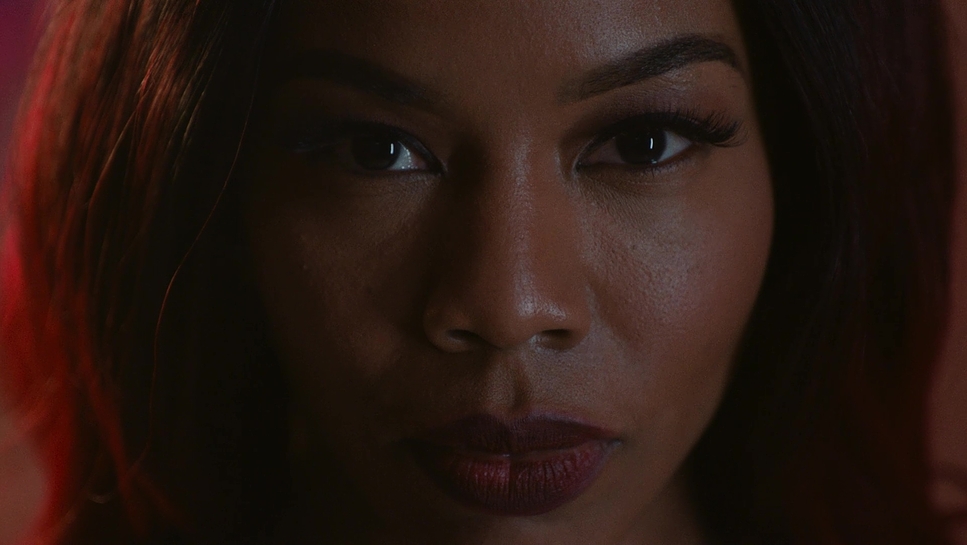
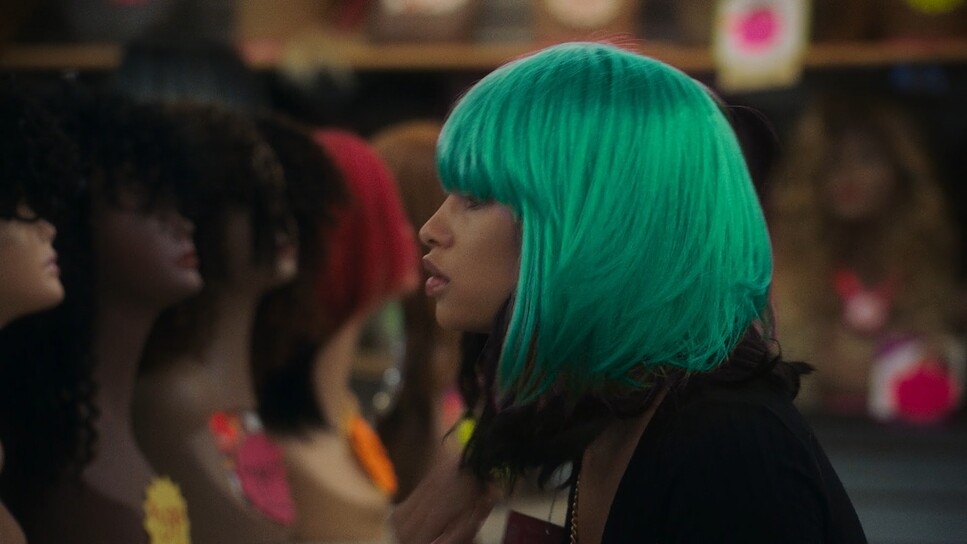
Set in the Mississippi Delta, the series follows the dancers, staff, and patrons of The Pynk, a struggling strip club fighting to survive amid economic hardship, local politics, and personal turmoil. Through intersecting stories involving owner Uncle Clifford, newcomer Autumn Night, rising star Mercedes, and others connected to the club, the season explores ambition, survival, sexuality, identity, and community within the American South. The series unfolds as both a character-driven drama and a vivid portrait of labor, performance, and resilience on society’s margins.
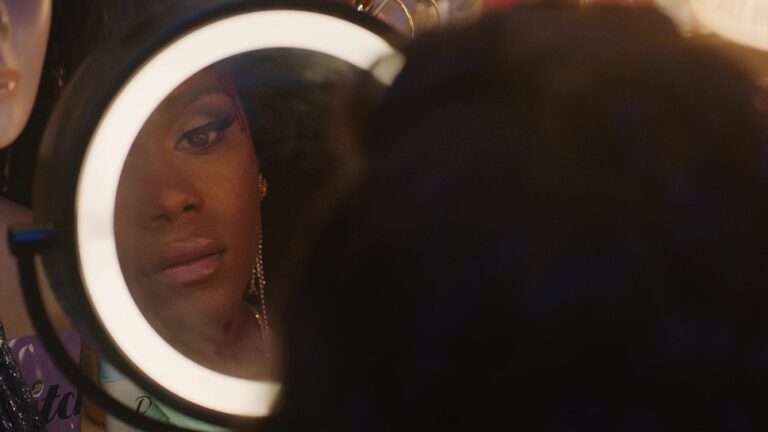
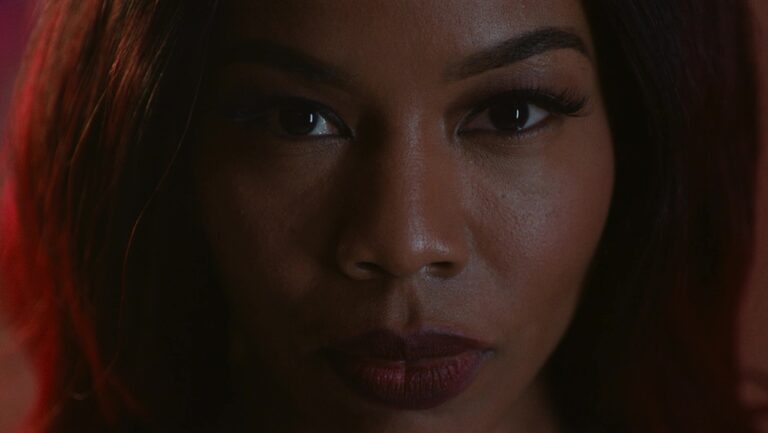
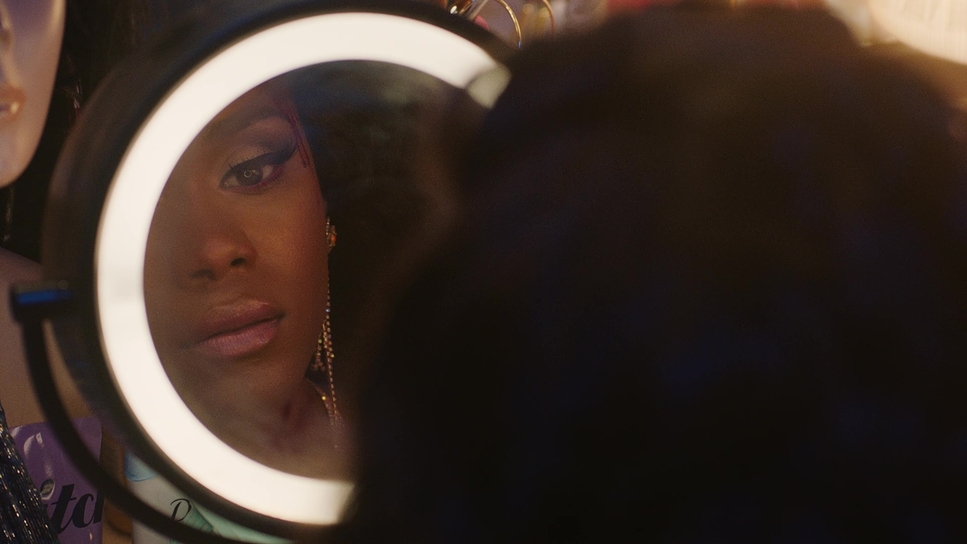
Season 1 embraces a lush, neon-soaked visual style that contrasts the intimacy of backstage life with the heightened theatricality of strip-club performance. Cinematographers like Nancy Schreiber and Carmen Cabana use saturated purples, reds, blues, and low-key lighting to transform The Pynk into a dreamlike, constantly shifting performance space where bodies, music, and movement drive the emotional rhythm of the show. Fluid camera movement, mirrored surfaces, slow motion, and choreographed dance sequences emphasize performance as both labor and self-expression, while humid Southern landscapes, roadside locations, and modest interiors ground the series in a distinctly regional sense of place. The show balances sensual spectacle with emotional realism, framing the club not simply as entertainment but as a complex social and economic ecosystem.