New Shots: Lust Caution, Better Luck Tomorrow, and more Film Screencaps
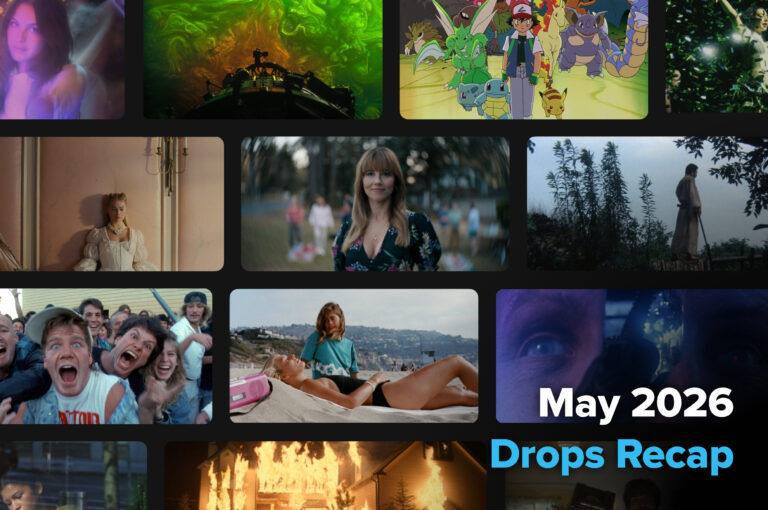
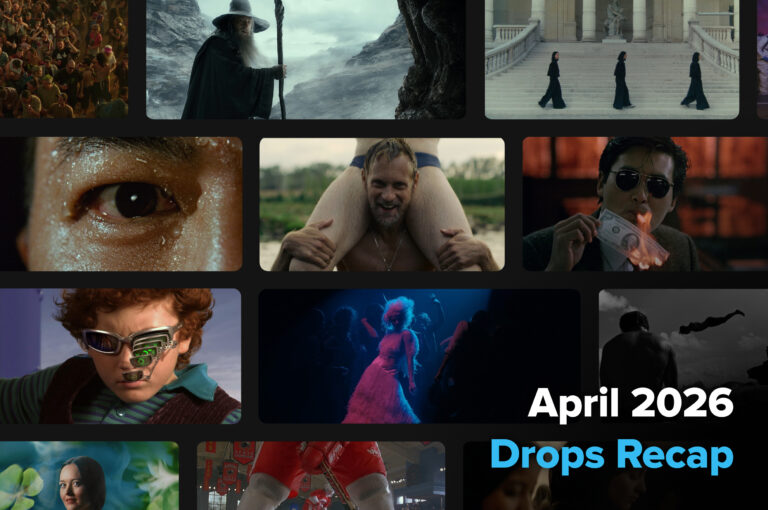
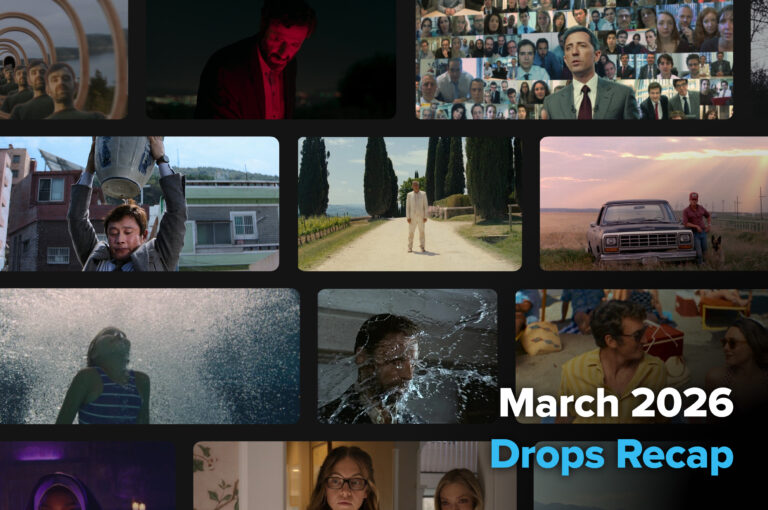
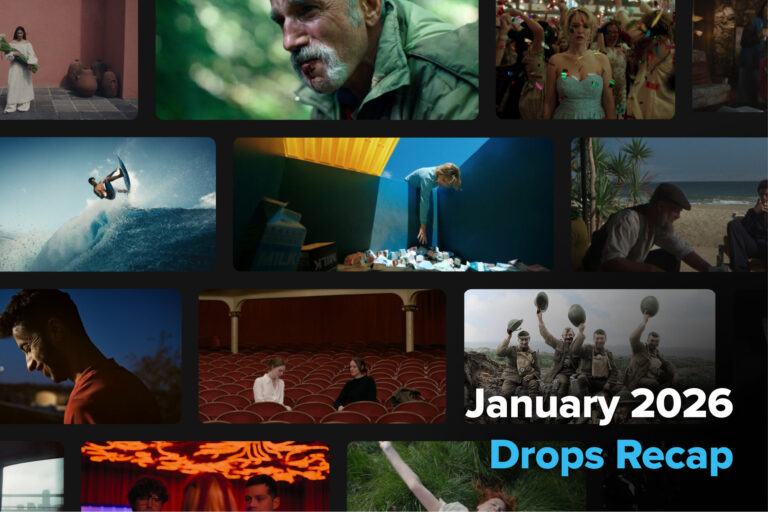
Get your Decks ready ShotDeck Community! We’re dropping some great new shots from films in honor of AAPI Heritage Month this week, as well as an article breaking down a scene from the film Lust, Caution. Remember you can always request titles for future drops by clicking here!
FILM SPOTLIGHT
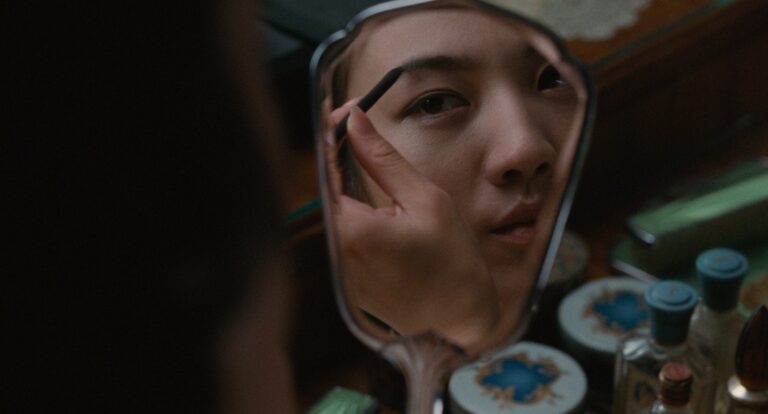
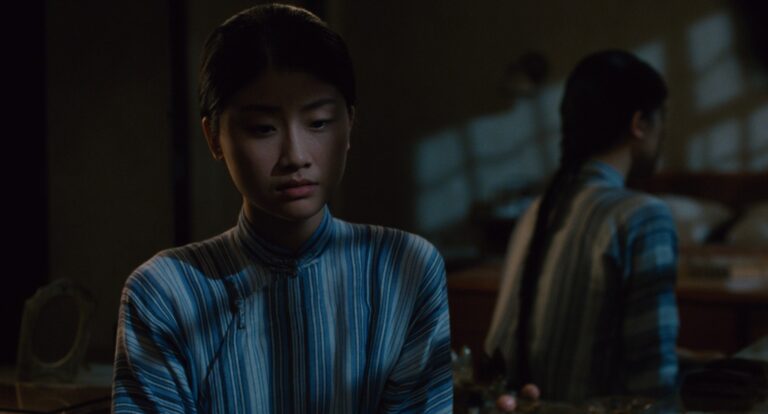
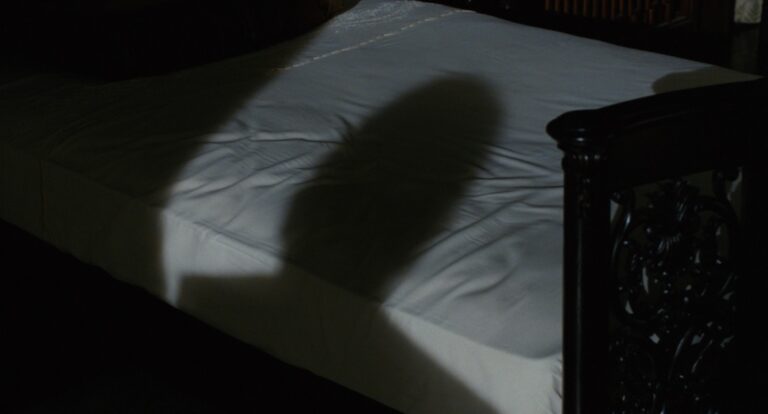
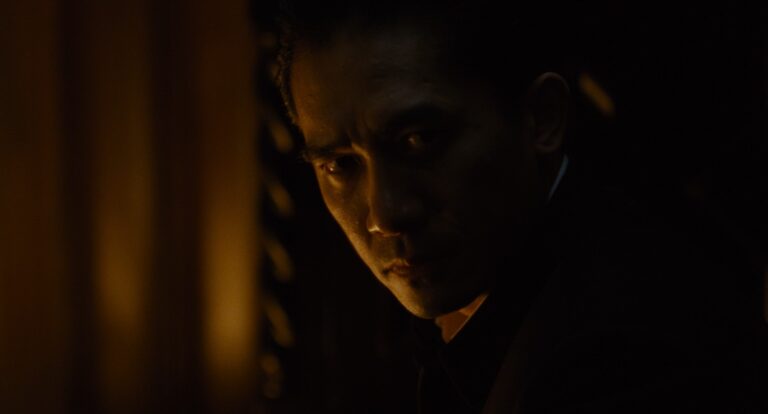
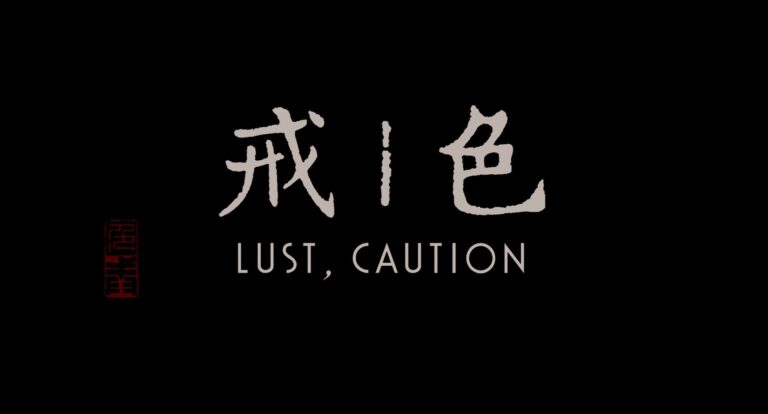
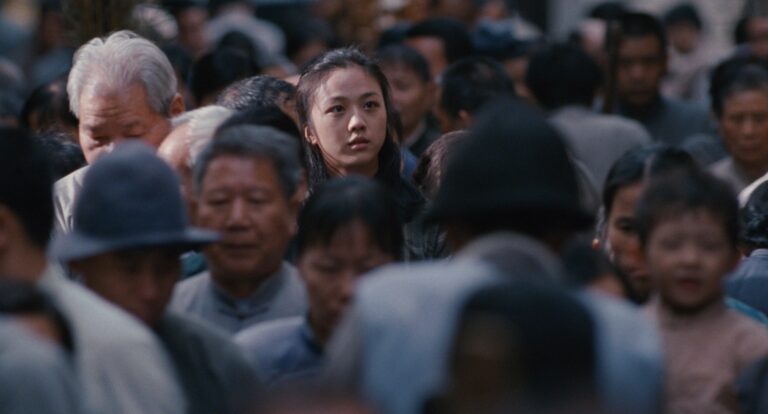
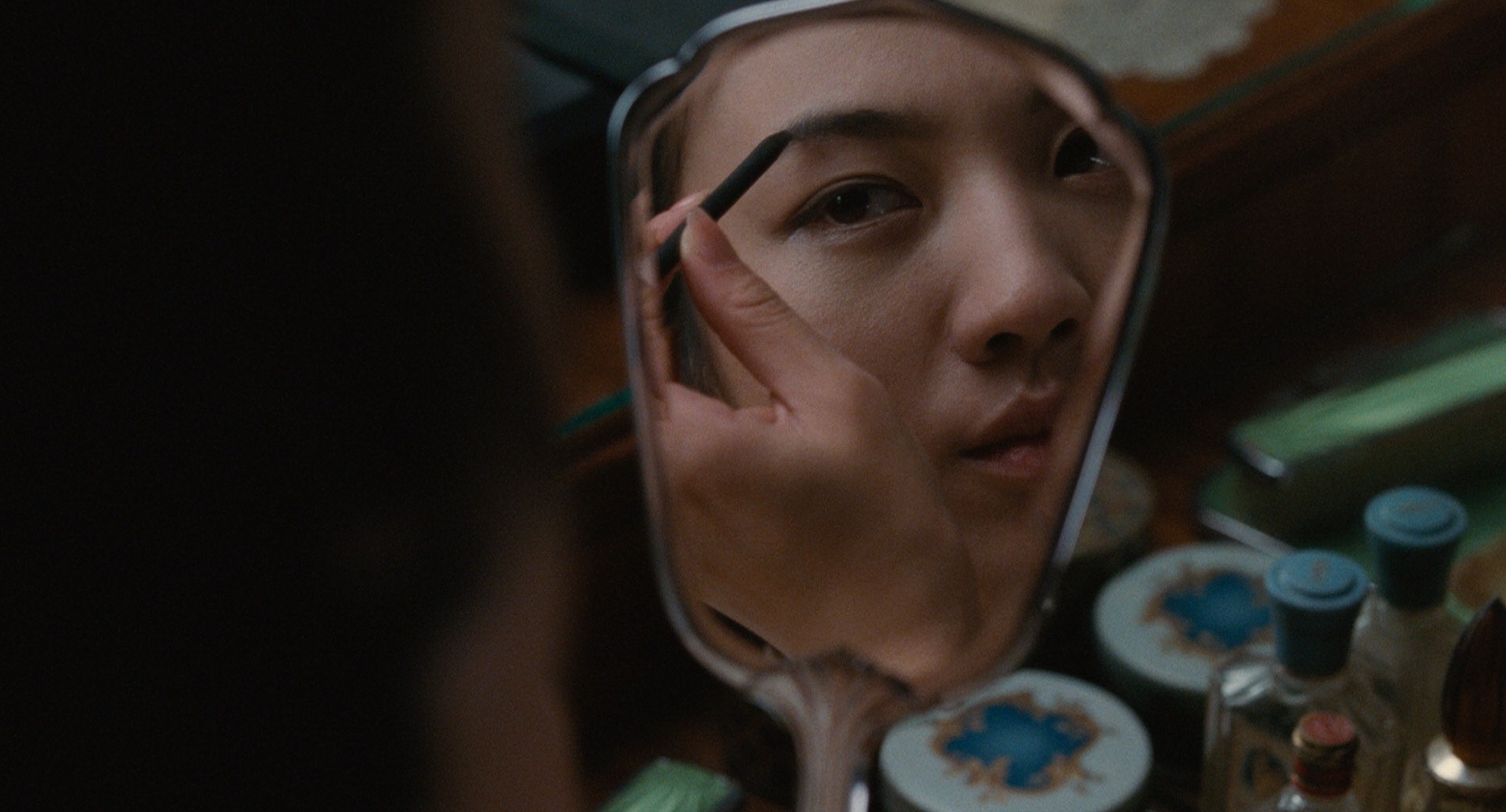
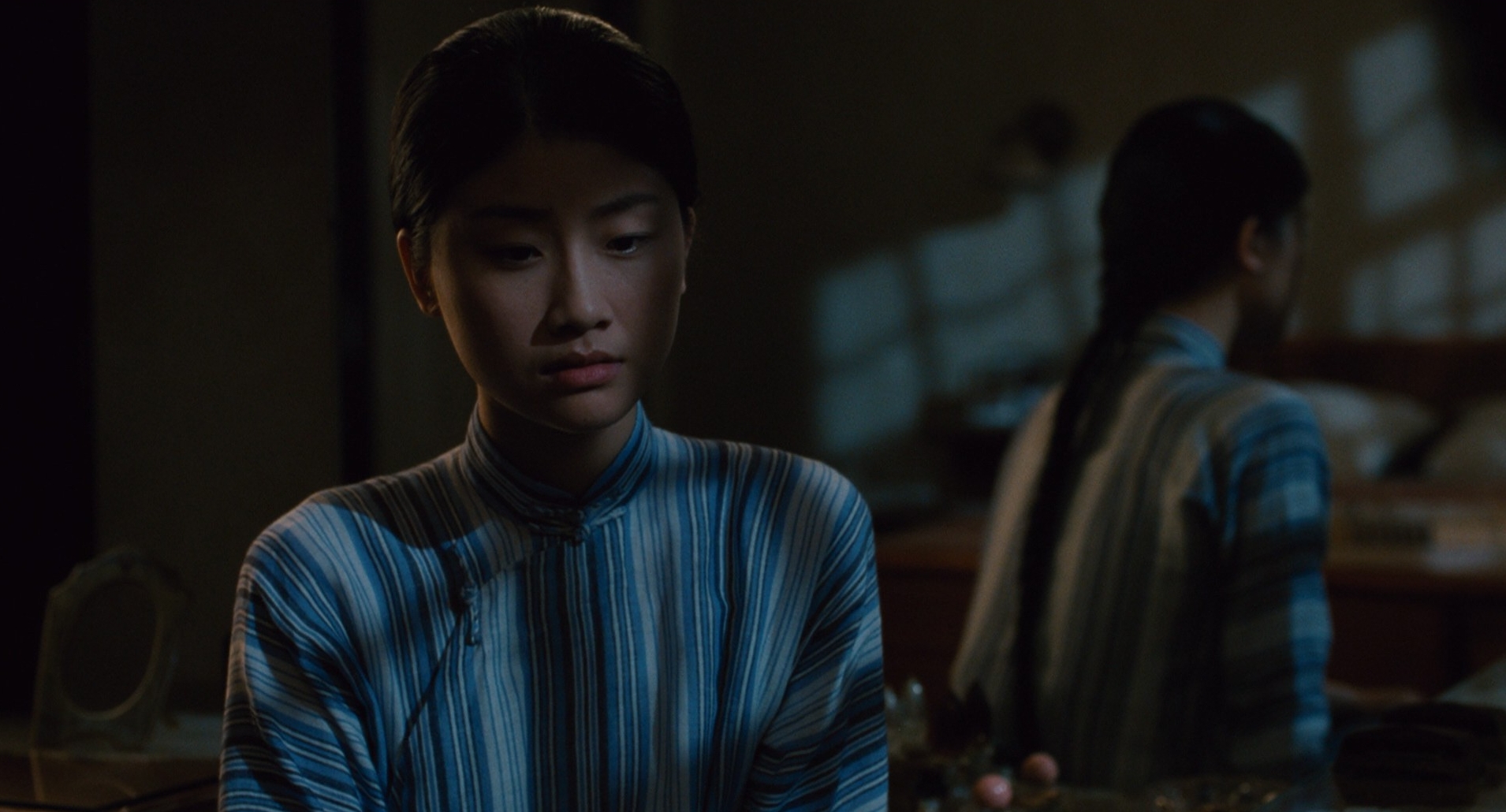
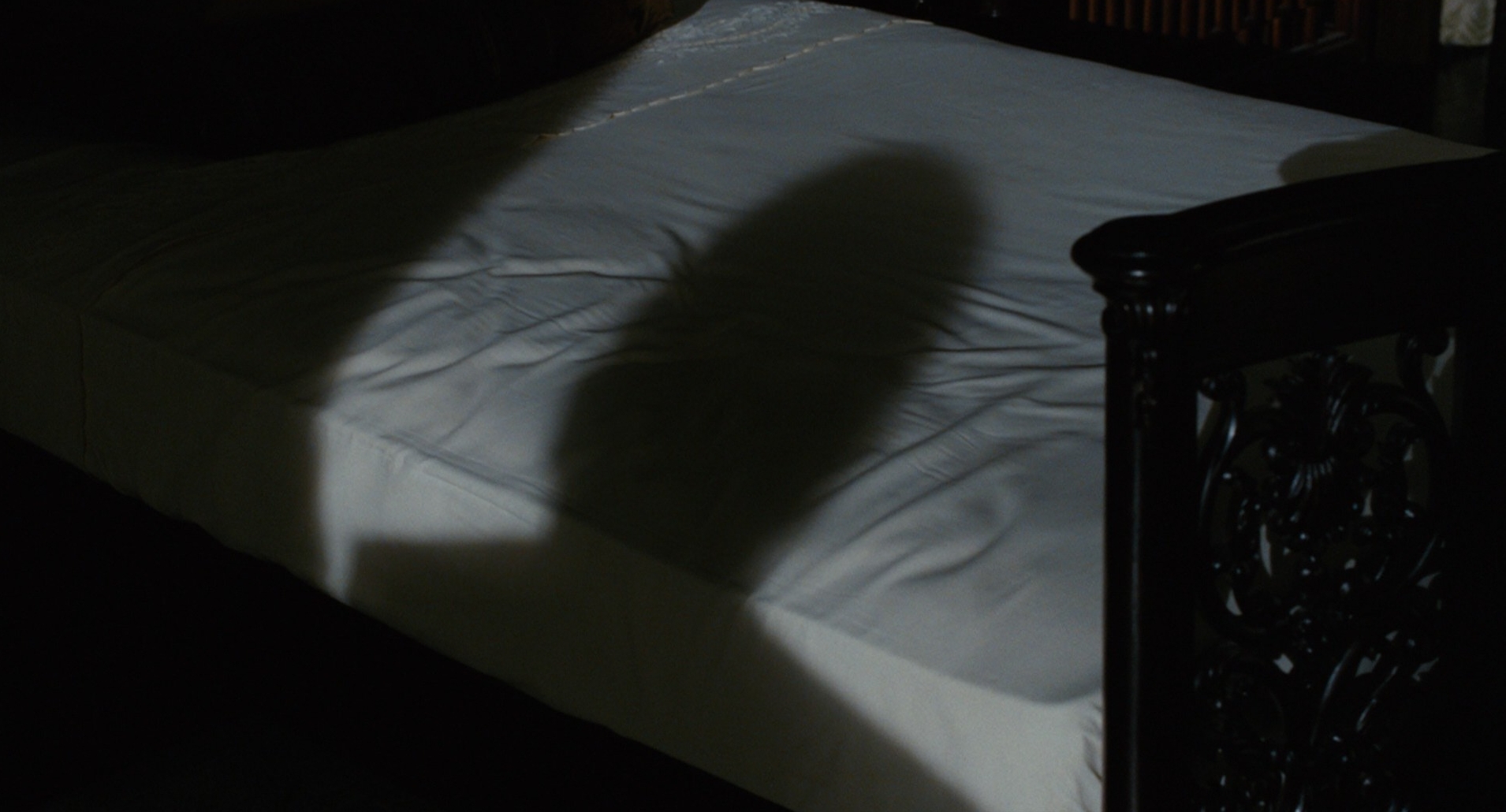
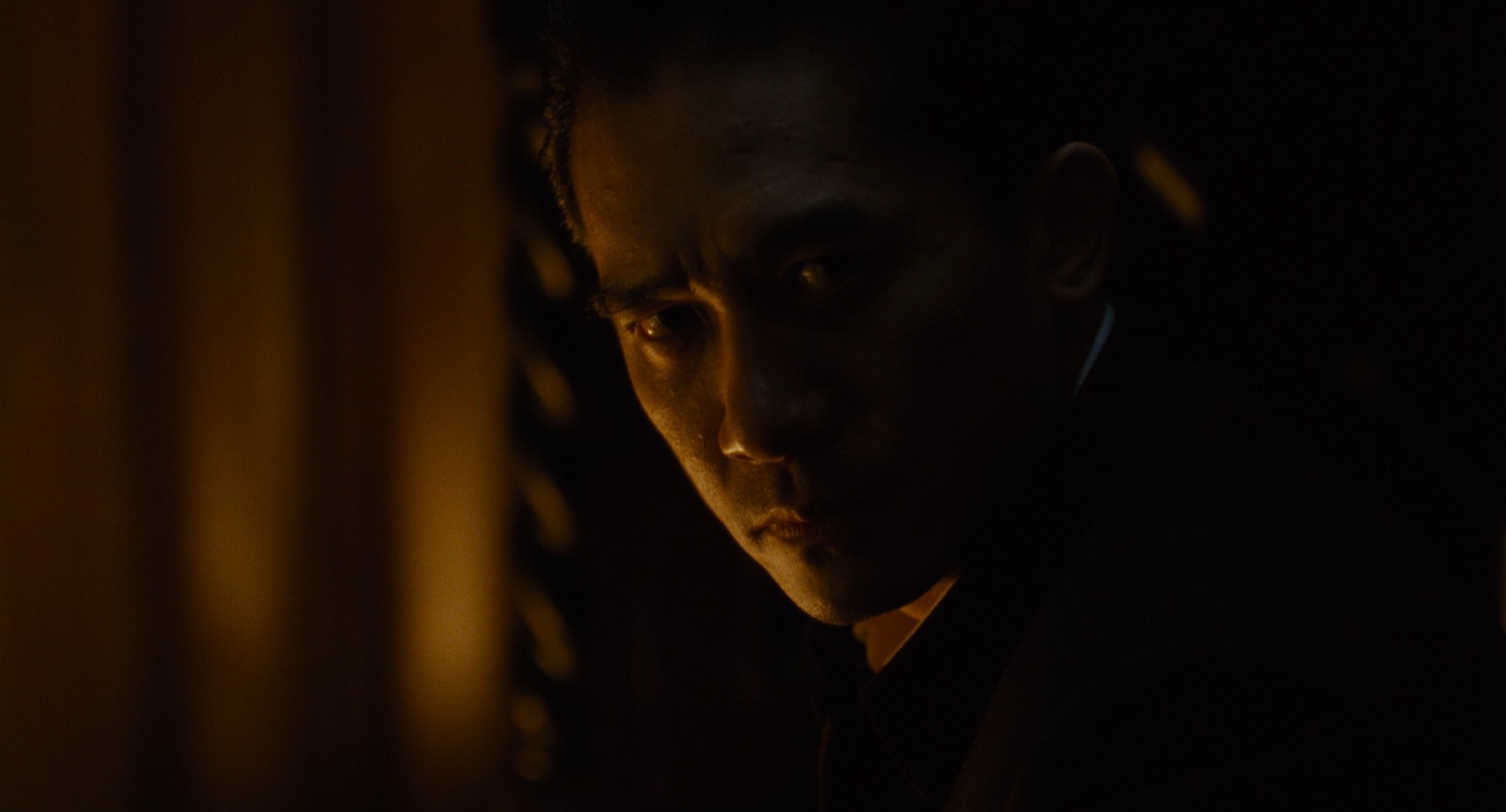
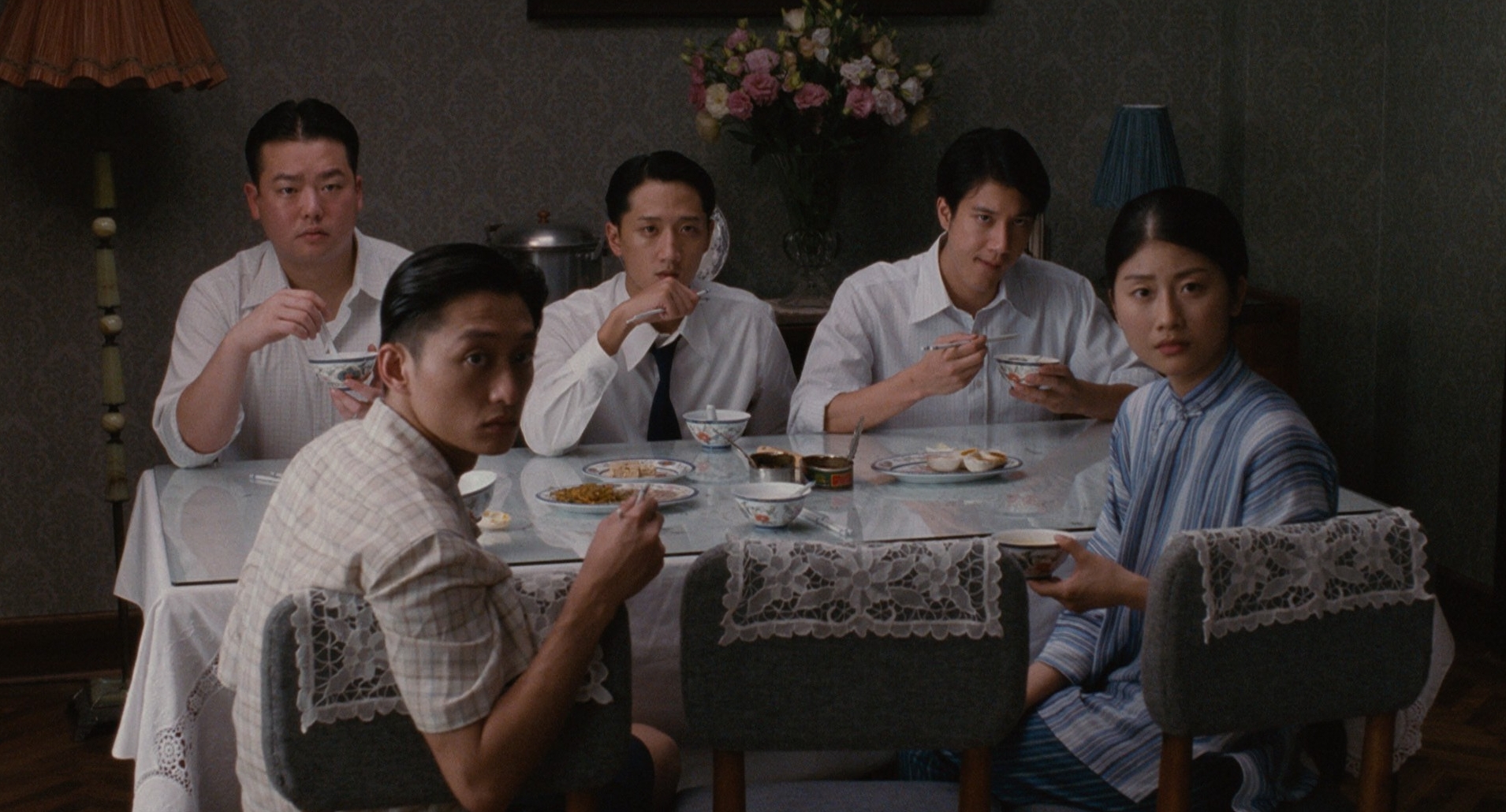
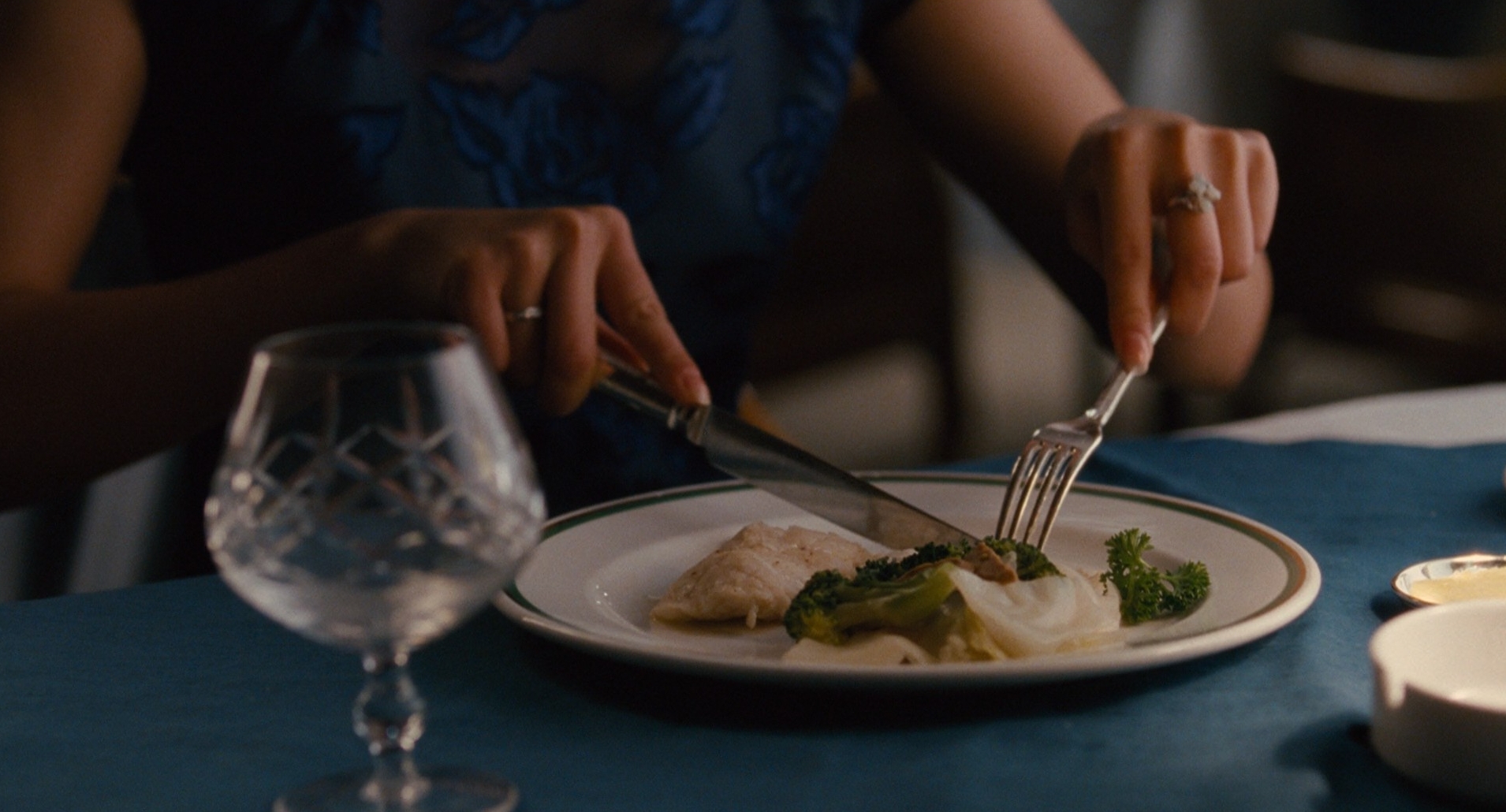
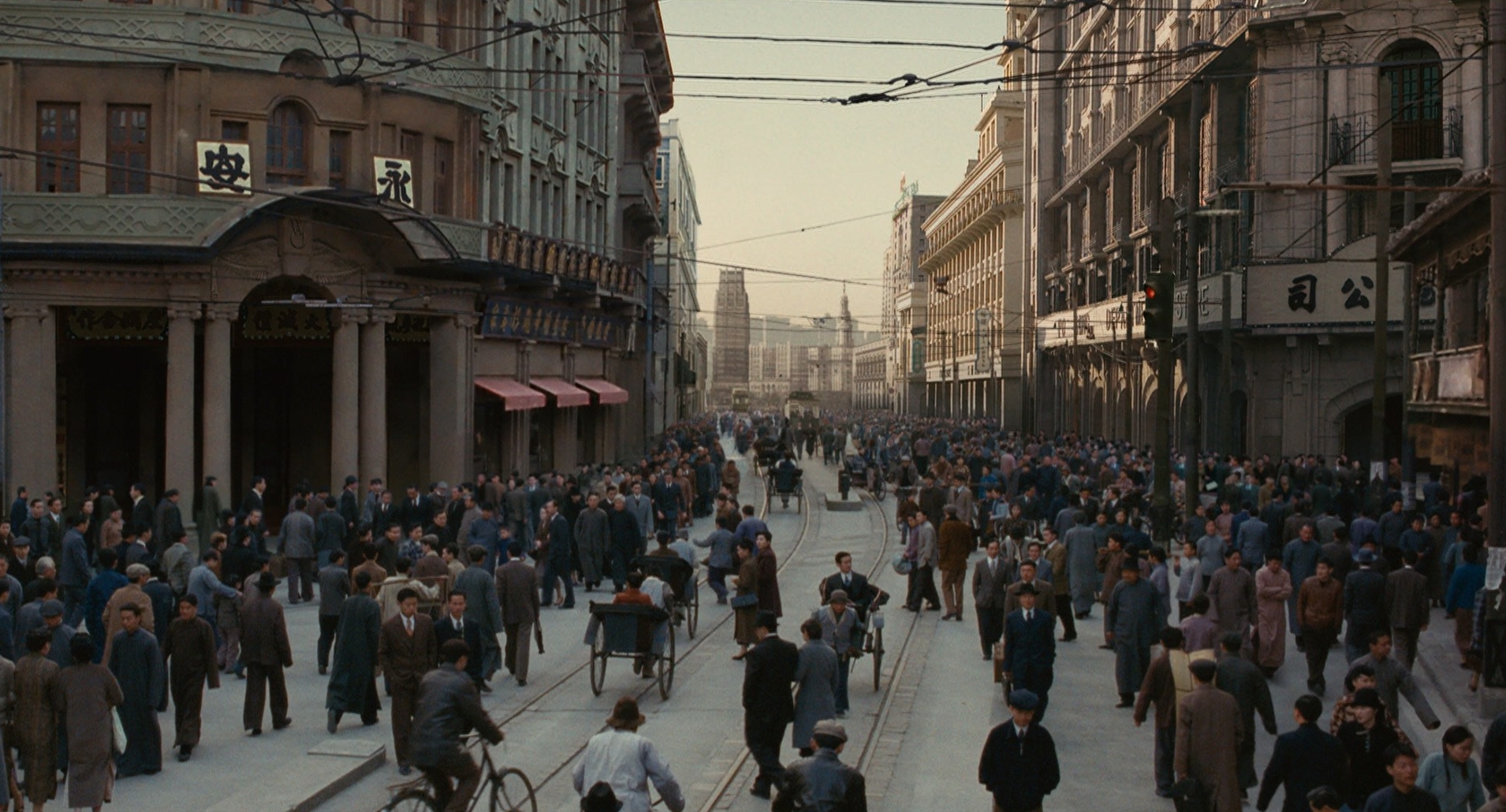
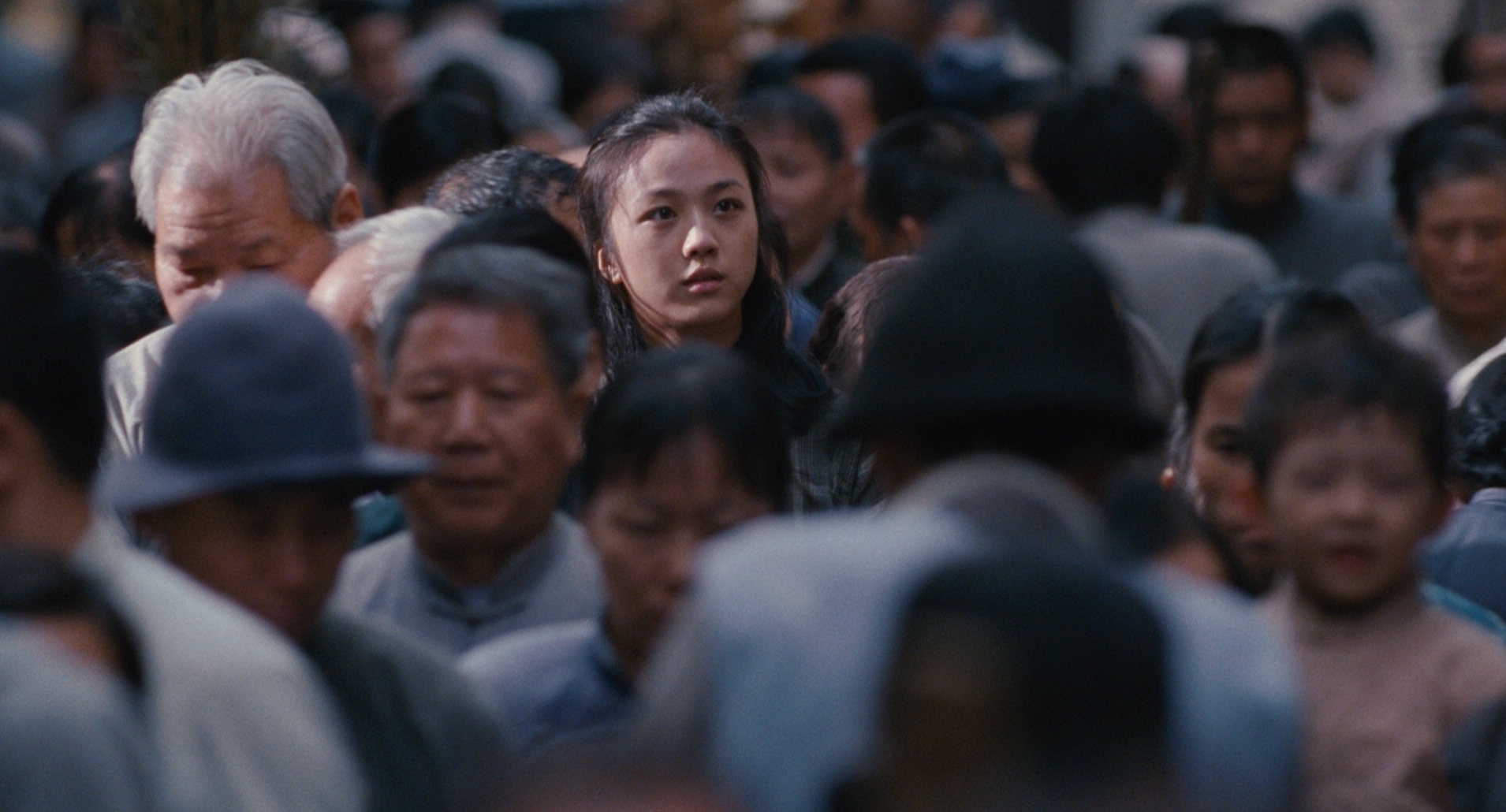
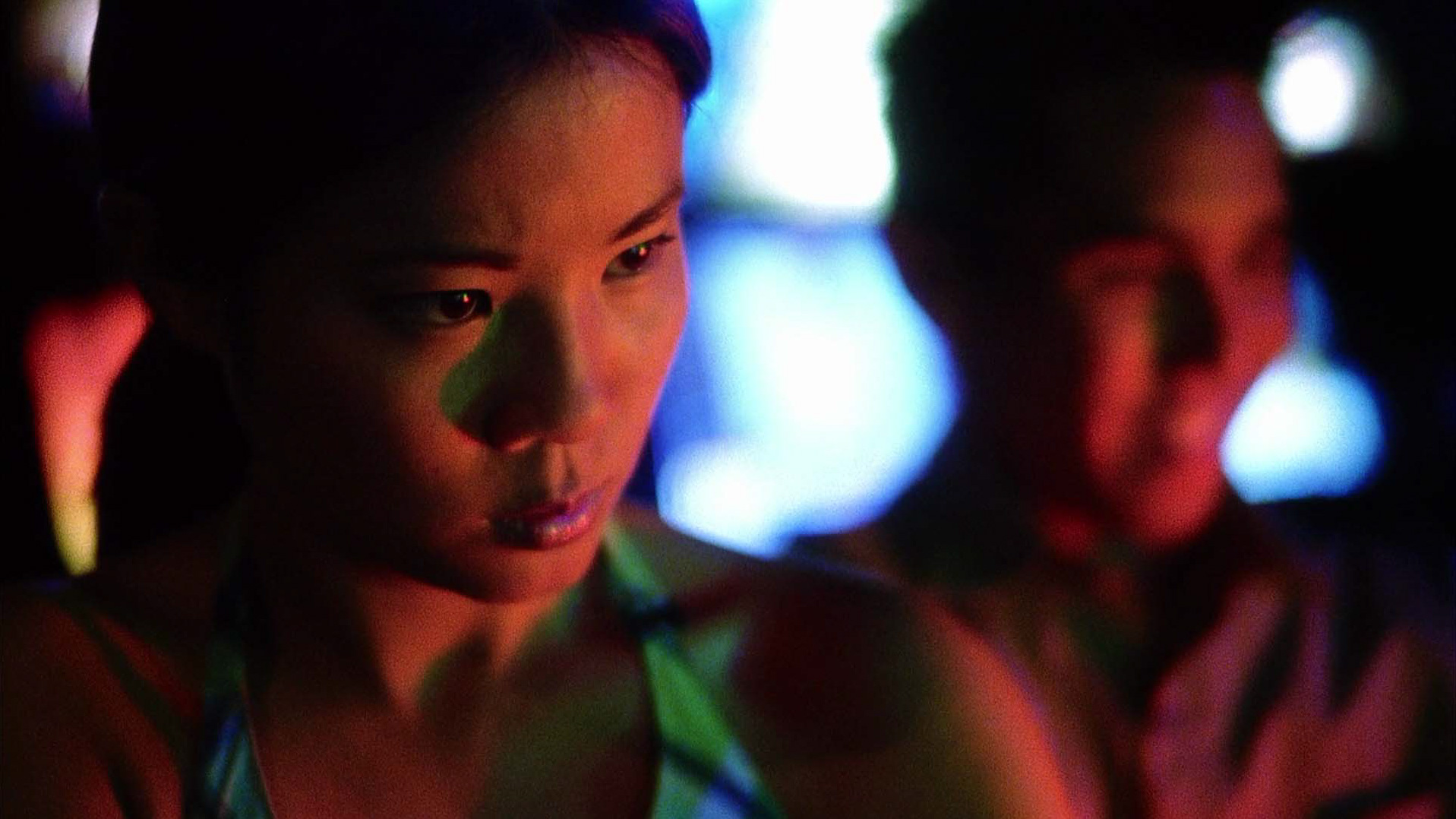
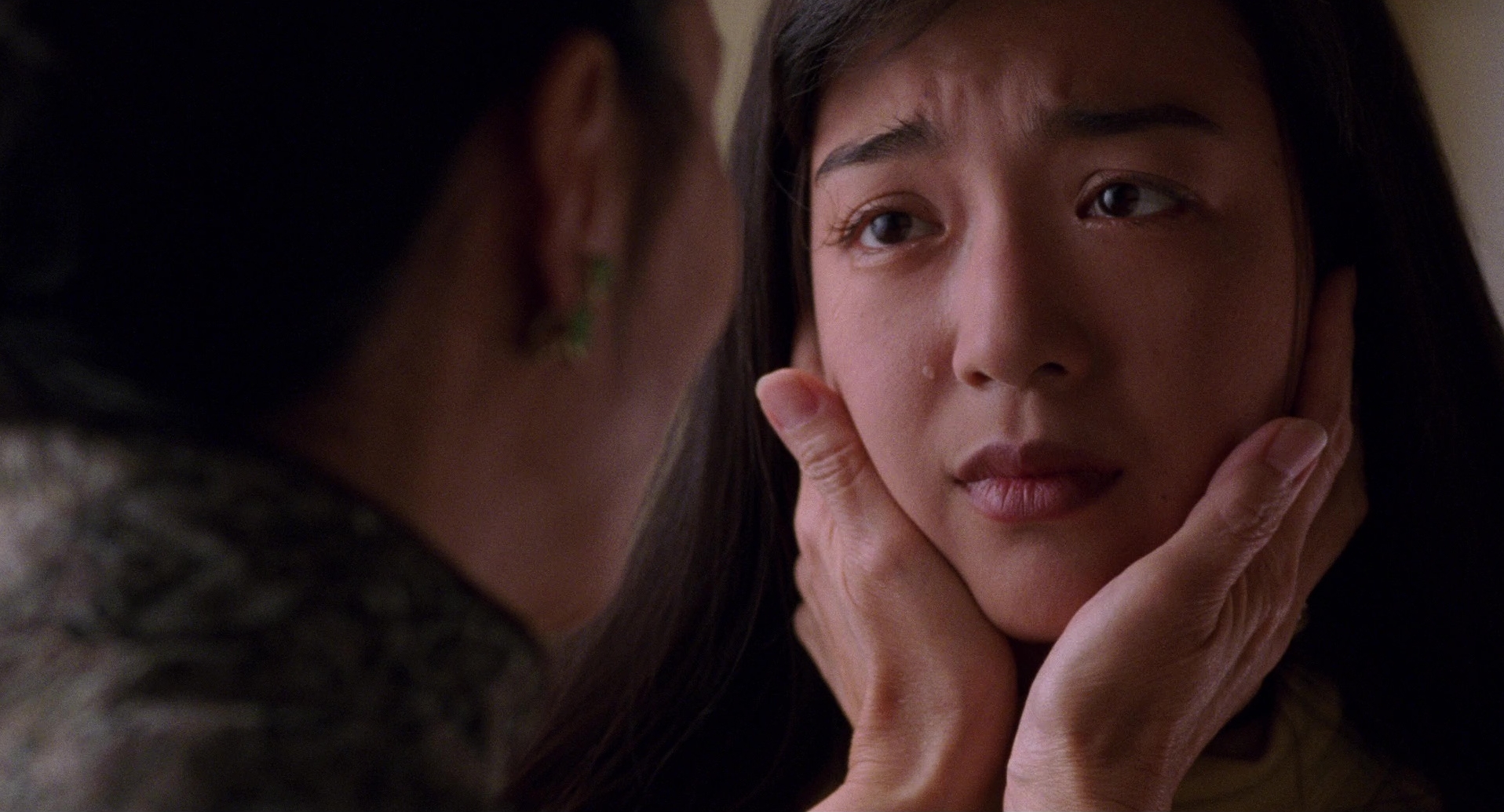
Lust, Caution (2007)
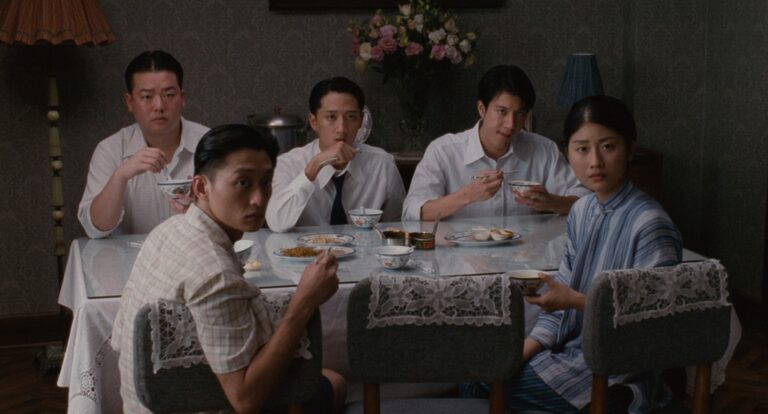
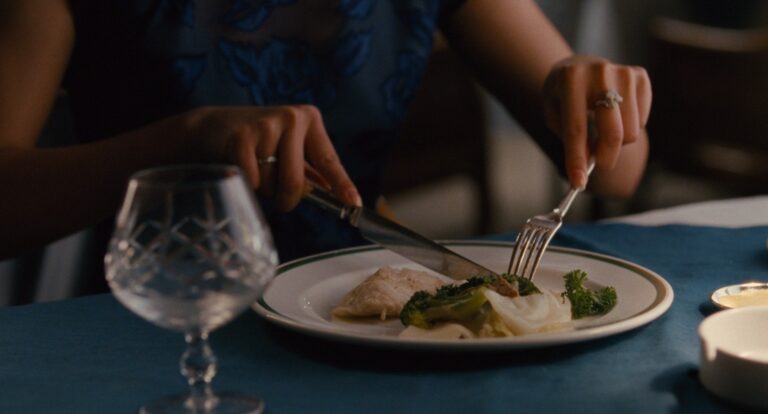
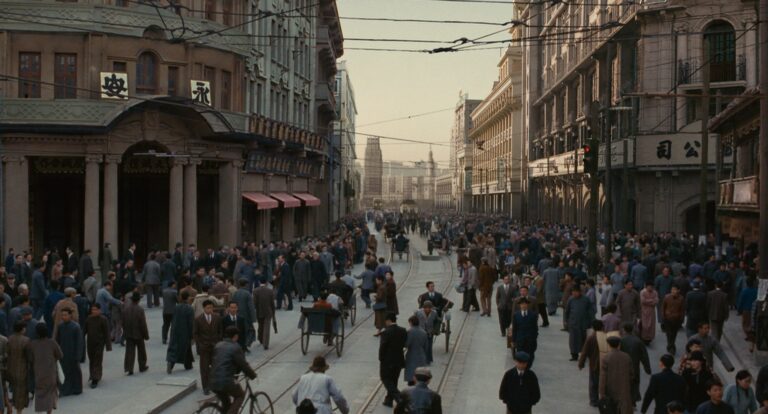
Set in Japanese-occupied Shanghai during World War II, a young woman becomes involved in an elaborate plot to assassinate a powerful collaborator with the occupying forces. As she assumes a false identity to gain his trust, their relationship evolves into a dangerous and emotionally complex entanglement. The line between duty and desire begins to blur, putting both the mission and her sense of self at risk.
Ang Lee and cinematographer Rodrigo Prieto crafted Lust, Caution with a richly detailed period aesthetic, using warm, low-key lighting and deep shadows to evoke 1940s Shanghai. Shot on 35mm, the film’s controlled compositions and slow, deliberate camera movement turn interiors—filled with wood, silk, and smoke—into intimate, tension-filled spaces where every glance carries weight.
FILM SPOTLIGHT
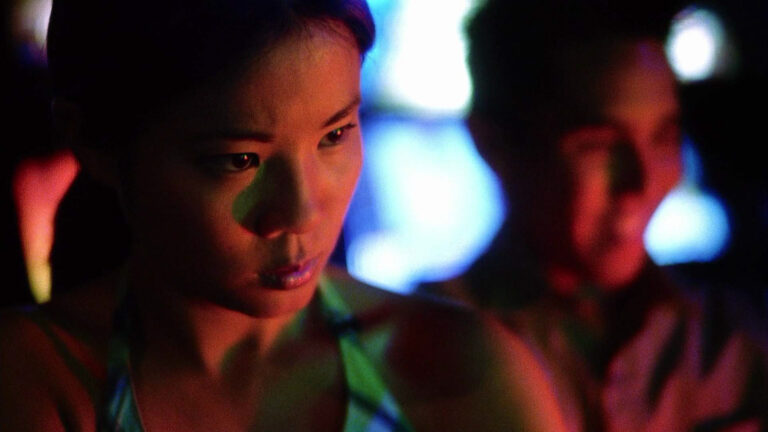
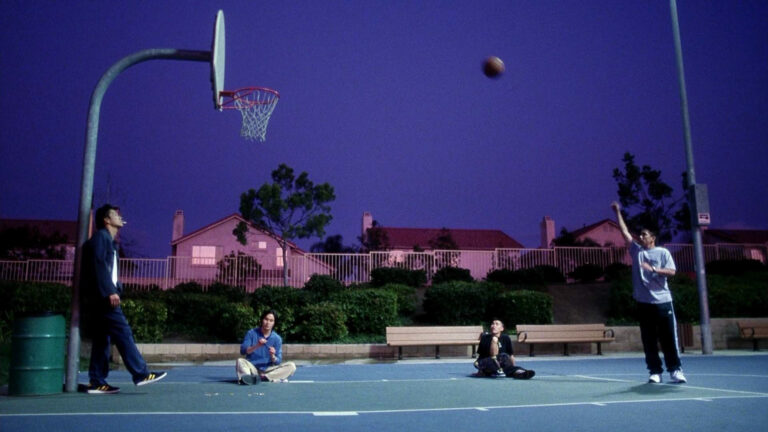
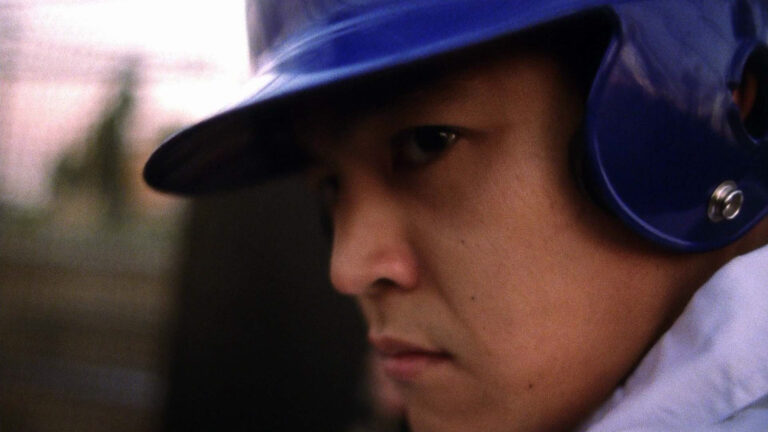
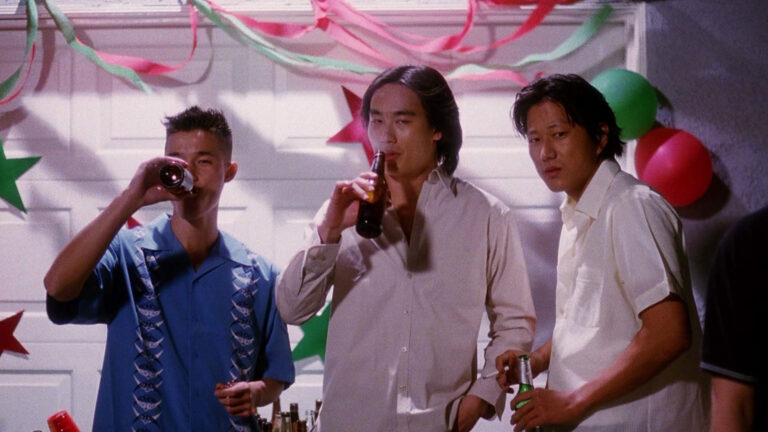
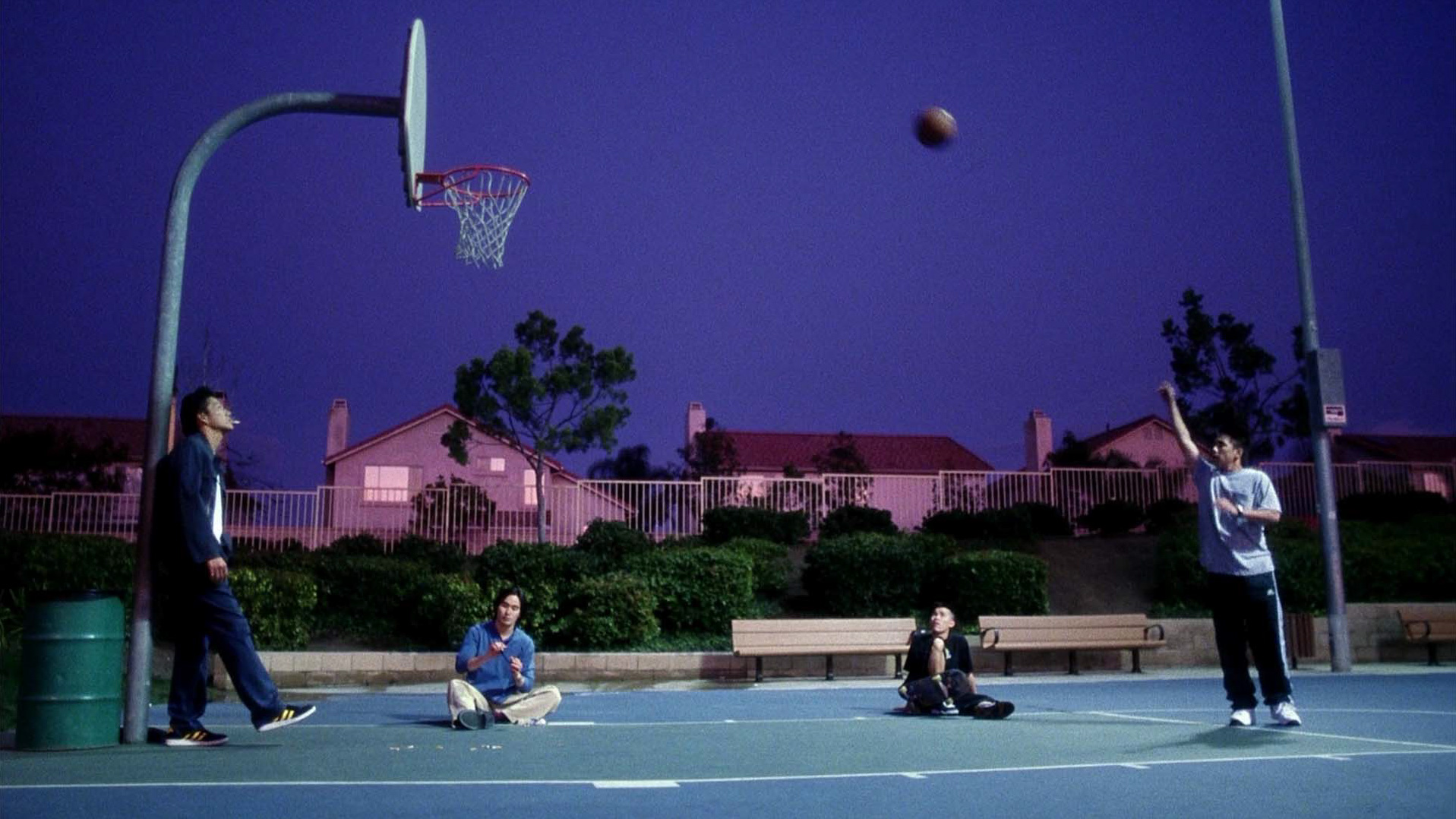
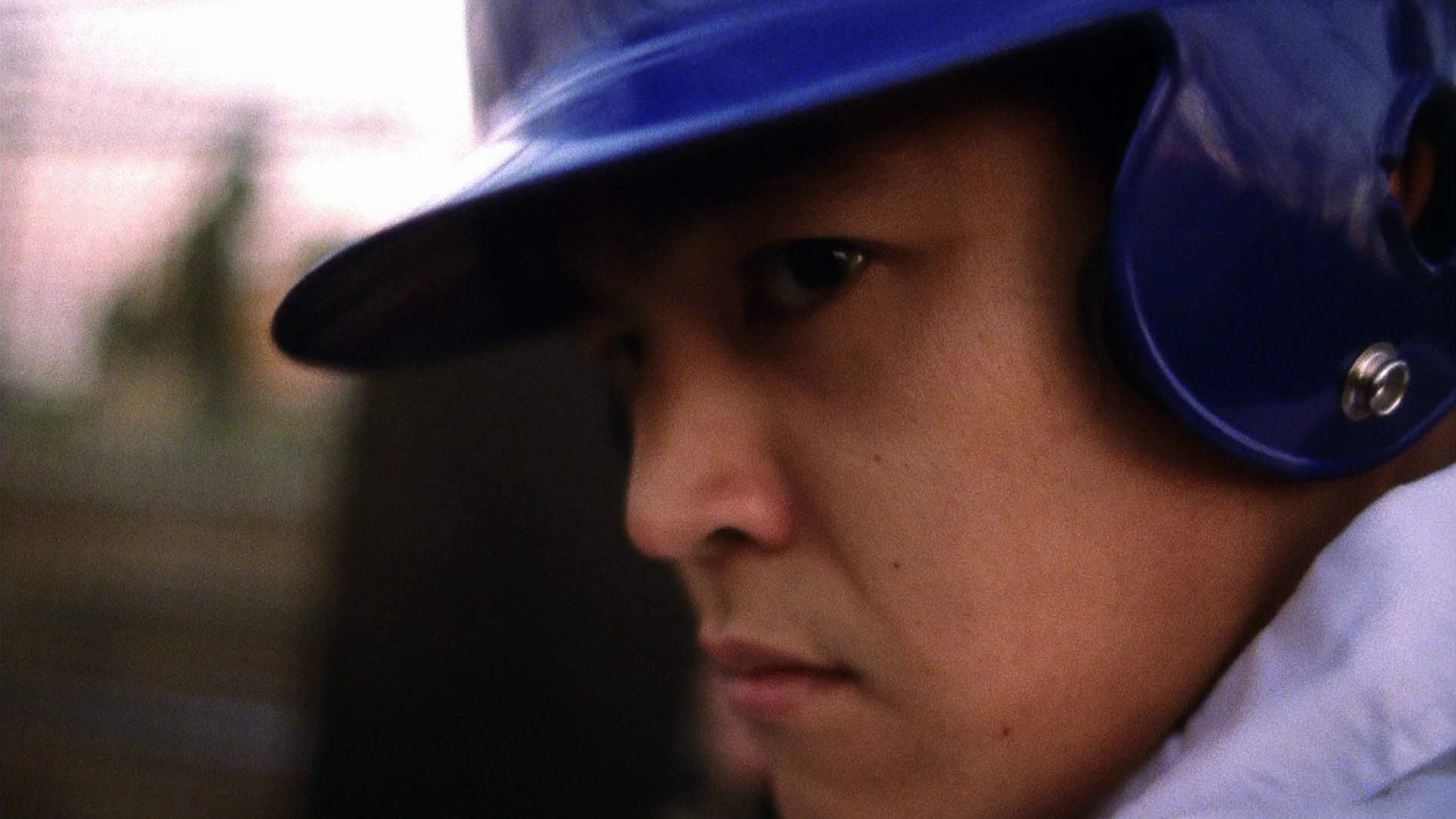
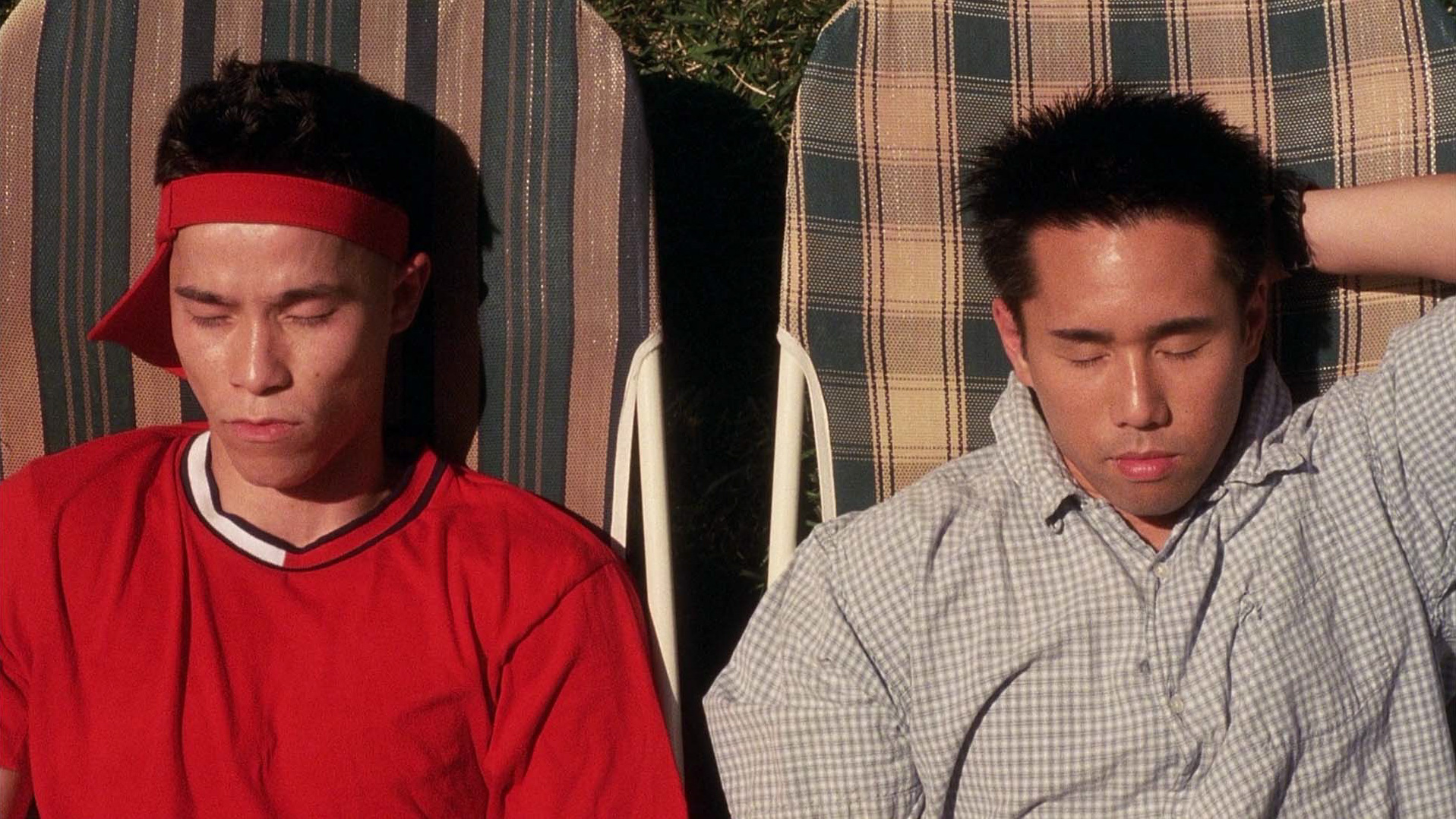
Better Luck Tomorrow (2002)
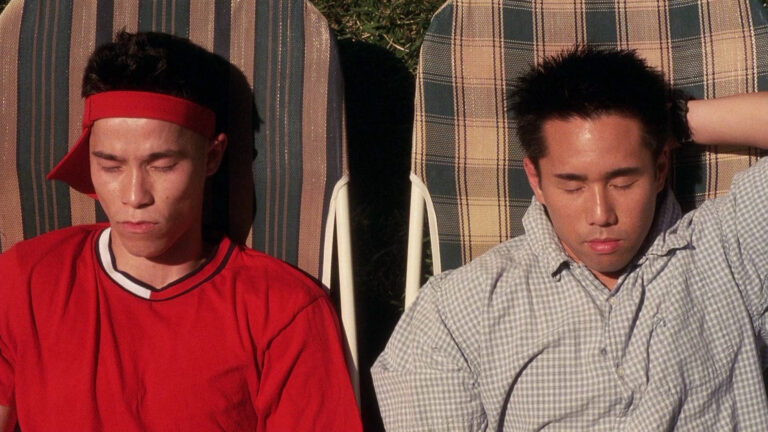
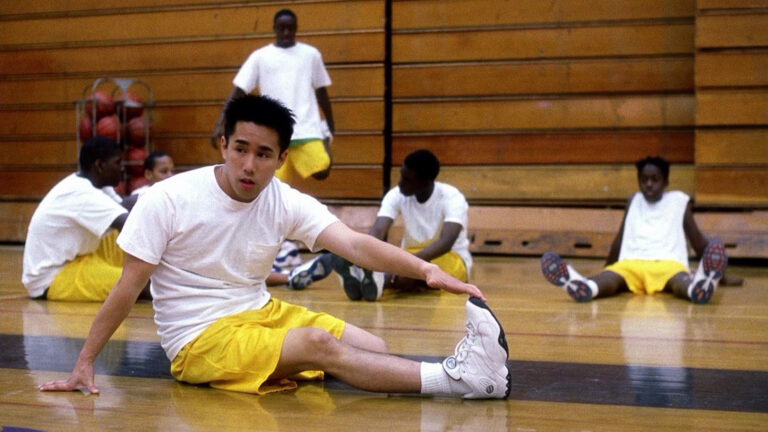
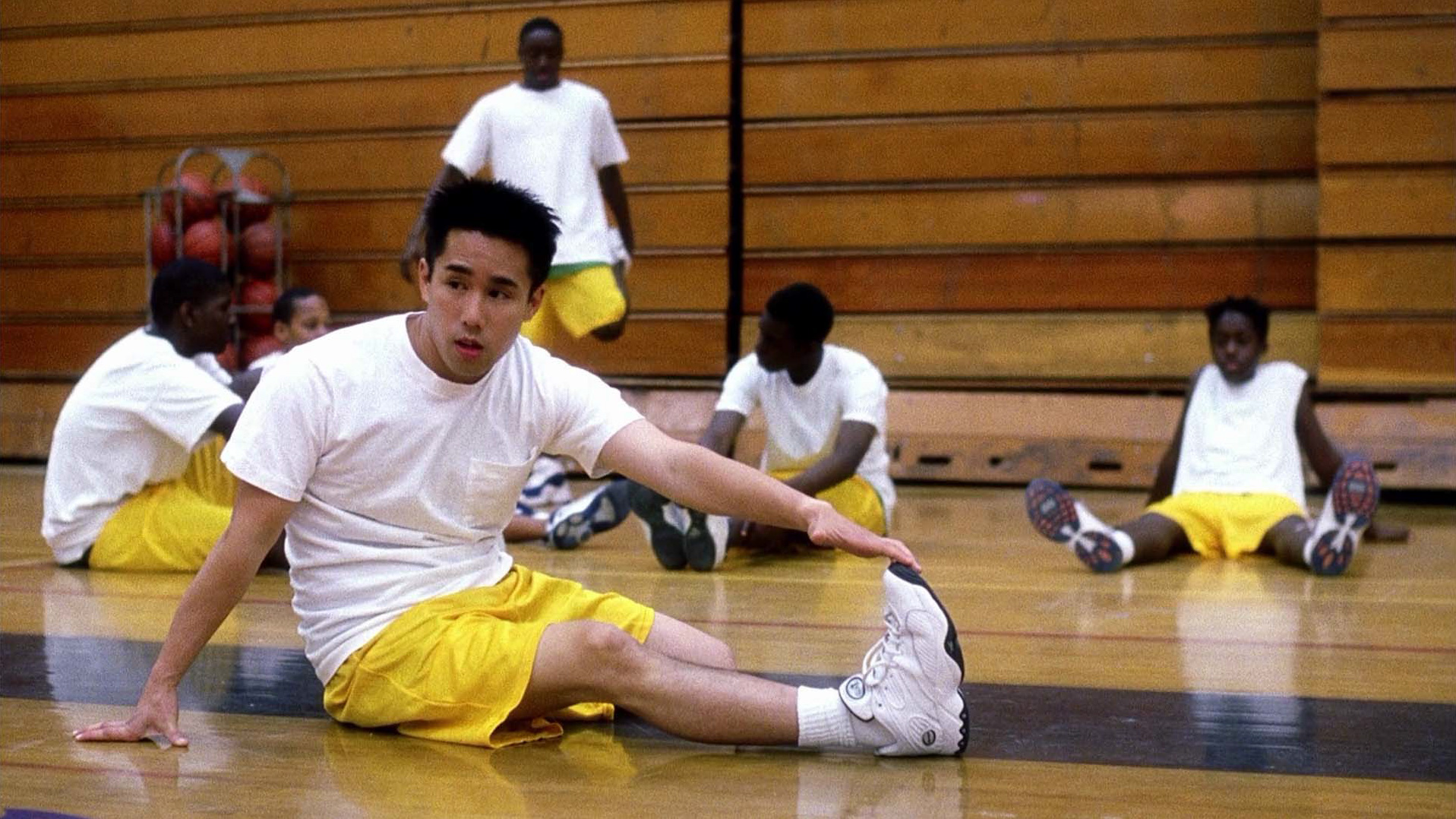
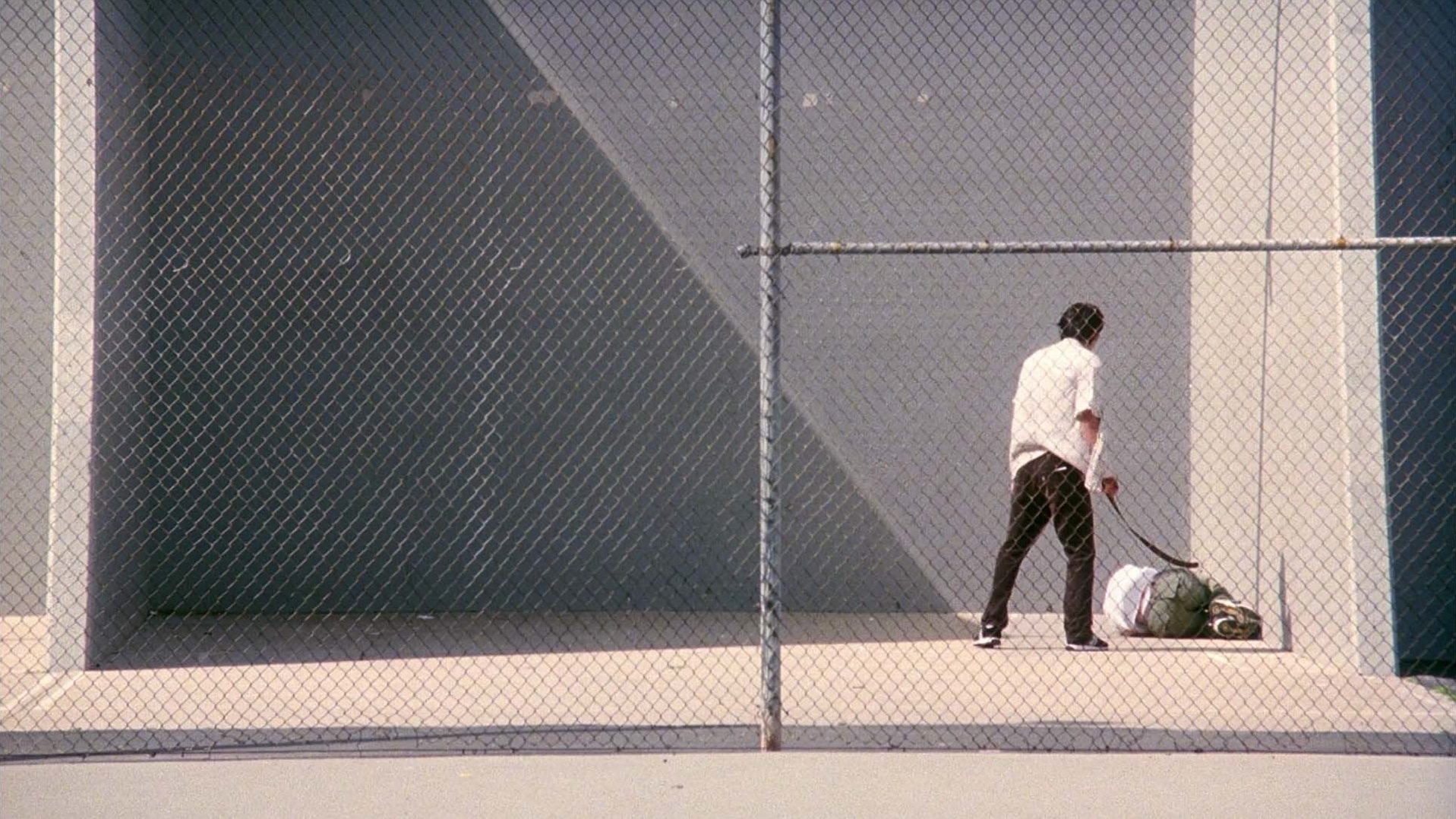
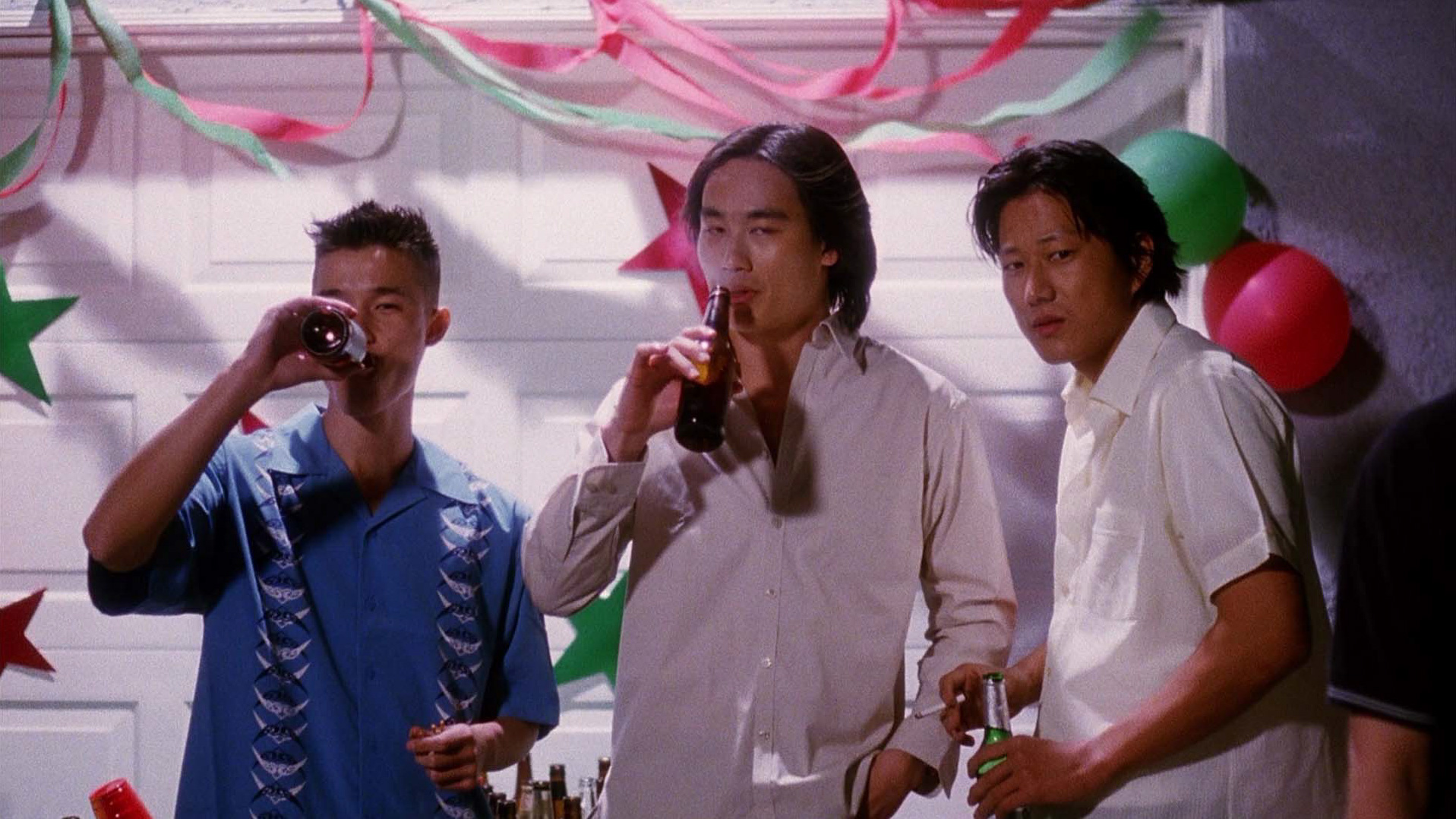
A group of overachieving Asian American high school students in suburban California lead double lives, balancing academic success with increasingly risky and criminal behavior. At the center is Ben, whose desire to break free from expectations draws him deeper into his friends’ reckless world. As their actions escalate, the consequences begin to spiral beyond their control.
Lin and cinematographer Patrice Lucien Cochet shoot Better Luck Tomorrow with a clean, suburban naturalism, using handheld camerawork and available light to ground the story in everyday reality. The film’s straightforward visual style gradually tightens—shifting from open, casual framing to more controlled compositions—mirroring the characters’ loss of innocence as their world closes in.

FILM SPOTLIGHT
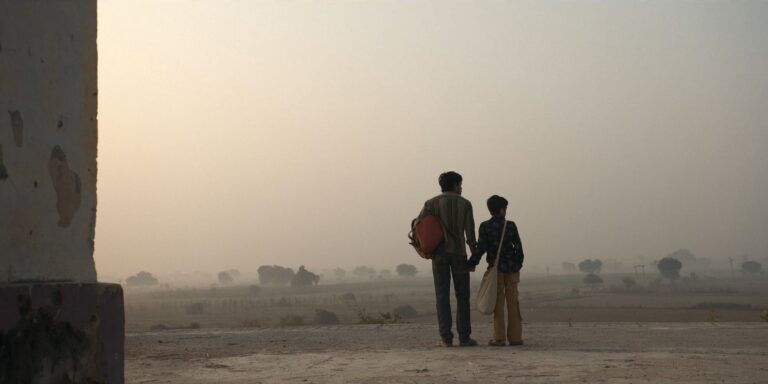
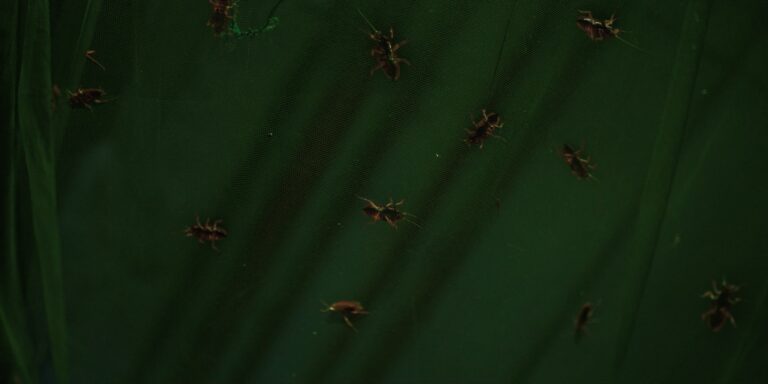
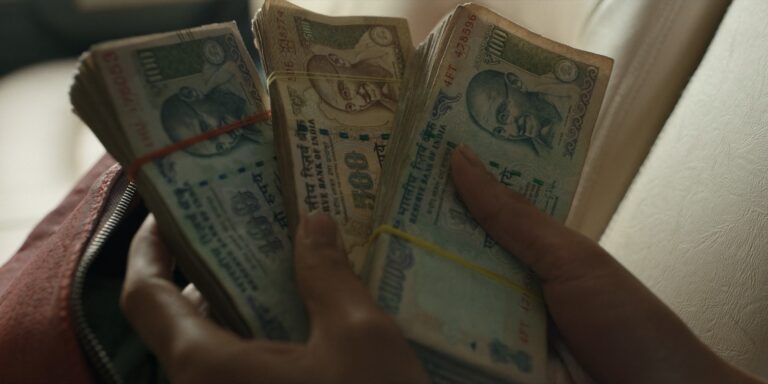
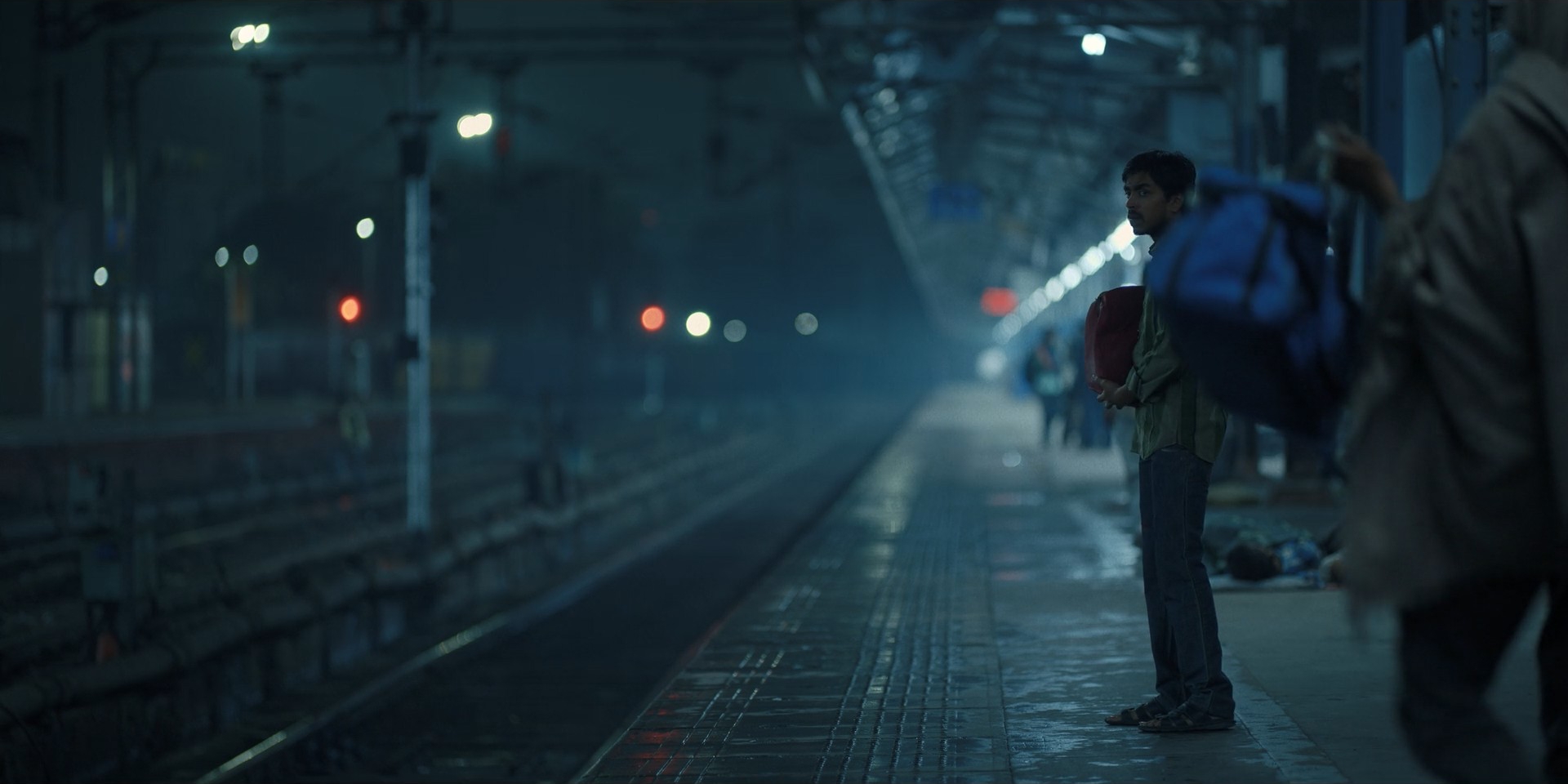
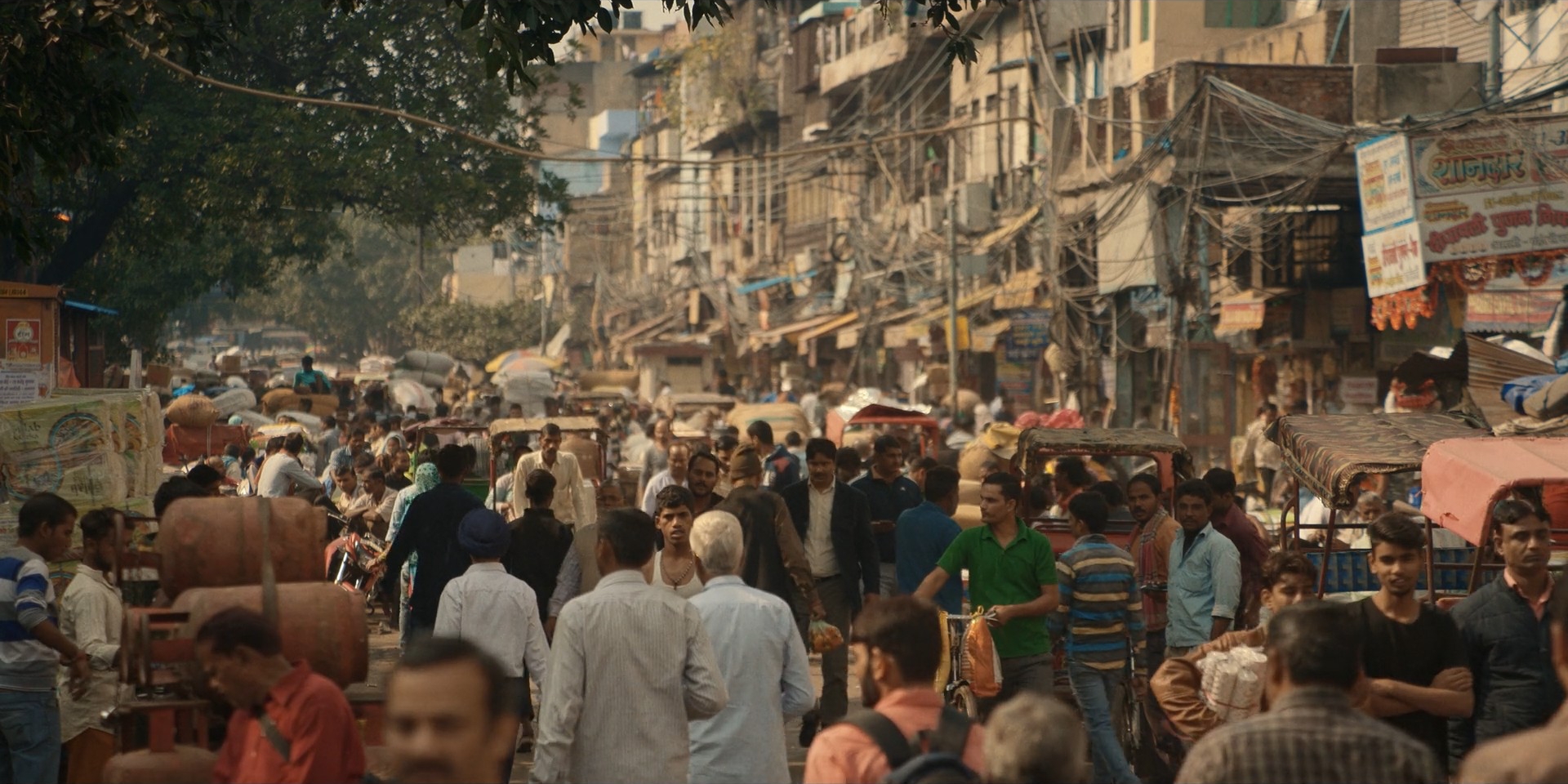
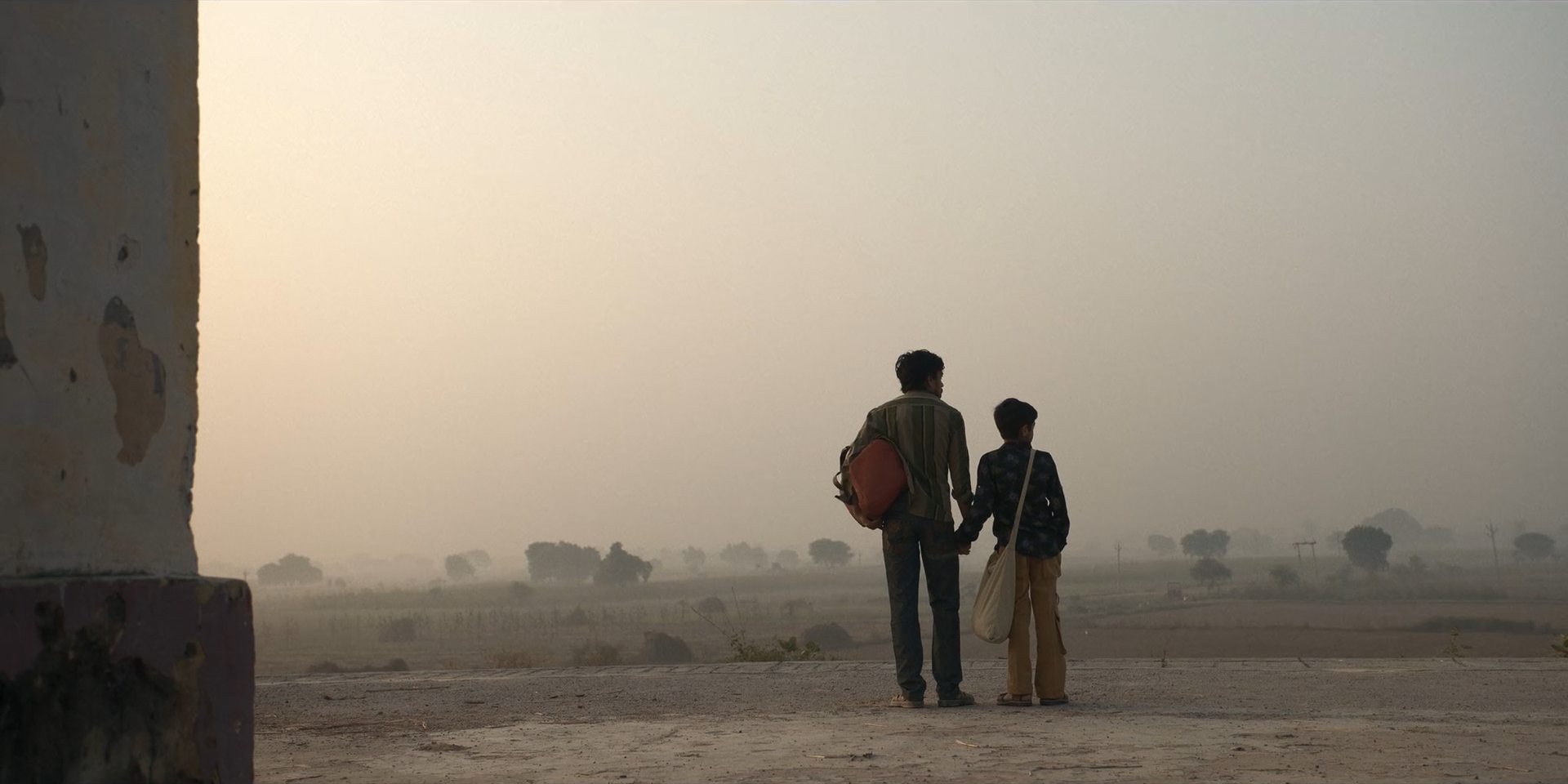
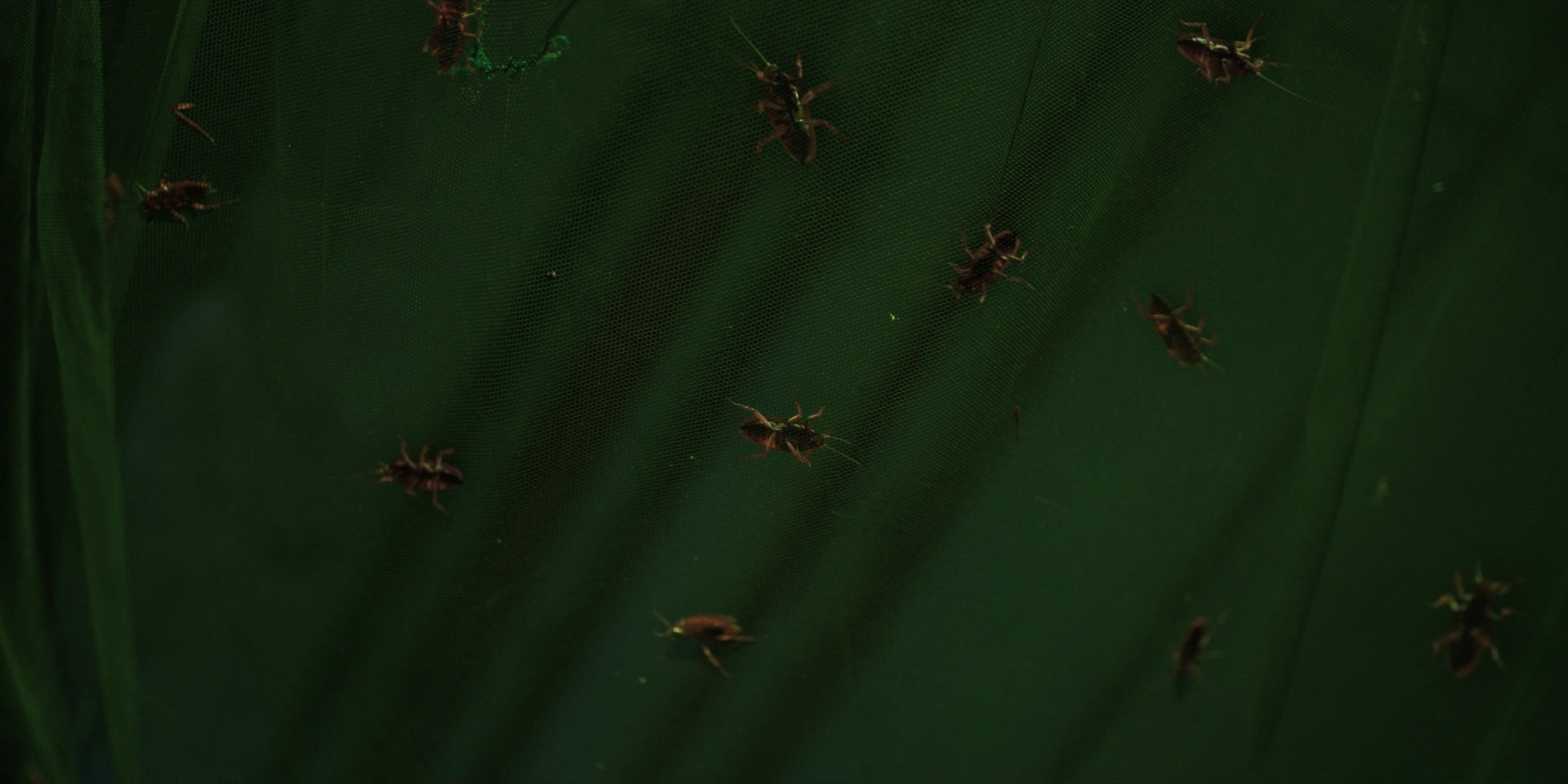
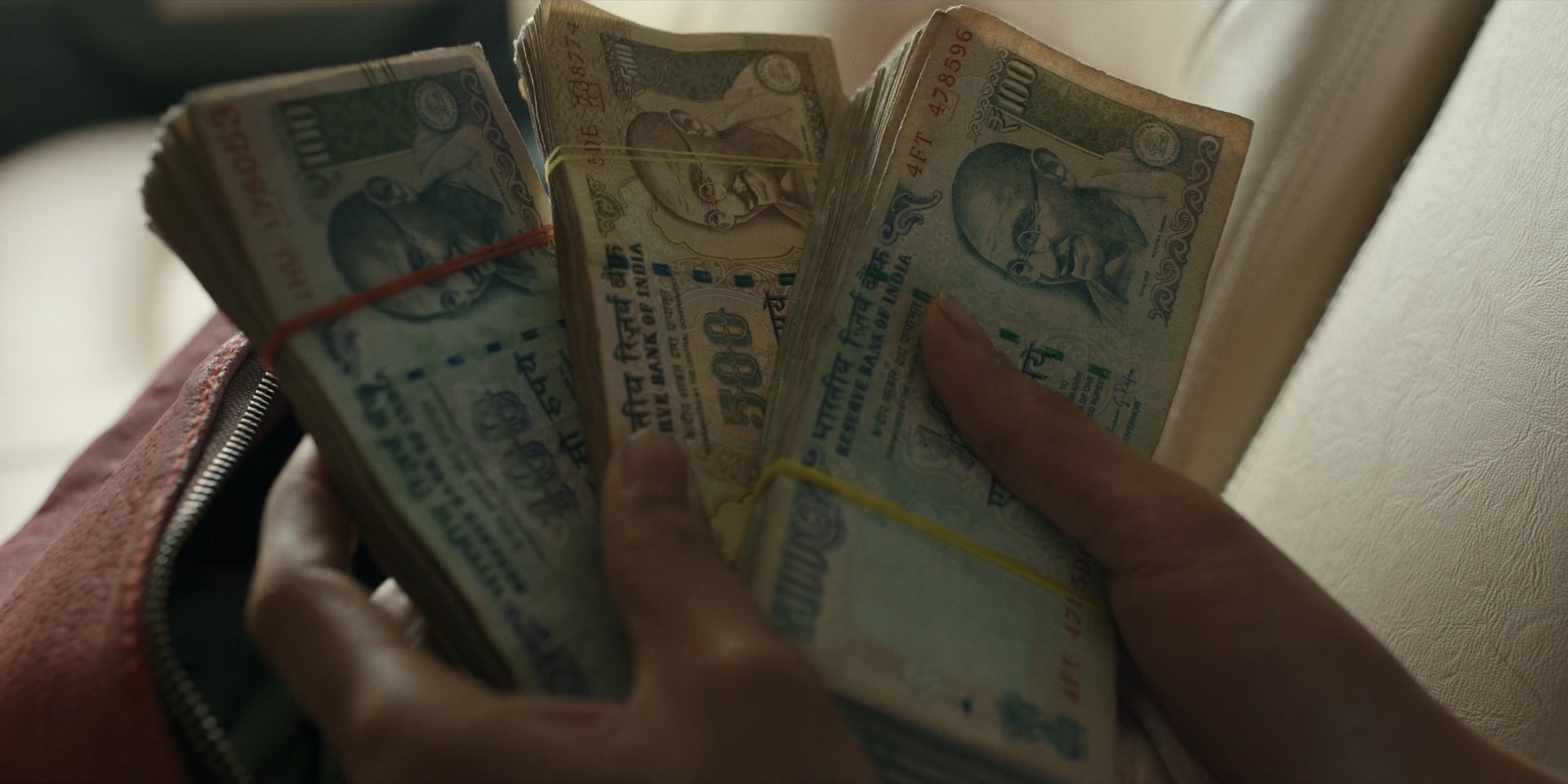
The White Tiger (2021)
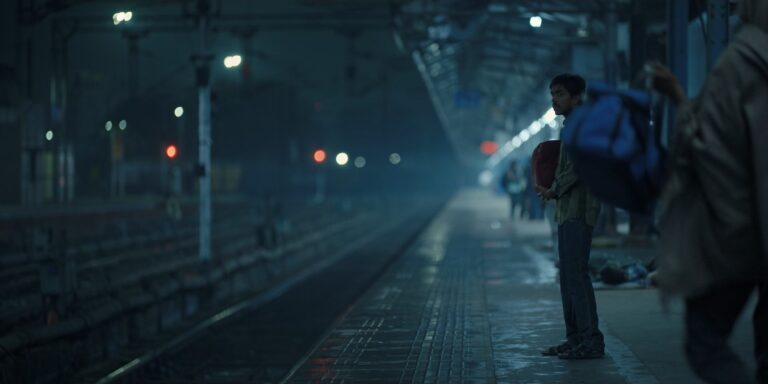
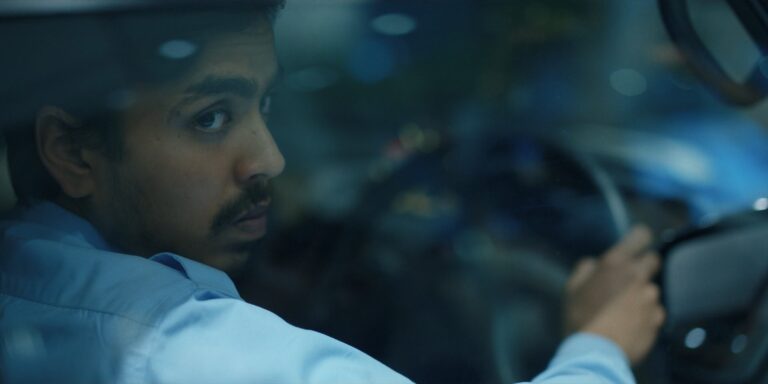
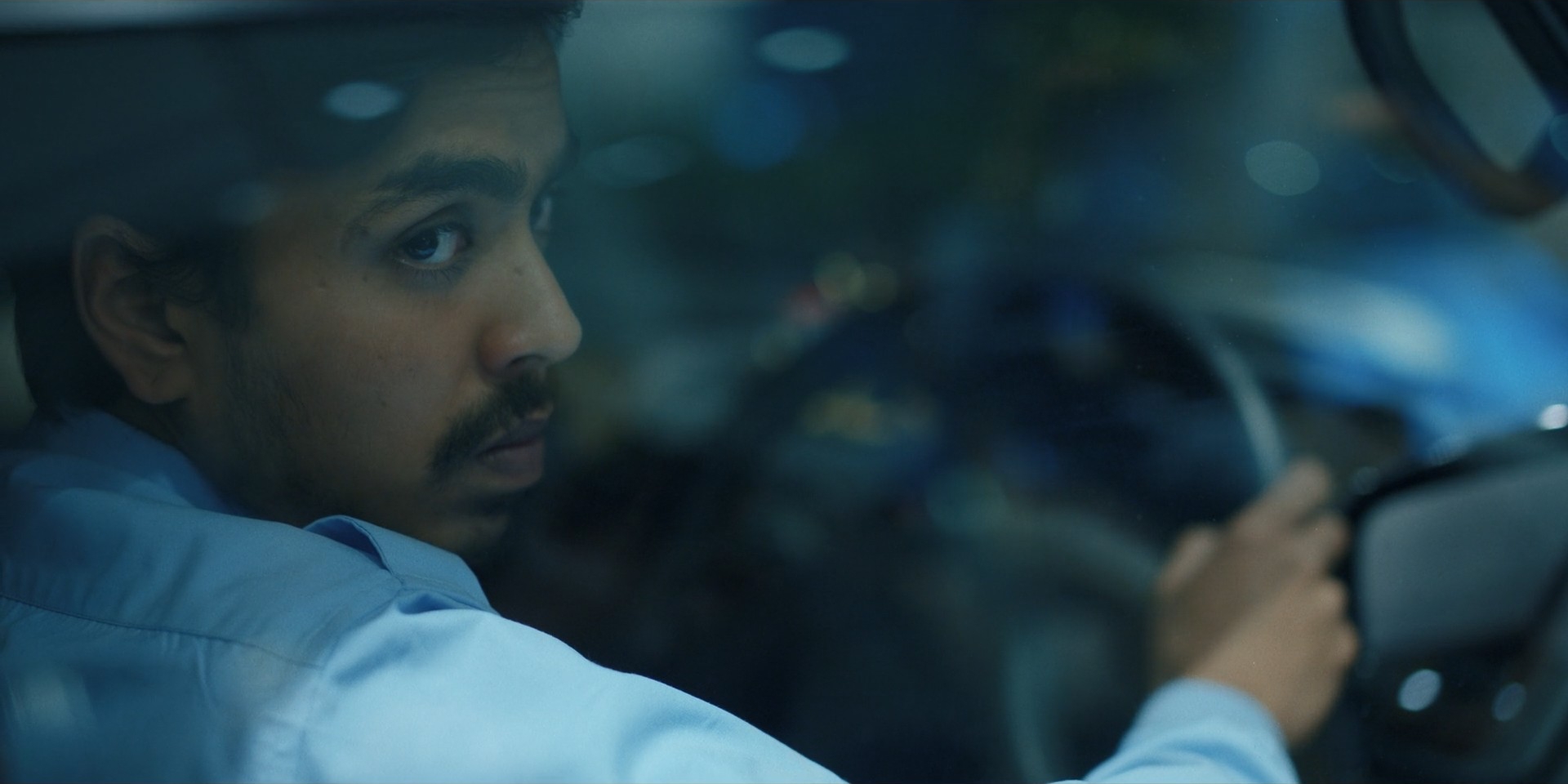
Balram Halwai, a poor villager from rural India, rises through cunning and ambition to become the driver for a wealthy couple in Delhi. As he becomes increasingly aware of the rigid class system that confines him, his desire for freedom intensifies. His journey evolves into a dark, satirical exploration of inequality, morality, and self-determination.
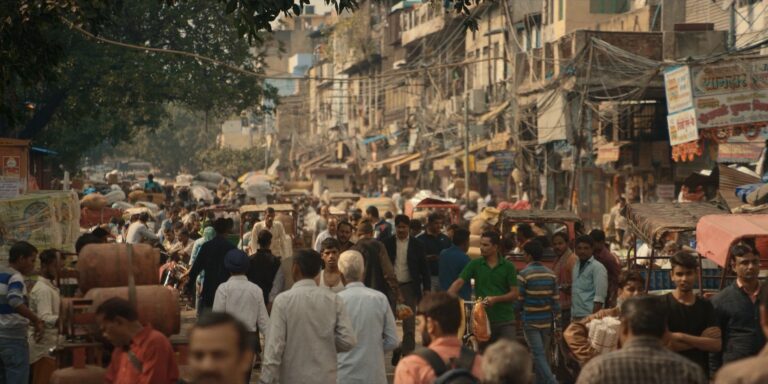
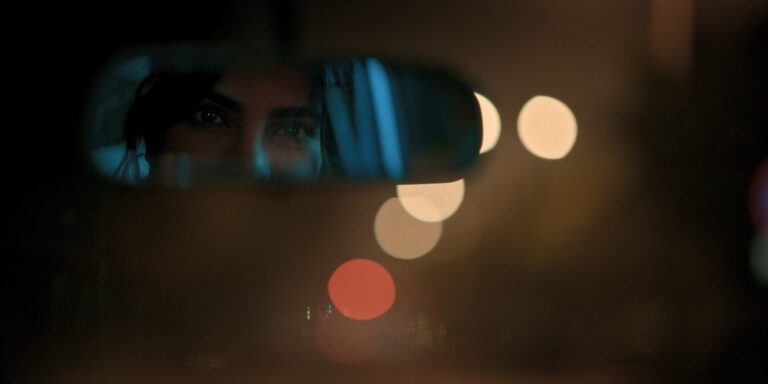
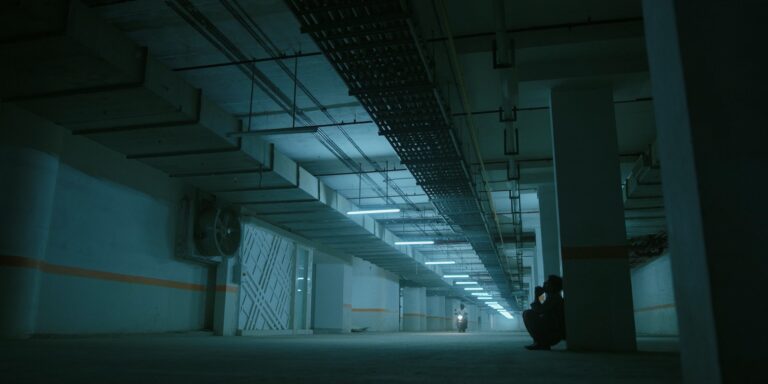
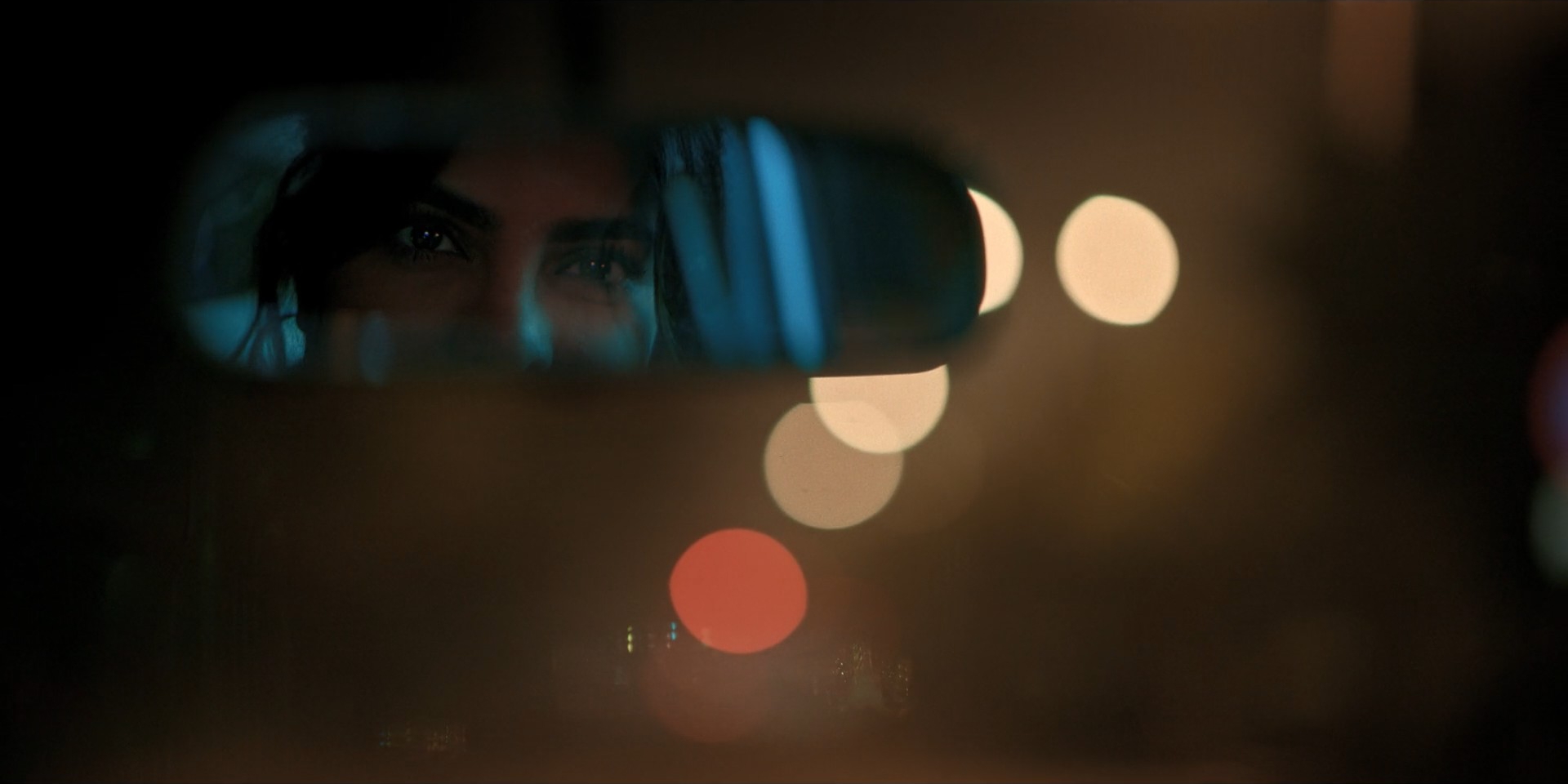
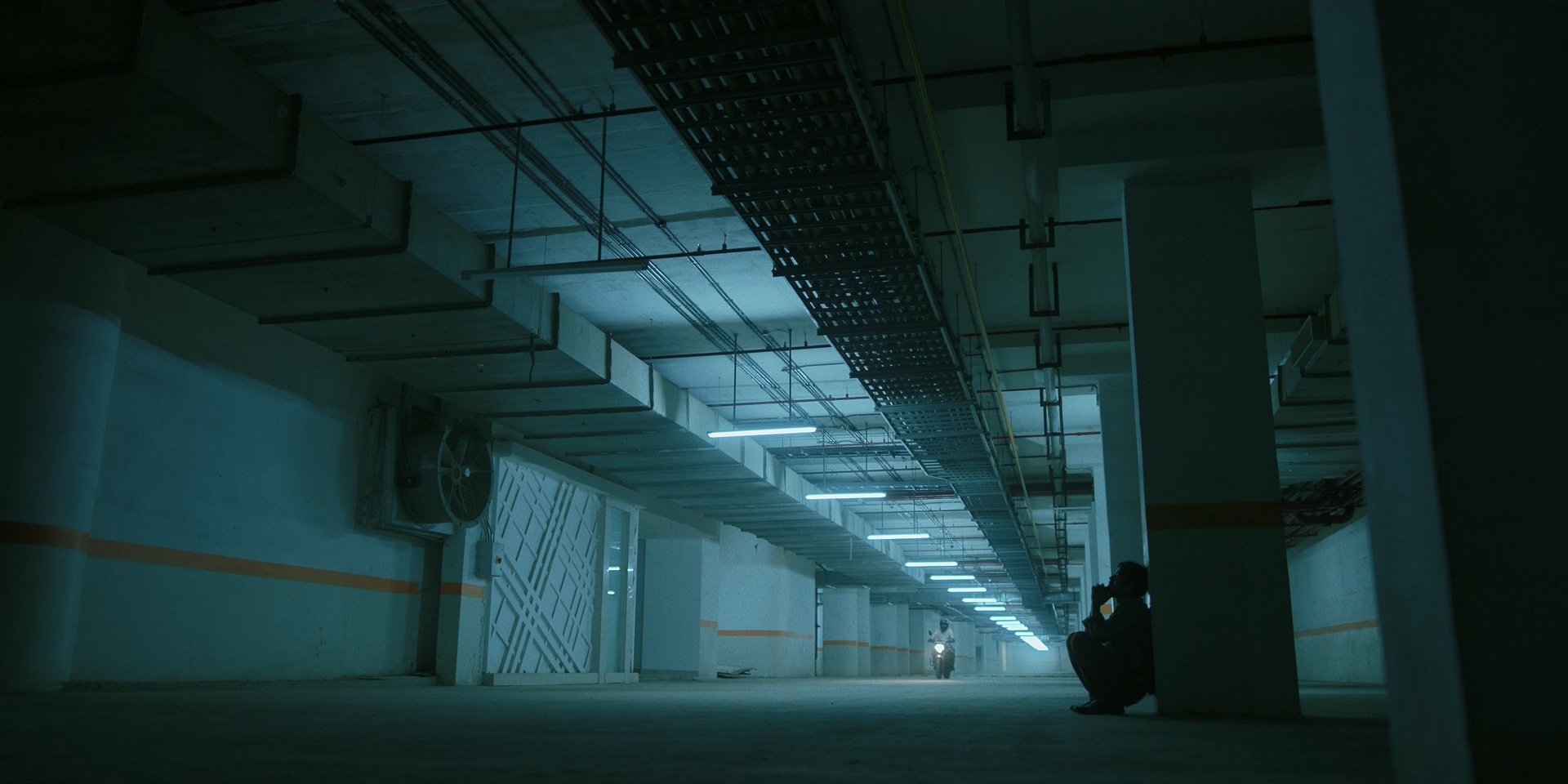
In The White Tiger, Bahrani and cinematographer Paolo Carnera contrast two Indias through image—shooting the “Darkness” with gritty handheld textures and sodium-lit streets, while the world of wealth is rendered with cleaner compositions and controlled lighting. The film’s shifting visual language mirrors Balram’s ascent, turning environment and texture into a class divide you can feel in every frame.


FILM SPOTLIGHT
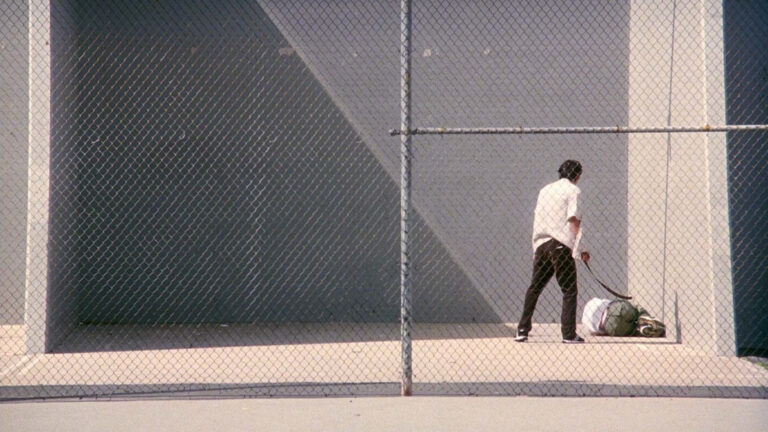
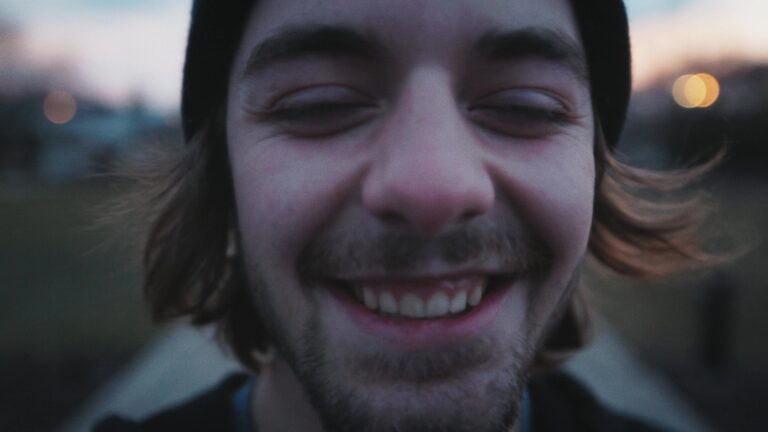
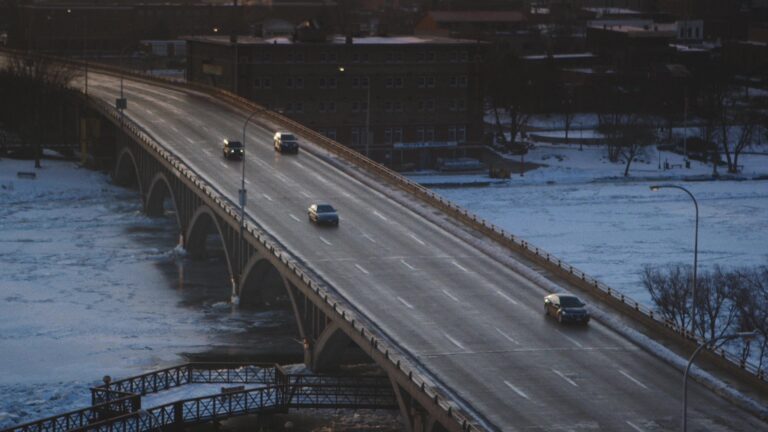
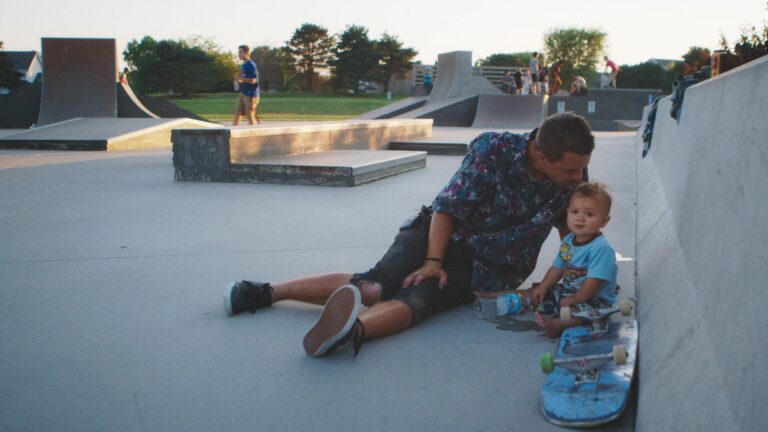
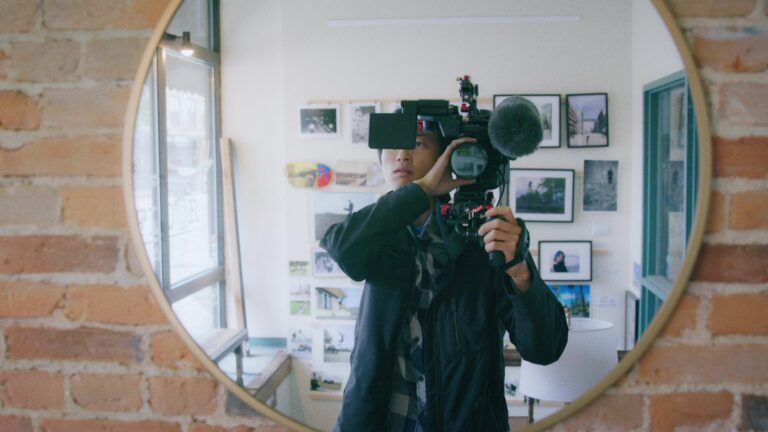
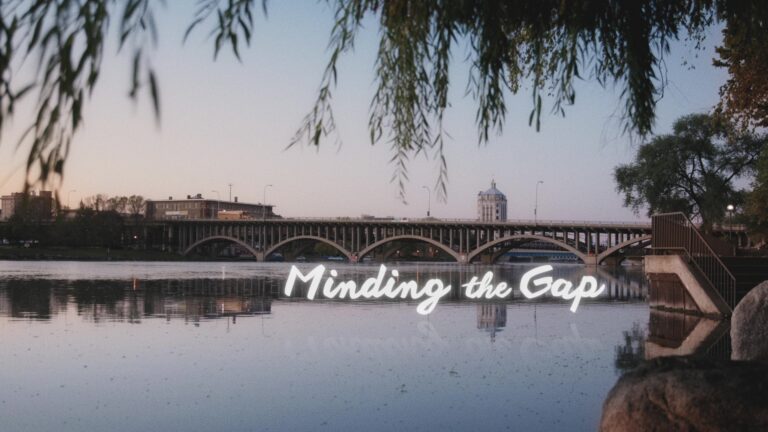
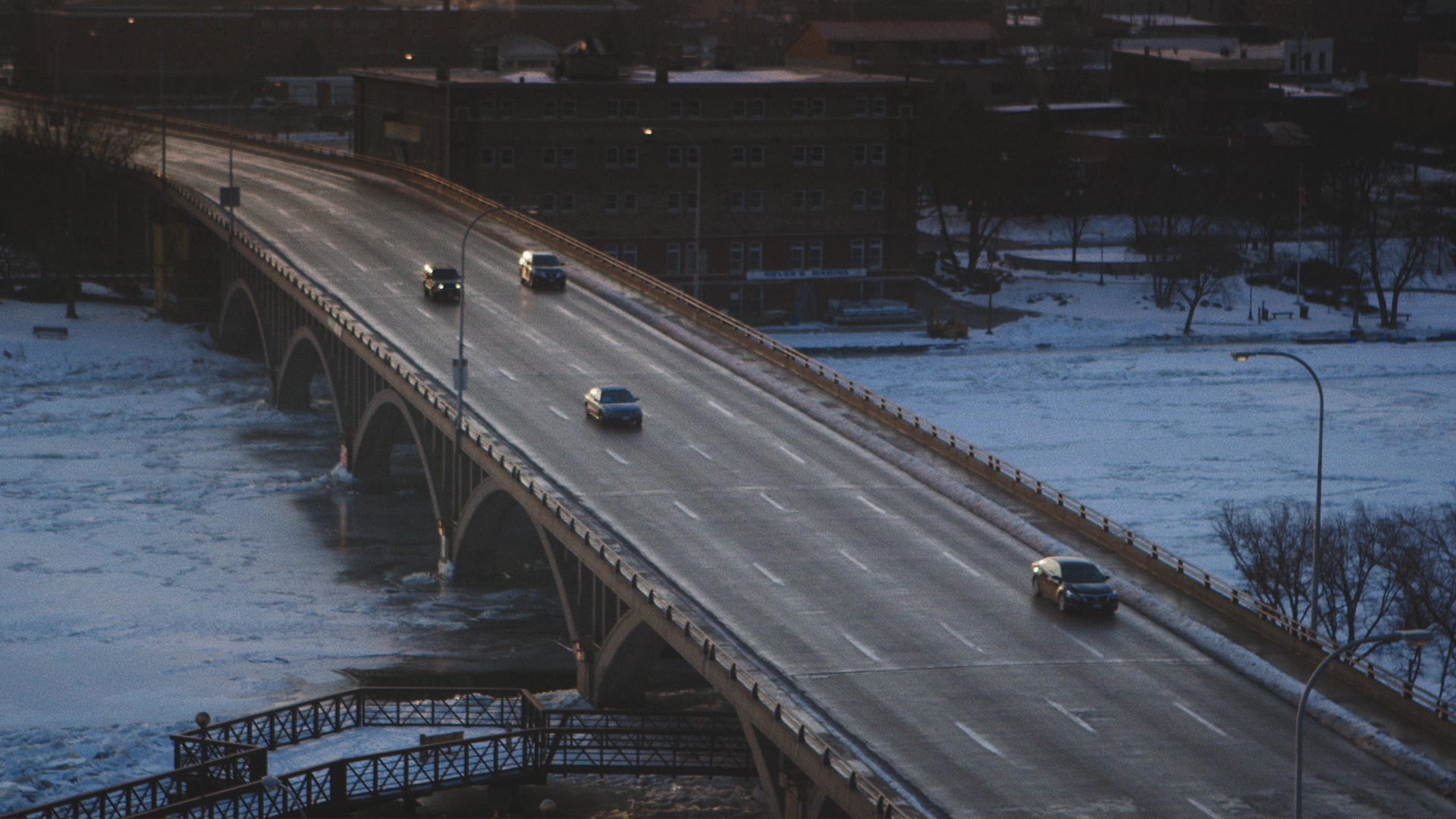
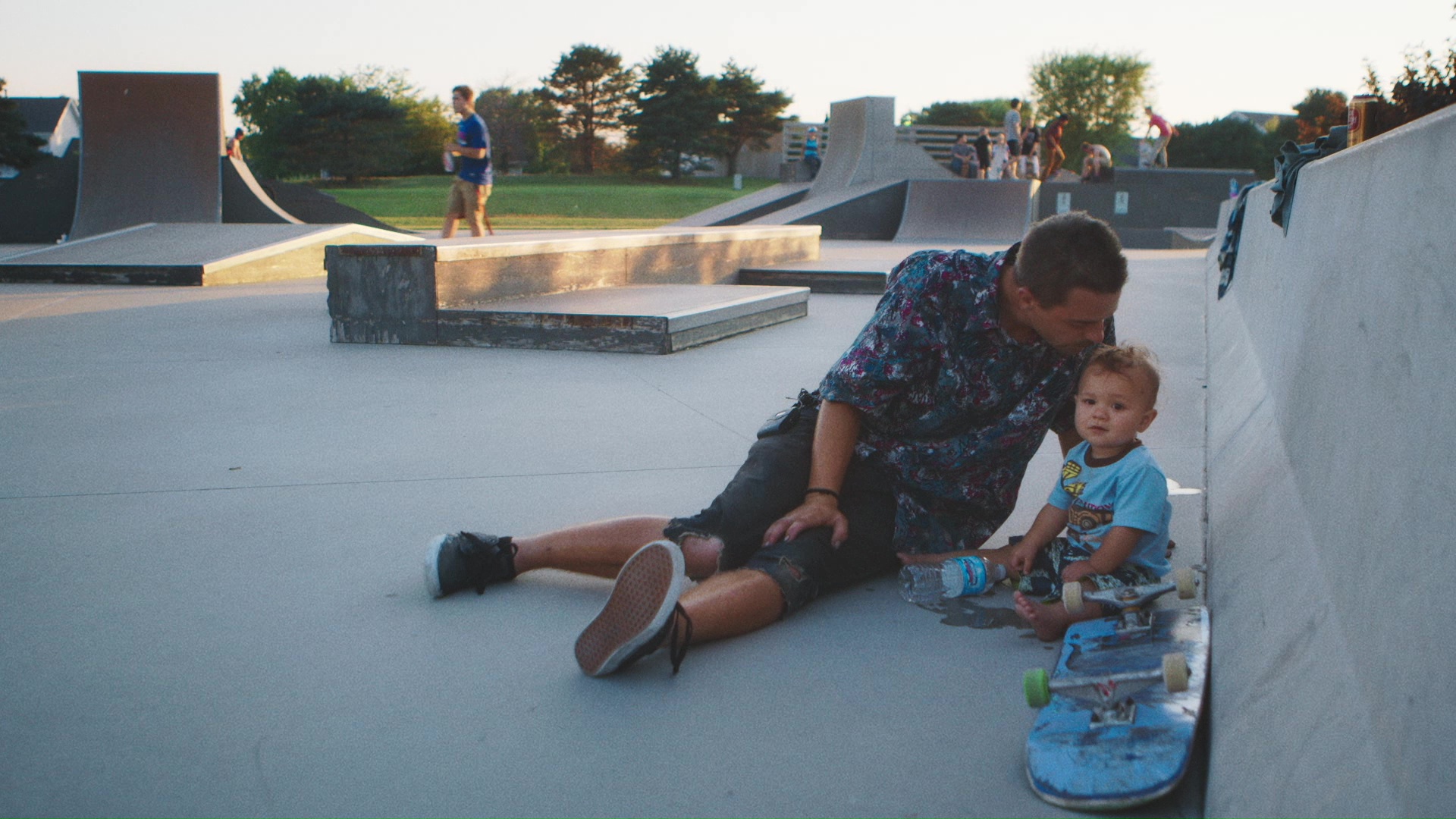
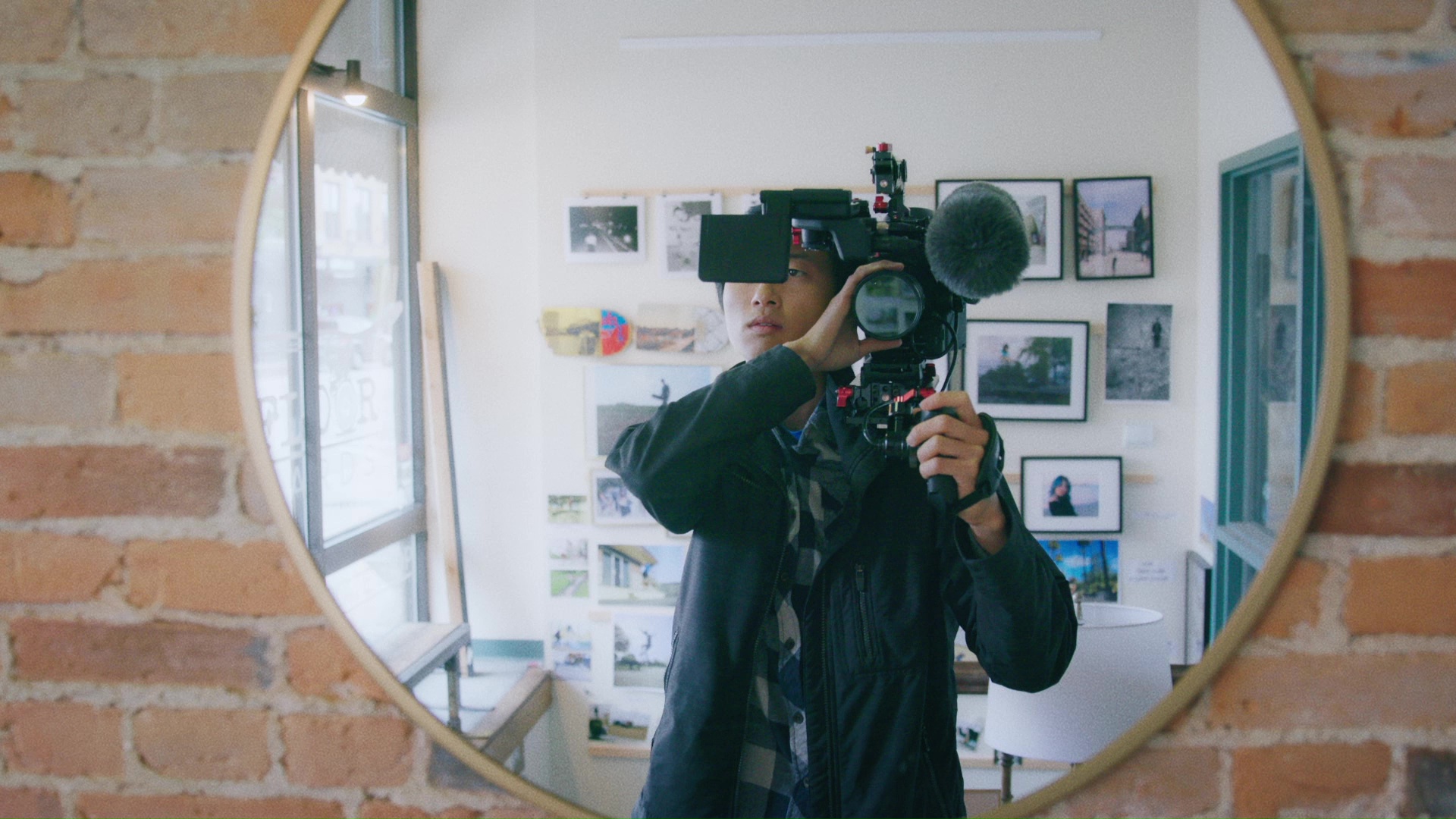
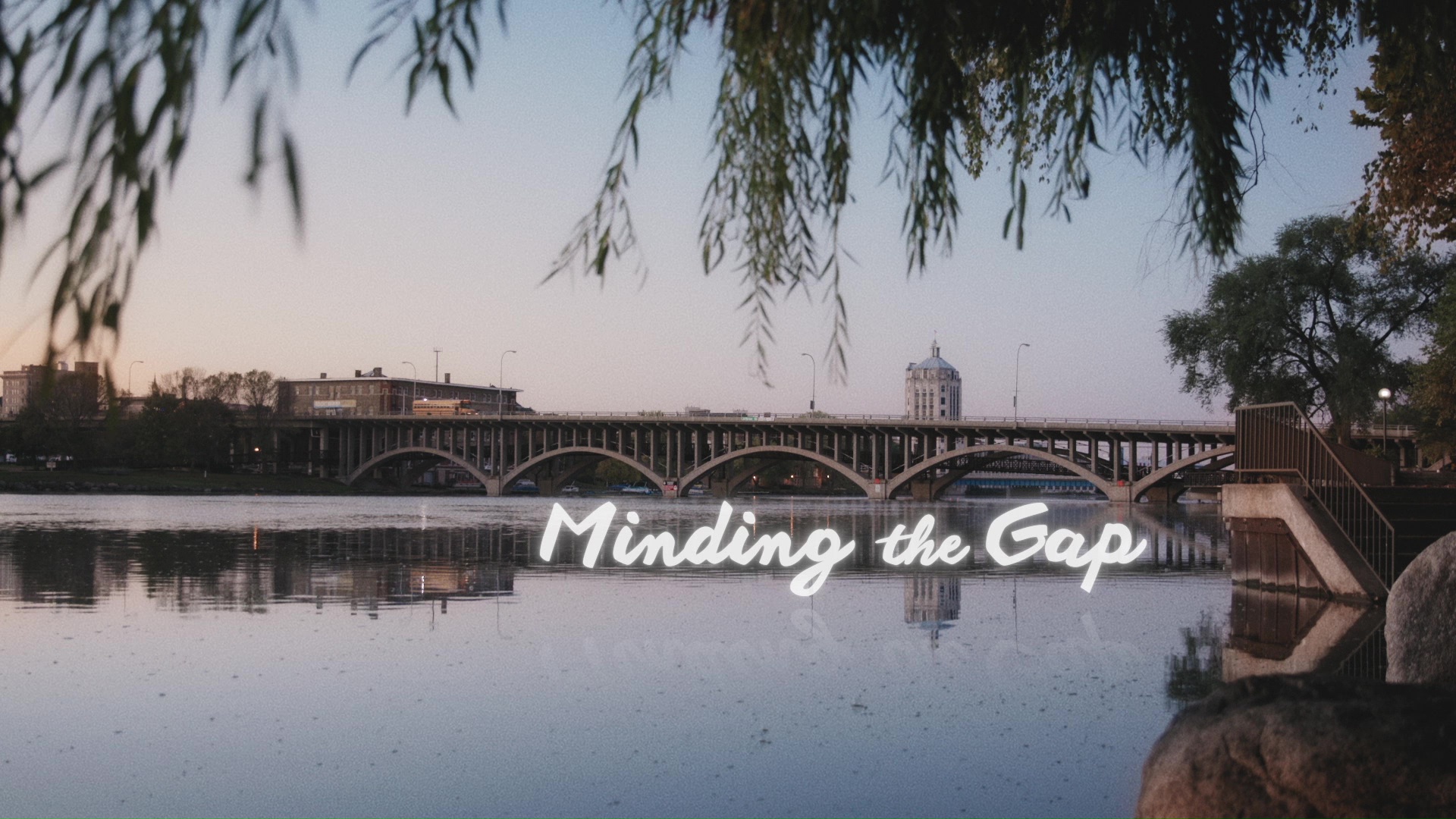
Minding the Gap (2018)
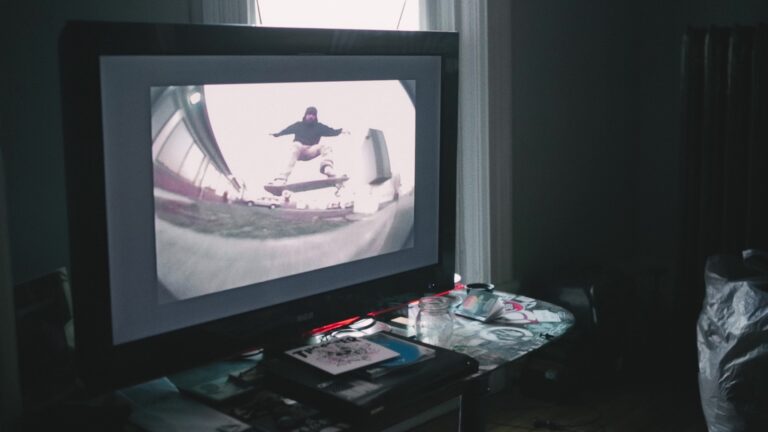
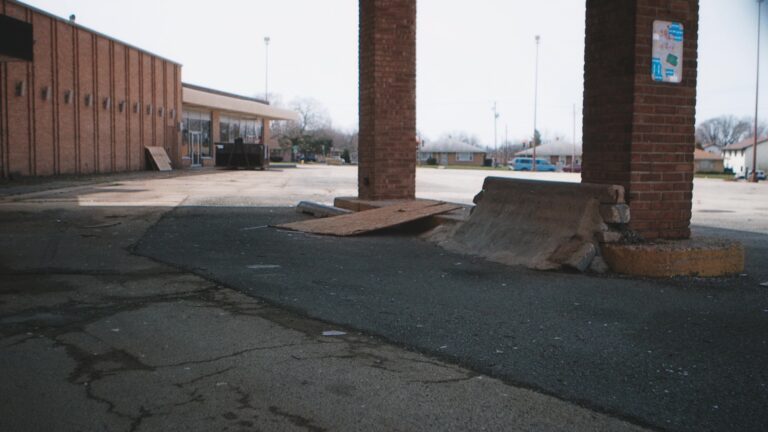
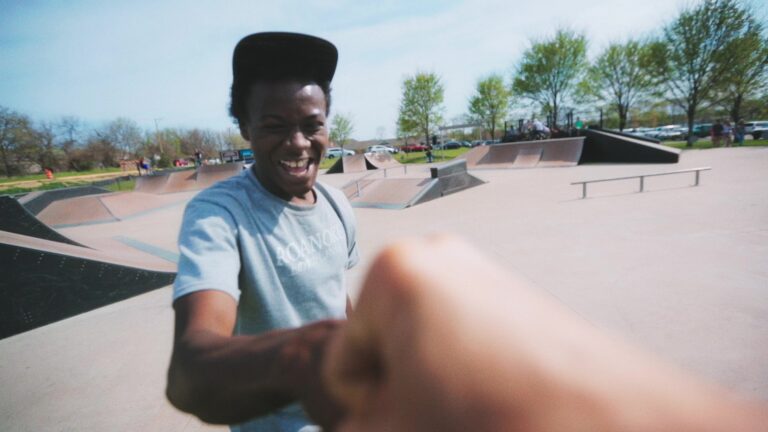
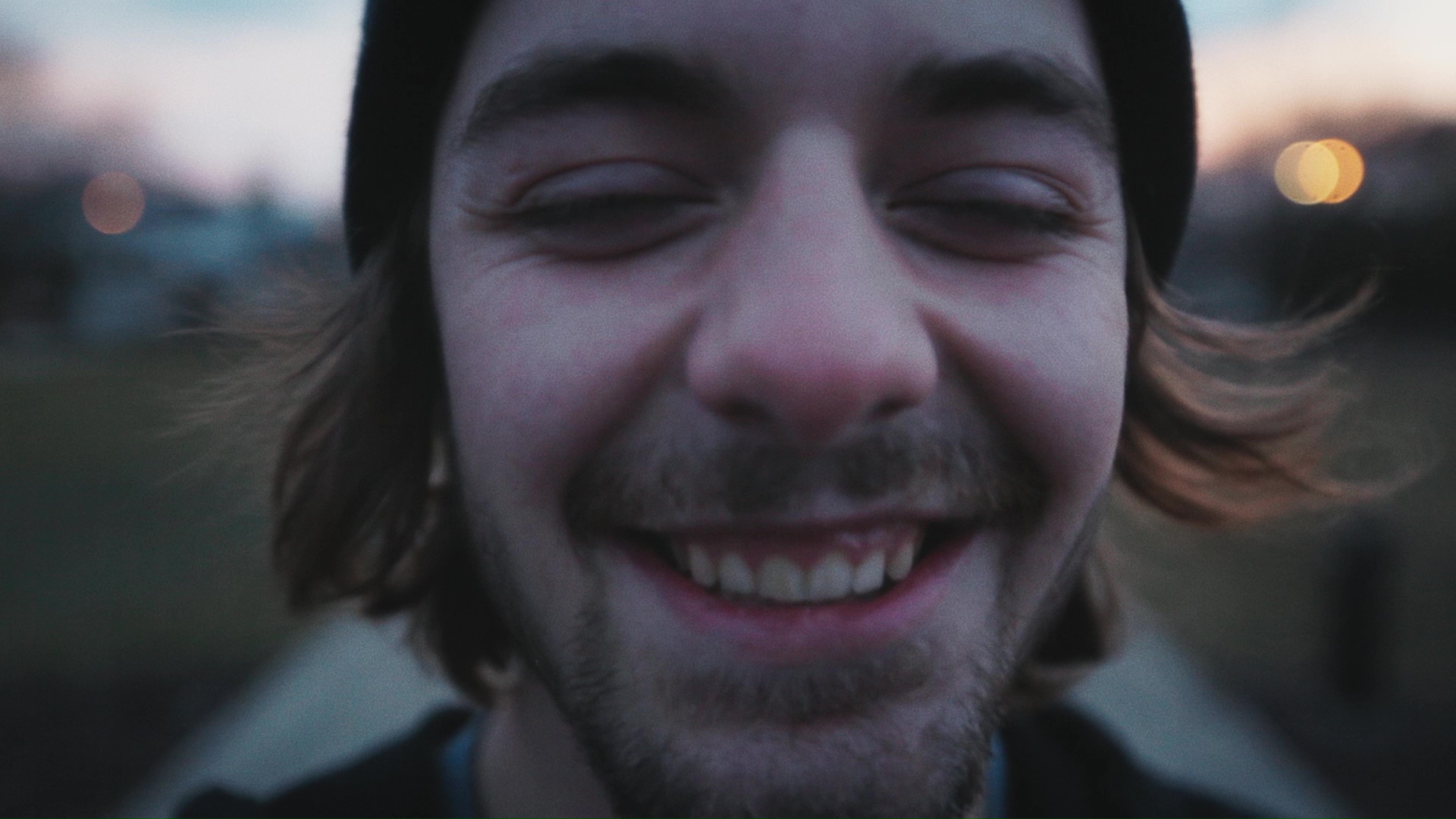
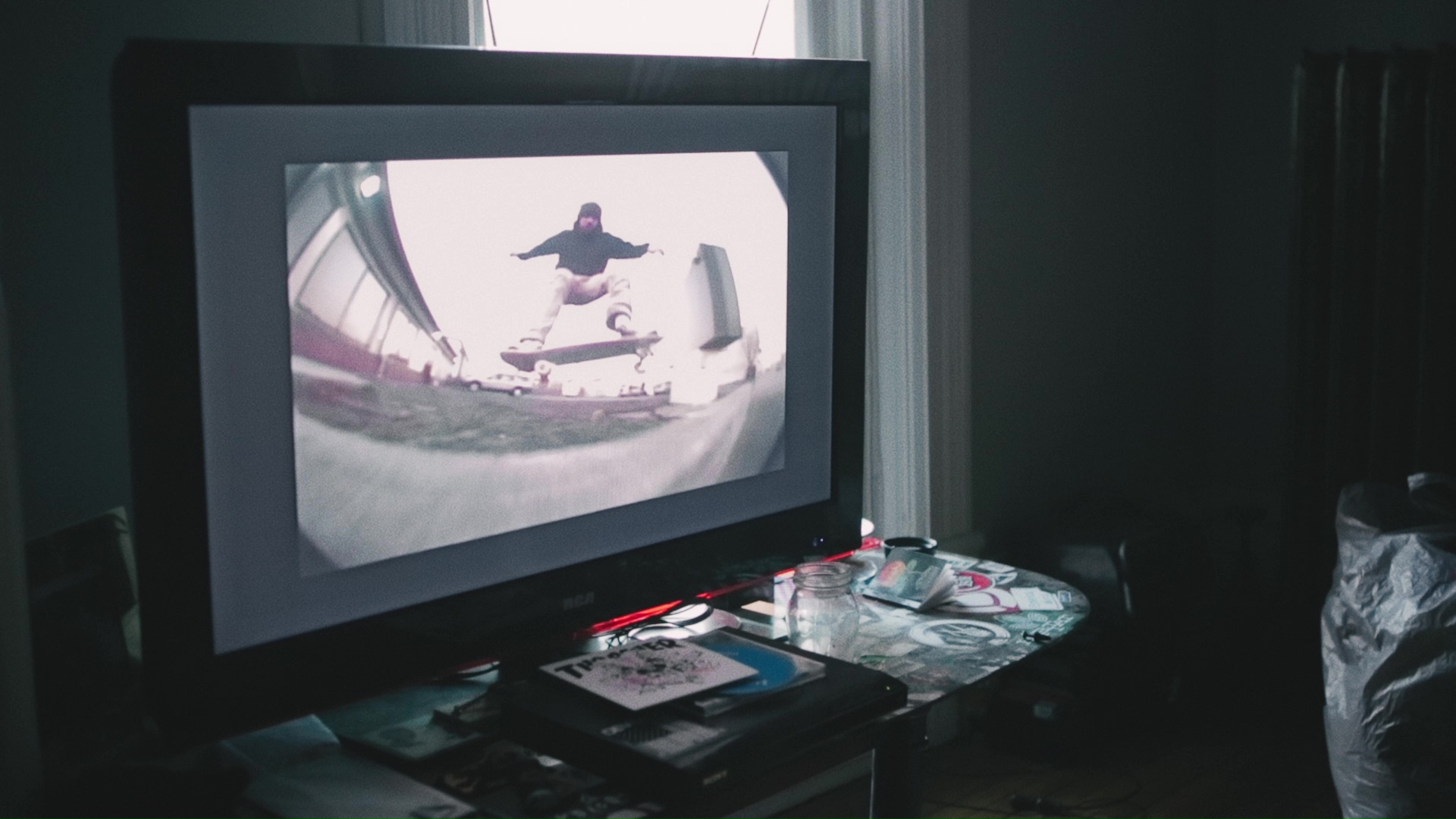
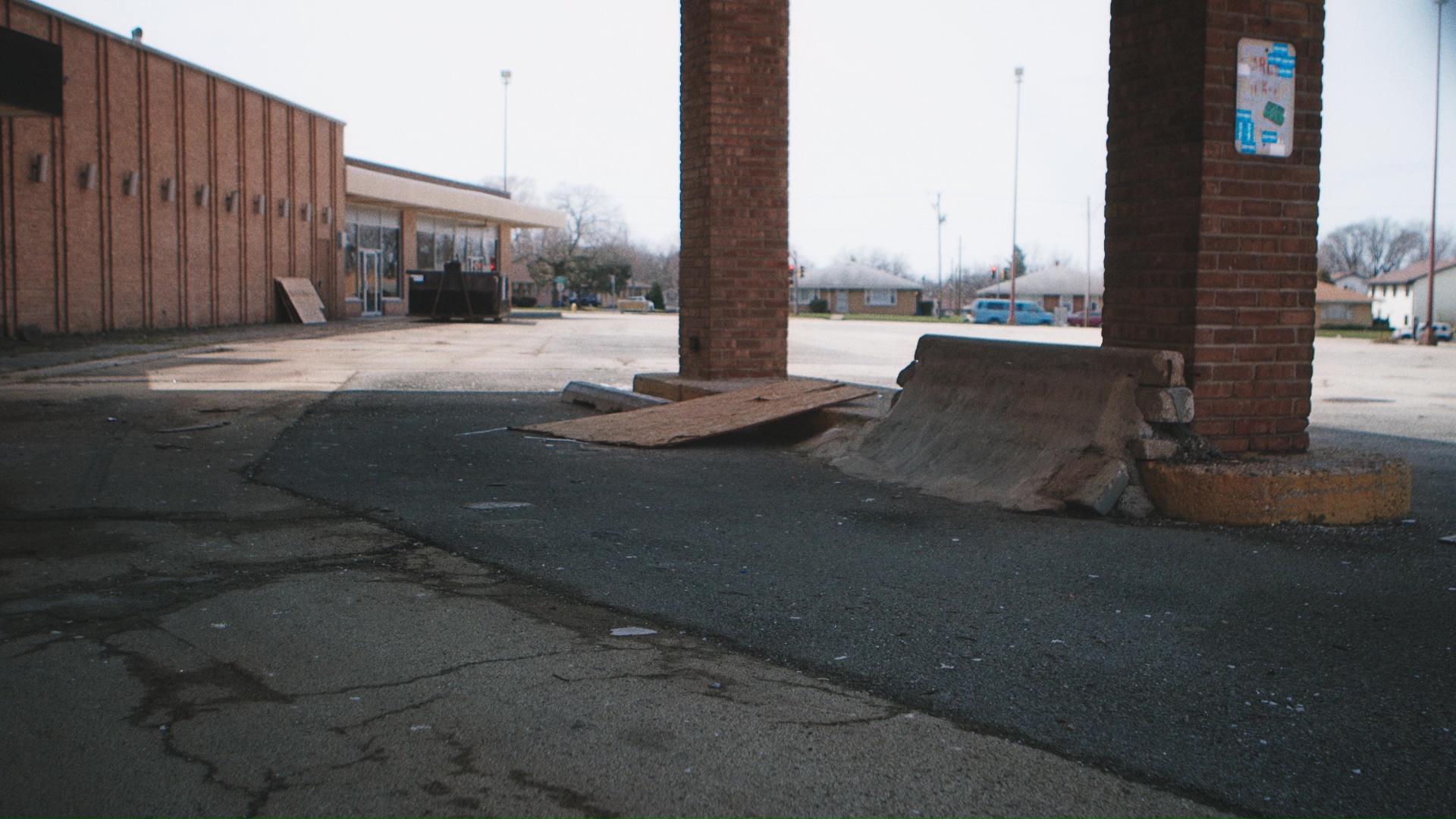
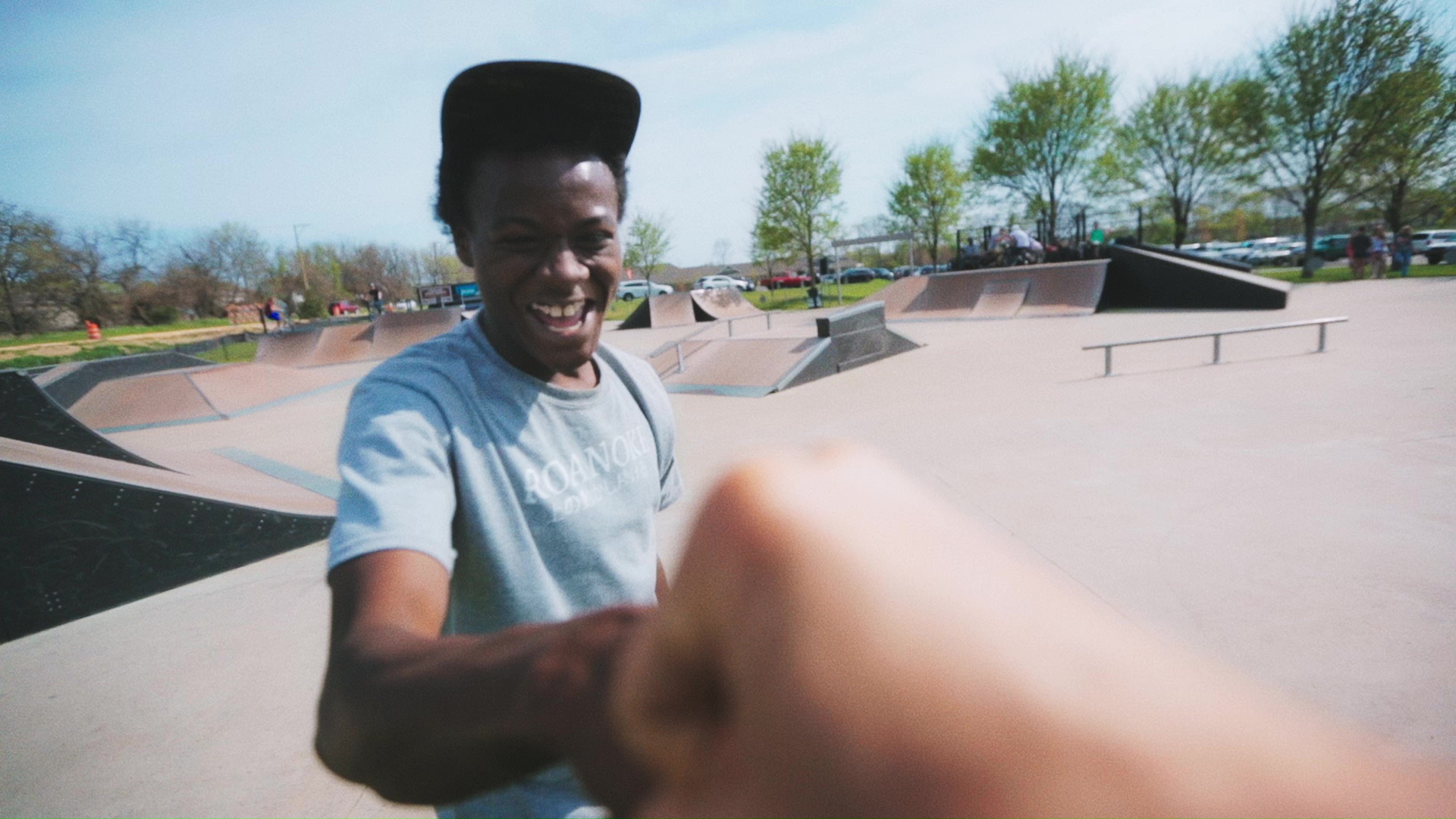
The documentary follows three young men in Rockford, Illinois, bonded by their love of skateboarding as they navigate the transition into adulthood. As they confront family trauma, economic hardship, and cycles of abuse, their friendships are tested and redefined. Through years of footage, the film becomes a deeply personal exploration of masculinity, memory, and breaking generational patterns.
Liu builds Minding the Gap from years of self-shot footage, blending fluid skate cinematography with intimate, handheld interviews to collapse past and present. The film’s shifting textures—loose, kinetic movement on the board contrasted with still, vulnerable close-ups—turn the camera into both participant and witness, making memory itself a visual throughline.


FILM SPOTLIGHT
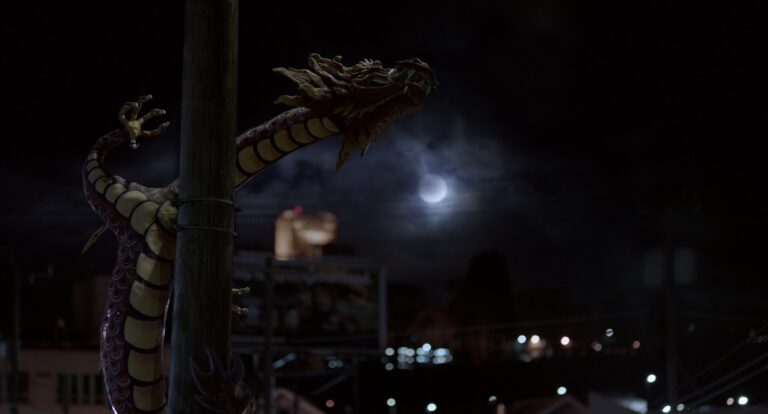
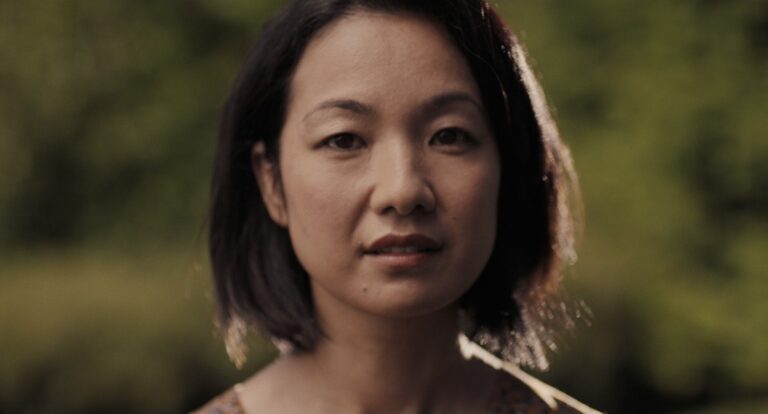
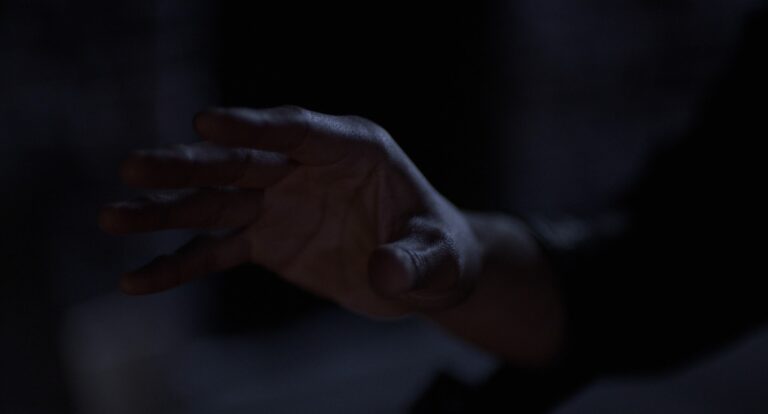
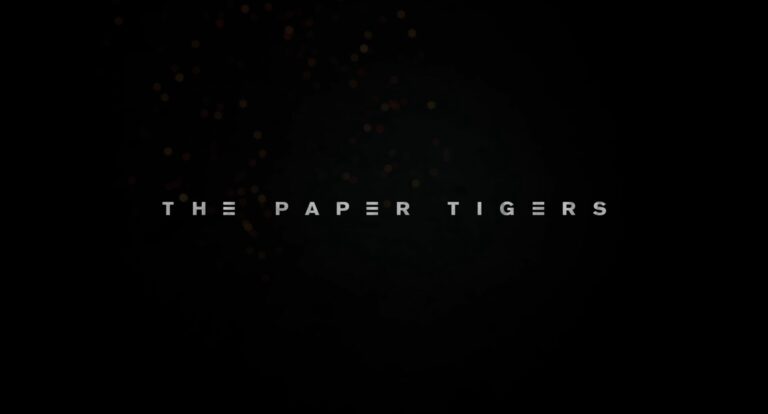
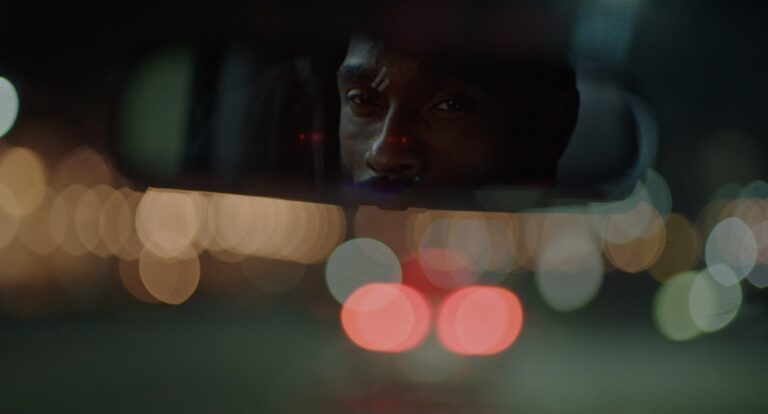
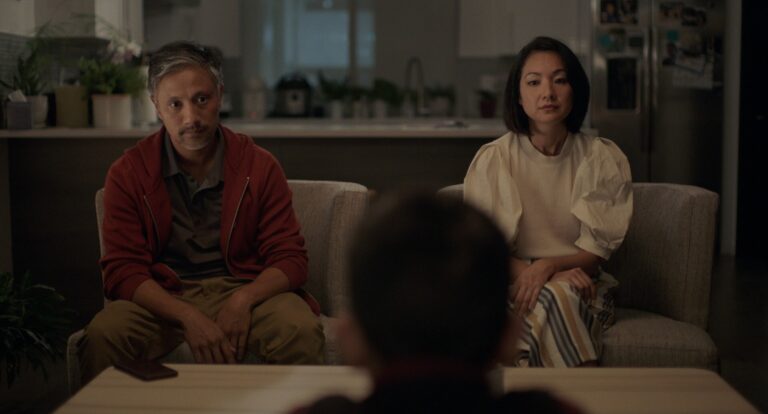
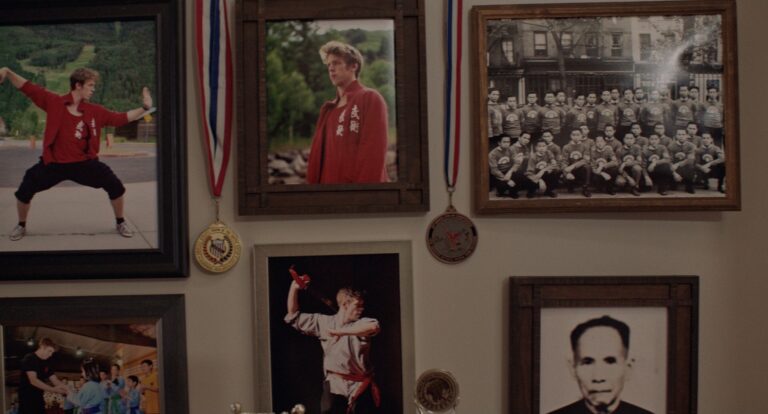
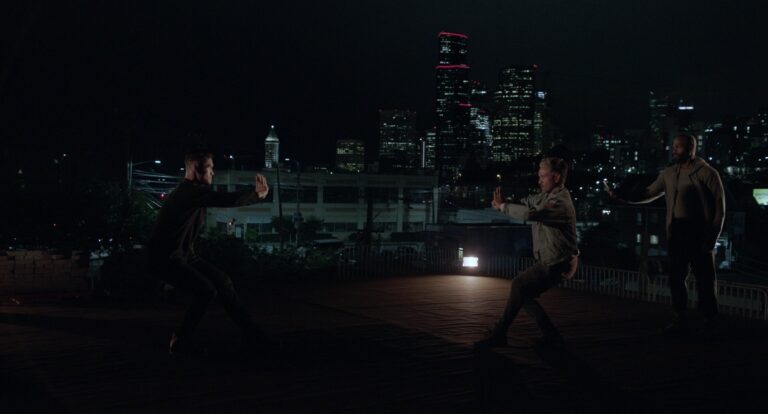
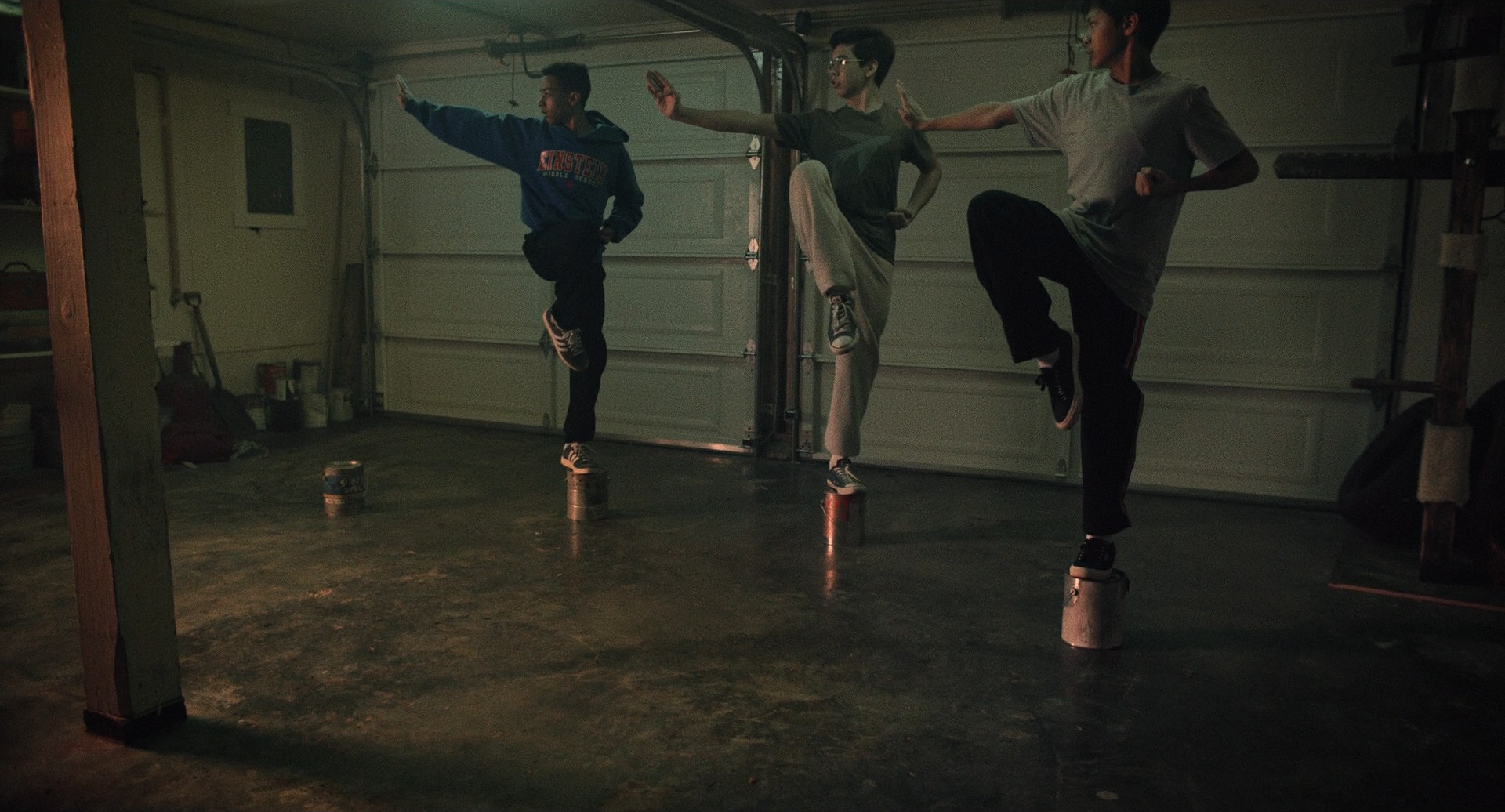
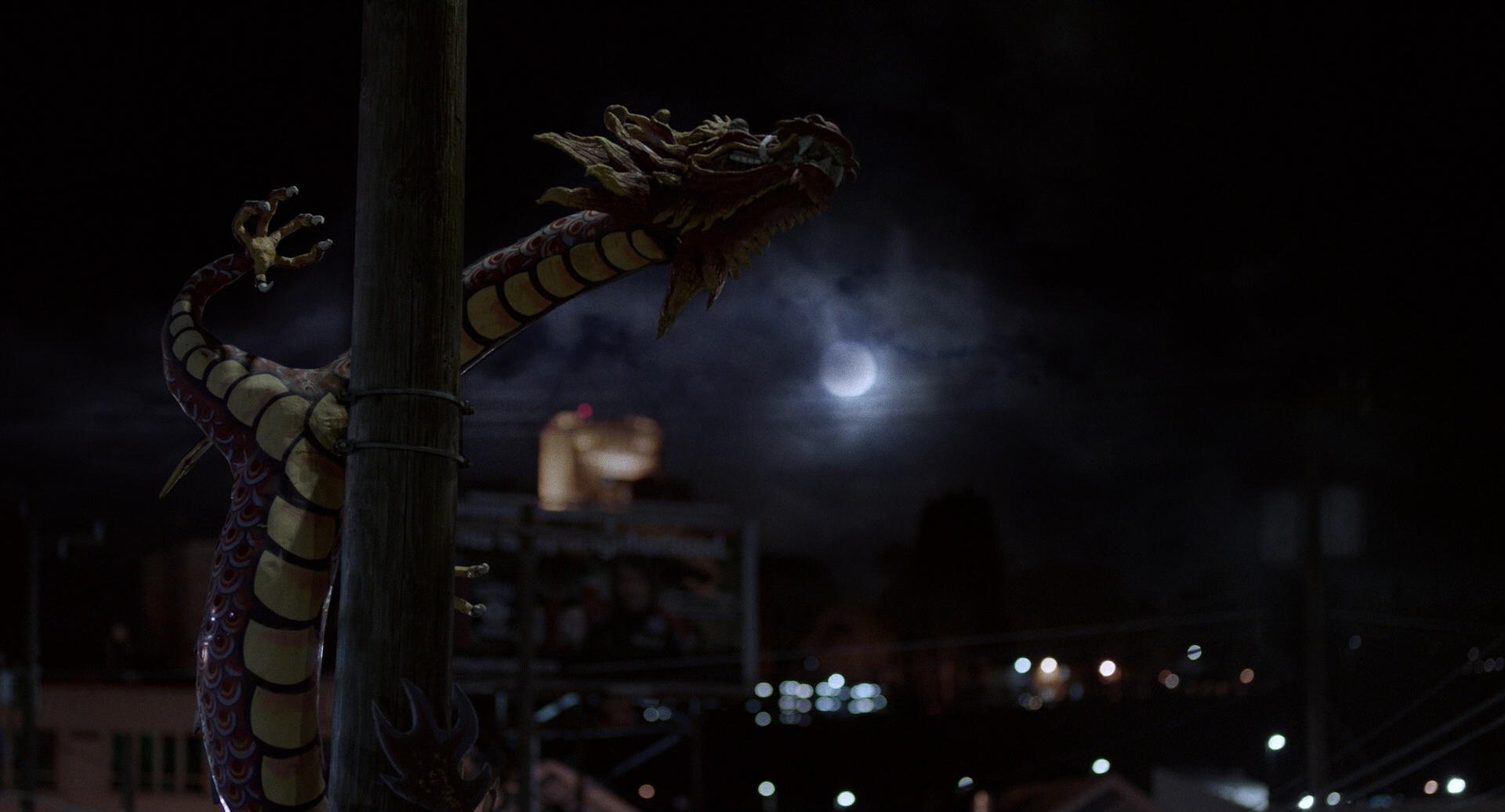
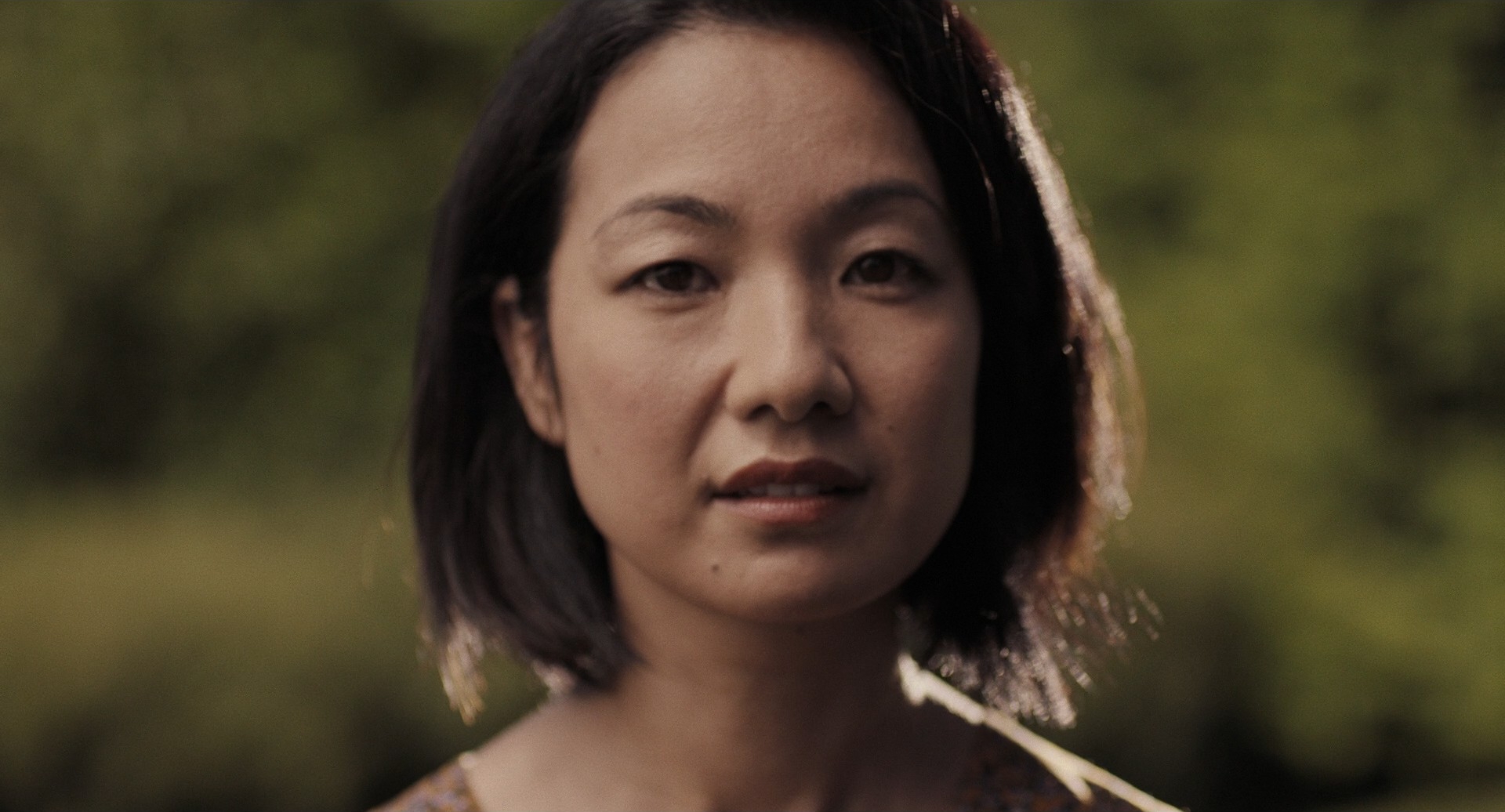
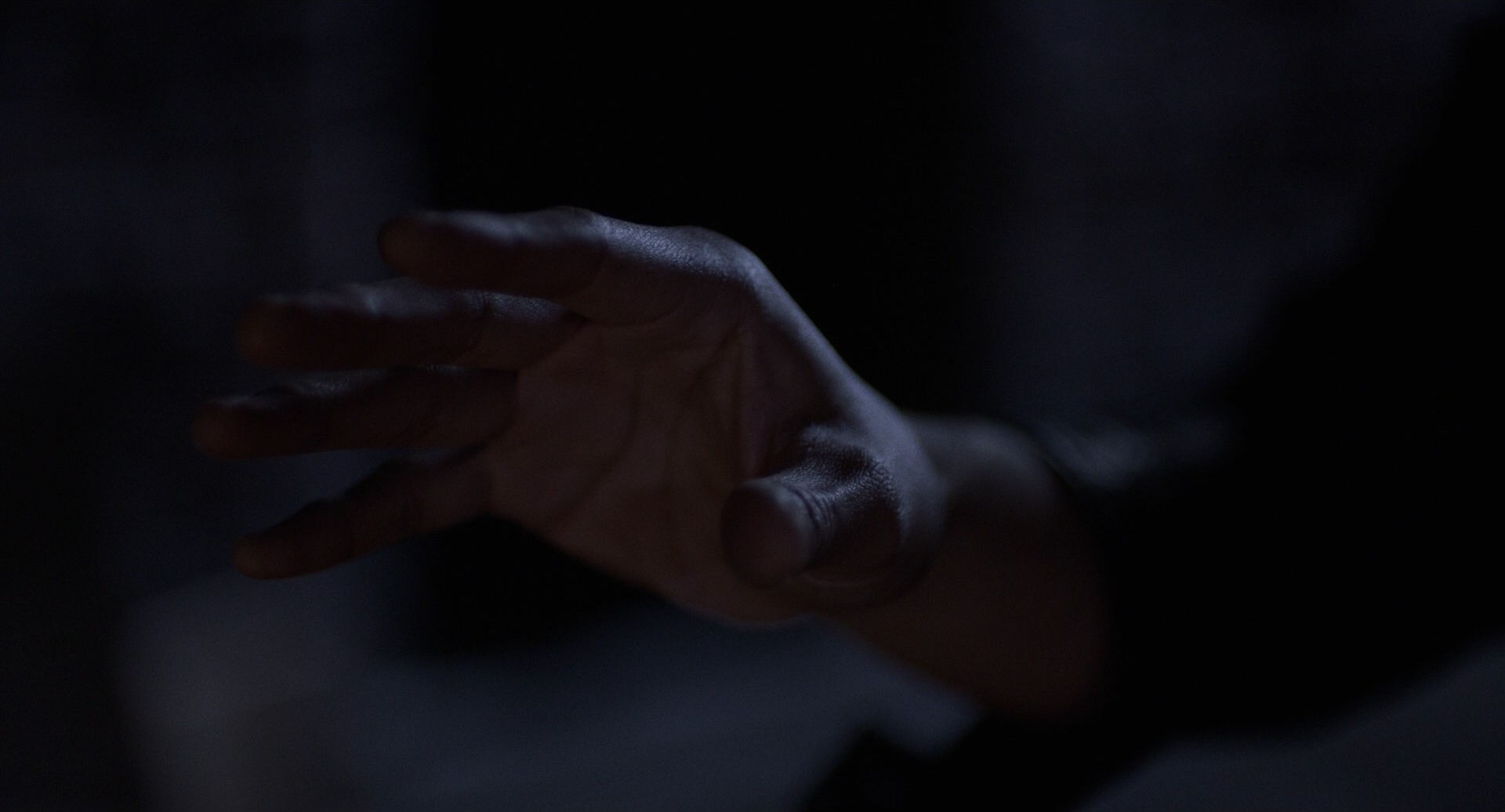
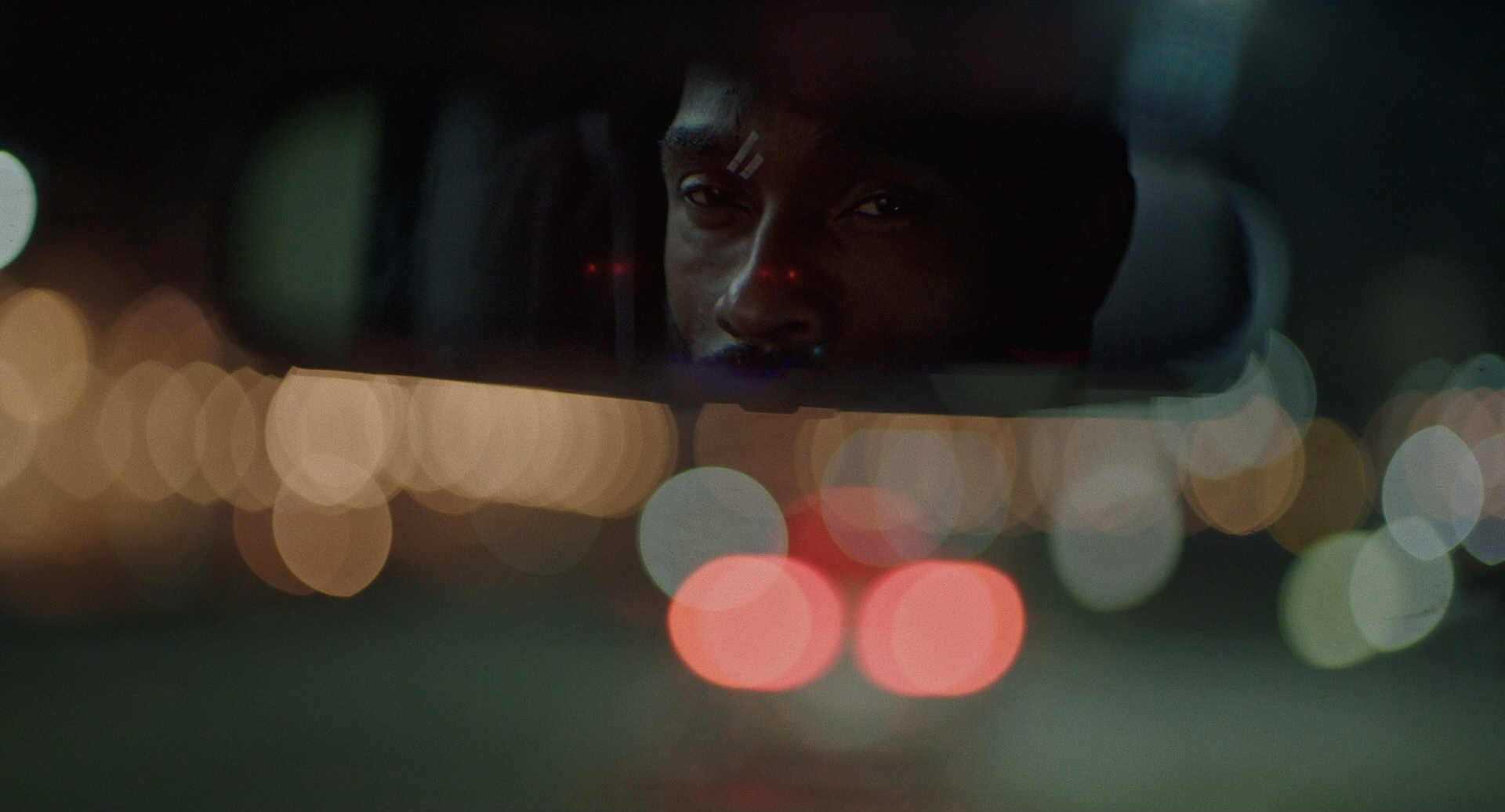
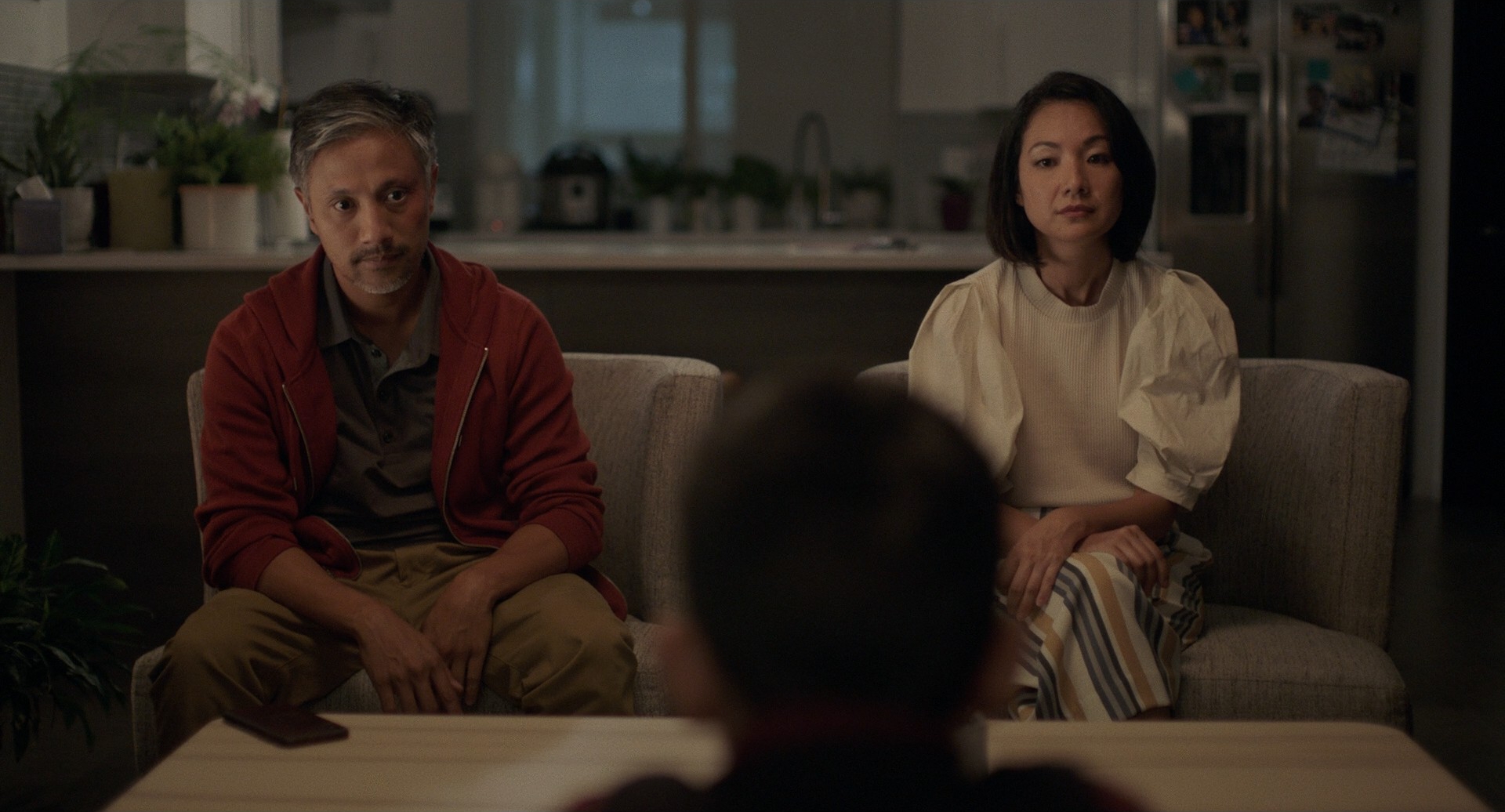
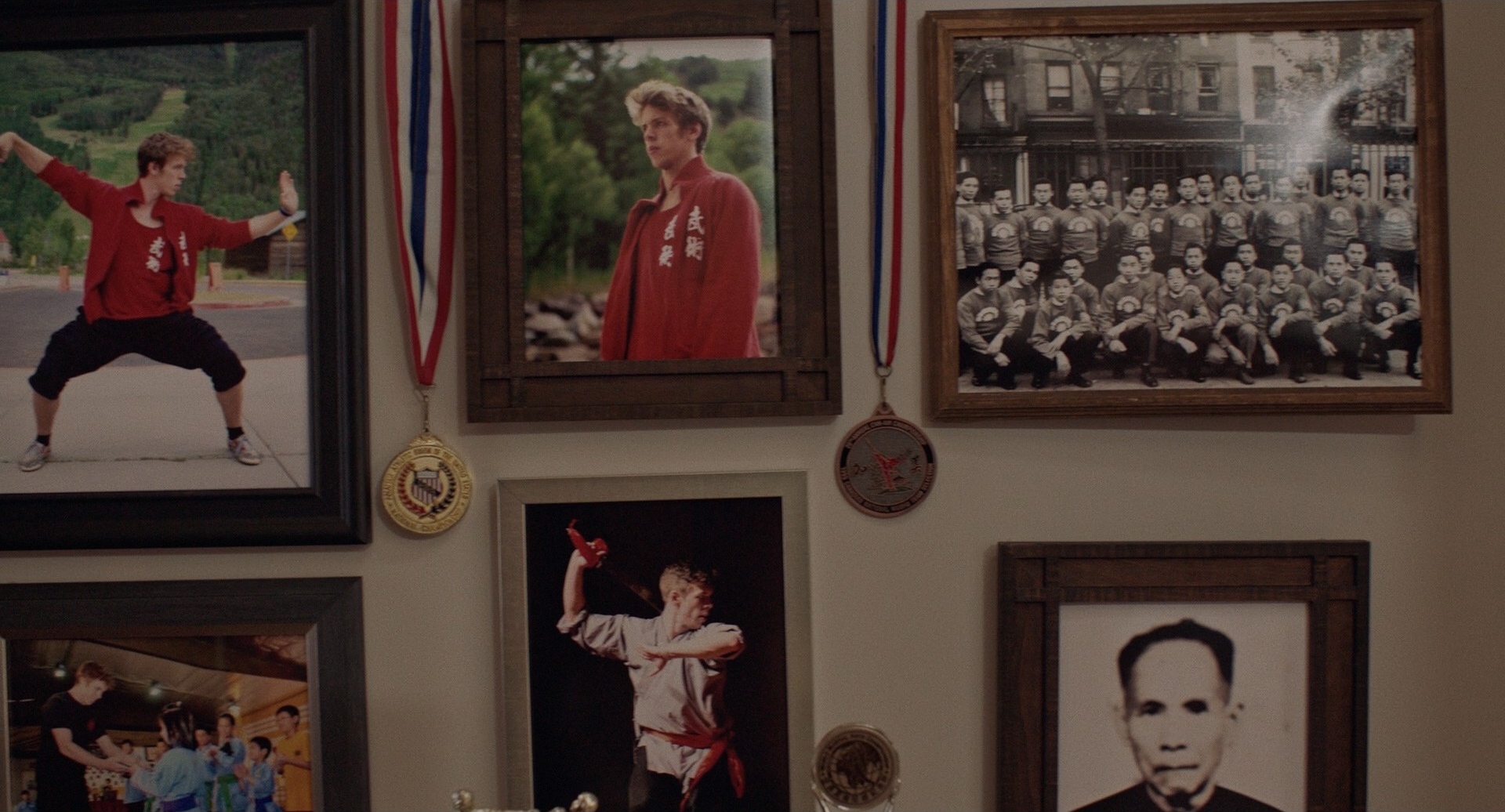
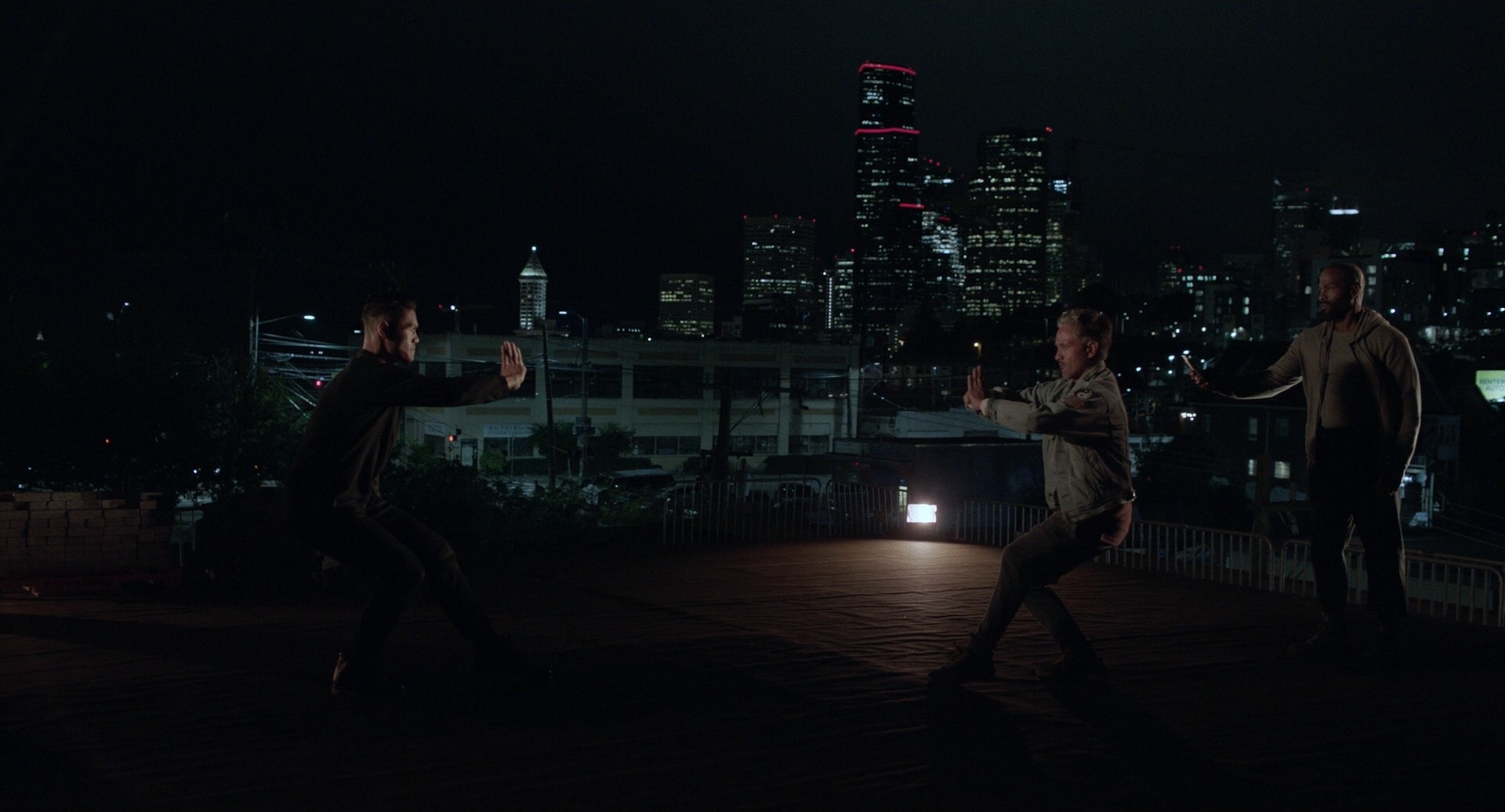
The Paper Tigers (2020)
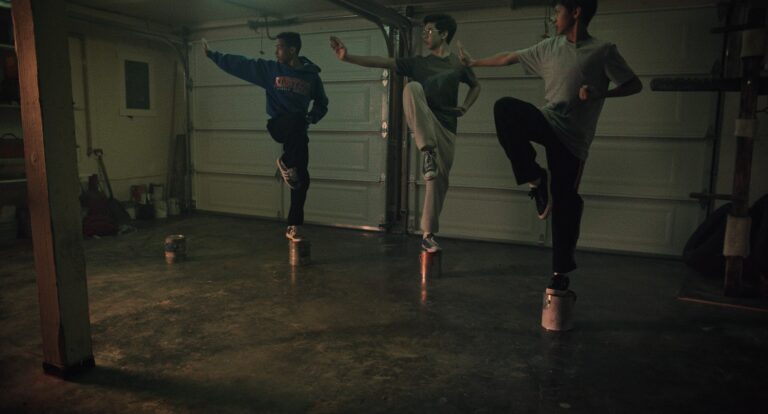
Three former kung fu prodigies, once known as “the Three Tigers,” reunite years later after the sudden death of their master. Now middle-aged and out of shape, they set out to uncover the truth behind his death while confronting their own fading skills and fractured friendship. Their investigation becomes a mix of action, comedy, and reflection on legacy and loyalty.
In The Paper Tigers, Tran and cinematographer Jon Keng lean into a grounded, performance-driven action style, using wider framings and restrained cutting to highlight the contrast between the characters’ past prowess and present limitations. The film’s practical fight choreography and clean visual approach keep the action tactile and humorous—letting timing and physicality, rather than heavy stylization, carry the visual appeal.
FILM SPOTLIGHT
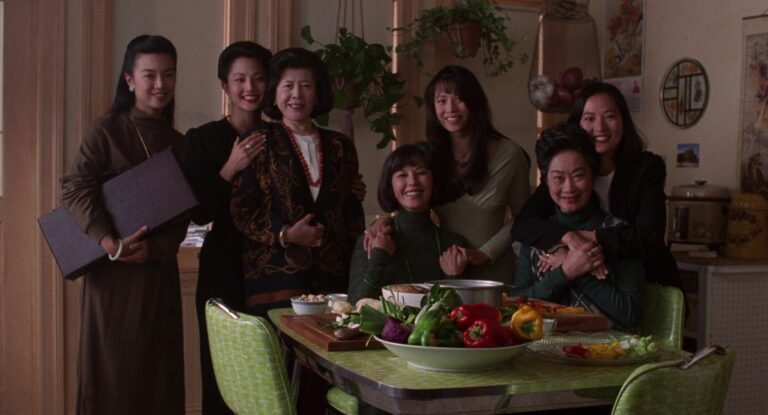
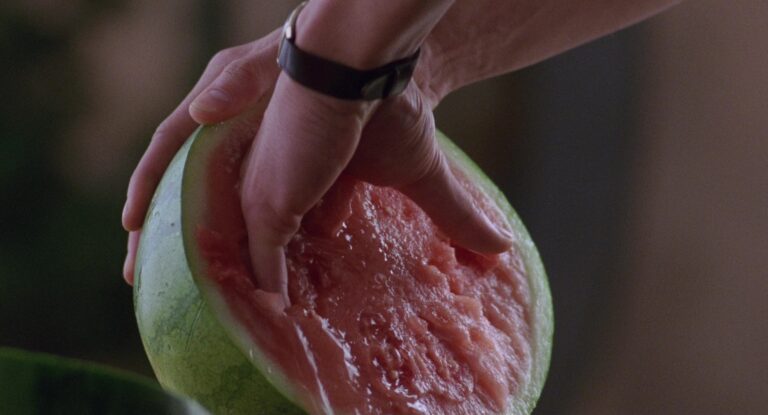
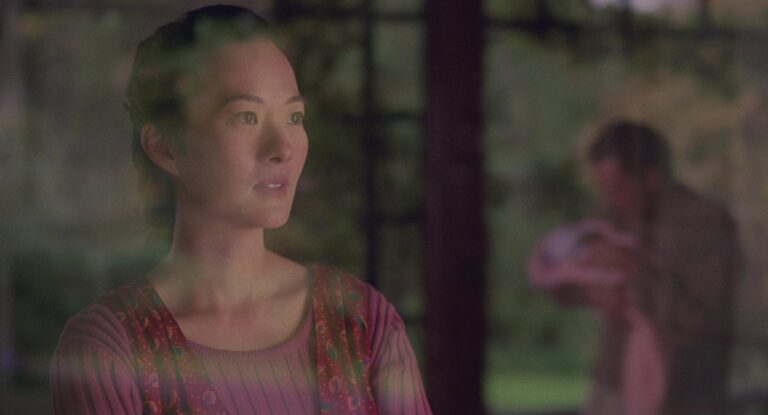
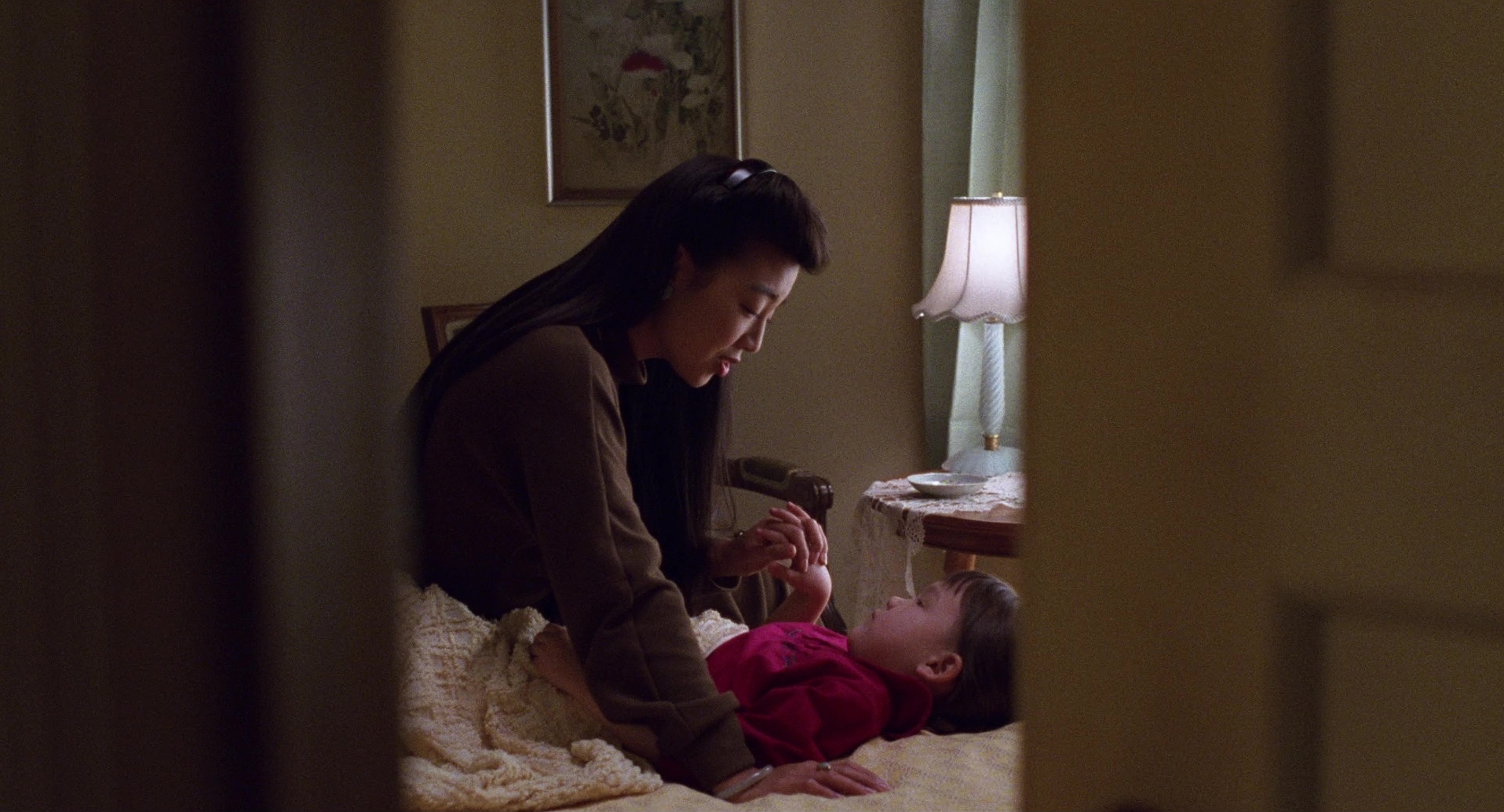
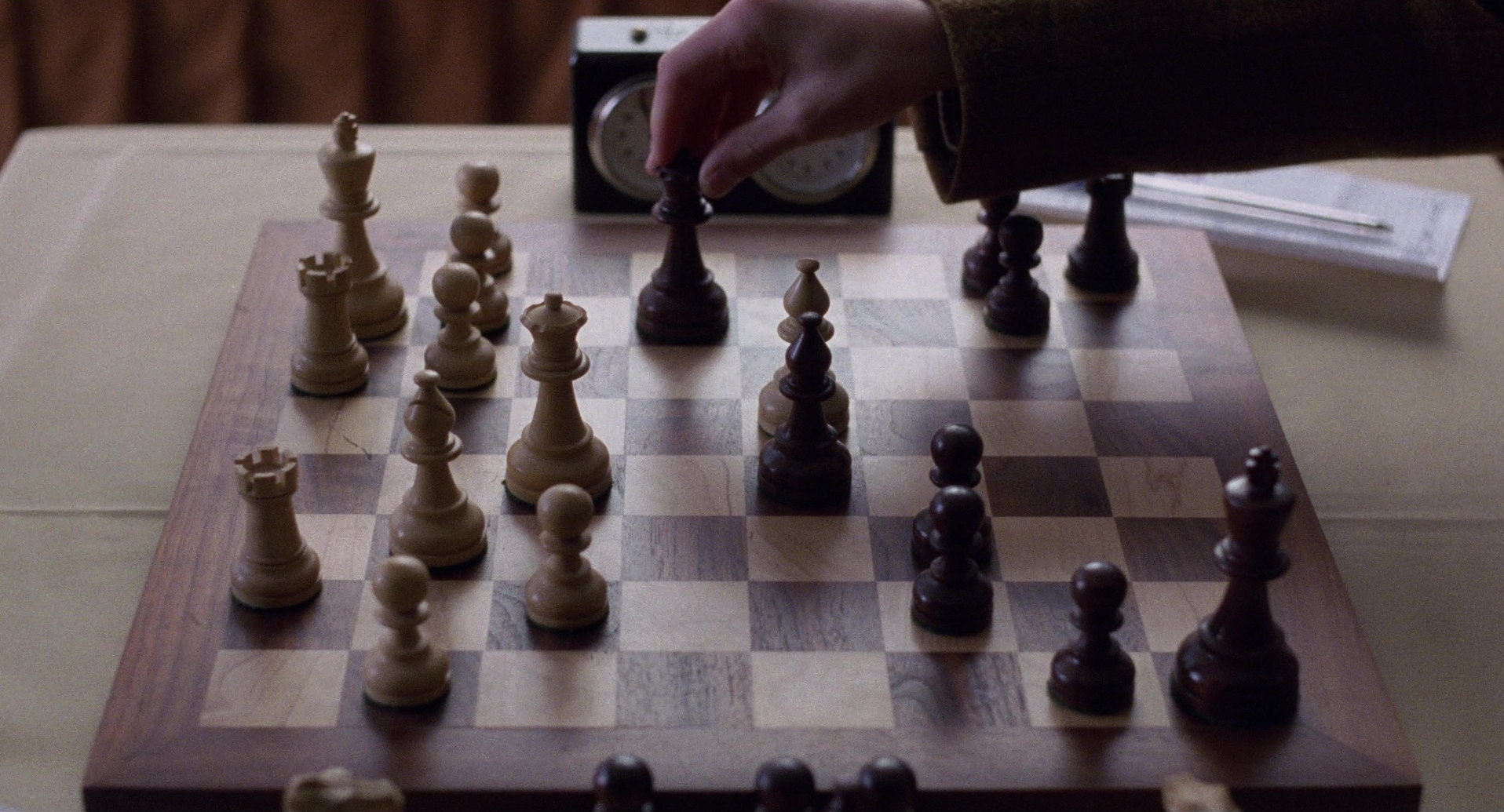
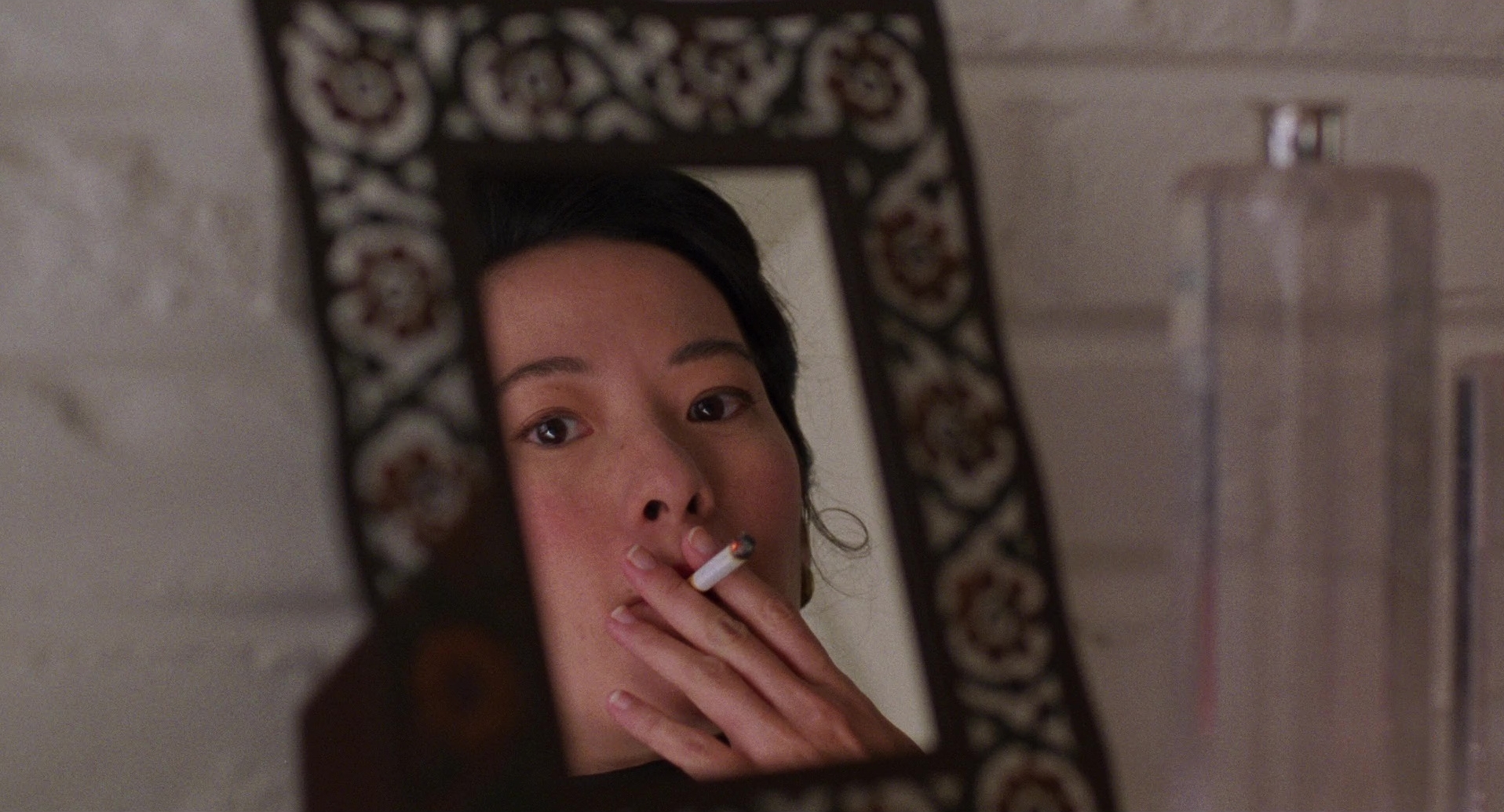
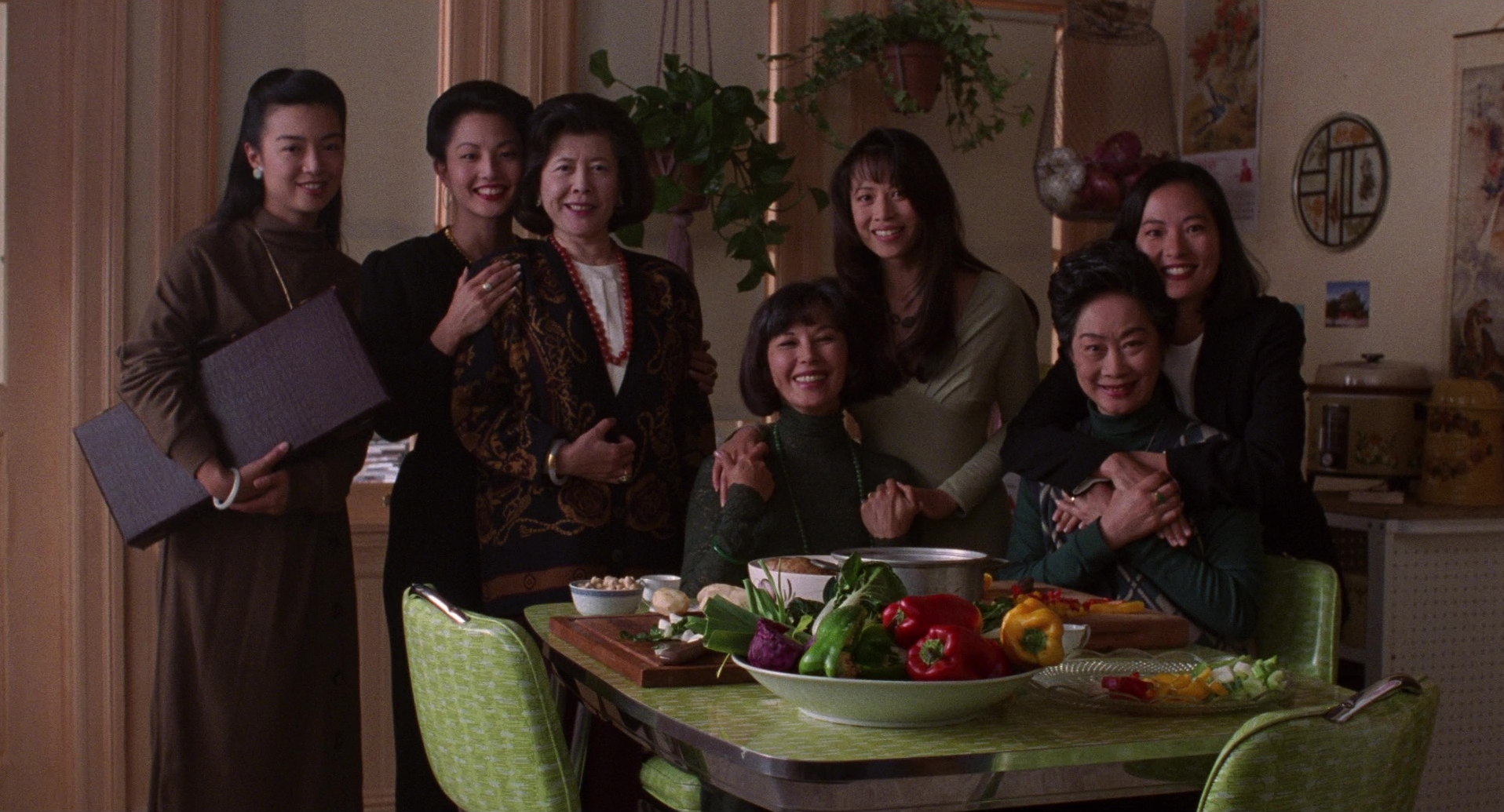
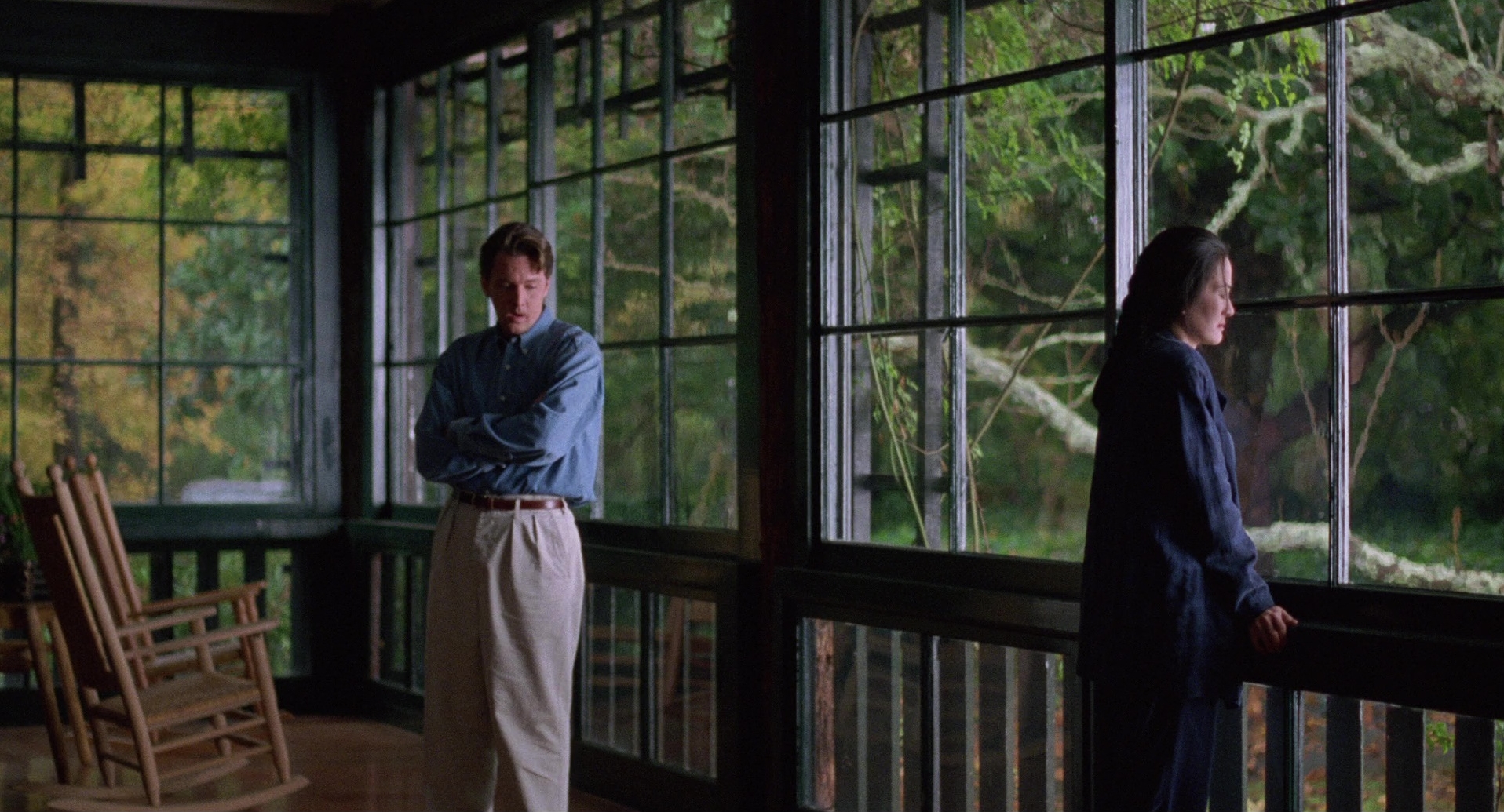
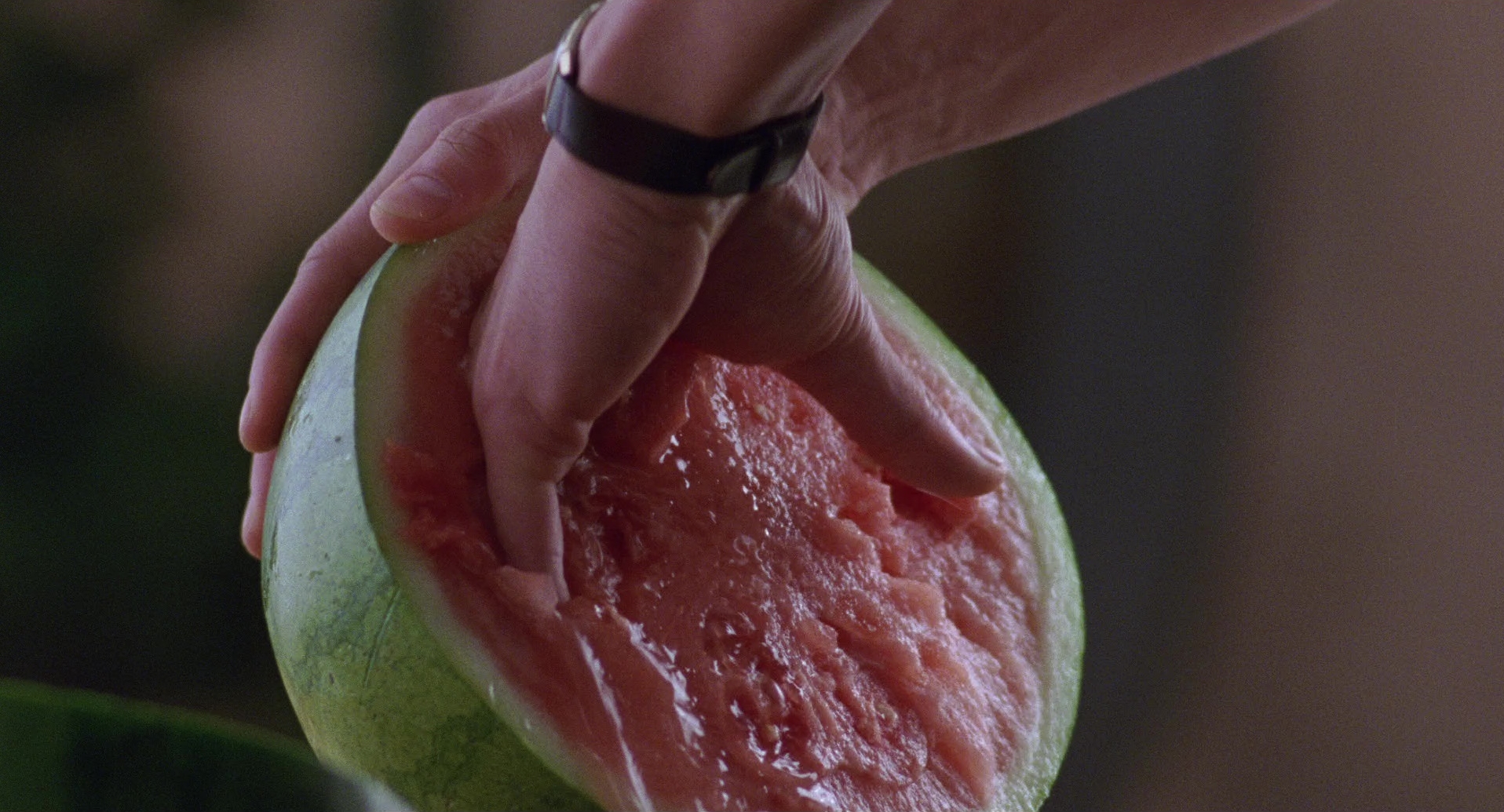
The Joy Luck Club (1993)
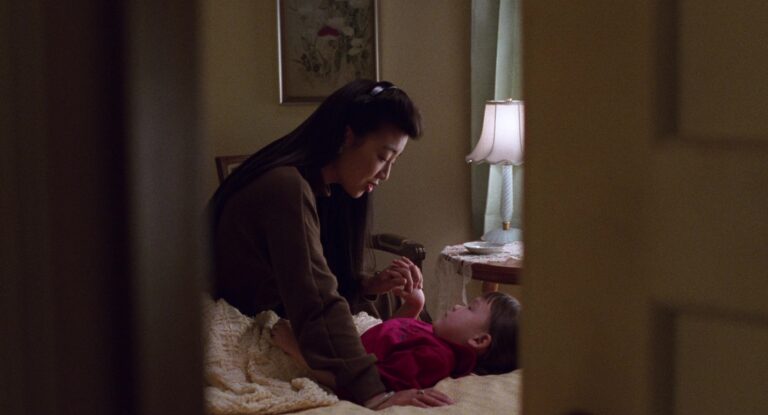
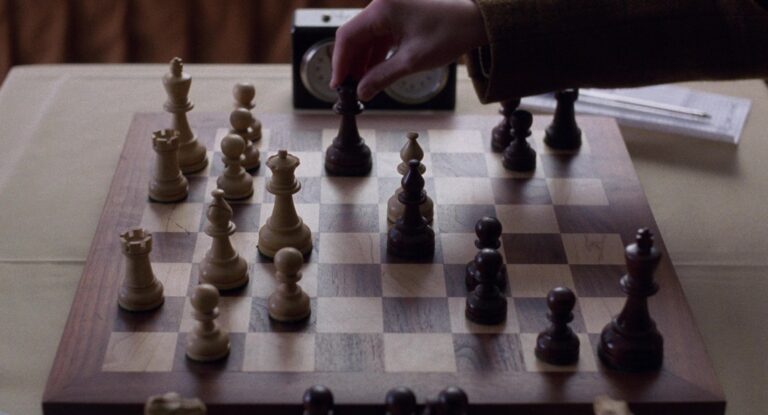
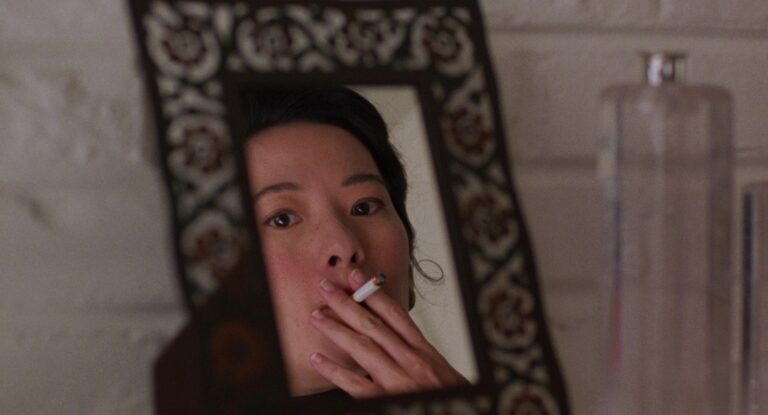
The Joy Luck Club interweaves the stories of four Chinese immigrant mothers and their American-born daughters, exploring generational conflict, cultural identity, and the legacy of the past. Through a series of flashbacks and present-day interactions, the women confront family expectations, personal struggles, and long-held secrets. Their stories form a tapestry of memory, resilience, and the enduring bond between mothers and daughters.
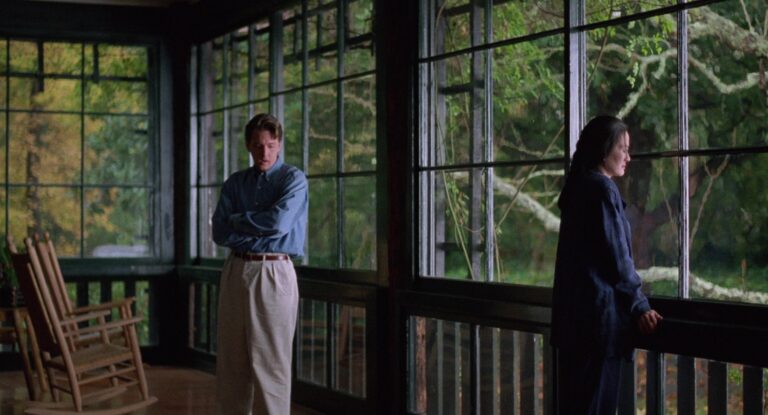
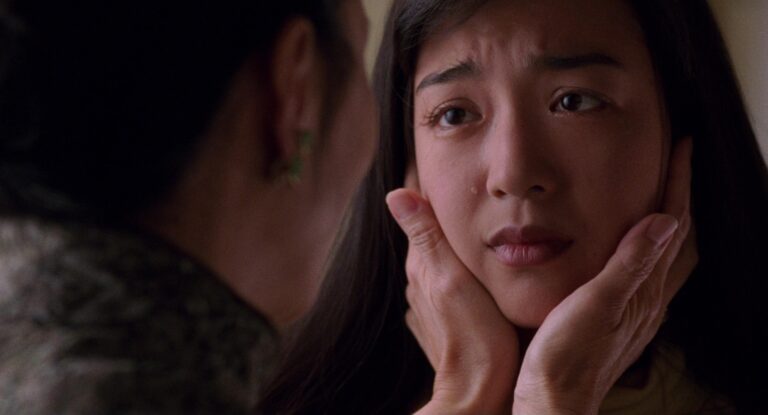
Wang and cinematographer Amir Mokri differentiate timelines through a rich visual contrast, using warm, saturated tones and stylized lighting for the mothers’ memories in China, while the present-day scenes lean more naturalistic and restrained. The film’s use of soft light, period detail, and fluid transitions turns memory into something tactile—where color and texture carry the emotional weight of history.
FILM SPOTLIGHT
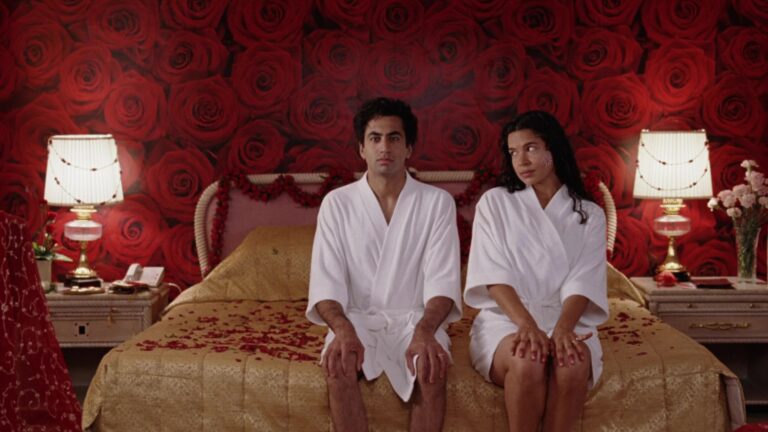
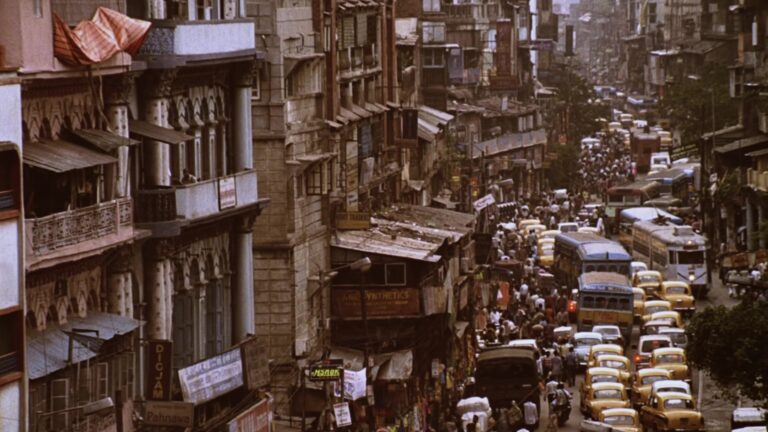
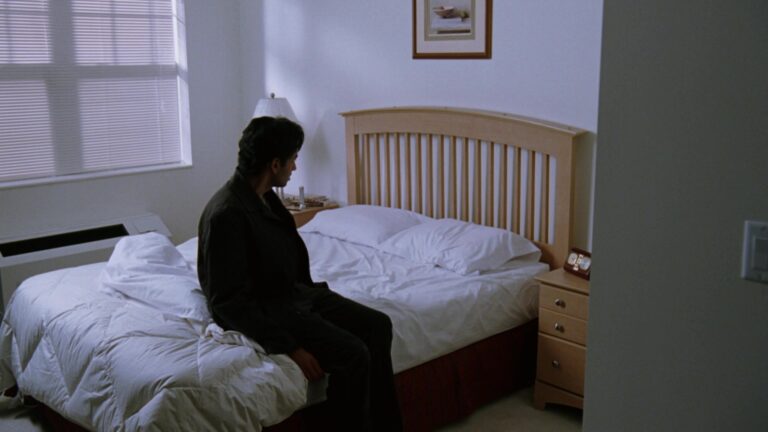
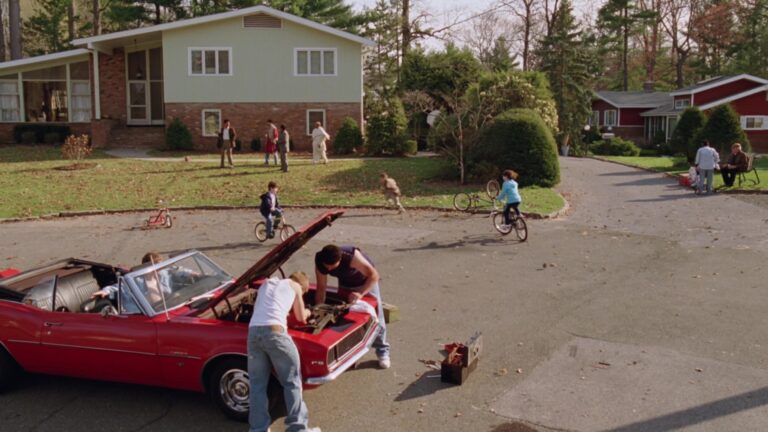
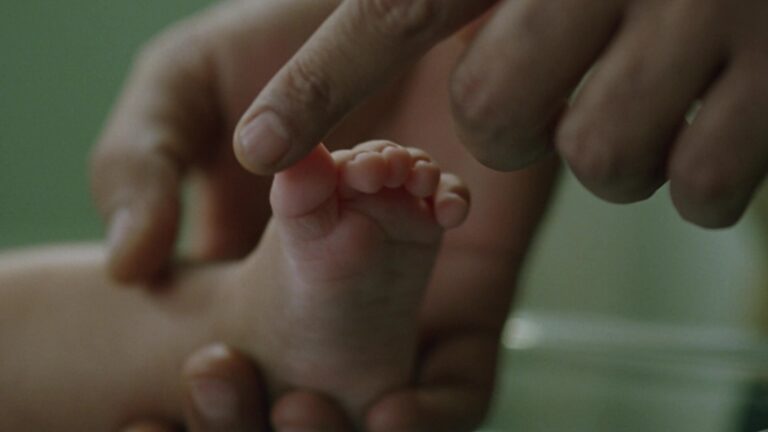
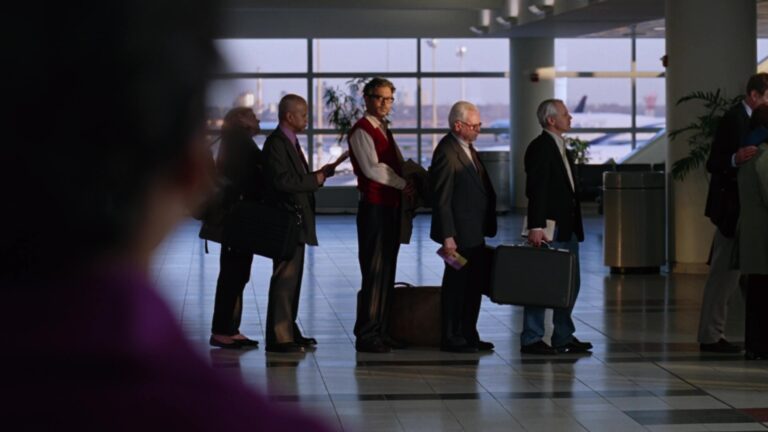
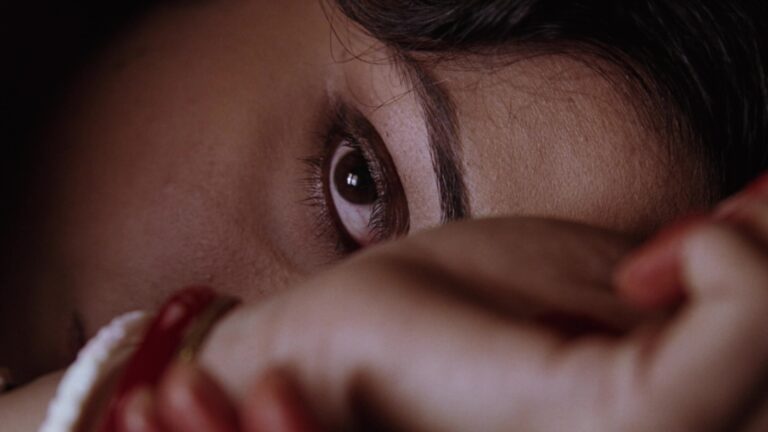
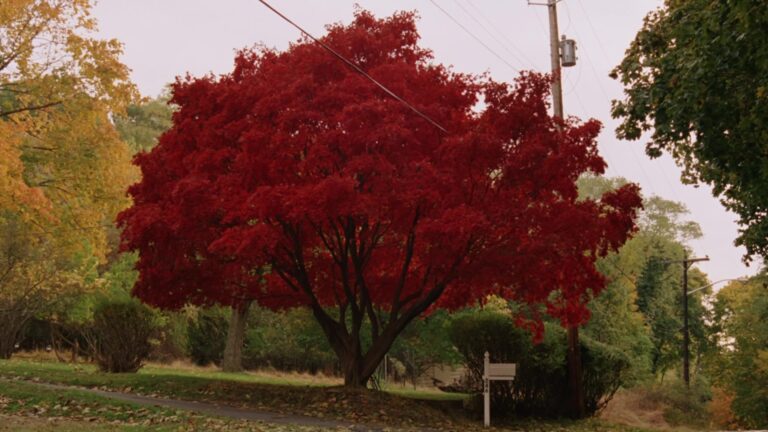
The Namesake (2006)
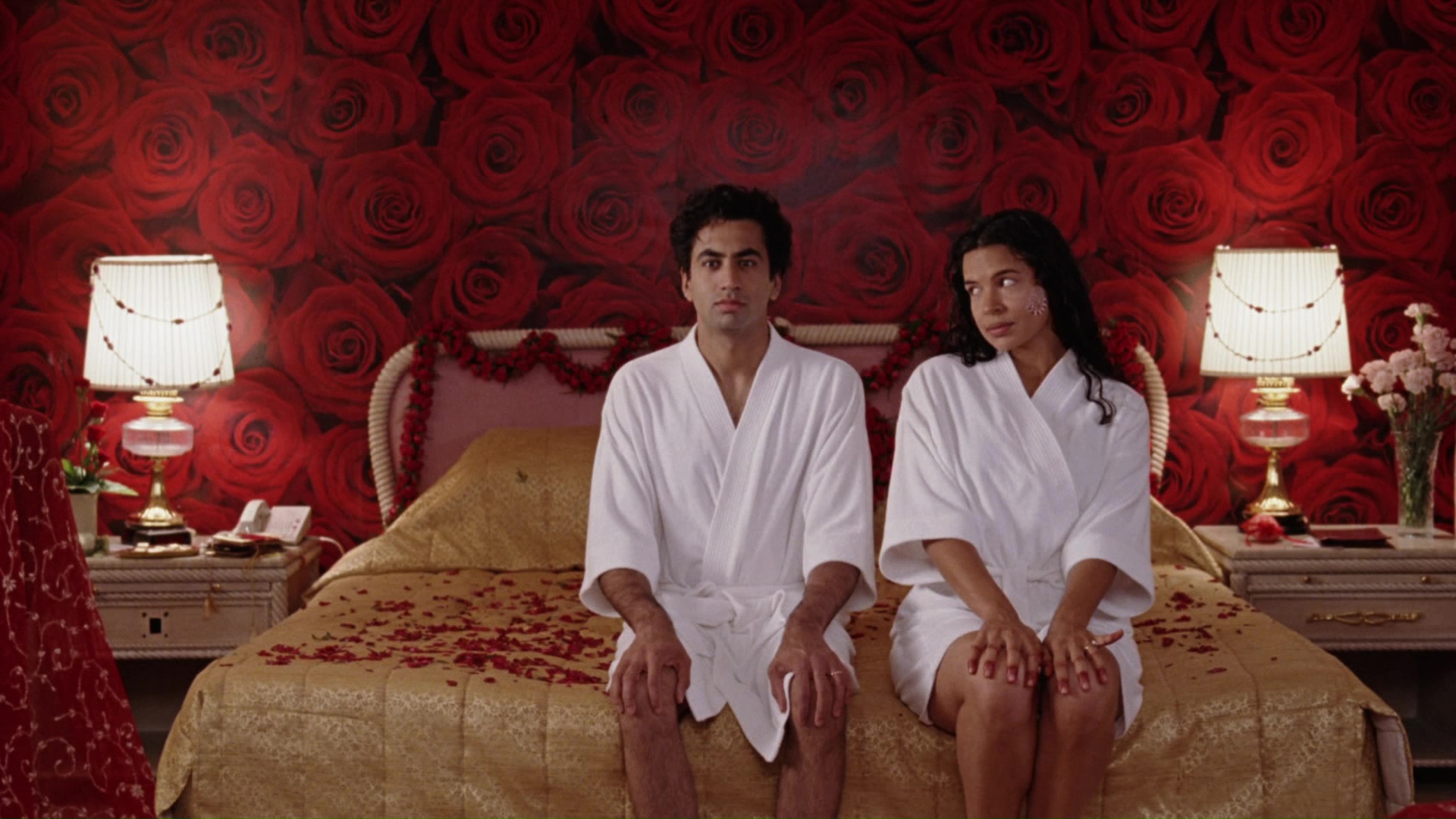
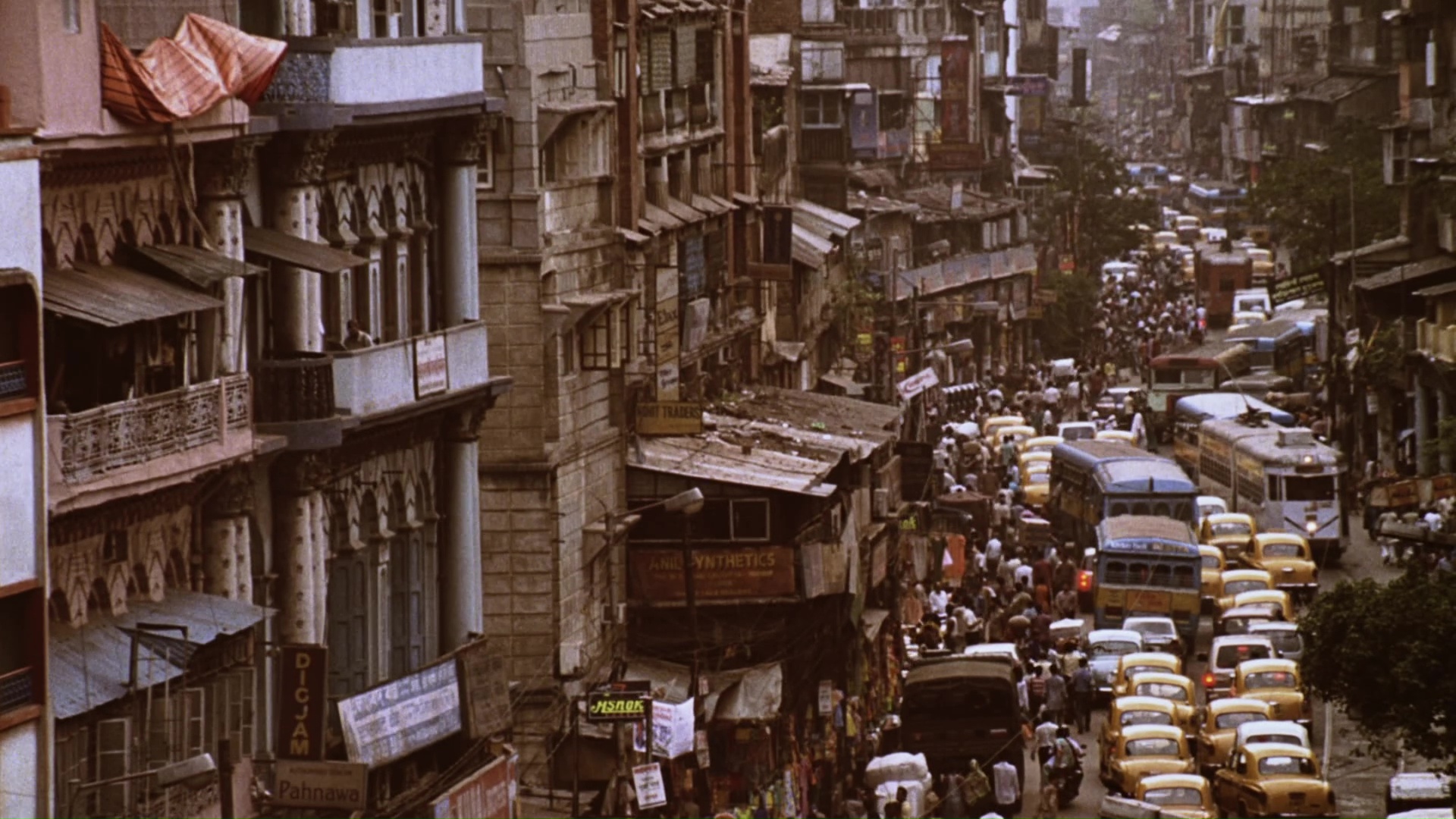
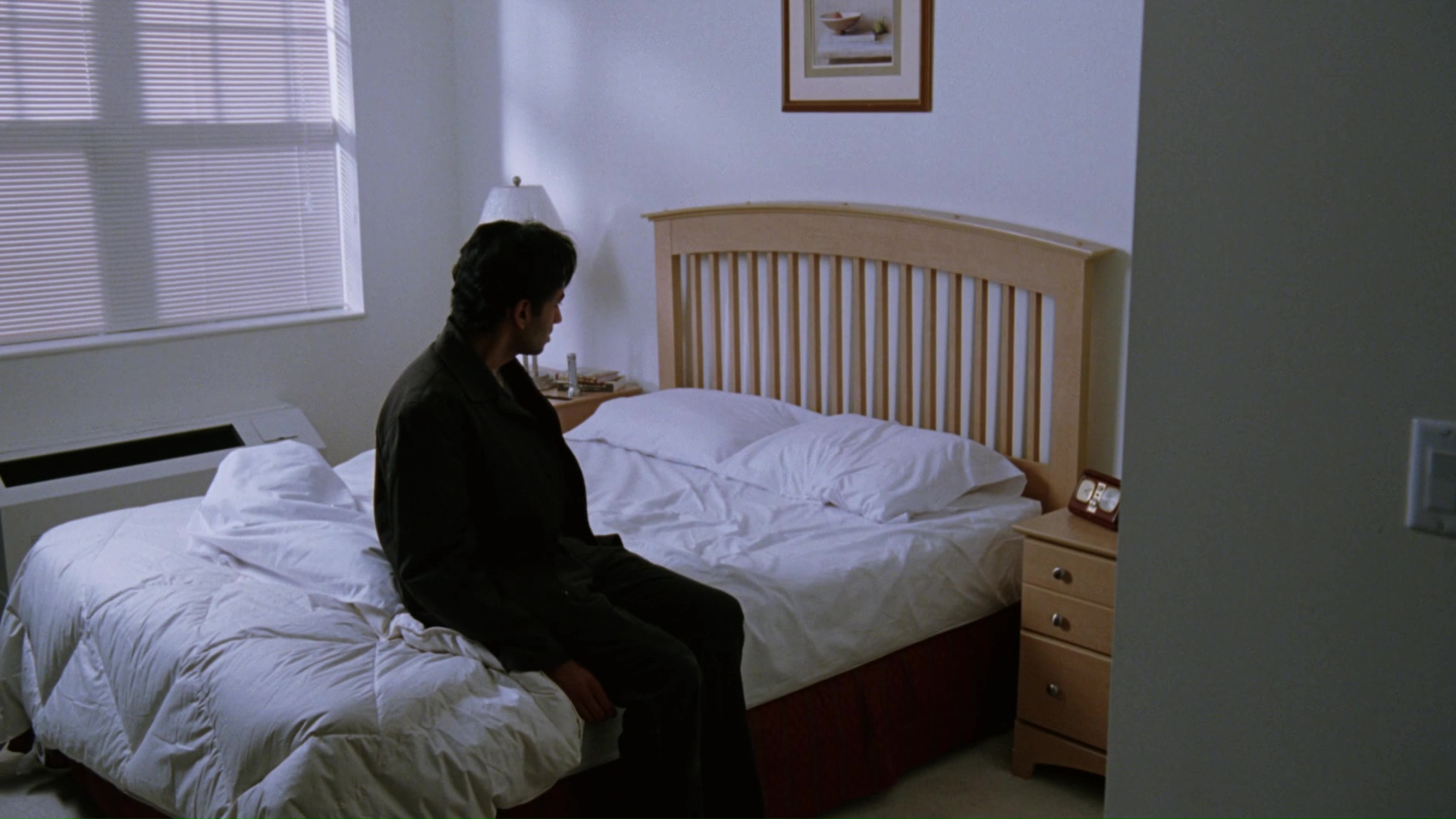
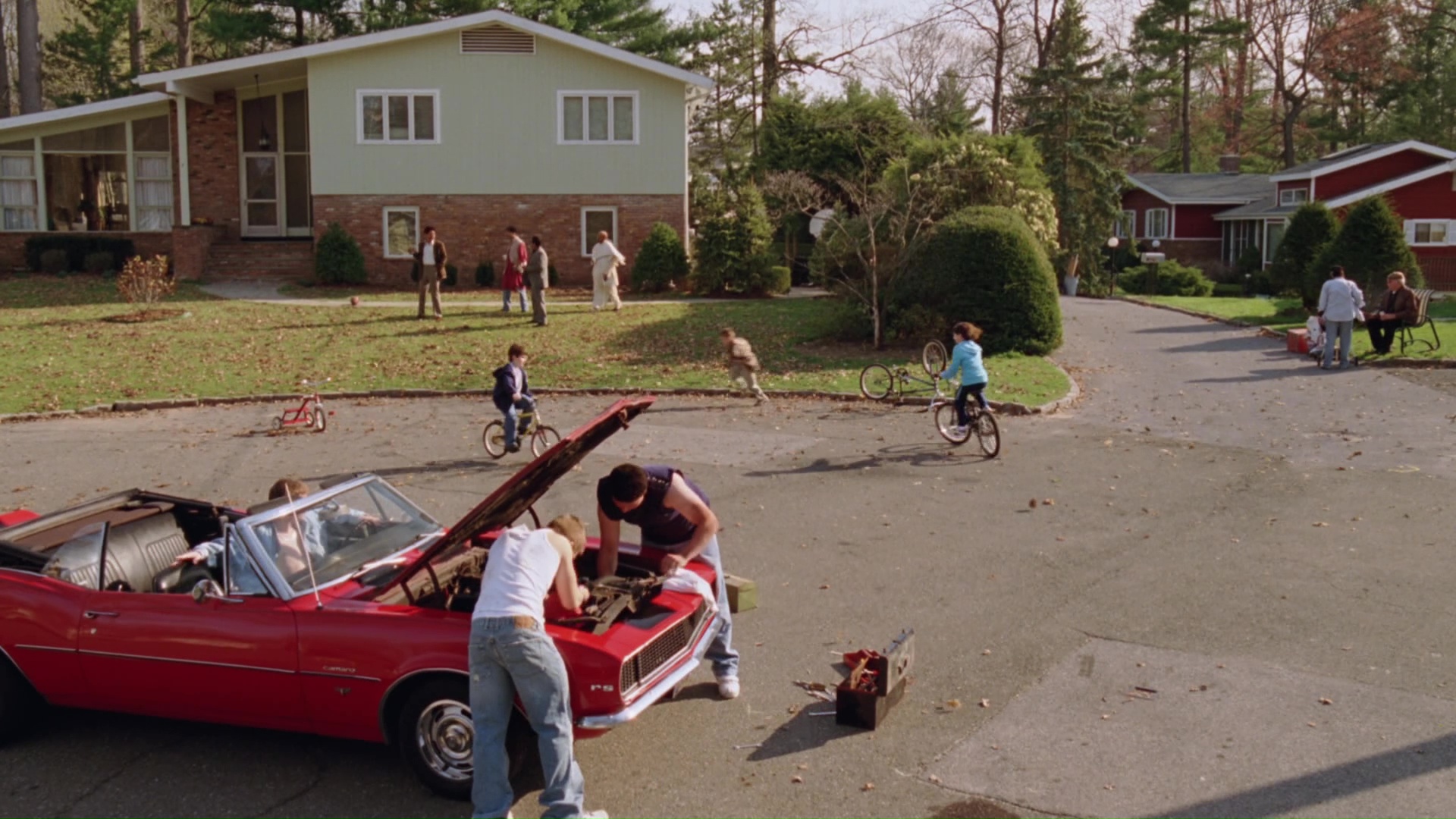
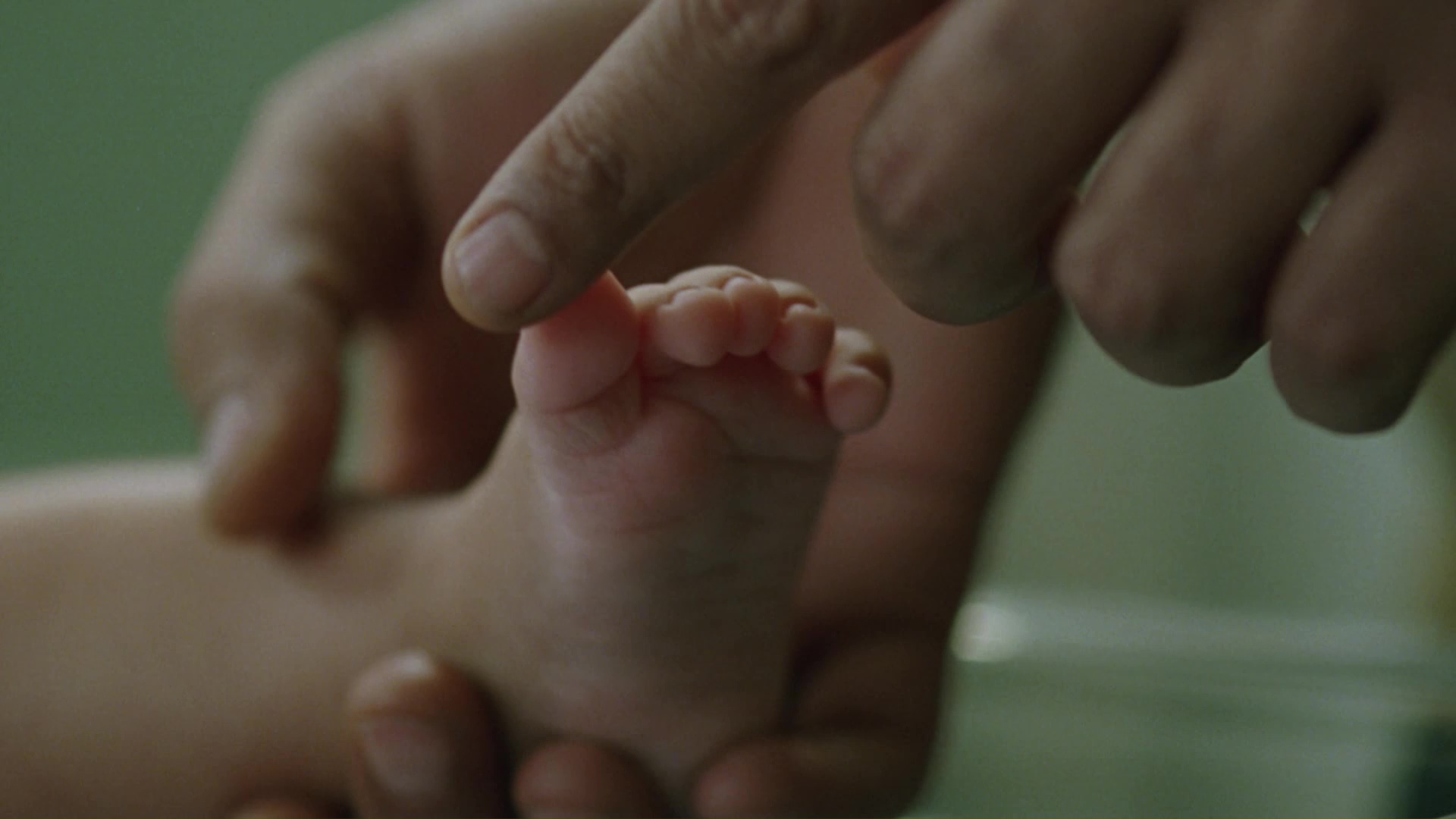
The film follows the Ganguli family as they navigate life between India and the United States, focusing on their son Gogol and his struggle with identity, heritage, and belonging. Named after the Russian writer, Gogol grows increasingly disconnected from his roots as he comes of age, grappling with family expectations and personal desires. Over time, he begins to reconcile the complexities of his dual identity and the meaning behind his name.
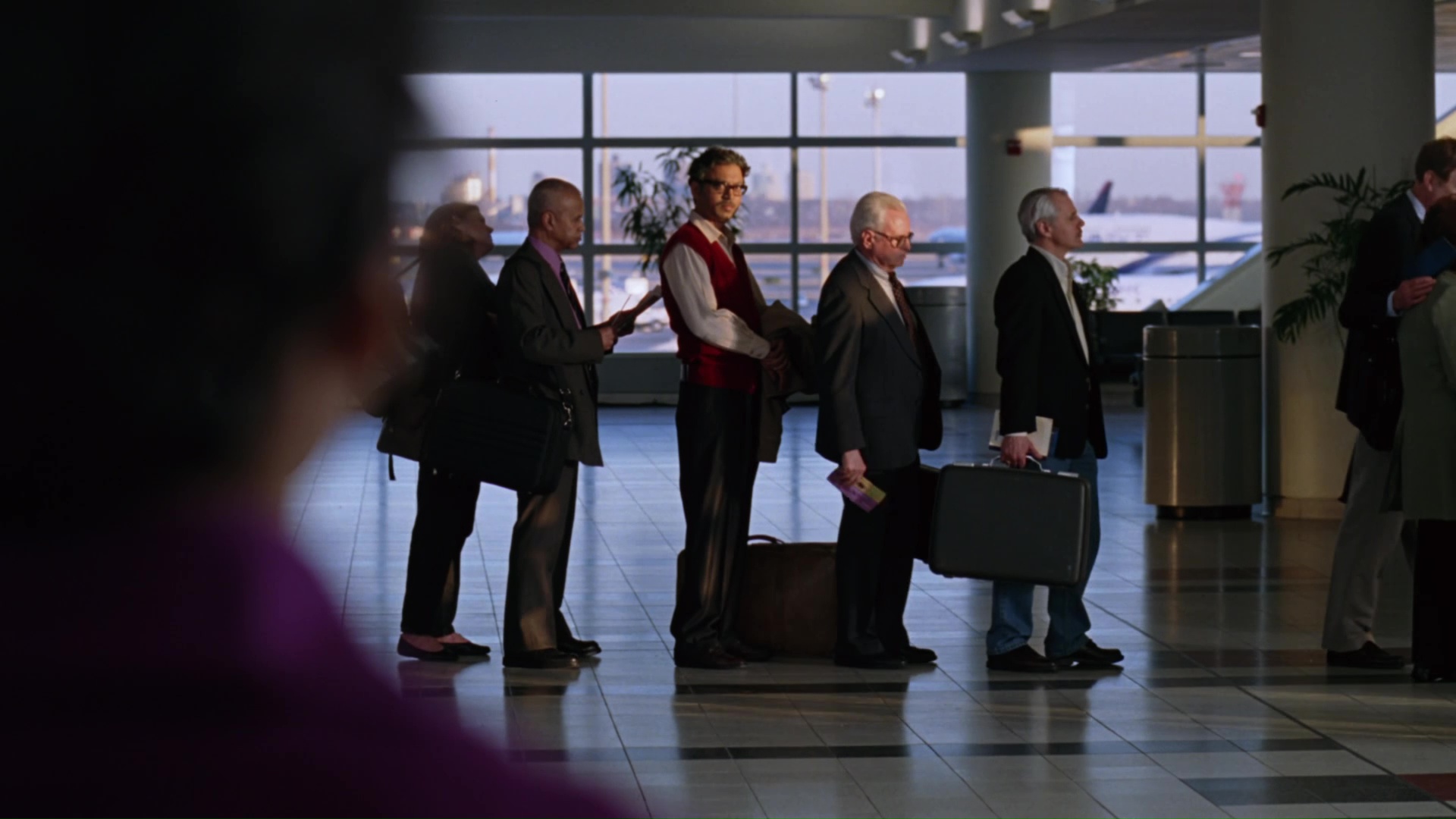
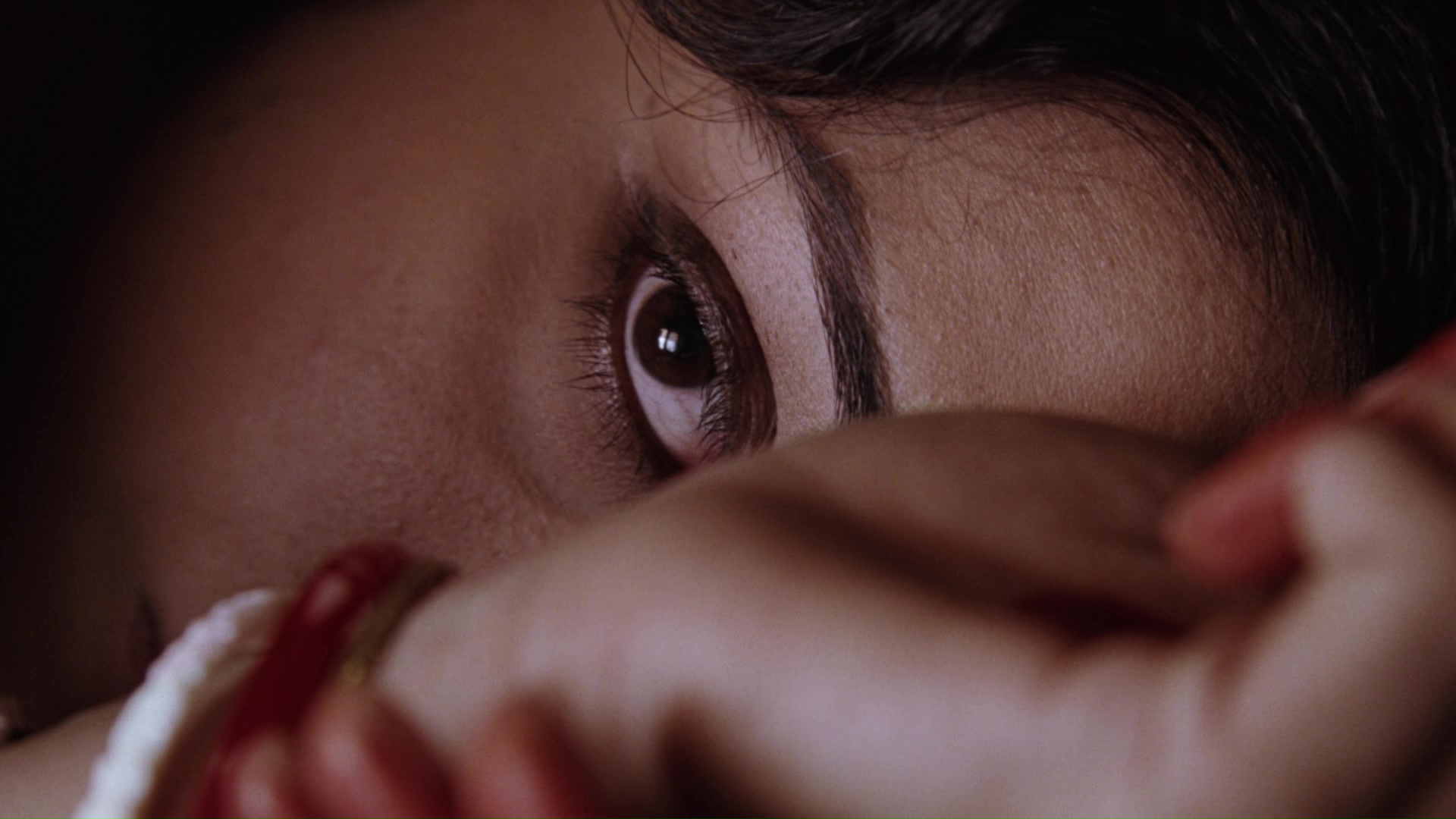
Nair and cinematographer Frederick Elmes shape The Namesake through a warm, observational lens, contrasting the rich textures and colors of India with the cooler, more restrained palette of American life. The film’s fluid camera and natural light turn transitions—airports, trains, interiors—into emotional bridges, using movement and environment to visualize the experience of living between two worlds.
FILM SPOTLIGHT
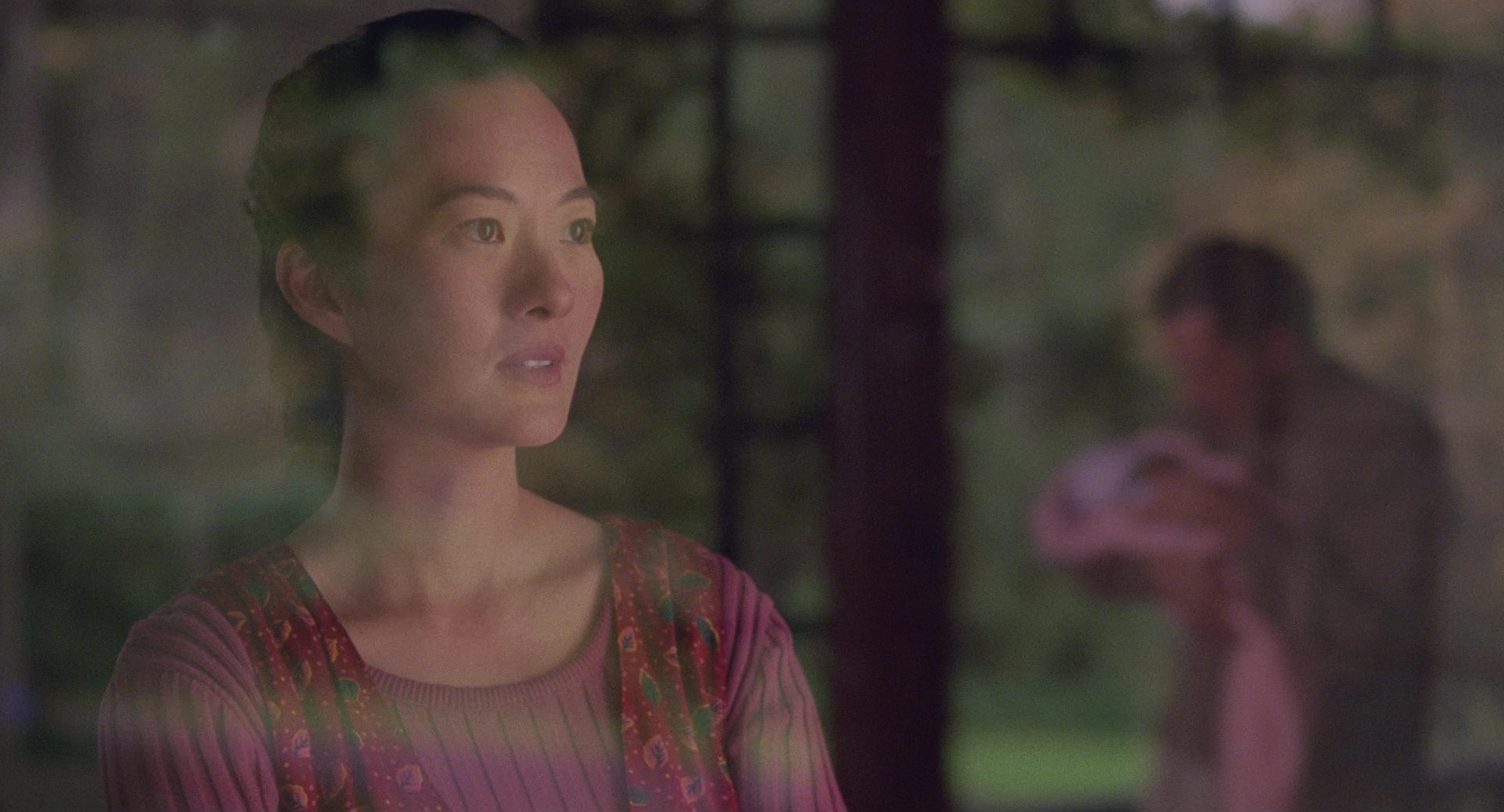
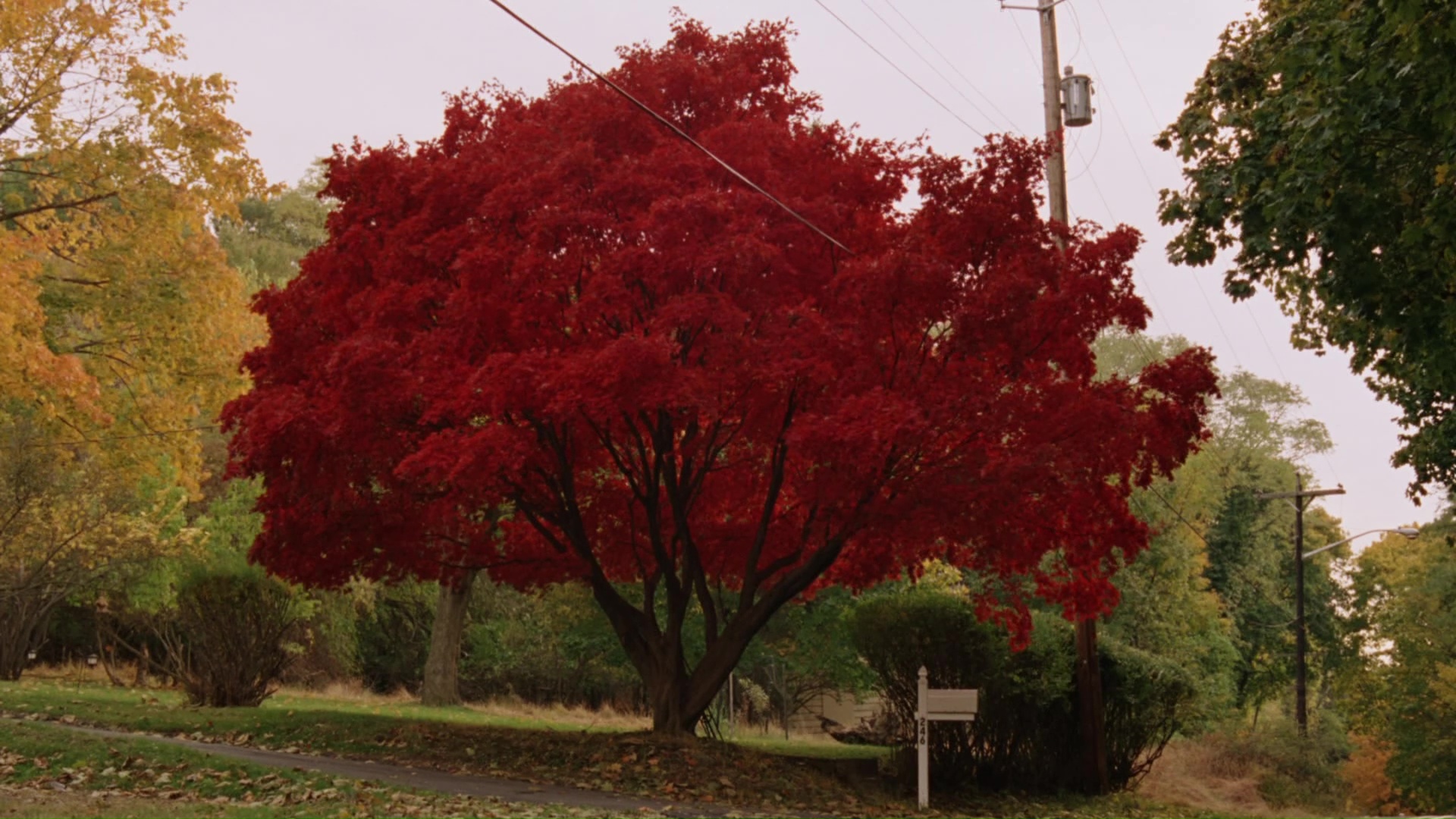
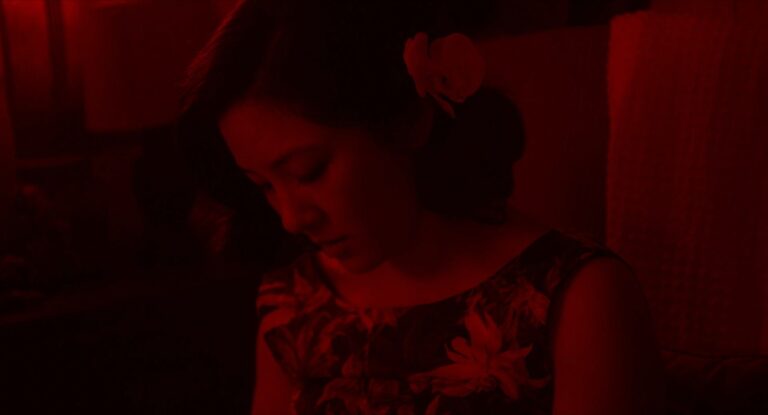
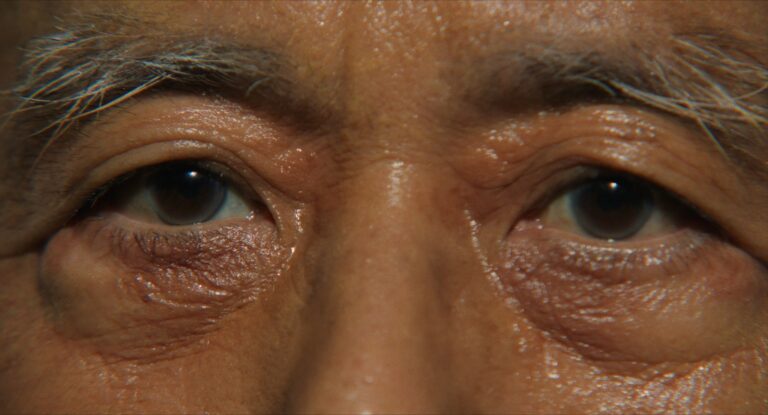
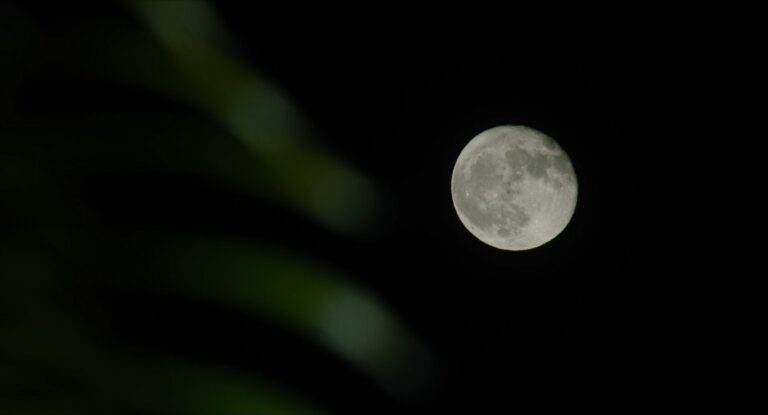
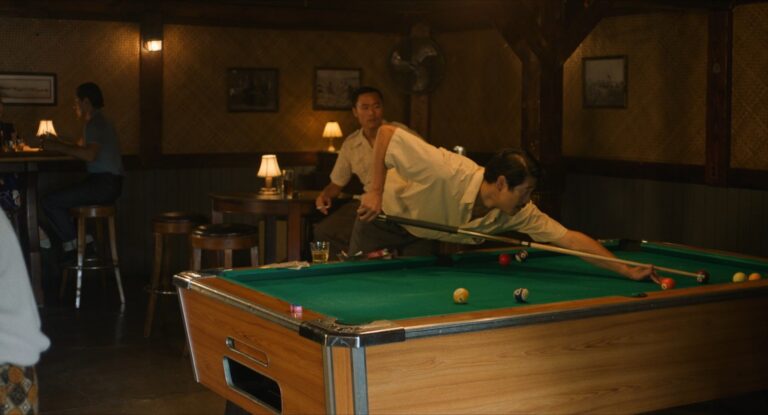
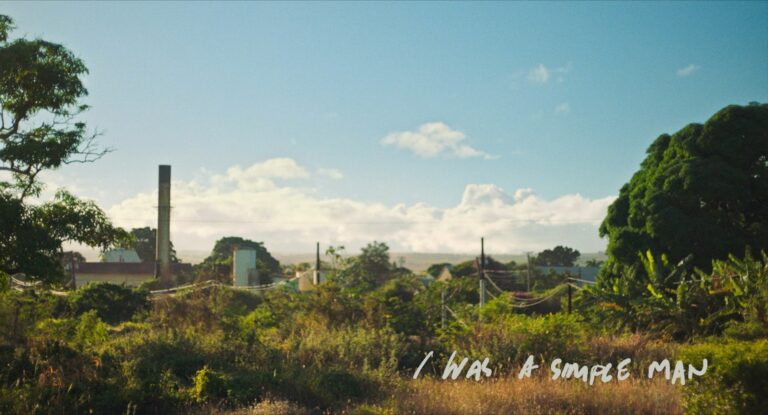
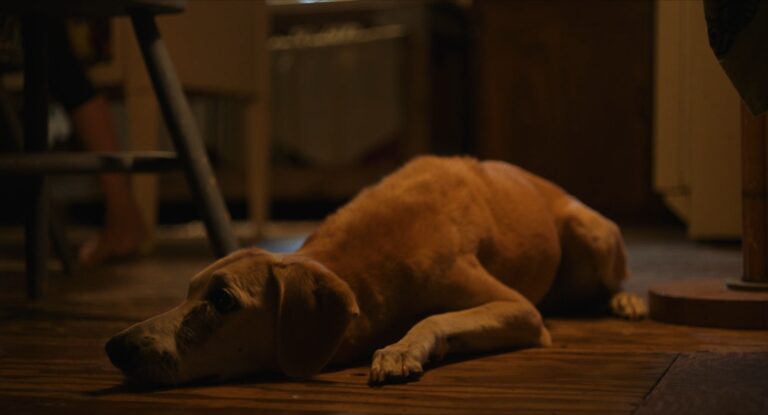
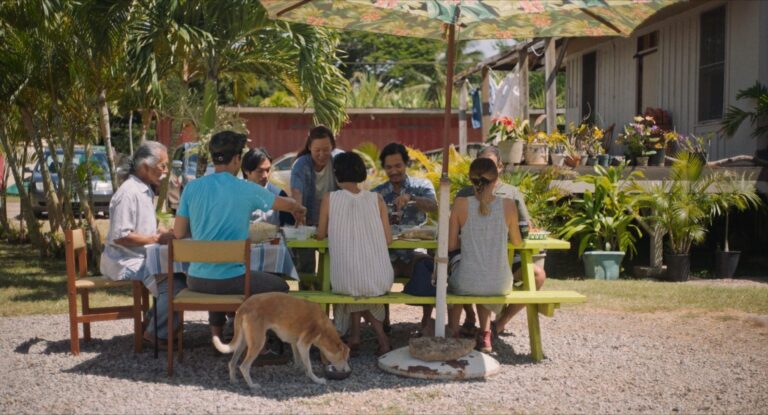
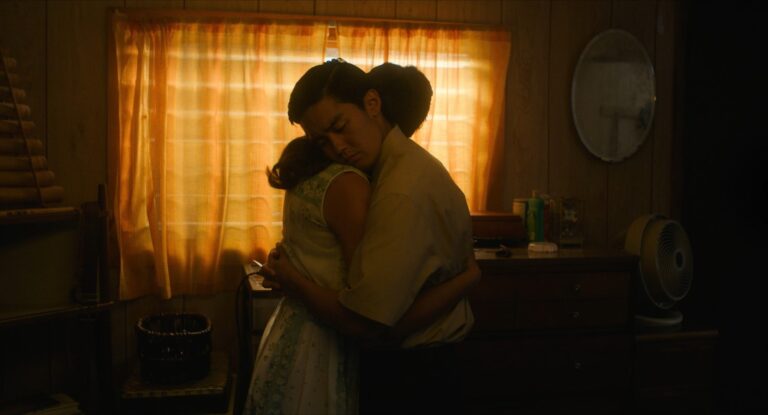
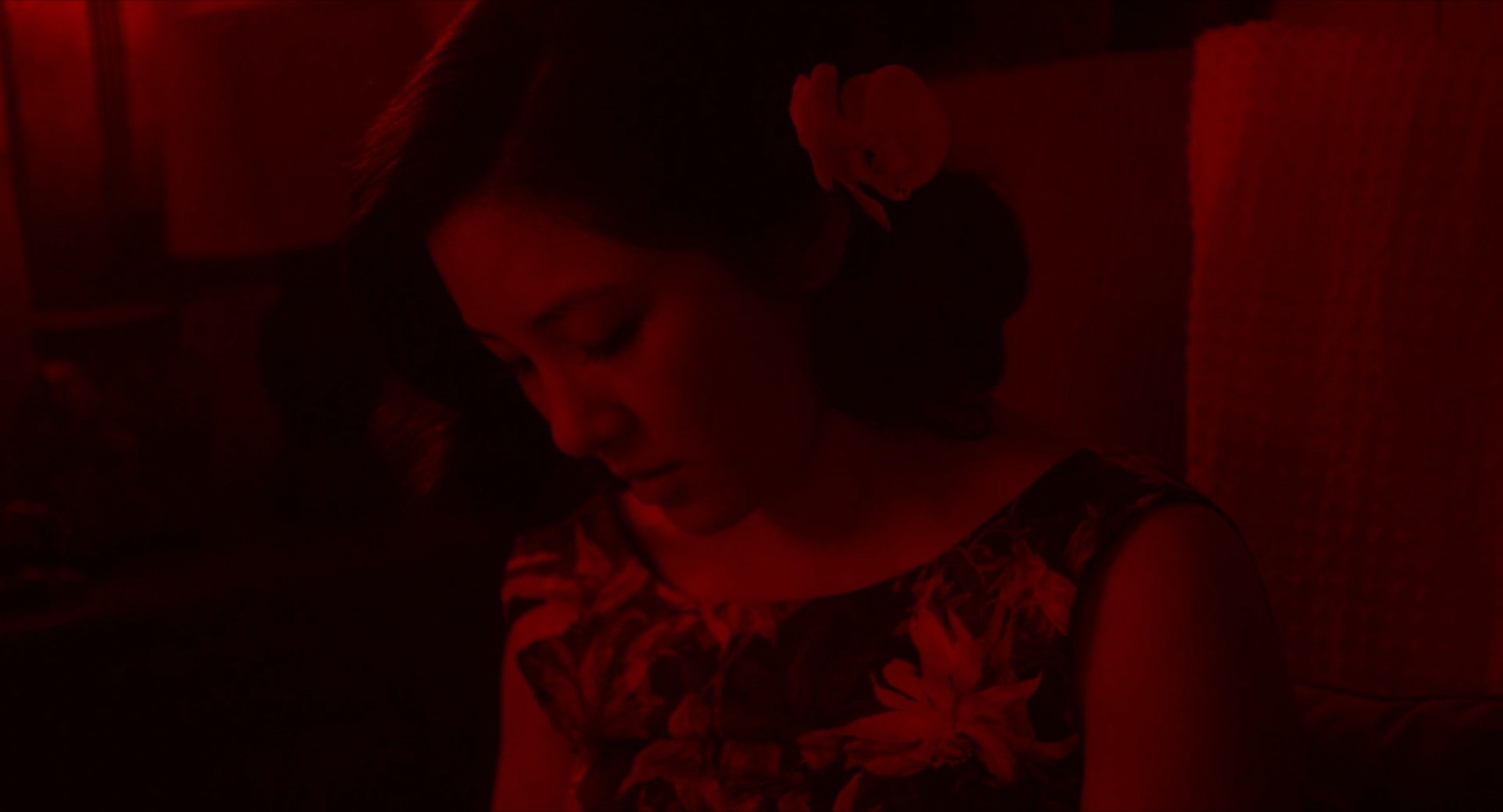
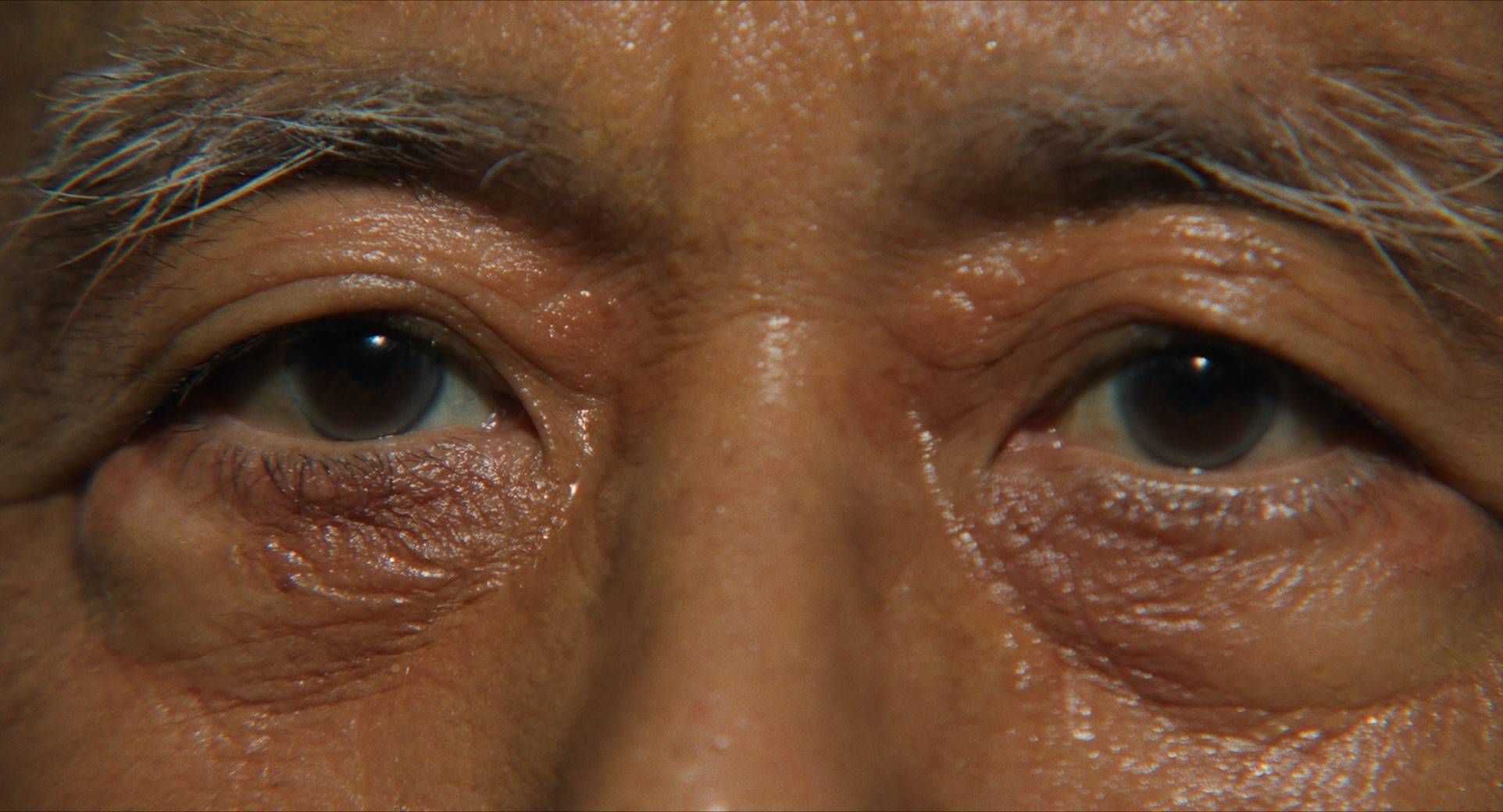
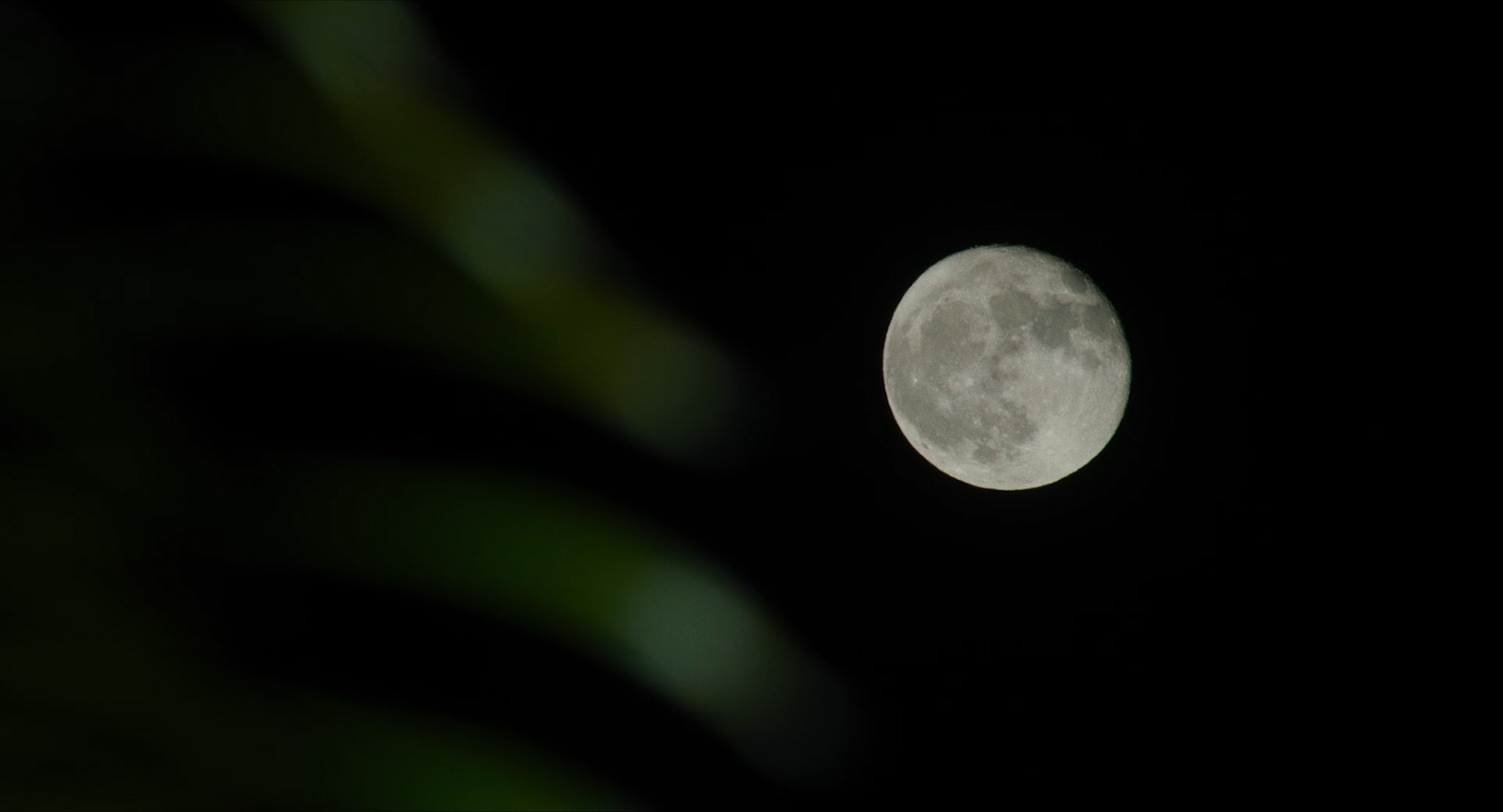
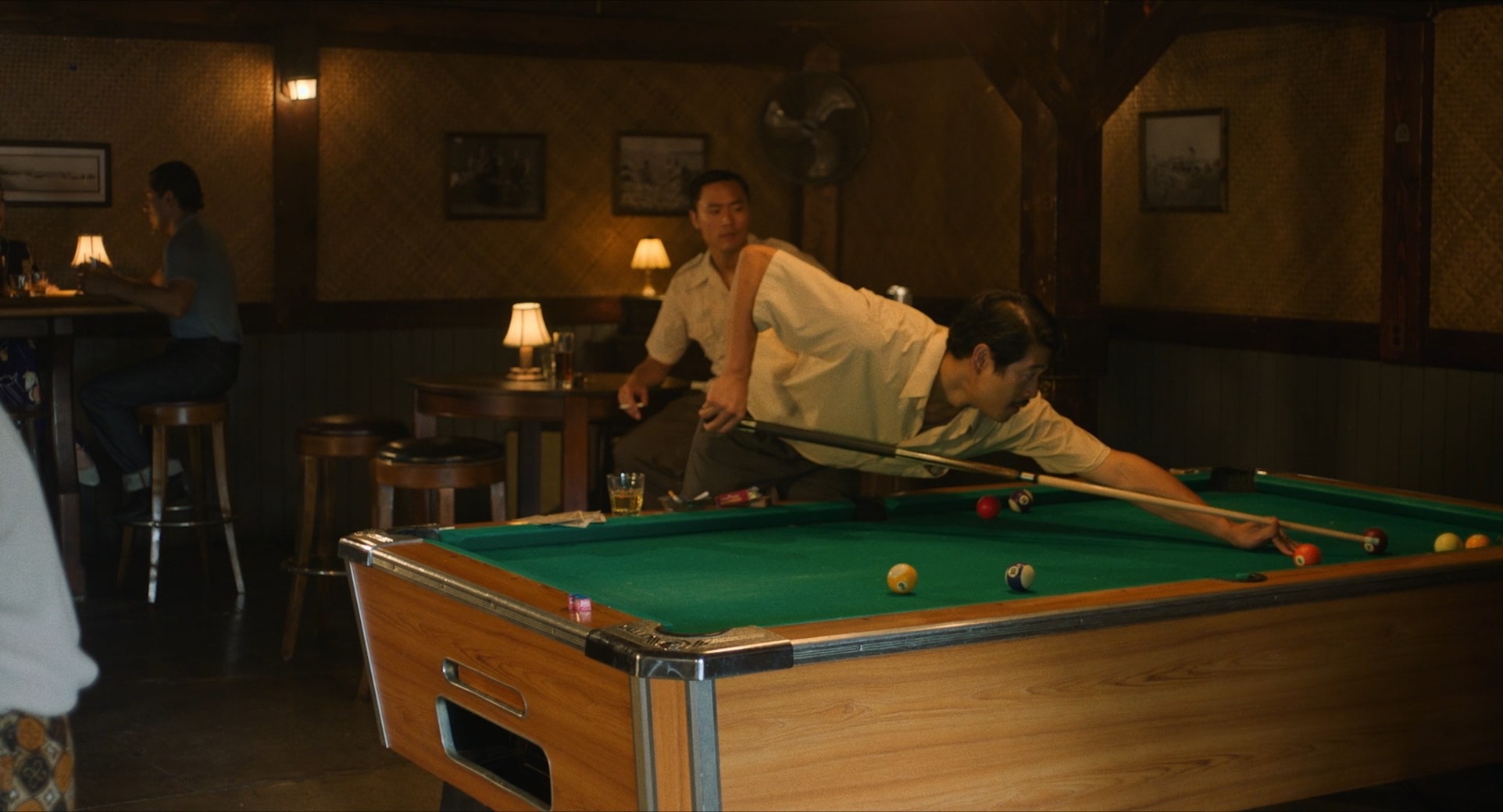
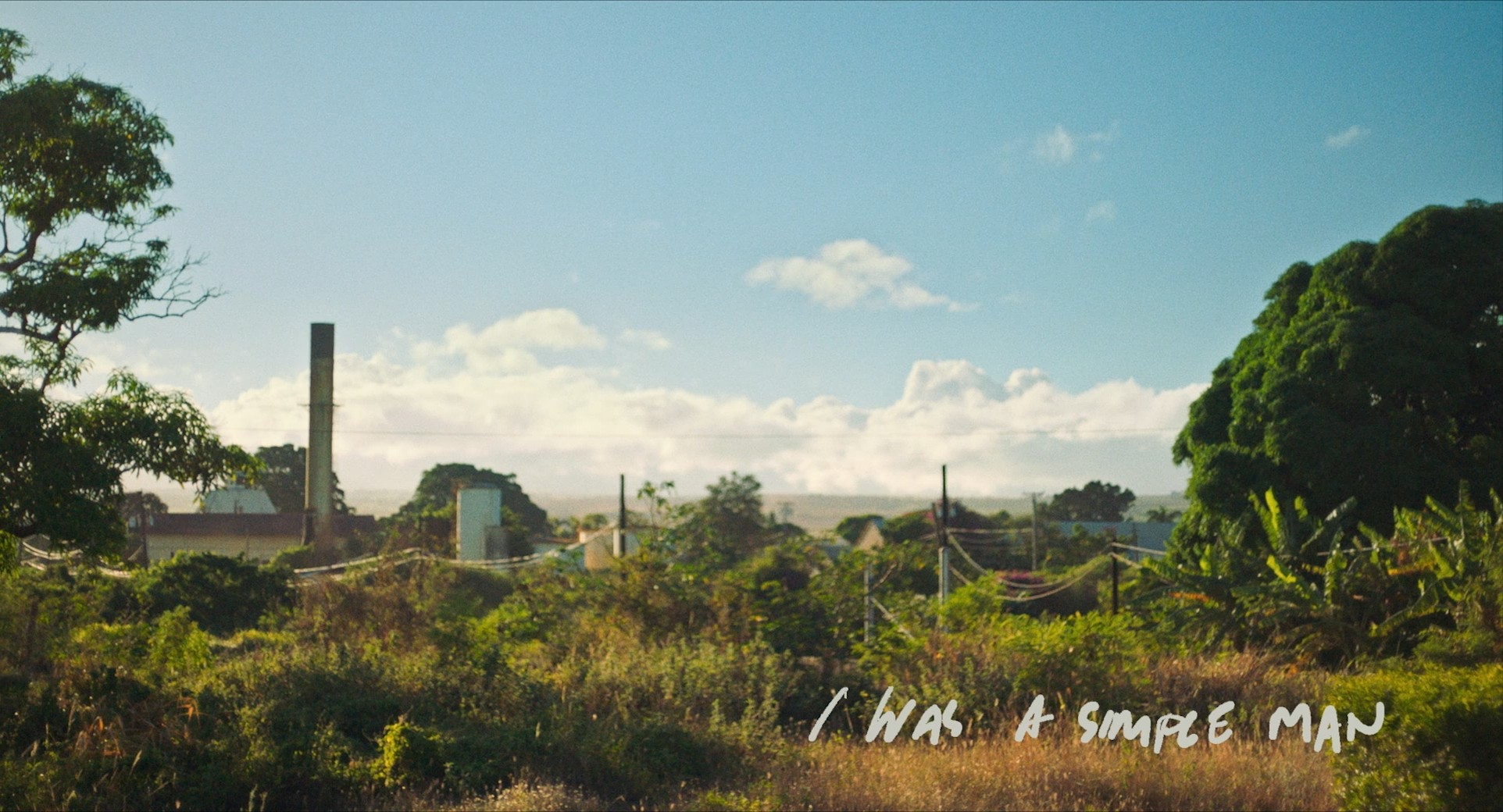
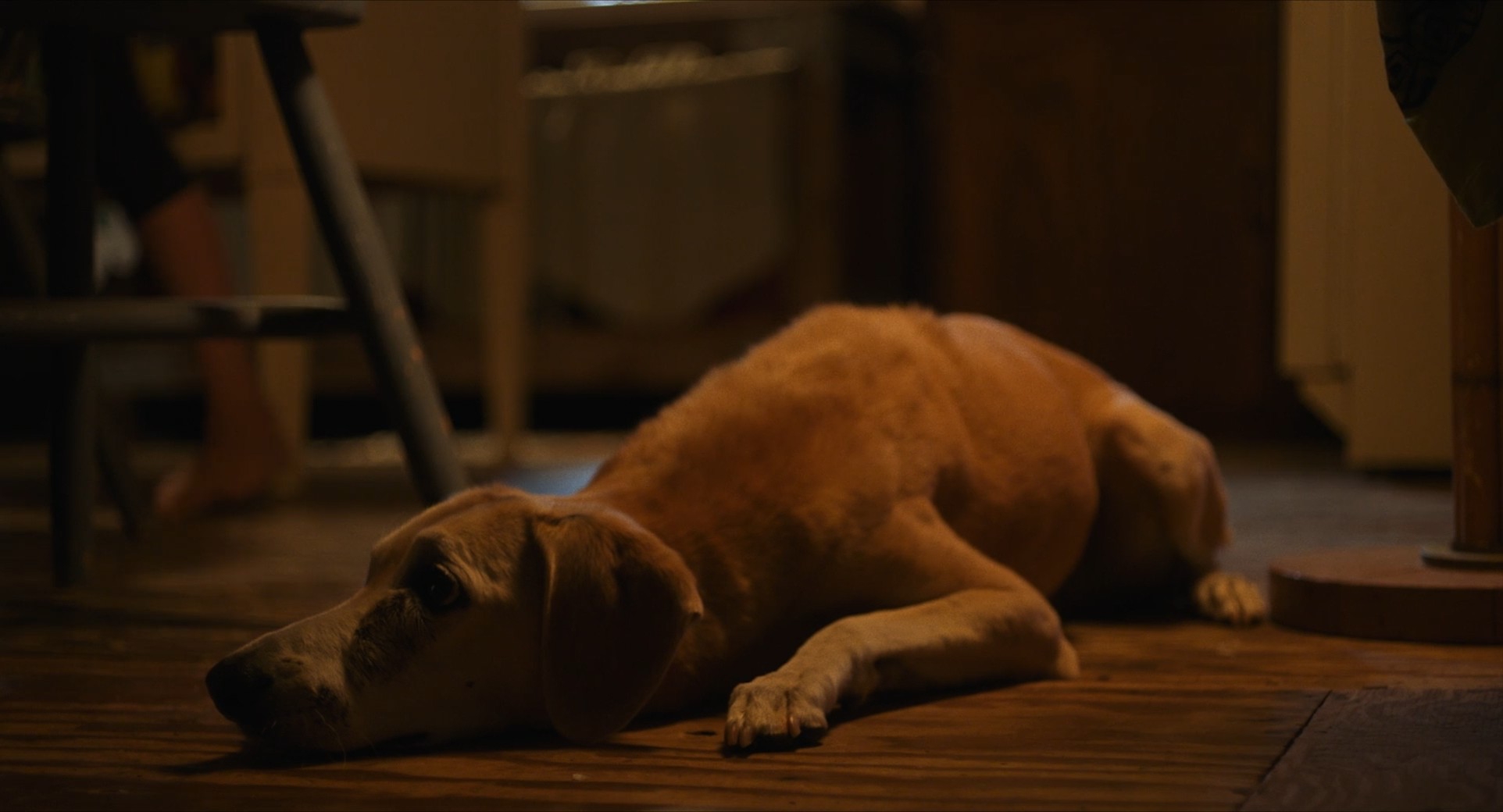
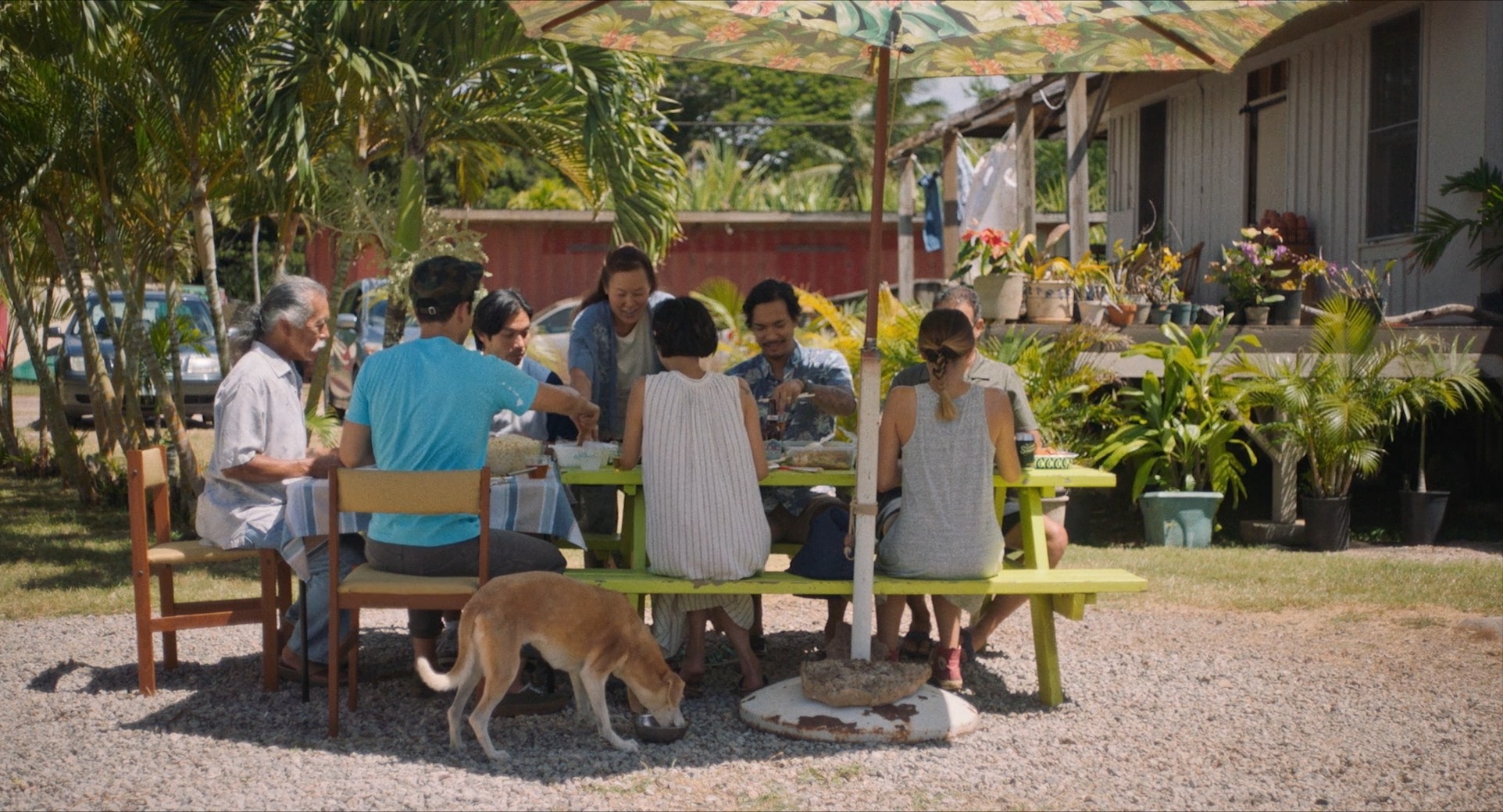
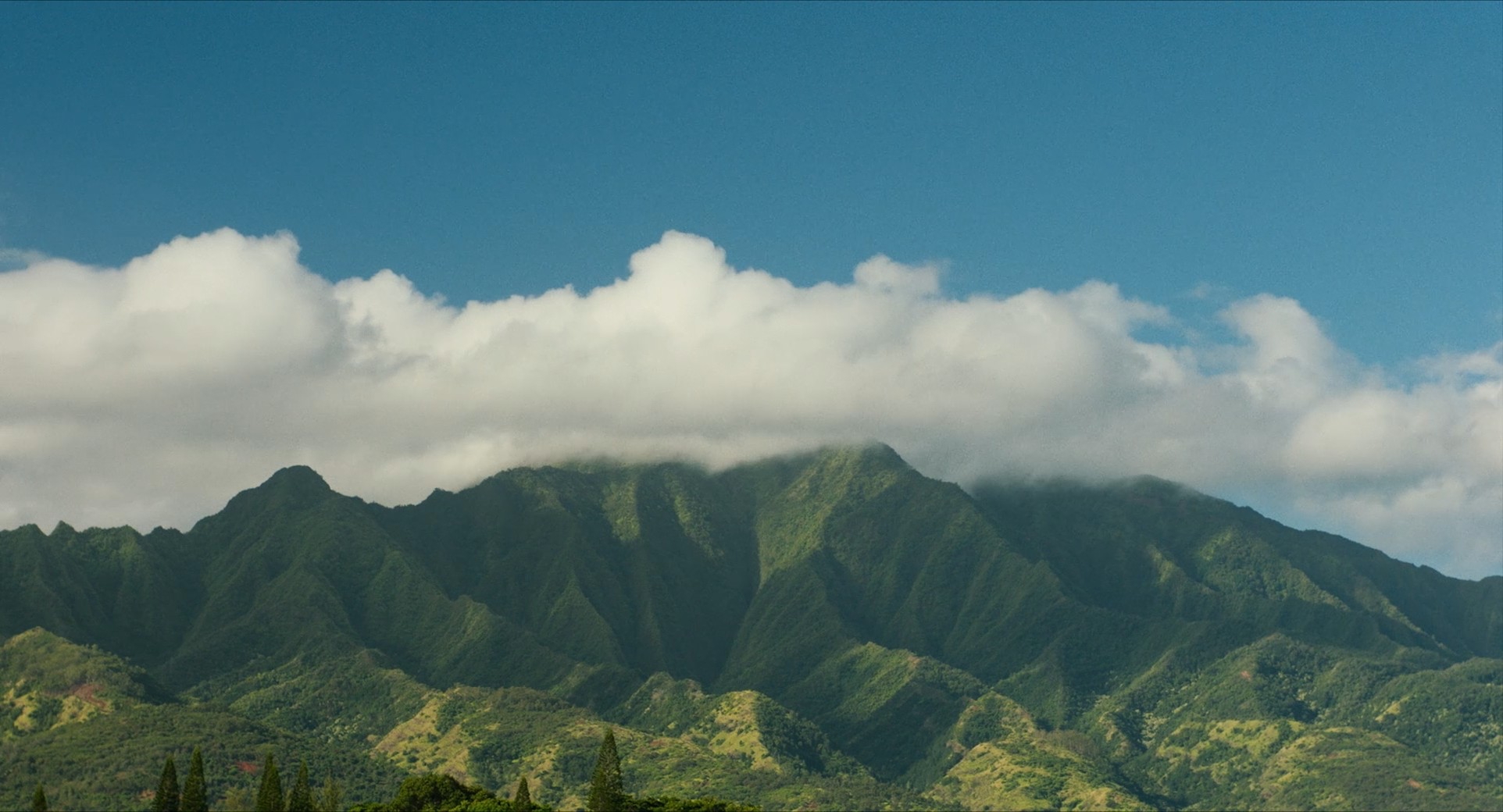
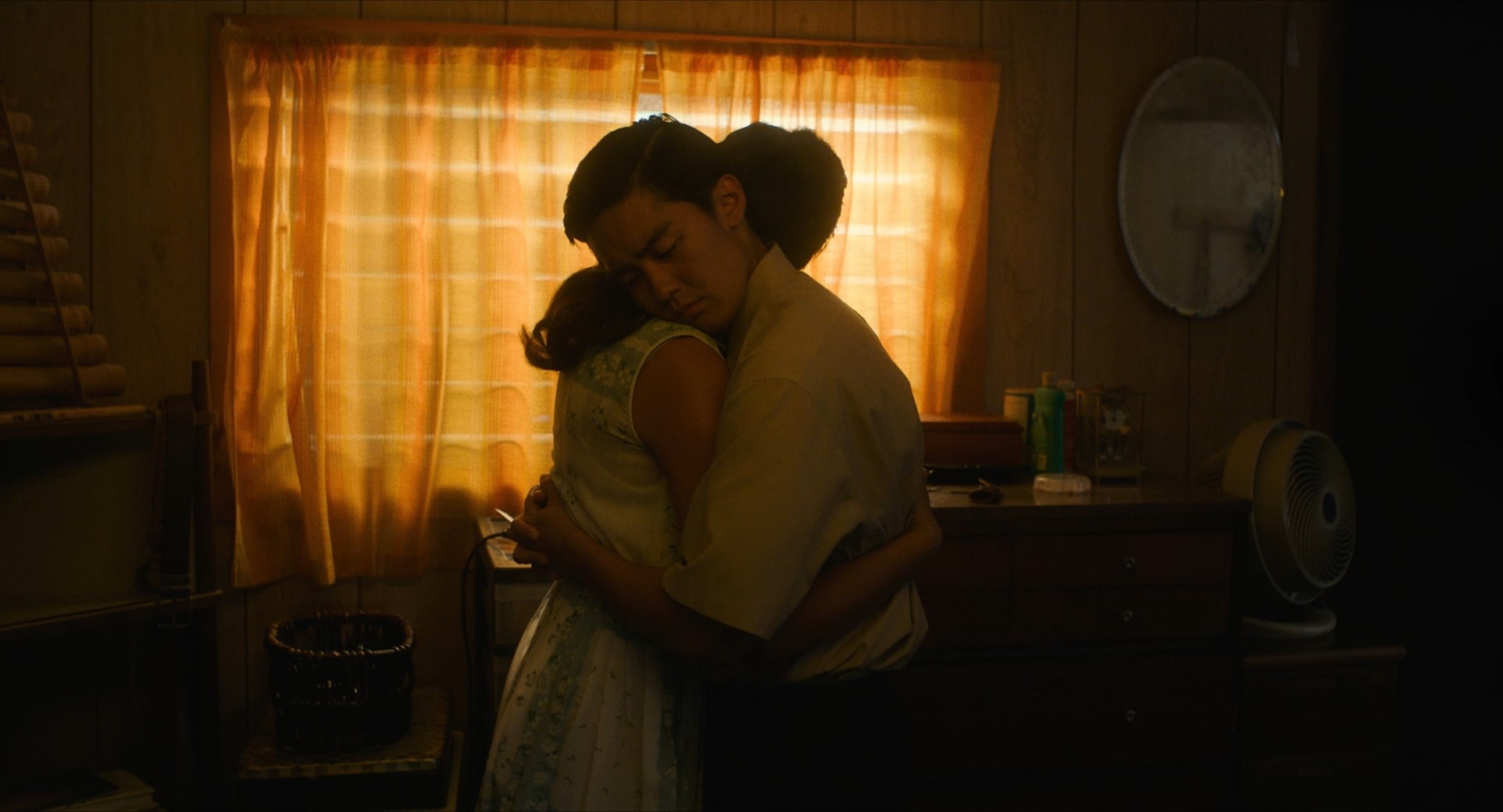
I Was a Simple Man (2021)
As an elderly man lies on his deathbed in rural Hawaii, the ghosts of his past begin to visit him, including the spirit of his late wife. Through fragmented memories and encounters, his life unfolds—revealing moments of love, regret, and quiet disconnection. The film becomes a meditative reflection on mortality, family, and the lingering presence of those we’ve lost.
Yogi and cinematographer Eunsoo Cho shoot I Was a Simple Man with a hushed, contemplative stillness, using static frames, soft natural light, and shallow focus to blur the boundary between the living and the dead. The film’s warm, earthy palette and layered compositions turn interiors into liminal spaces—where memory and presence coexist, and time feels suspended.

FILM SPOTLIGHT
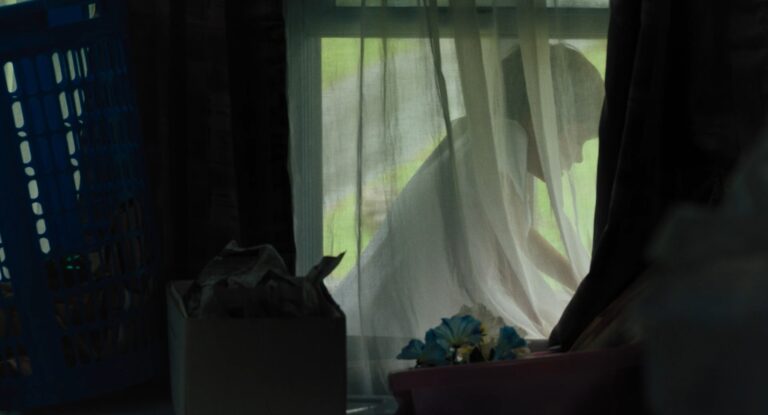
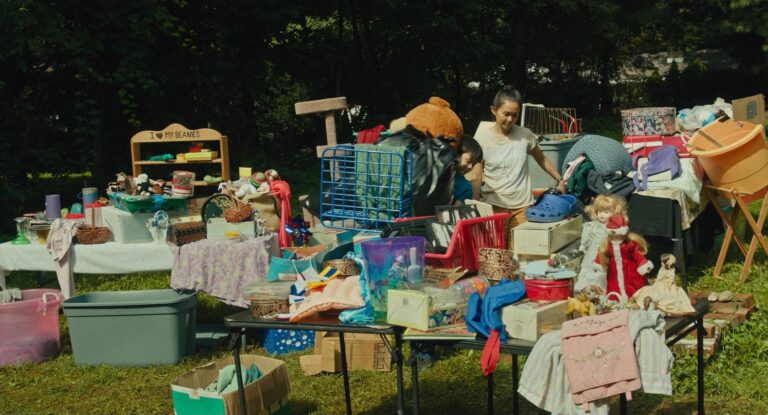
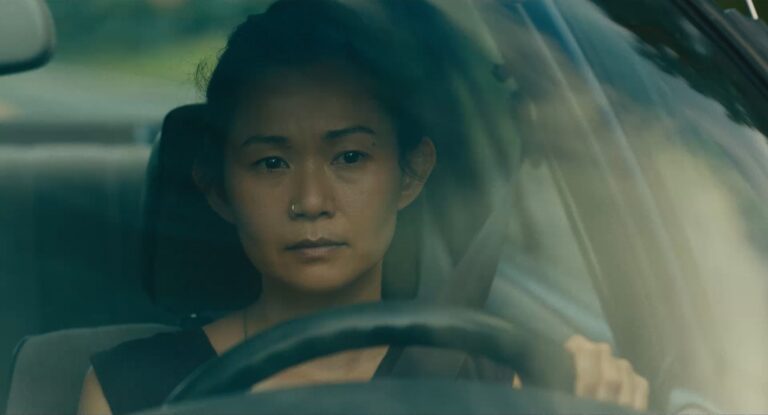
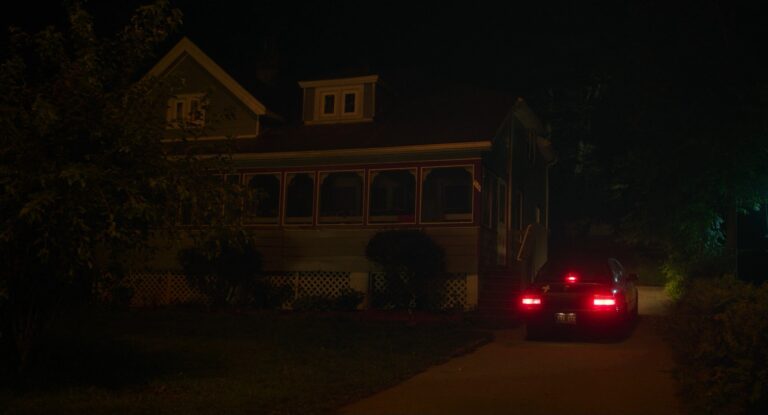
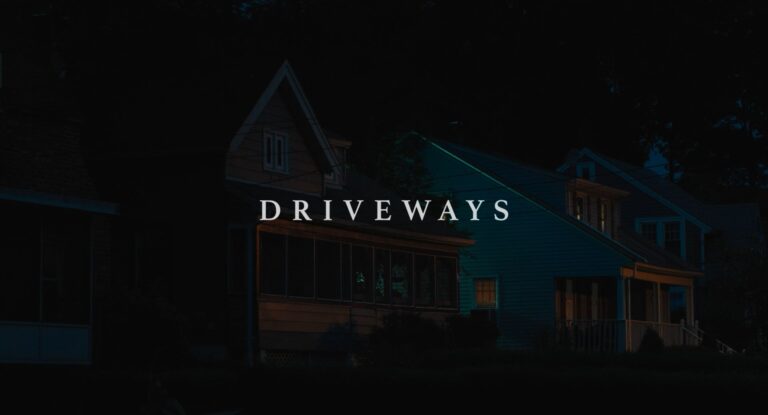
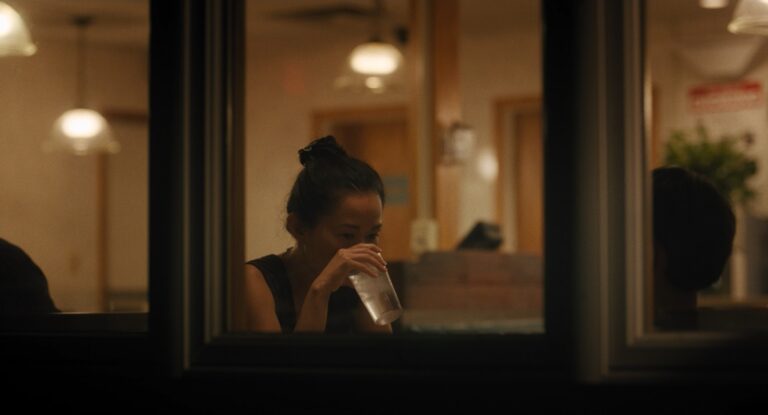
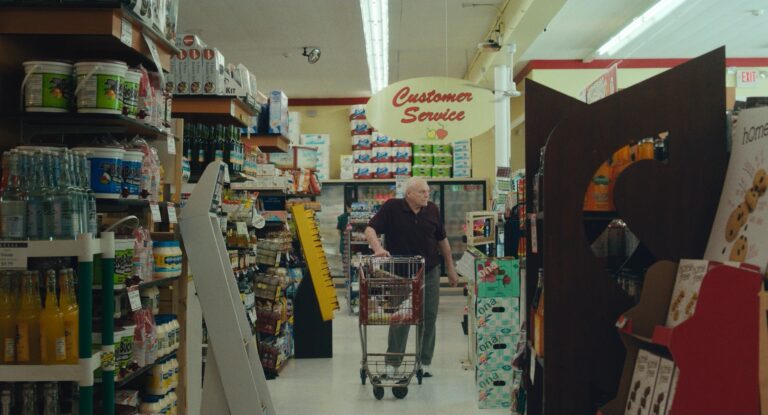
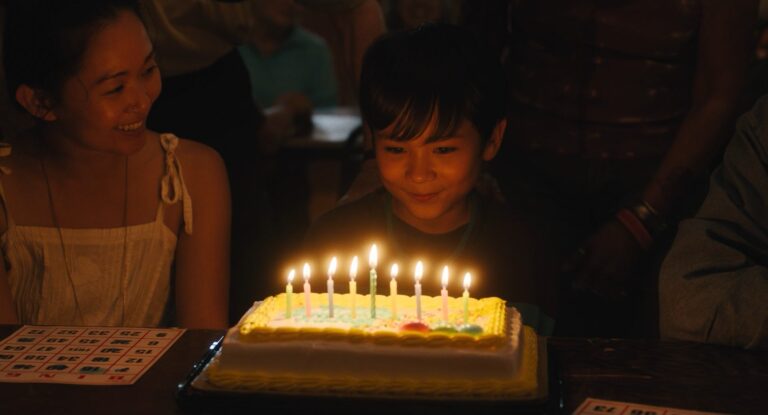
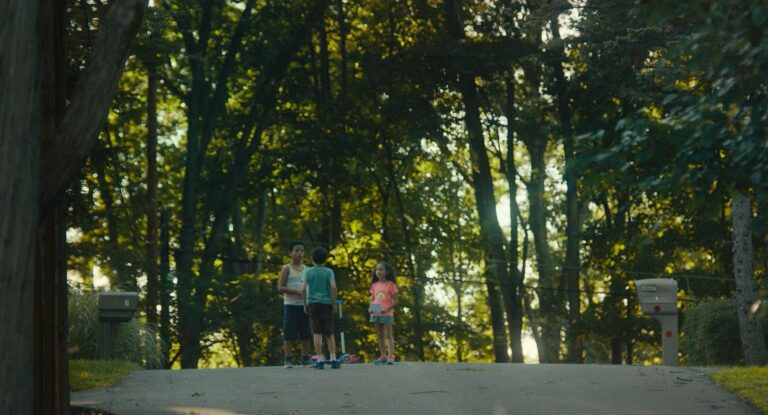
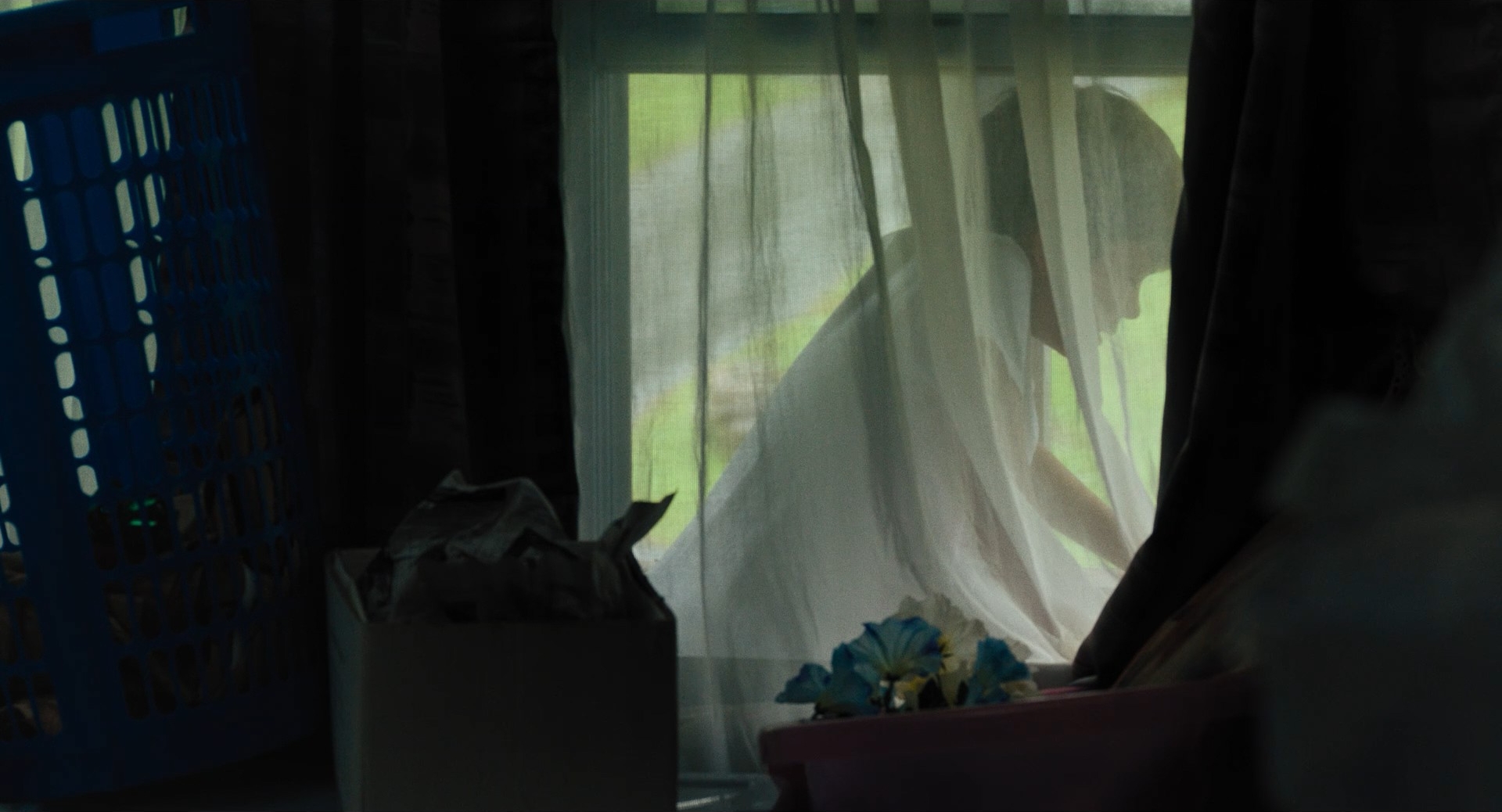
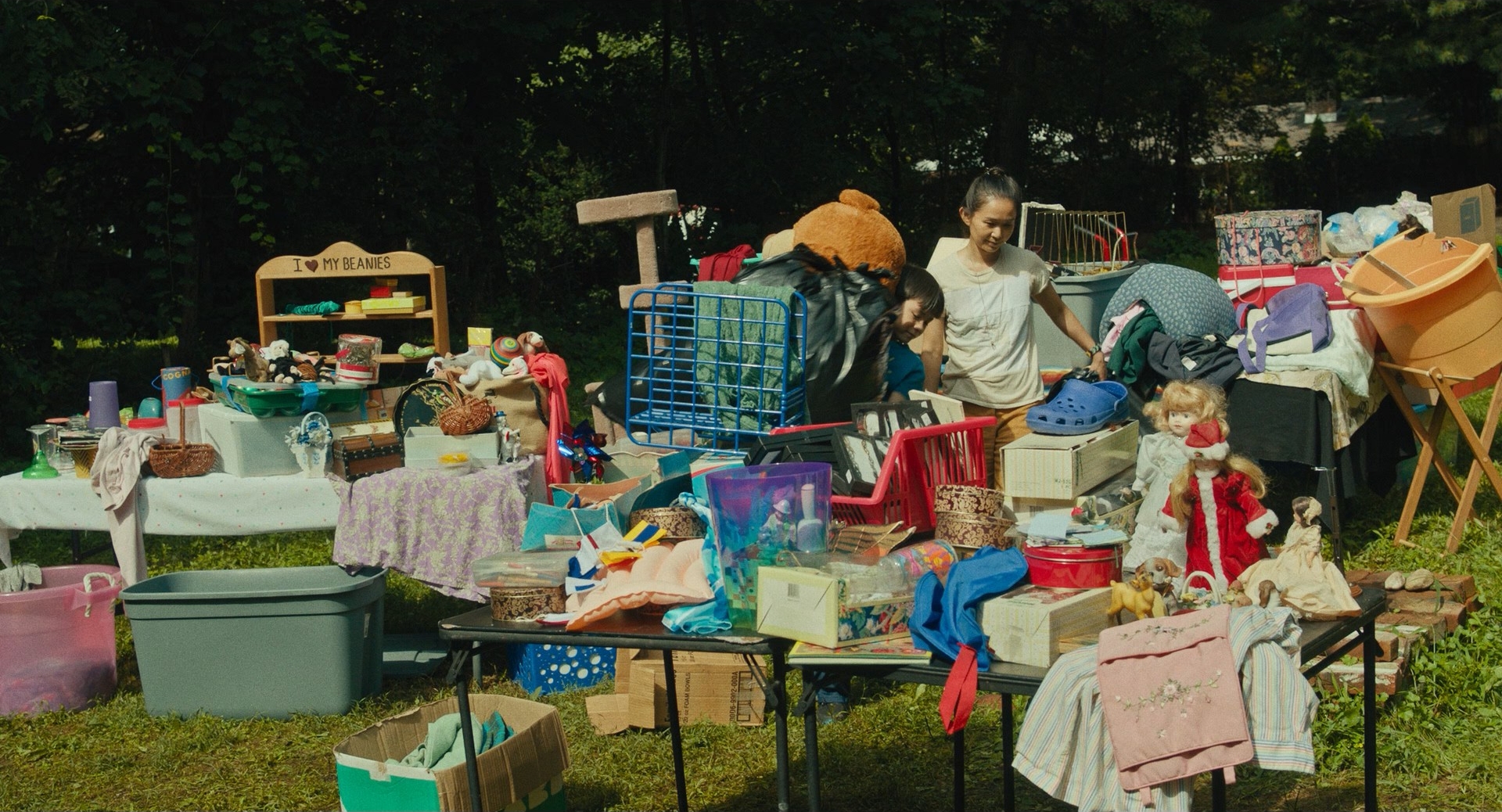
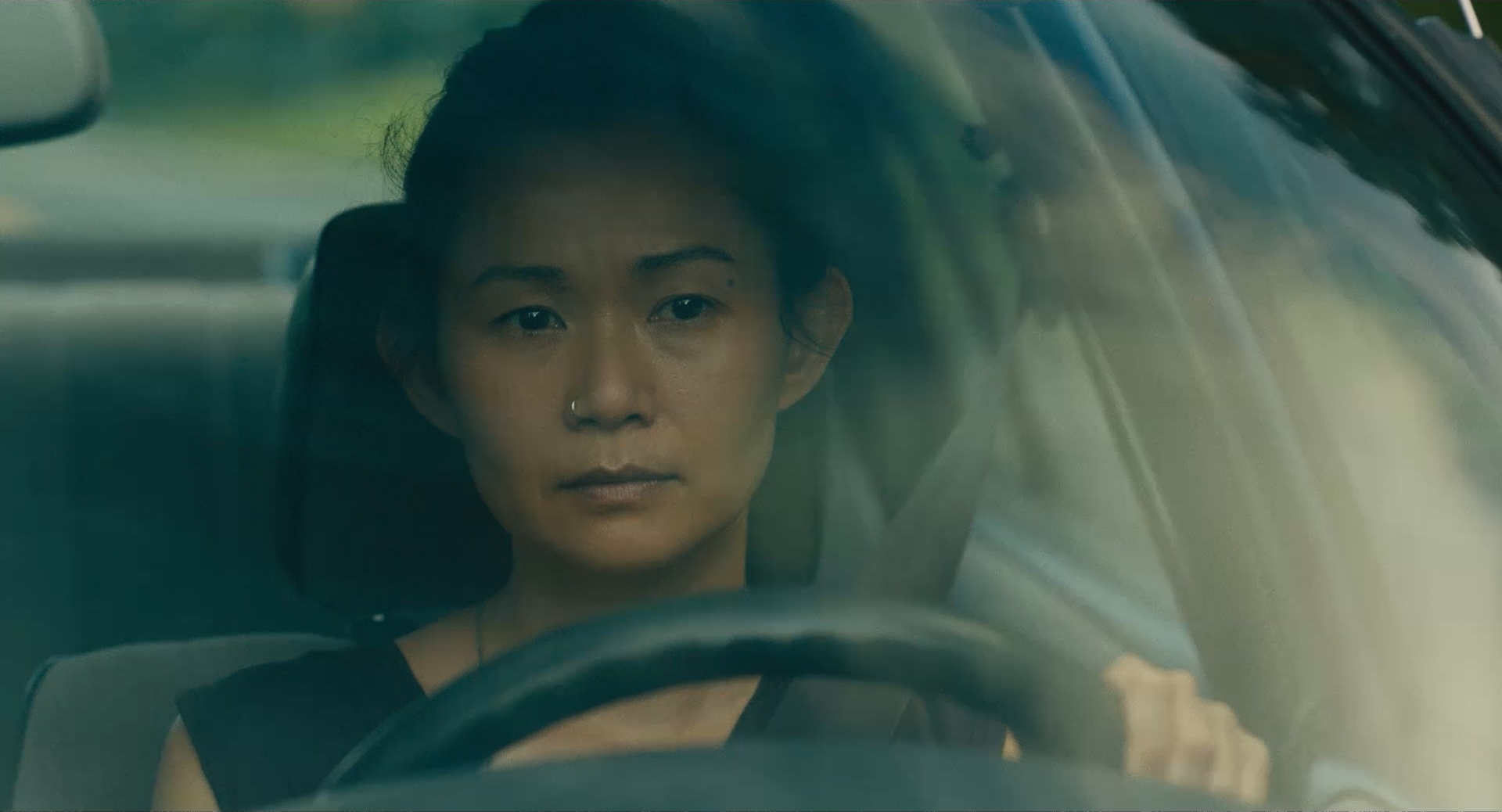
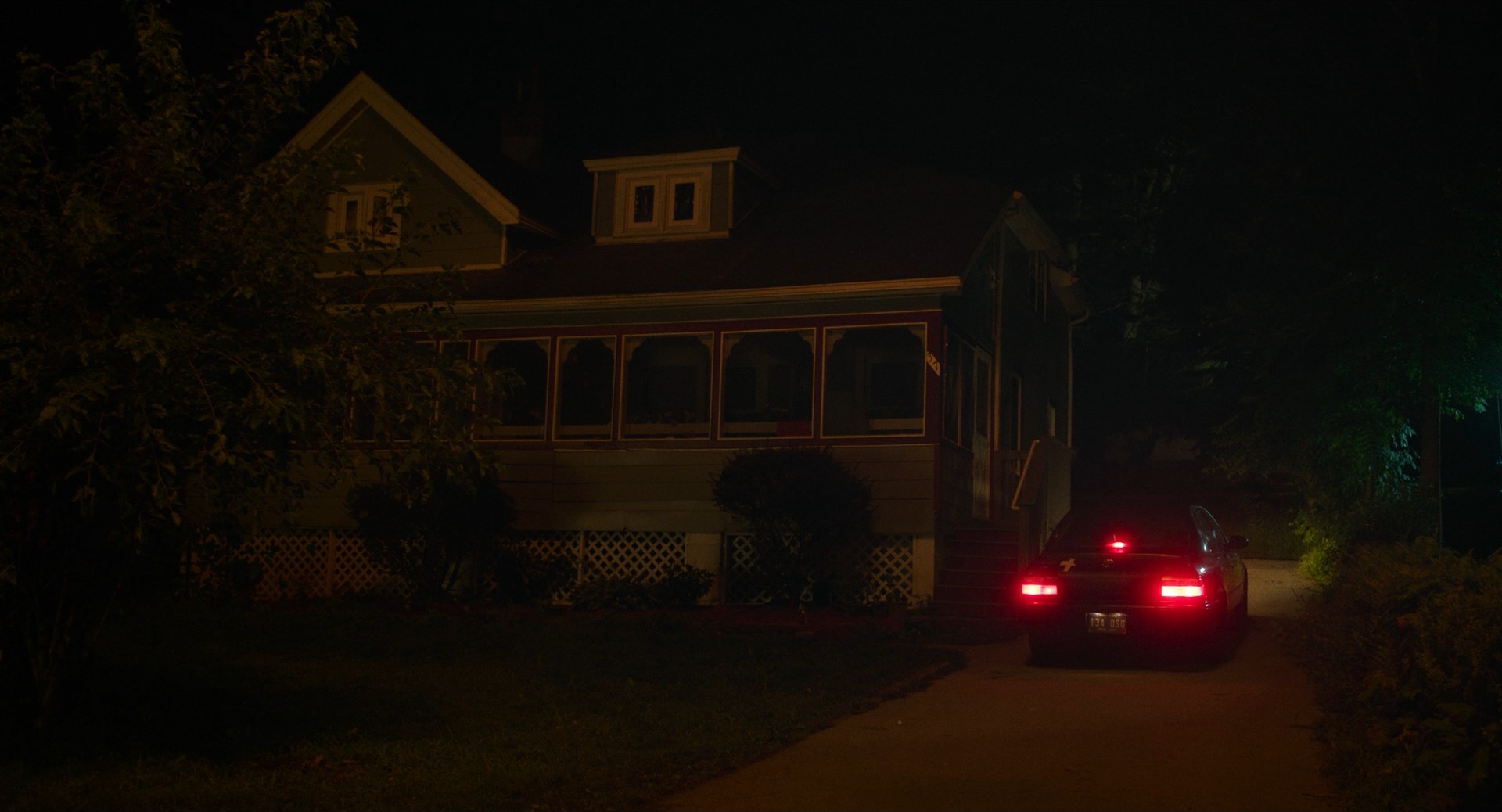
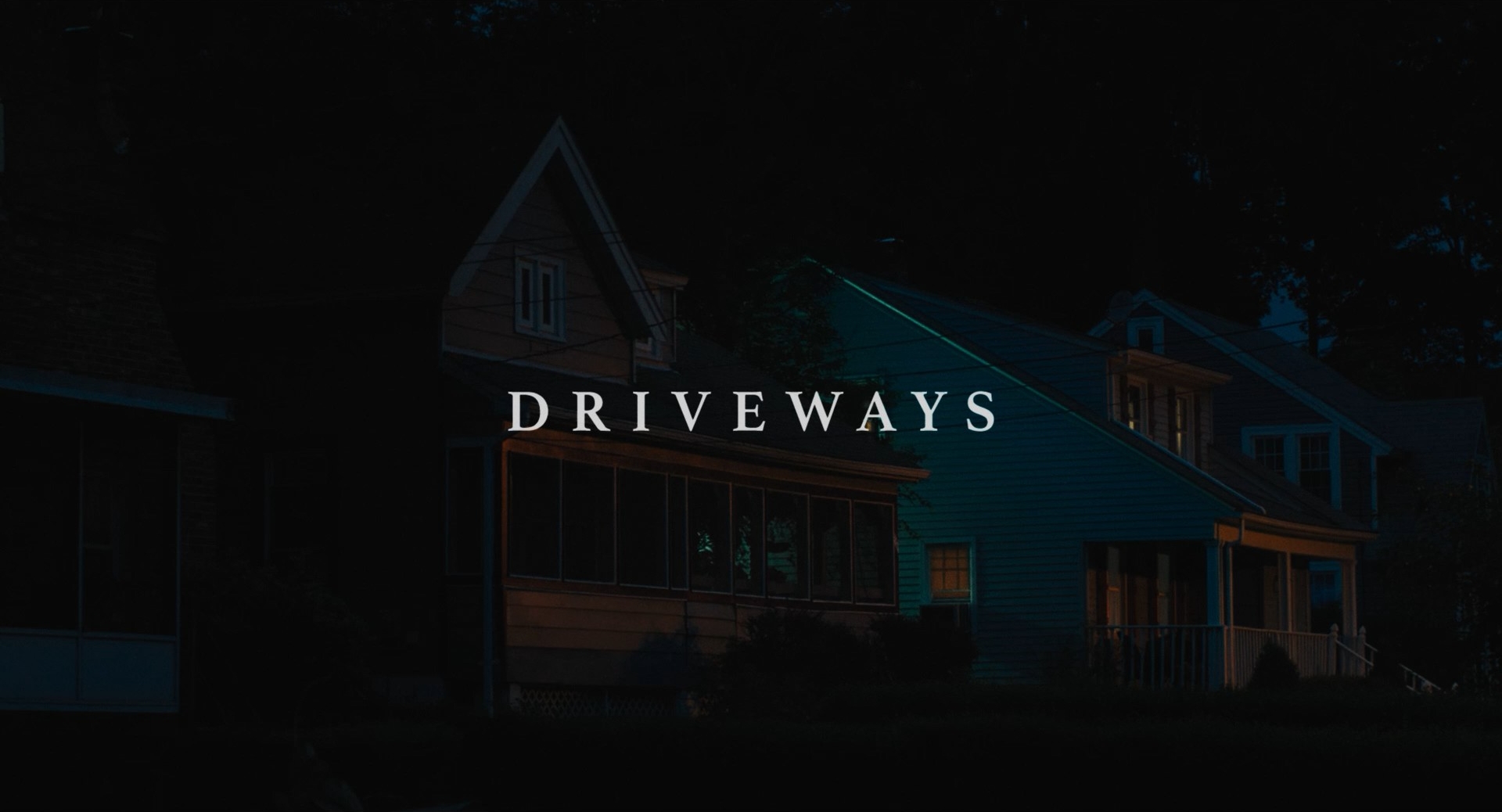
Driveways (2019)
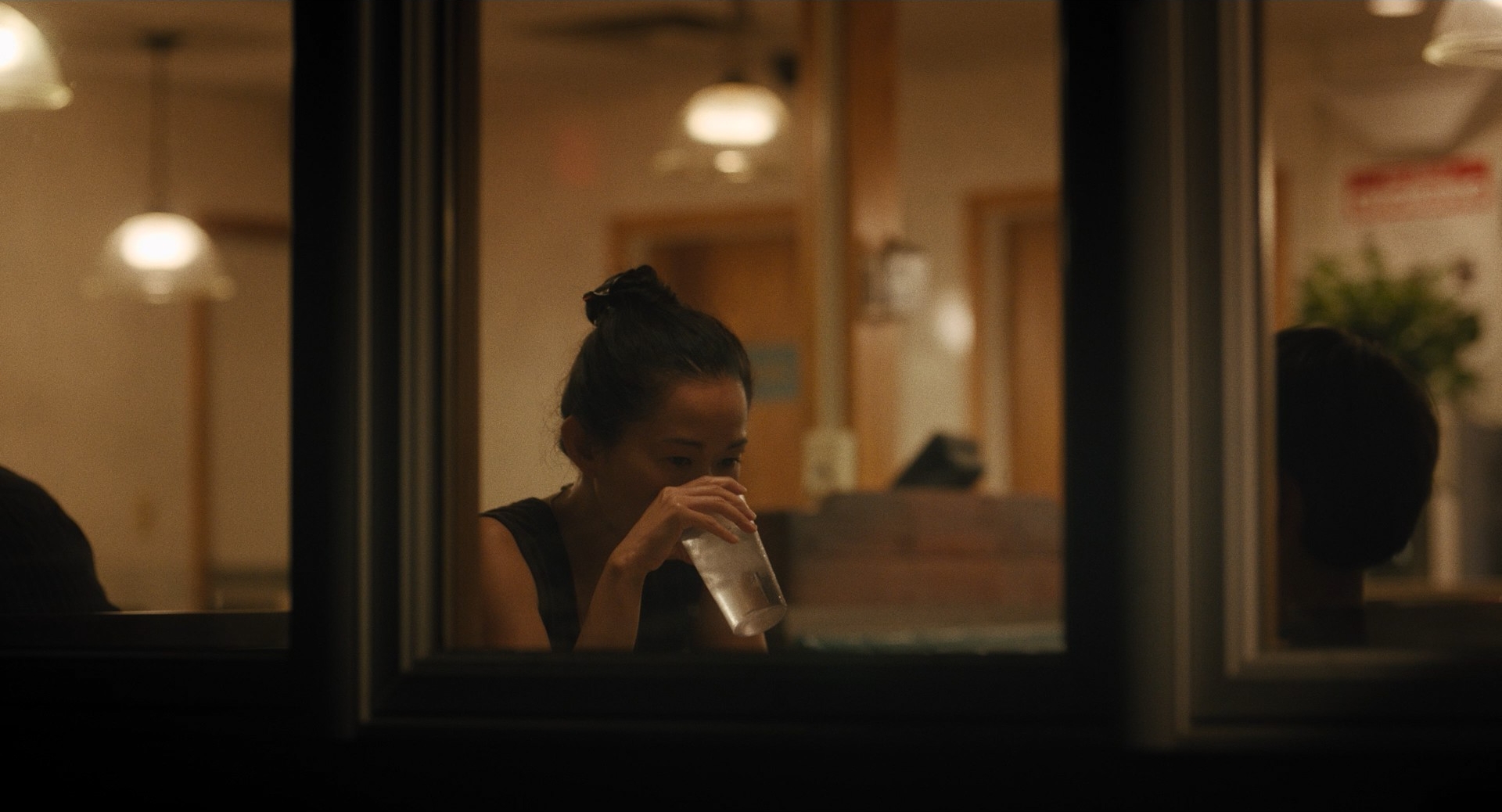
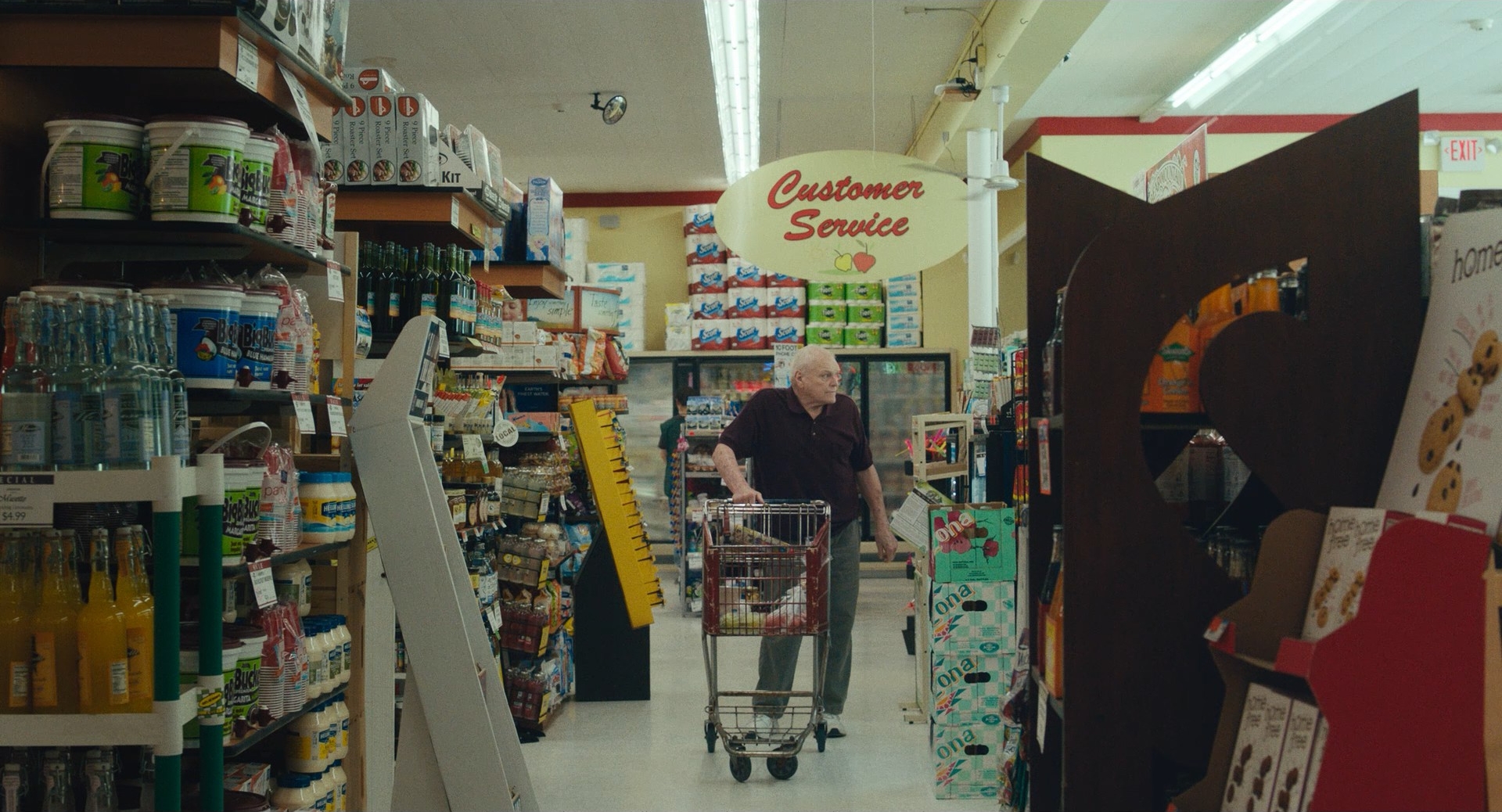
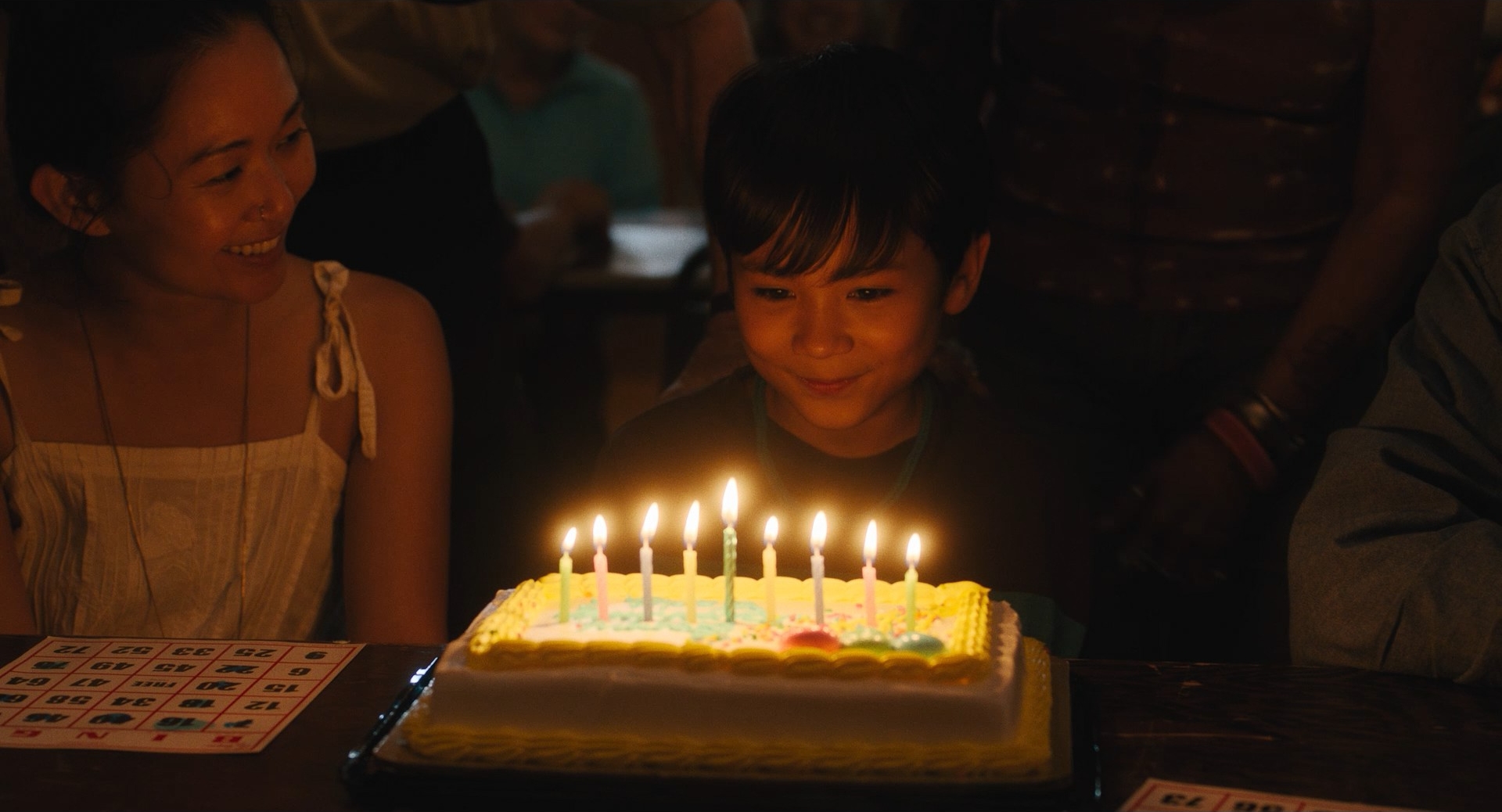
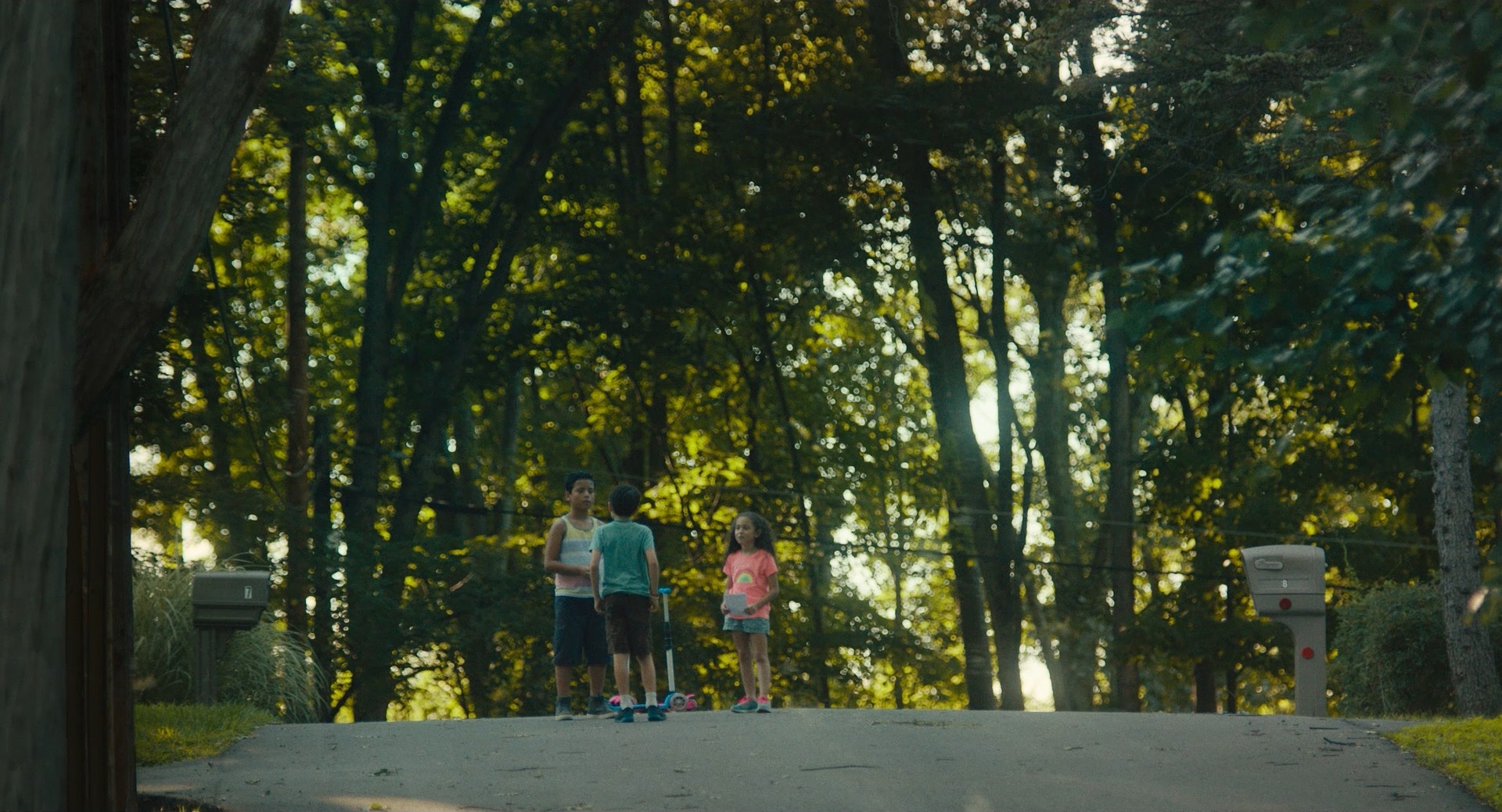
A shy young boy named Cody travels with his mother to clean out his late aunt’s house in a quiet suburban neighborhood. While there, he forms an unexpected friendship with Del, a widowed Korean War veteran living next door. As their bond grows, both find comfort and understanding in each other’s quiet companionship.
Ahn and cinematographer Ki Jin Kim shoot Driveways with a gentle, observational naturalism, using soft light and restrained compositions to reflect the film’s emotional subtlety. The camera lingers on small gestures and everyday spaces—turning porches, lawns, and quiet interiors into intimate environments where connection unfolds with quiet precision.
FILM SPOTLIGHT
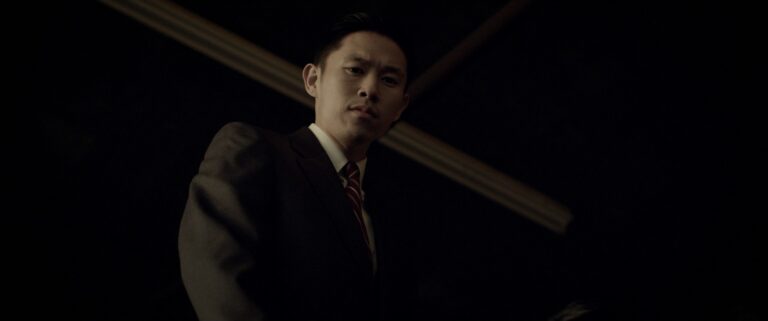
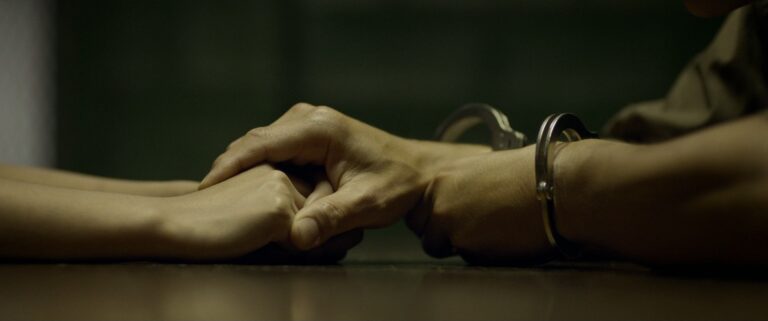
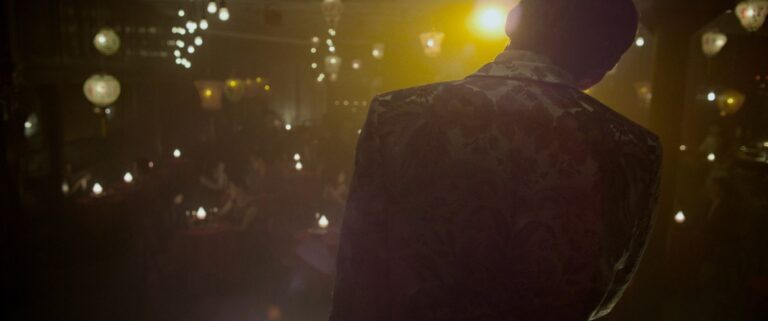
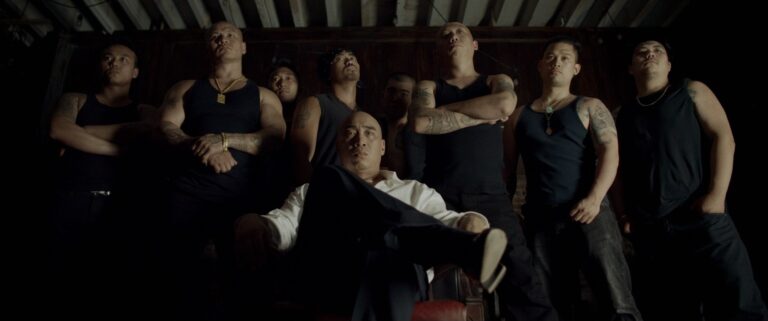
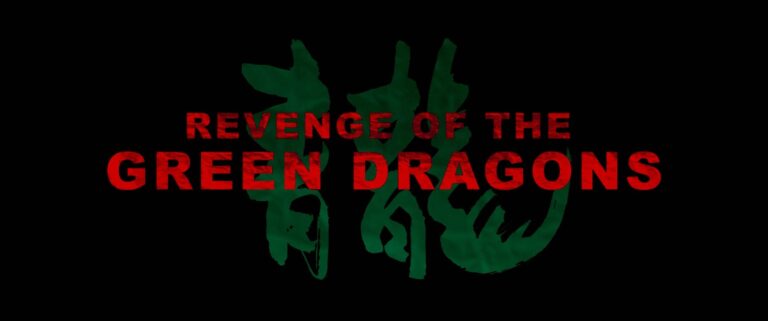
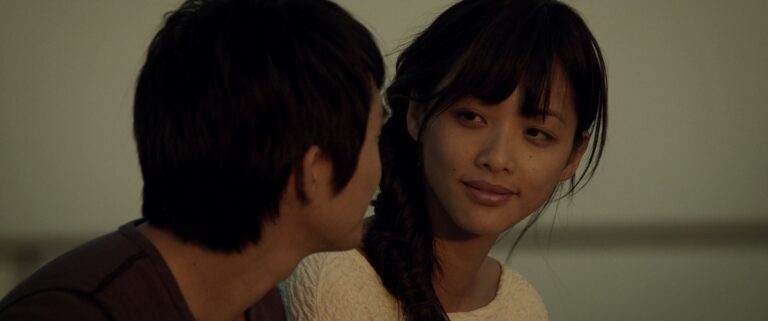
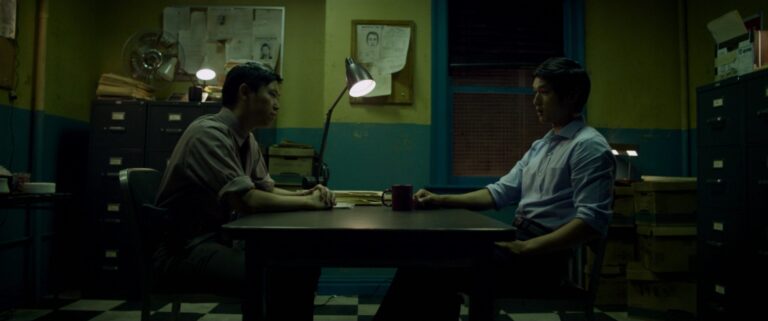
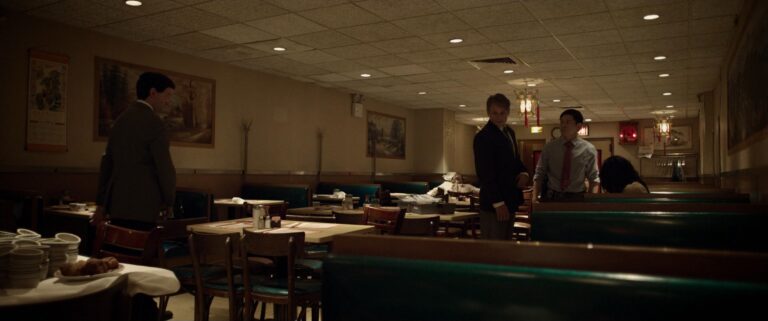
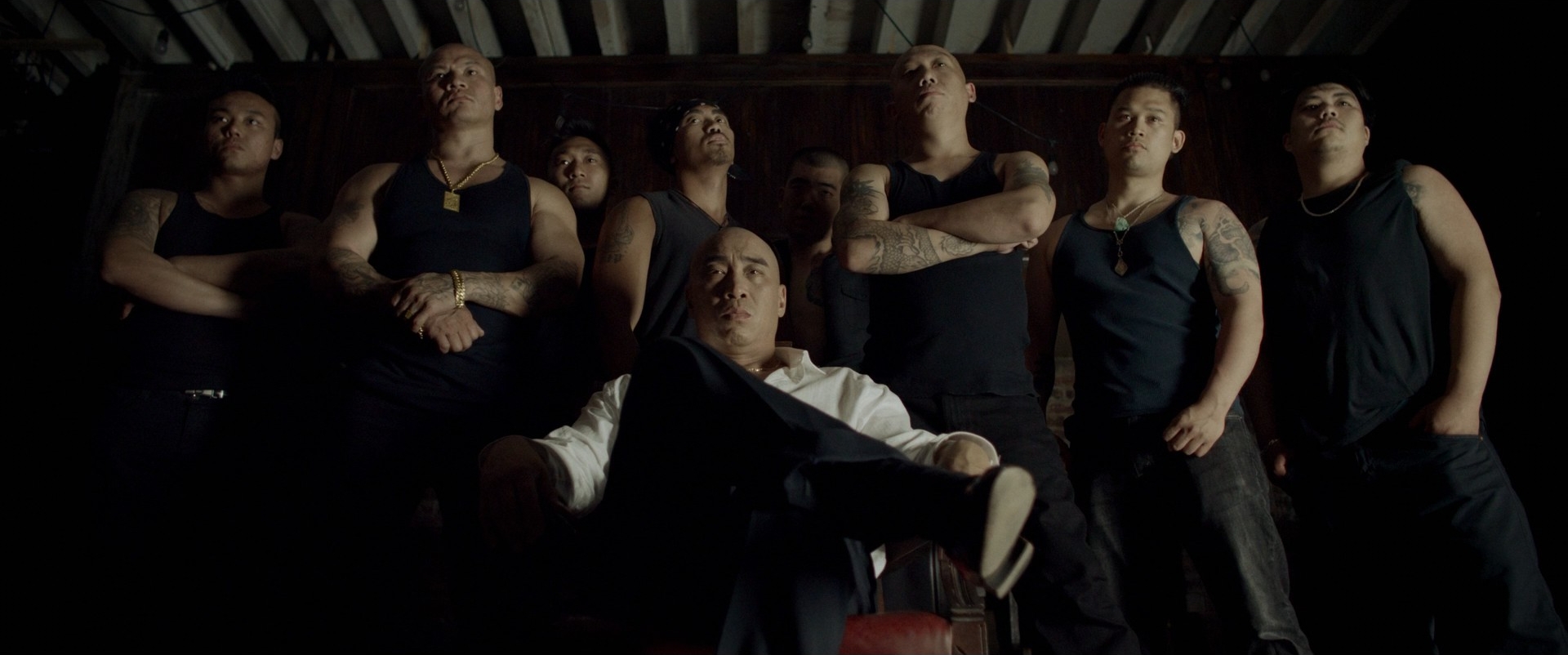
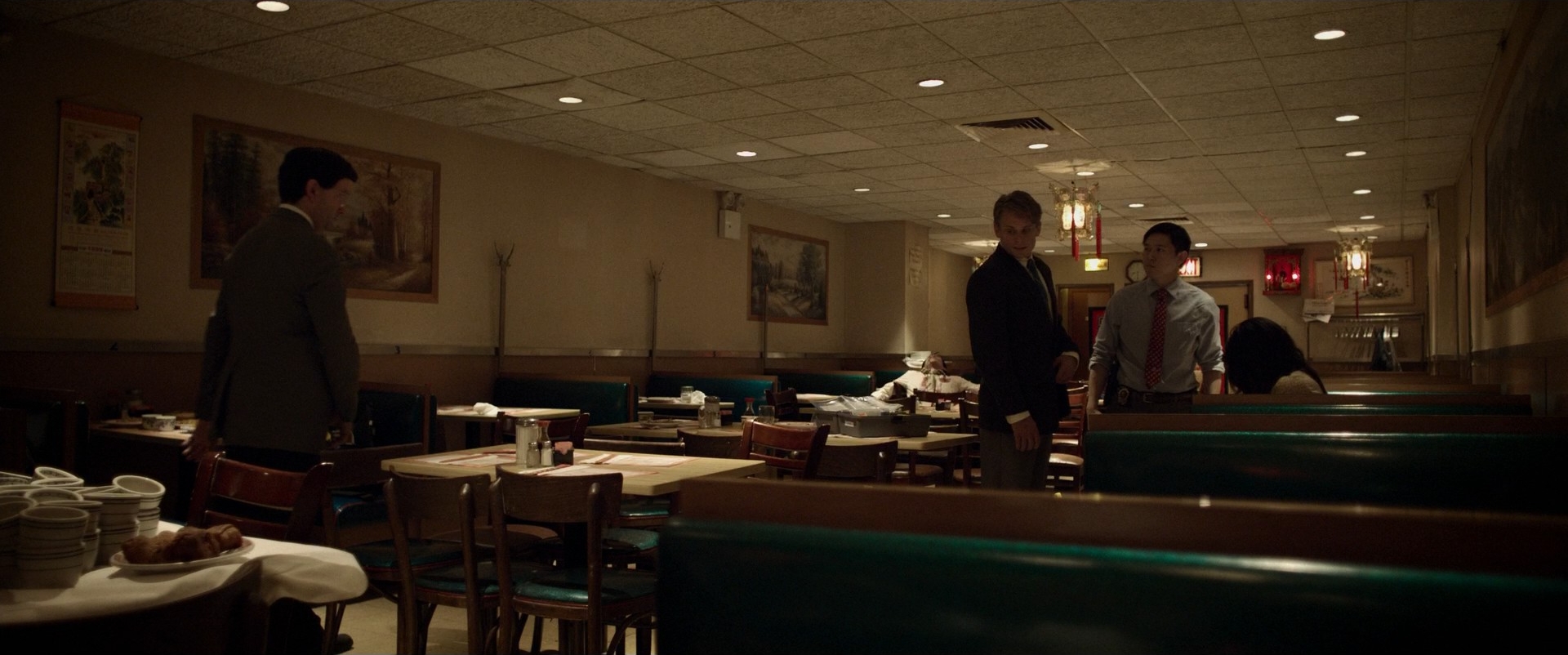
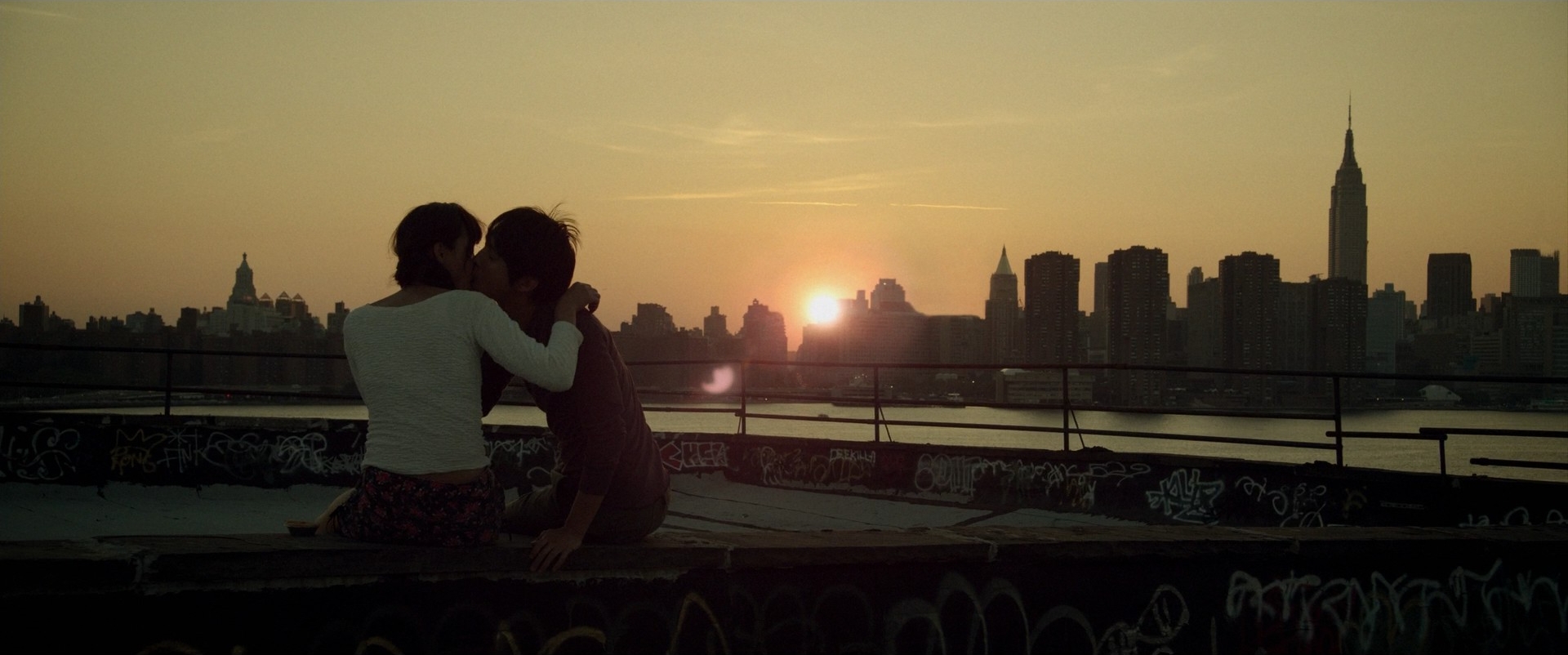
Revenge of the Green Dragons (2014)
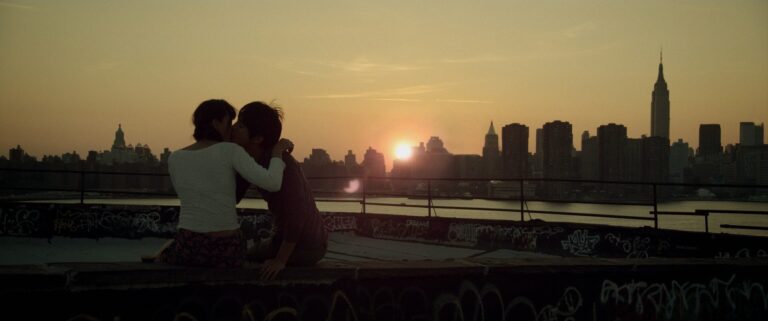
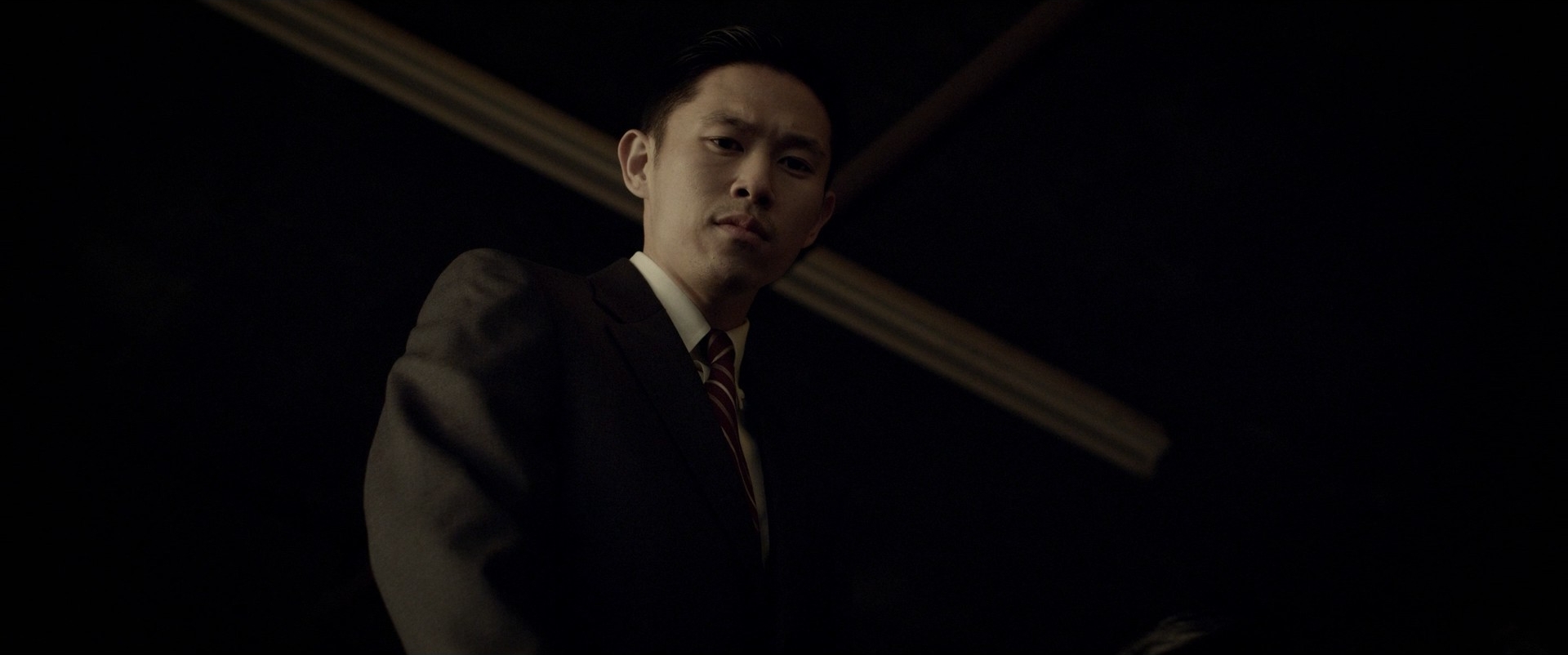
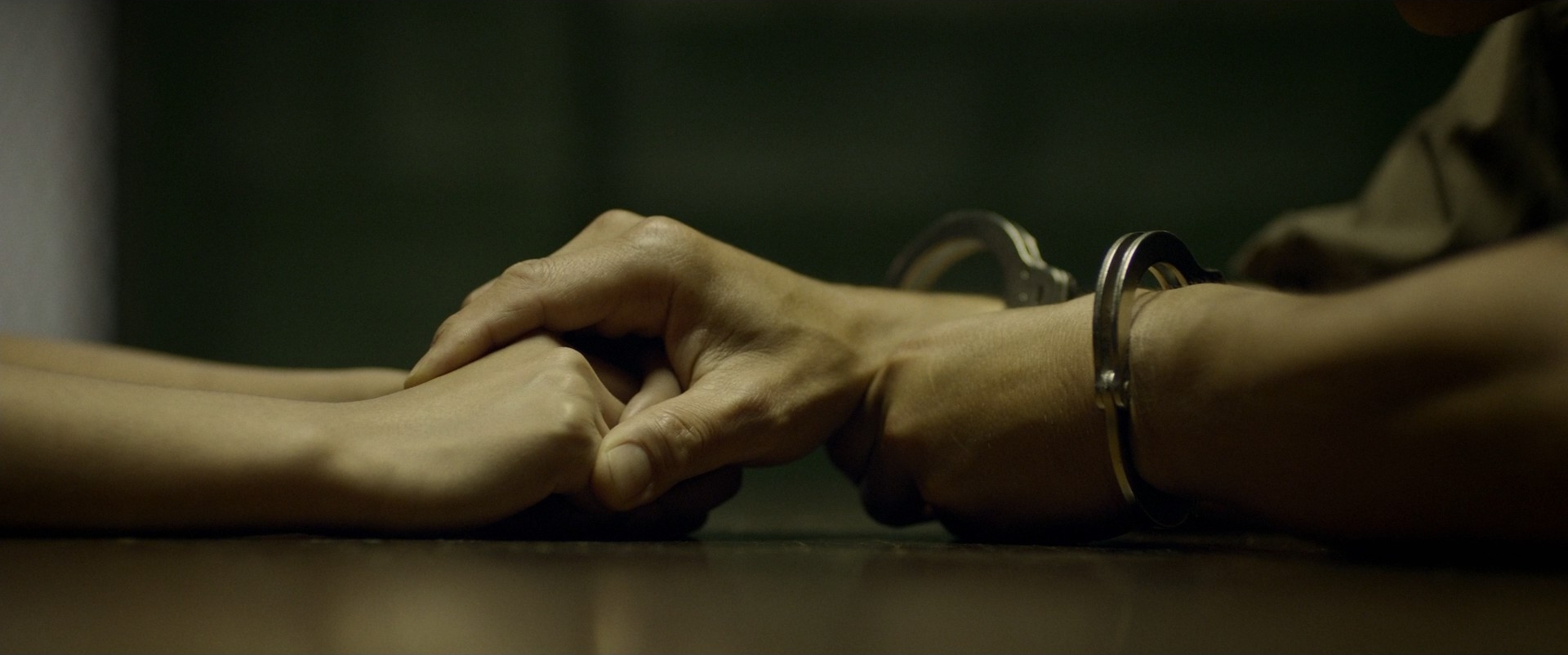
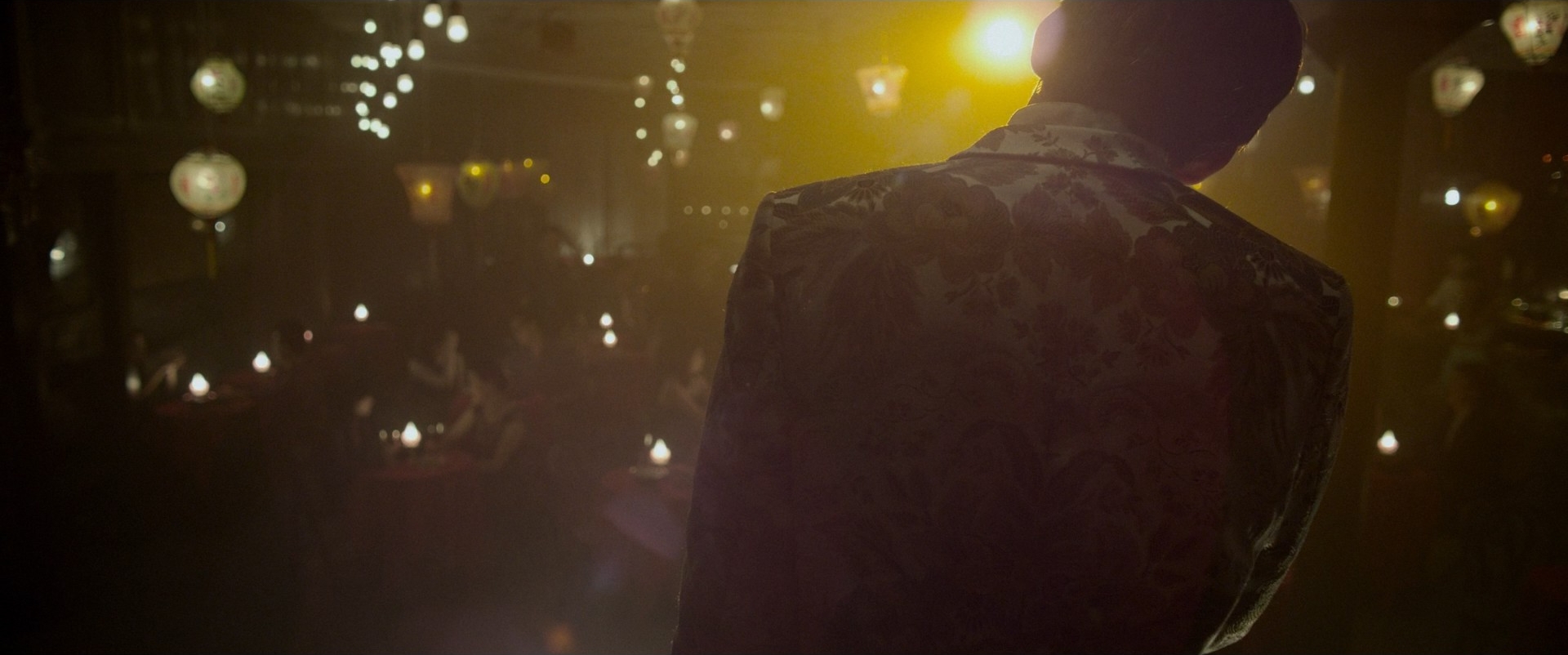
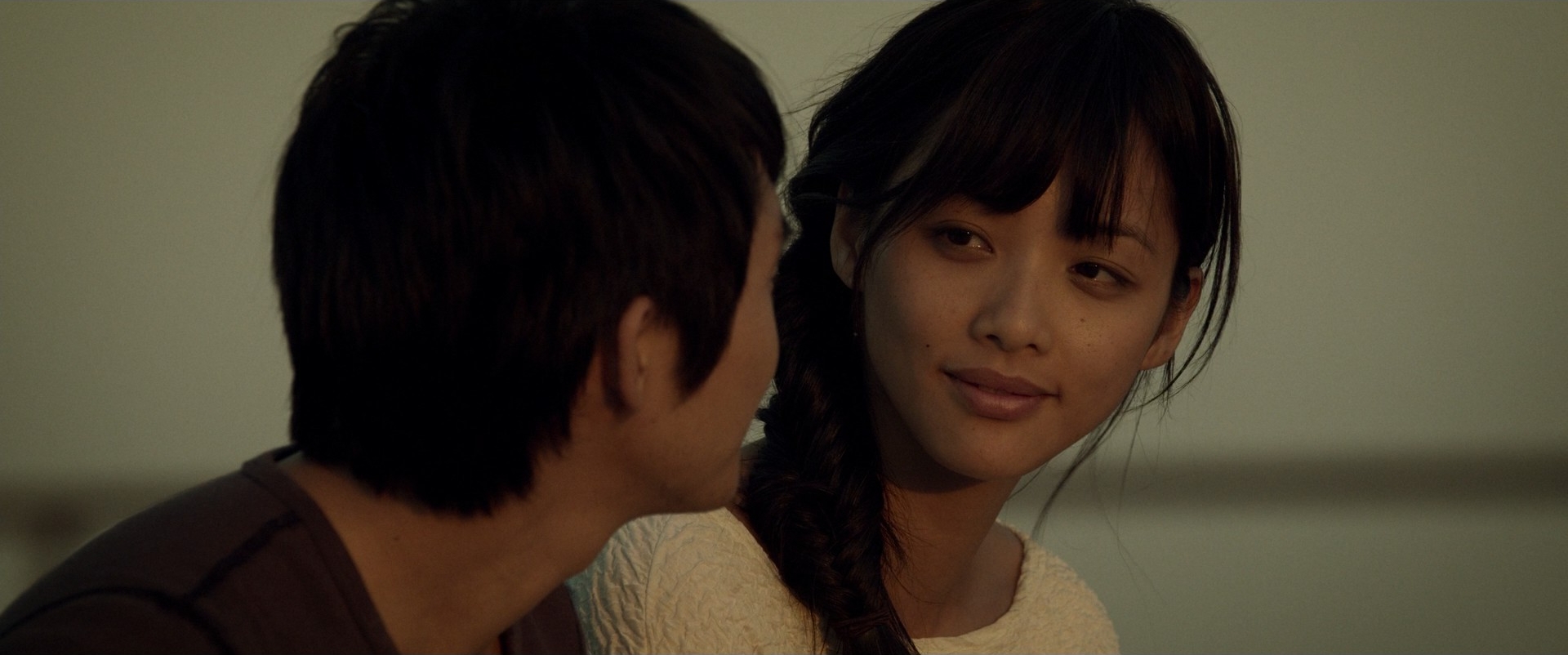
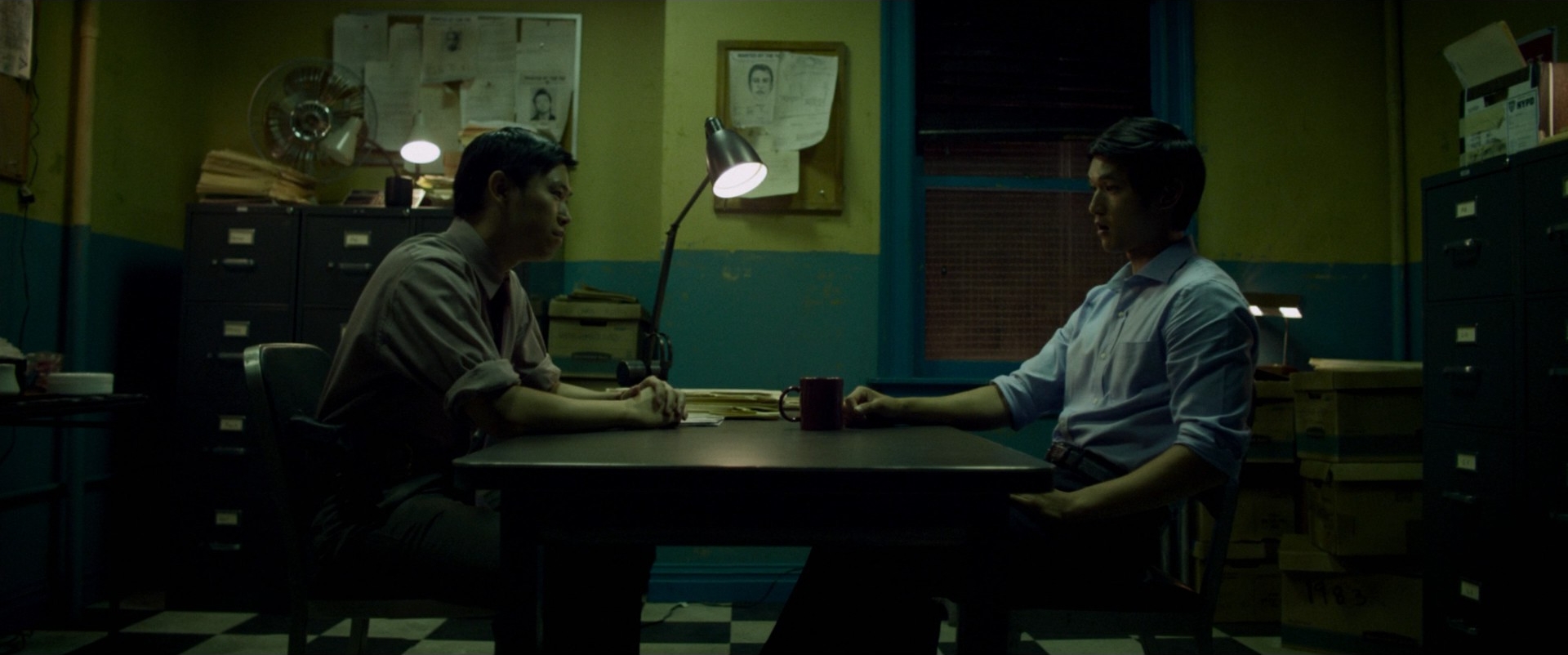
Set in 1980s New York, the film follows two young immigrants from China who rise through the ranks of a powerful street gang in Chinatown. As they become entrenched in a world of violence, loyalty, and ambition, their bond is tested by power struggles and personal desires. Their journey traces the cost of the American Dream when shaped by crime and survival.
Lau and cinematographer Martin Ahlgren shoot Revenge of the Green Dragons with a gritty, urban palette, using handheld camerawork and low-key lighting to capture the texture of 1980s Chinatown. The film contrasts neon-lit interiors with shadowy streets—turning the city into a dense, atmospheric backdrop where ambition and danger feel constantly intertwined.
FILM SPOTLIGHT
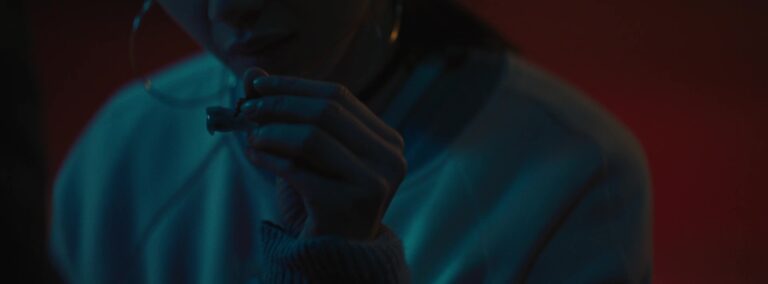
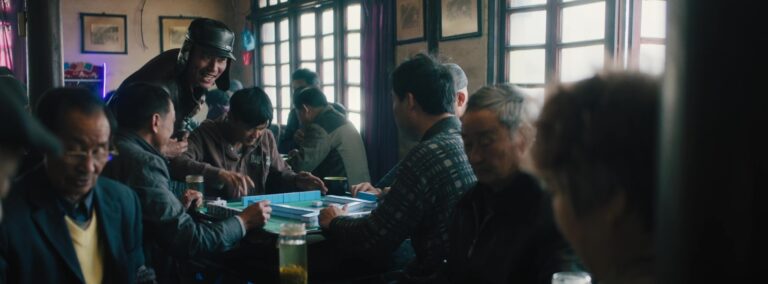
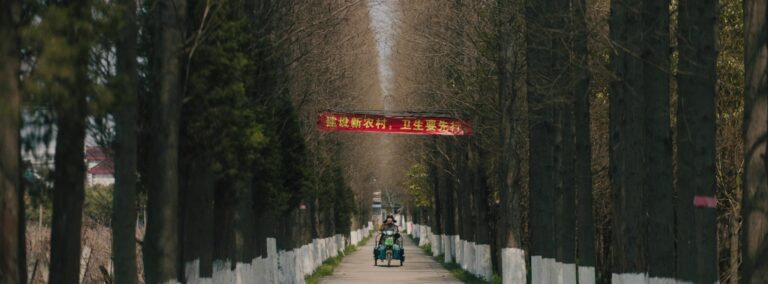
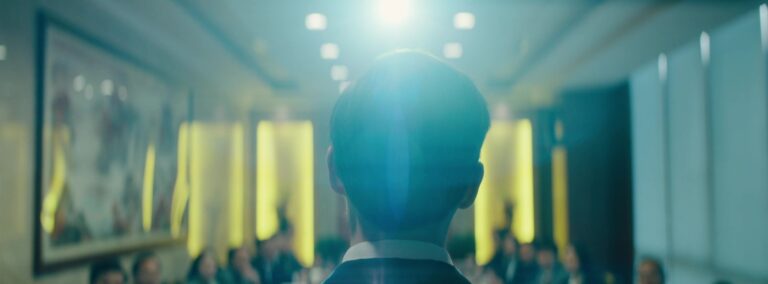
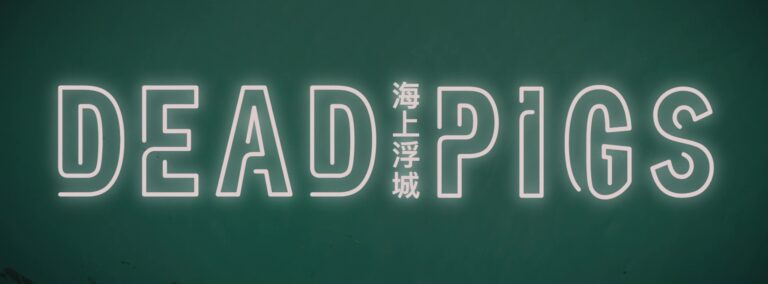
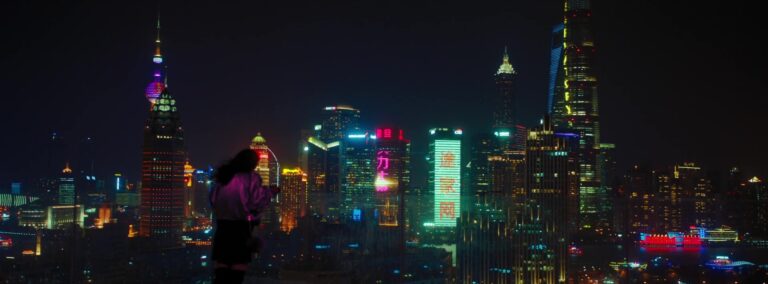
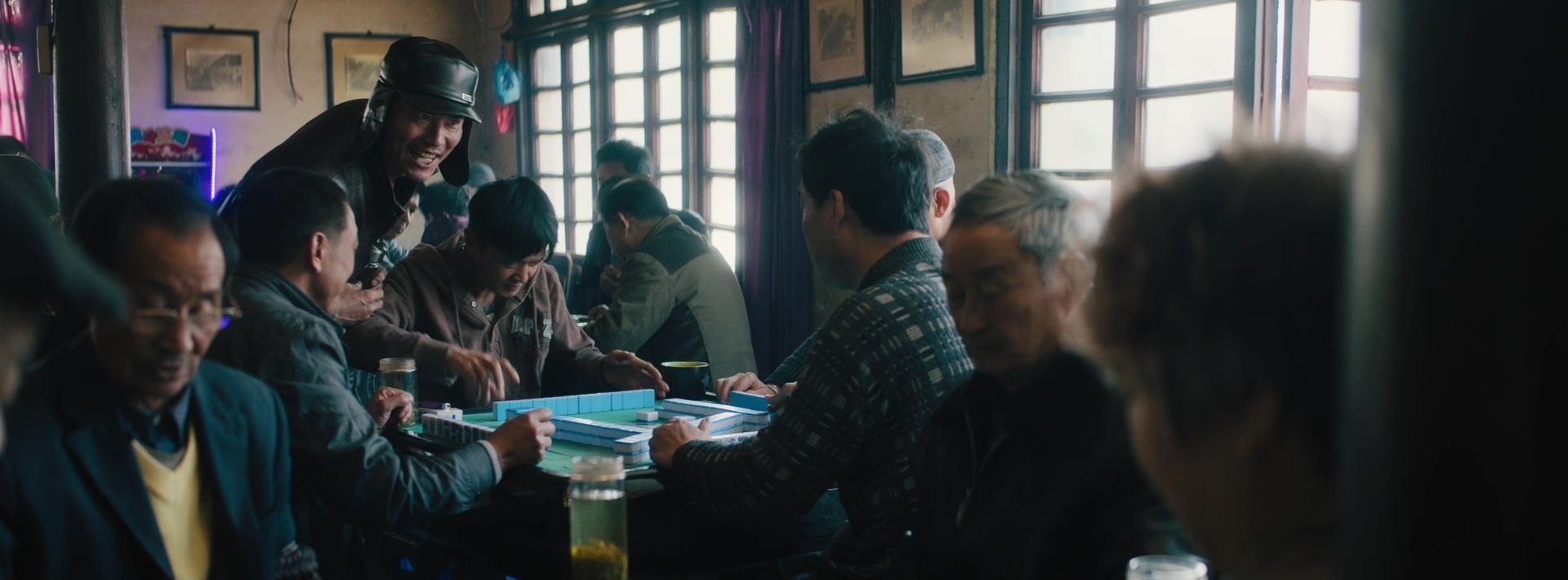
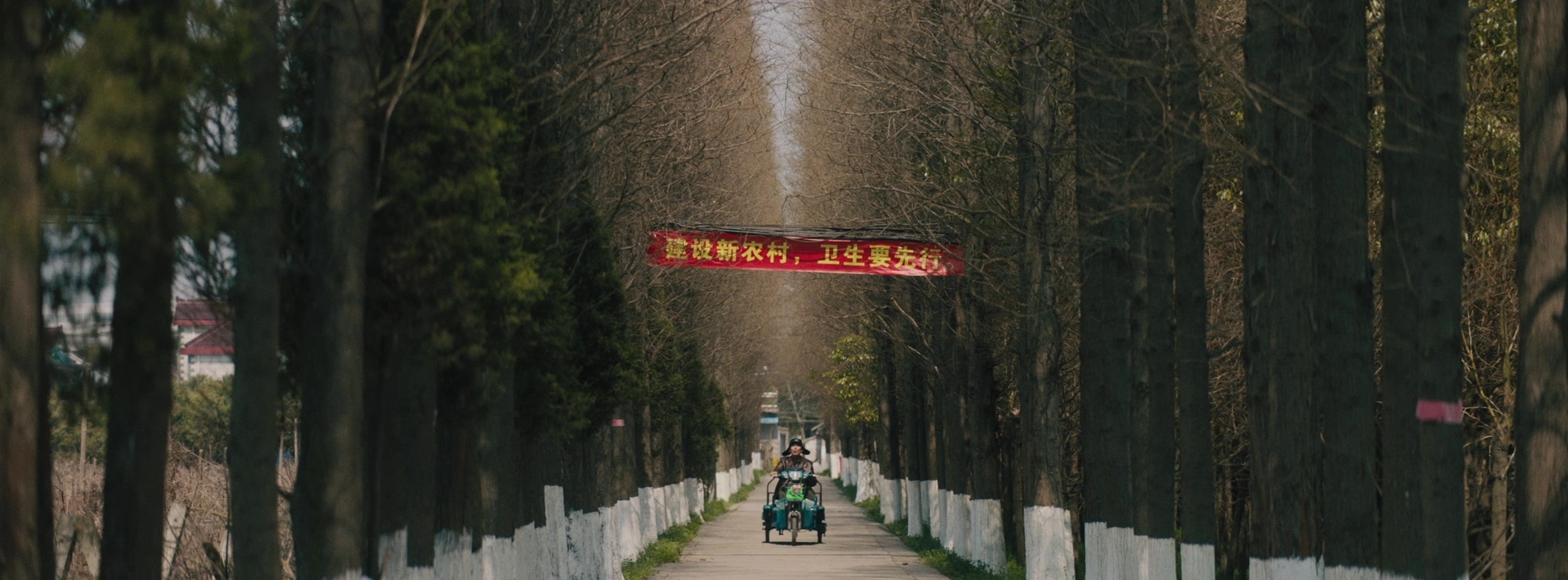
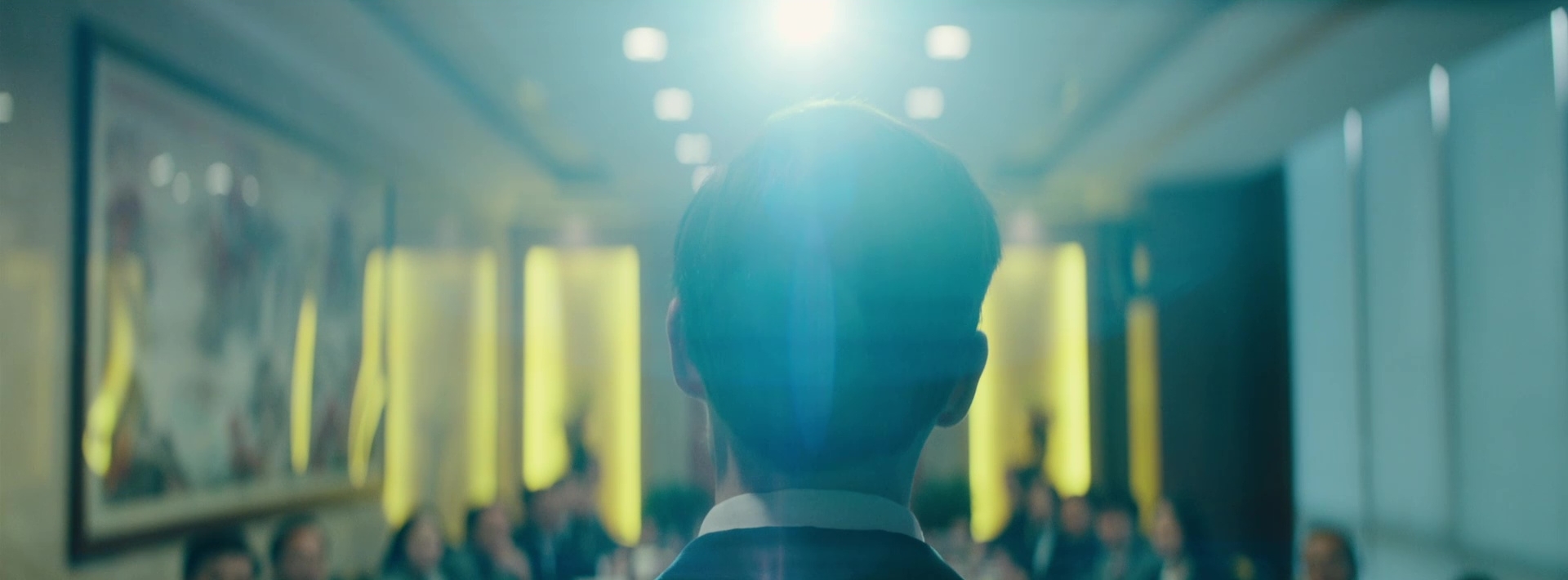
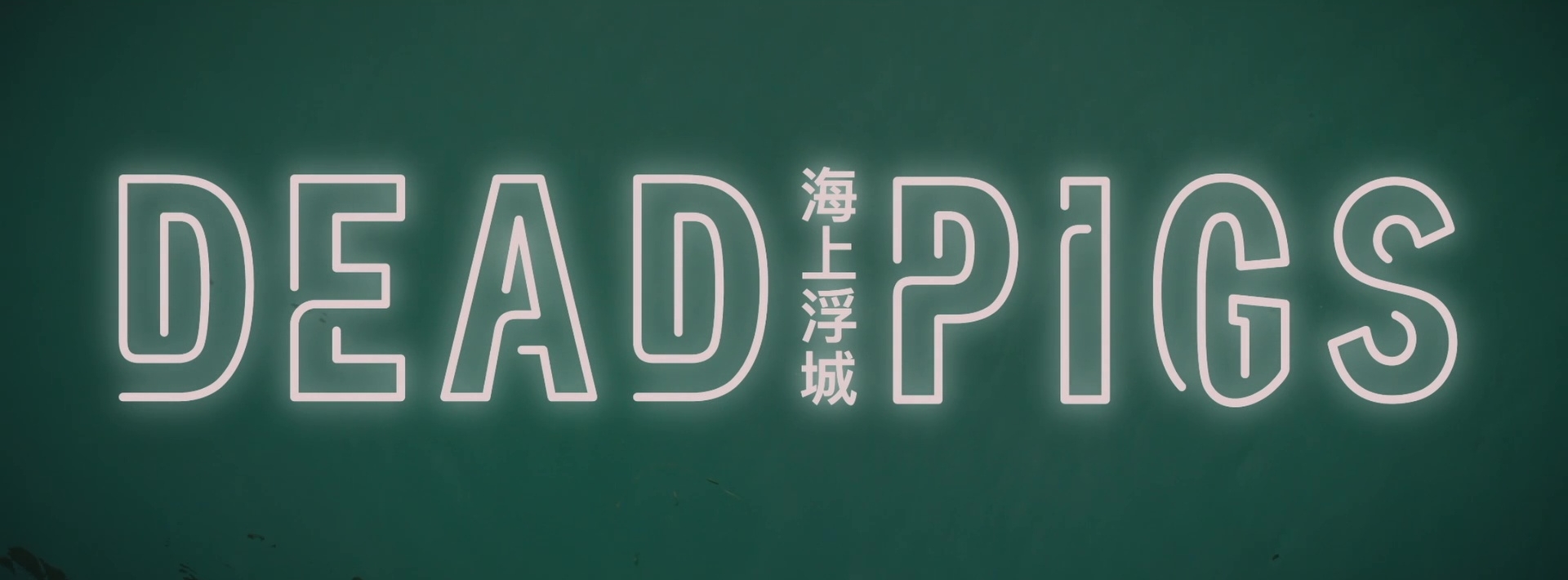
Dead Pigs (2018)
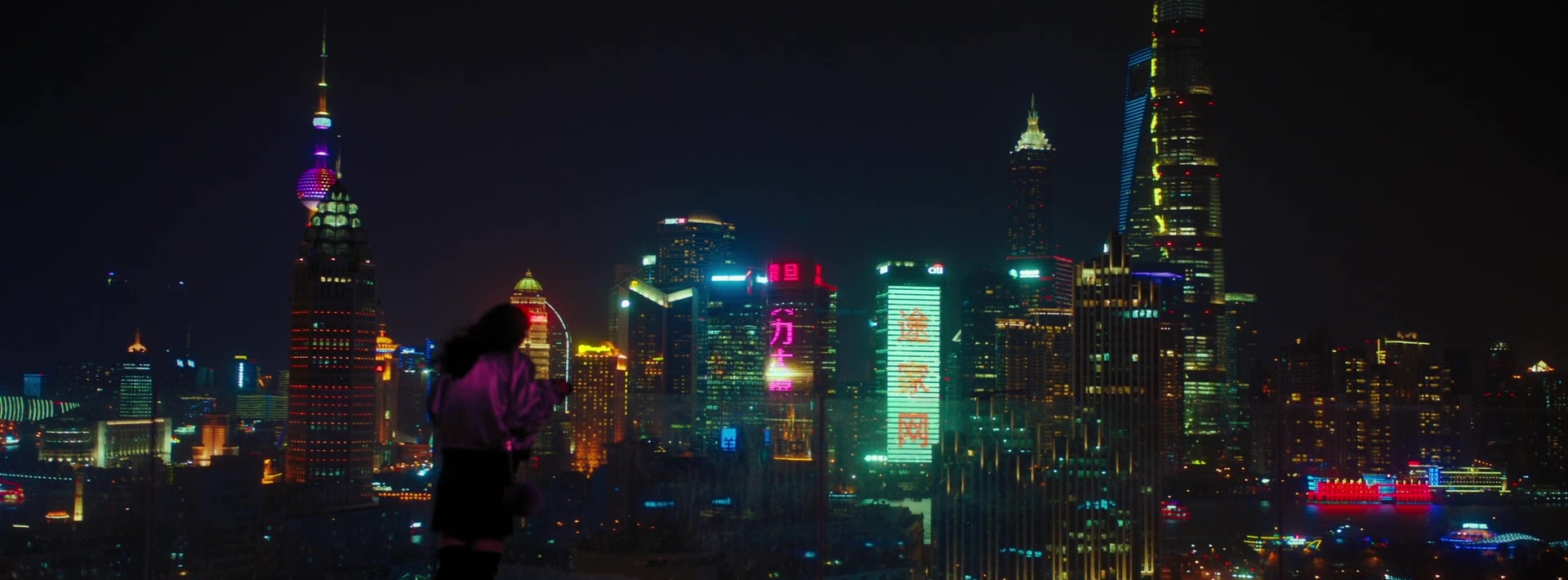
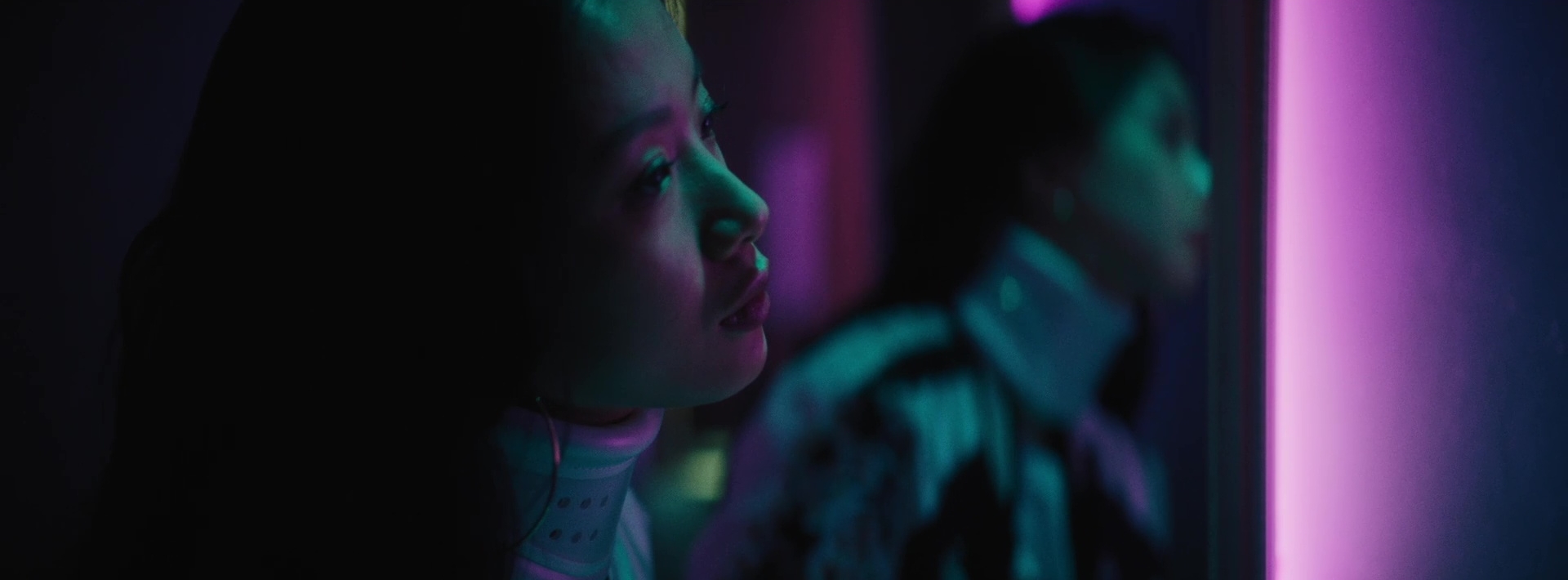
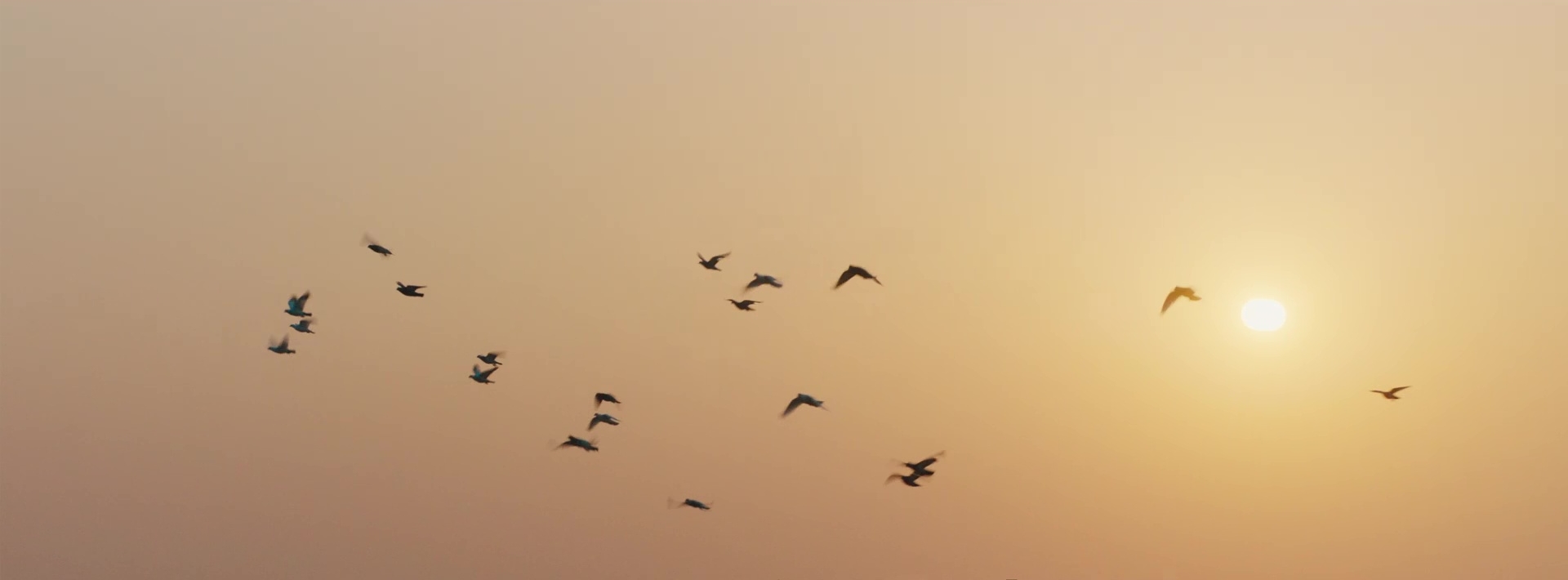
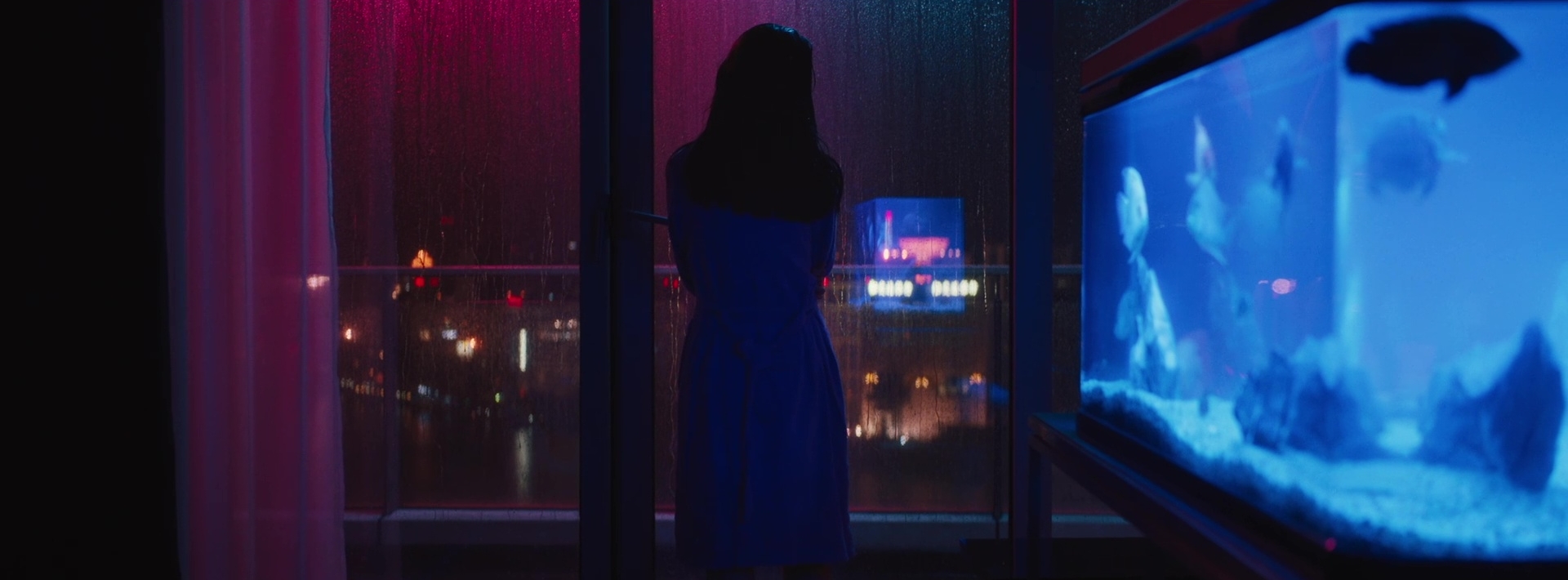
Set in modern-day Shanghai, the film follows a group of interconnected characters whose lives collide amid rapid urban development and social change. From a stubborn pig farmer facing eviction to a young woman chasing status and a foreign architect navigating cultural divides, each grapples with shifting realities. Their stories intertwine into a satirical portrait of ambition, displacement, and the cost of progress.
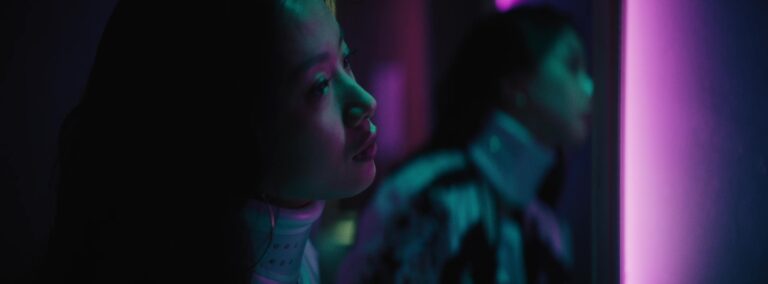
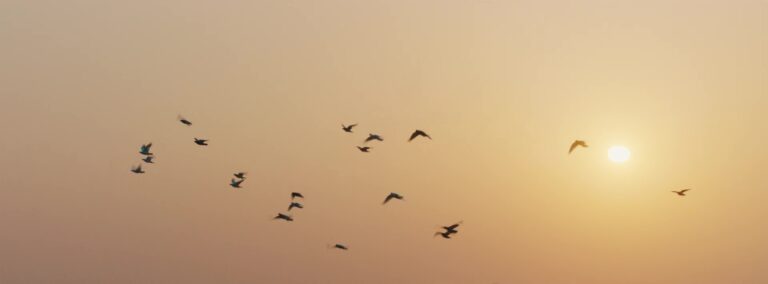
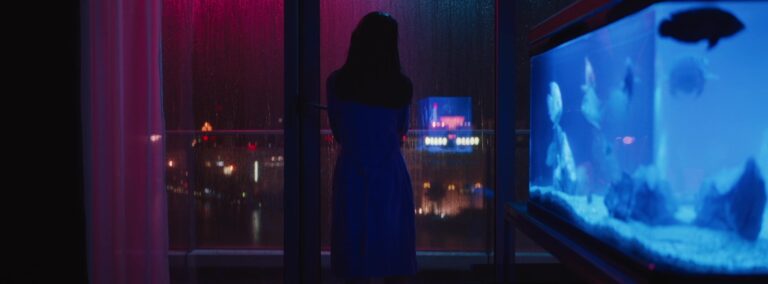
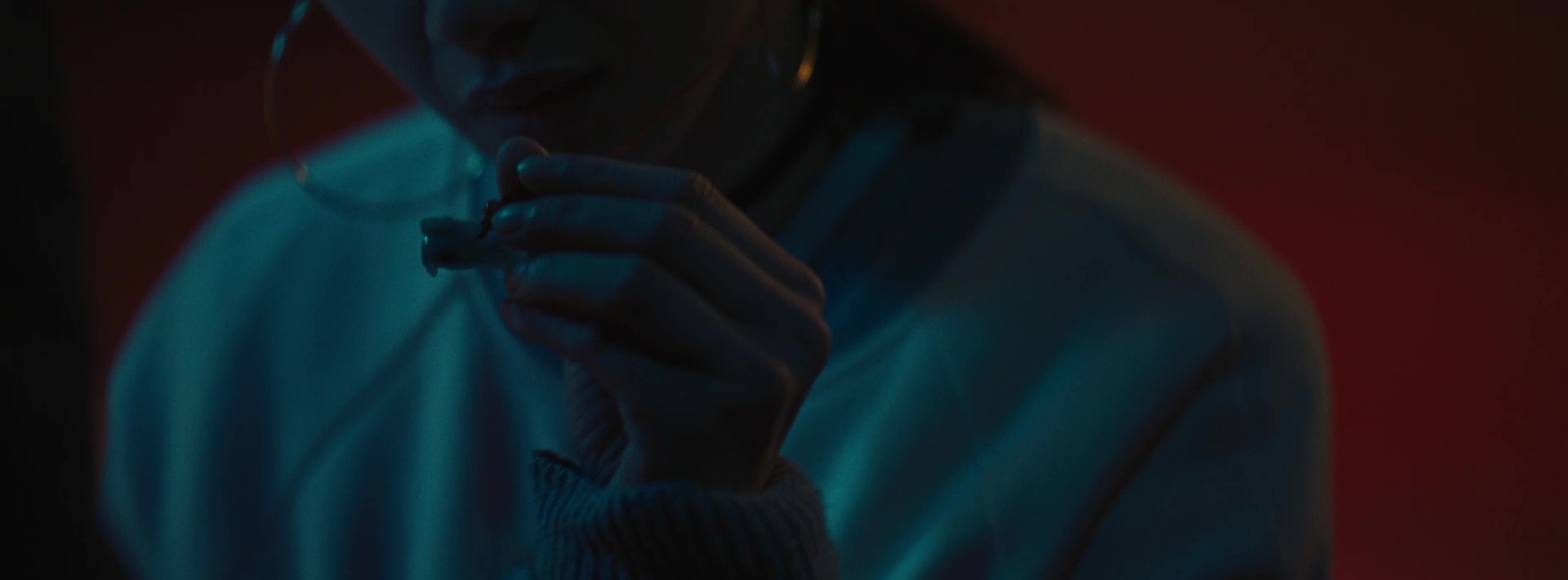
Yan and cinematographer Federico Cesca shoot Dead Pigs with a bright, hyper-saturated palette, using bold color blocking and clean compositions to reflect the artificial sheen of rapid modernization. The film’s glossy surfaces and stylized framing turn contemporary Shanghai into a slightly surreal landscape—where tone, color, and design underscore its satirical edge.
TELEVISION SERIES
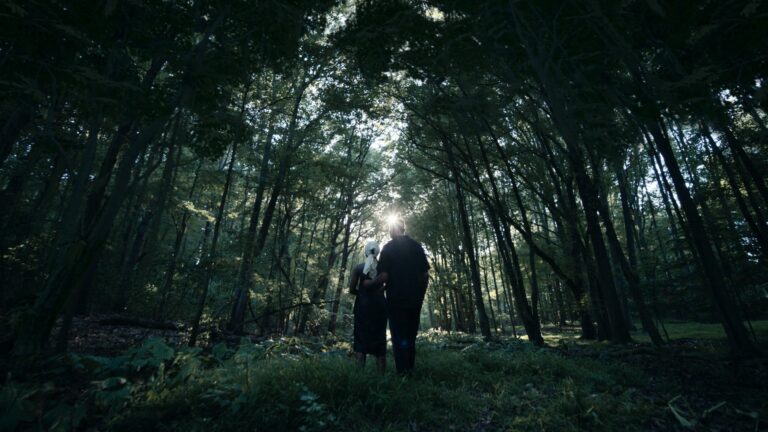
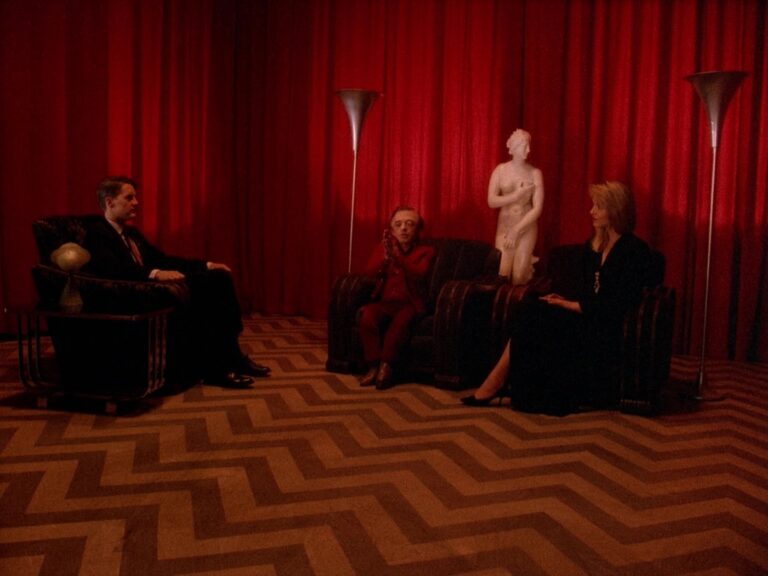
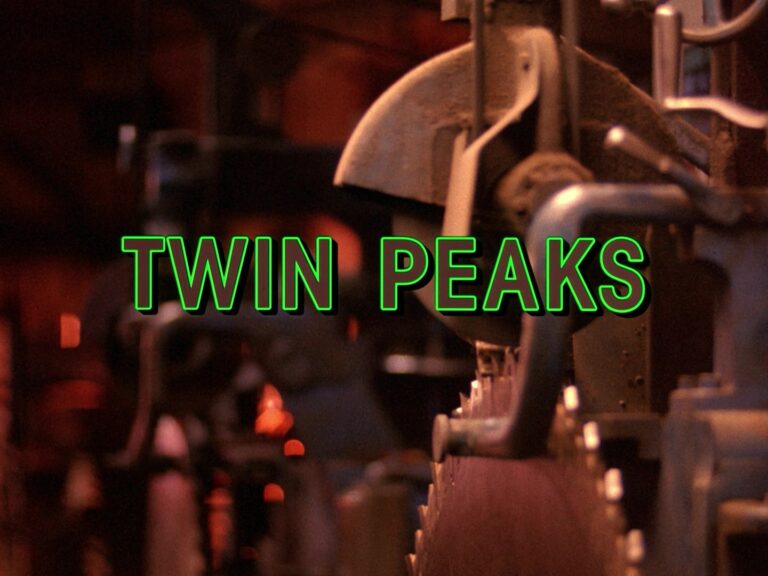
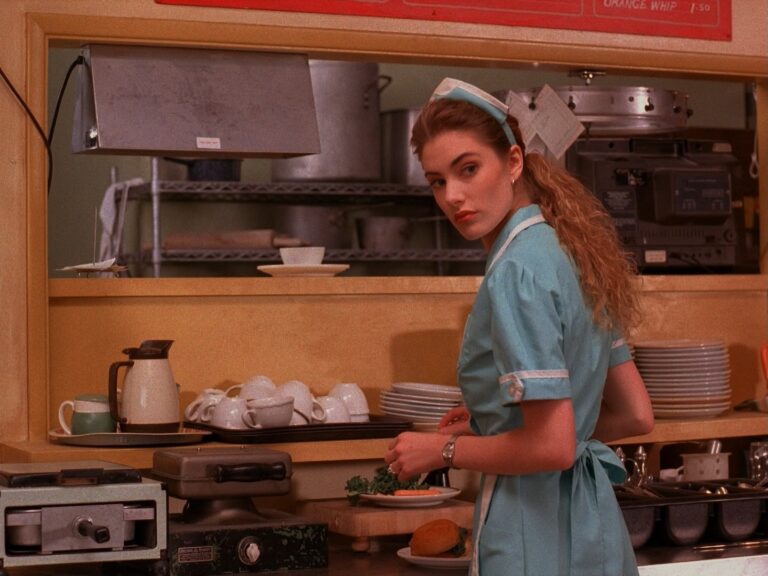
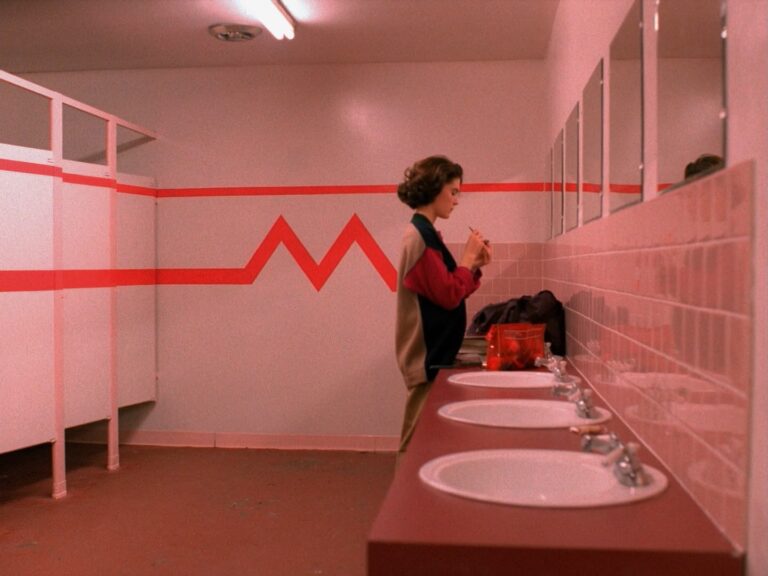
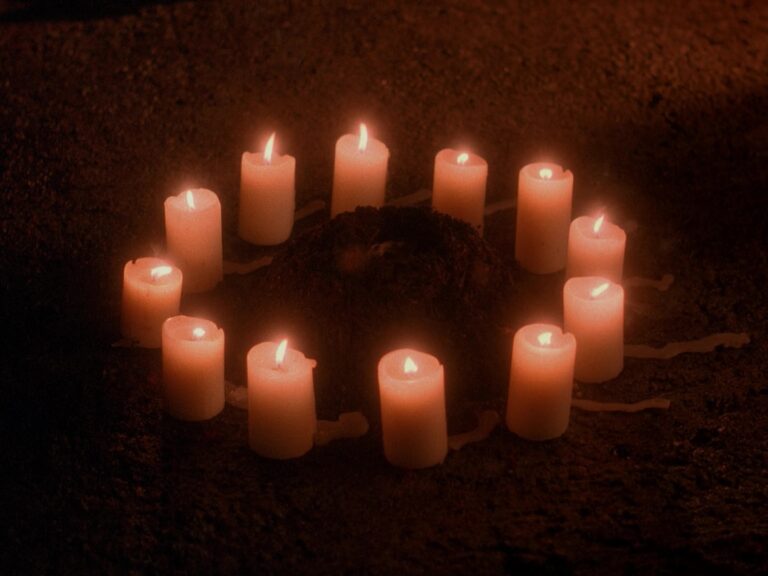
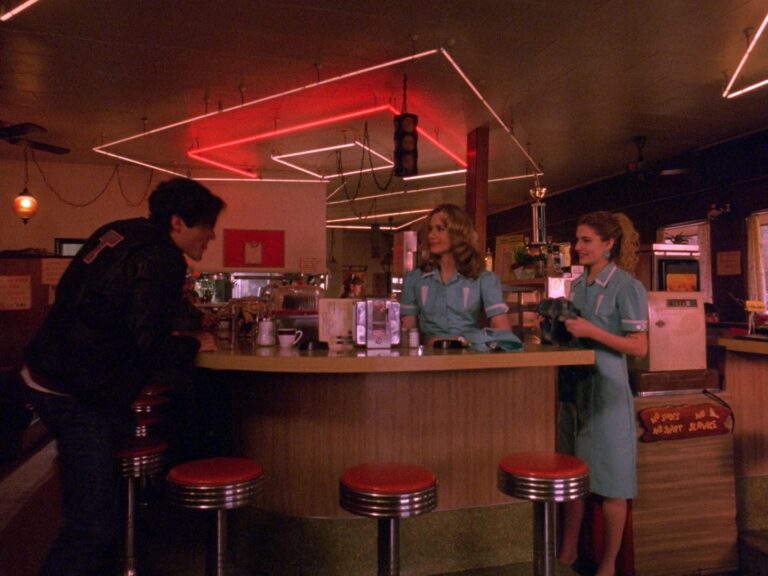
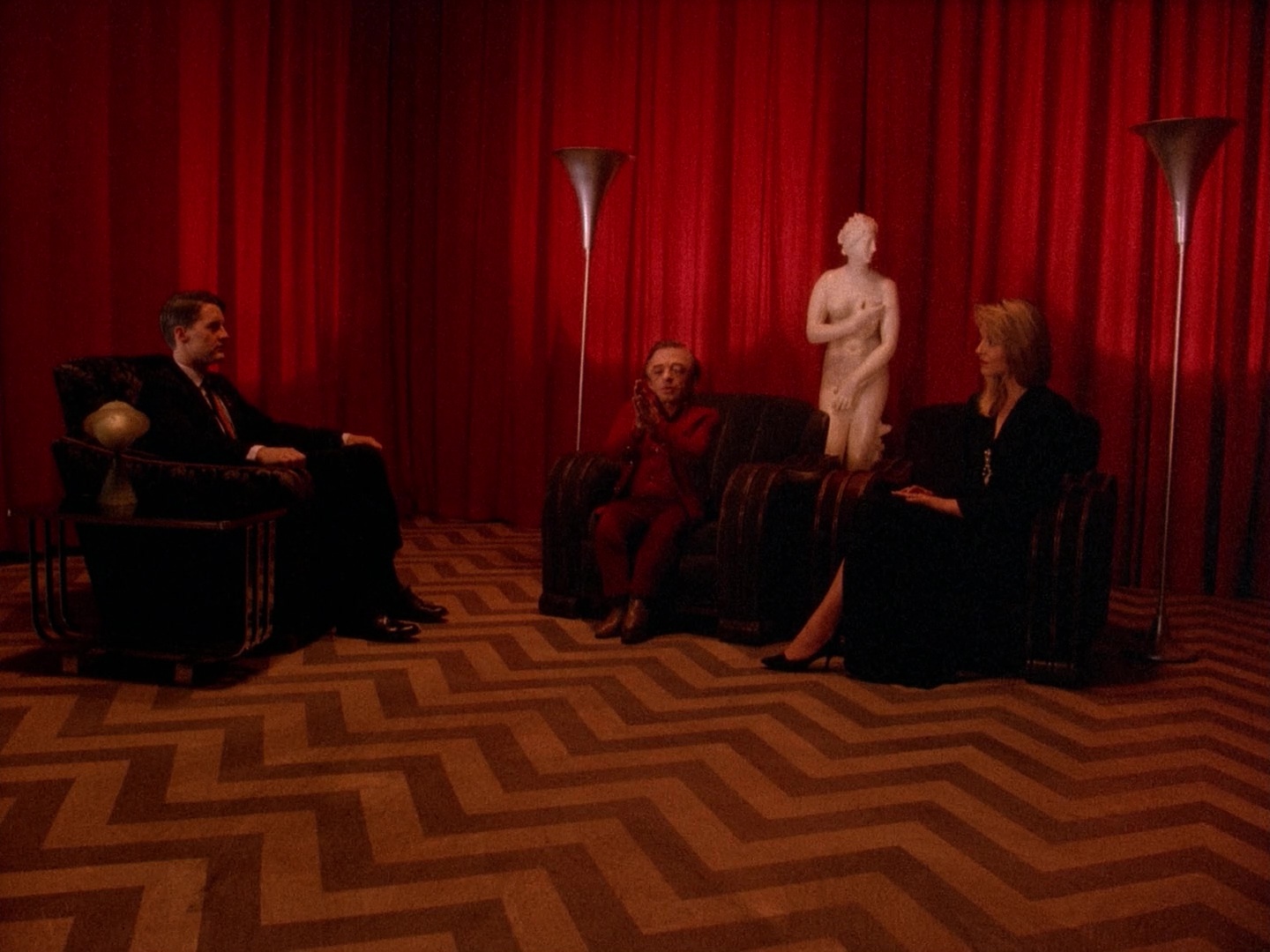
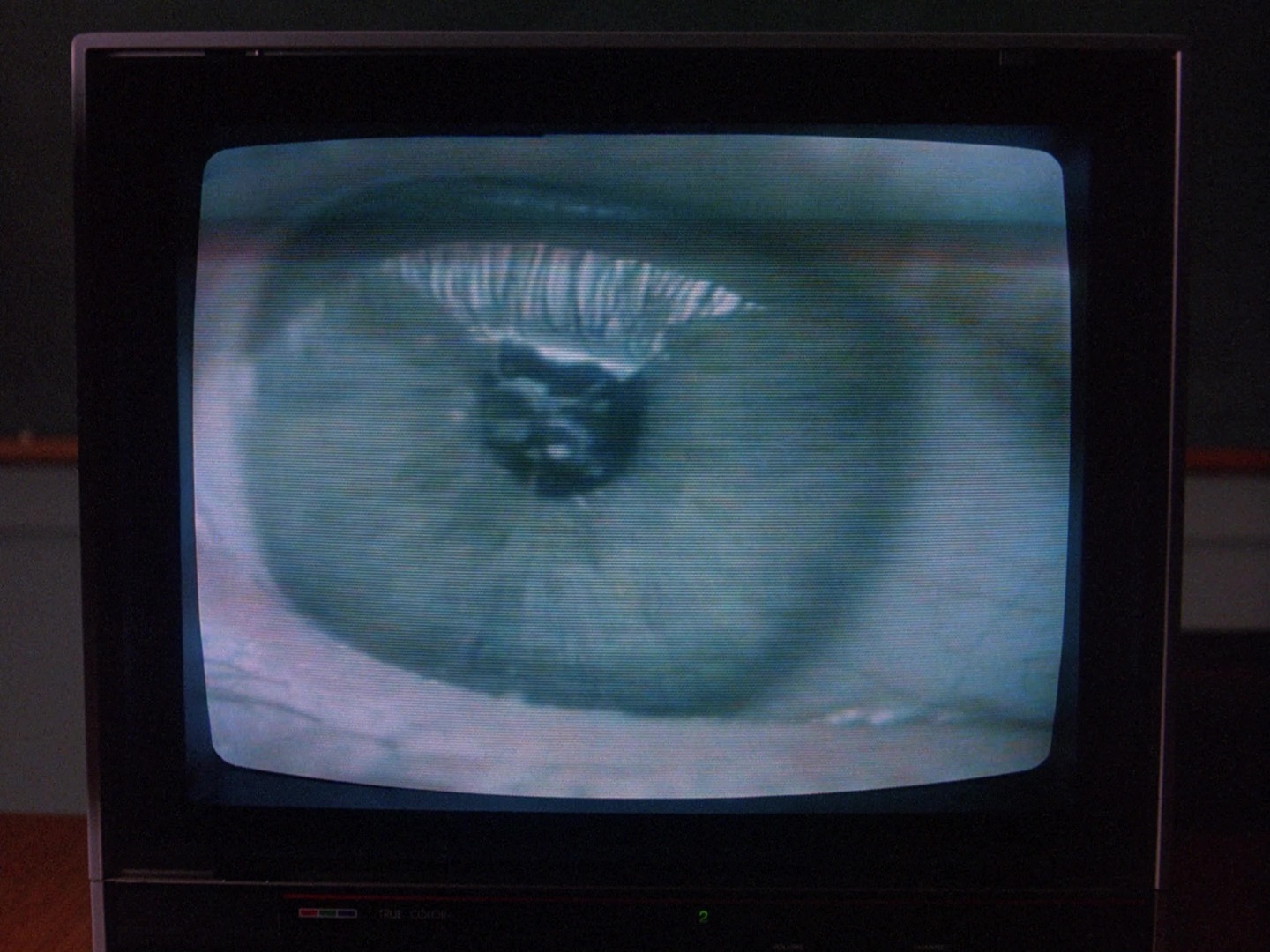
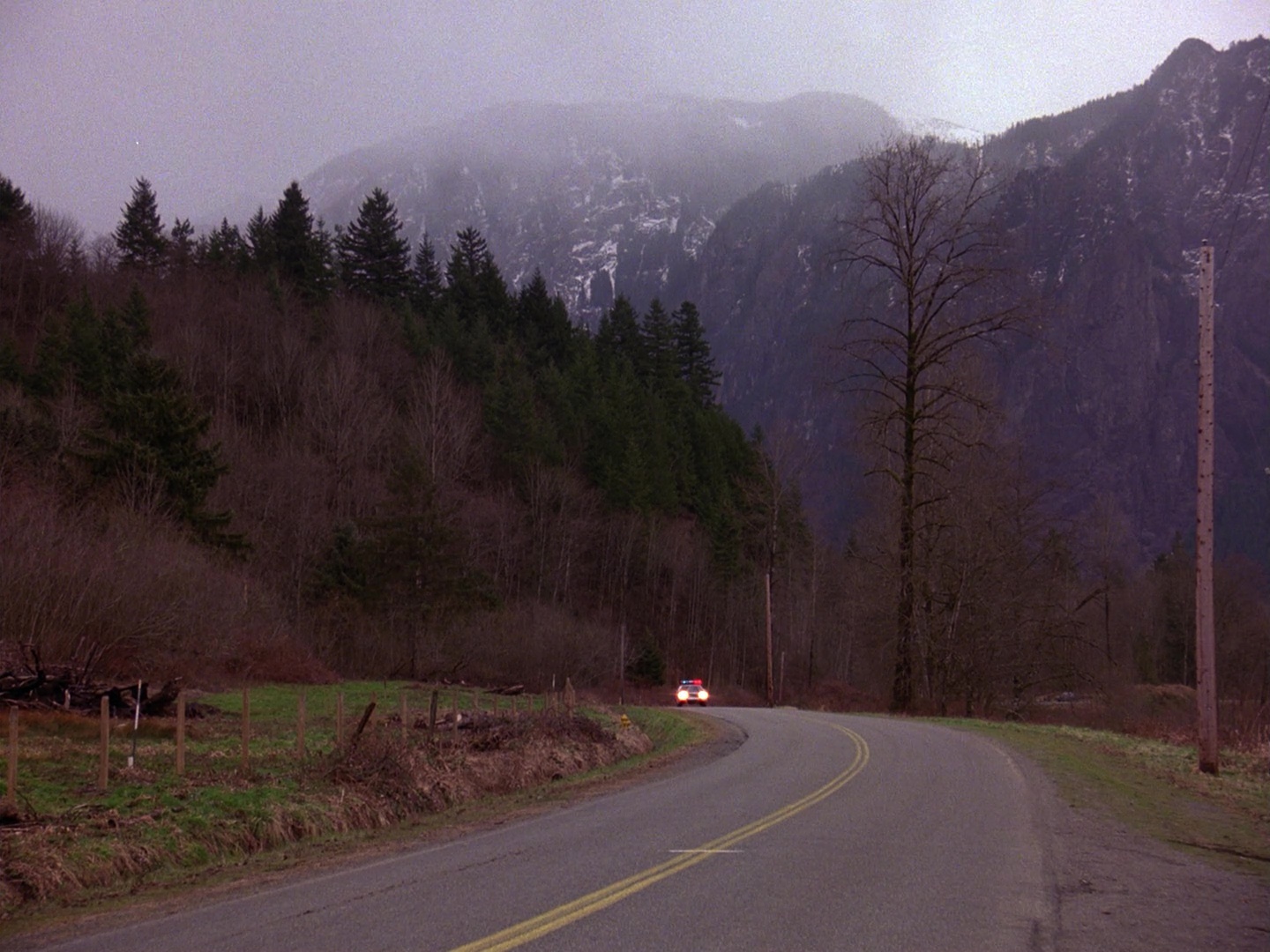
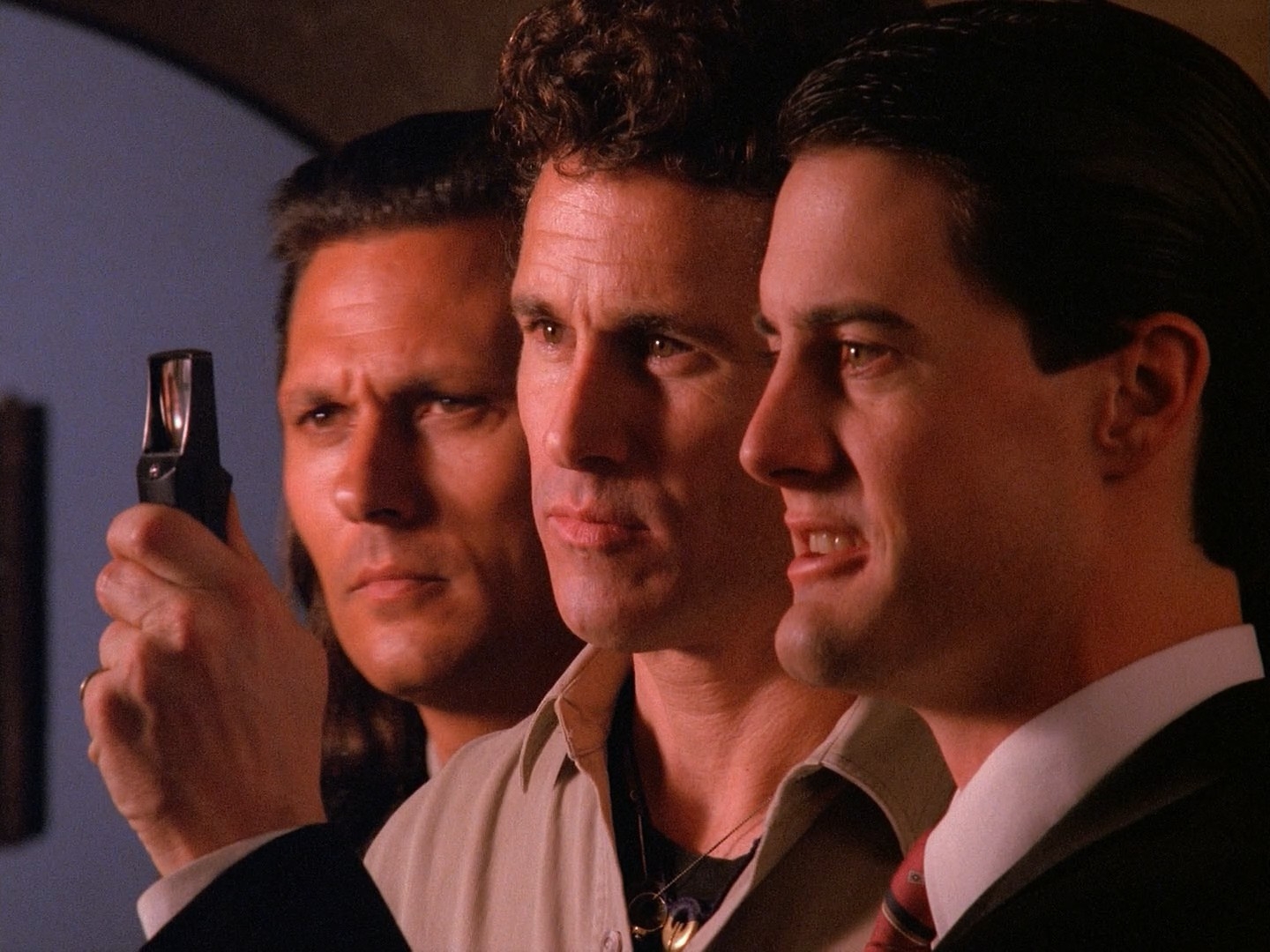
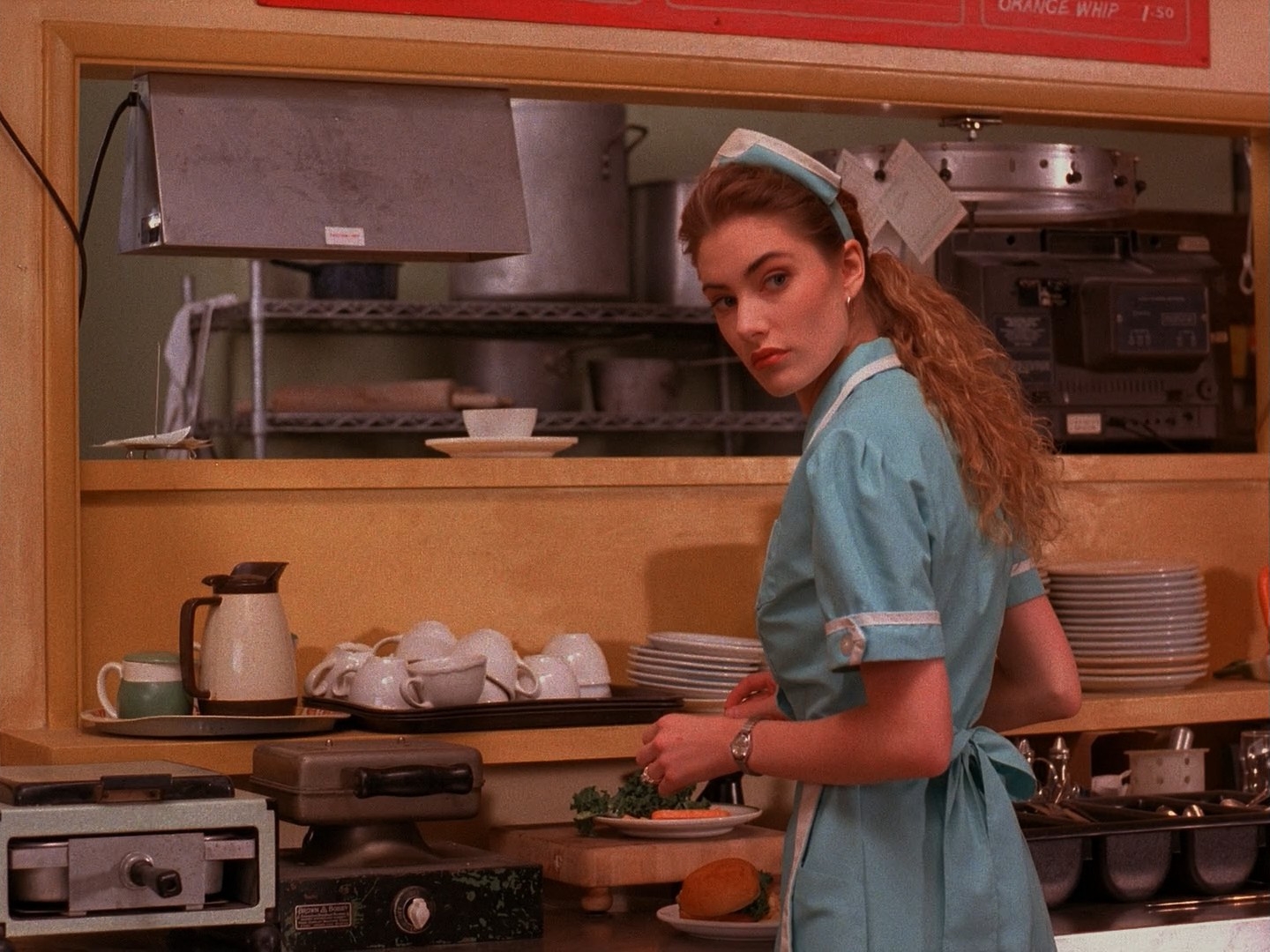
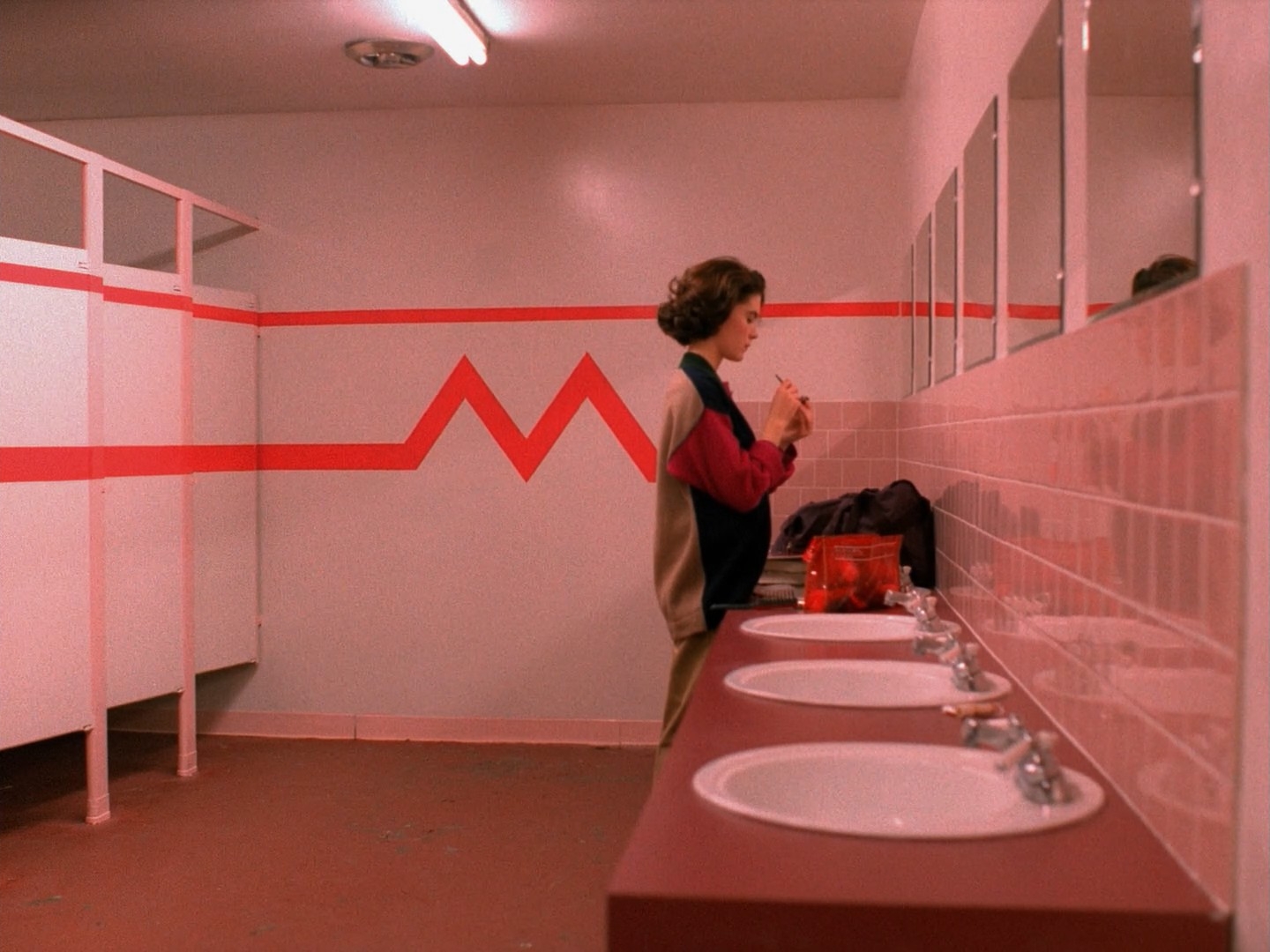
Twin Peaks: Season 1 (1990)
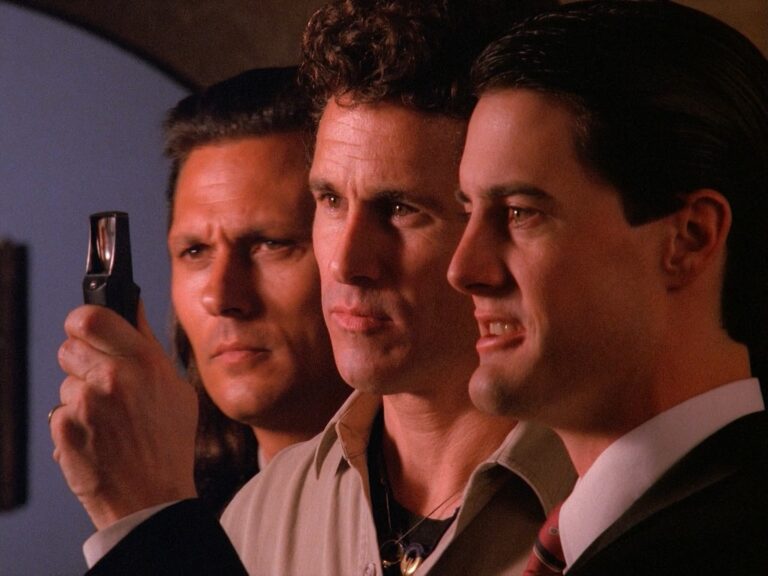
FBI Special Agent Dale Cooper arrives in the small town of Twin Peaks to investigate the murder of homecoming queen Laura Palmer. As he delves into the case, he uncovers a web of secrets, hidden relationships, and strange occurrences beneath the town’s idyllic surface. The investigation gradually reveals a world where the ordinary and the surreal coexist, blurring the line between reality and the unknown.
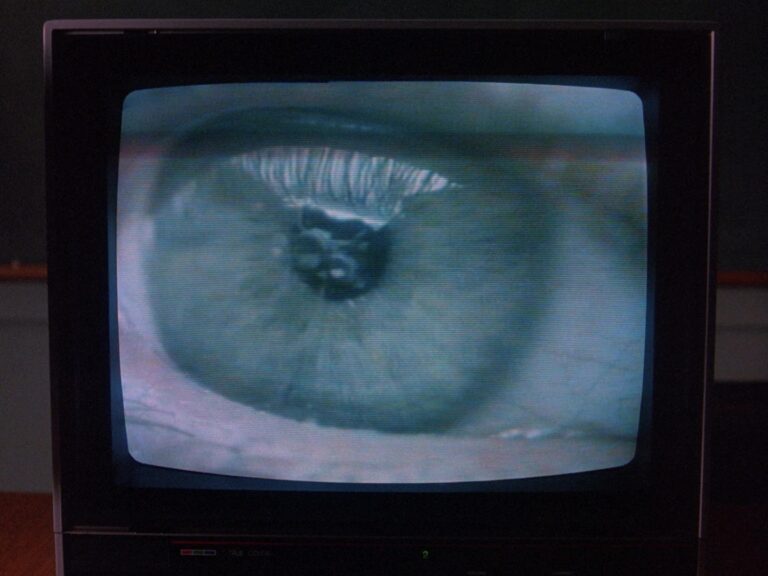
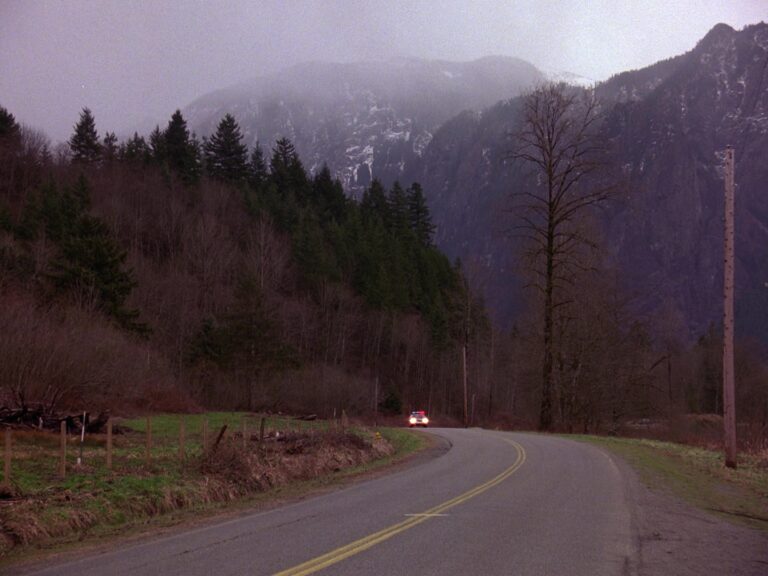
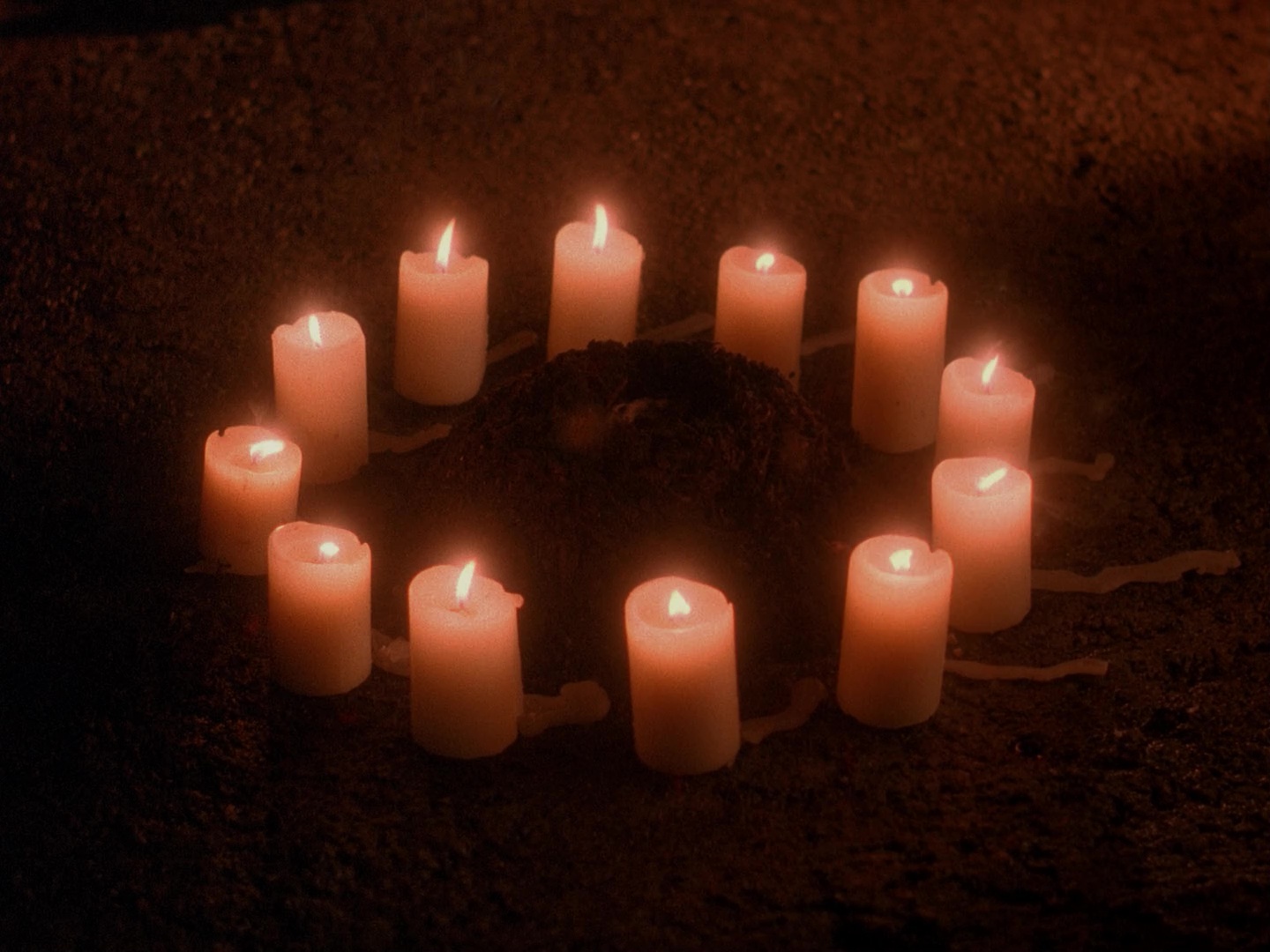
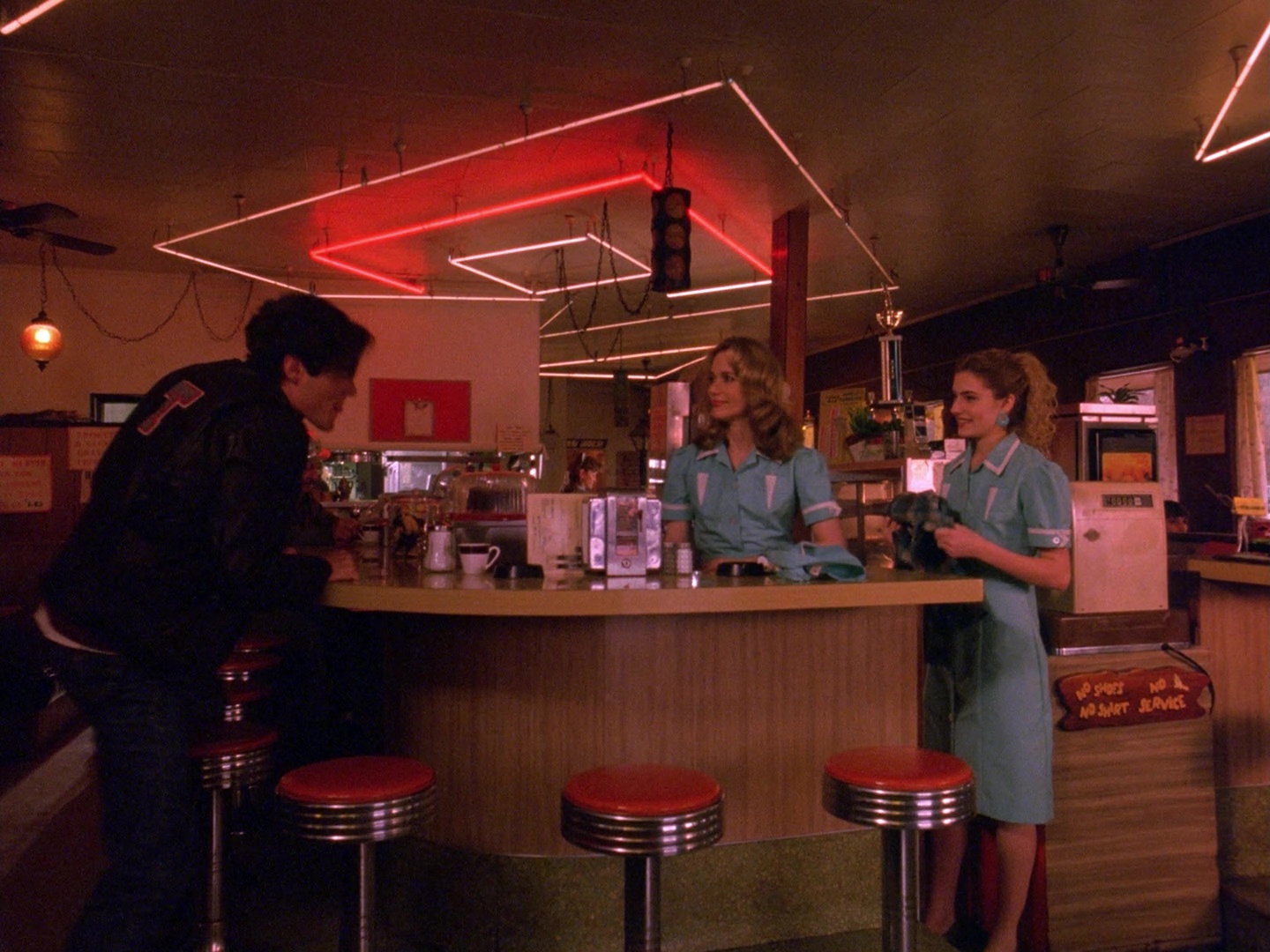
Lynch and cinematographer Frank Byers establish Twin Peaks with a distinct, dreamlike visual tone, using slow camera movement, low-key lighting, and deep shadows to infuse everyday spaces with unease. The show’s iconic use of red curtains, practical lighting, and lingering compositions turns the town into a liminal space—where mood and atmosphere carry as much narrative weight as the mystery itself.
FILM SPOTLIGHT
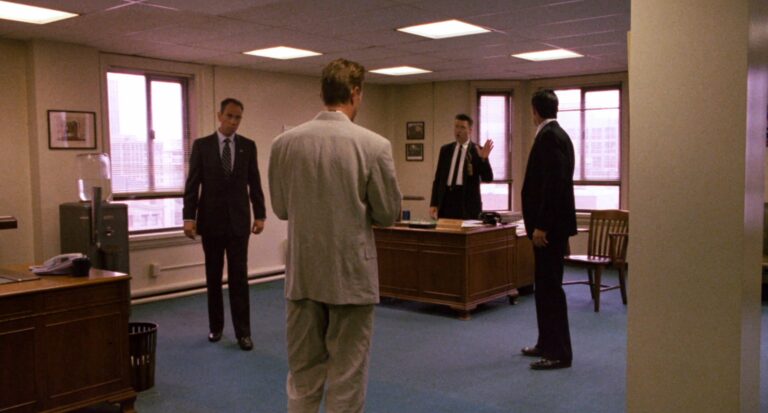
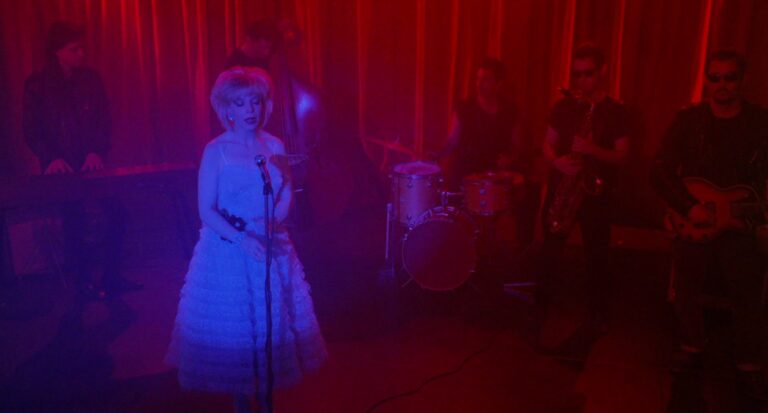
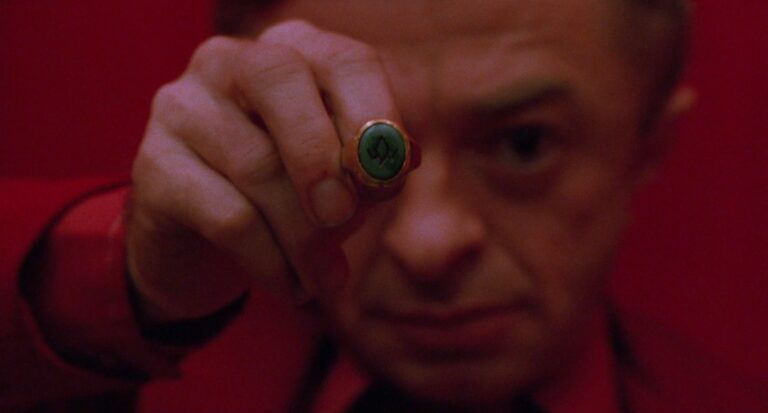
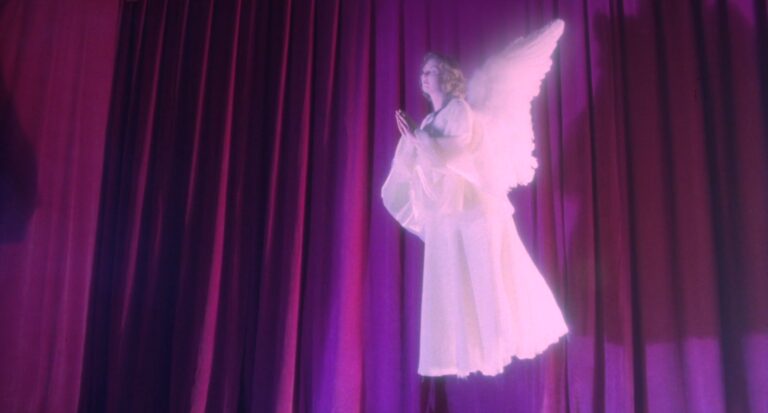
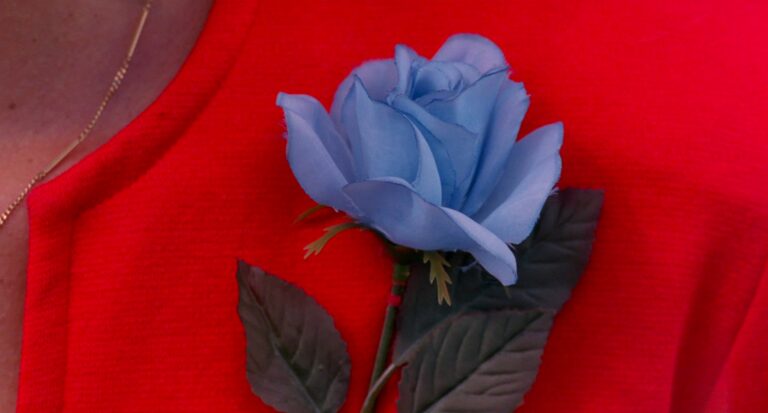
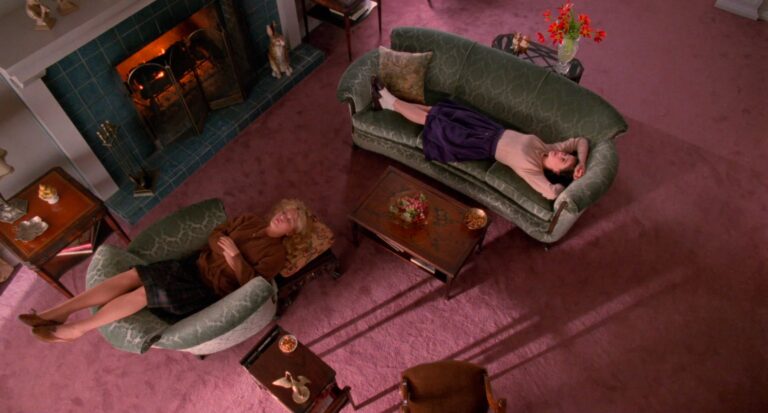
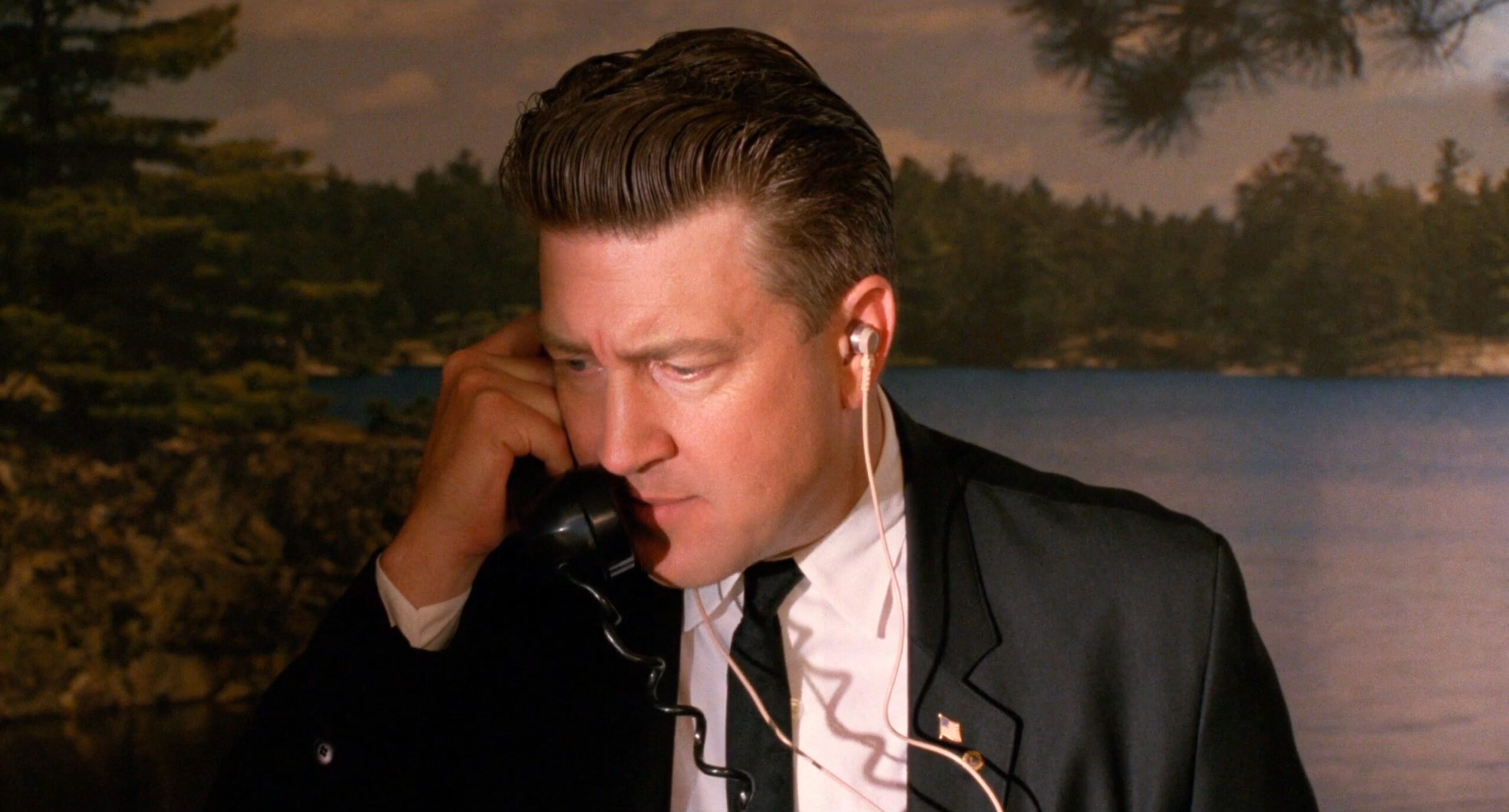
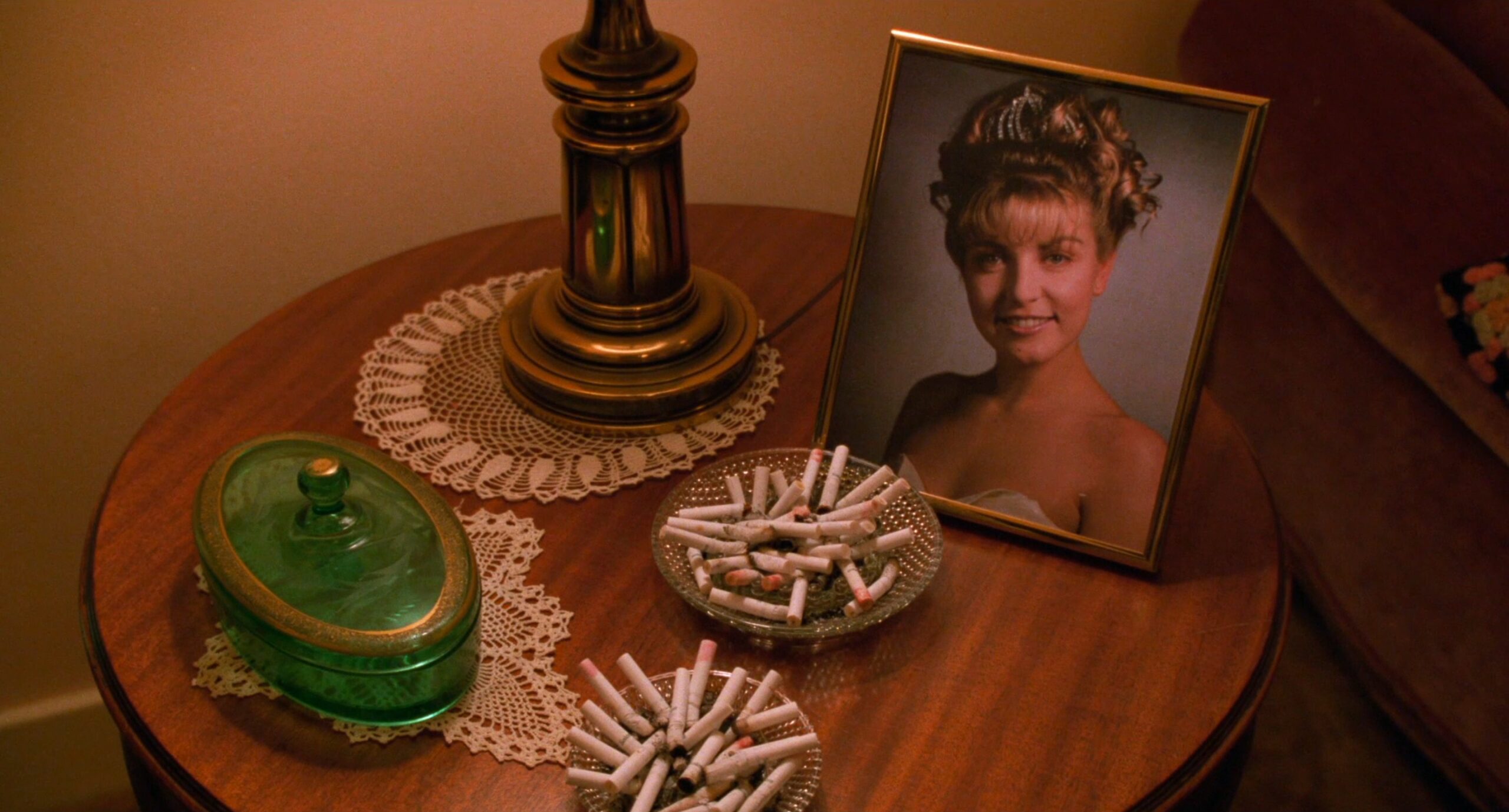
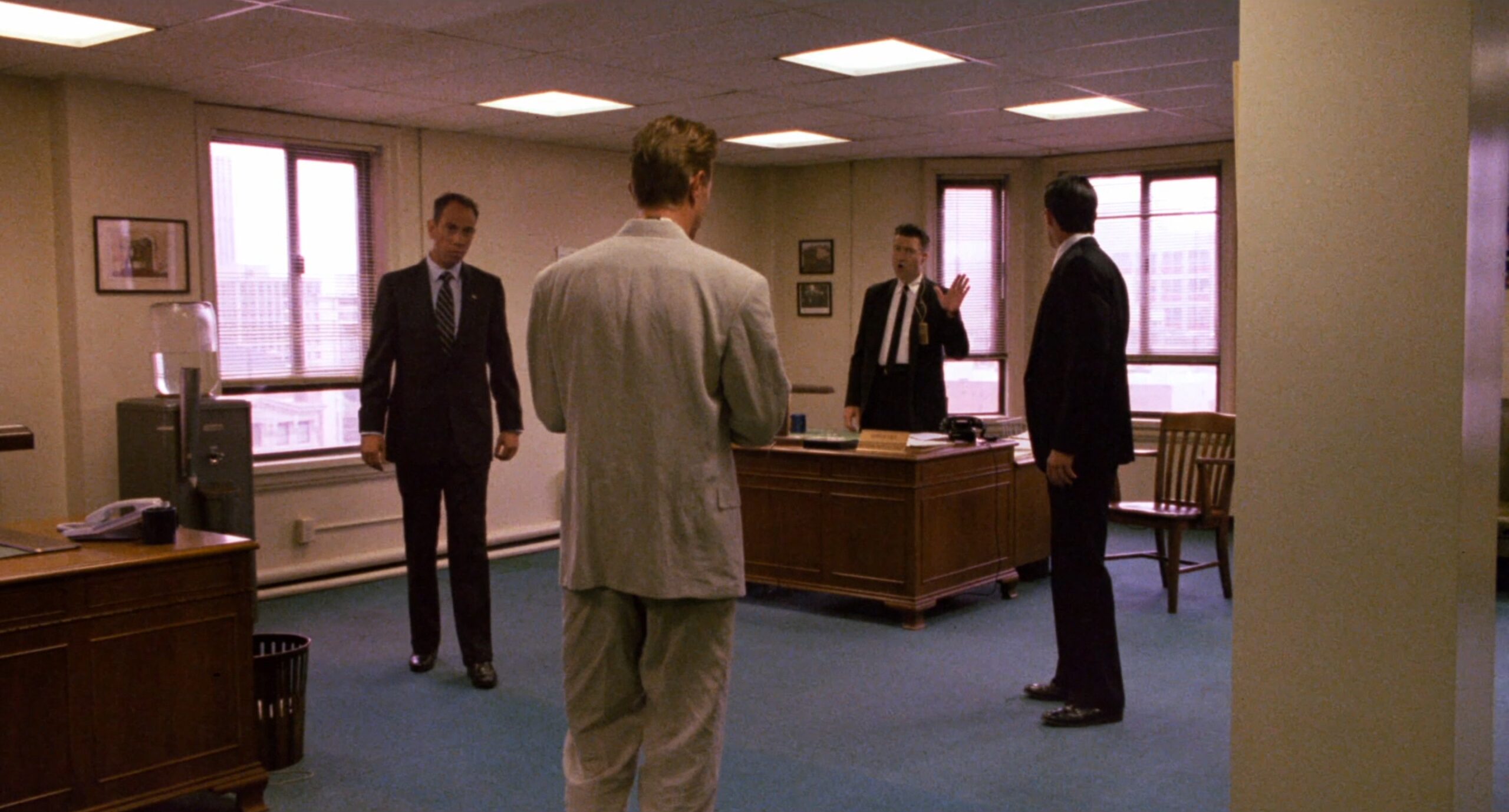
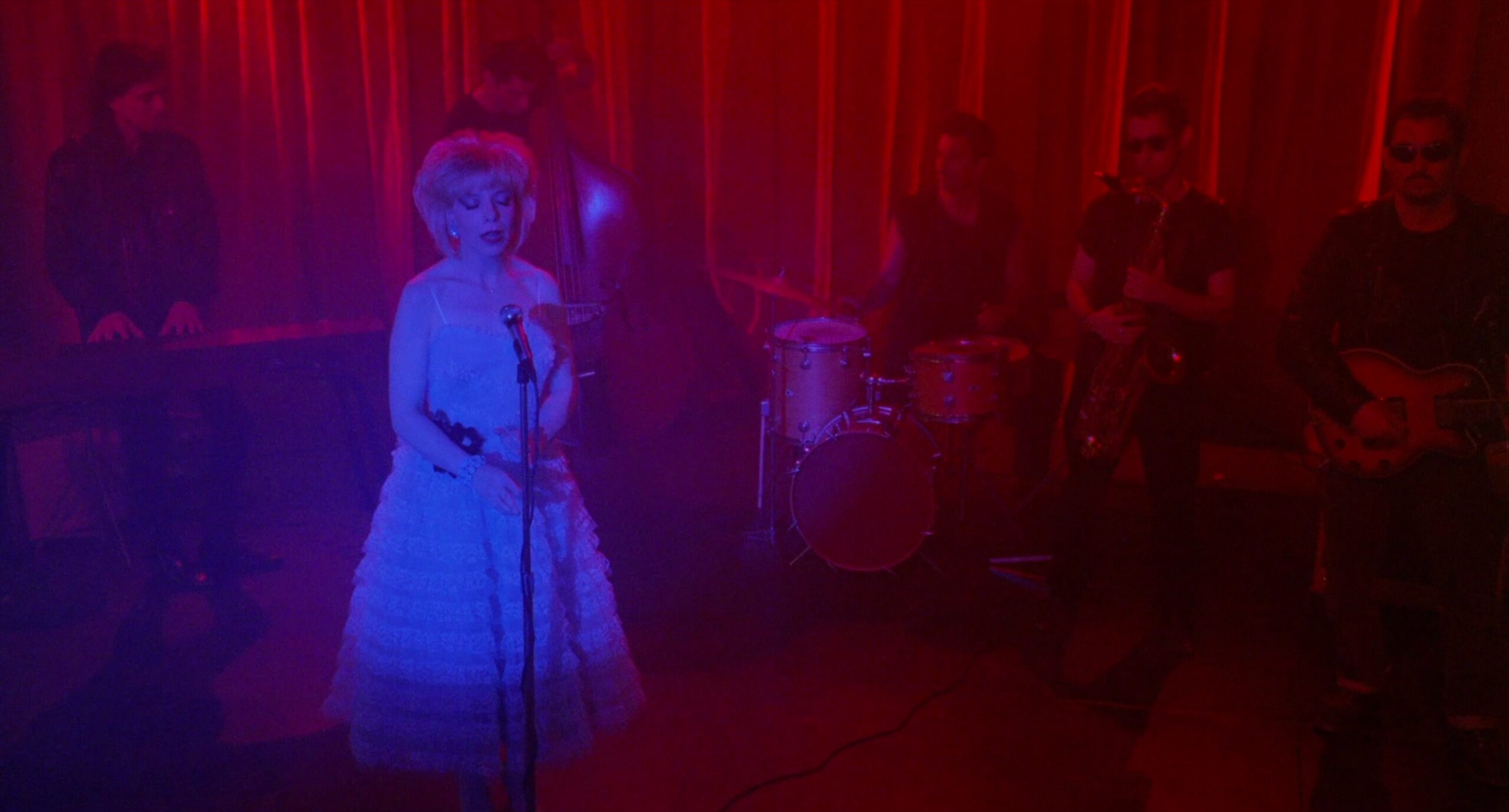
Twin Peaks: Fire Walk With Me (1992)
Serving as a prequel to the series, the film follows the final days of Laura Palmer, revealing the hidden trauma and supernatural forces surrounding her life in Twin Peaks. As FBI agents investigate a related murder, Laura’s world spirals into darkness, exposing the secrets beneath the town’s façade. The story builds toward the tragic events that set the series in motion.
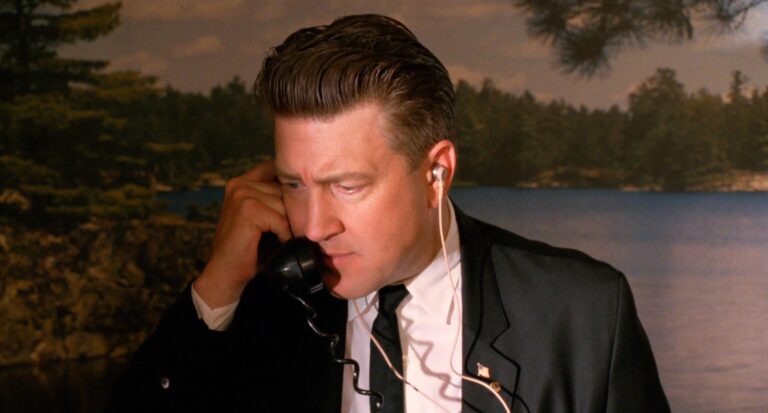
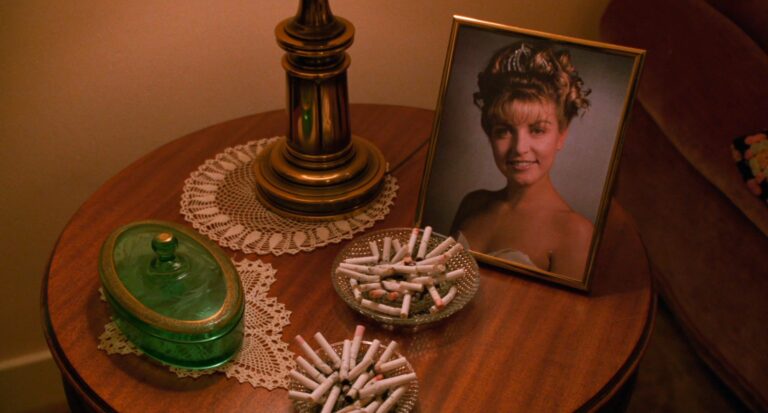
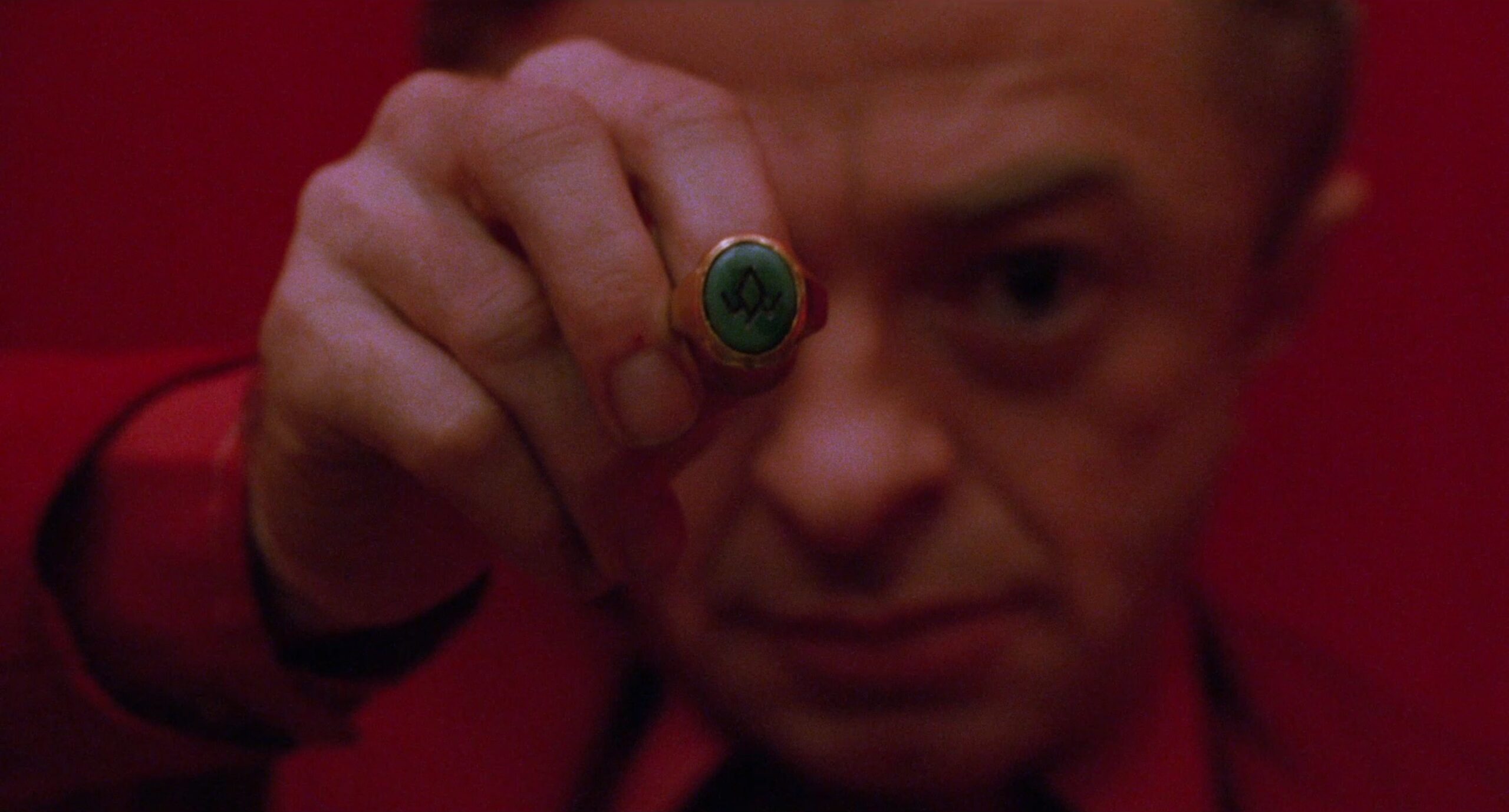
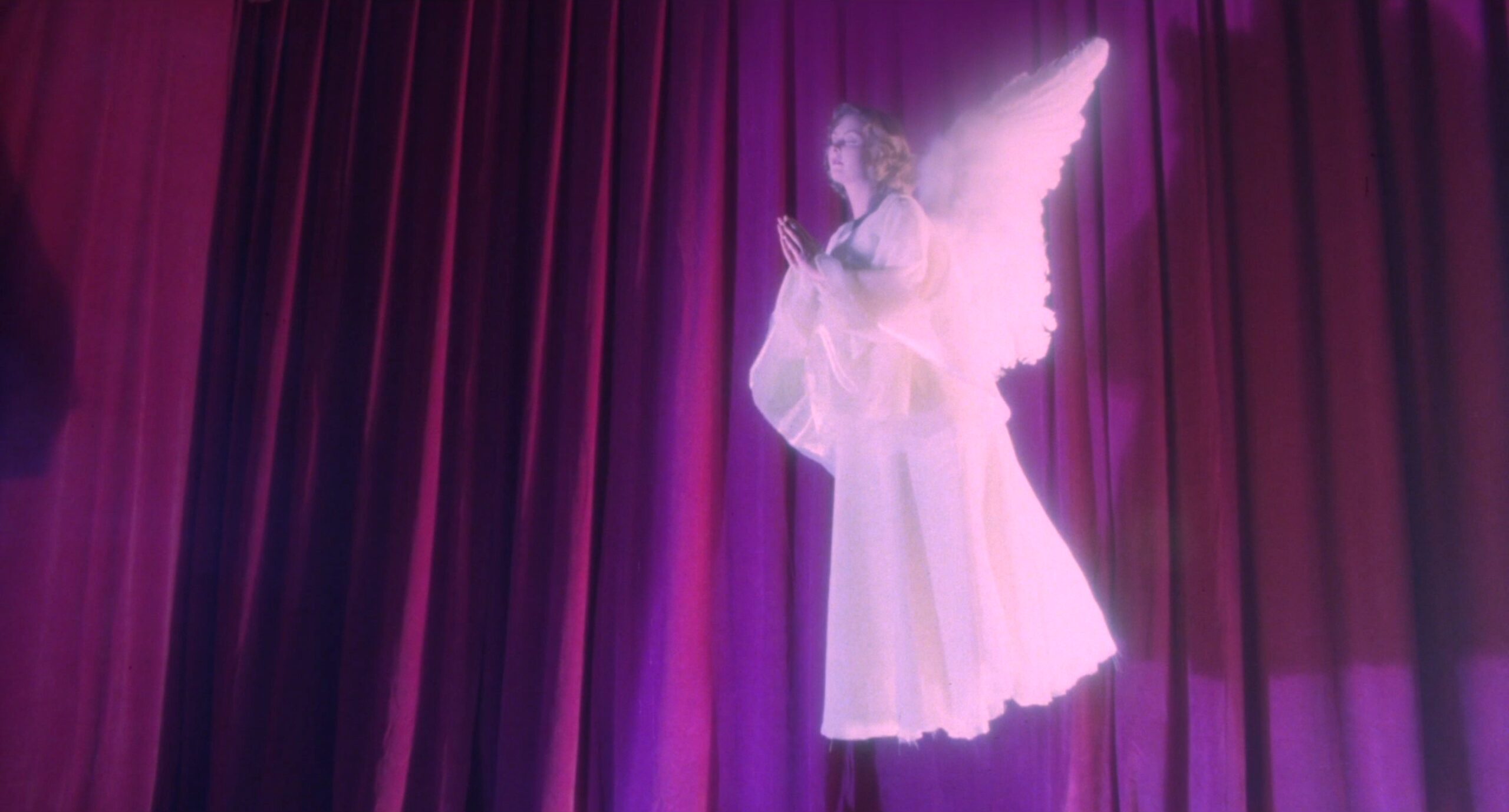
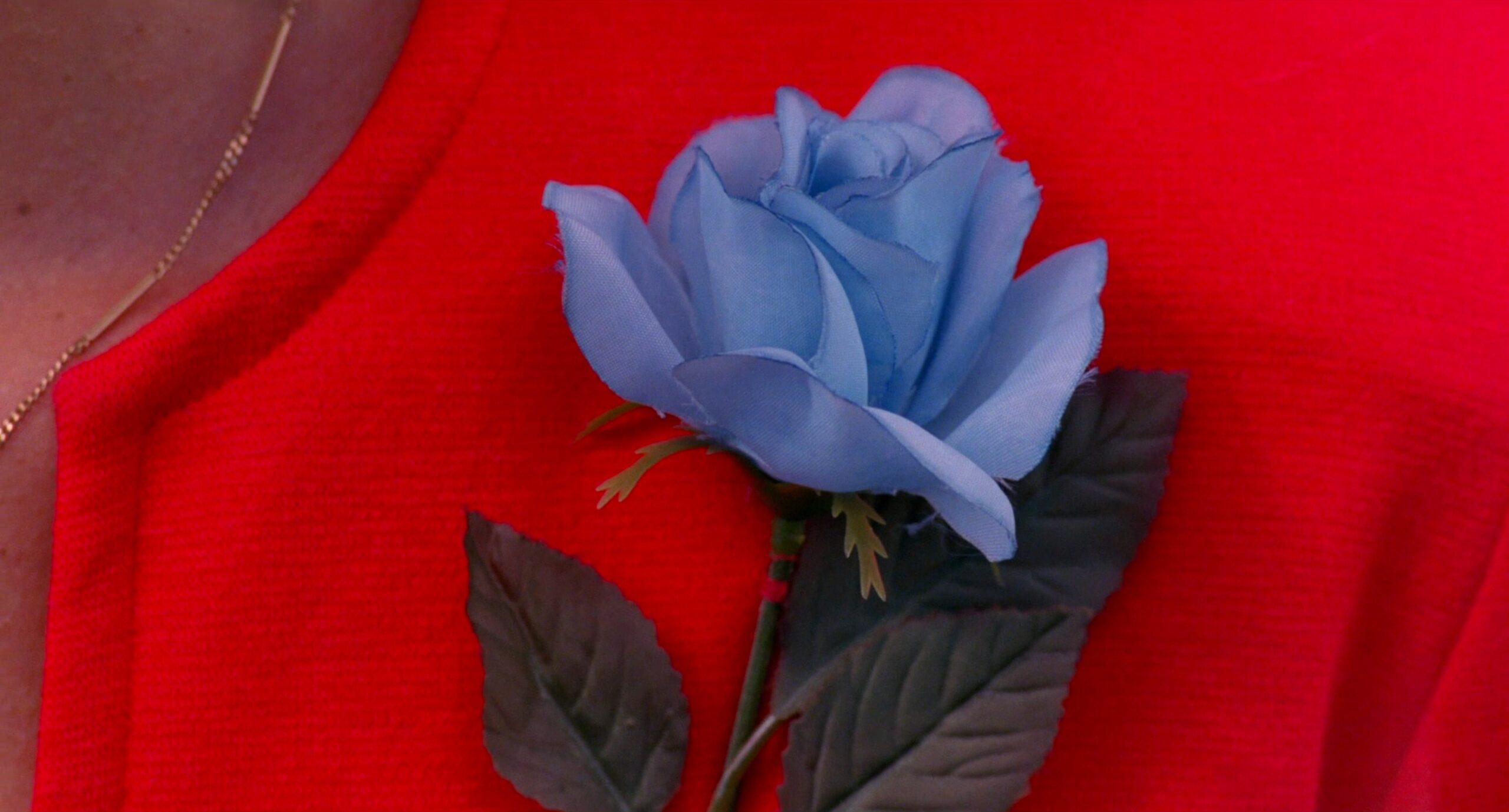
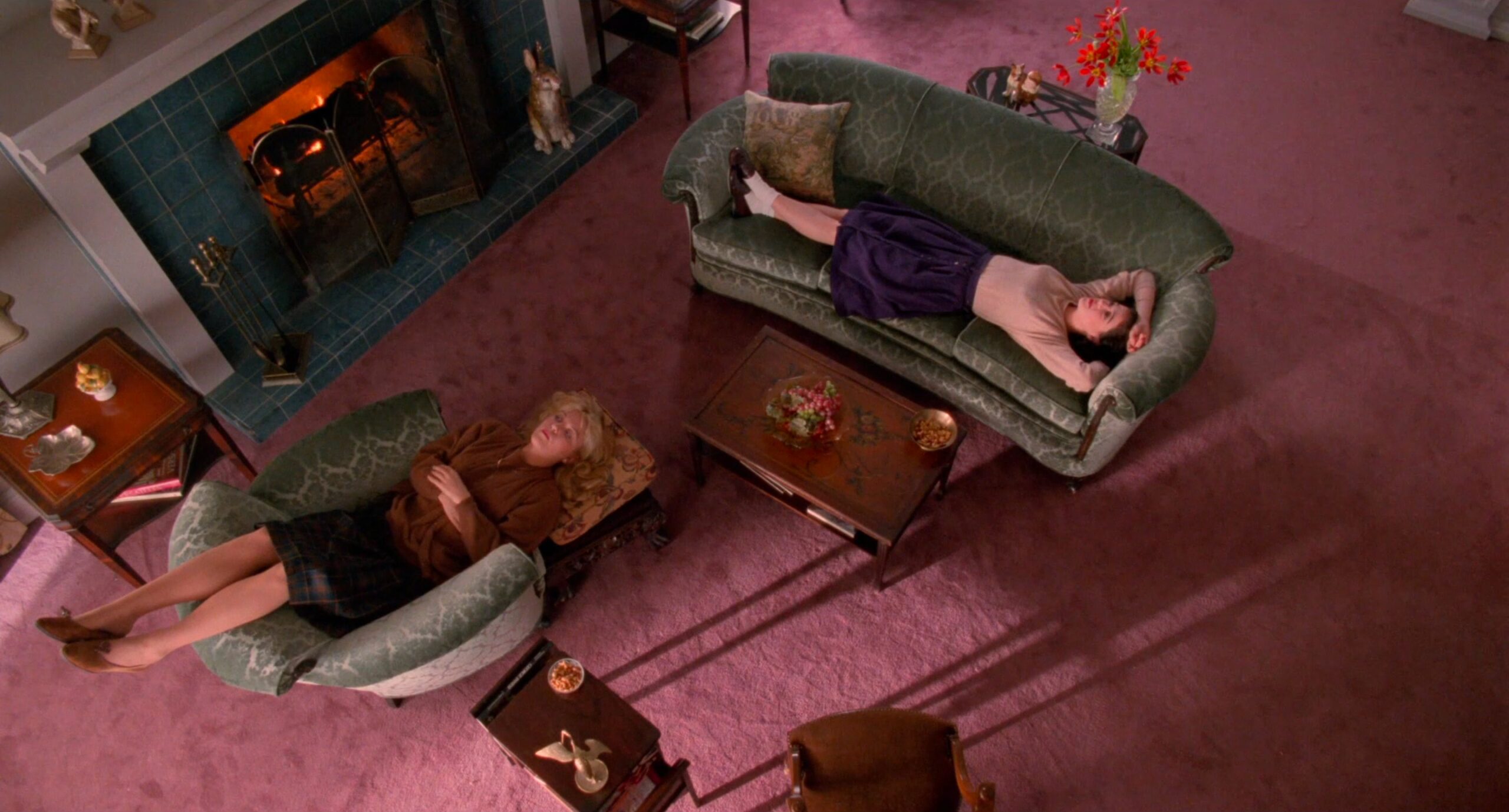
Lynch and cinematographer Ron Garcia push the film into a more aggressive, nightmarish visual space, using saturated reds, strobing light, and handheld intensity to fracture the image. The film’s disorienting close-ups, abrupt lighting shifts, and sound-driven transitions turn familiar spaces into psychological terrain—where horror emerges through texture, color, and rhythm rather than traditional structure.
FILM SPOTLIGHT
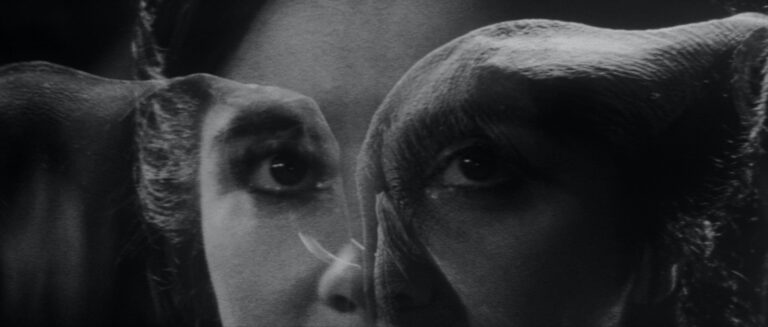
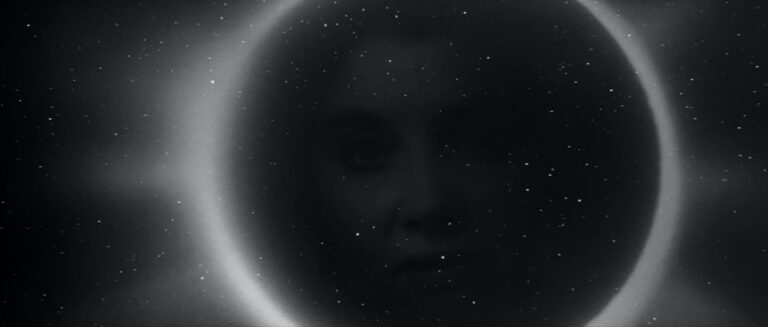
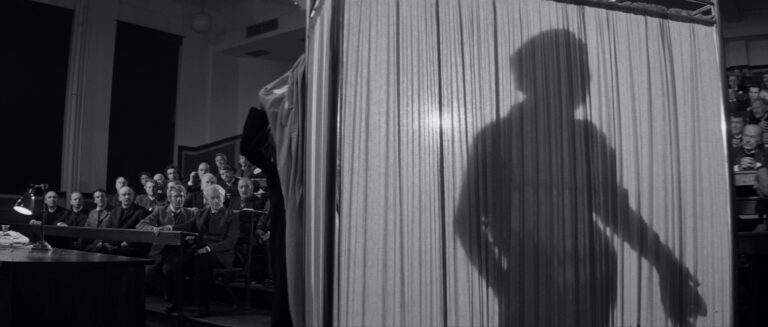
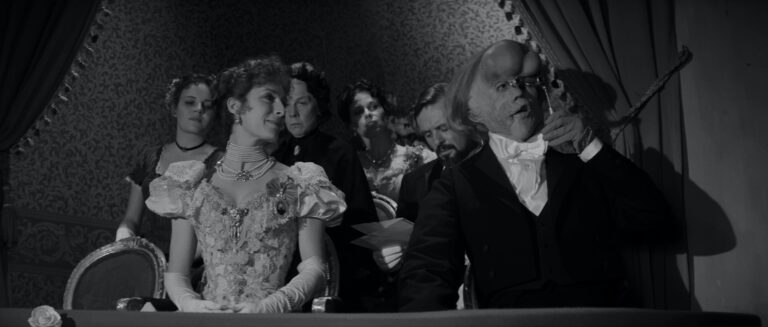
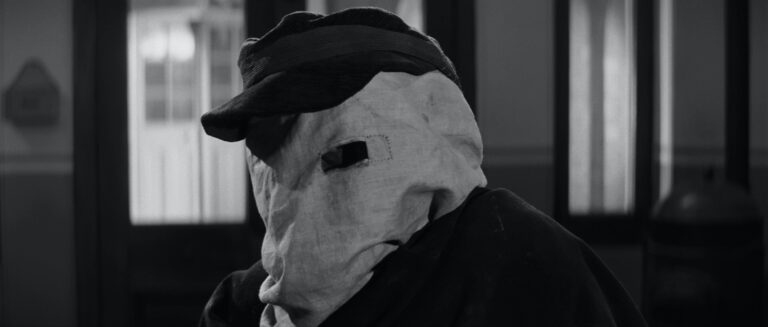
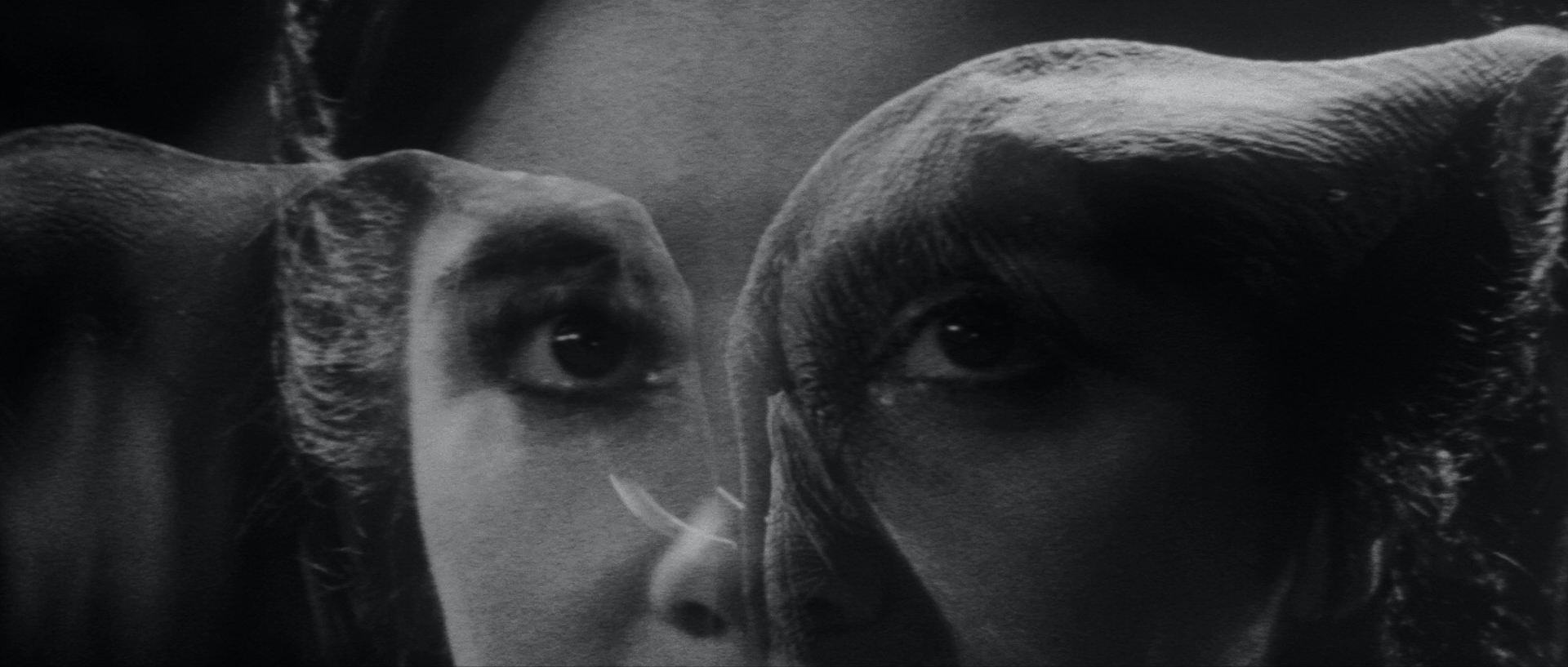
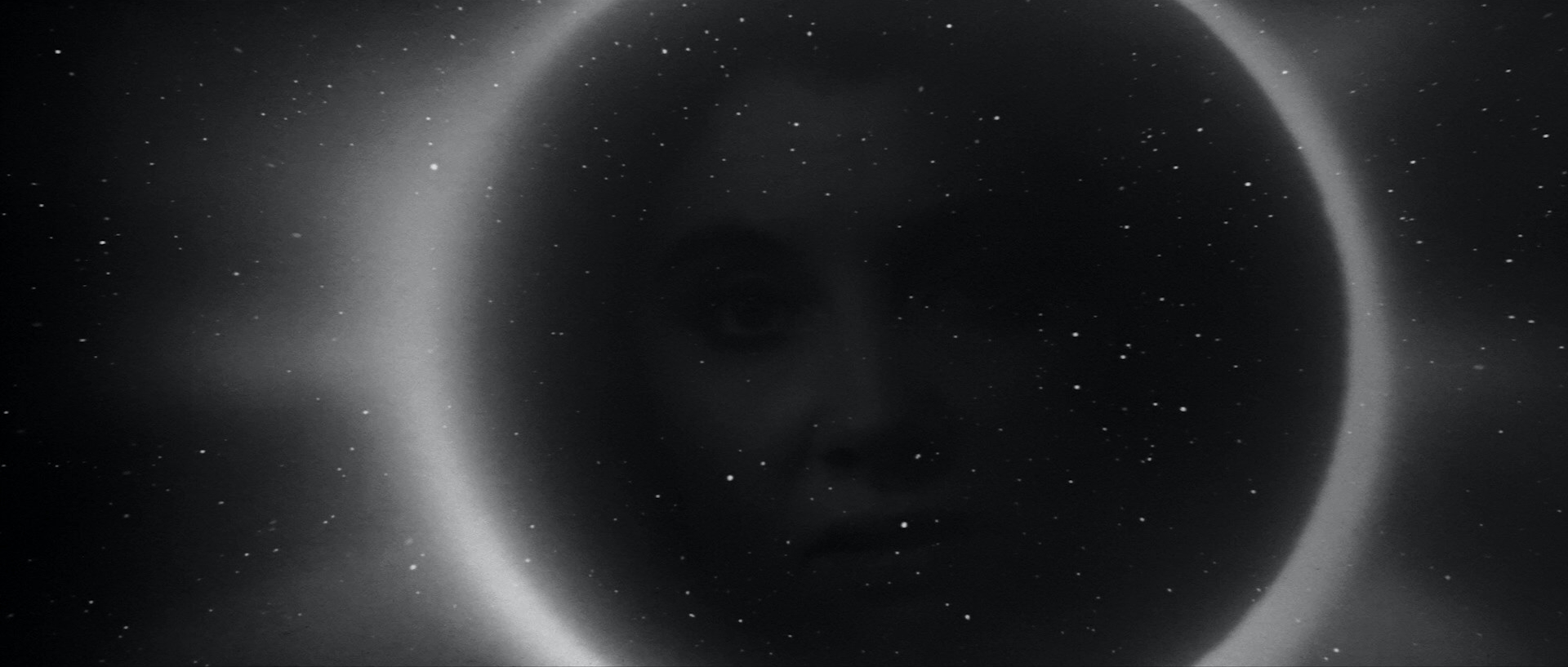
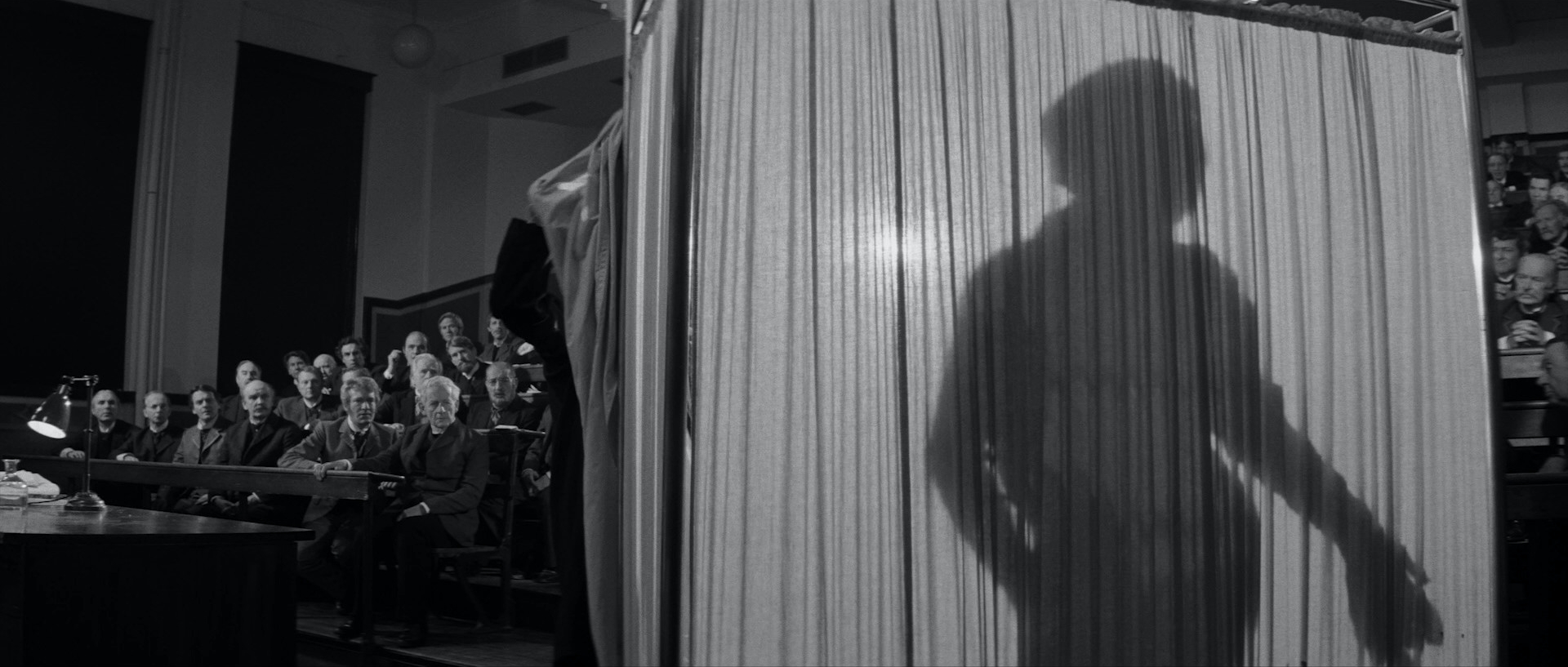
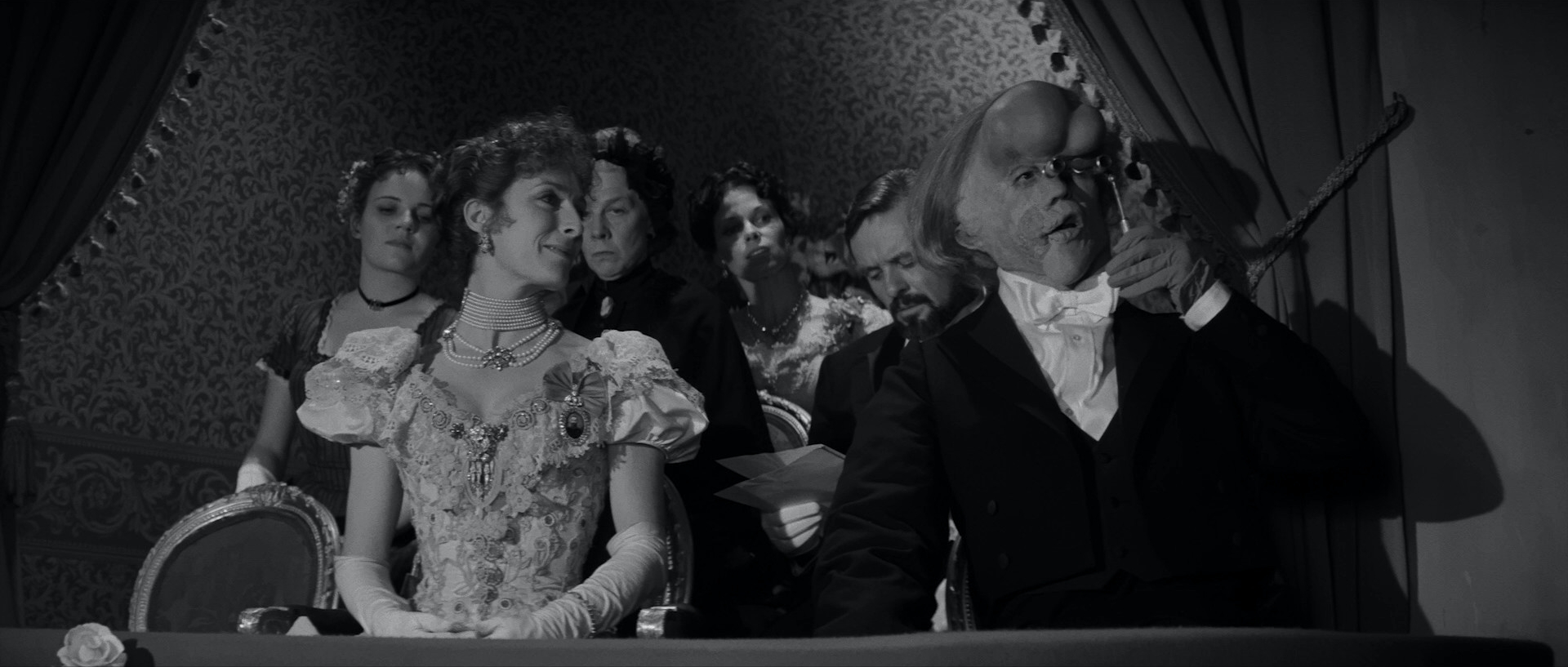
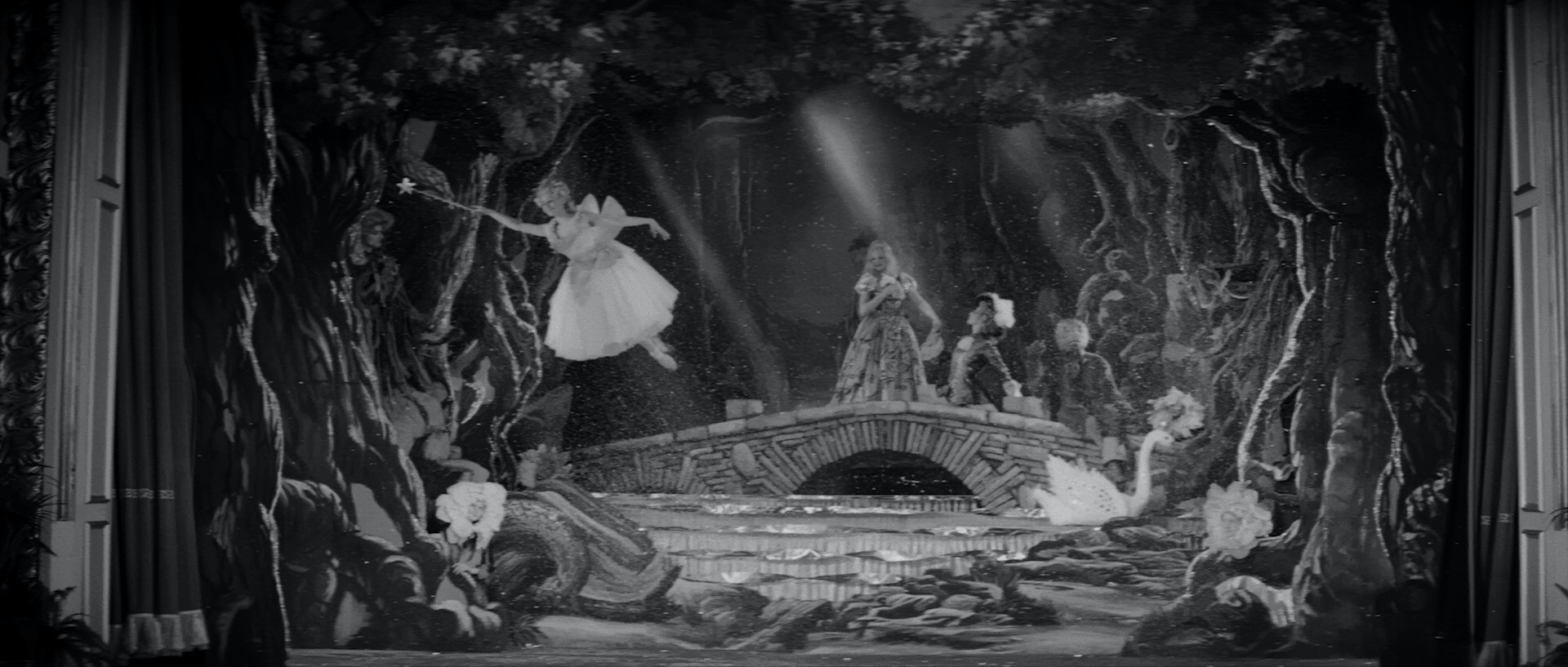
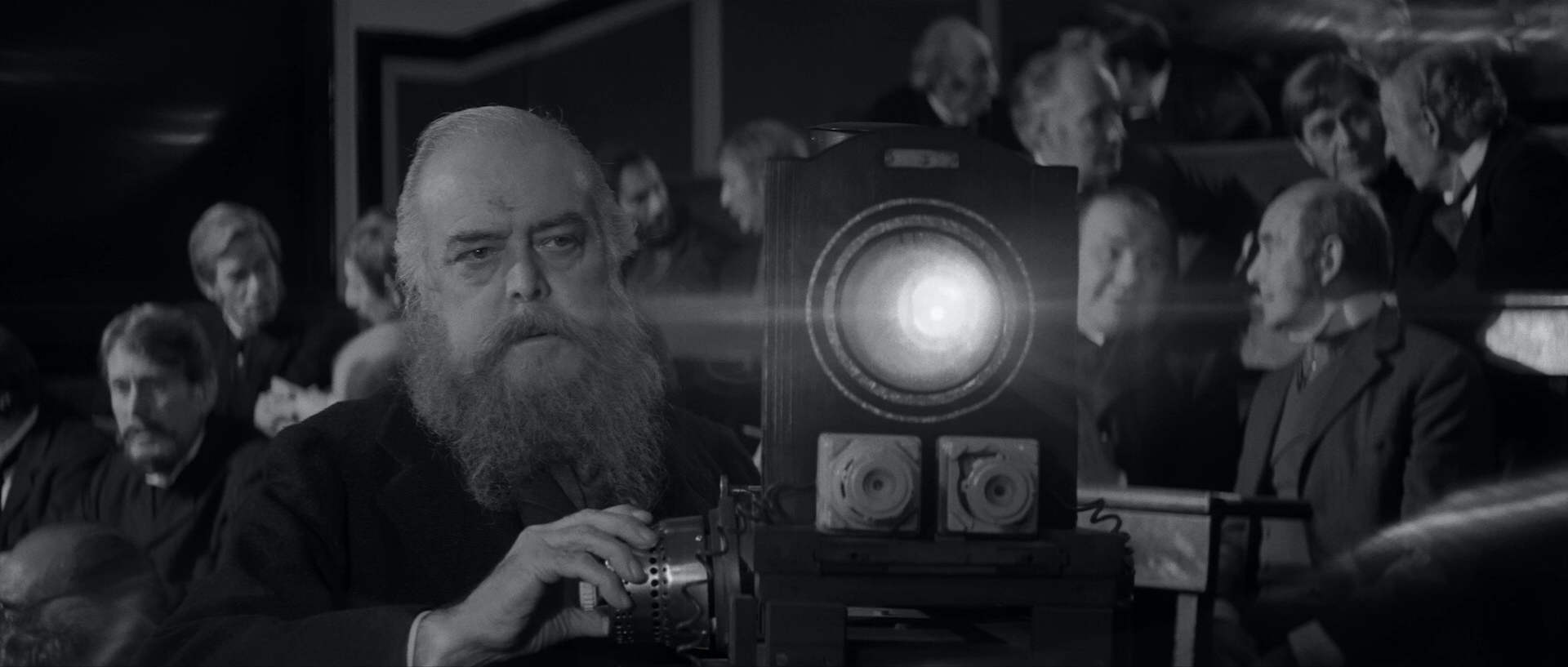
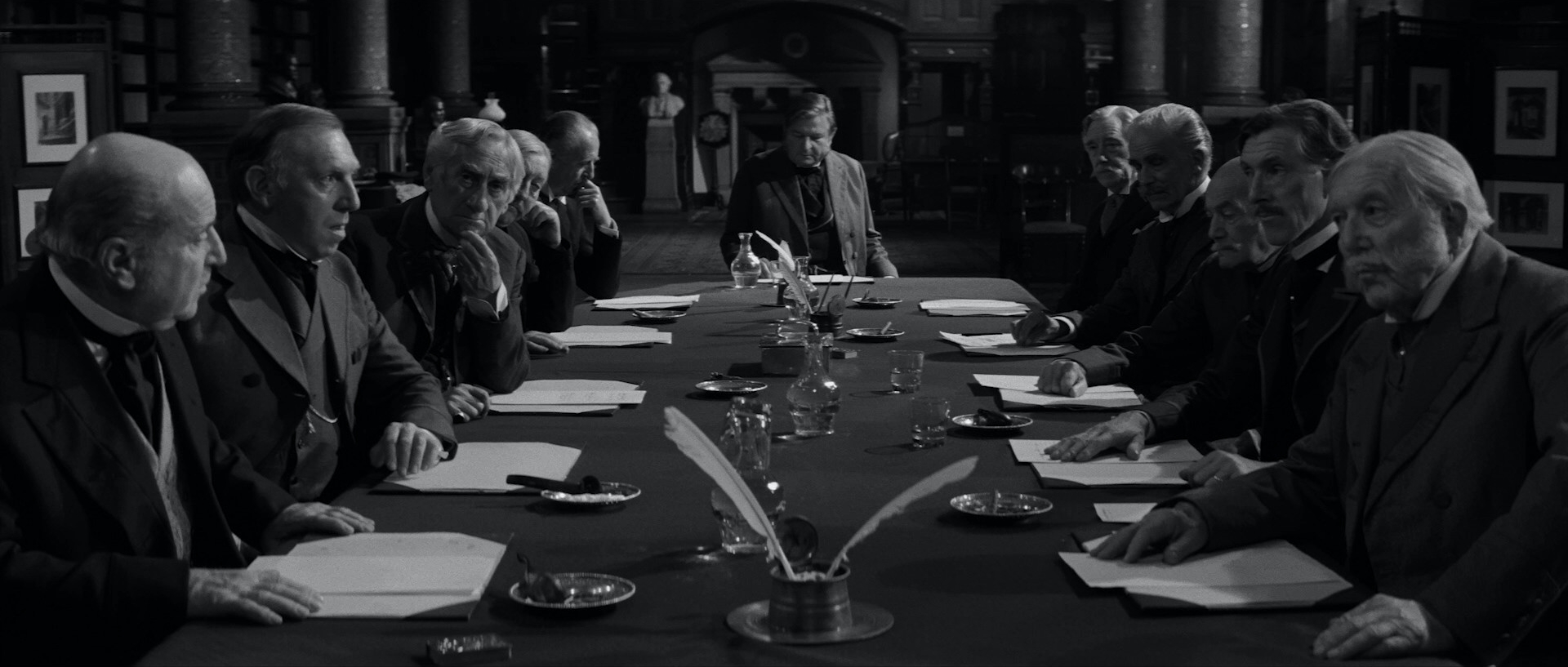
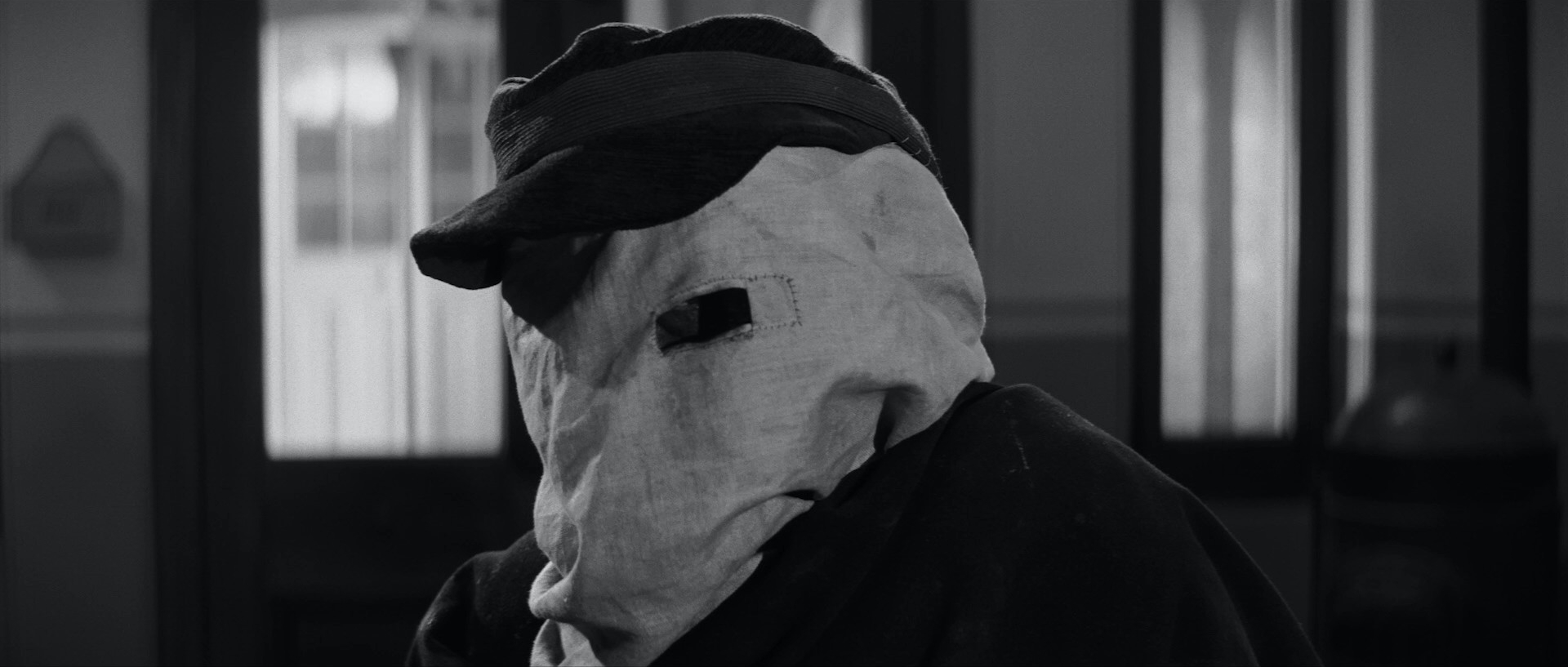
The Elephant Man (1980)
Based on a true story, the film follows John Merrick, a severely disfigured man living in Victorian London who is rescued from a life of exploitation by a compassionate doctor. As Merrick is introduced to high society, he begins to experience dignity, friendship, and kindness for the first time. His journey becomes a poignant exploration of humanity, empathy, and the cruelty of social prejudice.
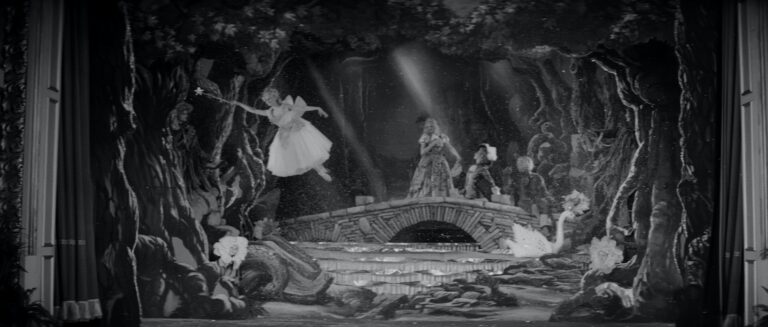
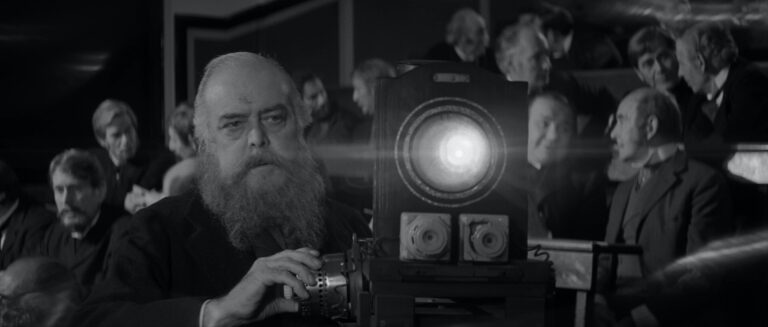
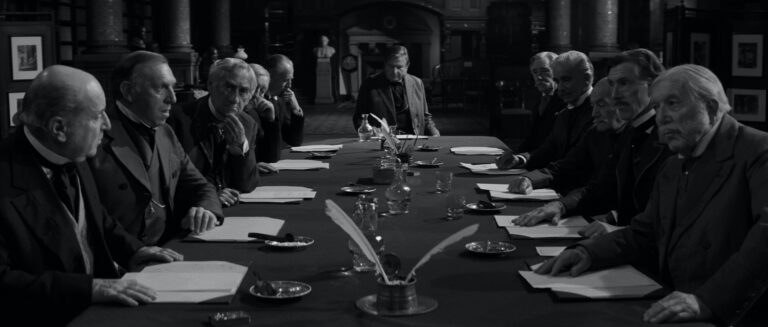
Lynch and cinematographer Freddie Francis shot The Elephant Man in stark black-and-white, using high-contrast lighting and smoke-filled industrial sets to evoke a grim, Dickensian London. The film’s textured shadows and carefully composed frames turn Merrick’s world into something both harsh and lyrical—where atmosphere and light carry the emotional weight as much as performance.
FILM SPOTLIGHT
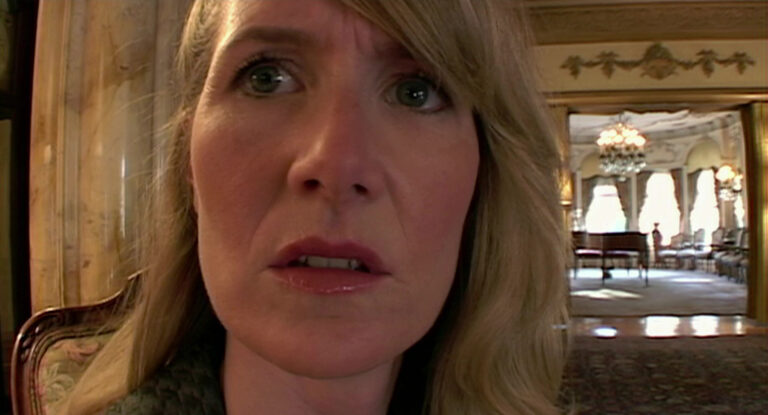
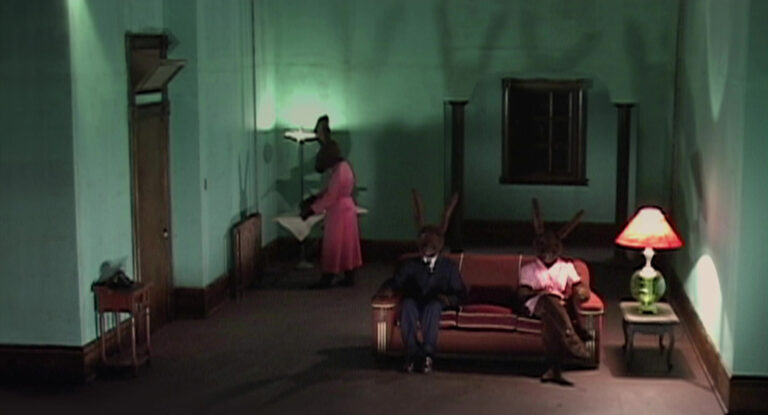
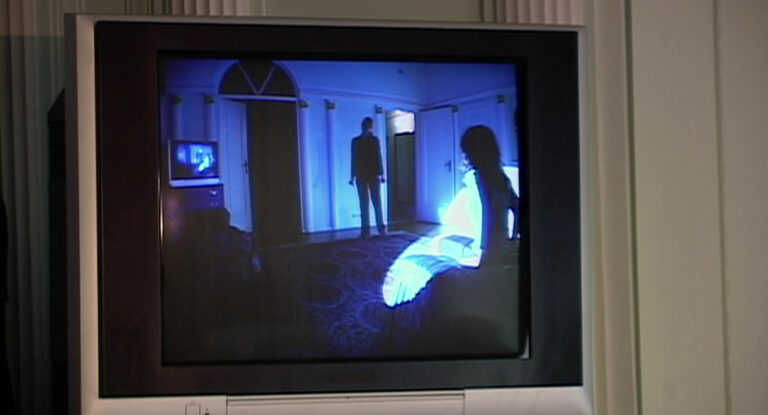
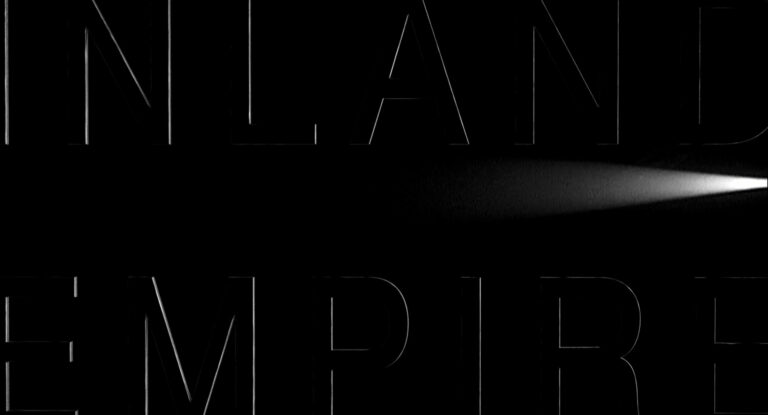
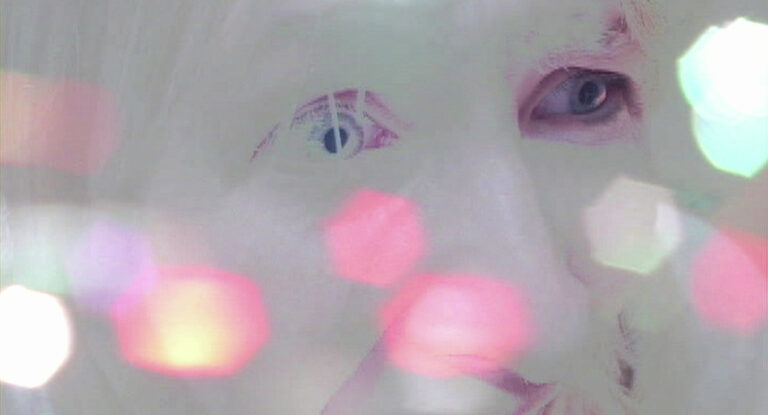
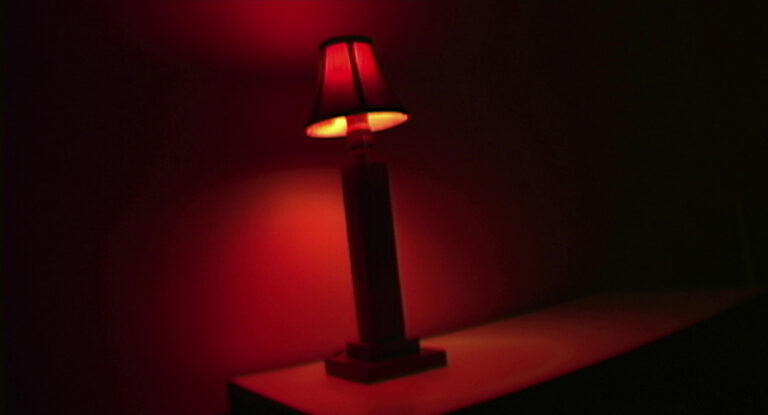
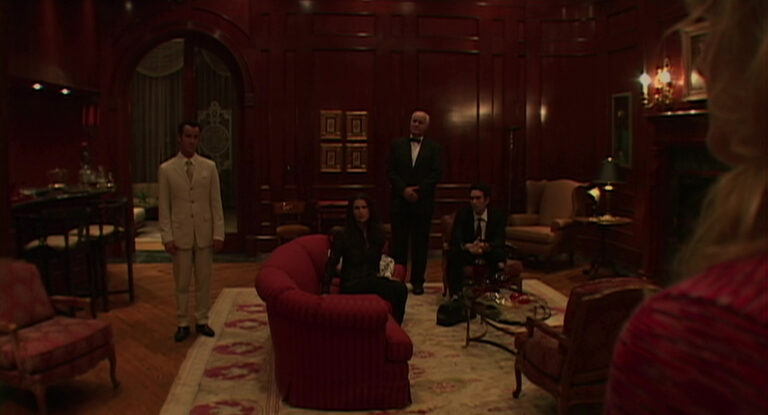
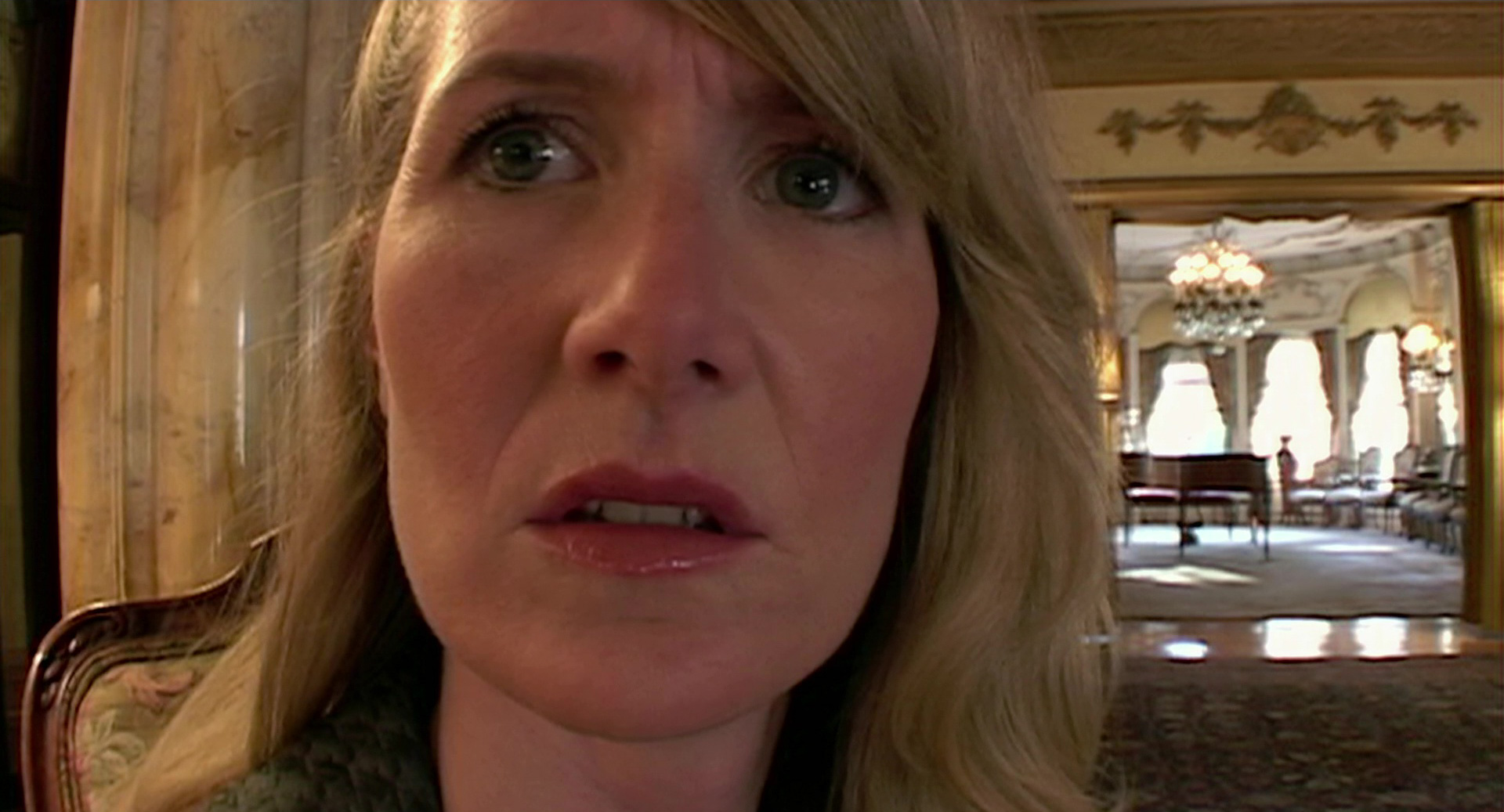
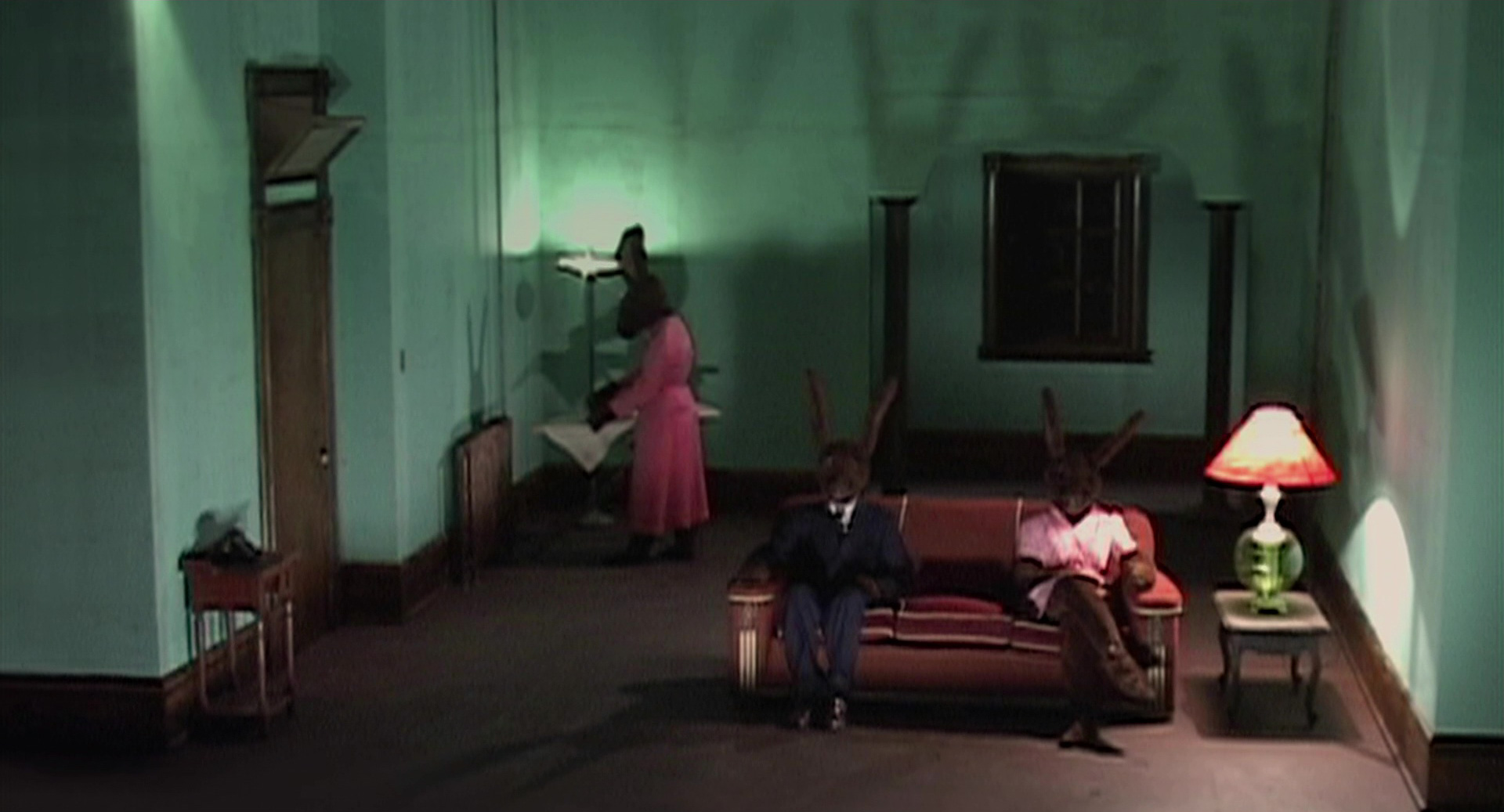
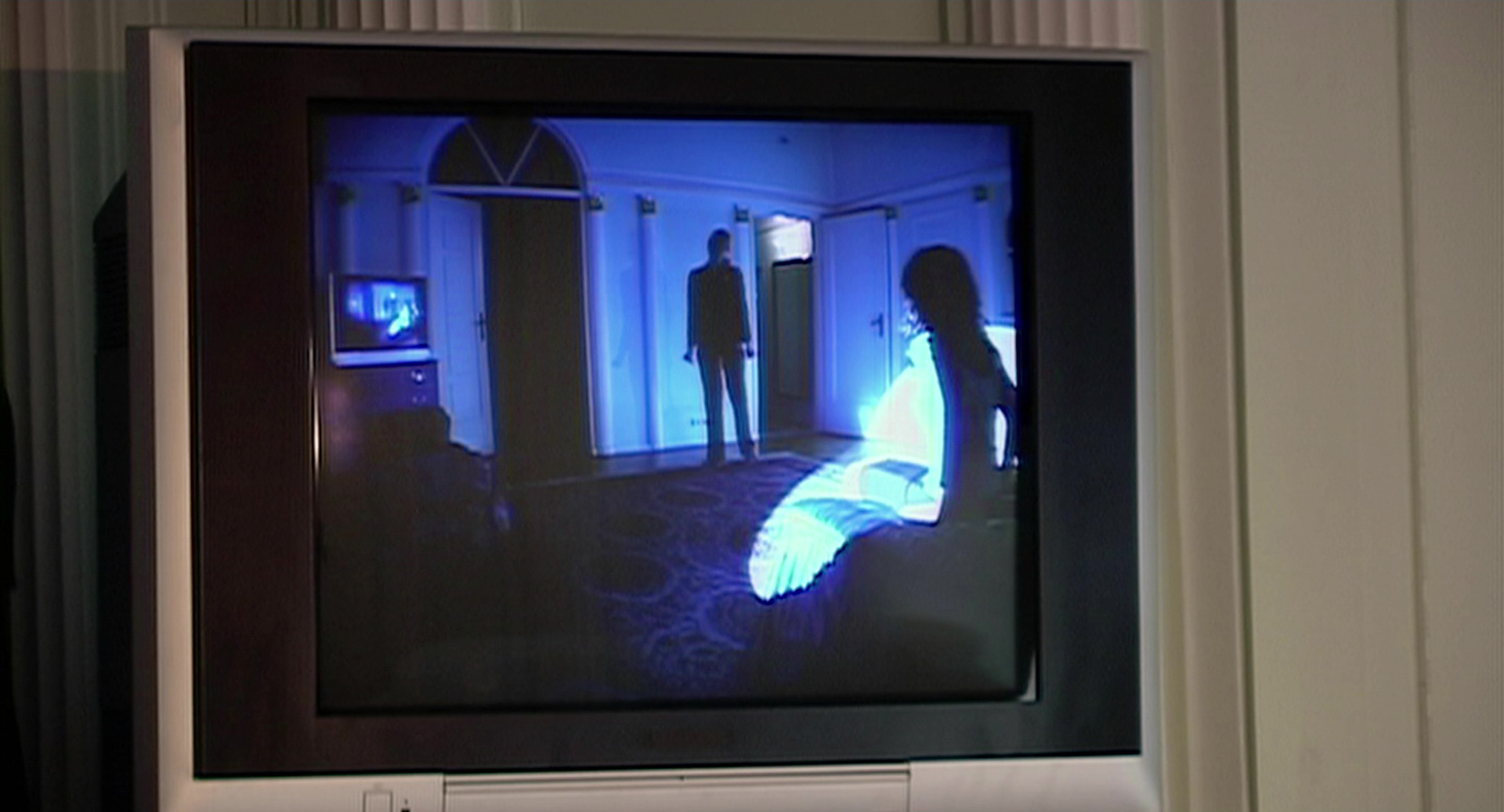
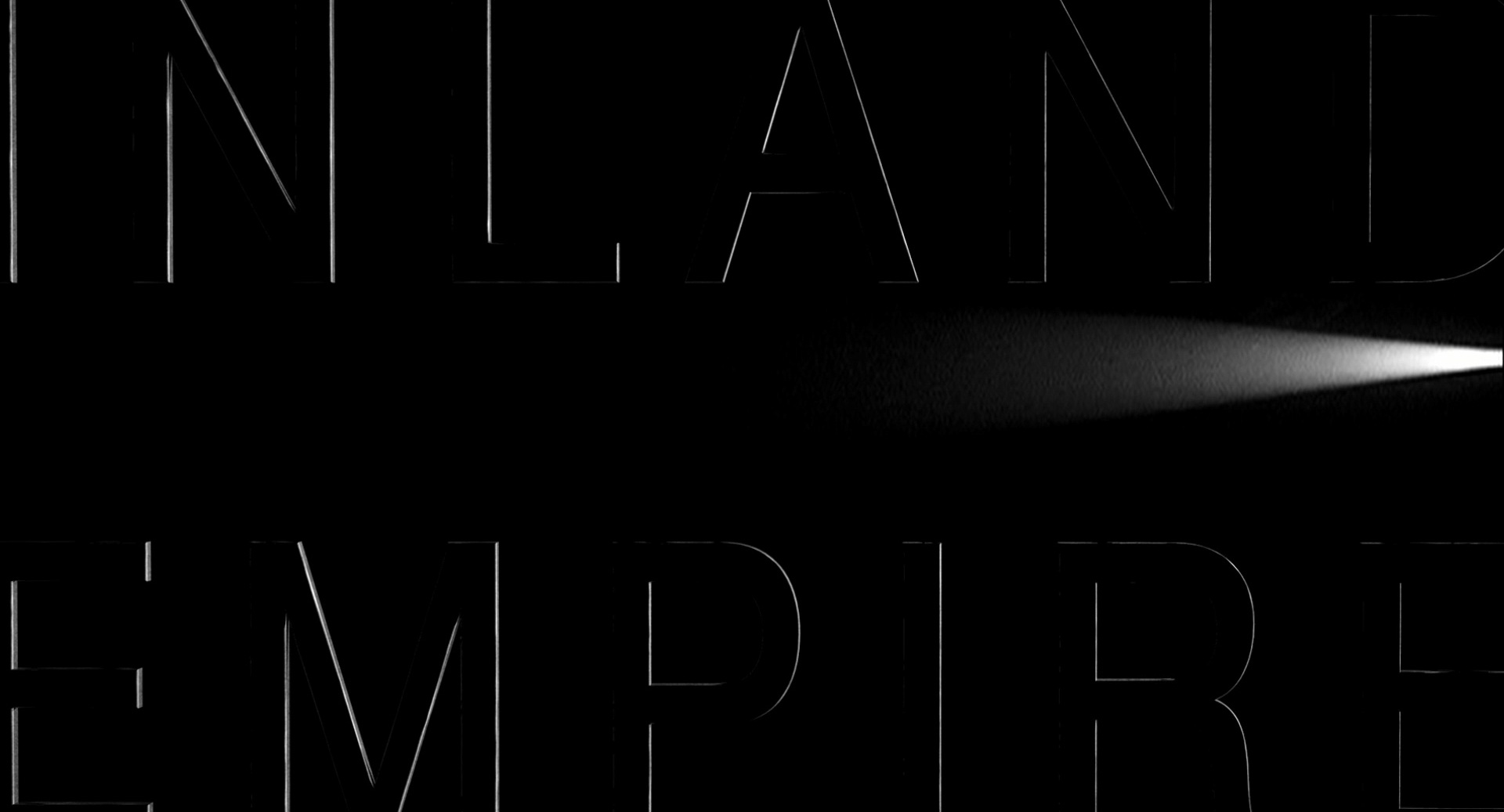
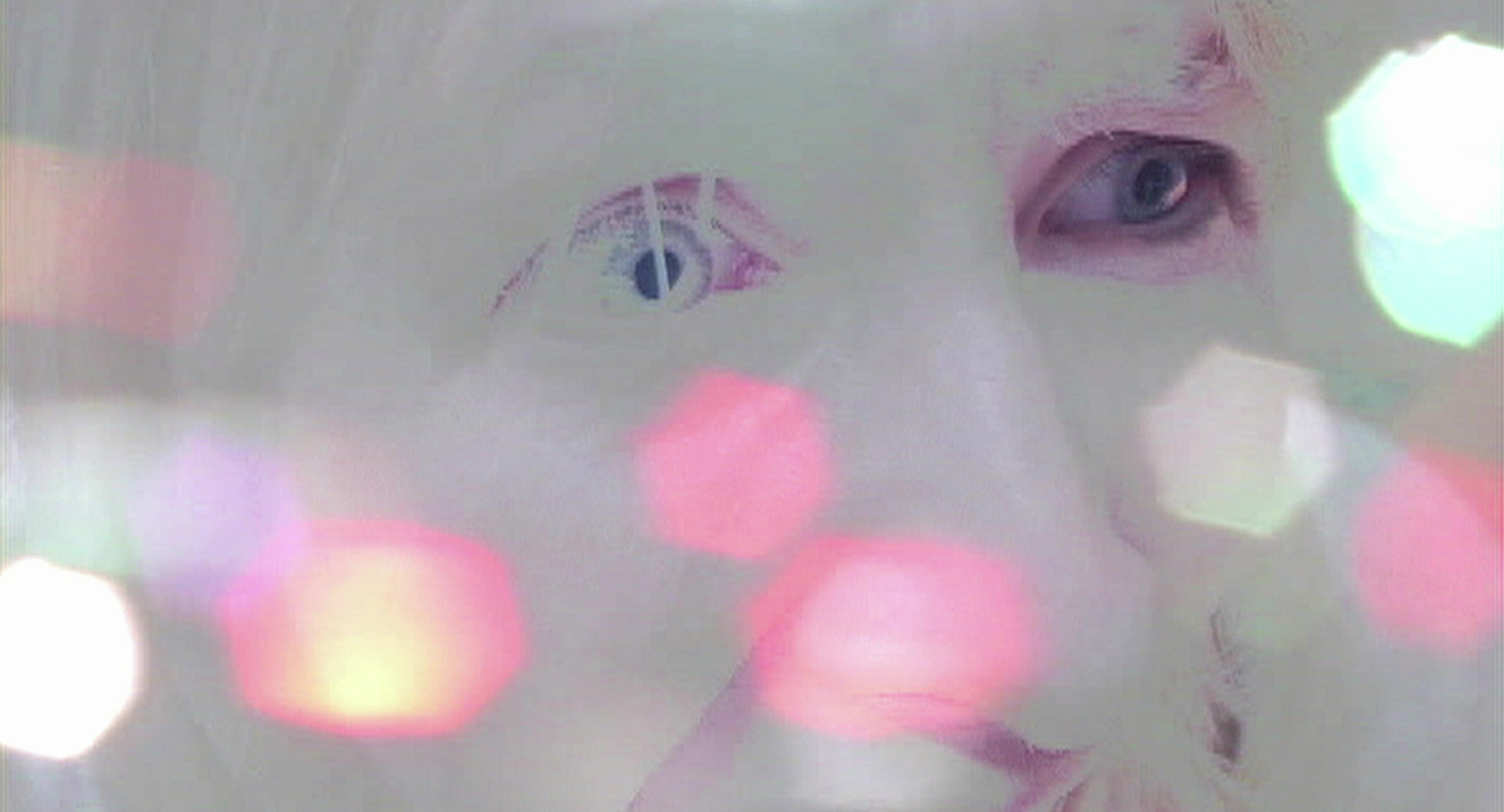
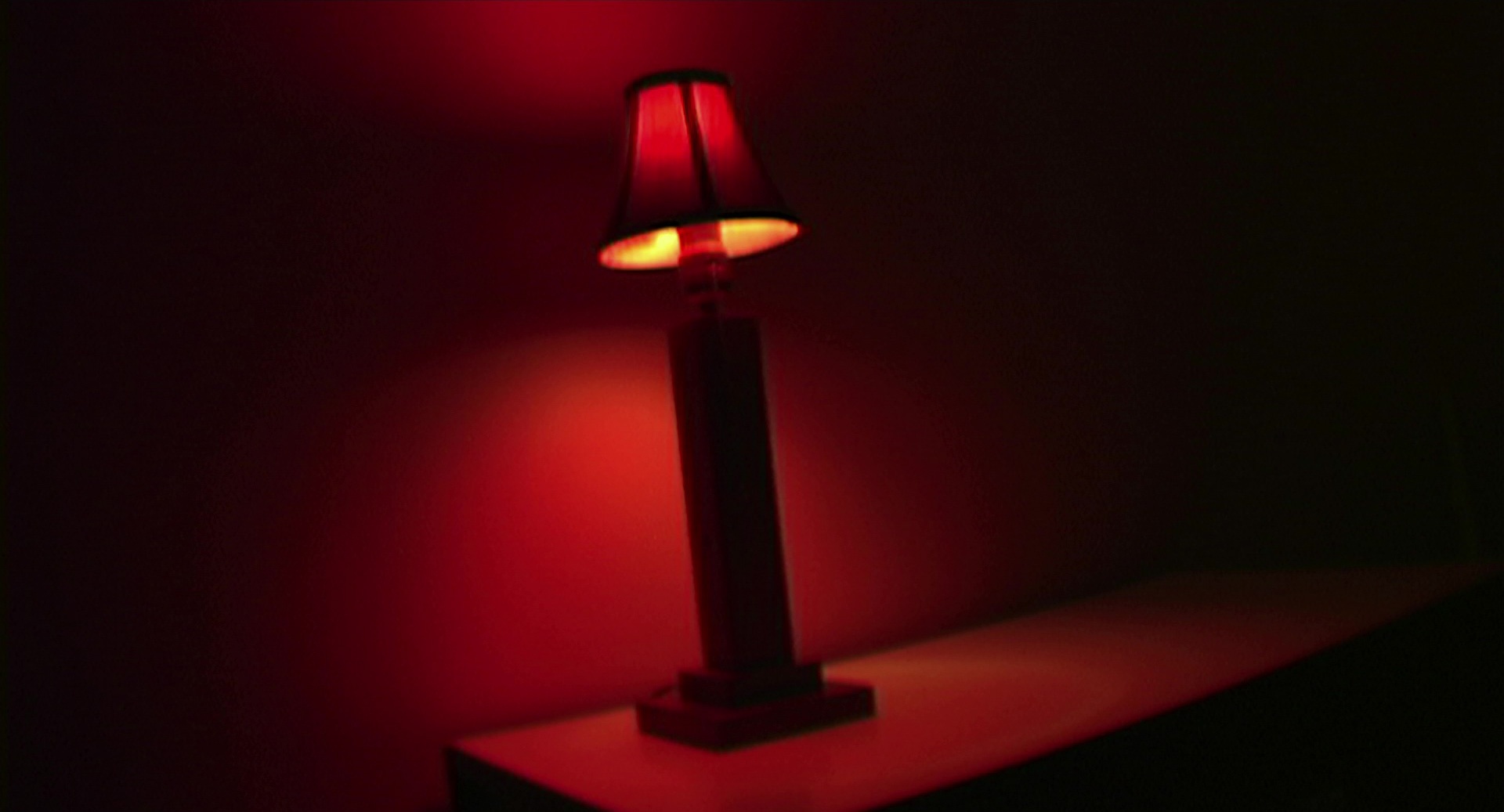
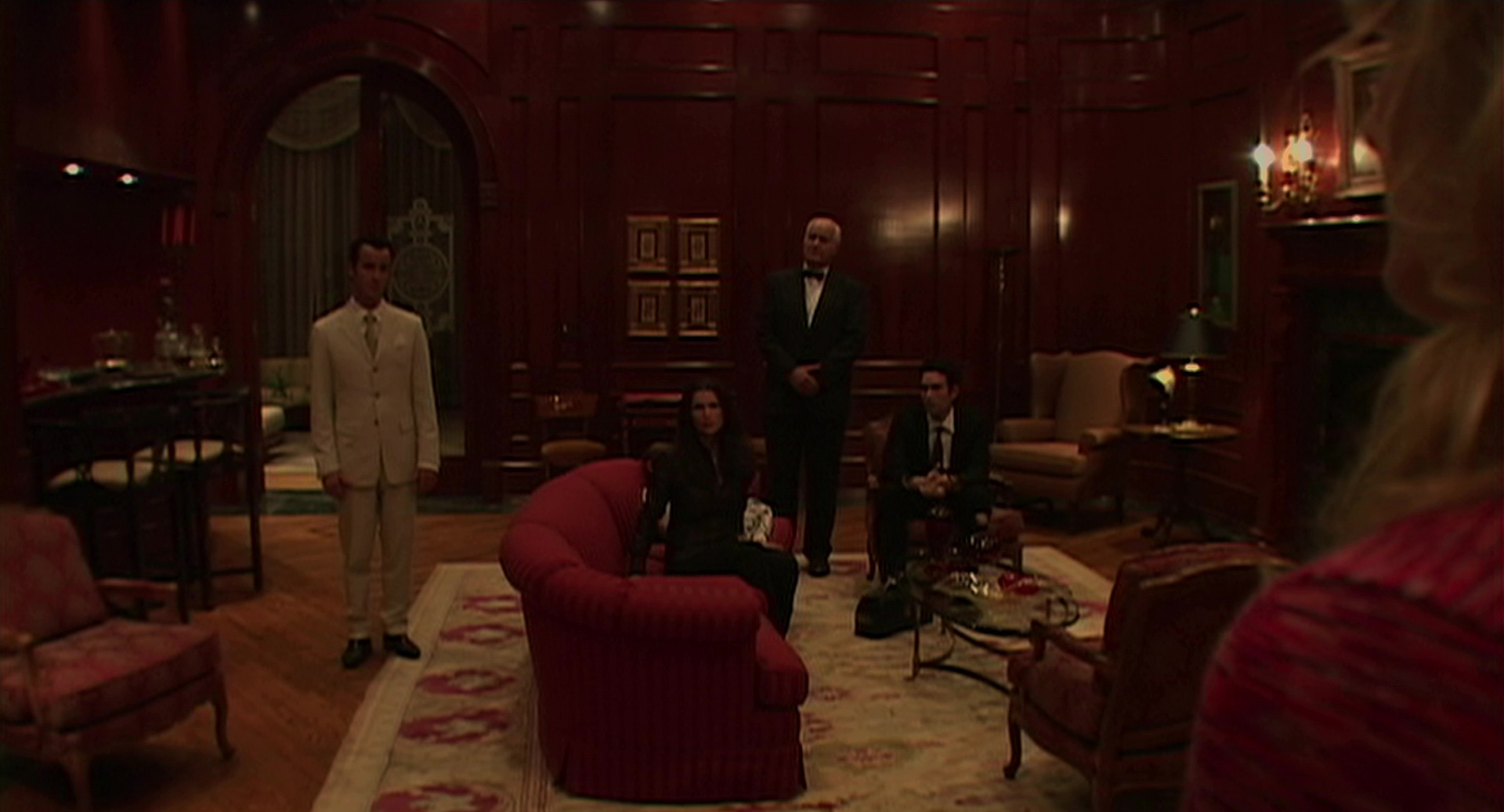
Inland Empire (2006)
An actress named Nikki Grace begins work on a film that may be cursed, gradually losing her grip on reality as her identity merges with that of her character. As timelines fracture and narratives overlap, she drifts through a series of interconnected stories involving lost women, Hollywood illusions, and unresolved trauma. The film unfolds as a labyrinthine exploration of identity, performance, and the subconscious.
Lynch shot Inland Empire on consumer-grade digital video, embracing its harsh, low-resolution texture to create a raw, unstable image. The blown-out highlights, deep shadows, and loose handheld framing give the film a nightmarish immediacy—turning the limitations of DV into a defining aesthetic that collapses the boundary between dream, performance, and reality.




FILM SPOTLIGHT
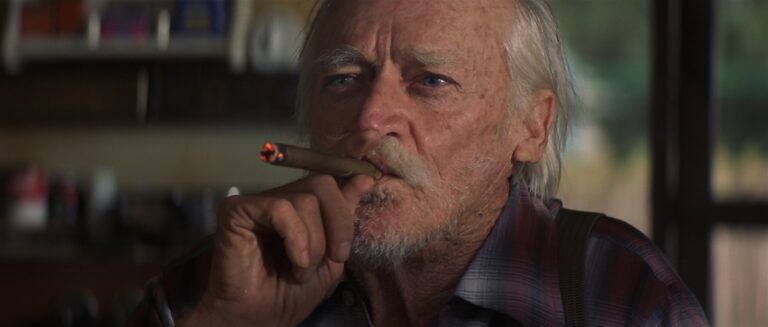
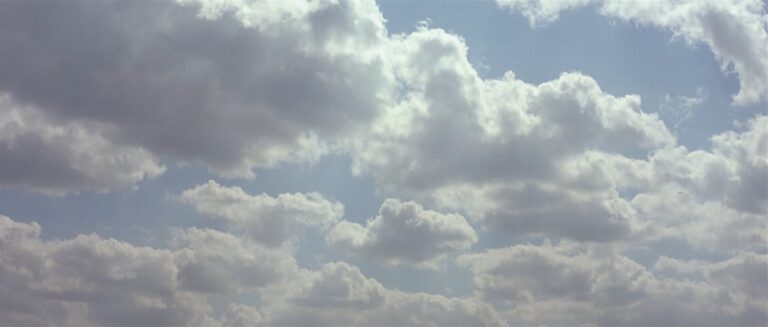
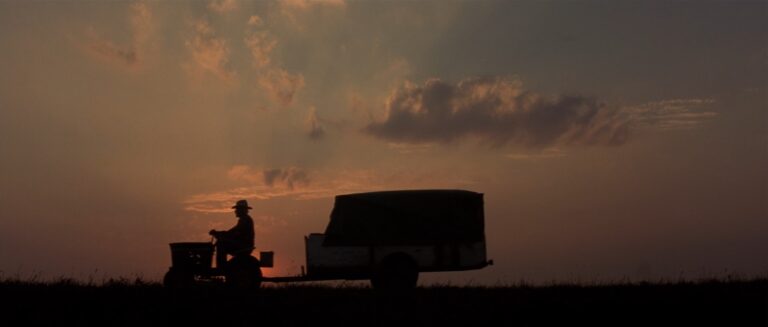
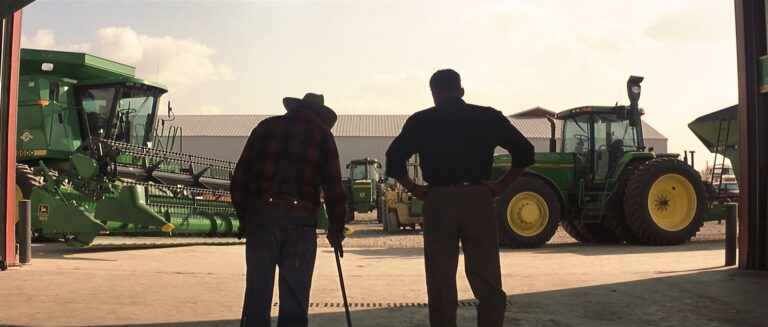
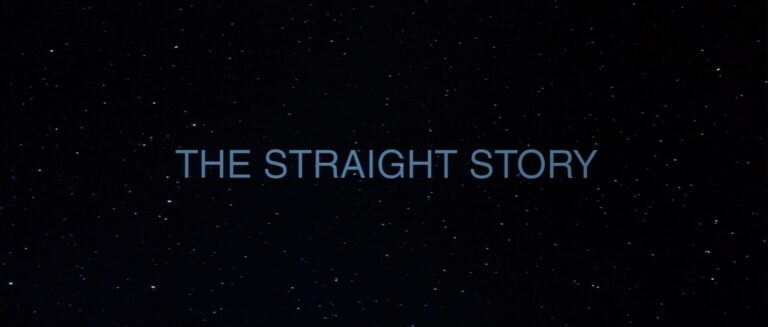
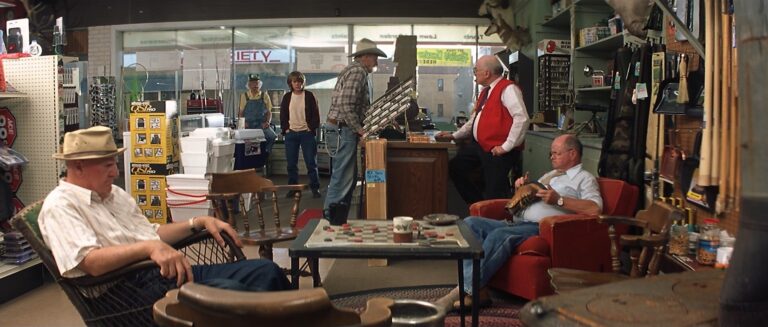
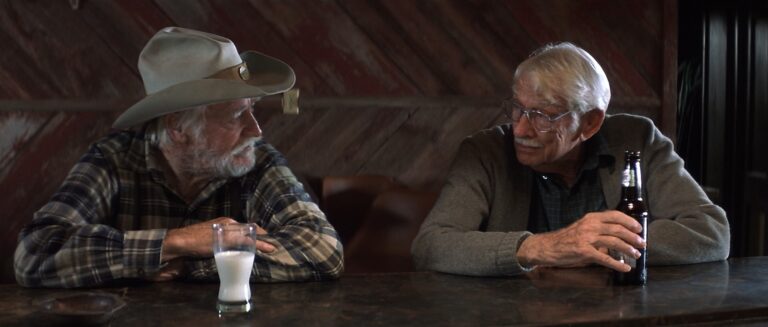
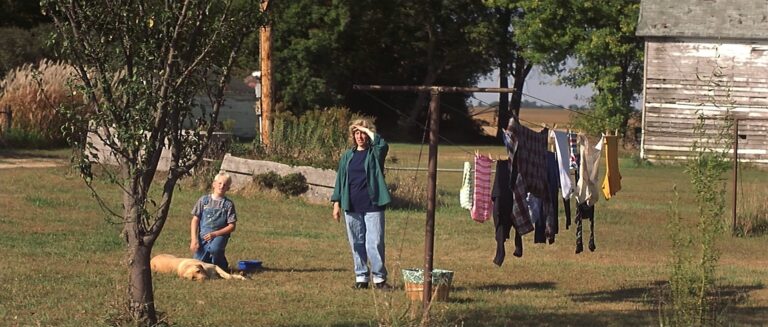
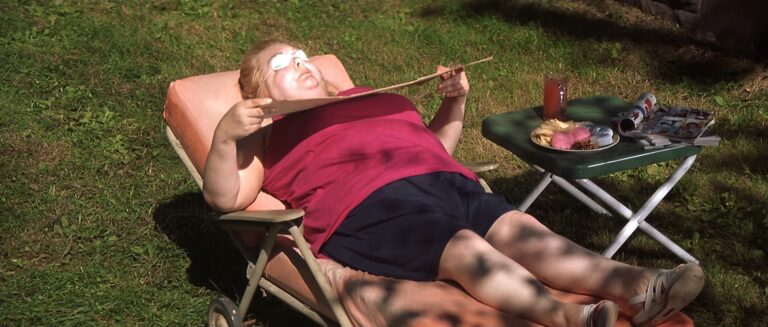
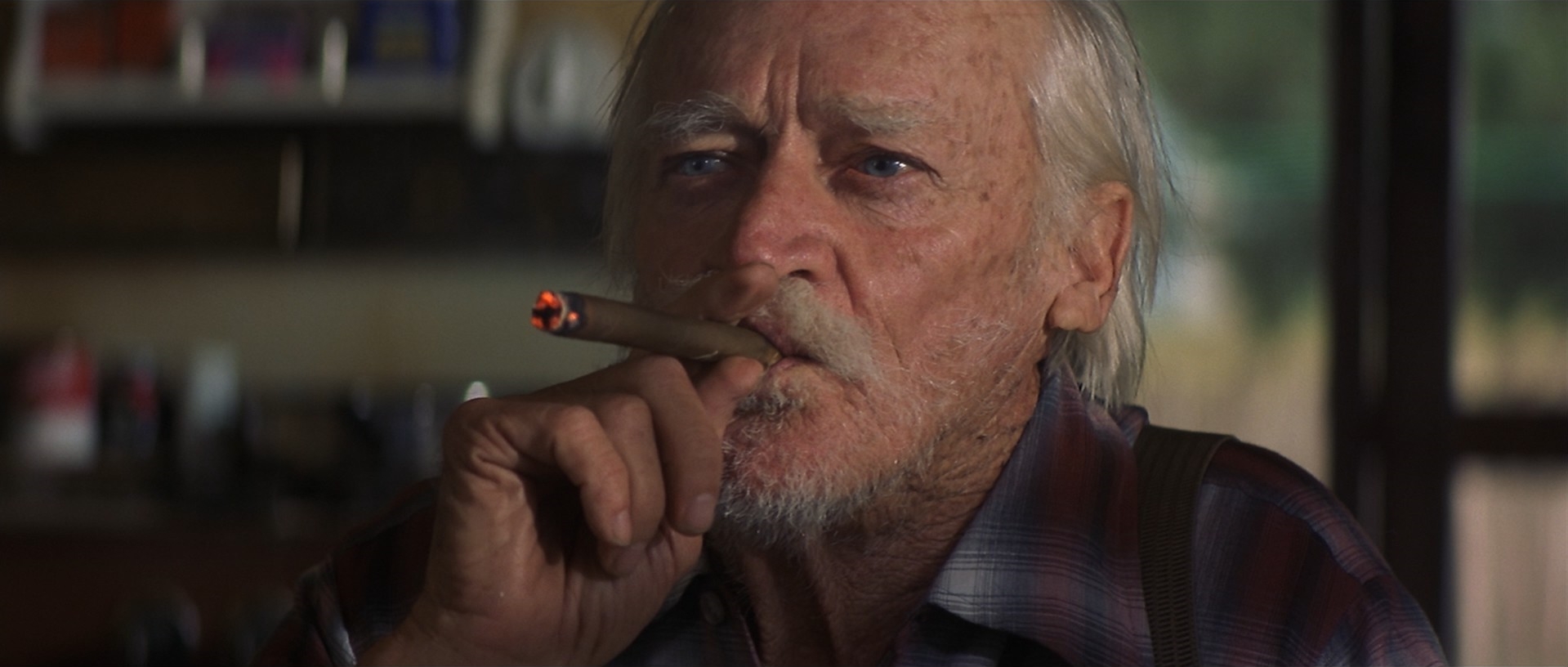
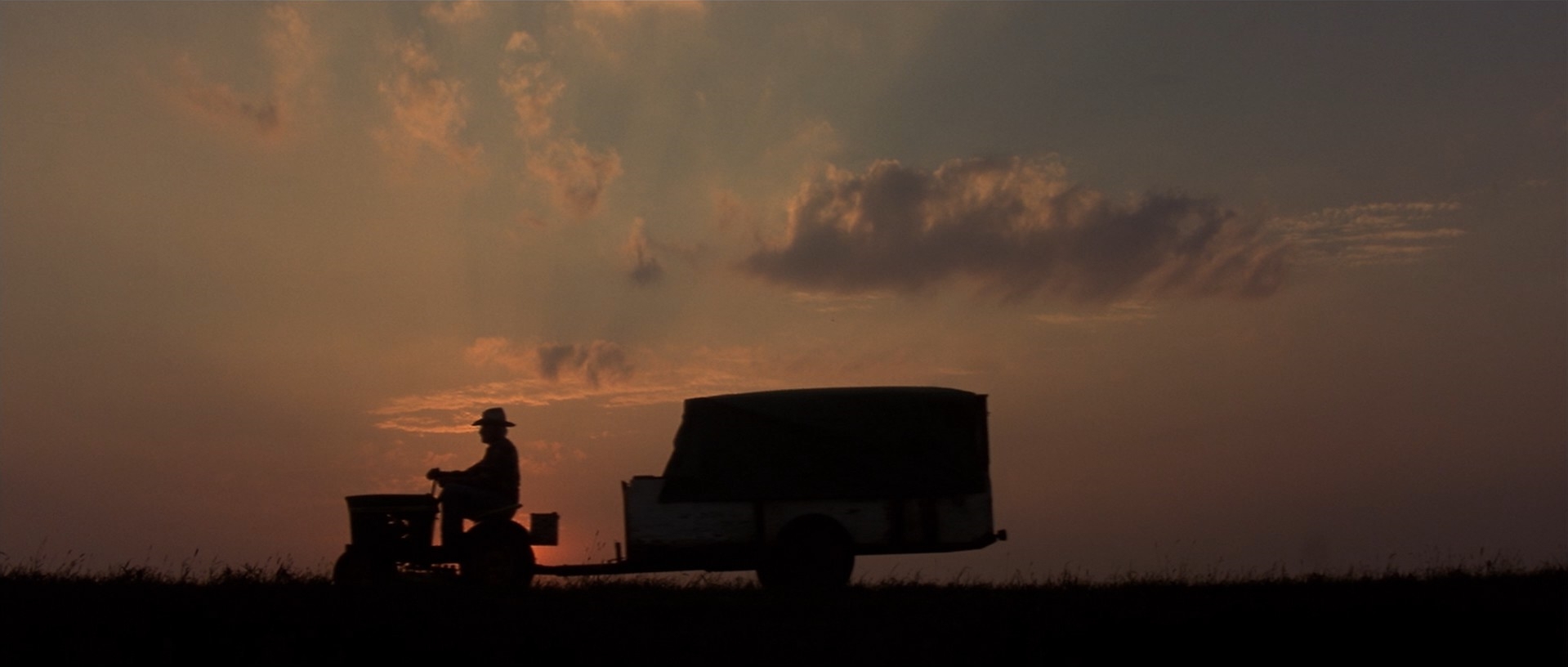
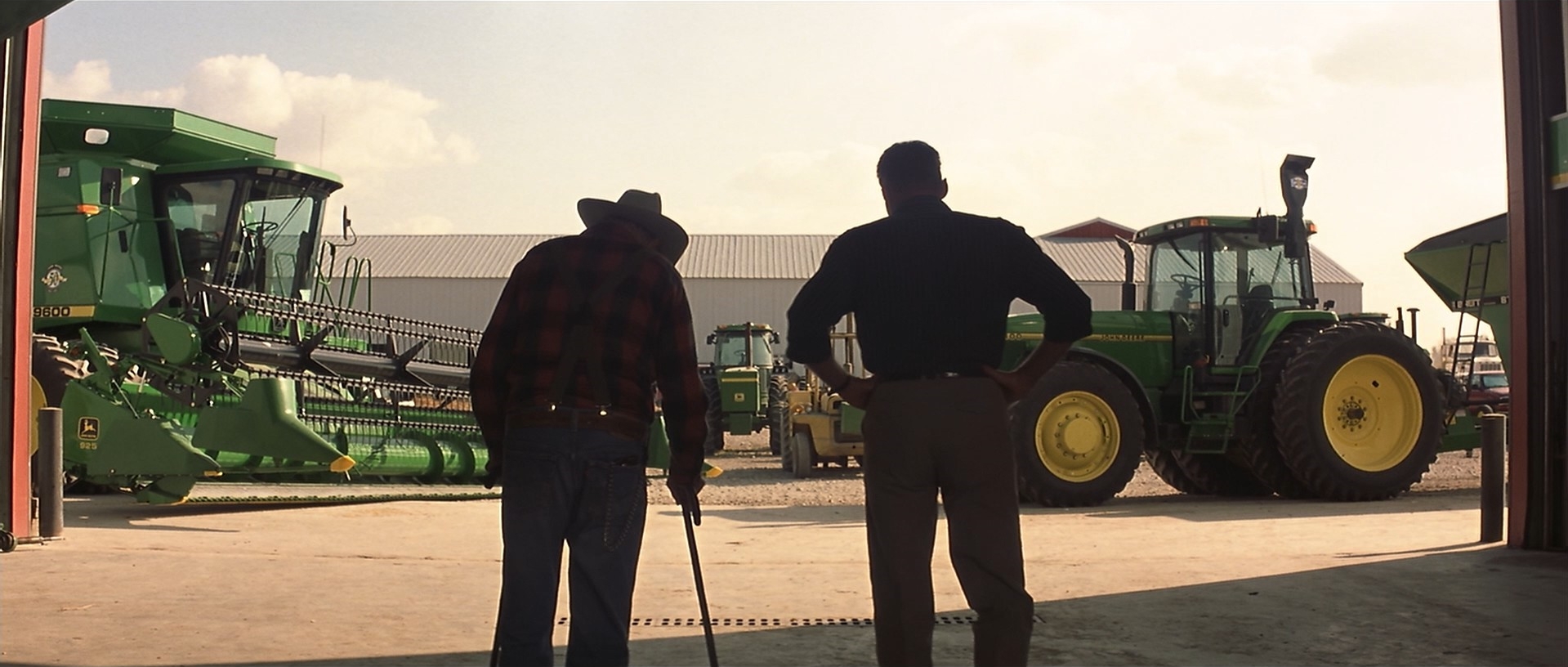
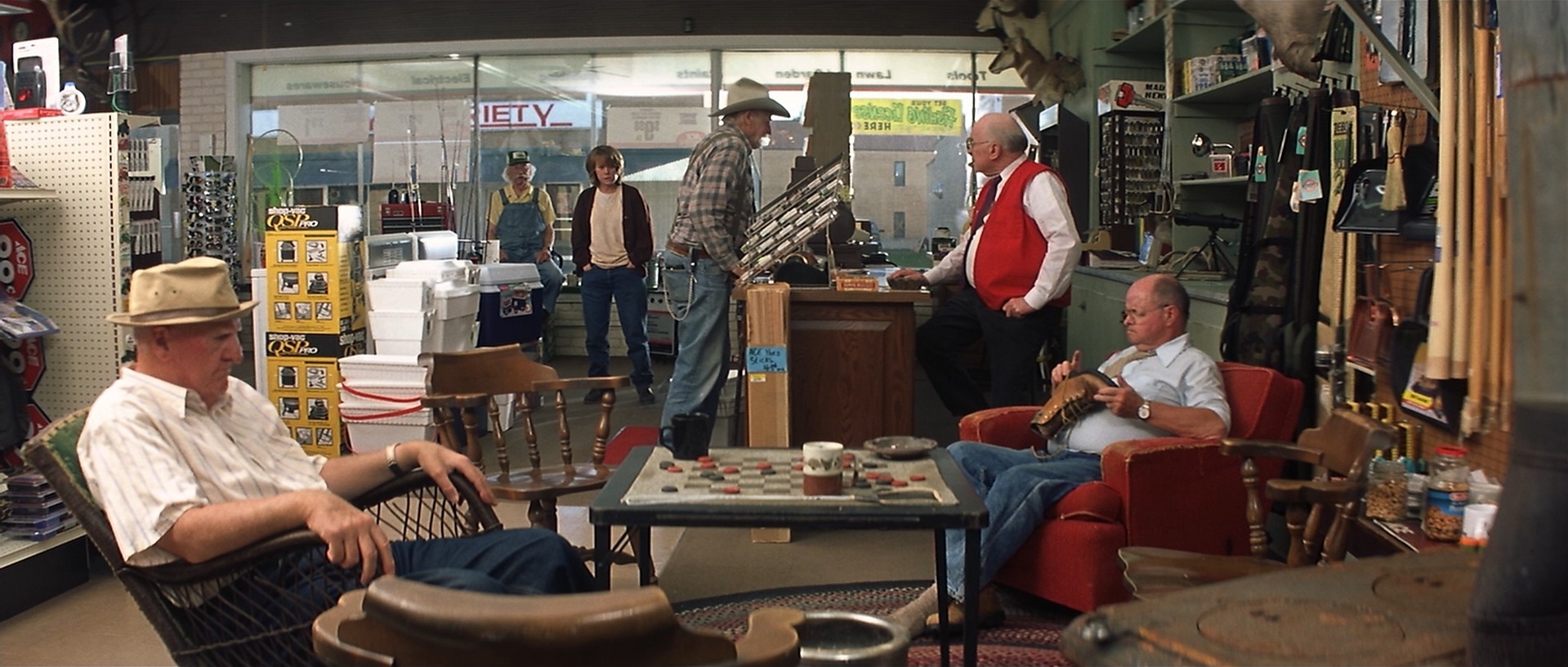
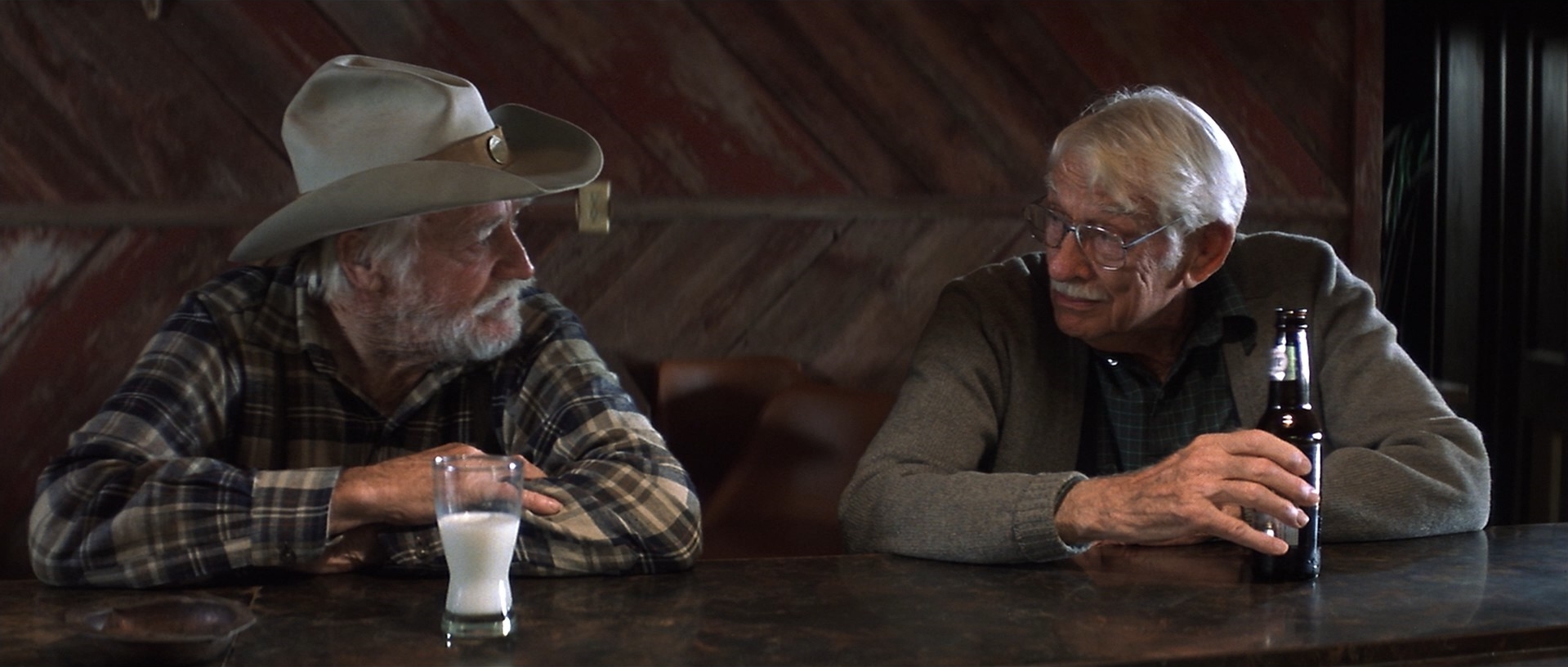
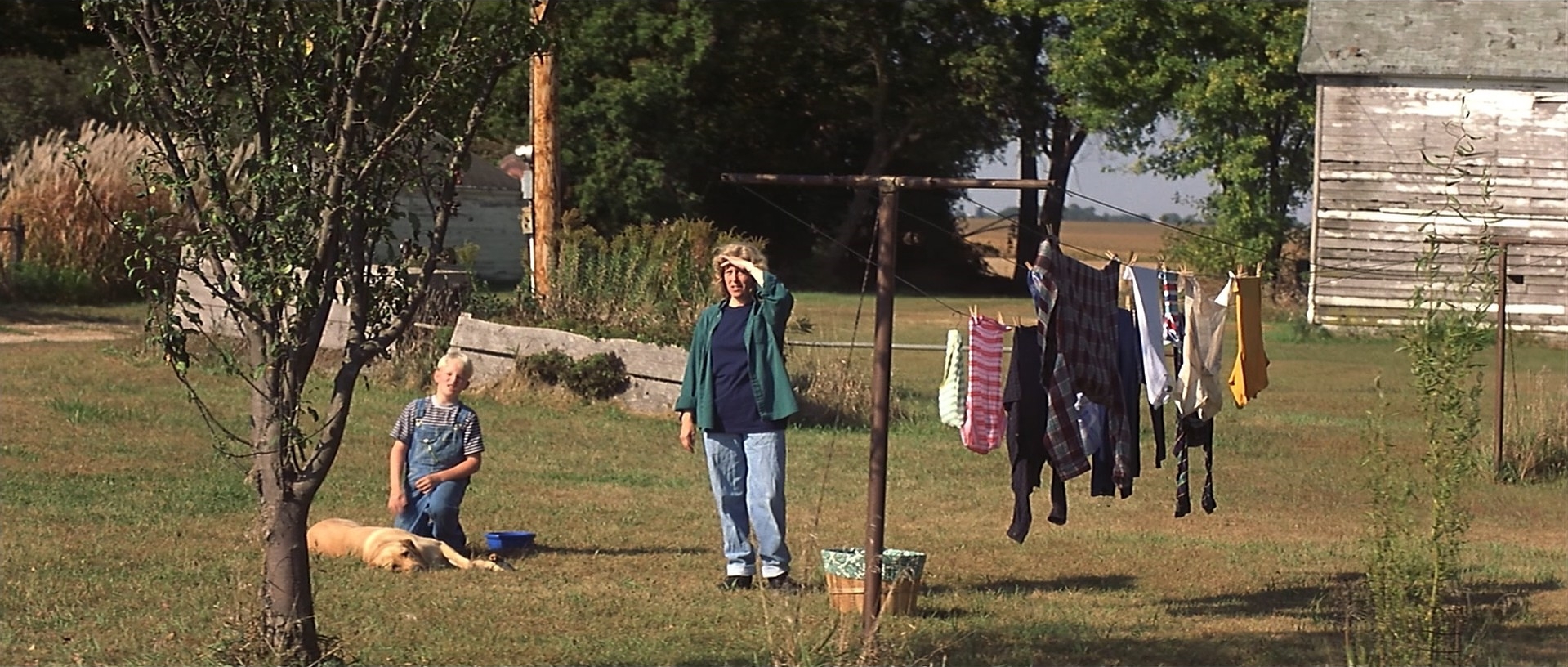
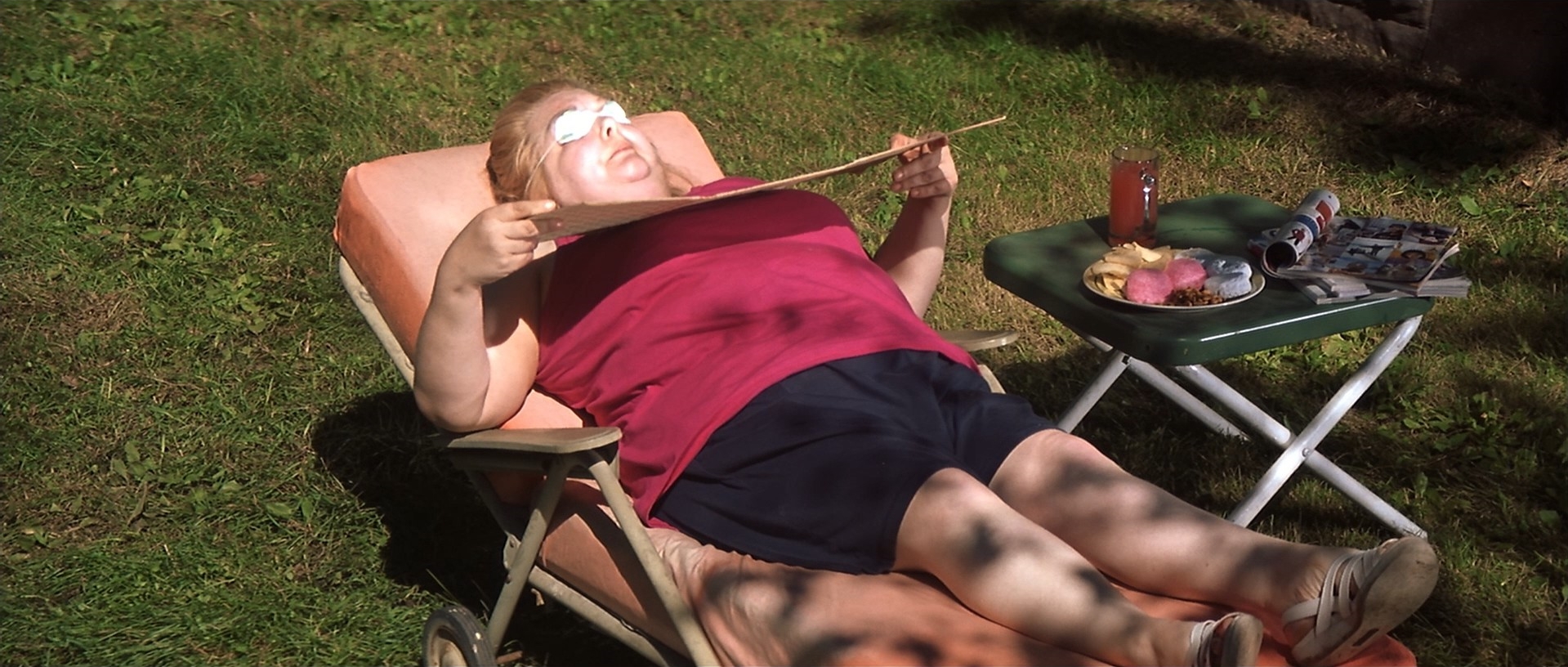
The Straight Story (1999)
Based on a true story, the film follows Alvin Straight, an elderly man who sets out on a journey across the Midwest to reconcile with his estranged brother. Unable to drive, he makes the trip on a riding lawn mower, traveling hundreds of miles at a slow, steady pace. Along the way, he encounters a series of strangers, forming quiet connections that shape his journey.
Lynch and cinematographer Freddie Francis shoot The Straight Story with a gentle, classical naturalism, using wide, sunlit landscapes and steady compositions to reflect Alvin’s deliberate pace. The film’s use of golden-hour light and simple, frontal framing turns the American Midwest into a contemplative space—where distance, duration, and stillness become the core visual language.
TELEVISION SERIES
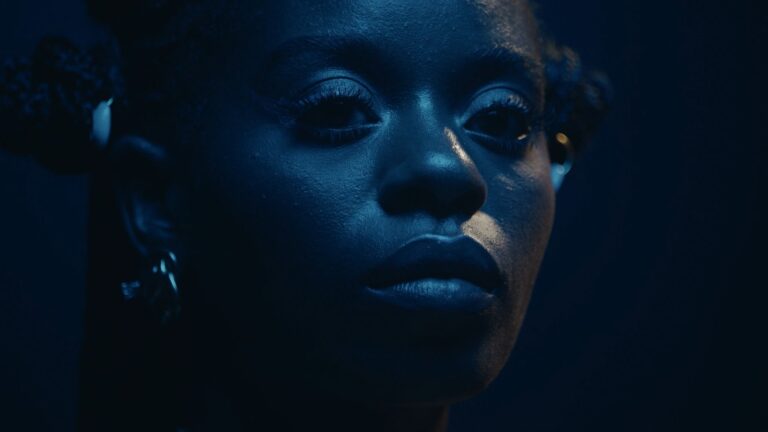
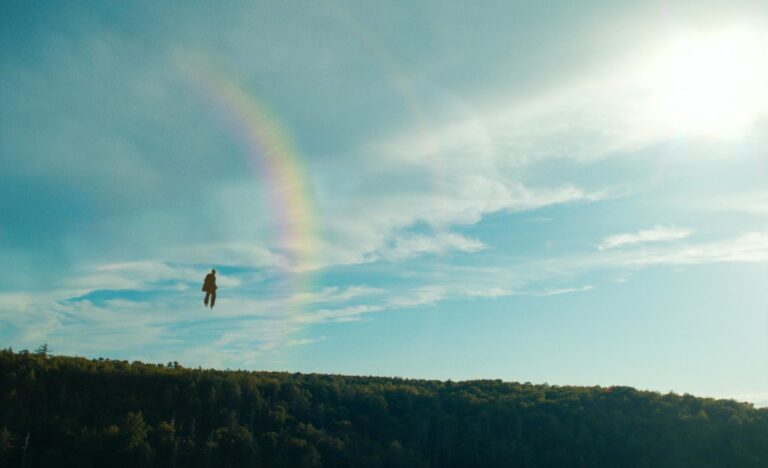
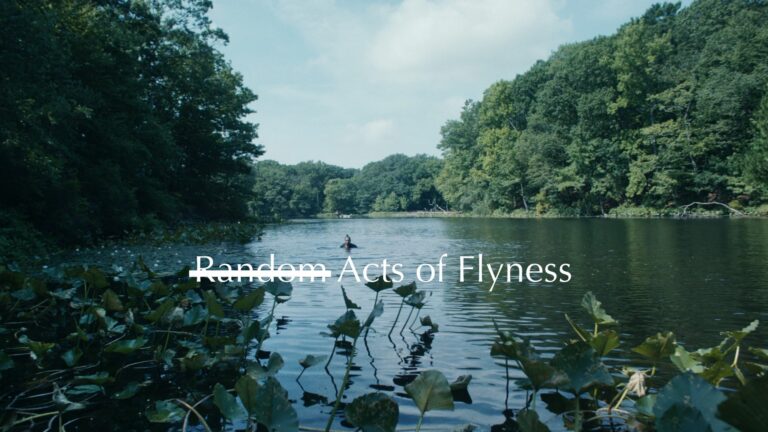
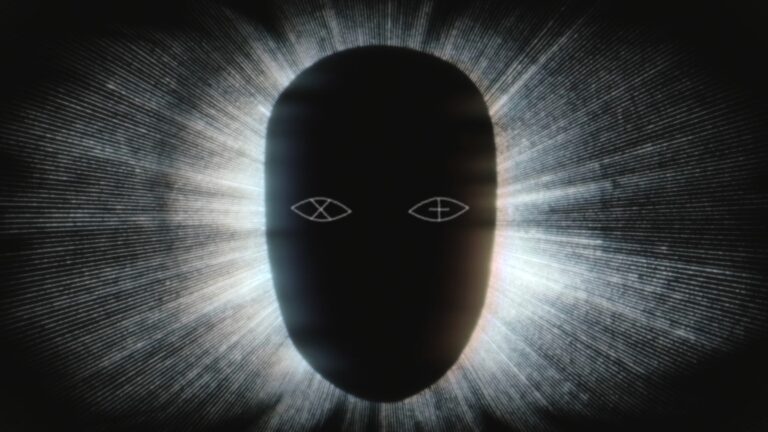
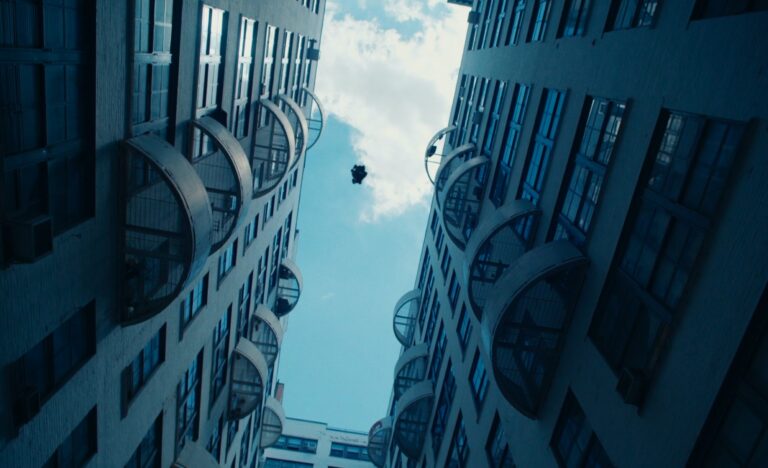
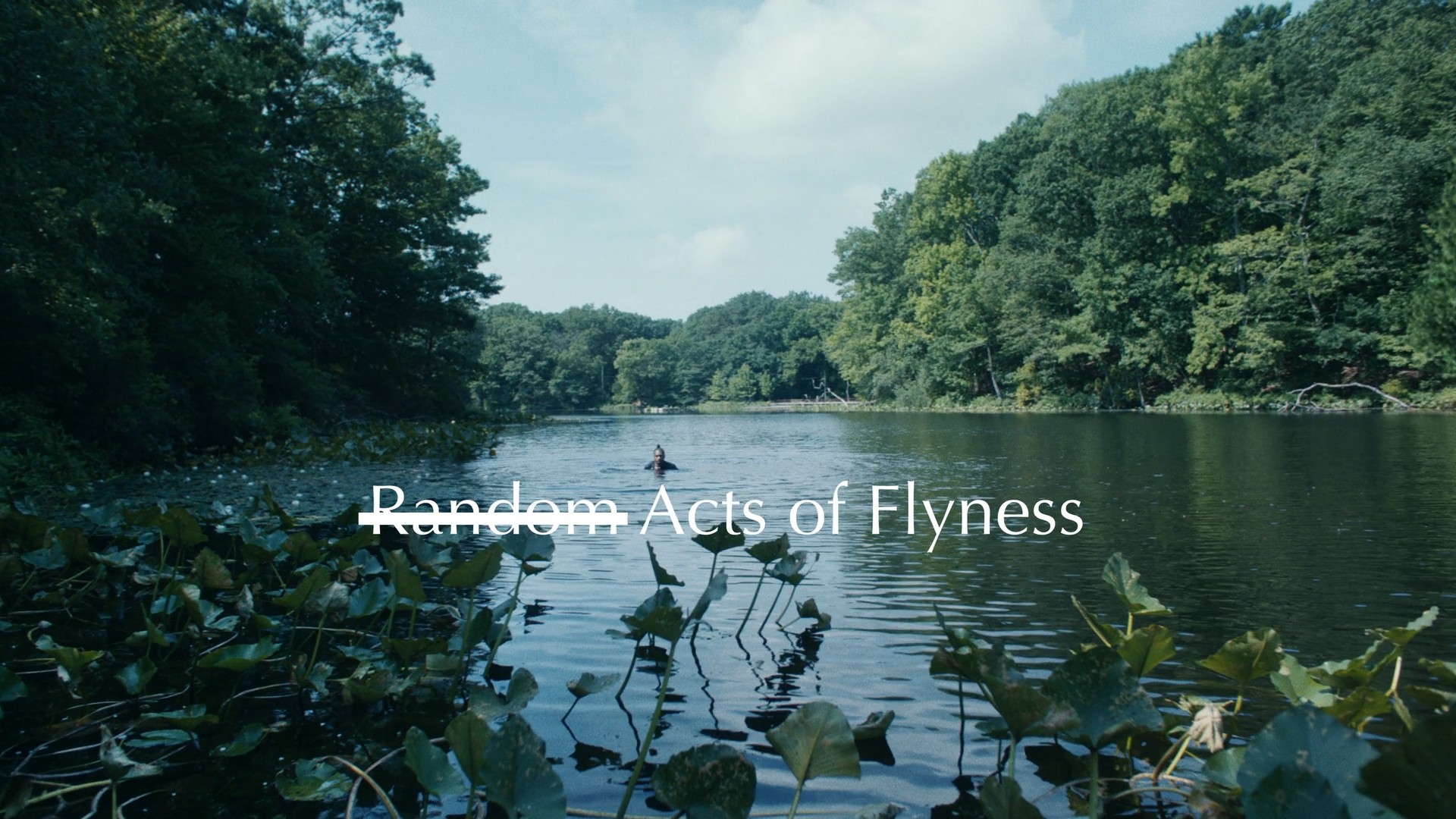
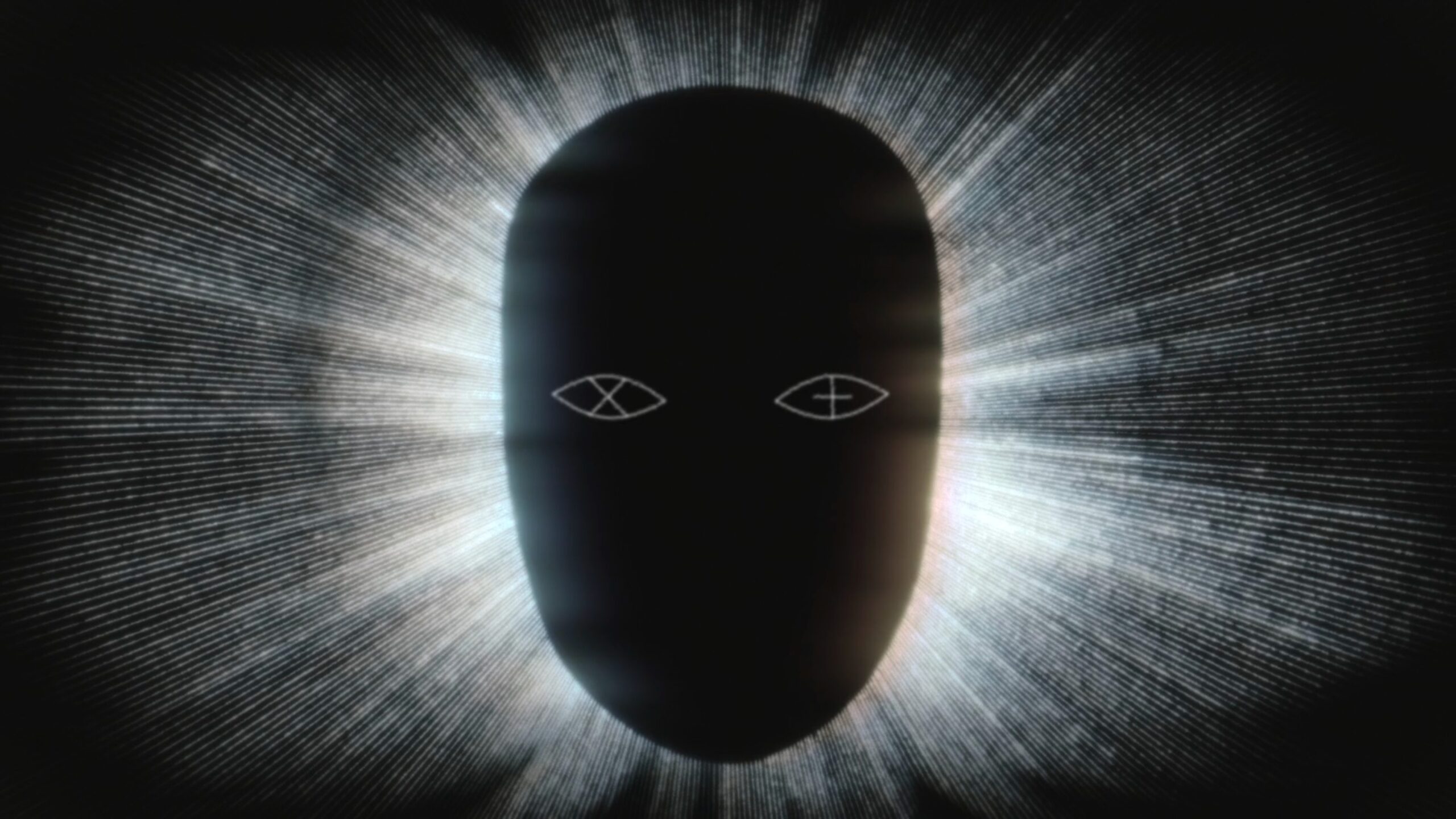
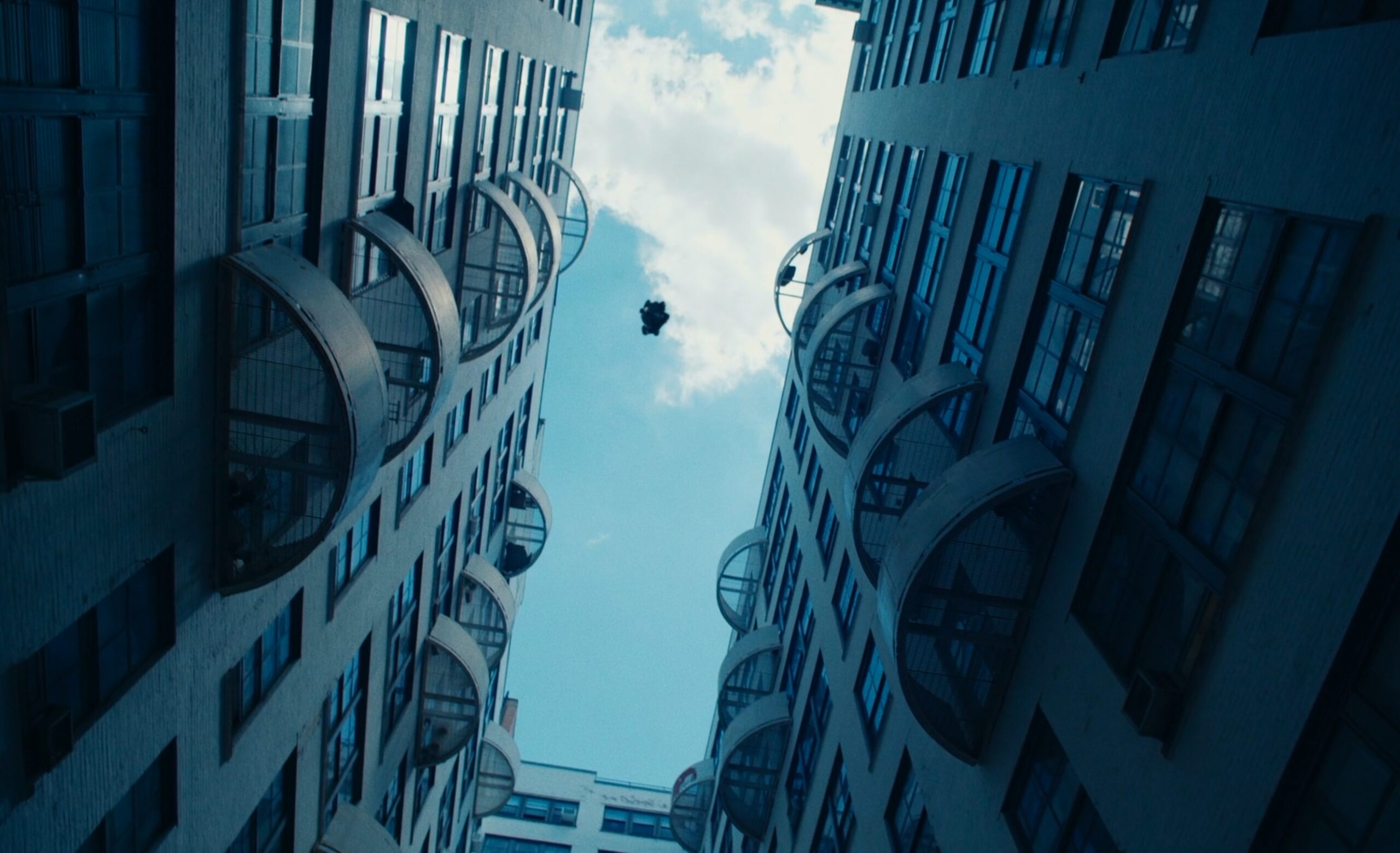
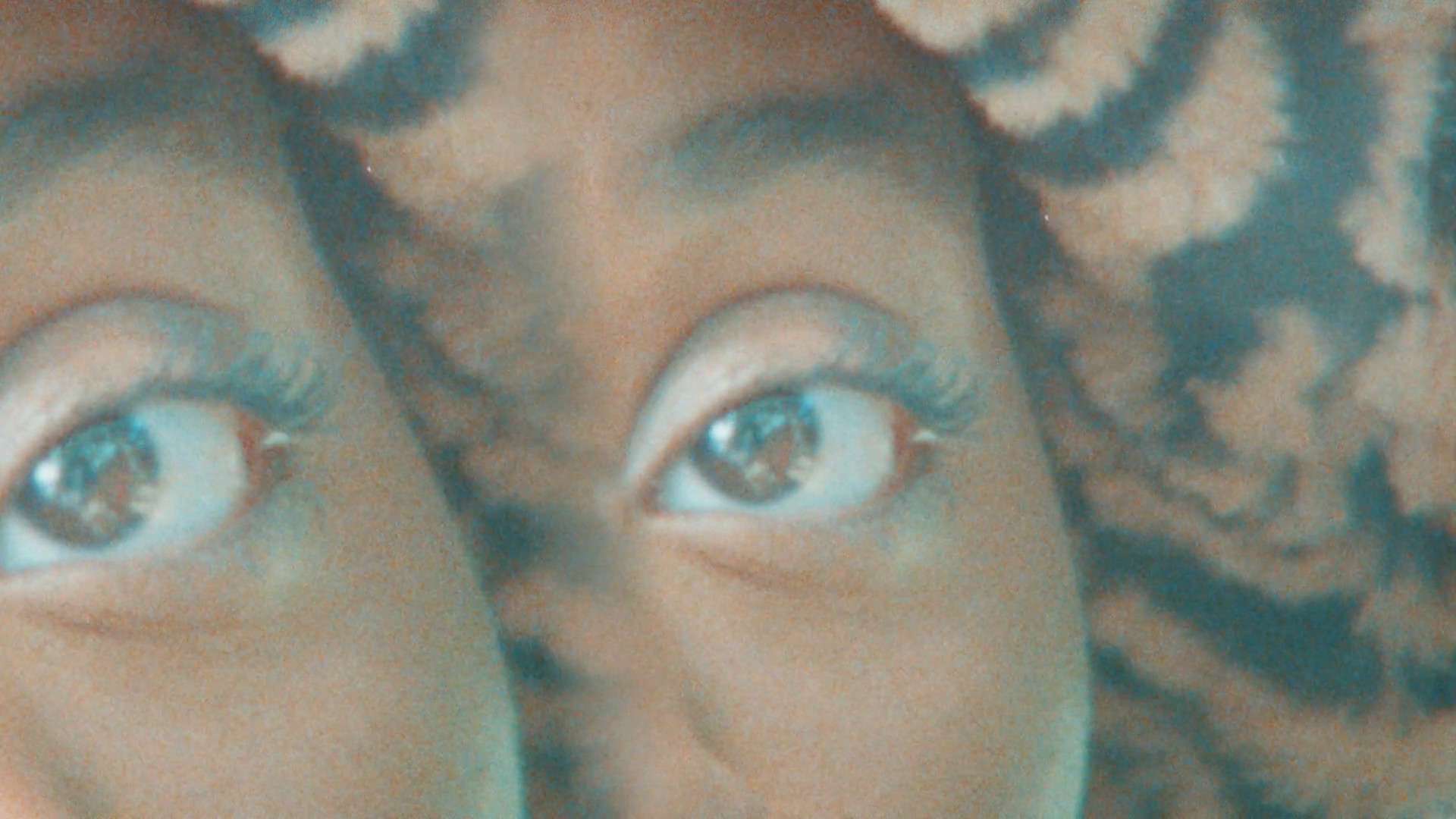
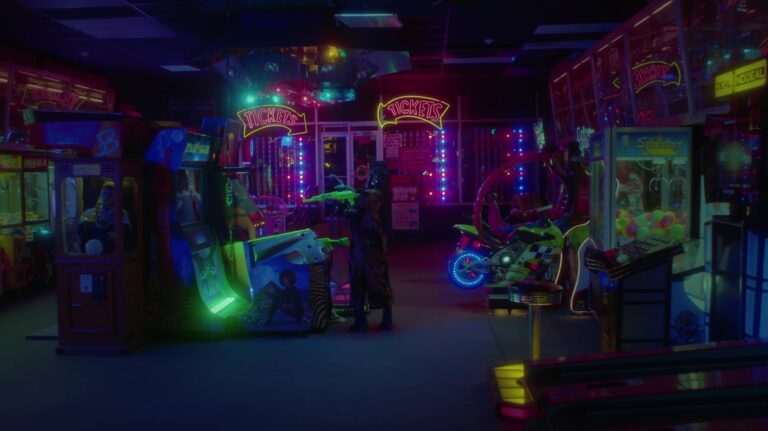
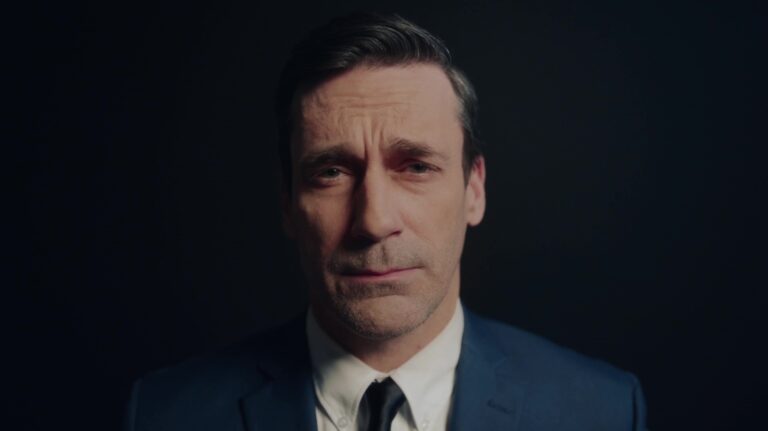
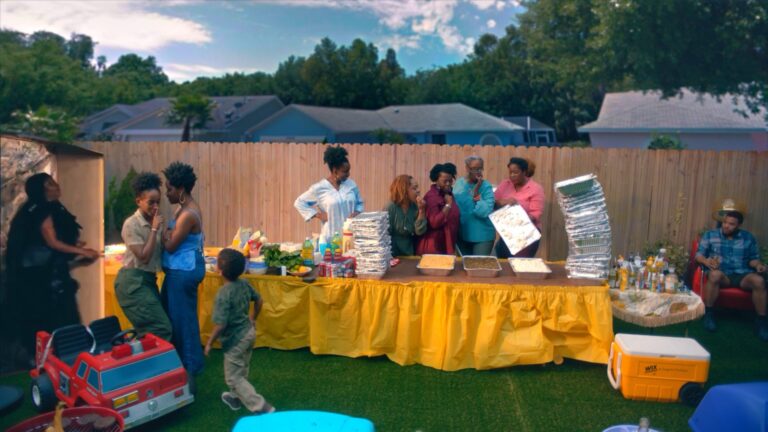
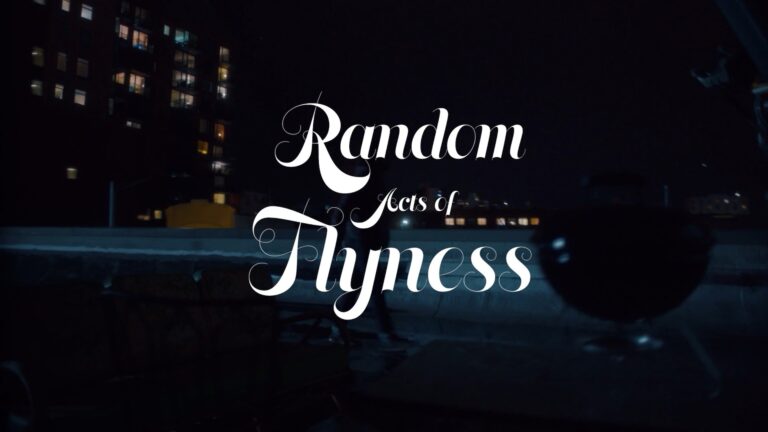
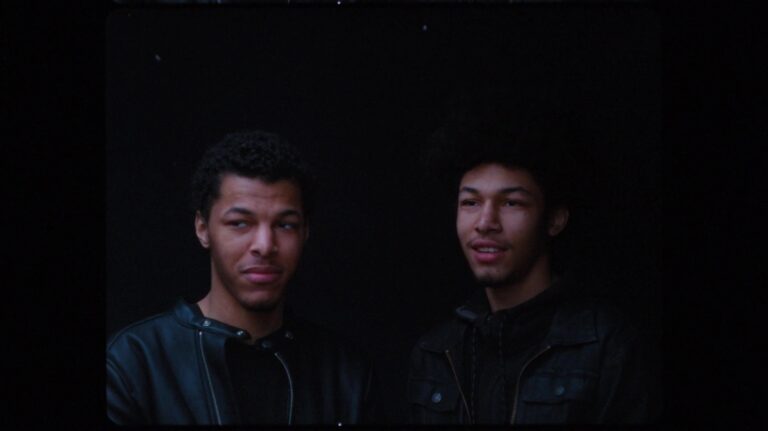
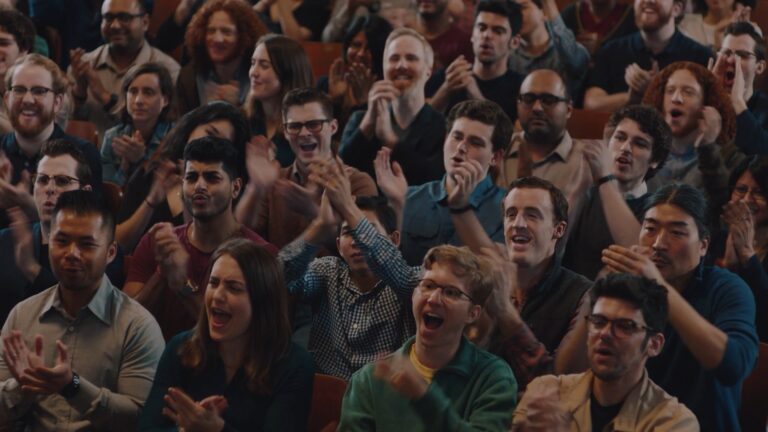
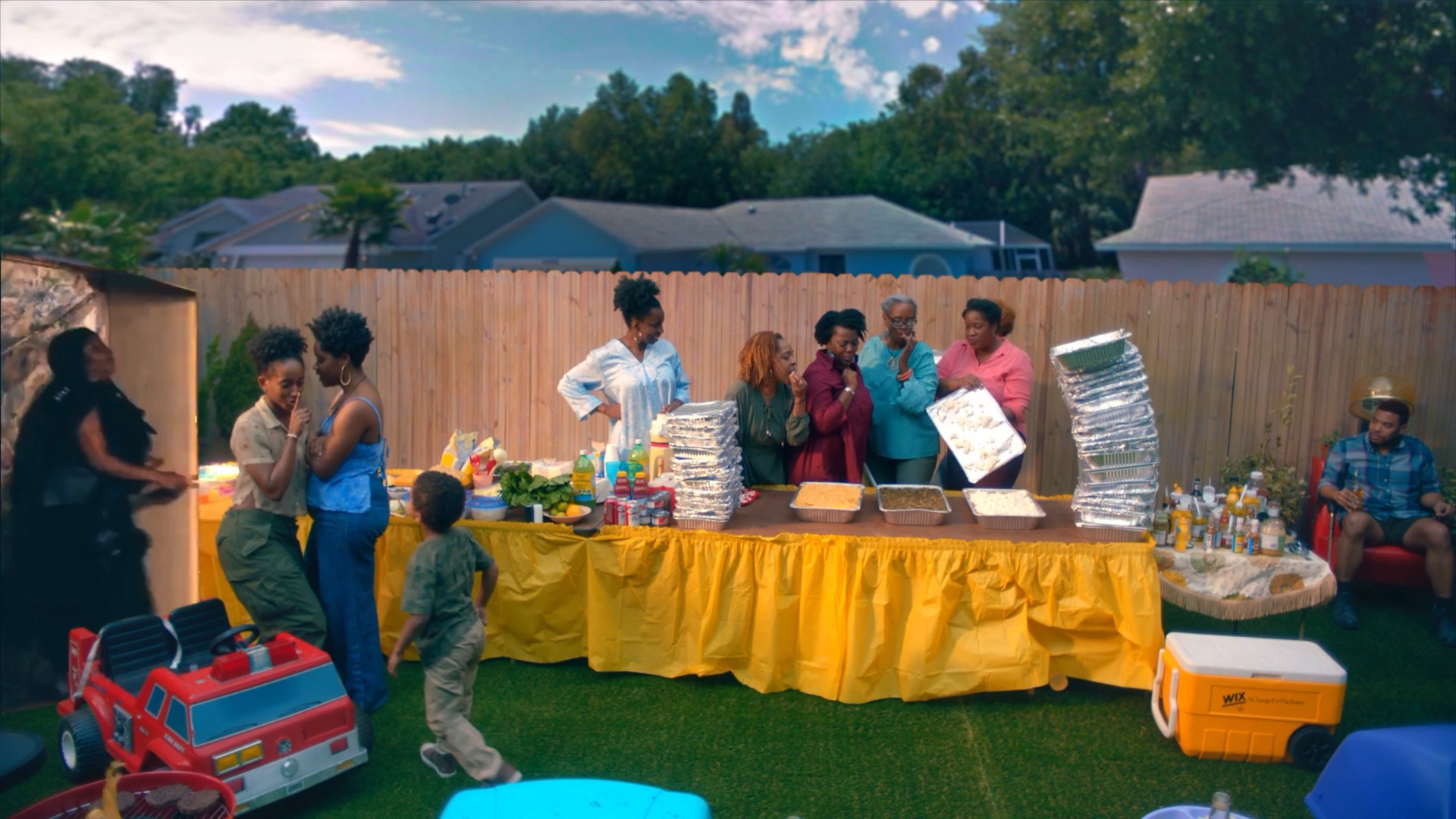
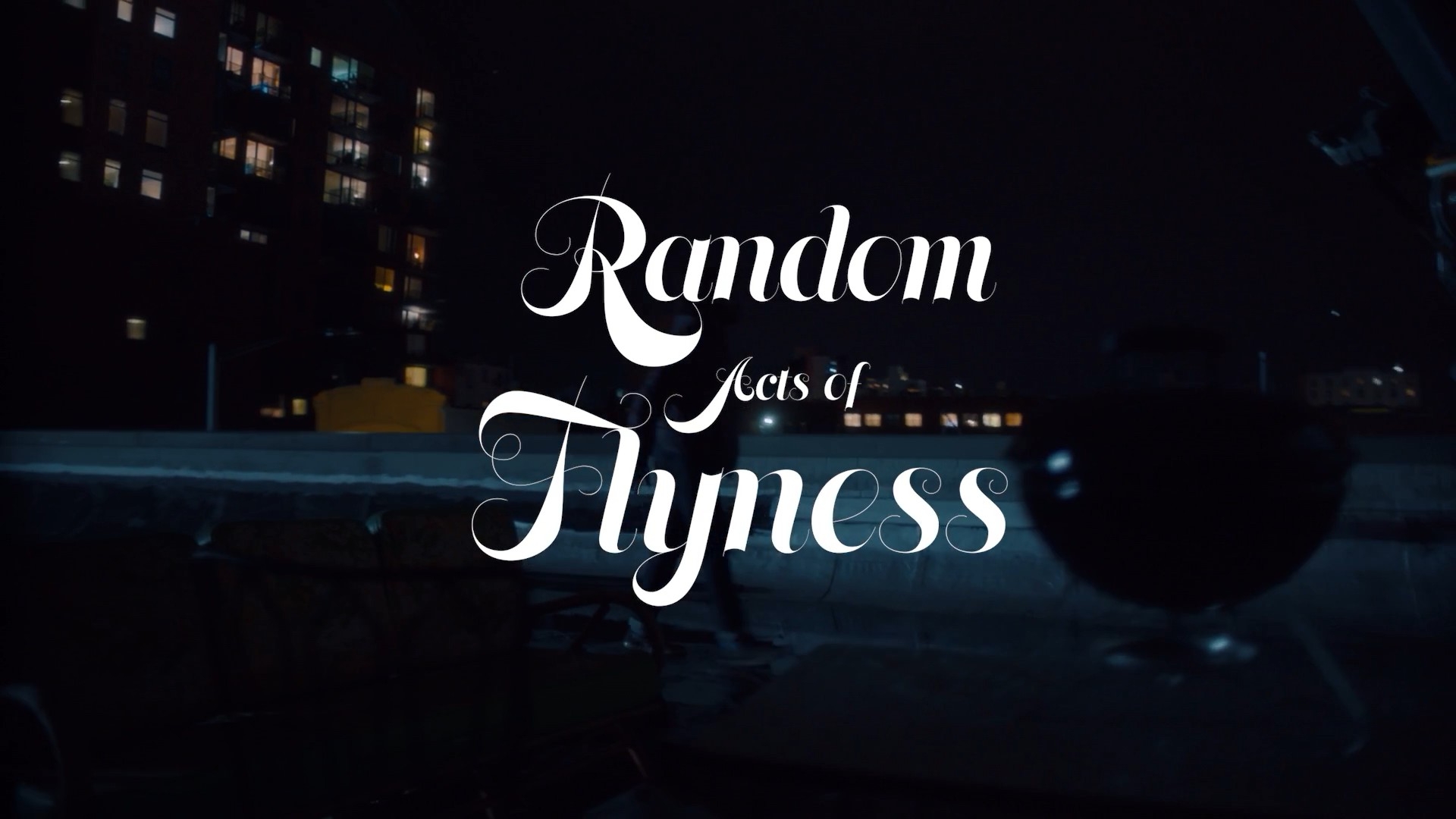
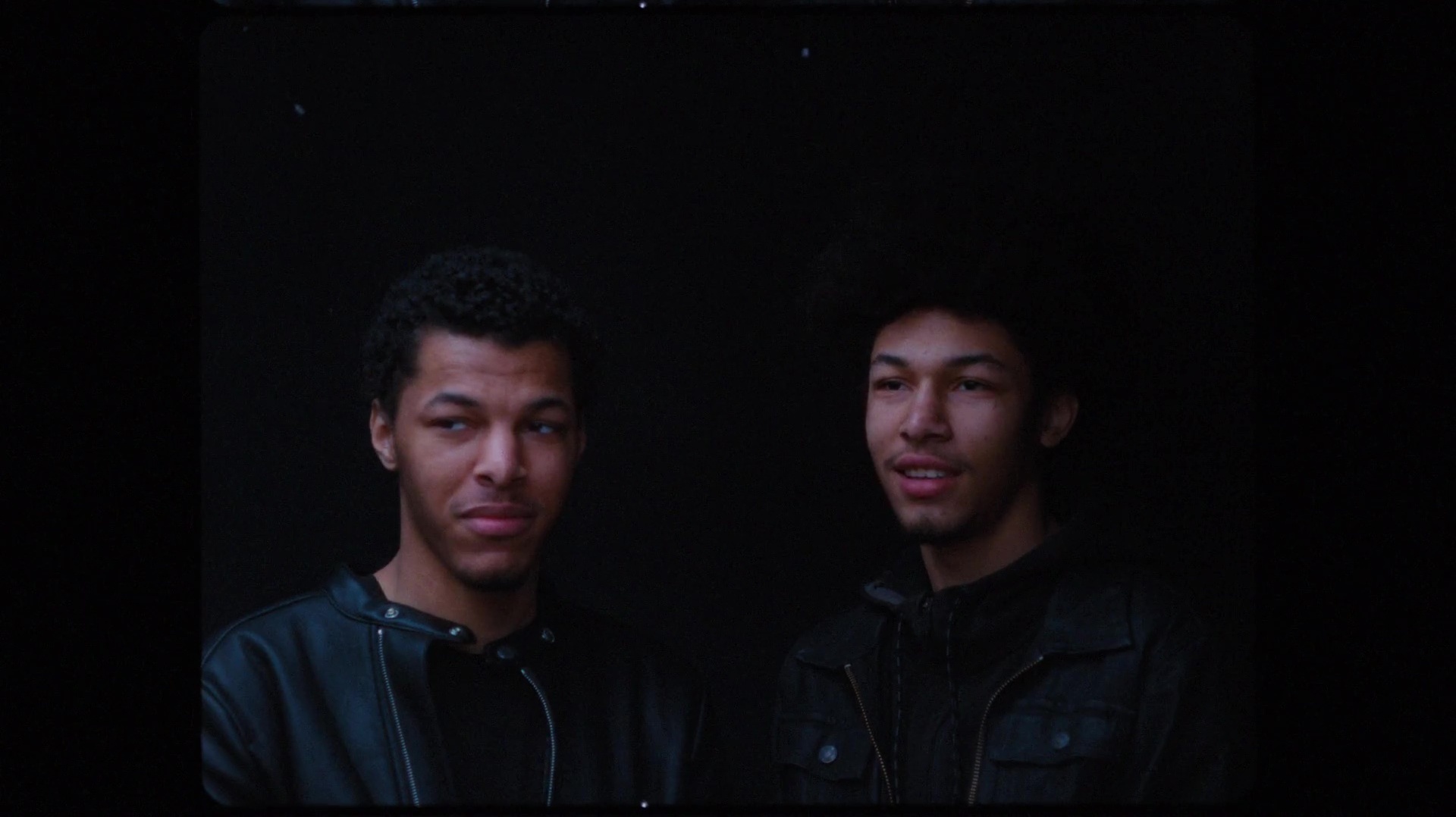
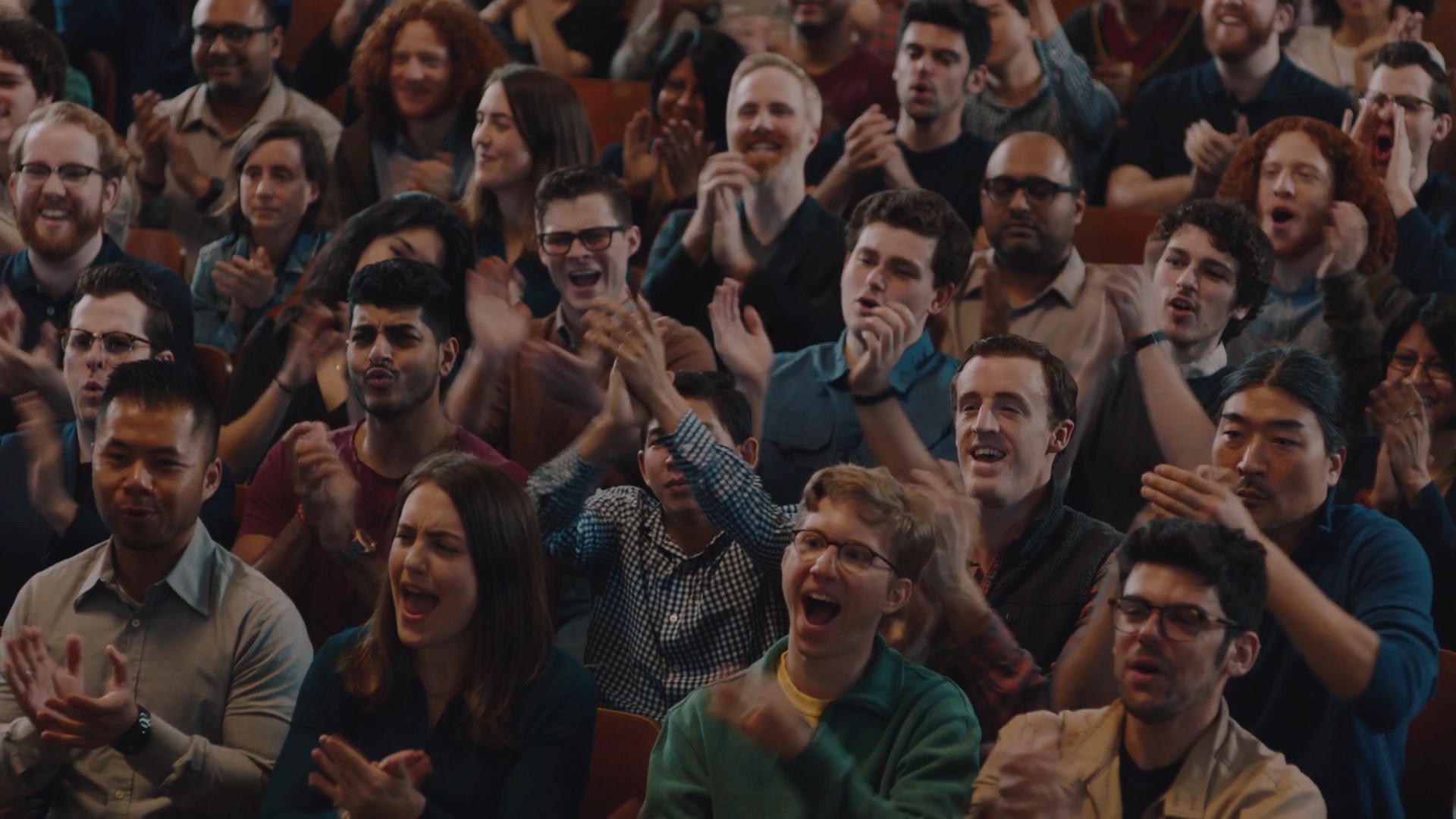
Random Acts of Flyness: Season 1 (2018)
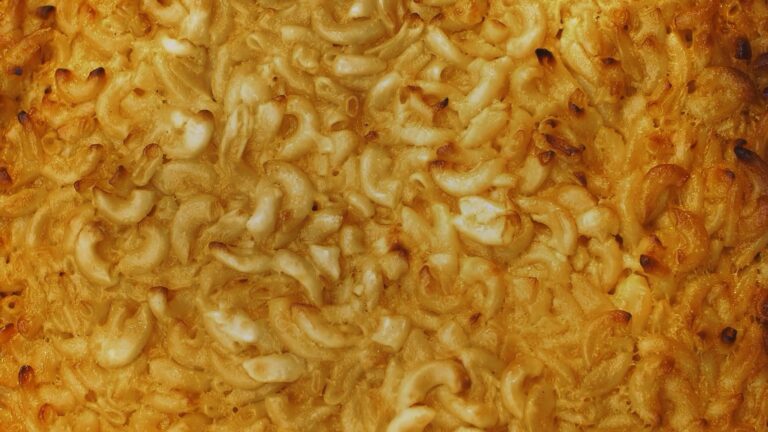
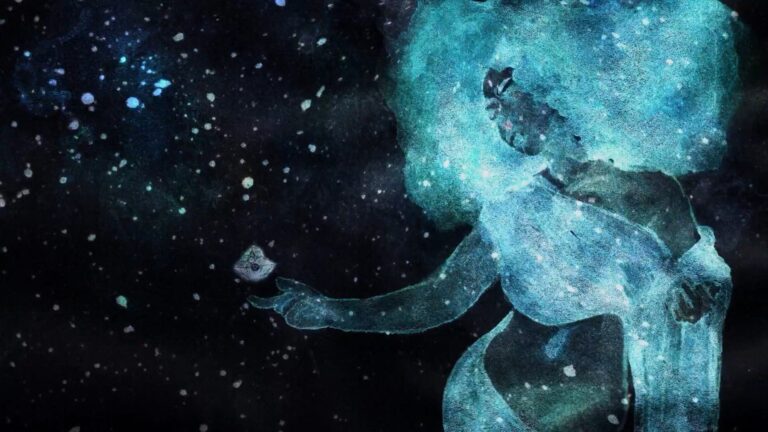
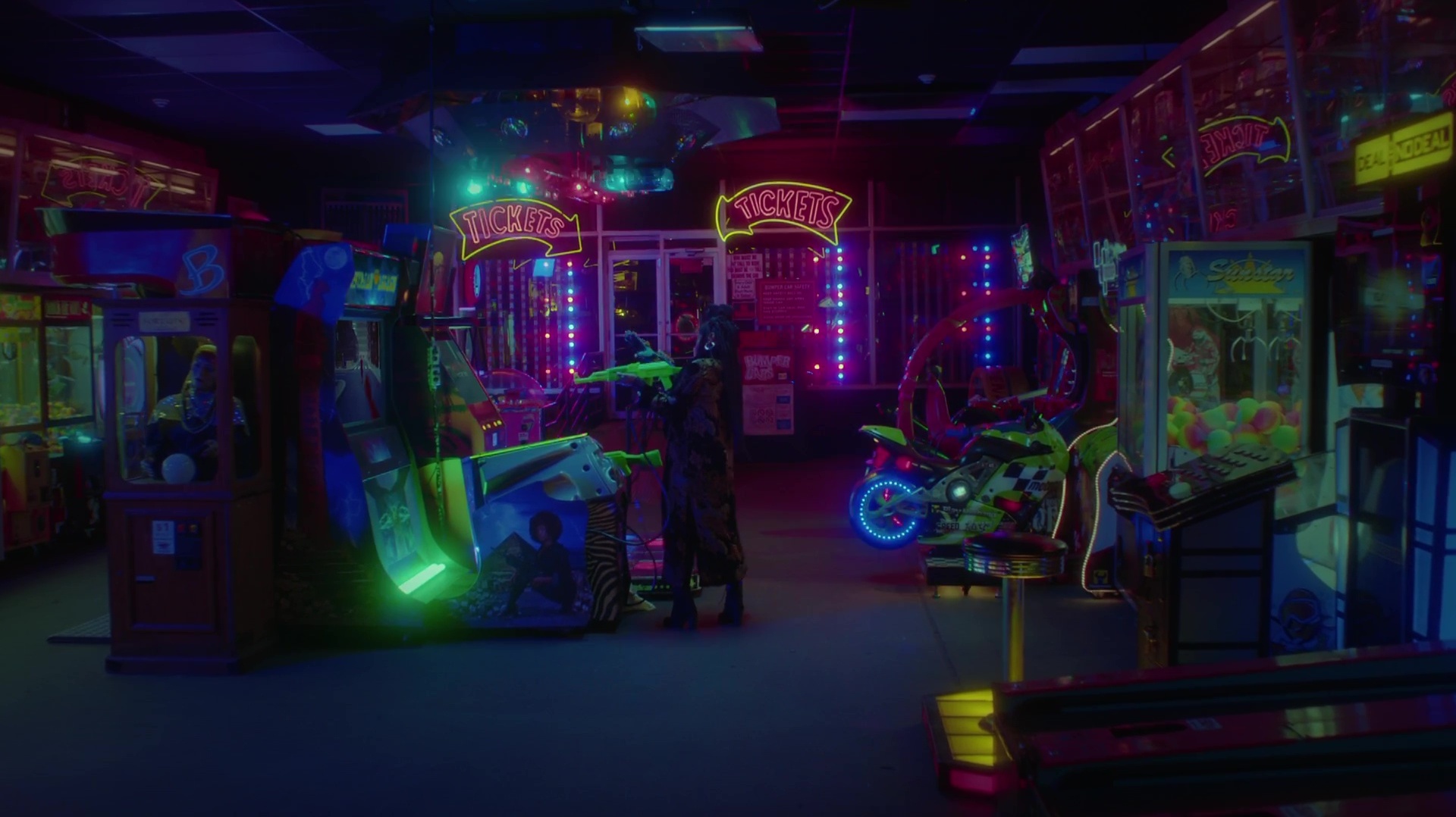
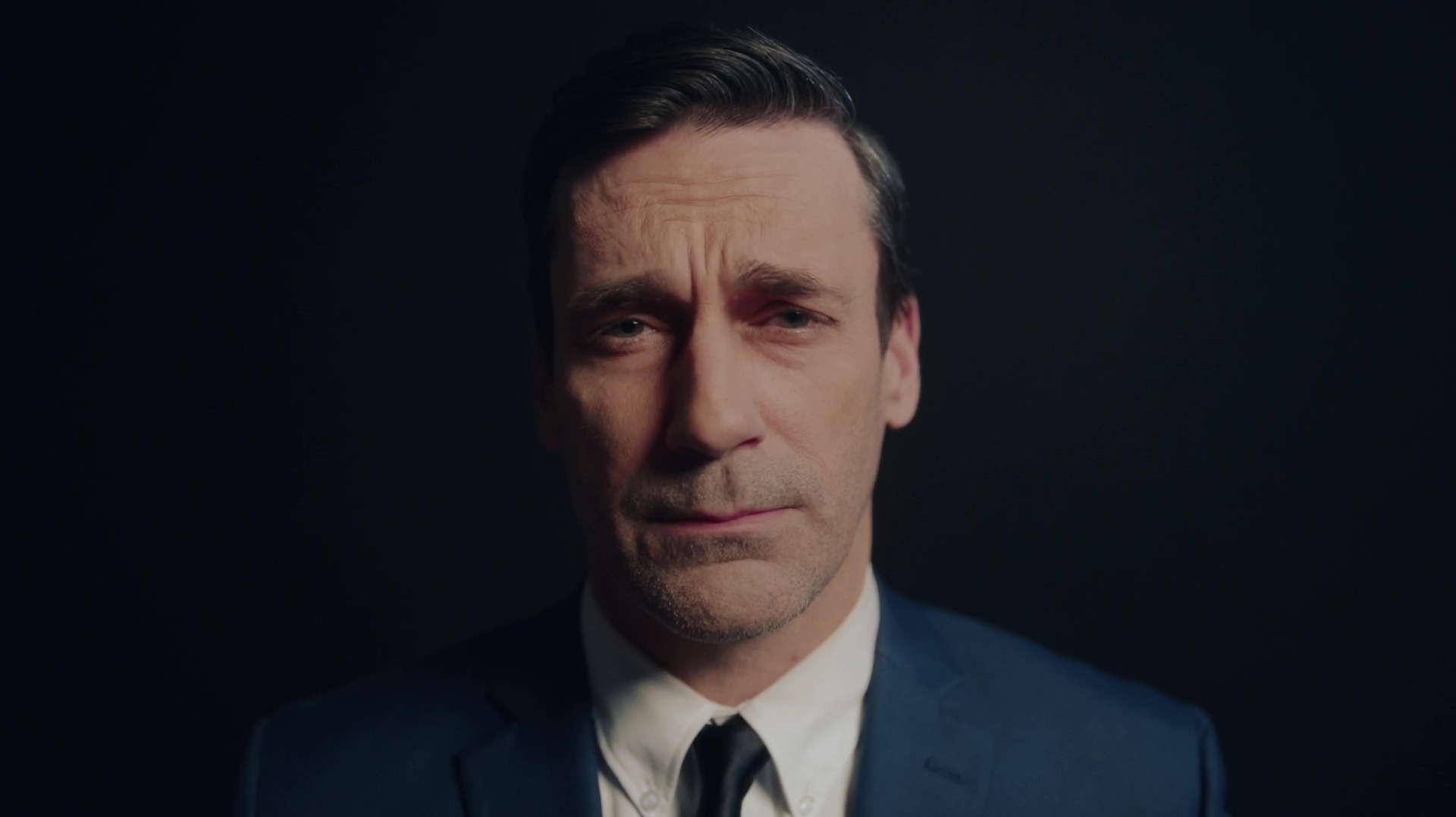
Blending sketch comedy, documentary, animation, and experimental storytelling, Random Acts of Flyness explores contemporary Black life, identity, and culture through a series of loosely connected segments. Each episode moves fluidly between personal reflection and social commentary, tackling themes like race, history, media, and relationships. The result is a fragmented yet cohesive portrait of modern experience shaped by both humor and critique.
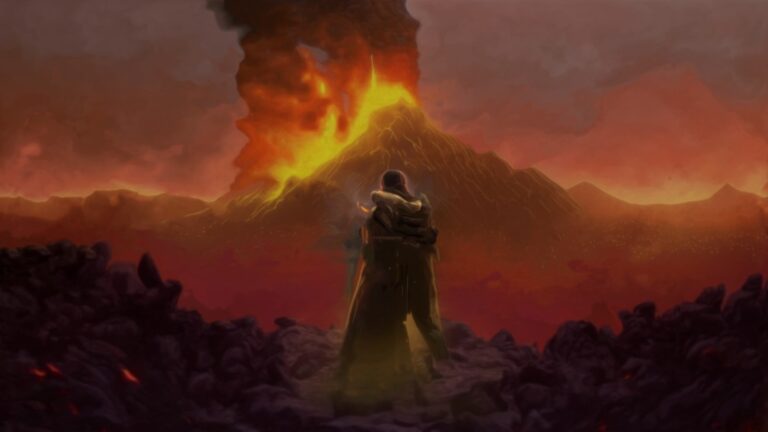
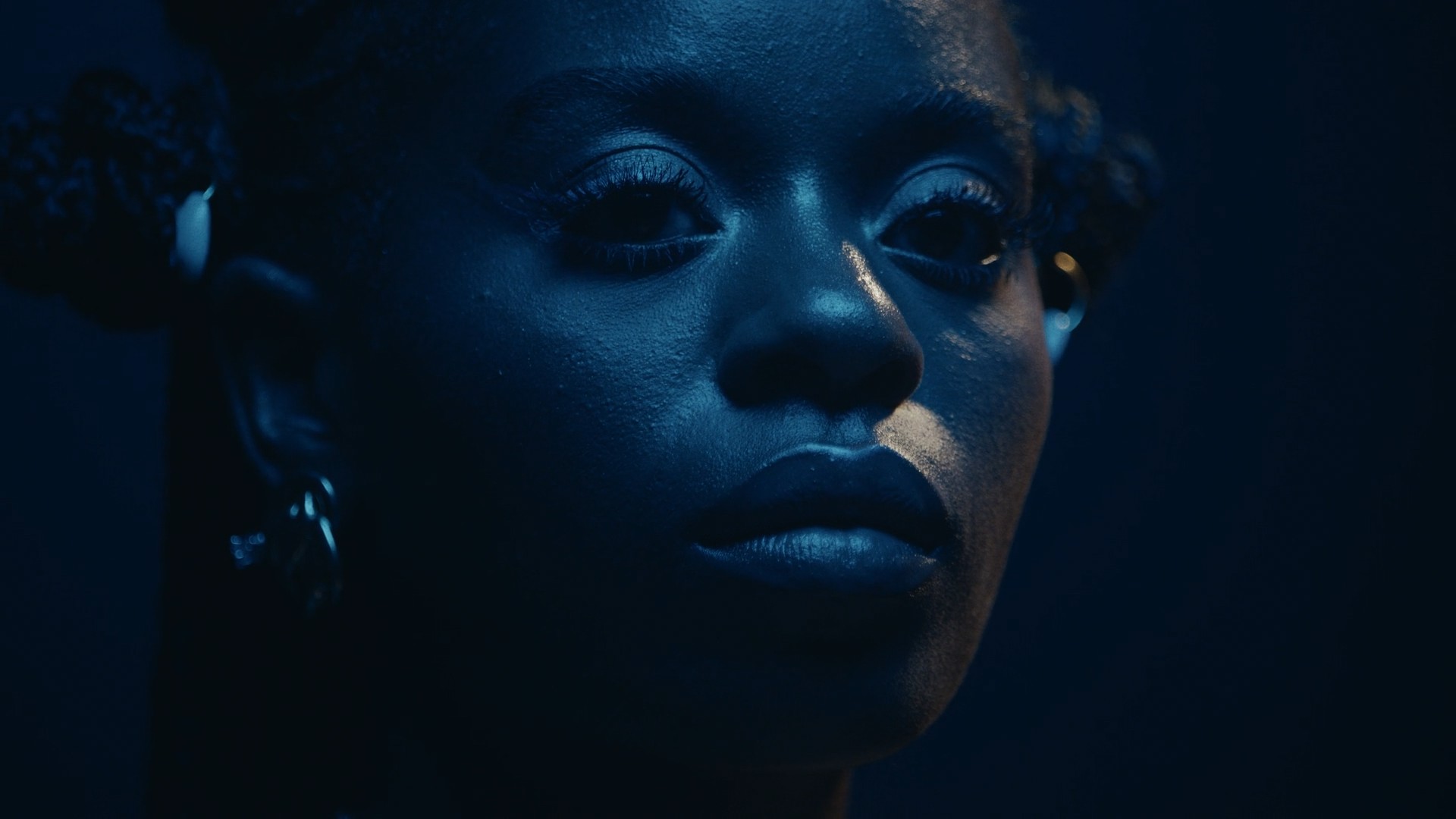
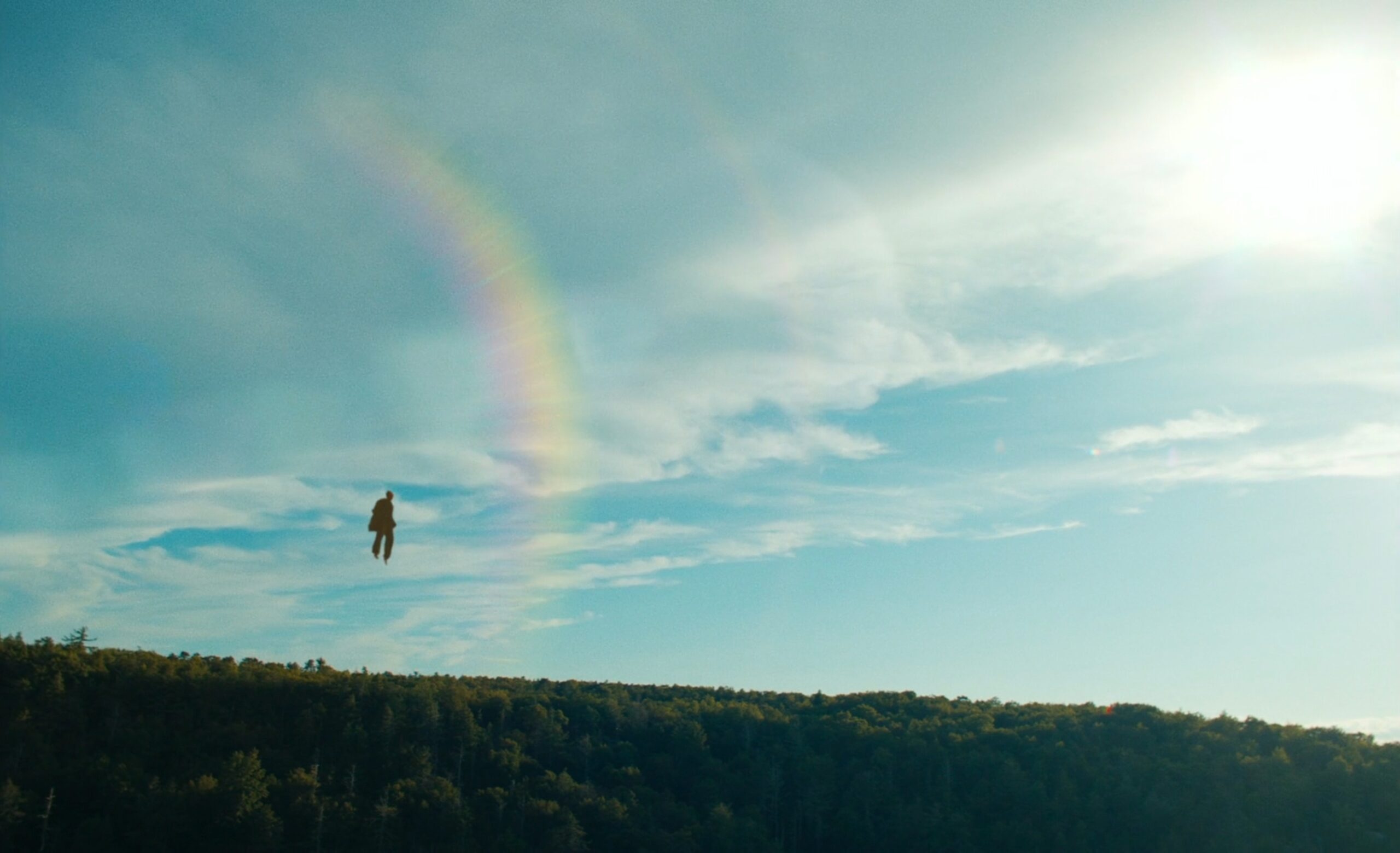
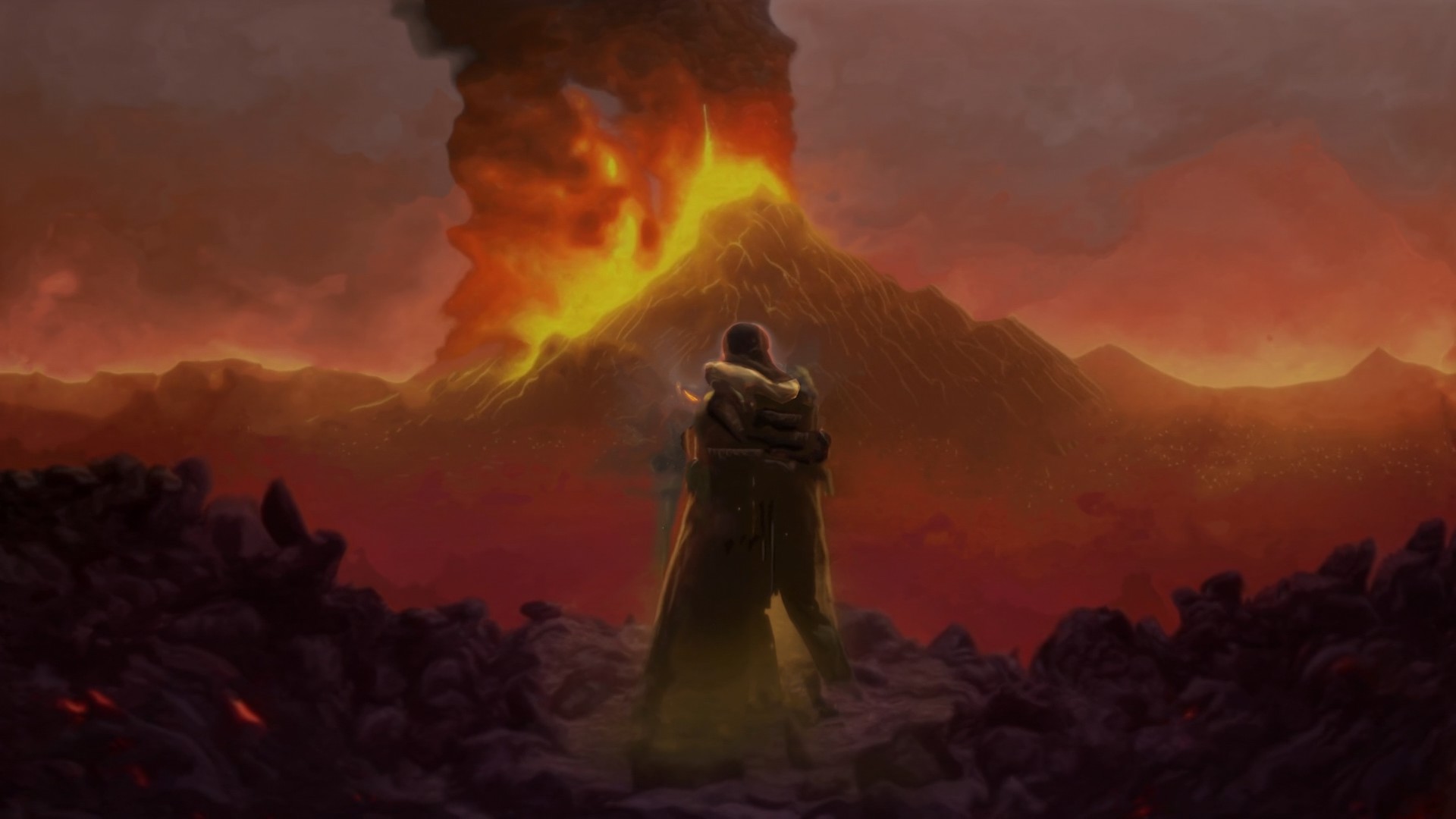
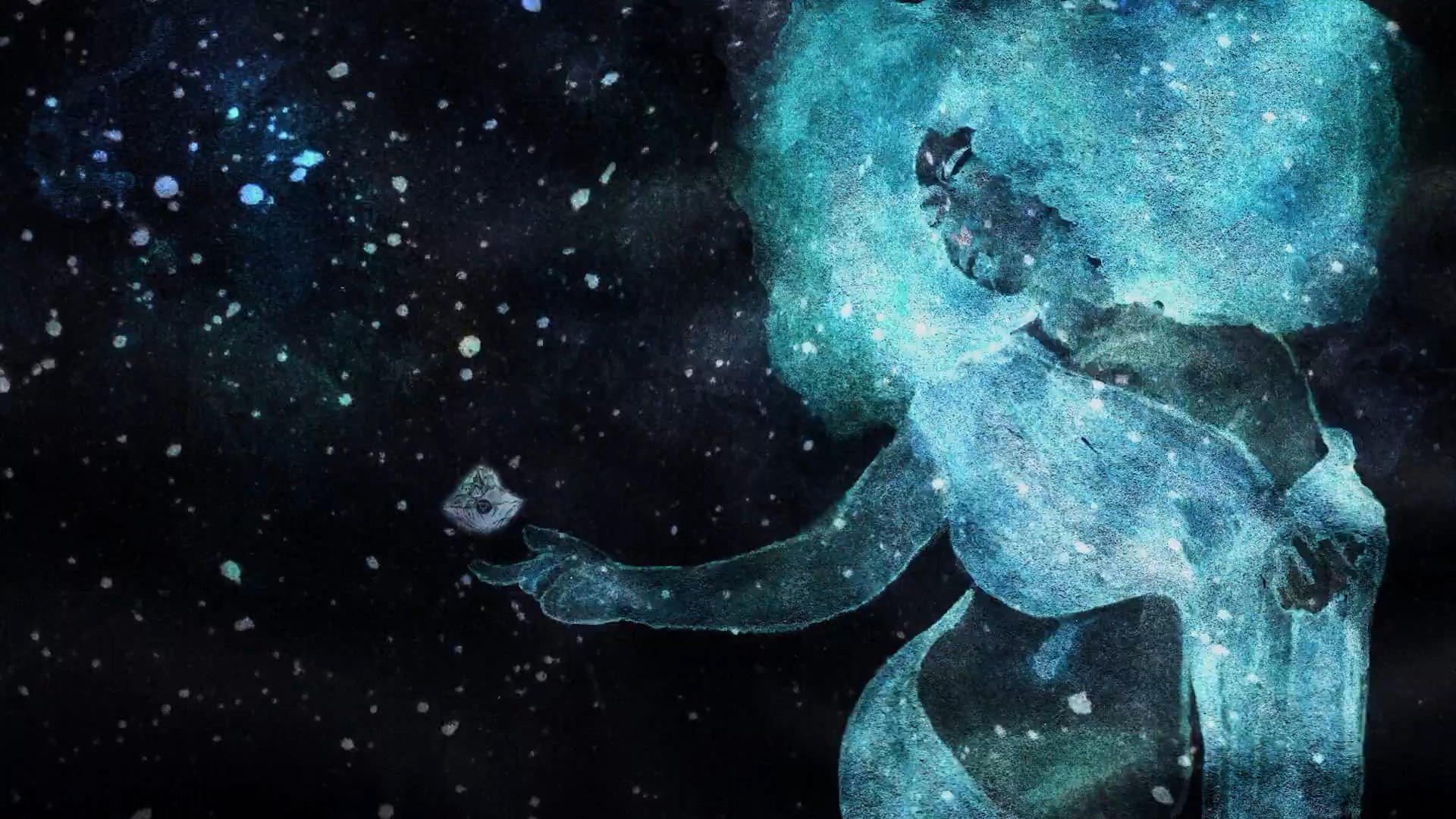
Nance and his team embrace a radically fluid visual language, mixing formats—16mm, digital video, animation, archival footage—within the same episode to constantly shift tone and perspective. The show’s collage-like construction, bold color experimentation, and abrupt transitions turn form into meaning—where the act of switching visual styles becomes a way of interrogating identity itself.


TELEVISION SERIES
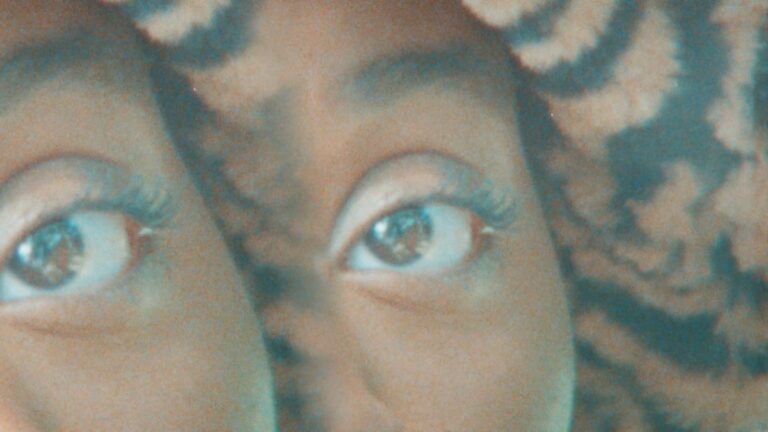
Random Acts of Flyness: Season 2 (2022)
Expanding on its first season, the series continues to explore Black identity, love, and culture through a blend of experimental storytelling, sketch, and essayistic forms. Season 2 places a stronger emphasis on relationships—romantic, familial, and communal—while still weaving in broader reflections on history, media, and power. Its nonlinear structure creates a layered, introspective portrait of contemporary life.
Season 2 pushes its already eclectic visual language further, with Nance and collaborators continuing to mix formats—film, digital, animation, and archival—into a fluid, ever-shifting aesthetic. The series leans into softer, more intimate lighting and extended takes in certain segments, contrasting with abrupt, collage-like transitions—turning visual texture and format shifts into an emotional and thematic throughline.