New Shots: Hellboy, Hellboy 2 The Golden Army and more Film Screencaps
Get your Decks ready ShotDeck Community! We’re dropping some great new shots from films in honor of AAPI Heritage Month this week, as well as an article breaking down a scene from the film Lust, Caution. Remember you can always request titles for future drops by clicking here!
FILM SPOTLIGHT
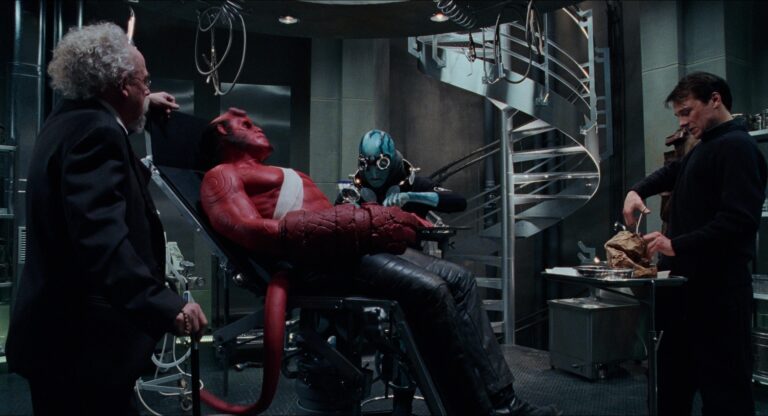
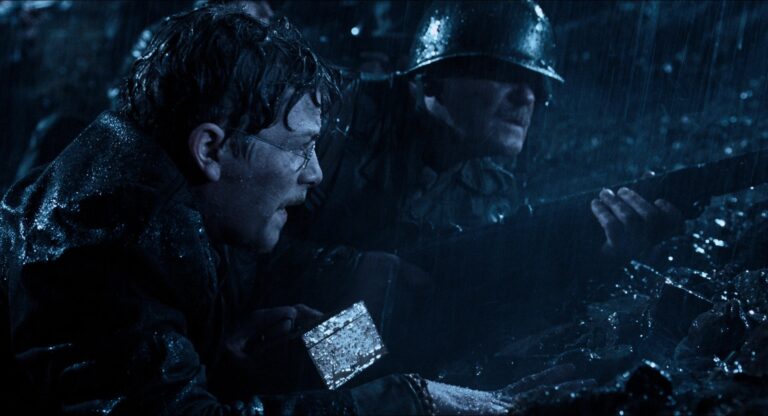
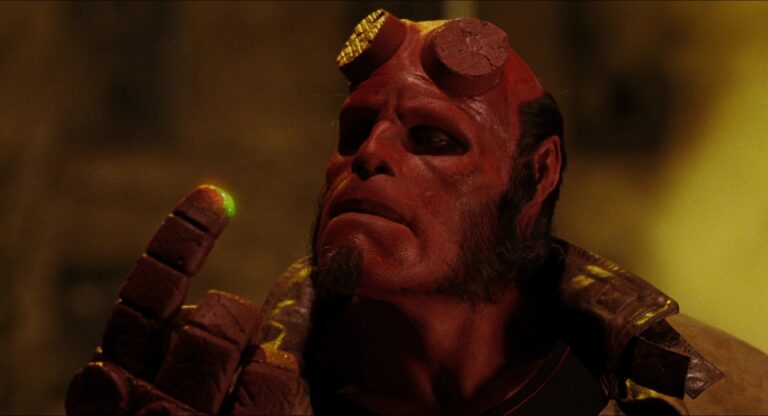
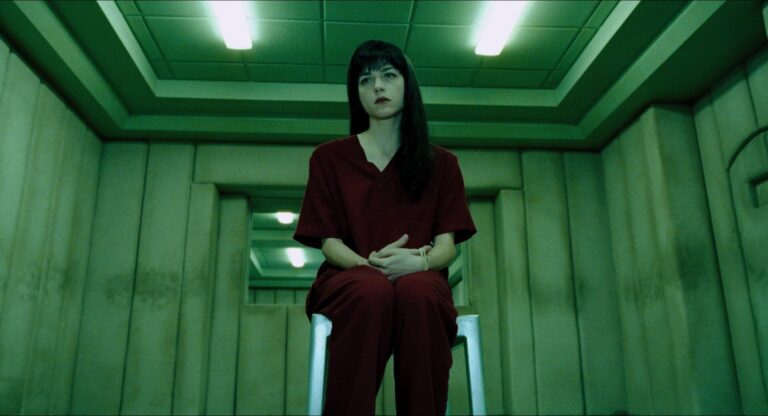
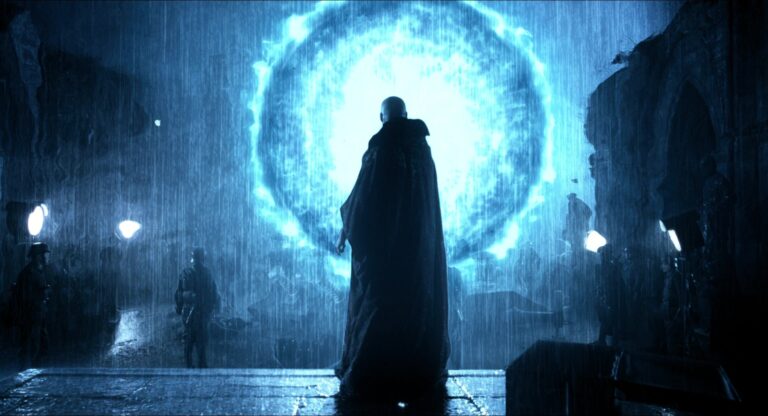
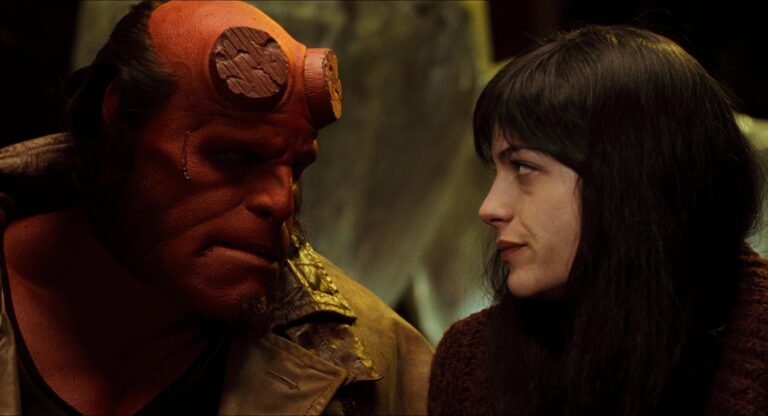
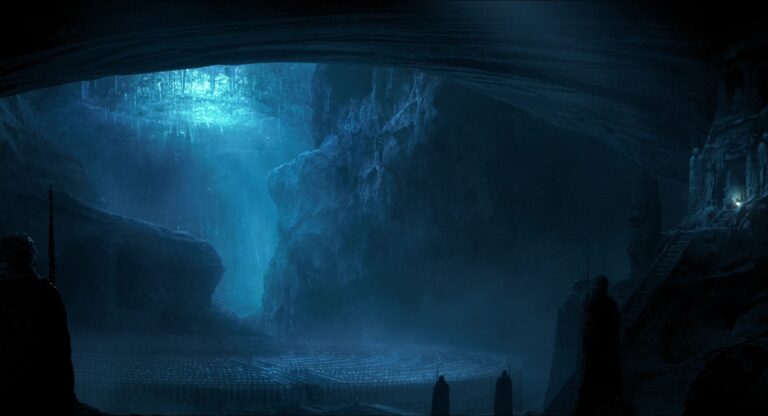
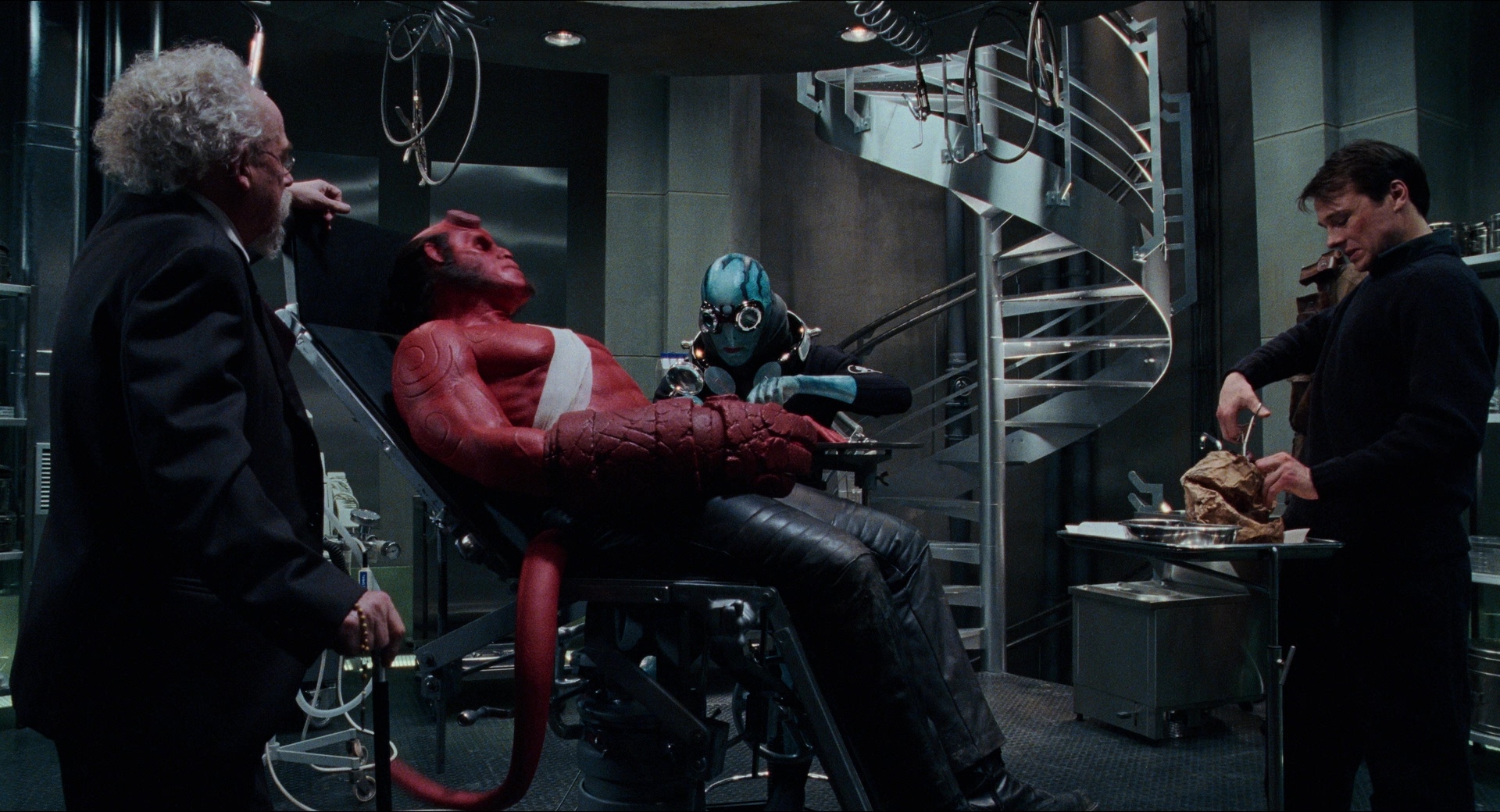
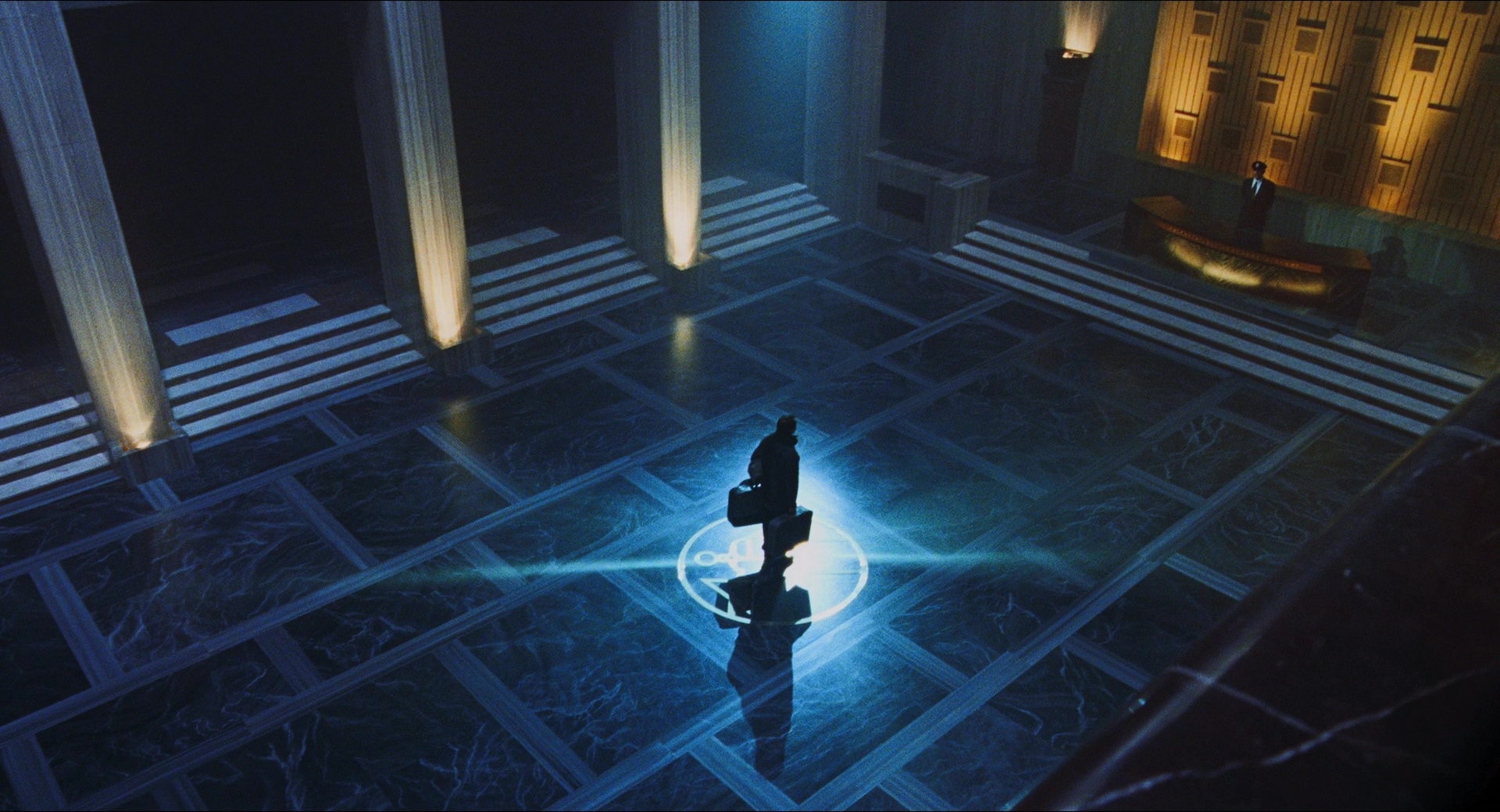
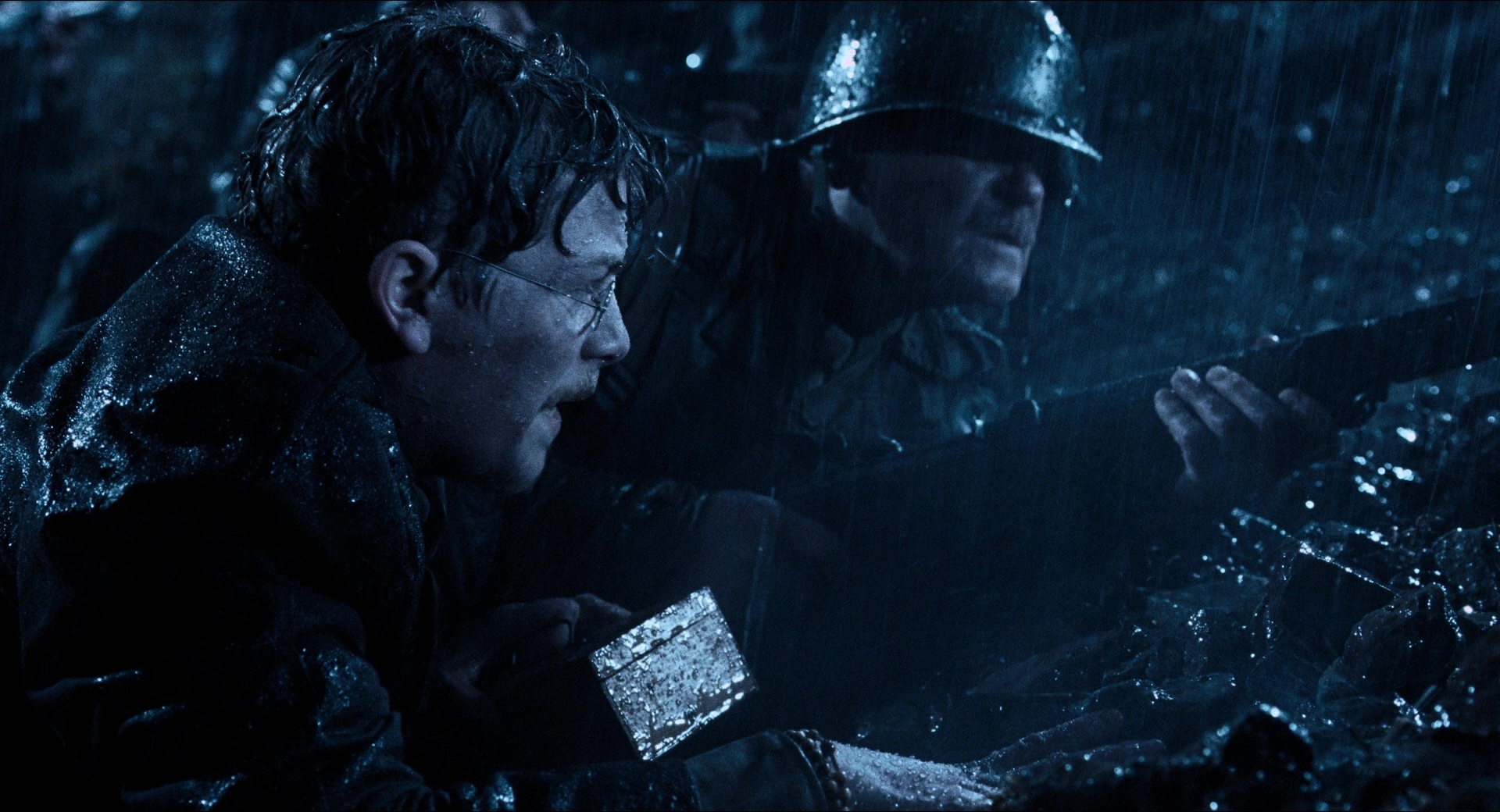
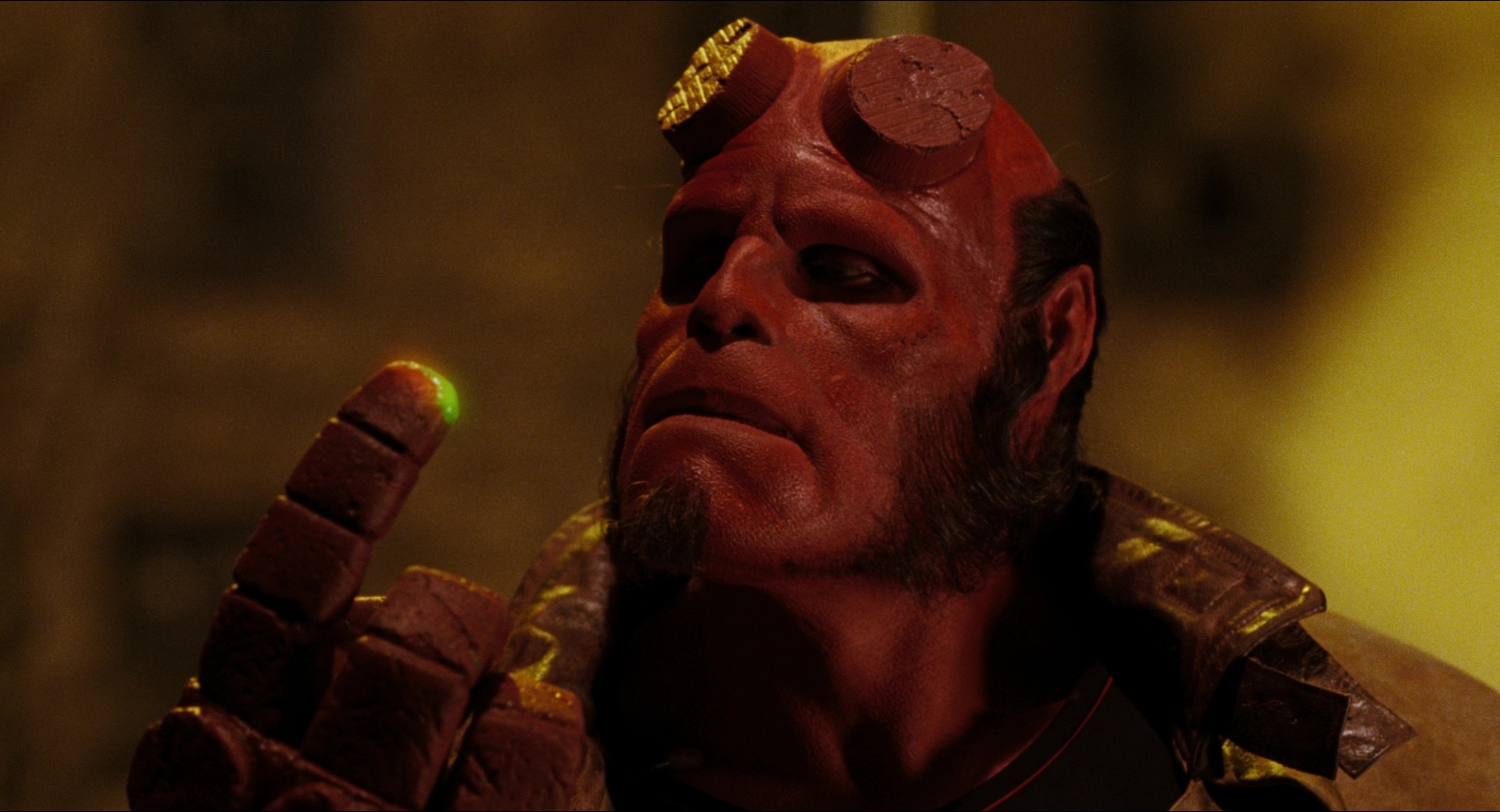
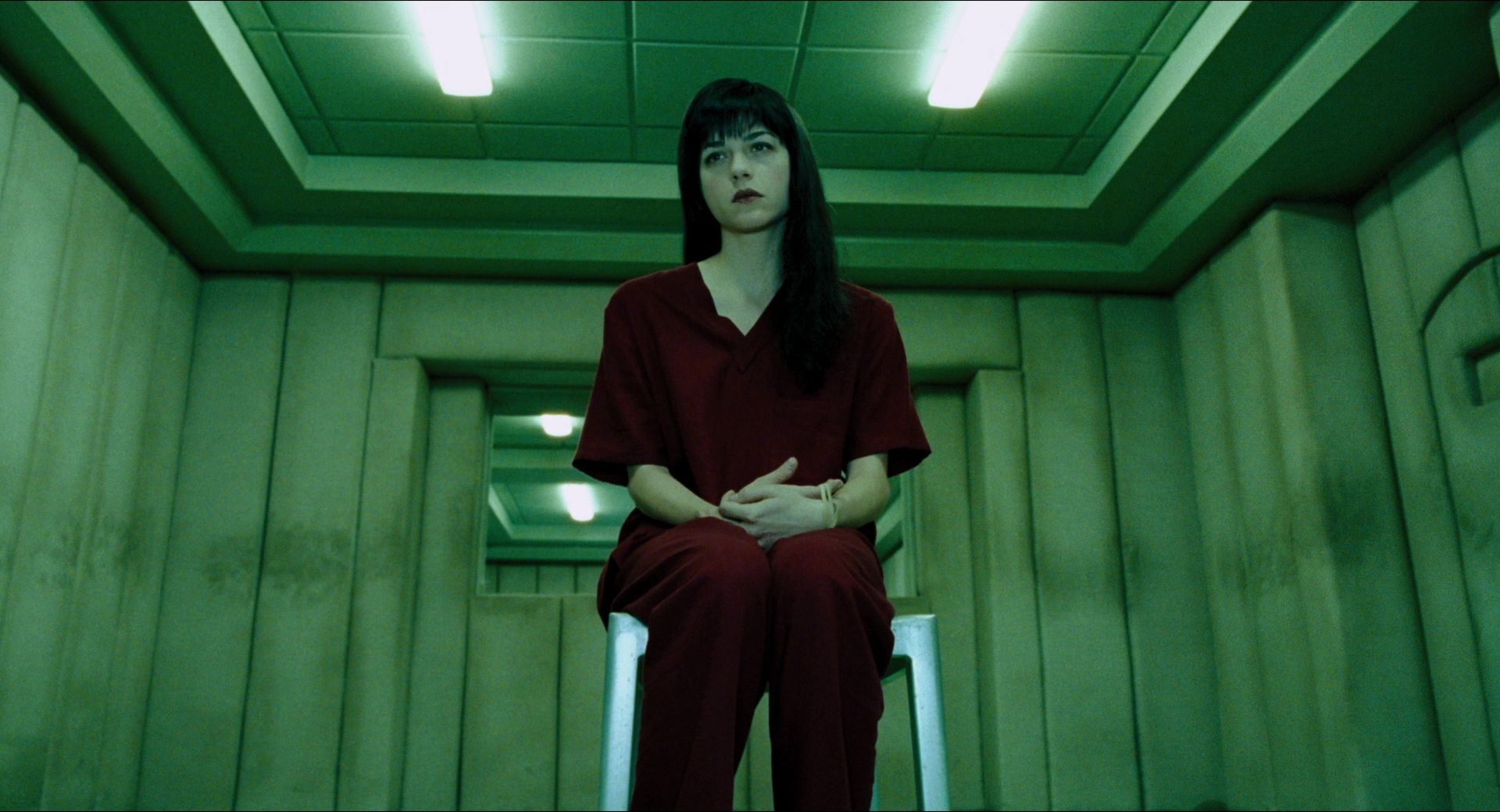
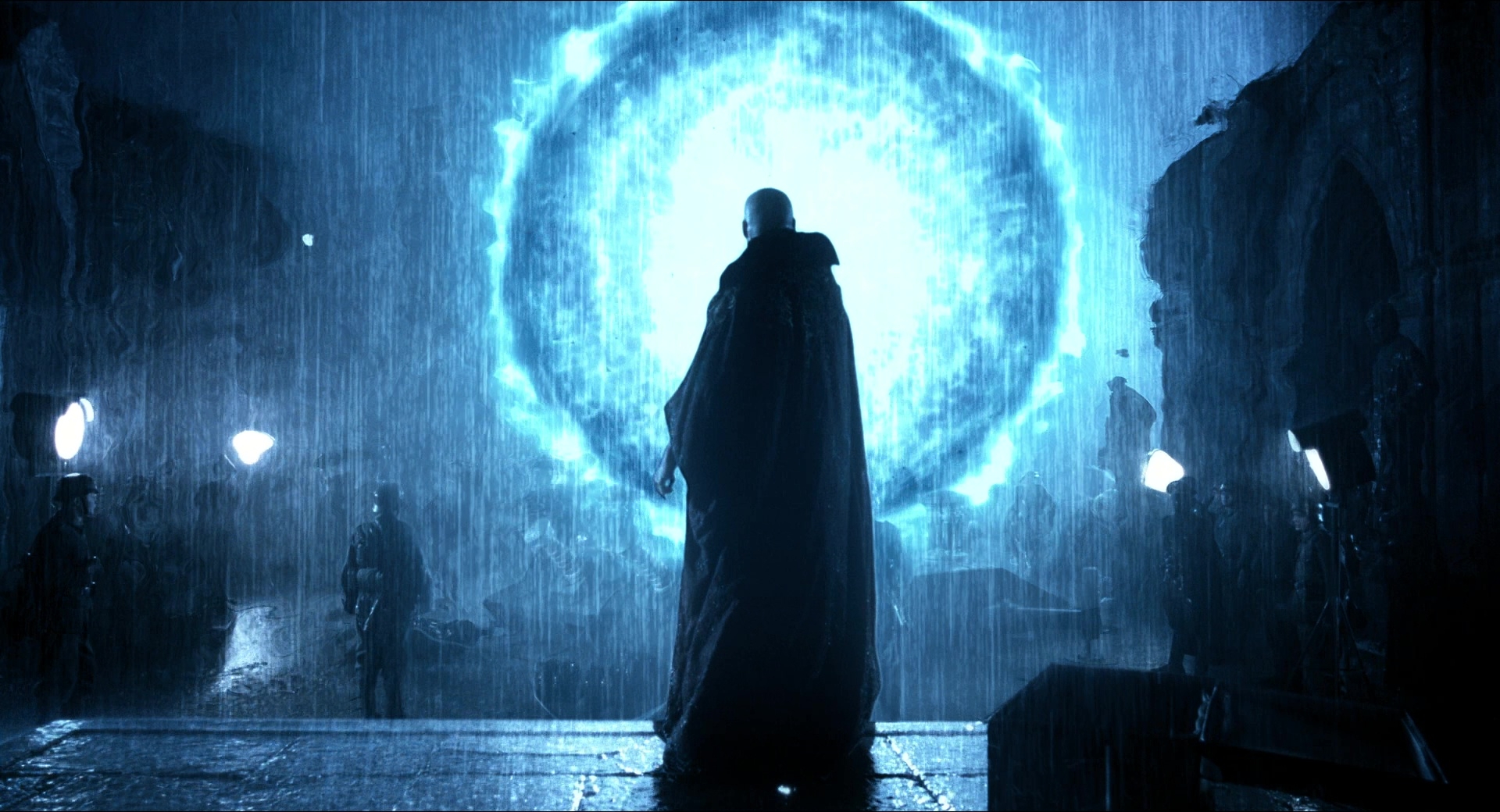
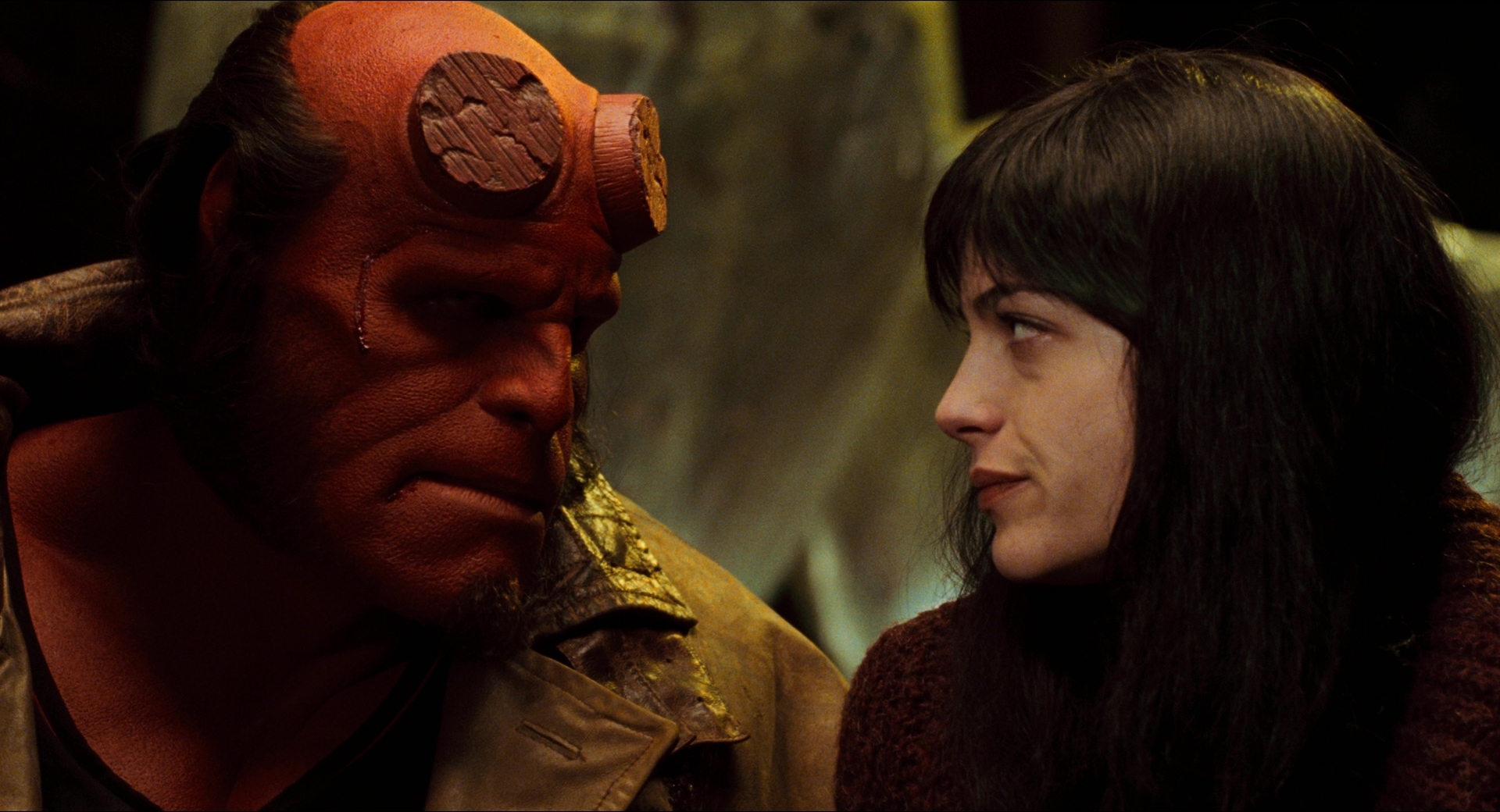
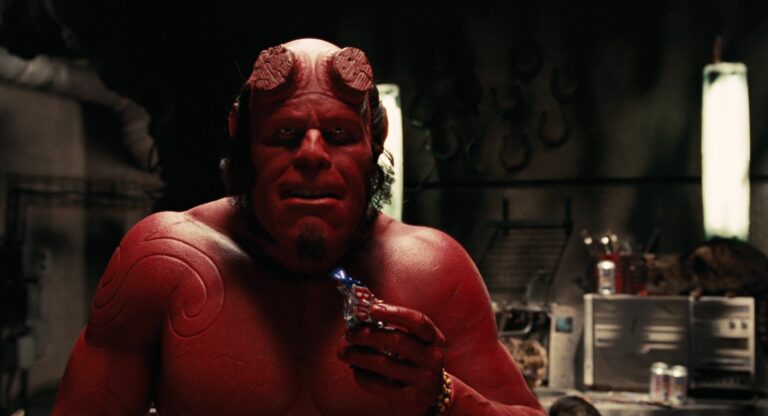
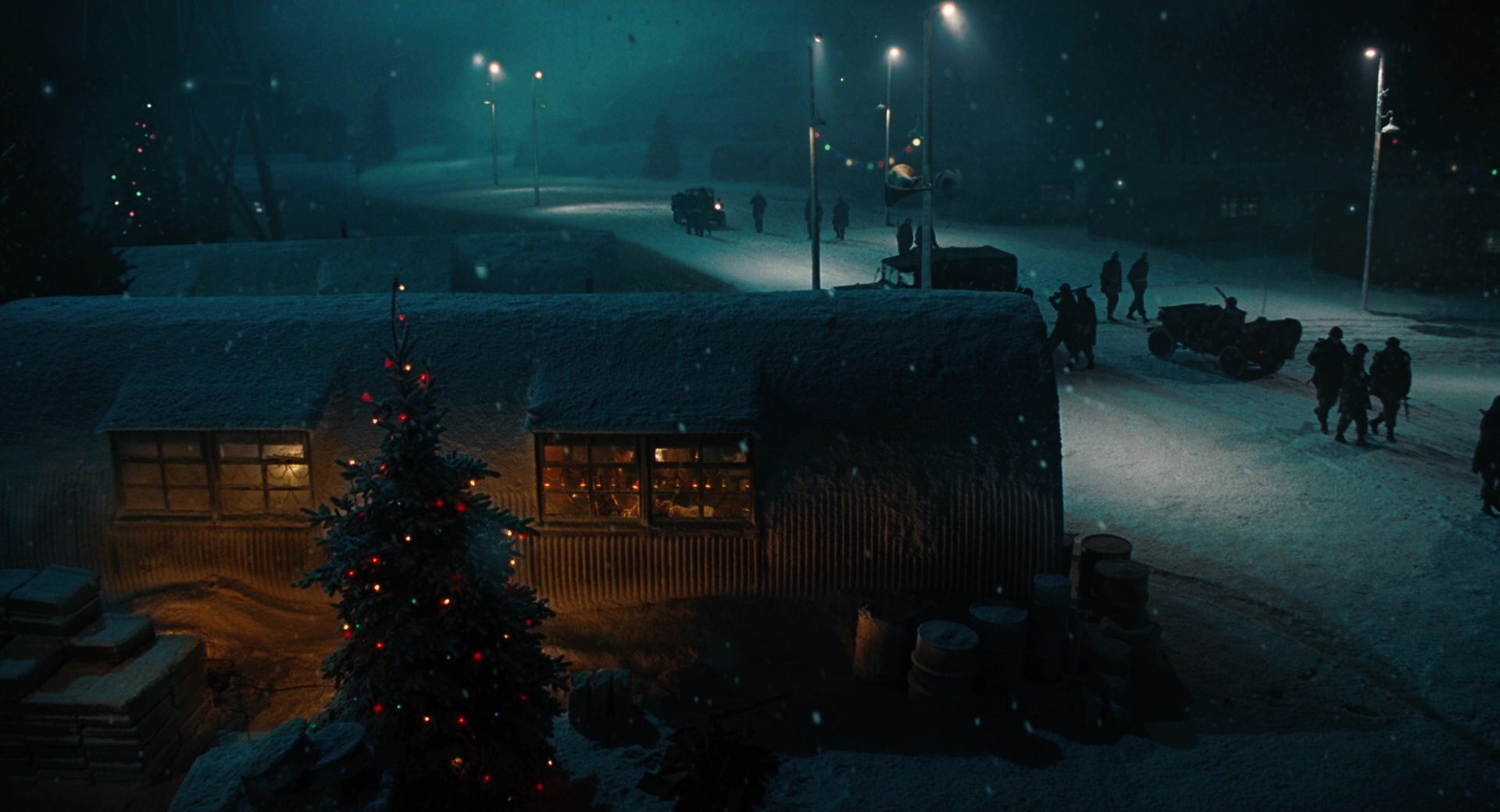
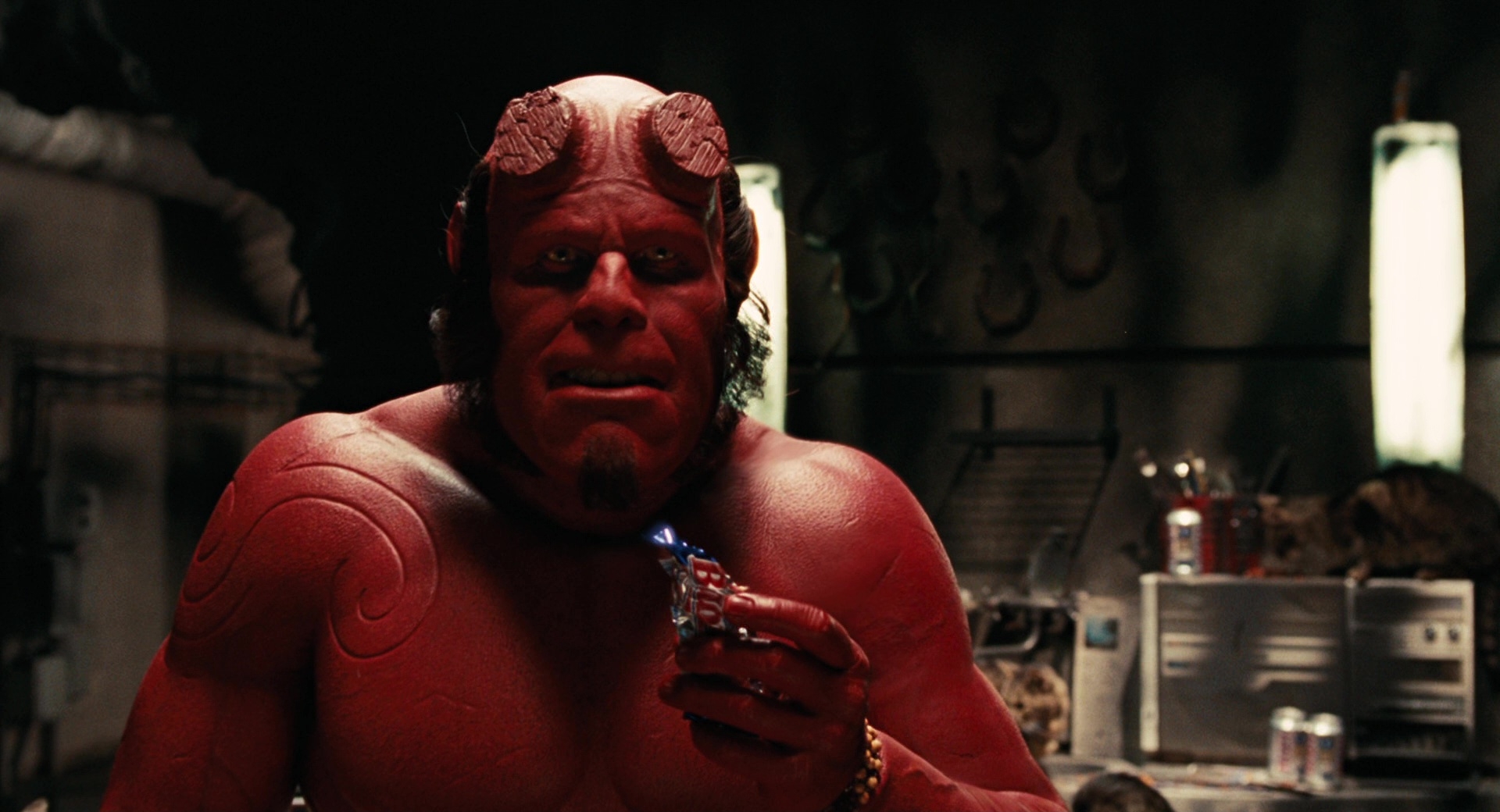
Hellboy (2004)
Summoned to Earth by Nazi occultists during World War II, a demon is rescued and raised by an Allied scientist, growing up to become Hellboy—a reluctant hero working for a secret government agency that investigates paranormal threats. As an ancient evil resurfaces with ties to his origin, Hellboy must confront his destiny while choosing between destruction and humanity.
Del Toro and cinematographer Guillermo Navarro build Hellboy with a richly textured, practical-effects-driven aesthetic, using elaborate creature suits, prosthetics, and gothic production design to ground its fantasy world. The film’s warm, shadow-heavy lighting and ornate sets turn every frame into a tactile, storybook image—where monsters feel physical, lived-in, and deeply rooted in myth.

FILM SPOTLIGHT
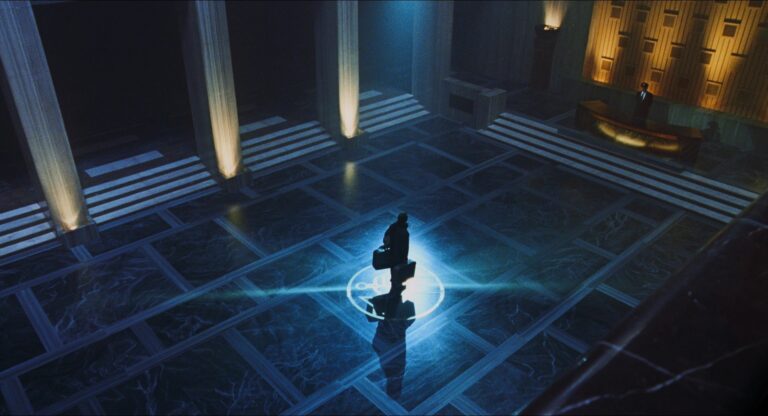
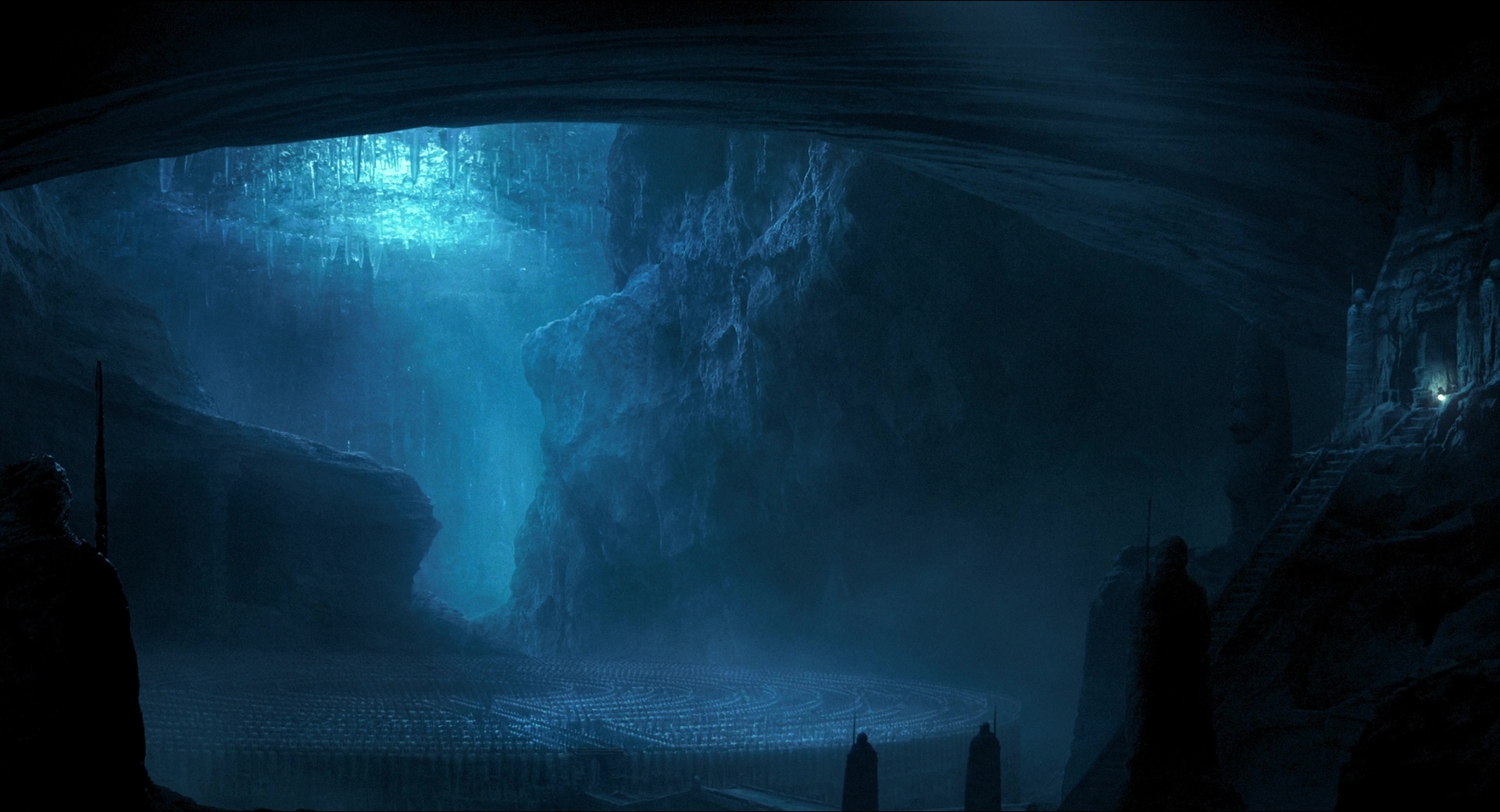
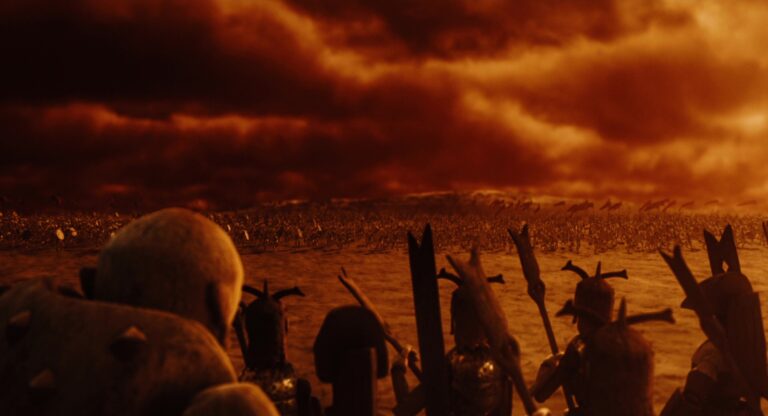
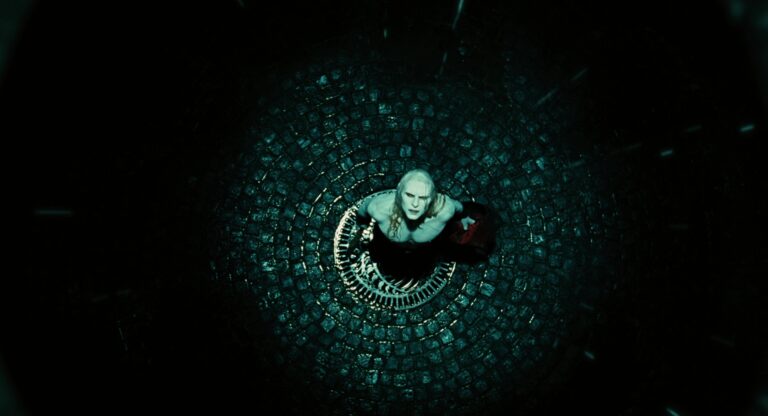
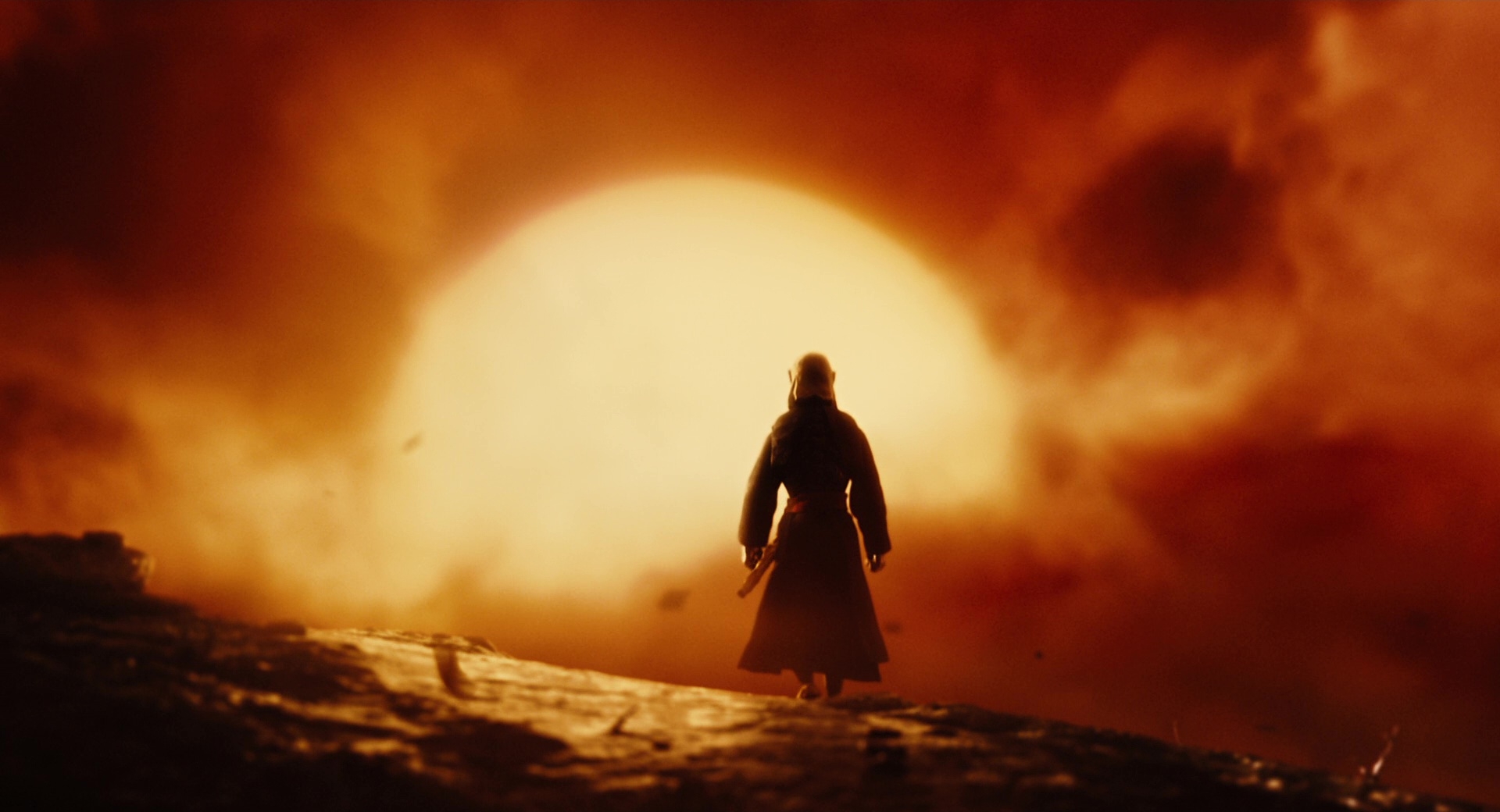
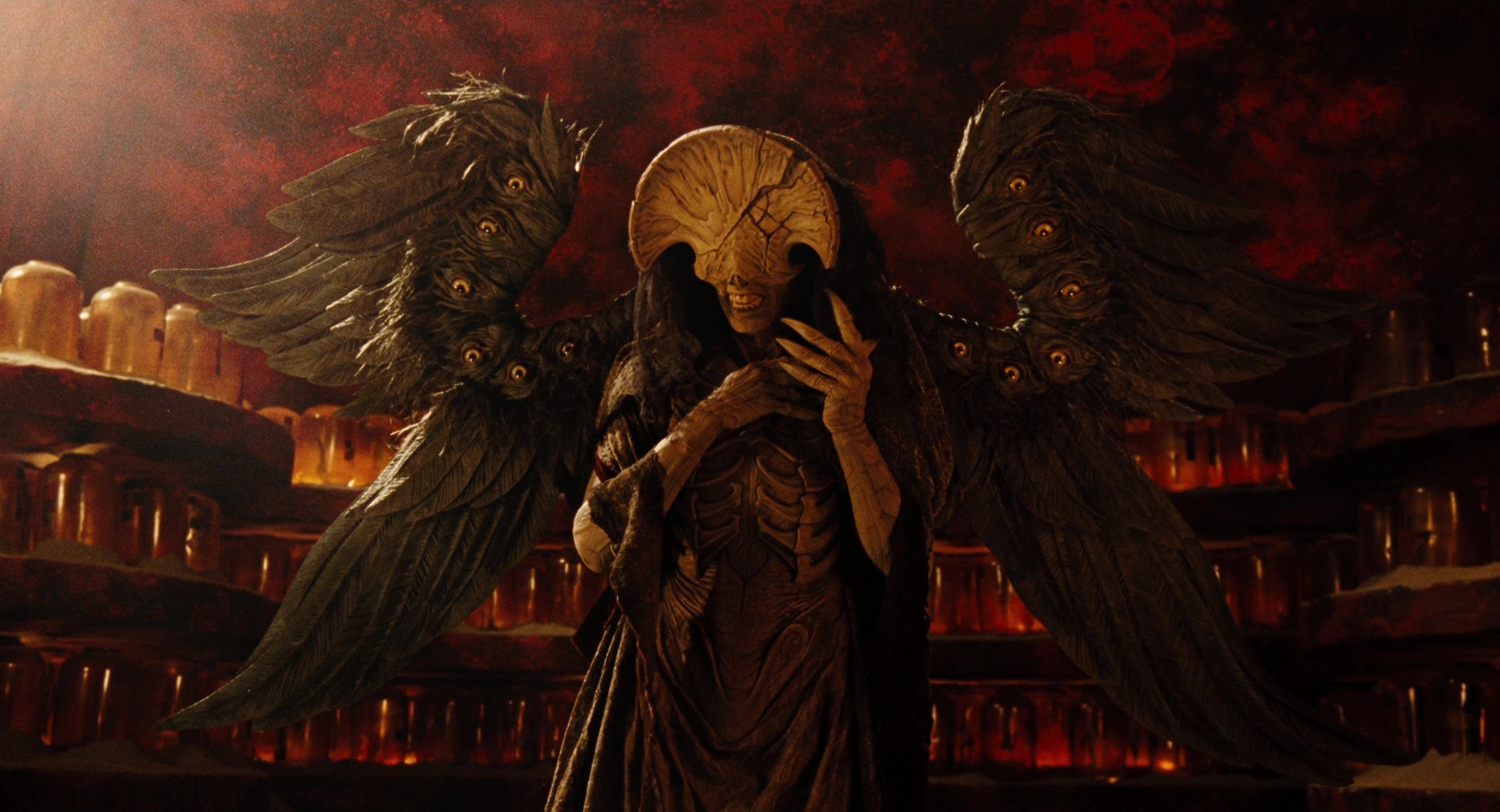
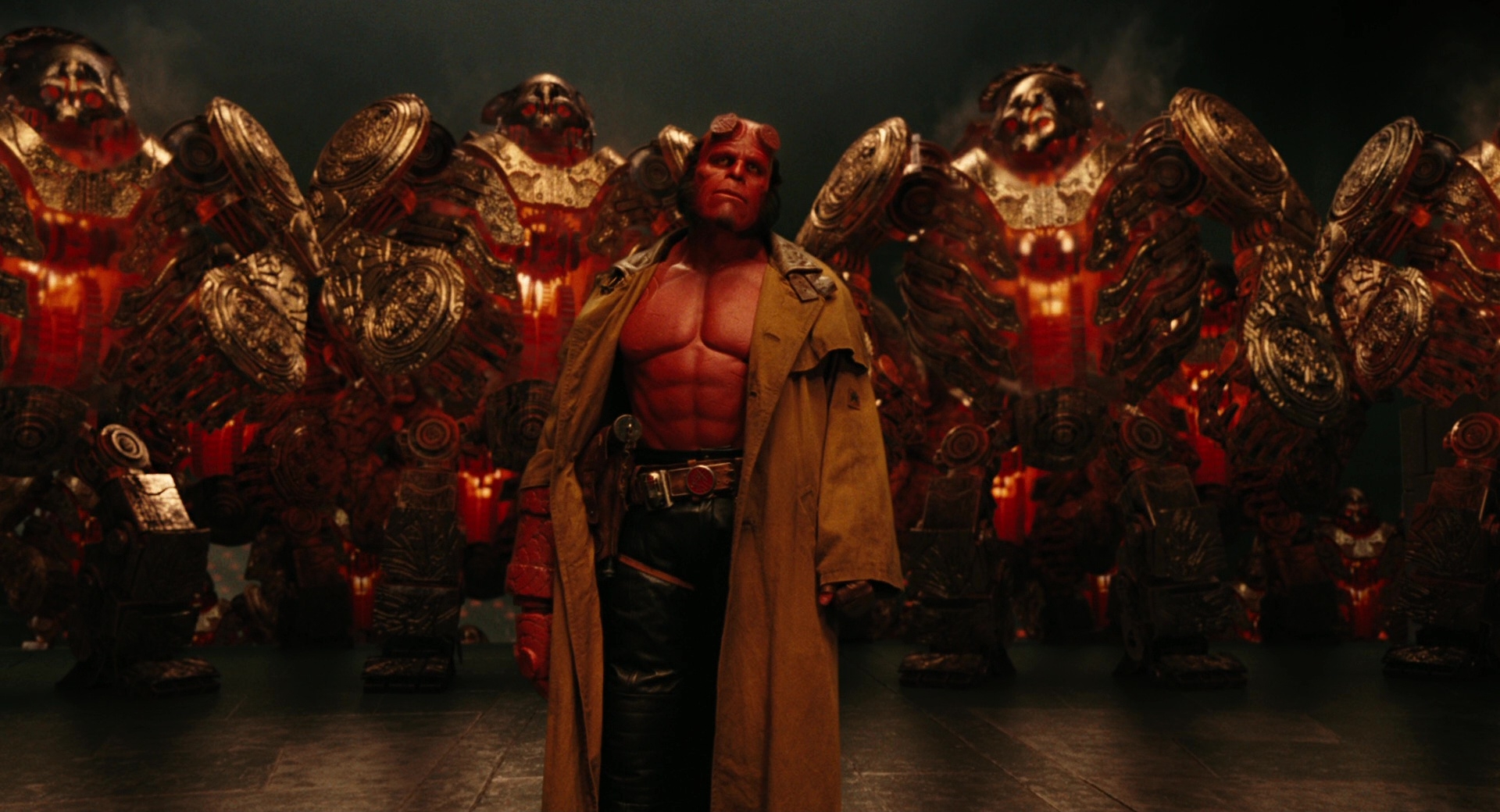
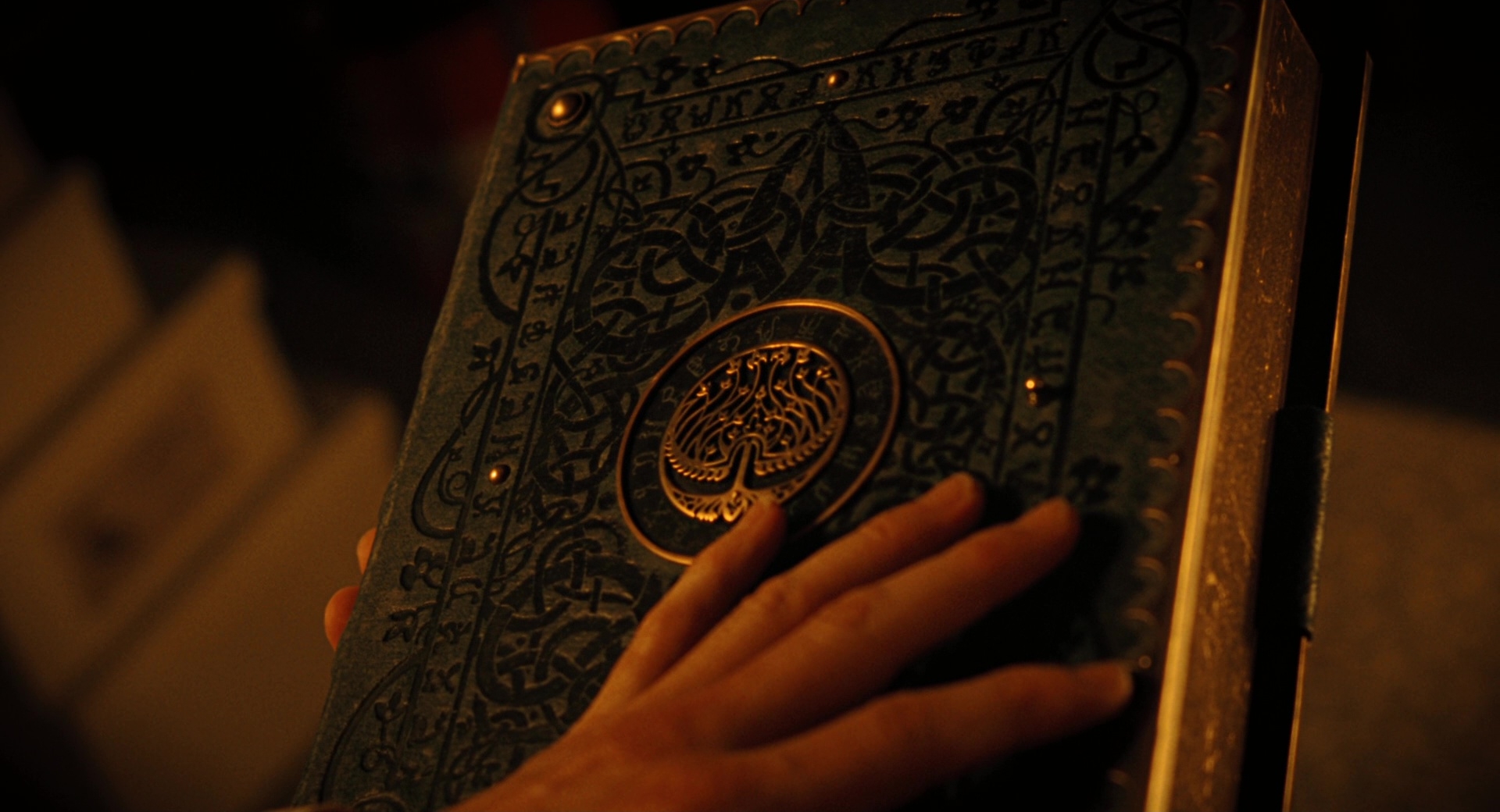
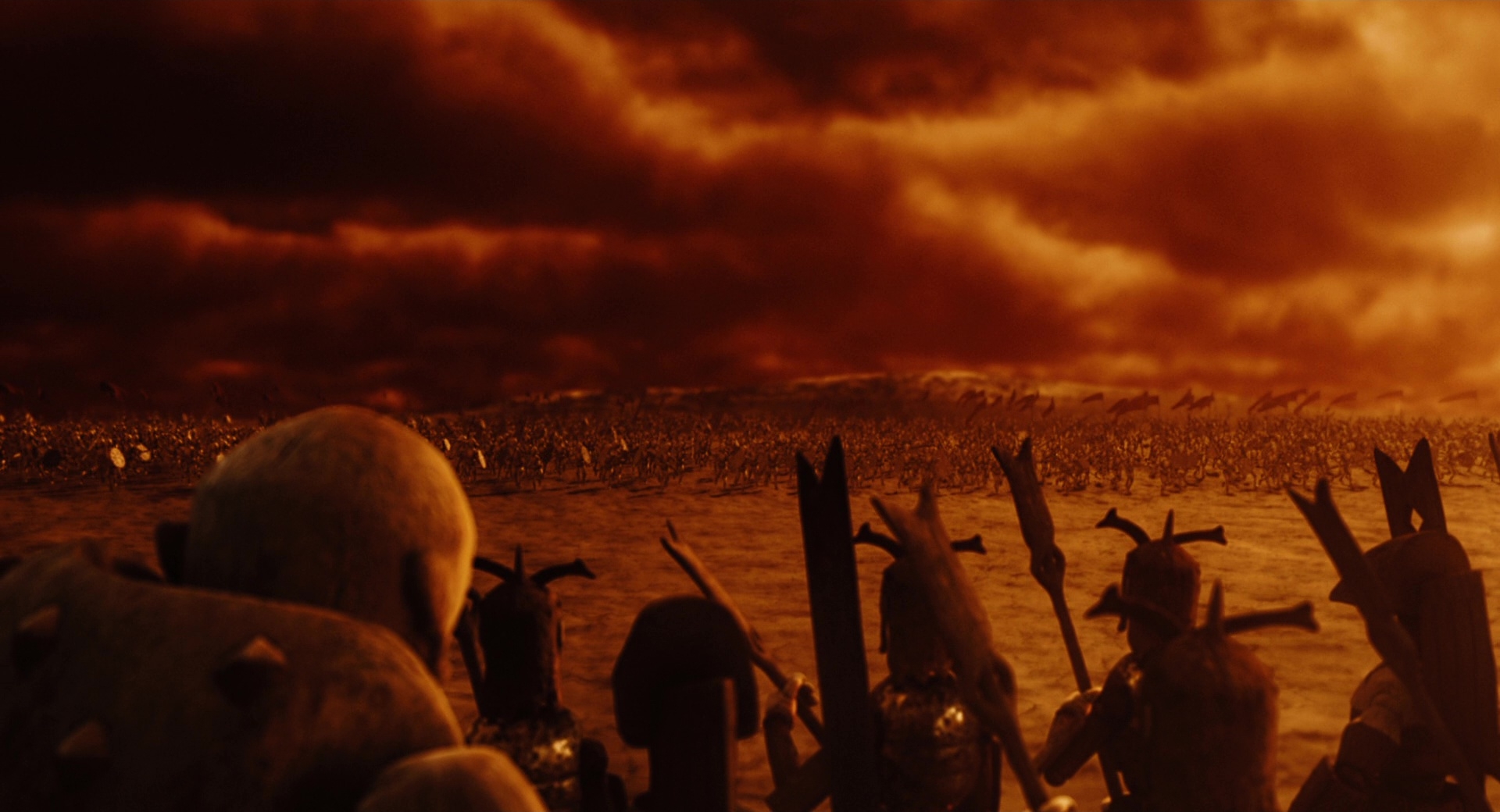
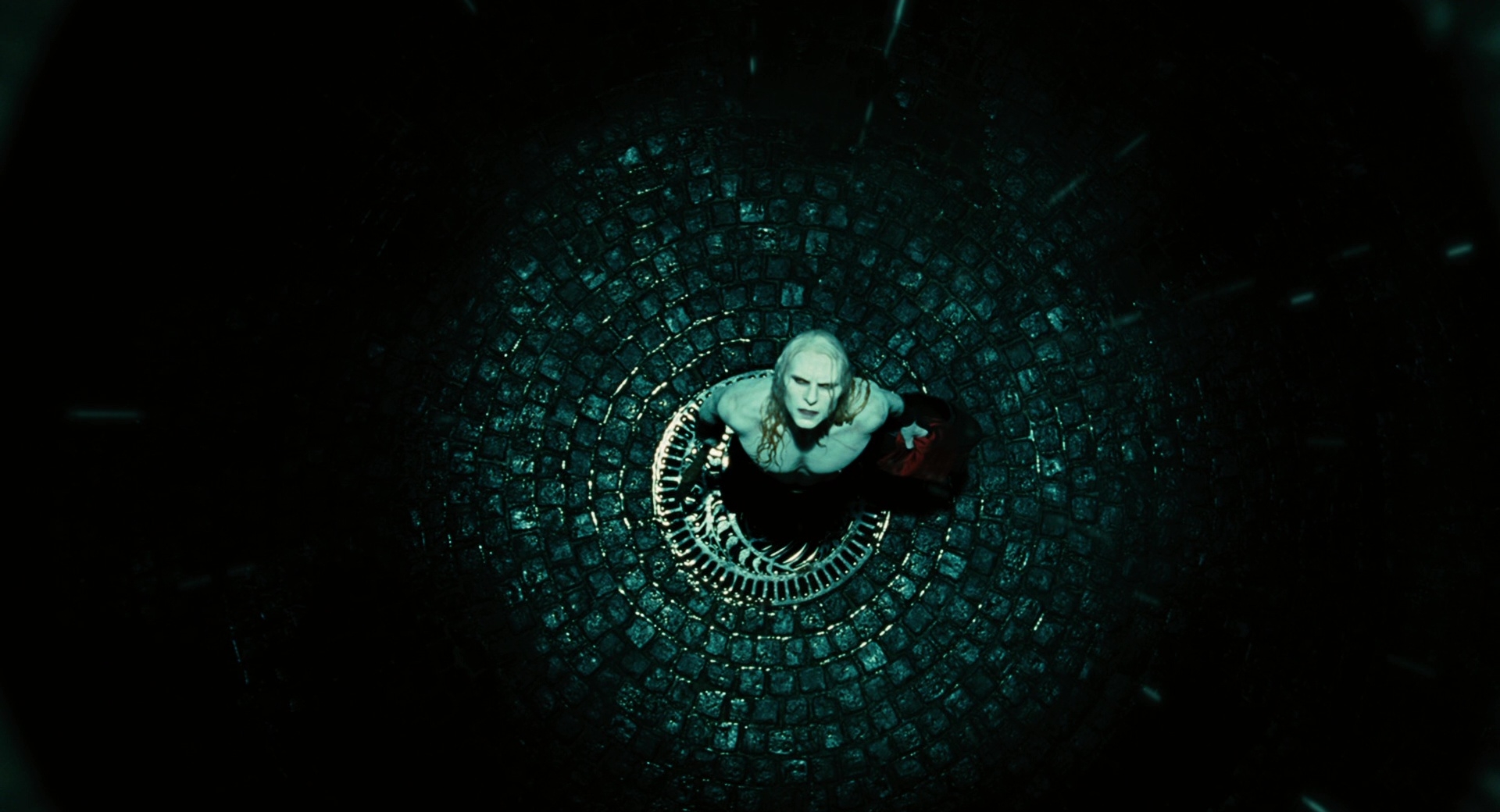
Hellboy II: The Golden Army (2008)
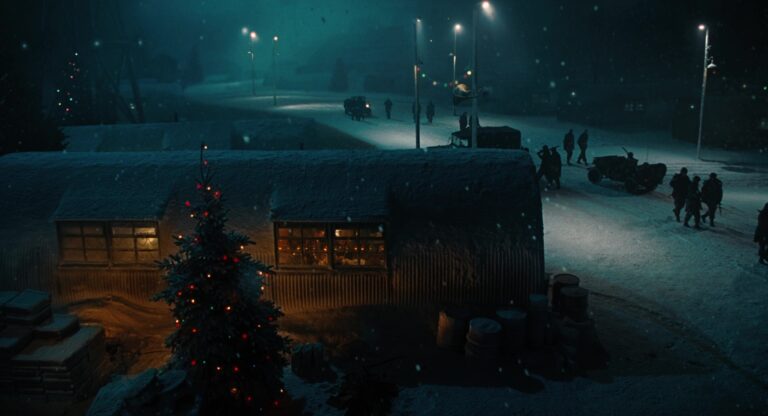
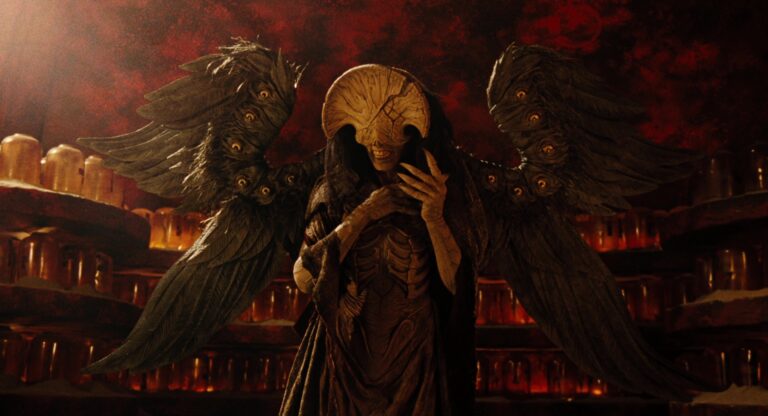
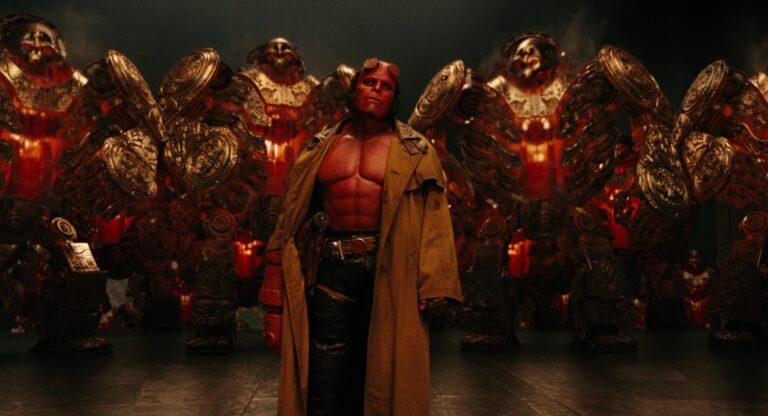
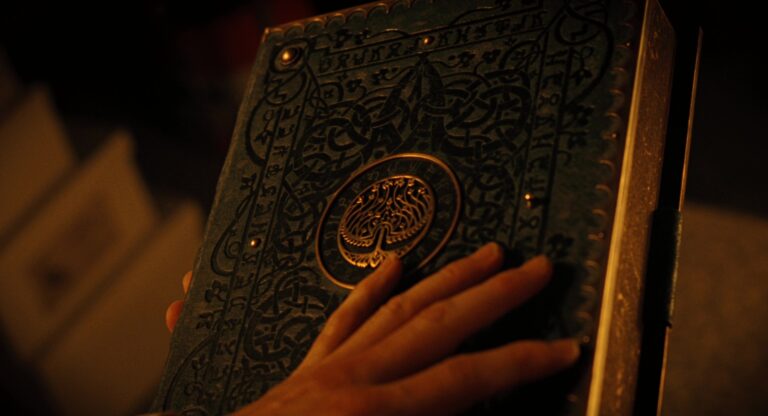
As tensions rise between the human world and the hidden realm of magical creatures, Prince Nuada seeks to awaken the legendary Golden Army—an unstoppable force that could wipe out humanity. Hellboy and his team must navigate this growing conflict while confronting their own identities and loyalties. Caught between two worlds, Hellboy faces a choice that could determine the fate of both.
For Hellboy II, Del Toro and cinematographer Guillermo Navarro expand the first film’s tactile approach into something more elaborate, filling the frame with intricate creature design, animatronics, and densely layered sets. The film’s baroque lighting, saturated golds and ambers, and fluid camera movement turn its fantasy world into a living ecosystem—where every corner of the frame feels handcrafted and teeming with detail.


FILM SPOTLIGHT
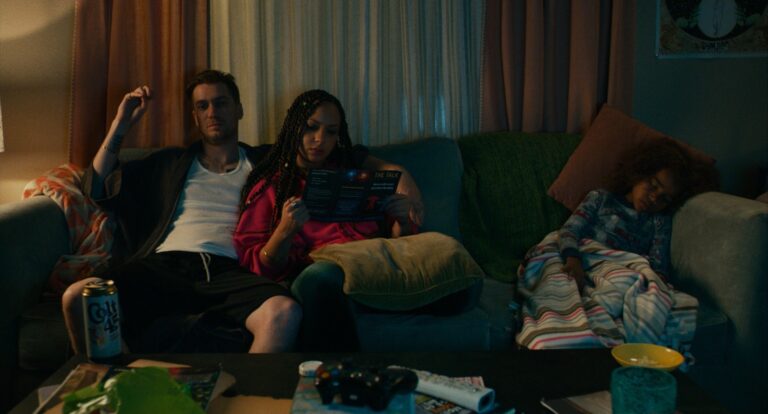
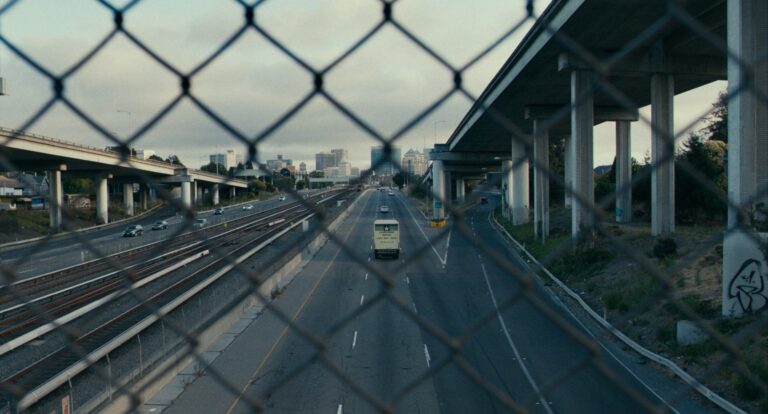
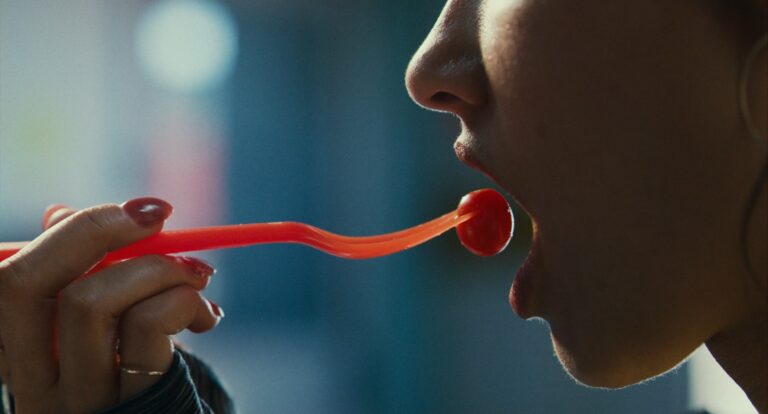
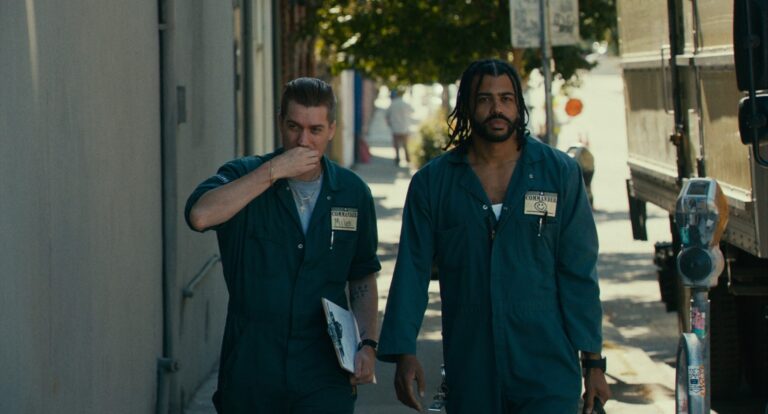
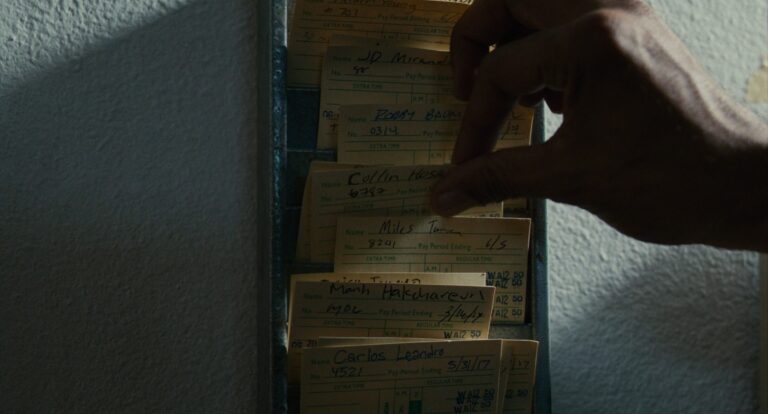
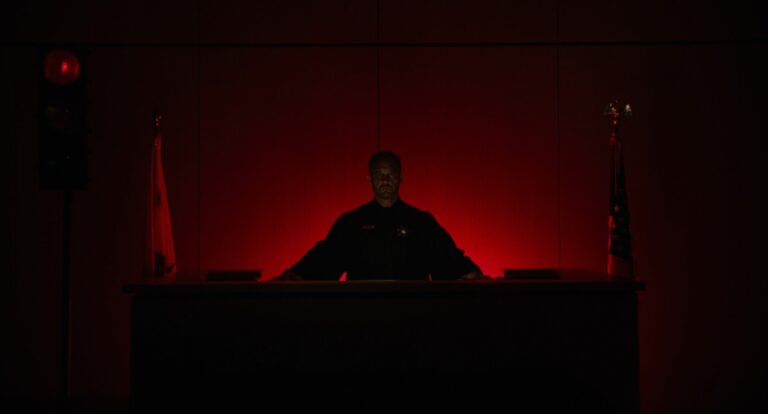
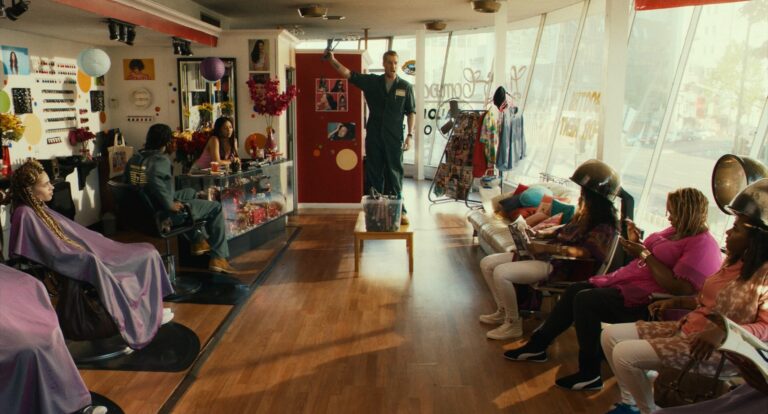
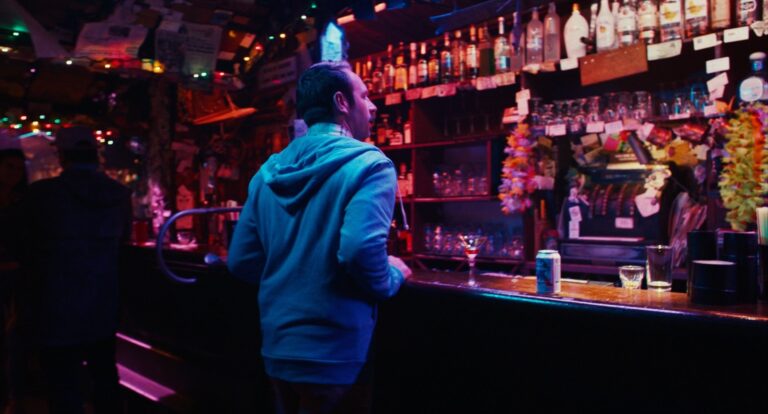
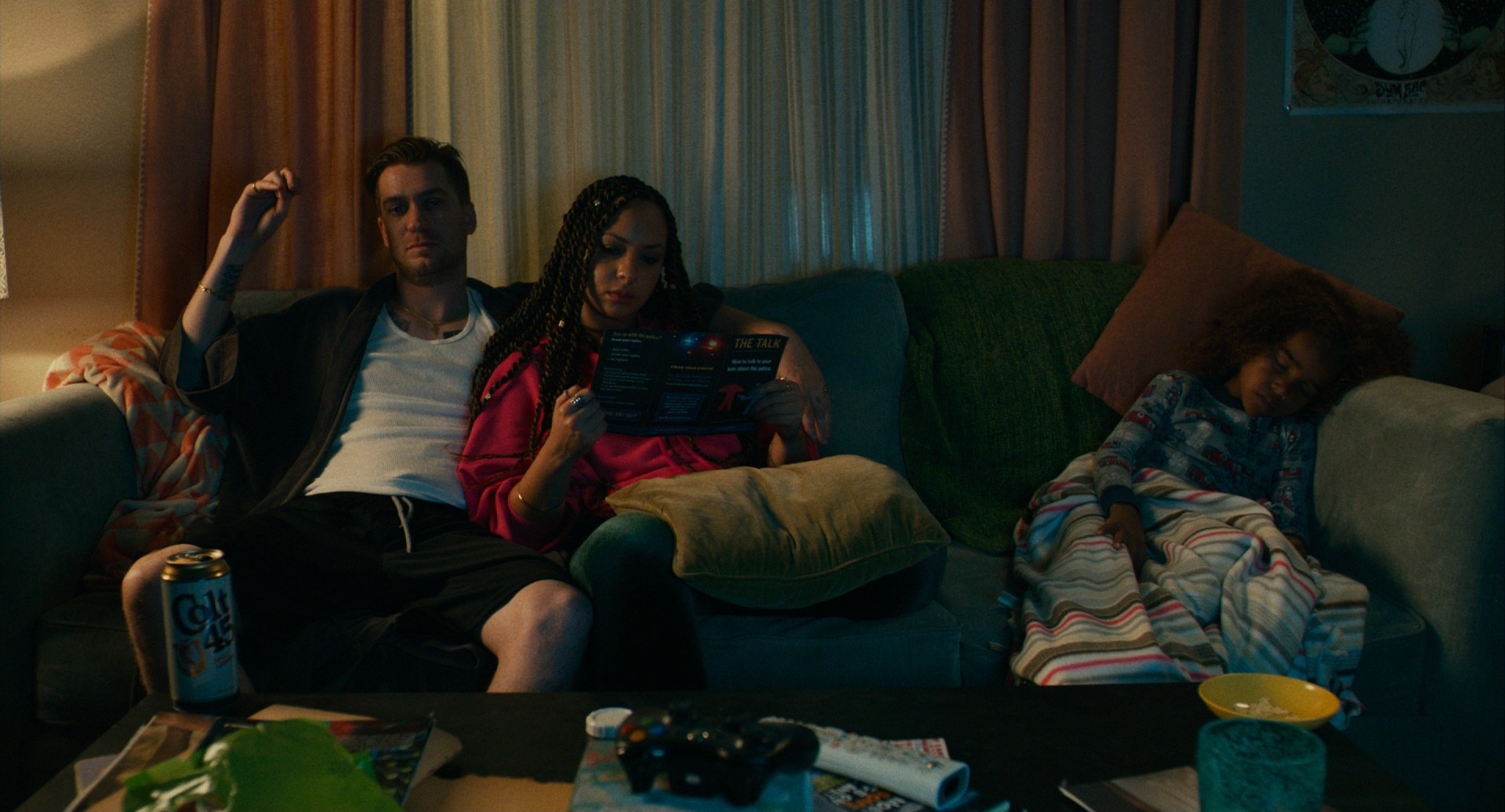
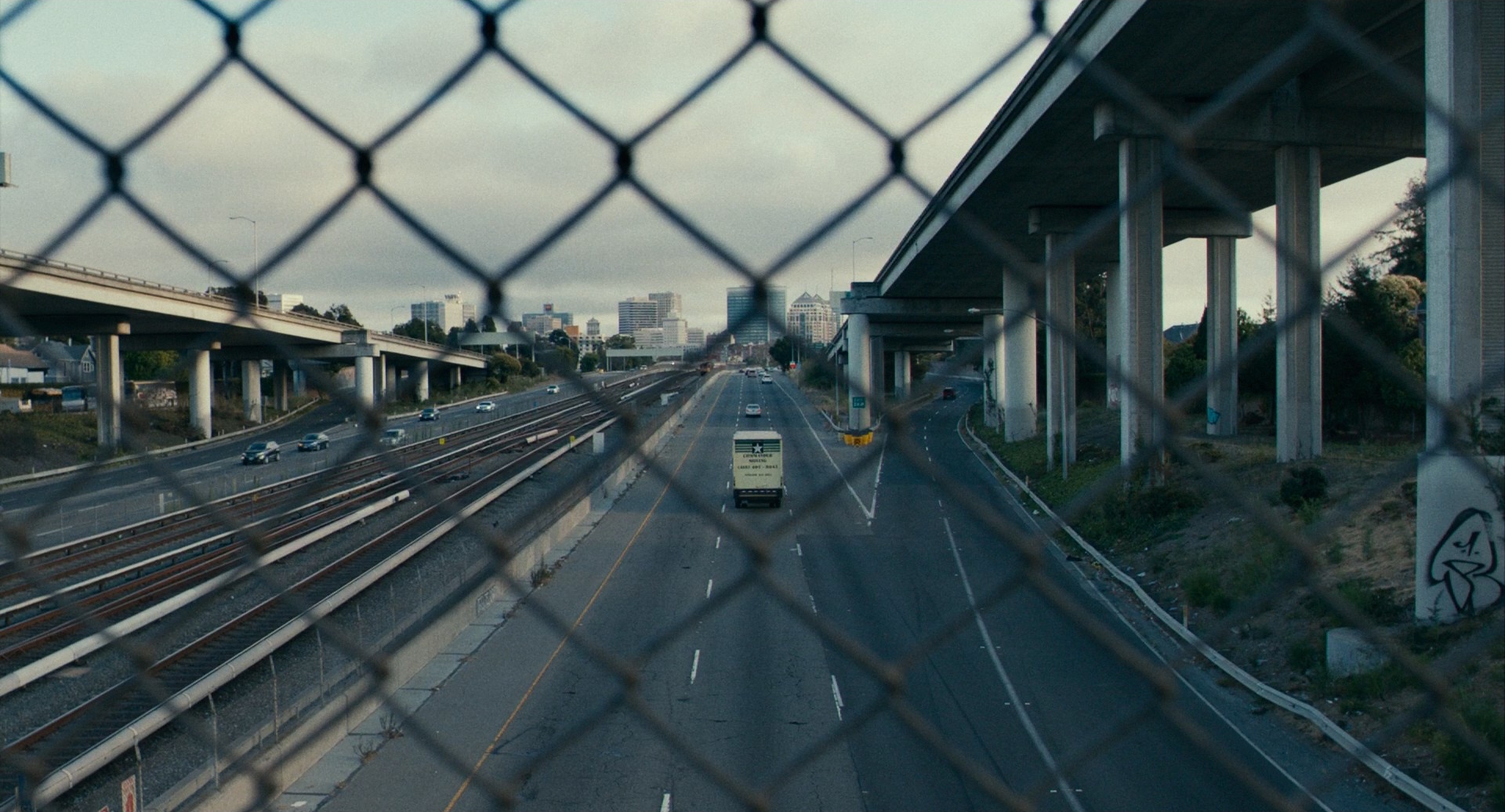
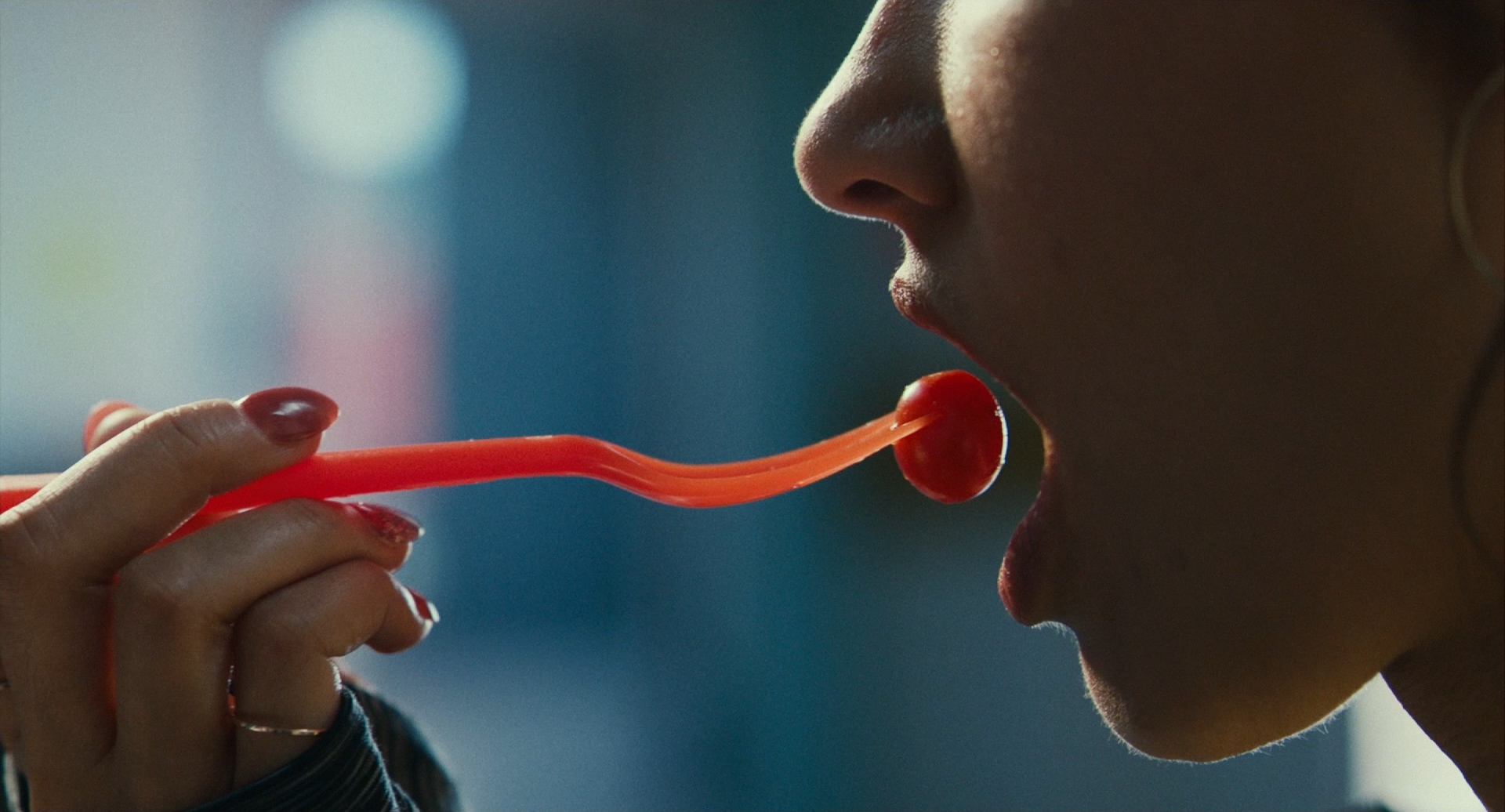
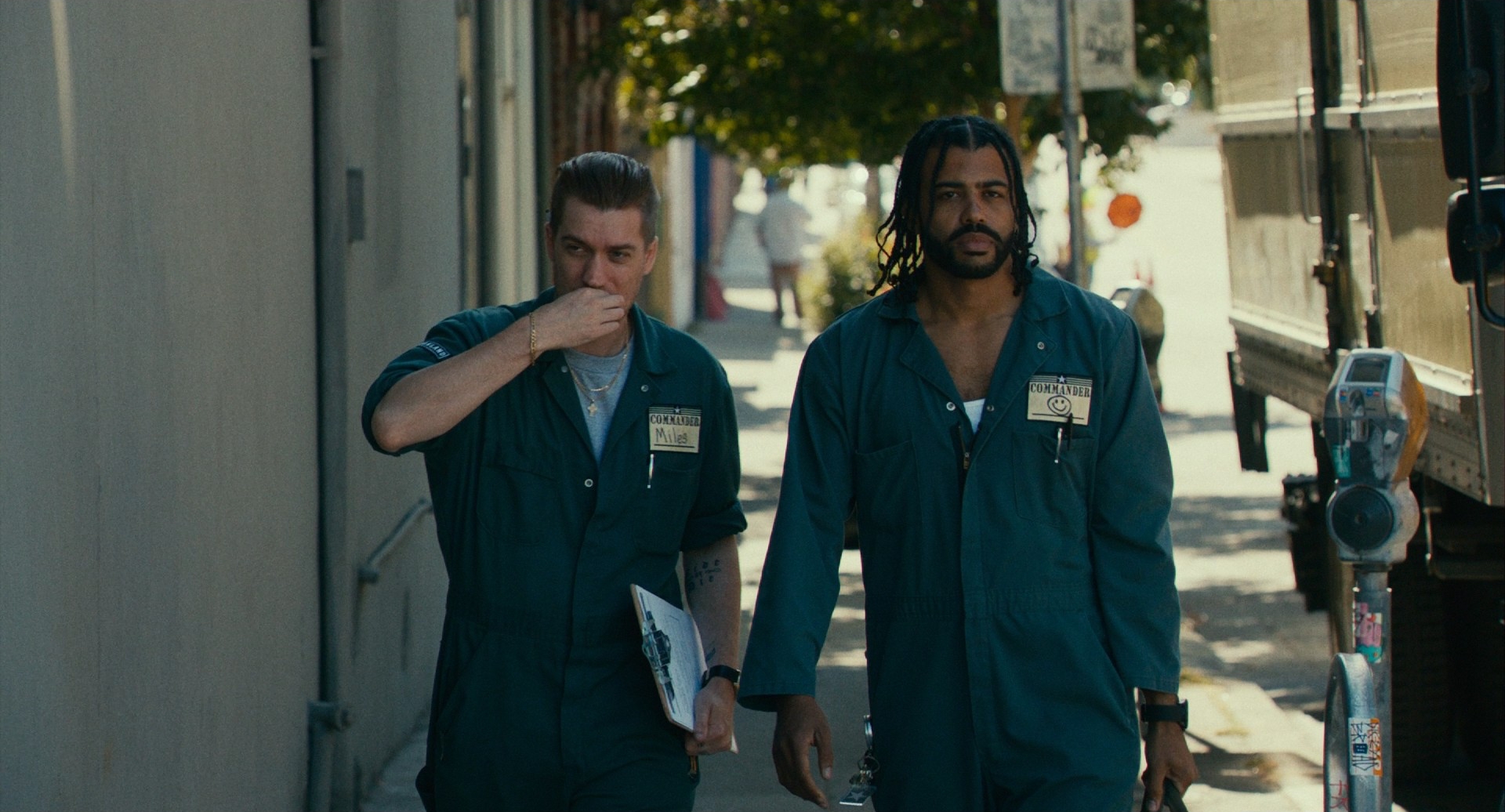
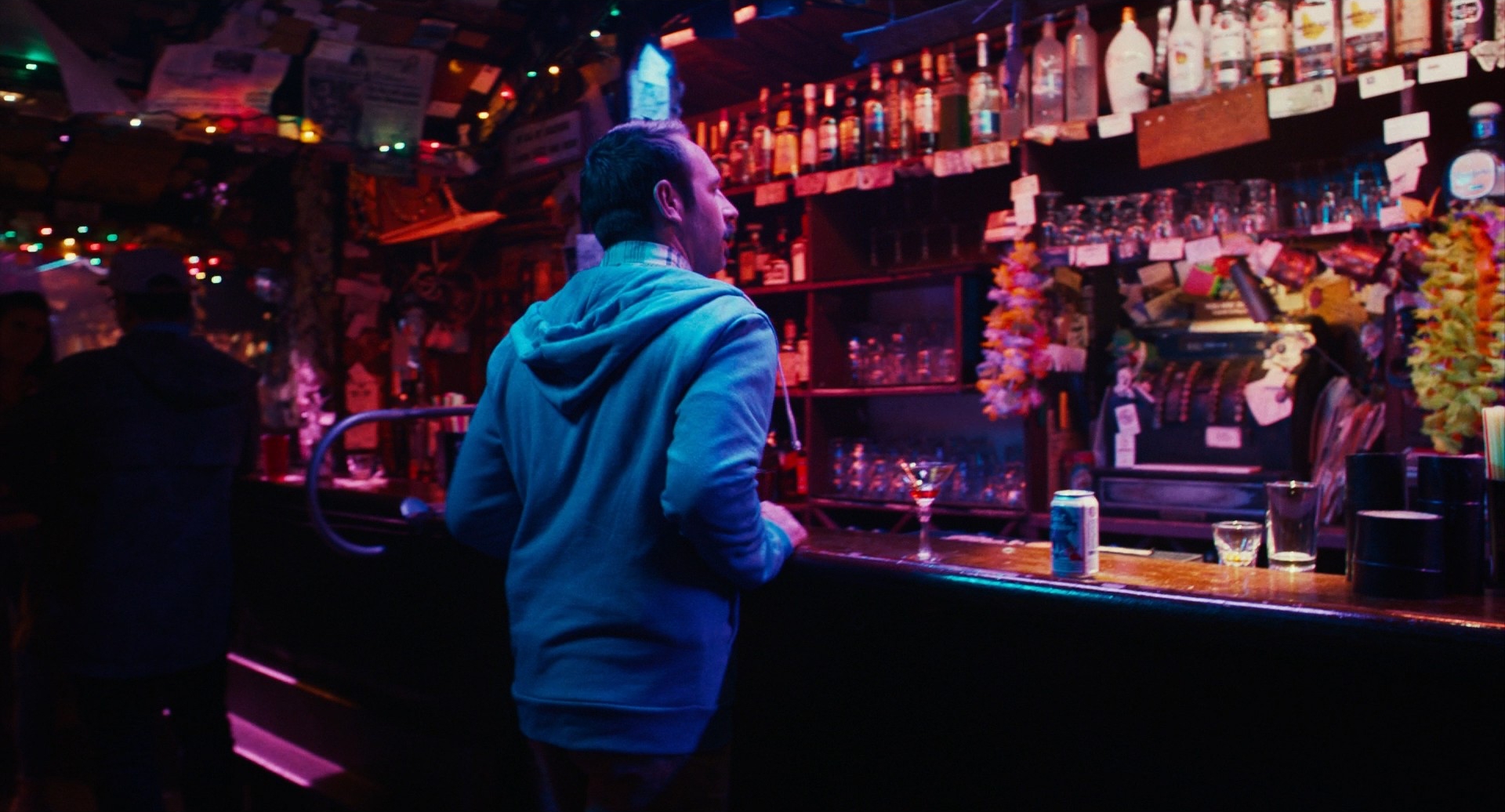
Blindspotting (2018)
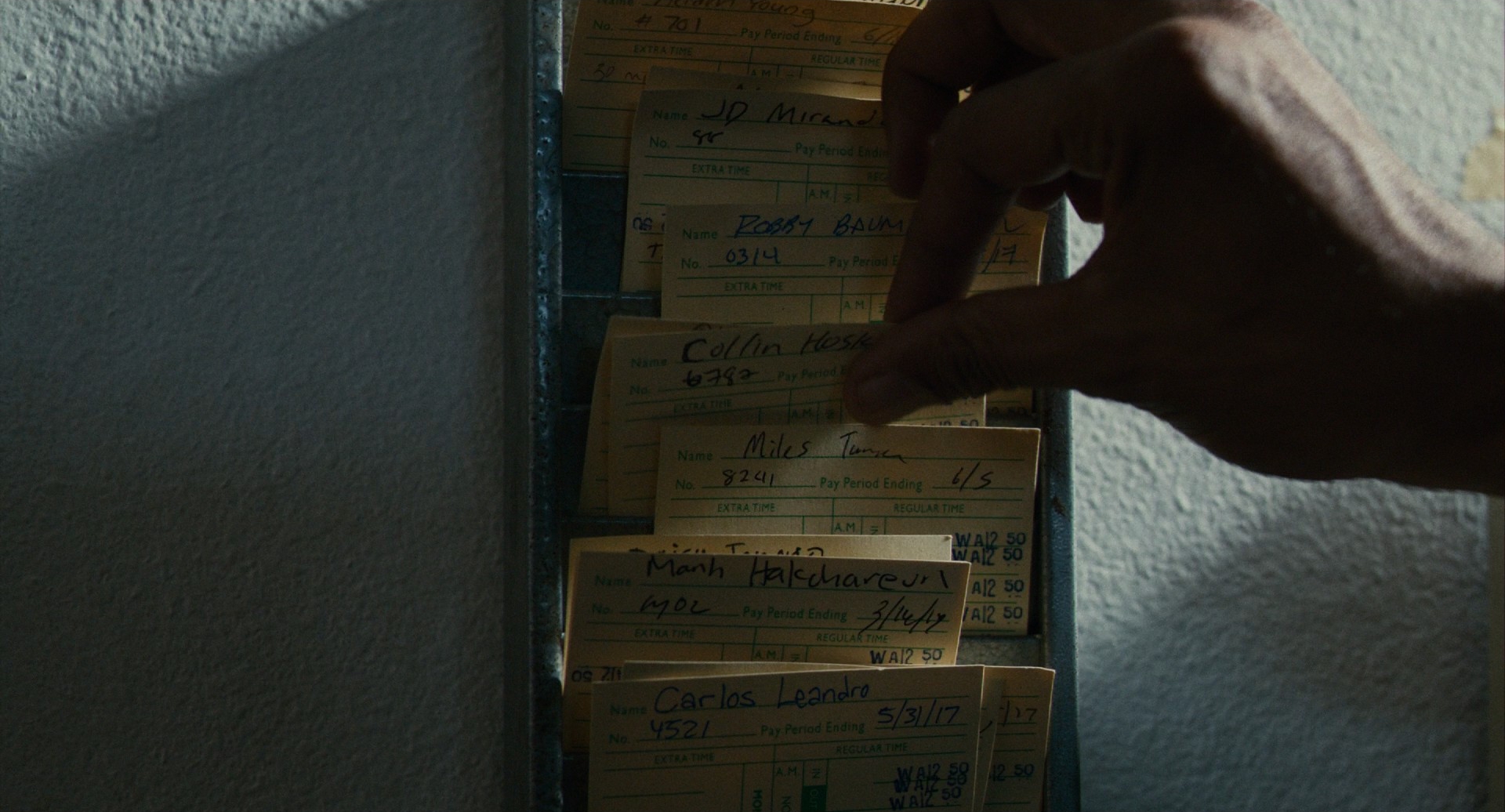
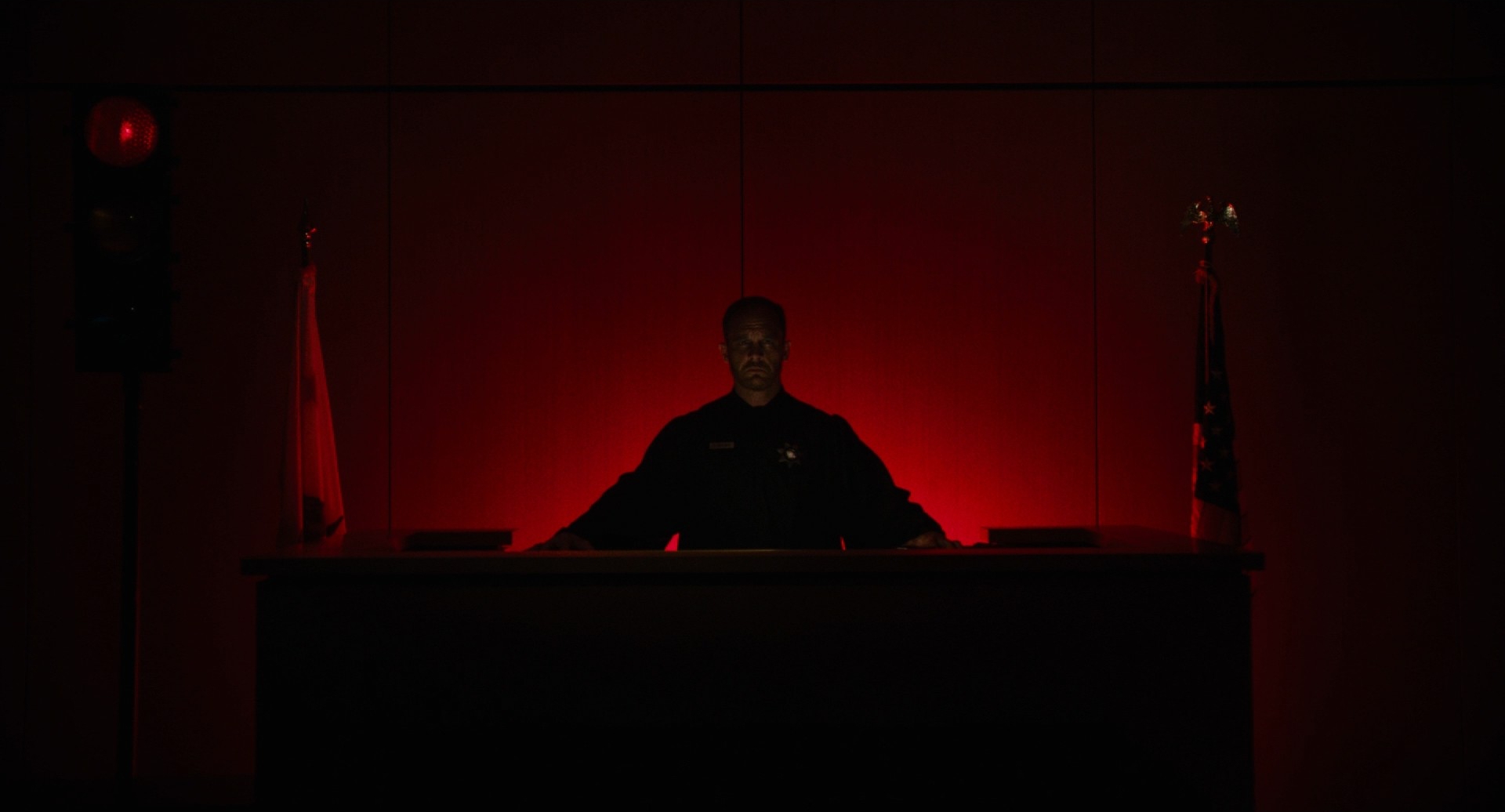
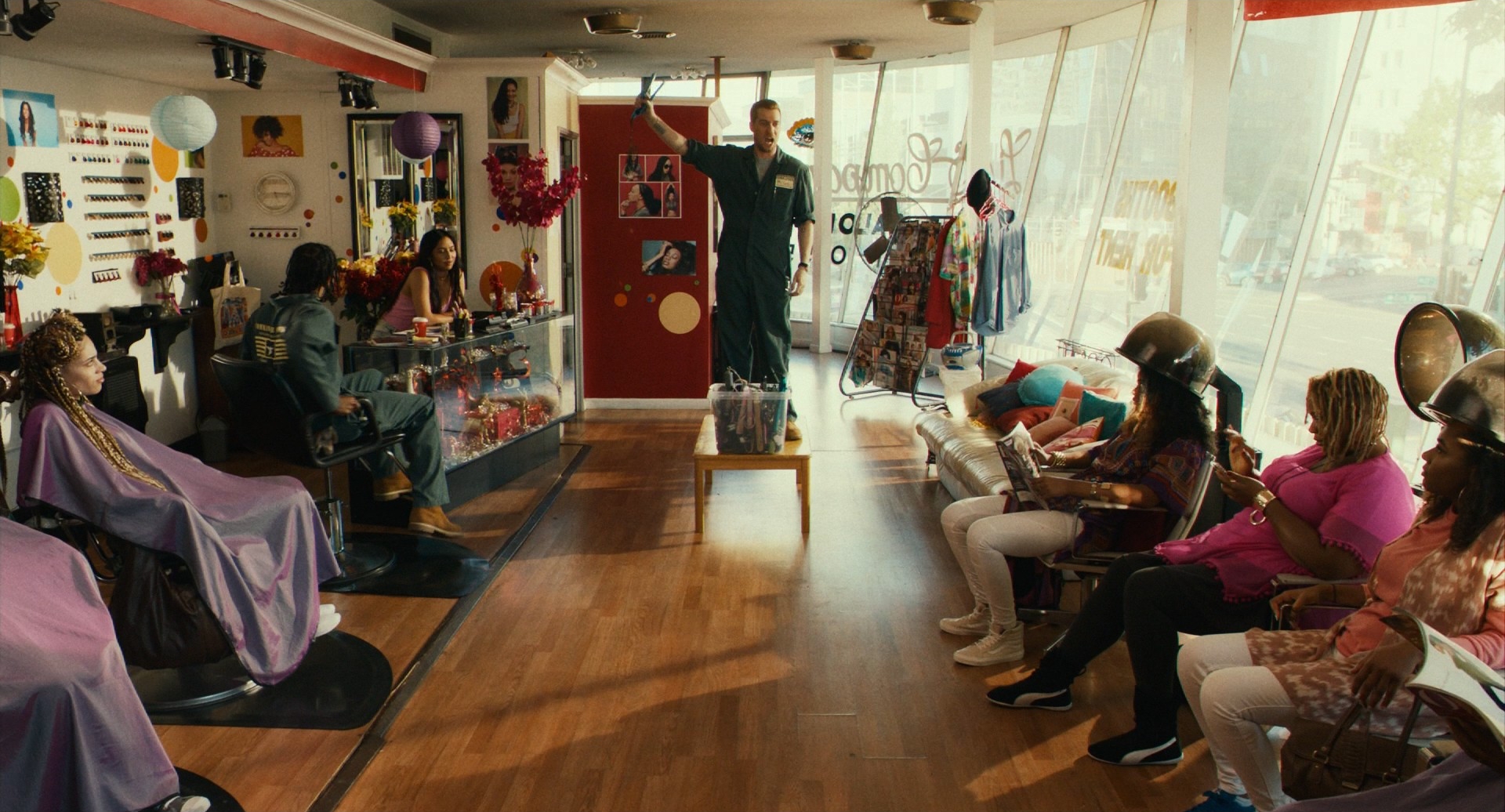
Set over the final days of his probation, Collin struggles to stay on the right path while living in a rapidly changing Oakland. As he witnesses a traumatic event, his sense of stability begins to unravel, straining his friendship with his volatile best friend, Miles. The film builds toward a confrontation between personal responsibility, systemic injustice, and the pressures of environment.
Estrada and cinematographer Robby Baumgartner shoot Blindspotting with a grounded, street-level realism, using handheld camerawork and natural light to root the film in Oakland’s texture. As tension builds, the film shifts into more stylized territory—most notably through rhythmic, rap-driven sequences—turning language and performance into visual expression and pushing realism into something more heightened and subjective.
FILM SPOTLIGHT
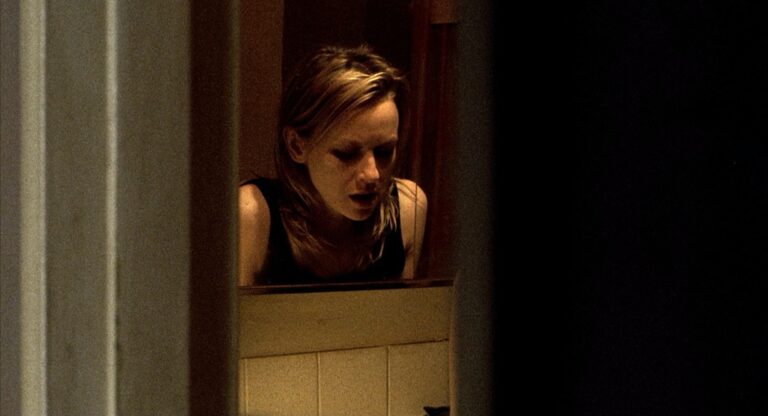
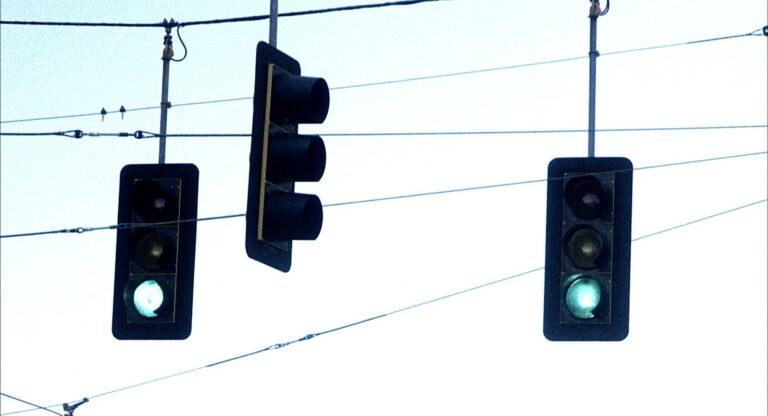
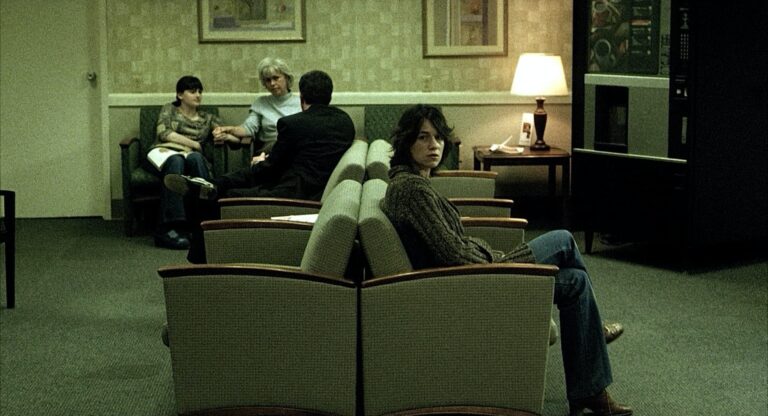
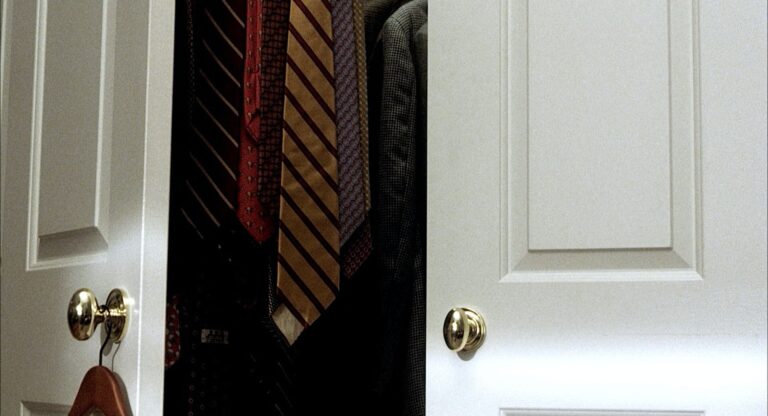
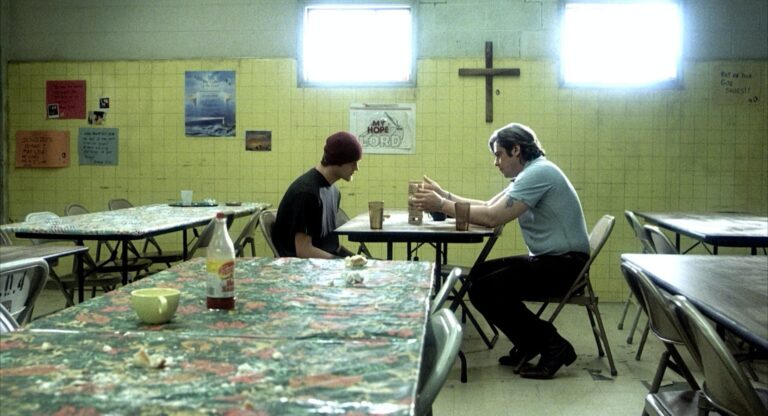
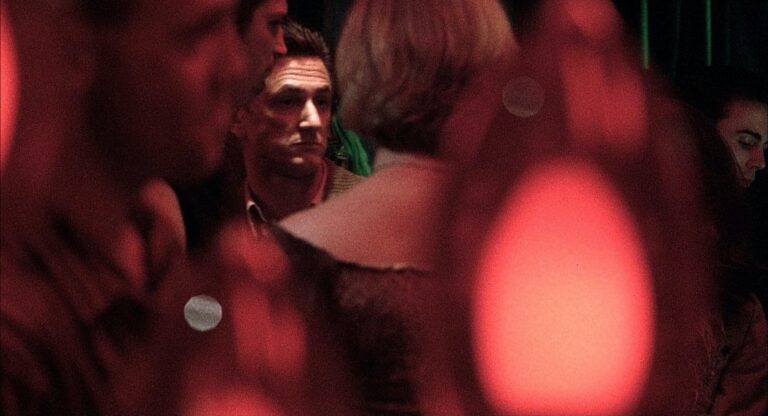
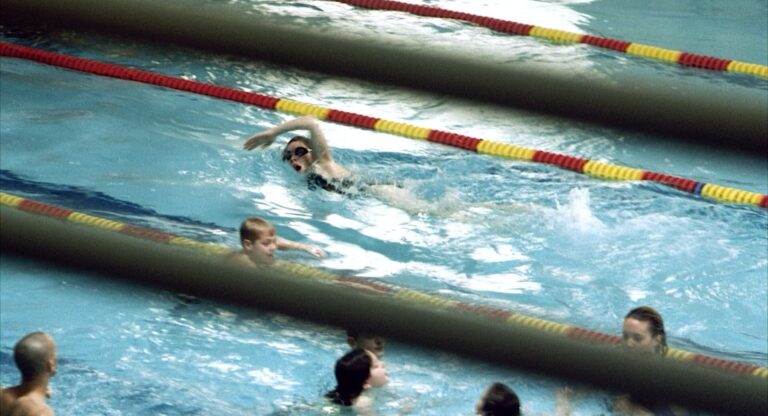
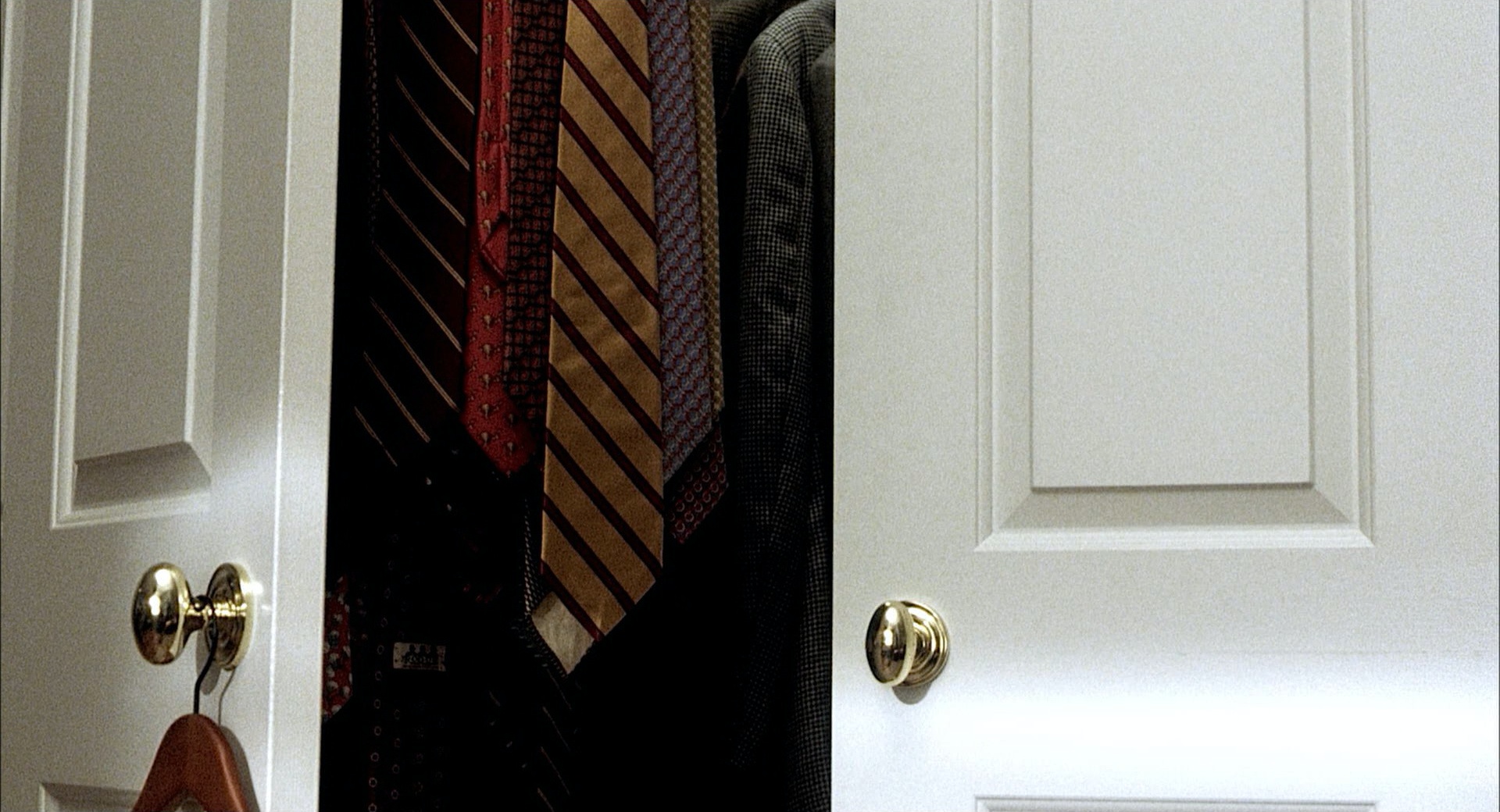
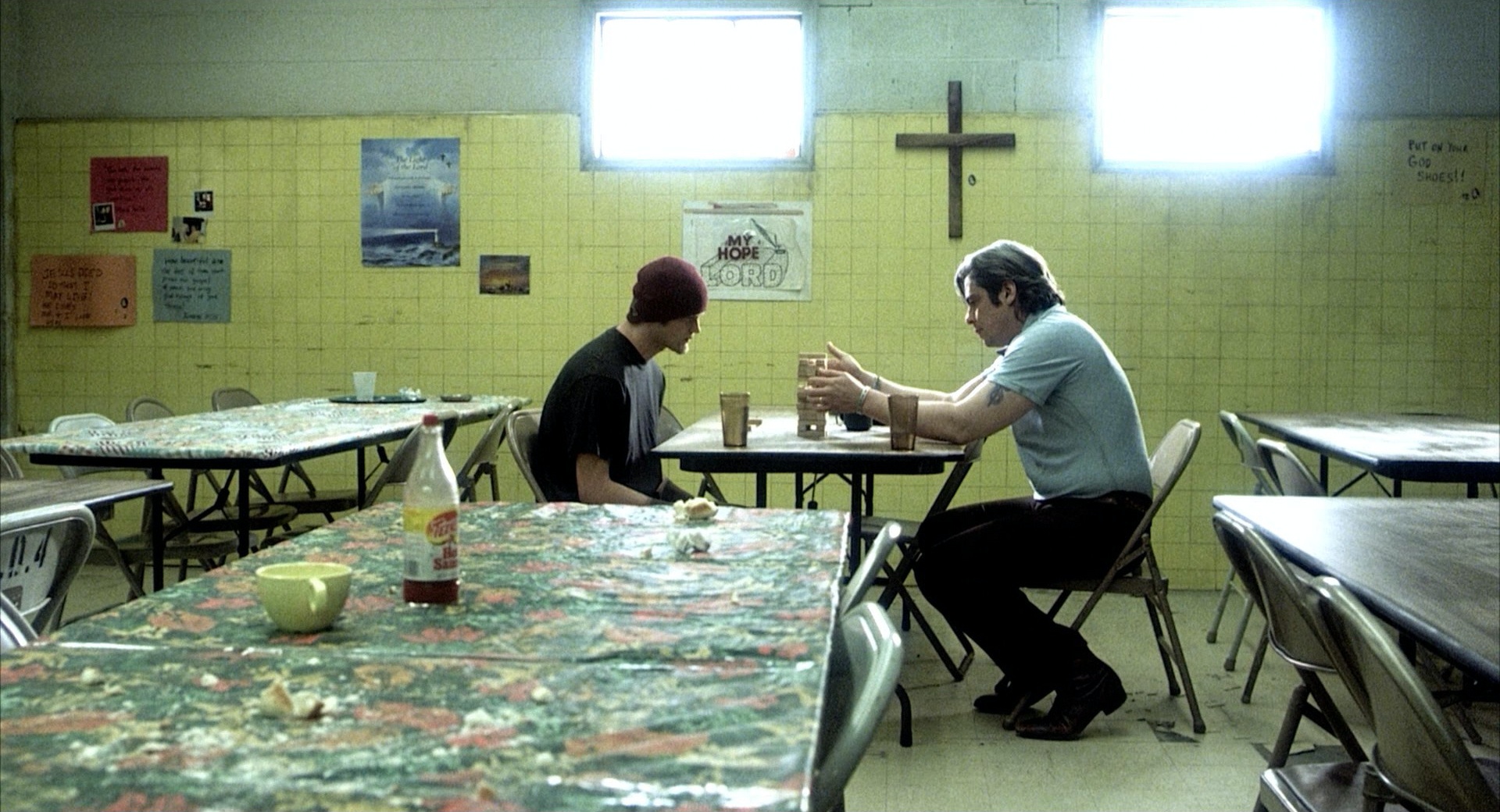
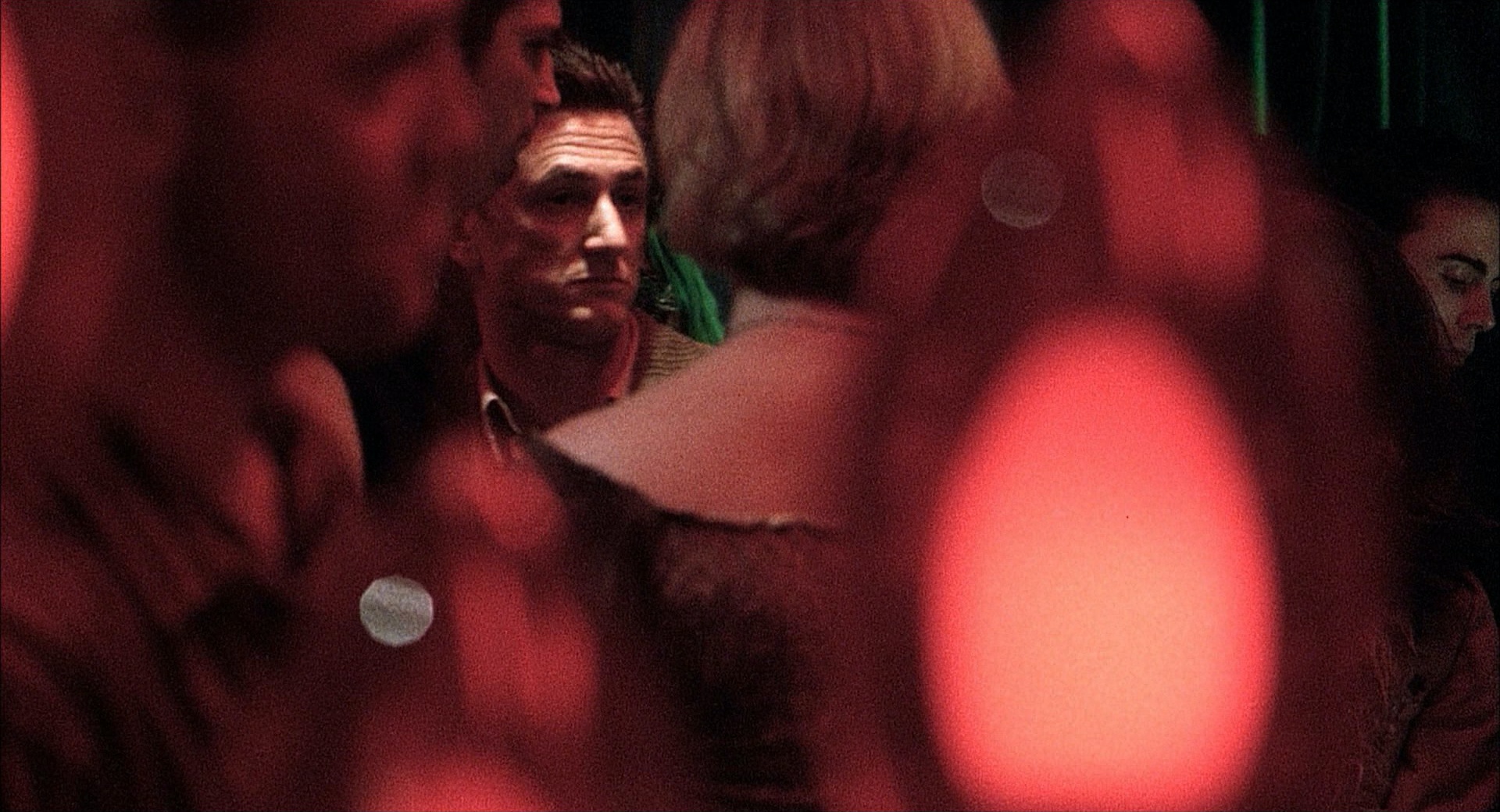
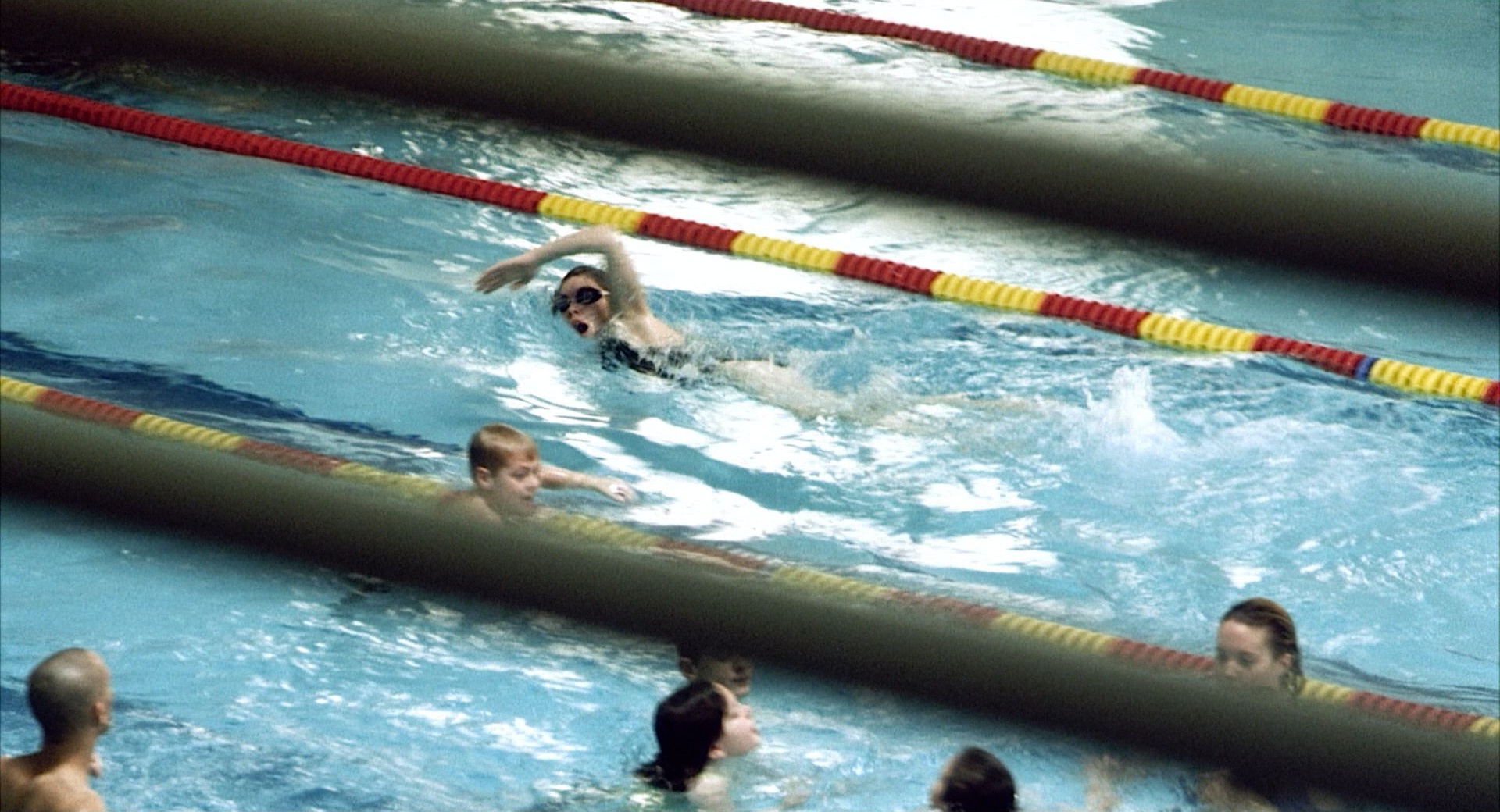
21 Grams (2003)
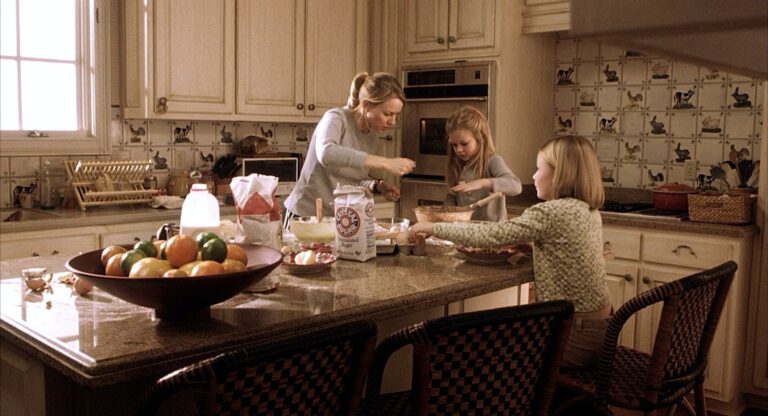
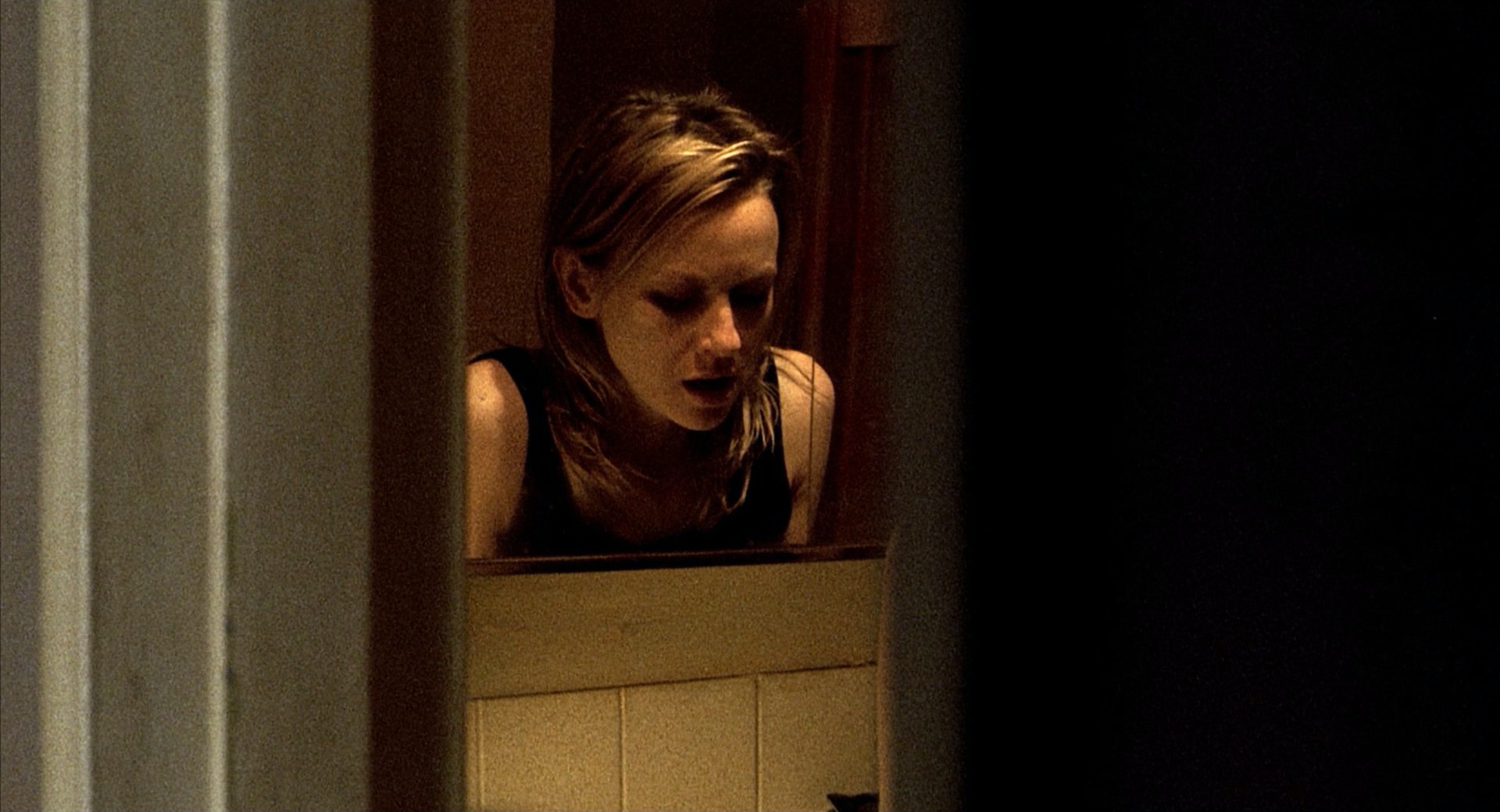
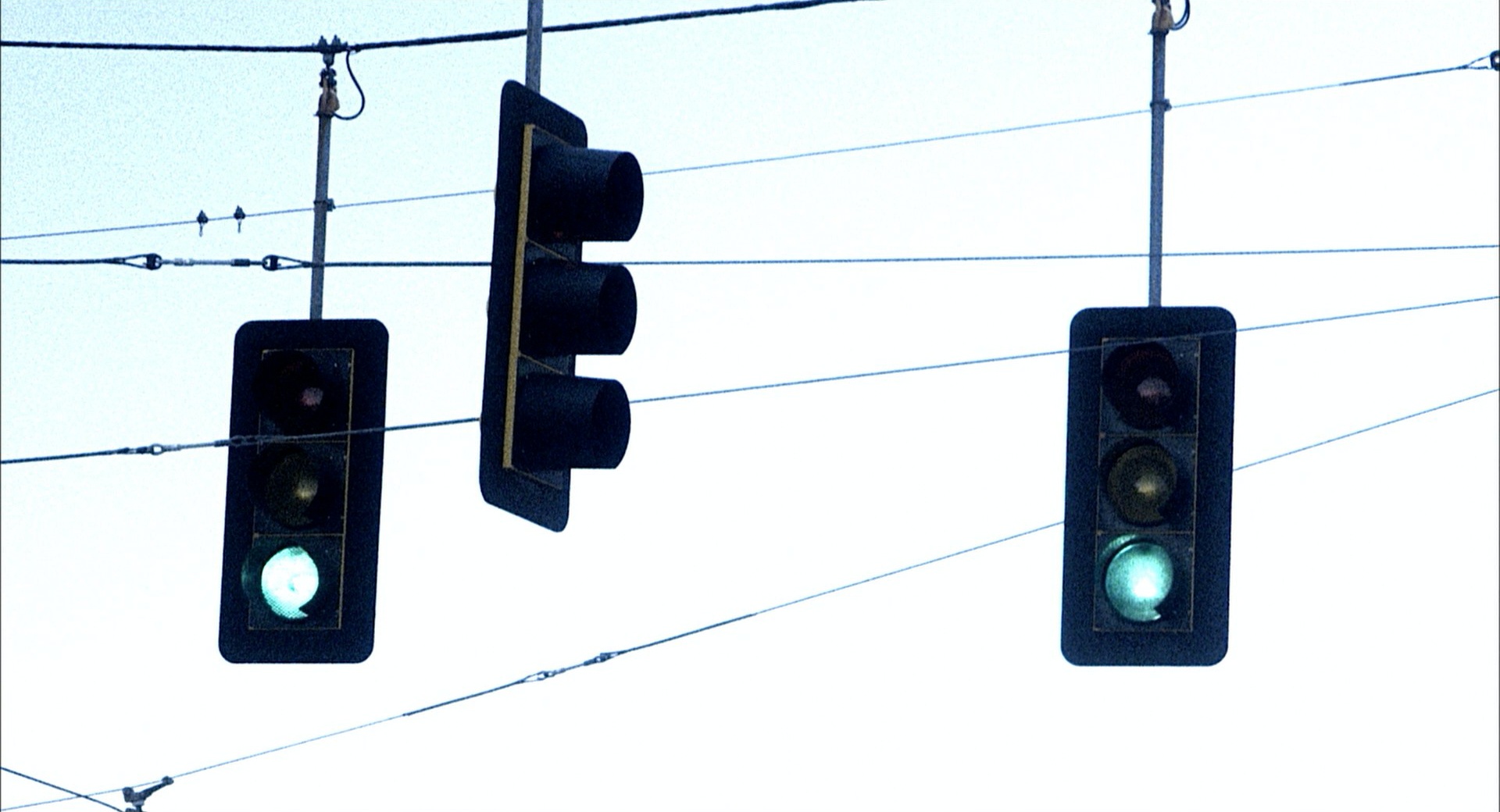
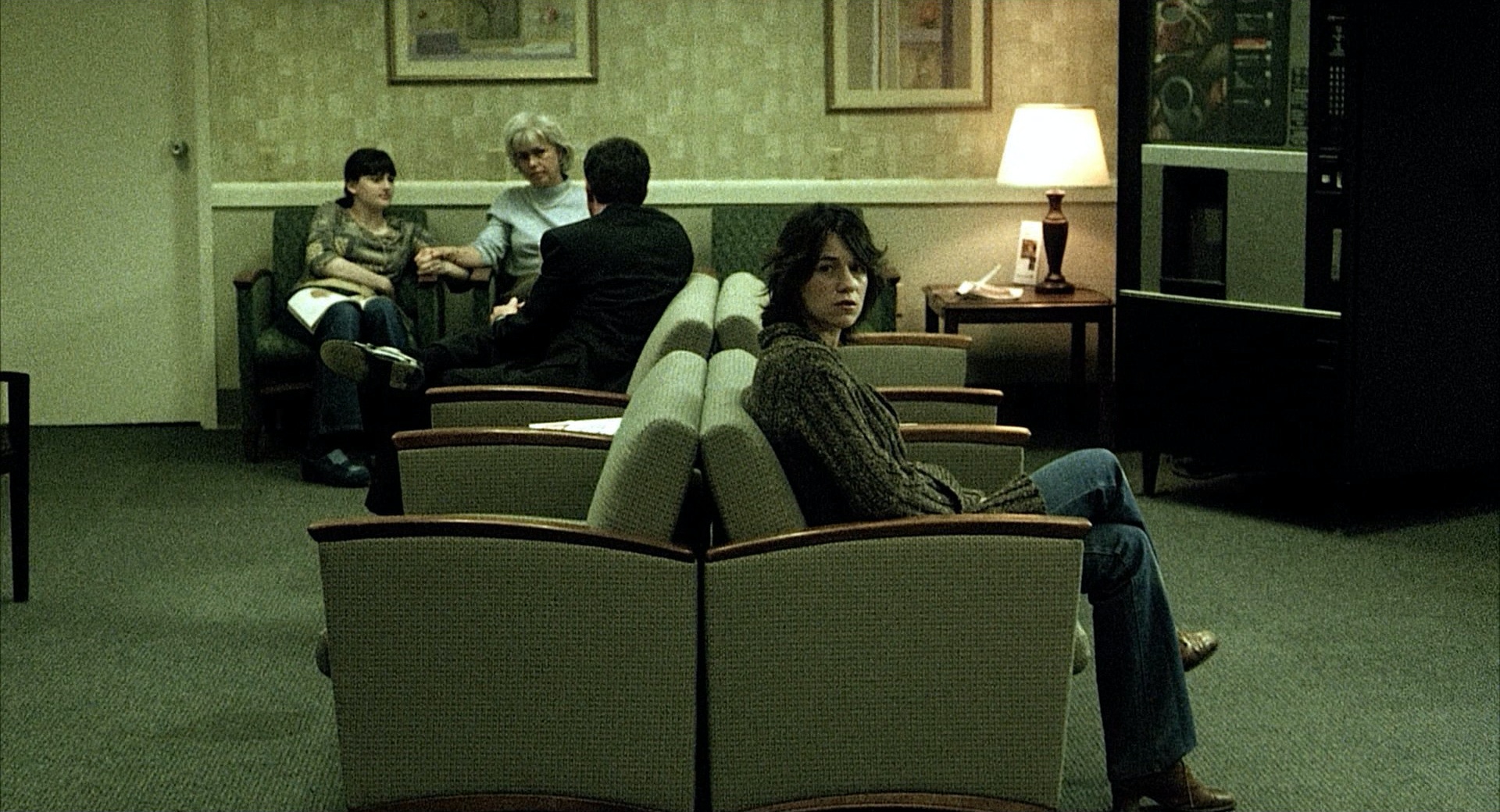
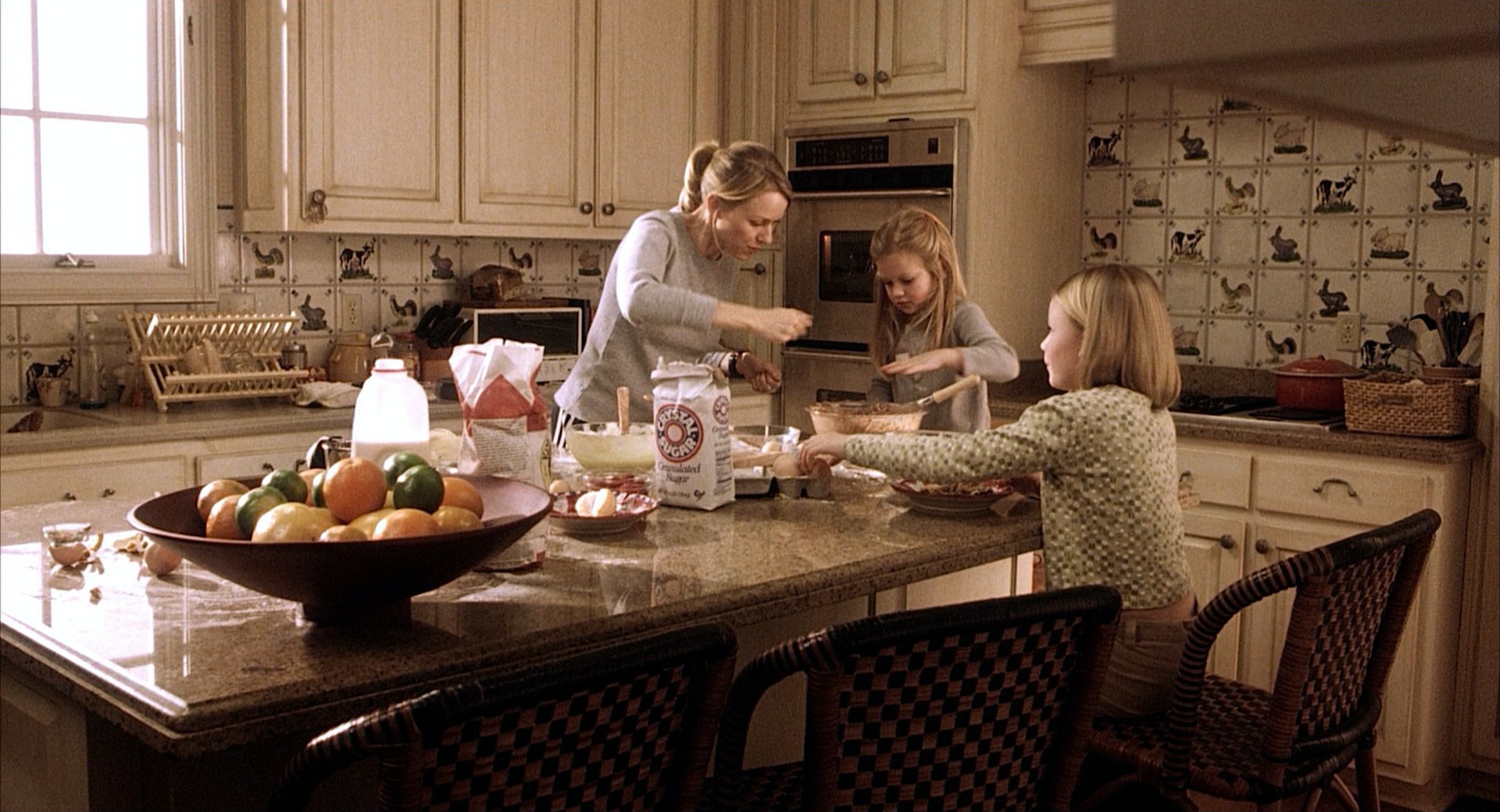
The lives of three strangers—a grieving ex-con, a critically ill mathematician, and a woman shattered by tragedy—become intertwined after a devastating accident. As their stories unfold in a fragmented, nonlinear structure, each is forced to confront loss, guilt, and the search for redemption. The film gradually reveals how their fates are connected through a single, life-altering event.
Iñárritu and cinematographer Rodrigo Prieto craft 21 Grams with a raw, distressed visual texture, using handheld cameras, variable film stocks, and bleach bypass processing to give each timeline a distinct feel. The film’s grainy image, blown-out highlights, and restless camera mirror its fractured structure—turning form itself into an emotional language of dislocation and grief.


FILM SPOTLIGHT
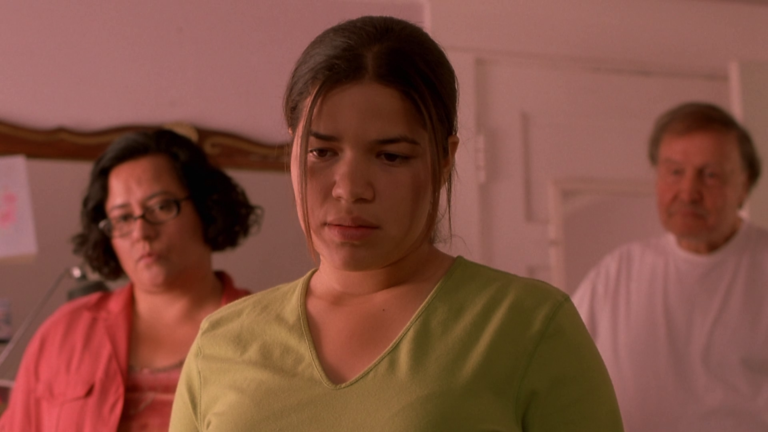
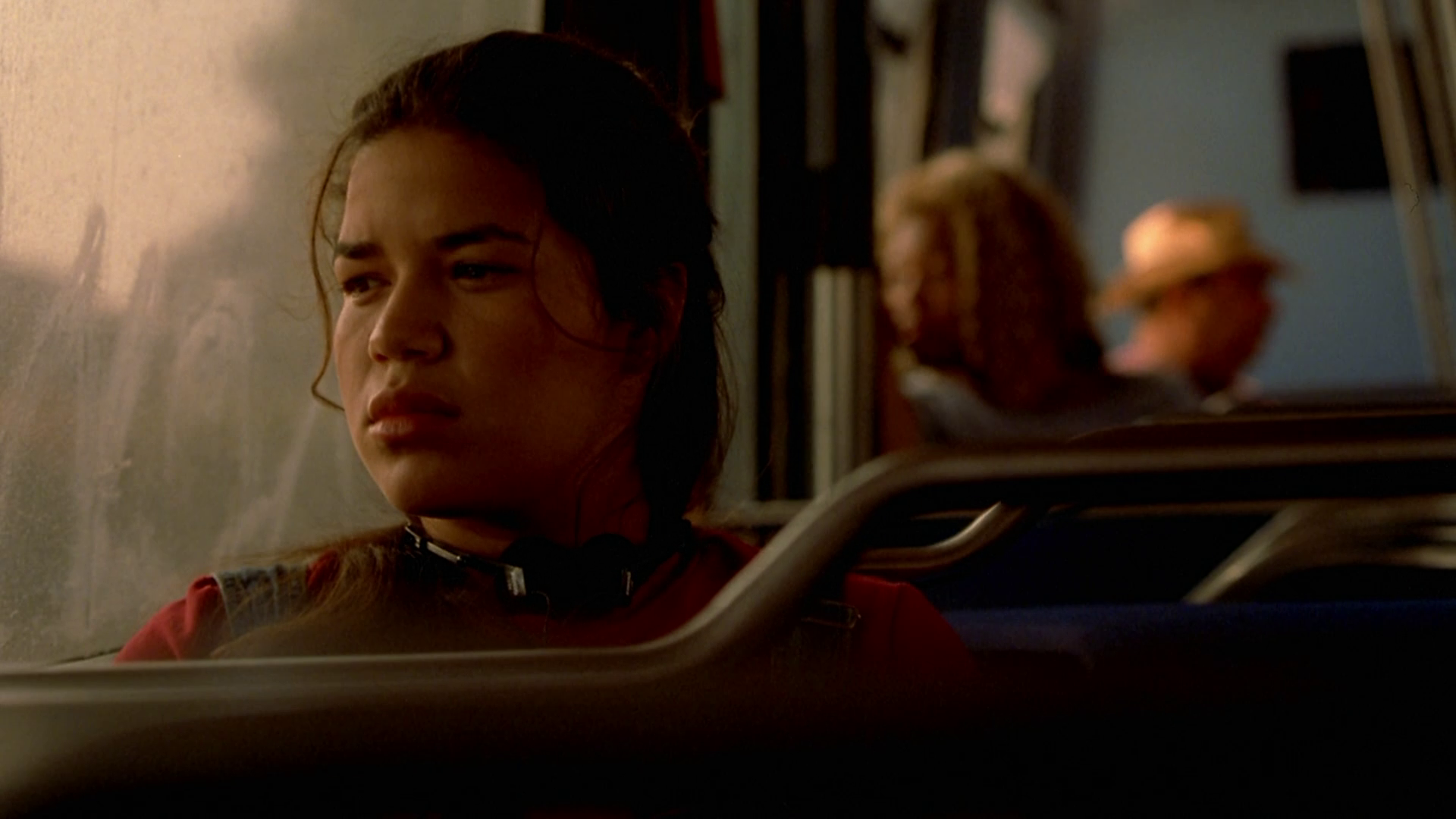
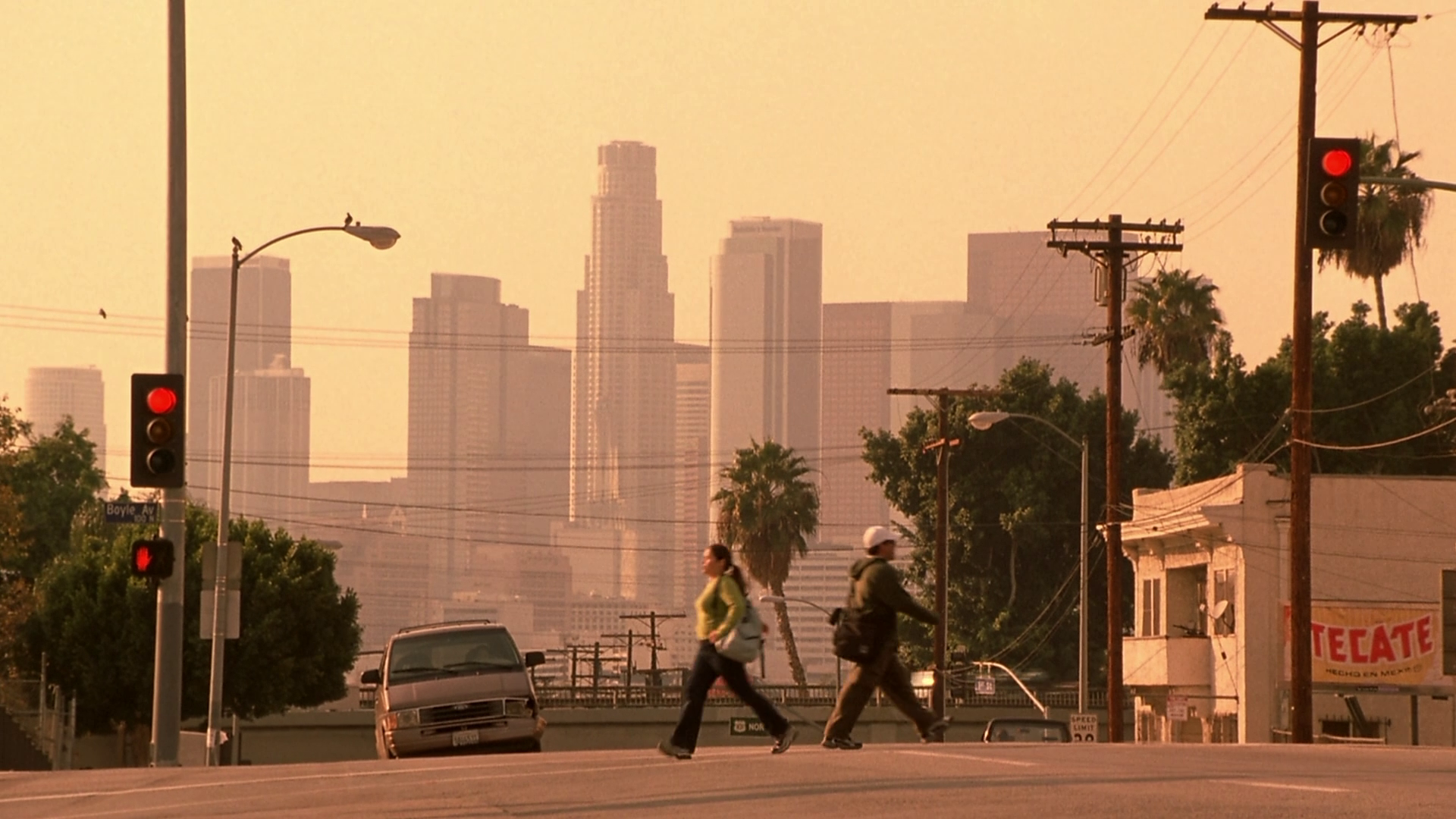
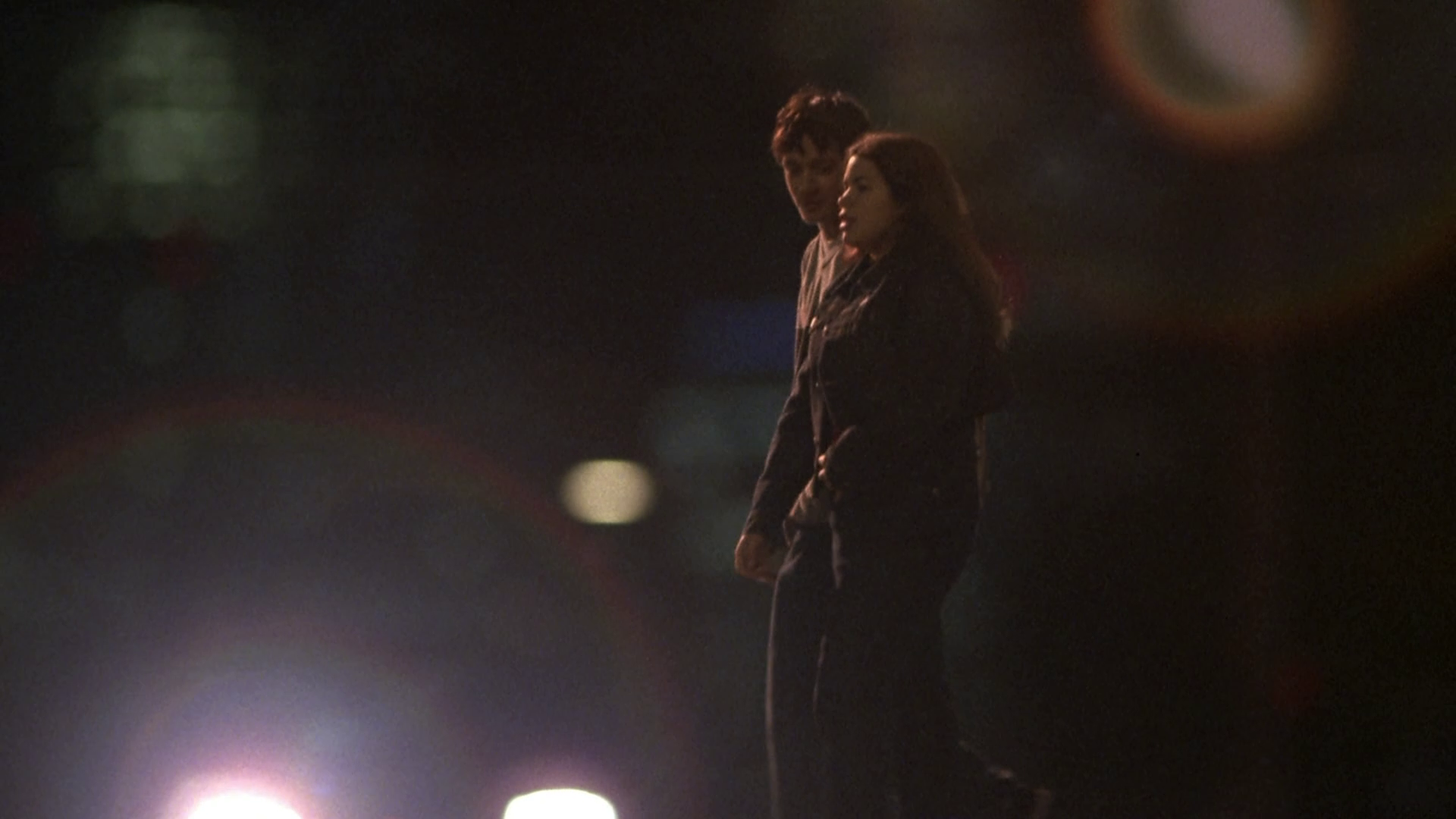
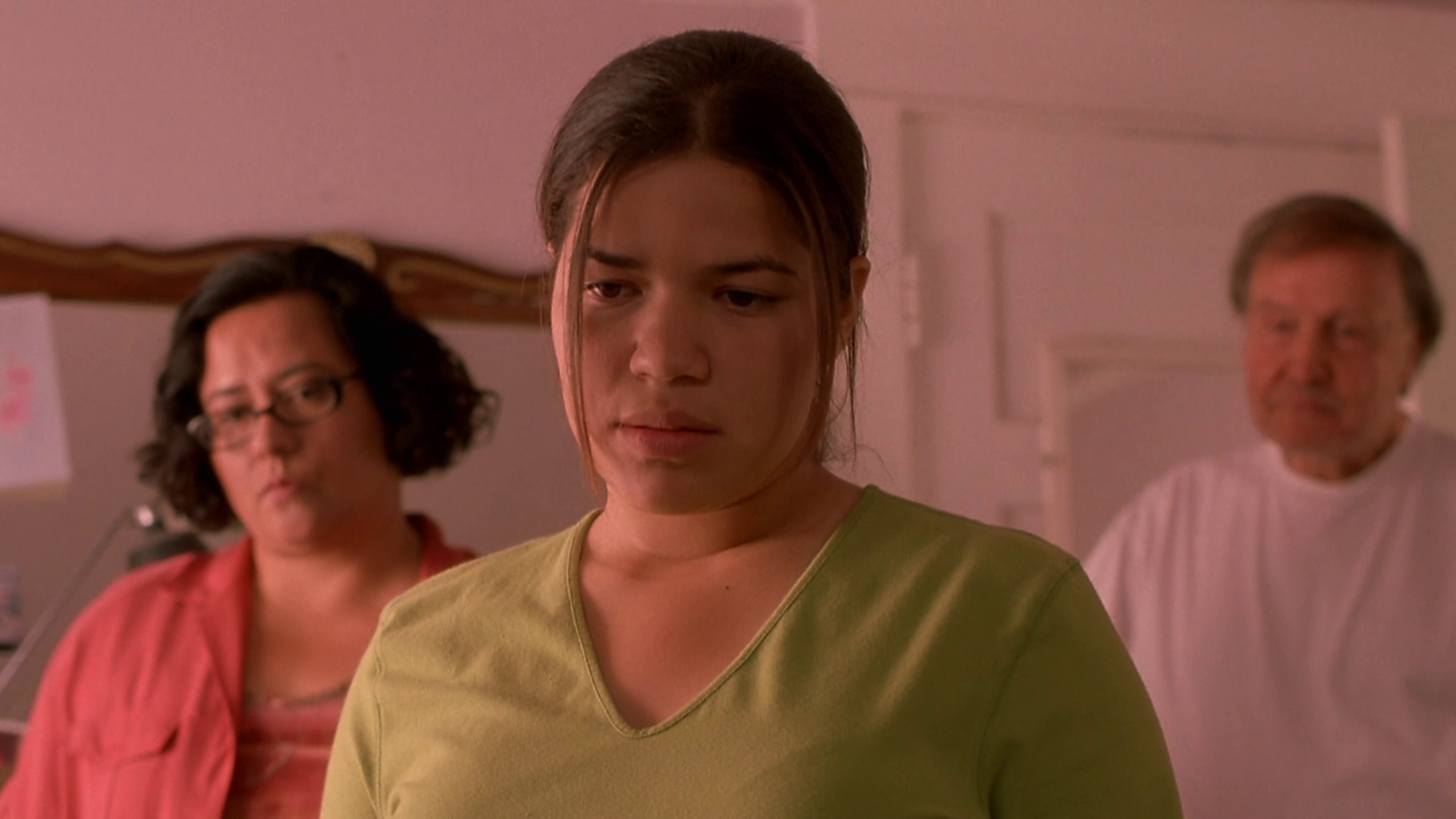
Real Women Have Curves (2002)
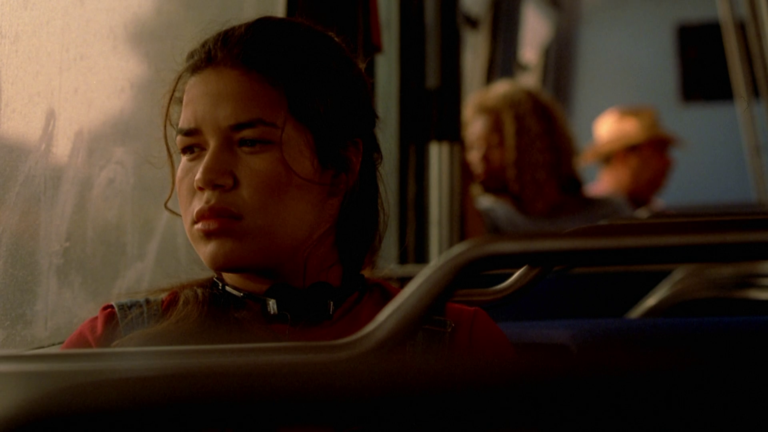
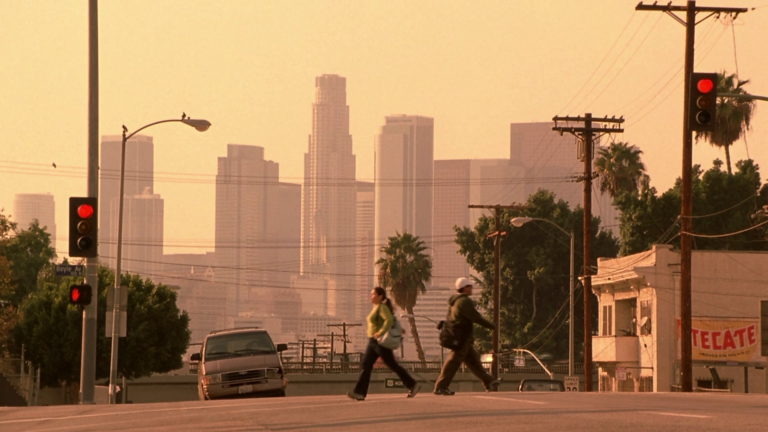
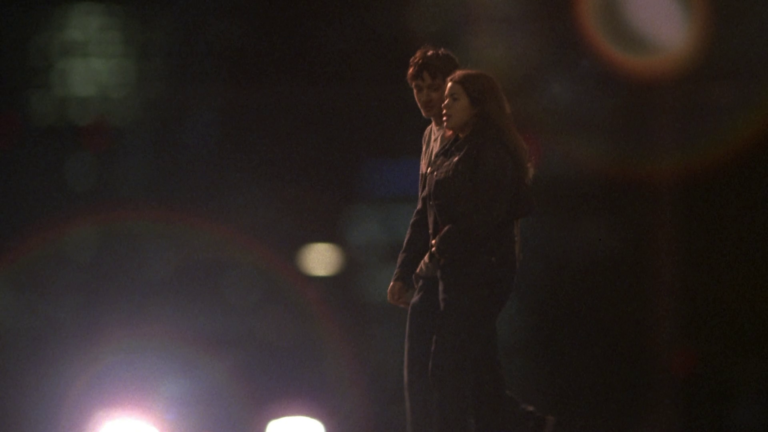
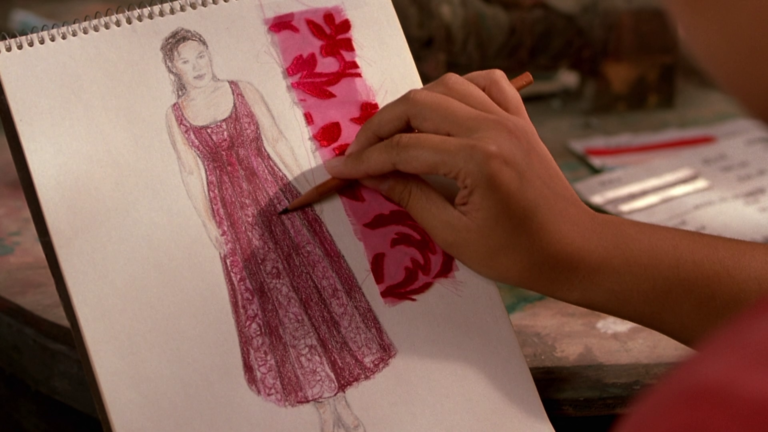
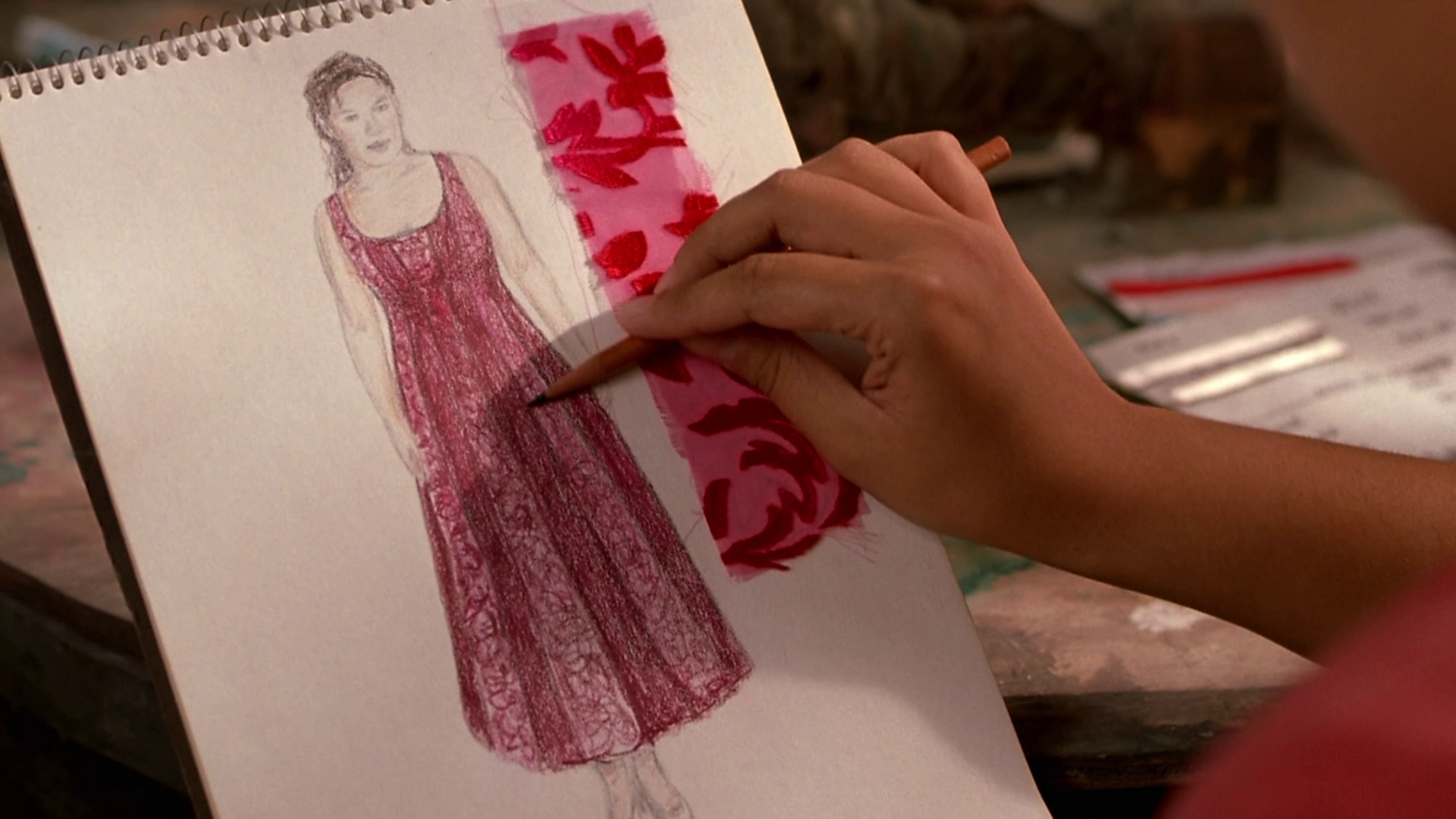
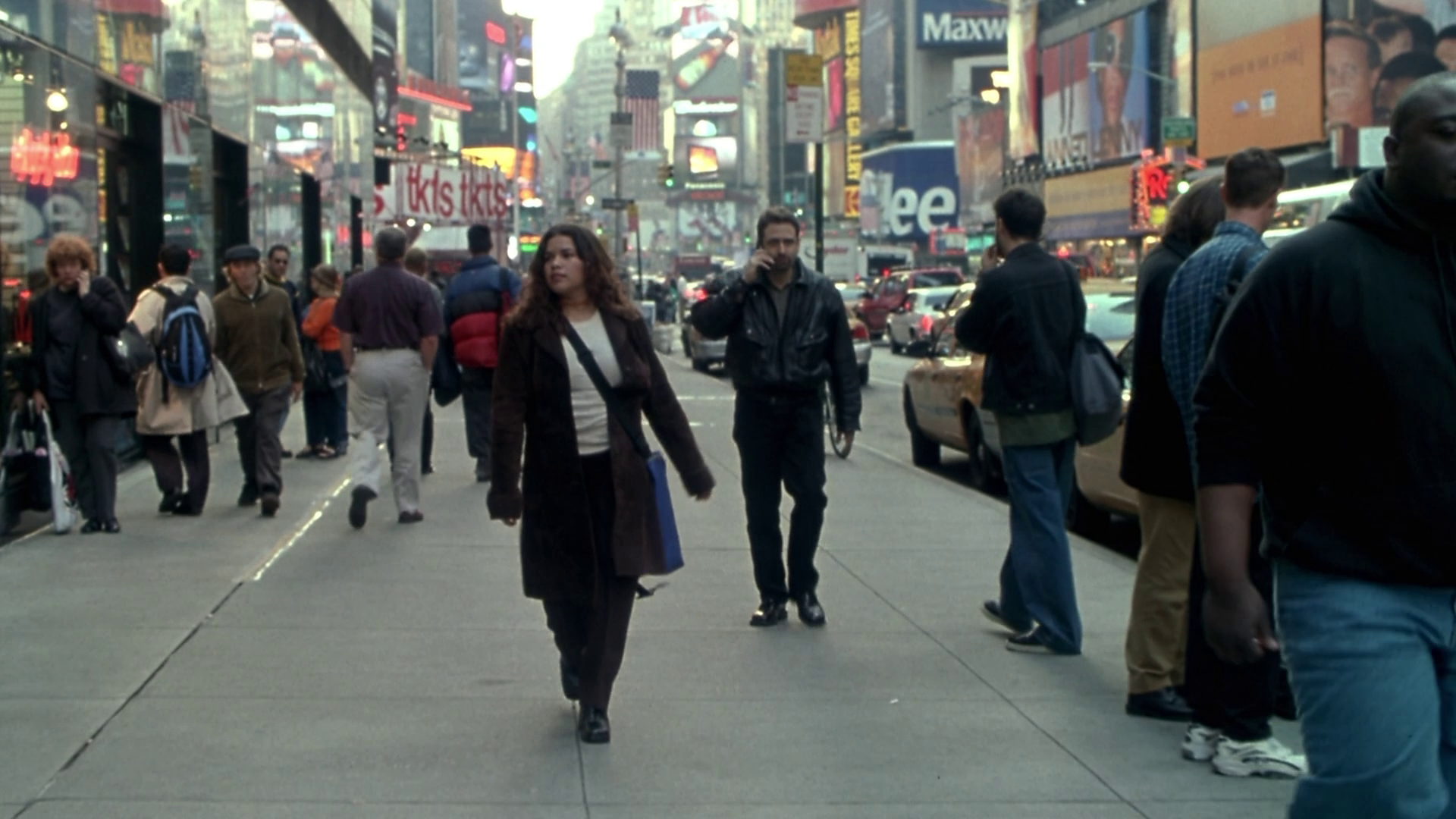
Ana García, a first-generation Mexican-American teenager in East Los Angeles, dreams of leaving home for college despite her family’s expectations that she stay and work in their garment factory. As she navigates cultural pressures, body image, and her own ambitions, she begins to assert her independence. Her journey becomes one of self-acceptance and the pursuit of a life beyond imposed limitations.
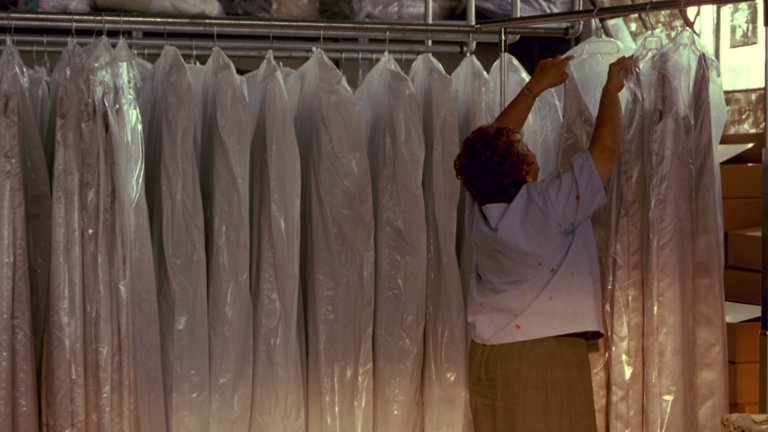
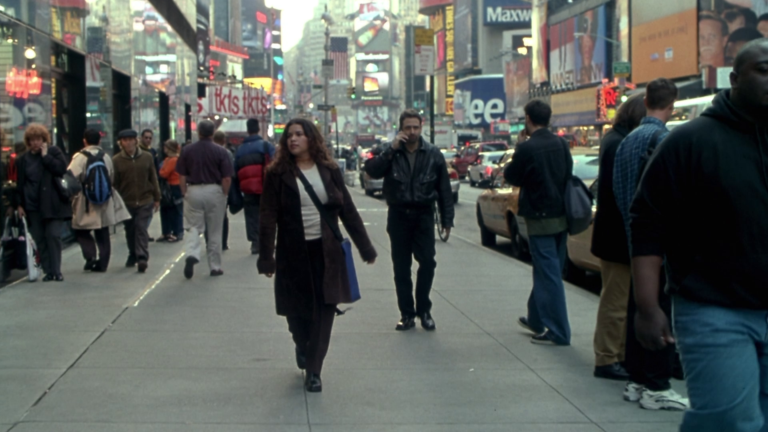
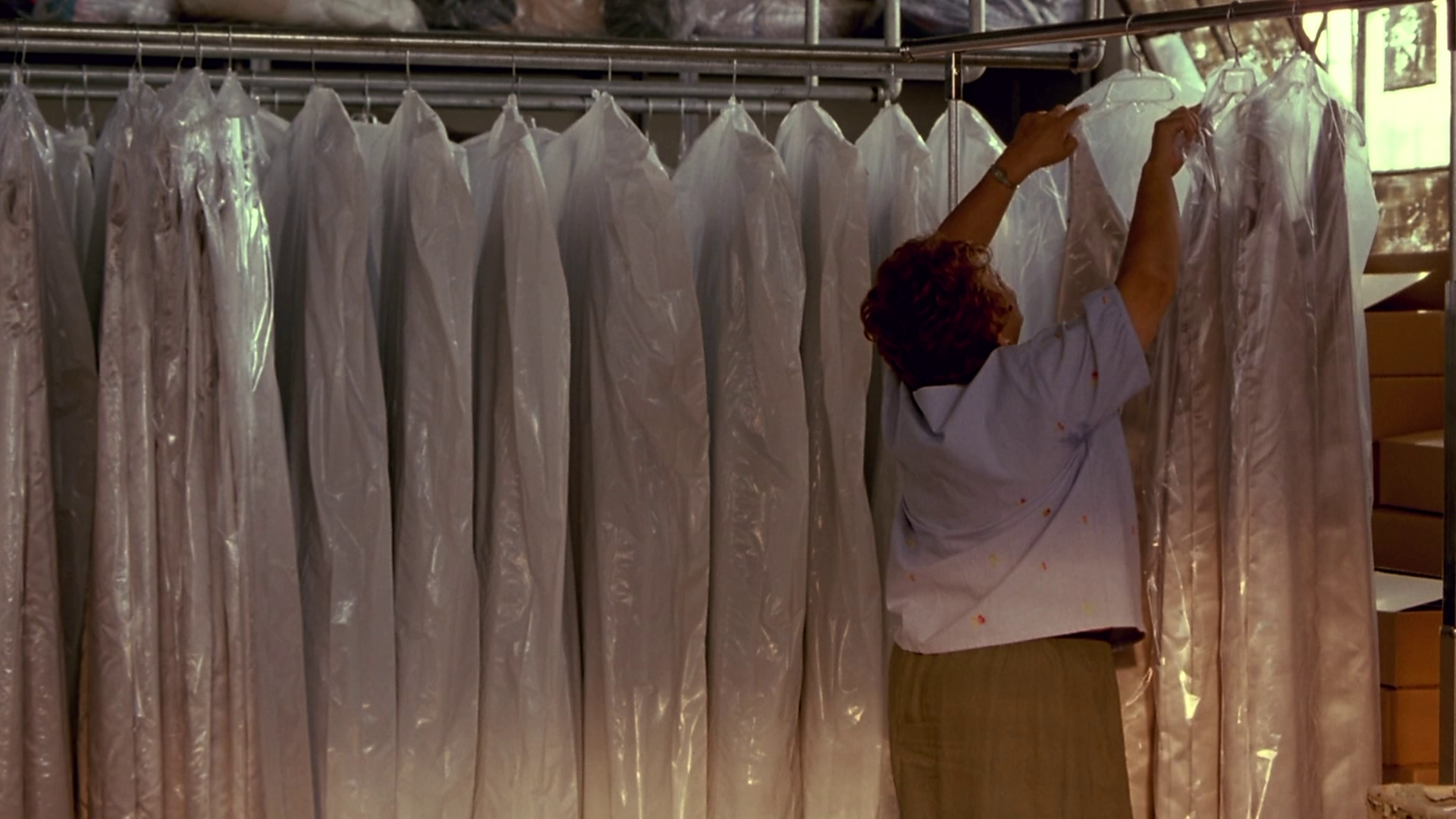
Cardoso and cinematographer Jim Denault shoot Real Women Have Curves with a warm, sunlit naturalism, using handheld camerawork and practical locations to ground the story in everyday life. The film’s use of soft light and intimate framing—especially within the factory—turns bodies and space into a visual statement, emphasizing presence, texture, and authenticity over idealization.


FILM SPOTLIGHT
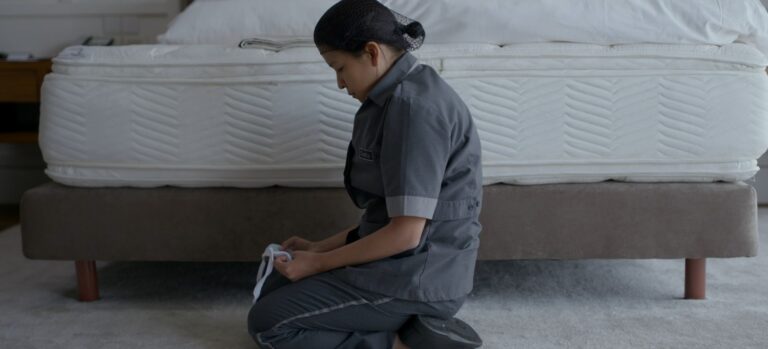
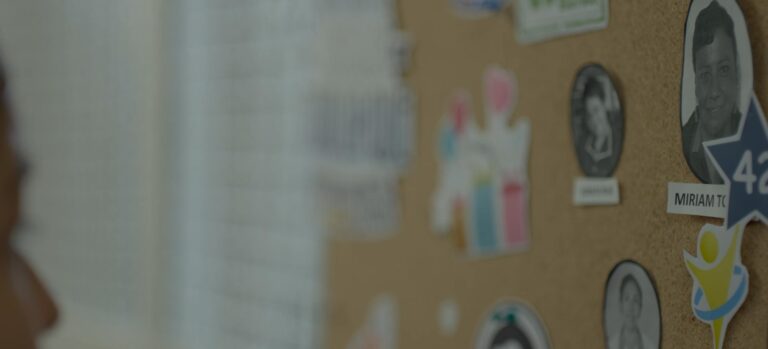
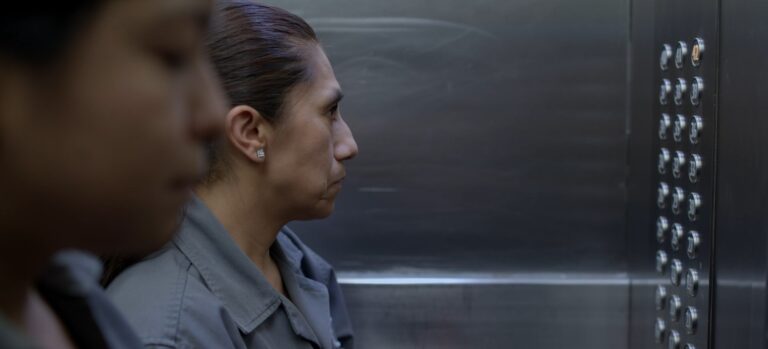
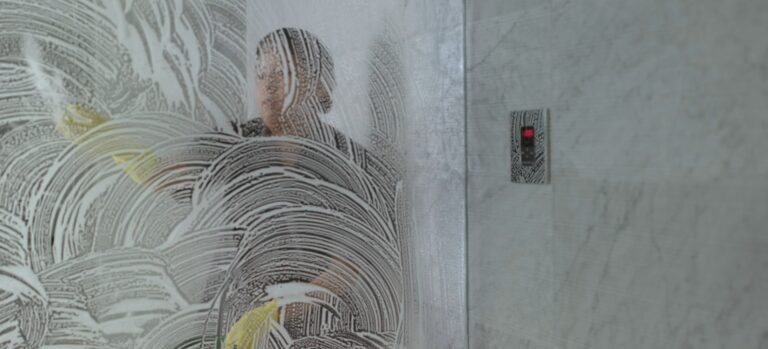
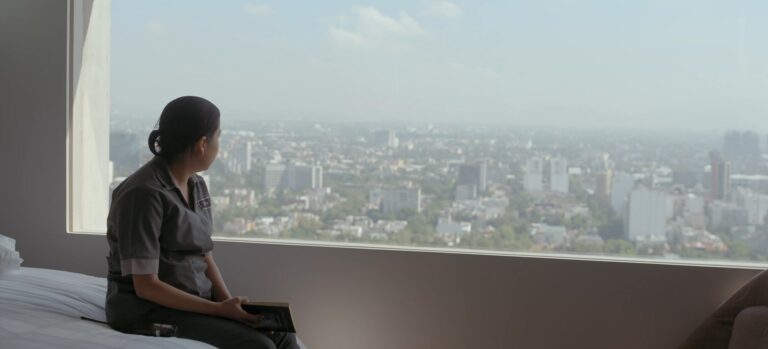
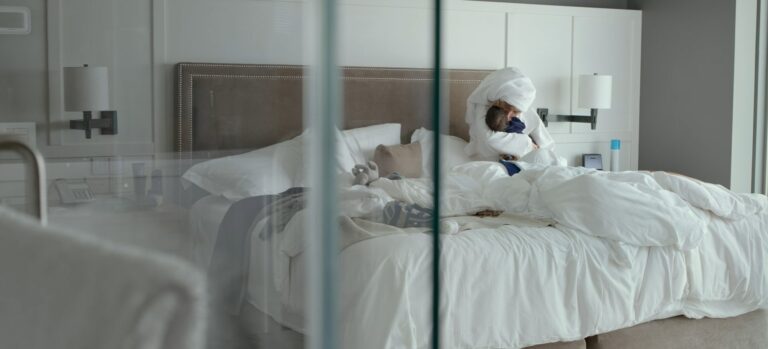
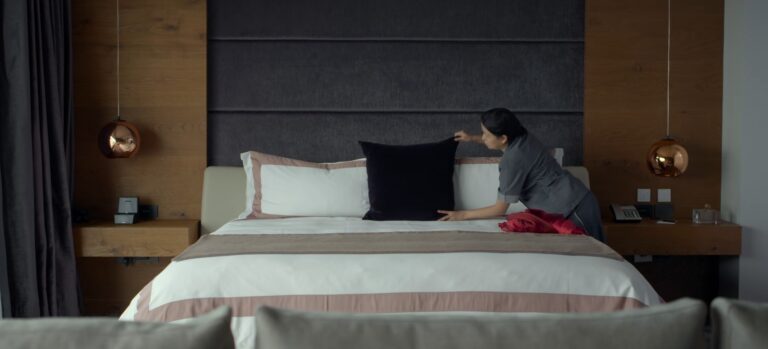
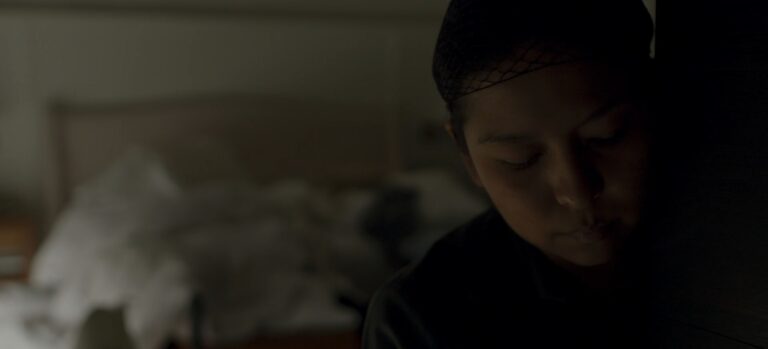
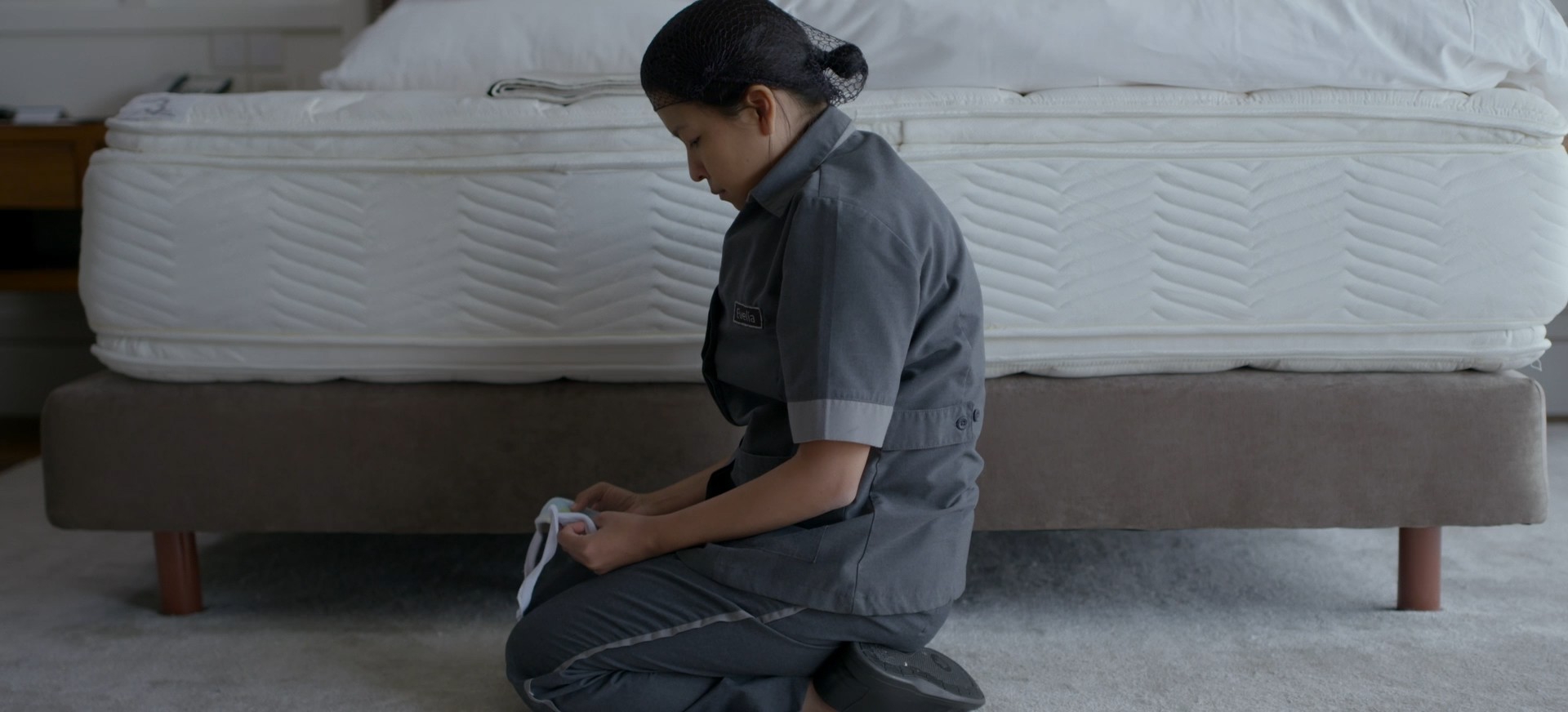
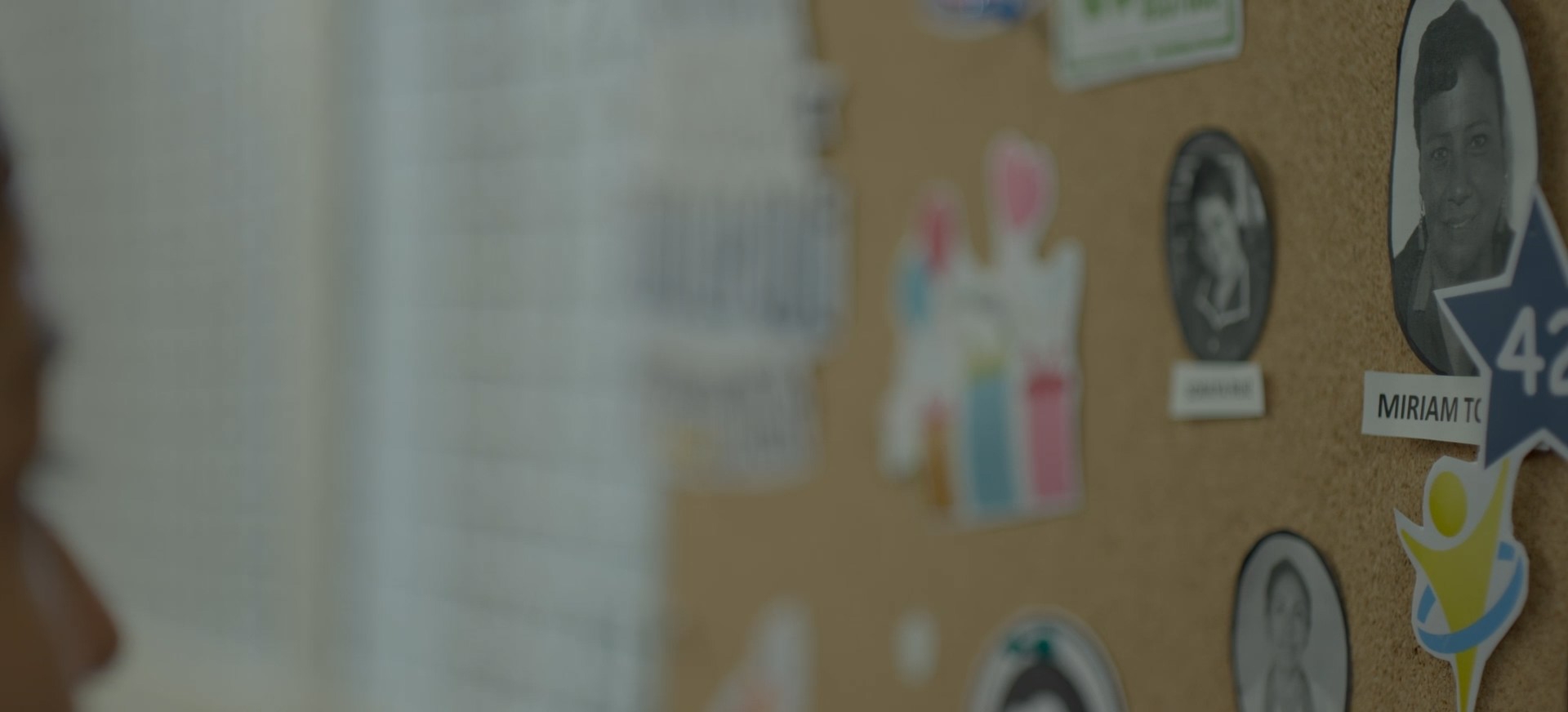
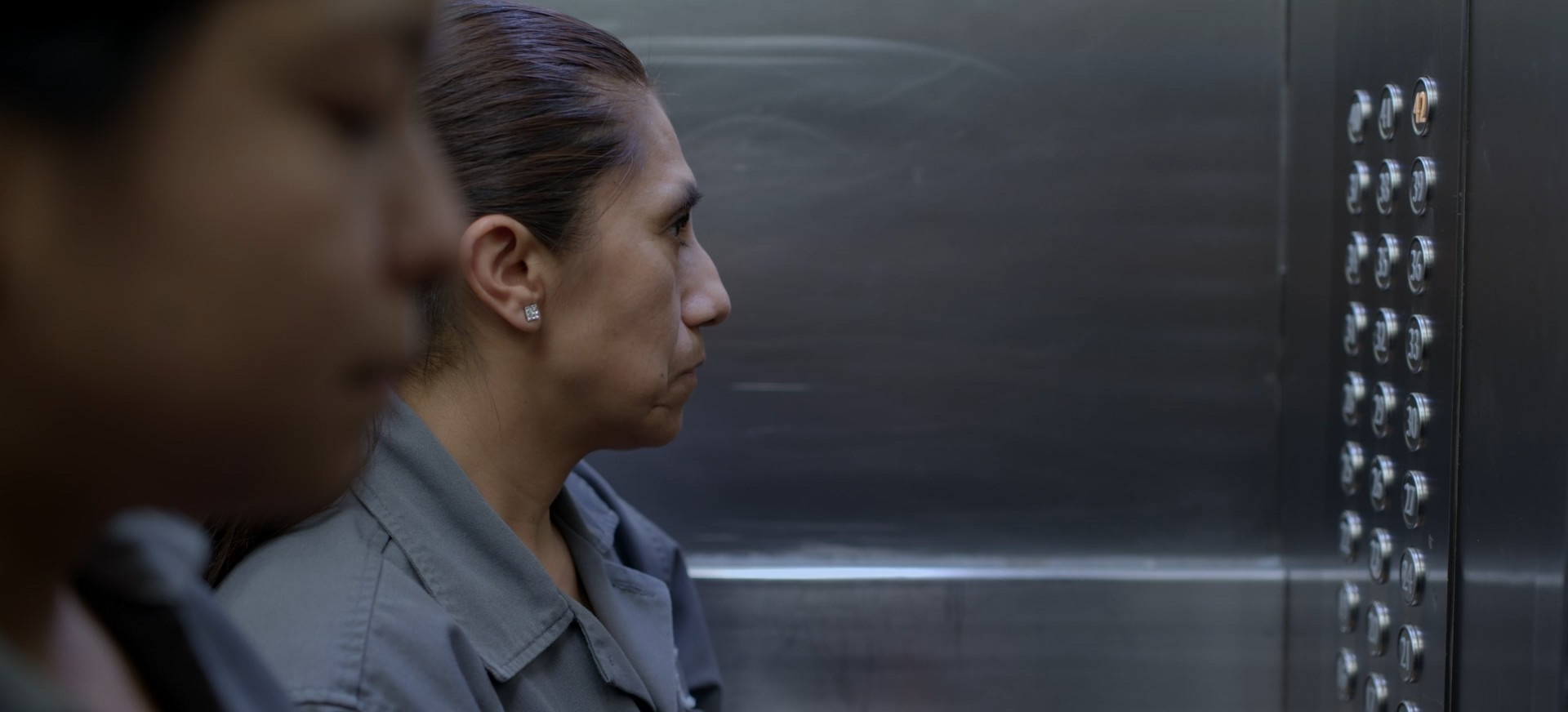
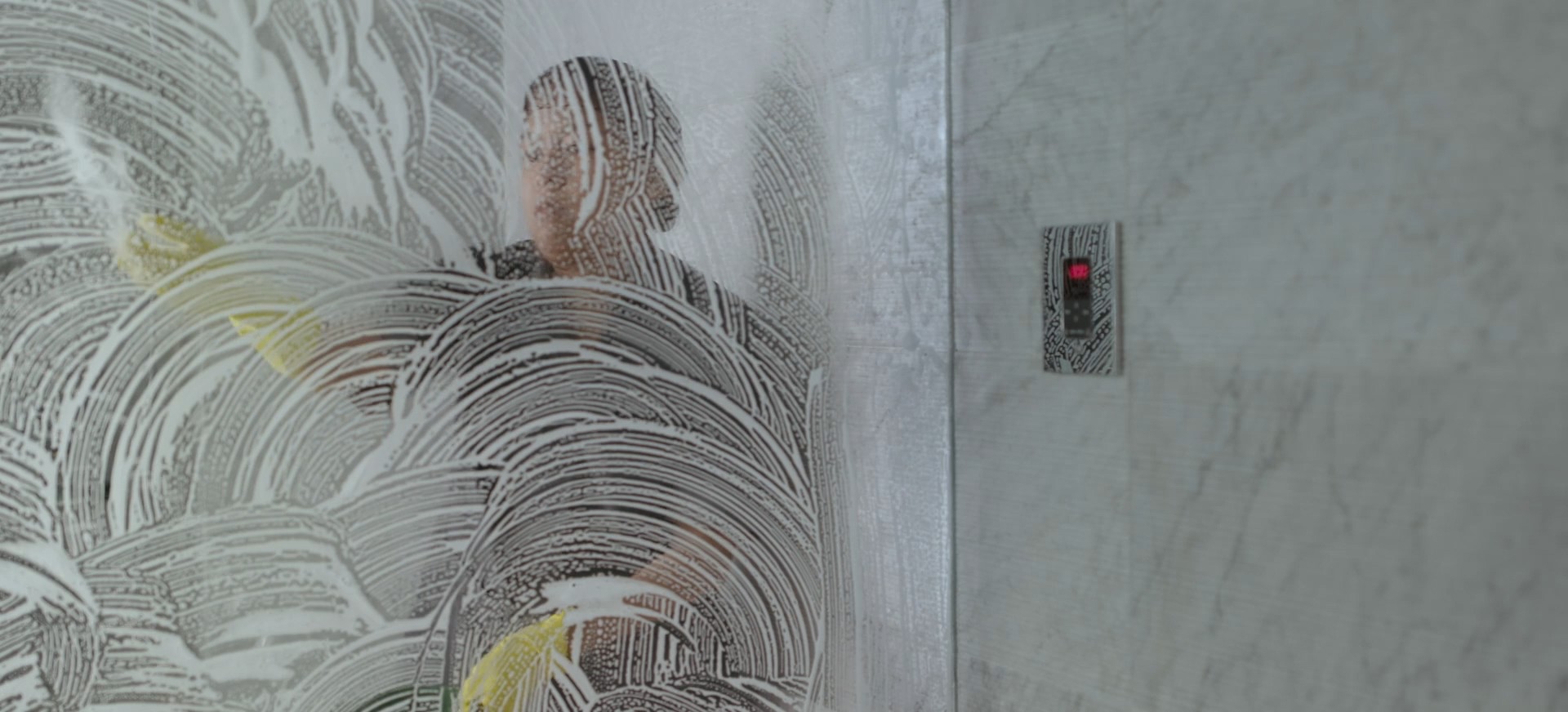
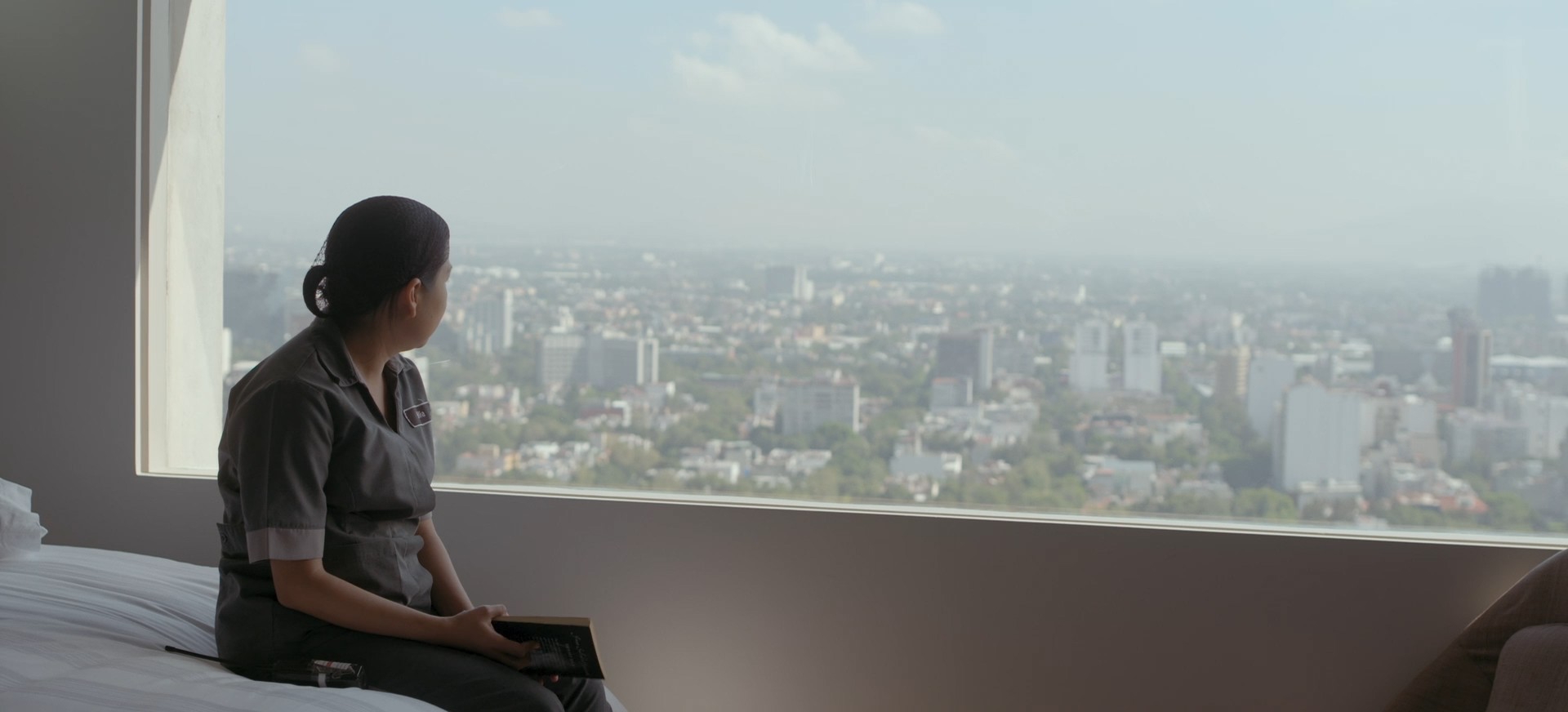
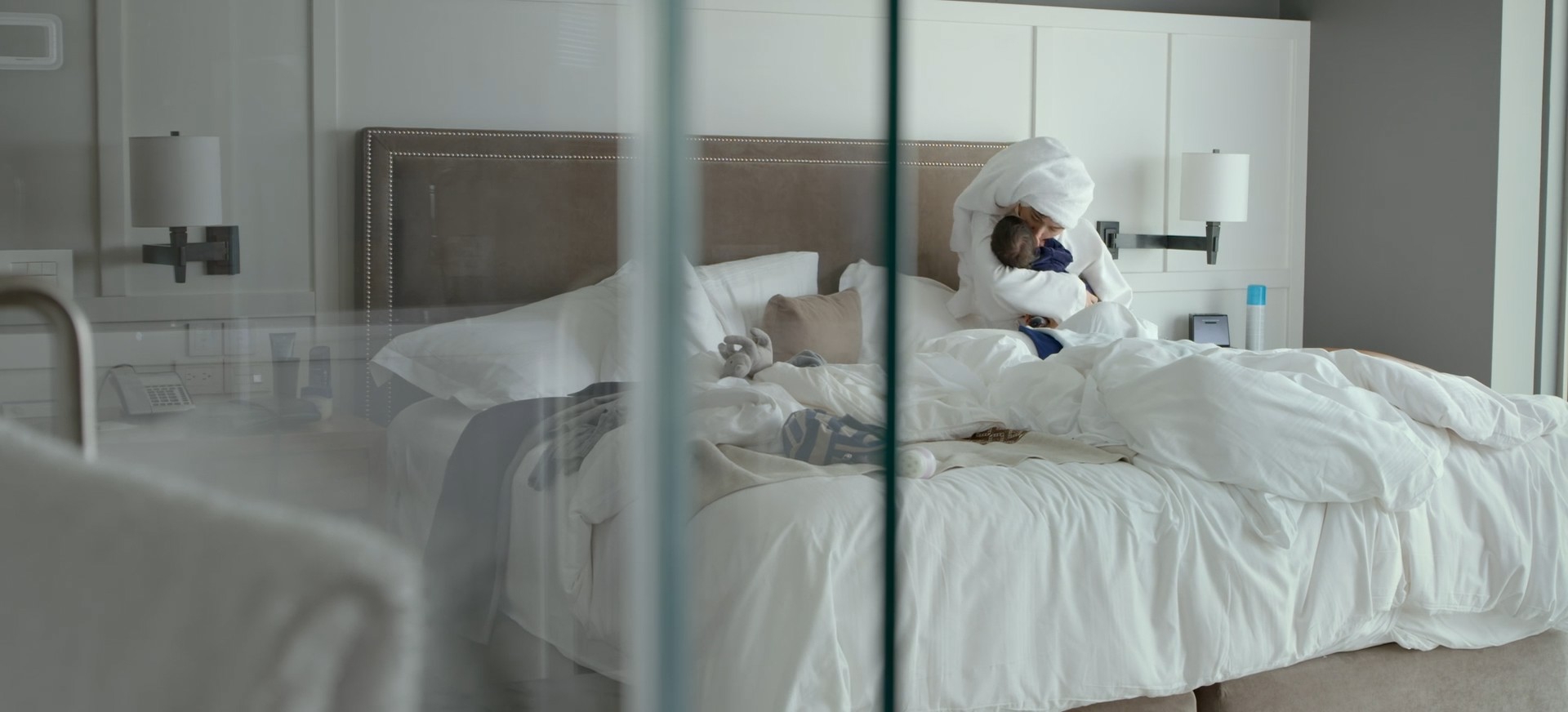
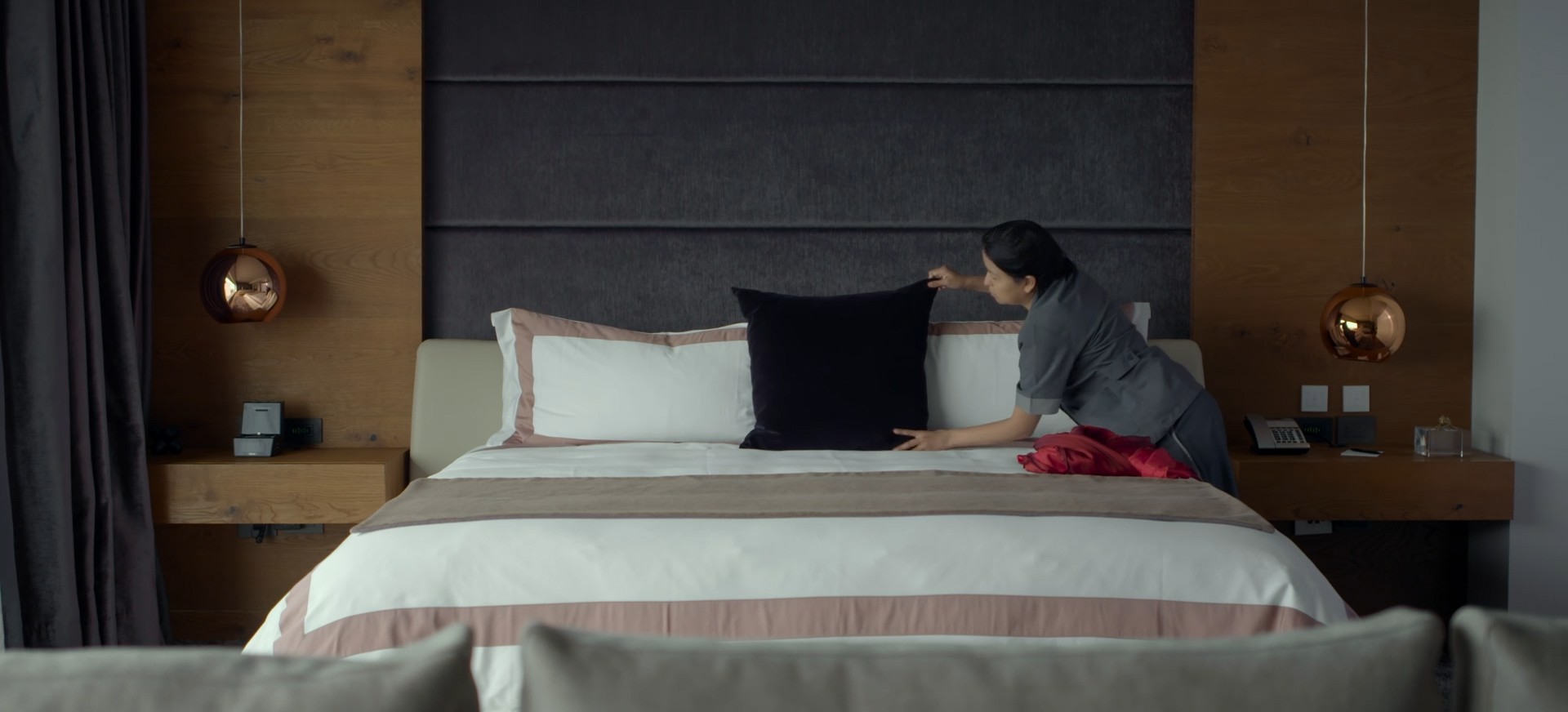
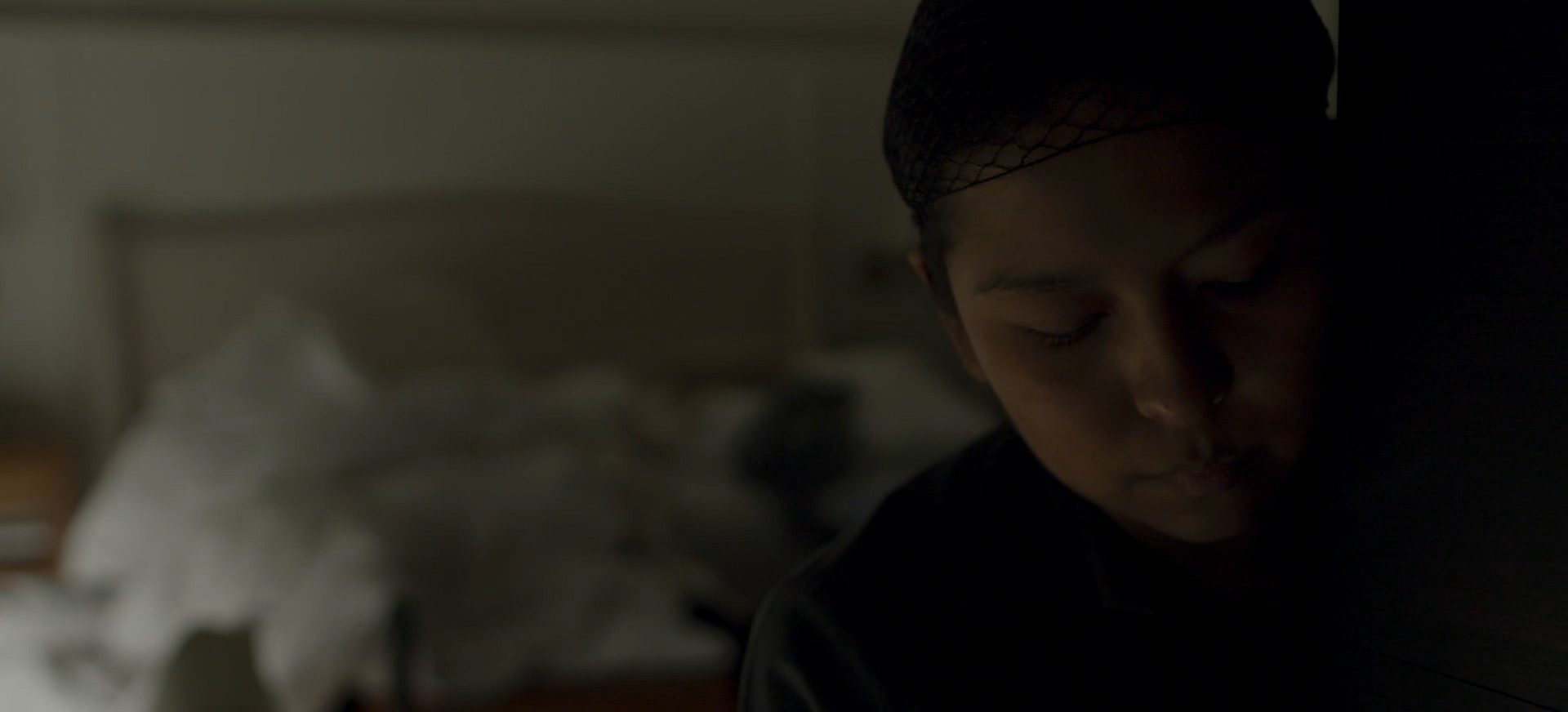
The Chambermaid (2019)
Eve, a young hotel chambermaid in Mexico City, works tirelessly cleaning rooms in the hopes of earning a promotion to a better floor. As she navigates the repetitive demands of her job and the quiet hierarchies of the hotel, small interactions and fleeting moments begin to shape her sense of self. Her routine becomes a subtle exploration of isolation, aspiration, and dignity within an invisible workforce.
Avilés and cinematographer Carlos Rossini shoot The Chambermaid with a restrained, observational precision, using locked-off frames and shallow depth-of-field to confine Eve within the geometry of hotel rooms and corridors. The film’s soft, neutral palette and careful compositions turn repetition into rhythm—where space, routine, and framing quietly articulate the limits placed on her world.
FILM SPOTLIGHT
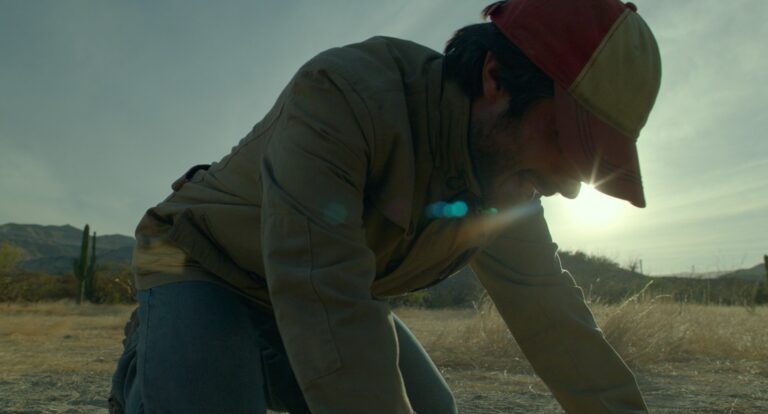
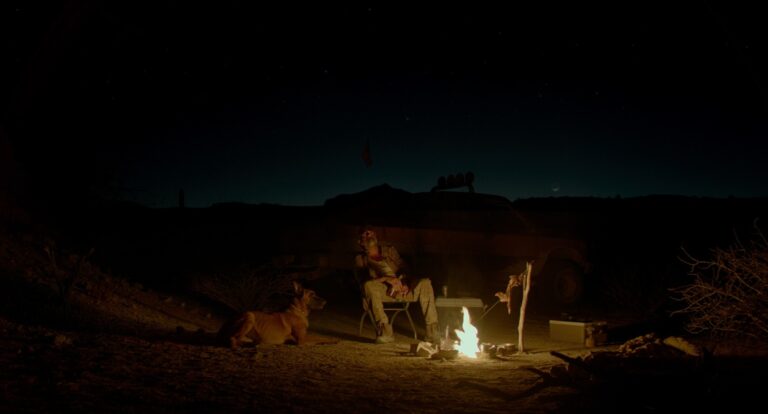
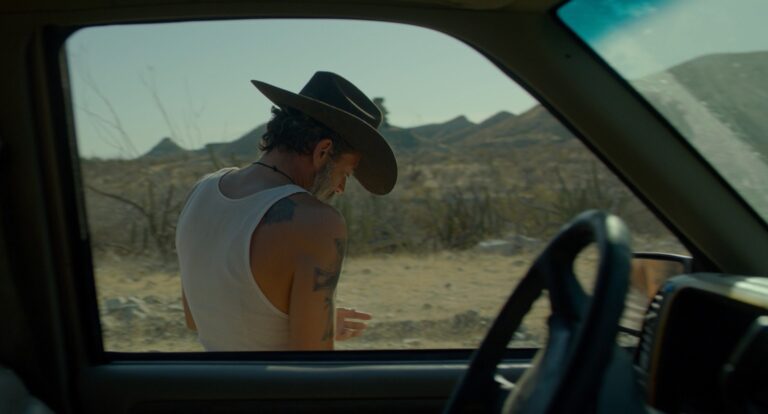
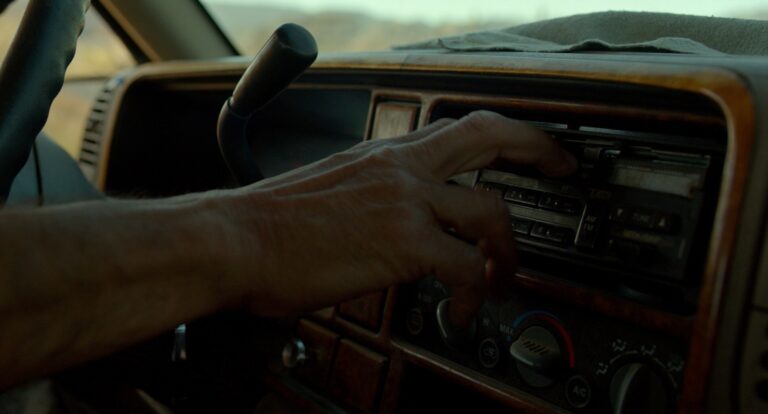
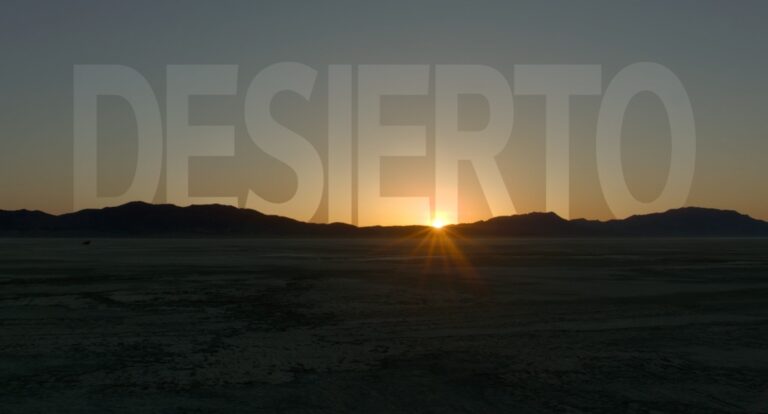
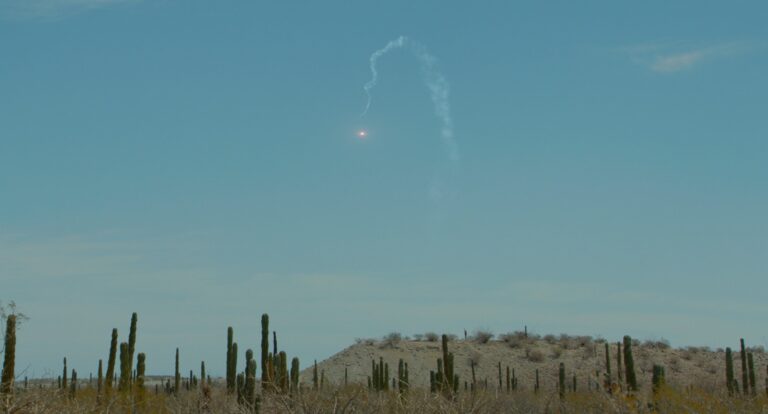
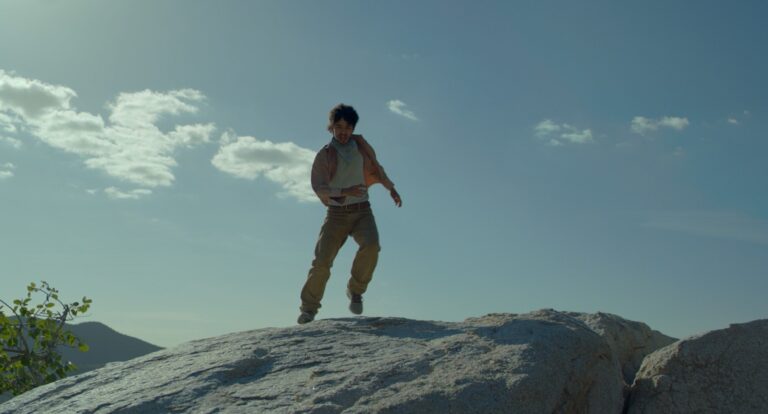
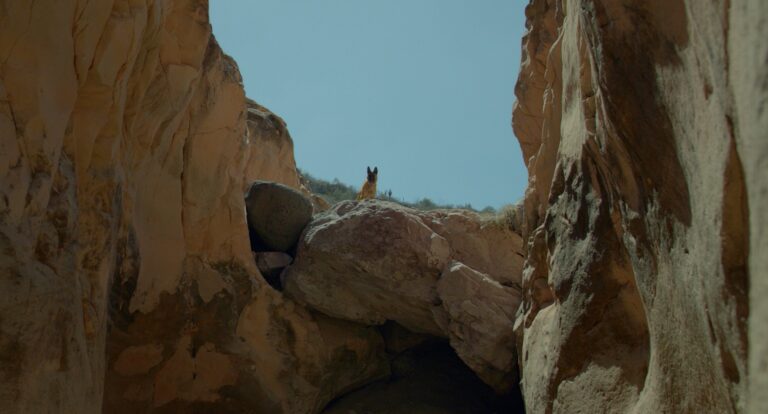
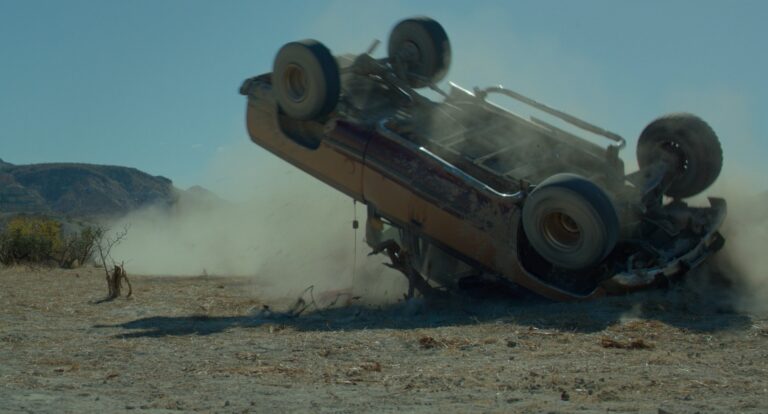
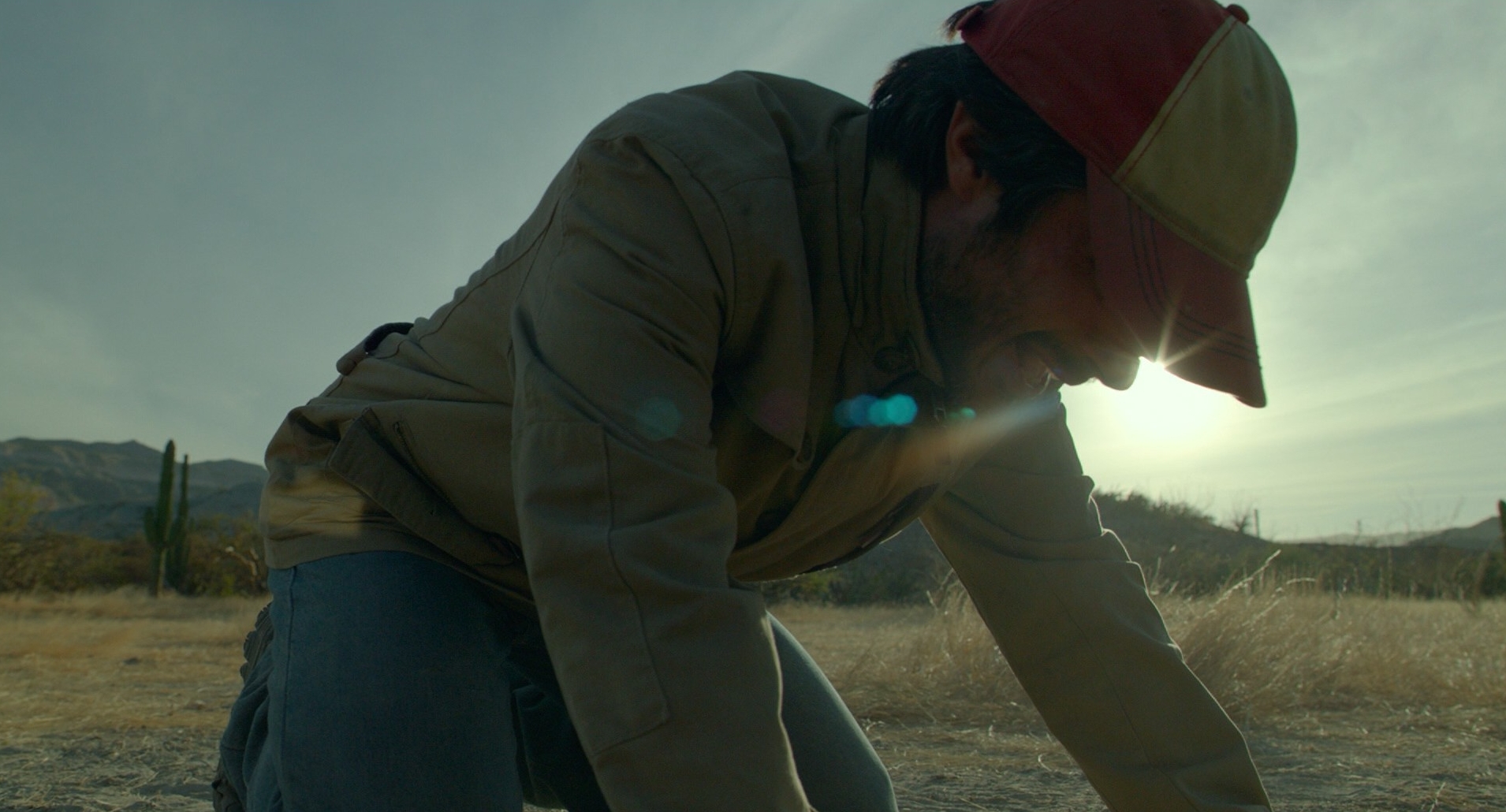
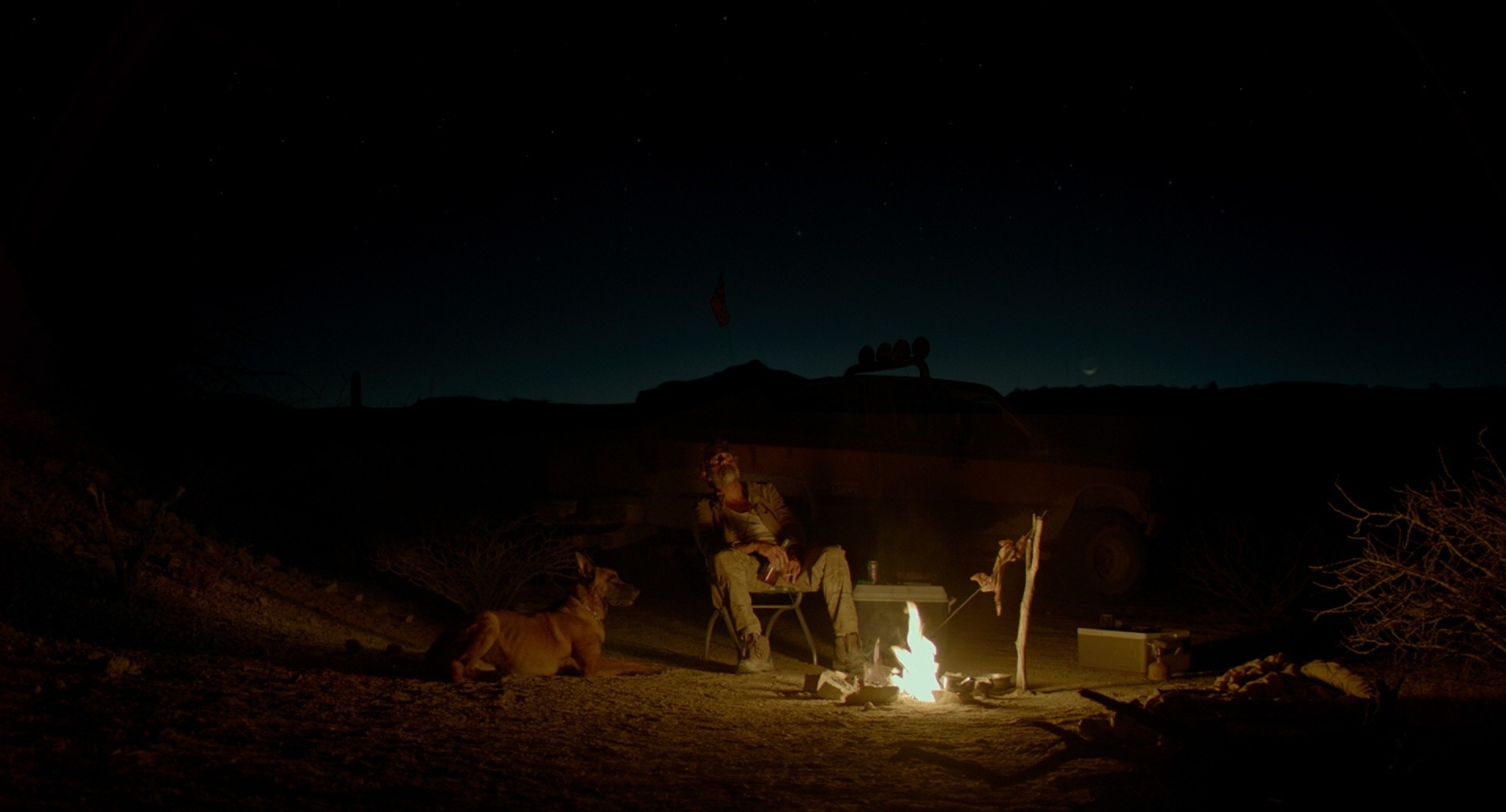
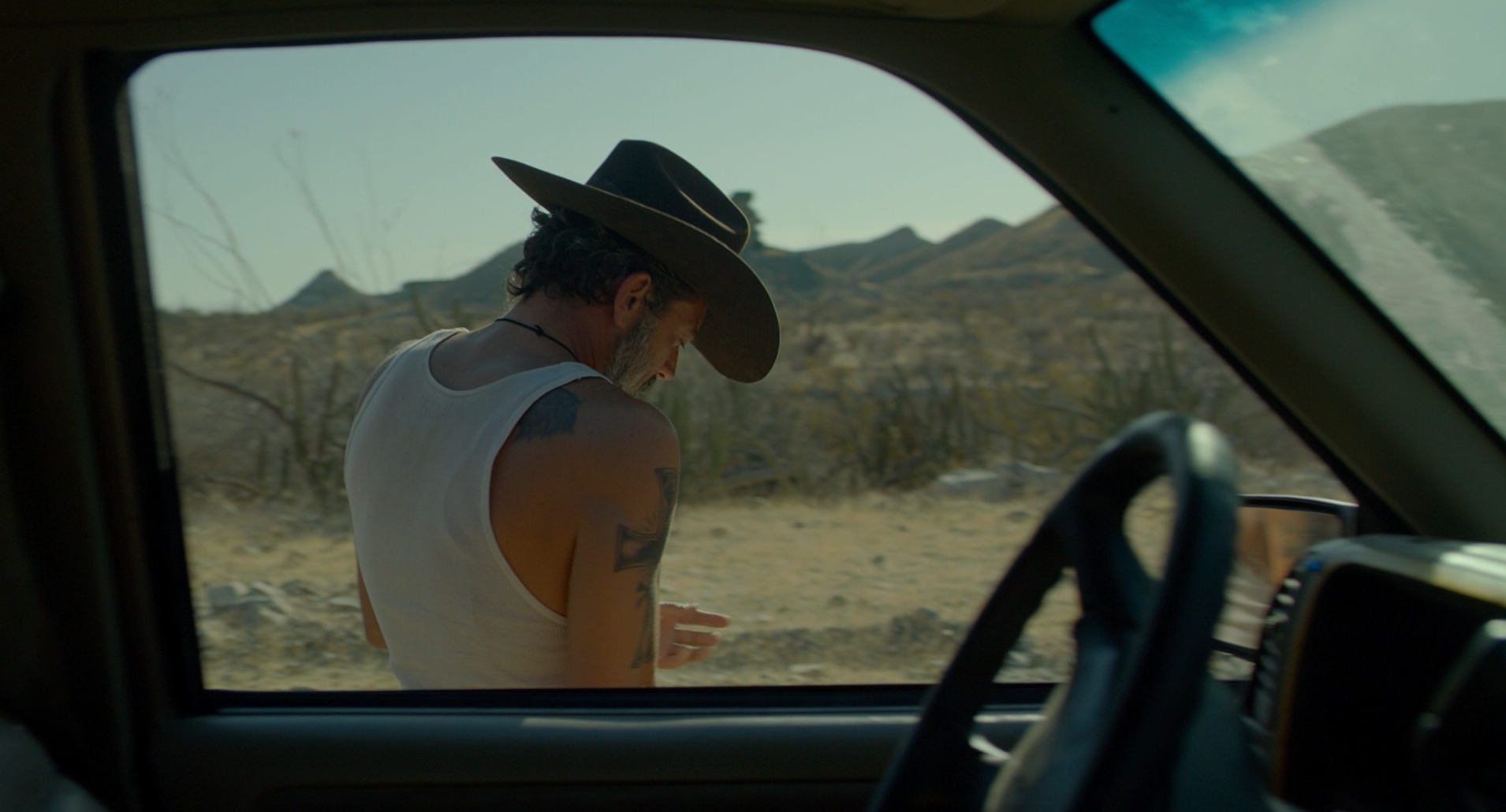
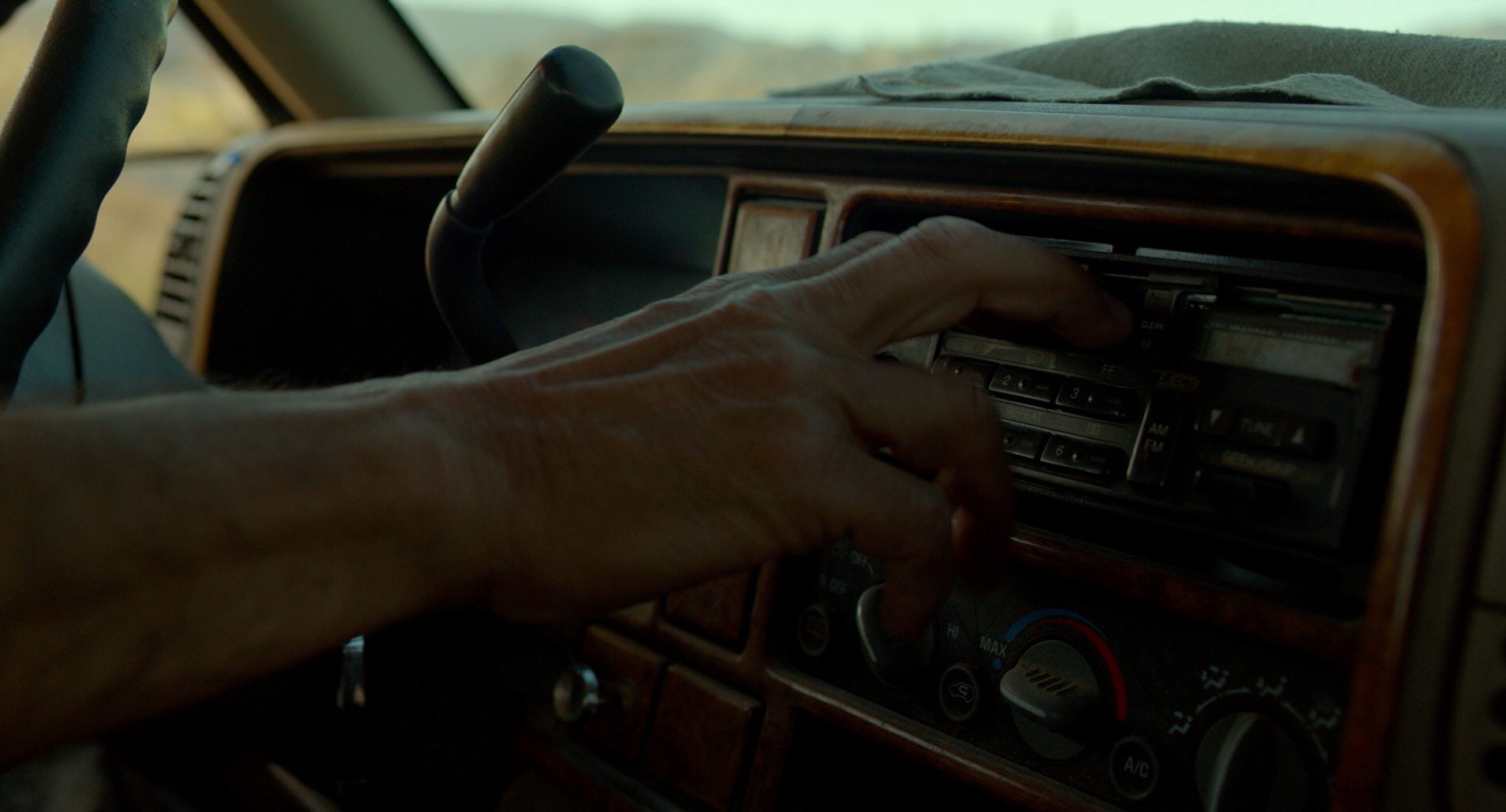
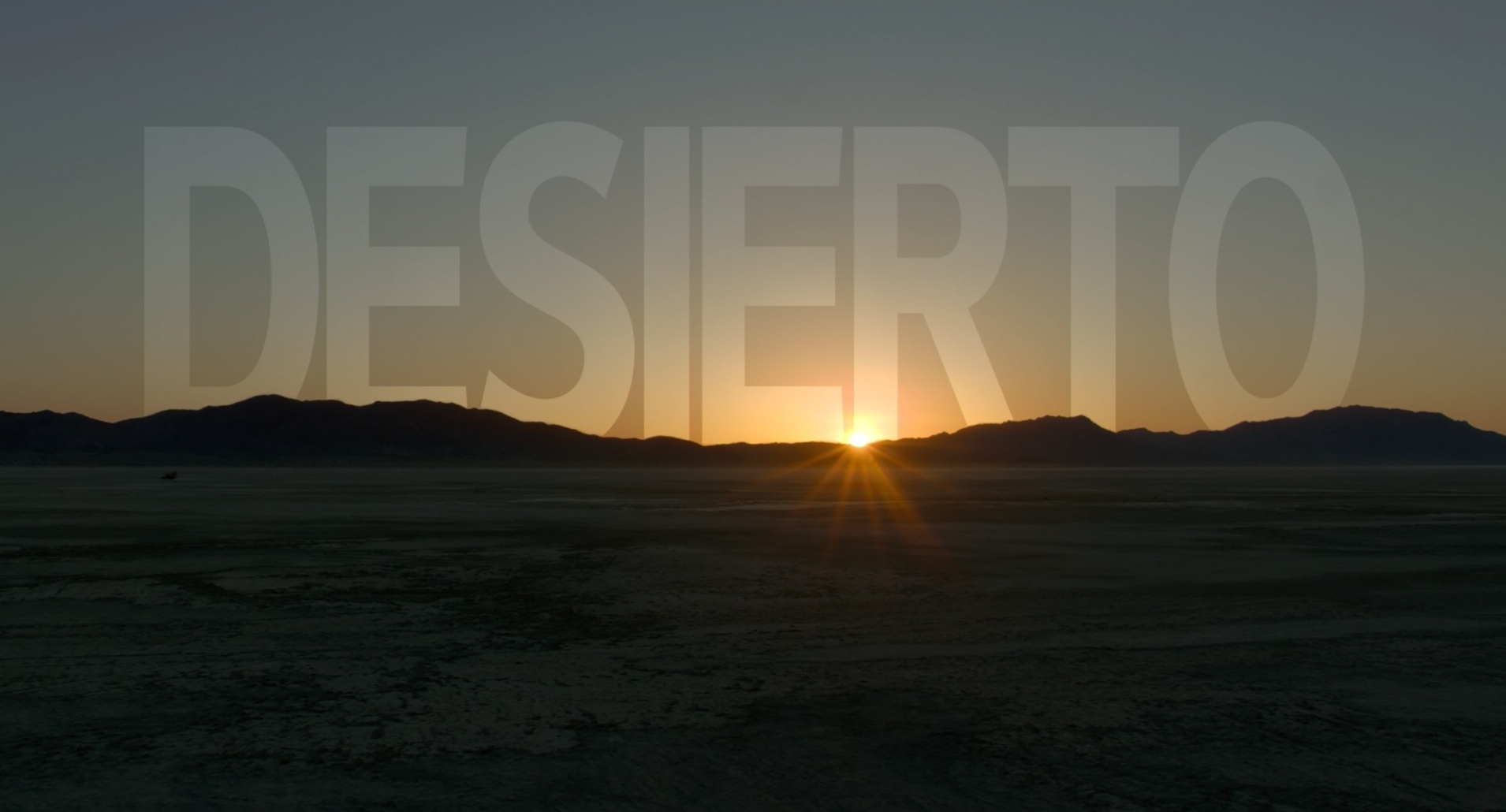
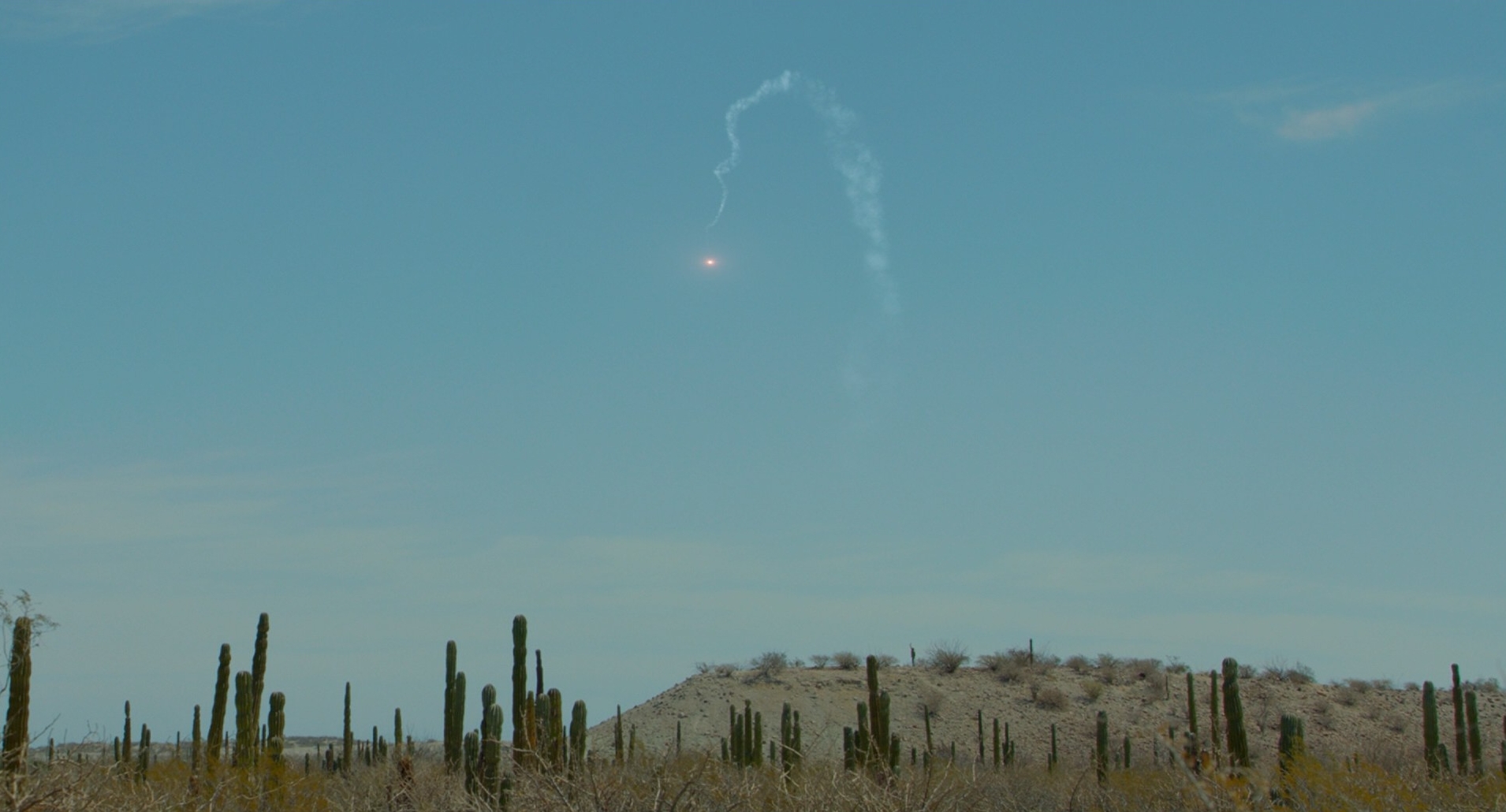
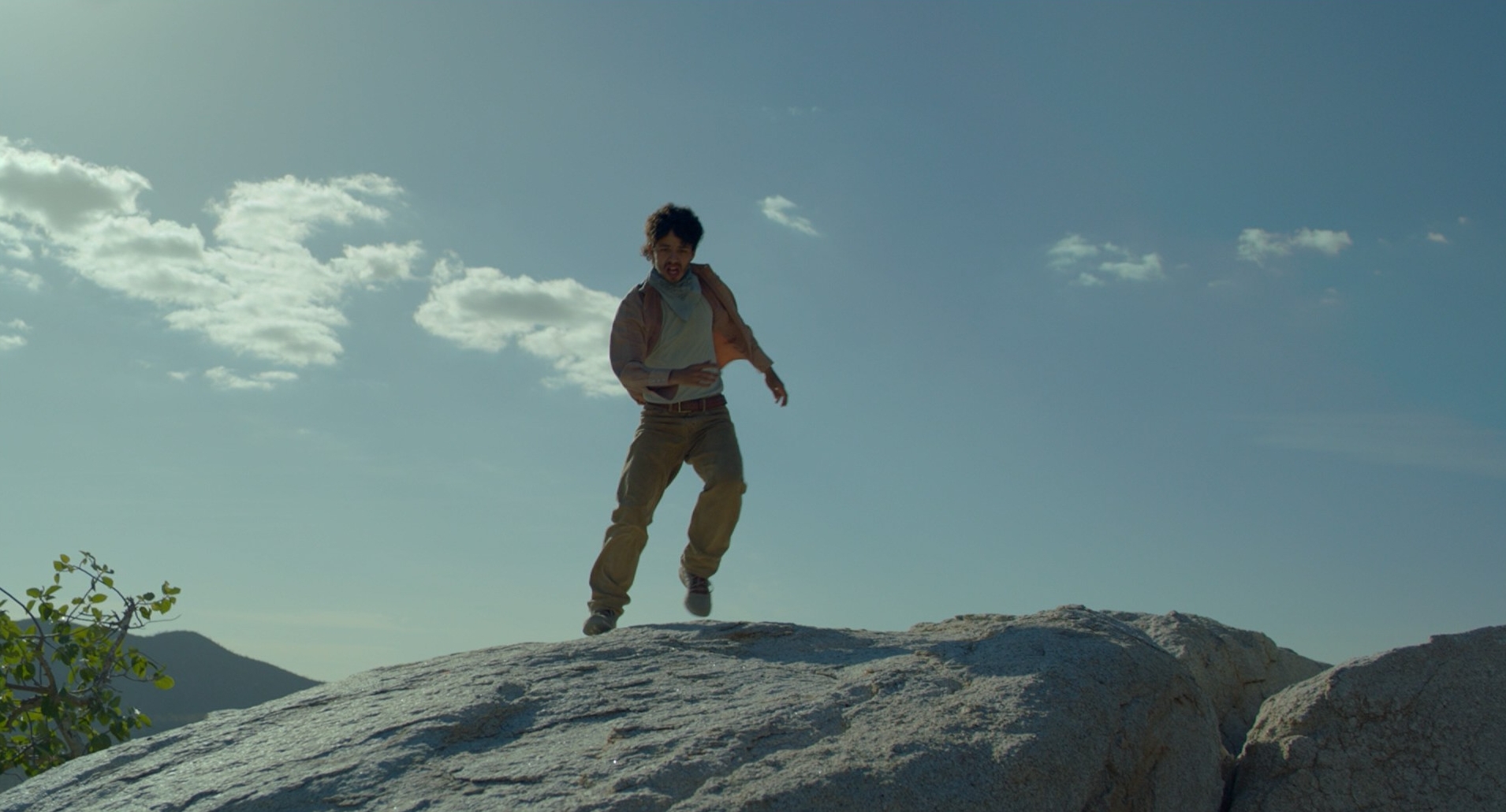
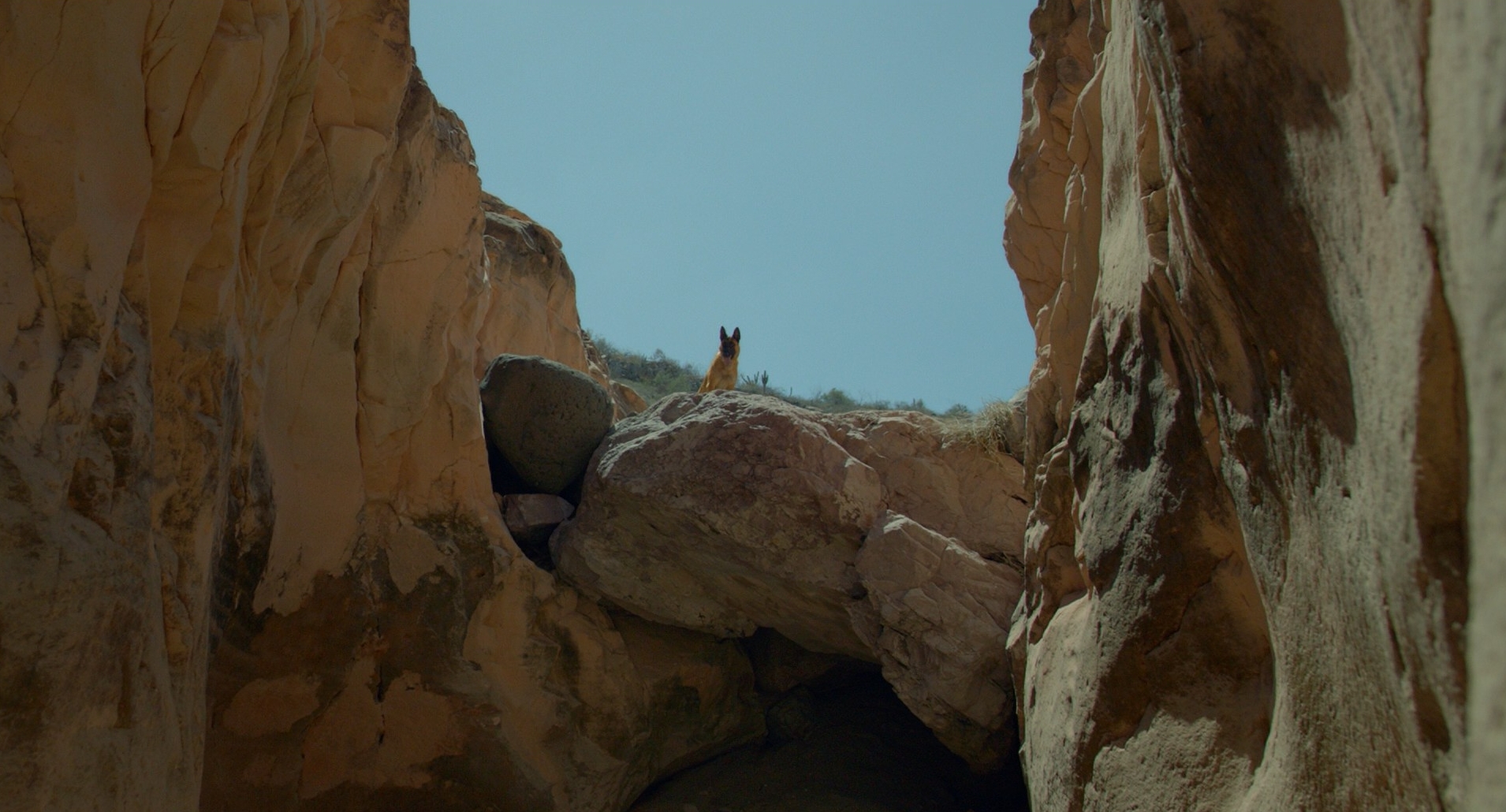
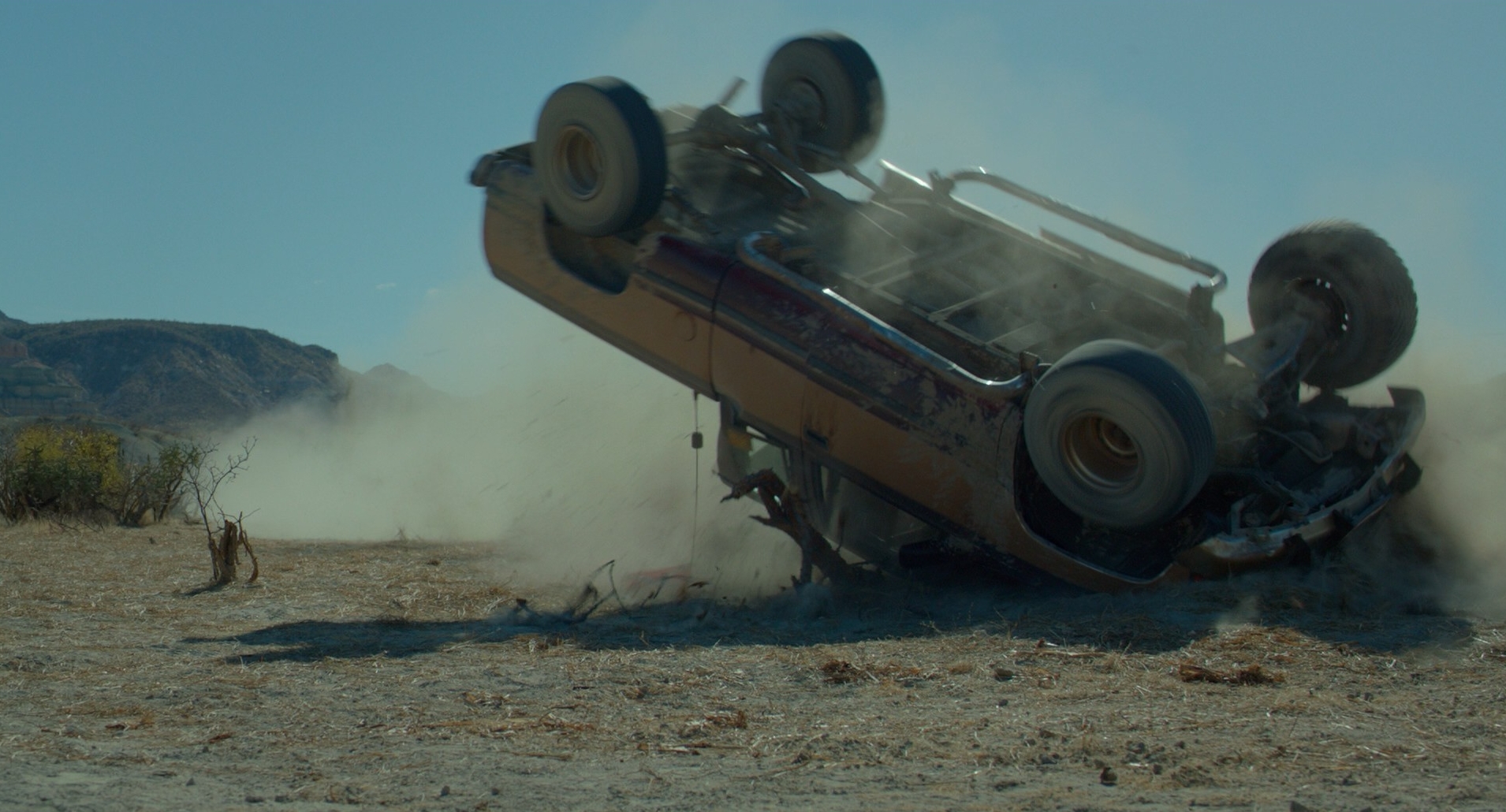
Desierto (2015)
A group of migrants attempting to cross the U.S.-Mexico border find themselves hunted in the desert by a ruthless vigilante and his dog. As the journey turns into a fight for survival, one man must outwit his pursuer while navigating the harsh, unforgiving landscape. The crossing becomes a deadly game of endurance, fear, and resilience.
Cuarón and cinematographer Damián García shoot Desierto with a stark, sun-blasted intensity, using long lenses and wide desert vistas to emphasize exposure and vulnerability. The film’s high-contrast light, minimal shade, and kinetic camera movement turn the landscape into the primary antagonist—where heat, distance, and terrain shape the visual tension as much as the chase itself.
FILM SPOTLIGHT
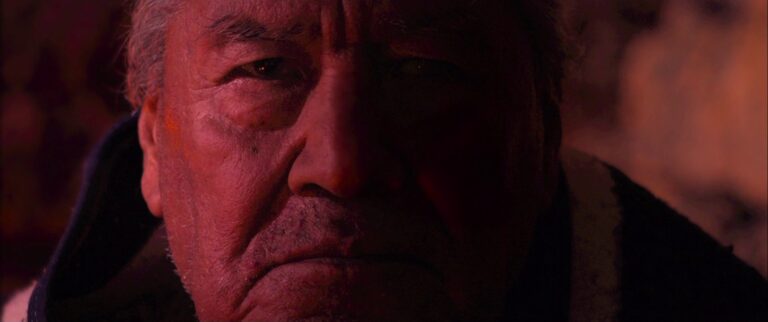
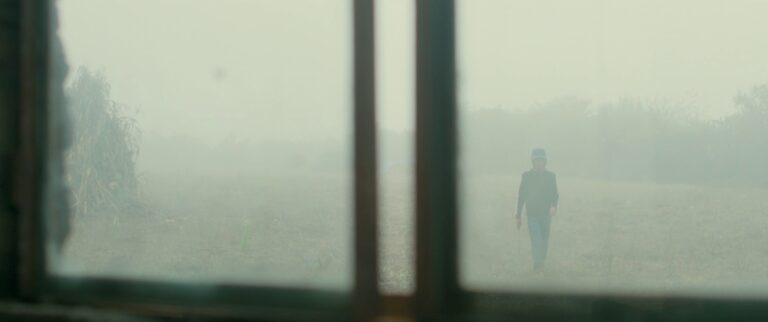
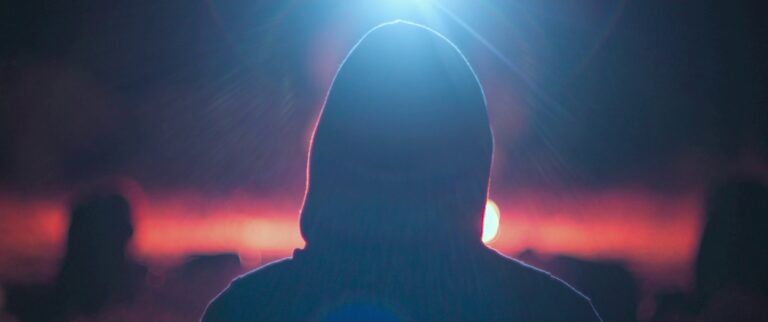
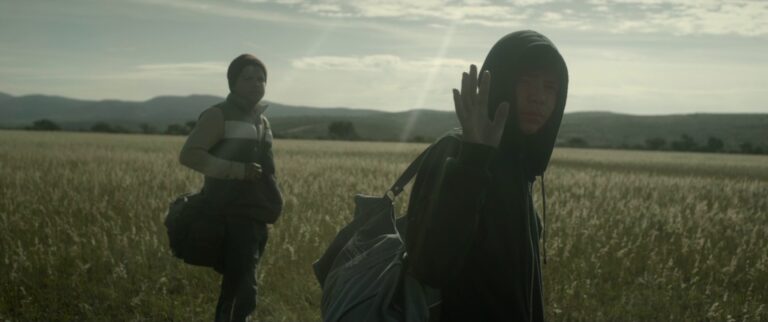
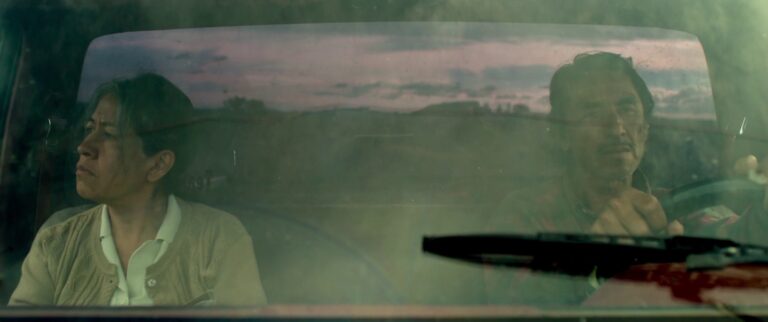
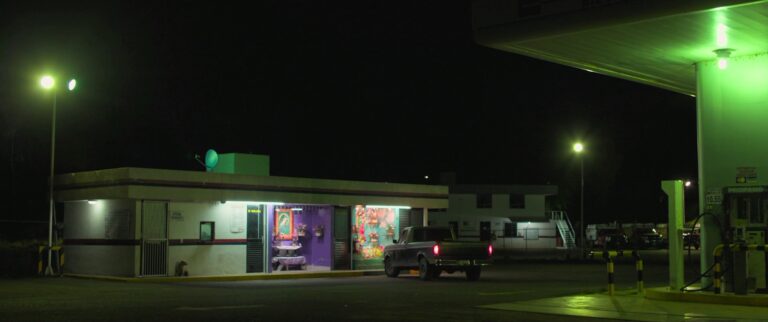
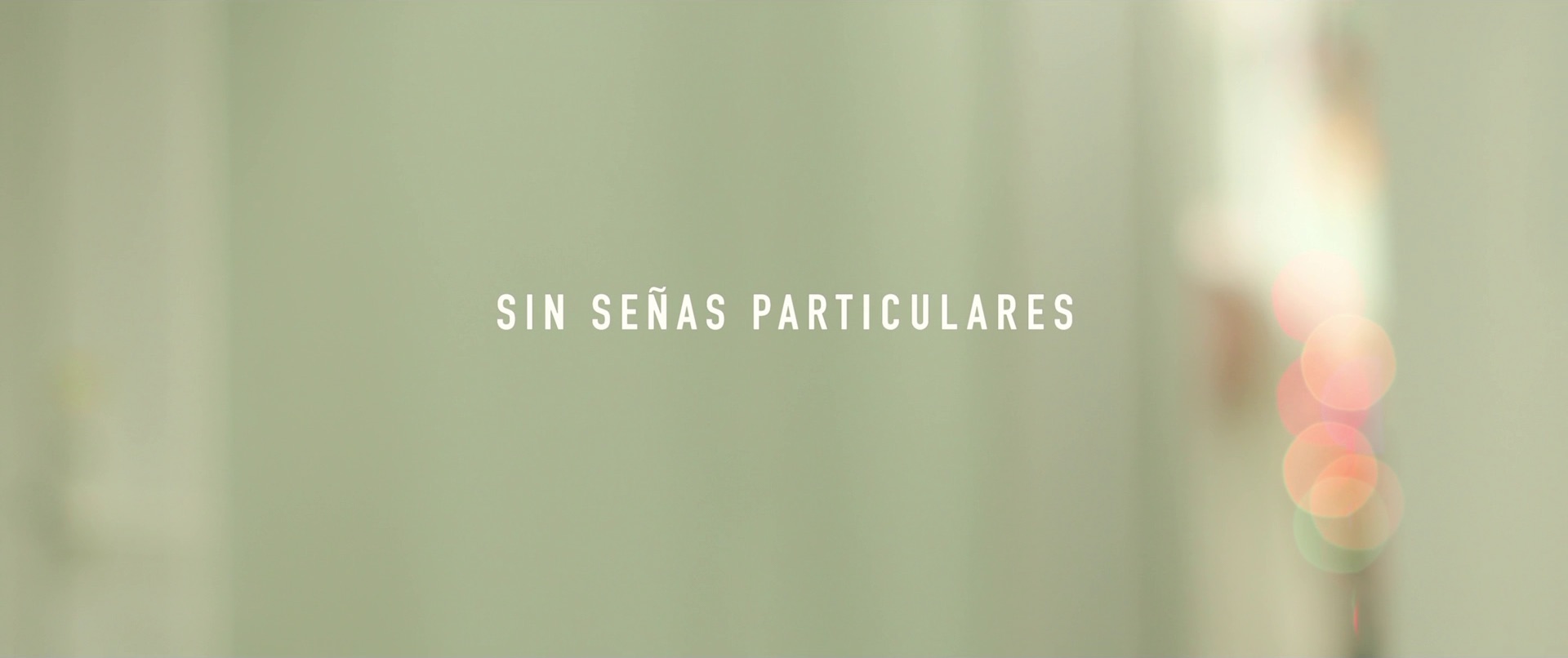
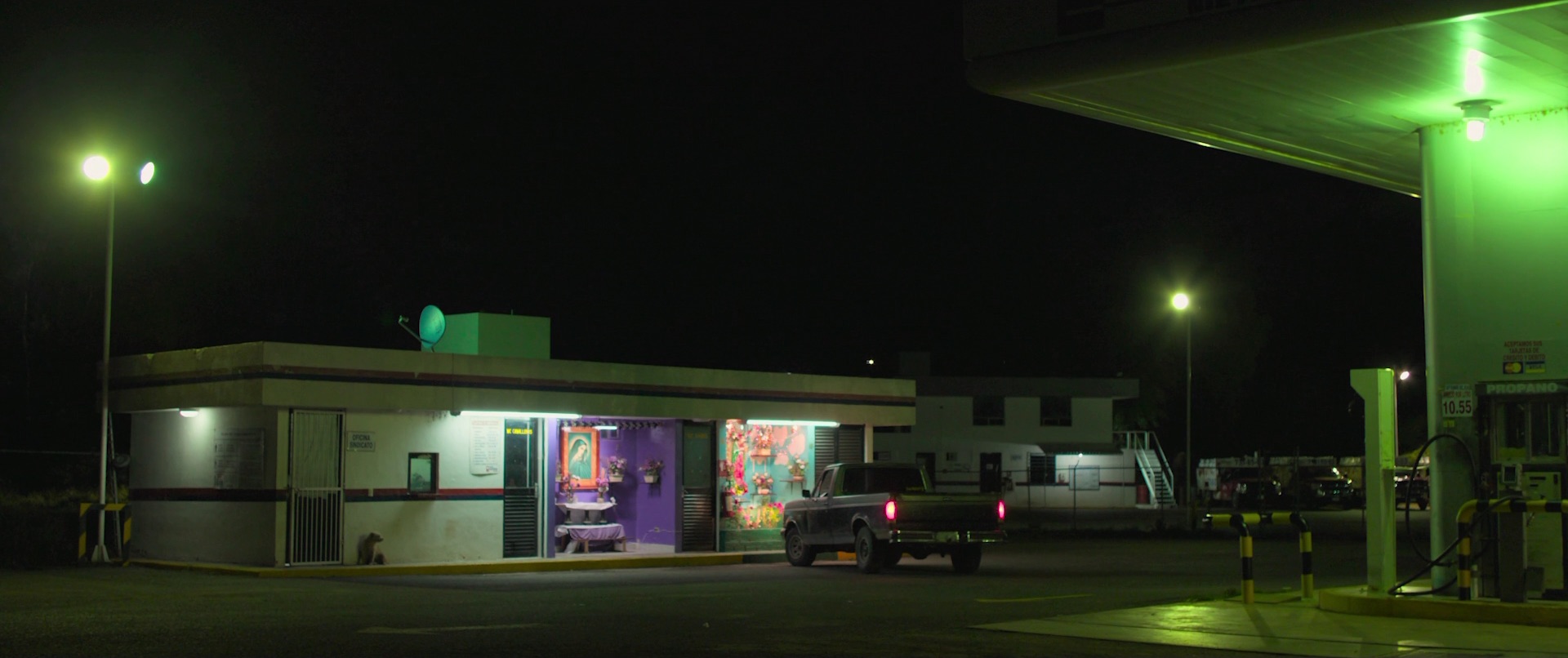
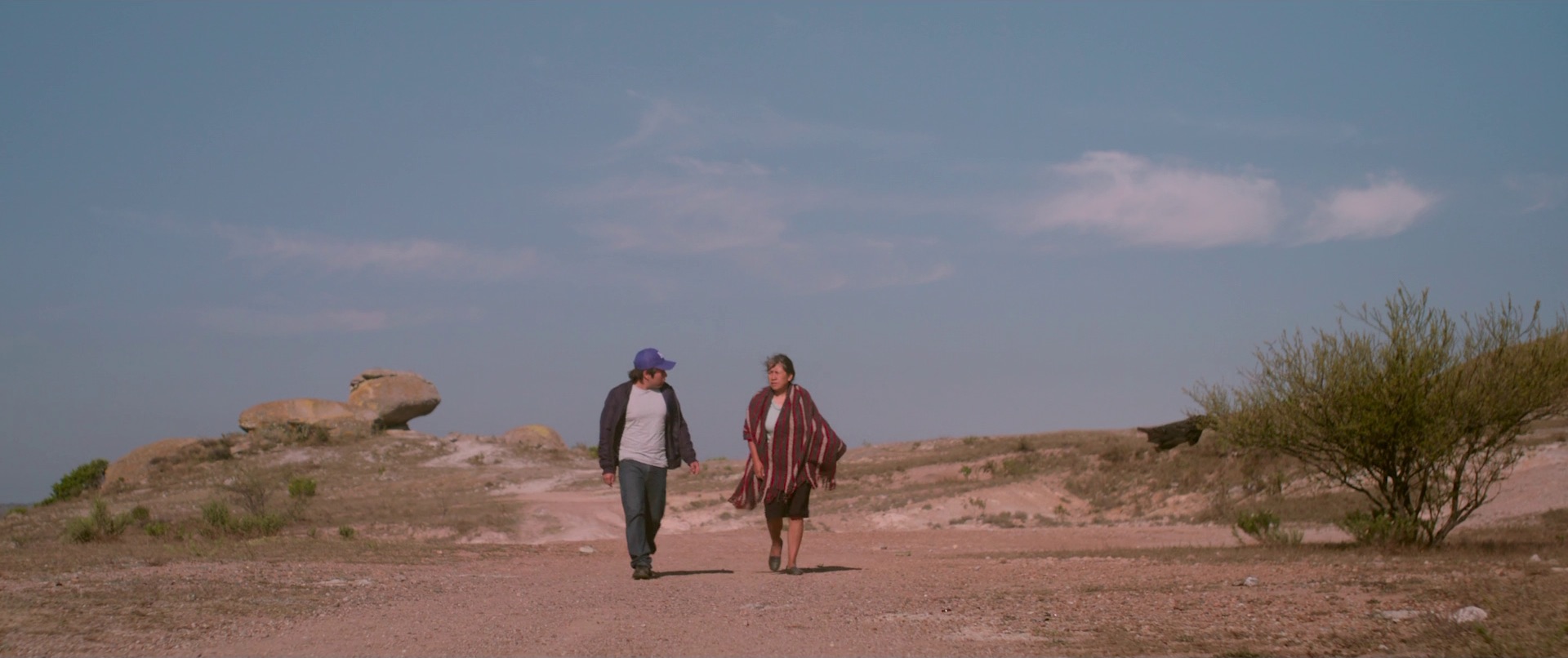
Identifying Features (2020)
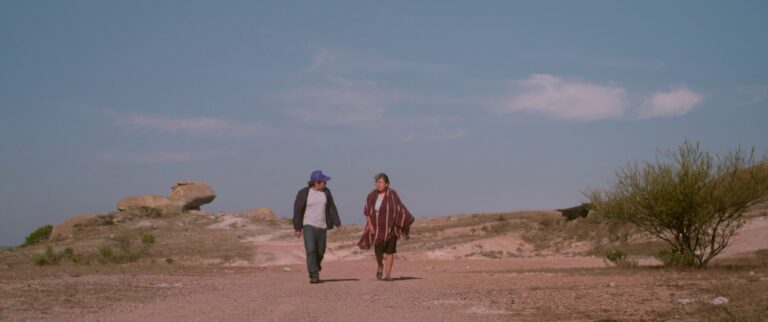
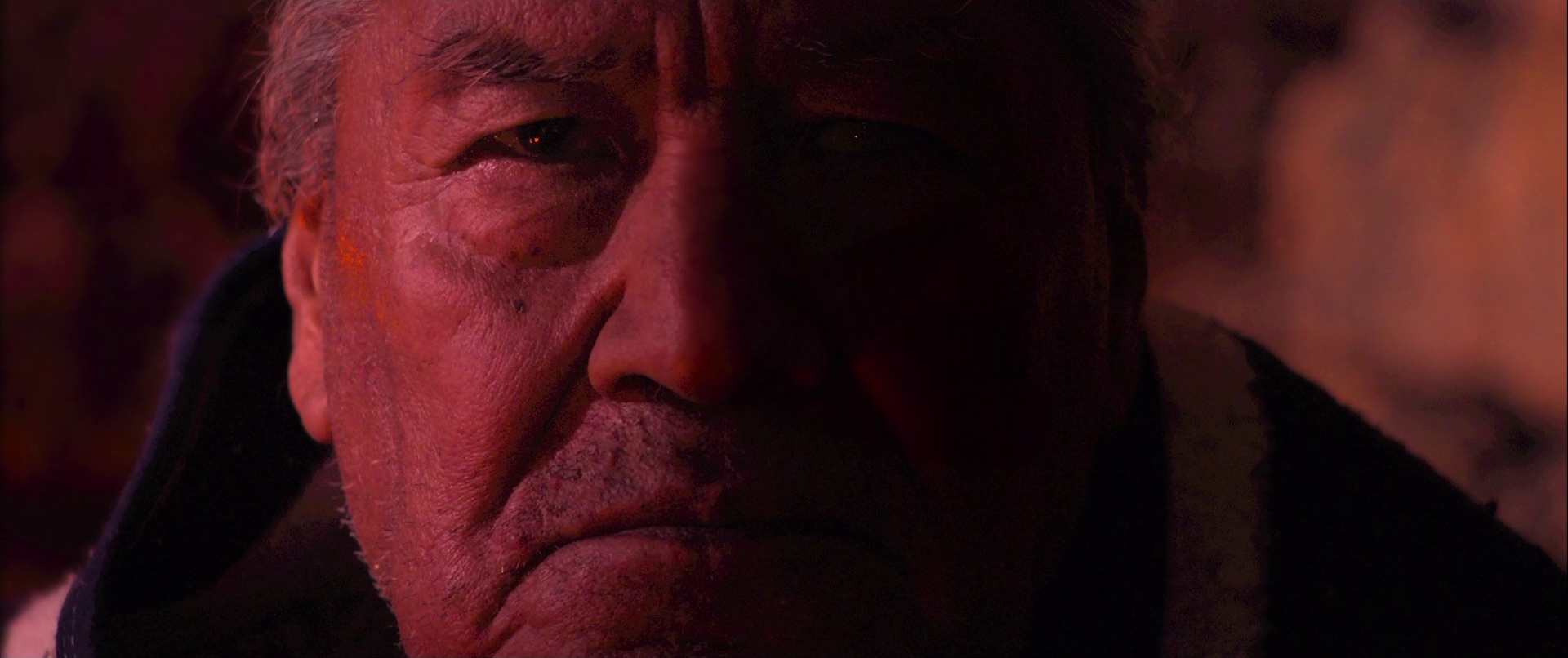
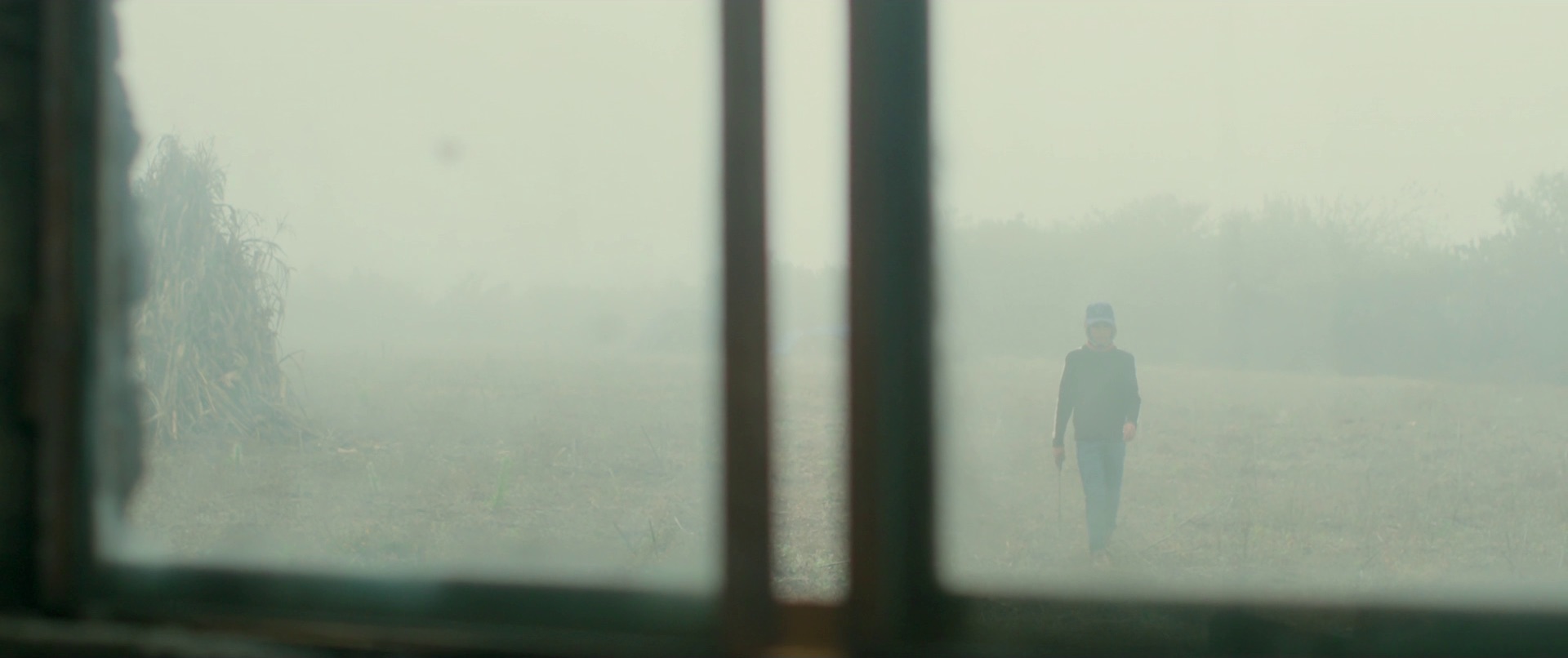
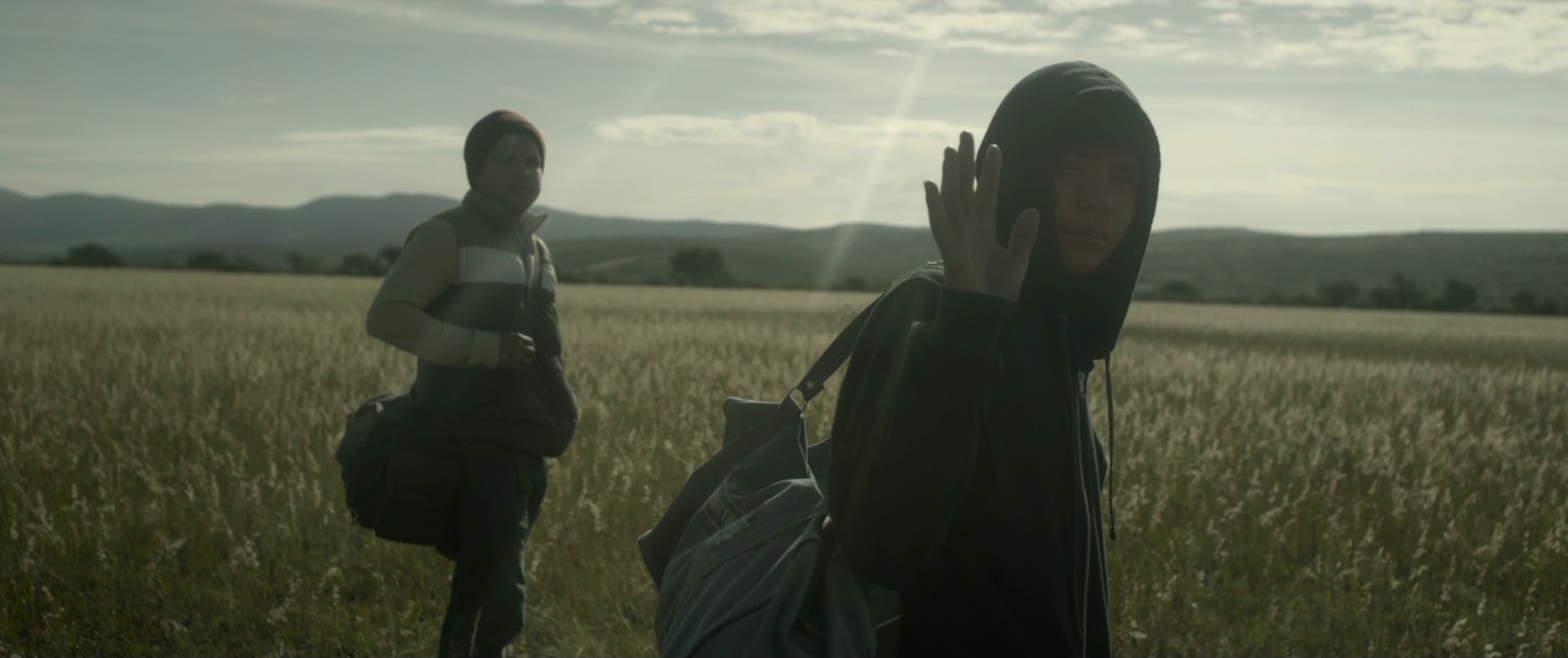
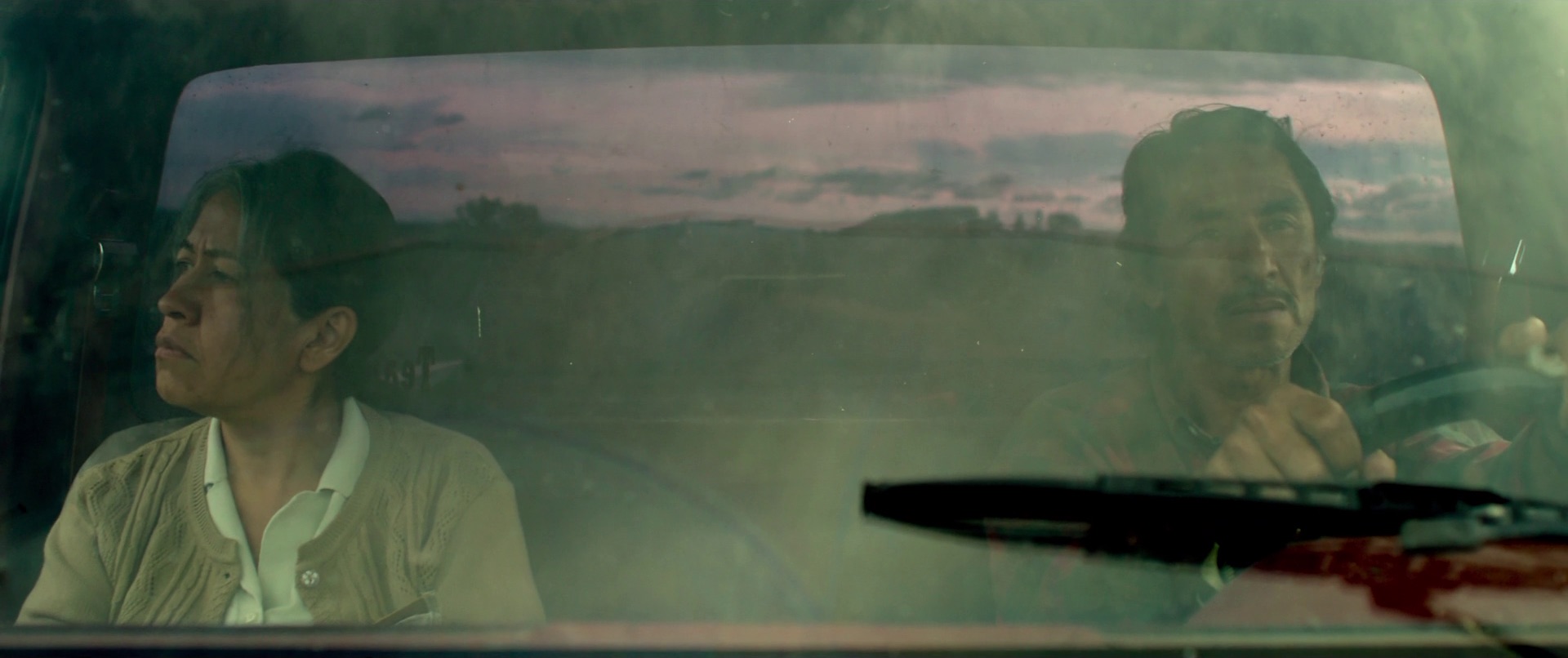
After her son disappears while attempting to cross the U.S.-Mexico border, a mother sets out on a journey across Mexico to find him. Along the way, she encounters others affected by migration and violence, gradually uncovering the harsh realities behind his disappearance. Her search becomes a quiet but relentless pursuit of truth in a landscape marked by loss and uncertainty.
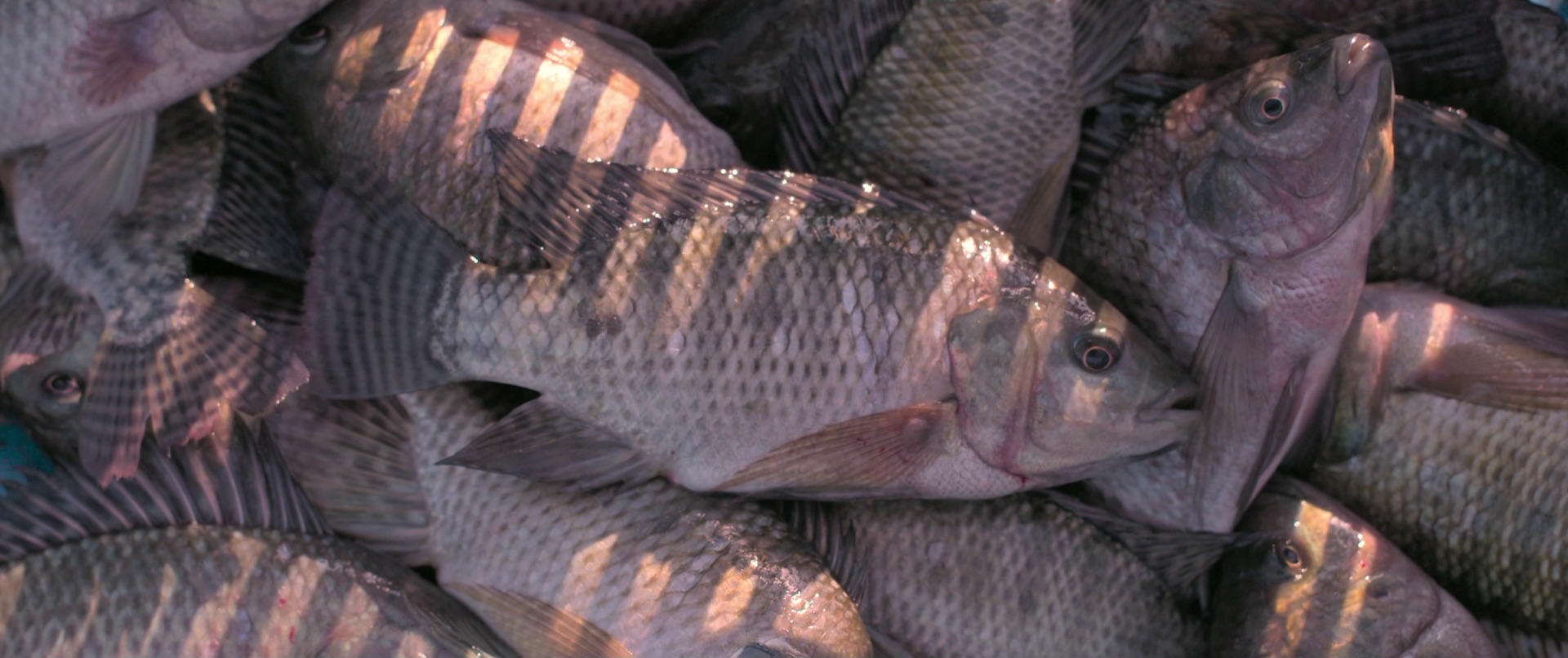
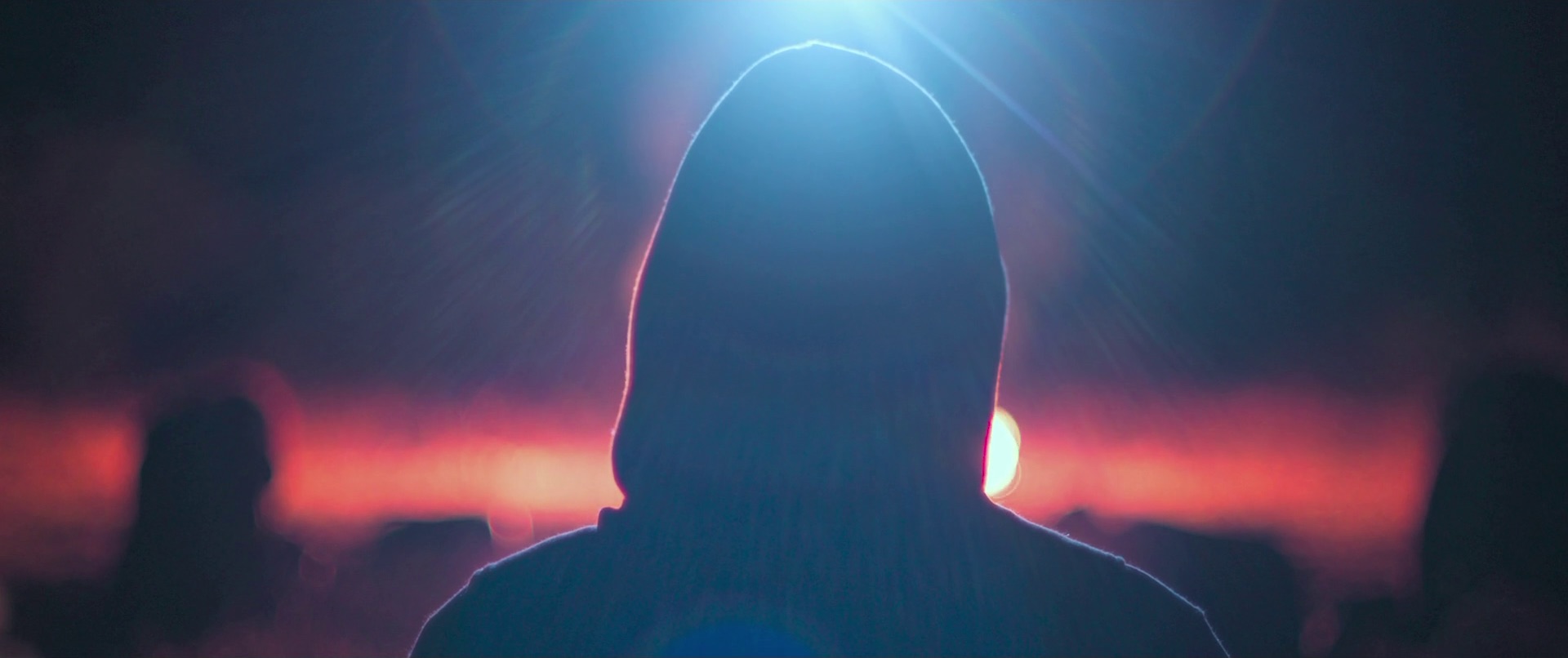
Valadez and cinematographer Claudia Becerril Bulos shoot Identifying Features with a stark, observational stillness, using wide, static frames and natural light to emphasize absence and distance. The film’s restrained camera and muted palette turn landscapes into emotional voids—where silence, duration, and negative space carry the weight of what’s missing as much as what’s seen.

FILM SPOTLIGHT
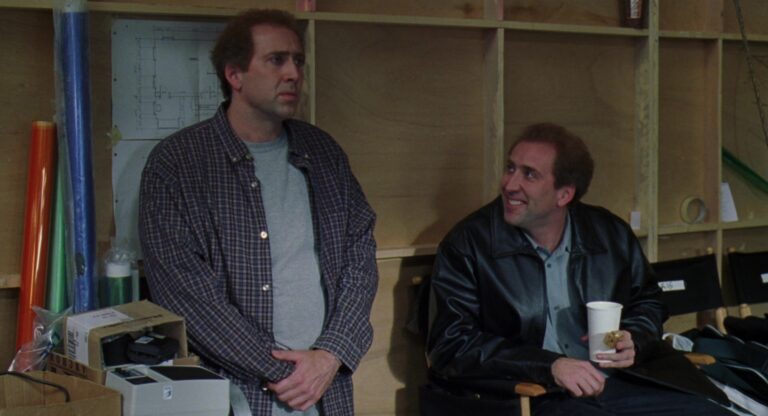
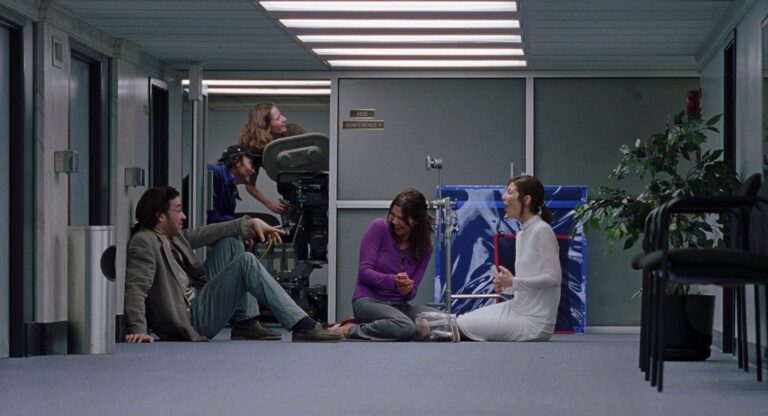
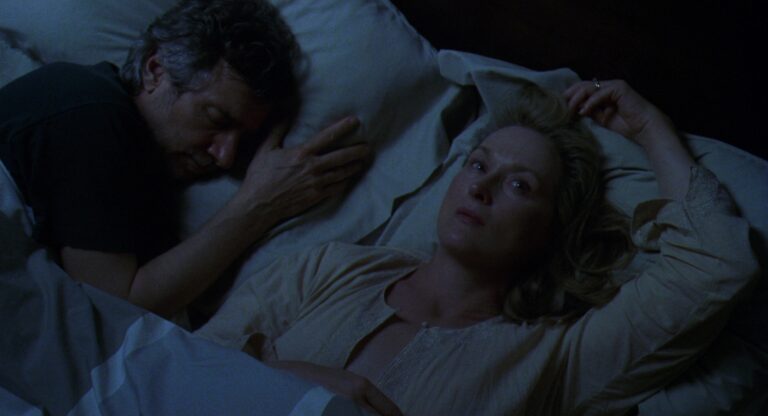
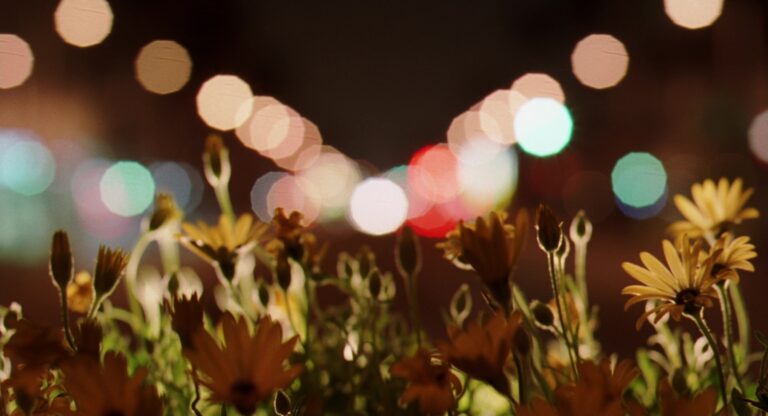
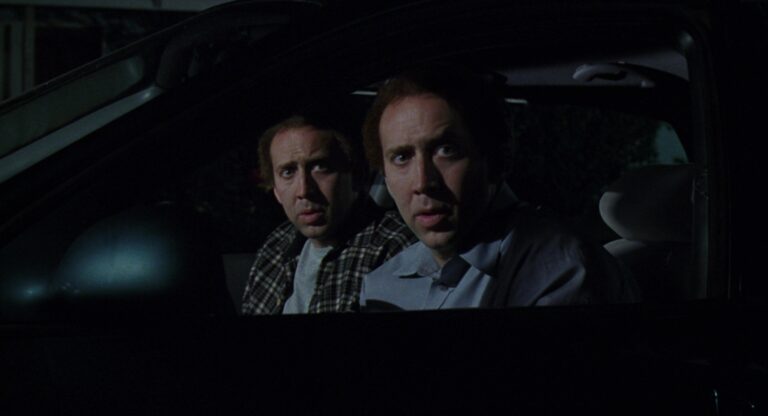
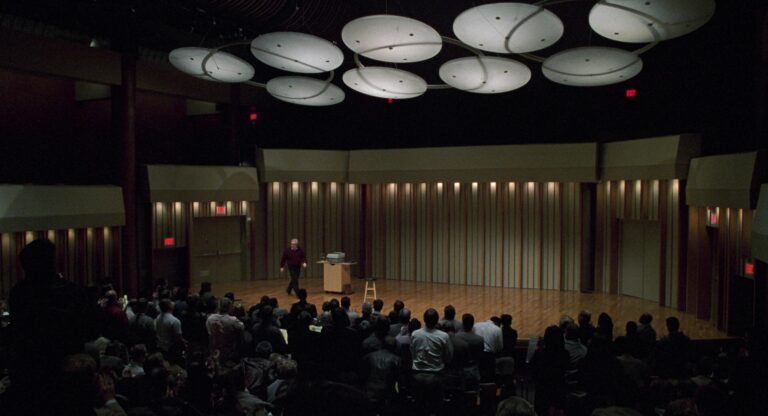
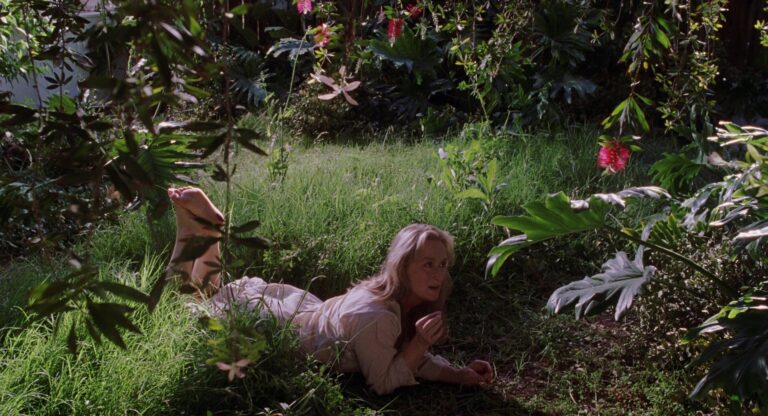
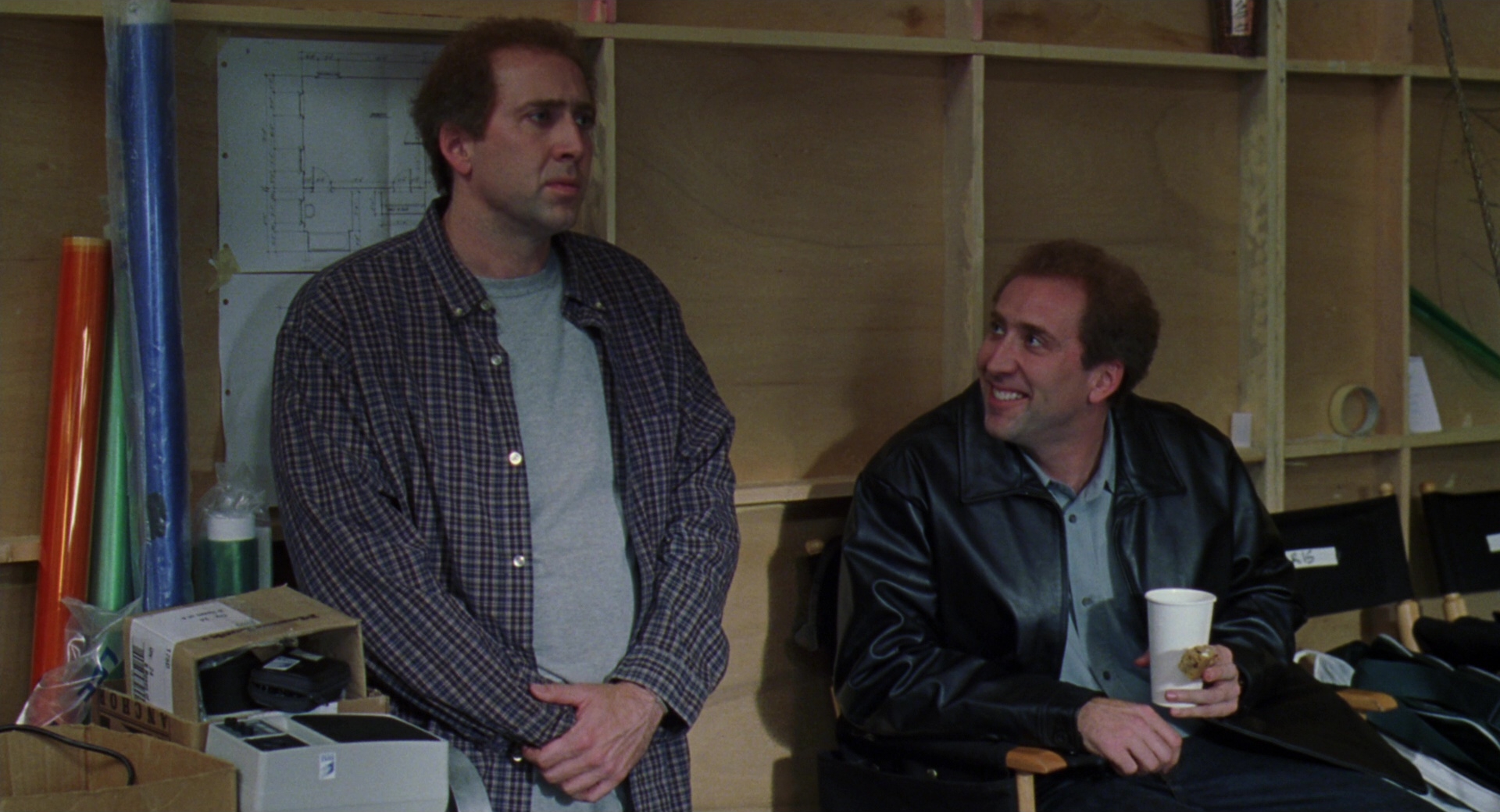
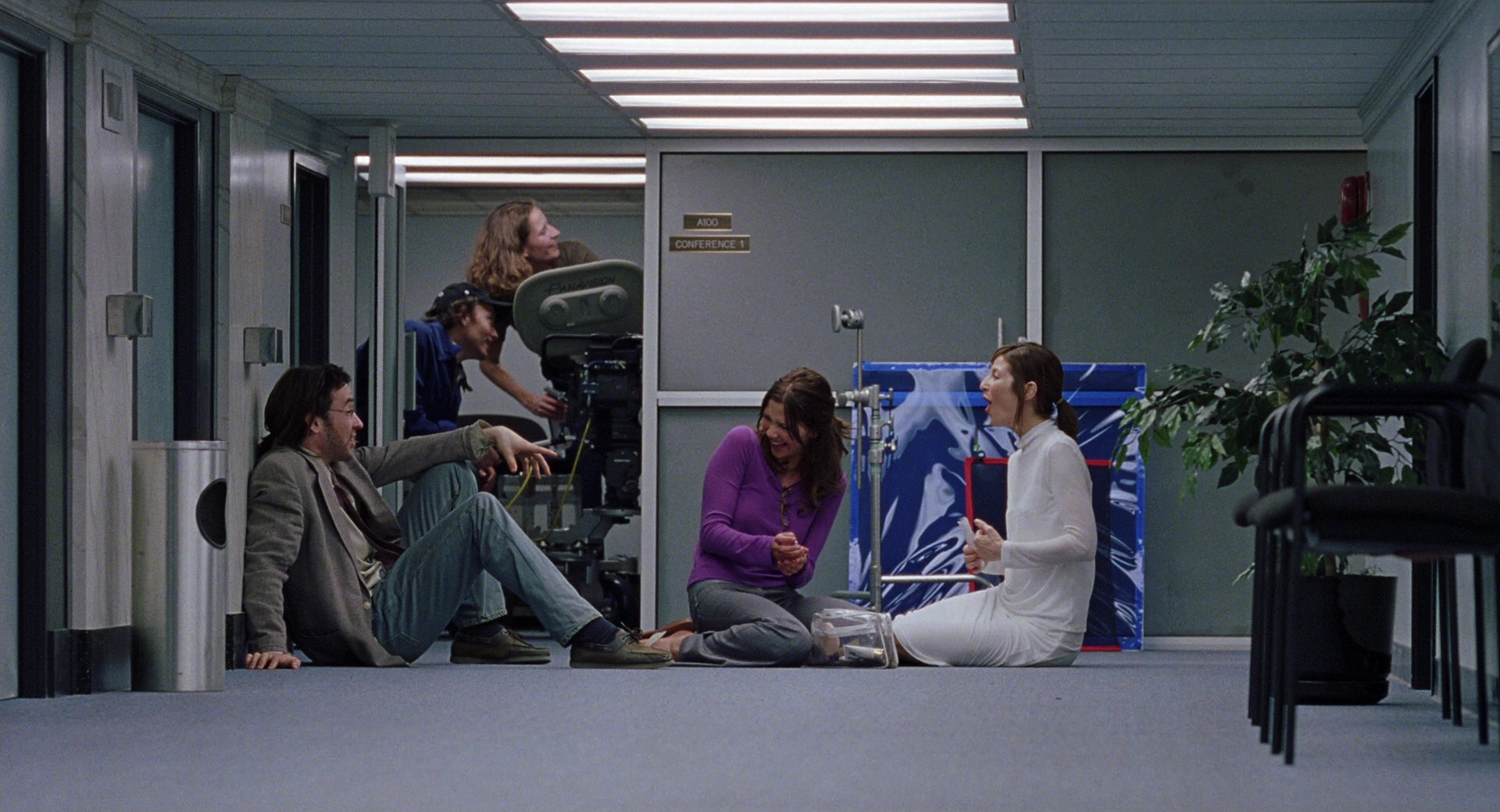
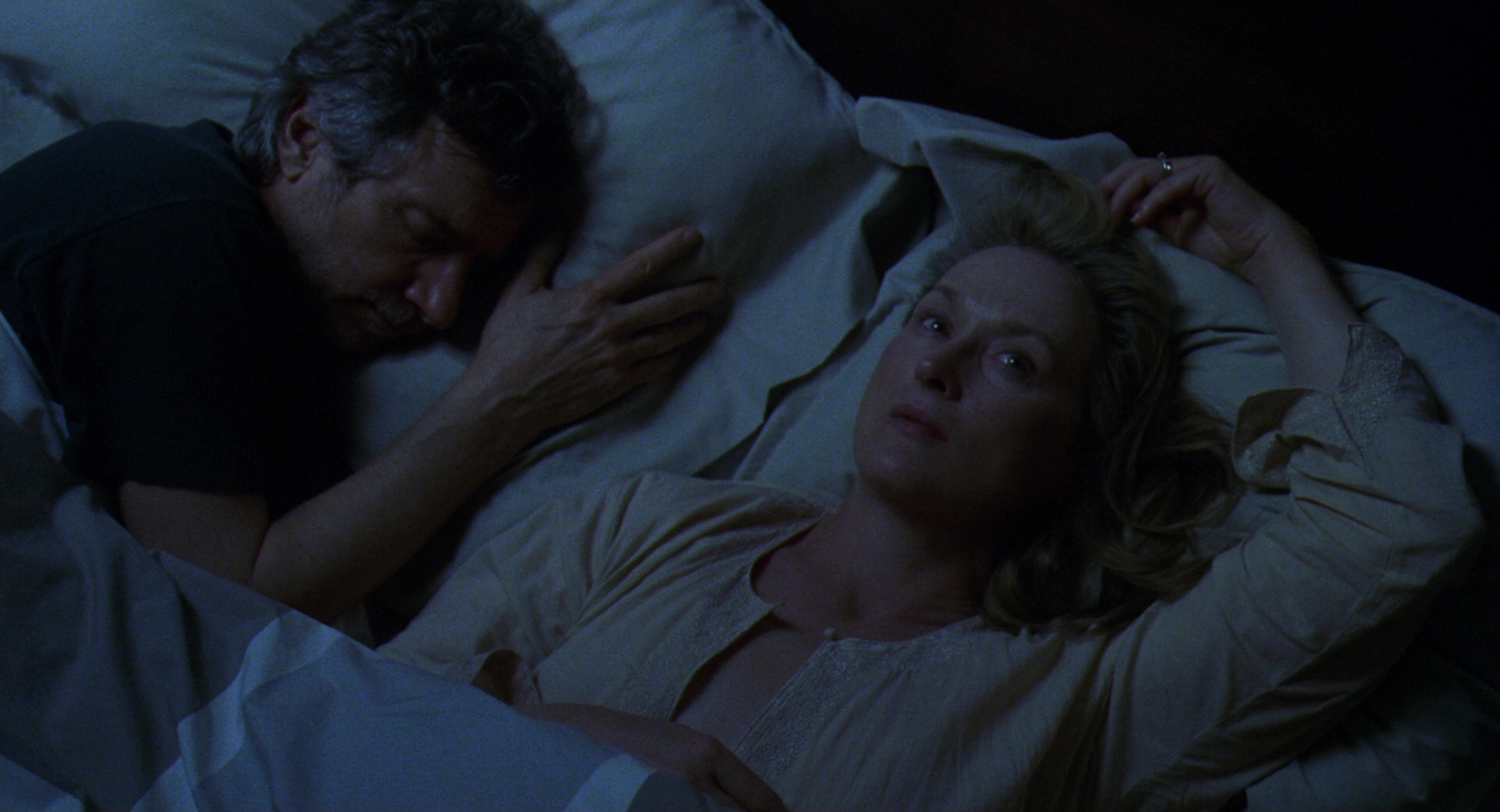
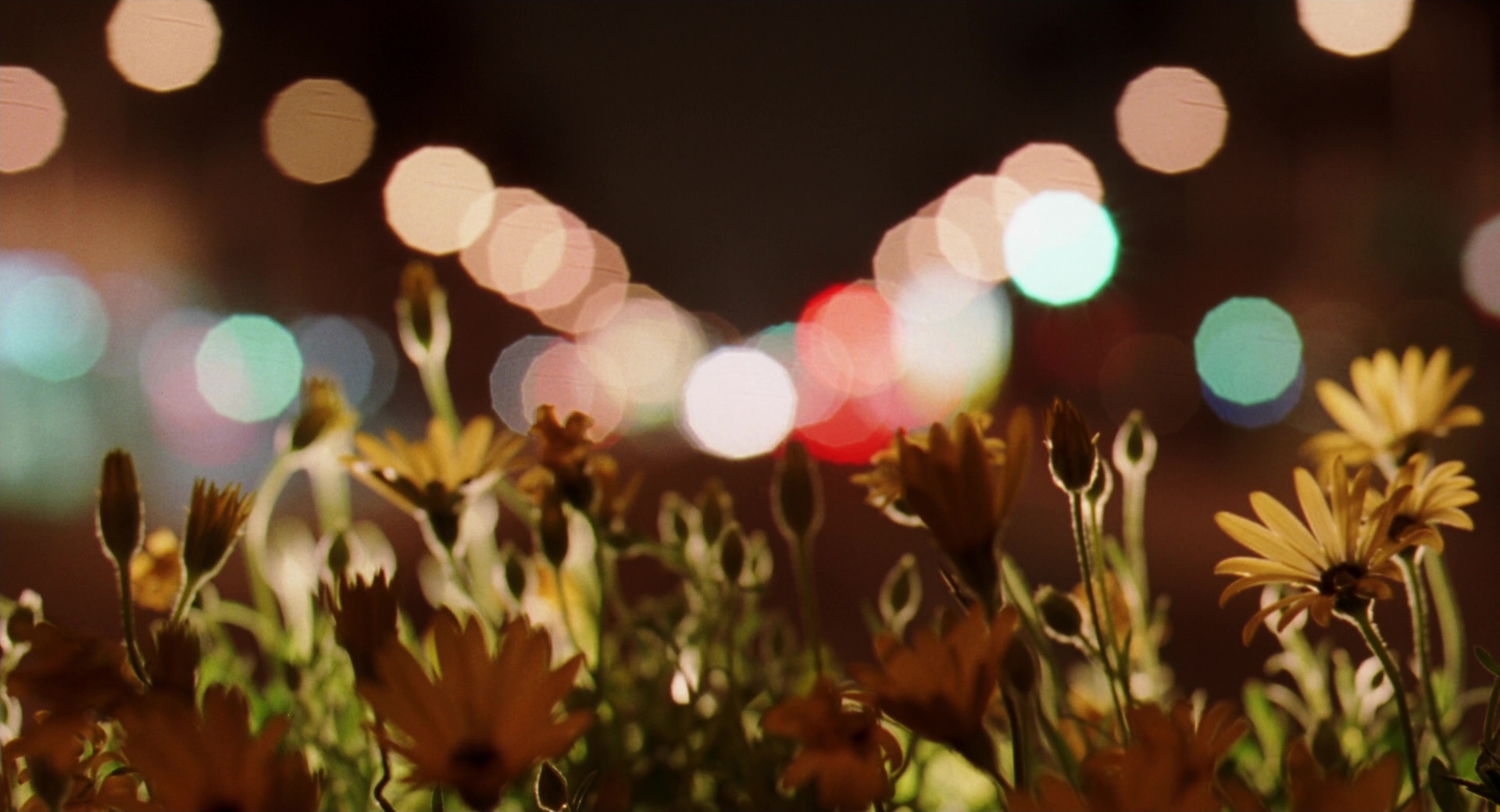
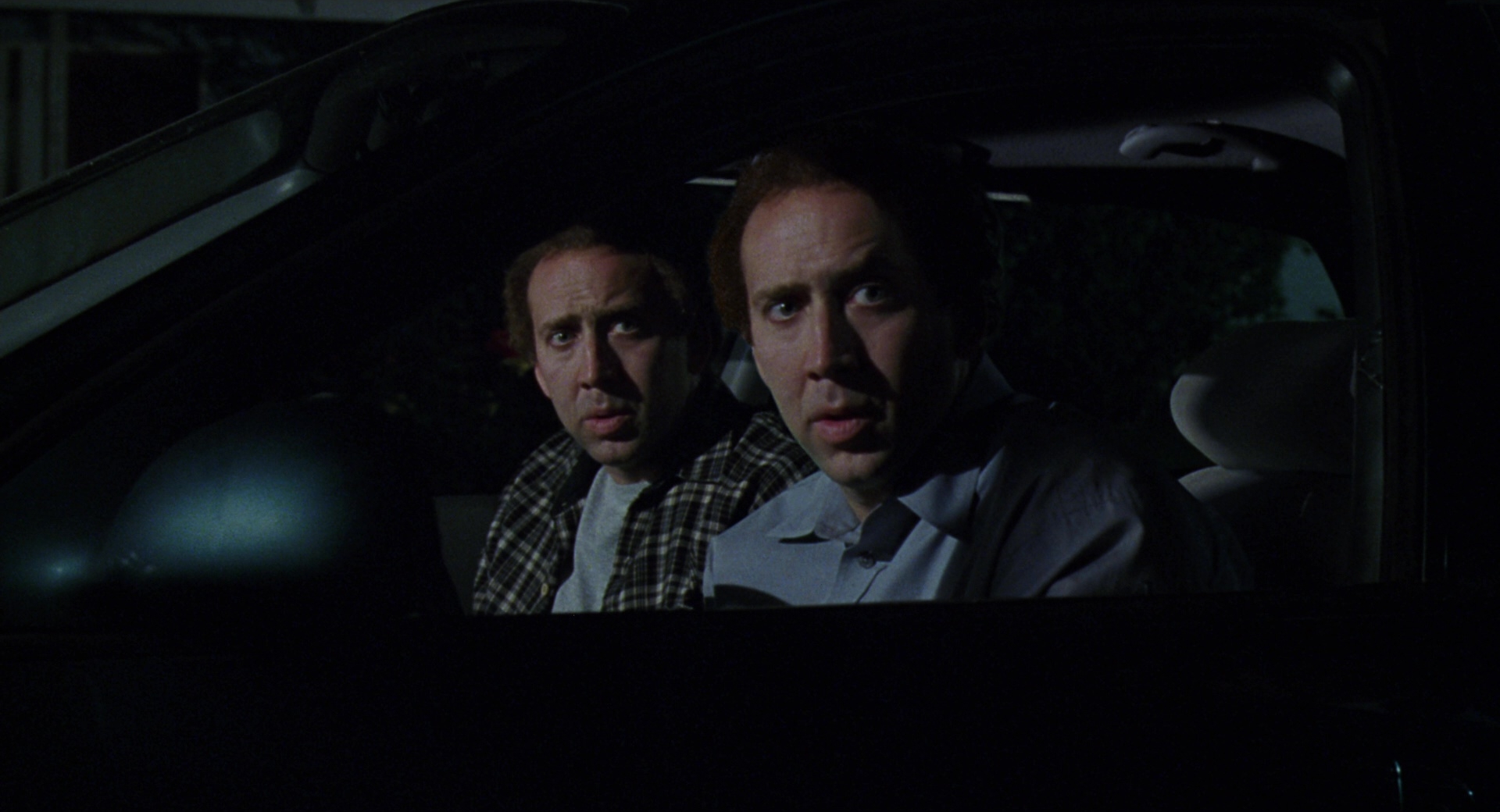
Adaptation. (2002)
Screenwriter Charlie Kaufman struggles to adapt a non-fiction book about orchids into a film, battling writer’s block and his own insecurities. As he fictionalizes himself and his twin brother into the script, reality and imagination begin to intertwine. The story evolves into a self-reflexive exploration of creativity, identity, and the process of storytelling itself.
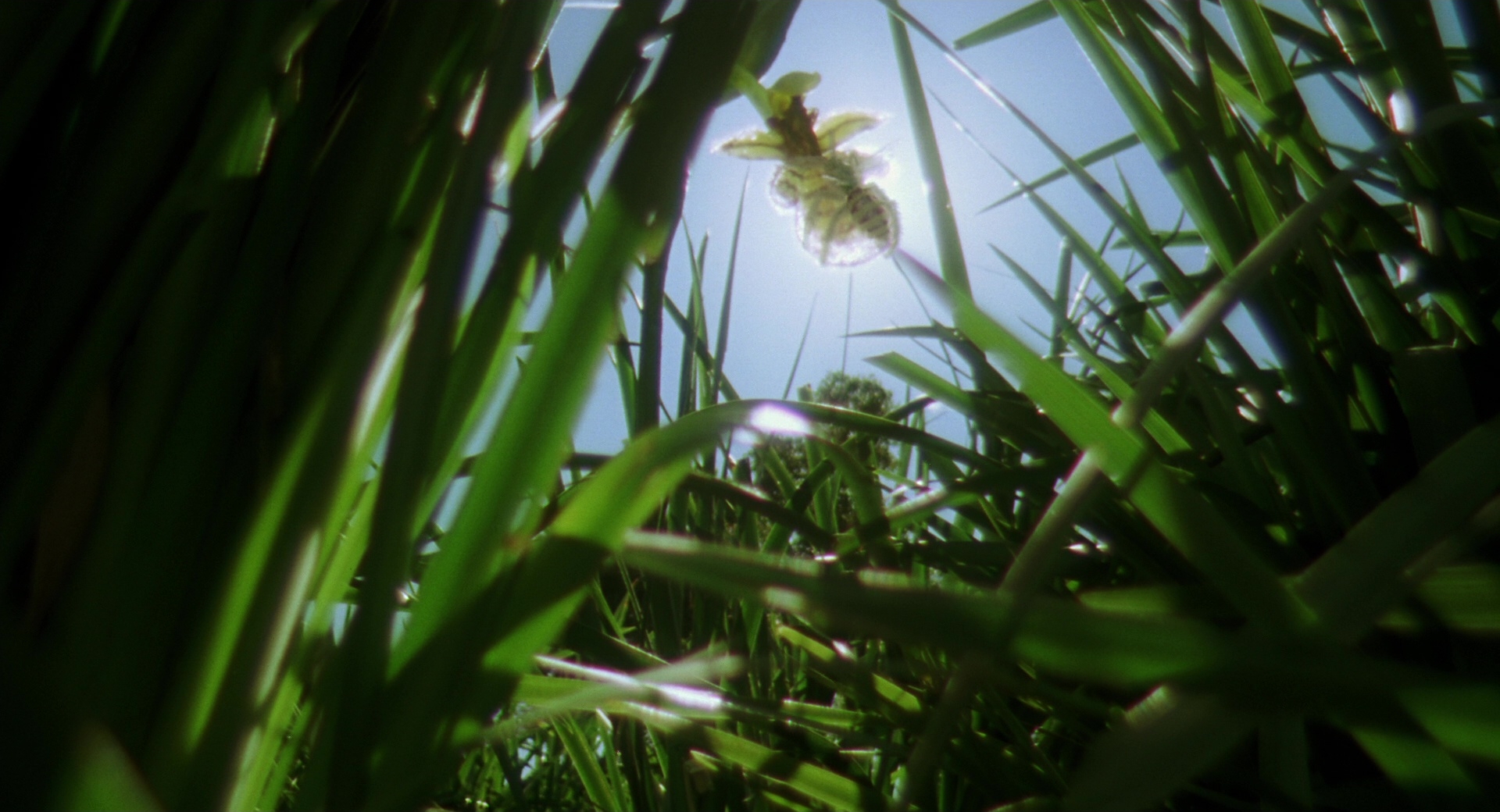
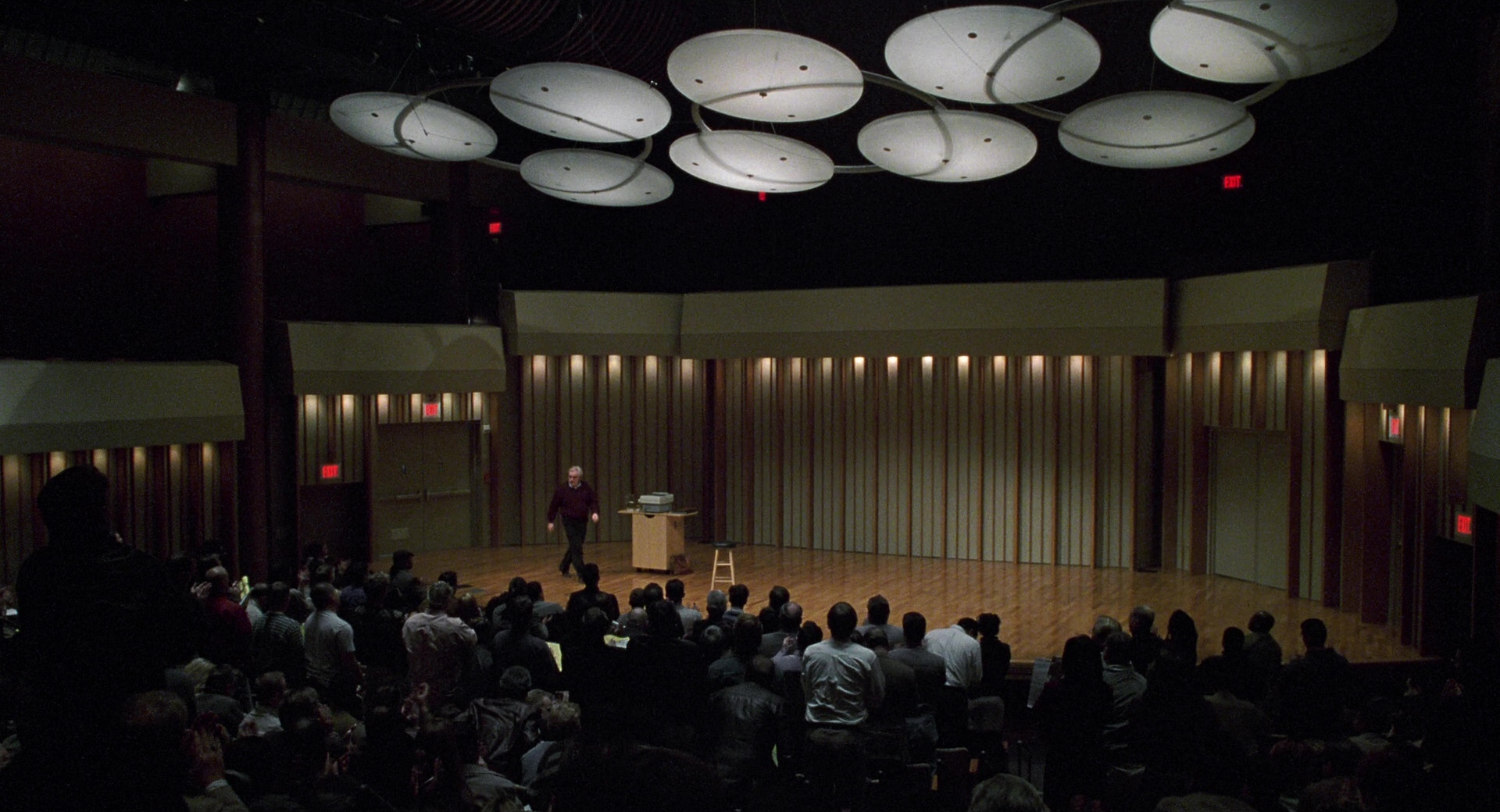
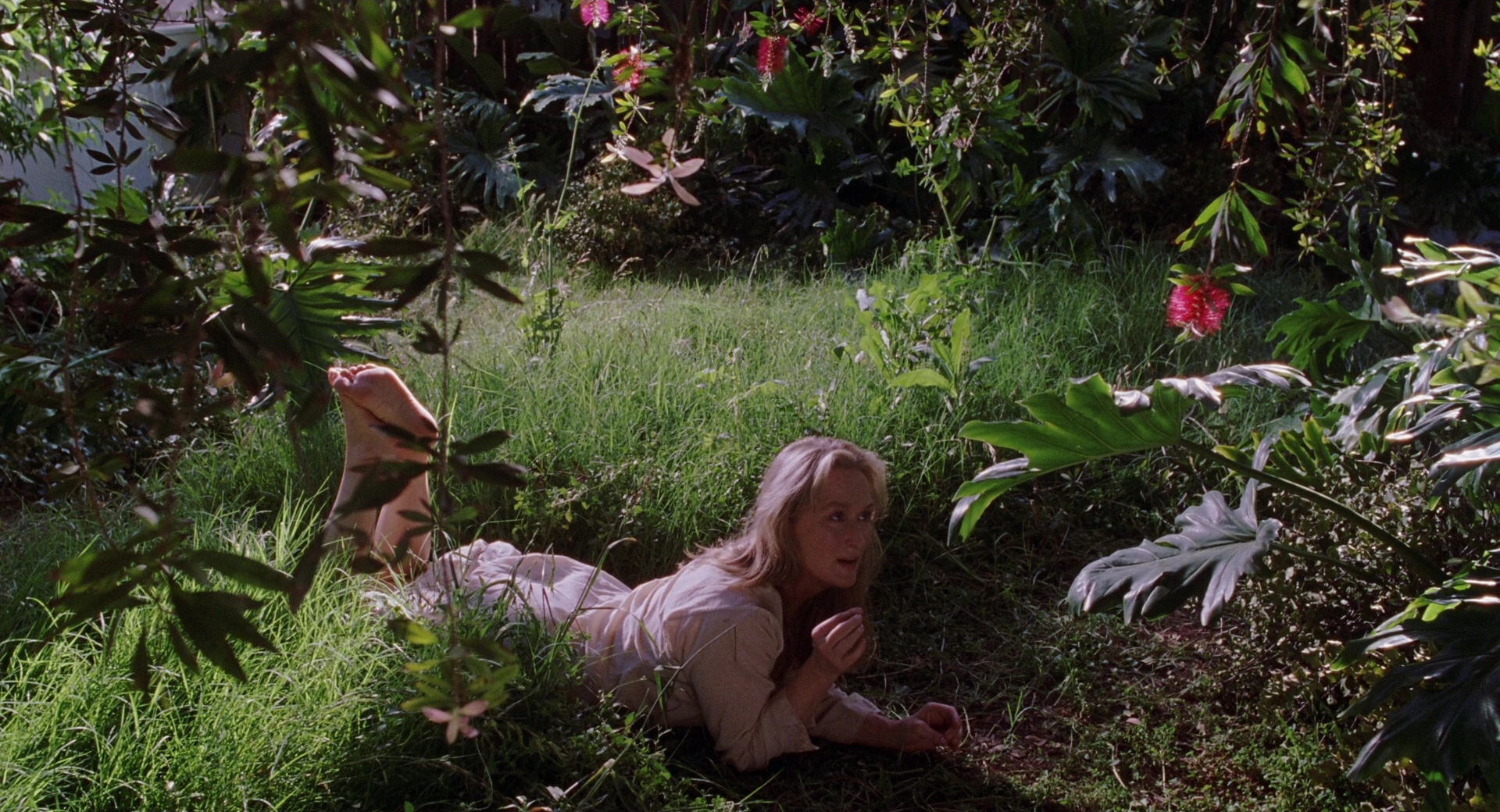
Jonze and cinematographer Lance Acord ground Adaptation. in a subdued, naturalistic style, using soft light and unobtrusive camerawork to anchor its increasingly meta narrative. As the story fractures, the film subtly shifts in tone and visual rhythm—letting conventional coverage give way to more stylized beats, mirroring the screenplay’s slide from introspection into absurdity.

FILM SPOTLIGHT
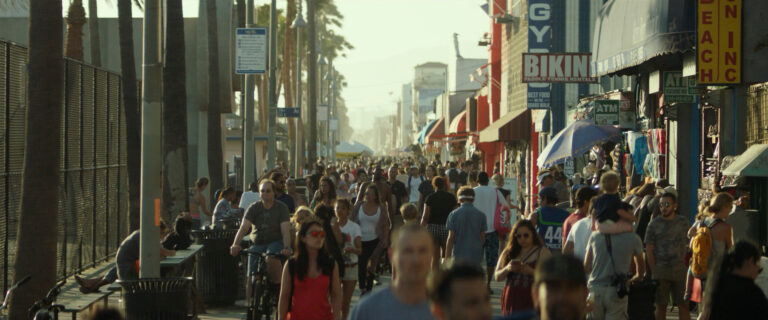
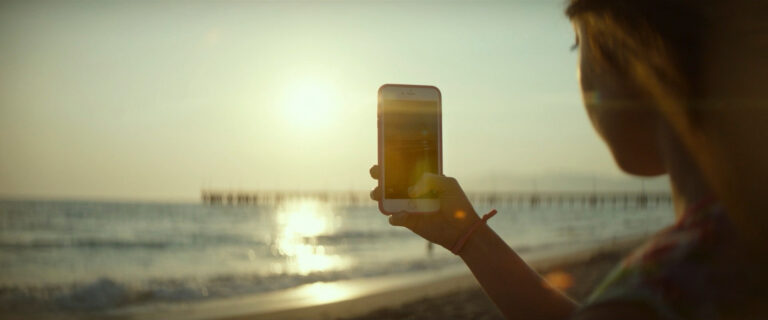
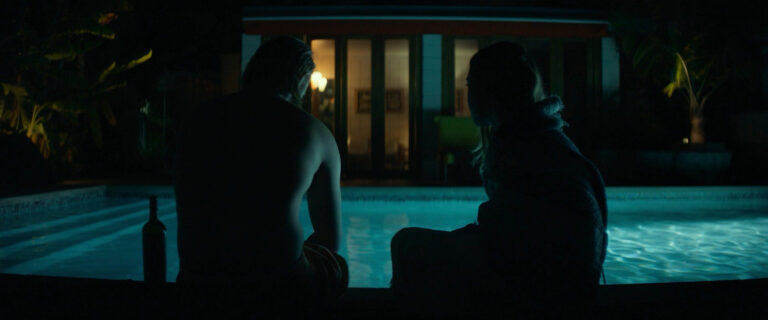
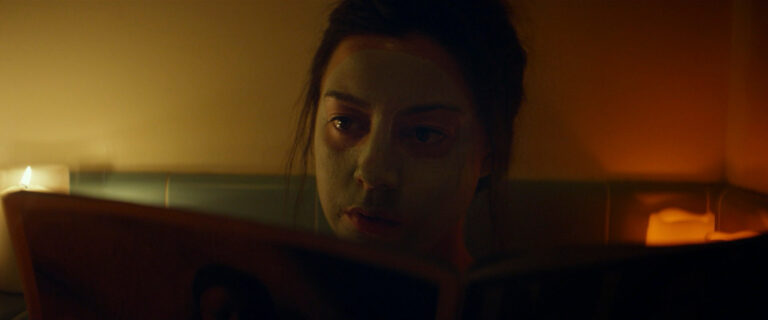
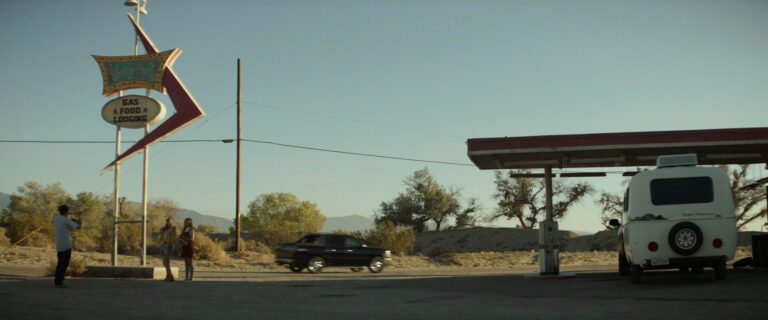
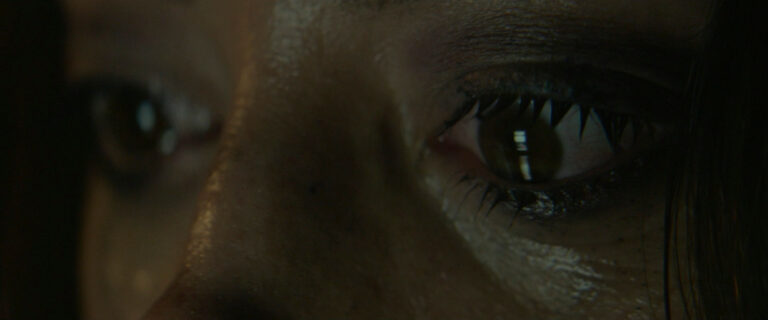
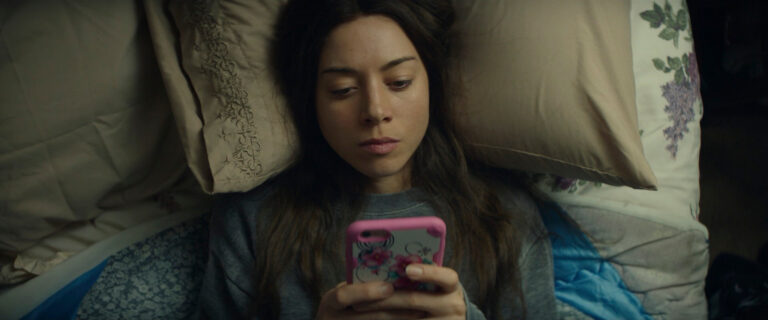
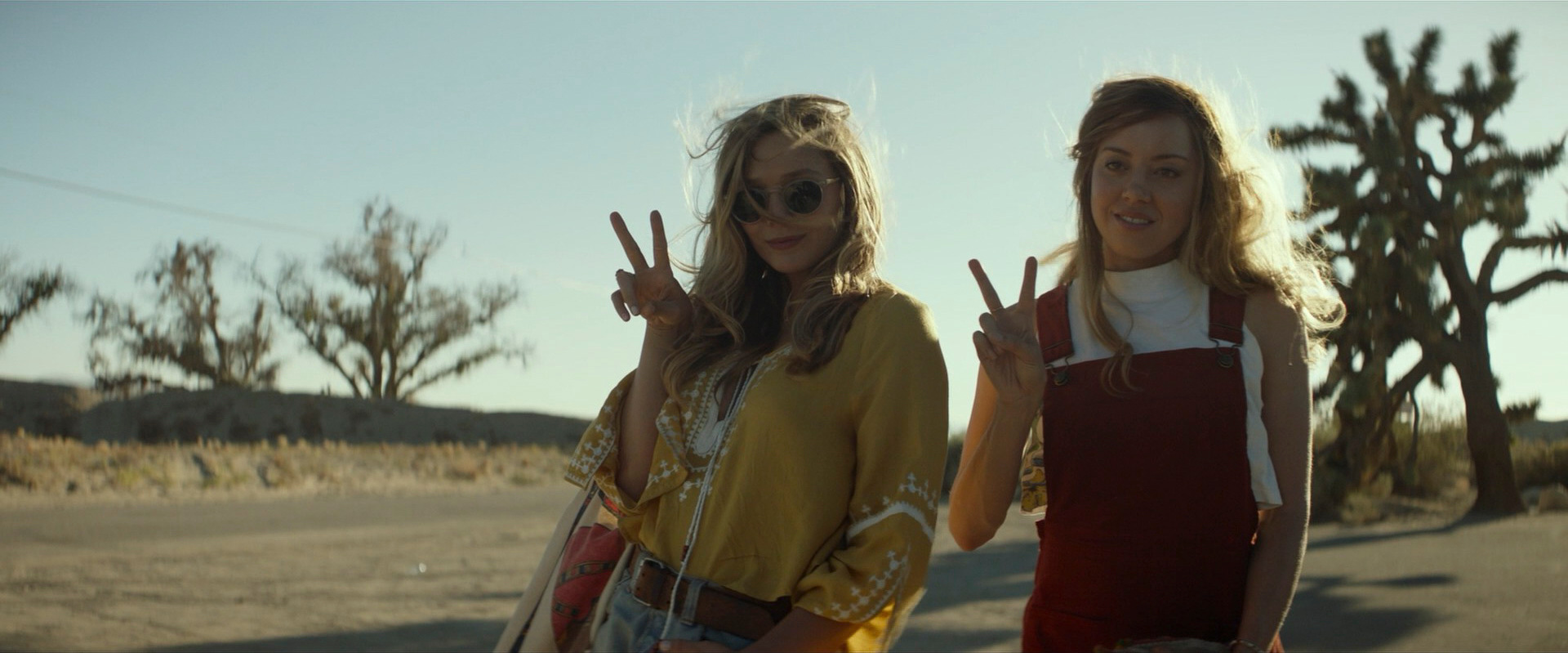
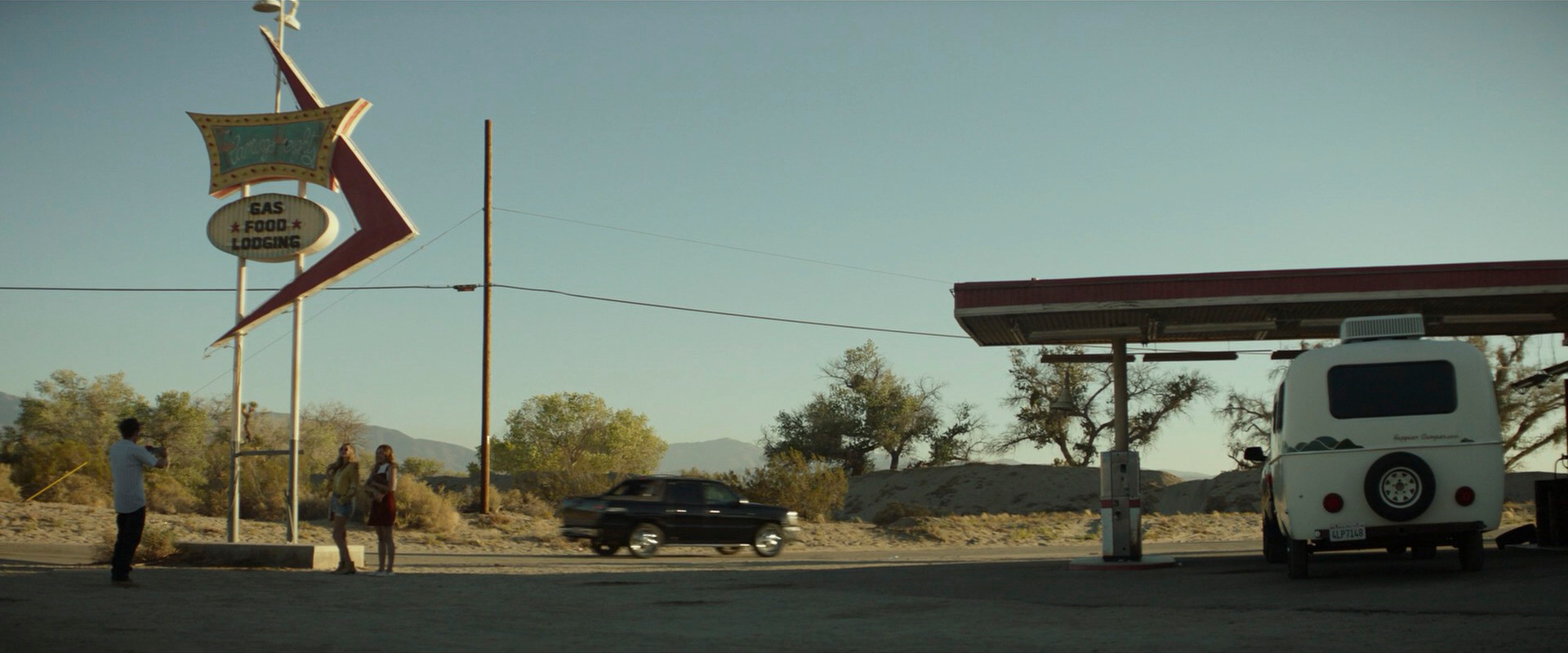
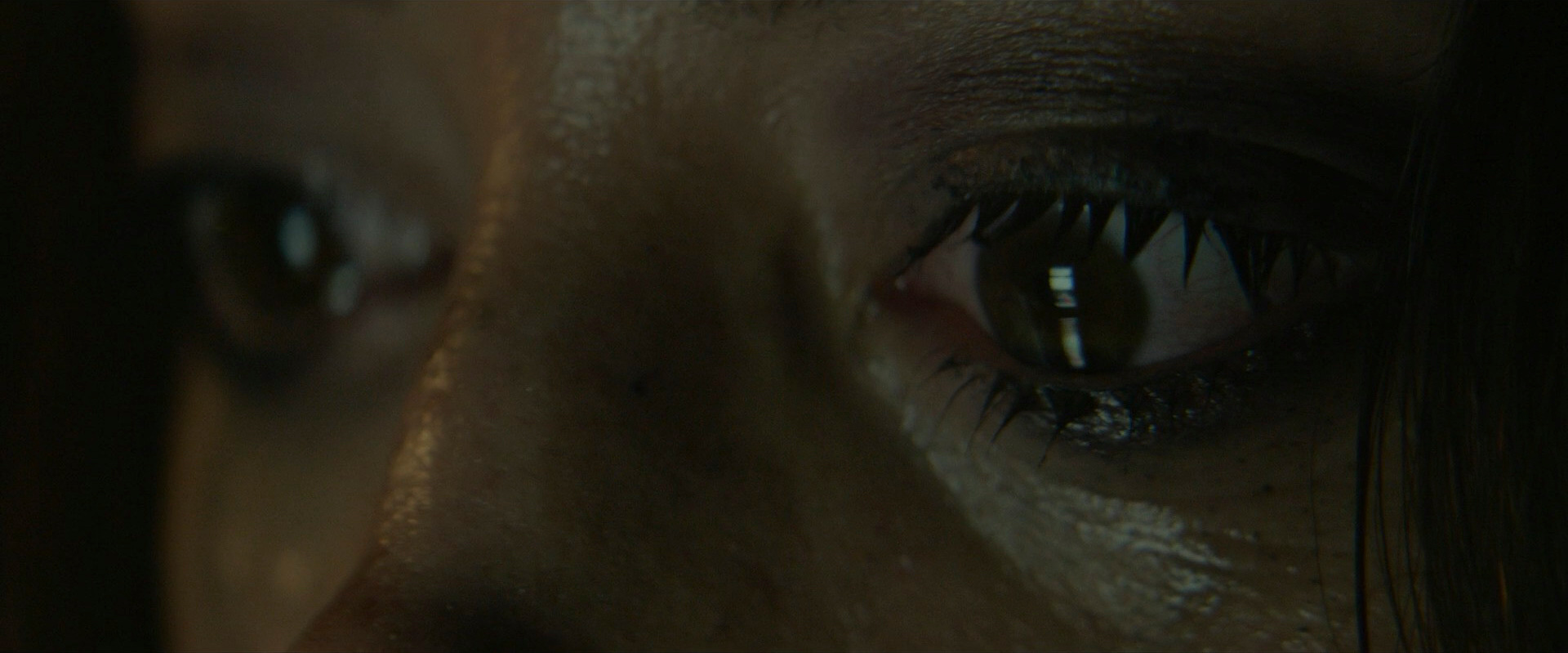
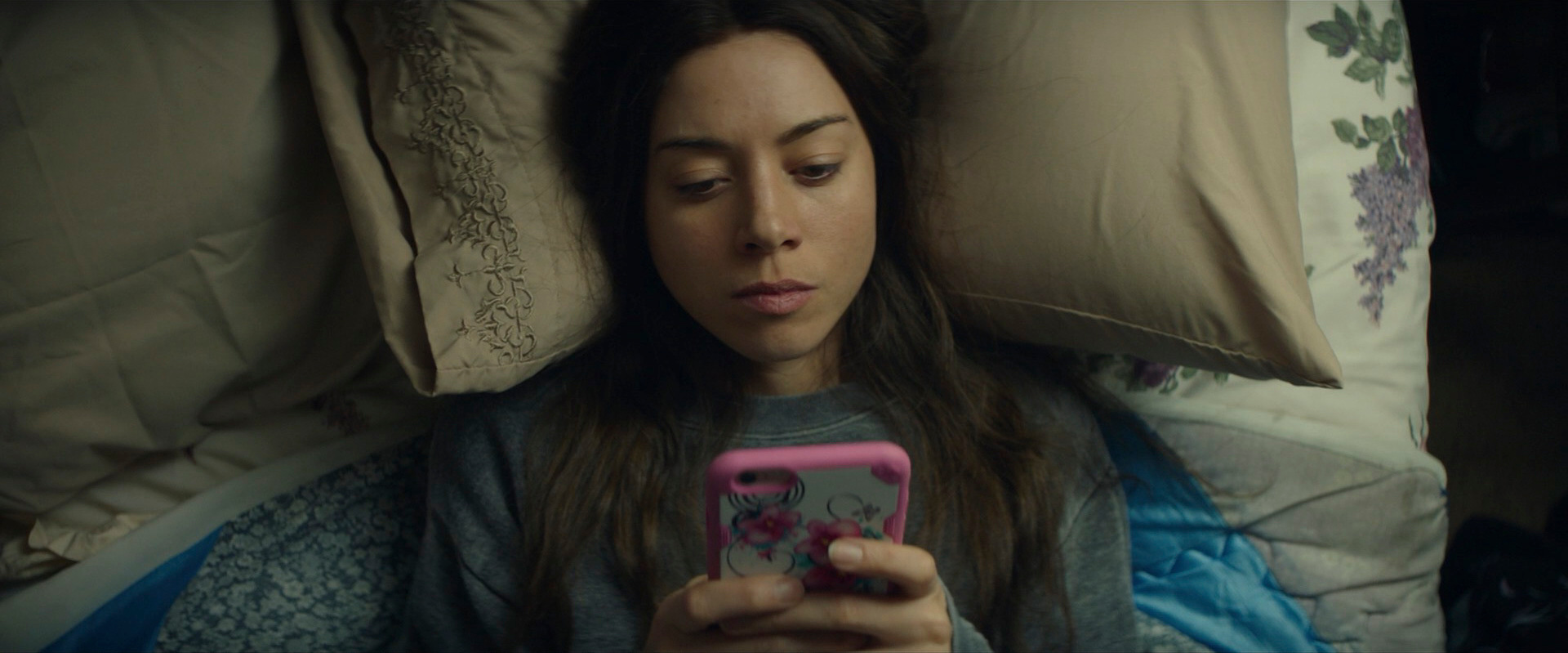
Ingrid Goes West (2017)
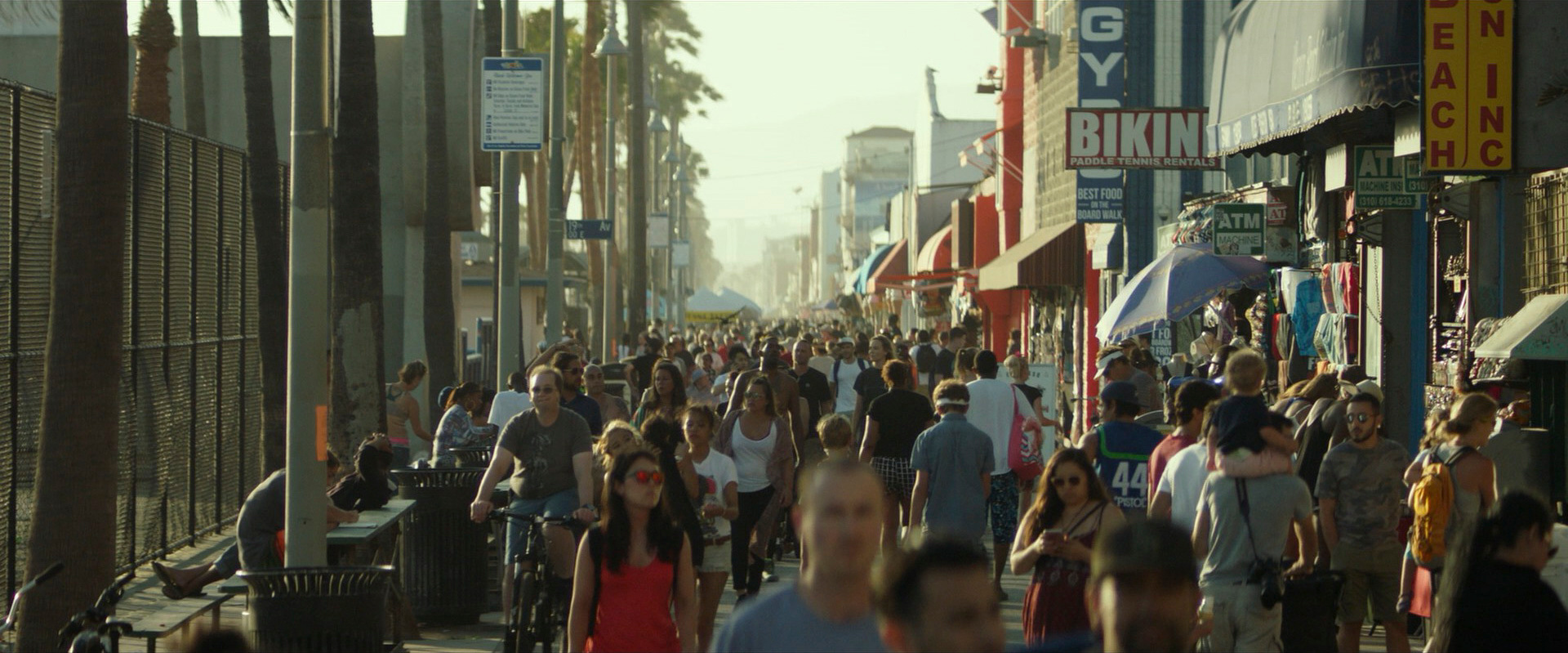
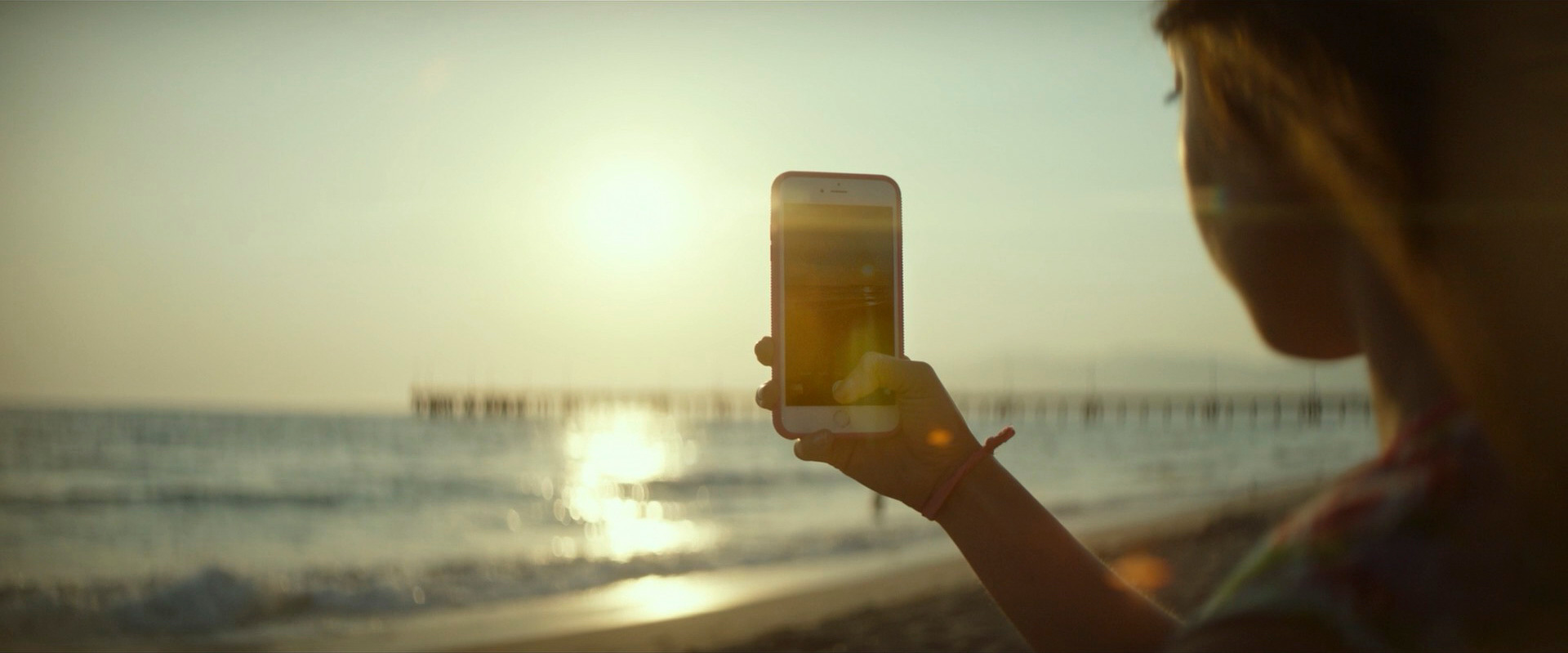
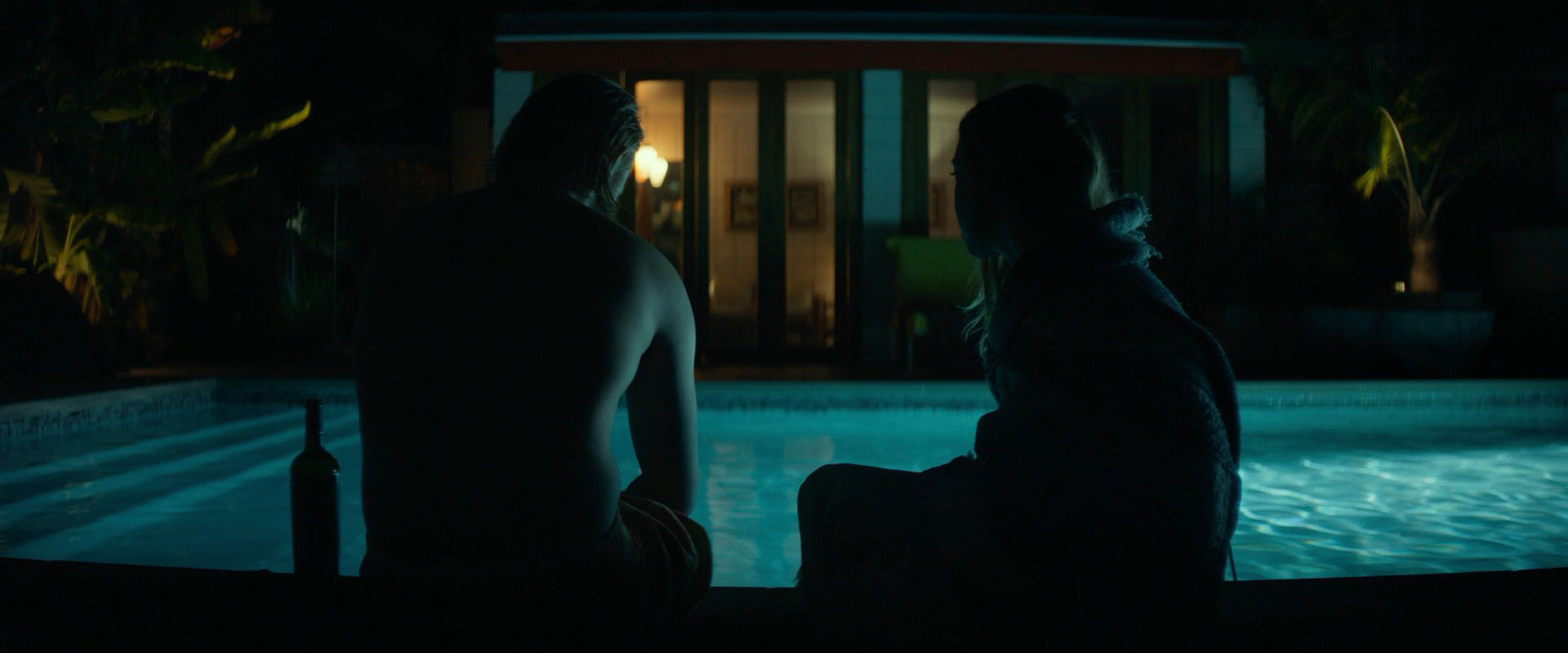
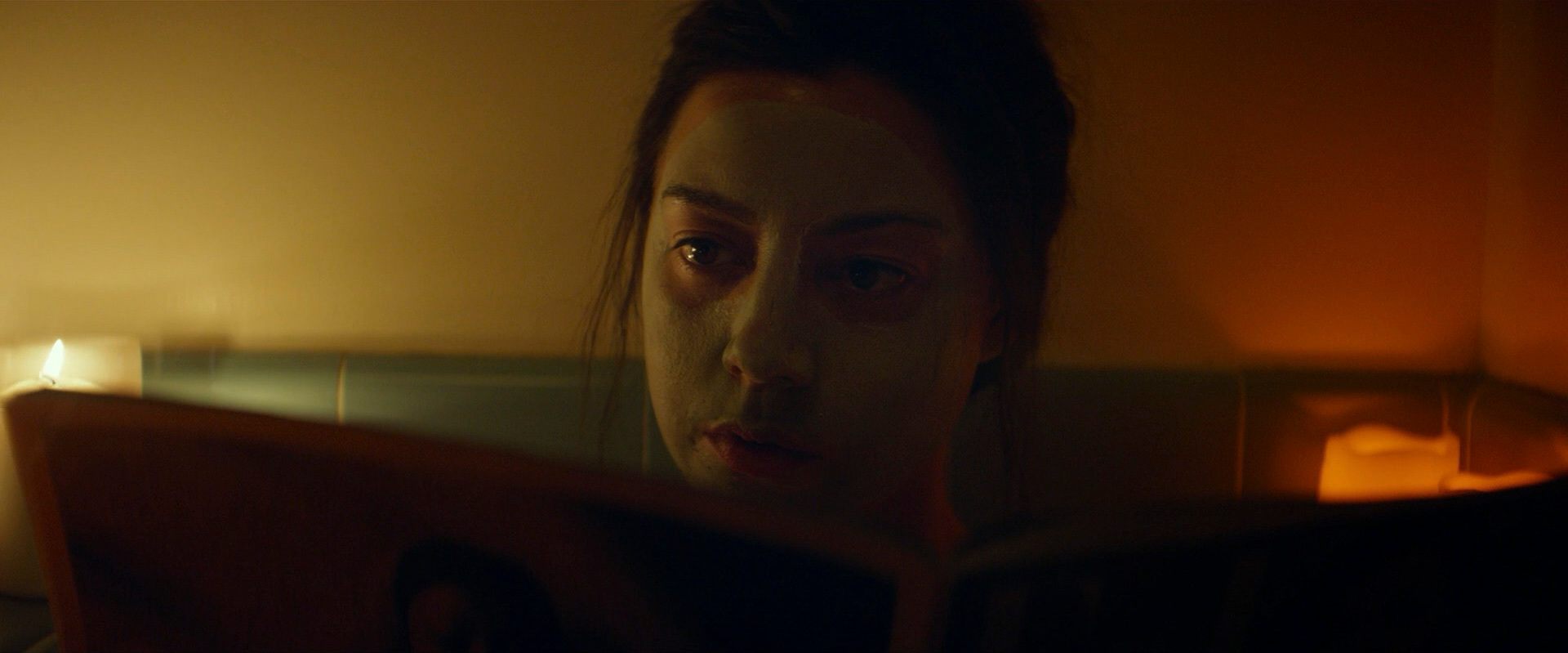
After a stint in a psychiatric facility, Ingrid relocates to Los Angeles and becomes obsessed with a social media influencer whose seemingly perfect life she idolizes. Determined to insert herself into this curated world, Ingrid manipulates her way into the influencer’s circle. As her façade begins to crack, the gap between online identity and reality spirals into something darker and more unstable.
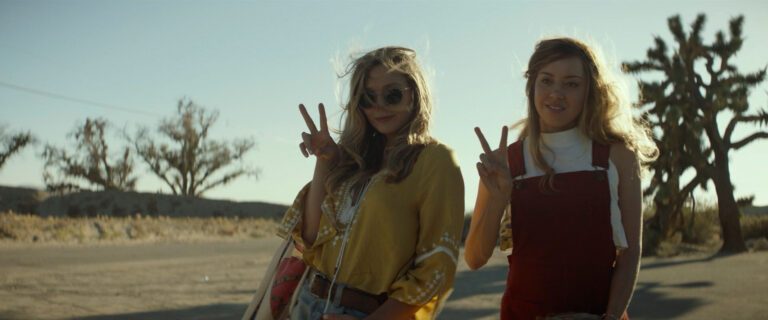
Spicer and cinematographer Bryce Fortner shoot Ingrid Goes West with a bright, sun-drenched aesthetic, using clean compositions and Instagram-ready color to mirror influencer culture. The film’s polished, aspirational look gradually turns unsettling—where framing, color, and surface perfection become a visual critique of curated identity and performative living.


FILM SPOTLIGHT
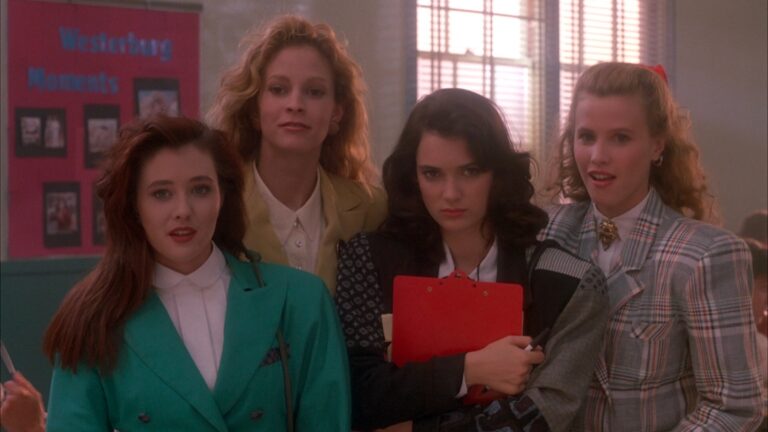
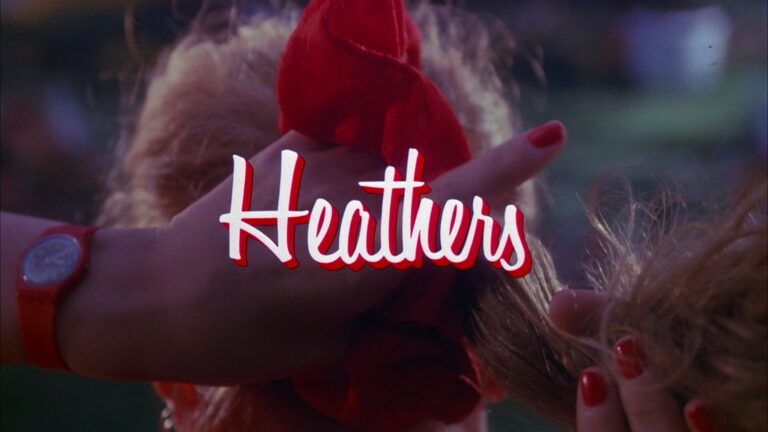
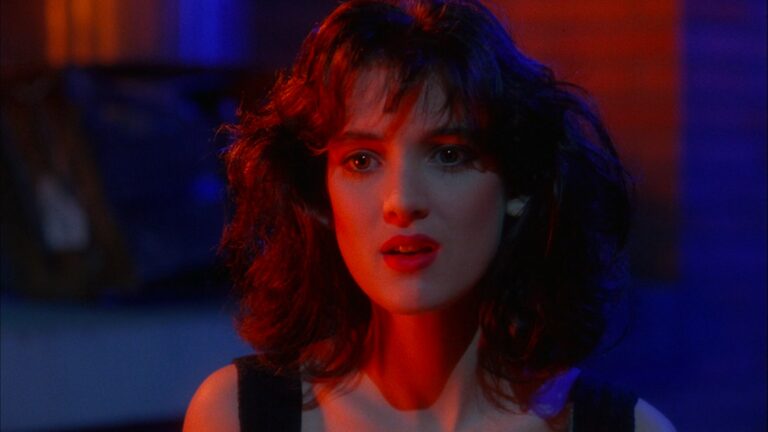
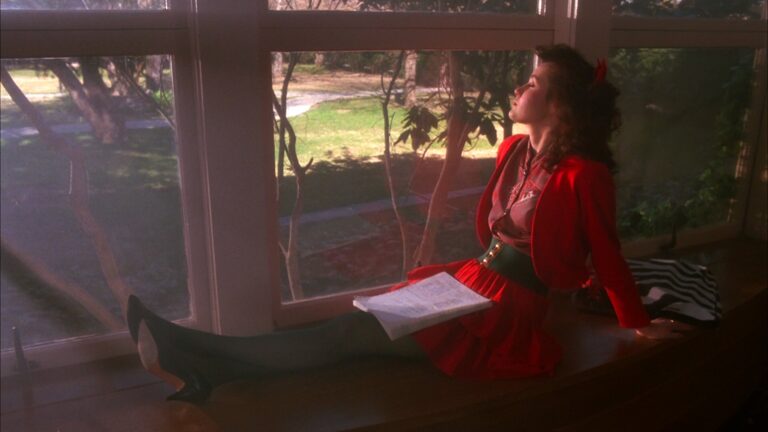
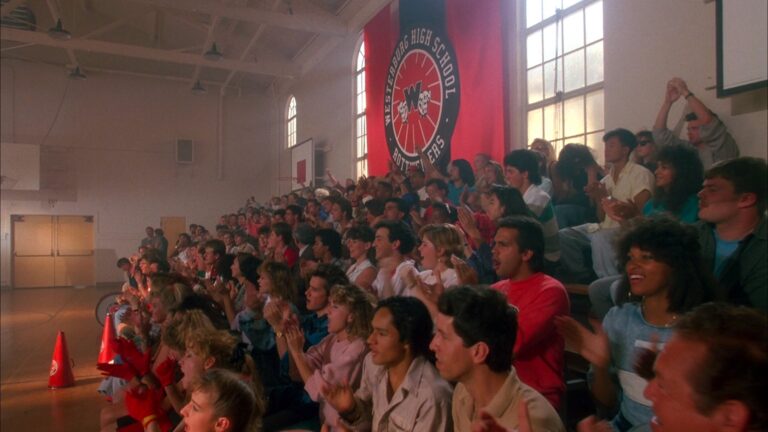
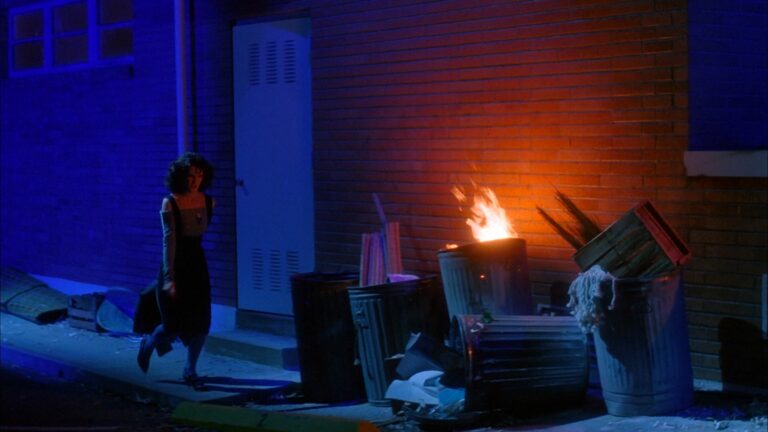
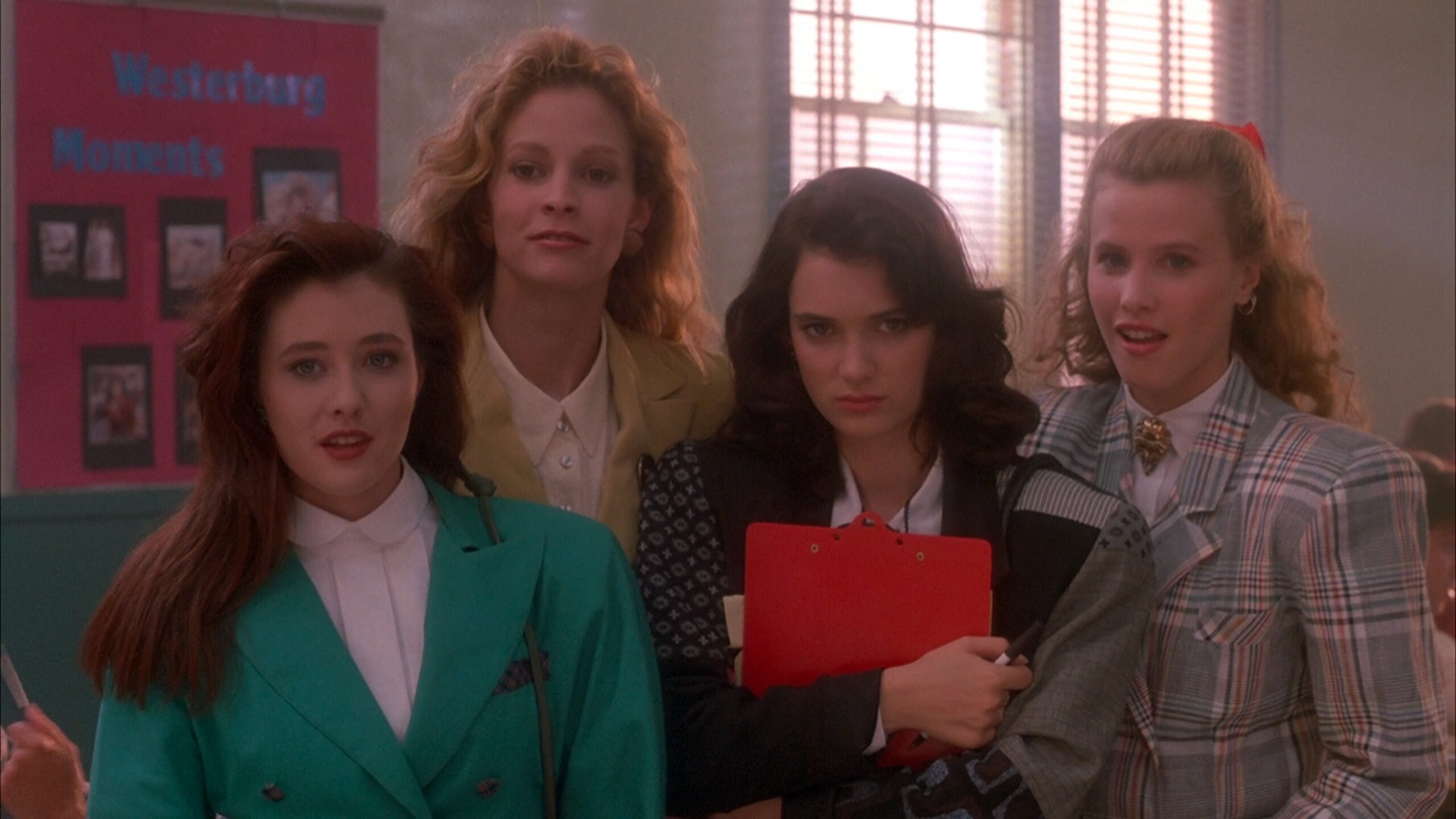
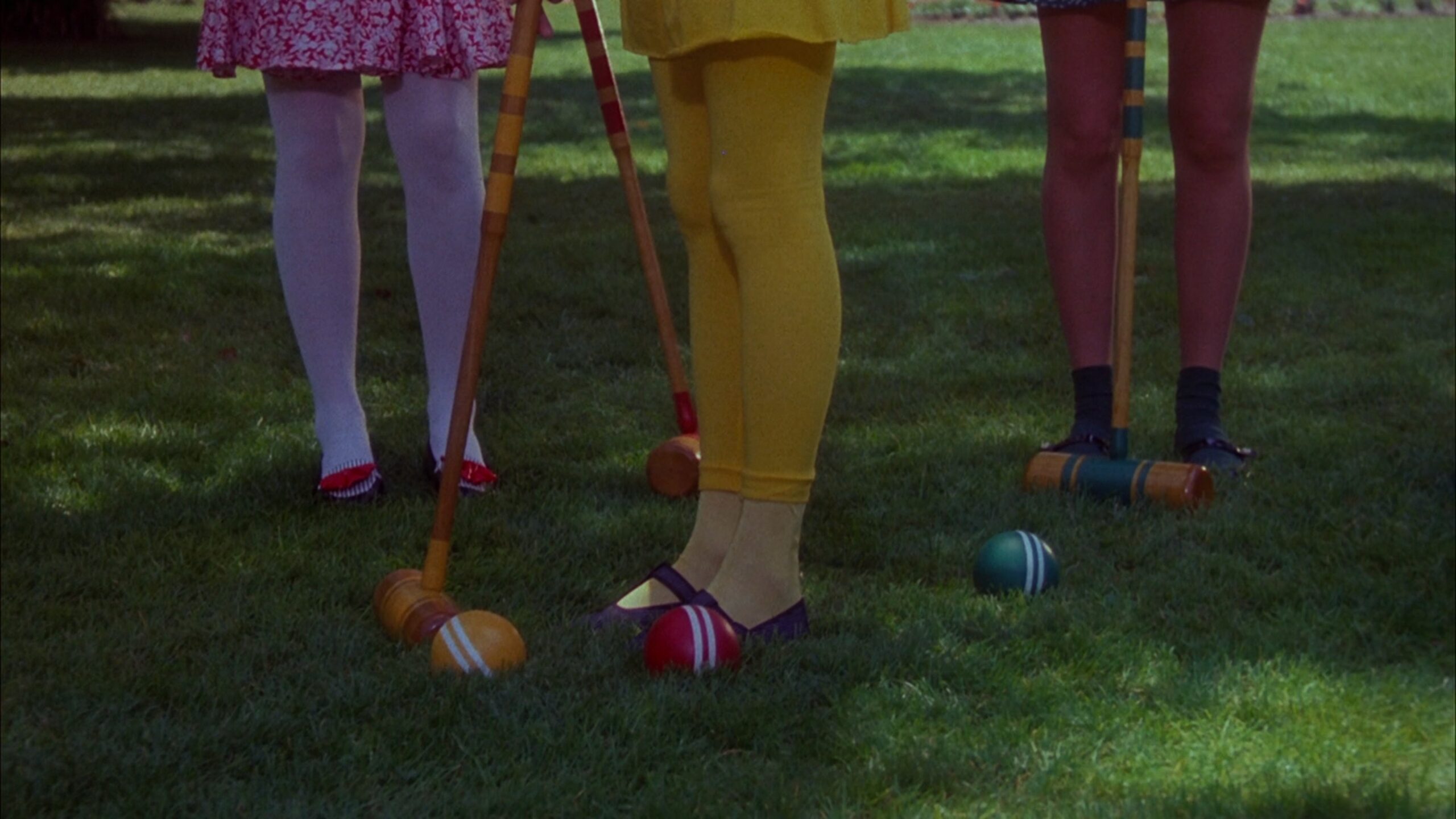
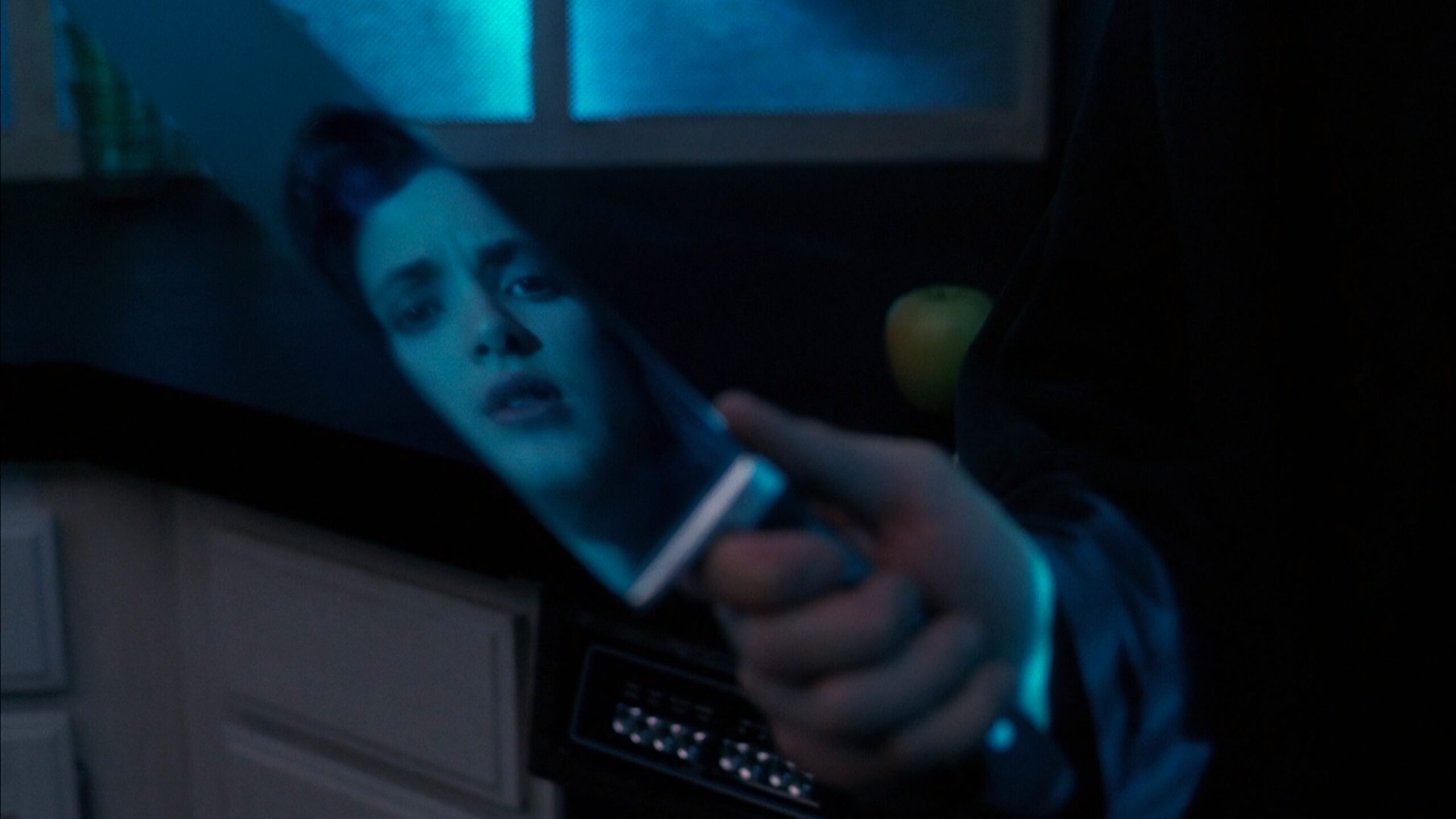
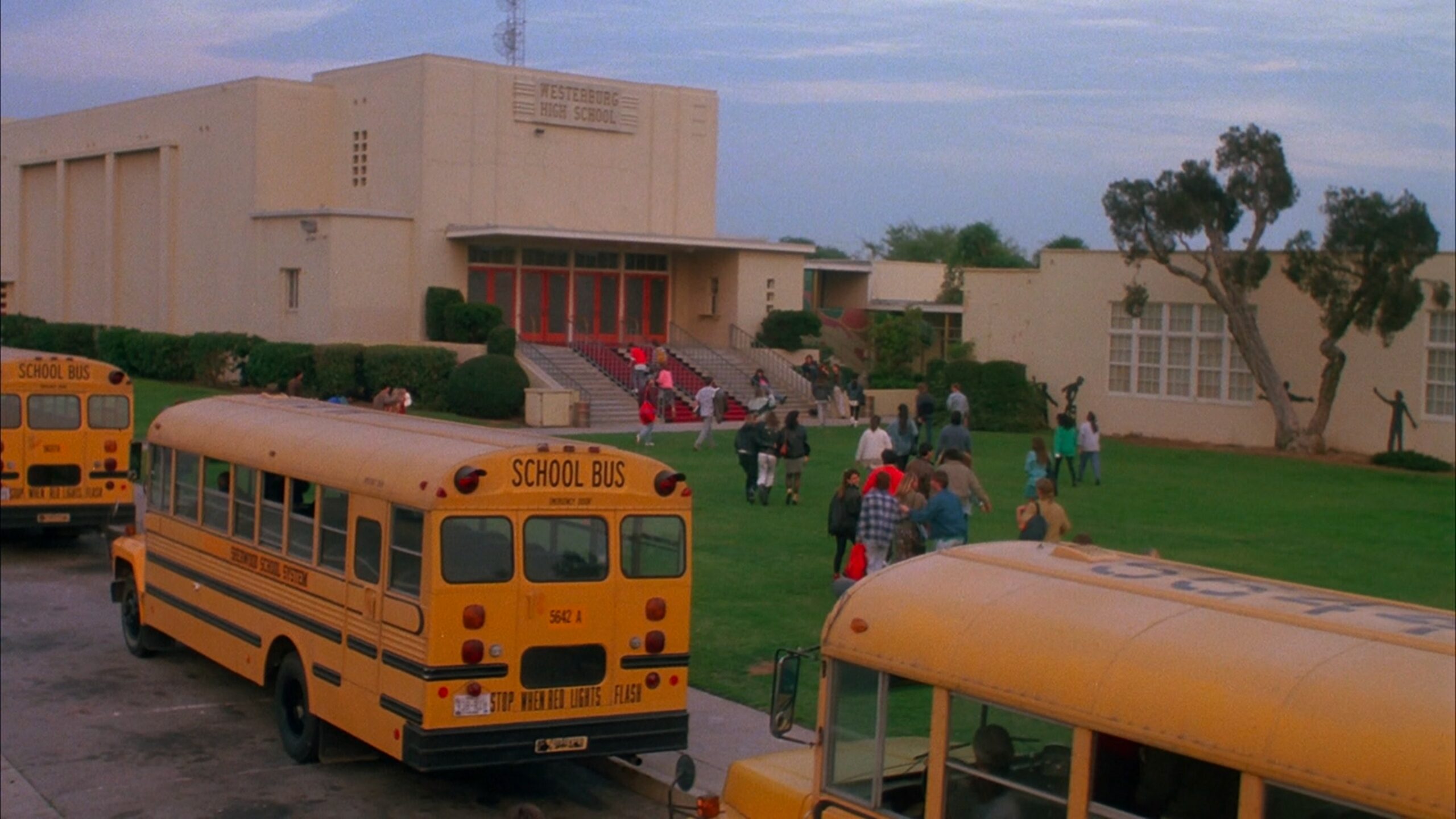
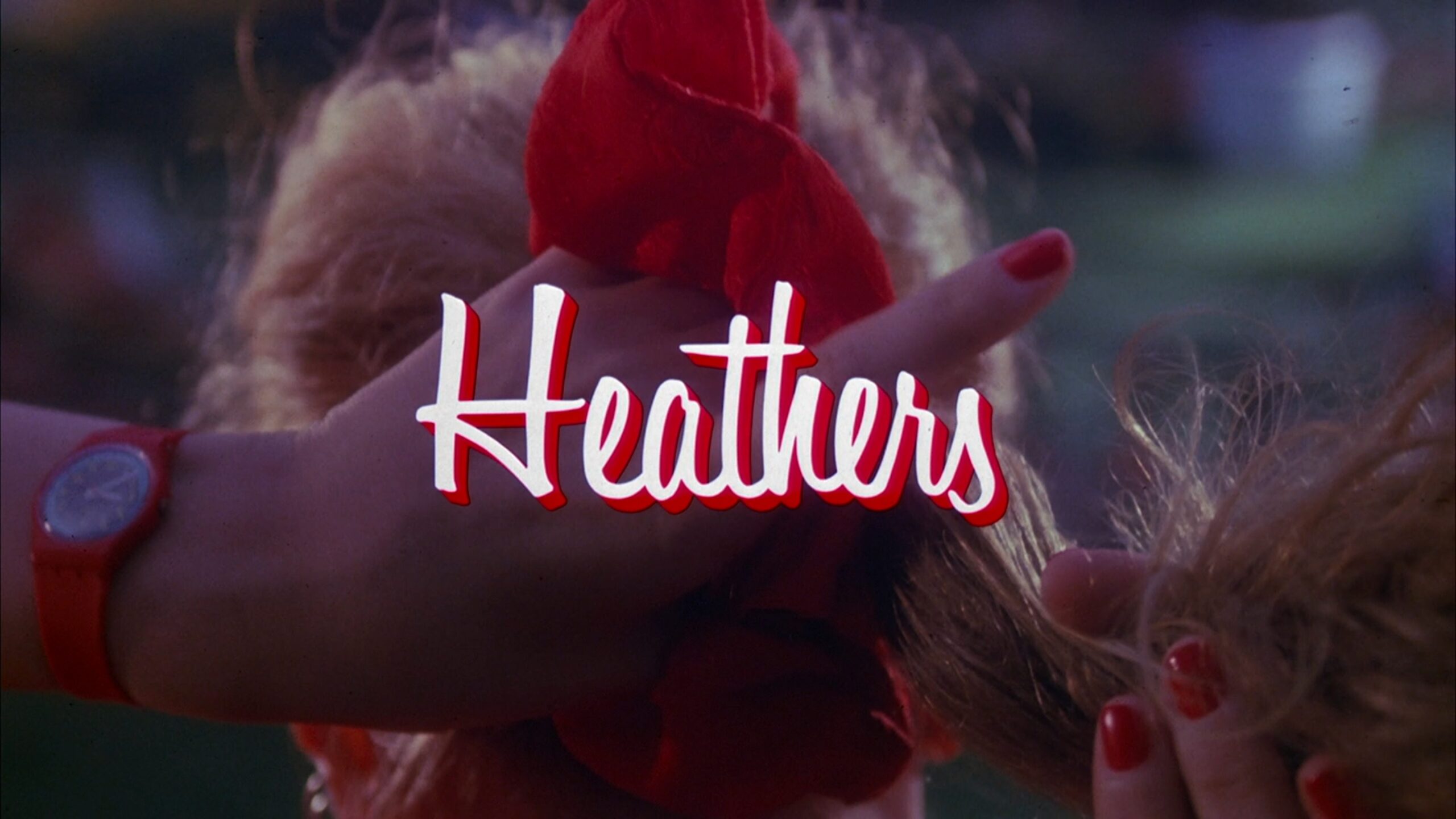
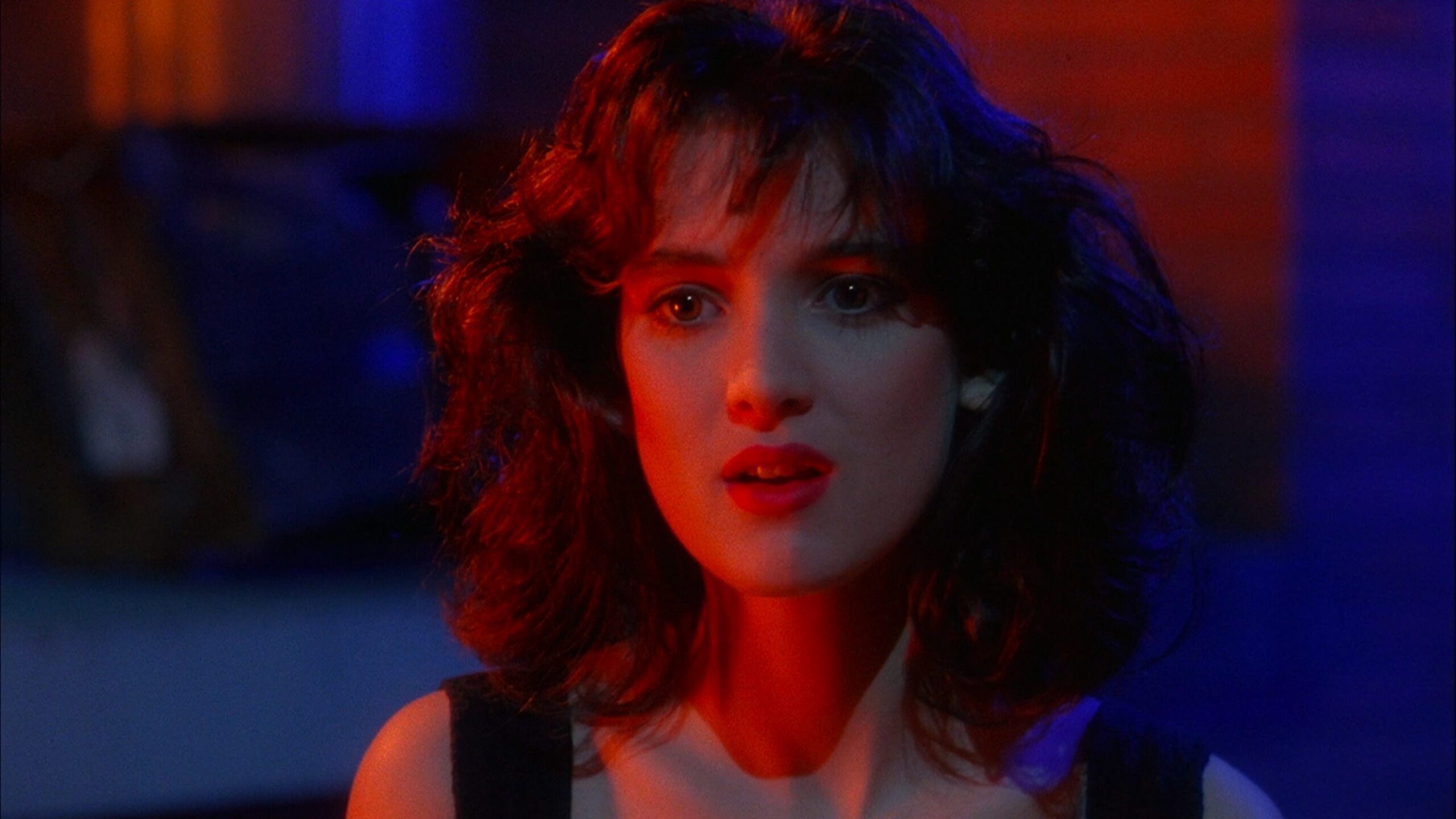
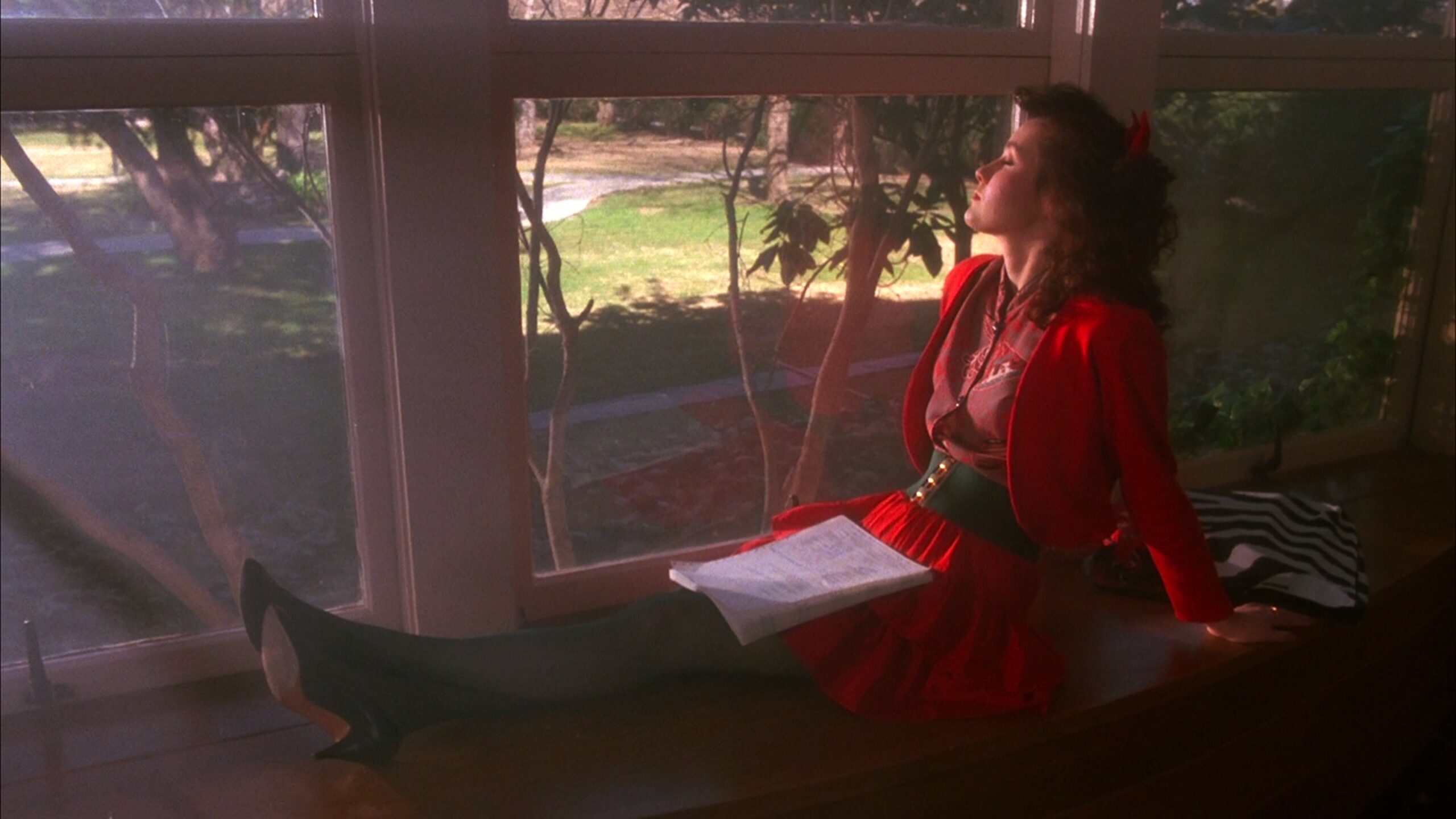
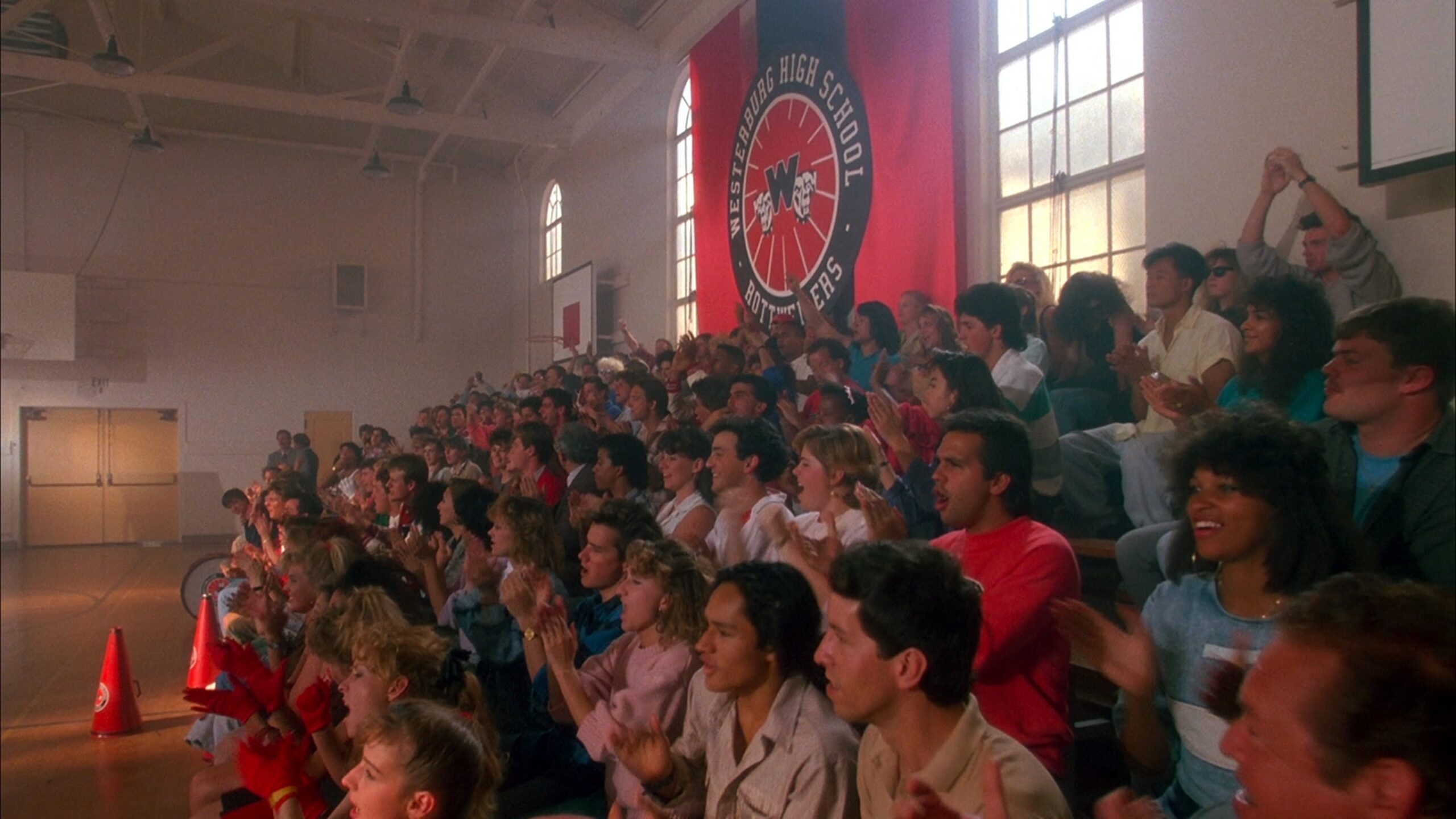
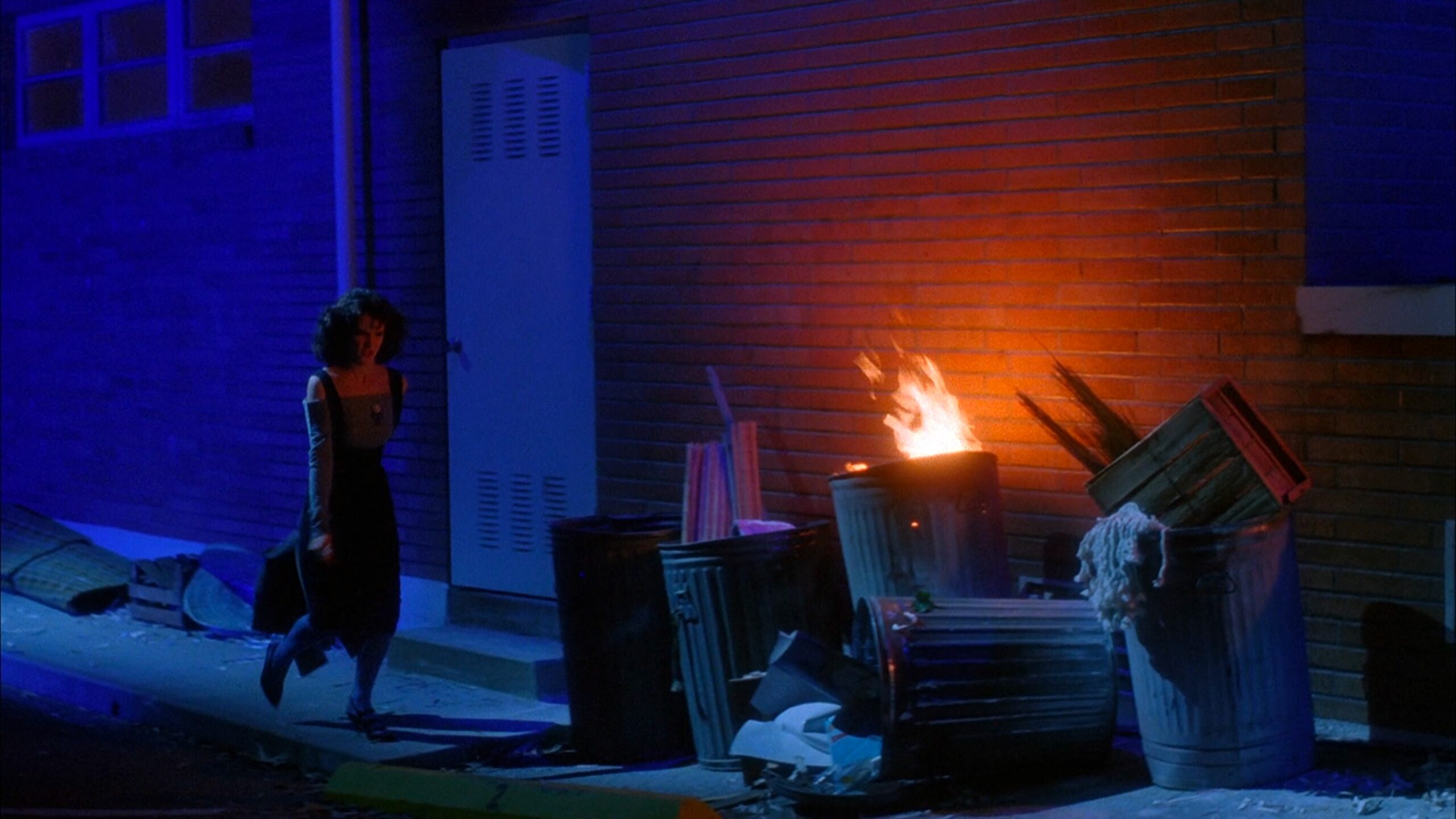
Heathers (1989)
Veronica Sawyer is part of the most popular clique at her high school, ruled by three girls all named Heather. Disillusioned with their cruelty, she becomes involved with a mysterious new student, J.D., who introduces a dangerous solution to their social hierarchy. What begins as rebellion escalates into a dark and satirical spiral of violence and consequence.
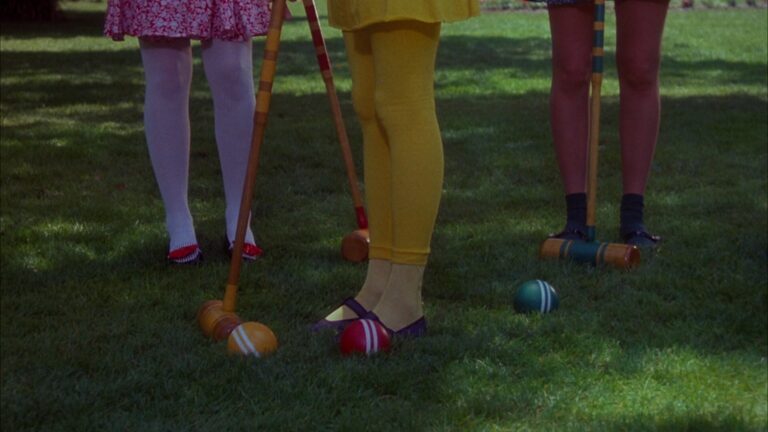
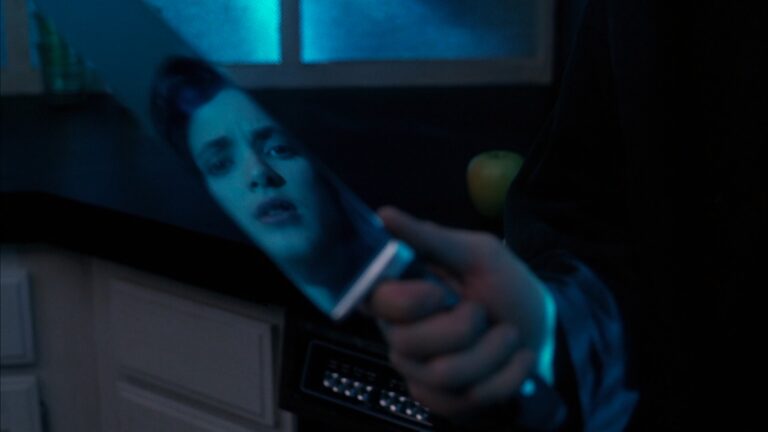
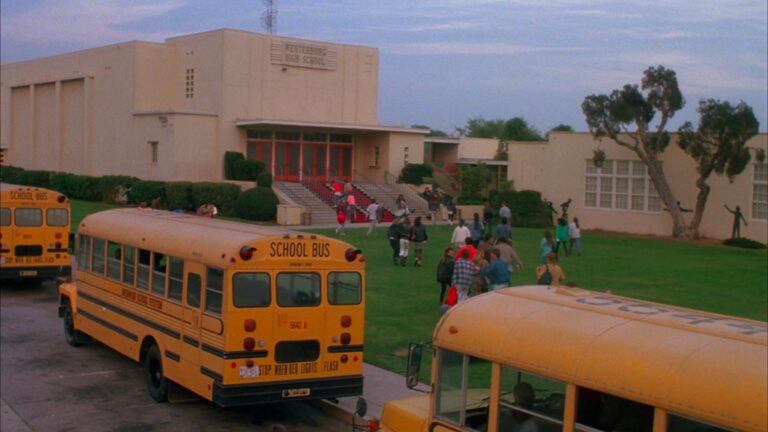
Lehmann and cinematographer Francis Kenny shoot Heathers with a bold, color-coded visual style, using saturated primary colors—especially the iconic reds, blues, and yellows—to define cliques and power dynamics. The film’s heightened production design and symmetrical framing turn high school into a stylized battleground, where color and composition amplify its dark, comic tone.
FILM SPOTLIGHT
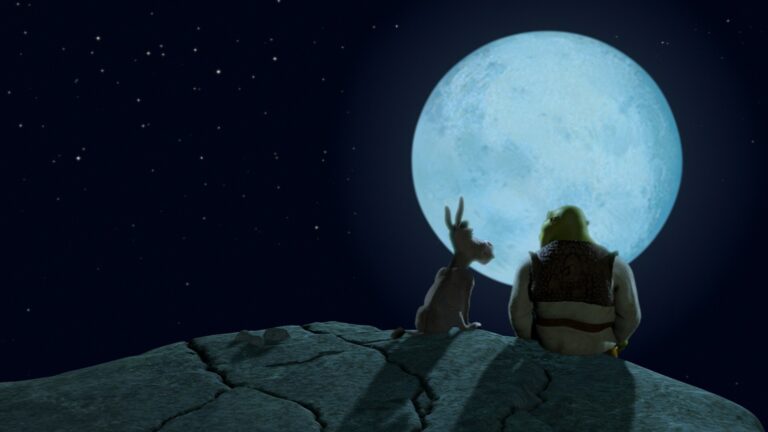
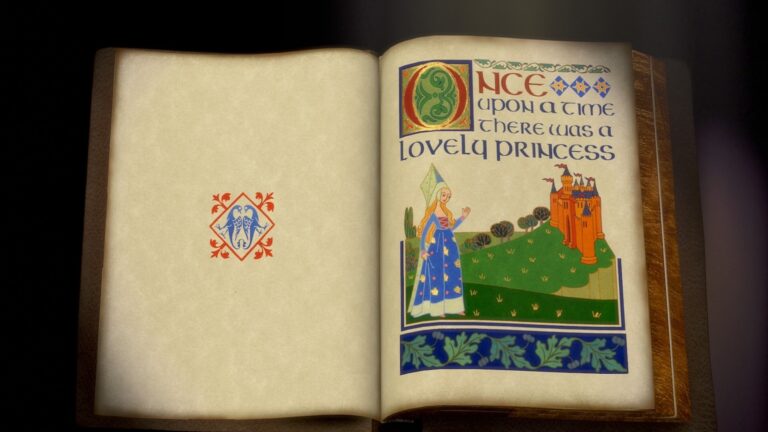
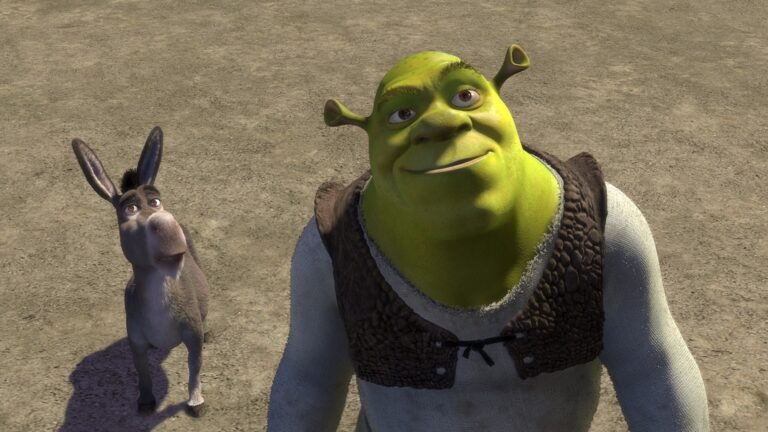
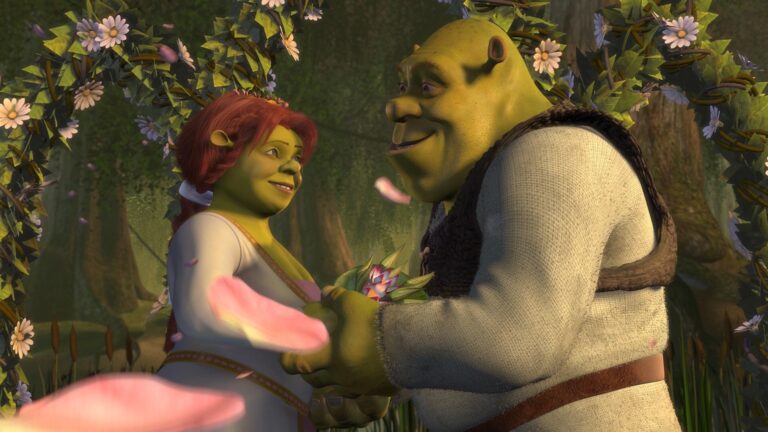
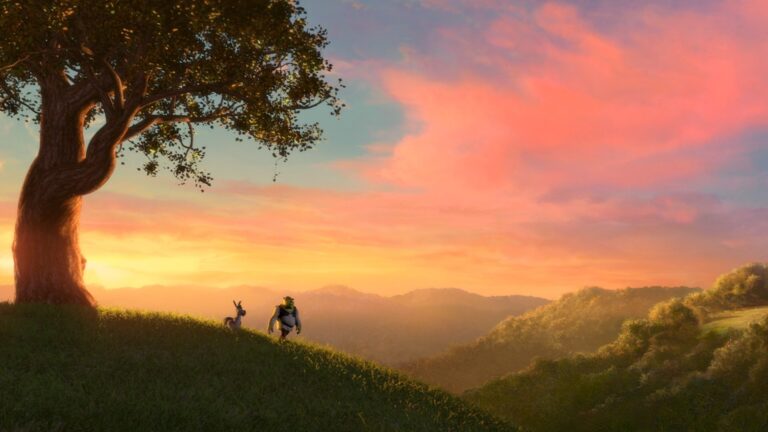
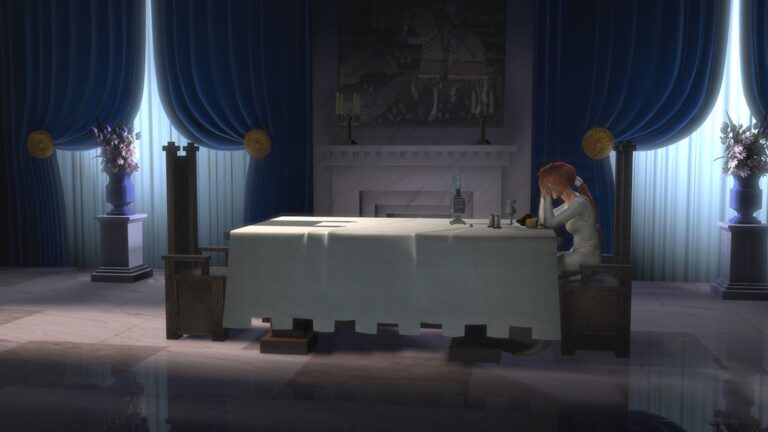
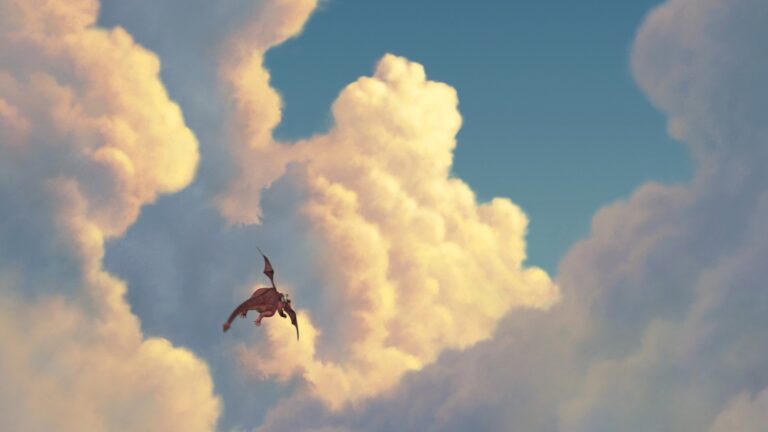
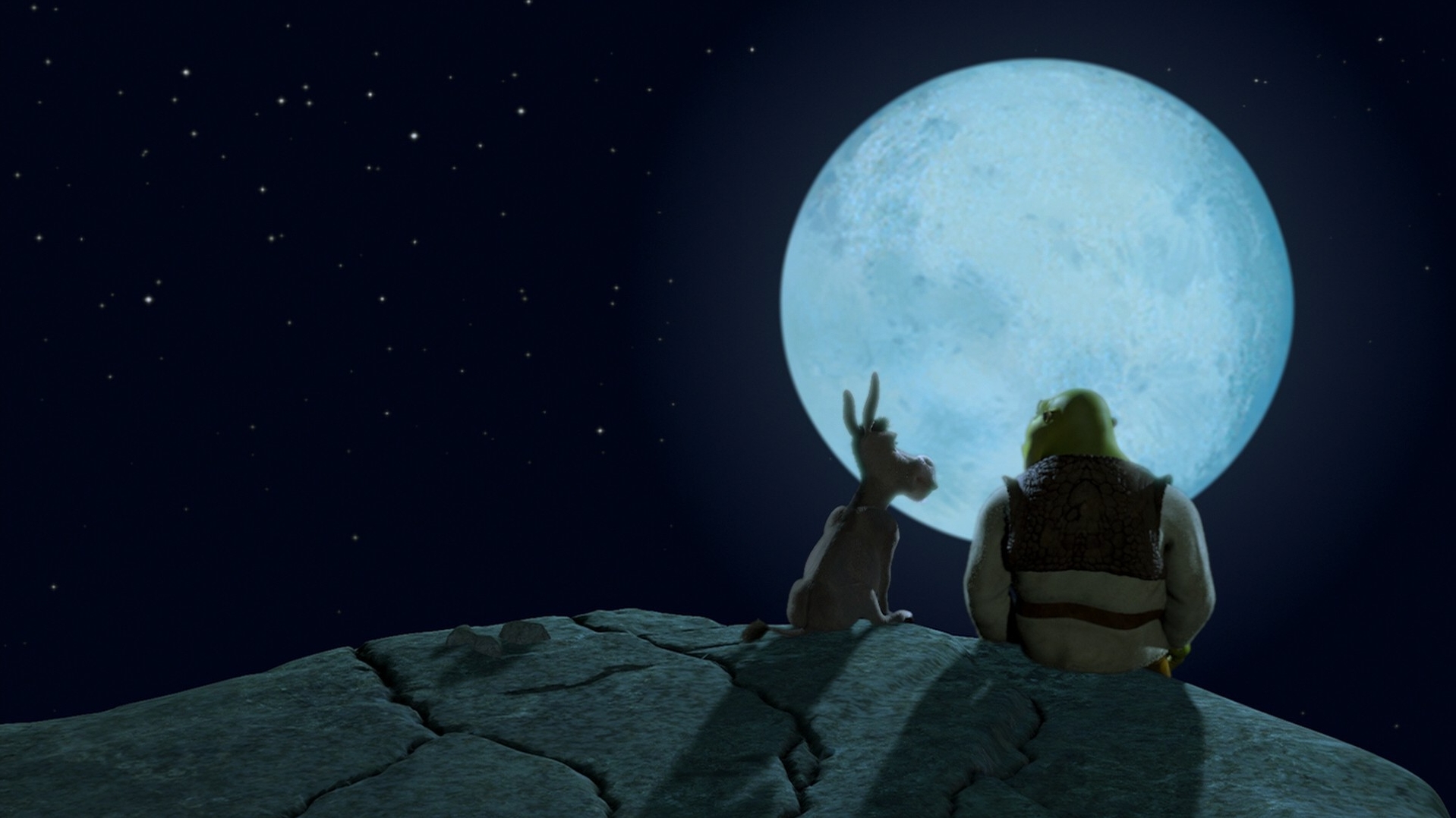
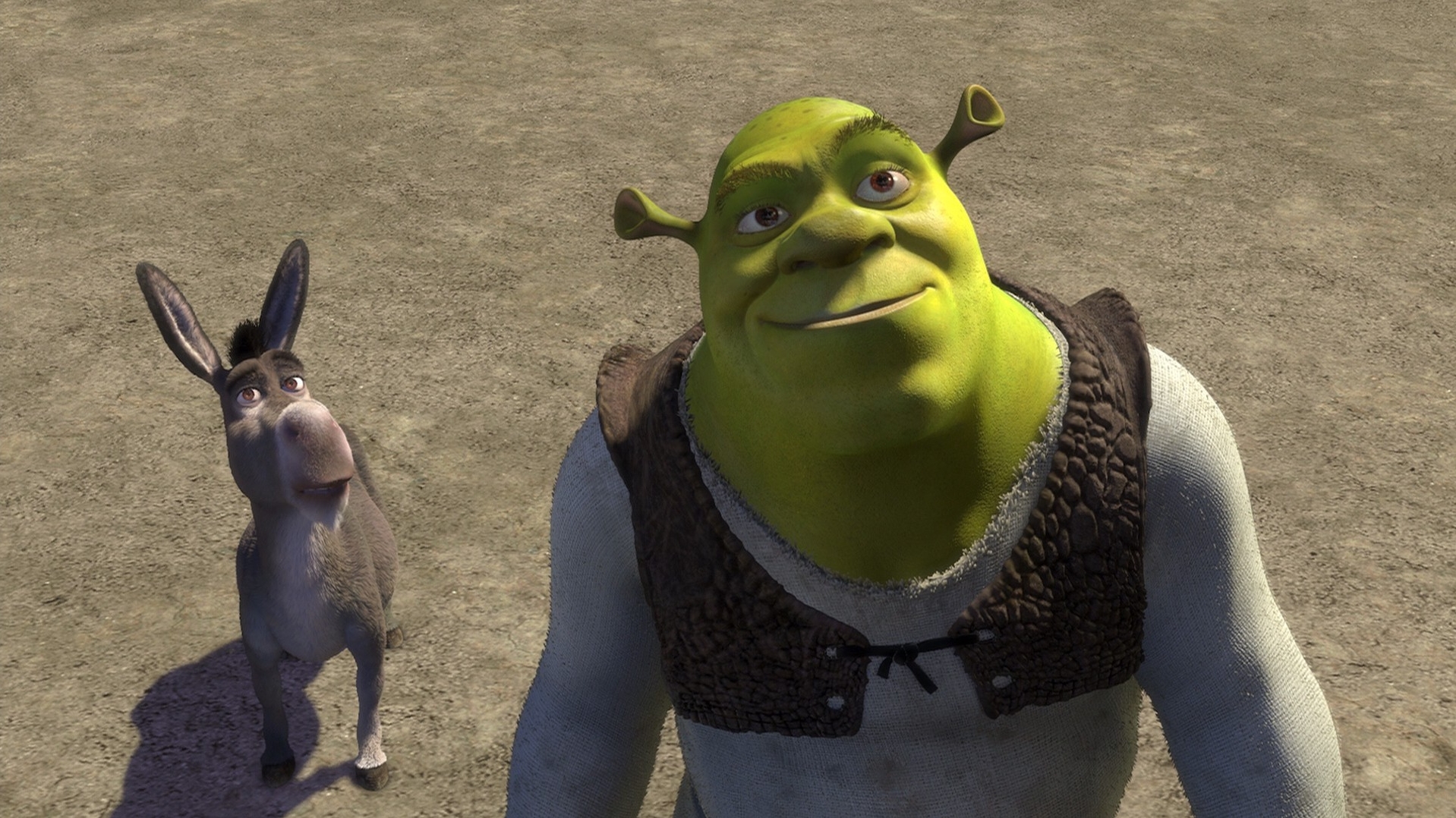
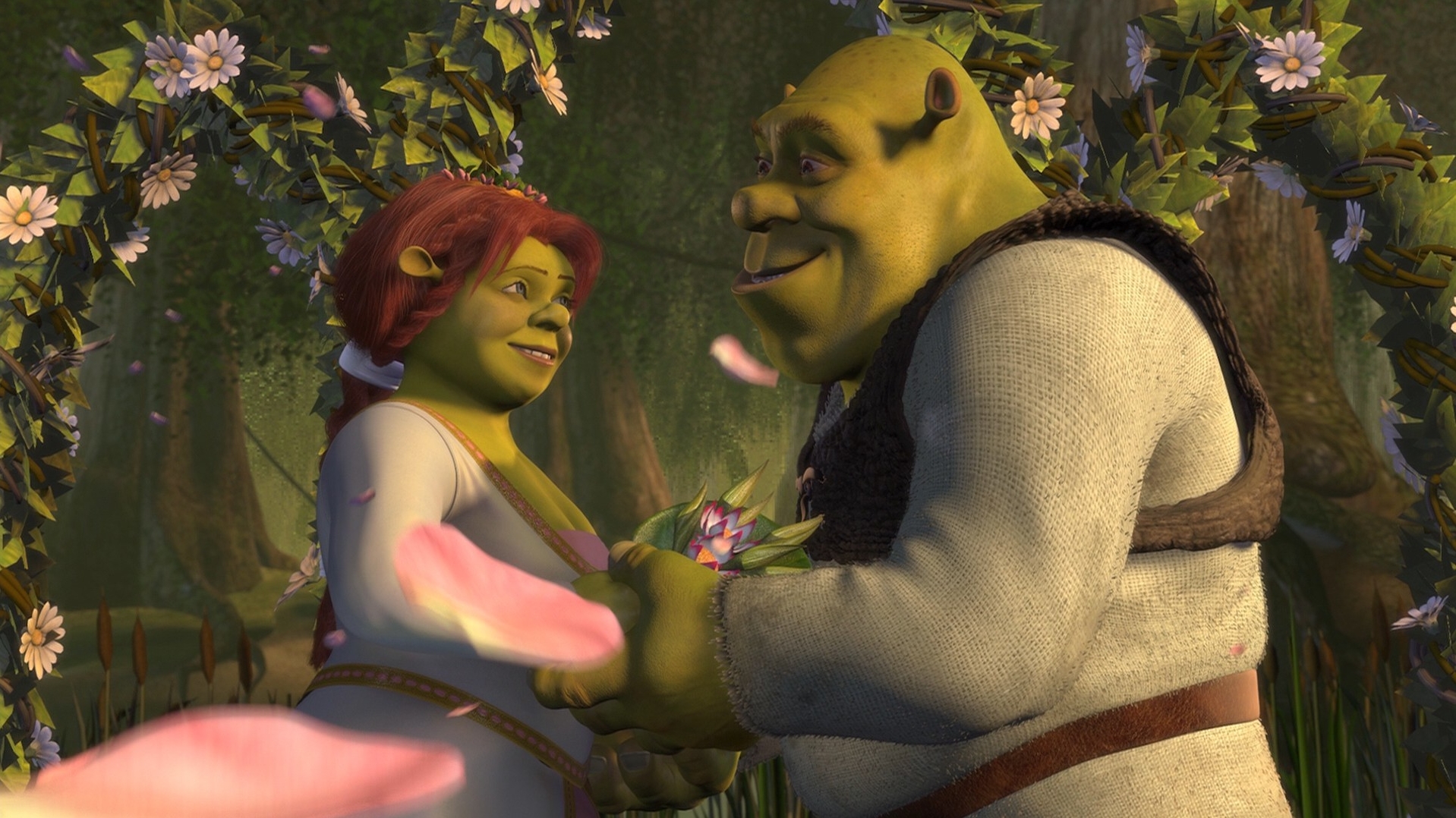
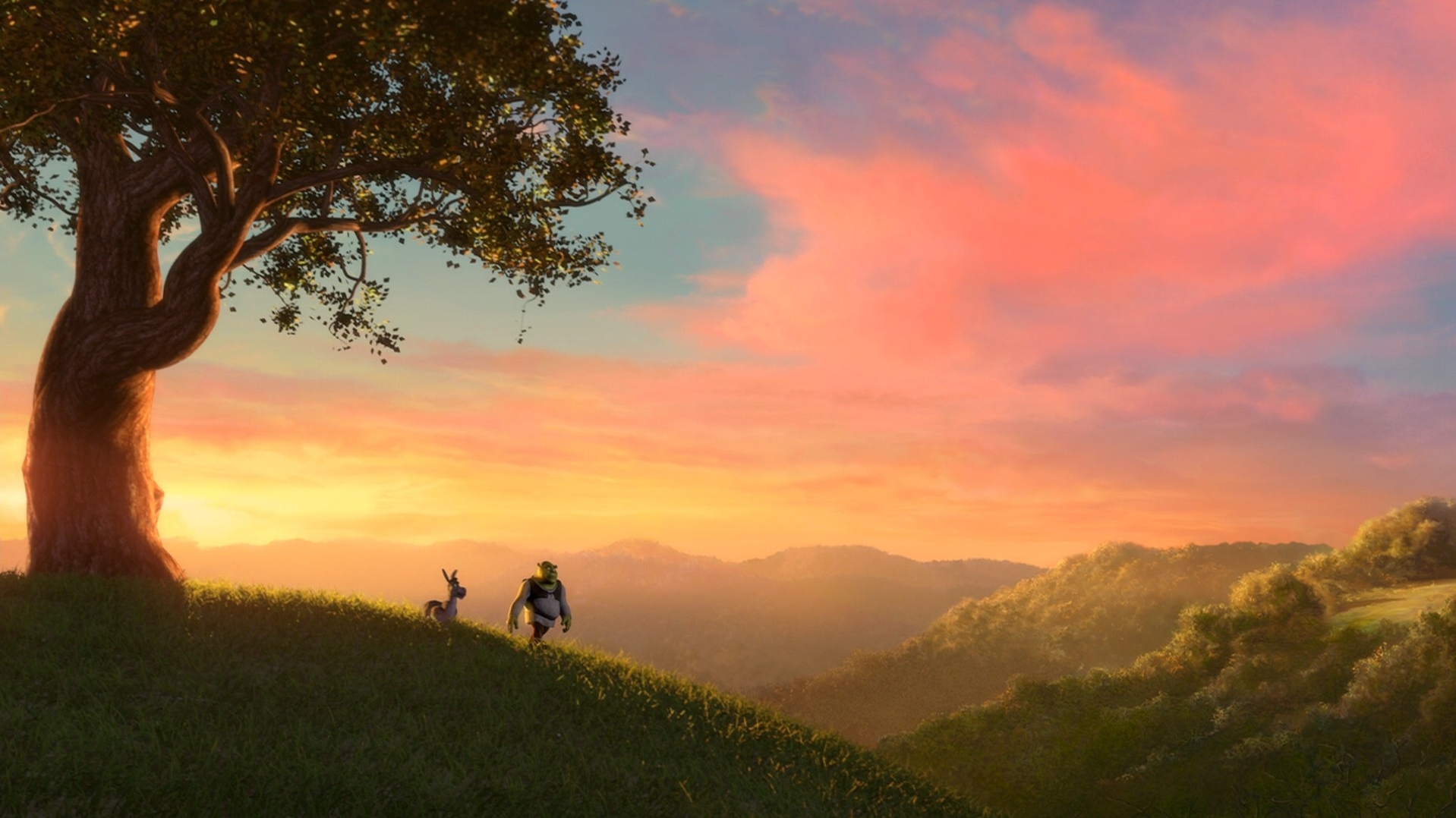
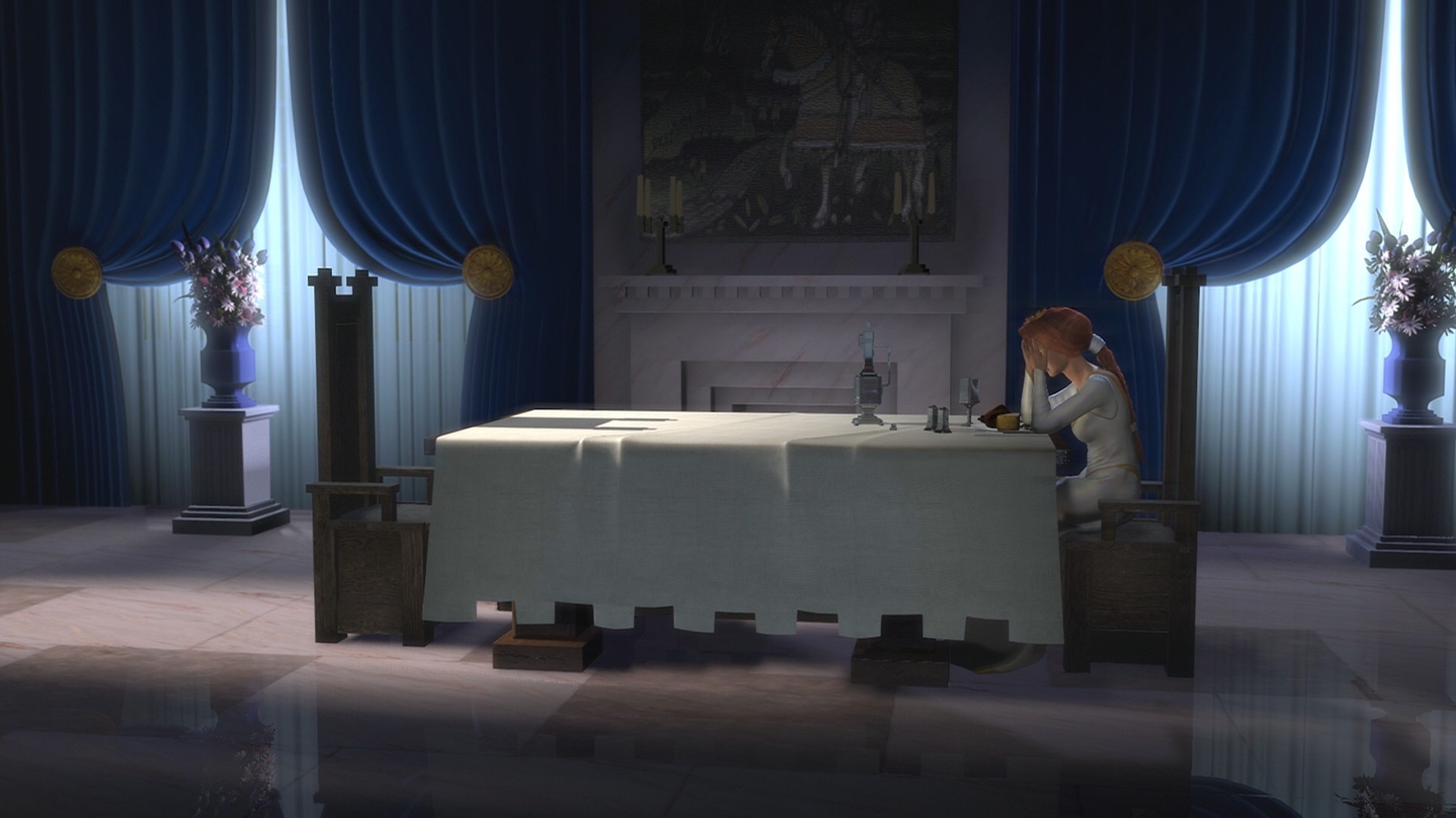
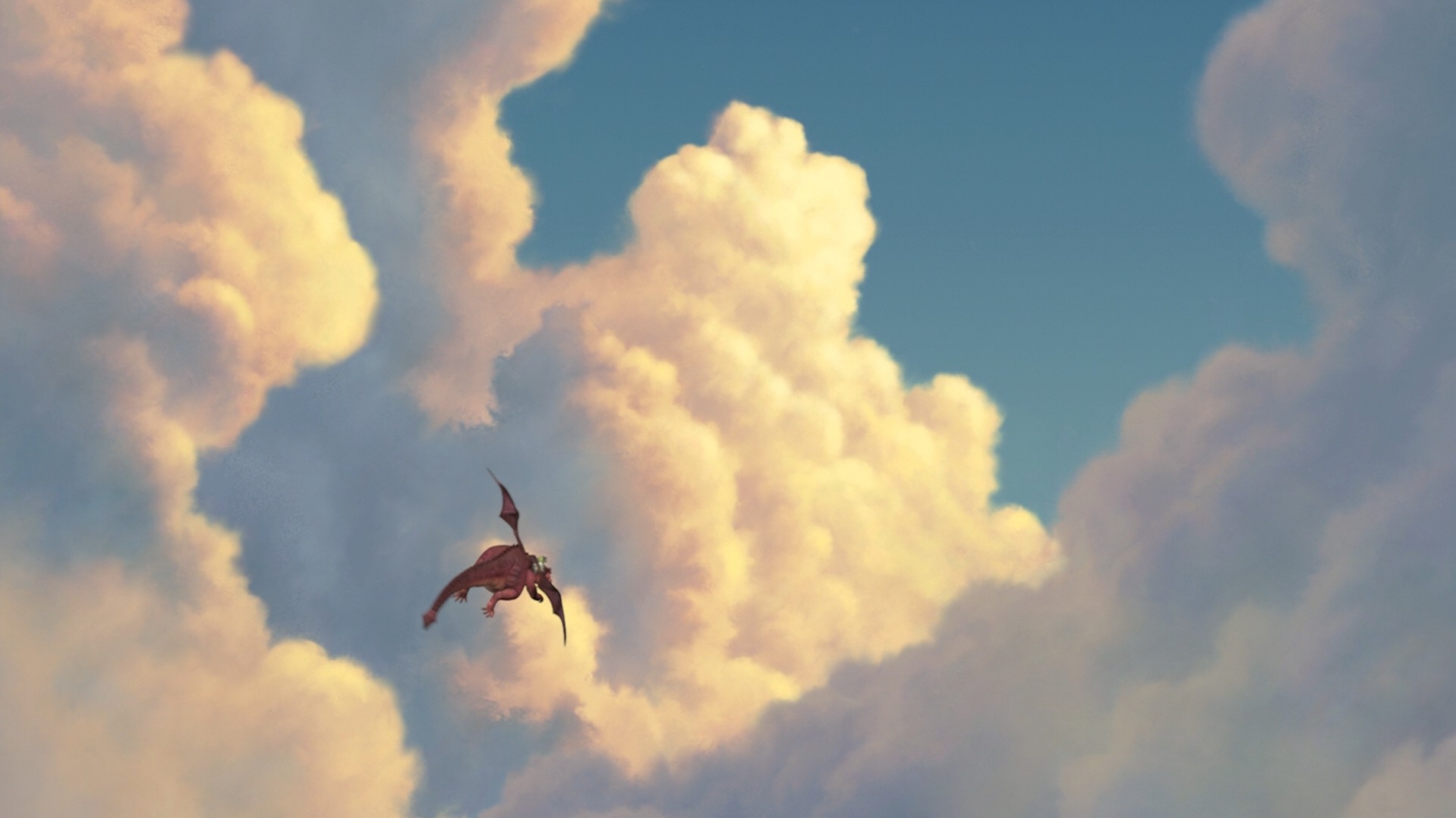
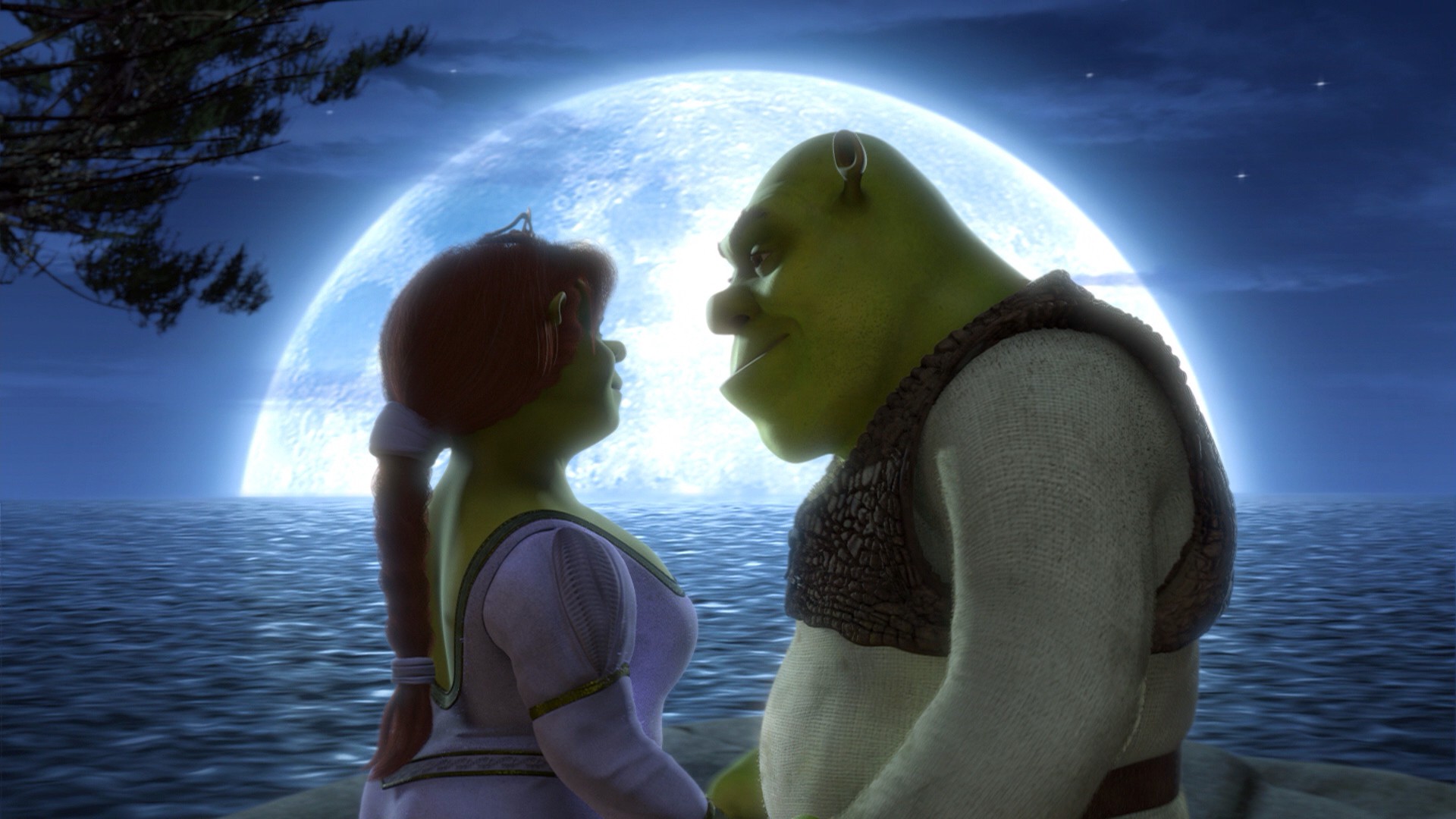
Shrek (2001)
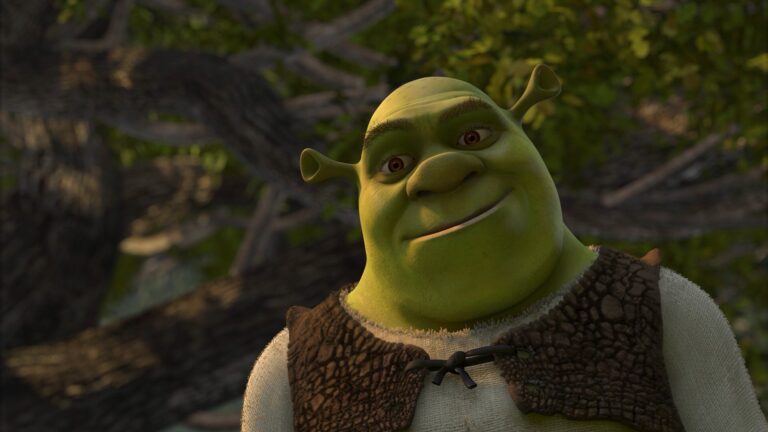
A solitary ogre named Shrek finds his swamp overrun by fairy tale creatures banished by a tyrannical lord. In order to reclaim his home, he strikes a deal to rescue a princess locked away in a tower, joined by an endlessly talkative donkey. As their journey unfolds, Shrek discovers that both the princess and his own identity are more complicated than they appear.
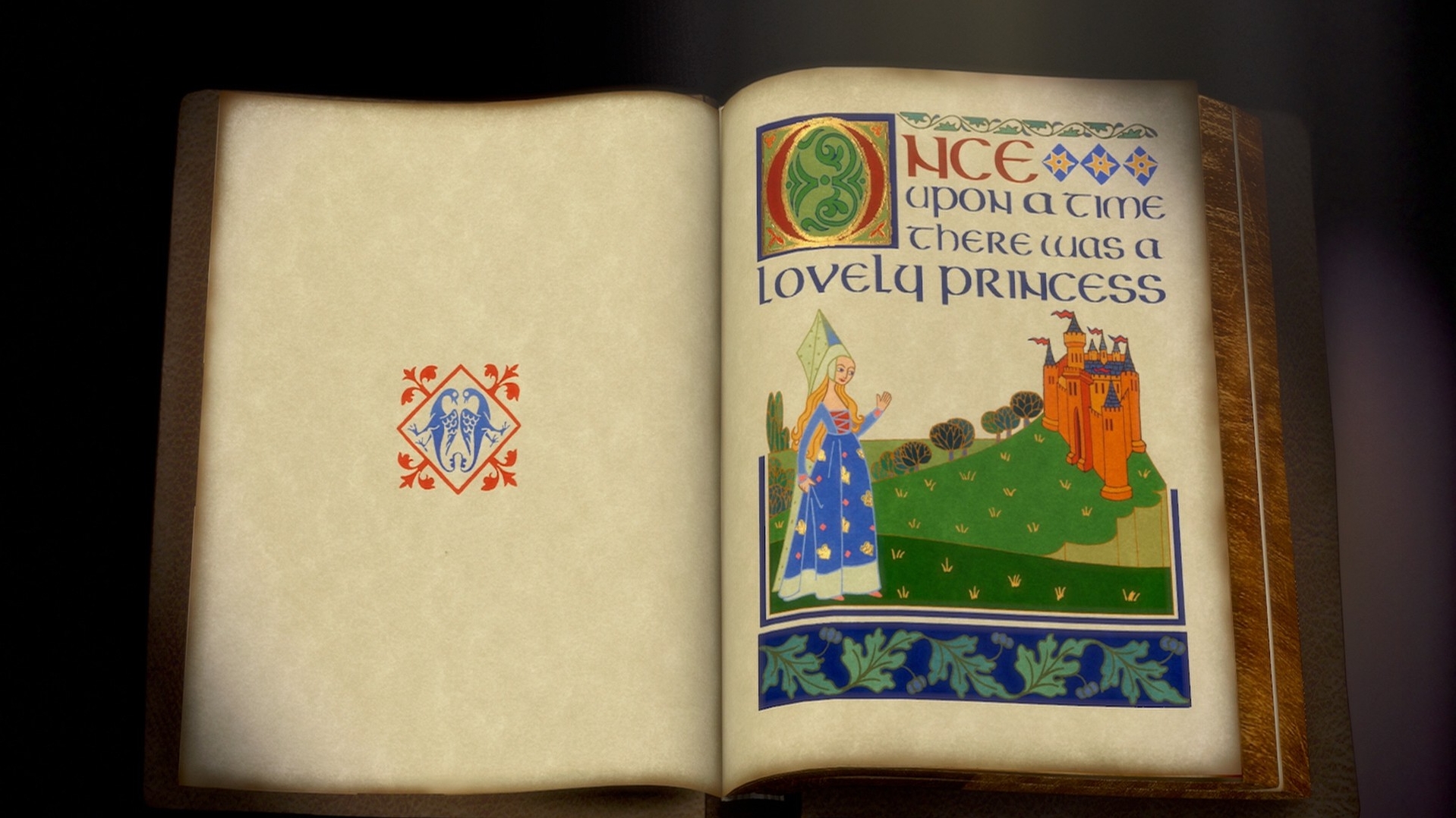
DreamWorks pushed early 2000s CGI forward with Shrek, building a tactile, storybook world that balances exaggerated character design with surprisingly detailed environments—mud, water, and foliage all rendered with a new level of texture. The film’s use of expressive facial animation and broad visual comedy turns digital performance into its driving force—proving that stylization, not realism, was the key to making CG characters feel alive.




FILM SPOTLIGHT
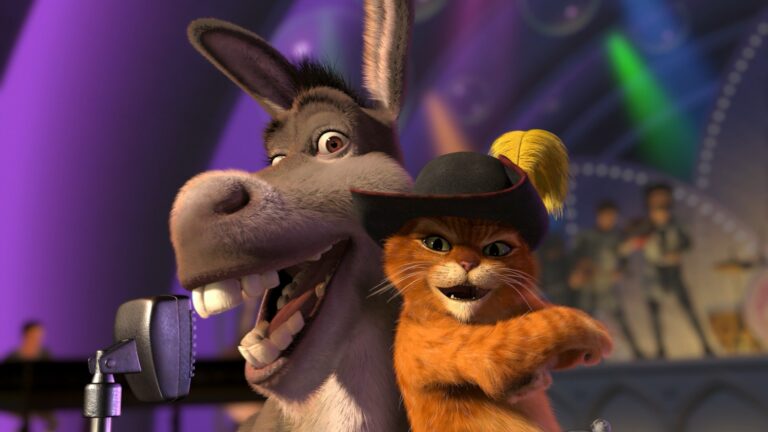
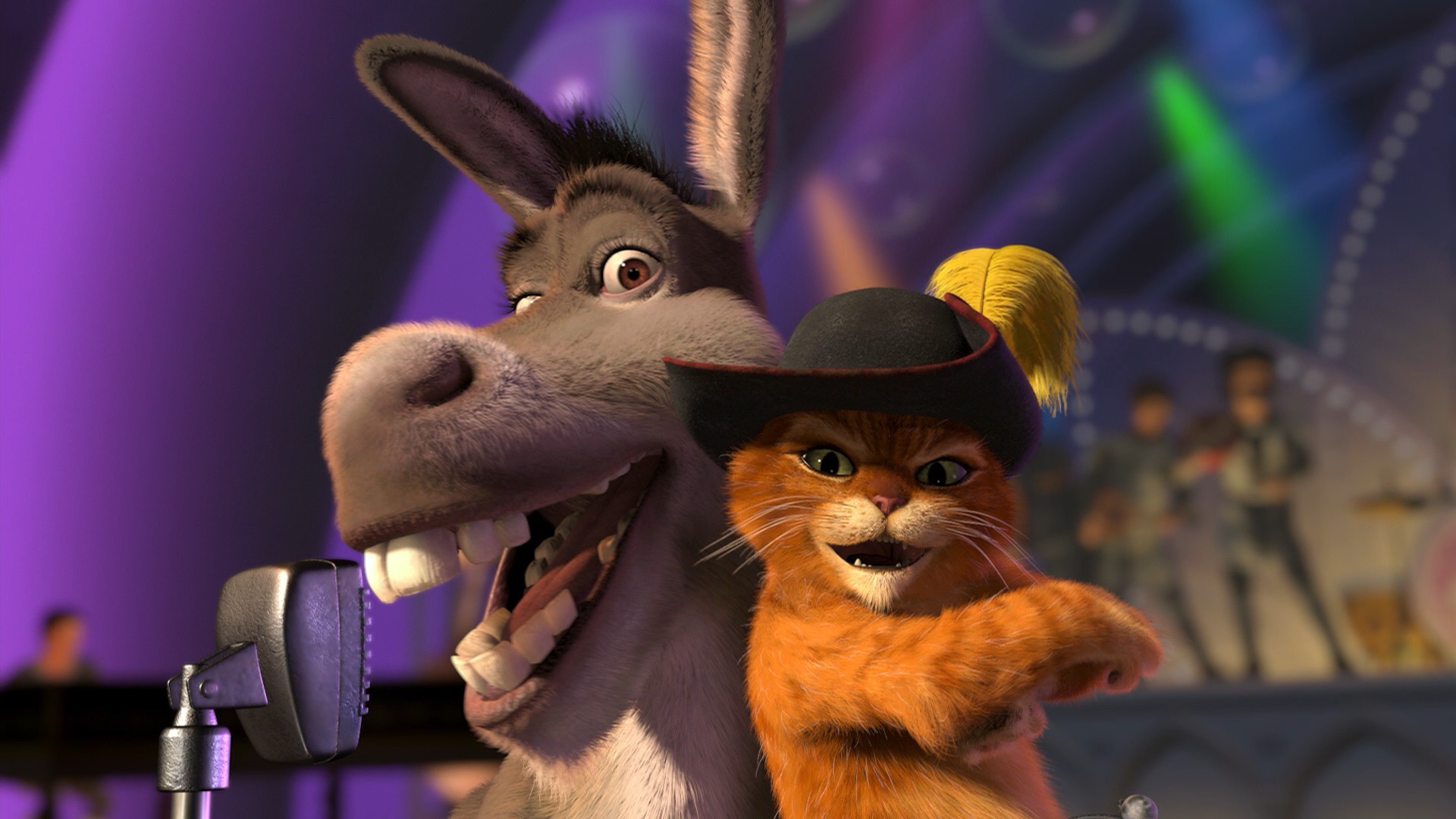
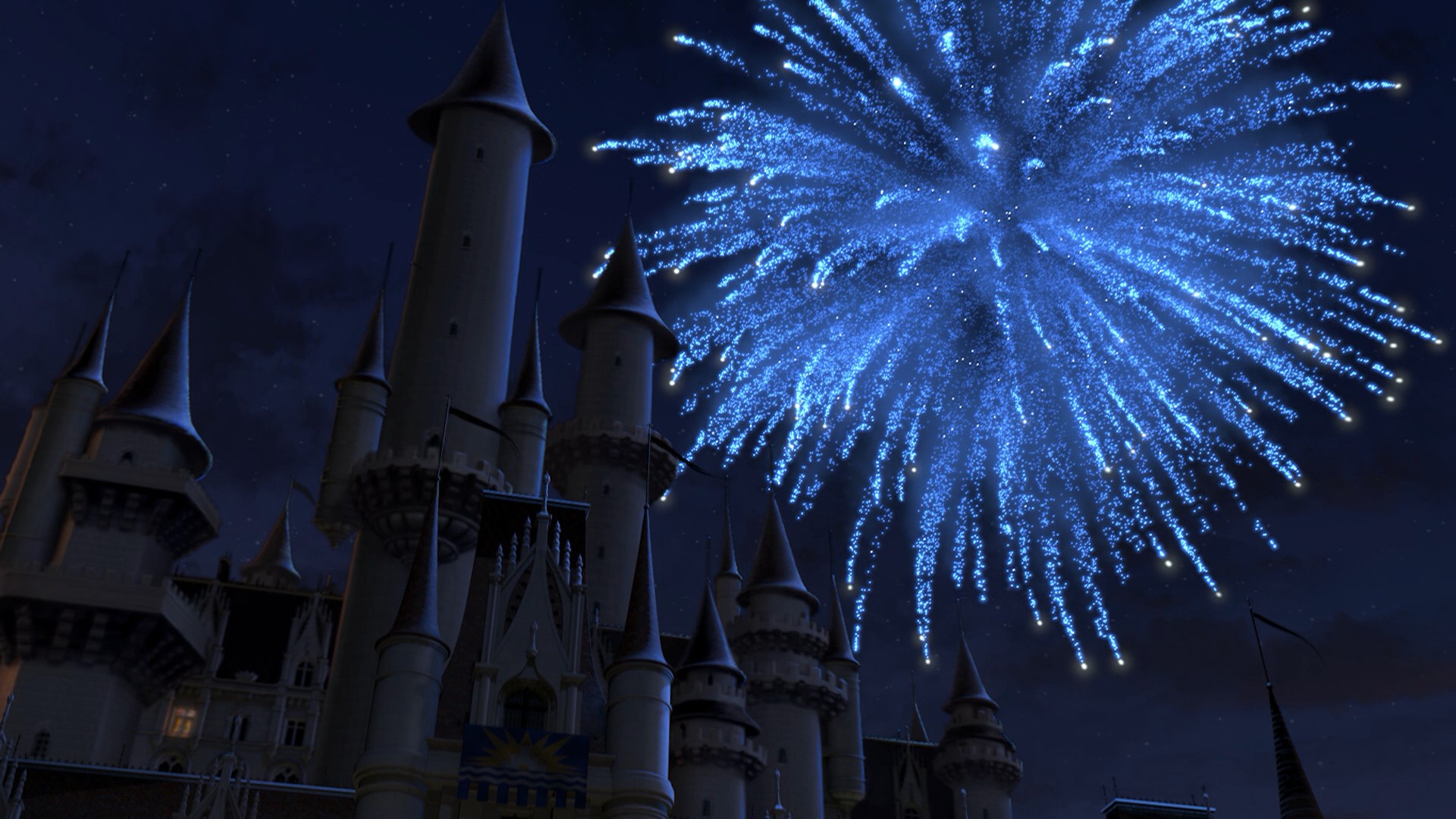
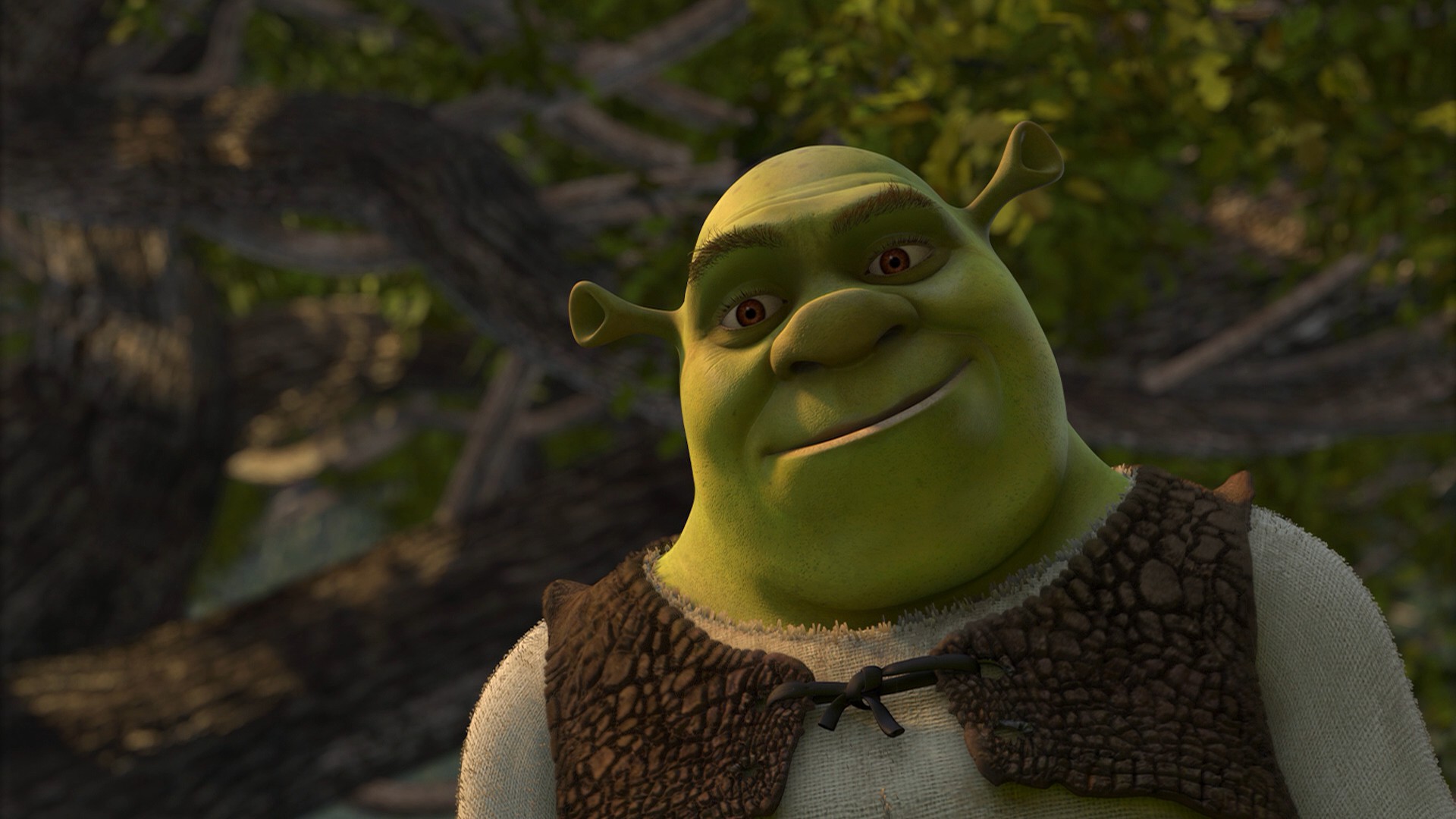
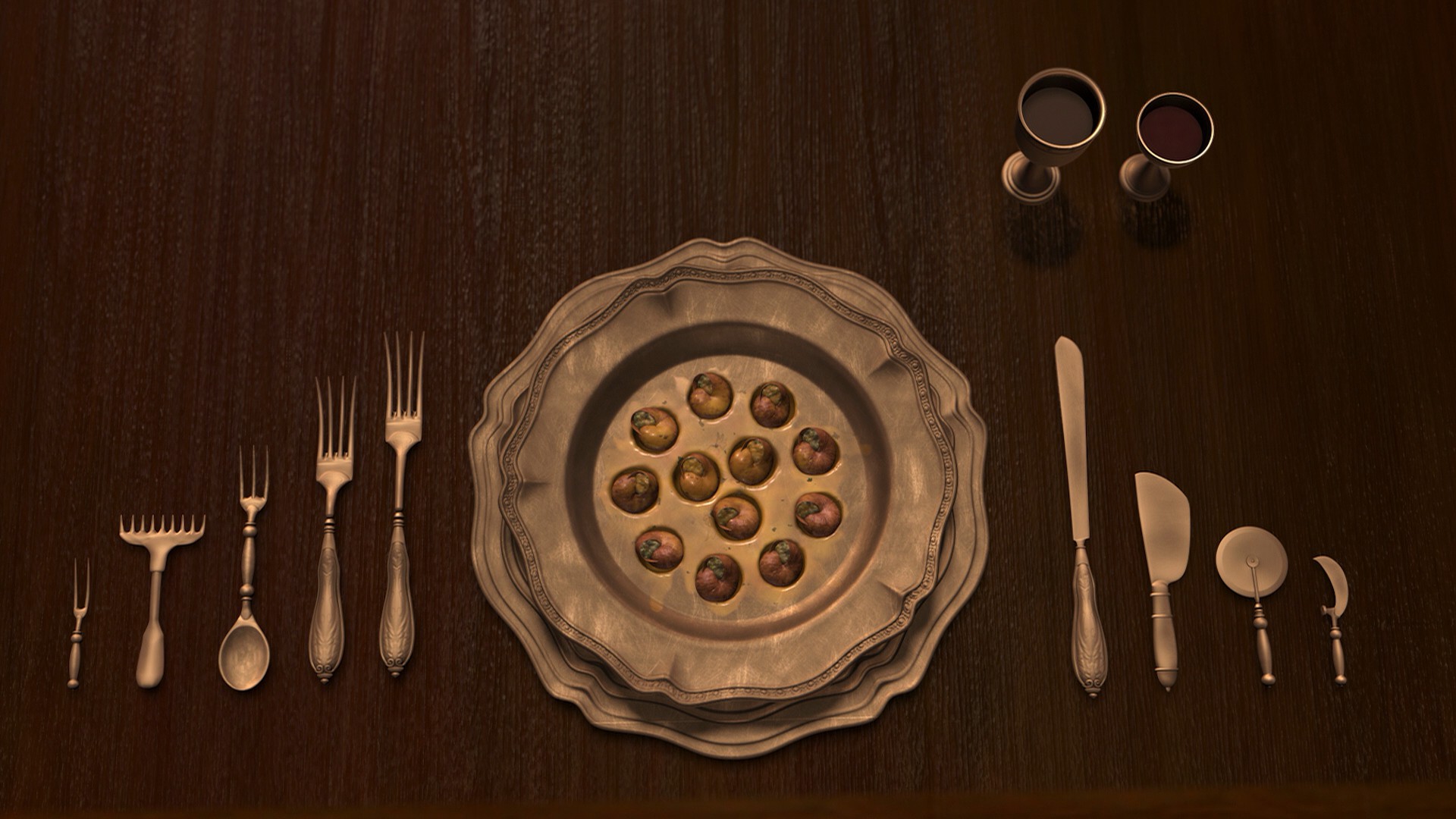
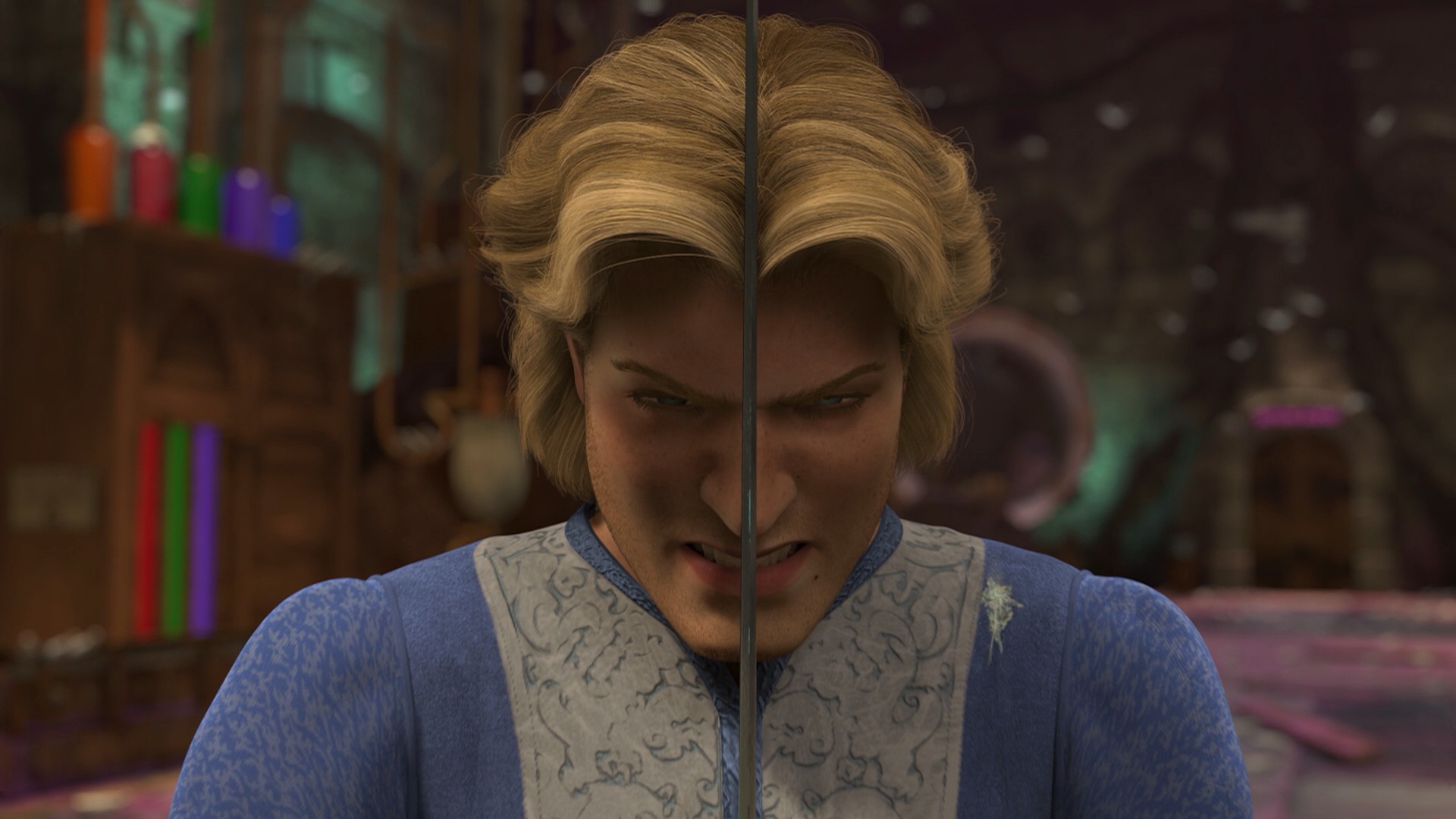
Shrek 2 (2004)
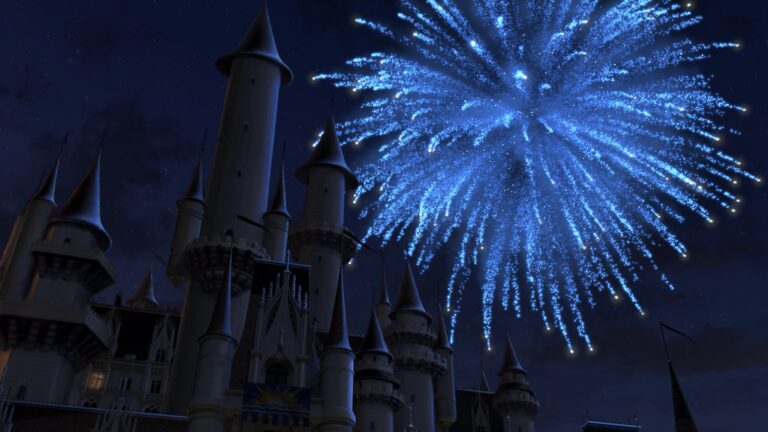
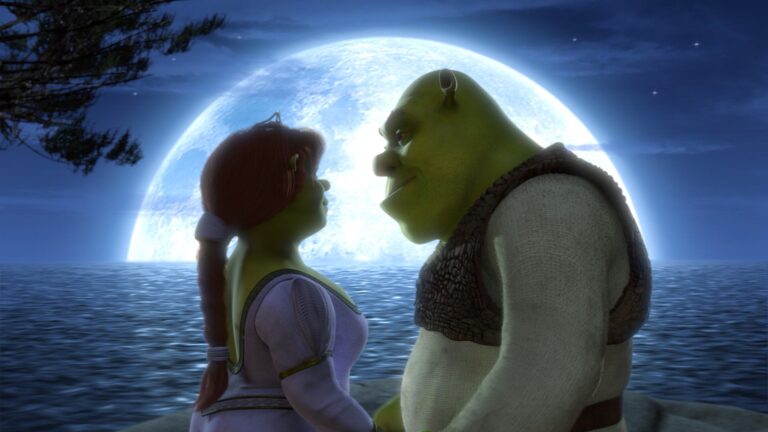
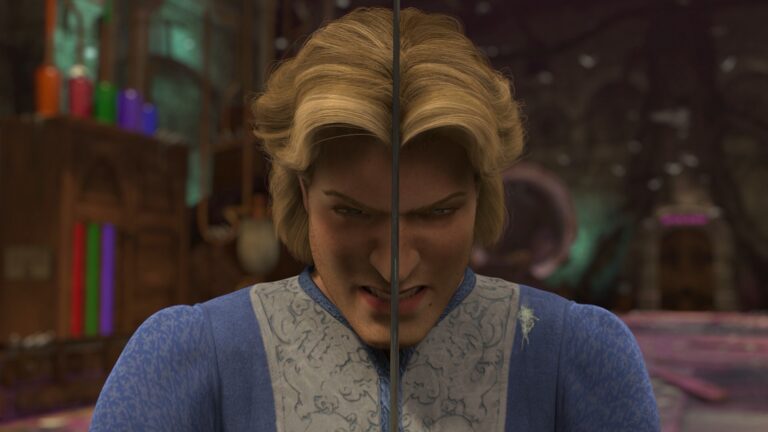
After returning from their honeymoon, Shrek and Fiona travel to the kingdom of Far Far Away to meet her parents, the King and Queen. Their arrival sparks tension, as Fiona’s family struggles to accept Shrek, and a new scheme emerges to break the couple apart. With the help of old and new allies, Shrek must fight to prove that their love can defy expectations.
Building on the first film, Shrek 2 expands its digital world with more elaborate environments and a glossier, fairy-tale-meets-Hollywood aesthetic—especially in the satirical design of Far Far Away. The film leans into bigger, more complex animation set pieces and sharper character detail, using expressive lighting and texture to heighten both its parody and emotional beats.







FILM SPOTLIGHT
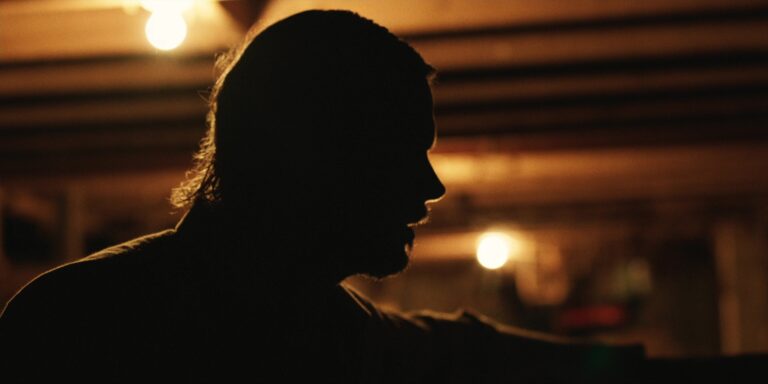
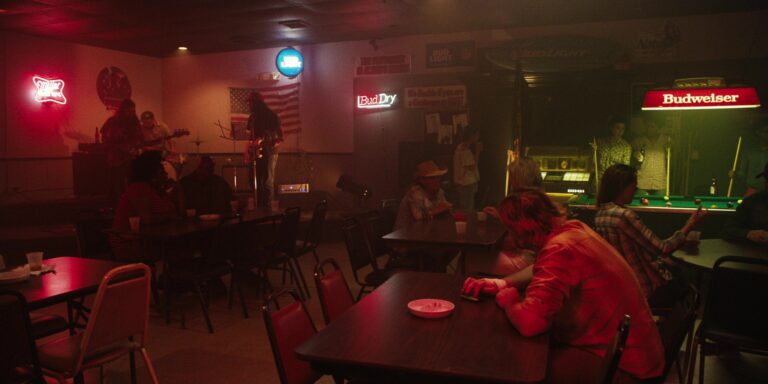
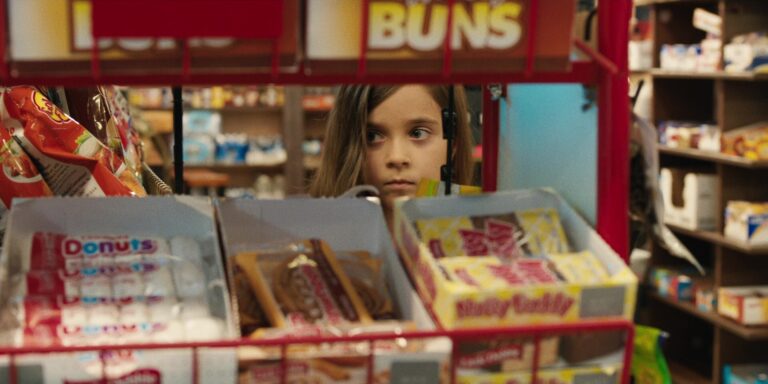
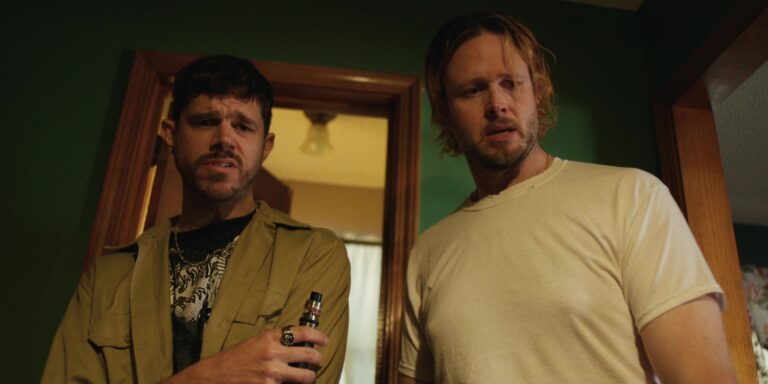
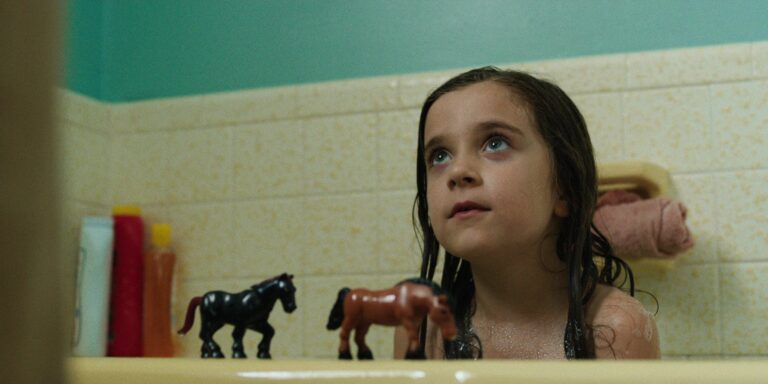
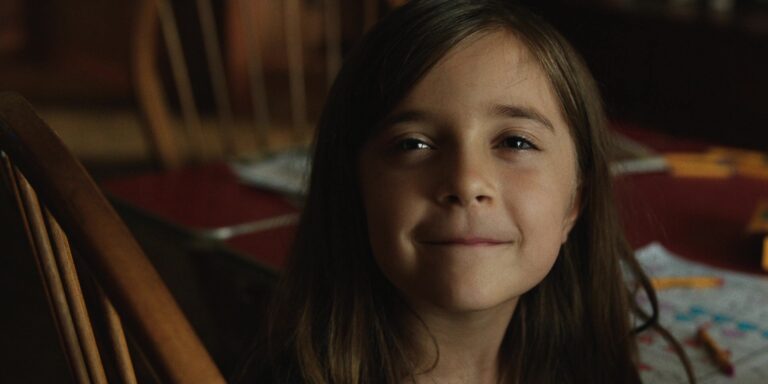
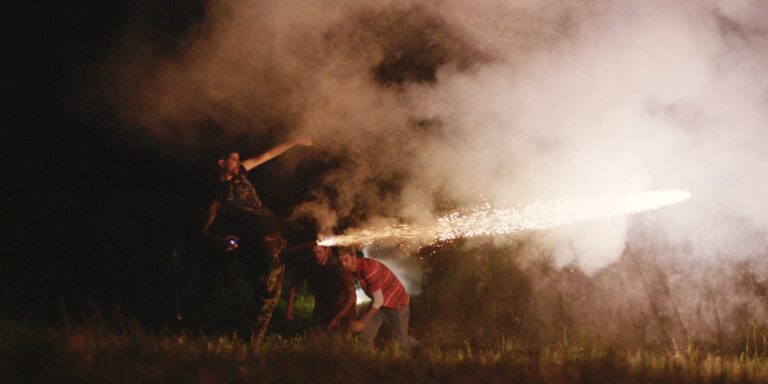
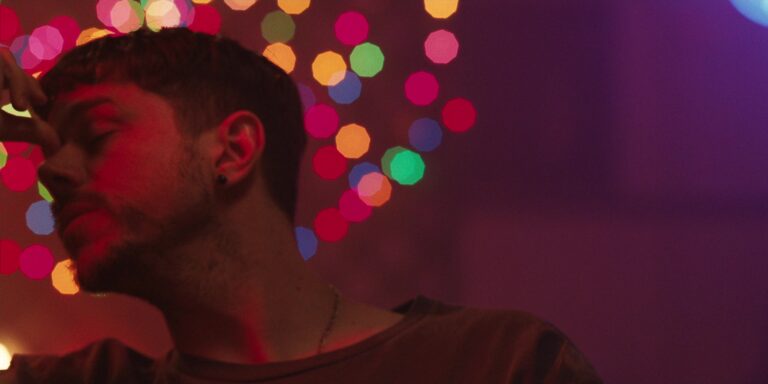
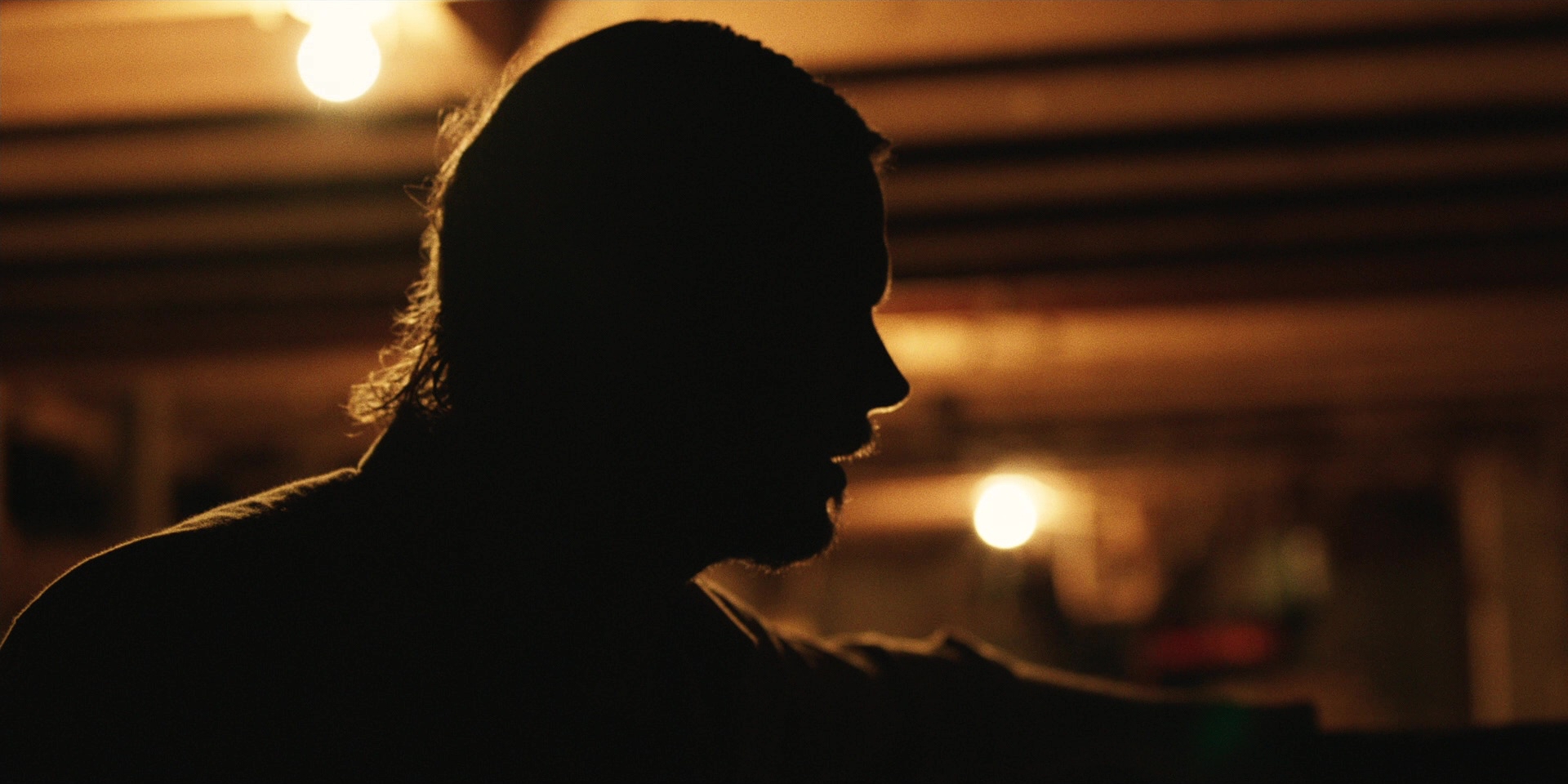
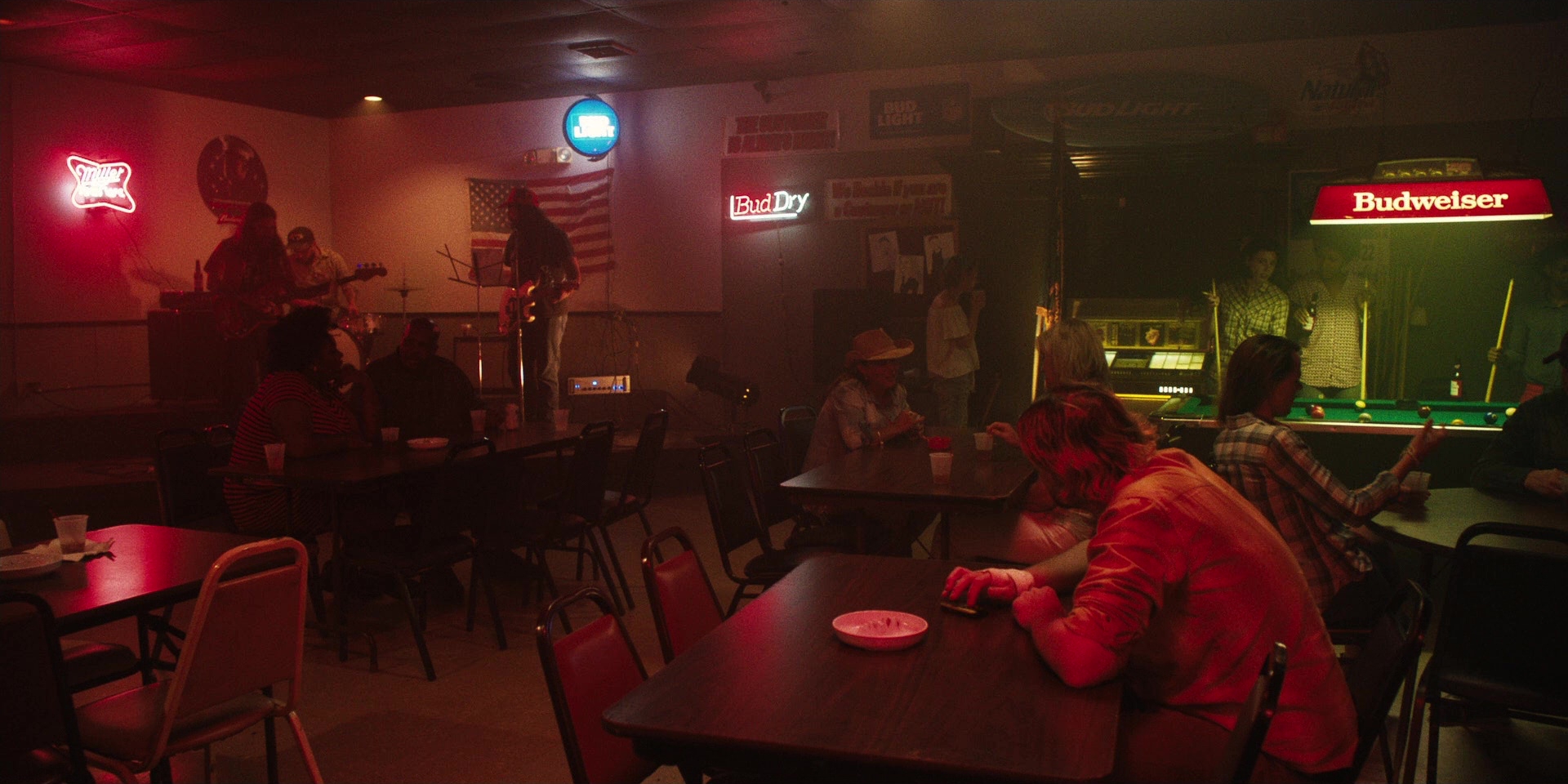
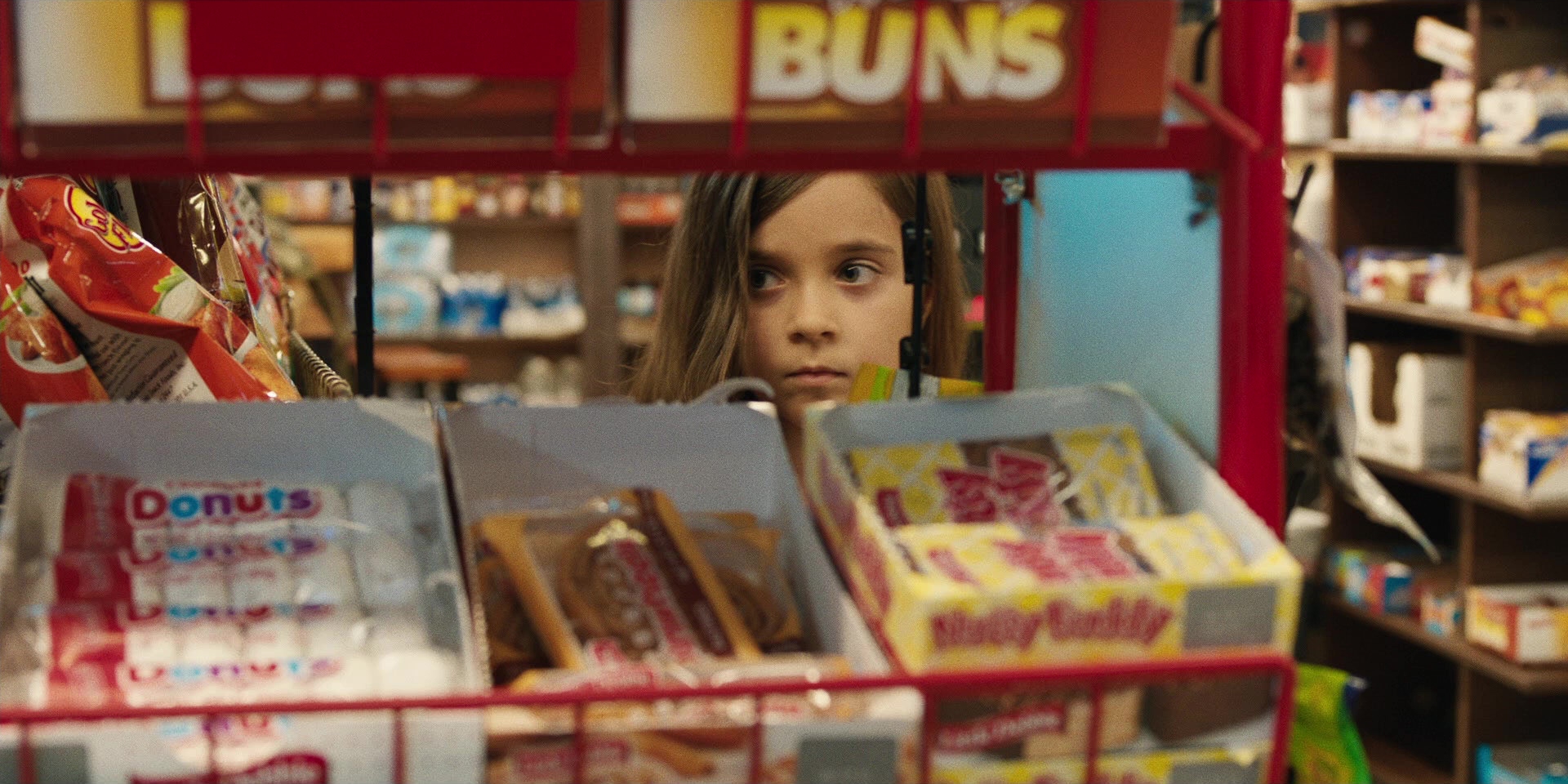
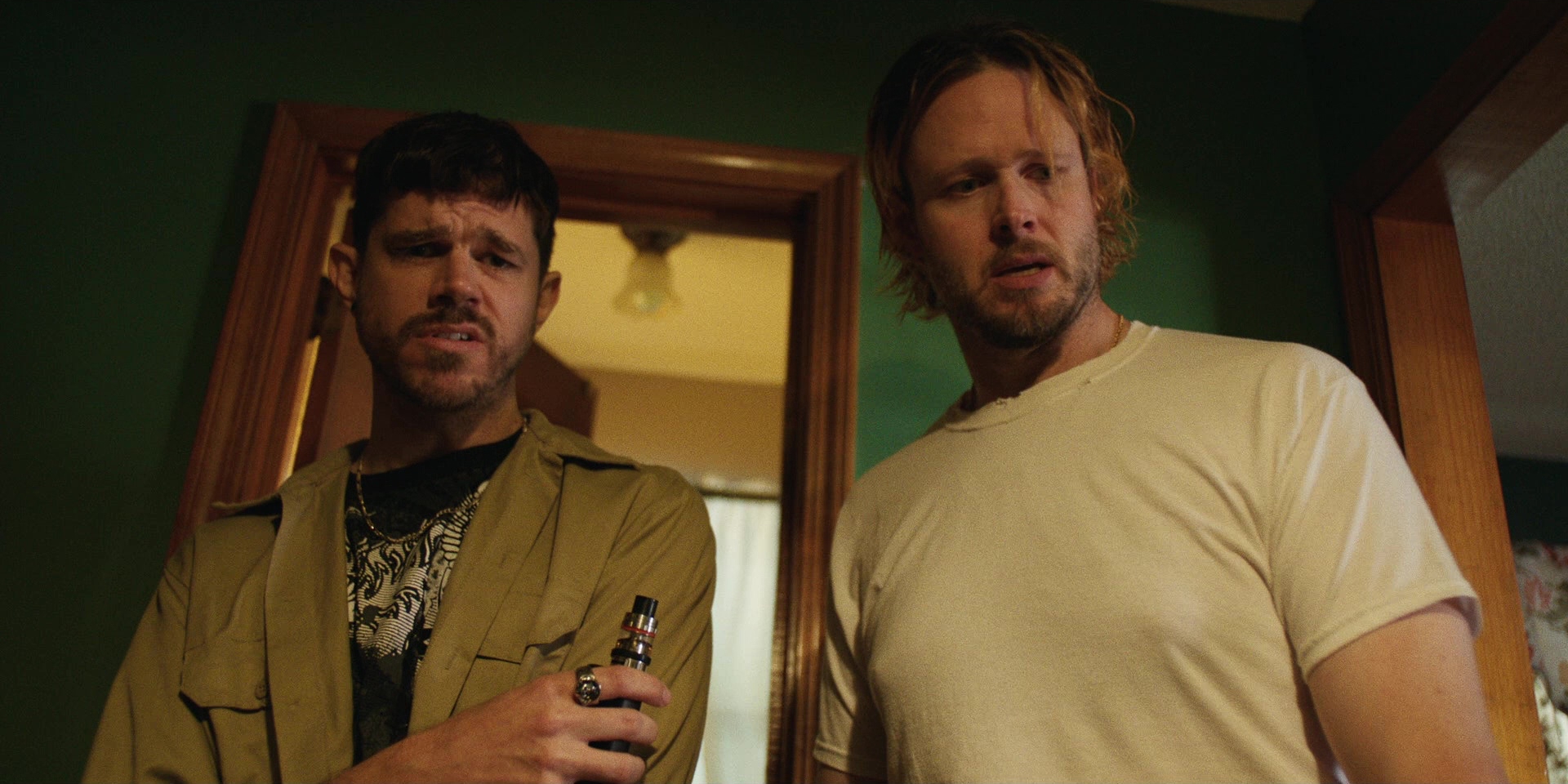
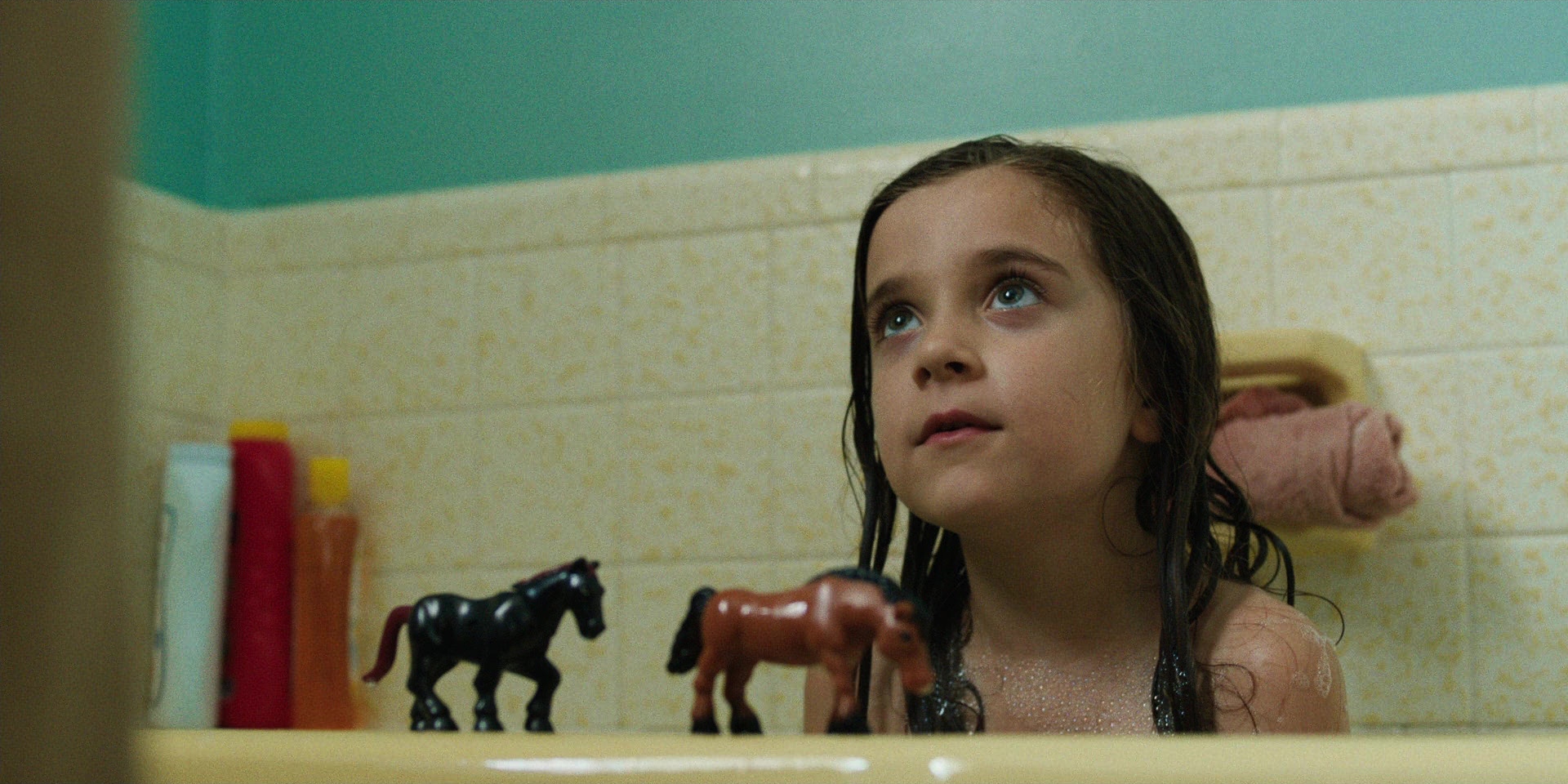
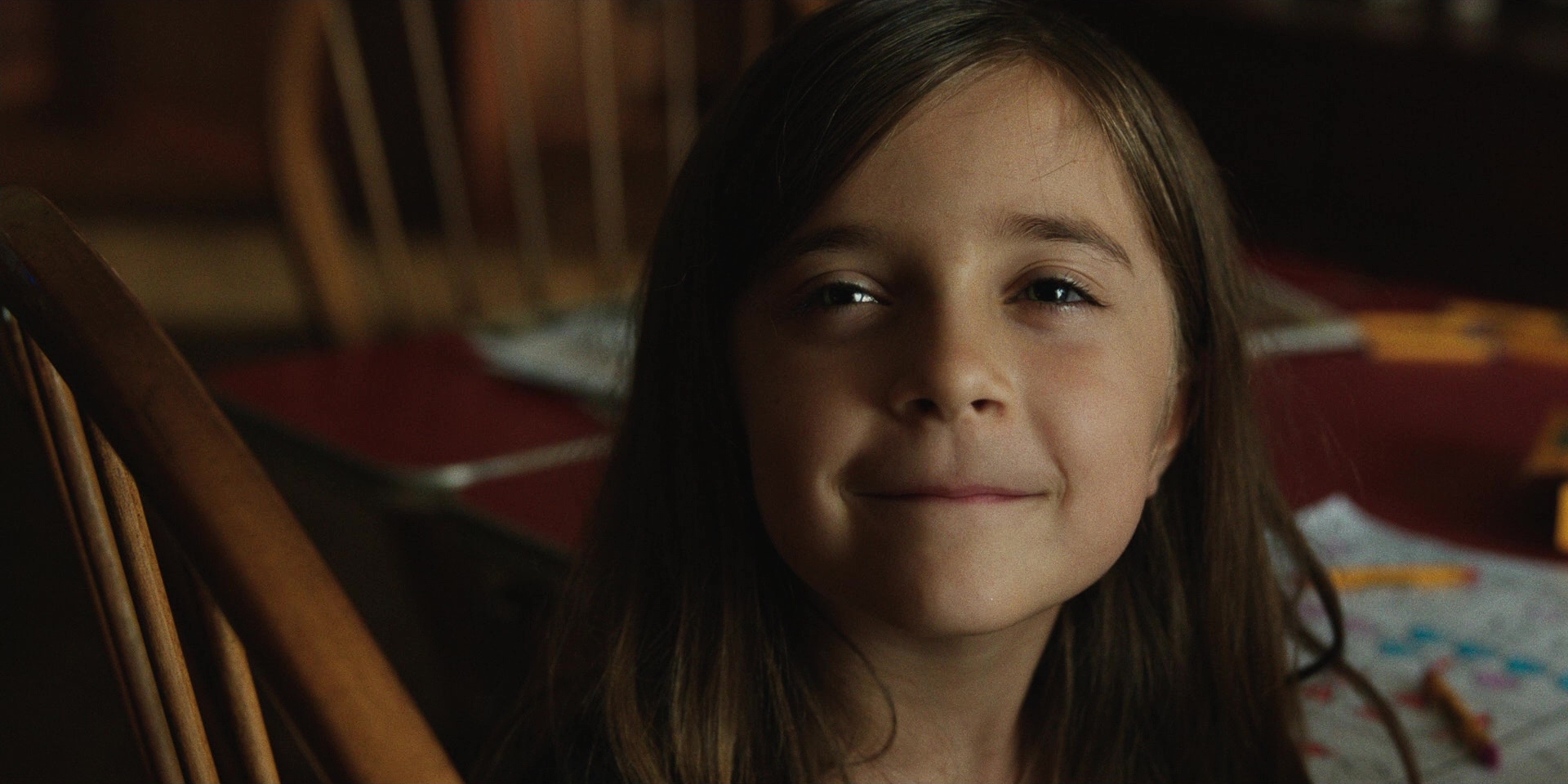
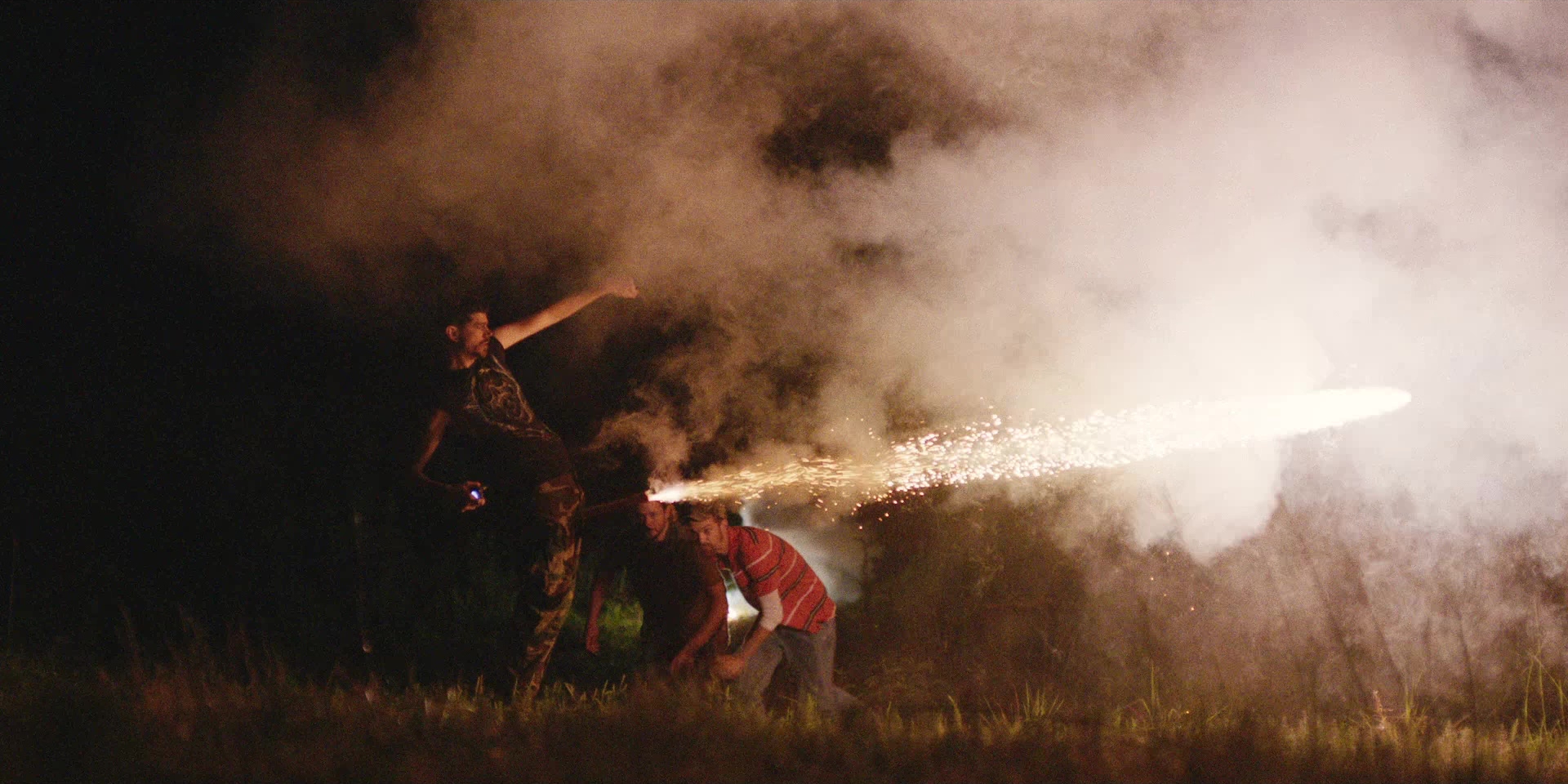
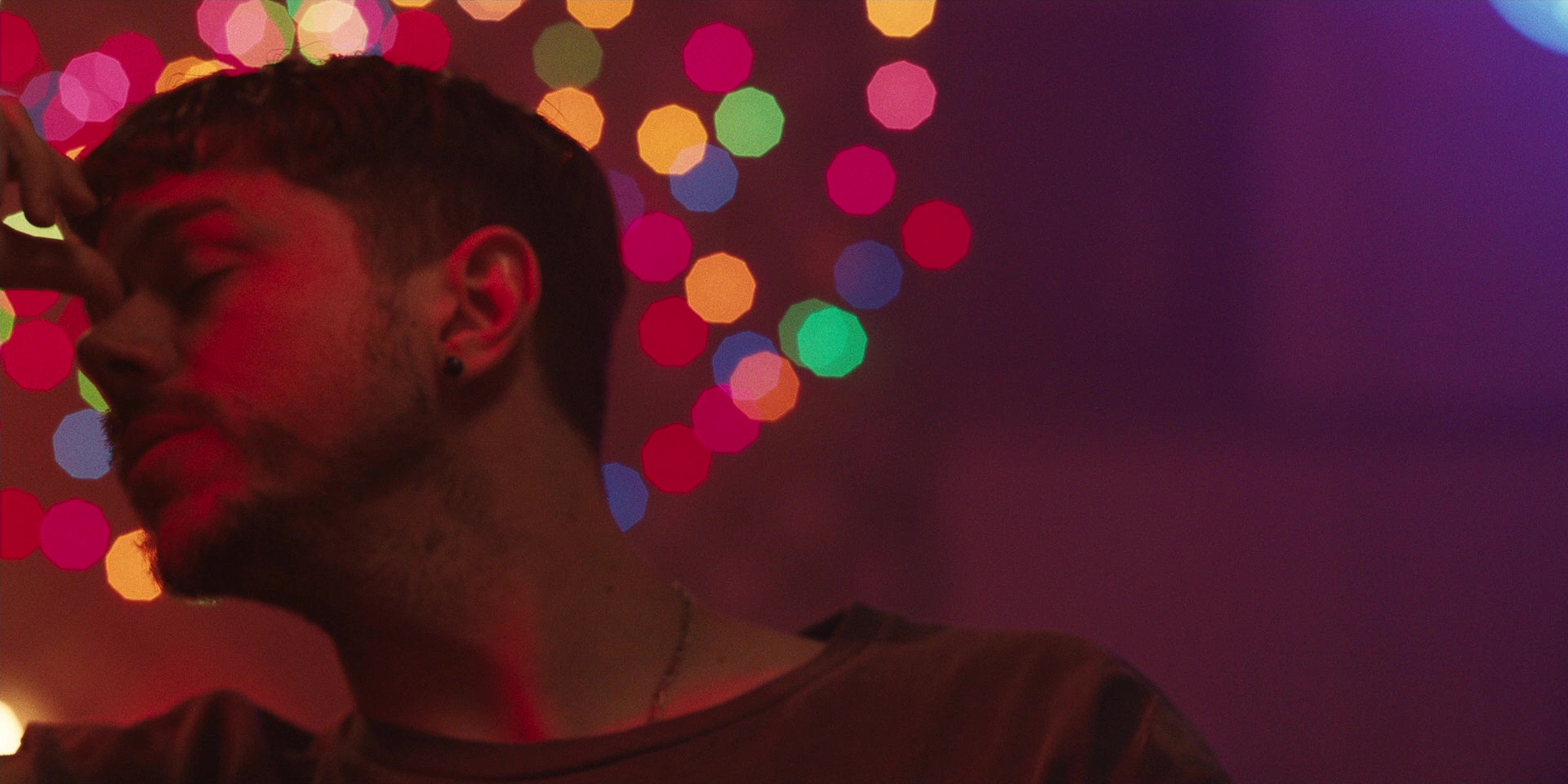
The Death of Dick Long (2019)
After a night of partying goes horribly wrong, two friends attempt to cover up the mysterious death of their bandmate, Dick Long. As they scramble to hide the truth, their increasingly desperate lies begin to unravel under police scrutiny and personal guilt. The situation spirals into a darkly comic and disturbing revelation.
Scheinert and cinematographer Andy Rydzewski shoot The Death of Dick Long with a grounded, Southern naturalism, using handheld camerawork and available light to root the film in a mundane reality. This understated visual approach contrasts sharply with the film’s escalating absurdity—letting the camera remain calm and observational even as the story veers into increasingly outrageous territory.


FILM SPOTLIGHT
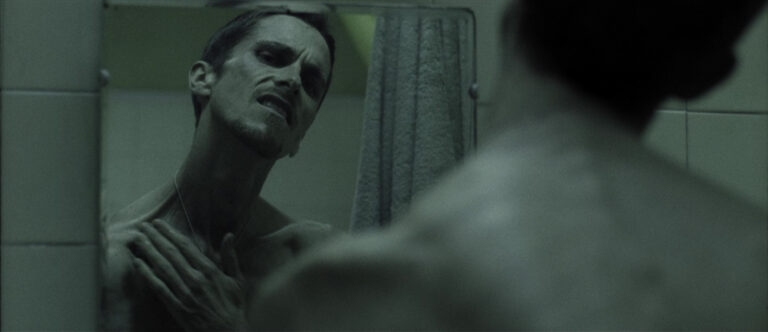
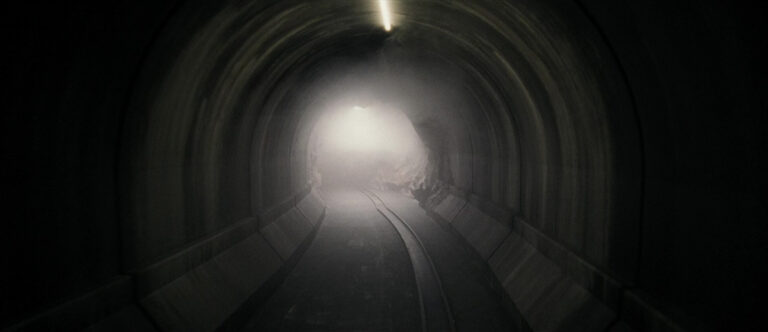
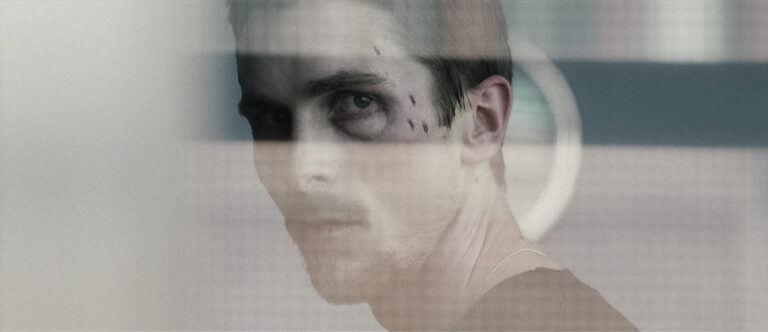
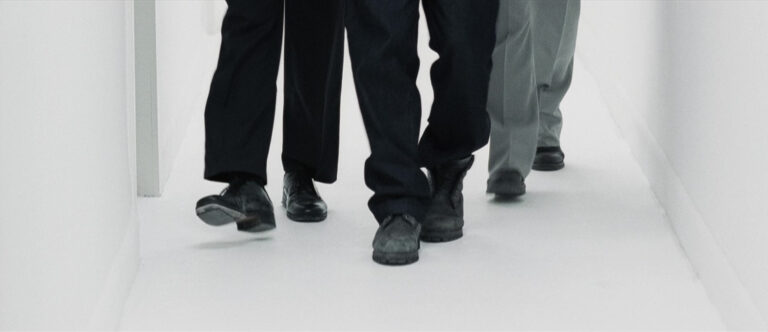
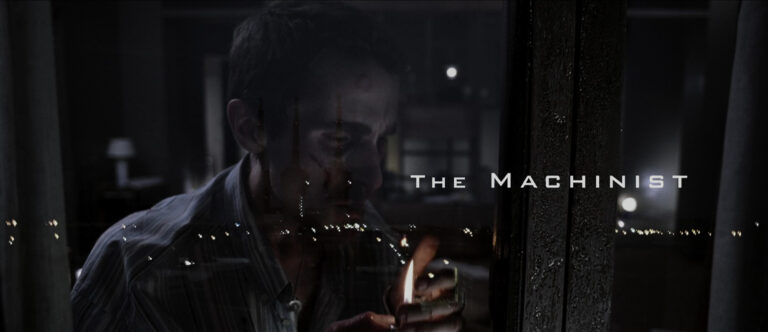
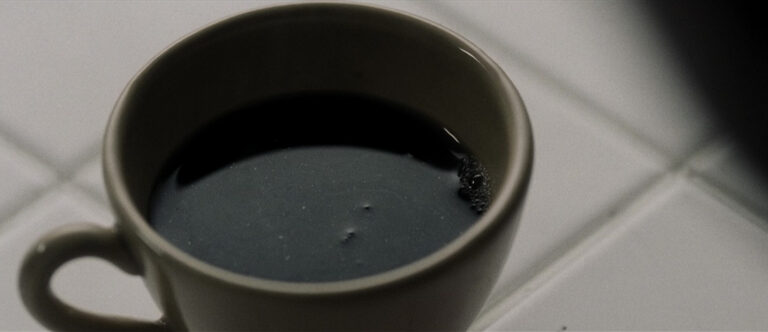
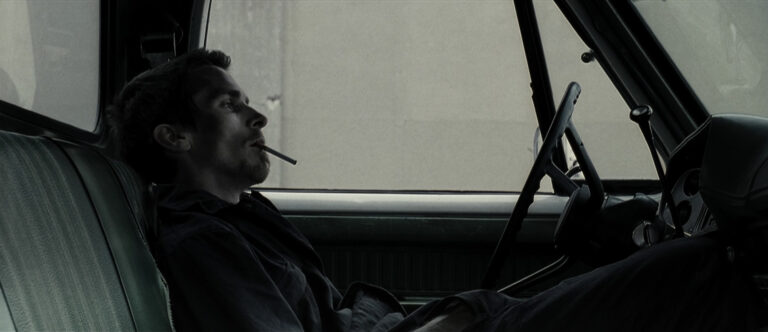
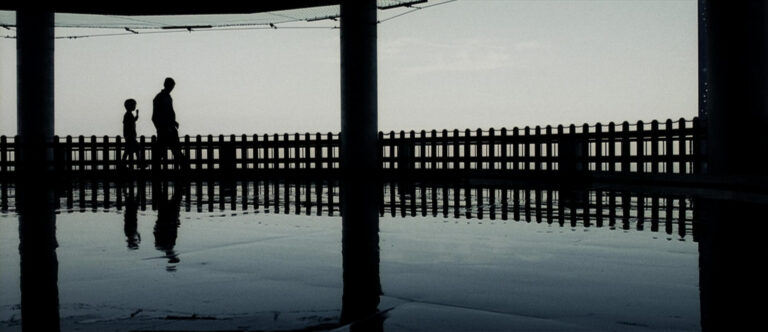
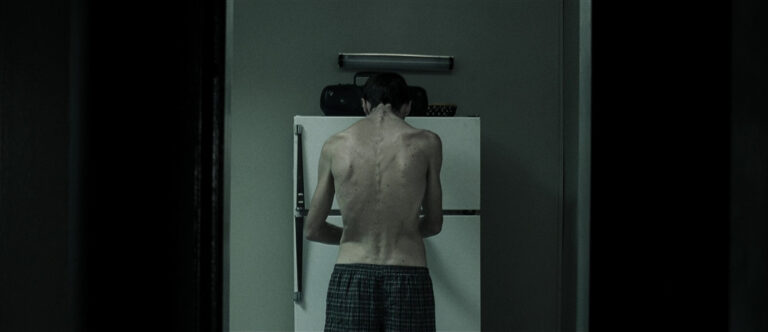
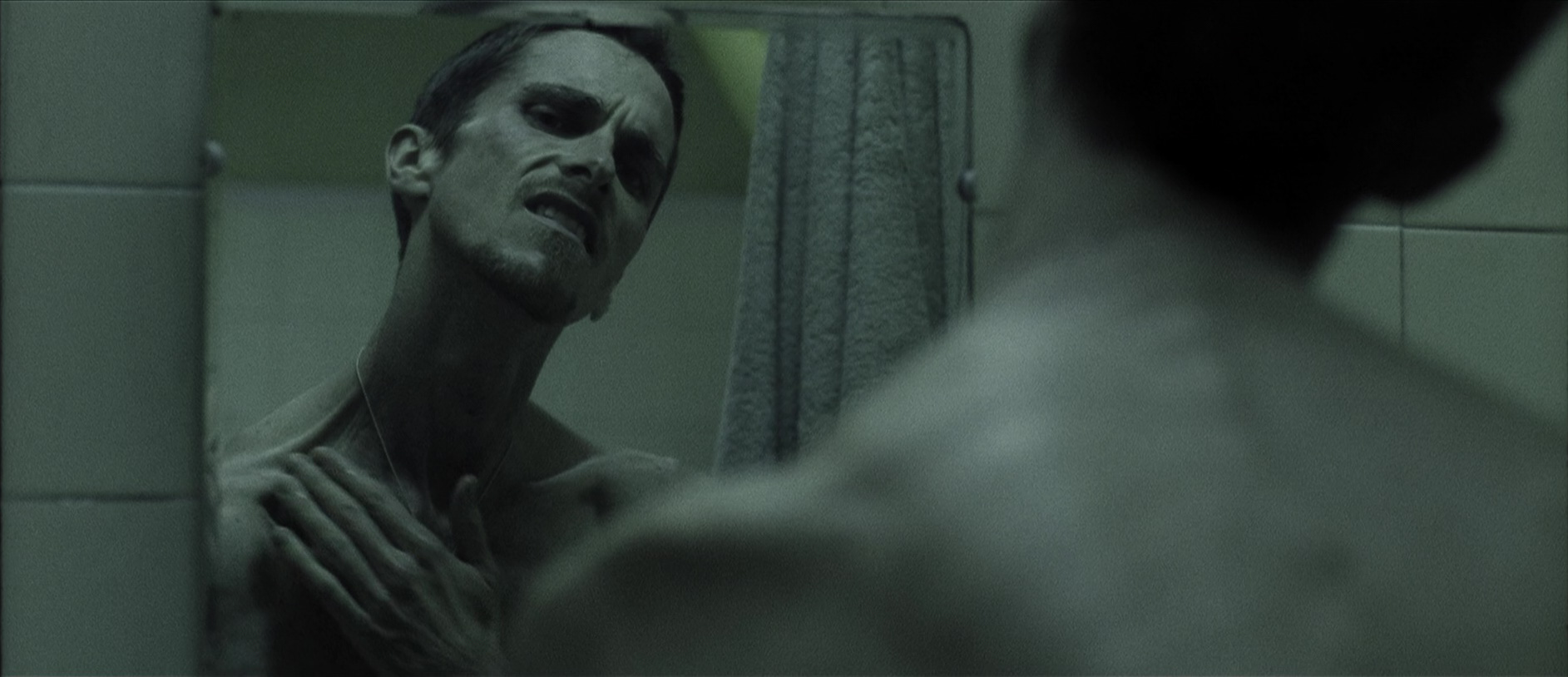
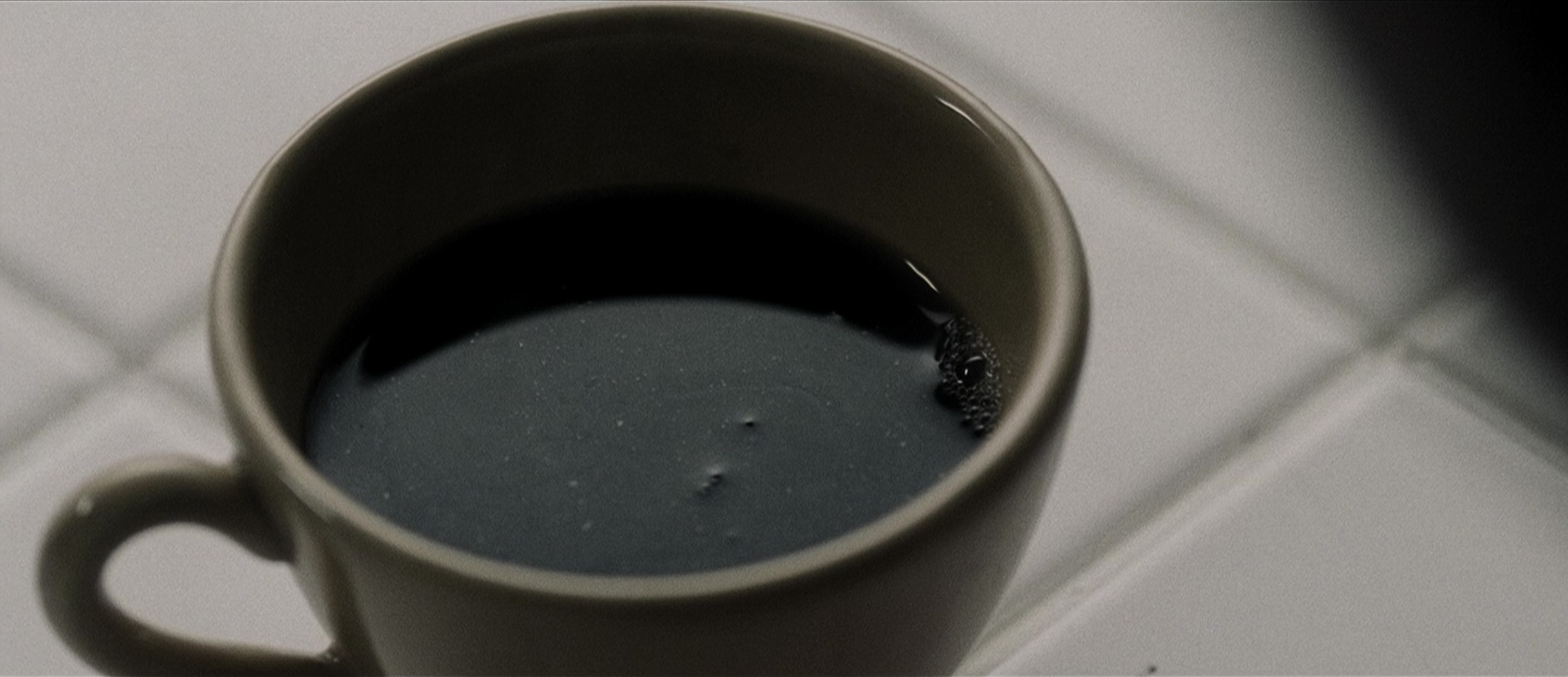
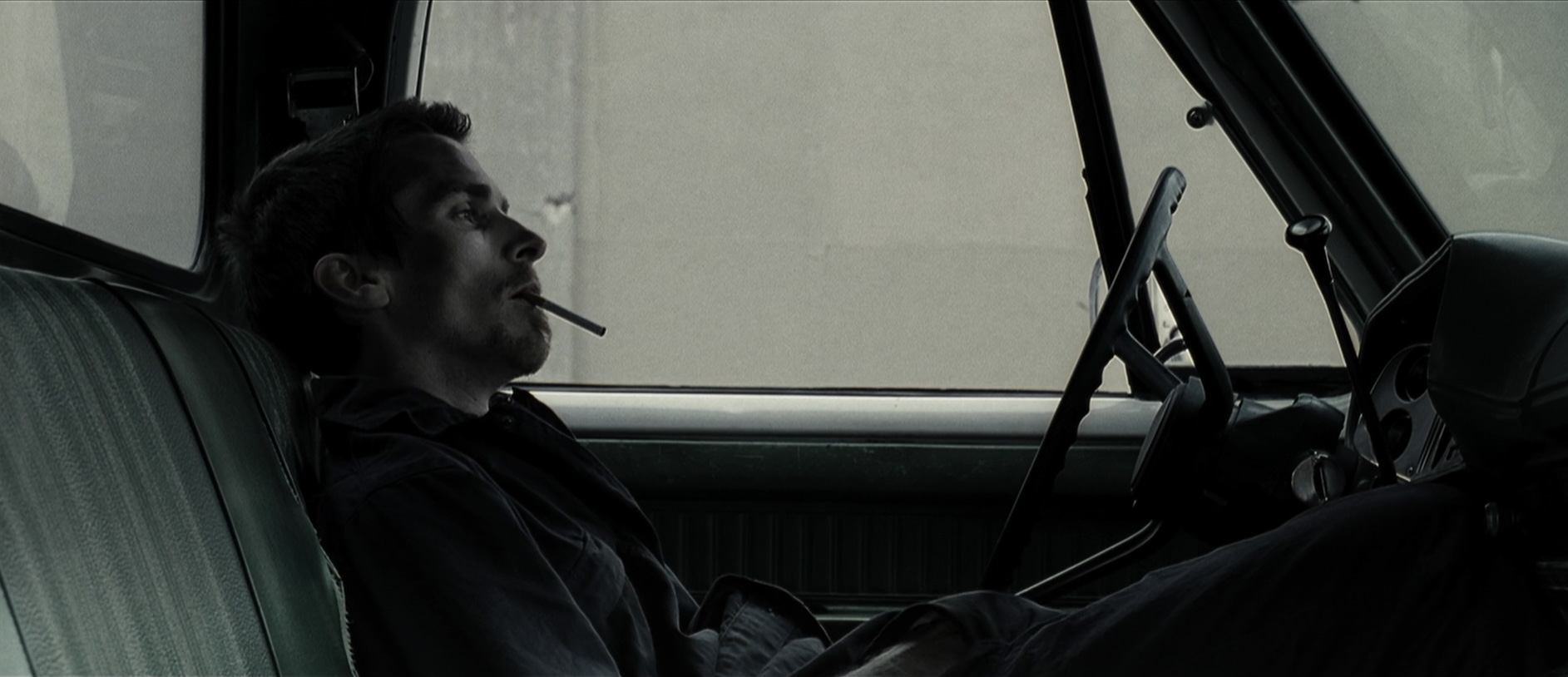
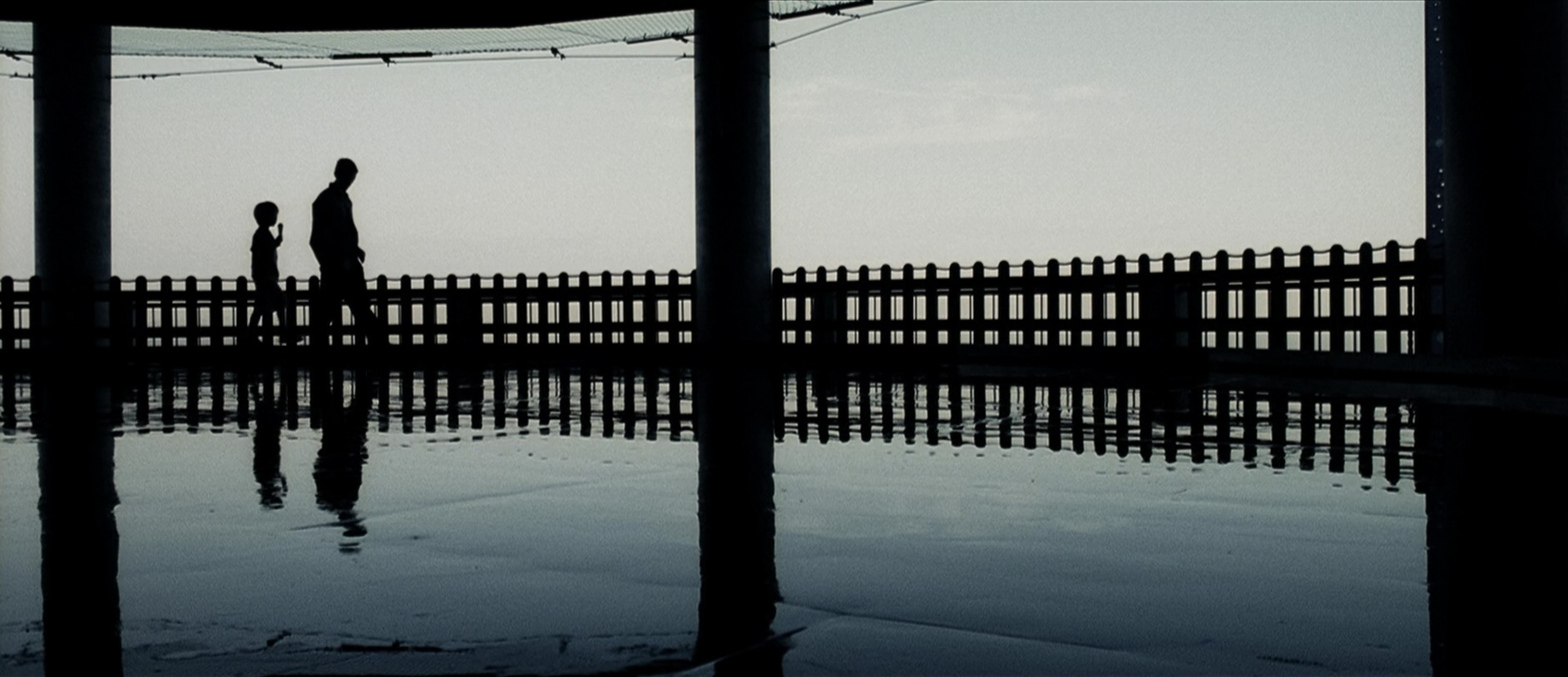
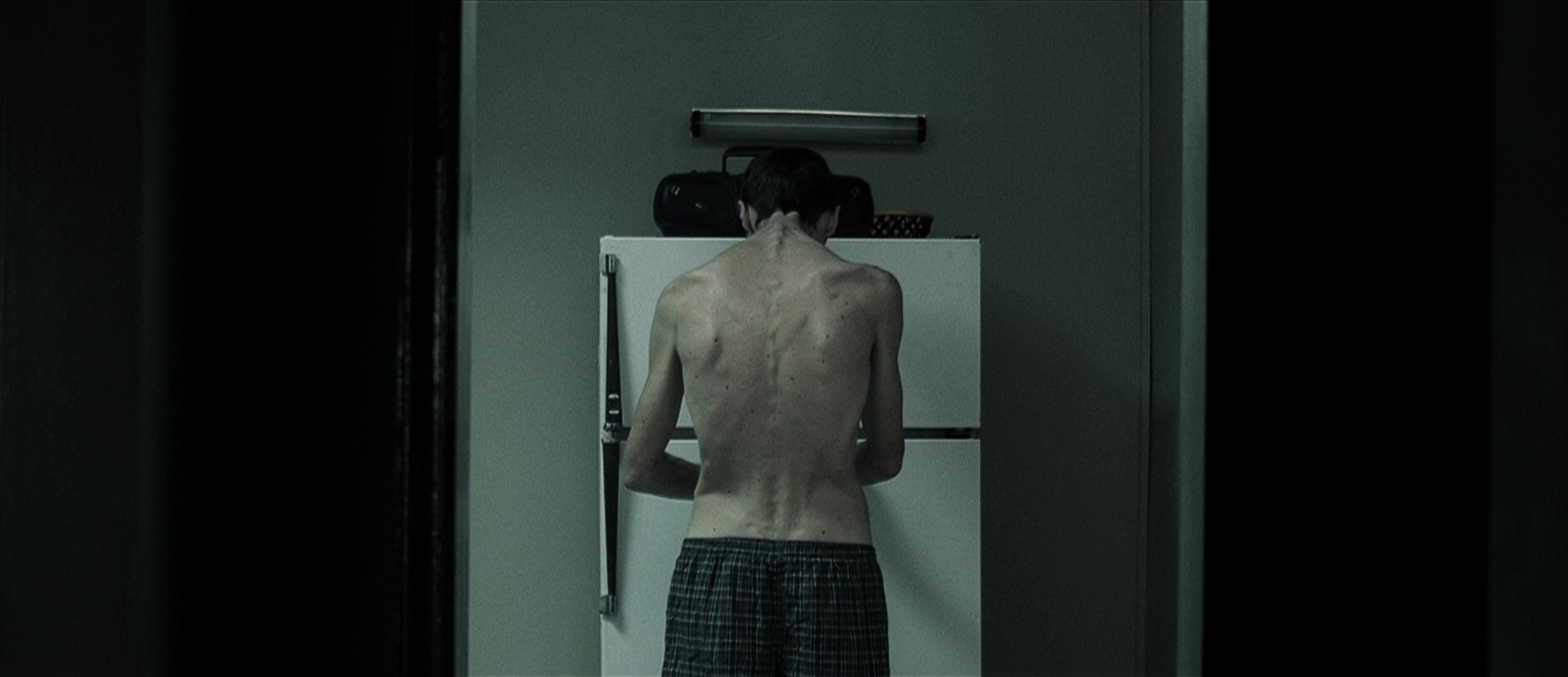
The Machinist (2004)
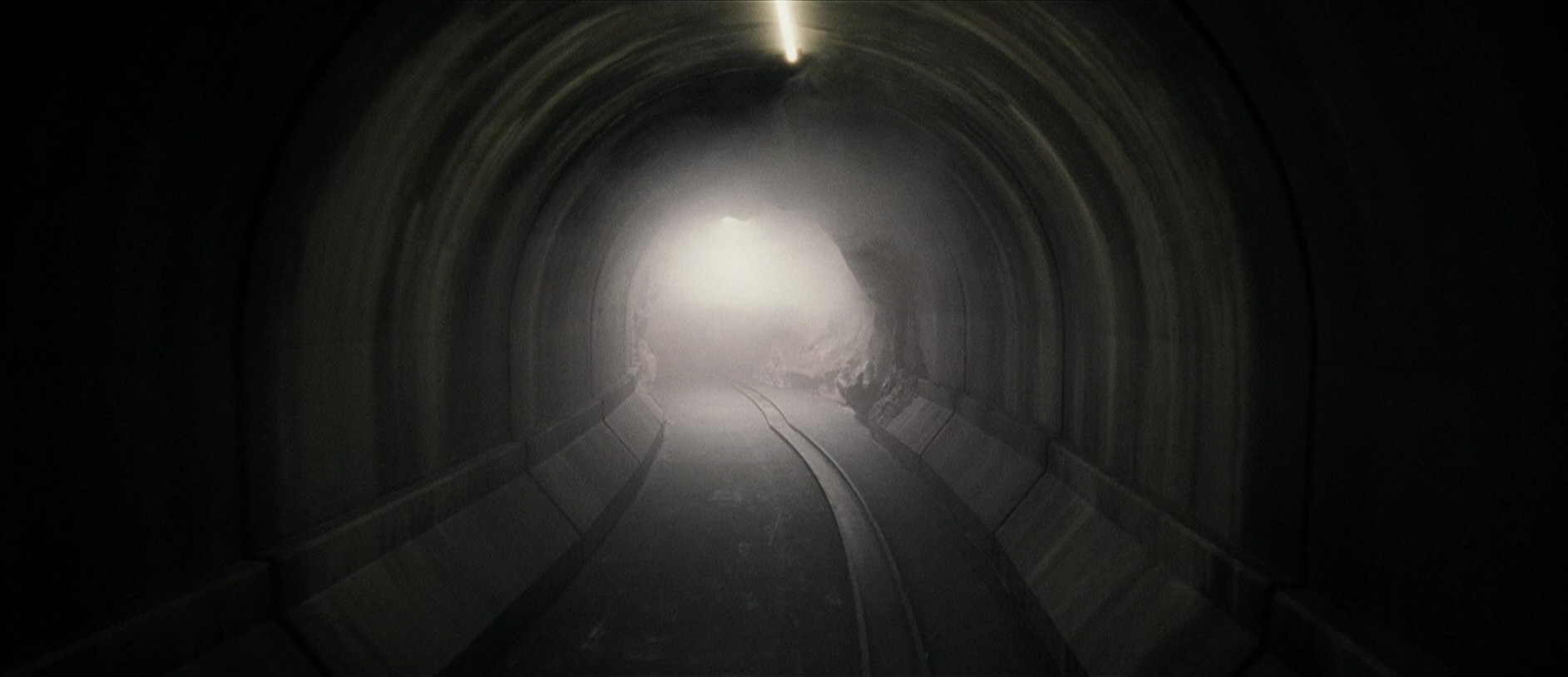
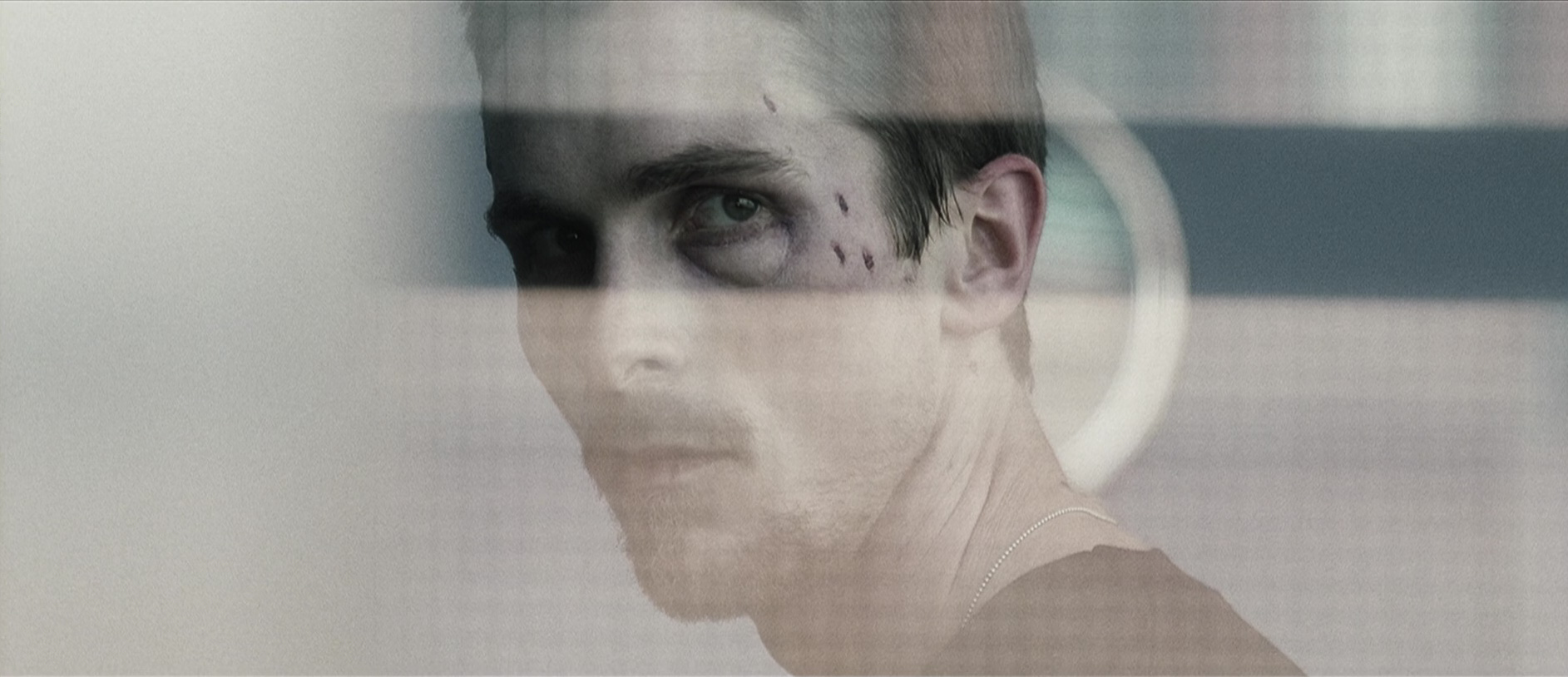
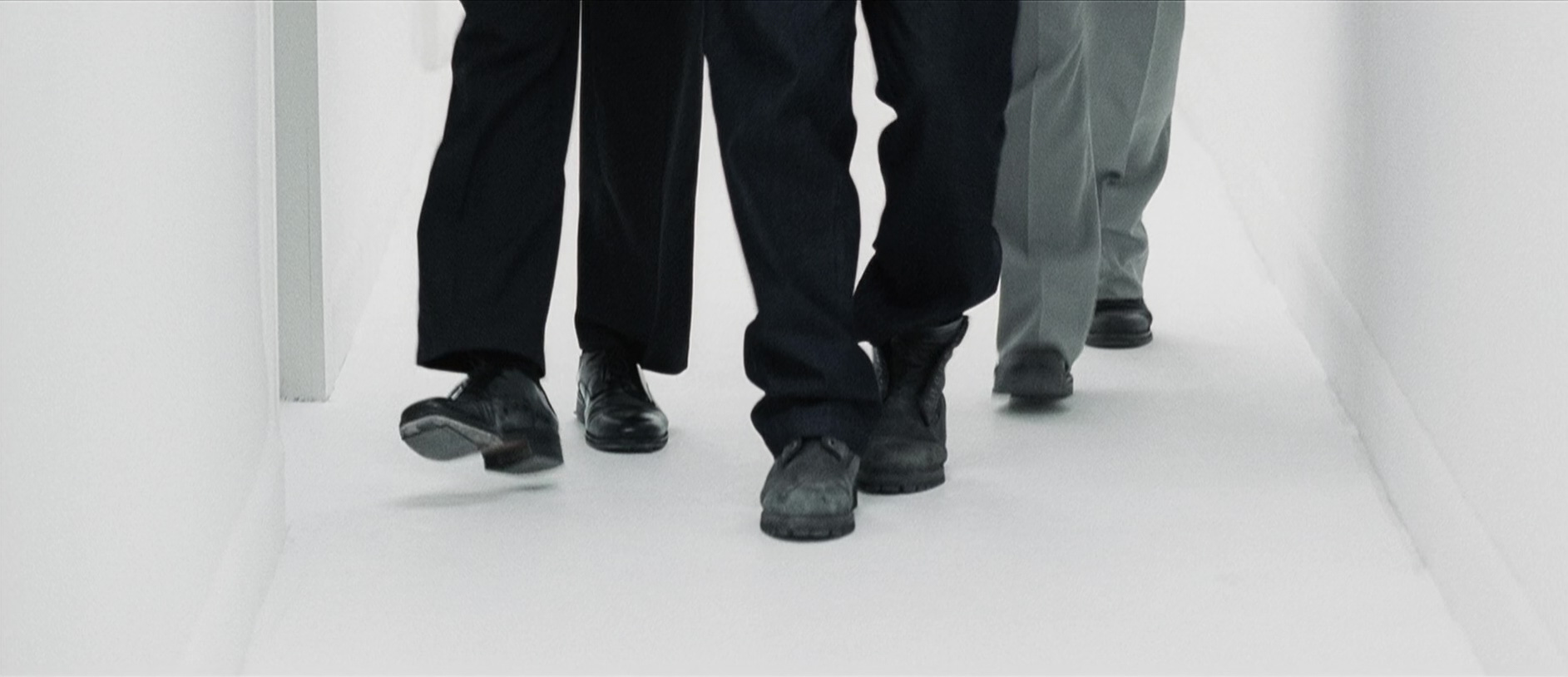
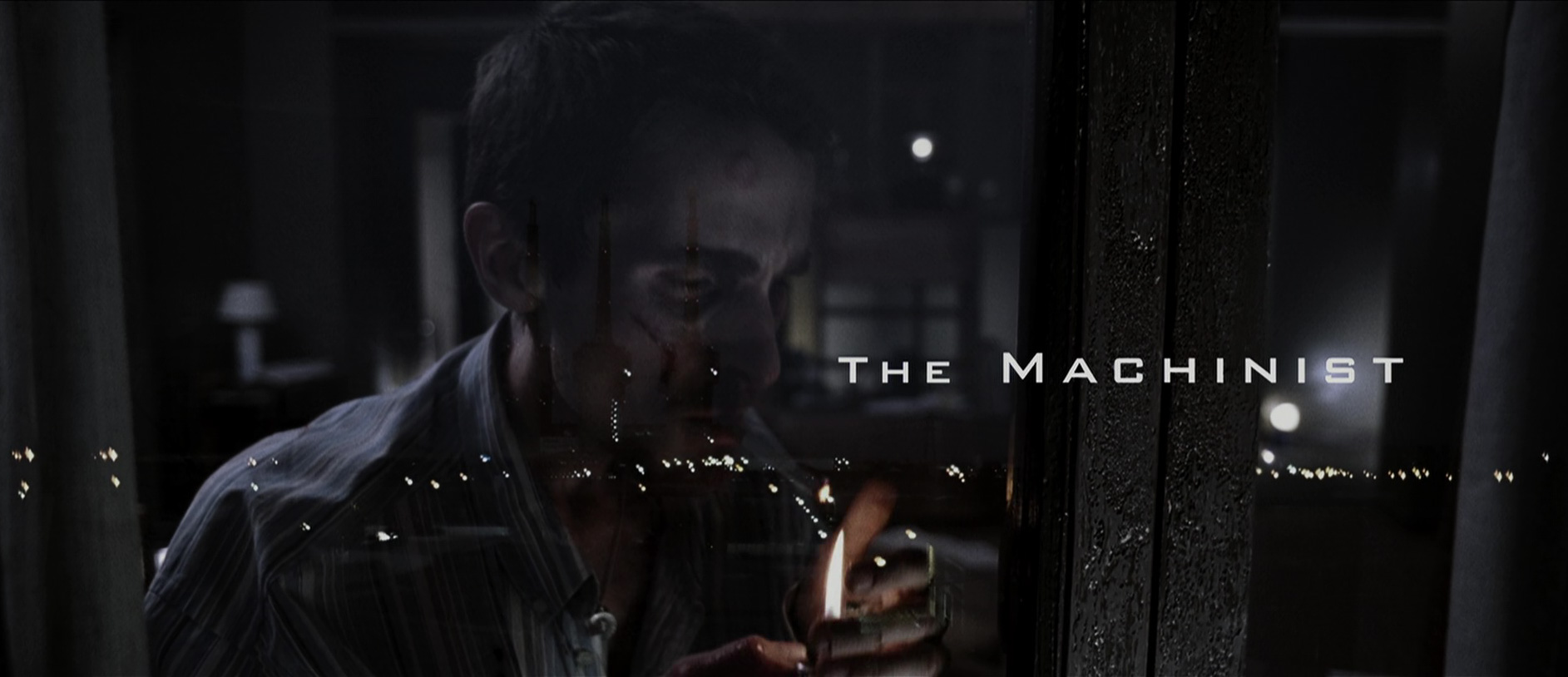
Trevor Reznik, an industrial worker suffering from severe insomnia, begins to lose his grip on reality as his body and mind deteriorate. Haunted by strange encounters and cryptic clues, he becomes convinced that someone is conspiring against him. As paranoia intensifies, he is forced to confront the truth behind his condition and the events that led him there.
Anderson and cinematographer Xavi Giménez shoot The Machinist with an aggressively desaturated palette, draining the image of warmth to create a sickly, industrial atmosphere. The film’s cold blues and grays, combined with stark lighting and minimal contrast, turn every space into an extension of Trevor’s psychological decay—making the visual world feel as depleted and unstable as he is.
TELEVISION SERIES
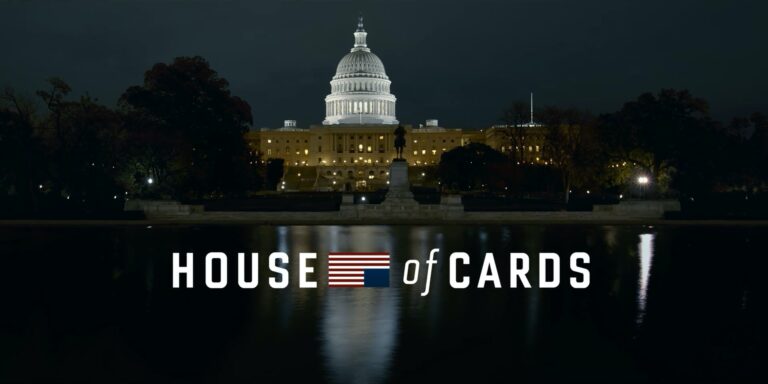
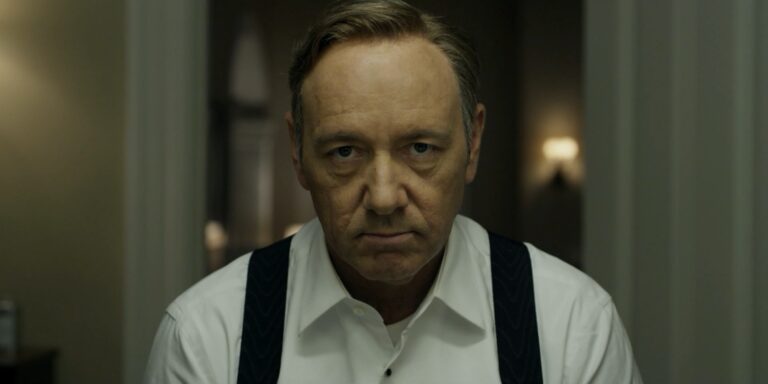
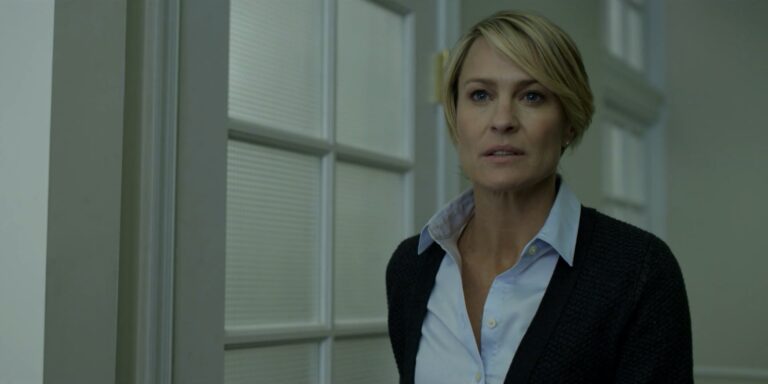
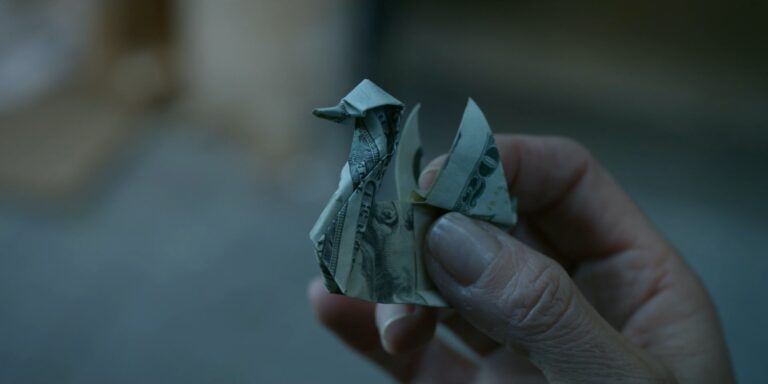
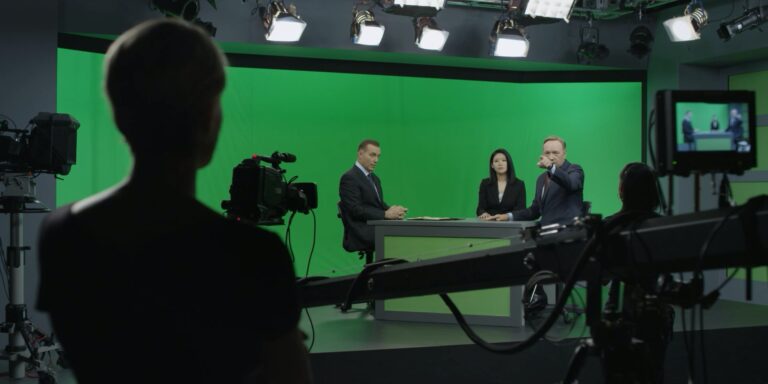
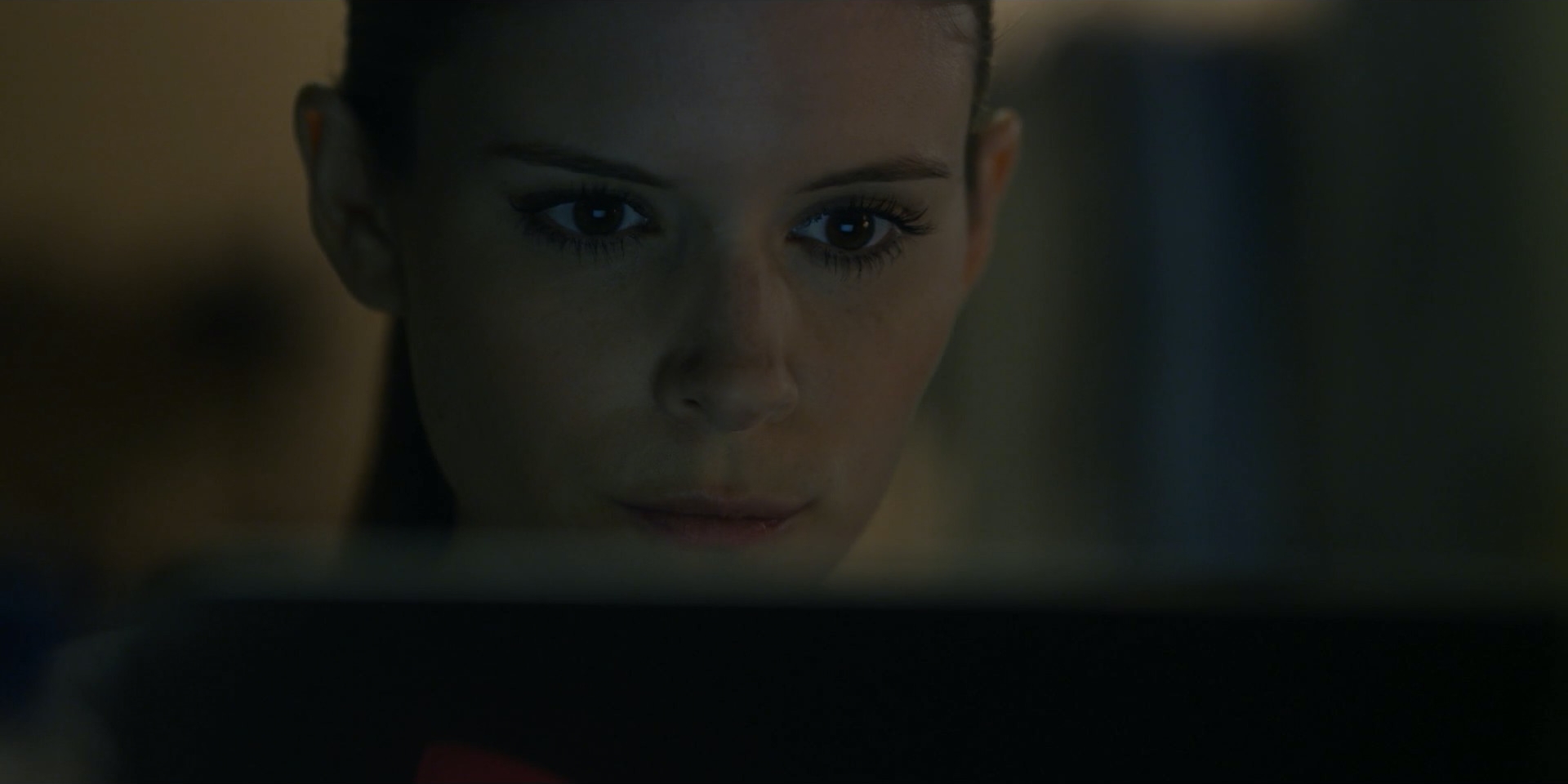
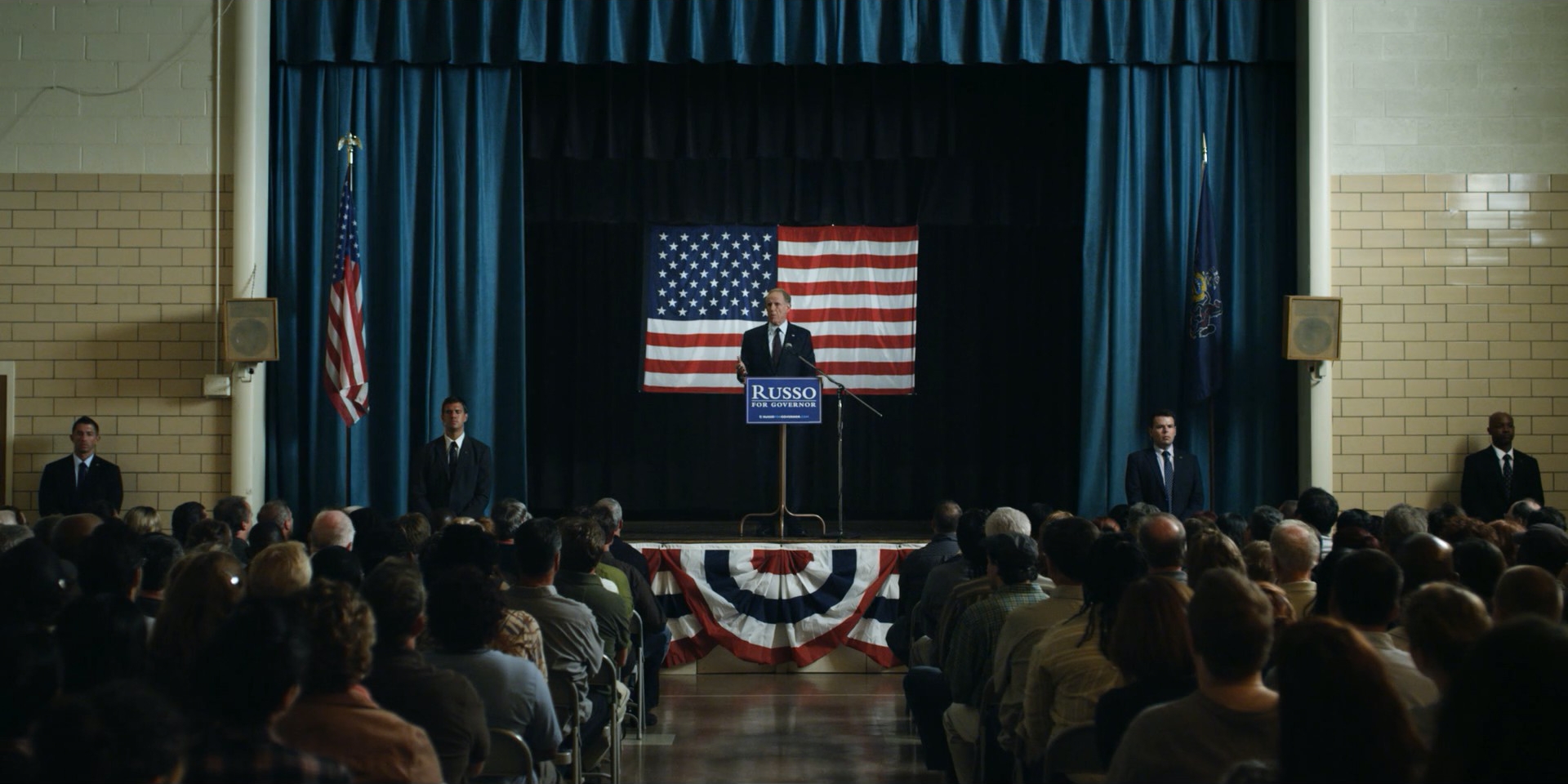
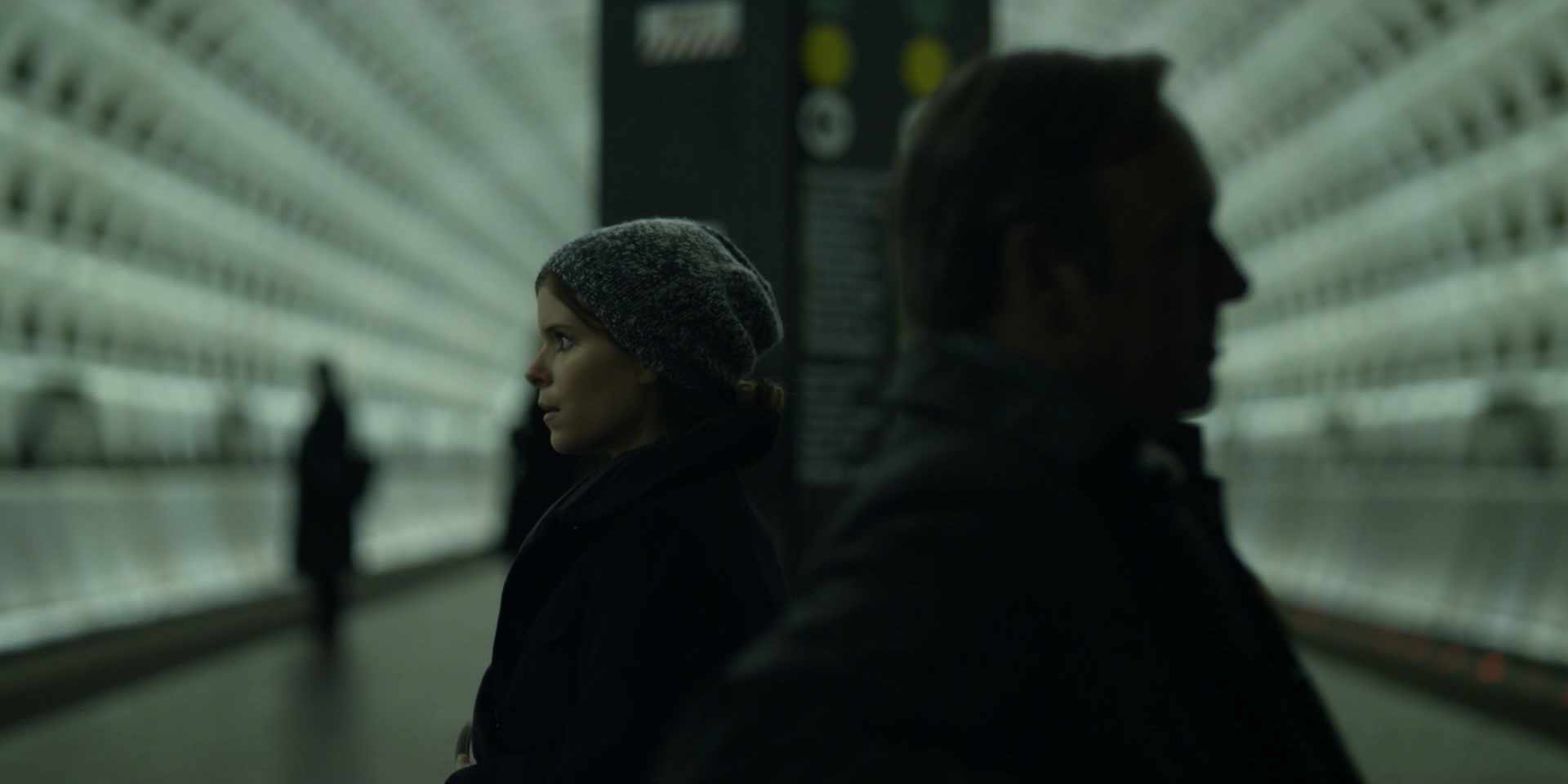
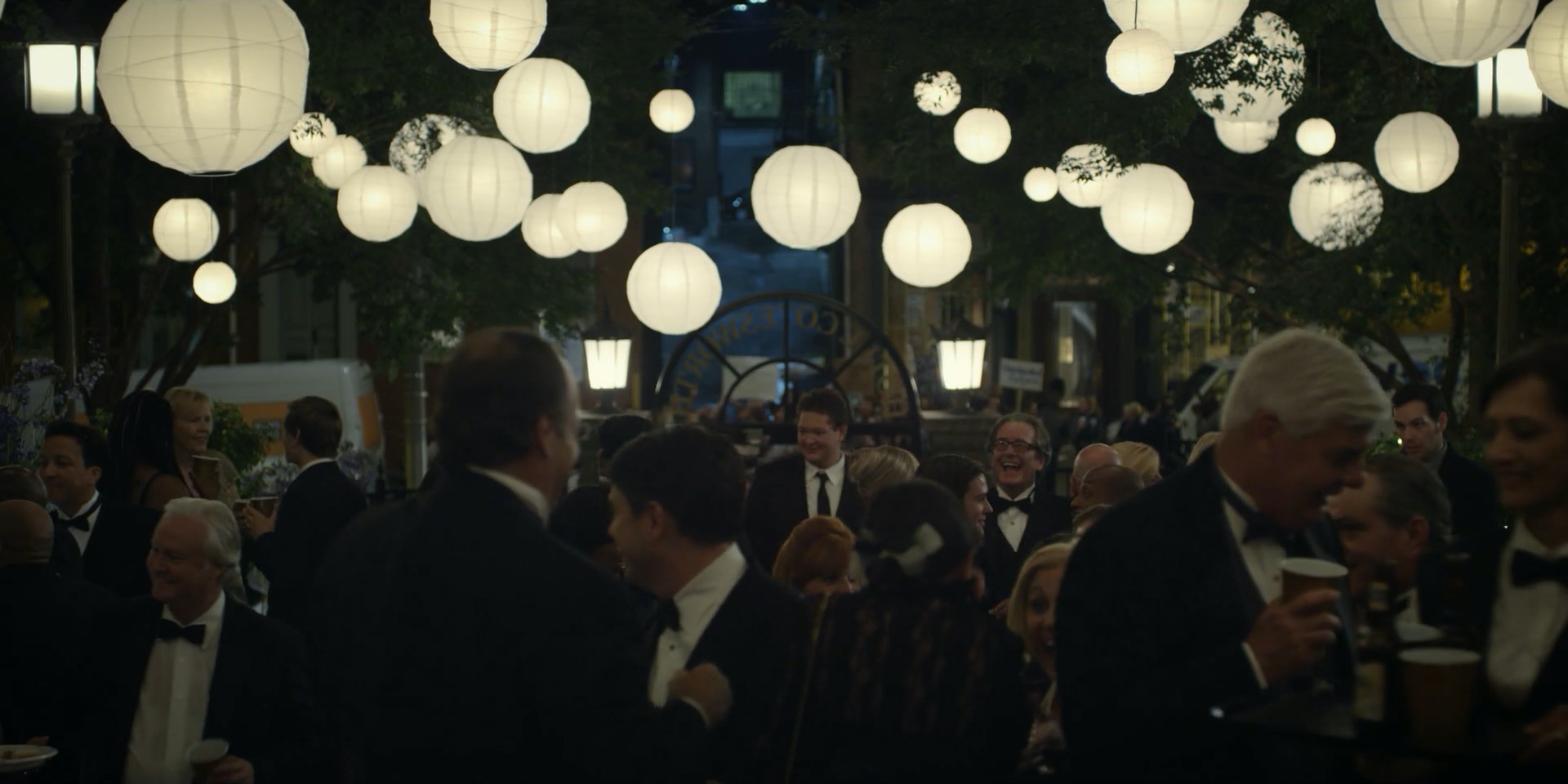
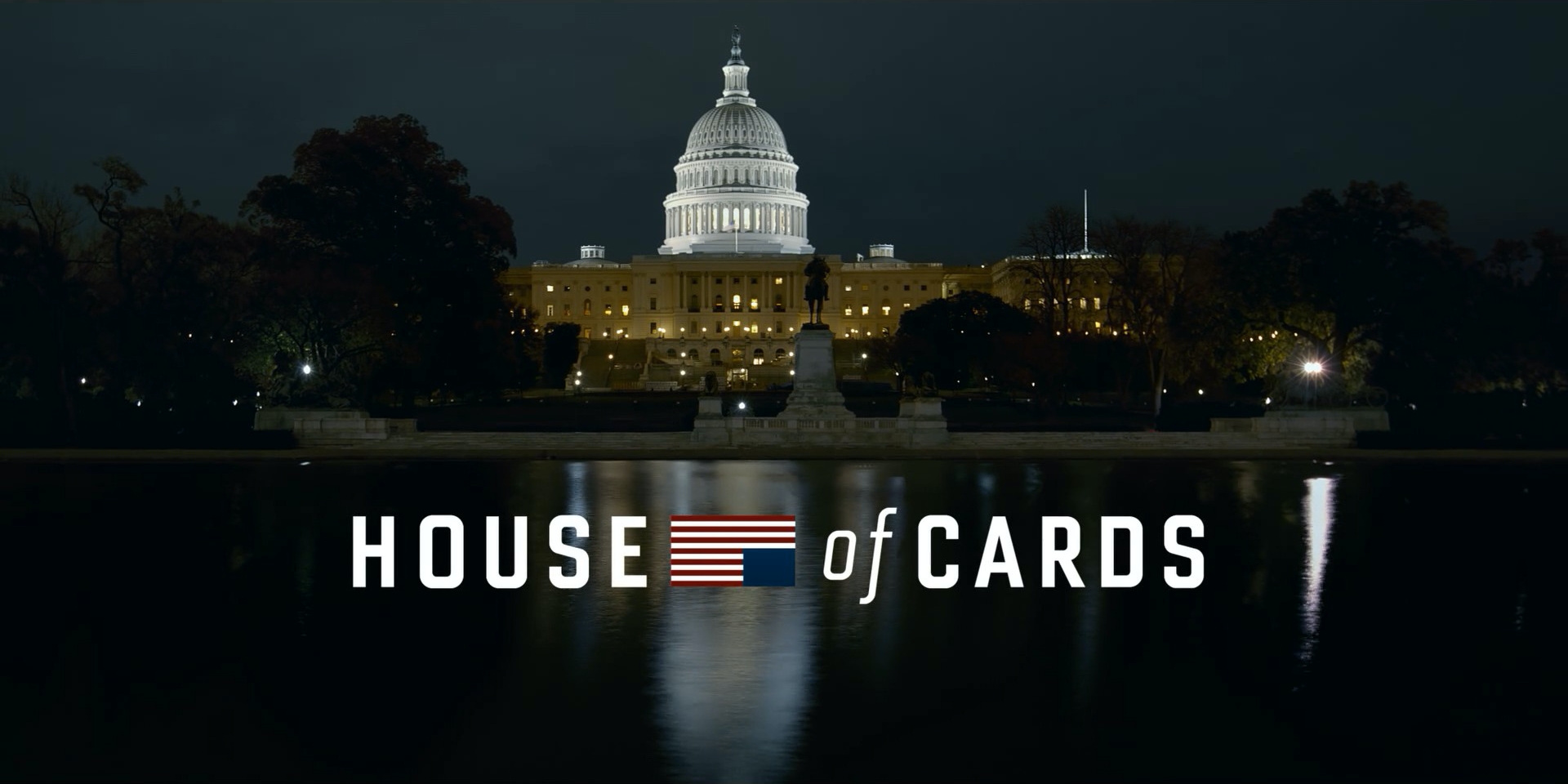
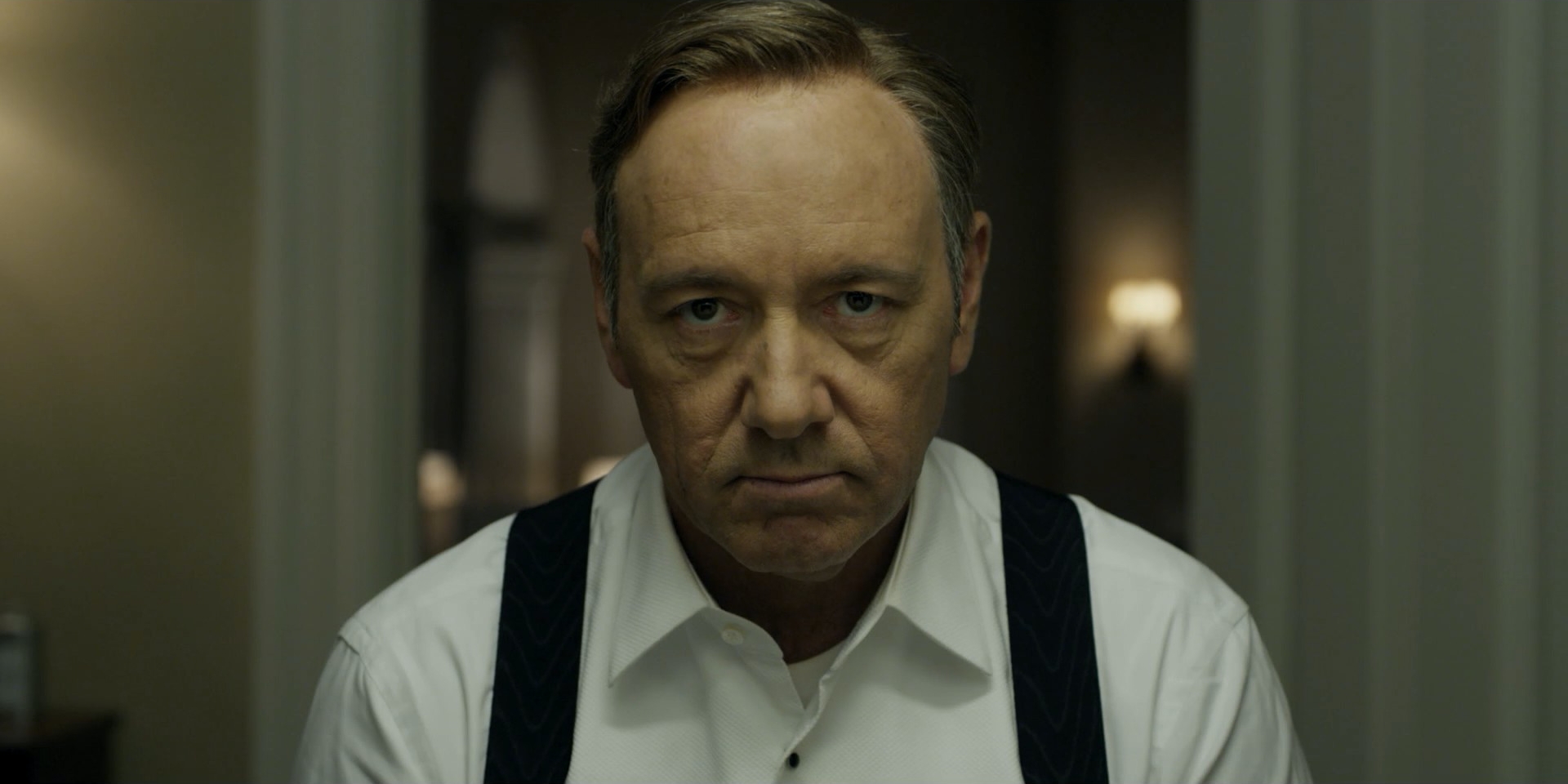
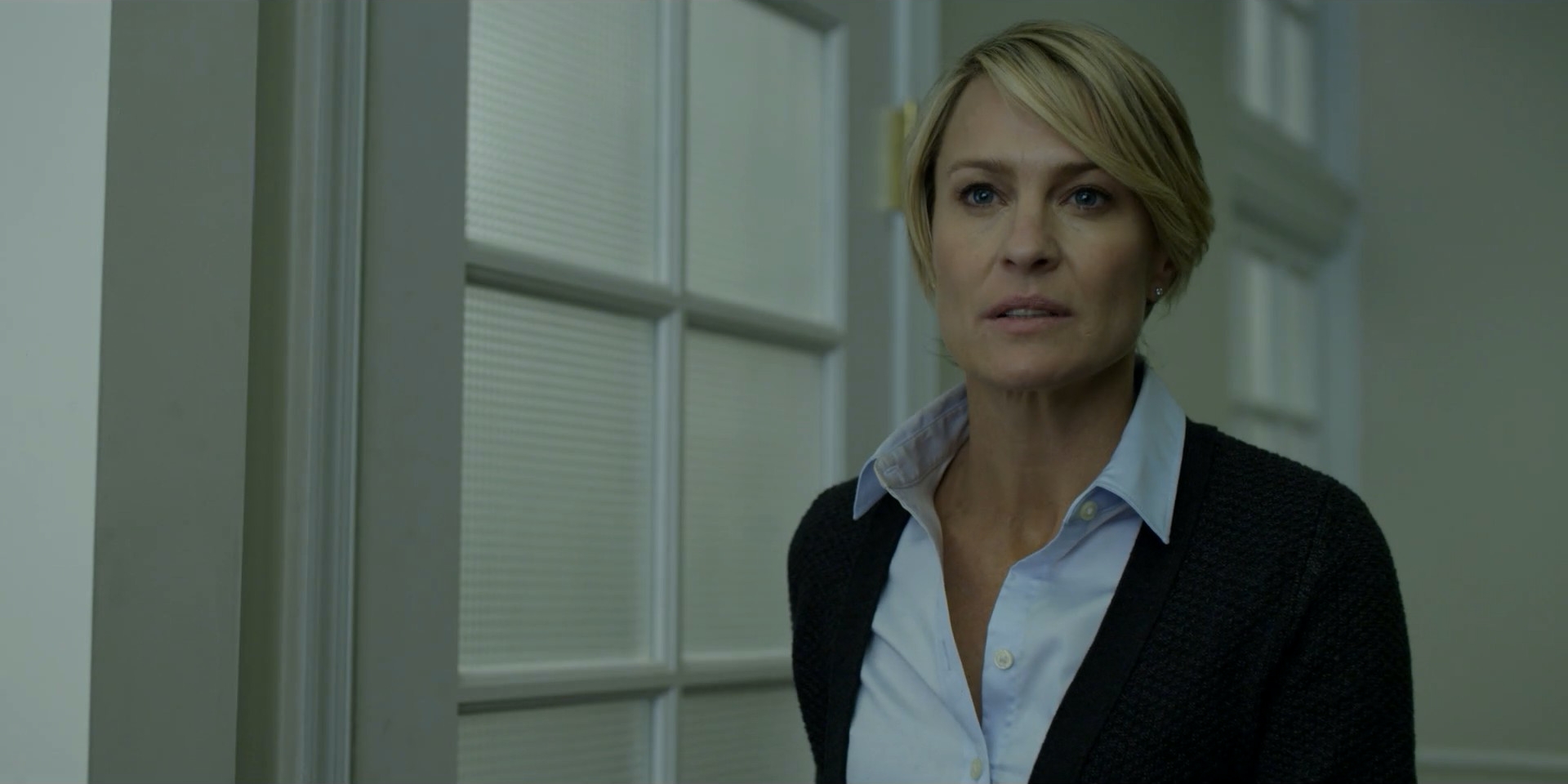
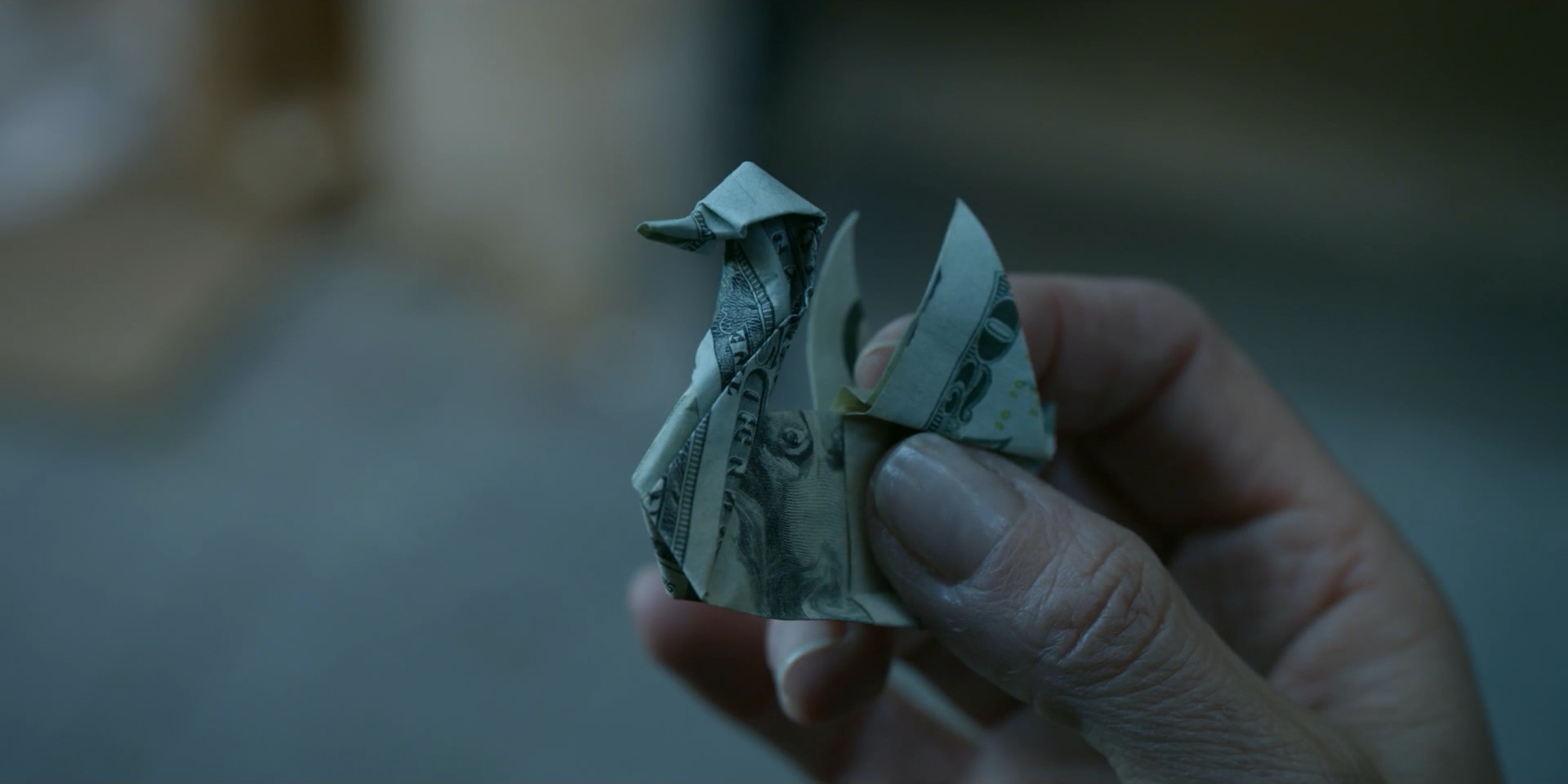
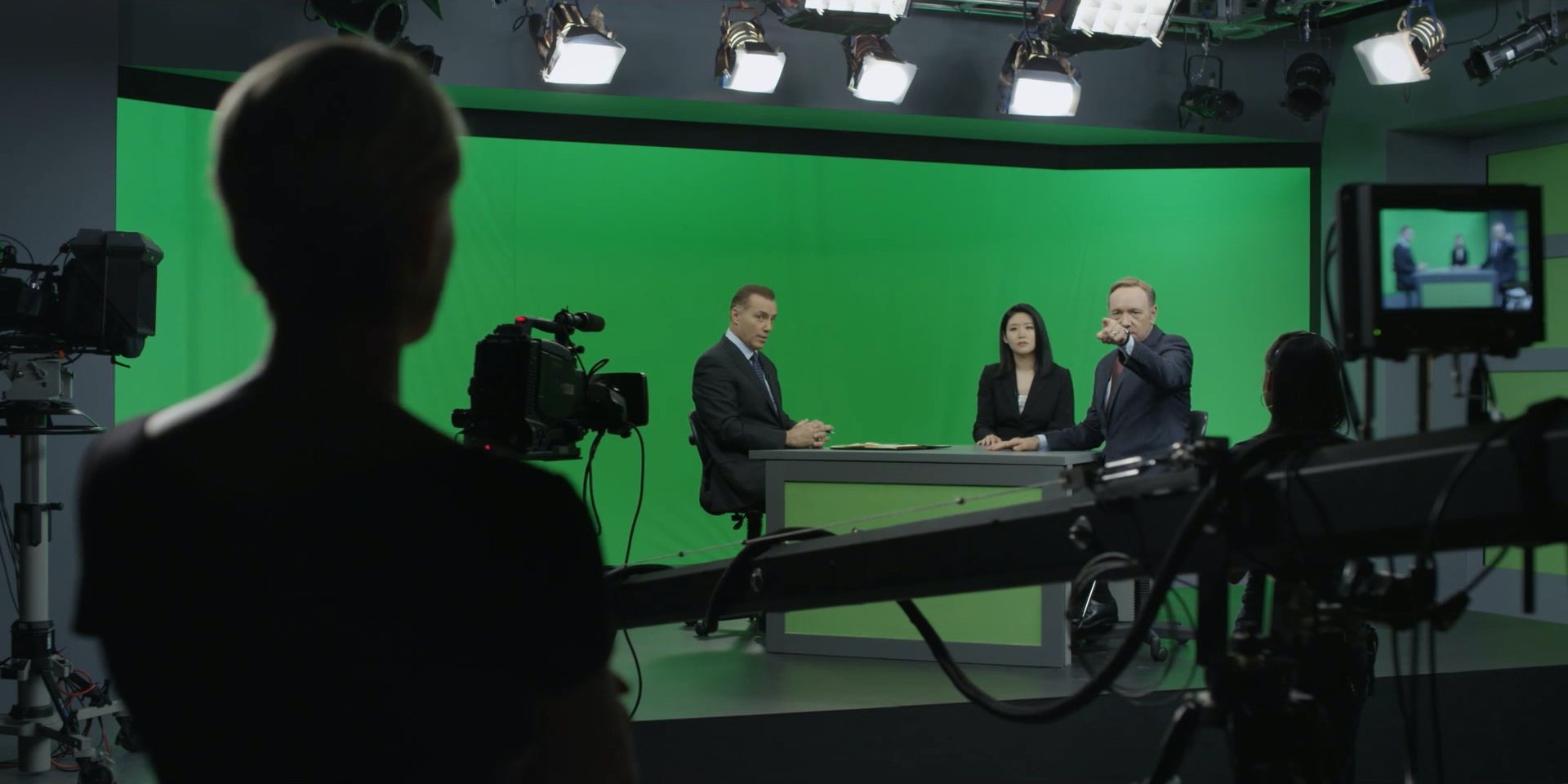
House of Cards: Season 1 (2013)
After being passed over for a promised political appointment, Congressman Frank Underwood begins a calculated campaign to gain power in Washington, D.C. With the help of his equally ambitious wife, Claire, he manipulates allies, enemies, and the media to climb the political ladder. As his schemes unfold, the line between strategy and ruthlessness disappears, revealing the true cost of ambition.
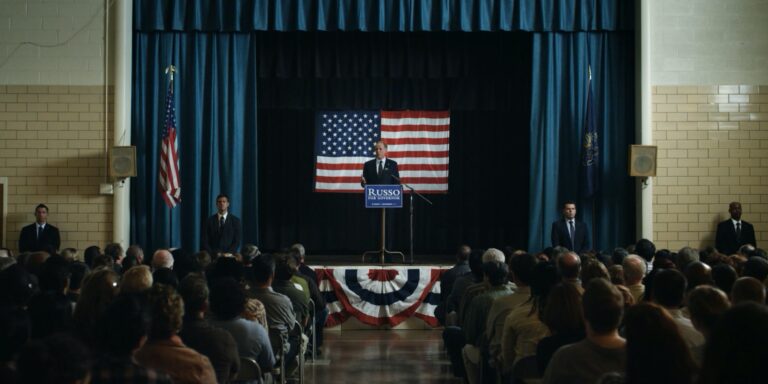
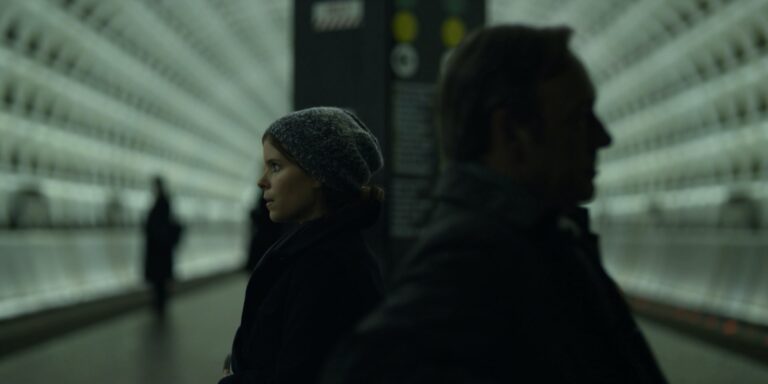
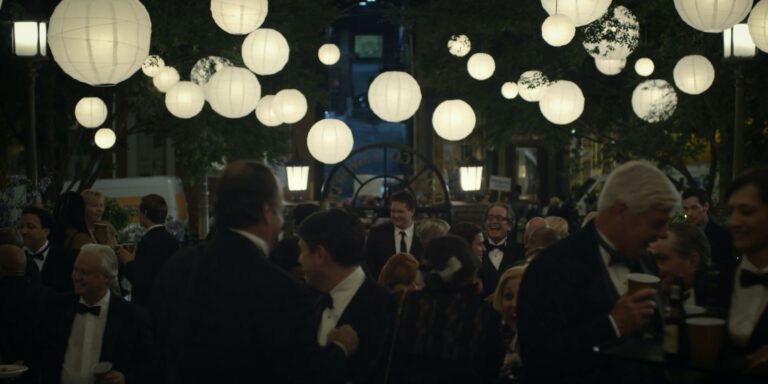
Season 1 helped define Netflix’s cinematic TV look, with director David Fincher and cinematographer Eigil Bryld shooting digitally on RED cameras to achieve a clean, controlled image. The show’s low-key lighting, cool blue-gray palette, and precise, symmetrical framing turn interiors into power arenas—where composition and stillness reflect the calculated, methodical nature of Frank’s rise.

TELEVISION SERIES
Too Old to Die Young: Season 1 (2019)
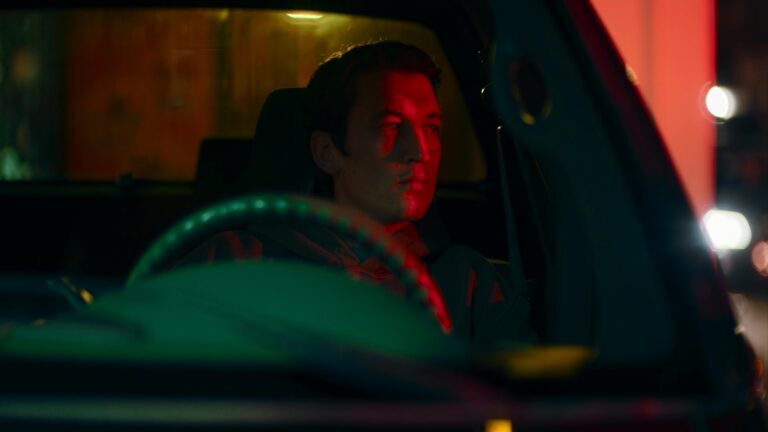
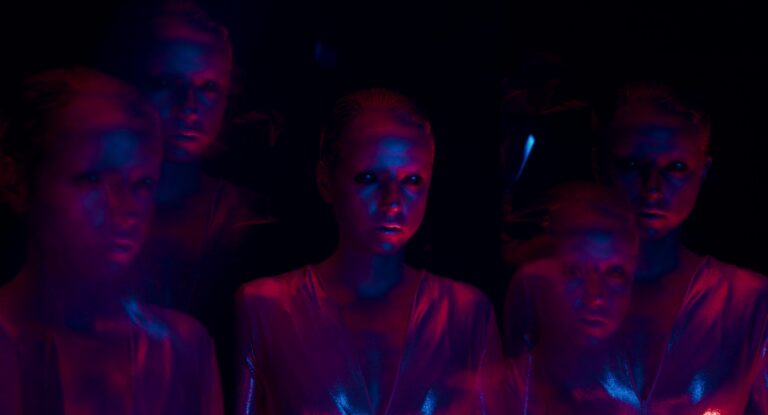
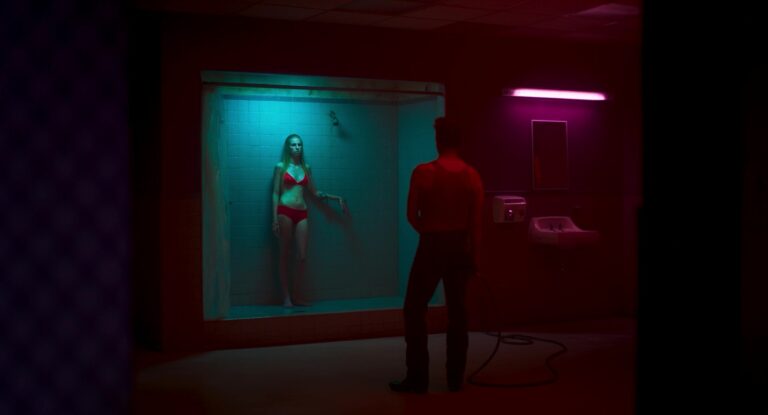
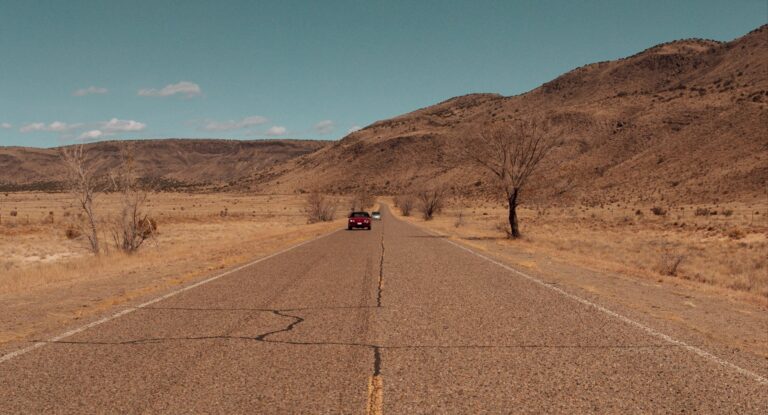
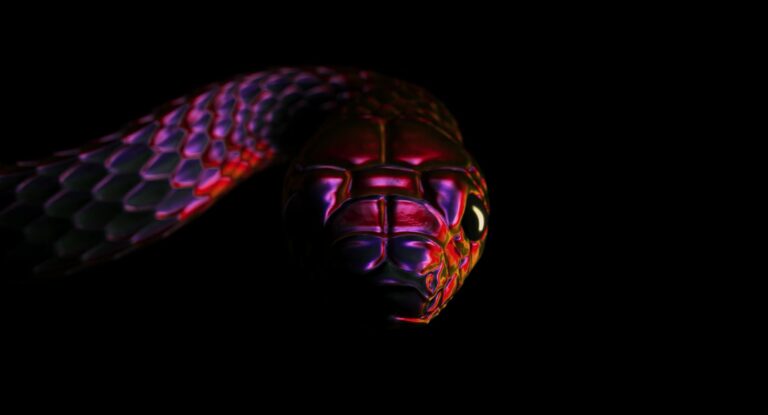
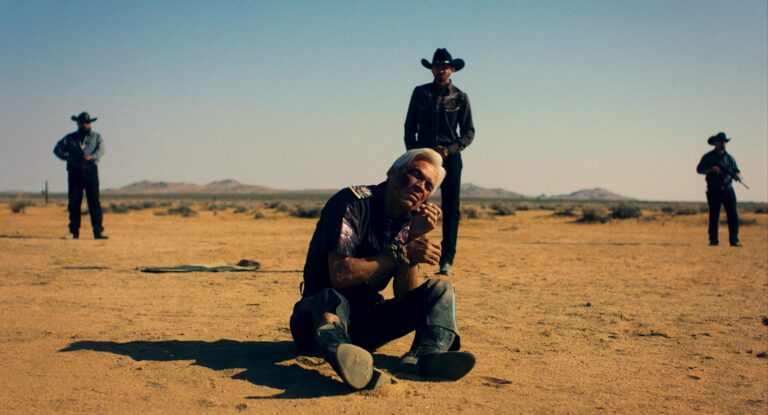
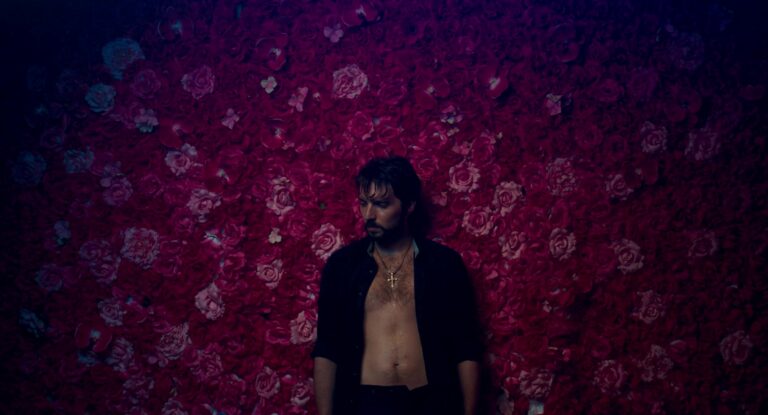
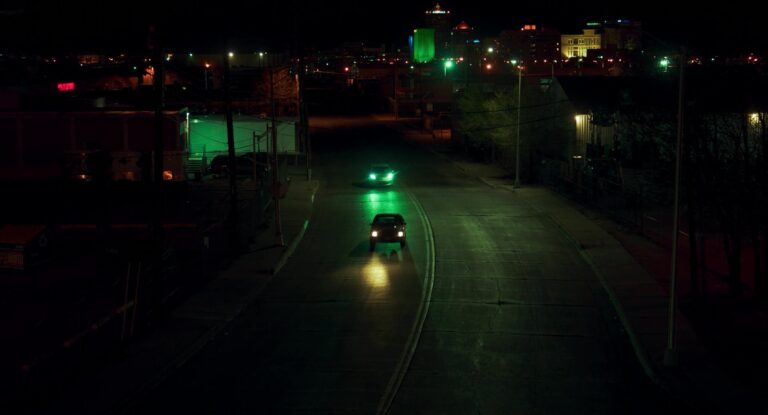
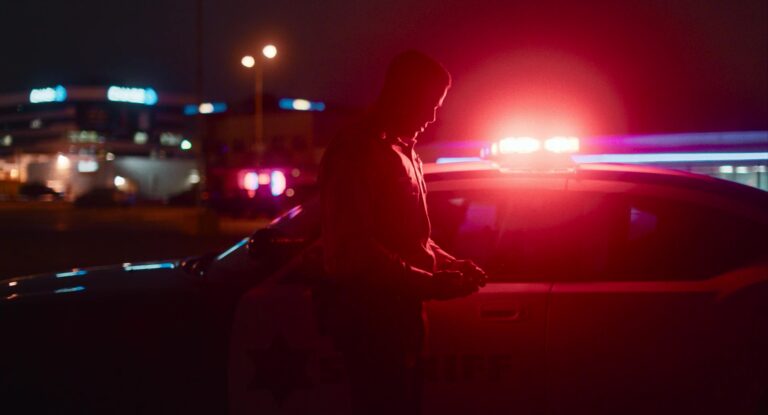
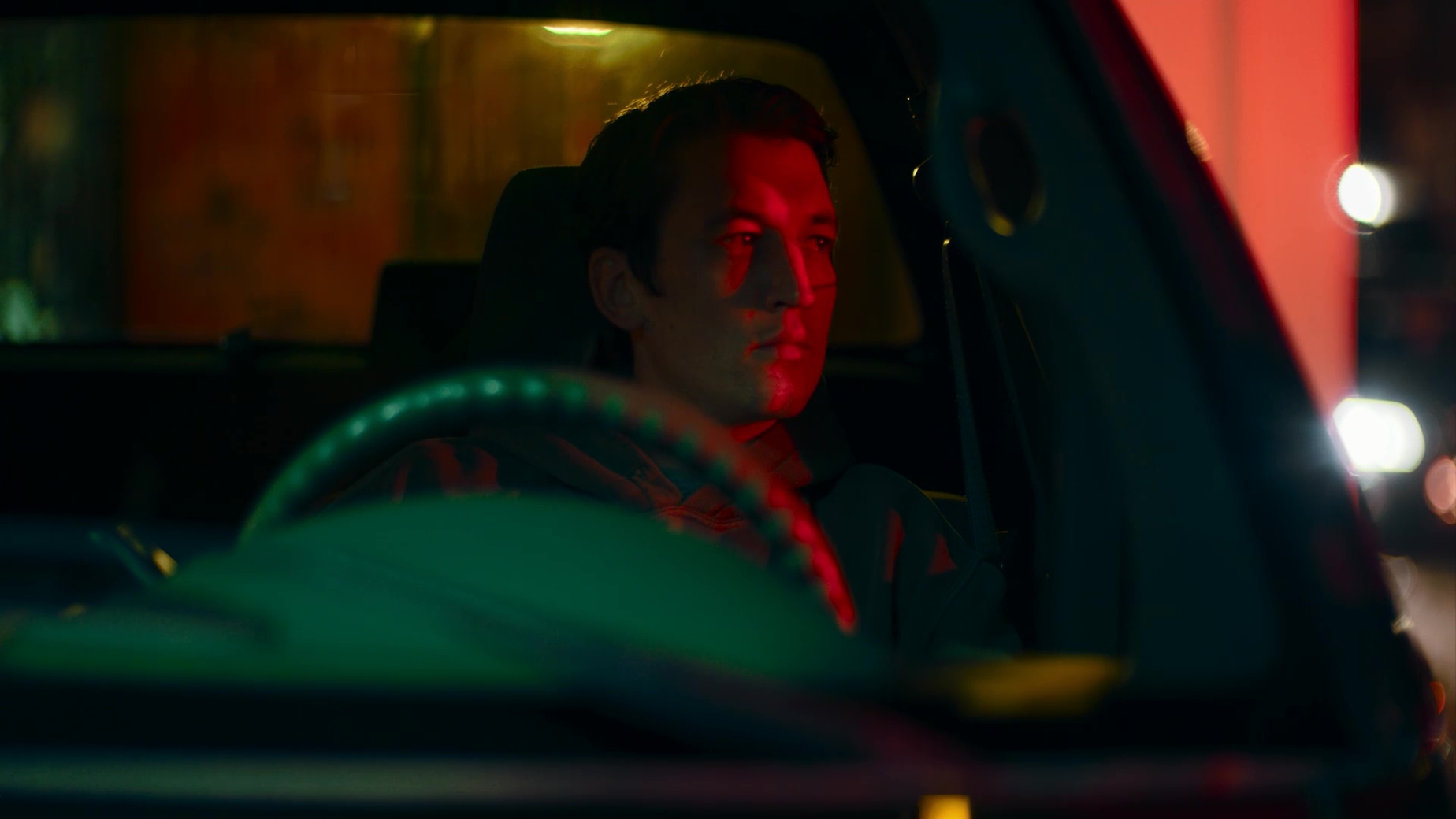
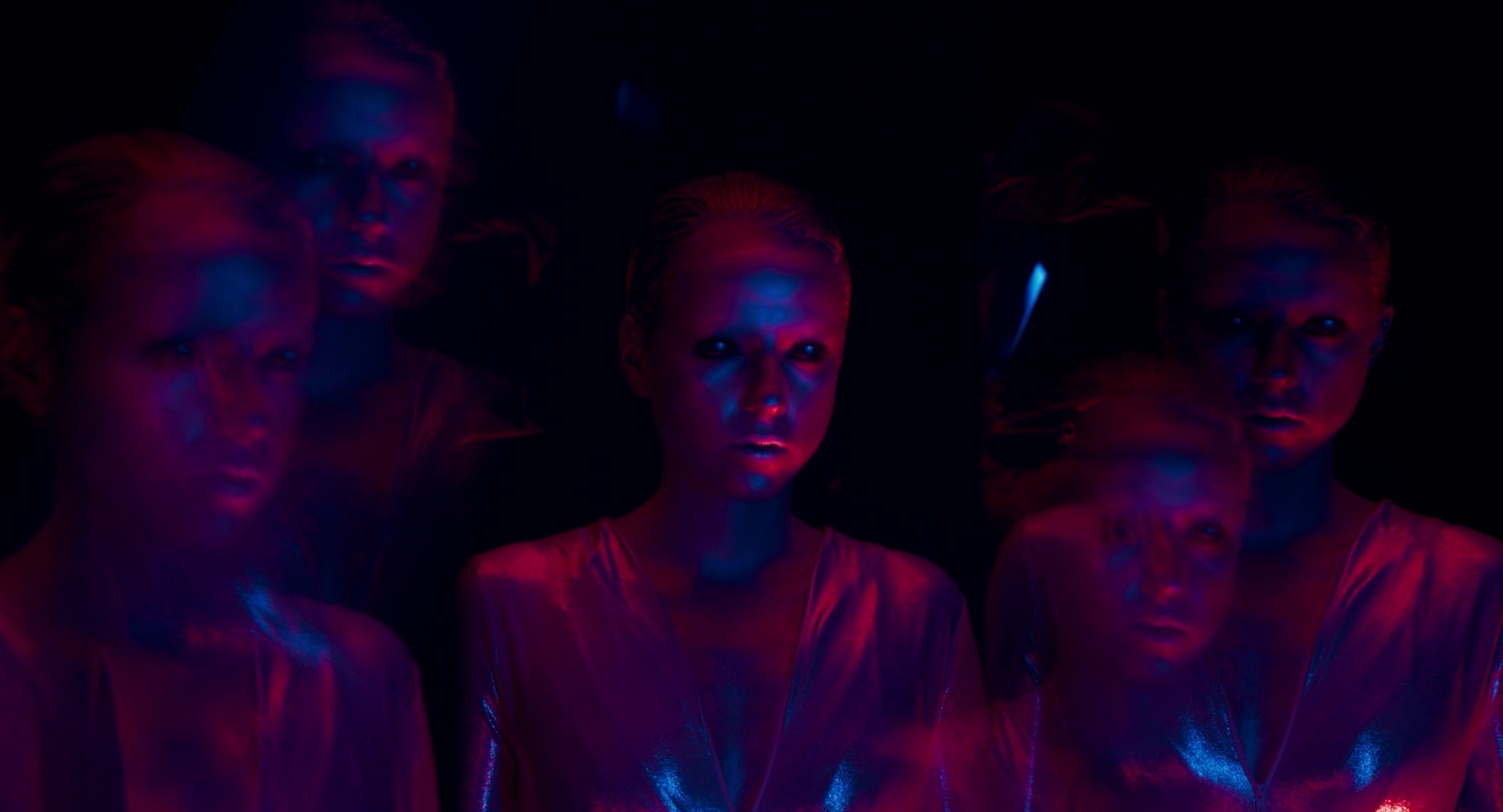
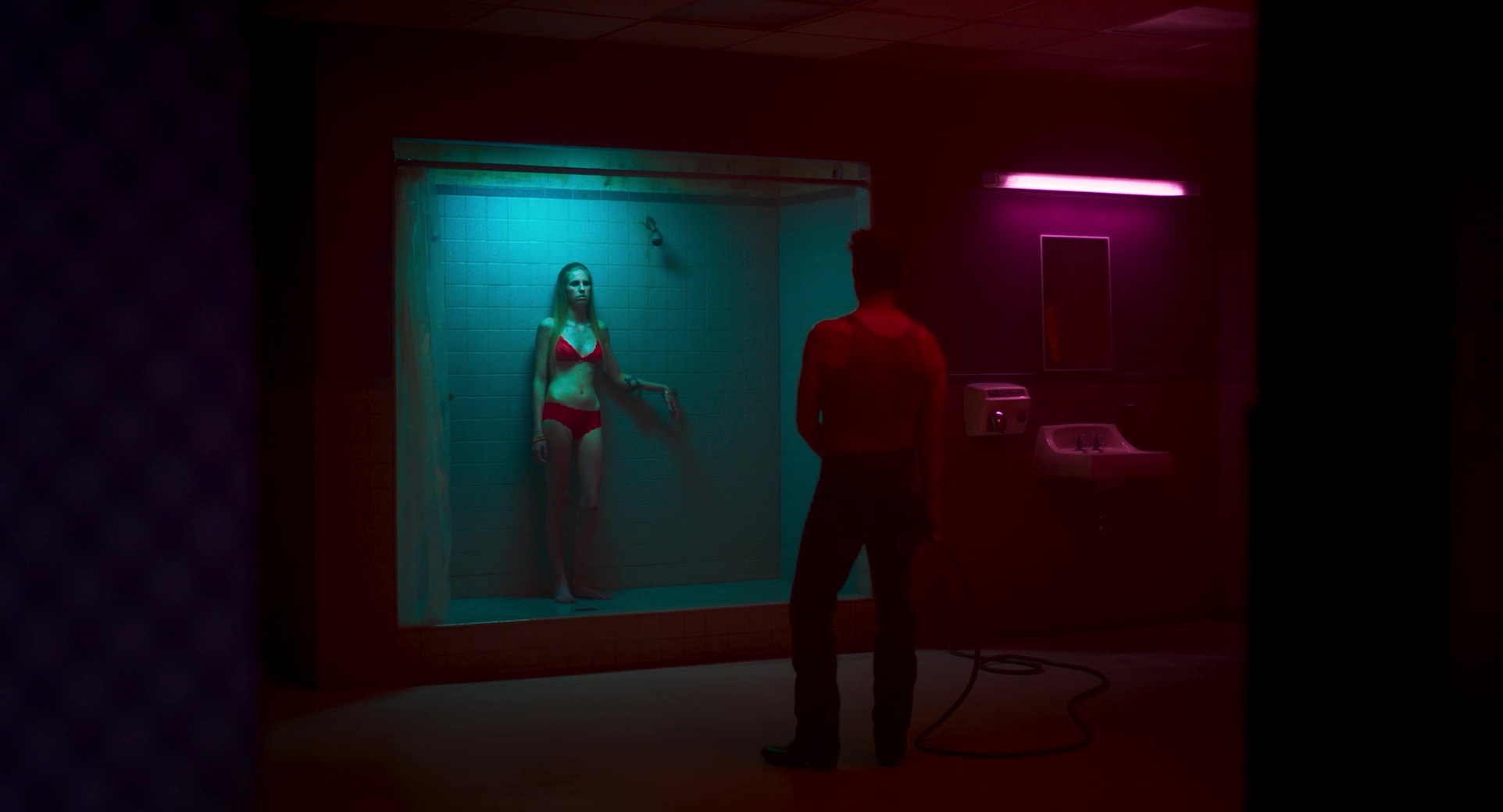
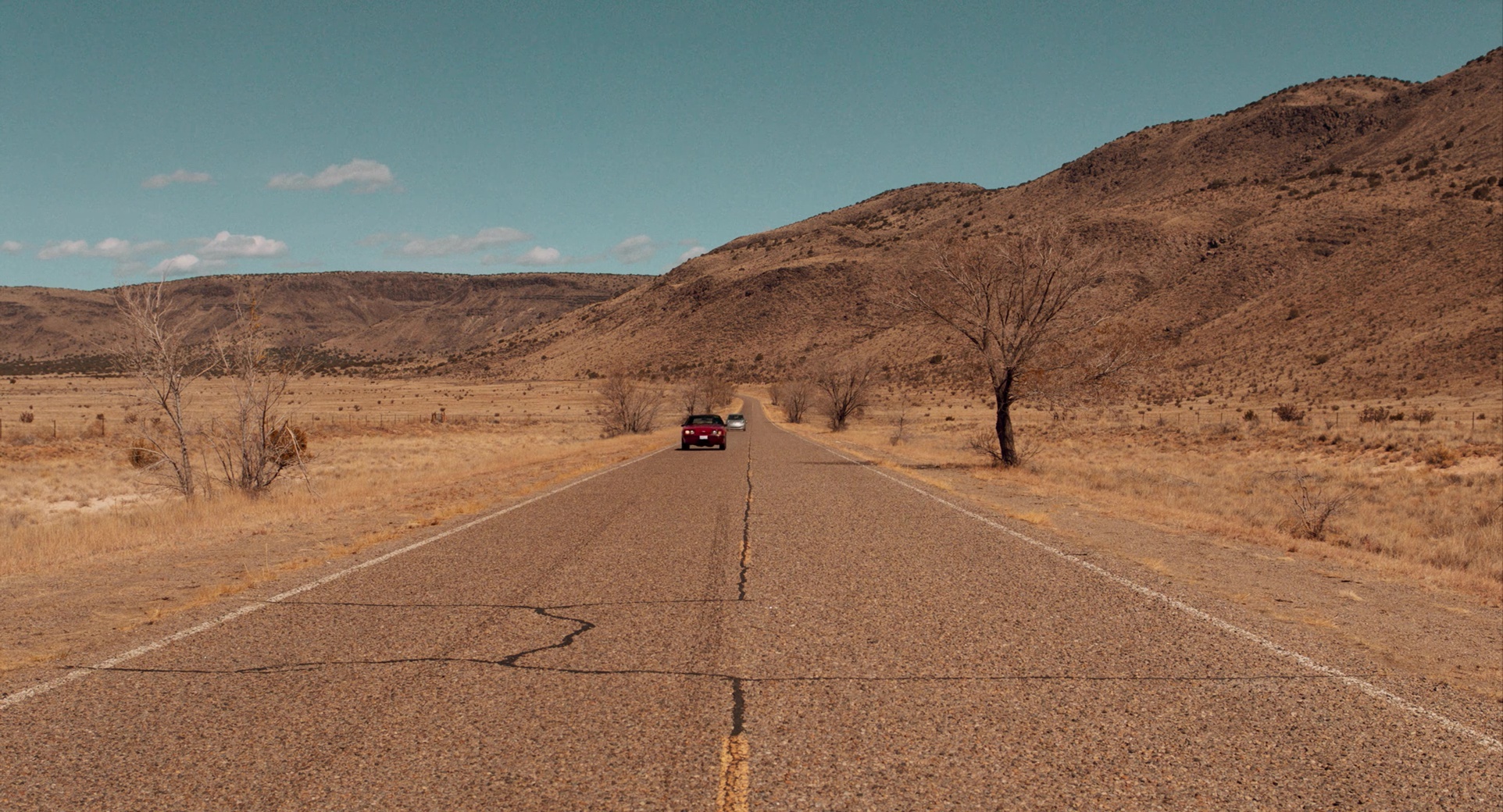
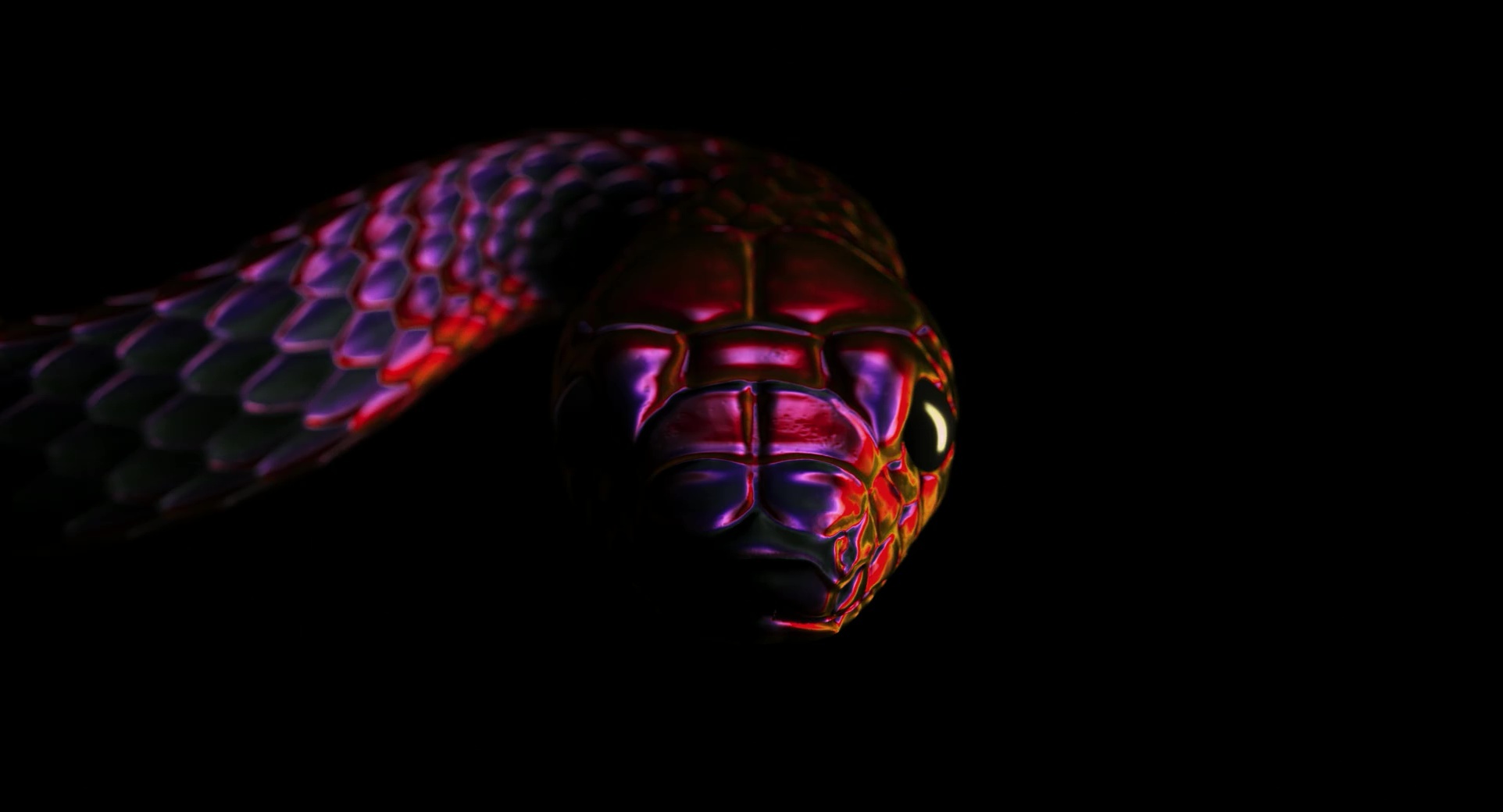
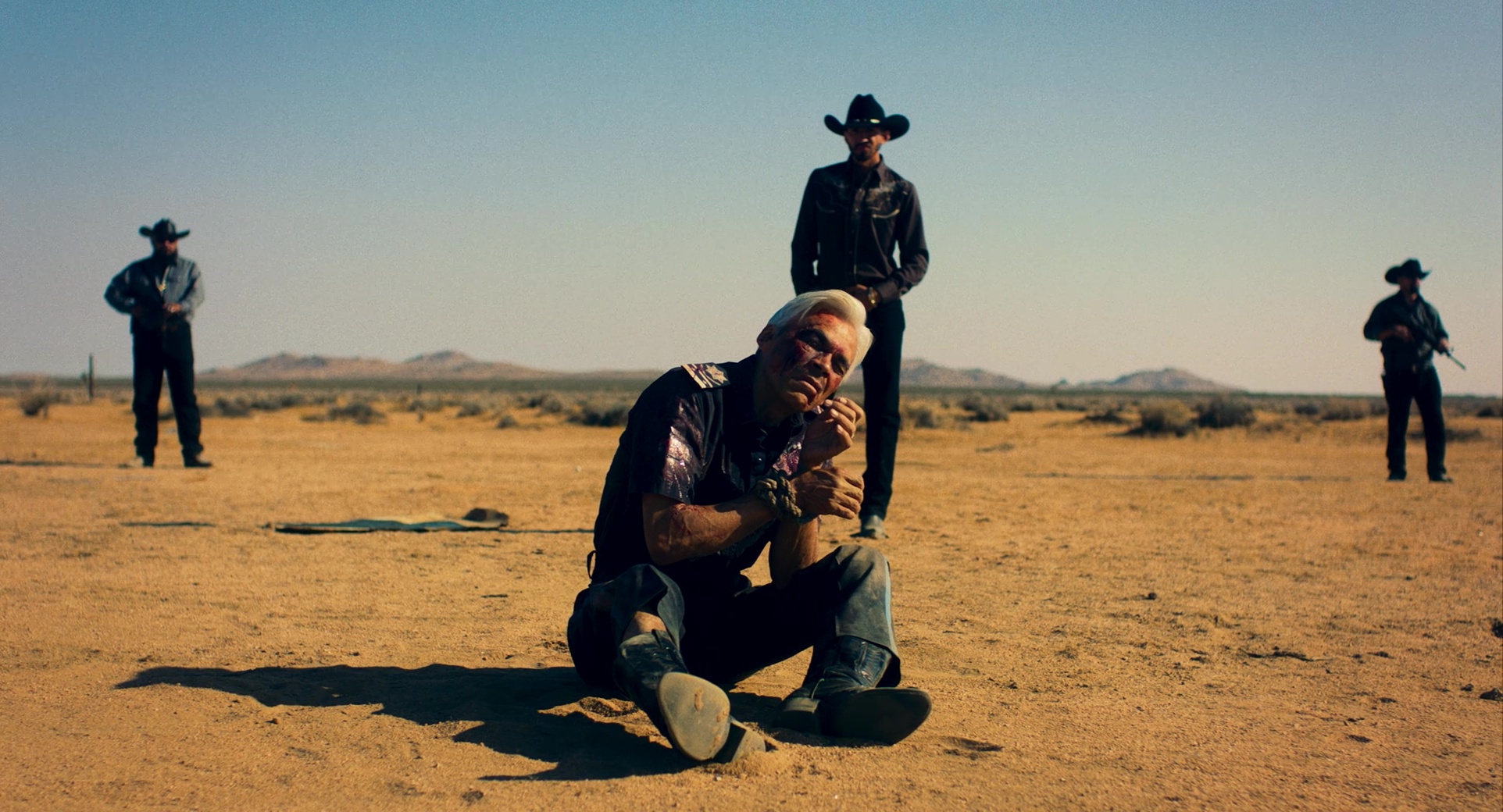
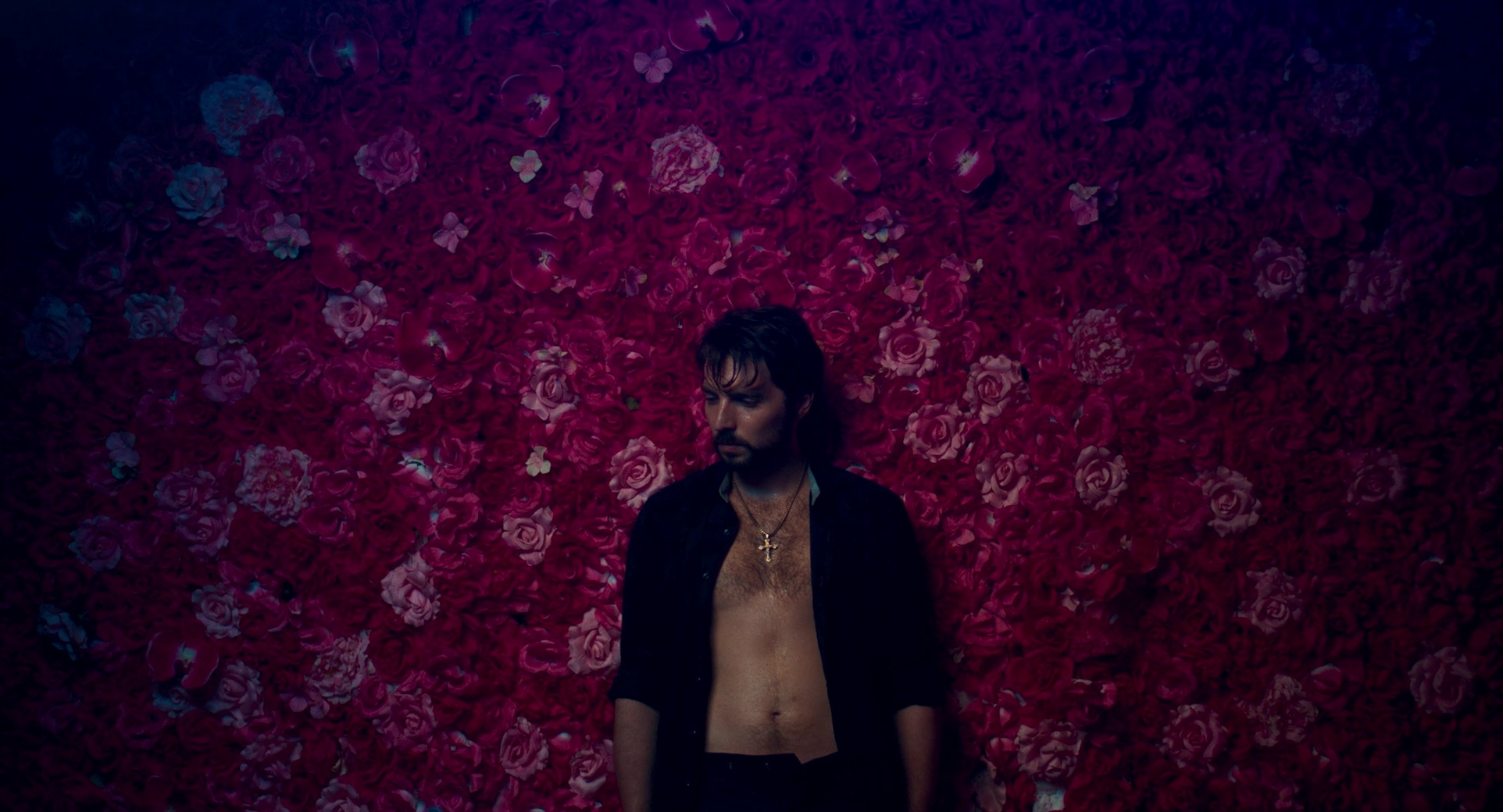
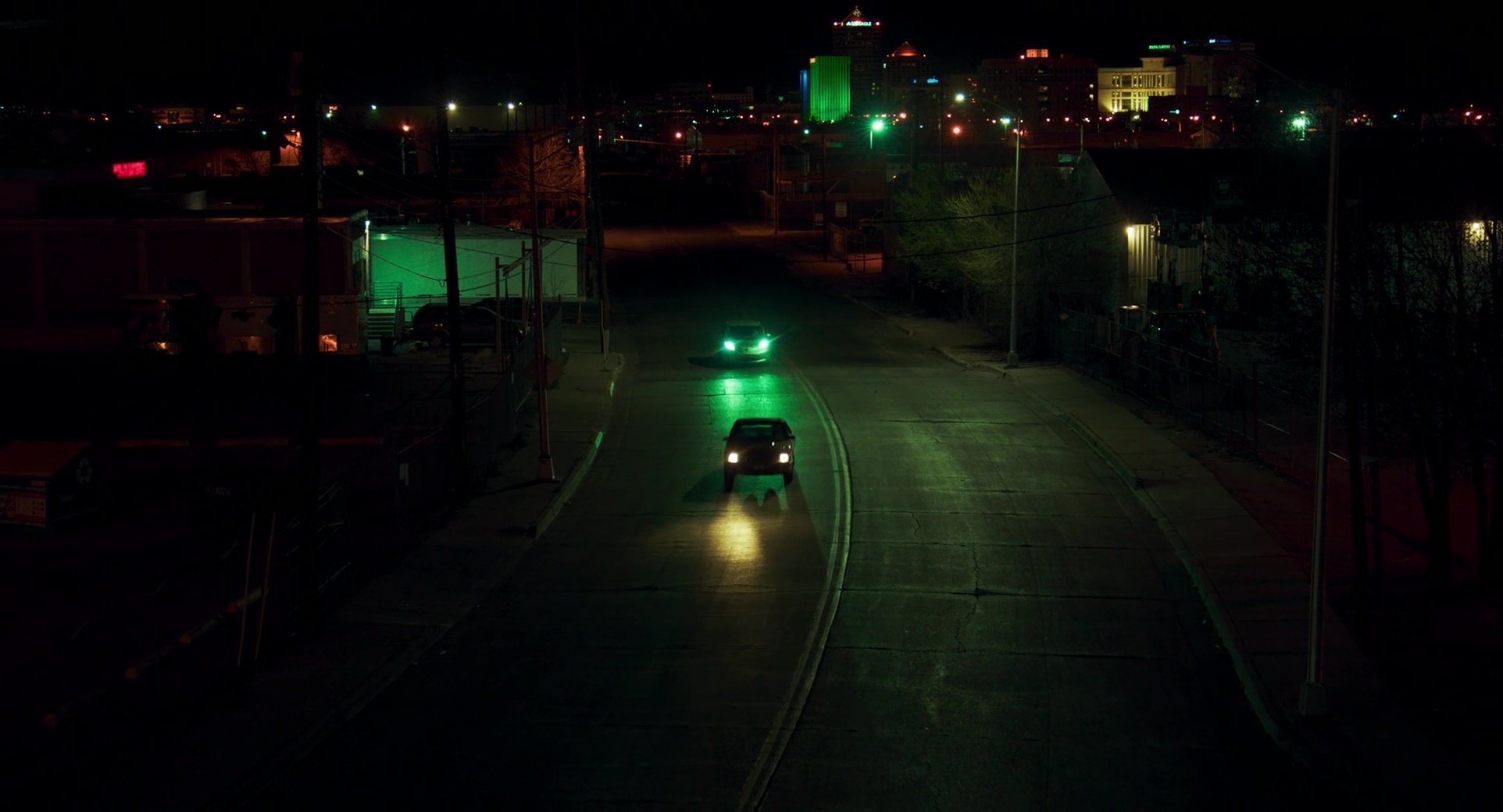
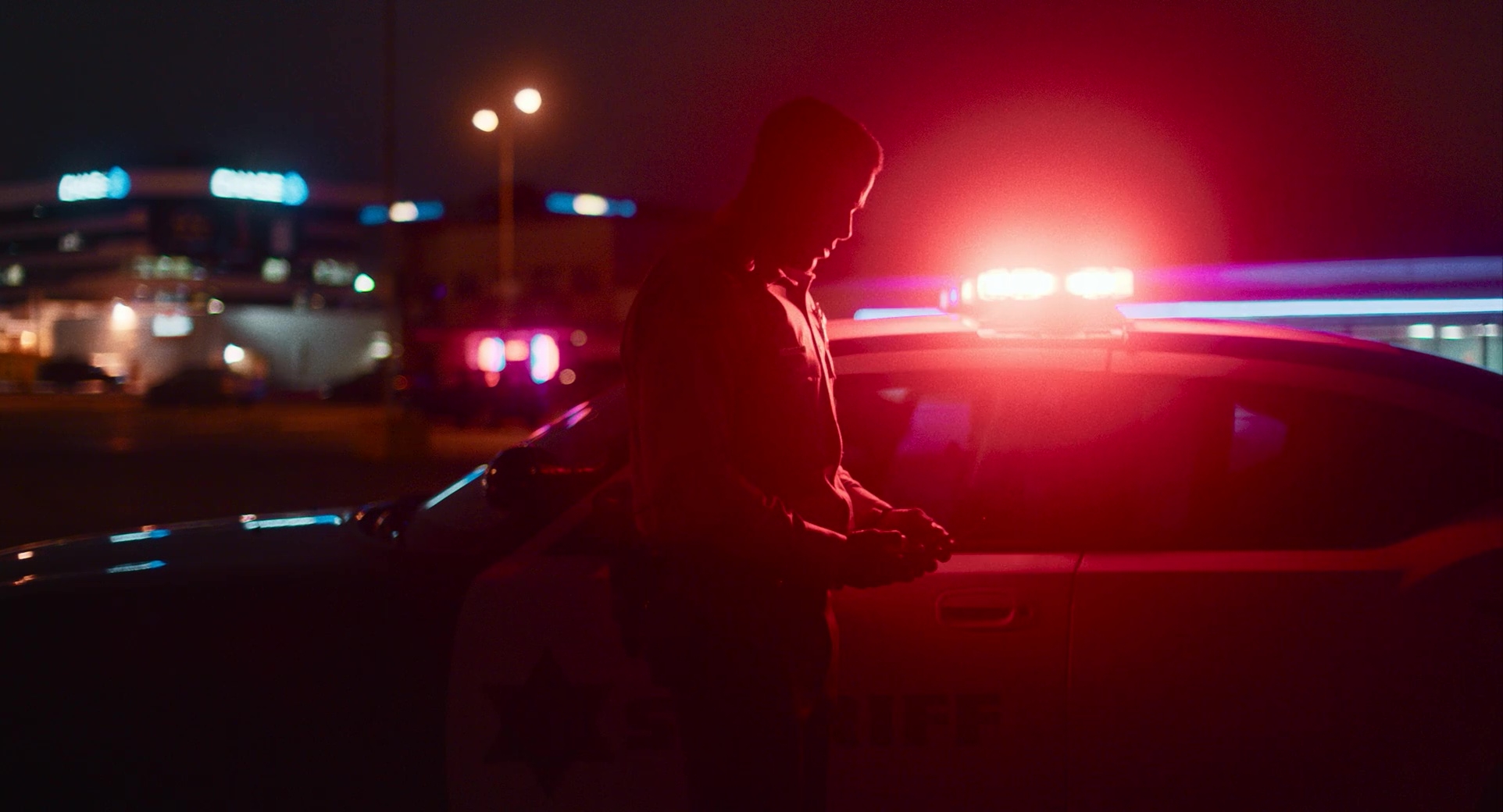
Set in the criminal underworld of Los Angeles, the series follows a police officer who becomes entangled in a network of assassins, cartels, and vigilantes after a personal tragedy. As he drifts deeper into this world, violence and morality blur, drawing him into a series of increasingly surreal and ritualistic encounters. The narrative unfolds slowly, exploring themes of justice, corruption, and existential drift.
Refn and cinematographer Darius Khondji push the series into extreme stylization, using saturated neon lighting, long static takes, and symmetrical compositions to create a hypnotic, almost trance-like rhythm. The camera often lingers far beyond conventional pacing, turning duration itself into a visual tool—where color, stillness, and minimal movement transform crime storytelling into something meditative and abstract.