New Shots: Coraline, Toy Story 2, and more Film Screencaps
Get your Decks ready ShotDeck Community! We’re dropping some great new shots from animated films this week, as well as an article exploring the work Henry Selick. Remember you can always request titles for future drops by clicking here!
FILM SPOTLIGHT
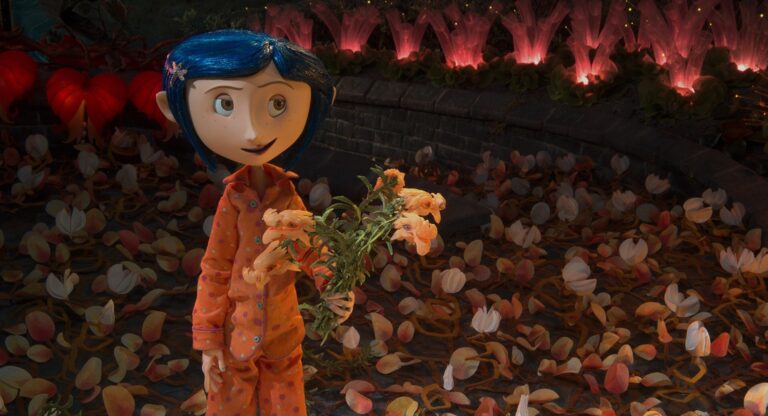
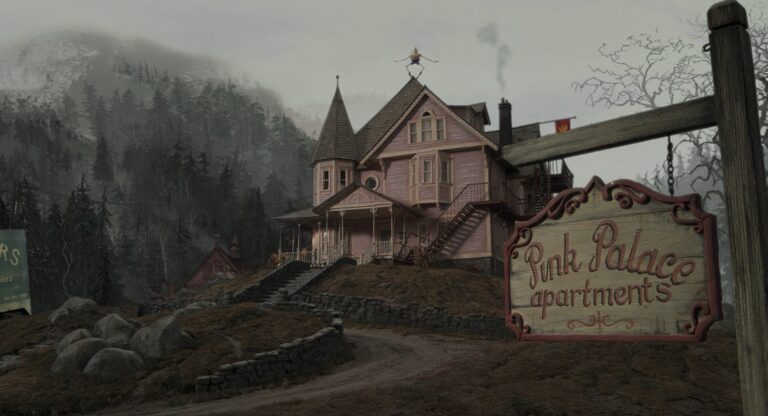
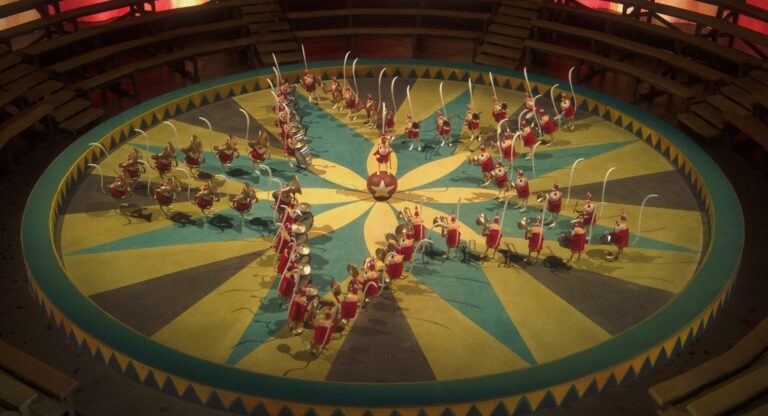
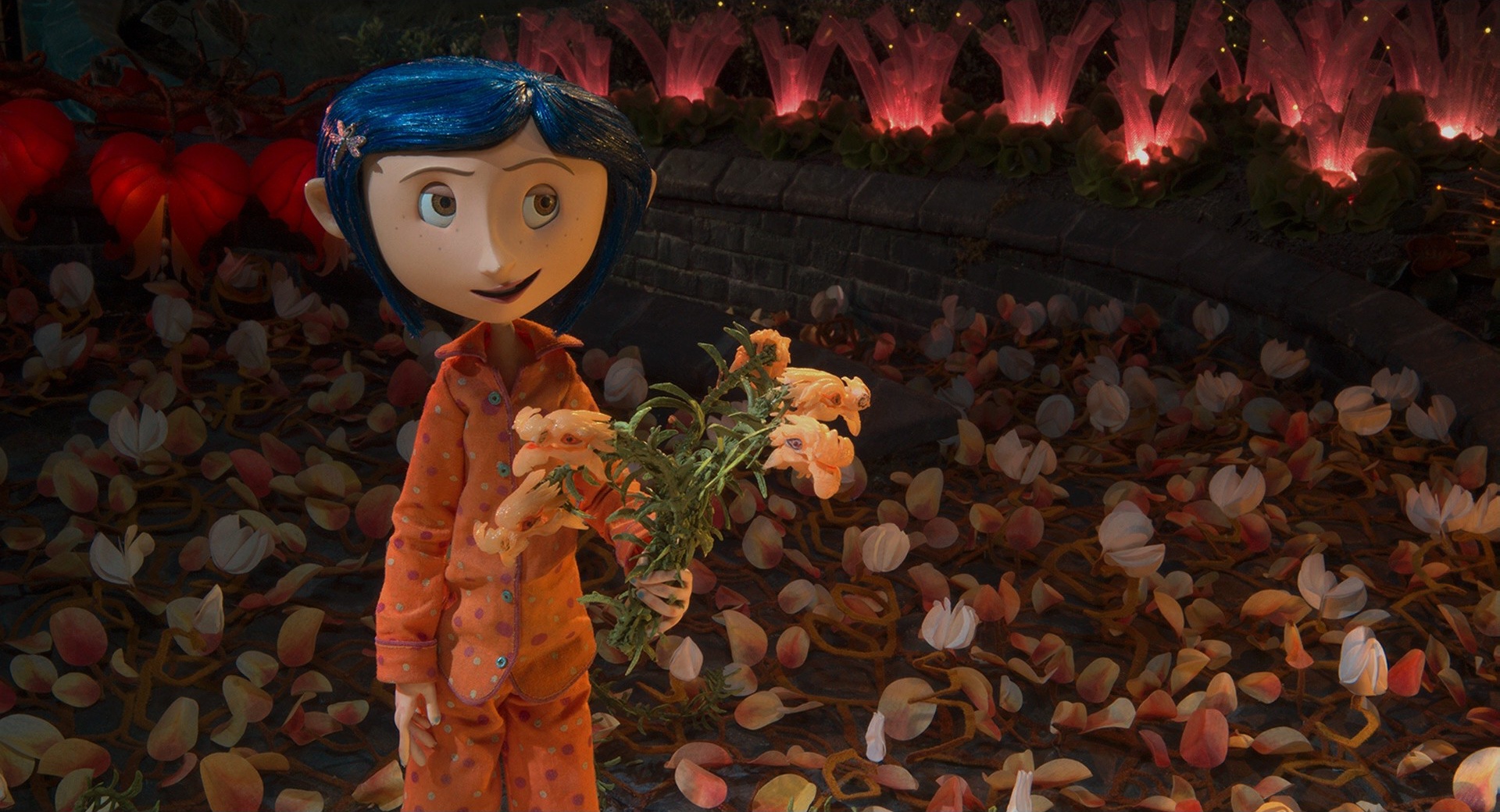
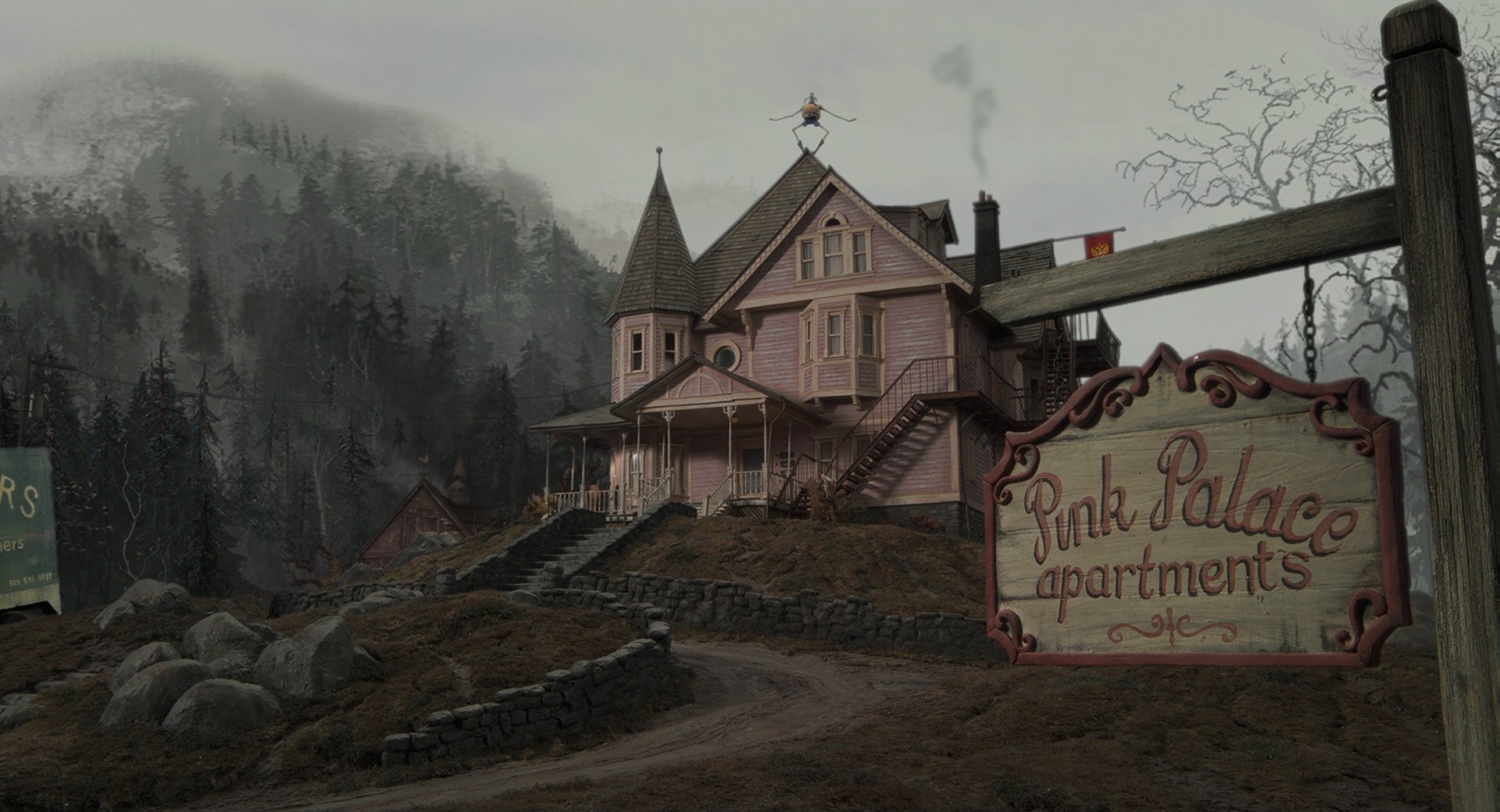
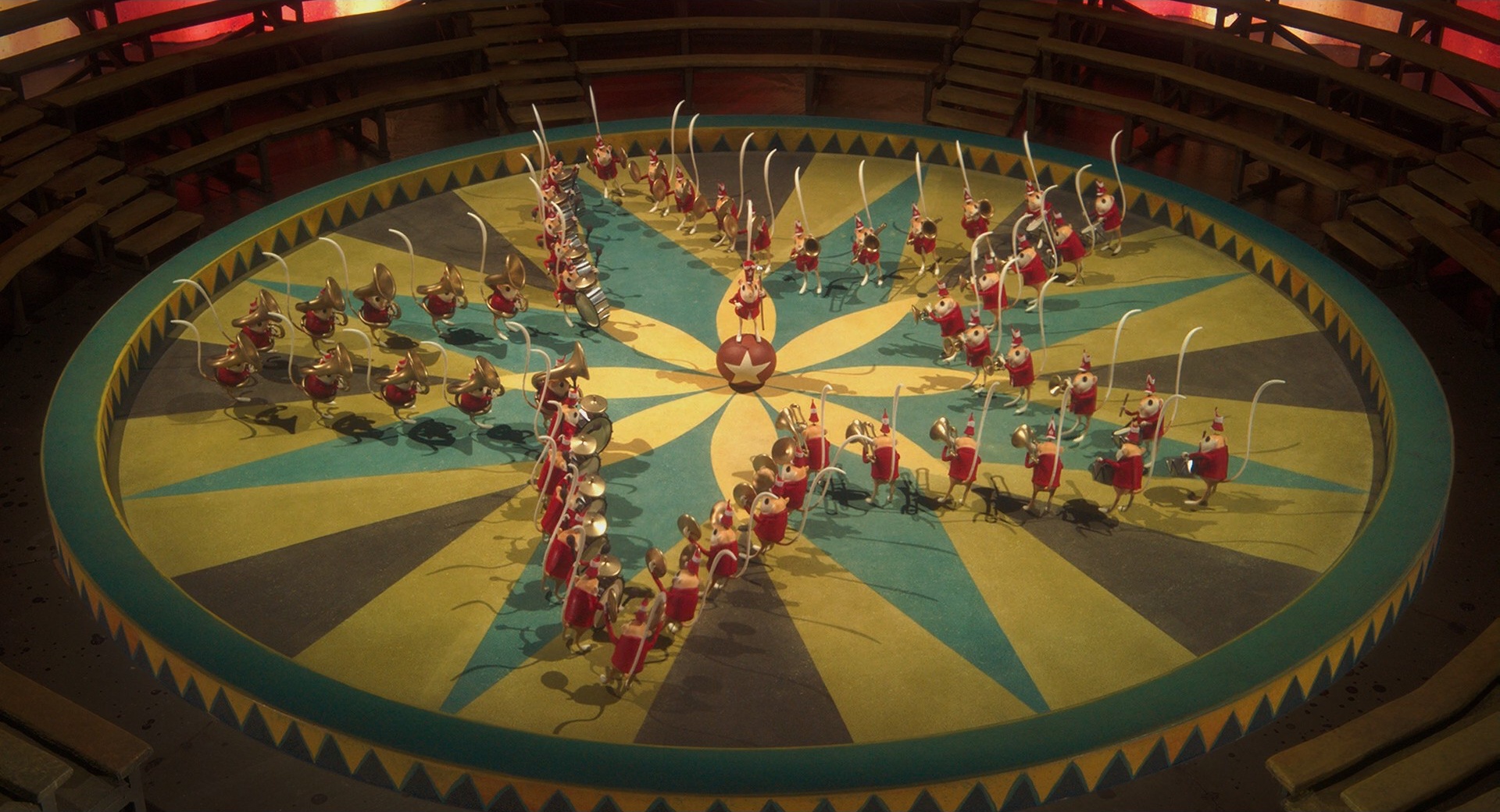
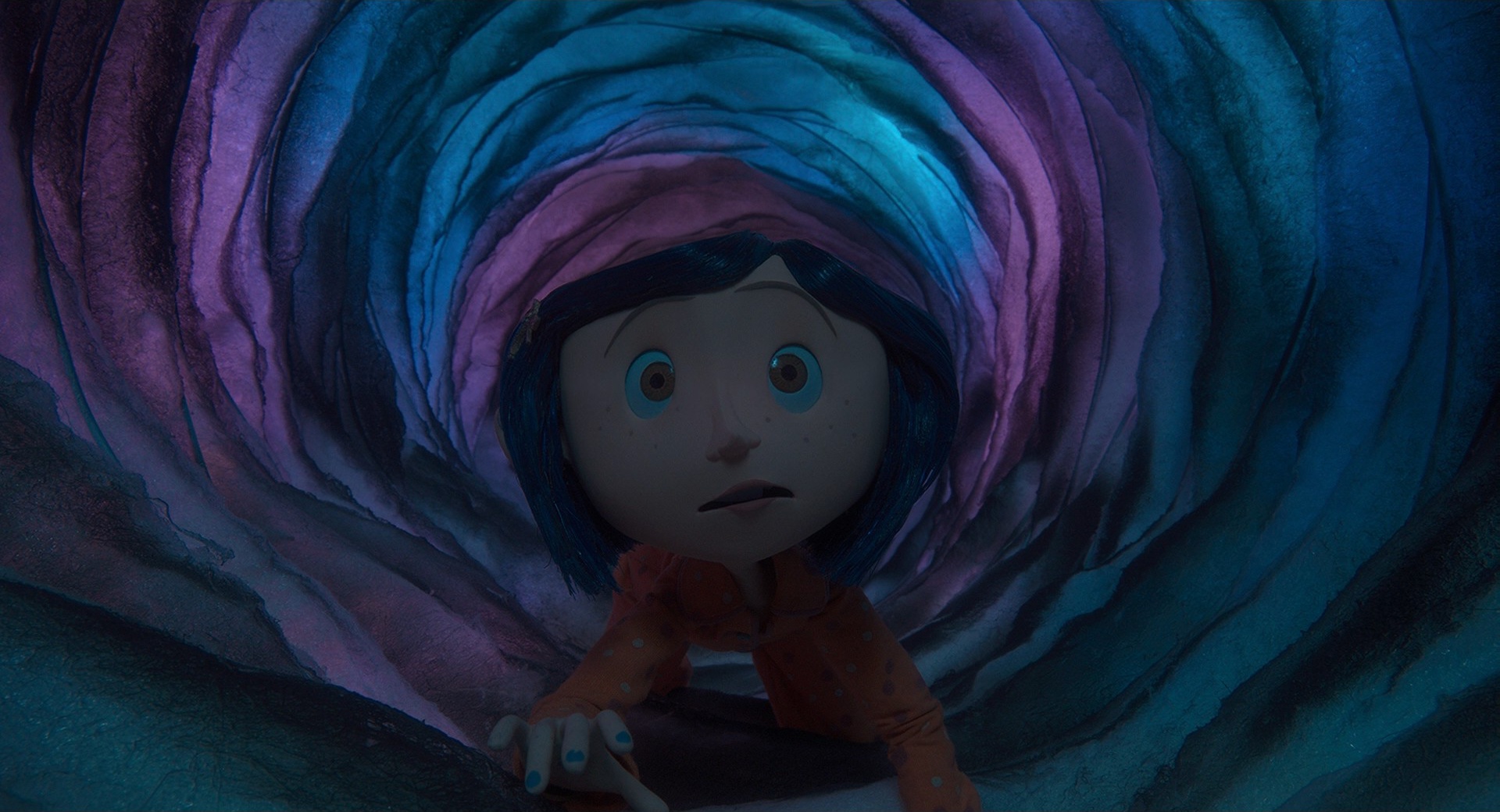
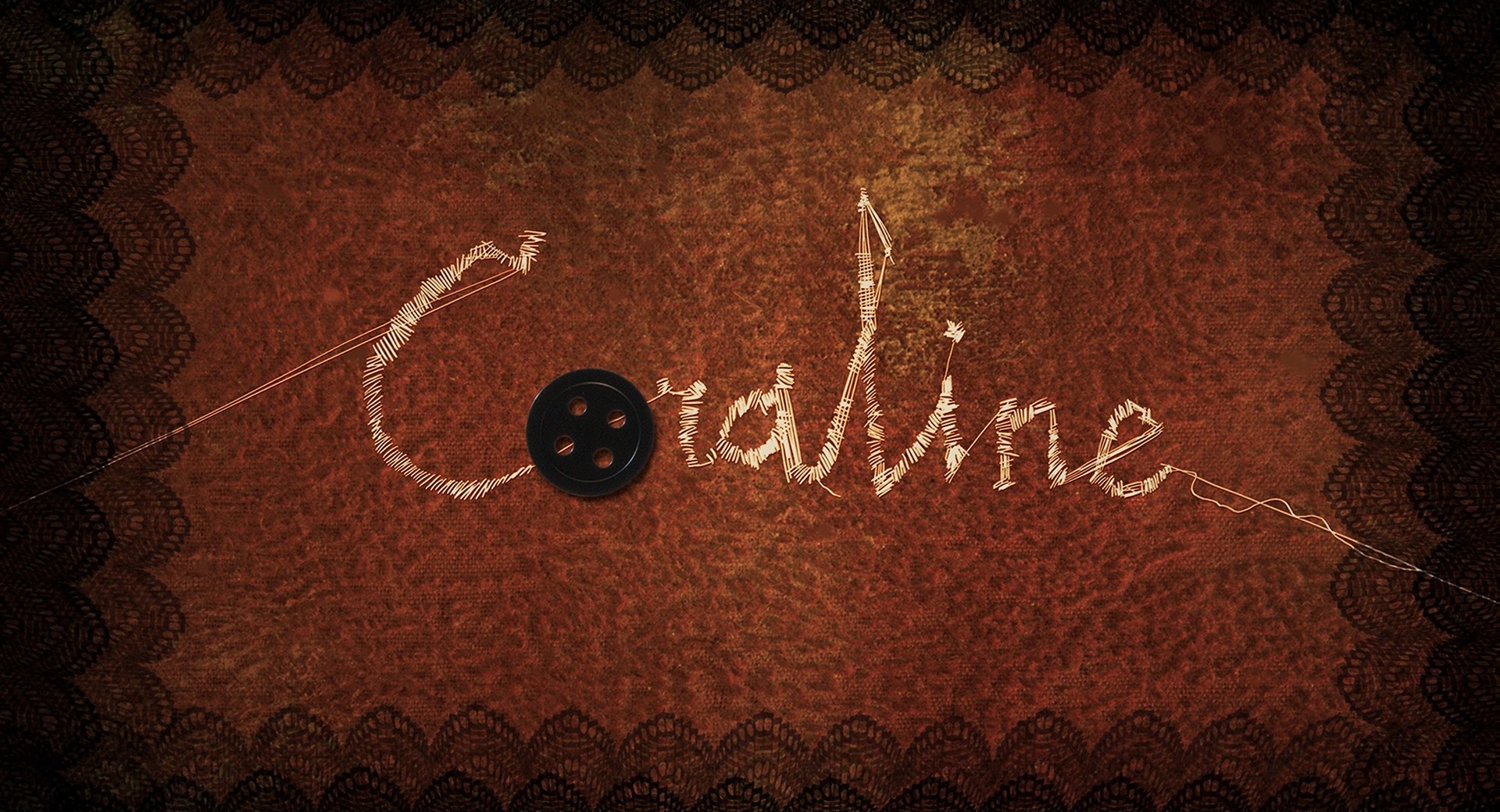
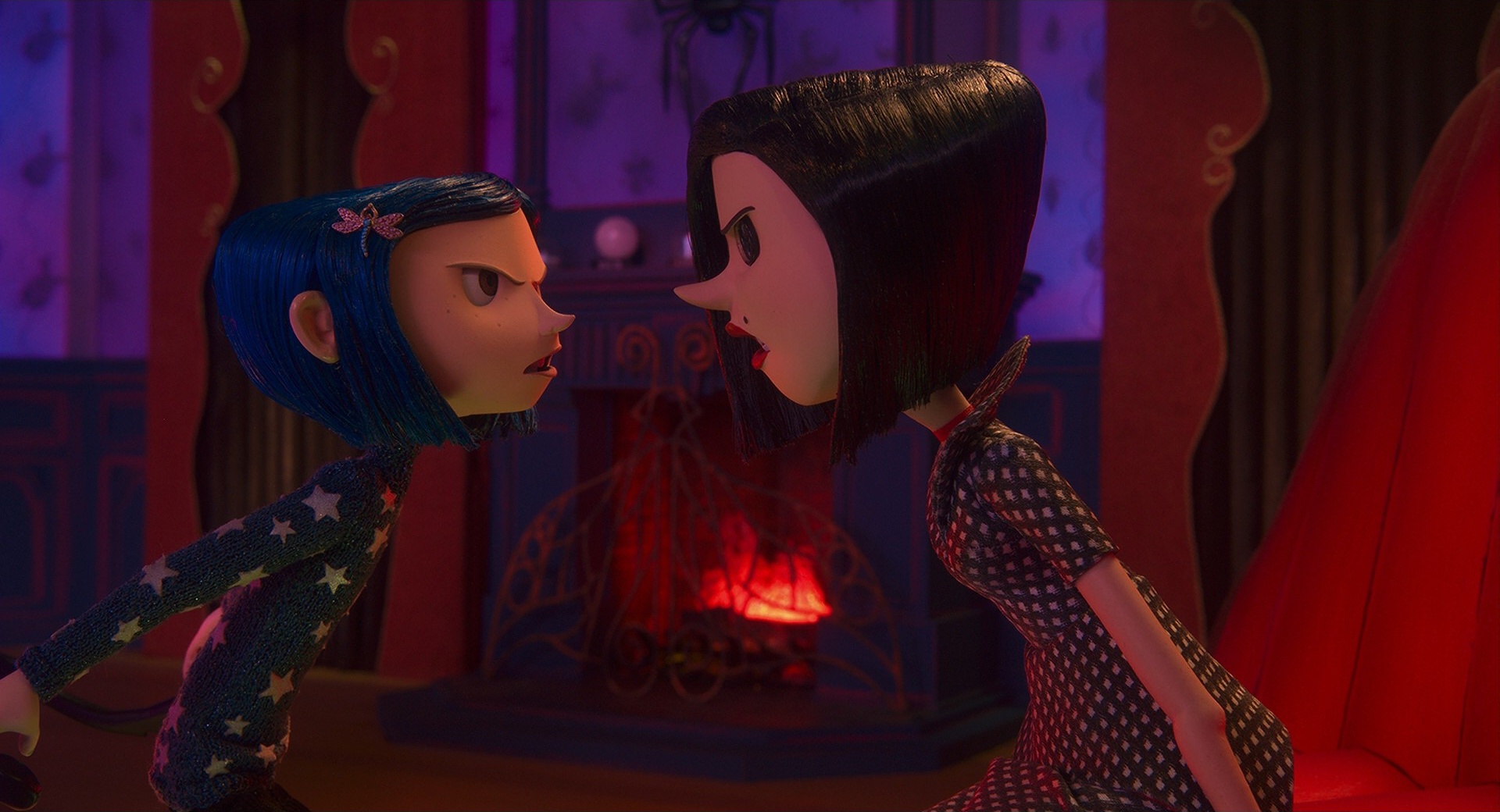
Coraline (2009)
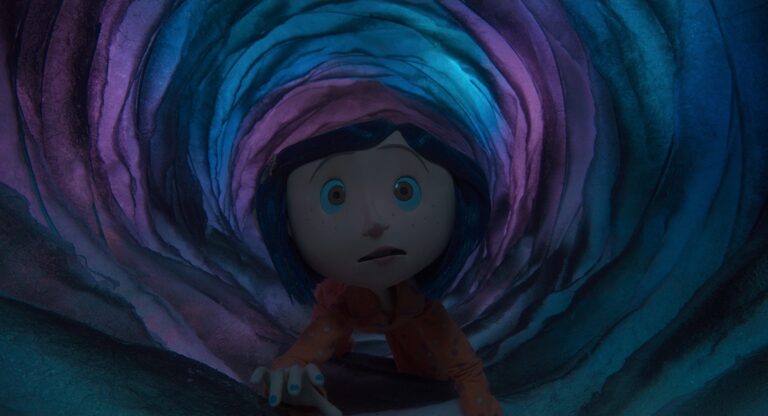
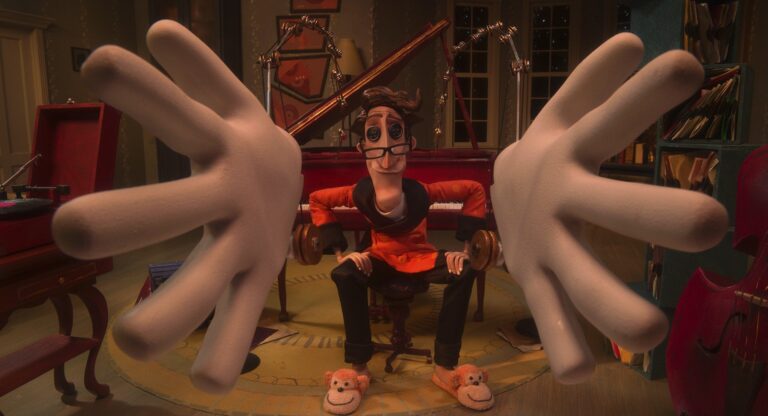
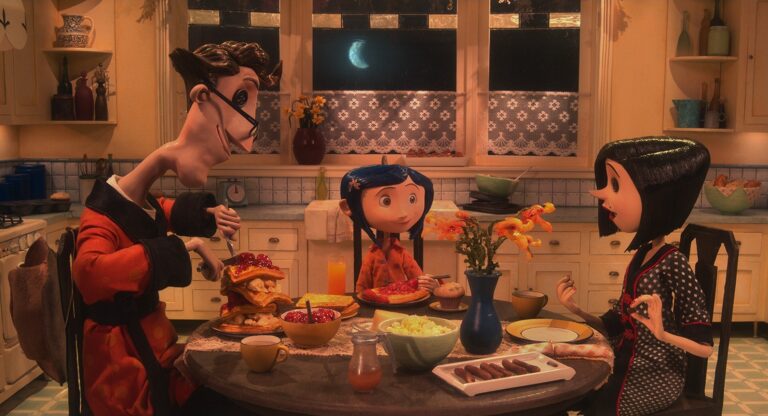
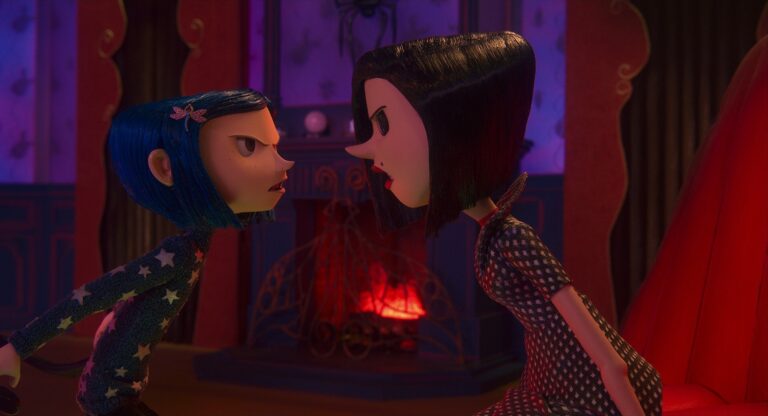
A curious young girl named Coraline discovers a hidden door in her new home that leads to an alternate version of her life. At first, this “Other World” seems perfect, with more attentive parents and a vibrant environment. But as its darker secrets emerge, Coraline must find the courage to escape and protect her real family.
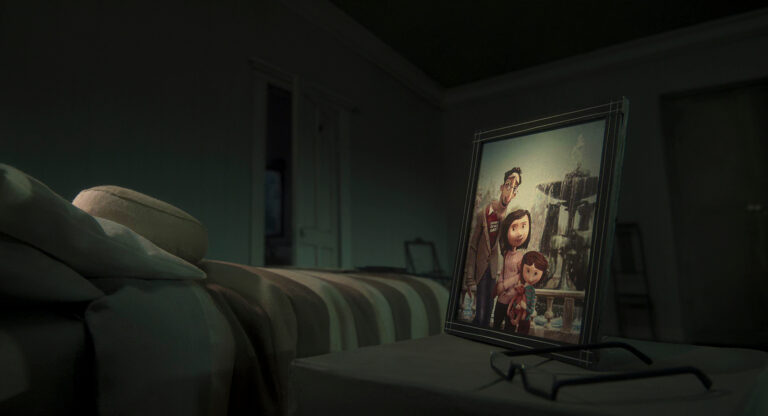
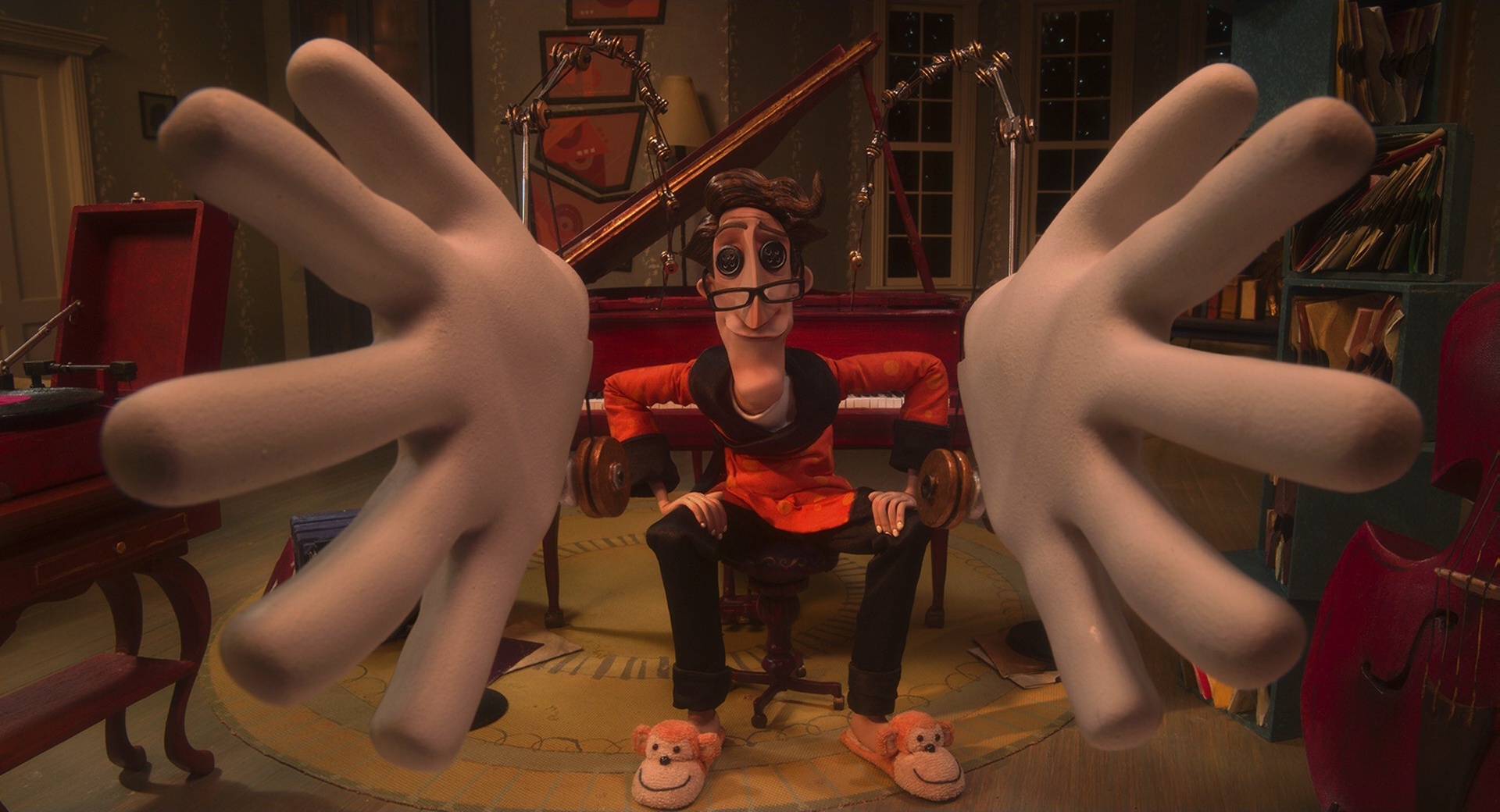
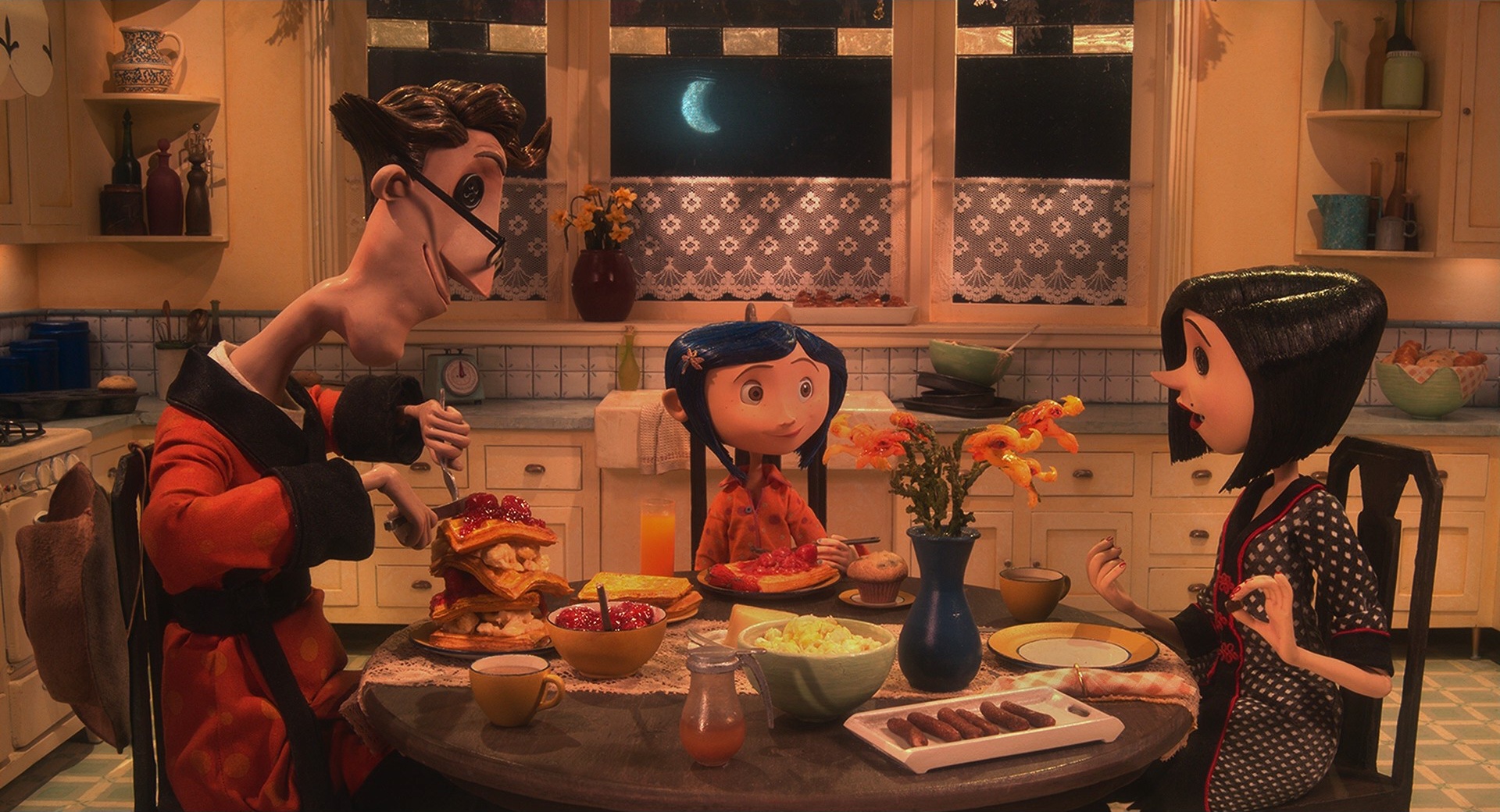
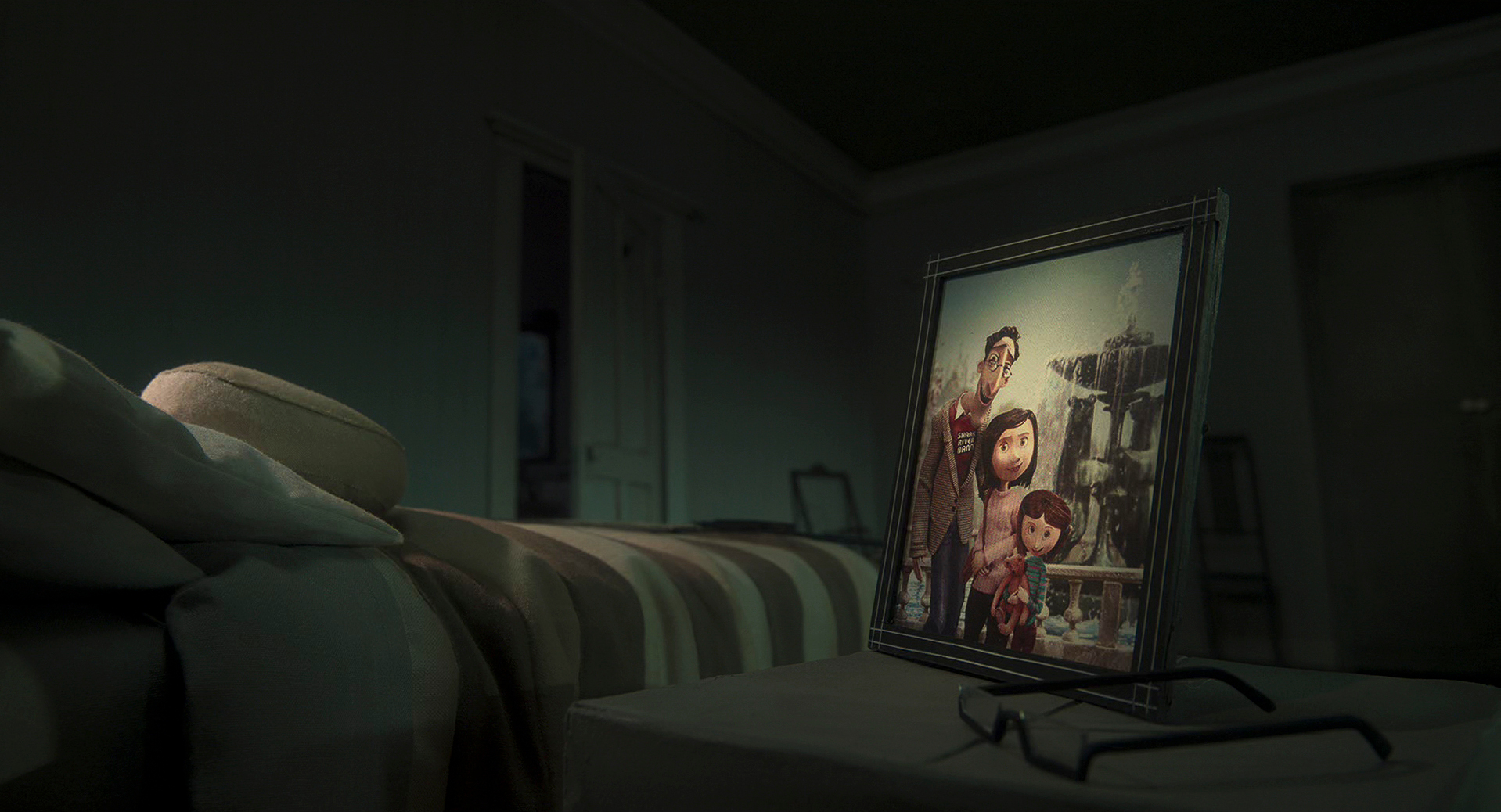
Selick and his team crafted Coraline using stop-motion animation with 3D stereoscopic photography, building intricate miniature sets and puppets with extraordinary detail. The film’s visual contrast—muted, cool tones in the real world versus rich, saturated color in the Other World—turns production design and lighting into a narrative device, where texture and color signal the shift from wonder to unease.
FILM SPOTLIGHT
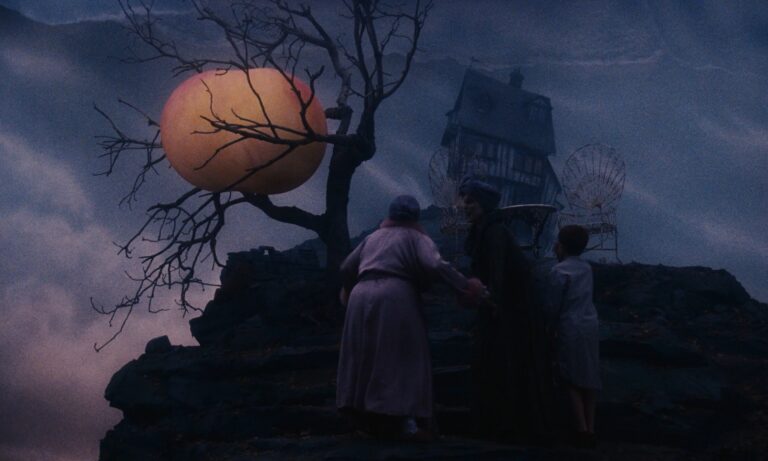
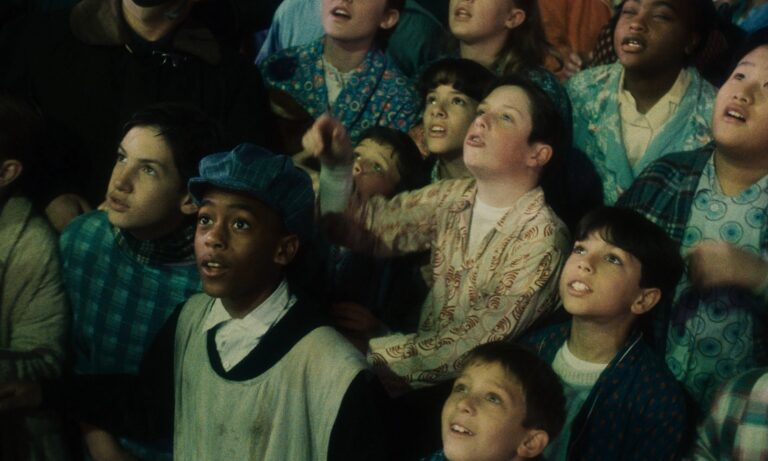
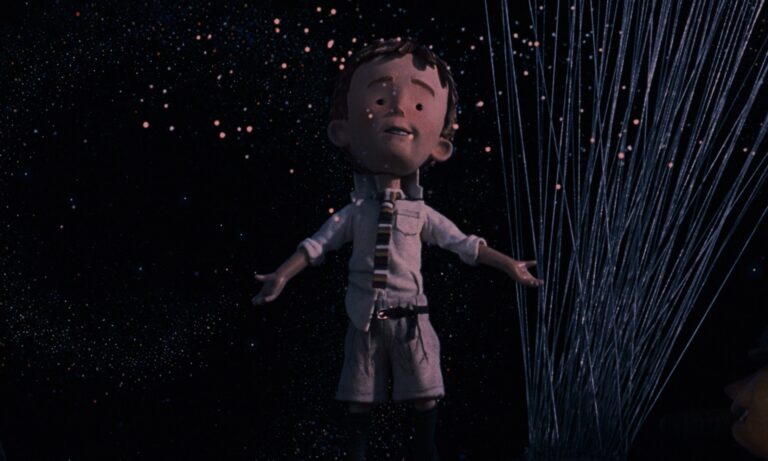
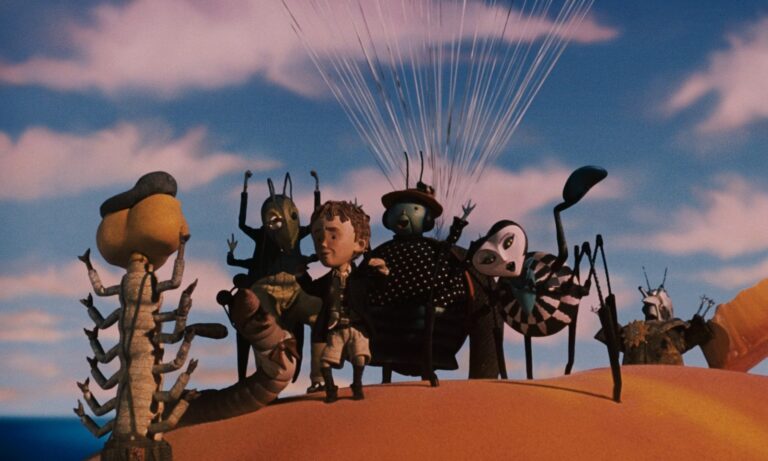
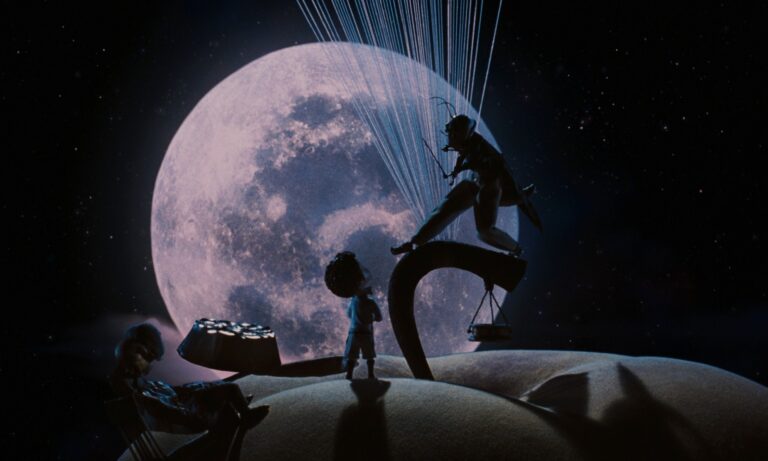
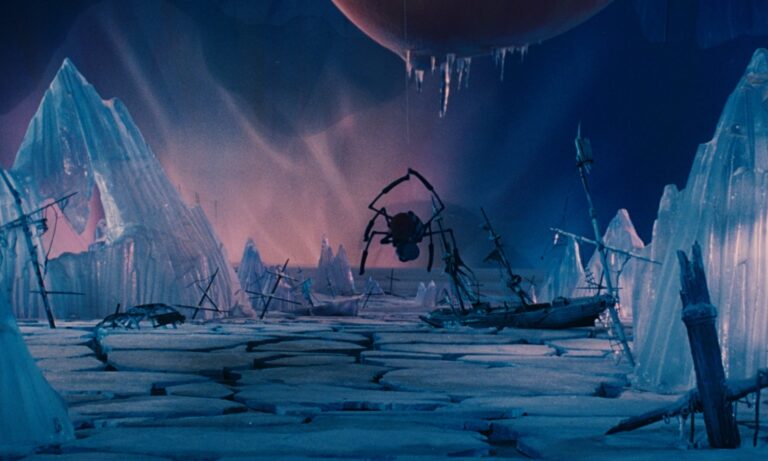
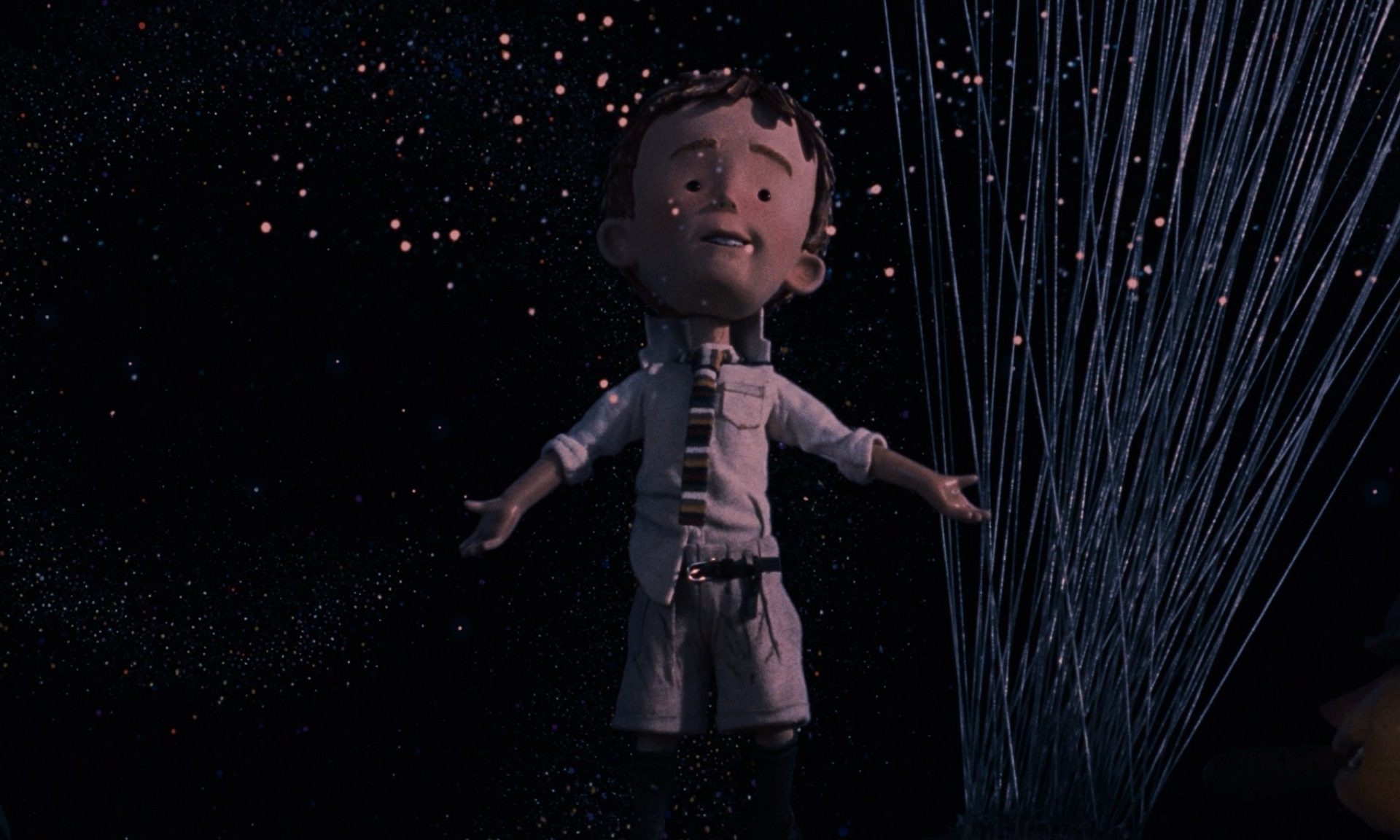
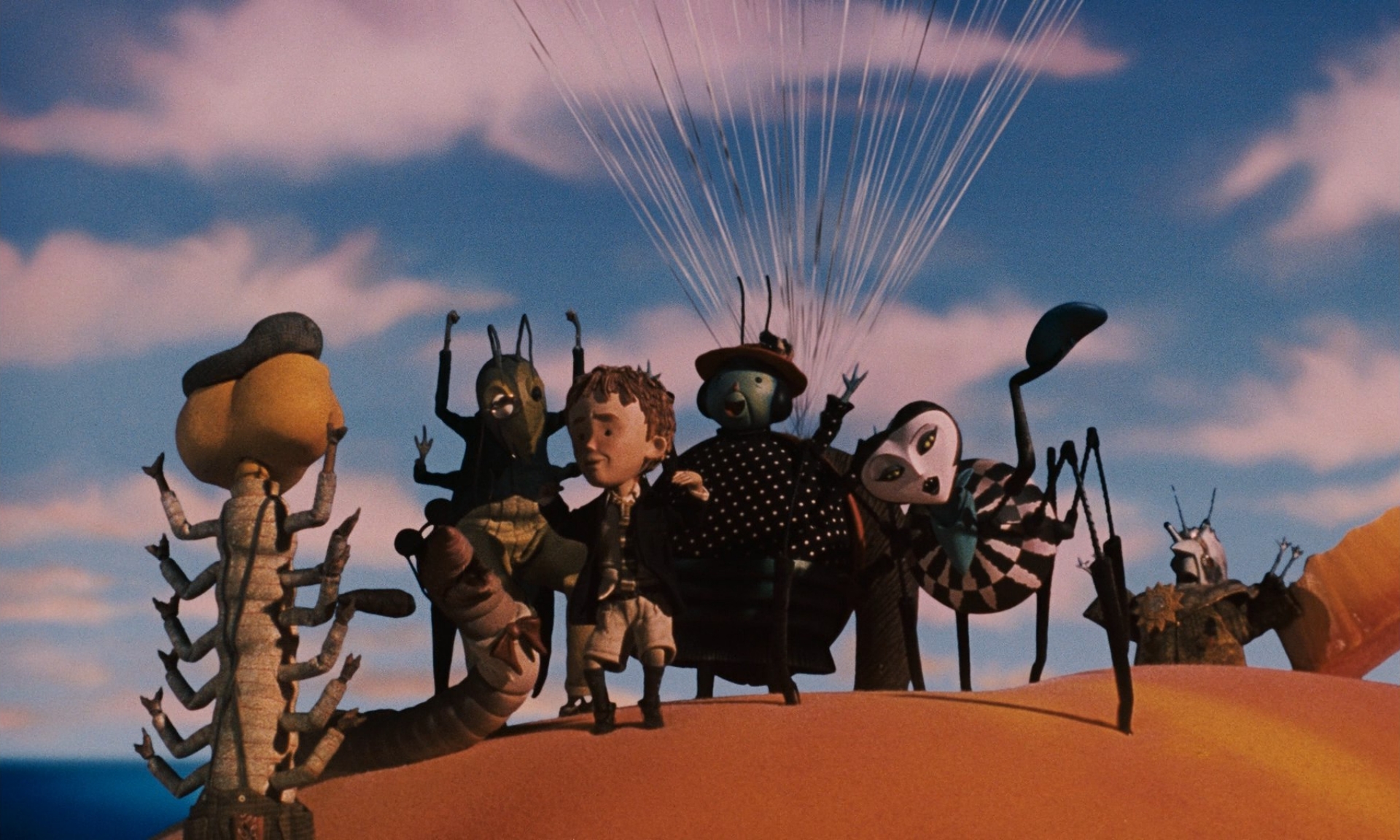
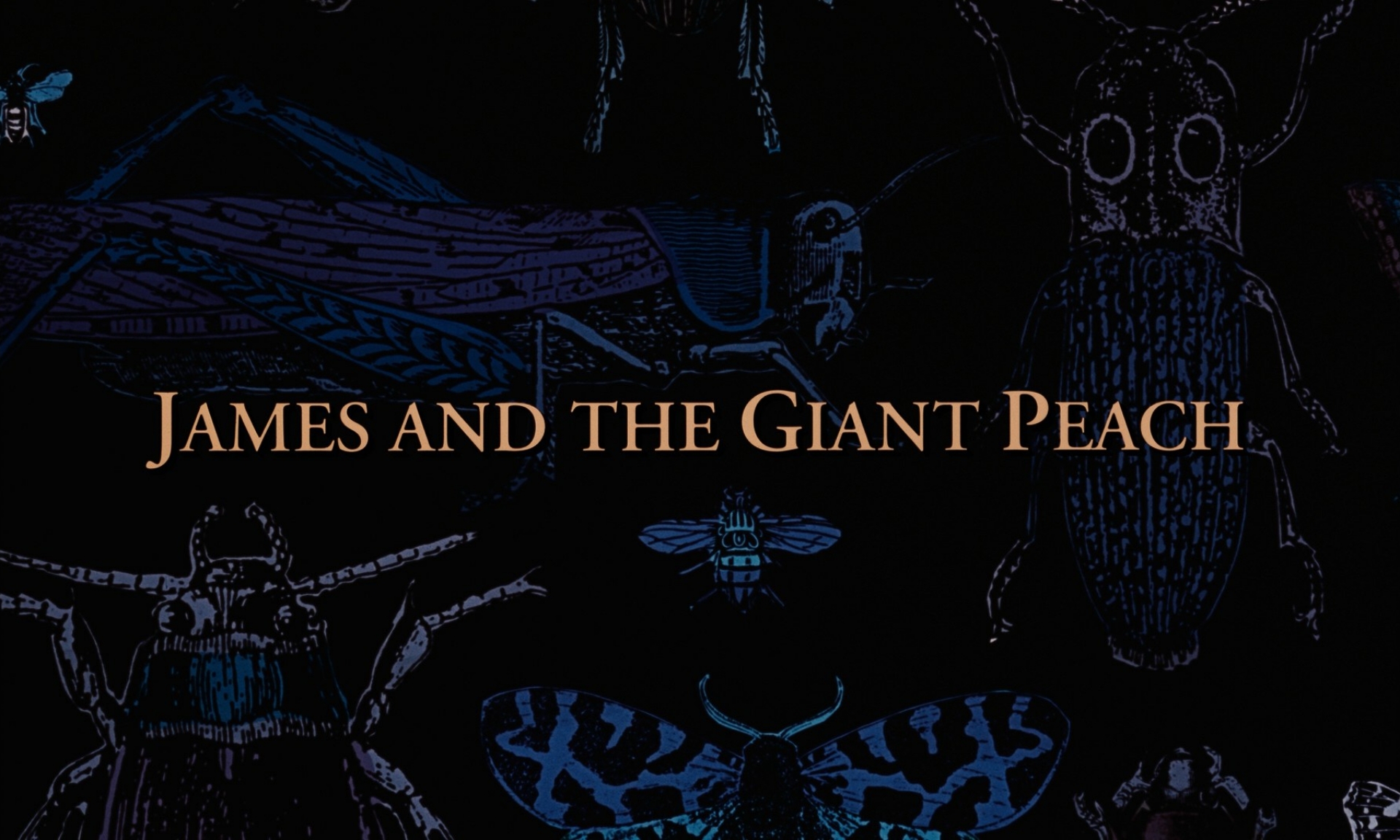
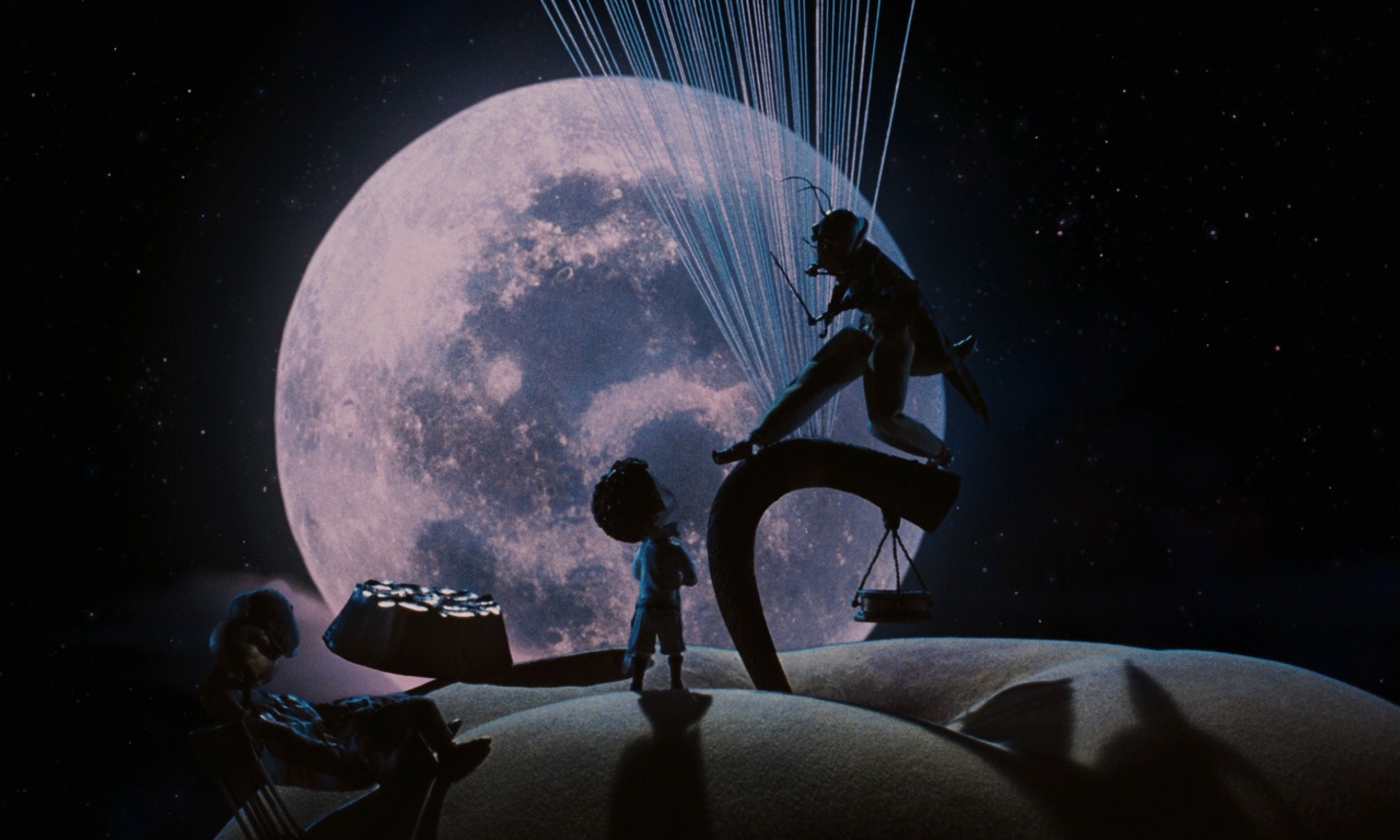
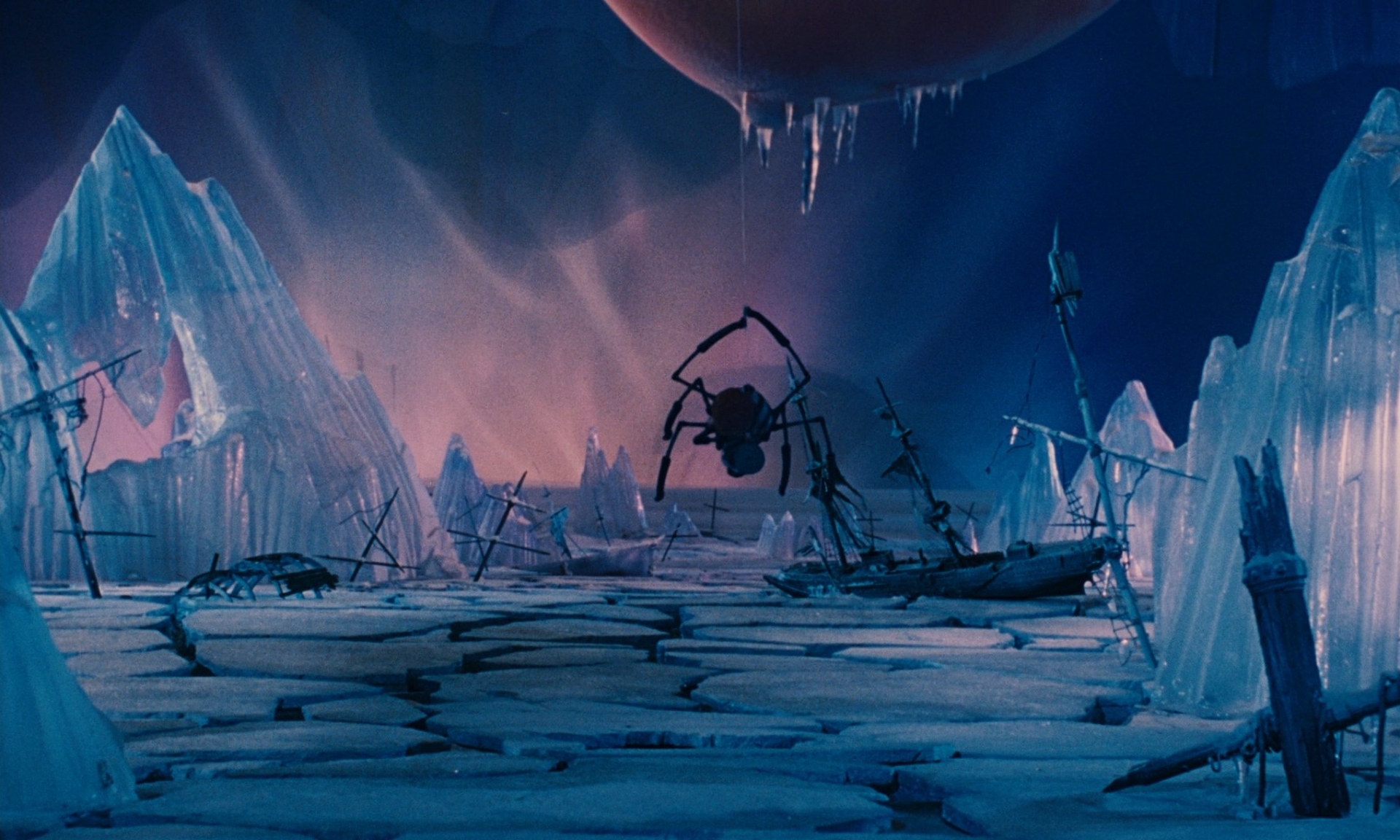
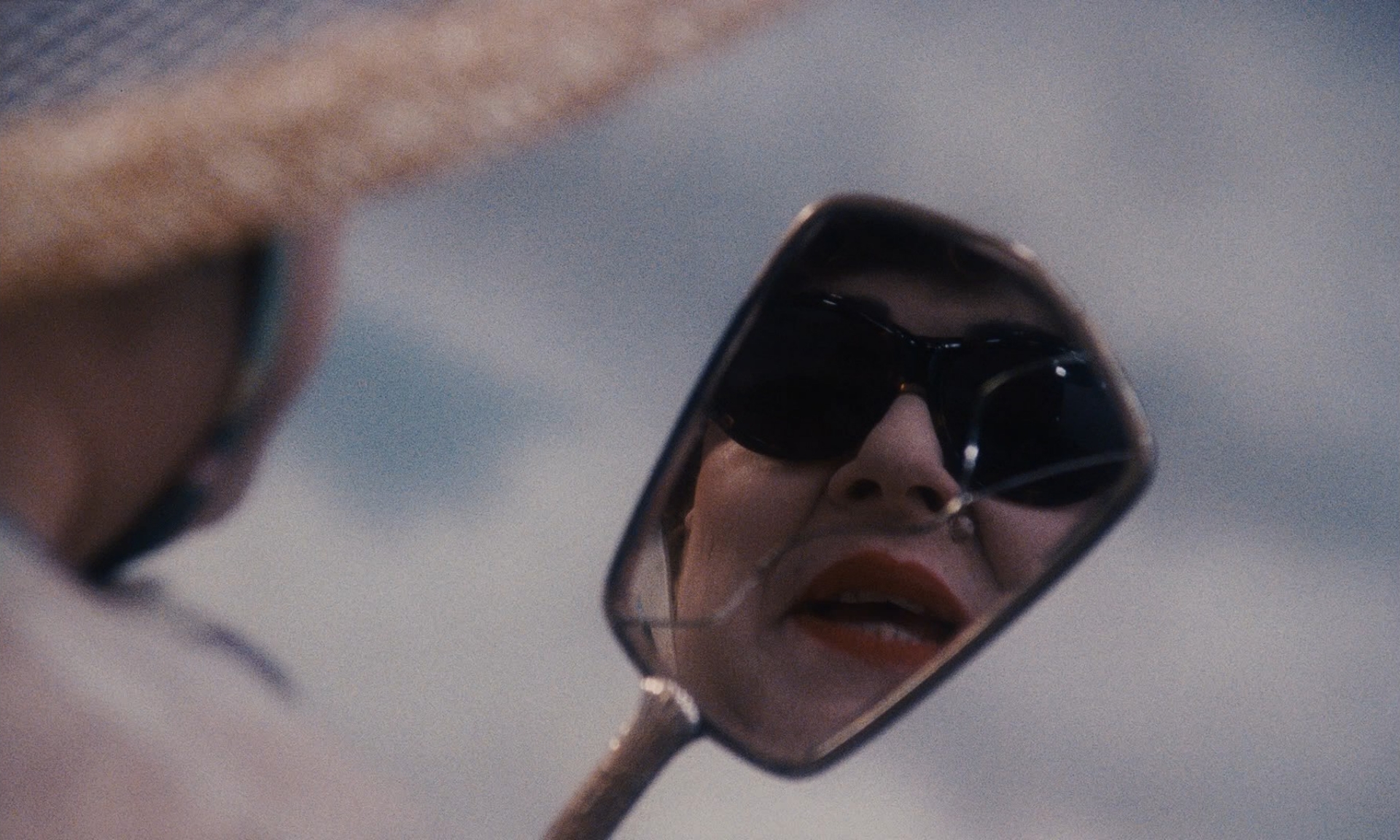
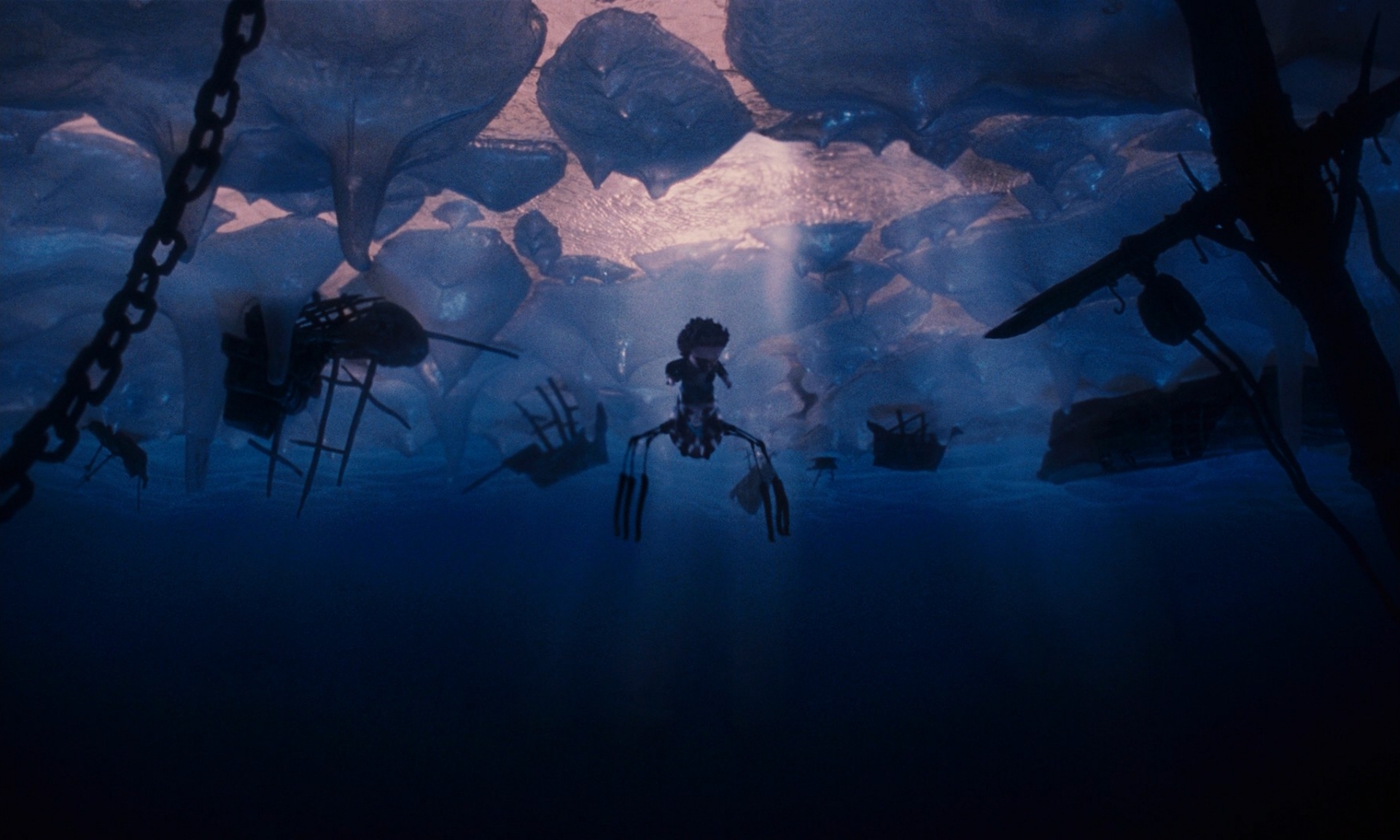
James and the Giant Peach (1996)
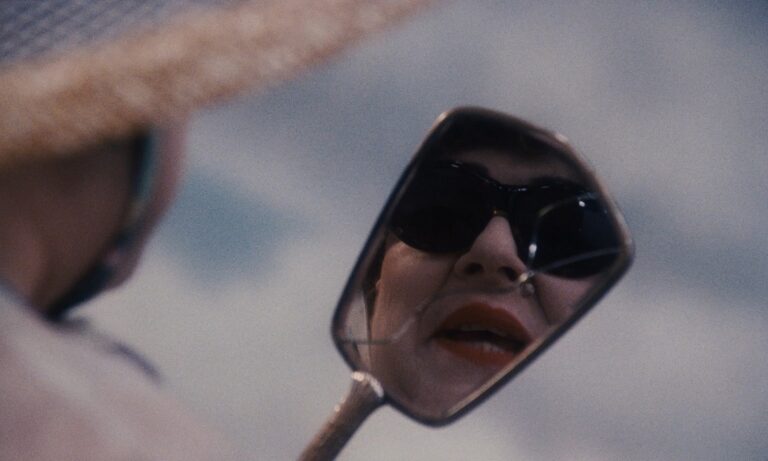
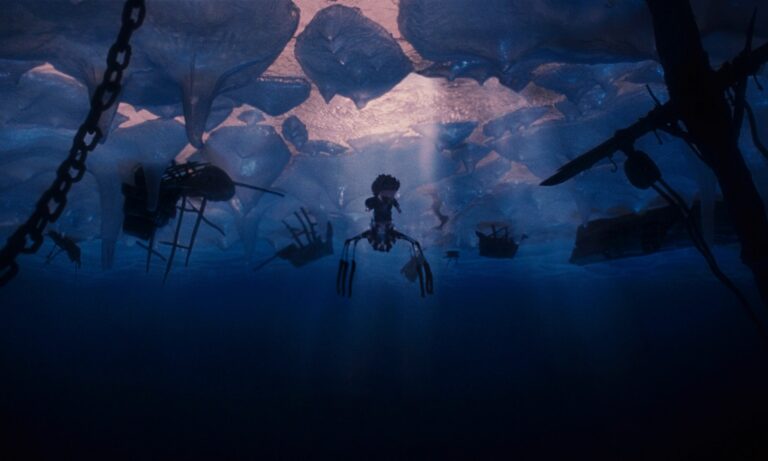
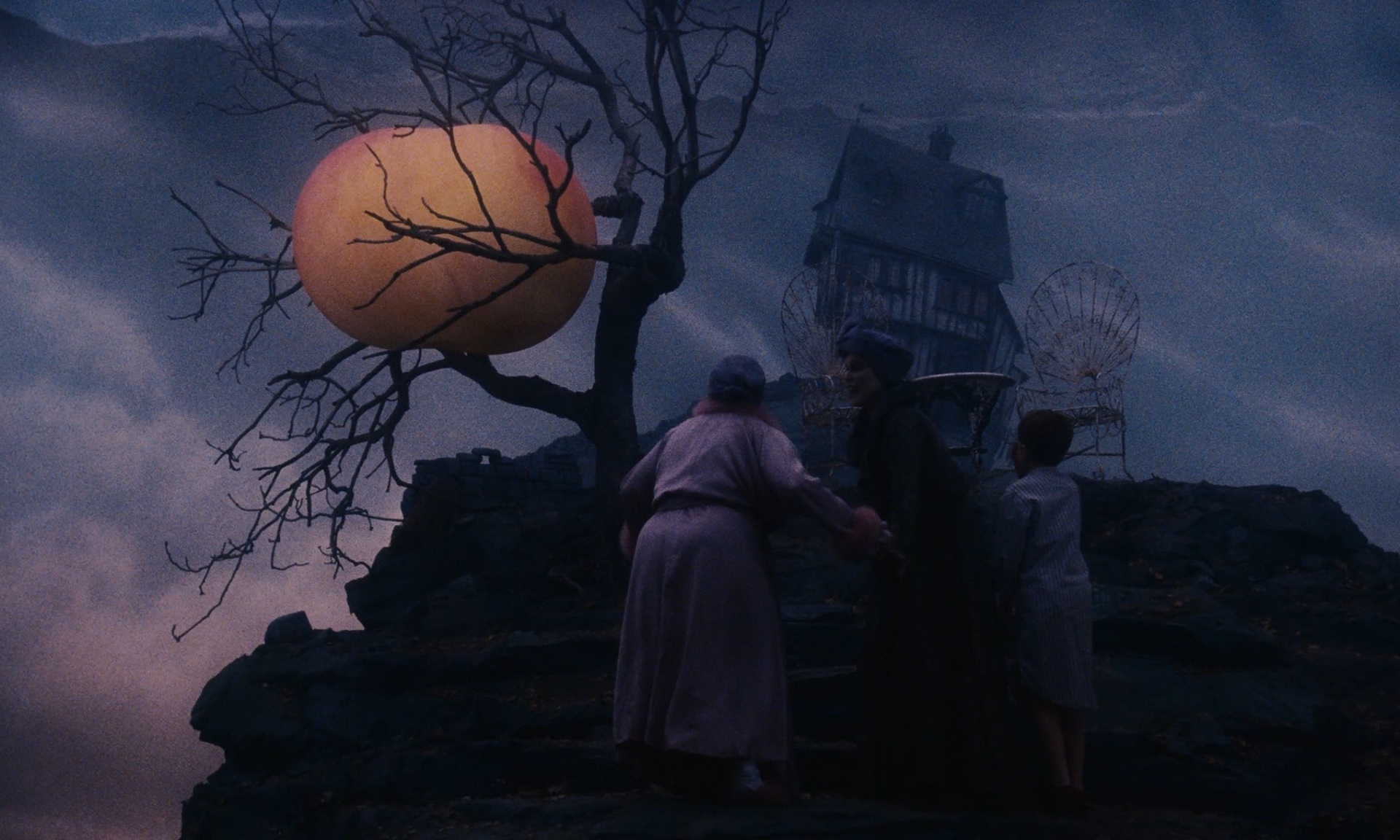
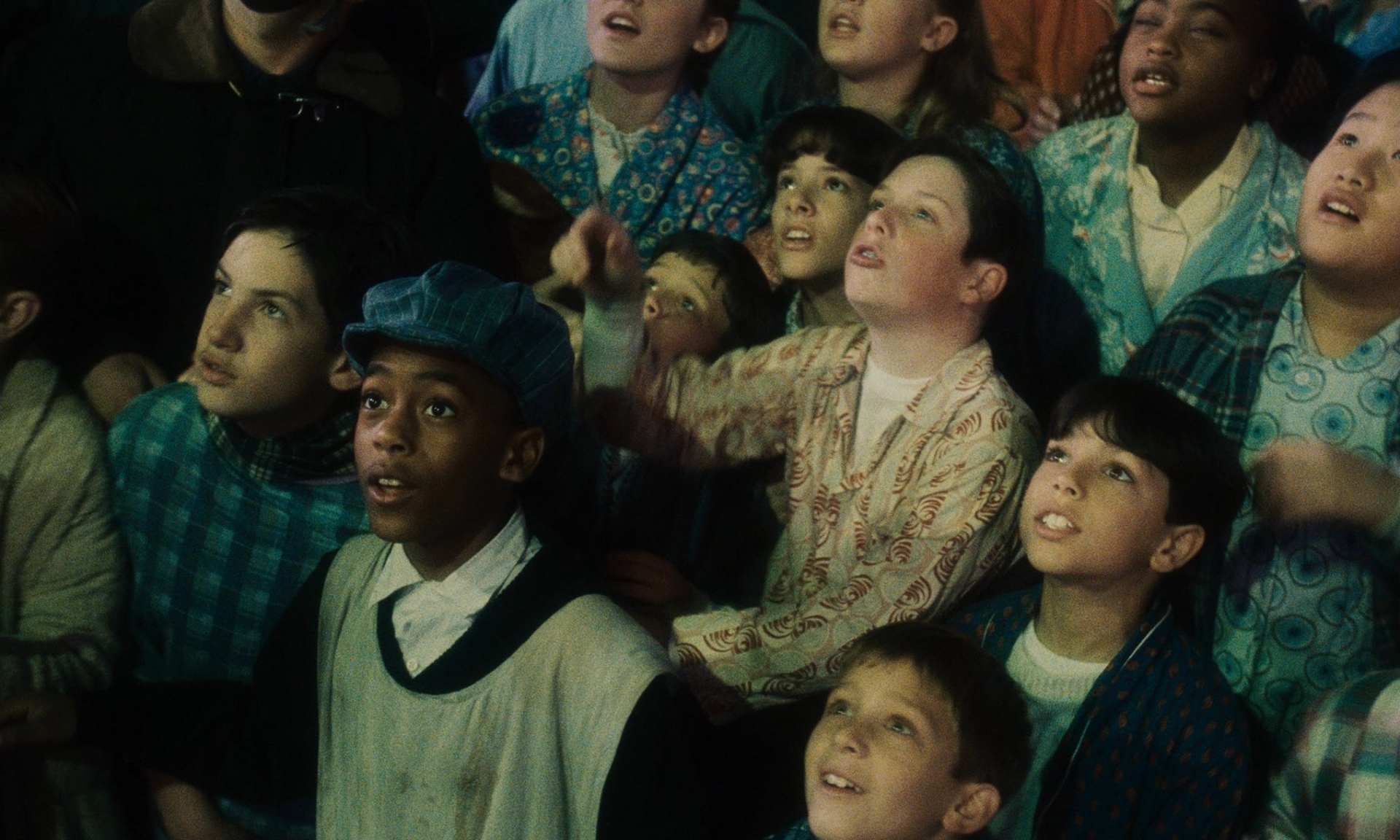
After the tragic loss of his parents, a young boy named James is sent to live with his cruel aunts, where he discovers a magical peach that grows to enormous size. Inside, he meets a group of anthropomorphic insects who become his companions as they embark on a fantastical journey across the ocean. Their adventure becomes a story of friendship, courage, and finding a place to belong.
Selick blends live-action with stop-motion animation, transitioning from a muted, gray real world into a richly textured, handcrafted fantasy once inside the peach. The film’s tactile puppets, detailed miniature sets, and expressive lighting turn the animated sections into a storybook come to life—where scale, texture, and color drive the sense of wonder.
FILM SPOTLIGHT
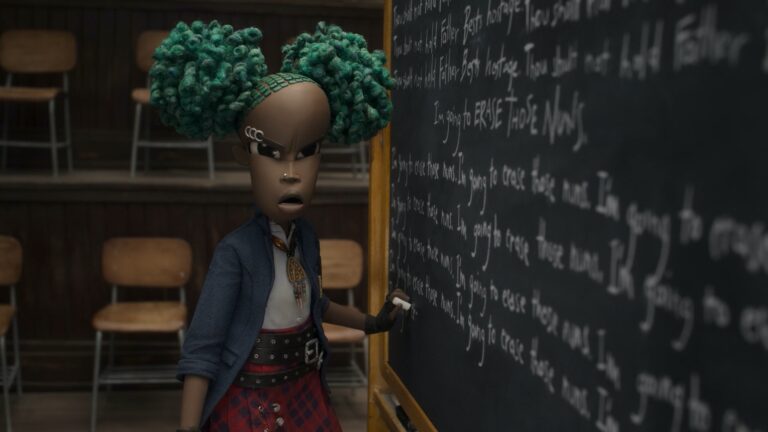
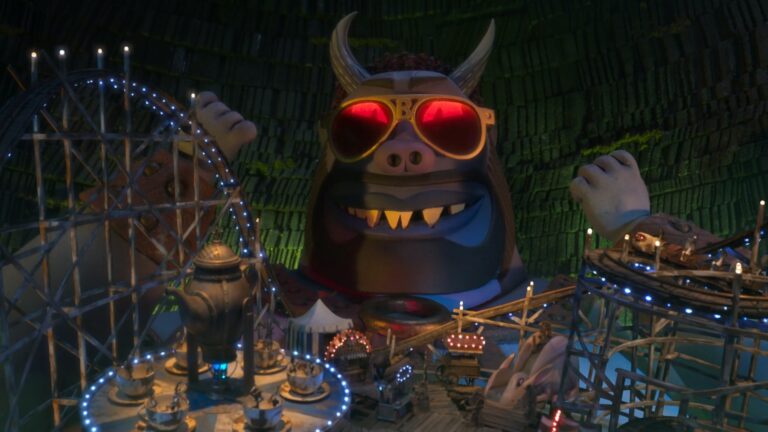
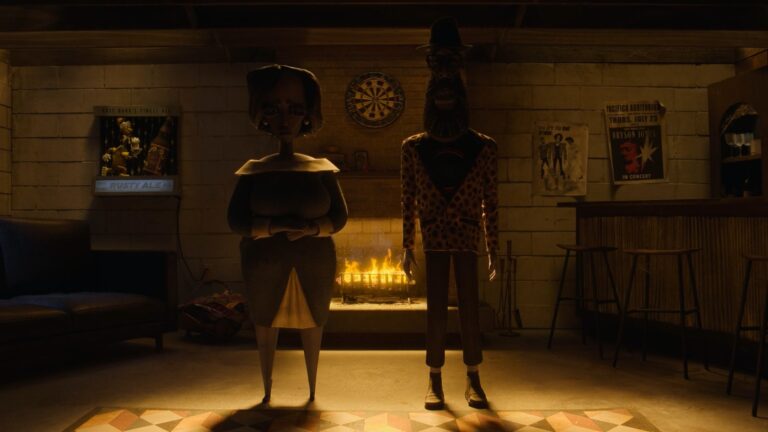
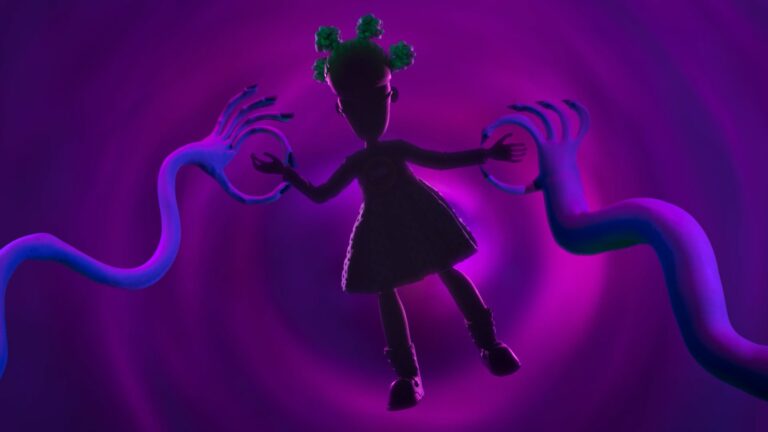
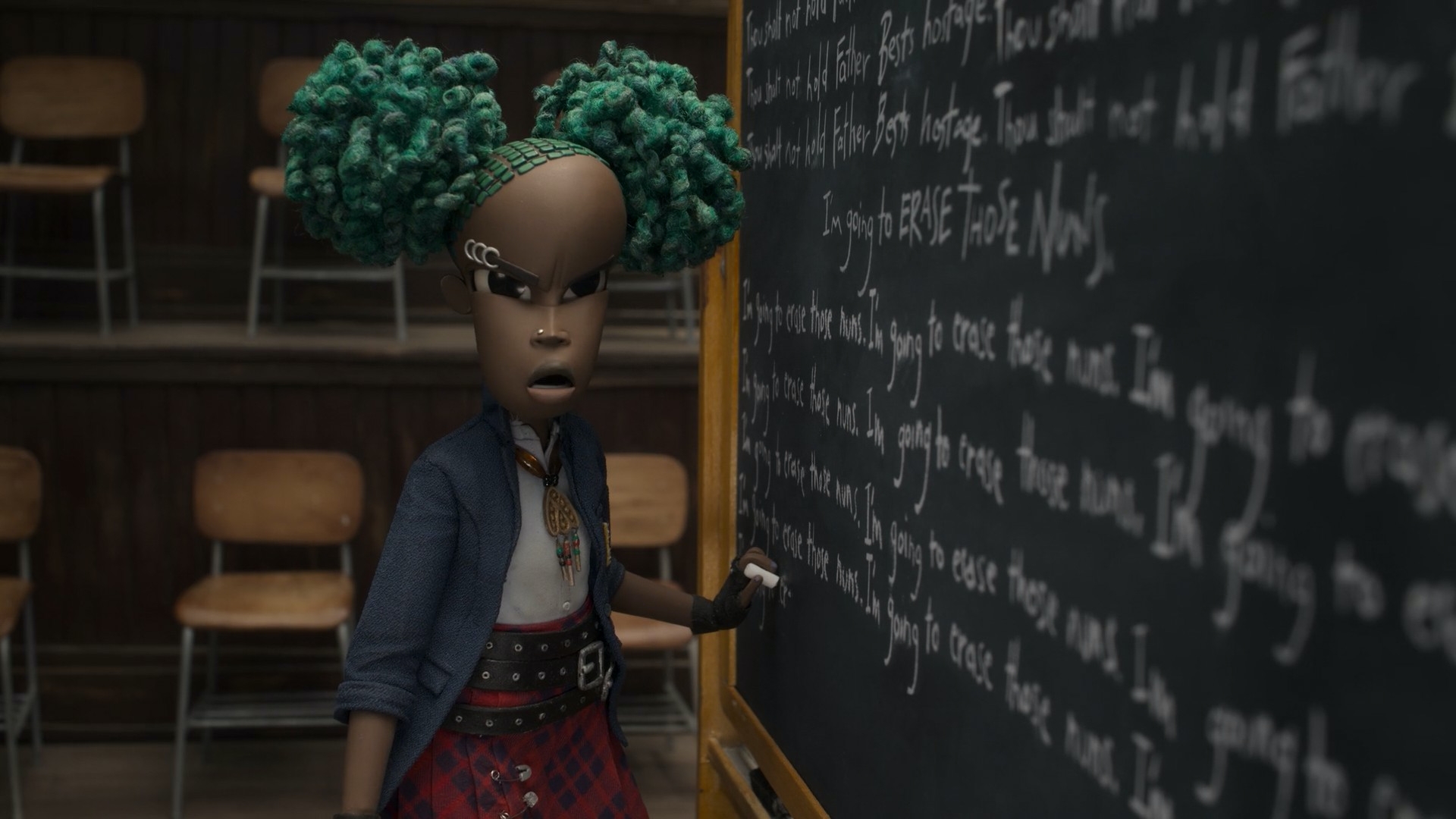
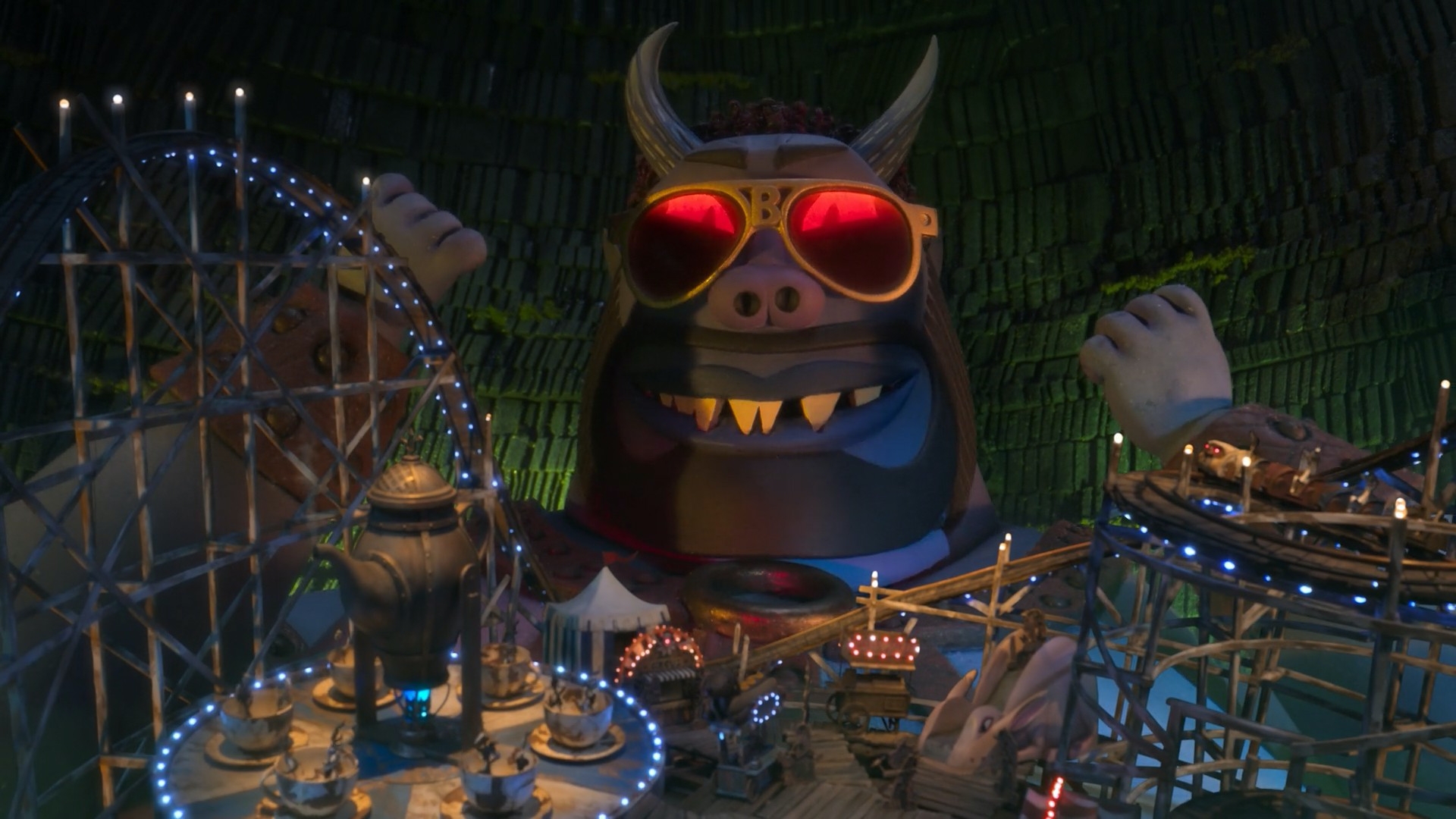
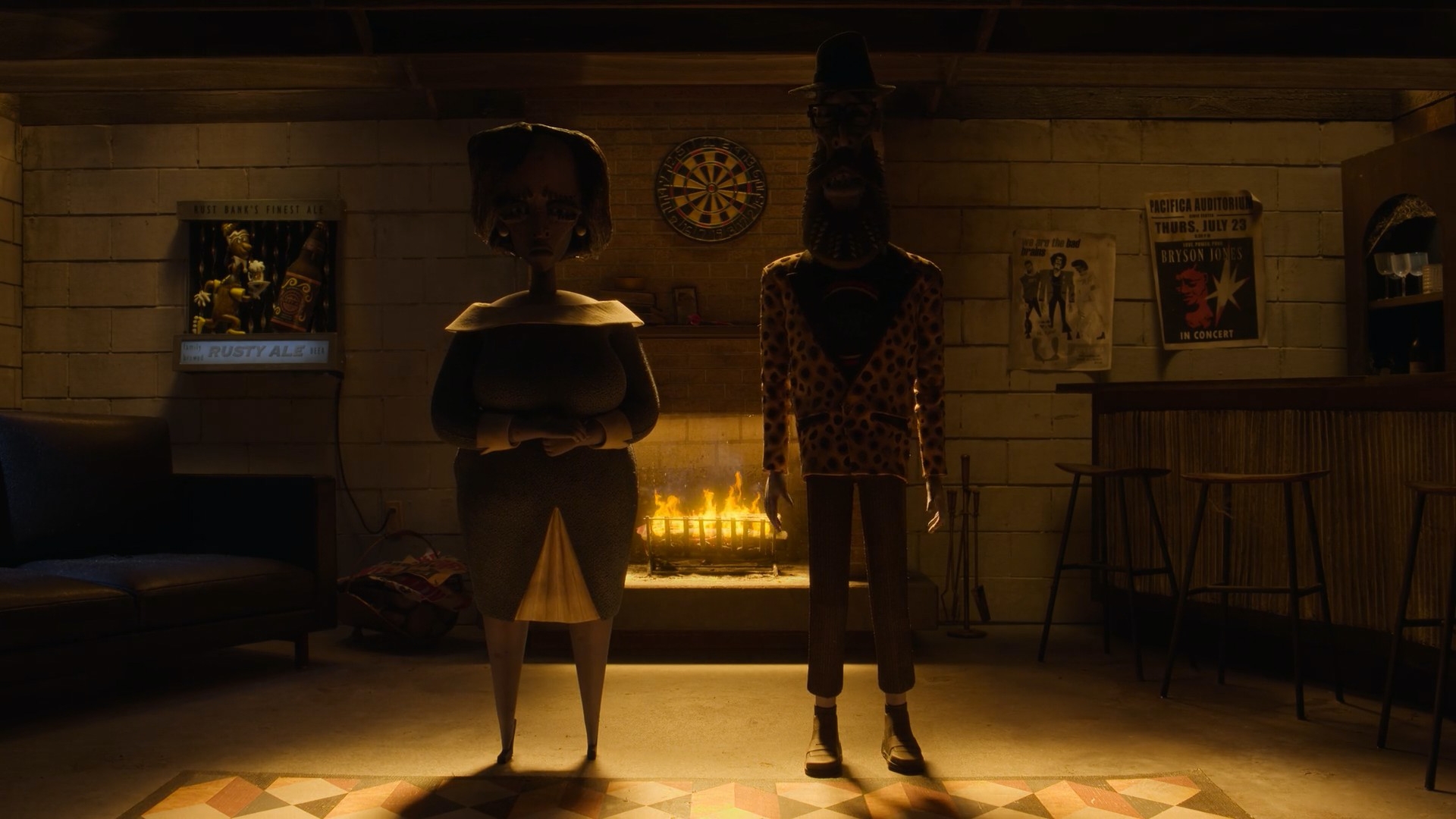
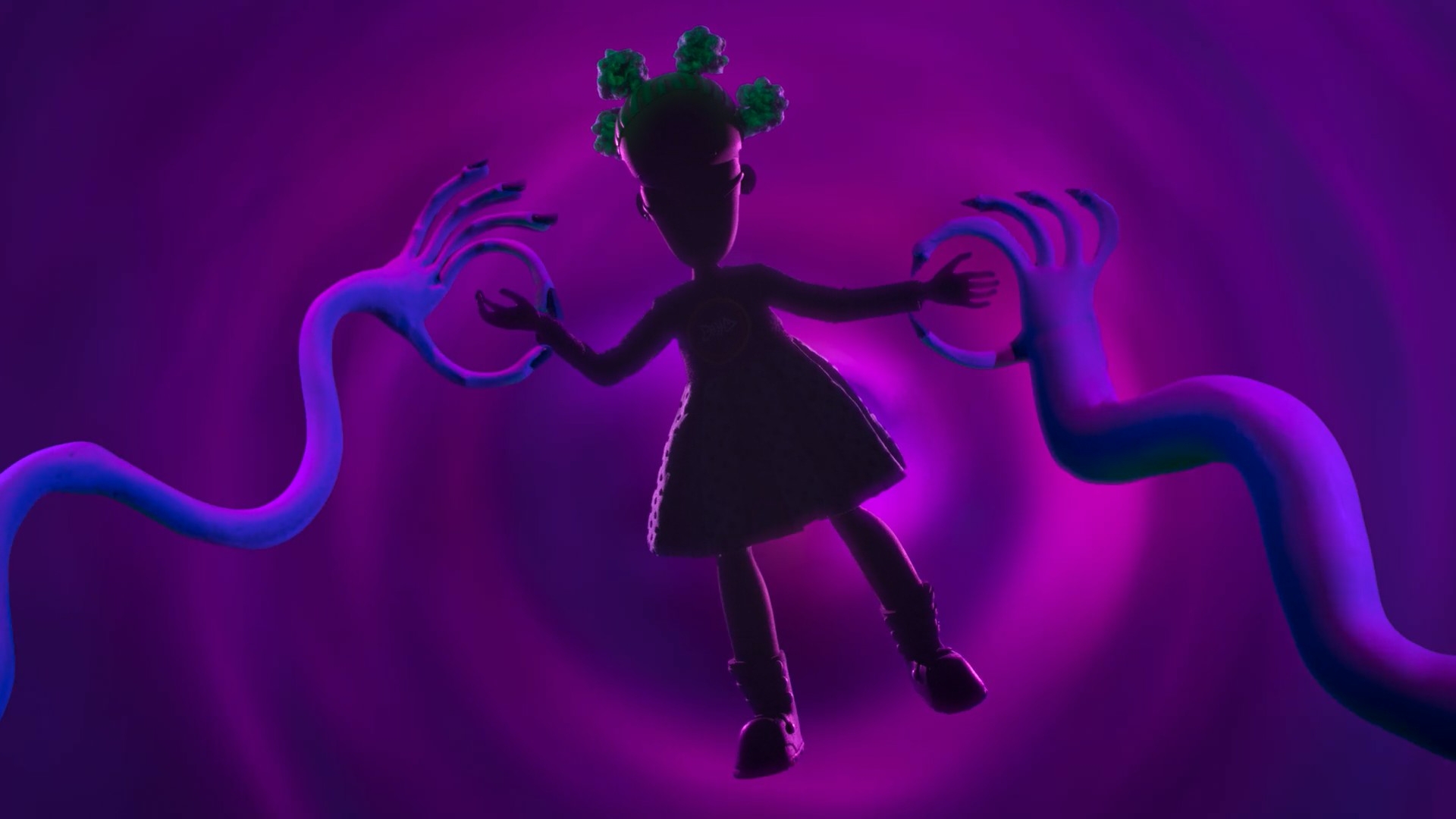
Wendell & Wild (2022)
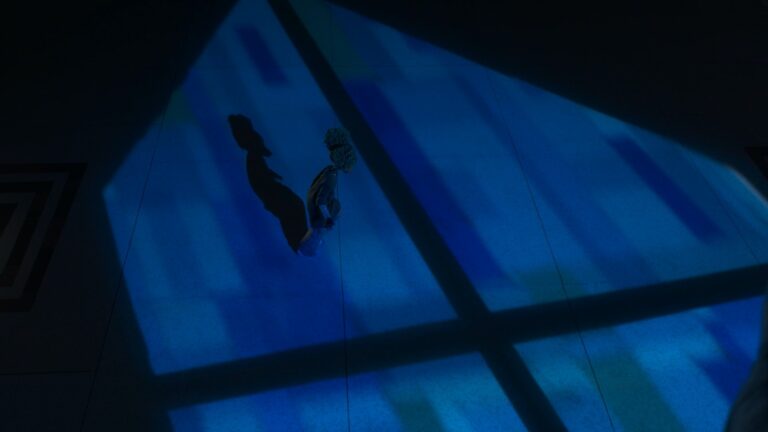
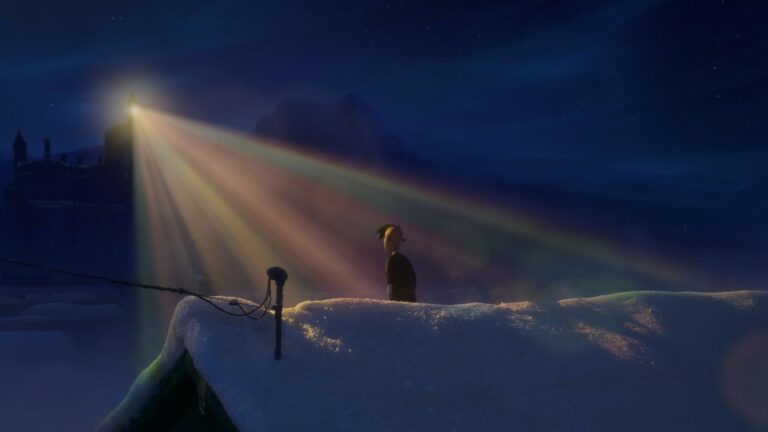
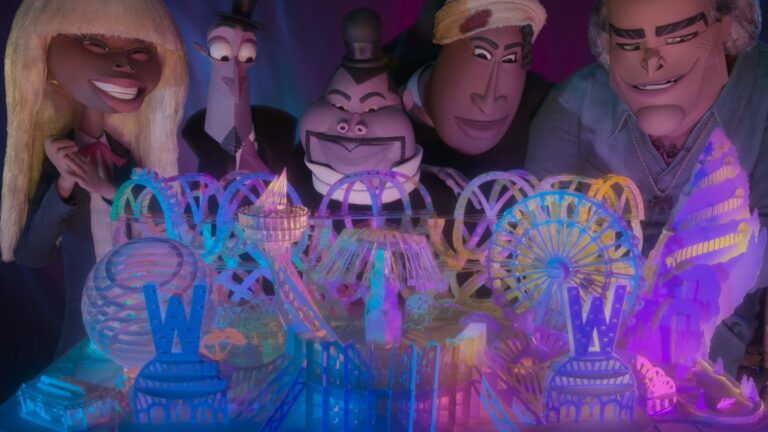
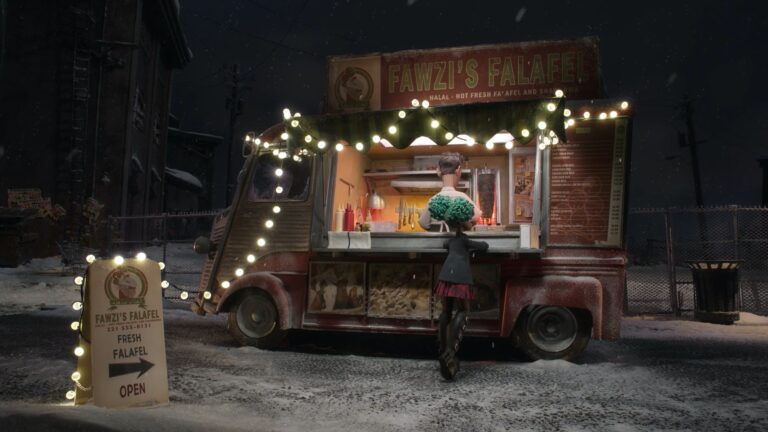
A rebellious teenager named Kat forms an uneasy alliance with two scheming demon brothers, Wendell and Wild, who promise to help her bring her parents back to life. As they cross between the living world and the underworld, their deal unleashes a series of supernatural consequences. Kat must confront her past and take control of her future in a story about grief, responsibility, and redemption.
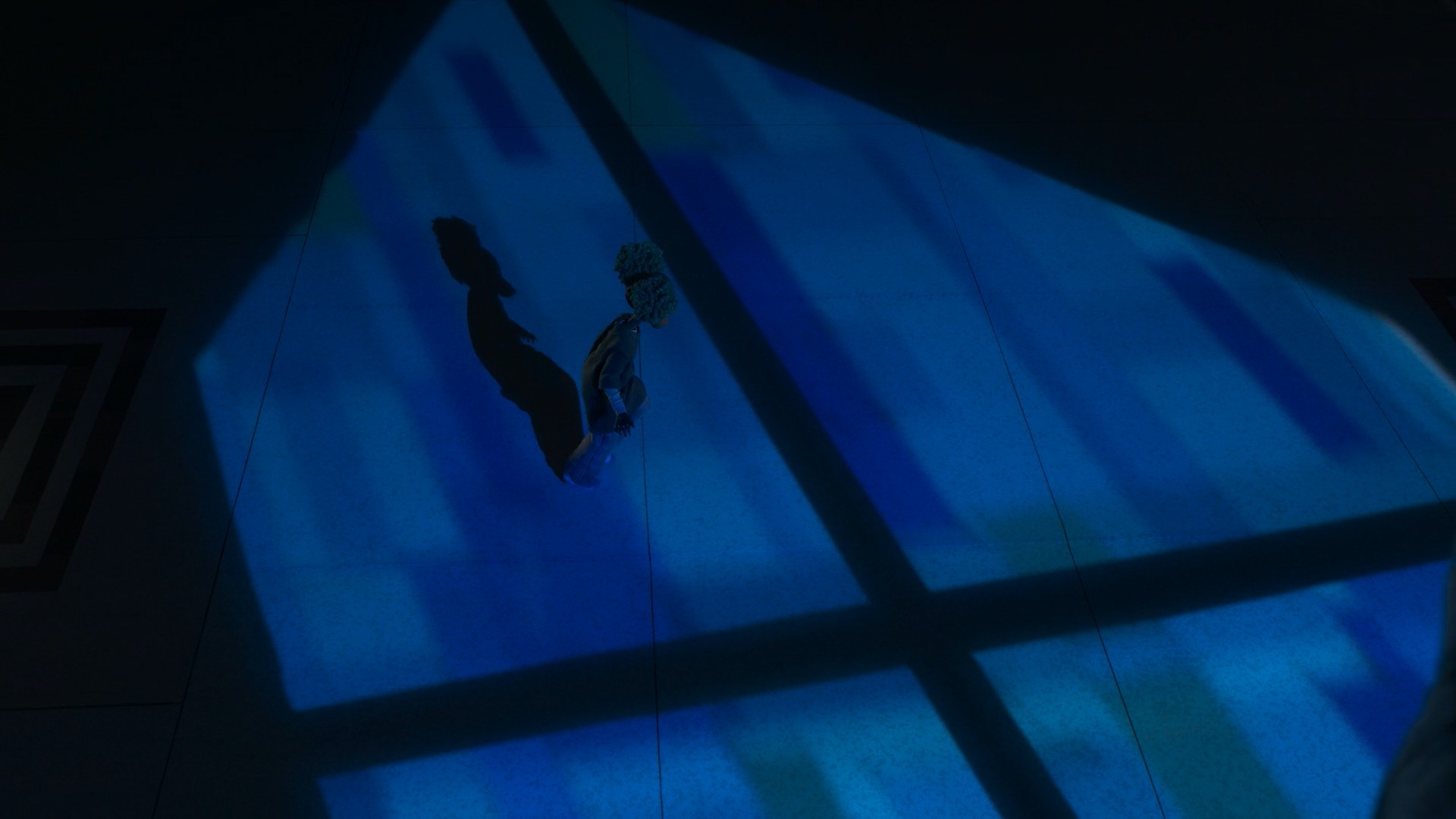
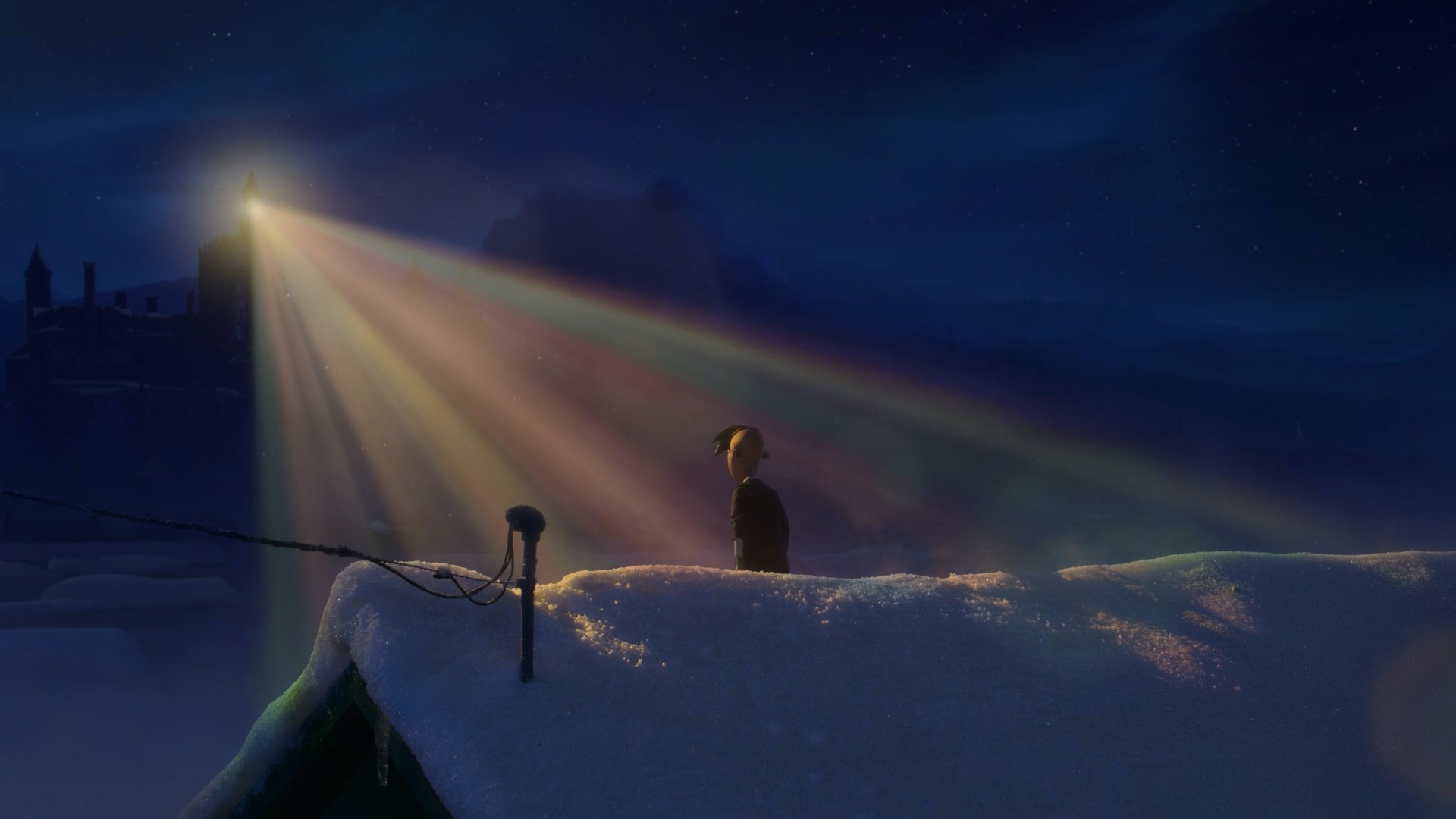
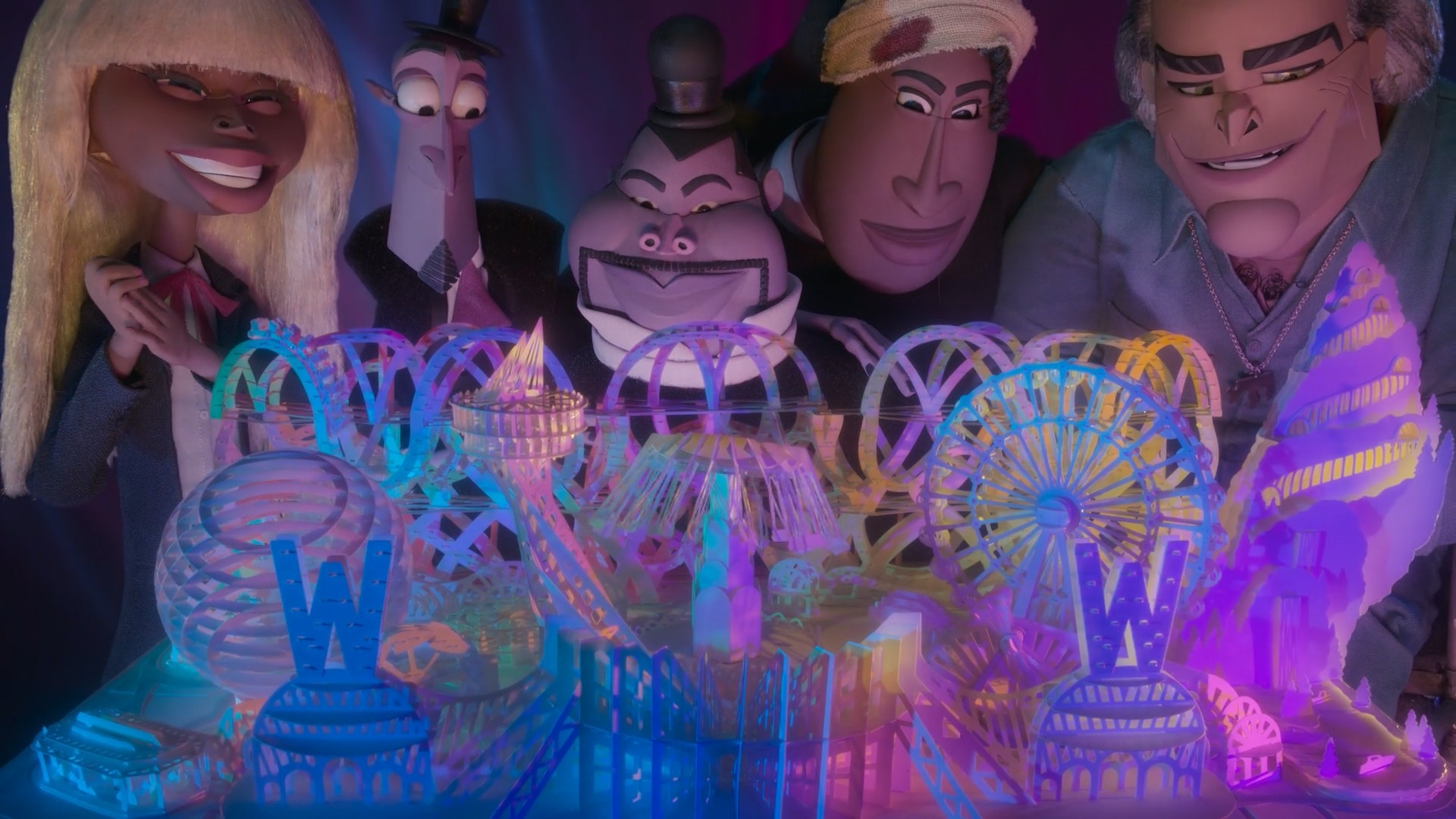
Selick returns to stop-motion with Wendell & Wild, combining intricately handcrafted puppets and sets with modern digital enhancements to expand scale and movement. The film’s bold, graphic color palette—deep shadows contrasted with vibrant neon accents—turns the underworld into a stylized, punk-inflected visual space, where texture and design carry as much attitude as the characters themselves.
FILM SPOTLIGHT
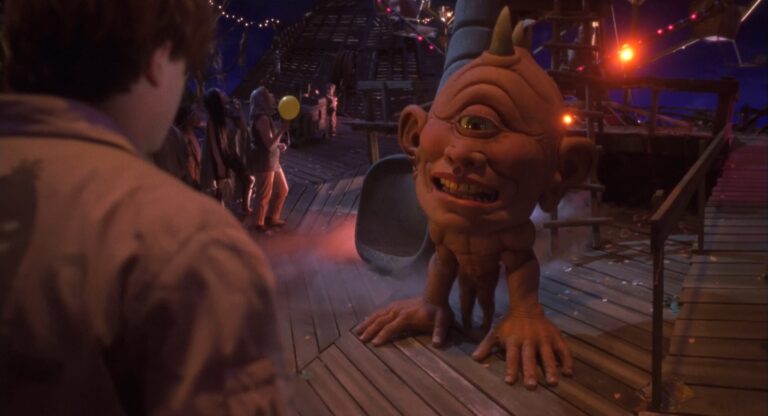
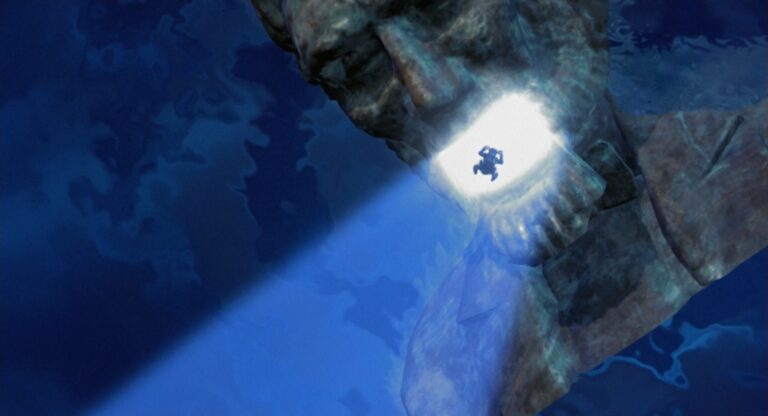
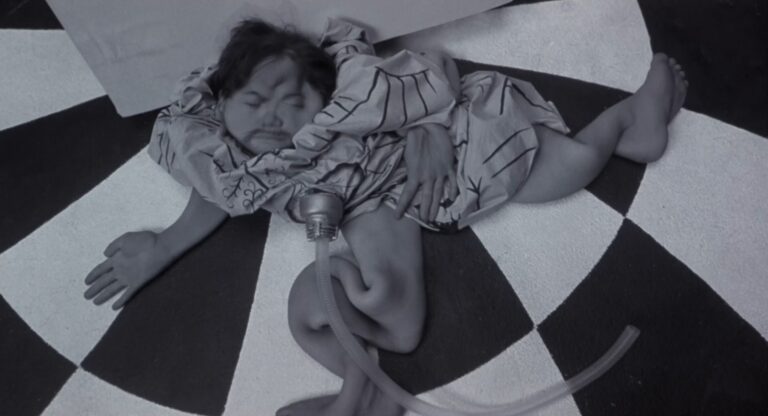
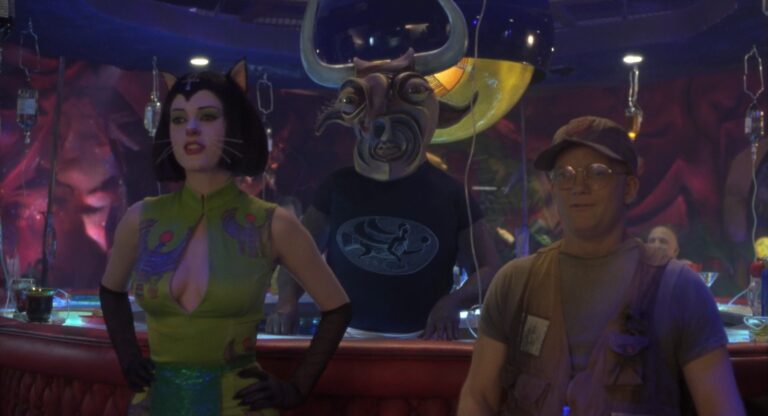
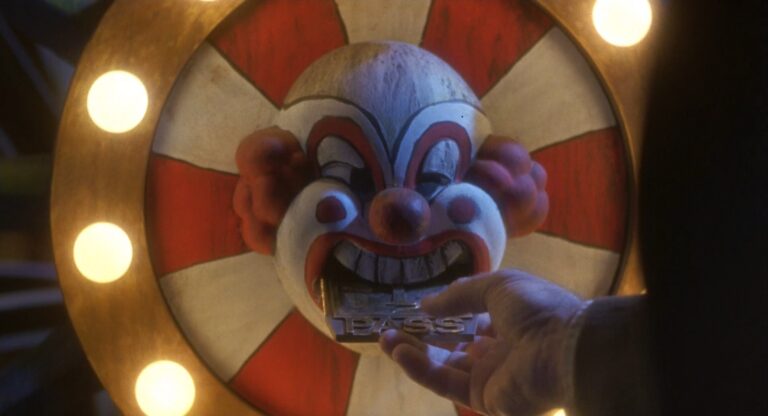
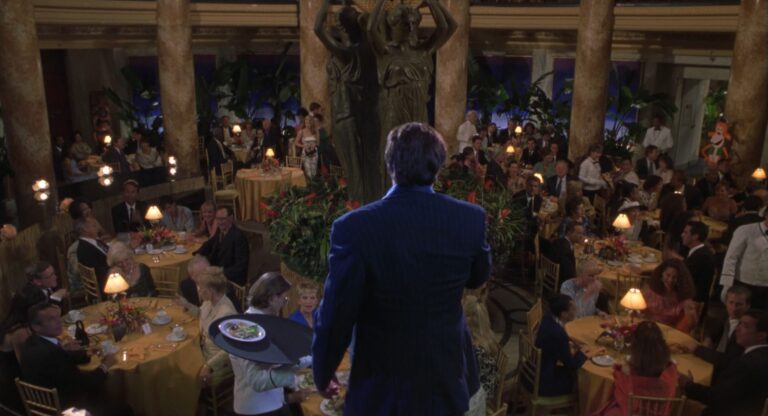
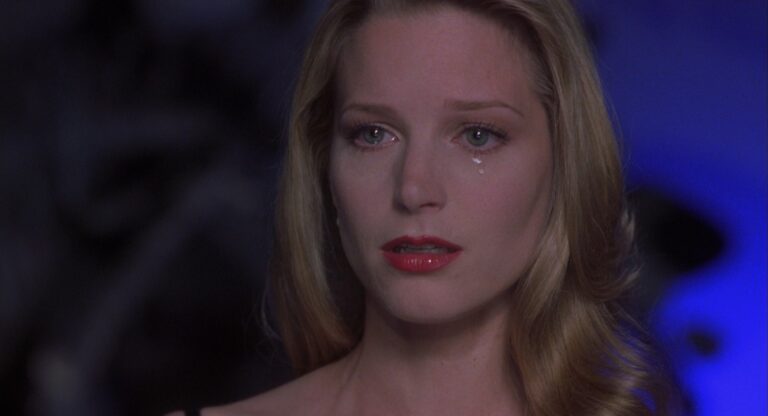
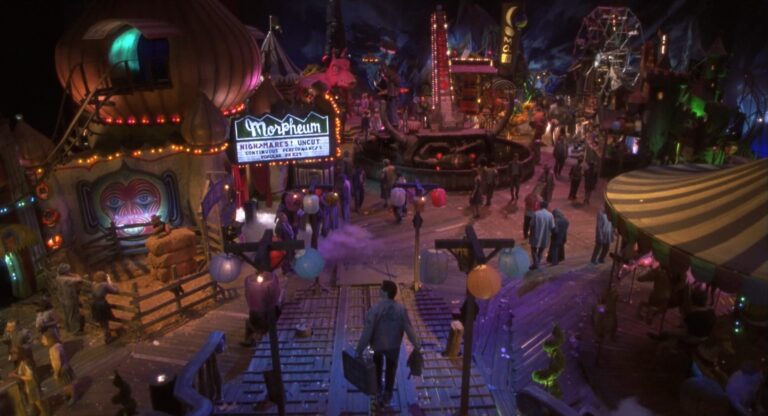
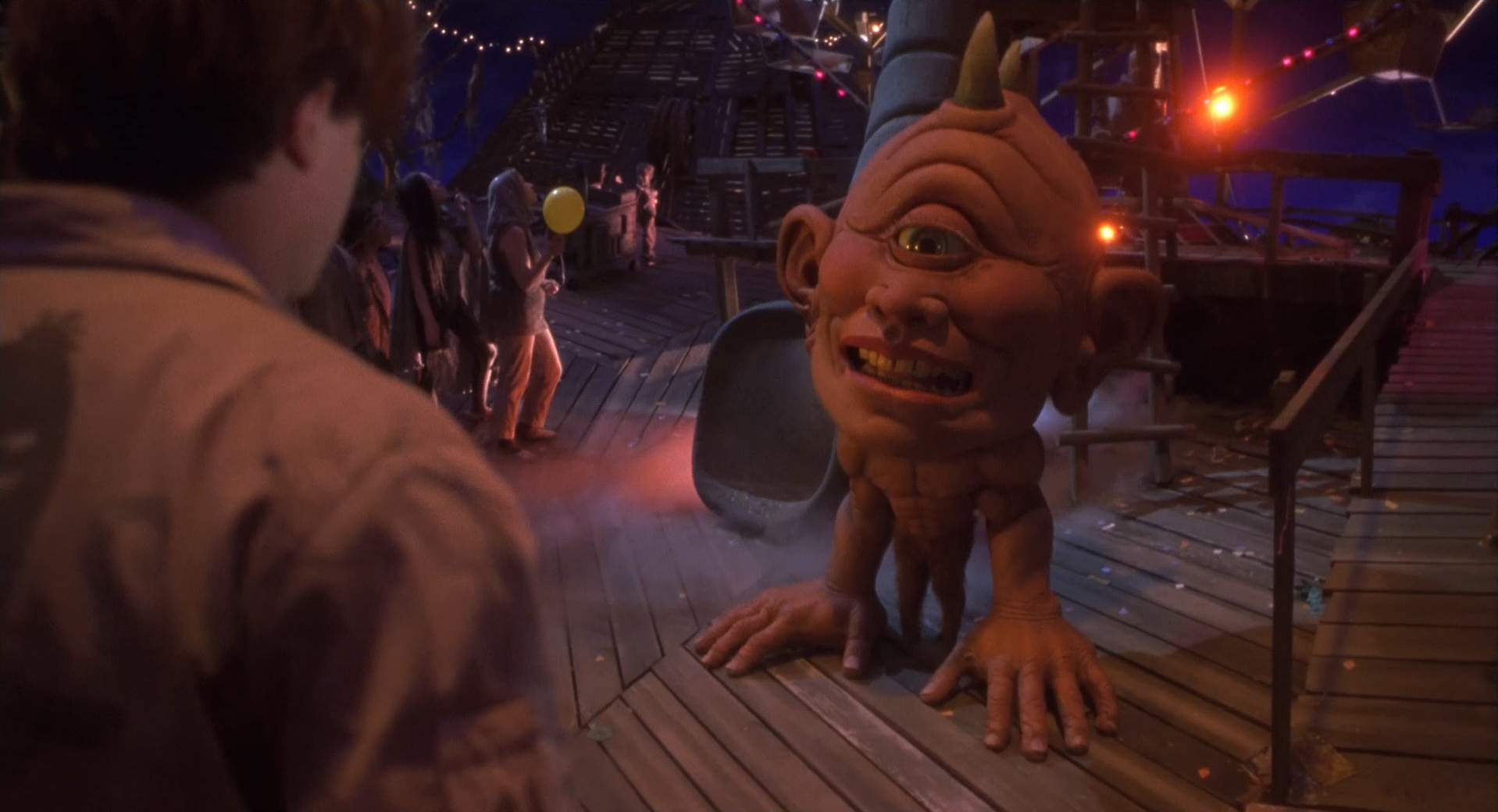
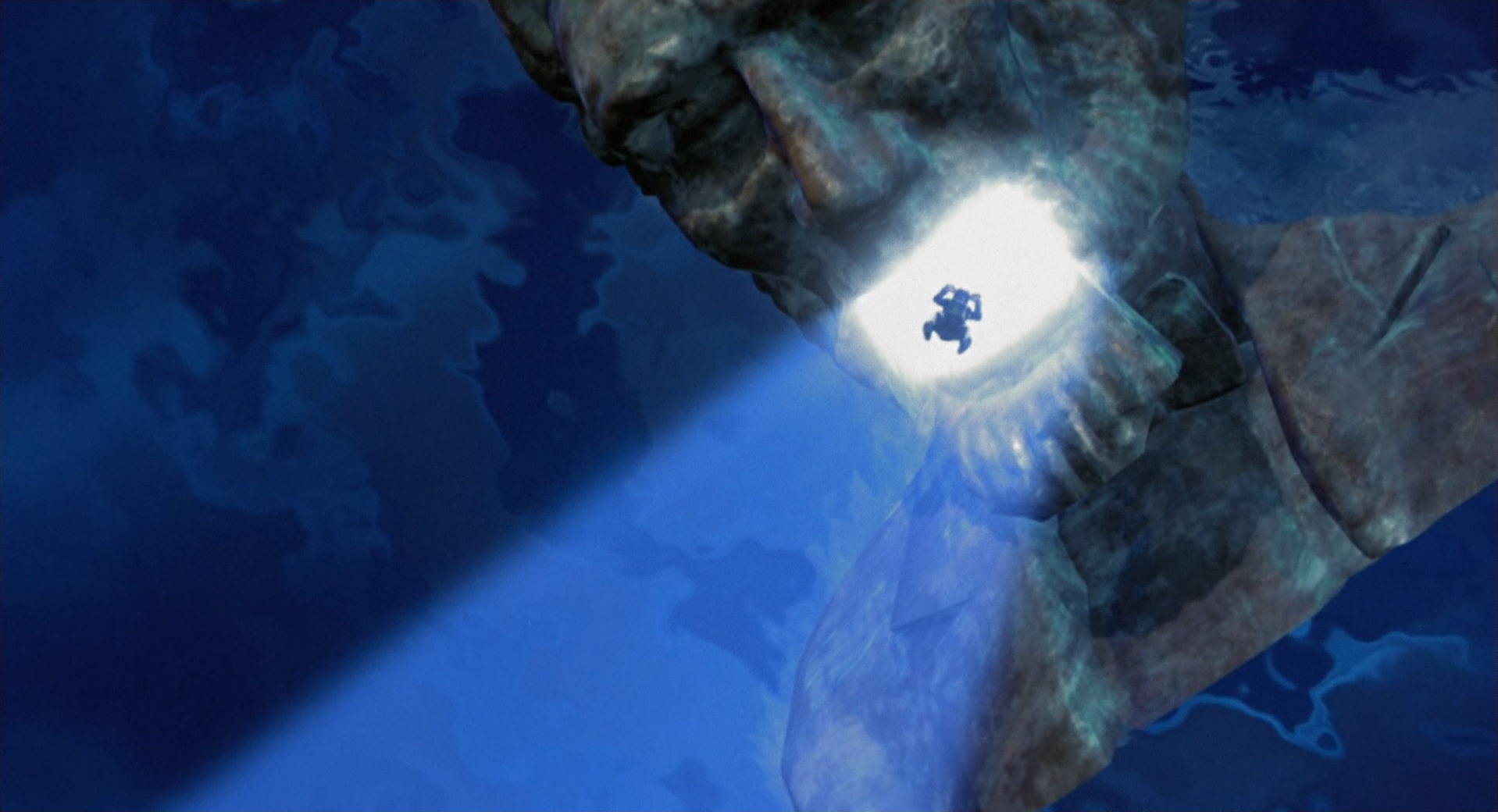
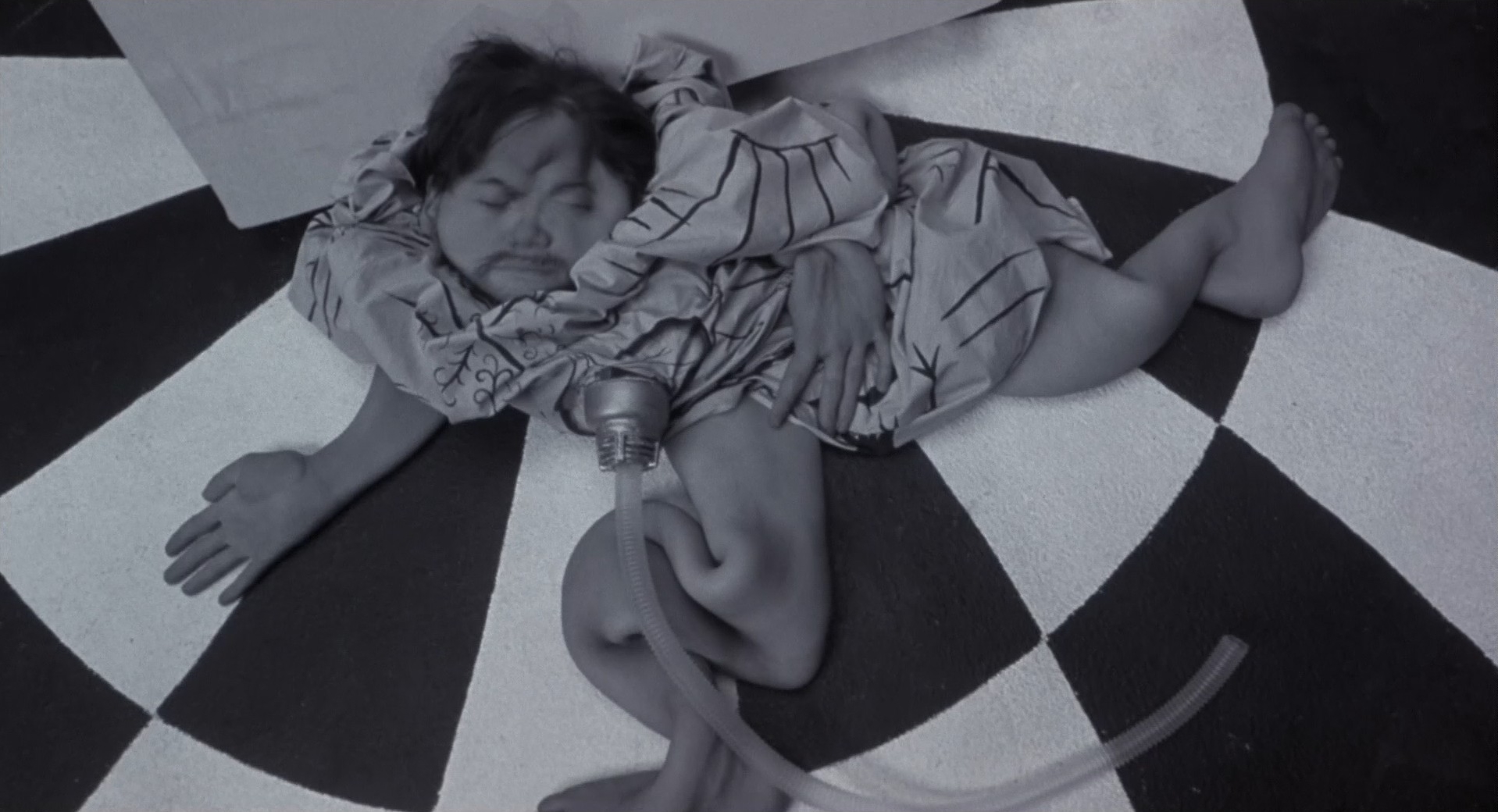
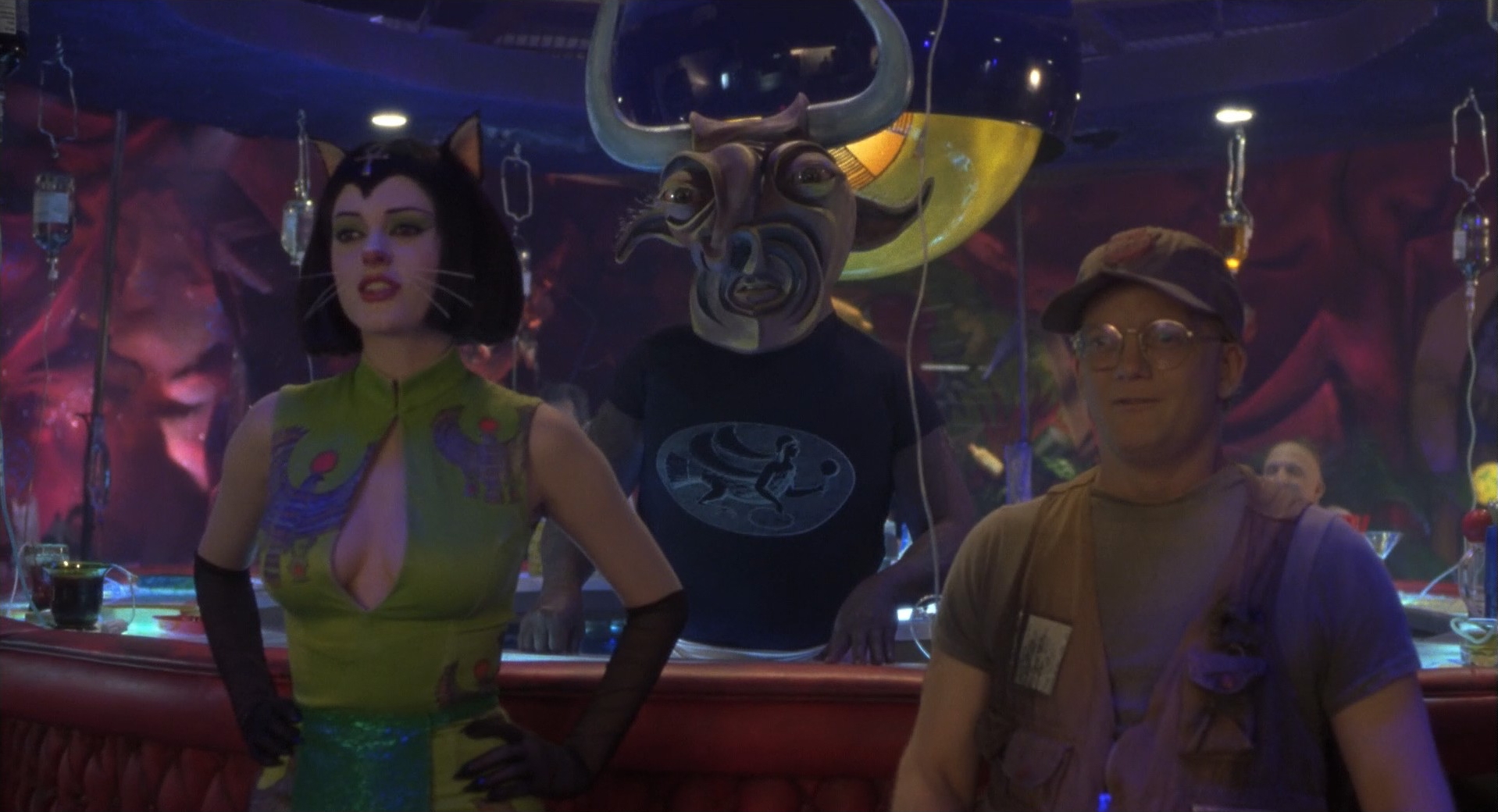
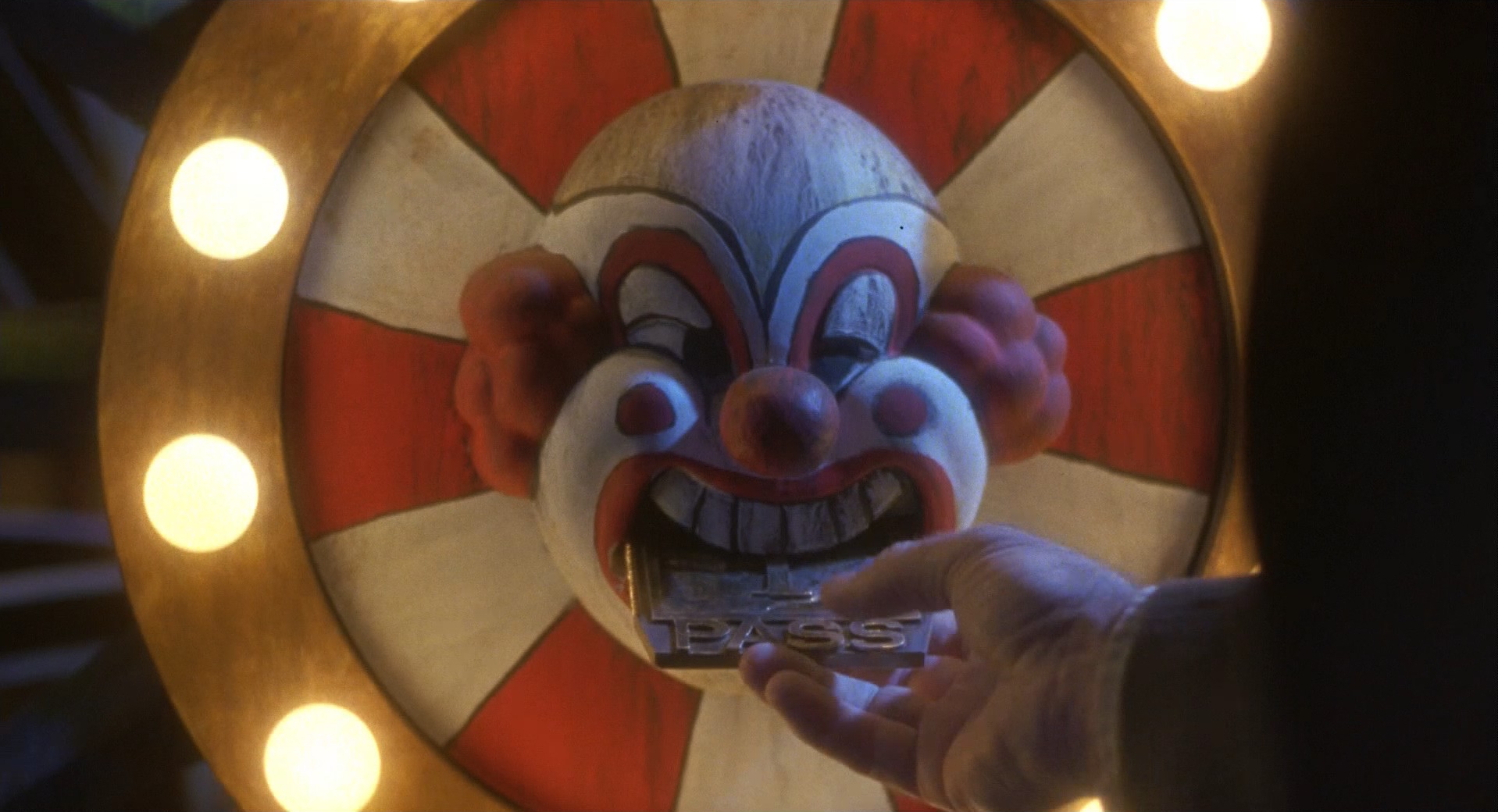
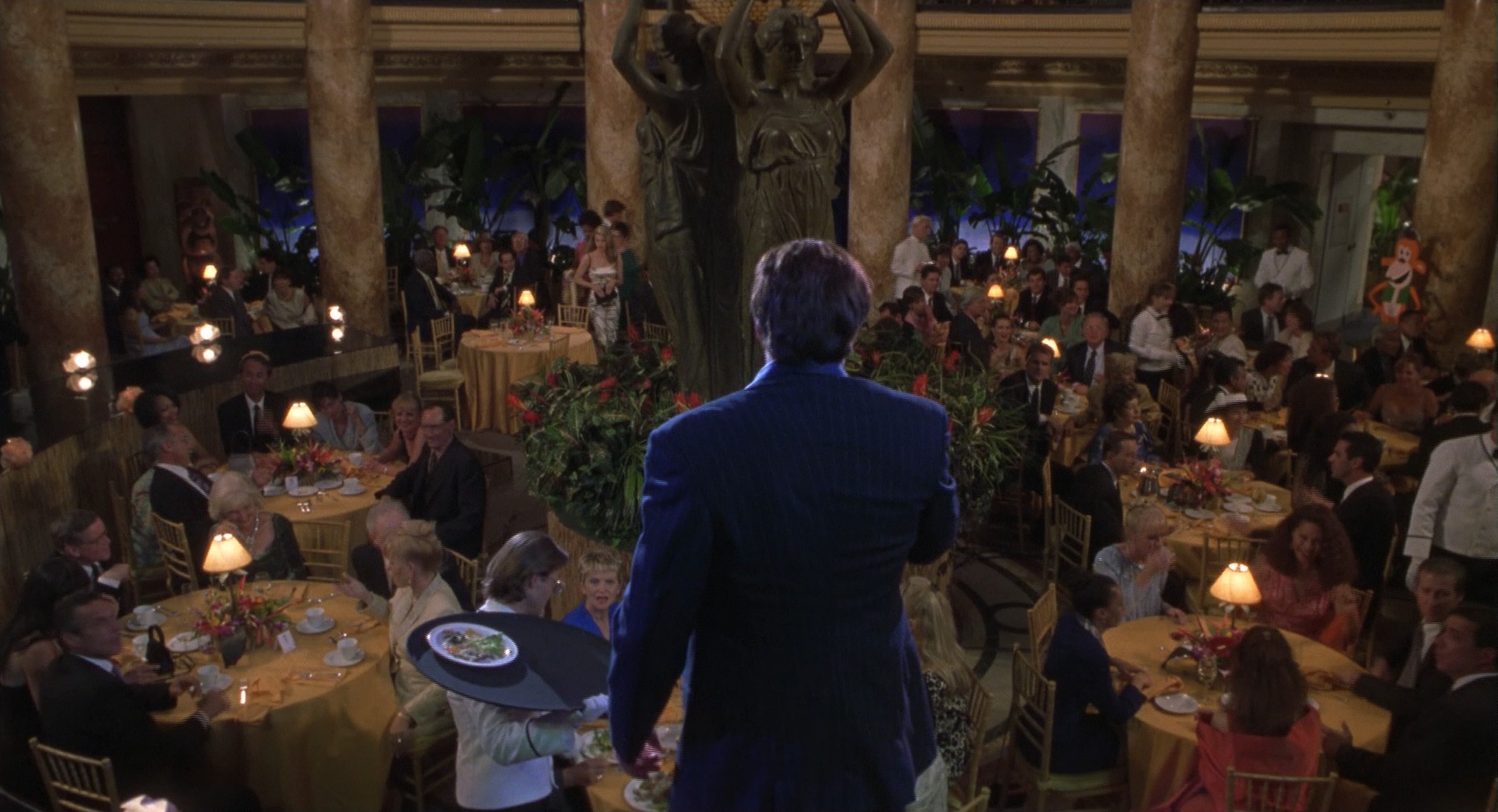
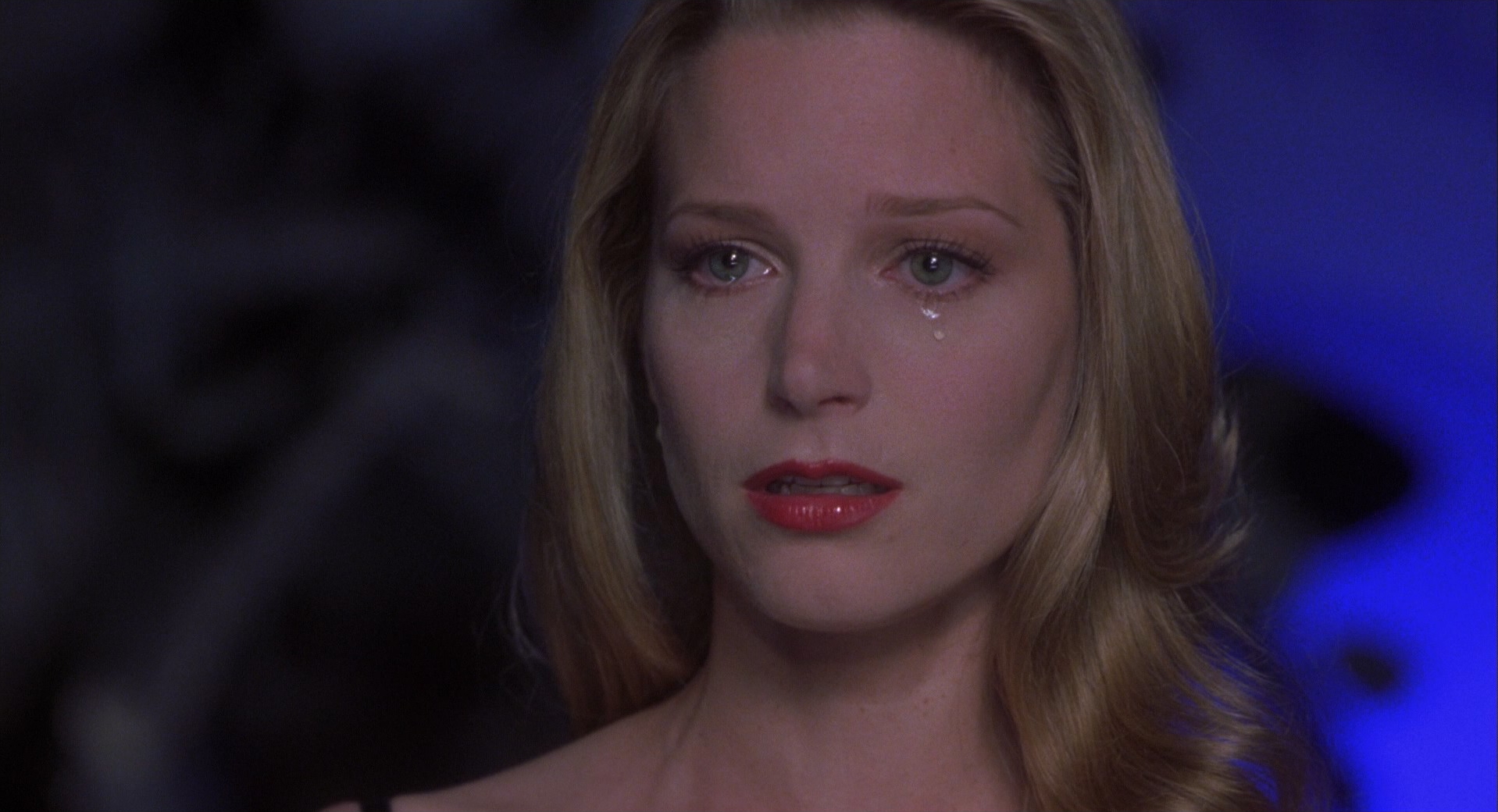
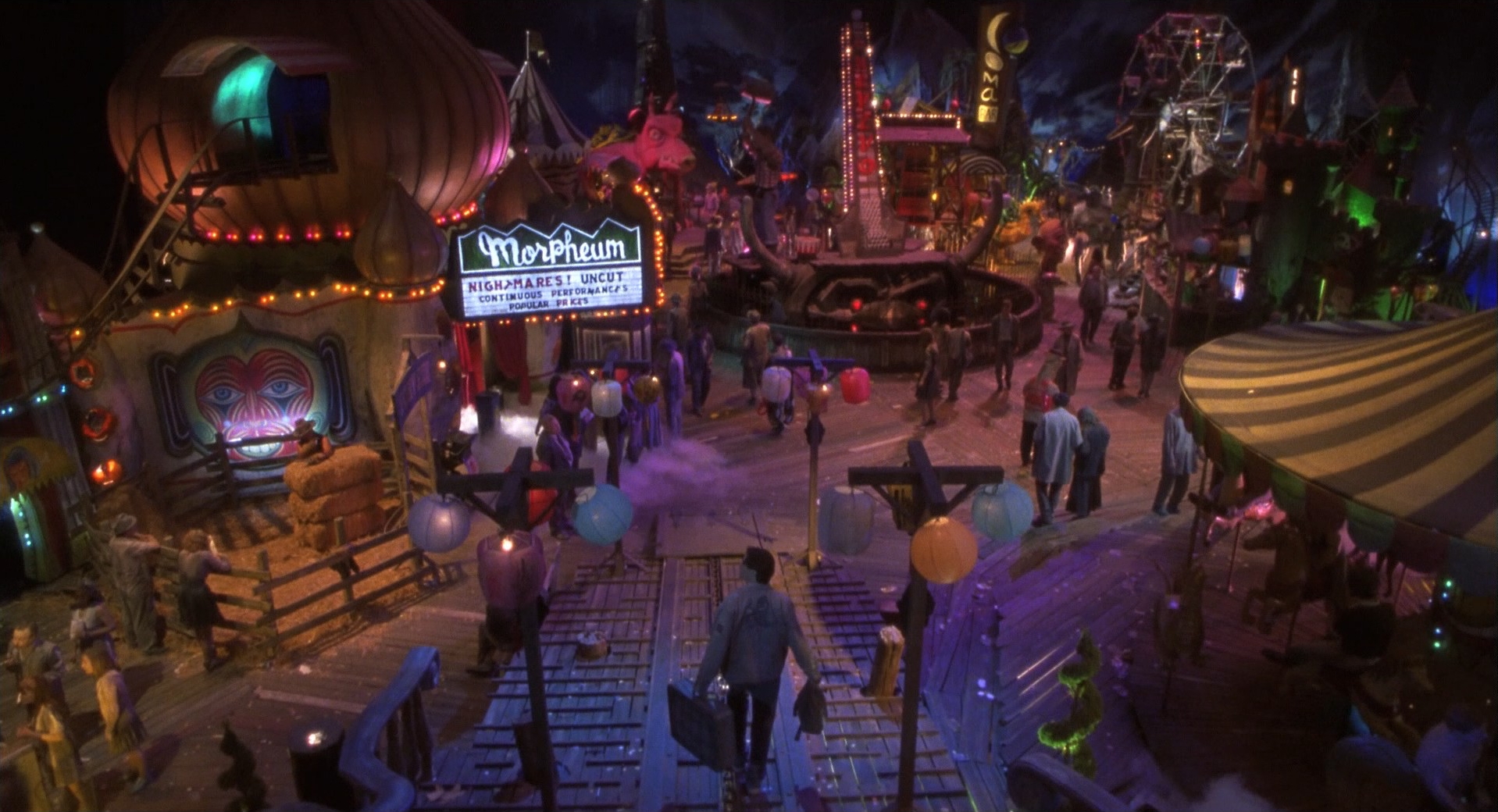
Monkeybone (2001)
After a near-fatal accident, a timid cartoonist finds himself trapped in a bizarre limbo world called Downtown, where his mischievous animated creation, Monkeybone, comes to life. As Monkeybone escapes into the real world and takes over his body, the cartoonist must navigate this surreal underworld to reclaim his life. The journey becomes a chaotic blend of fantasy, comedy, and self-discovery.
In Monkeybone, Selick blends live-action with stop-motion and practical creature effects, building Downtown as a grotesque, tactile world filled with animatronic characters and surreal production design. The film’s exaggerated lighting, bold color contrasts, and hybrid techniques turn it into a chaotic visual collage—where handmade textures and cartoon logic collide in a distinctly off-kilter aesthetic.
FILM SPOTLIGHT
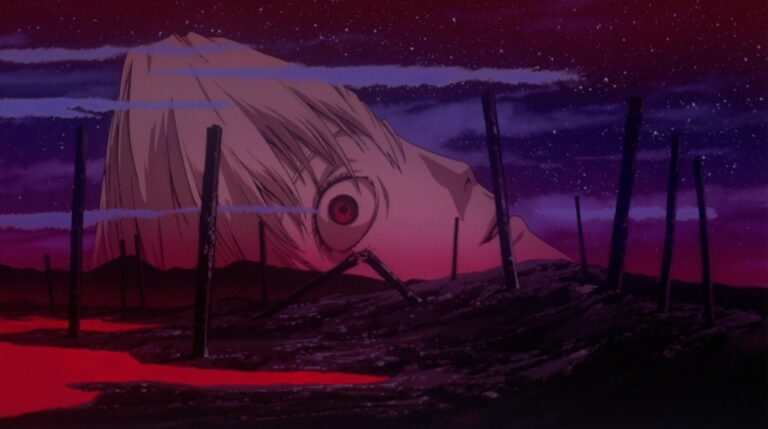
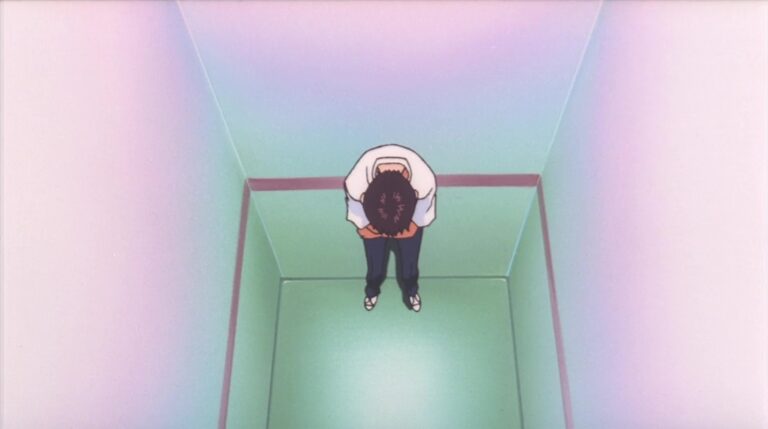
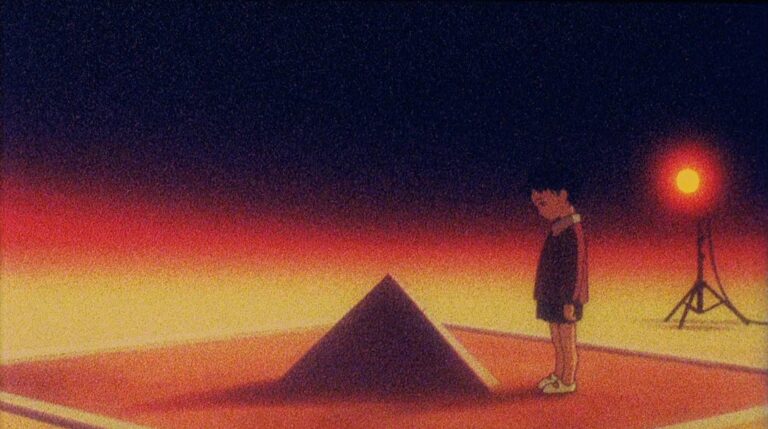
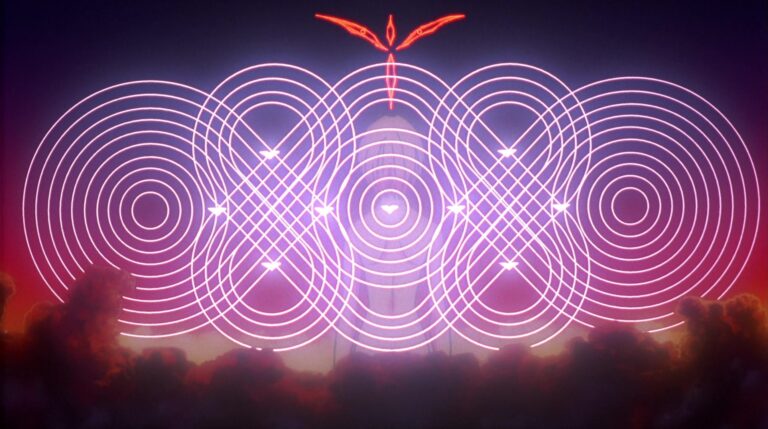
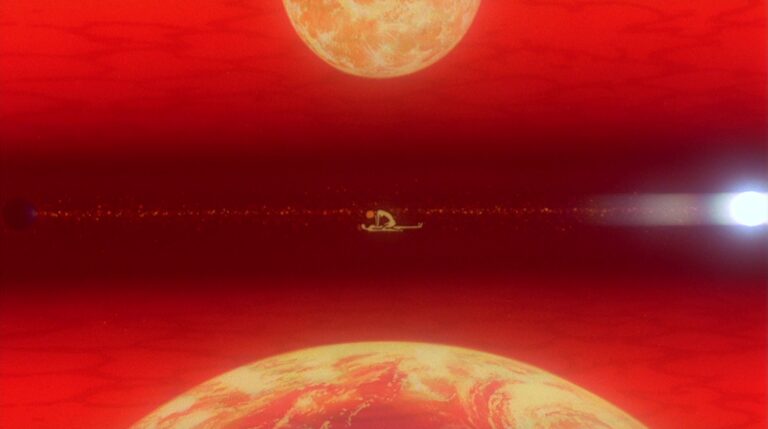
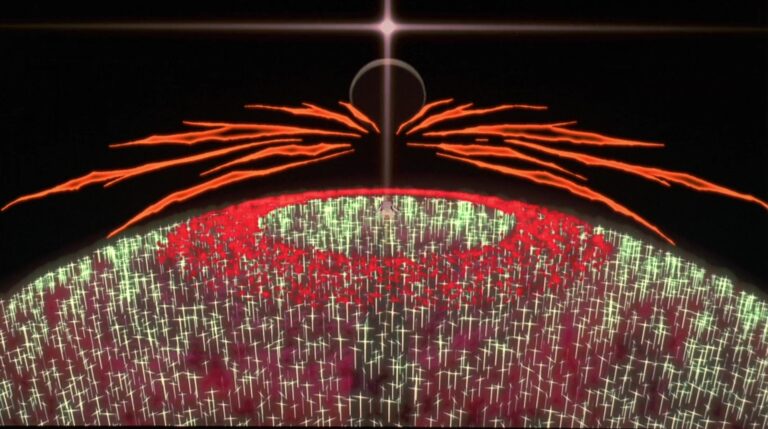
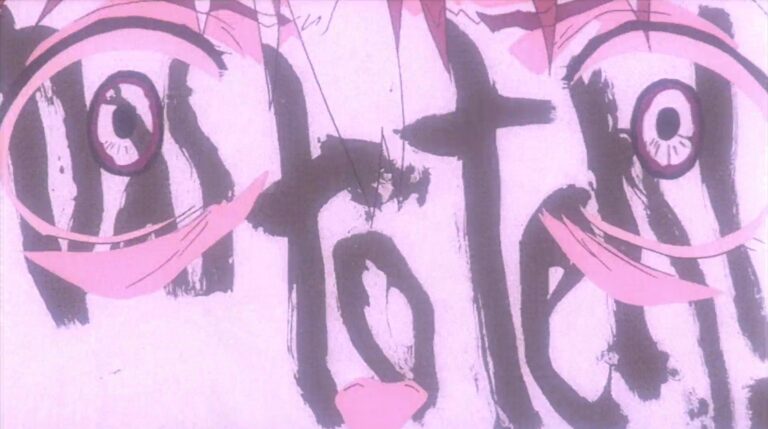
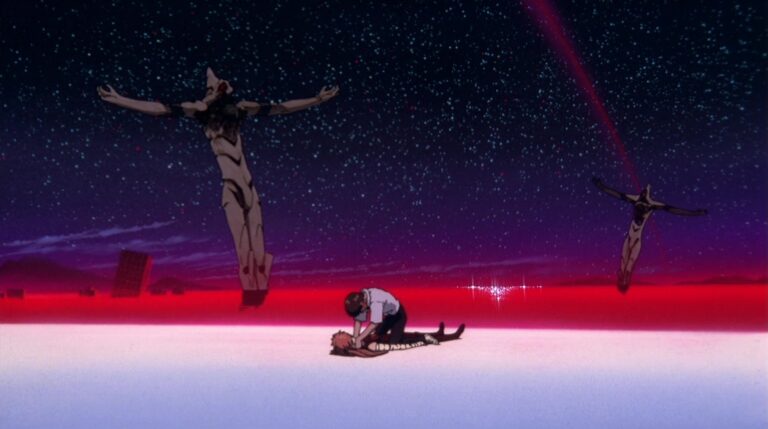
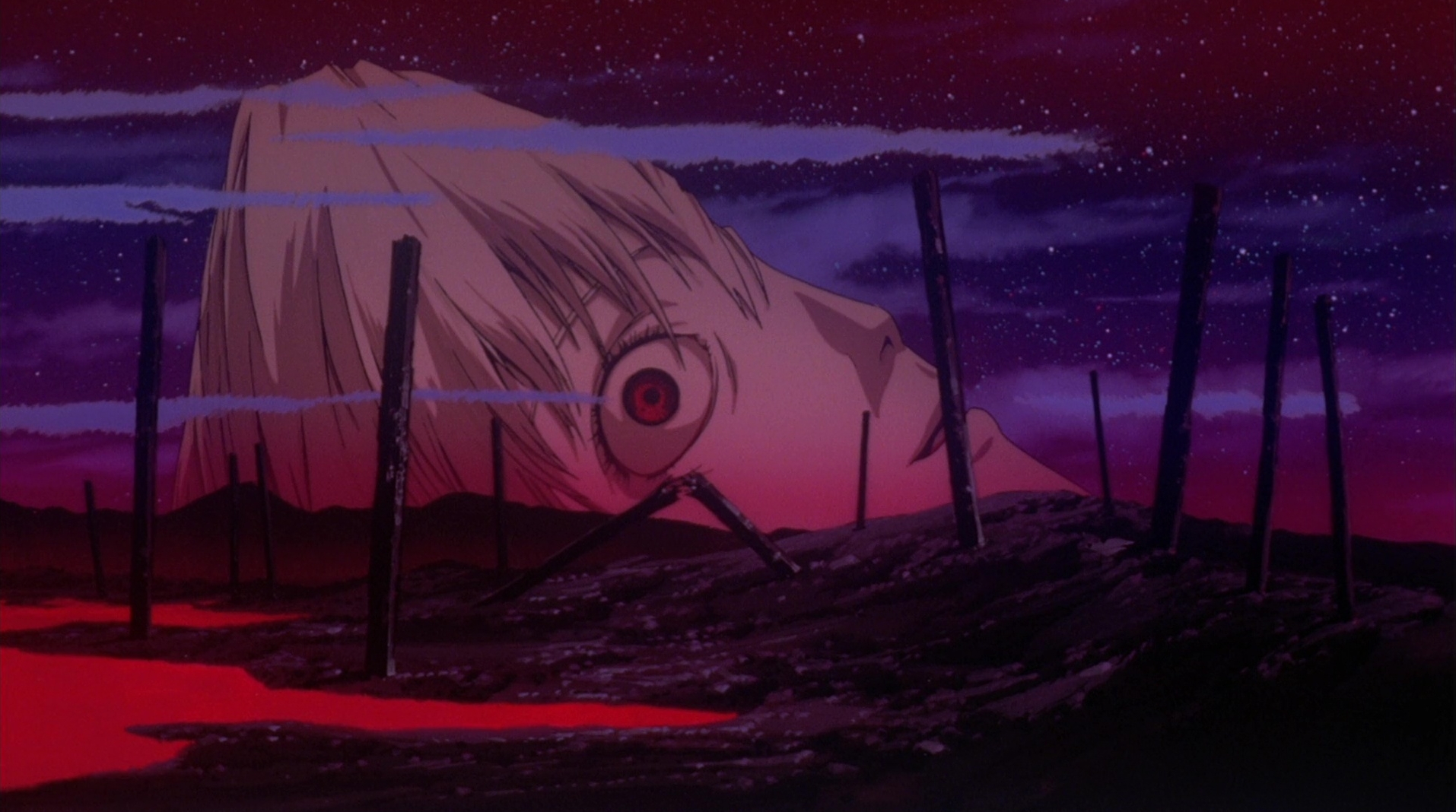
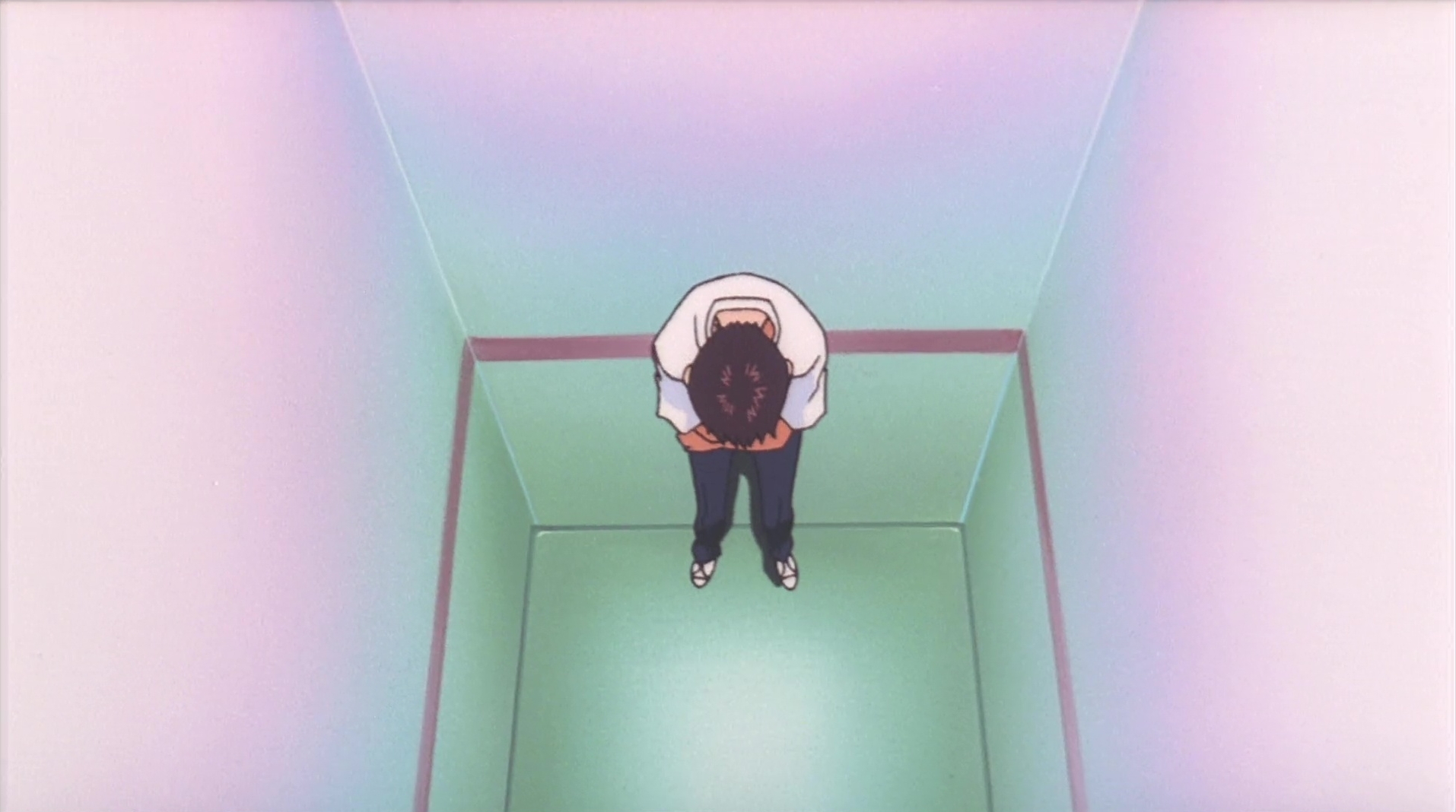
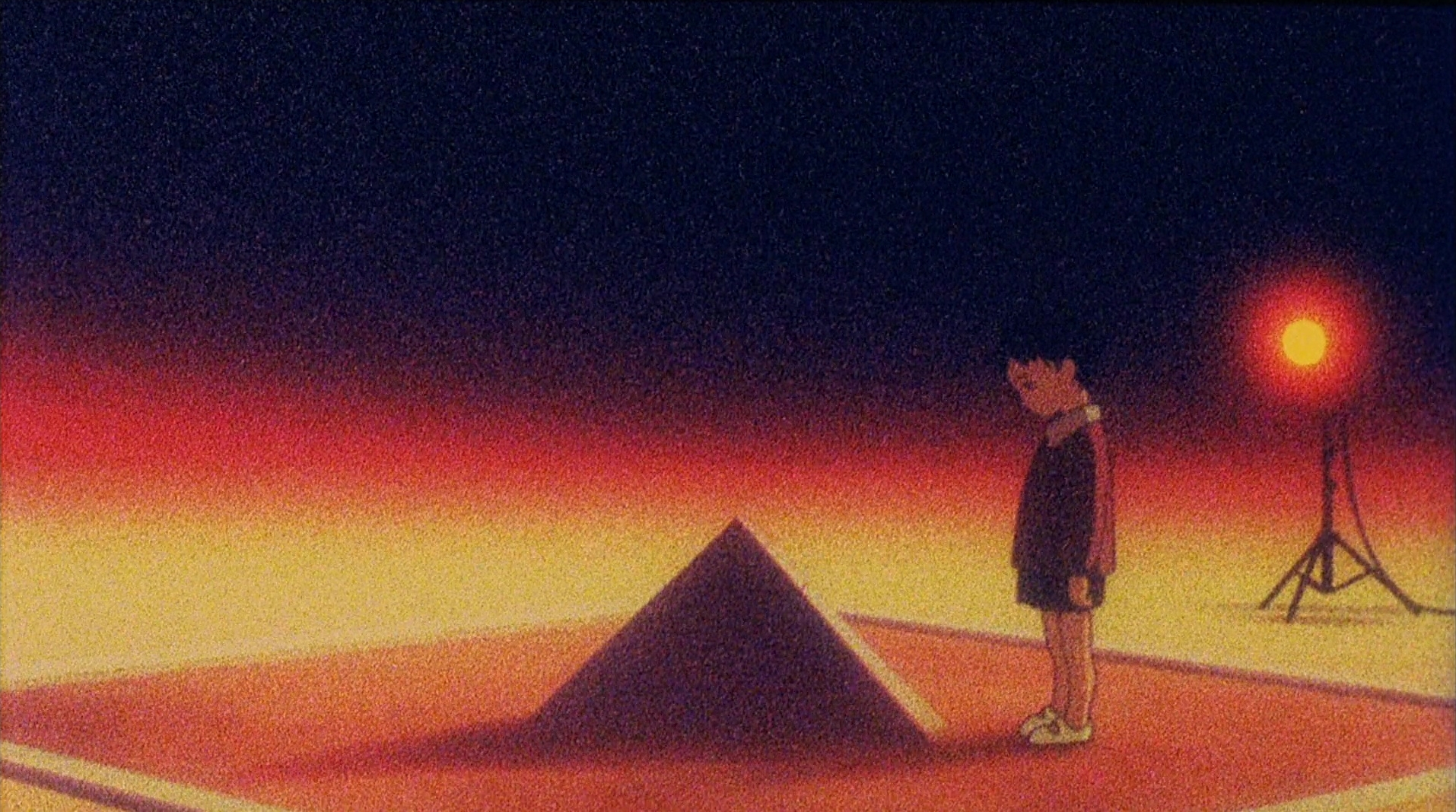
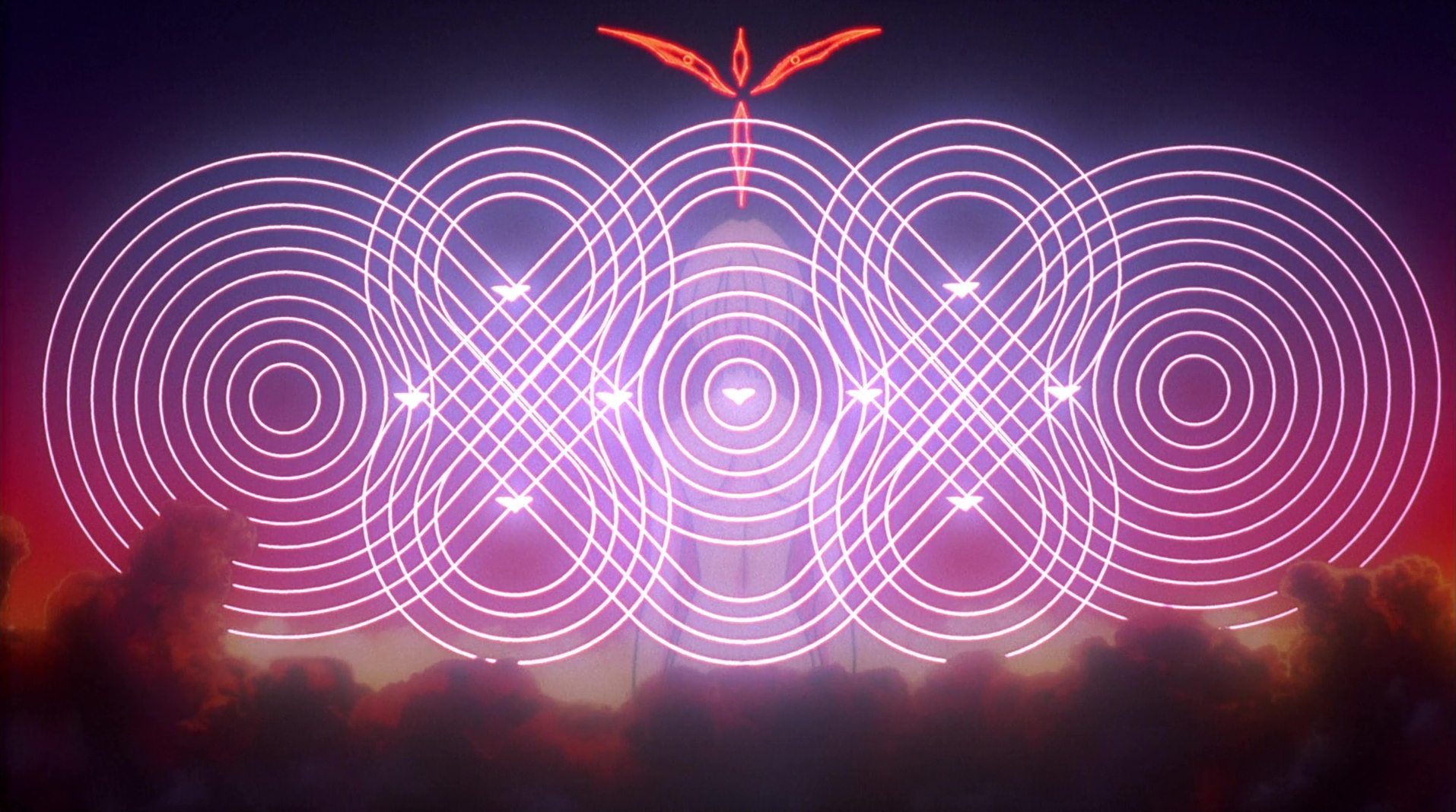
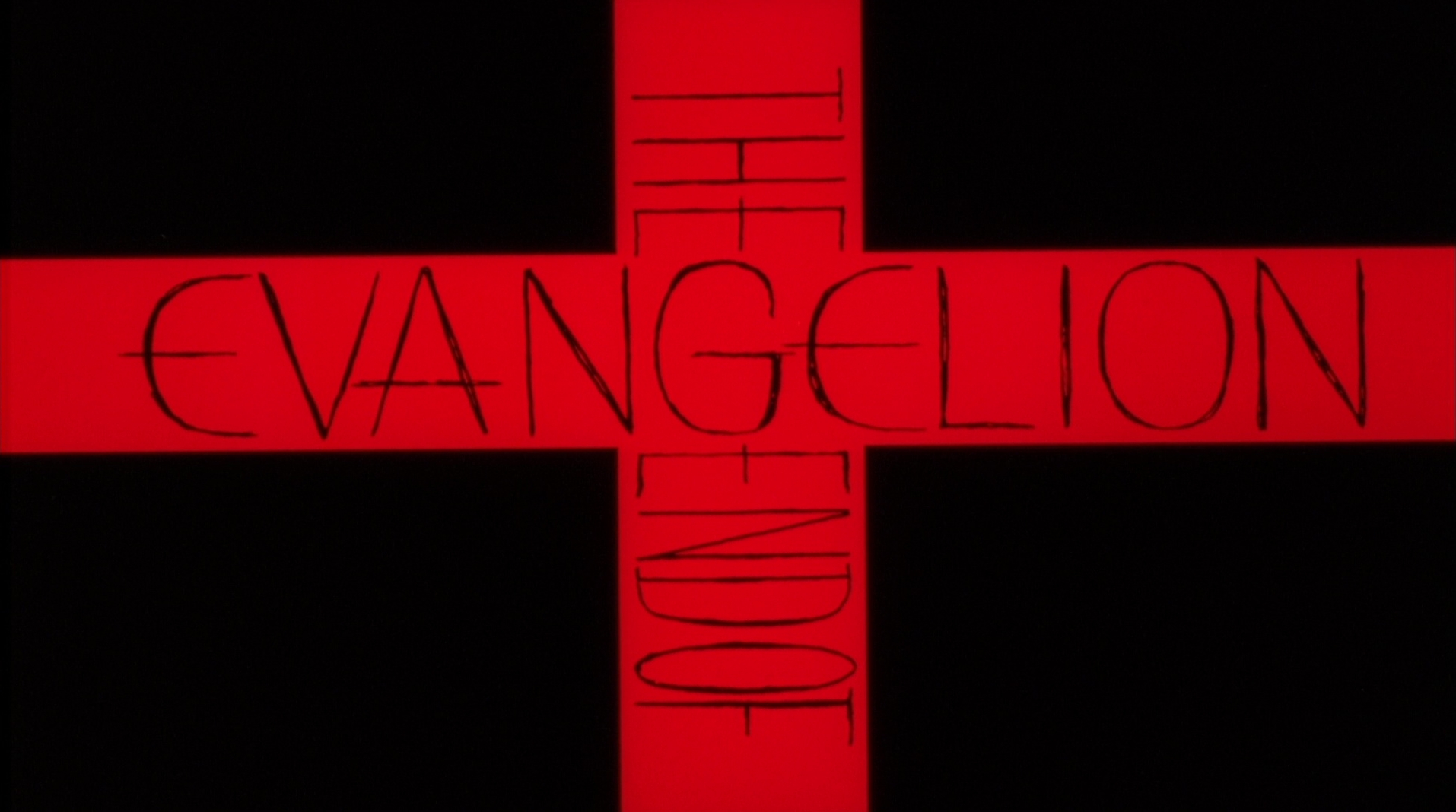
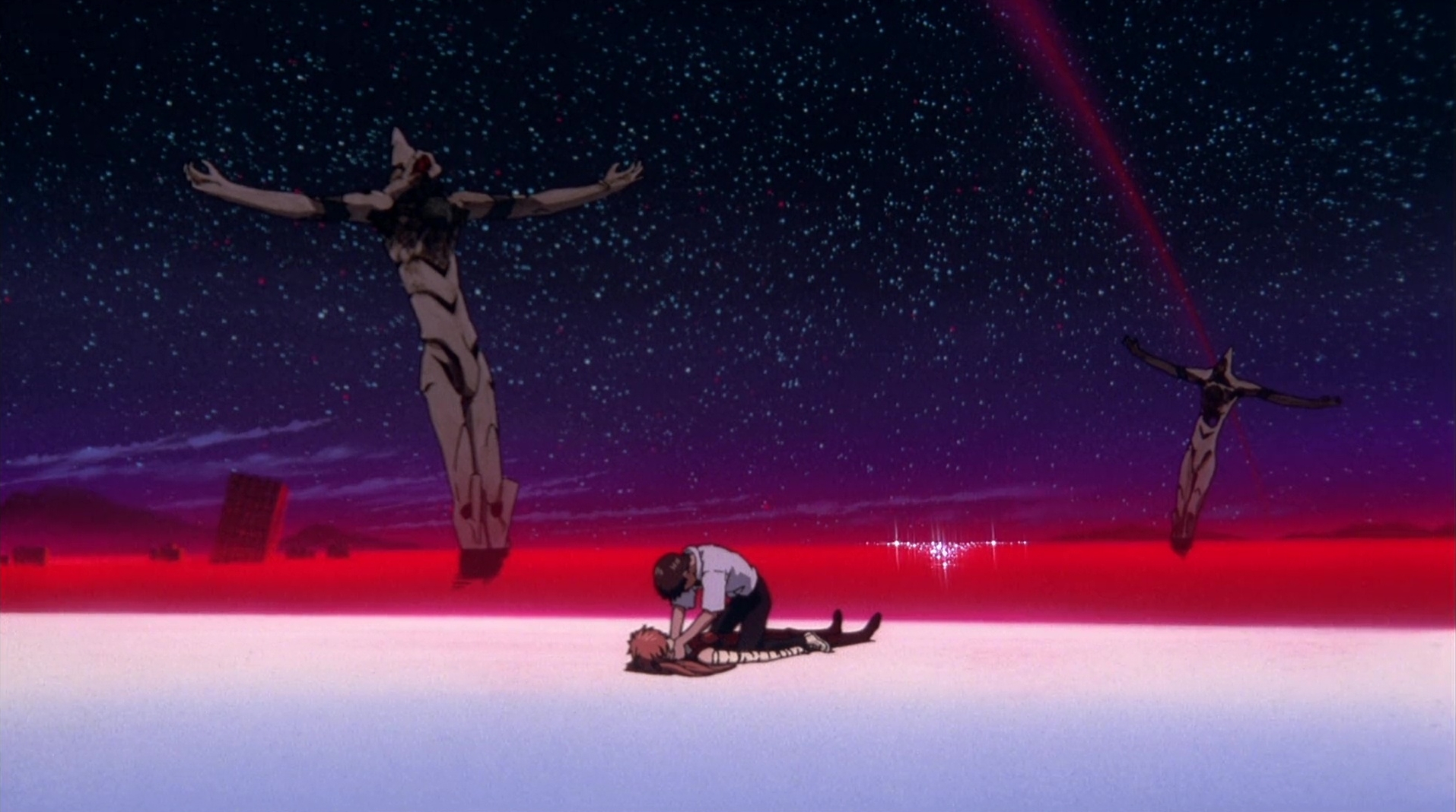
The End of Evangelion (1997)
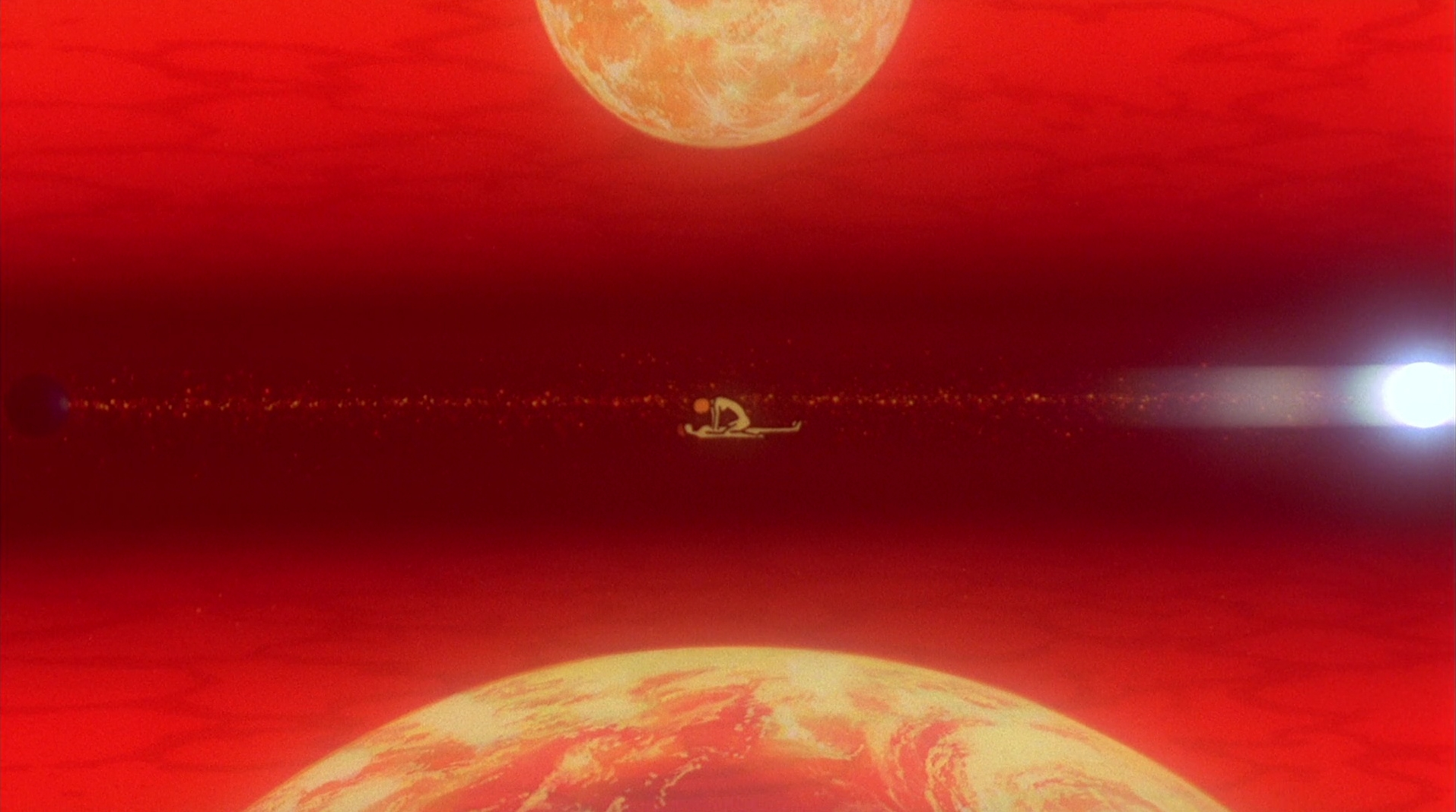
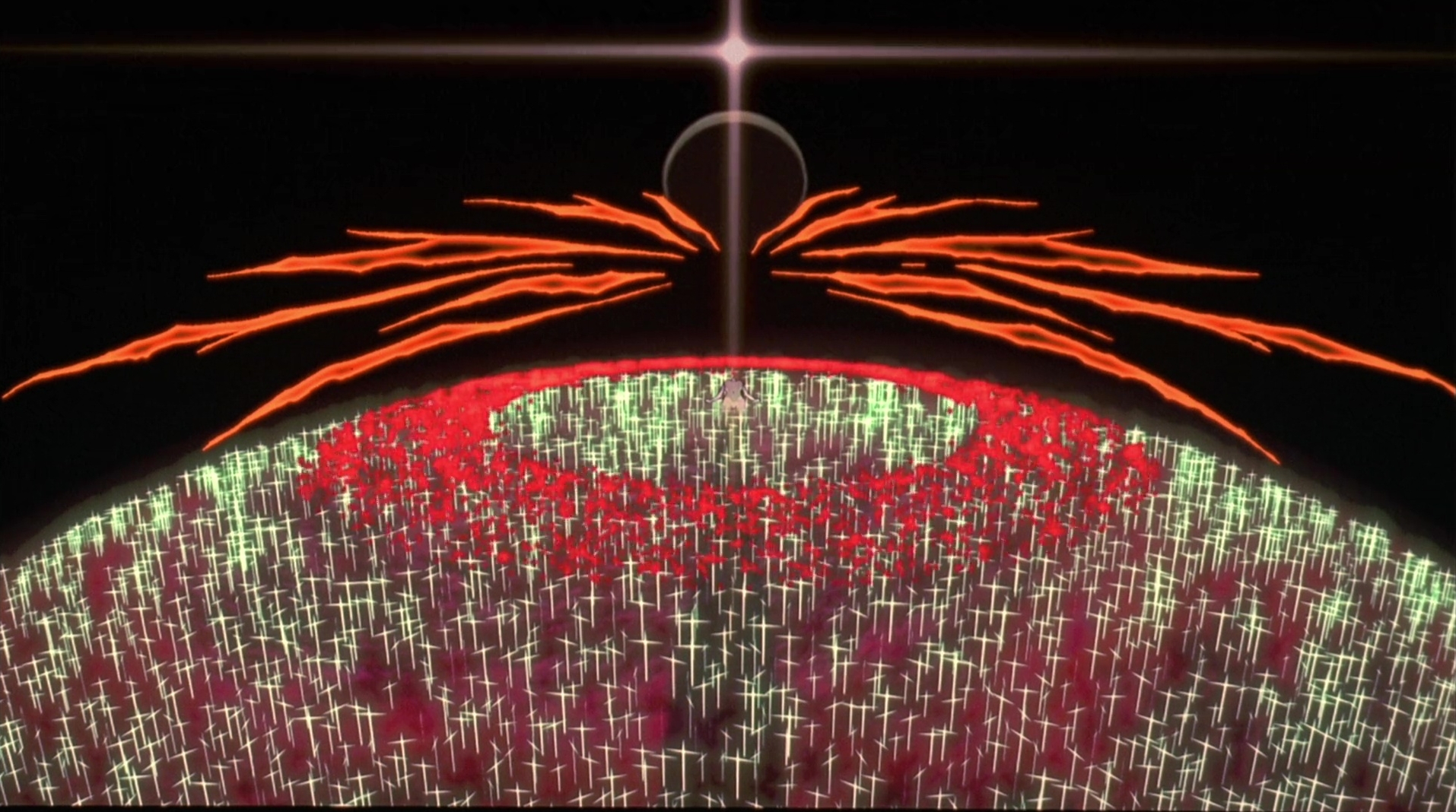
Serving as an alternate ending to Neon Genesis Evangelion, the film follows Shinji Ikari as he is thrust into the final stages of a global catastrophe triggered by a secret organization’s plan for human evolution. As Tokyo-3 falls under attack, the boundary between individual identity and collective existence begins to collapse. The story unfolds as both an apocalyptic battle and a deeply internal exploration of consciousness, trauma, and human connection.
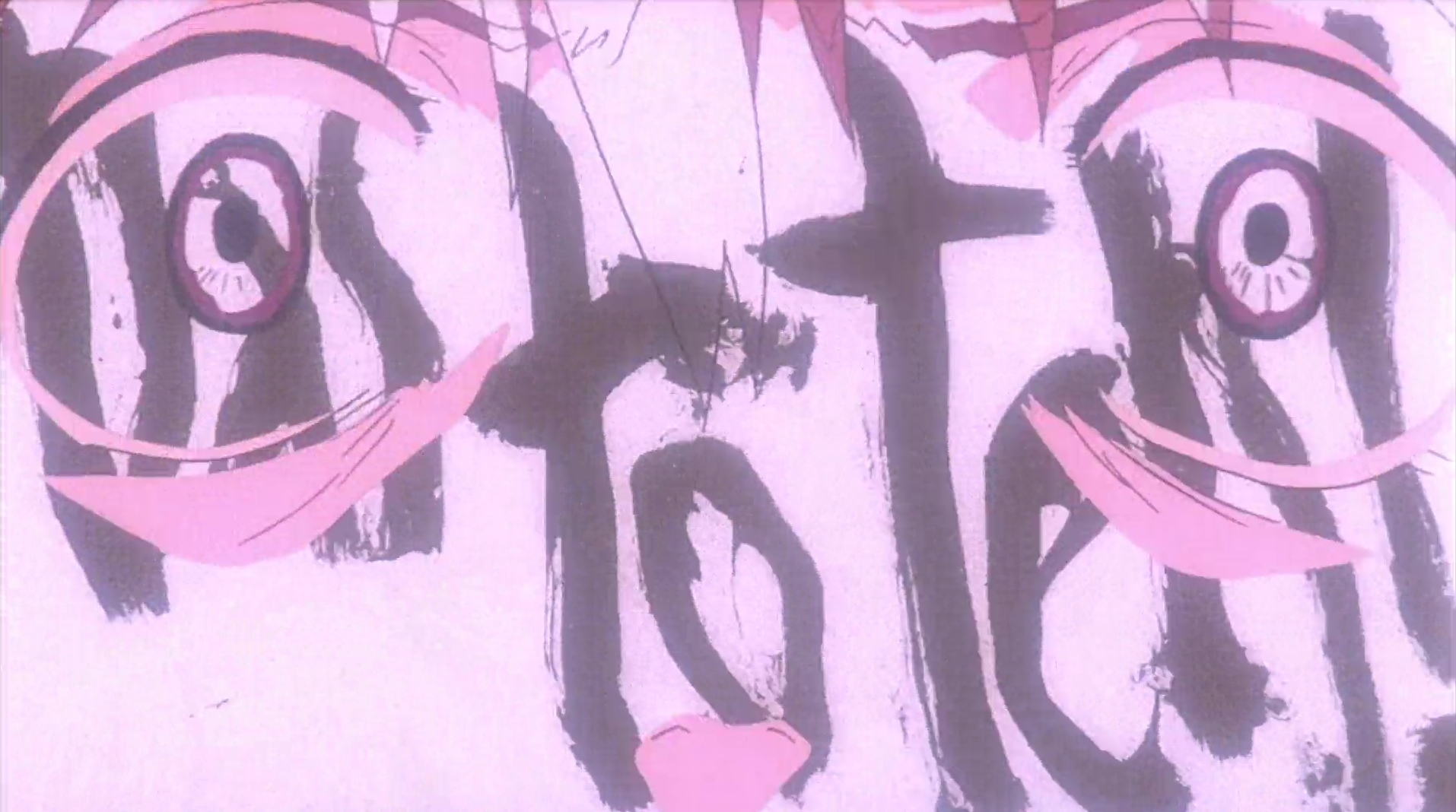
Anno pushes the film into radical formal territory, blending traditional cel animation with live-action footage, still photography, and abstract imagery to fracture the visual language. The film’s shifting styles—ranging from explosive, fluid action to stark, minimal compositions—turn animation itself into a psychological tool, where image breakdown mirrors the collapse of identity and reality.
FILM SPOTLIGHT
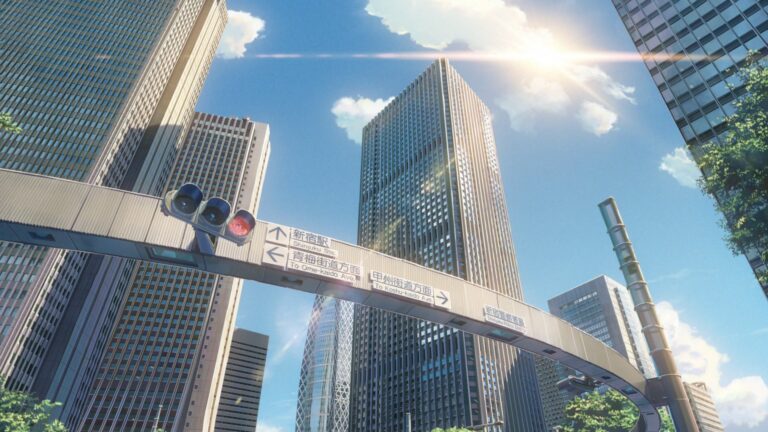
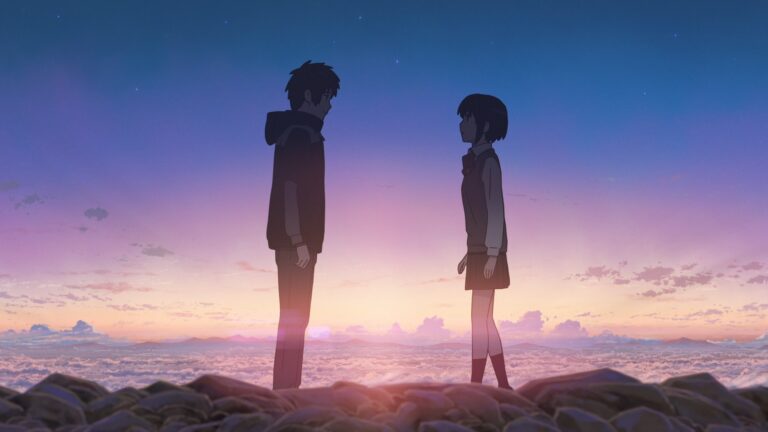
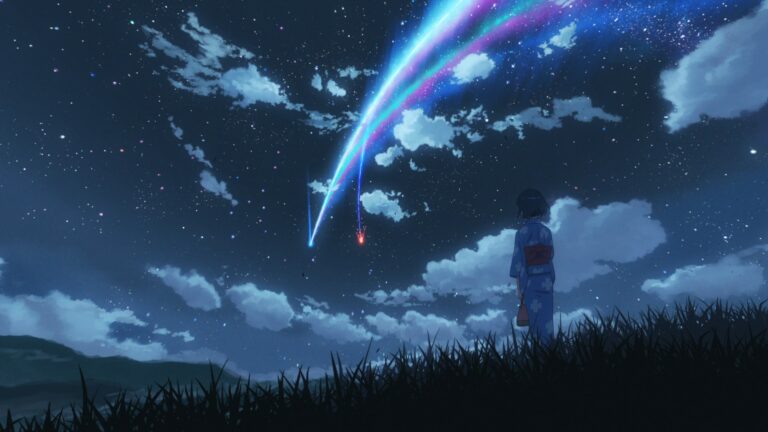
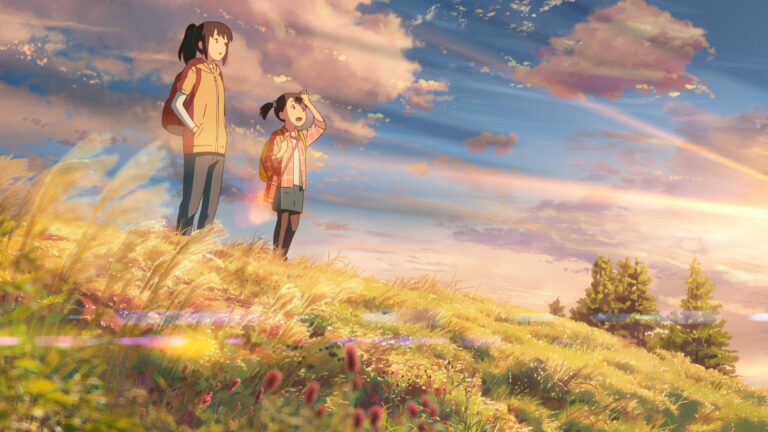
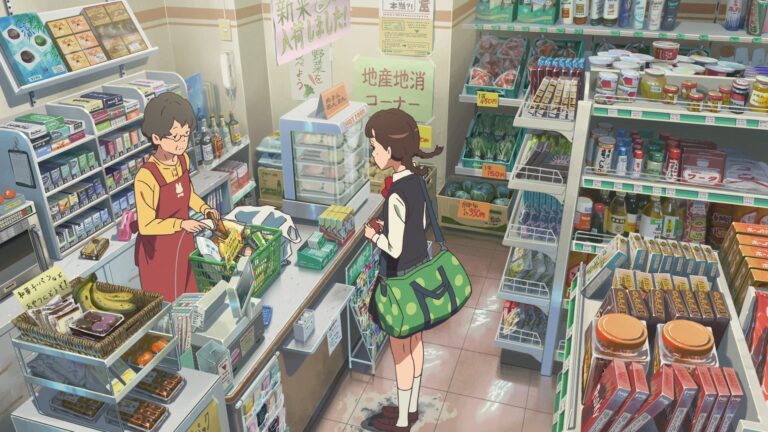
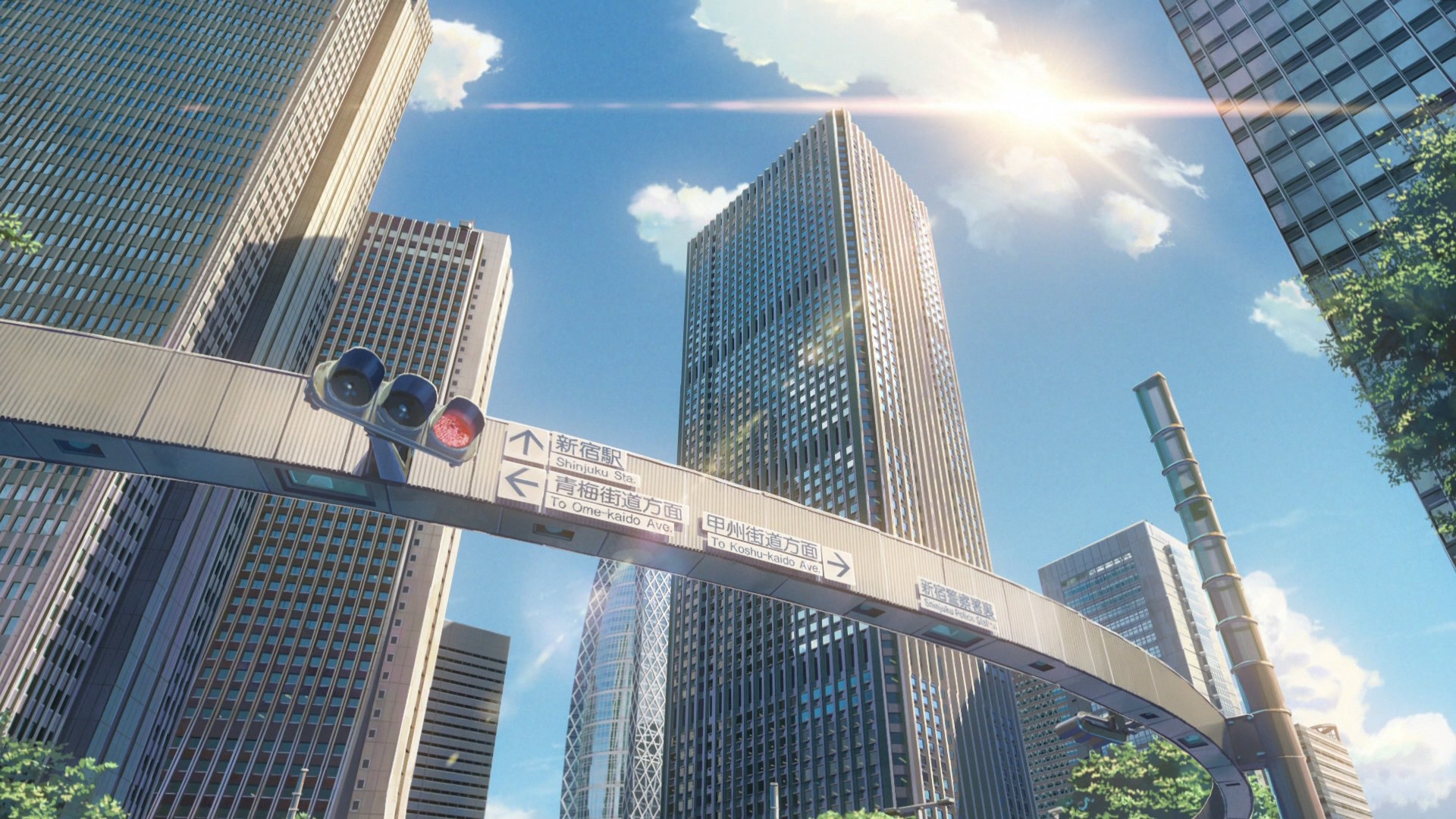
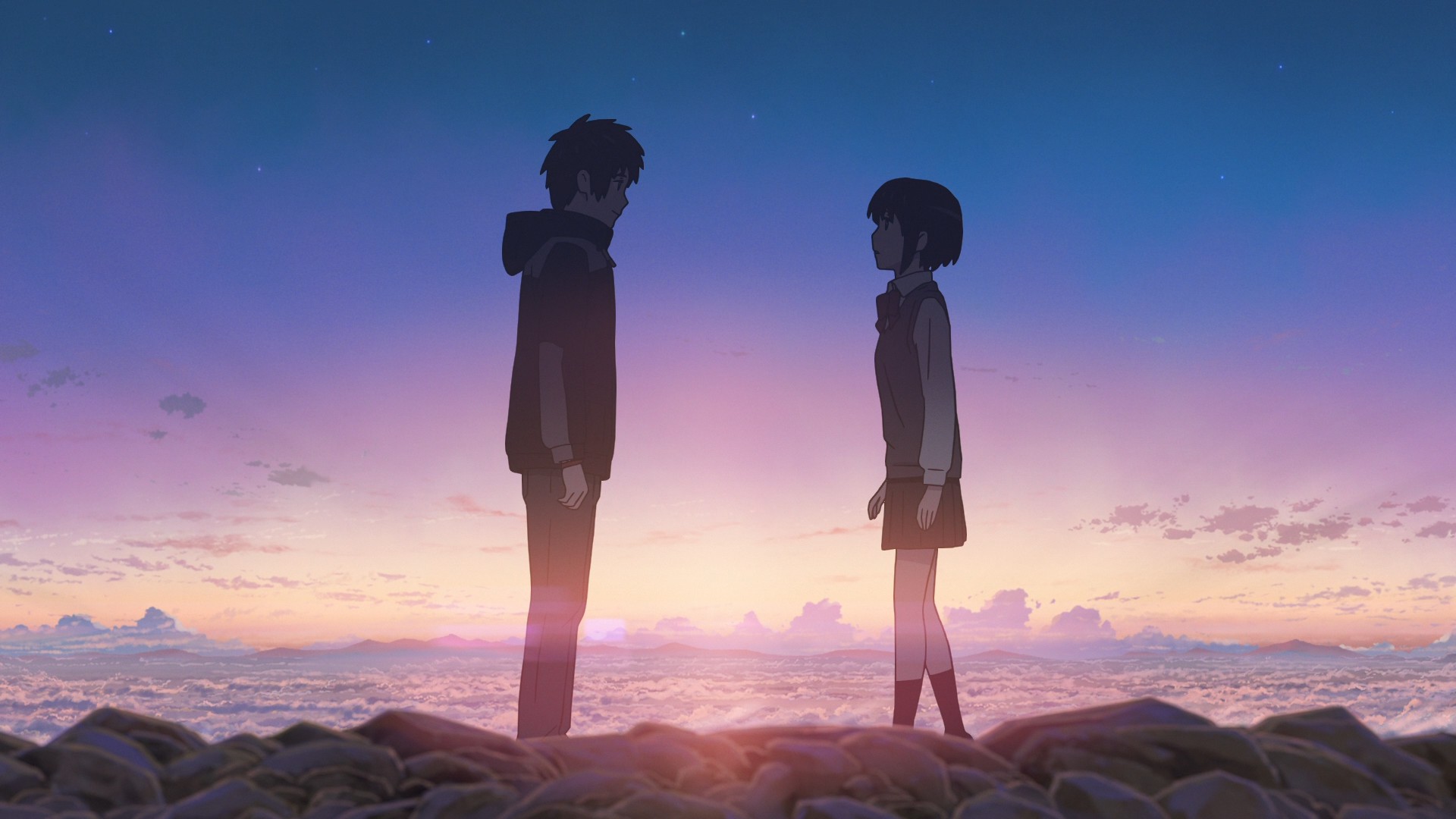
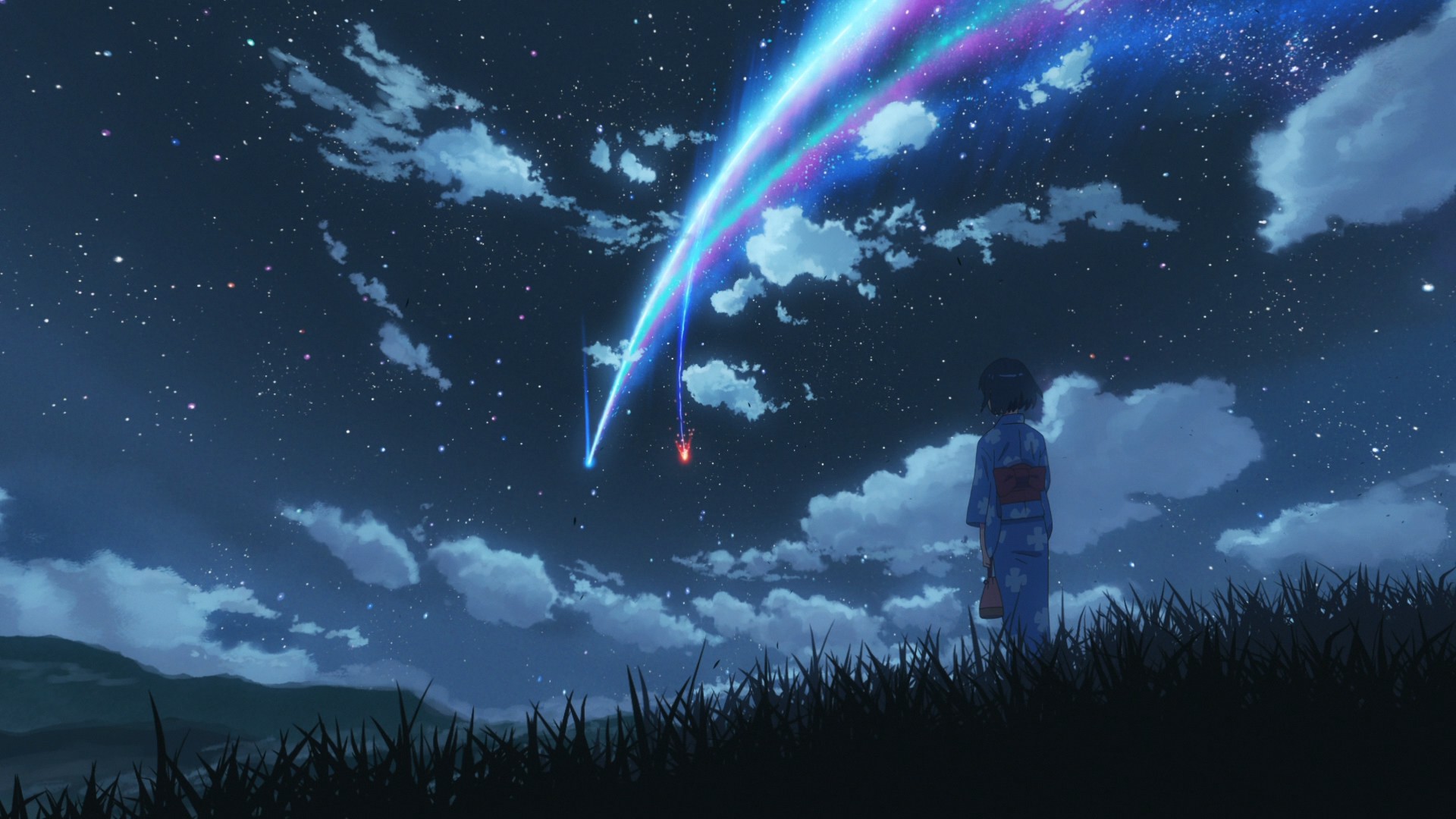
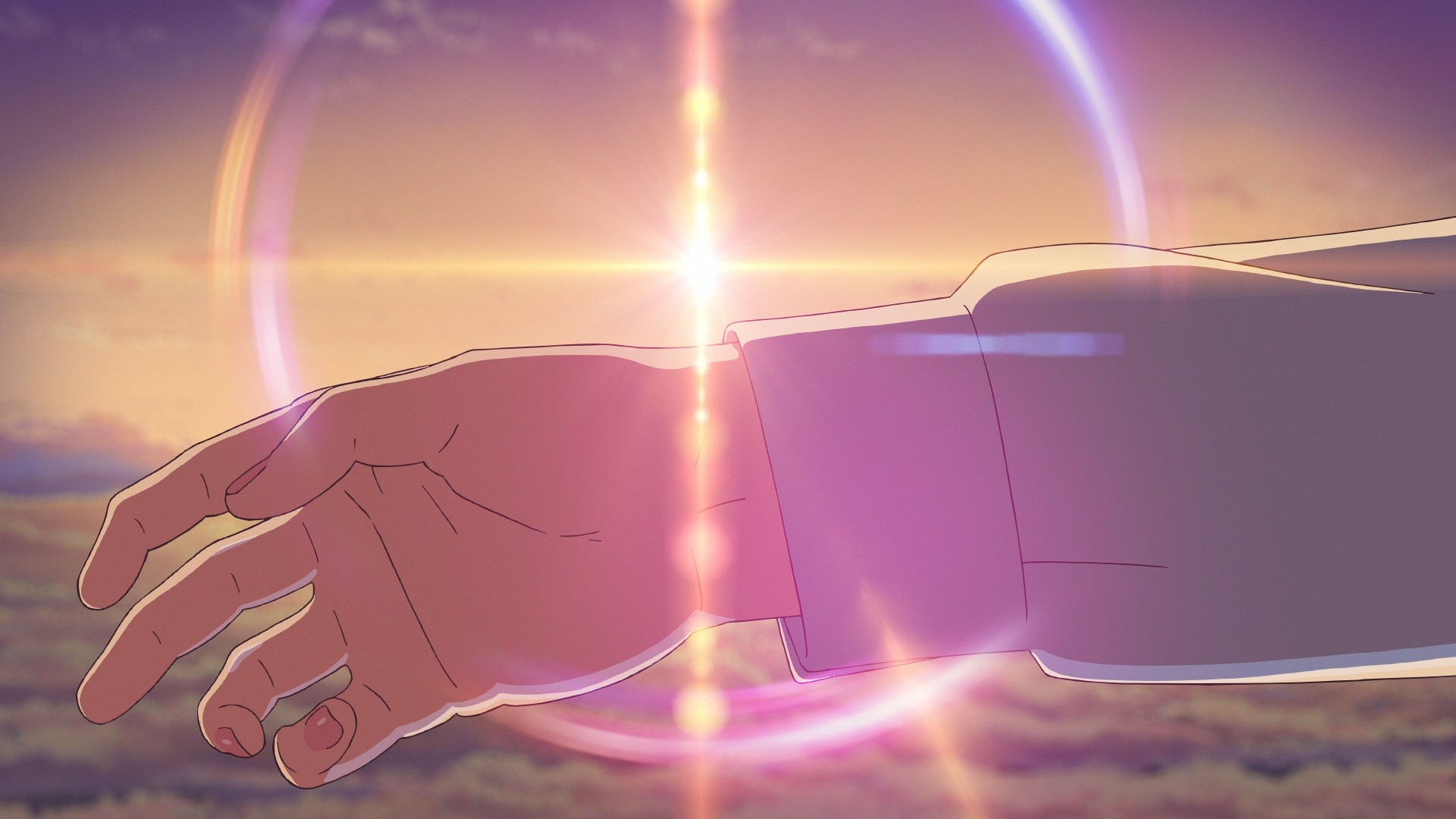
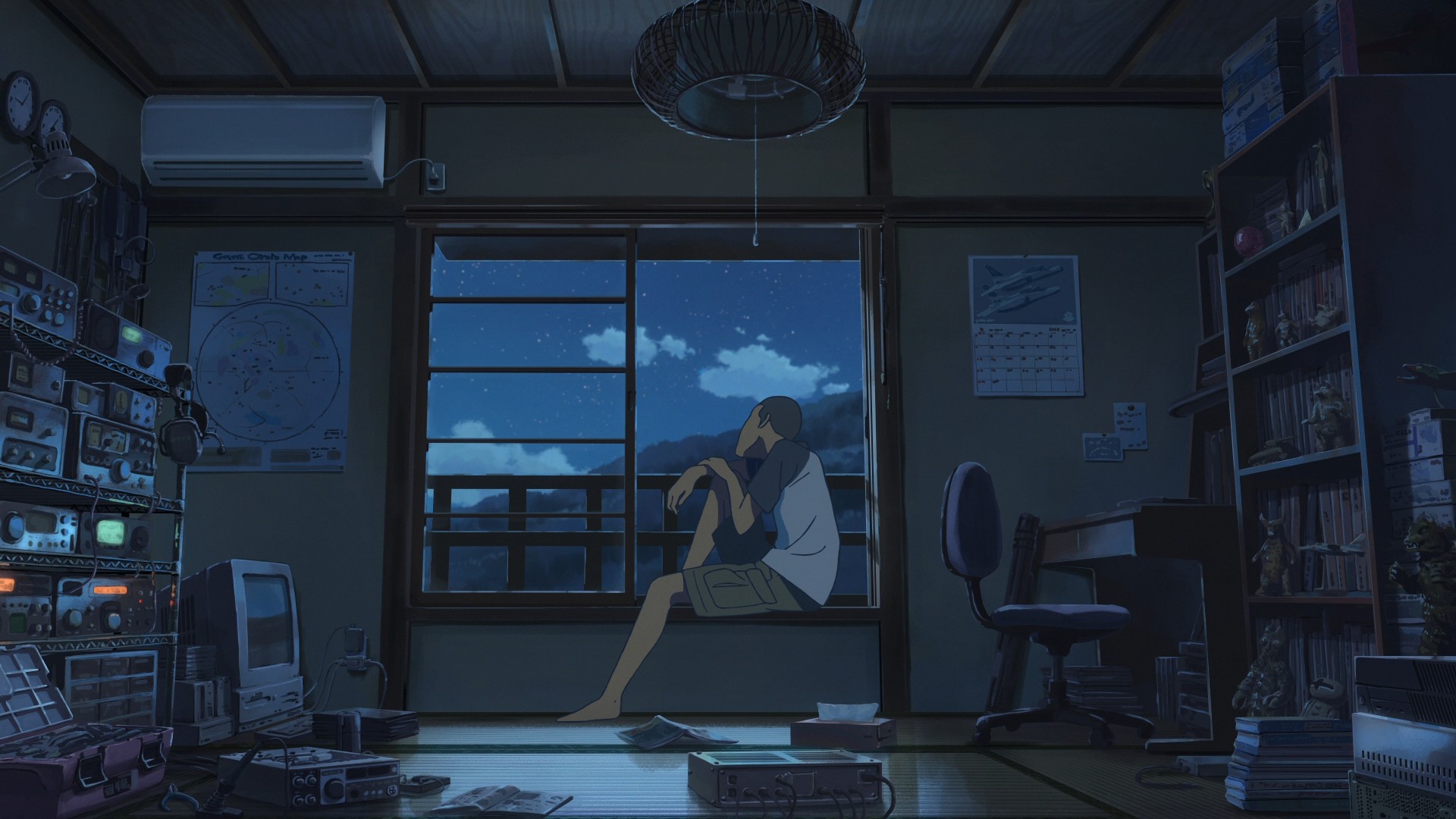
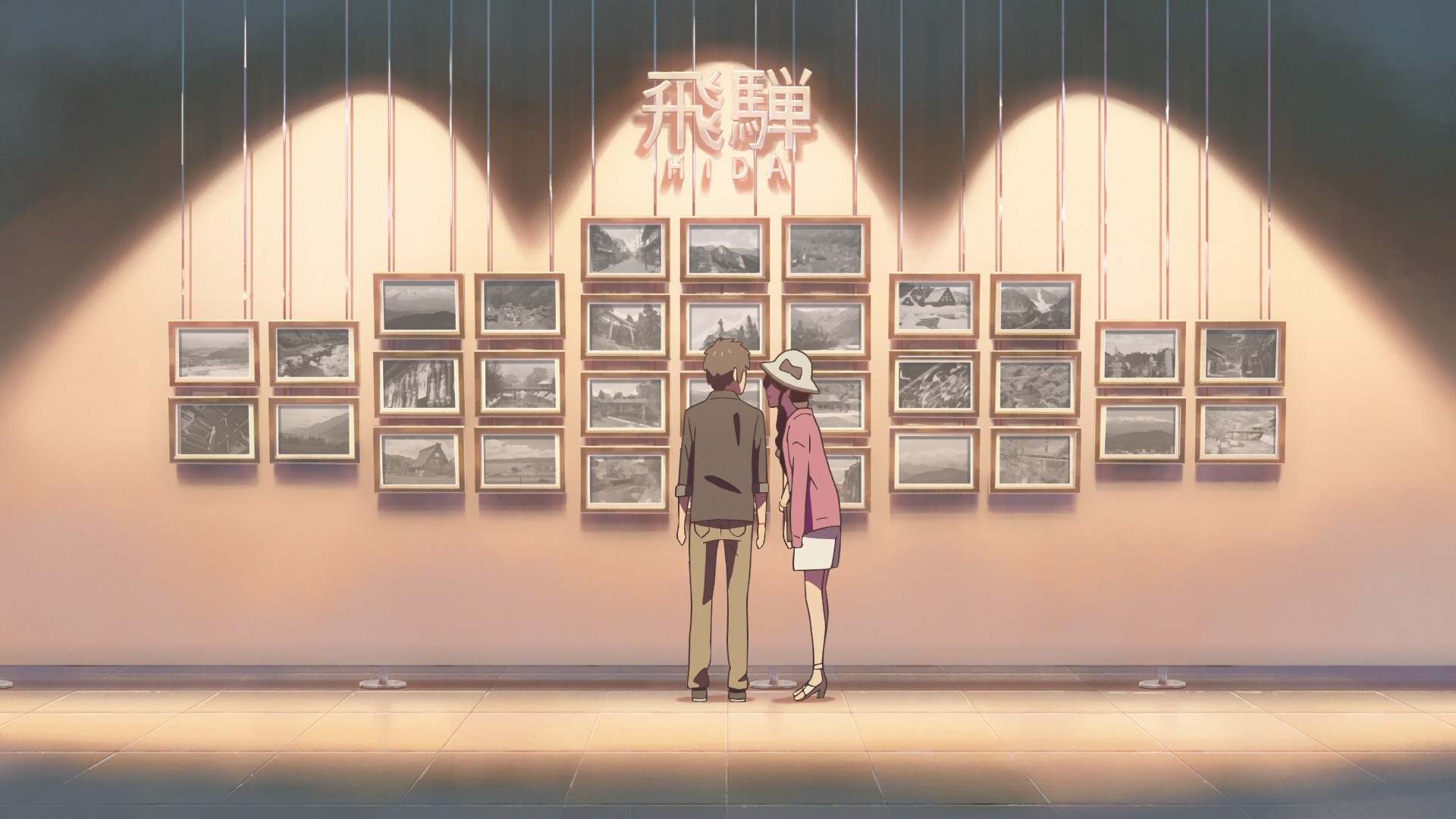
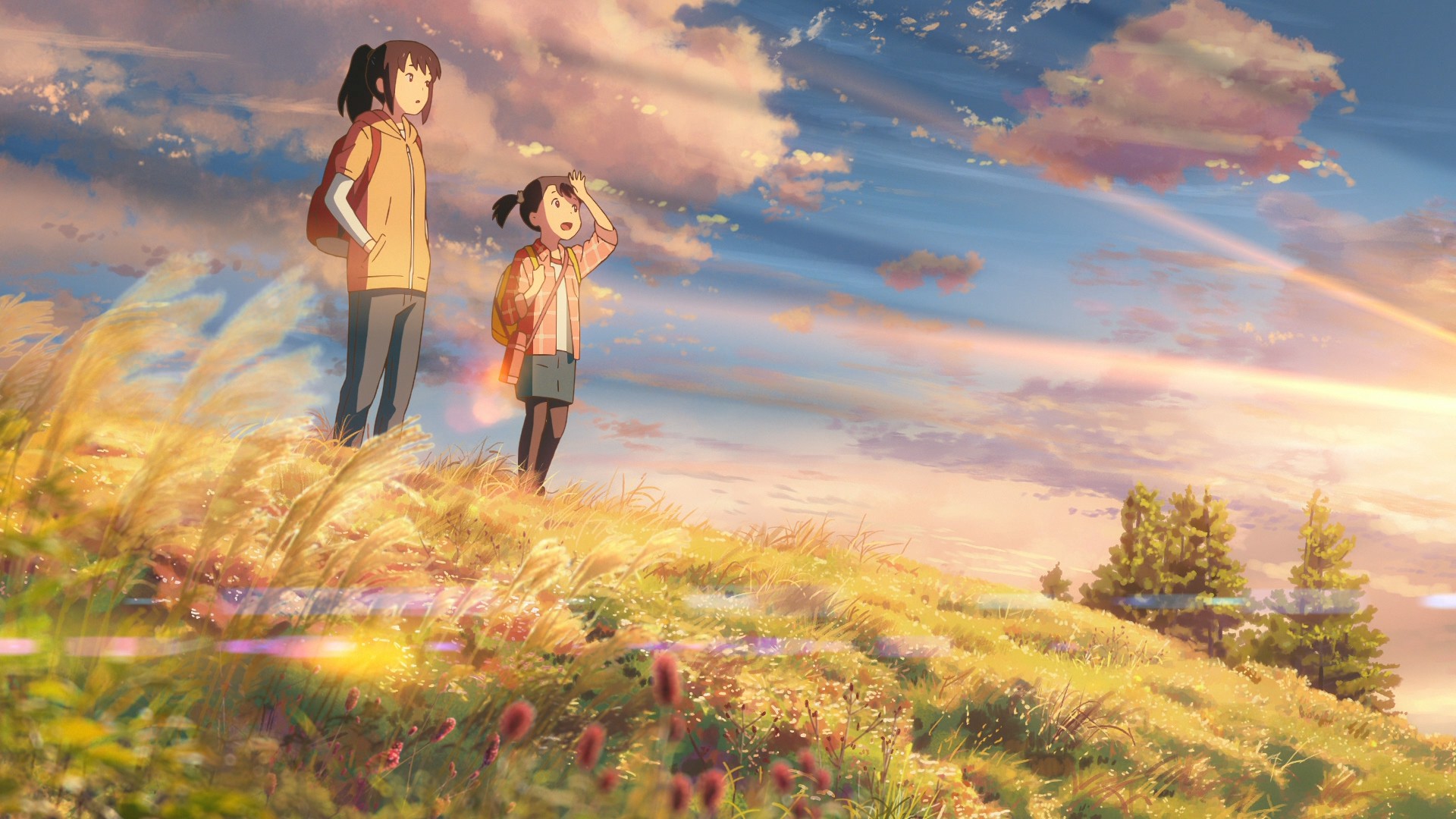
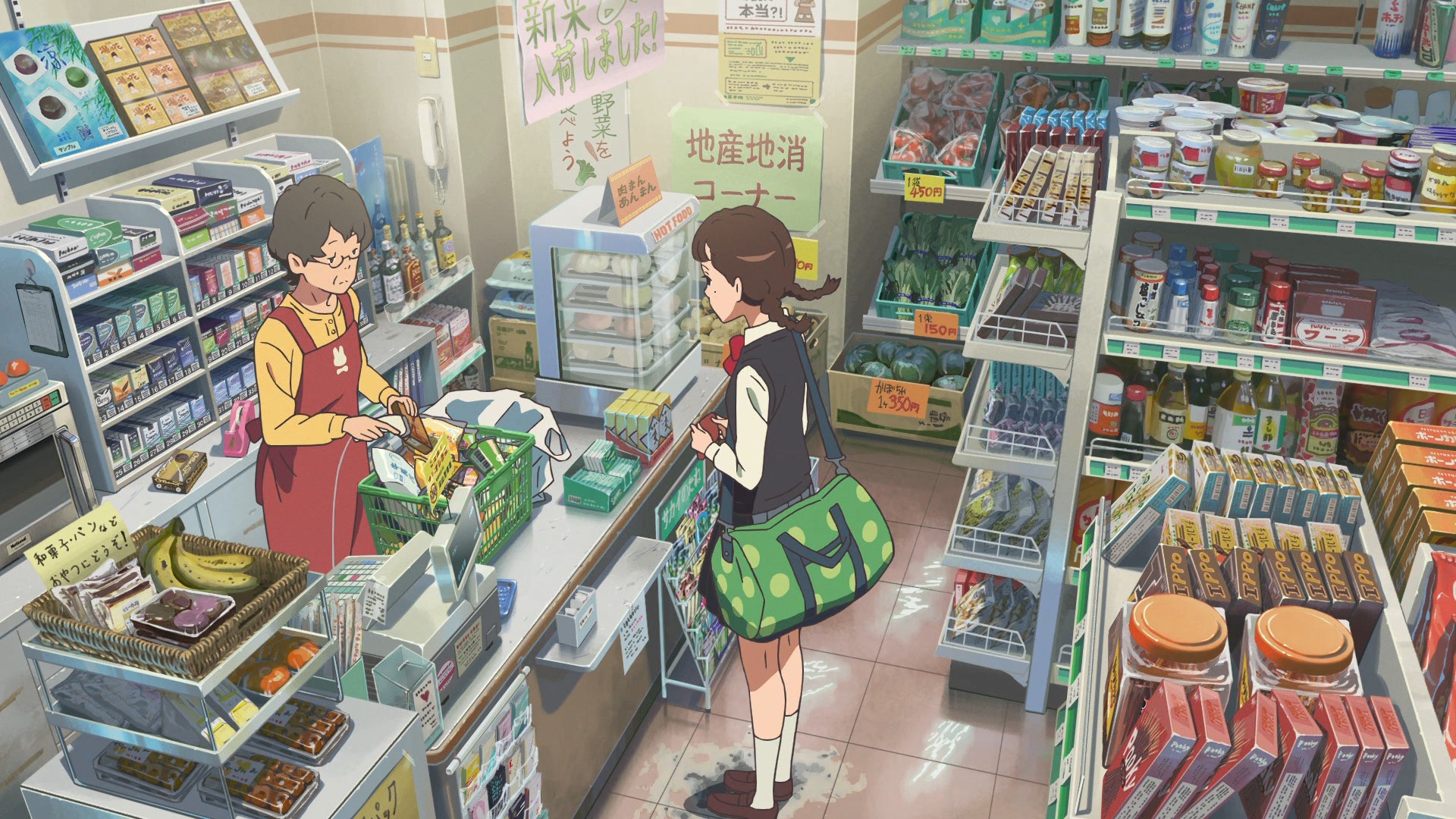
Your Name. (2016)
A teenage boy in Tokyo and a girl in a rural town mysteriously begin swapping bodies, forming a connection across distance and time. As they navigate each other’s lives, they grow closer, leaving messages to communicate. When the phenomenon suddenly stops, the boy sets out on a journey to find her—uncovering a deeper, time-bending truth that reshapes their bond.
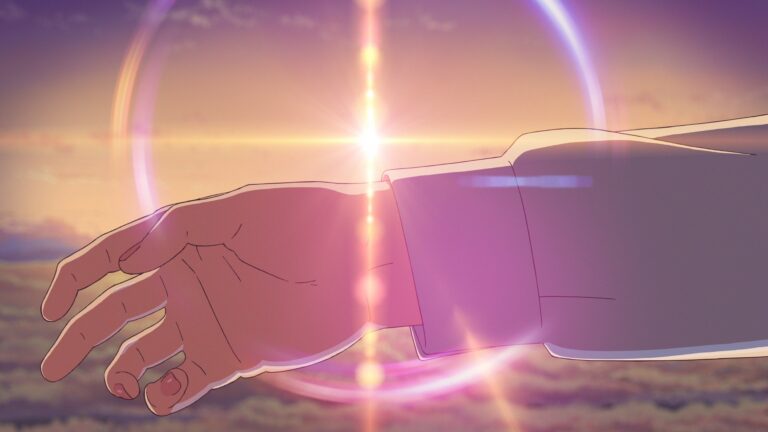
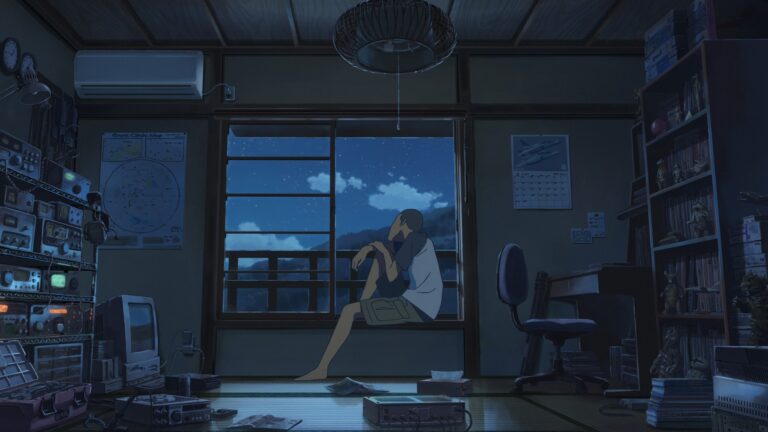
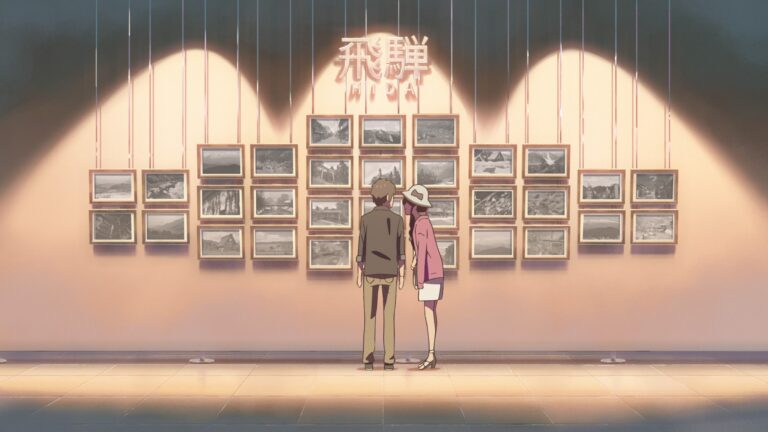
Shinkai and his animation team craft Your Name. with hyper-detailed, photo-real environments, using digital compositing, lens flares, and precise lighting to give animated spaces a cinematic realism. The film’s saturated skies, glowing sunsets, and meticulous reflections turn landscape into emotion—where color and light become the primary language of longing and connection.
FILM SPOTLIGHT
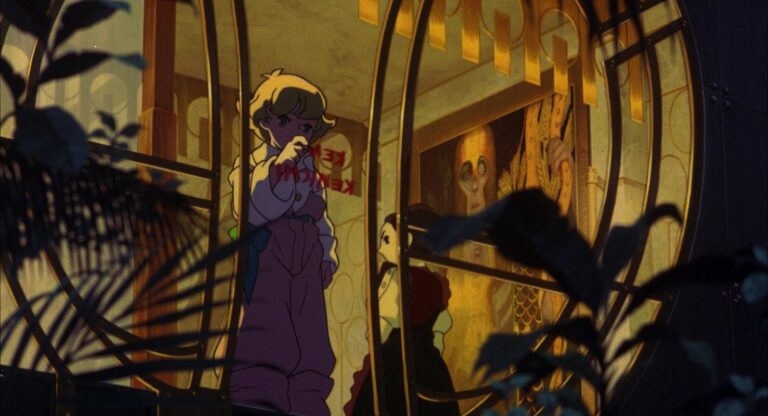
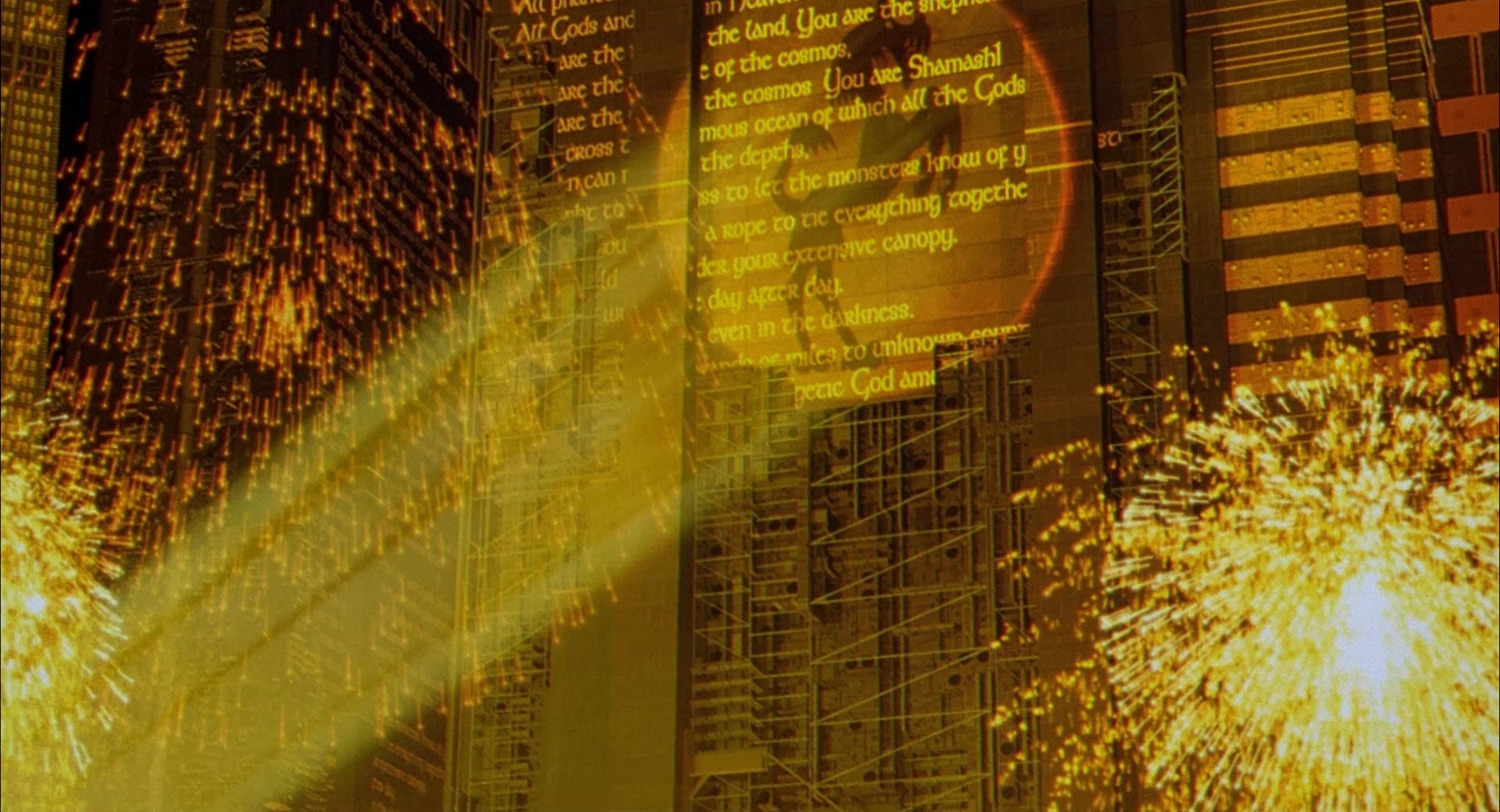
Metropolis (2001)
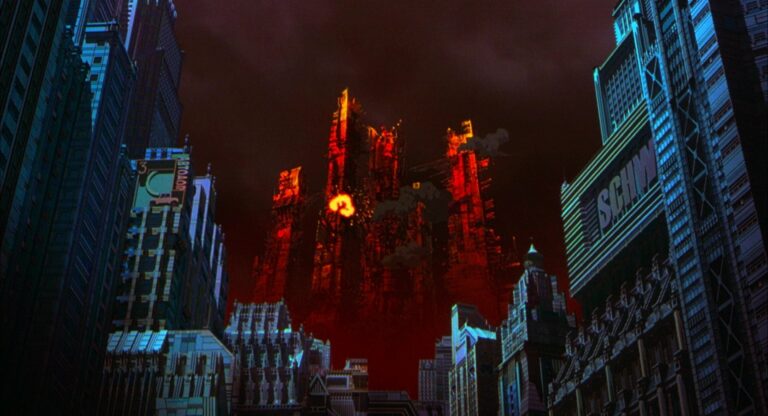
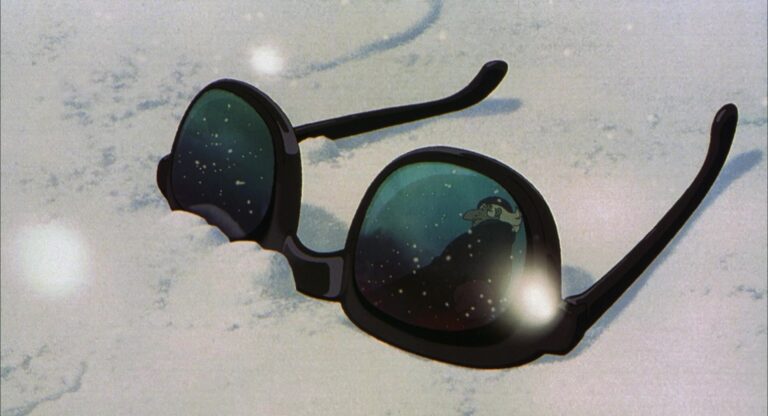
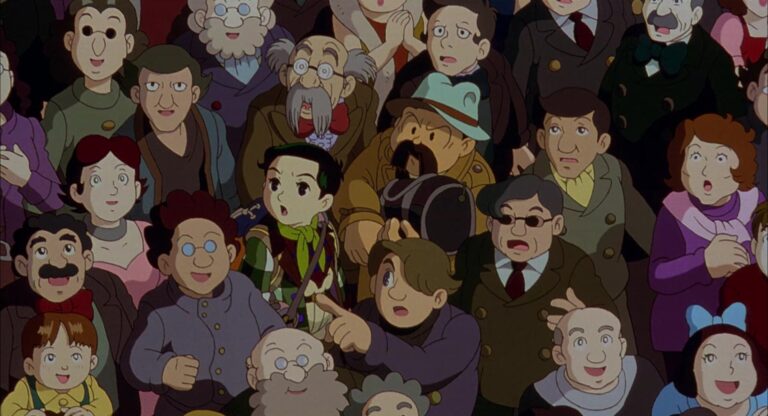
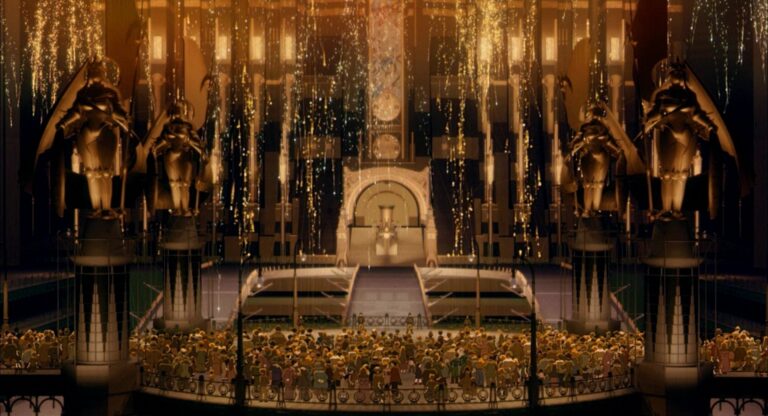
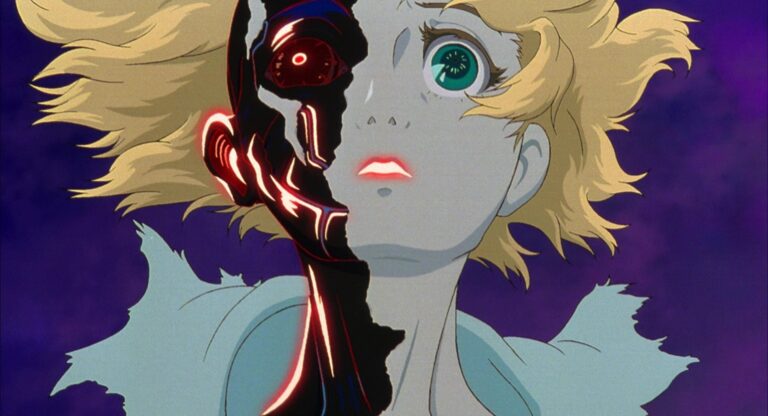
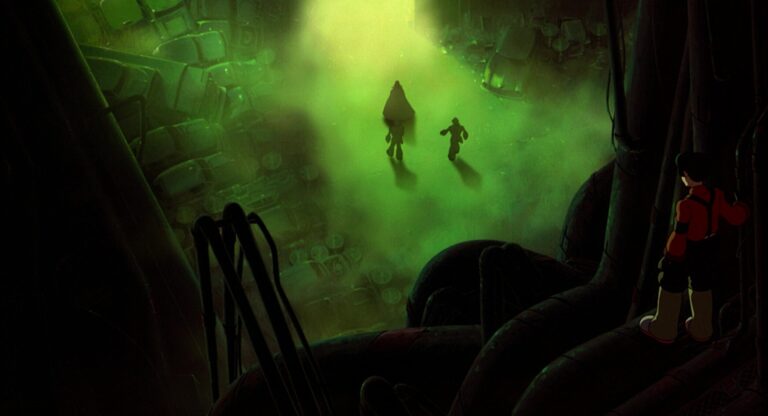
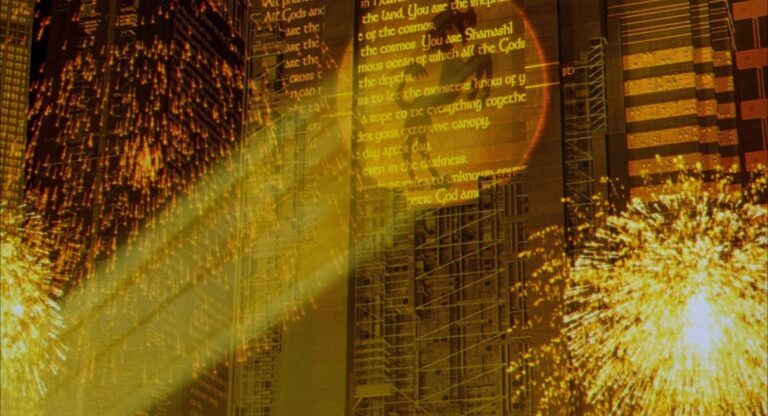
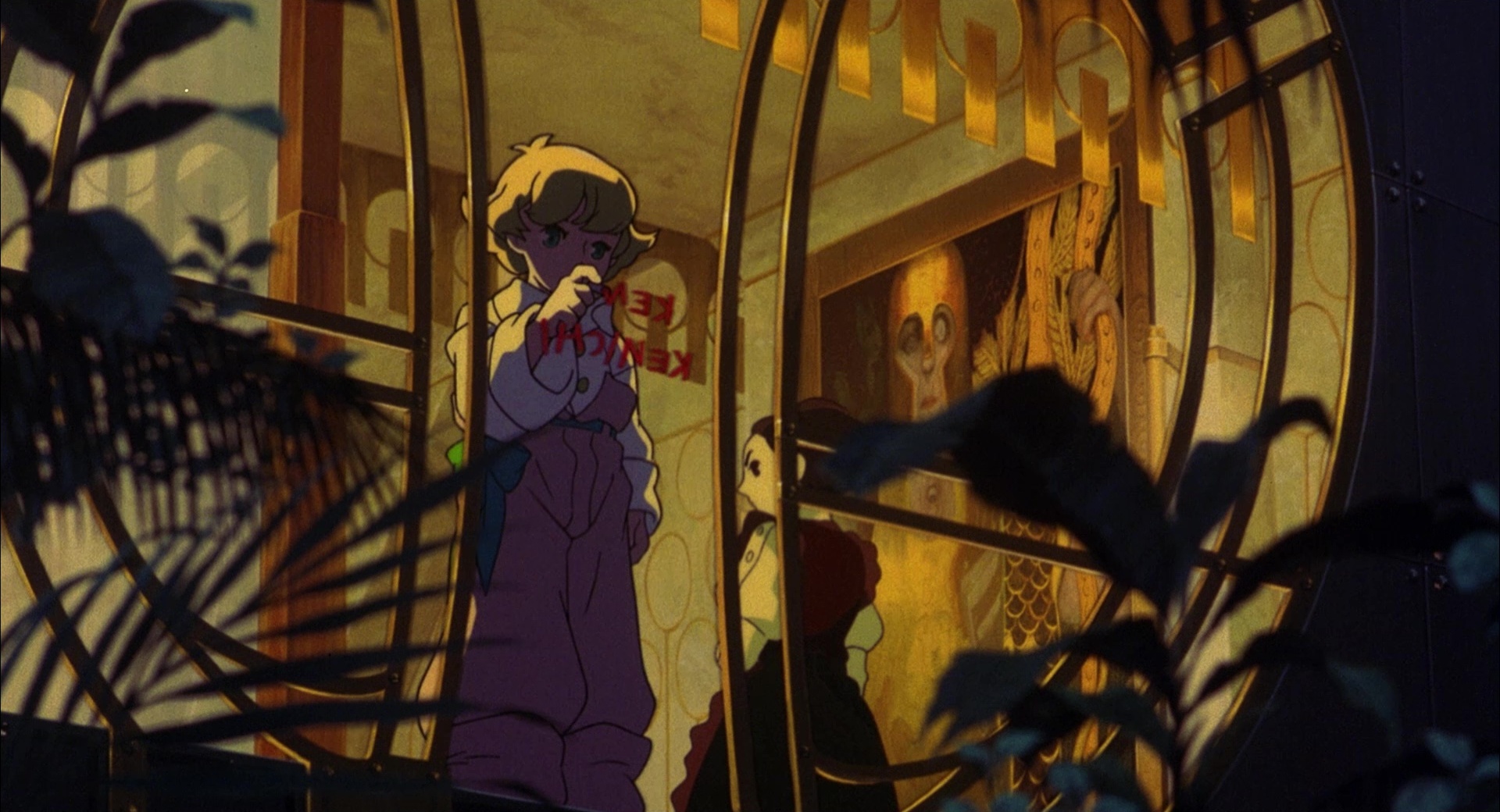
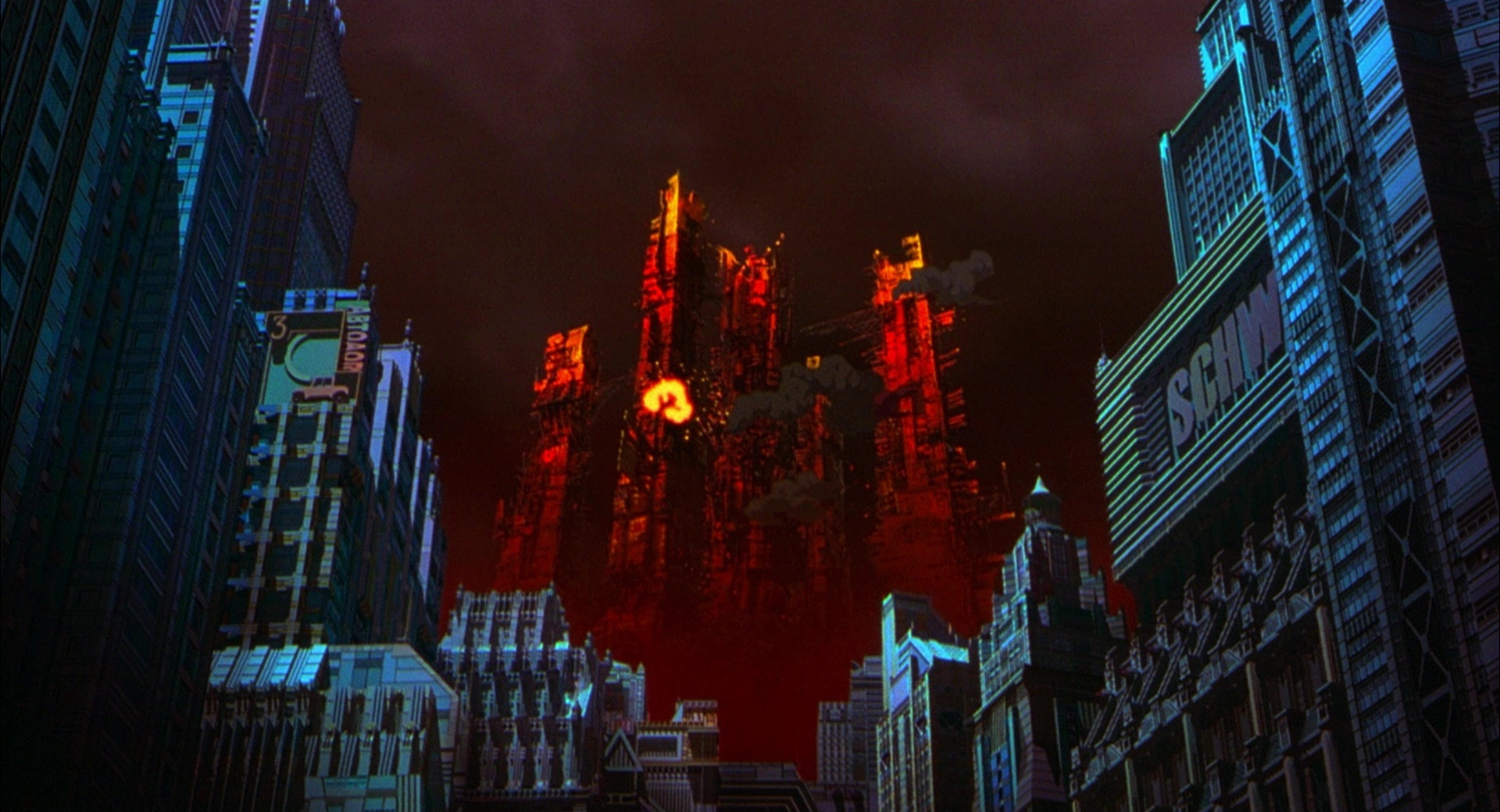
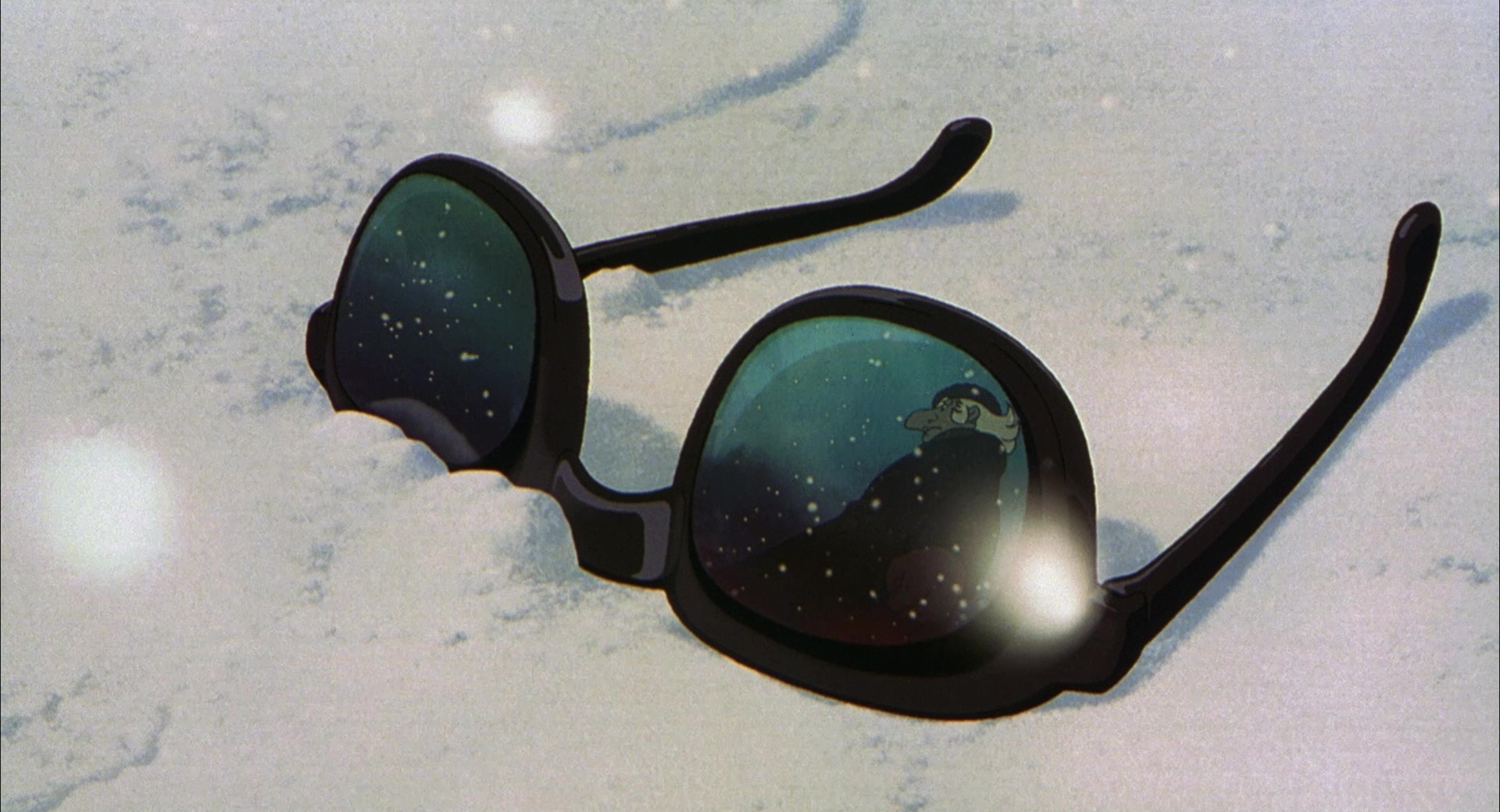
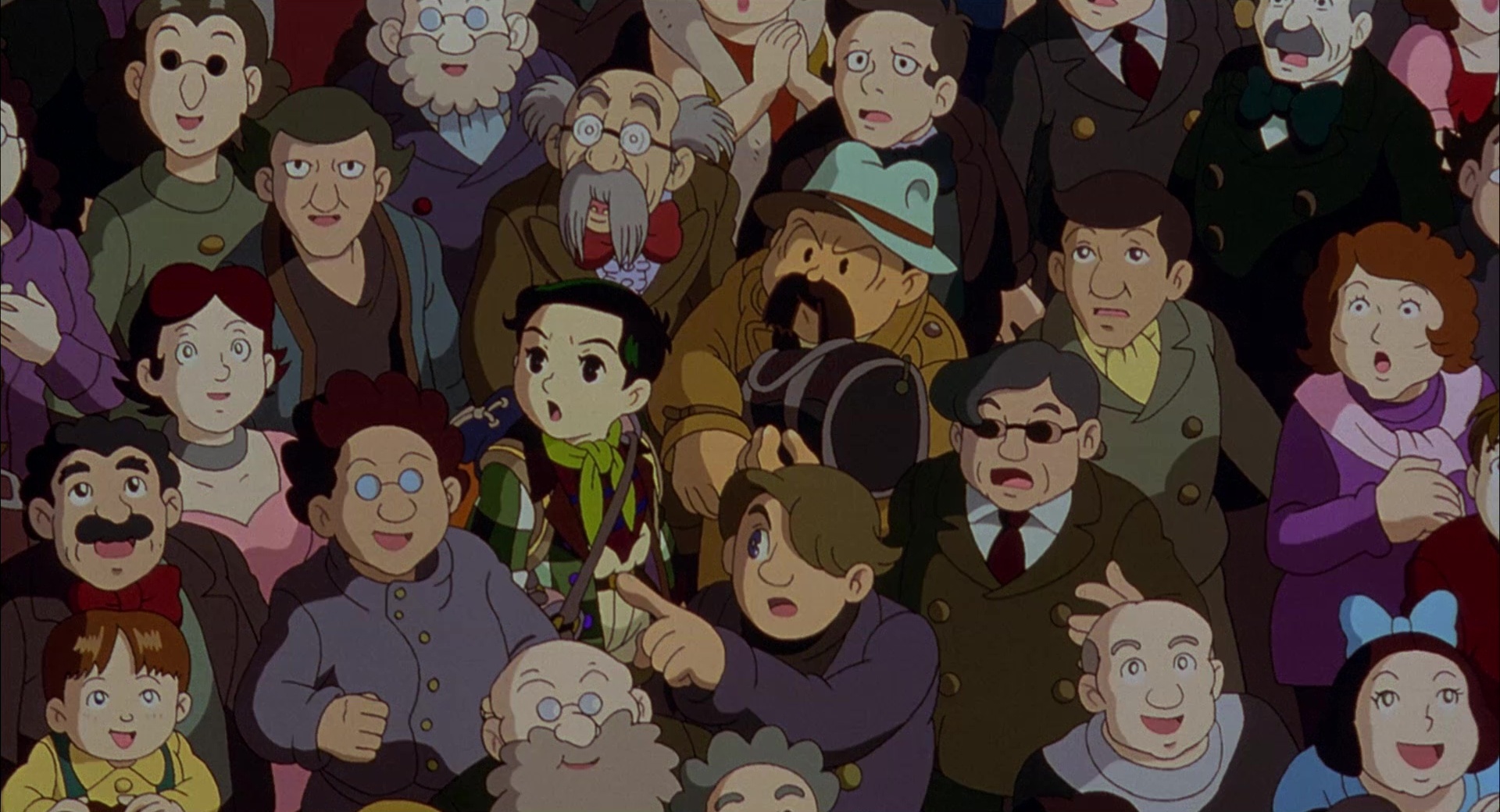
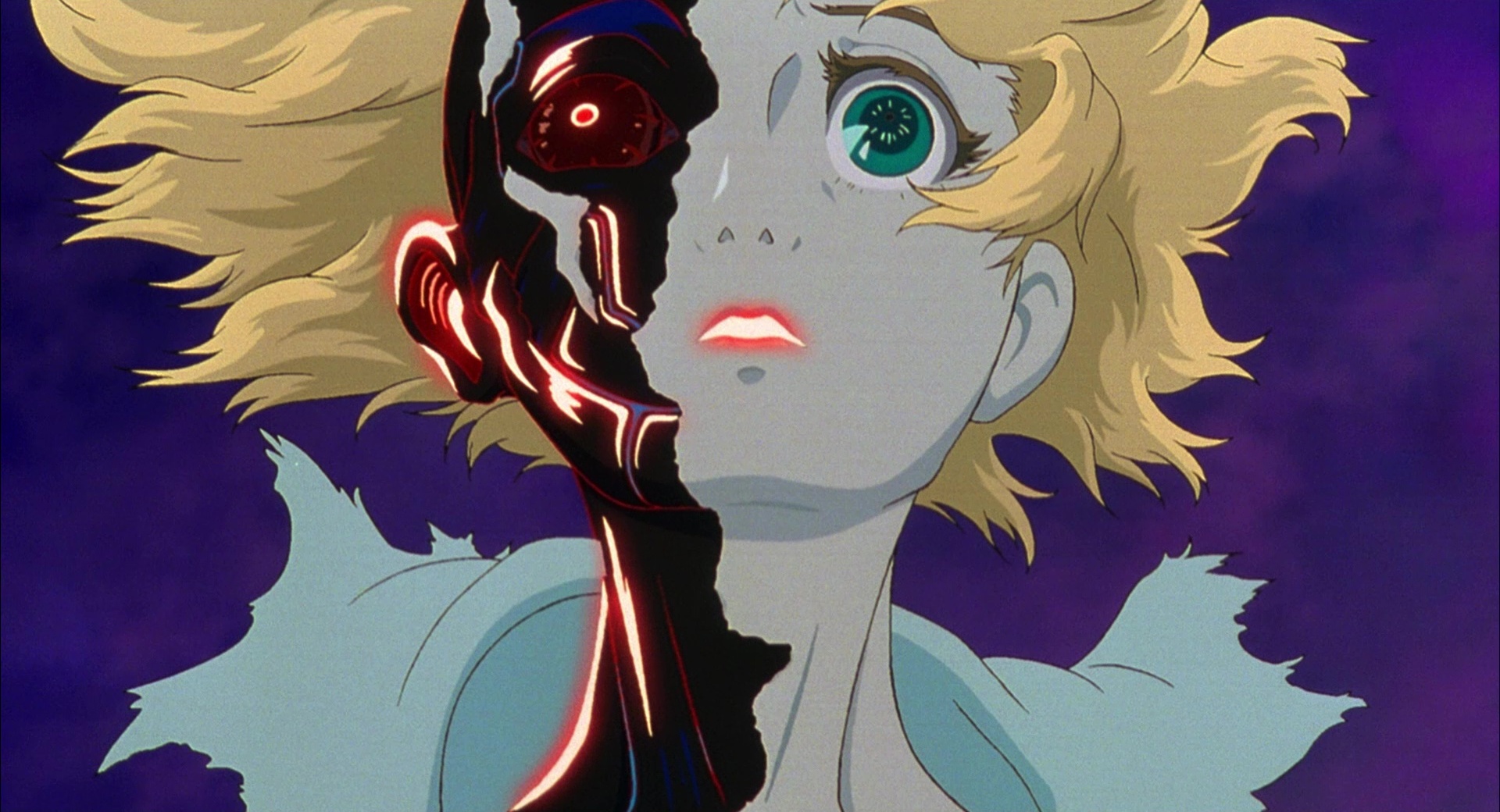
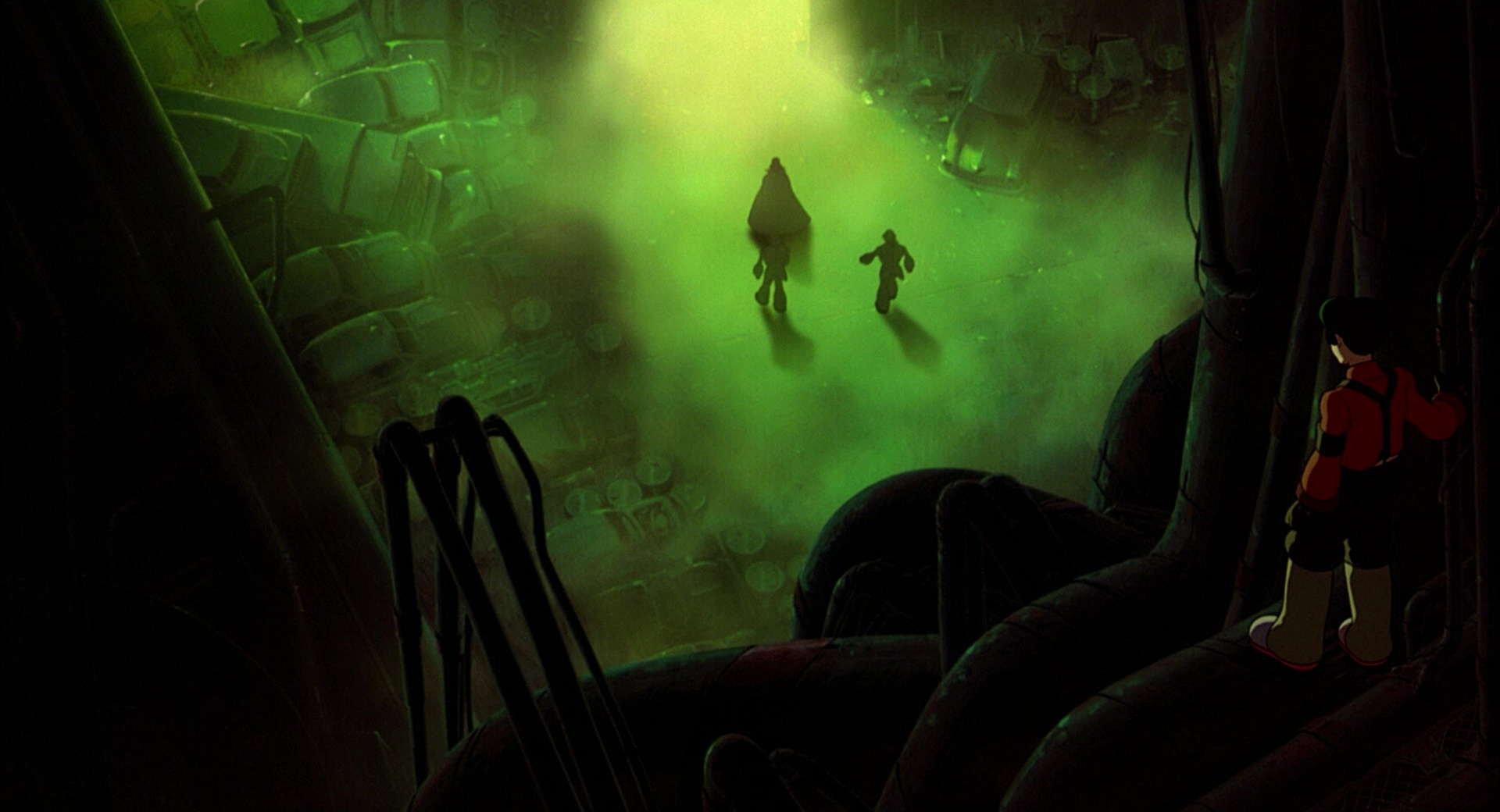
In a futuristic city sharply divided between wealthy elites and oppressed workers, a young boy and his detective companion uncover a conspiracy involving a powerful robotic being created to rule humanity. As political tensions rise, the fate of the city becomes intertwined with the robot girl’s identity and purpose. The story builds toward a tragic confrontation between progress, power, and humanity.
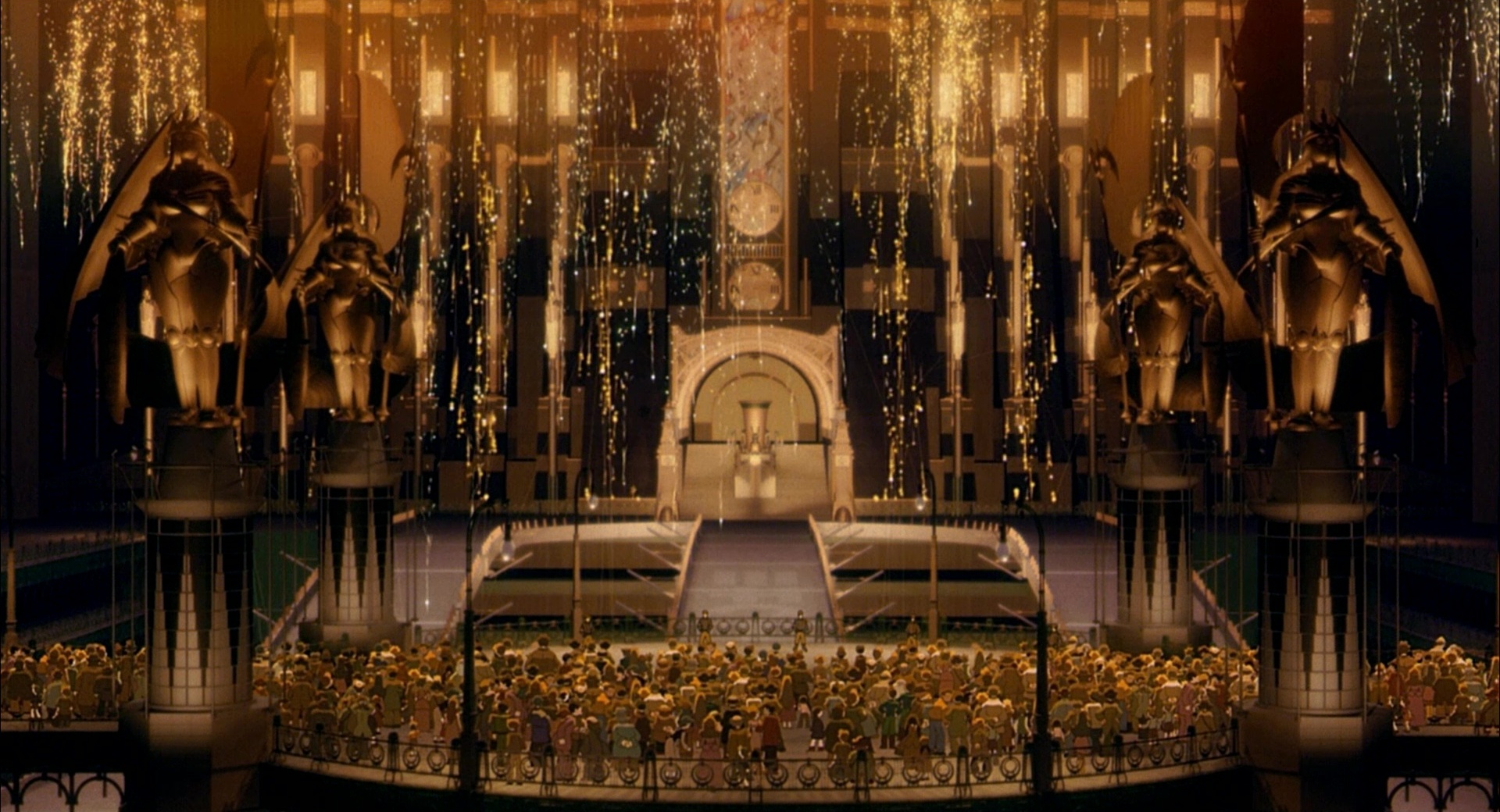
In Metropolis, Rintaro fuses Osamu Tezuka’s retro character designs with richly detailed, large-scale digital environments, creating a striking contrast between simple figures and complex, industrial cityscapes. The film’s layered compositing, moving camera, and art deco-inspired architecture turn the city into a towering visual presence—where scale, depth, and motion reinforce the divide between classes and worlds.
FILM SPOTLIGHT
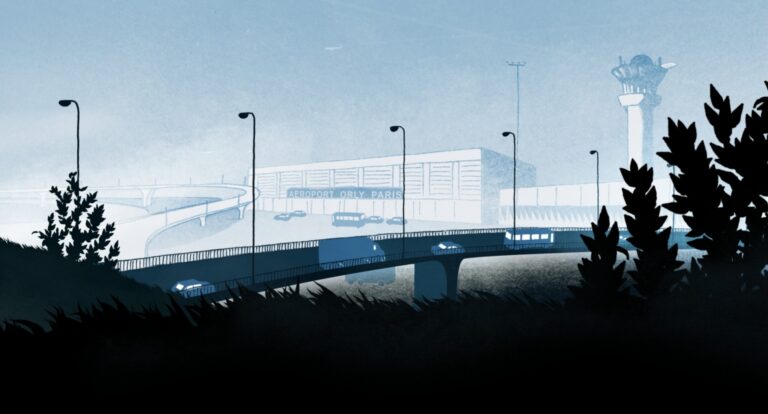
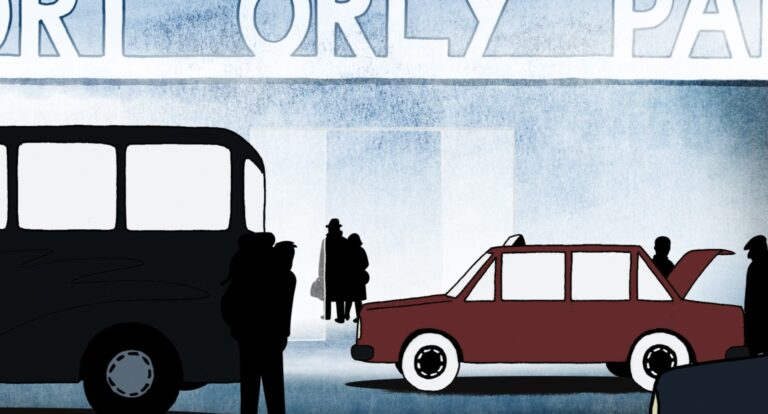
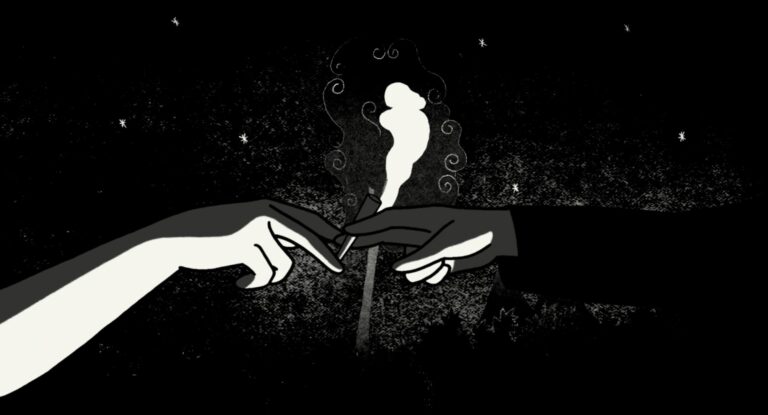
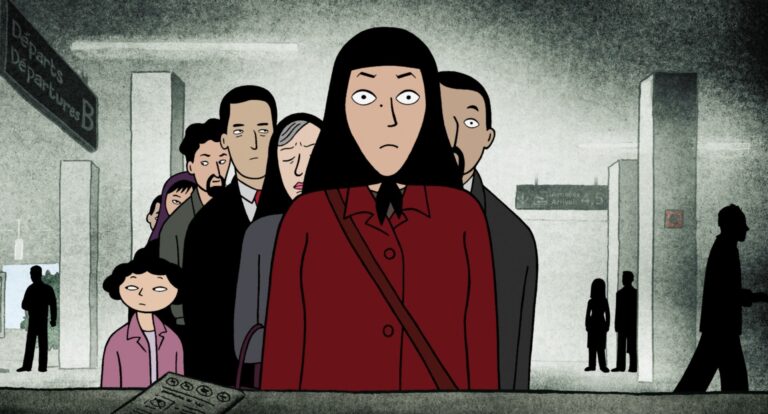
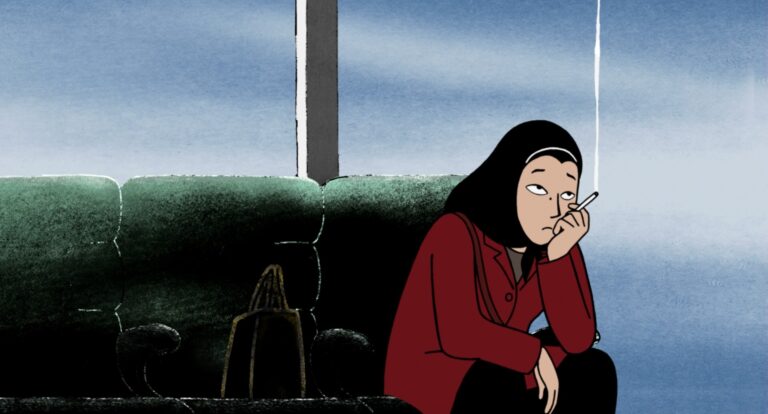
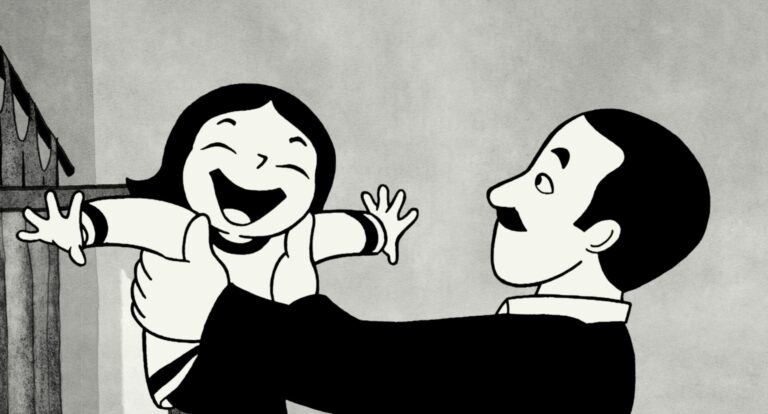
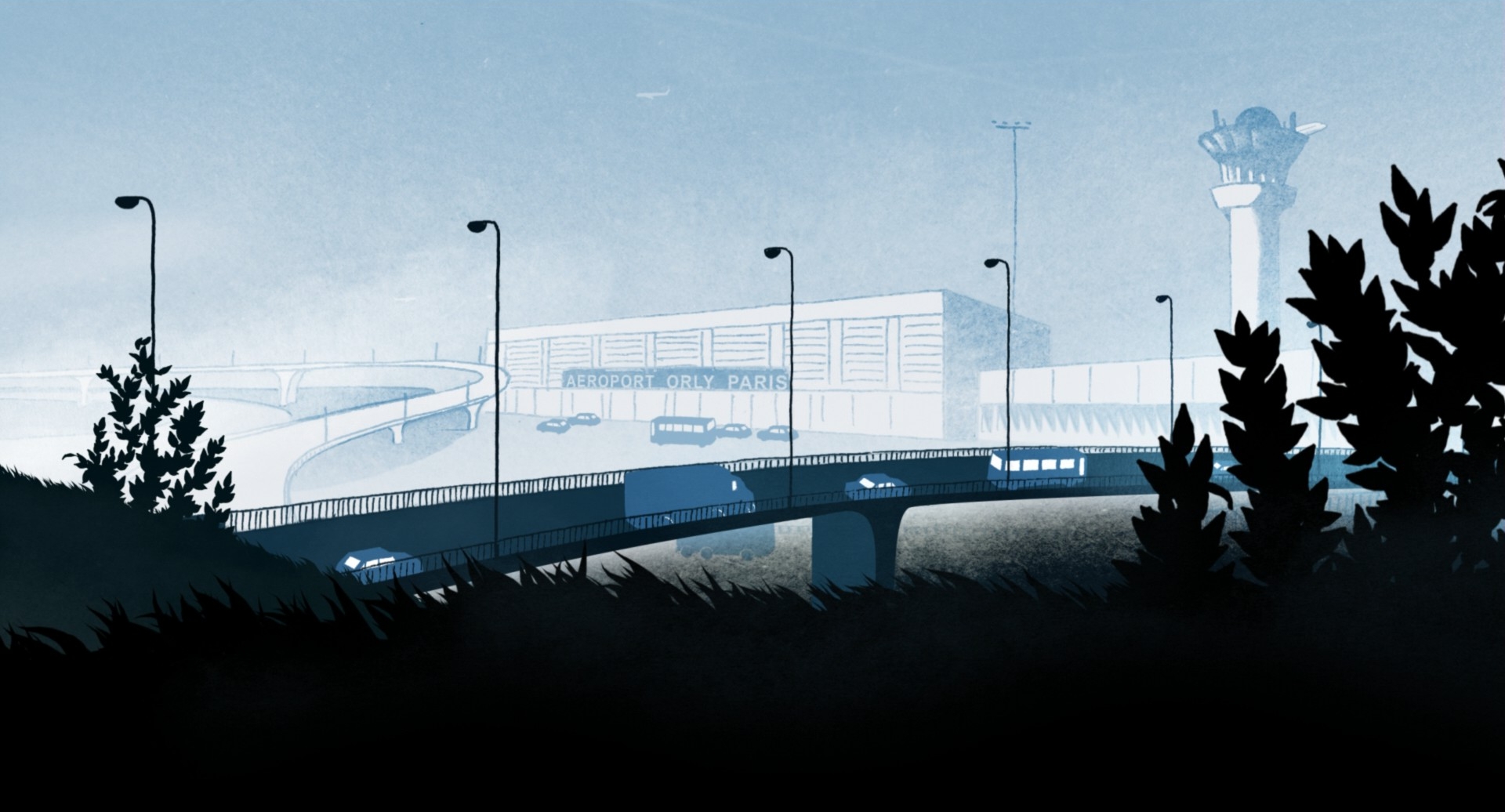
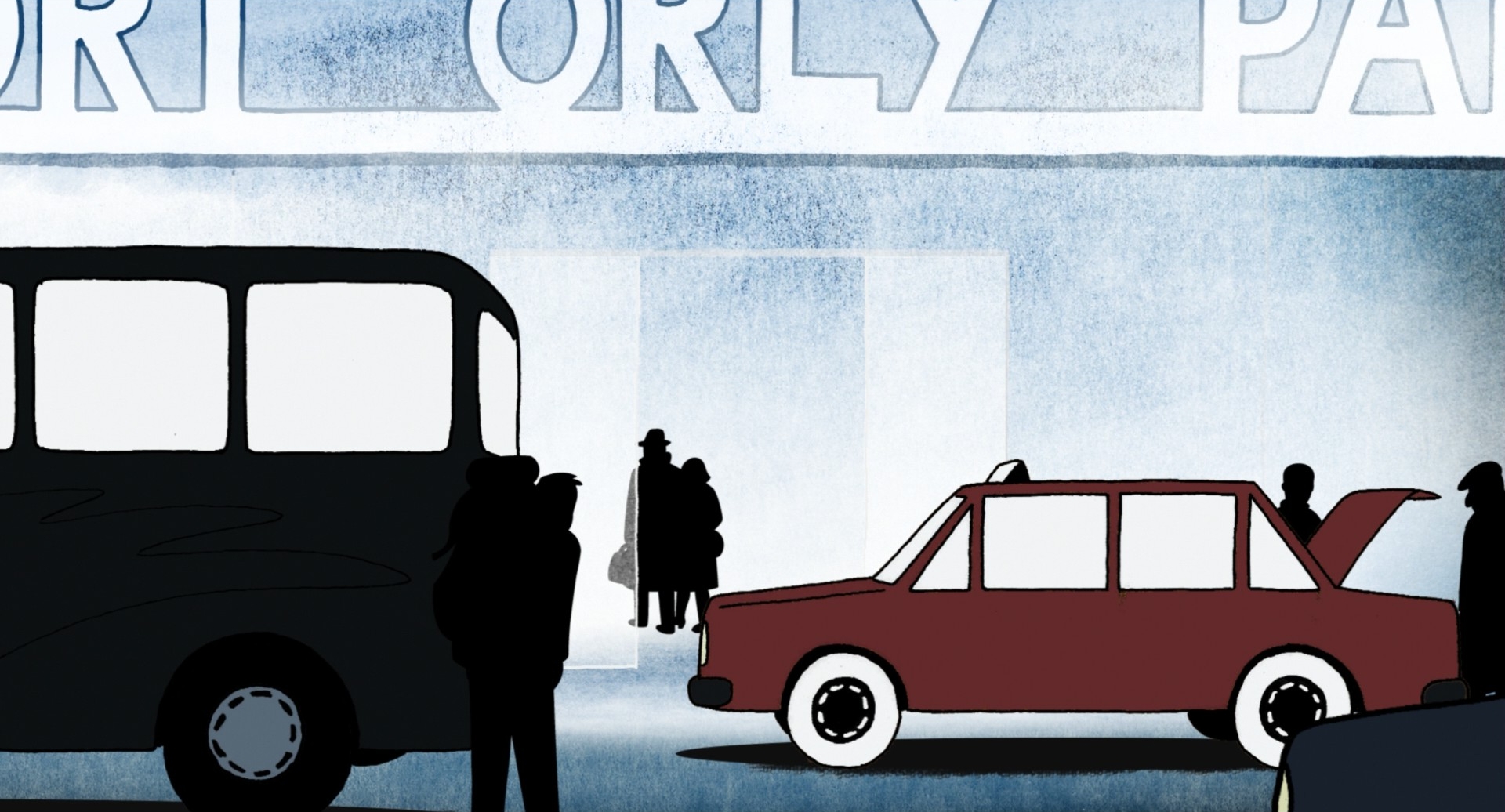
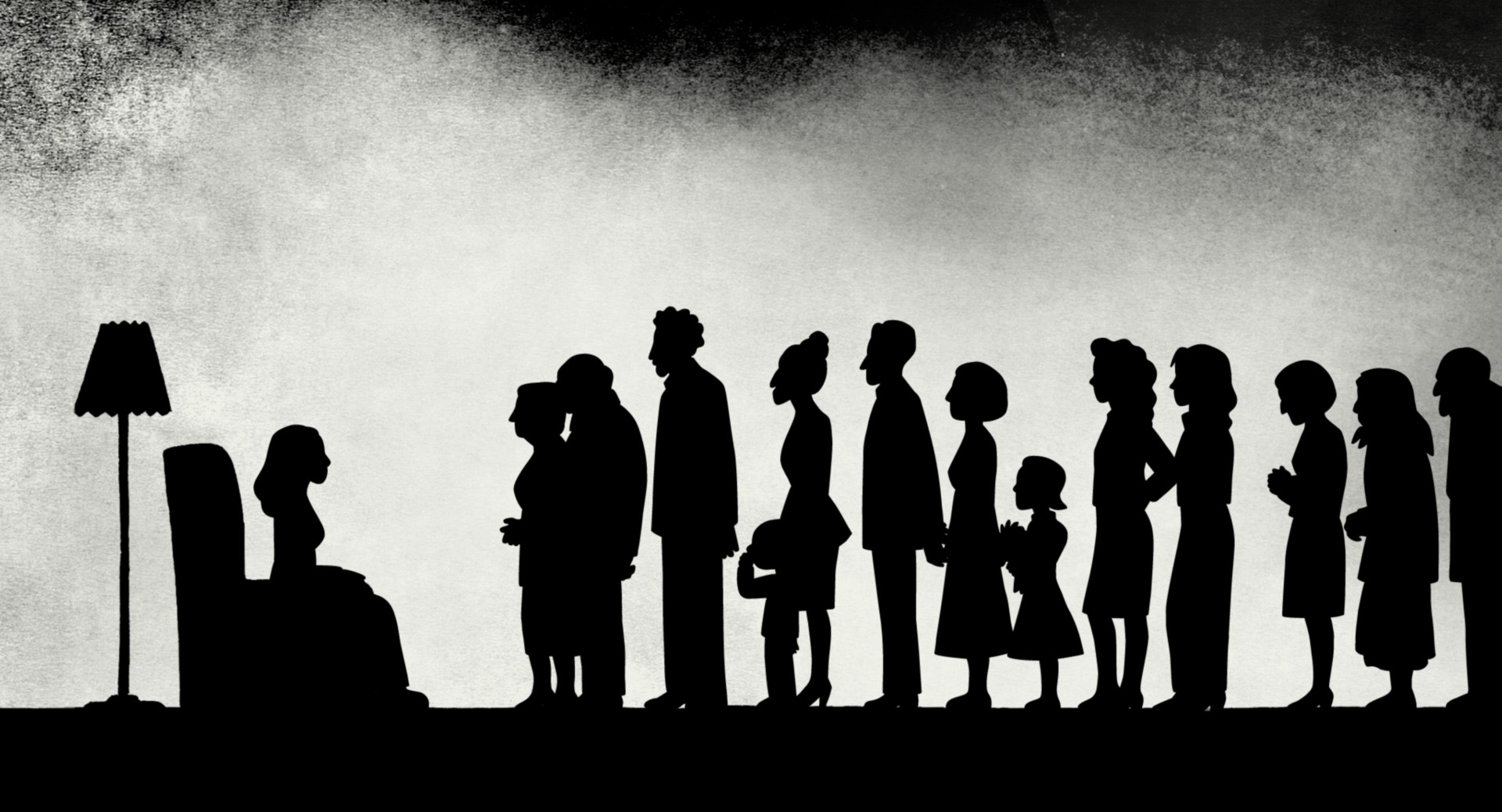
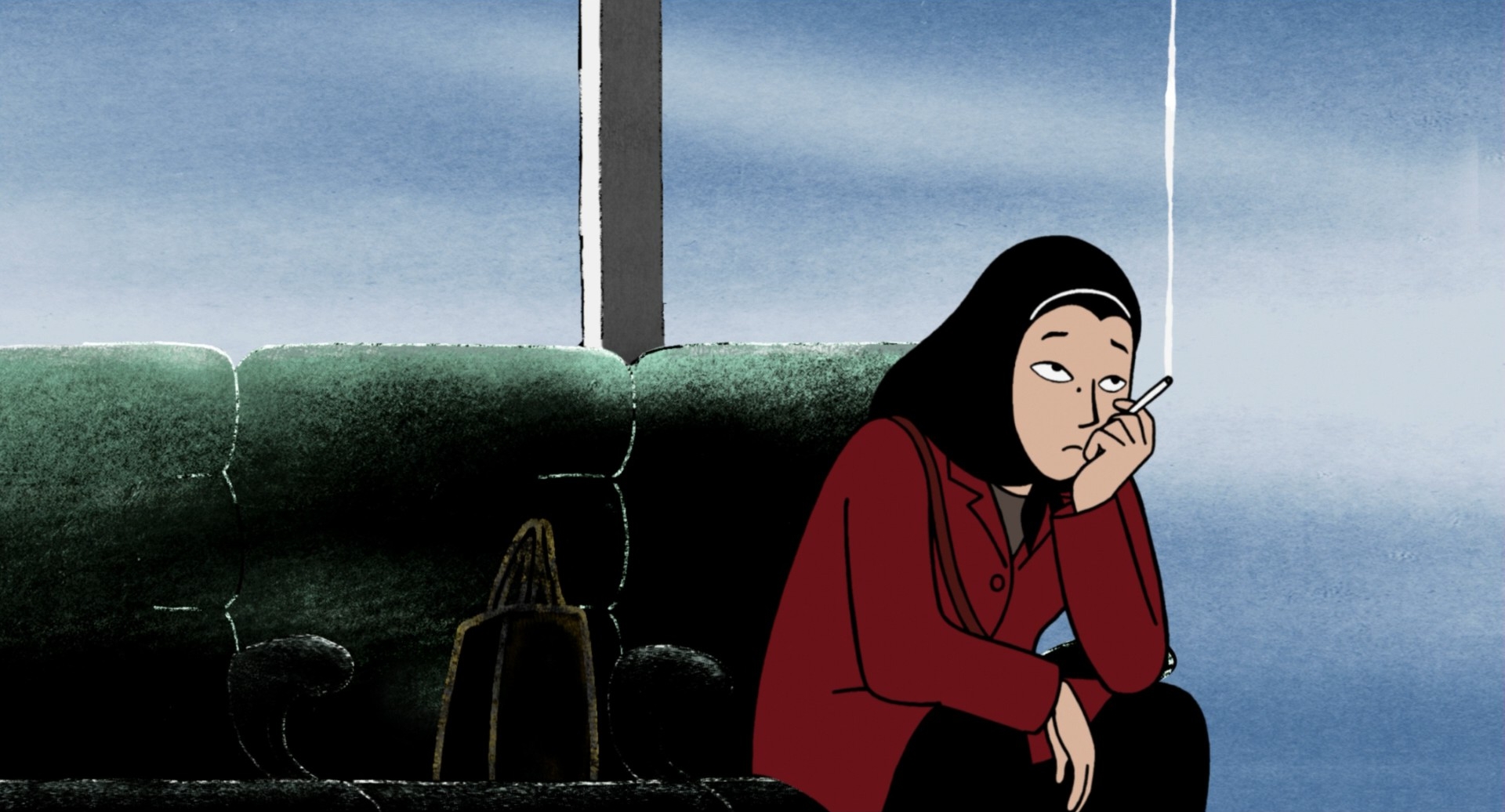
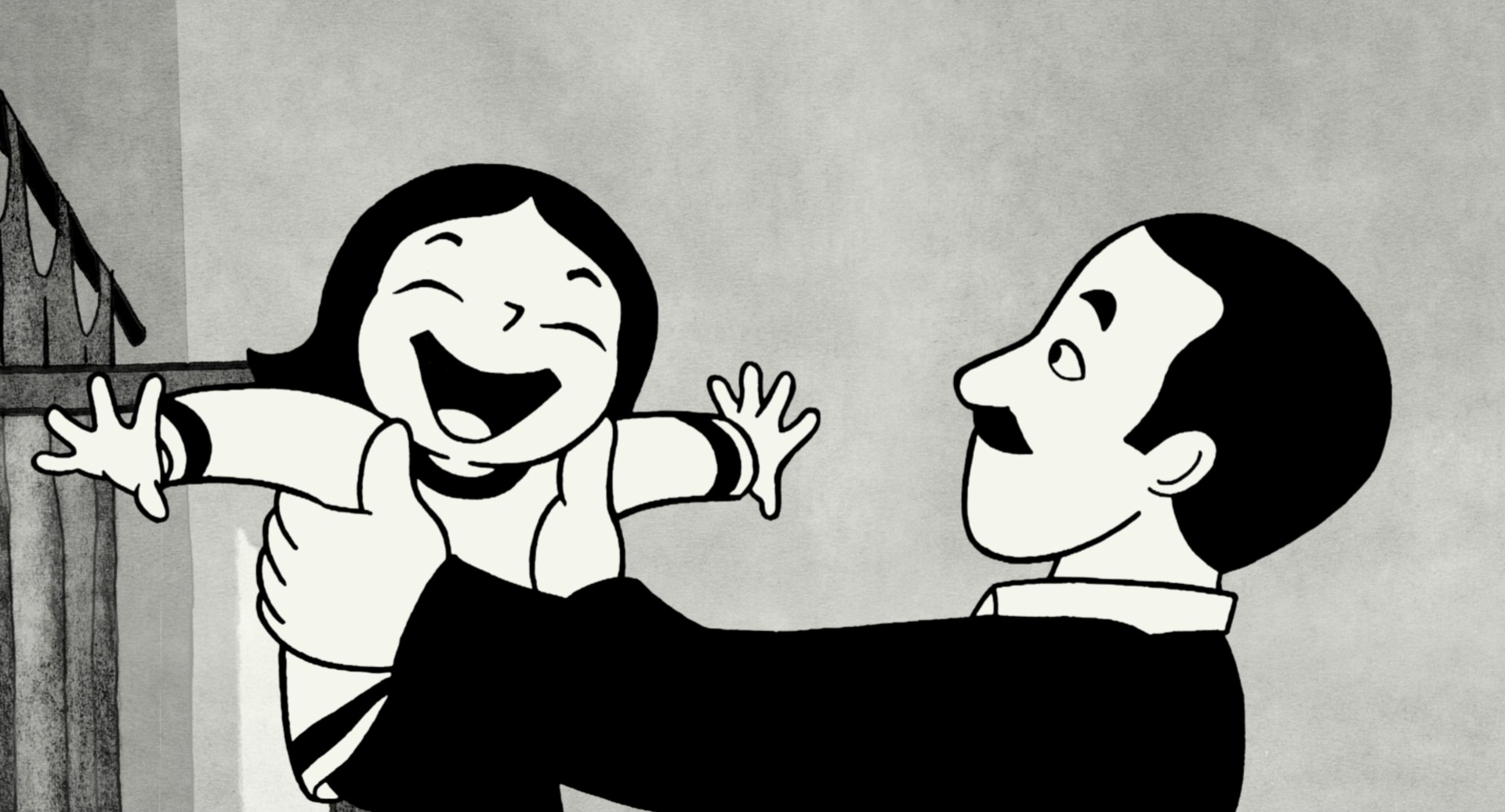
Persepolis (2007)
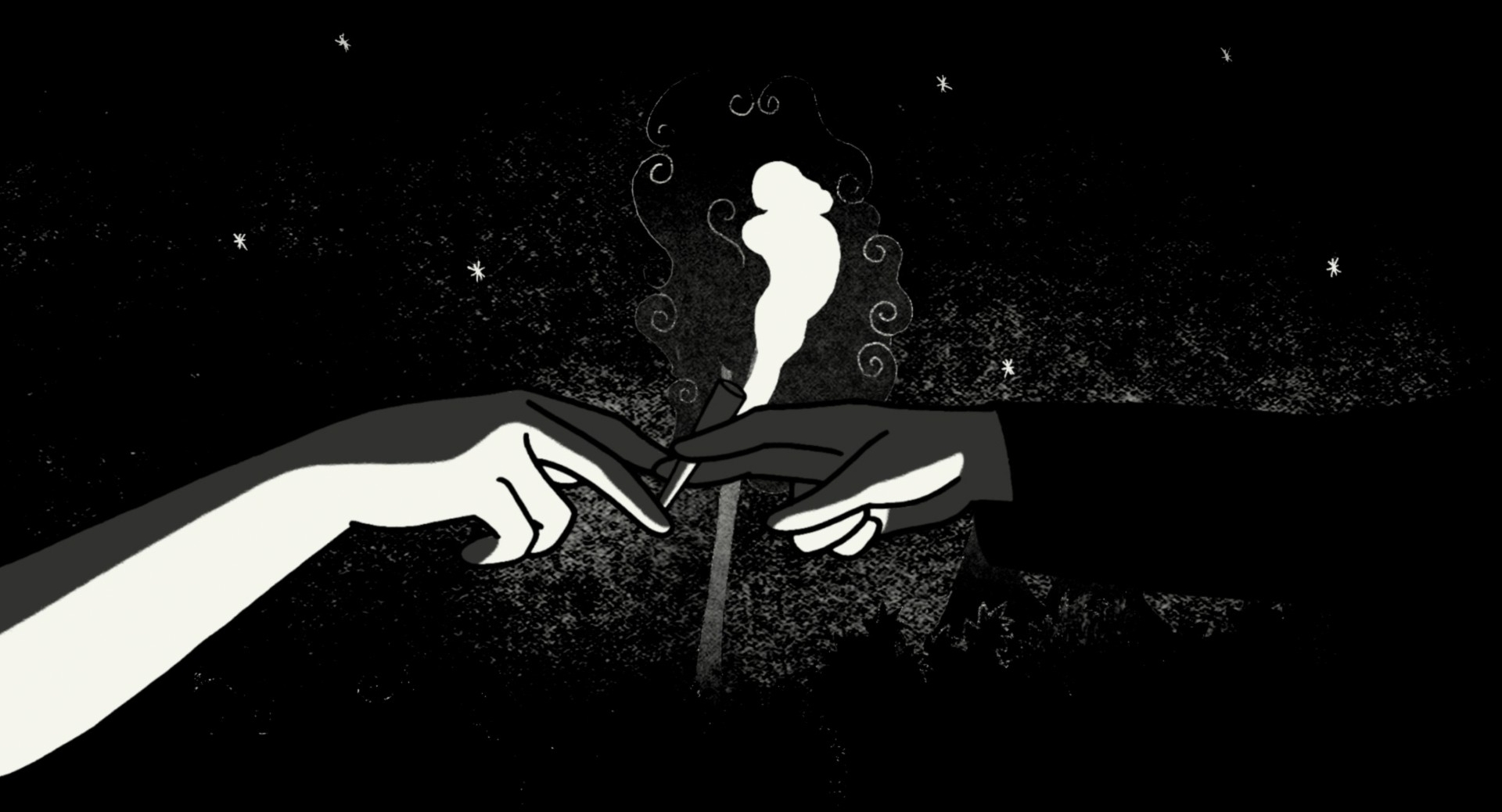
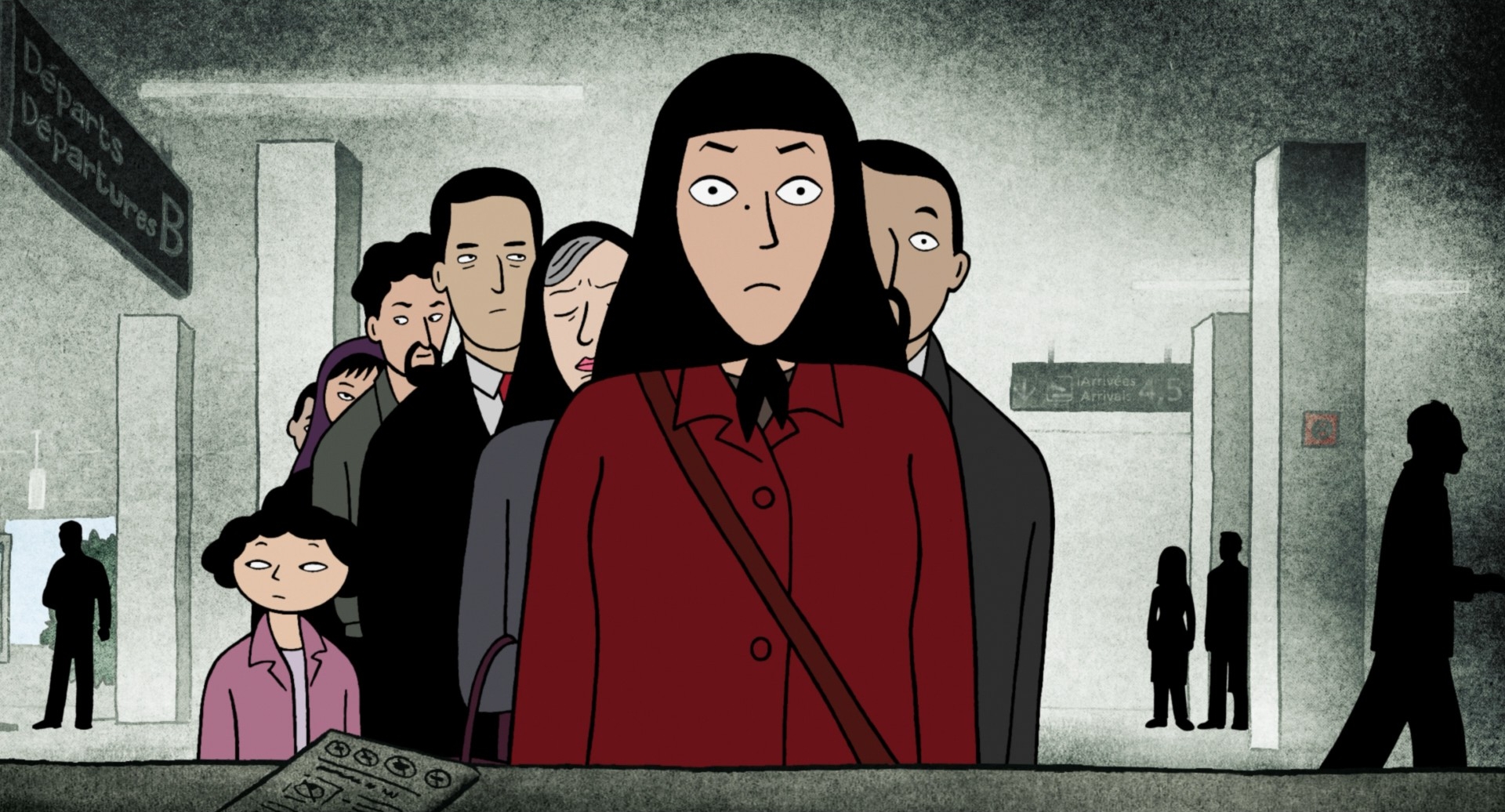
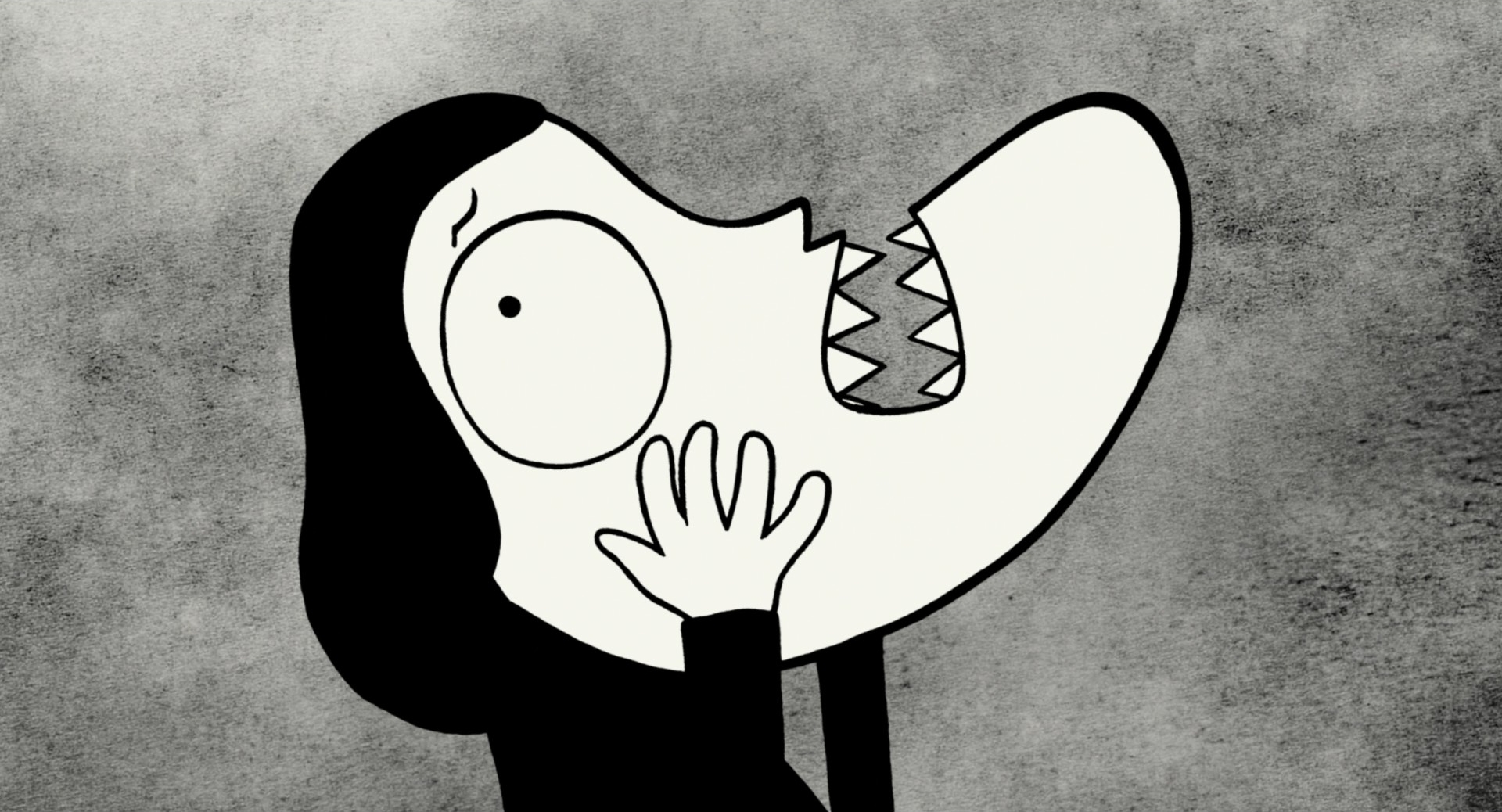
Based on Marjane Satrapi’s autobiographical graphic novel, the film follows her coming of age during and after the Iranian Revolution. As a young girl, she witnesses political upheaval, war, and repression, eventually being sent to Europe for her safety. Her journey becomes a reflection on identity, exile, and the struggle to reconcile personal freedom with cultural roots.
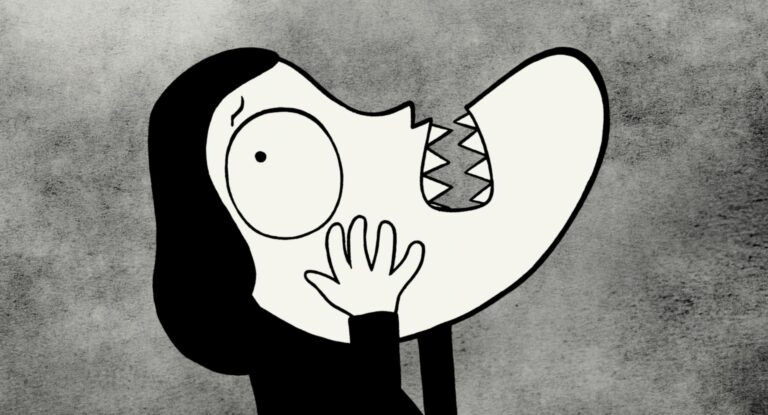
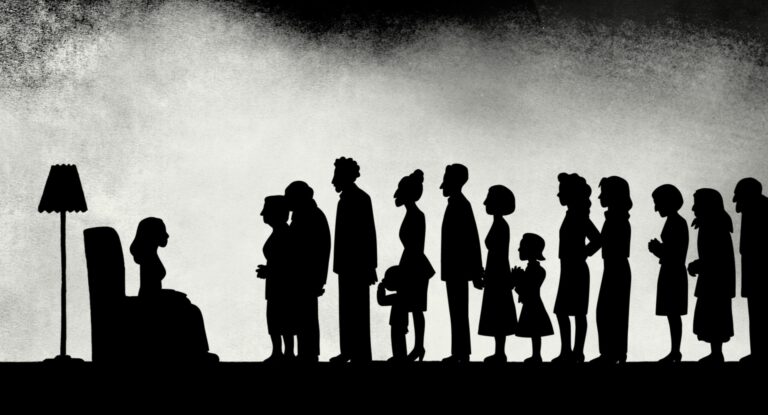
In Persepolis, Satrapi preserves the graphic novel’s stark black-and-white aesthetic, using flat, high-contrast animation to translate memory into image. The minimal, hand-drawn style—punctuated by occasional shifts in tone and detail—turns absence into expression, where silhouette, shape, and negative space carry the emotional and political weight of the story.
FILM SPOTLIGHT
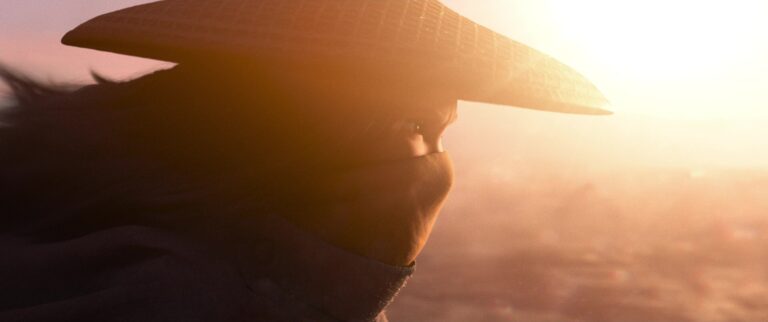
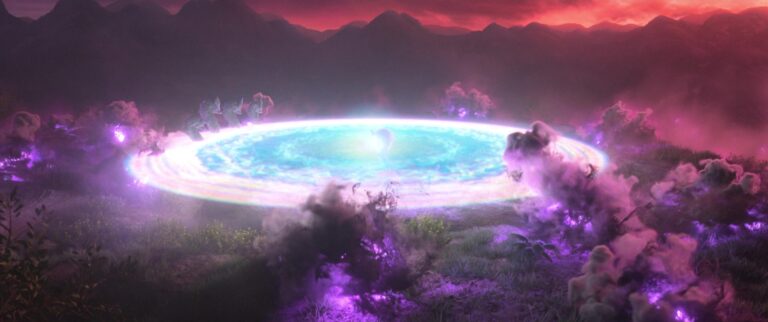
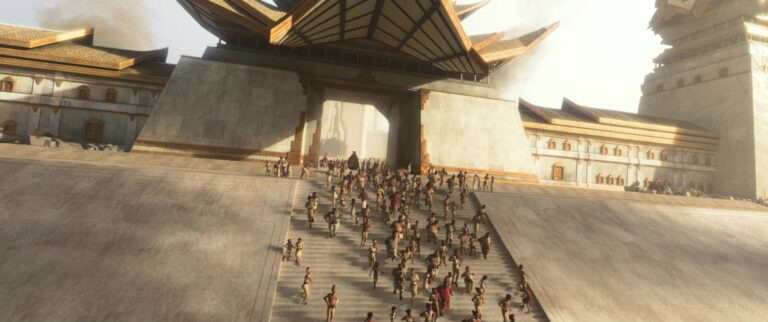
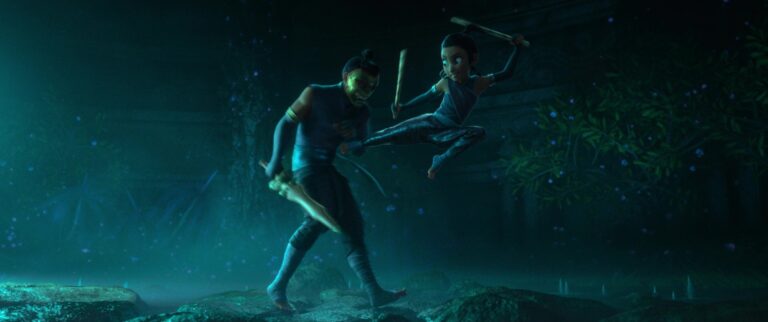
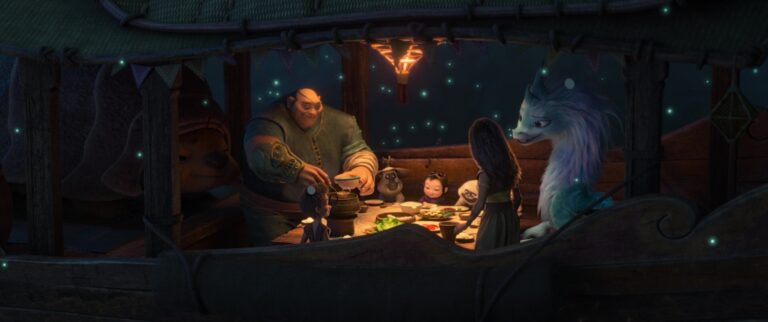
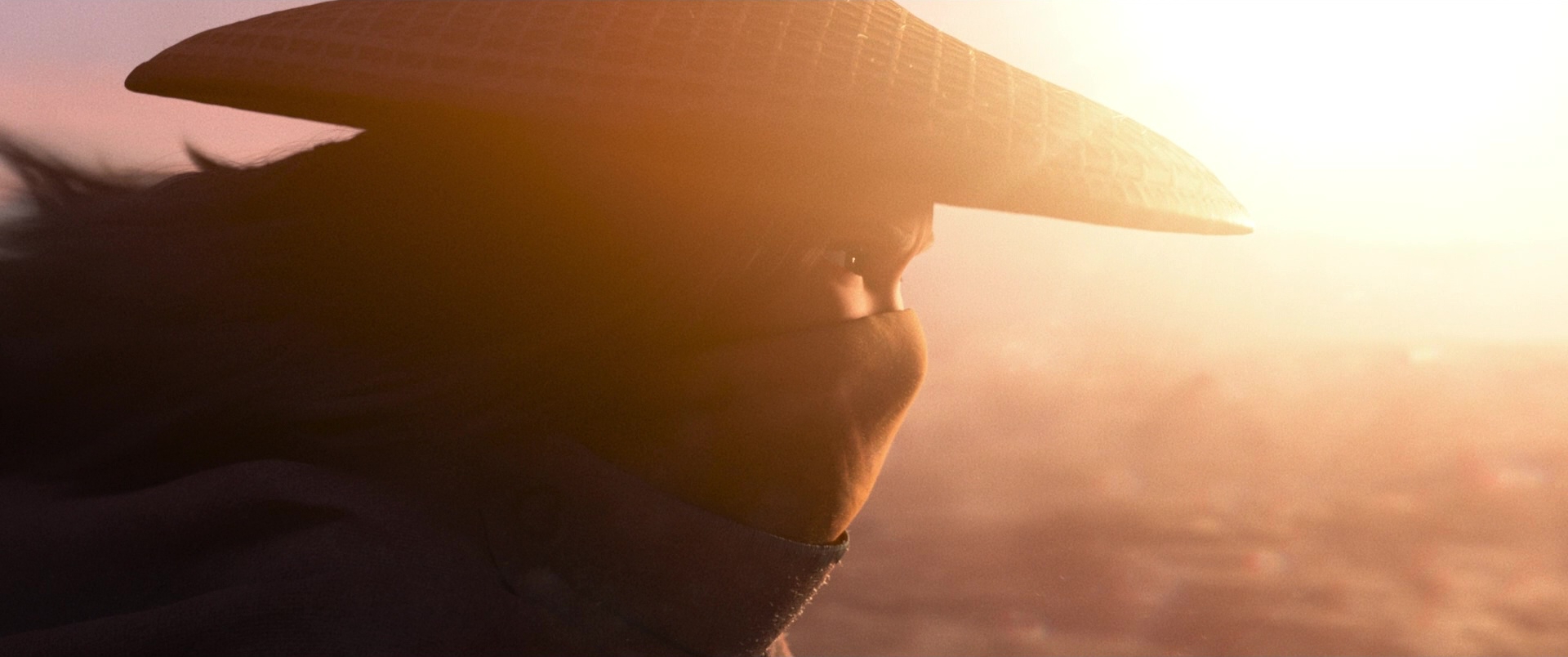
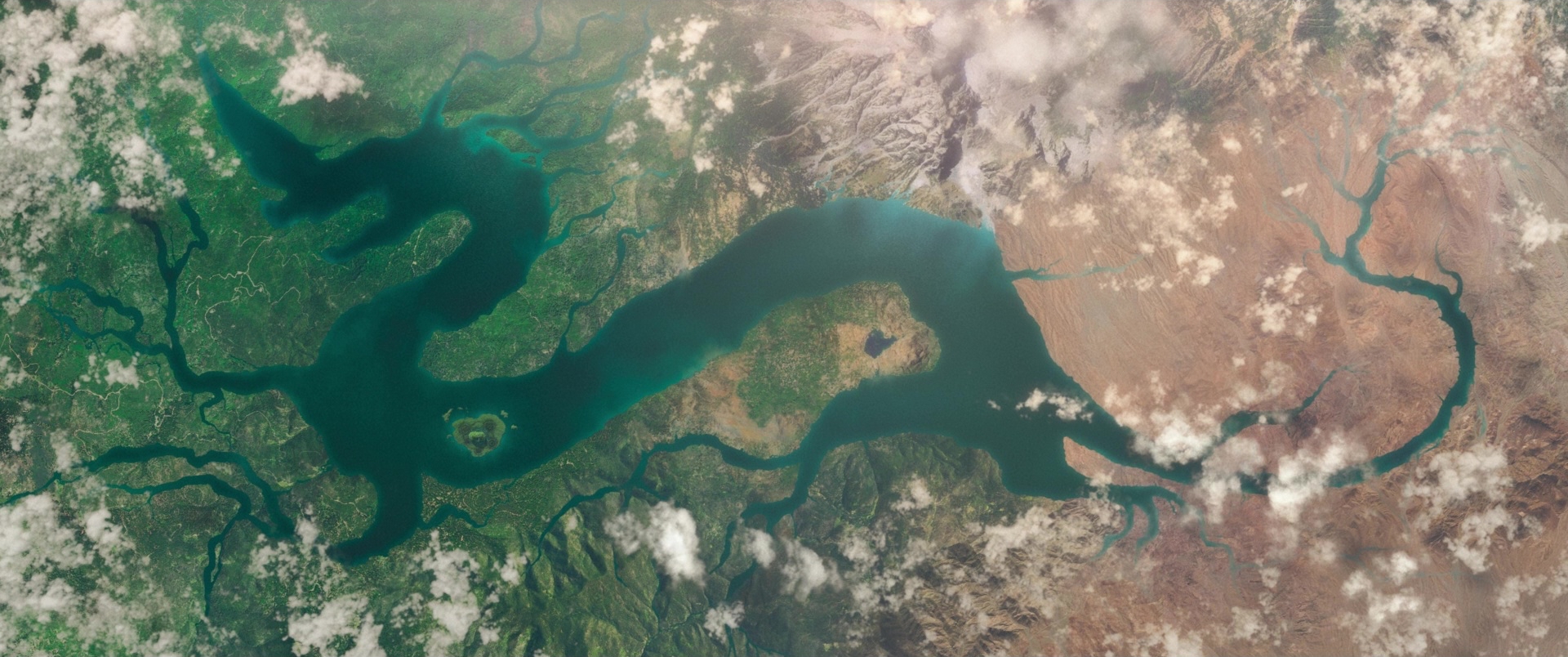
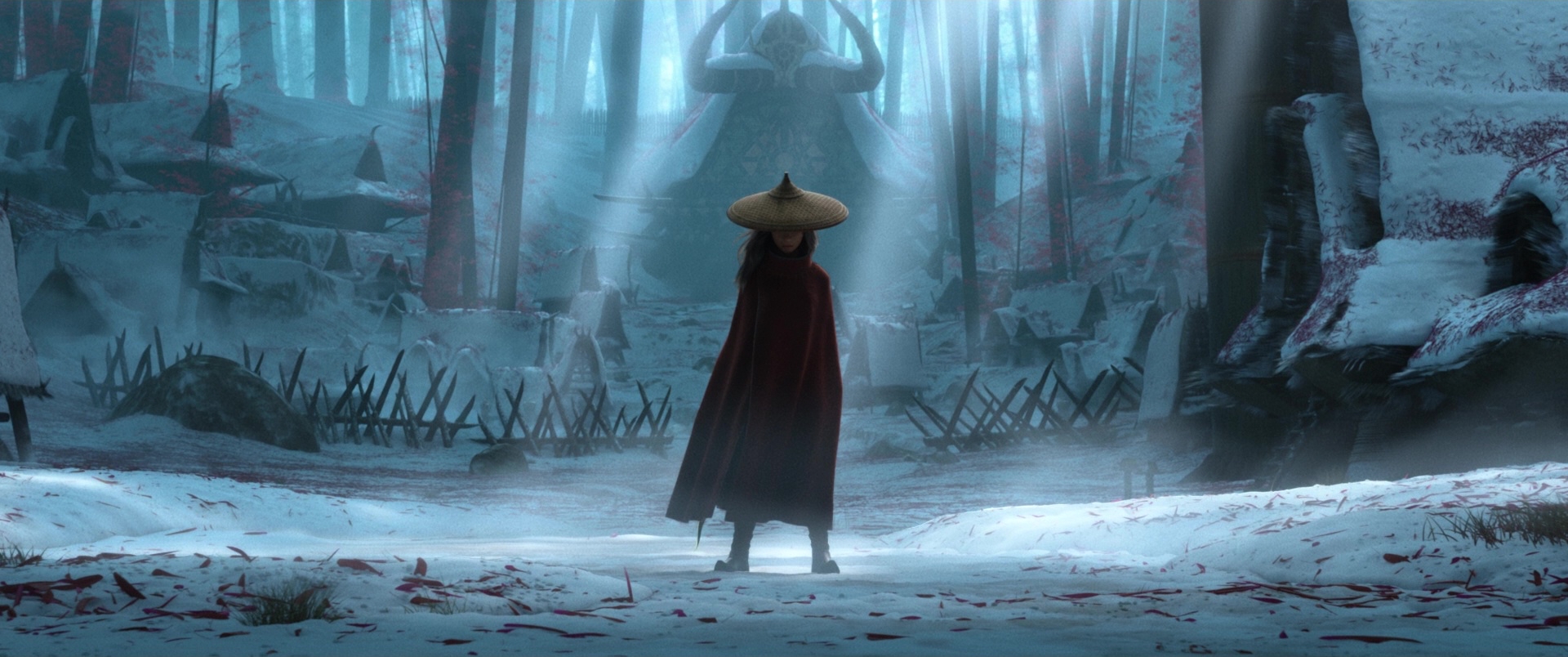
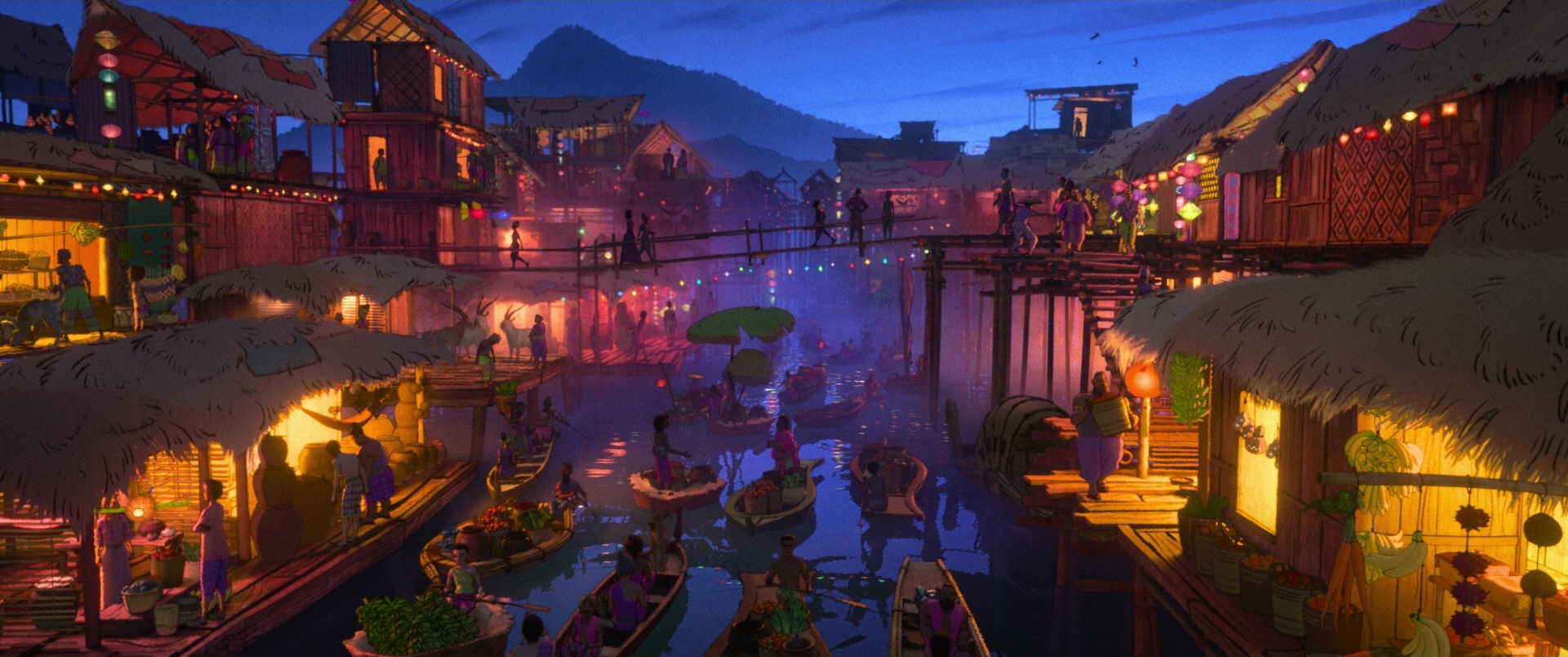
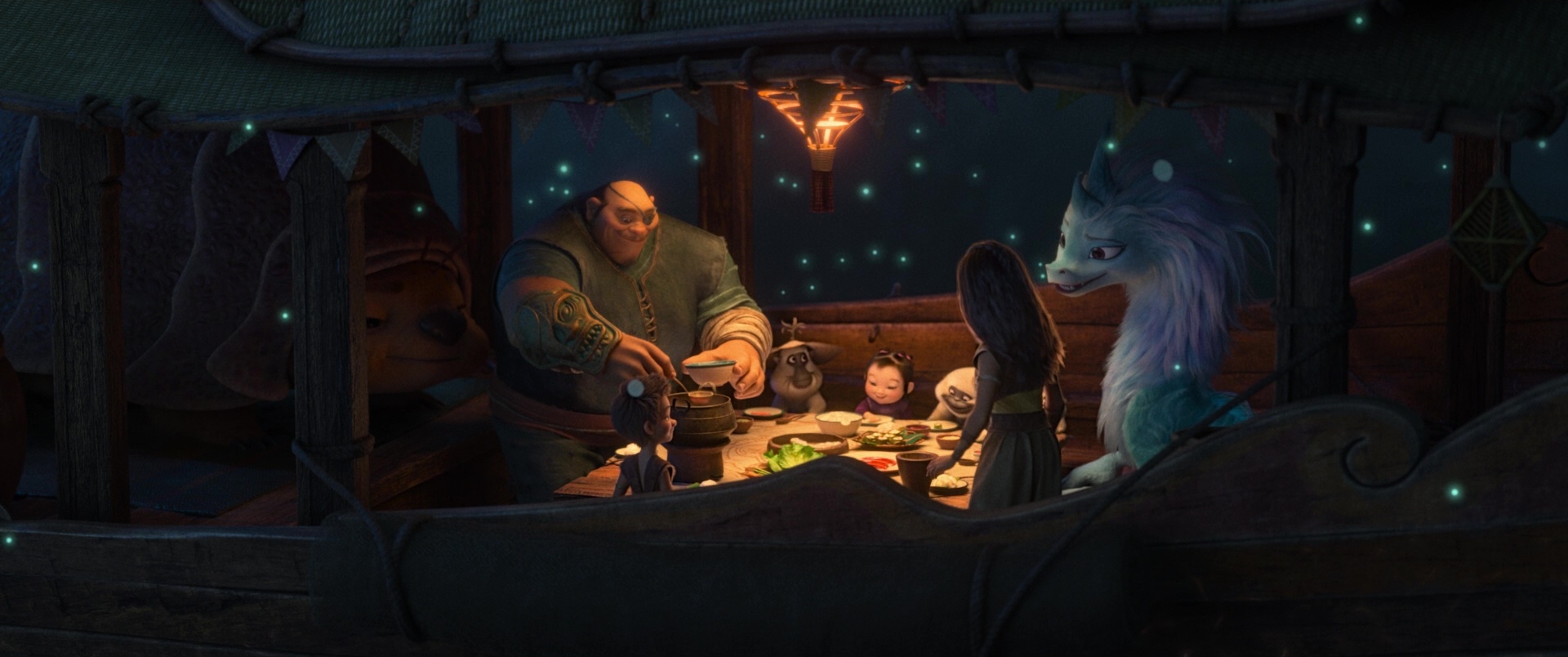
Raya and the Last Dragon (2021)
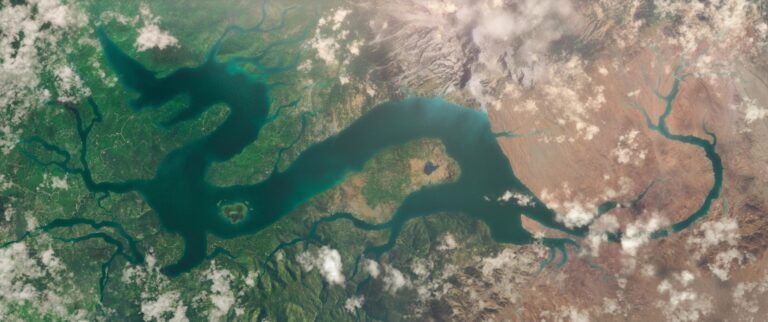
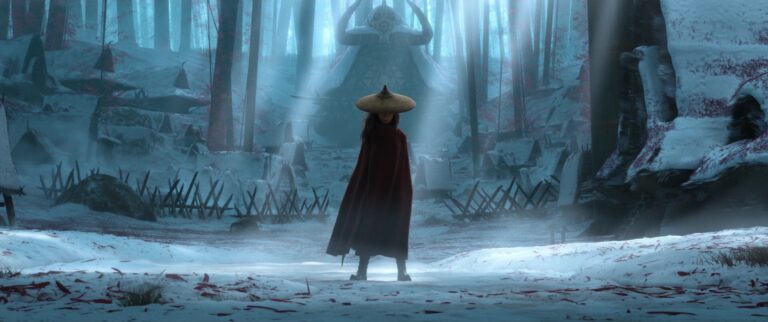
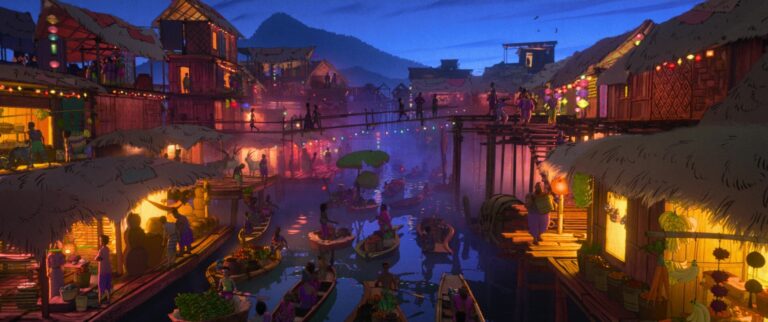
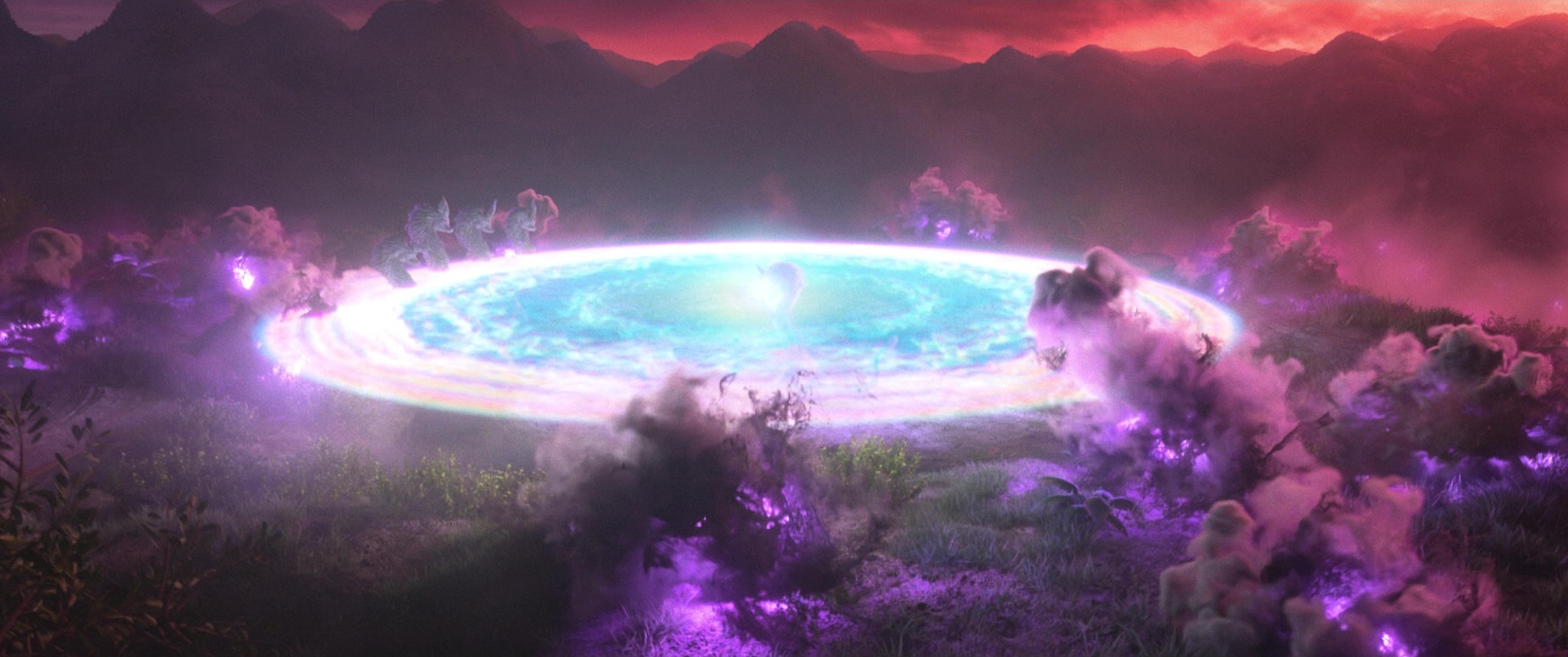
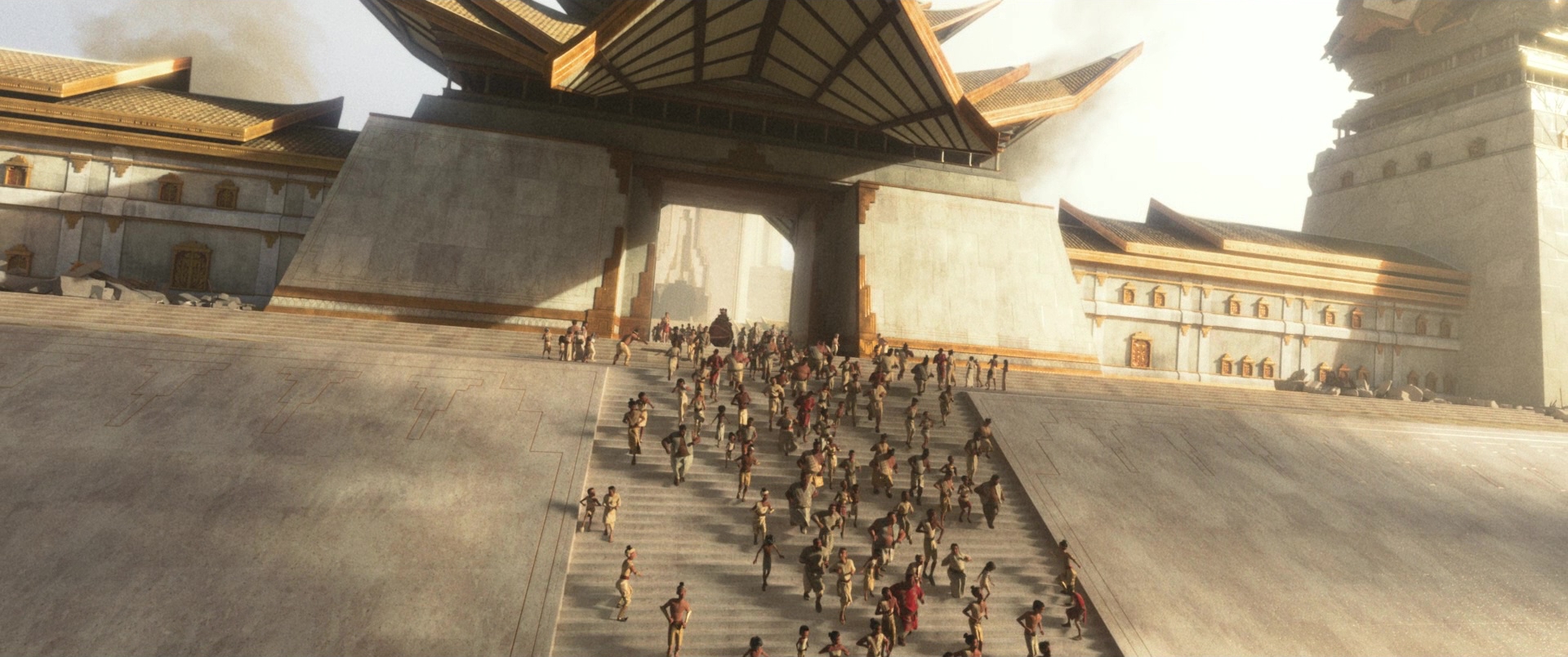
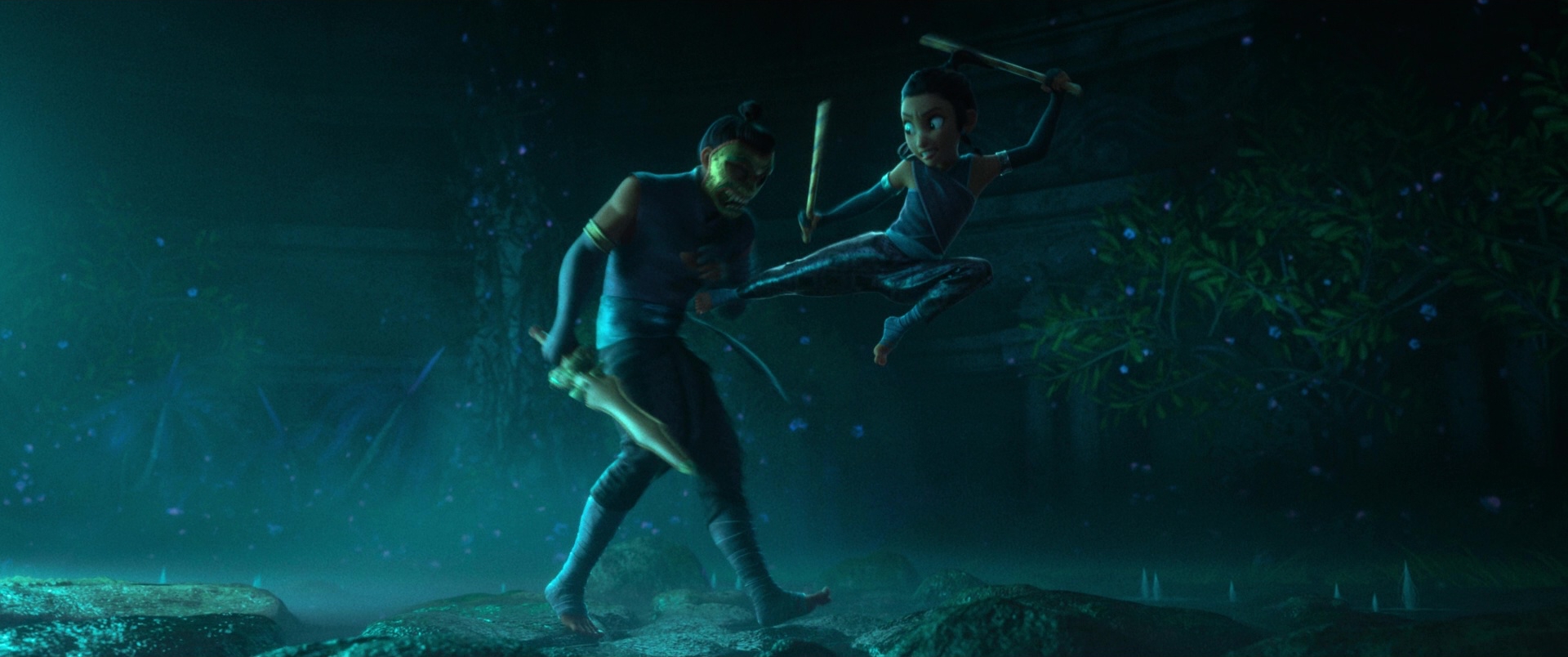
In the fantasy land of Kumandra, a young warrior named Raya sets out to find the last dragon in hopes of restoring peace to a fractured world. Centuries after a dark force turned people to stone, the land remains divided among rival tribes. As Raya journeys across these regions, she must learn to trust others in order to unite them against a returning threat.
In Raya, Disney pushes its CG pipeline toward greater texture and cultural specificity, building Kumandra as a series of distinct visual ecosystems inspired by Southeast Asian landscapes and design. The film’s lush environments—rain-soaked forests, glowing waterways, and intricate costumes—are paired with fluid camera movement and detailed lighting, turning world-building itself into the primary visual spectacle.
FILM SPOTLIGHT
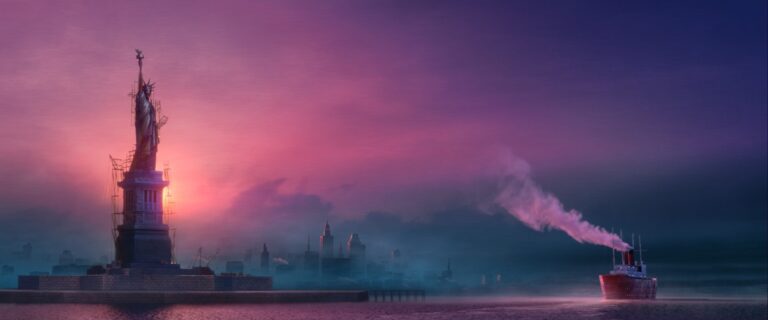
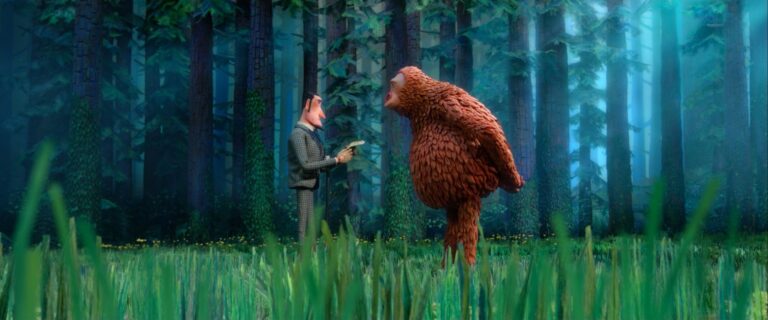
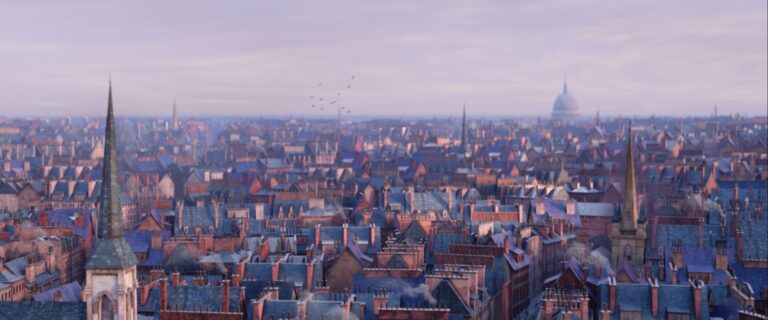
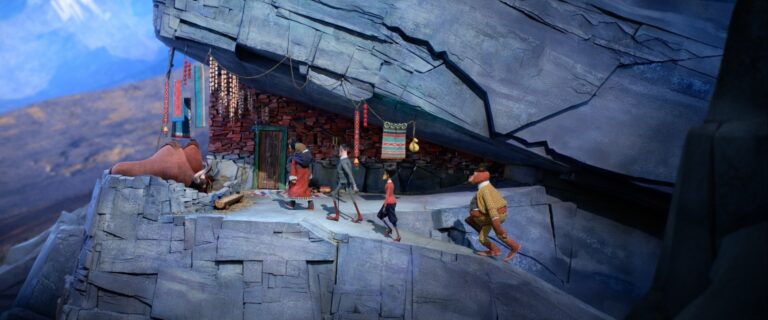
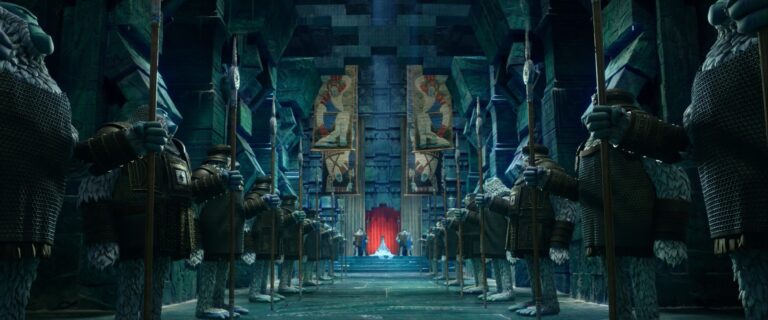
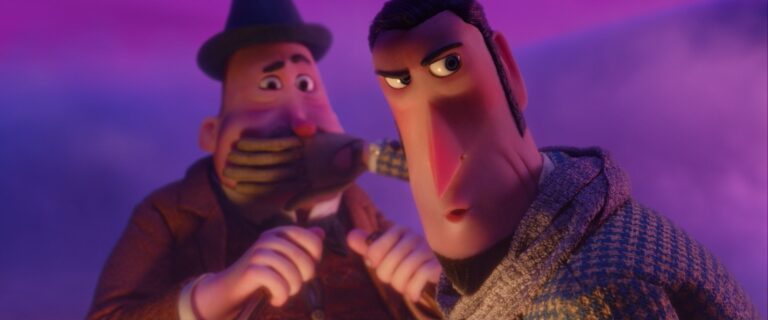
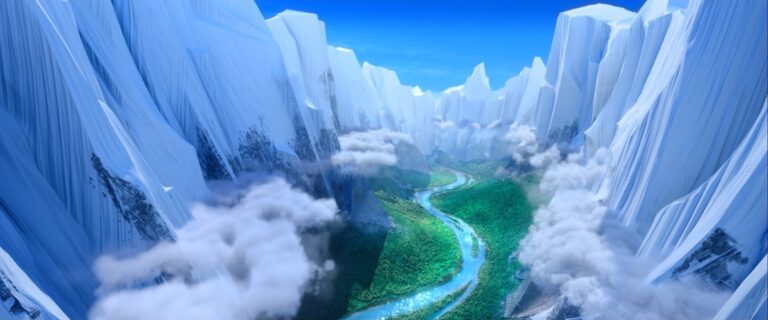
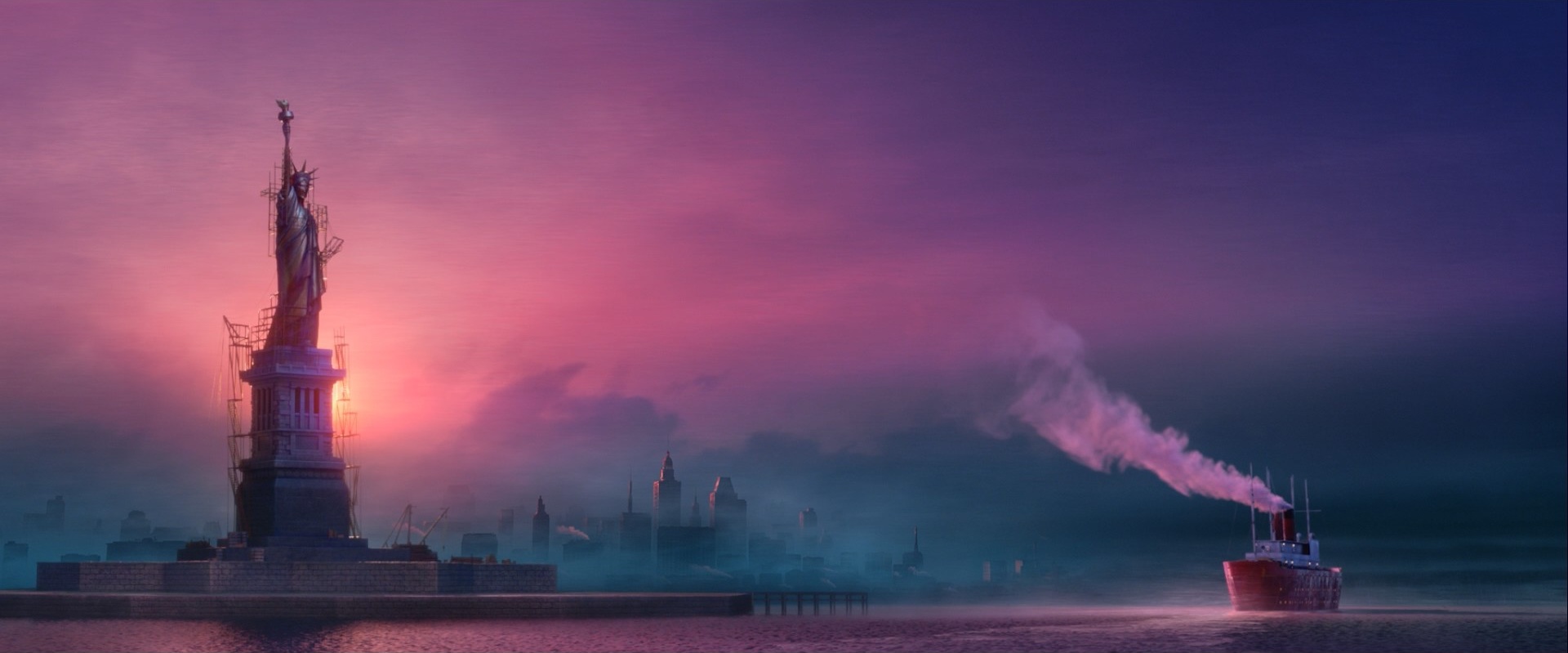
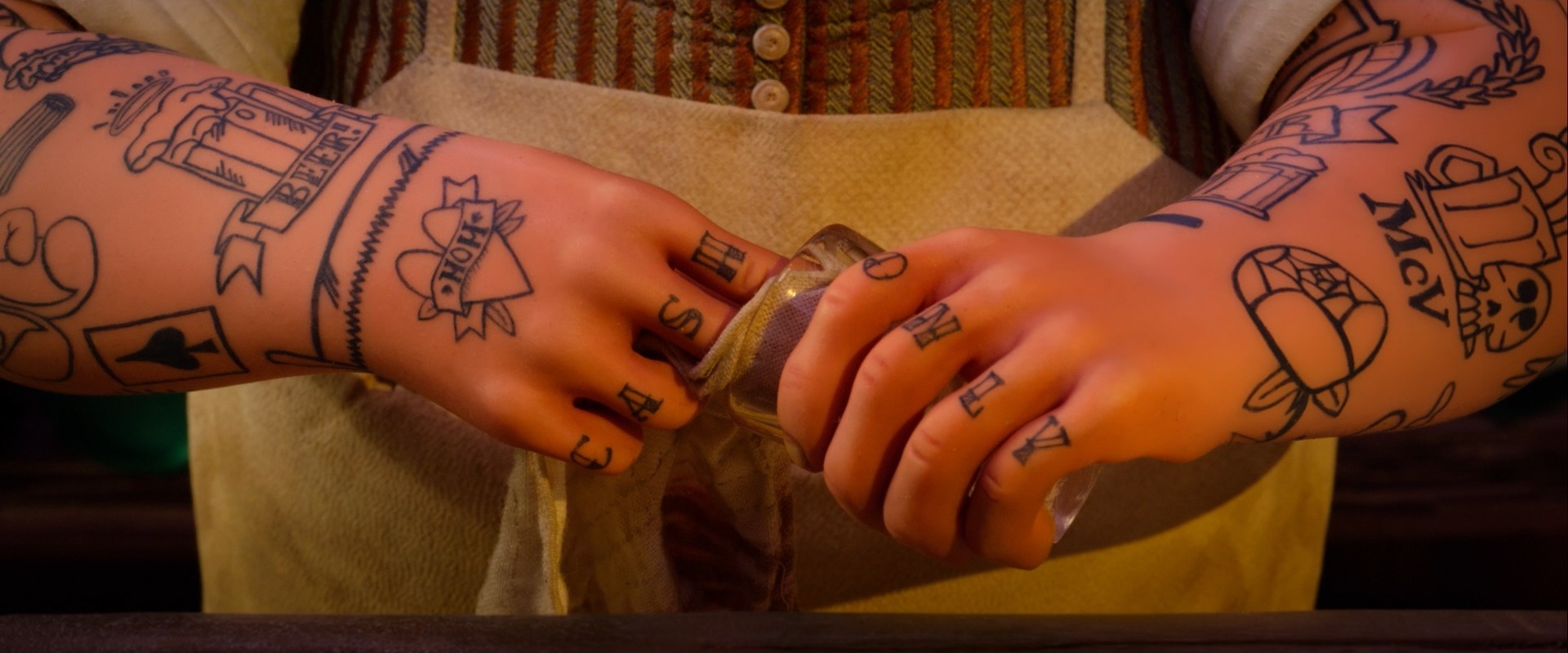
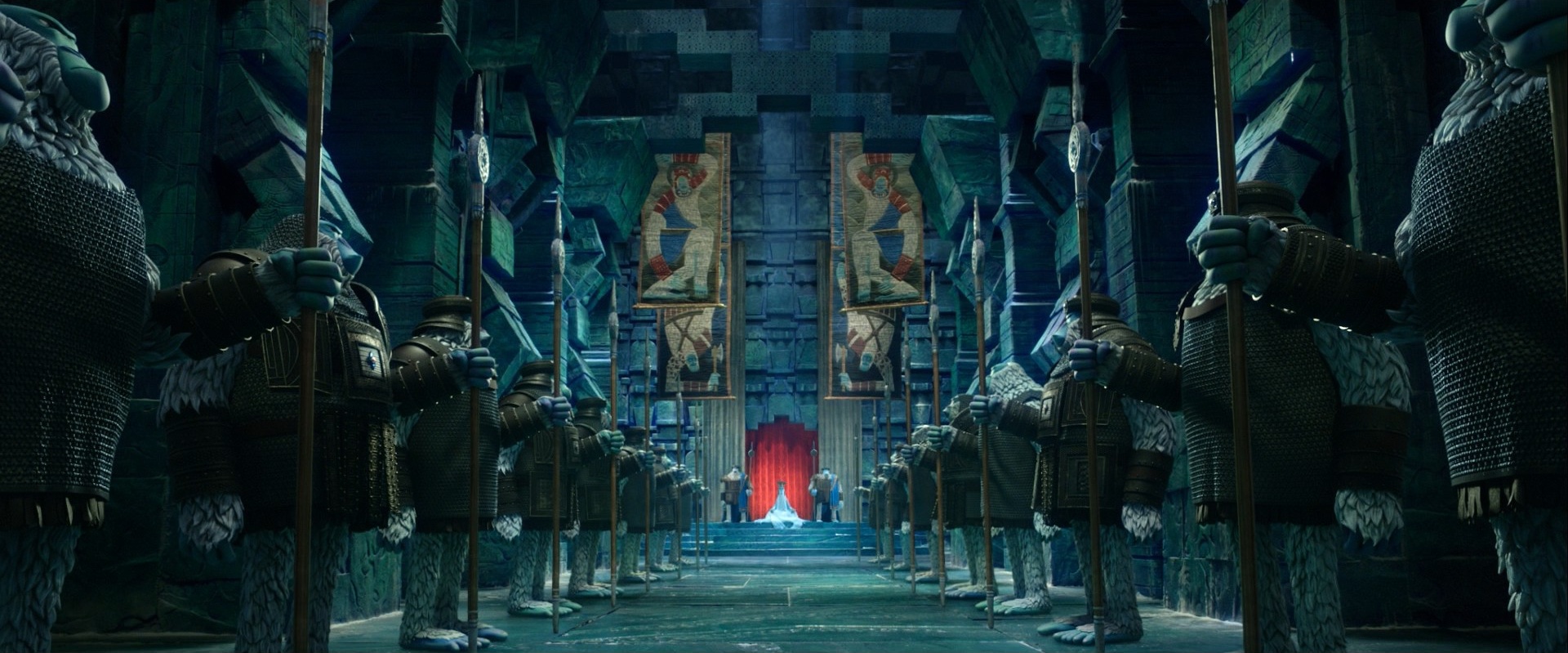
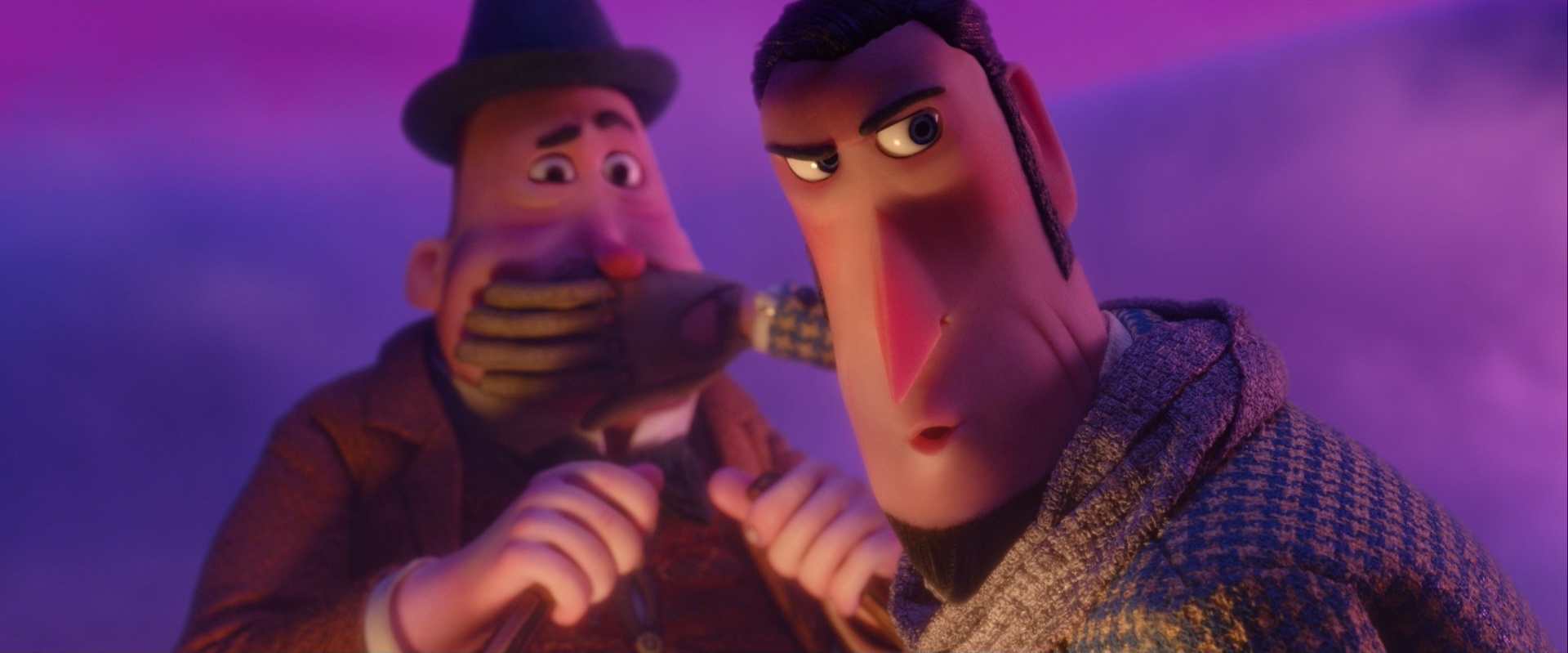
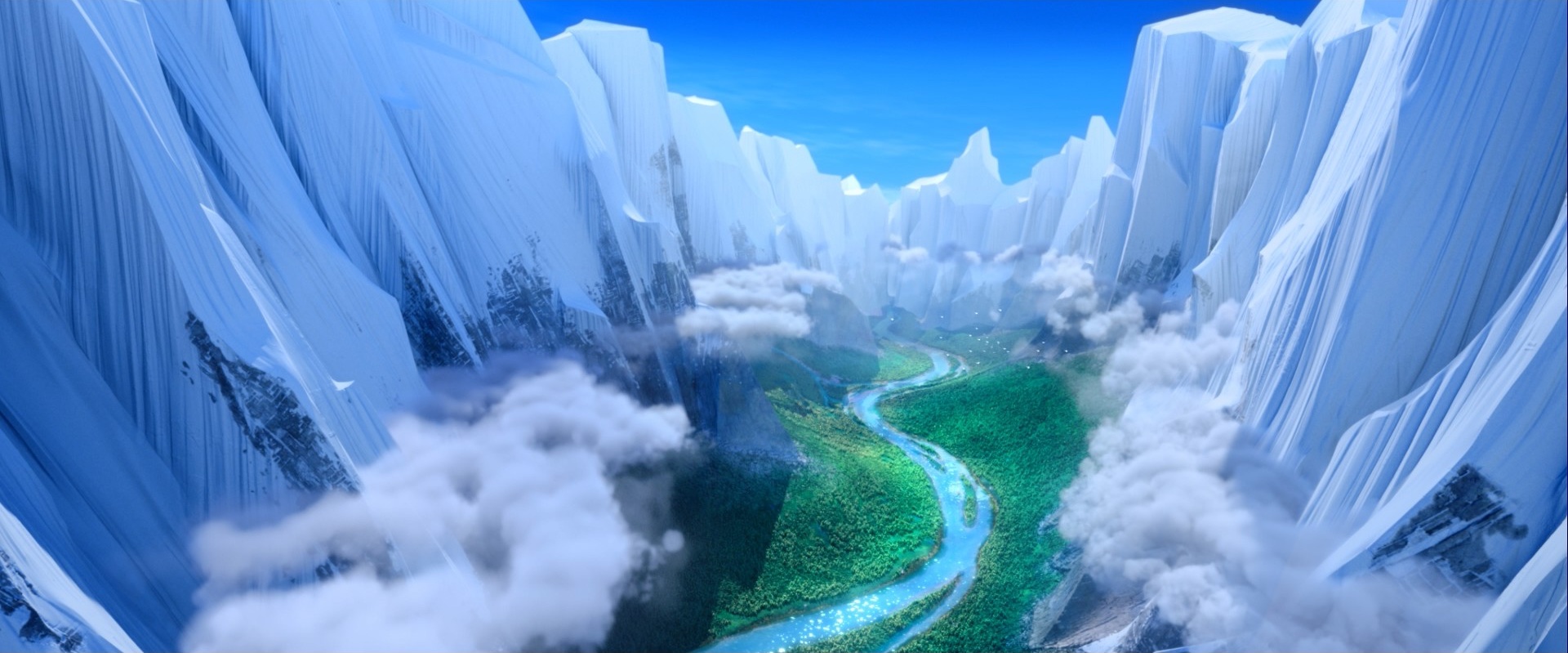
Missing Link (2019)
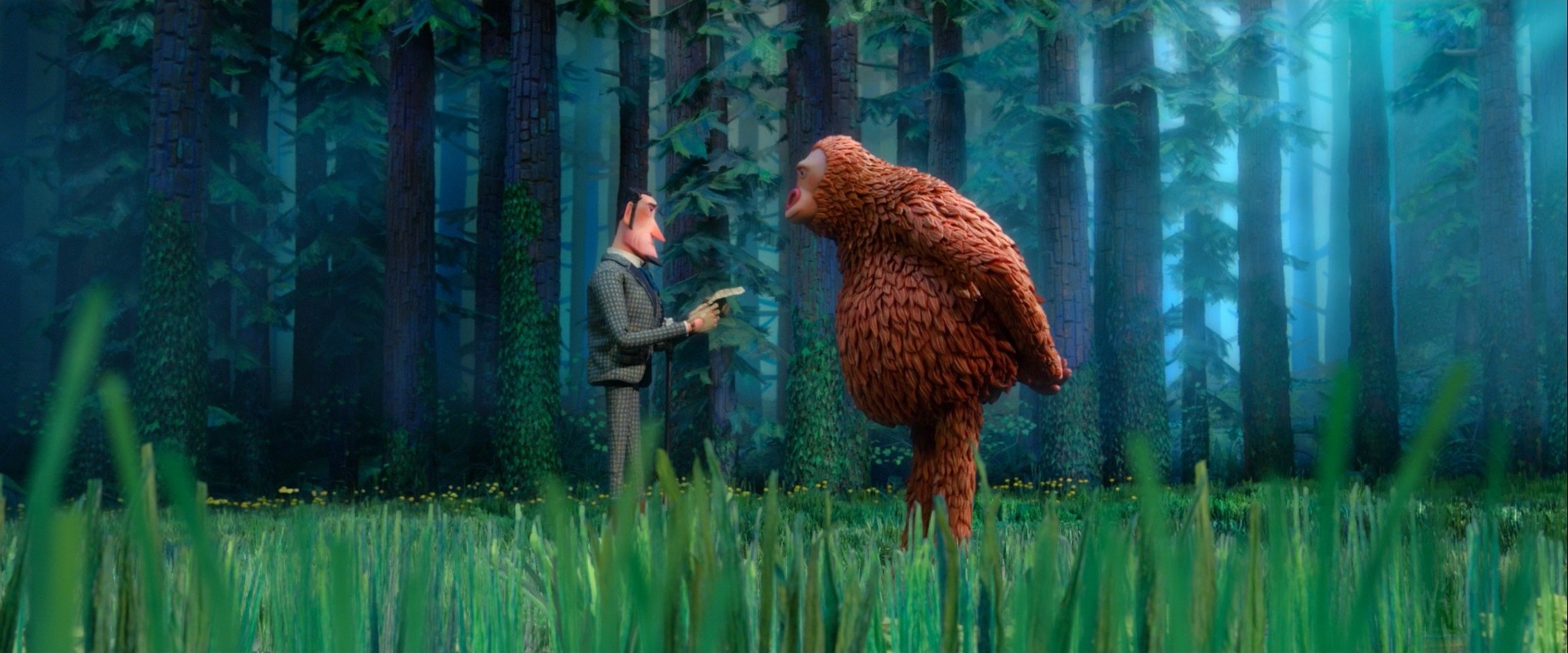
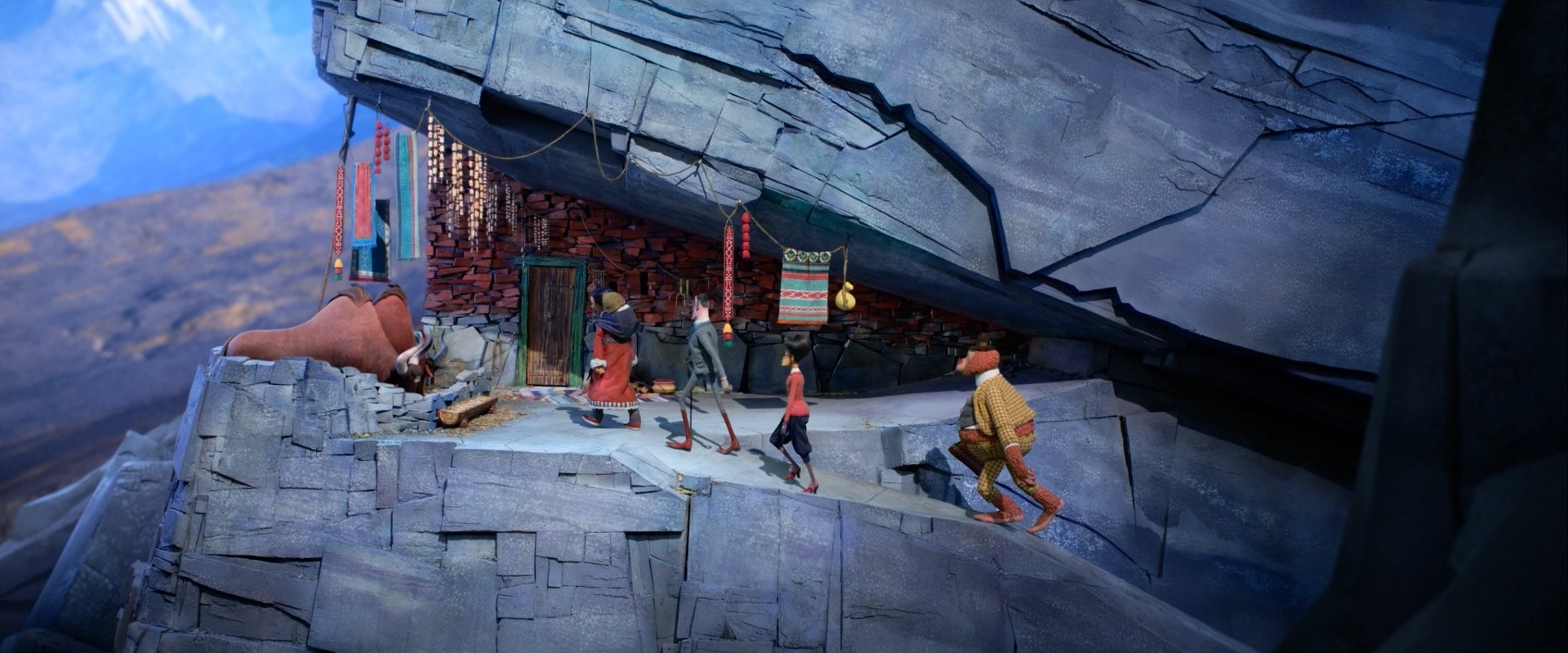
An eccentric explorer receives a letter from a legendary creature known as the “missing link,” who seeks help finding his long-lost relatives. Teaming up with the kind-hearted Sasquatch—who calls himself Mr. Link—and an adventurous tracker, they embark on a globe-trotting journey filled with danger and discovery. Their quest becomes a story of friendship, belonging, and self-acceptance.
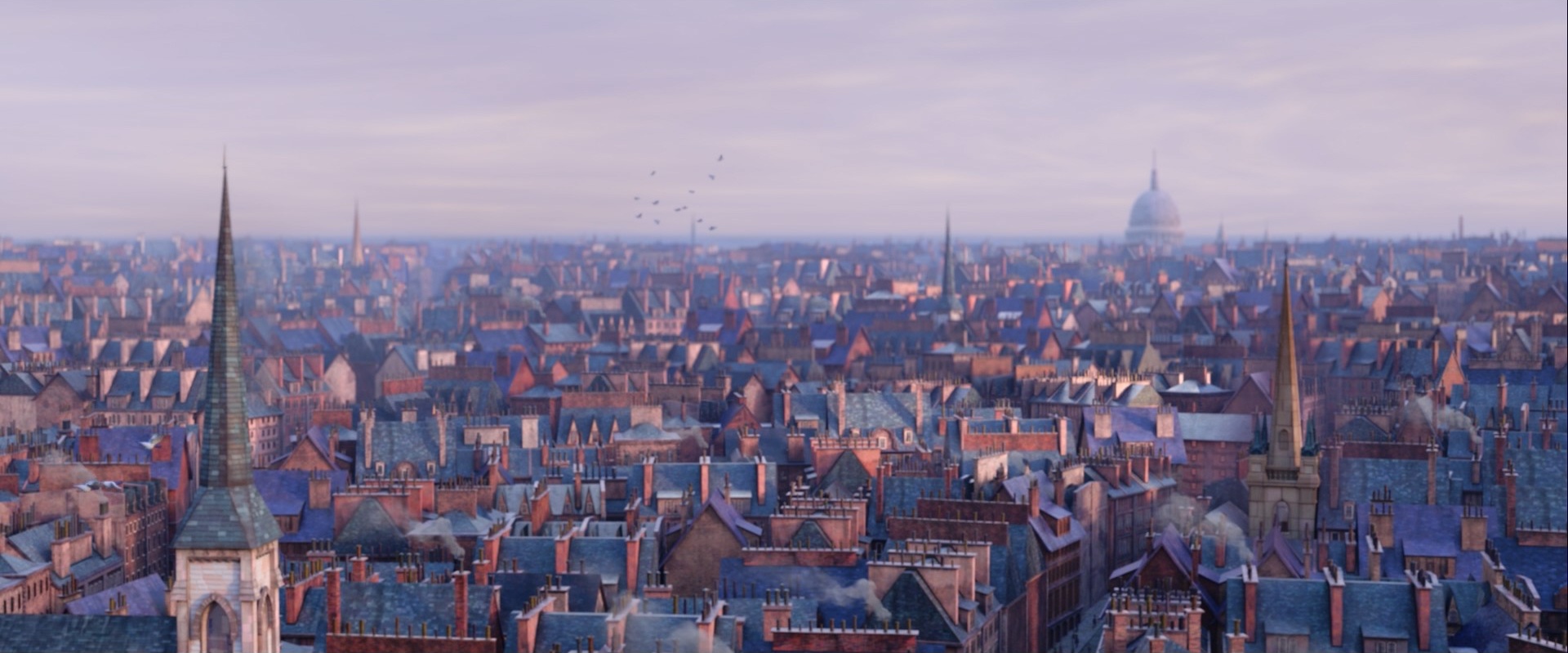
Laika’s signature stop-motion craftsmanship is elevated with Missing Link, combining intricately designed puppets and miniature sets with advanced 3D printing and digital compositing. The film’s sweeping camera moves and expansive landscapes—unusual for stop-motion—give it a grand, cinematic scale, while maintaining the tactile, handcrafted texture that defines the studio’s visual identity.
FILM SPOTLIGHT
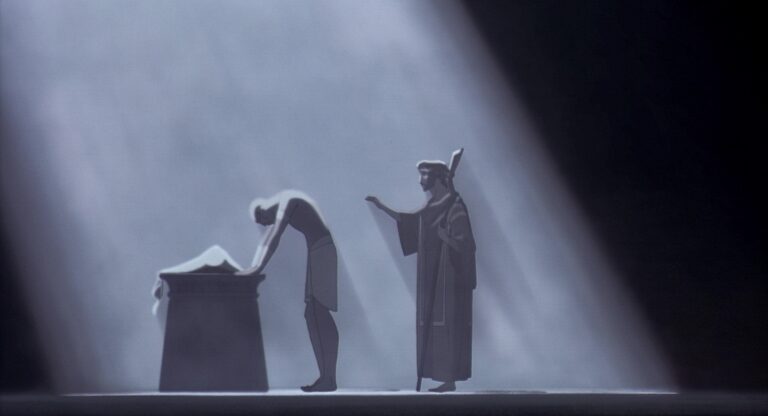
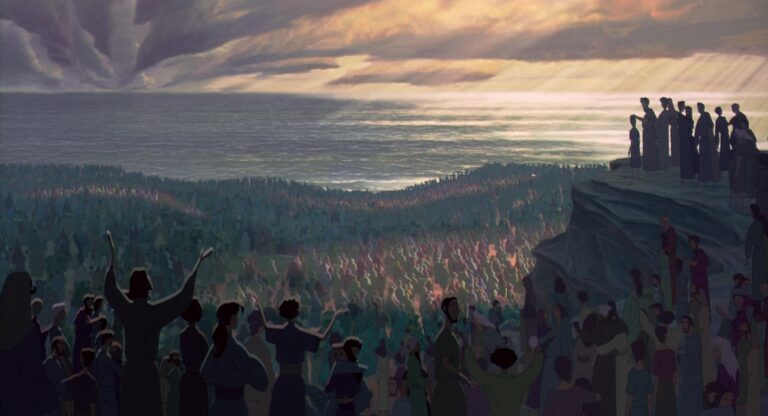
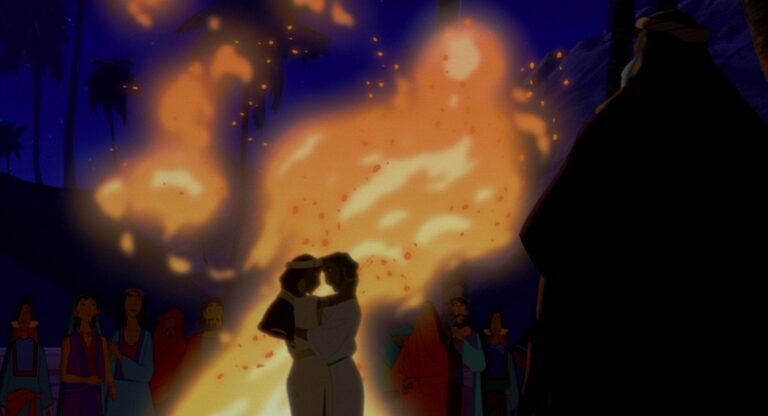
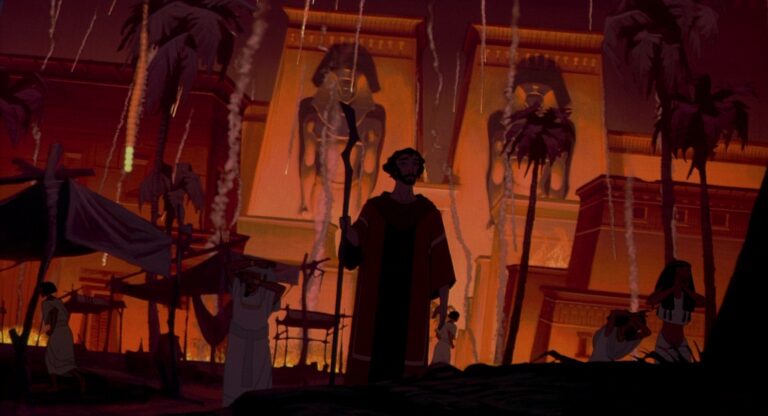
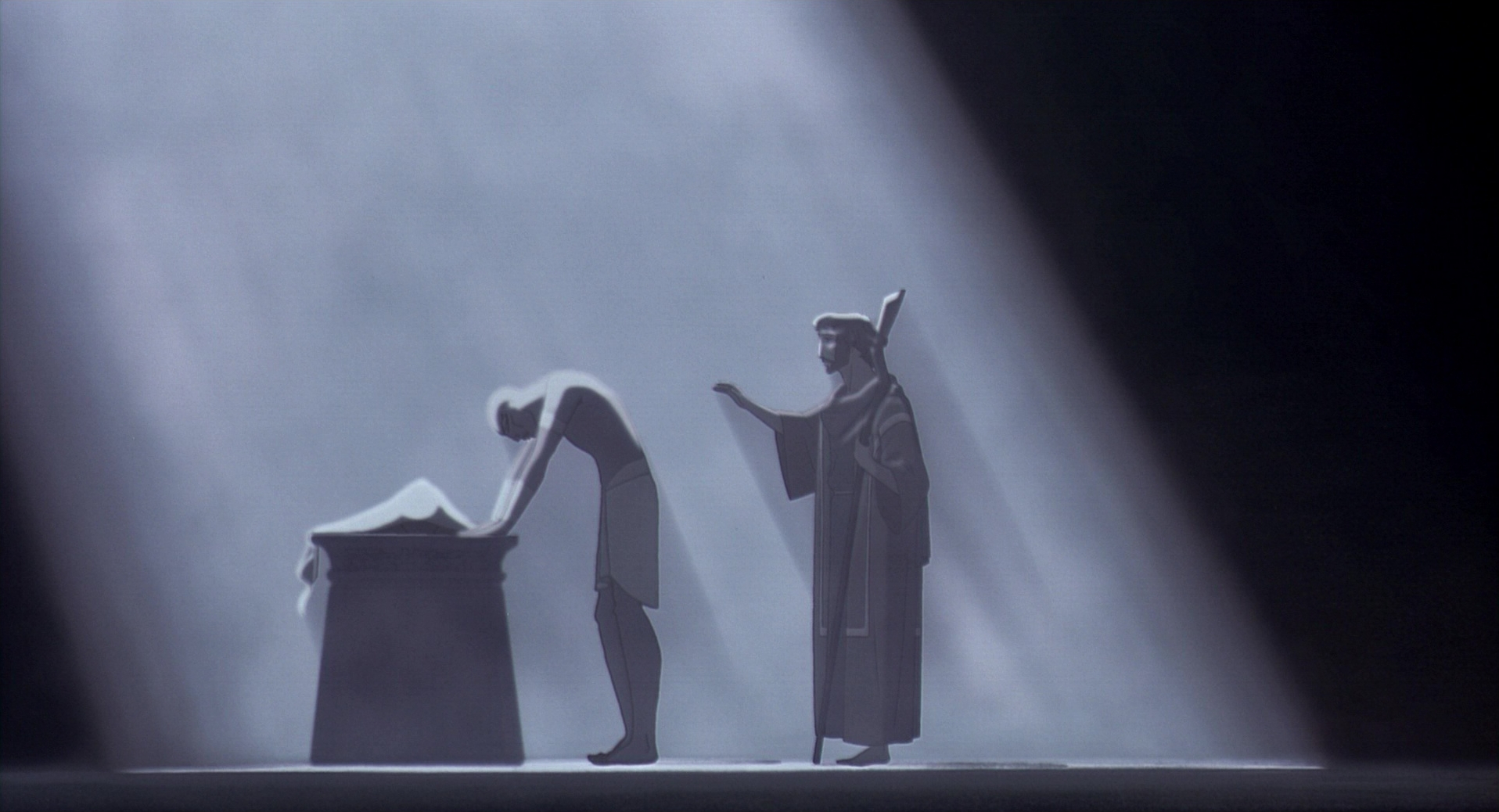
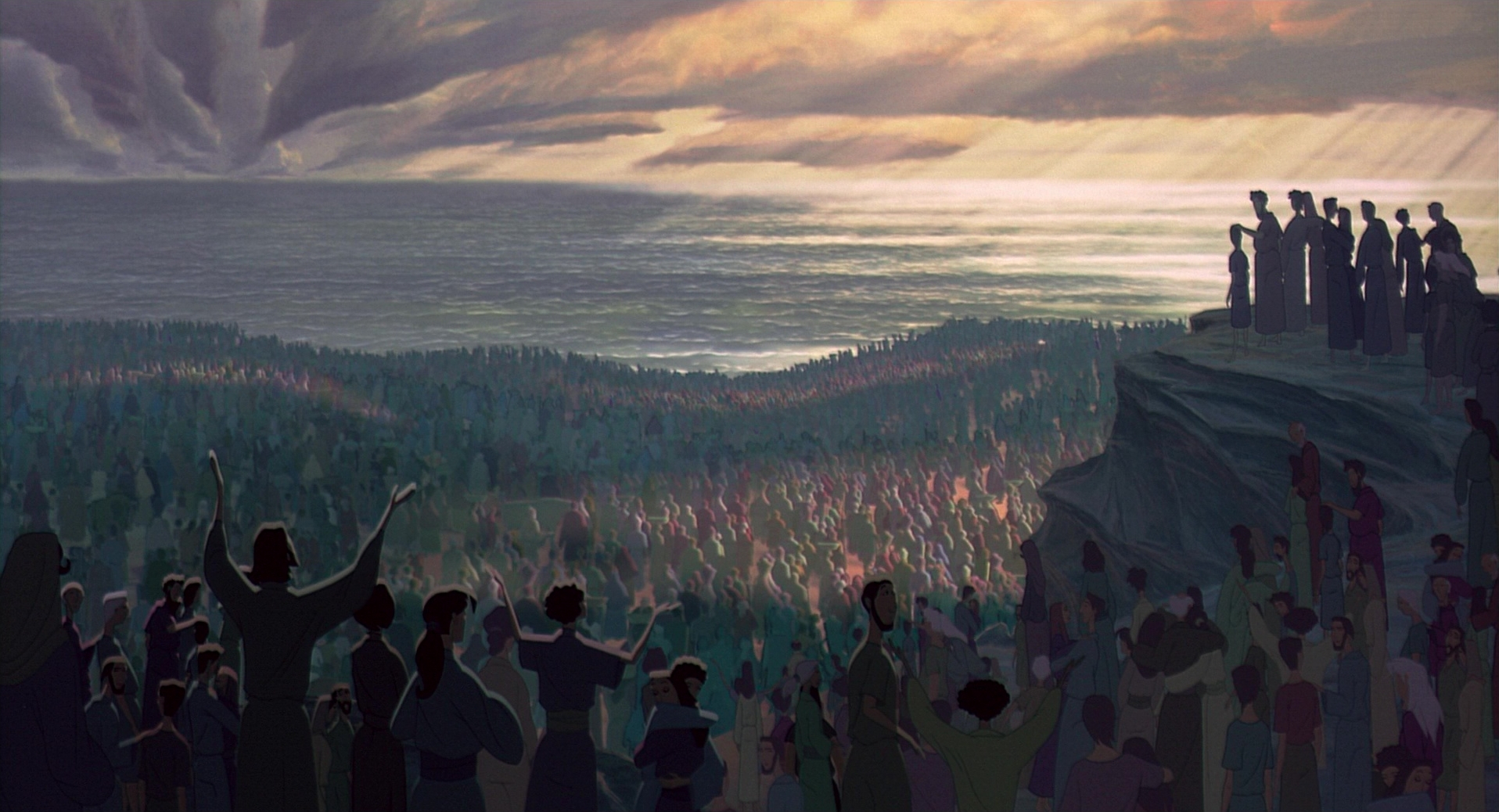
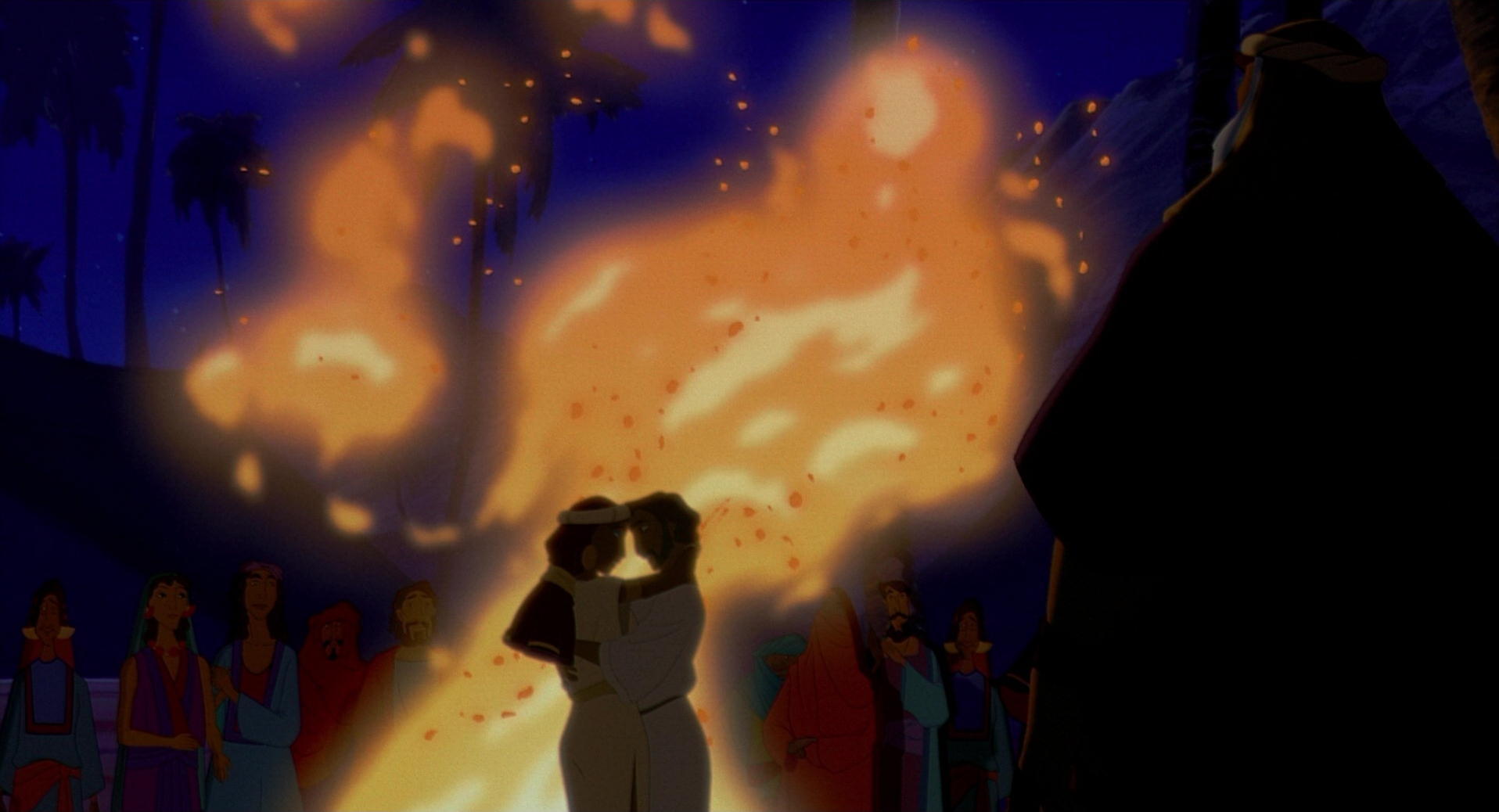
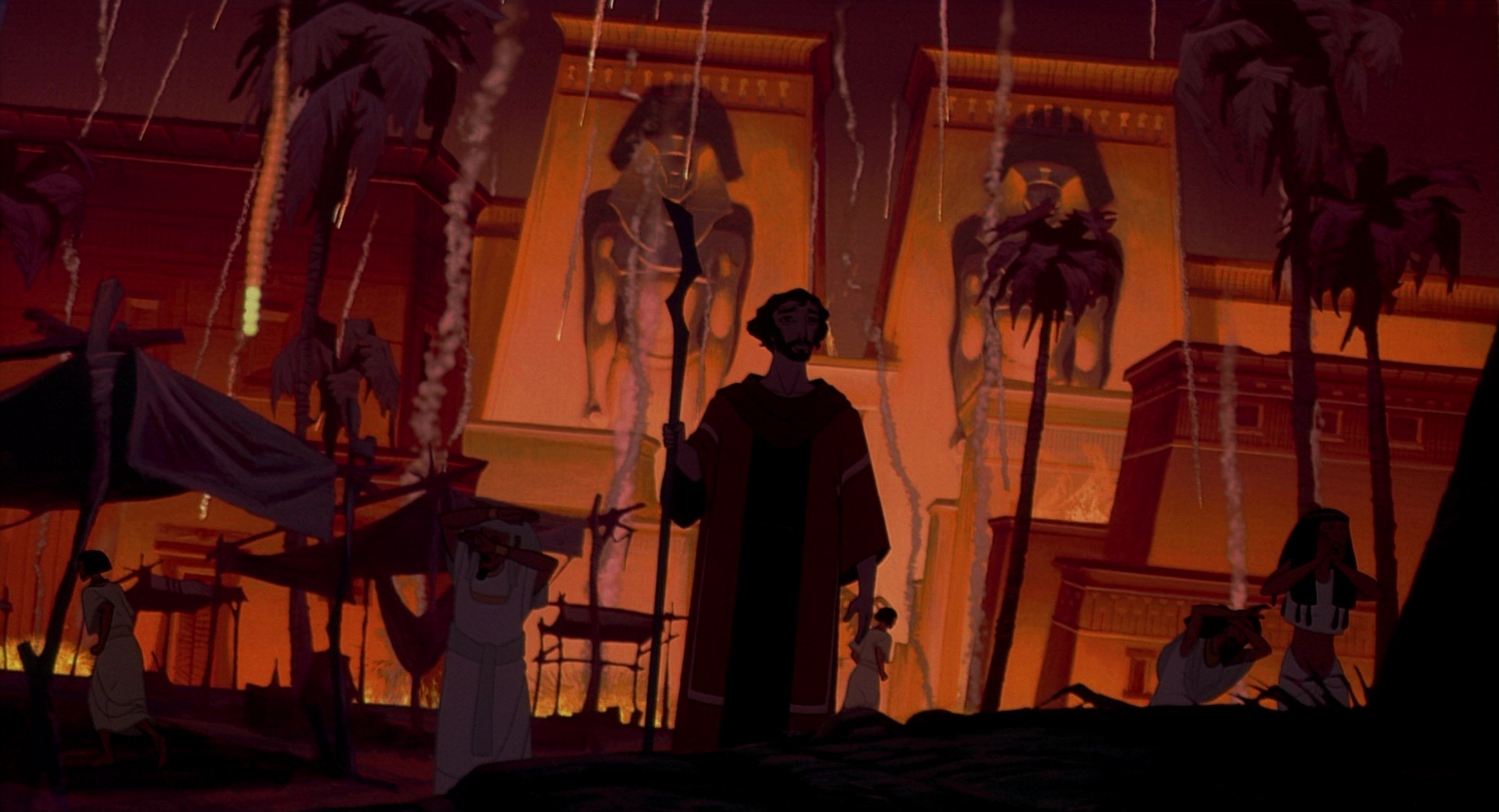
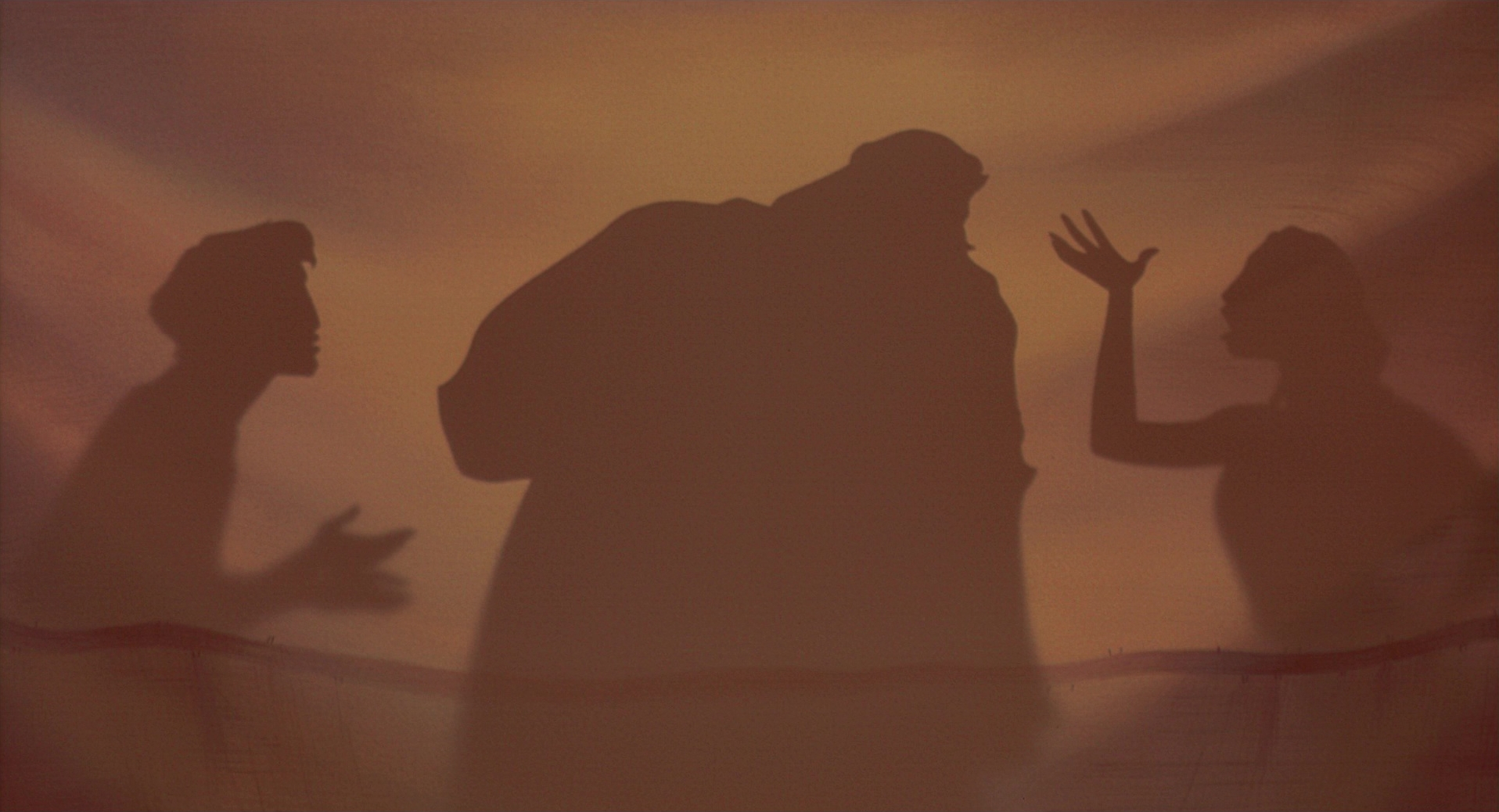
The Prince of Egypt (1998)
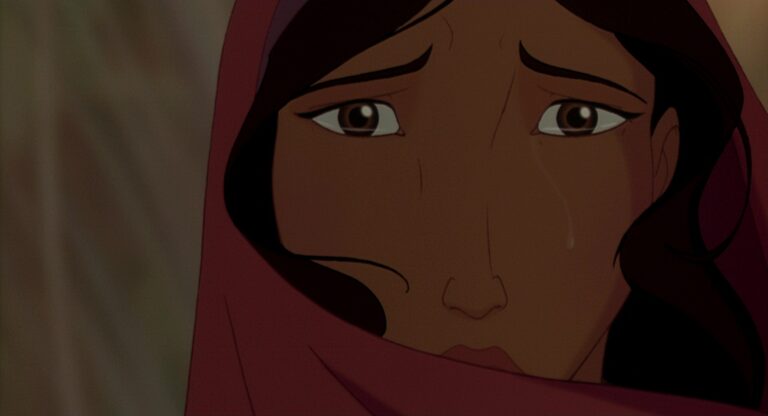
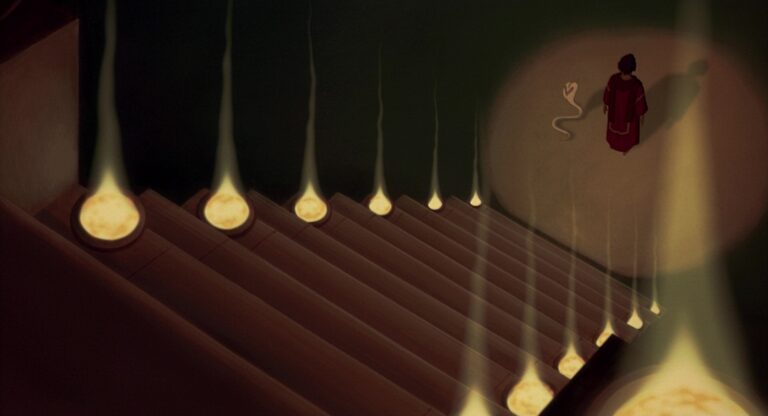
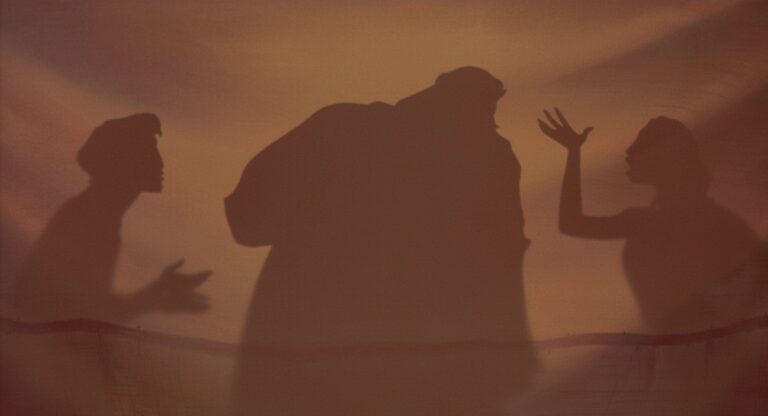
Raised as a prince of Egypt, Moses discovers his true heritage as a Hebrew and is cast into exile after confronting his past. Years later, he returns to Egypt to demand the freedom of his people, leading to a profound confrontation with his adoptive brother, Pharaoh Ramses. The story unfolds as an epic tale of identity, faith, and liberation.
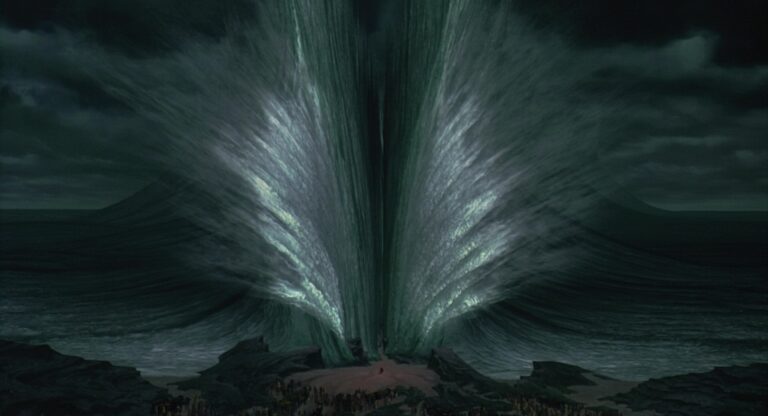
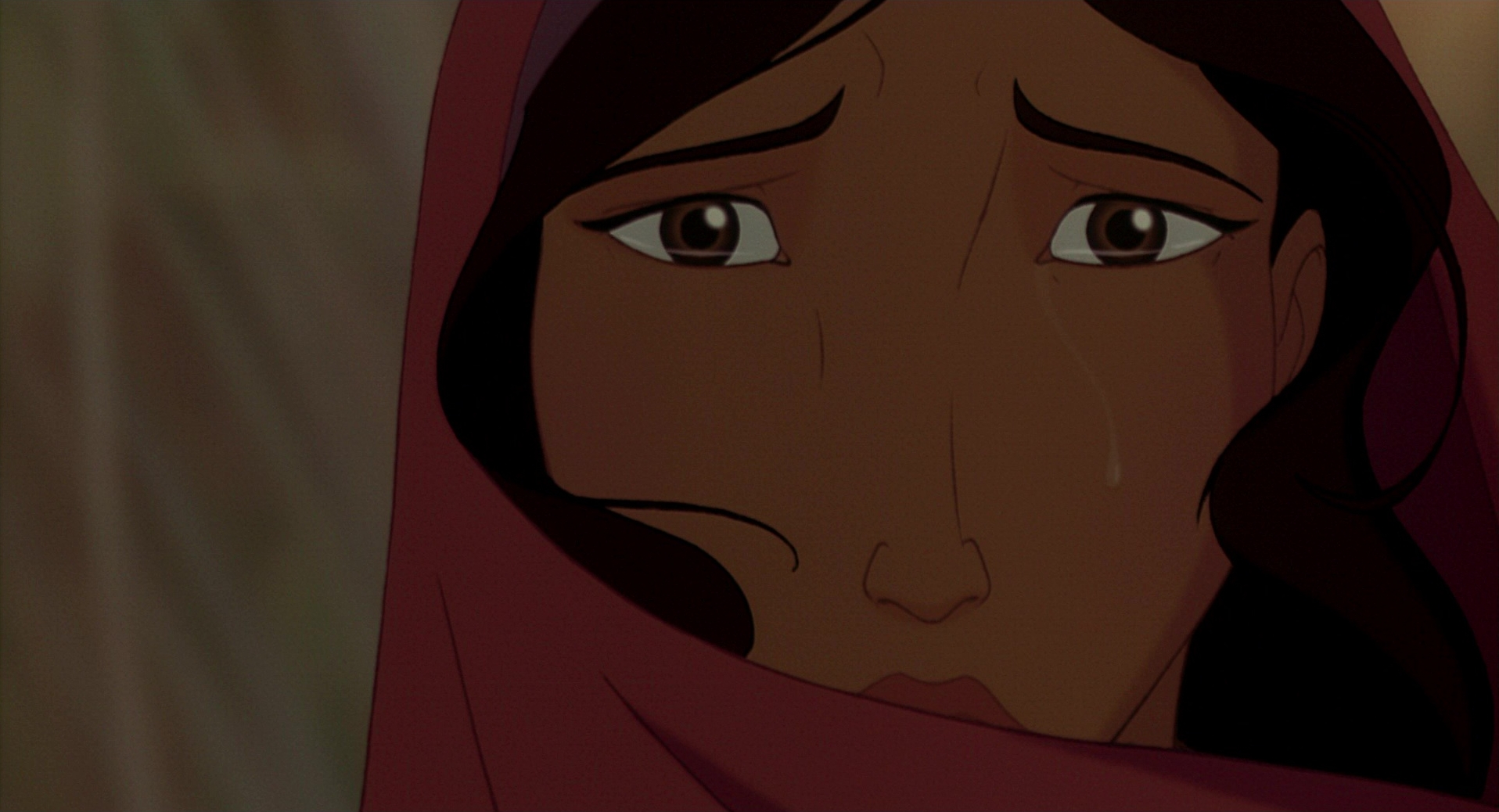
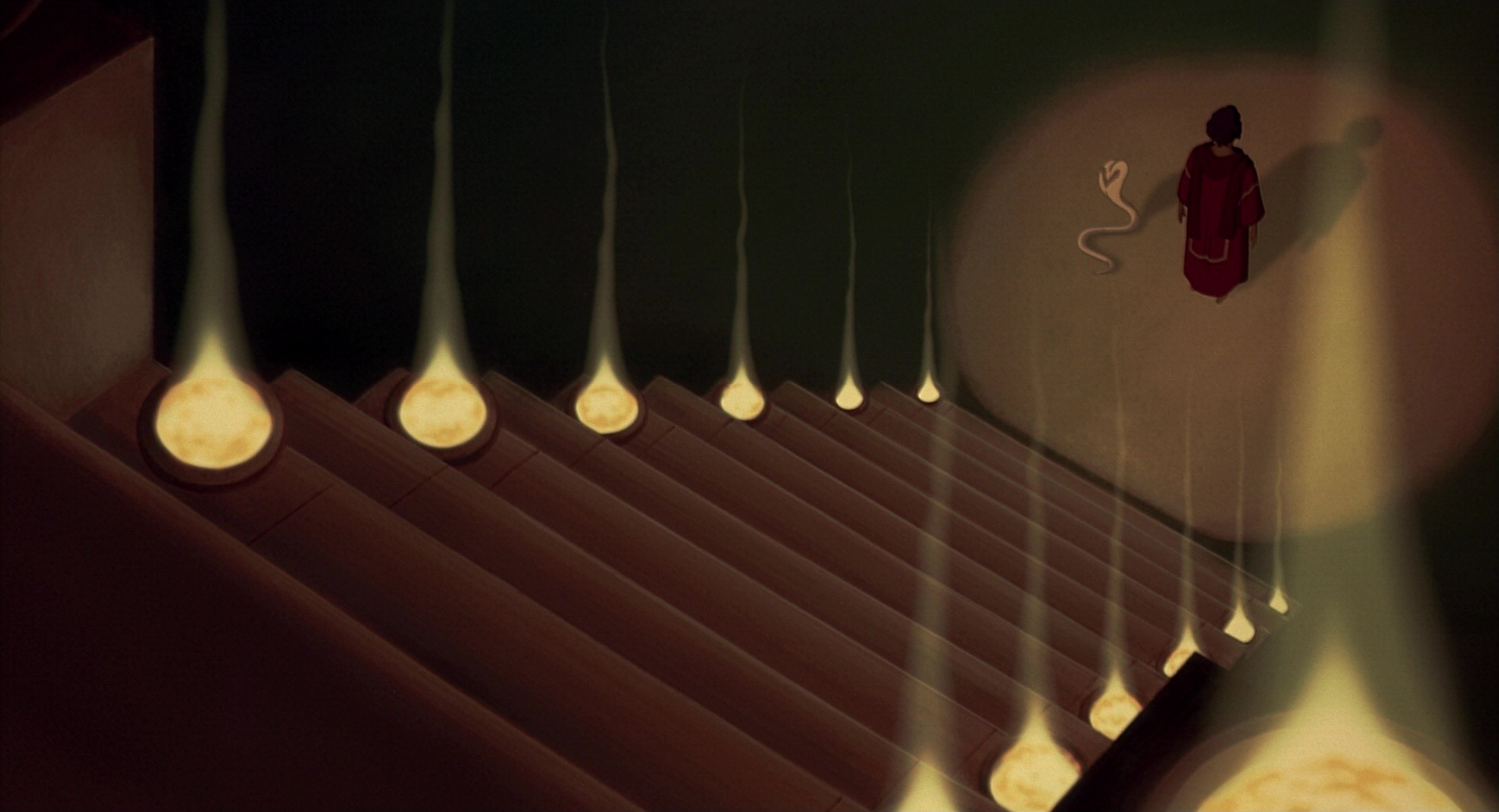
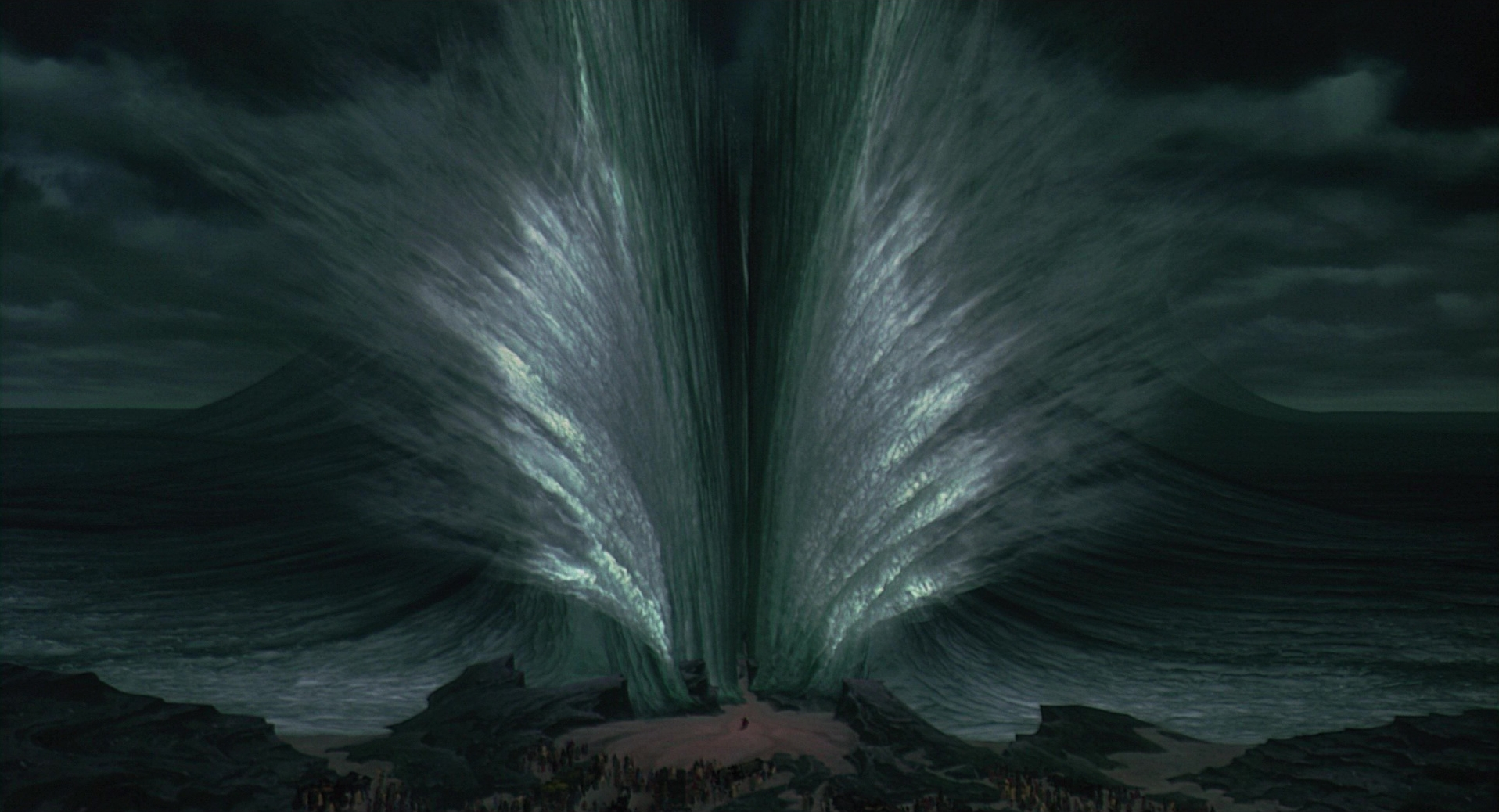
In The Prince of Egypt, DreamWorks combines traditional 2D animation with early CG enhancements to create sweeping, monumental imagery—from vast desert vistas to the iconic parting of the Red Sea. The film’s use of scale, dramatic lighting, and painterly compositions turns biblical storytelling into grand visual spectacle, while maintaining an emotional intimacy through expressive character animation.
FILM SPOTLIGHT
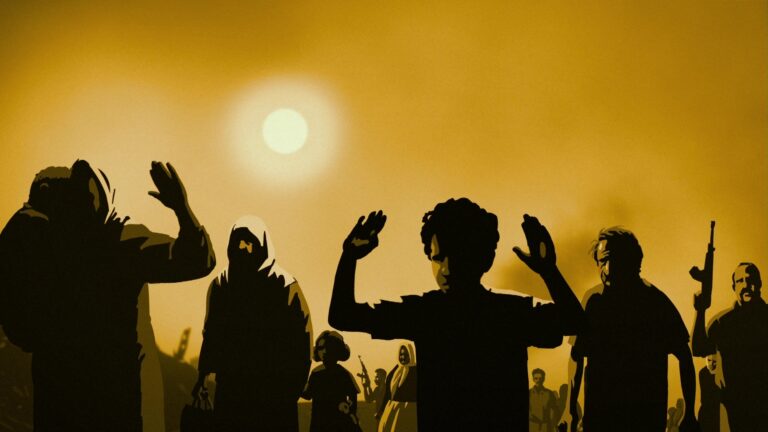
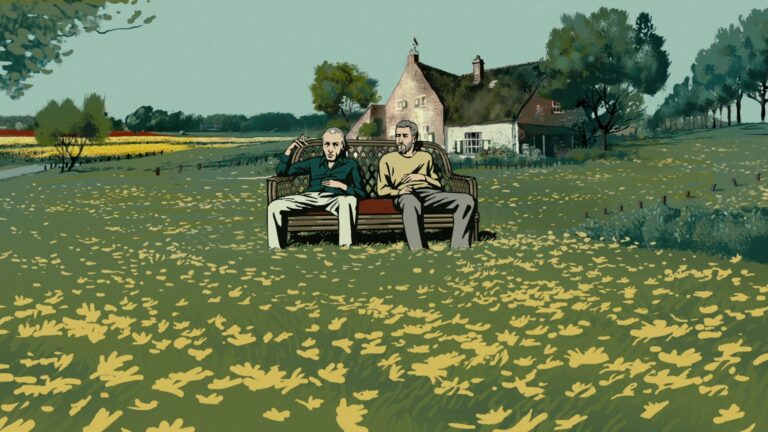
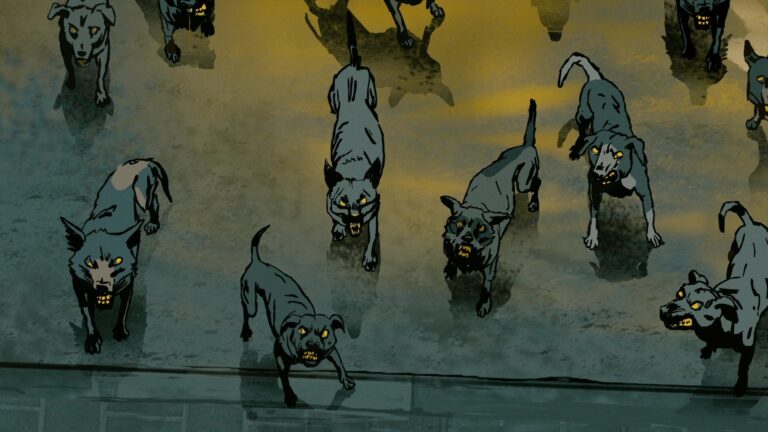
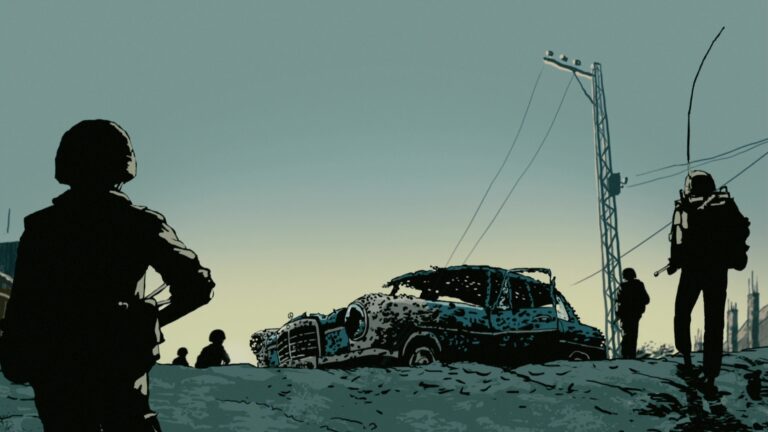
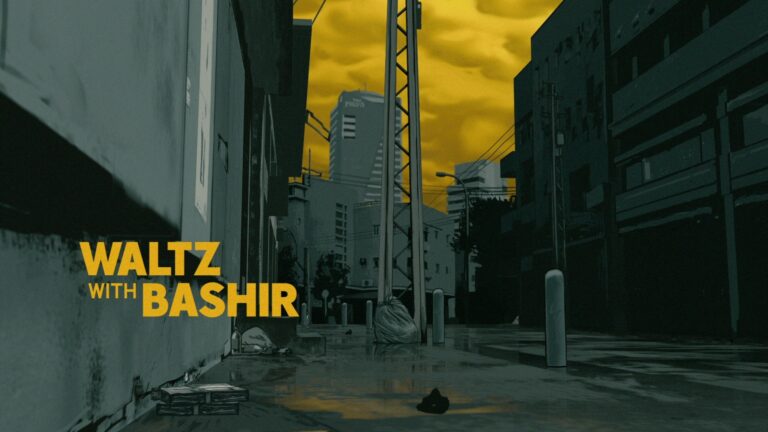
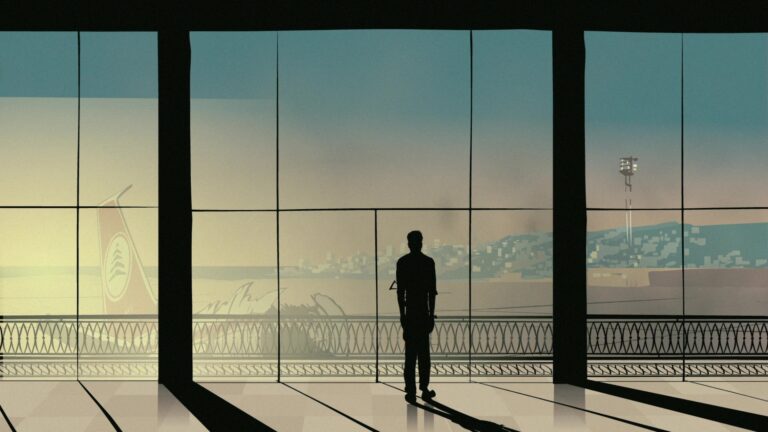
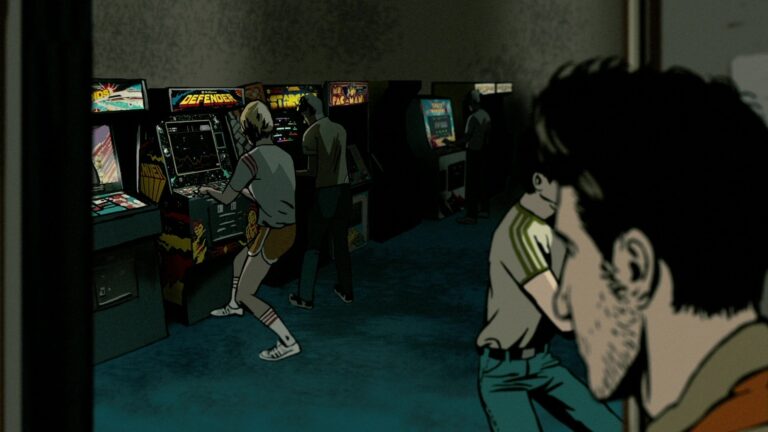
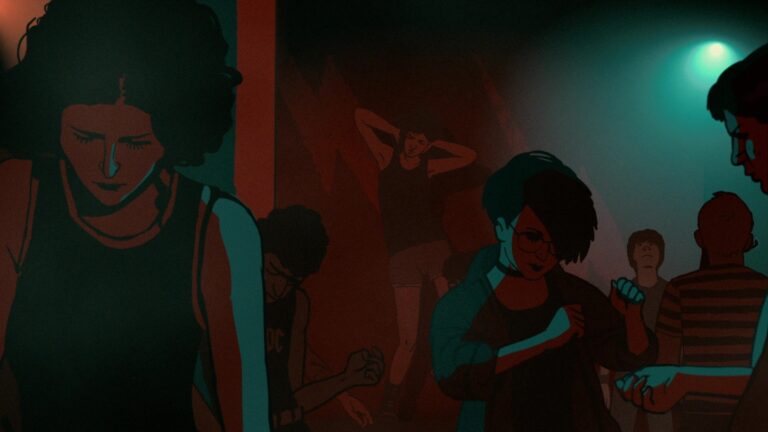
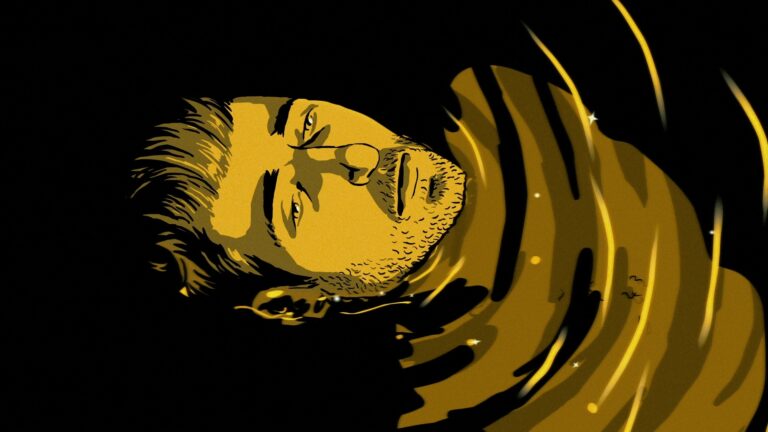
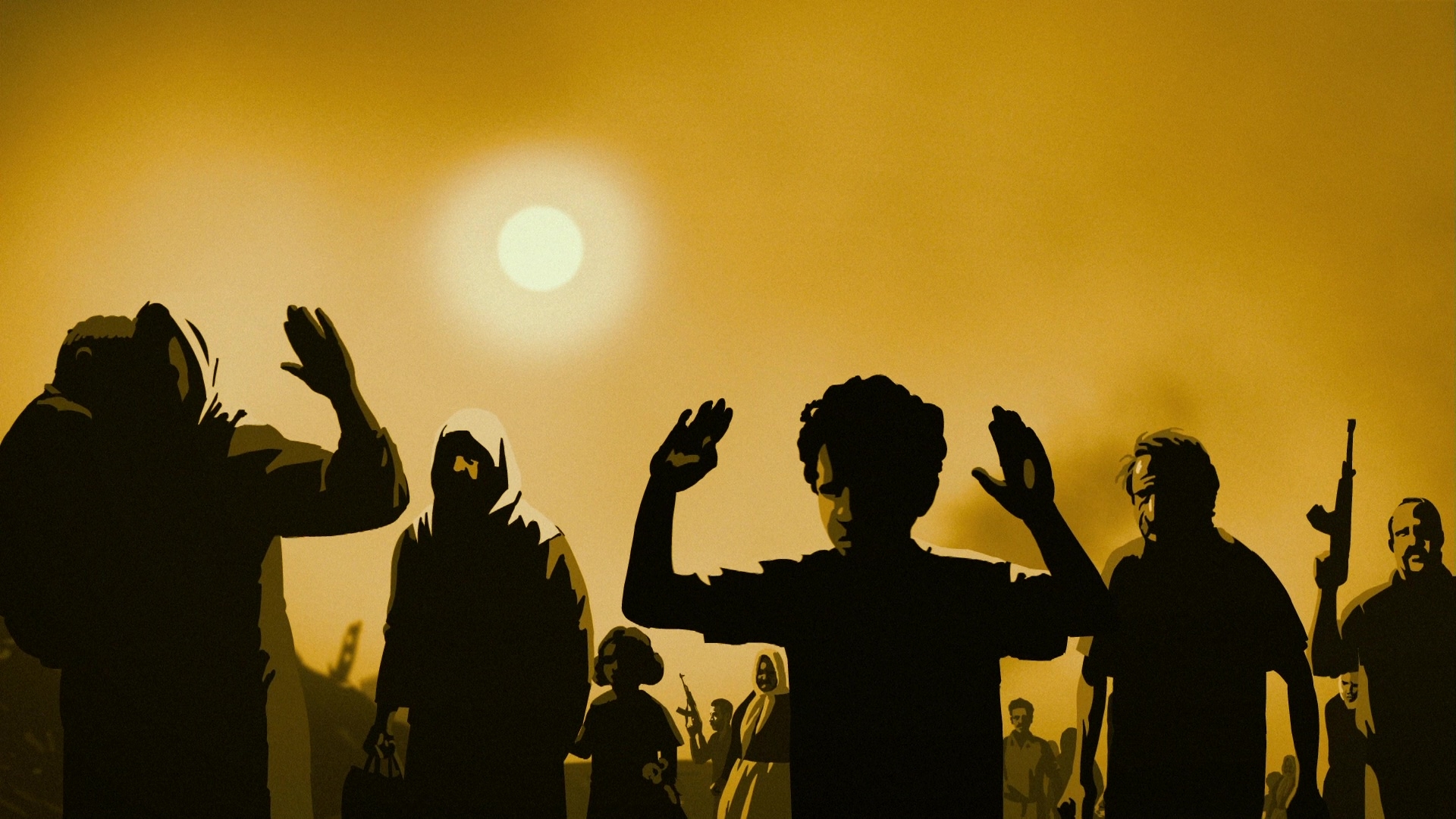
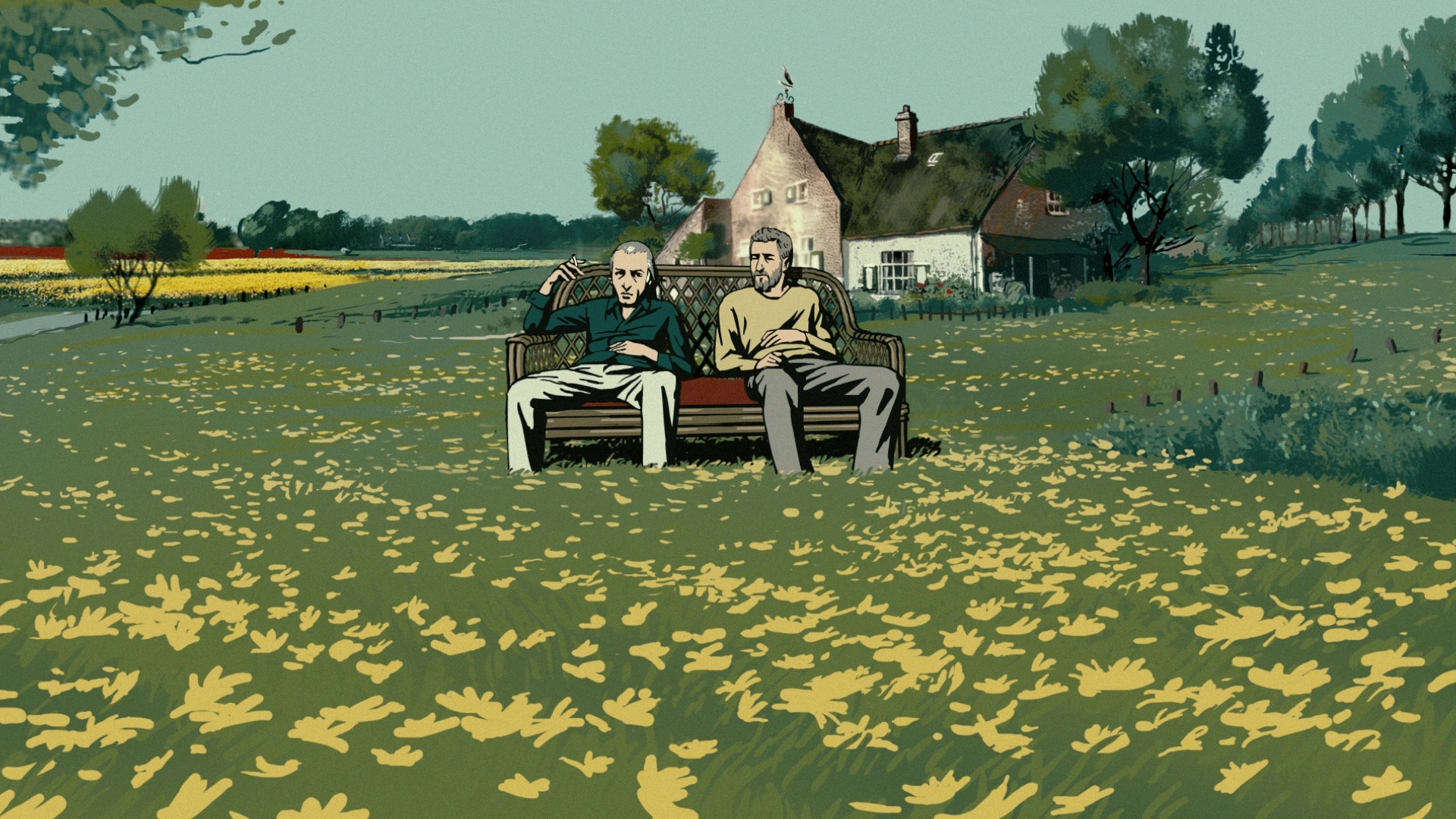
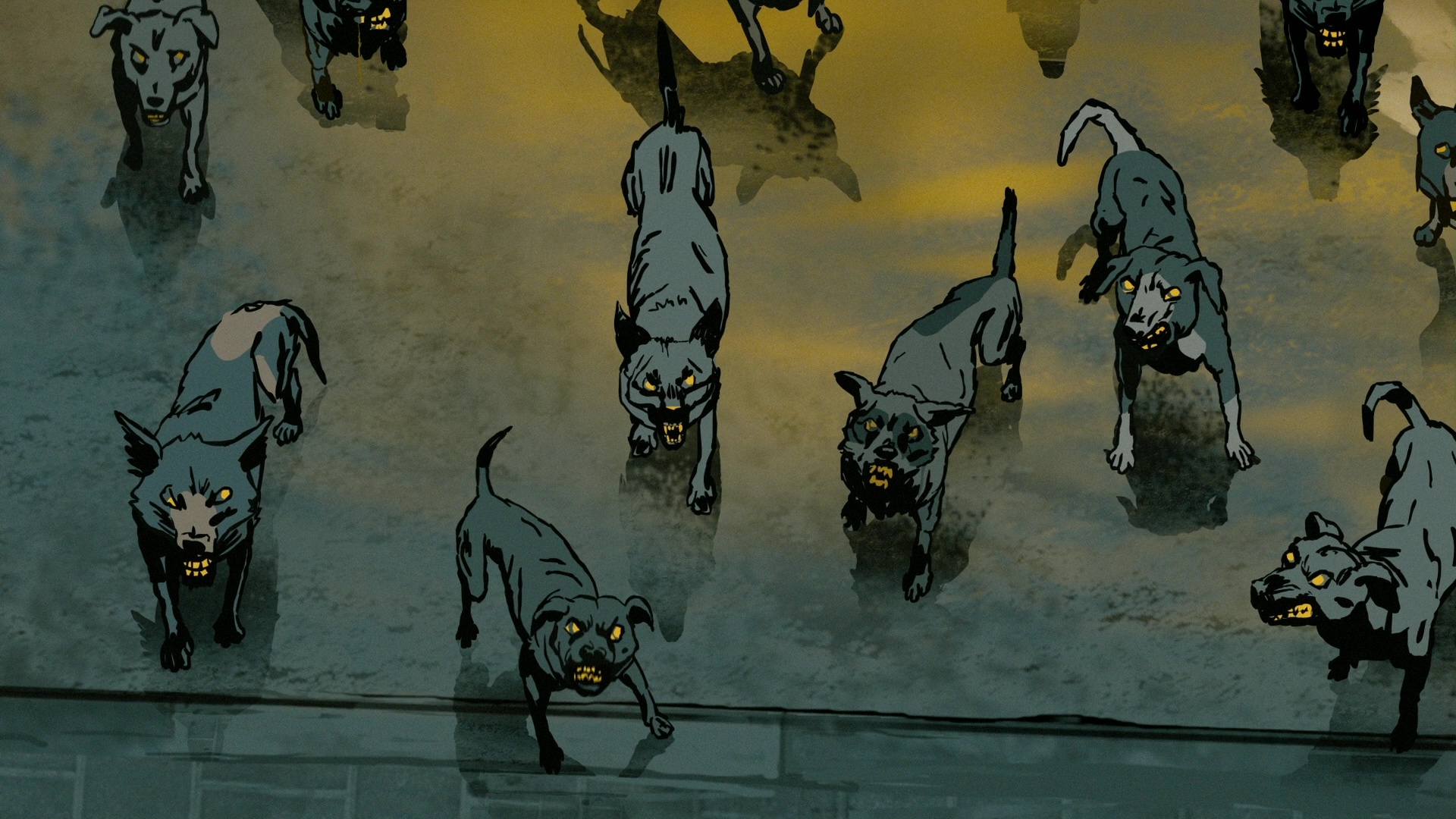
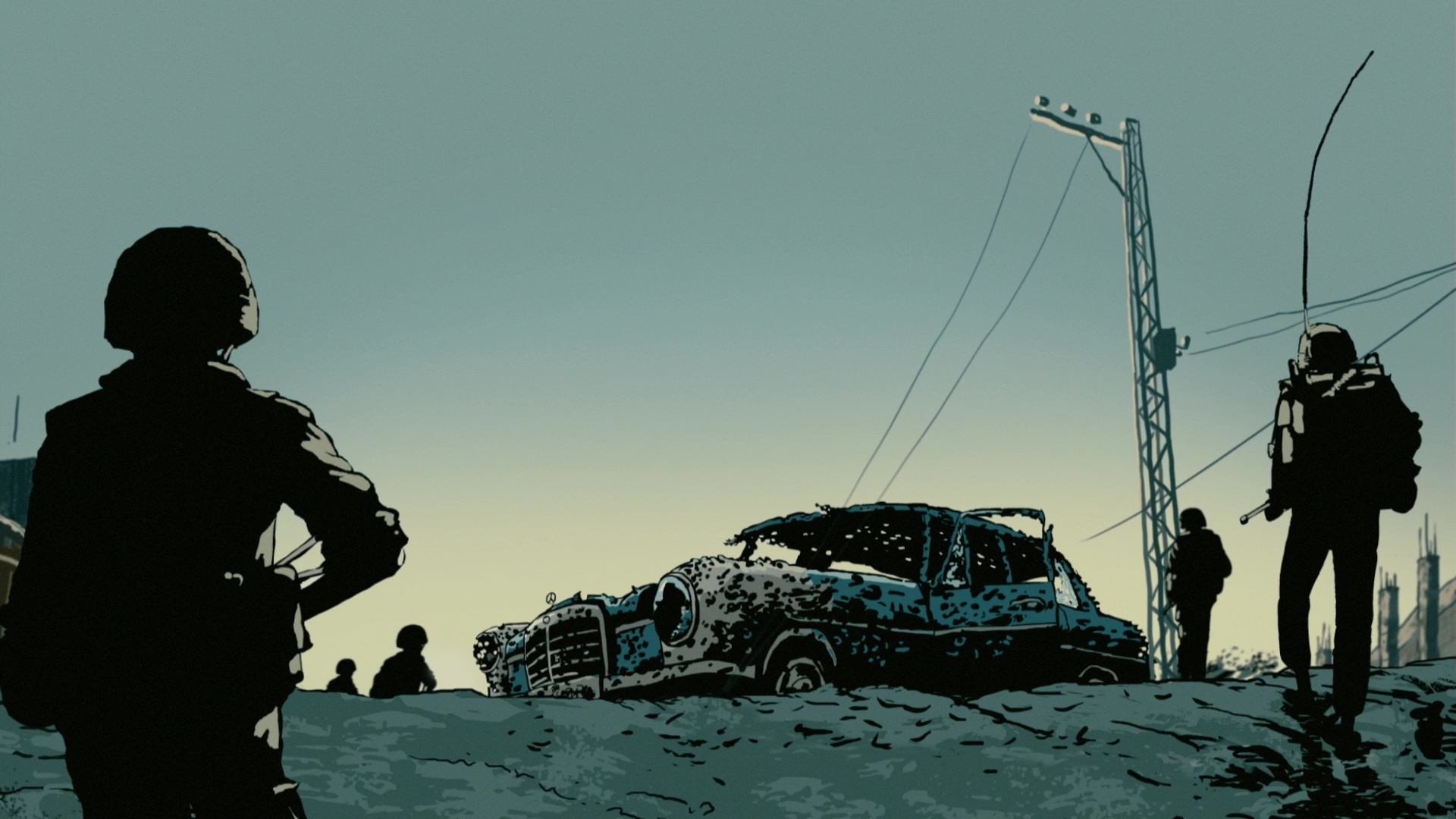
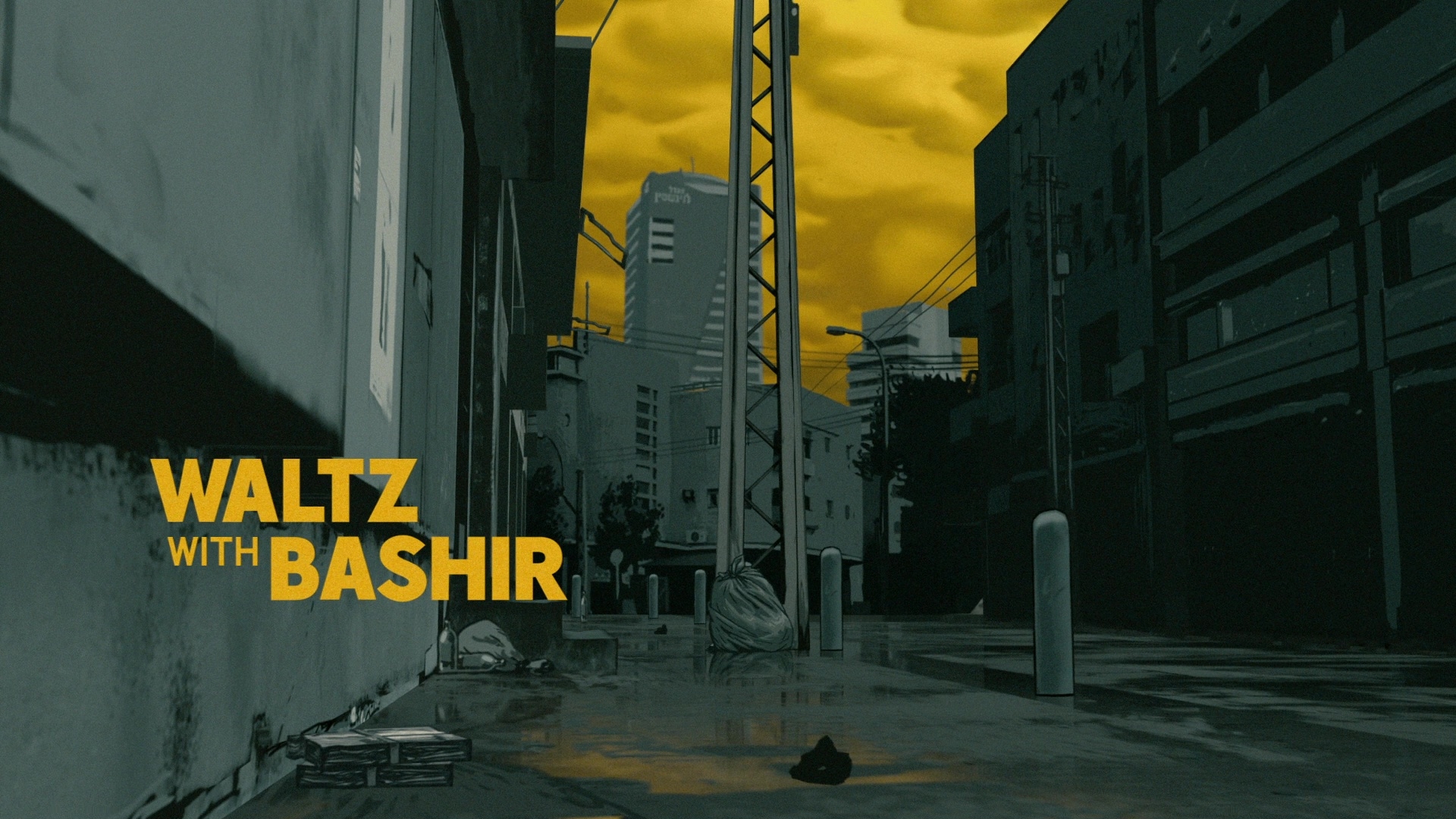
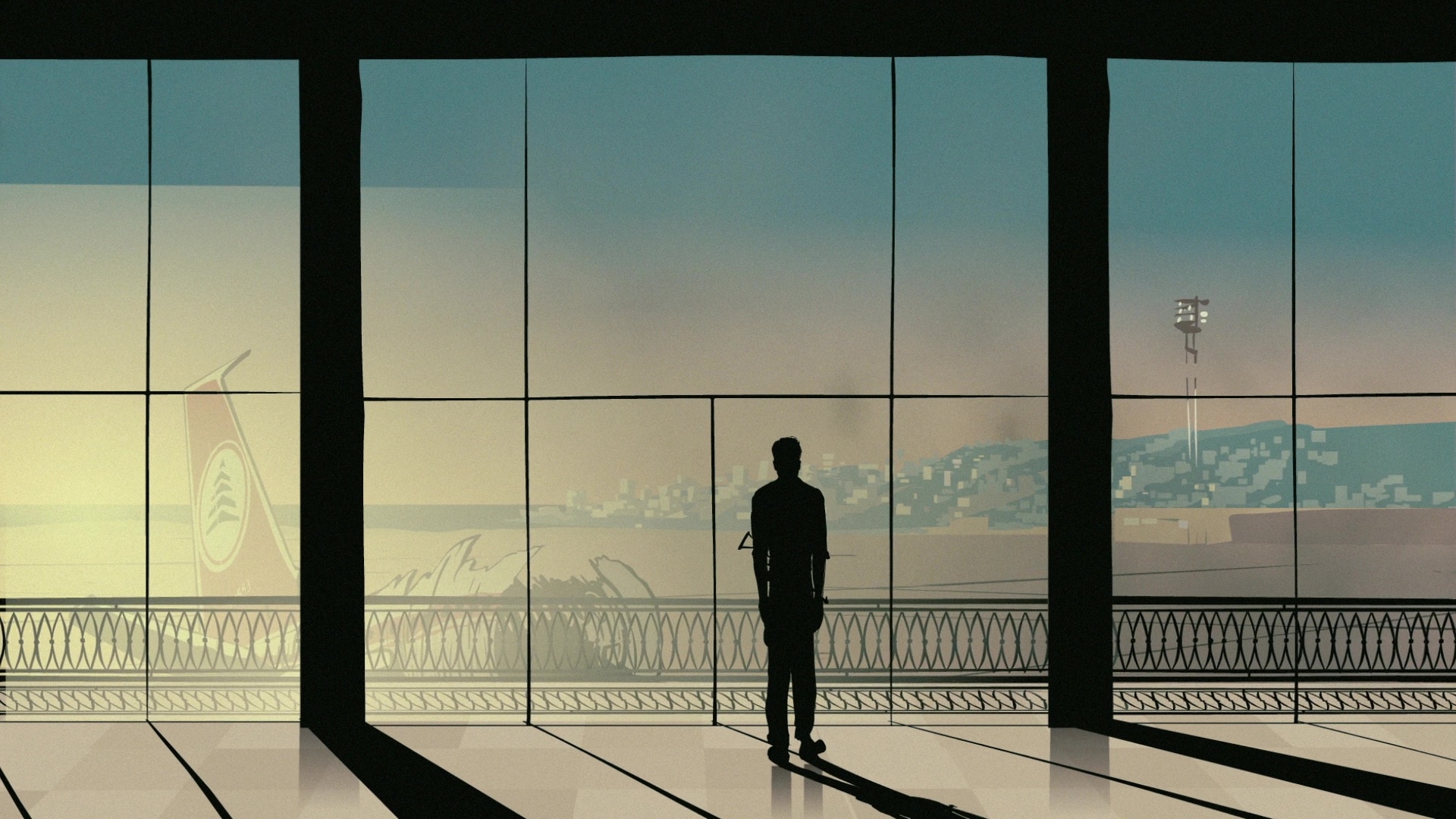
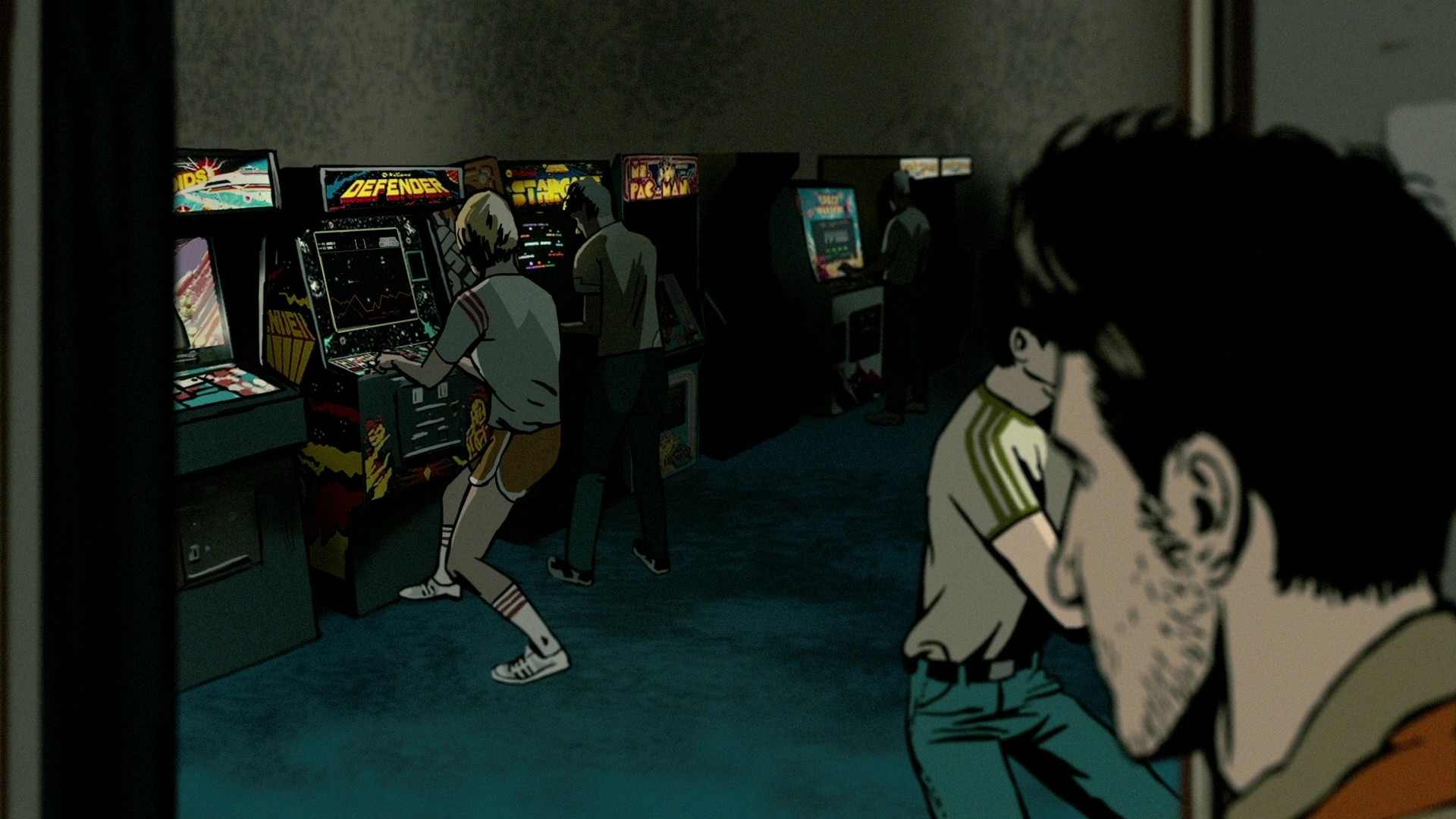
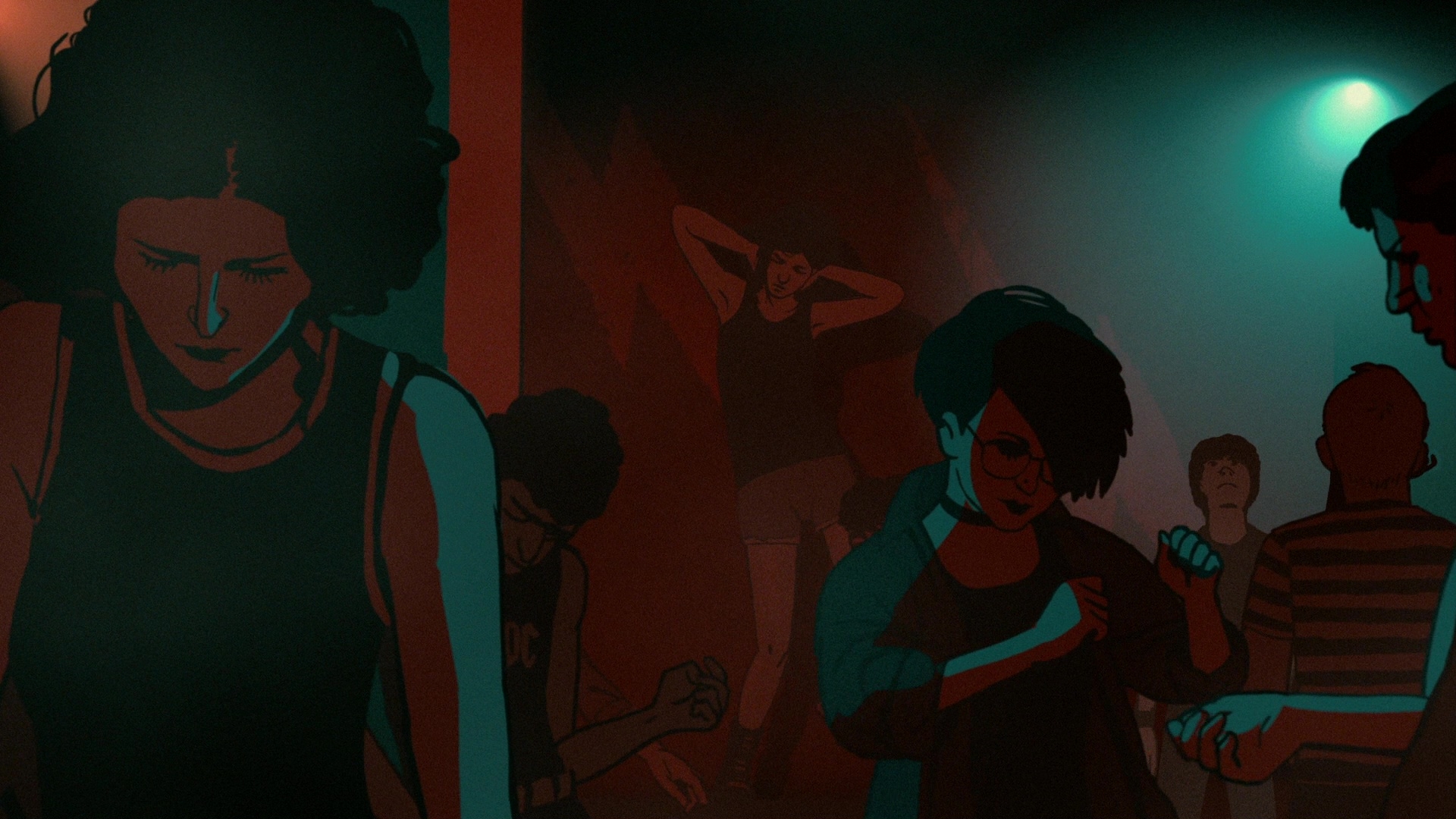
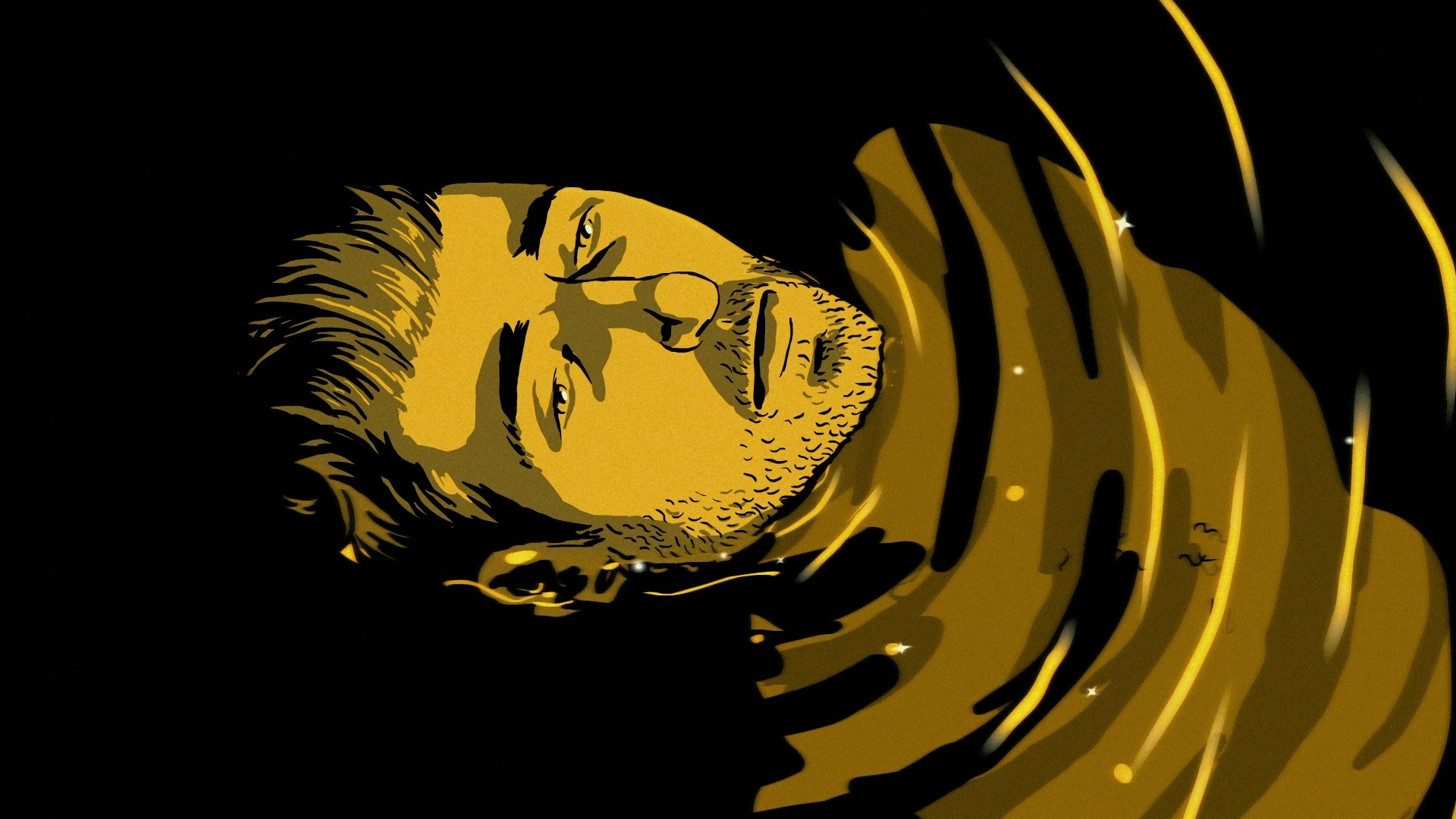
Waltz with Bashir (2008)
A filmmaker sets out to recover lost memories of his experience as an Israeli soldier during the 1982 Lebanon War. Through conversations with former comrades, fragmented recollections begin to surface, gradually revealing suppressed trauma tied to the Sabra and Shatila massacre. The film unfolds as both a personal investigation and a broader meditation on memory, war, and responsibility.
In Waltz with Bashir, Folman employs a distinctive blend of Flash animation, cut-out techniques, and traditional drawing to create a fluid, dreamlike visual language that mirrors the instability of memory. The stylized imagery—often bathed in surreal, muted tones—allows the film to shift seamlessly between reality, hallucination, and recollection, culminating in a stark transition that recontextualizes everything that came before.
FILM SPOTLIGHT
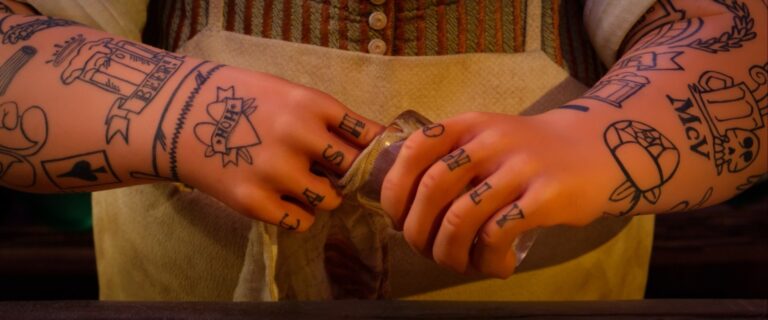
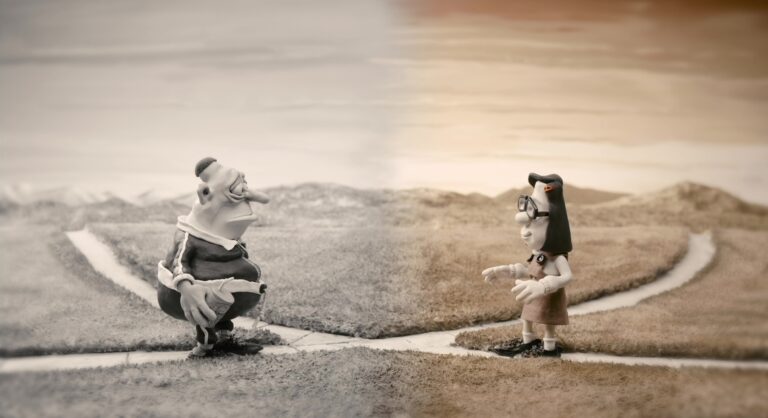
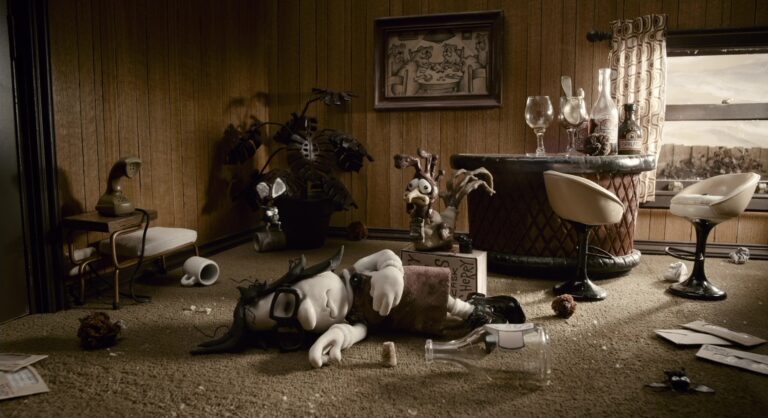
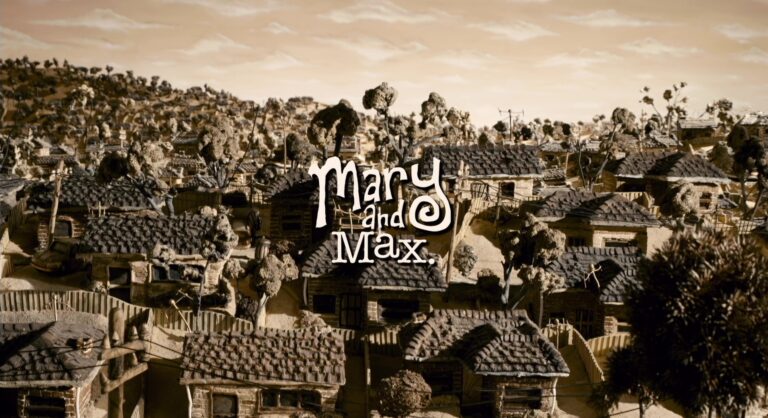
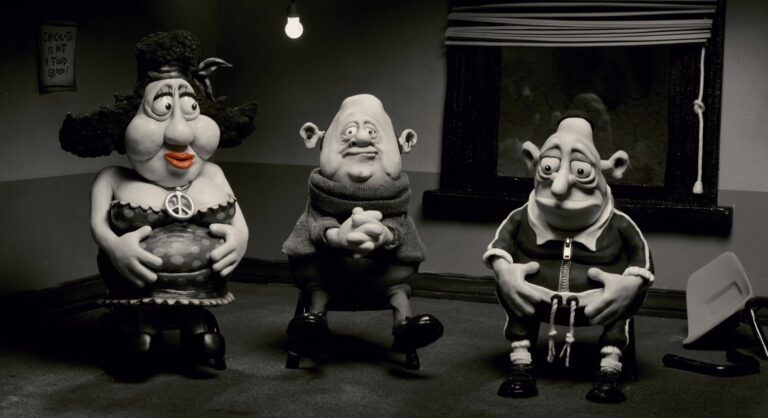
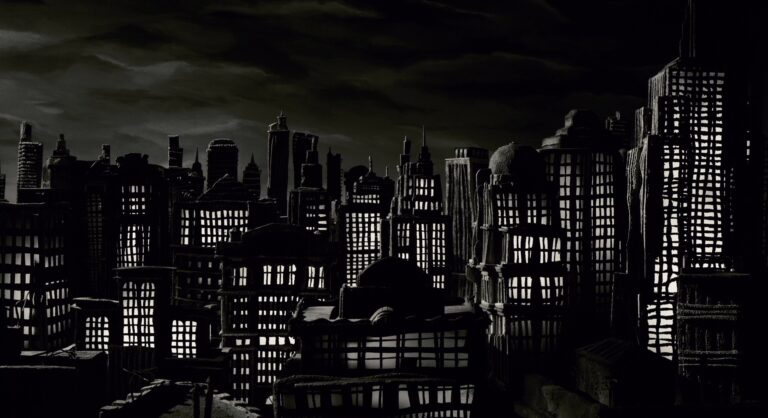
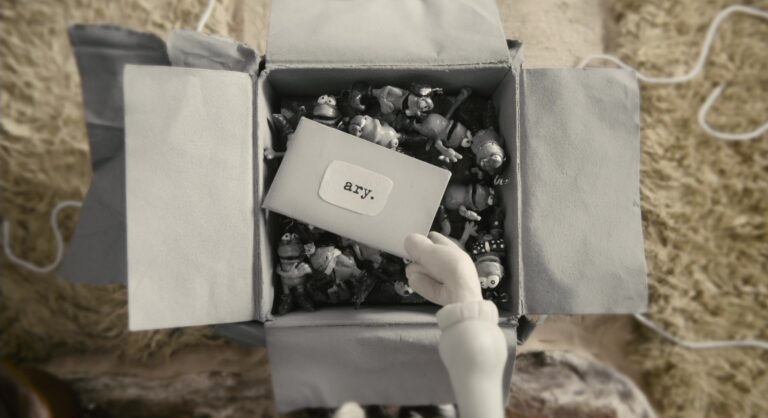
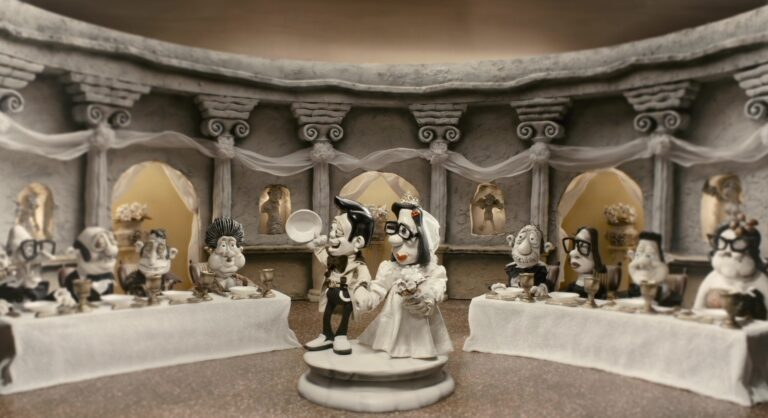
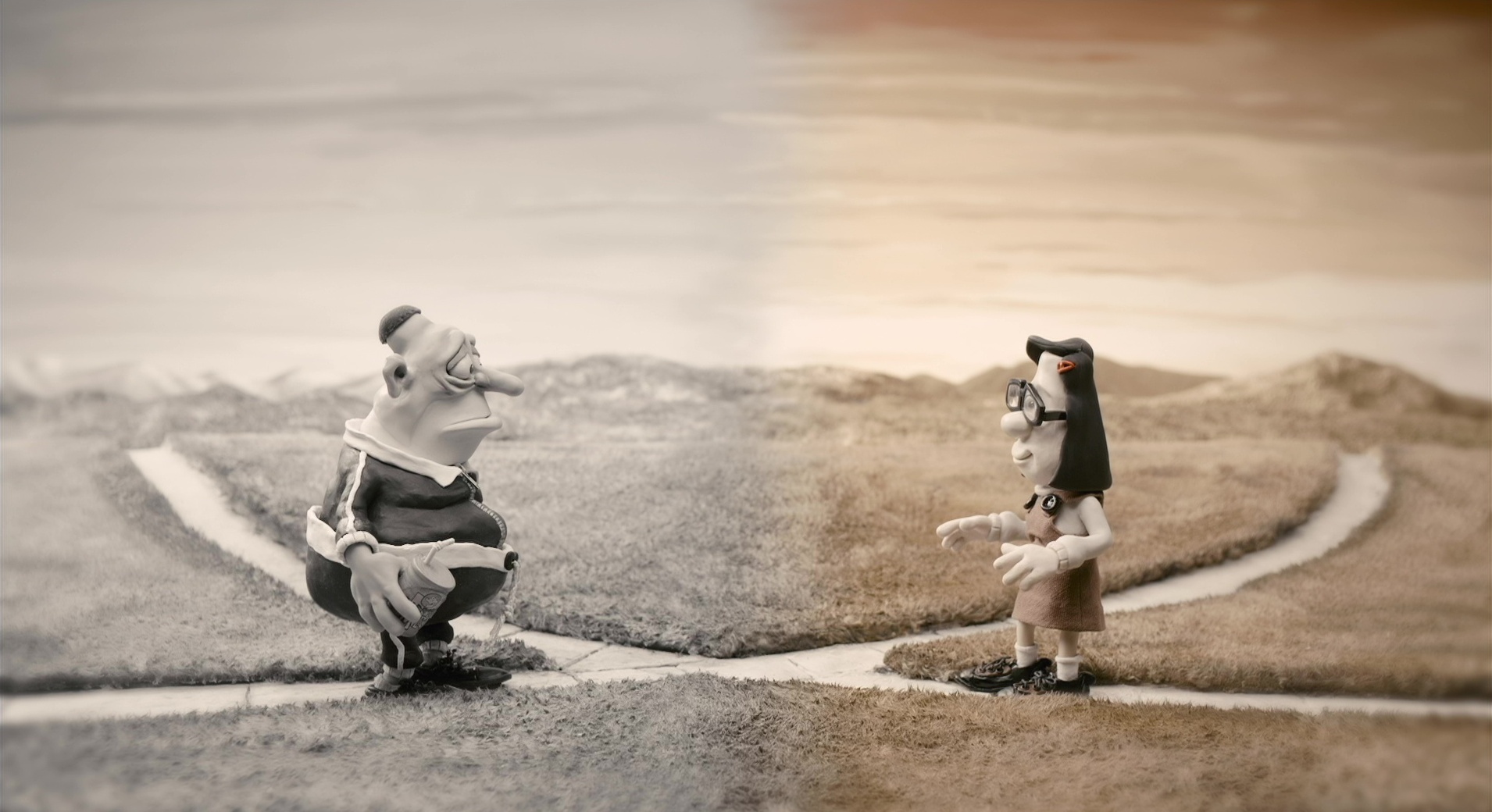
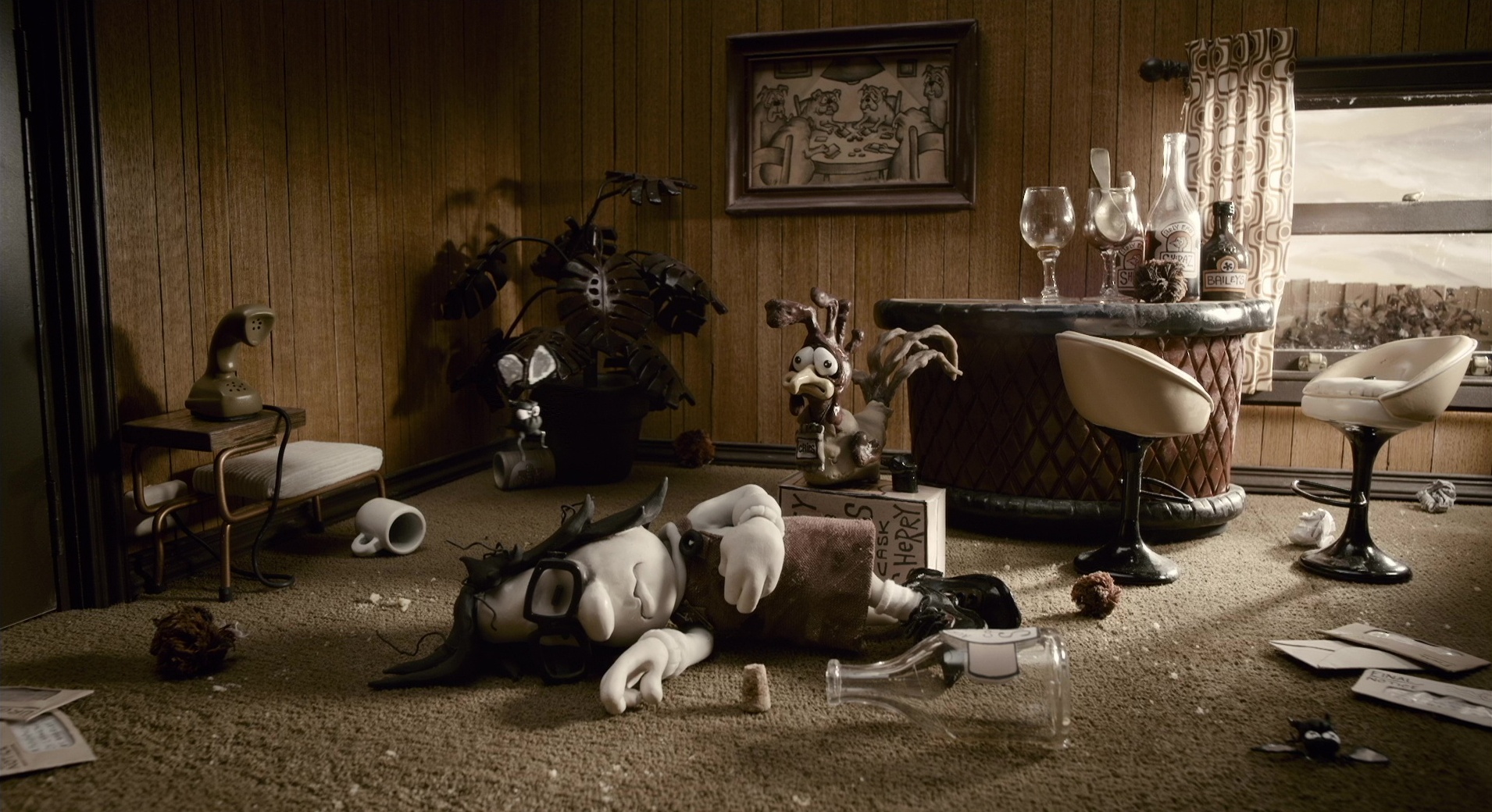
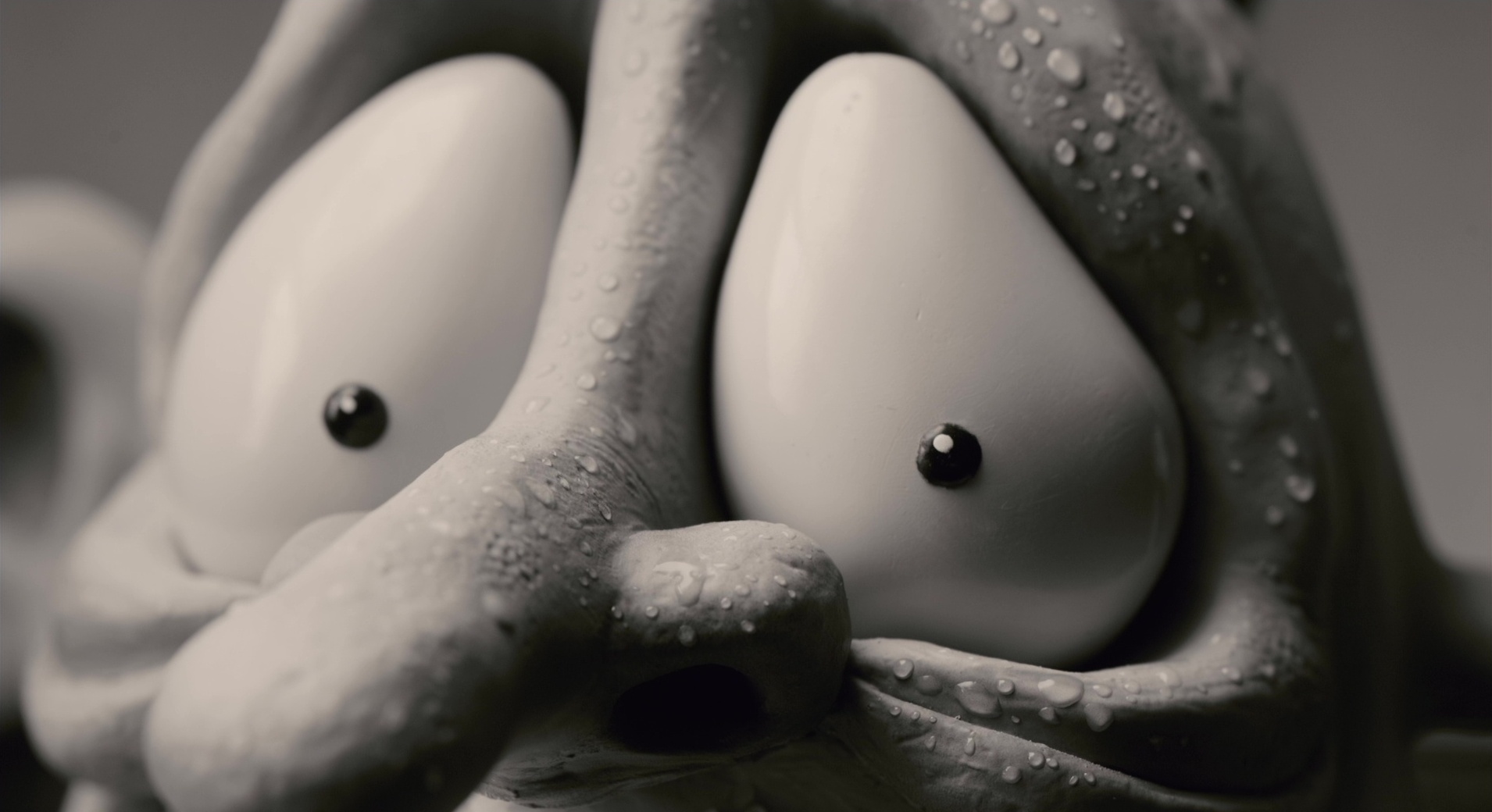
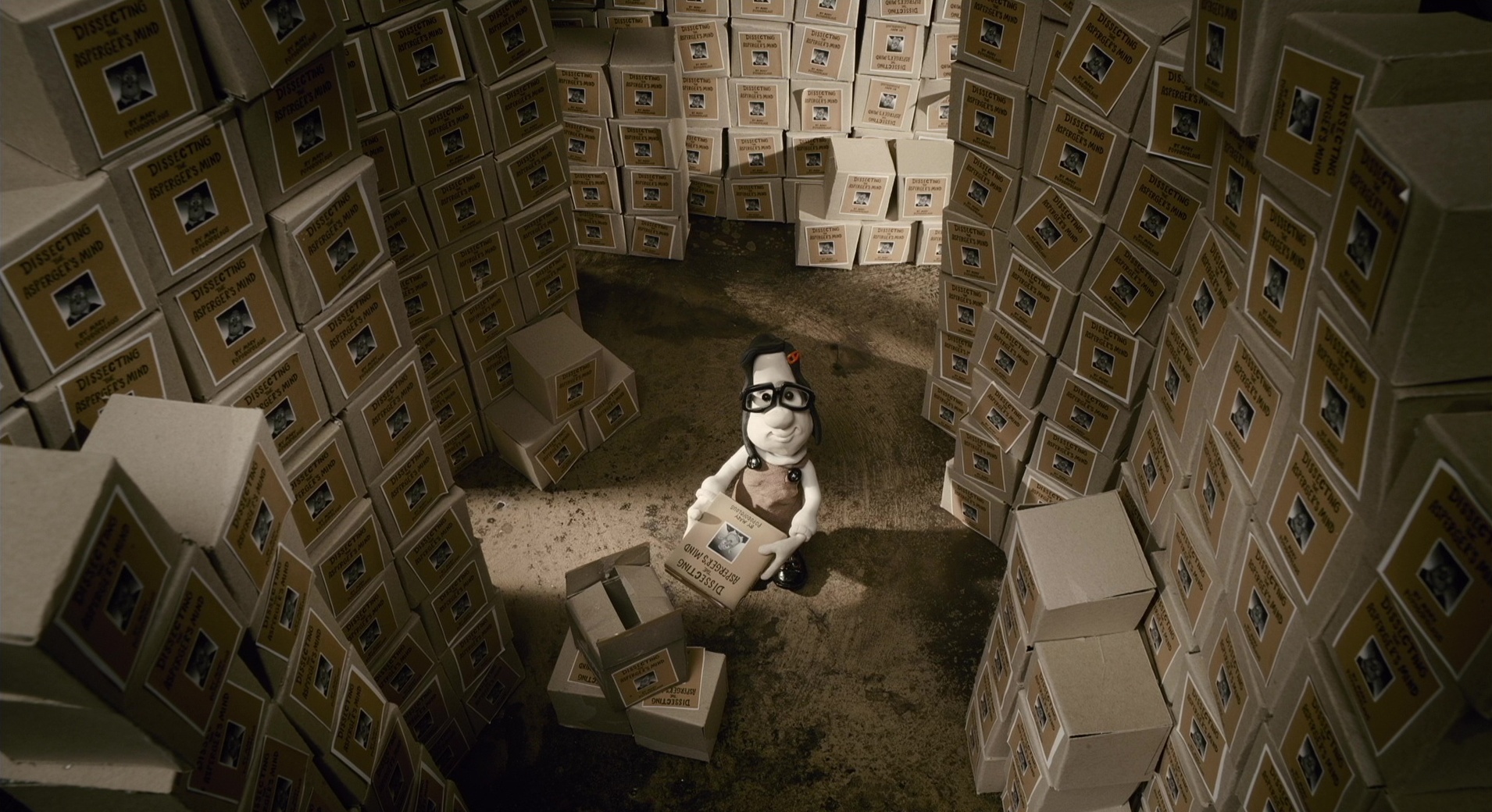
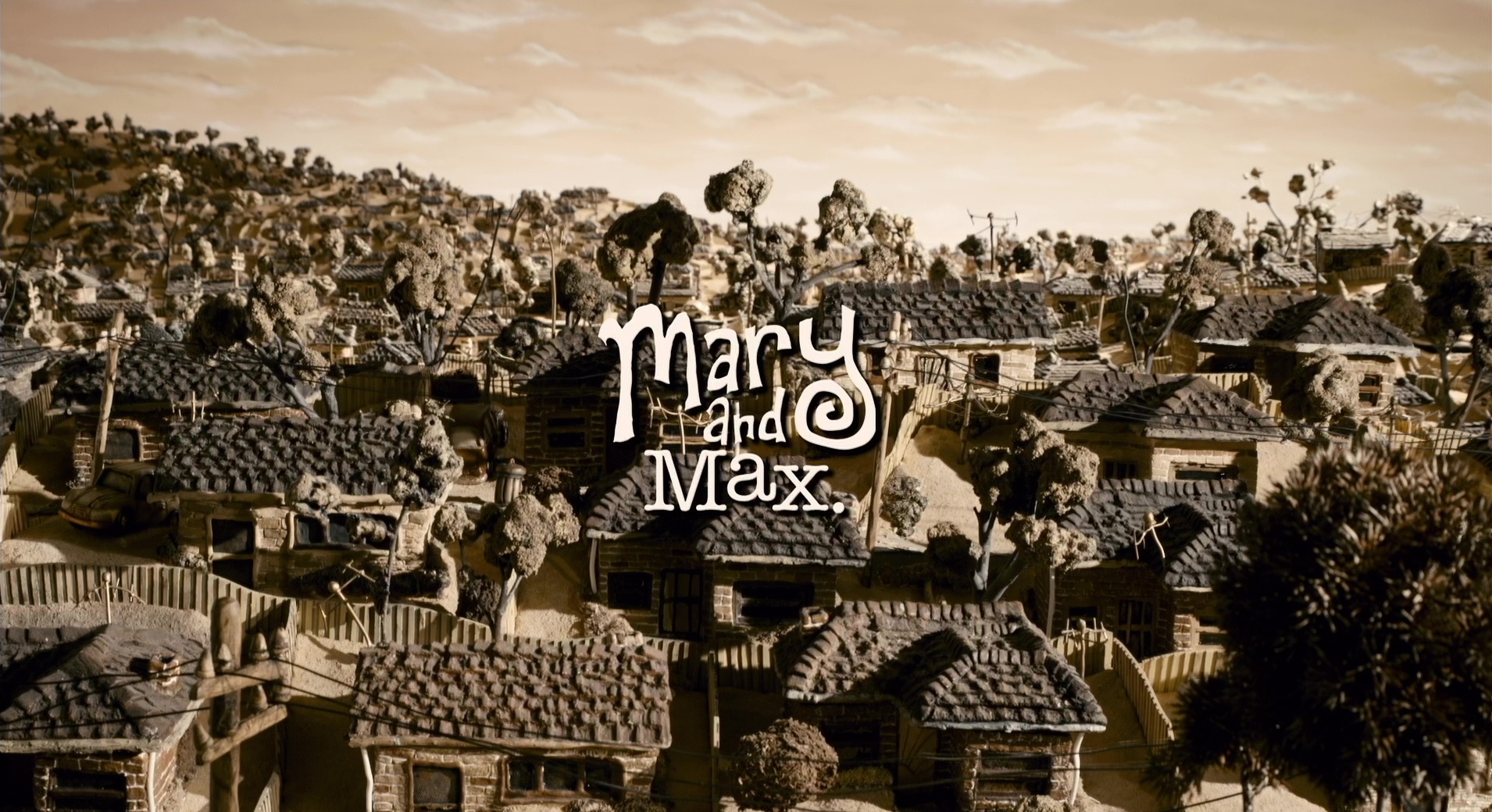
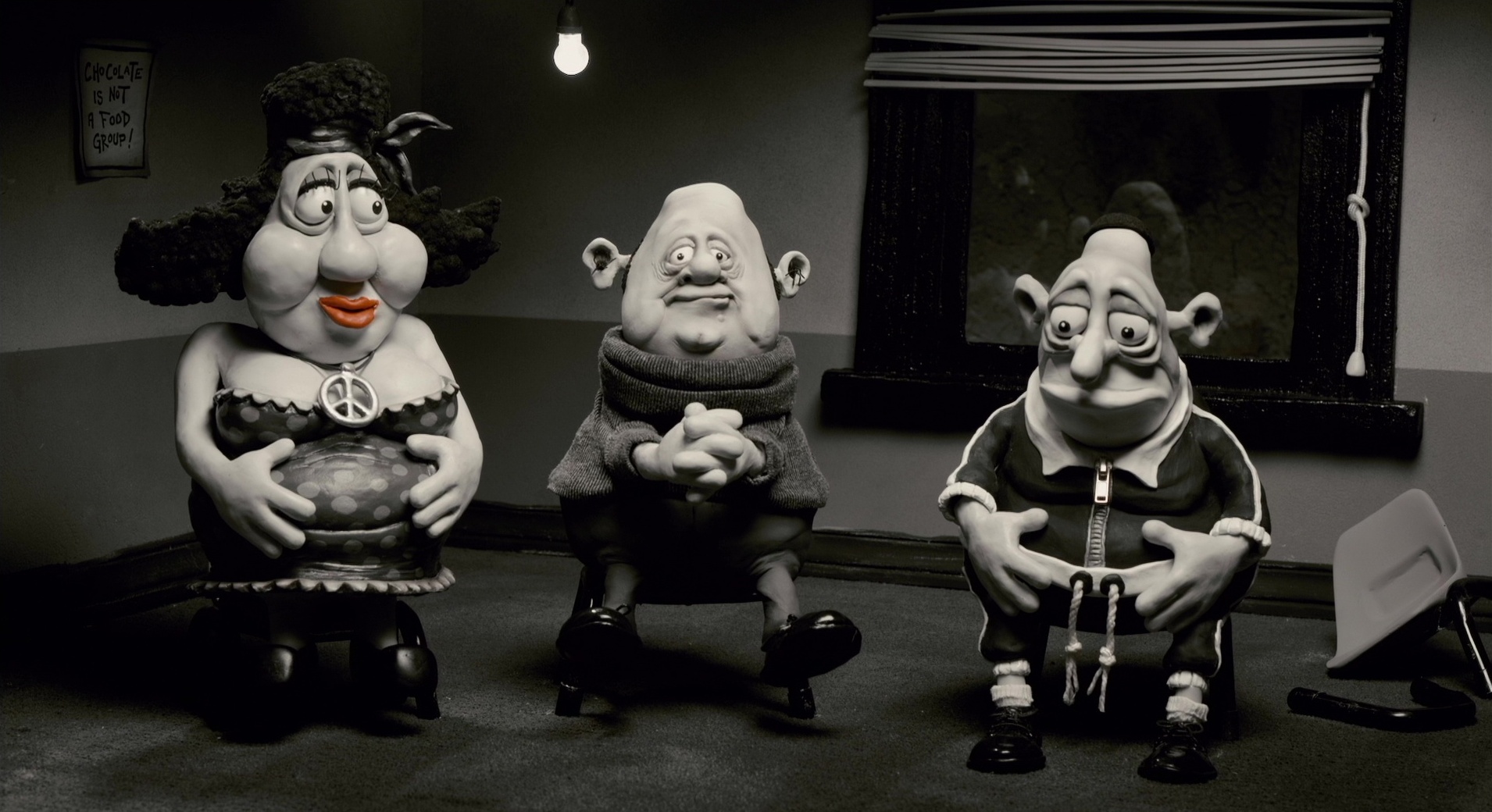
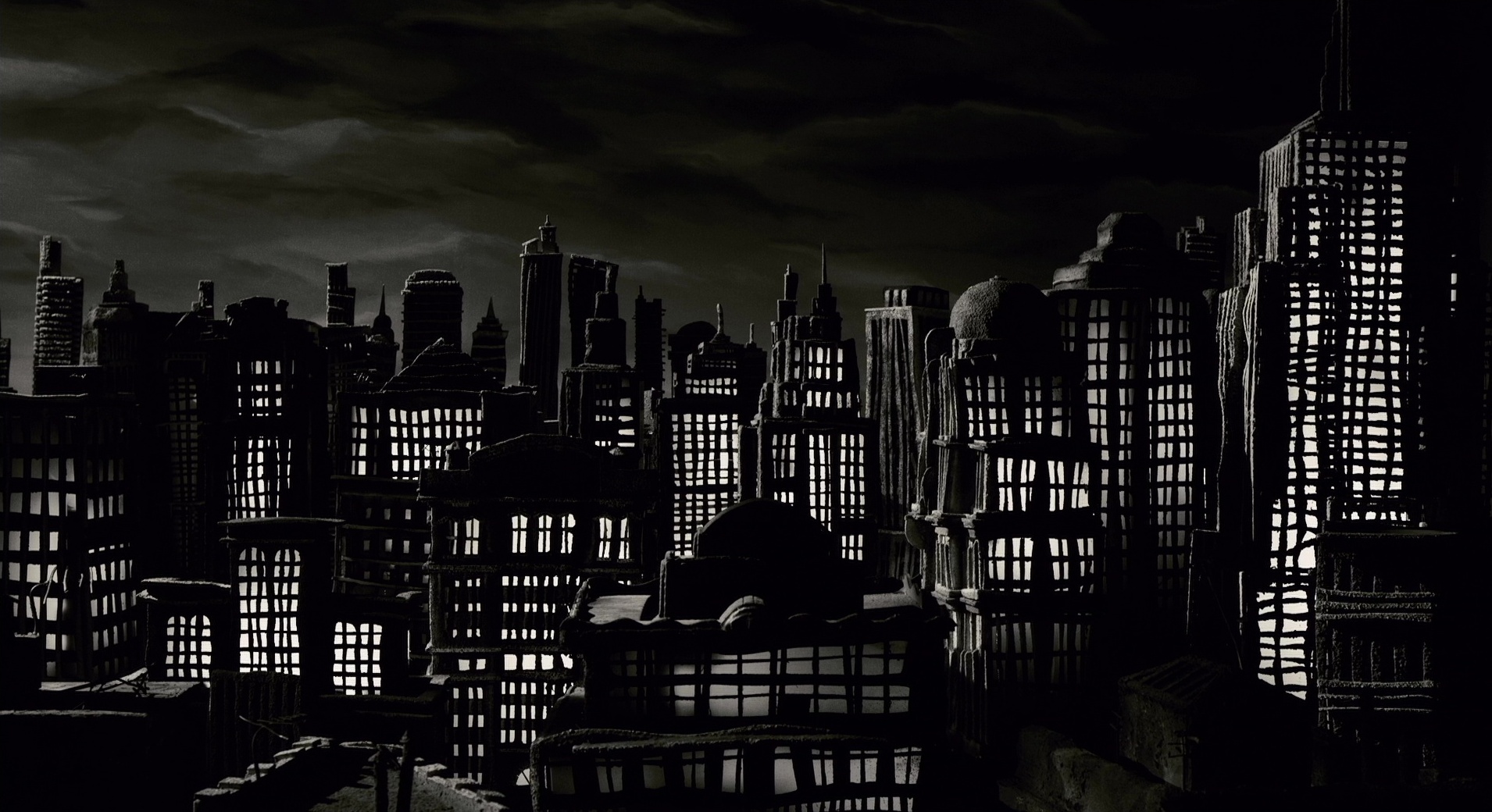
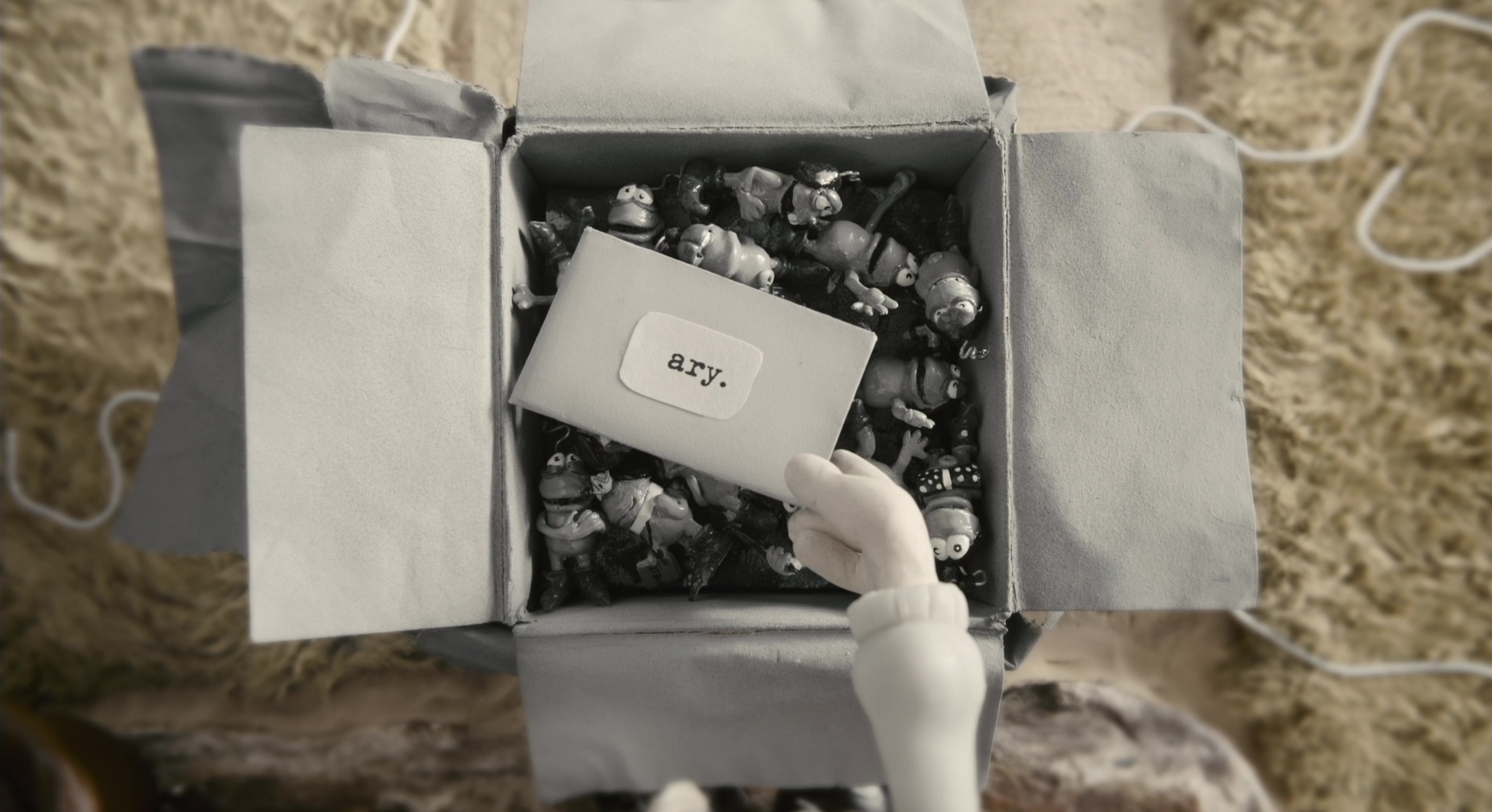
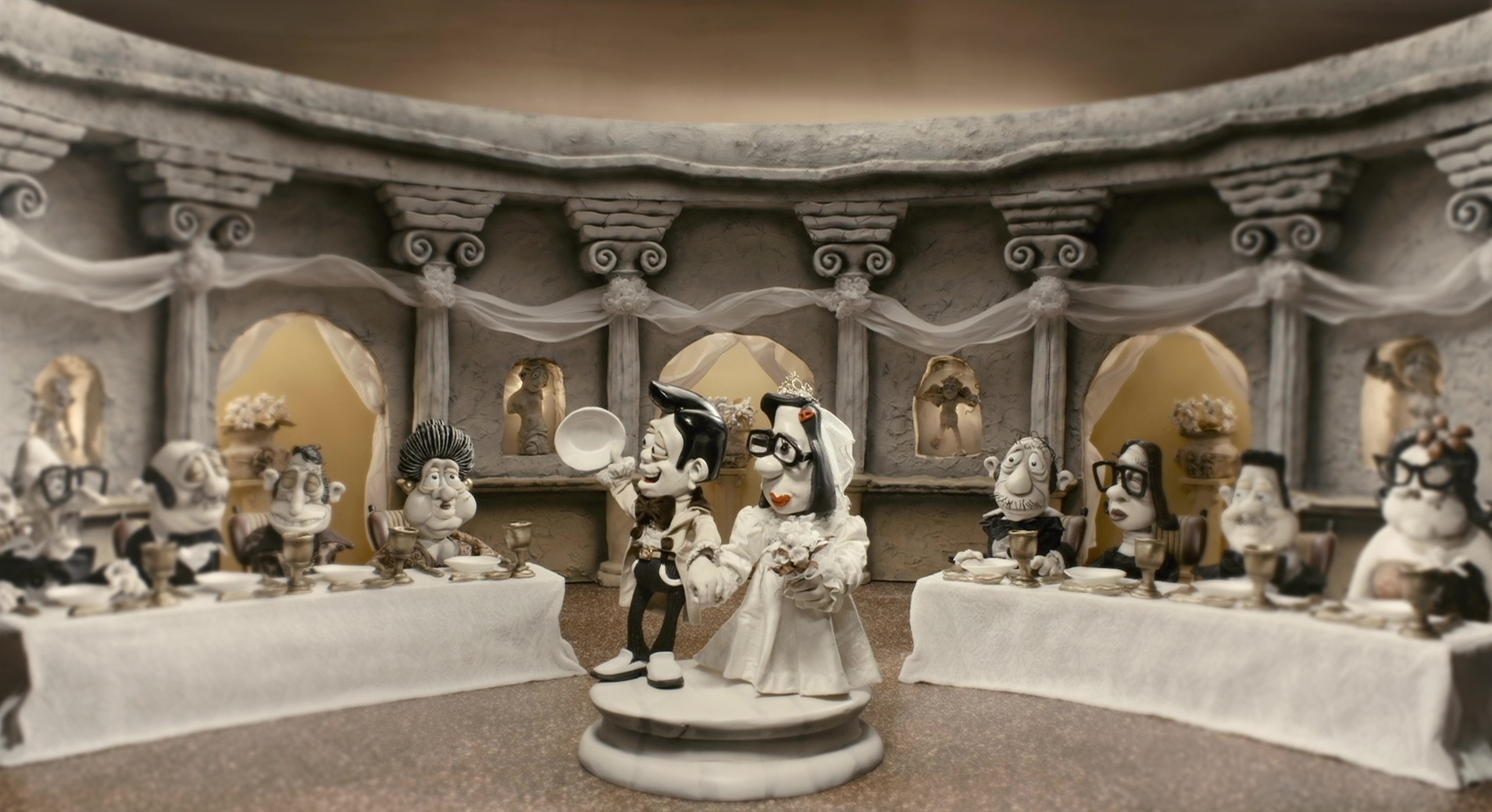
Mary and Max (2009)
A lonely young girl in Australia begins a decades-long pen-pal friendship with a middle-aged man living in New York who has Asperger’s syndrome. Through their letters, they share their struggles, fears, and small joys, forming a deep and unconventional bond. Their relationship becomes a poignant exploration of isolation, connection, and acceptance across distance and difference.
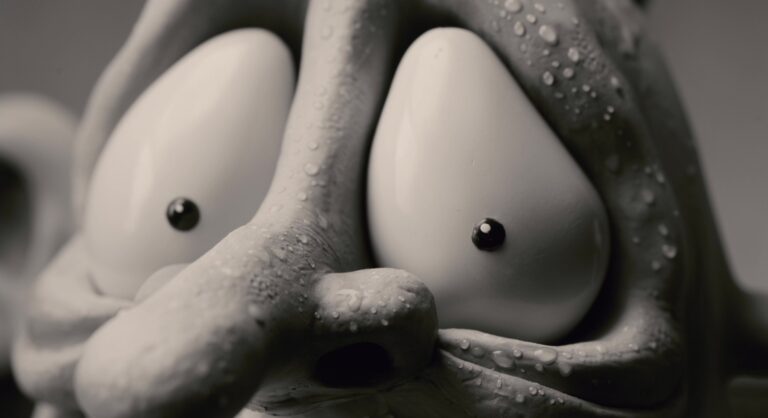
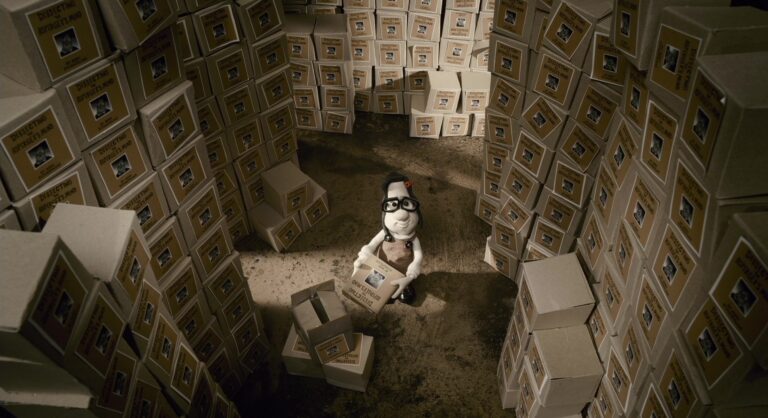
In Mary and Max, Elliot uses stop-motion animation with a deliberately muted palette—sepia tones for Australia and grayscale for New York—to reflect the characters’ emotional worlds. The tactile clay figures, visible textures, and static, carefully composed frames give the film a handcrafted melancholy, where imperfections in the materials mirror the vulnerability of its characters.
FILM SPOTLIGHT
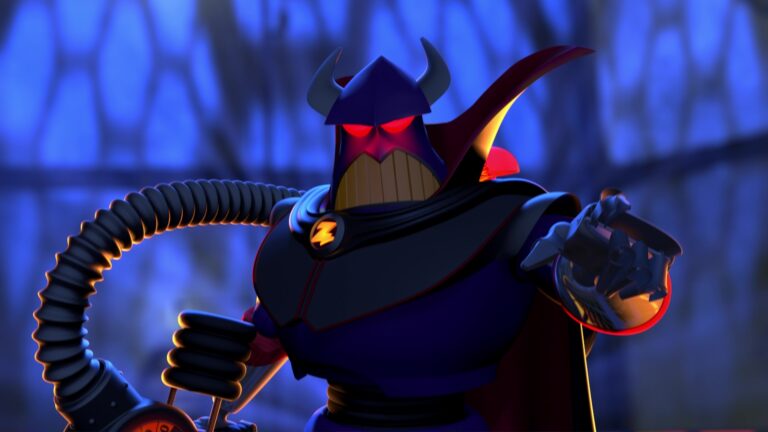
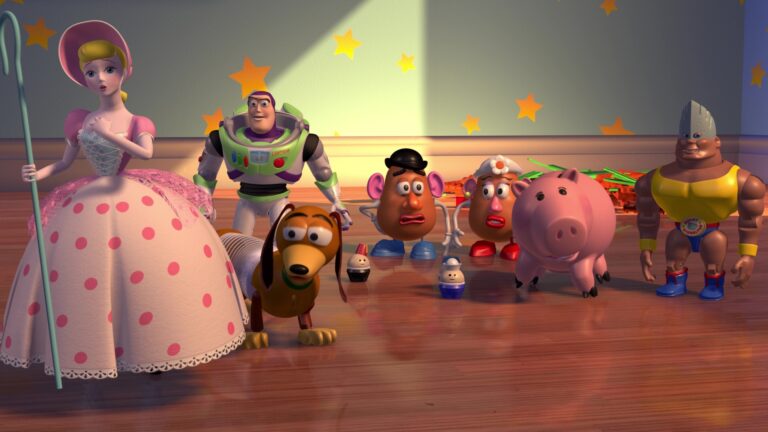
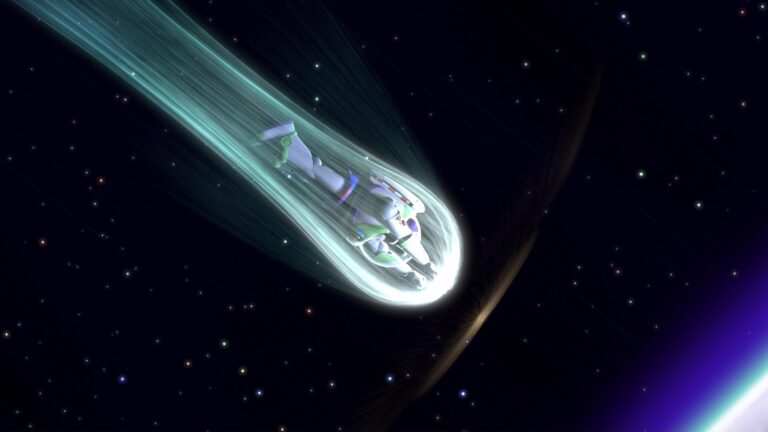
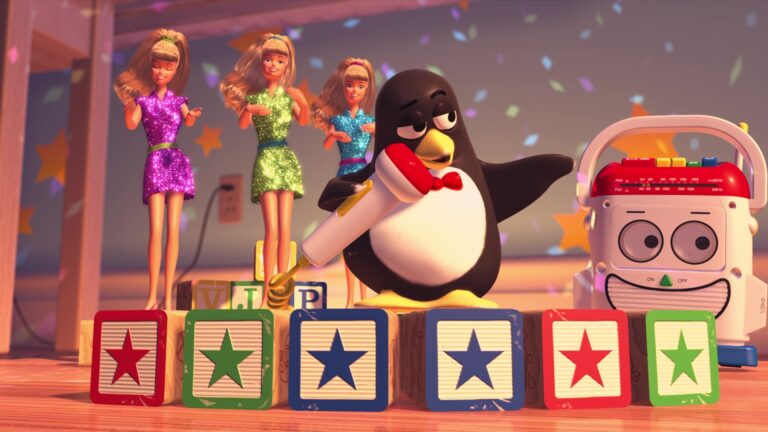
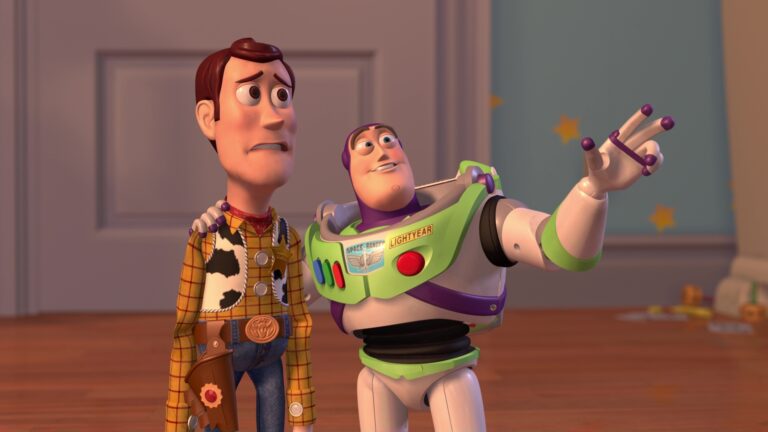
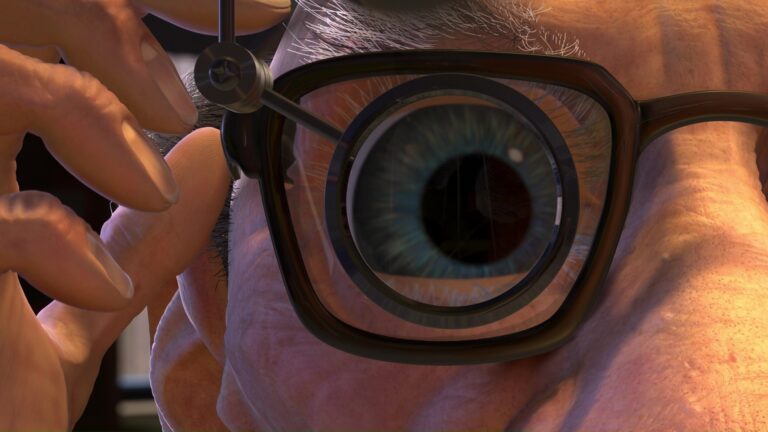
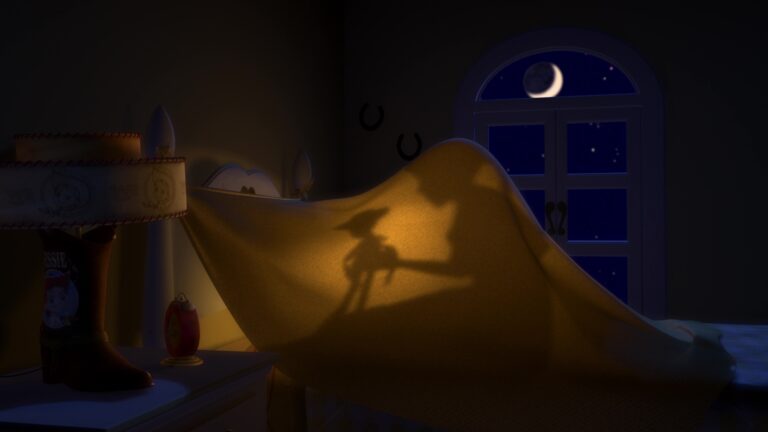
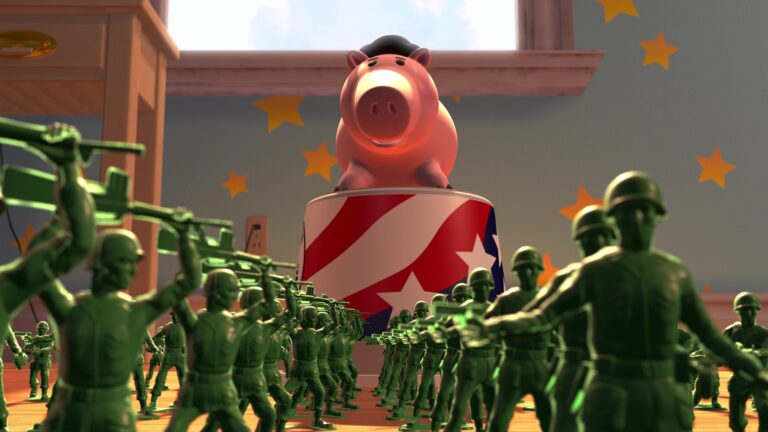
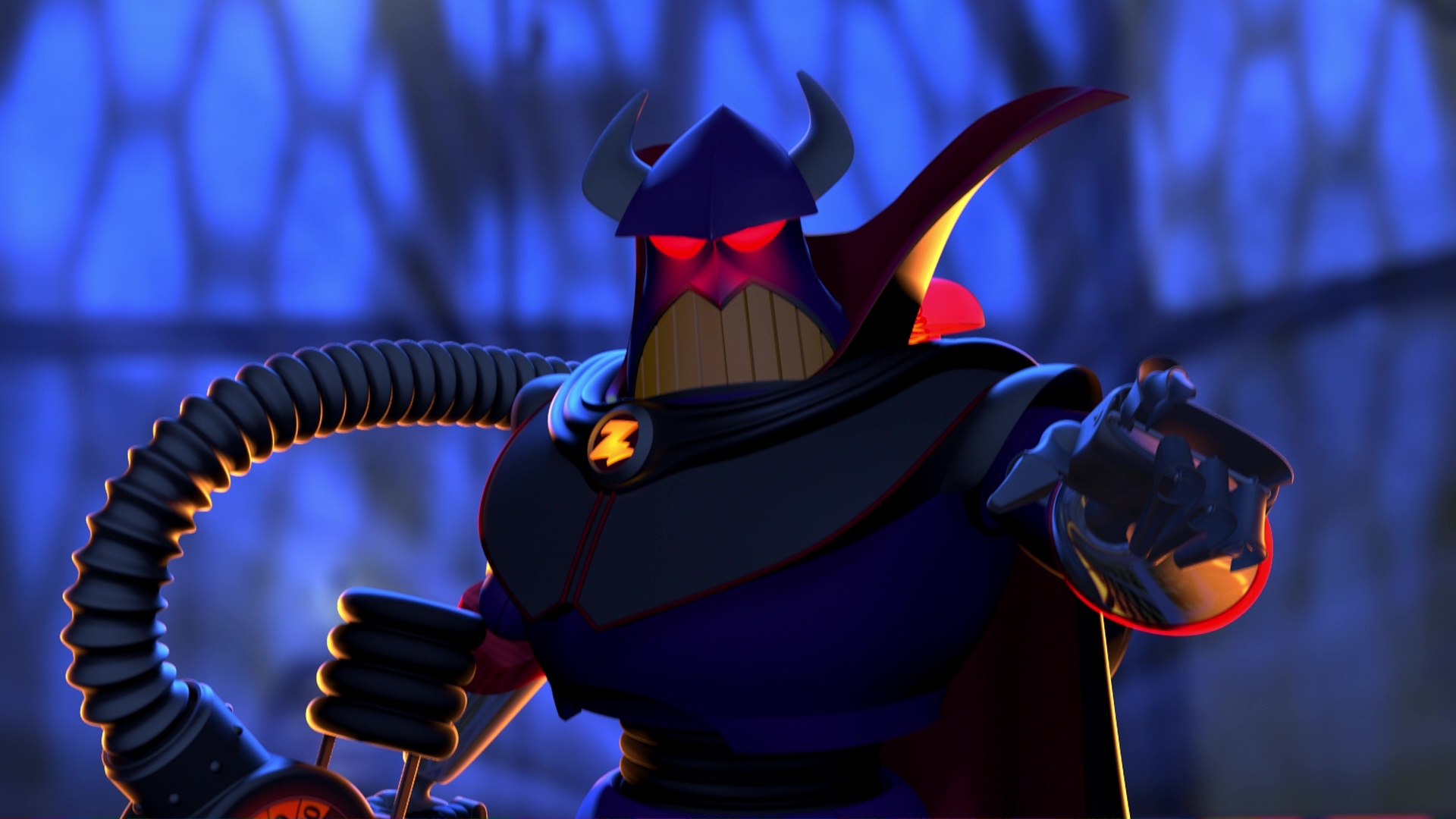
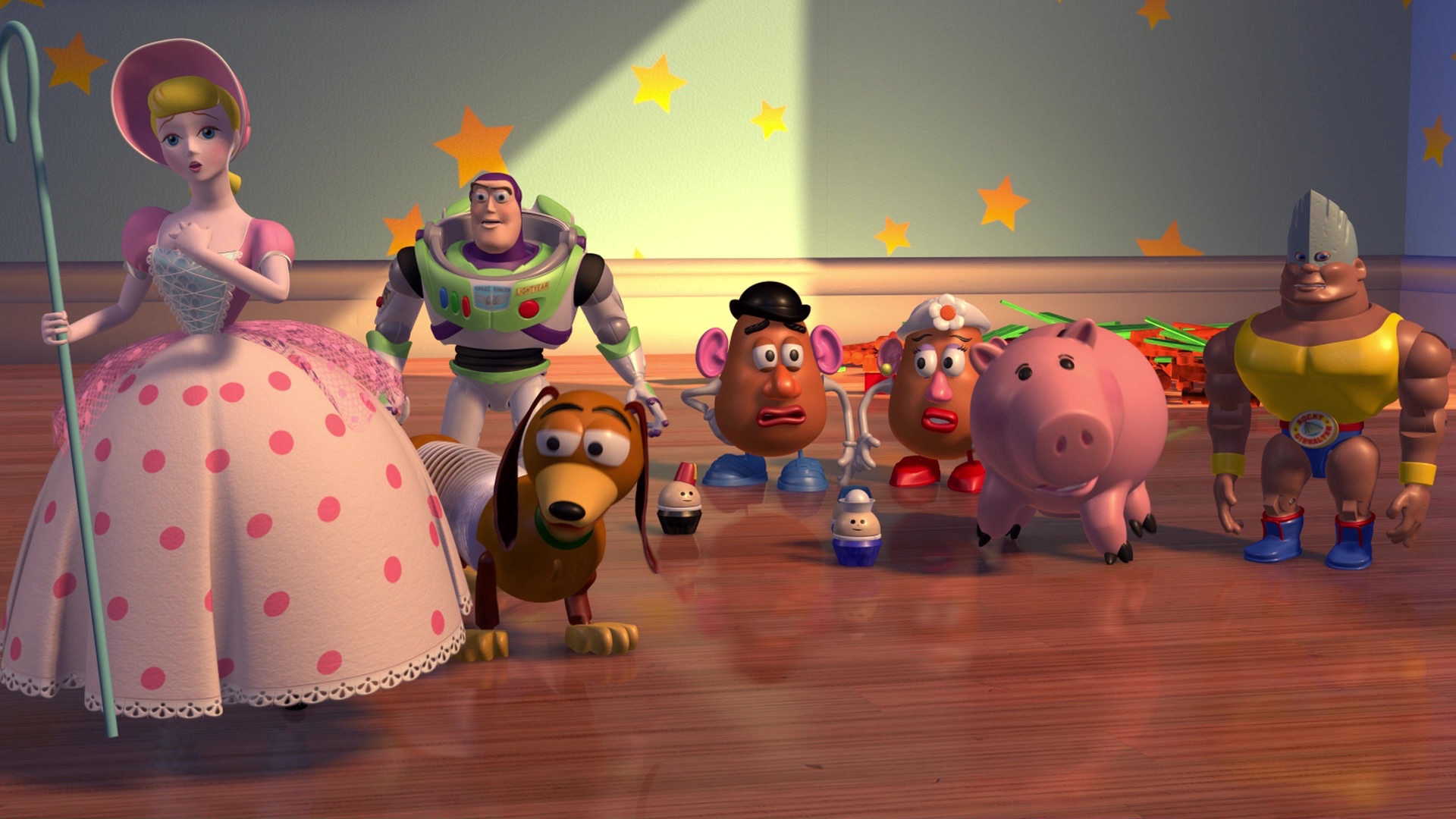
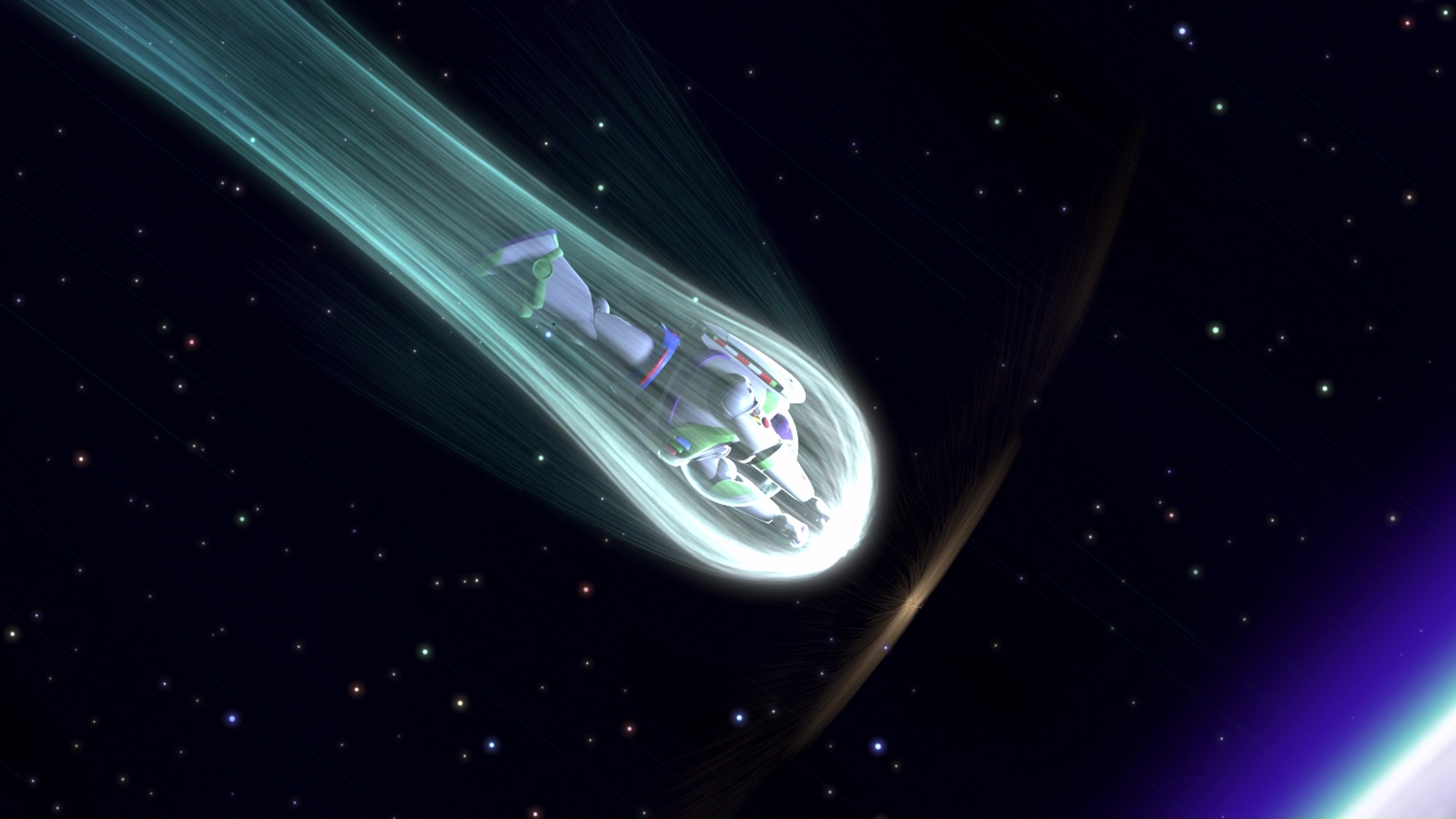
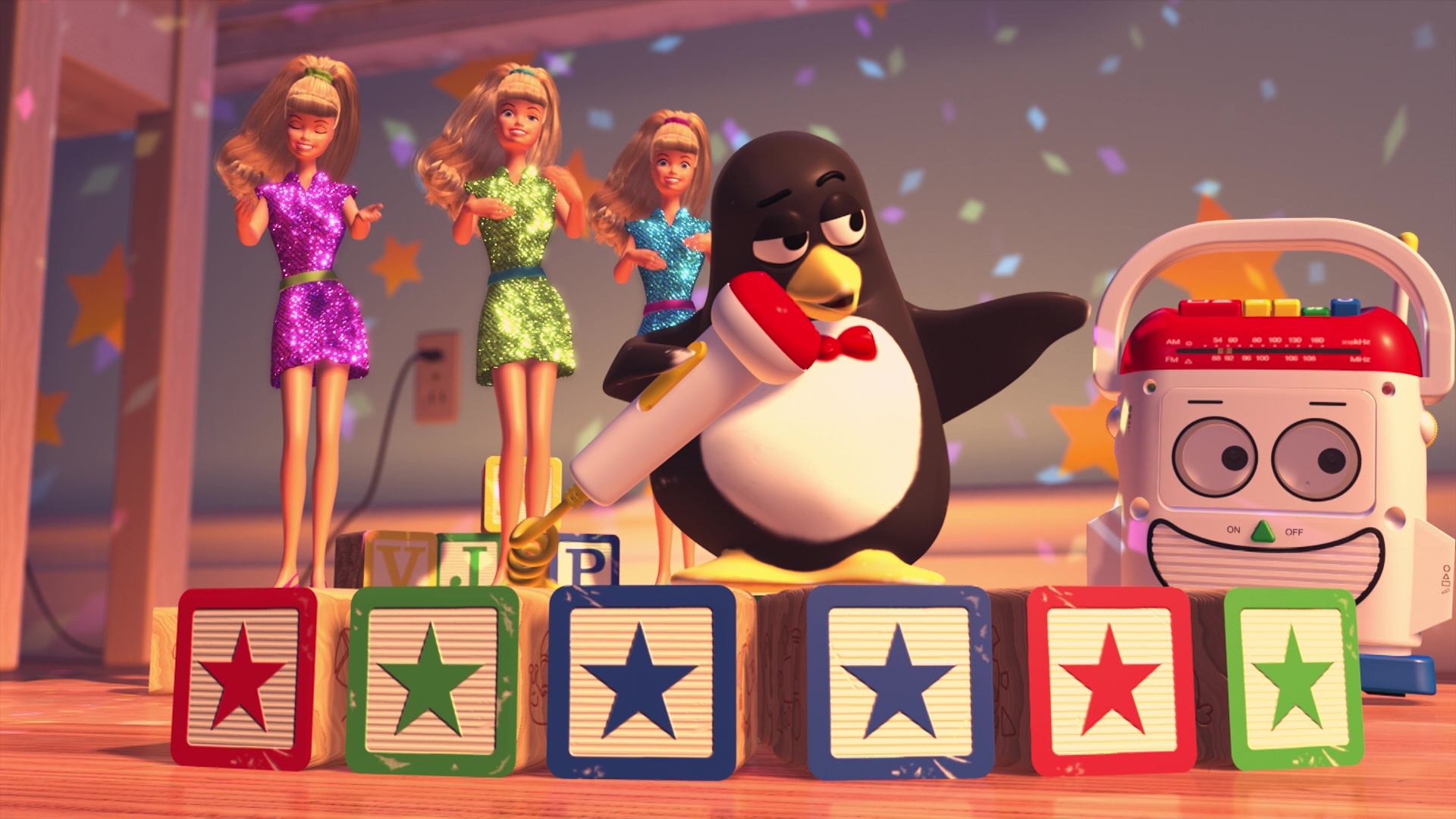
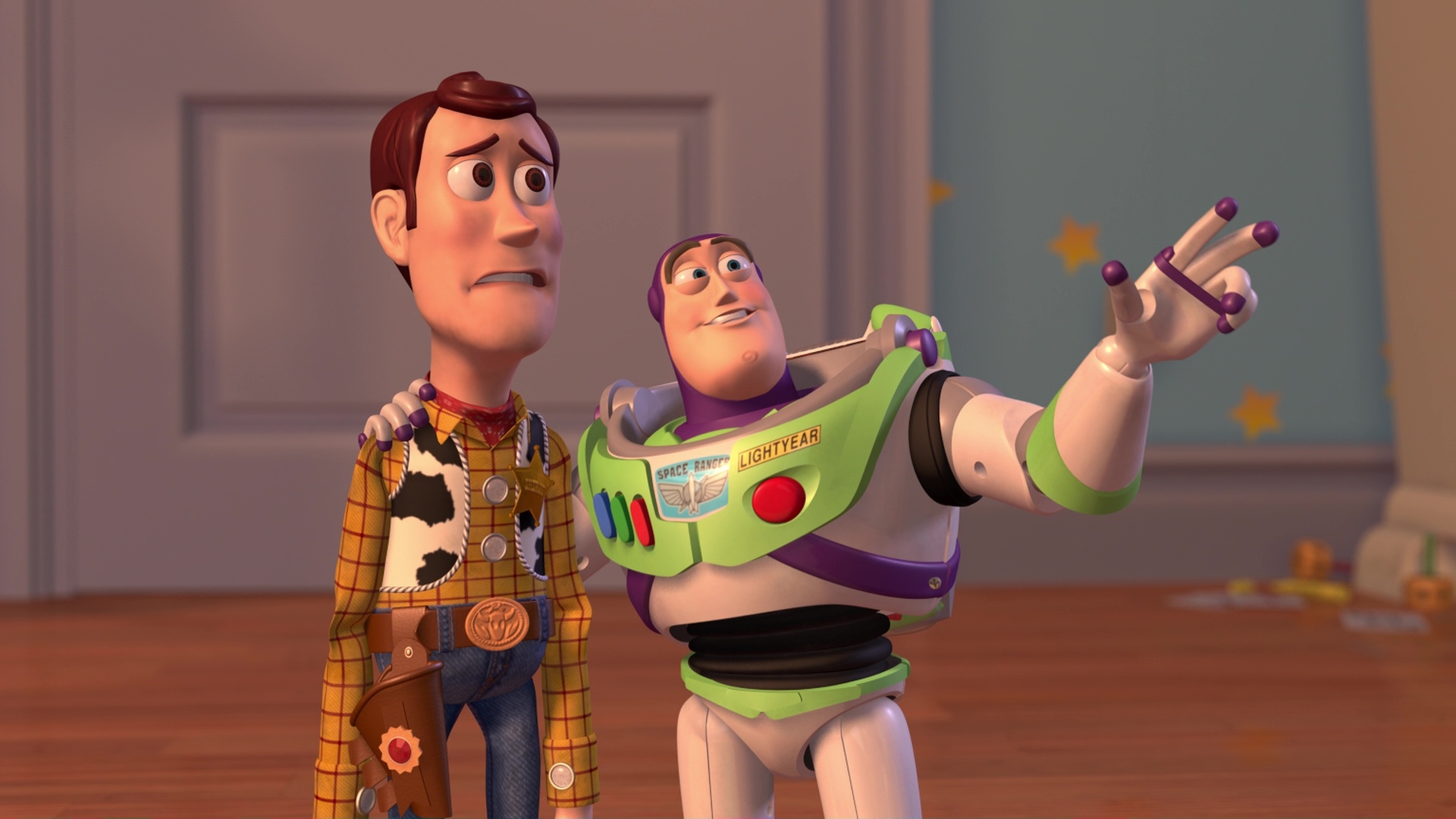
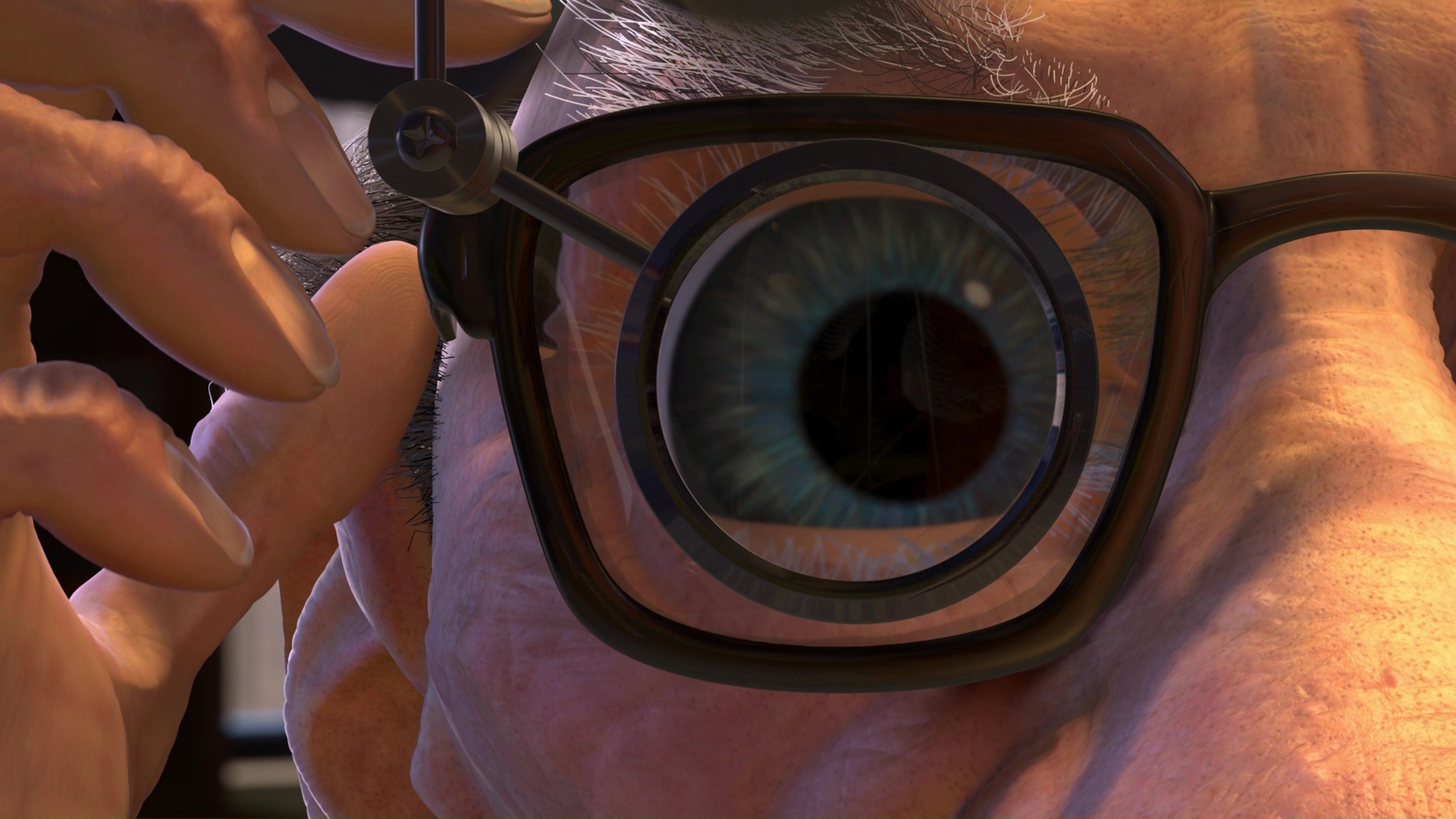
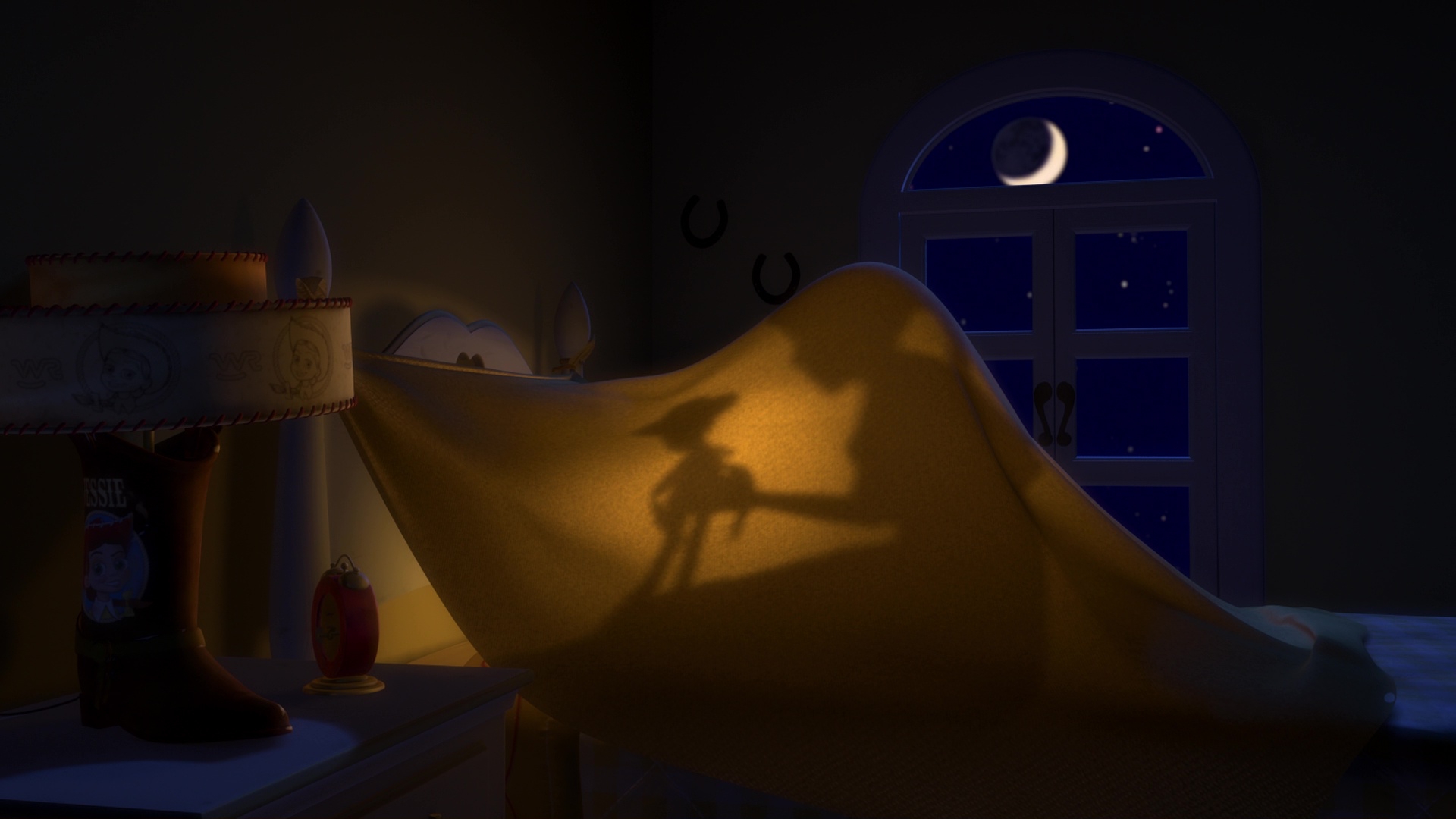
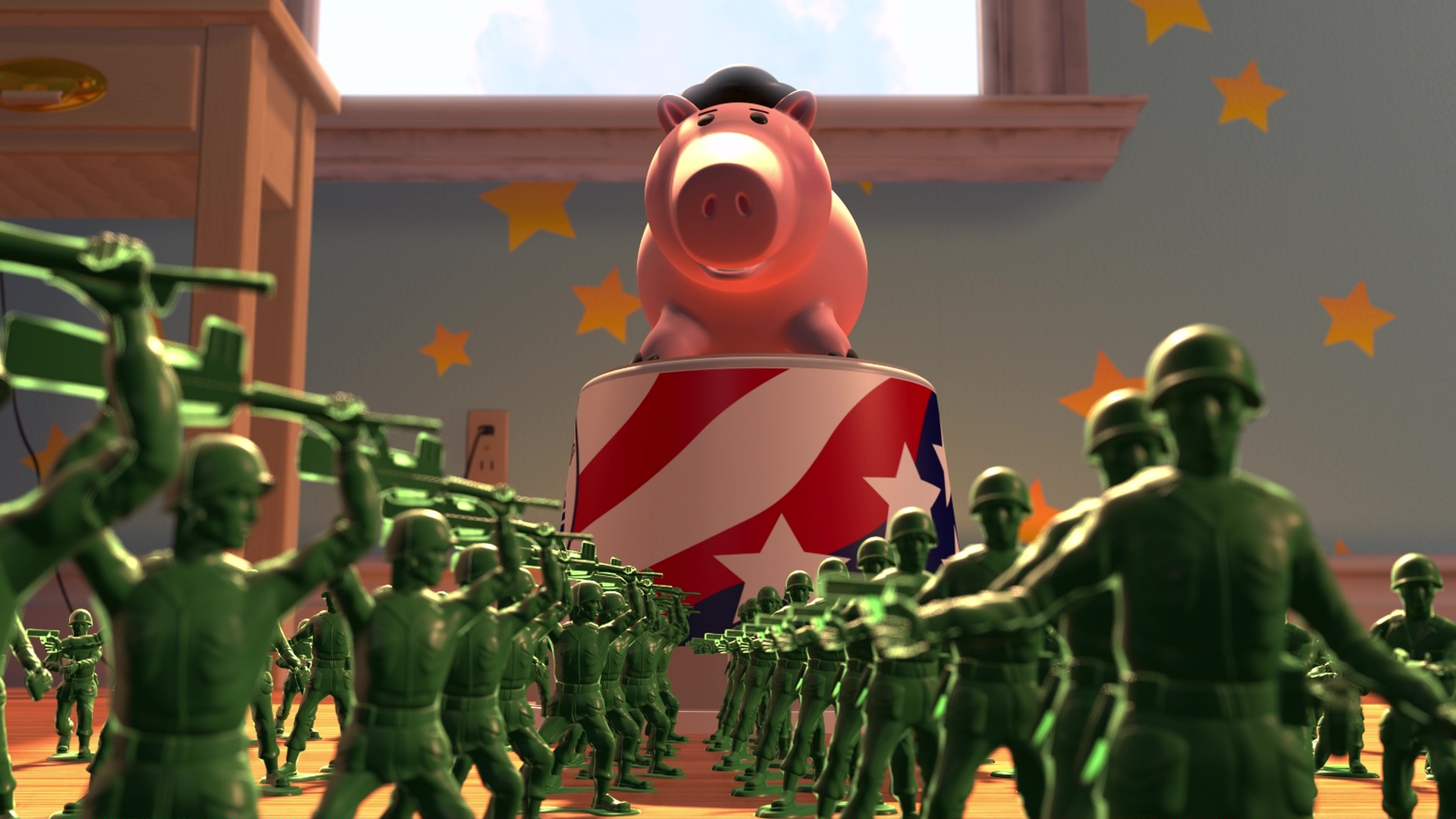
Toy Story 2 (1999)
When Woody is stolen by a toy collector, Buzz Lightyear and the gang set out on a rescue mission across the city. Meanwhile, Woody discovers he is a valuable collectible from a classic TV show and faces a choice between returning to his owner or embracing a life of preservation and fame. The journey becomes a reflection on loyalty, purpose, and the passage of time.
Pixar significantly advanced its CGI with Toy Story 2, improving character animation, lighting, and environmental detail—especially in textures like fabric, plastic, and reflective surfaces. The film expands scale and visual complexity, from suburban rooms to airport set pieces, while maintaining clear, readable compositions that prioritize character performance and emotional storytelling.
FIML SPOTLIGHT
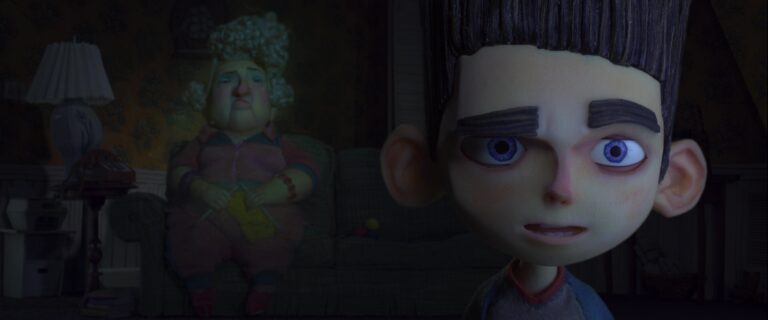
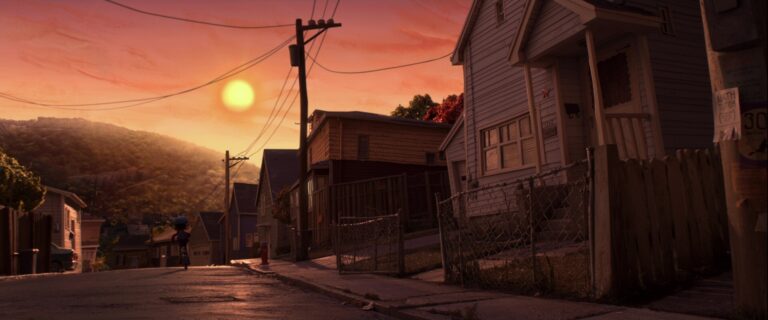
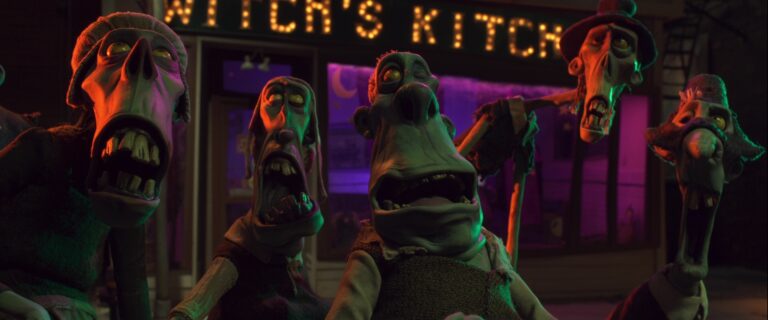
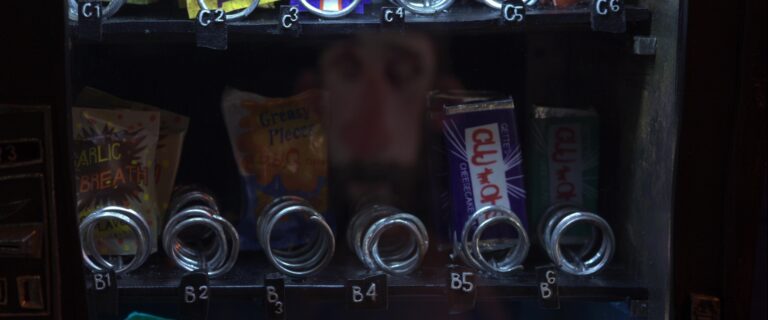
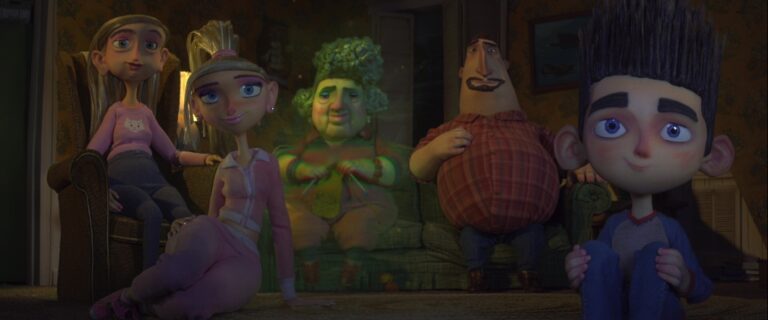
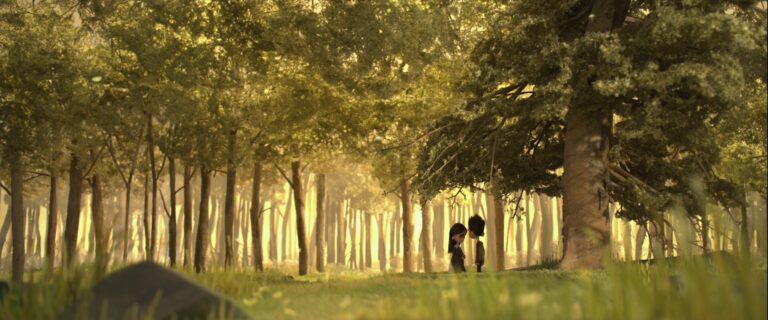
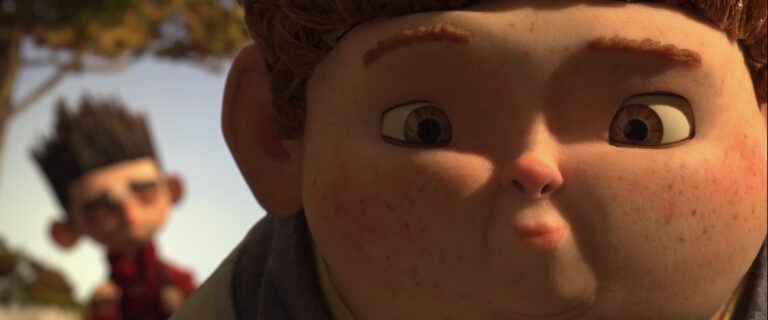
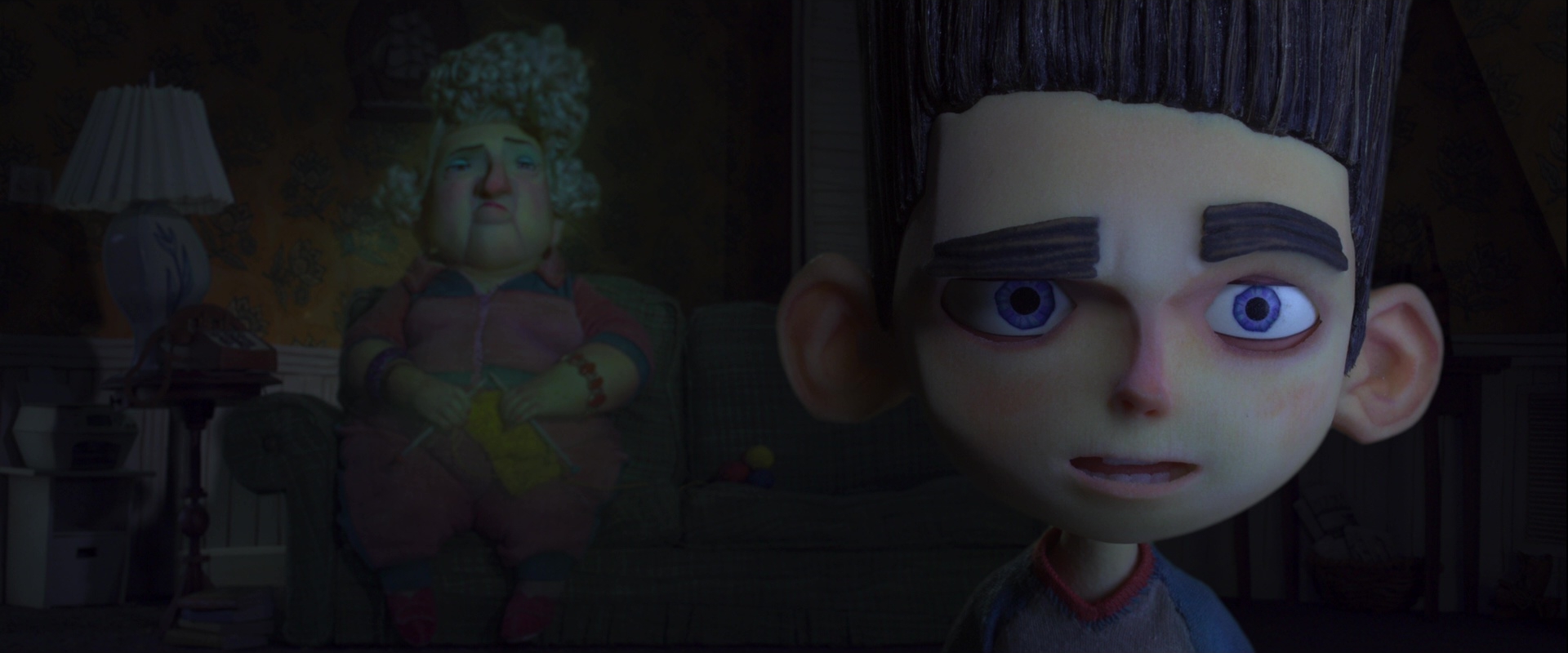
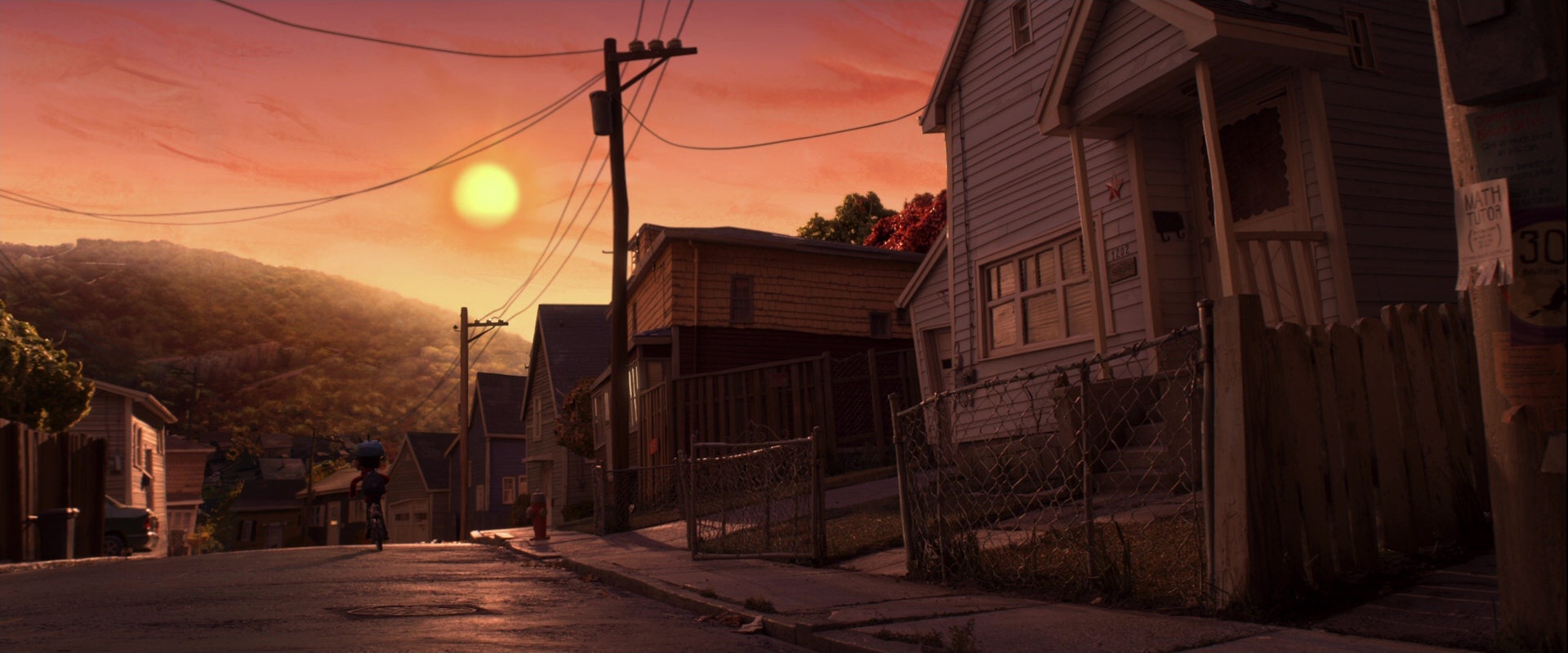
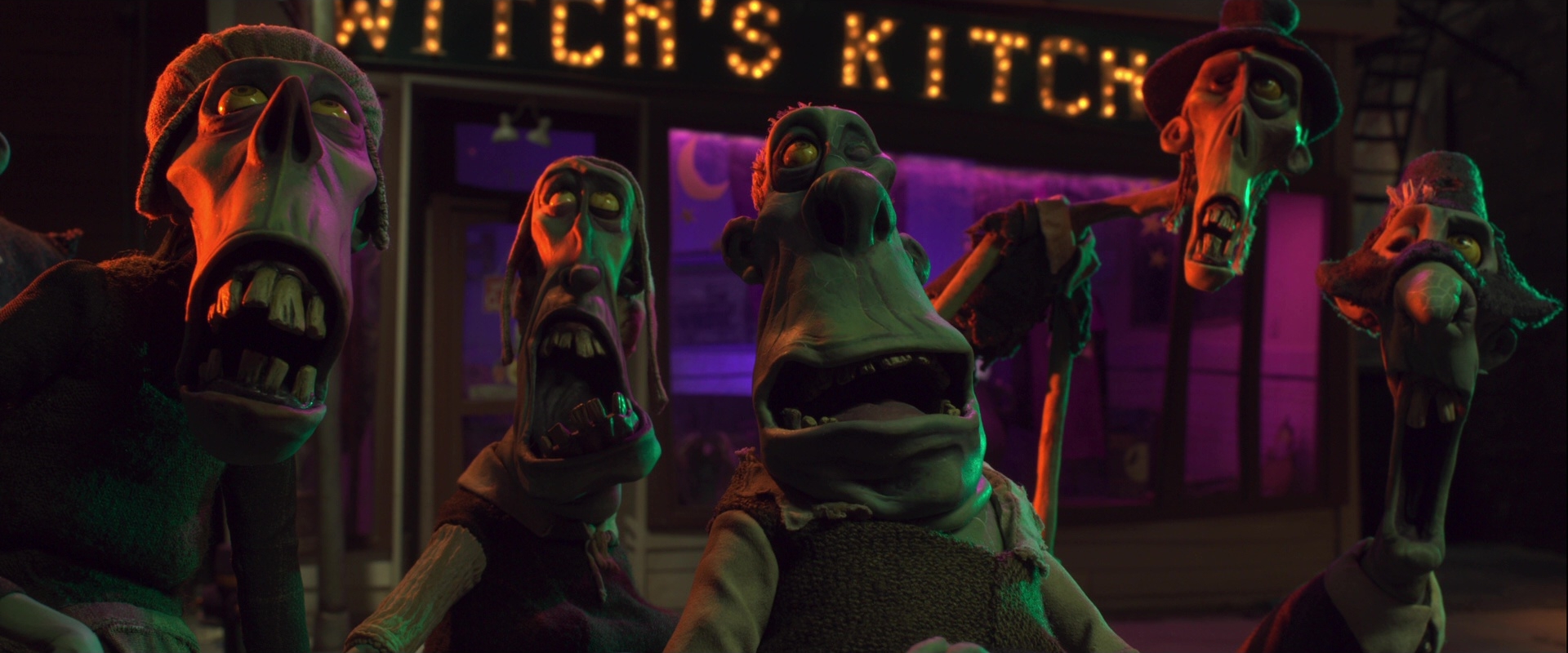
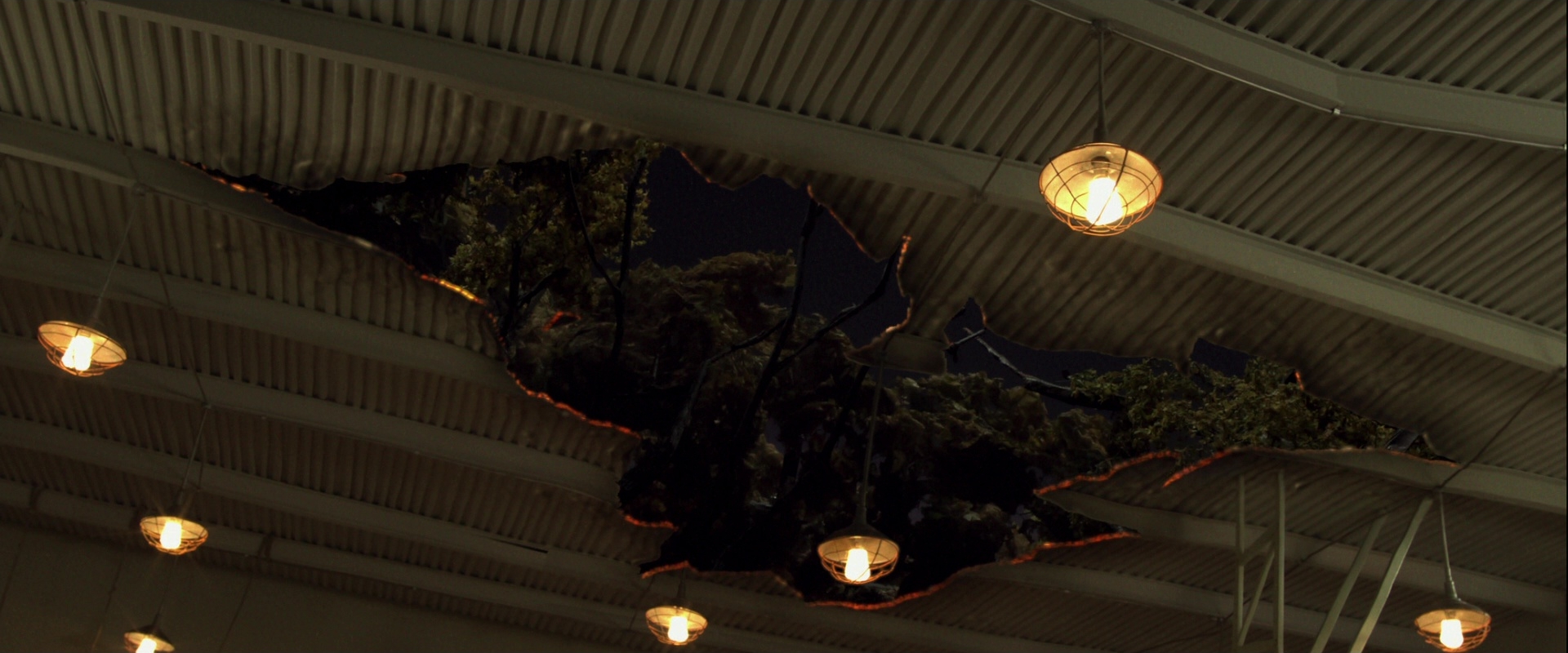
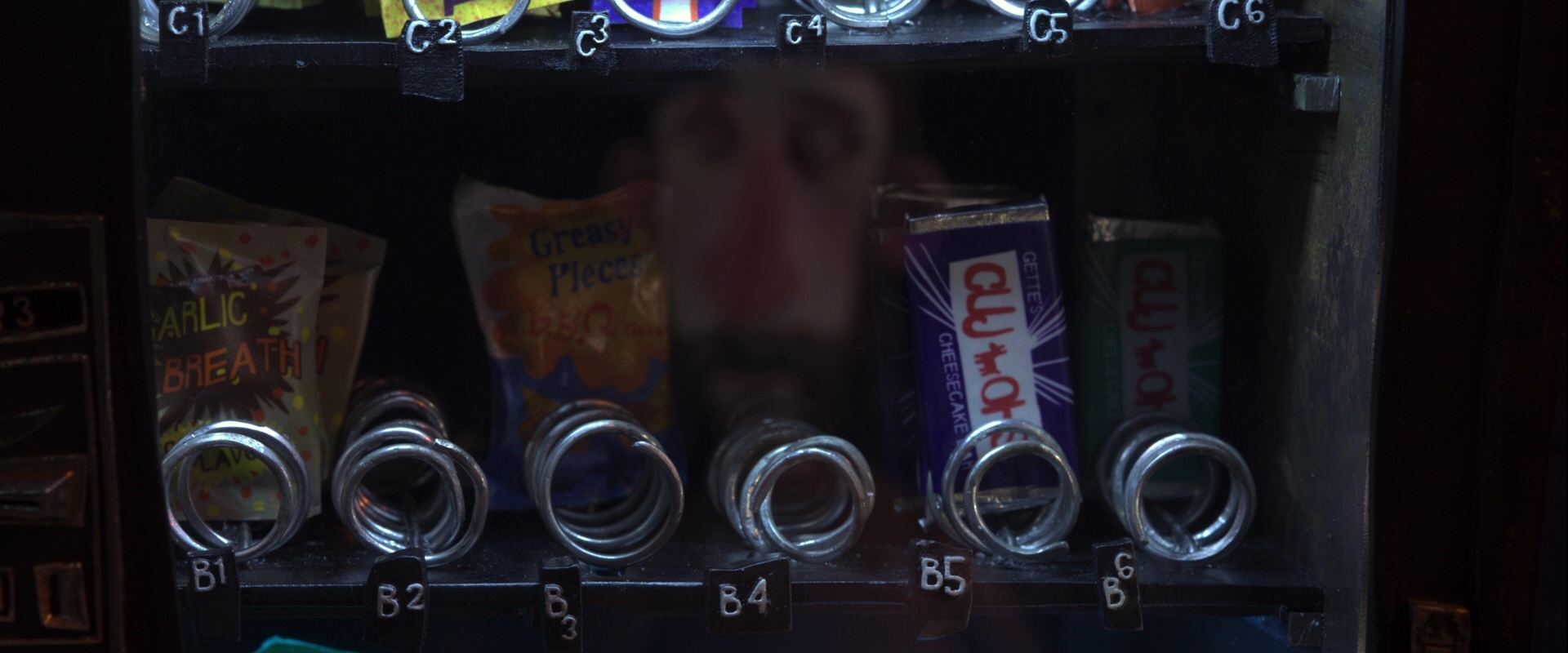
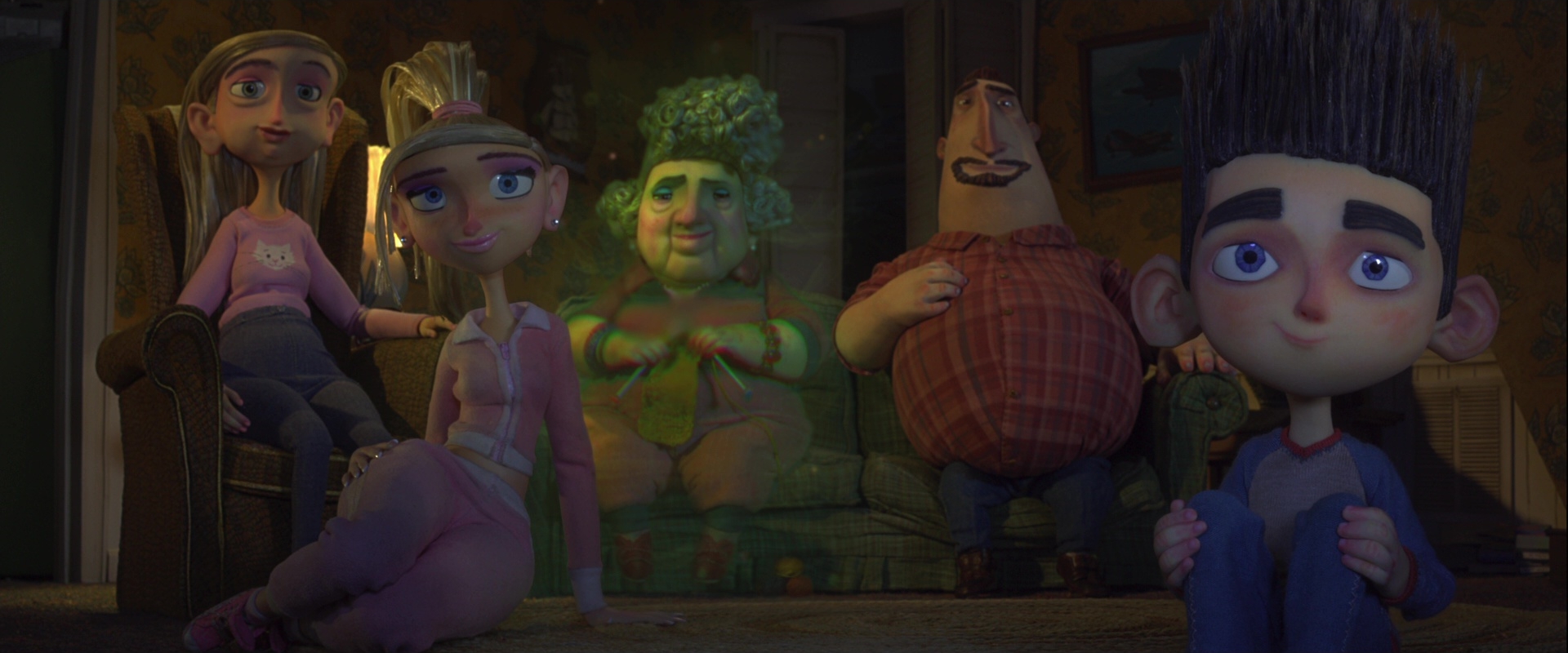
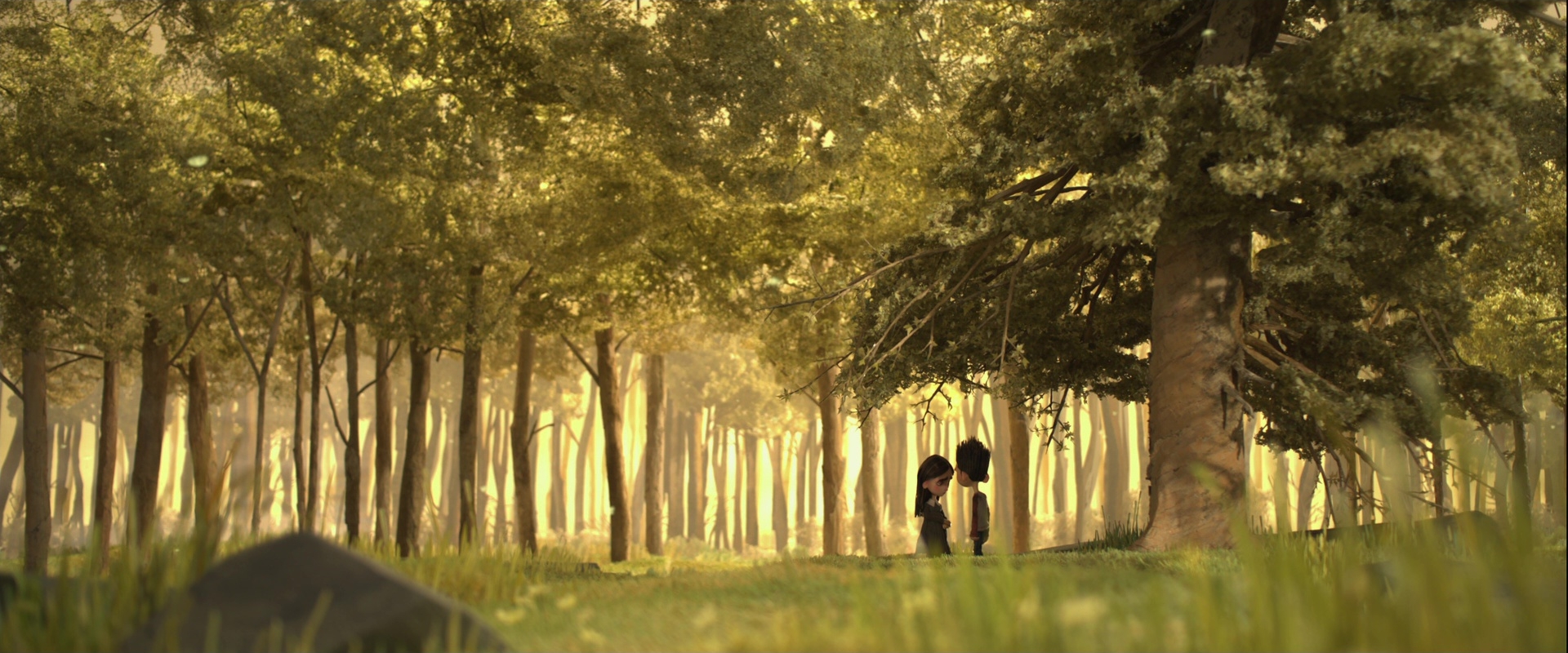
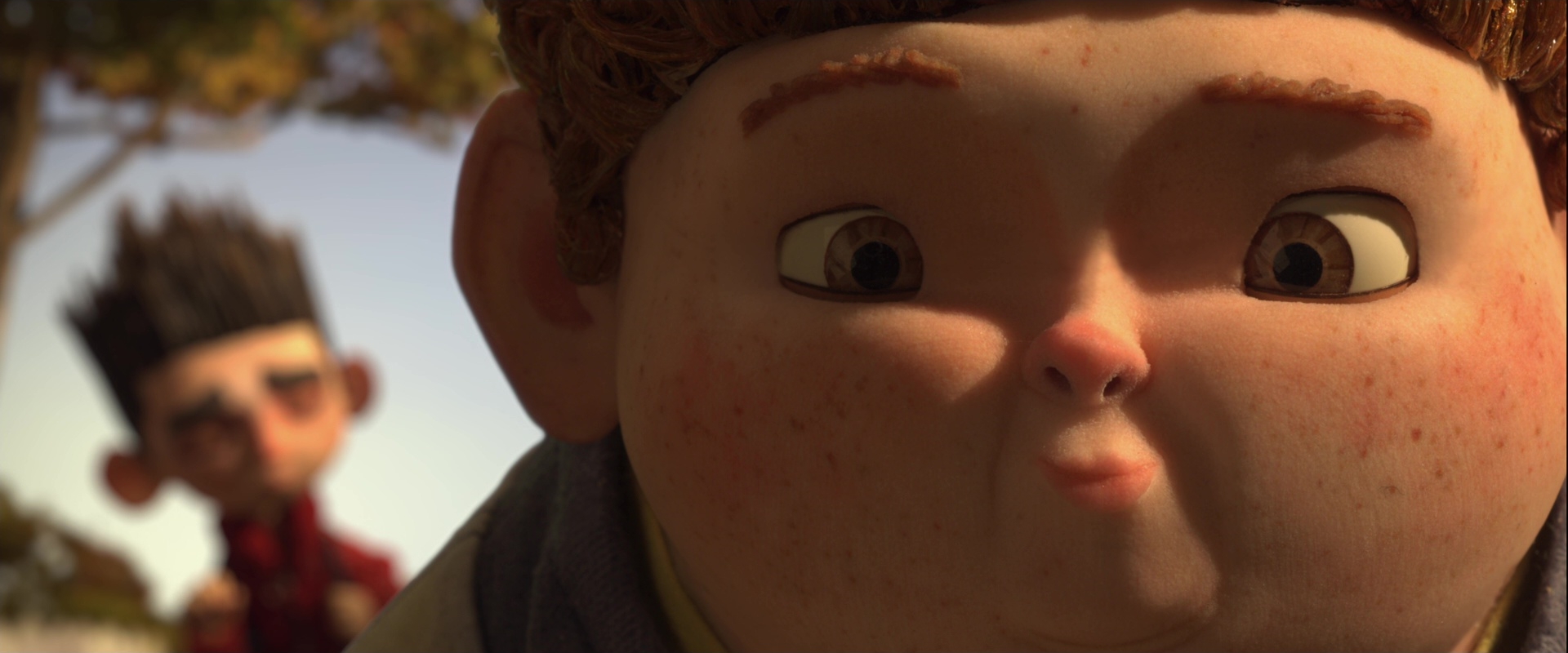
ParaNorman (2012)
A young boy named Norman, who can see and speak with the dead, must use his unusual ability to save his town from a centuries-old curse. As the curse unleashes chaos, Norman uncovers the truth behind the town’s dark history. His journey becomes one of empathy, courage, and understanding those who are misunderstood.
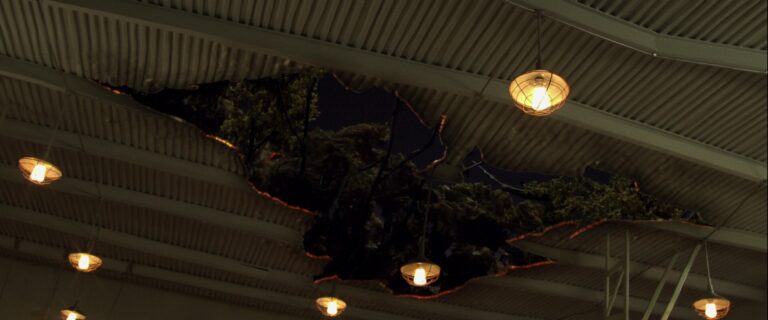
Laika pushes stop-motion further in ParaNorman by combining handcrafted puppets with advanced 3D-printed facial animation, allowing for more nuanced expressions. The film’s stylized lighting—cool, moody tones contrasted with warm interior glows—and detailed miniature sets turn its small town into a textured, atmospheric space, where horror and humor coexist through design and light.
FILM SPOTLIGHT
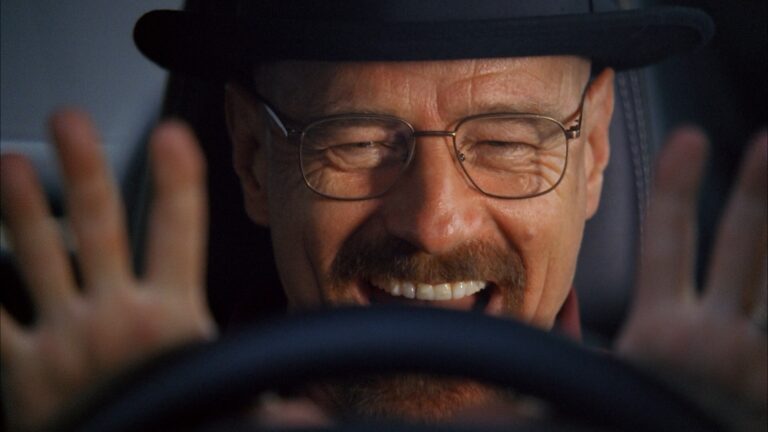
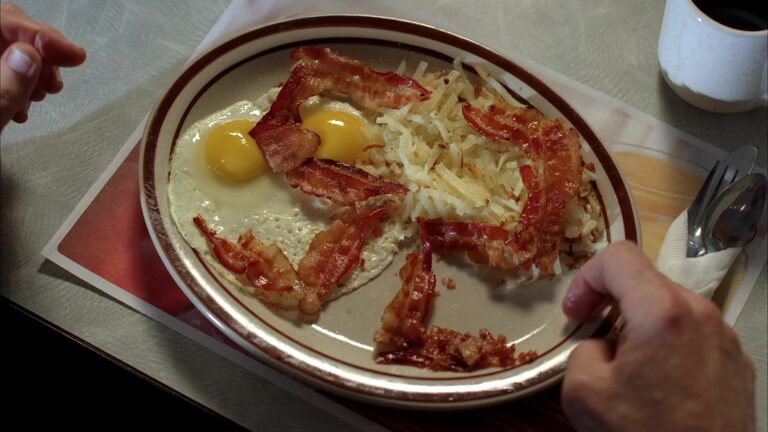
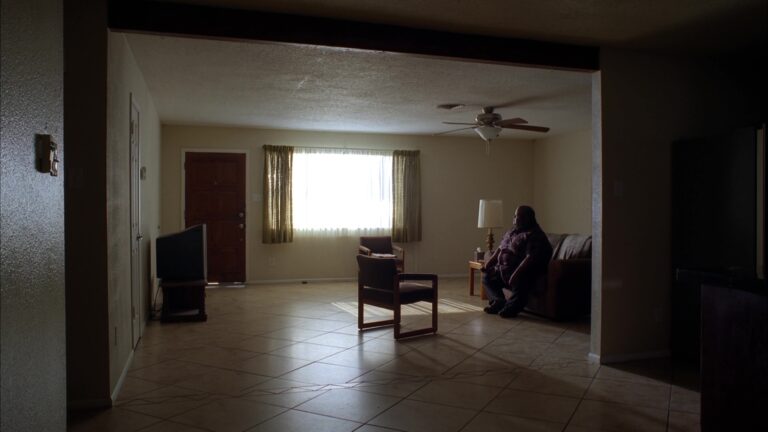
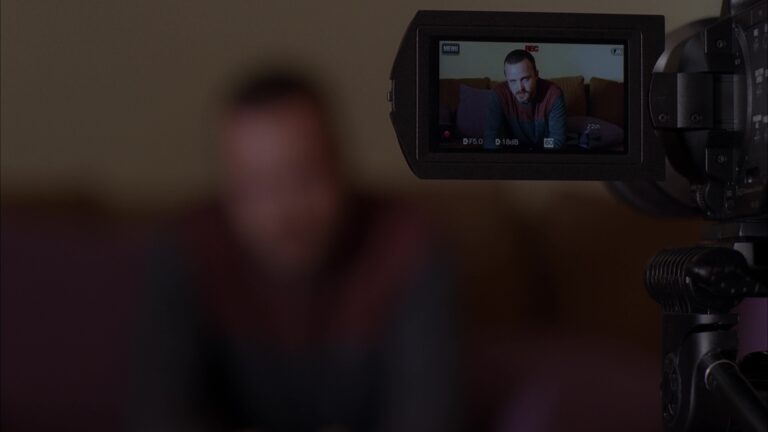
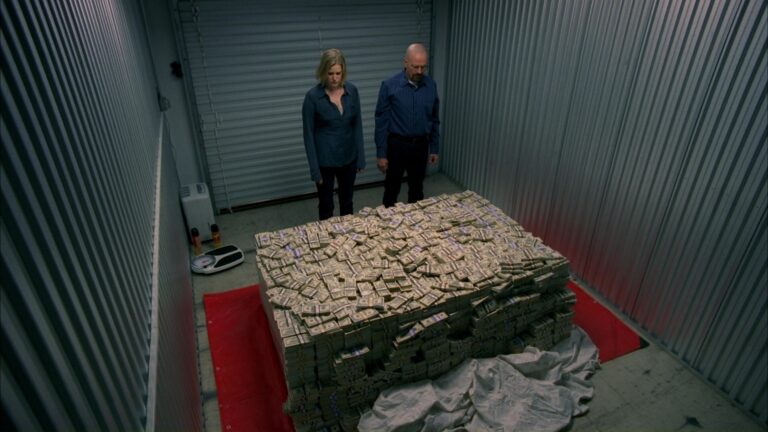
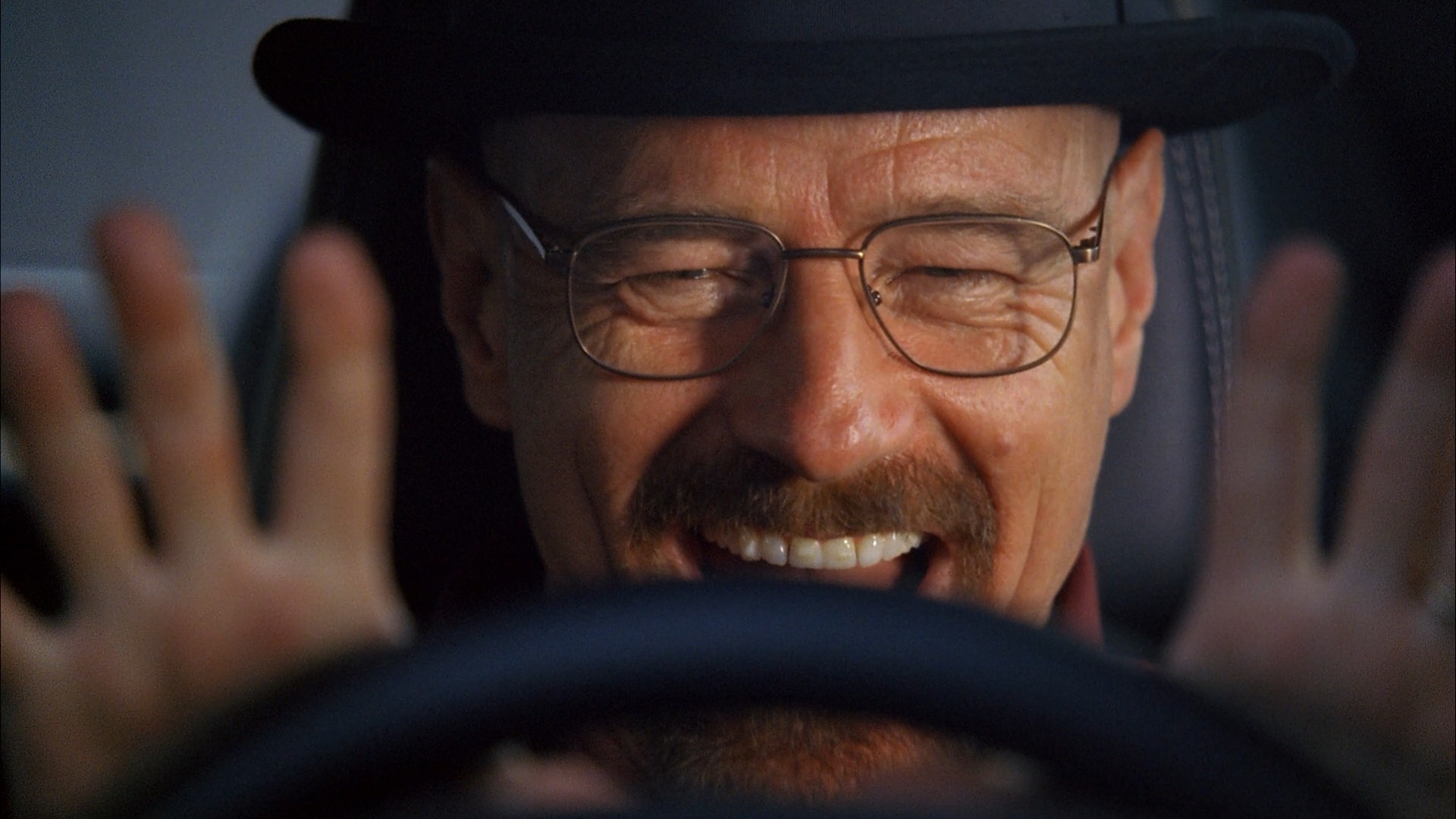
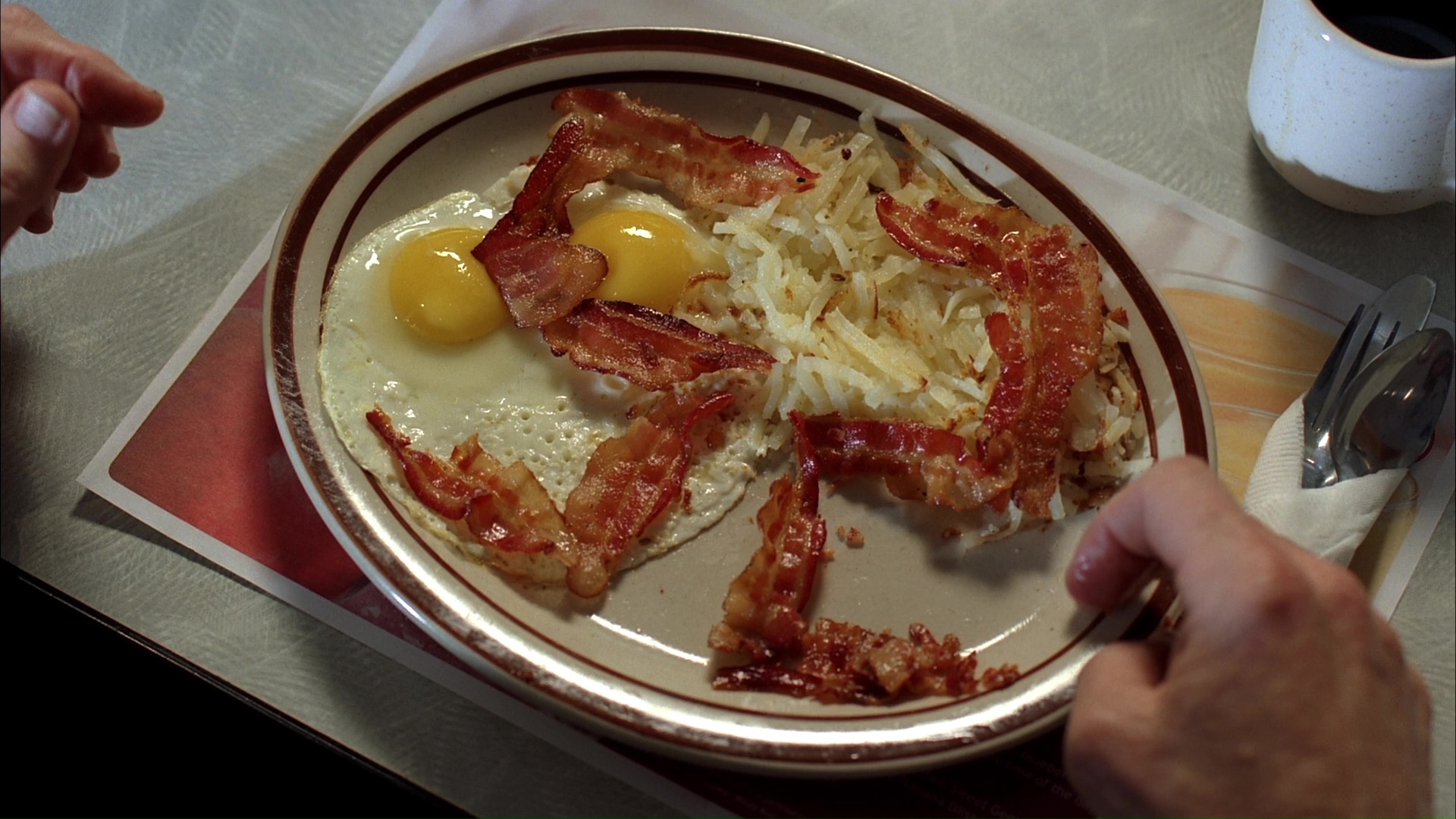
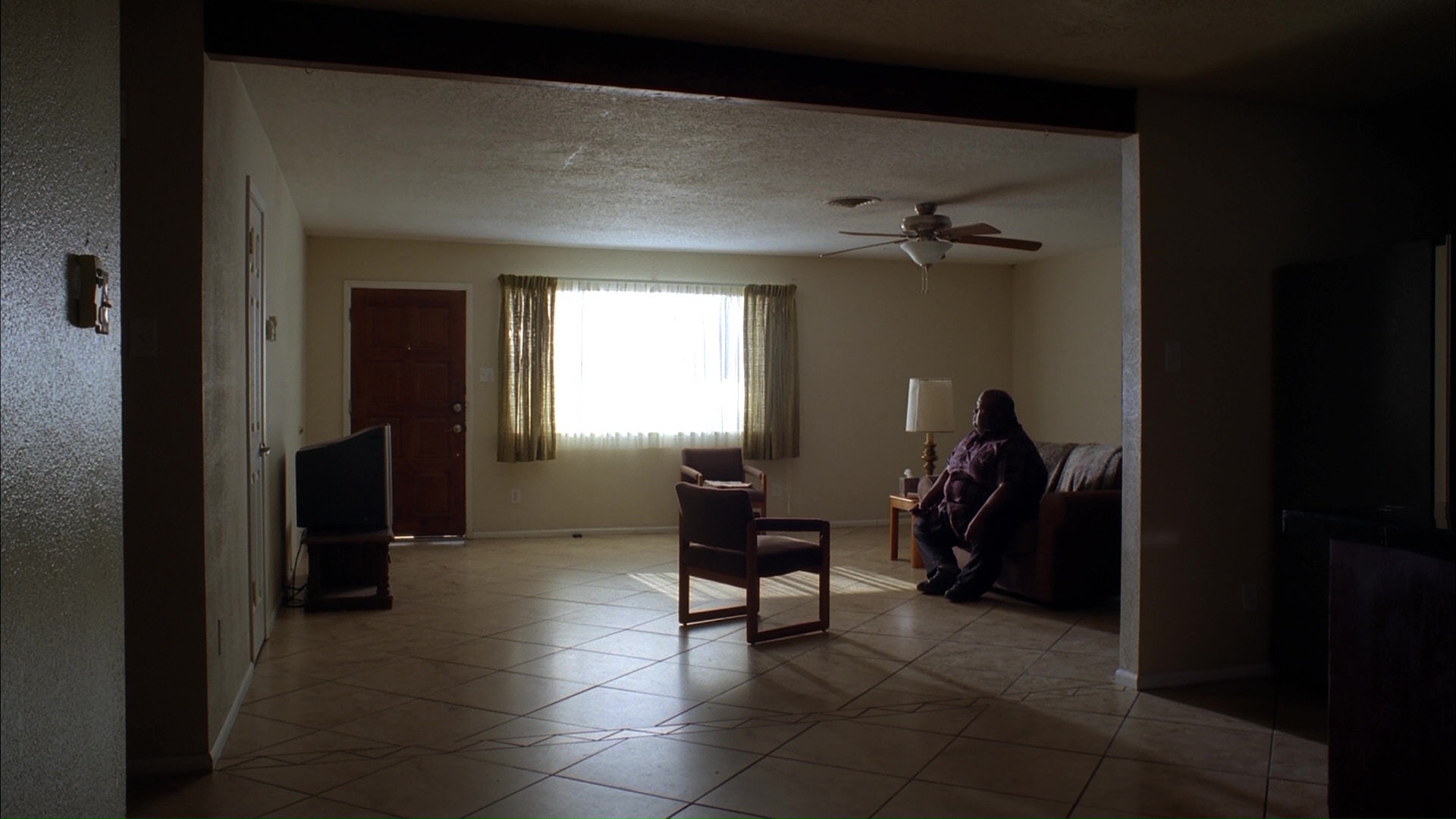
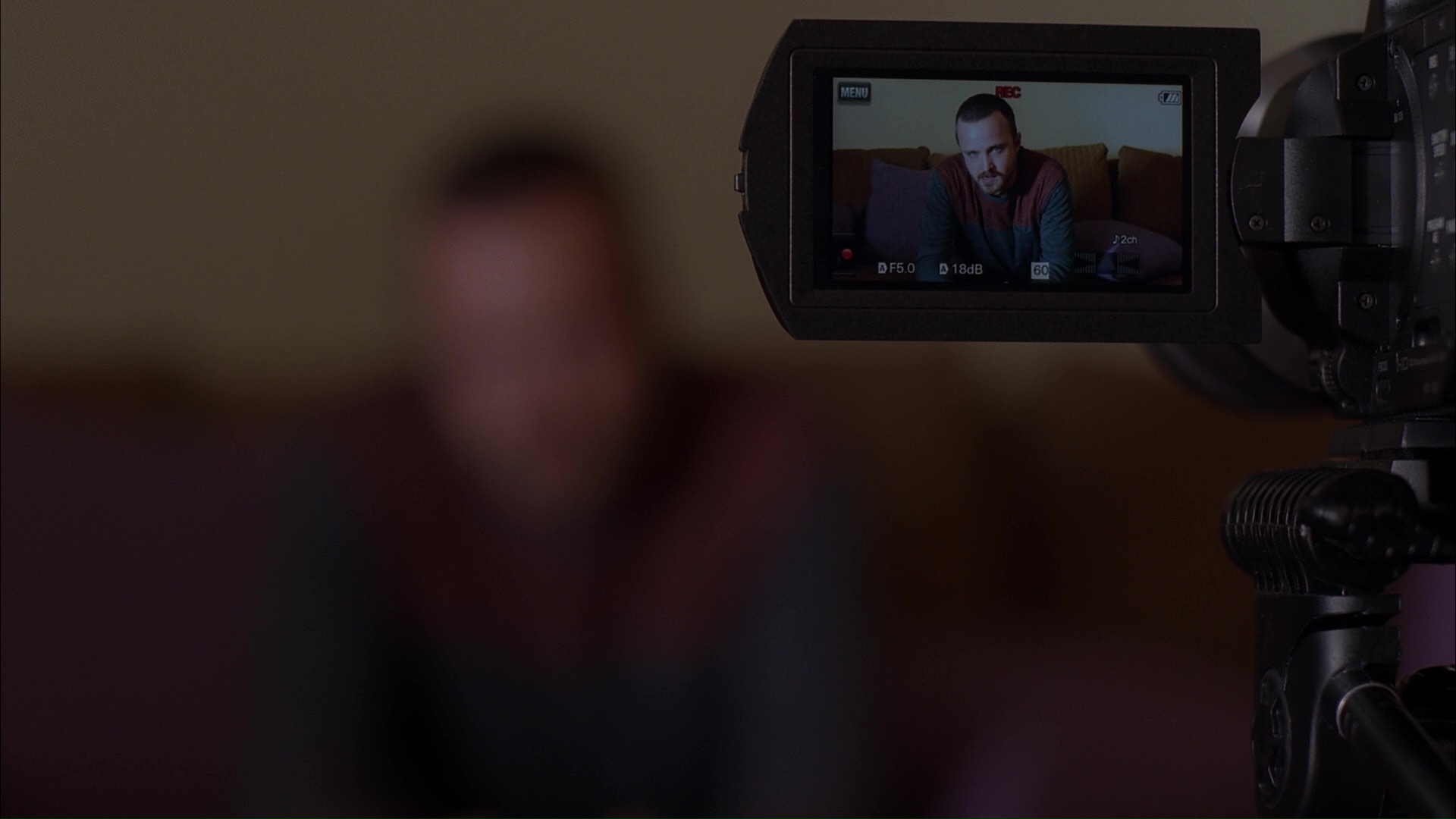
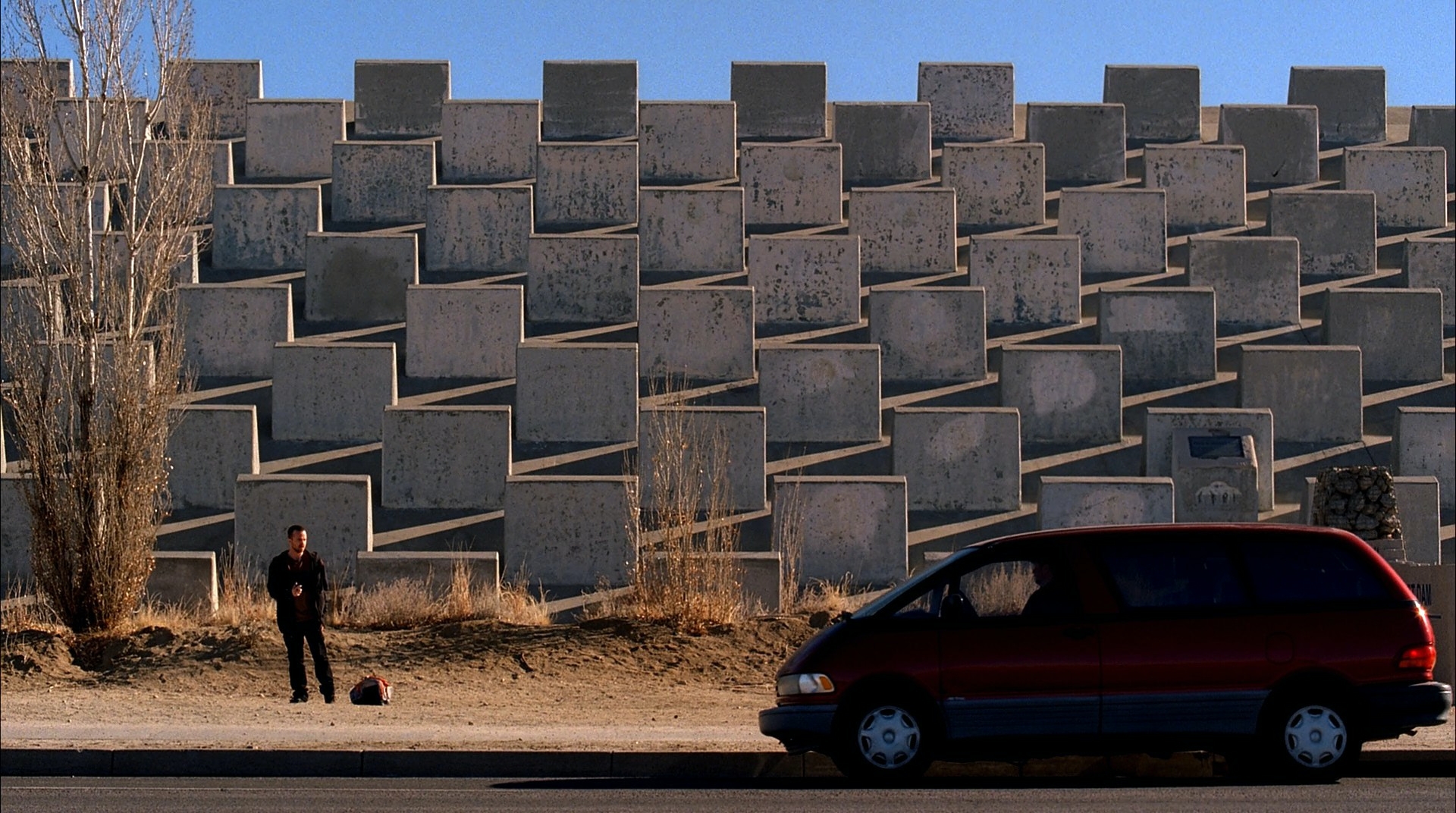
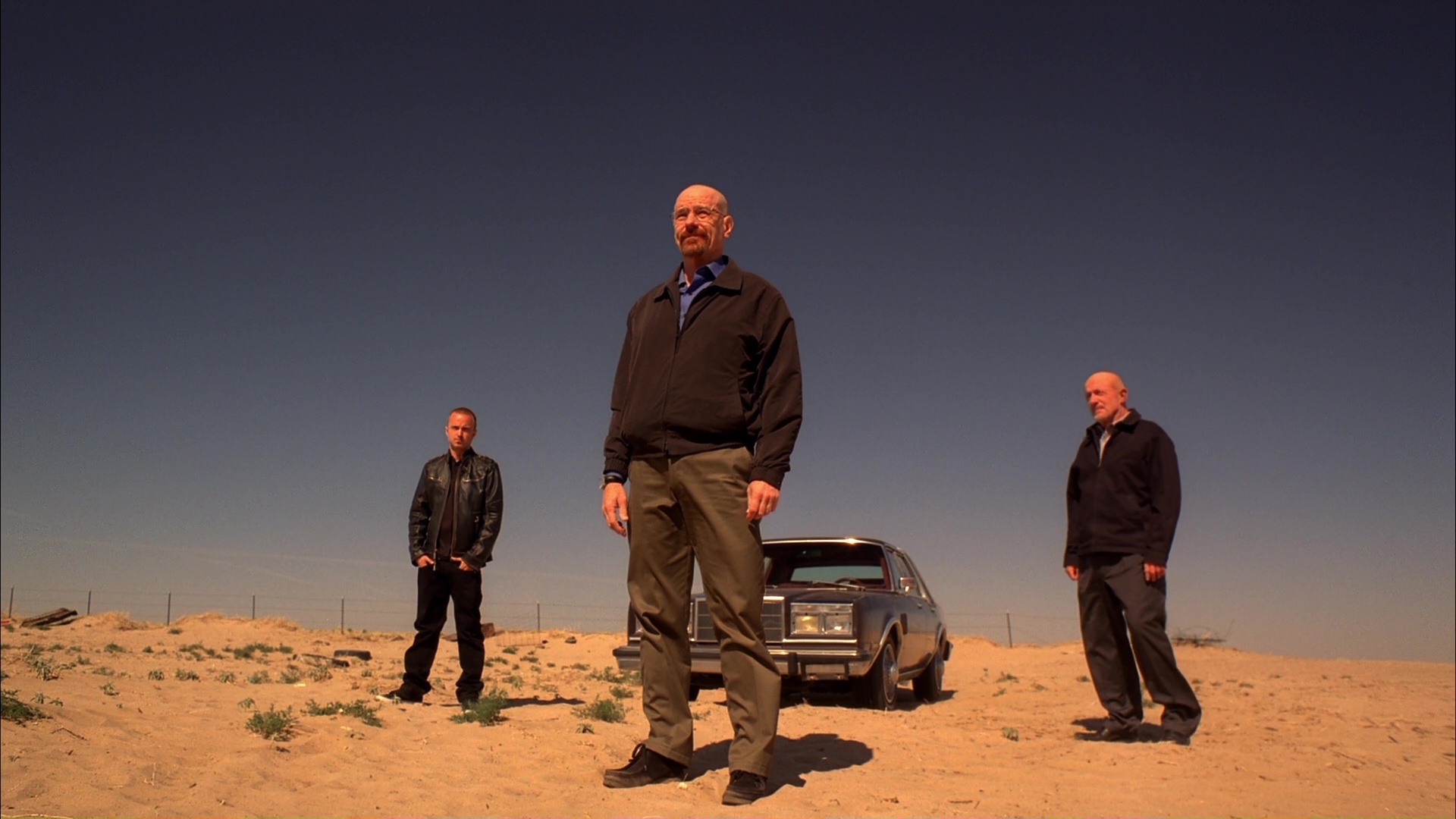
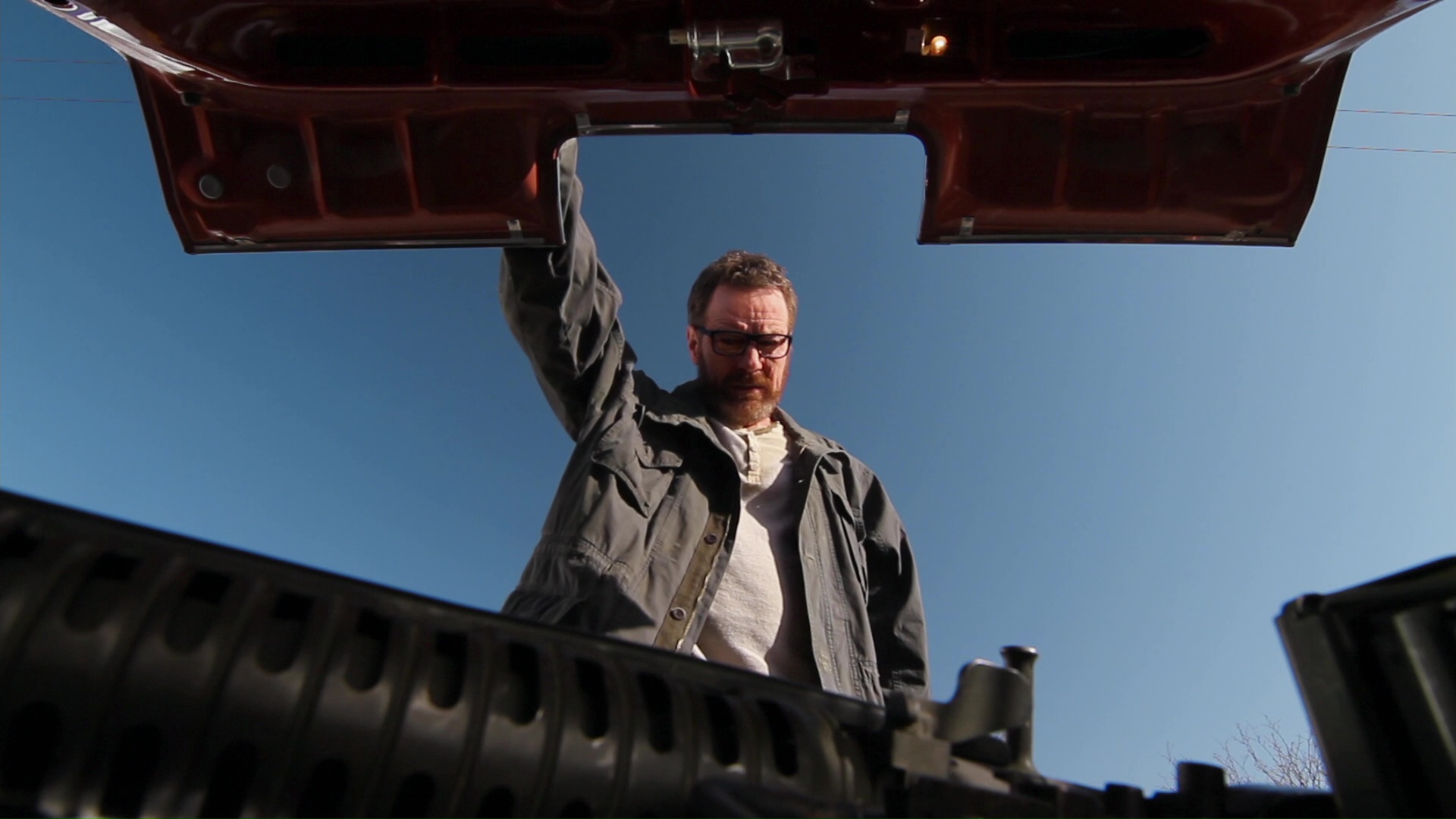
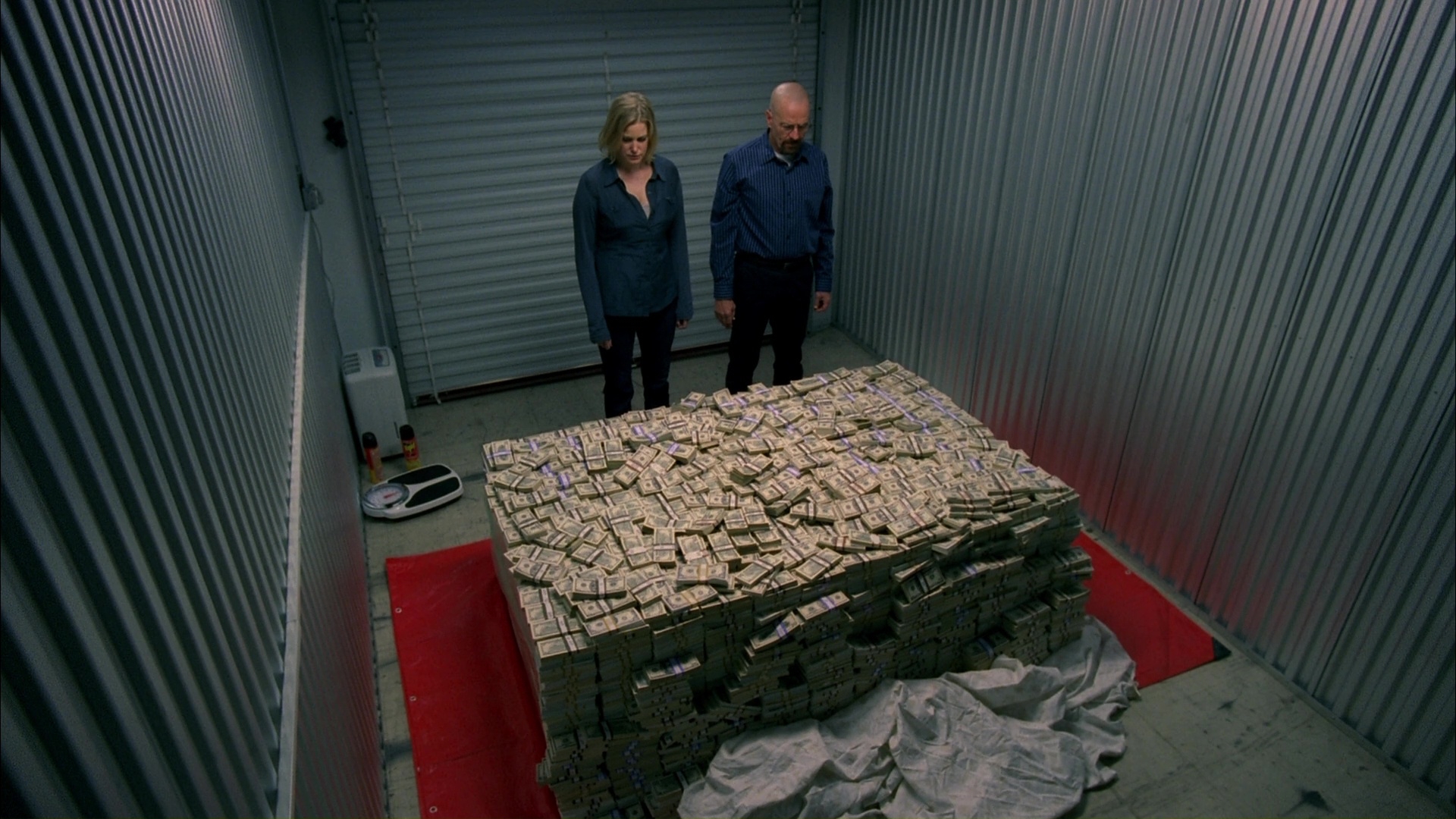
Breaking Bad: Season 5 (2012)
In the final season, Walter White fully embraces his identity as Heisenberg, expanding his drug empire while attempting to secure a future for his family. As his power grows, so do the consequences—drawing suspicion from those closest to him and setting off a chain of events that spirals toward inevitable collapse. The season builds to a tense and tragic conclusion, where every choice comes due.
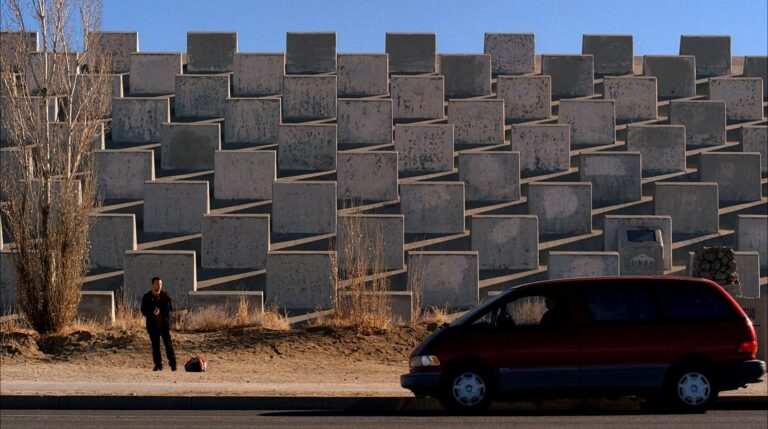
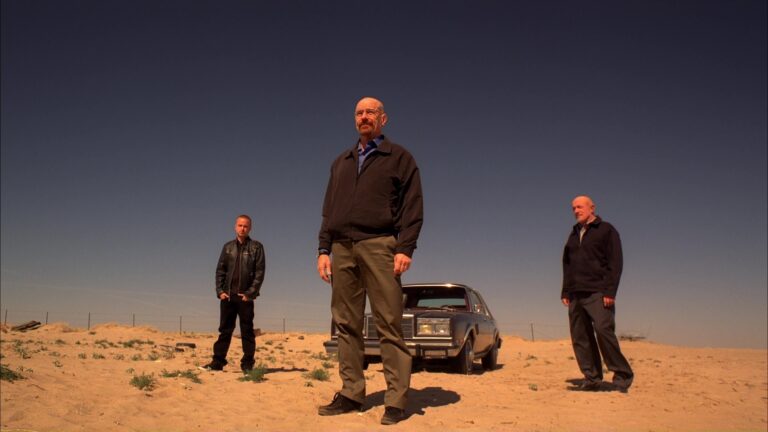
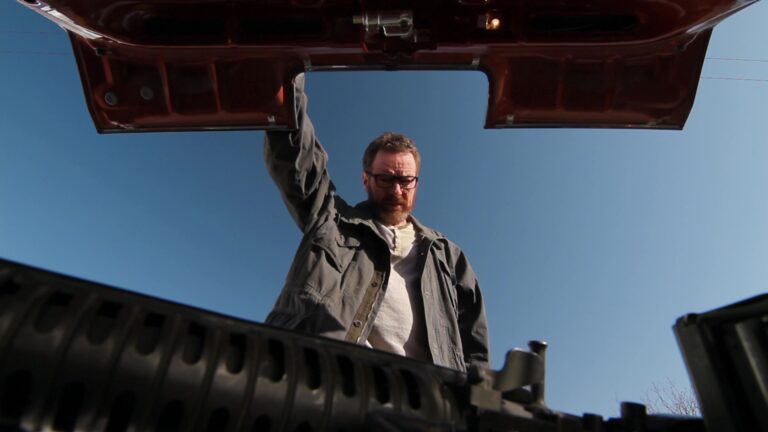
Season 5 sharpens the show’s already precise visual language, with cinematographers like Michael Slovis and Marshall Adams using bold, graphic compositions and stark New Mexico landscapes to reflect Walt’s dominance and isolation. The increased use of wide frames, high-contrast lighting, and symbolic color turns the image into a narrative tool—where scale, space, and visual clarity underscore the inevitability of his downfall.