New Shots: Avatar: The Way of Water, Better Call Saul, & More Movie Screencaps
Get your Decks ready ShotDeck Community! We’re dropping some great new shots from tons of titles including 3 seasons of Better Call Saul! Remember you can always request titles for future drops by clicking here!
FILM SPOTLIGHT
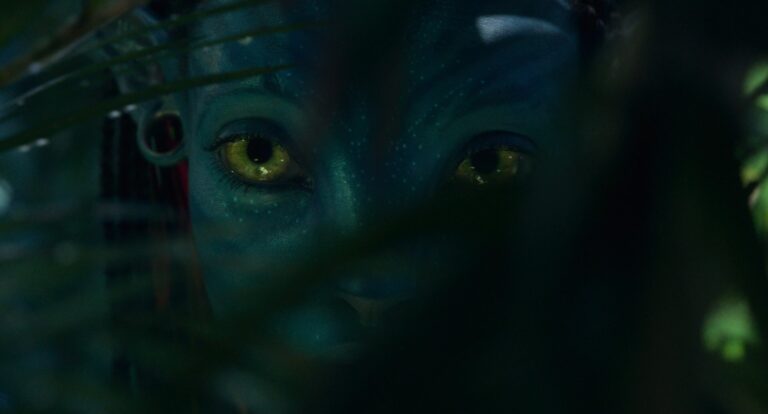
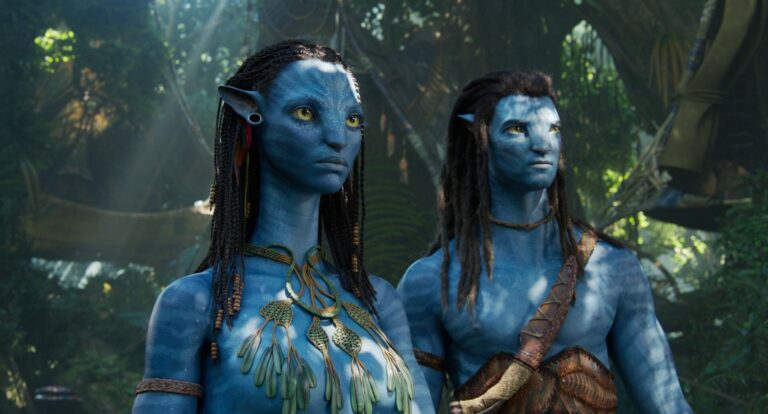
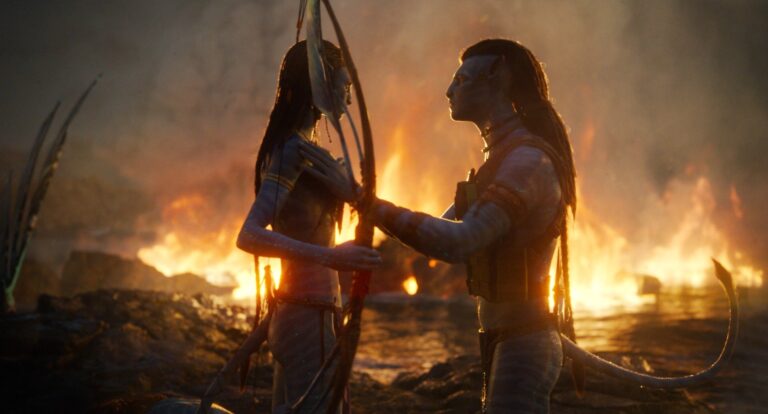
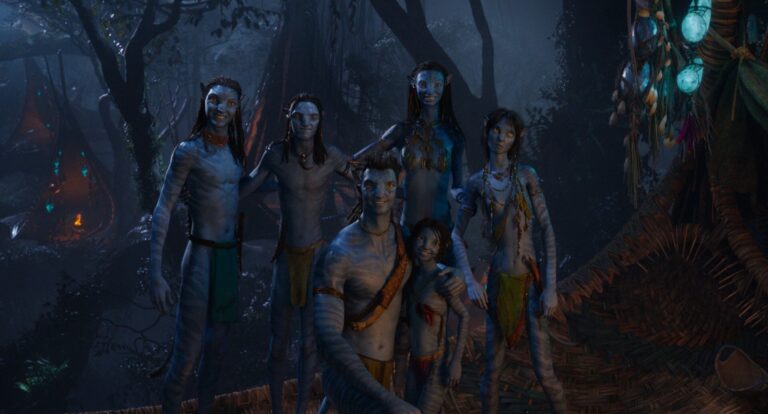
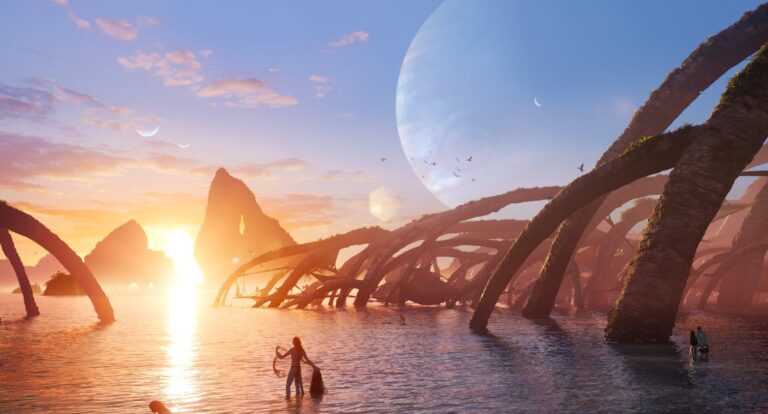
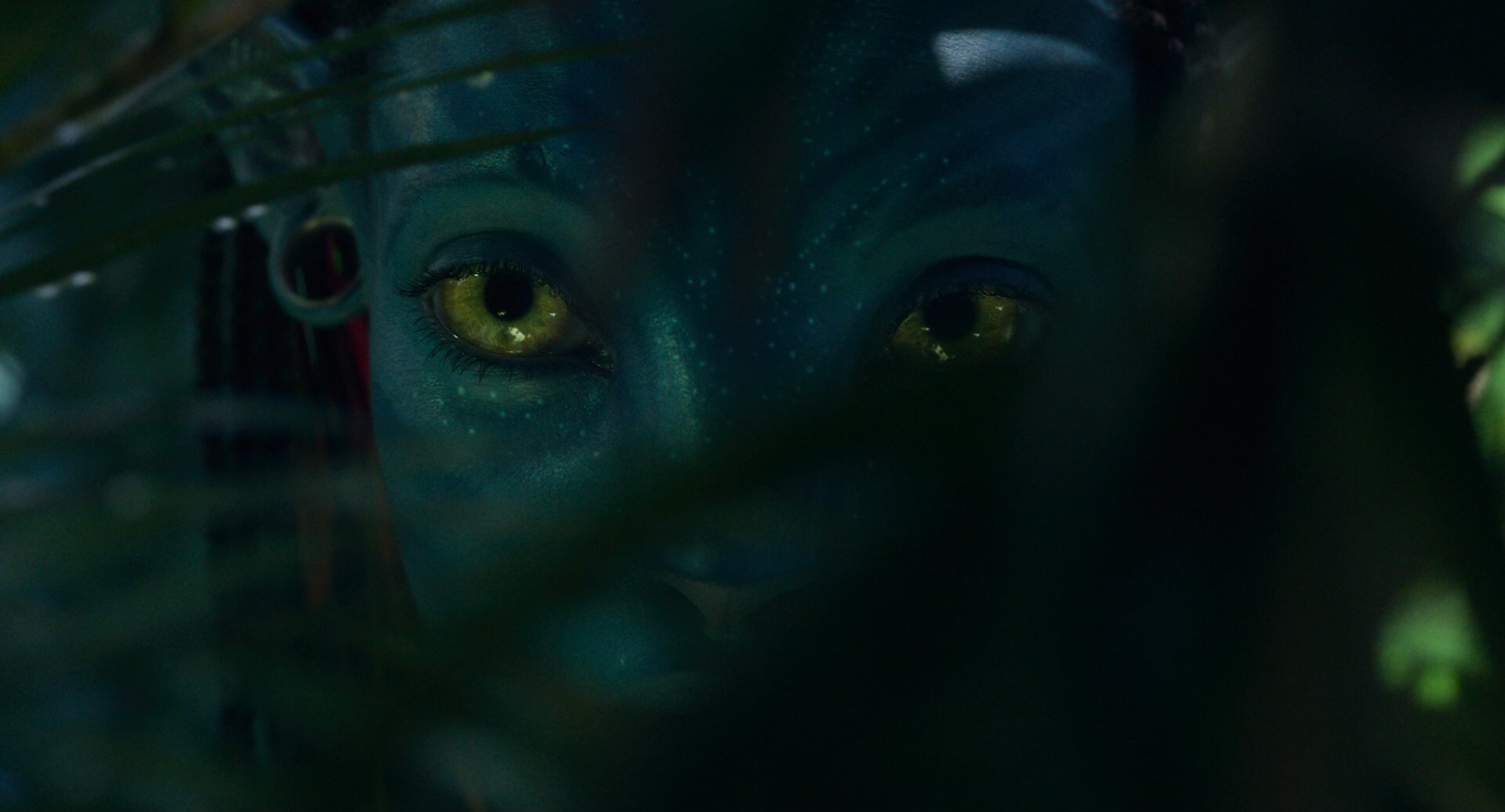
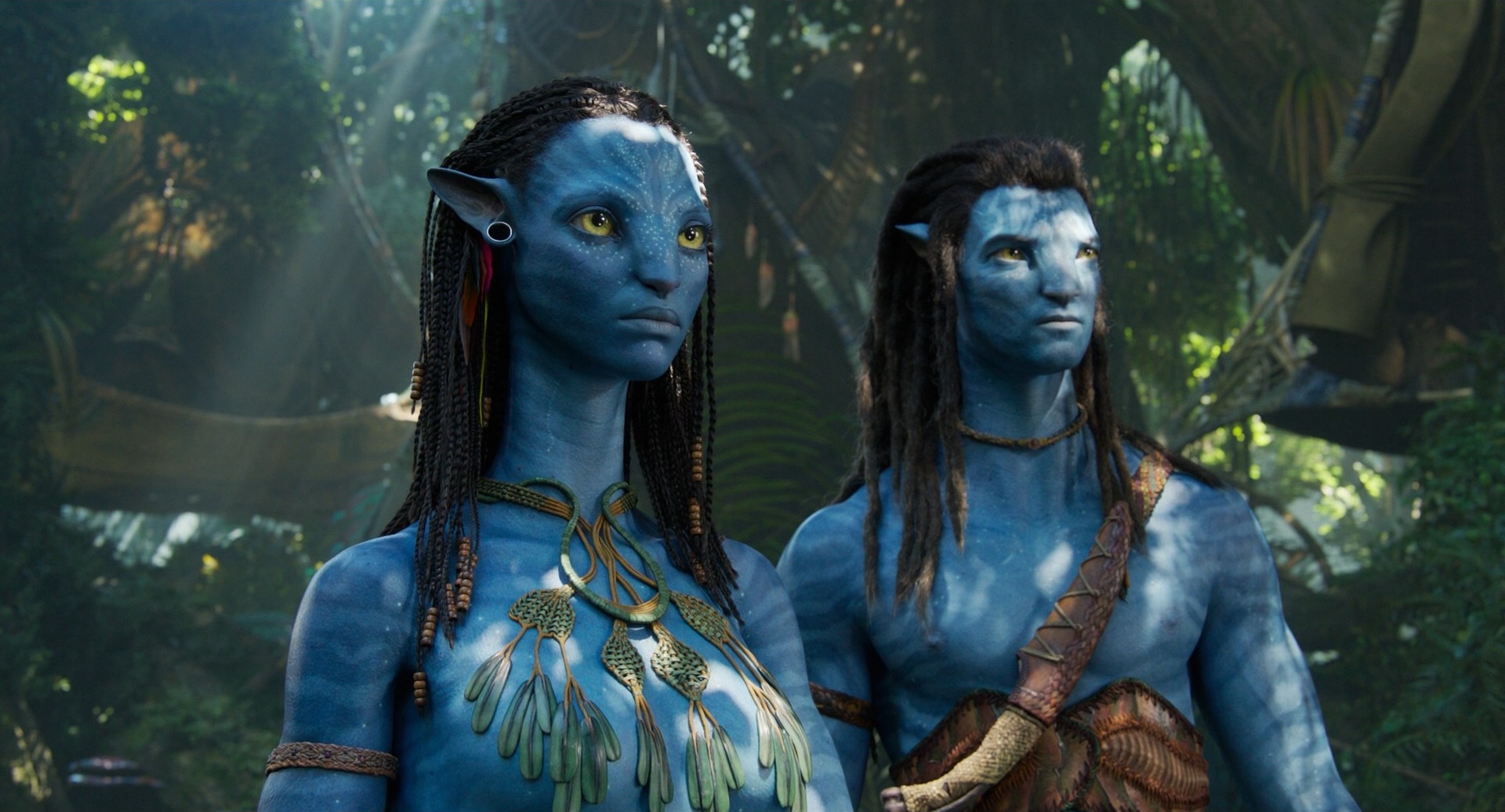
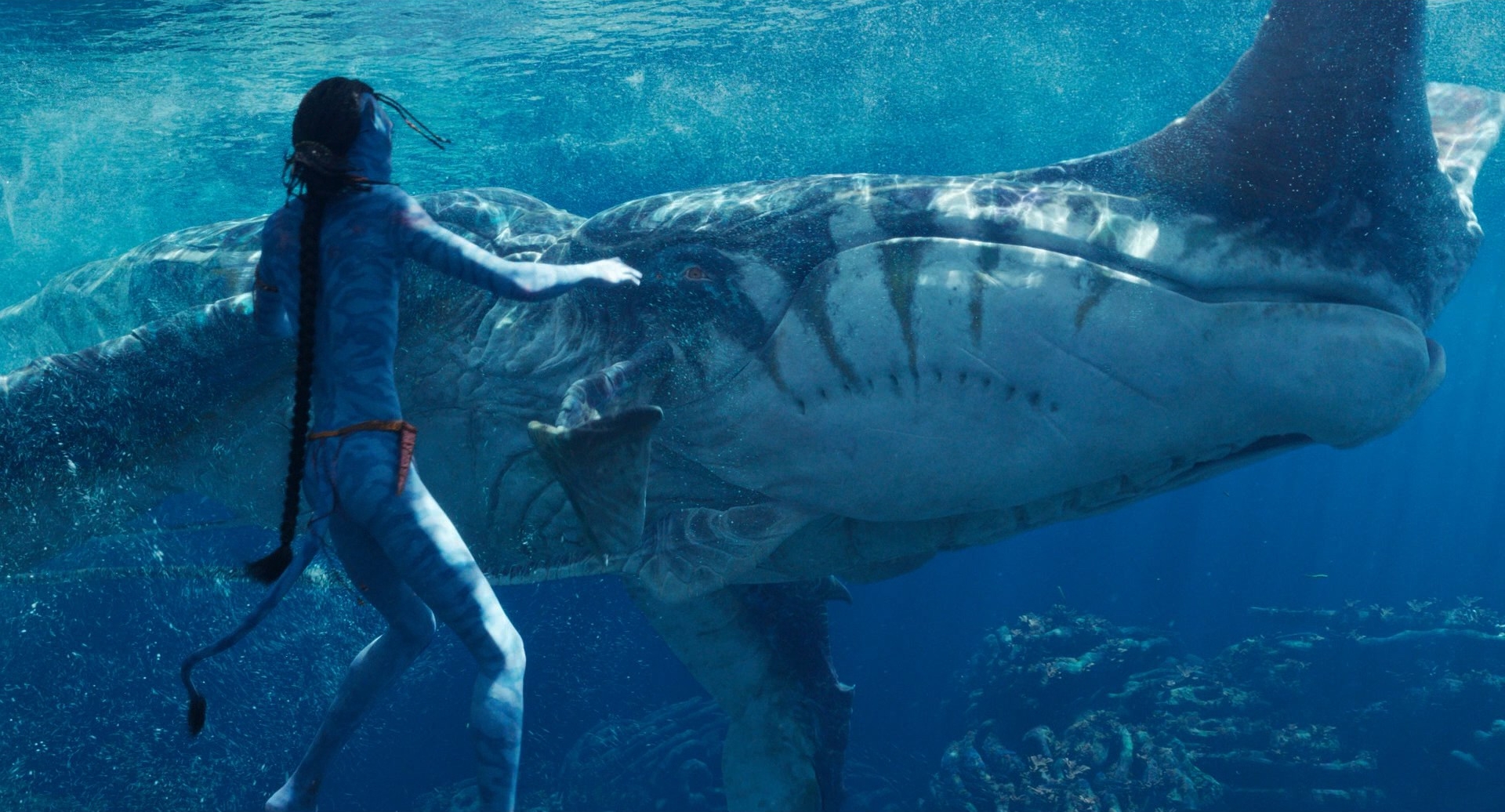
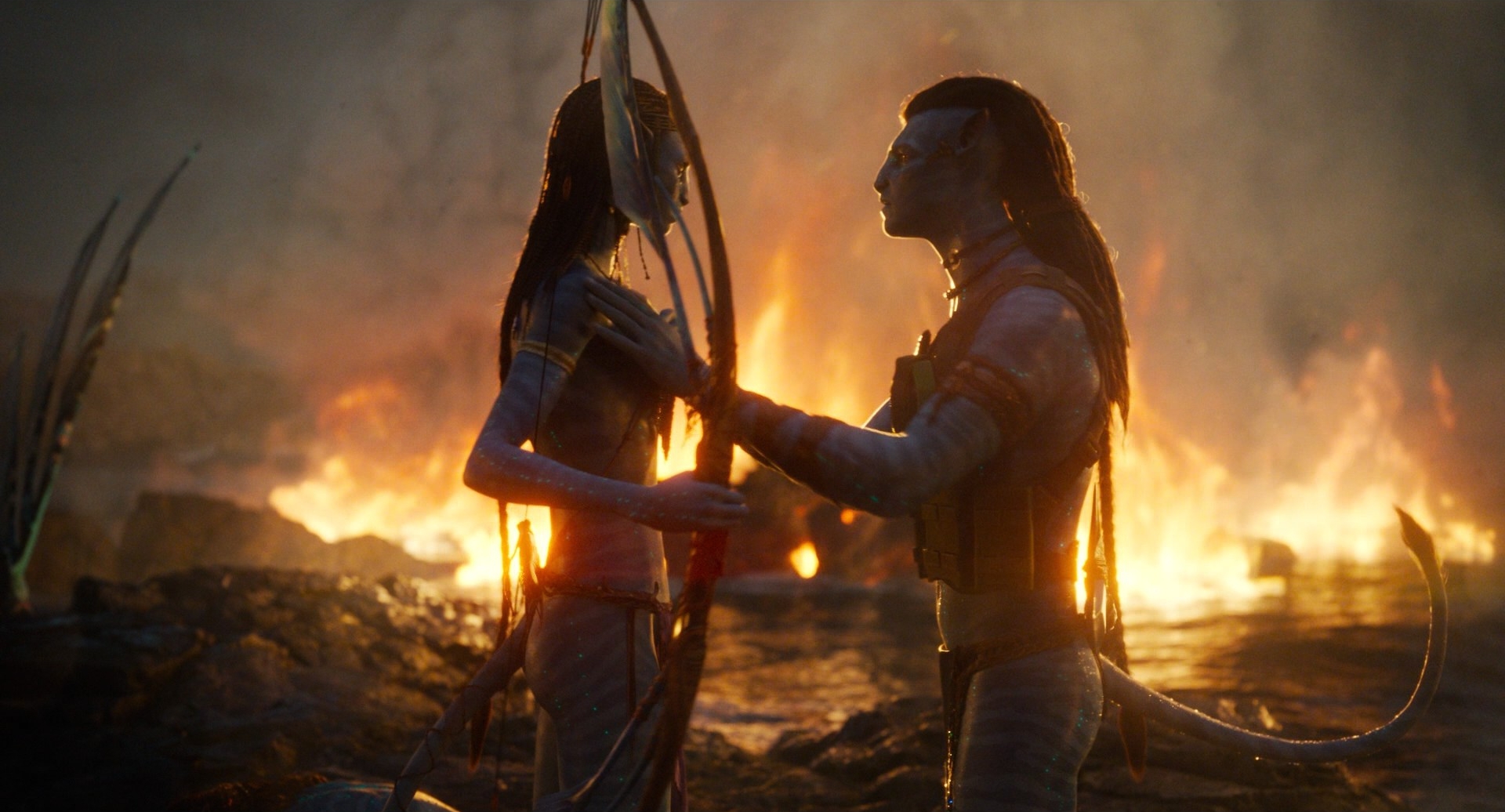
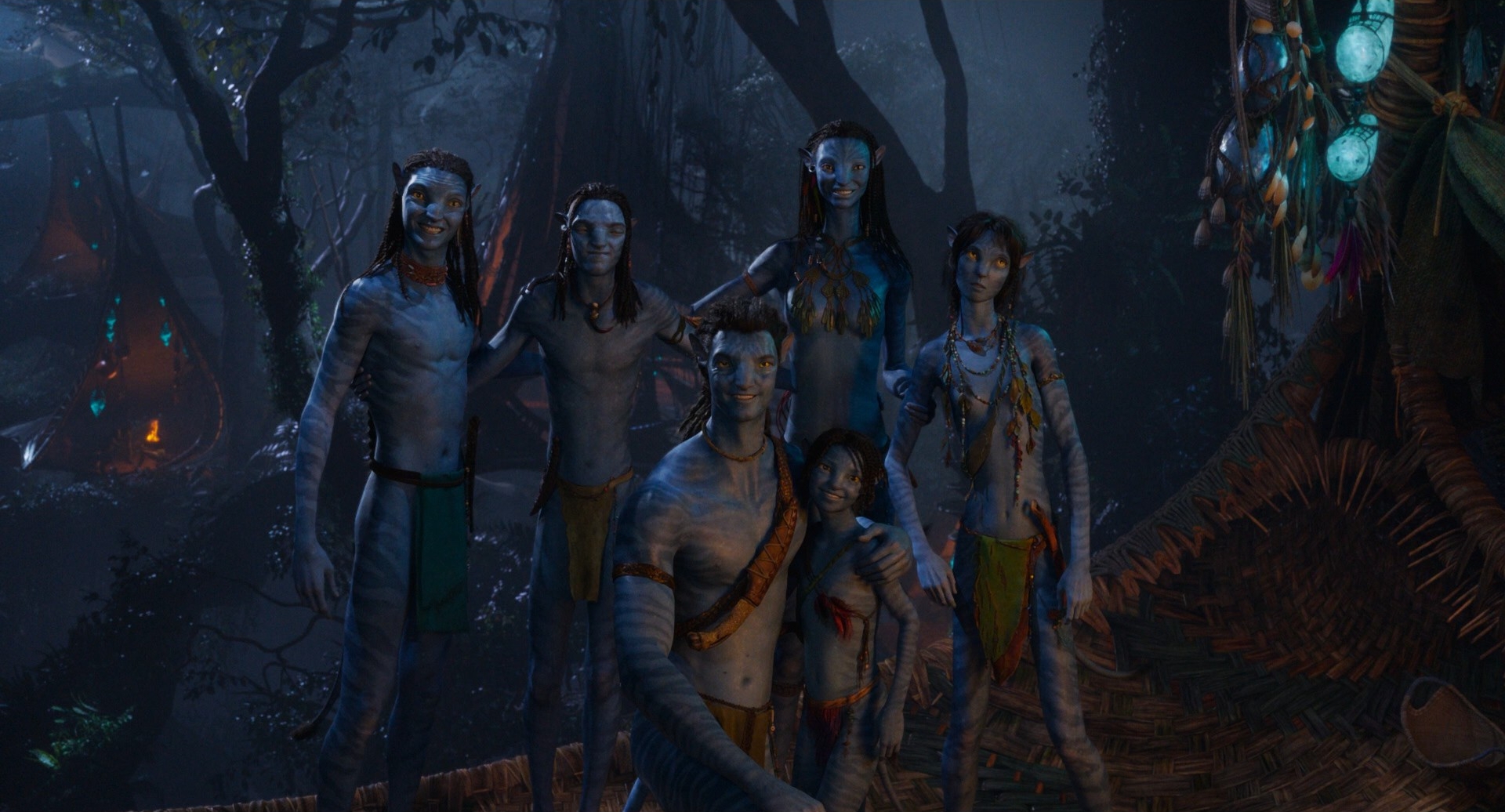
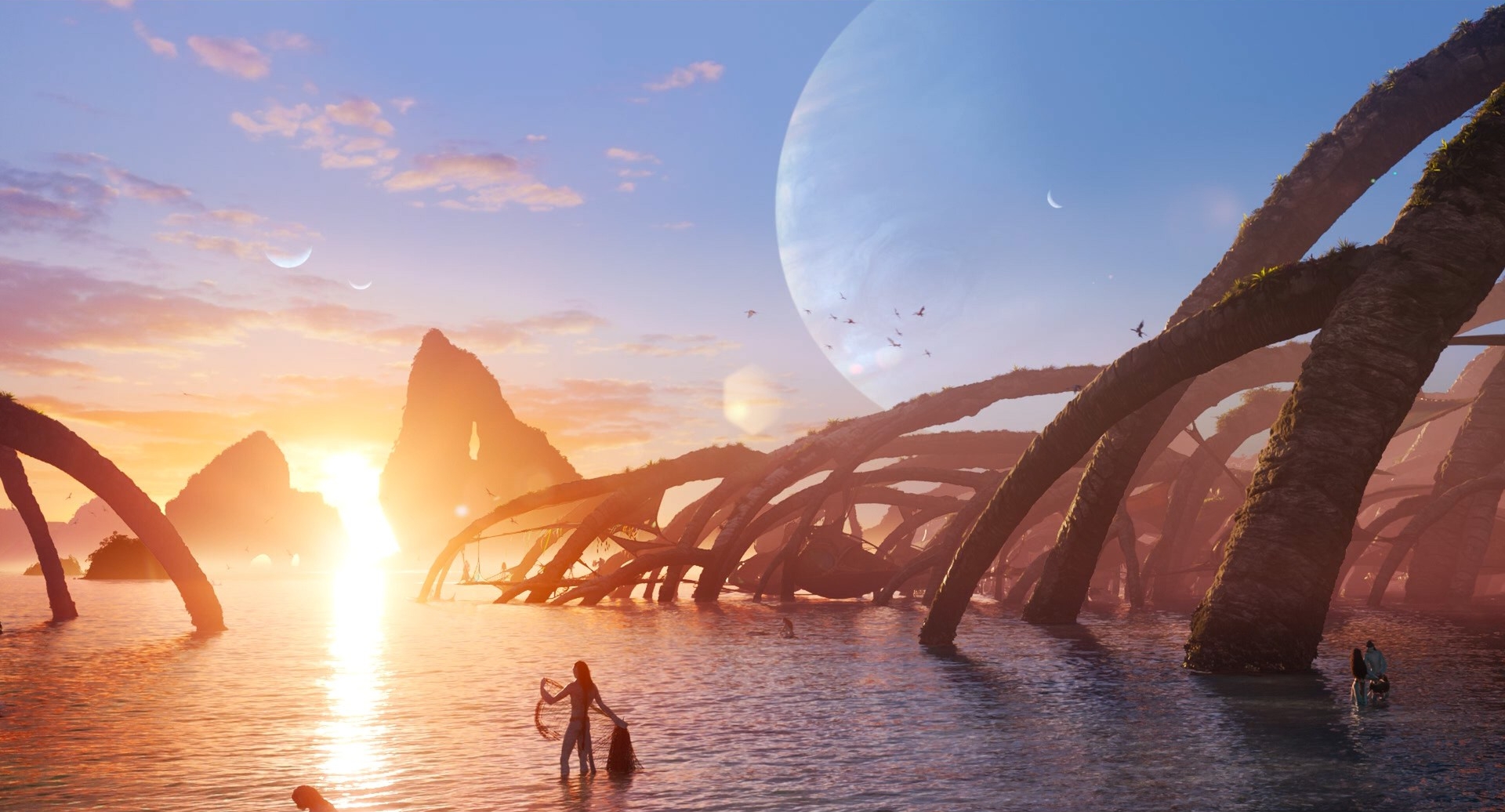
Avatar: The Way of Water (2022)
Set more than a decade after the events of the first film, learn the story of the Sully family (Jake, Neytiri, and their kids), the trouble that follows them, the lengths they go to keep each other safe, the battles they fight to stay alive, and the tragedies they endure.
James Cameron pushed performance capture and virtual production forward with The Way of Water, developing new underwater motion-capture systems to authentically record actors submerged for extended periods. Built for high frame rate and 3D exhibition, the film’s bioluminescent oceans and hyper-detailed water simulations create a fully immersive environment—turning every frame into a showcase of cutting-edge digital cinematography.





TELEVISION SERIES
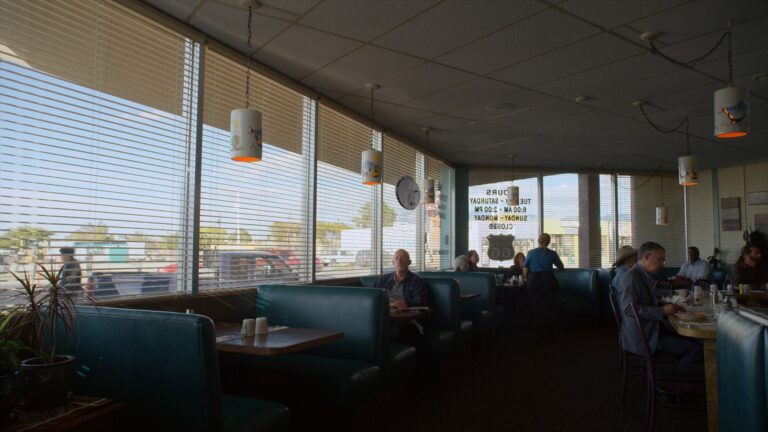
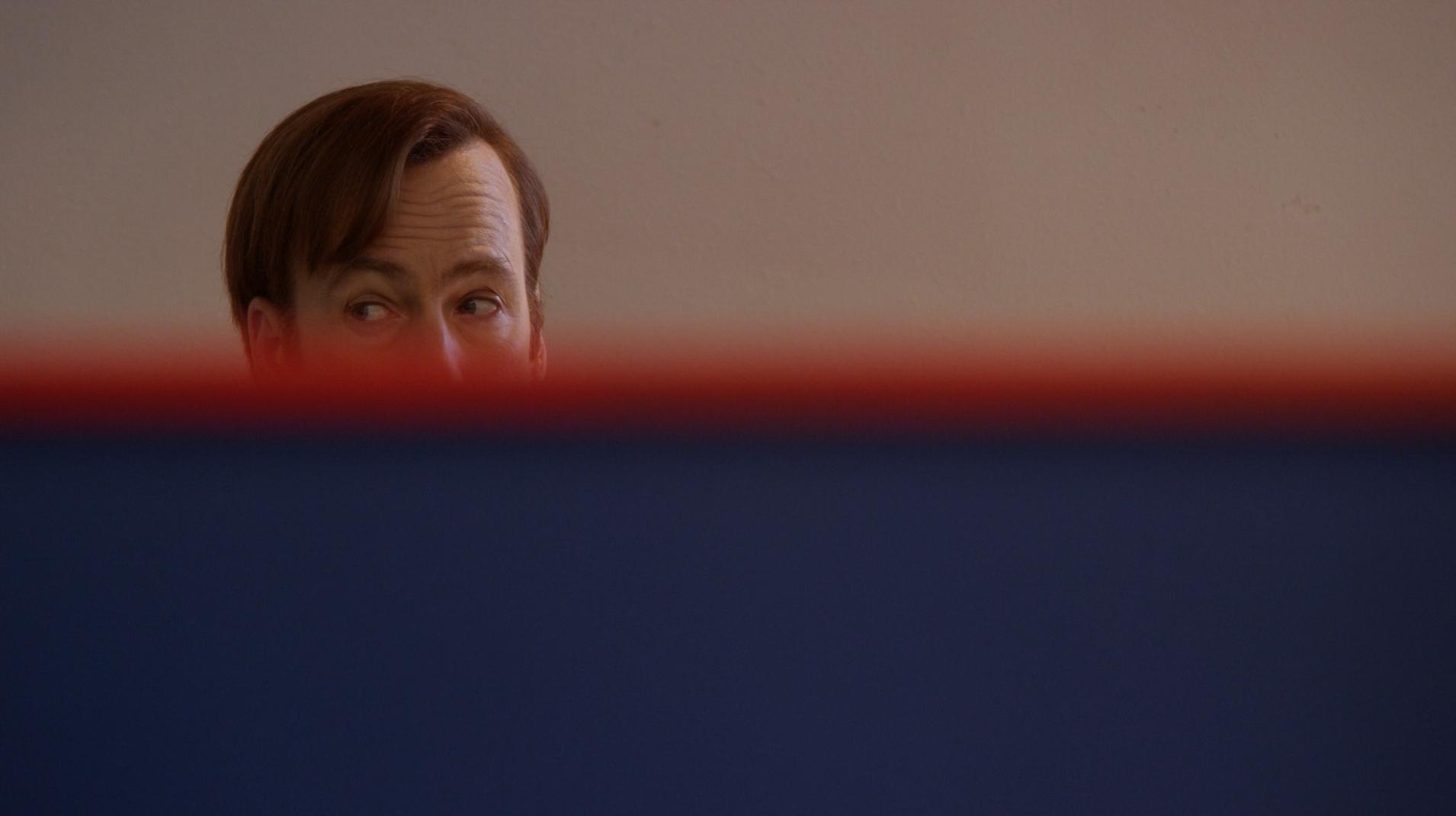
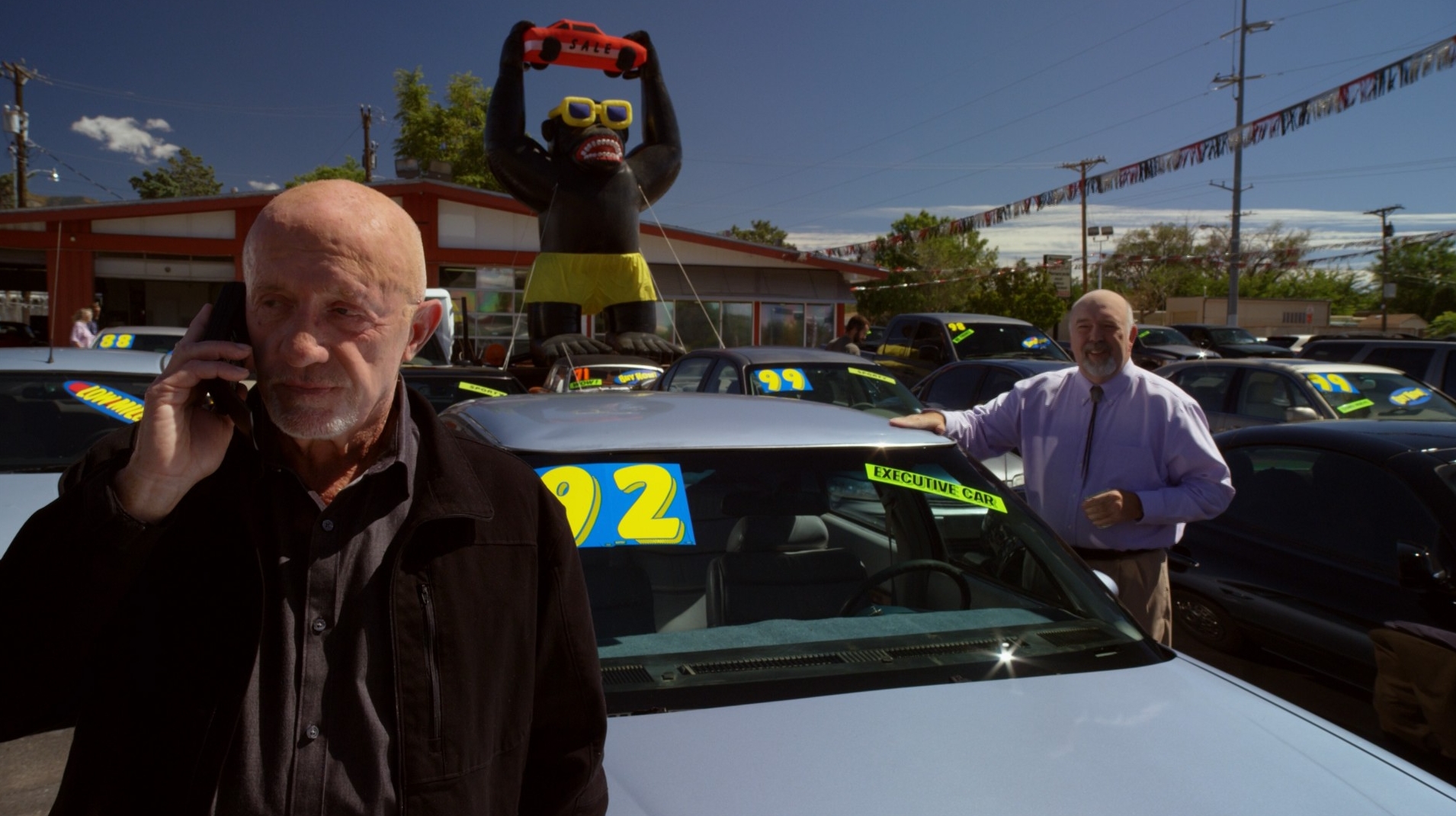
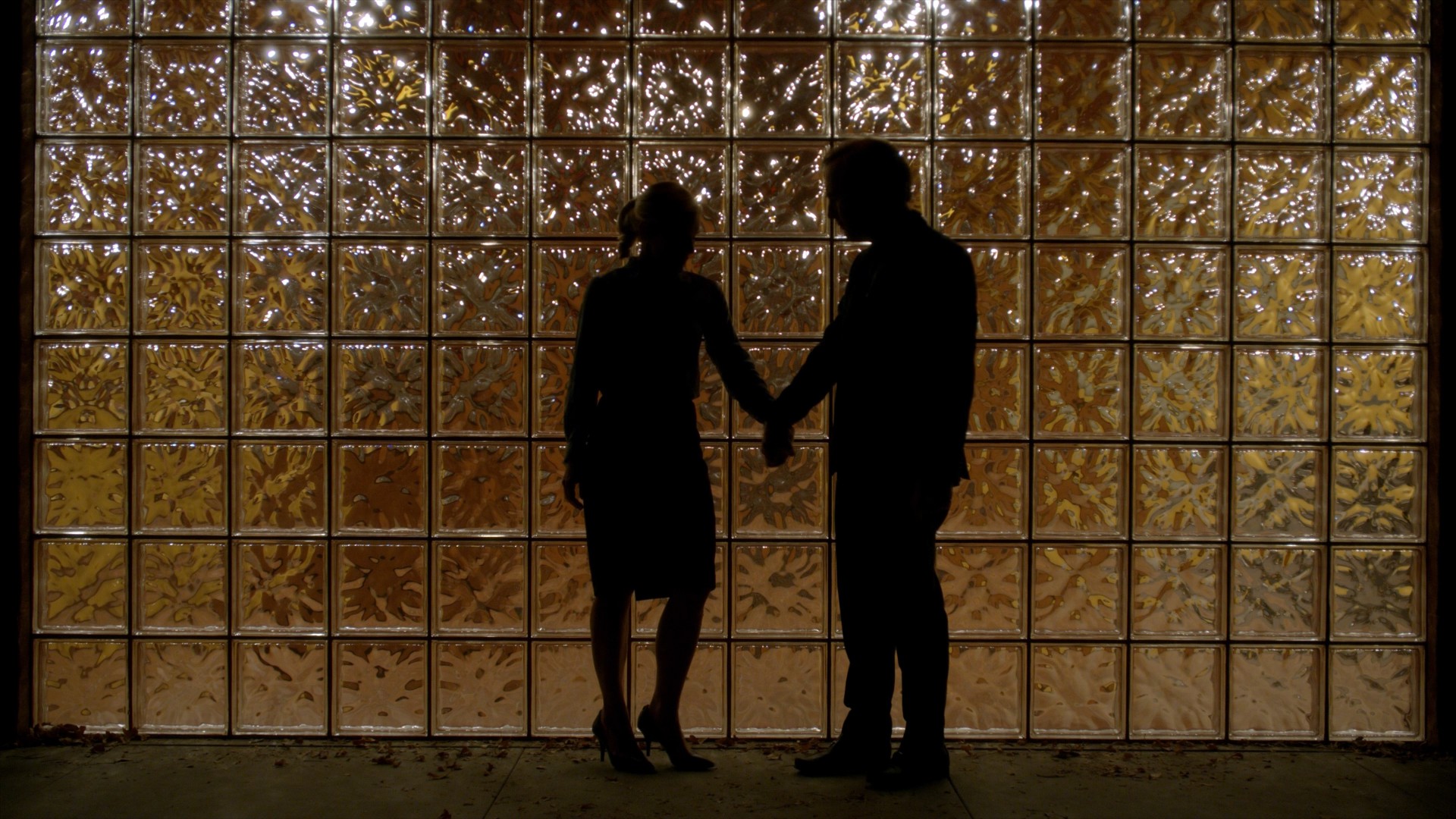
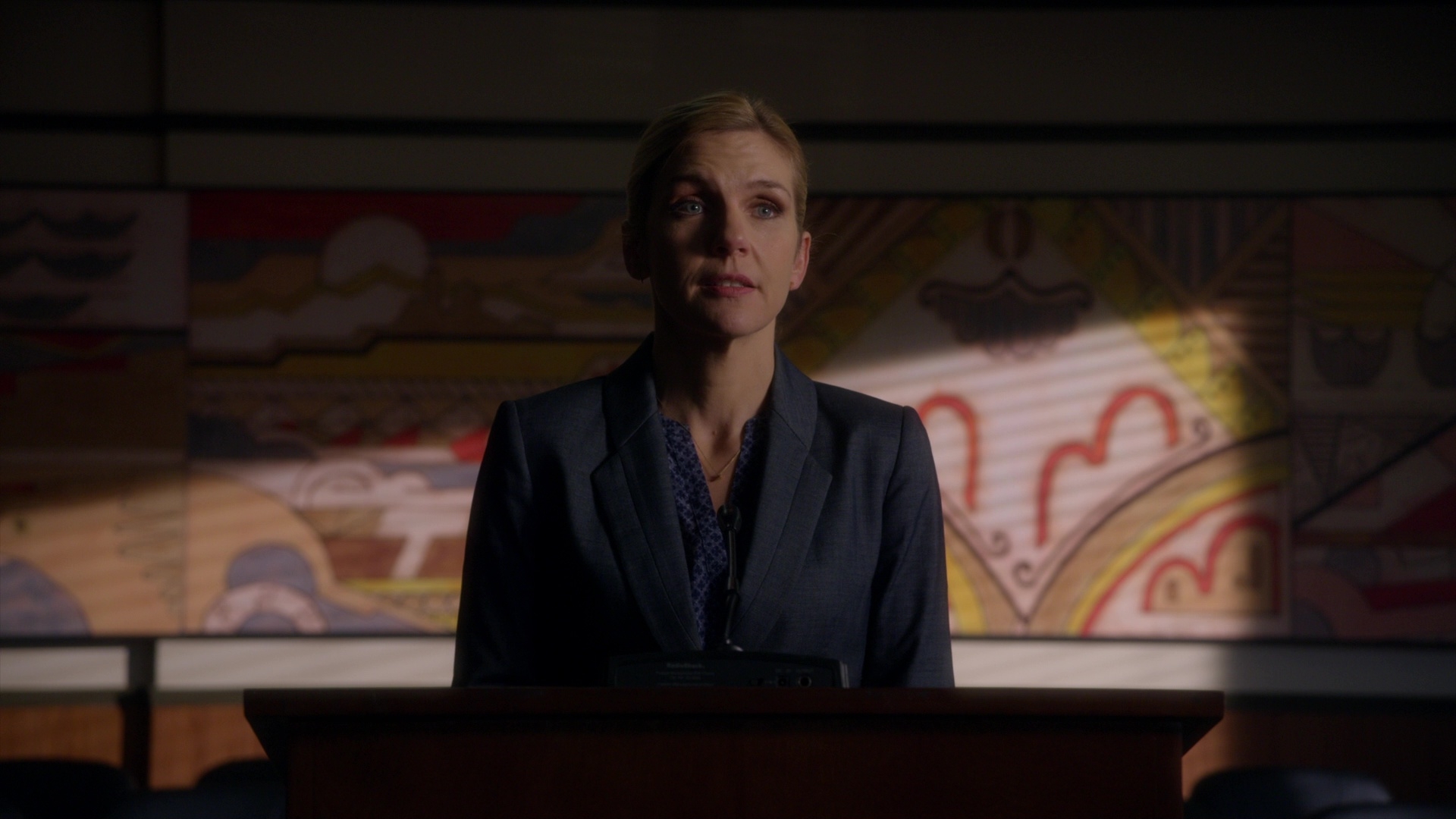
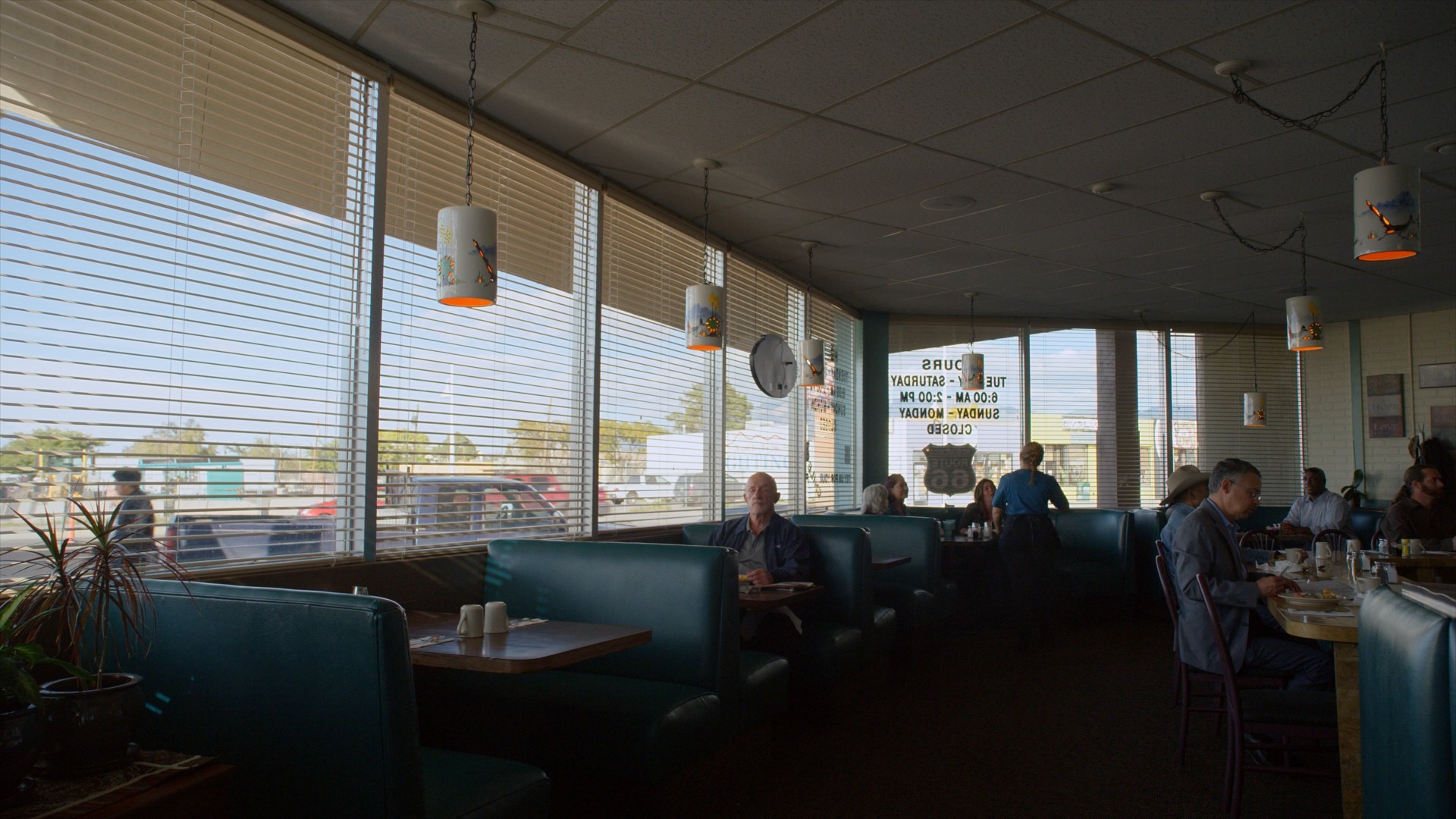
Better Call Saul – Season 3 (2017)
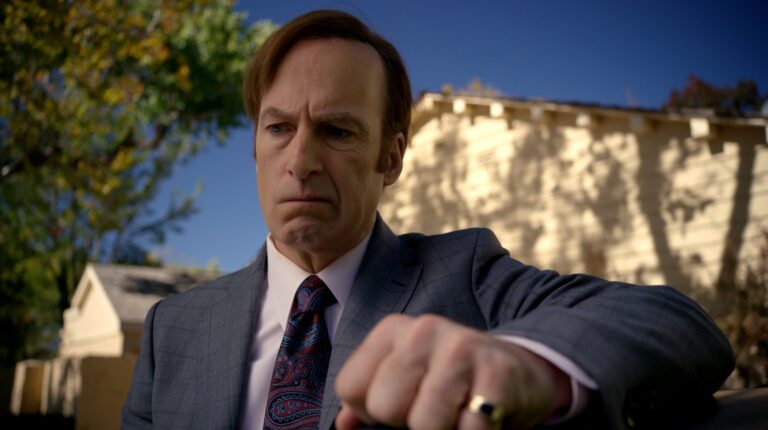
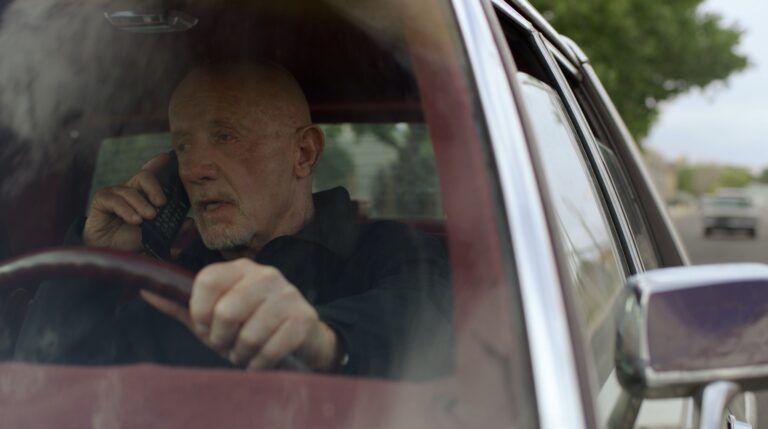
Six years before Saul Goodman meets Walter White. We meet him when the man who will become Saul Goodman is known as Jimmy McGill, a small-time lawyer searching for his destiny, and, more immediately, hustling to make ends meet. Working alongside, and, often, against Jimmy, is “fixer” Mike Ehrmantraut. The series tracks Jimmy’s transformation into Saul Goodman, the man who puts “criminal” in “criminal lawyer”.
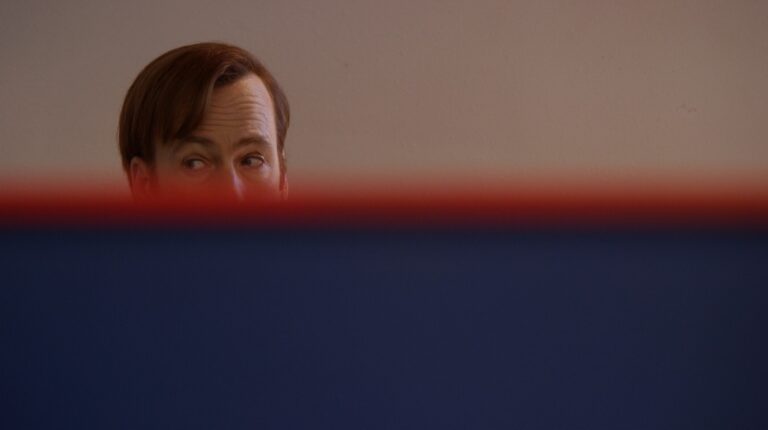
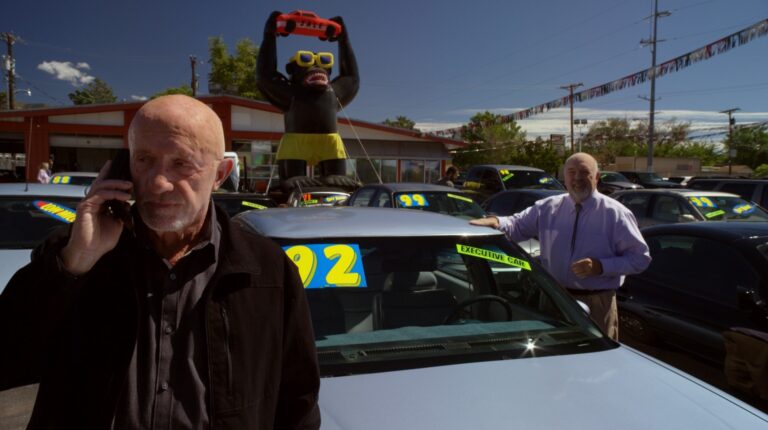
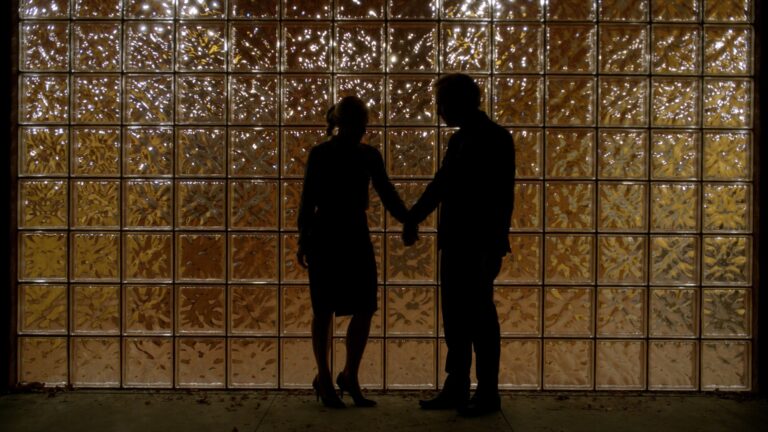
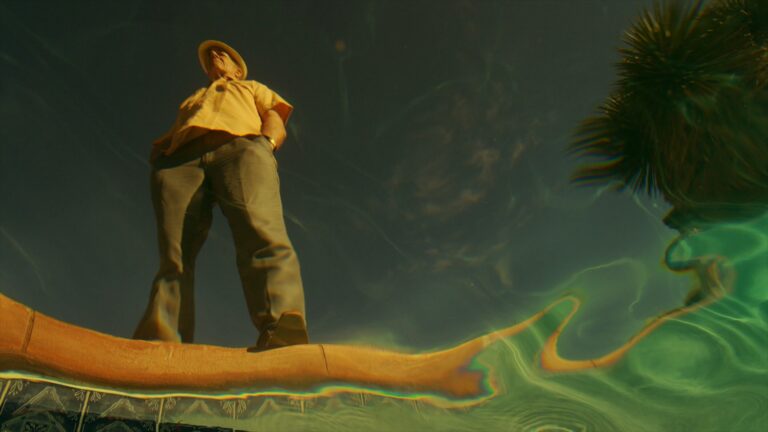
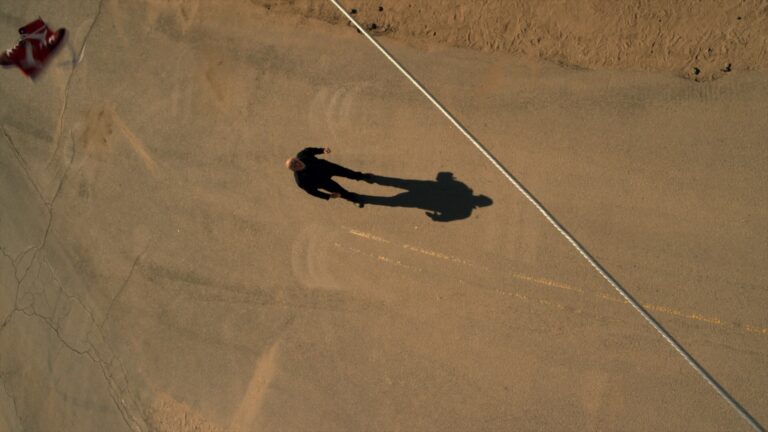
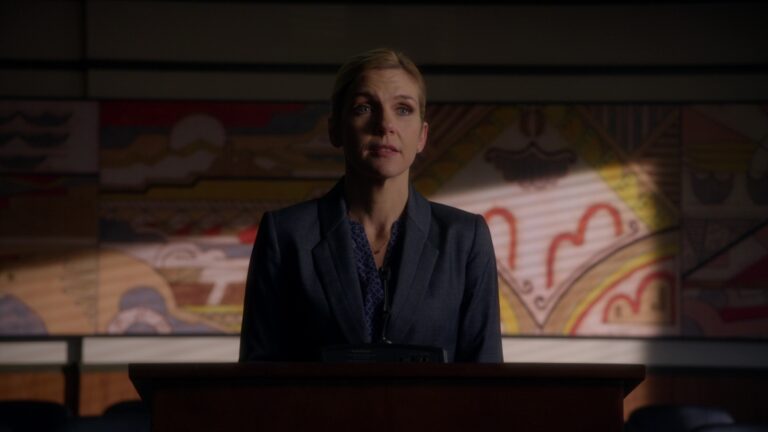
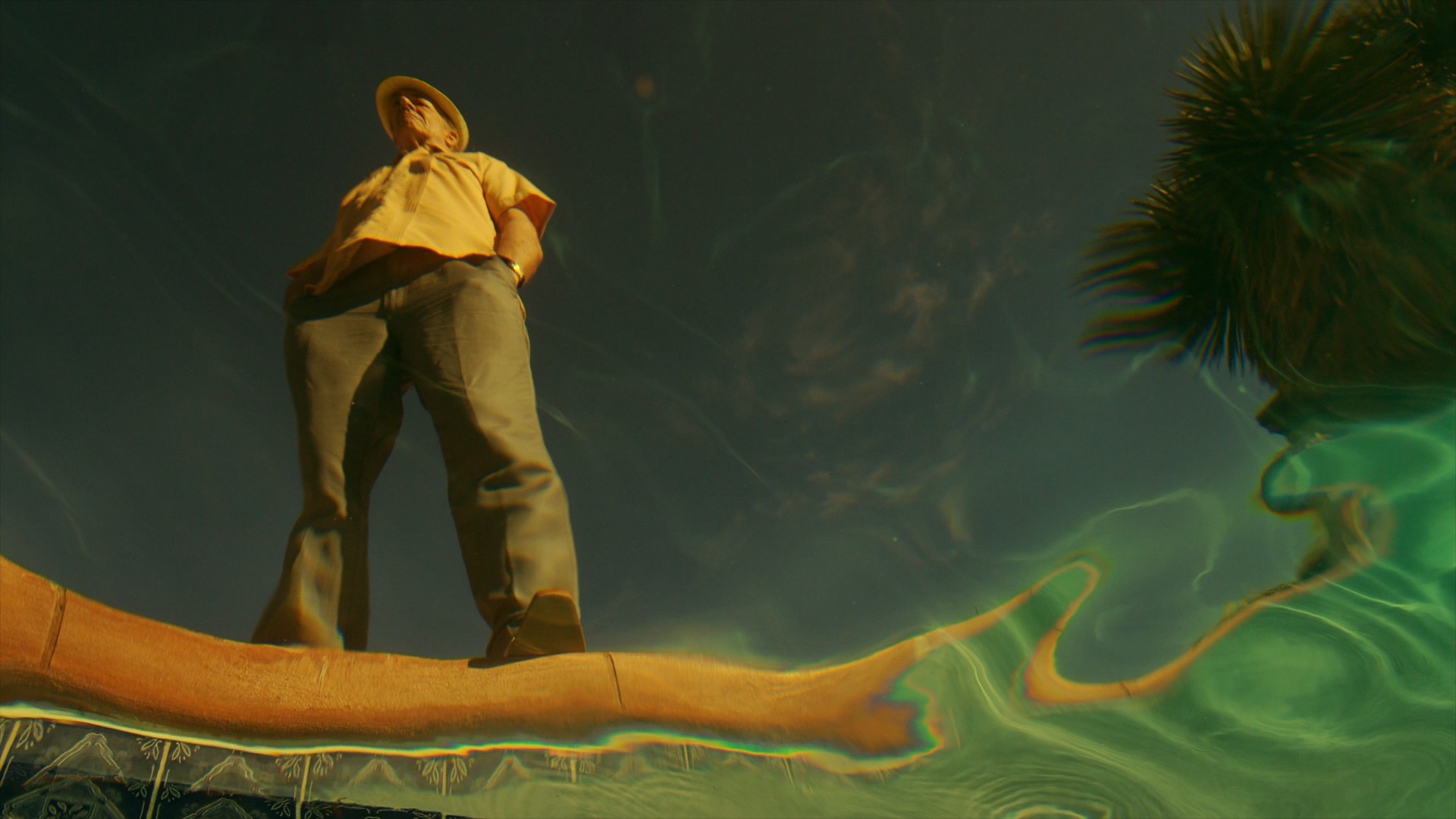
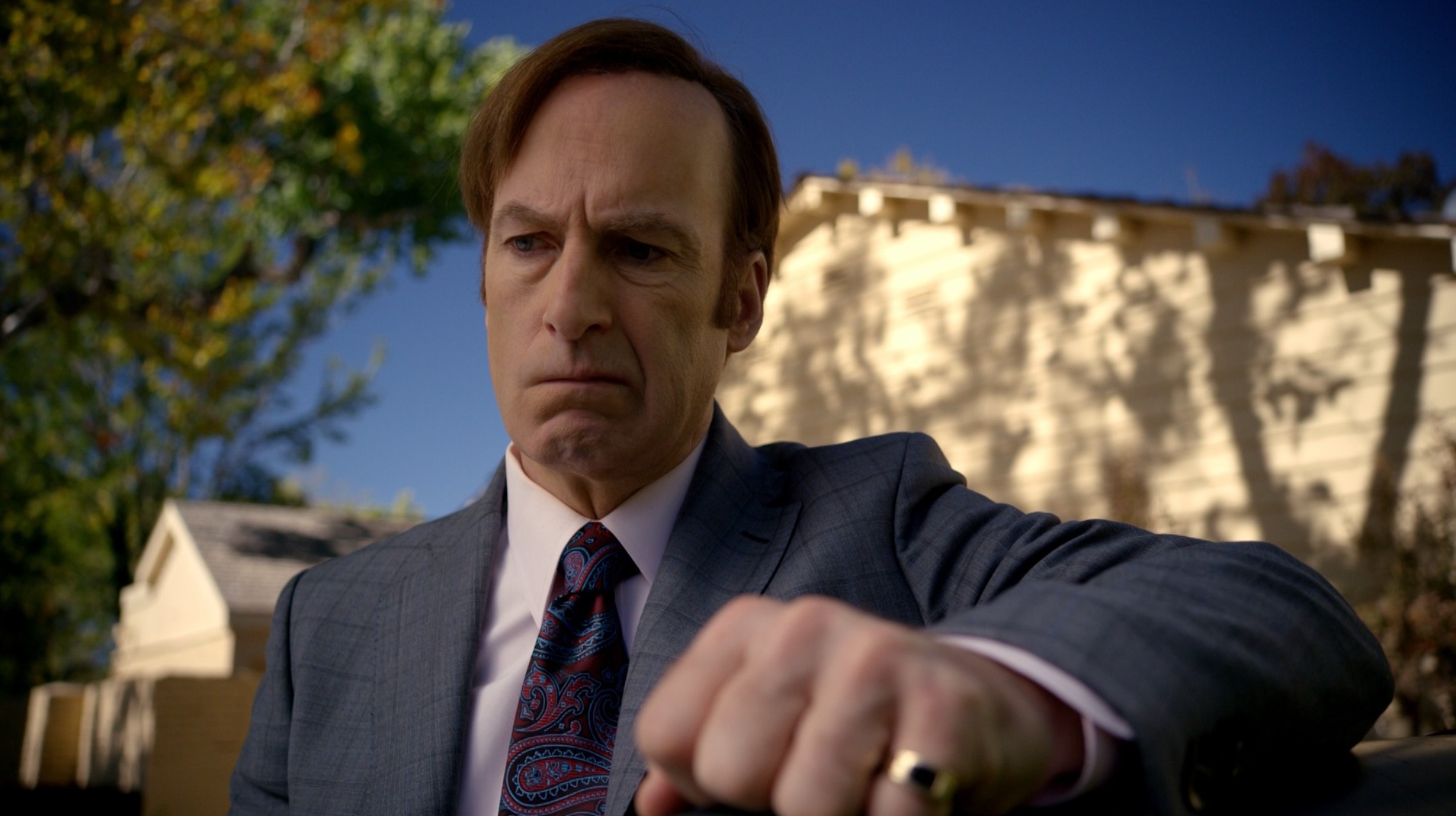
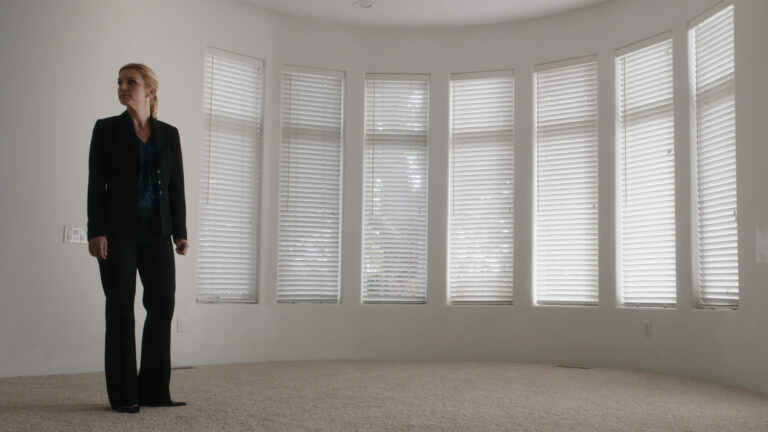
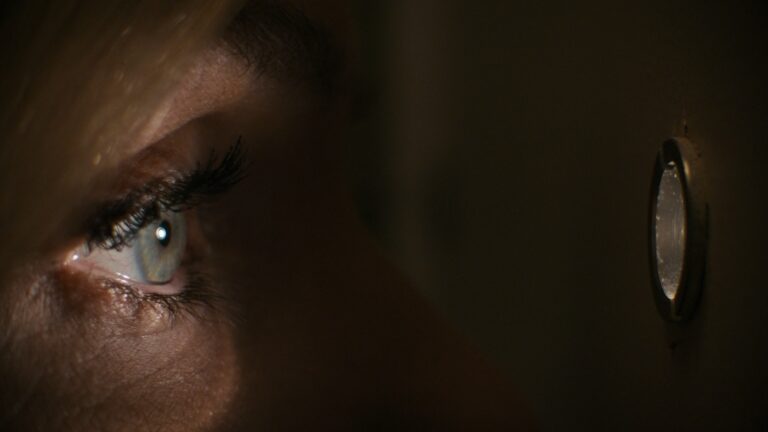
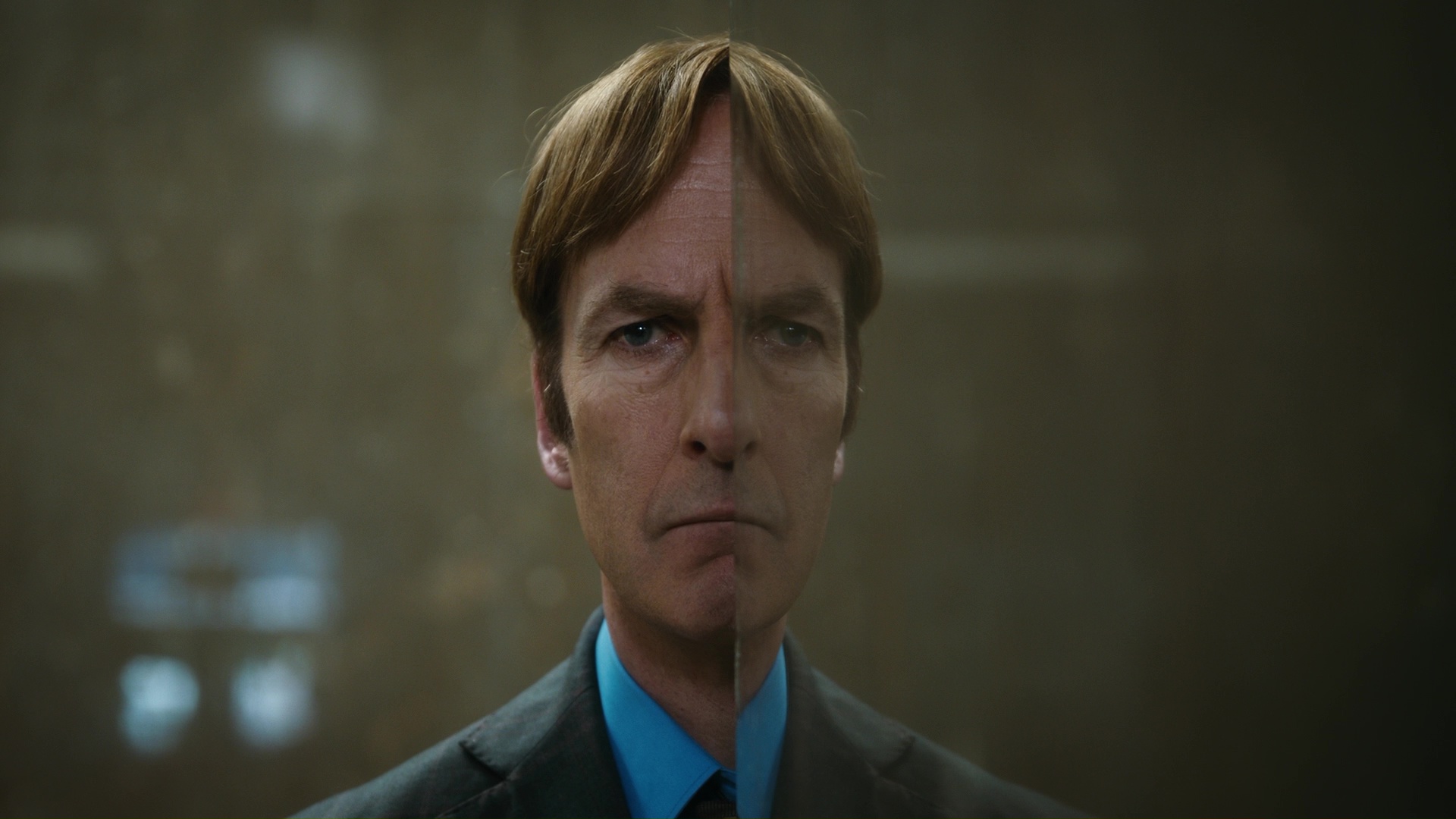
Season 3 continues the show’s meticulous visual language, with cinematographers Marshall Adams and Arthur Albert leaning into precise compositions, negative space, and motivated camera placement to externalize character psychology. The series’ use of wide lenses and architectural framing—often isolating Jimmy within rigid environments—turns even quiet scenes into visual storytelling exercises, reinforcing its reputation as one of the most formally controlled shows on television.
TELEVISION SERIES
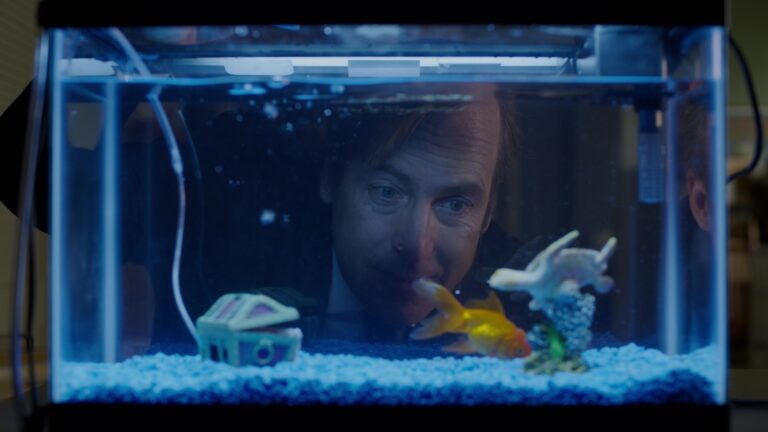
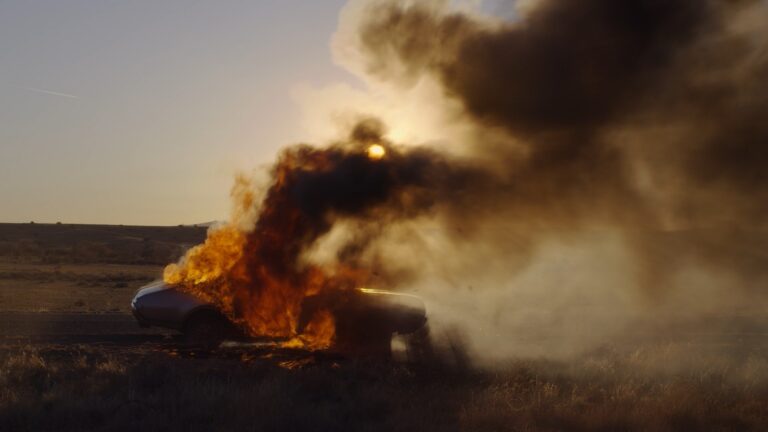
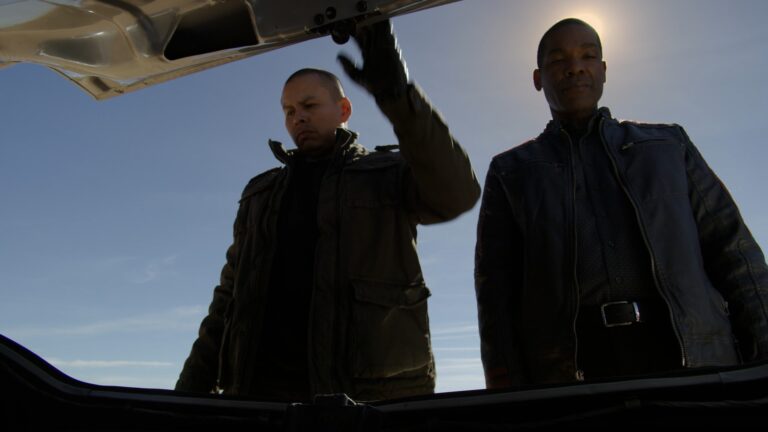
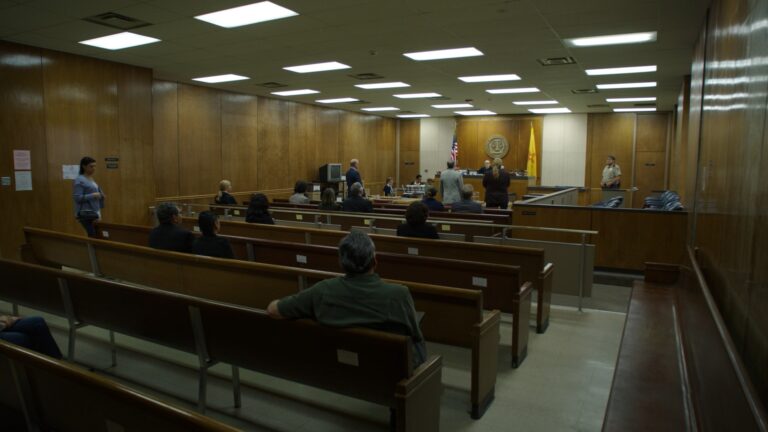
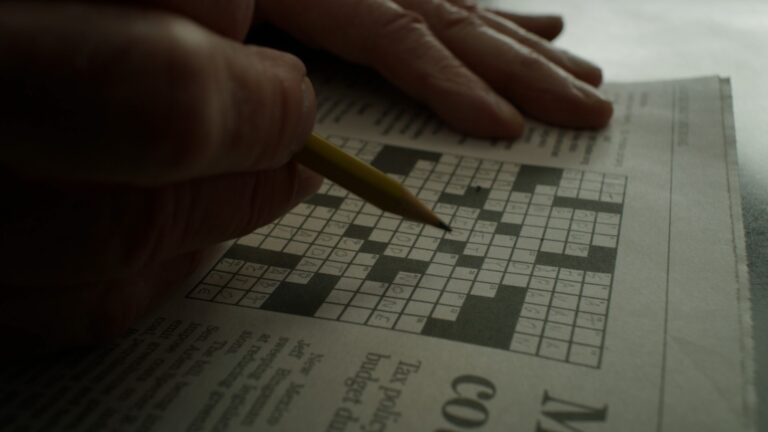
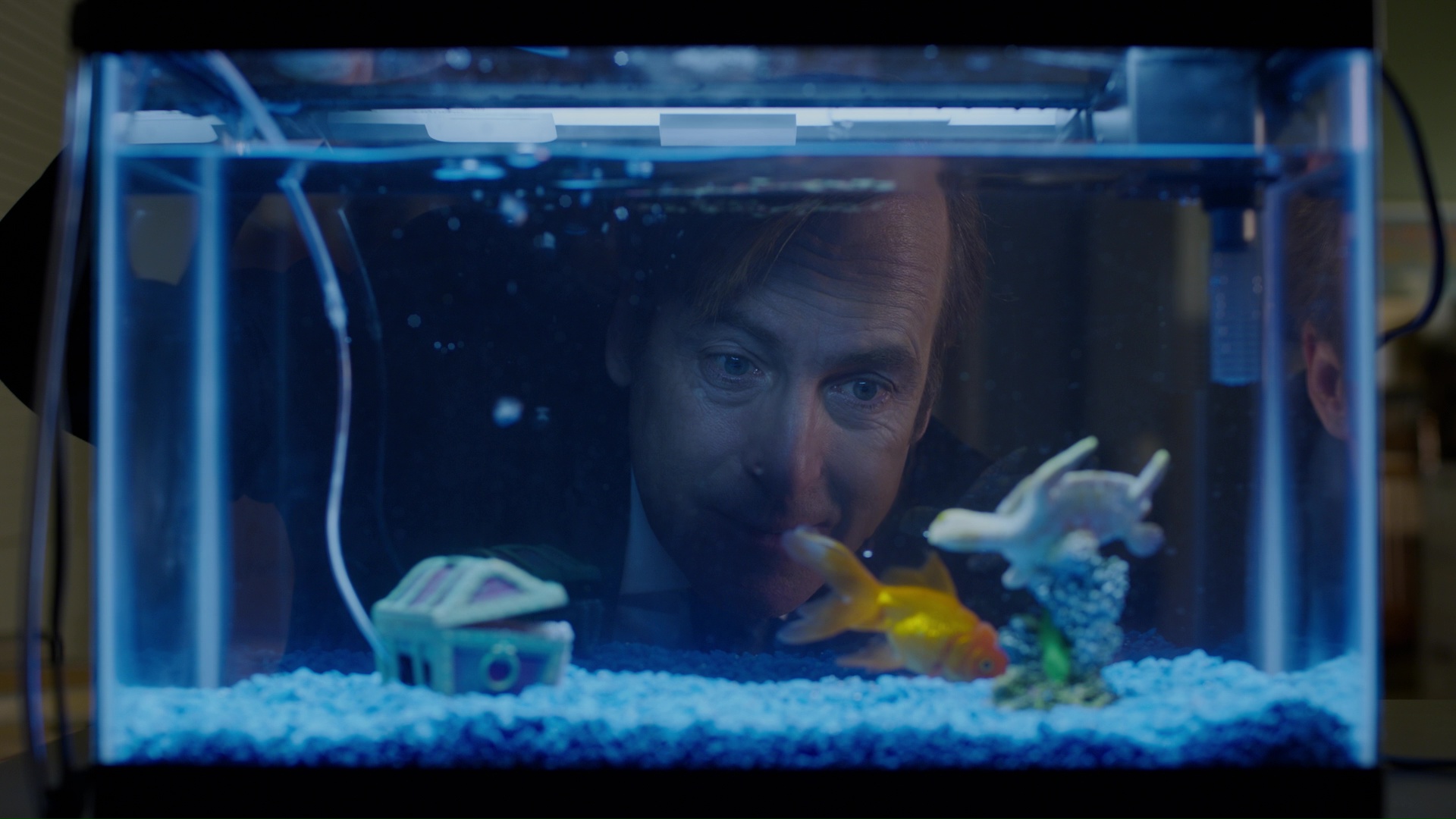
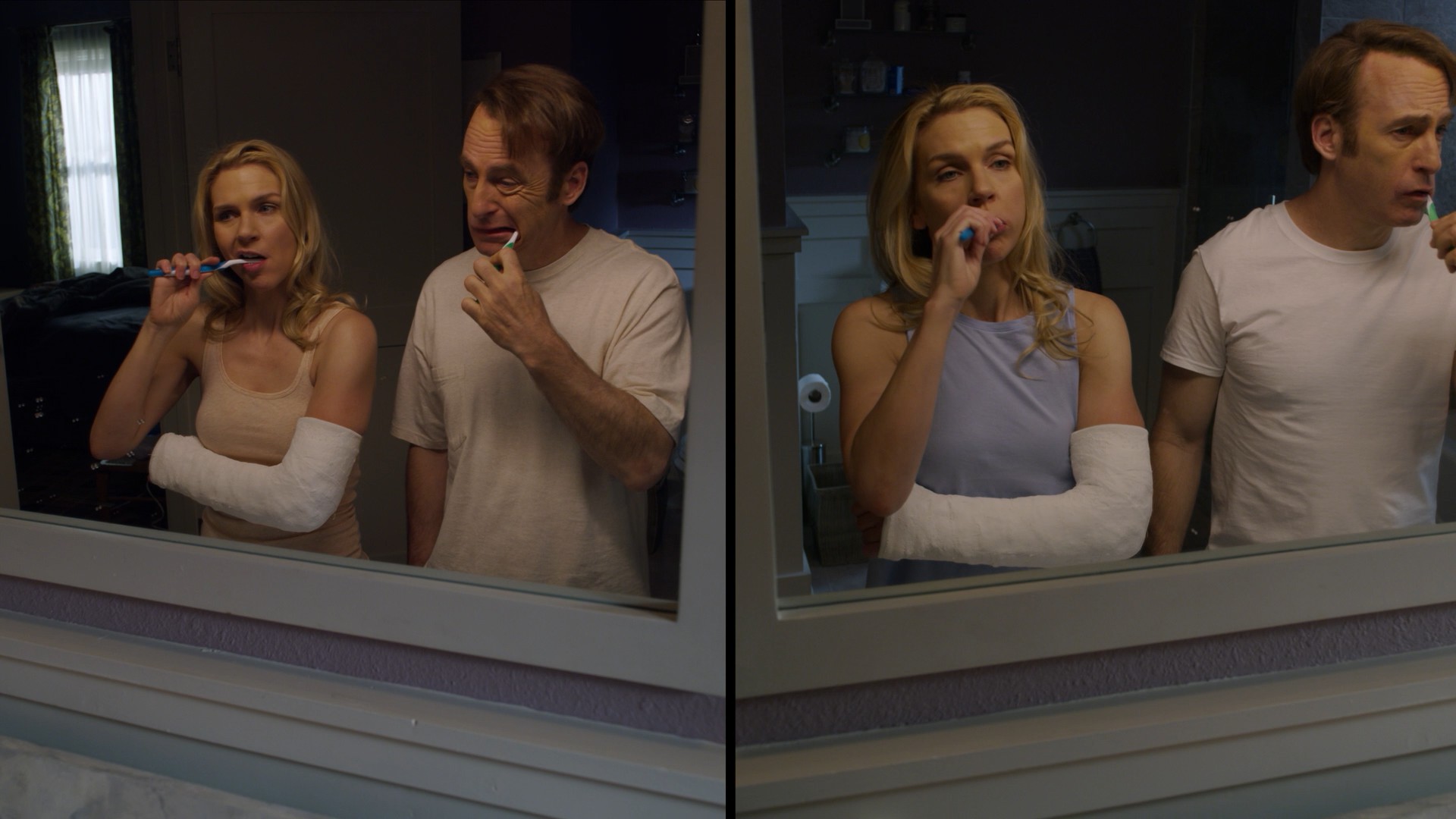
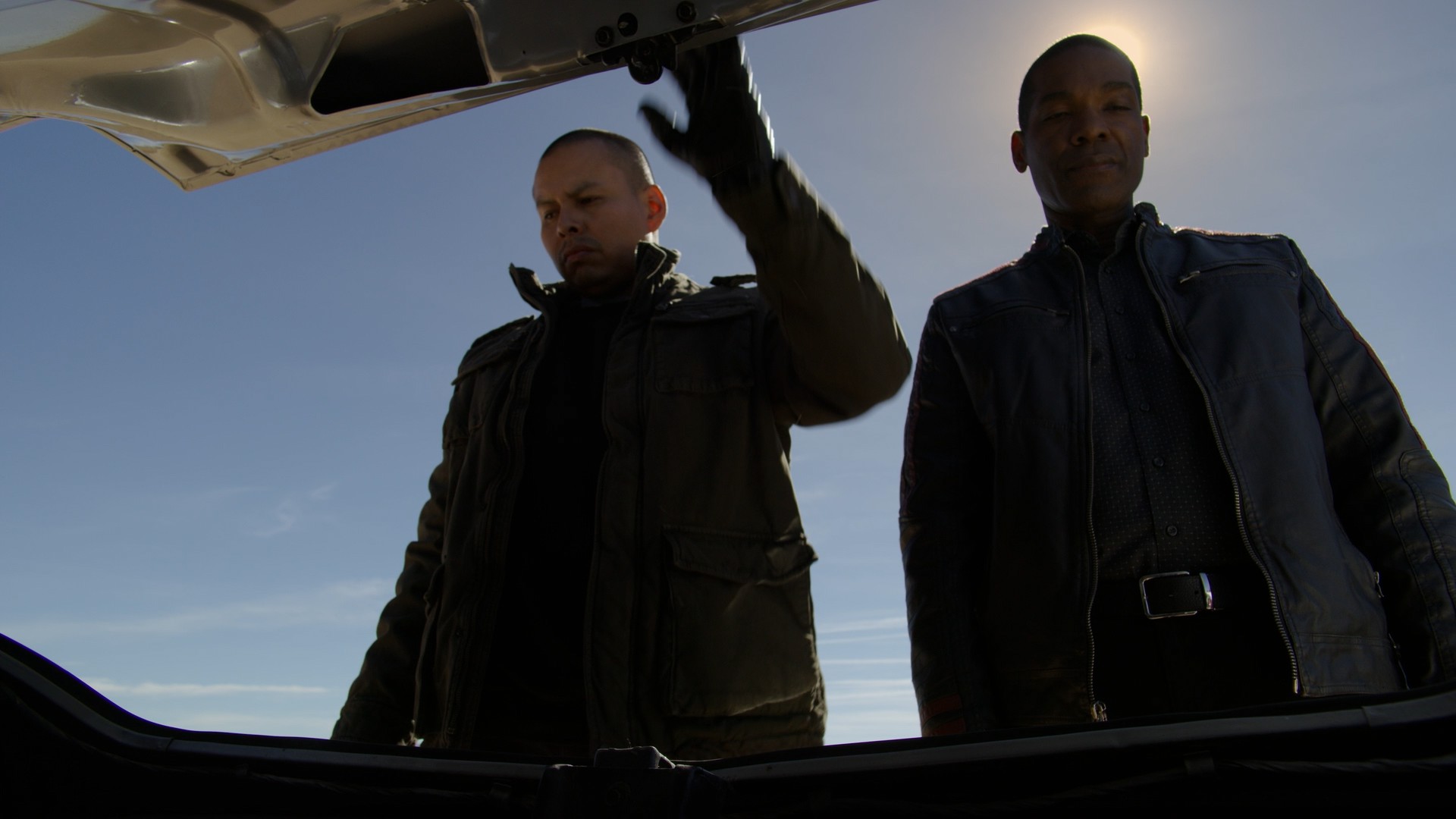
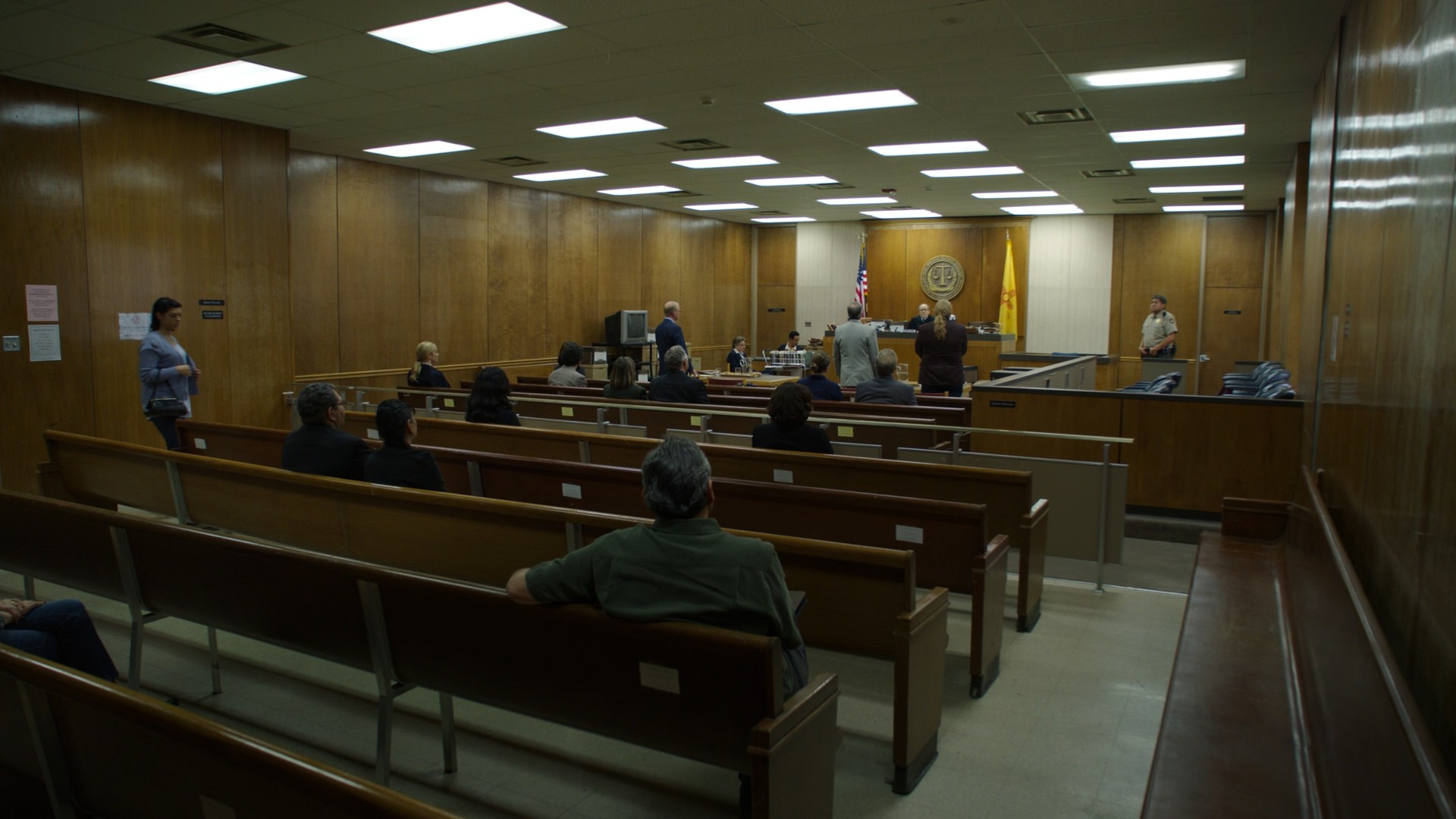
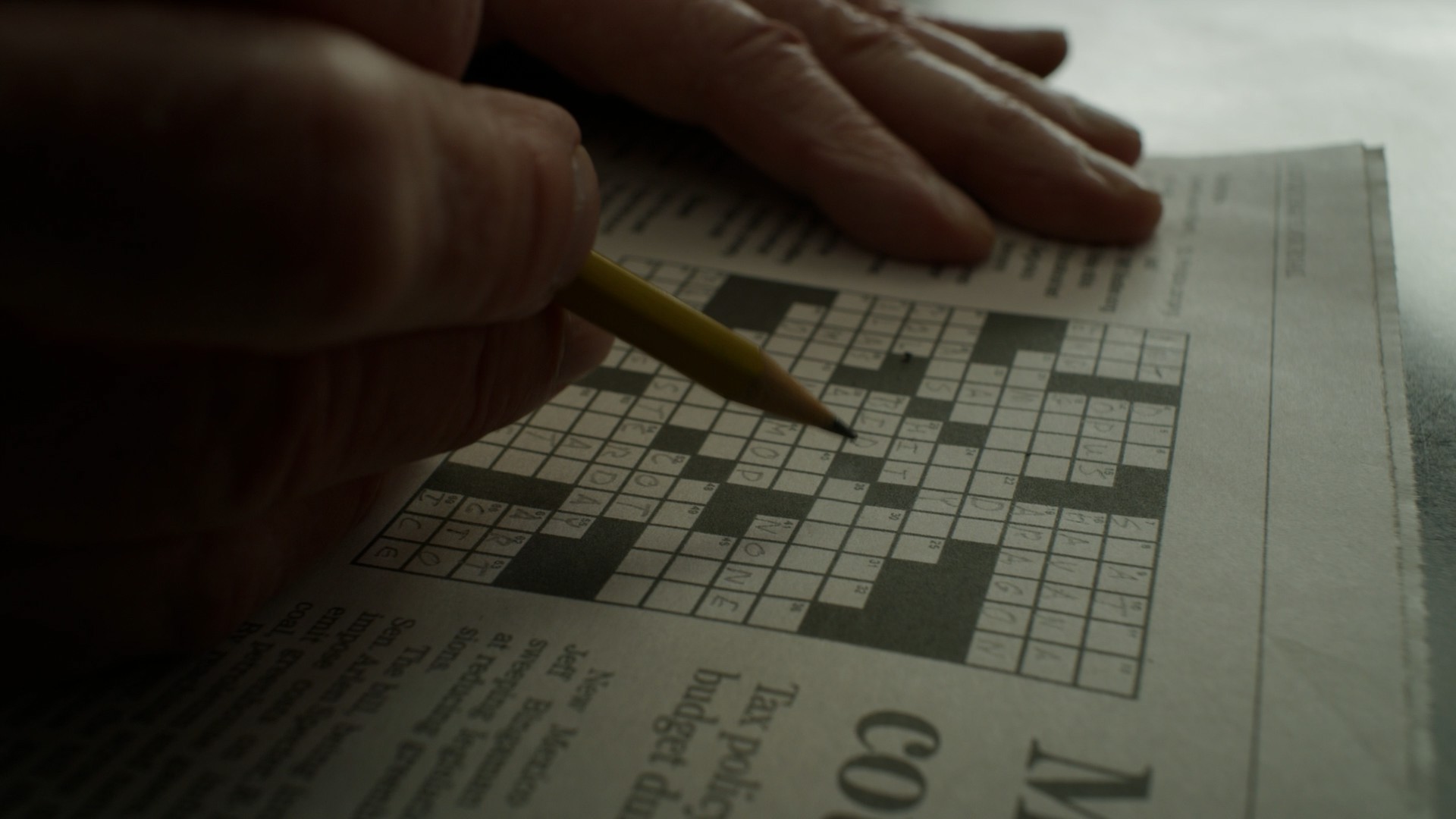
Better Call Saul – Season 4 (2018)
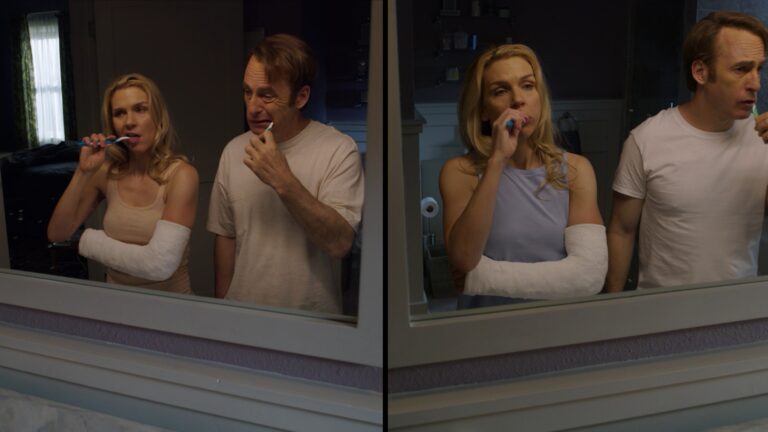
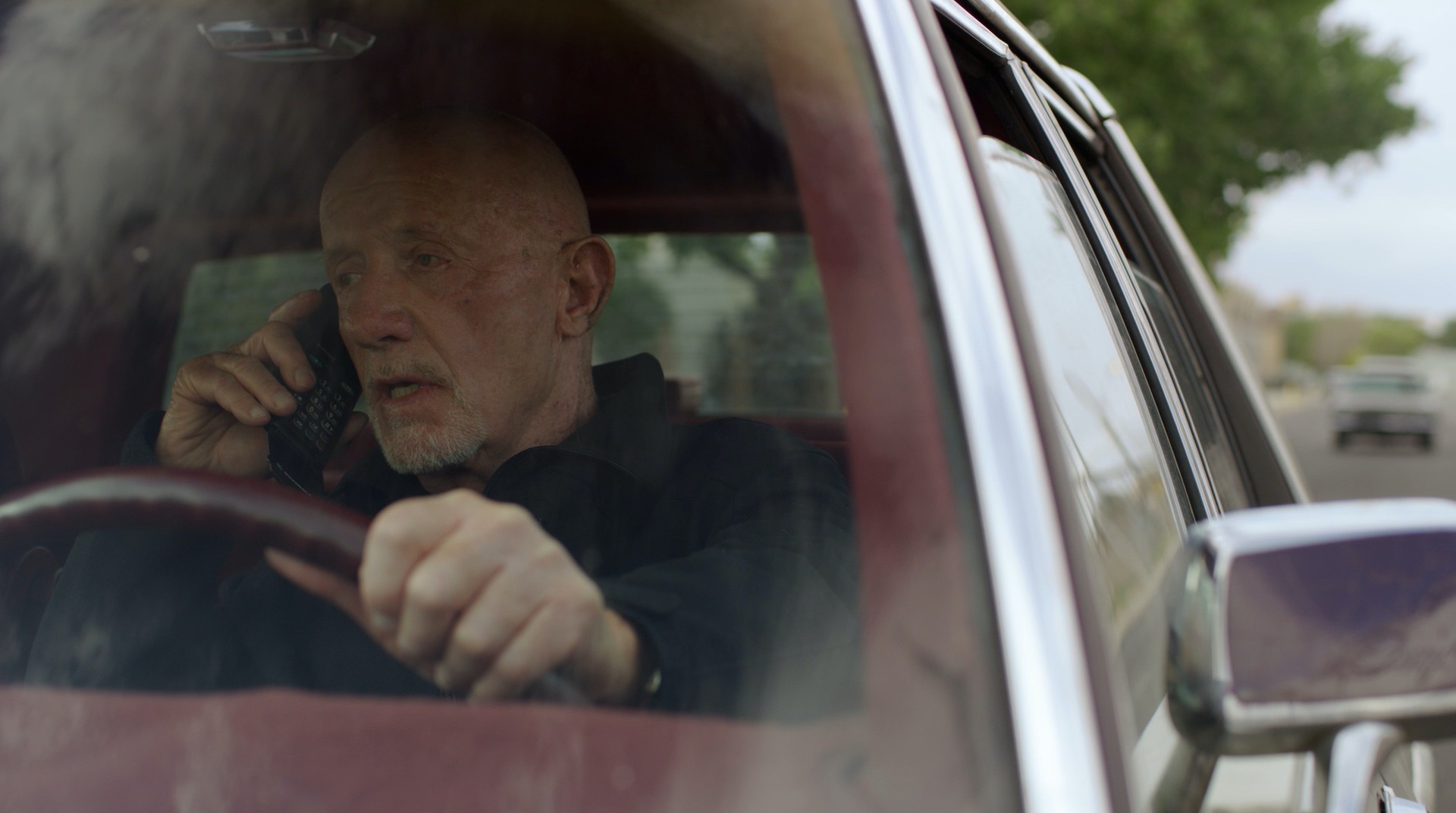
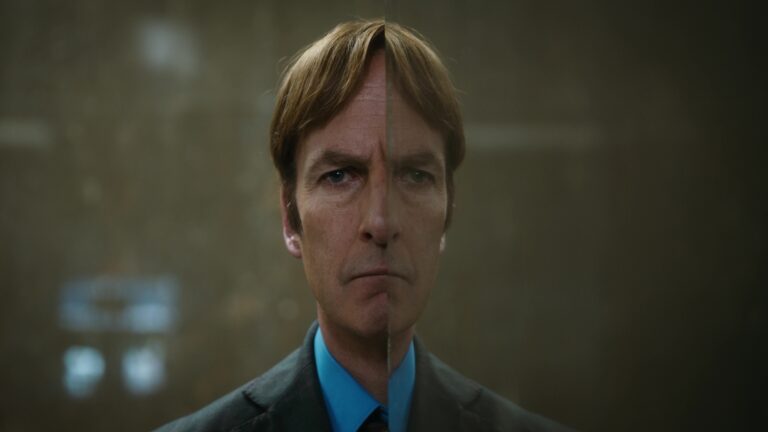
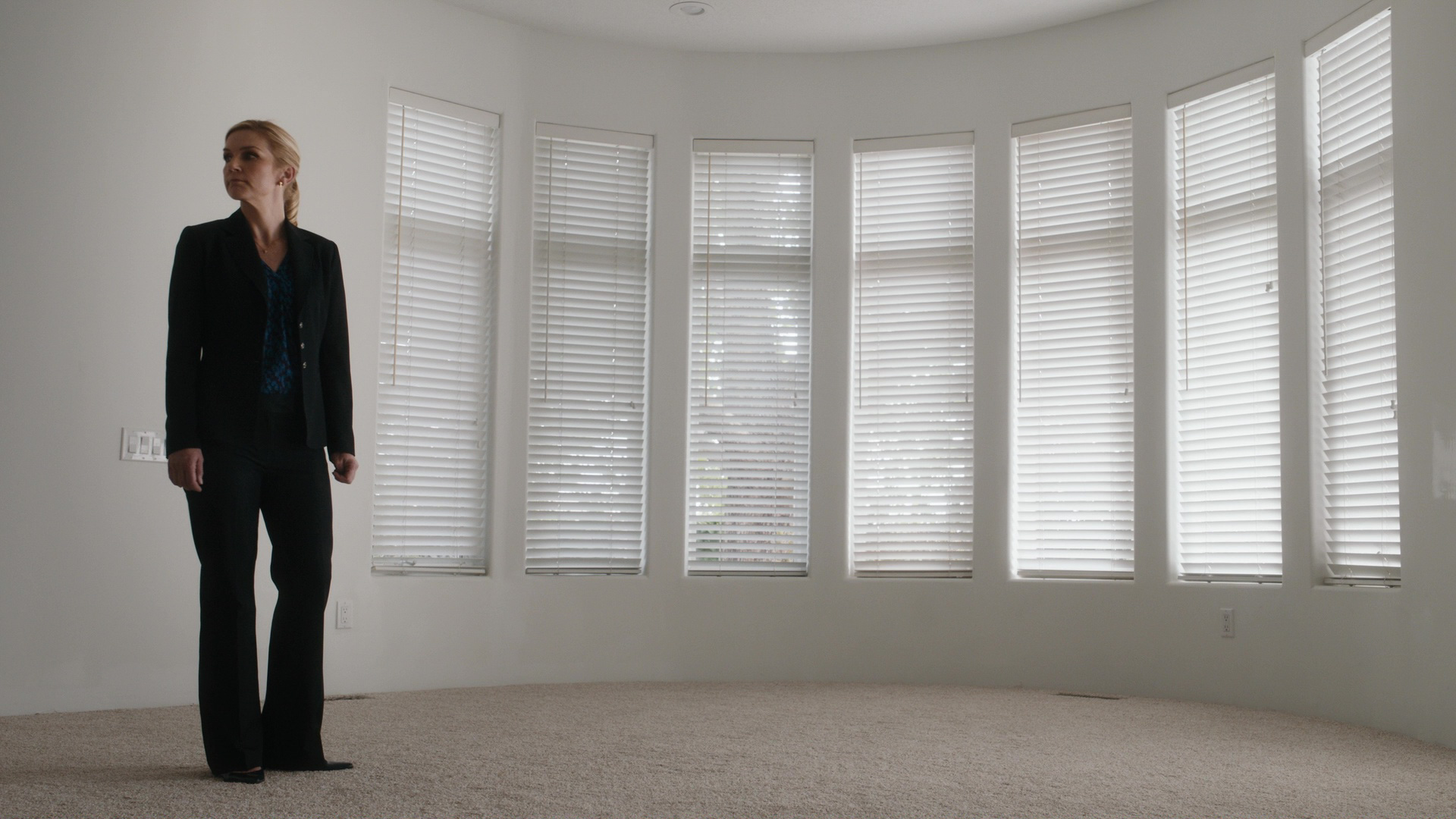
Season 4 sharpens the show’s already exacting visual grammar, with an increased emphasis on stillness, negative space, and long-lens compositions to reflect Jimmy’s emotional detachment. The series continues to favor deliberate, often unconventional framing—shooting through objects, reflections, and architectural barriers—to visually encode isolation, turning even mundane environments into psychologically charged spaces.
TELEVISION SERIES
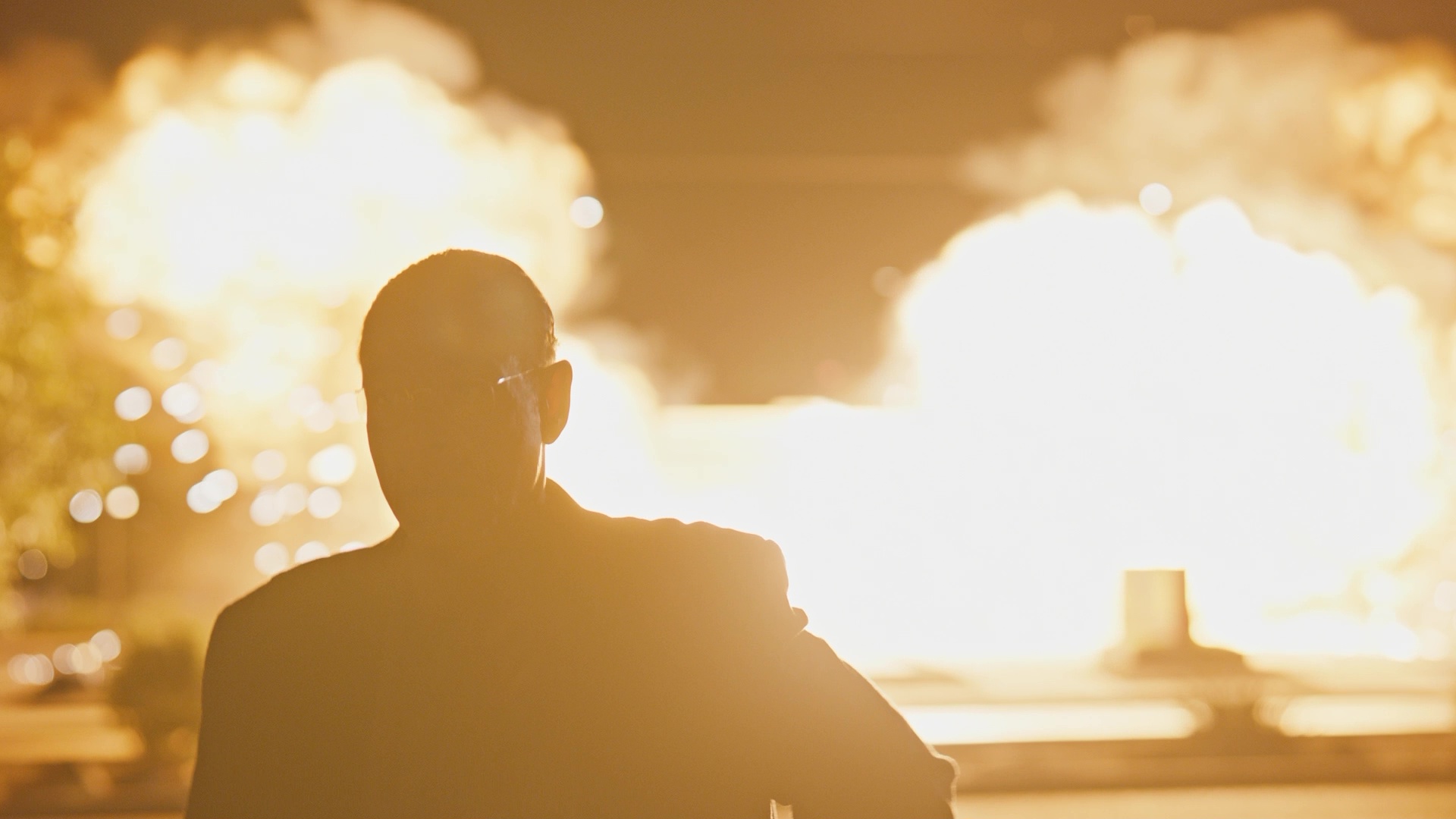
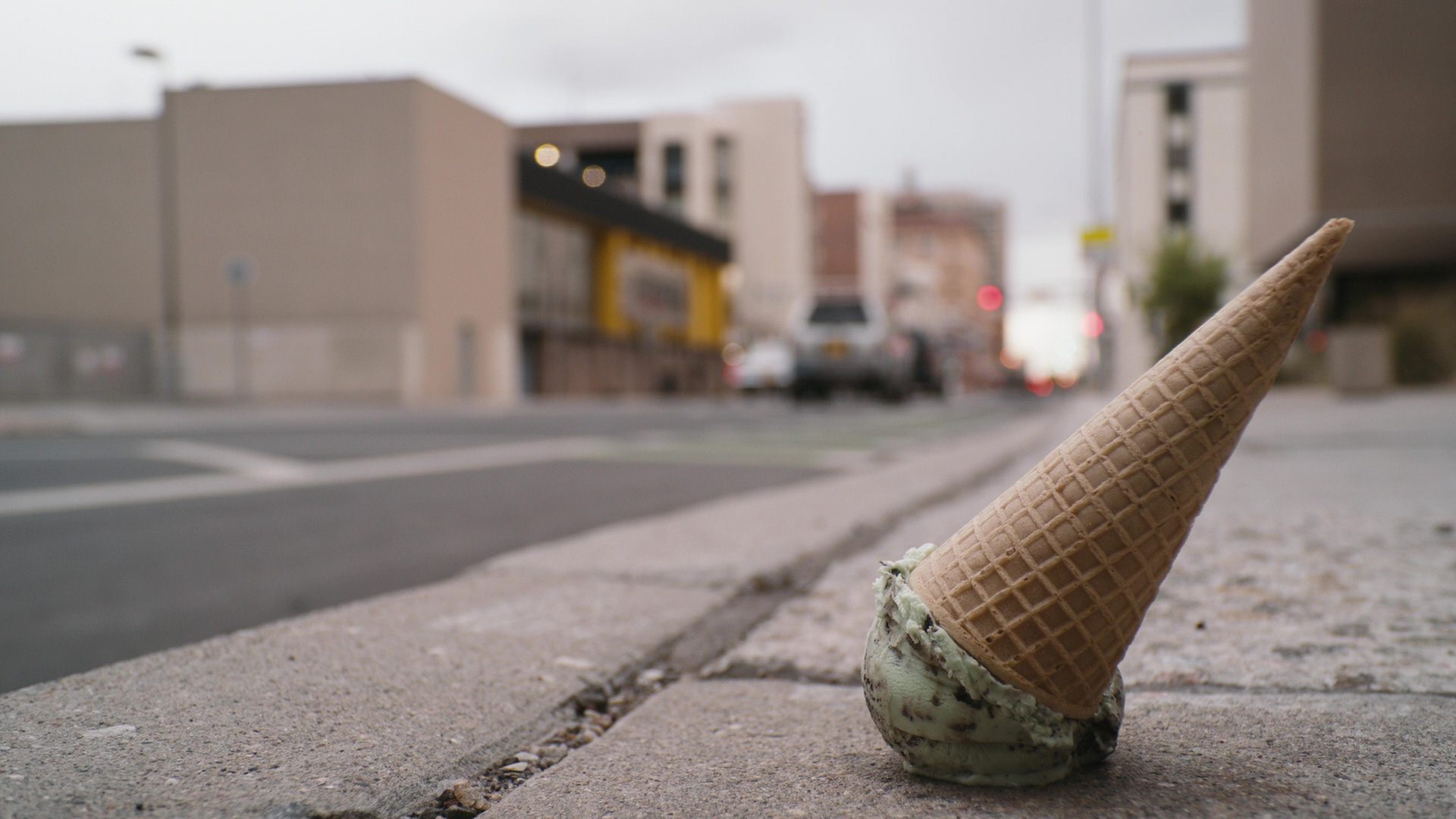
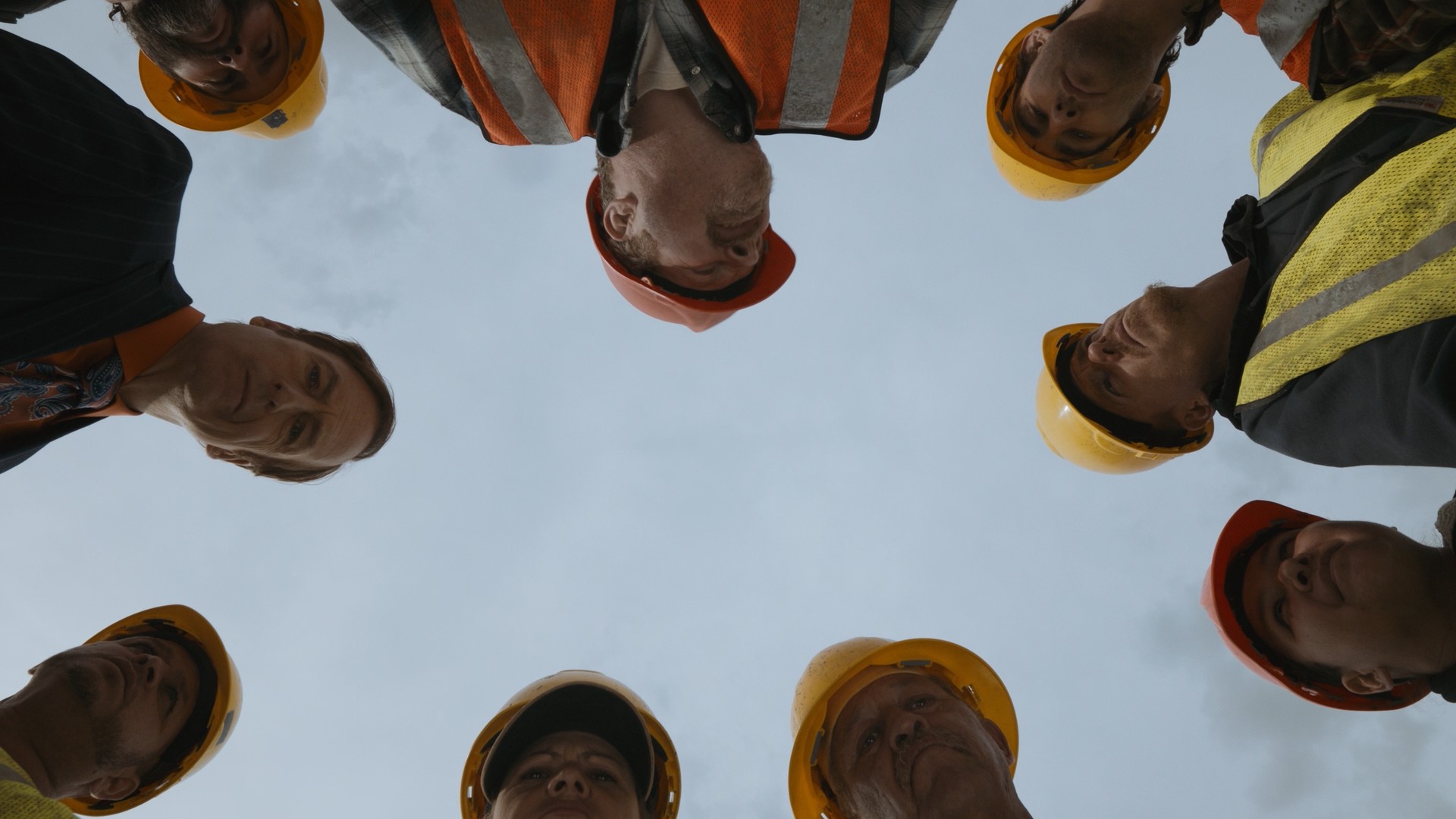
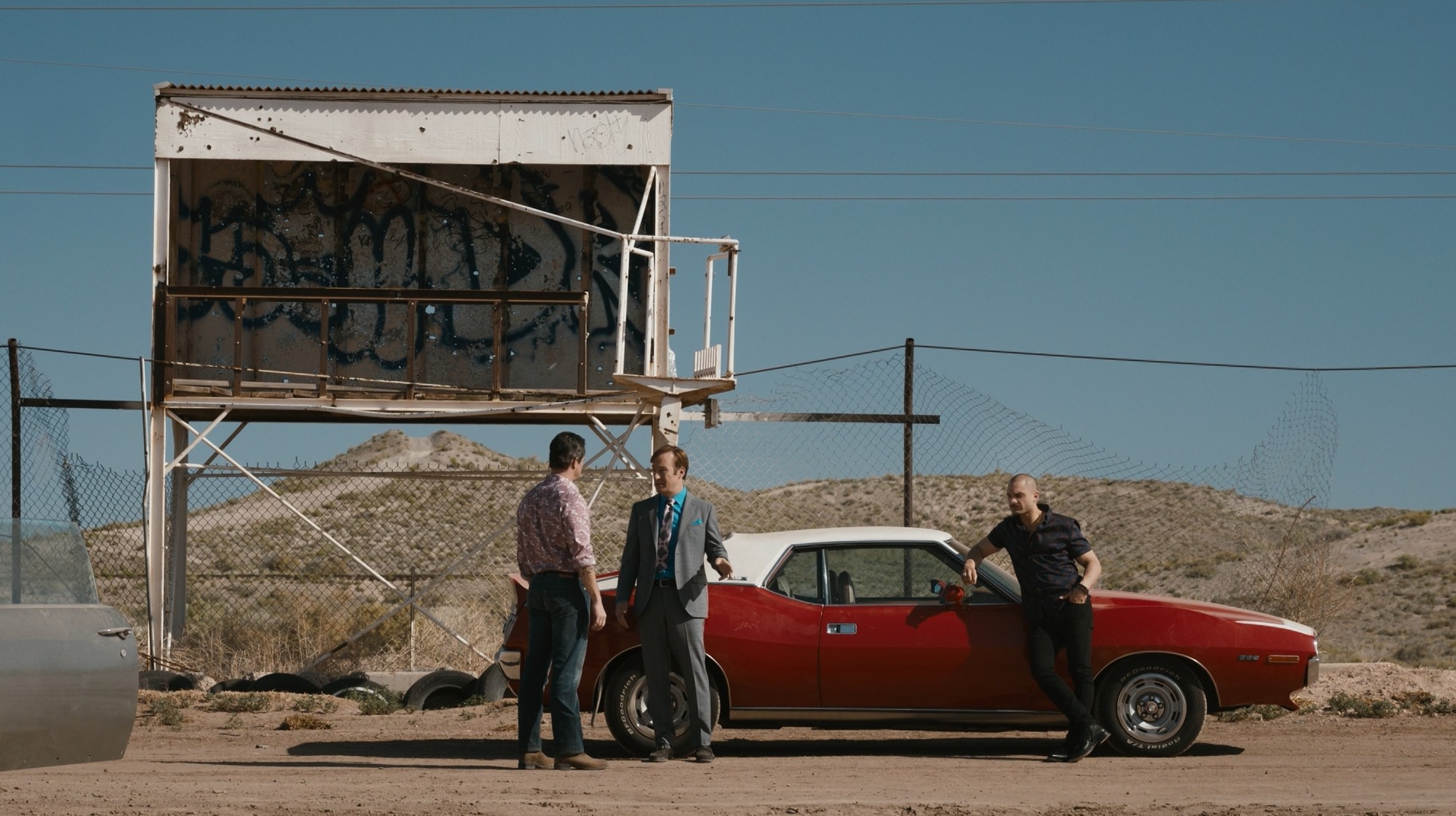
Better Call Saul – Season 5 (2020)
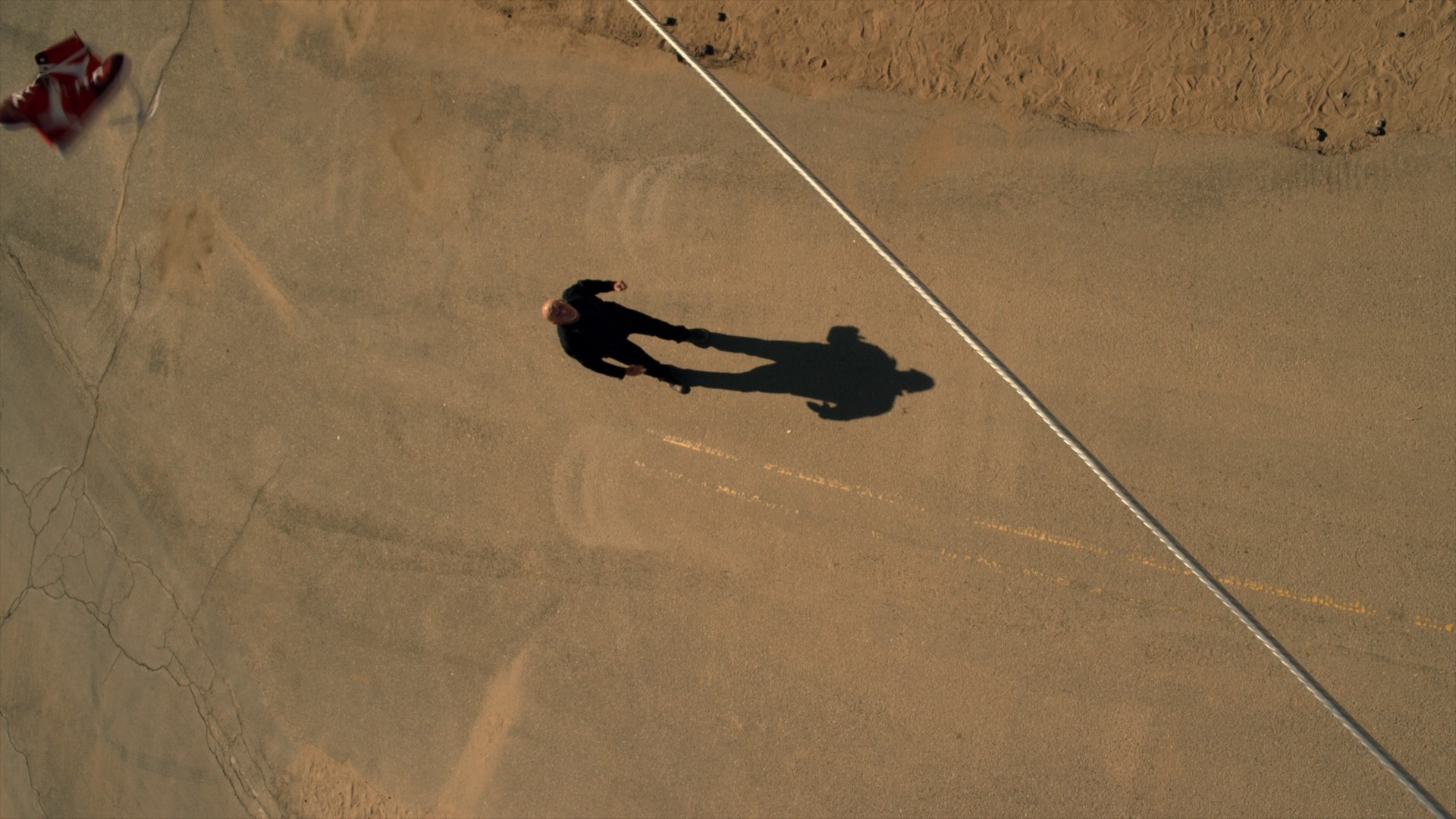
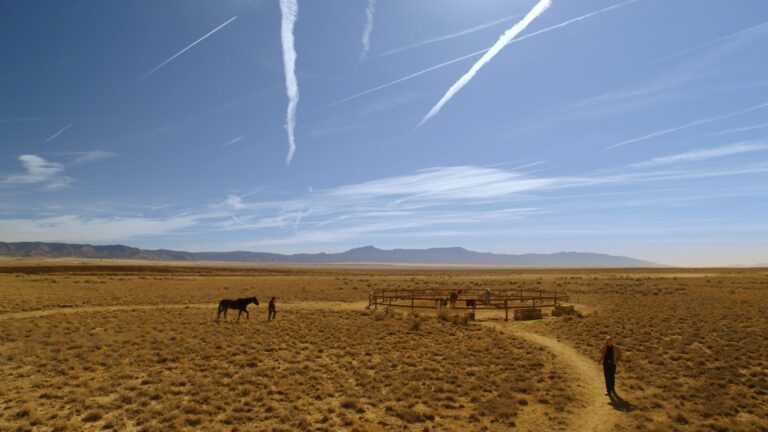
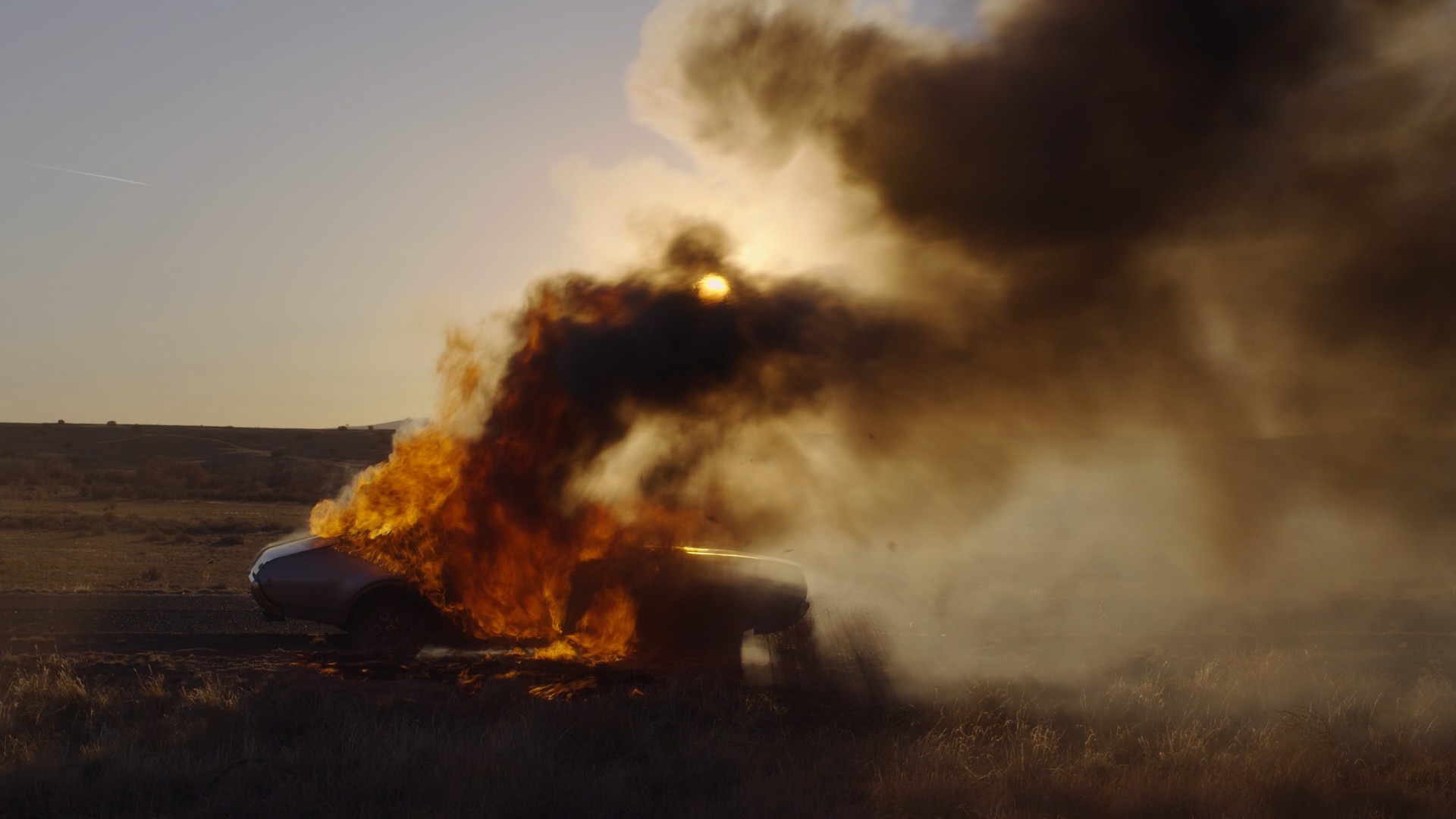
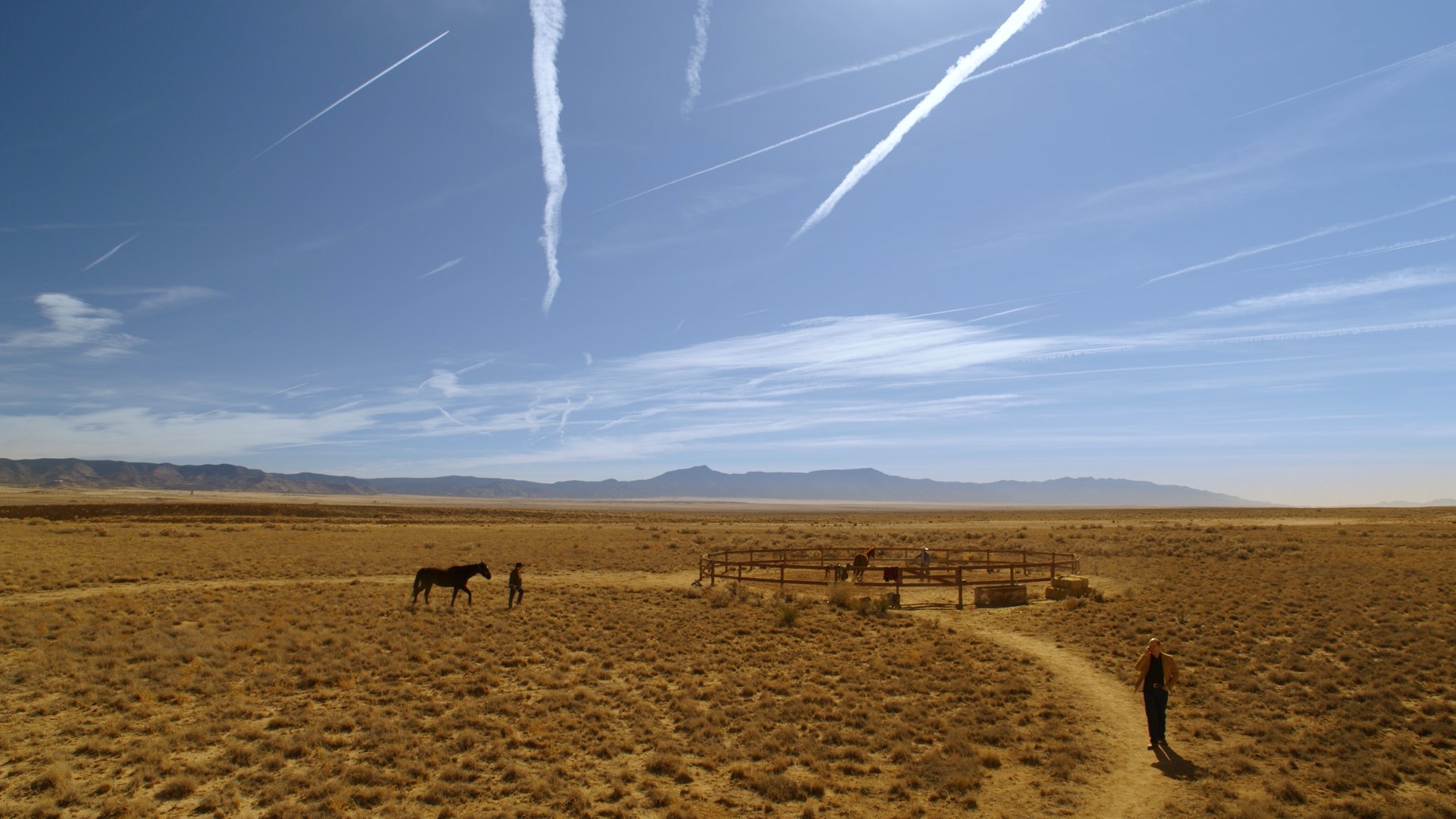
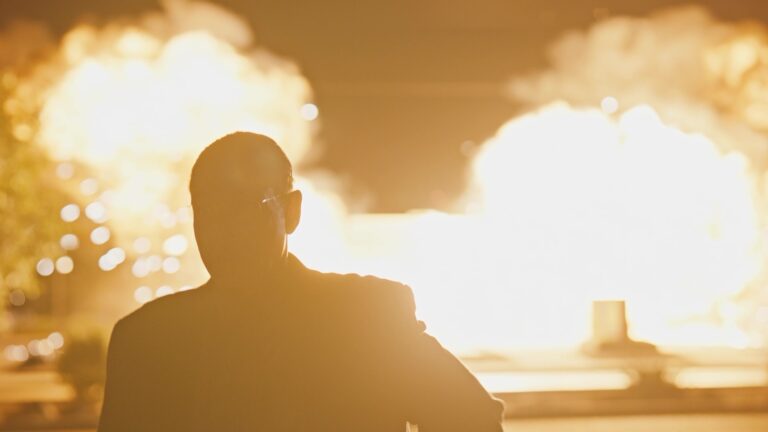
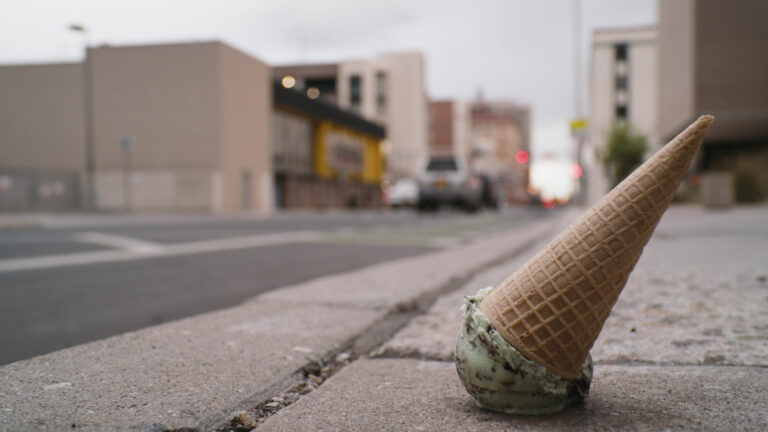
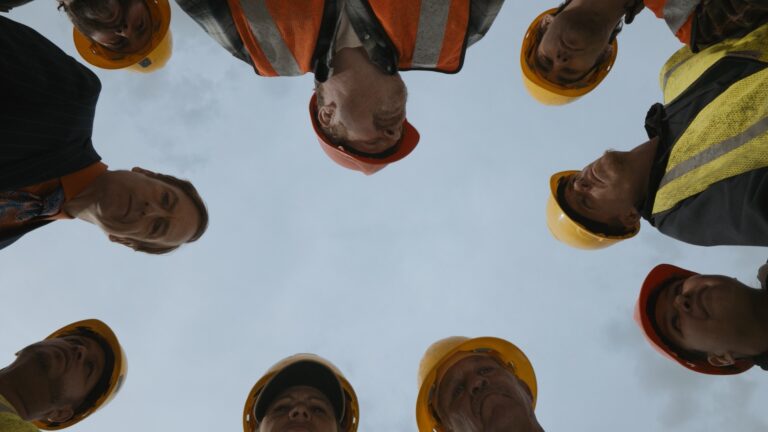
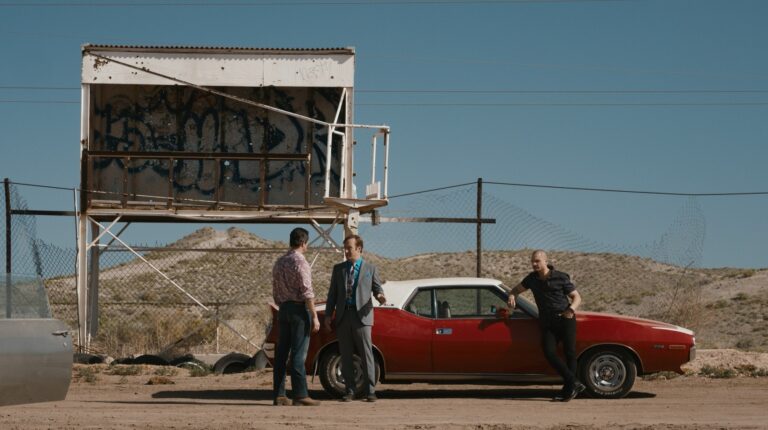
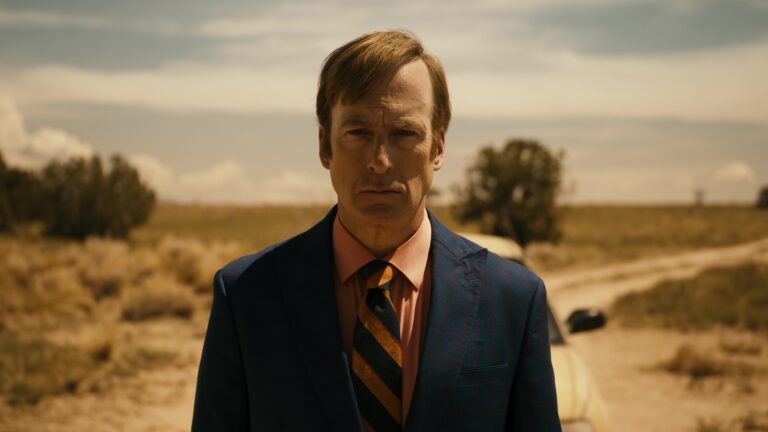
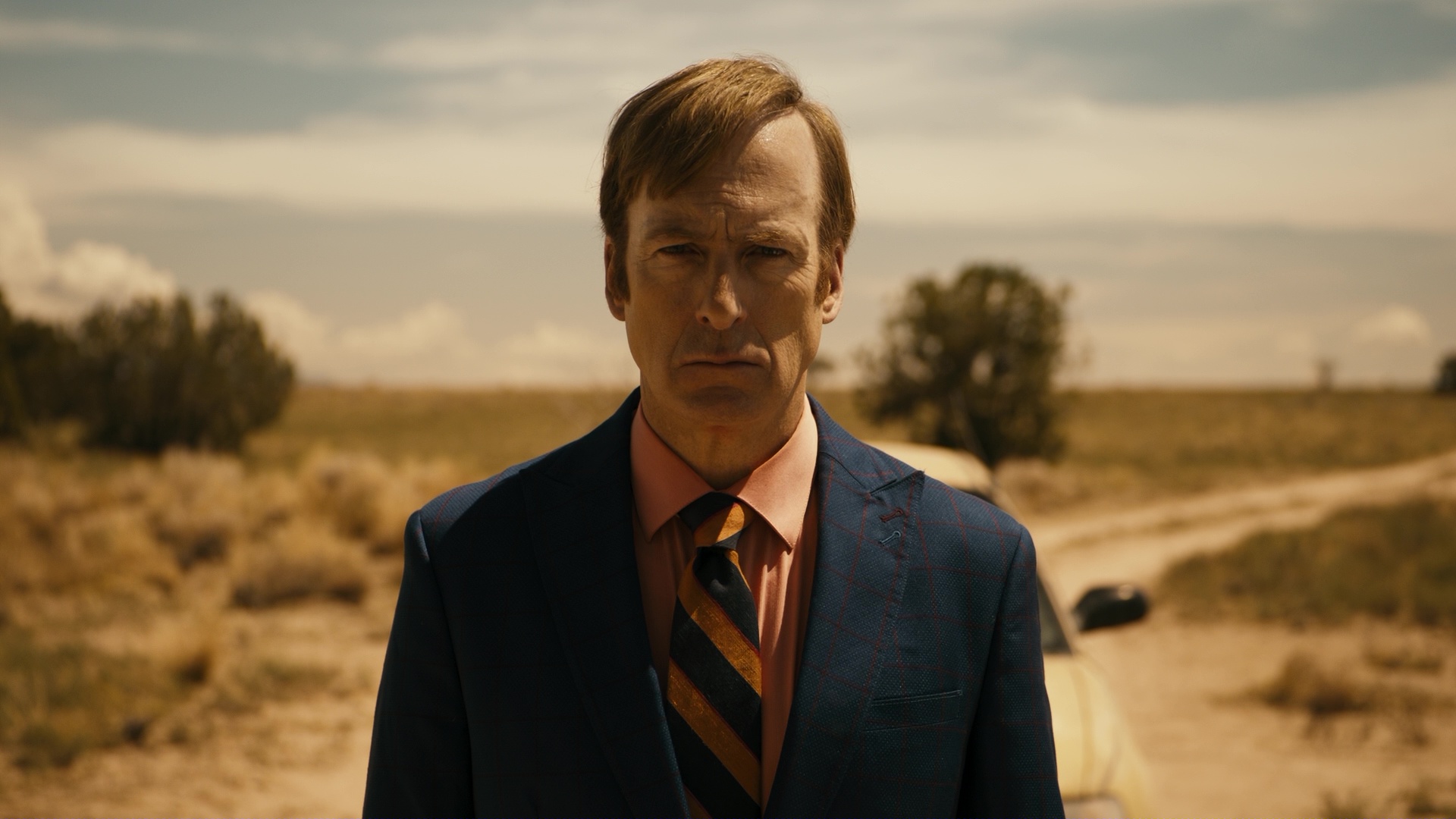
Season 5 leans even further into bold, expressive visual storytelling, with cinematographers Marshall Adams and Paul Donachie using extreme wide shots, graphic compositions, and stark desert landscapes to heighten tension and scale. The show’s signature precision evolves into something more kinetic—balancing carefully controlled framing with bursts of movement, turning key sequences into visually driven set pieces without ever losing its disciplined aesthetic.

FILM SPOTLIGHT
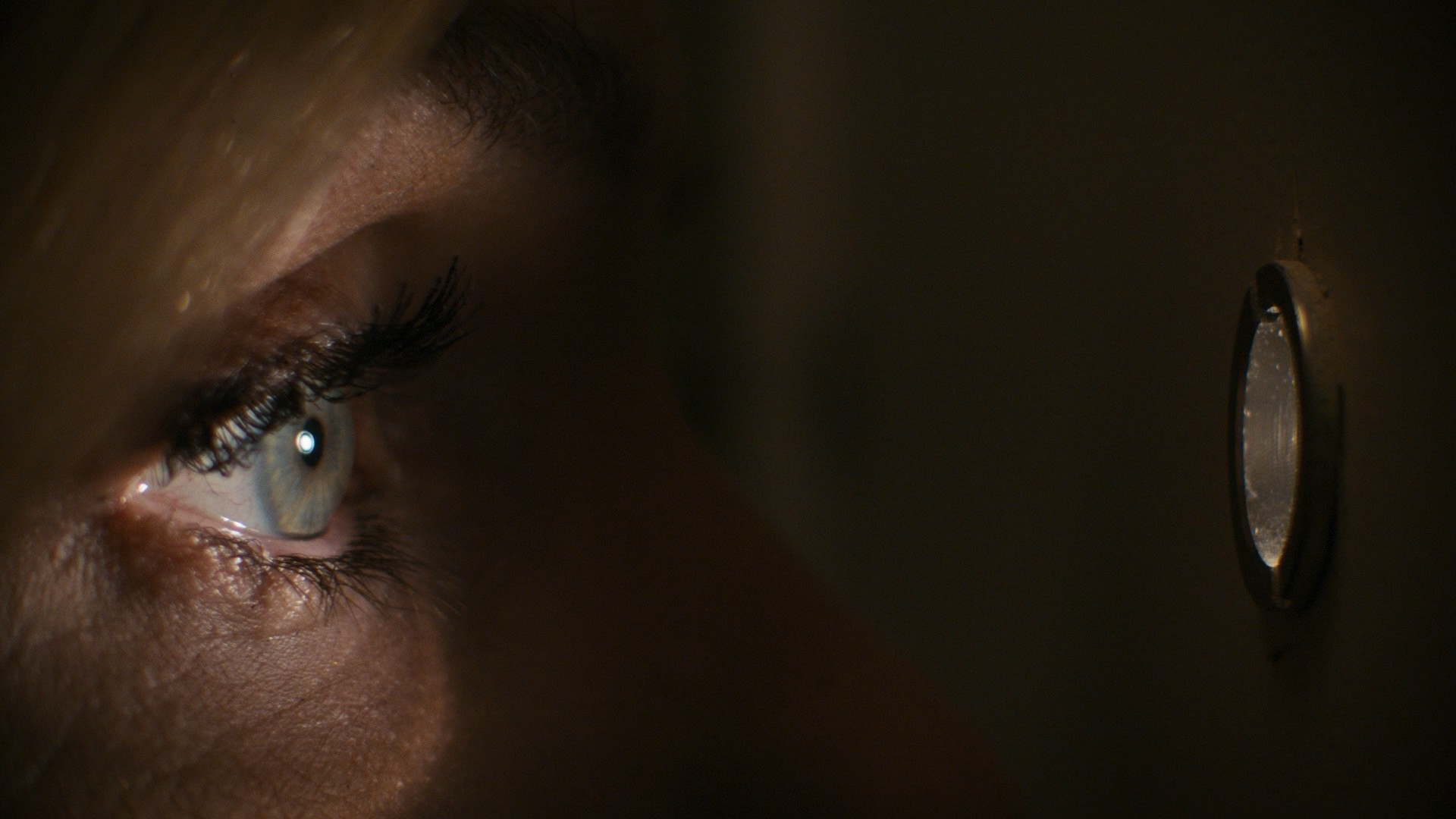
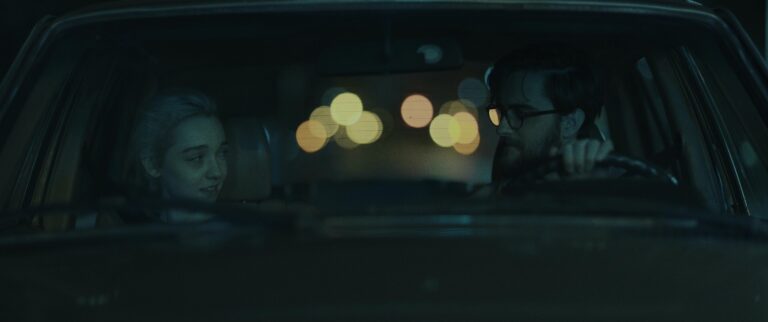
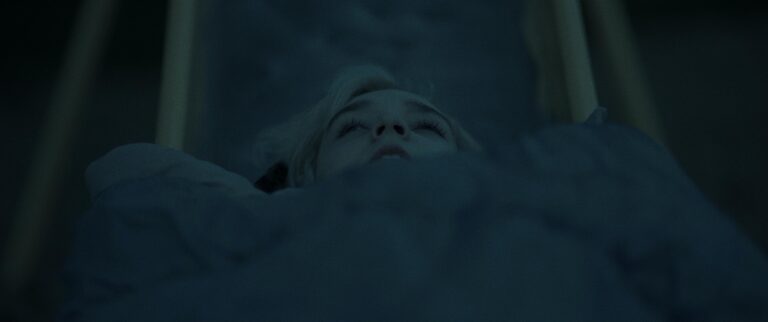
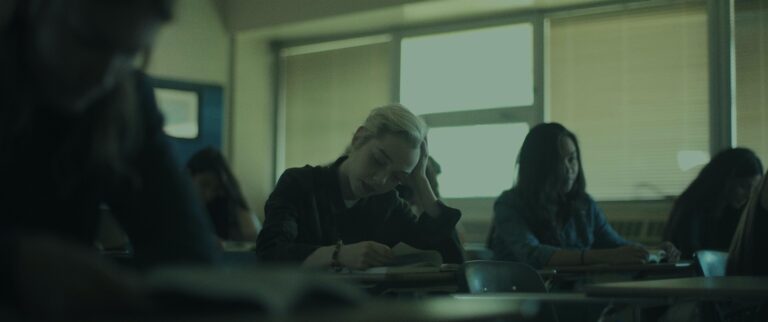
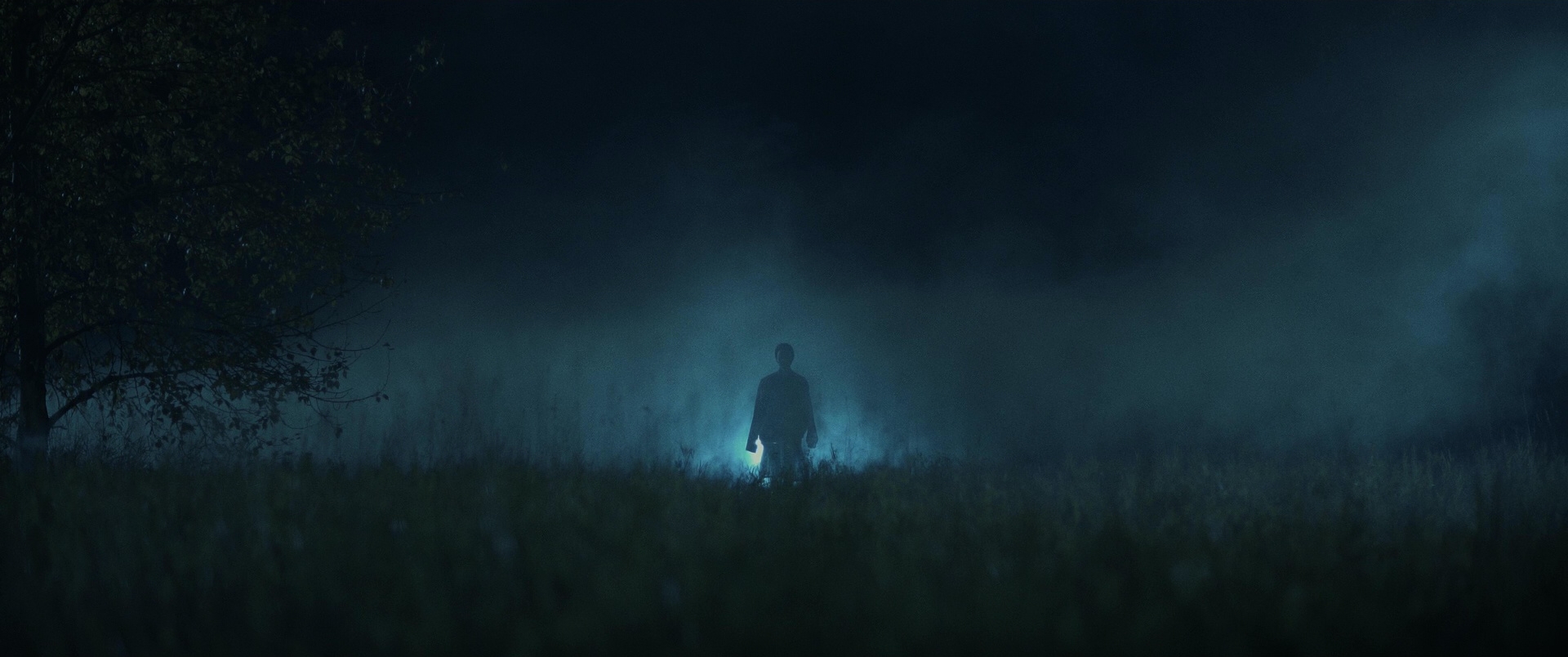
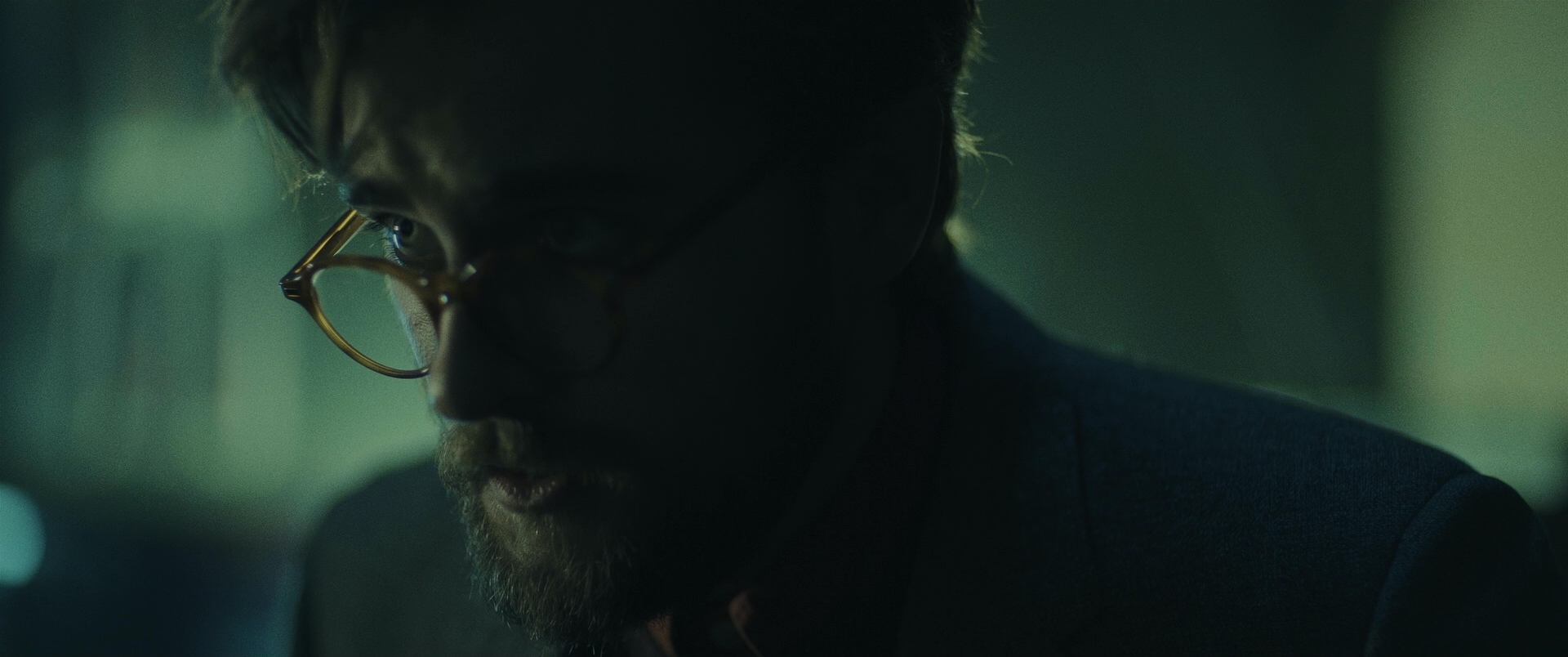
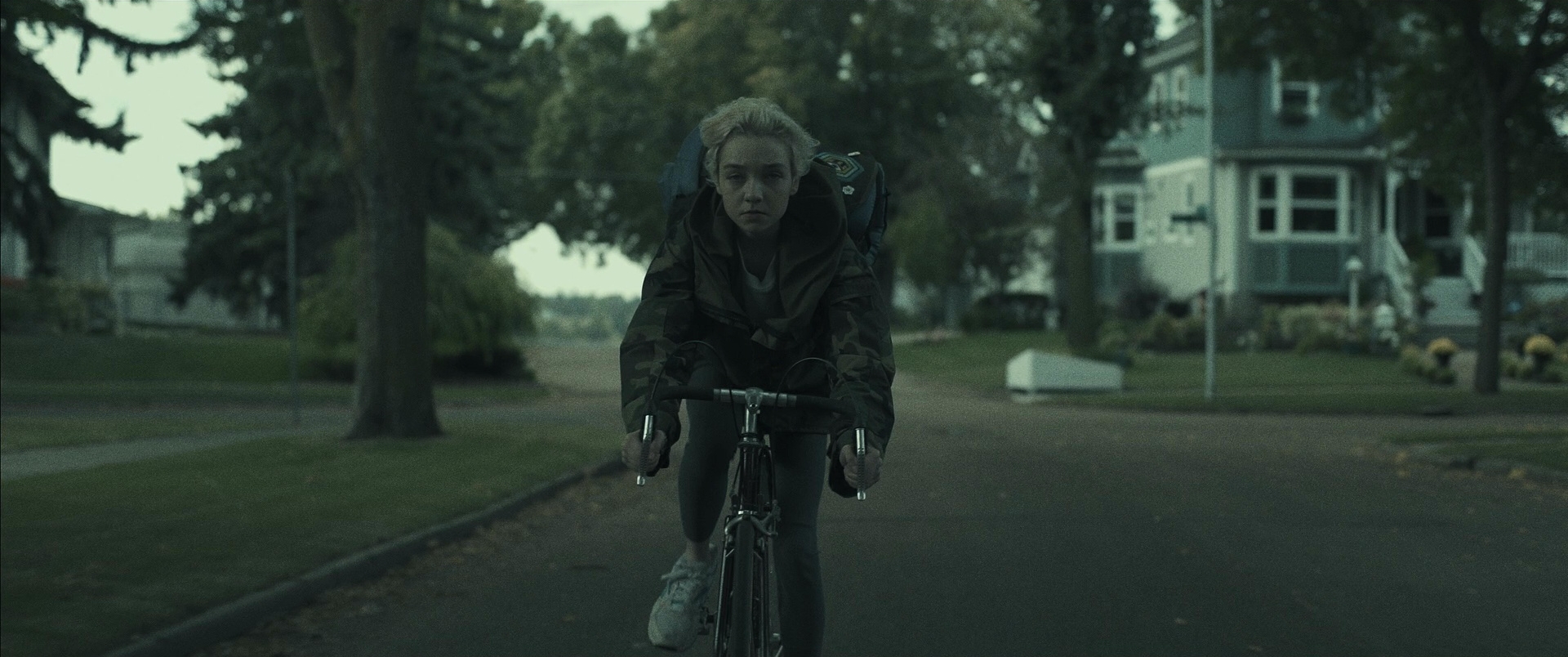
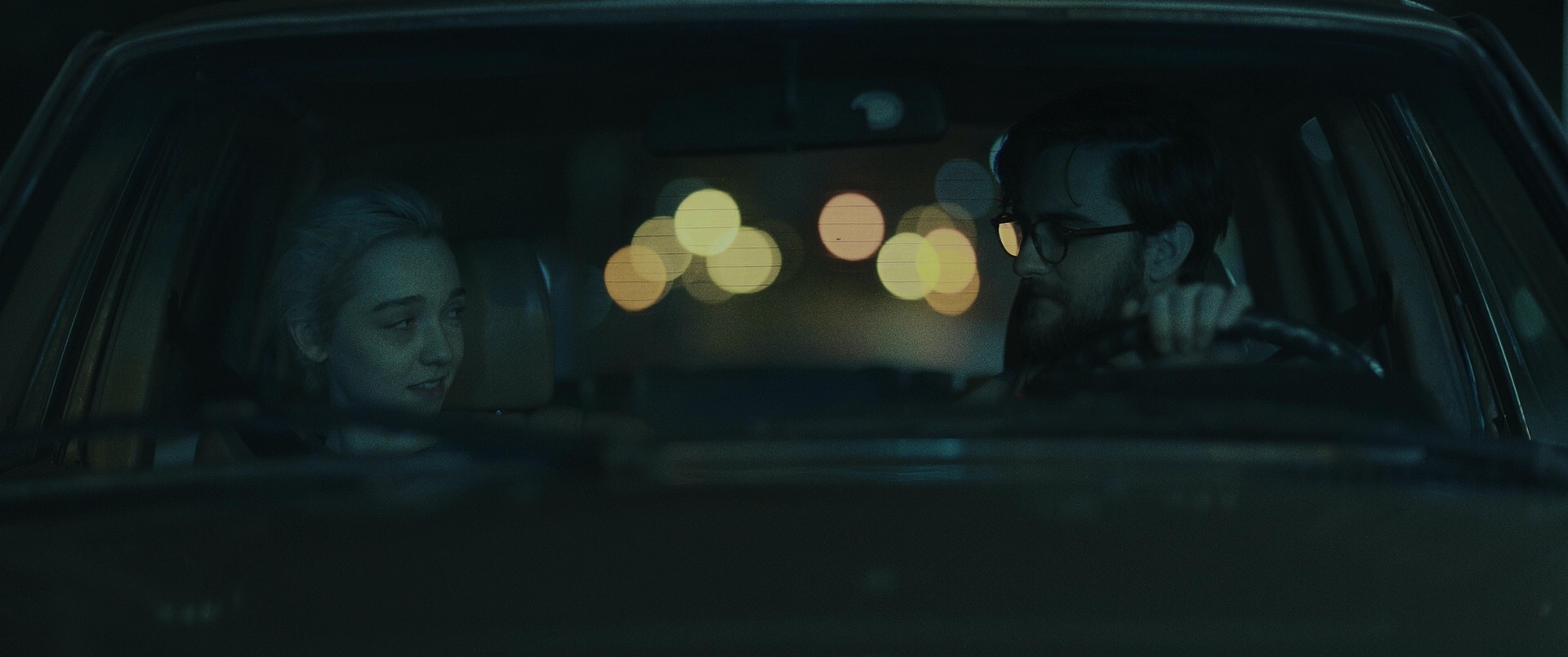
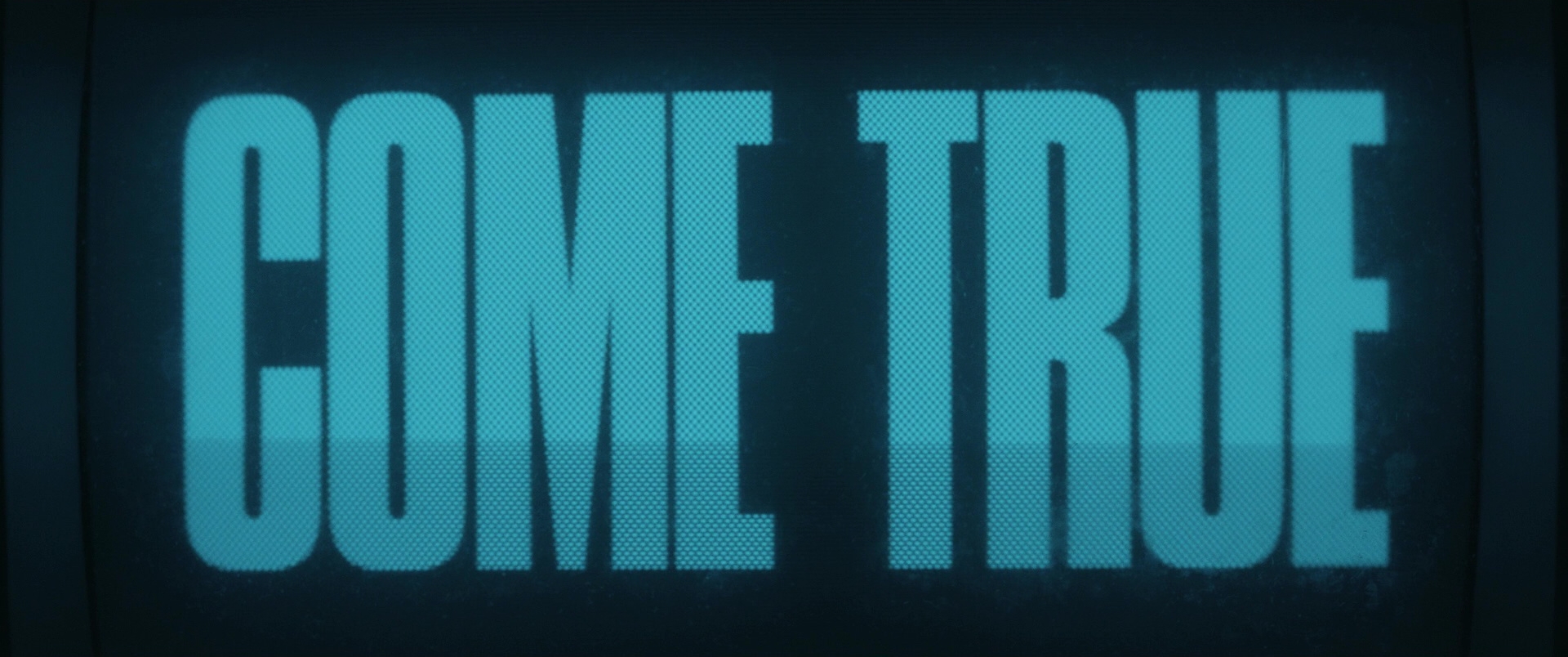
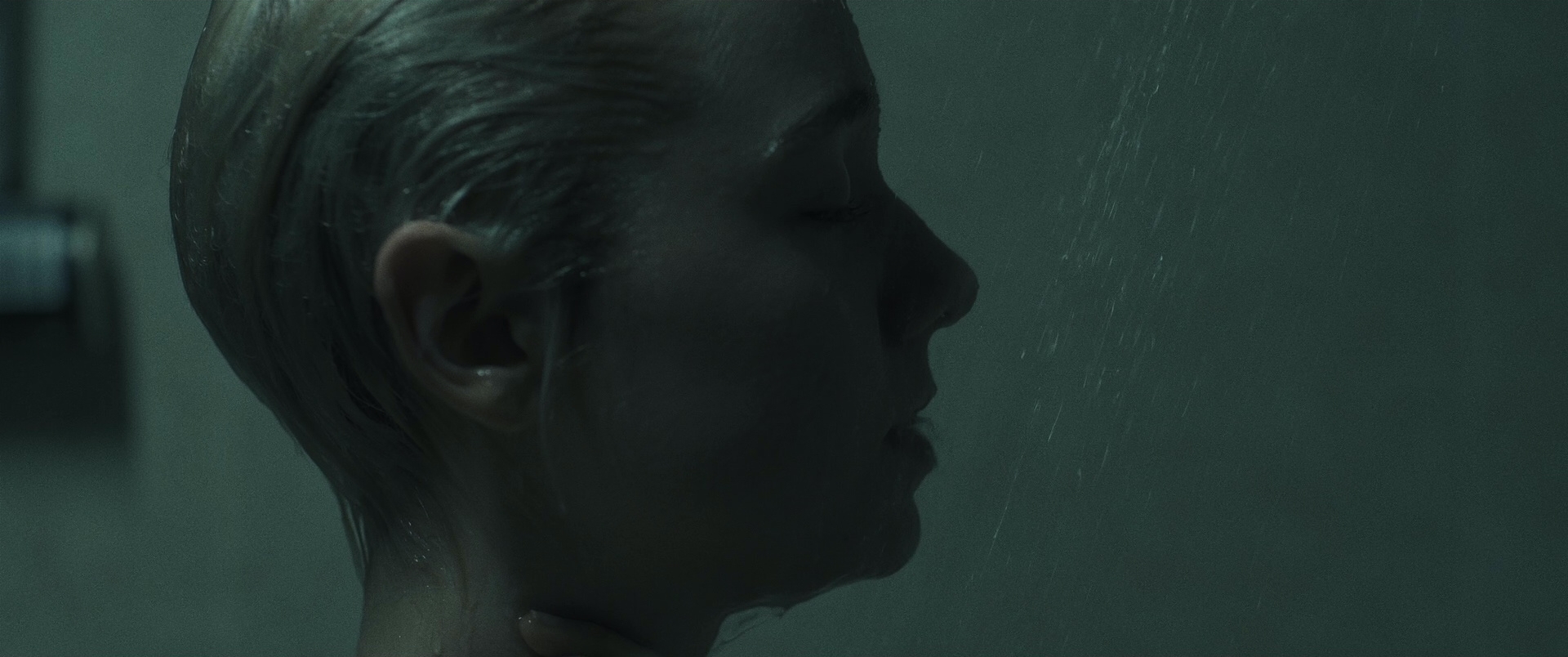
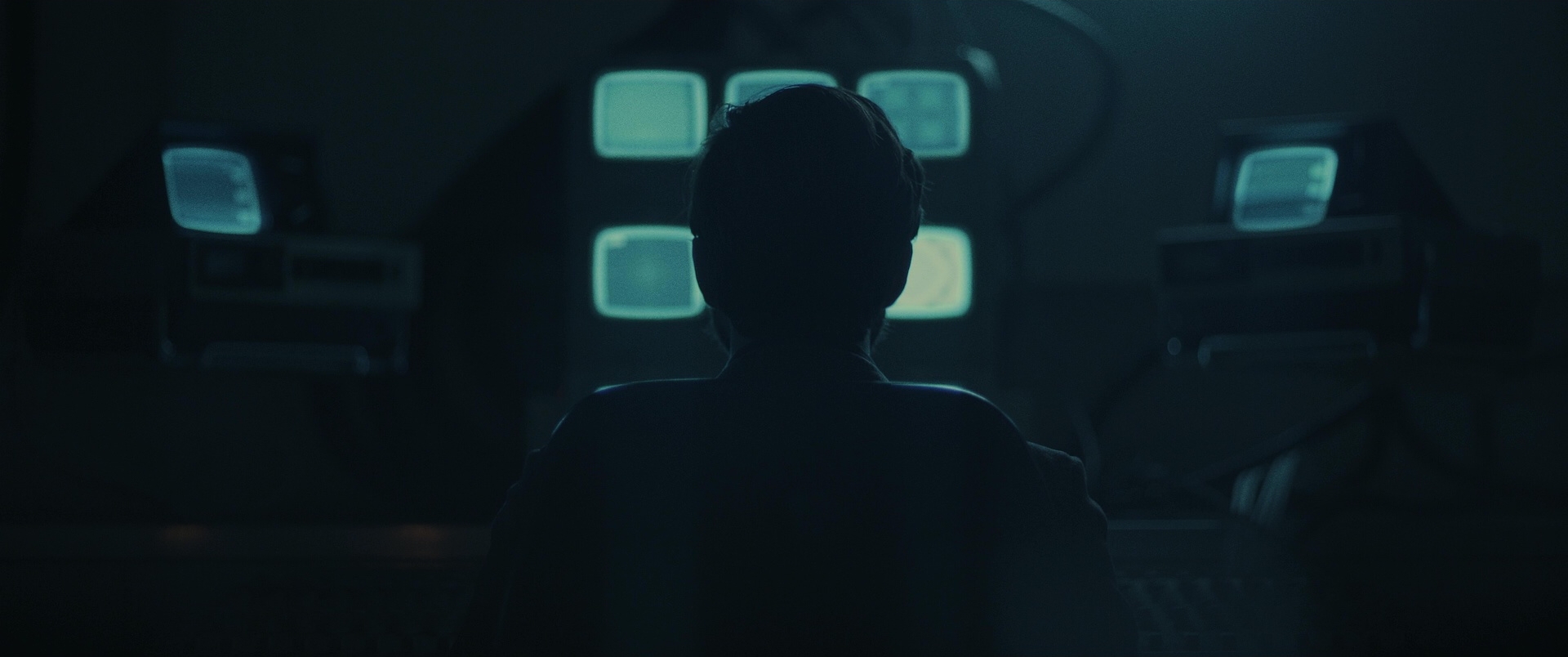
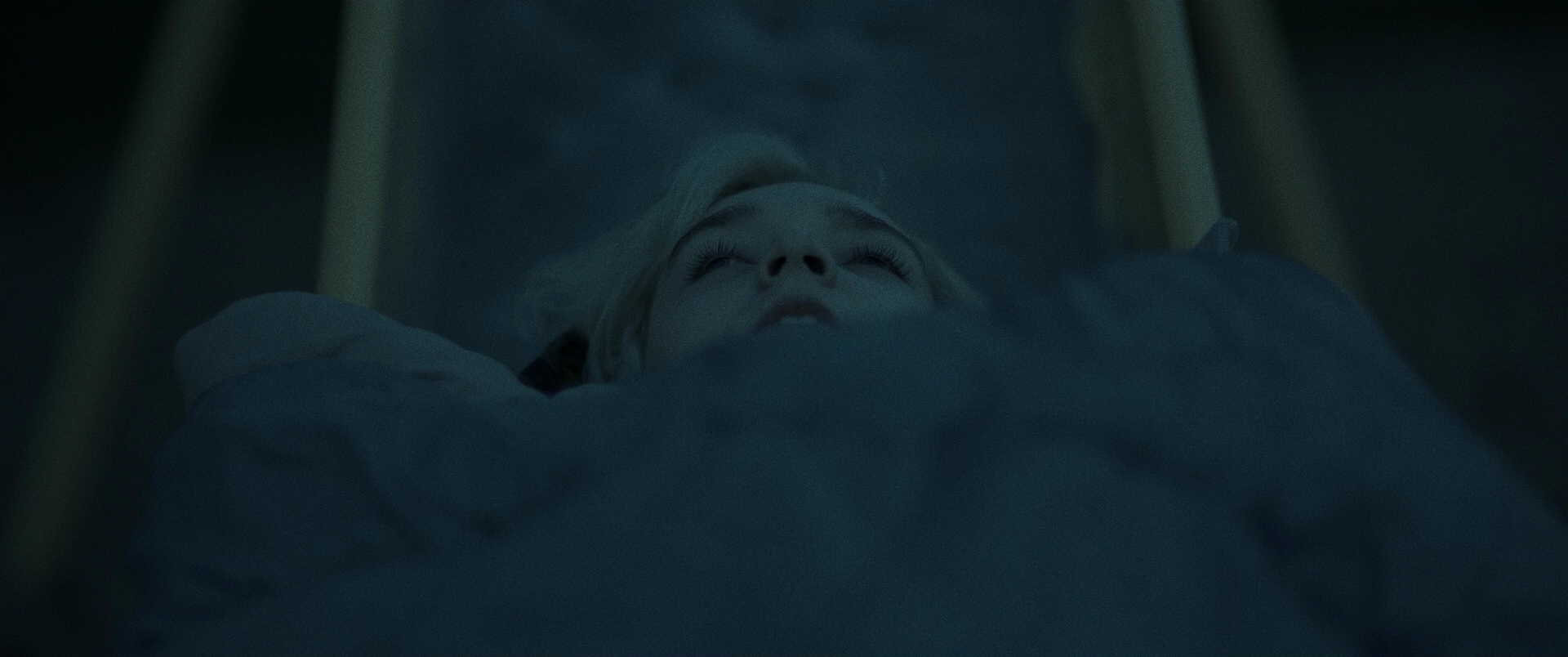
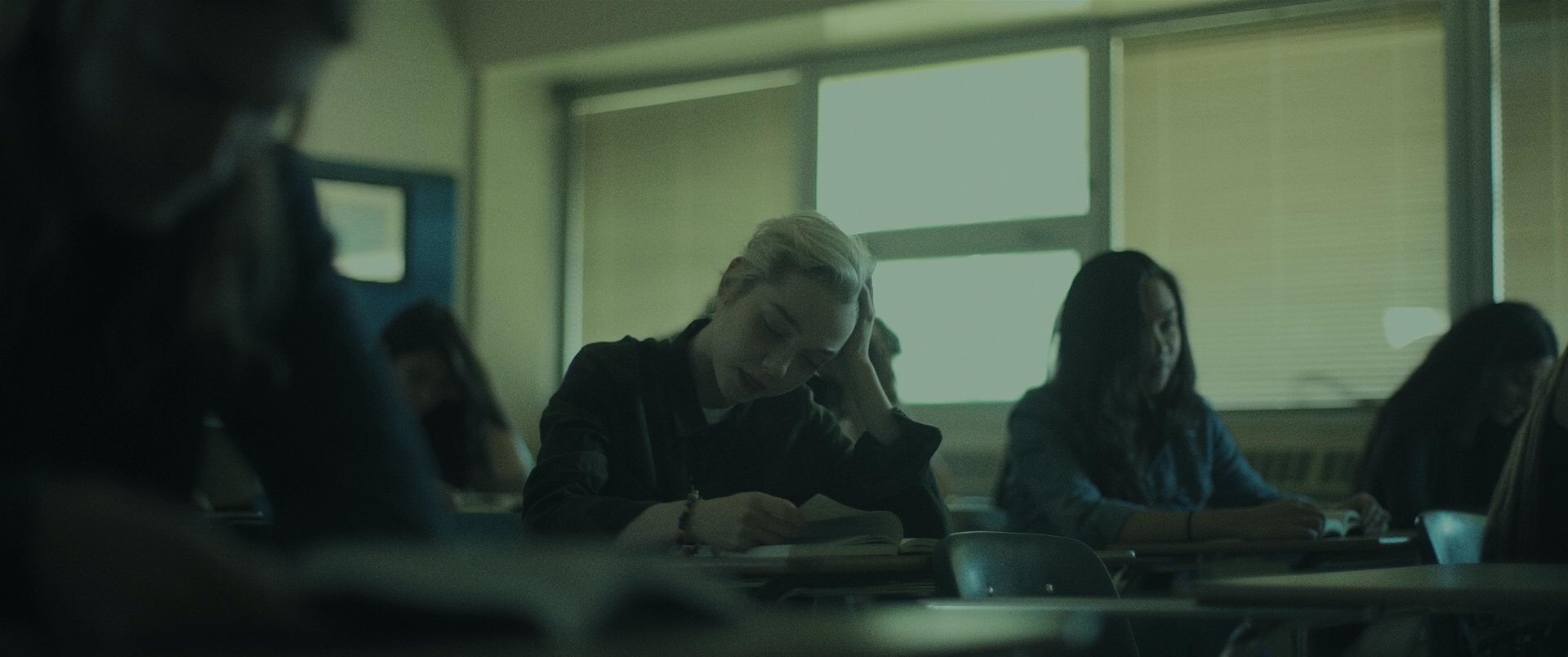
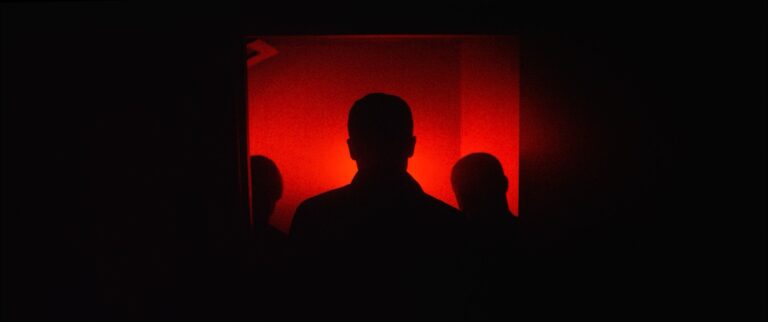
Come True (2020)
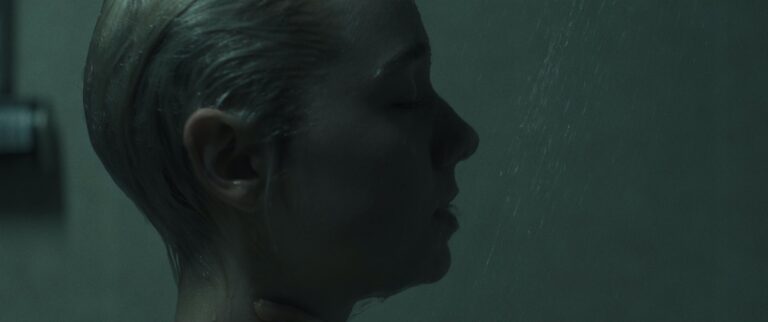
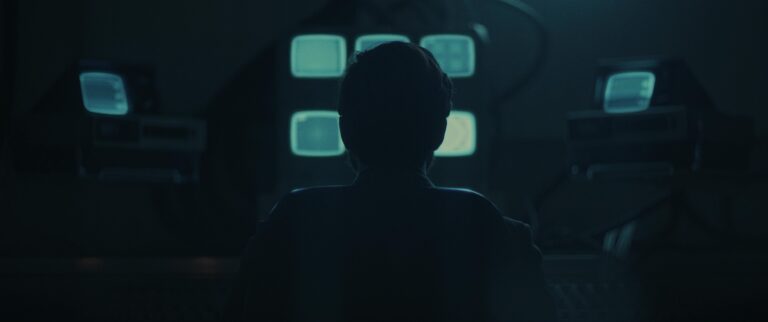
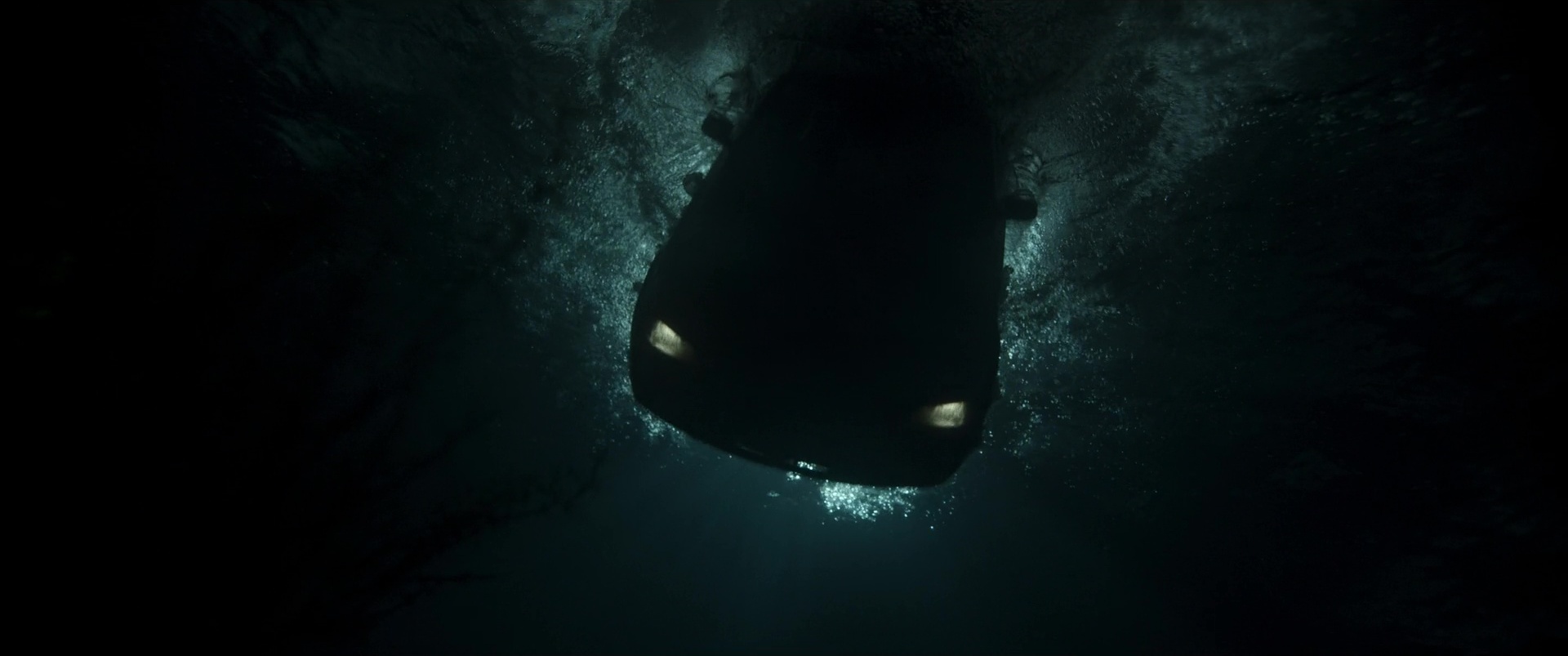
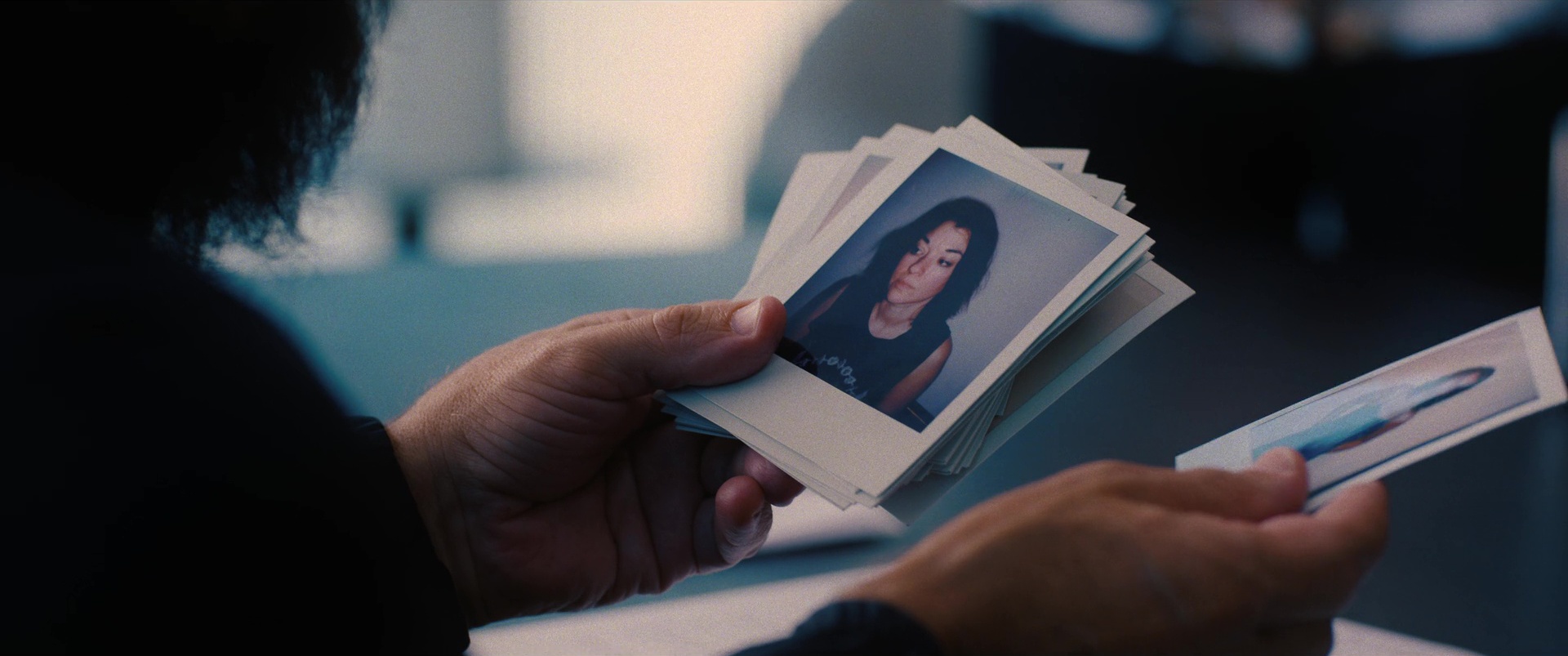
A teenage runaway takes part in a sleep study that becomes a nightmarish descent into the depths of her mind and a frightening examination of the power of dreams.
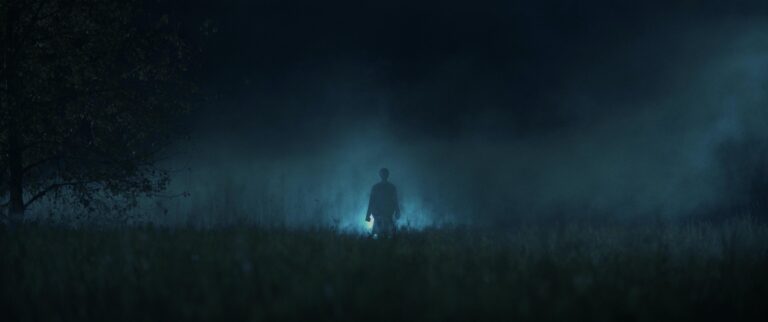
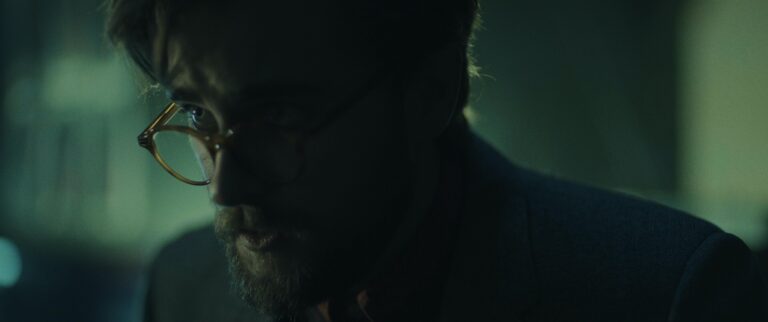
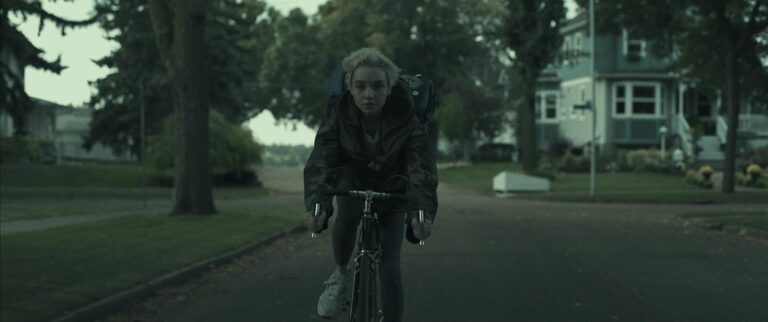
Director Anthony Scott Burns—who also handled cinematography and music—crafted Come True with a synth-heavy, analog-inspired aesthetic, using low-light digital photography and practical effects to build its dreamscapes. The film’s shadowy compositions, fog-filled spaces, and lo-fi visual textures give it a hypnotic, nightmarish quality—turning sleep itself into a visually immersive, almost tactile experience.
FILM SPOTLIGHT
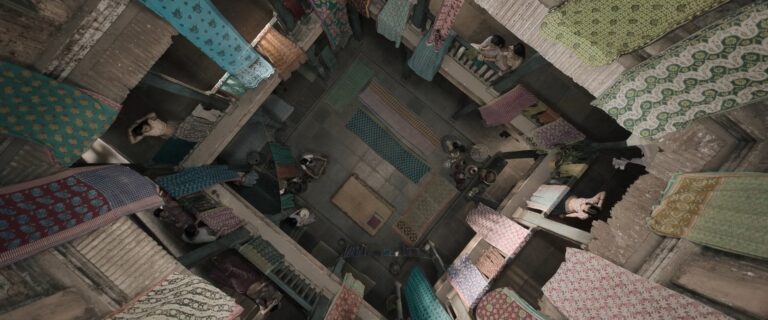
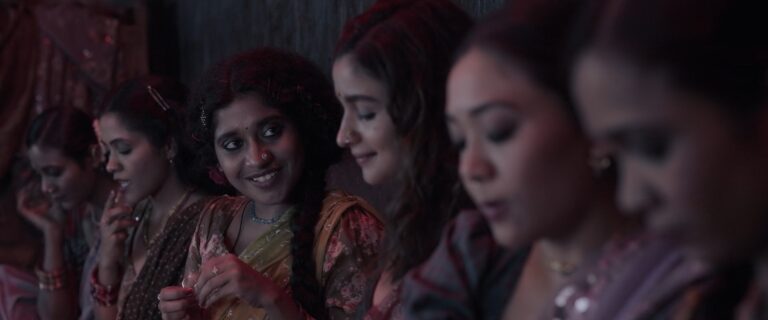
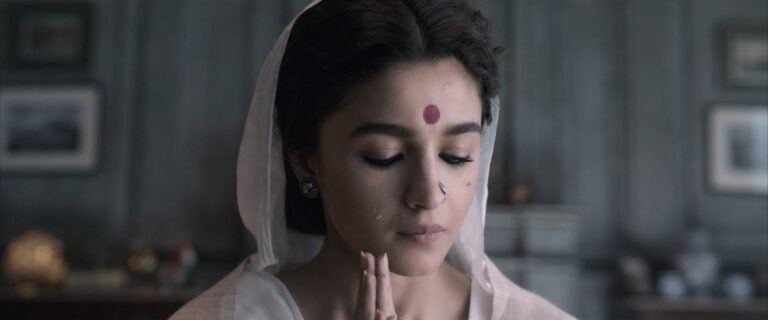
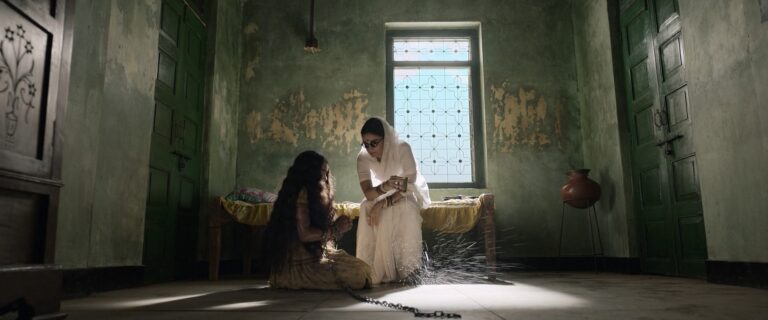
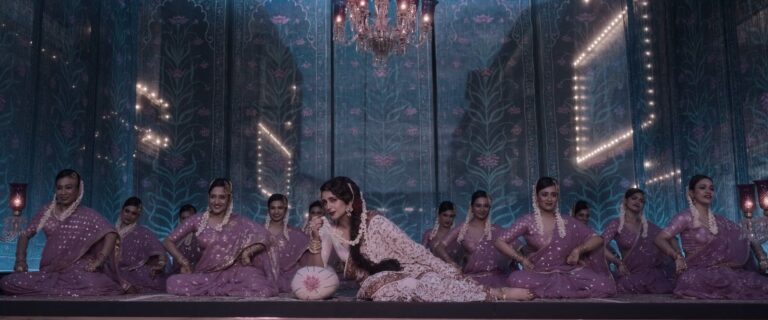
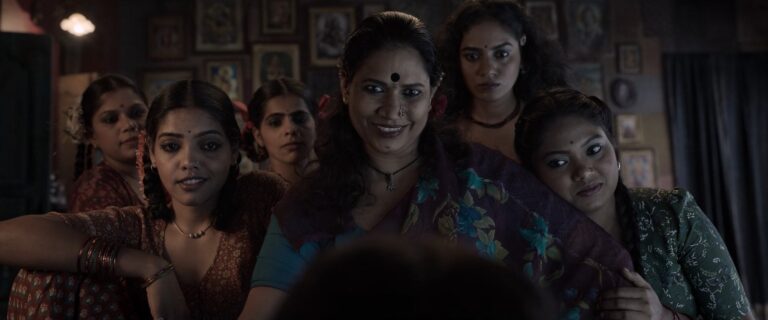
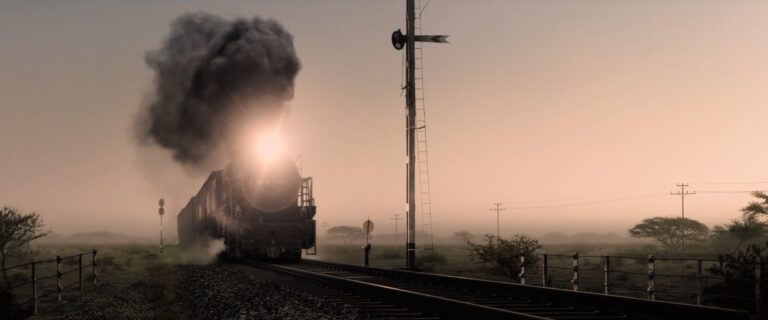
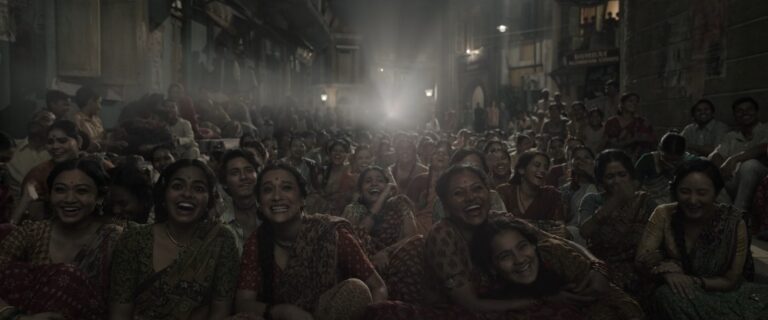
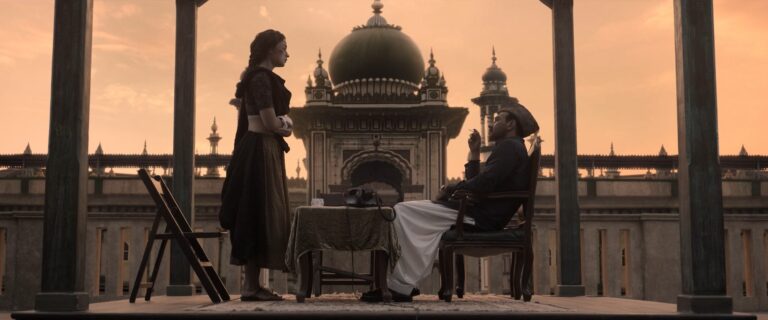
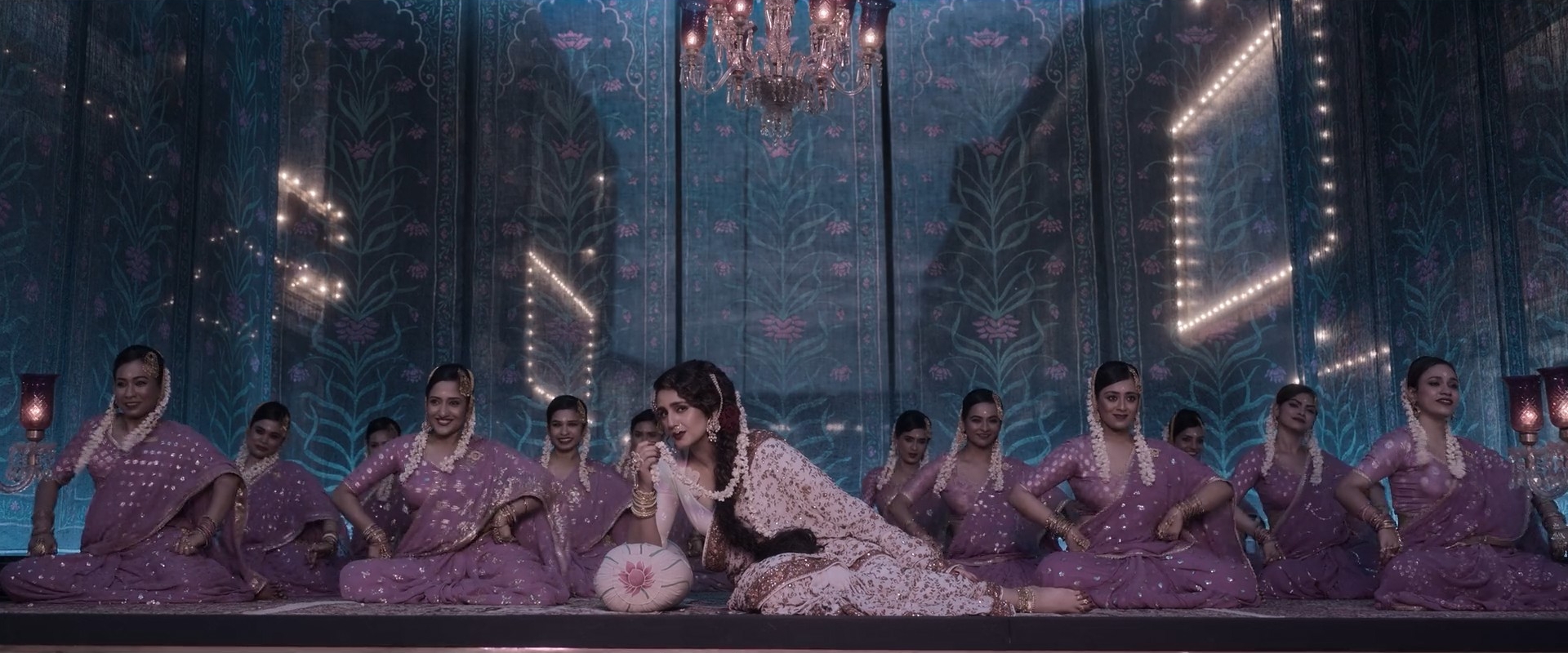
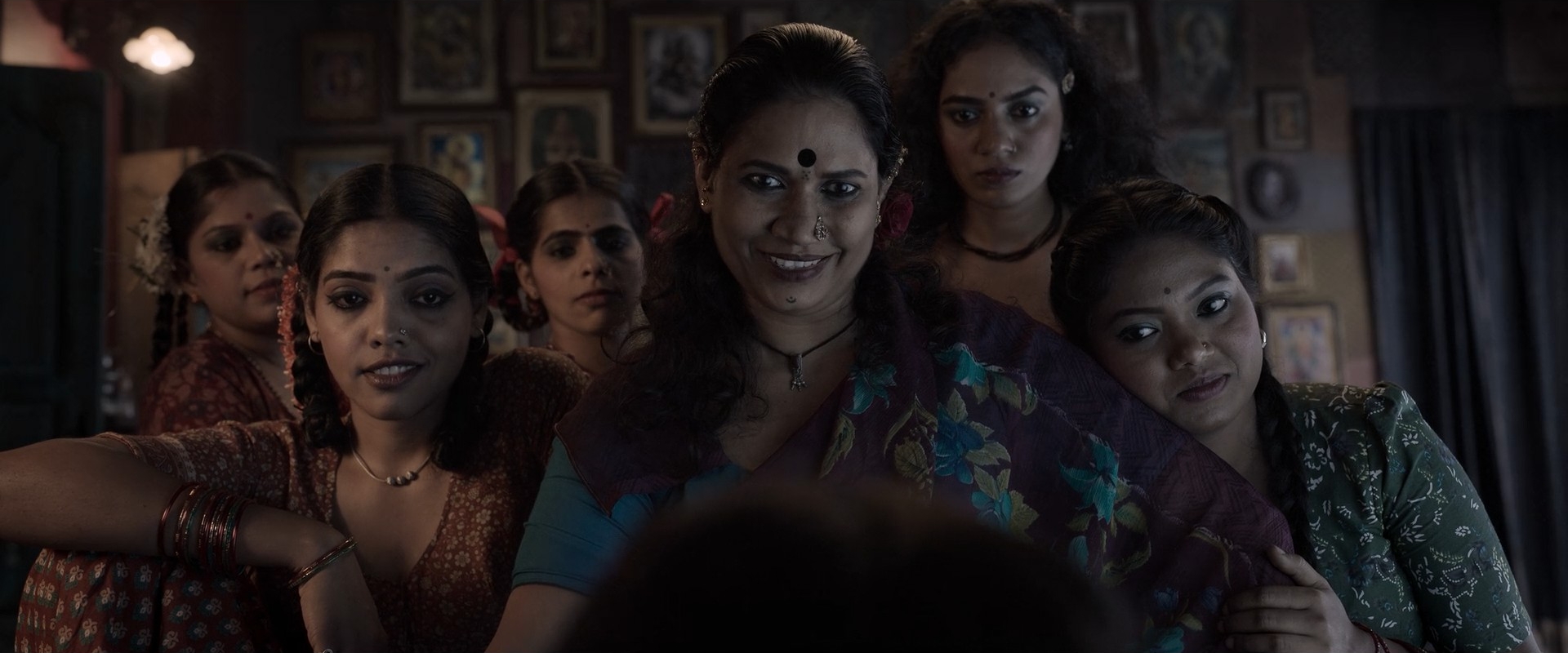
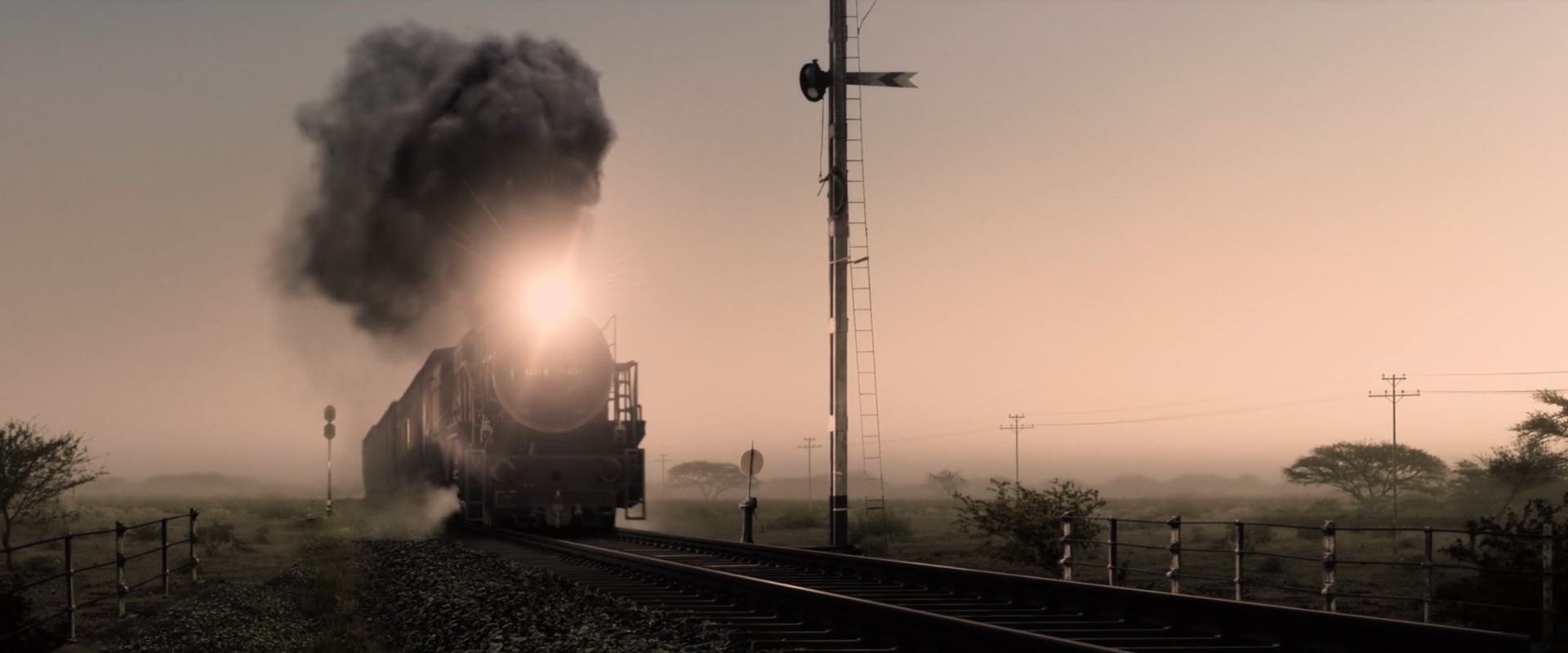
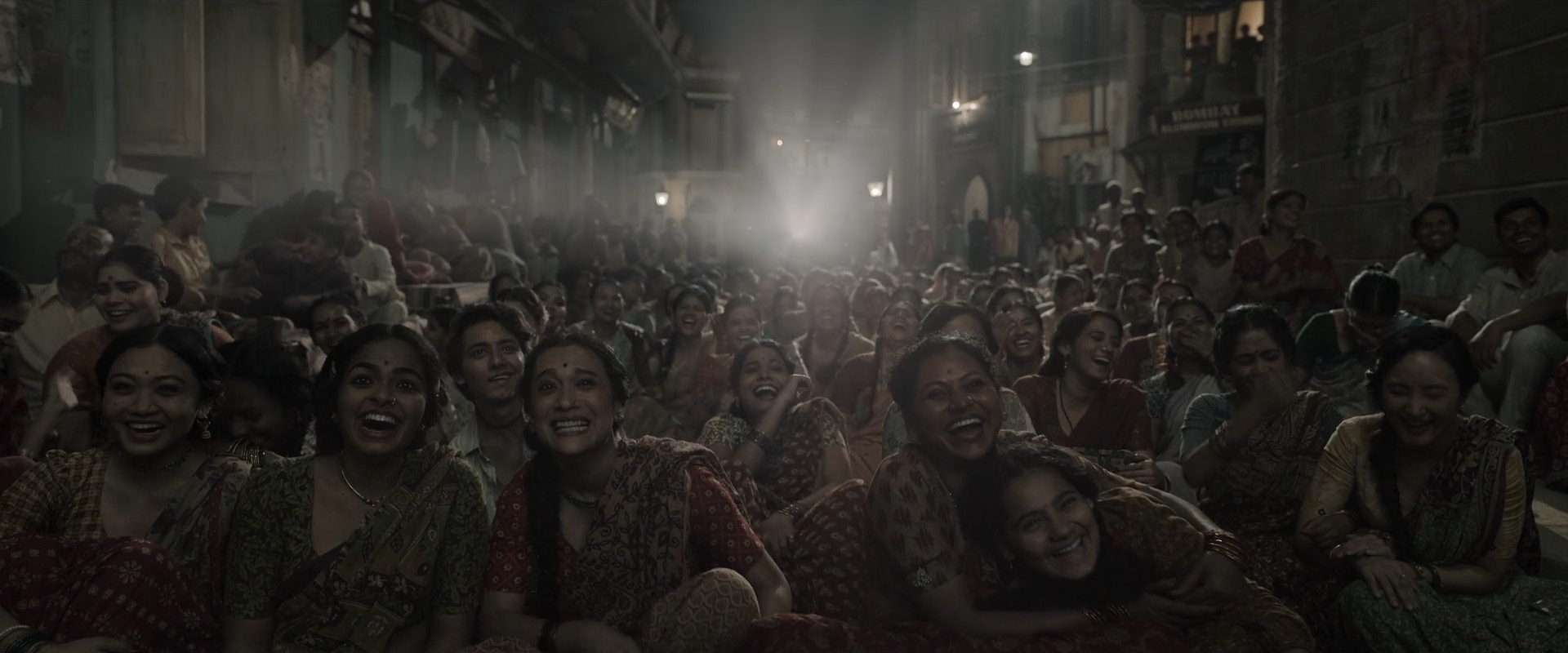
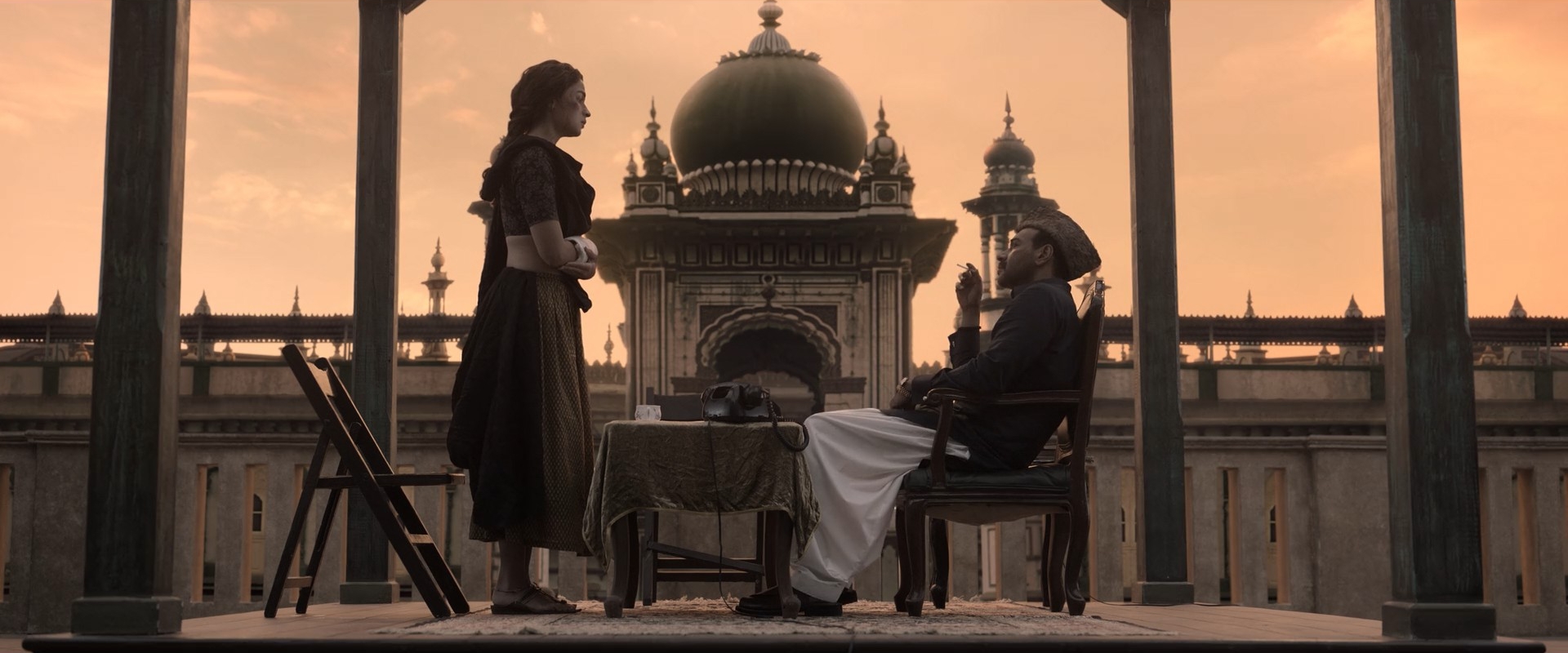
Gangubai Kathiawadi (2022)
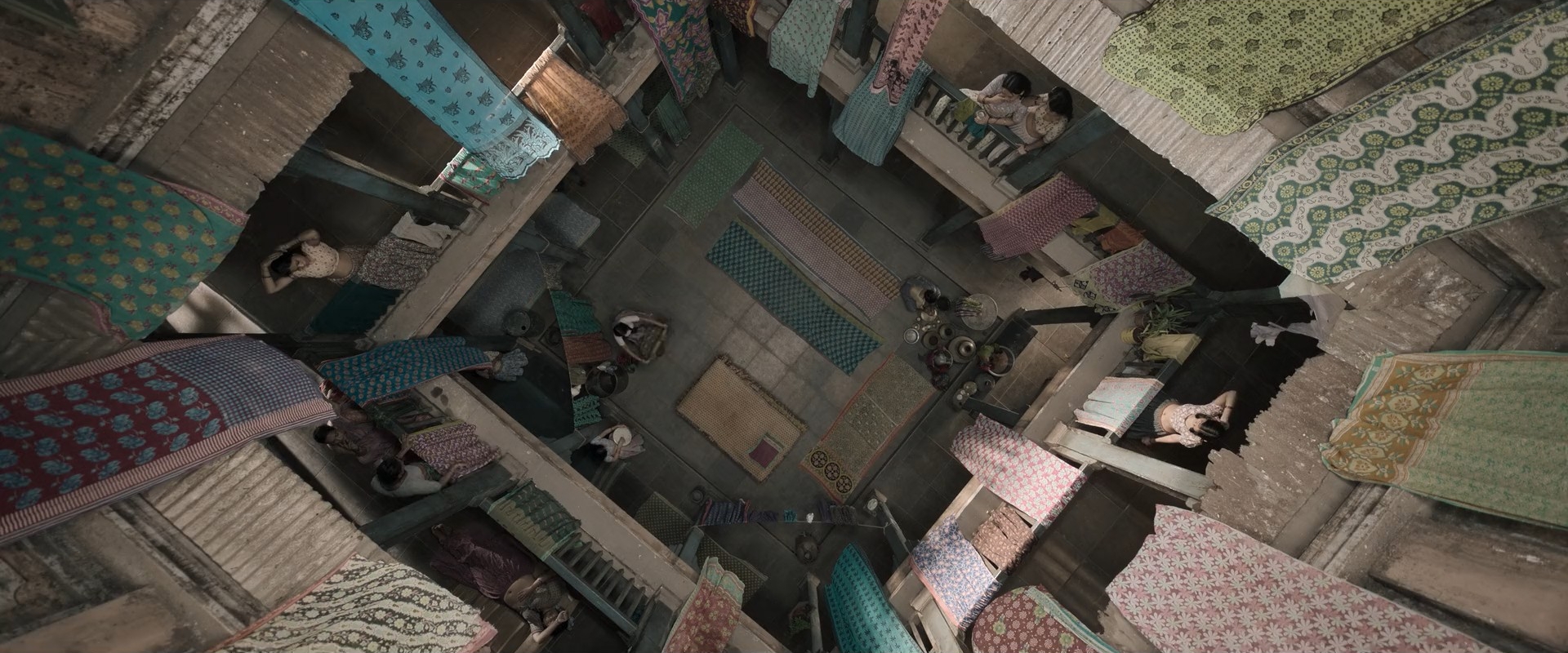
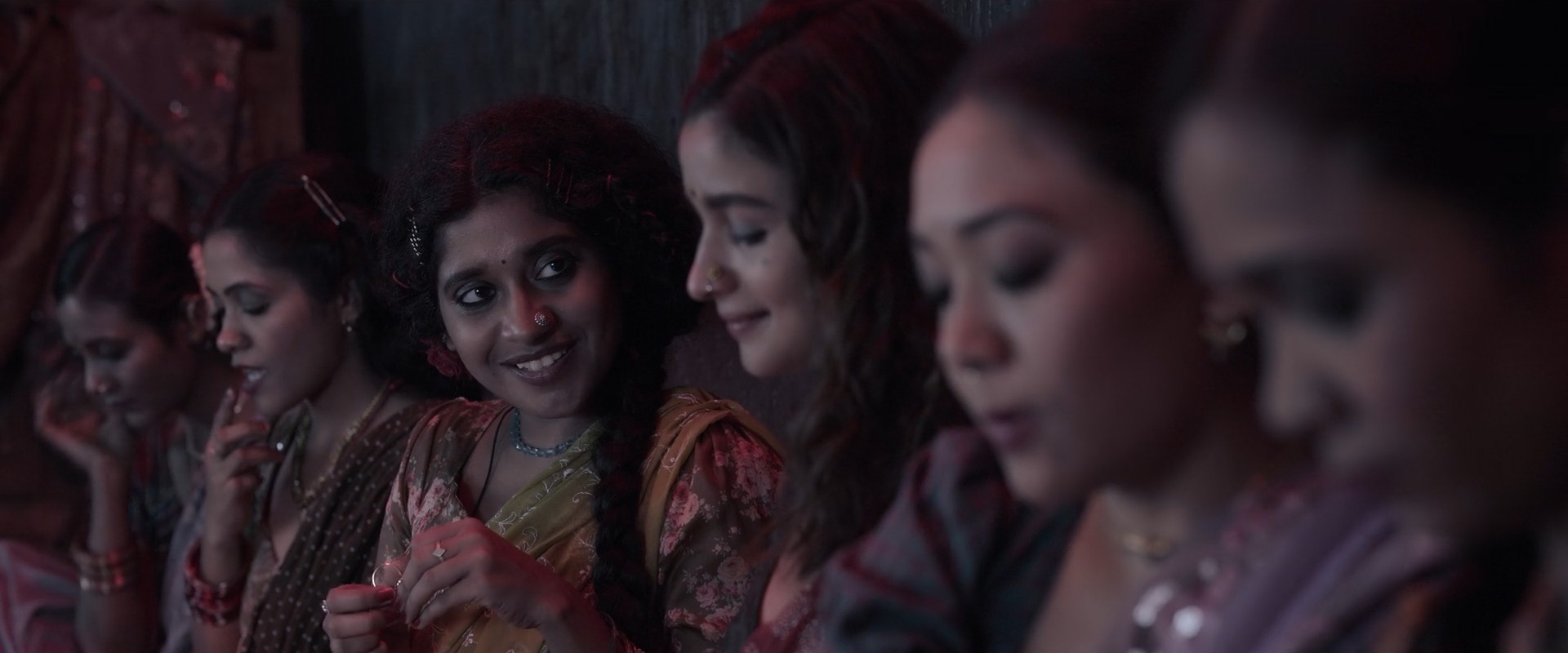
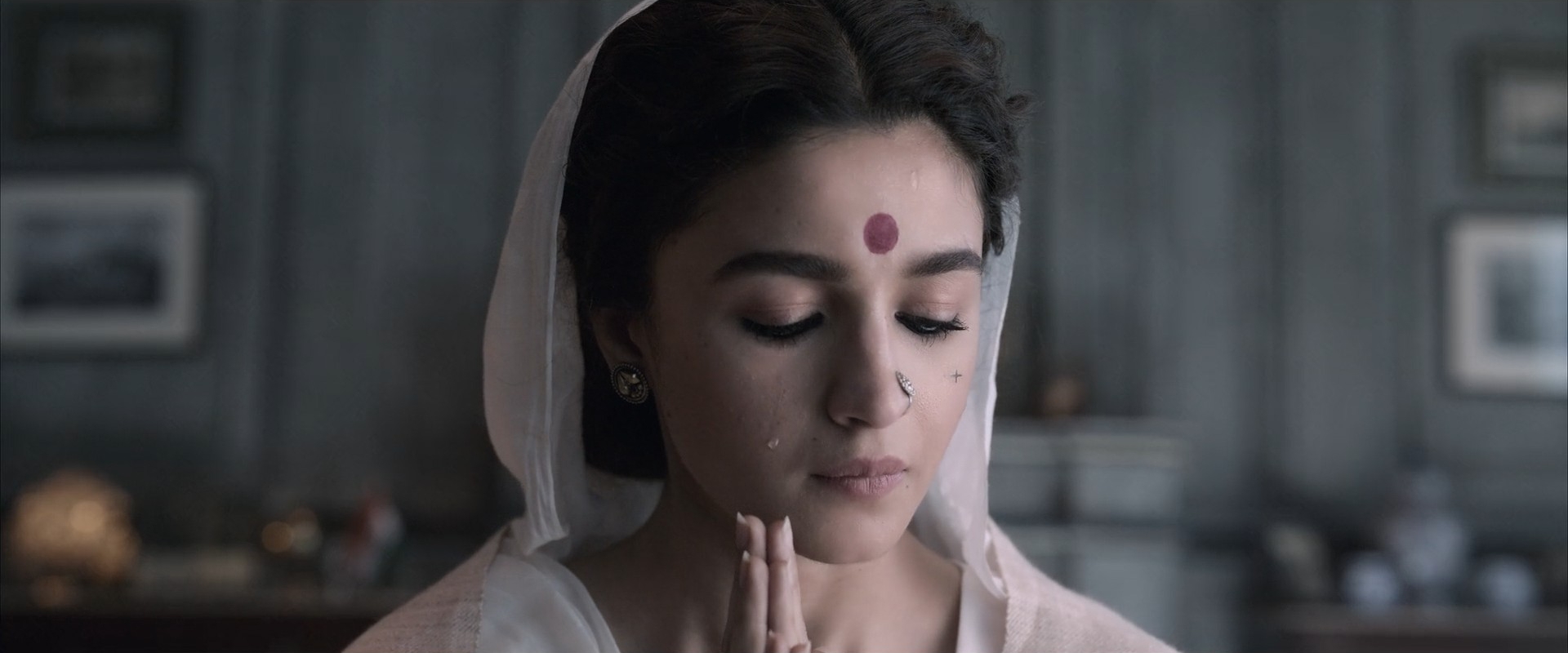
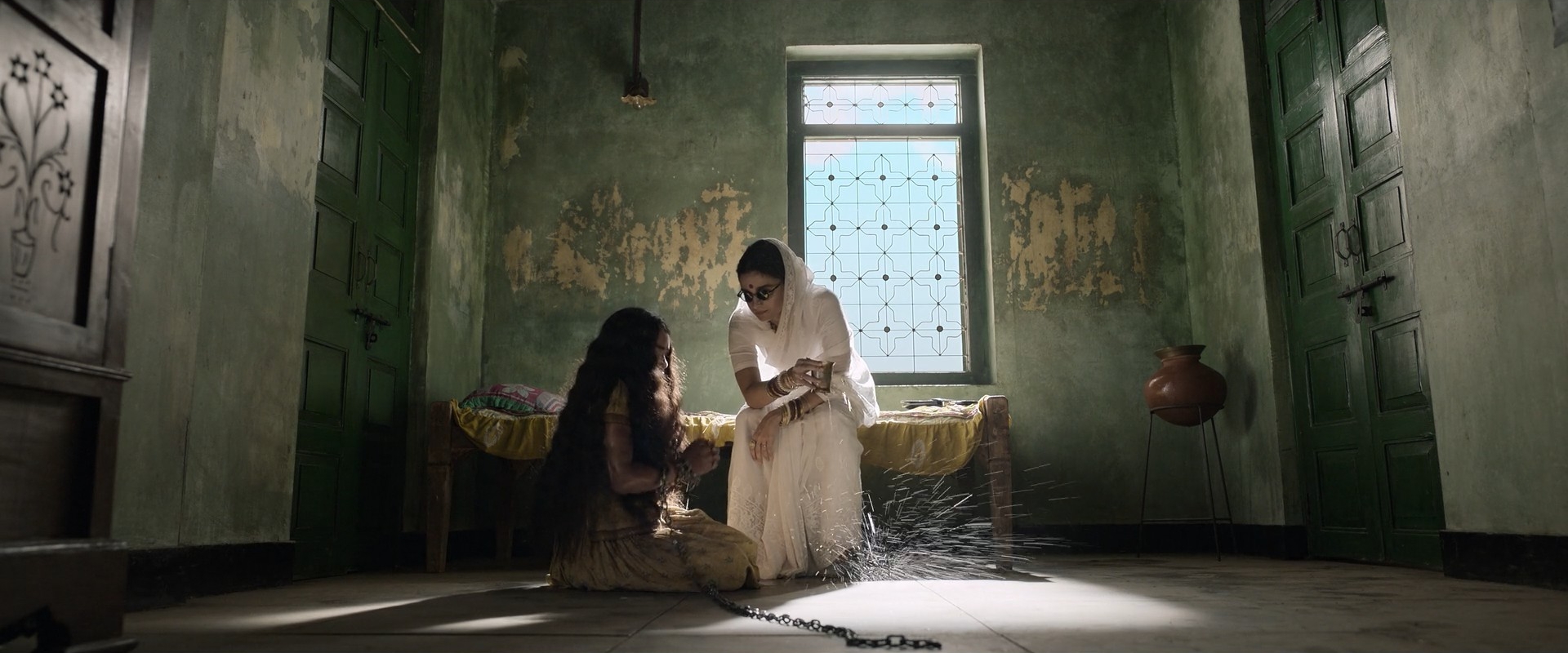
Duped and sold to a brothel, a young woman fearlessly reclaims her power, using underworld connections to preside over the world she was once a pawn in.
Bhansali shot Gangubai Kathiawadi on the Alexa Mini LF with large-format lenses, building Kamathipura almost entirely on soundstages to maintain complete control over light, color, and composition. The film’s signature look—Gangubai in stark white against richly saturated sets—uses contrast and symmetry to elevate her into an icon, turning every frame into a carefully choreographed, painterly tableau.
FILM SPOTLIGHT
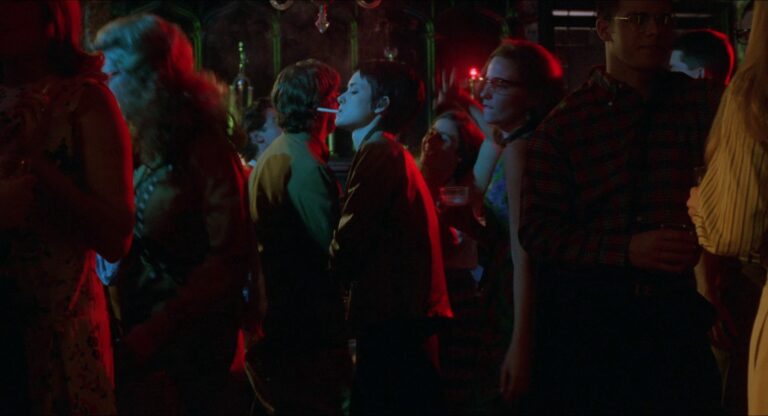
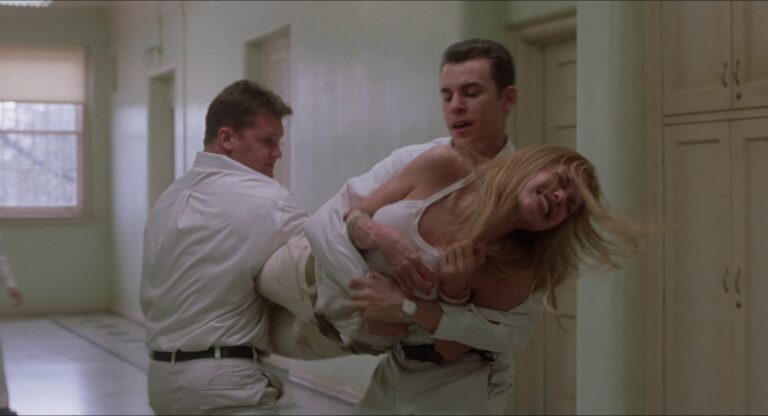
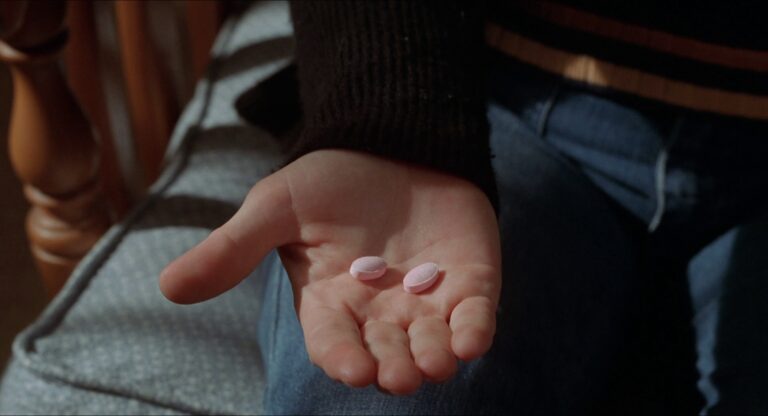
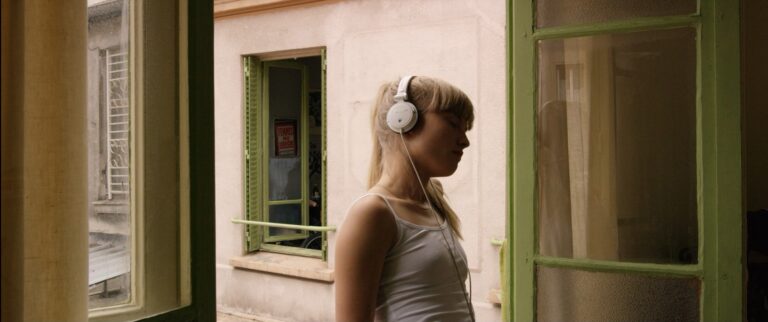
Girl, Interrupted (1999)
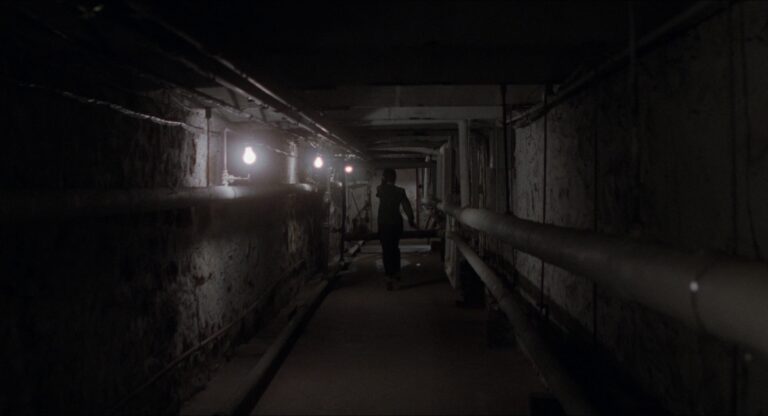
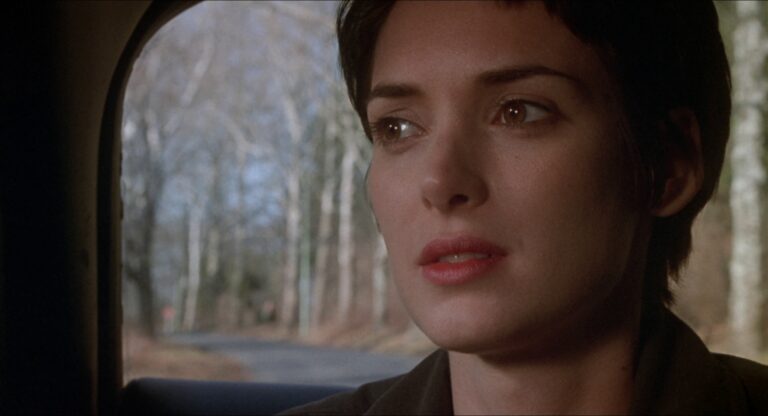
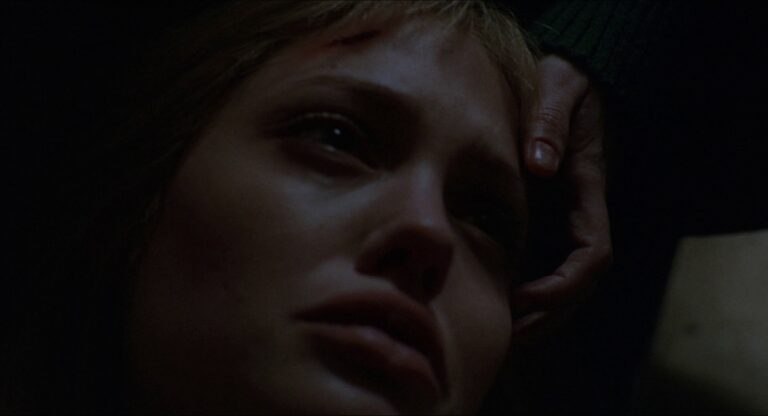
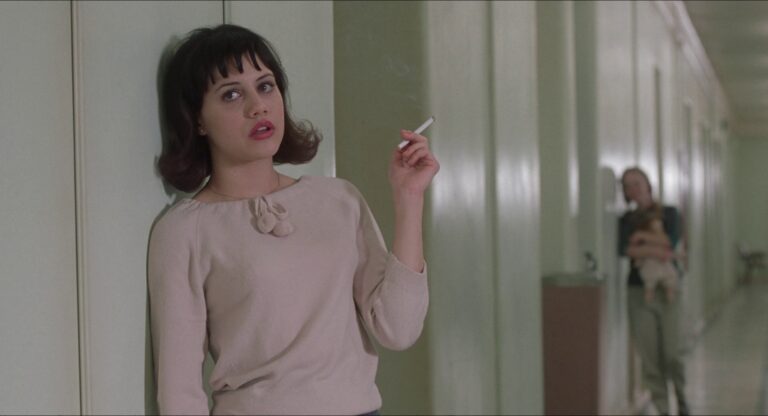
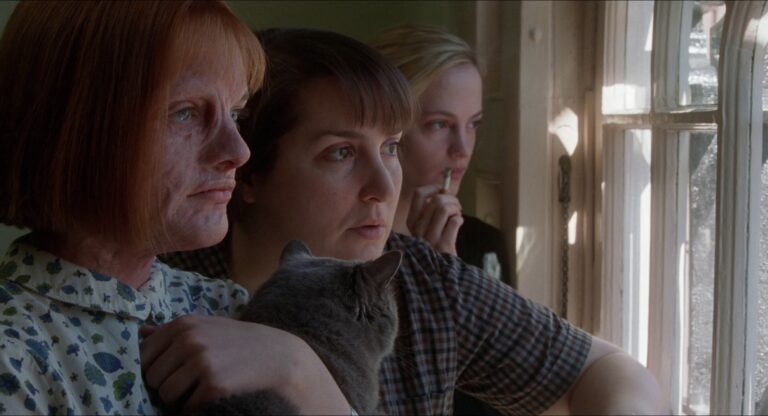
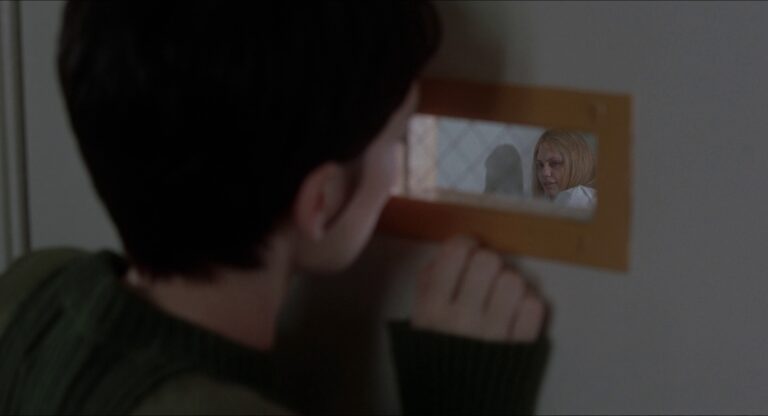
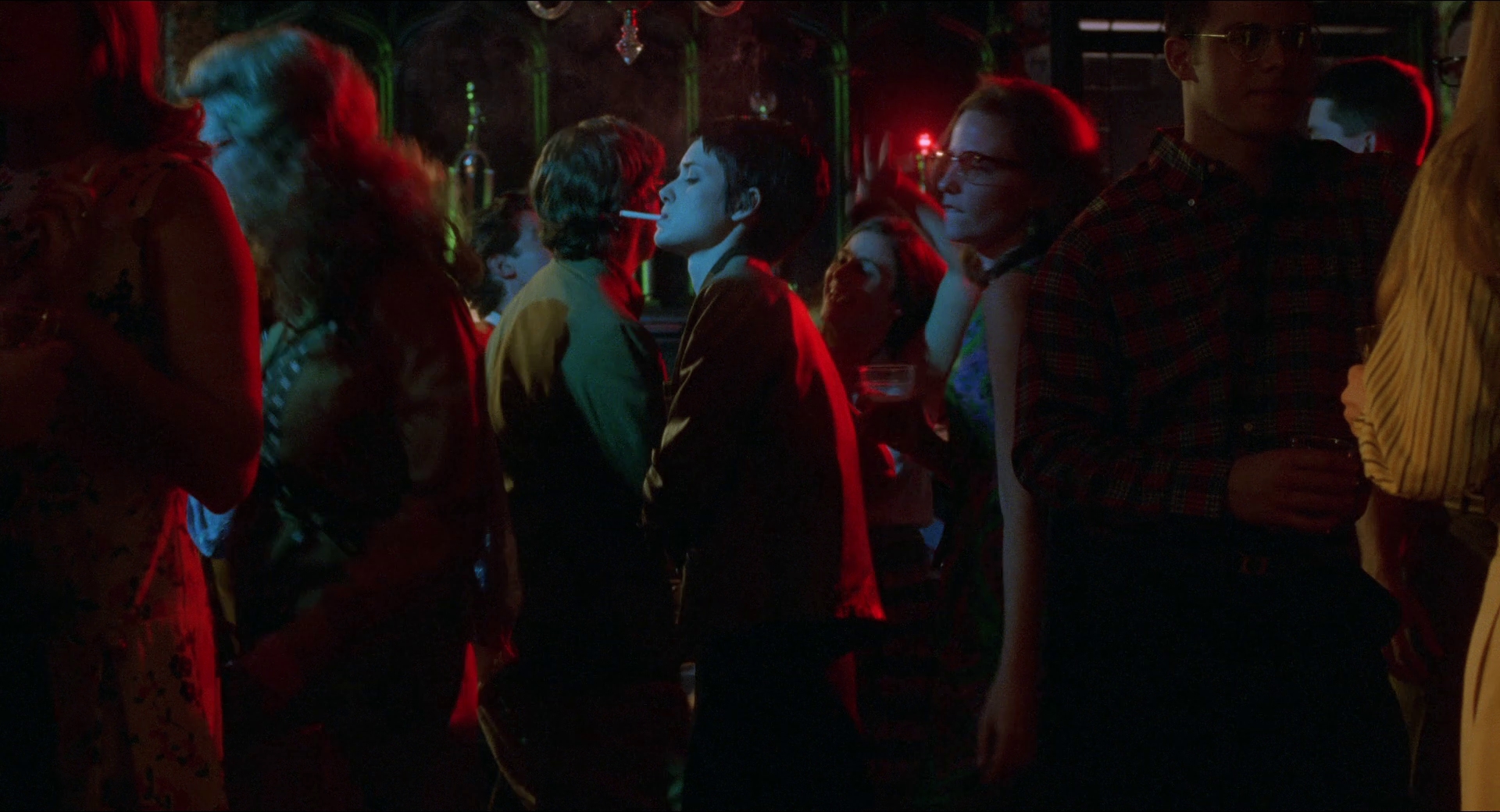
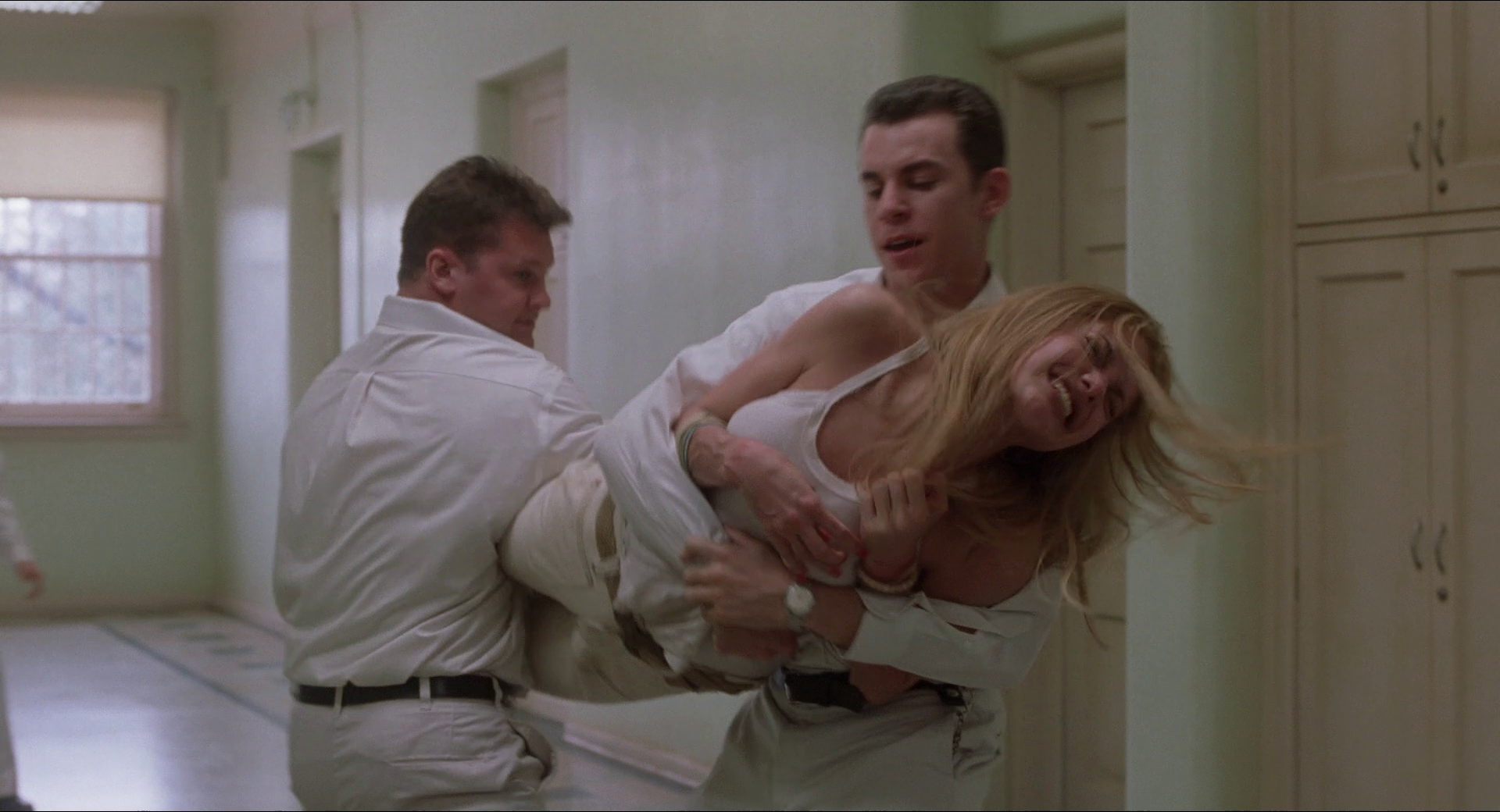
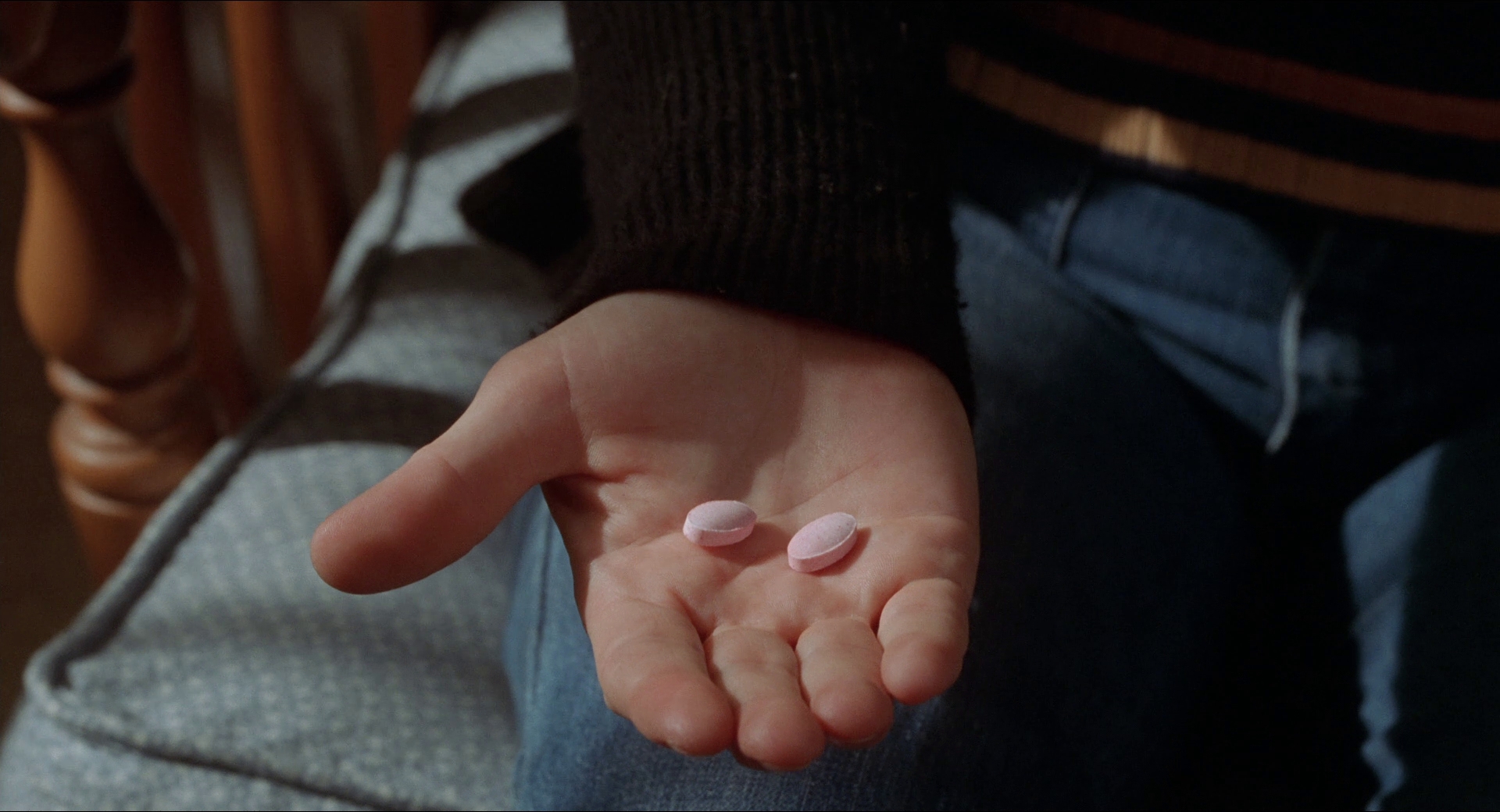
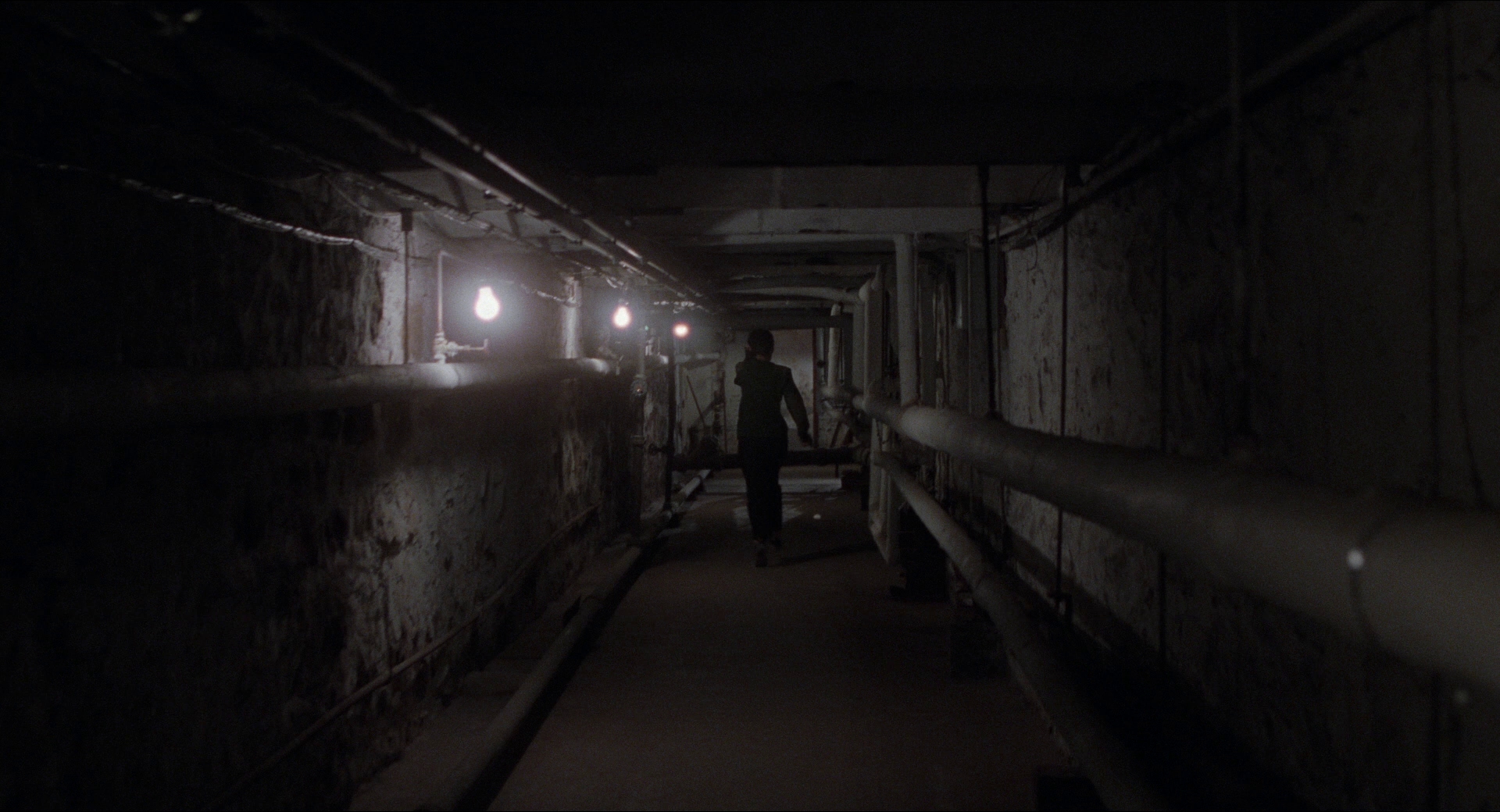
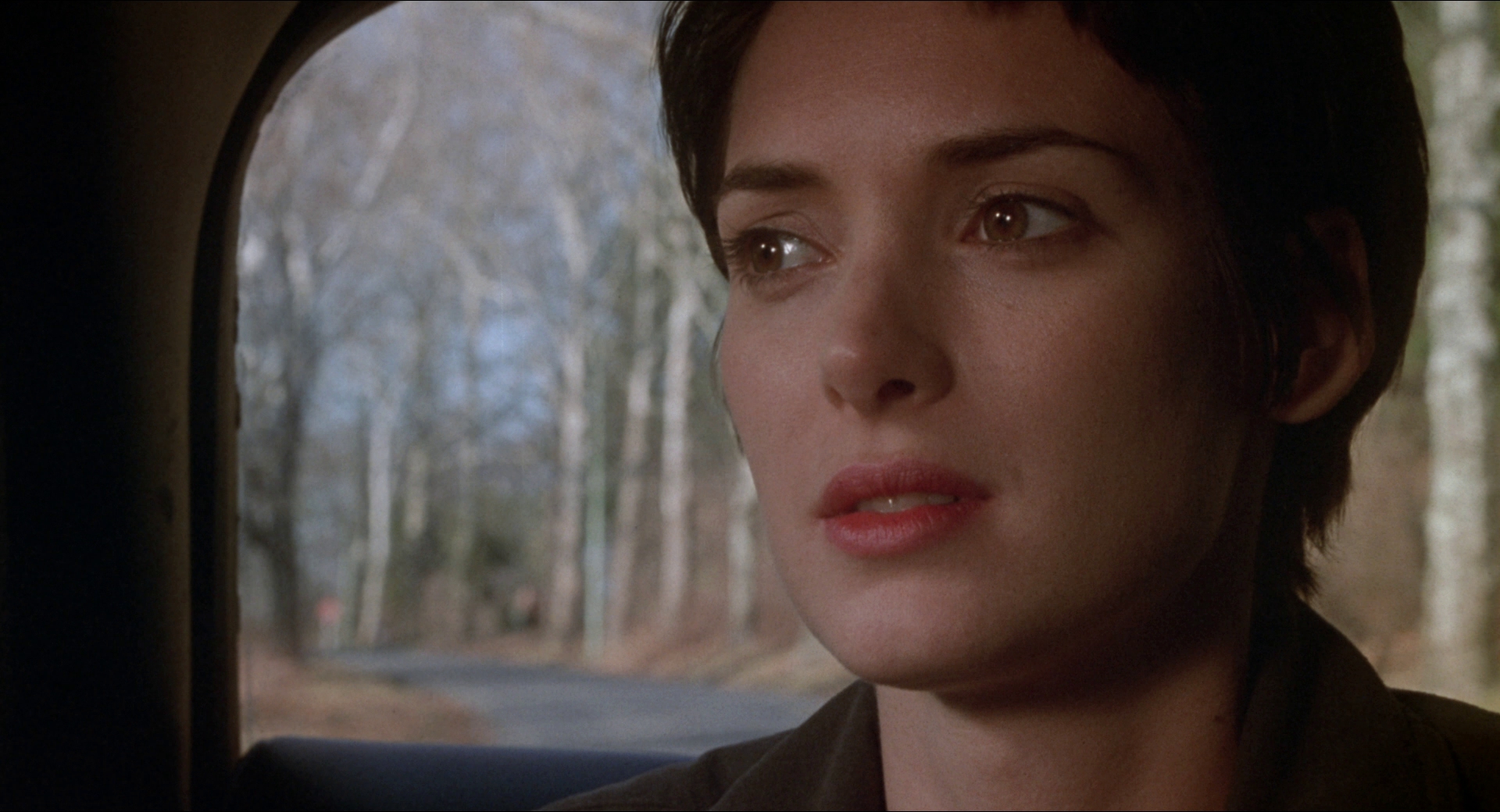
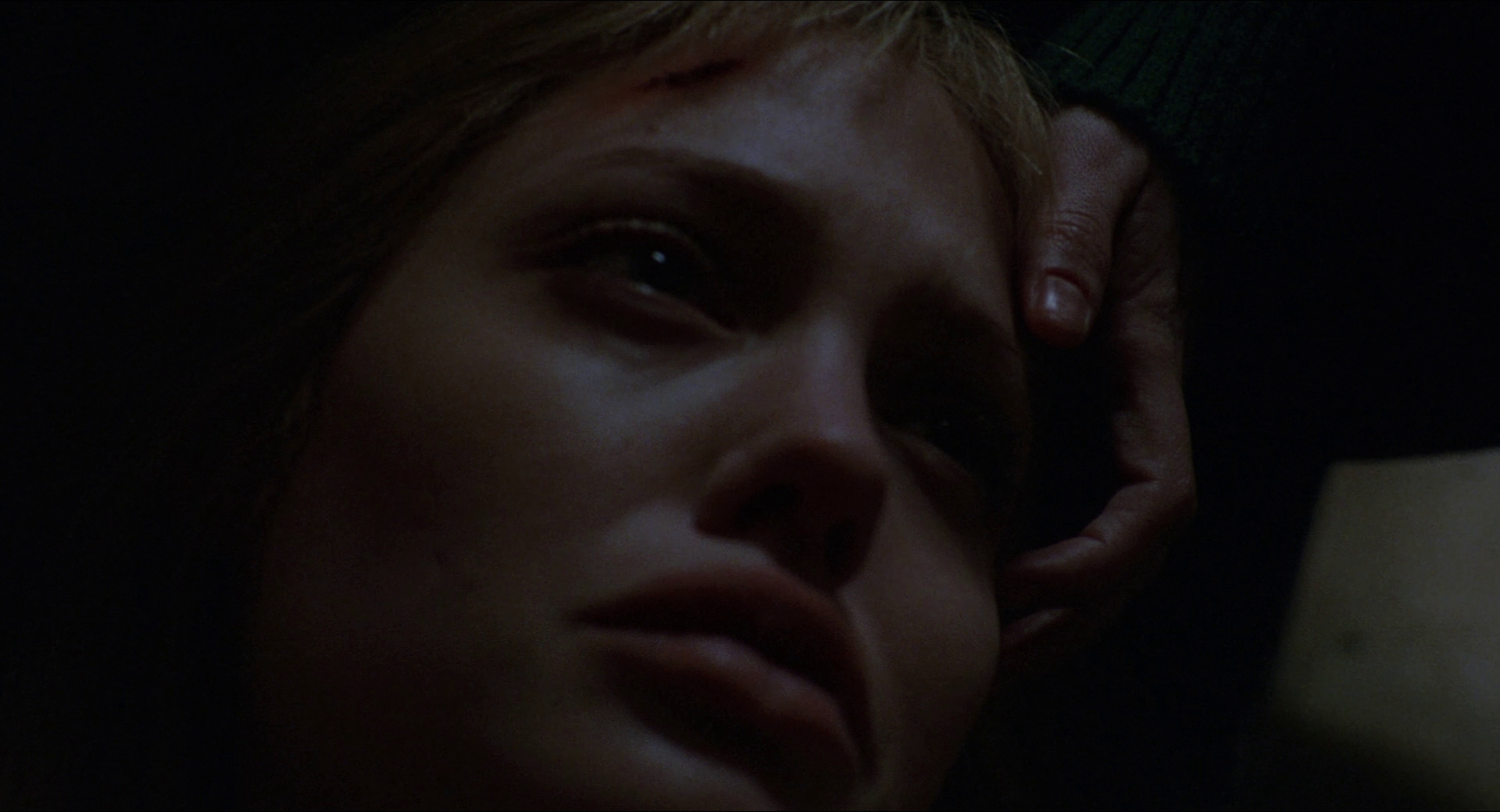
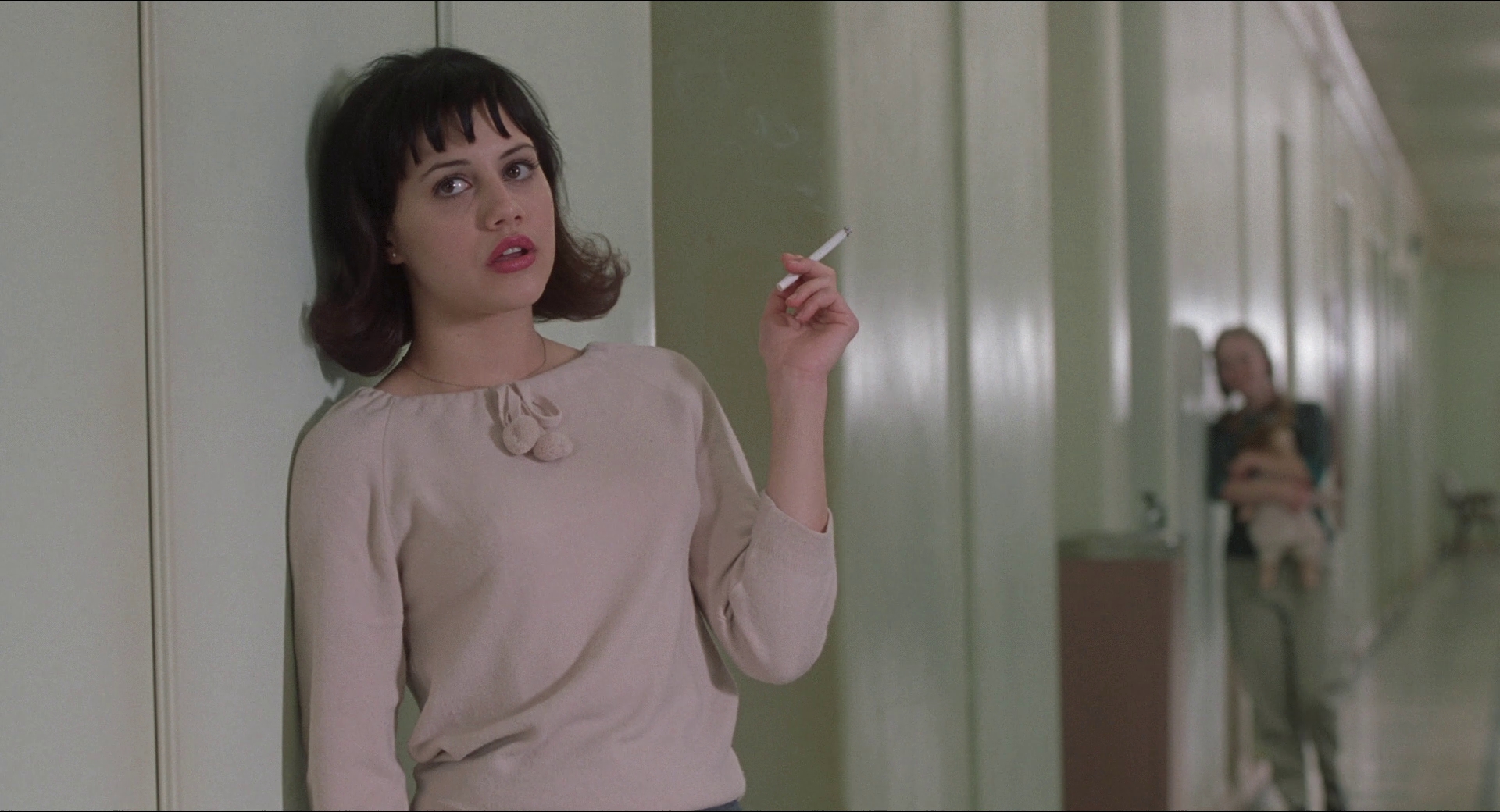
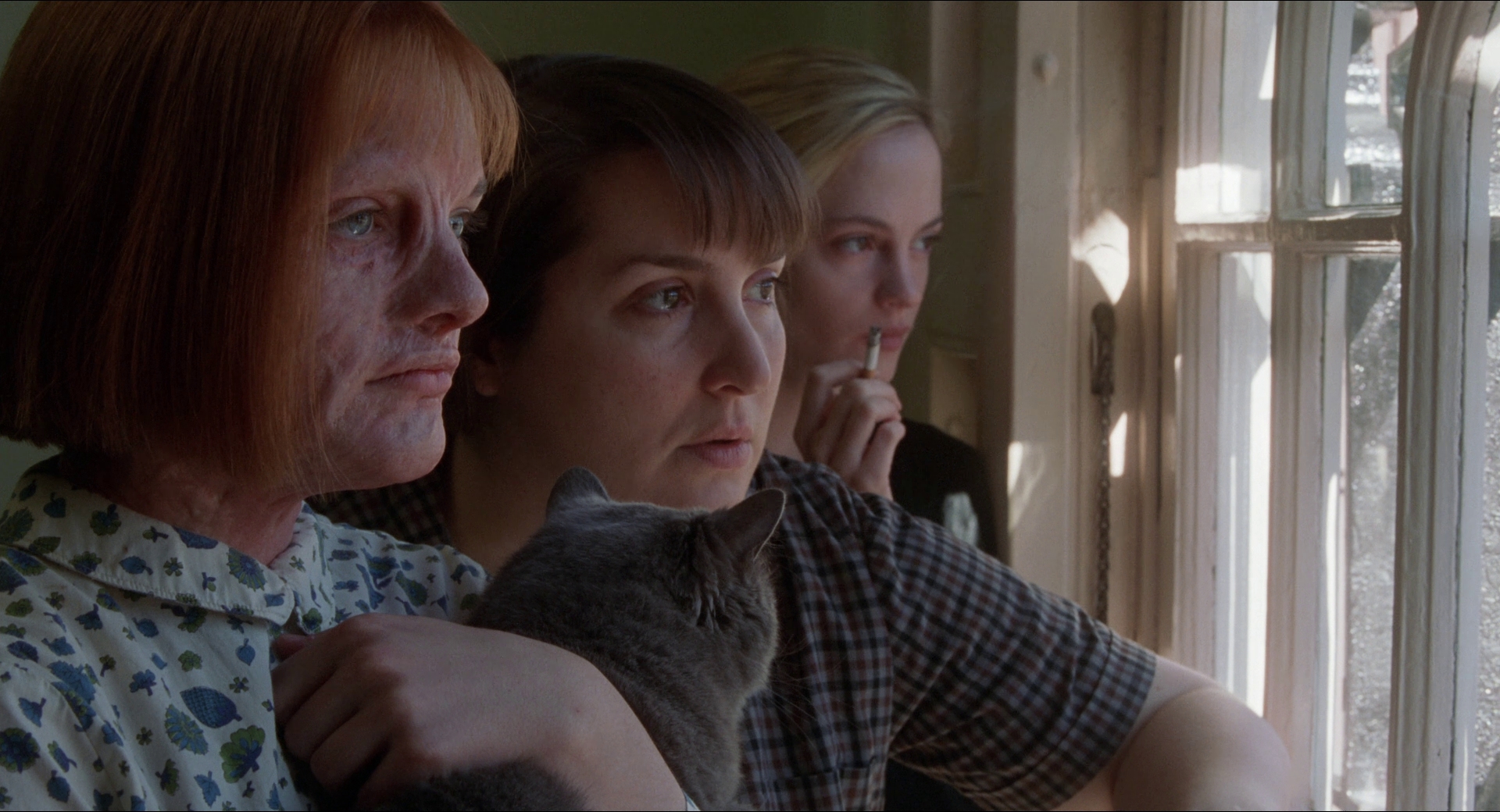
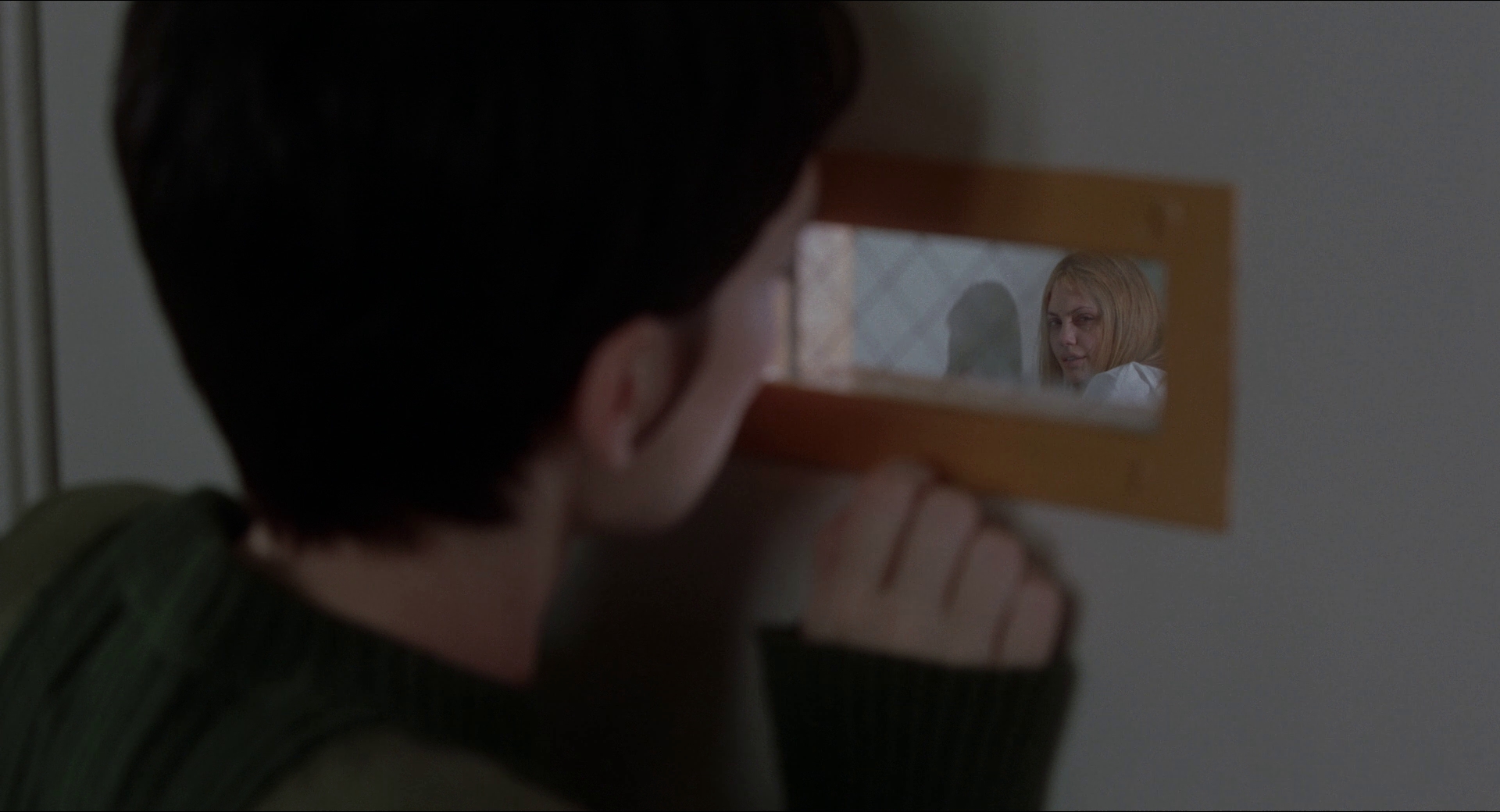
Set in the changing world of the late 1960s, Susanna Kaysen’s prescribed “short rest” from a psychiatrist she had met only once becomes a strange, unknown journey into Alice’s Wonderland, where she struggles with the thin line between normal and crazy. Susanna soon realizes how hard it is to get out once she has been committed, and she ultimately has to choose between the world of people who belong inside or the difficult world of reality outside.
Mangold and cinematographer Jack N. Green shot Girl, Interrupted with a muted, late-’60s palette, using soft, diffused lighting and gentle camera movement to evoke both nostalgia and confinement. The film contrasts the institution’s washed-out interiors with warmer, more liberated tones in moments of escape—subtly visualizing the tension between control and emotional freedom.
FILM SPOTLIGHT
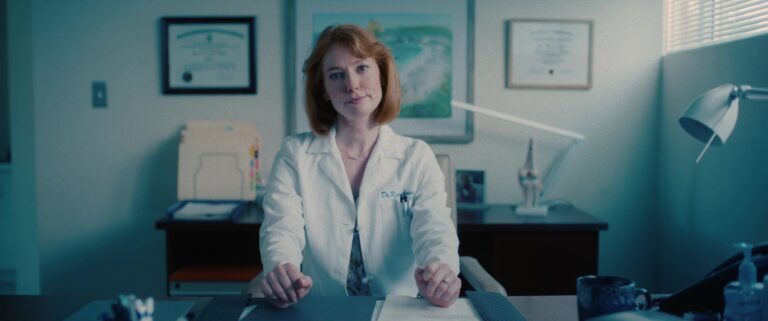
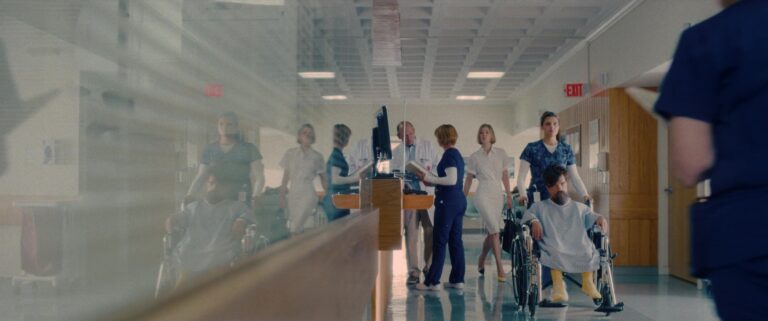
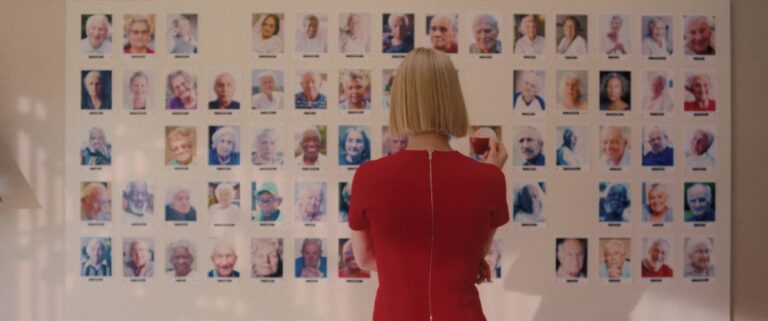
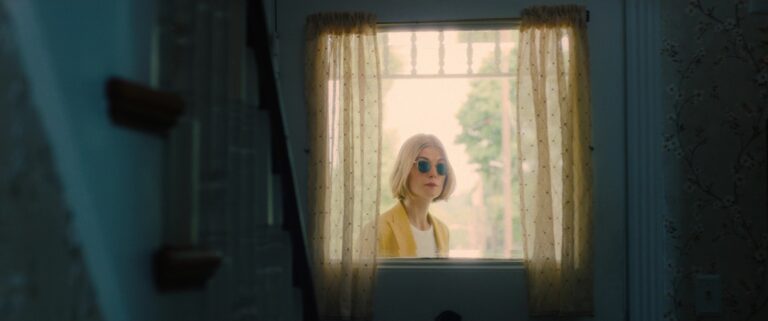
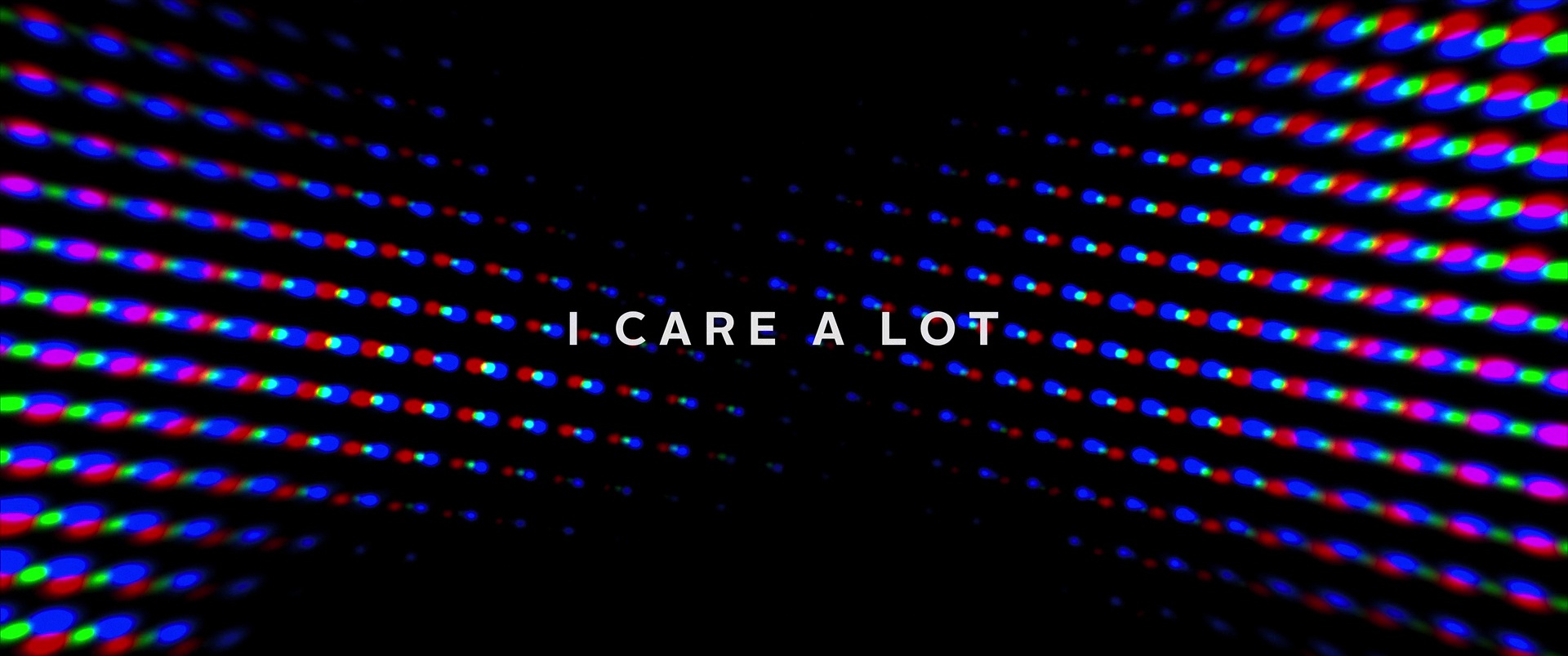
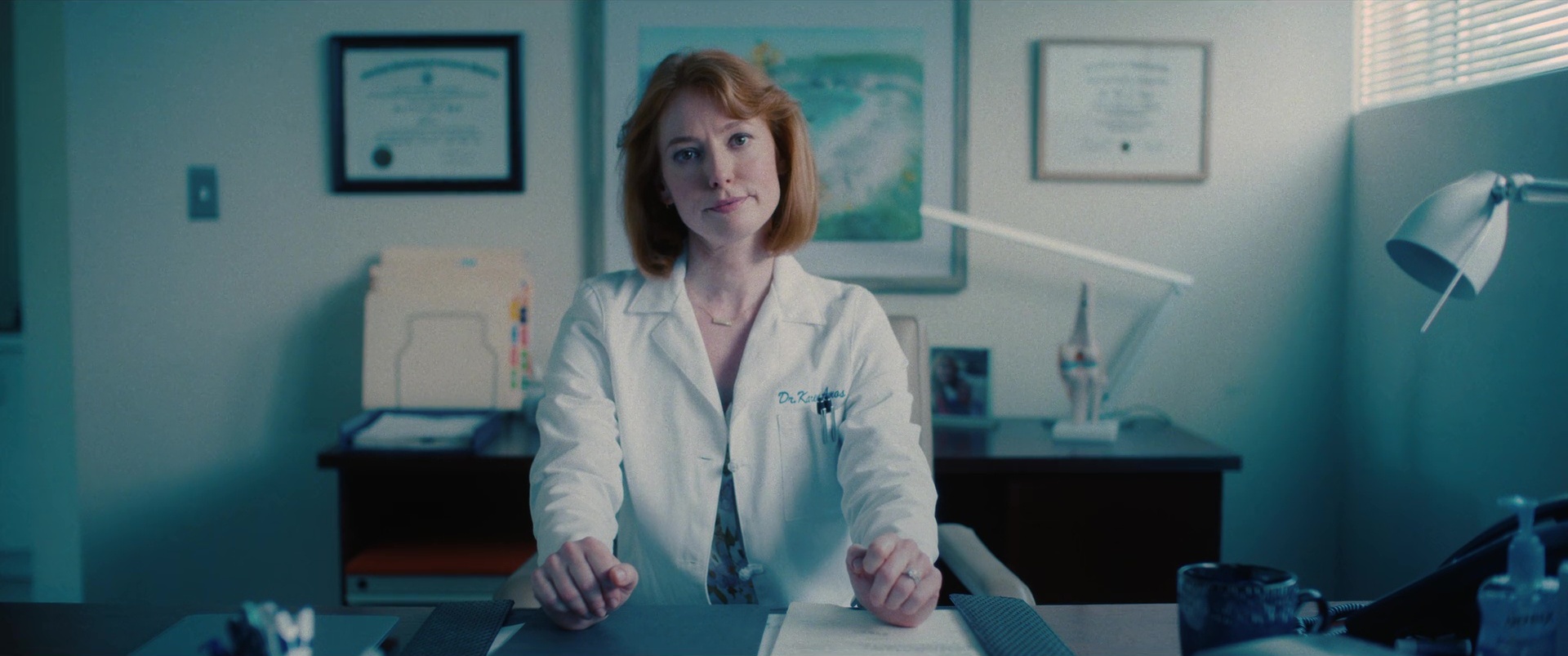
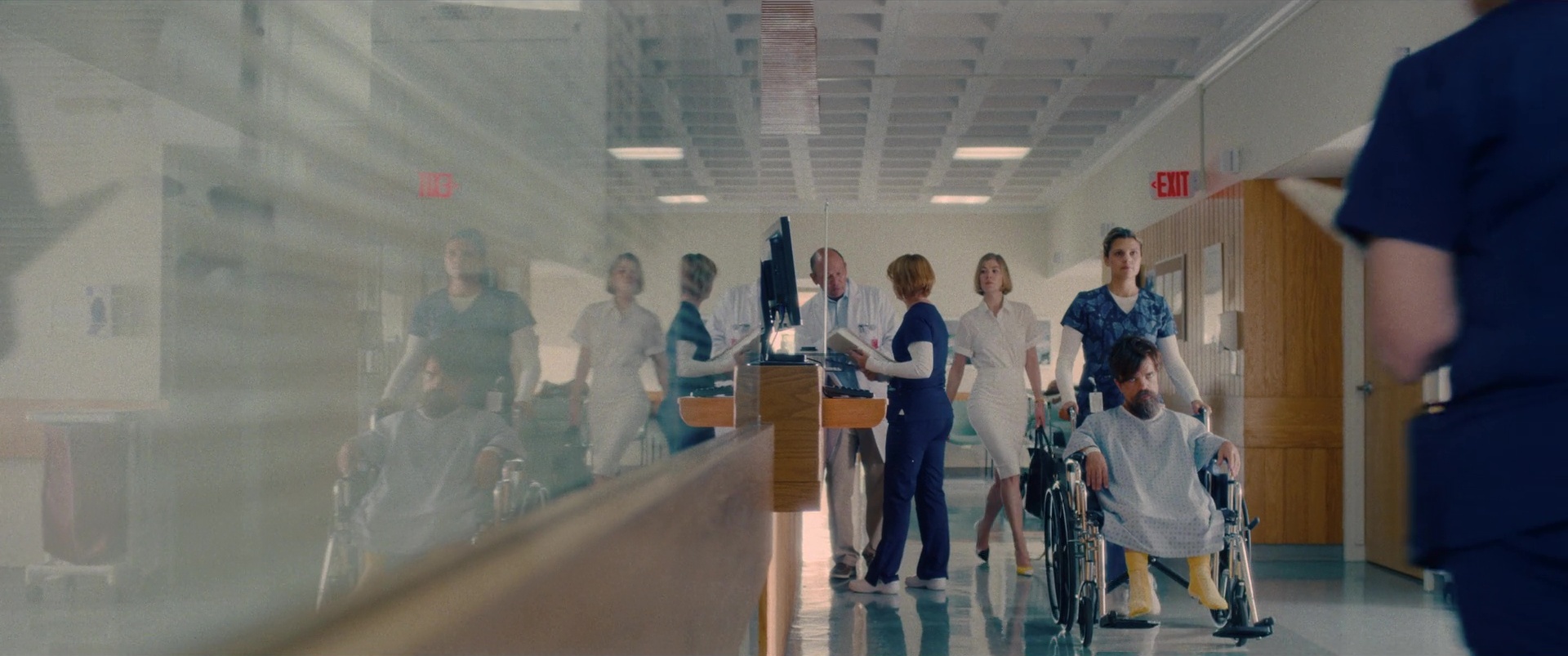
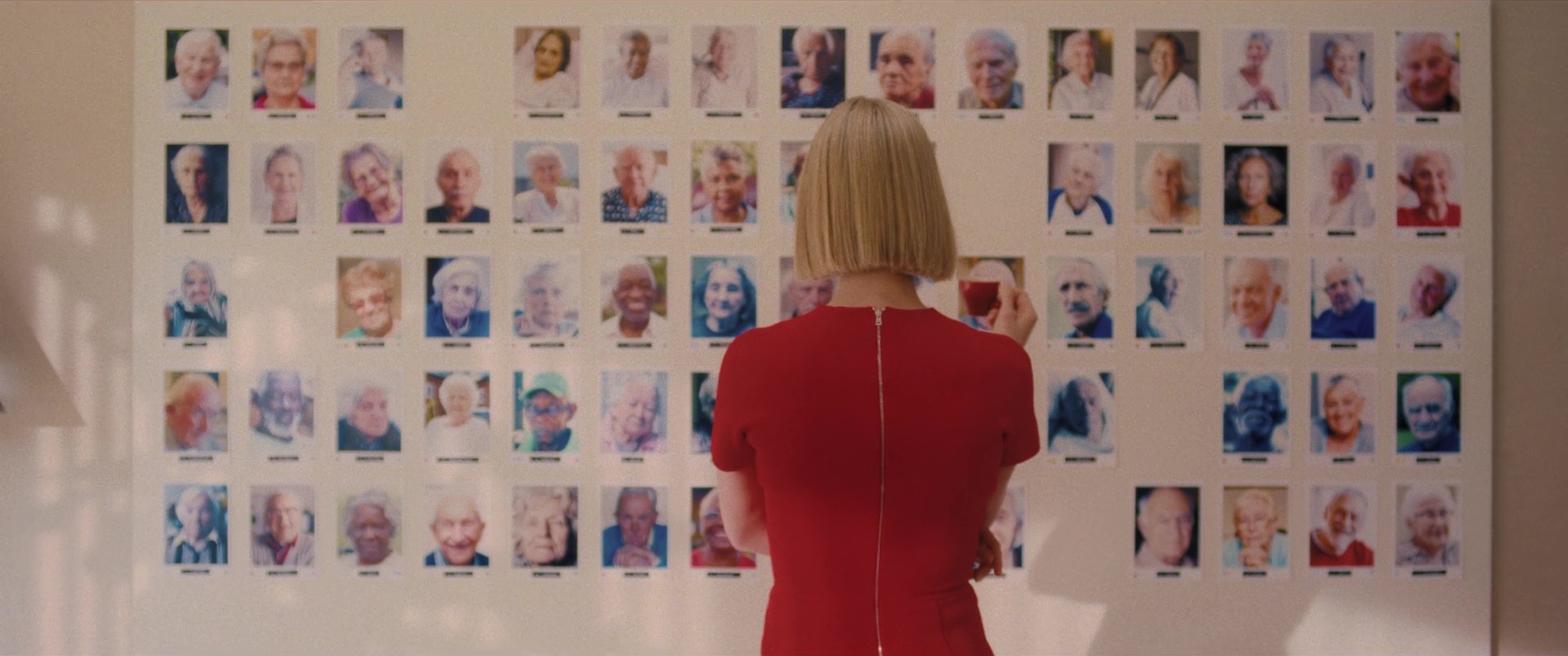
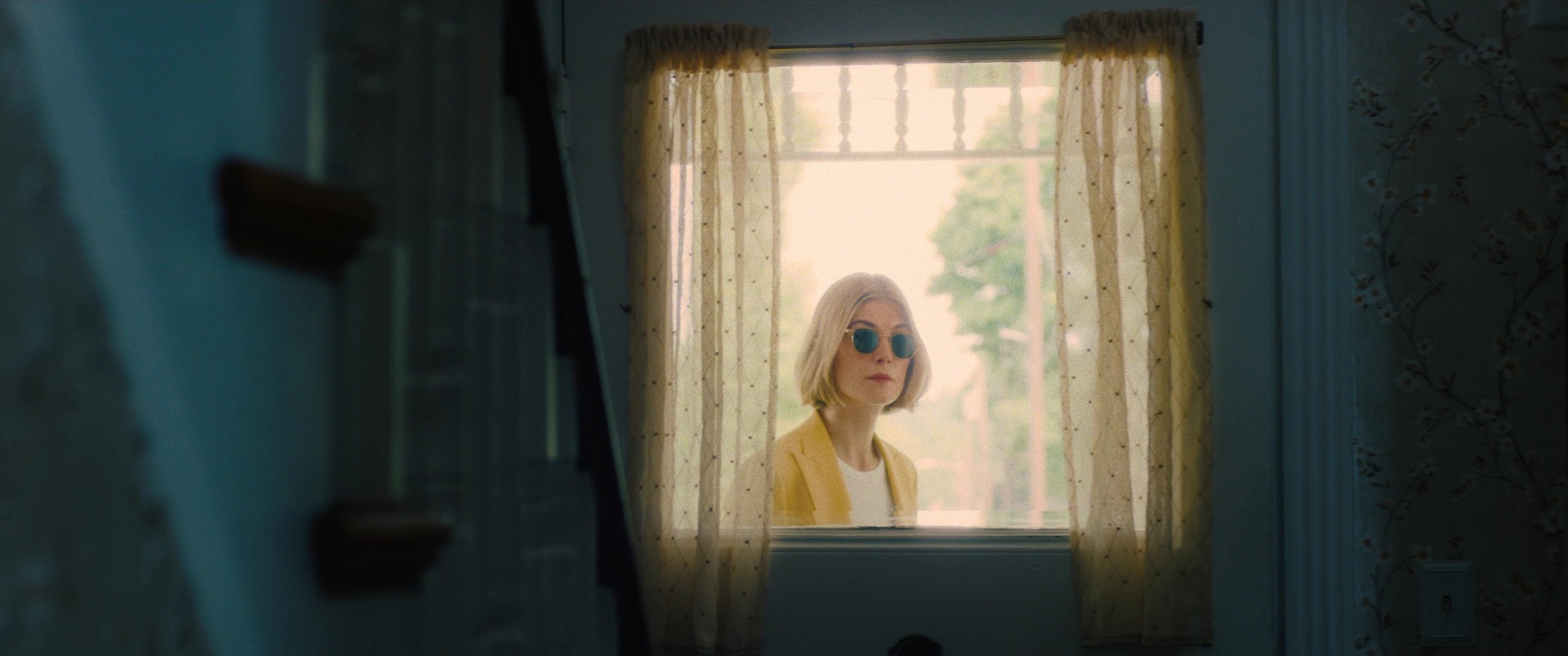
I Care a Lot (2021)
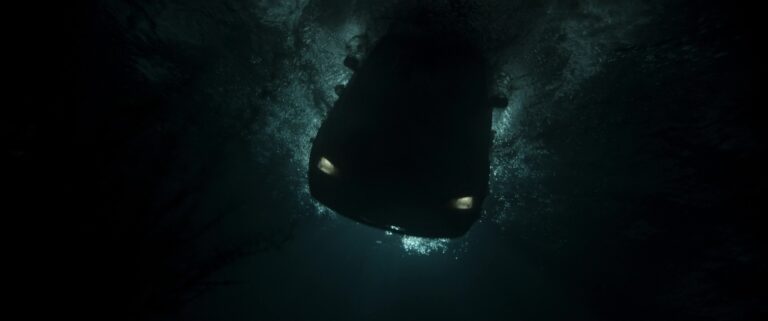
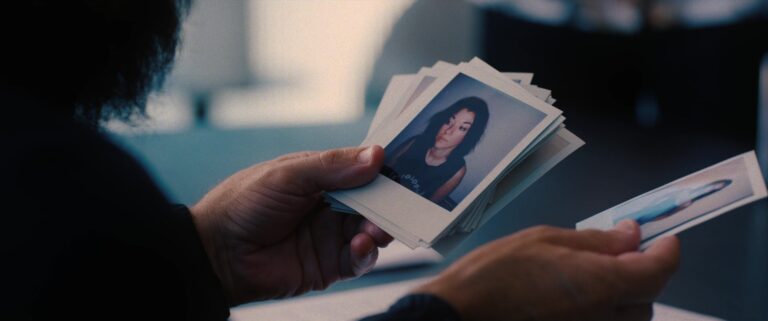
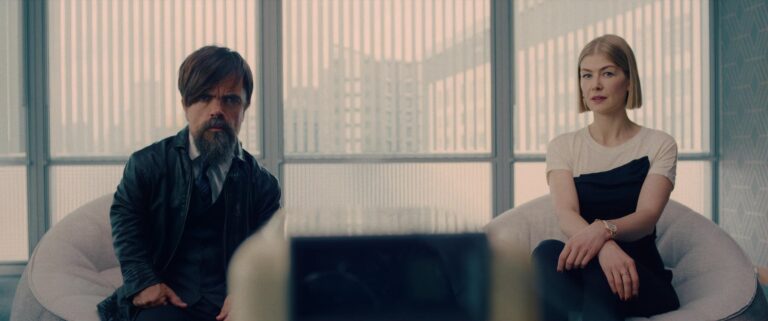
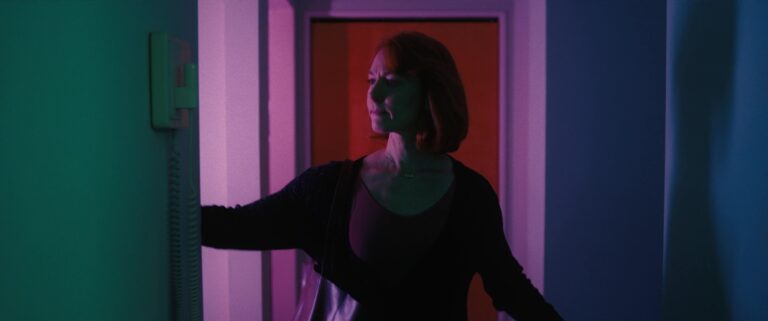
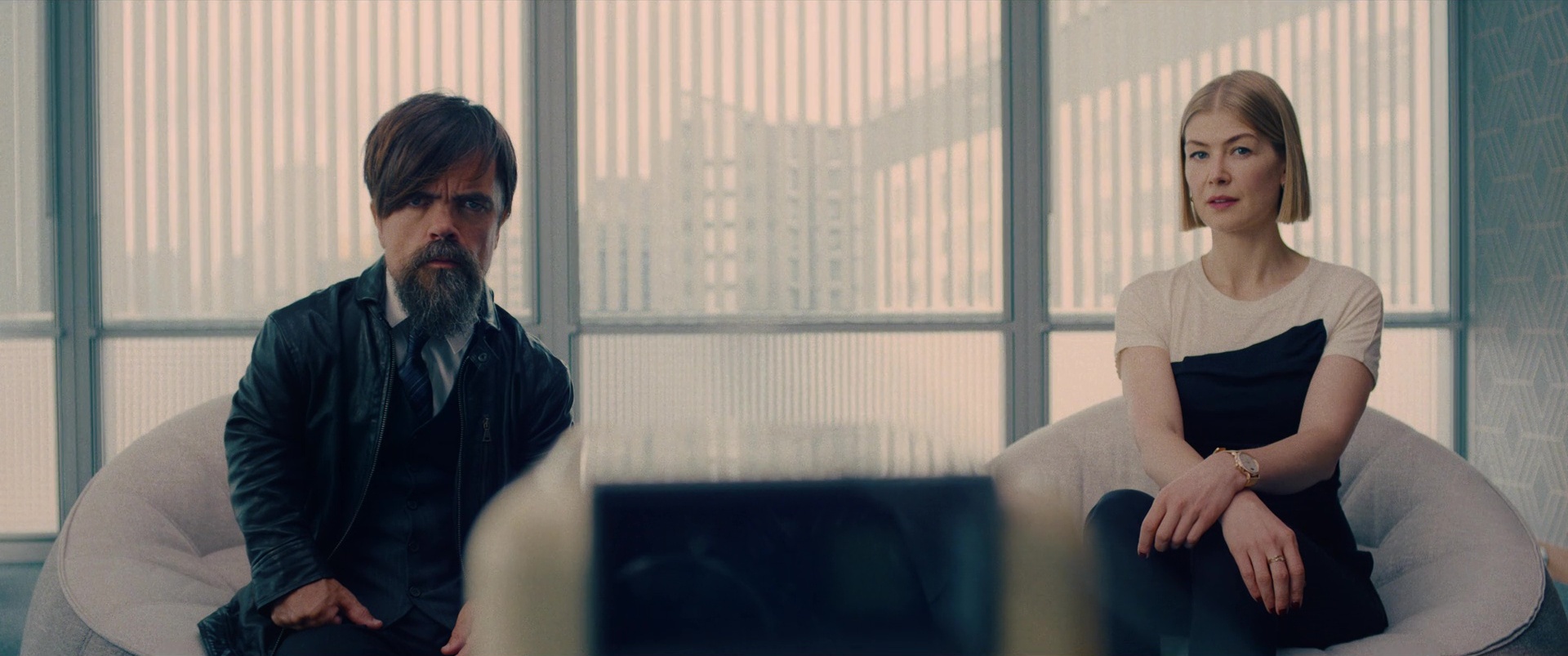
A court-appointed legal guardian defrauds her older clients and traps them under her care. But her latest mark comes with some unexpected baggage.
Blakeson and cinematographer Doug Emmett give I Care a Lot a sleek, pastel-toned visual identity, using clean compositions and controlled lighting to mirror Marla’s calculated, almost clinical worldview. The film’s polished surfaces and symmetrical framing create a sense of order and precision—making the underlying cruelty feel even more unsettling beneath its glossy exterior.
FILM SPOTLIGHT
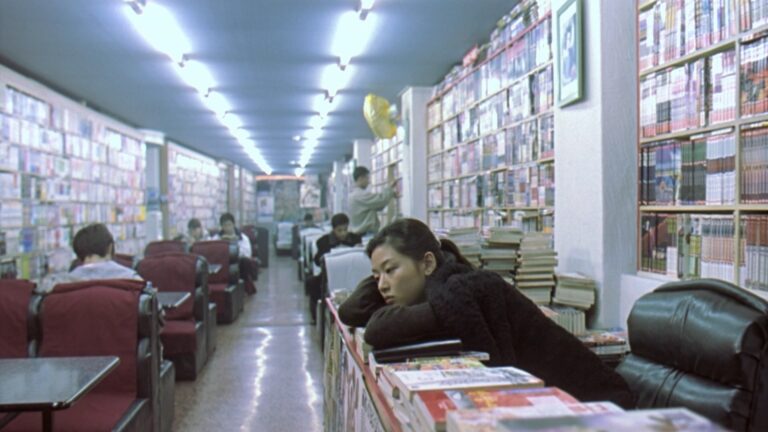
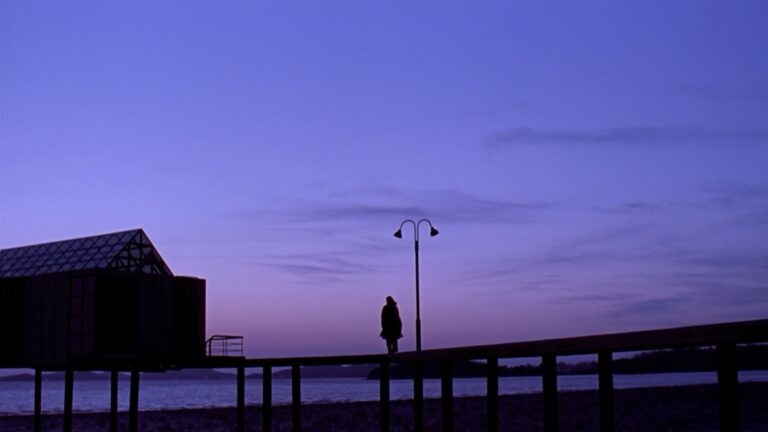
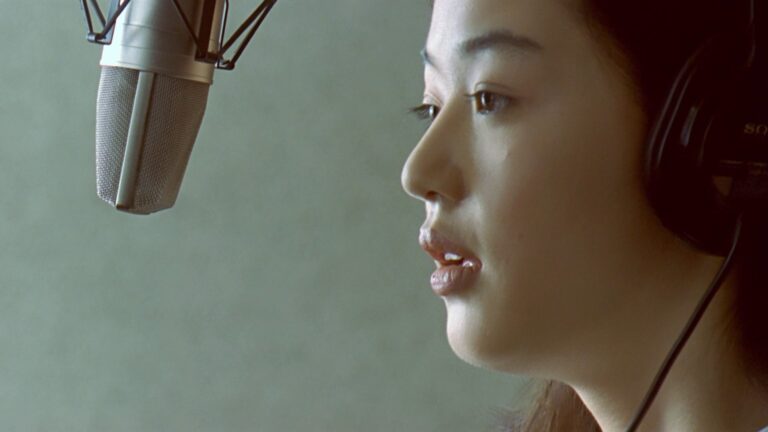
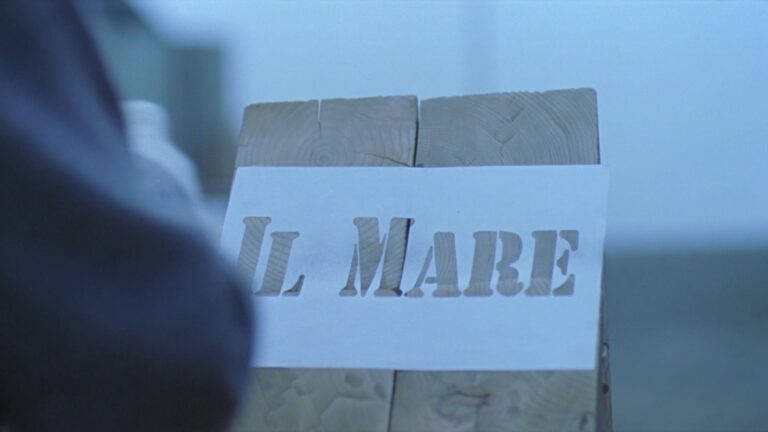
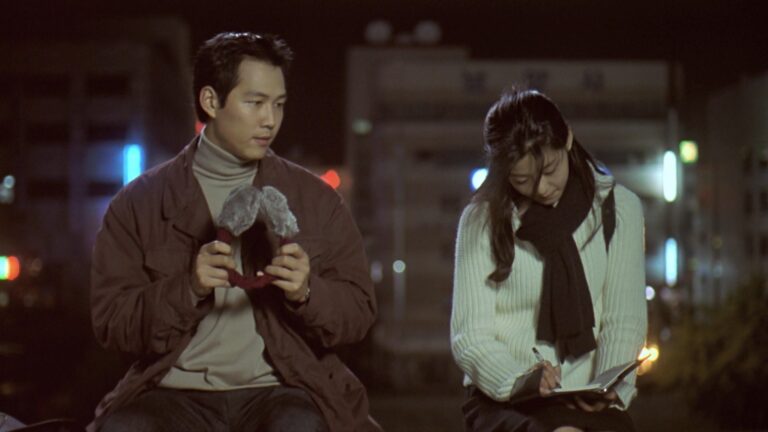
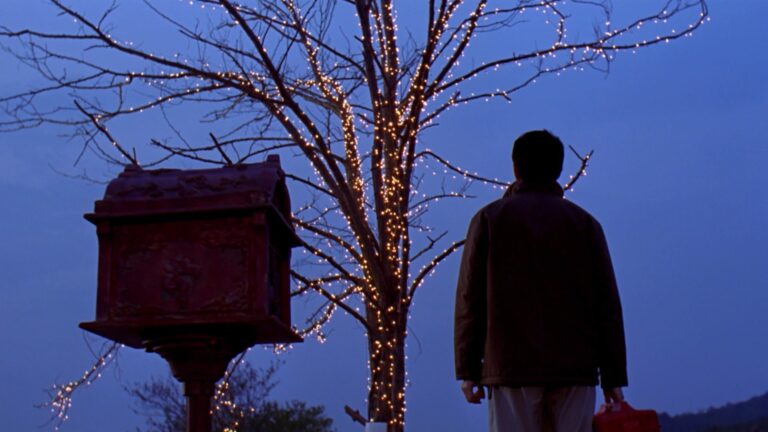
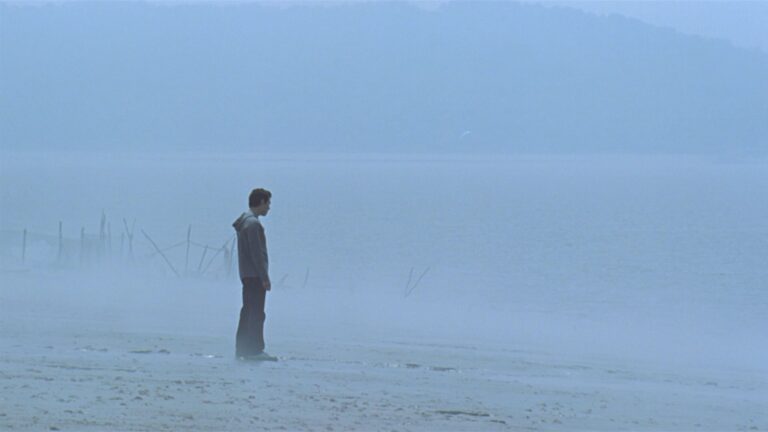
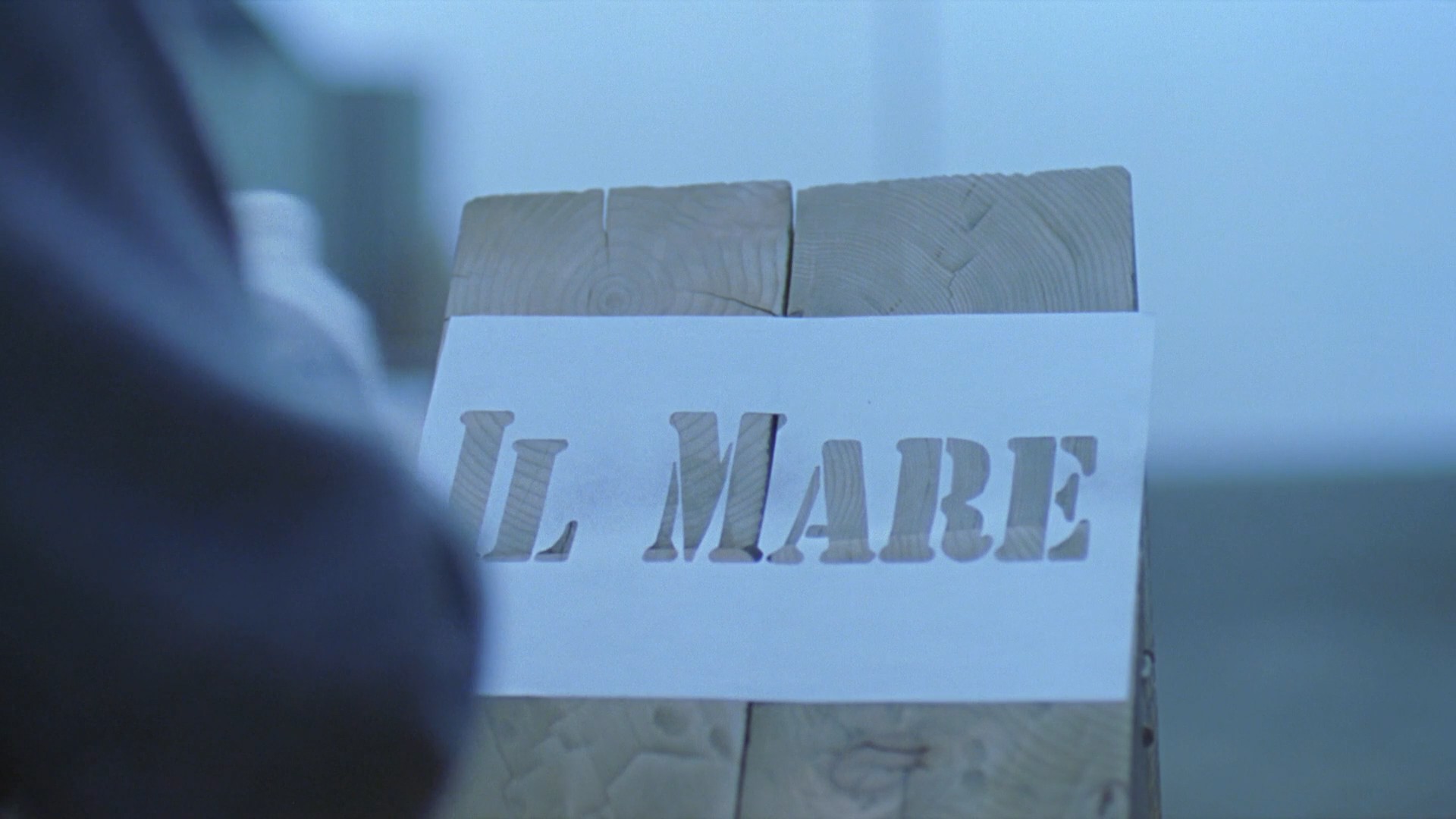
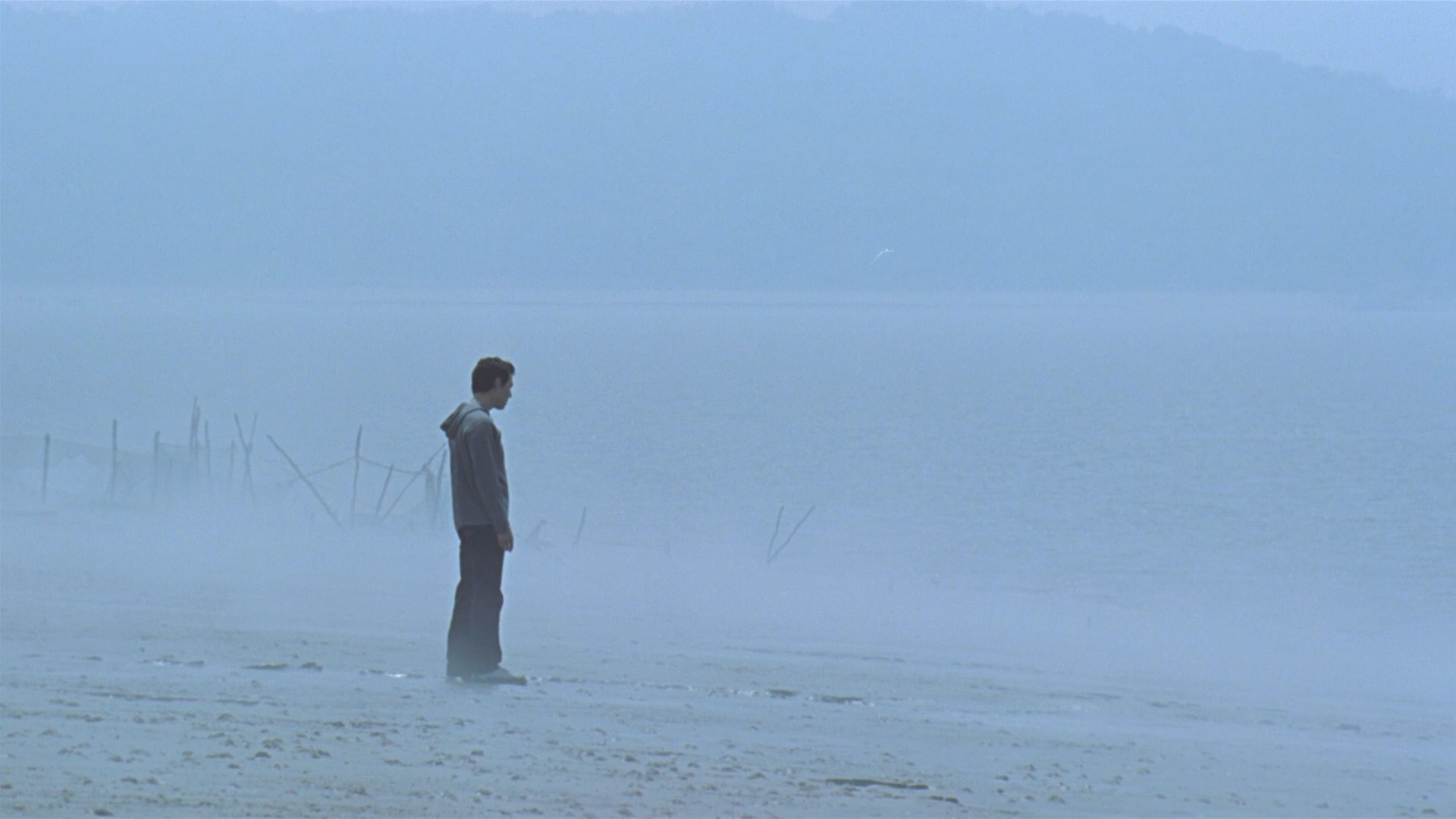
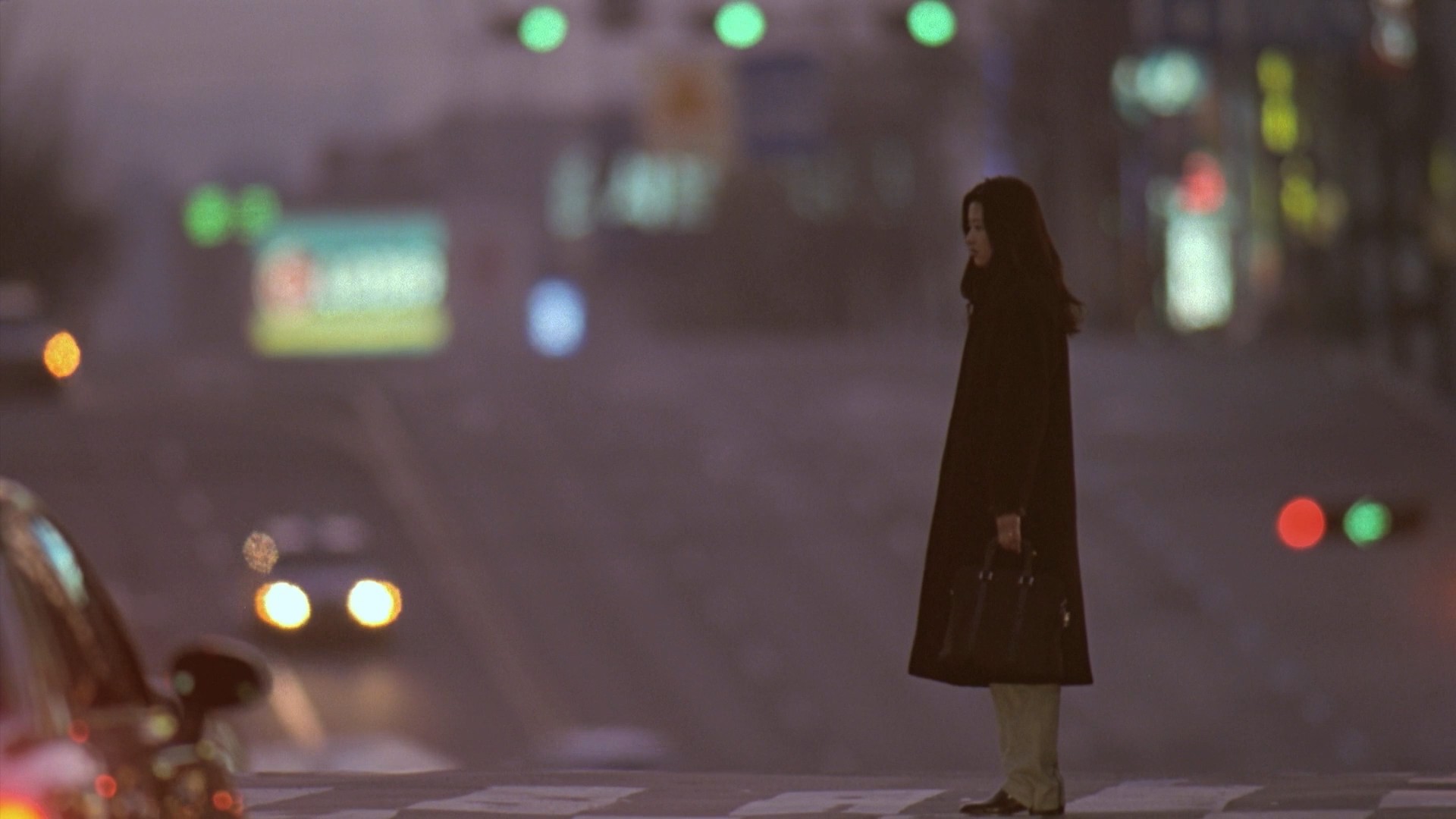
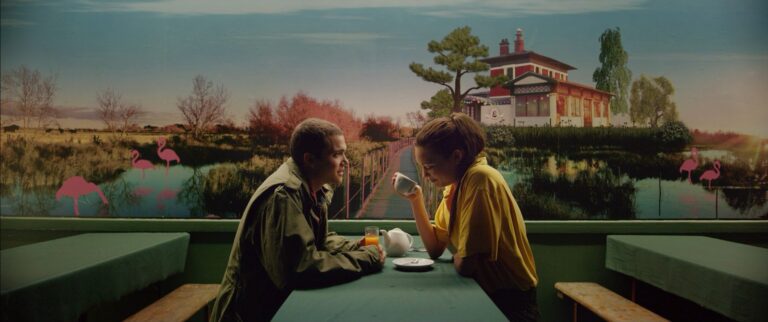
Il Mare (2000)
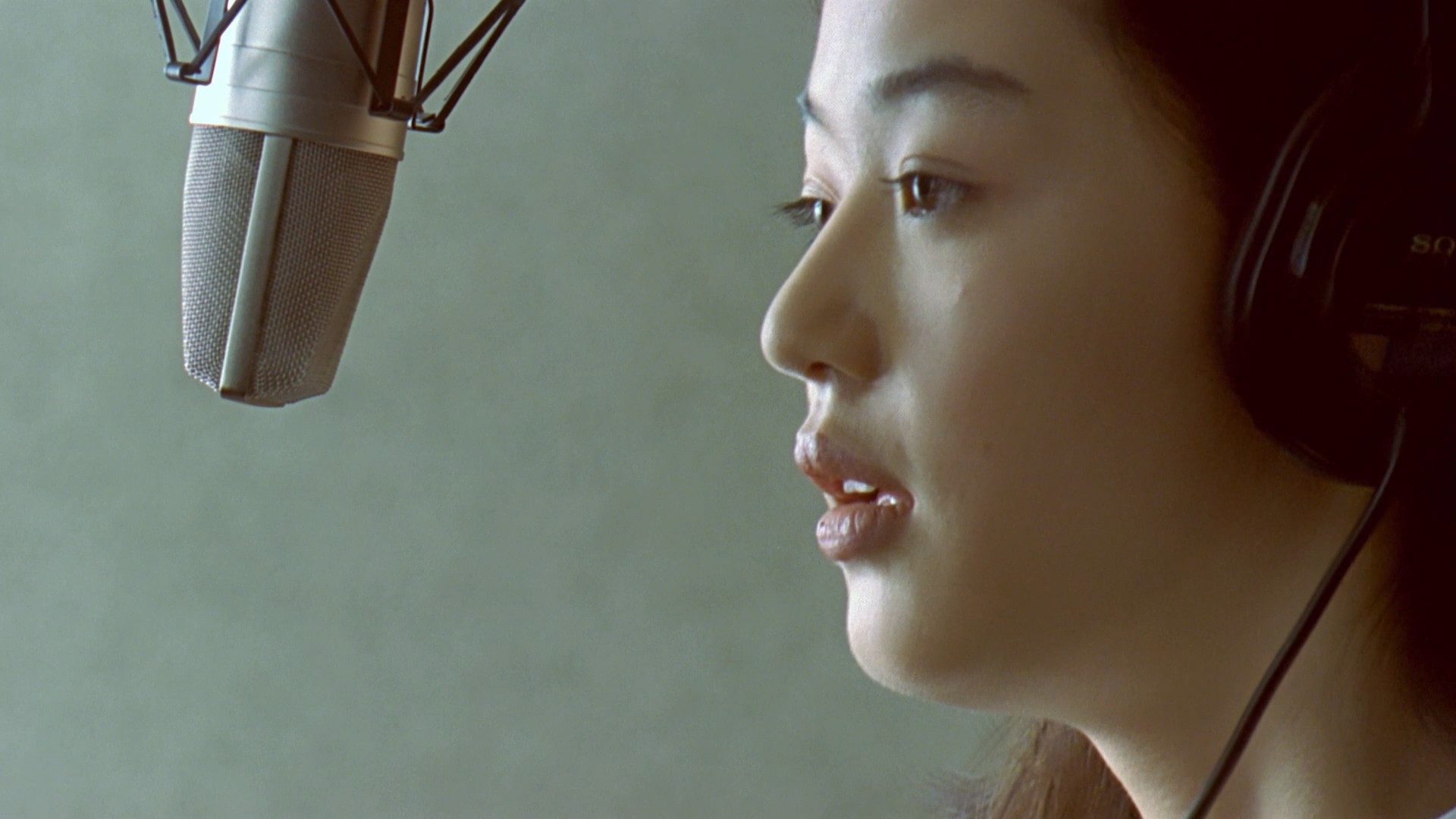
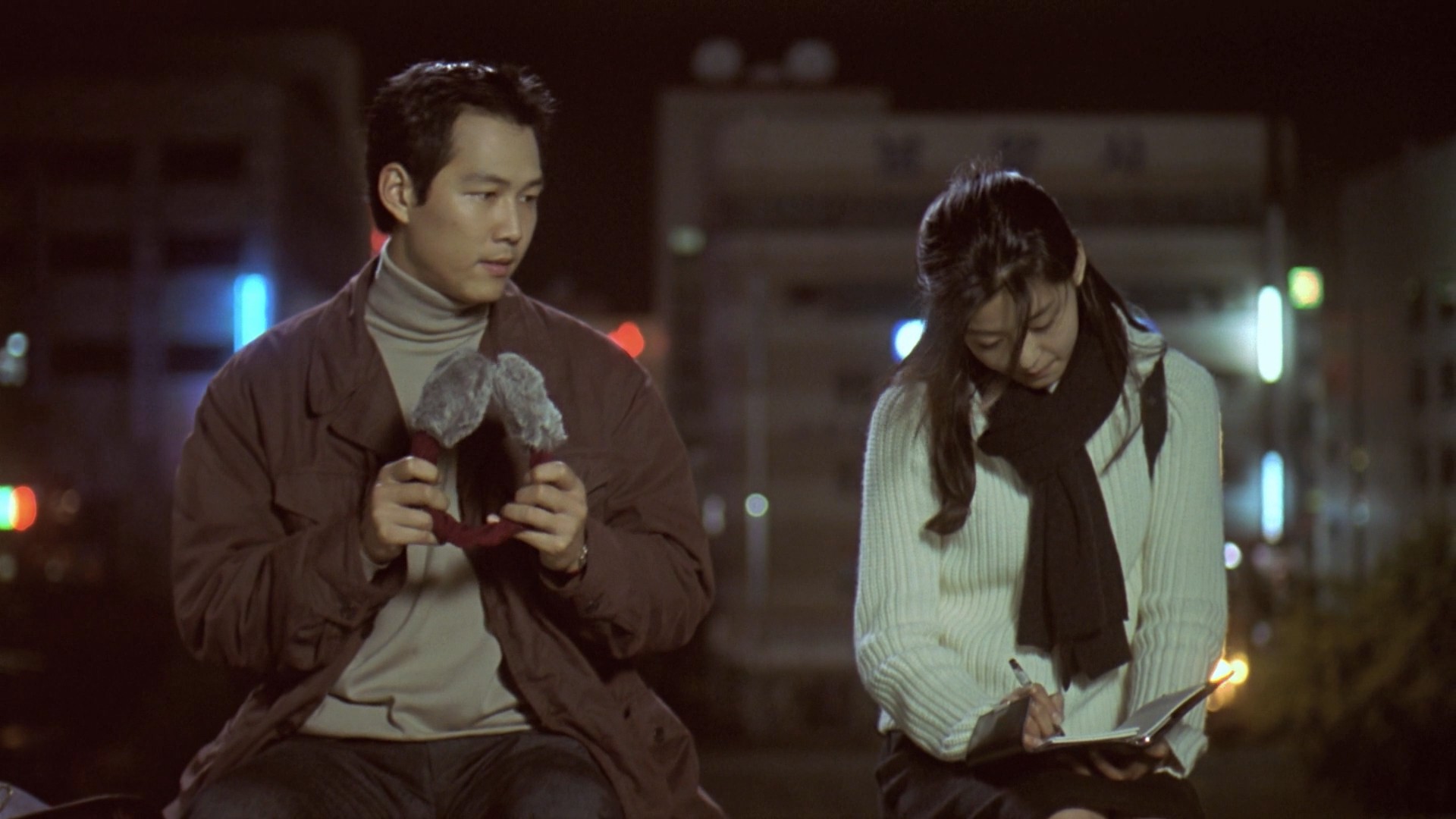
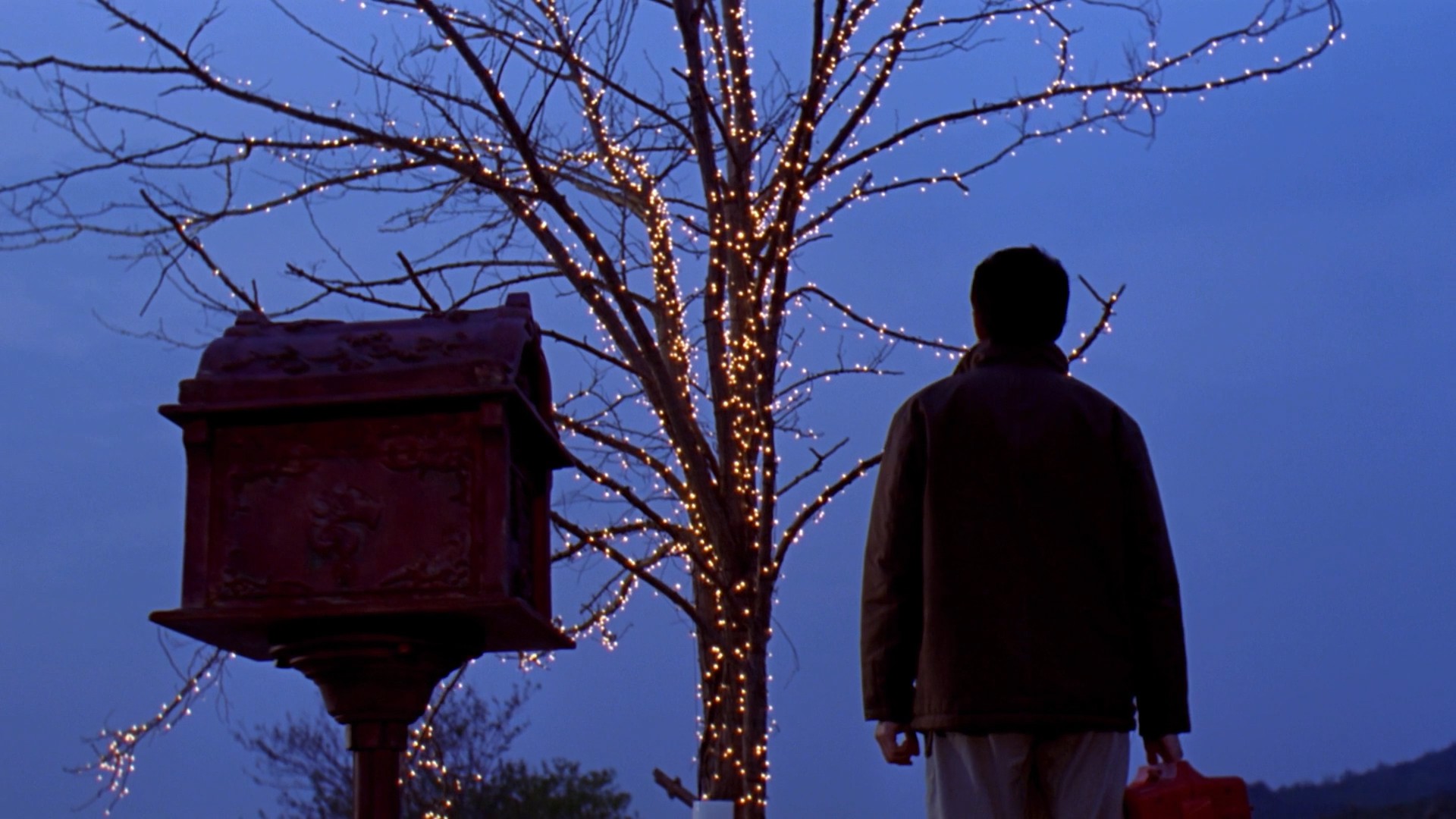
In the year 1999, a young woman leaves her quaint seaside house and returns to the city, leaving in the mailbox a card for the next owner, with instructions to forward any mail of hers to the new address. In the year 1997, a jaded young architect moves into the same house and finds the letter. His reply, which he slips into the mailbox, finds its way to her, beginning a parallel-time love story separated by a span of two years.
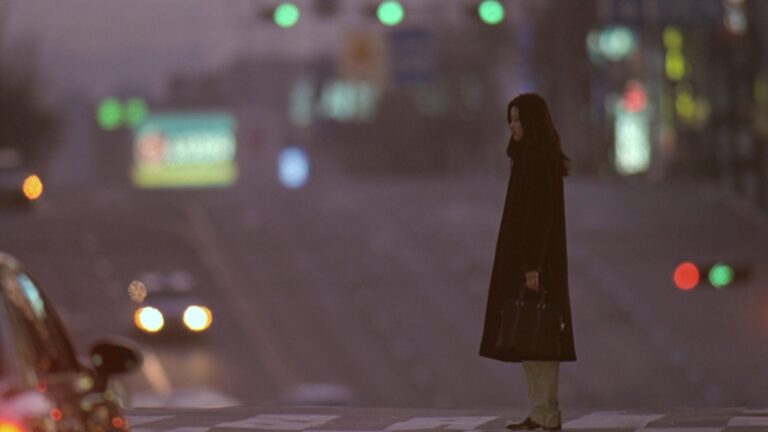
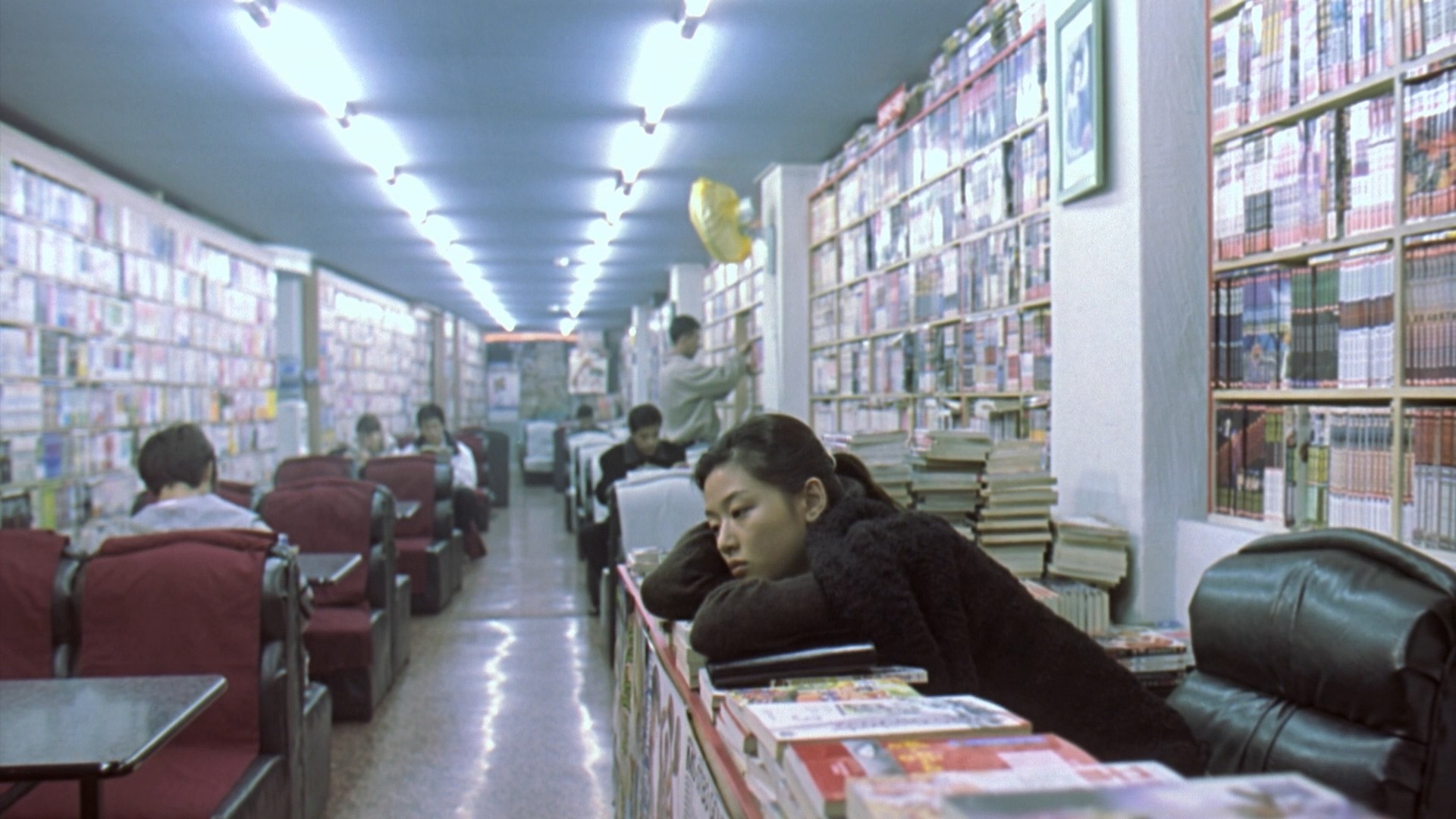
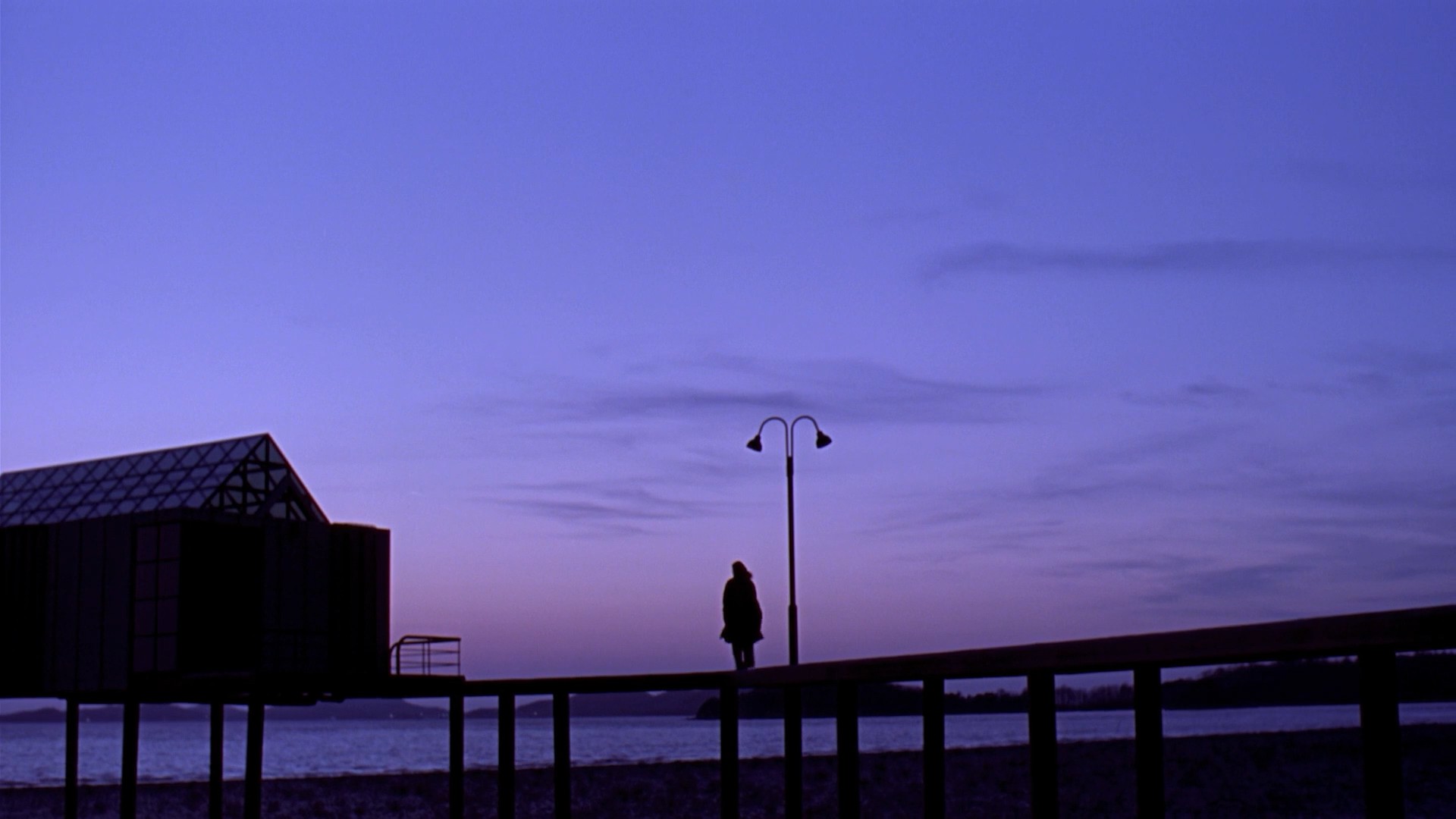
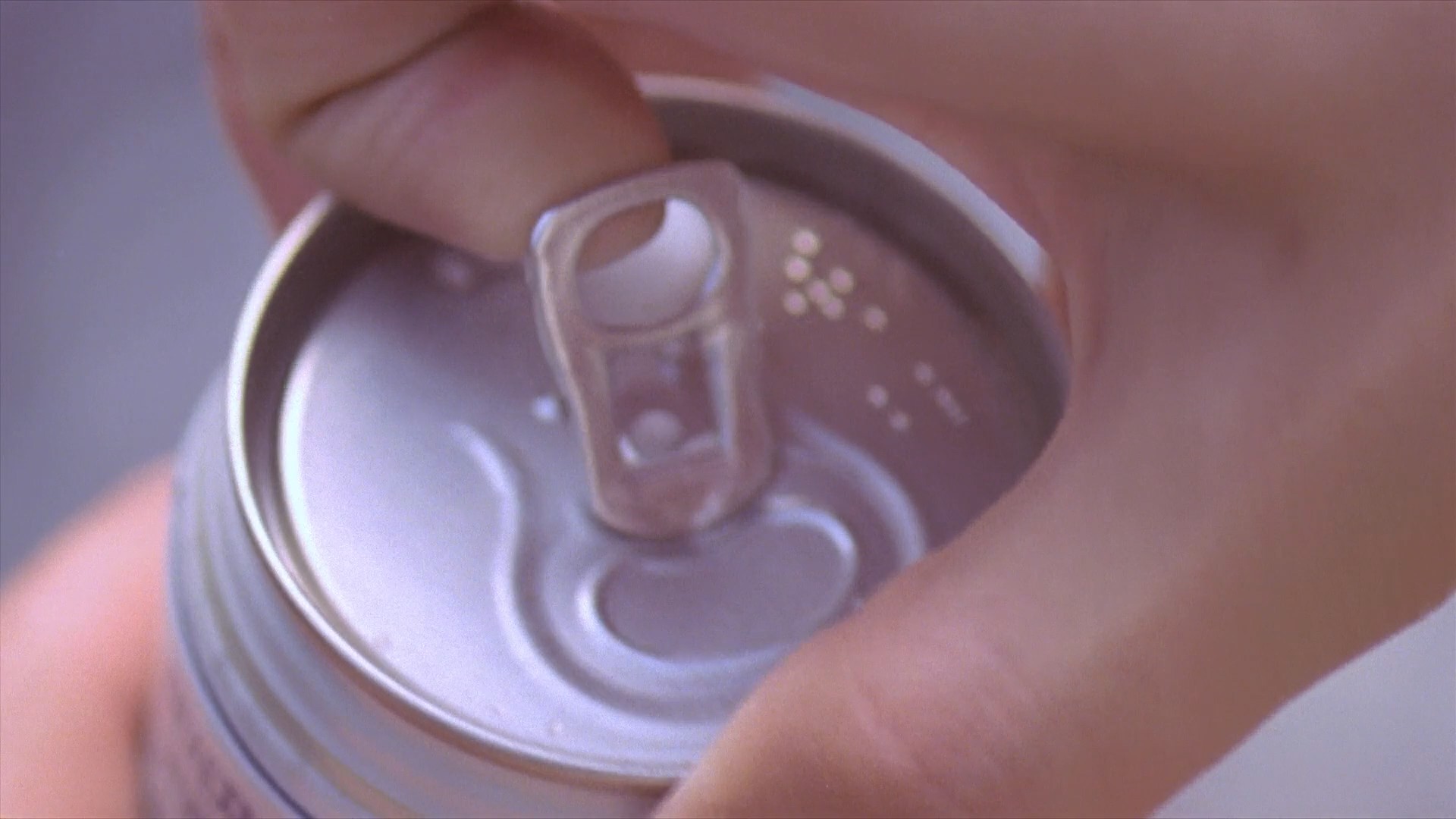
Director Lee Hyun-seung and cinematographer Hong Kyung-pyo build Il Mare around the house itself, using clean, minimalist compositions and soft natural light to emphasize its isolation against the sea. The film’s cool, muted palette and reflective surfaces—glass, water, windows—create a quiet visual motif of distance, reinforcing the story’s sense of longing across time.

FILM SPOTLIGHT
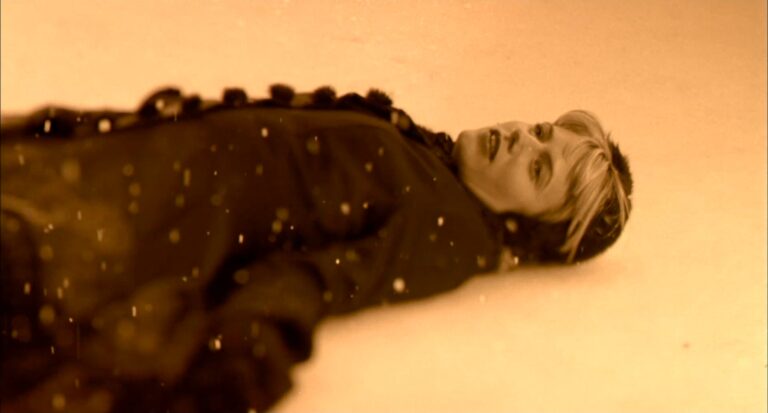
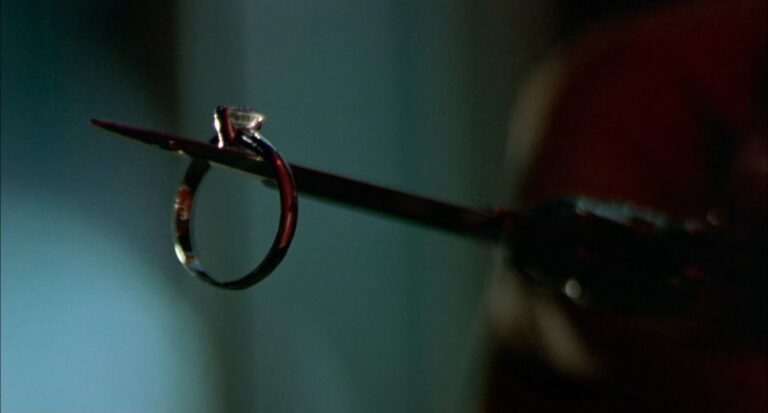
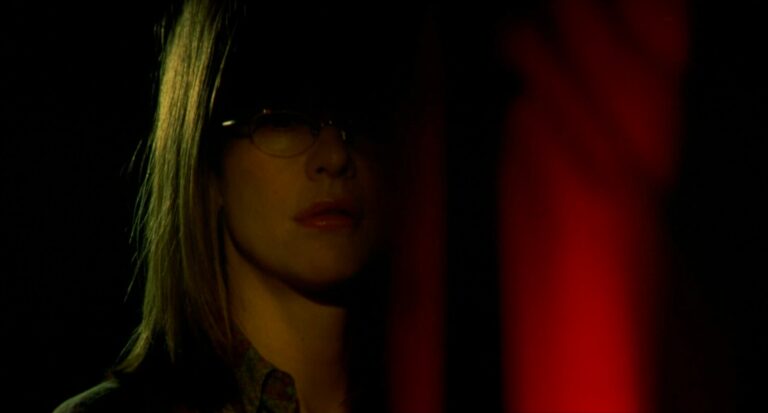
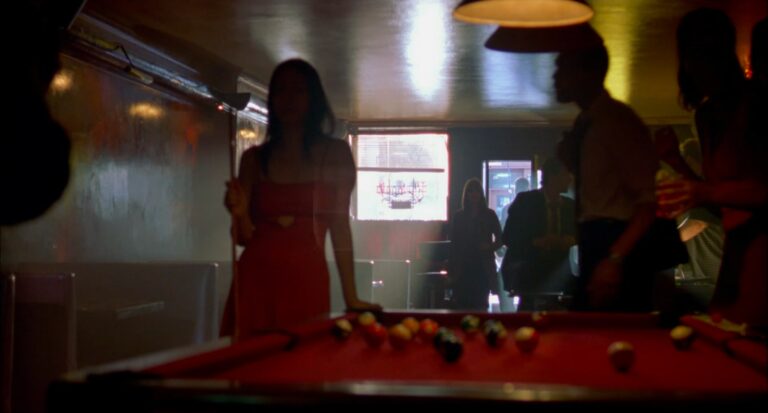
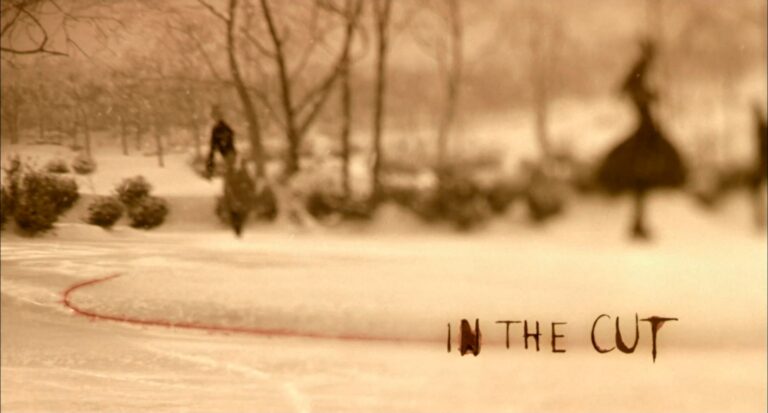
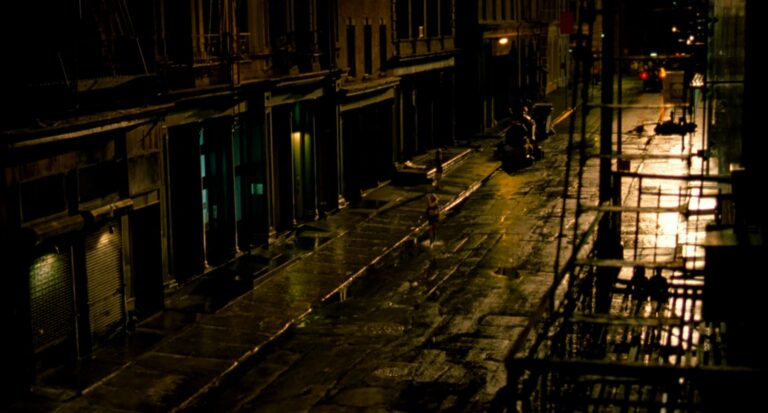
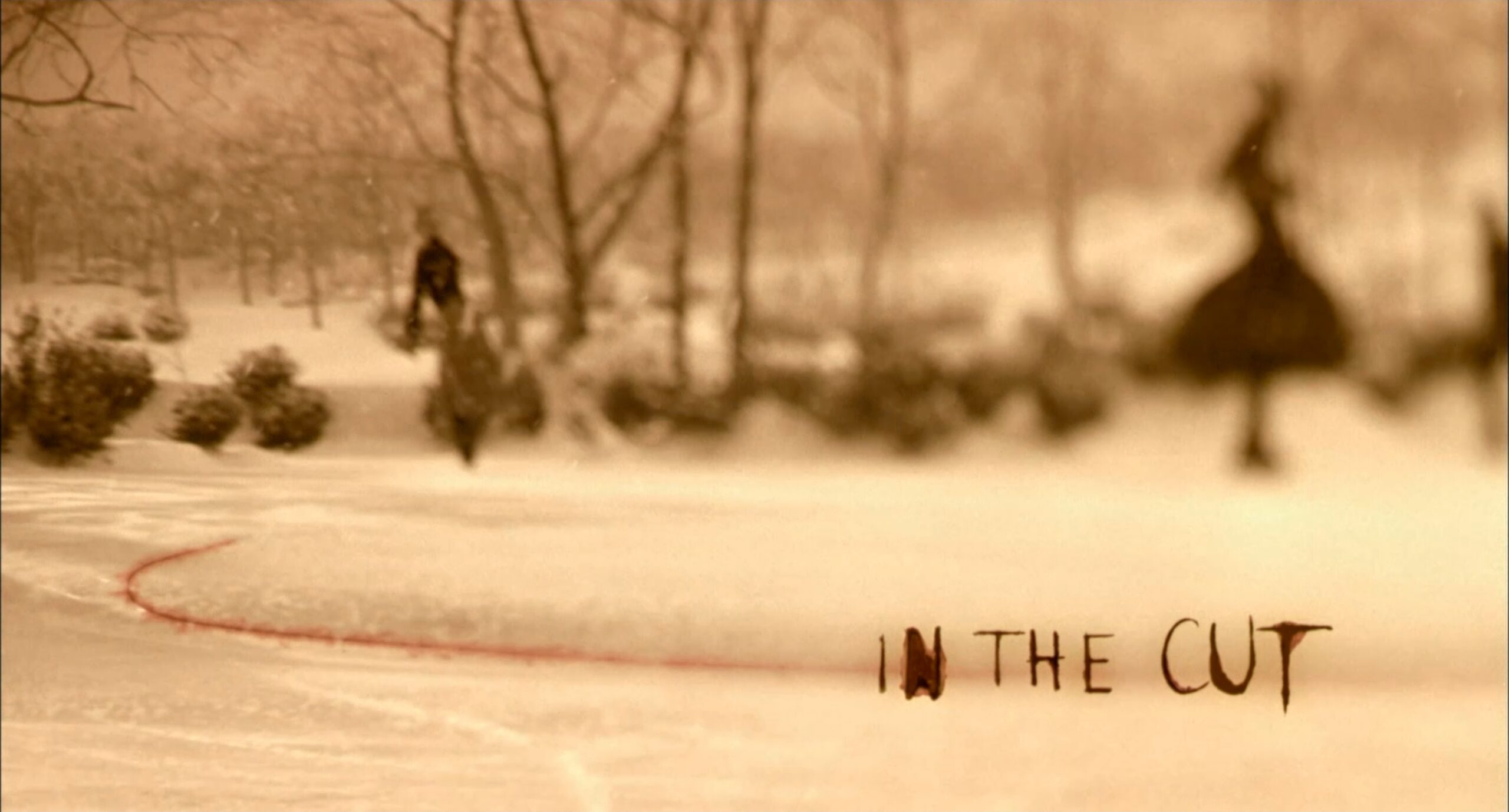
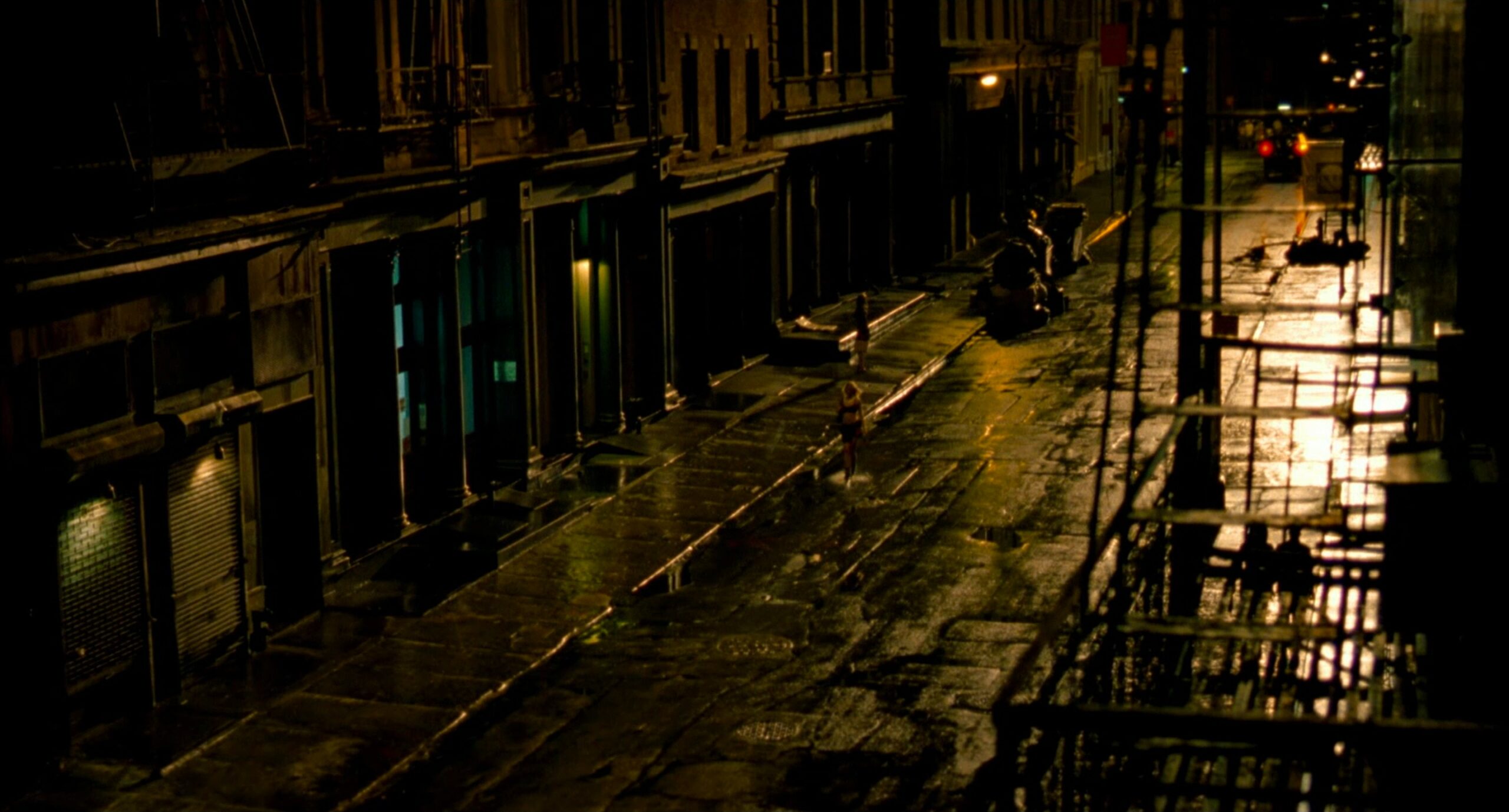
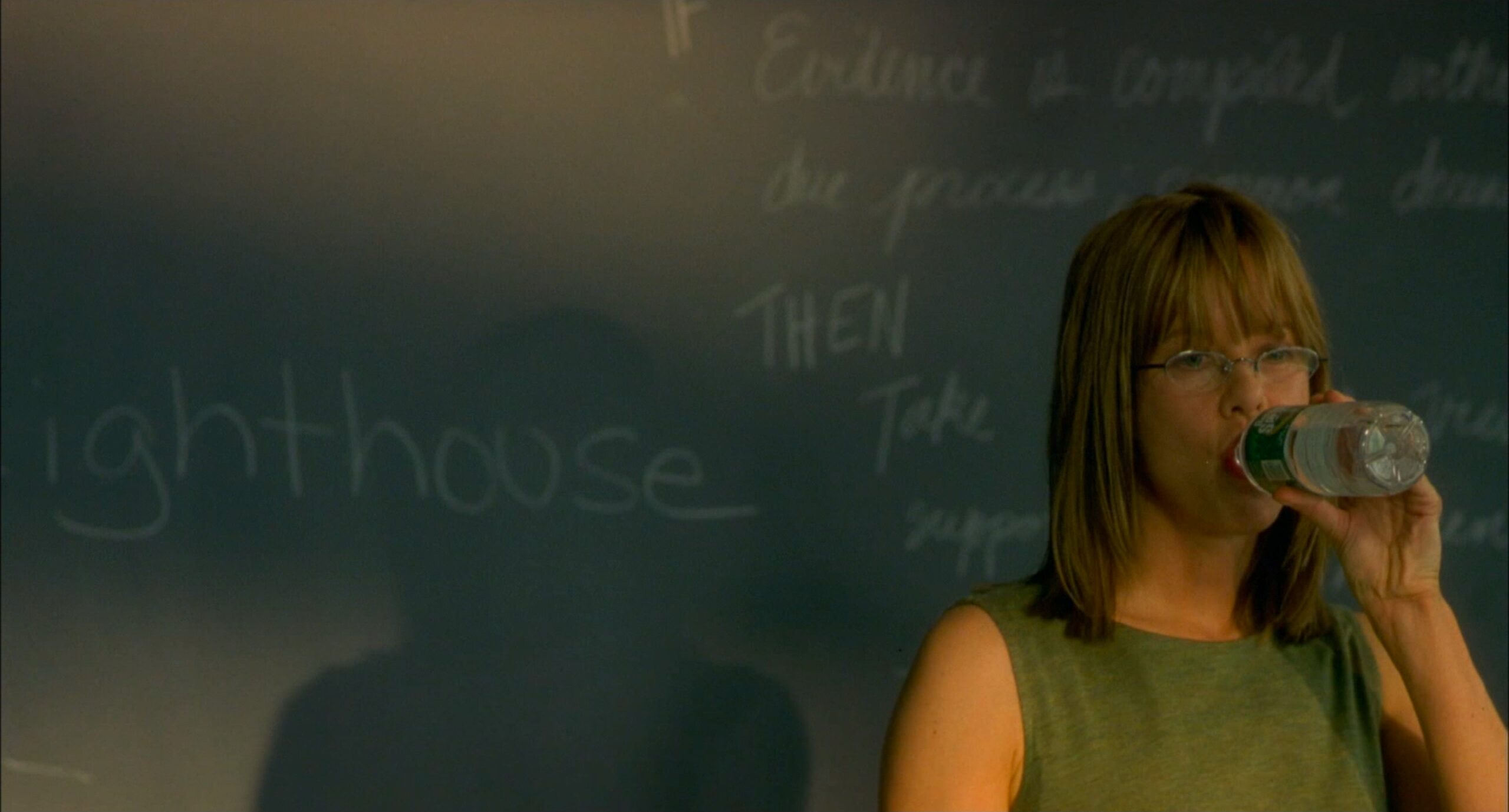
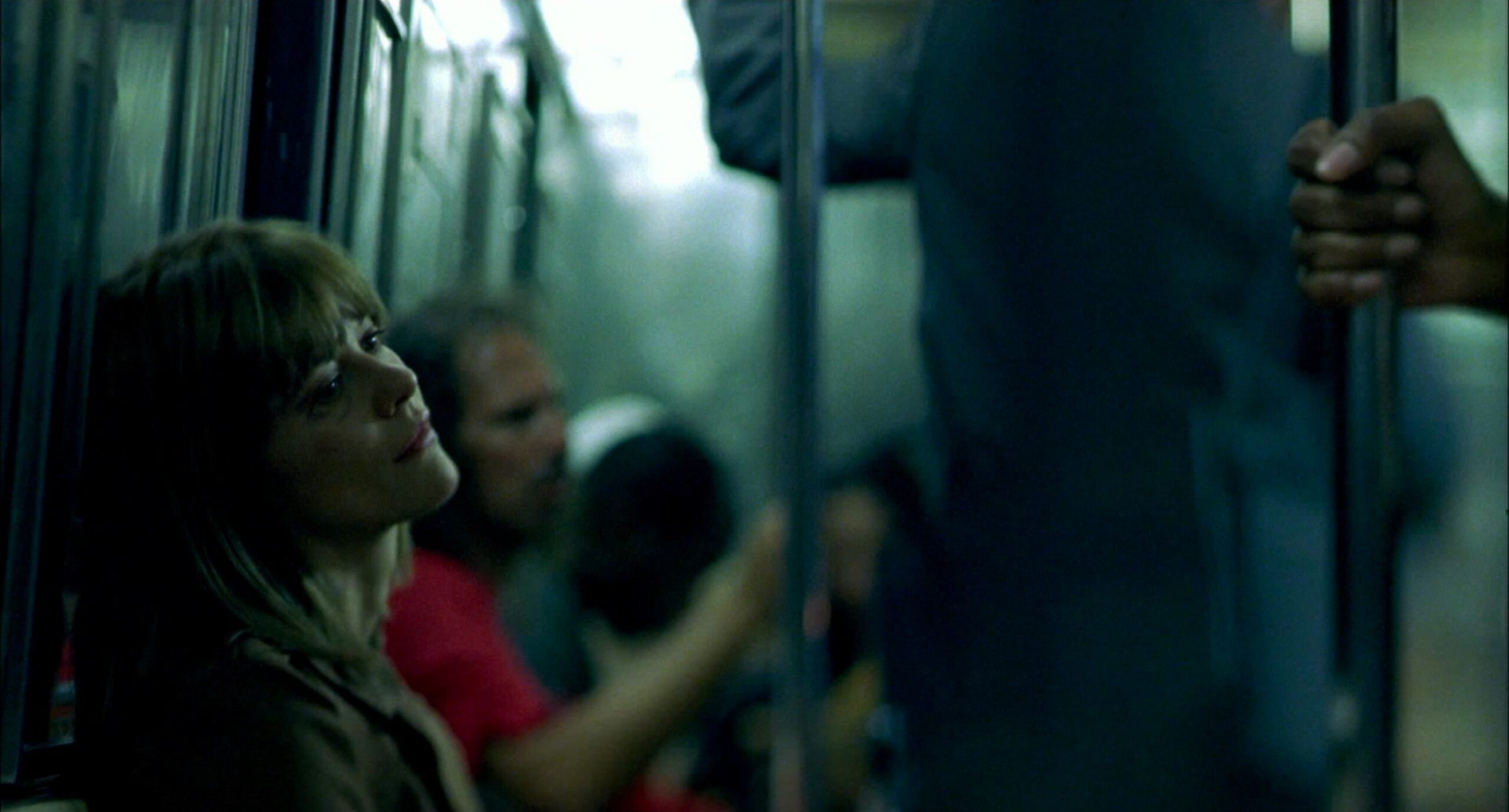
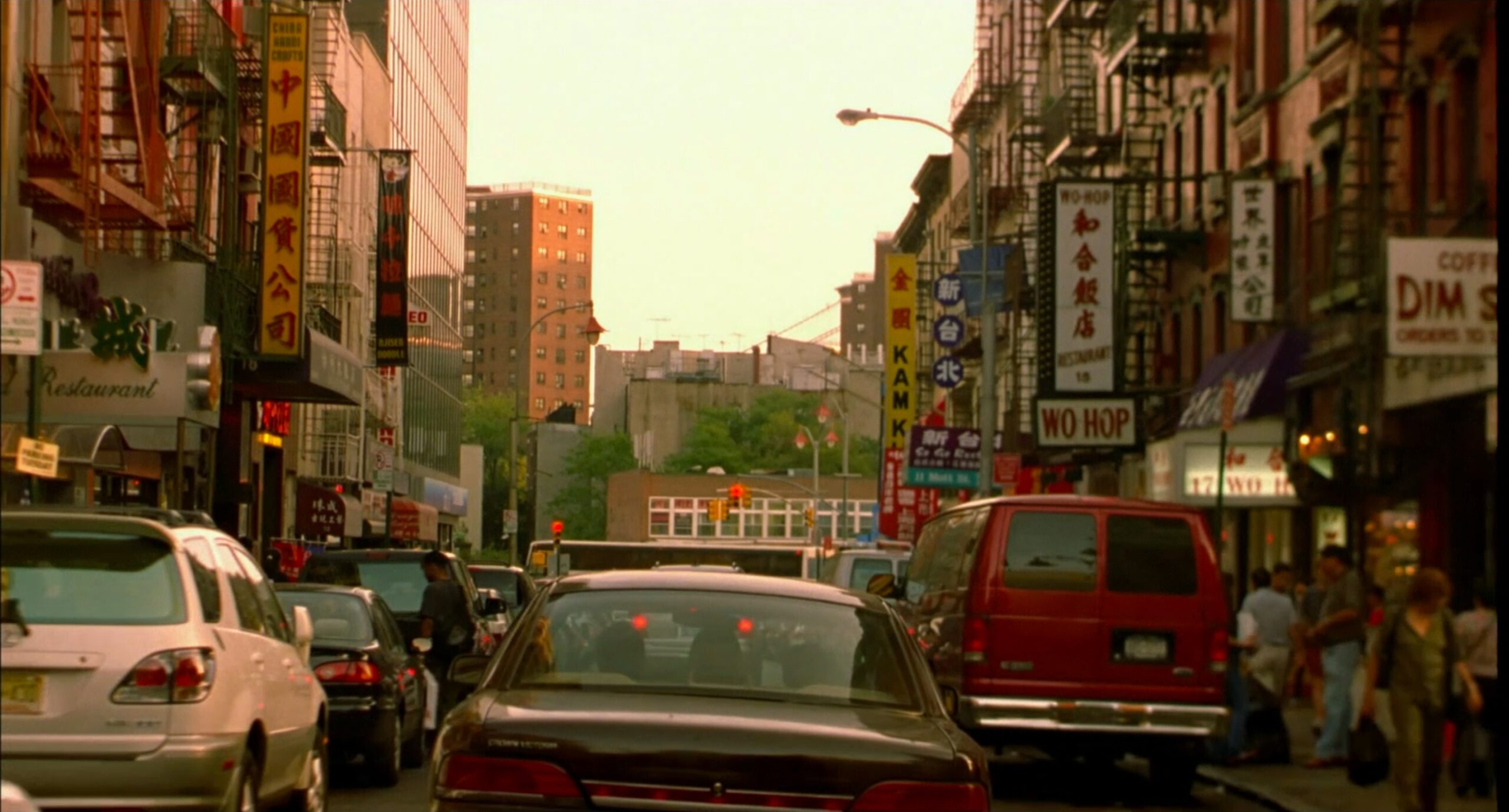
In the Cut (2003)
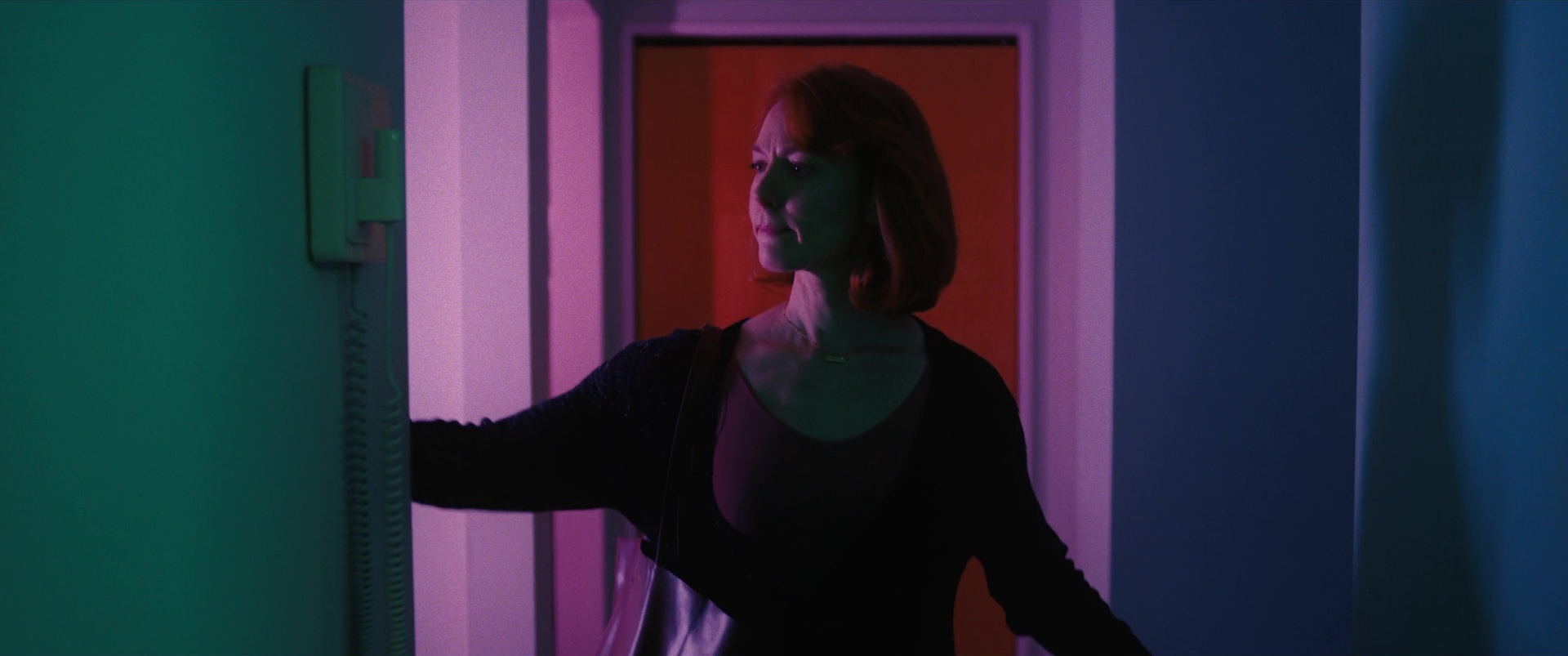
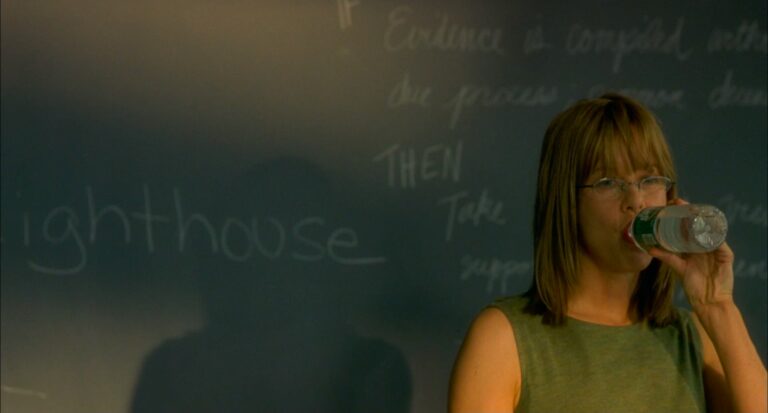
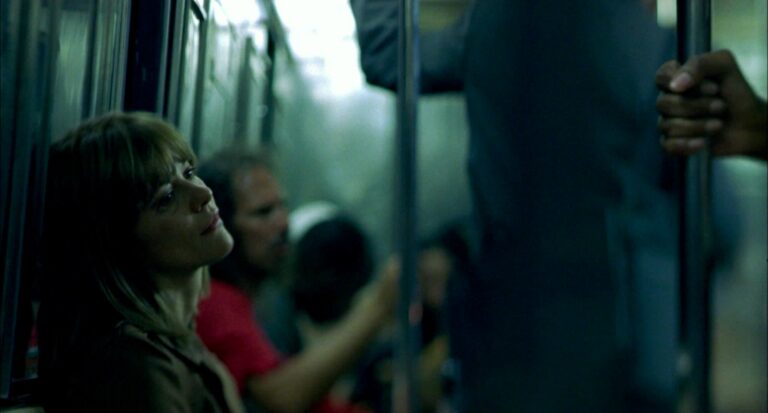
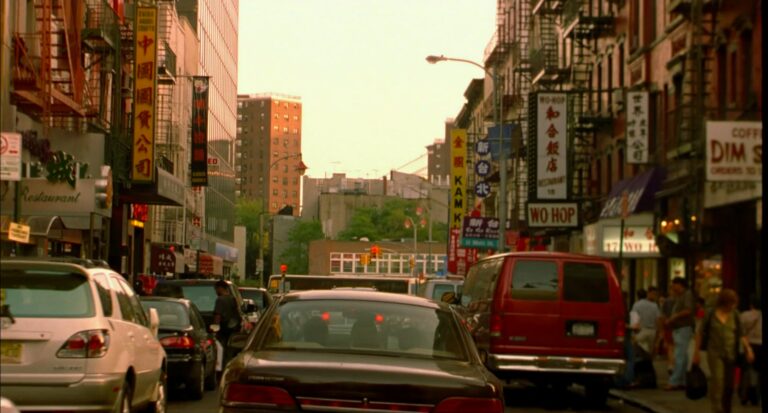
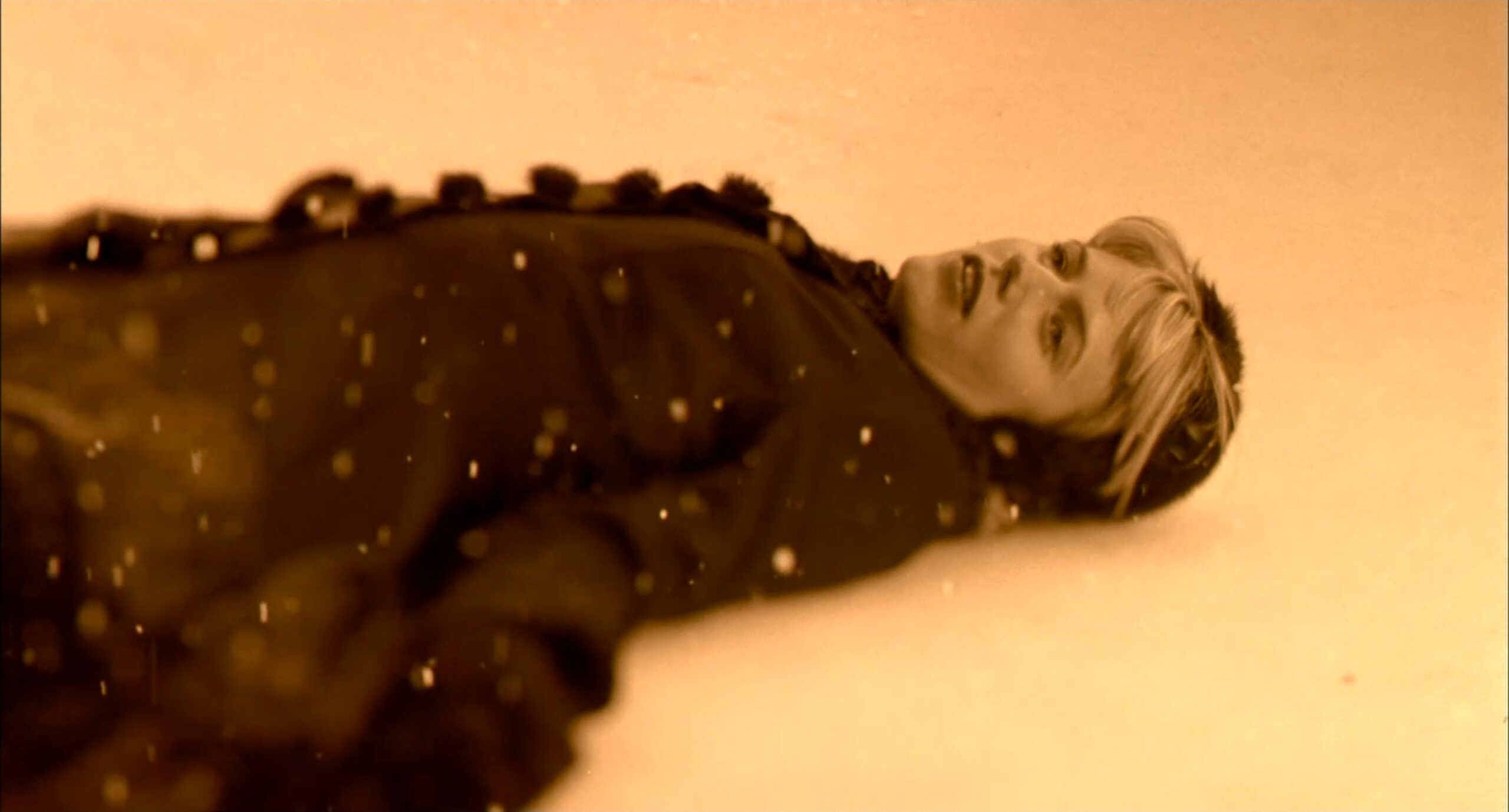
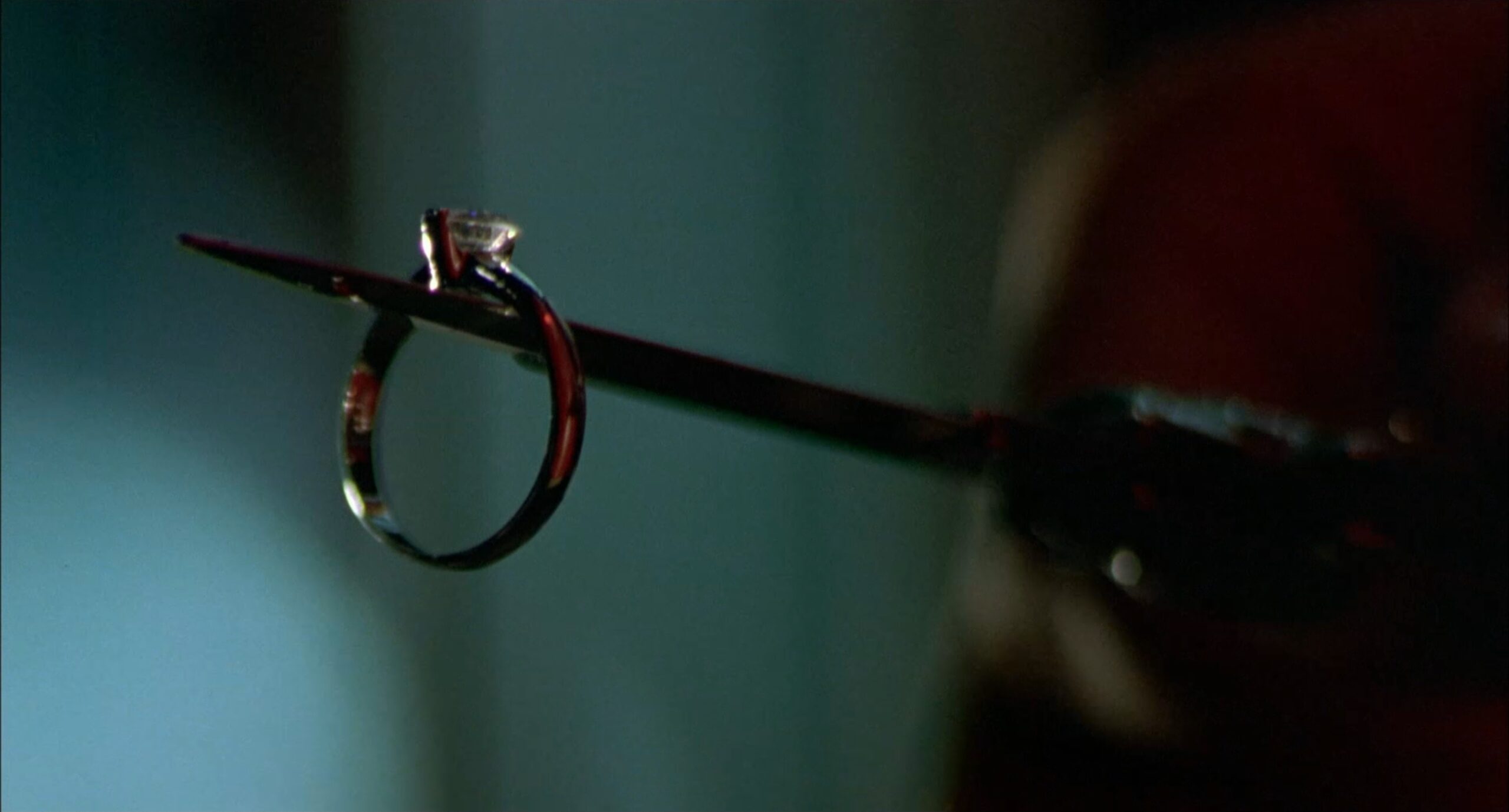
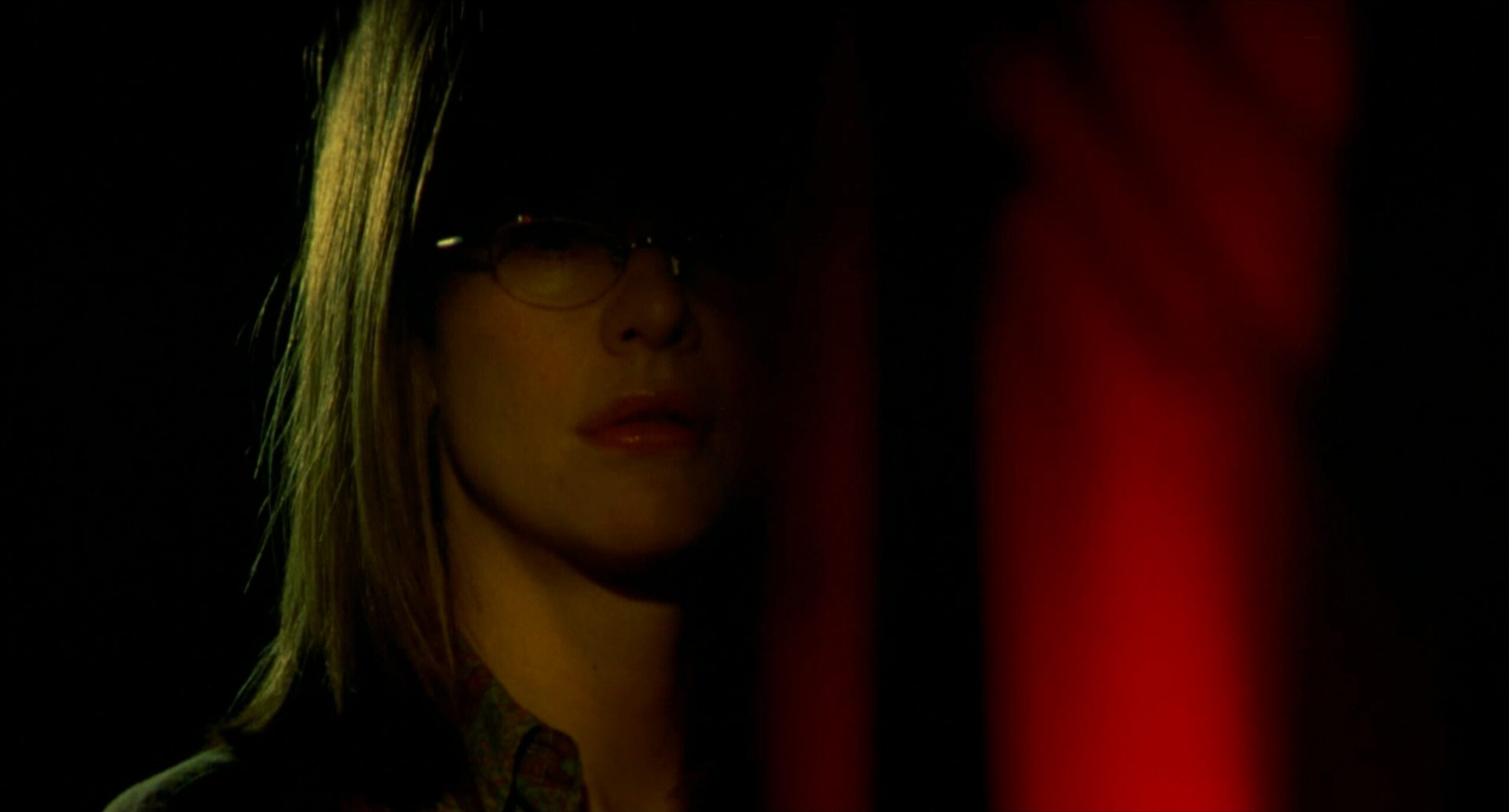
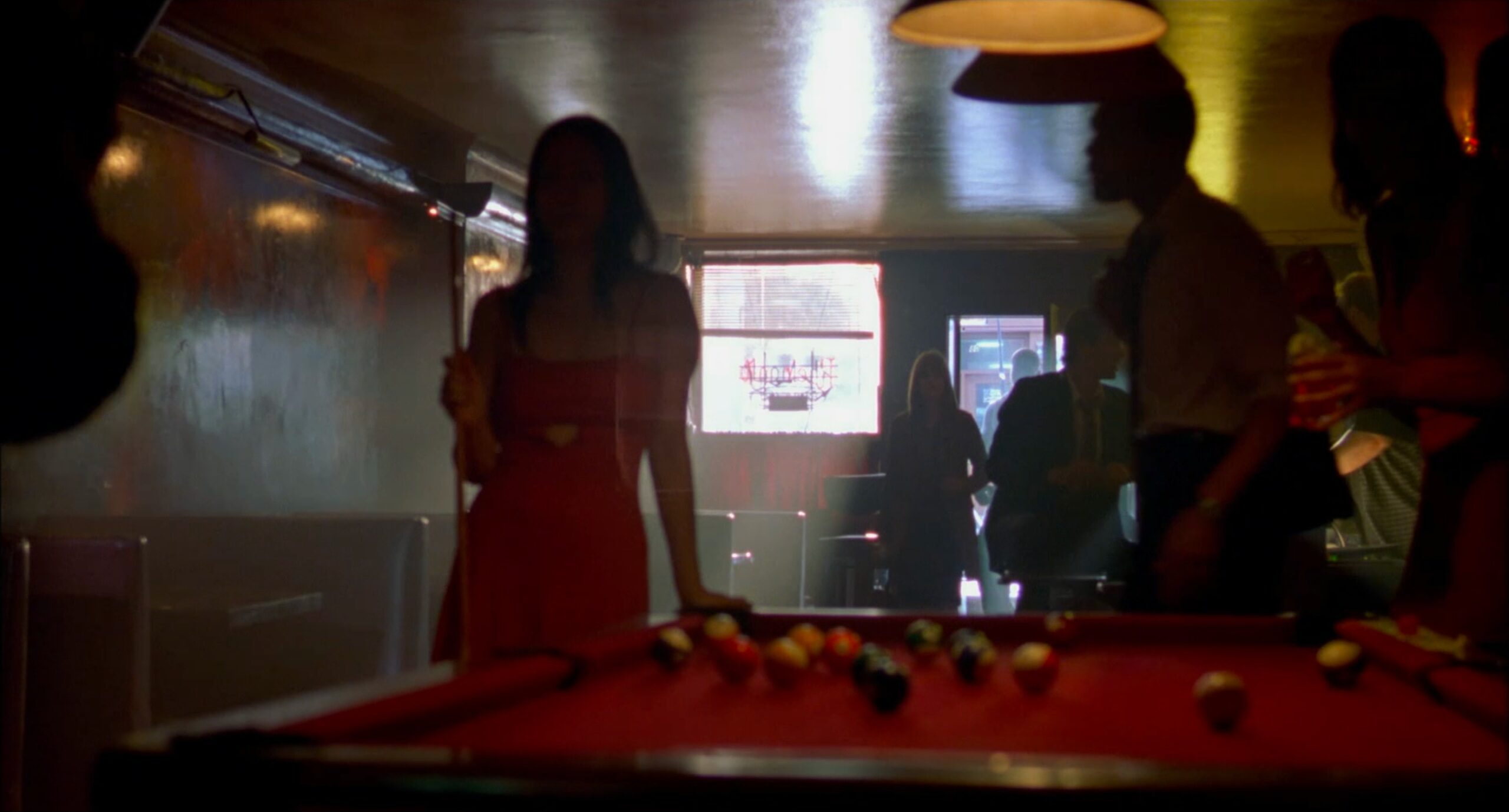
A New York City writing professor, Frannie Avery, has an affair with a police detective who is investigating the murder of a beautiful young woman in her neighborhood.
Jane Campion and cinematographer Dion Beebe shot In the Cut with a deliberately hazy, diffused look, using soft focus, colored lighting, and shallow depth-of-field to create a sense of disorientation and intimacy. The film’s warm, almost suffocating palette—full of ambers, reds, and sodium-vapor tones—turns New York into a subjective, dreamlike space, mirroring Frannie’s increasingly unstable perspective.
FILM SPOTLIGHT
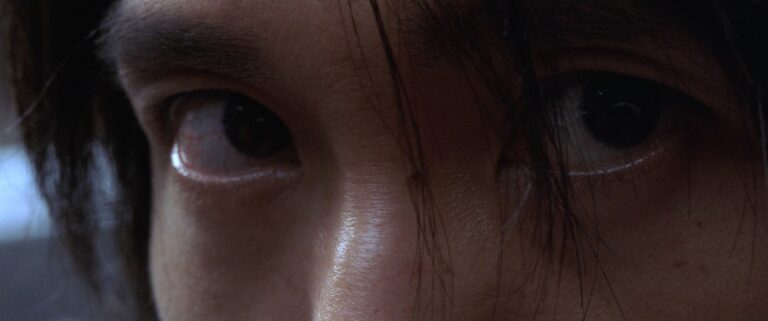
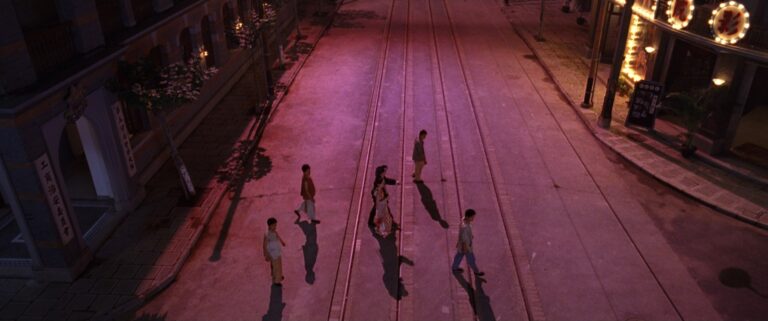
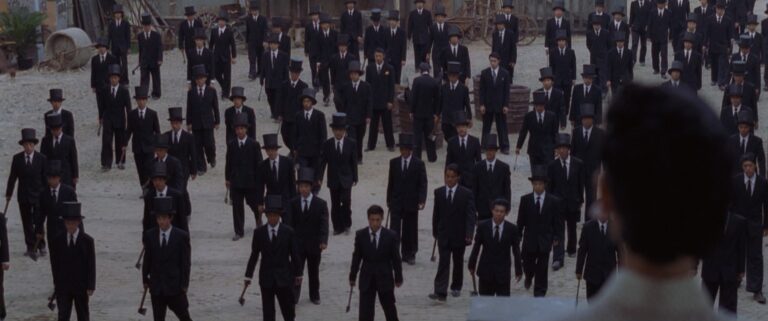
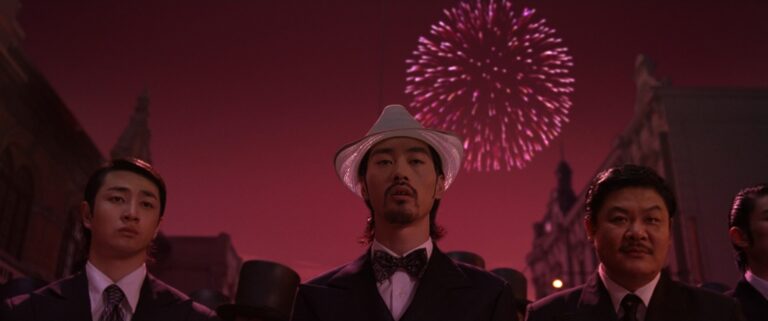
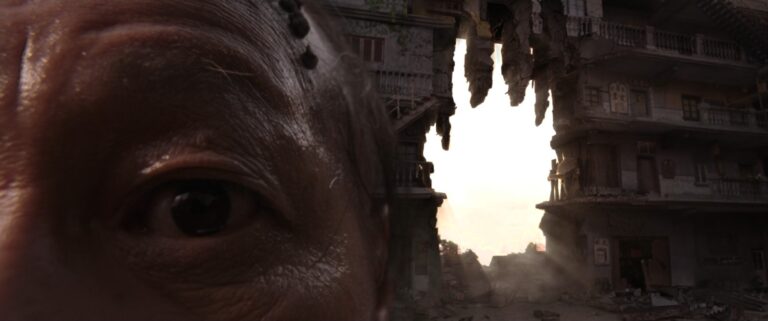
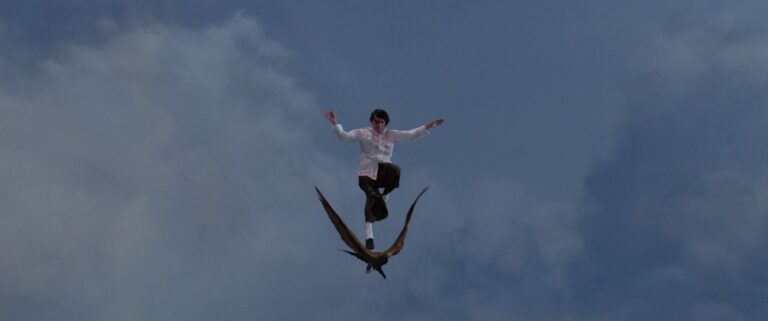
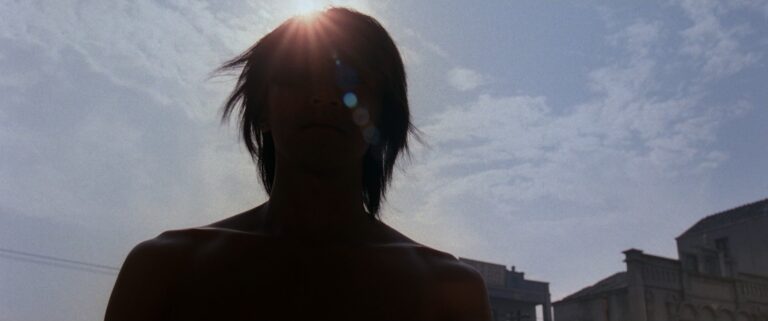
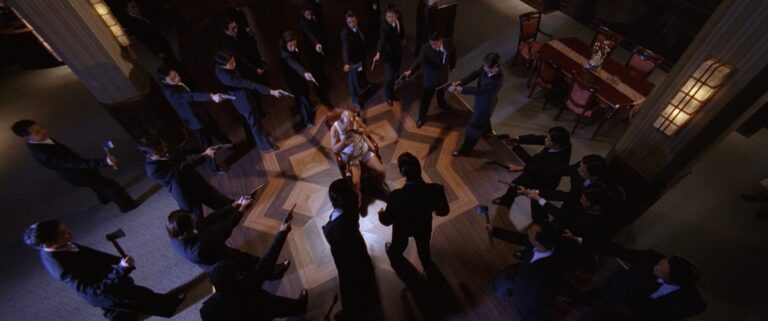
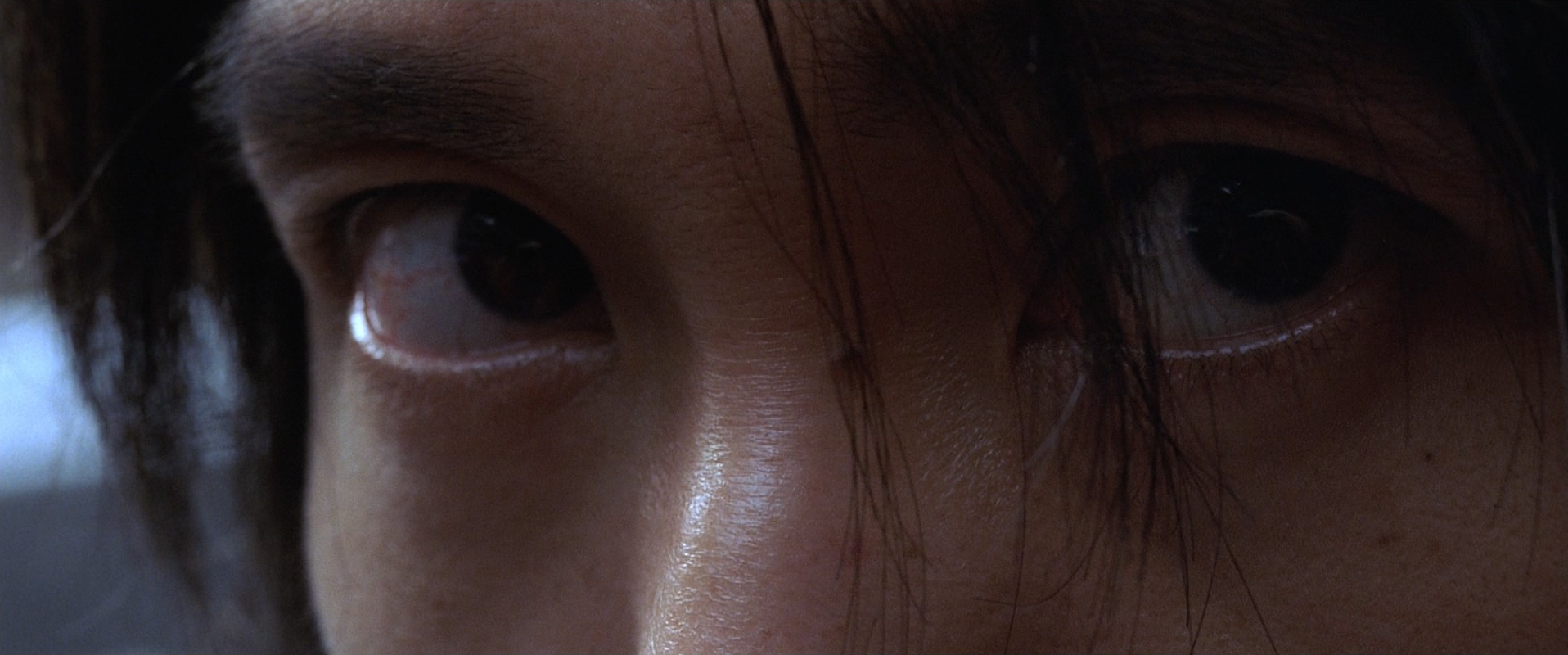
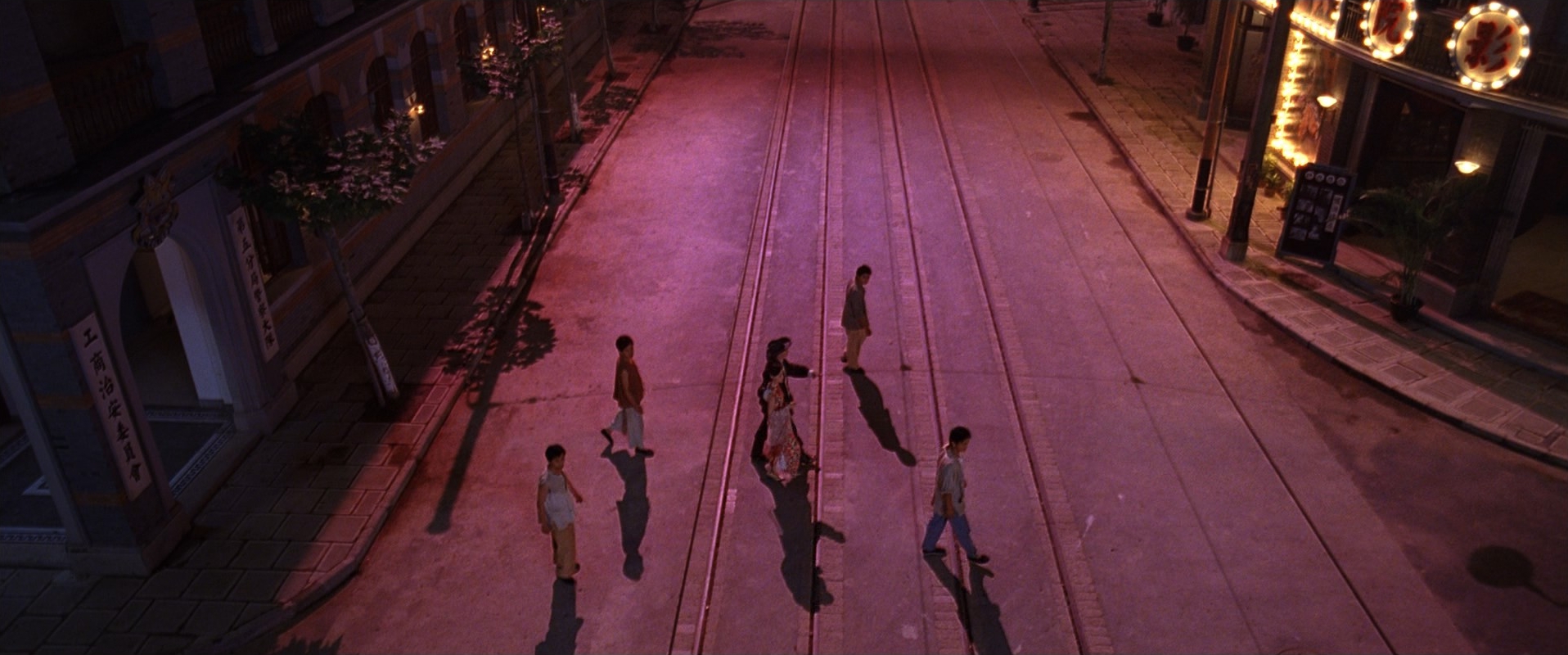
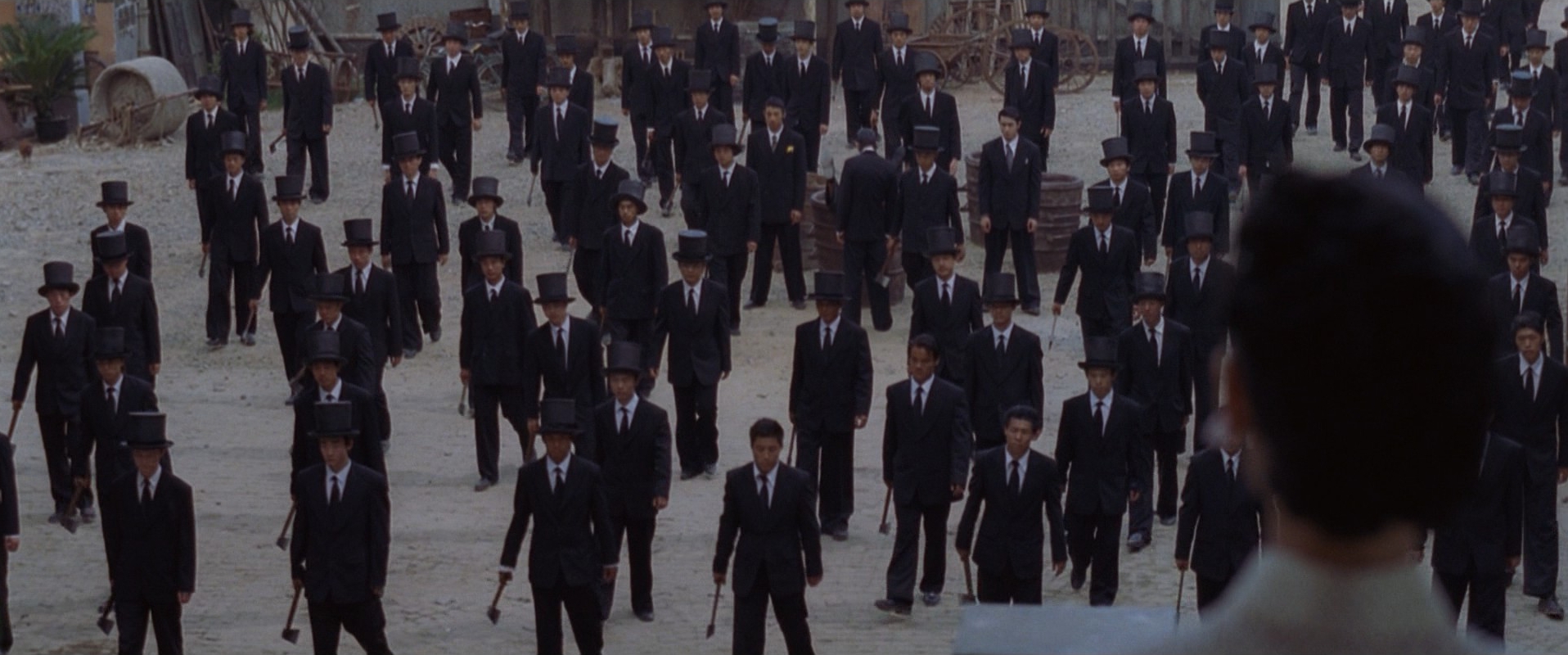
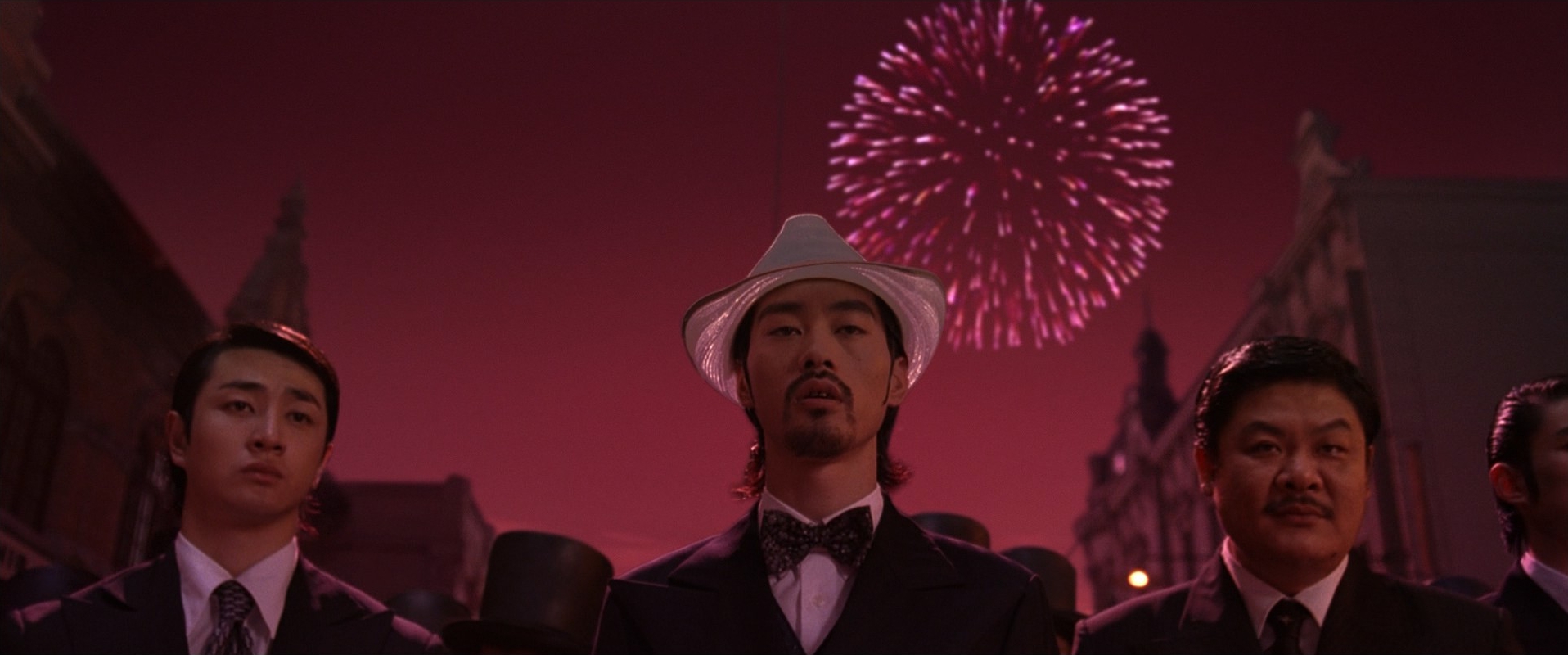
Kung Fu Hustle (2004)
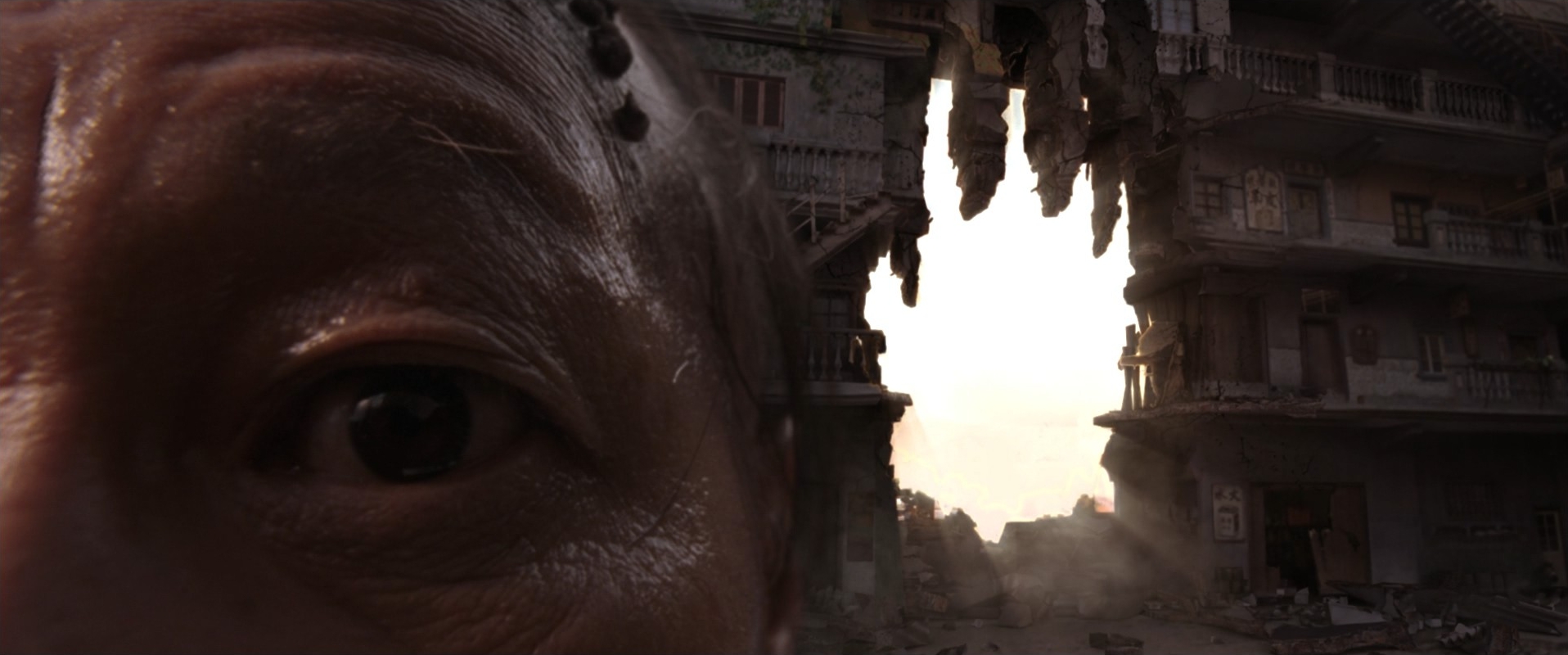
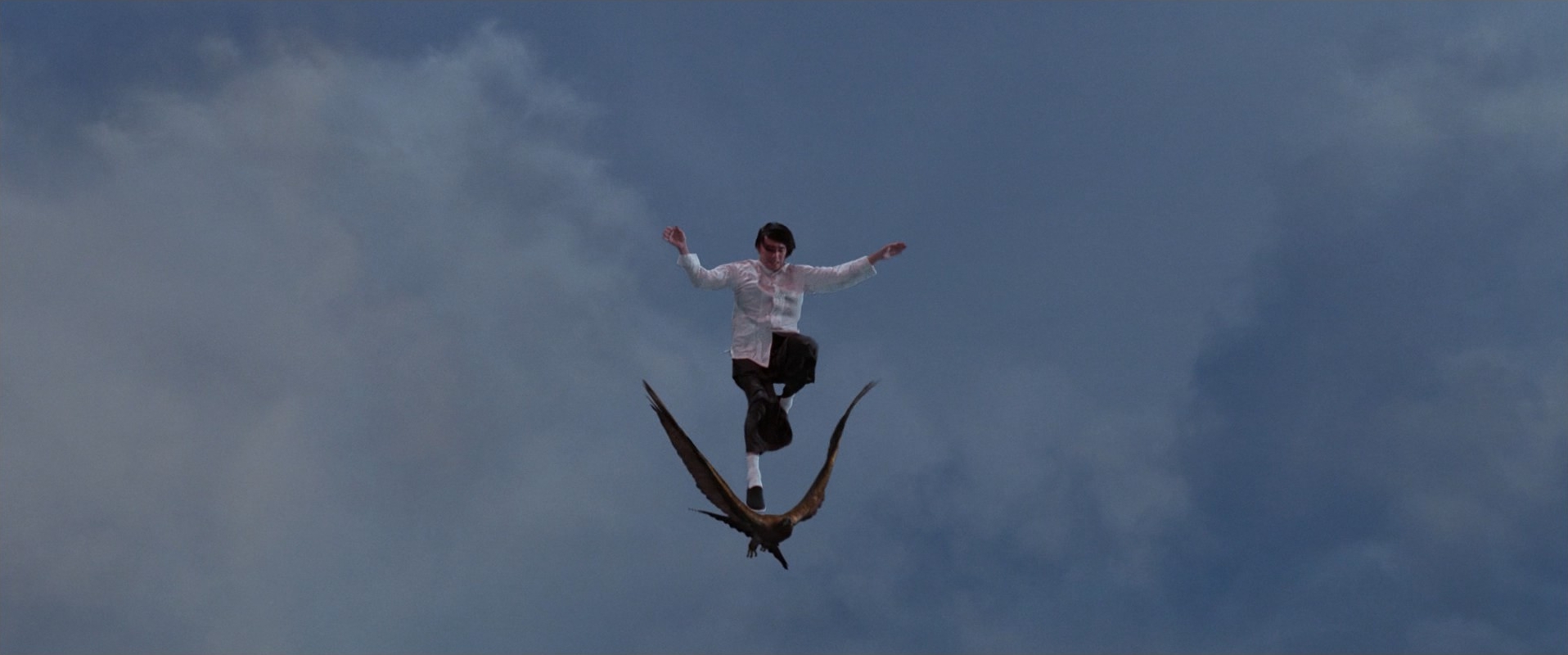
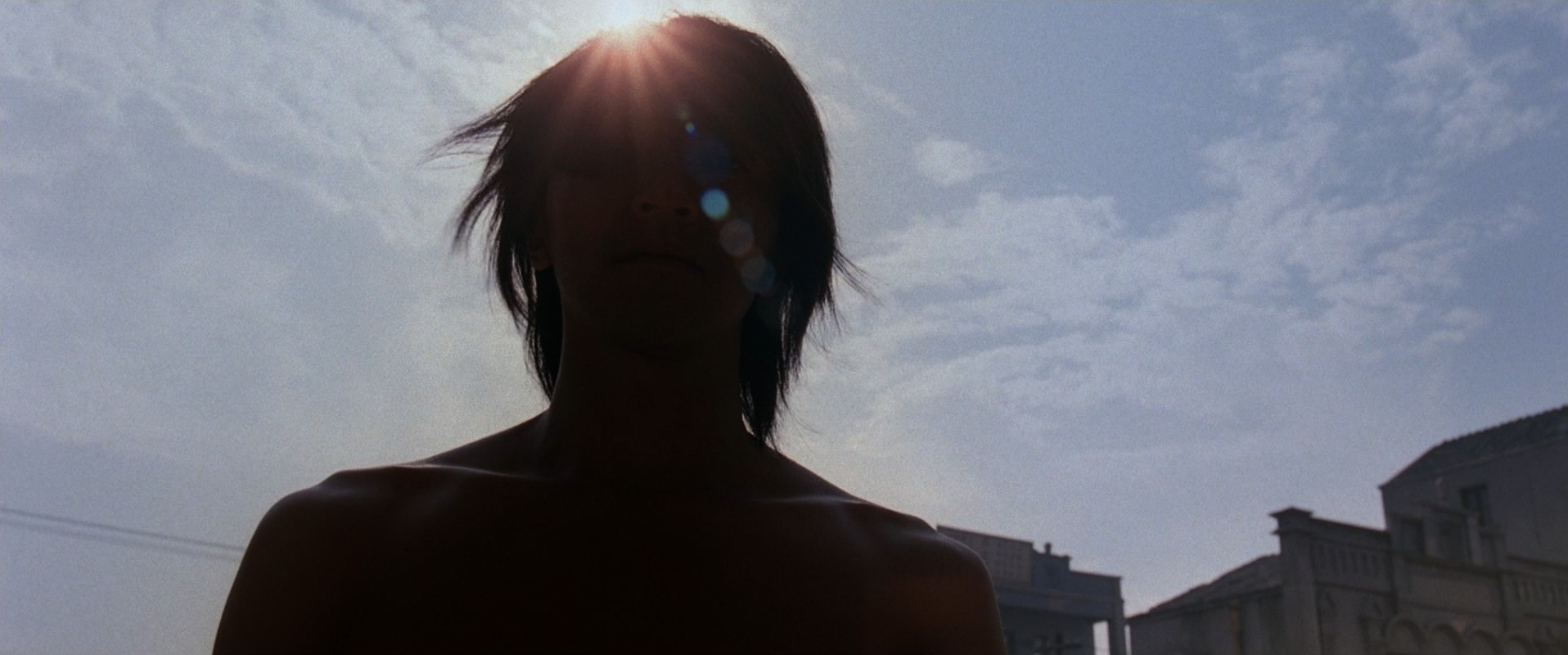
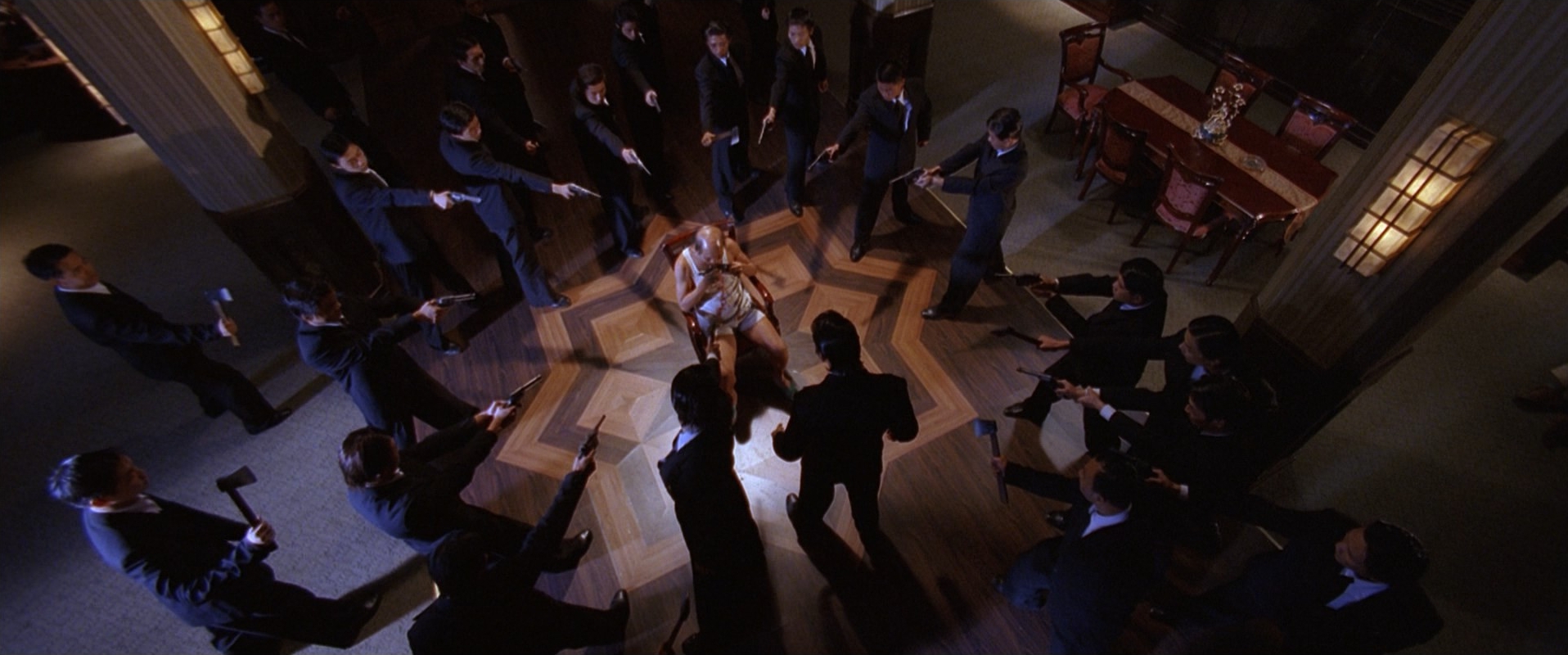
It’s the 1940s, and the notorious Axe Gang terrorizes Shanghai. Small-time criminals Sing and Bone hope to join, but they only manage to make lots of very dangerous enemies. Fortunately for them, kung fu masters and hidden strength can be found in unlikely places. Now they just have to take on the entire Axe Gang.
Stephen Chow blends classic kung fu cinema with heavy CGI and Looney Tunes-style exaggeration, using wirework, digital effects, and elastic editing to push action into full-on cartoon territory. The film’s heightened production design and bold color palette turn every fight into a visual gag as much as a spectacle—balancing precise choreography with absurd, physics-defying comedy.


FILM SPOTLIGHT
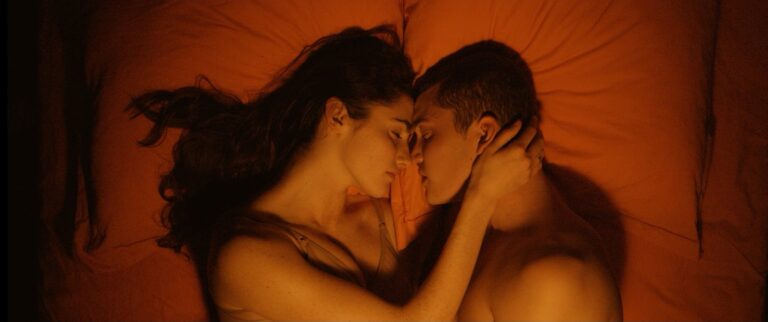
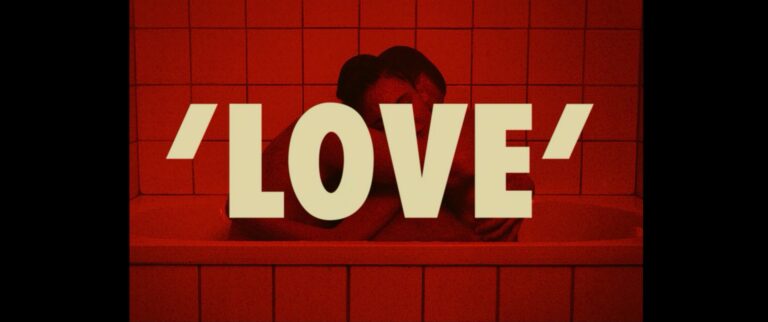
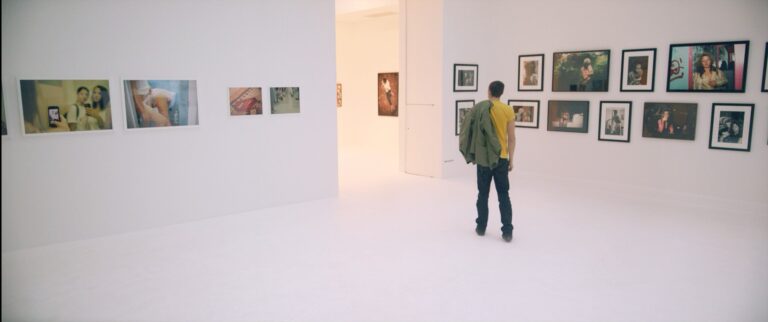
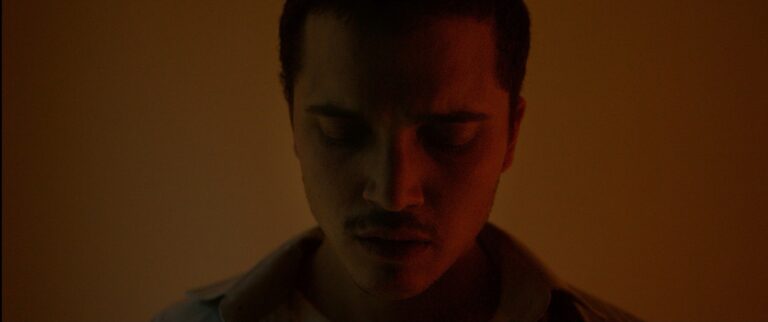
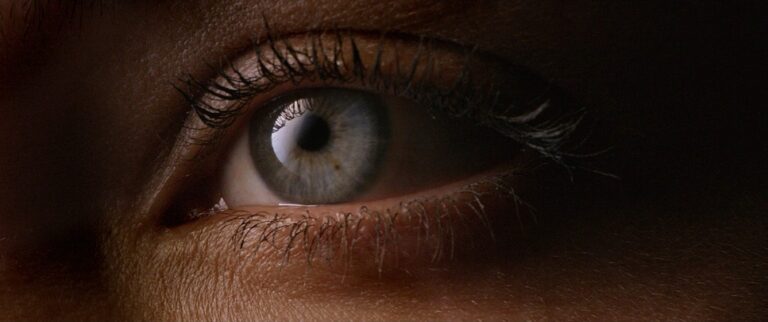
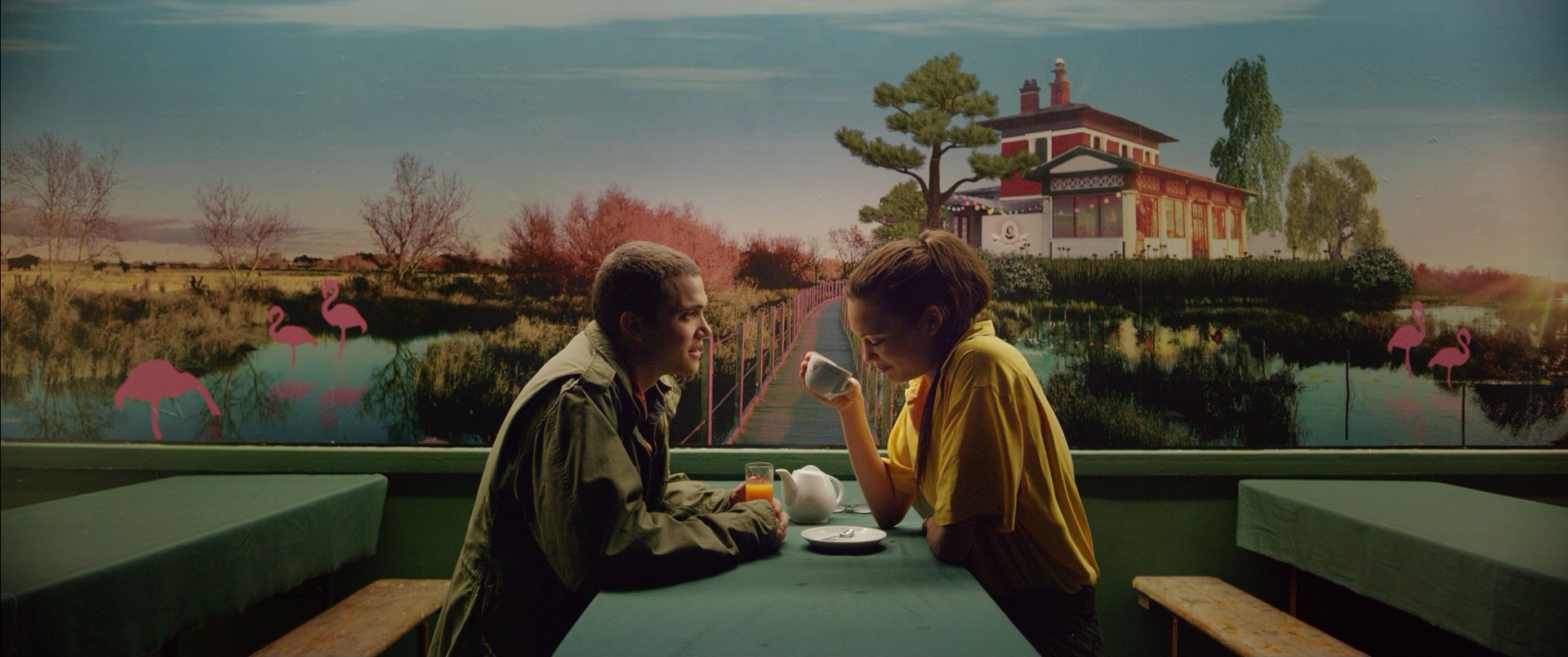
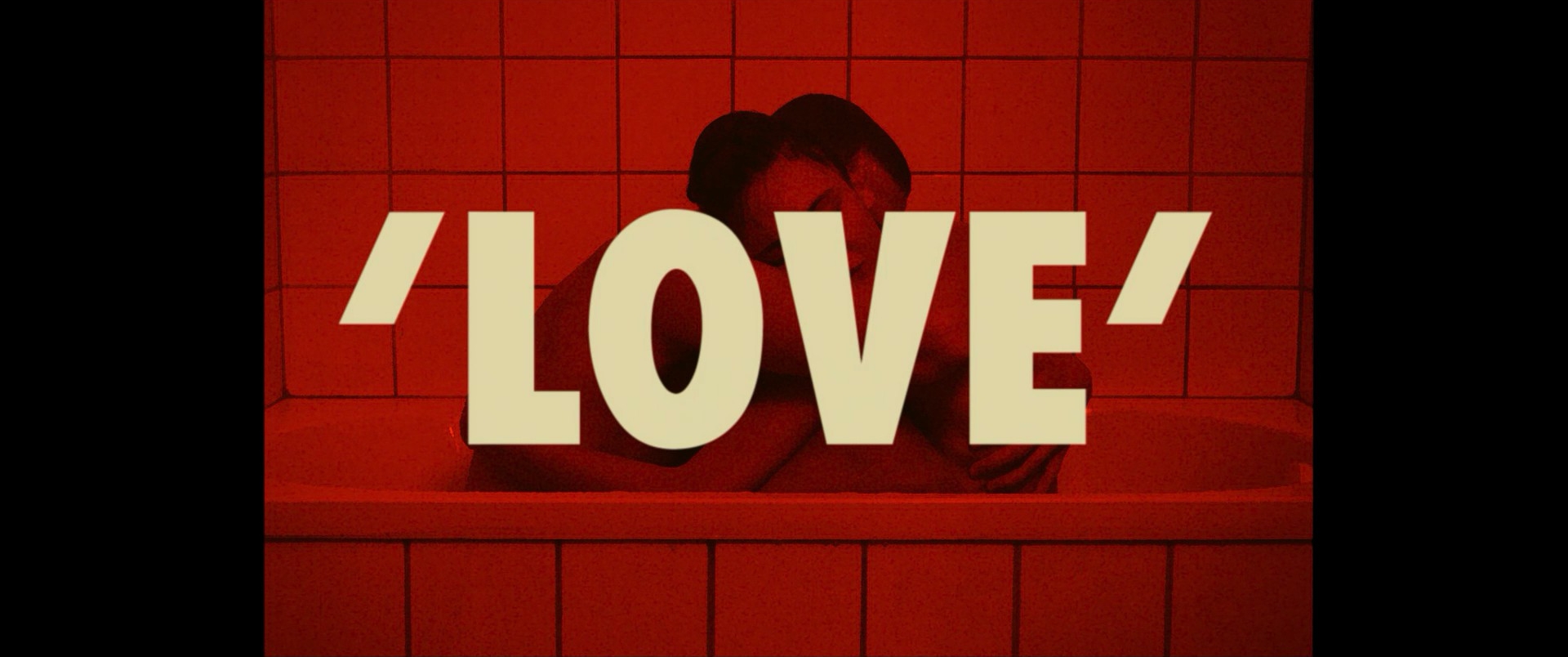
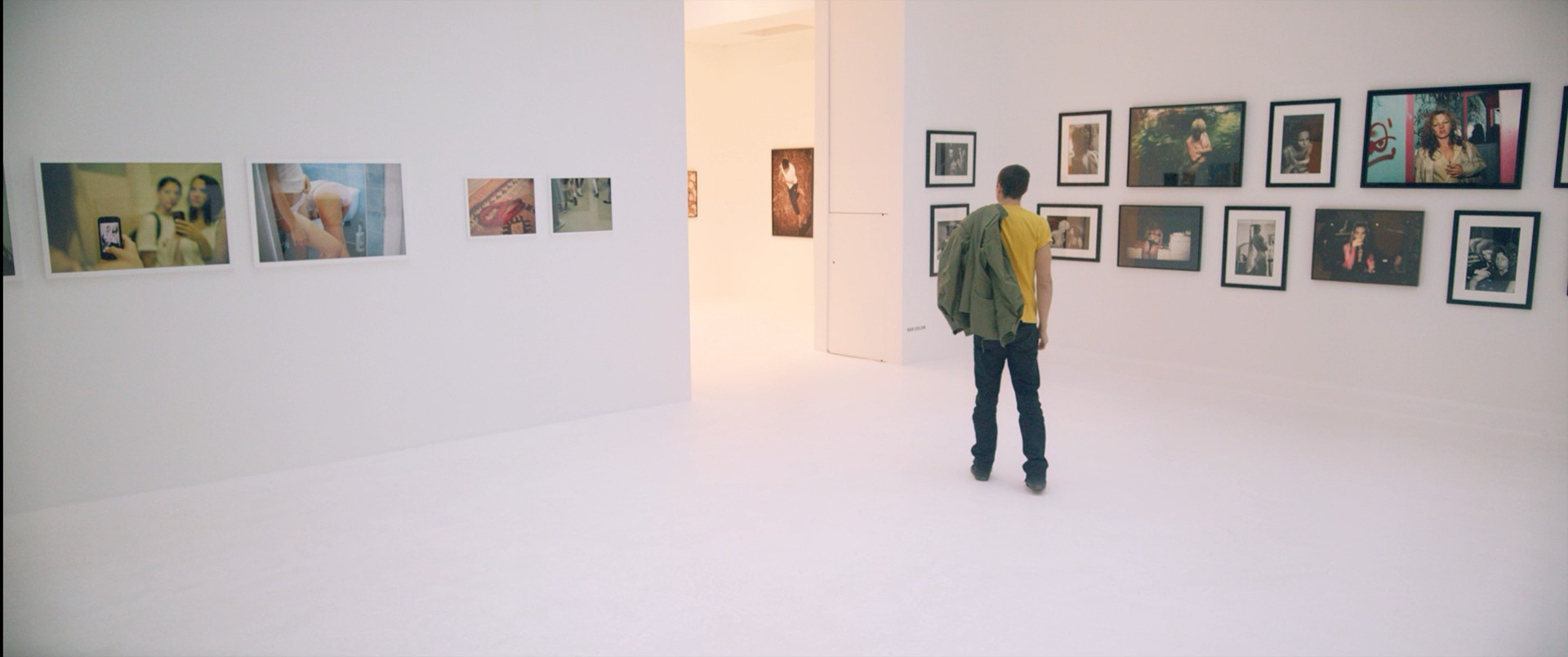
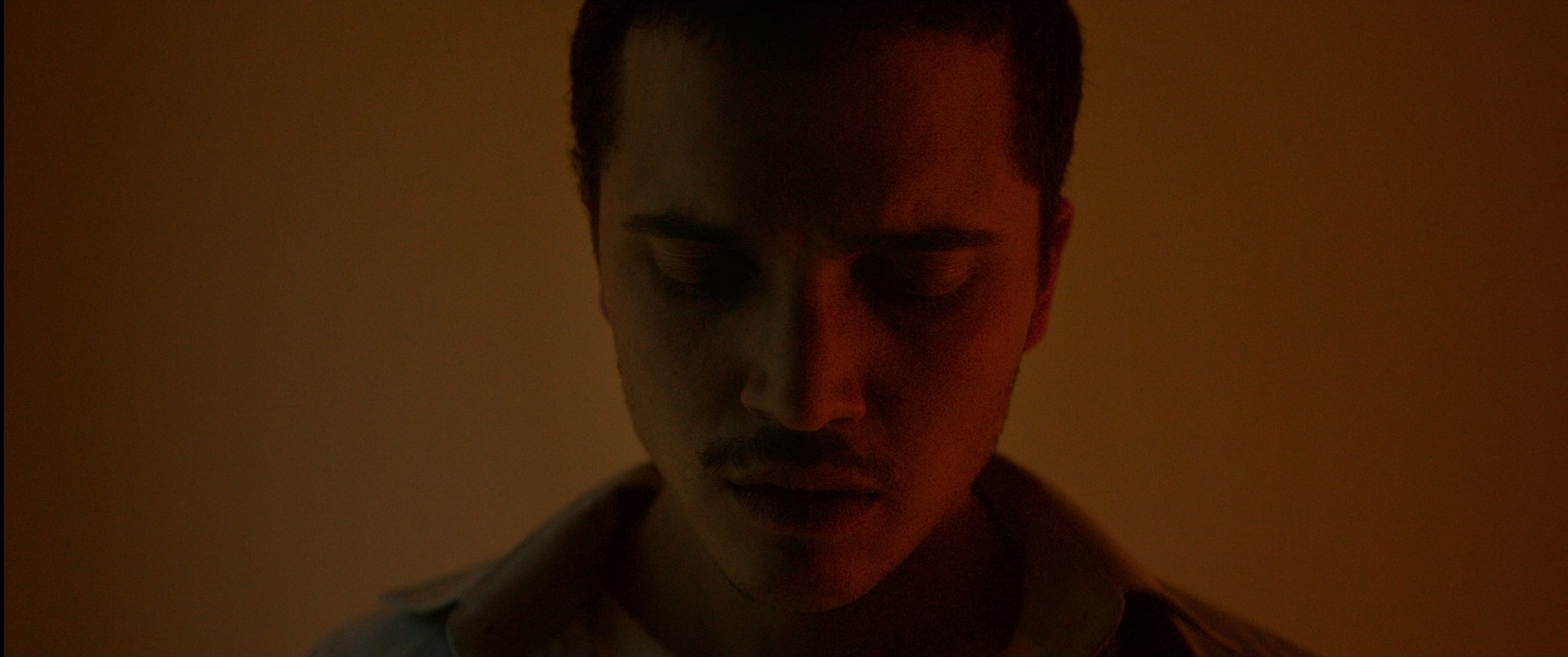
Love (2015)
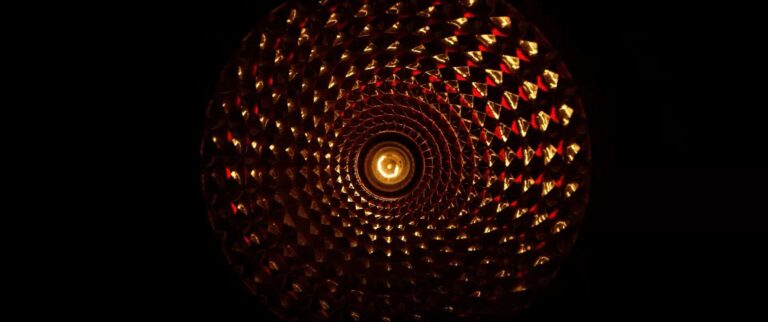
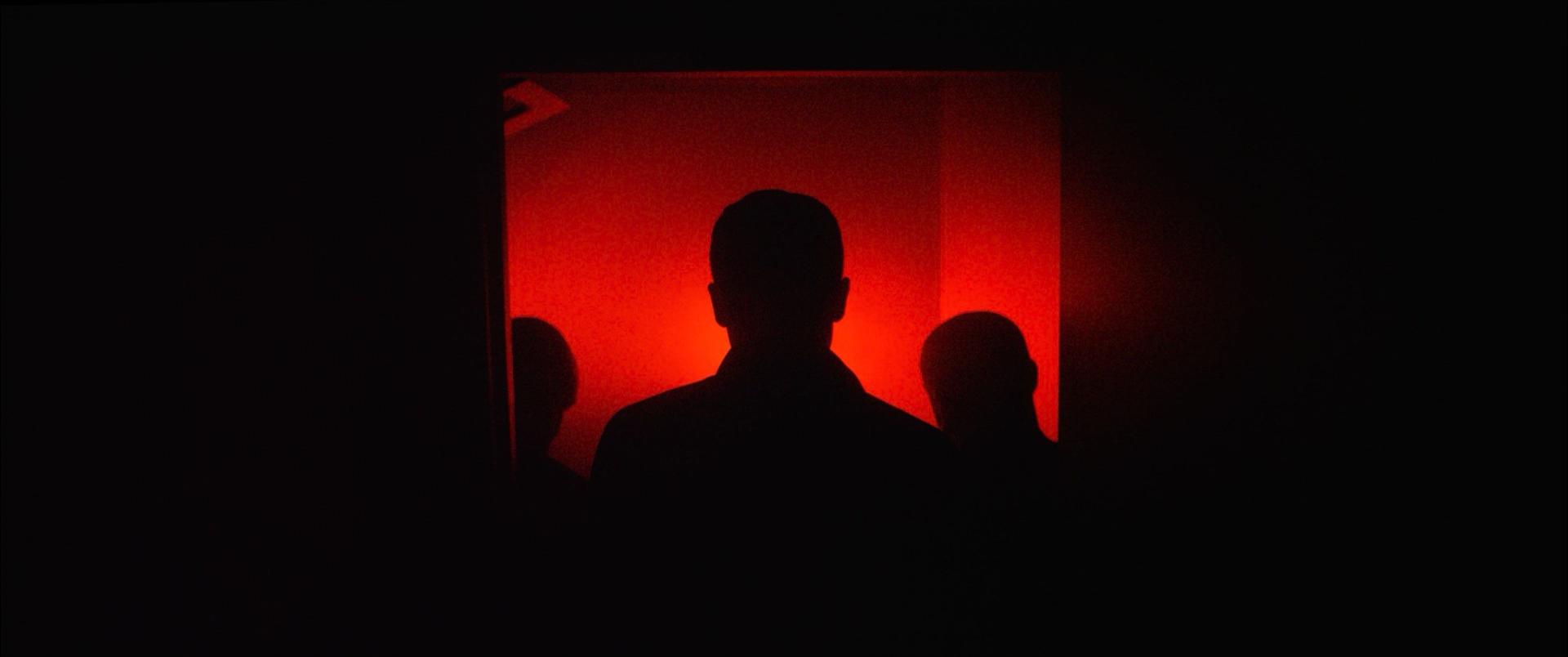
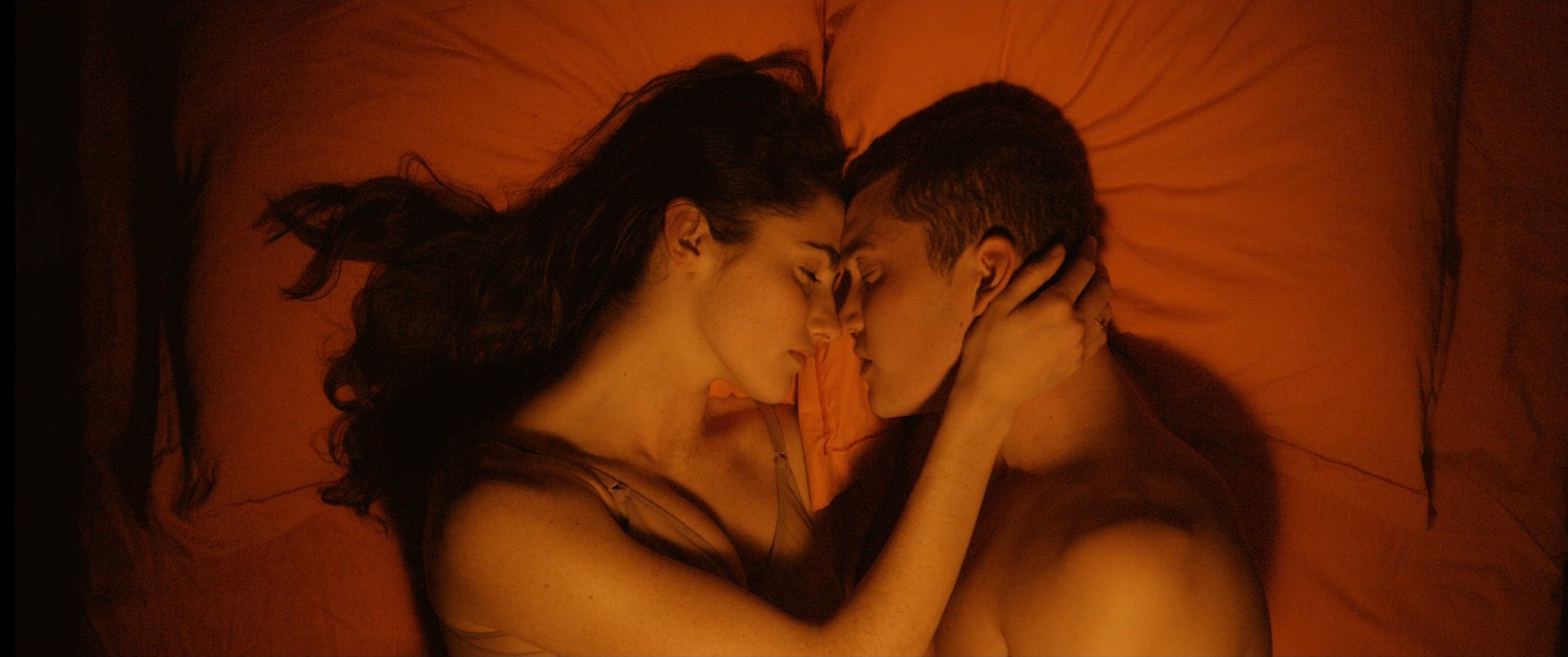
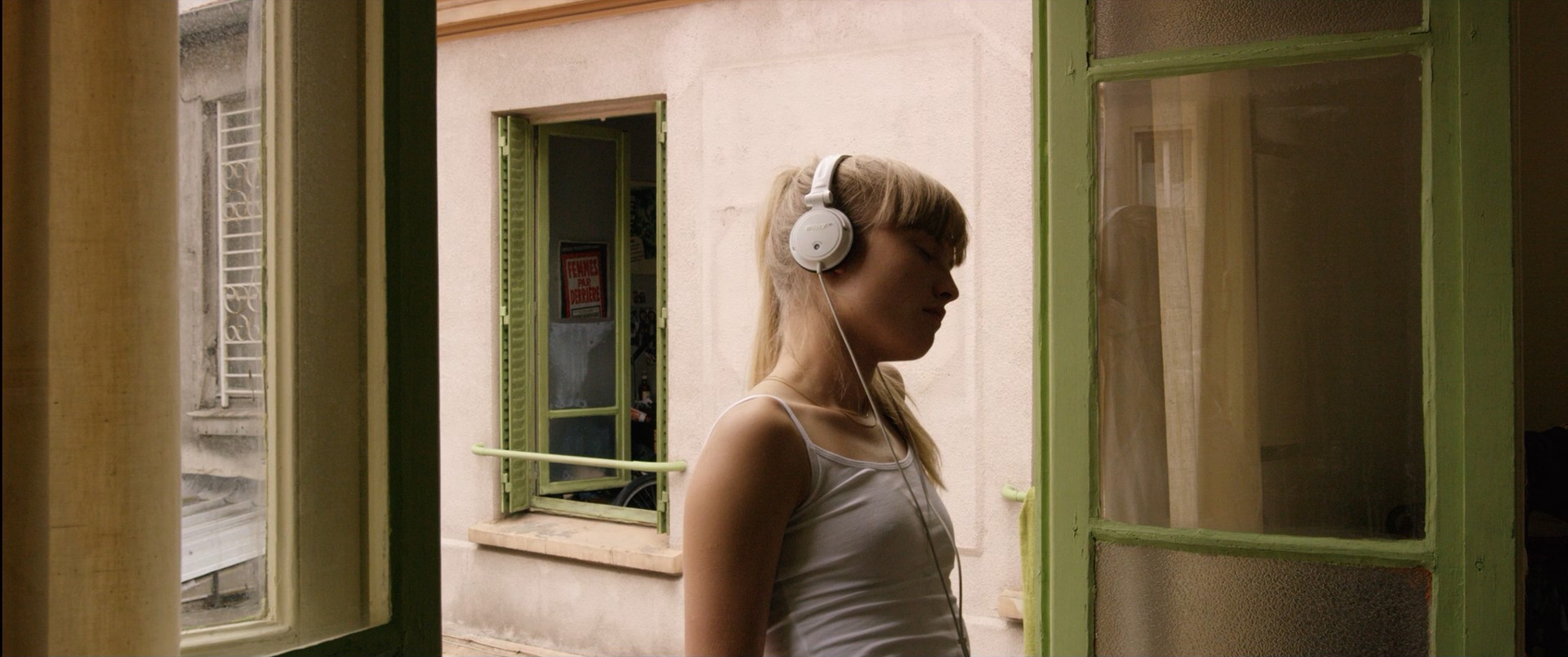
Murphy is an American living in Paris who enters a highly sexually and emotionally charged relationship with the unstable Electra. Unaware of the seismic effect it will have on their relationship, they invite their pretty neighbor into their bed.
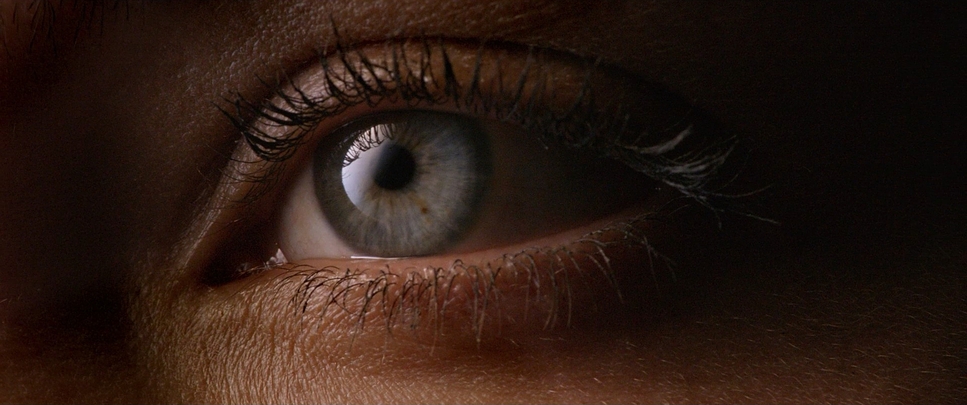
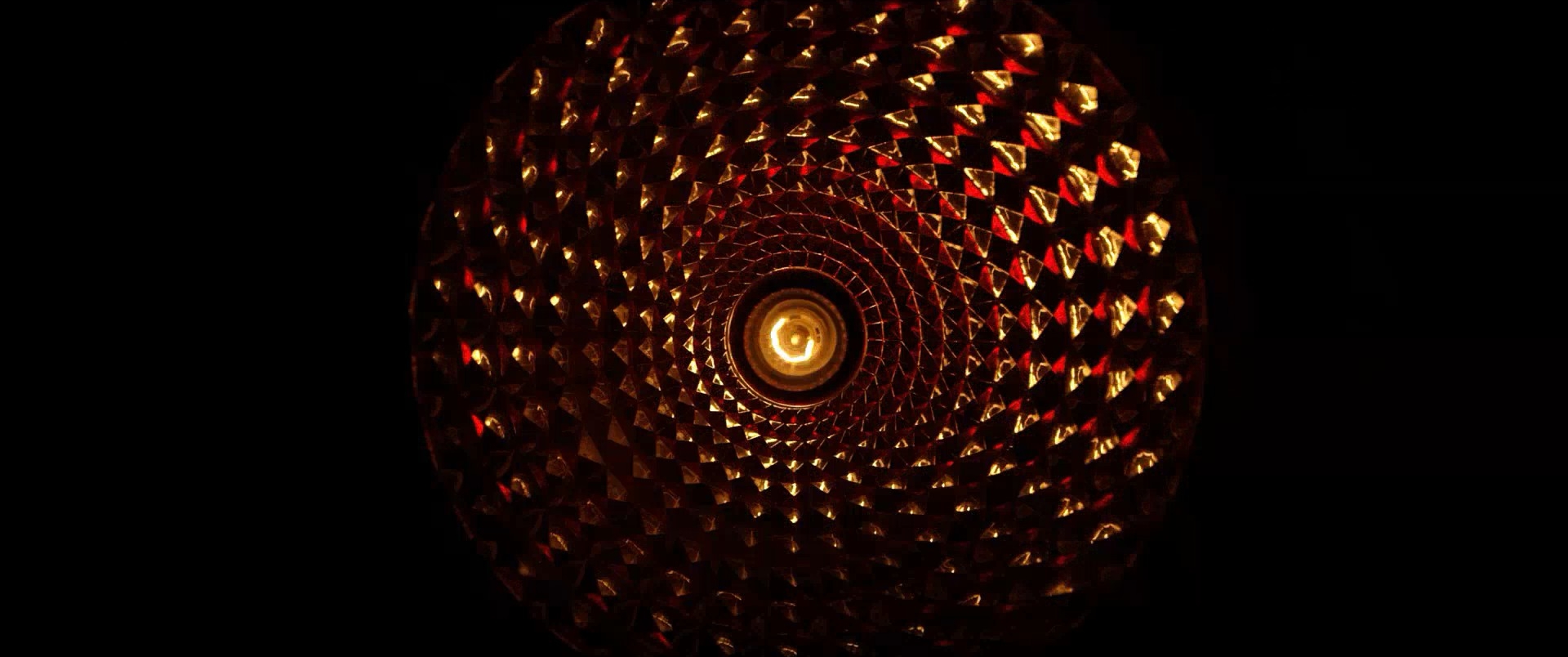
Gaspar Noé shot Love in stereoscopic 3D, using long takes and natural light to create an unusually intimate, immersive experience. The film’s bold use of depth and minimal cutting turns physical space into an emotional one—pushing the boundaries of how 3D can be used, not for spectacle, but for raw, subjective proximity.
FILM SPOTLIGHT
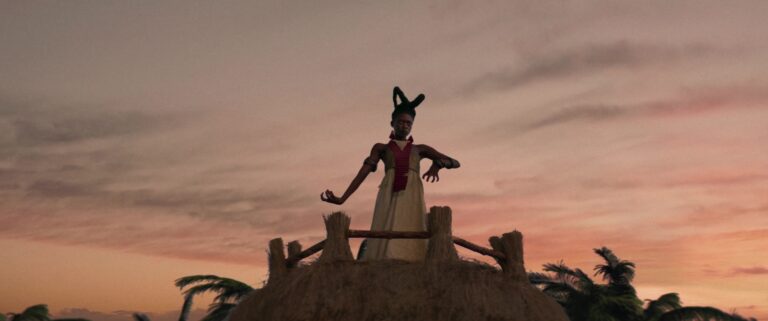
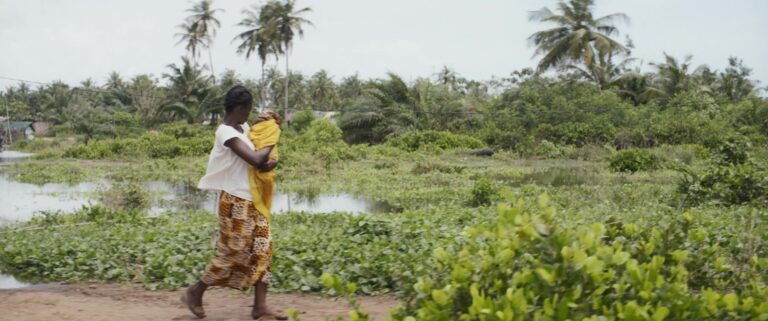
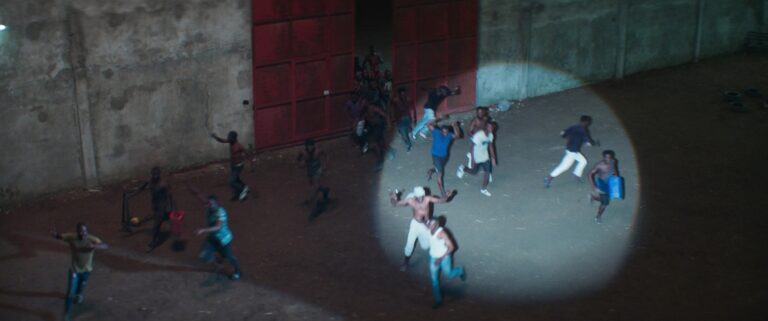
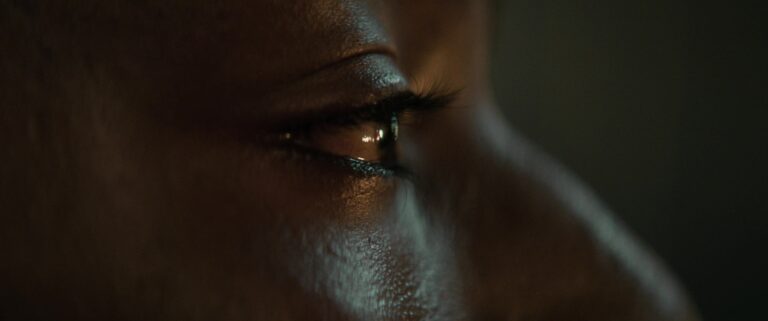
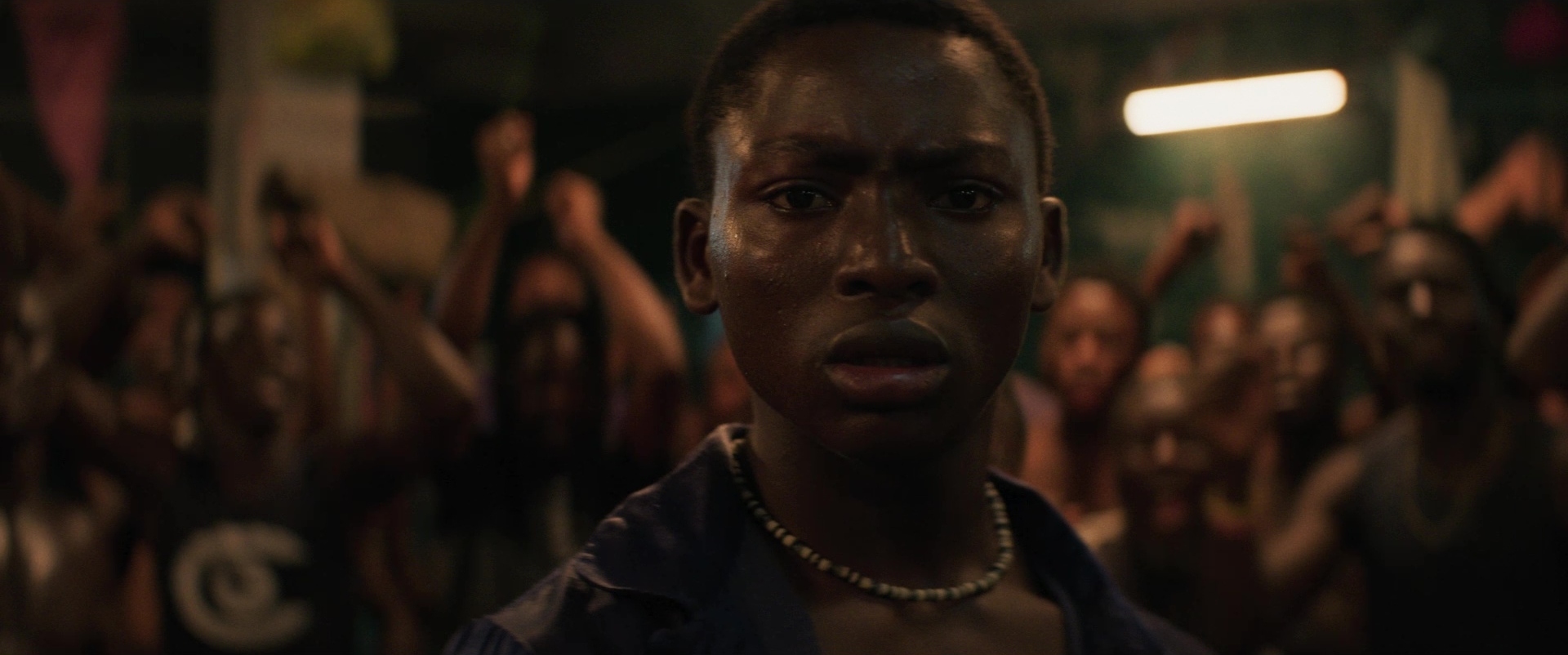
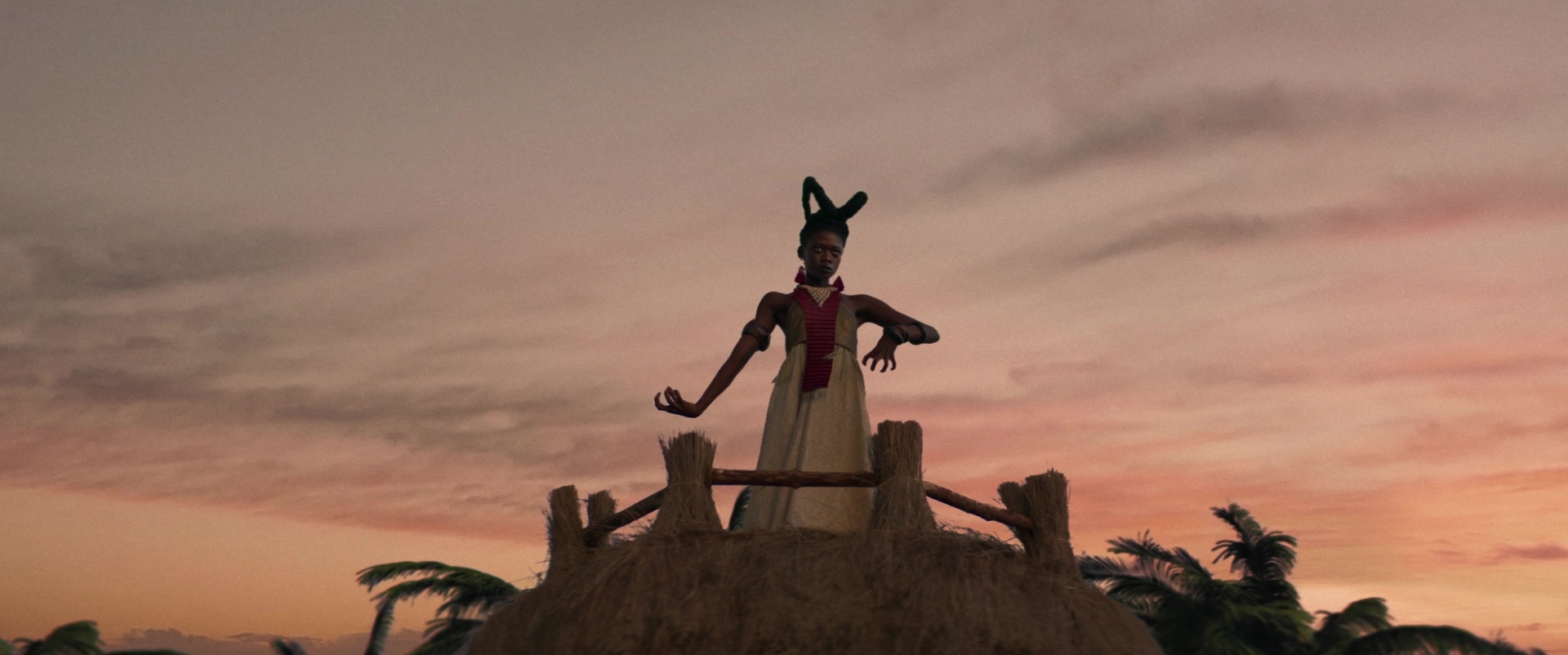
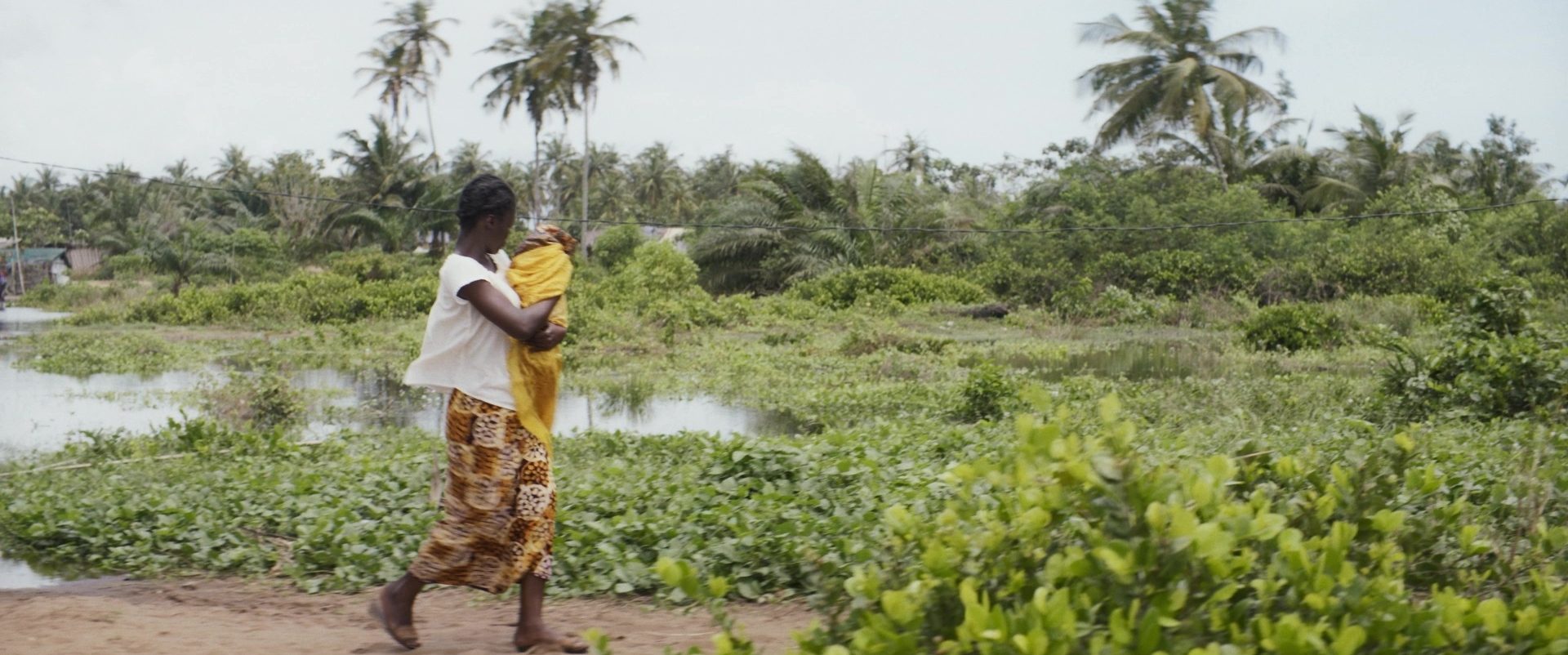
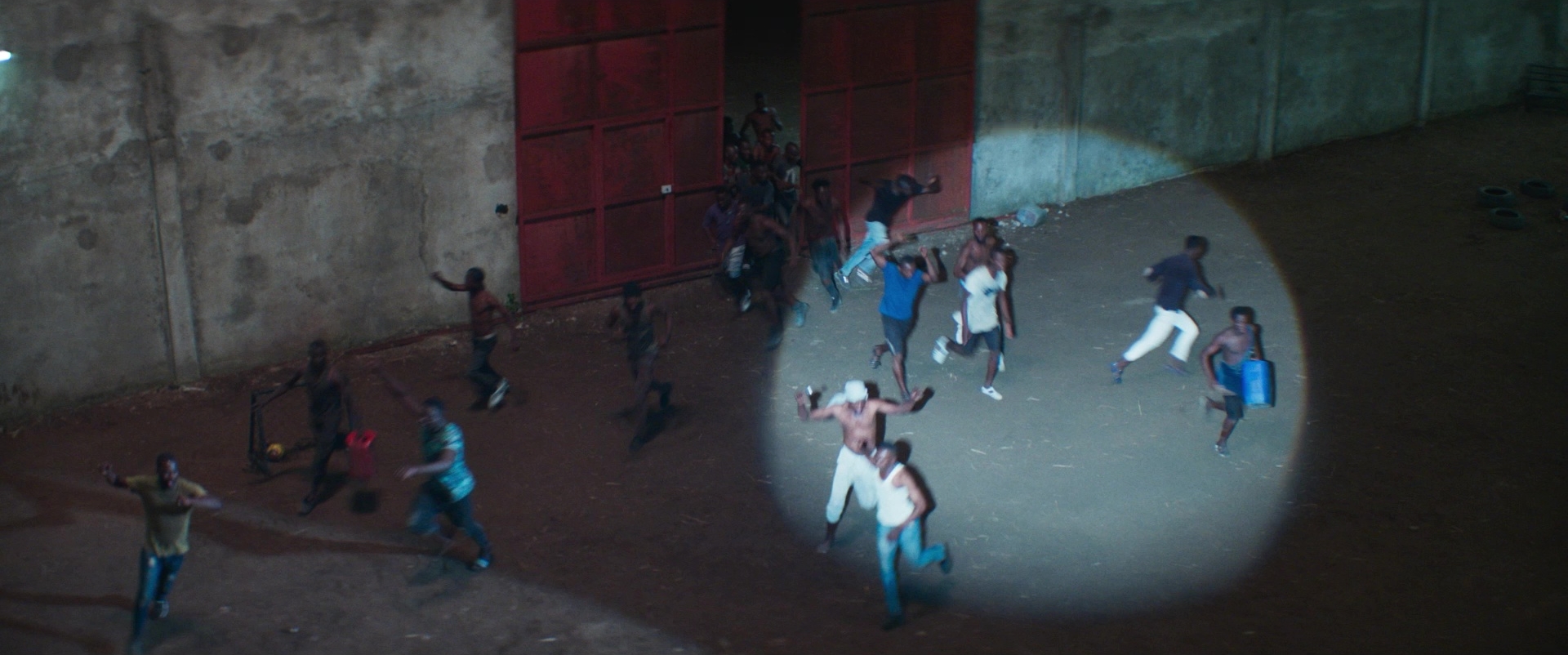
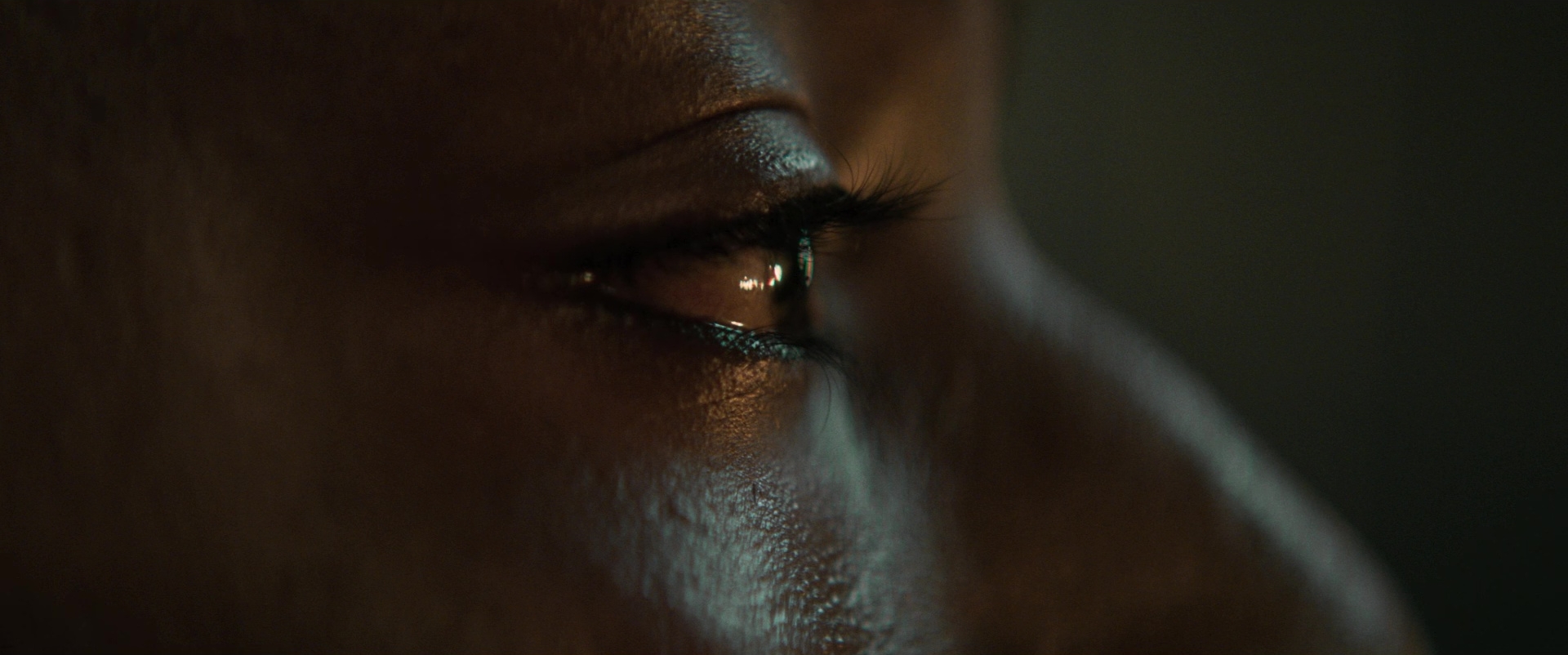
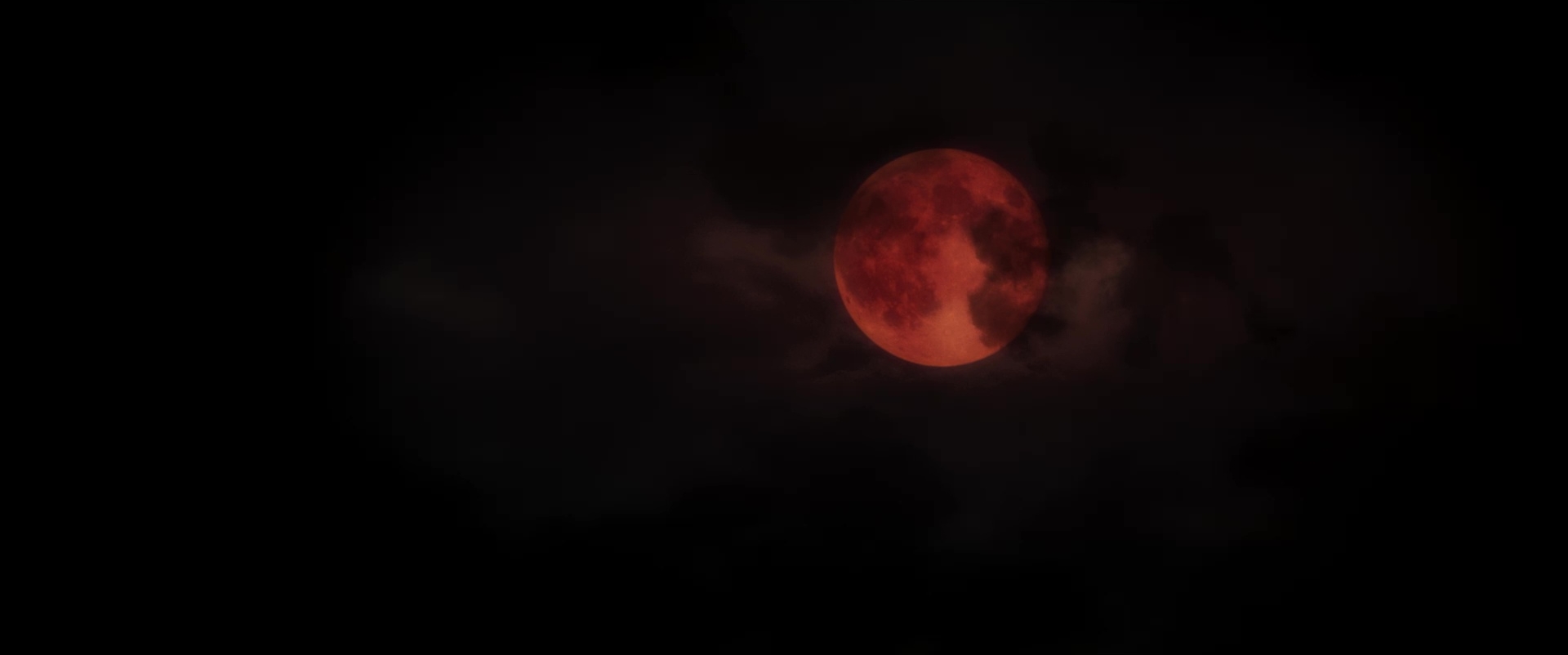
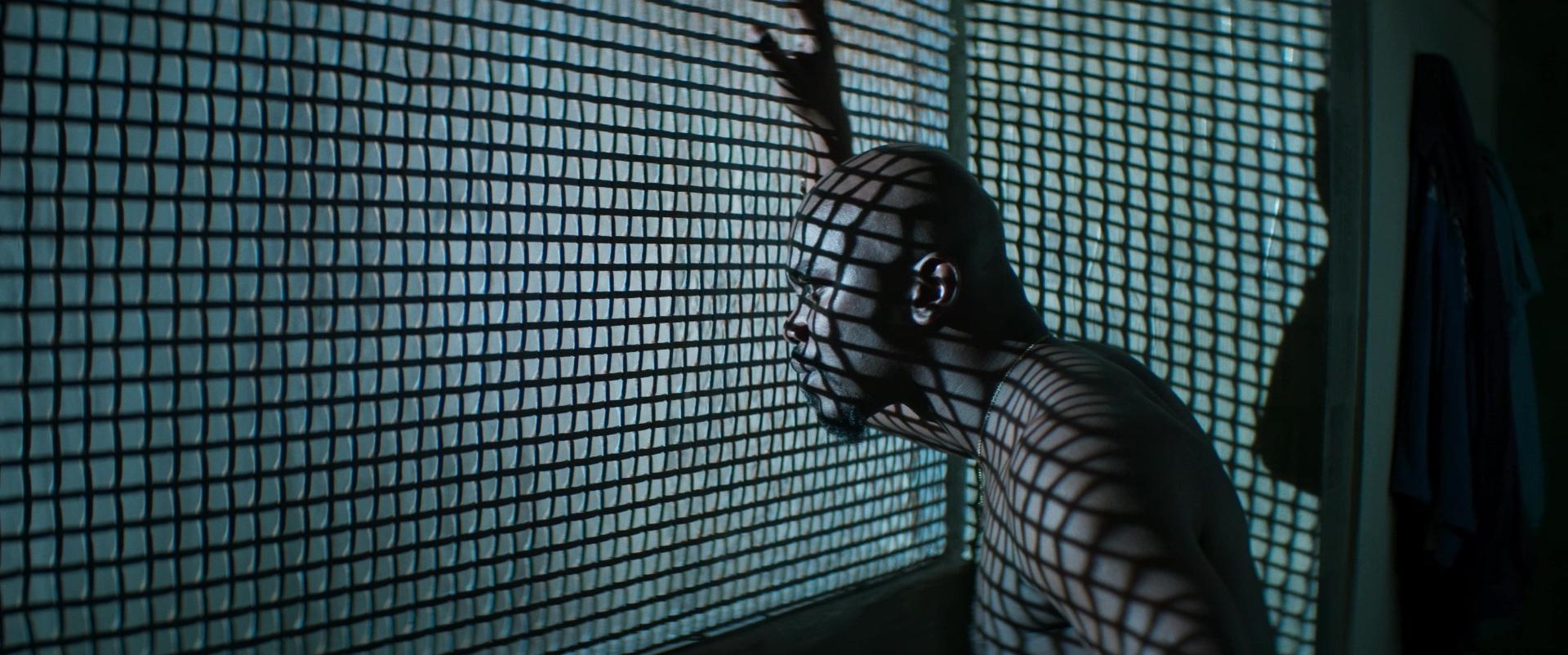
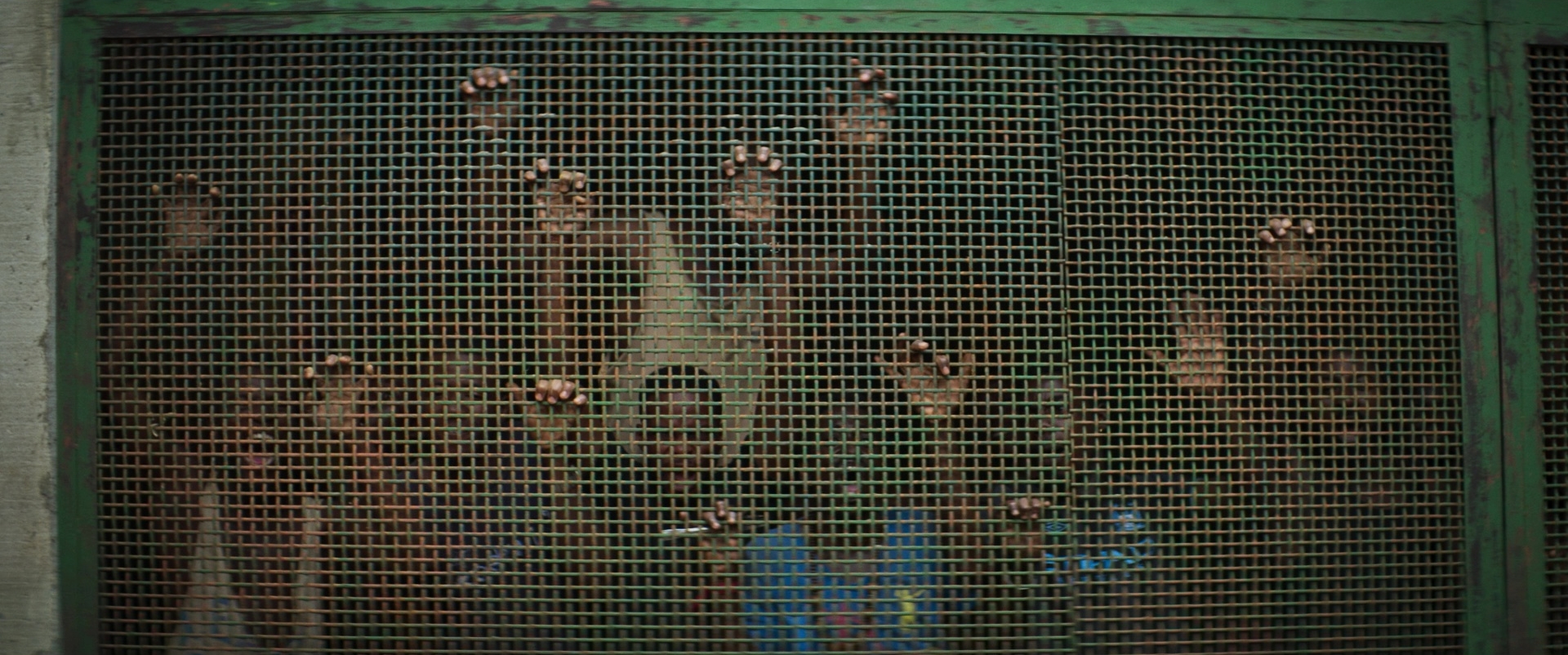
Night of the Kings (2020)
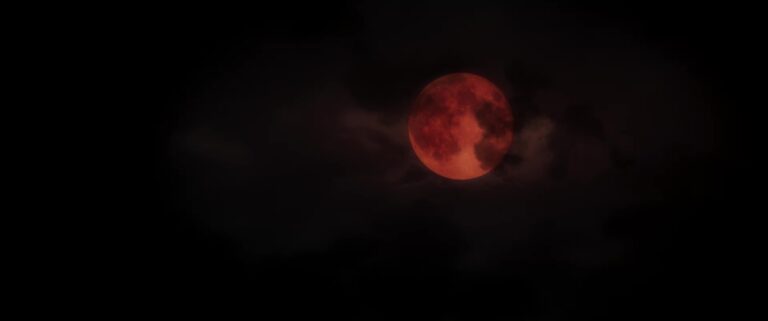
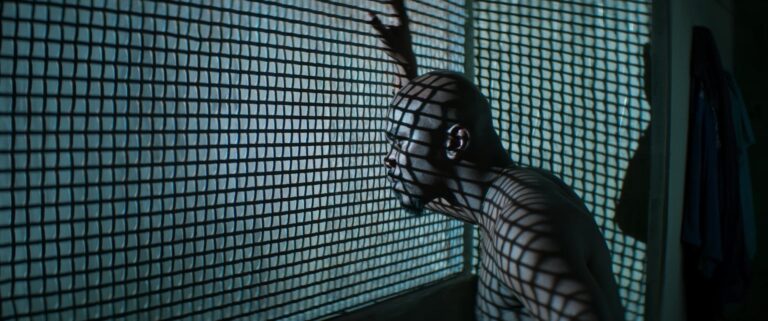
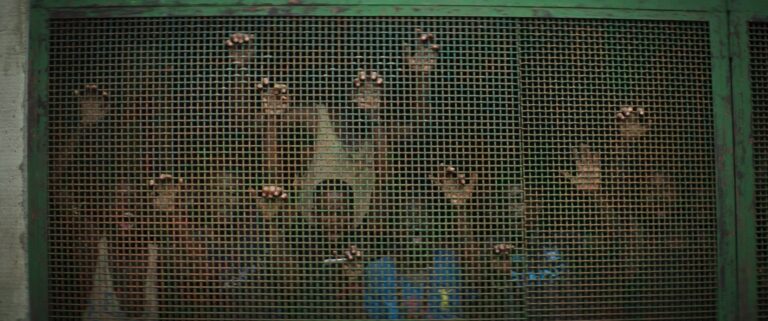
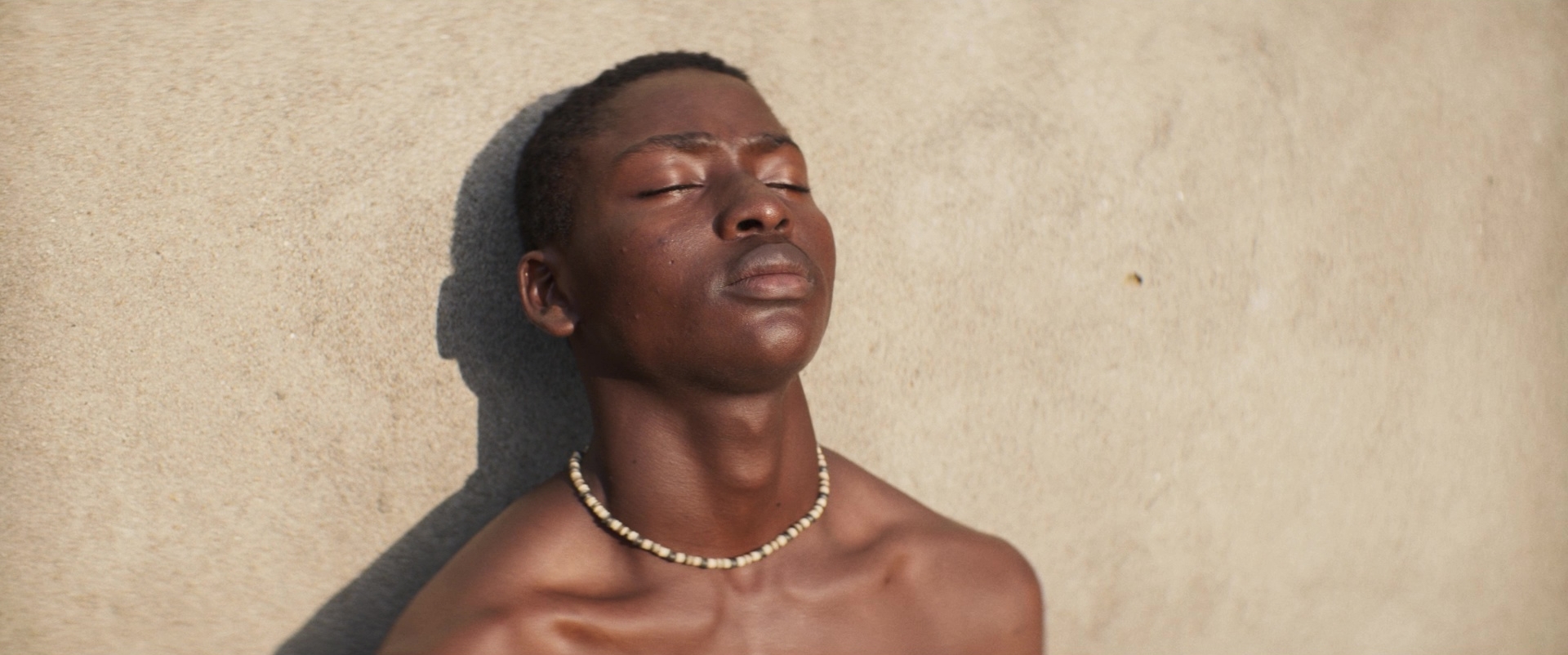
A young man is sent to “La Maca,” a prison in the middle of the Ivorian forest ruled by its inmates. As tradition goes with the rising of the red moon, he is designated by the Boss to be the new “Roman” and must tell a story to the other prisoners. Learning what fate awaits him, he begins to narrate the mystical life of the legendary outlaw named “Zama King” and has no choice but to make his story last until dawn.
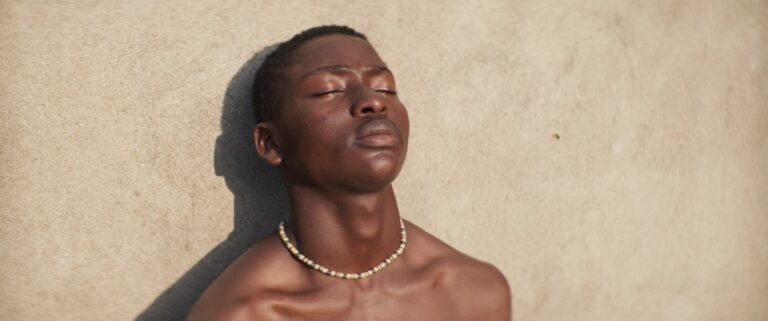
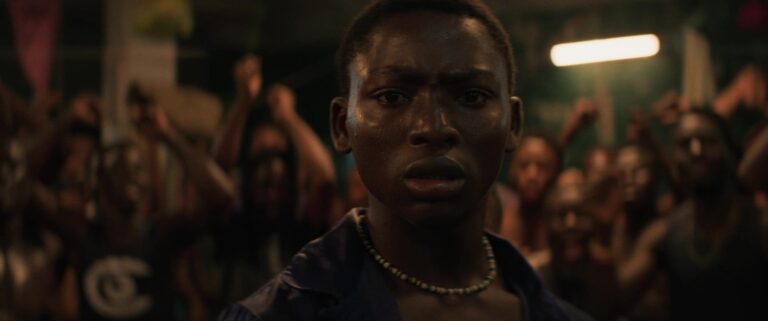
Lacôte and cinematographer Tobie Marier-Robitaille shot Night of the Kings with a heightened, theatrical approach, using controlled lighting and choreographed movement to transform the prison into a living stage. The film blends naturalistic textures with stylized color and shadow, turning the act of storytelling into something physical—where bodies, light, and space pulse in rhythm with the tale being told.
FILM SPOTLIGHT
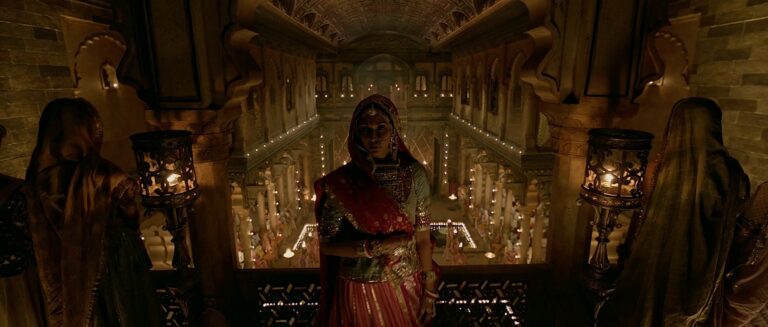
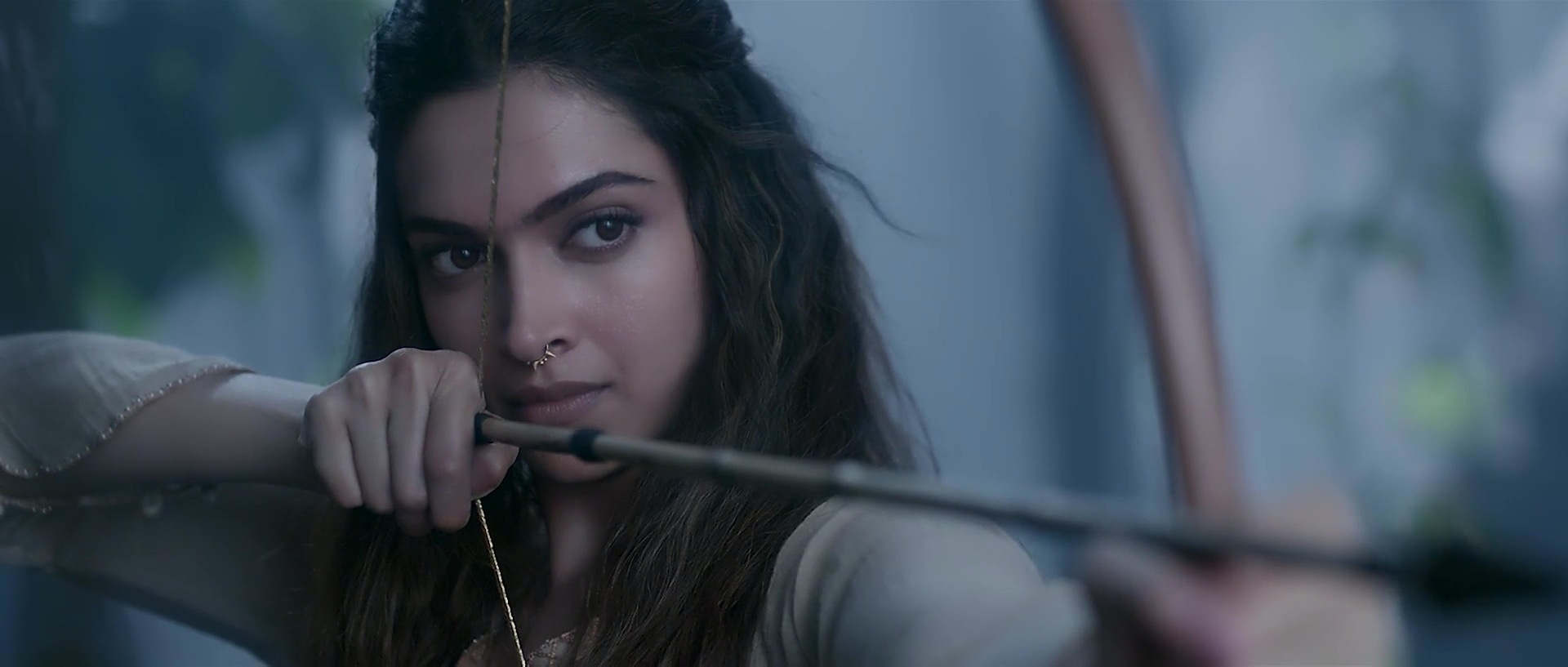
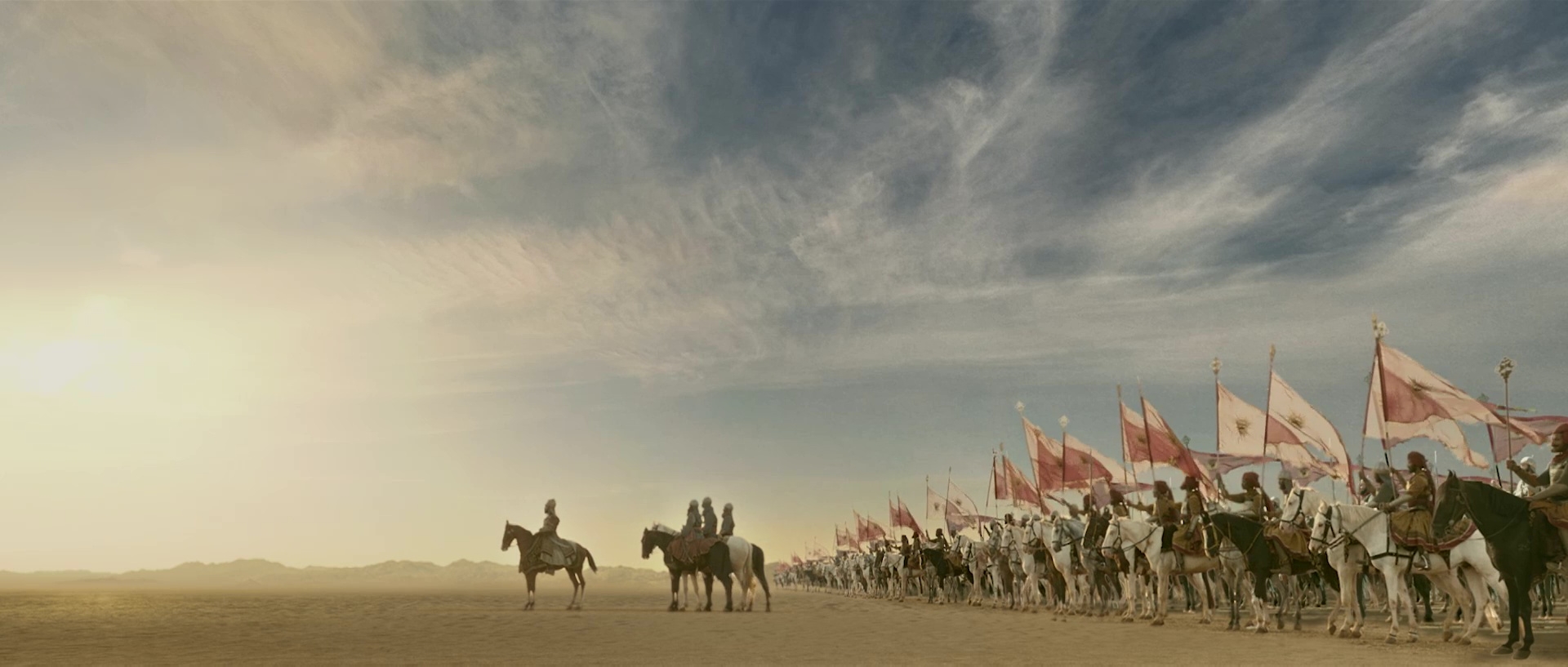
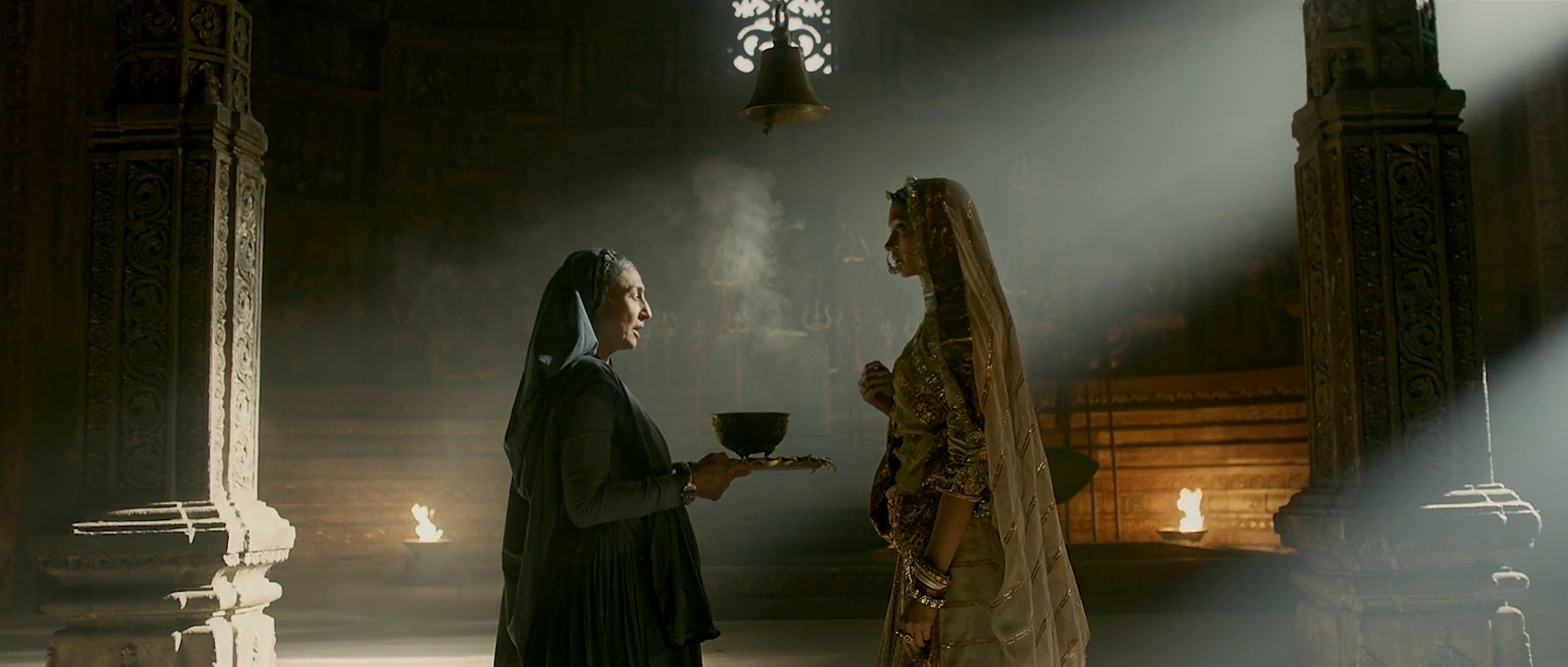
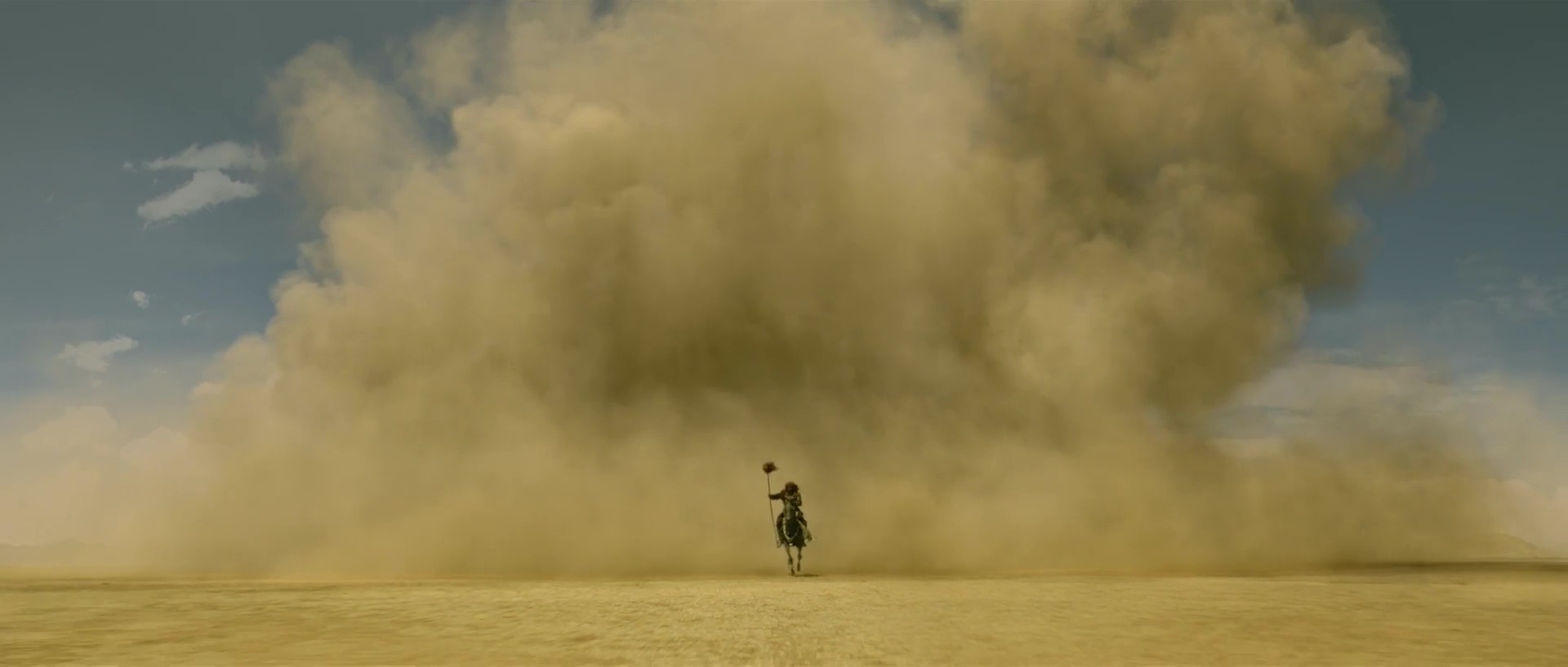
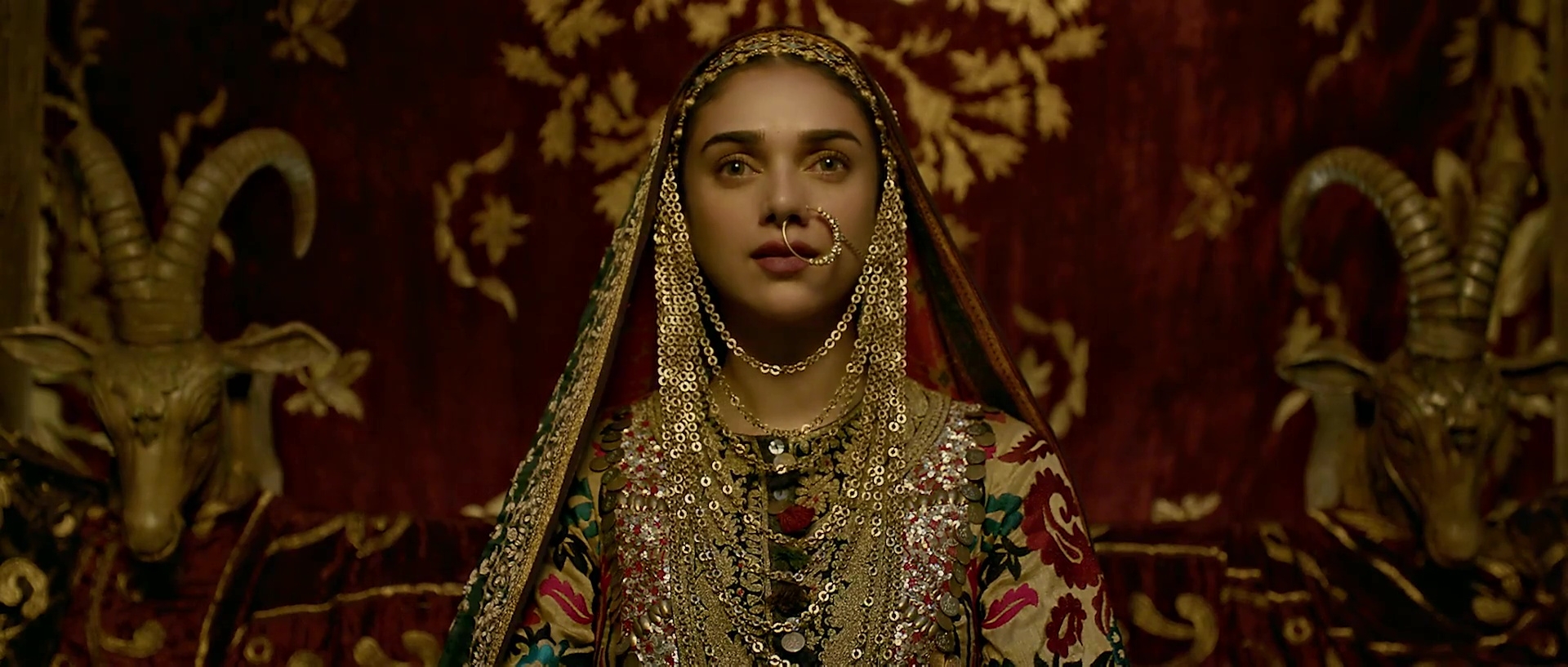
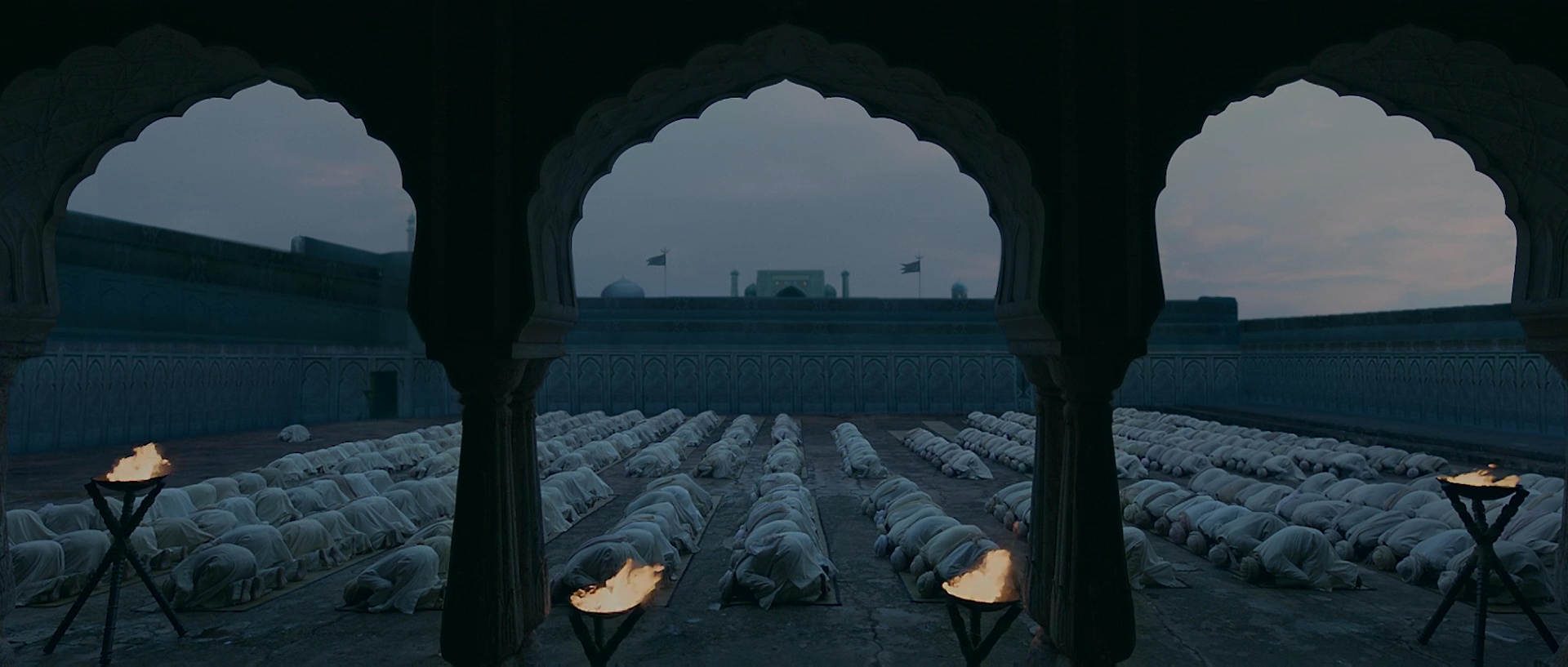
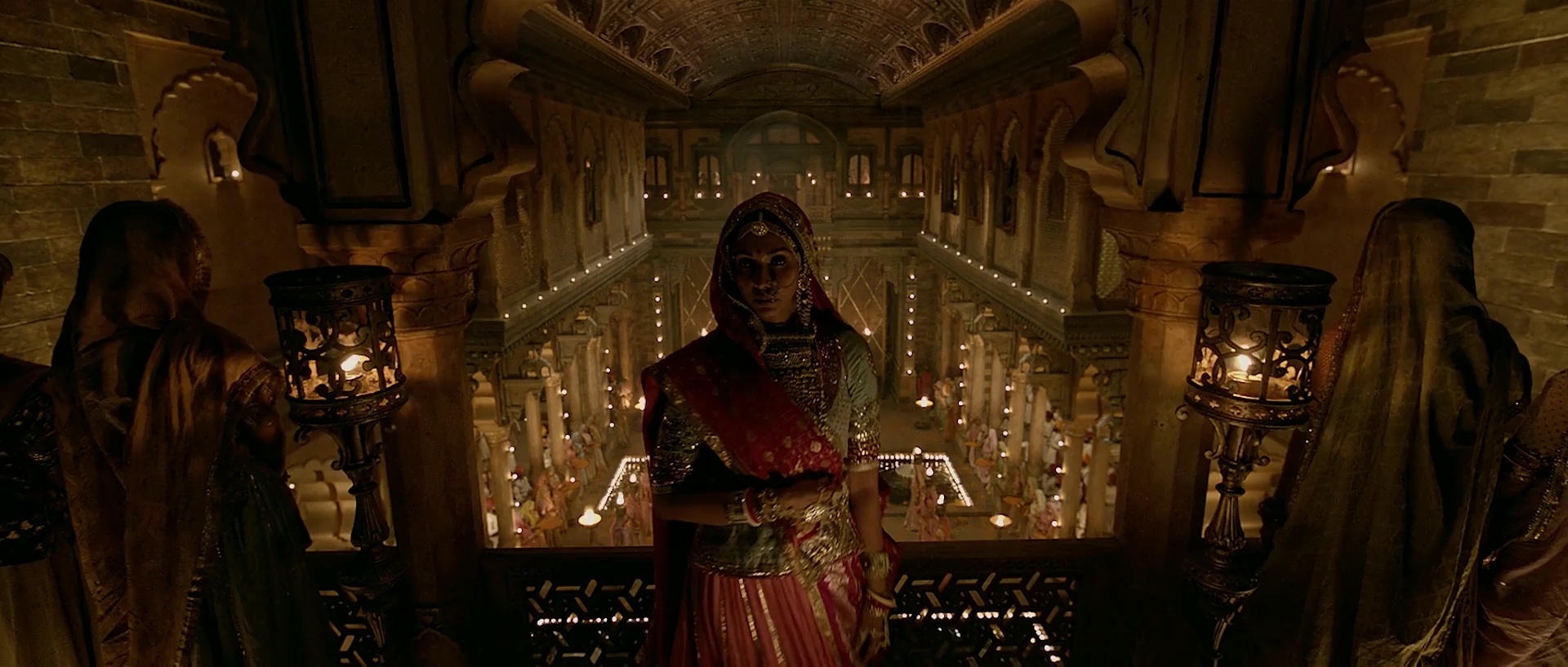
Padmaavat (2018)
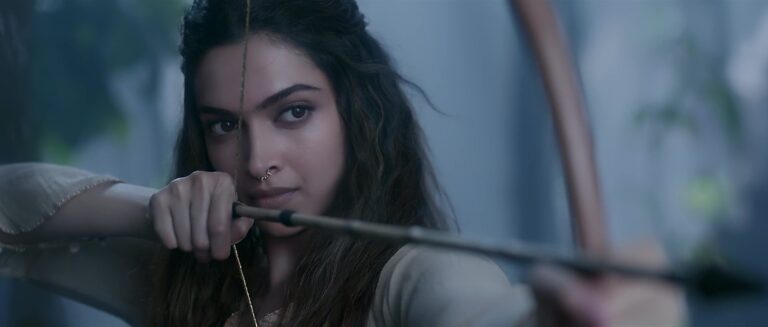
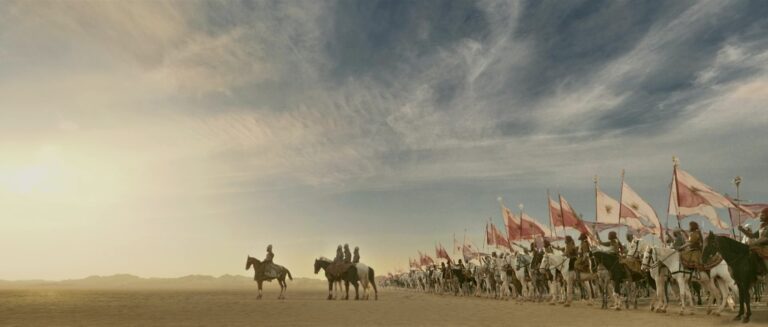
Rajputana, India, 13th century. The tyrannical usurper Alauddin Khilji, sultan of Delhi, becomes obsessed with Queen Padmavati, wife of King Ratan Singh of Mewar, and goes to great lengths to satisfy his greed for her.
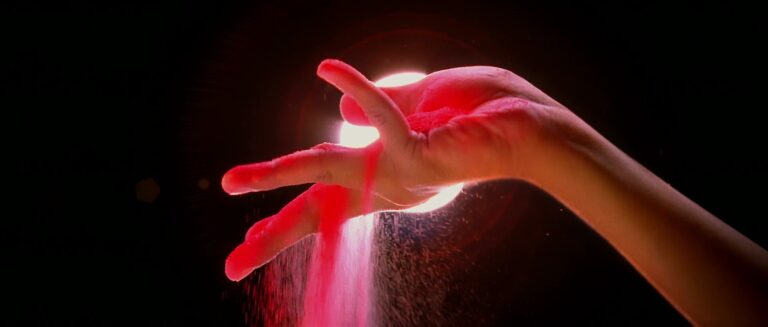
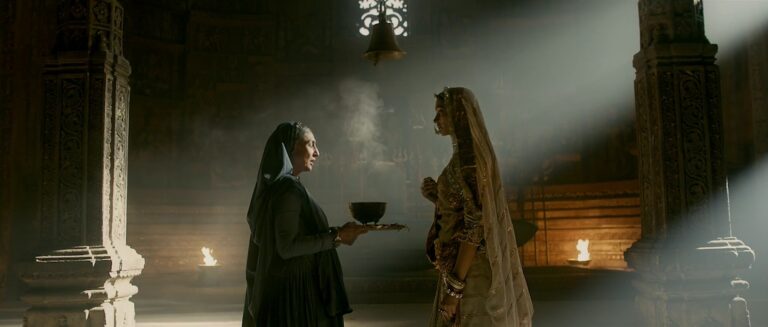
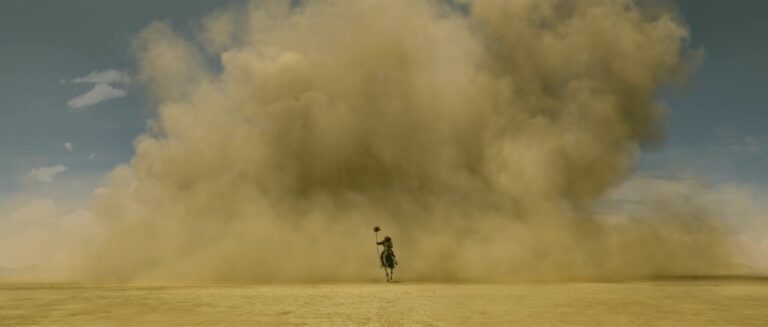
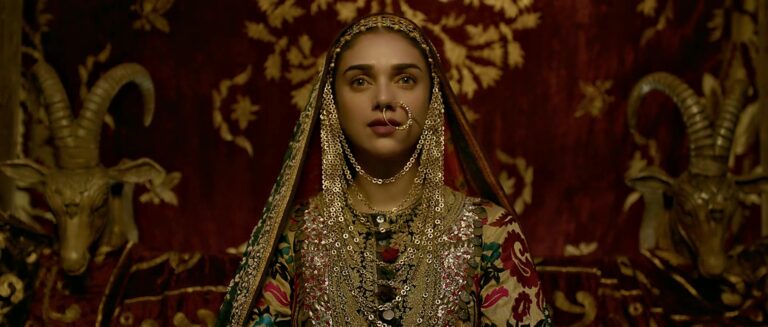
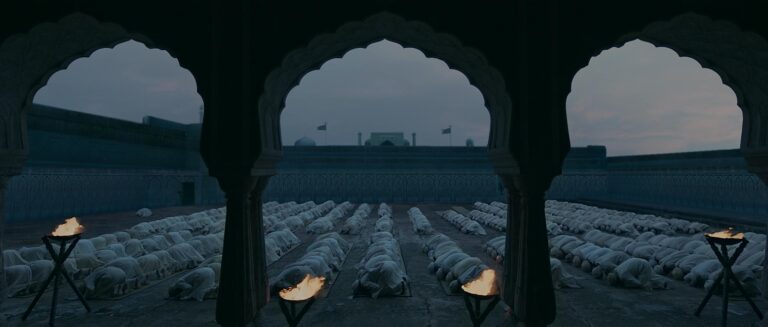
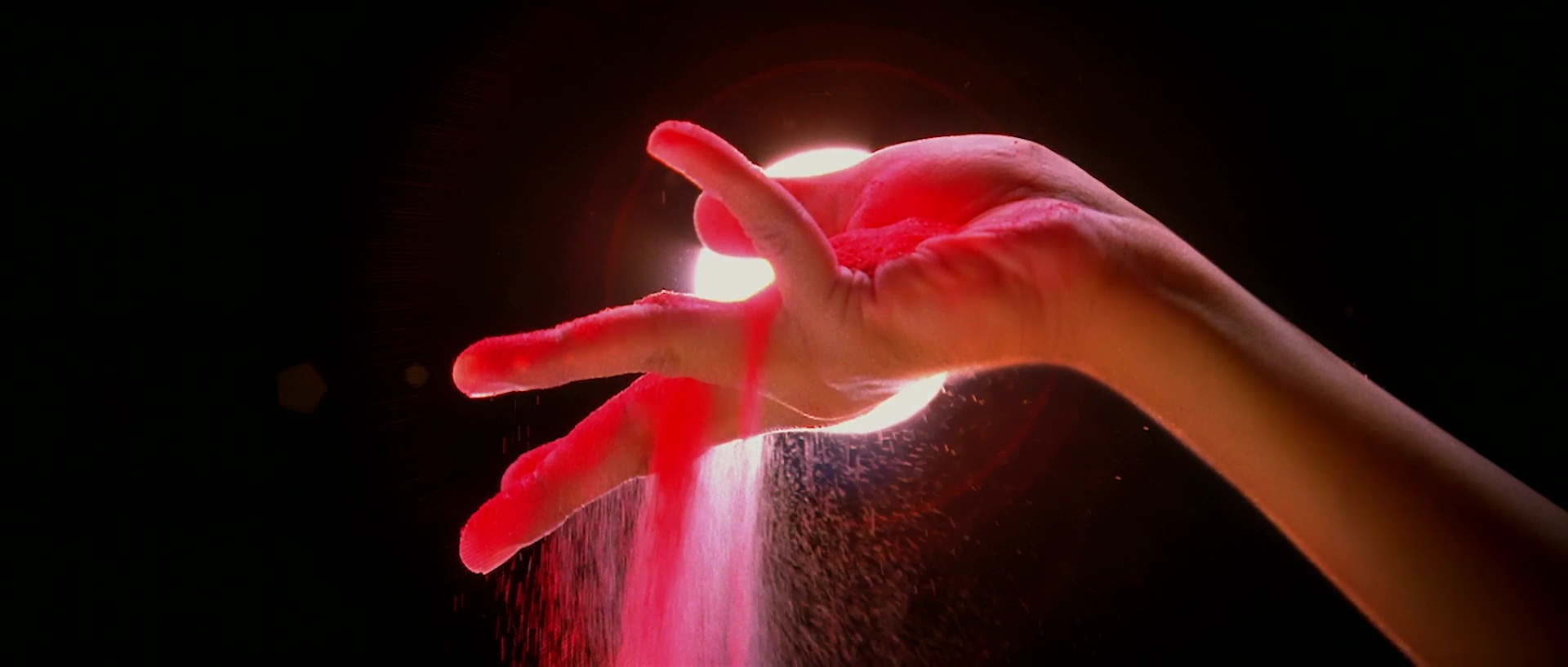
Bhansali constructs Padmaavat as a grand visual spectacle, shooting on large-format digital cameras and relying heavily on elaborate, studio-built sets to control every element of light and color. The film’s opulent production design, choreographed camera movement, and richly saturated palette—contrasting Khilji’s dark, shadowy world with the luminous symmetry of Chittor—turn each sequence into a meticulously staged, operatic tableau.
FILM SPOTLIGHT
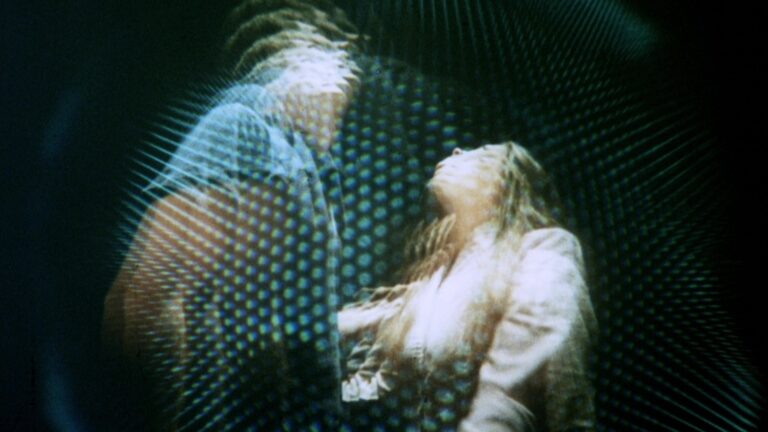
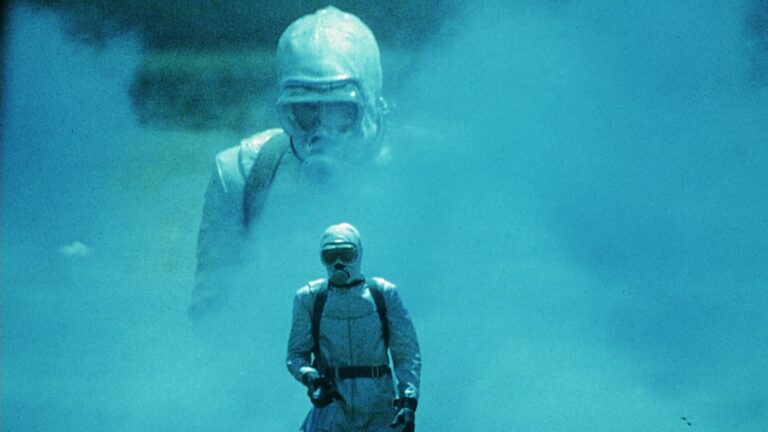
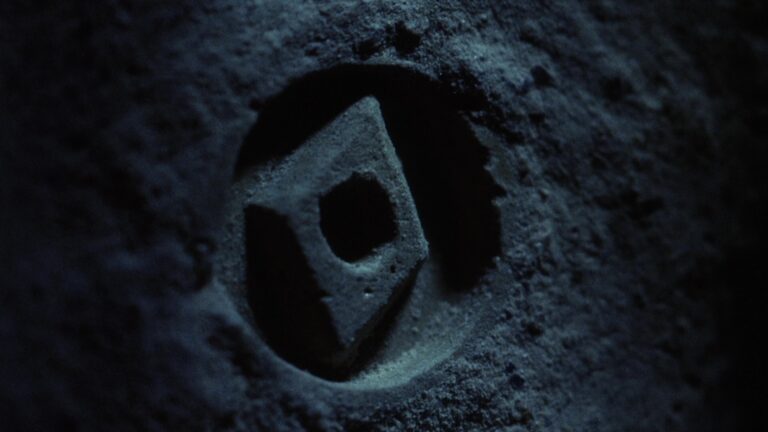
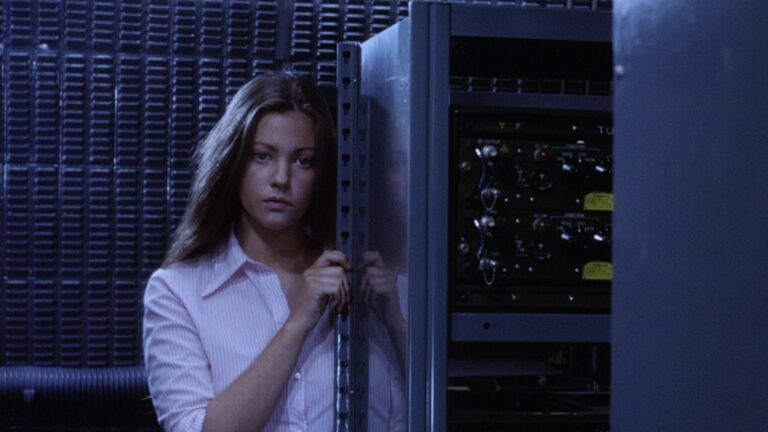
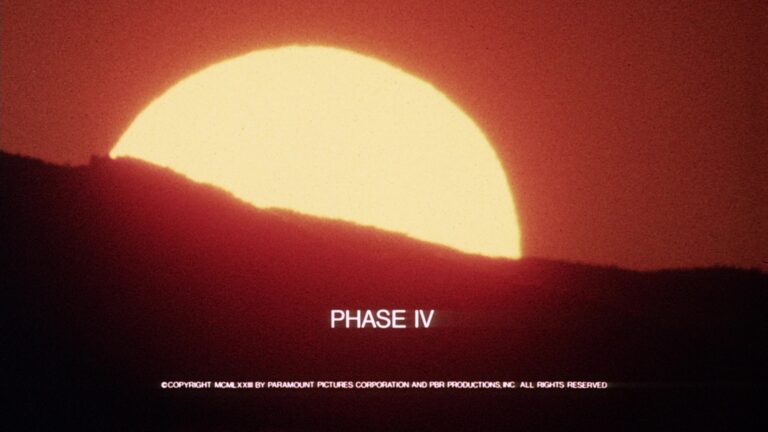
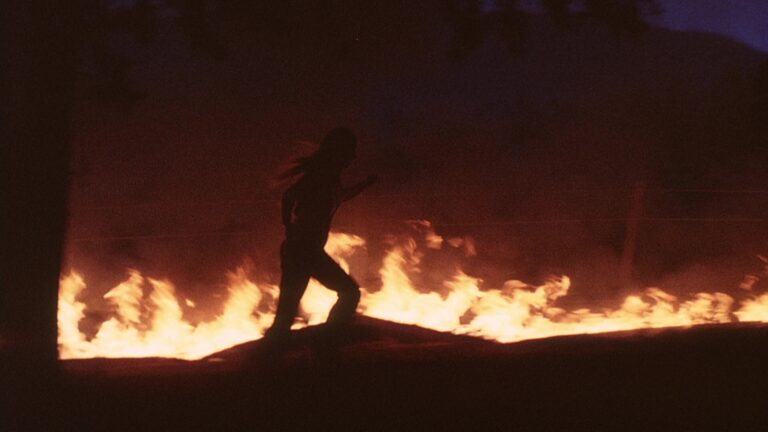
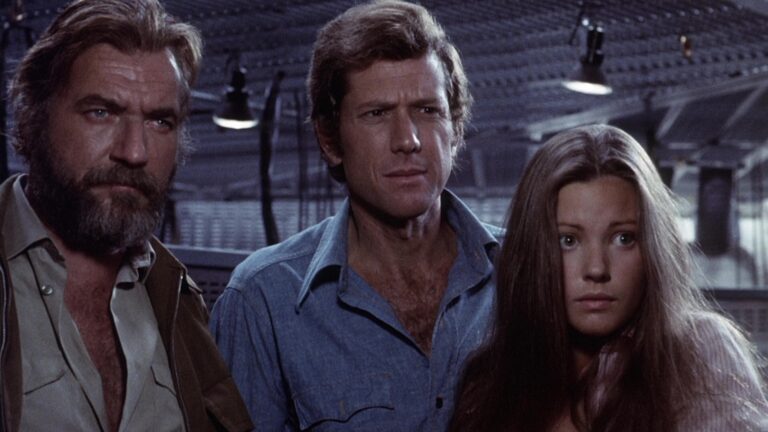
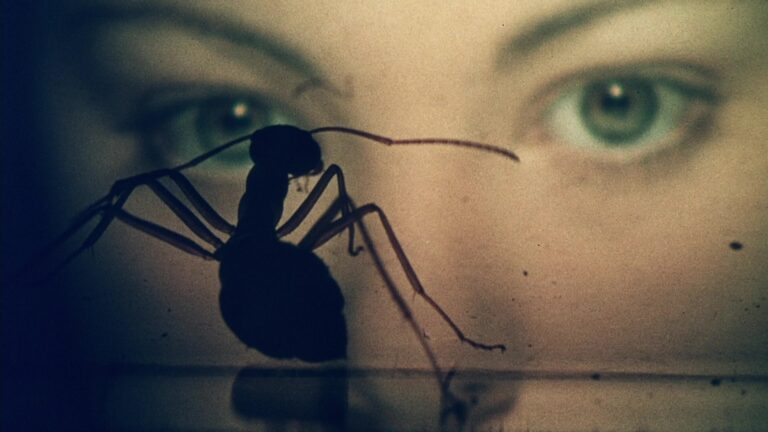
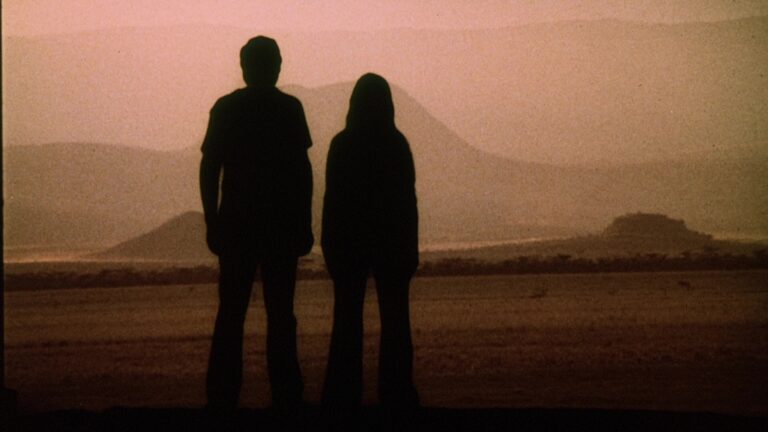
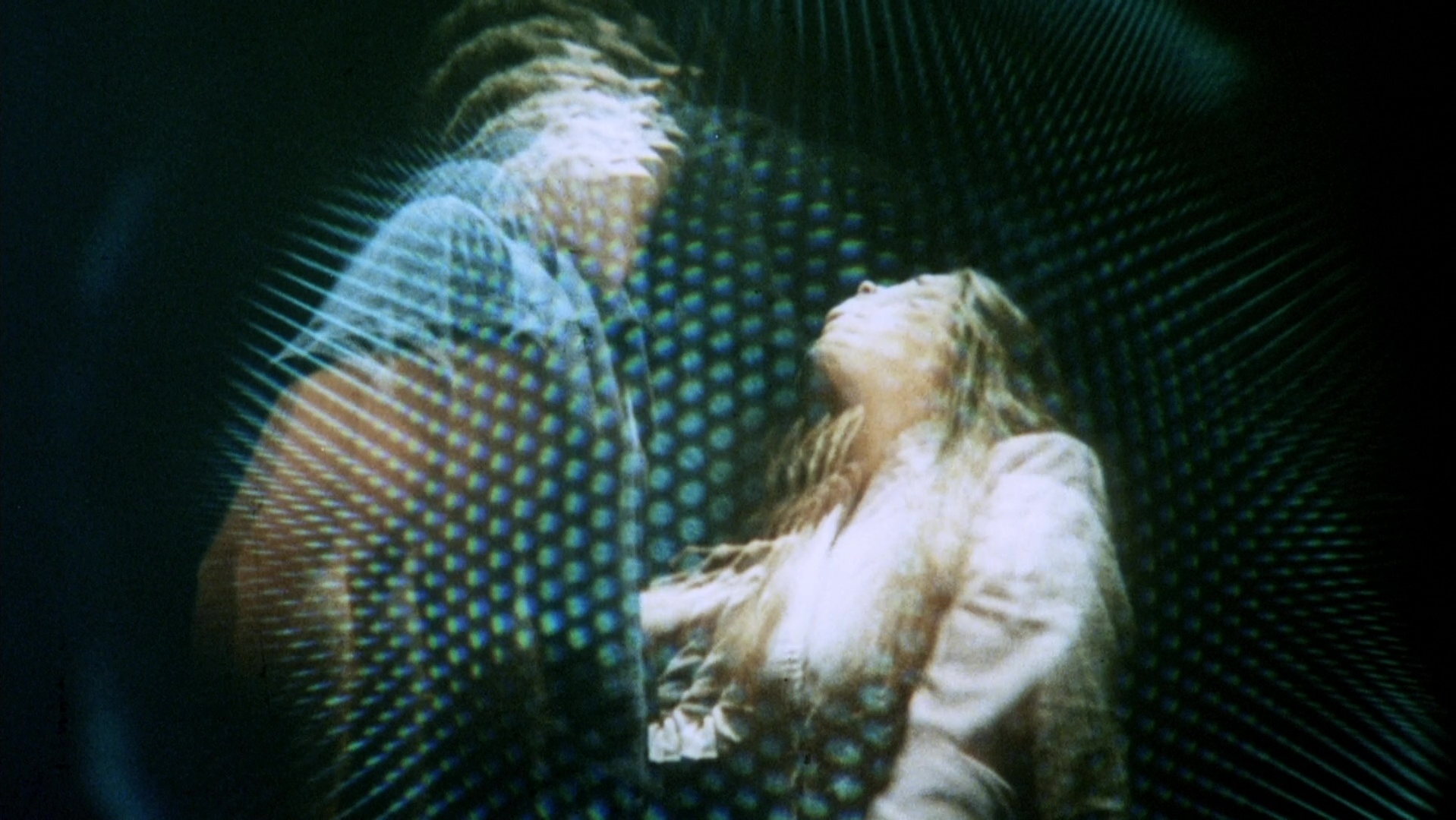
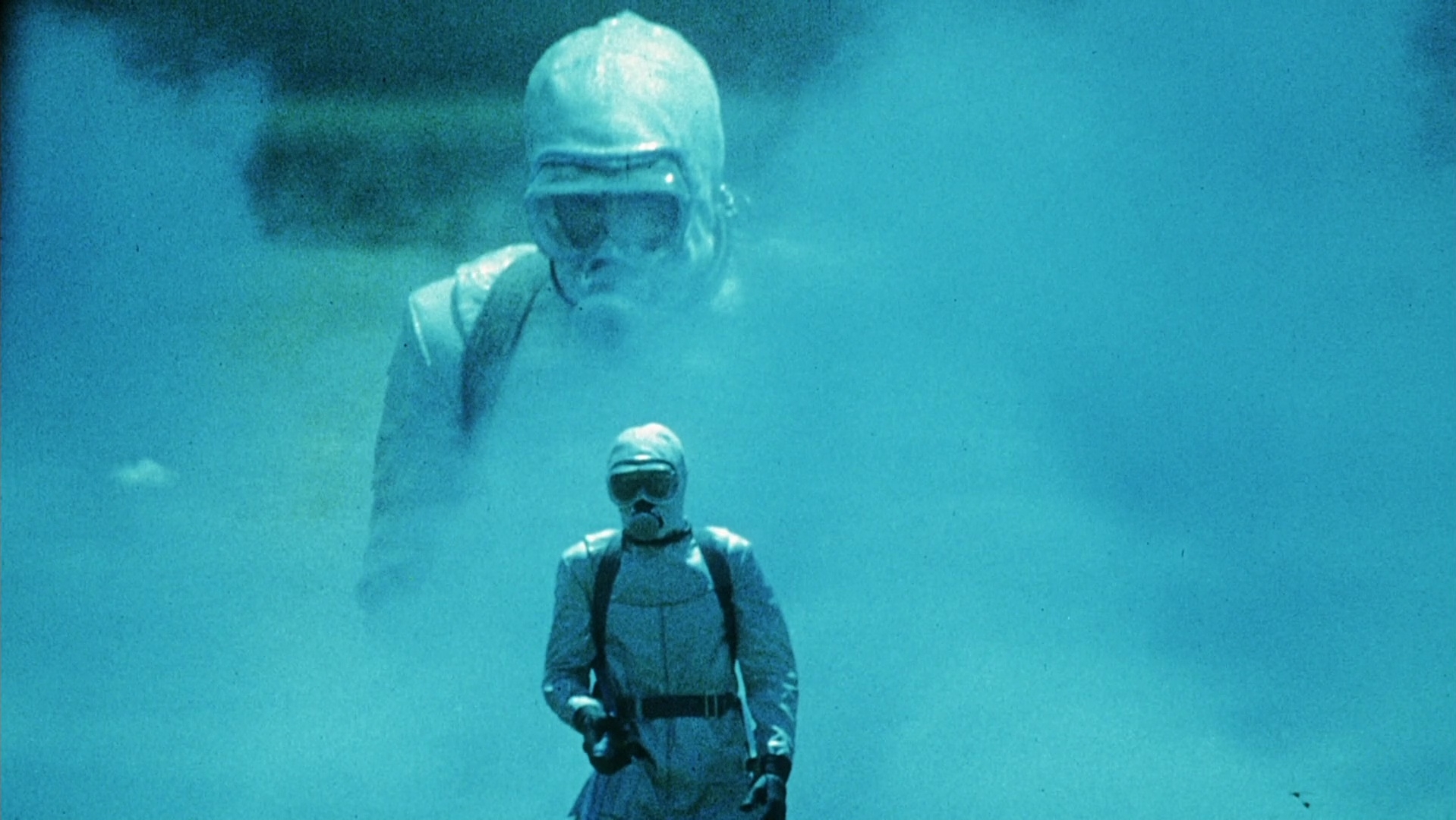
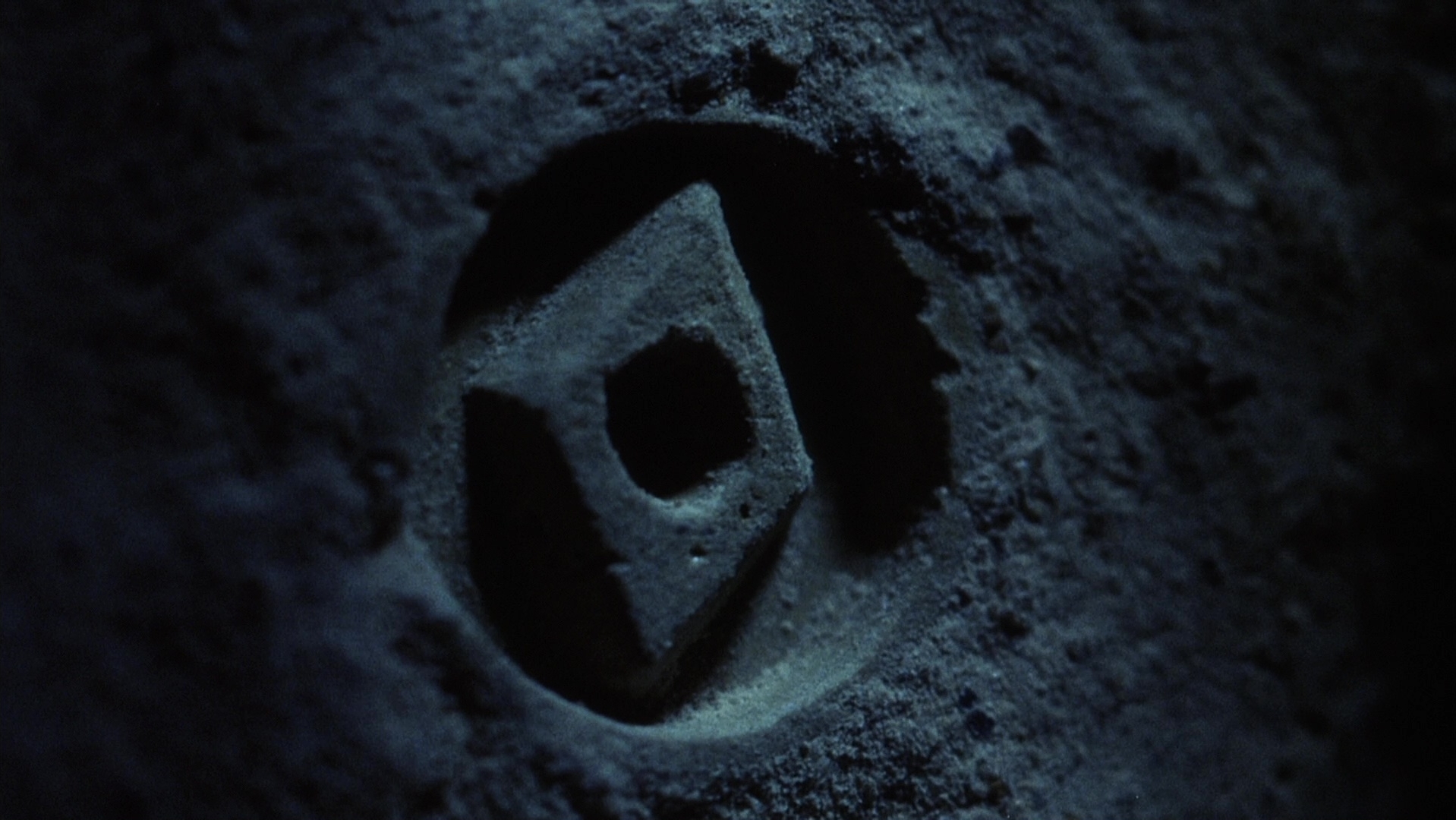
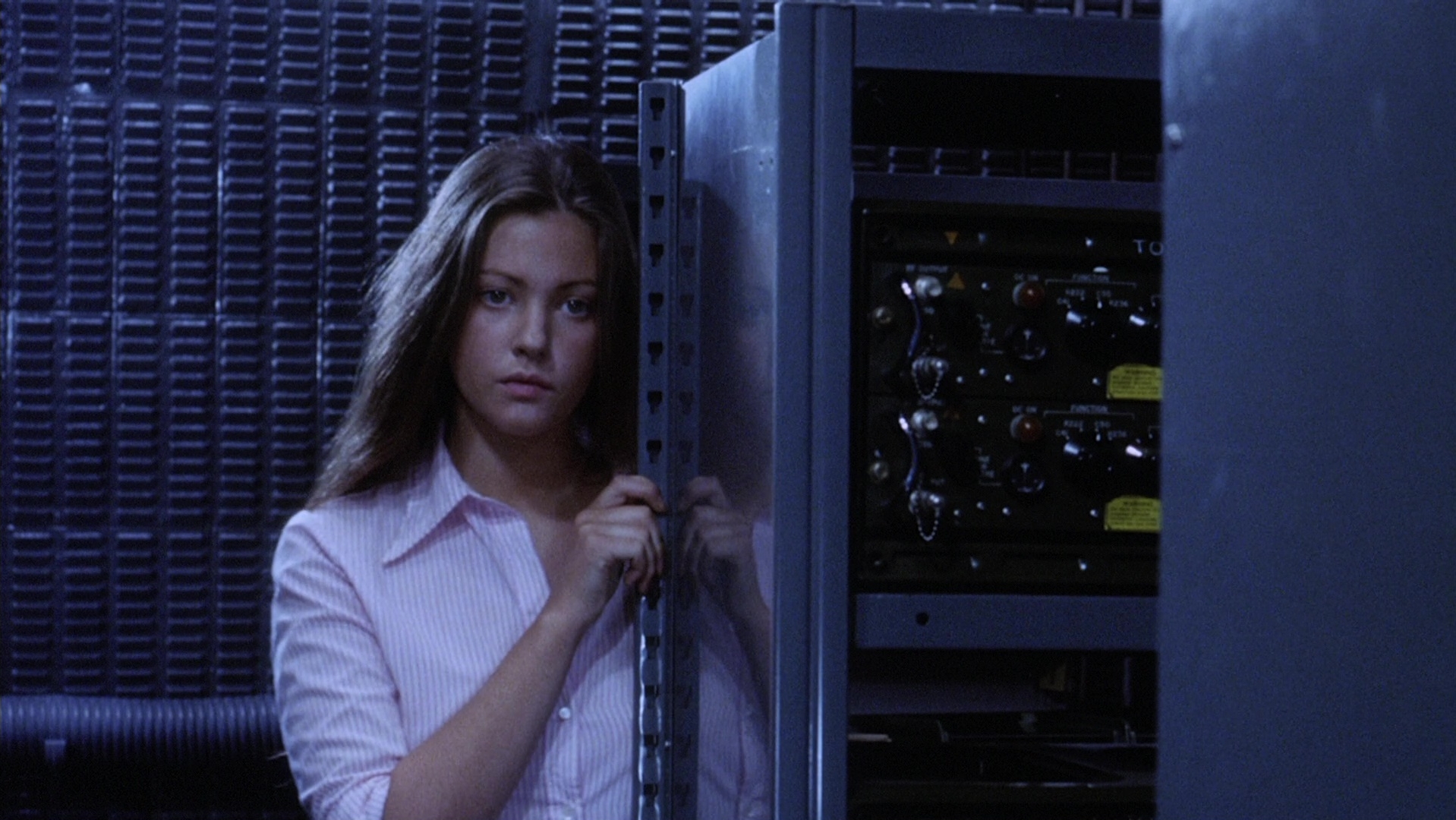
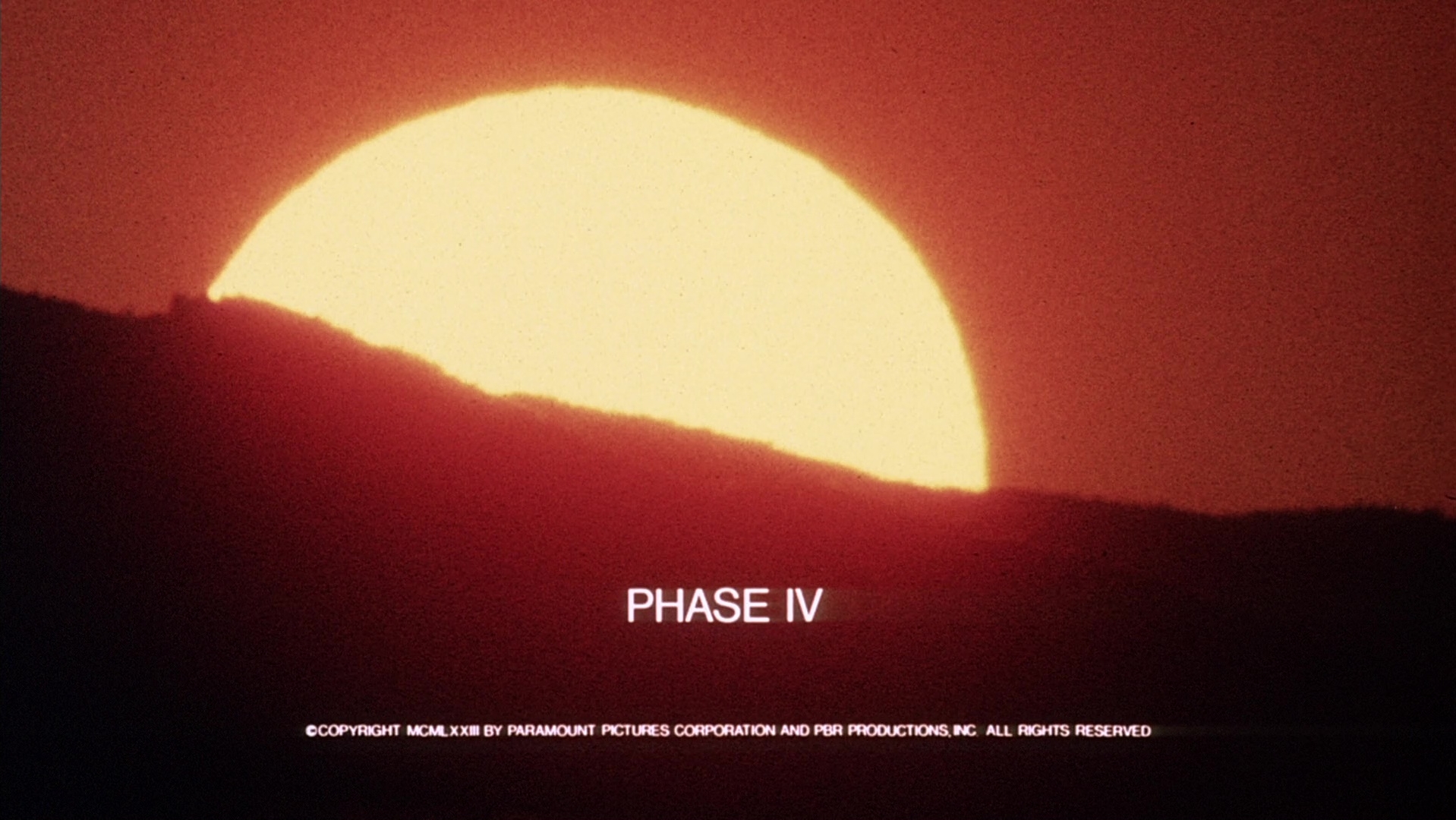
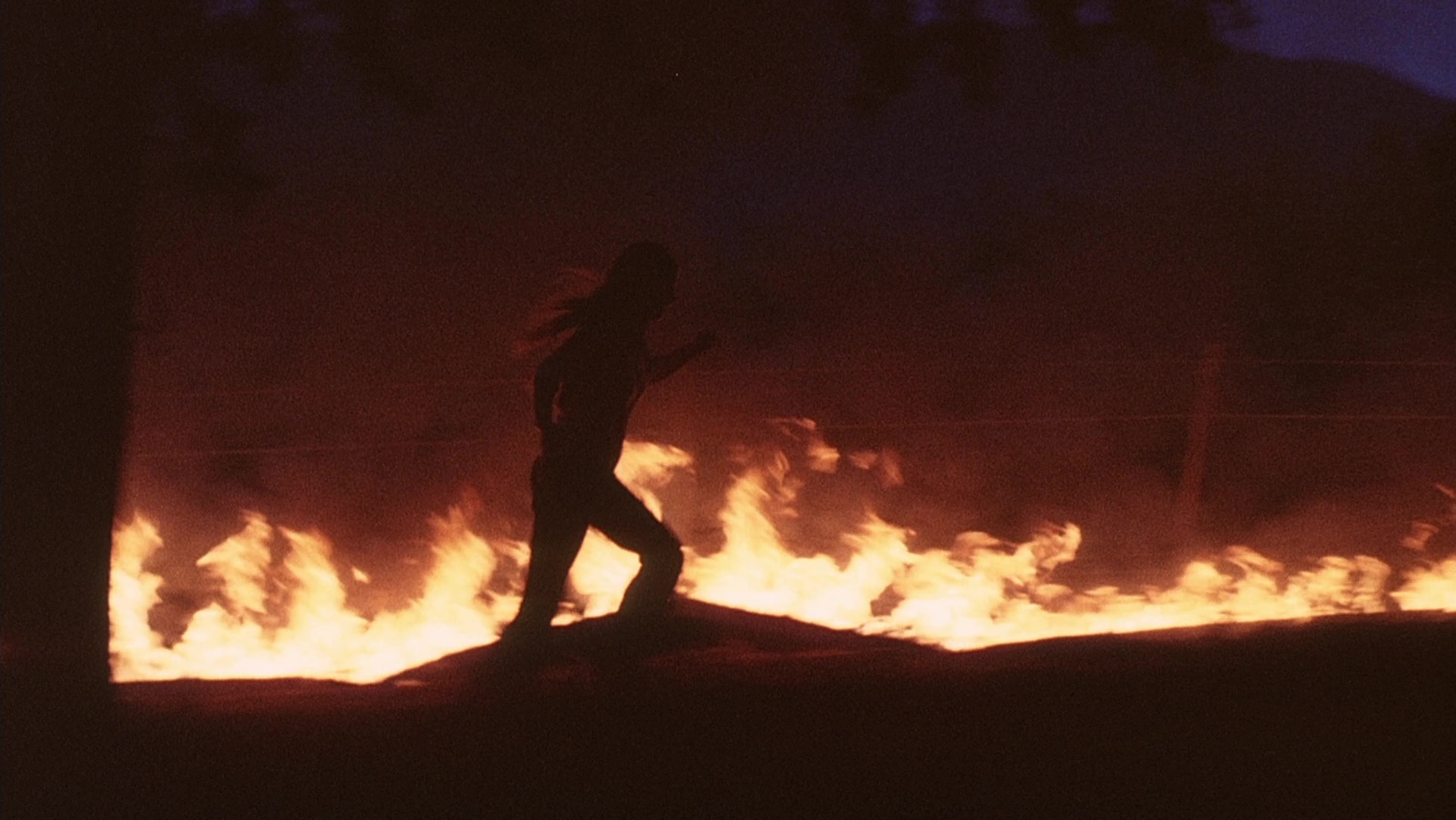
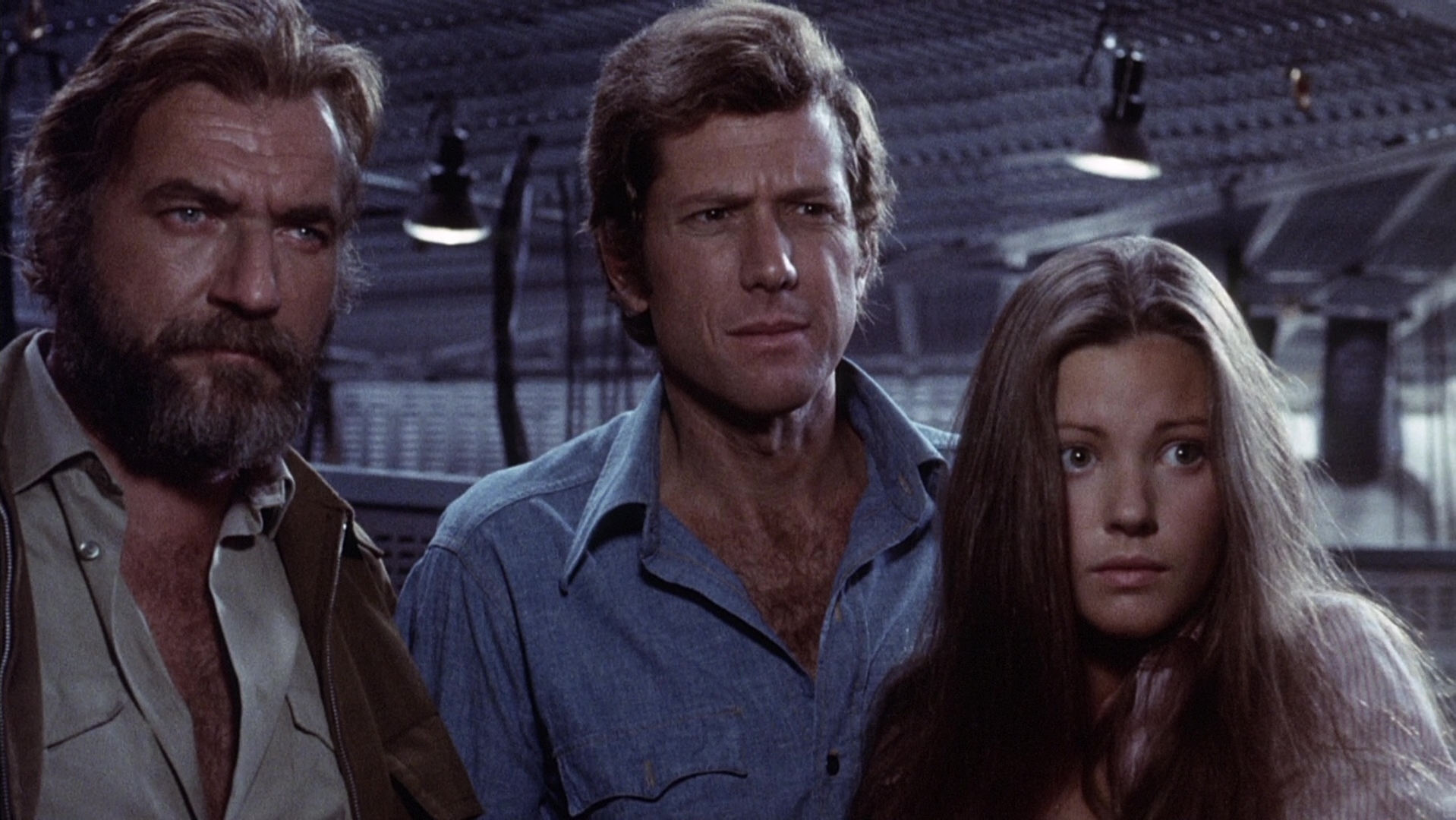
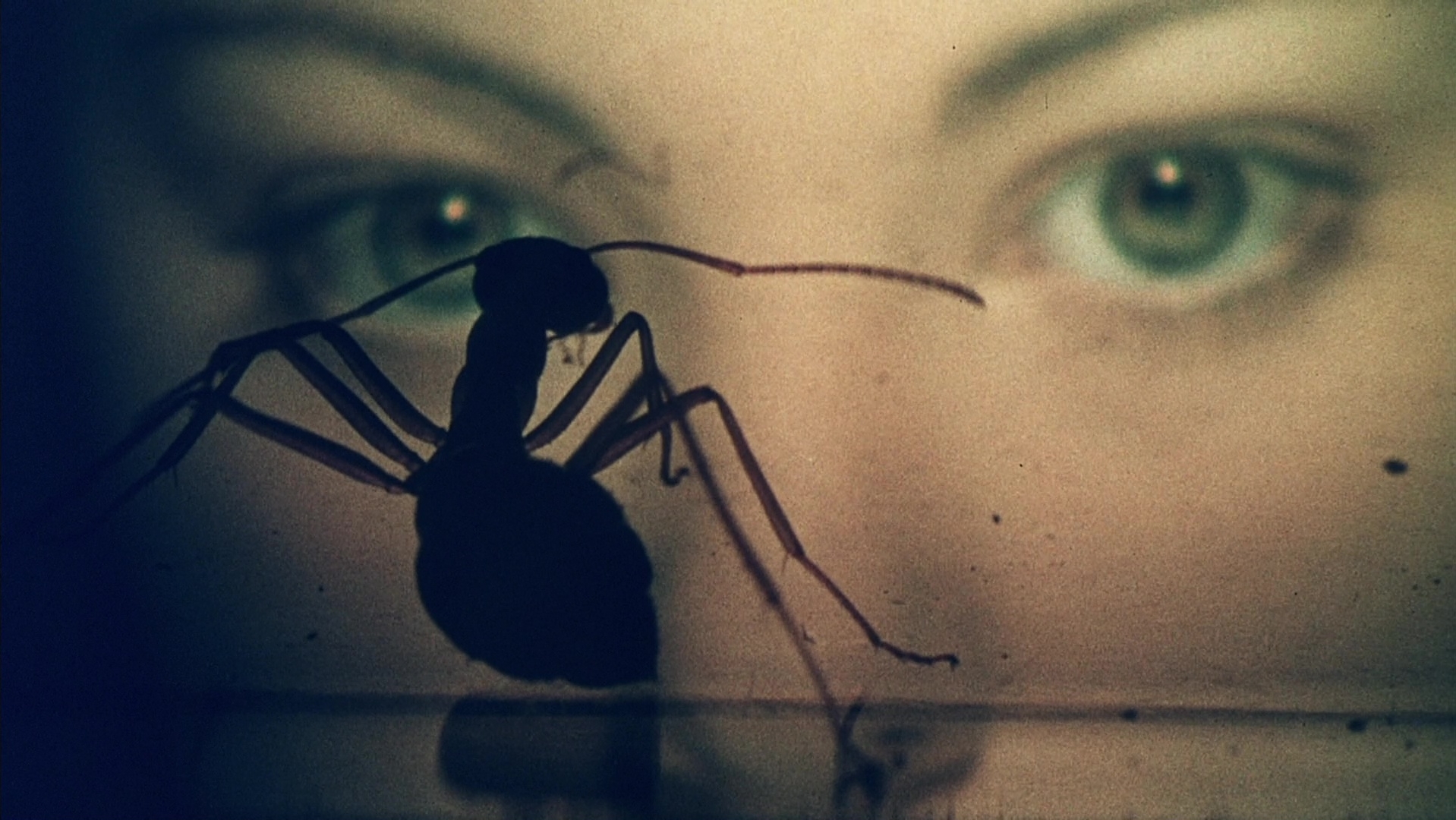
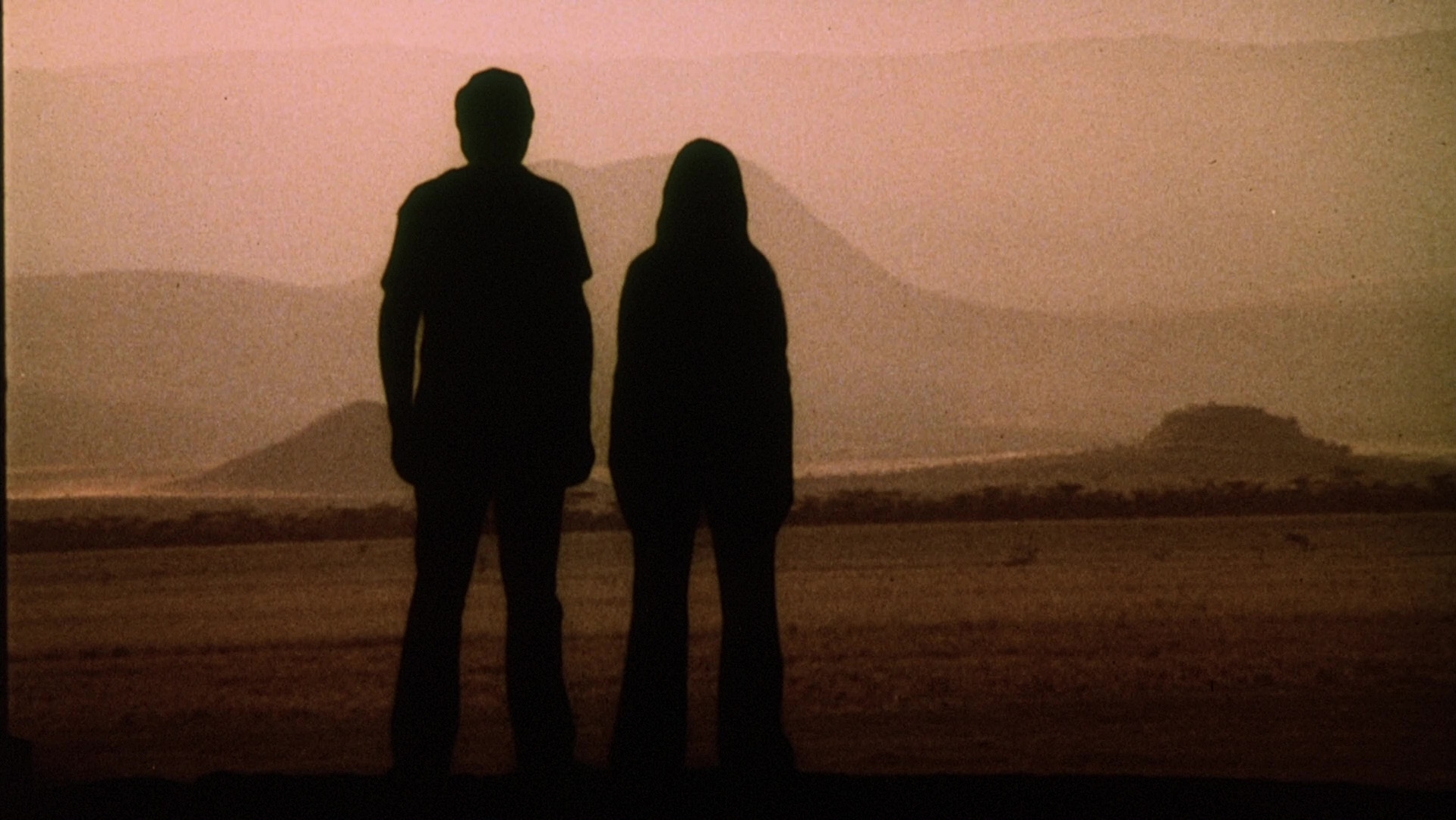
Phase IV (1974)
Arizona ants mock the food chain on their way to a desert lab to get two scientists and a woman.
Graphic designer-turned-director Saul Bass approached Phase IV with a strikingly formal, design-driven eye, using macro photography and controlled compositions to render the ants as an organized, almost architectural force. The film’s clean geometry, bold color blocking, and experimental visual effects turn scientific observation into abstraction—making the smallest creatures feel vast, alien, and eerily intelligent.
FILM SPOTLIGHT
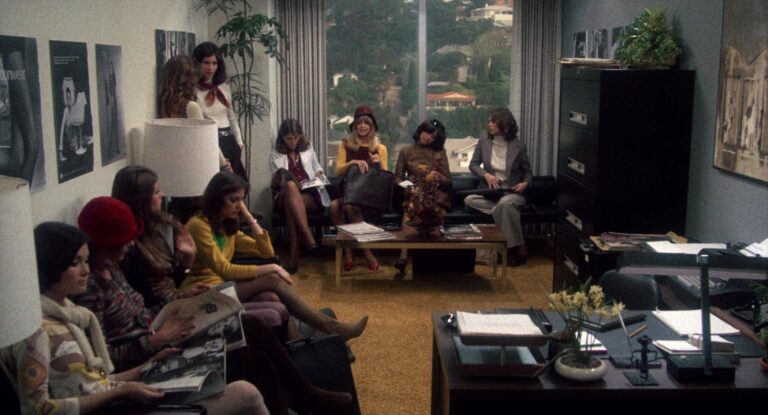
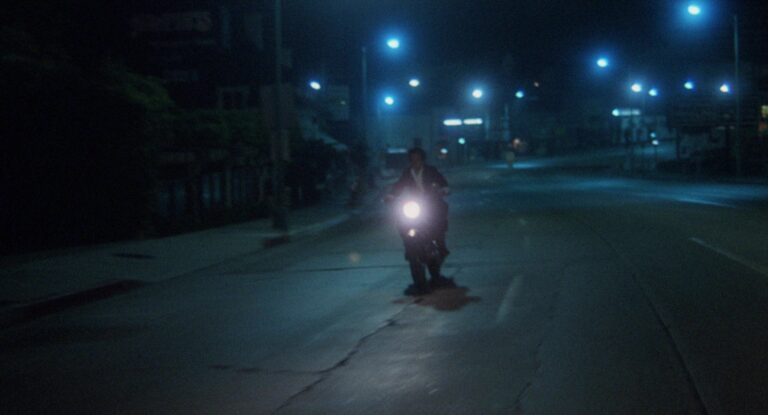
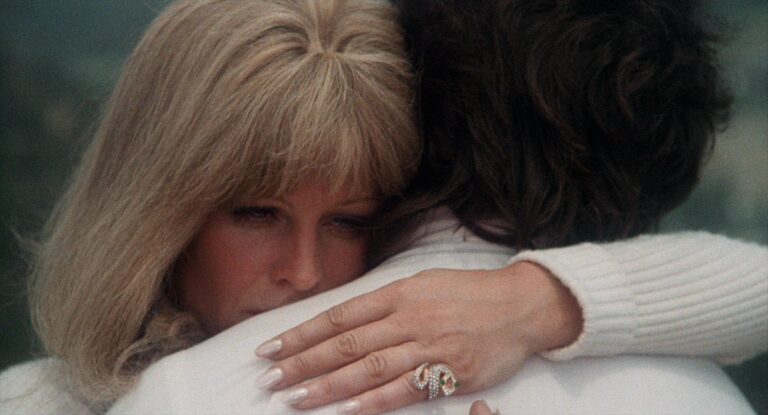
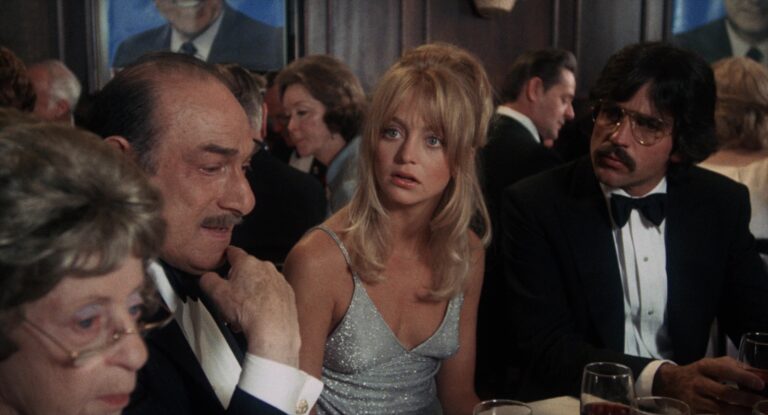
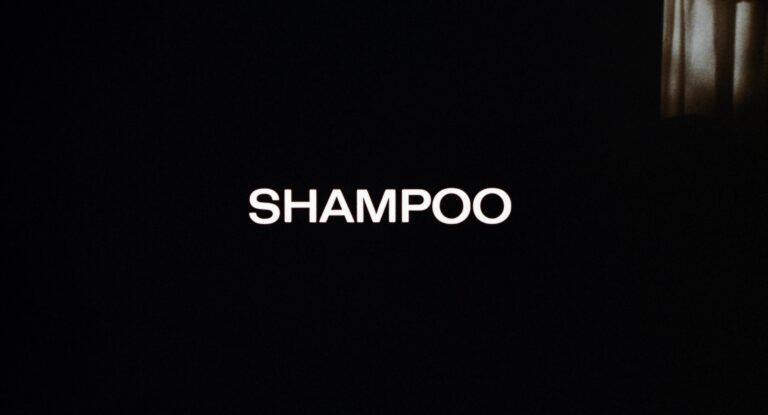
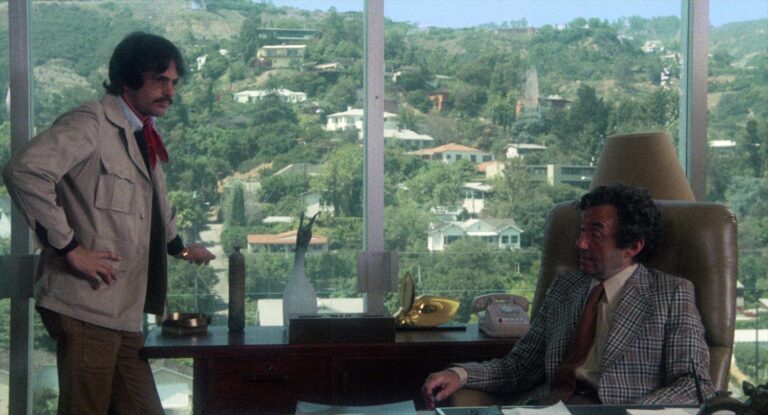
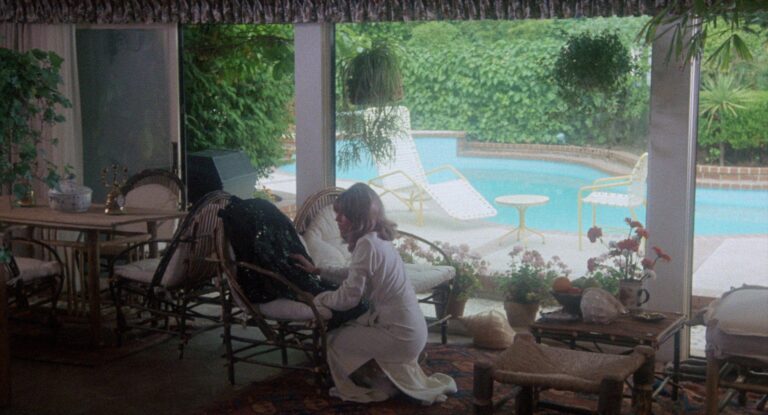
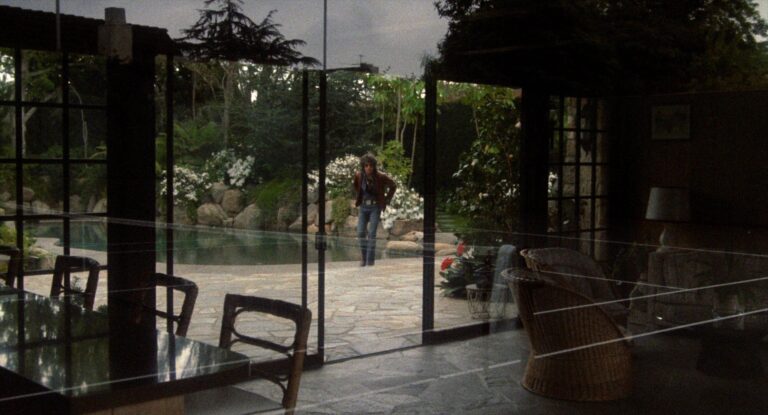
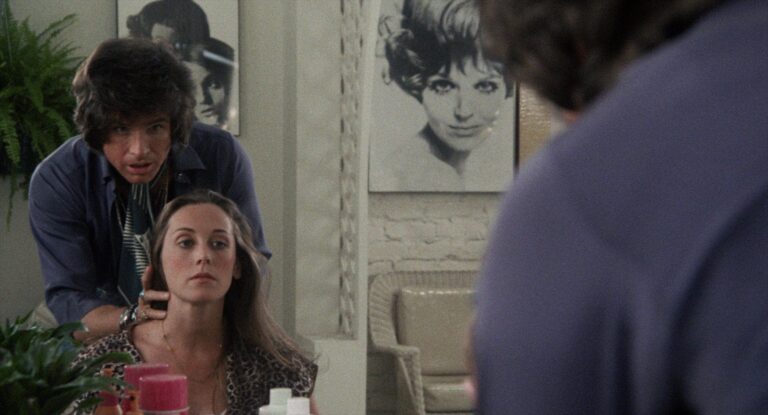
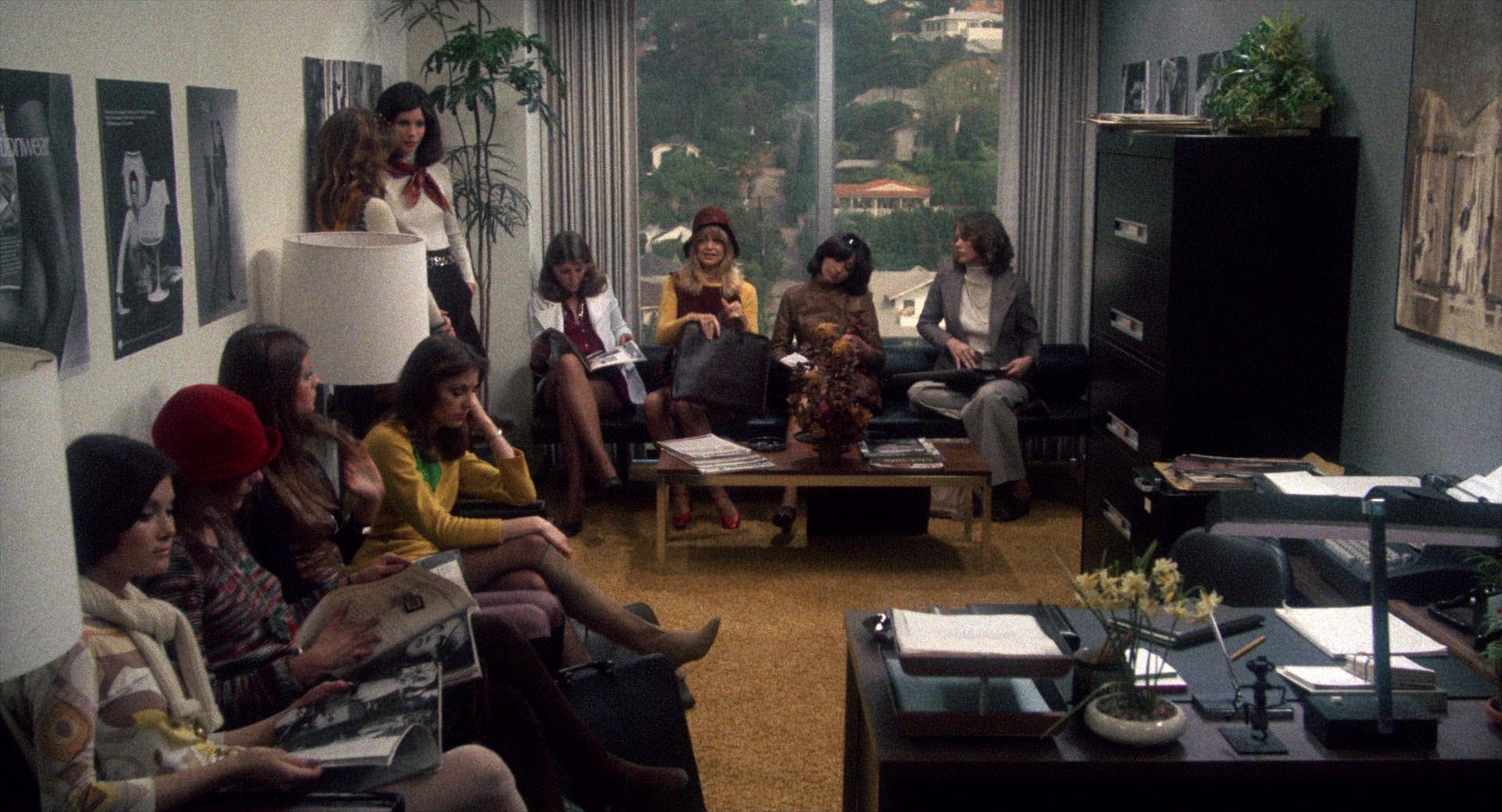
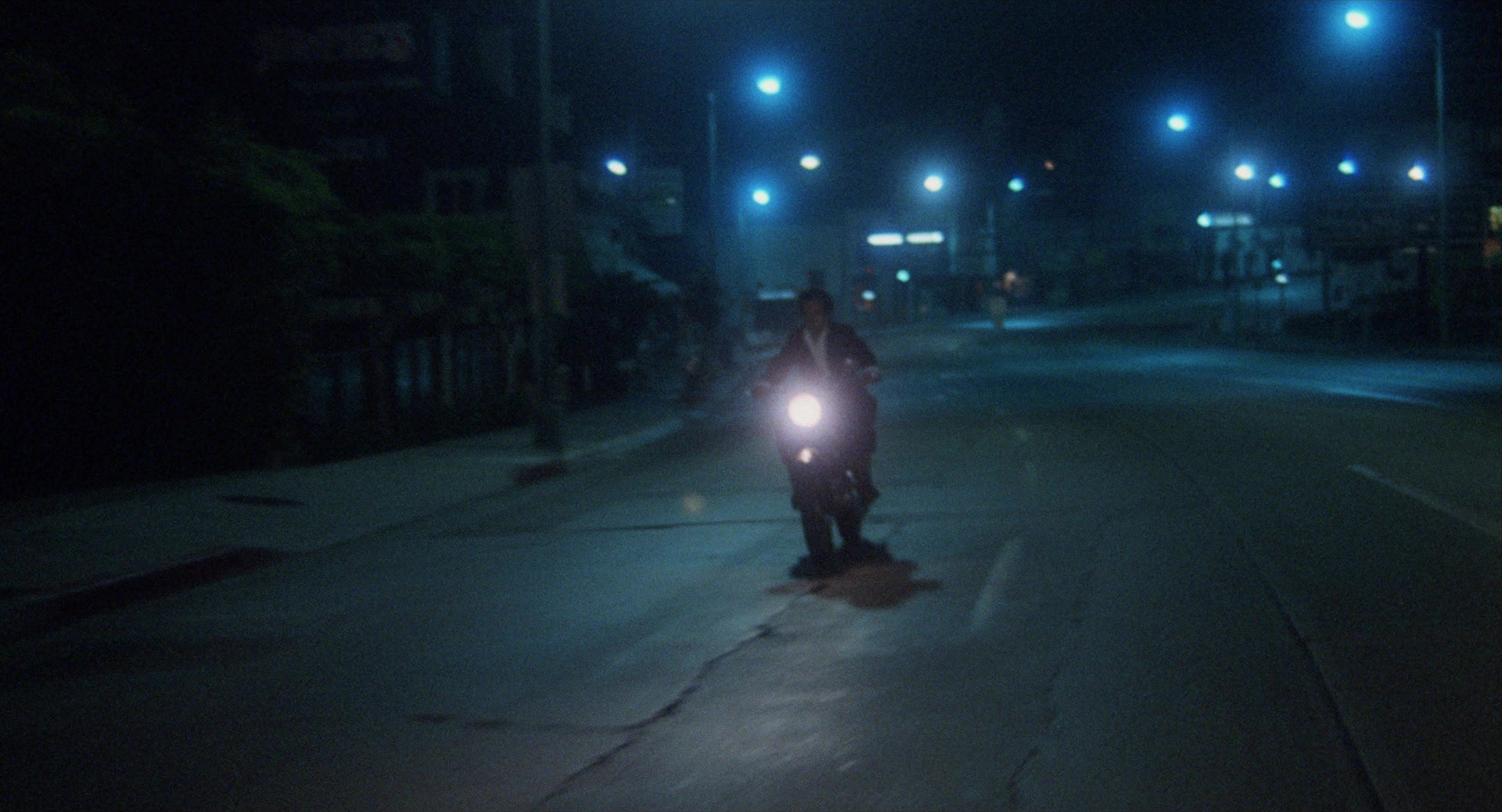
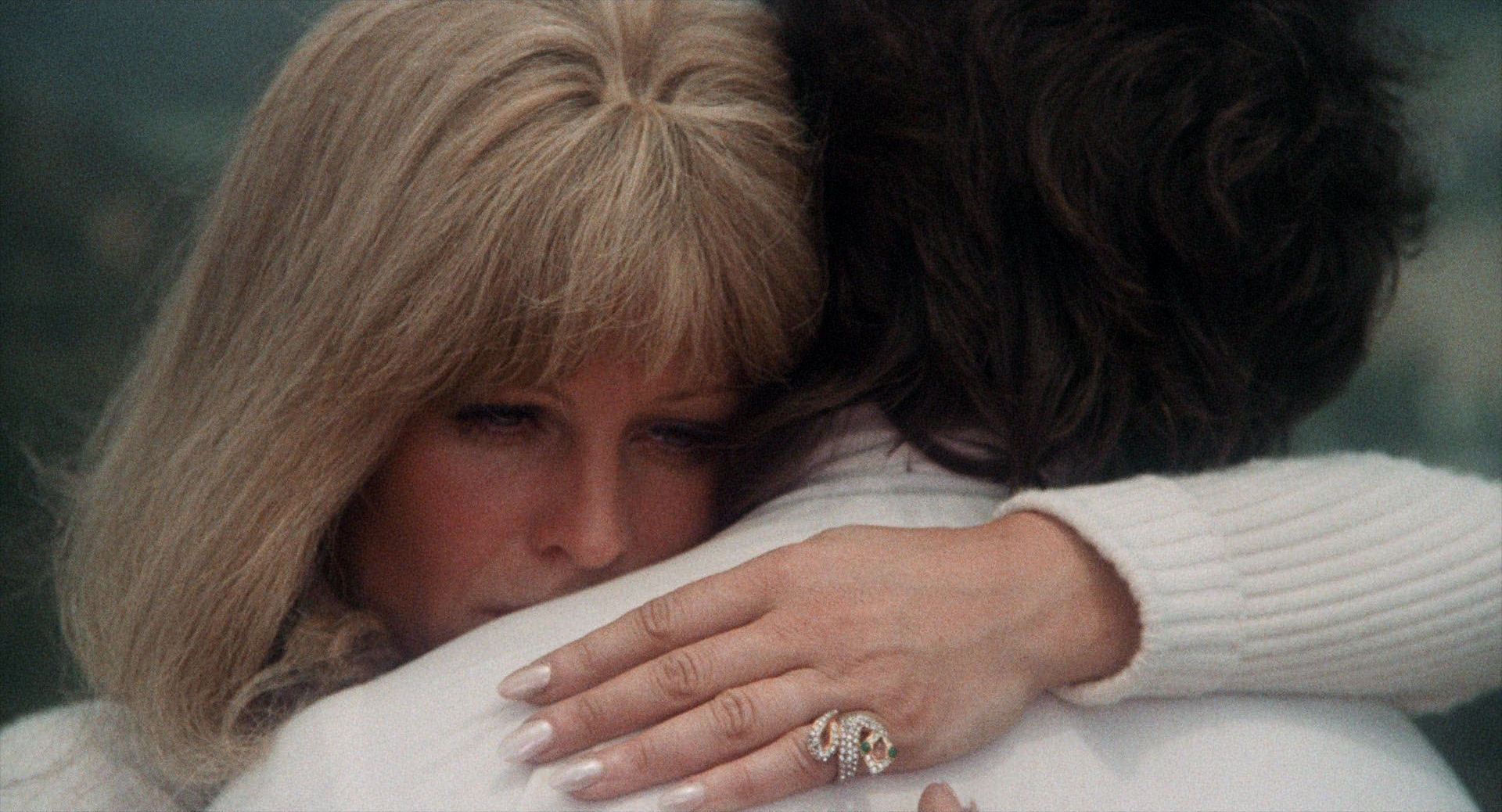
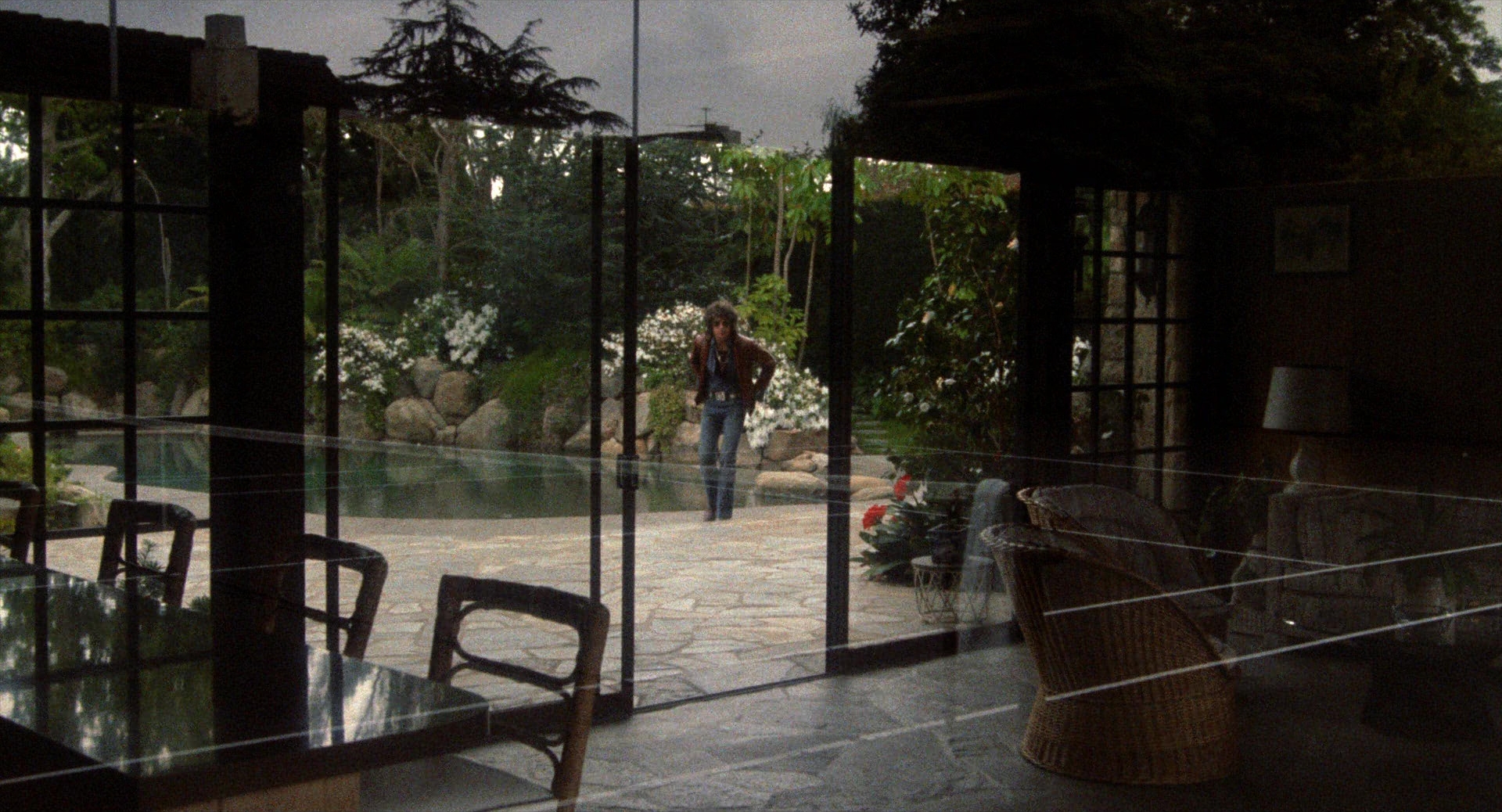
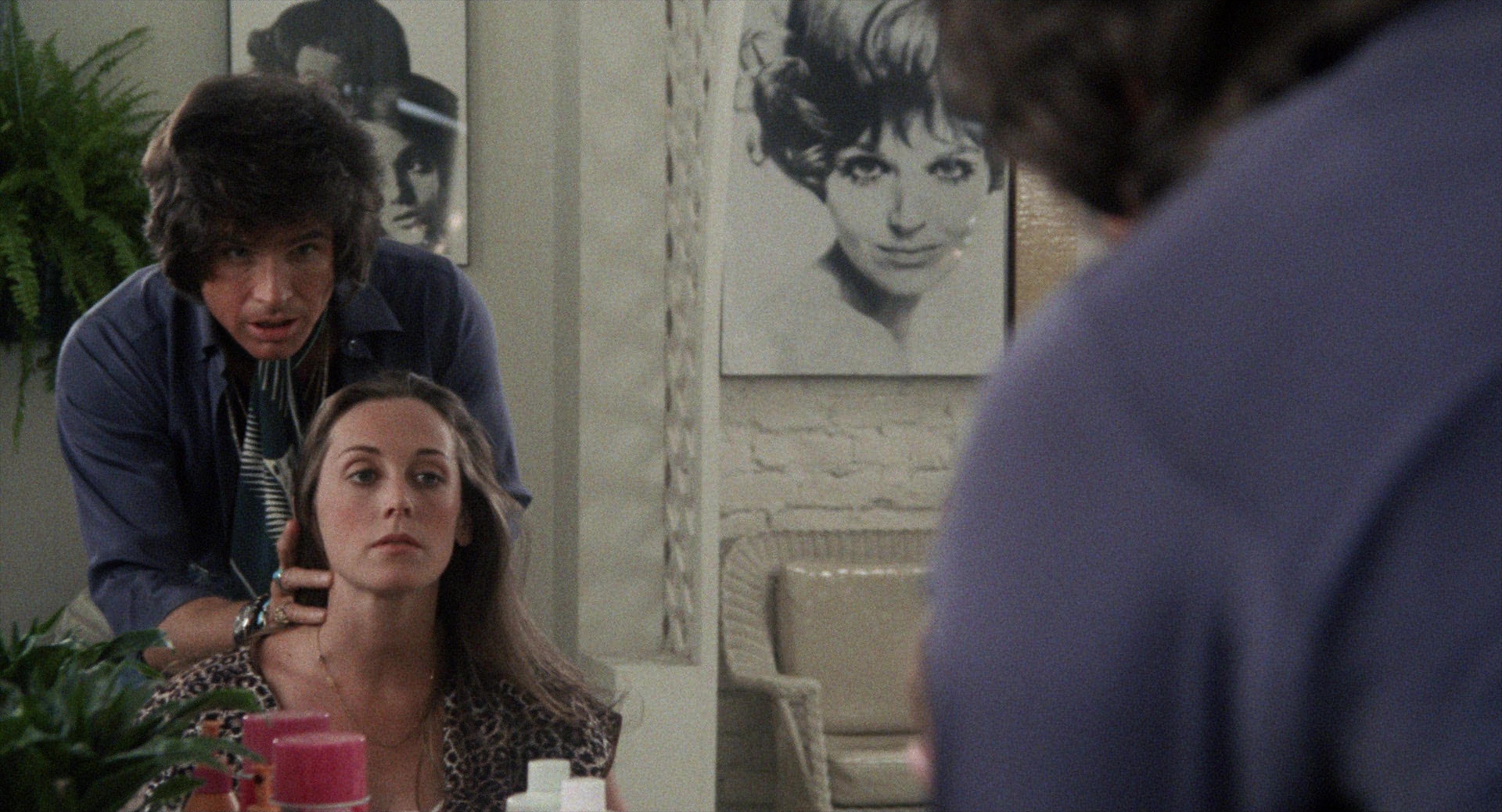
Shampoo (1975)
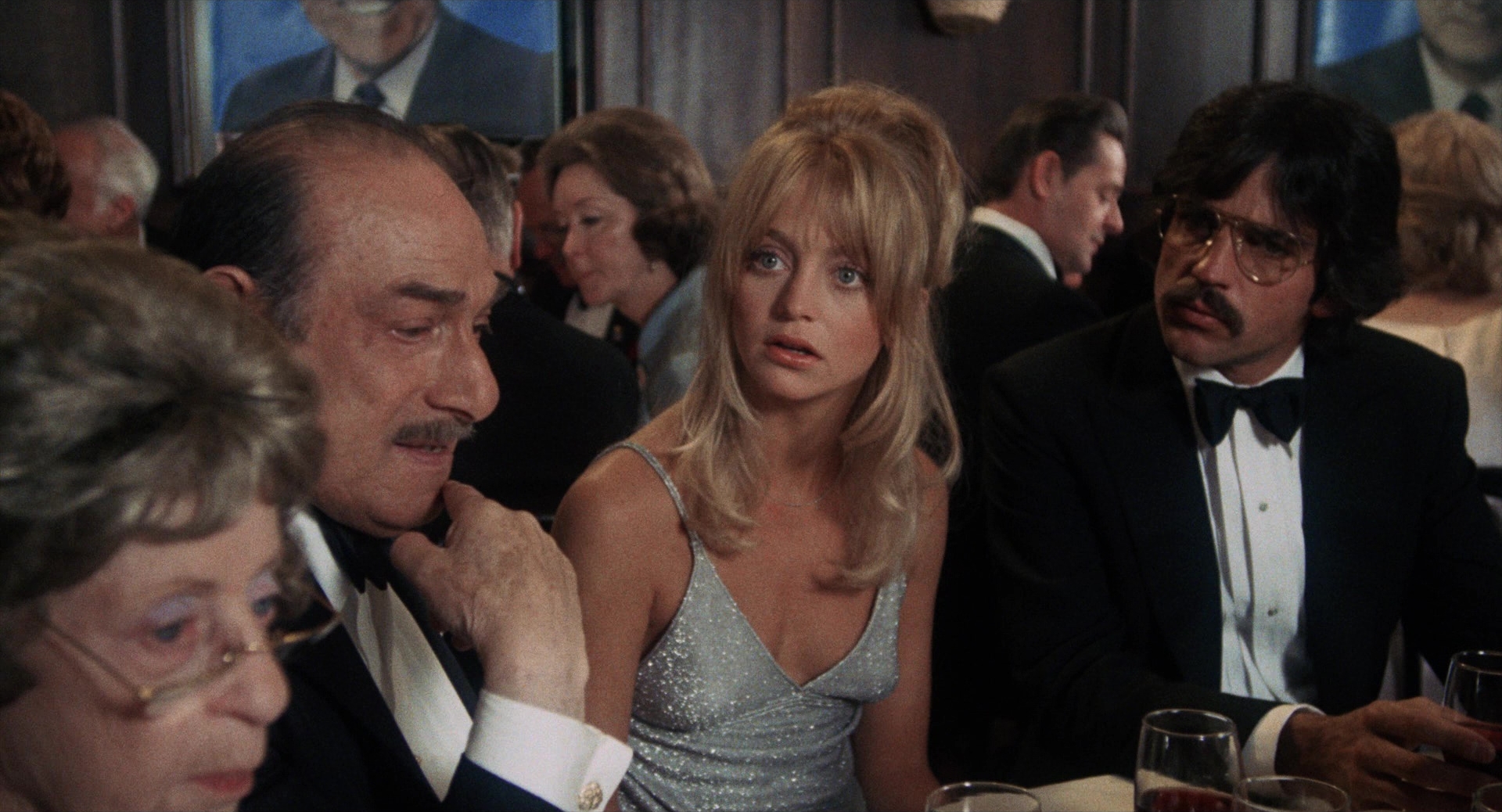
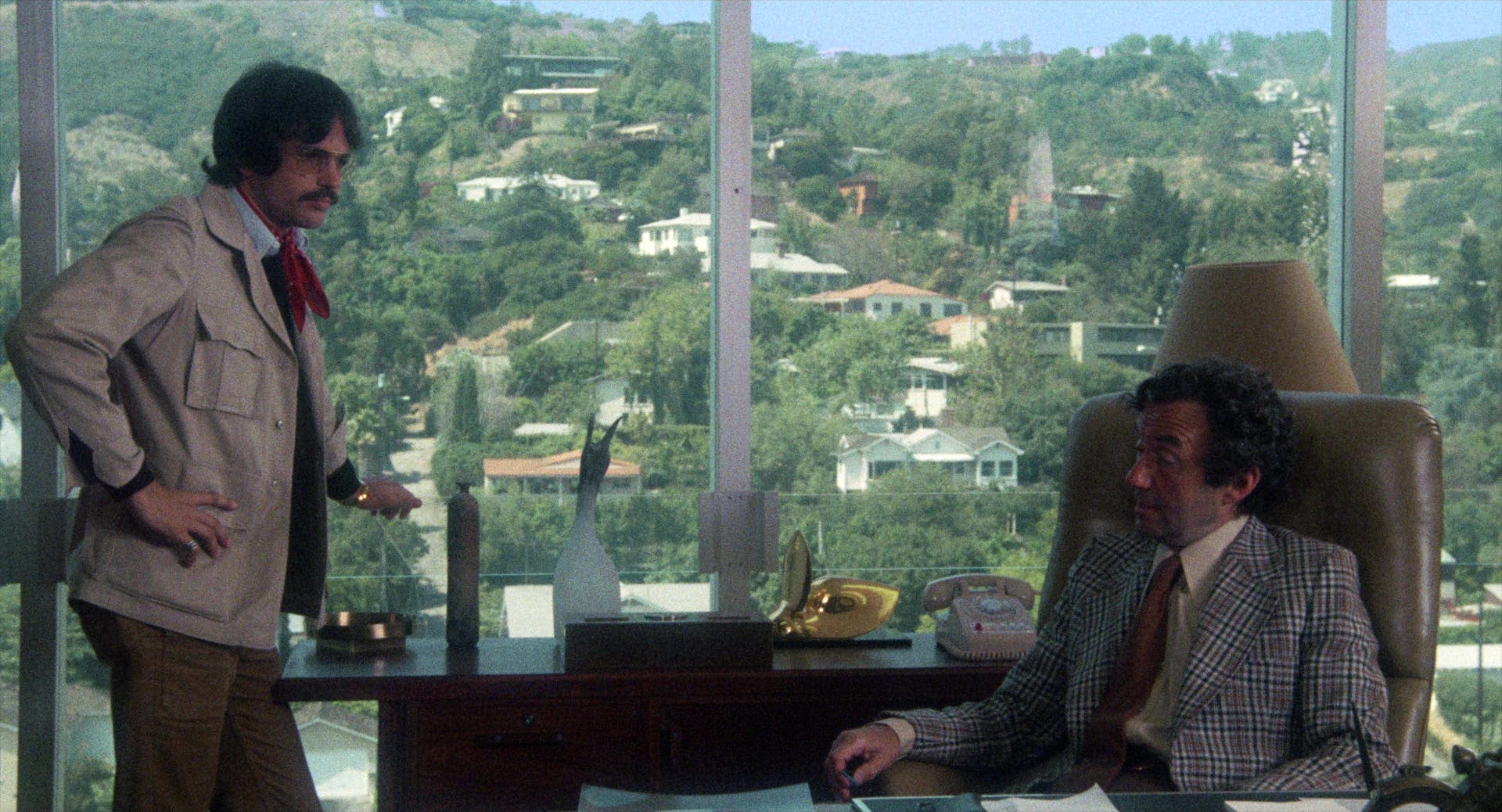
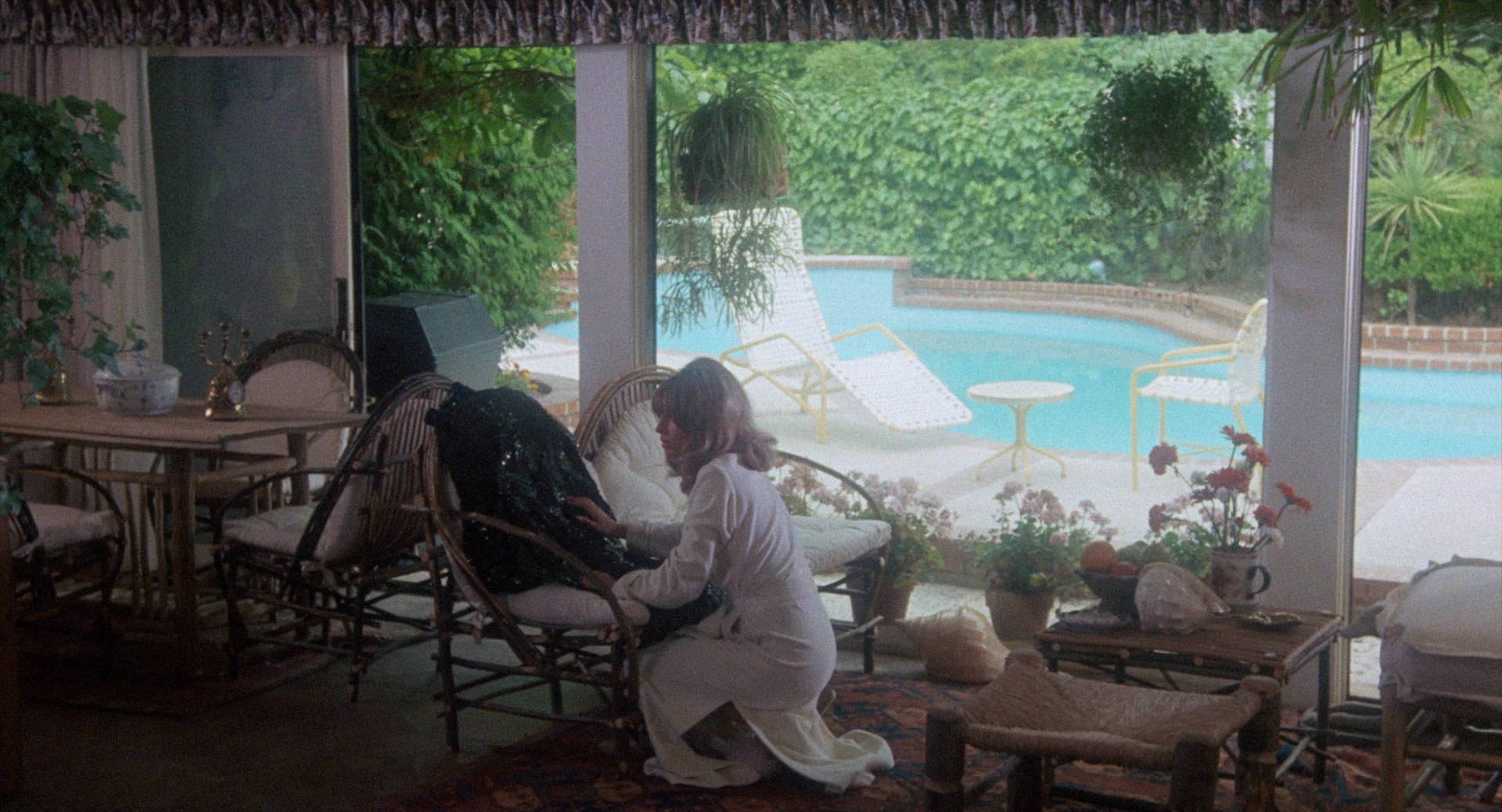
On Election Day, 1968, irresponsible hairdresser and ladies’ man George Roundy is too busy cutting hair and dealing with his girlfriends and mistress Felicia Karpf, whose husband Lester is having an affair with his ex-girlfriend Jackie.
Ashby and cinematographer László Kovács shot Shampoo with a loose, sunlit naturalism, using handheld camera work and soft, golden-hour lighting to capture the casual intimacy of 1970s Los Angeles. The film’s fluid camera and overlapping blocking give scenes an almost voyeuristic spontaneity—mirroring the character’s drifting, unanchored lifestyle.
FILM SPOTLIGHT
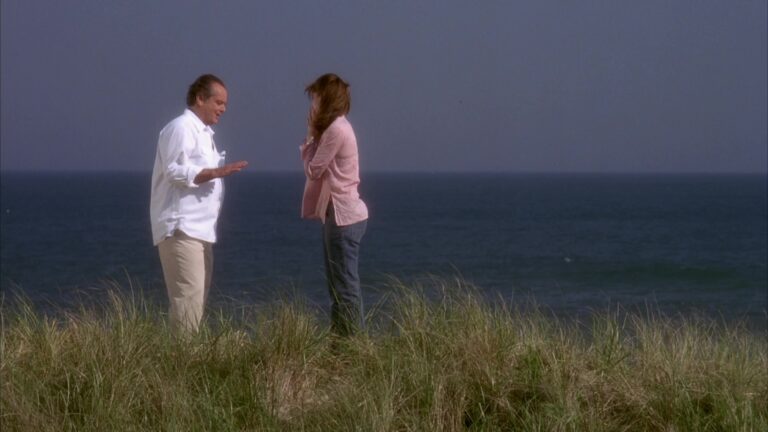
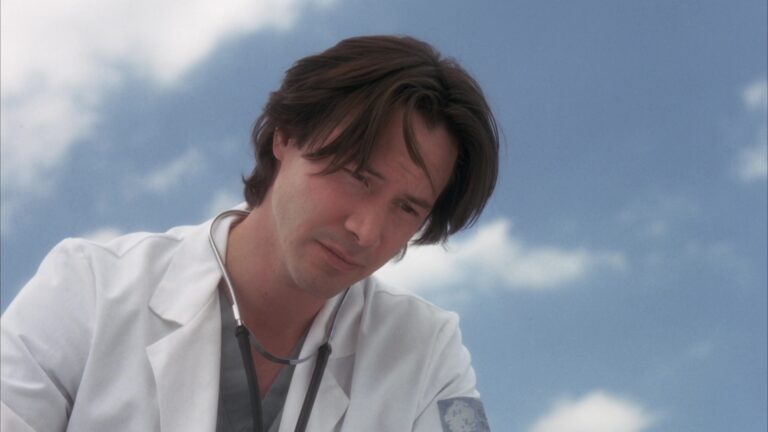
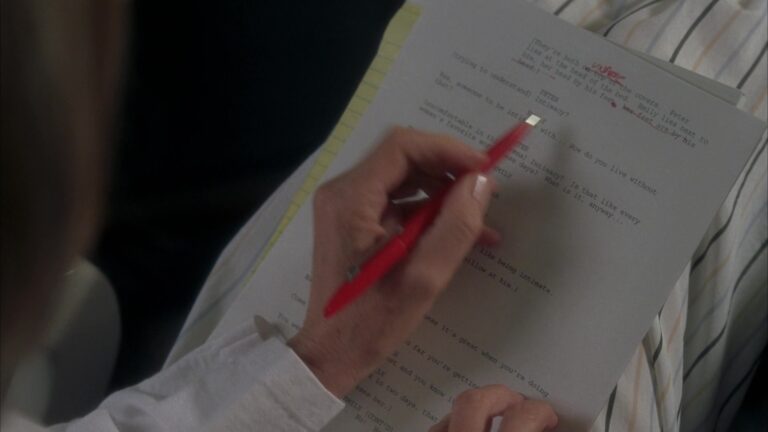
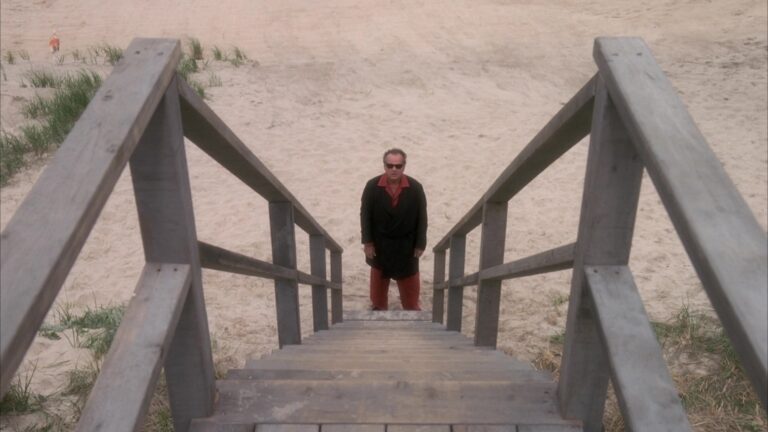
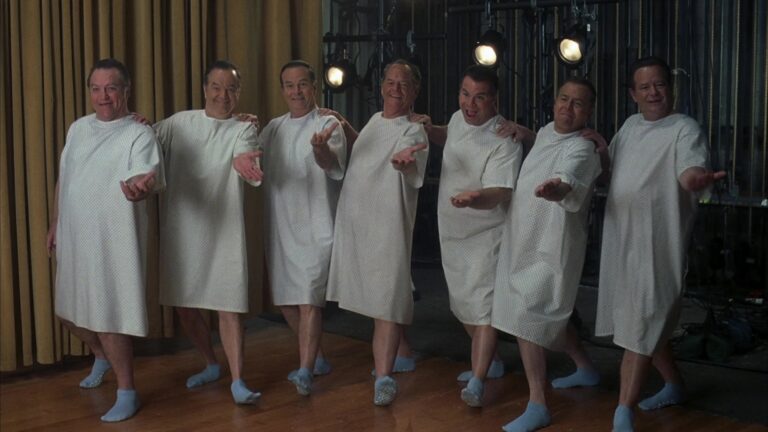
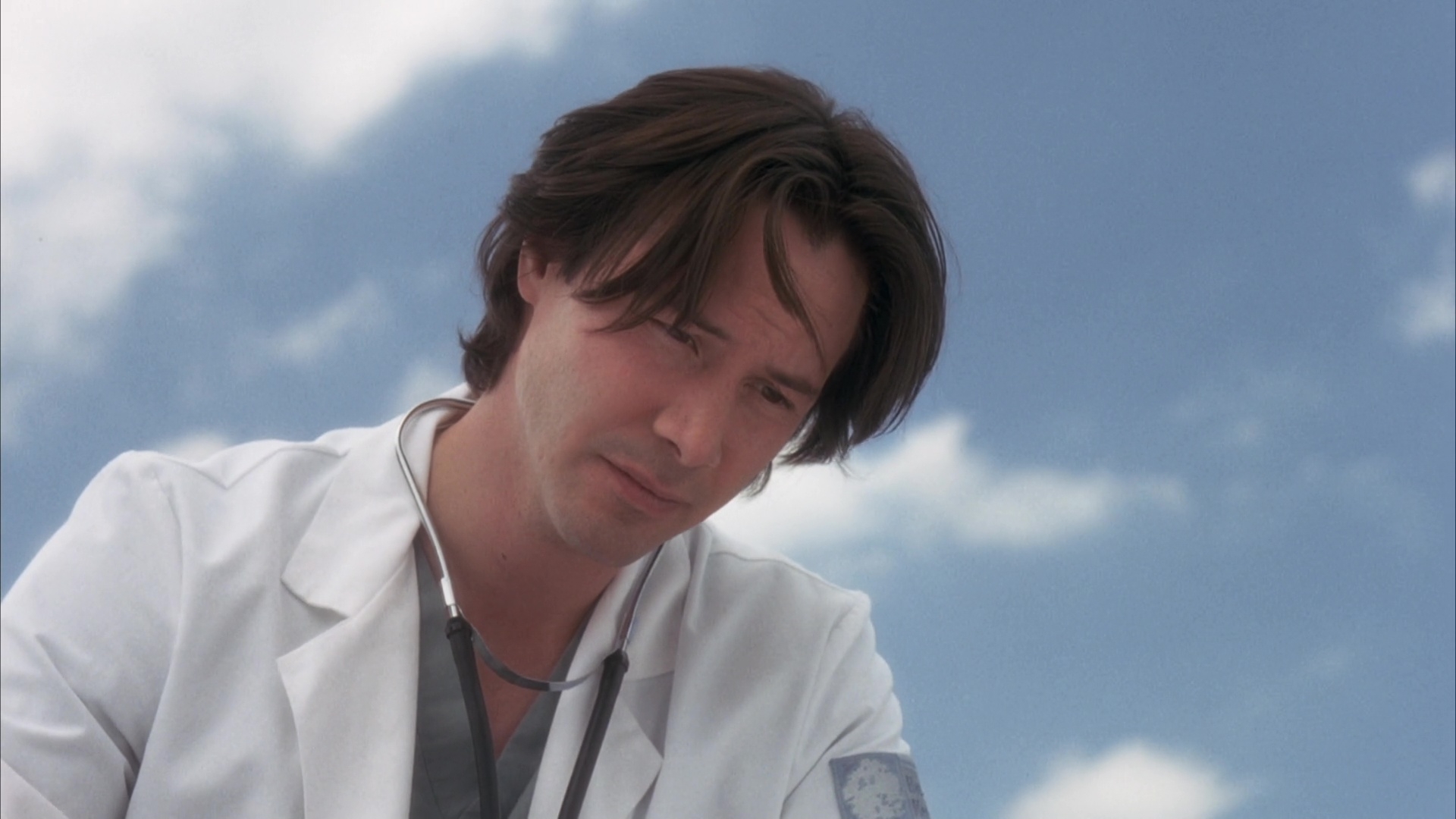
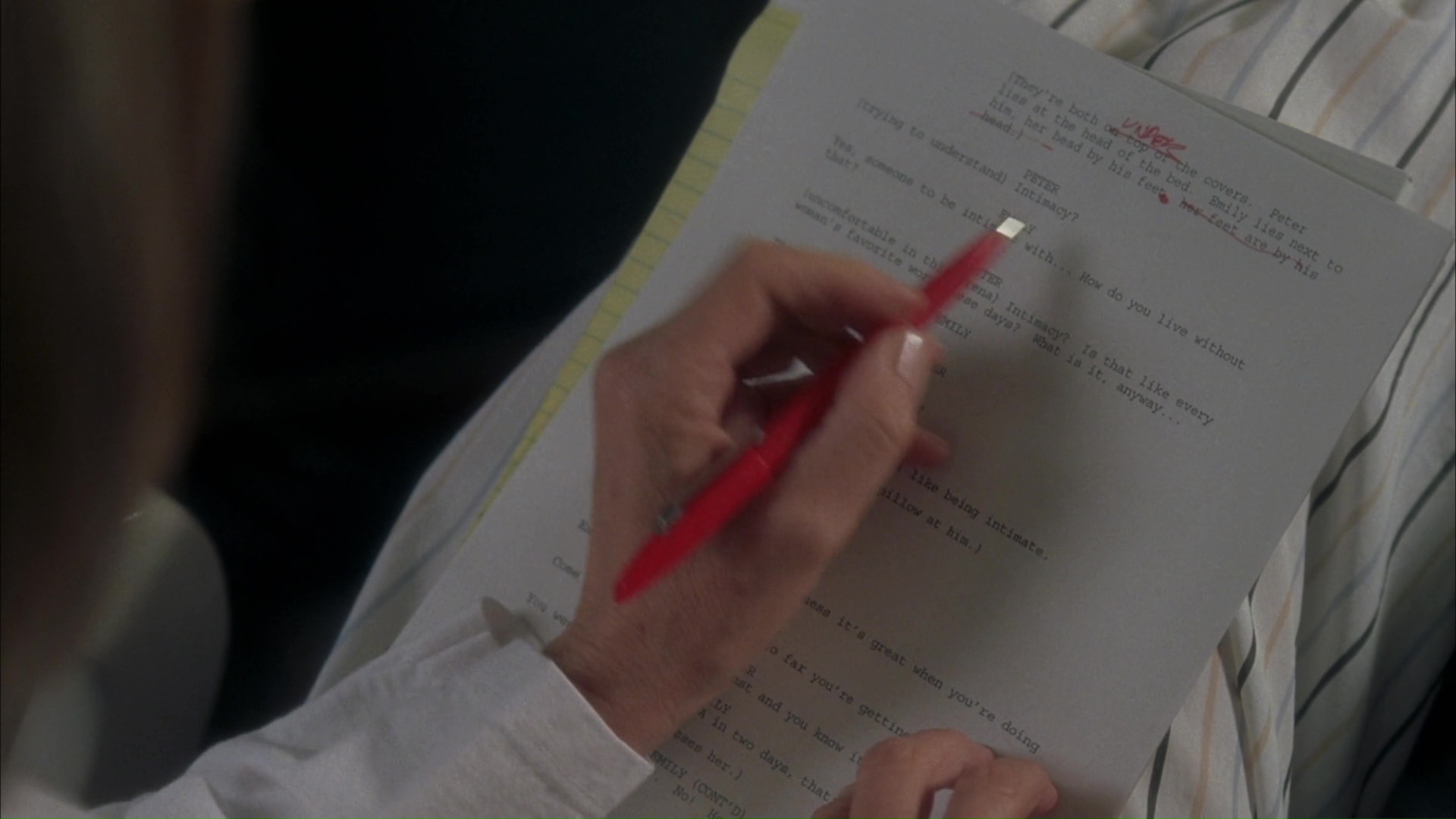
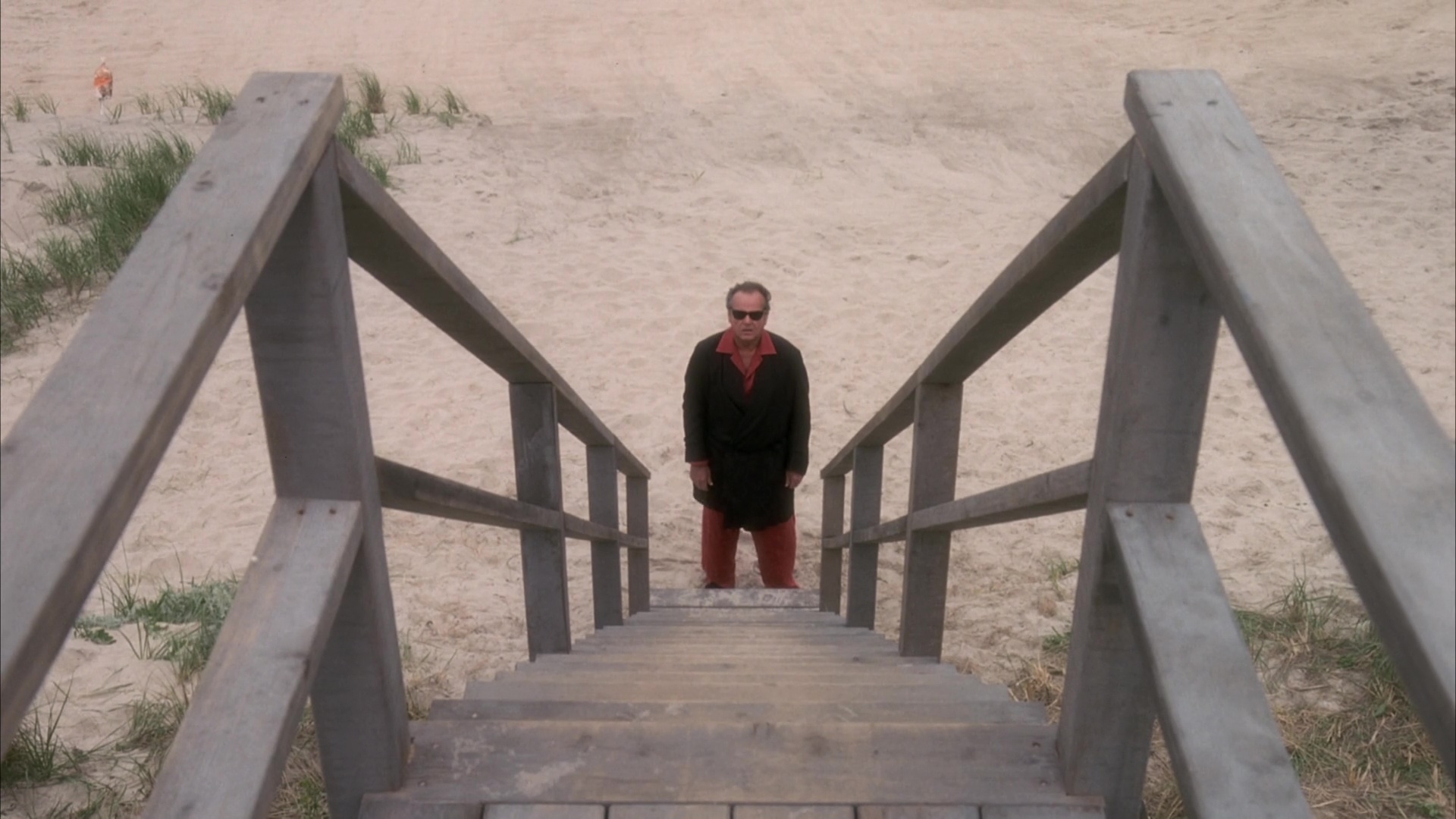
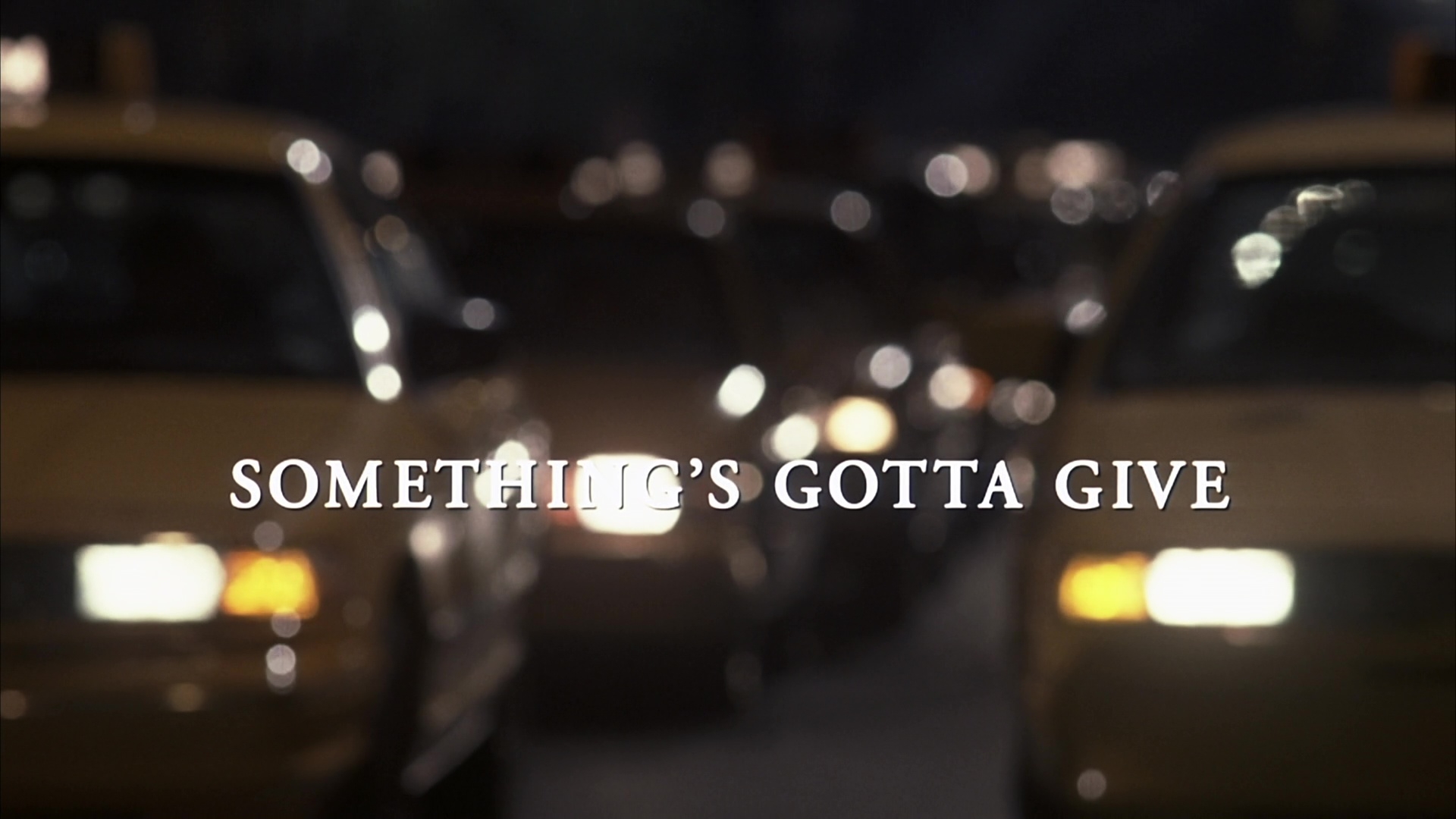
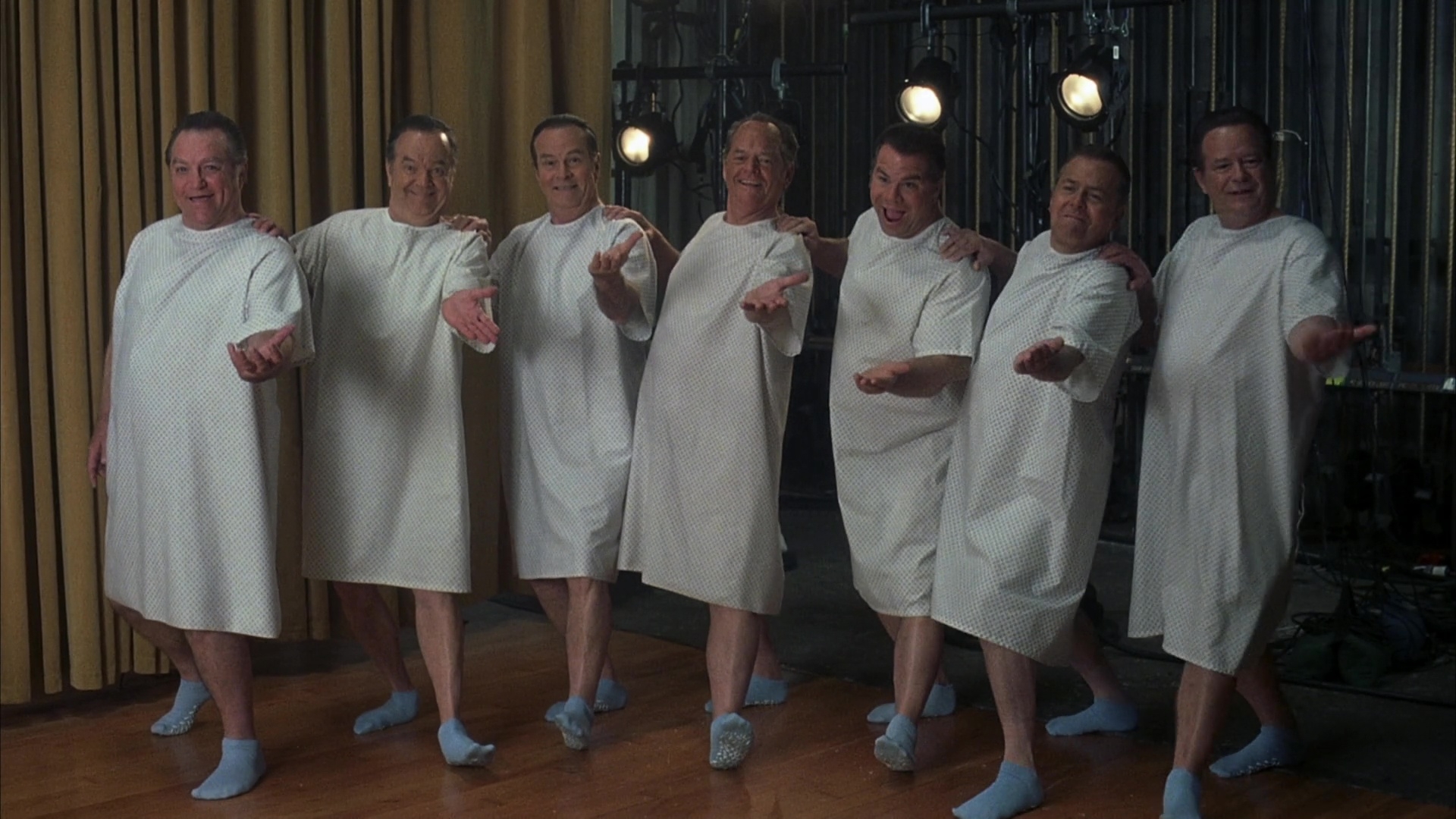
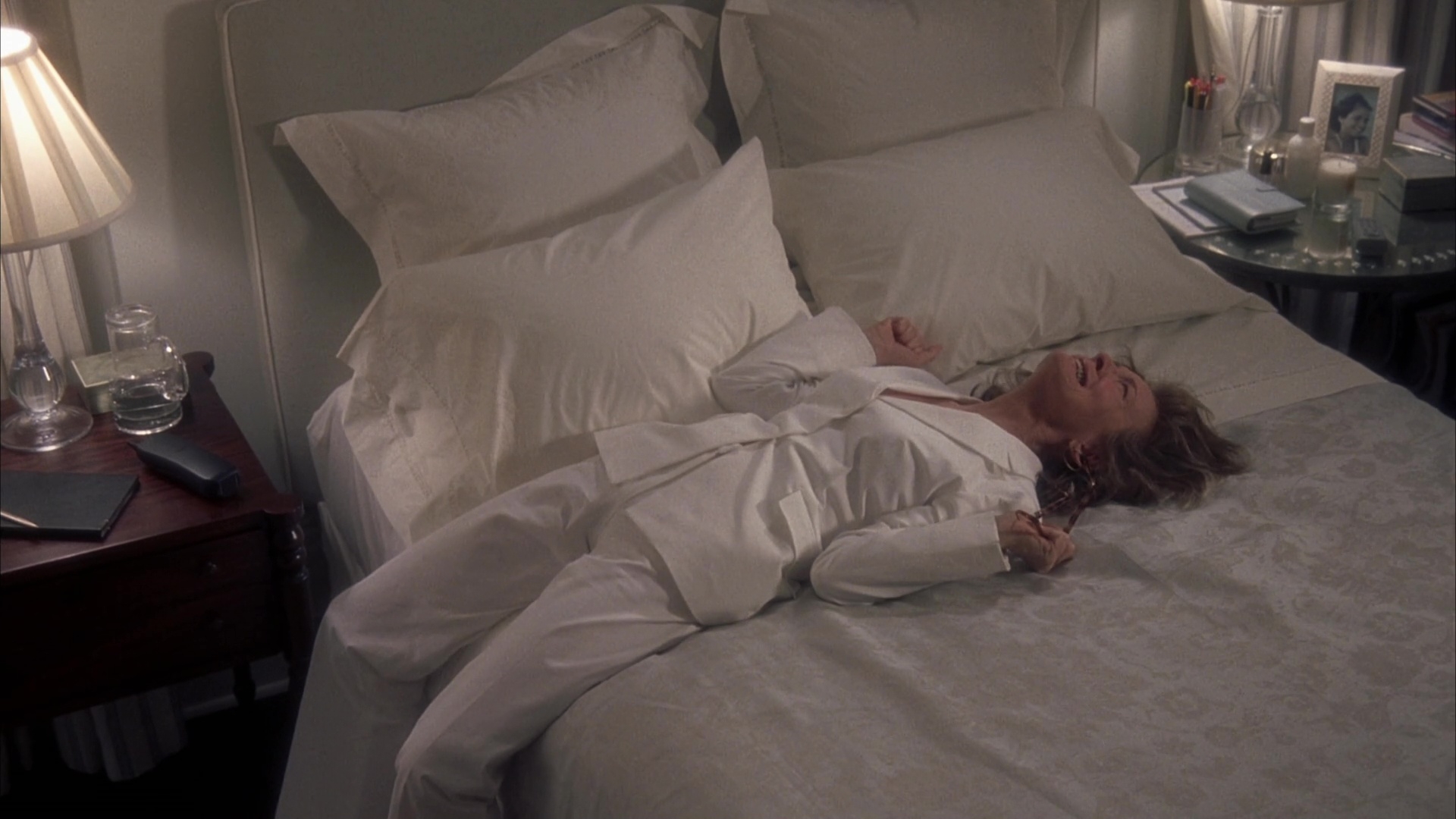
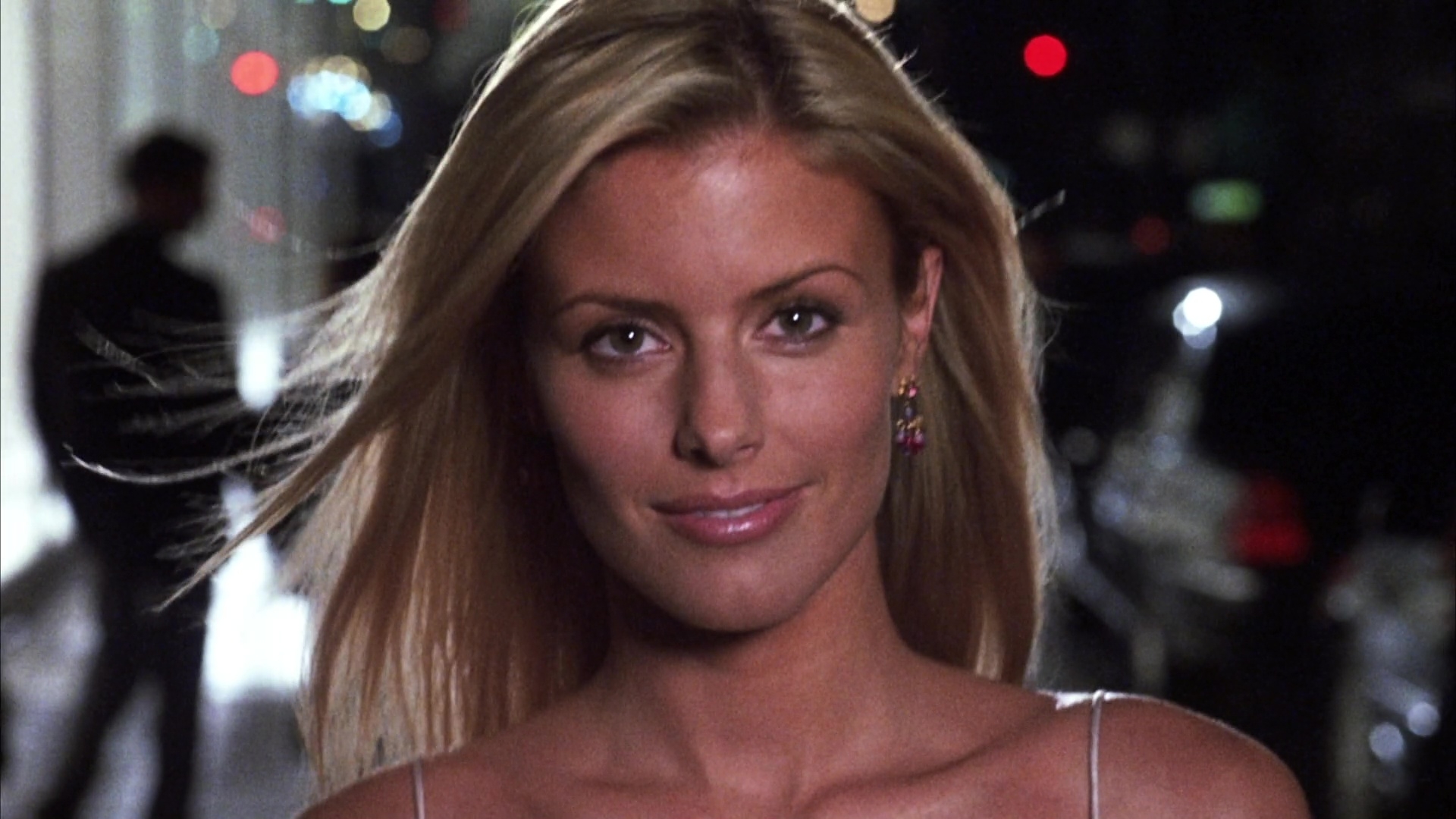
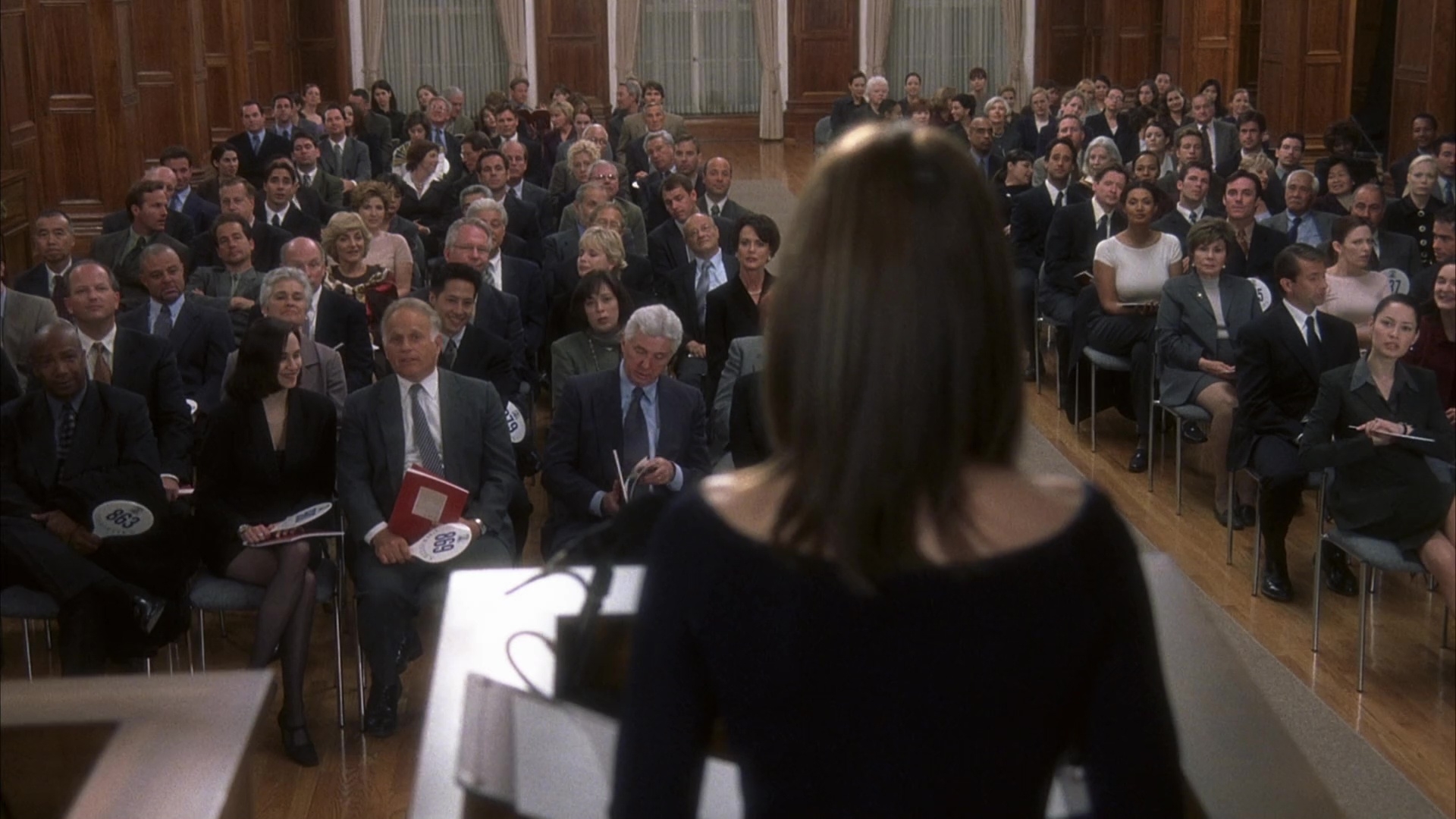
Something’s Gotta Give (2003)
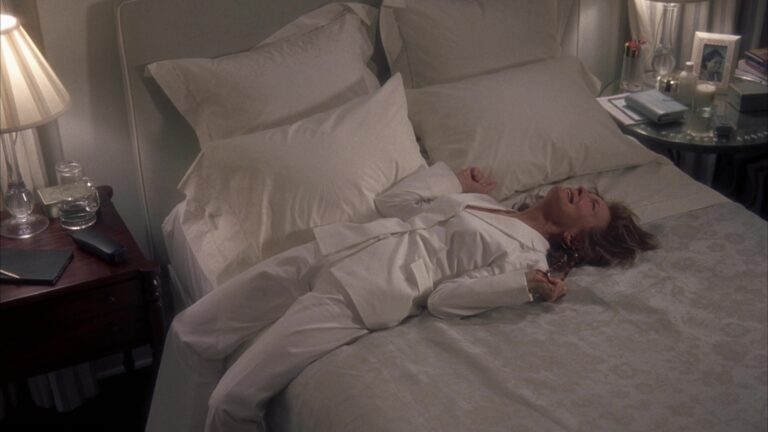
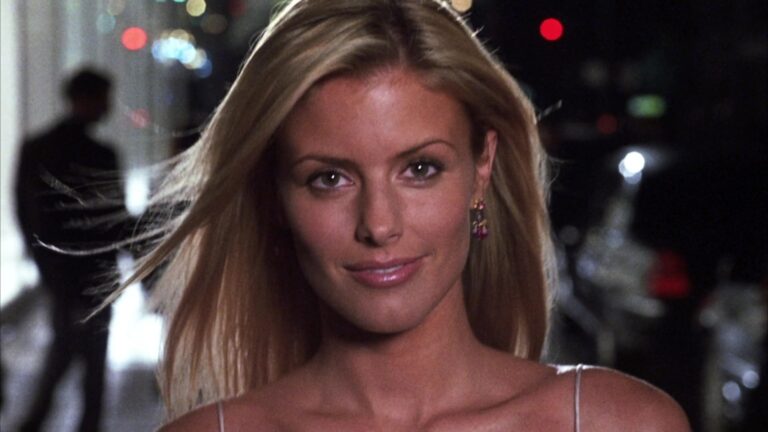
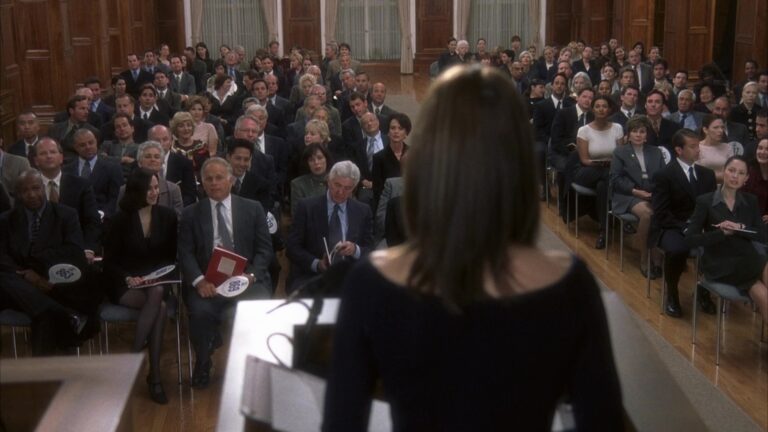
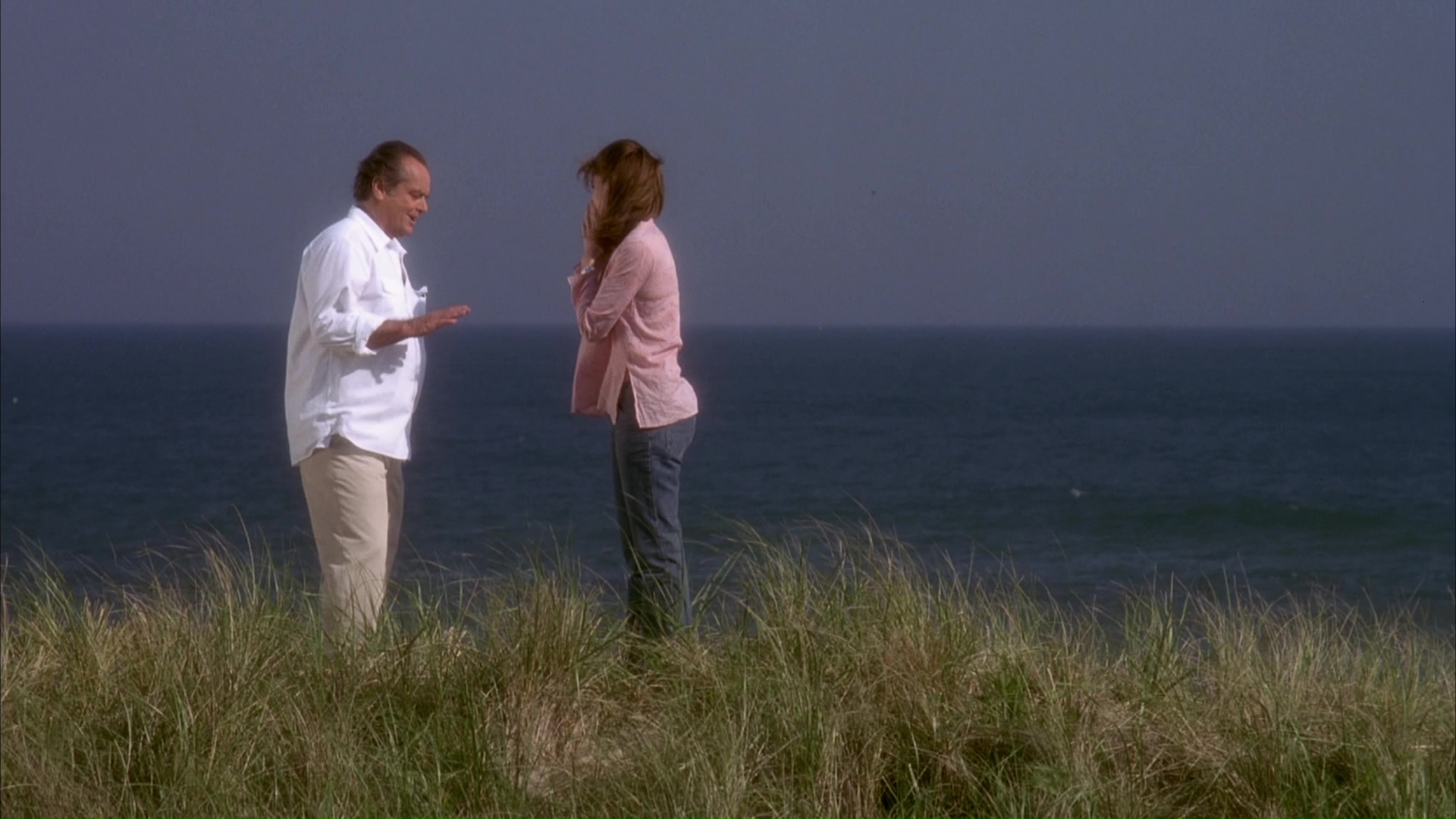
When perpetually single, aging music industry exec Harry Sanborn, and his latest trophy girlfriend, Marin, arrive at her mother’s beach house in the Hamptons, they find that her mother, playwright Erica Barry, also plans to stay for the weekend. Erica is scandalized by the relationship and Harry’s sexist ways. But when Harry has a heart attack while there, and the doctor prescribes bedrest, his only option is to stay at the Barry home. Left in the care of Erica and his doctor, a love triangle starts to take shape.
Nancy Meyers and cinematographer Michael Ballhaus crafted the film with a bright, elegant visual style, using airy interiors and soft natural light to create a sense of warmth and emotional openness. The iconic Hamptons beach house—shot with clean compositions and neutral tones—became a character in itself, setting the template for the aspirational, sun-drenched aesthetic that would define Meyers’ later films.
FILM SPOTLIGHT
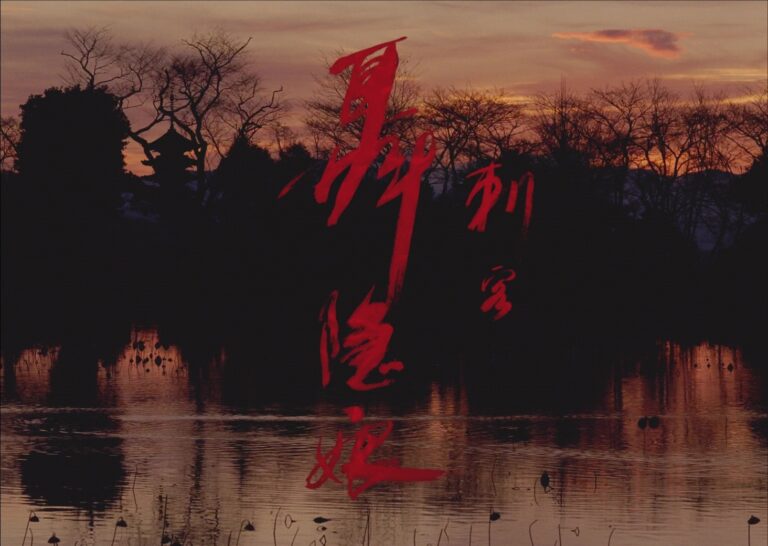
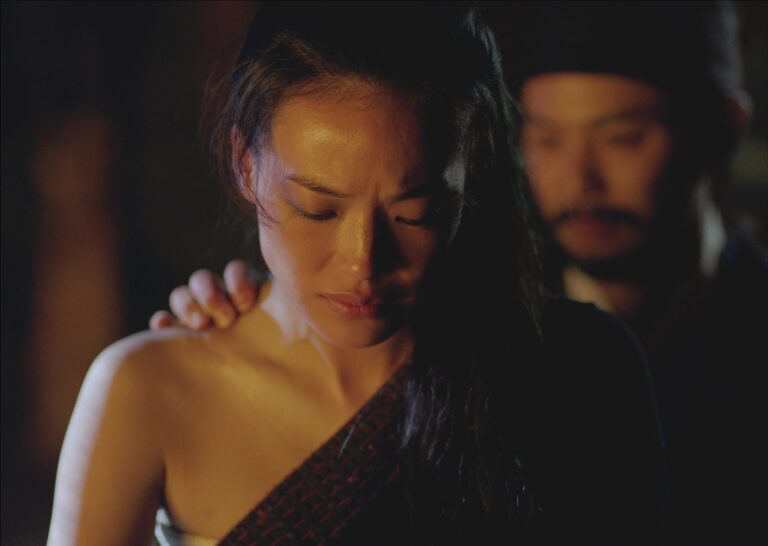
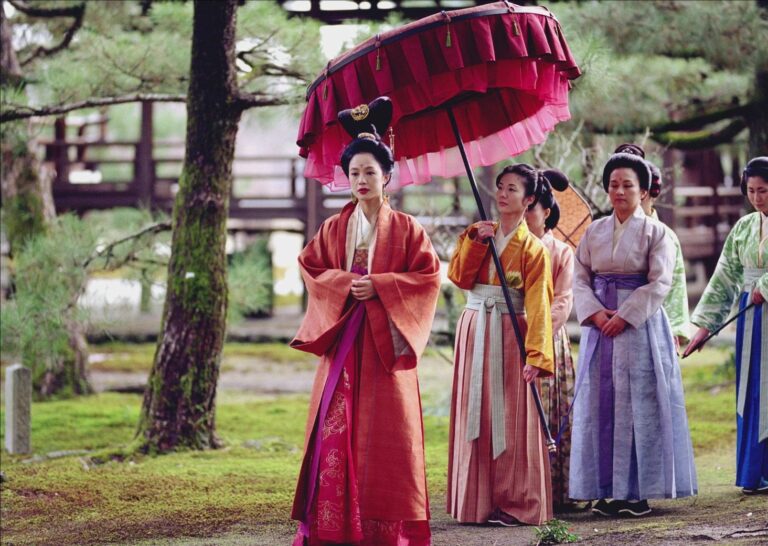
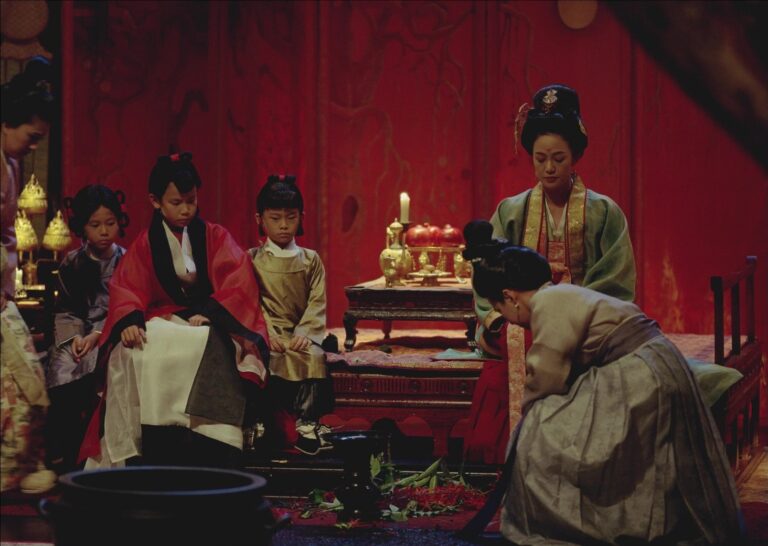
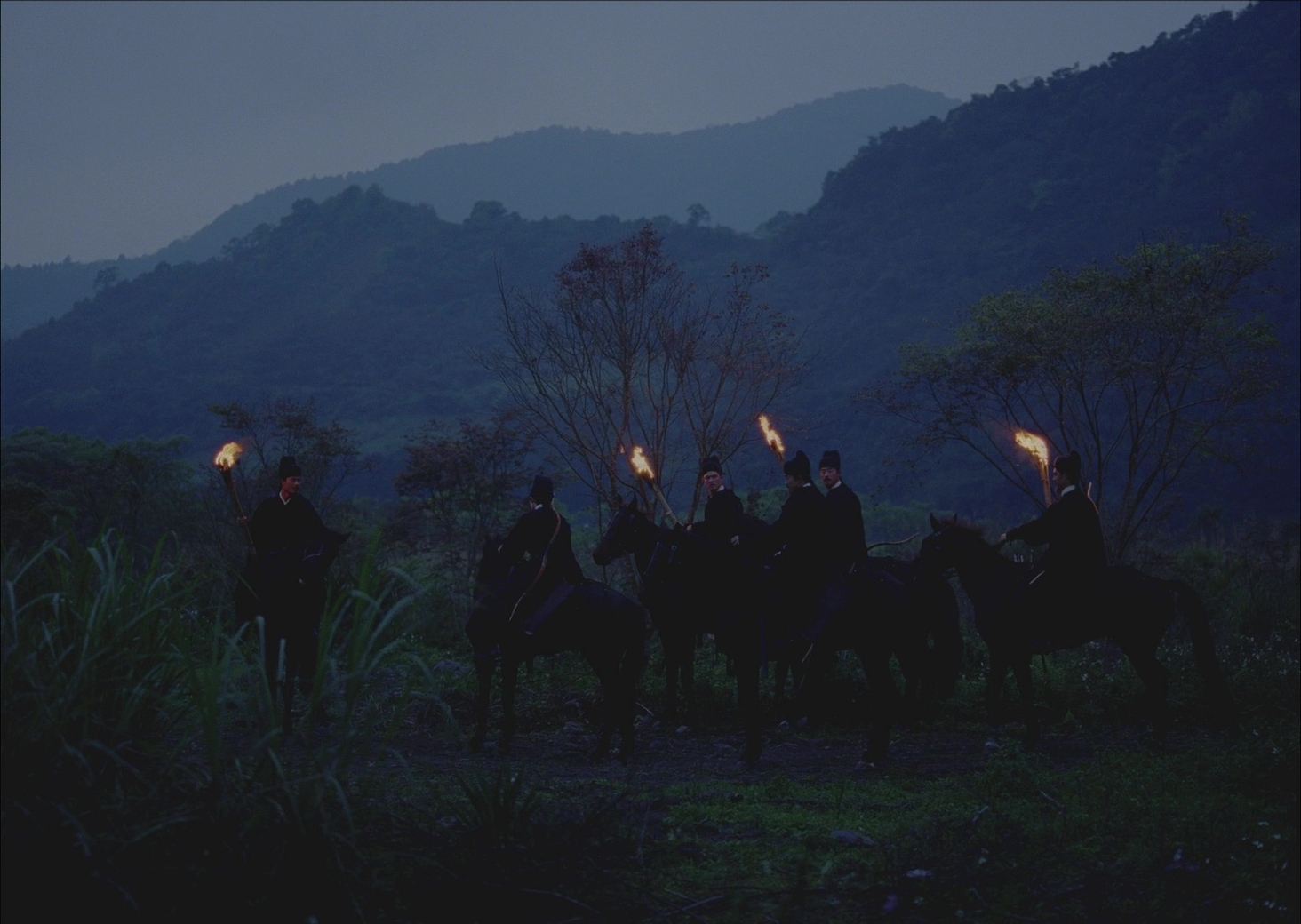
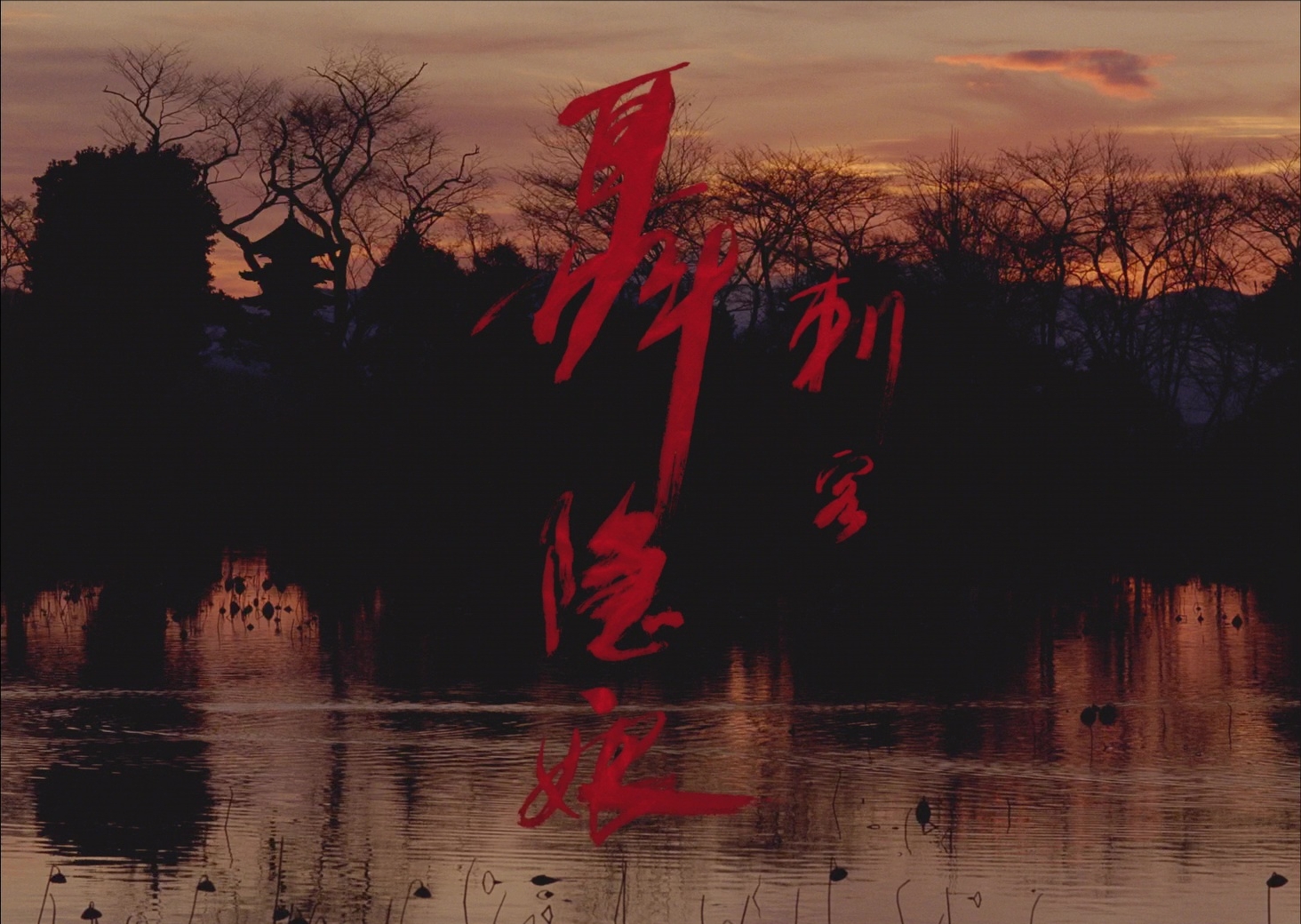
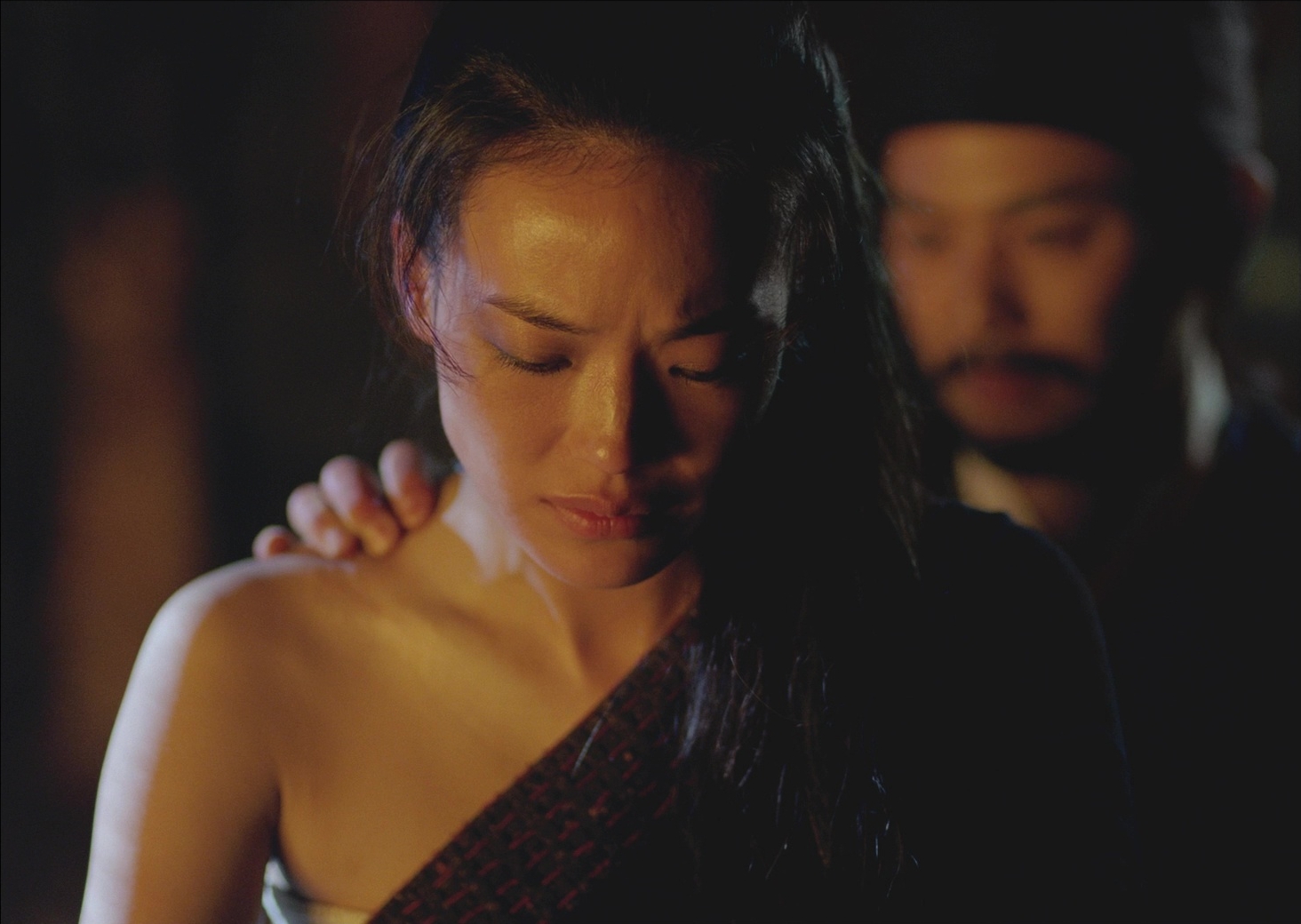
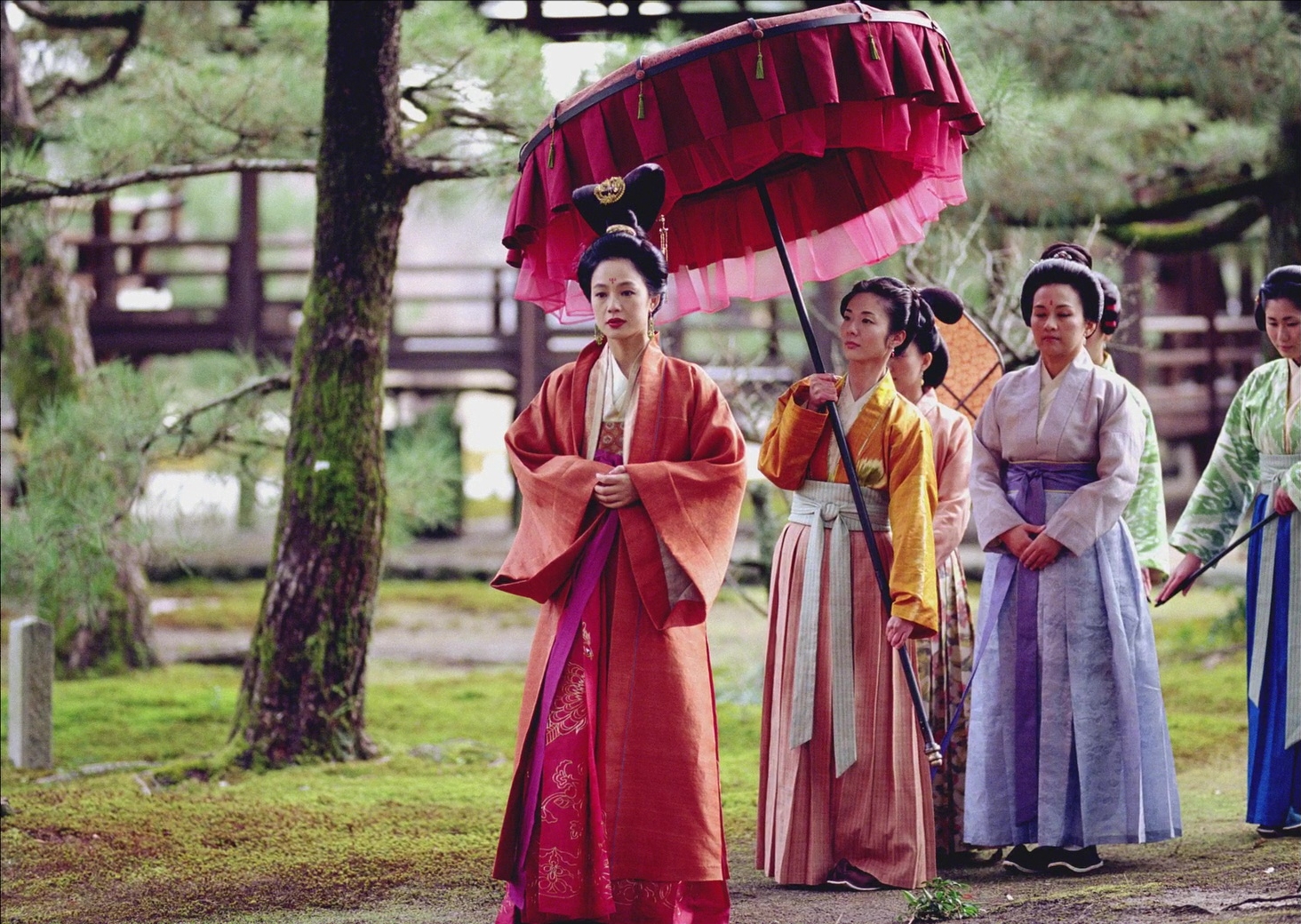
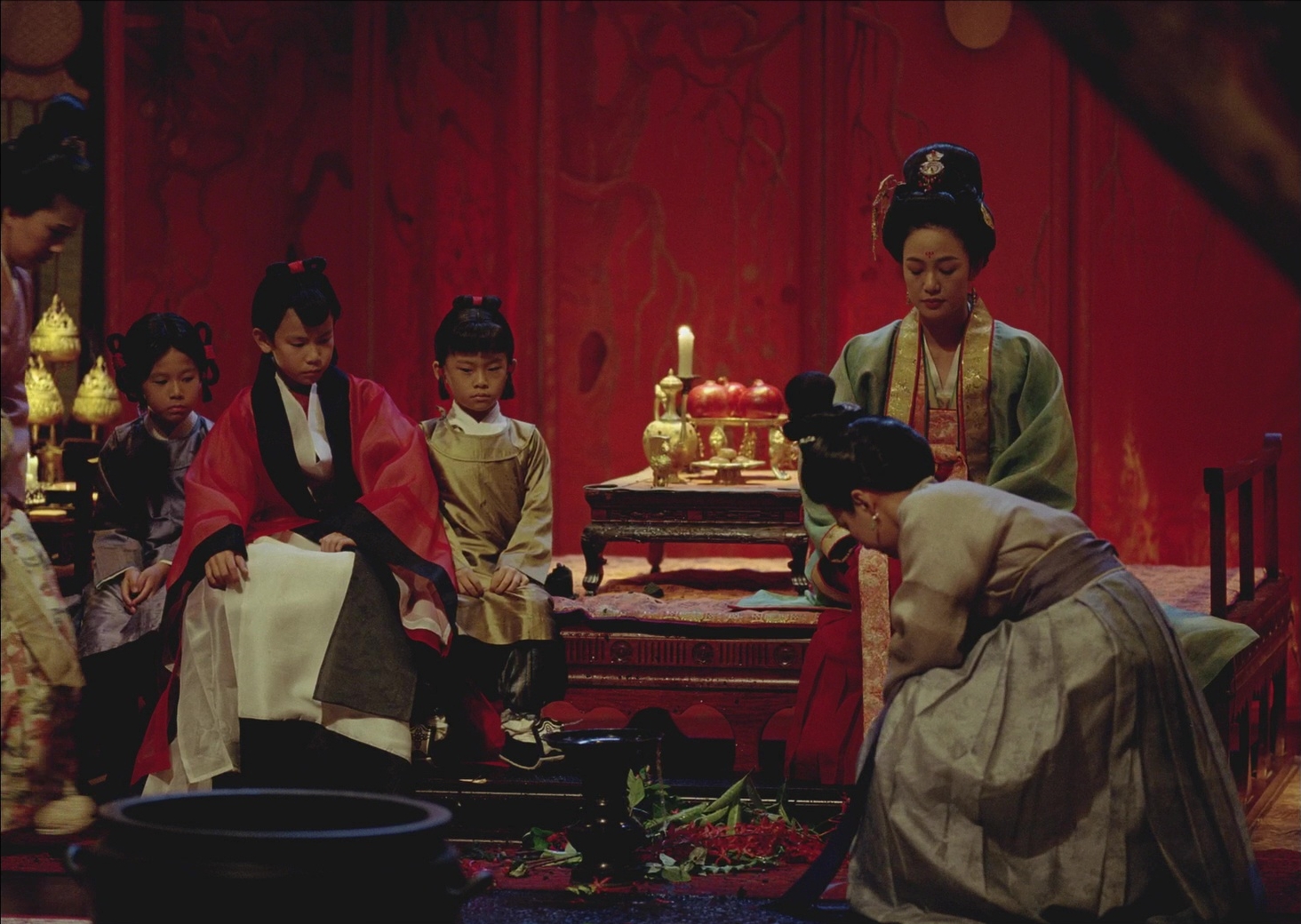
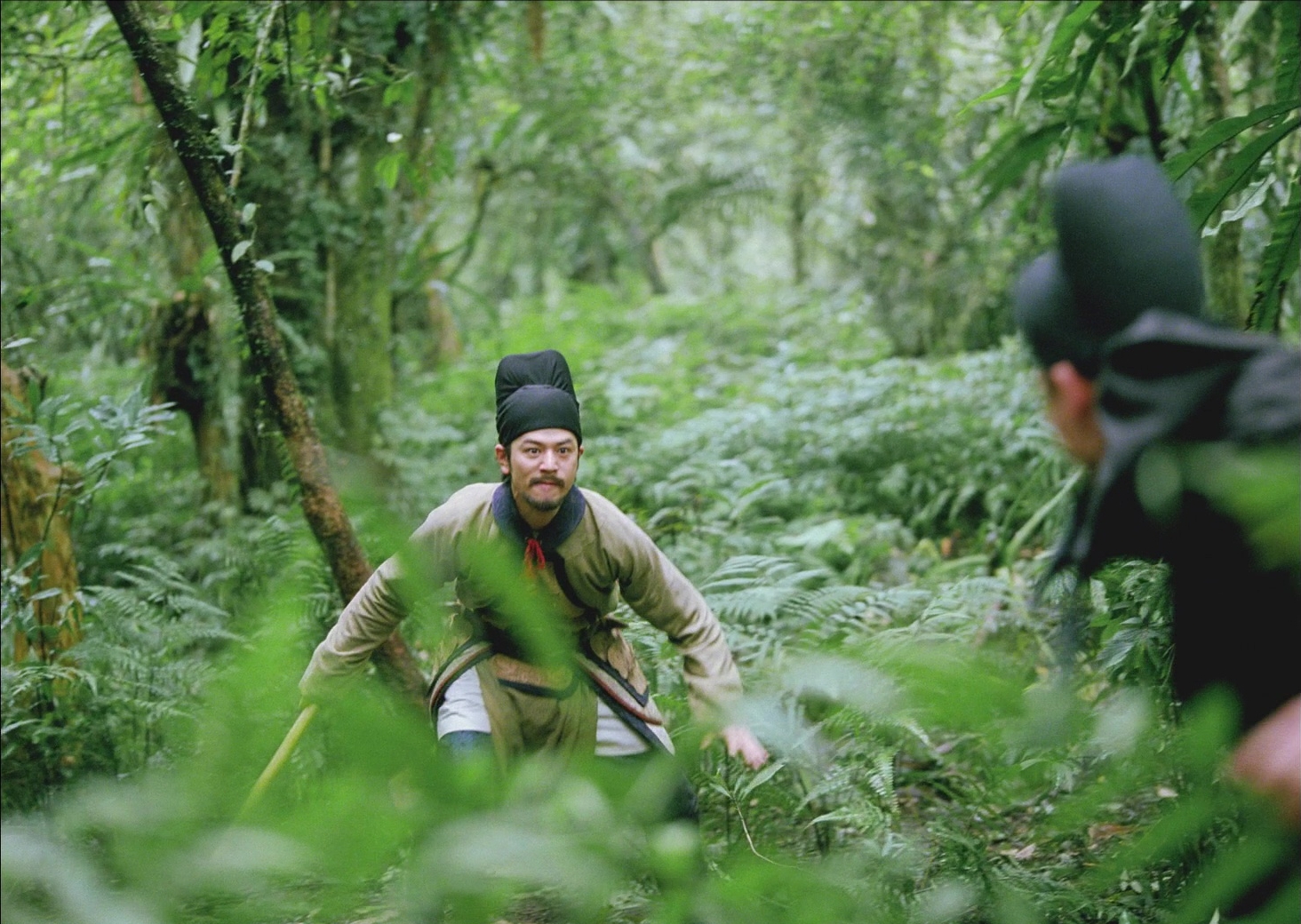
The Assassin (2015)
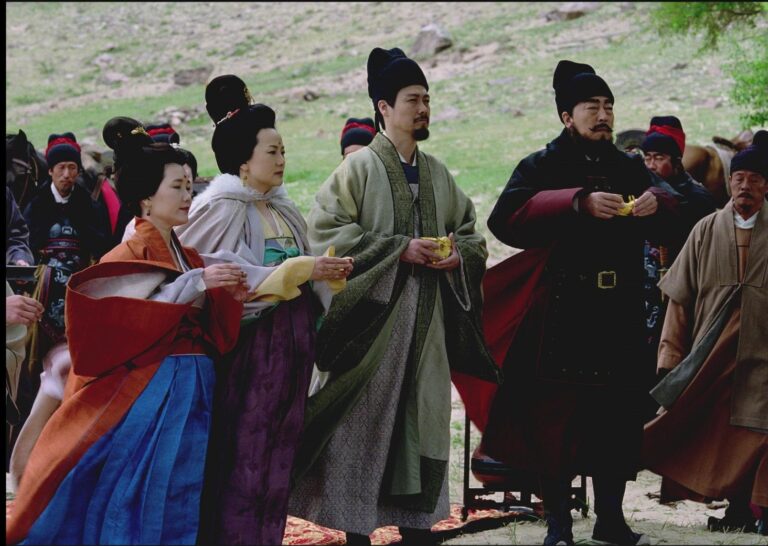
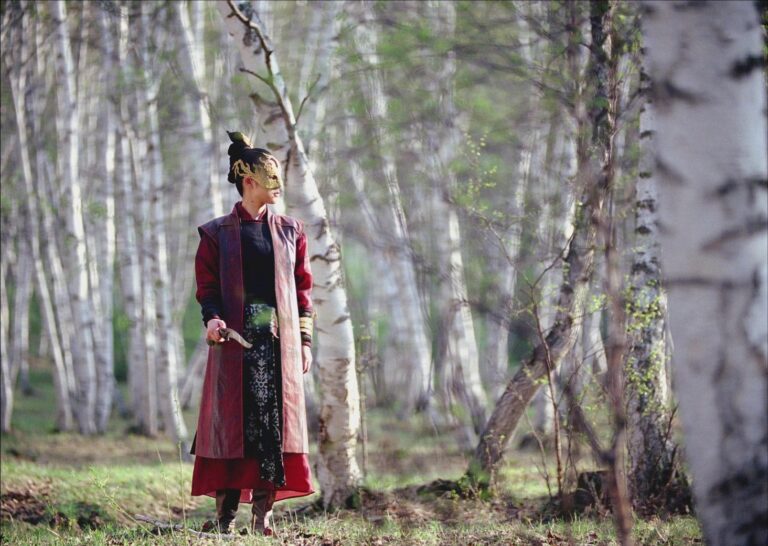
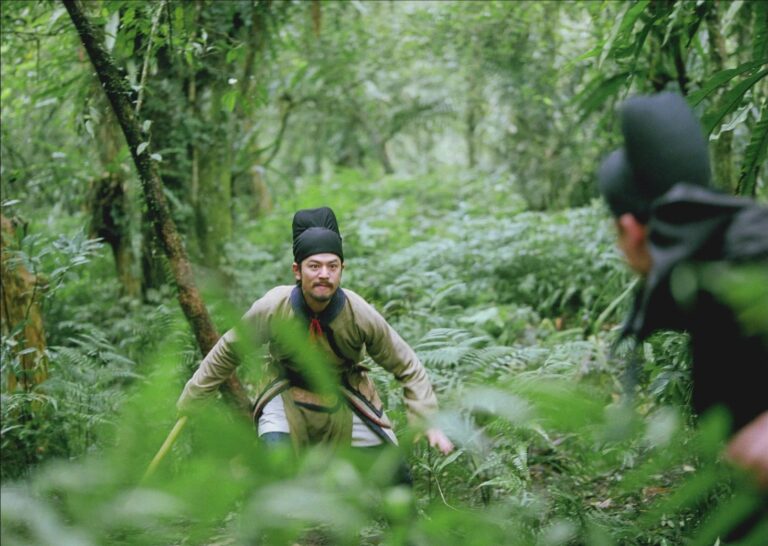
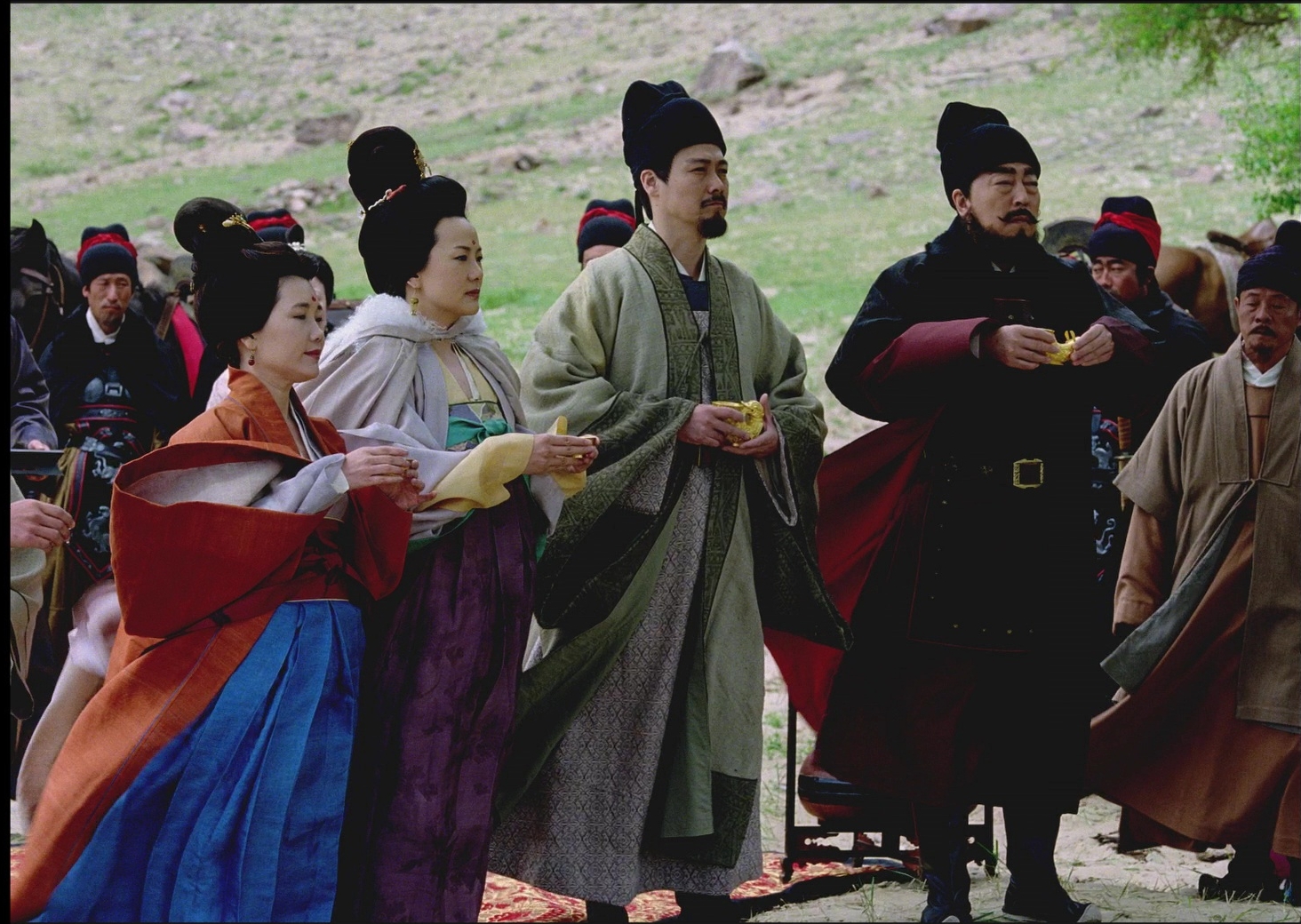
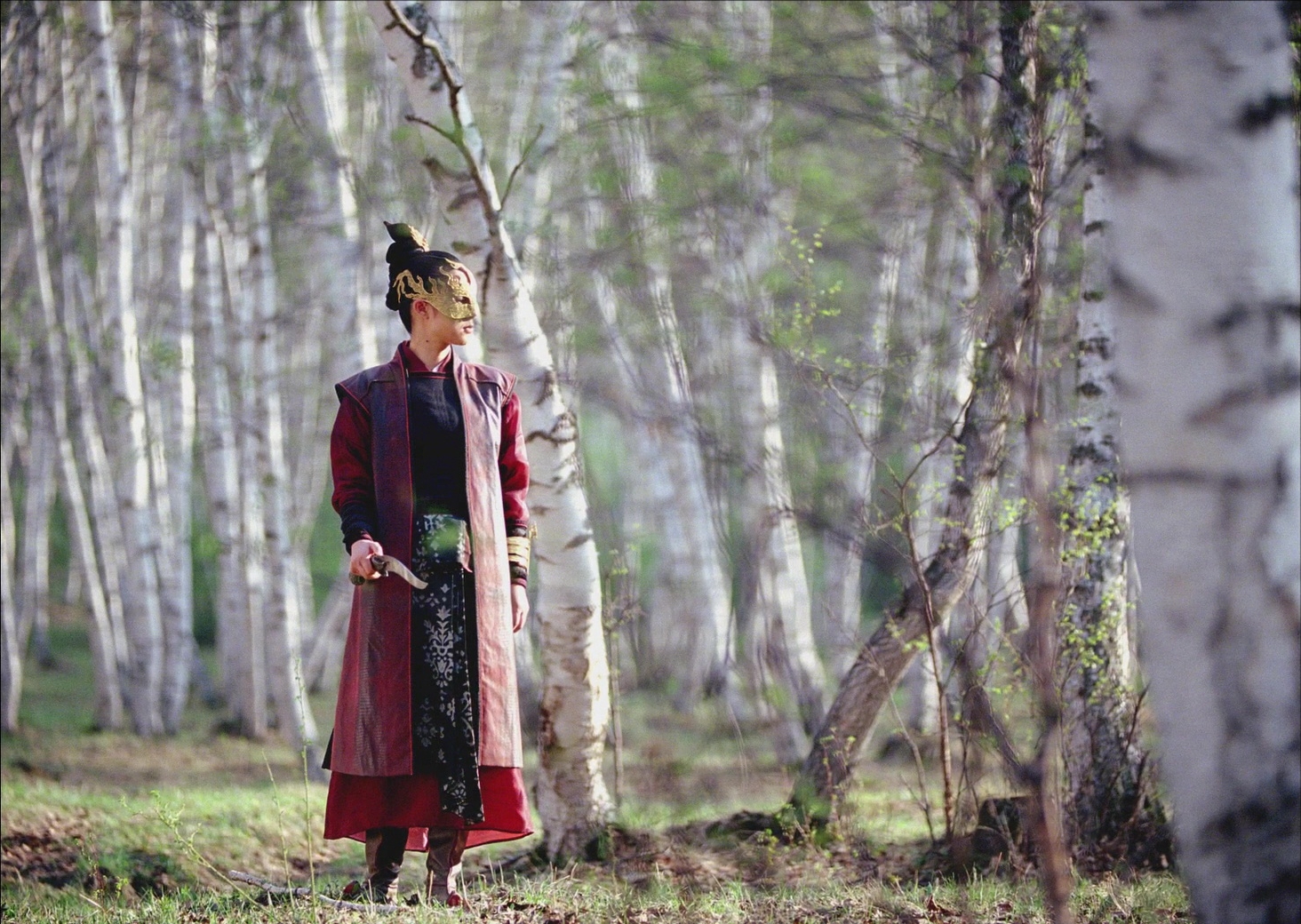
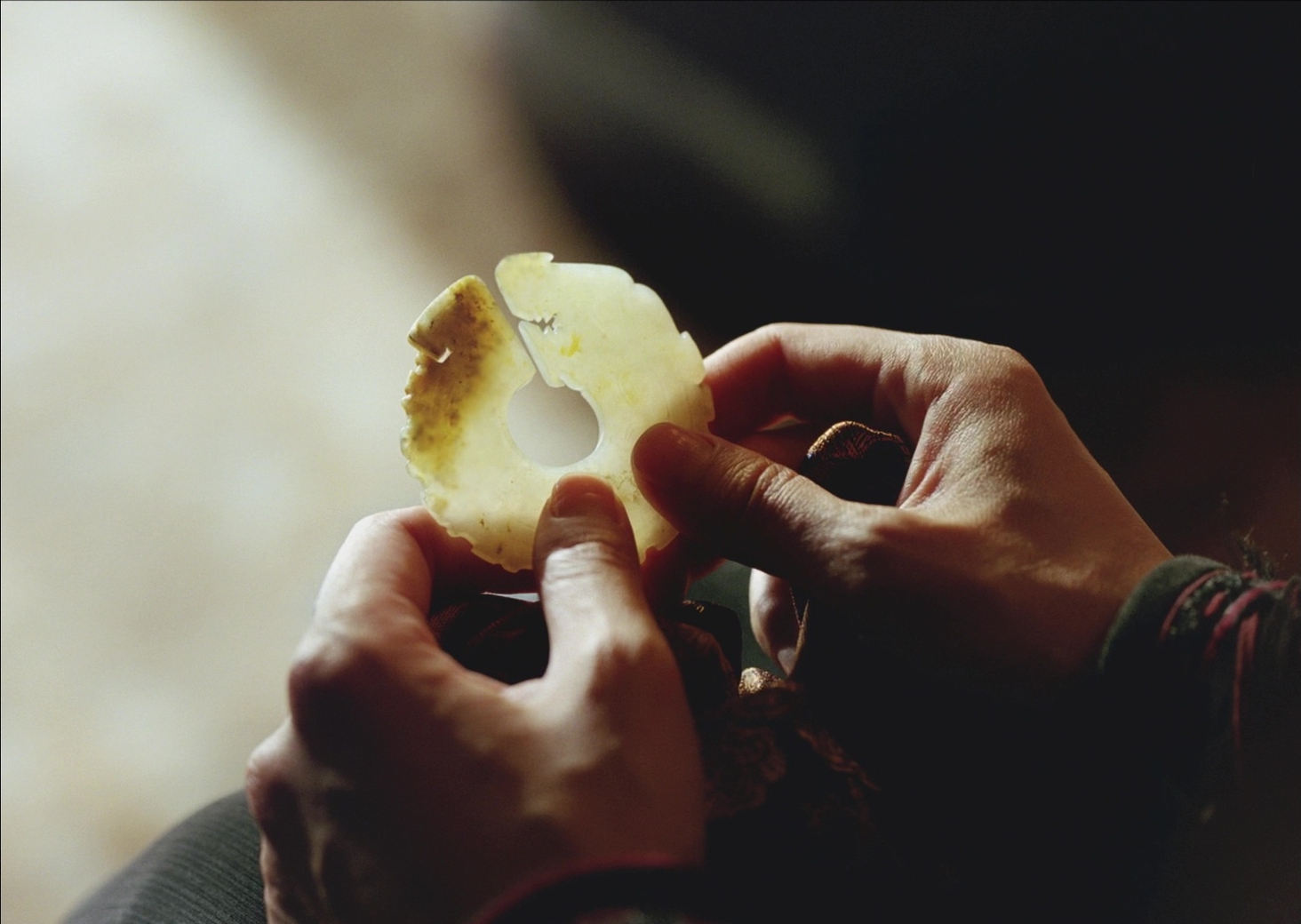
In 9th-century China, Nie Yinniang, a skilled assassin, is tasked with eliminating a powerful governor to whom she was once betrothed. As she returns to her homeland, she finds herself torn between duty and lingering emotional ties. Struggling with her role as a killer, she must decide whether to follow orders or forge her own path.
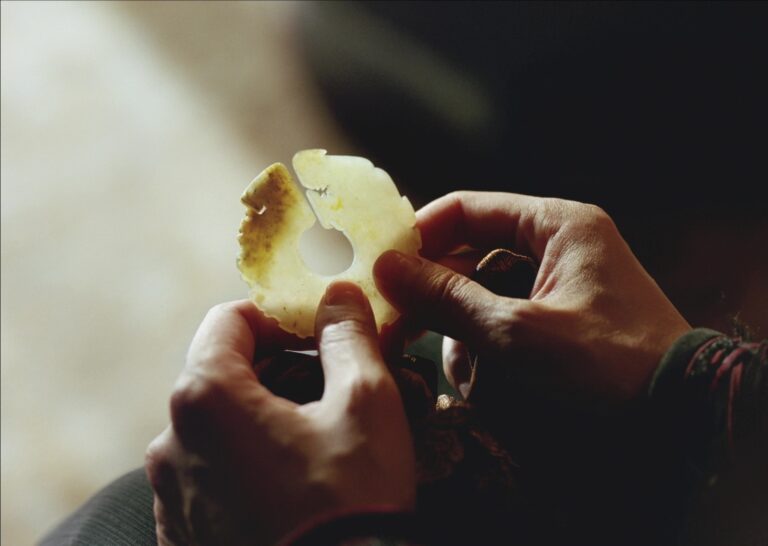
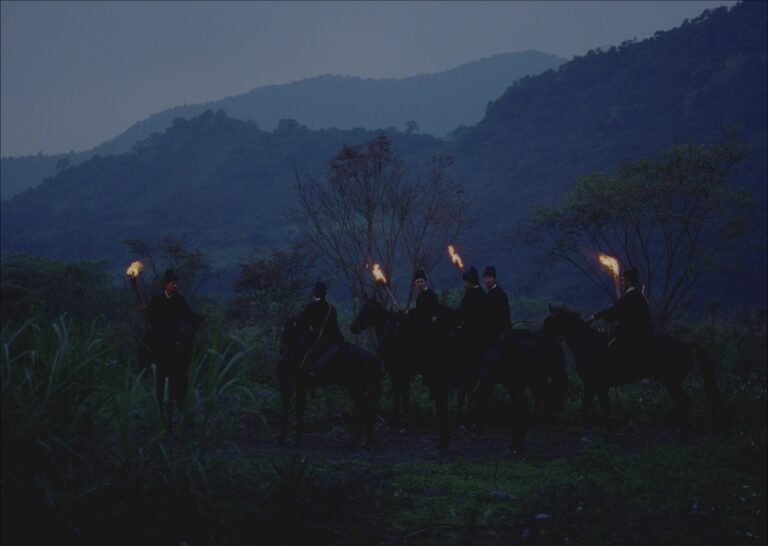
Hou Hsiao-hsien and cinematographer Mark Lee Ping-Bin shot The Assassin on 35mm, composing in the nearly square 1.37:1 aspect ratio to create dense, layered frames filled with foreground obstruction and negative space. The film’s restrained camera, natural light, and painterly use of color turn action into atmosphere—often pushing violence off-screen and letting wind, fabric, and landscape carry the visual weight.
FILM SPOTLIGHT
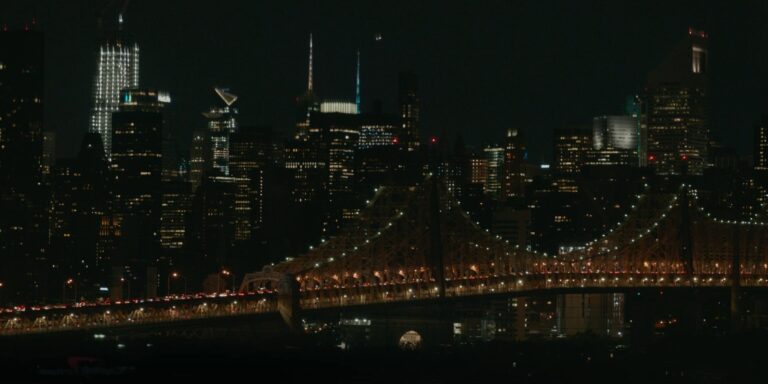
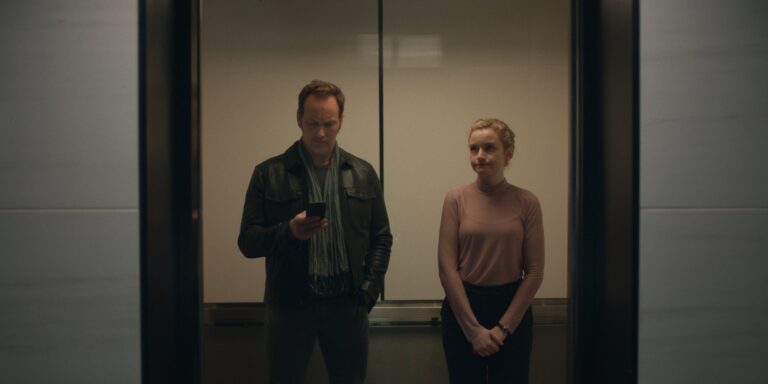
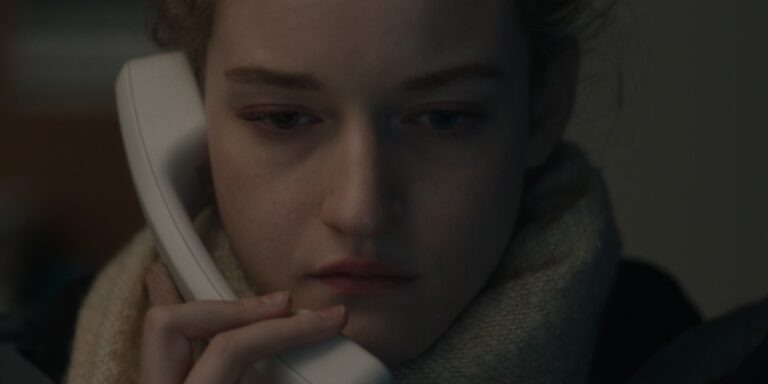
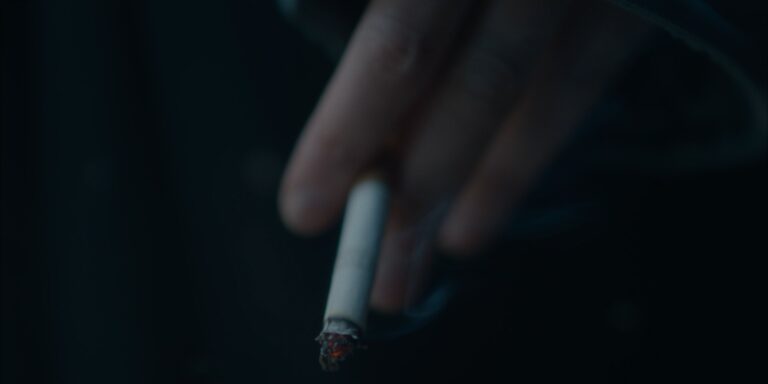
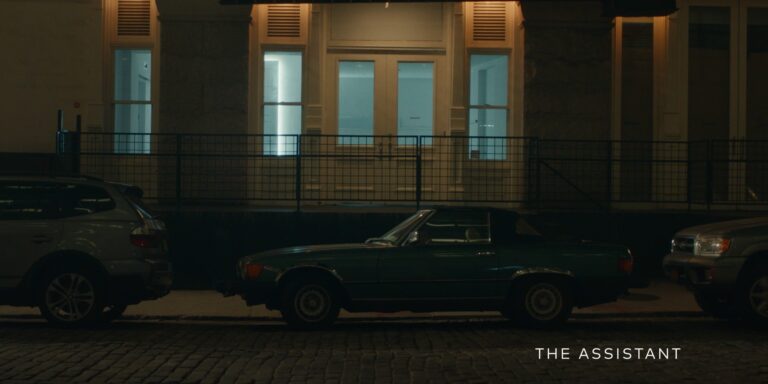
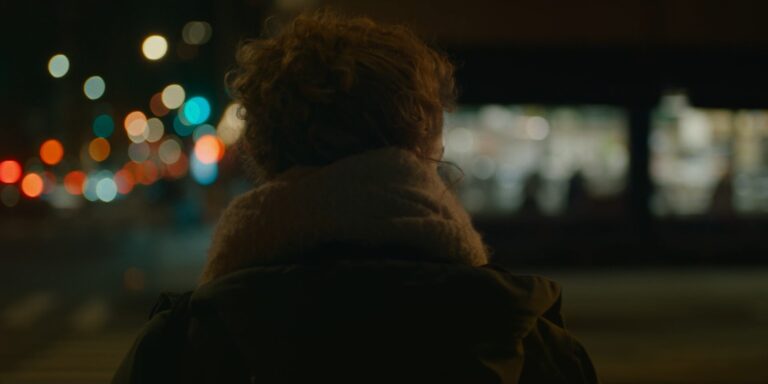
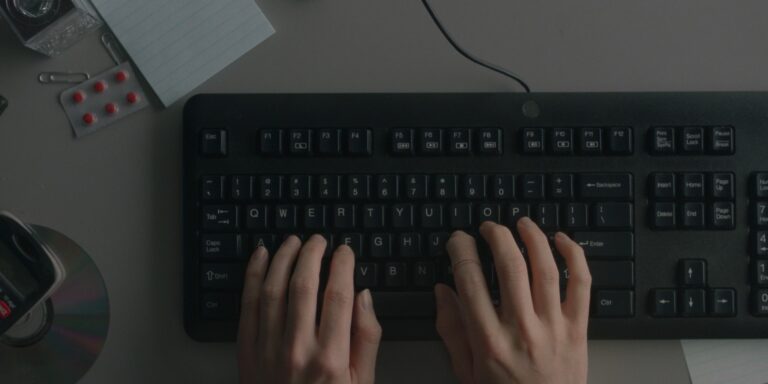
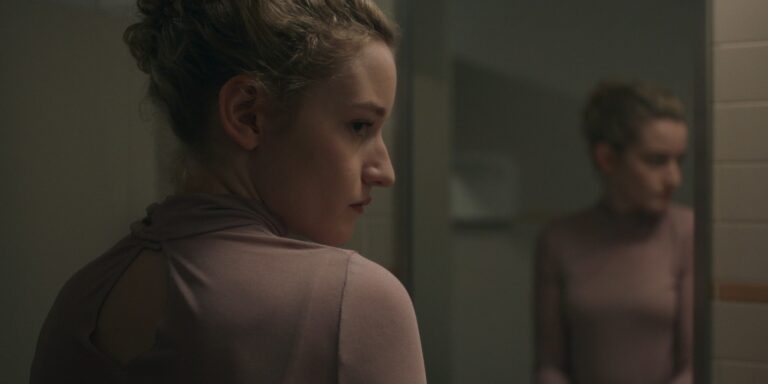
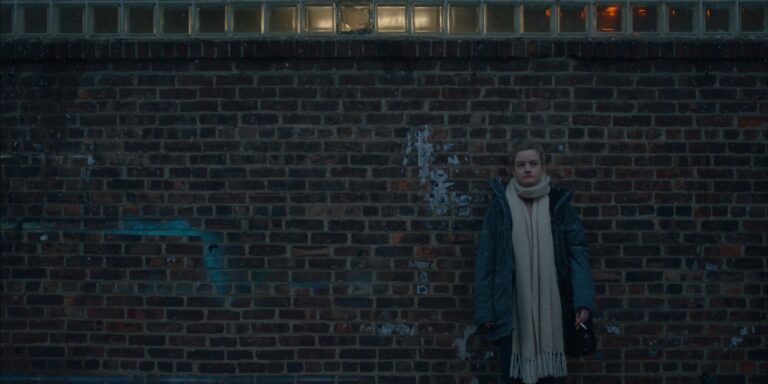
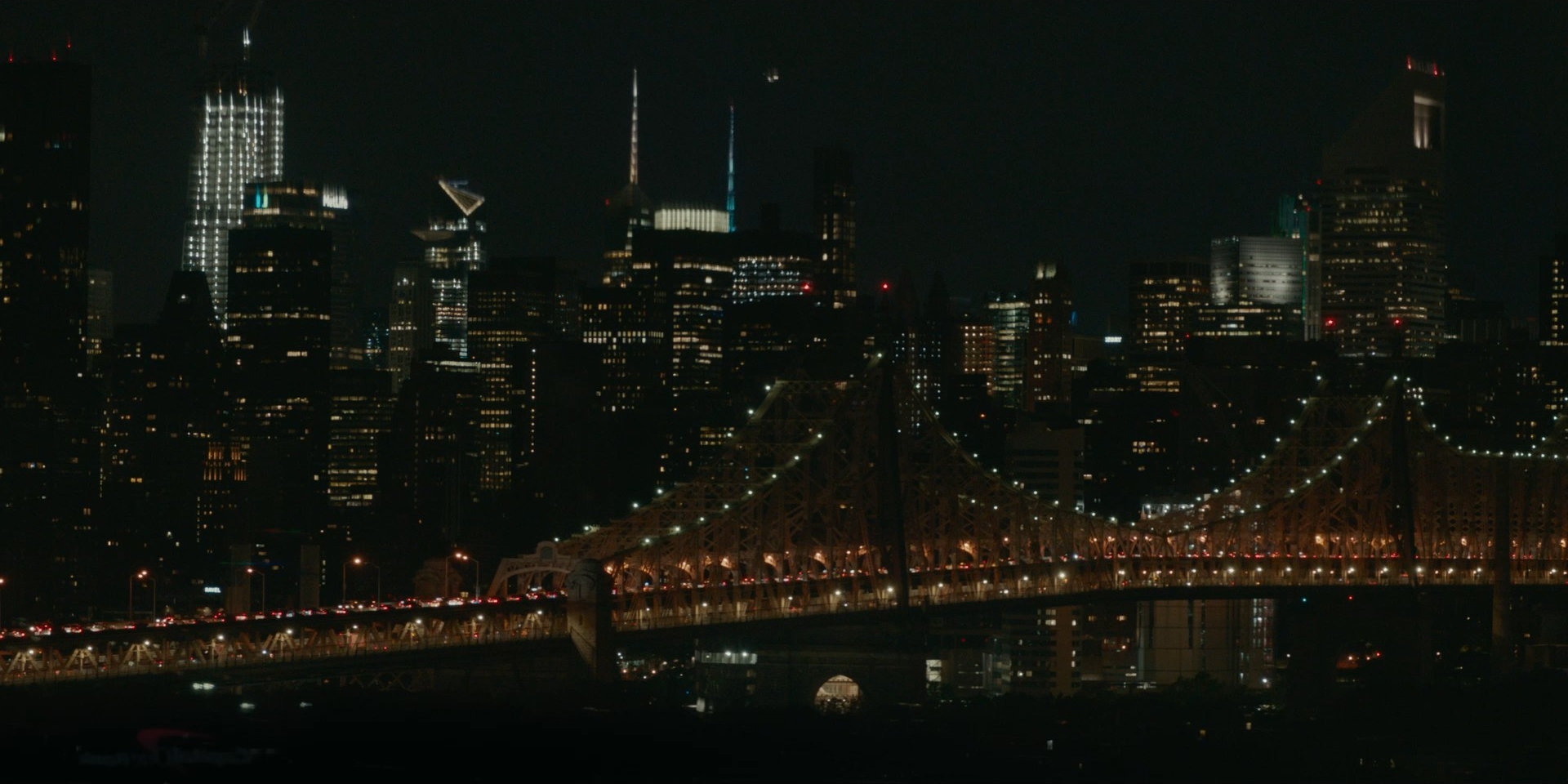
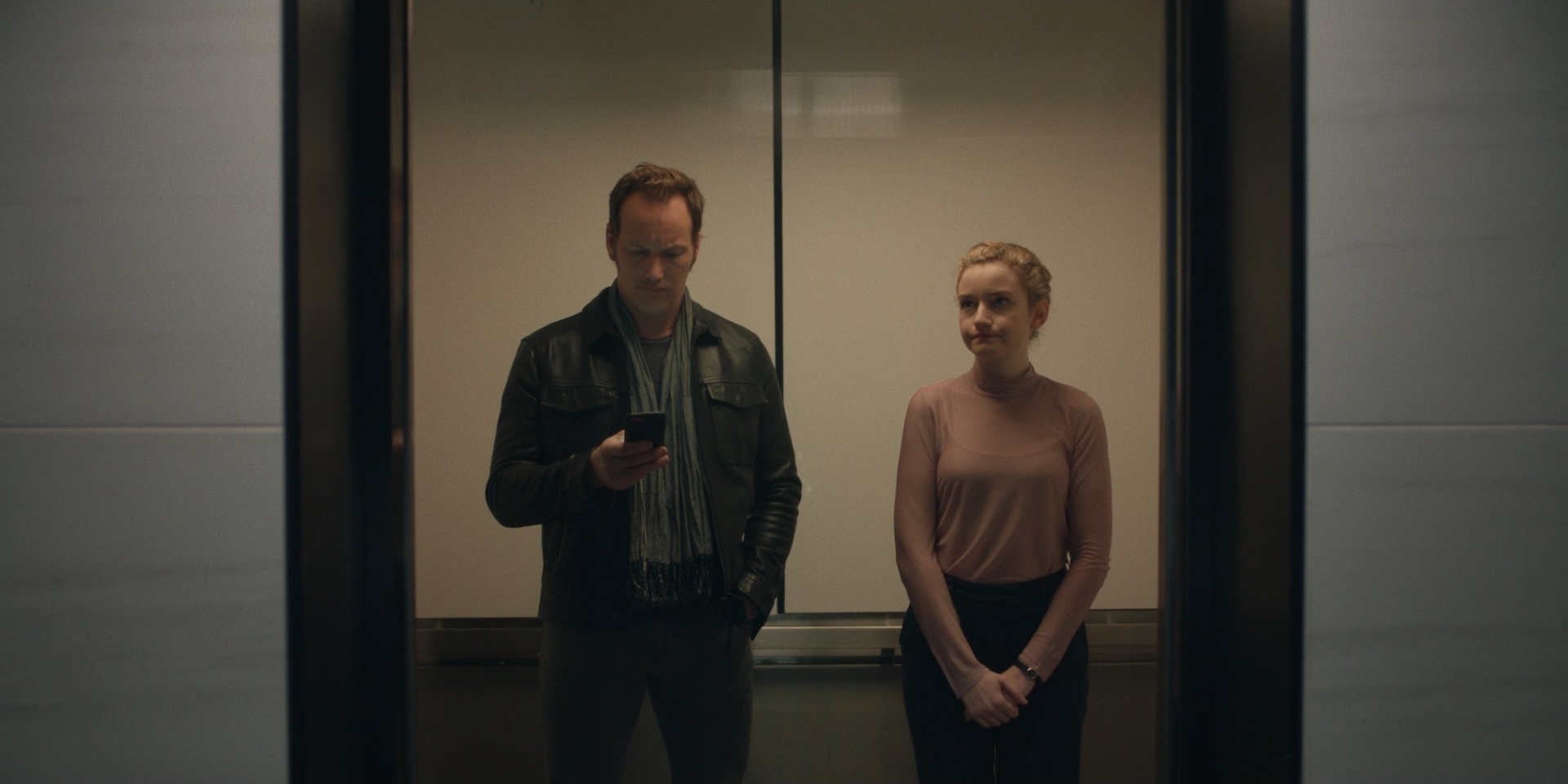
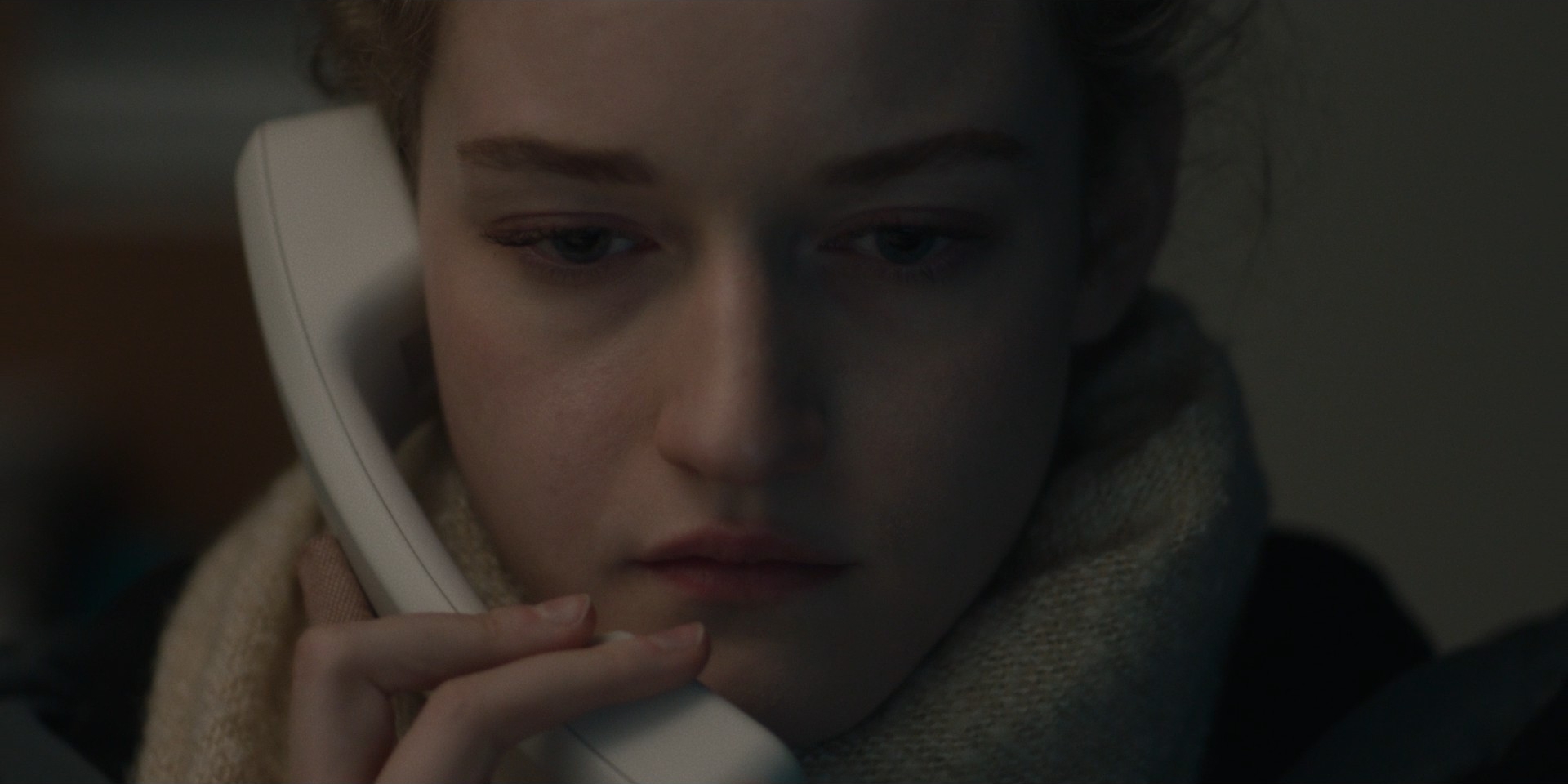
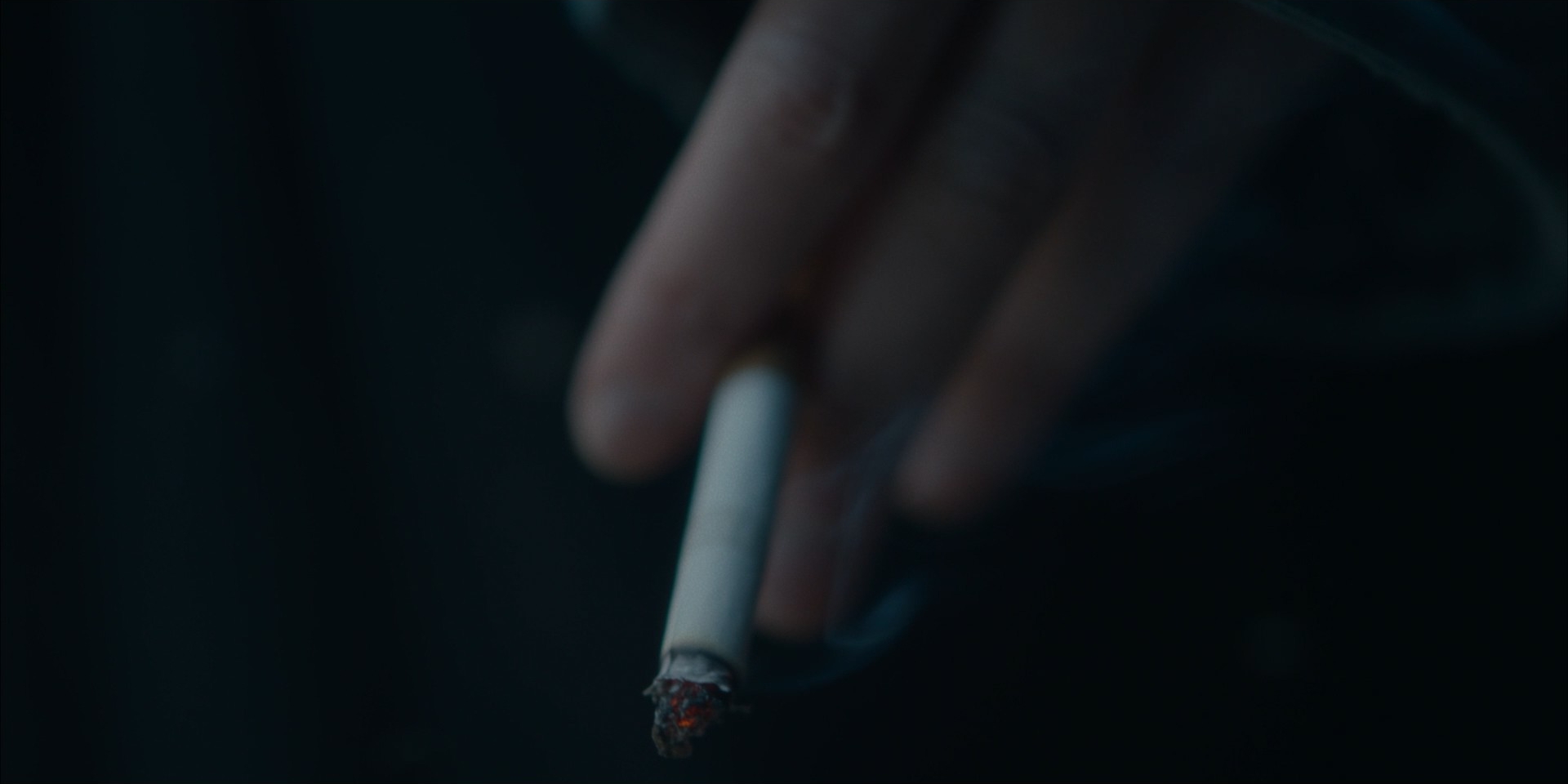
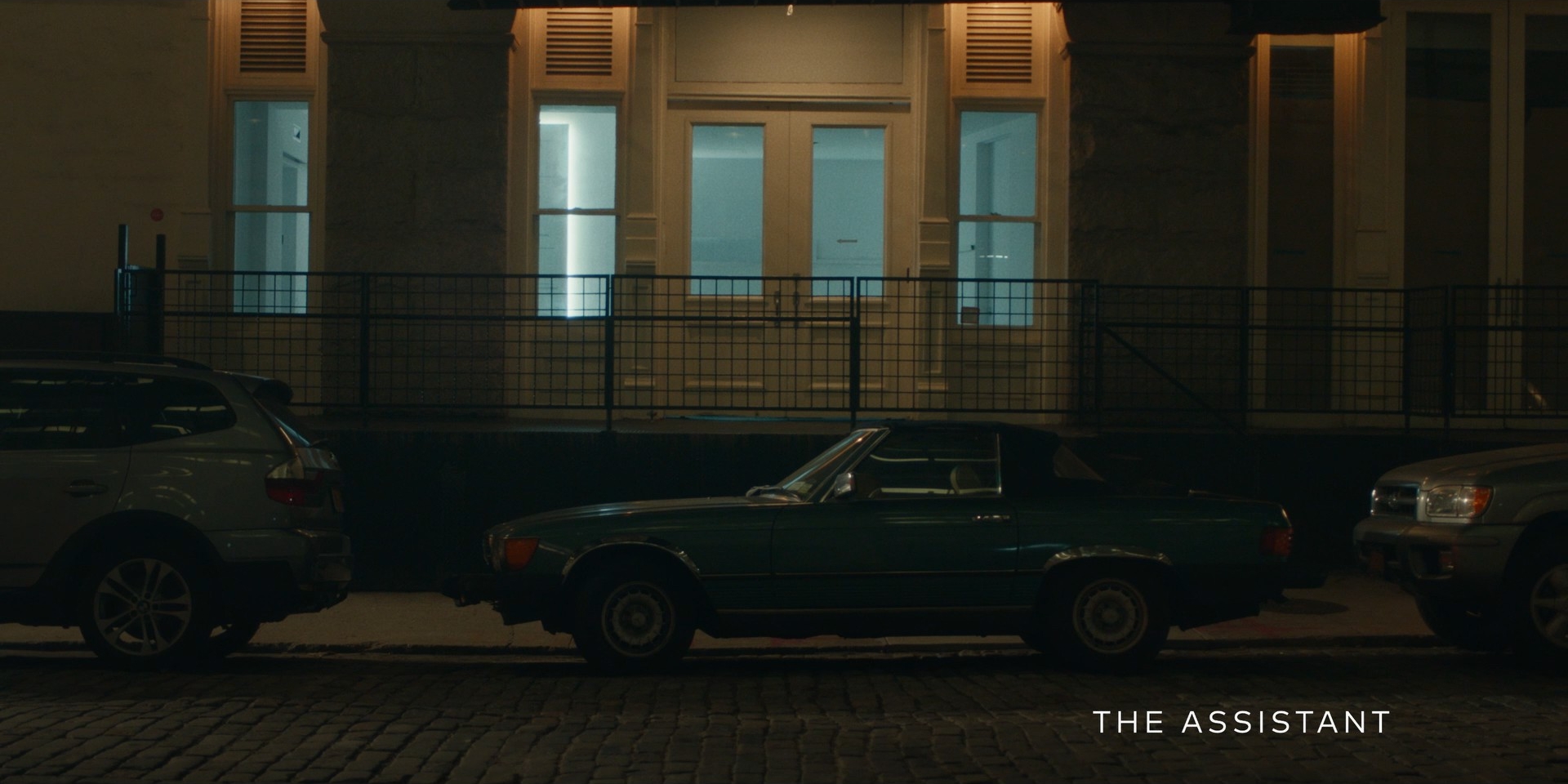
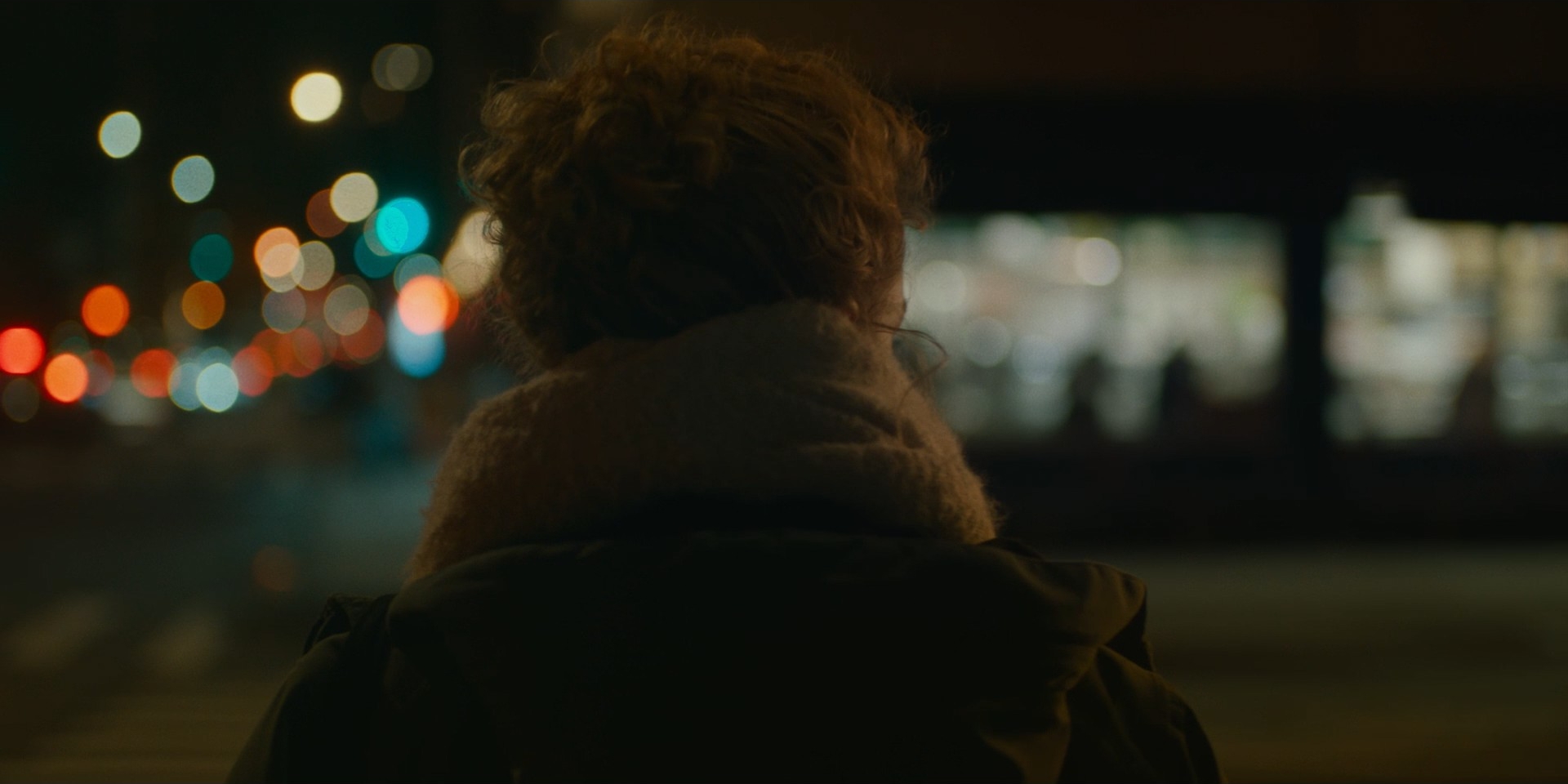
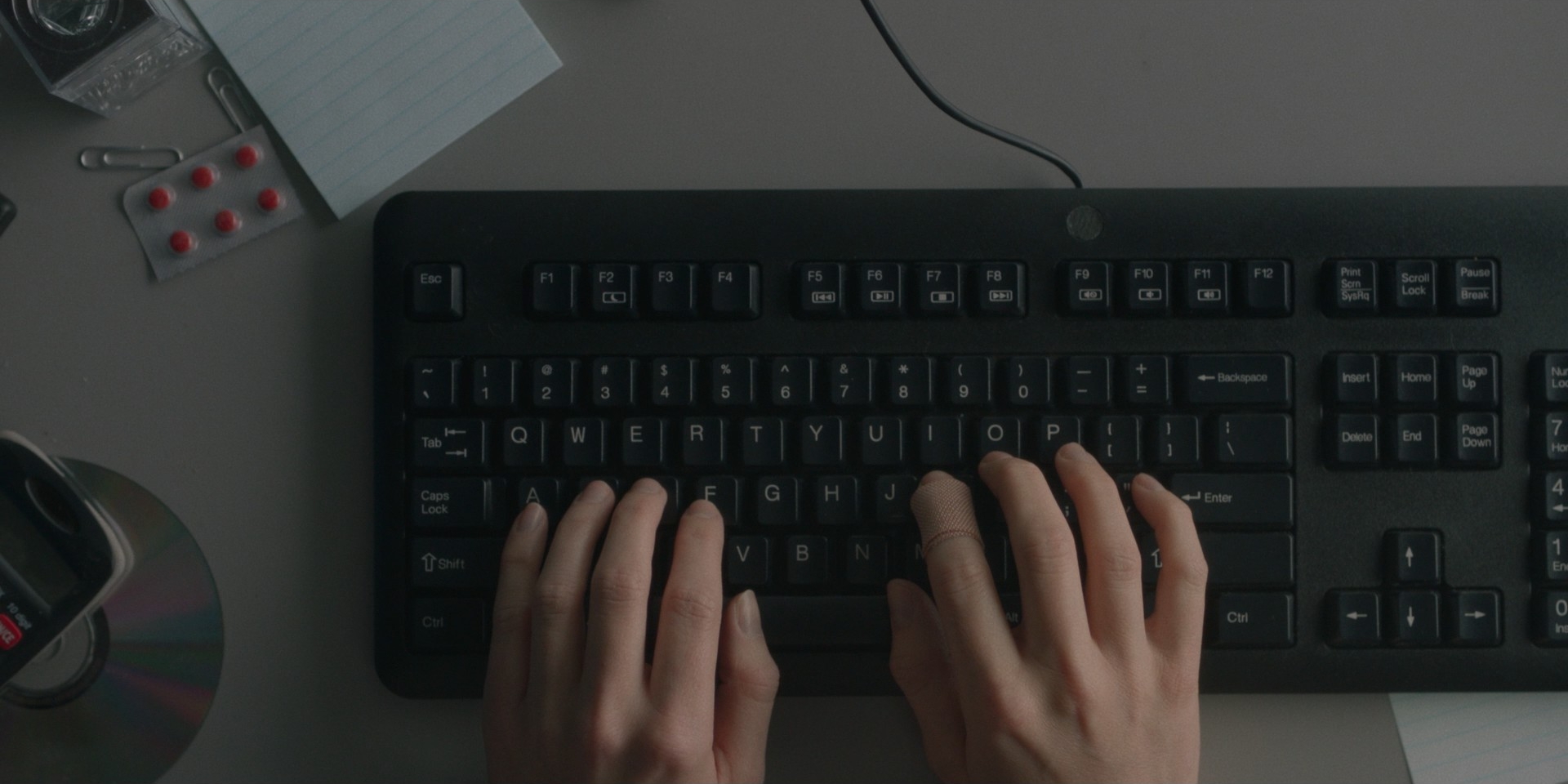
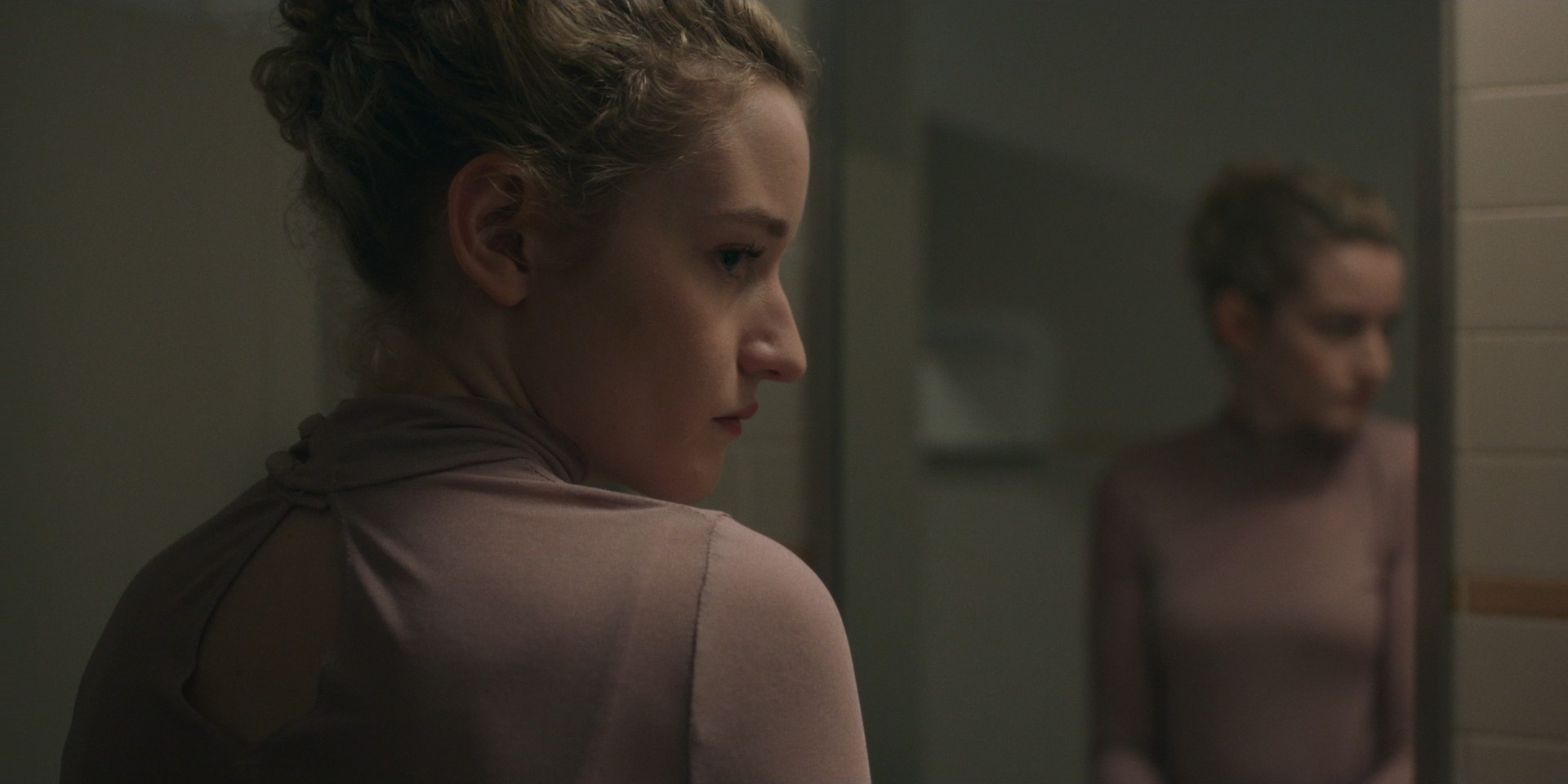
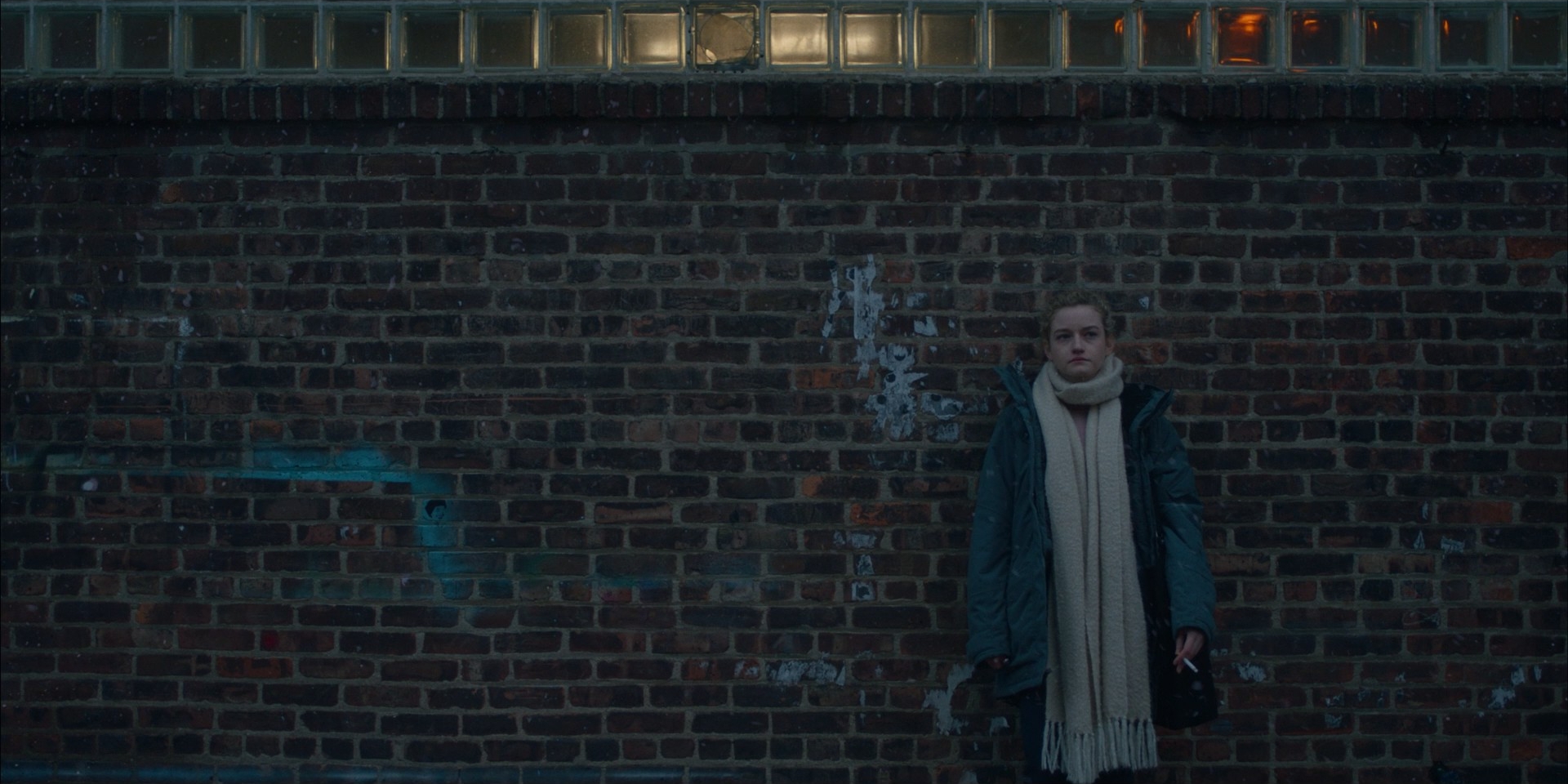
The Assistant (2020)
A searing look at a day in the life of an assistant to a powerful executive. As Jane follows her daily routine, she grows increasingly aware of the insidious abuse that threatens every aspect of her position.
Kitty Green and cinematographer Michael Latham shot The Assistant with a restrained, observational style, using static frames, cool fluorescent lighting, and long takes to emphasize the monotony and quiet tension of office life. The film’s fixed compositions and off-screen space do the heavy lifting—keeping the source of power largely unseen, while trapping Jane within a rigid, impersonal environment.
FILM SPOTLIGHT
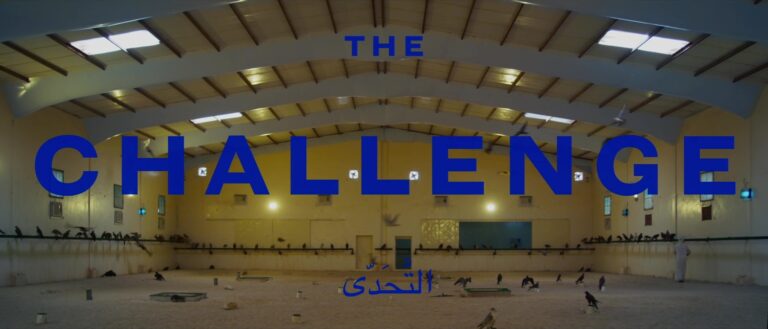
The Challenge (2016)
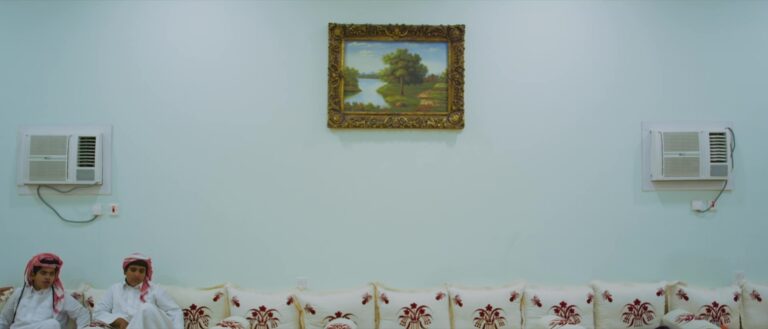
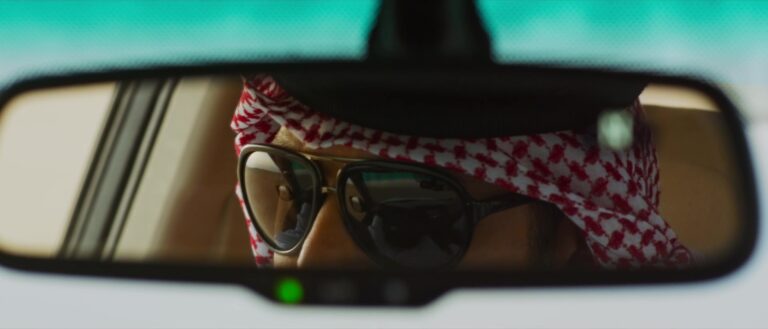
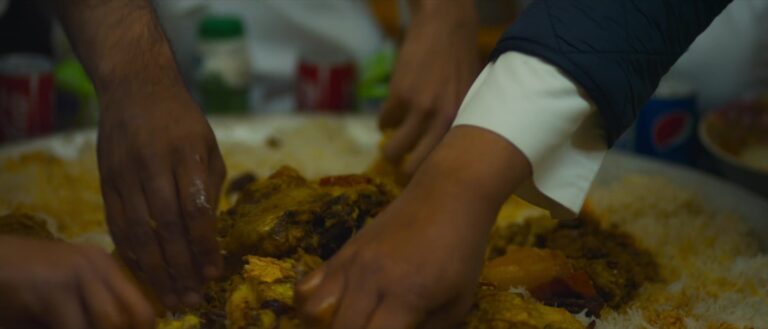
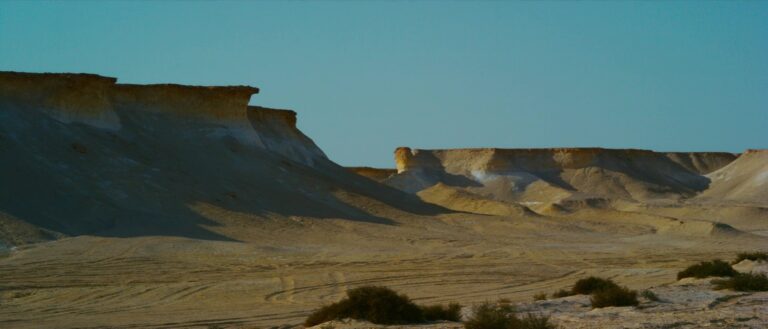
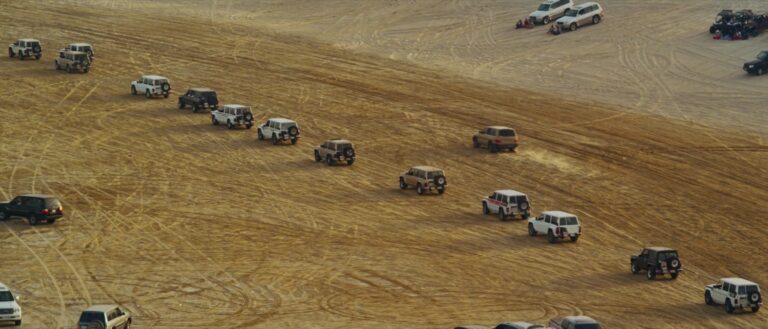
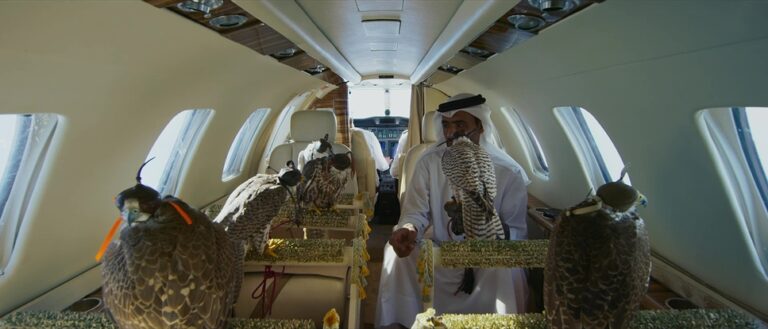
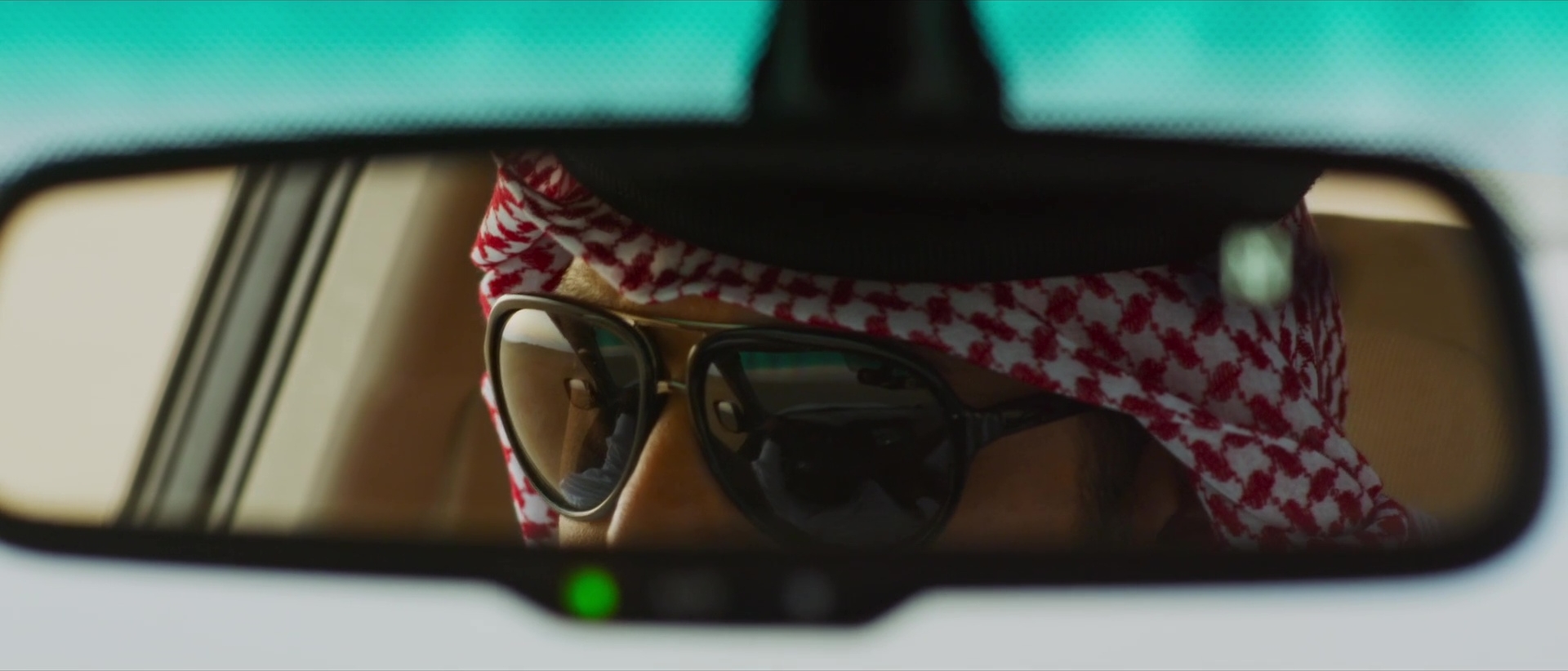
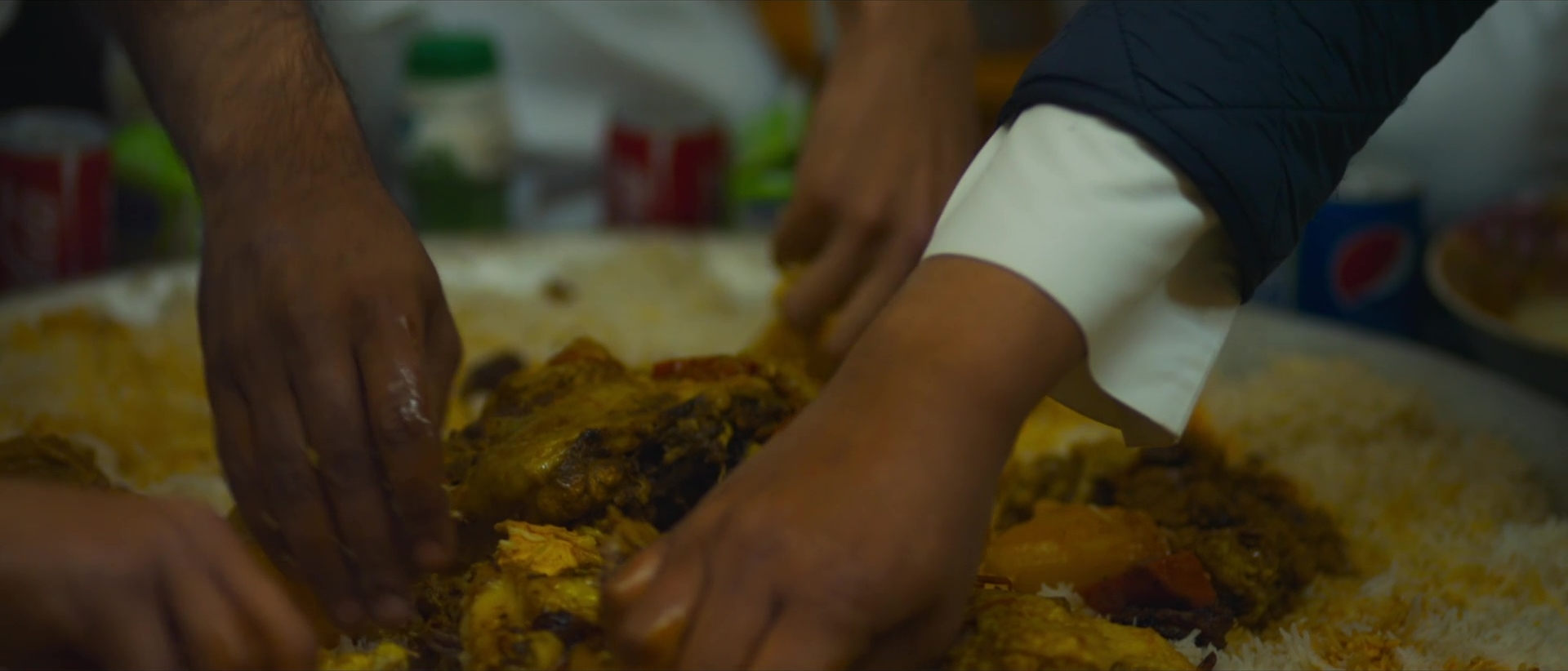
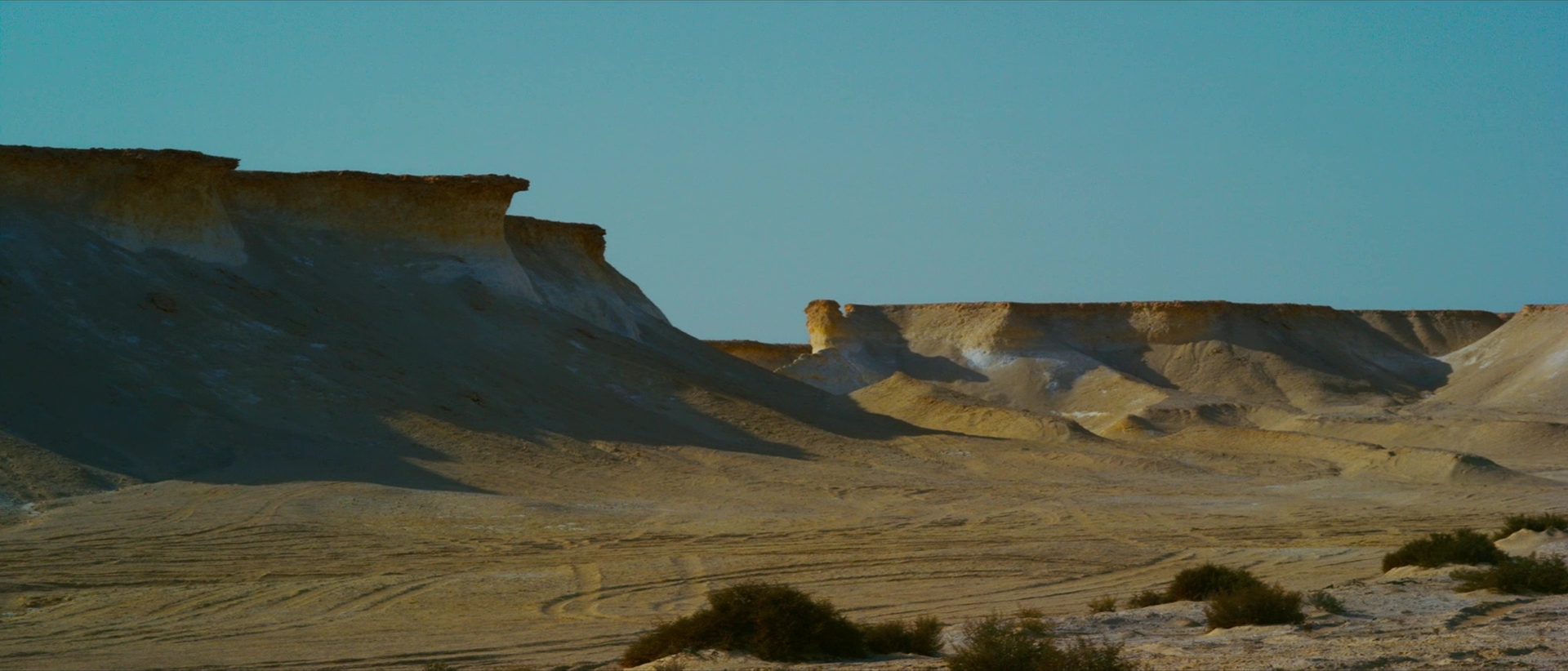
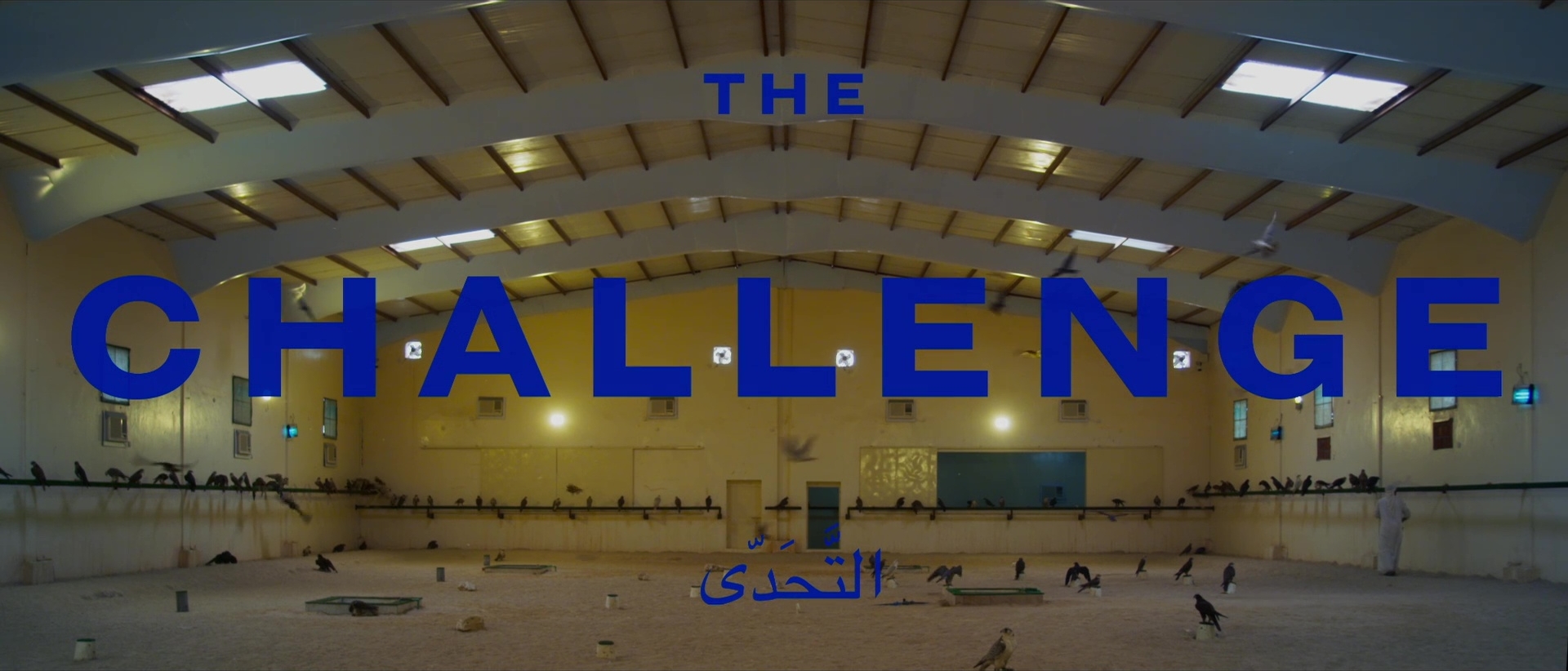
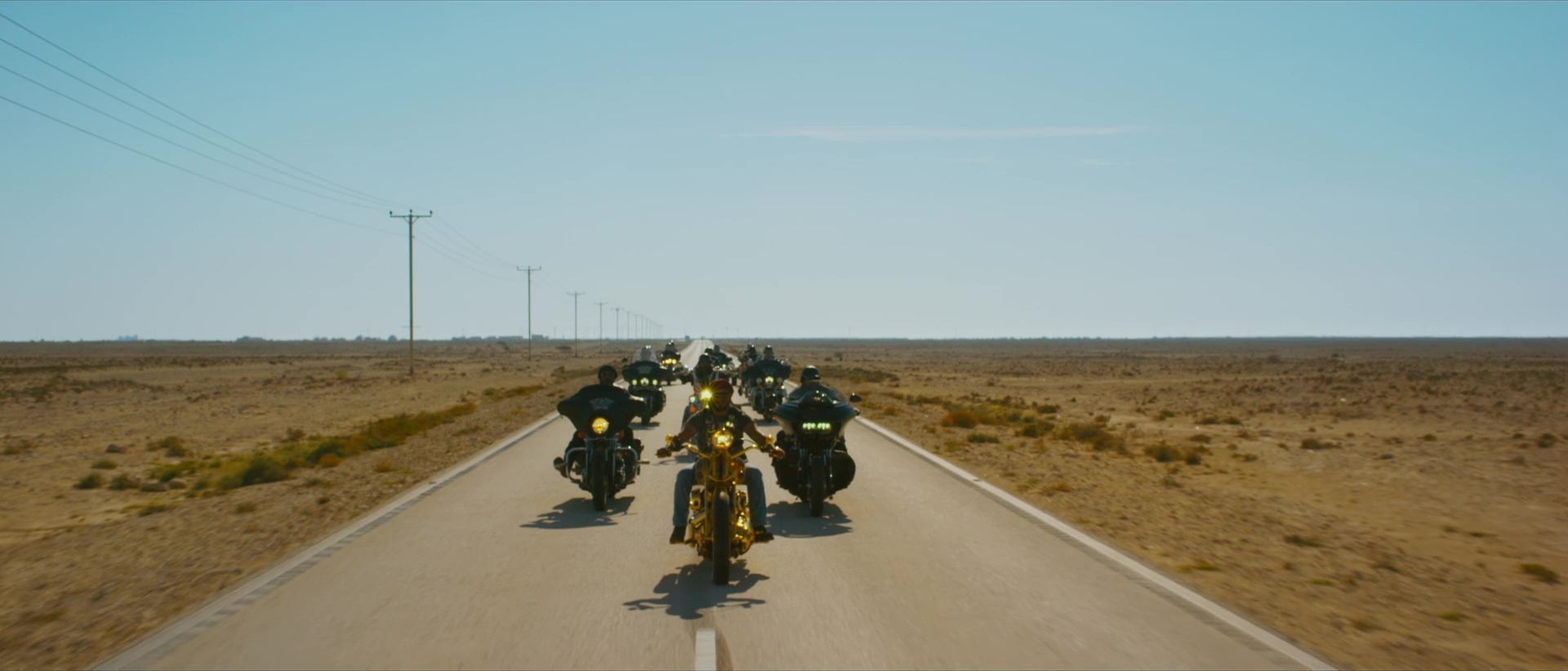
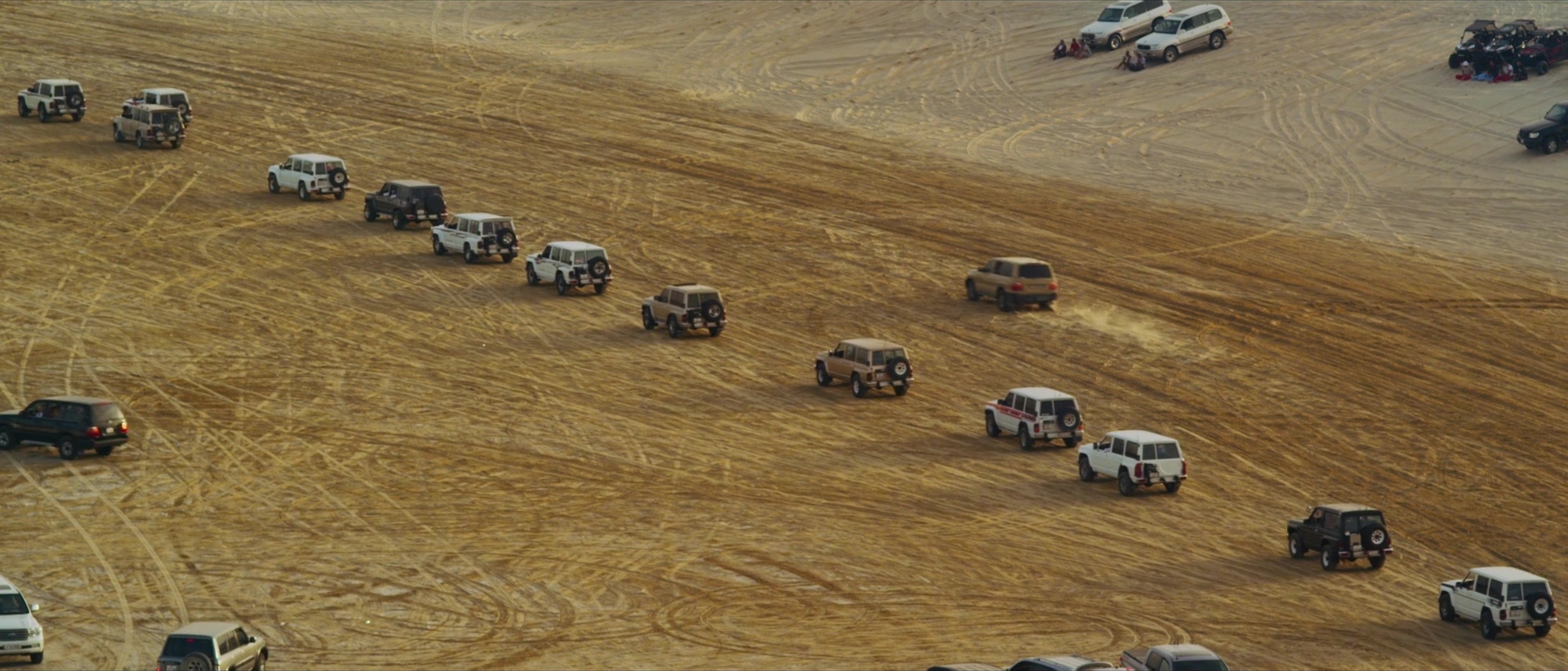
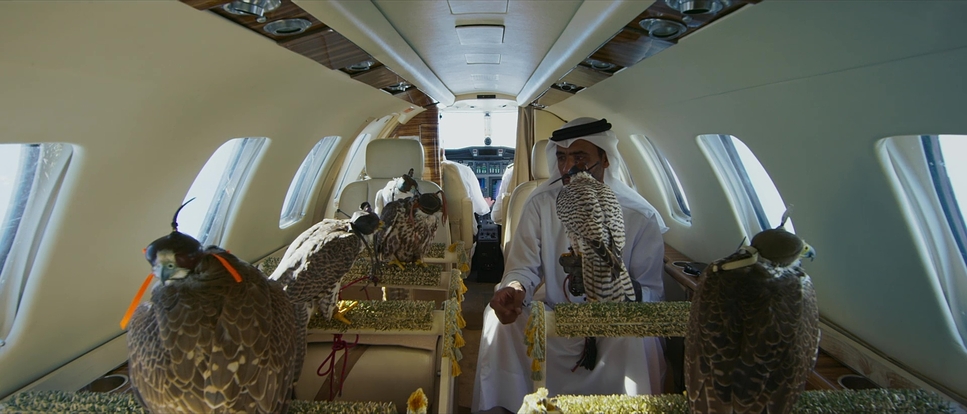
Set in the deserts of Qatar, The Challenge follows wealthy men who train falcons to hunt rare birds as part of an ancient and highly ritualized sport. Blending tradition with extreme luxury, the film observes a world where SUVs, private jets, and high-tech equipment coexist with centuries-old practices. Without conventional narrative, it unfolds as a quiet, immersive portrait of power, ritual, and spectacle.
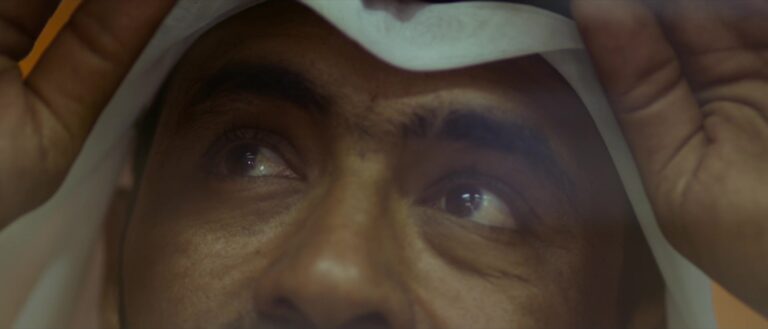
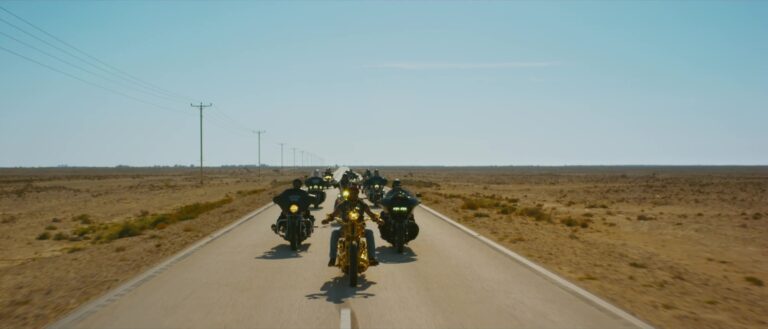
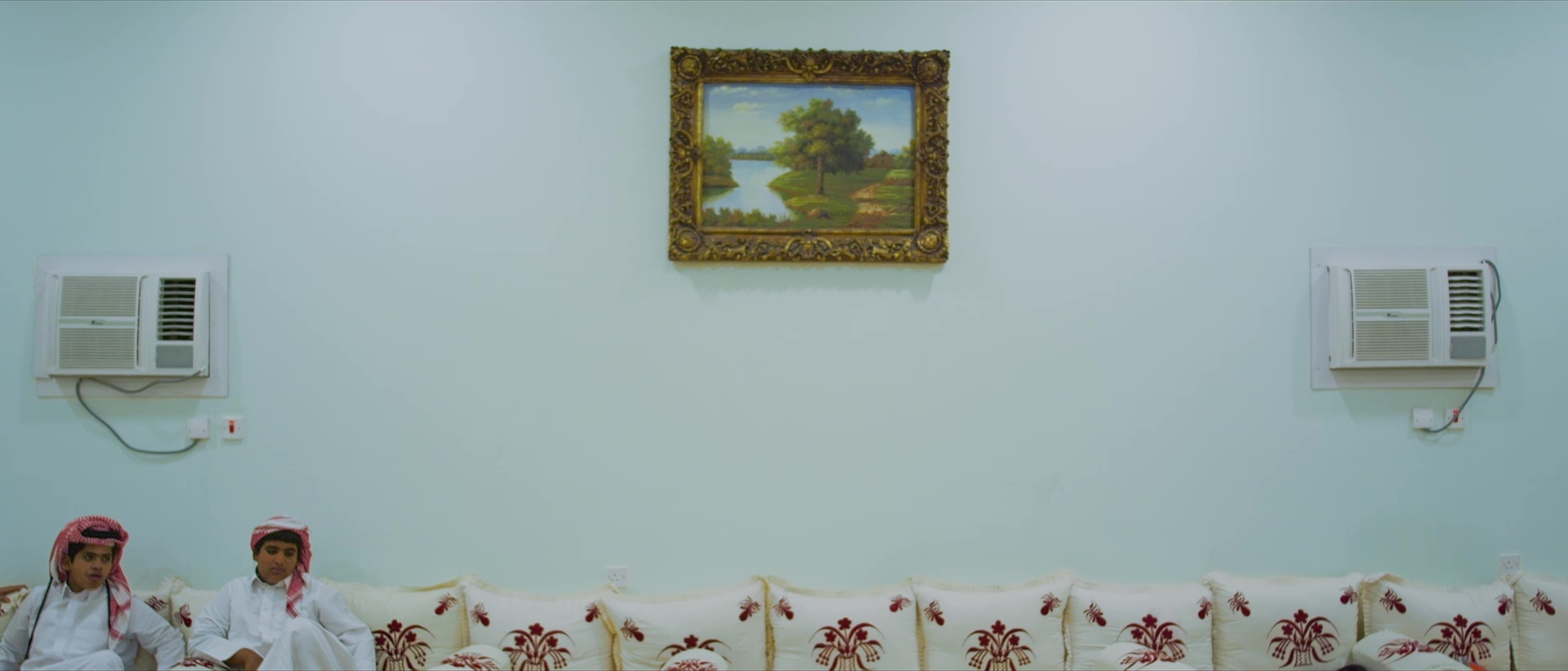
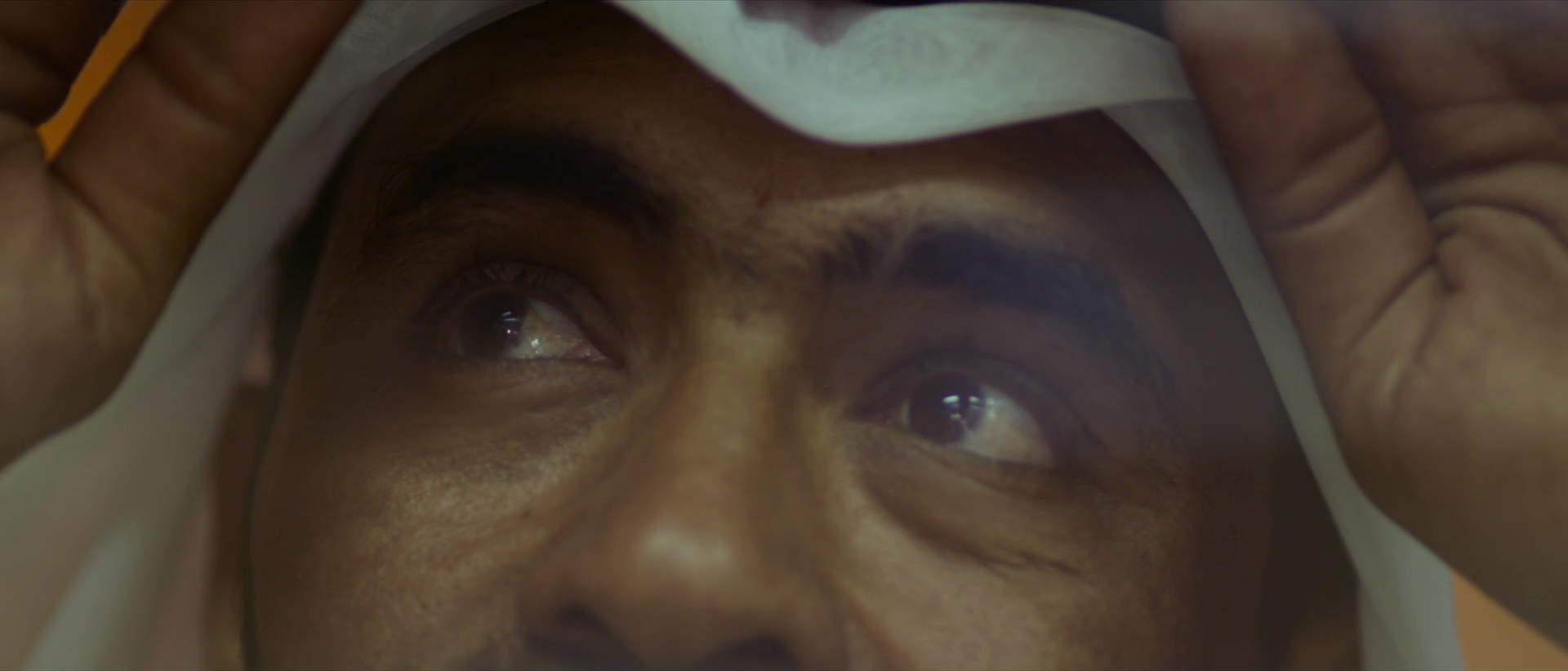
Yuri Ancarani approaches The Challenge with a minimalist, almost surreal visual style, using locked-off frames and wide compositions to contrast vast desert emptiness with hyper-luxurious detail. Shot with a pristine digital clarity, the film leans into repetition, symmetry, and duration—turning ritual into abstraction, and wealth into something strangely alien and cinematic.
FILM SPOTLIGHT
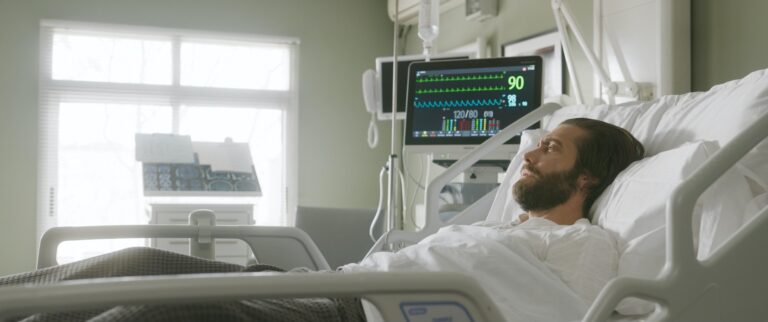
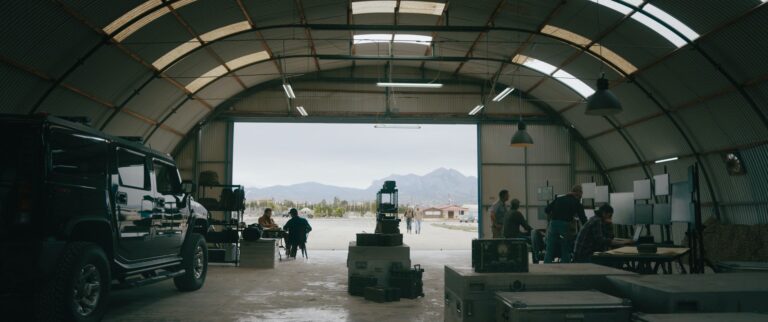
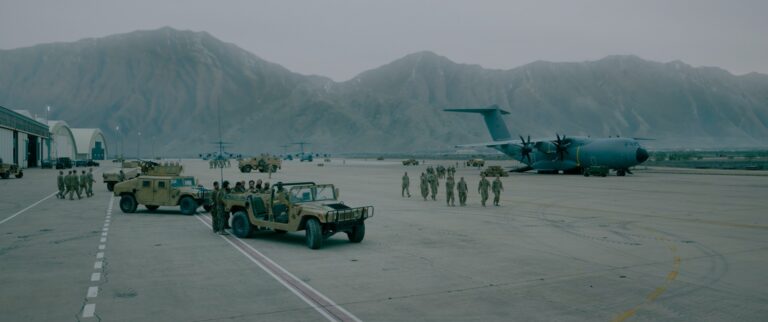
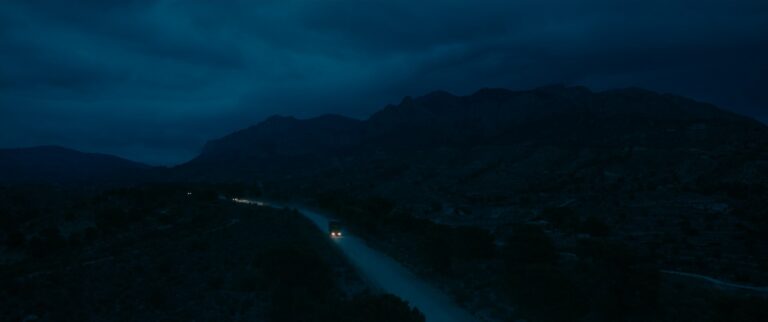
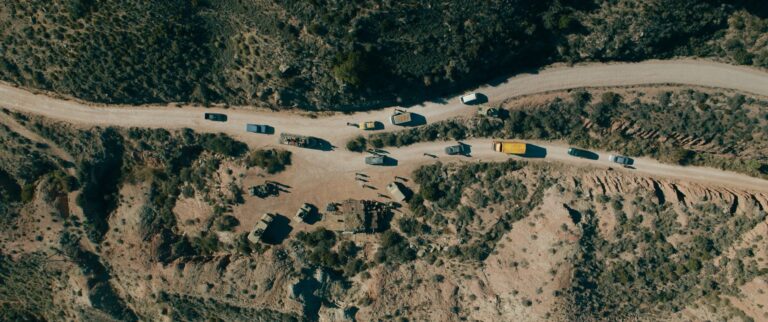
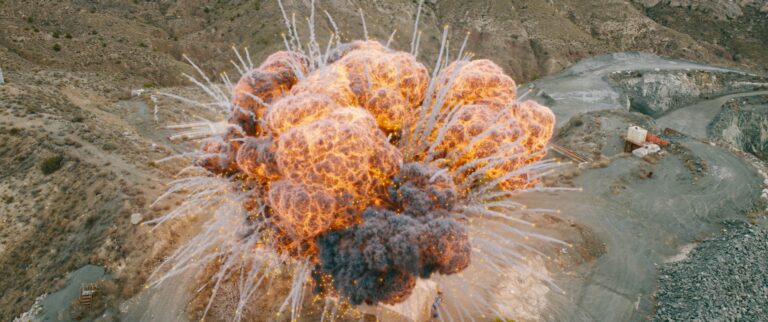
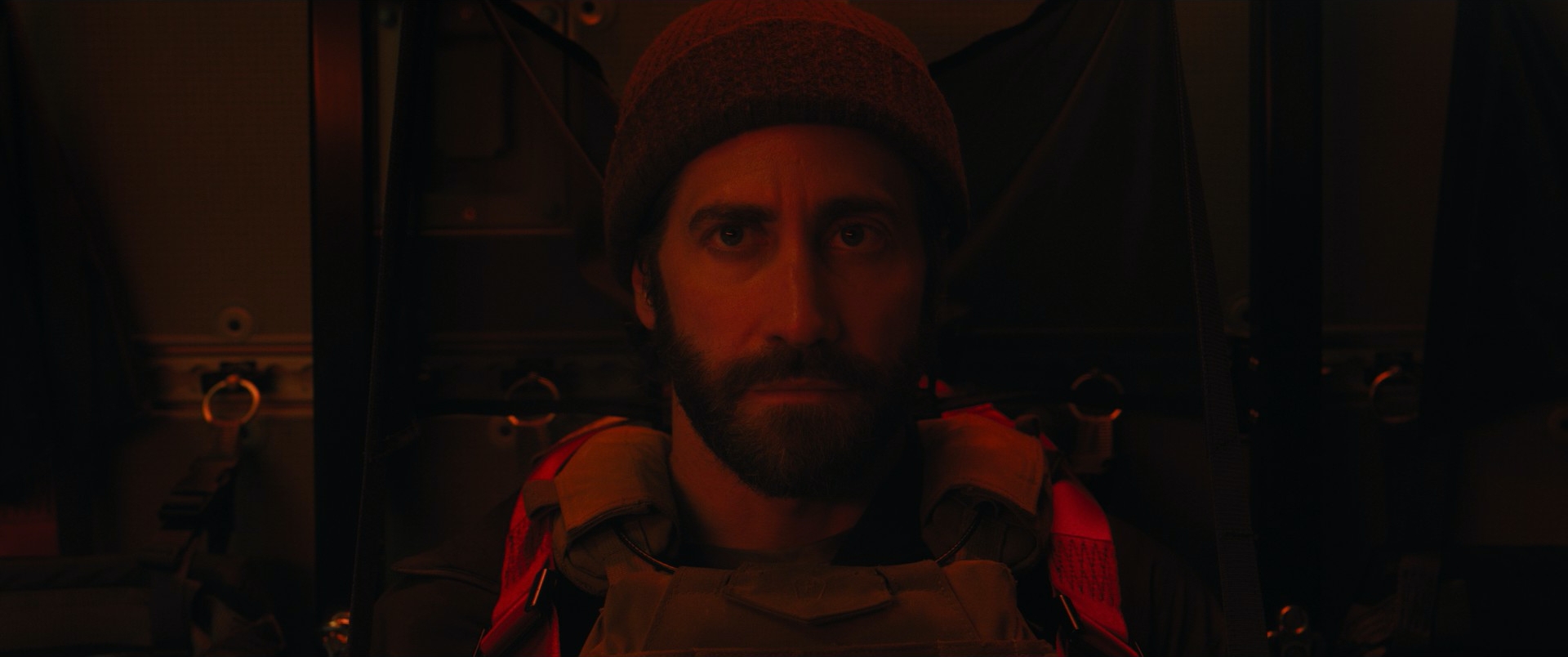
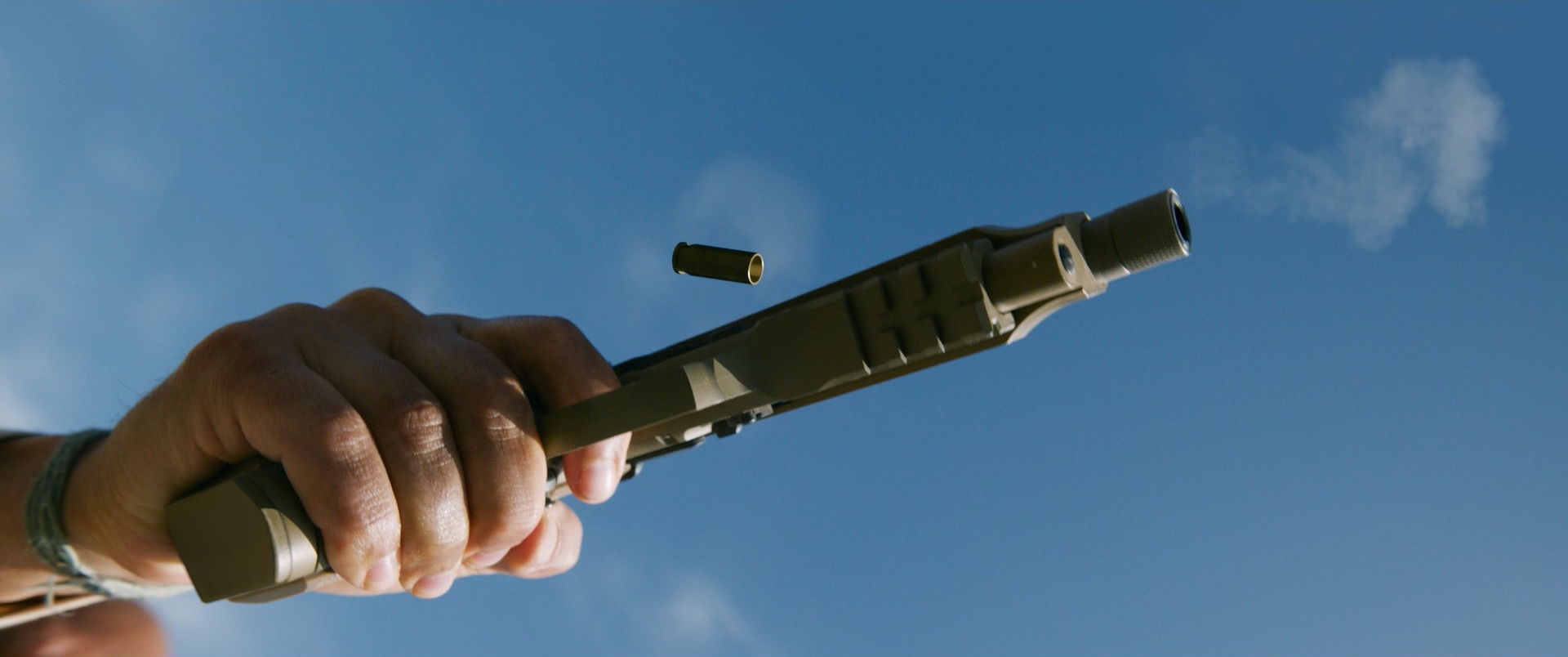
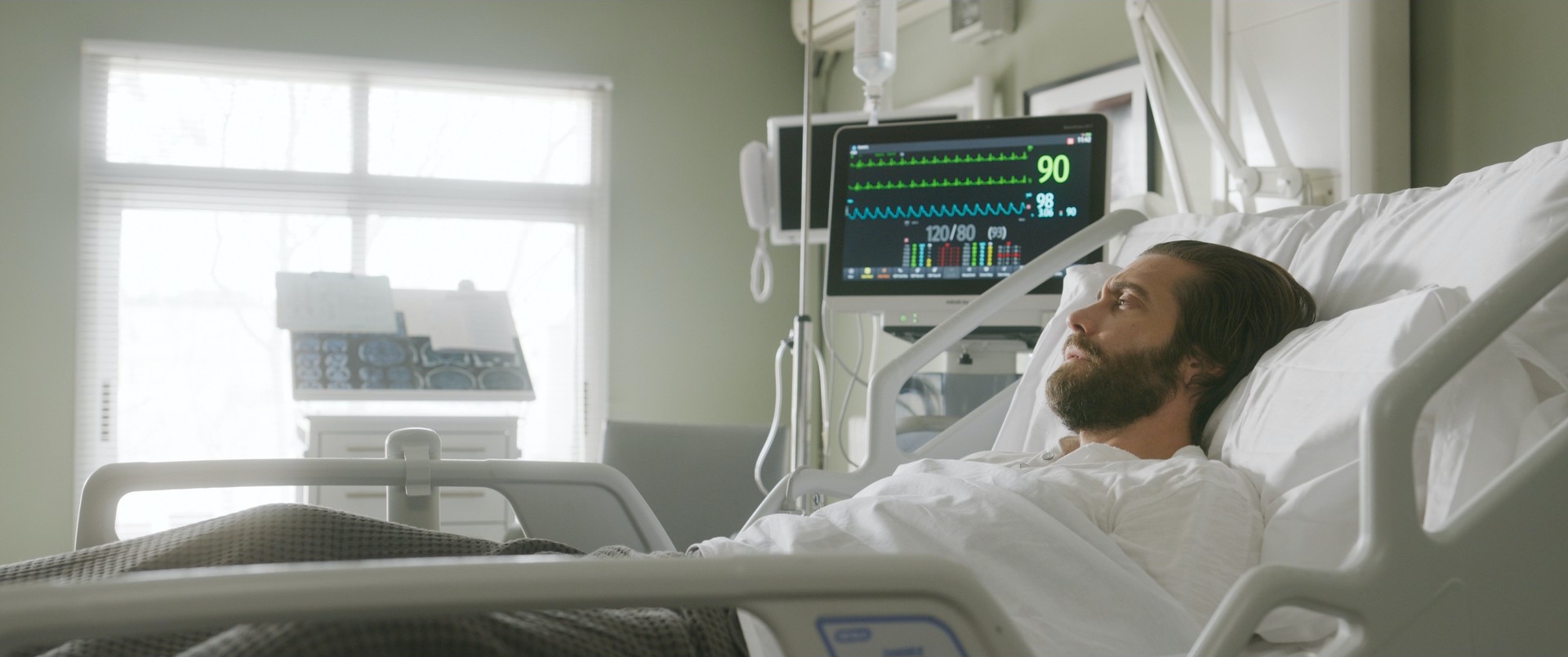
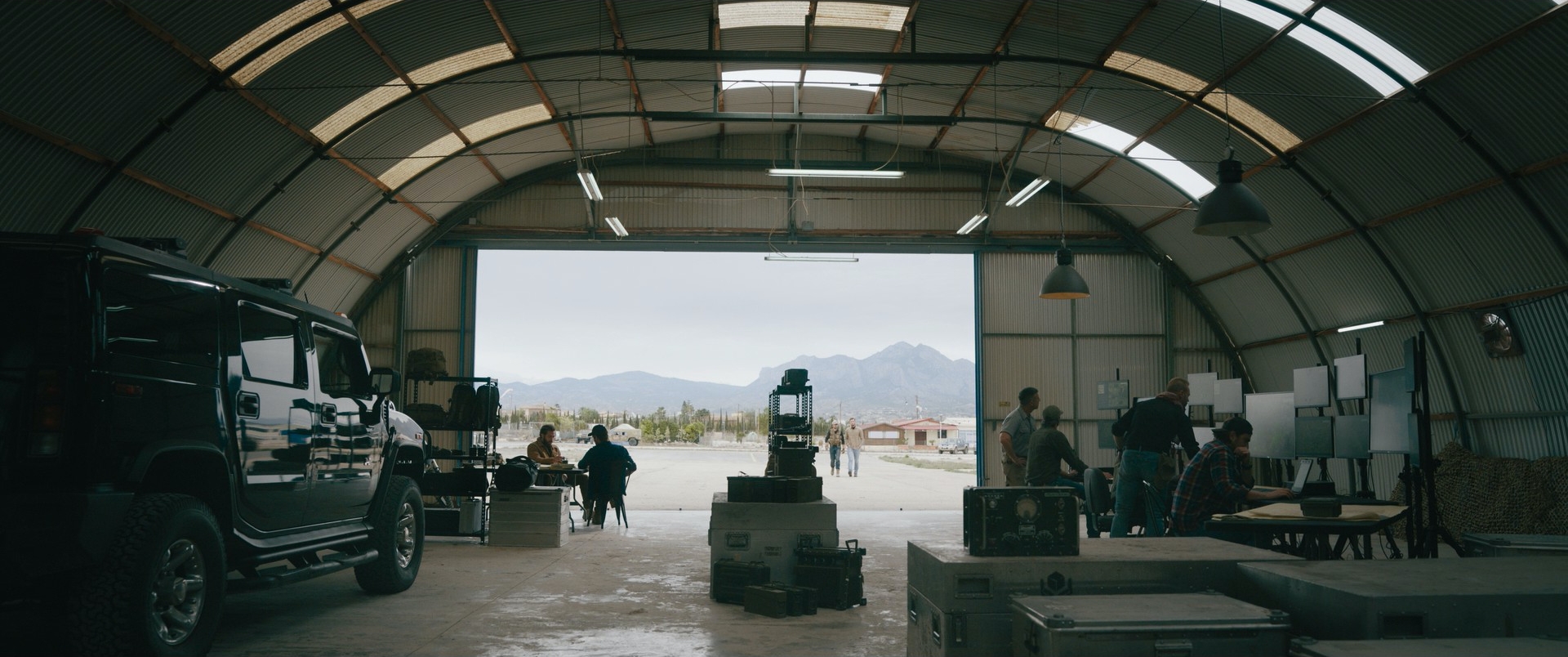
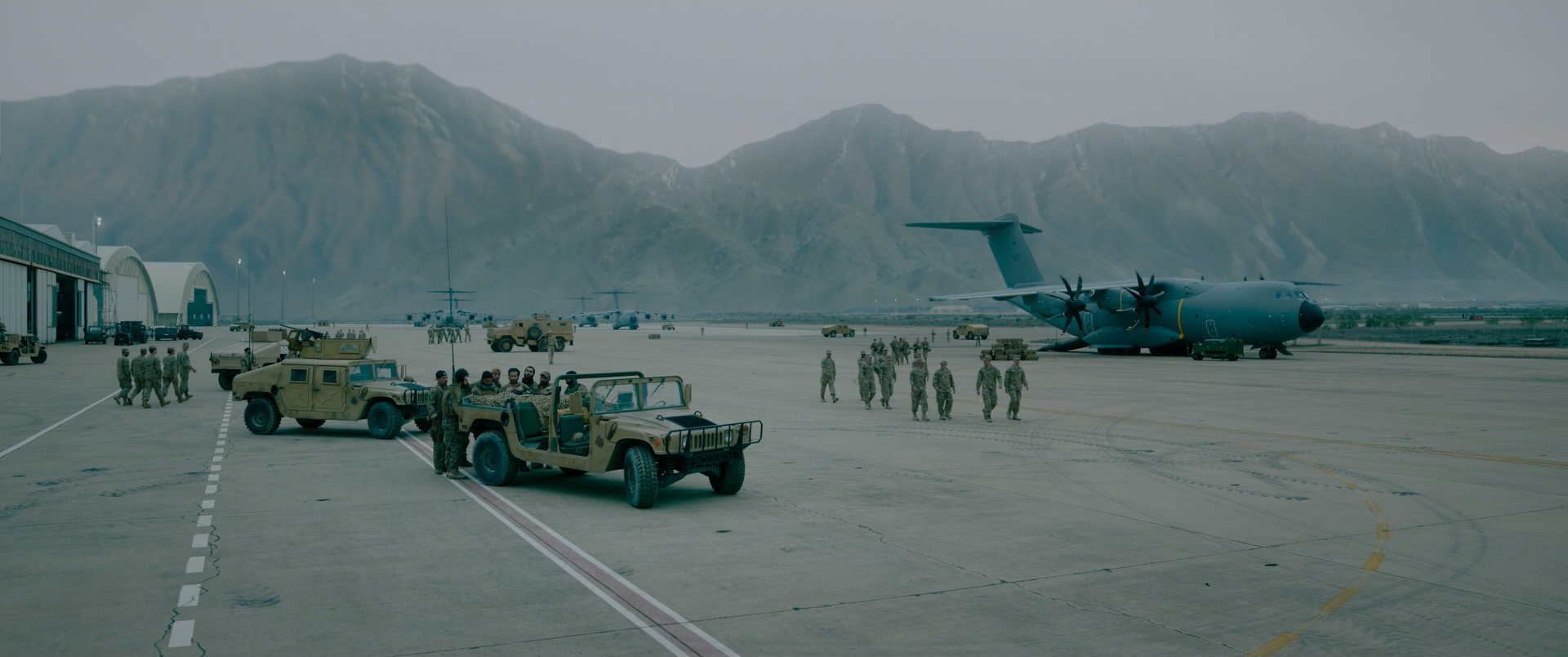
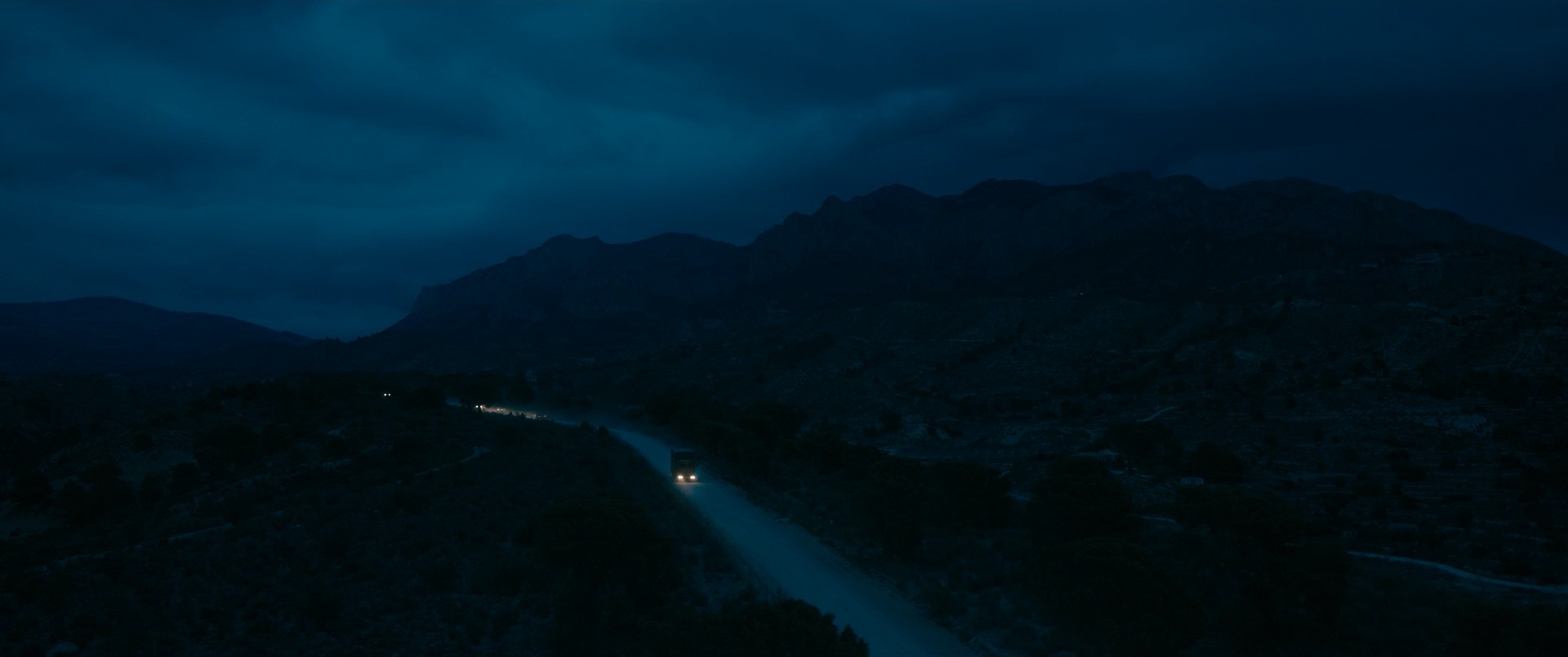
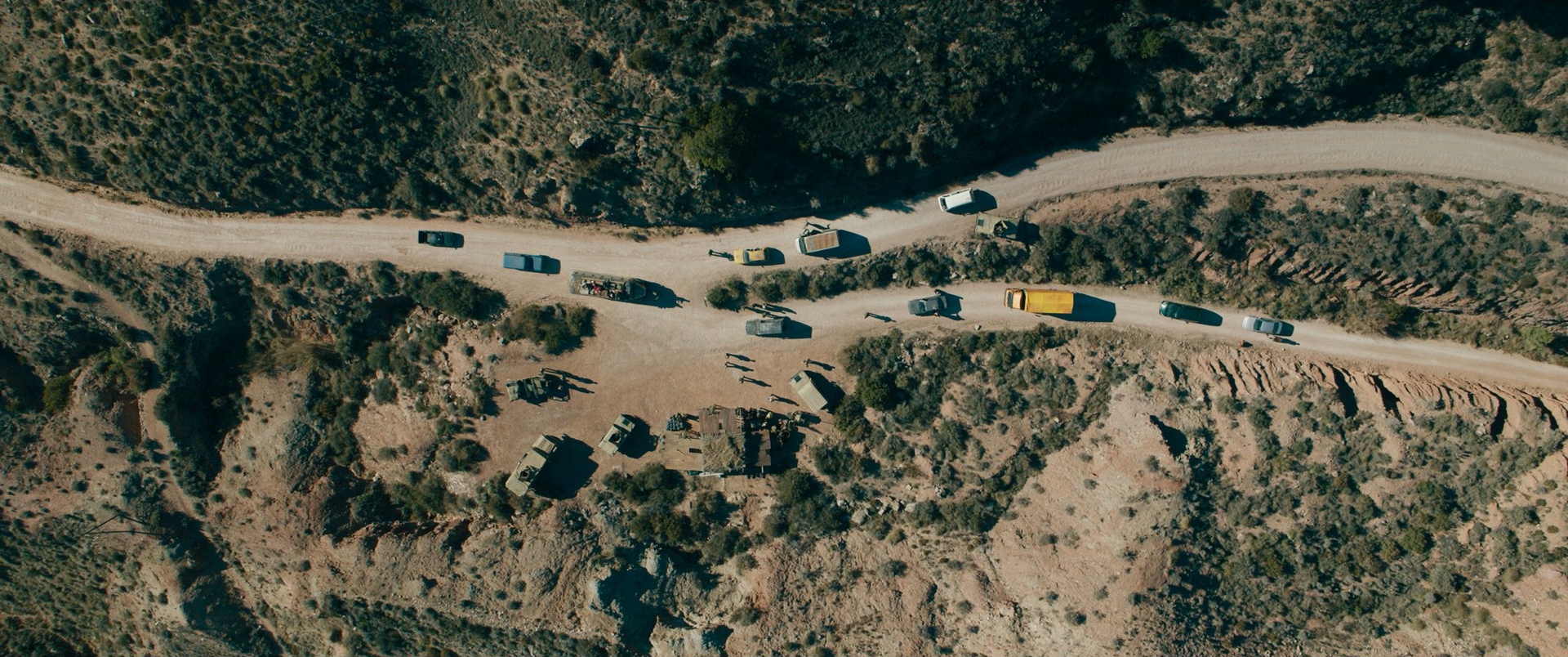
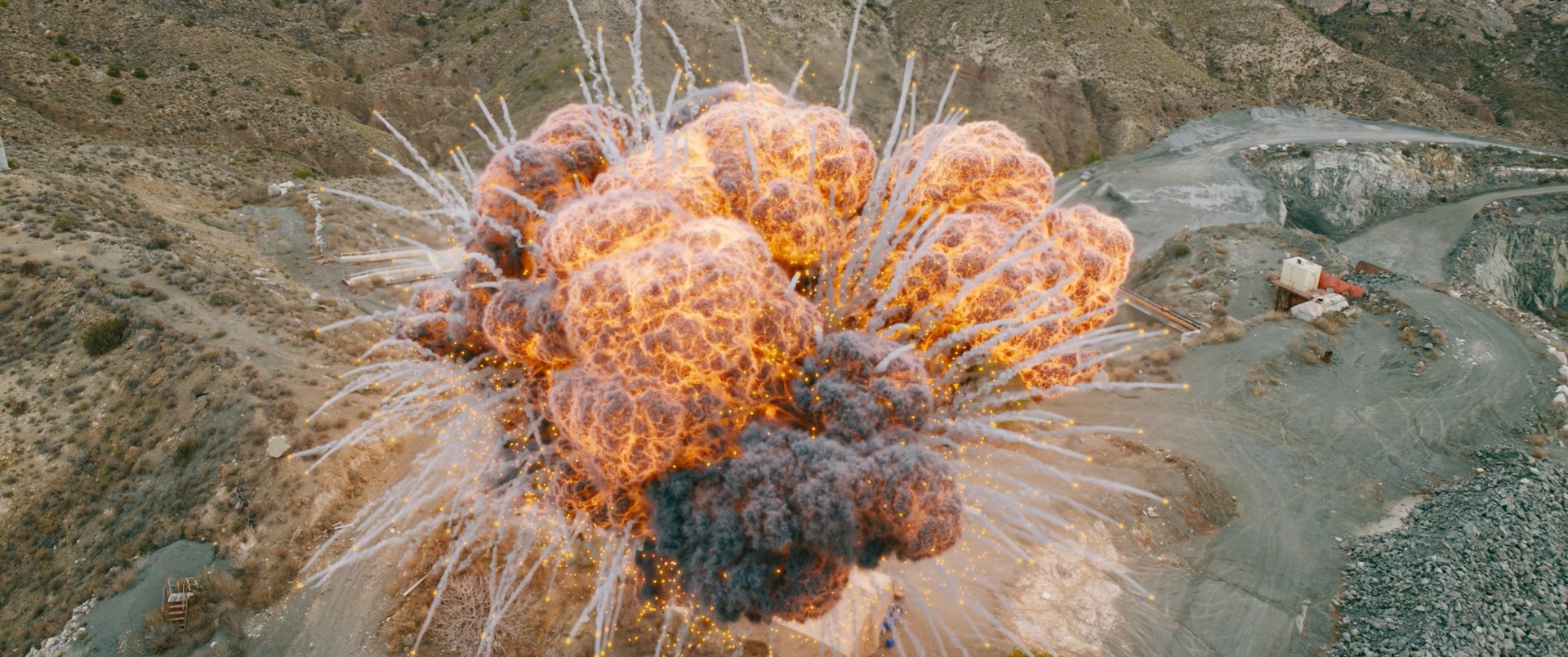
The Covenant (2023)
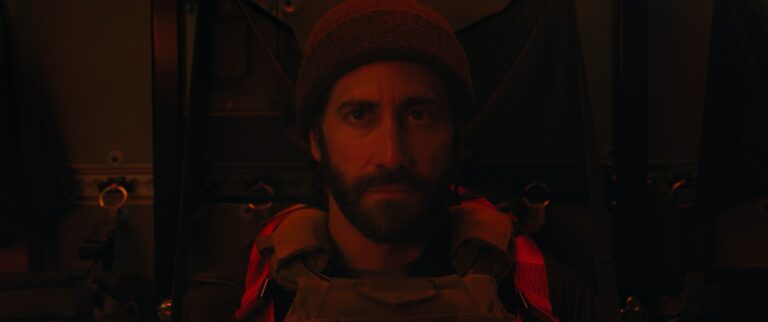
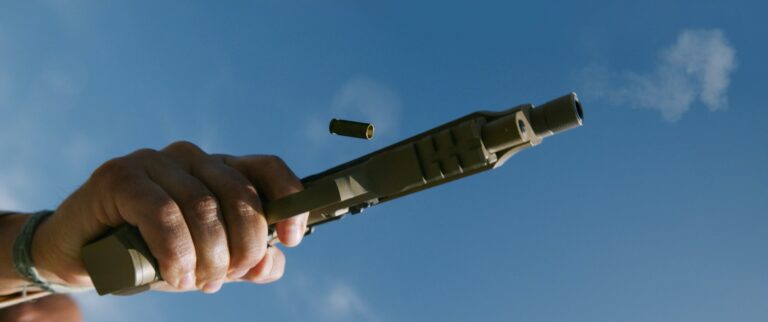
During the war in Afghanistan, a local interpreter risks his own life to carry an injured sergeant across miles of grueling terrain.
Ritchie and cinematographer Ed Wild ground The Covenant in a more restrained visual palette than his usual work, using natural light and long lenses to compress the Afghan landscapes and keep the focus tightly on the bond between the two men. The film’s handheld immediacy and dust-heavy color grade strip away stylization—favoring a tactile, boots-on-the-ground realism that lets performance and environment drive the tension.
FILM SPOTLIGHT
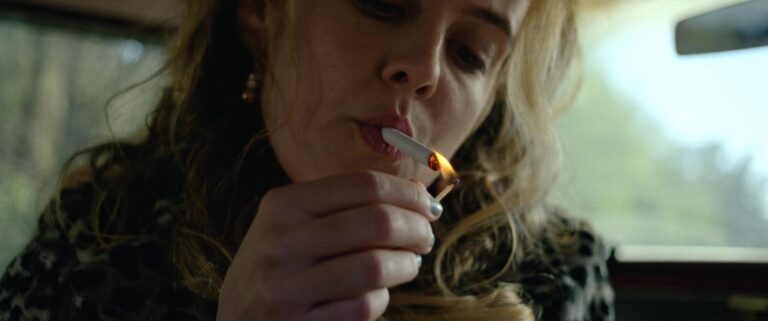
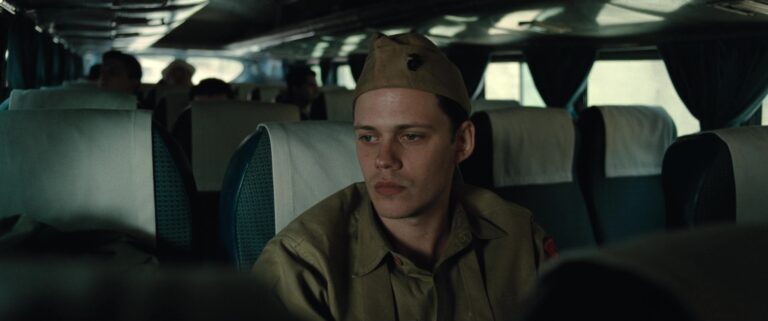
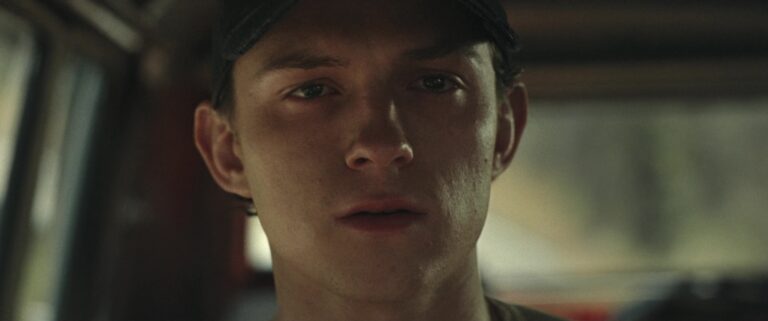
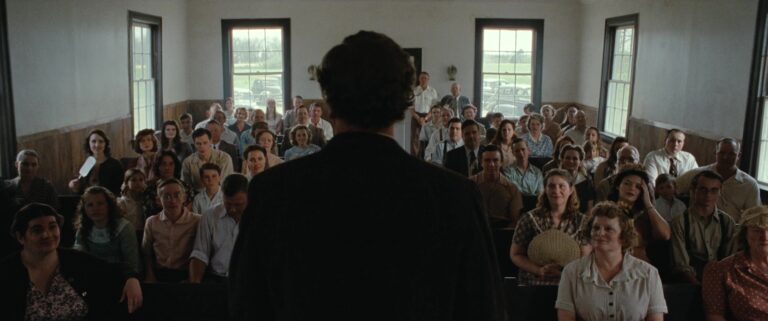
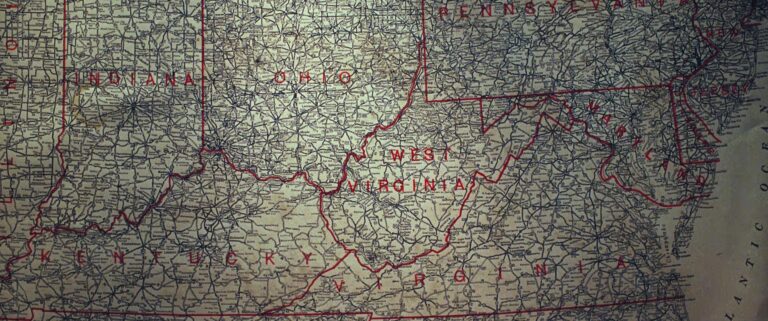
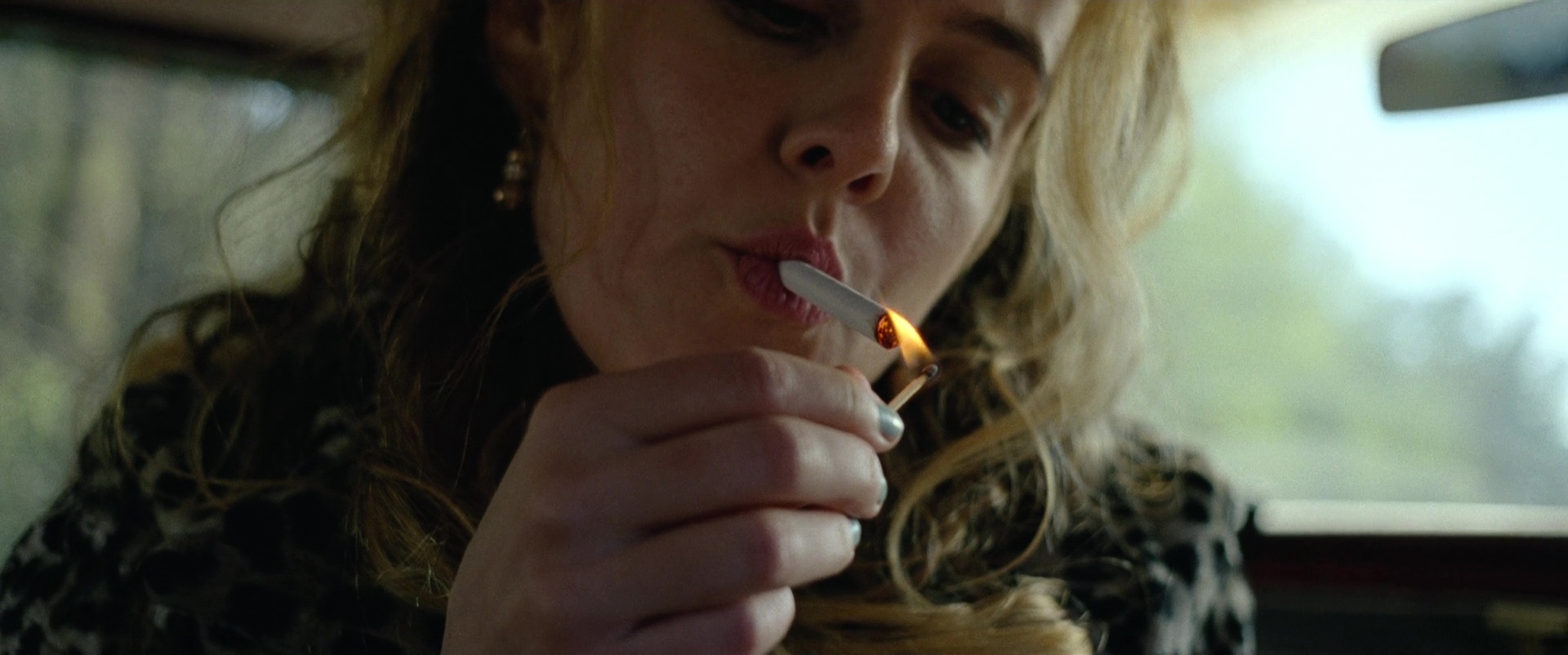
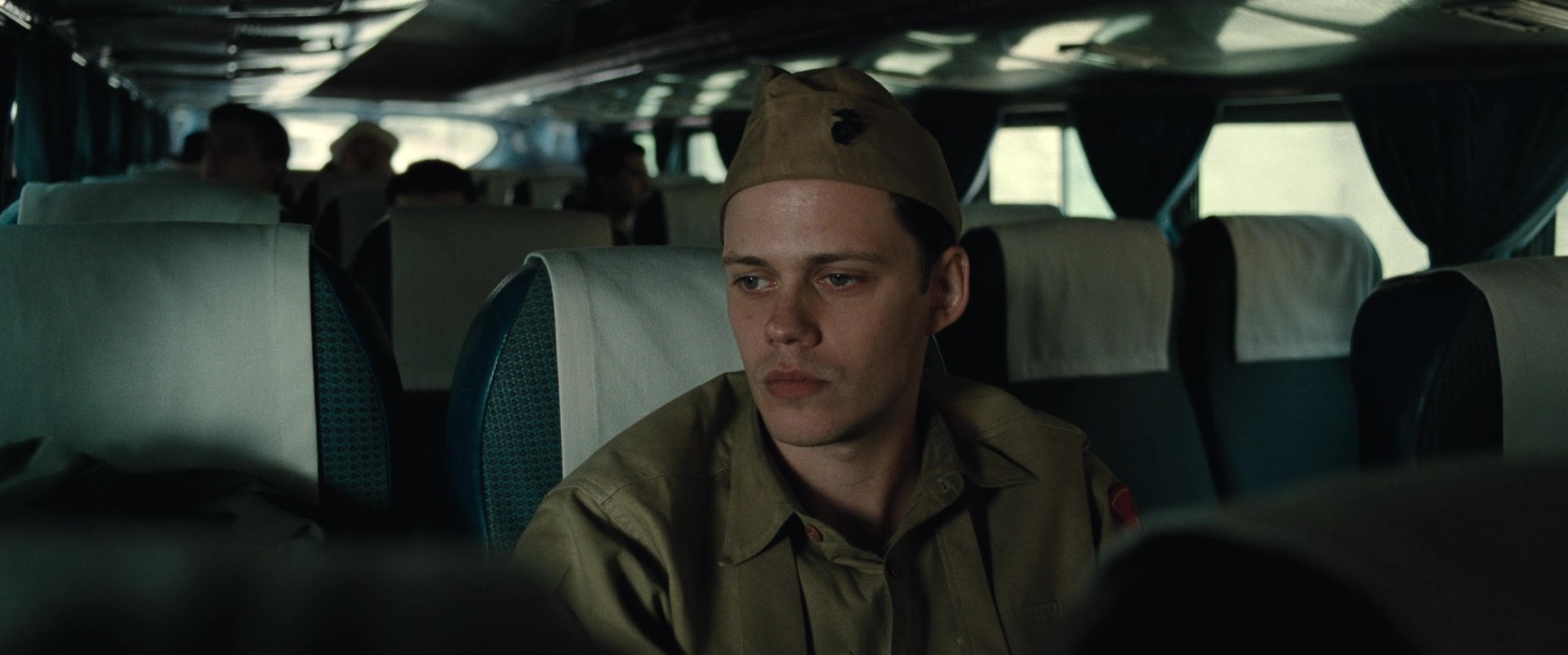
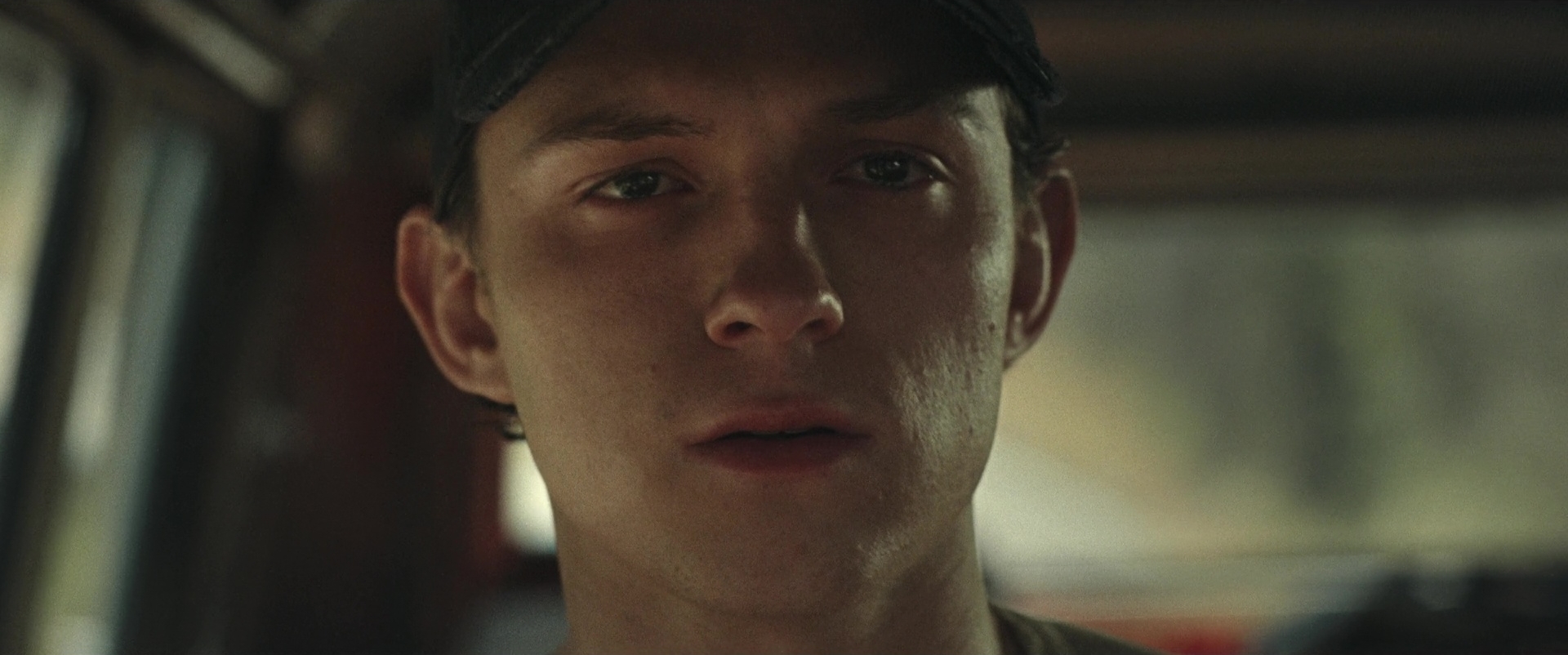
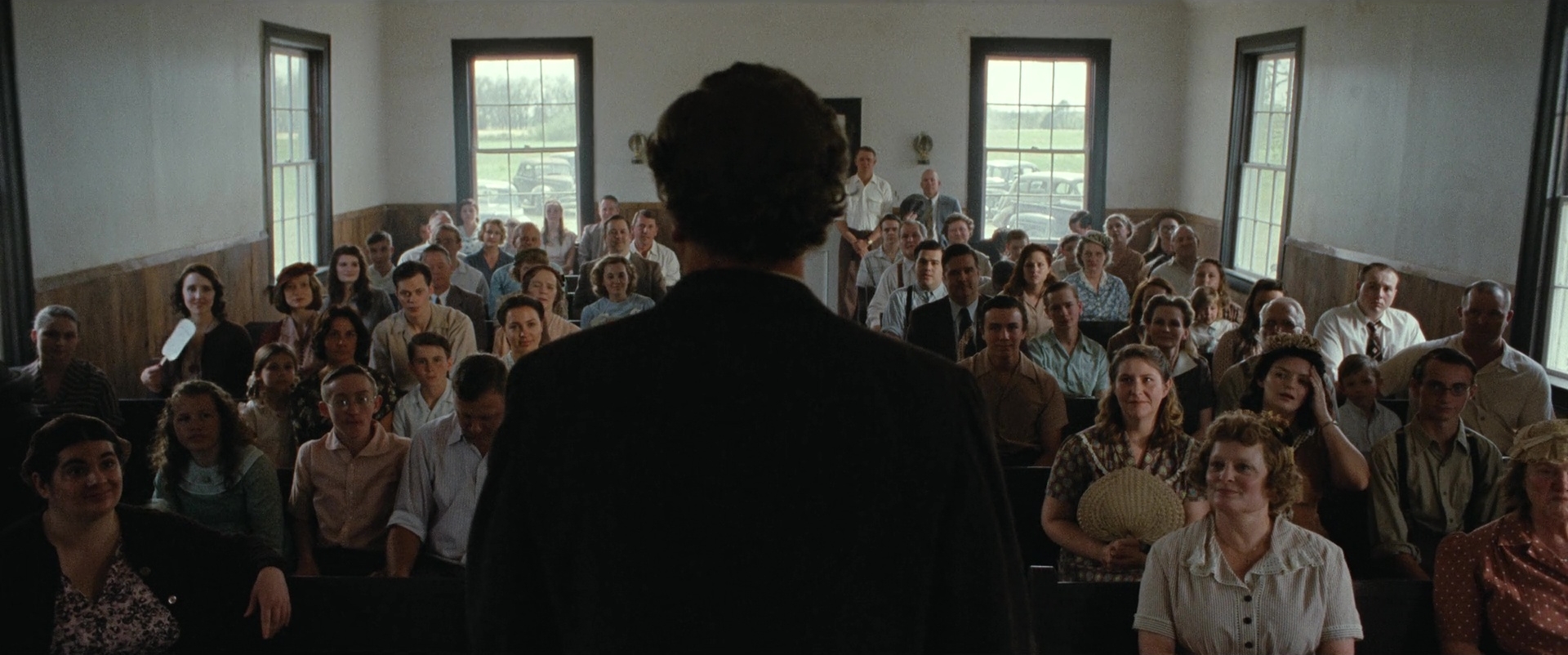
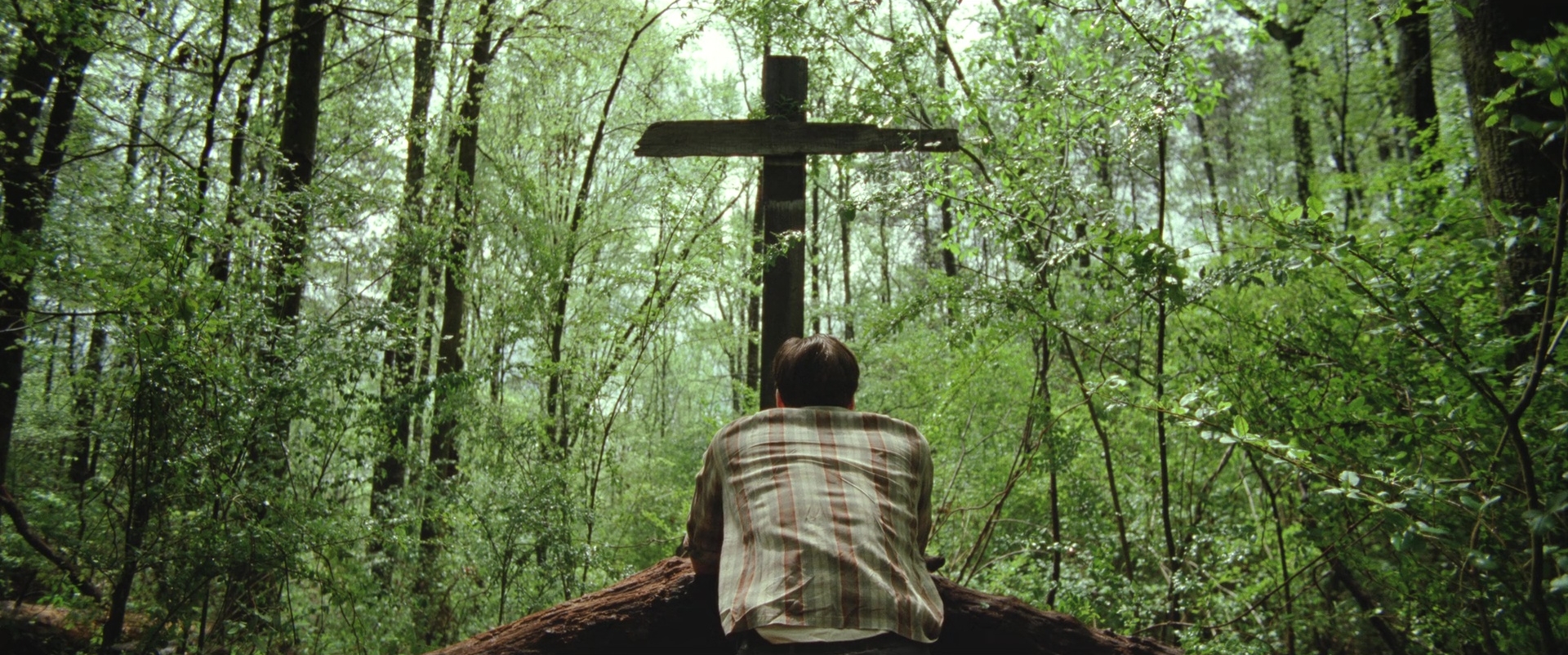
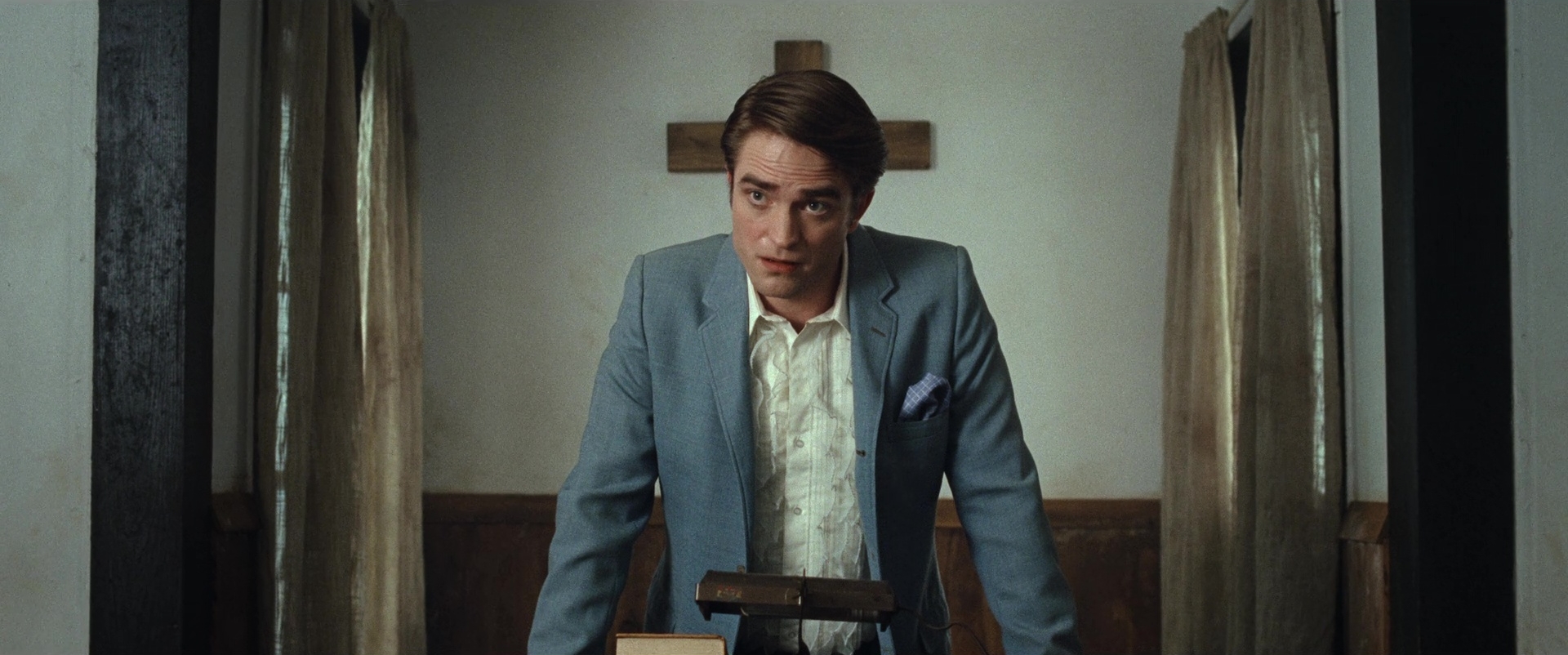
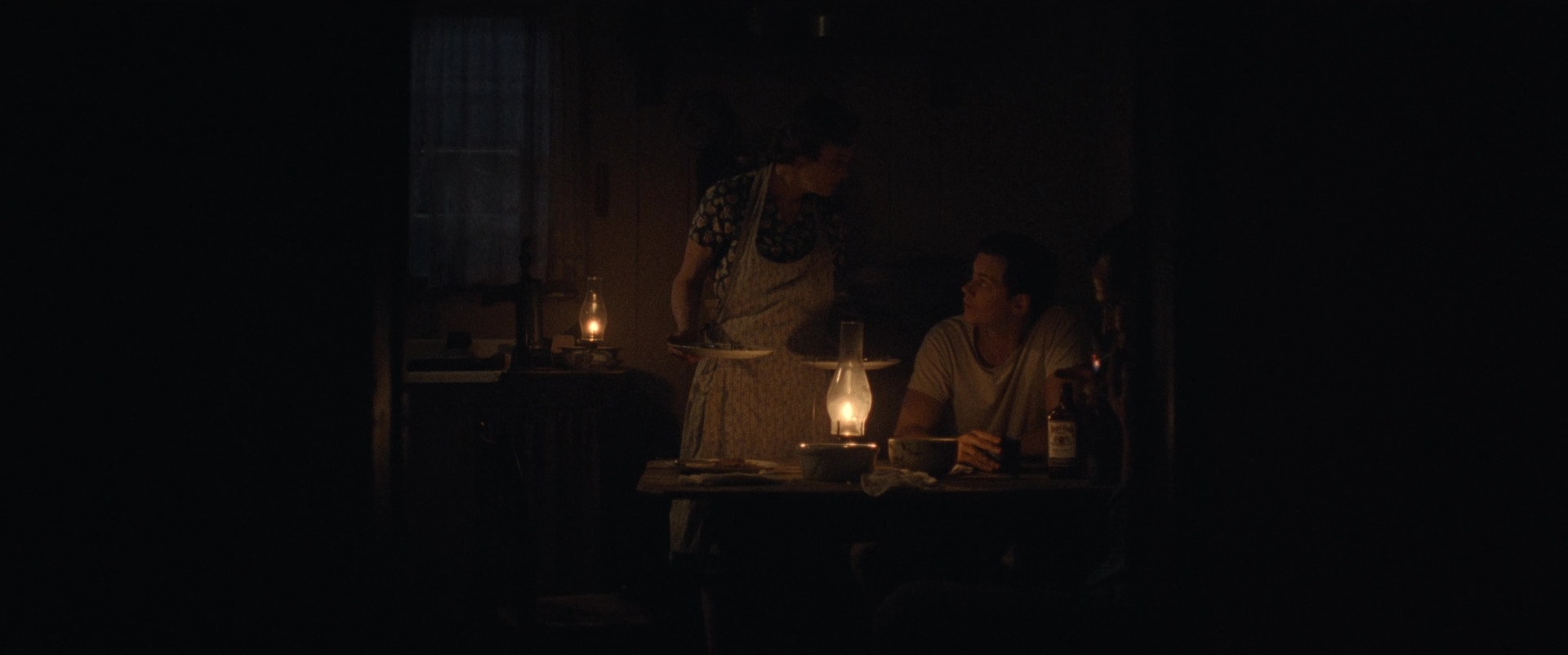
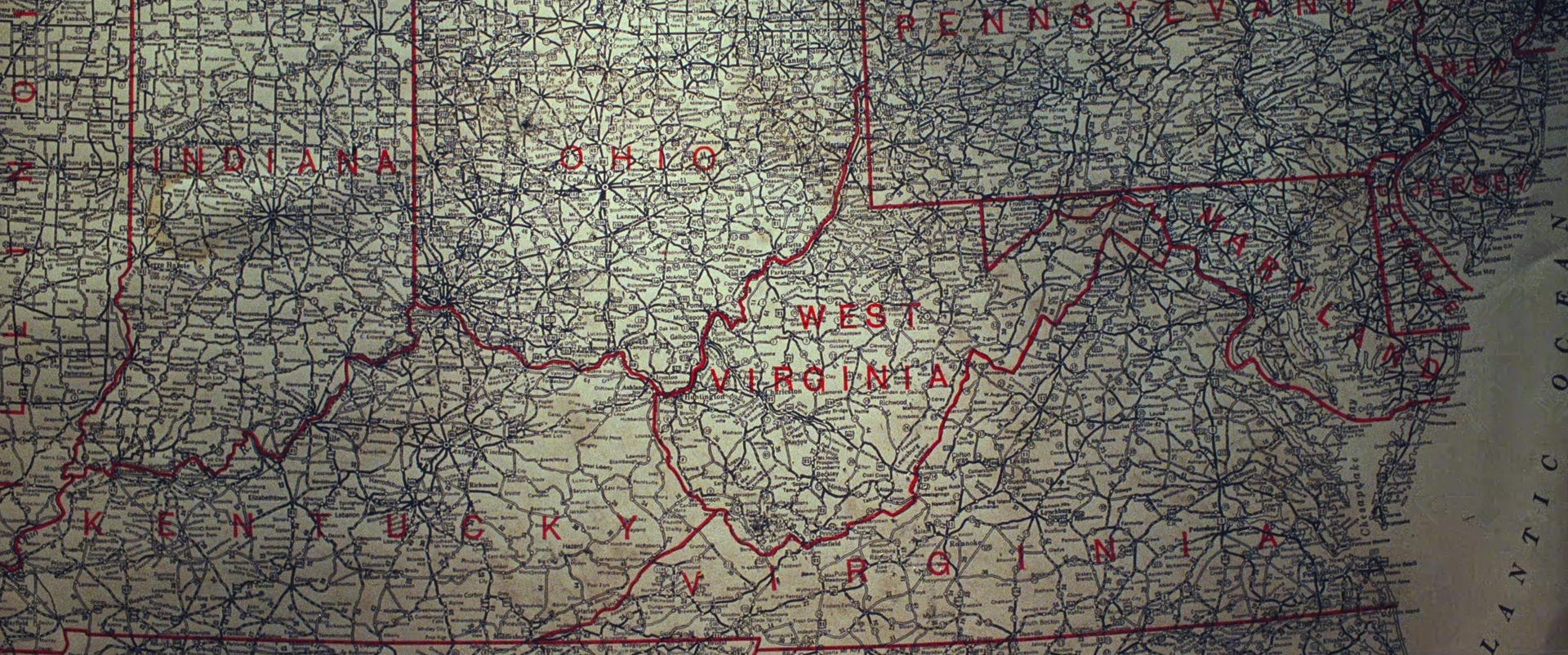
The Devil All the Time (2020)
In Knockemstiff, Ohio and its neighboring backwoods, sinister characters converge around young Arvin Russell as he fights the evil forces that threaten him and his family.
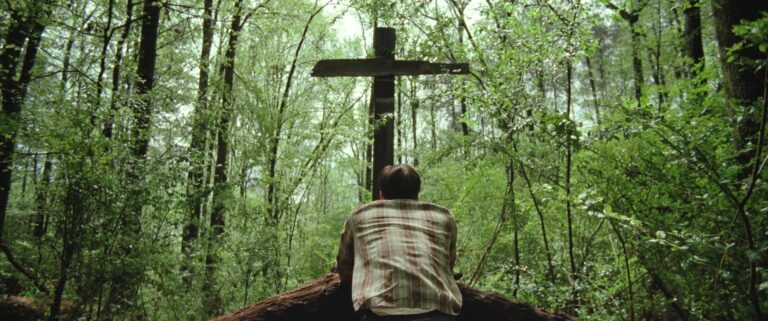
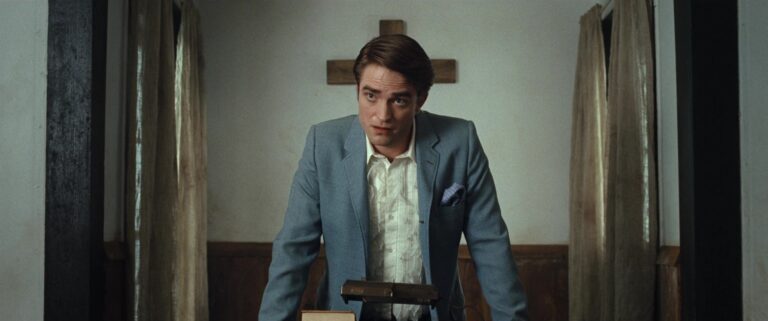
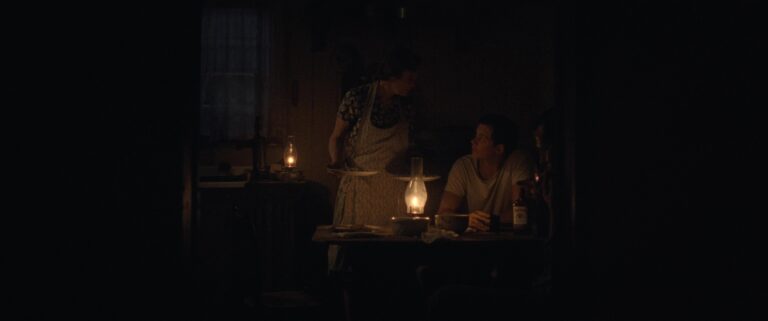
Campos and cinematographer Lol Crawley shot The Devil All the Time on 35mm, using natural light and a subdued, earthy palette to root the film in a tactile, period-authentic realism. The restrained camera and soft, shadowy interiors give the story a slow-burn intensity—letting faces emerge from darkness and landscape, turning the environment into a quiet, ever-present weight on the characters.
FILM SPOTLIGHT
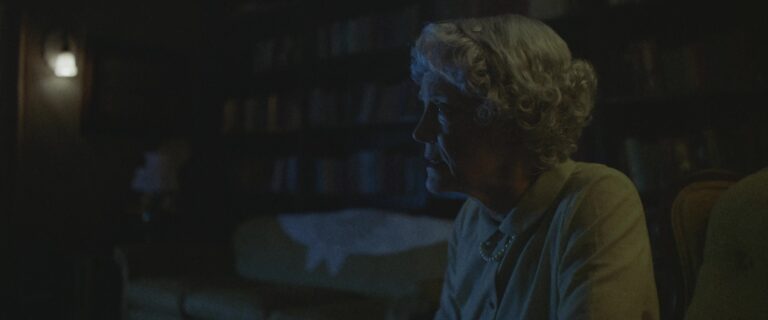
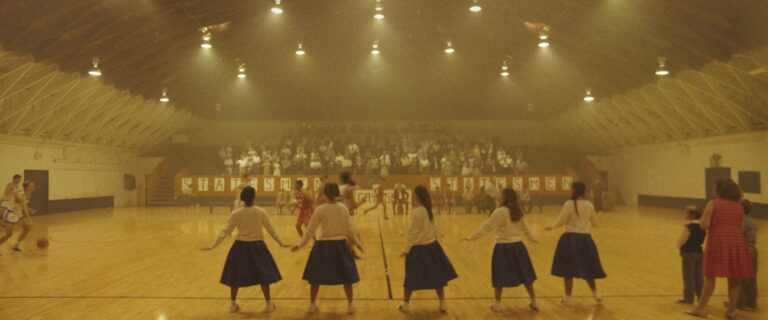
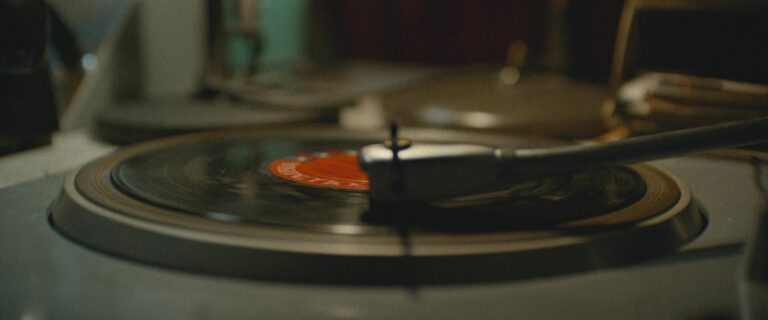
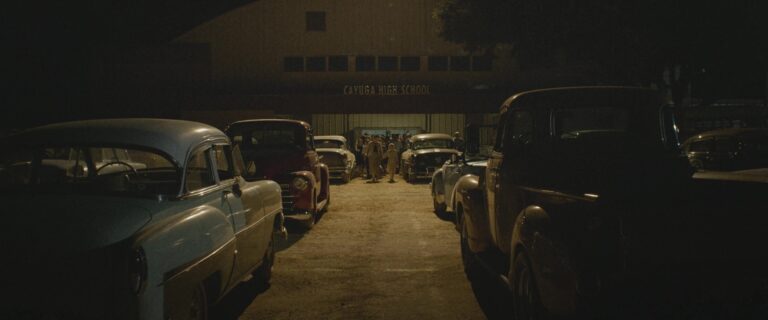
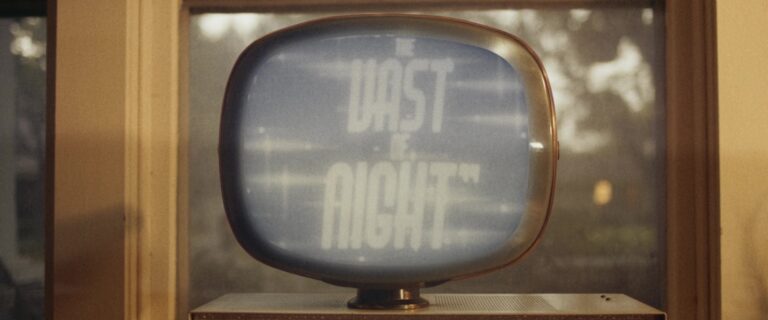
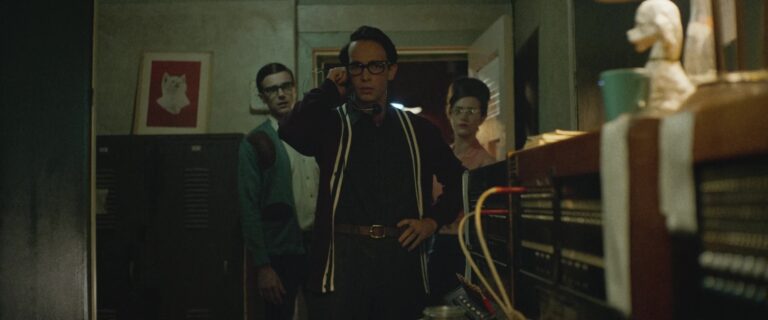
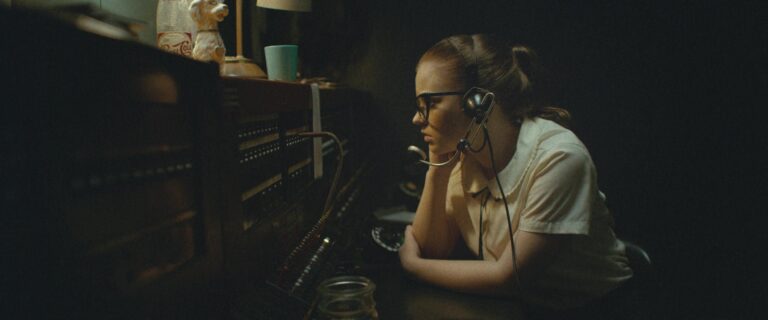
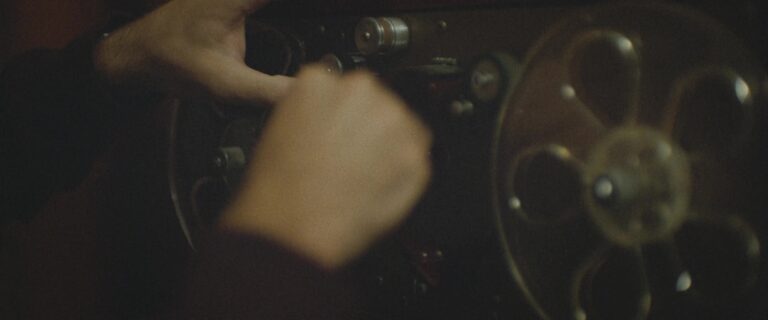
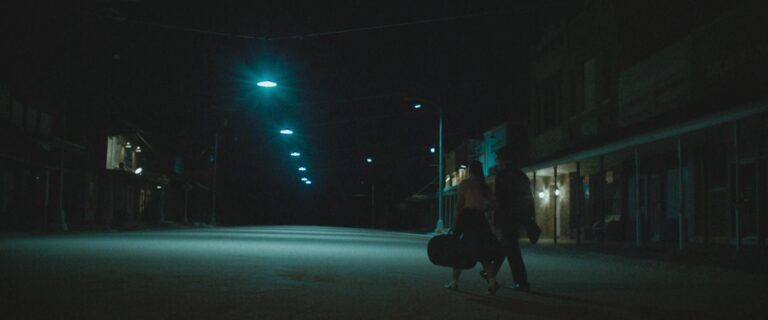
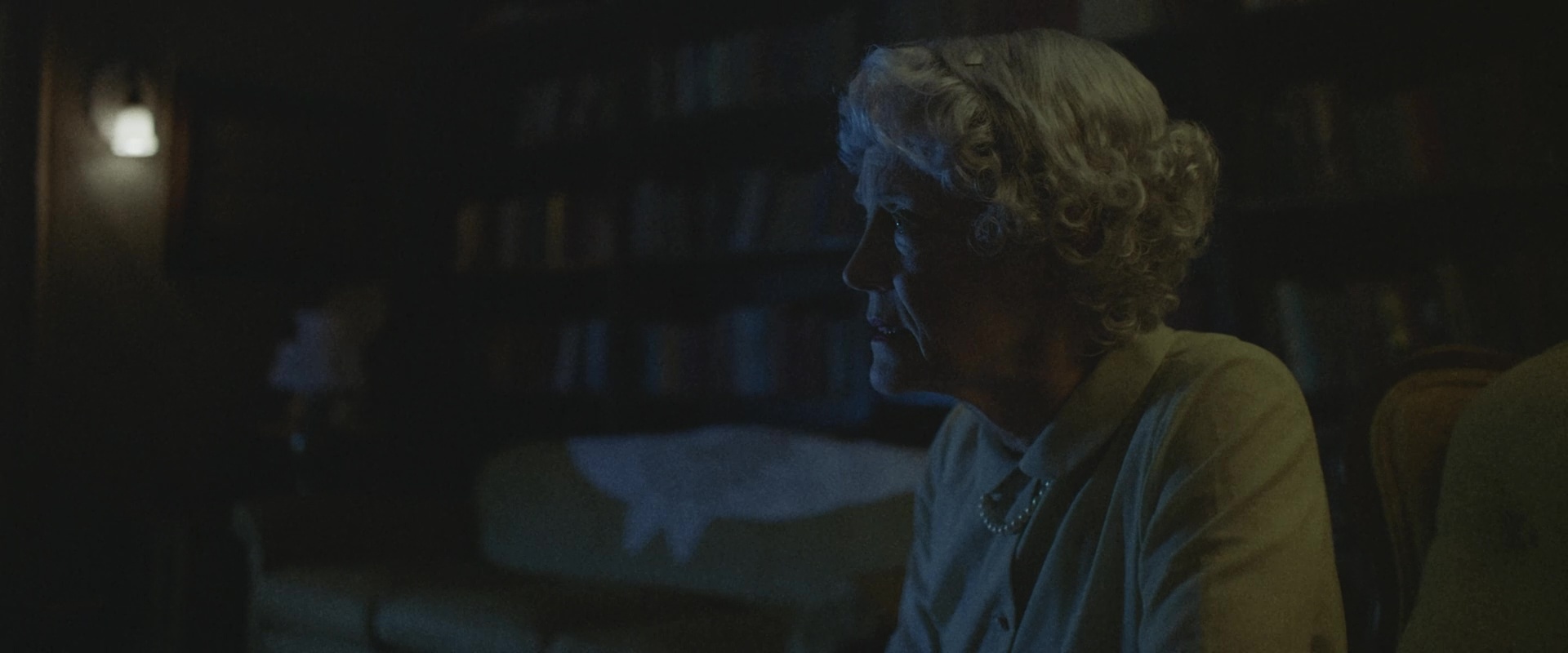
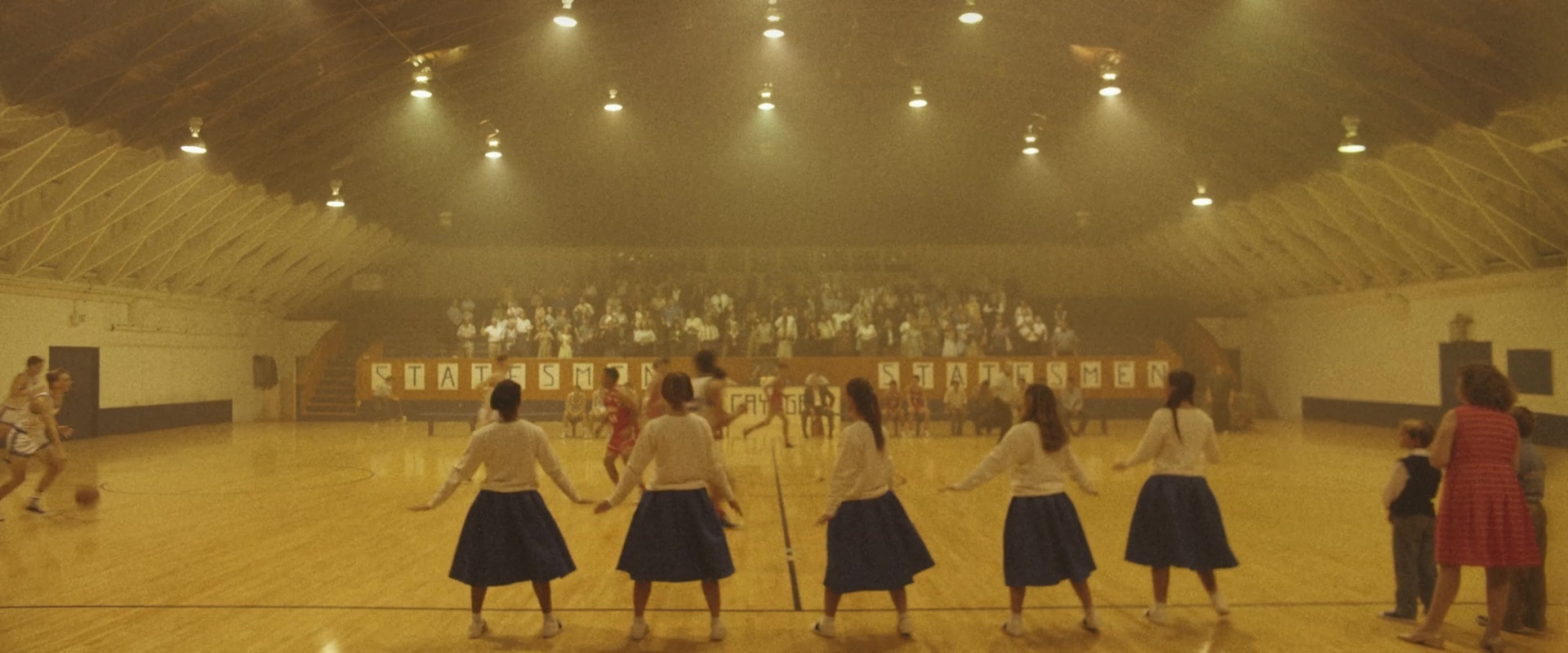
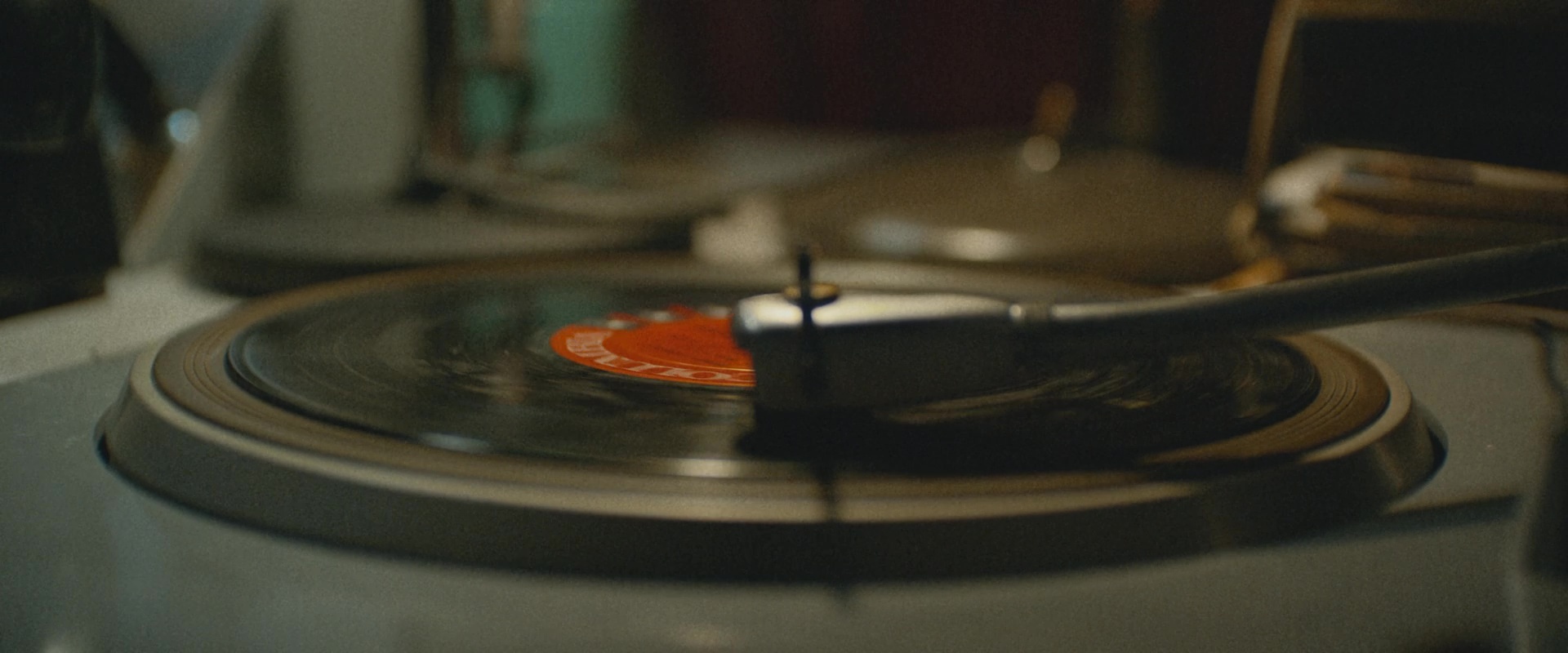
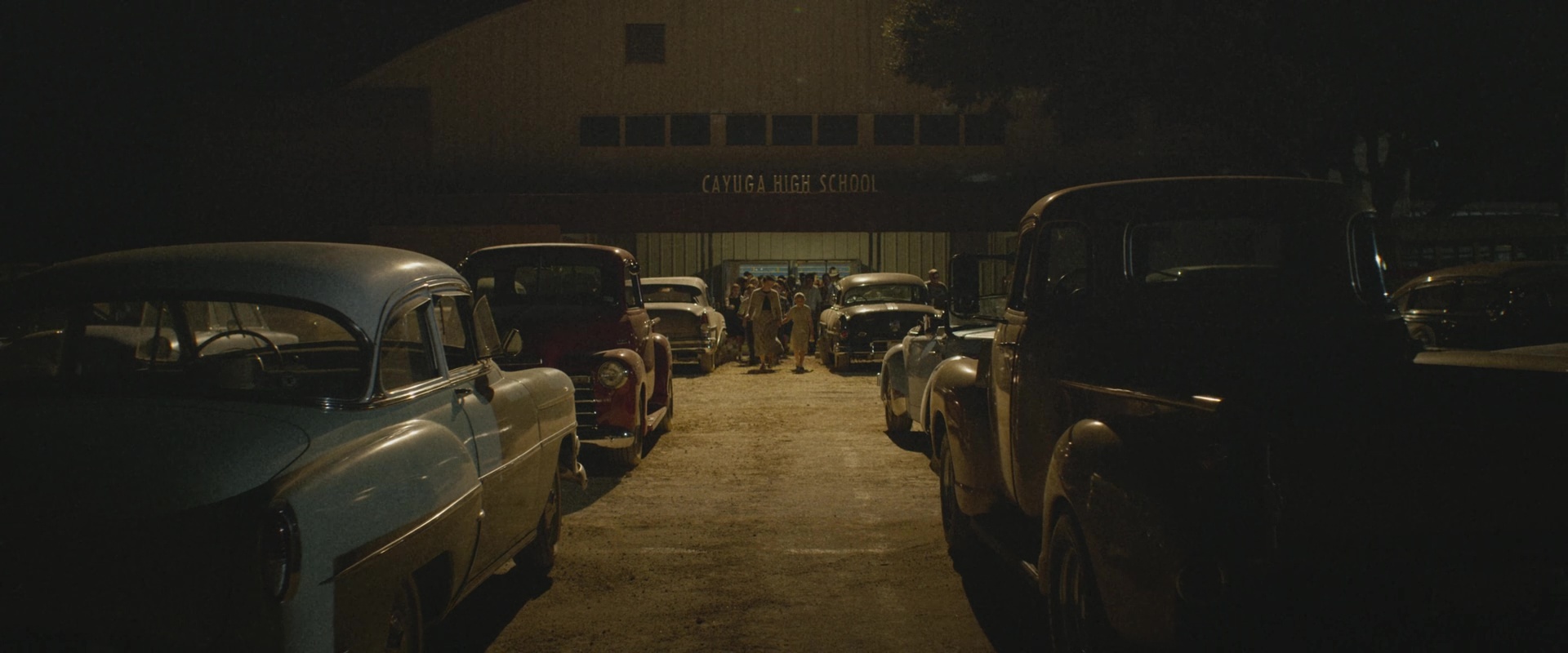
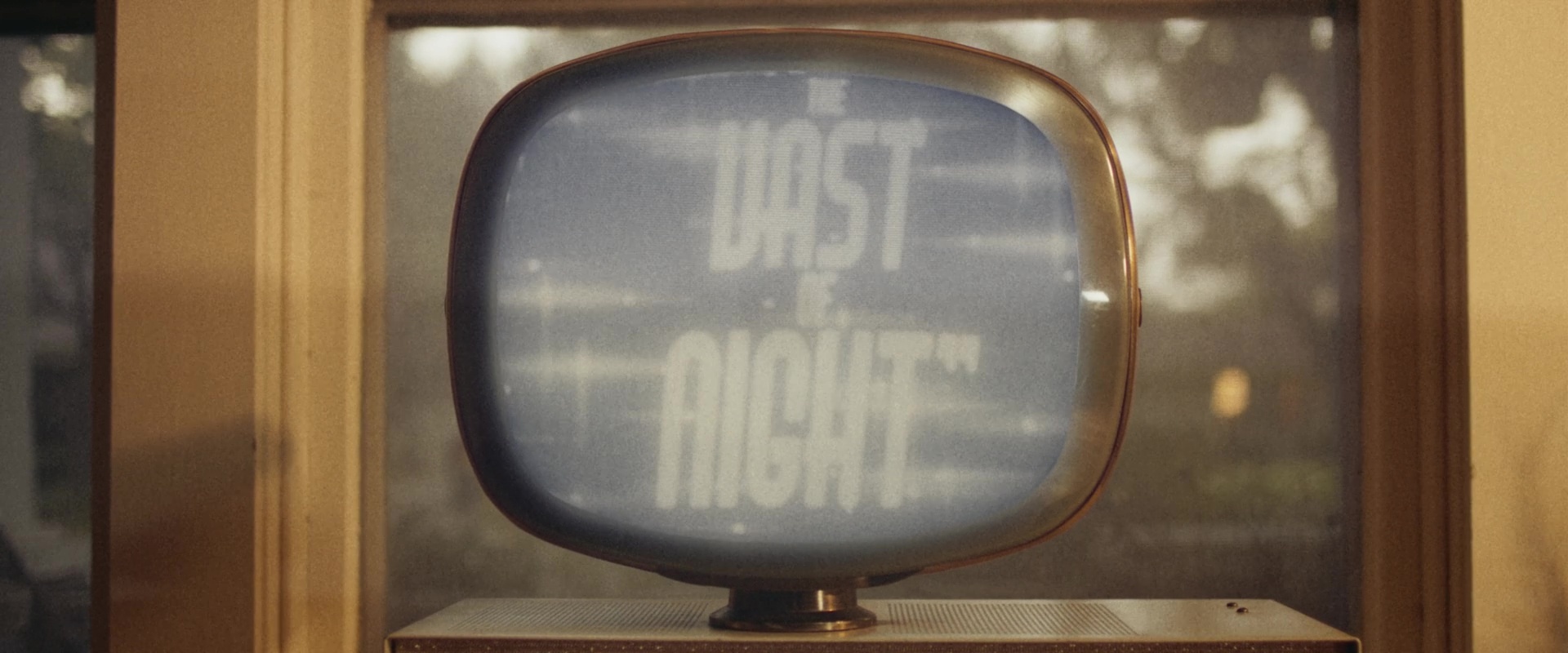
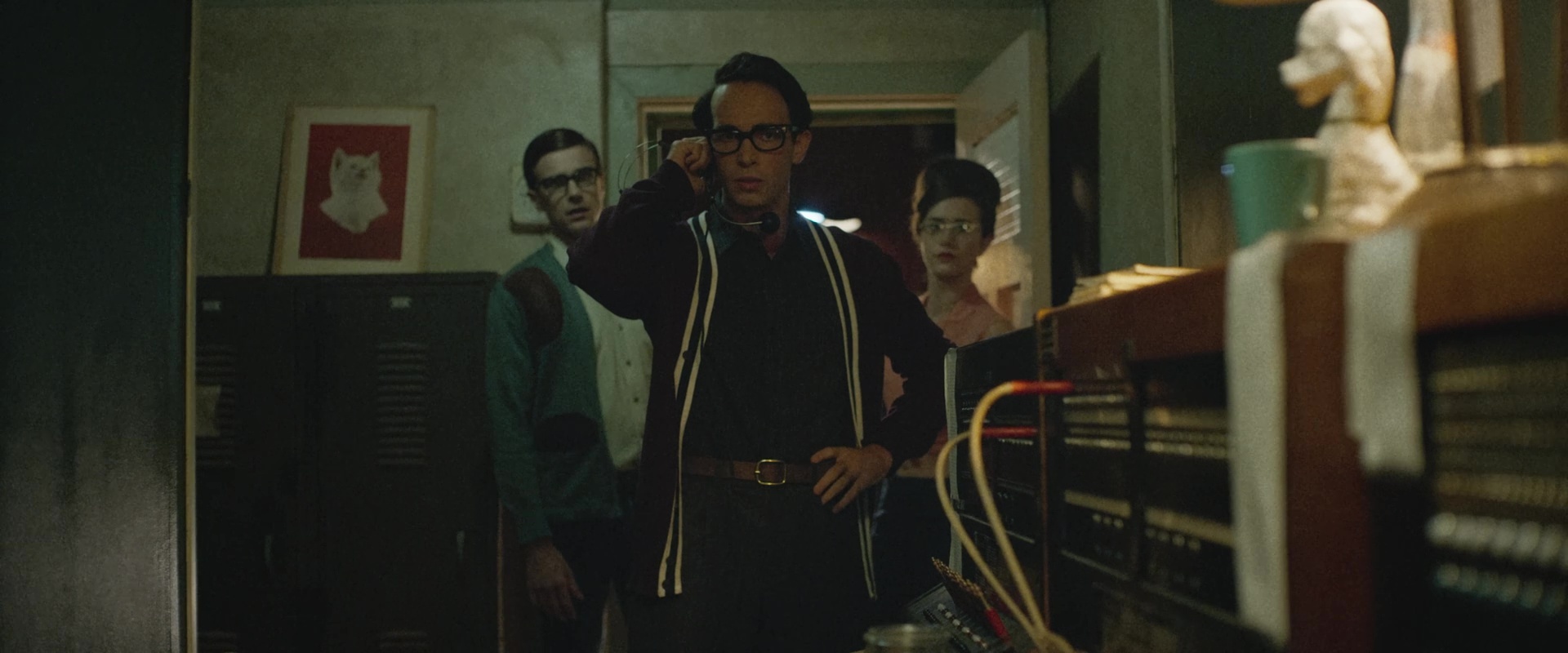
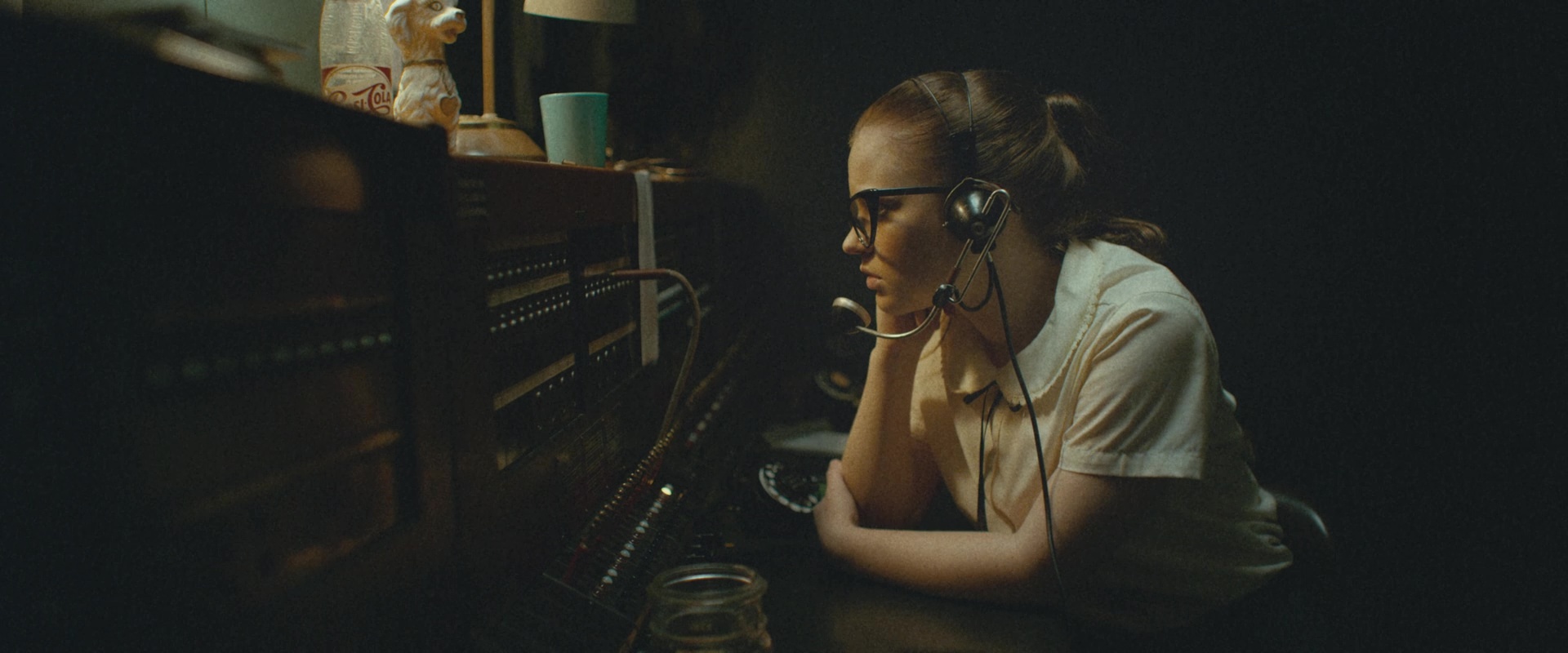
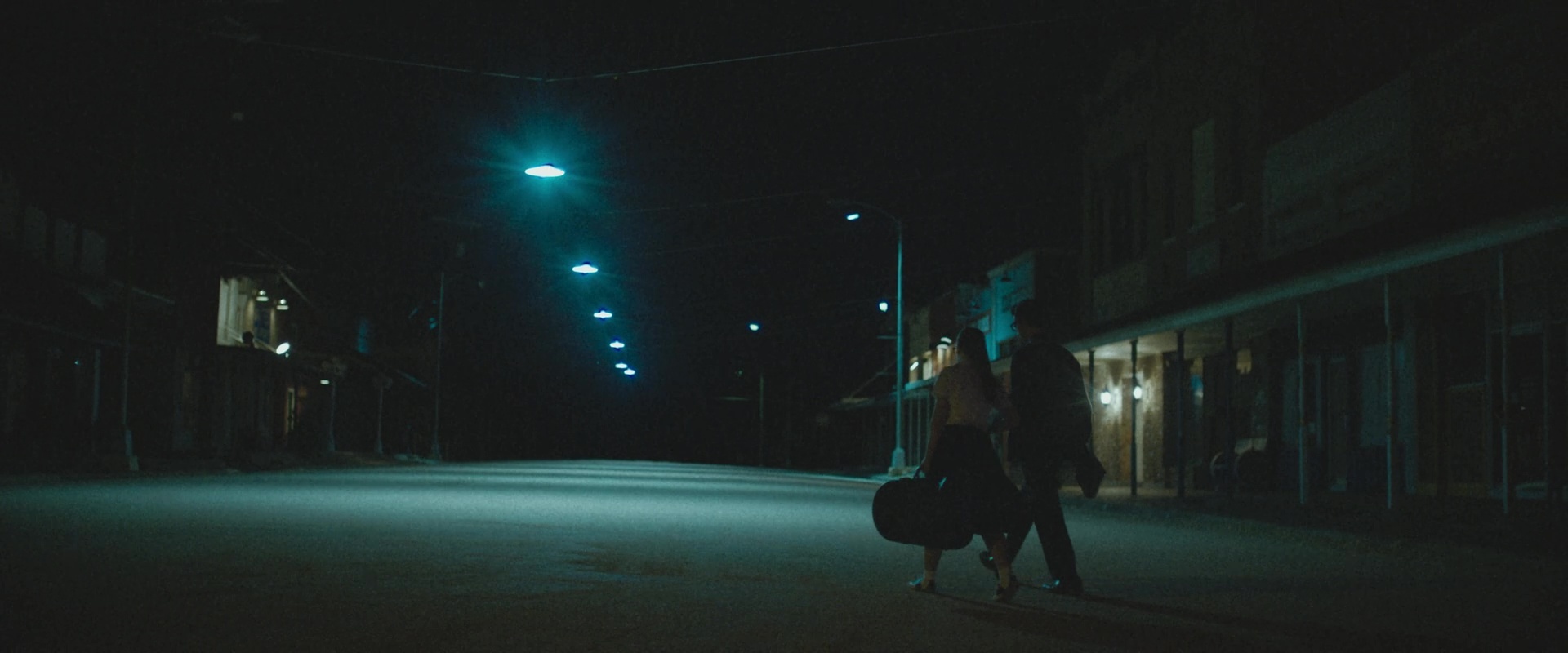
The Vast of Night (2019)
At the dawn of the space-race, two radio-obsessed teens discover a strange frequency over the airwaves in what becomes the most important night of their lives and in the history of their small town.
Patterson and cinematographer M.I. Littin-Menz shot The Vast of Night with a sleek, low-budget ingenuity, using long, unbroken takes and elaborate tracking shots to build tension through movement rather than cutting. The film’s precise camera choreography—gliding through spaces, looping around characters—turns dialogue-heavy scenes into visual set pieces, proving how much scale and atmosphere can be achieved with minimal means.