New Shots: Atlanta Season 4, Insecure Season 5 & more Film Screenshots
Get your Decks ready ShotDeck Community! In honor of Black History Month we’re adding several new tv series created by black showrunners! Remember you can always request titles for future drops by clicking here!
TELEVISION SERIES
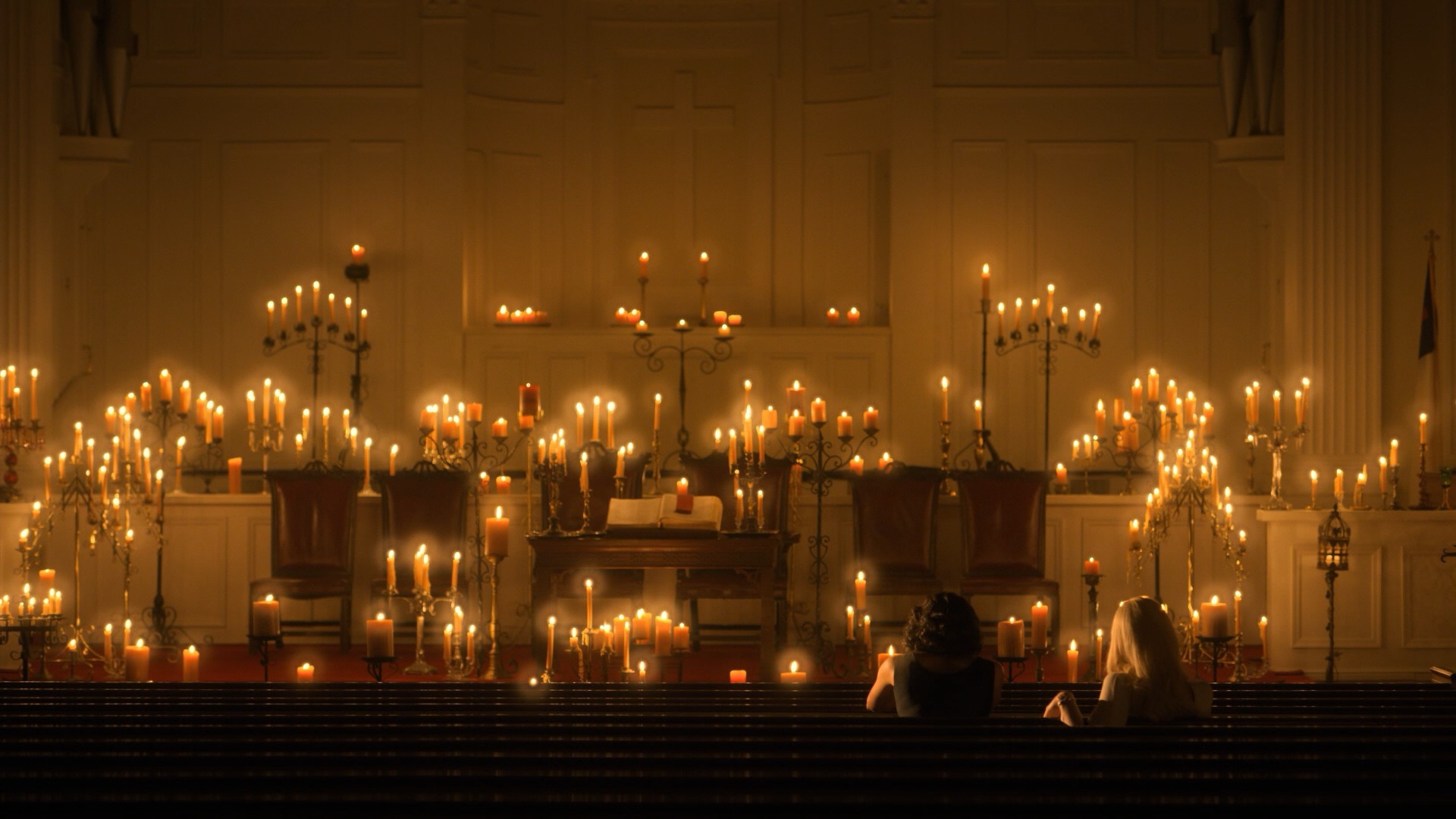
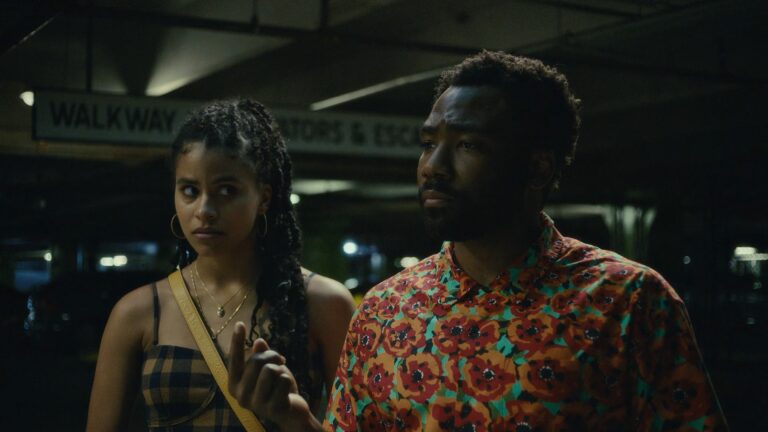
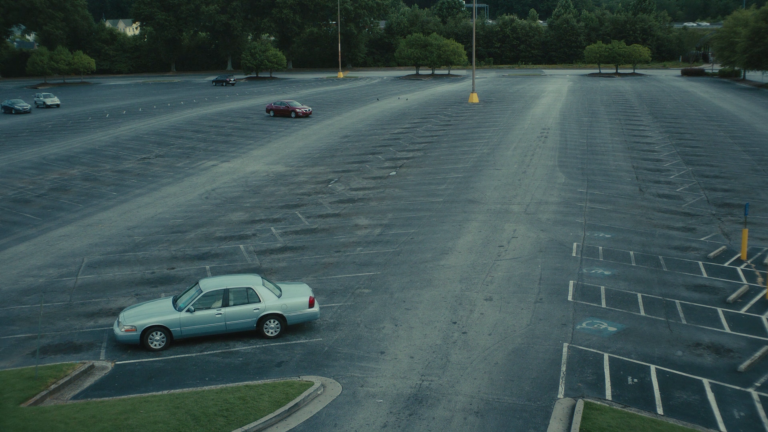
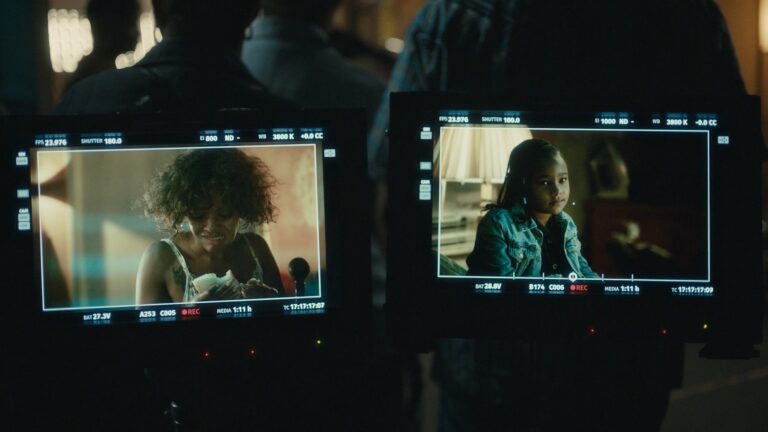
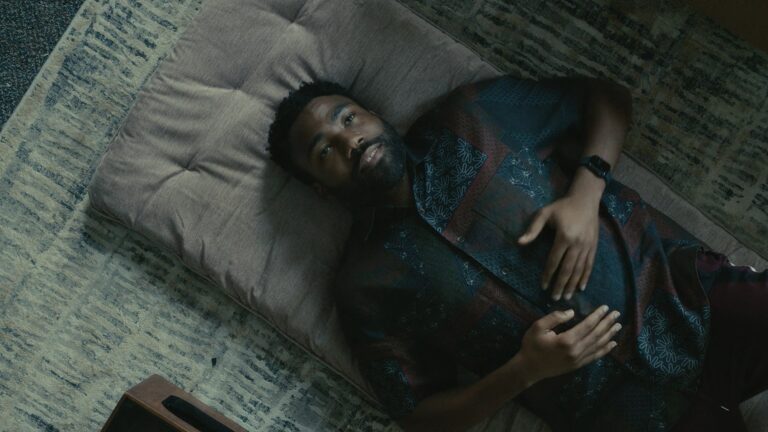
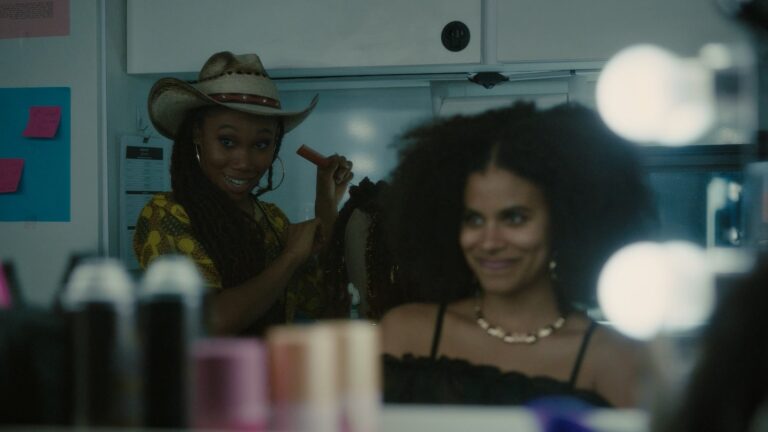
Atlanta: Season 4 (2022)
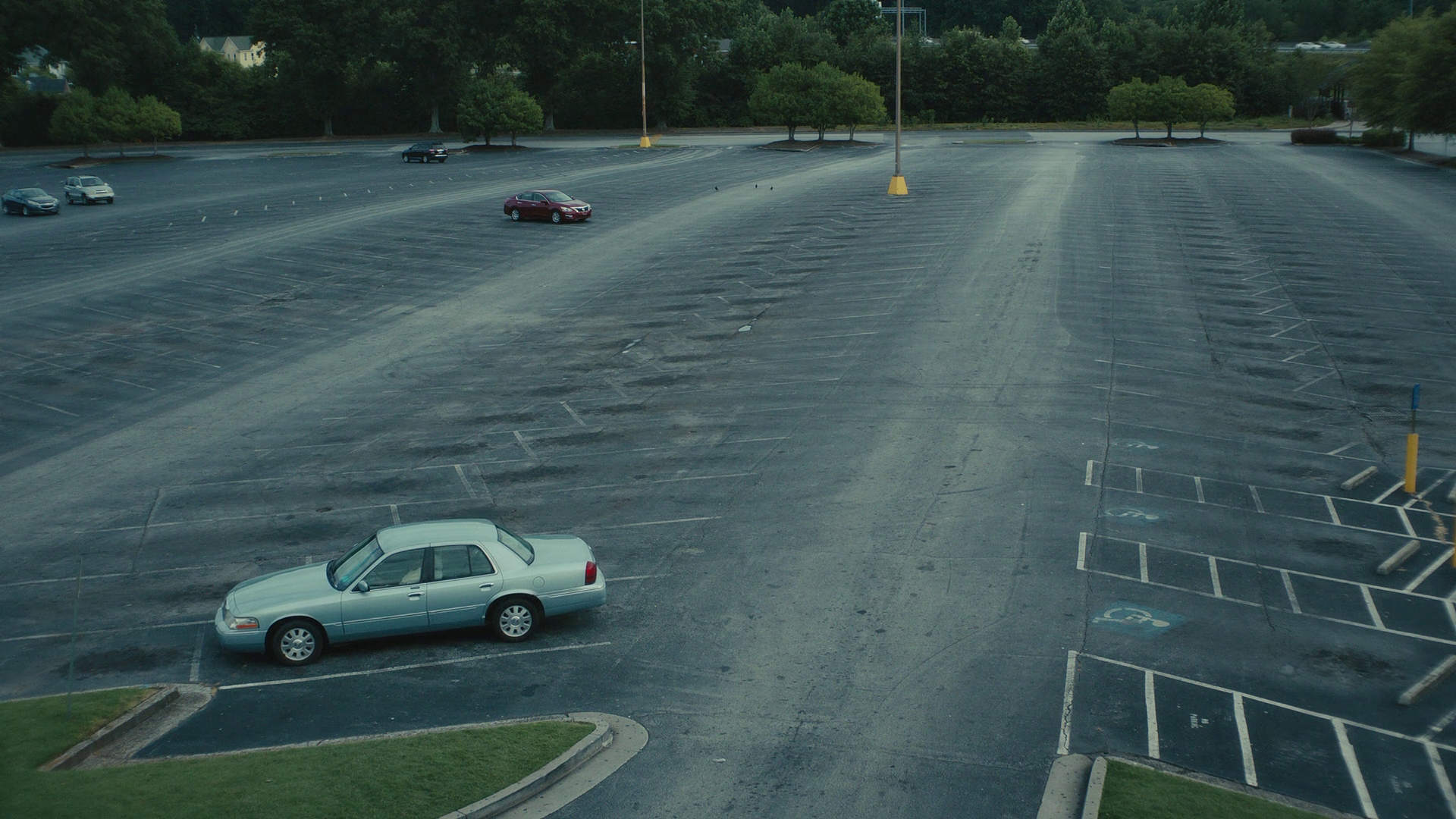
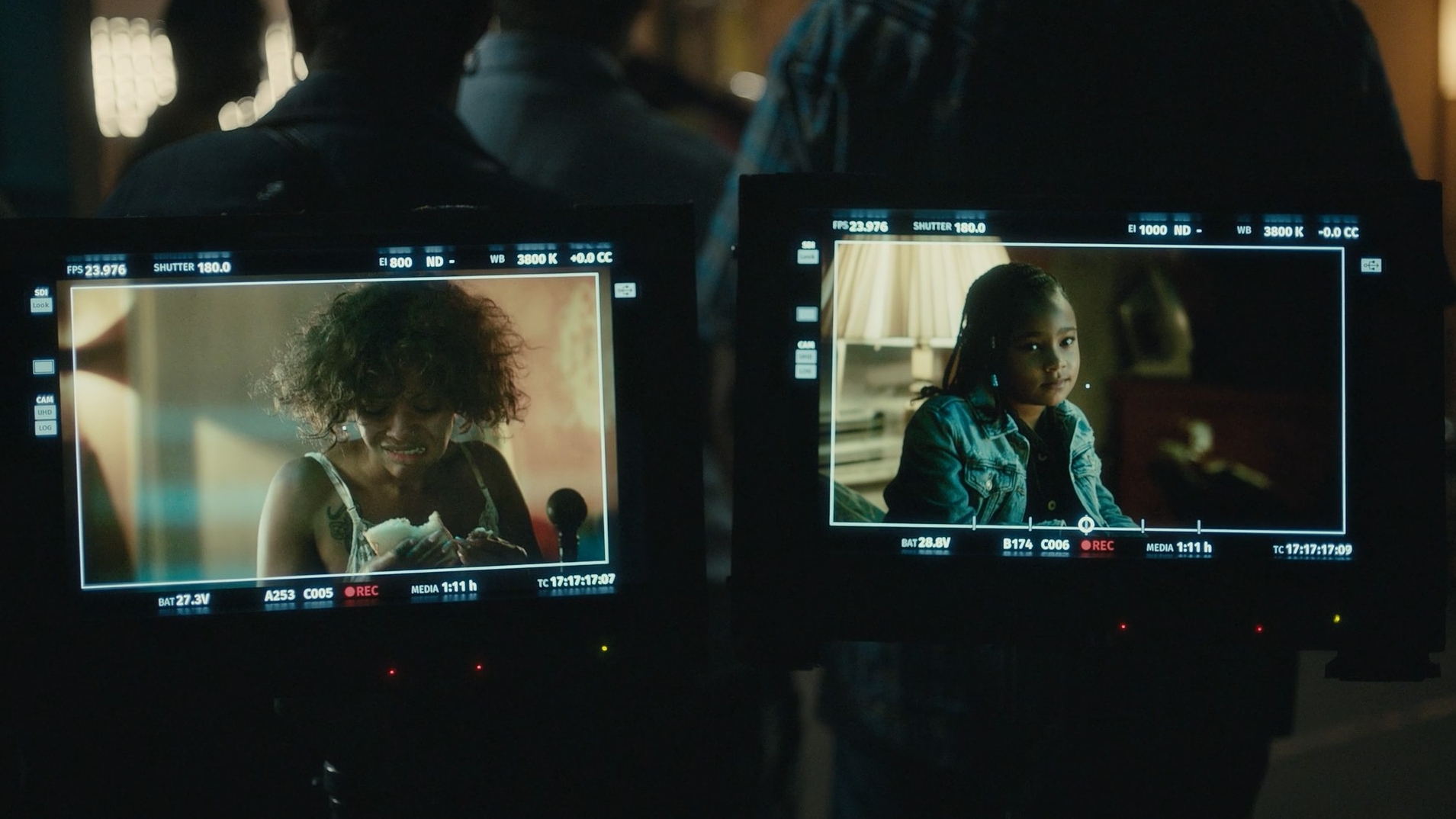
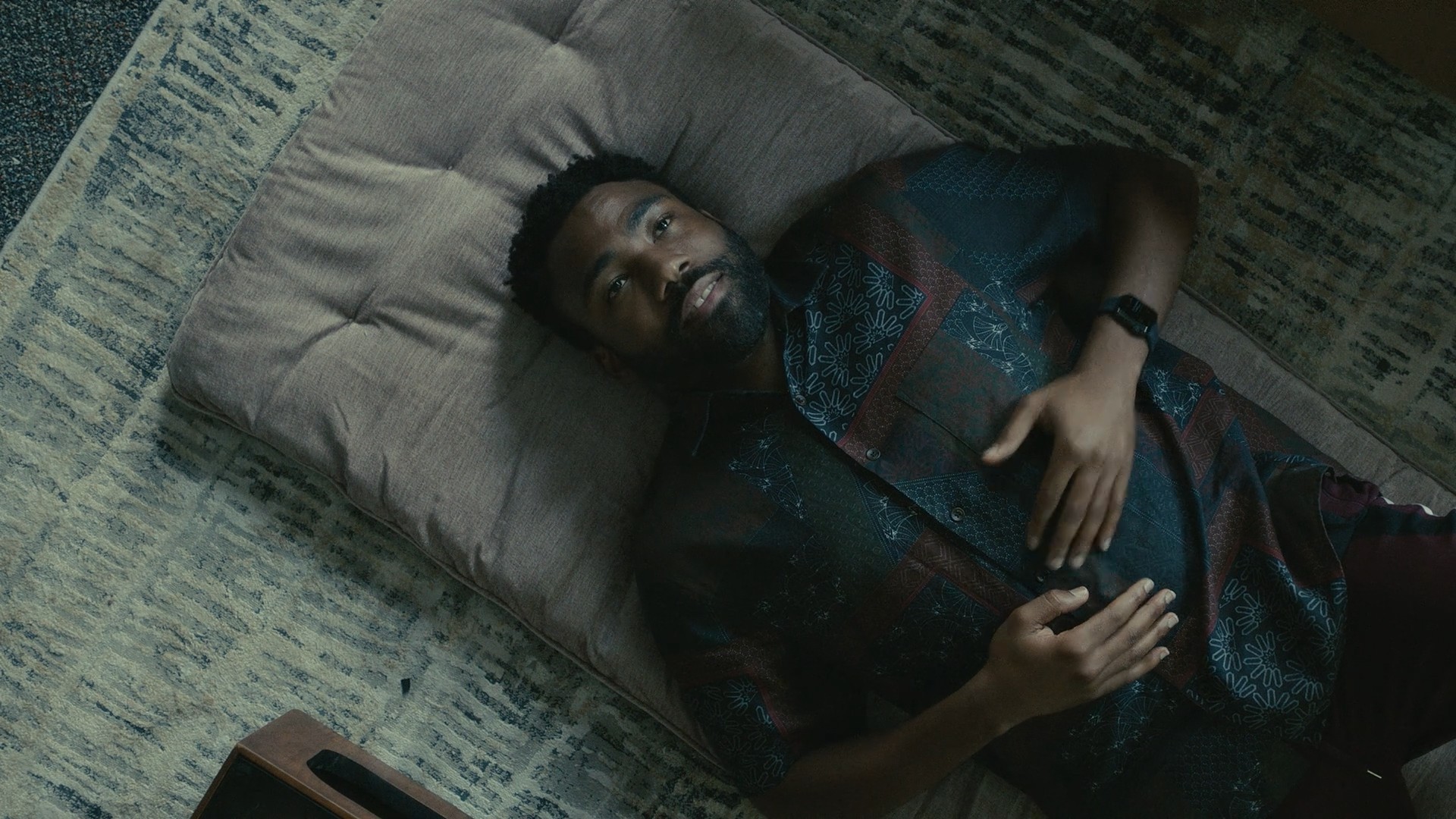
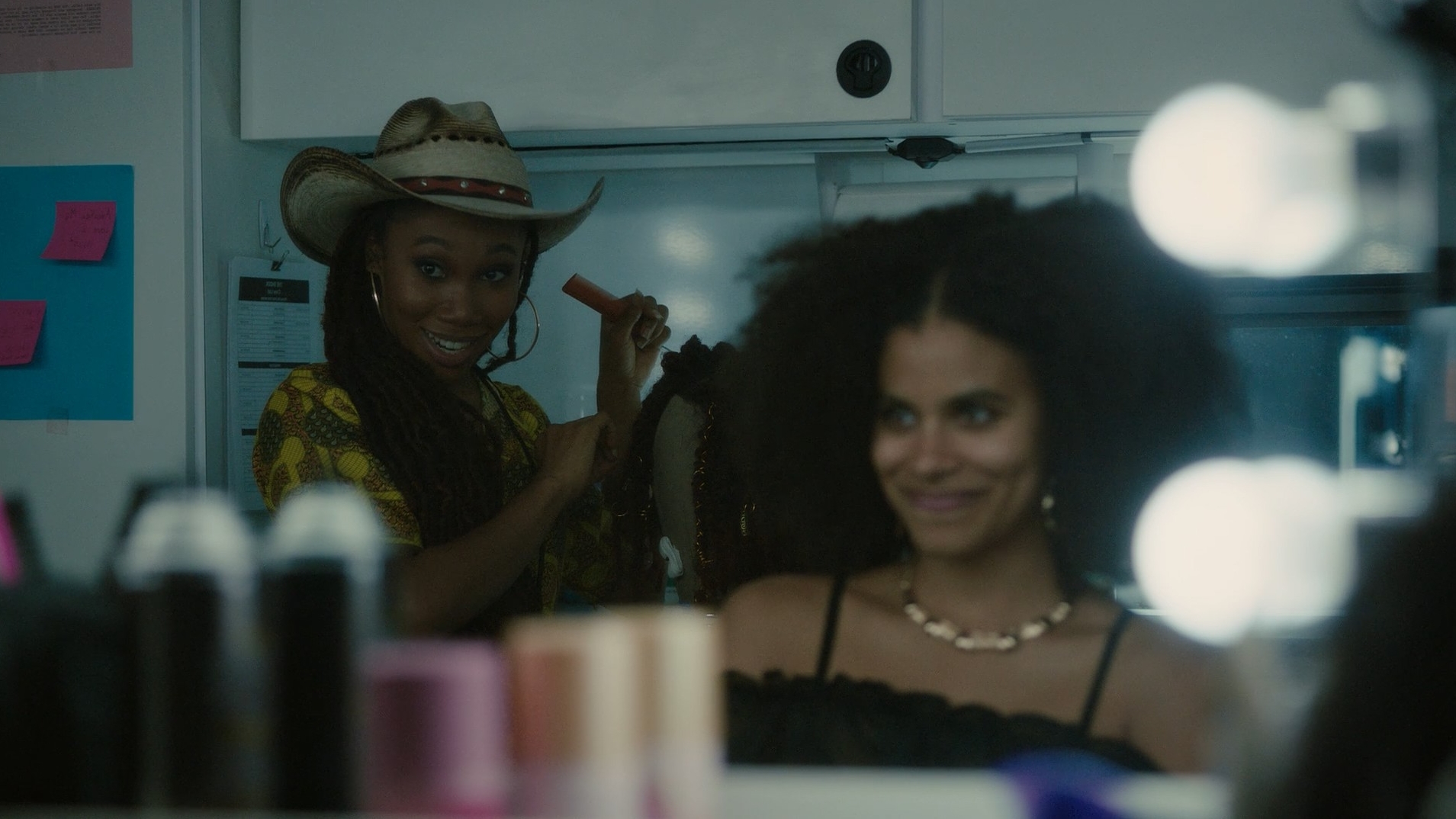
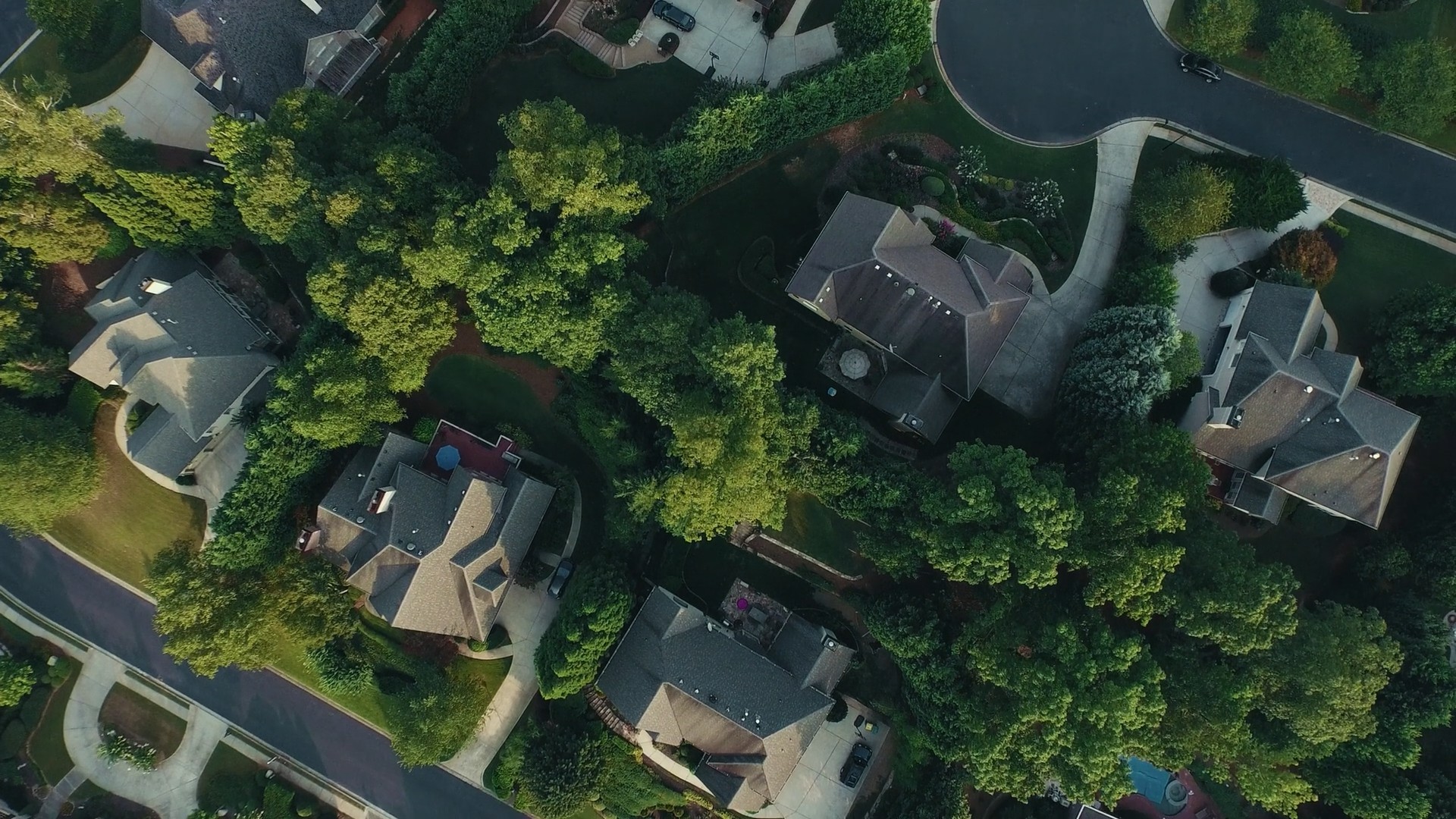
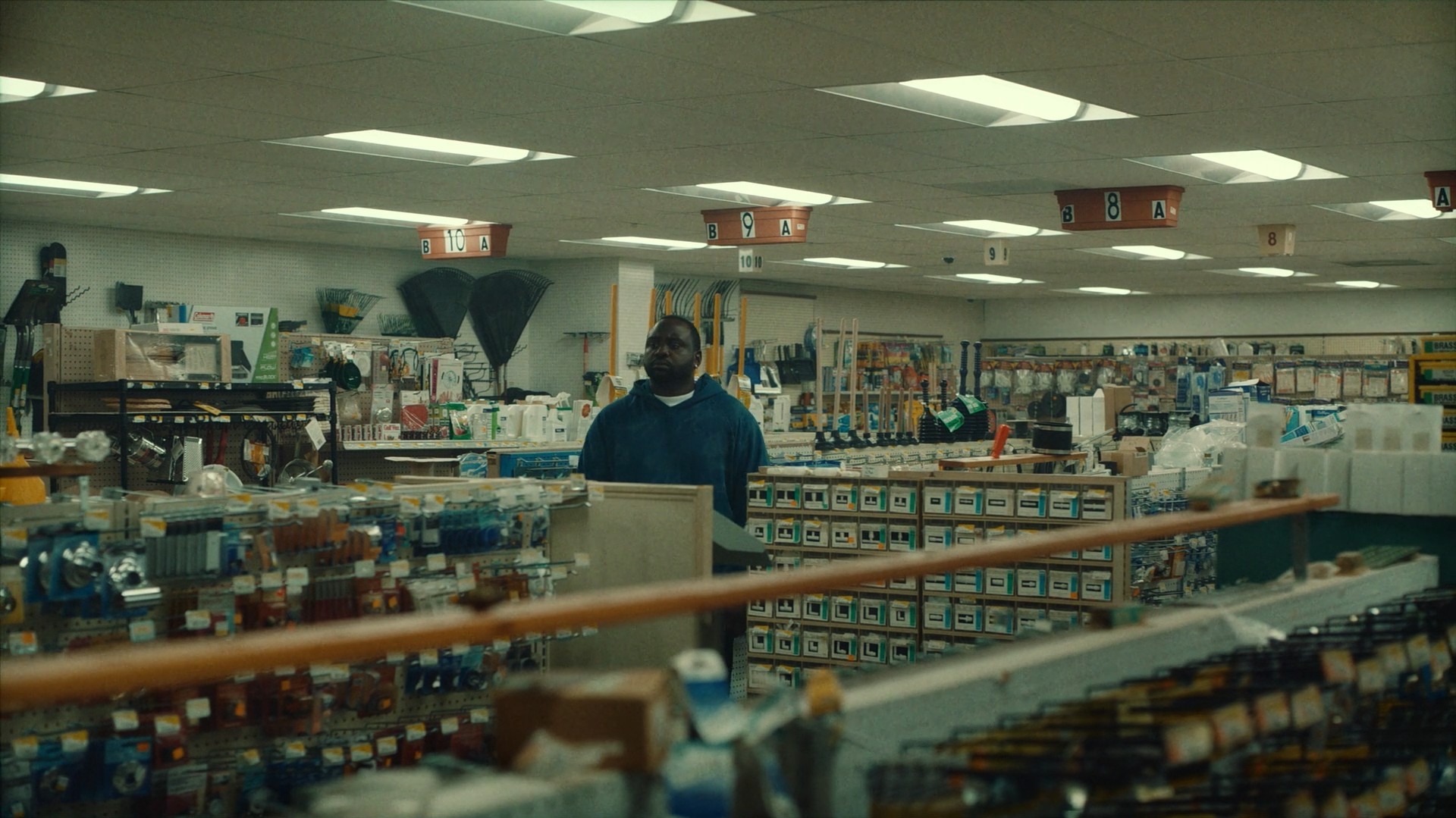
Returning to Atlanta after their European tour, Earn, Alfred, Darius, and Van attempt to settle back into their hometown while confronting how success, change, and disconnection have altered their relationships to the city and to themselves. Across a mix of grounded character stories and surreal standalone episodes, the season explores identity, memory, fame, and the lingering psychological weight of contemporary American life. Serving as the series’ final chapter, it becomes both a homecoming and a reflection on what can and cannot be escaped.
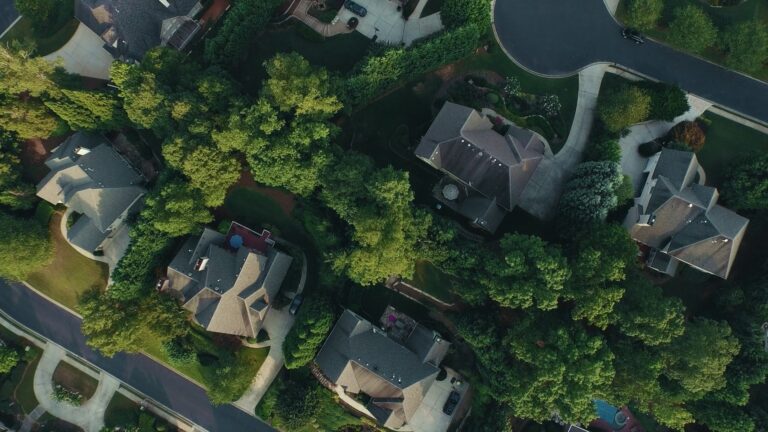
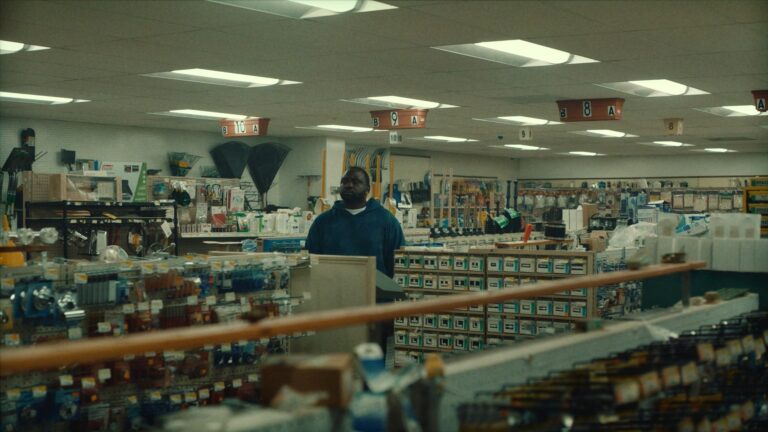
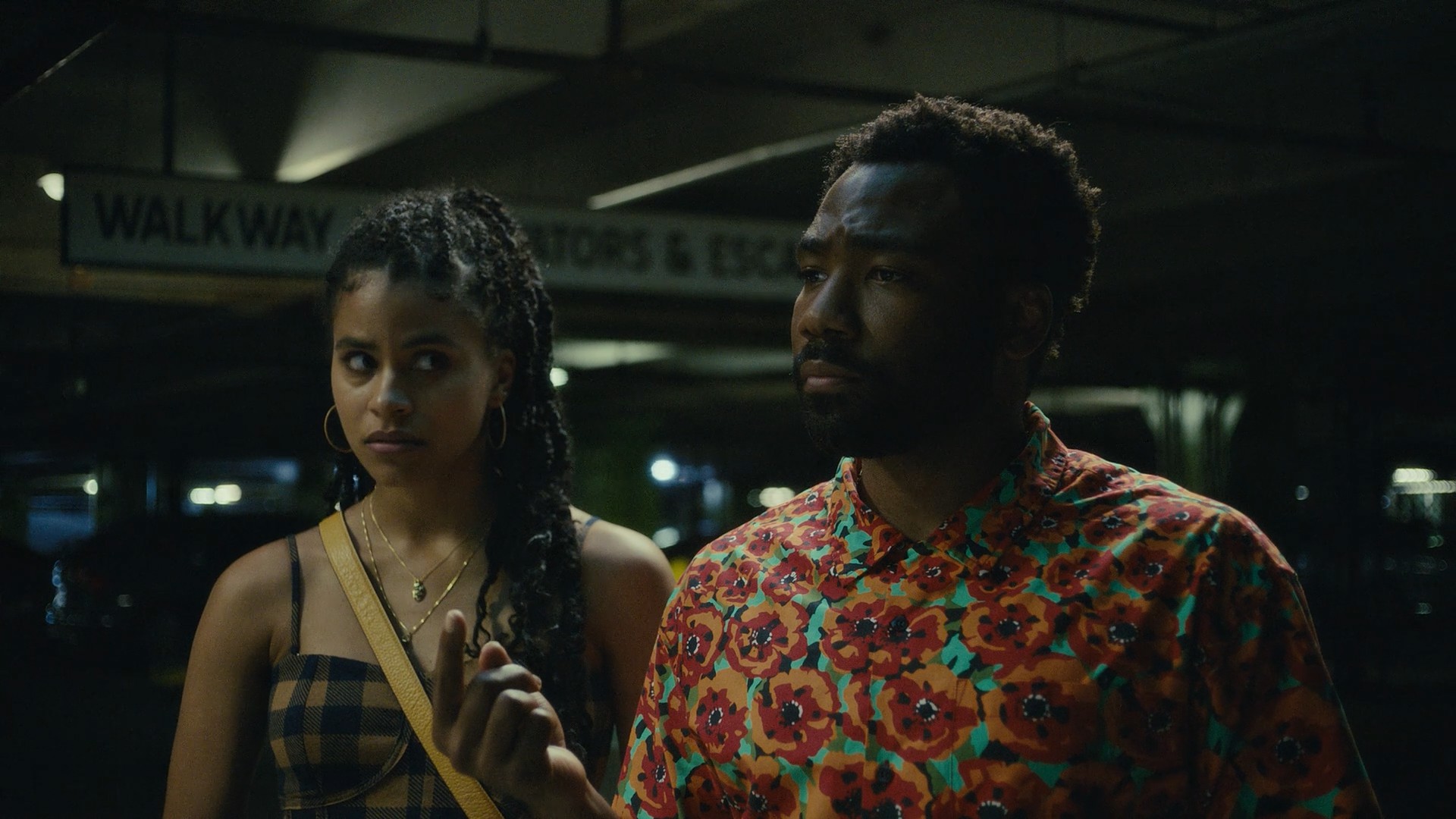
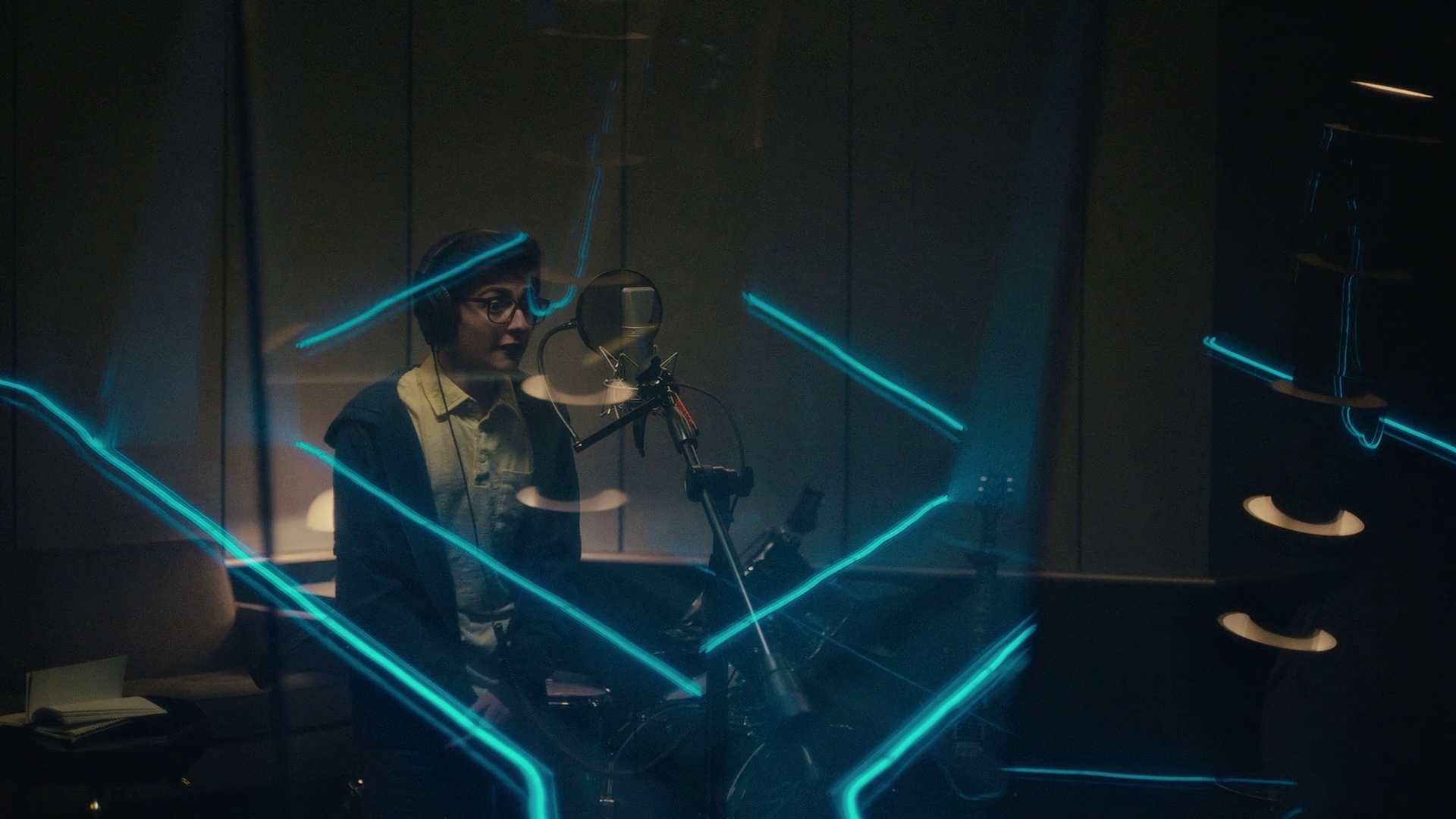
Season 4 continues the show’s cinematic visual language with cinematographers Christian Sprenger and Hiro Murai leaning into quiet naturalism punctuated by moments of uncanny surrealism. Warm Southern light, suburban stillness, and carefully controlled compositions create an atmosphere where ordinary spaces feel subtly haunted by memory and social tension. The series’ signature tonal elasticity remains central to its visual identity—moving fluidly between deadpan realism, dream logic, horror imagery, and lyrical introspection without changing aesthetic confidence. Long takes, restrained camera movement, and ambient sound design often allow discomfort and absurdity to emerge gradually from otherwise mundane environments, reinforcing the sense that Atlanta itself is both a real place and a psychological landscape.


TELEVISION SERIES
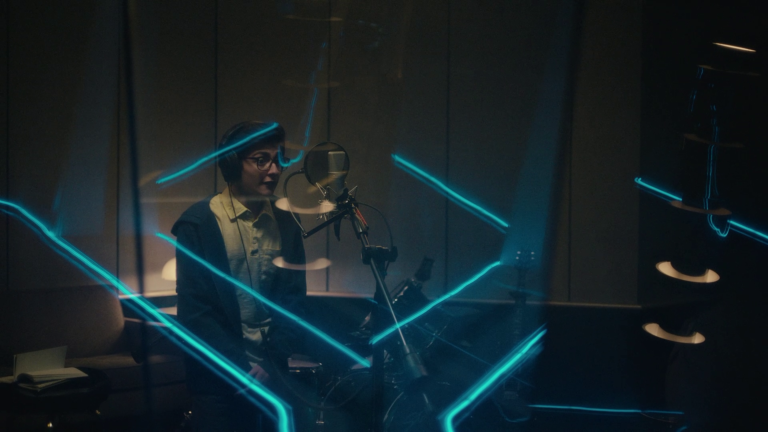
Insecure: Season 5 (2021)
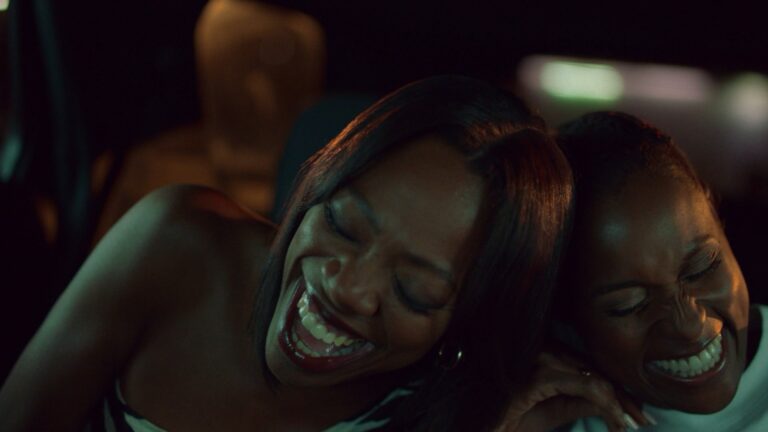
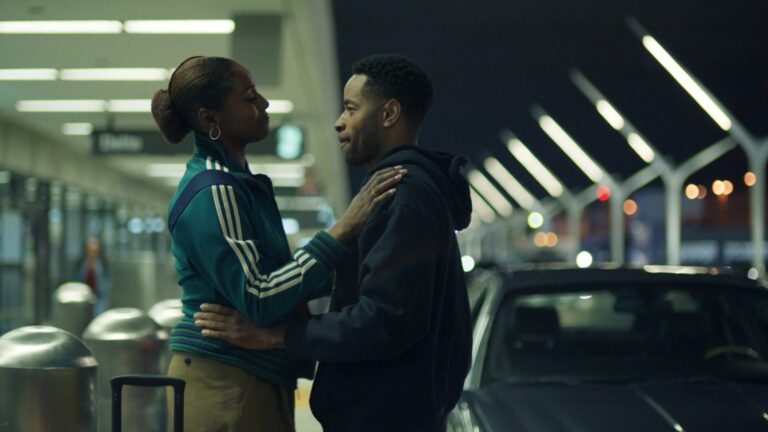
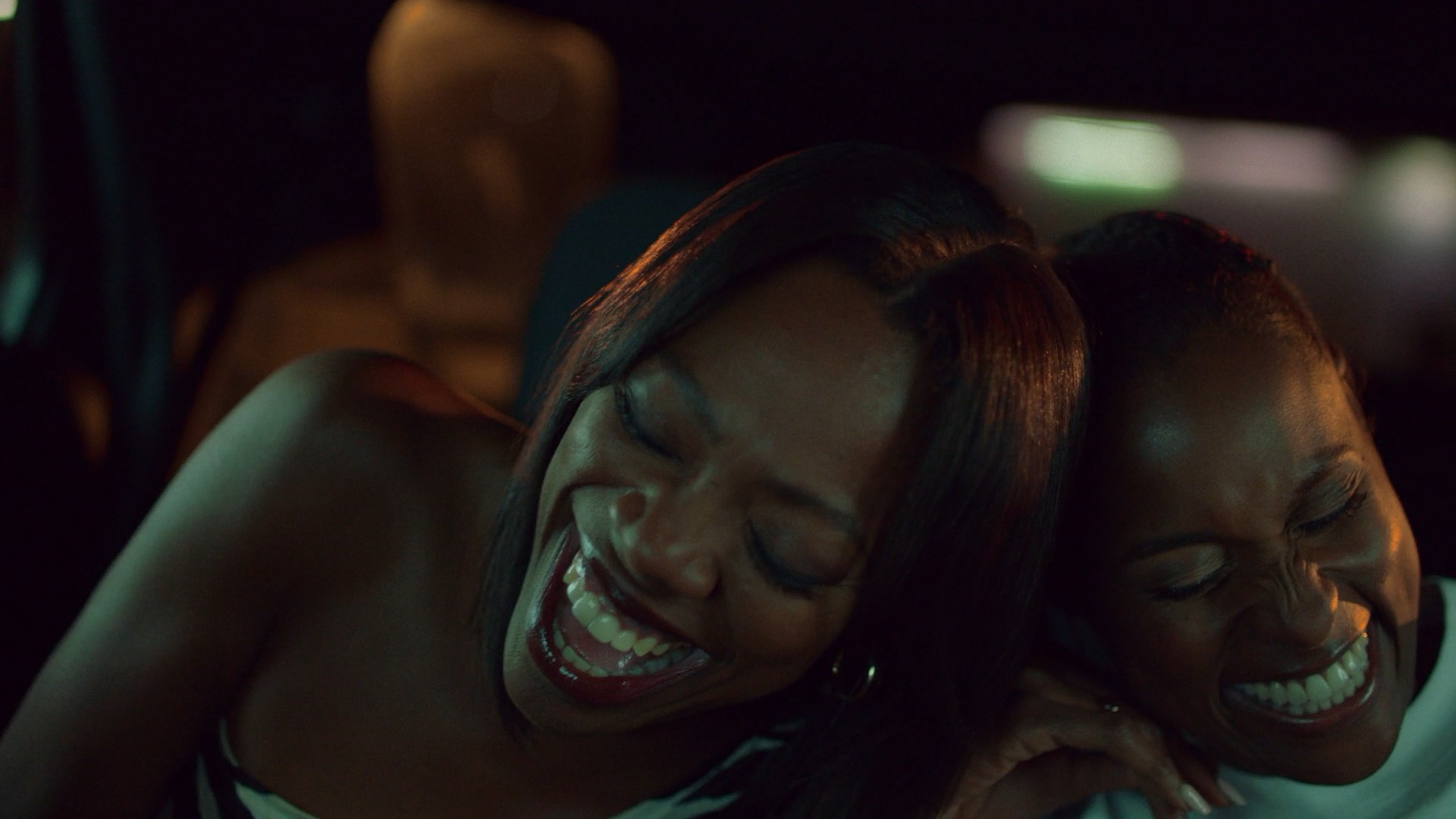
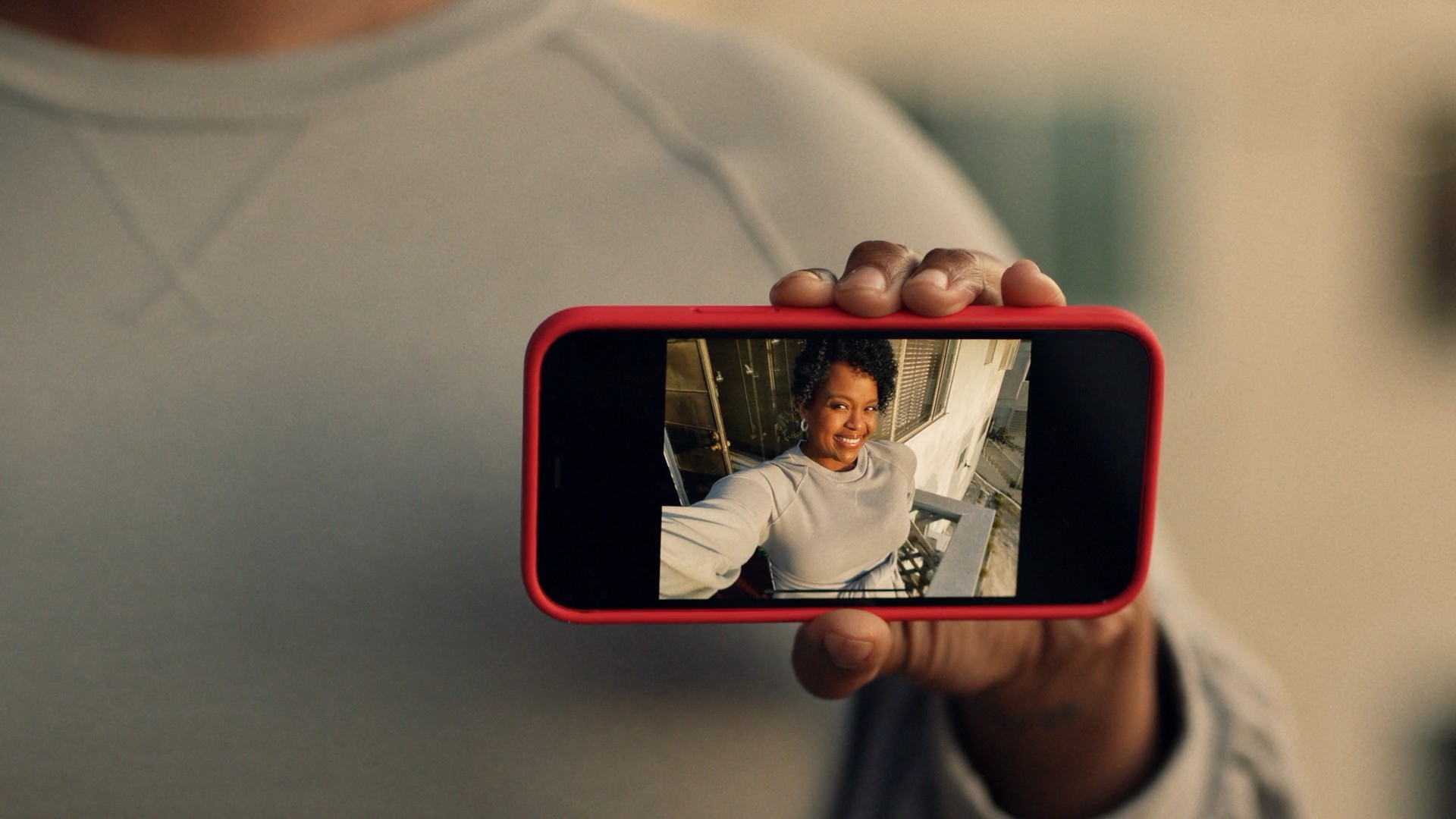
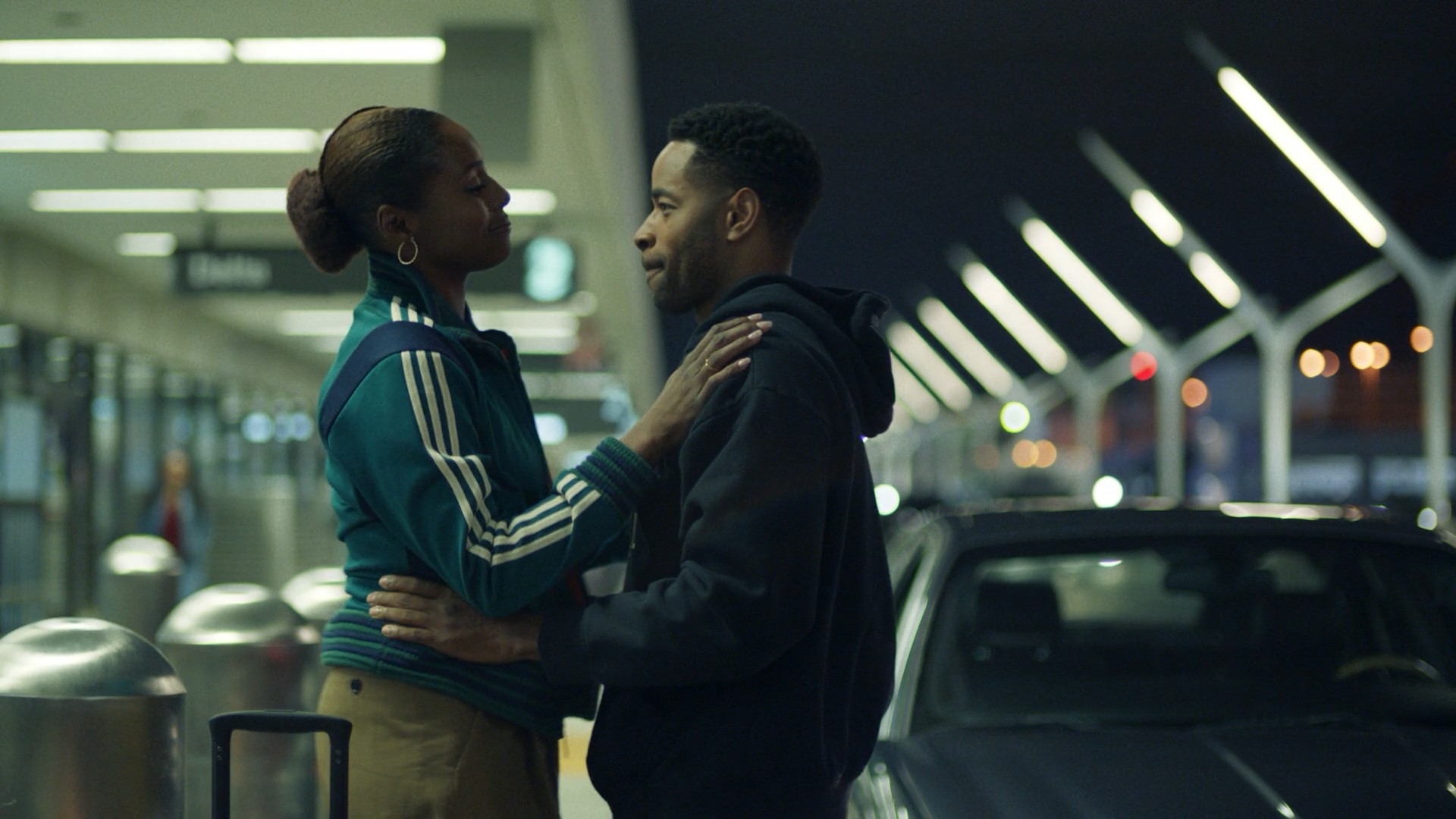
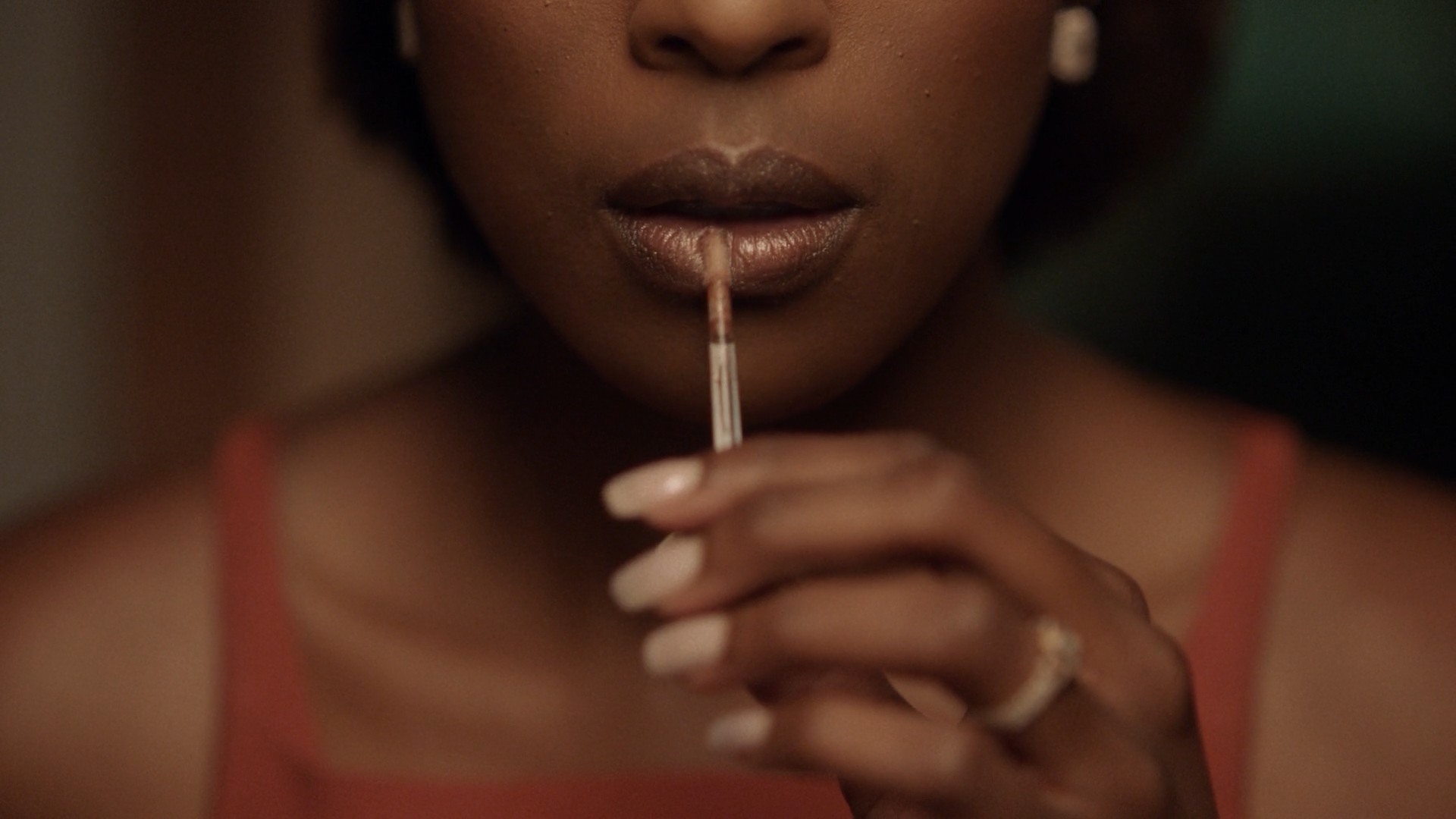
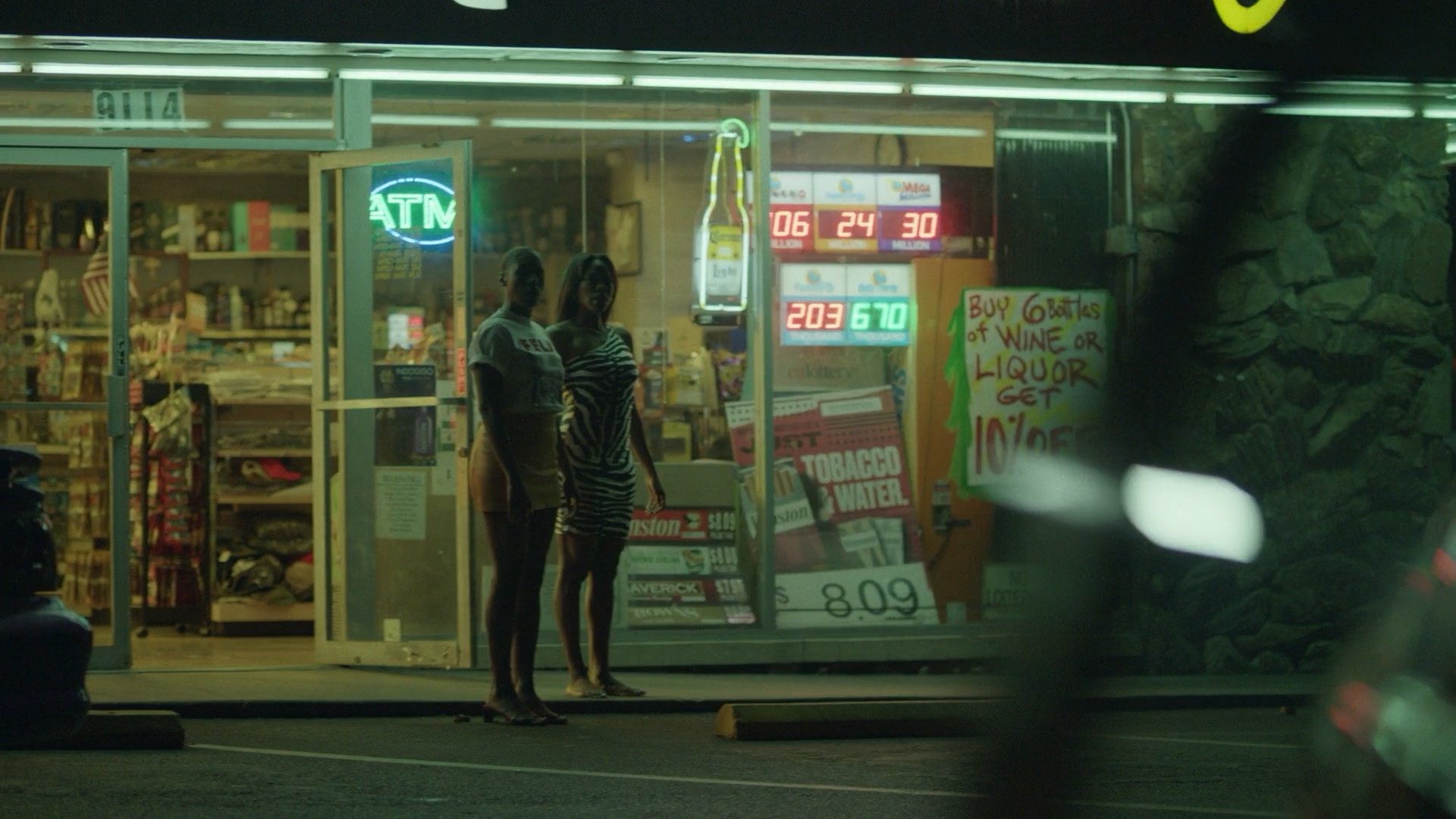
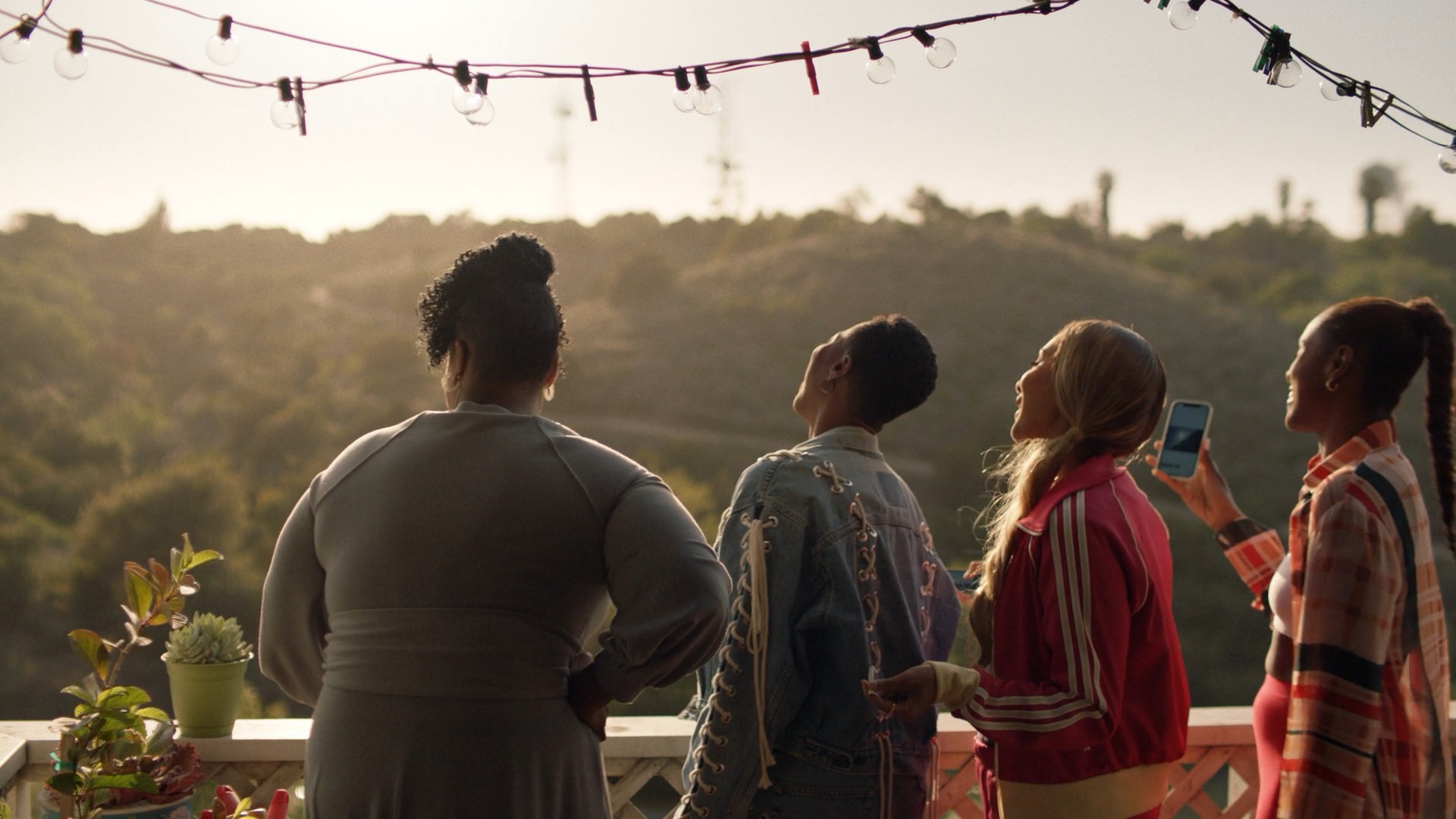
In the final season, Issa, Molly, Lawrence, and their friends confront major transitions in work, love, friendship, and adulthood as they move deeper into their thirties. Issa reevaluates her career ambitions and relationships while Molly works through personal growth and emotional vulnerability after years of instability in her personal life. The season unfolds as a reflective closing chapter about change, reconciliation, and the uncertainty of figuring out what kind of life—and relationships—truly bring fulfillment.
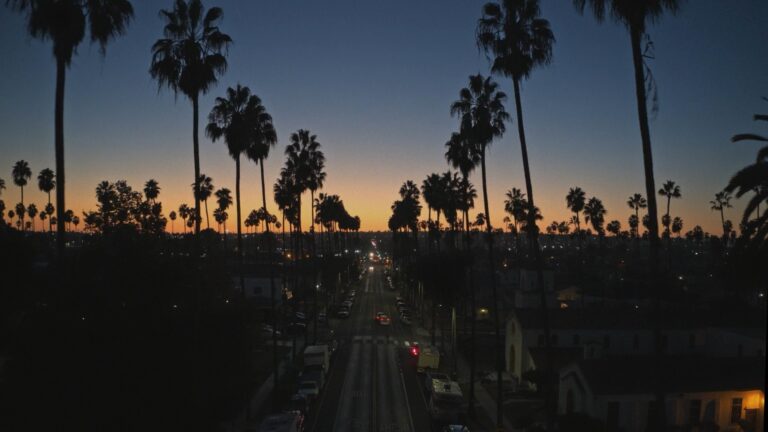
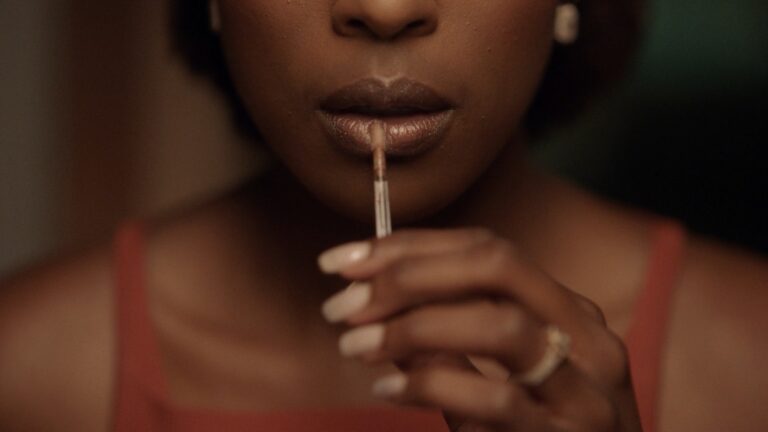
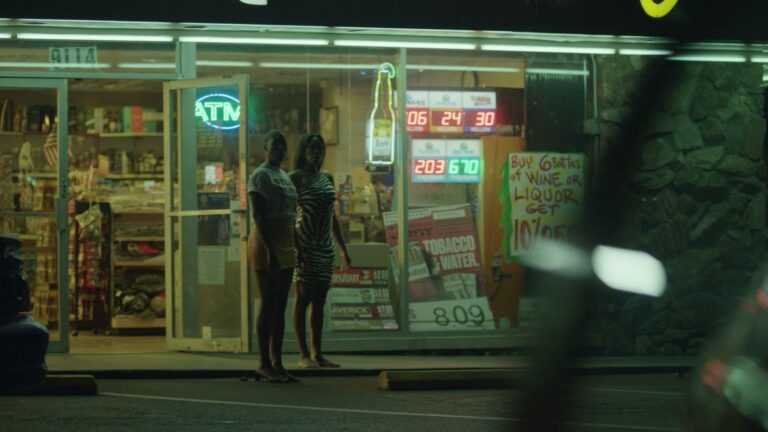
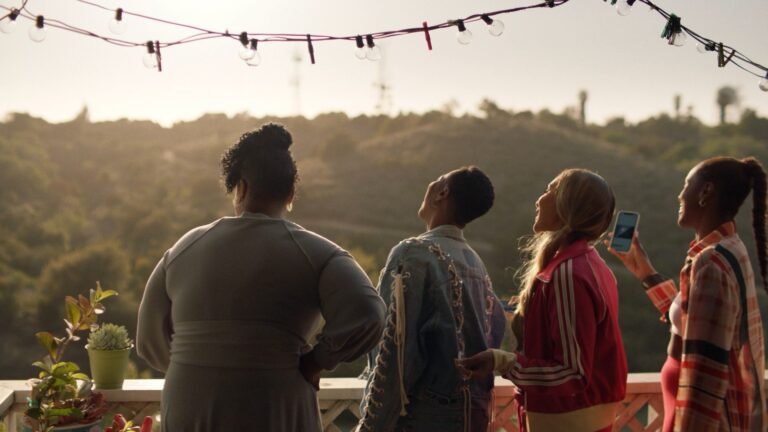
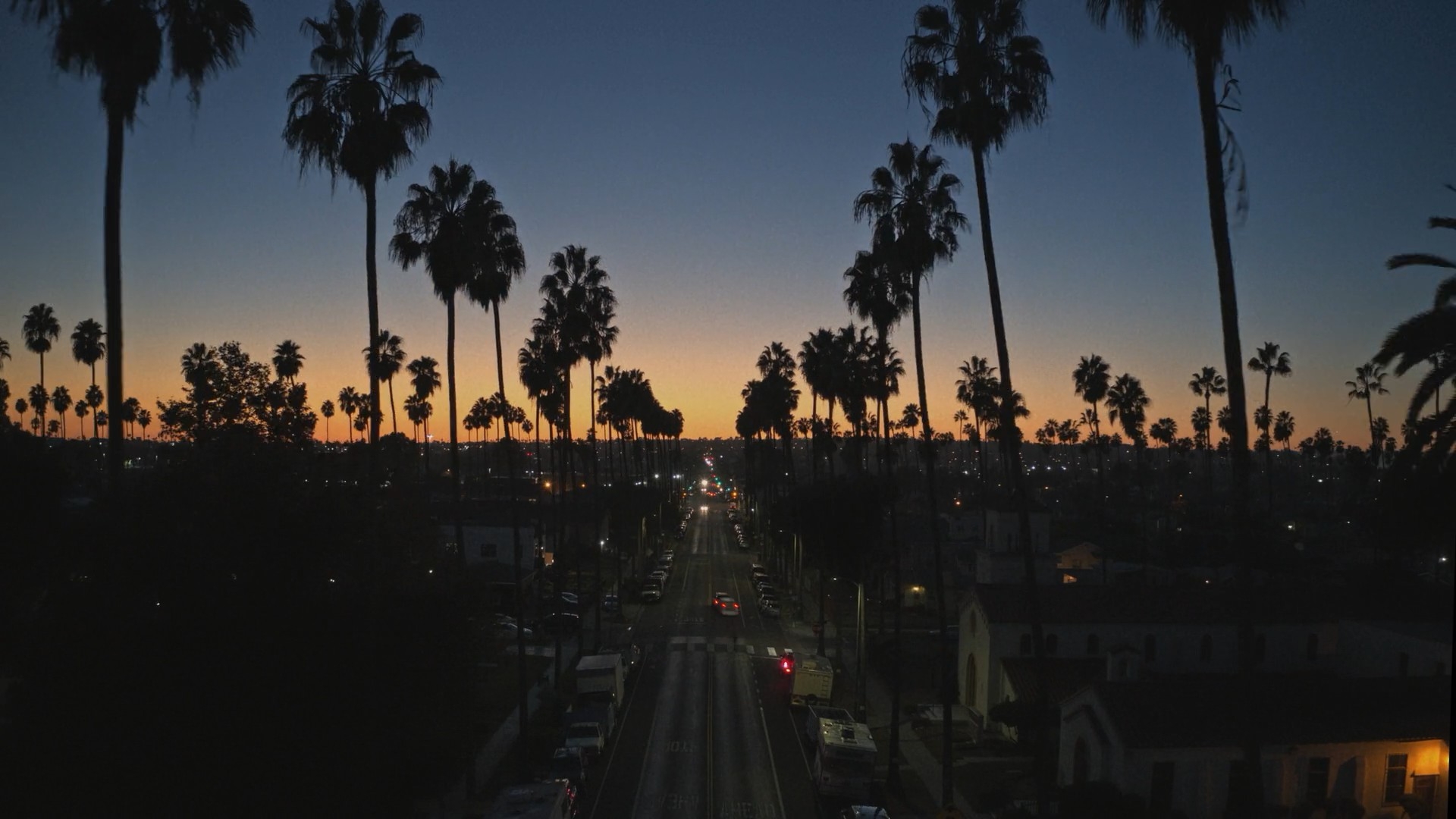
Season 5 maintains the series’ polished yet intimate visual style, with cinematographers like Ava Berkofsky and Patrick Cady using warm natural lighting, modern Los Angeles architecture, and carefully curated color palettes to ground the show in contemporary Black urban life. The series continues to frame conversations and social spaces with relaxed fluidity—favoring smooth tracking shots, soft close-ups, and atmospheric nighttime photography that emphasize emotional realism over heightened drama. Music, production design, and wardrobe remain central to the show’s visual identity, creating a lived-in sense of style where personal spaces, restaurants, apartments, and city streets become extensions of character and emotional state.





TELEVISION SERIES
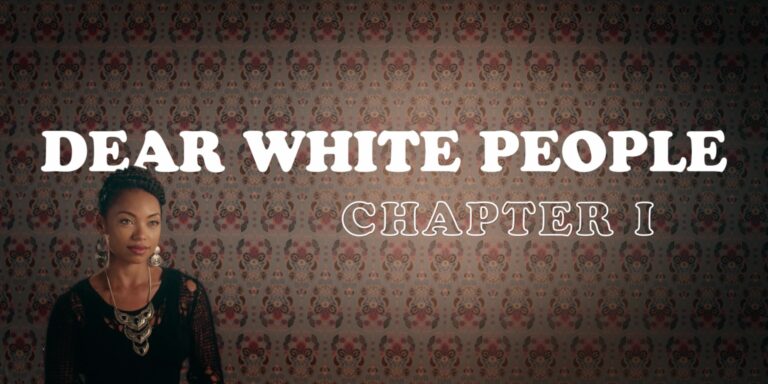
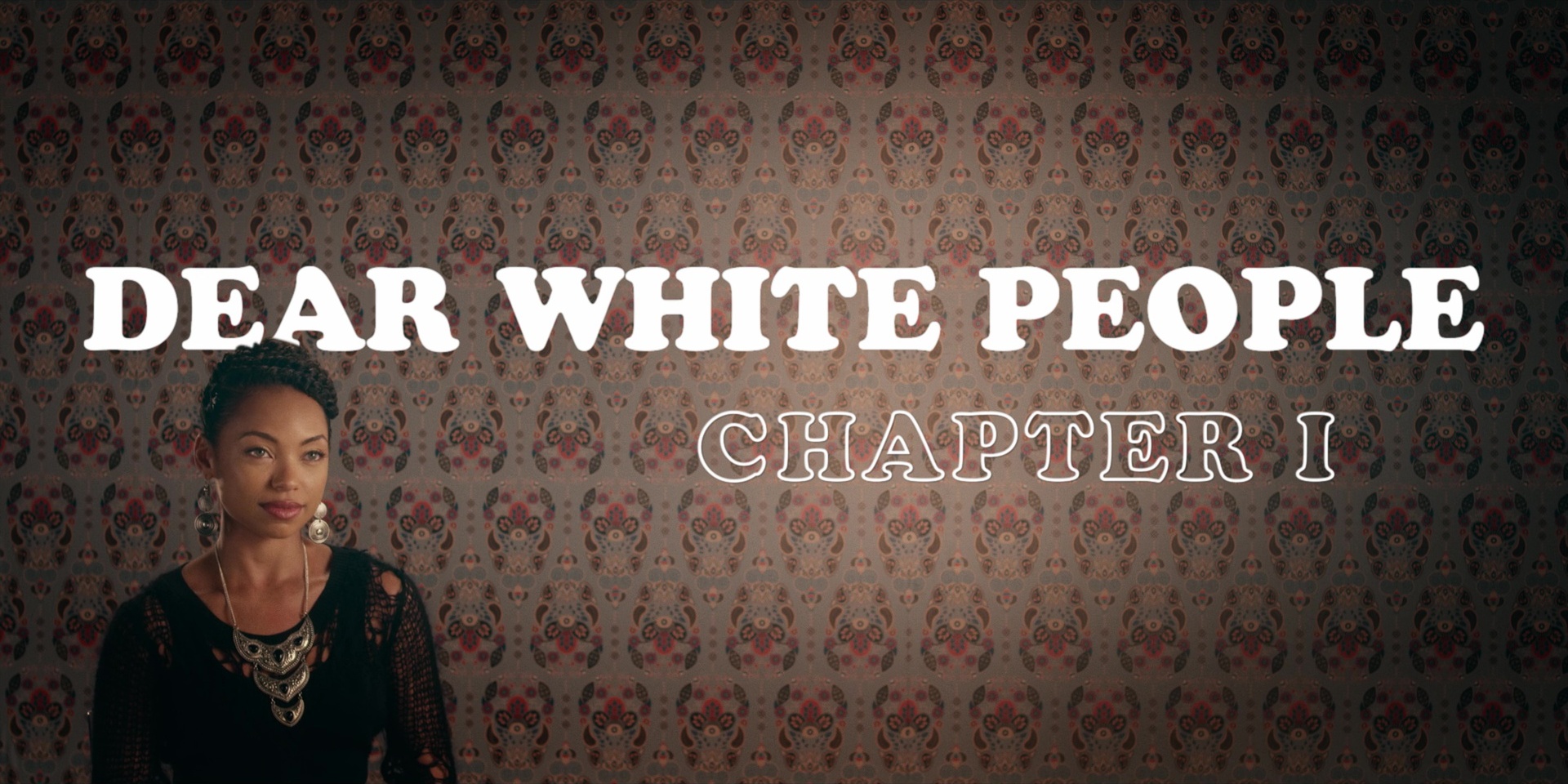
Dear White People: Season 1 (2017)
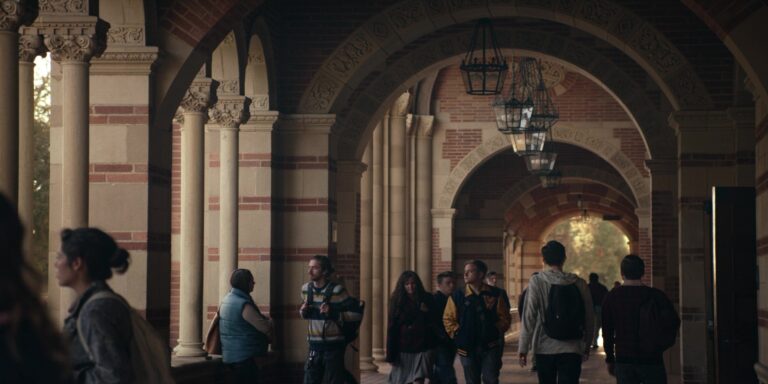
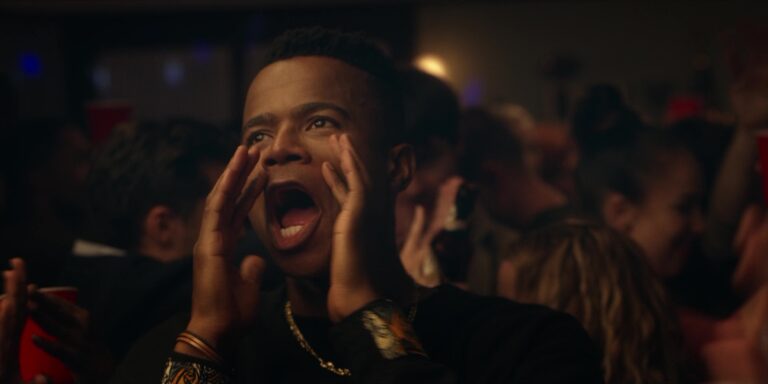
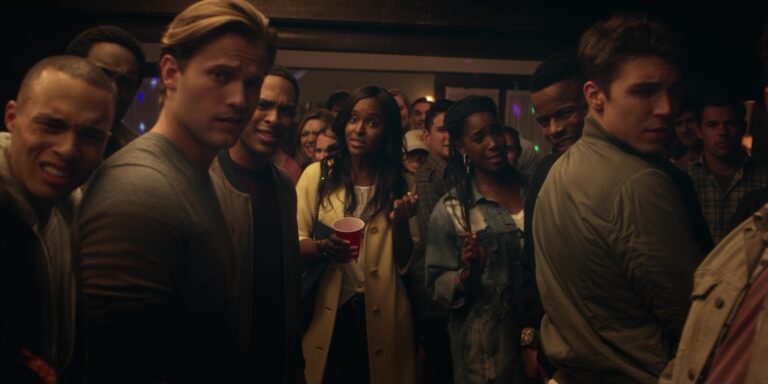
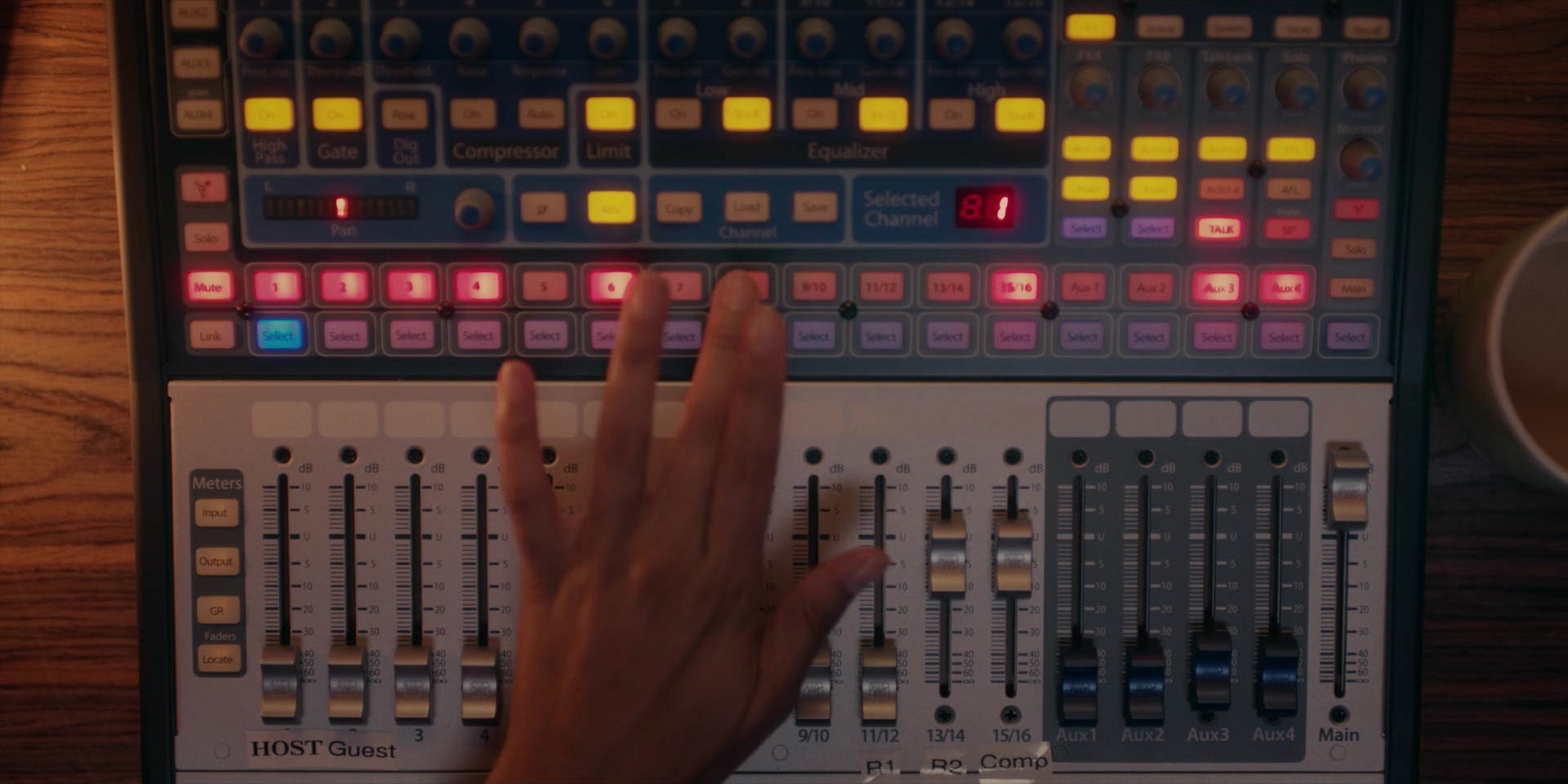
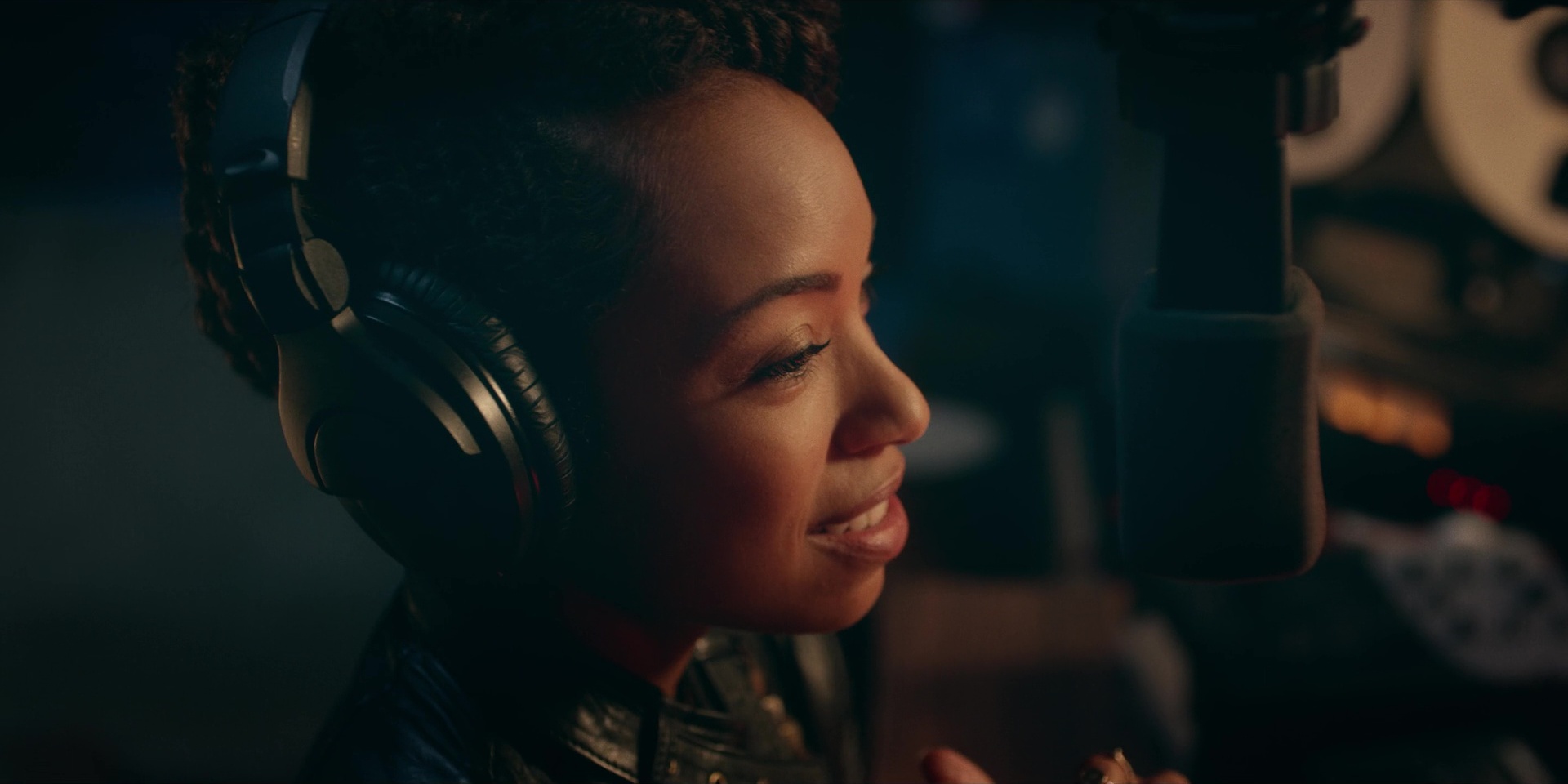
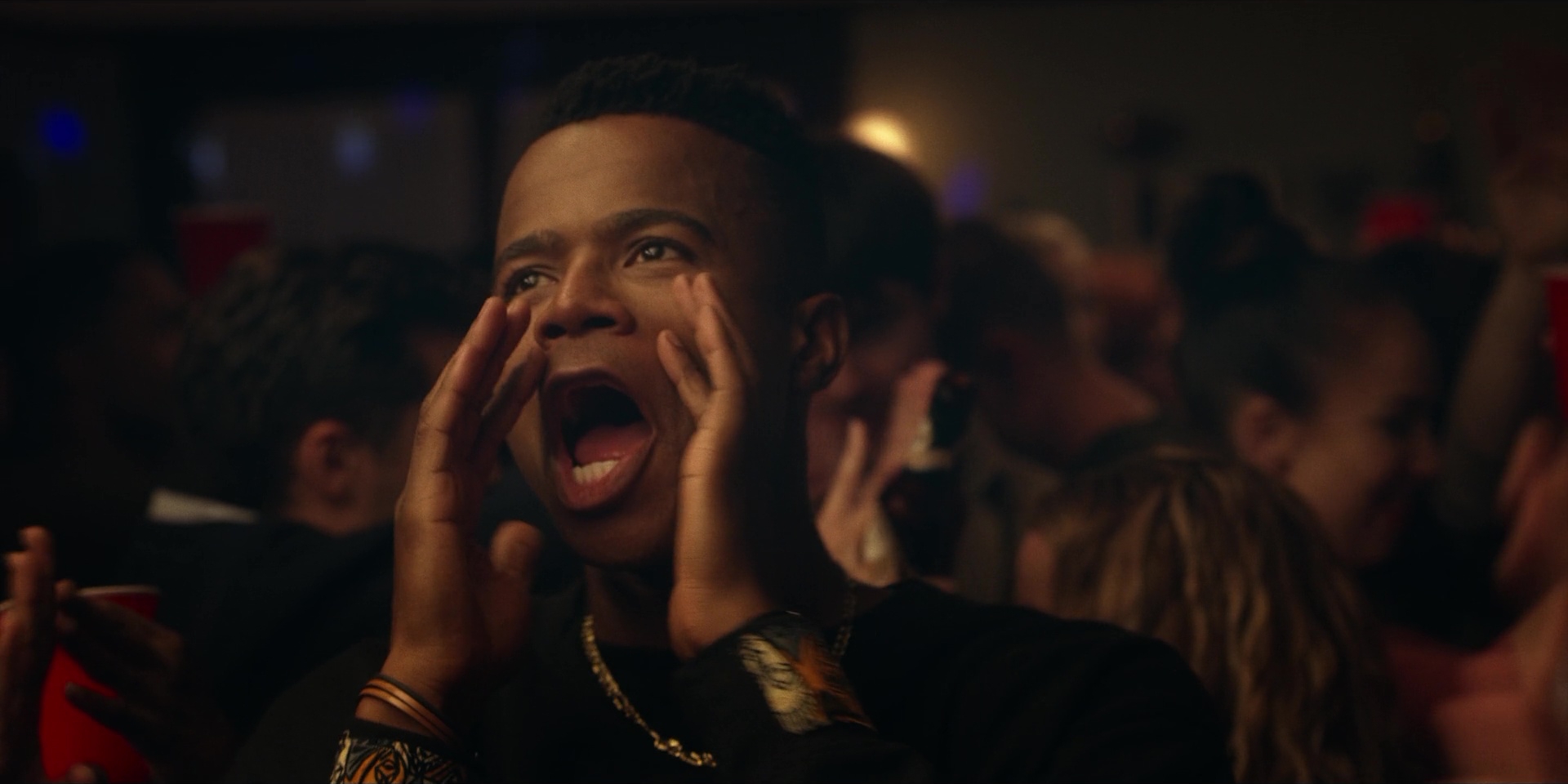
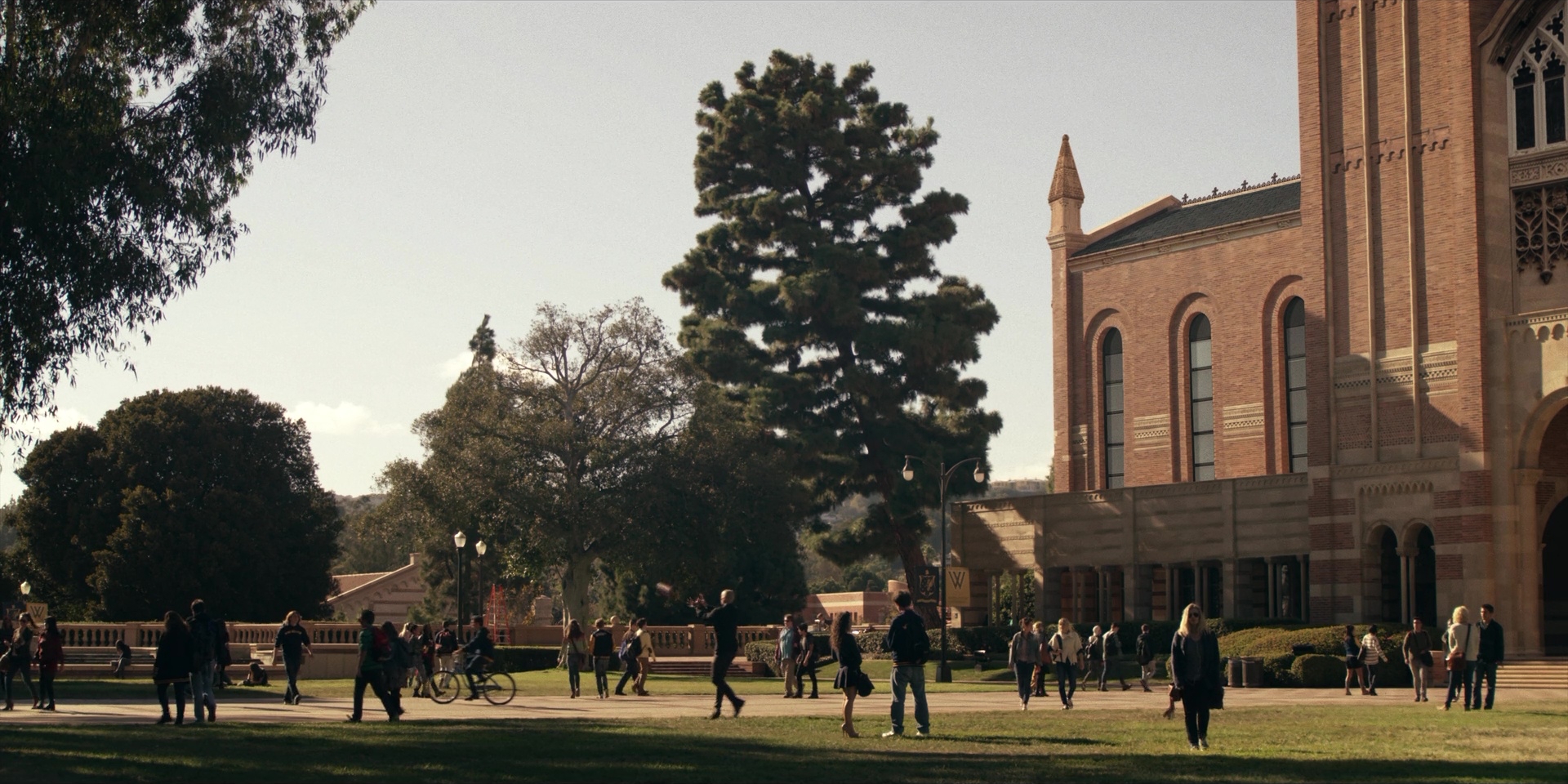
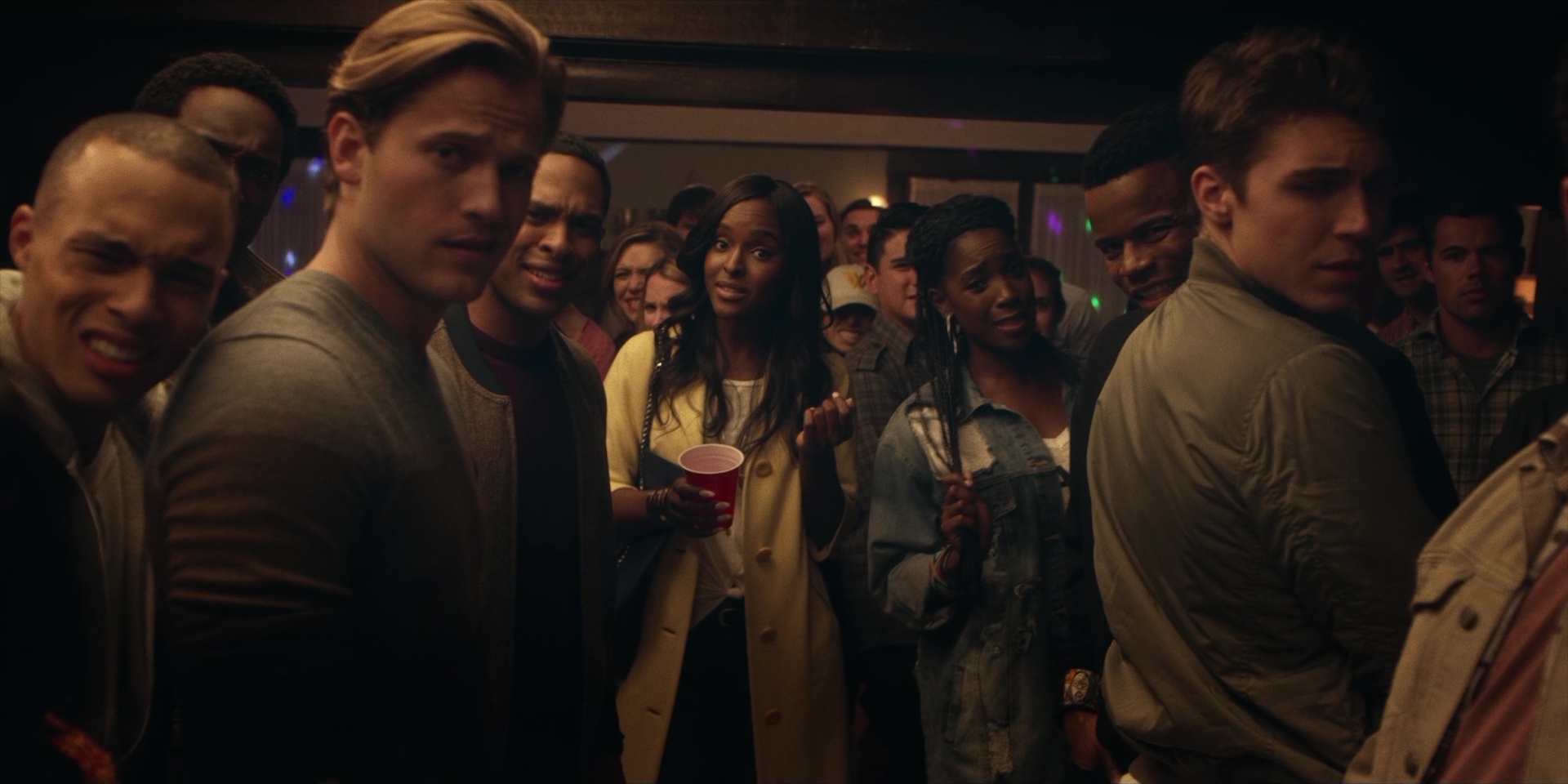
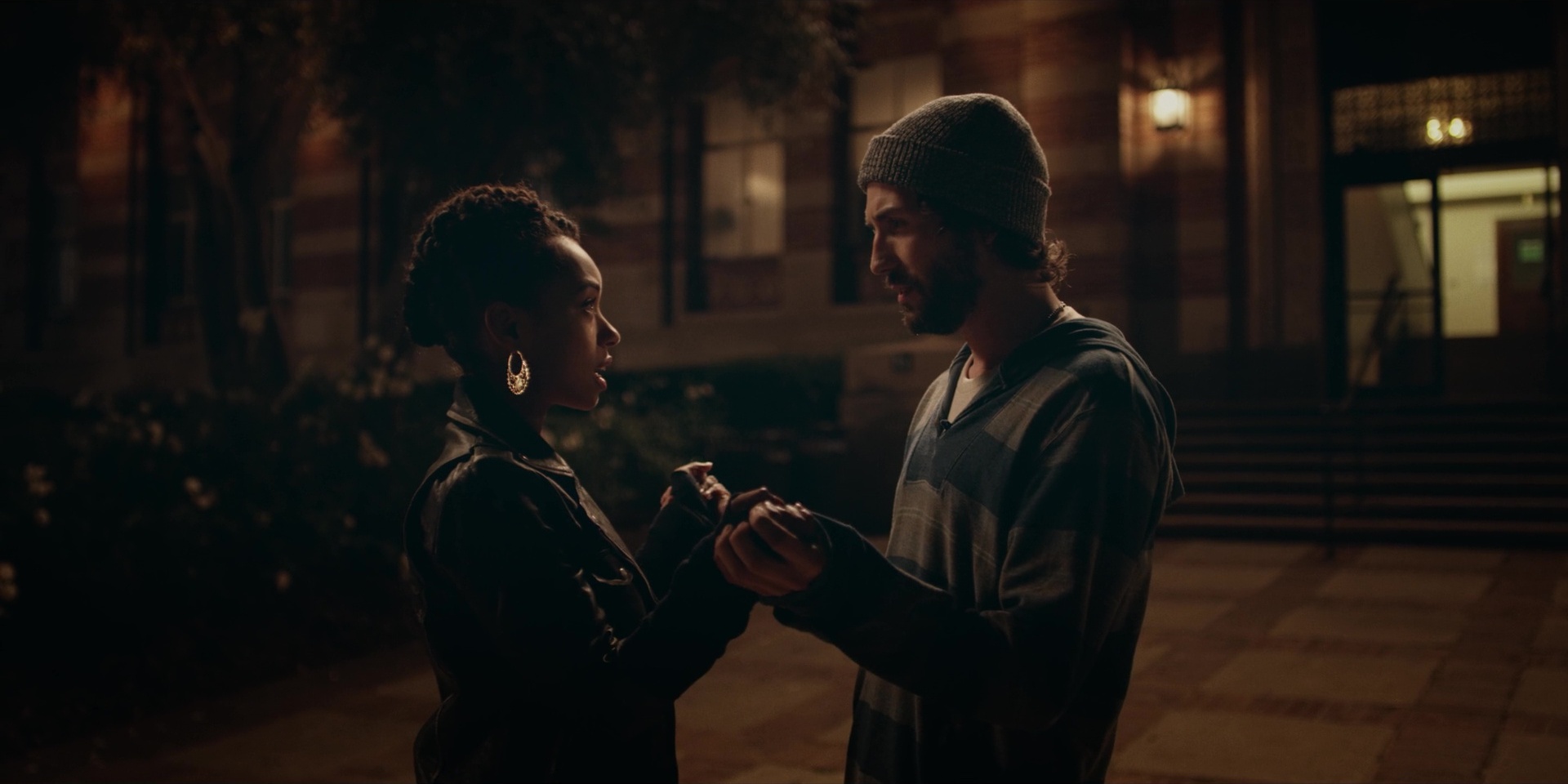
Set at the predominantly white Ivy League institution Winchester University, the series follows a group of Black students navigating racism, identity, activism, friendship, and social performance on campus. Through intersecting perspectives—including outspoken radio host Samantha White, ambitious student Lionel Higgins, and politically connected Troy Fairbanks—the season examines how race, class, sexuality, and institutional power shape everyday life. Tensions escalate after a racially offensive campus party ignites broader conflicts around representation, protest, and belonging.
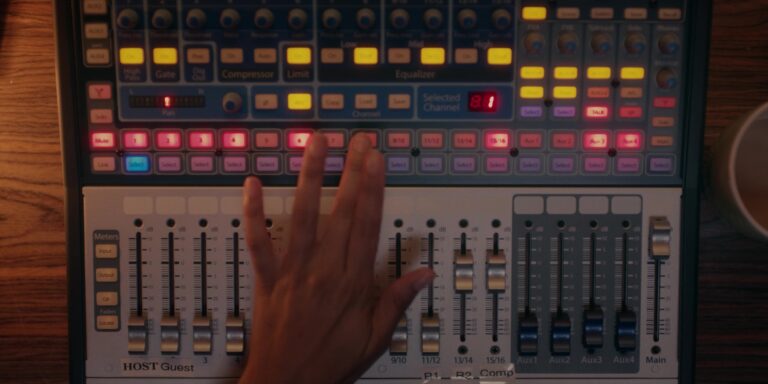
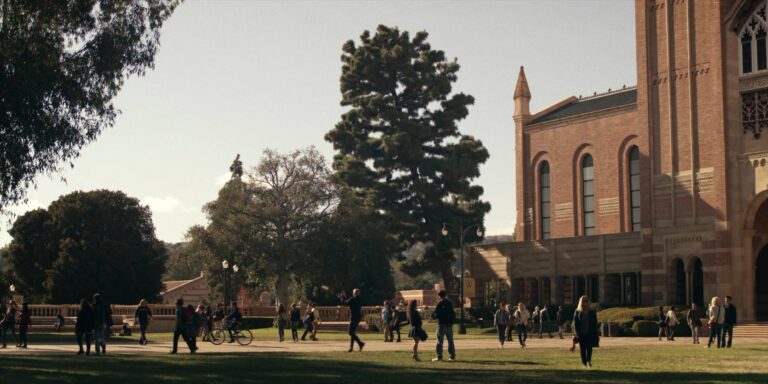
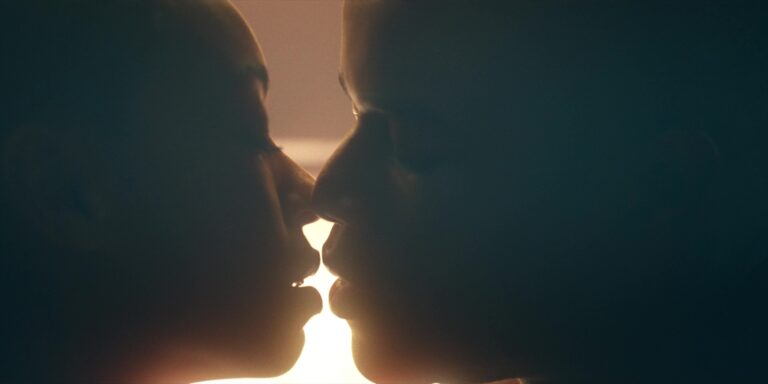
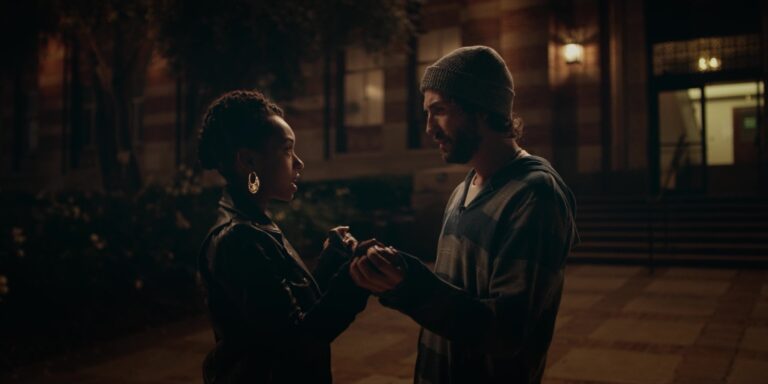
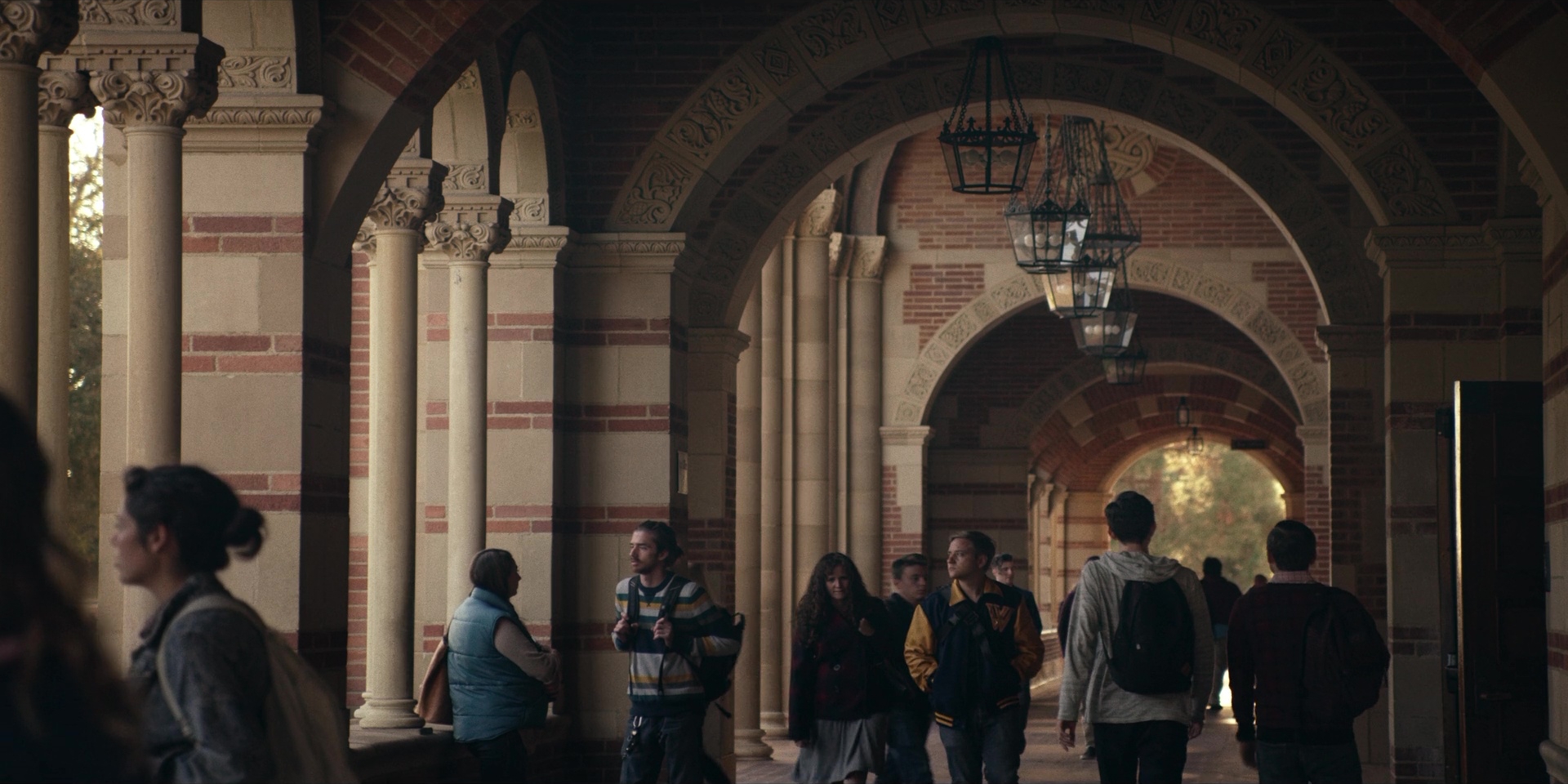
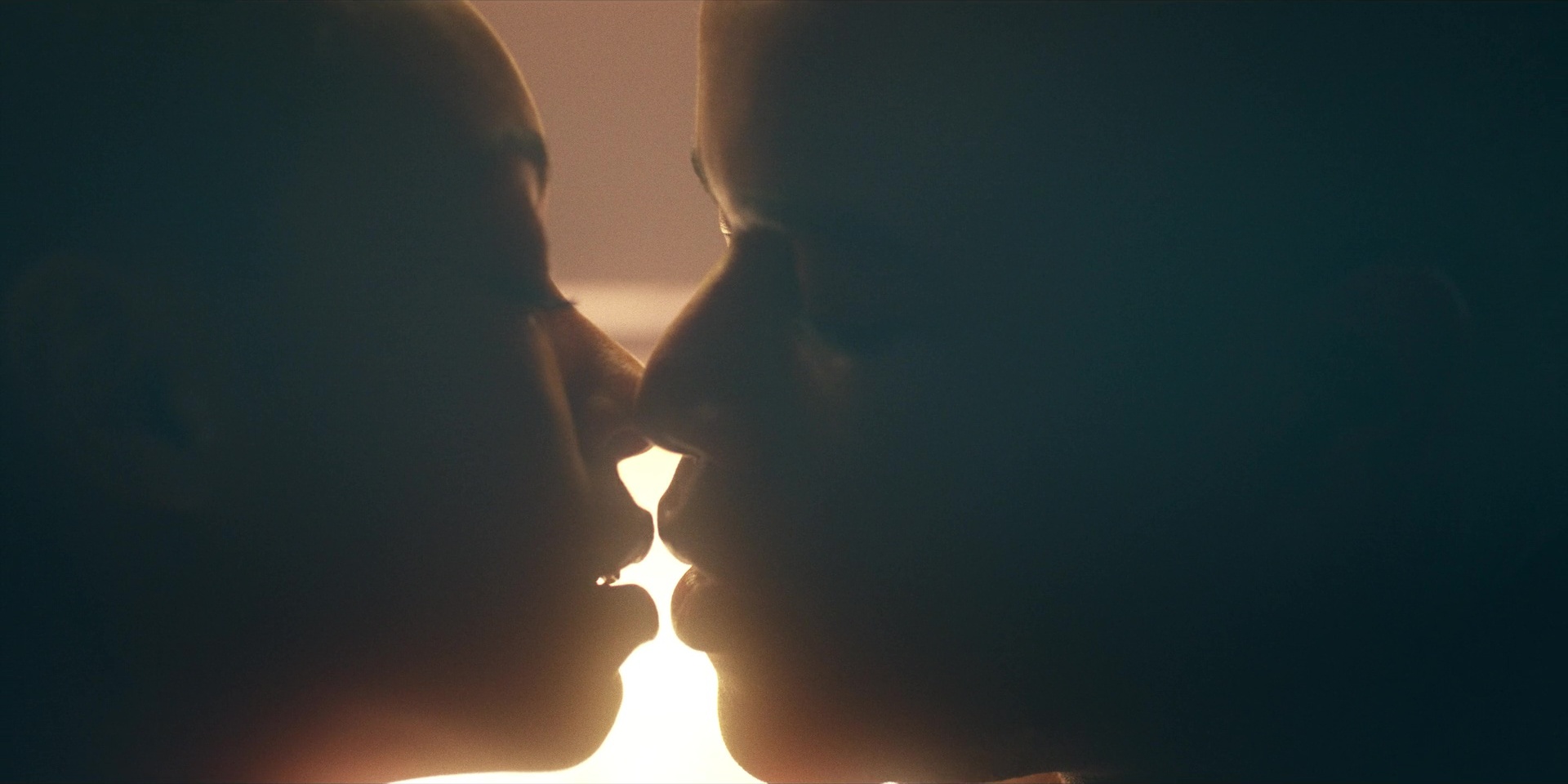
Simien and cinematographers such as Topher Osborn craft the series with a sleek, contemporary visual style that blends collegiate prestige aesthetics with sharp satirical framing. Rich autumnal campus imagery, symmetrical compositions, and carefully curated costume palettes emphasize the performative nature of identity within elite academic spaces. The series frequently uses direct address, stylized montage, split perspectives, and media-within-media devices (radio broadcasts, social media, student film language) to foreground how public image and self-presentation shape the characters’ lives. The polished visual surface contrasts intentionally with the emotional and ideological tensions simmering beneath Winchester’s carefully maintained institutional image.

TELEVISION SERIES
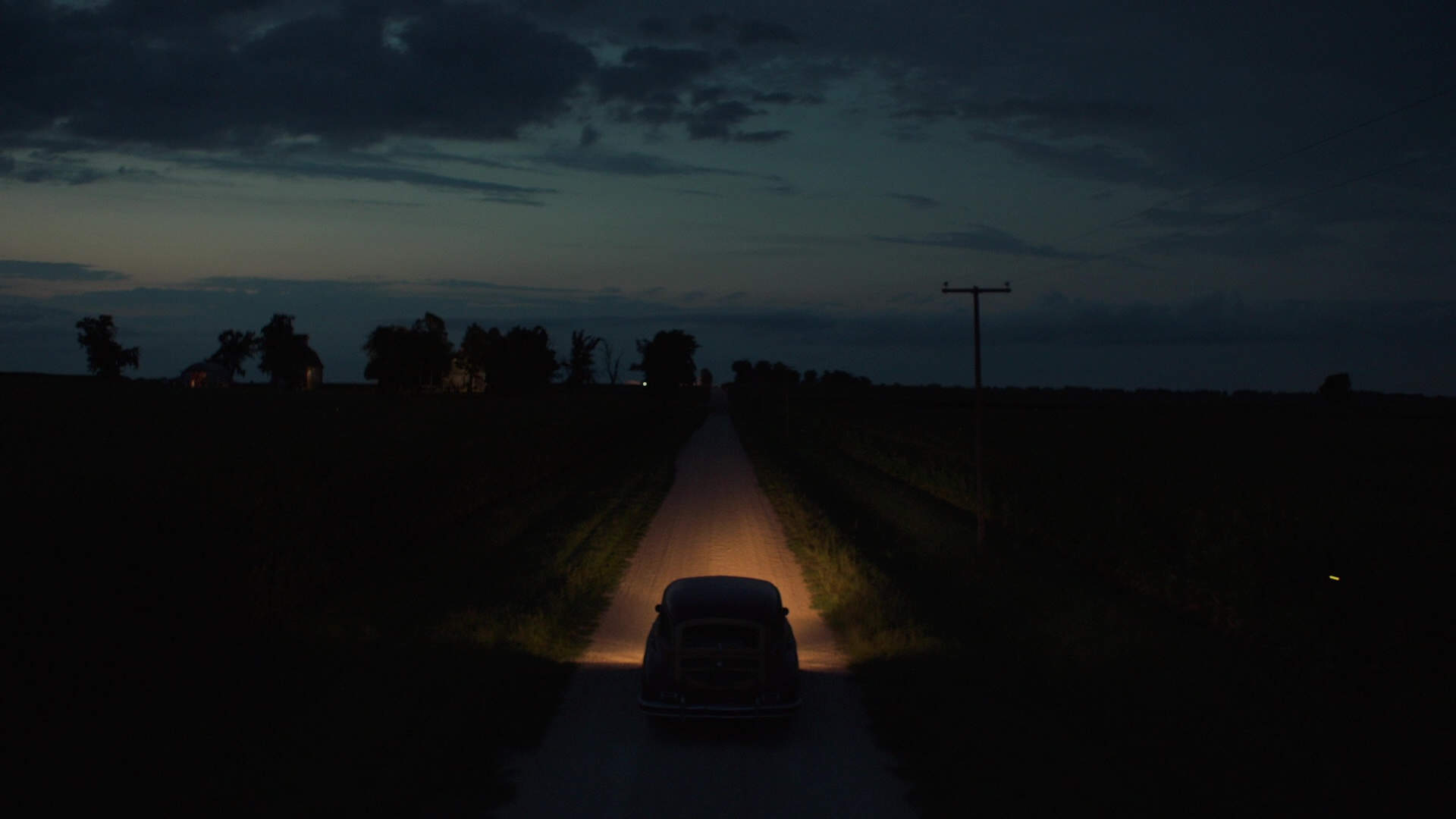
Lovecraft Country: Season 1 (2020)
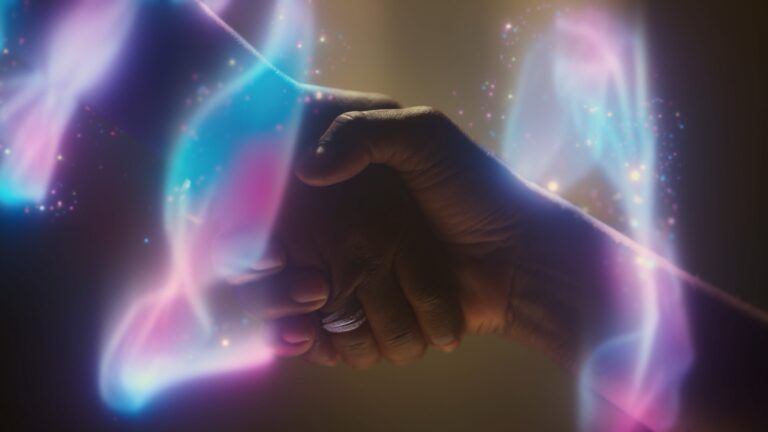
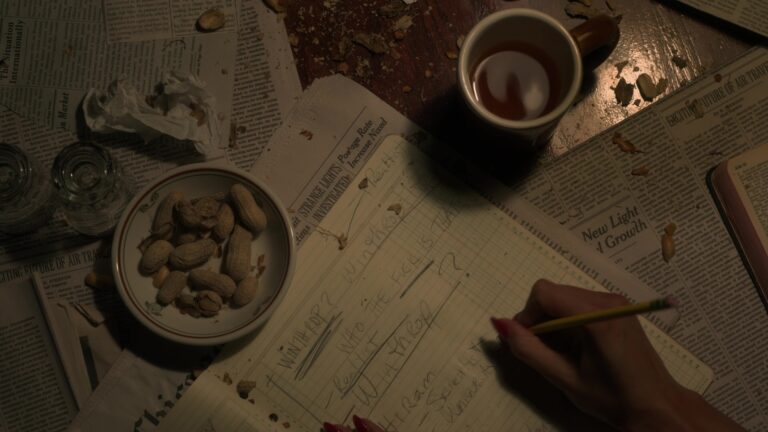
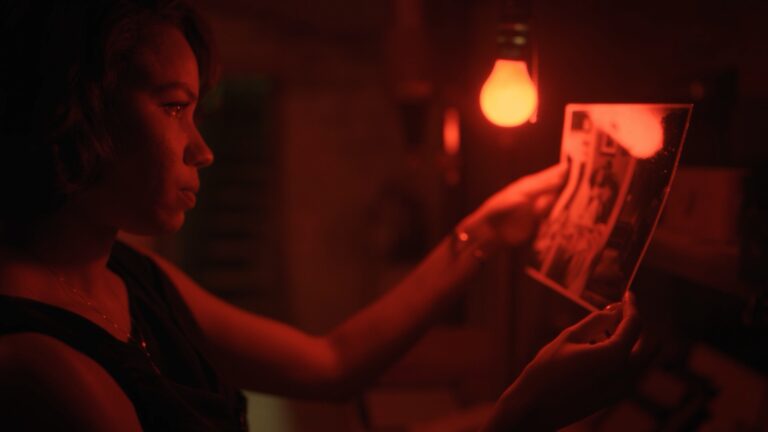
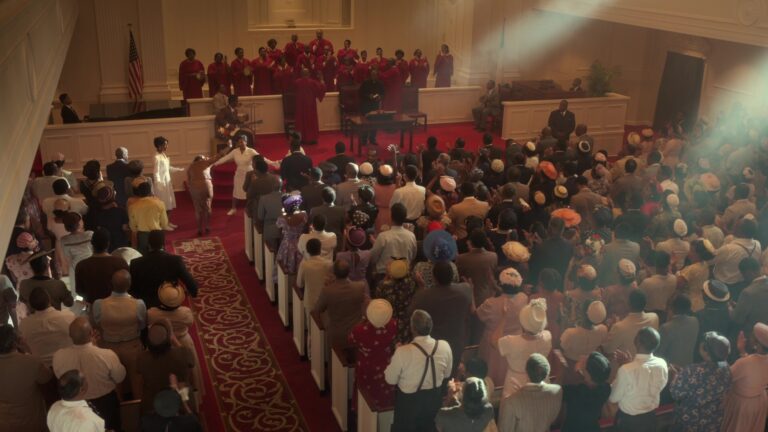
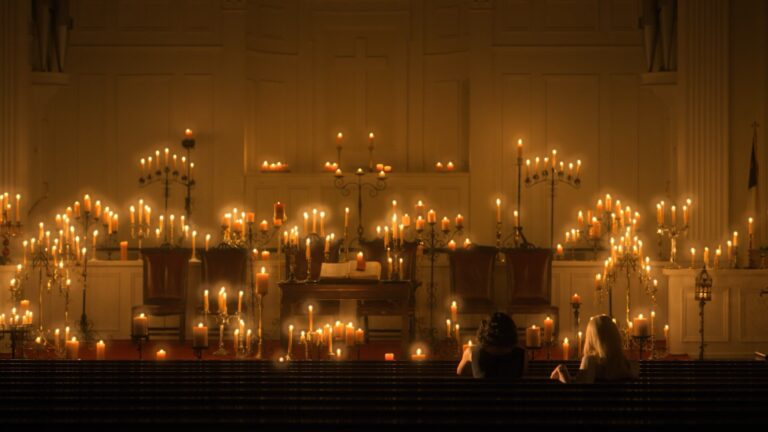
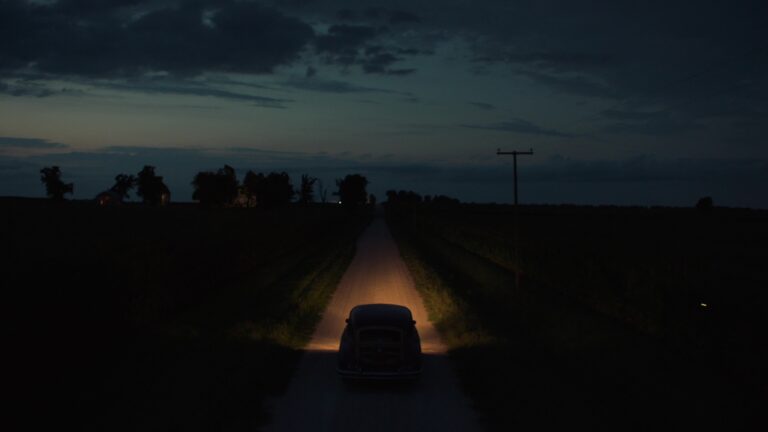
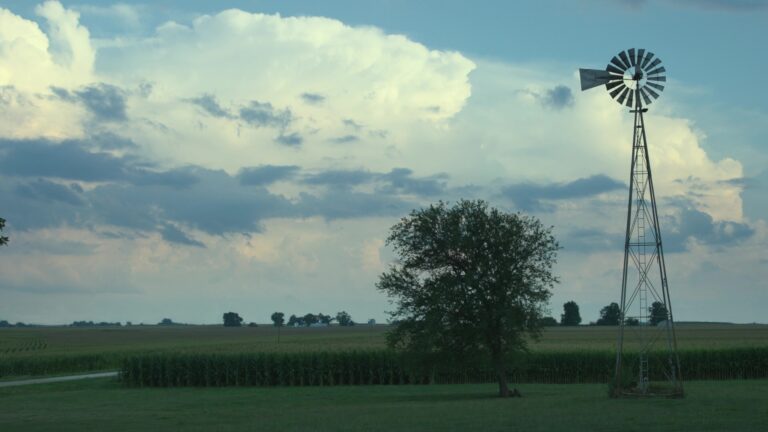
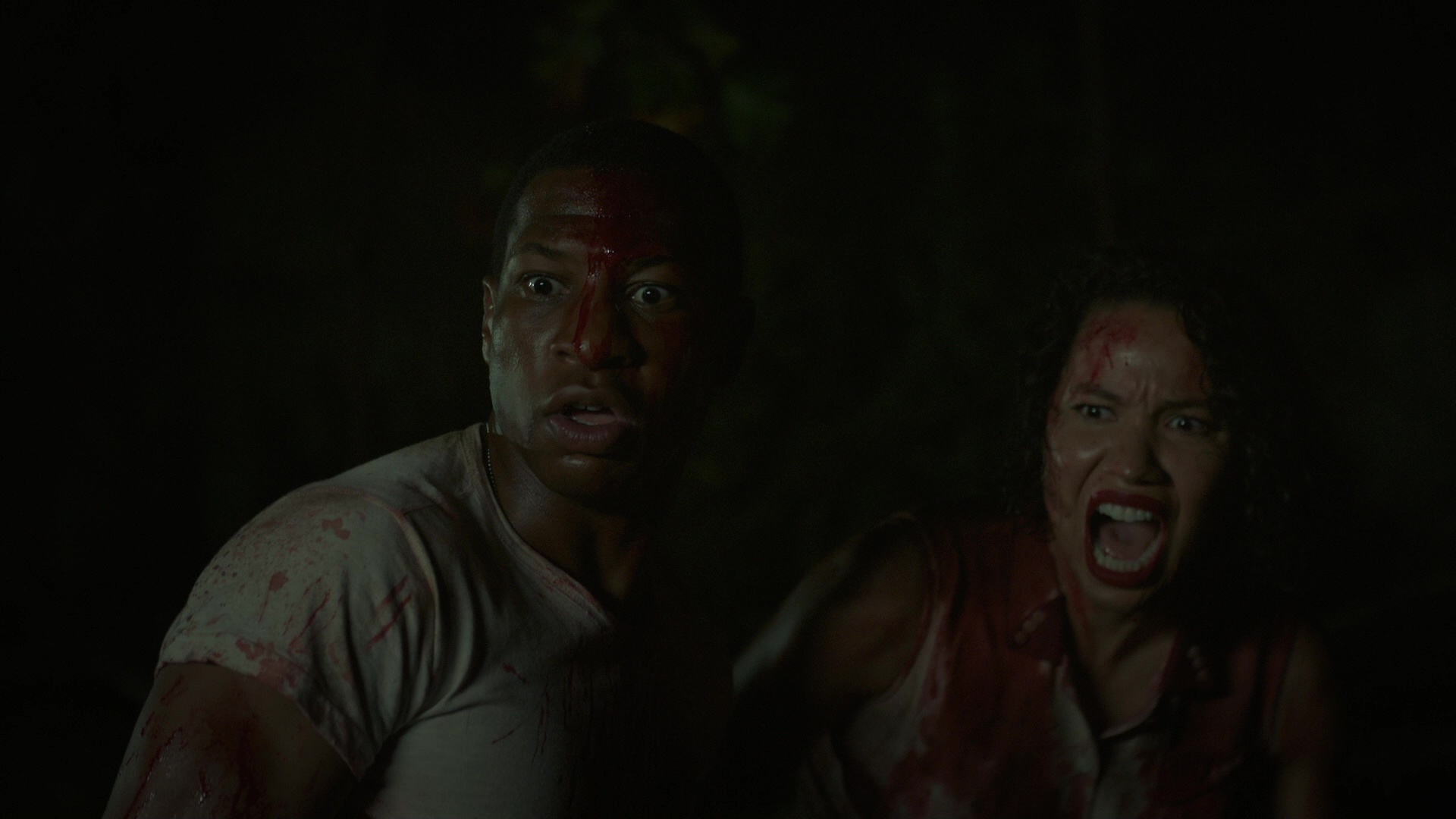
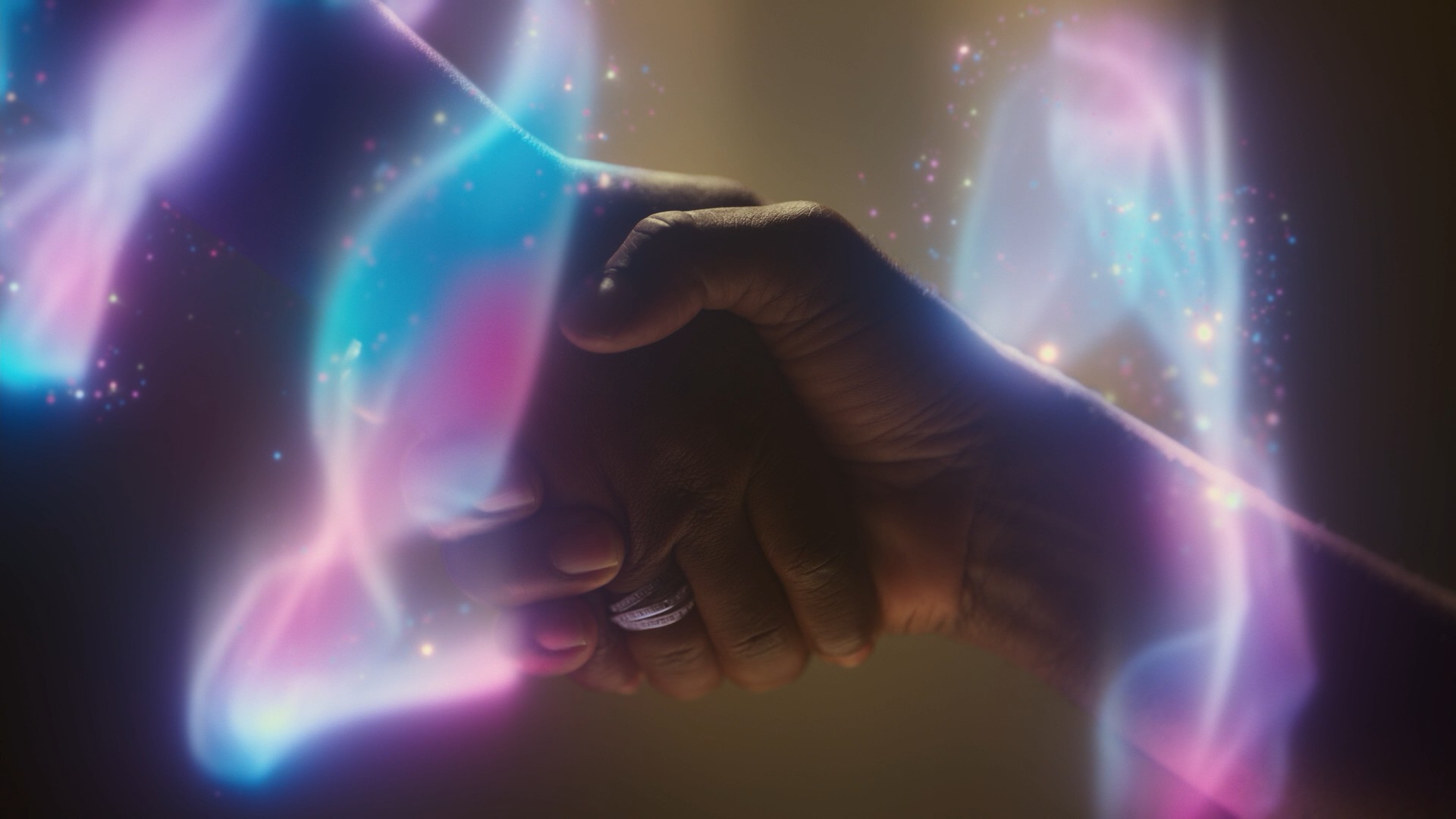
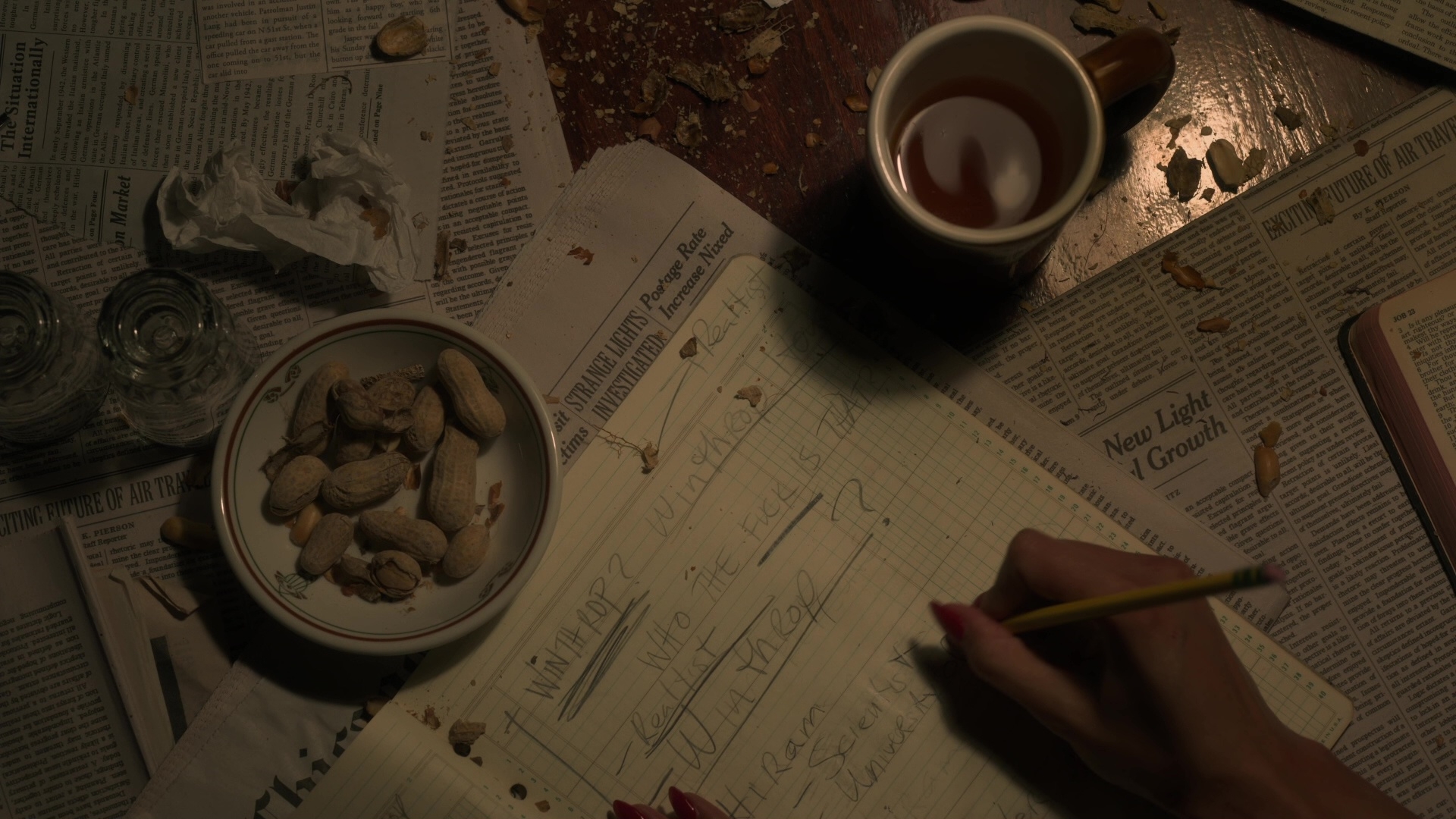
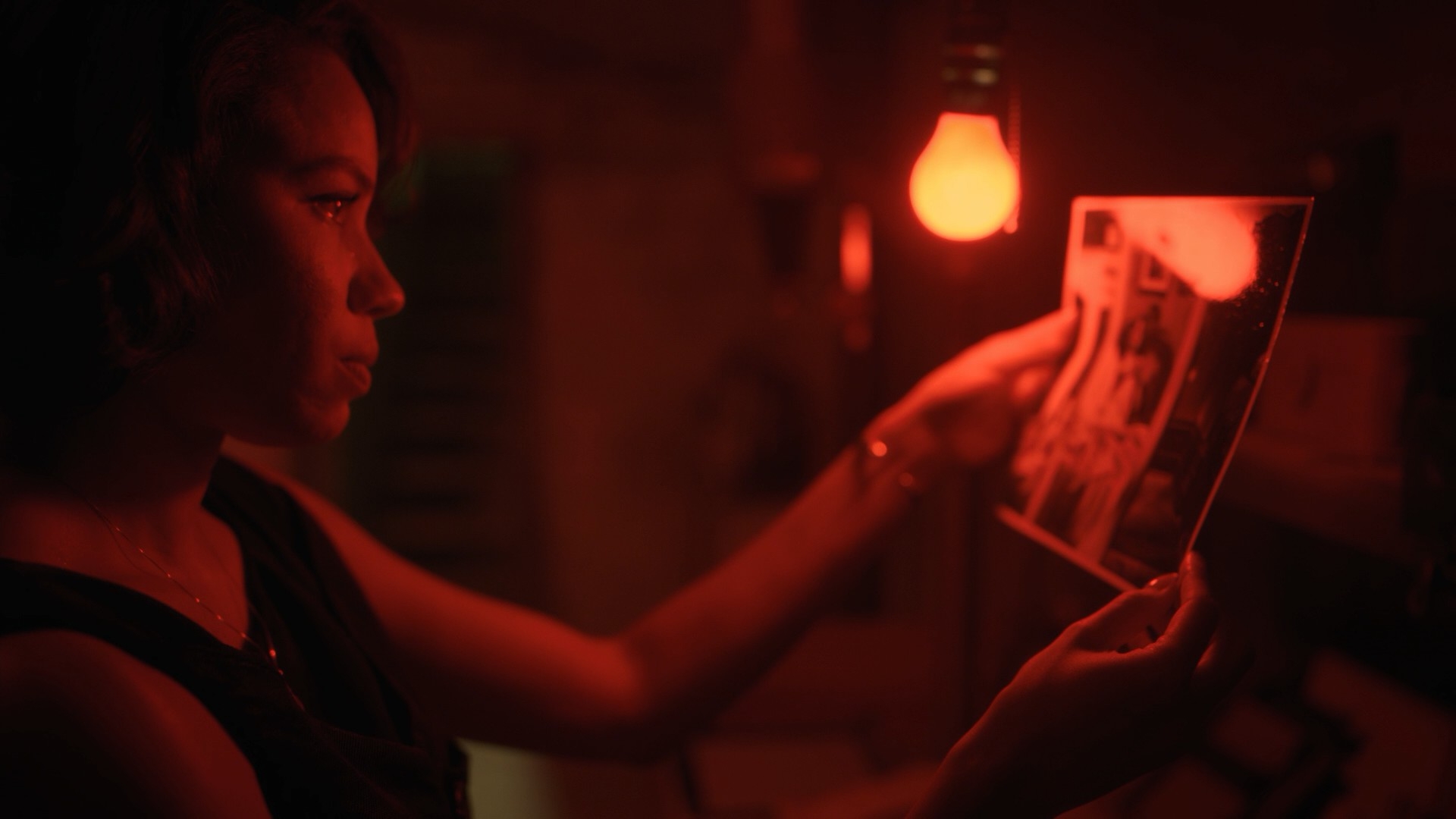
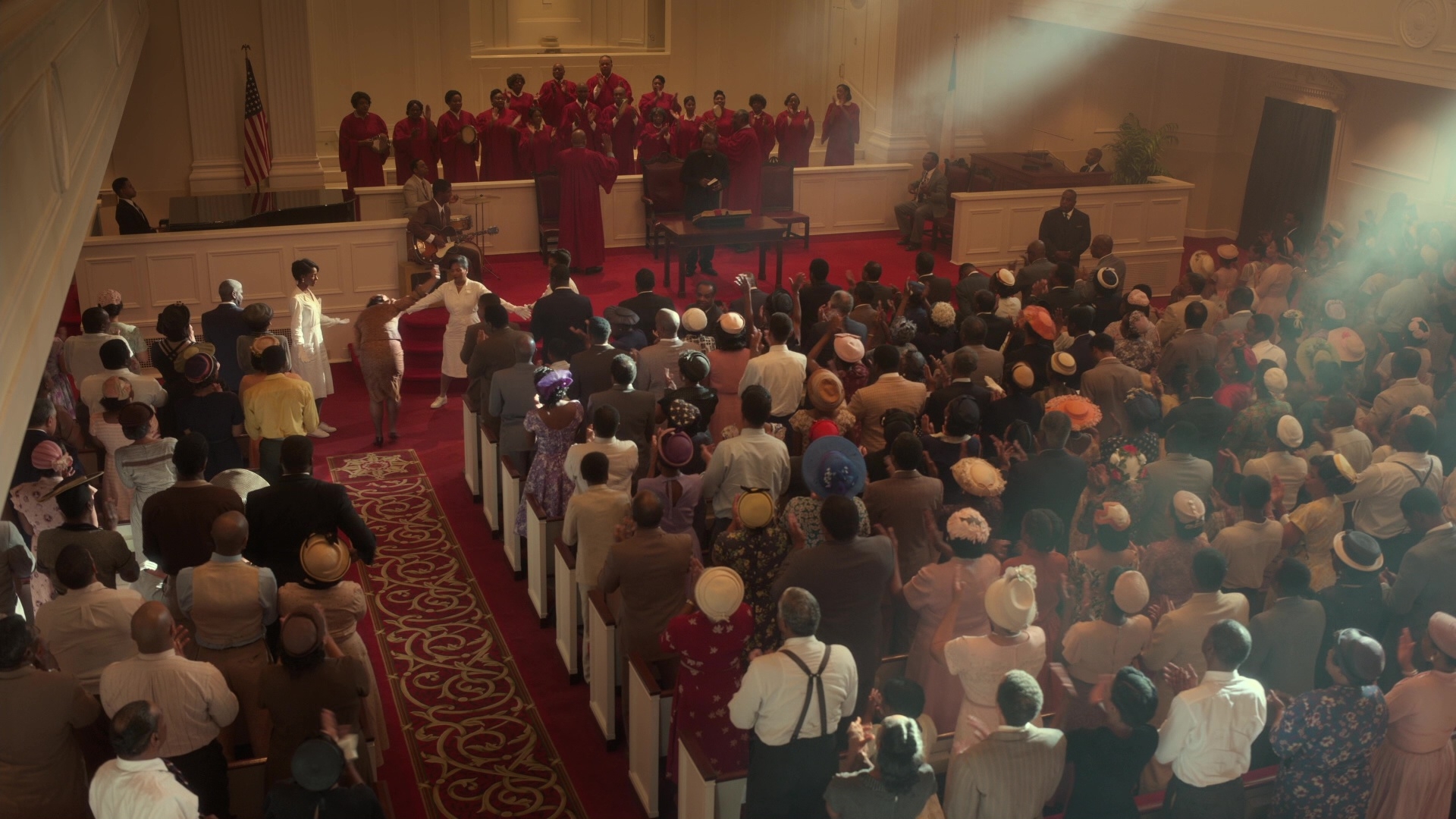
Set in 1950s Jim Crow America, the series follows Atticus Freeman as he travels across the country with his friend Letitia and his uncle George in search of his missing father. Their journey exposes them not only to racist violence and segregation, but also to supernatural horrors tied to secret occult societies and cosmic mythology. Blending historical trauma with pulp horror and fantasy, the season explores how systemic racism itself can be as terrifying as the monsters lurking beneath the surface.
Season 1 combines period Americana with shifting genre aesthetics—moving fluidly between gothic horror, science fiction, body horror, adventure serials, and fantasy spectacle. Cinematographers Michael Watson and Tat Radcliffe use richly saturated color palettes, dramatic low-key lighting, and elaborate practical effects to create a heightened world where historical realism and supernatural imagery coexist seamlessly. The series frequently contrasts idyllic mid-century imagery—bright diners, suburban neighborhoods, road-trip landscapes—with grotesque violence and cosmic surrealism, visually reinforcing the tension between fantasy escapism and the brutal realities of Black life in segregated America. Production design, creature effects, and stylized transitions give each episode its own distinct visual identity while maintaining a cohesive atmosphere of dread, wonder, and historical unease.