New Shots: Atlanta Season 3, Guava Island, & 5+ more Movie Screenshots
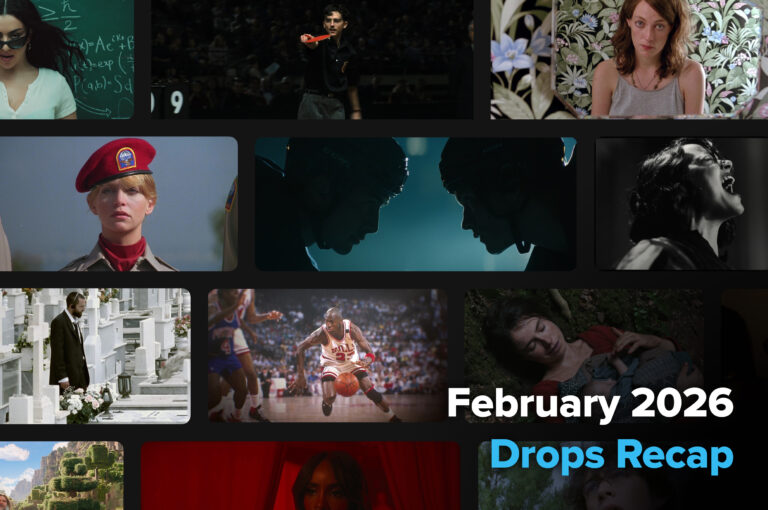
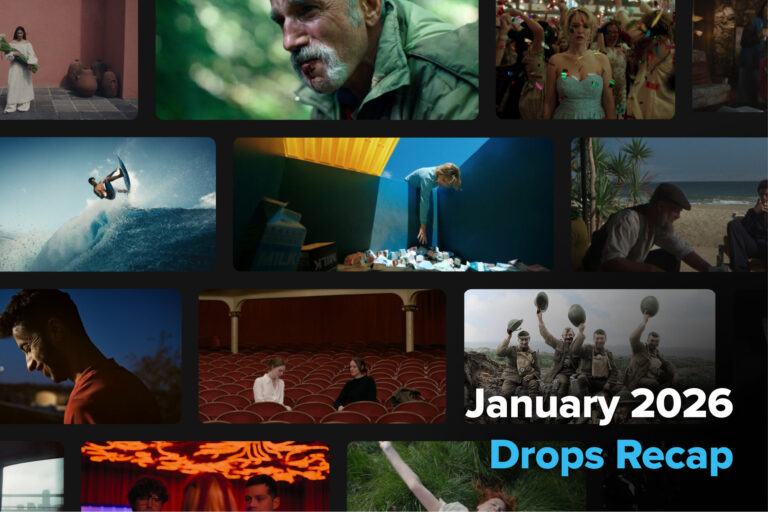
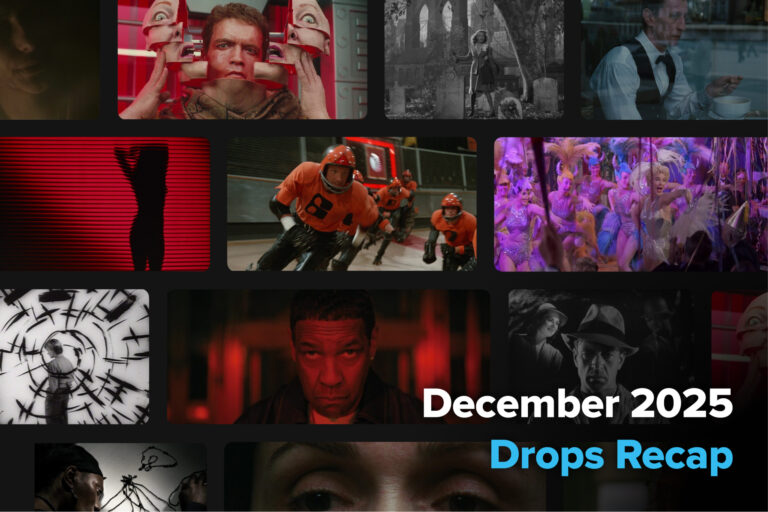
Get your Decks ready ShotDeck Team! We’re adding the complete third season of Atlanta, as well as Guava Island, Boyhood, The Ballad of Buster Scruggs, and more. Check them out below, and remember you can always request films for future drops by clicking here!
TELEVISION SERIES
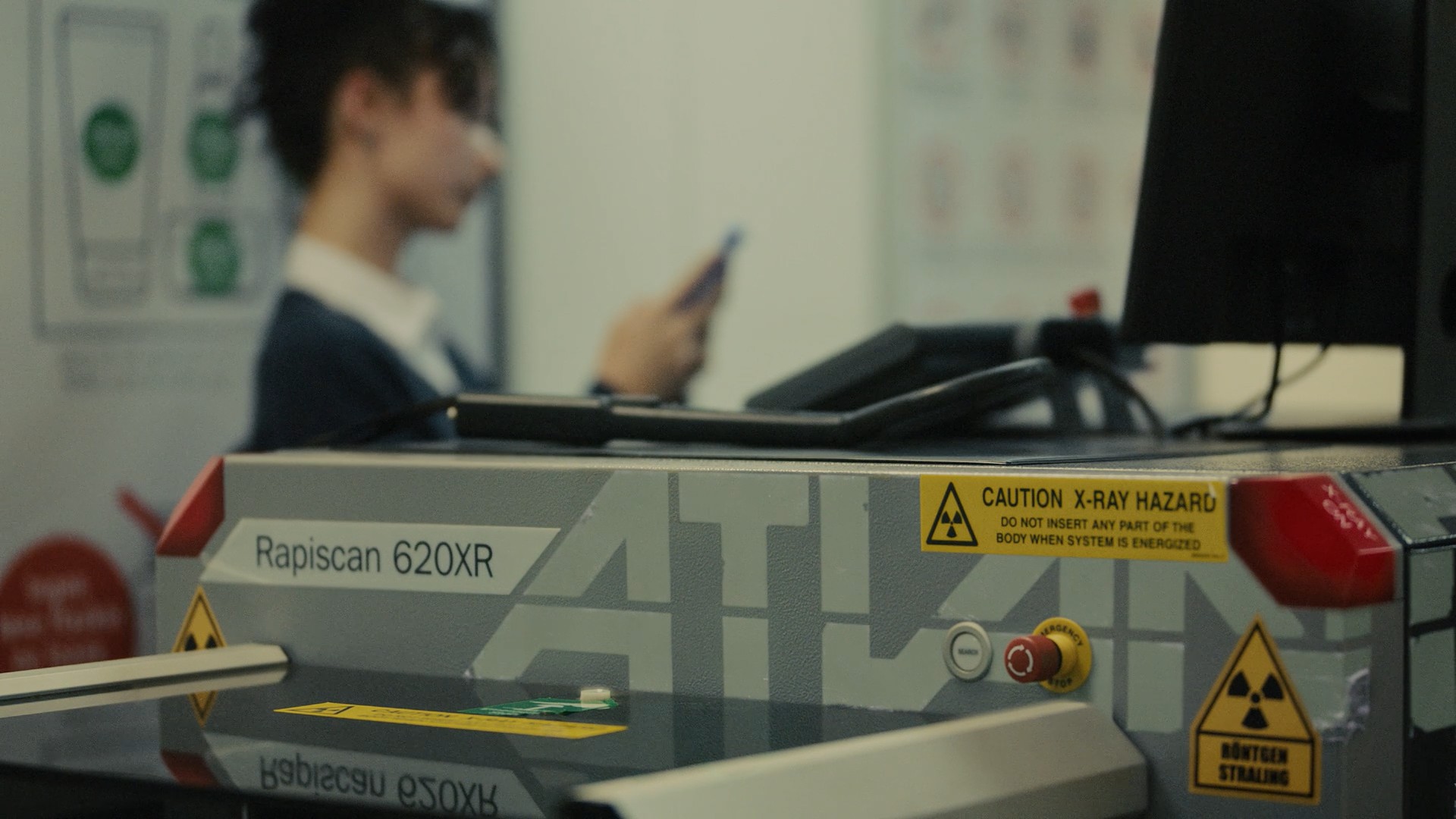
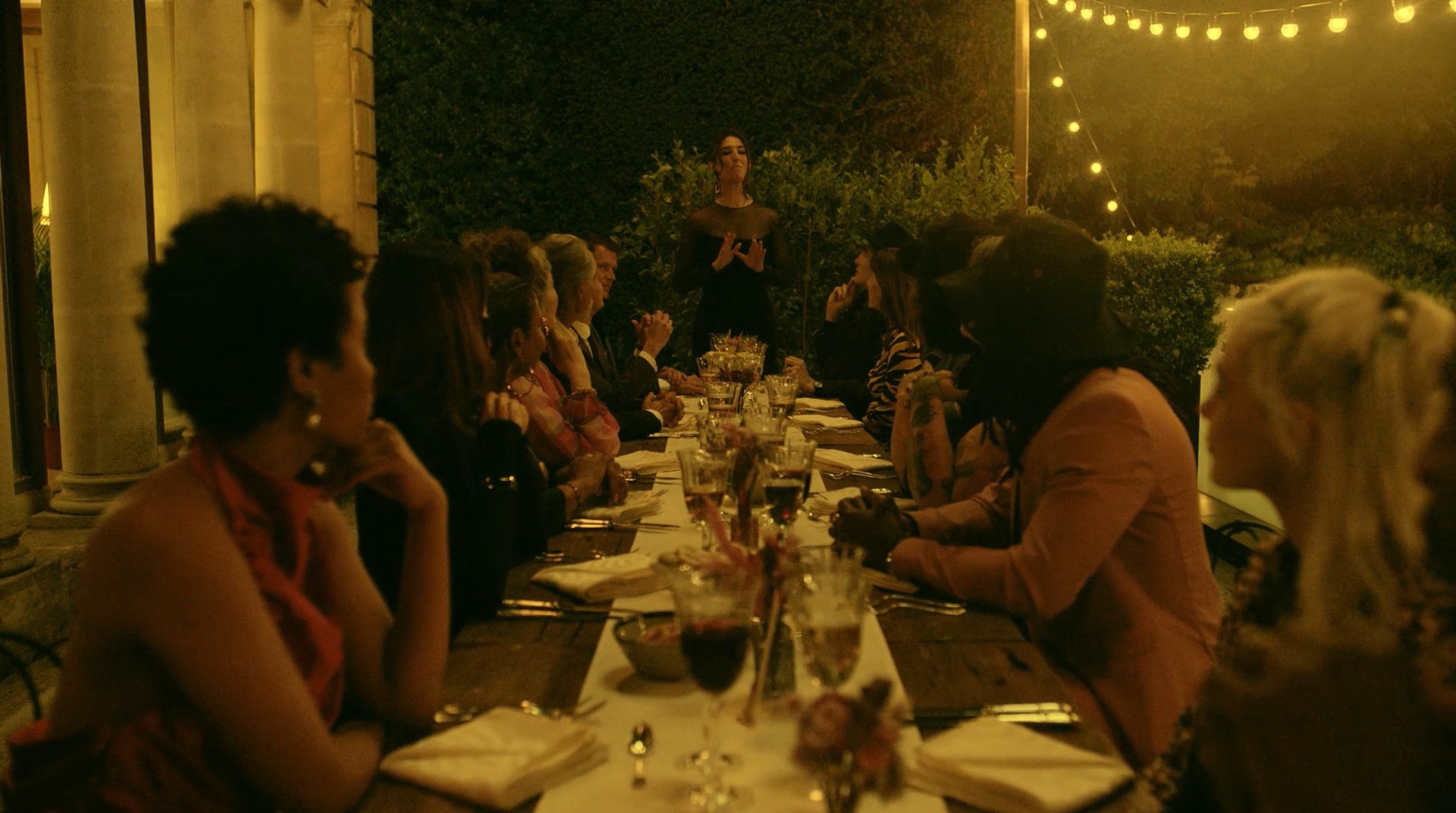
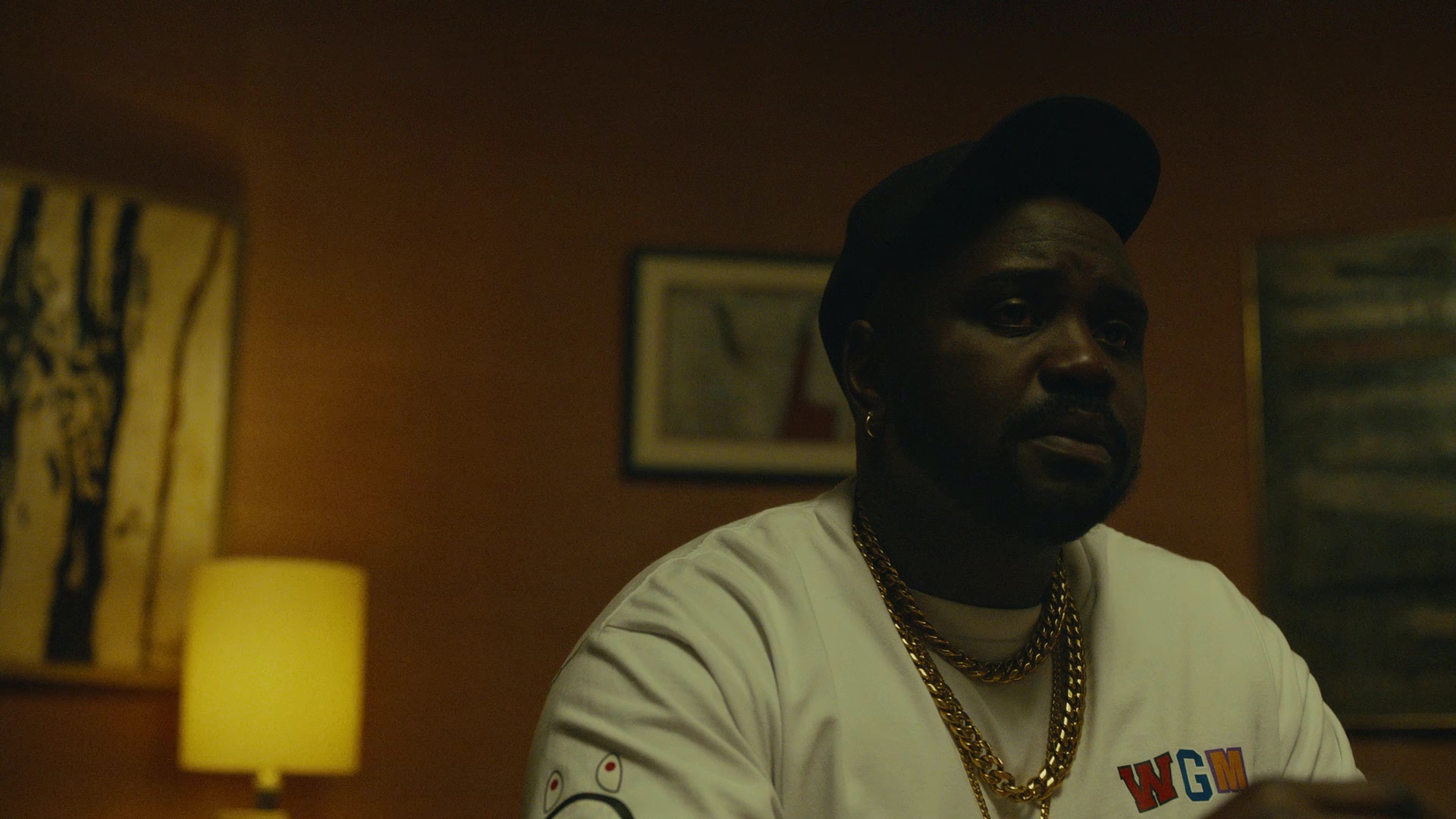
Atlanta: Season 3 (2022)
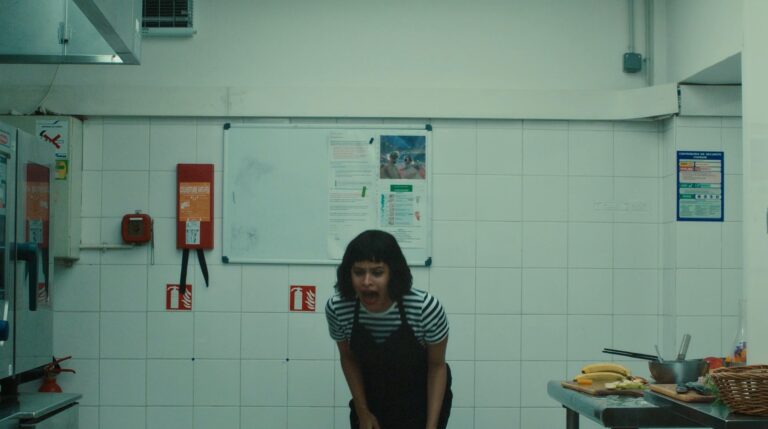
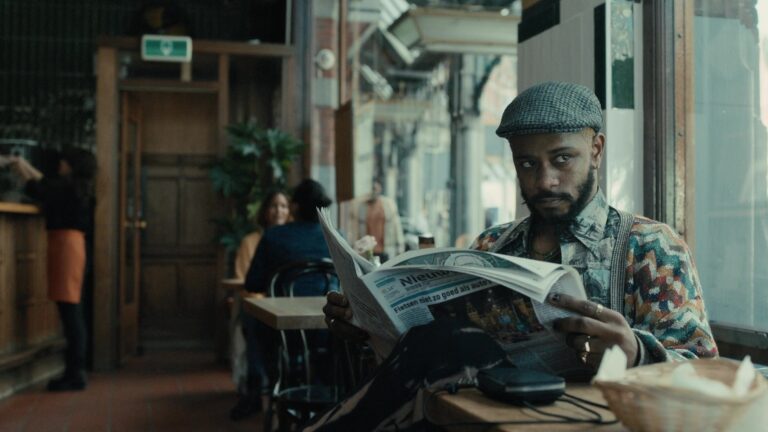
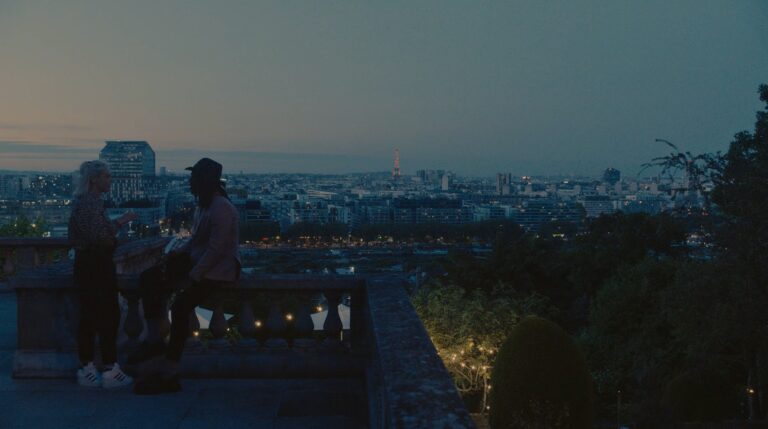
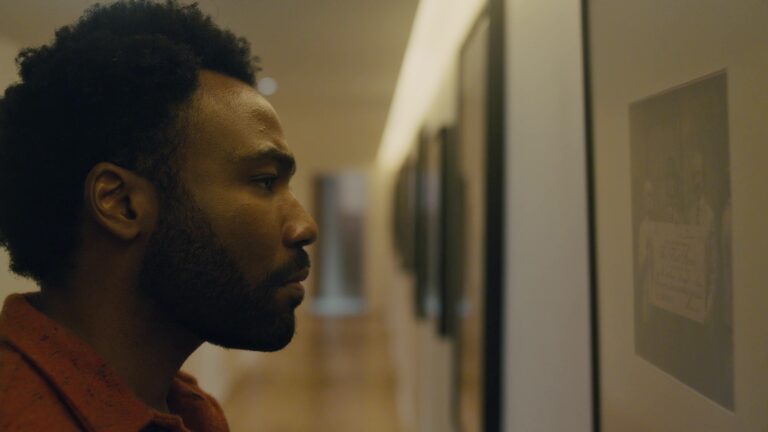
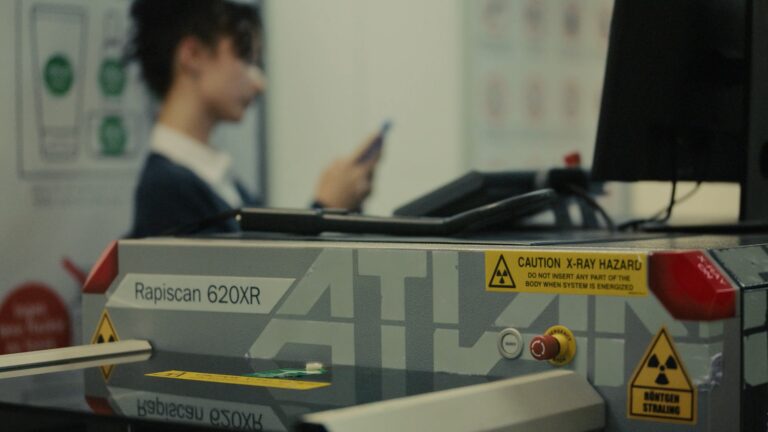
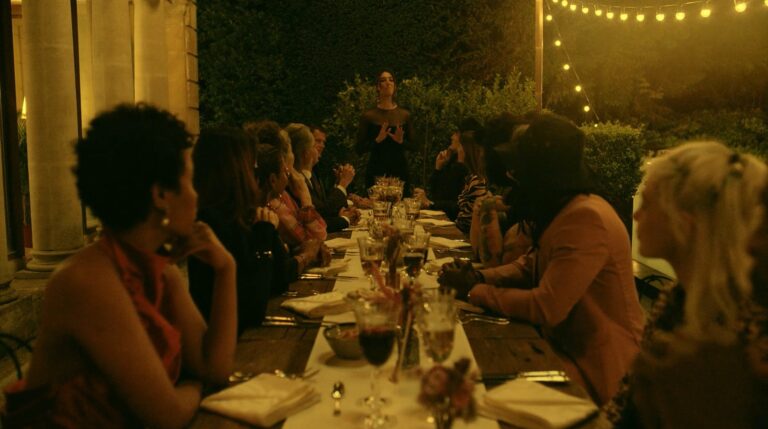
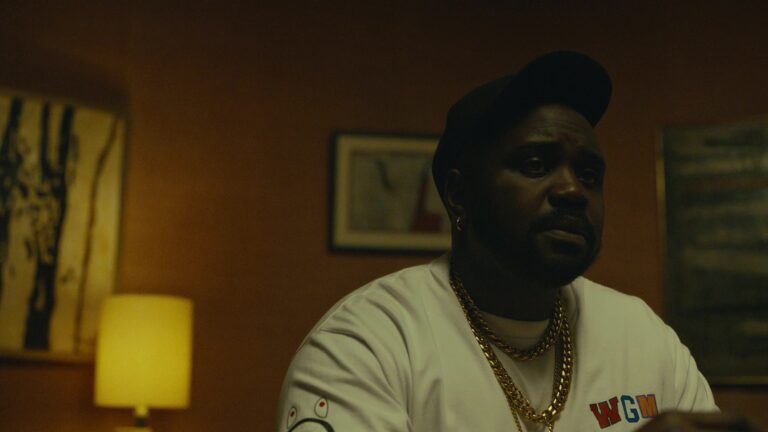
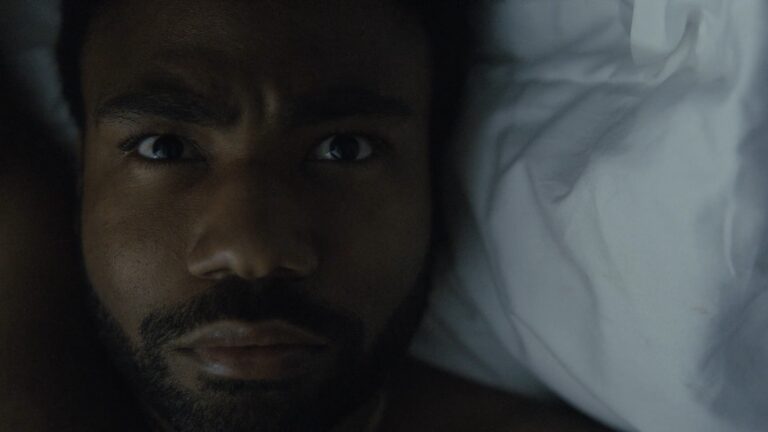
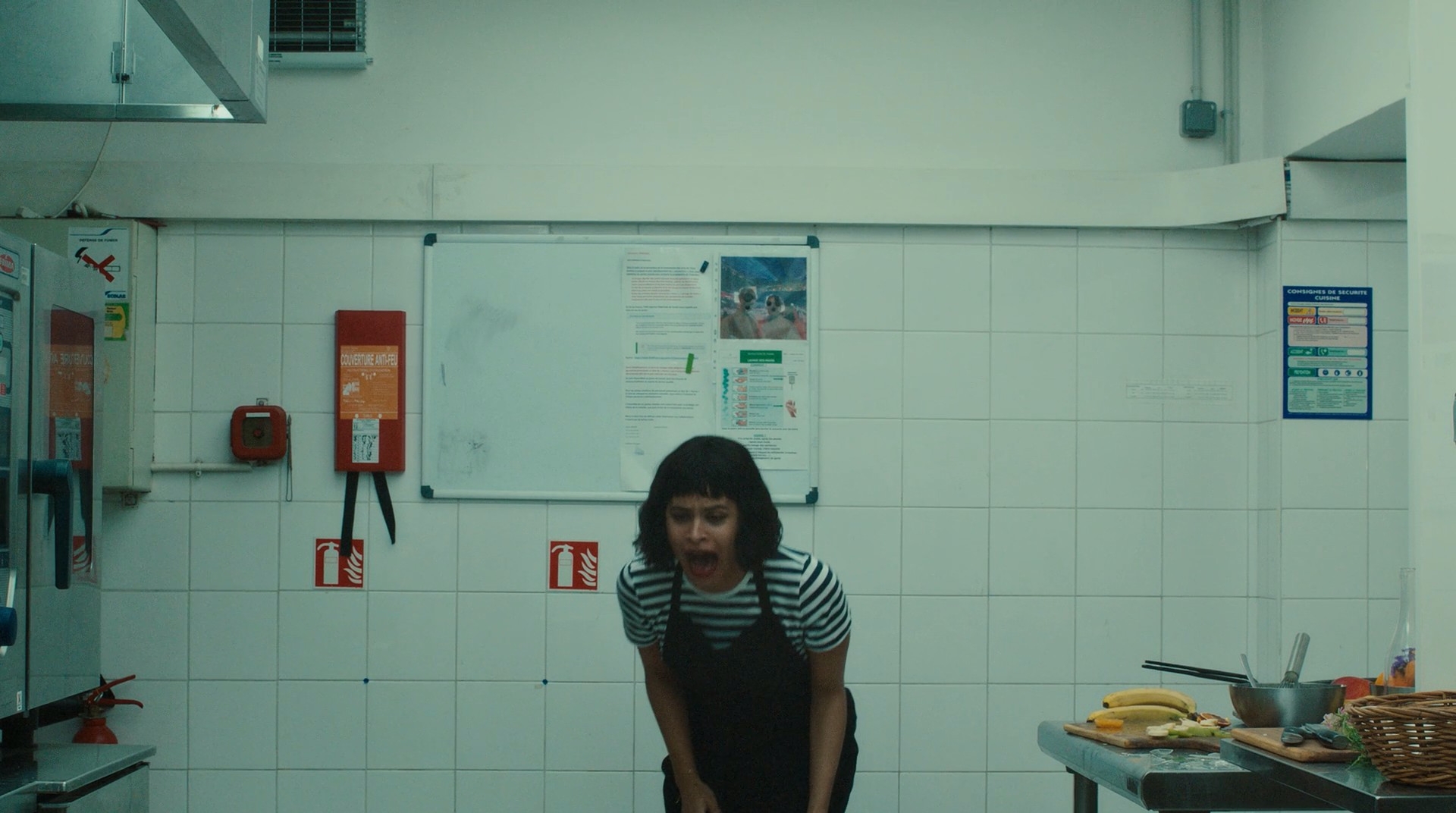
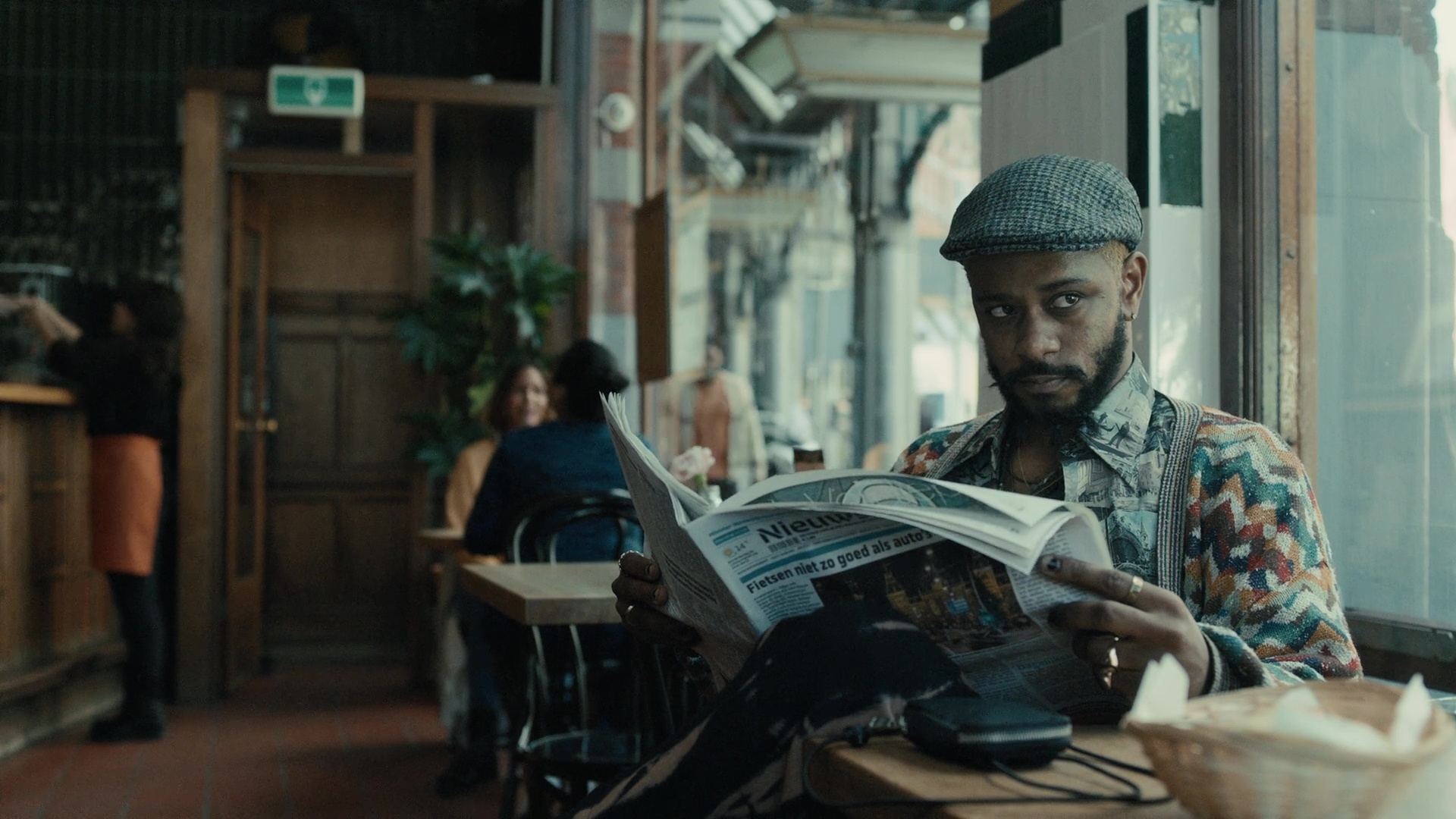
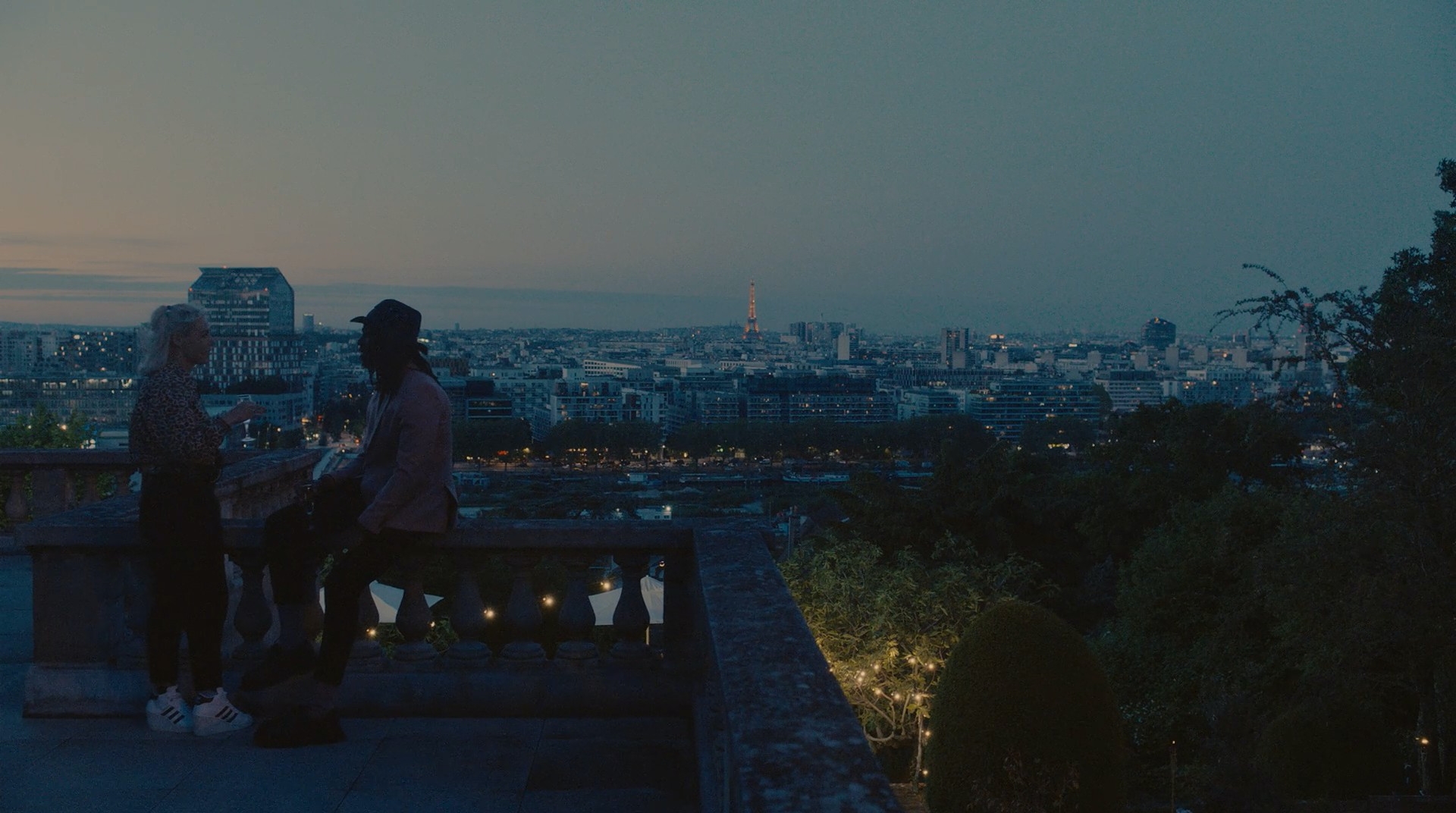
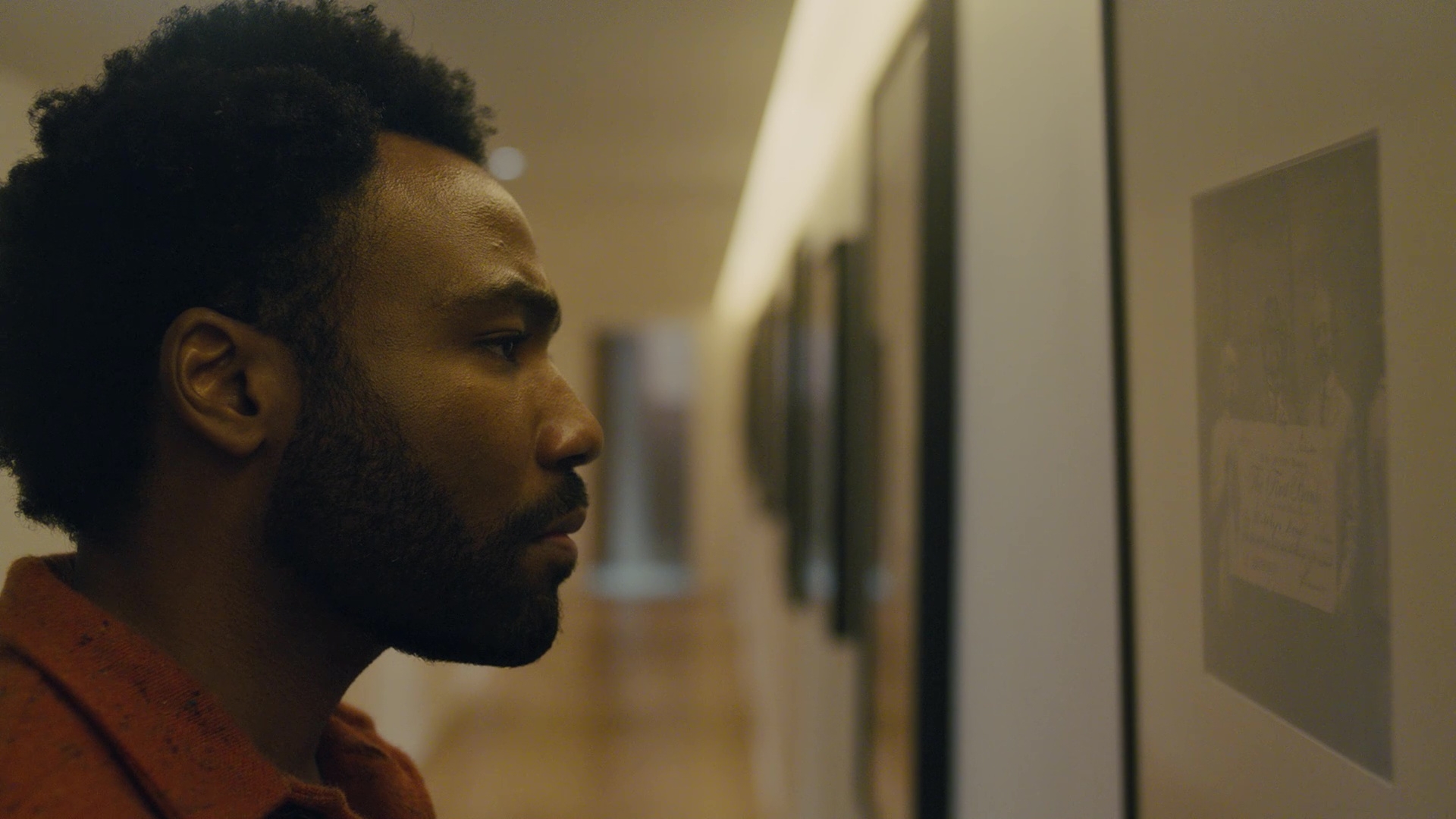
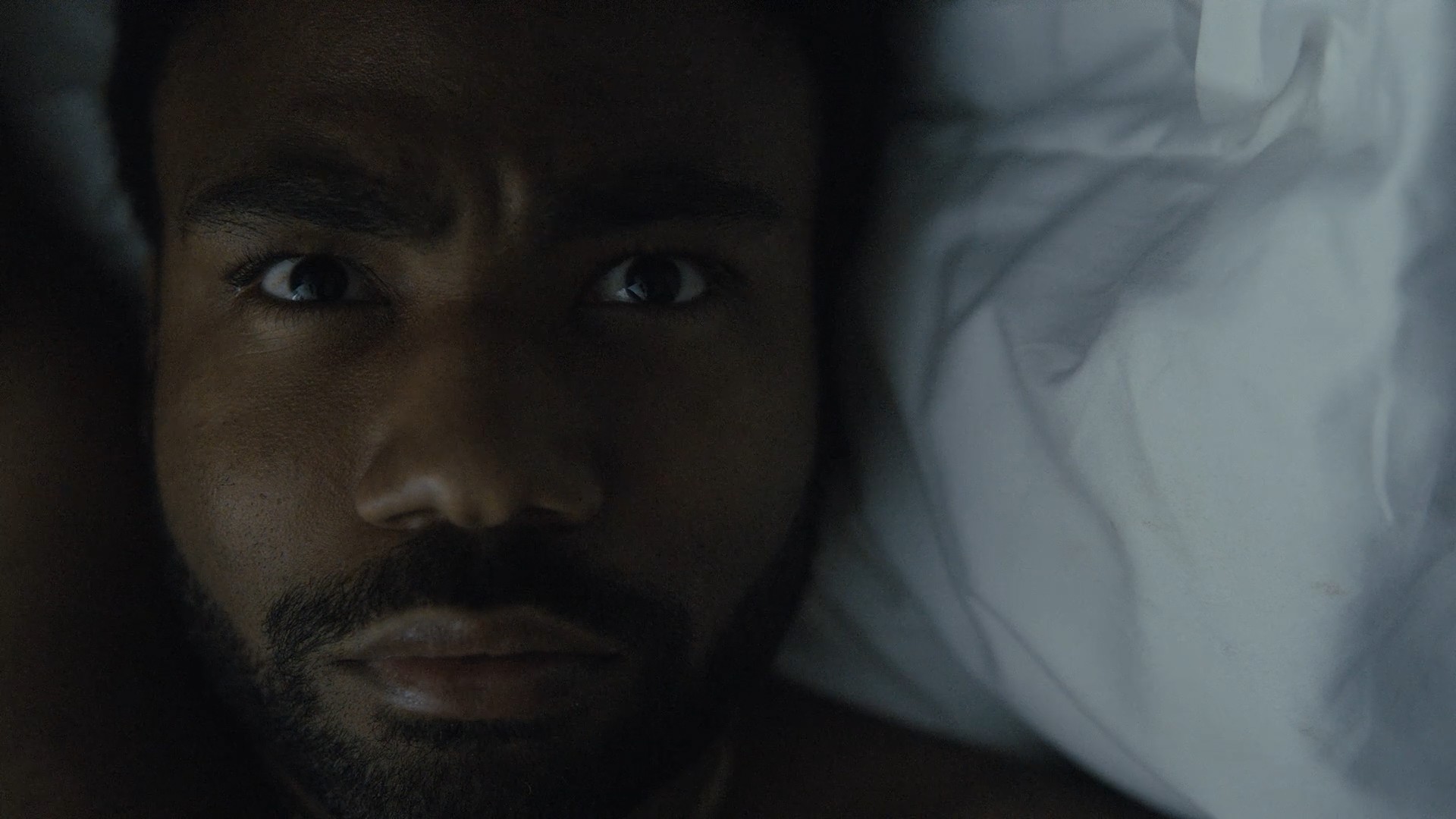
ATLANTA is an American comedy-drama television series created by and starring Donald Glover, and directed by Hiro Murai. Glover plays music manager Earnest “Earn” Marks, and the show follows the lives of him and his client, rapper Paper Boi (Brian Tyree Henry), alongside their friend Darius (Lakeith Stanfield) and Earn’s on-again, off-again girlfriend Vanessa (Zazie Beetz). The group navigates a seemingly otherworldly version of the Atlanta rap scene. Season 3 of Atlanta premiered in March 2022, and was nominated for Primetime Emmy Awards in the Outstanding Lead Actor (Glover) in a Comedy Series and Outstanding Directing for a Comedy Series (Murai) categories. Six of the ten episodes of the season were shot by Irish cinematographer Stephen Murphy, who was best known at the time for his work on Hanna, No One Gets Out Alive and Death and the Nightingales.
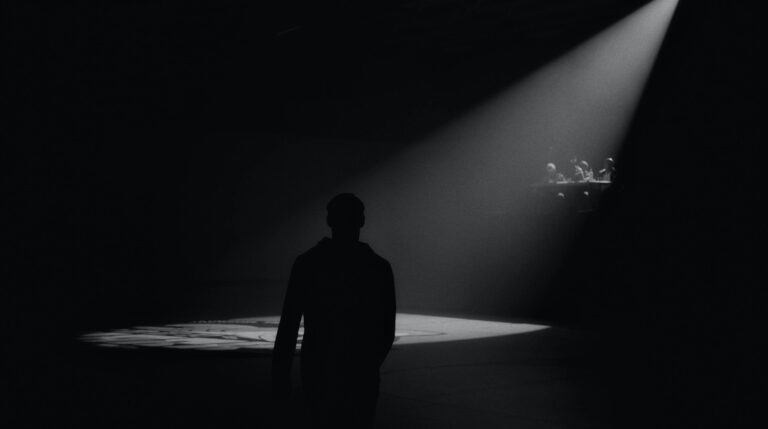
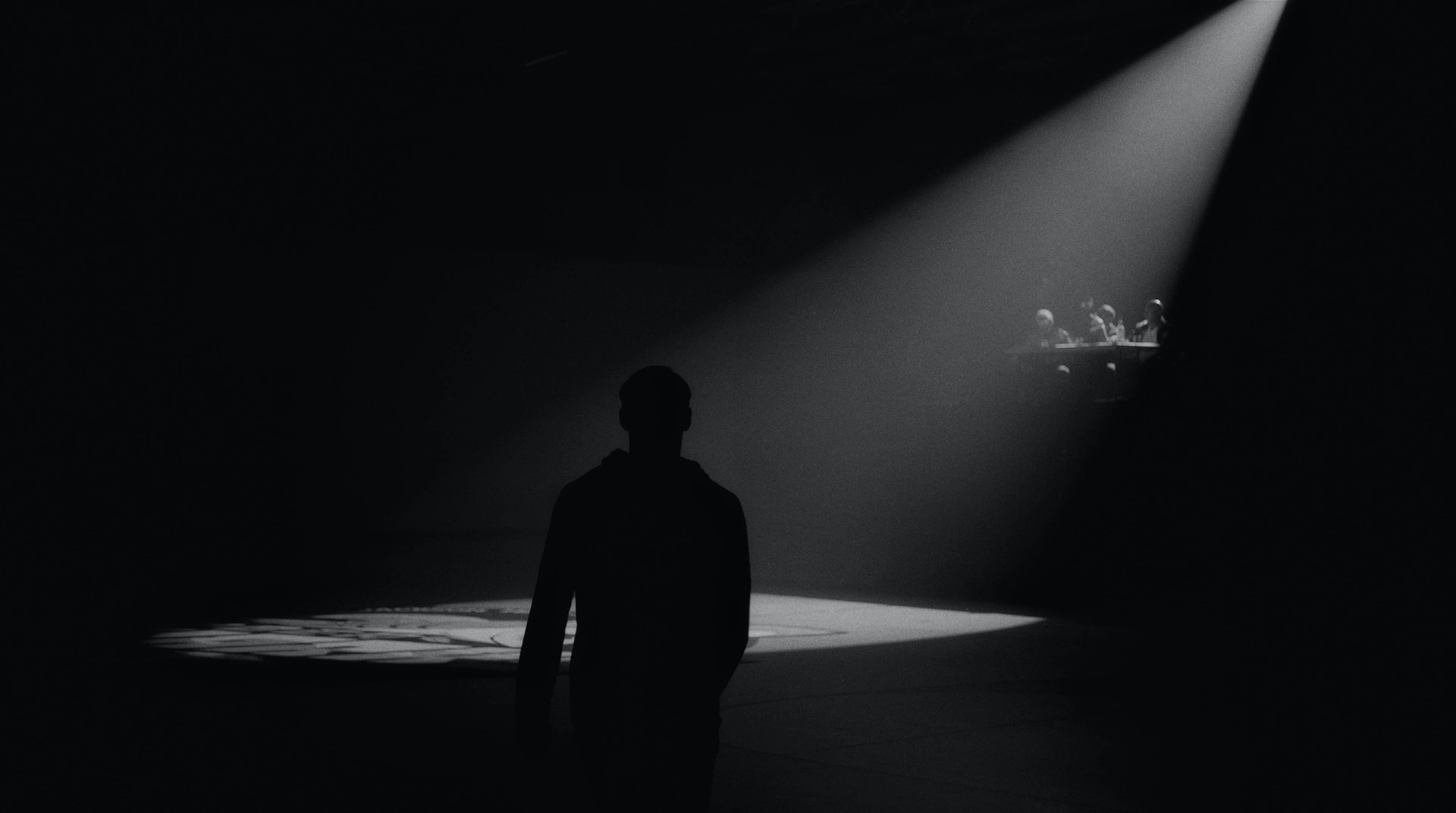
Murai and Murphy began their collaboration speaking just as much about processes in cinematography as they did about specific references, particularly referencing Harris Savides’s tendency to light spaces rather than faces, and Gordon Willis’s simple approach to framing. Murphy shot the series with a preference for wider frames, believing that the environment around the characters was a crucial element in revealing who they were. One of Murphy’s biggest challenges came in the episode “New Jazz”, where Paper Boi is in a black box room and sees a white woman in white clothes bathed in a pool of light, approaching until it is revealed that there is an audience watching. While the lighting setup was relatively simple, Murphy and his team had to be technically diligent to ensure that both actors were lit so that you could see both of their features without creating too much contrast, given the disparity in their skin tones.
FILM SPOTLIGHT
Guava Island (2019)
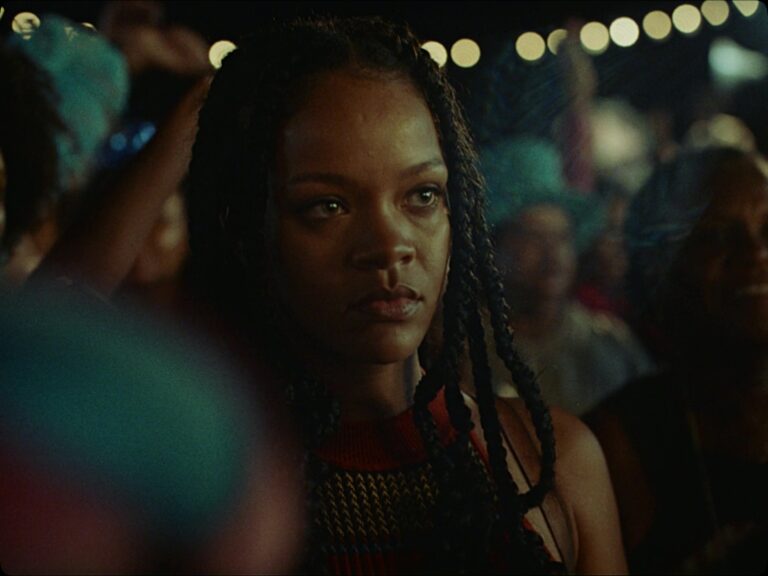
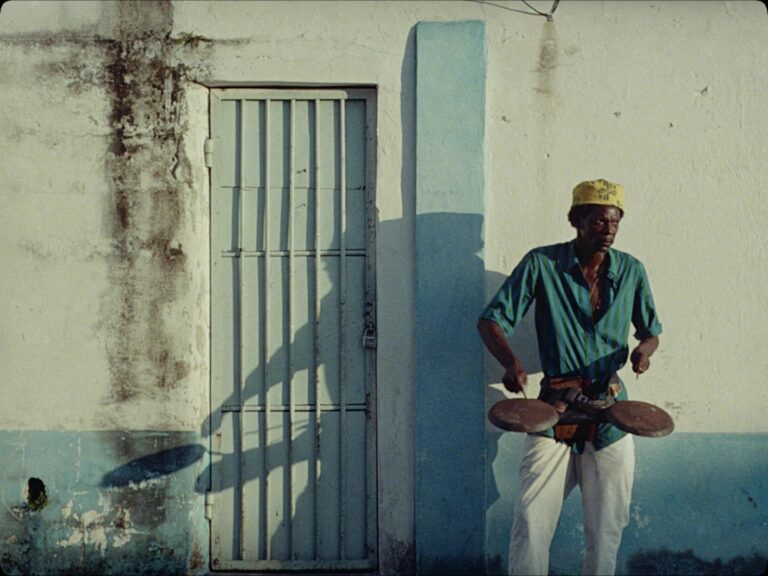
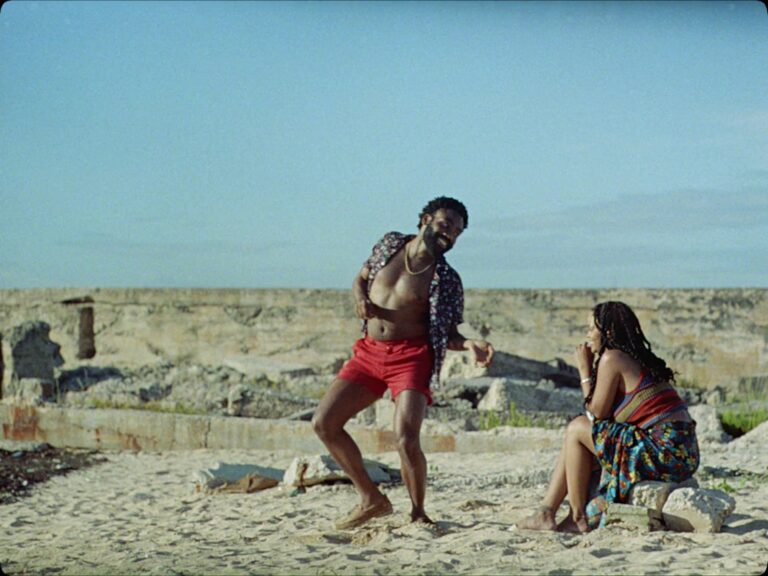
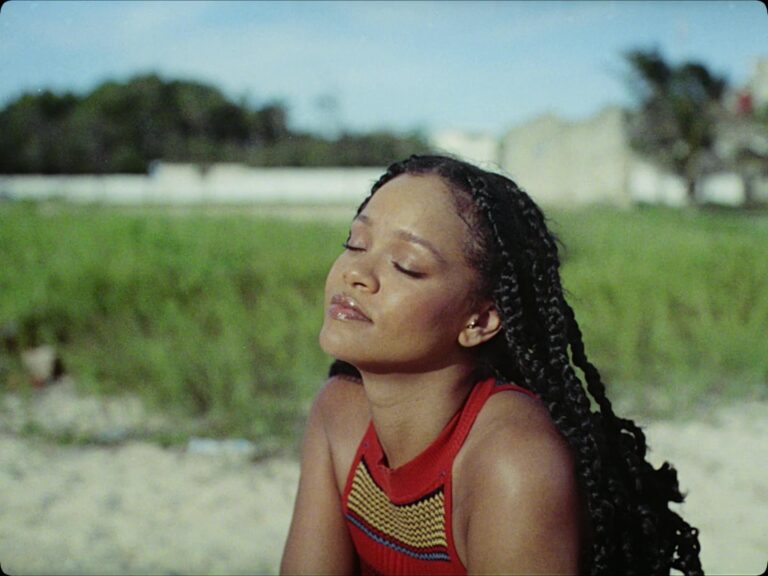
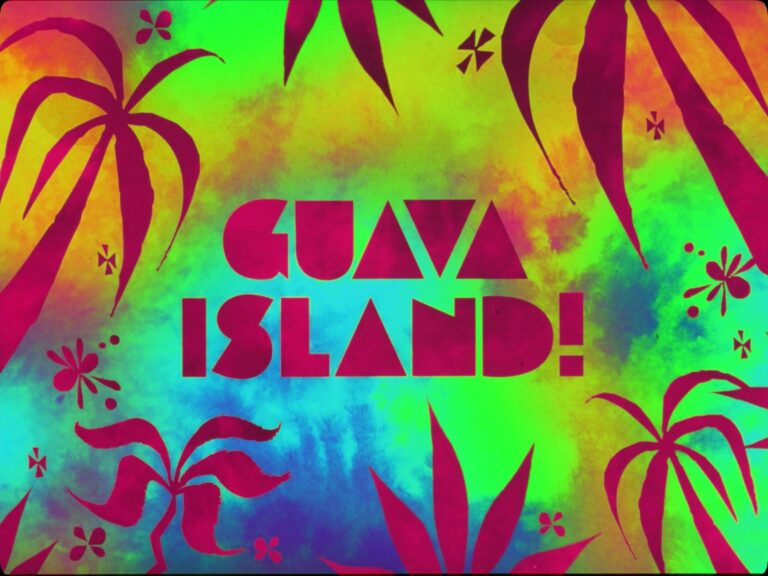
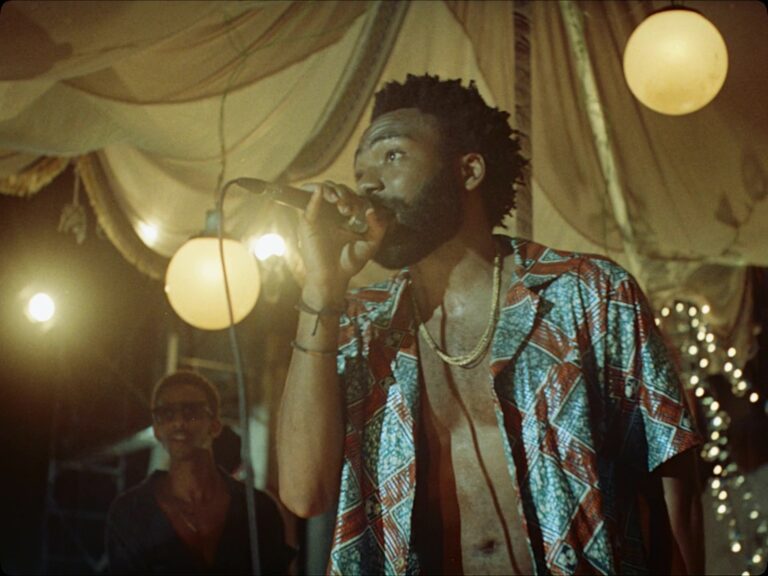
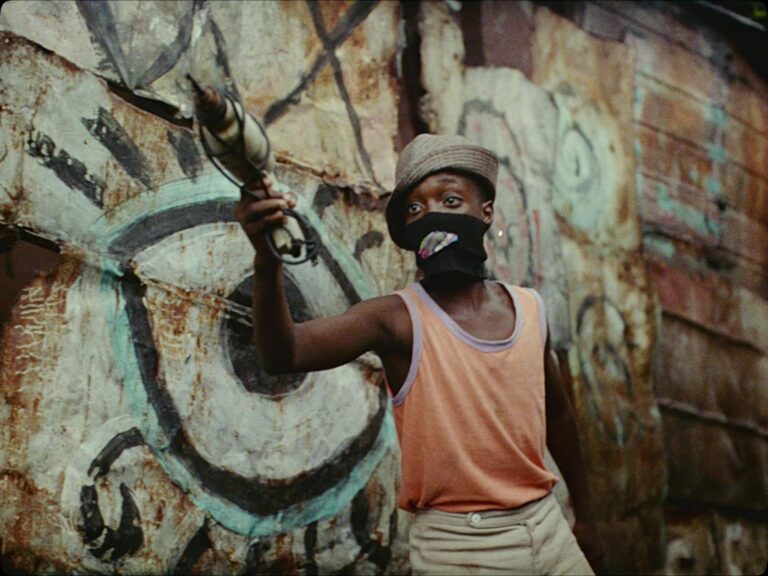
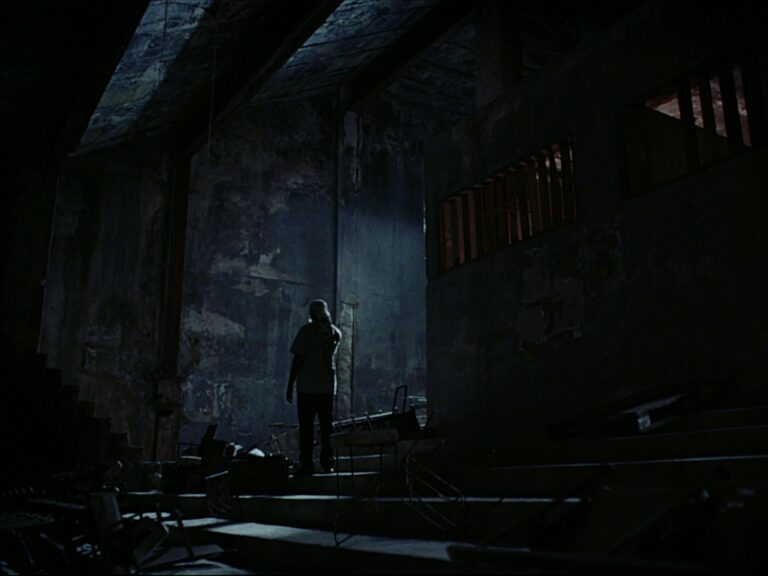
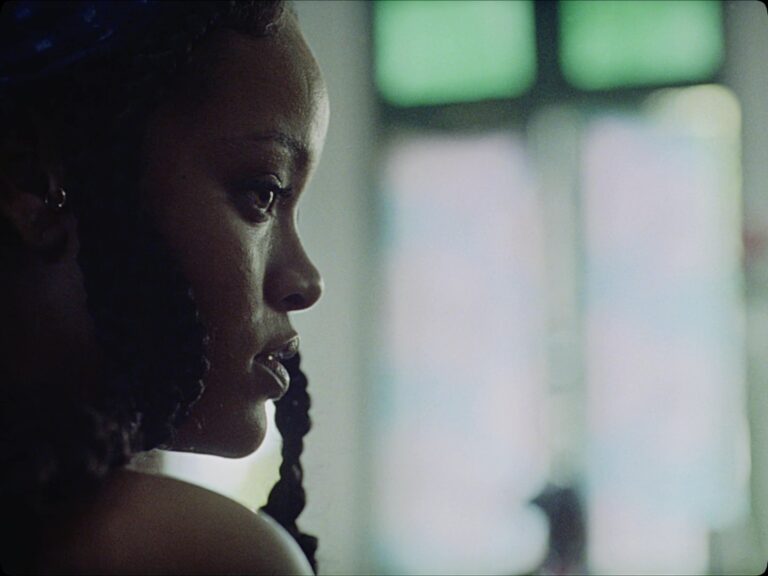
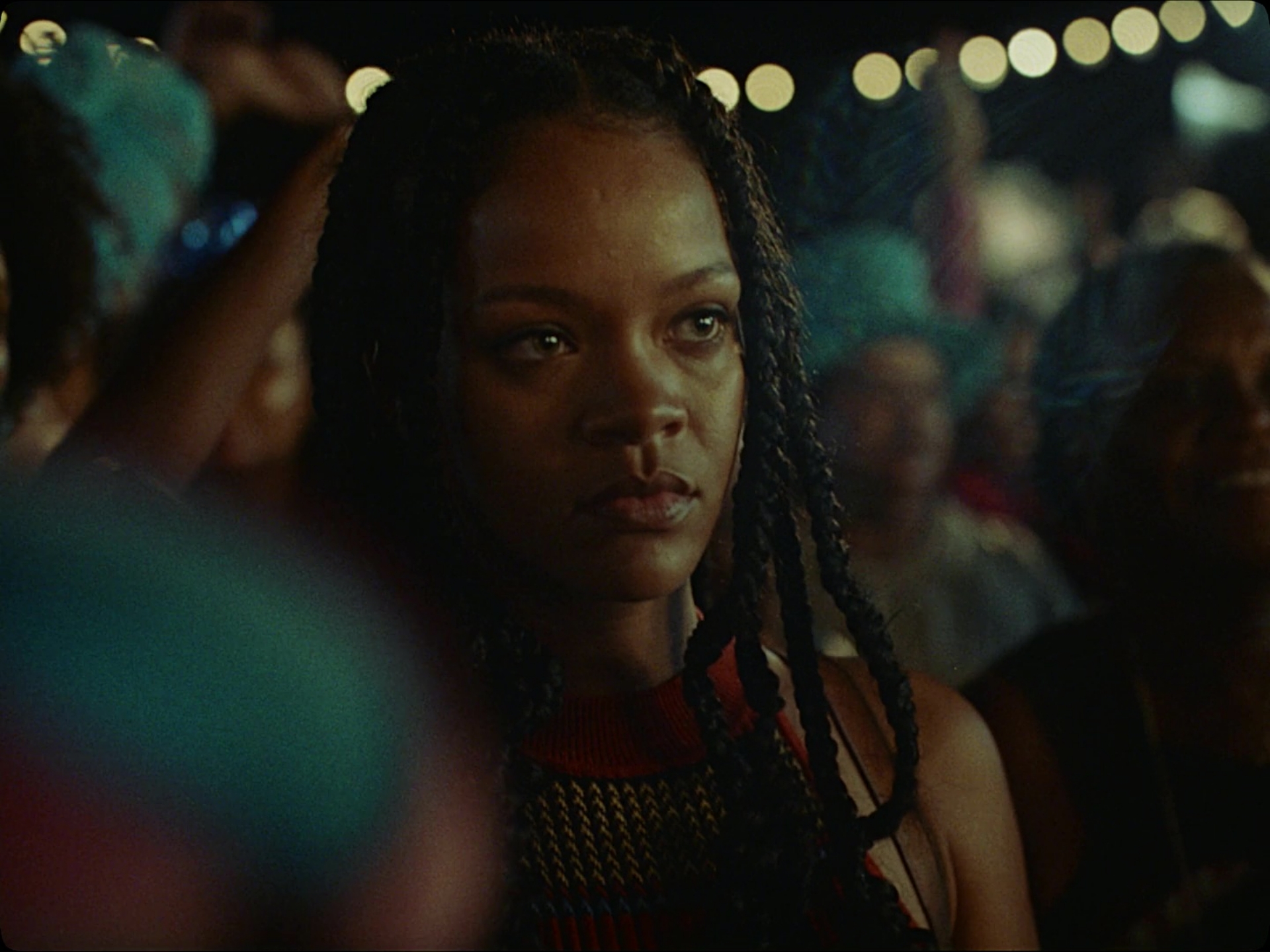
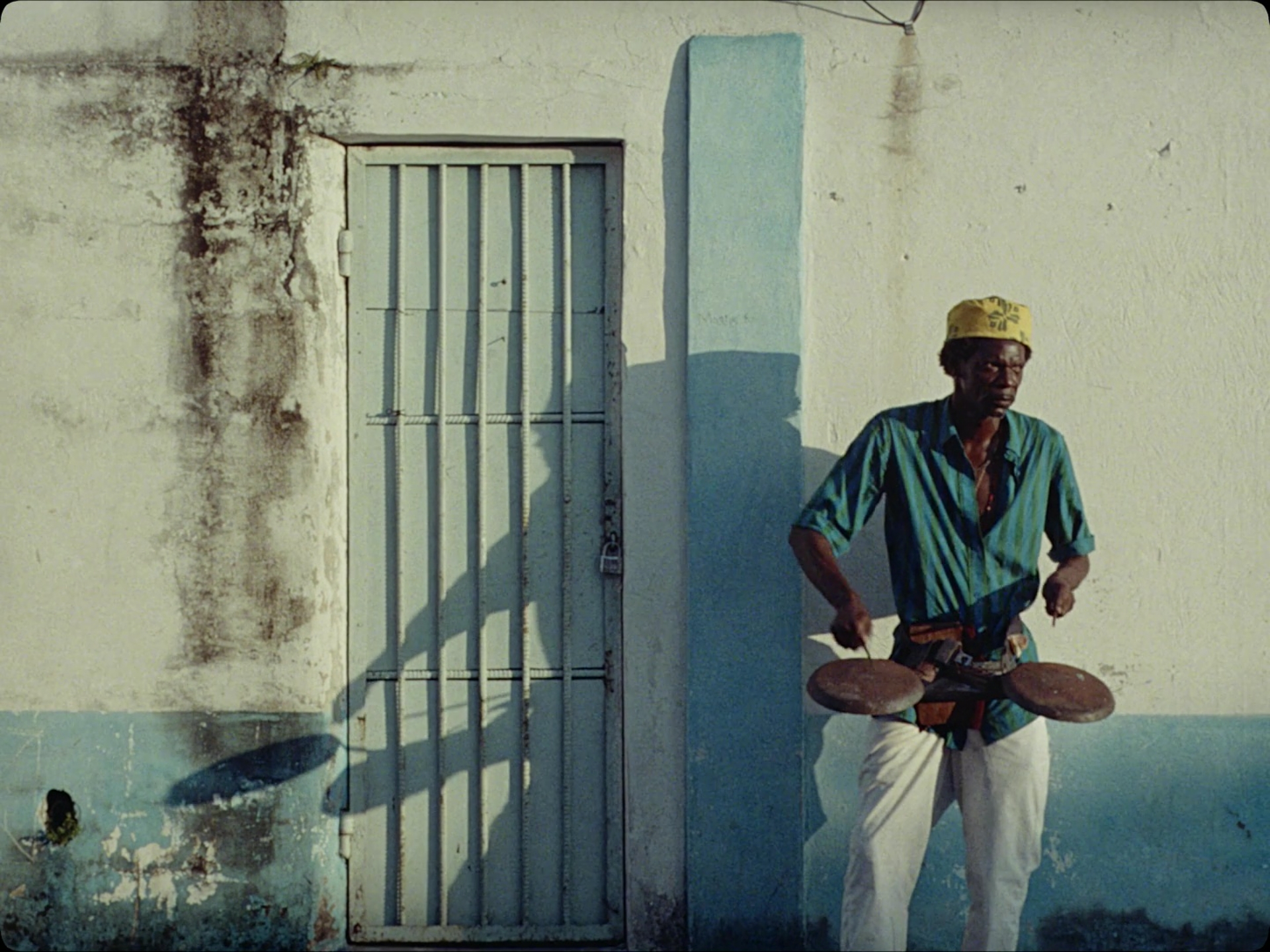
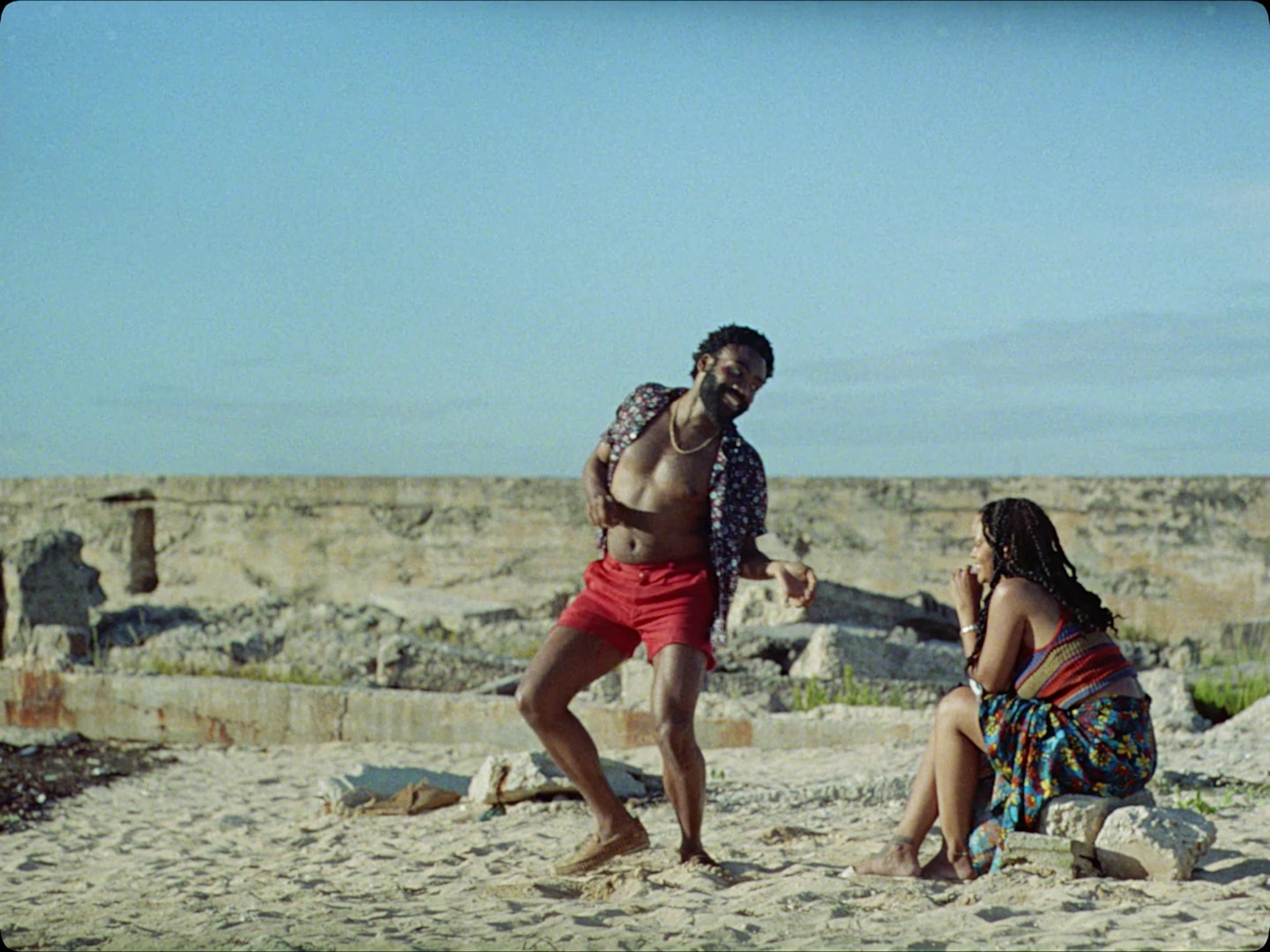
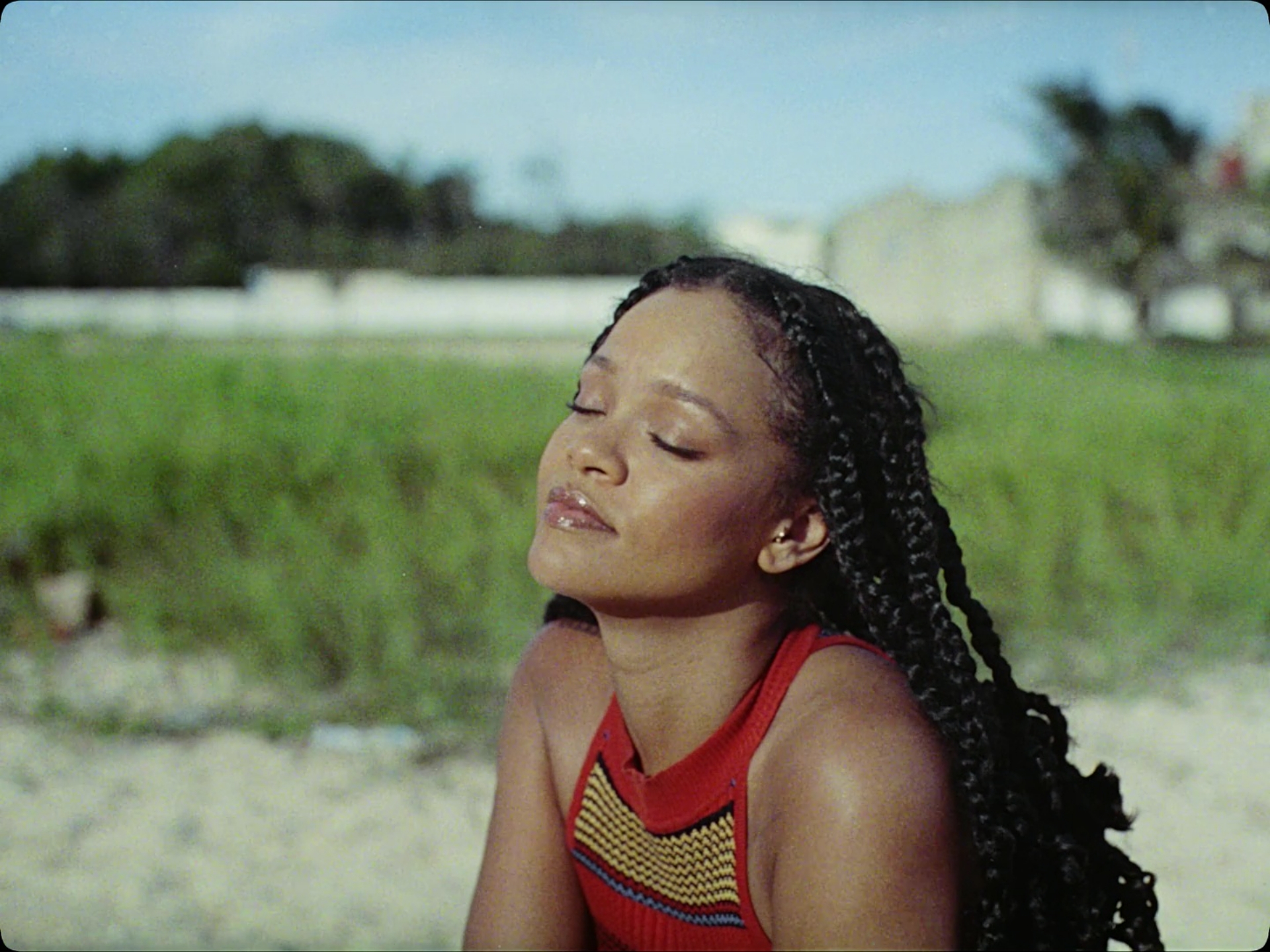
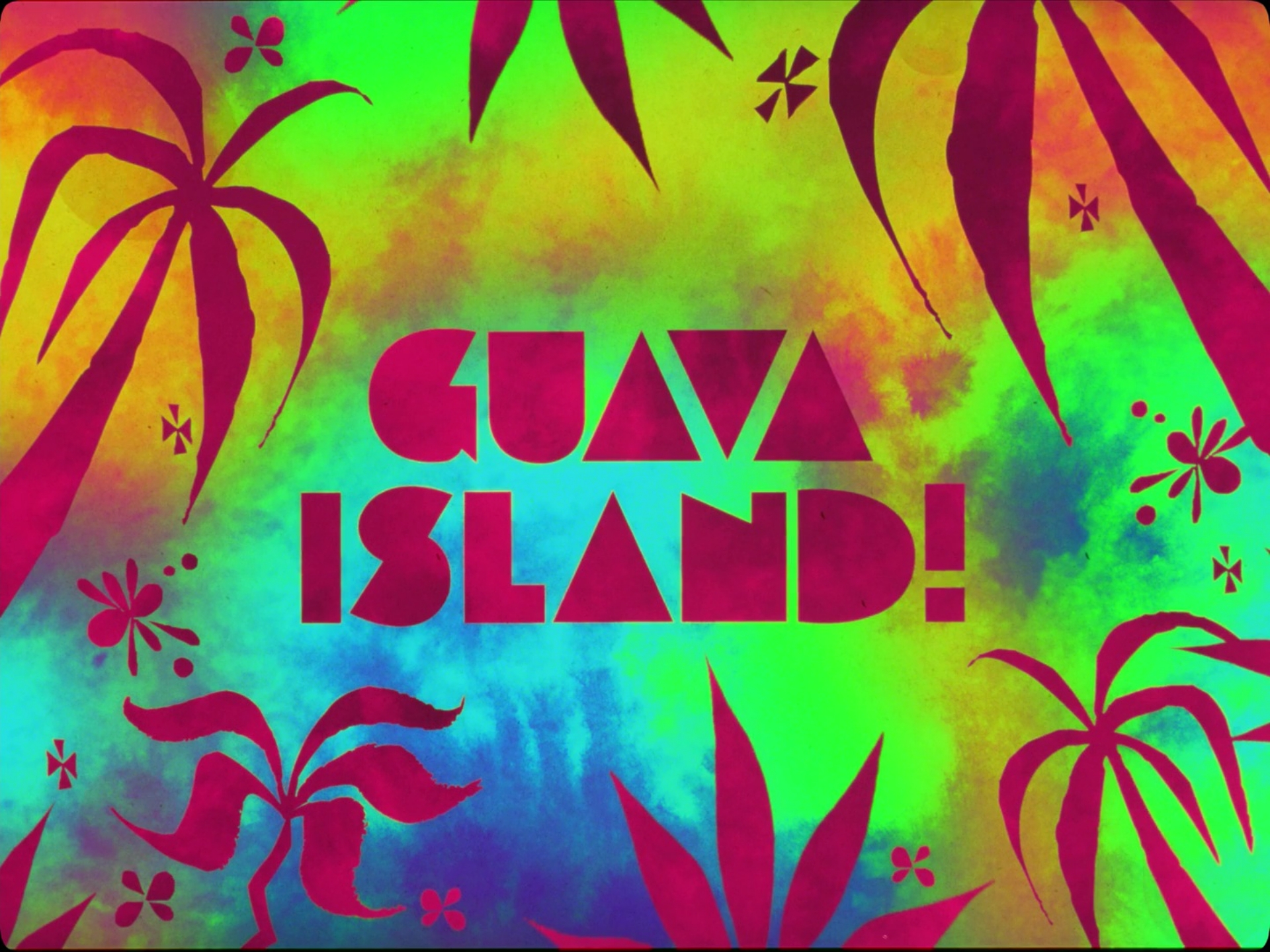
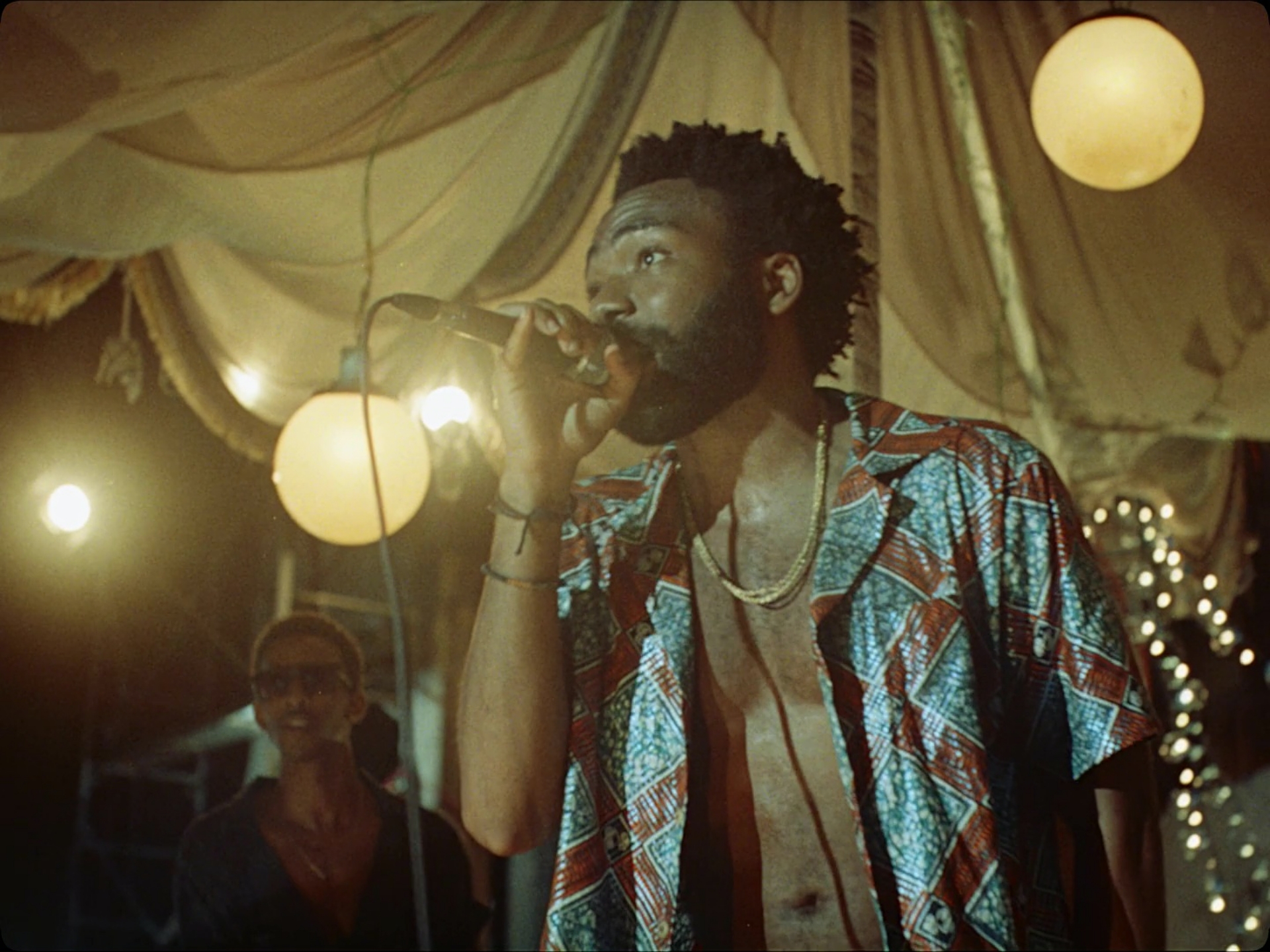
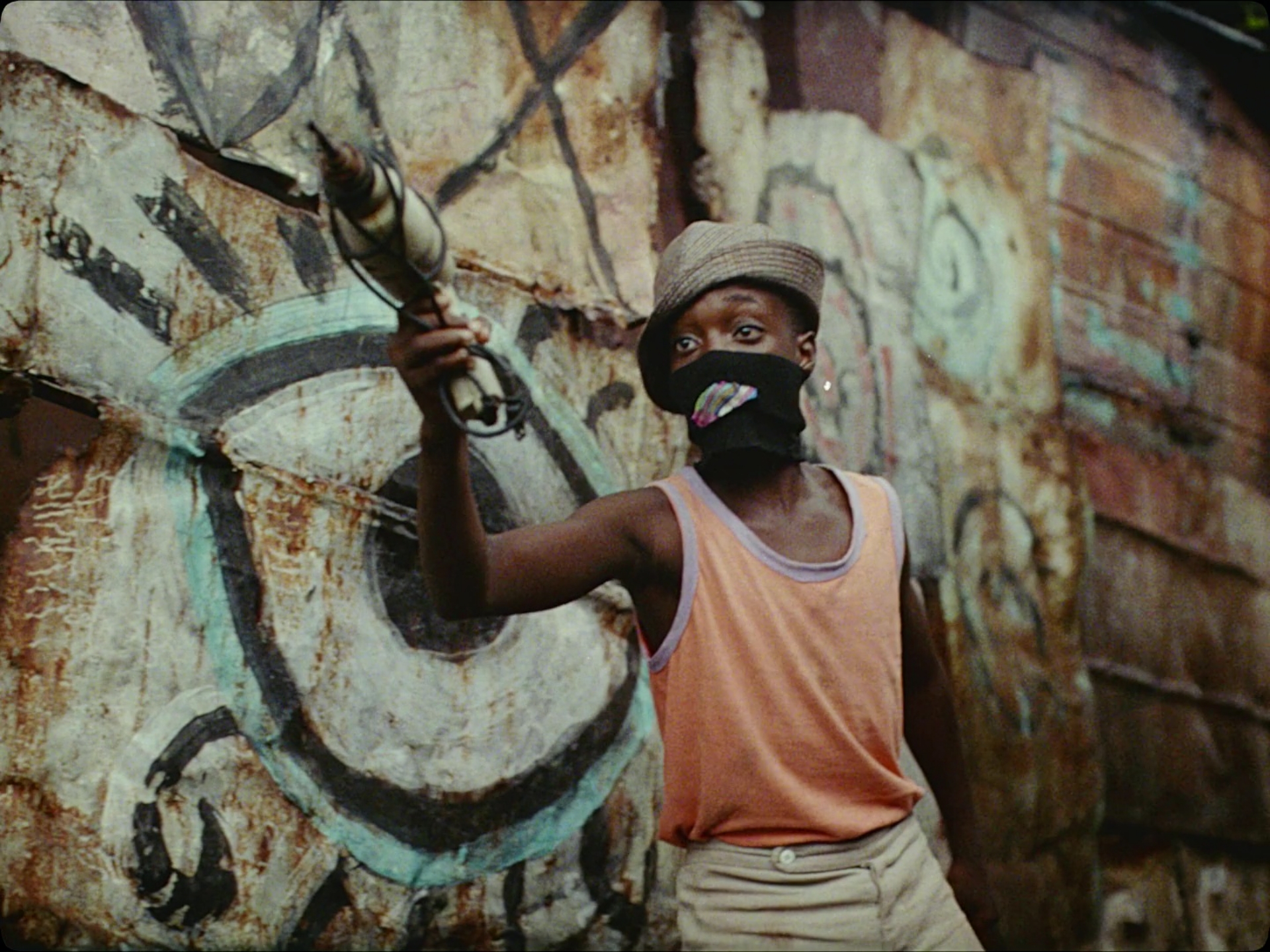
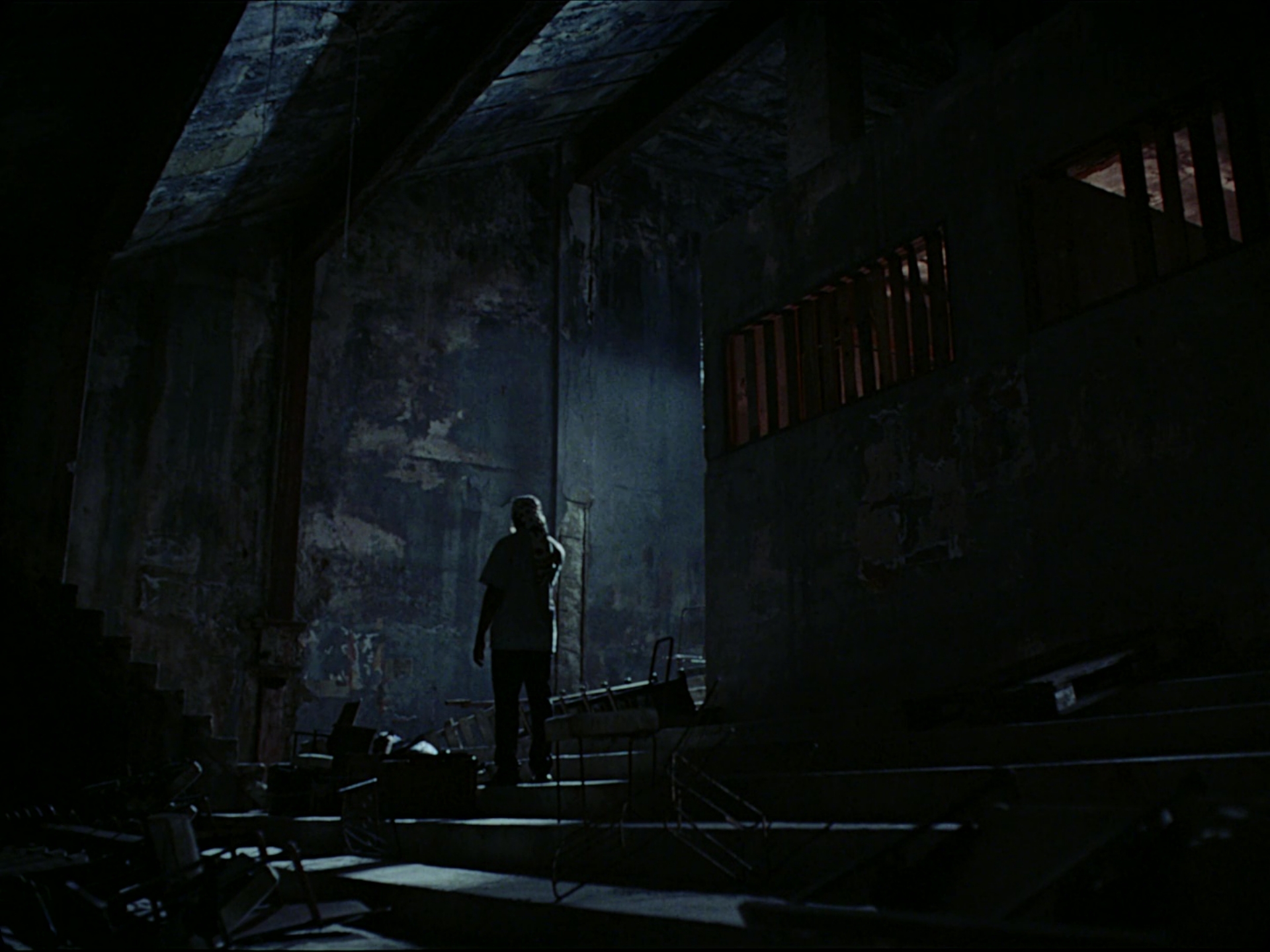
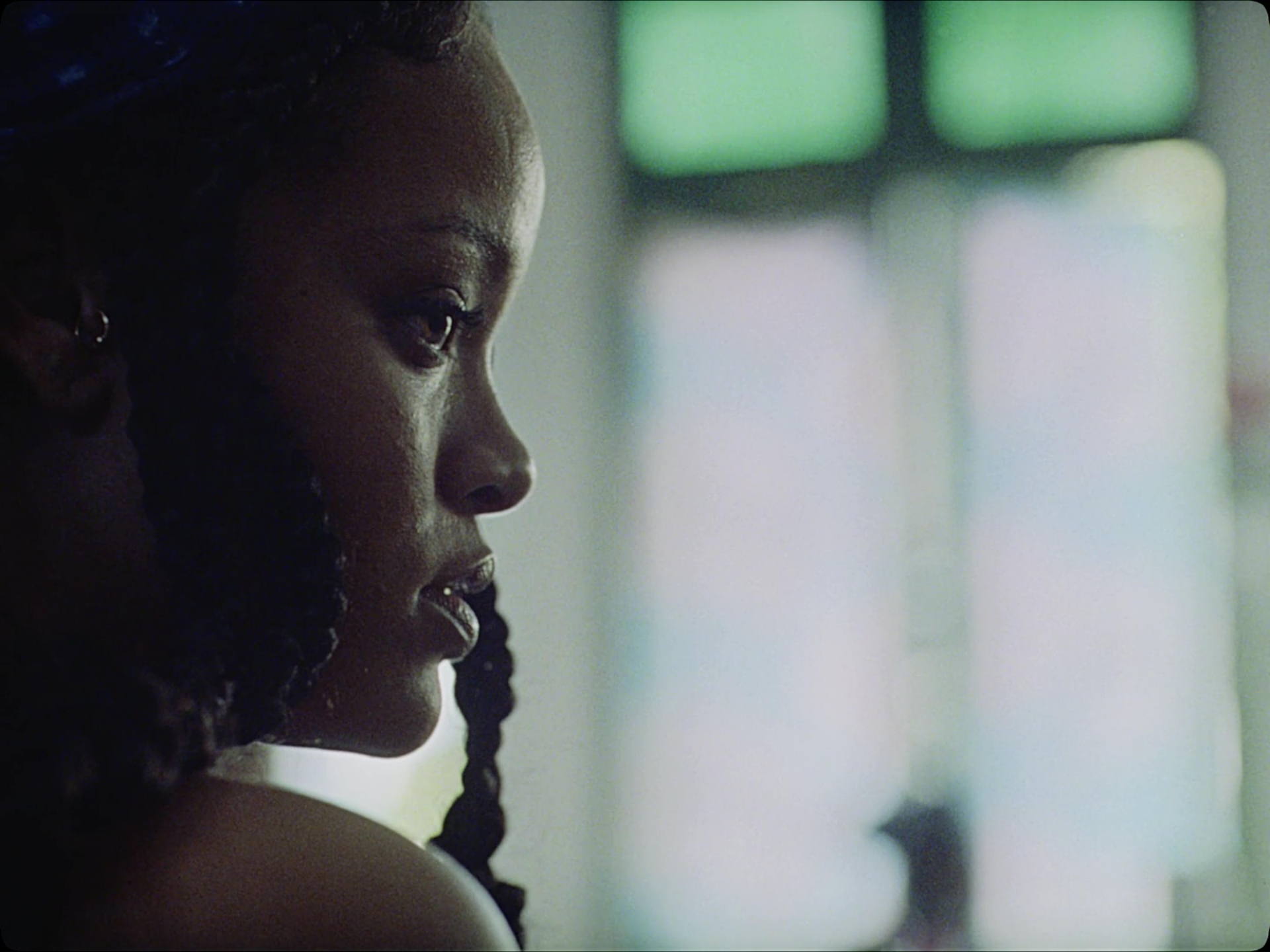
GUAVA ISLAND is an American musical film directed by Hiro Murai and written by Stephen Glover. The film stars Donald Glover and Rihanna as Deni and Kofi, two people who meet as Deni, a local musician, sets out to throw a music festival for the people of Guava Island to enjoy. Nonso Anozie and Letitia Wright also star. Guava Island premiered at the 2019 Coachella Festival, where Glover was co-headlining as Childish Gambino. Murai worked on the film with American cinematographer Christian Sprenger, who had previously collaborated with Murai and Glover on their television series Atlanta.
Guava Island shot for 12 days in Cuba, and Sprenger worked there for seven weeks with Murai and Glover setting up the shoot. Sprenger found a relatively robust filmmaking community in Cuba, as a result of G&E houses set up for European commercial shoots, and experiences that members of his own crew had working on projects such as Fast and the Furious and Ray Donovan, which had filmed in Cuba before. Sprenger, Murai and Glover initially planned on shooting in 16mm film, but found the import / export laws of Cuba from America too burdensome to be able to pull it off. An episode of Atlanta had been shot on the Alexa Amira with Super 16 lenses, before being printed on film and scanned back in for the DI, and Sprenger had also taken this approach for a commercial shoot in Paris, working with colorist Ricky Gausis at MPC LA to accomplish the look. This gave the team the confidence that they could achieve a similar result by using the Alexa LF camera, using Kodak Vision3 500T 5219 35mm stock to print out the digital footage. The process of printing digital footage out onto film and then scanning it back added both contrast and grain to the image, and Sprenger and his team were cautious to ensure that he didn’t underexpose images too far (particularly for night scenes) and thereby end up with shots that were too noisy. Sprenger and Gausis built a hero LUT for set that gave everyone an accurate representation of the final look they were aiming for, and a version that would be hyper-protective of their night photography, pushing them to overexpose slightly so that they retained enough detail to not damage the image with grain by the time it got out of the printing process.
FILM SPOTLIGHT
Boyhood (2014)
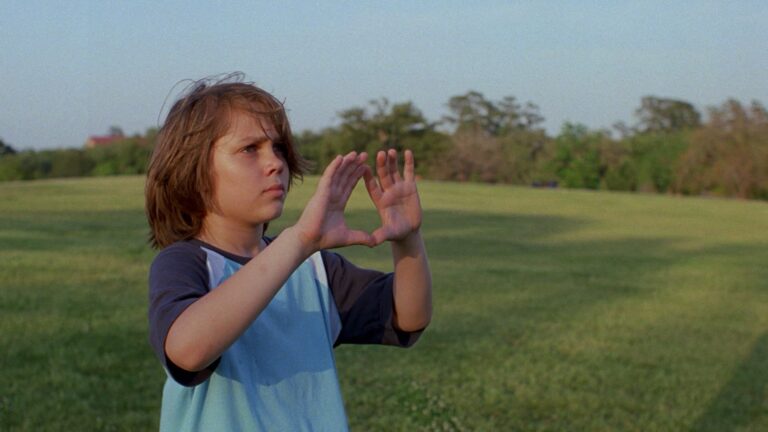
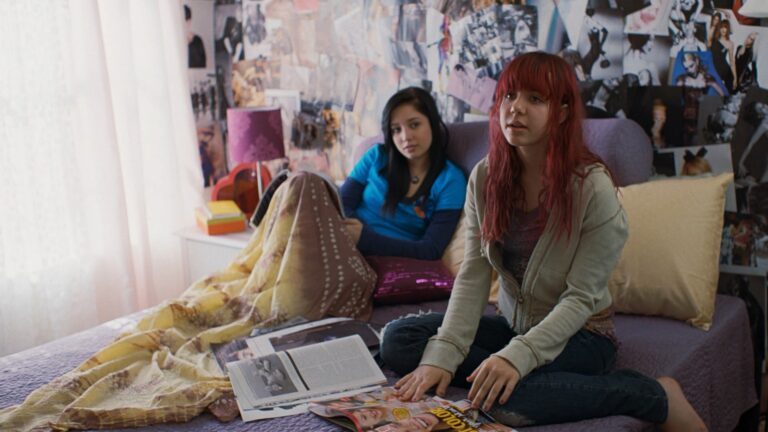
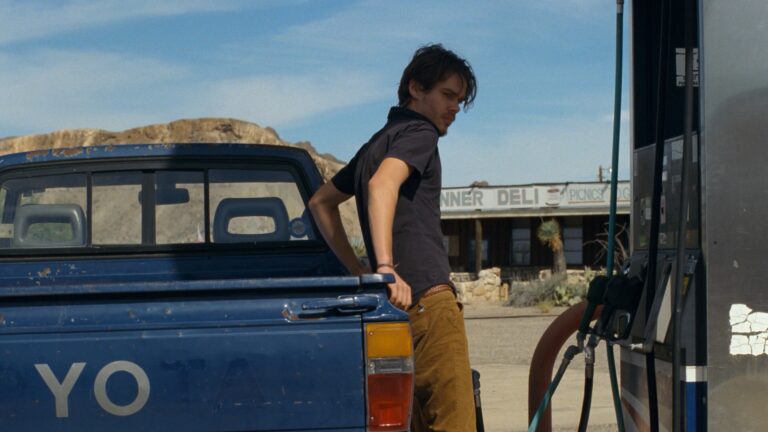
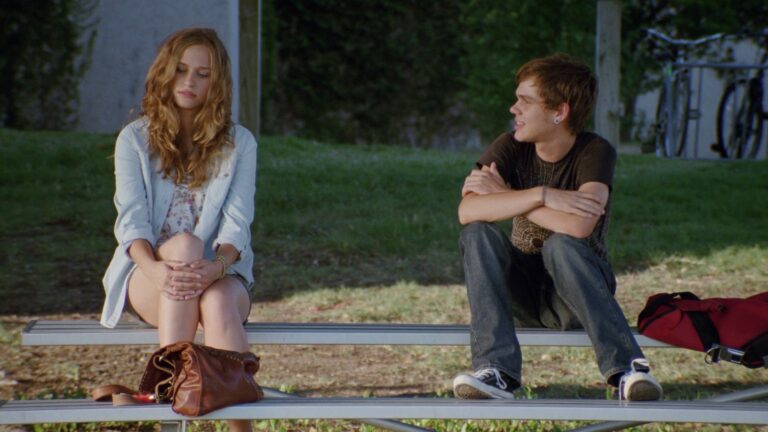
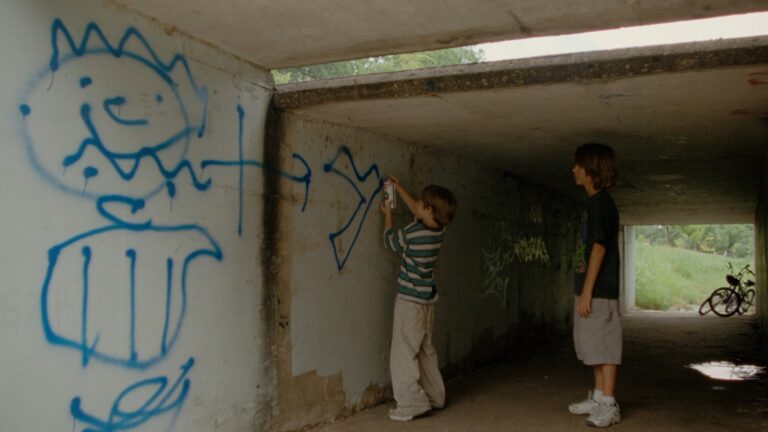
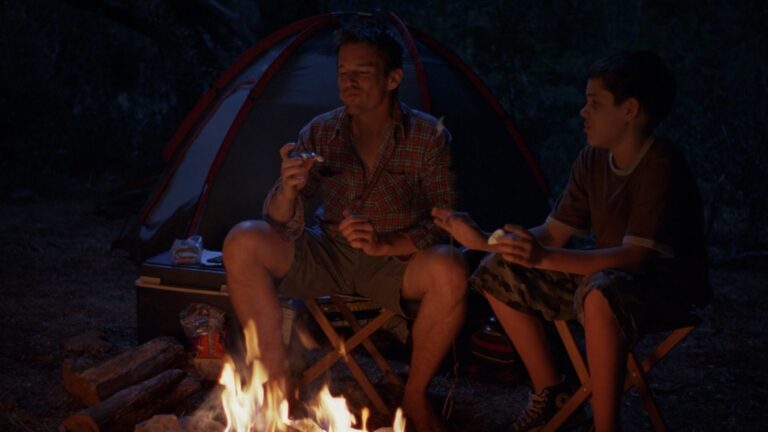
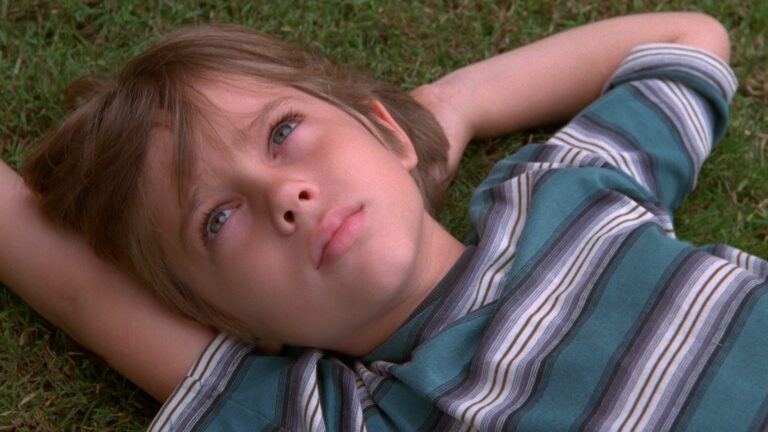
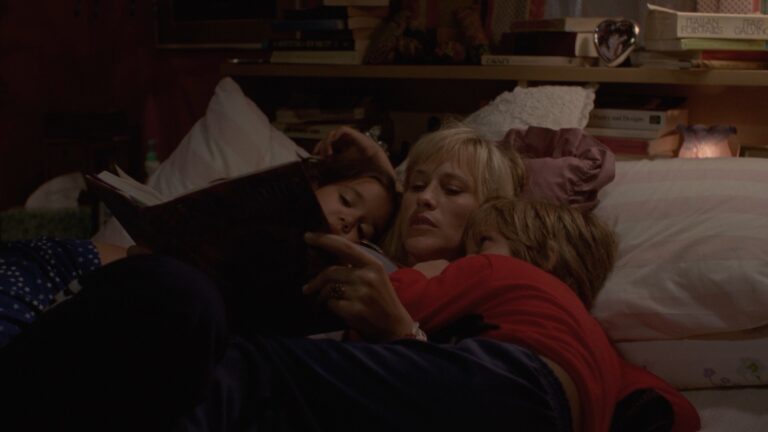
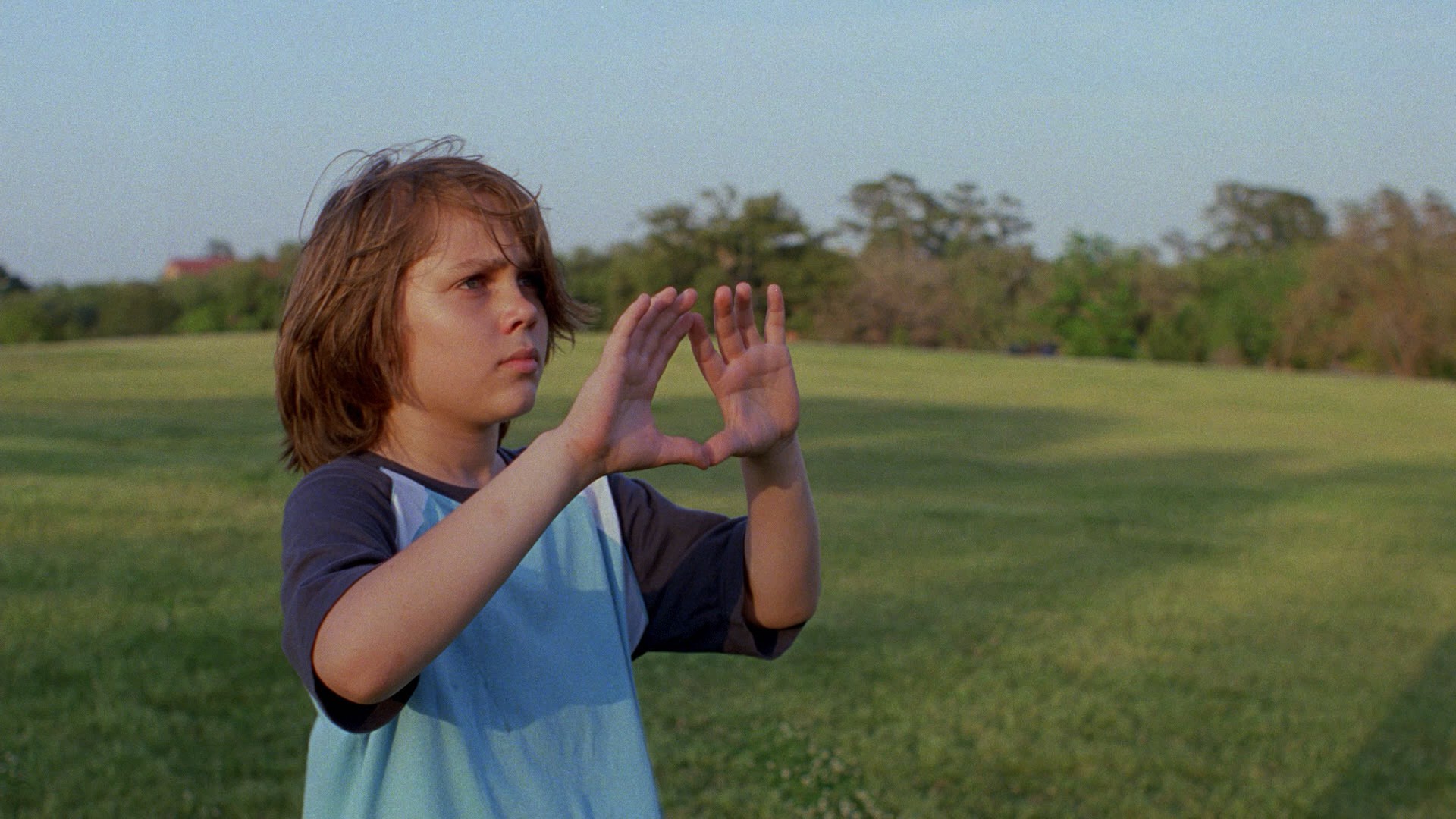
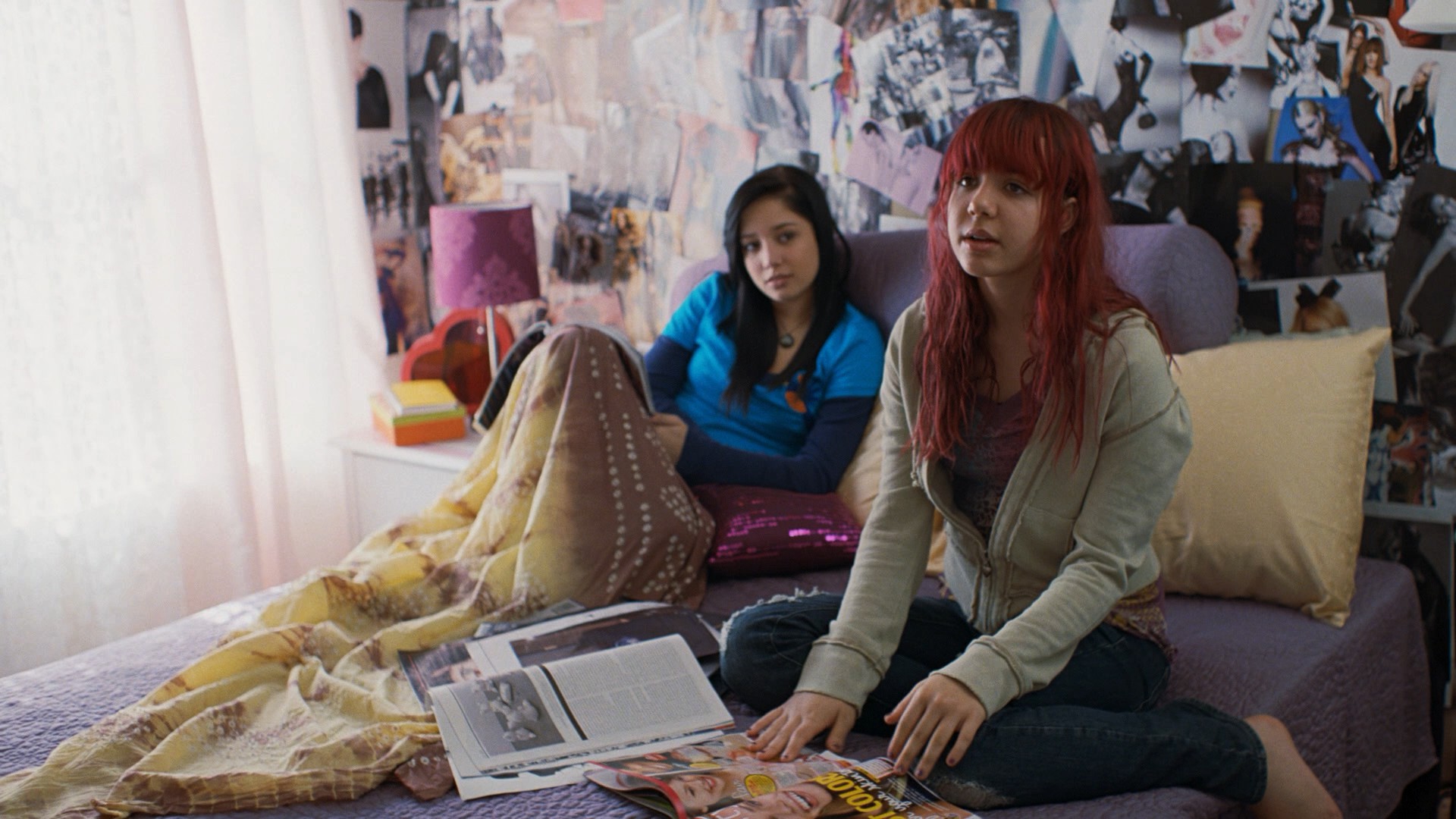
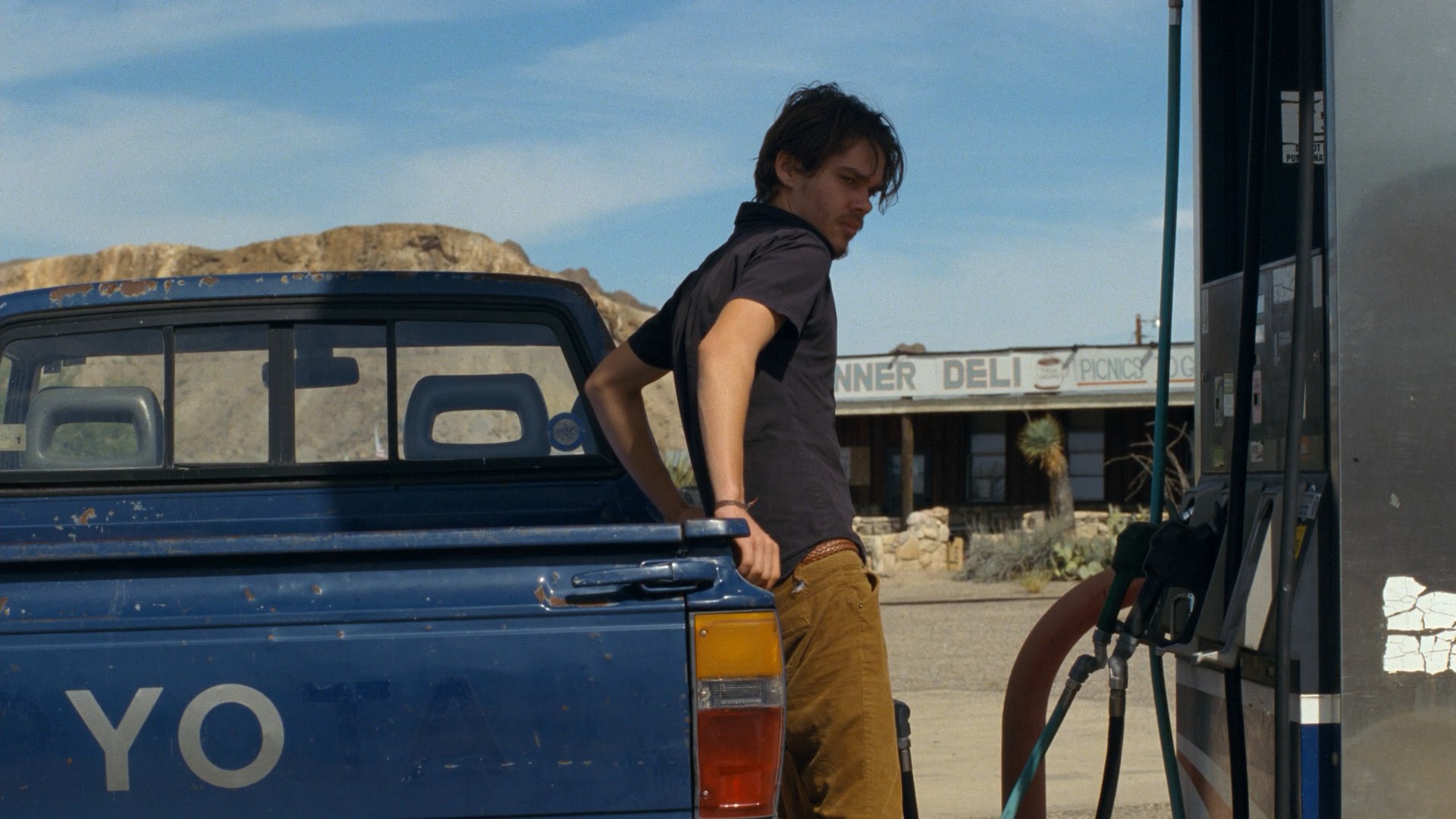
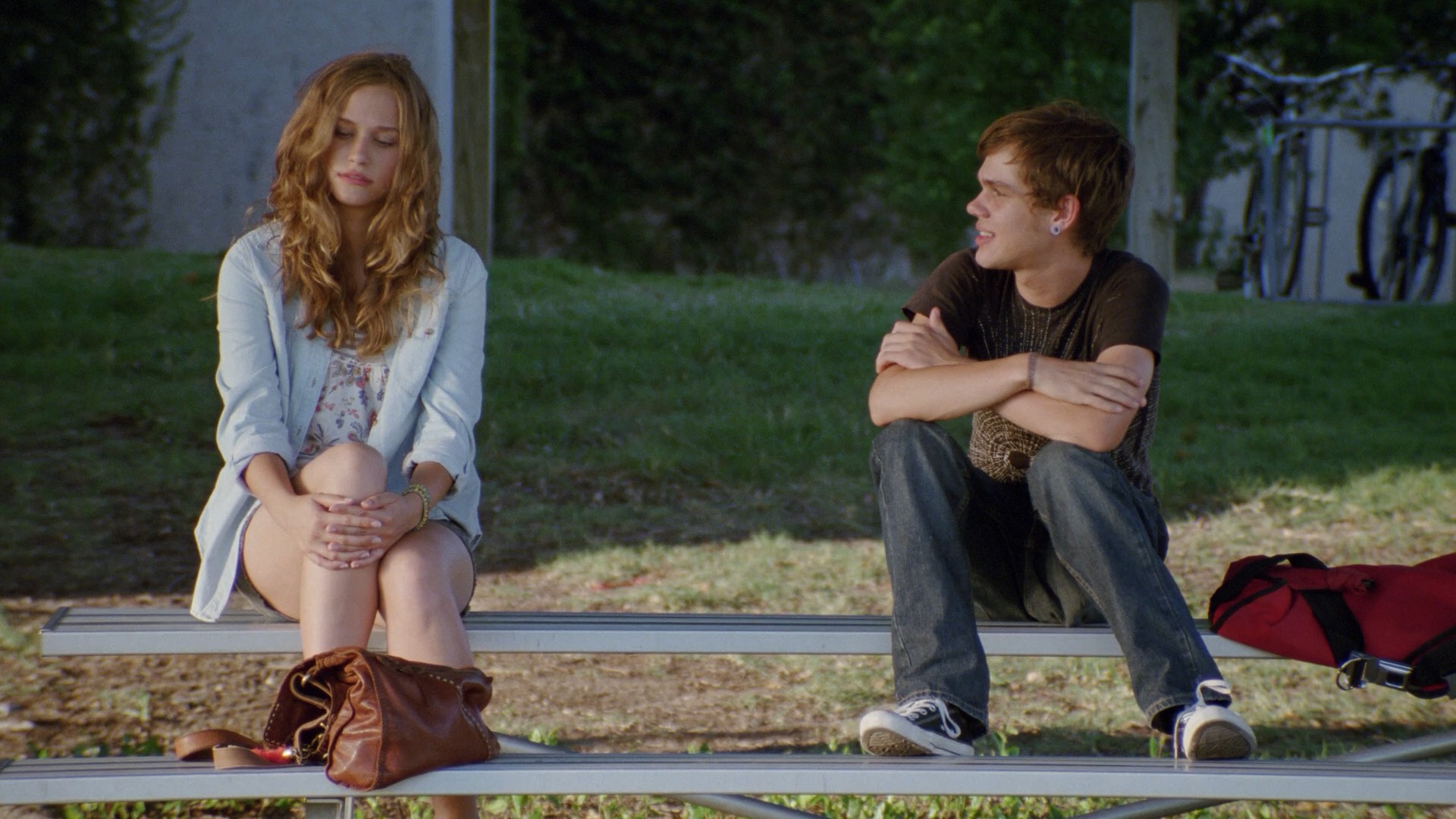
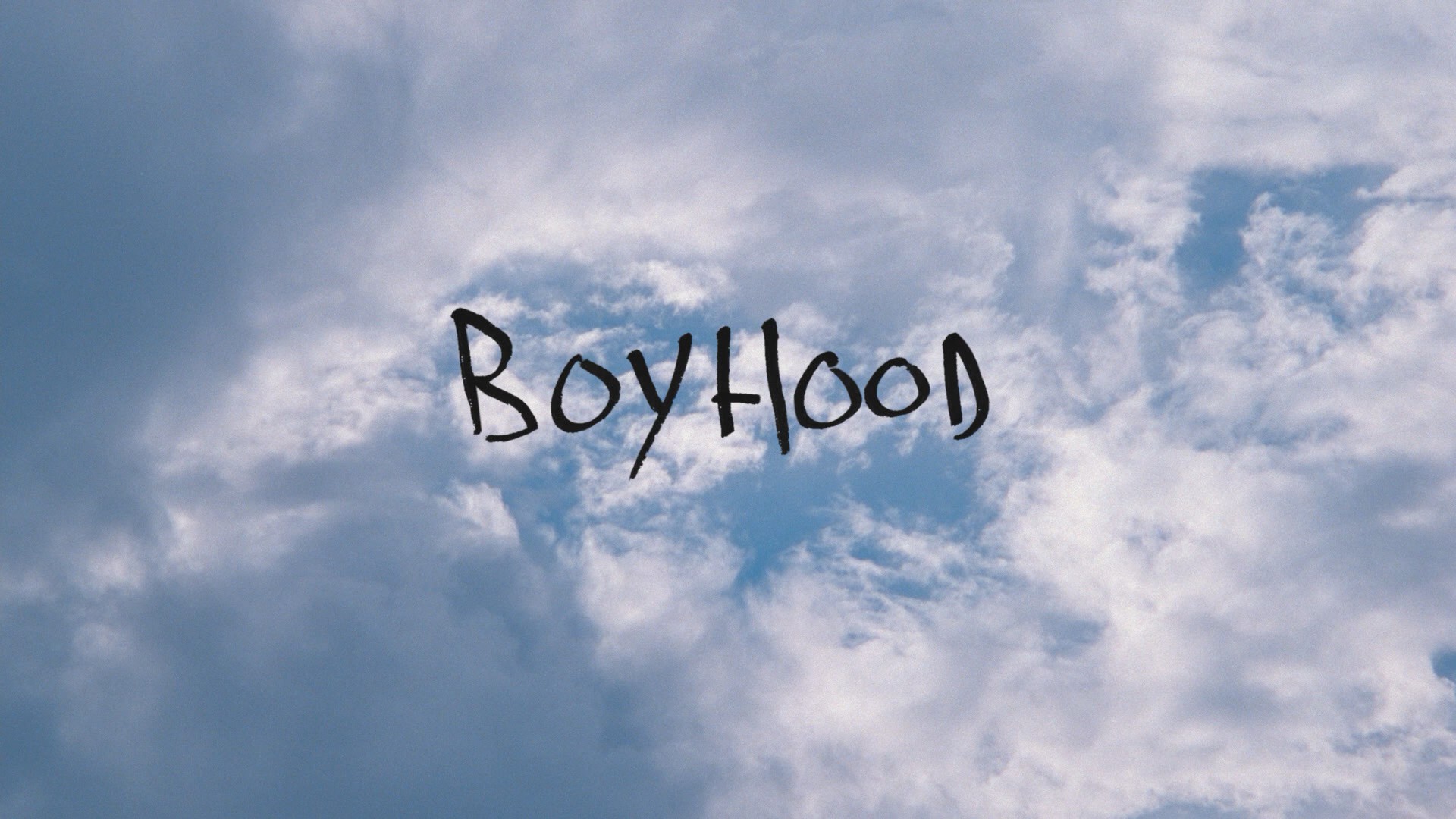
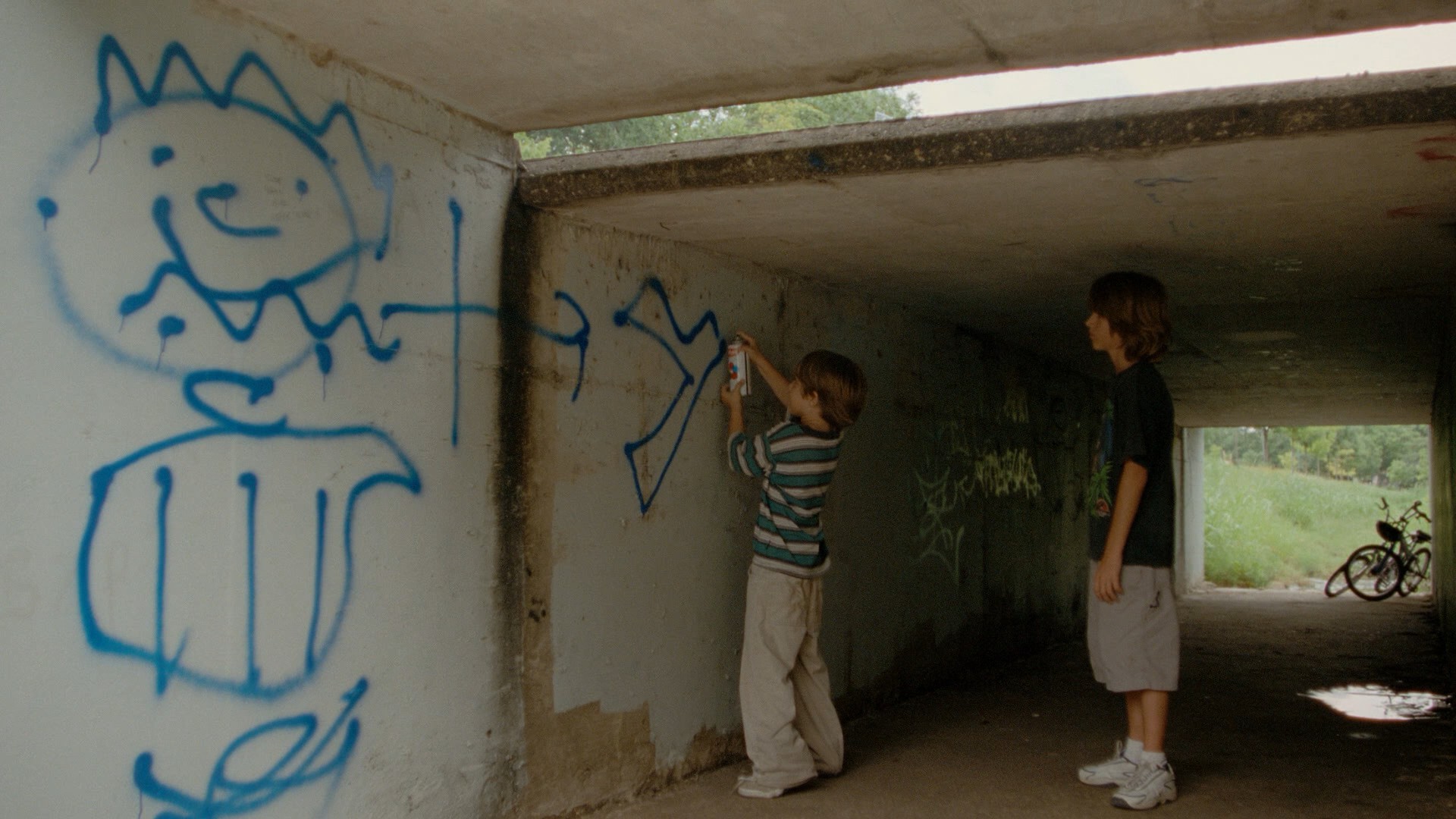
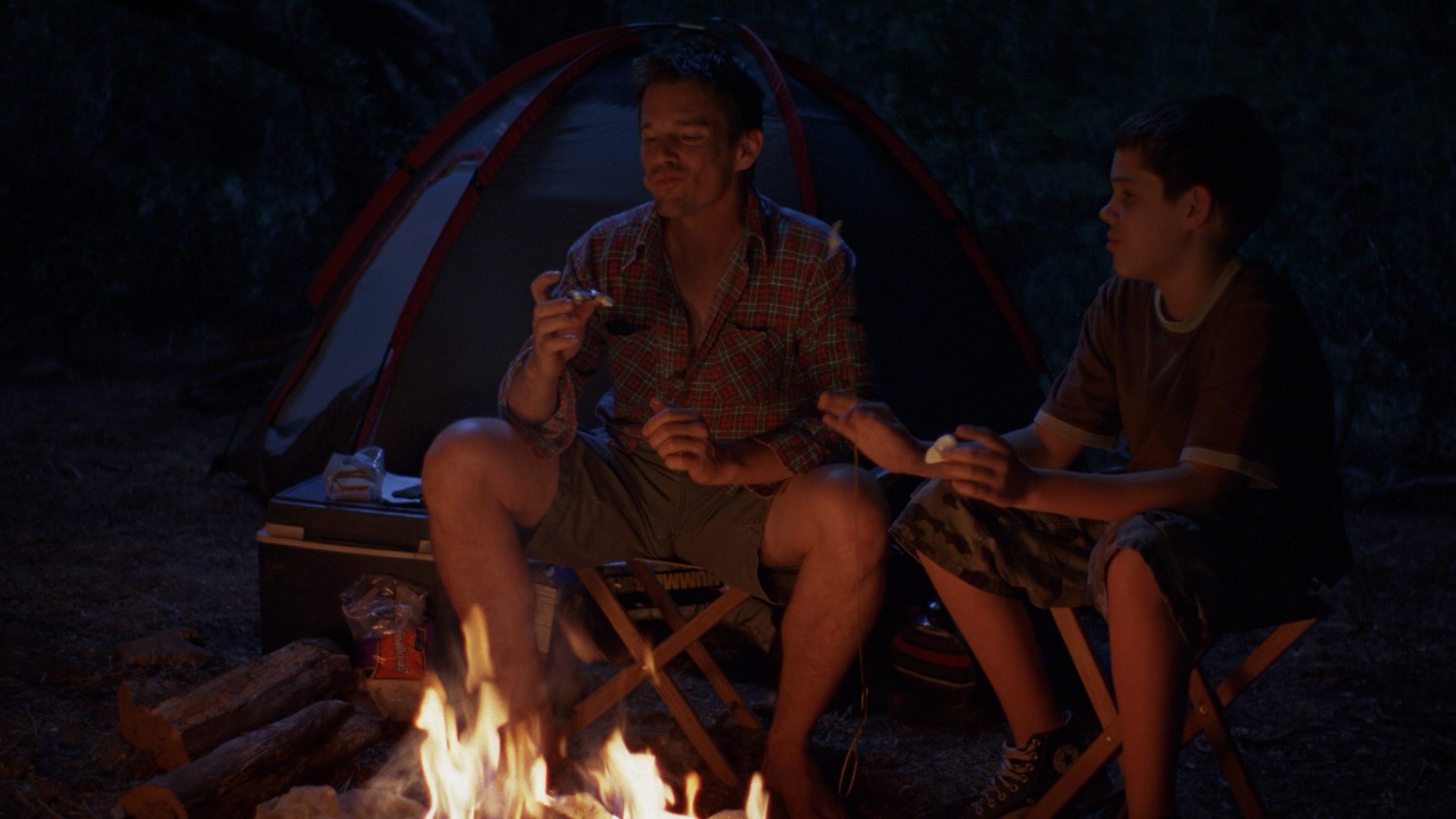
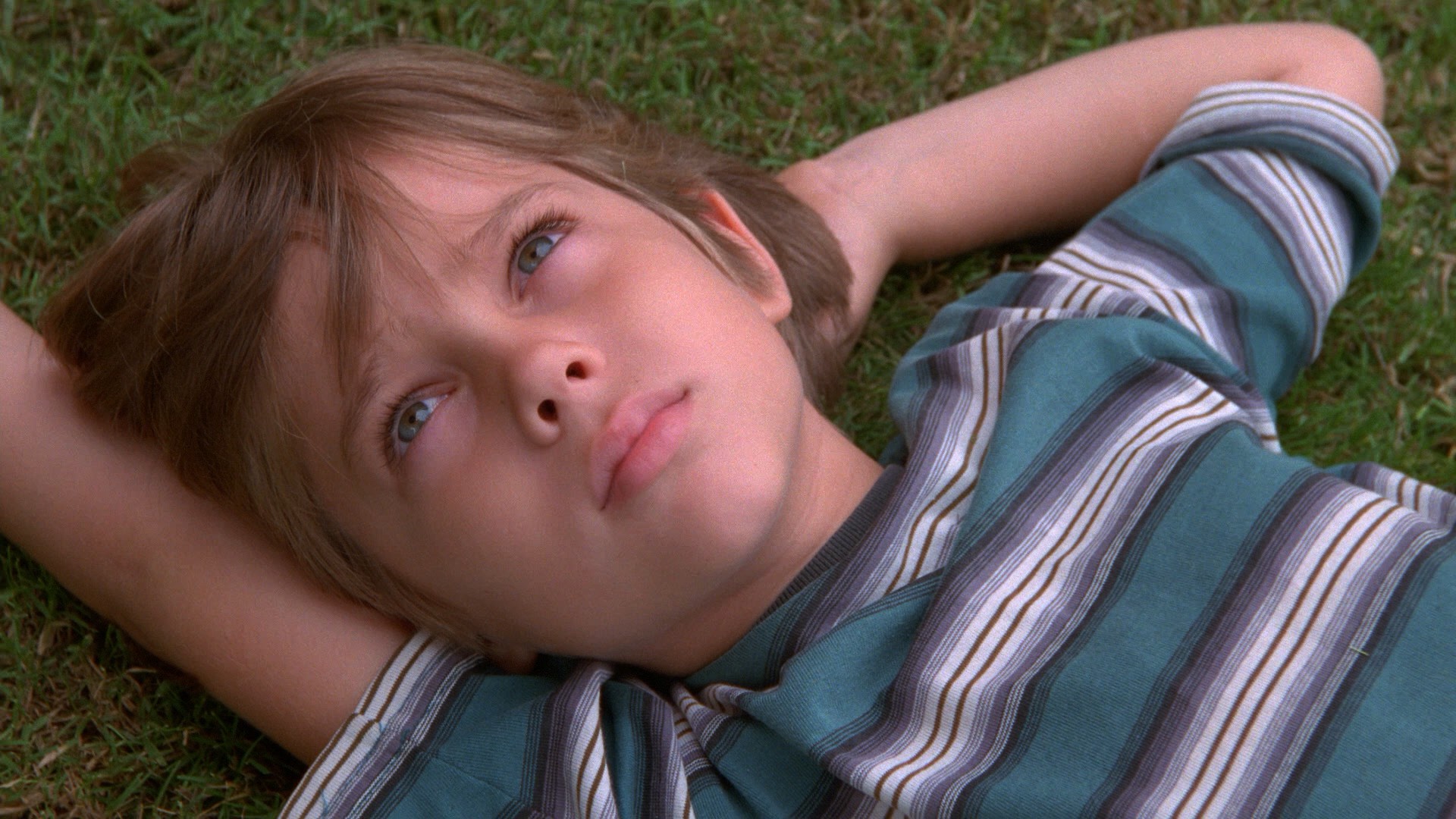
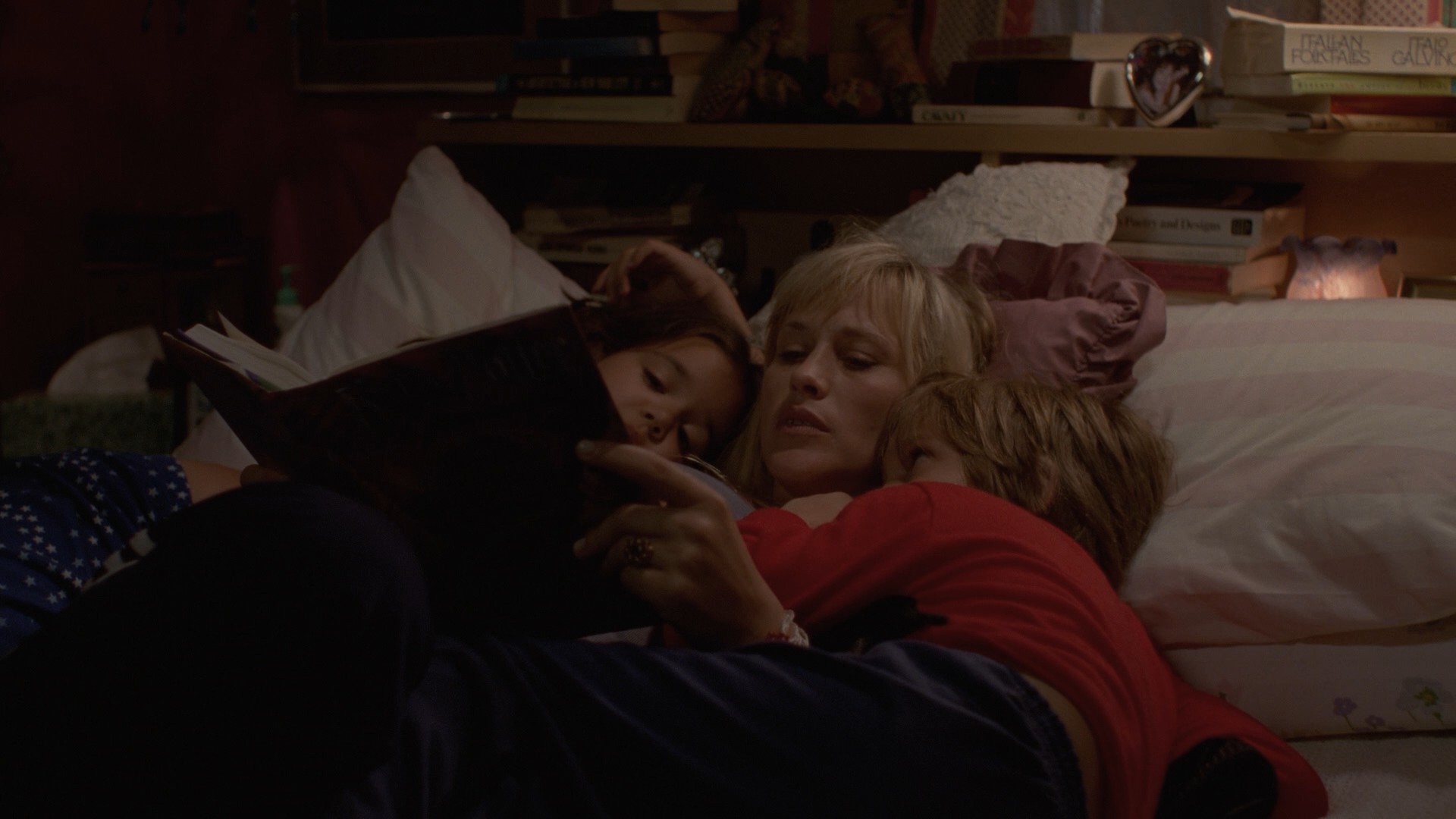
Richard Linklater’s 2014 epic coming-of-age drama BOYHOOD follows Mason Evans Jr. (Ellar Coltrane) from the ages of six to eighteen as he grows up in Texas, along with his divorced parents (Ethan Hawke and Patricia Arquette) and his sister Samantha (Lorelei Linklater). Boyhood was shot with the same actors over the same 12 year period over which the story takes place, with production beginning in 2002 and concluding in 2013. Boyhood premiered at the 2014 Sundance Film Festival and won the Silver Bear for Best Director at the Berlin International Film Festival. It was later nominated for six Academy Awards including Best Picture, winning in the Best Supporting Actress category (Arquette). Linklater worked on the film with American cinematographers Lee Daniel and Shane Kelly. Daniel had previously worked with Linklater on Slacker, Dazed and Confused, Before Sunrise, SubUrbia, Before Sunset and Fast Food Nation.
Linklater, Daniels and Kelly faced an obvious challenge making Boyhood to create a visual language for the film that could remain consistent across the 12 years of filming. Unsatisfied with the quality of digital cameras at the time that production commenced, Linklater and the DPs decided to shoot the entire movie on 35mm film, trusting that it would give the movie a consistent look and feel. The team would shoot for three or four days per year, and Linklater and editor Sandra Adair would then edit the footage, using that time to plan and write the next year’s scenes. Given that Daniel and Kelly took over for each other over the course of filming, they took the approach of allowing the moment to happen, rather than trying to have the actors serve their lighting schemes. Linklater had a process that involved a lot of rehearsal and a lot of shooting, and by the end of the 12 years, Daniel and Kelly had shot over 100 hours of footage that was progressively edited down into the final film.
FILM SPOTLIGHT
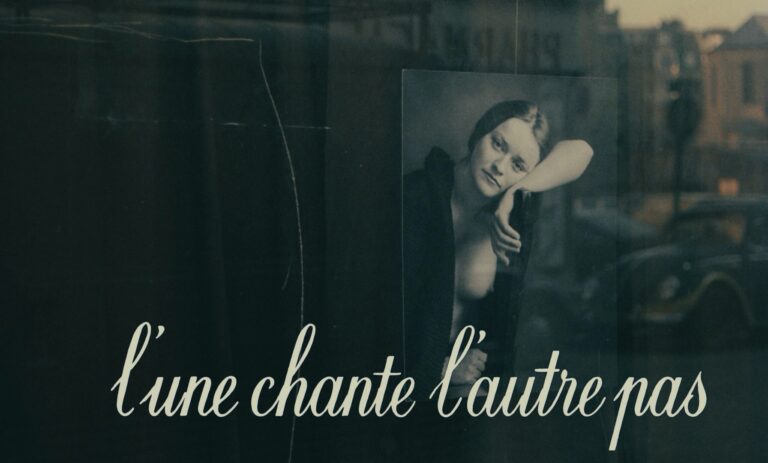
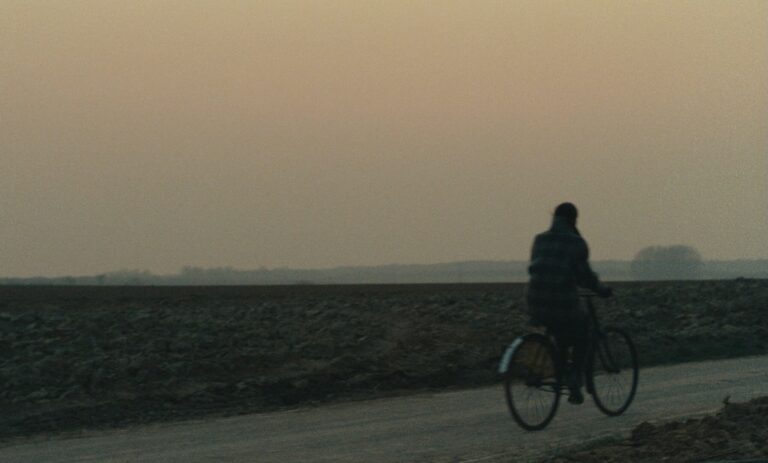
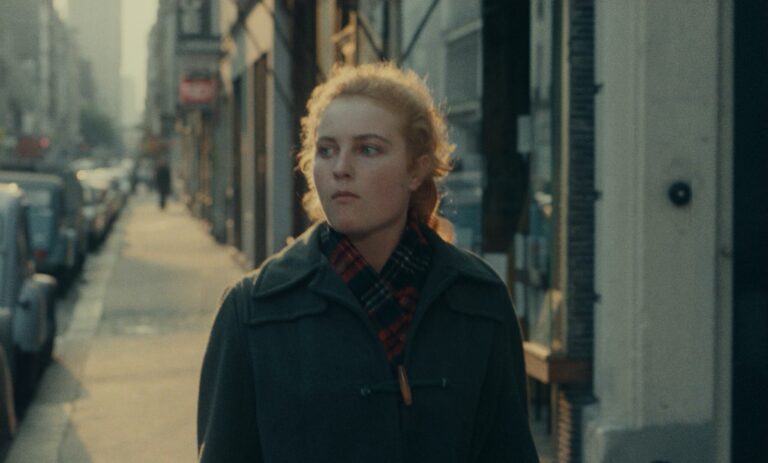
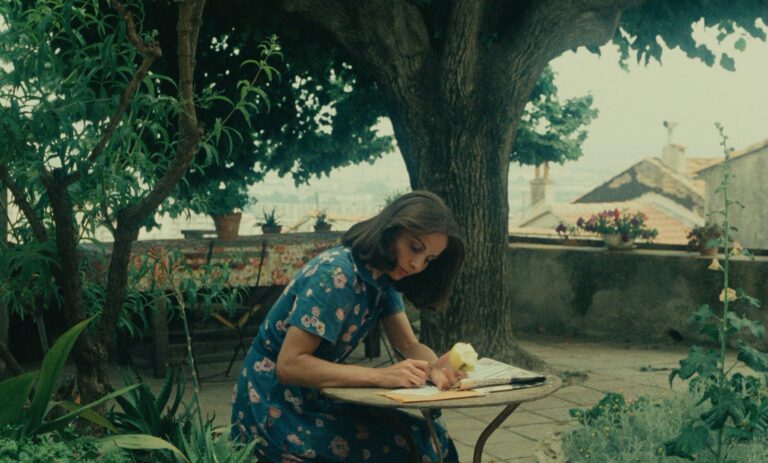
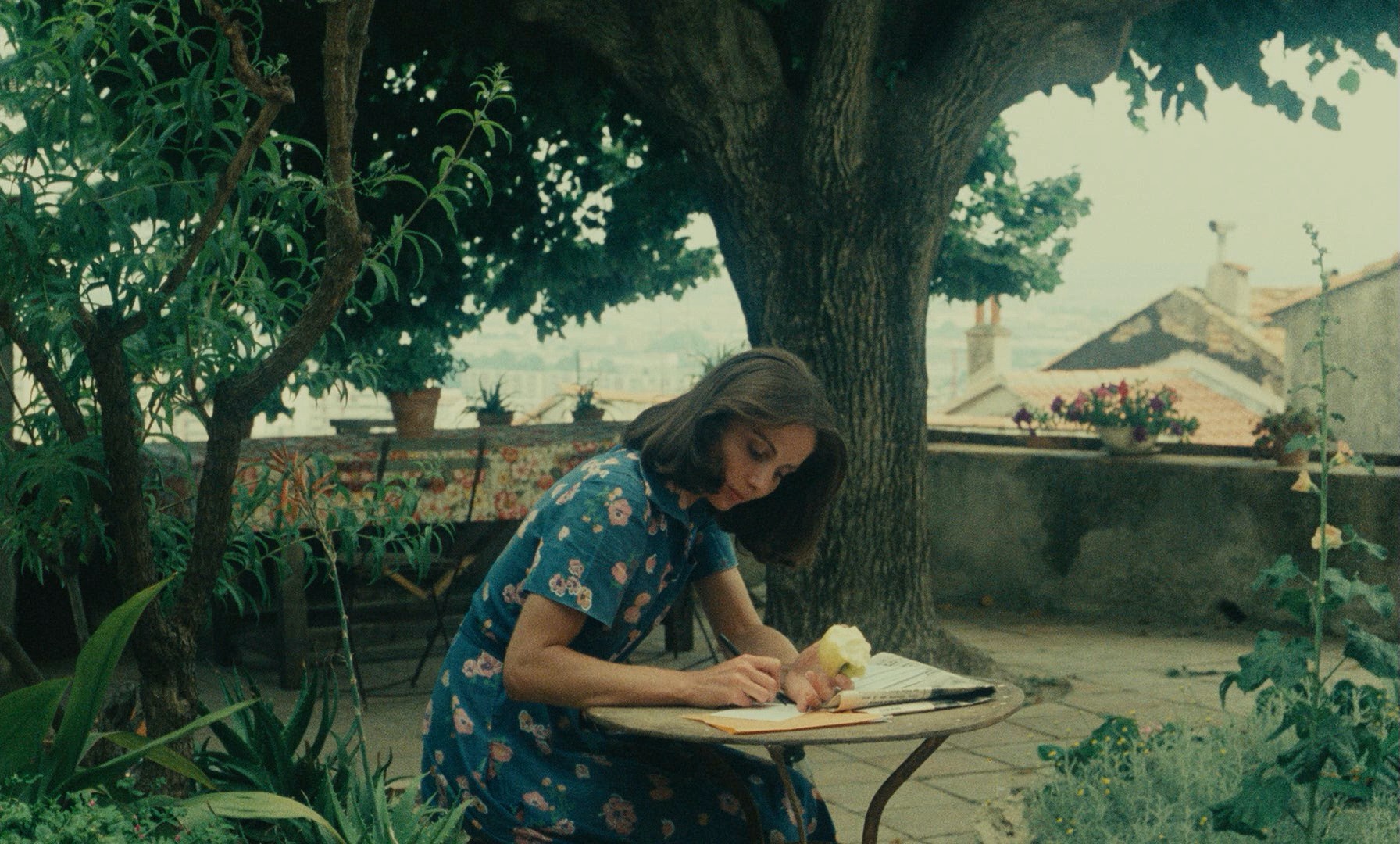
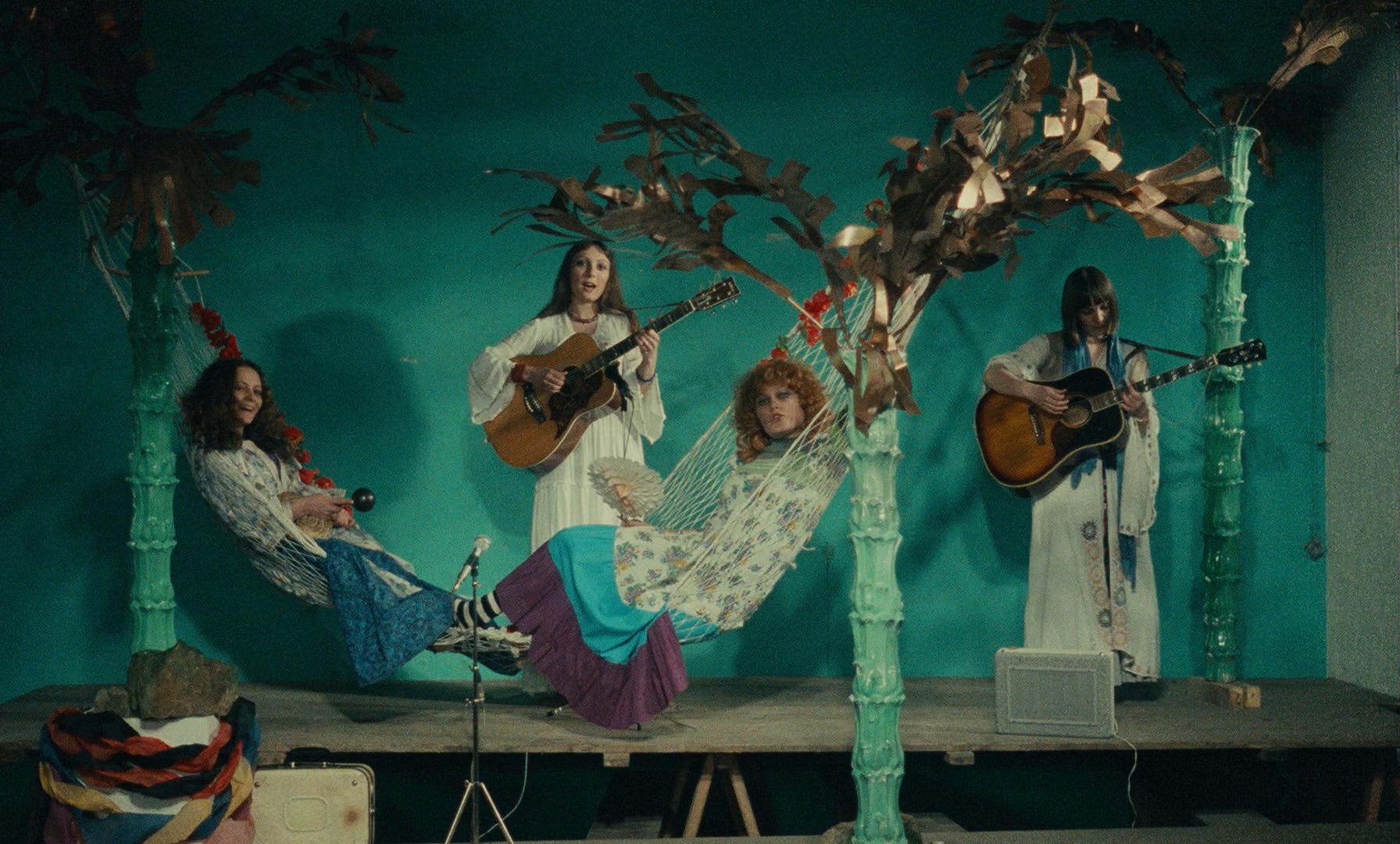
One Sings, the Other Doesn’t (1977)
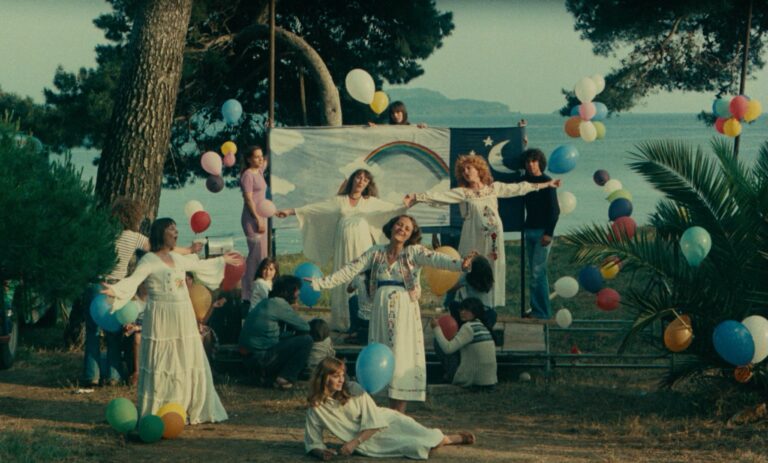
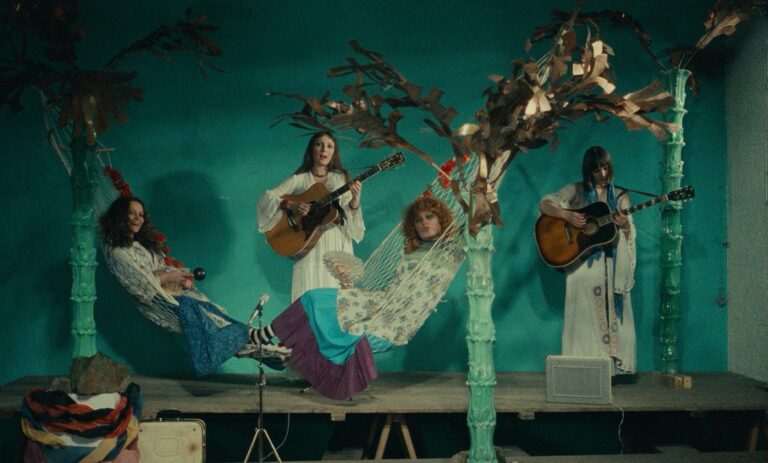
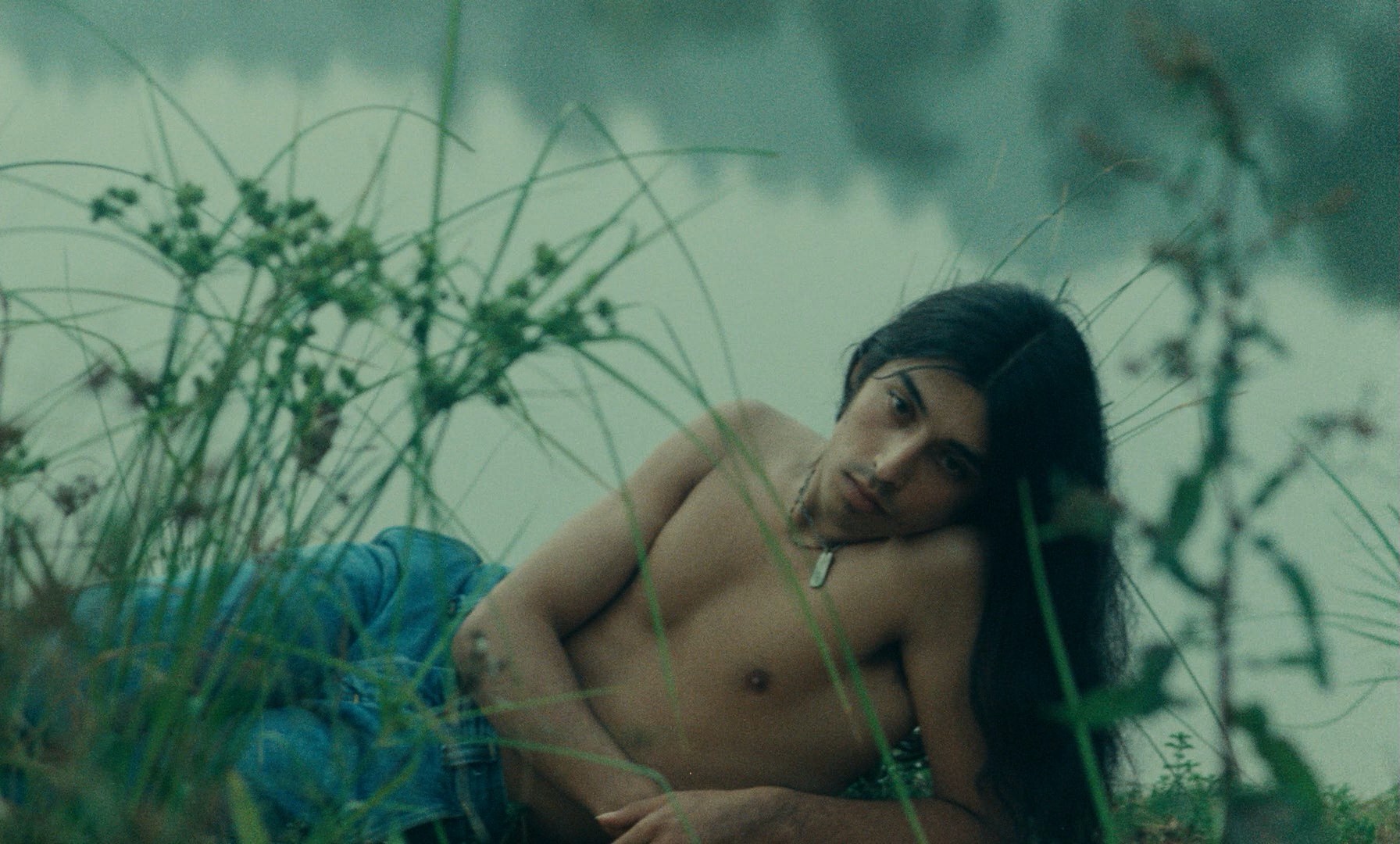
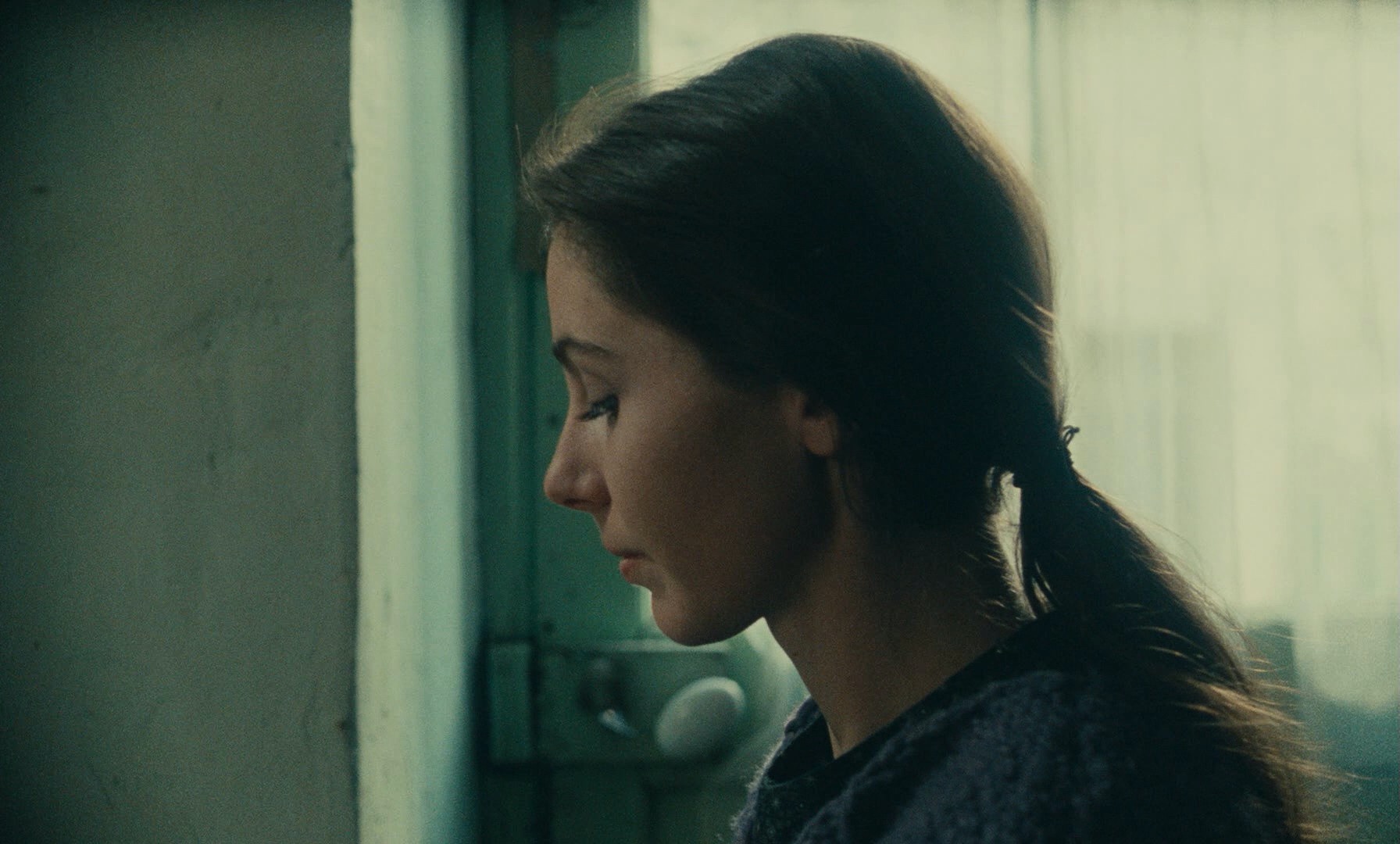
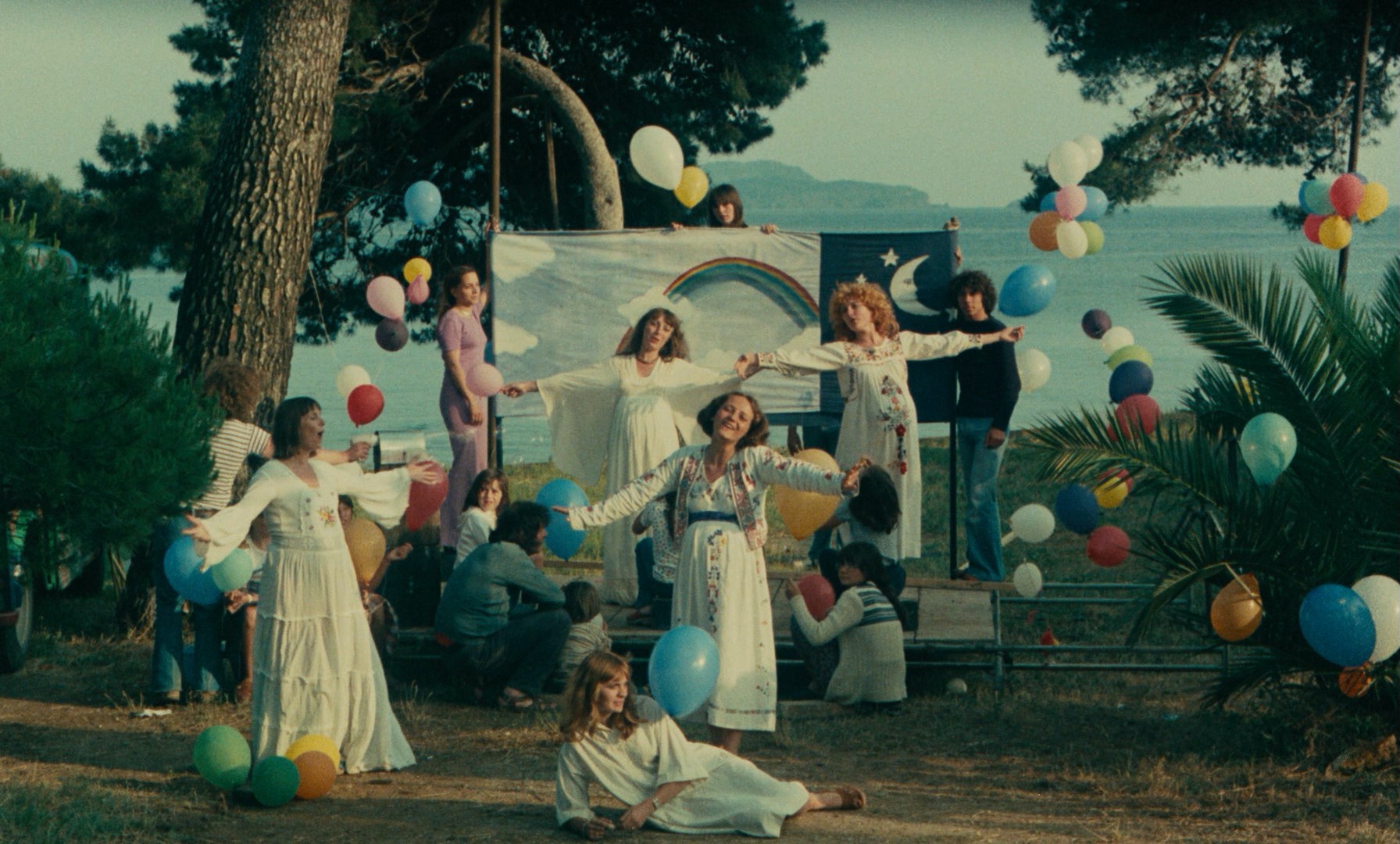
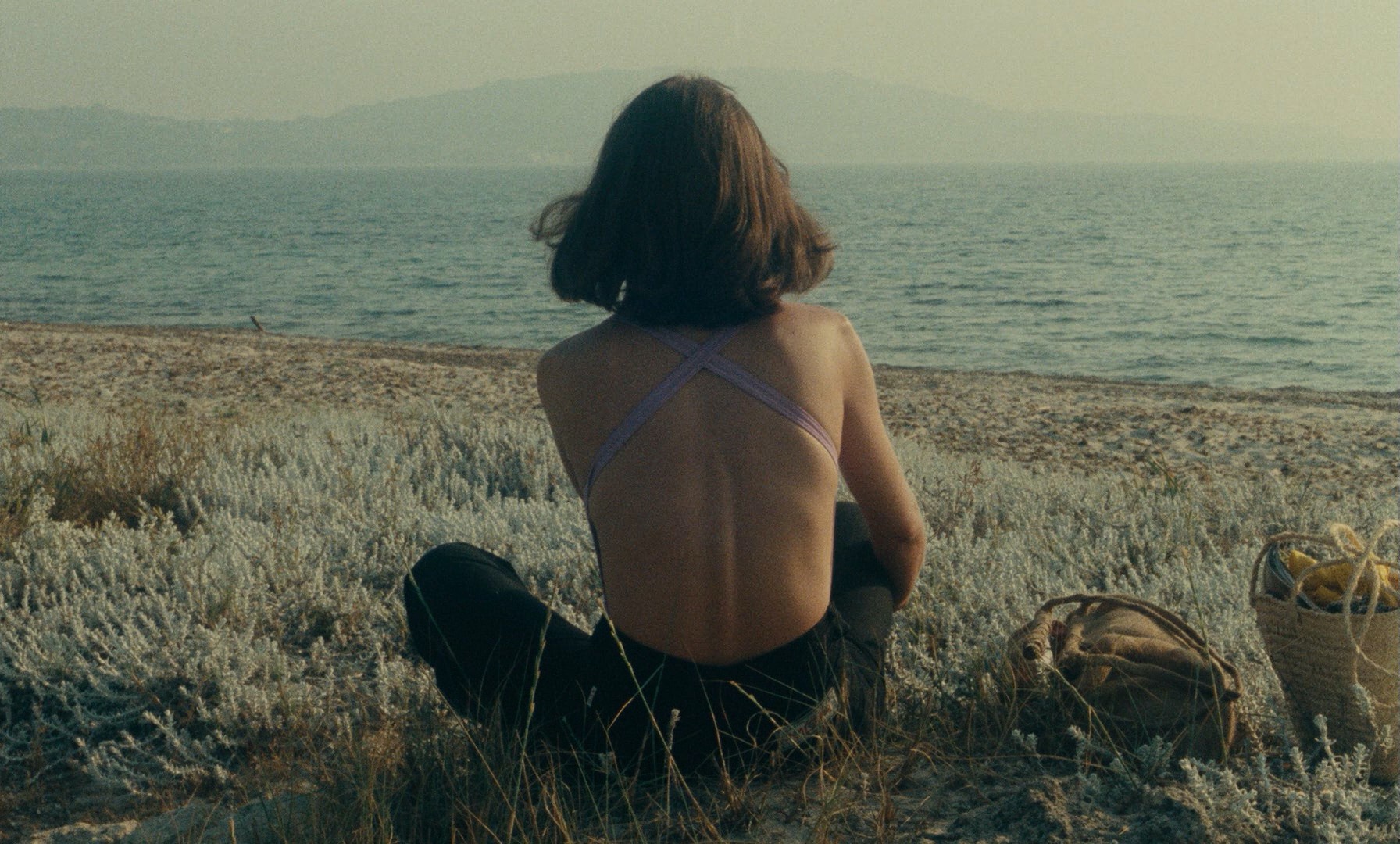
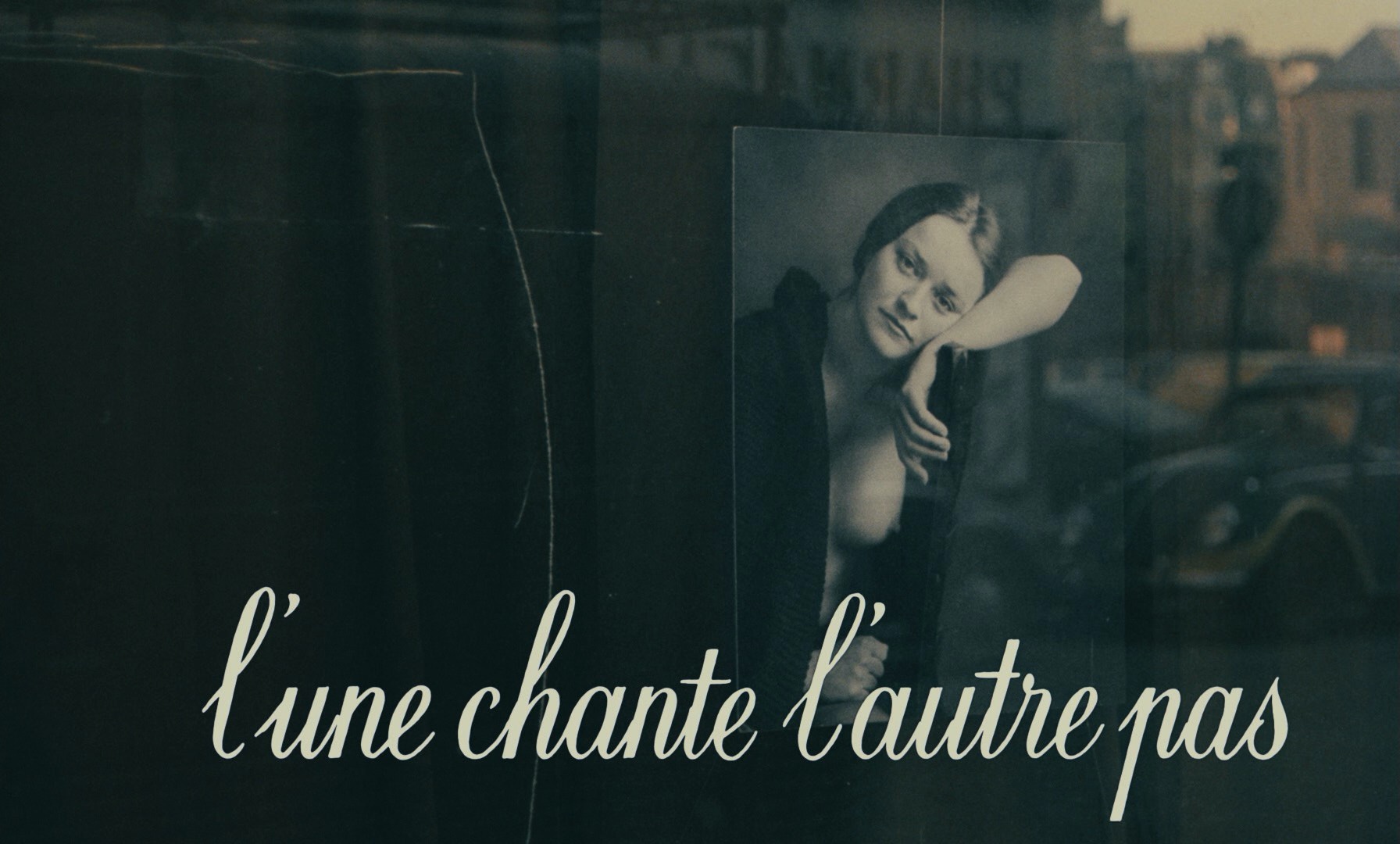
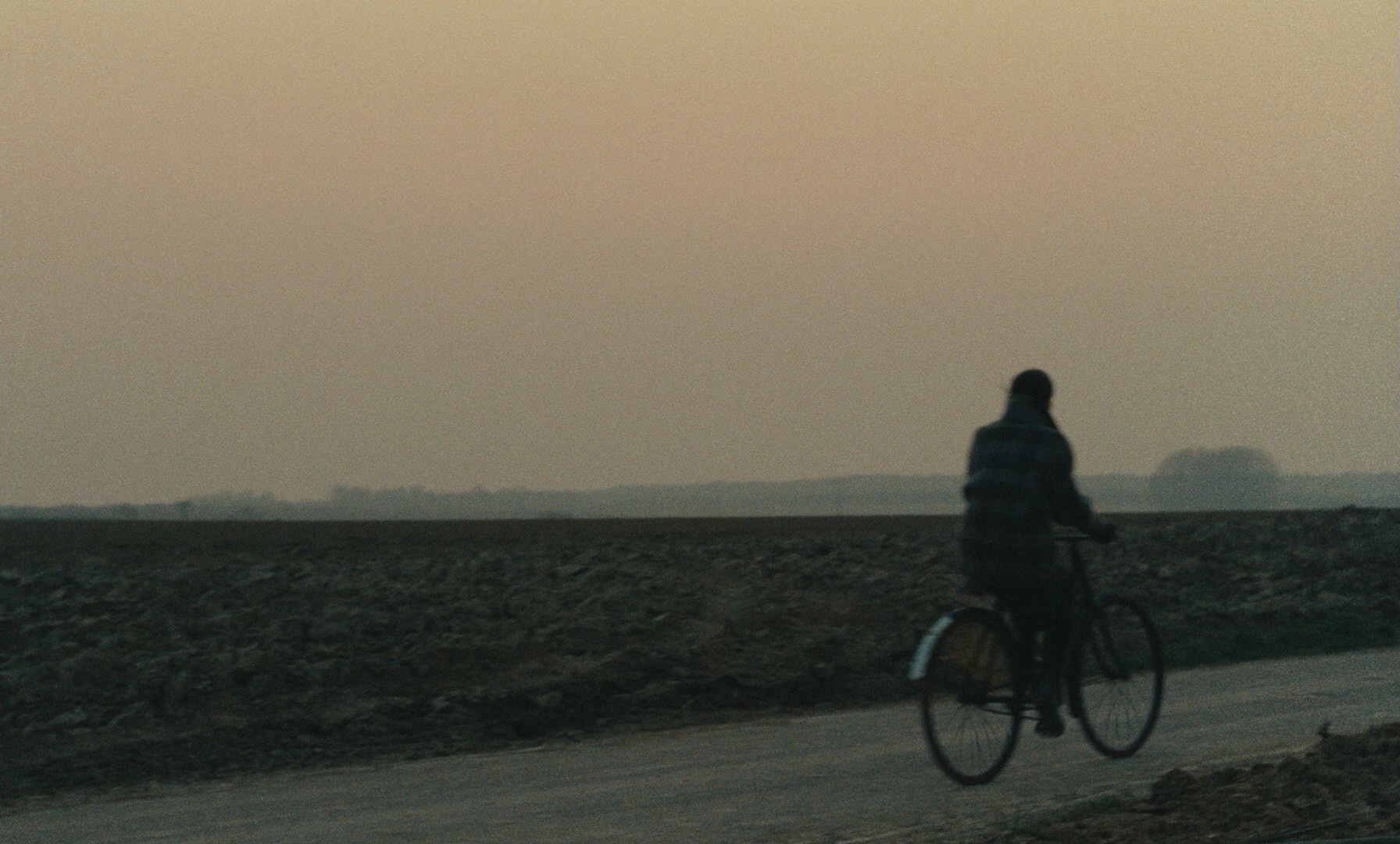
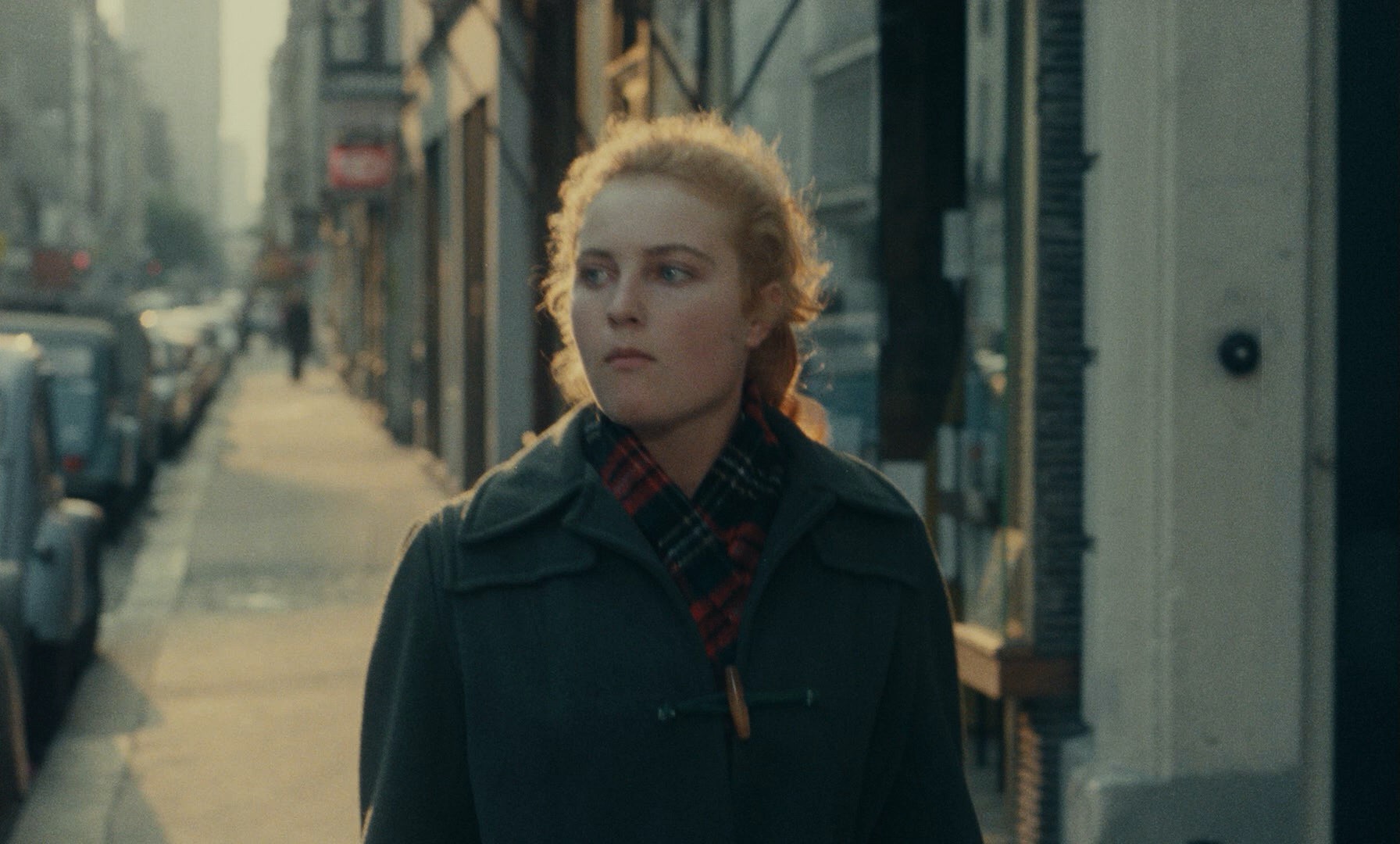
Agnés Varda’s 1977 film ONE SINGS, THE OTHER DOESN’T is a French drama focusing on the lives of Pomme (Valérie Mairesse), an aspiring singer, and Suzanne (Thérèse Liotard), a struggling mother, as they search for their own identity against the backdrop of the Women’s Movement in 1970s France. The film also stars Ali Rafie and Robert Dadiès. Like many of Varda’s films, One Sings, The Other Doesn’t has become synonymous with Varda’s bold, collage-like style of mixing filmmaking styles and approaches, and is a landmark of 70s feminist cinema.
Production for One Sings, the Other Doesn’t took place in 1976. An initial version had been written to take place in 1972, but Varda abandoned it, wanting to focus on how women she knew in the feminist movement were moving towards living well, rather than making a film that only highlighted the bad things happening to women in society. Like her previous film Daguerreotypes, Varda did the voiceover for this film, and for One Sings, the Other Doesn’t, Varda also aimed to create a pastiche of filmmaking styles by combining dream and documentary into the narrative of the movie. One of the ways she achieved this effect was by mixing “songs that dreamily articulate feminist thoughts” with images of real women at a shelter.