New Shots: A Page of Madness, The Kid, & More Movie Screengrabs
Get your Decks ready ShotDeck Community! We’re dropping some great new shots this week including 20 films from The Silent Era! Remember you can always request titles for future drops by clicking here!
FILM SPOTLIGHT
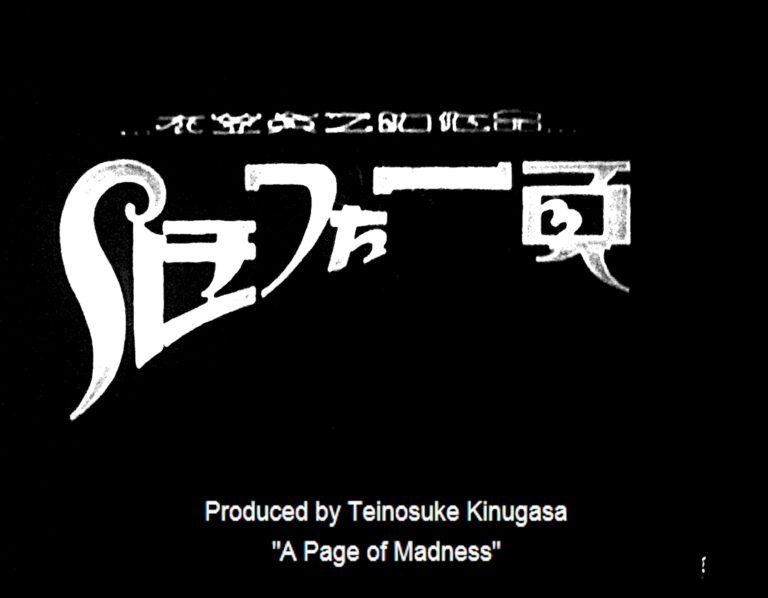
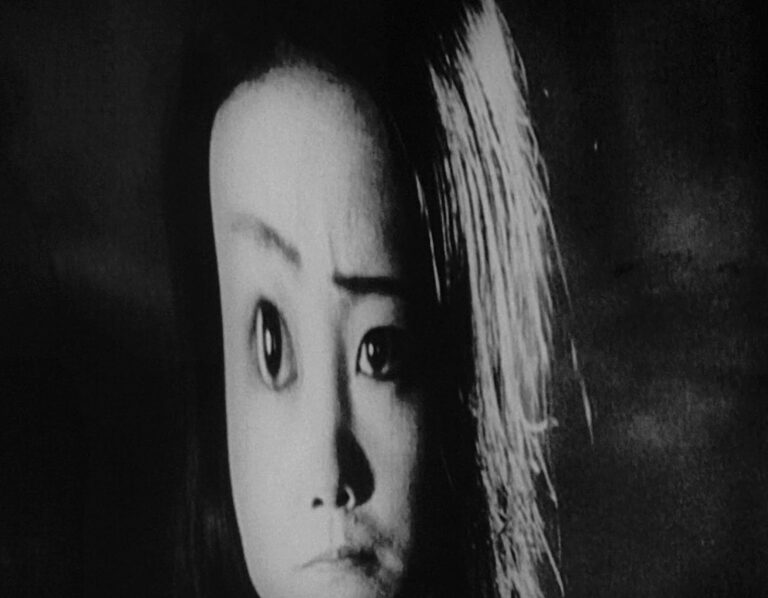
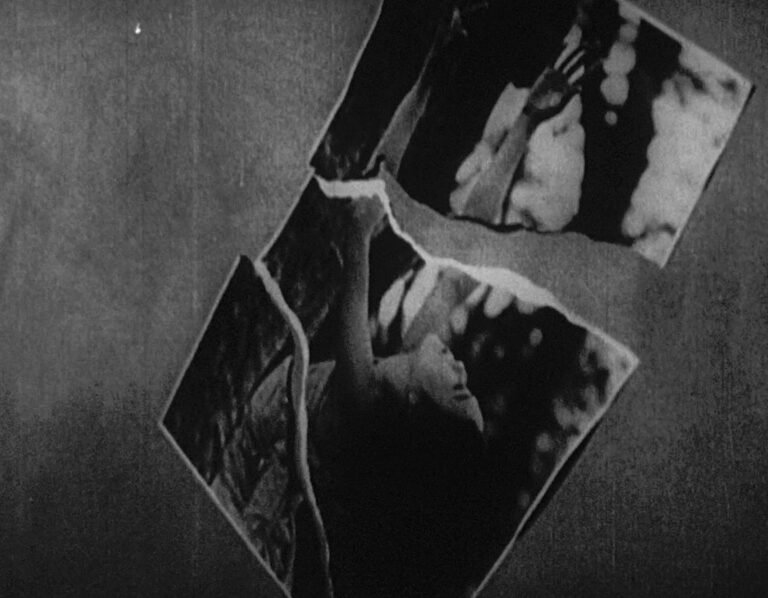
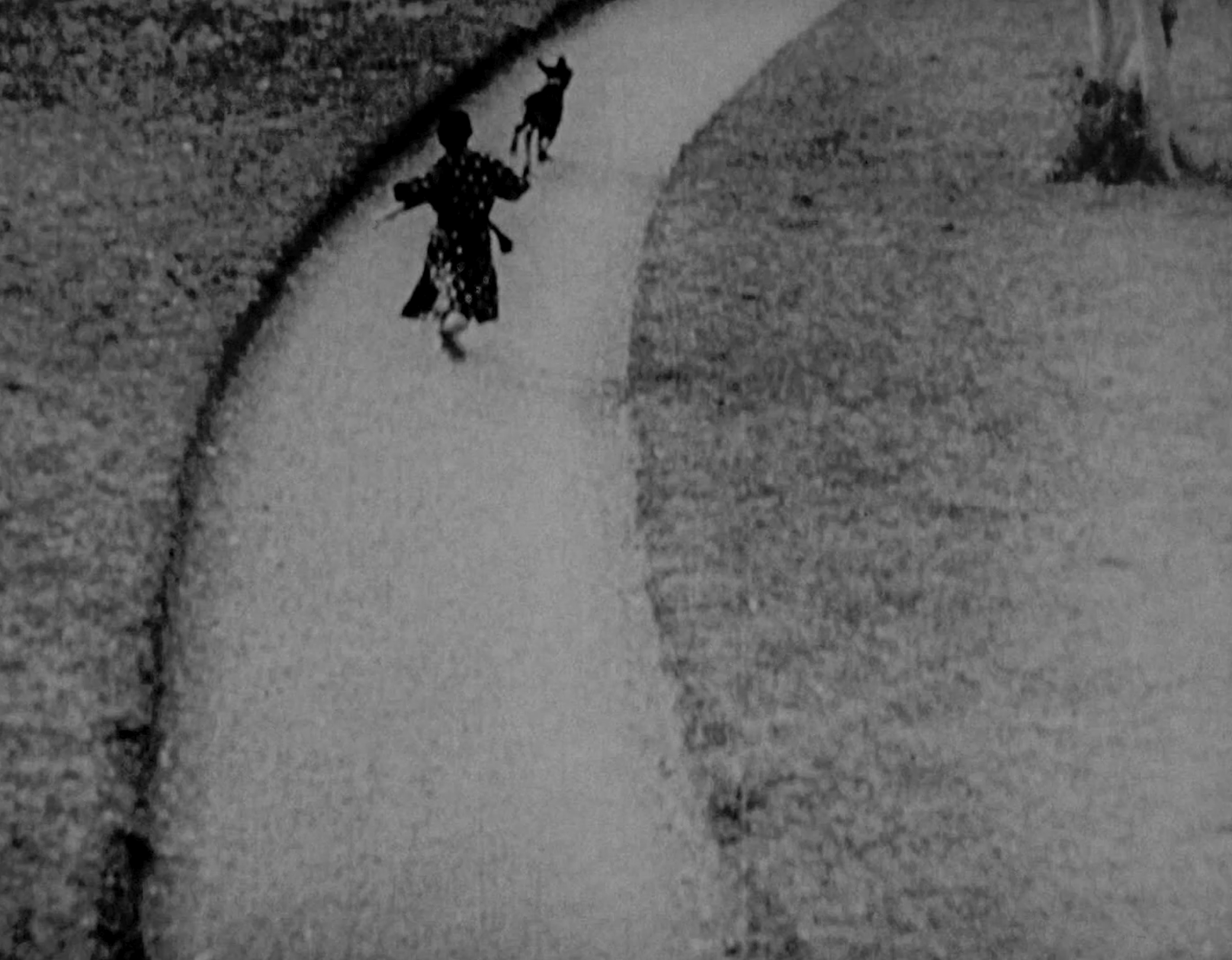
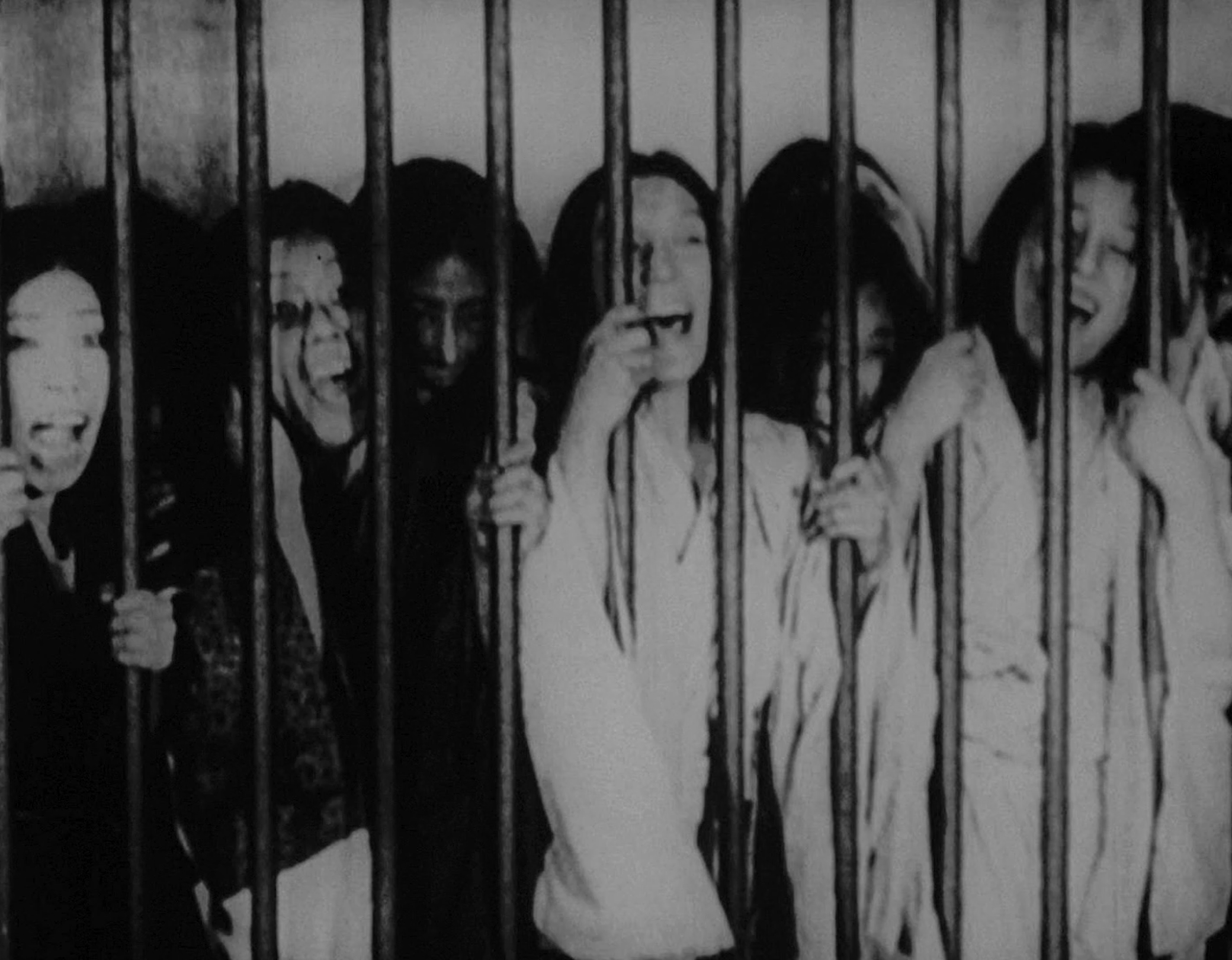
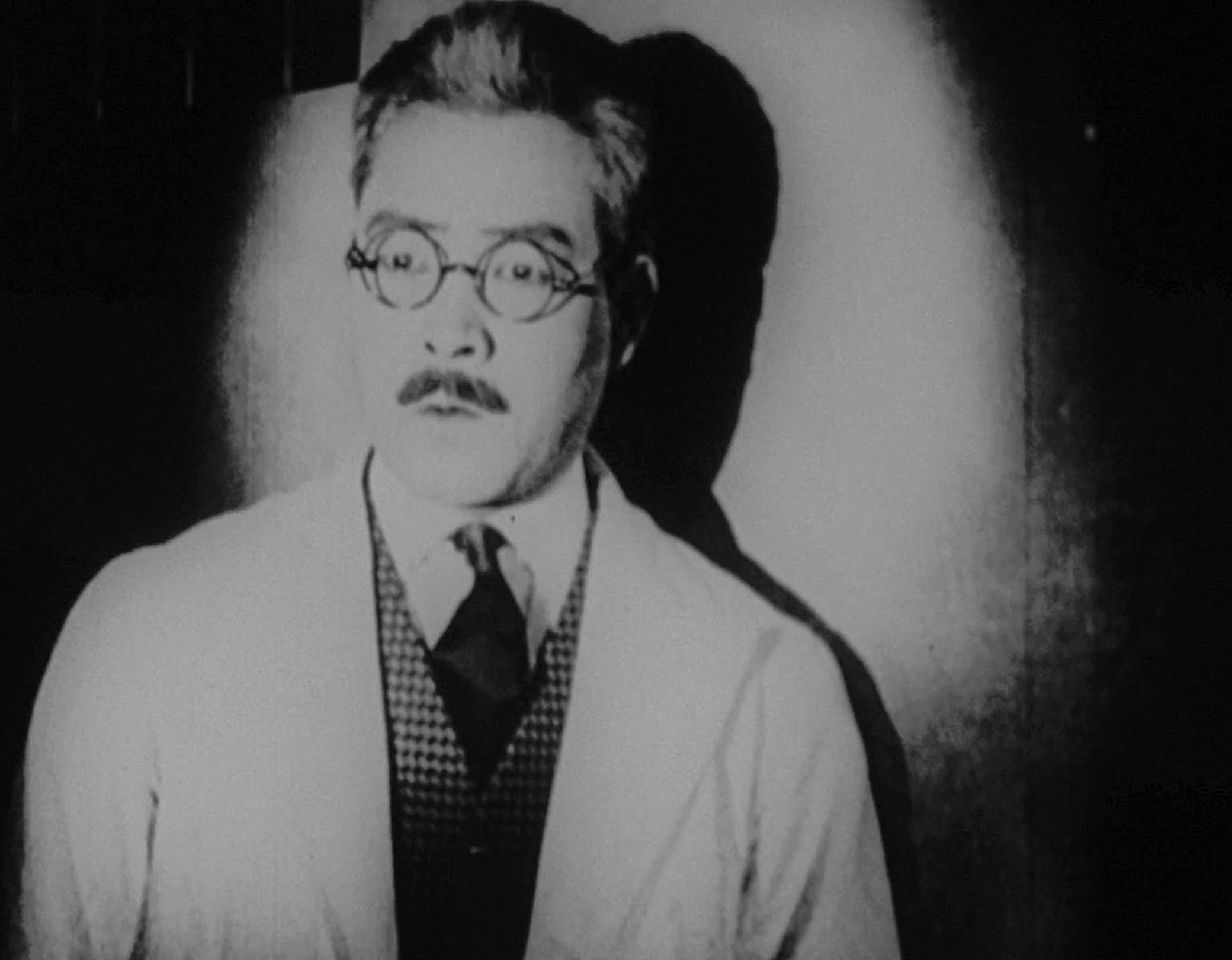
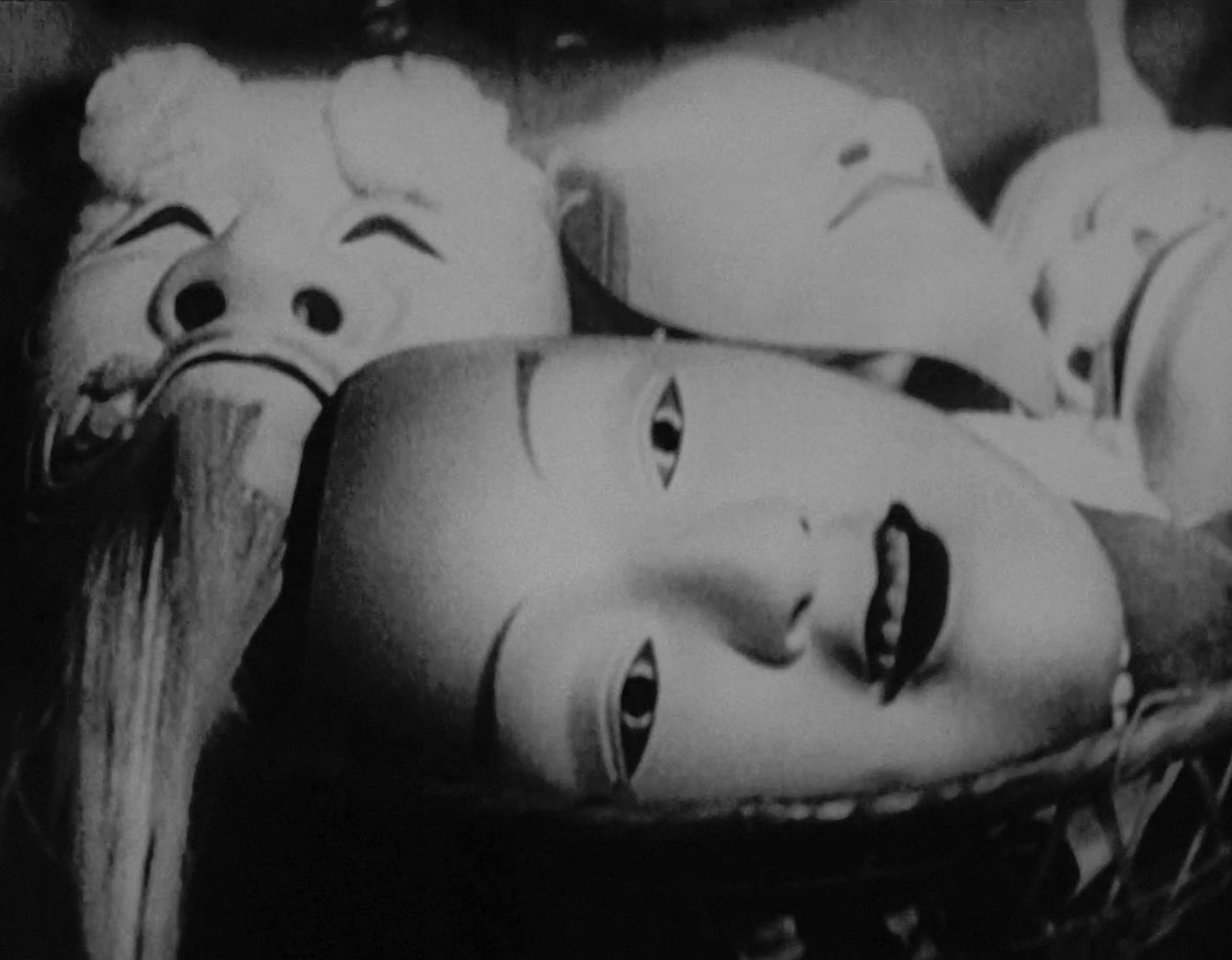
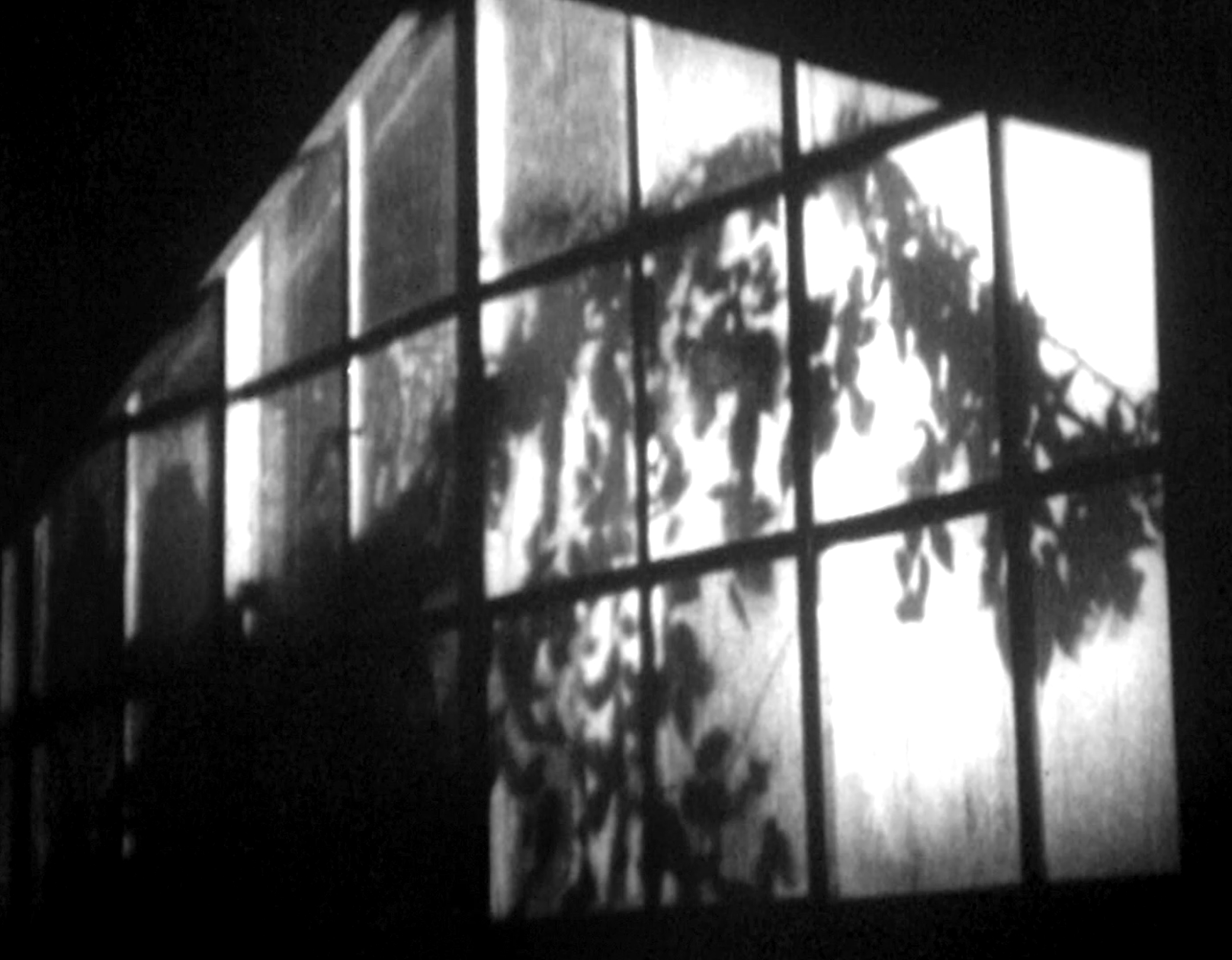
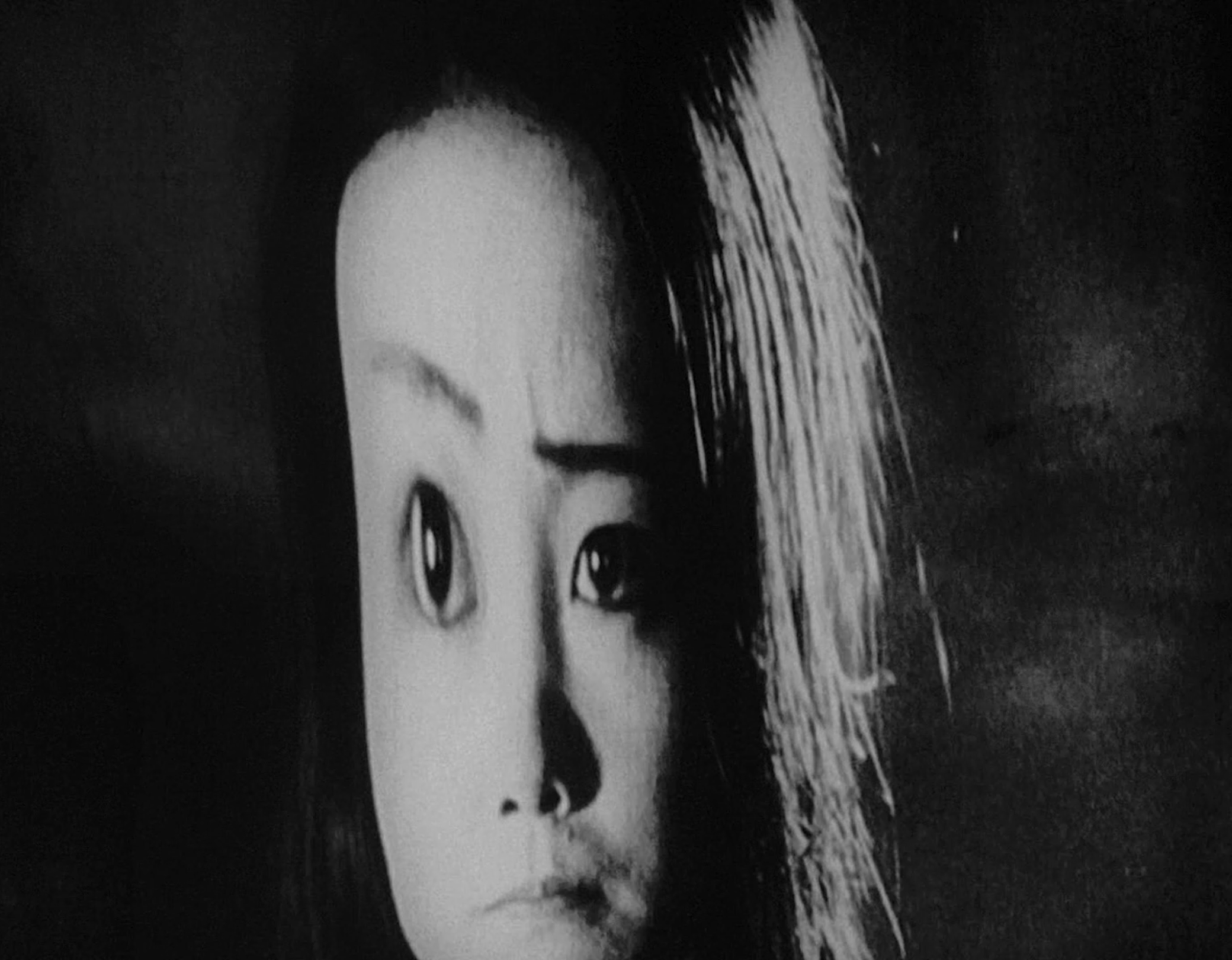
A Page of Madness (1926)
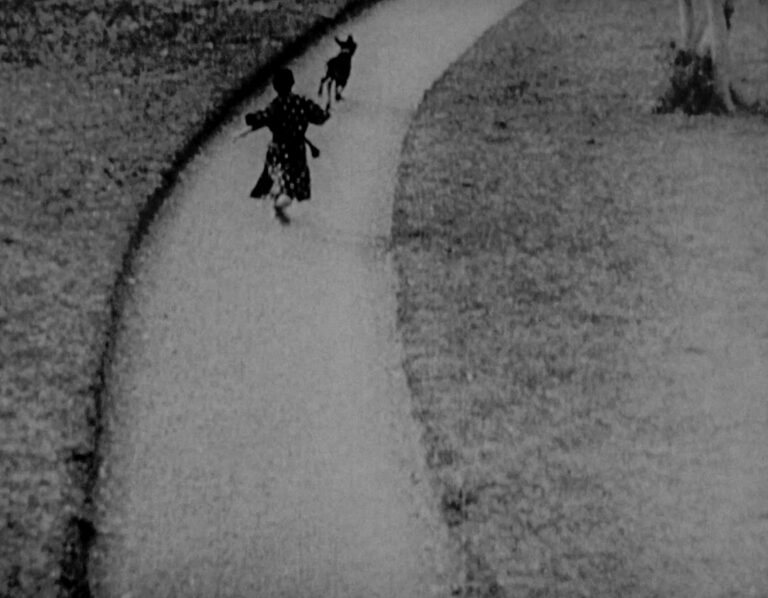
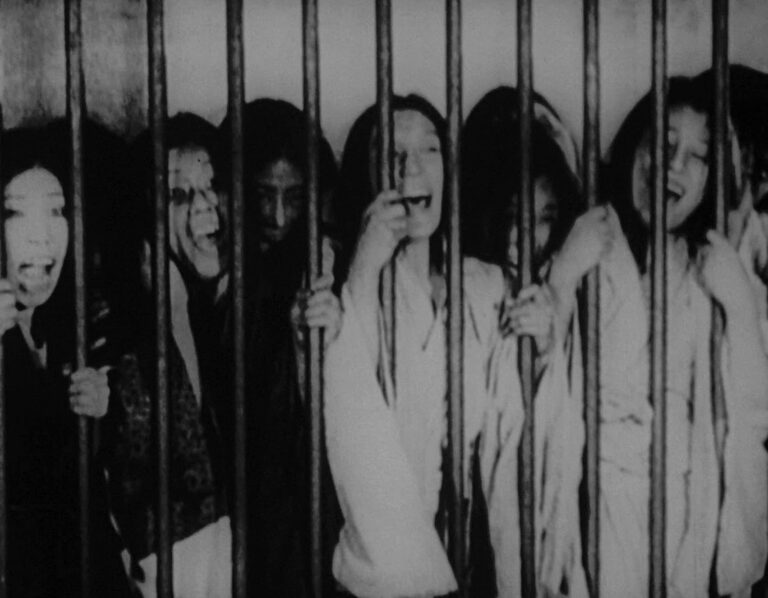
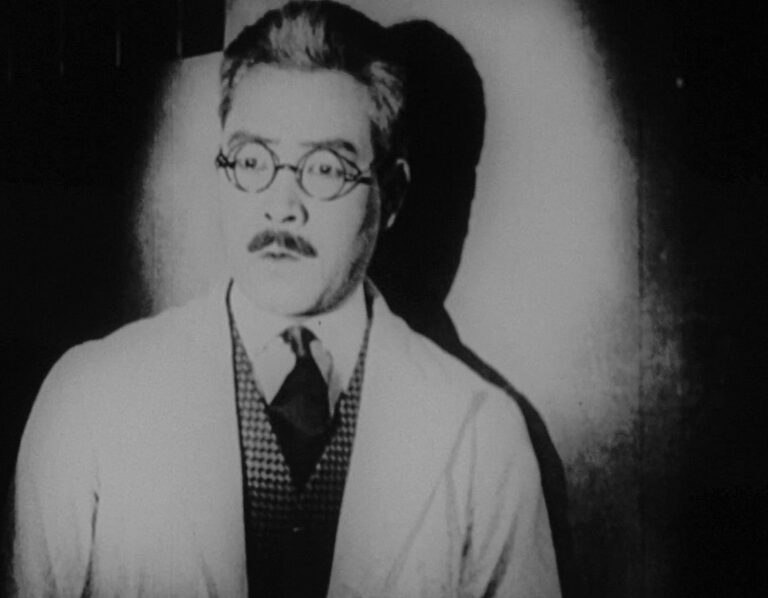
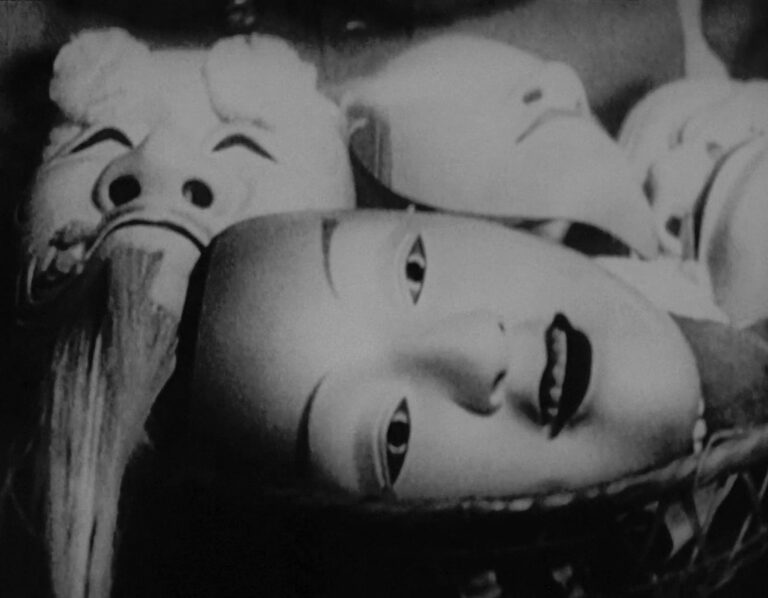
Set within the confines of a mental asylum, A Page of Madness follows a janitor who works there in order to stay close to his institutionalized wife. As he observes the patients and grapples with his own guilt and memories, reality begins to fracture into a stream of hallucinations, dreams, and distorted perceptions. The narrative dissolves into a psychological portrait of madness, where inner turmoil overtakes any clear sense of time or place.
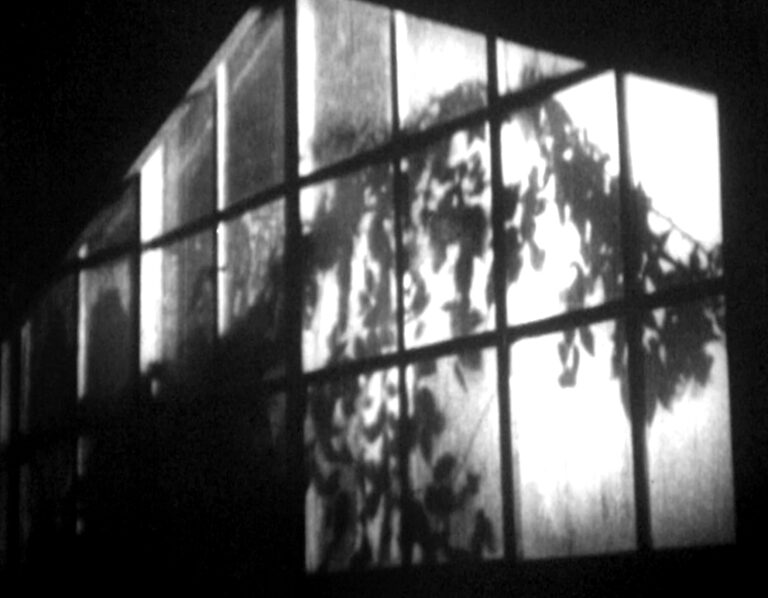
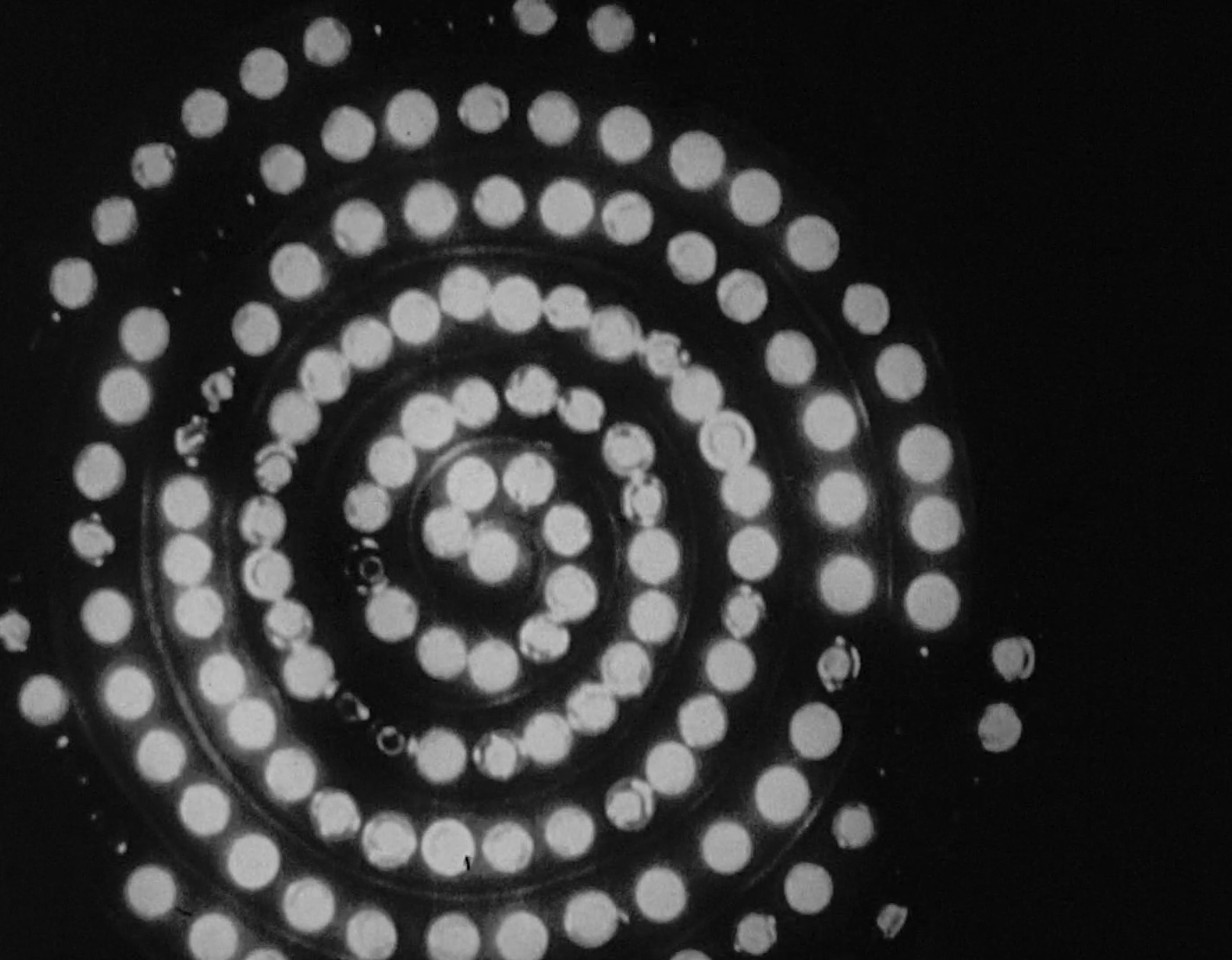
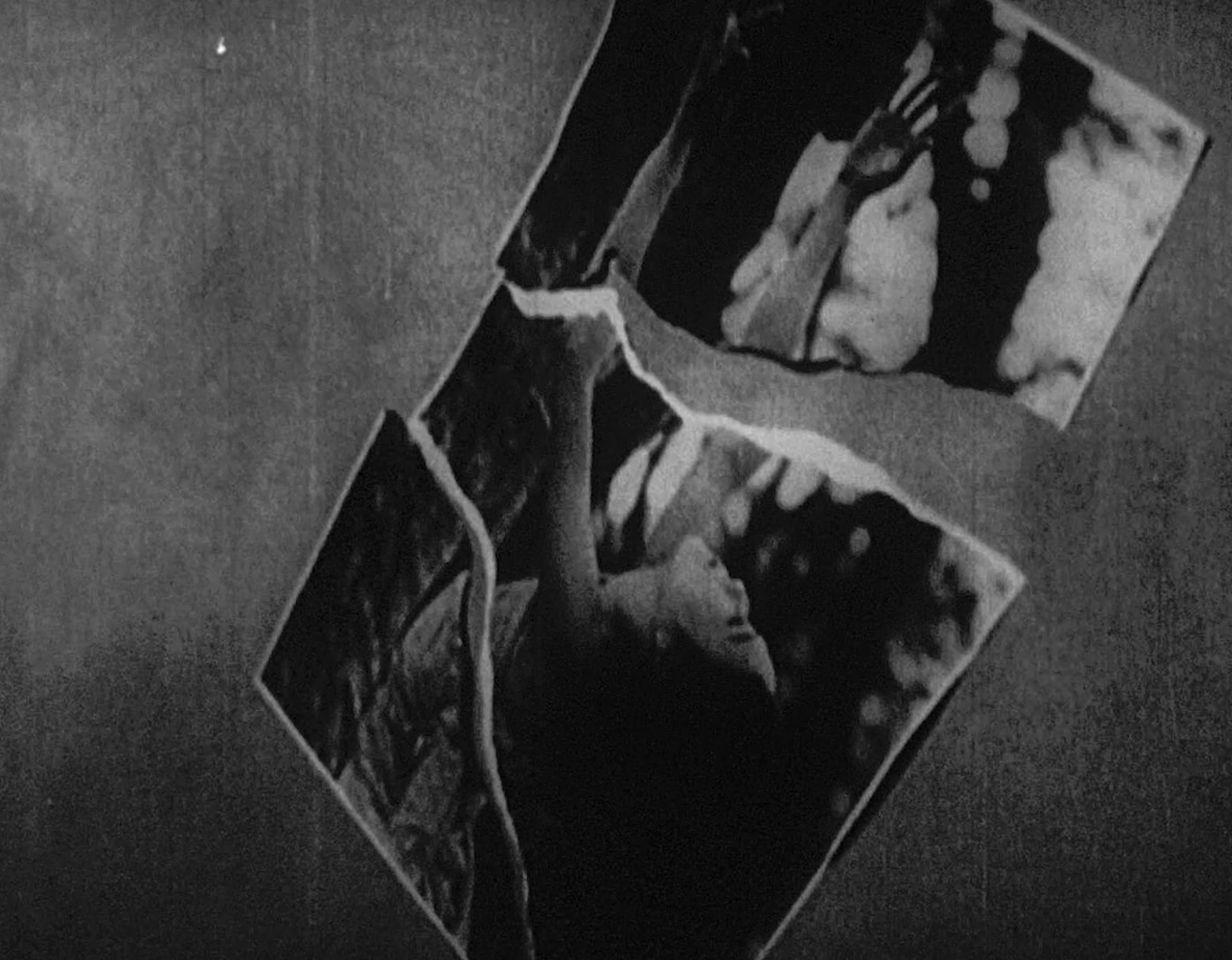
Kinugasa crafted A Page of Madness with a radically experimental visual language, using rapid montage, superimpositions, distorted lenses, and rhythmic editing to mirror the instability of the mind. Shot without intertitles, the film relies entirely on image and movement—turning light, shadow, and texture into a purely cinematic expression of psychological chaos decades ahead of its time.


FILM SPOTLIGHT
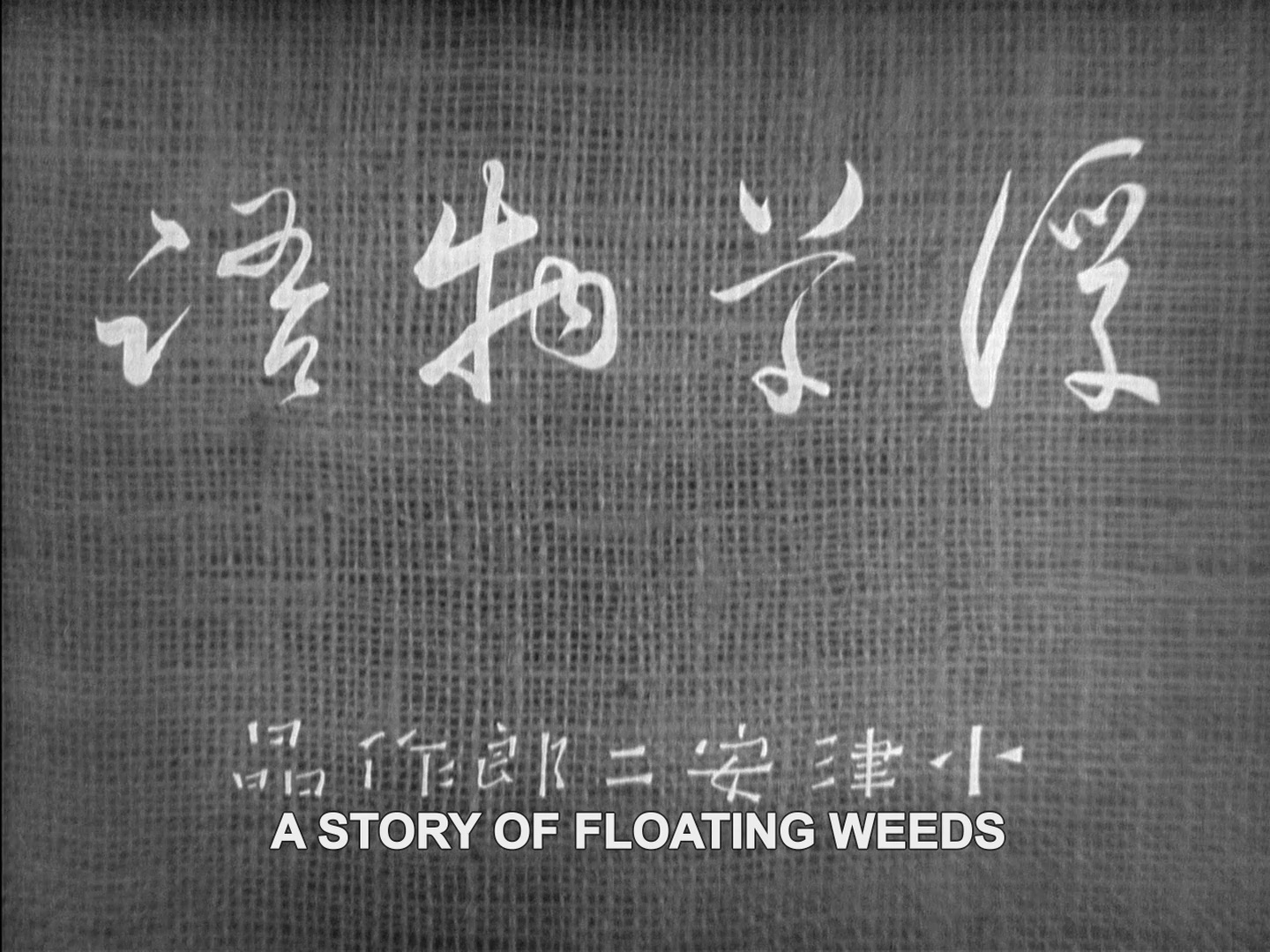
A Story of Floating Weeds (1934)
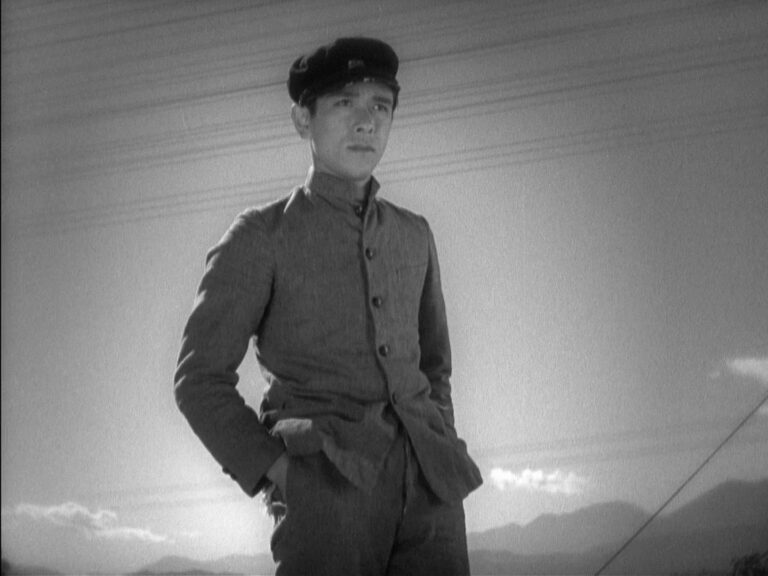
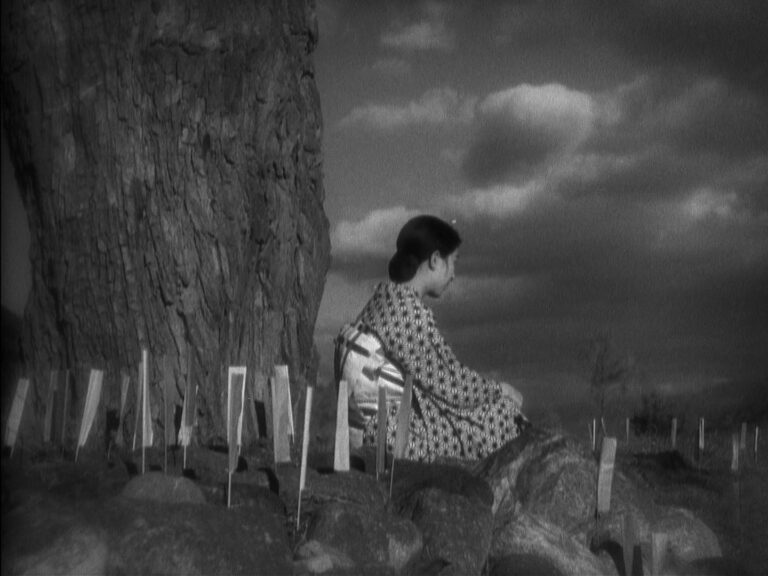
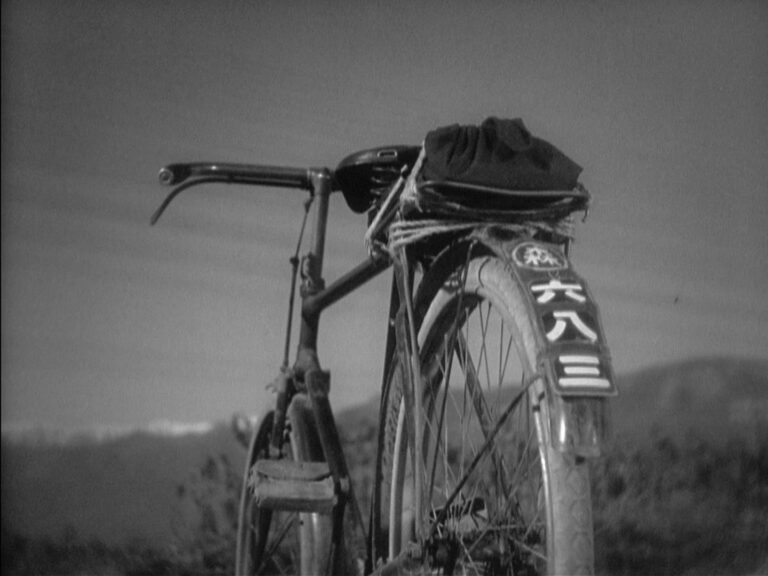
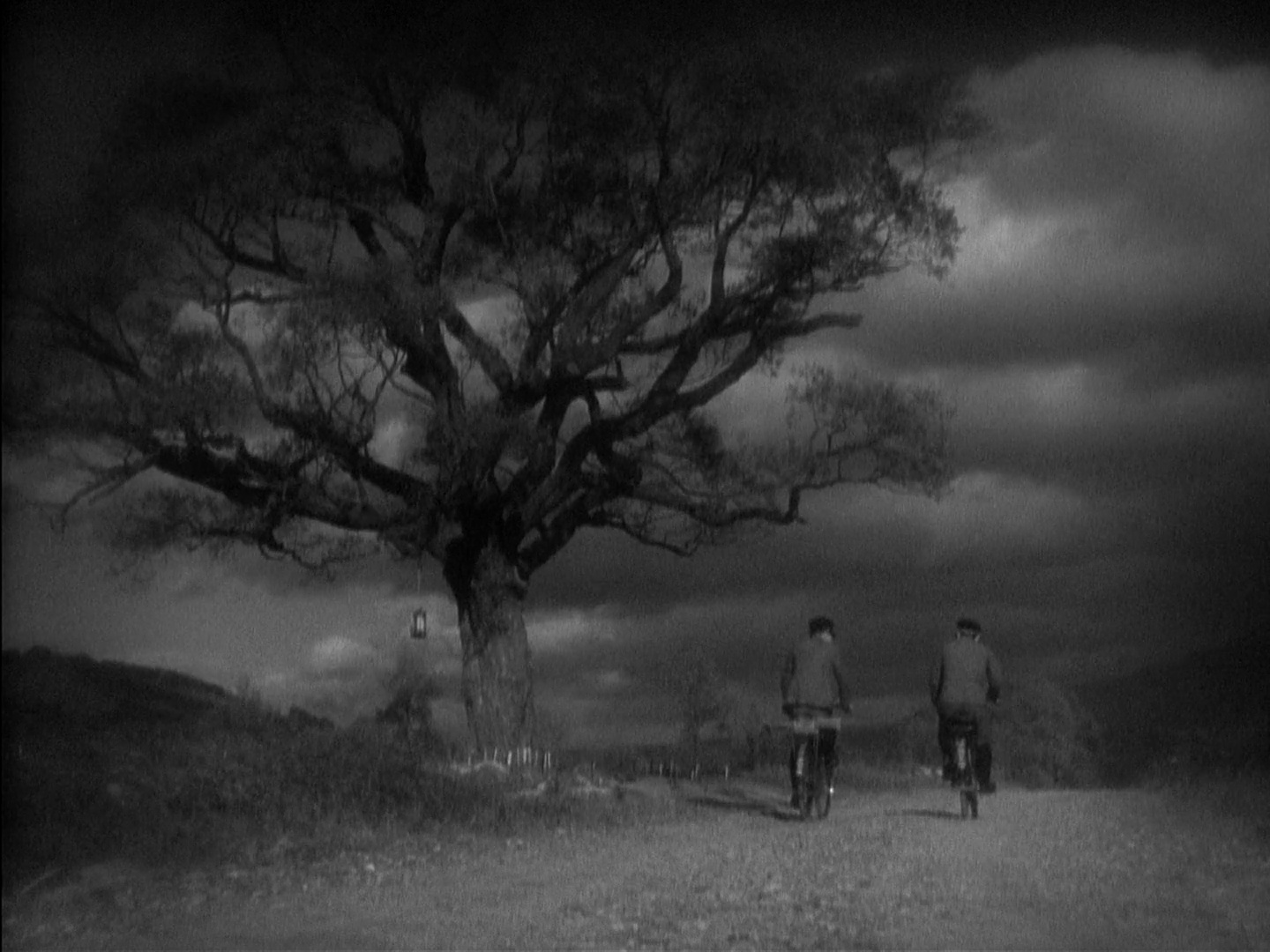
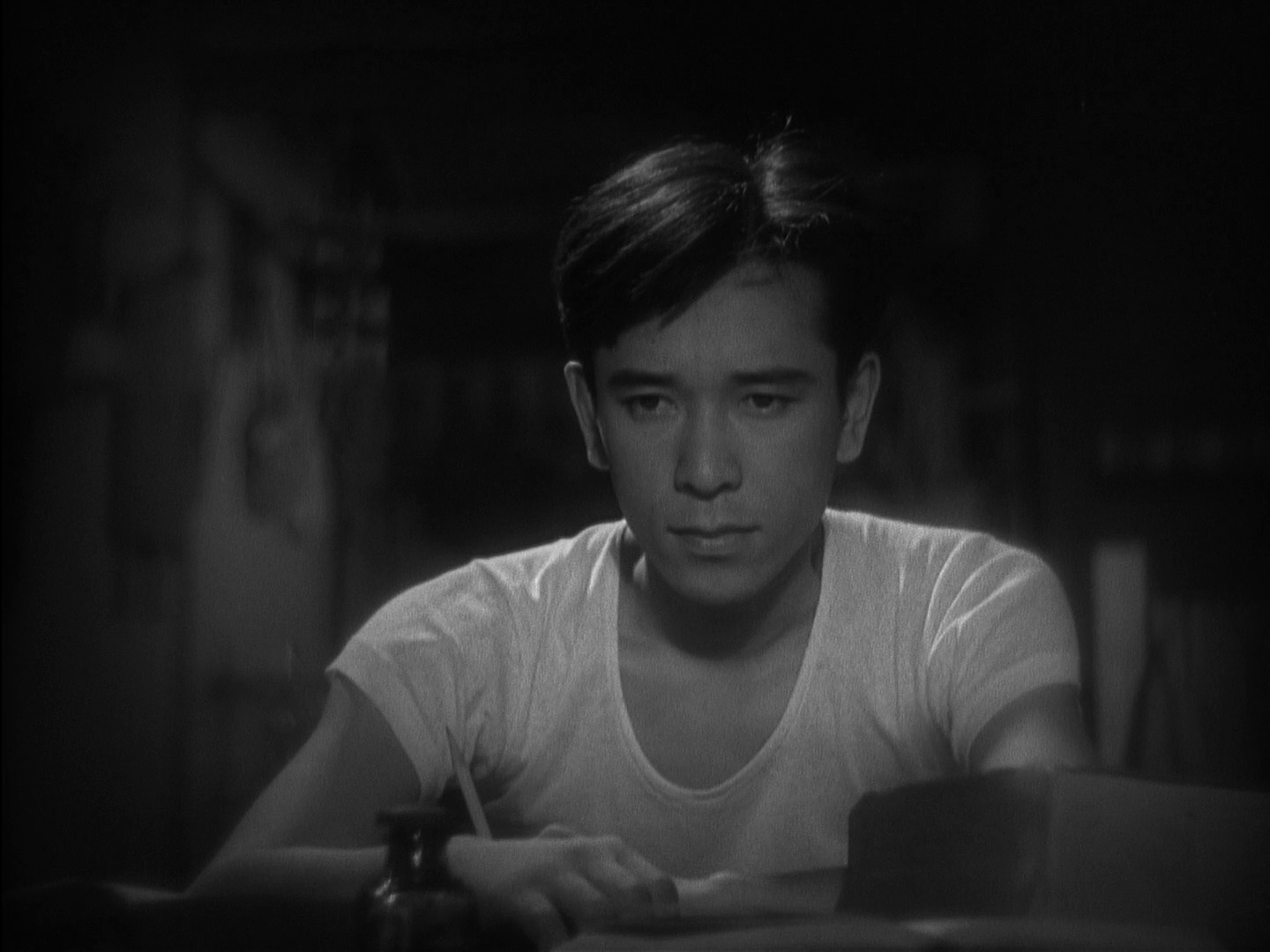
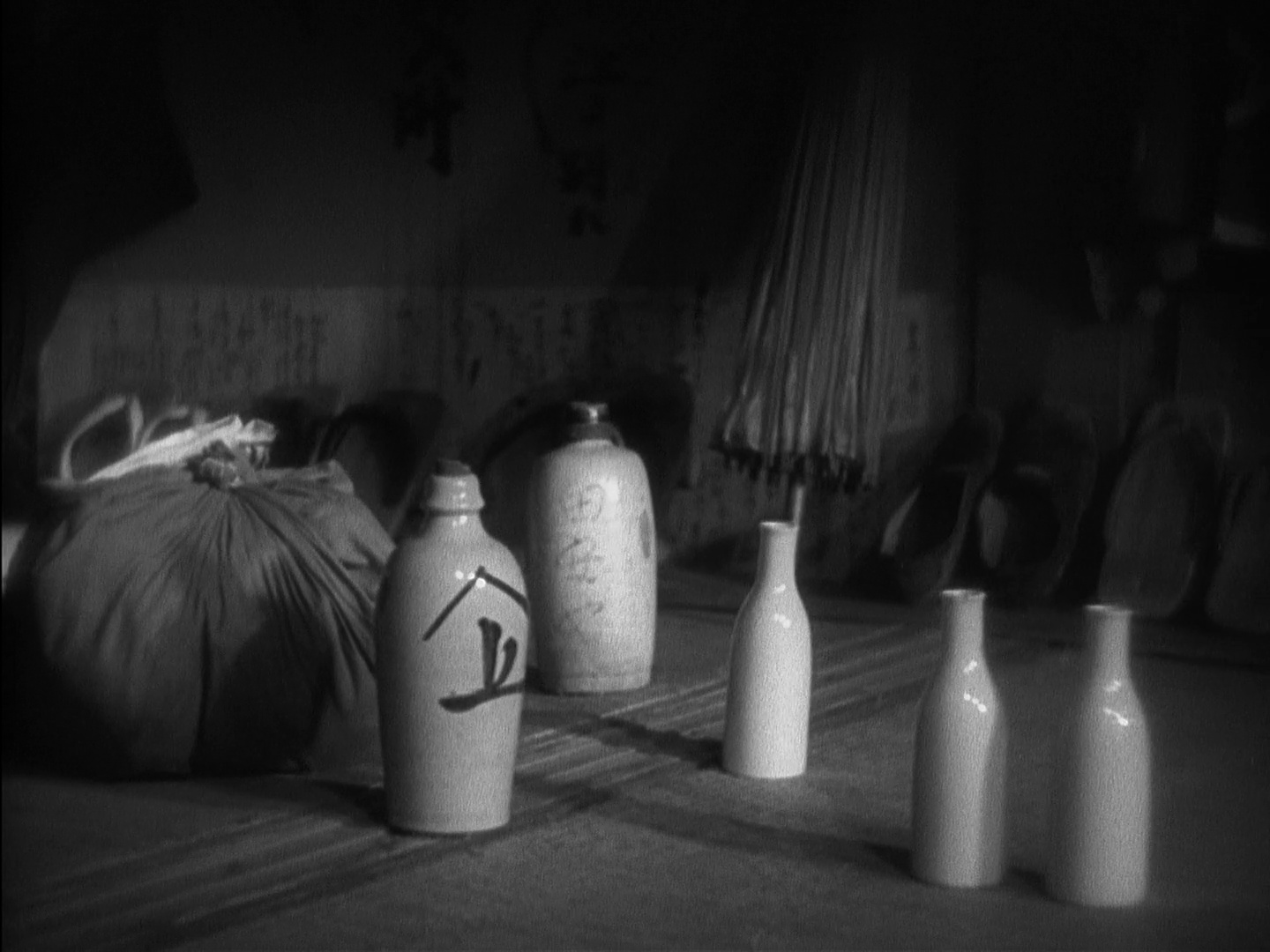
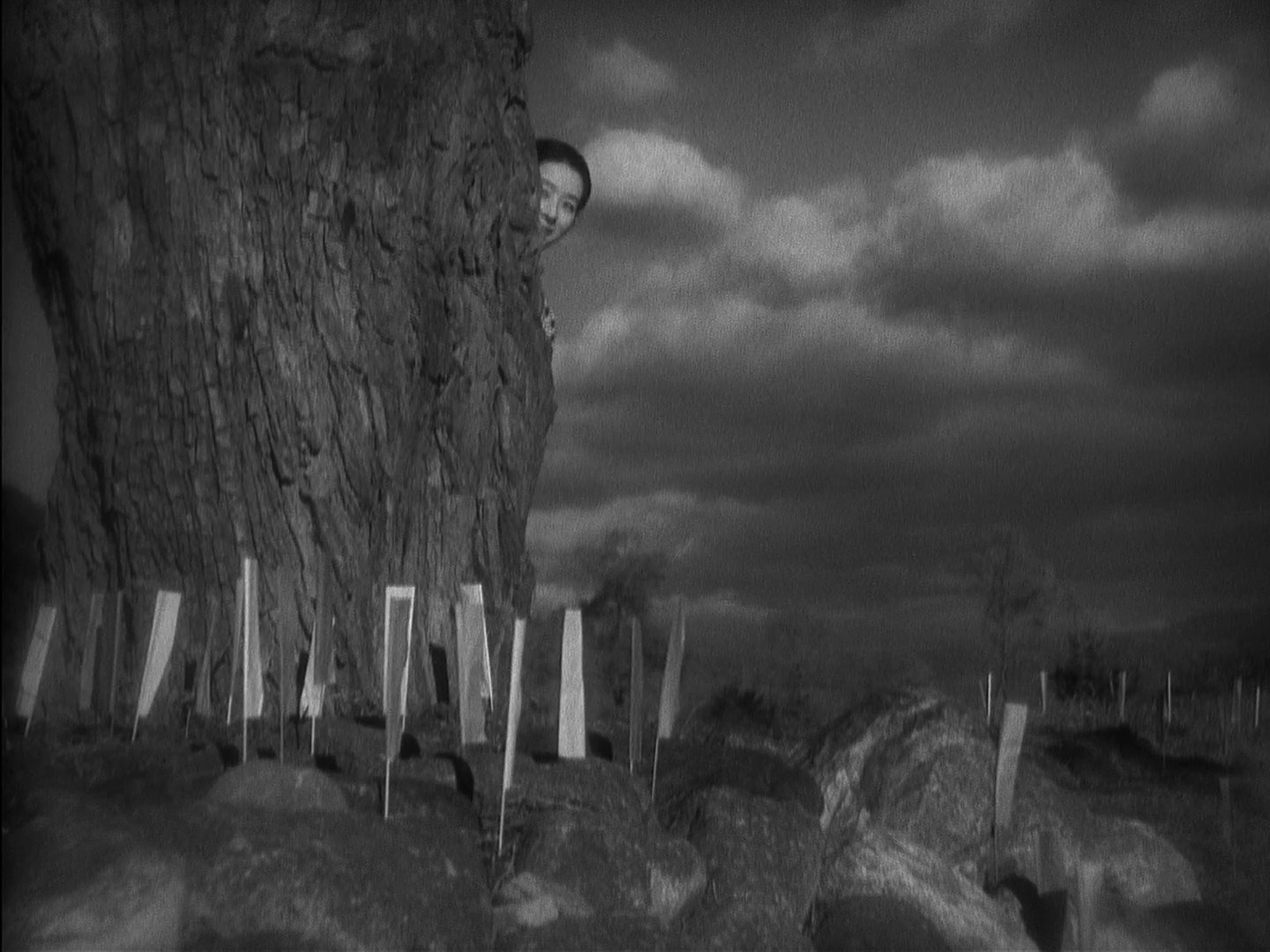
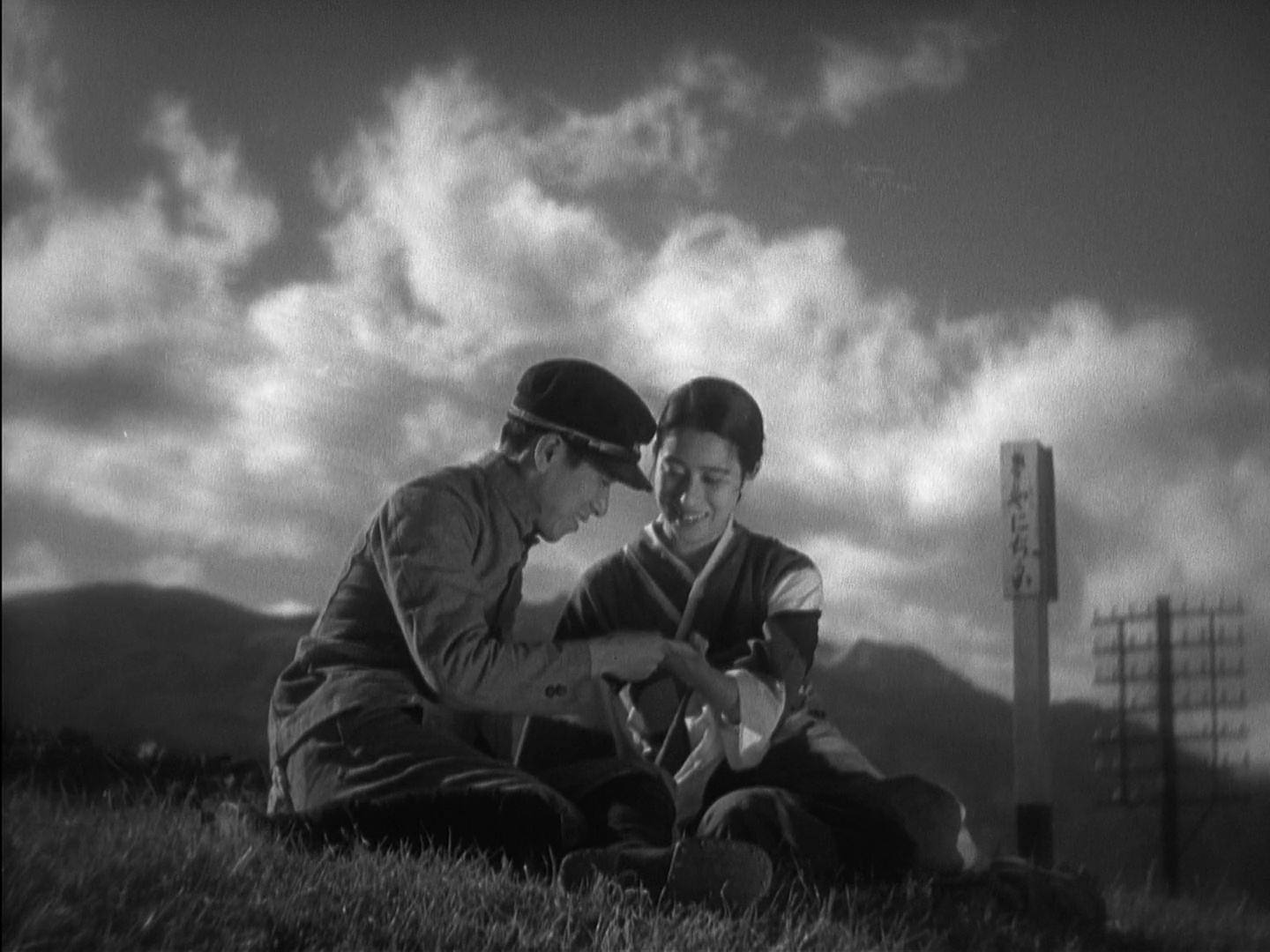
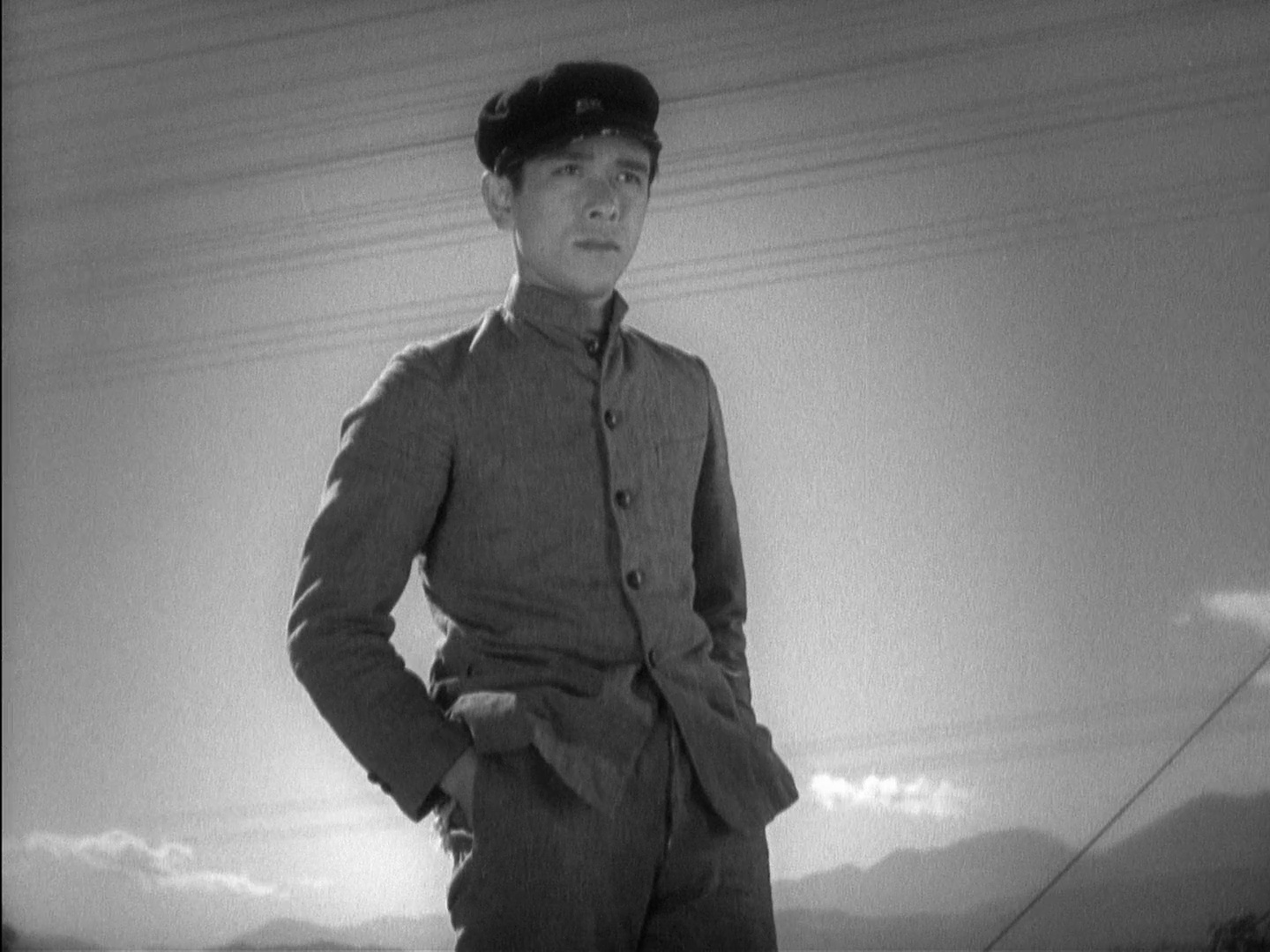
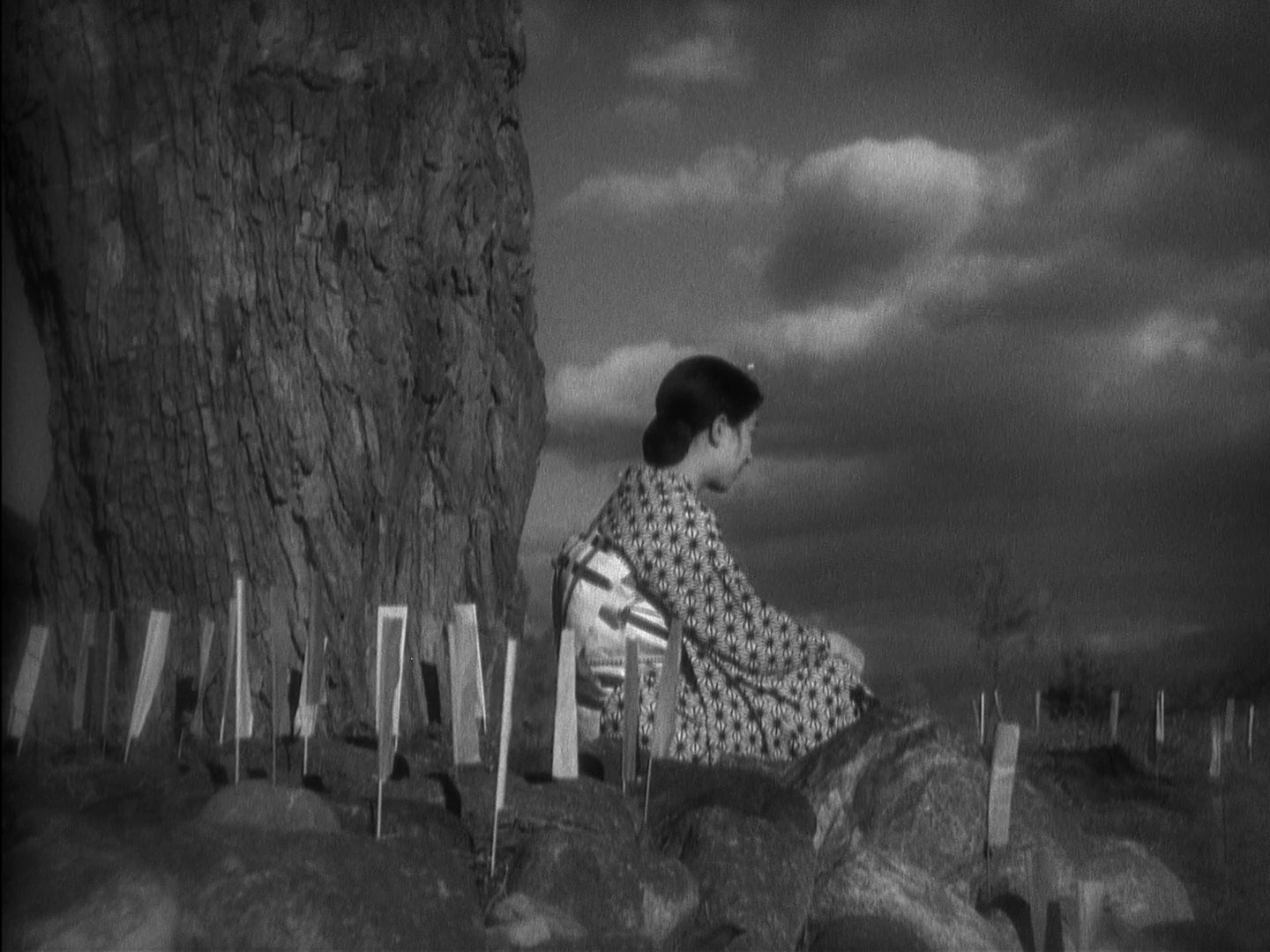
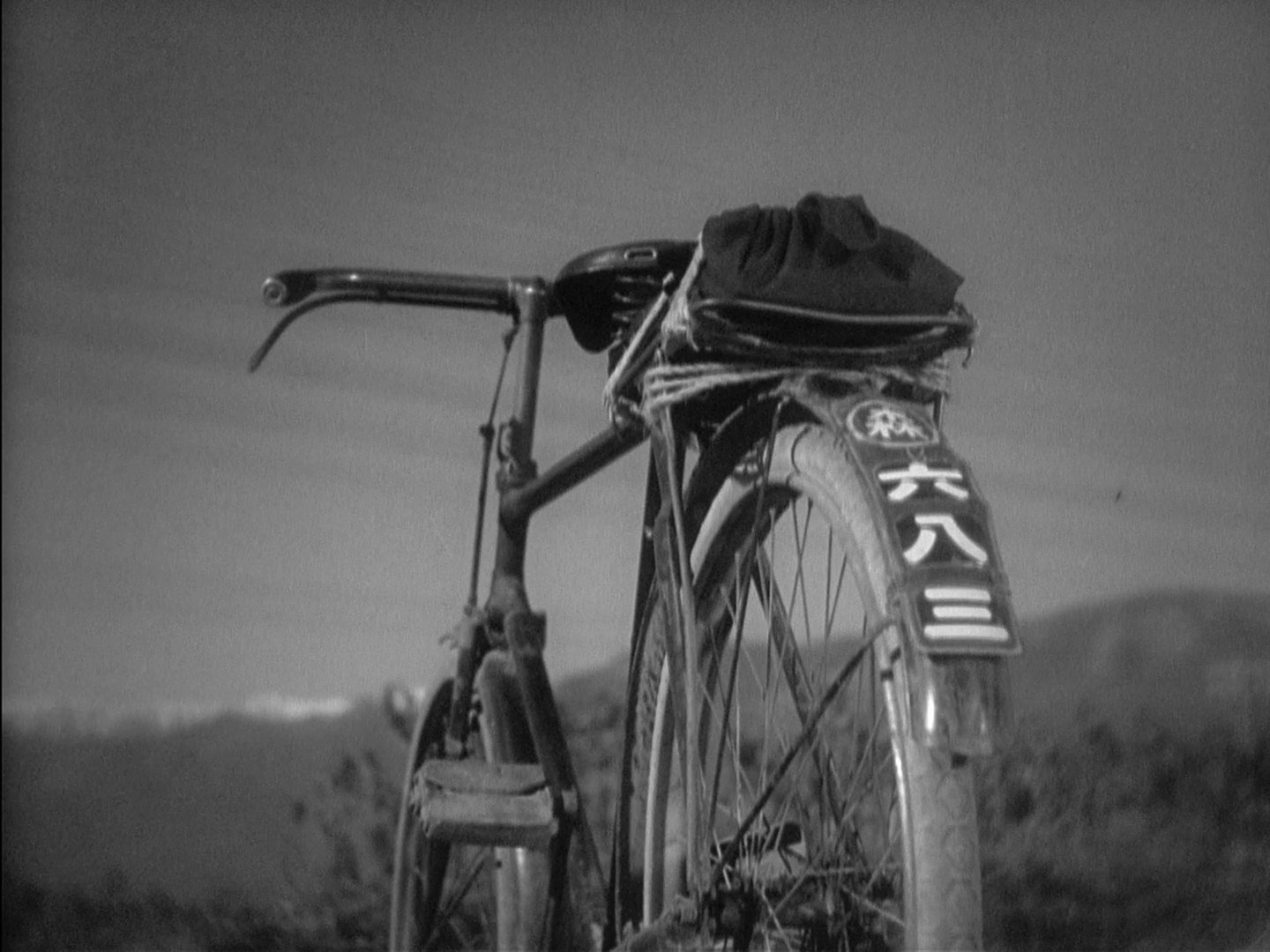
A Story of Floating Weeds follows a traveling kabuki troupe arrives in a seaside town, led by an aging actor who secretly reconnects with the woman and son he abandoned years earlier. As he attempts to quietly observe his son’s life from a distance, tensions arise within the troupe—particularly when a jealous actress discovers the truth. Personal and professional conflicts intertwine, forcing long-buried relationships into the open.
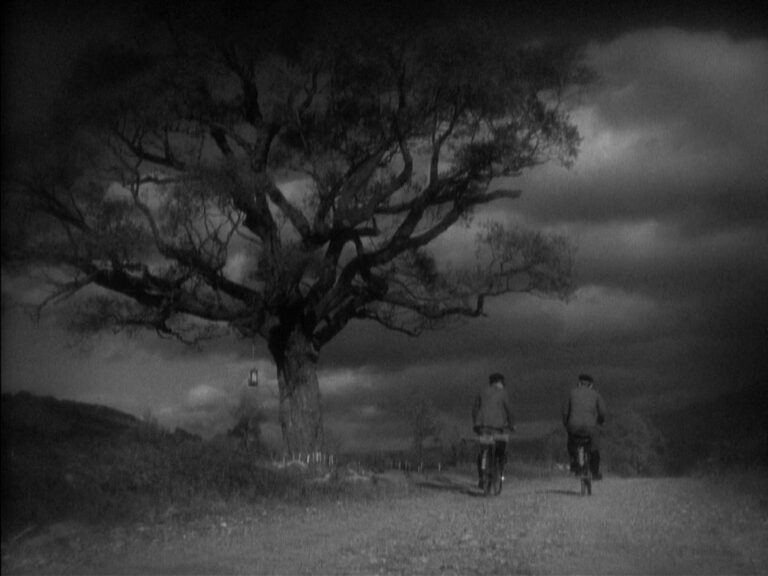
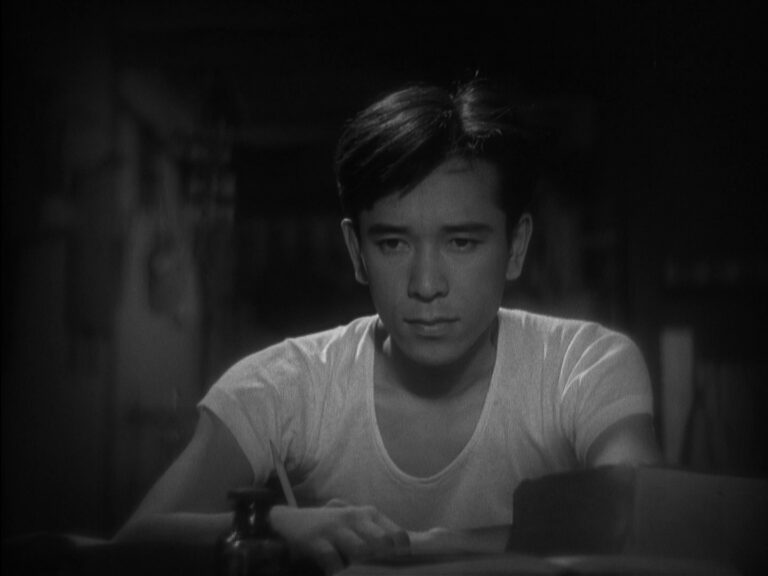
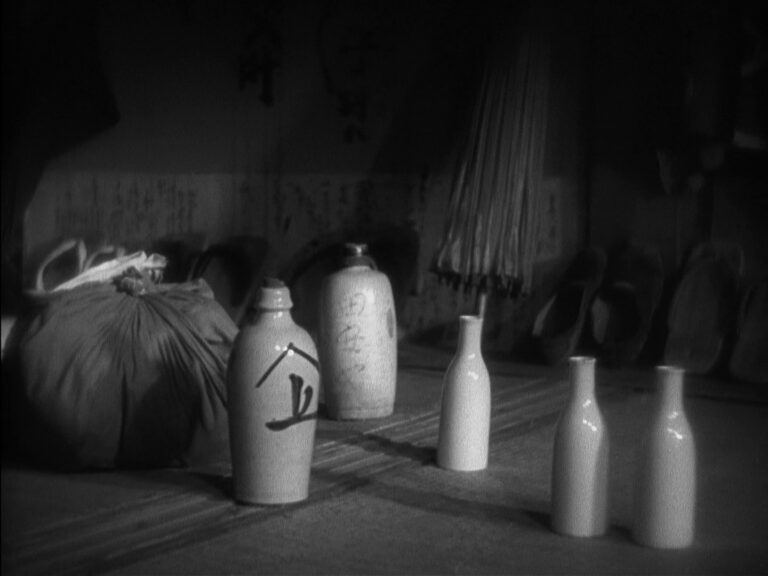
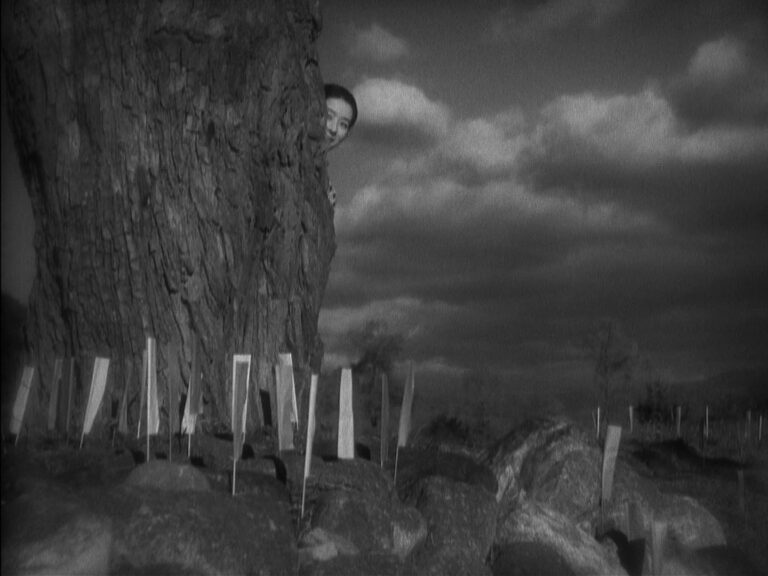
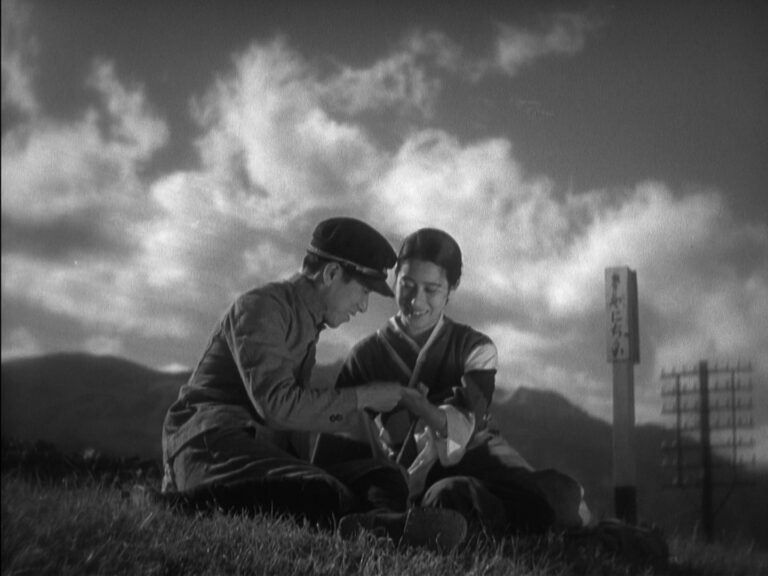
Ozu shot A Story of Floating Weeds with his signature low, tatami-level camera, using locked-off compositions and precise framing to create a calm, observational rhythm. The film’s restrained visual style—minimal camera movement, careful blocking, and emphasis on everyday spaces—turns small gestures and glances into the primary dramatic force, defining the quiet rigor of Ozu’s early sound-era work.
FILM SPOTLIGHT
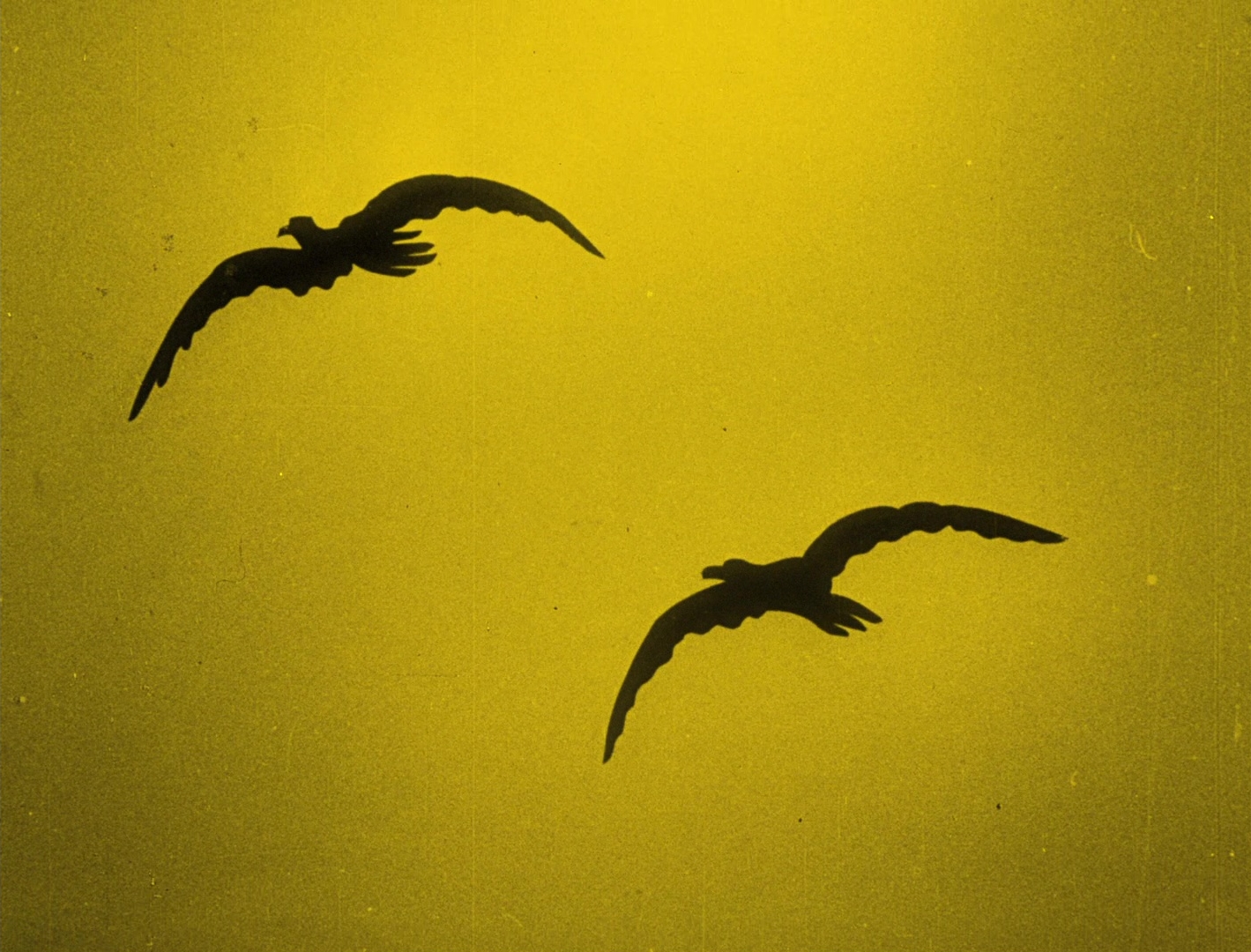
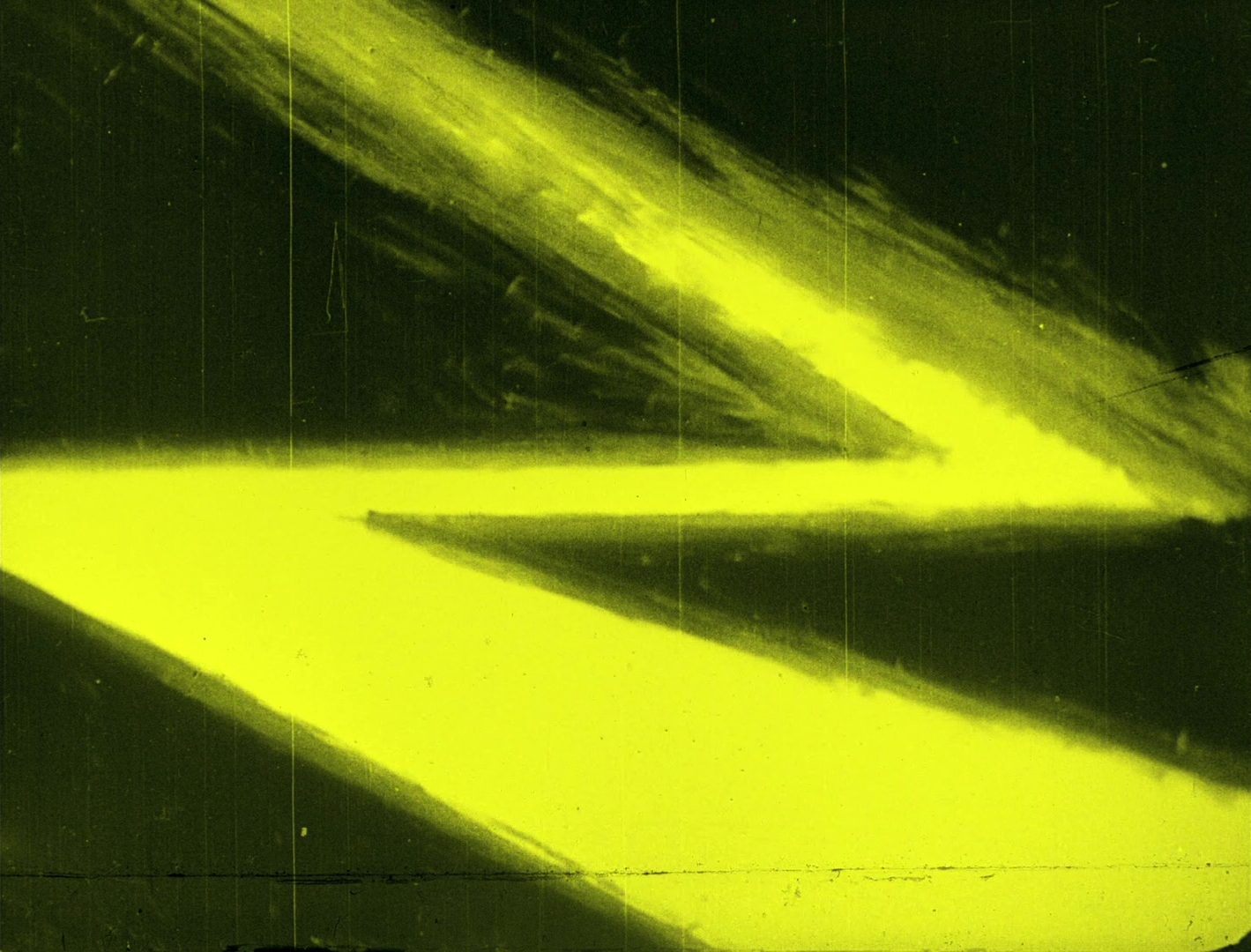
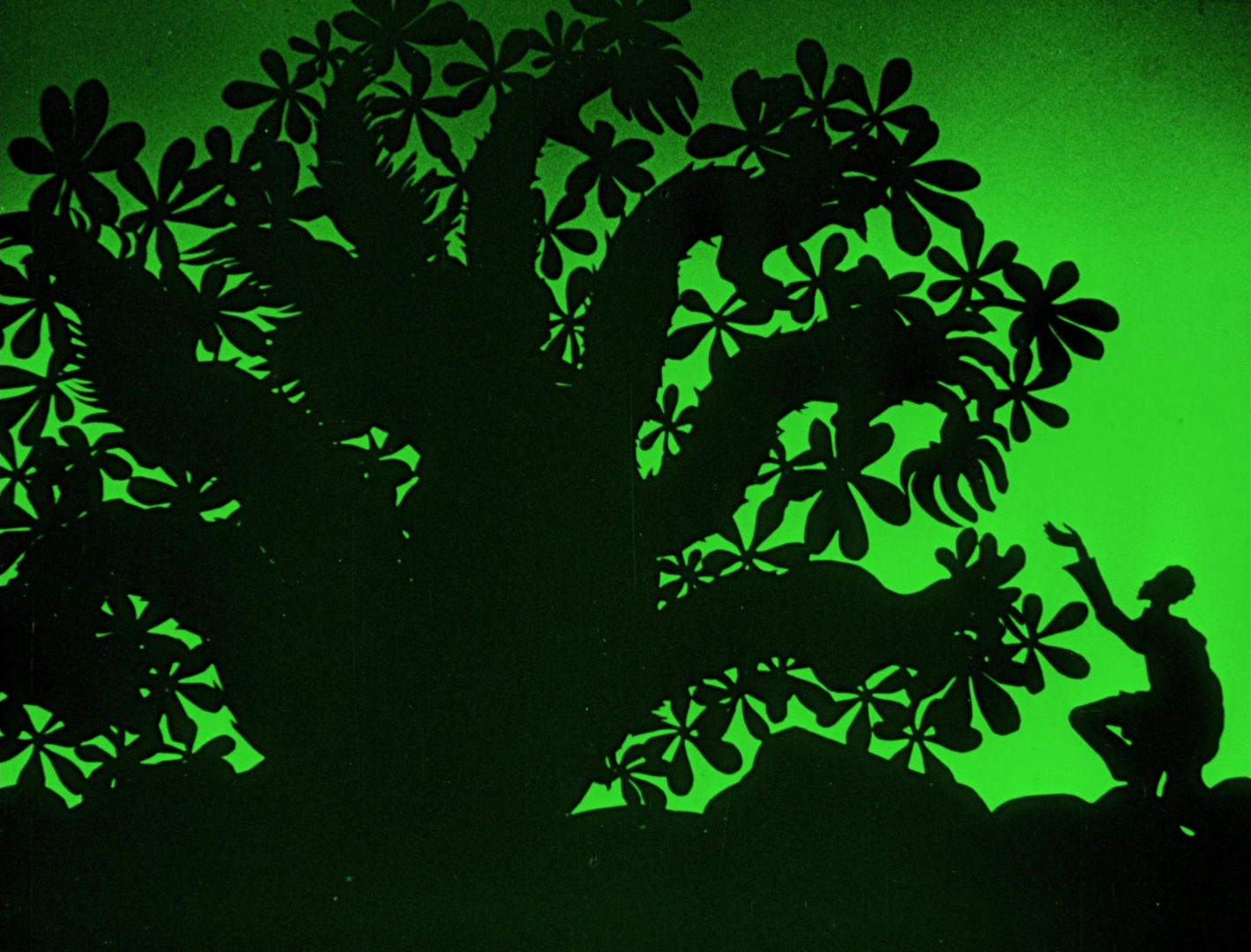
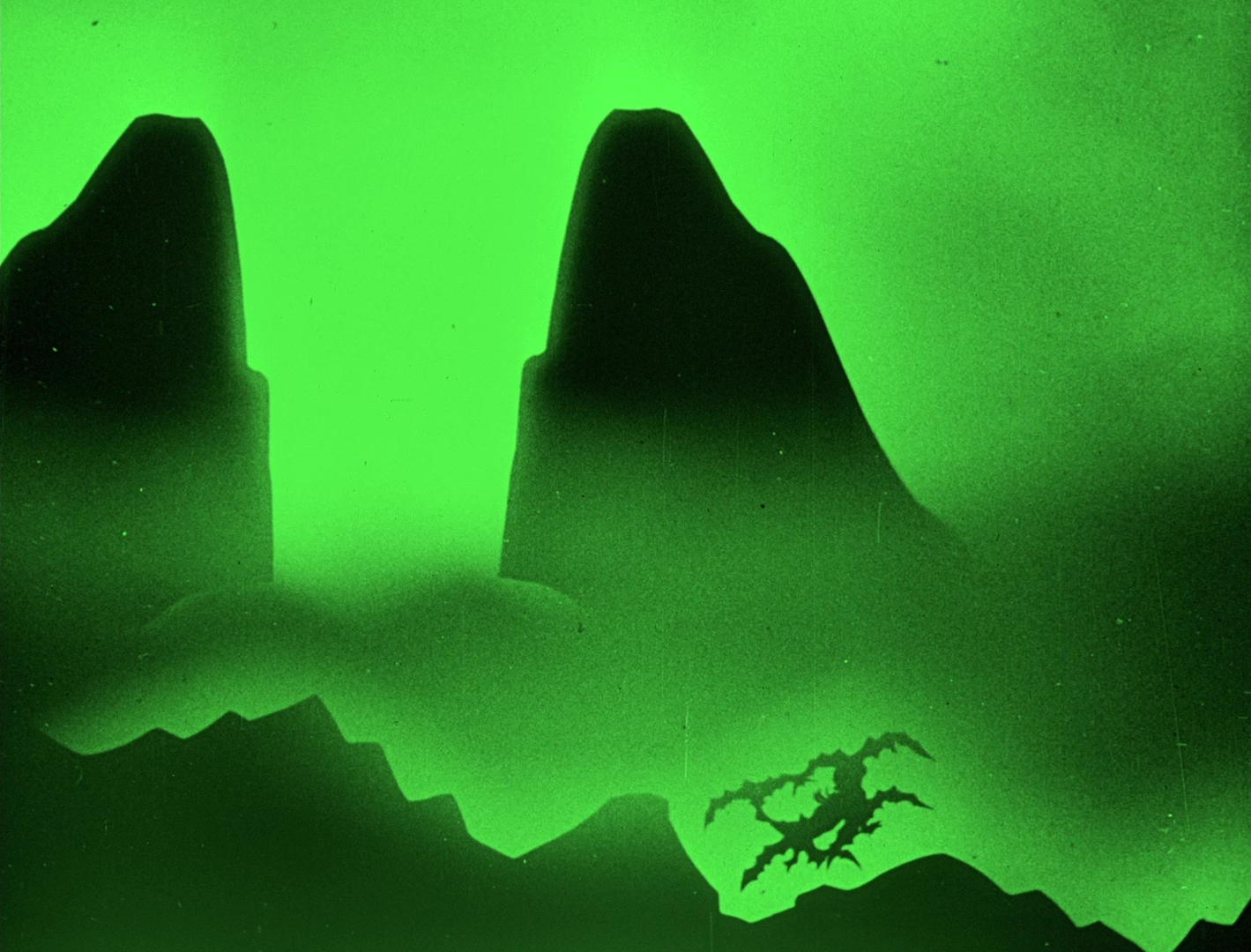
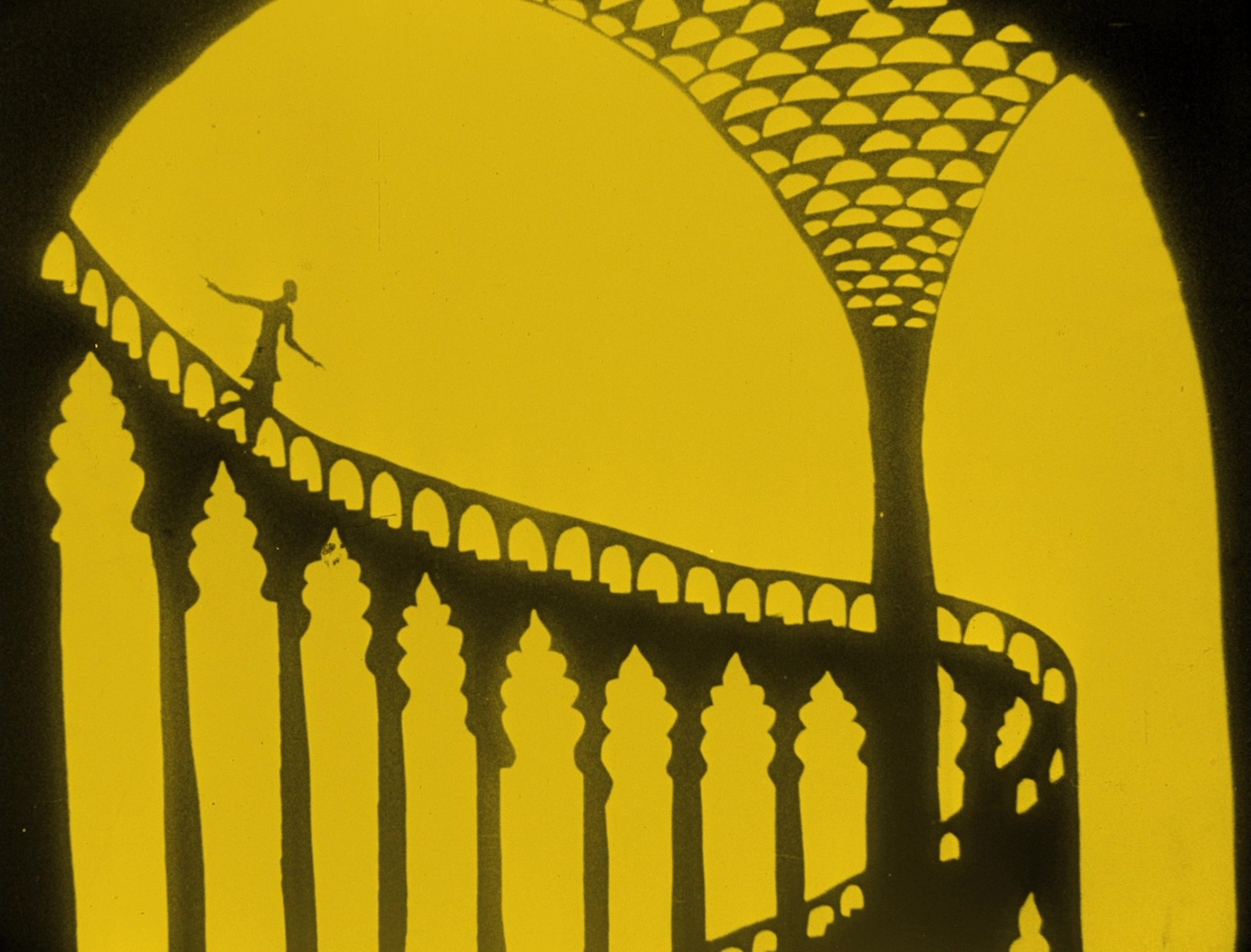
The Adventures of Prince Achmed (1926)
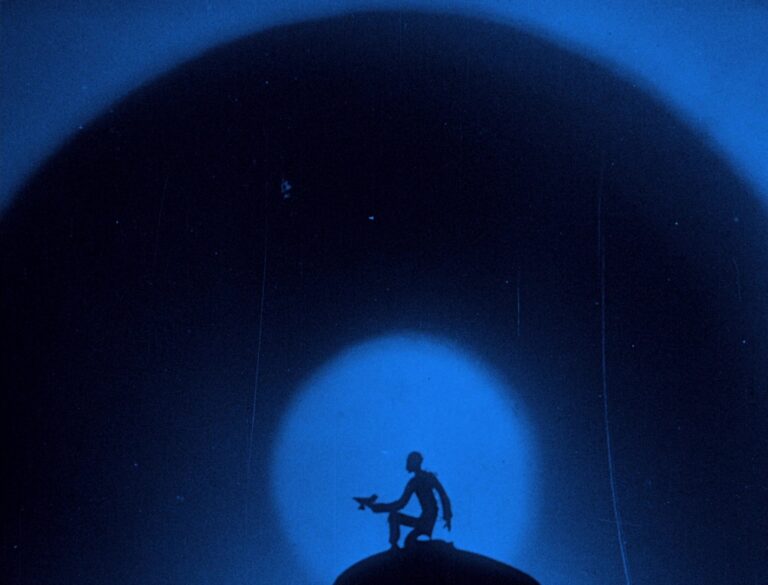
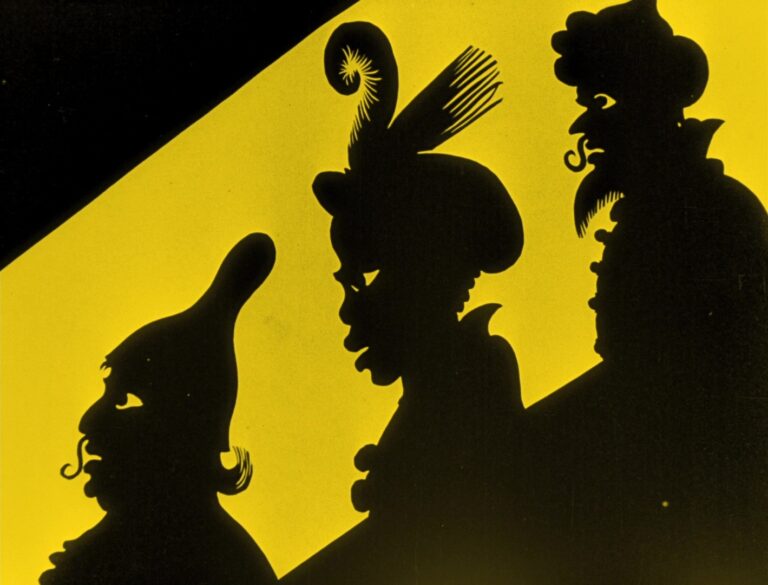
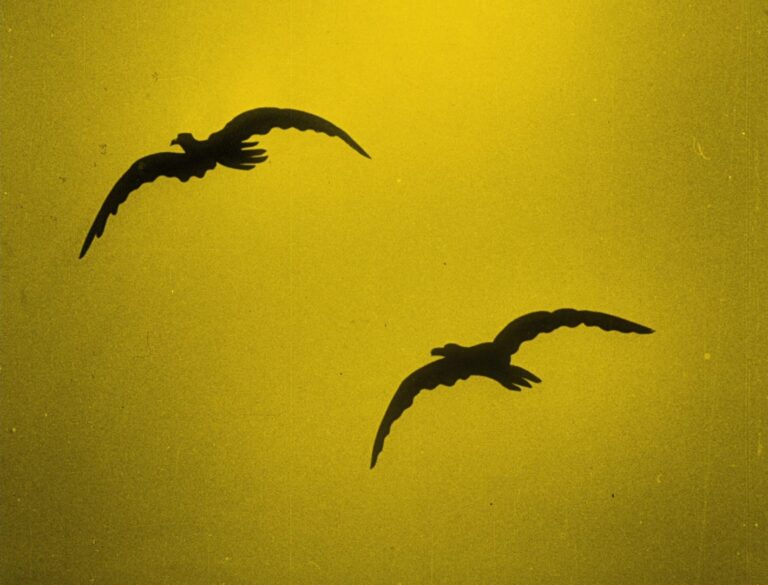
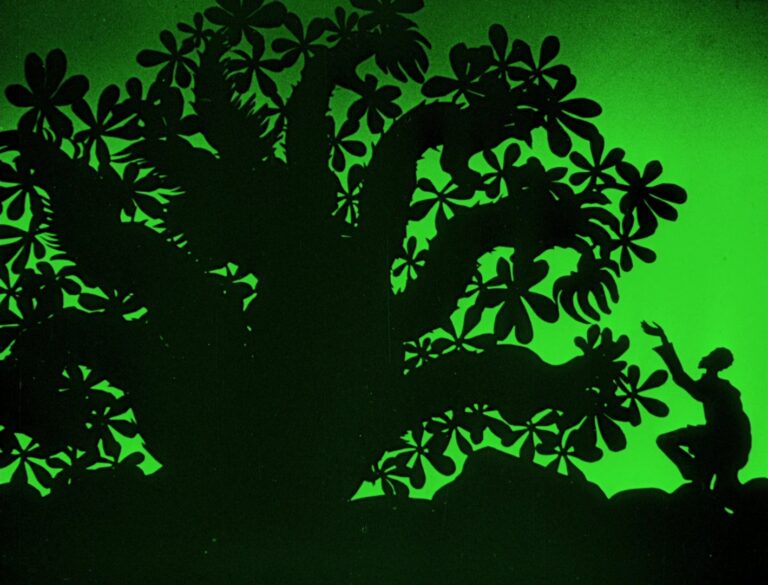
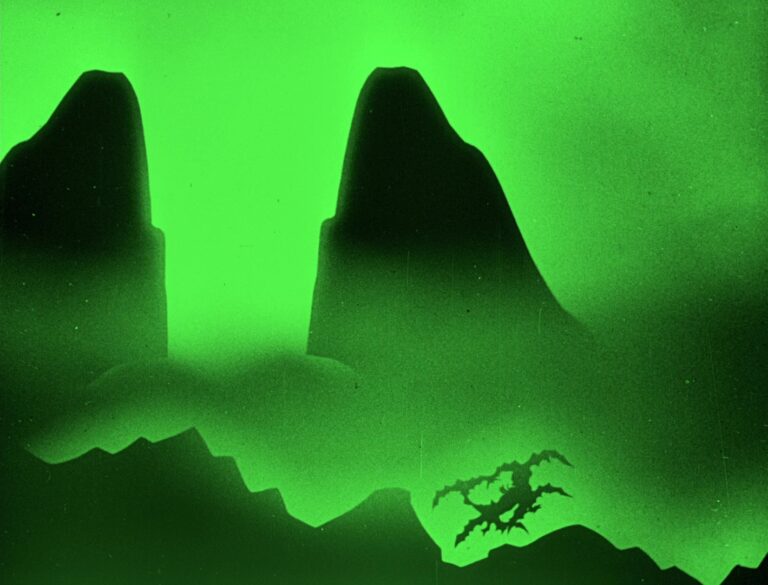
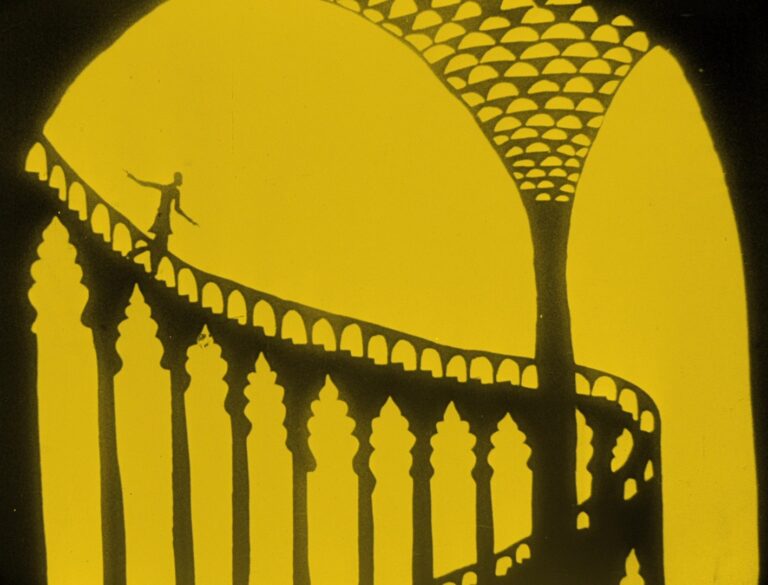
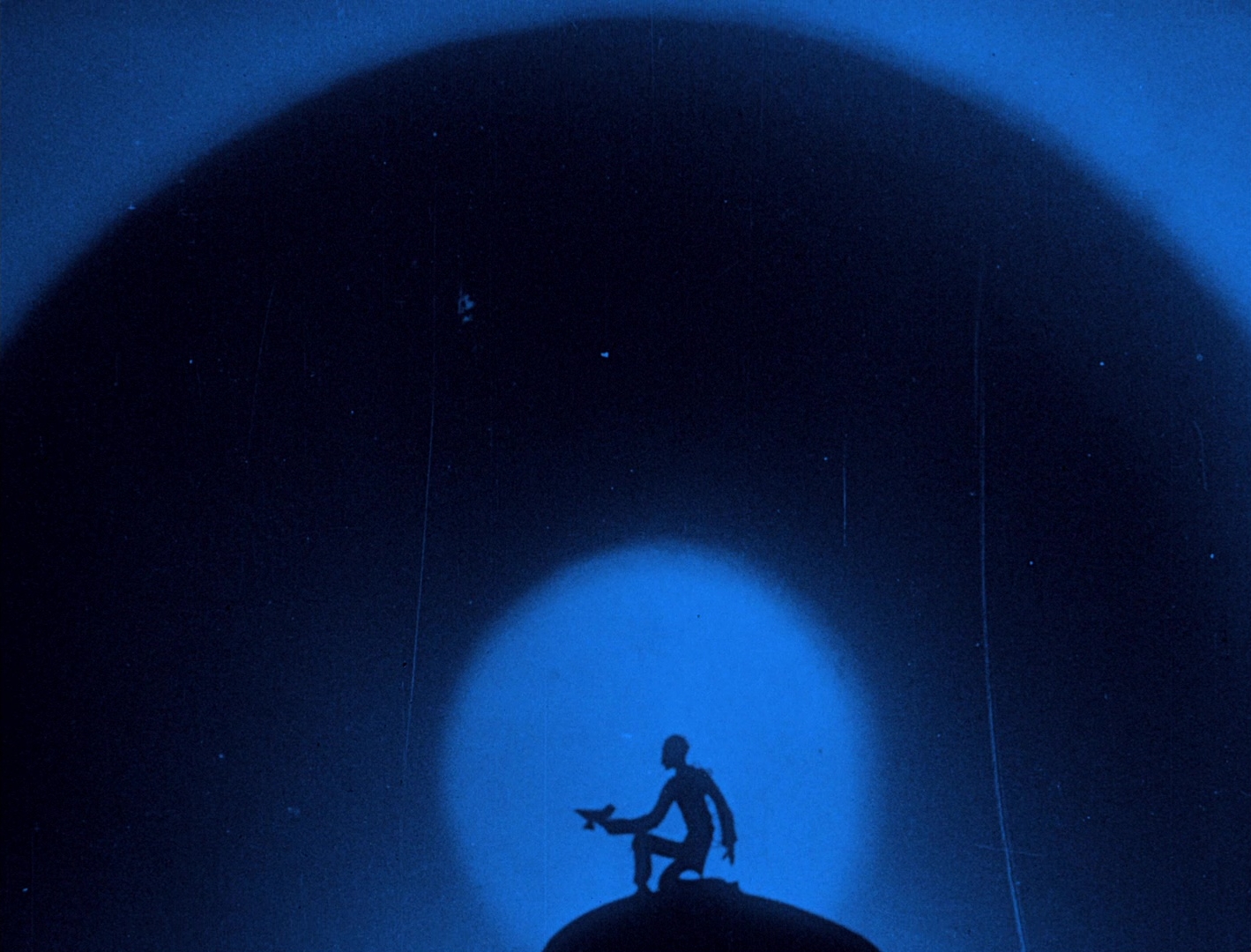
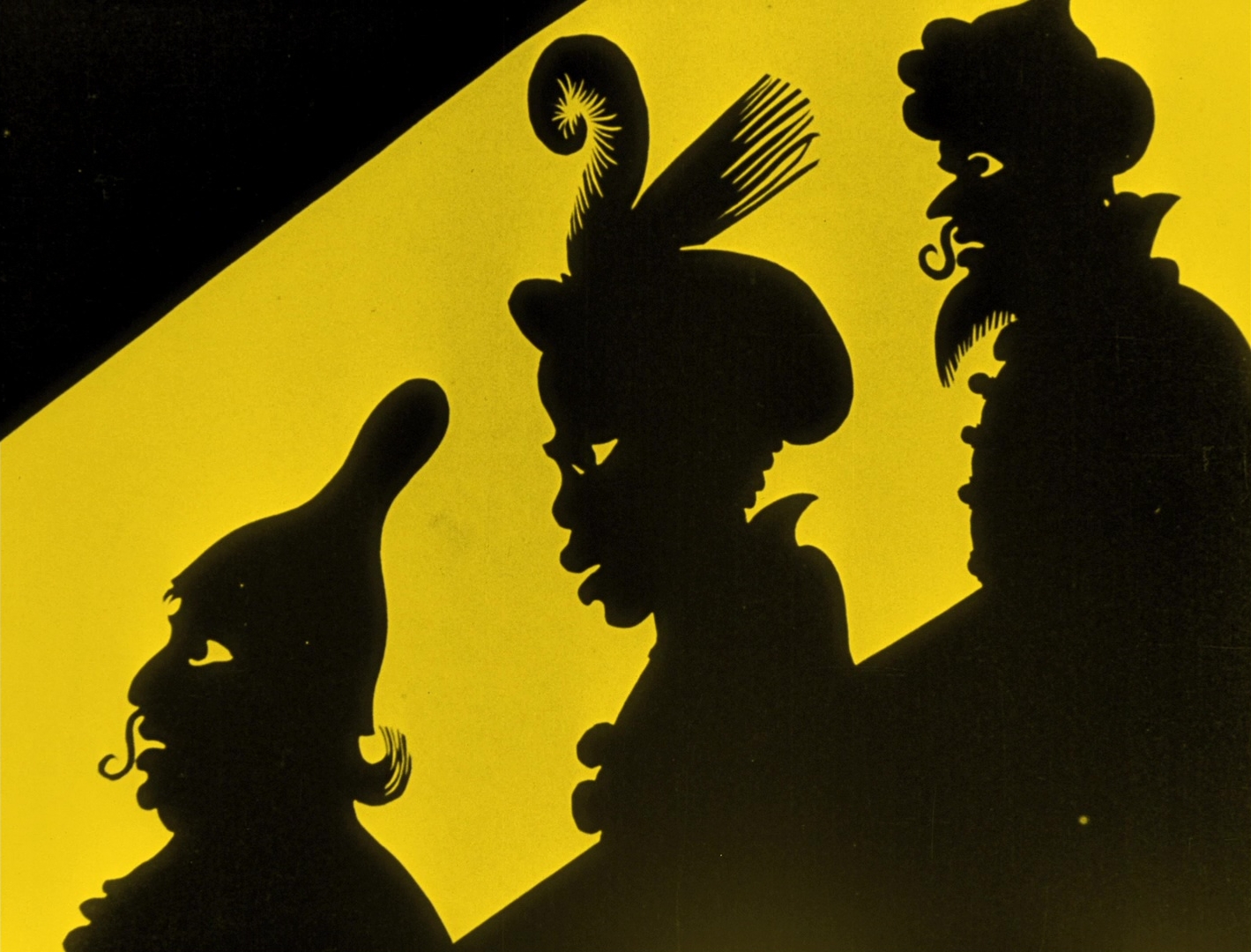
The Advenures of Prince Achmed follows Prince Achmed, who is sent on a magical journey after being tricked by an evil sorcerer, leading him across fantastical lands filled with demons, spirits, and enchanted creatures. Along the way, he falls in love with the fairy princess Peri Banu and joins forces with Aladdin to defeat dark forces. The story unfolds as a sweeping tale of adventure, romance, and heroism drawn from One Thousand and One Nights.
Lotte Reiniger created The Adventures of Prince Achmed using intricate silhouette animation, crafting characters from cut paper and animating them frame by frame against illuminated, hand-painted backgrounds. The film’s layered multiplane technique and fluid, ornamental movement give it a uniquely graphic elegance—turning shadow and light into one of the earliest and most visually distinctive animated features ever made.





FILM SPOTLIGHT
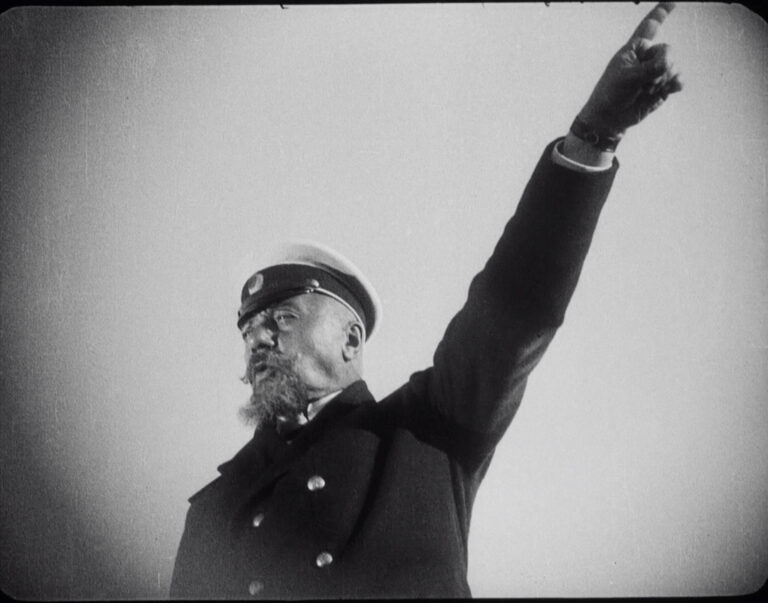
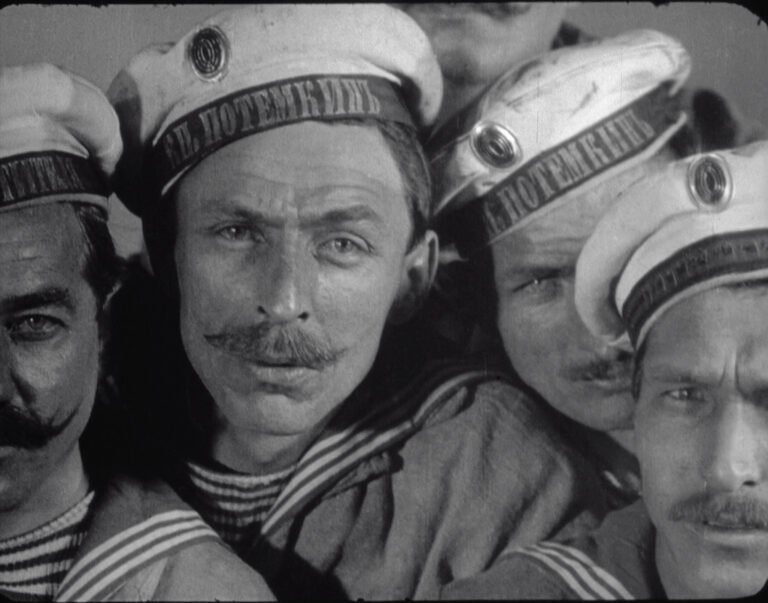
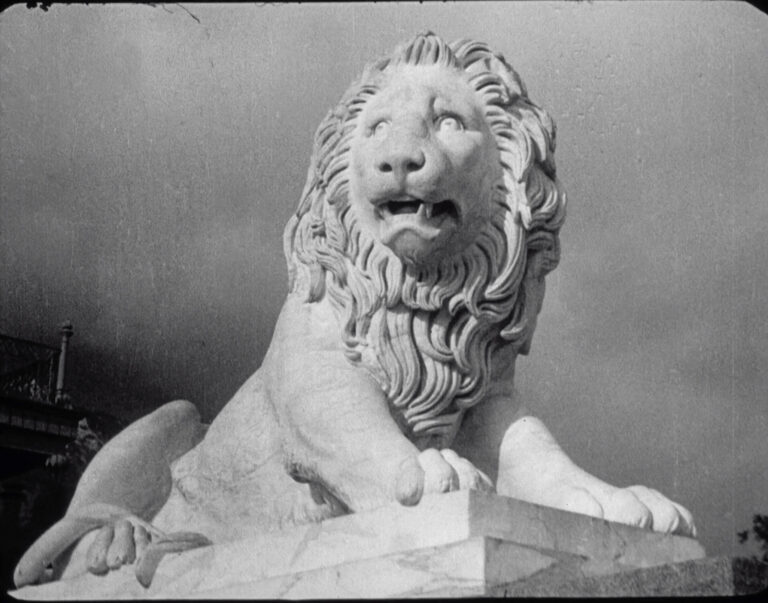
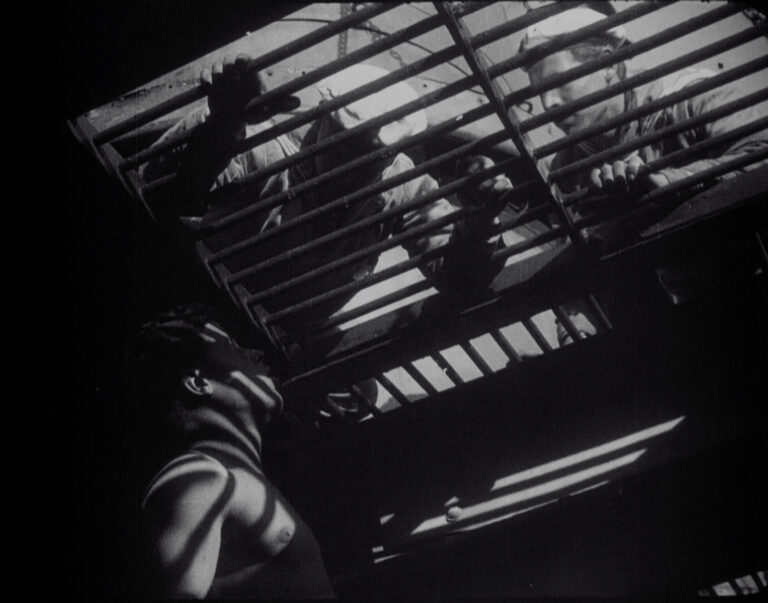
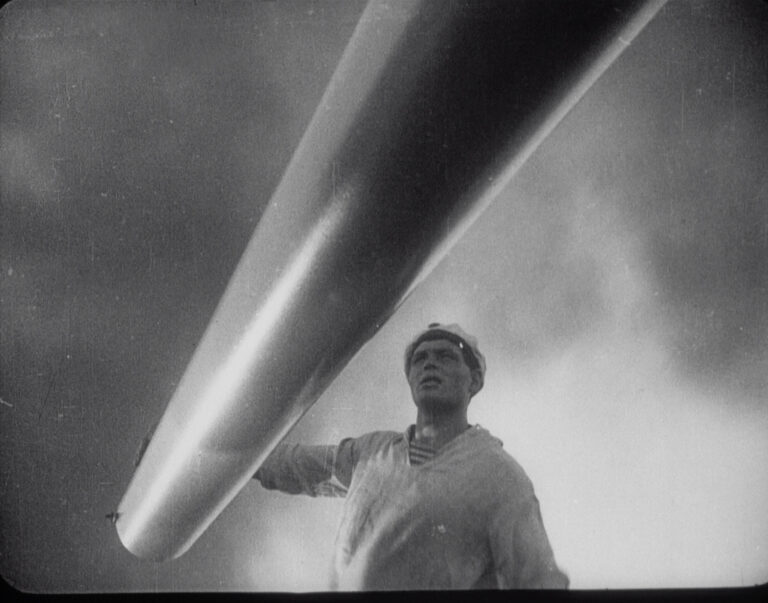
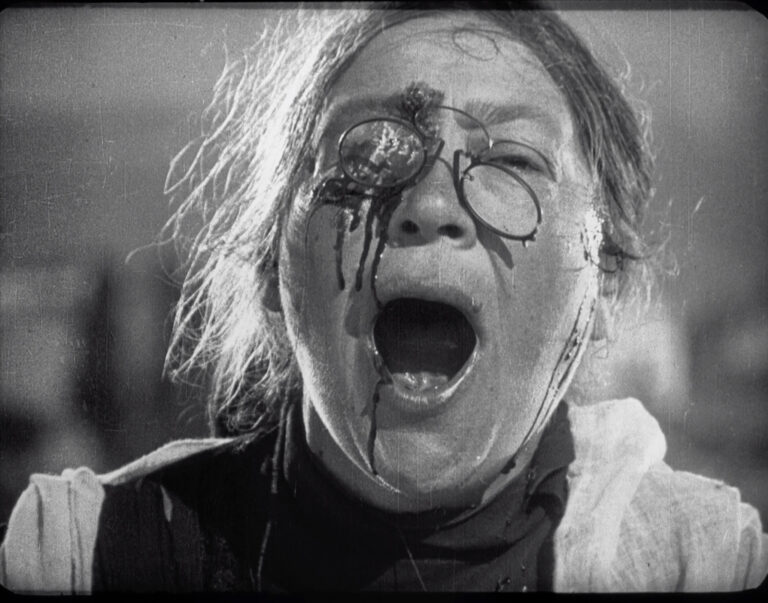
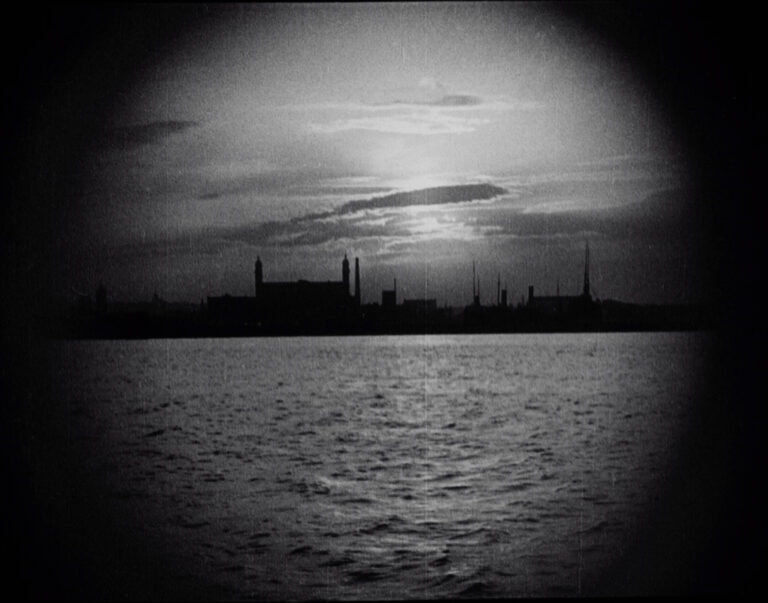
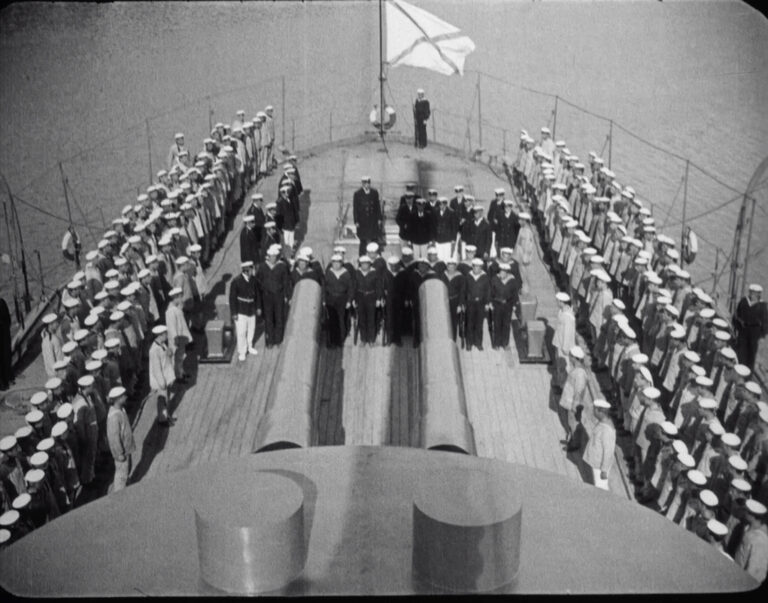
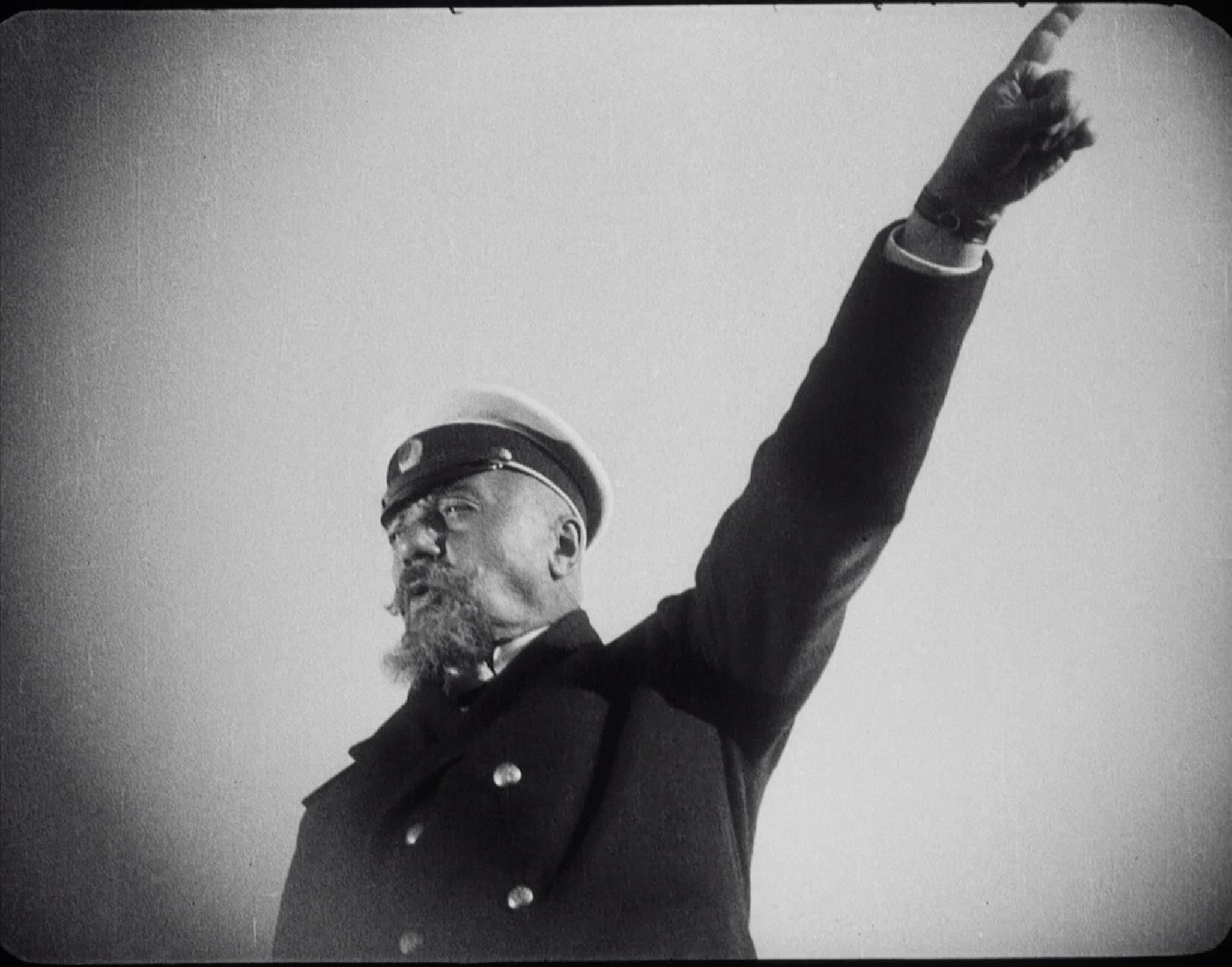
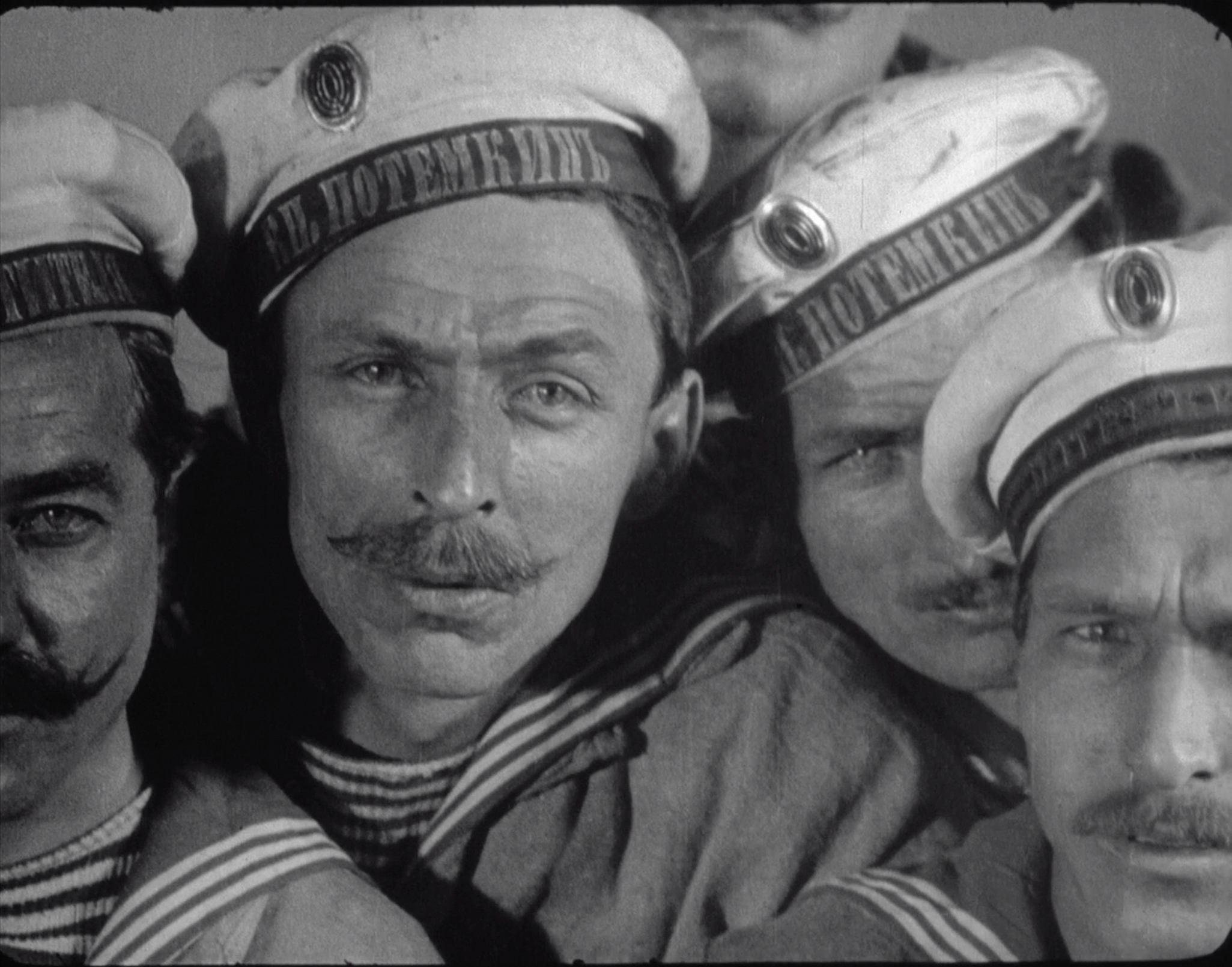
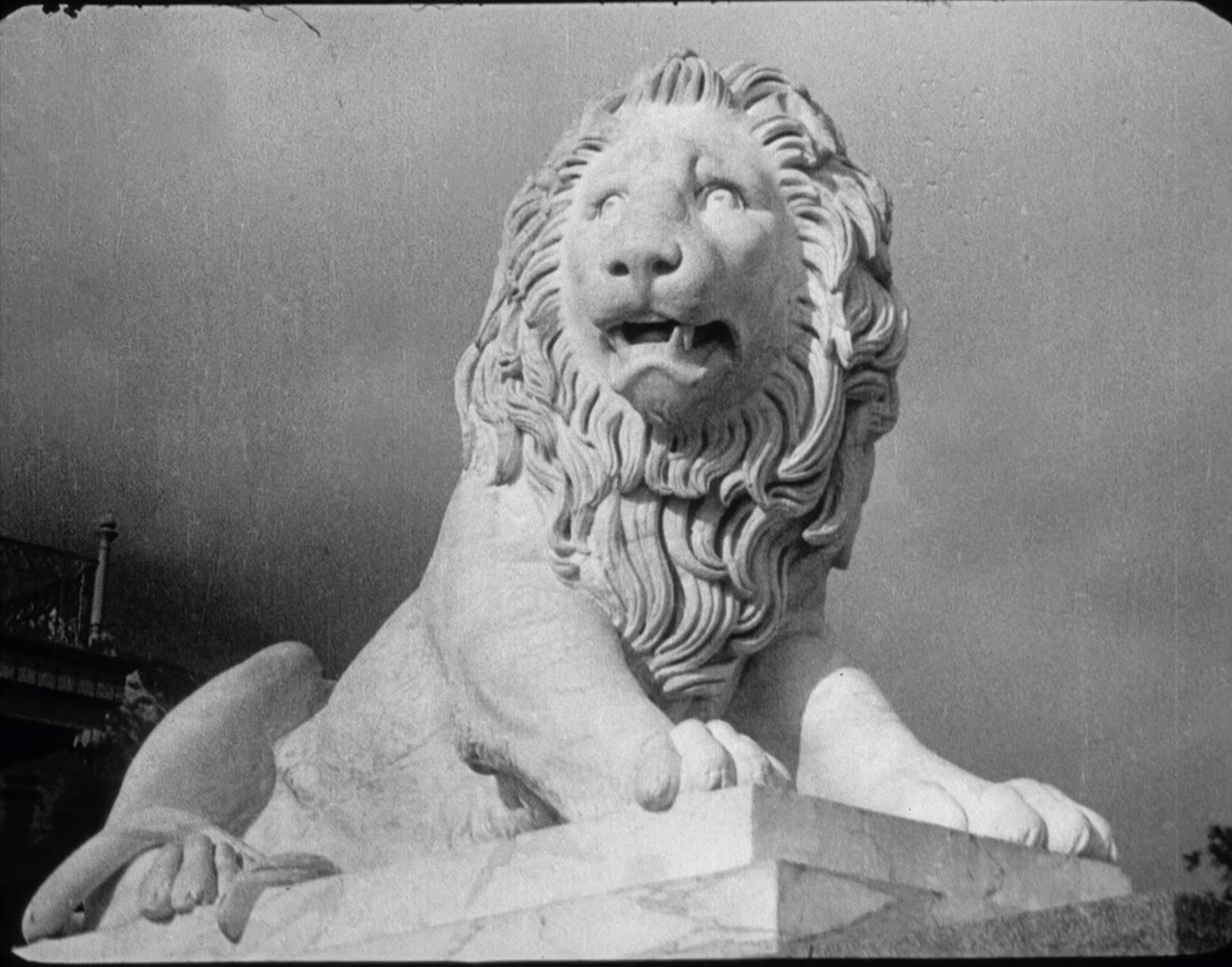
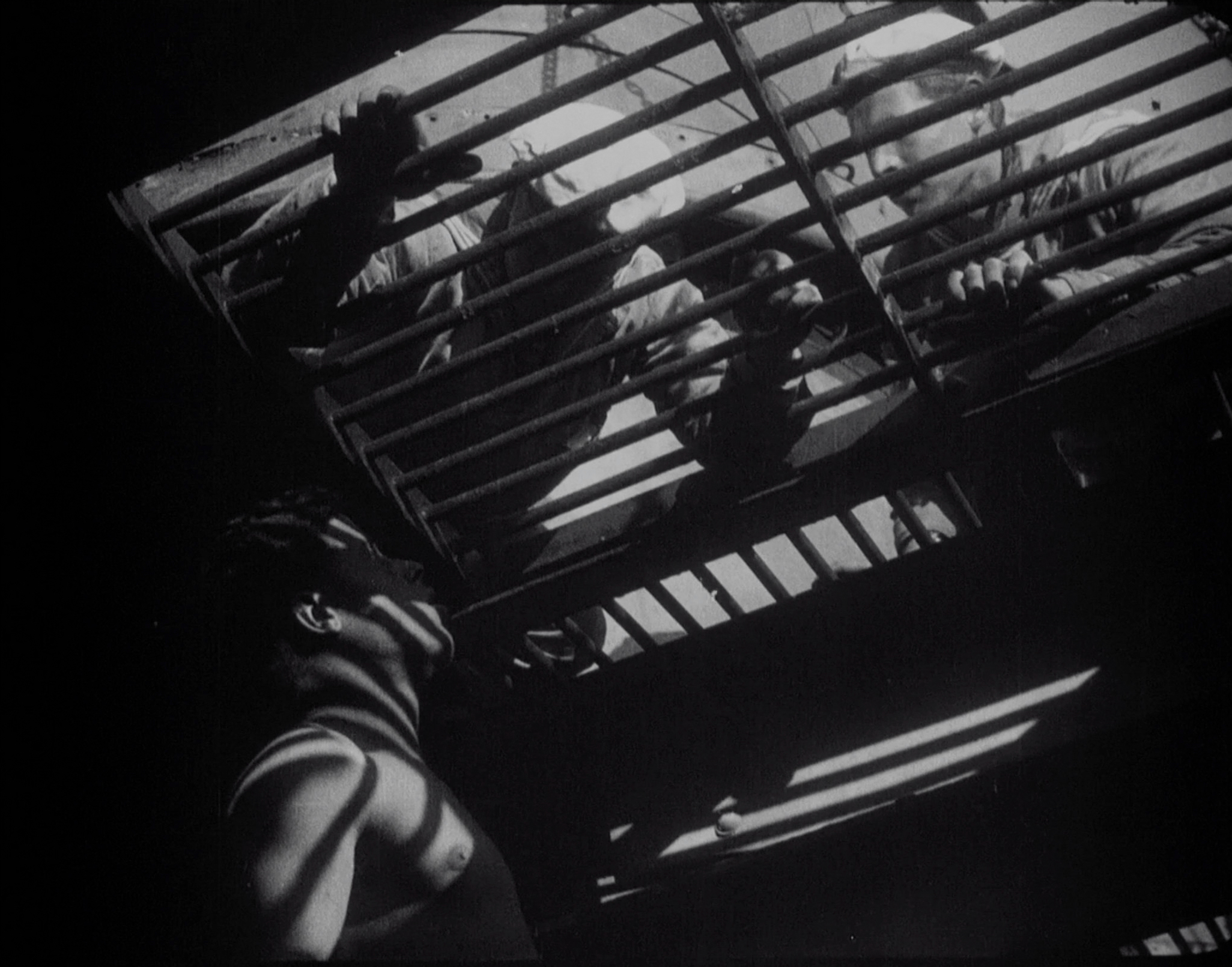
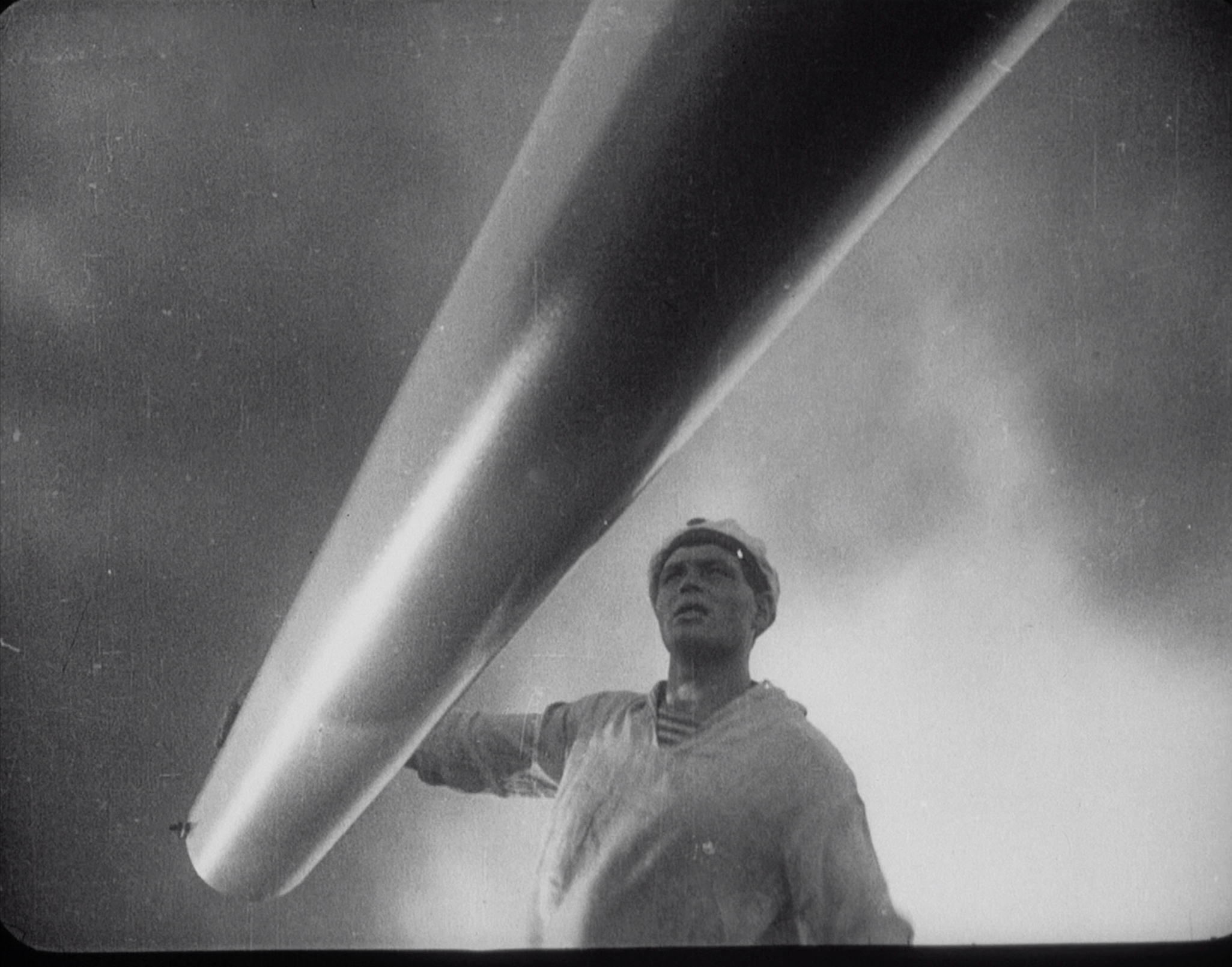
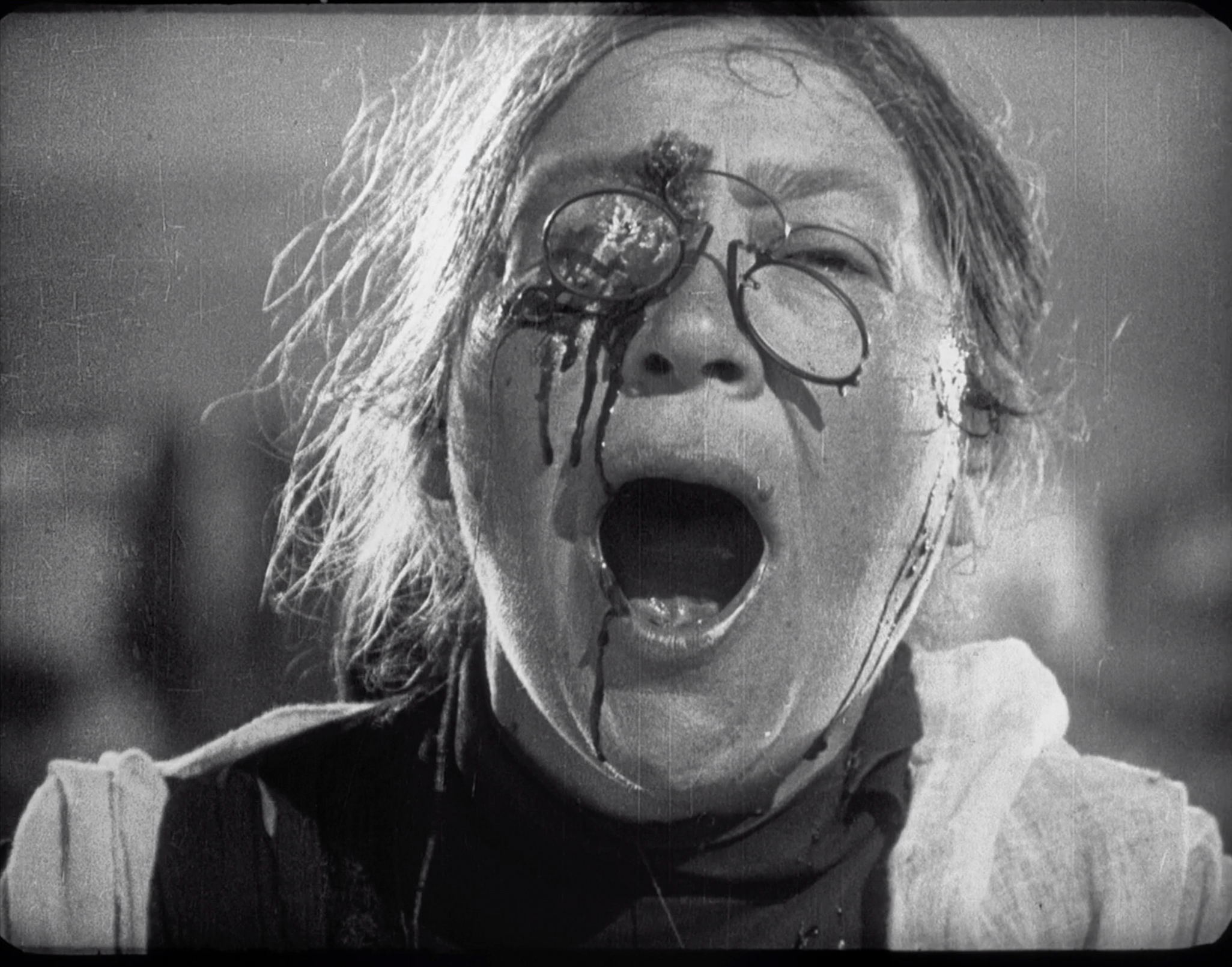
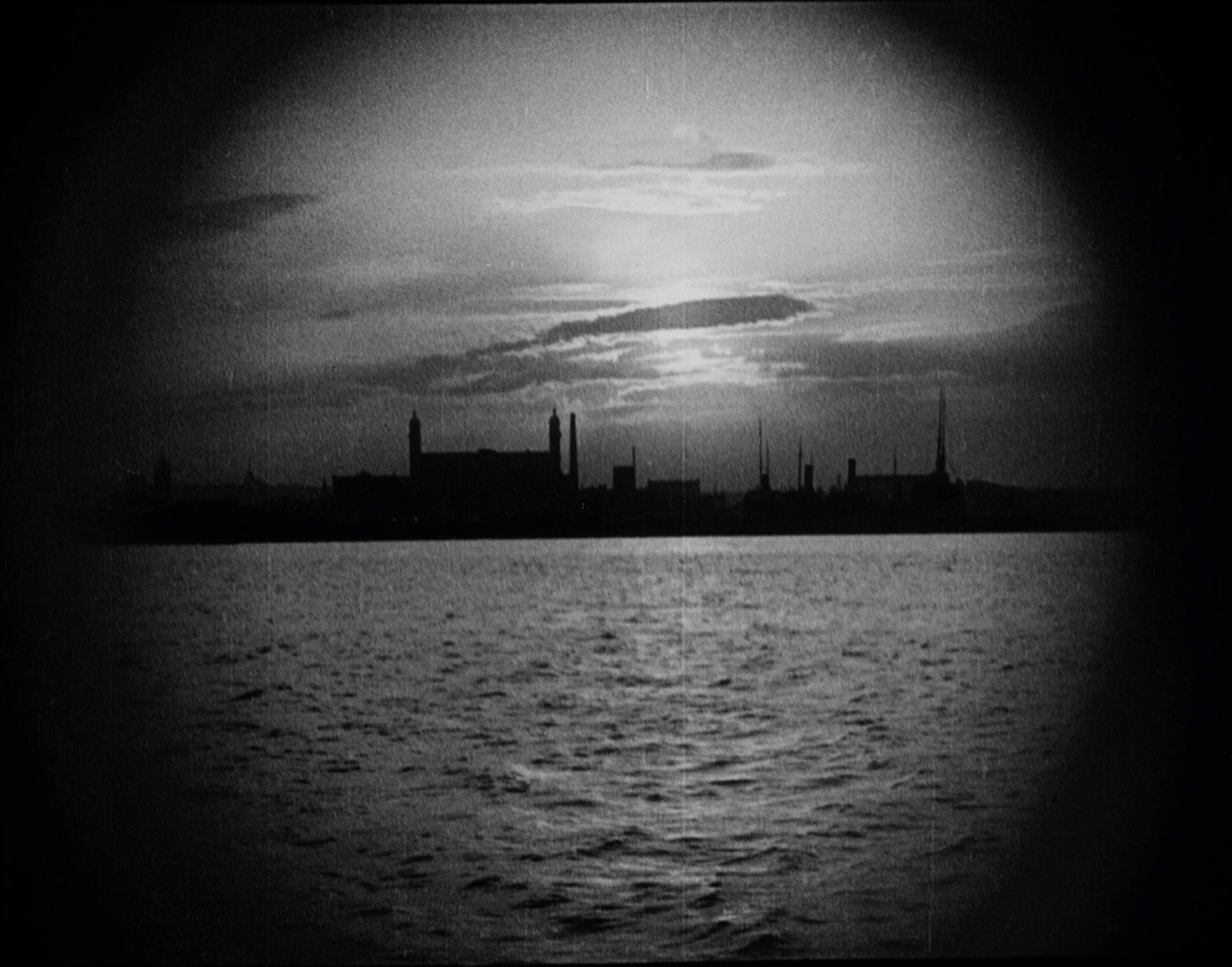
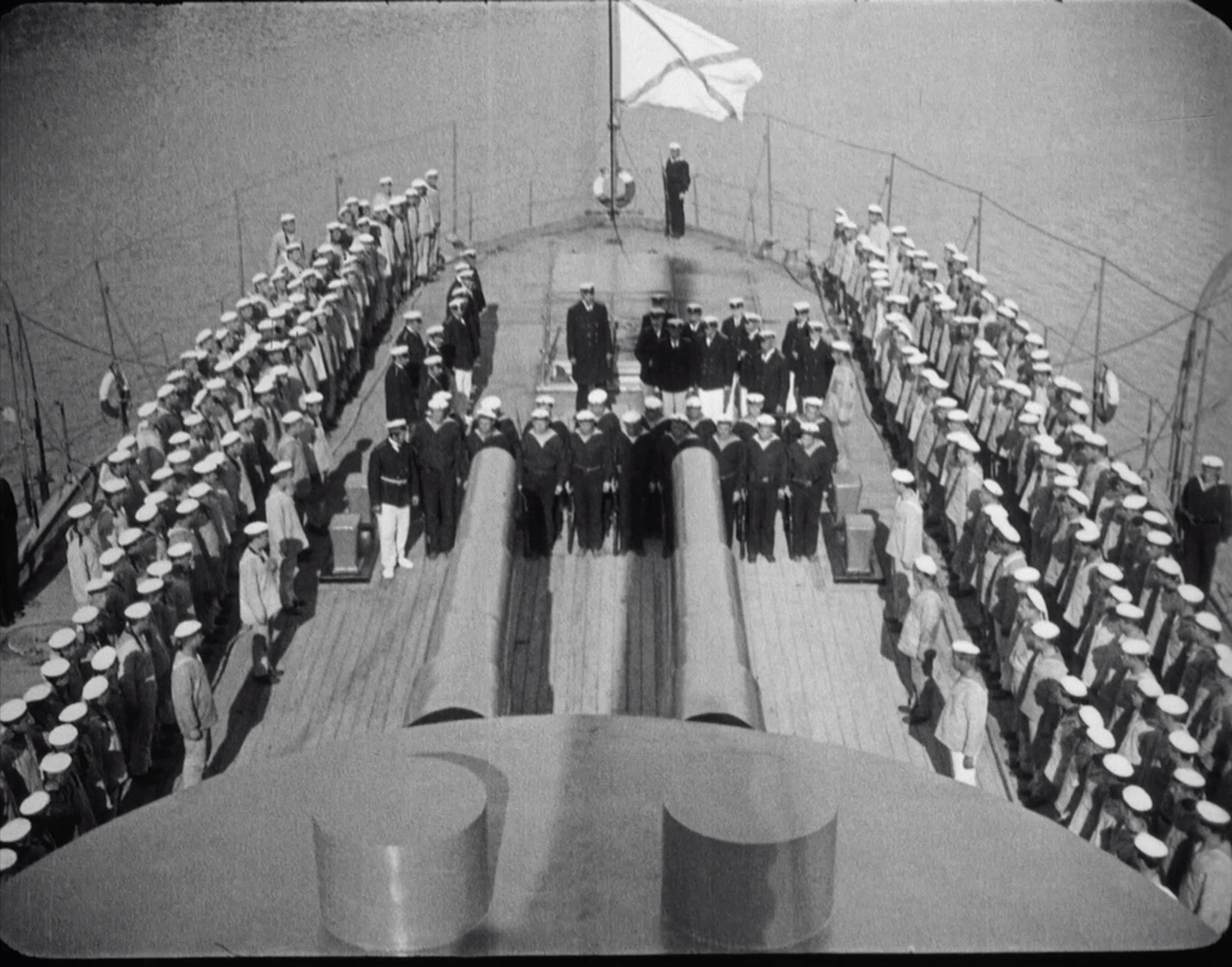
Battleship Potemkin (1925)
Battleship Potemkin dramatizes the 1905 mutiny aboard the Russian battleship Potemkin, sparked by the crew’s outrage over inhumane conditions and corrupt leadership. As the sailors revolt and take control of the ship, their actions inspire solidarity among the citizens of Odessa. The uprising is met with brutal retaliation, culminating in a massacre that becomes a powerful symbol of resistance and revolution.
Eisenstein and cinematographer Eduard Tisse built Battleship Potemkin around revolutionary montage theory, using rapid, rhythmic editing to generate emotion and meaning through the collision of images. The Odessa Steps sequence—constructed from fragmented close-ups, shifting perspectives, and escalating tempo—redefined cinematic language, proving how editing itself could become the driving force of visual storytelling.
TELEVISION SERIES
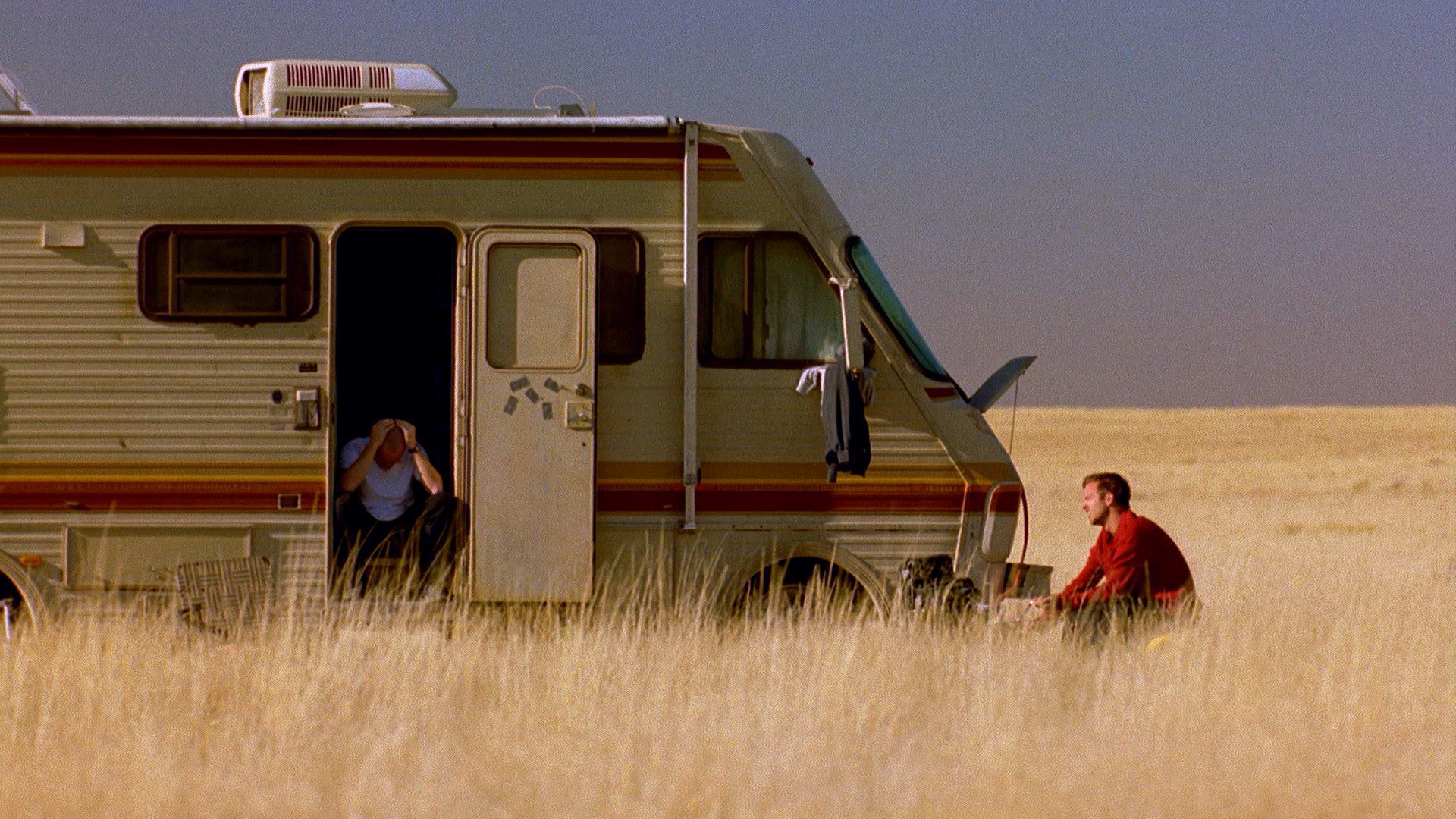
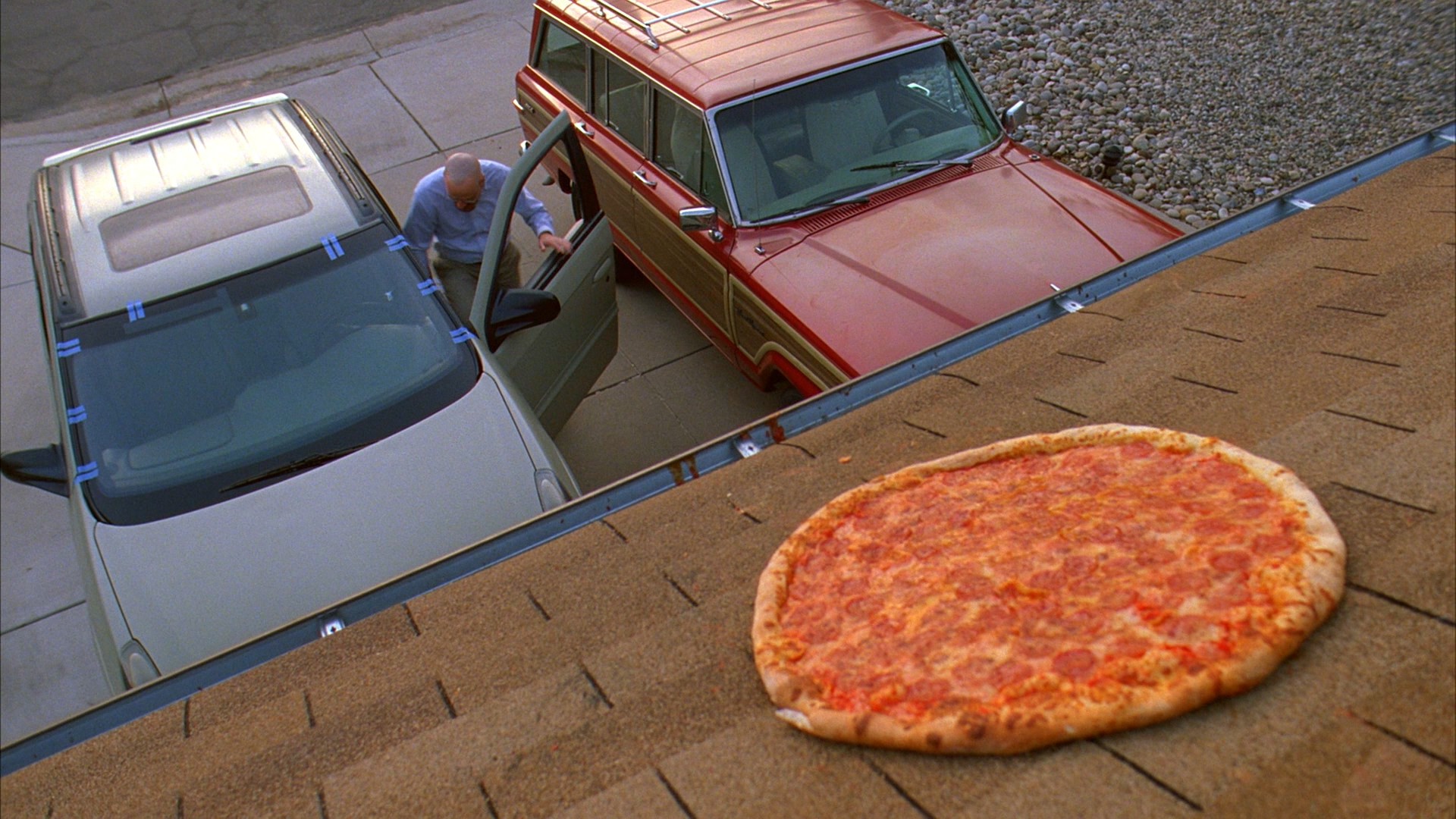
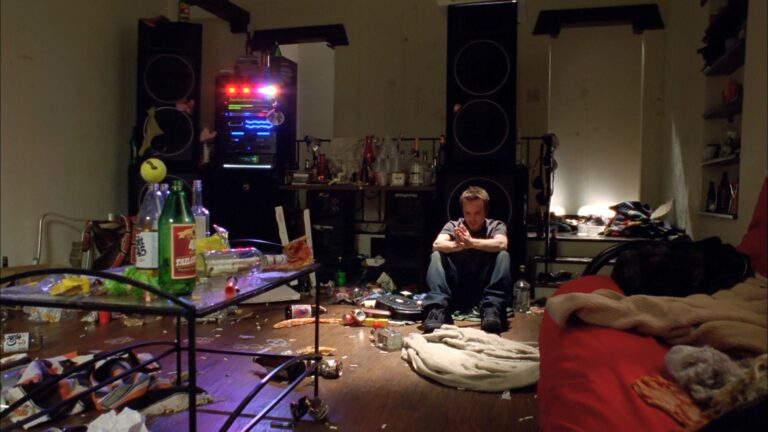
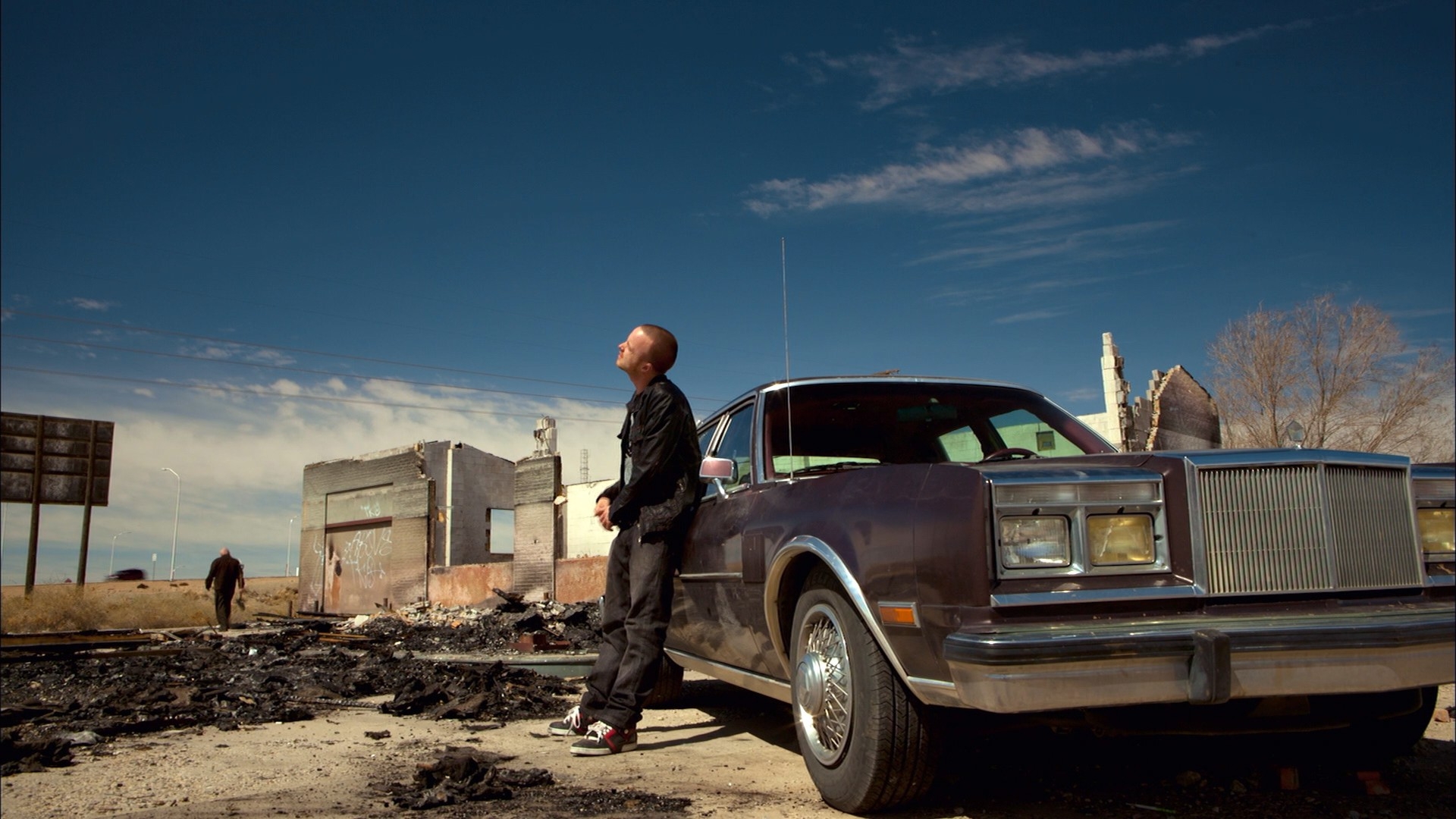
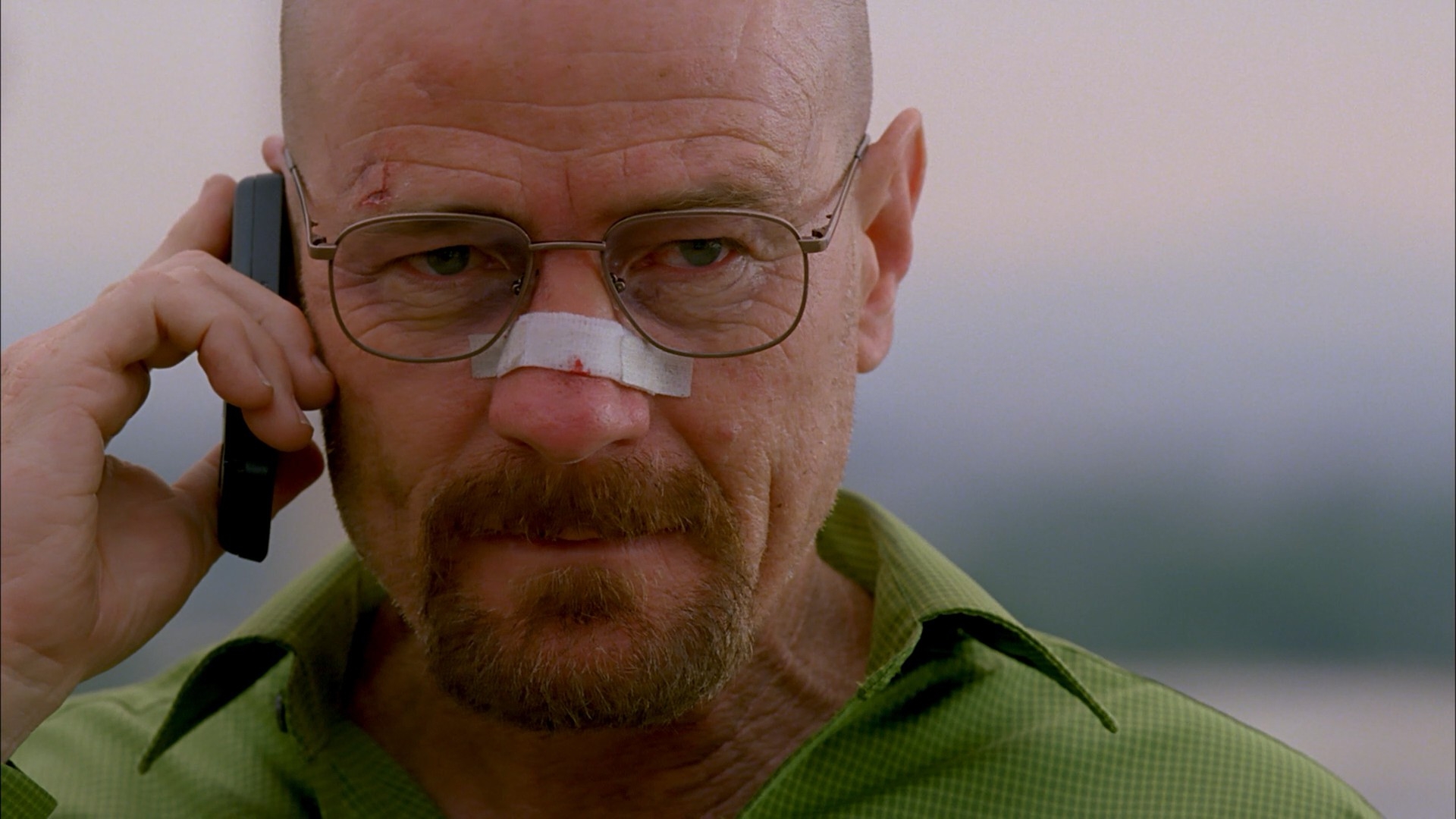
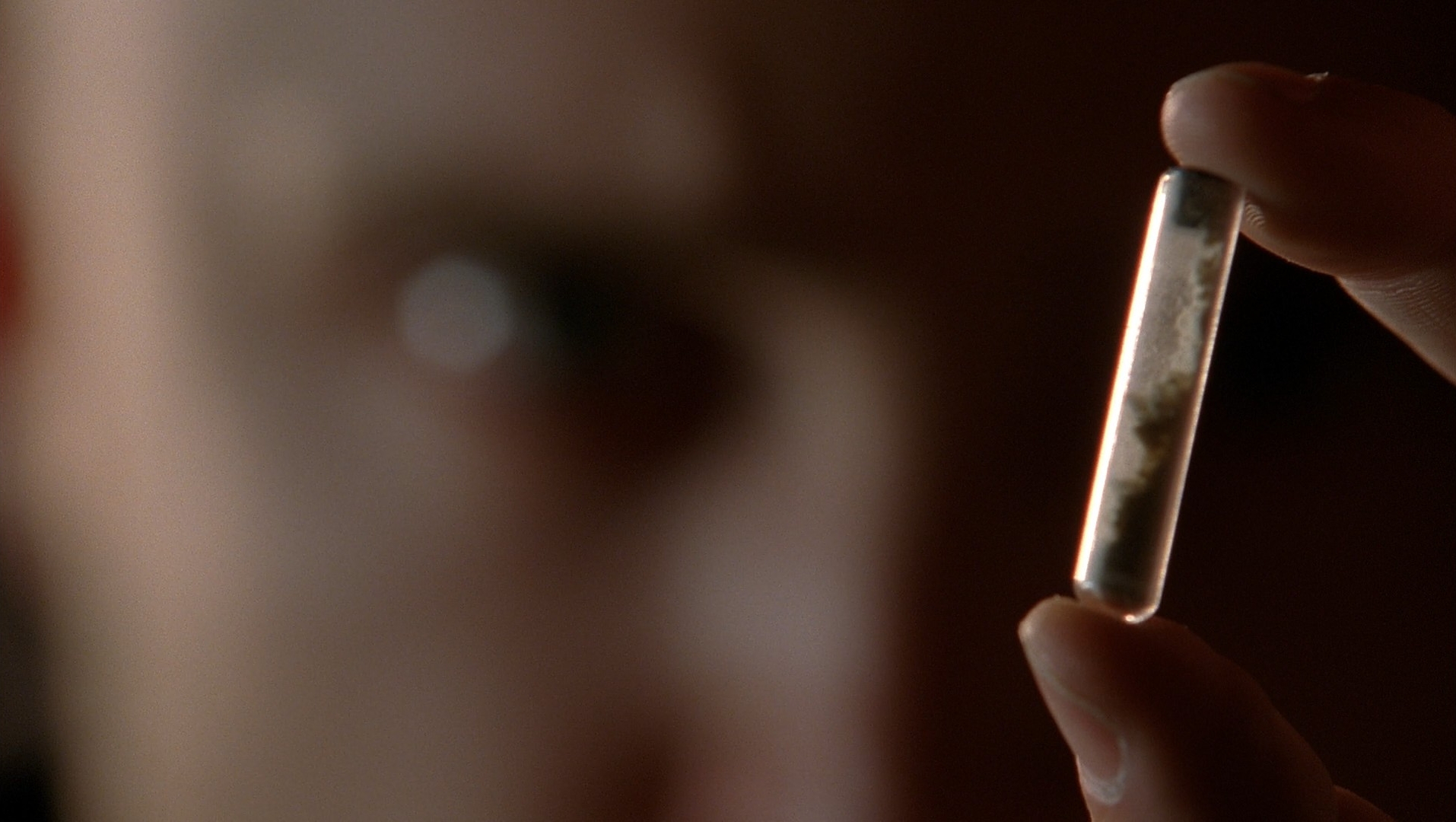
Breaking Bad – Season 2 (2009)
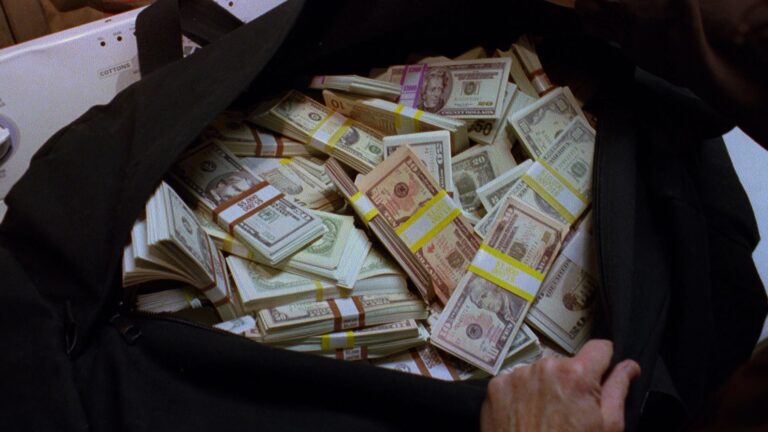
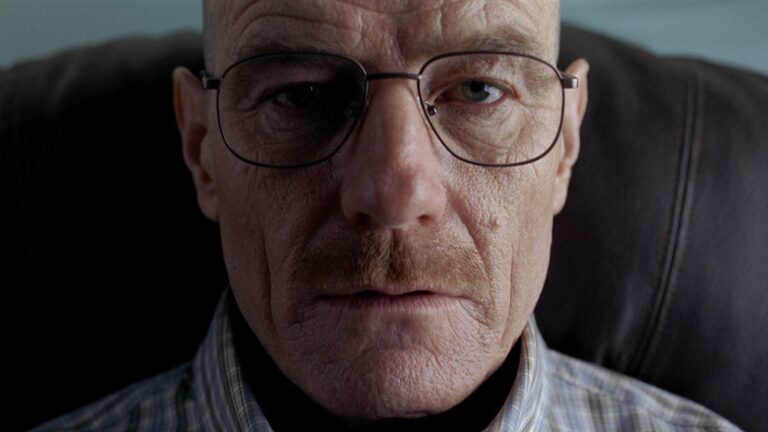
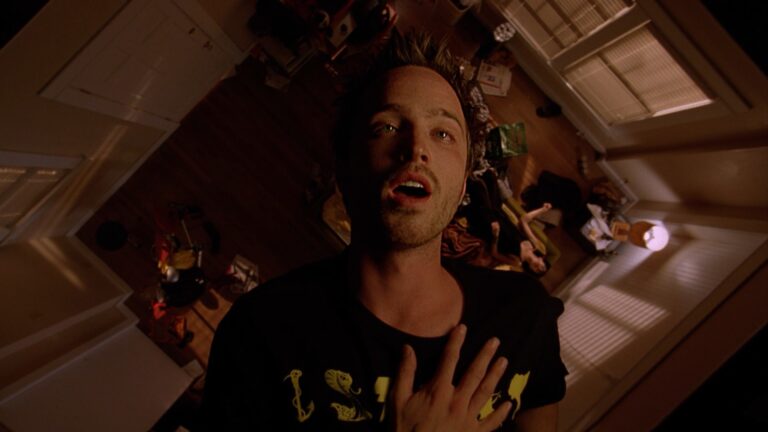
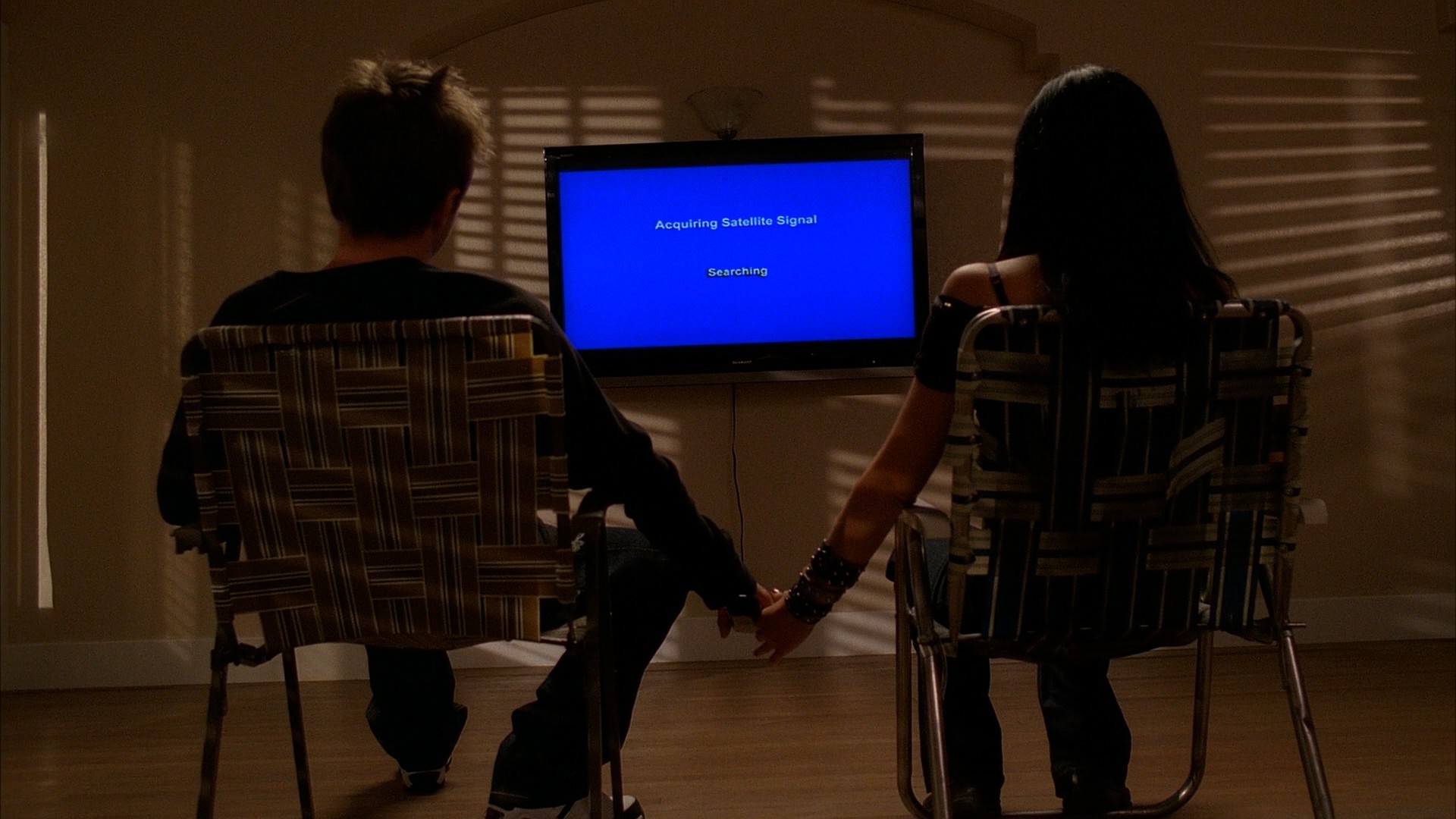
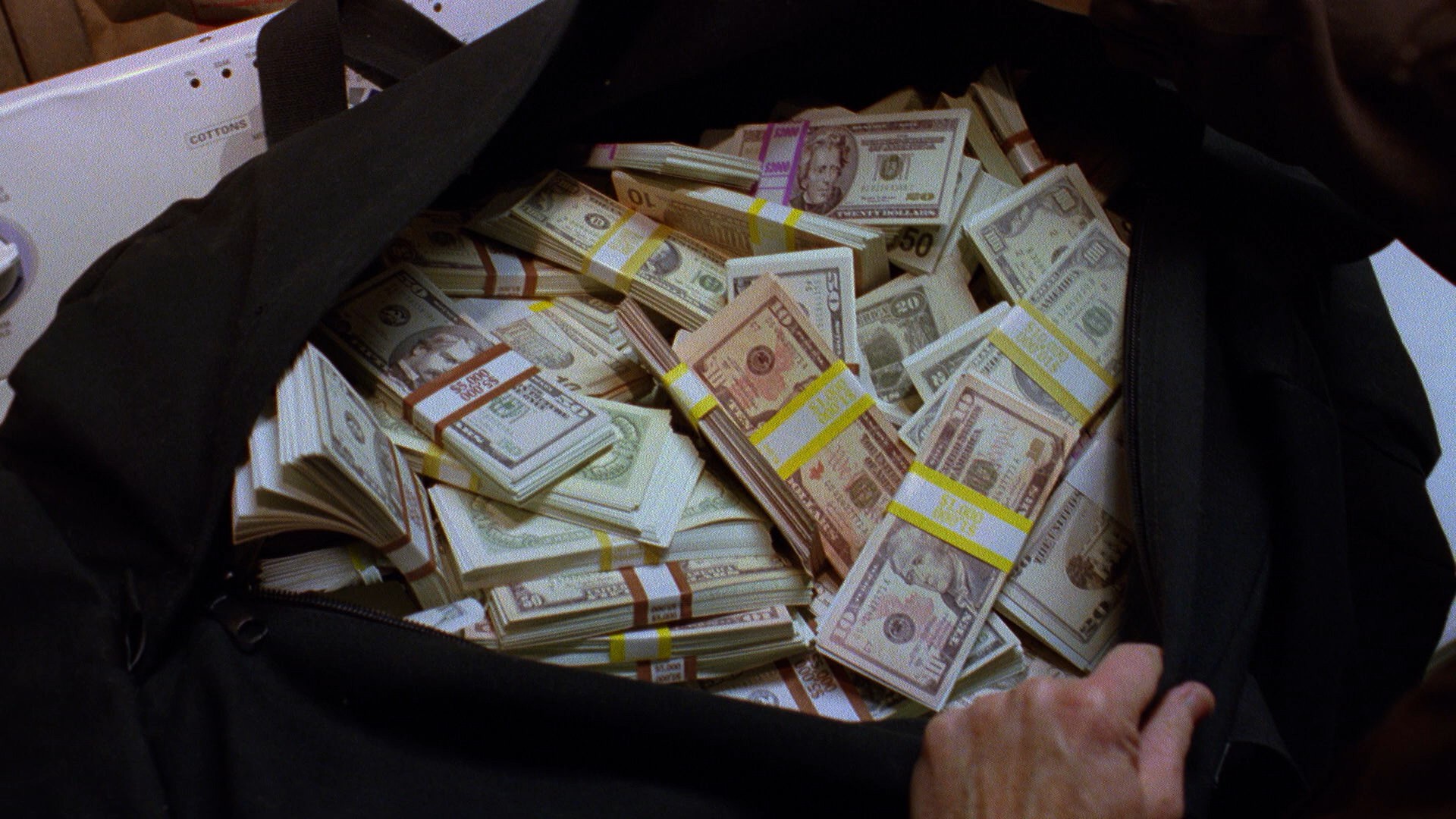
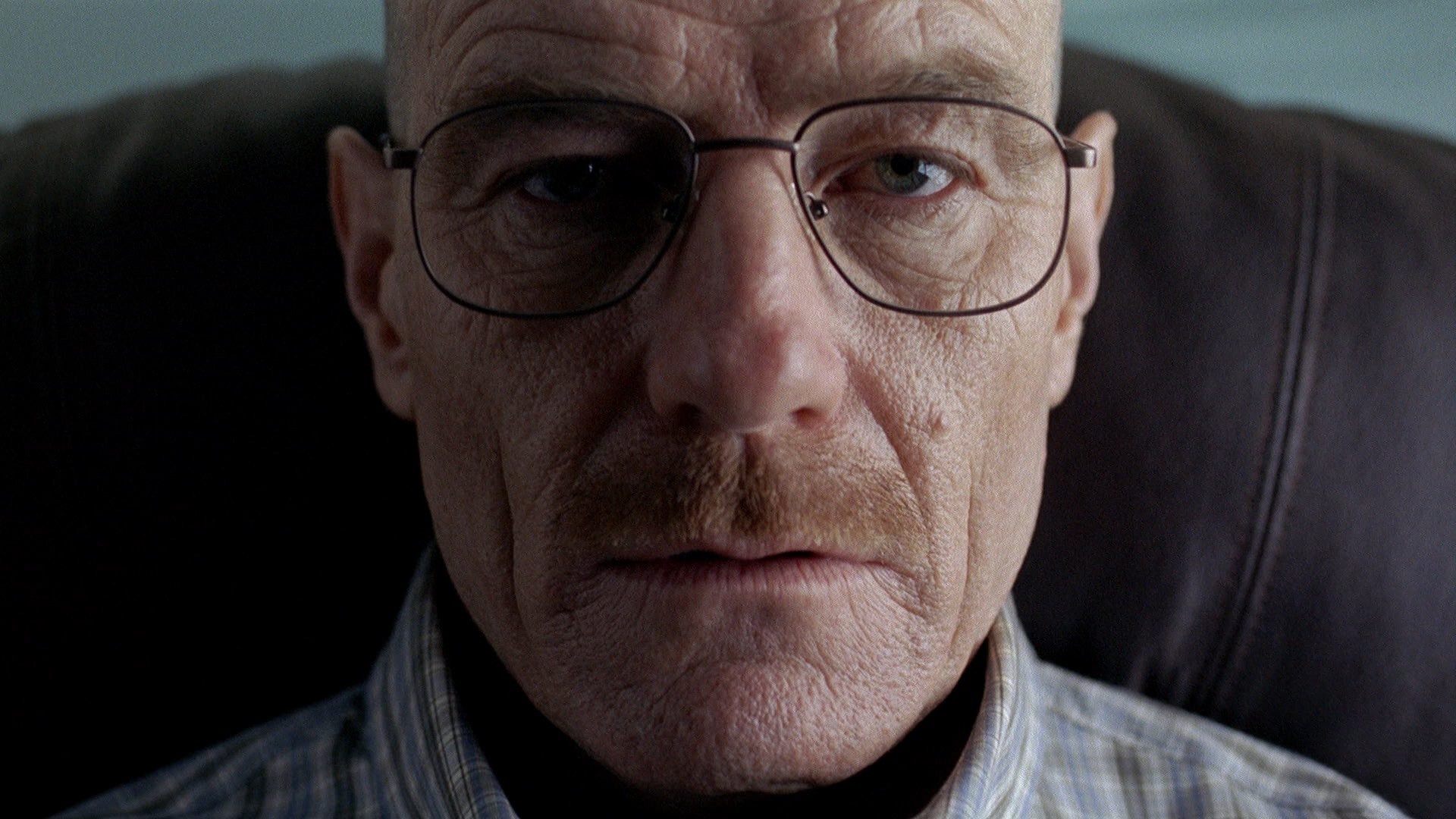
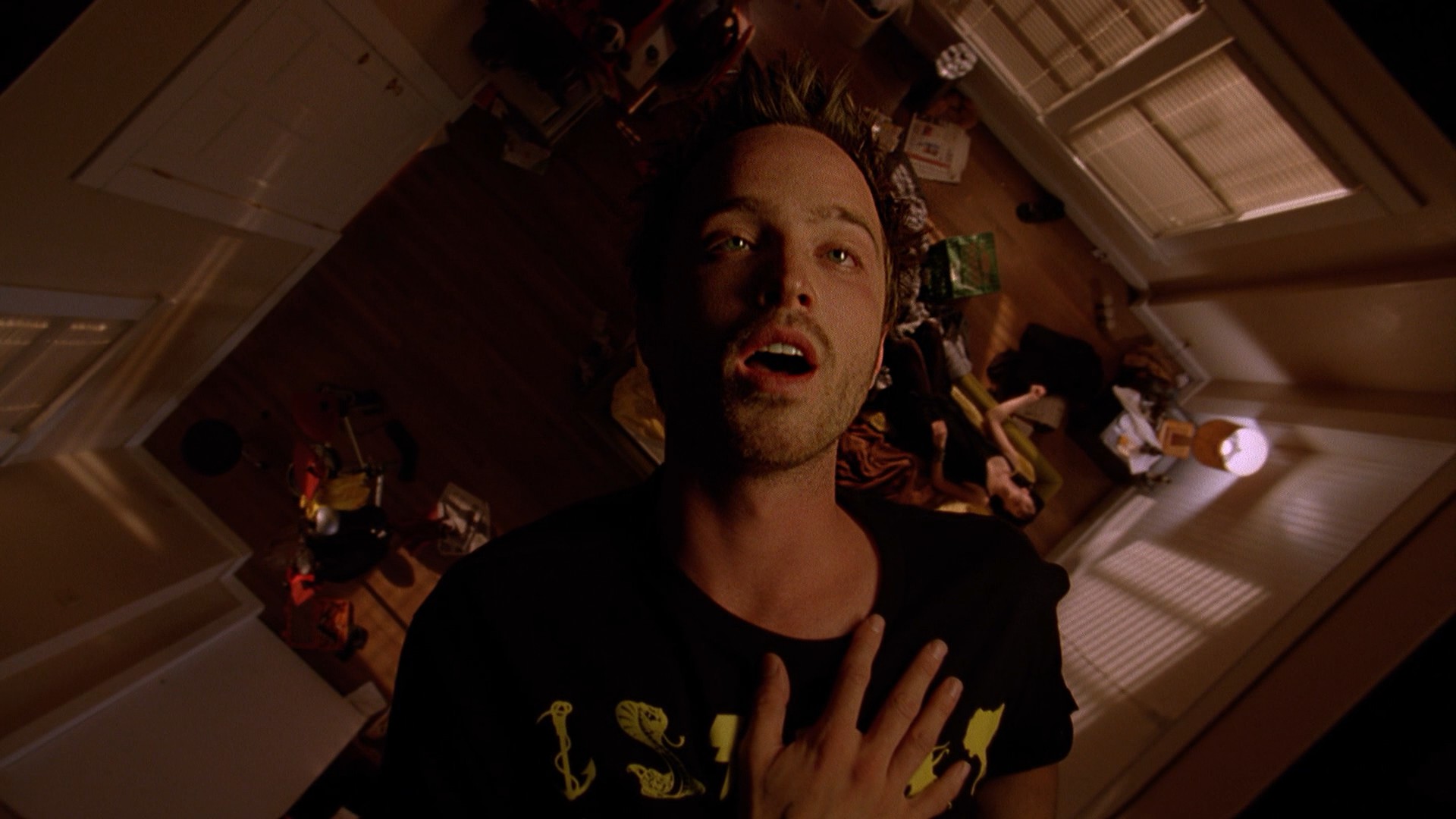
In Breaking Bad – Season 2, as Walter White and Jesse Pinkman expand their meth operation, the consequences of their actions begin to ripple outward in increasingly dangerous ways. Walt’s double life puts growing strain on his family, while new players in the drug world complicate their business. Across the season, seemingly disconnected events slowly converge, building toward a tragic and explosive climax that changes everything.
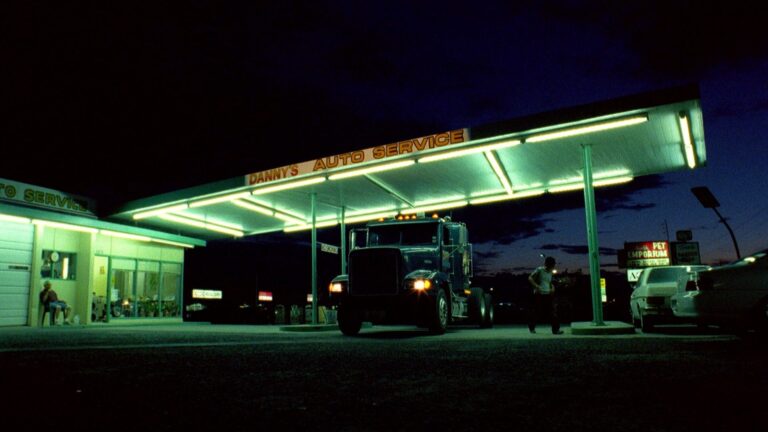
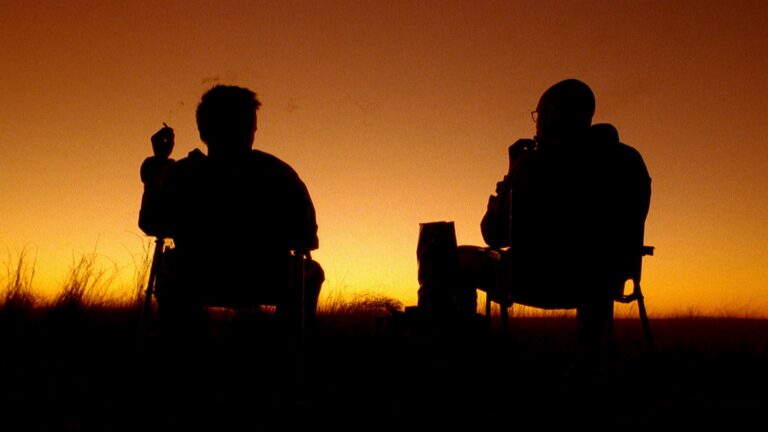
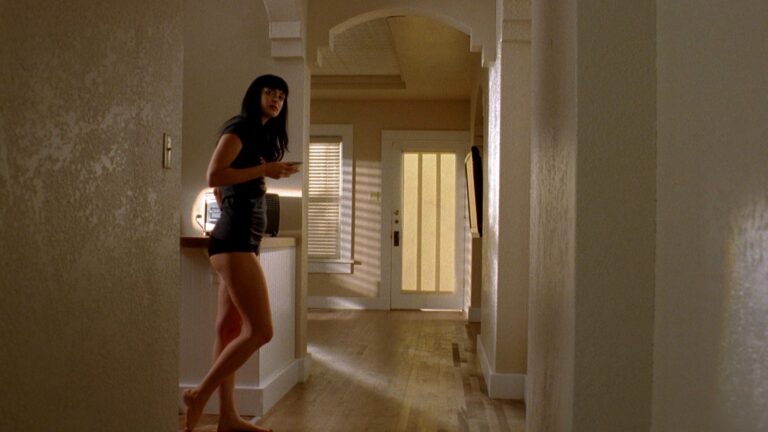
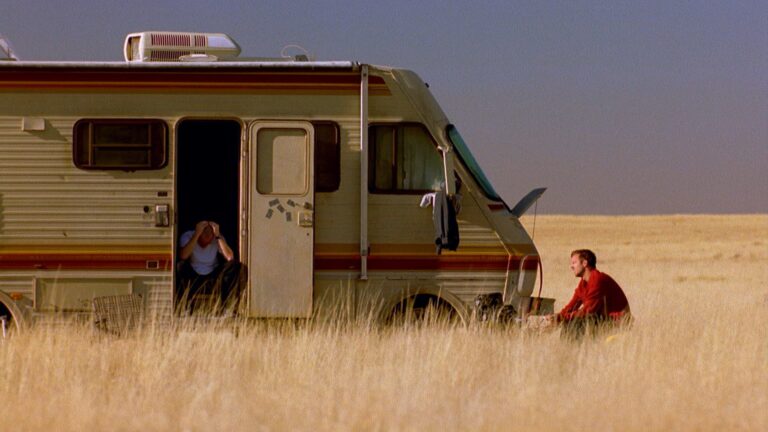
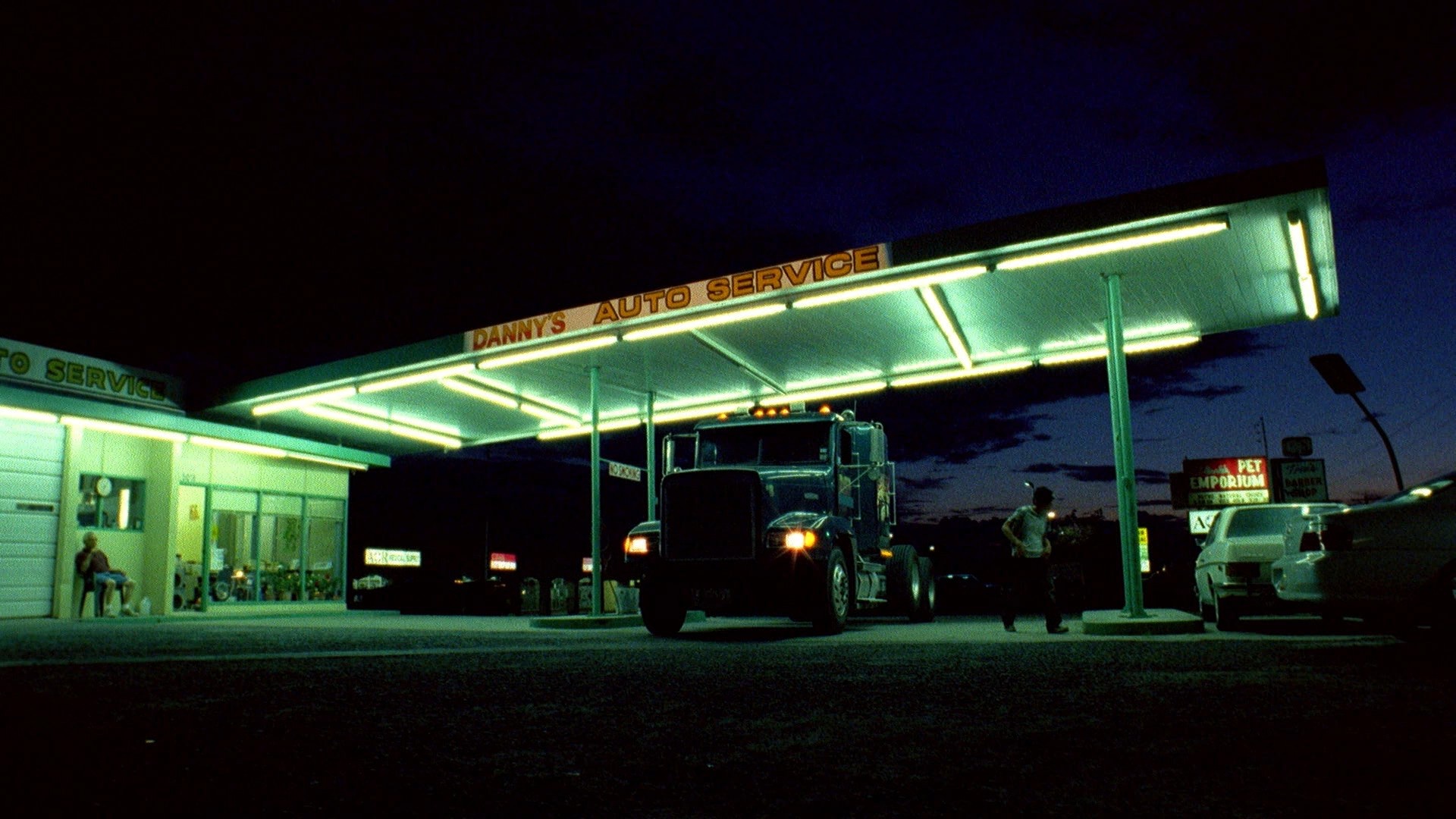
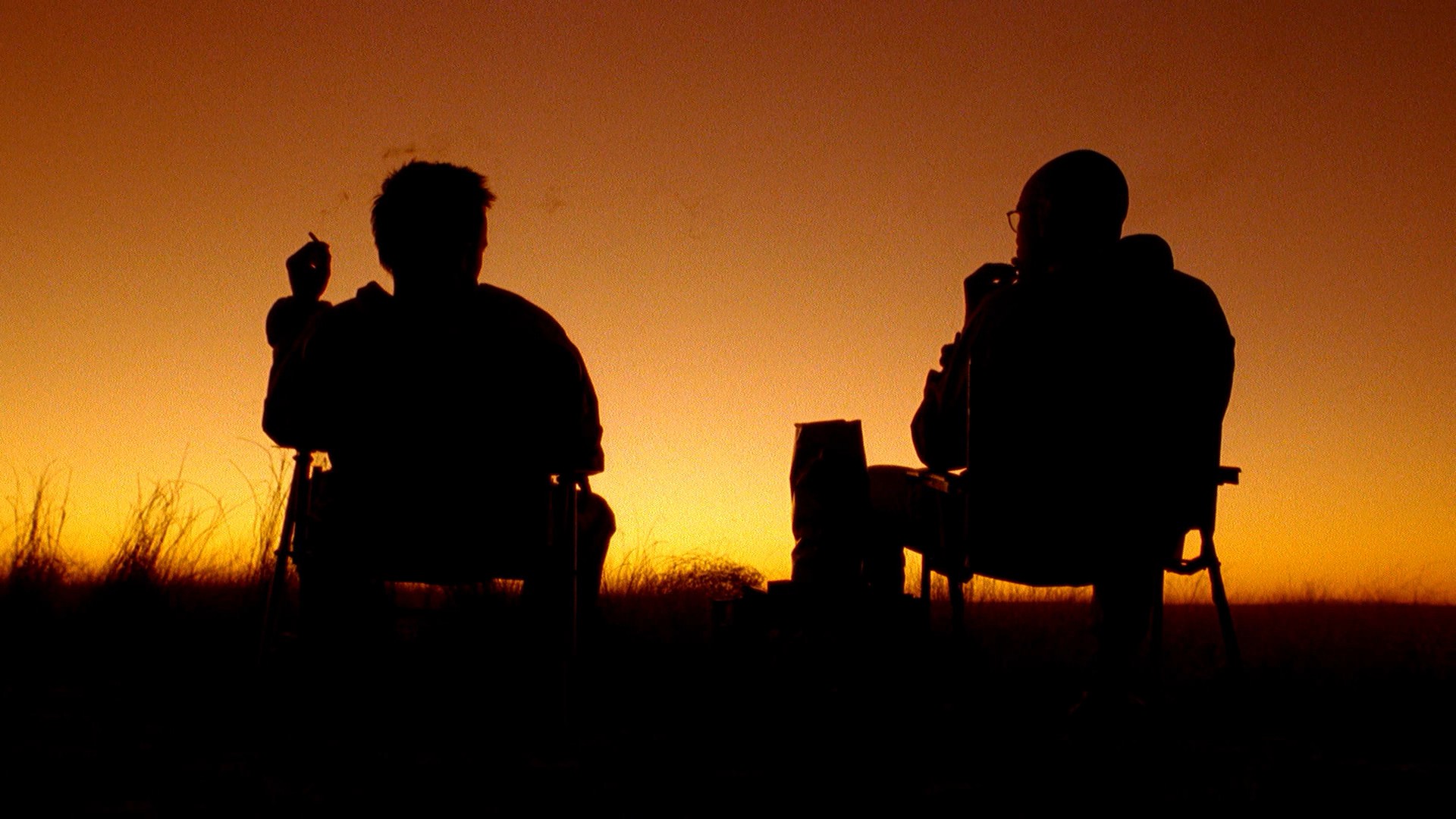
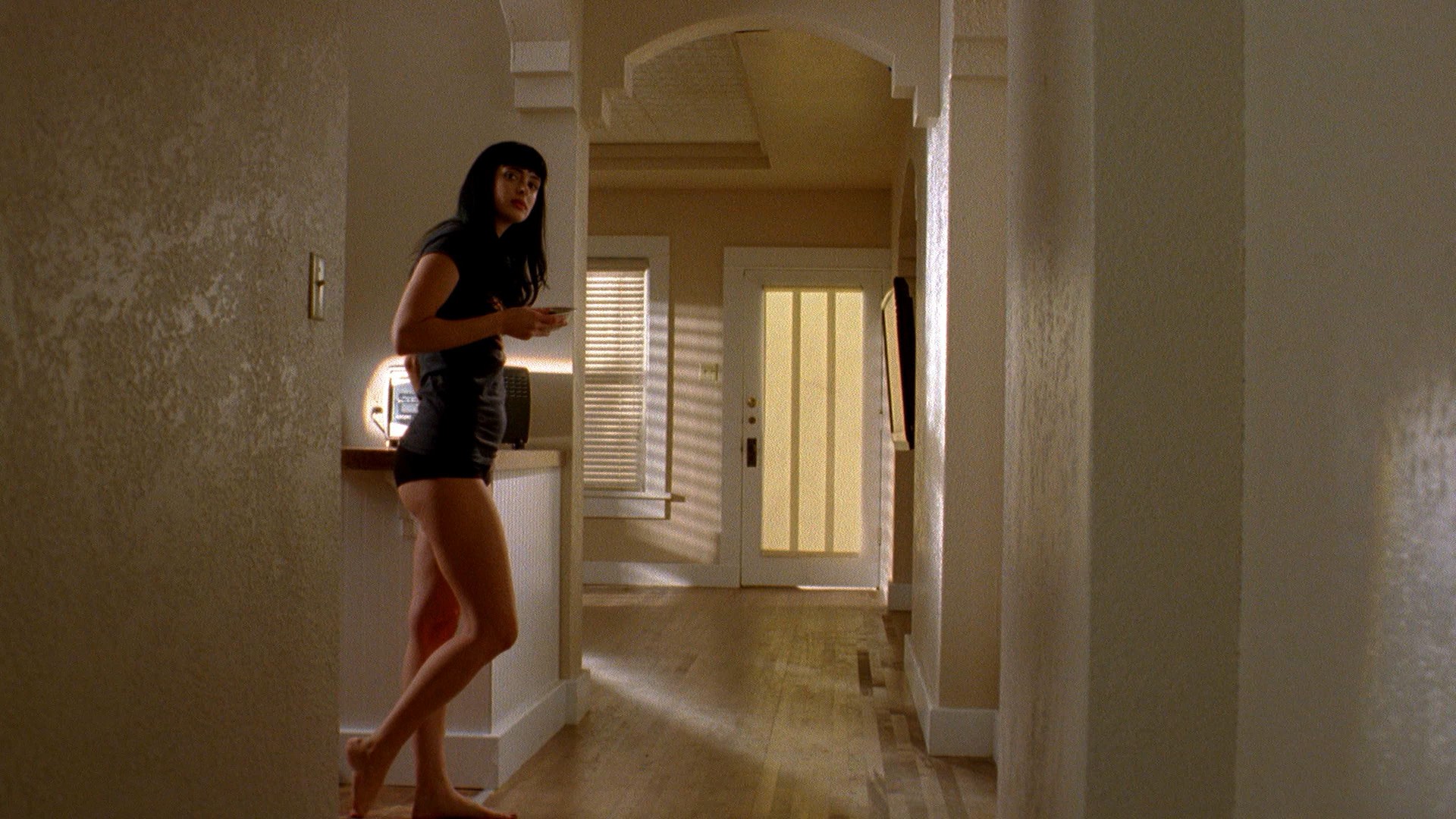
Season 2 sharpens the show’s emerging visual identity, with cinematographer Michael Slovis leaning into bold color motifs—particularly the recurring use of pink—as a visual breadcrumb trail toward its finale. The series continues to experiment with unconventional framing, time shifts, and symbolic imagery, turning objects and compositions into narrative devices that quietly foreshadow the season’s devastating end.
TELEVISION SERIES
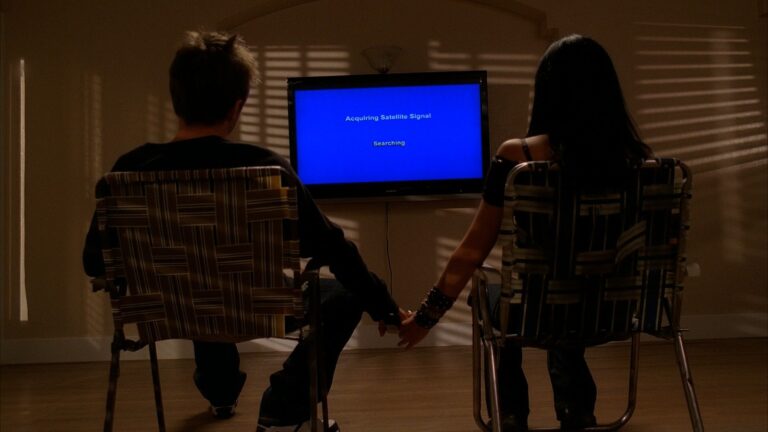
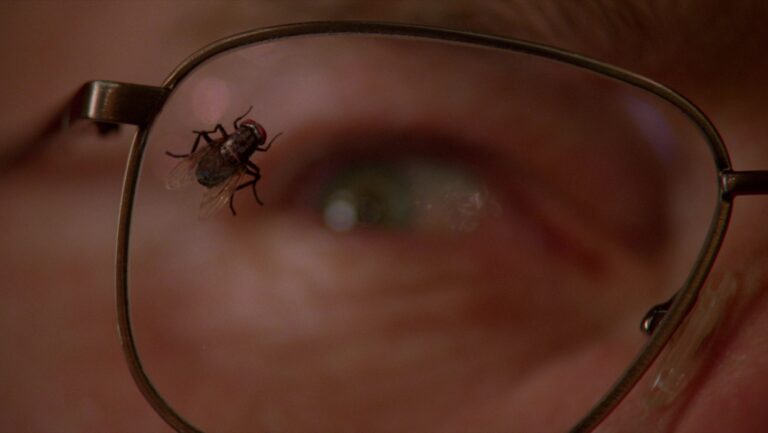
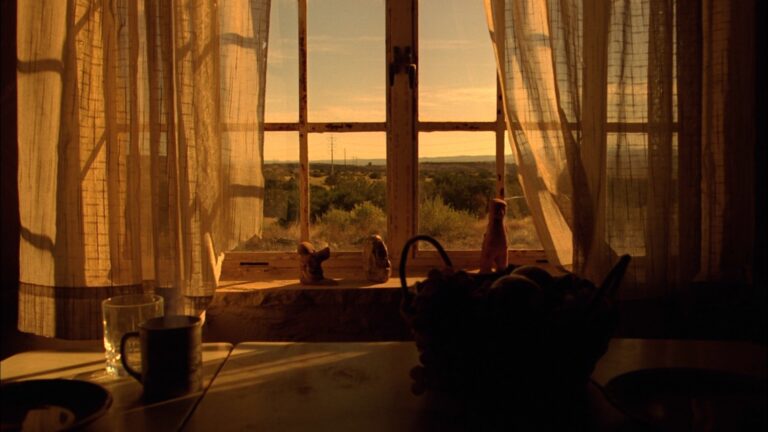
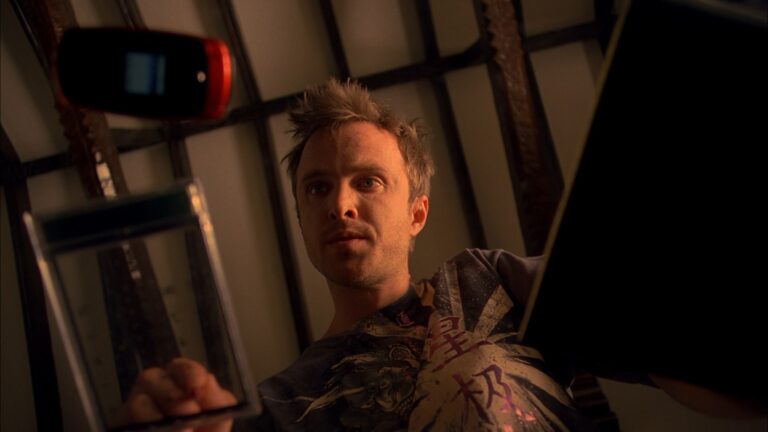
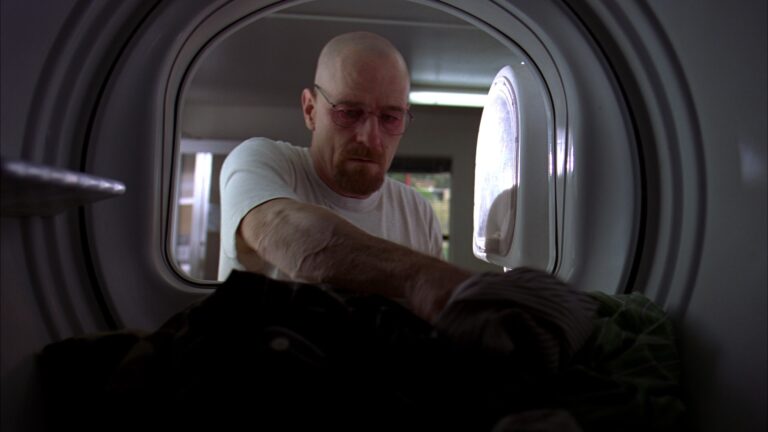
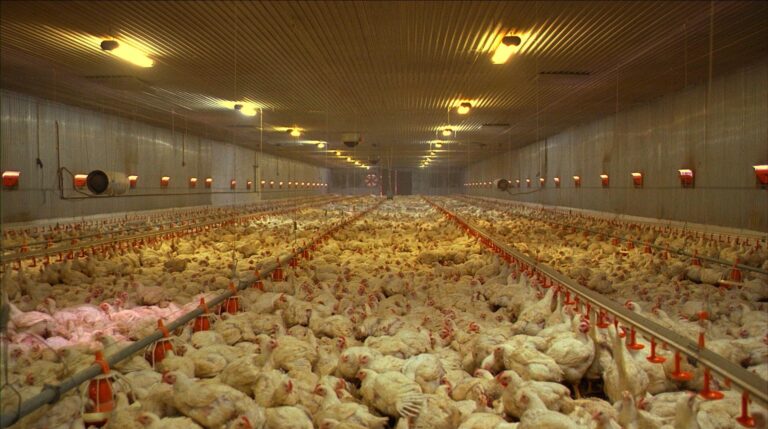
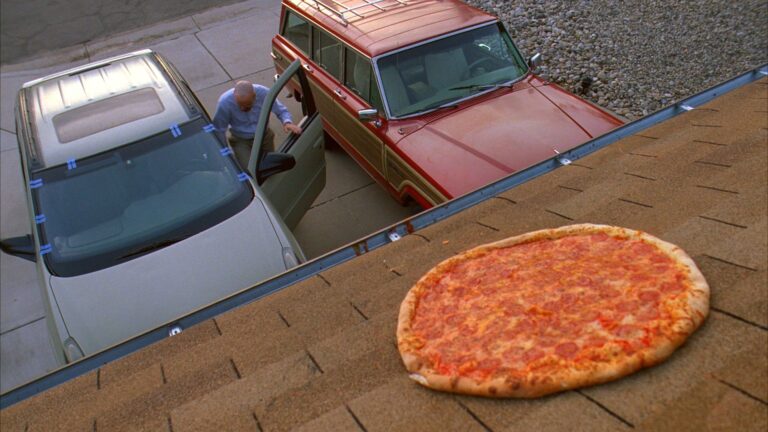
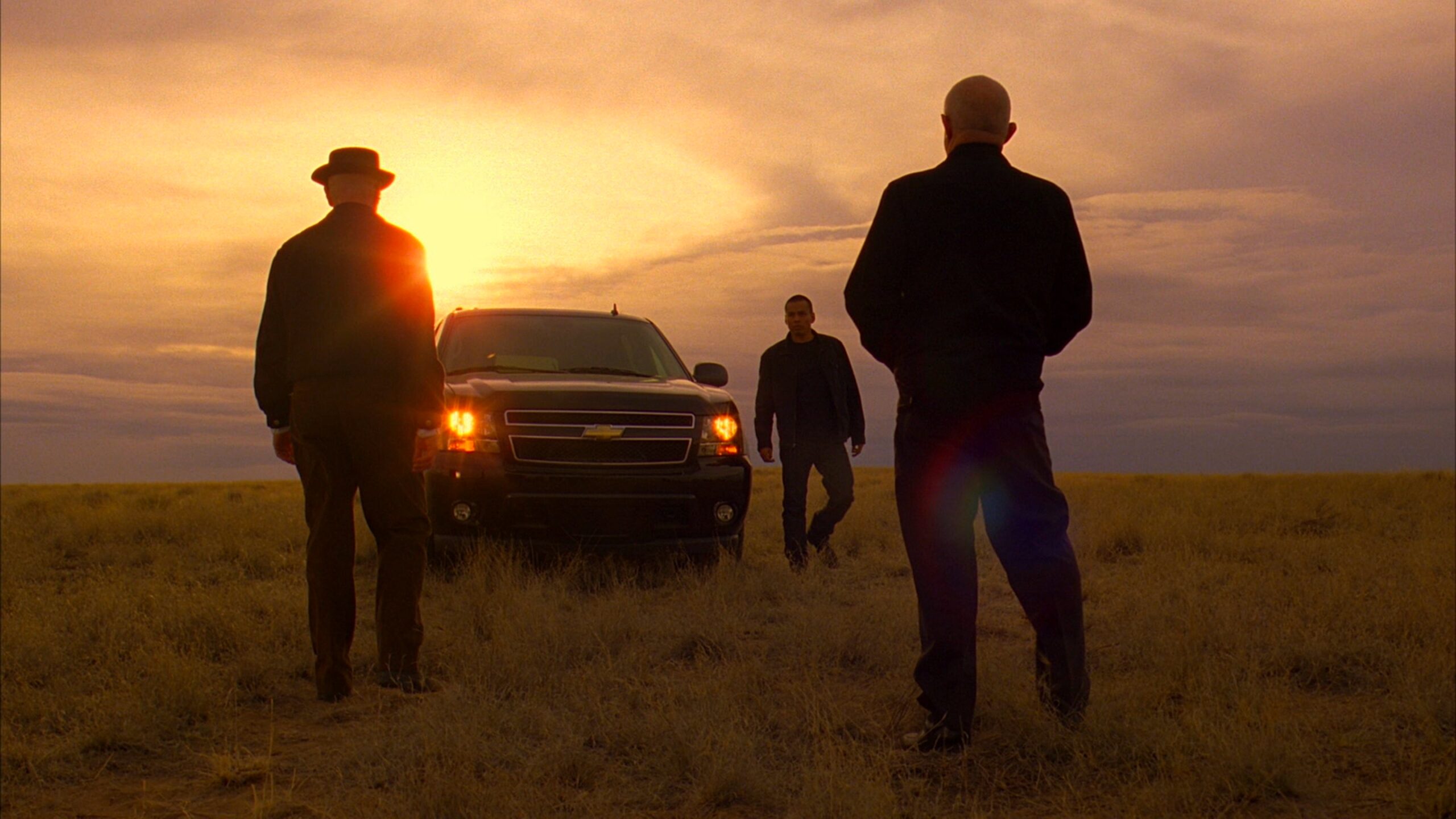
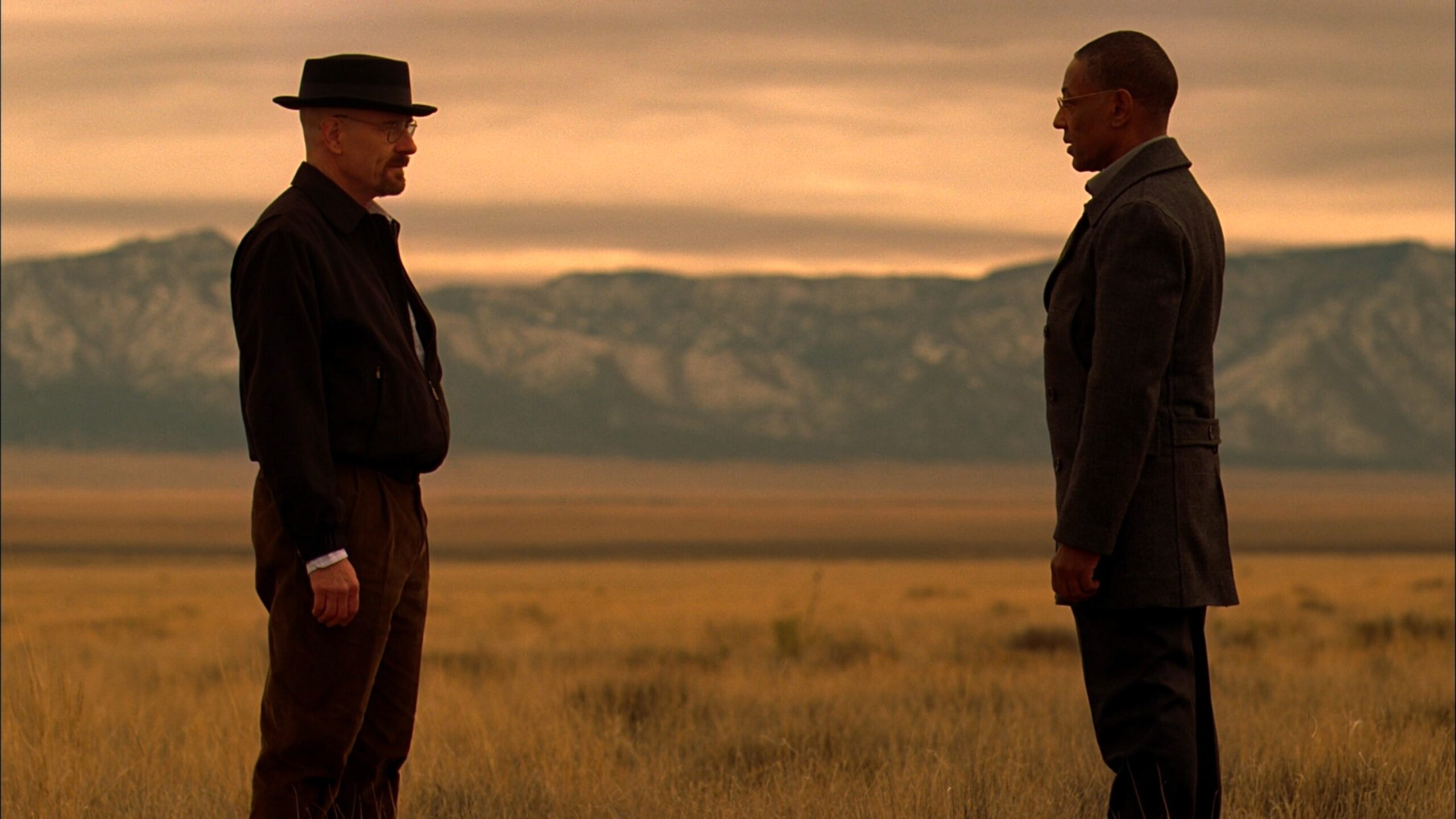
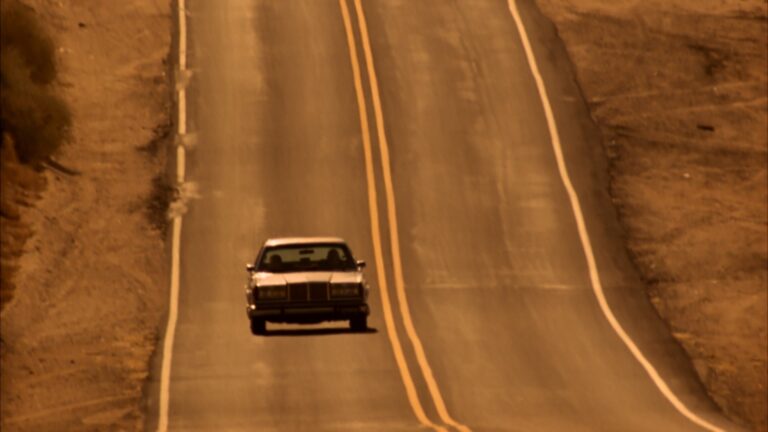
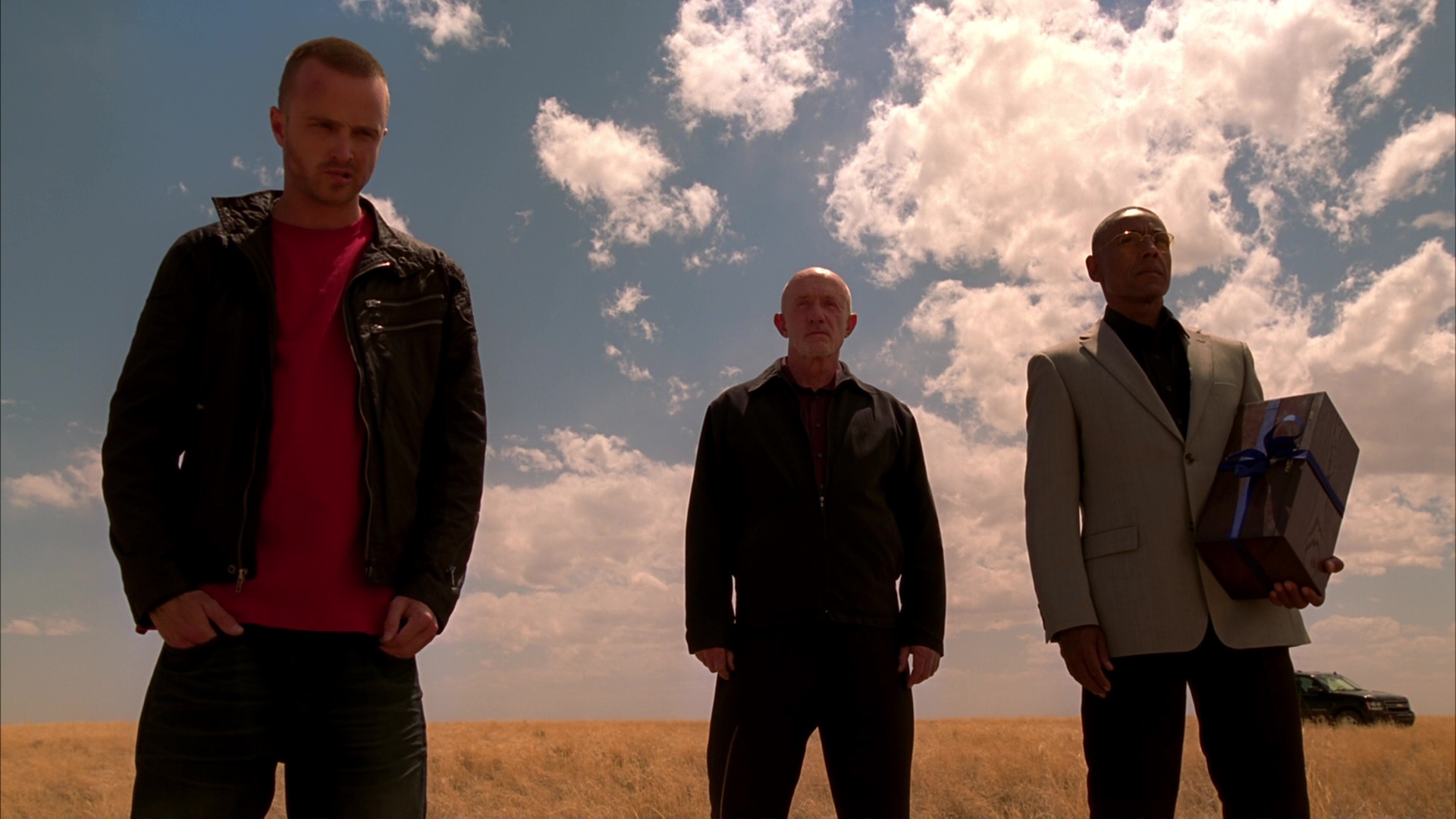
Breaking Bad – Season 3 (2010)
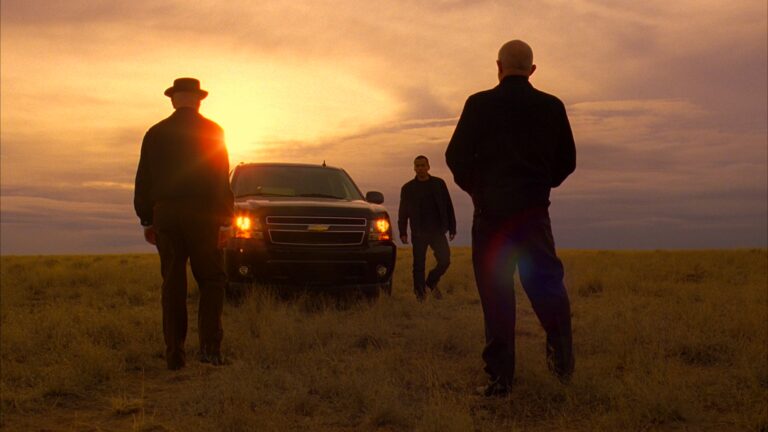
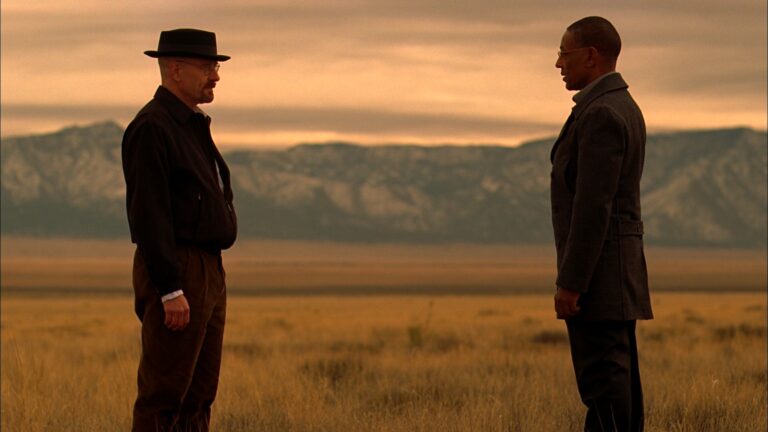
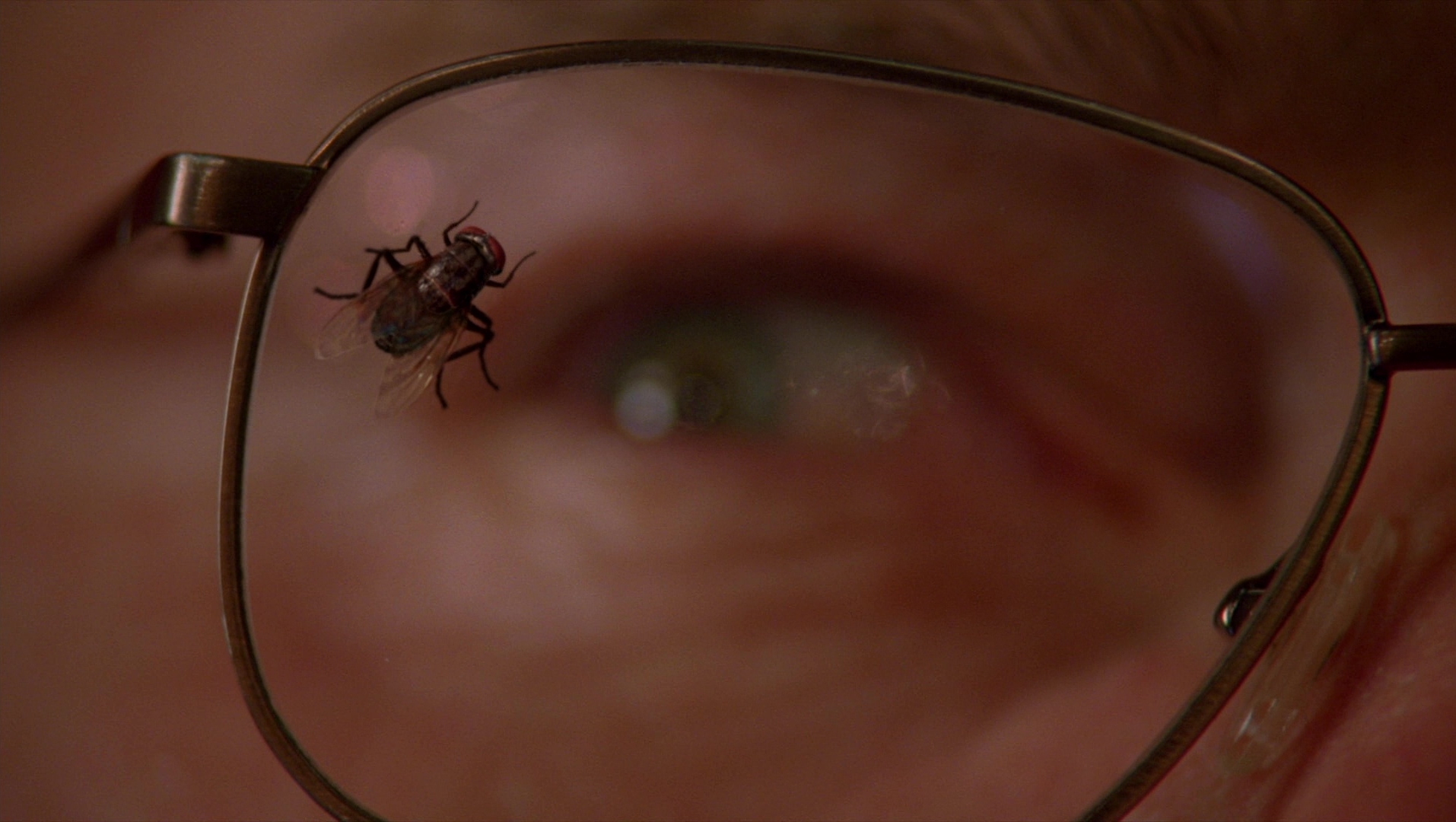
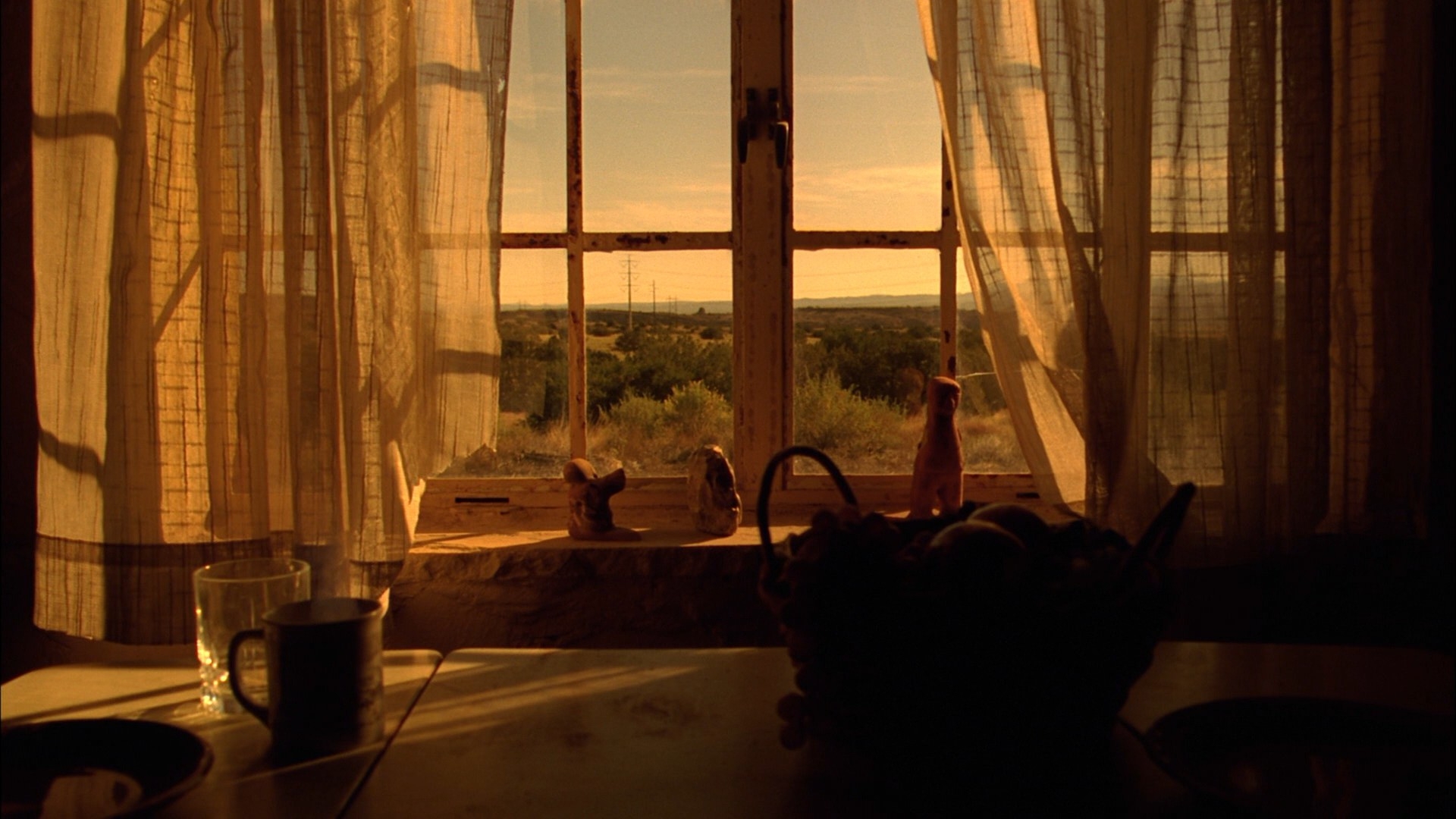
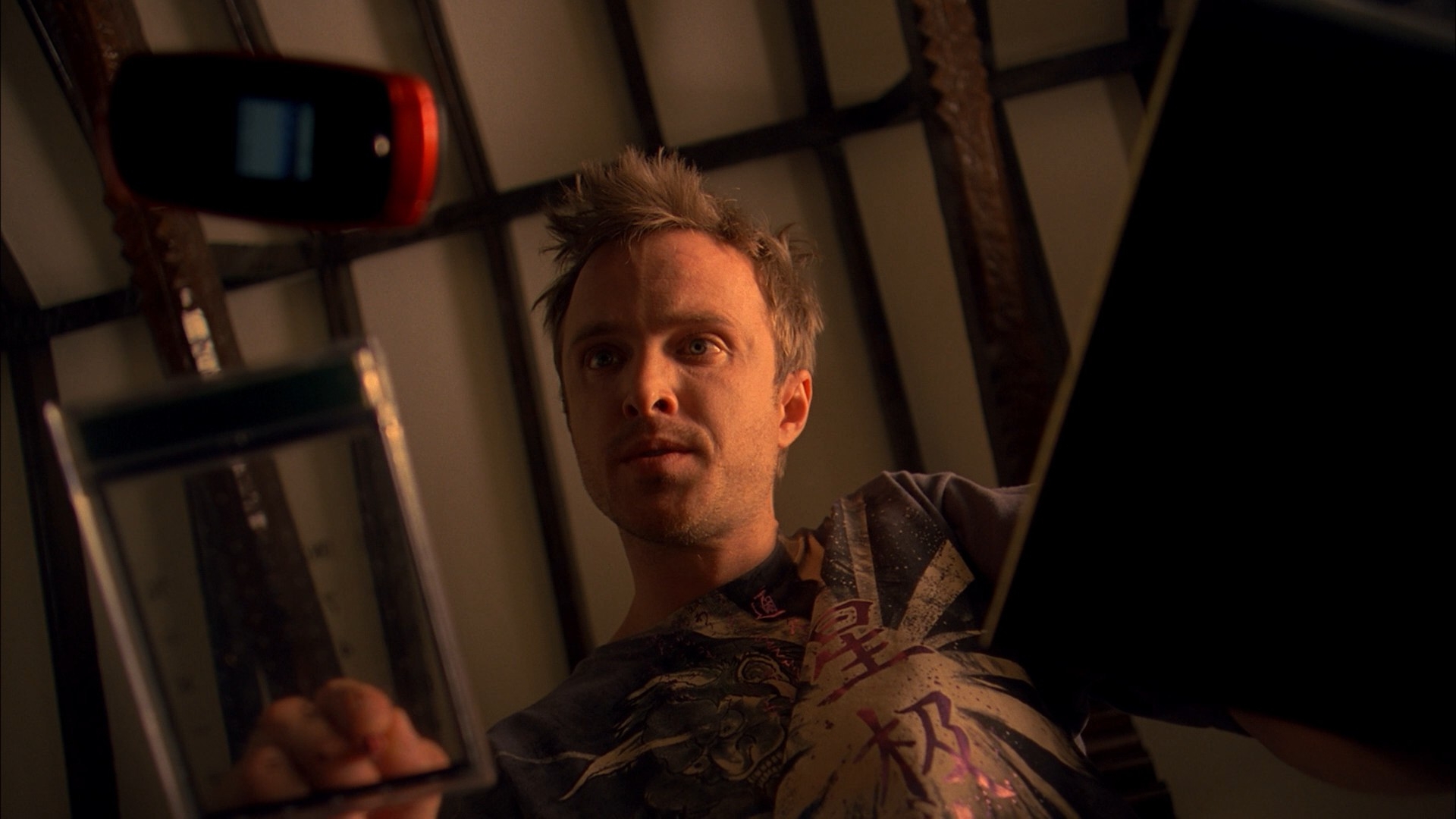
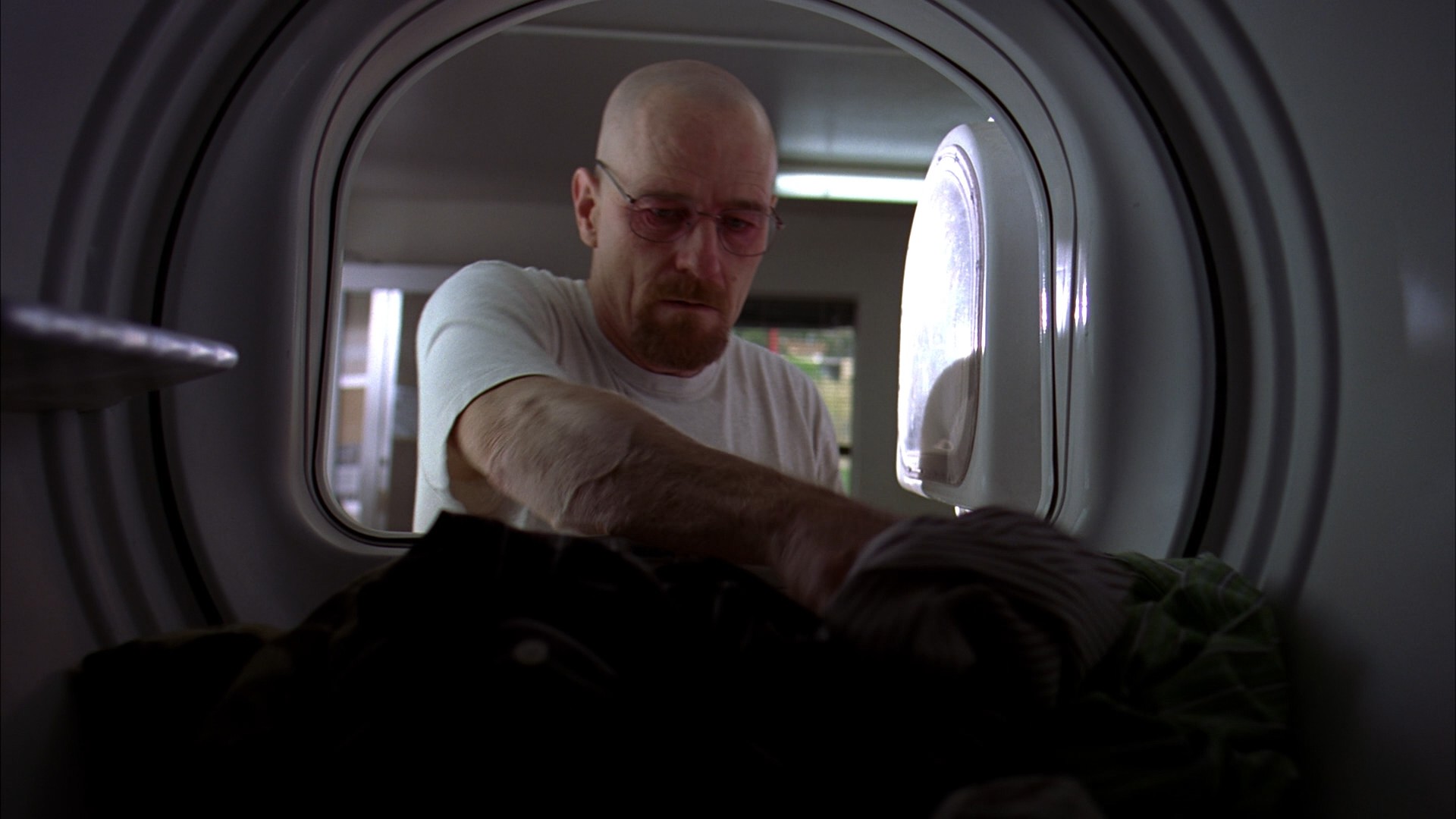
In Breaking Bad – Season 3, as Walter White attempts to reconcile his criminal life with his fractured family, he is pulled deeper into the meth business through an uneasy partnership with Gus Fring. Jesse struggles with guilt and instability following recent events, while new threats emerge in the form of cartel enforcers seeking revenge. As tensions escalate, Walt is forced to fully embrace his darker instincts to survive.
Season 3 leans further into the show’s precise visual storytelling, with cinematographer Michael Slovis using stark compositions, wide desert vistas, and controlled color palettes to heighten tension. The introduction of the Cousins brings a more stylized, almost mythic visual tone—favoring slow, deliberate movement and symmetrical framing that turns violence into something ritualistic and inevitable.
TELEVISION SERIES
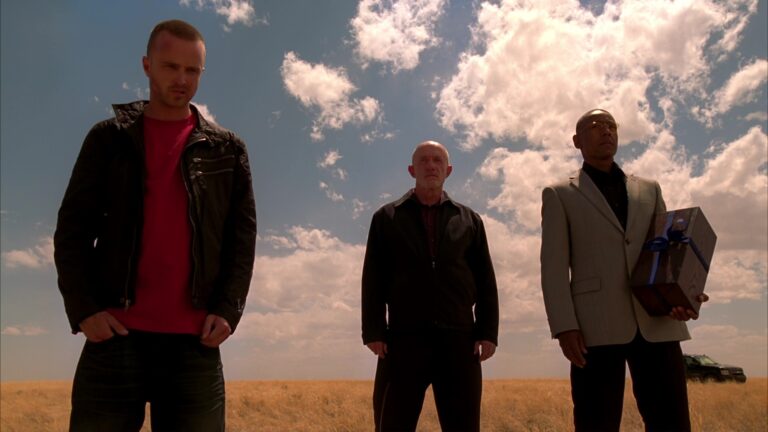
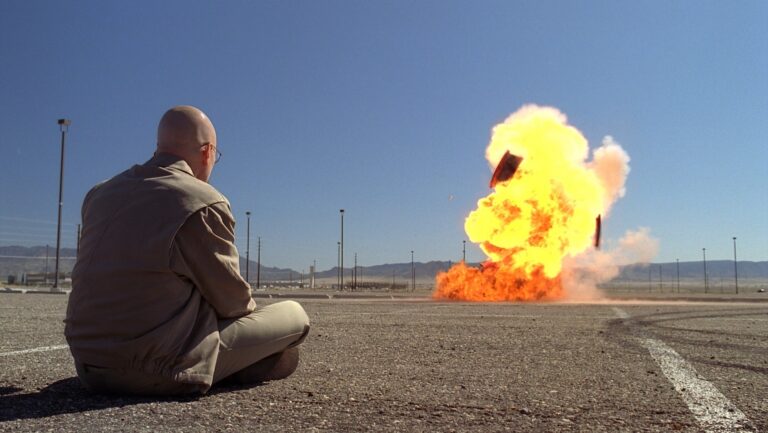
Breaking Bad – Season 4 (2011)
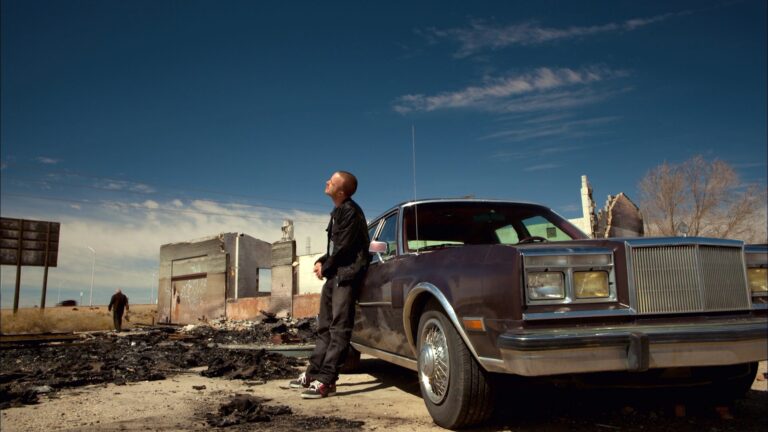
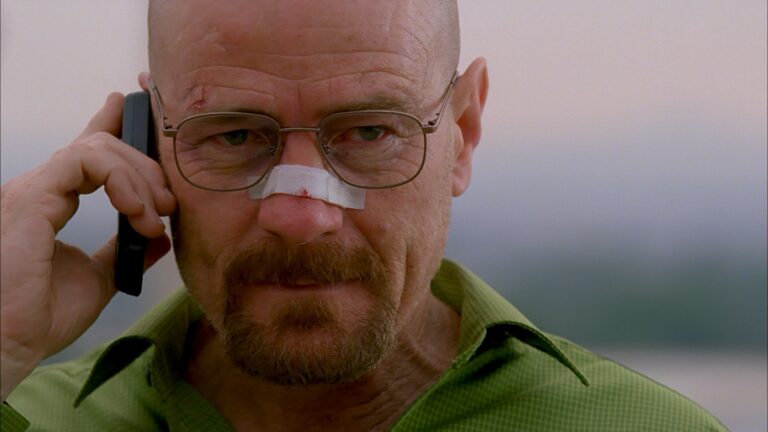
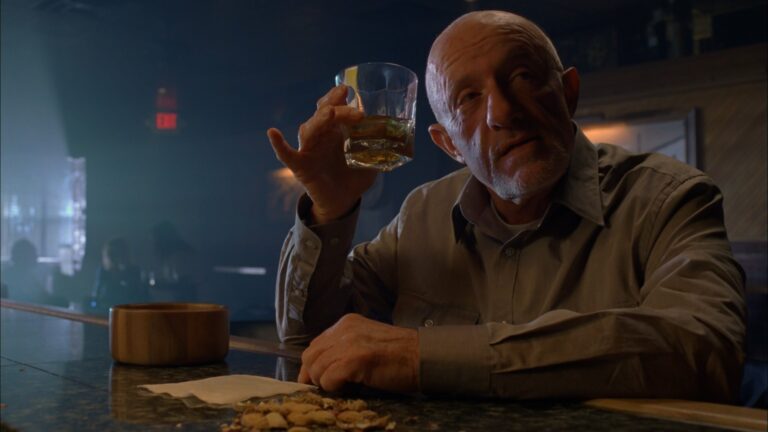
In Breaking Bad – Season 4, as Walter White and Jesse Pinkman continue working under Gus Fring, their situation grows increasingly volatile, with trust eroding on all sides. Walt becomes consumed with the threat Gus poses, setting in motion a calculated plan to eliminate him. Meanwhile, Skyler becomes more deeply entangled in Walt’s criminal life, as the tension builds toward a final, explosive confrontation.
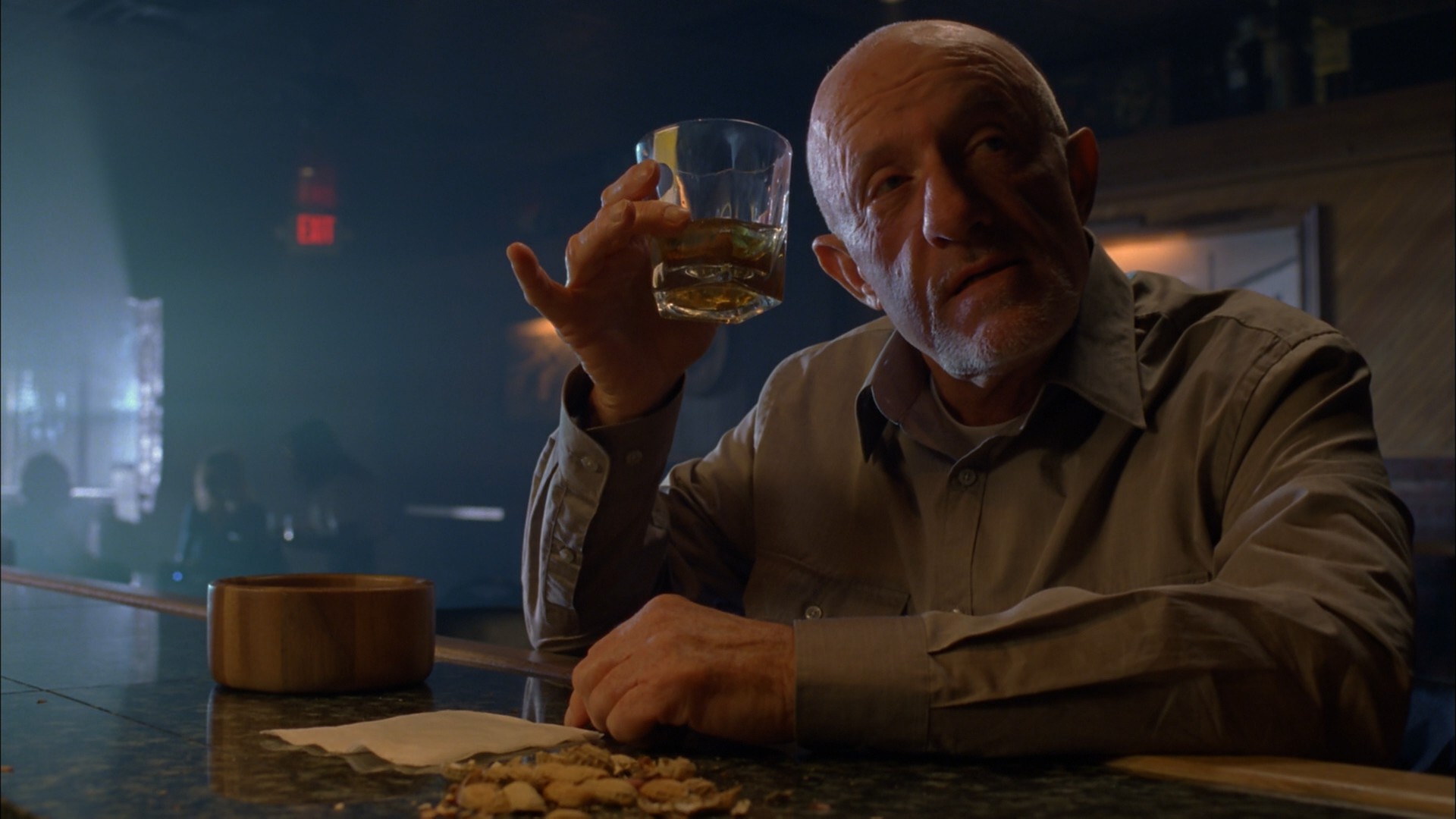
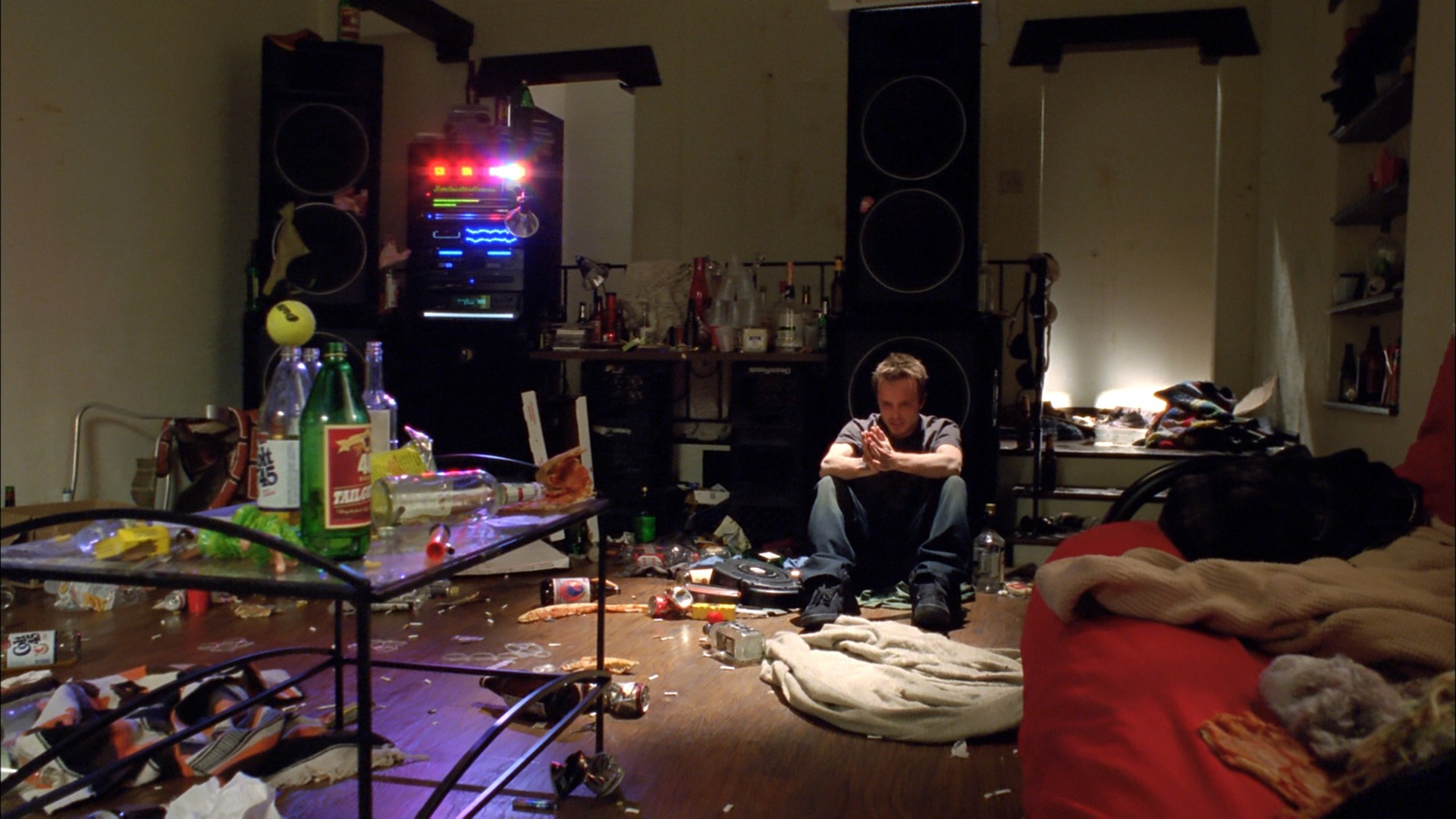
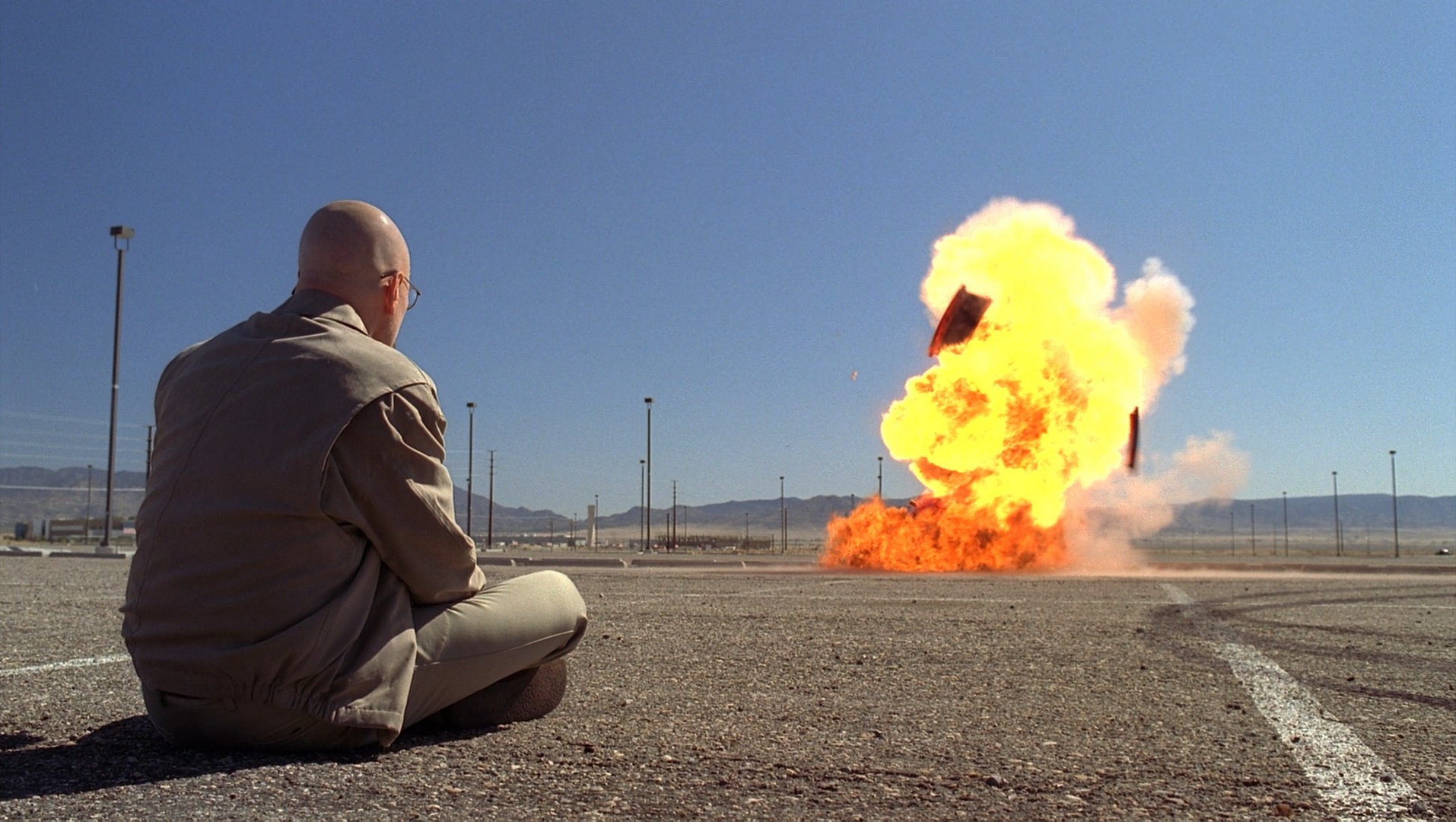
Season 4 refines the show’s visual precision into something colder and more controlled, with cinematographer Michael Slovis emphasizing symmetry, negative space, and slow, deliberate camera movement to reflect Walt’s calculating mindset. The superlab interiors—clean, geometric, and almost clinical—contrast sharply with the organic desert exteriors, turning space itself into a visual battleground between control and chaos.


FILM SPOTLIGHT
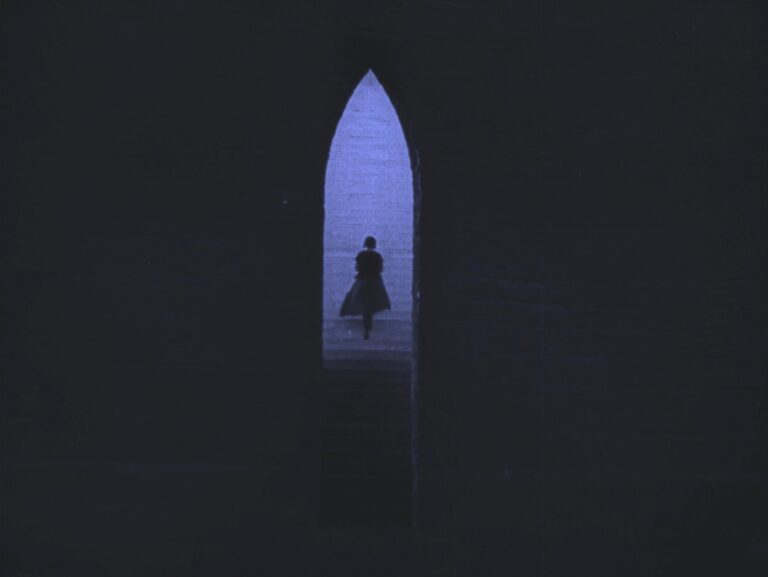
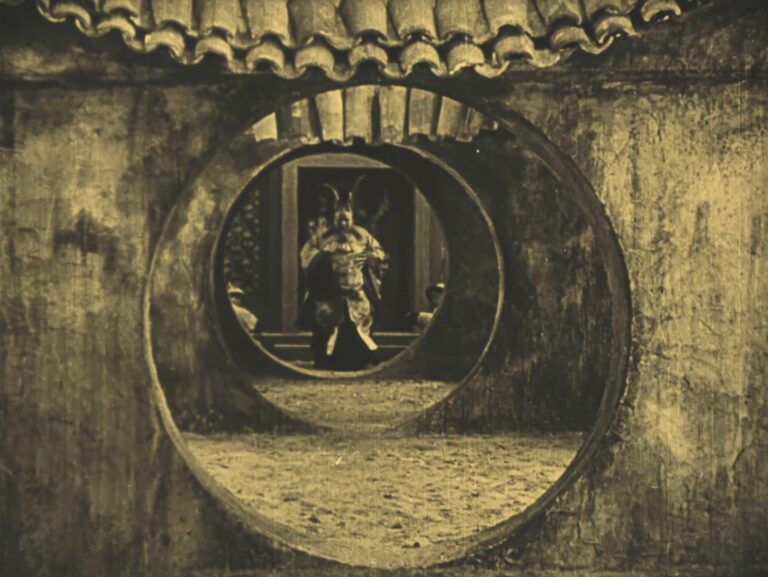
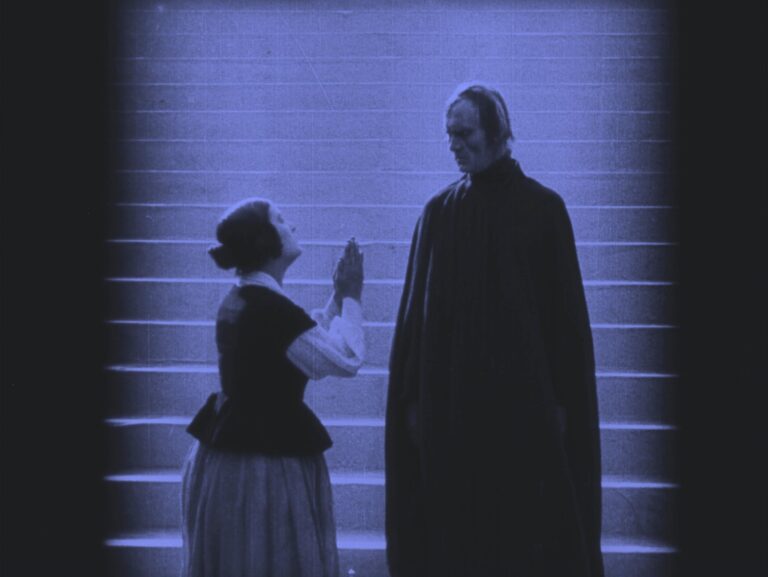
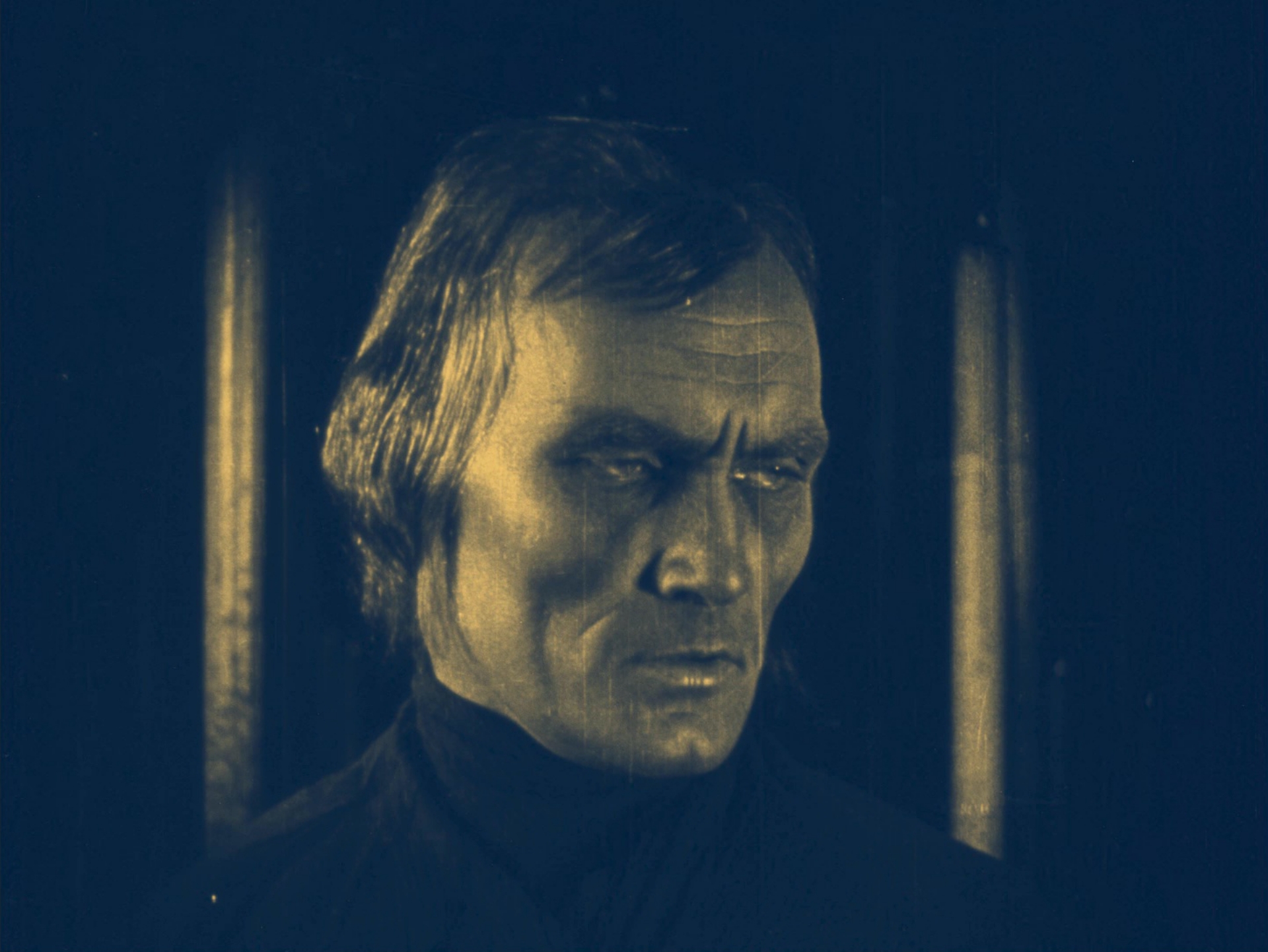
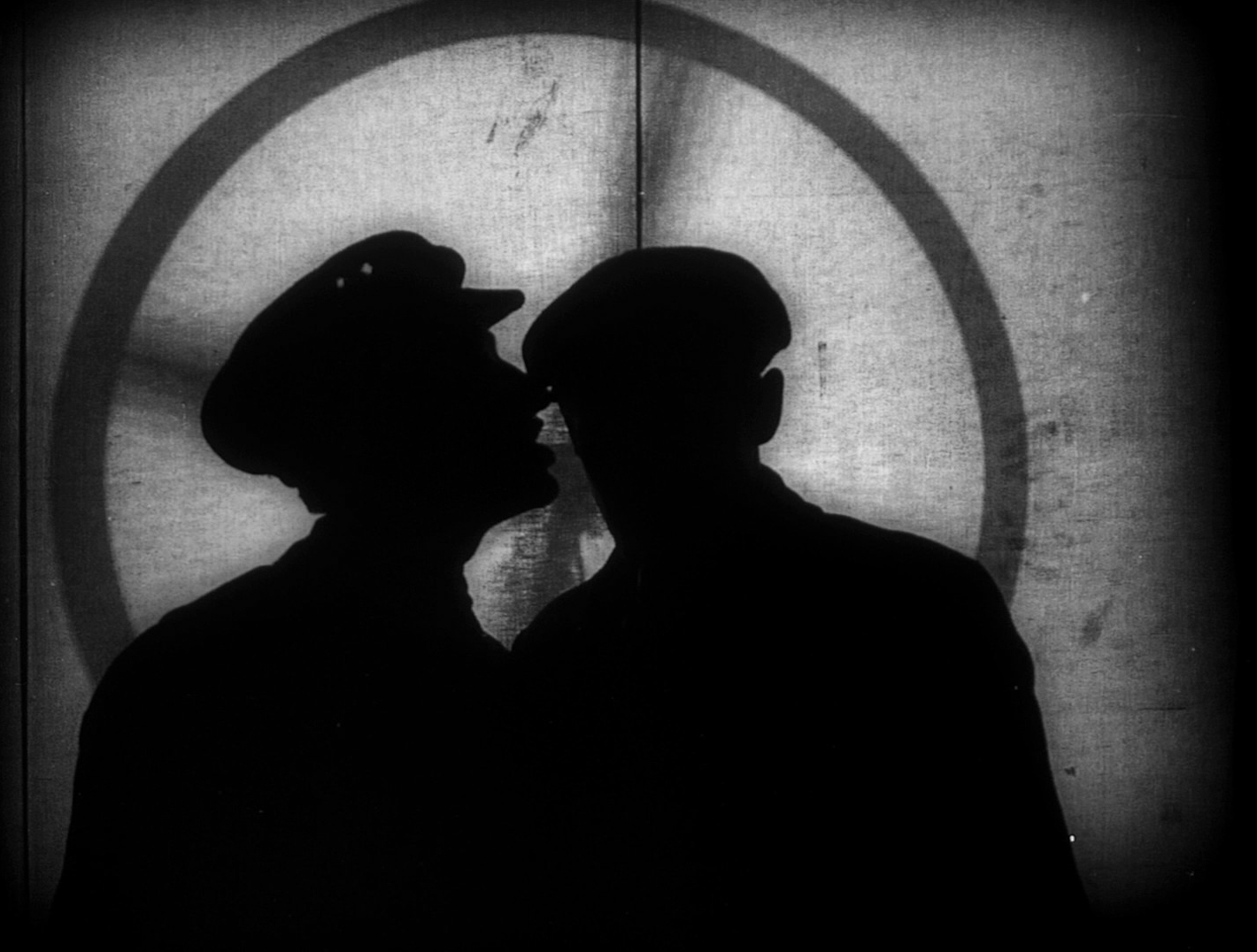
Destiny (1921)
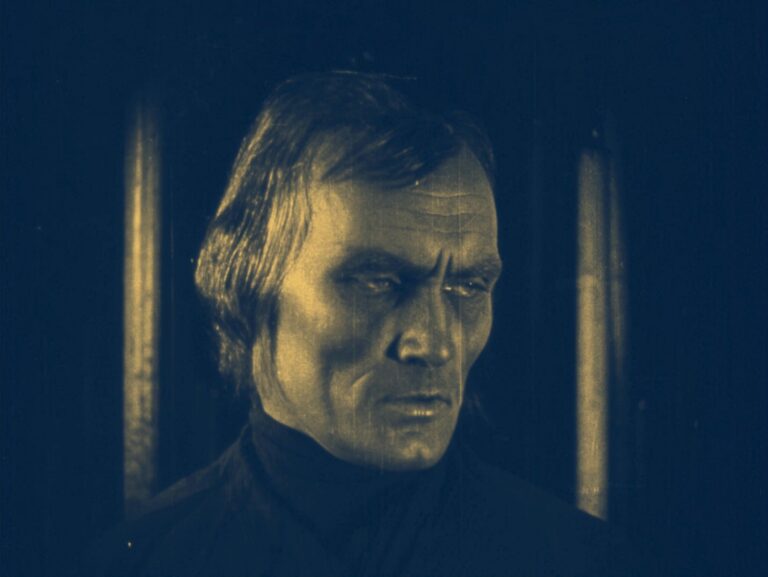
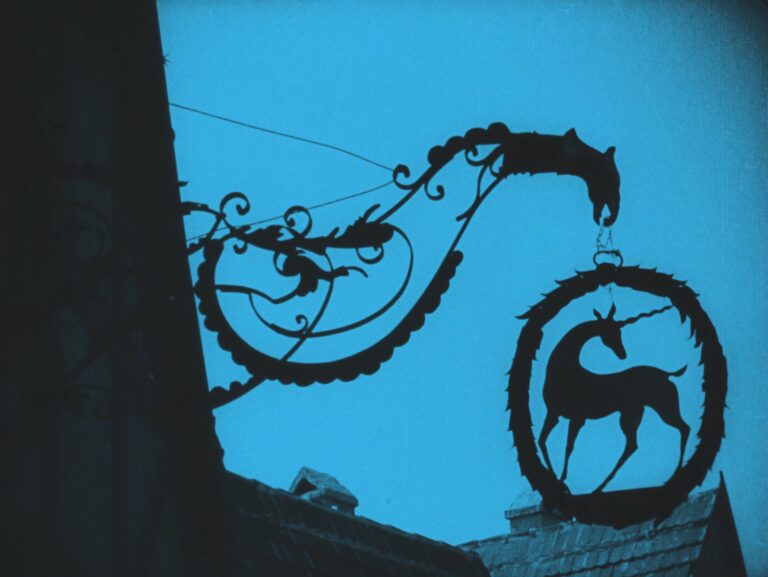
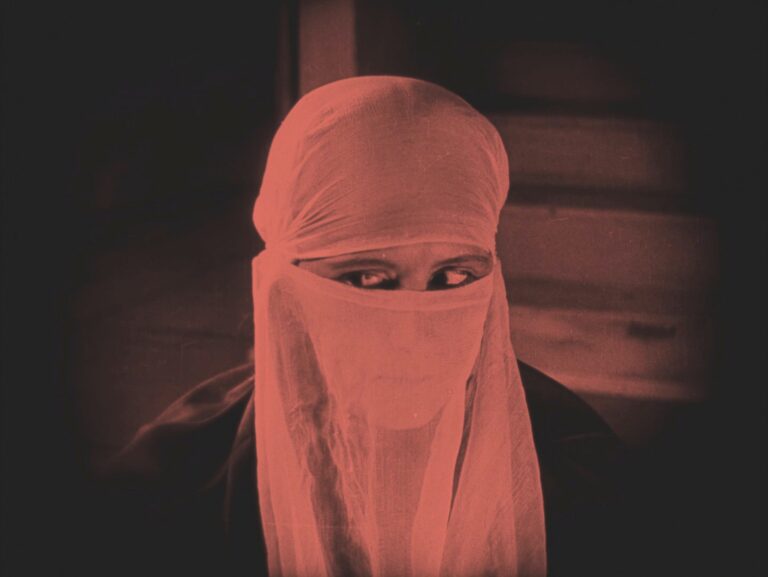
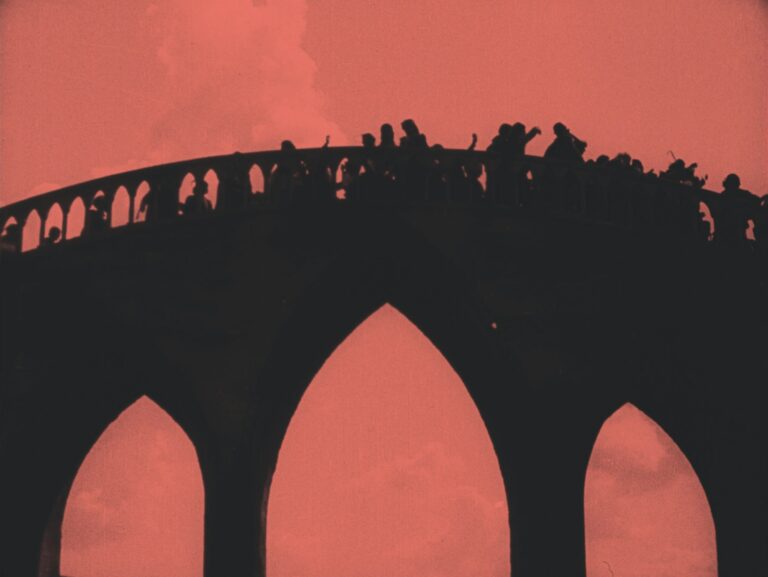
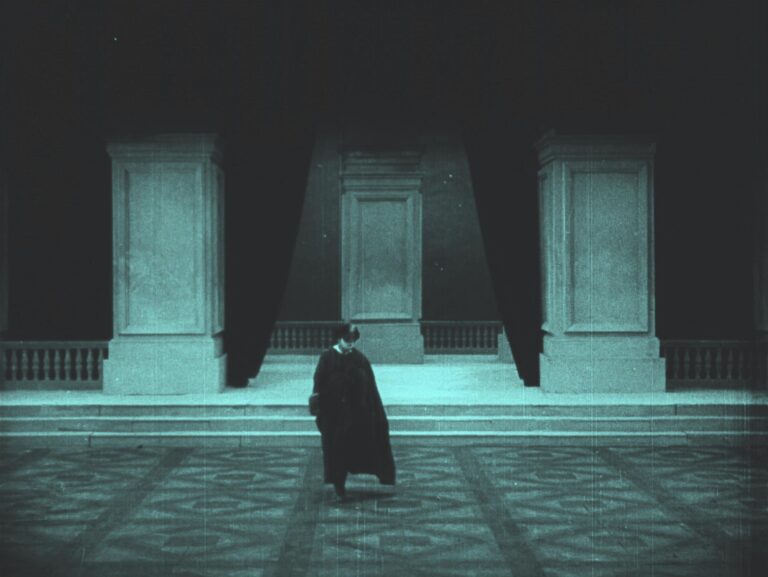
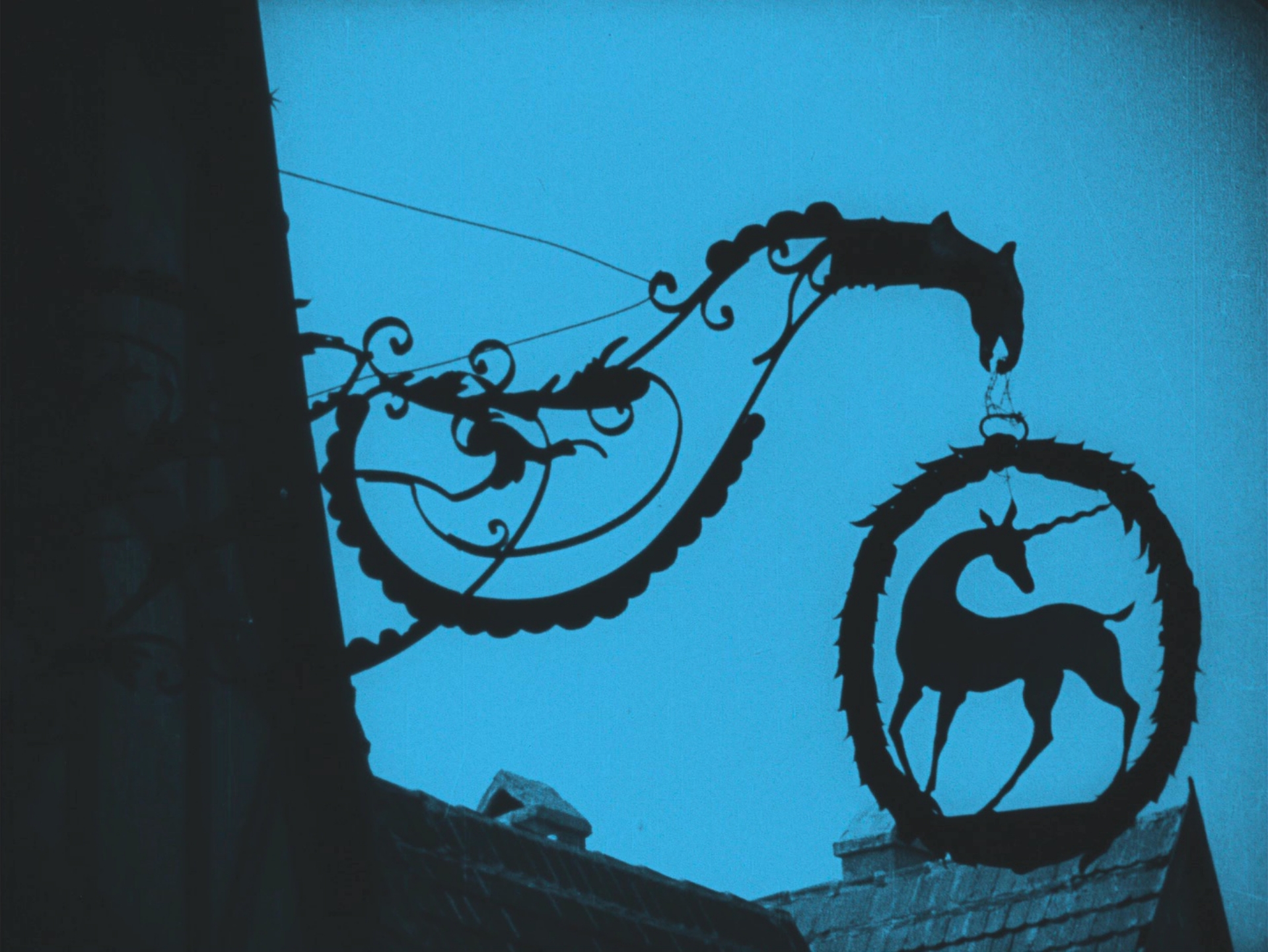
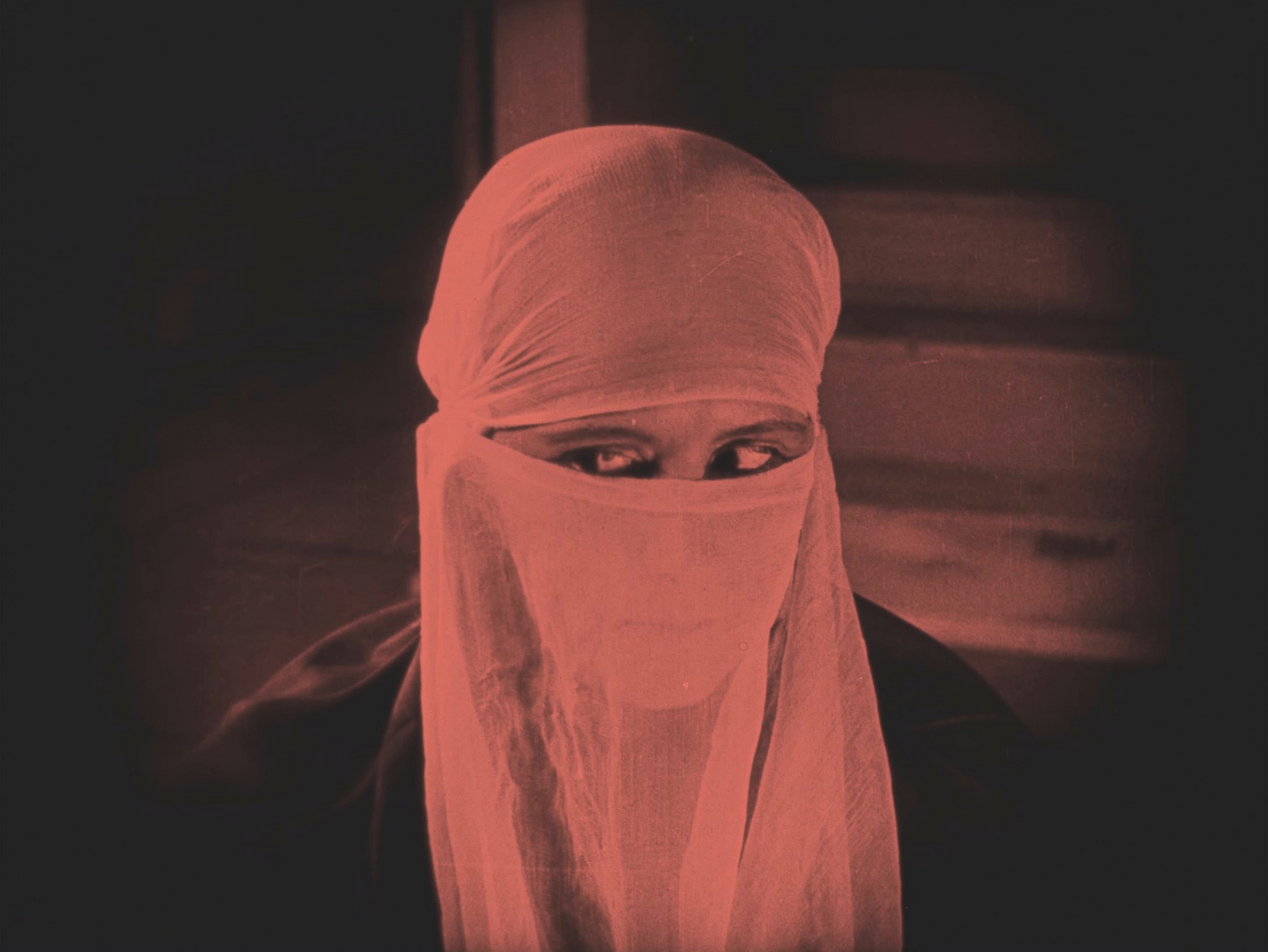
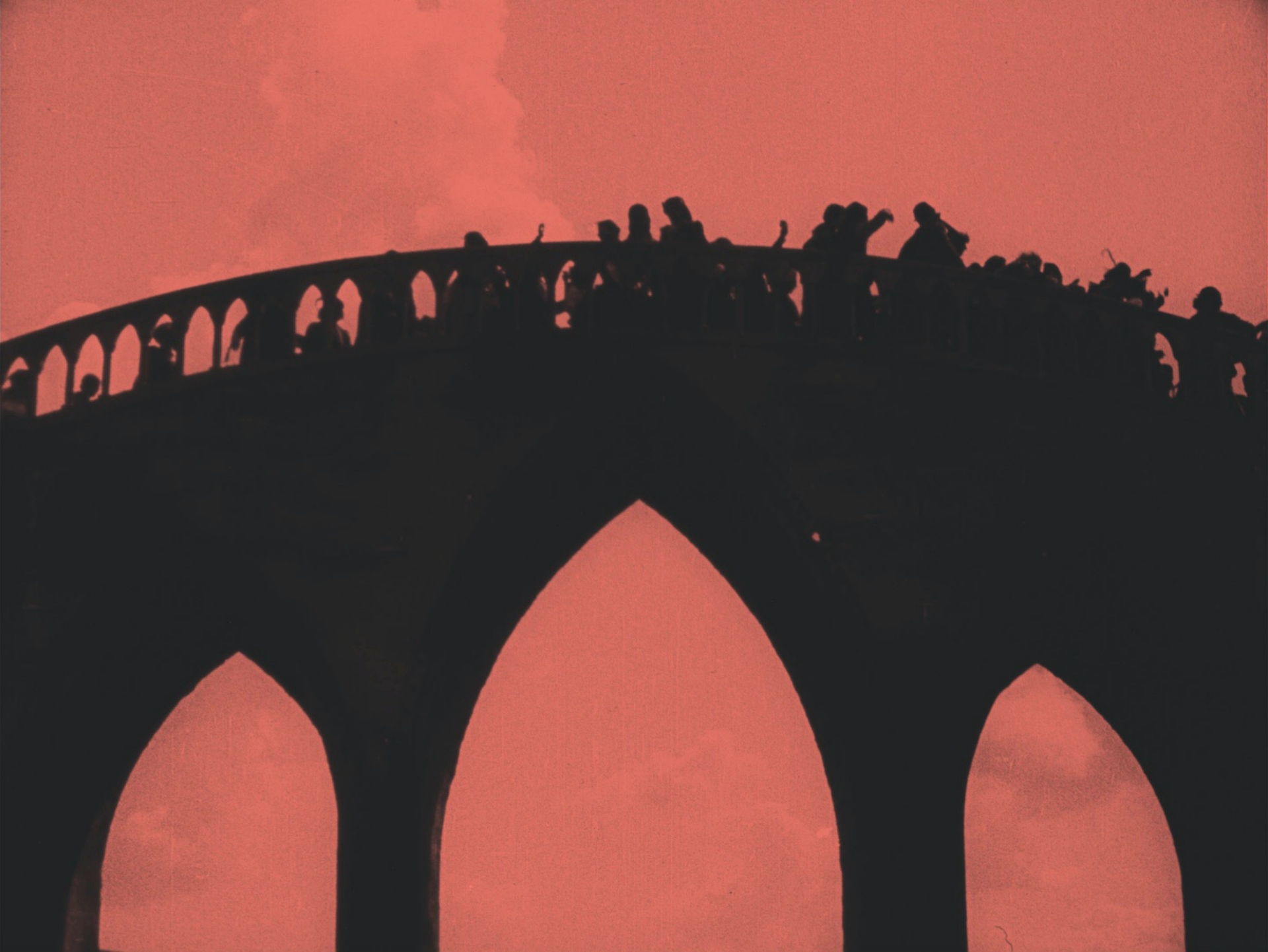
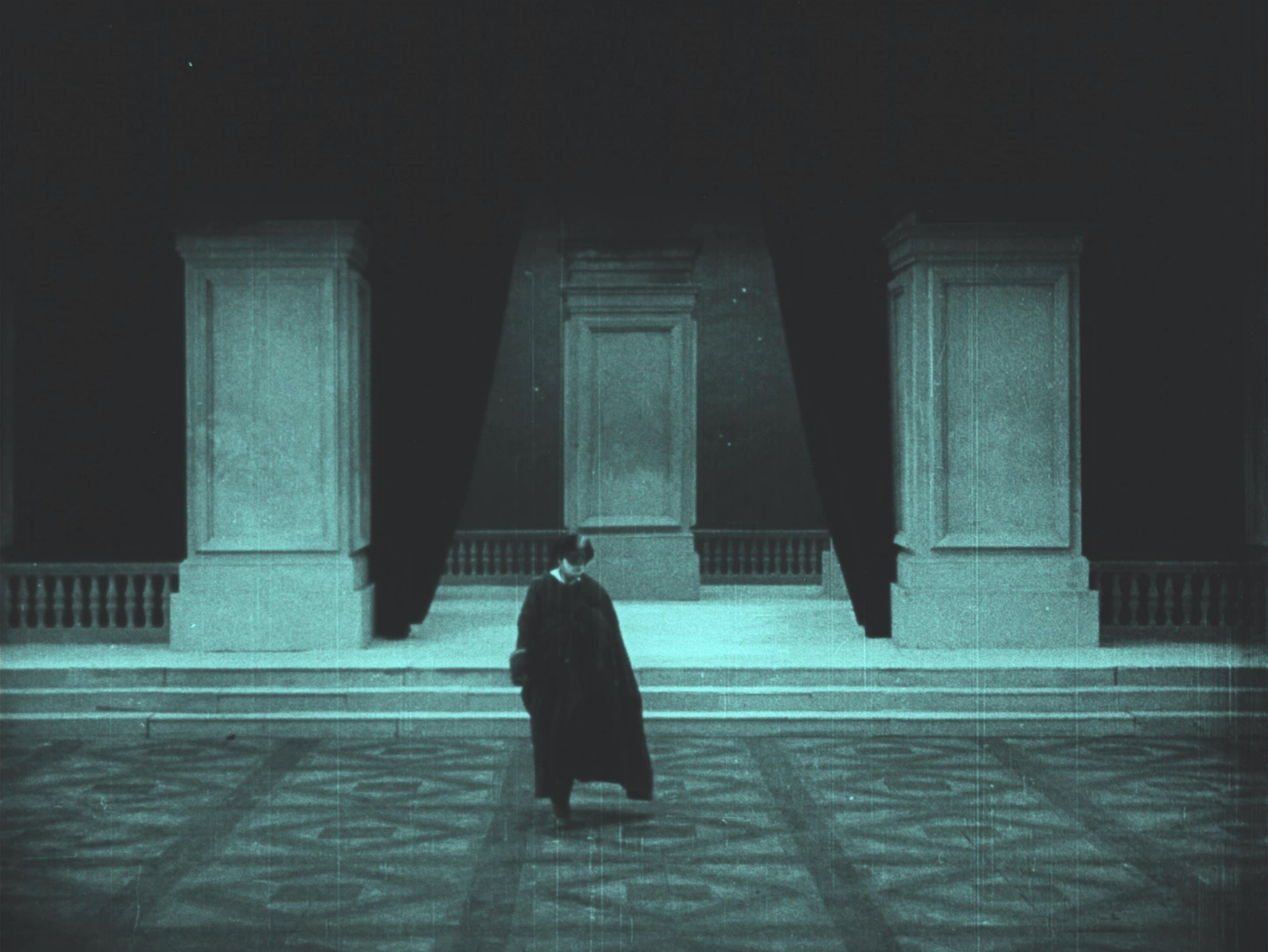
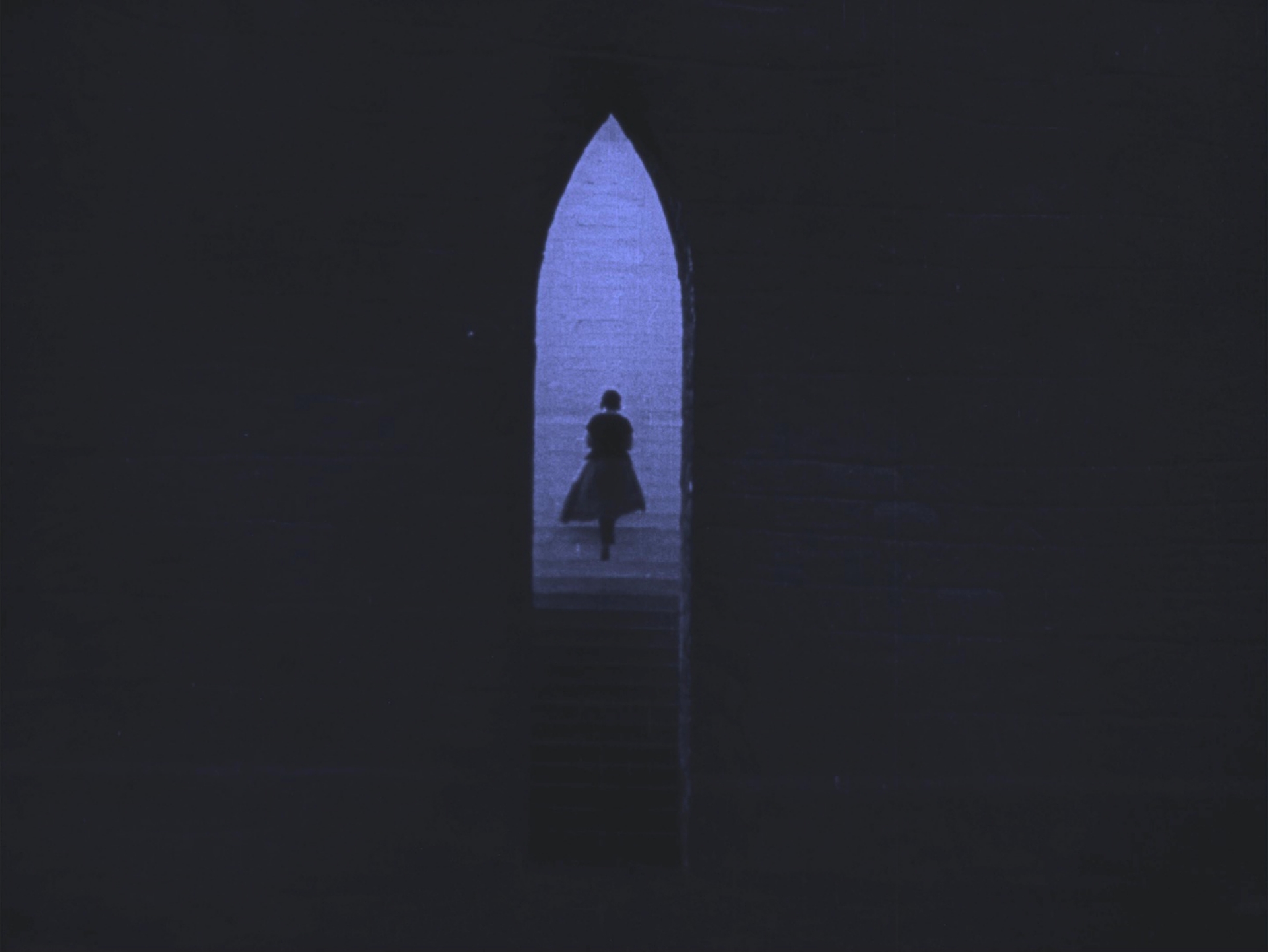
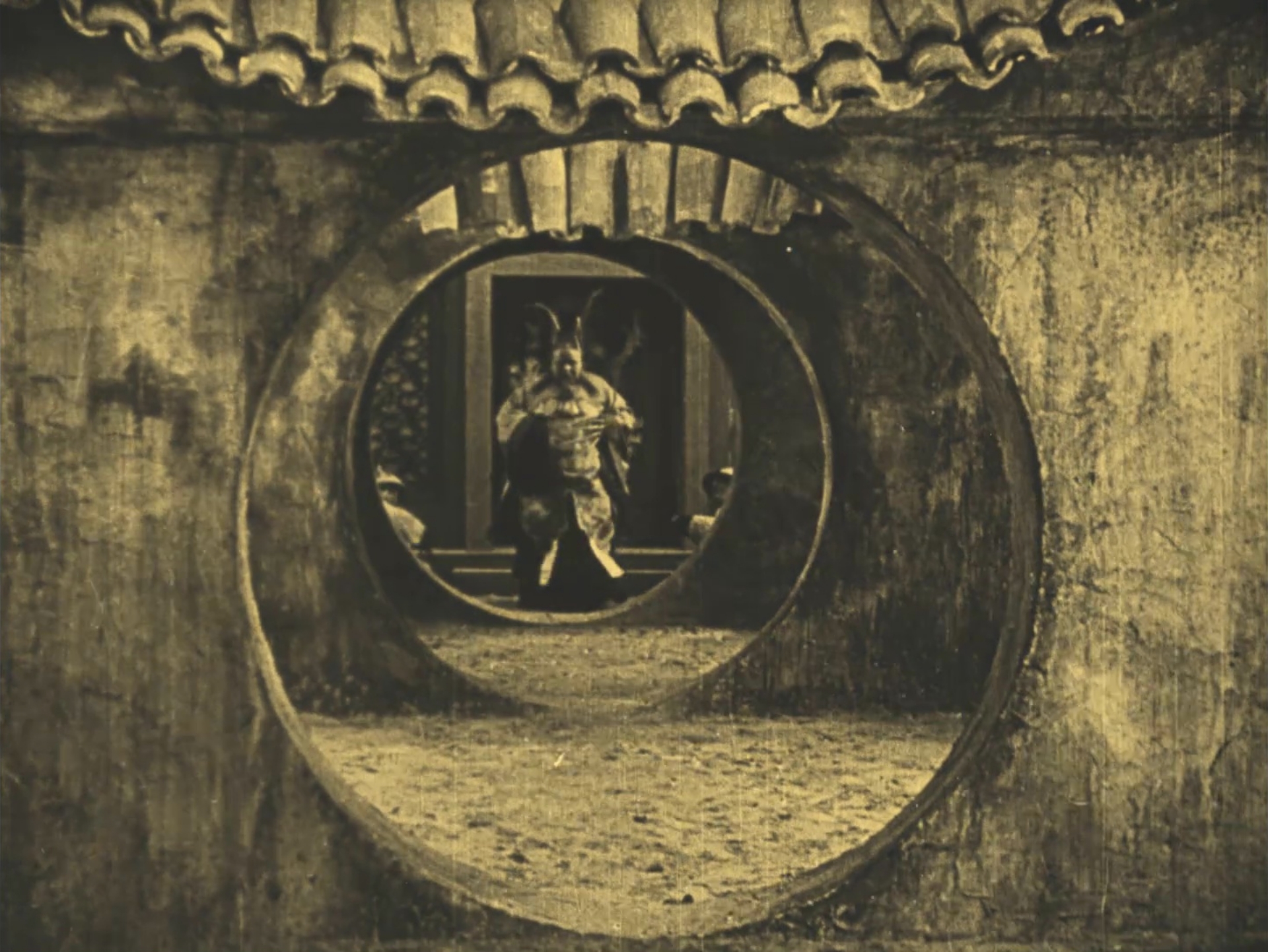
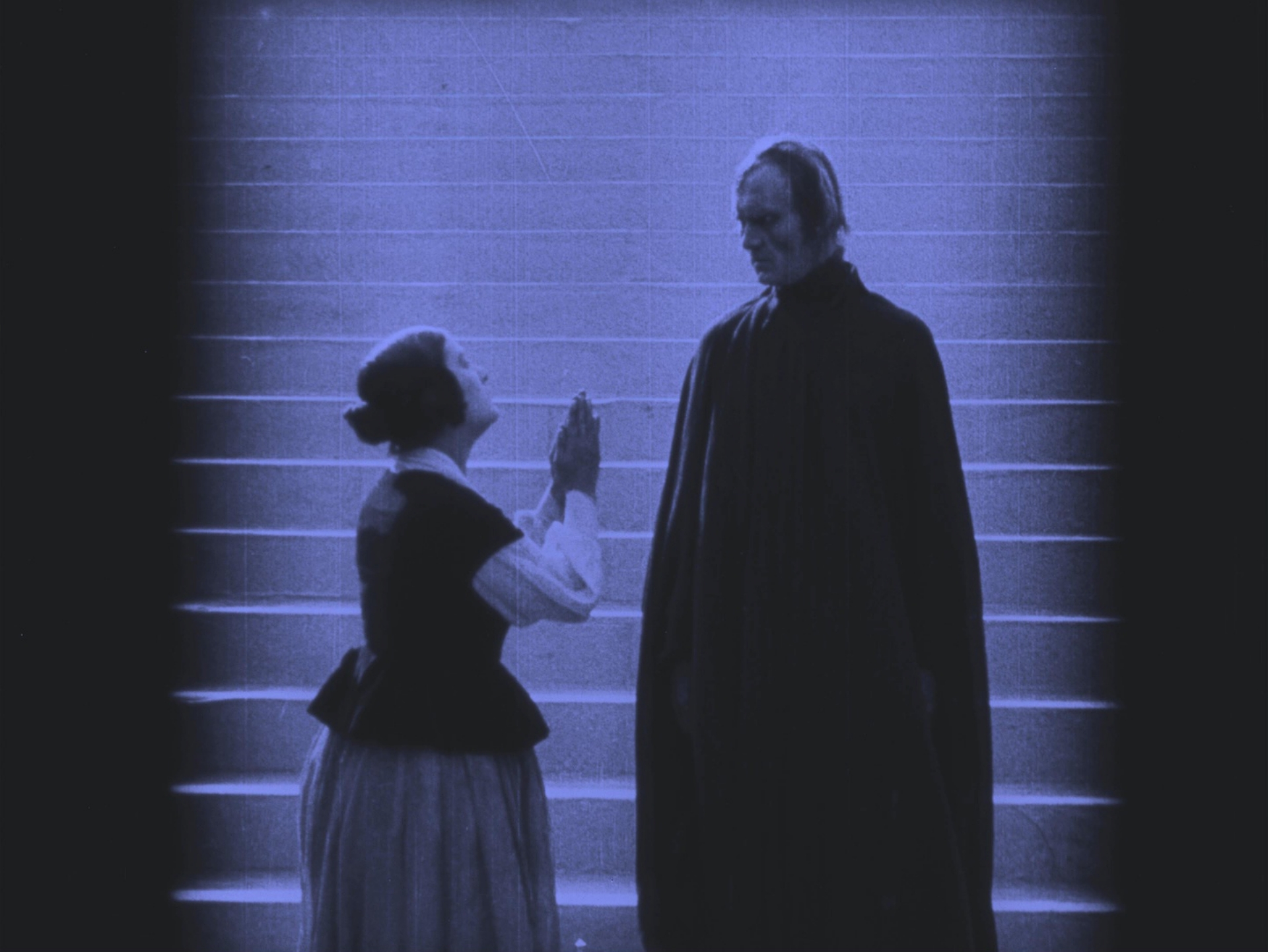
In Destiny, after her fiancé is taken by Death, a young woman follows the mysterious figure into a realm beyond the living, pleading for his life to be restored. Death offers her a chance: if she can save at least one of three doomed lovers across different times and places, her beloved will be returned. As she journeys through these tragic tales, she confronts the inevitability of fate and the limits of human will.
Lang constructs Destiny with an early expressionist sensibility, using elaborate studio sets, painted backdrops, and stylized lighting to create distinct, otherworldly realms for each story. The film’s use of silhouettes, architectural framing, and in-camera effects—especially in Death’s shadowy domain—turns the concept of fate into a striking visual presence, blending fantasy with the emerging language of cinematic spectacle.


FILM SPOTLIGHT
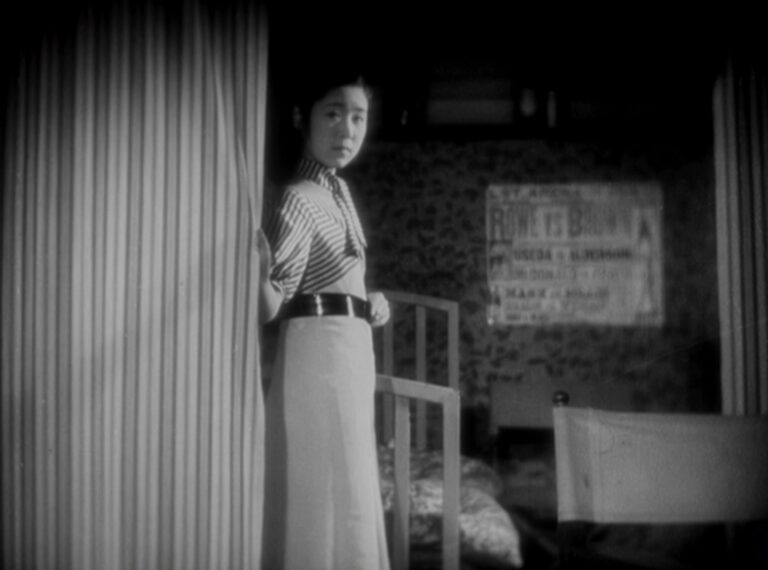
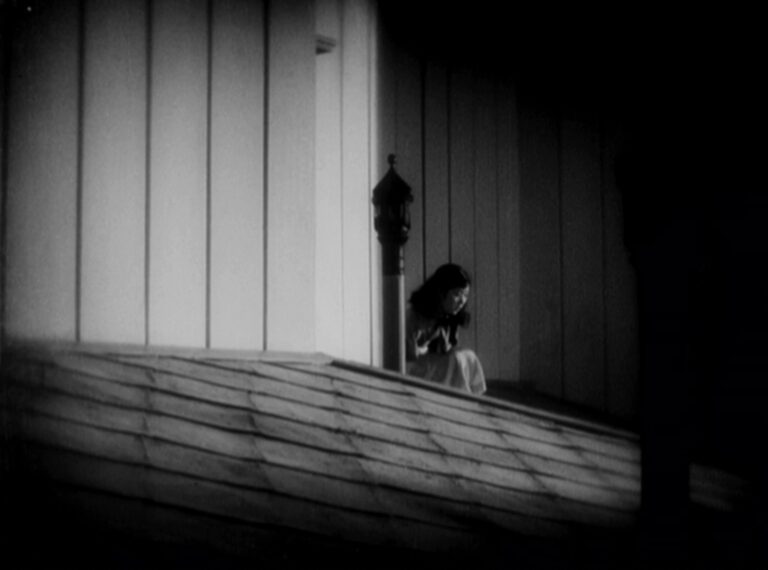
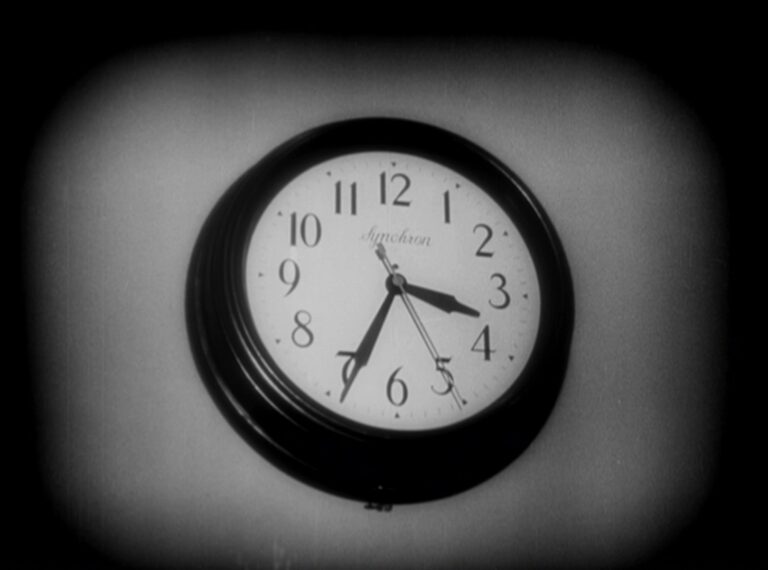
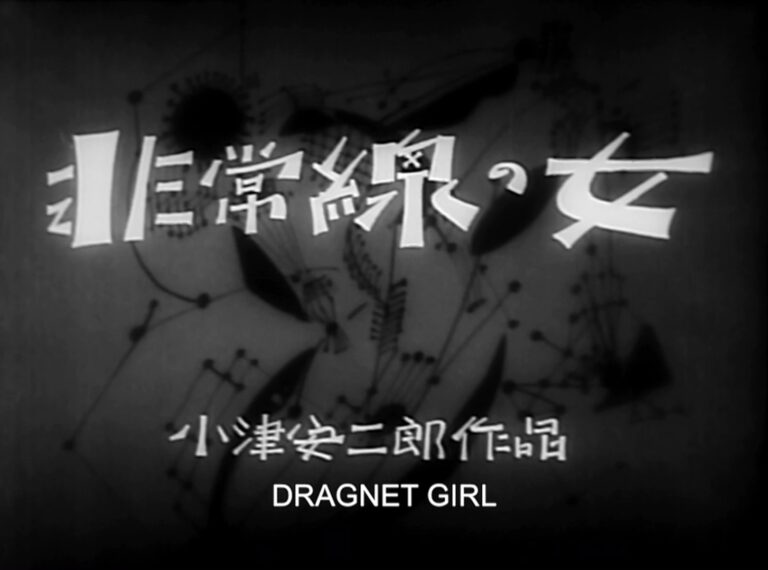
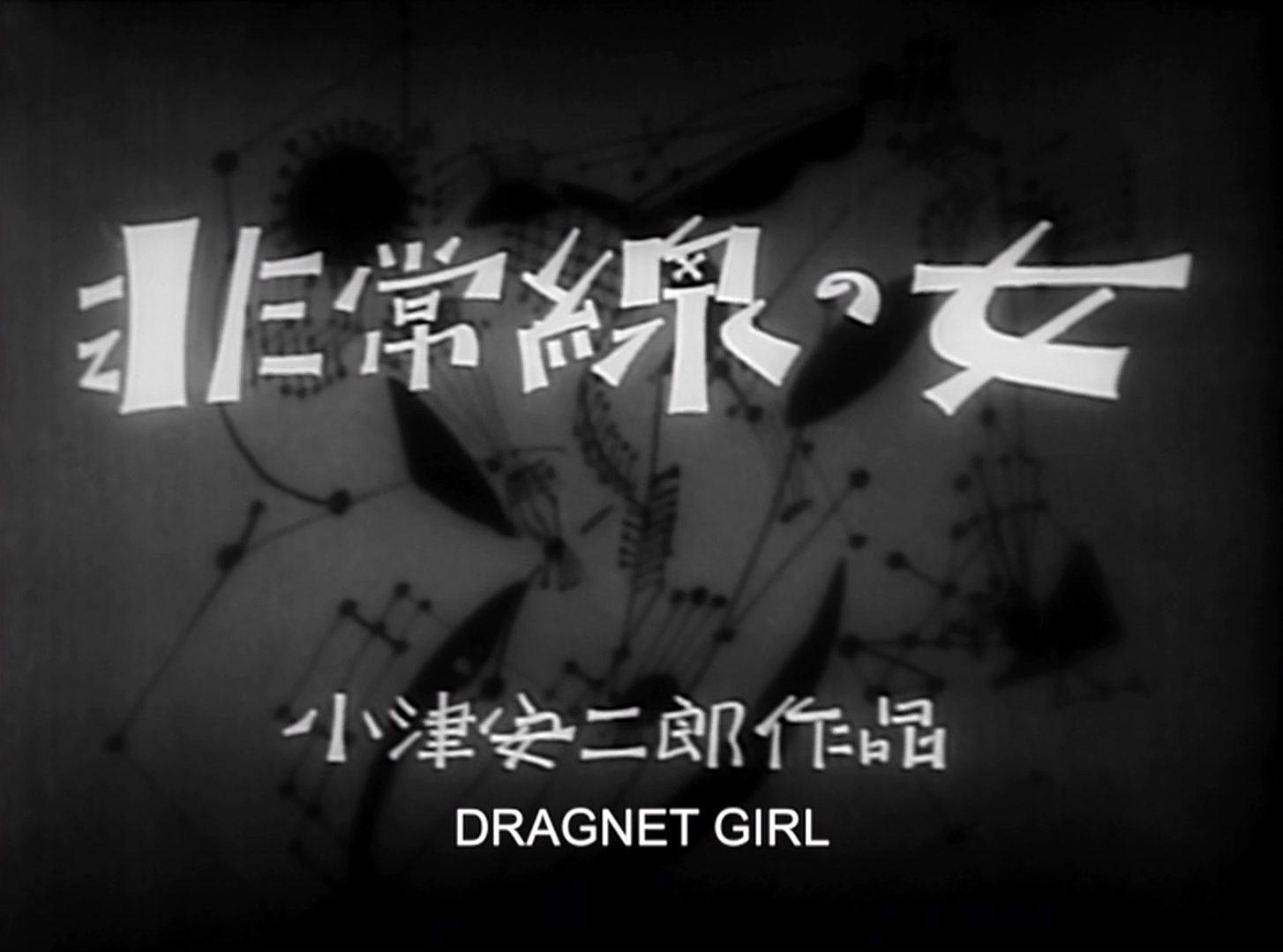
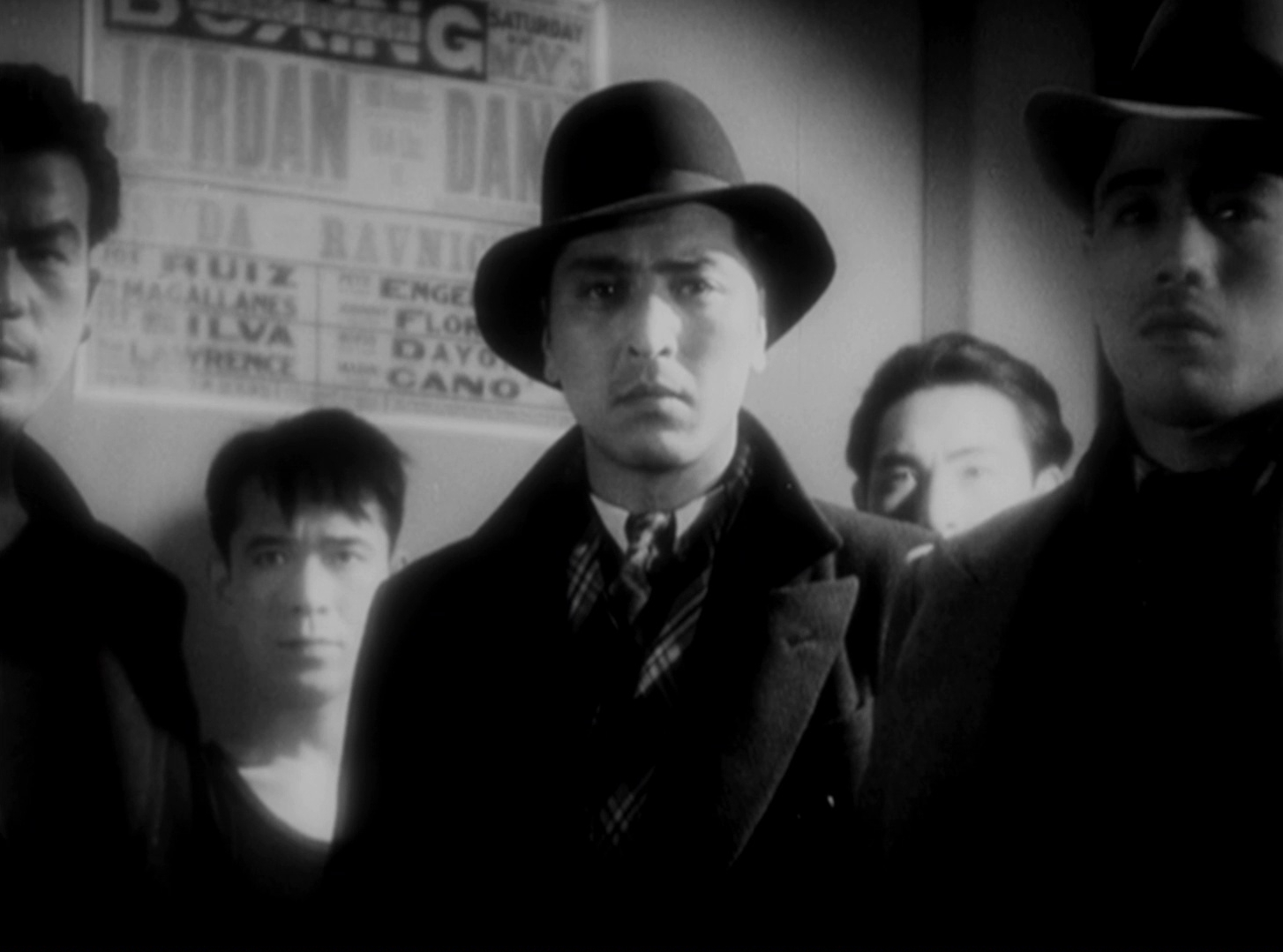
Dragnet Girl (1933)
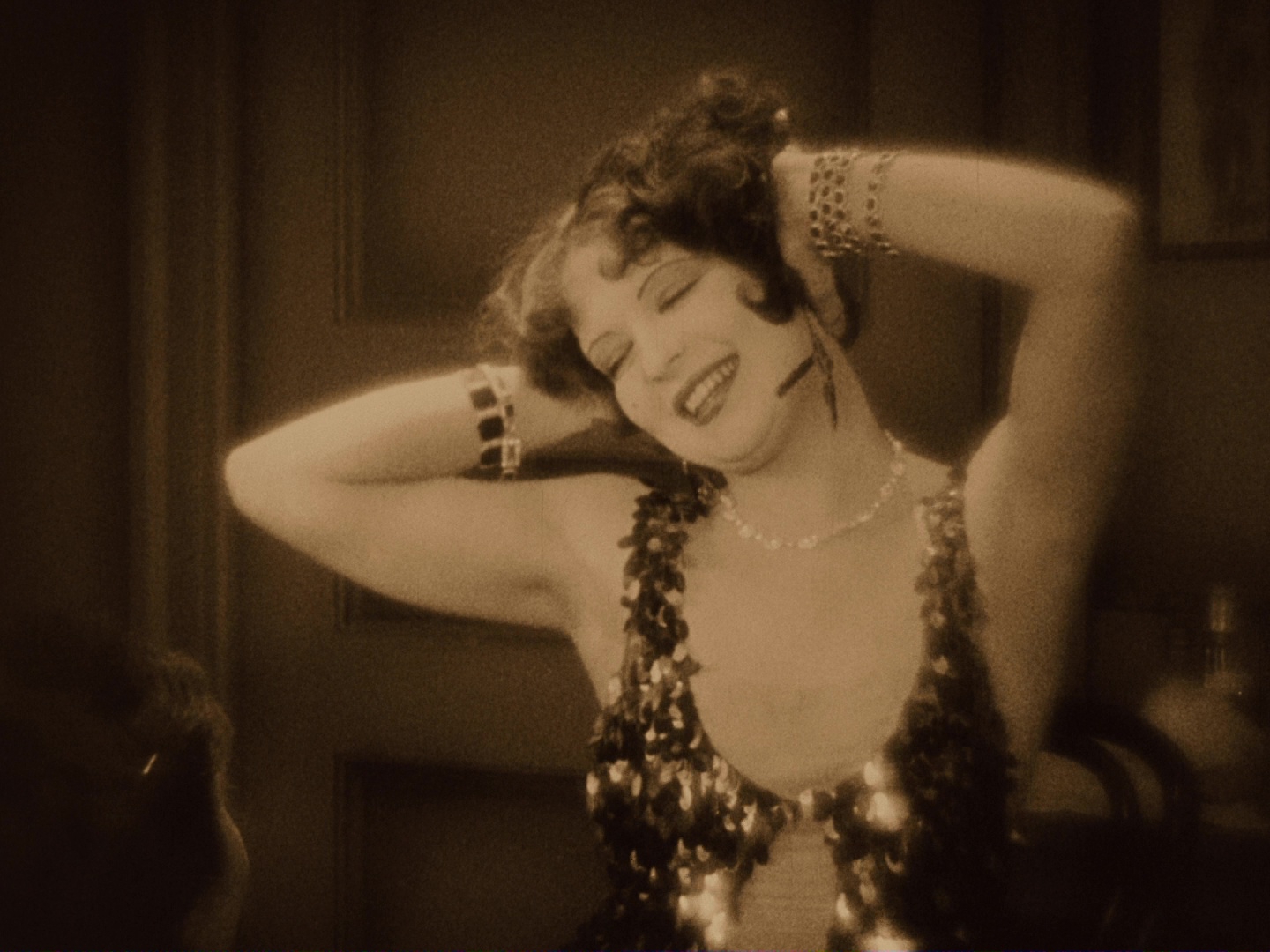
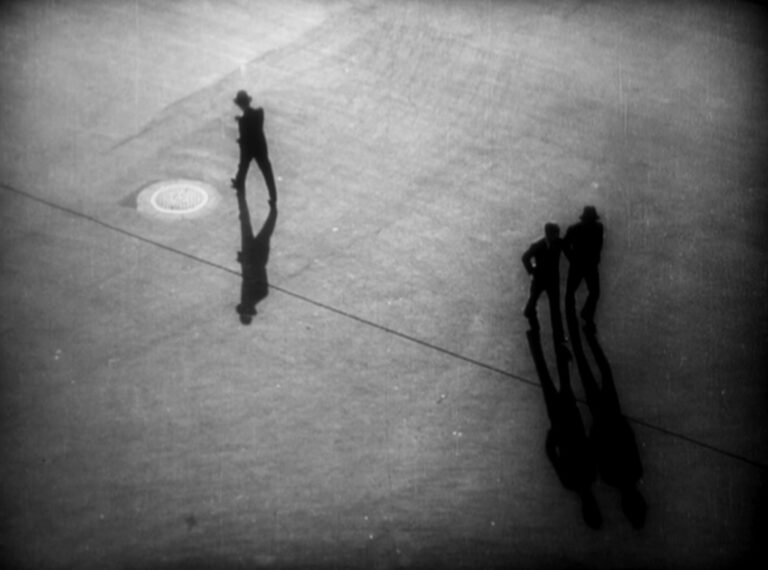
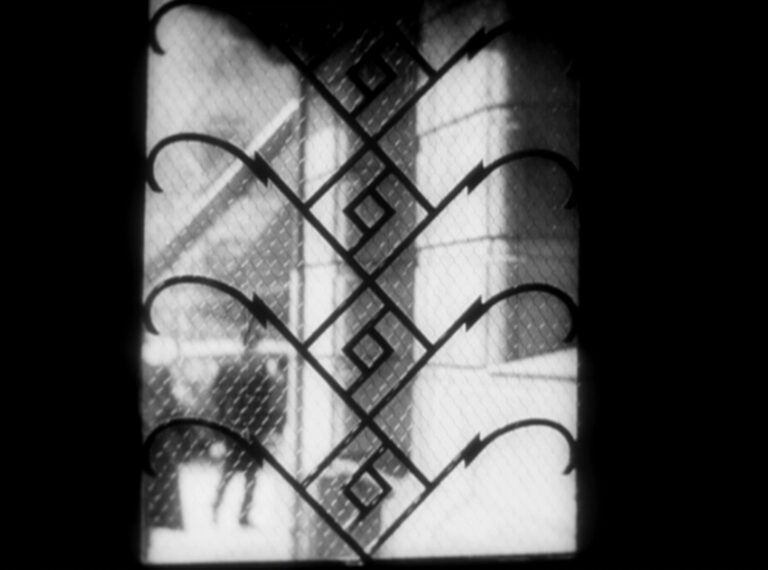
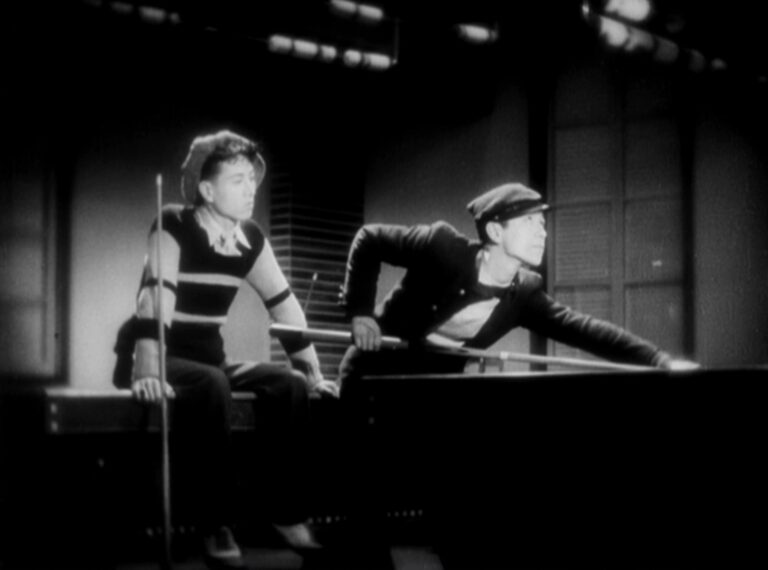
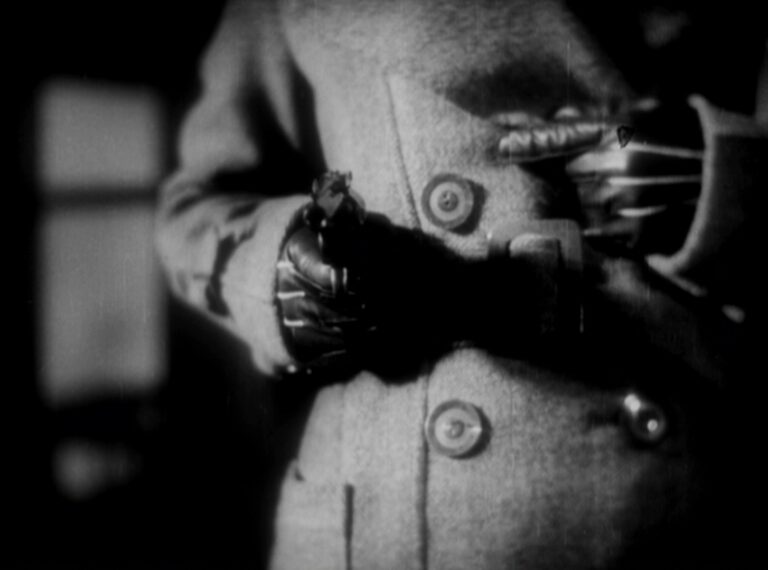
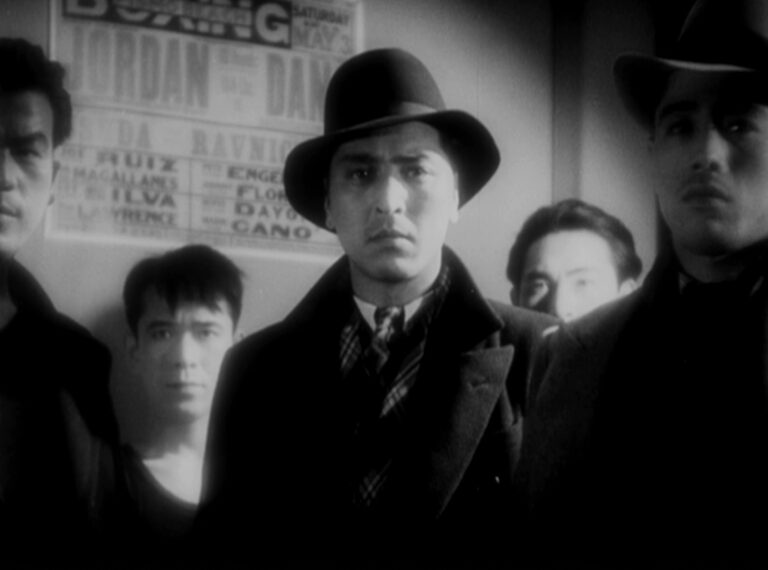
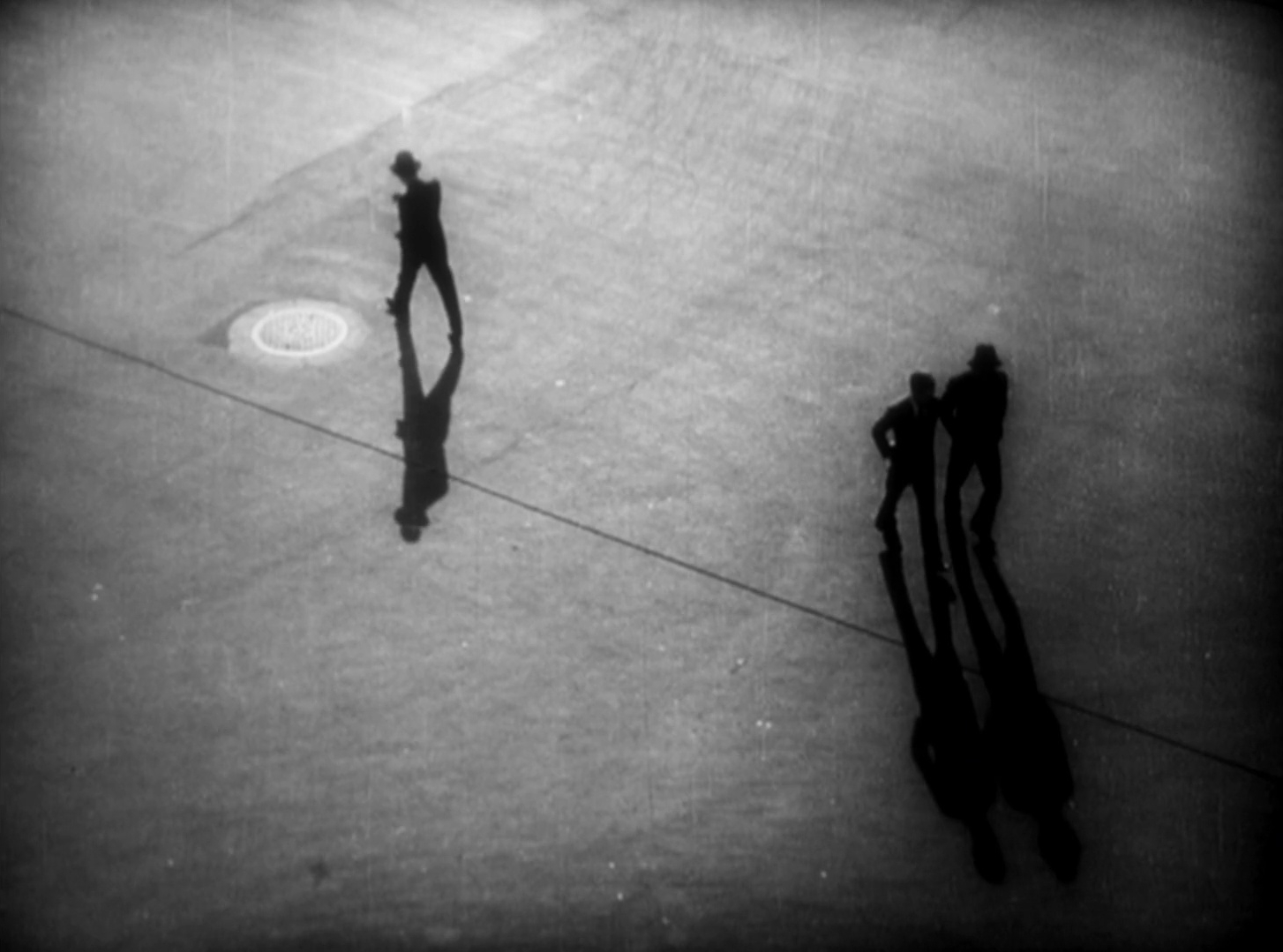
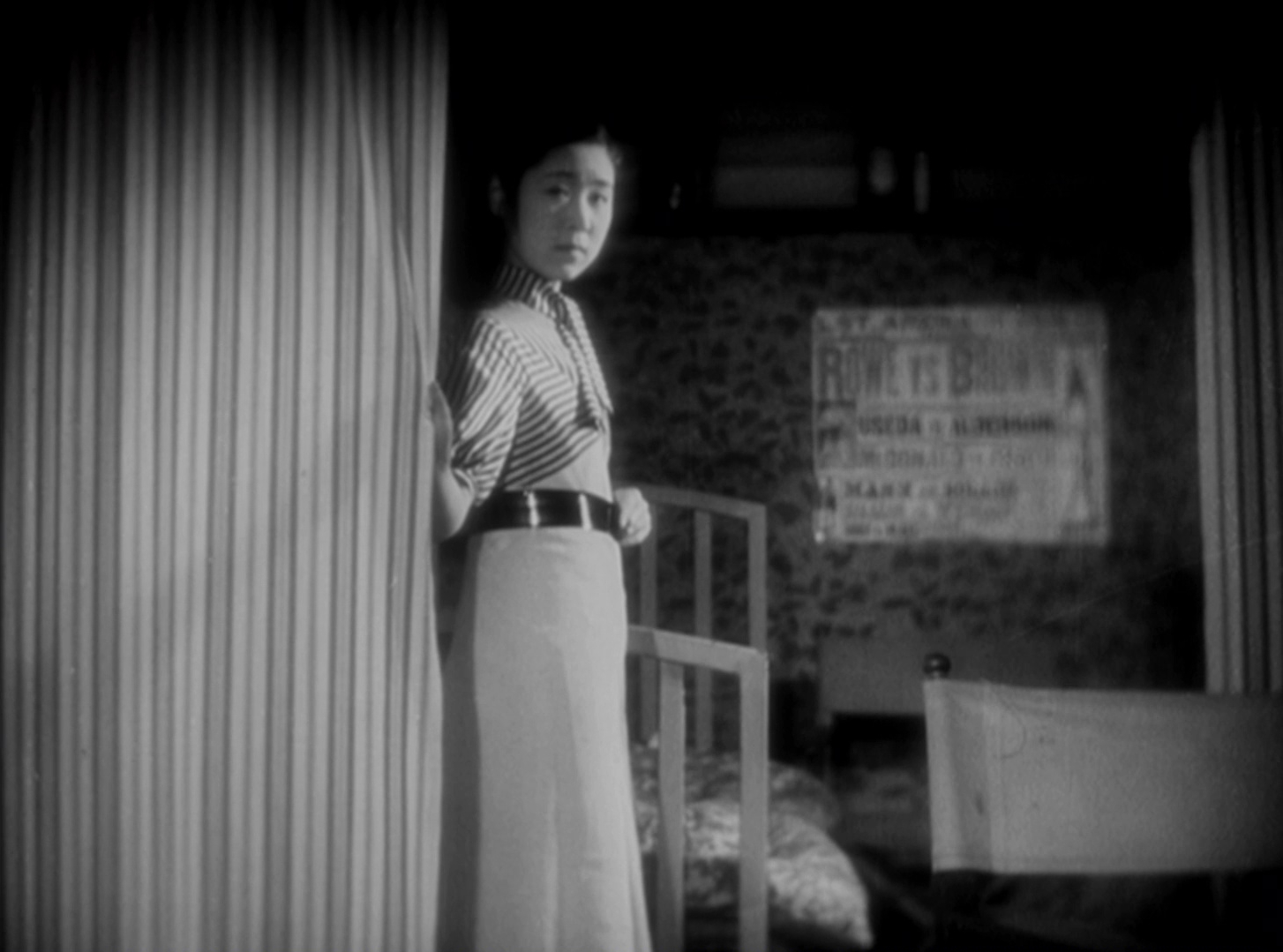
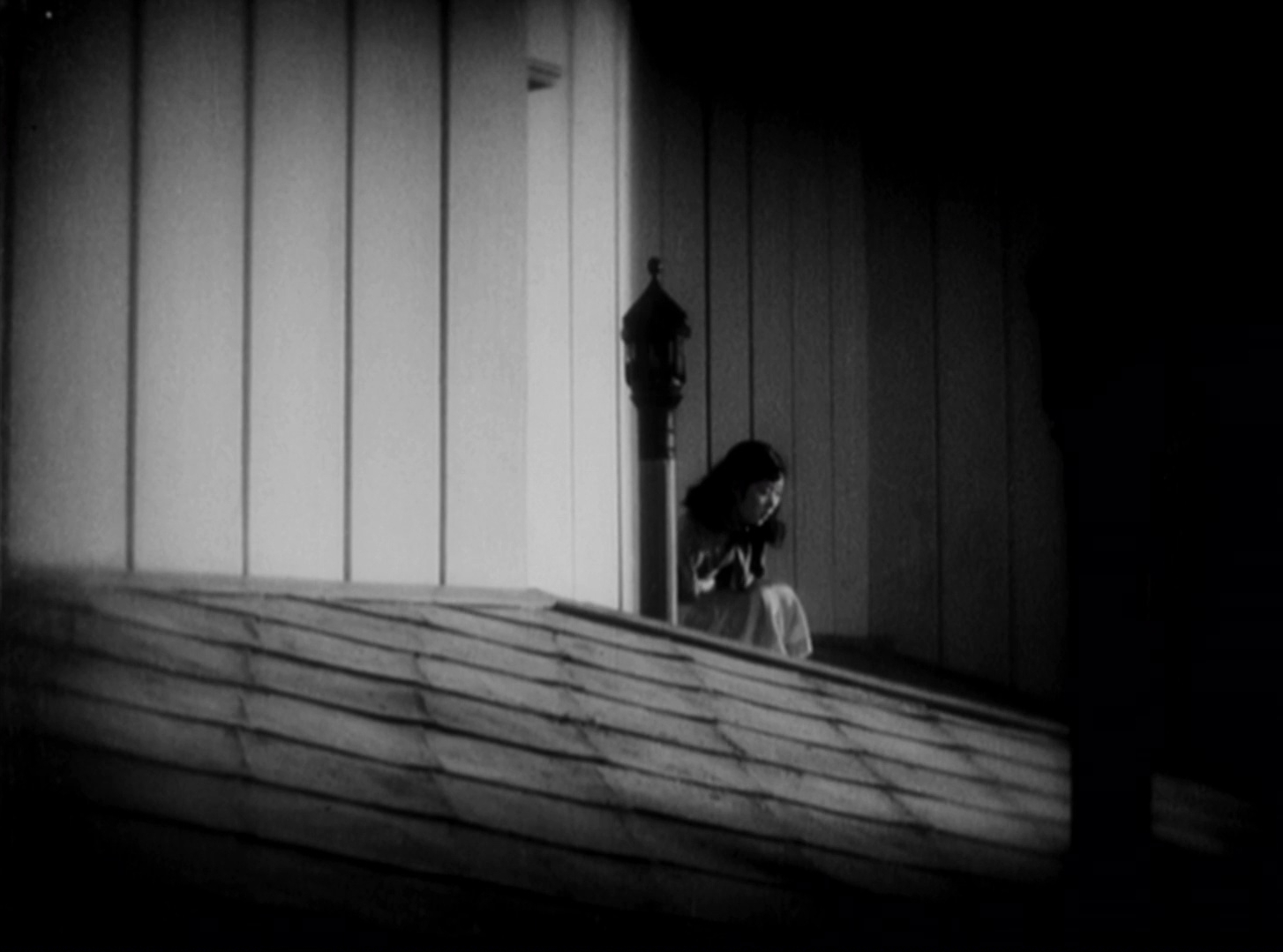
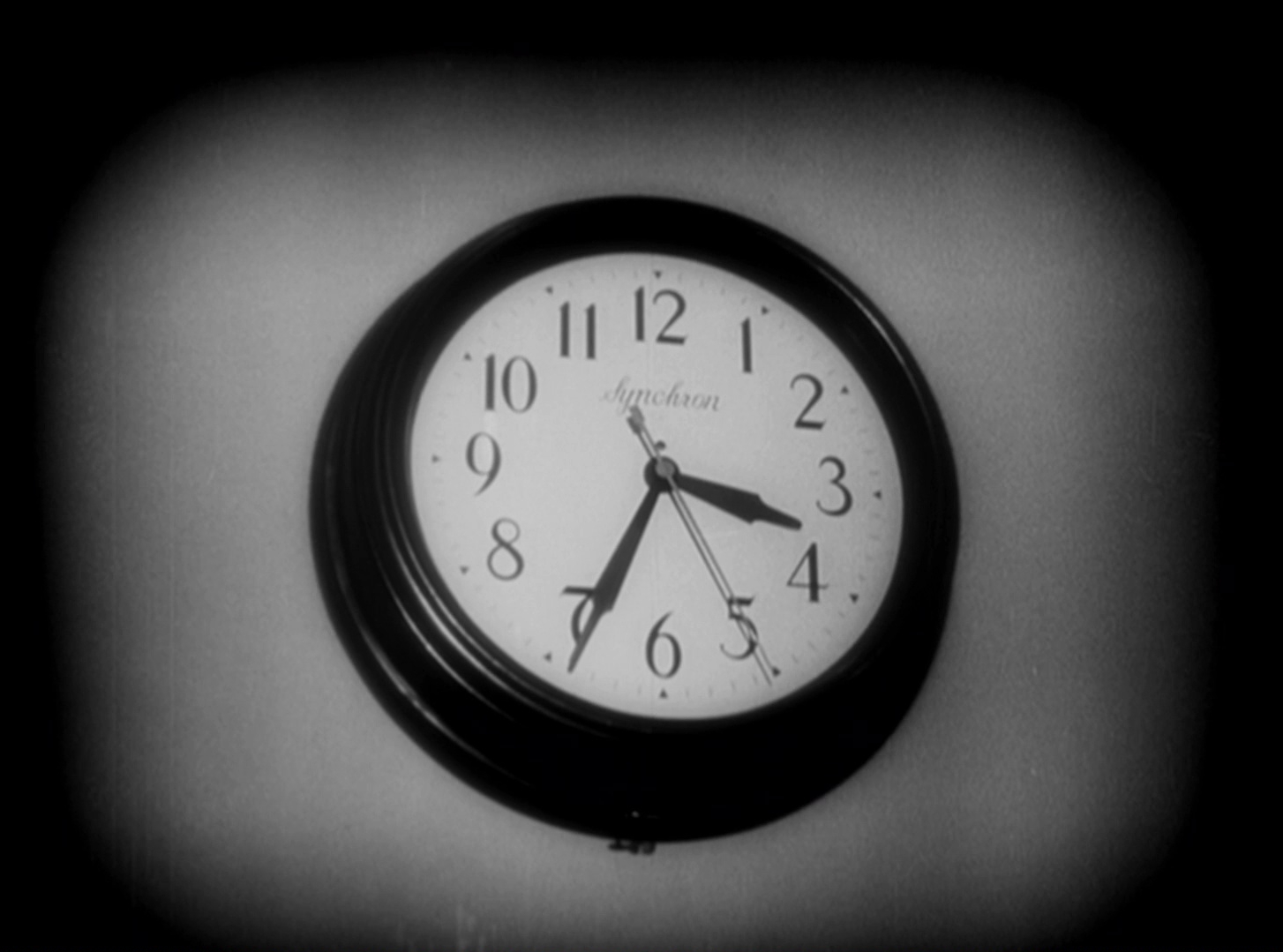
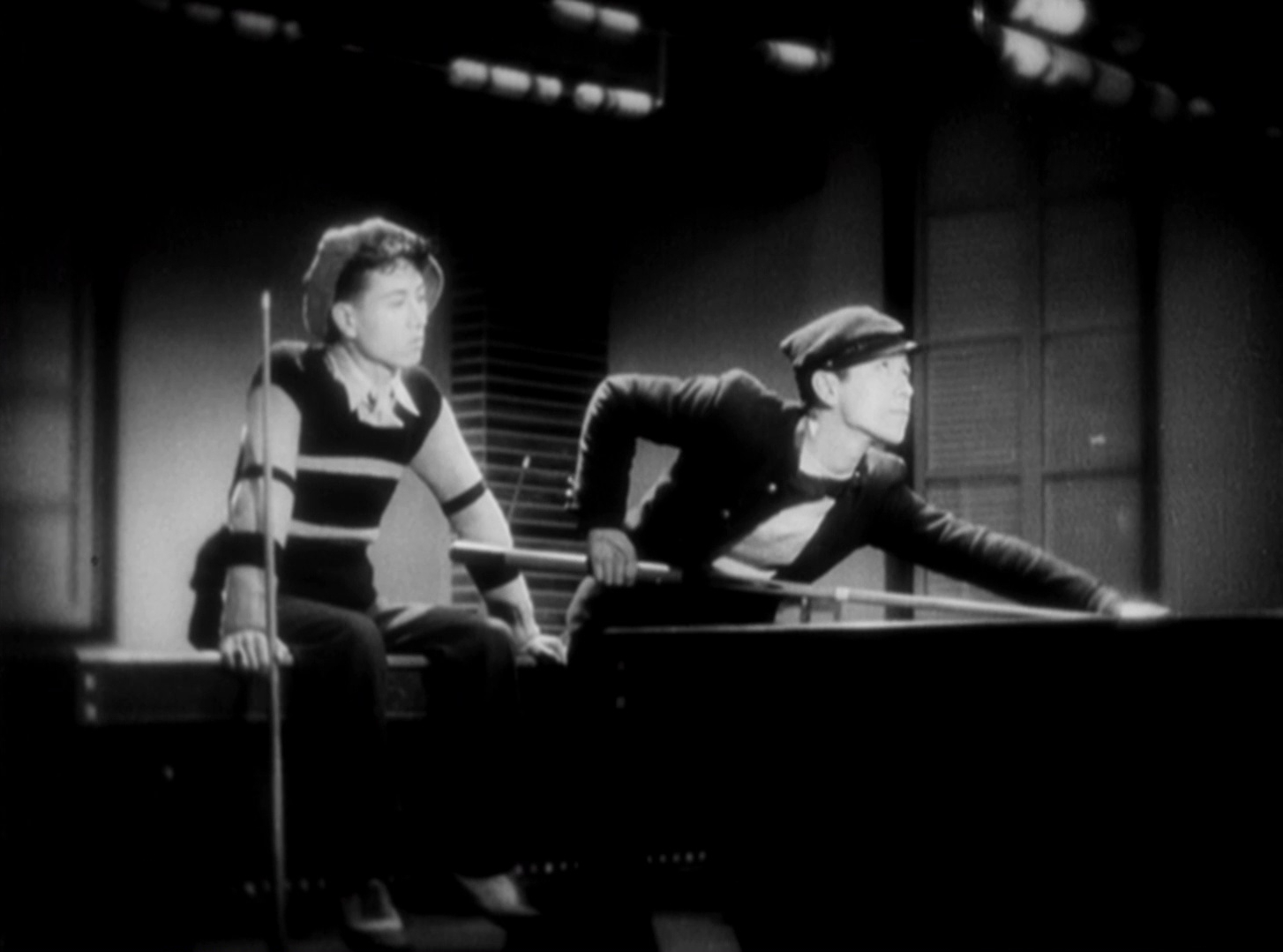
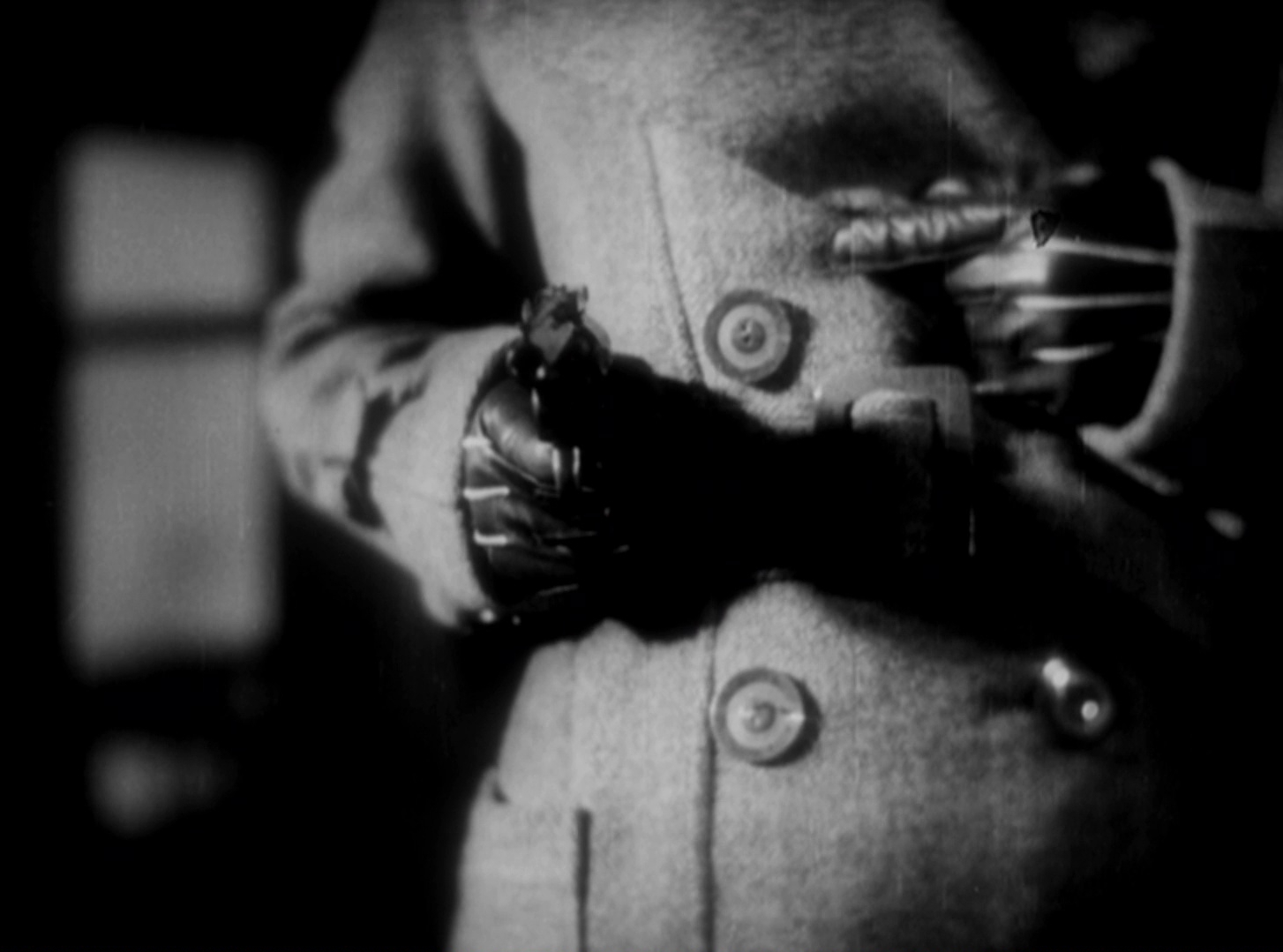
In Dragnet Girl, a young typist, Tokiko, leads a double life as the tough, loyal girlfriend of a small-time gangster. When her boyfriend becomes involved with a naïve young recruit, Tokiko grows jealous and conflicted, forcing her to confront her own moral boundaries. As loyalty, love, and redemption collide, she must decide whether to pull him deeper into crime or help him find a way out.
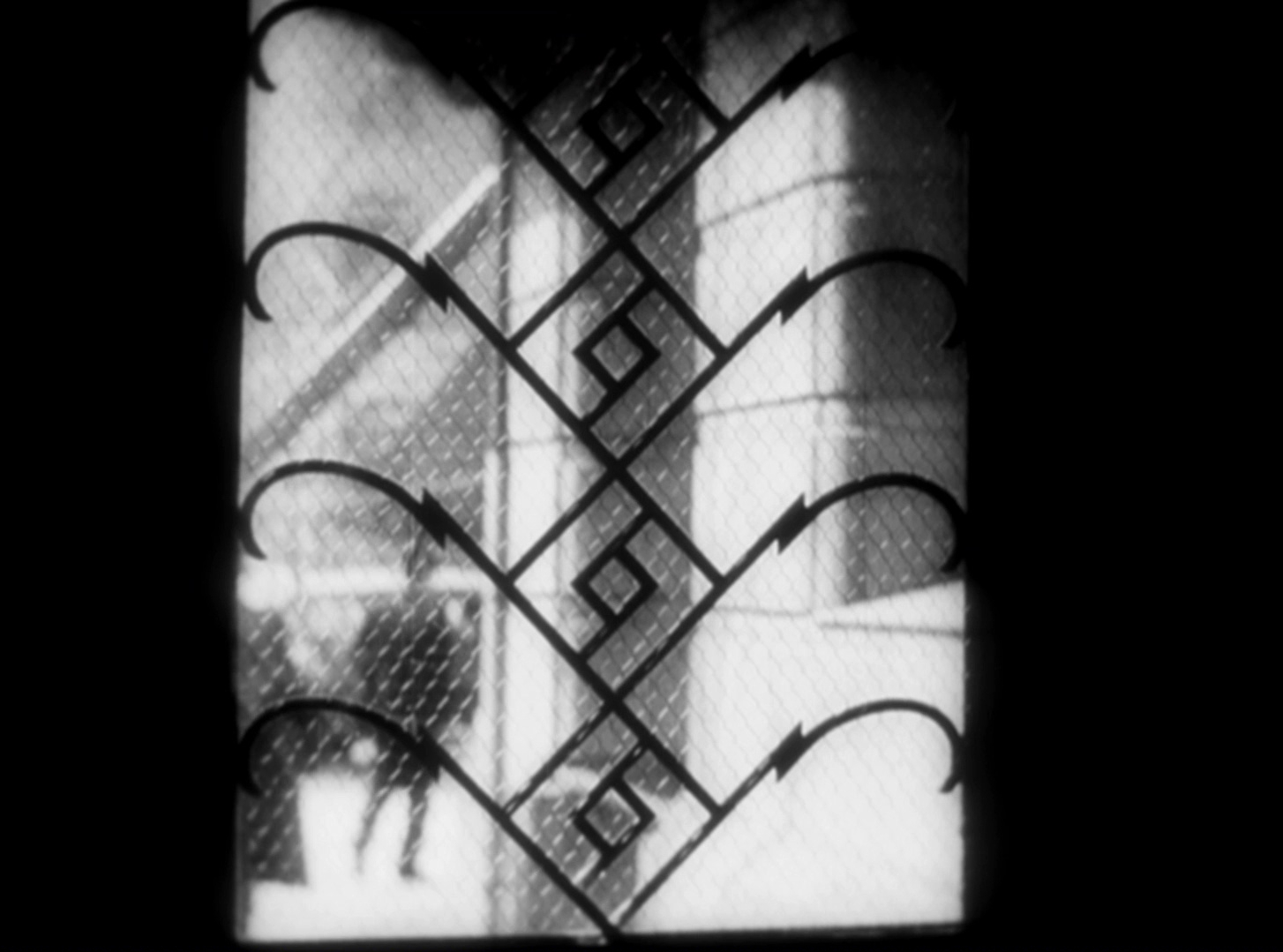
Departing from his later domestic minimalism, Ozu leans into a more stylized, Western-influenced visual approach, using Venetian blind shadows, bold lighting contrasts, and dynamic framing to evoke American gangster films. Even so, his precise compositions and controlled camera placement remain, blending noir-inflected imagery with the quiet formal rigor that would come to define his work.
FILM SPOTLIGHT
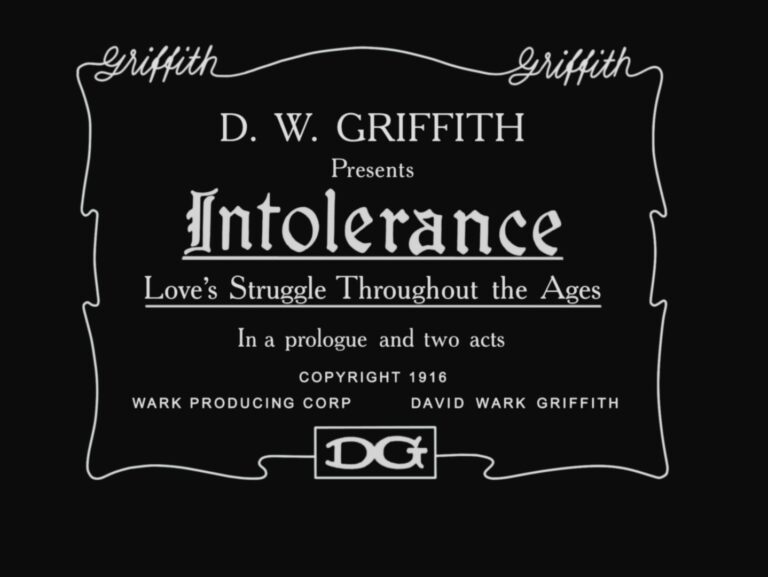
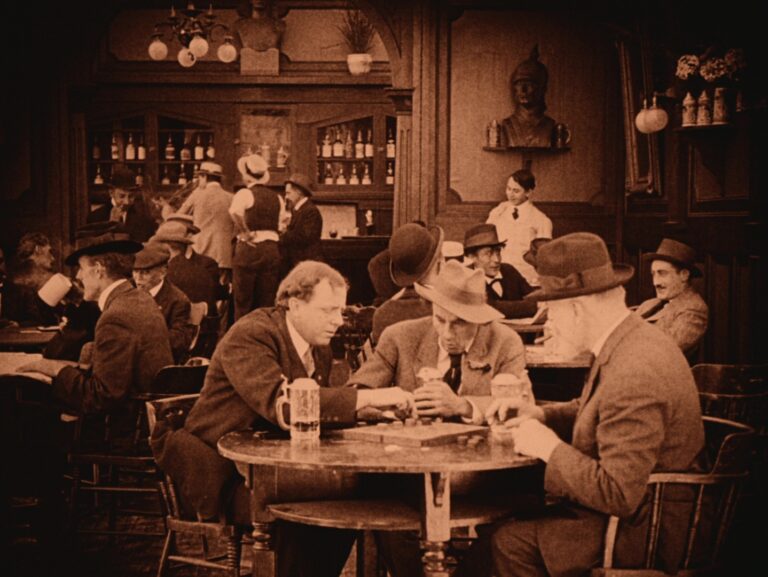
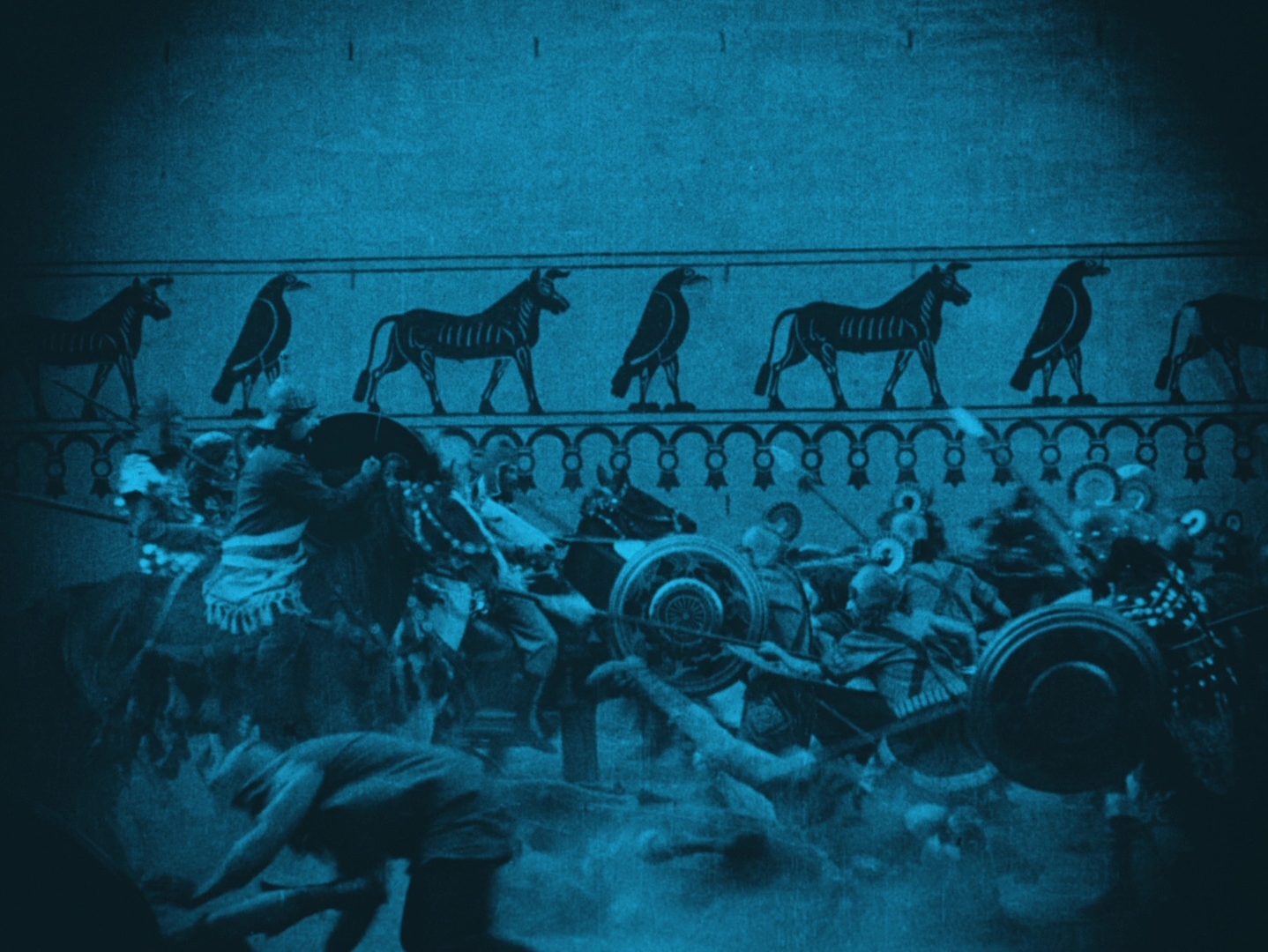
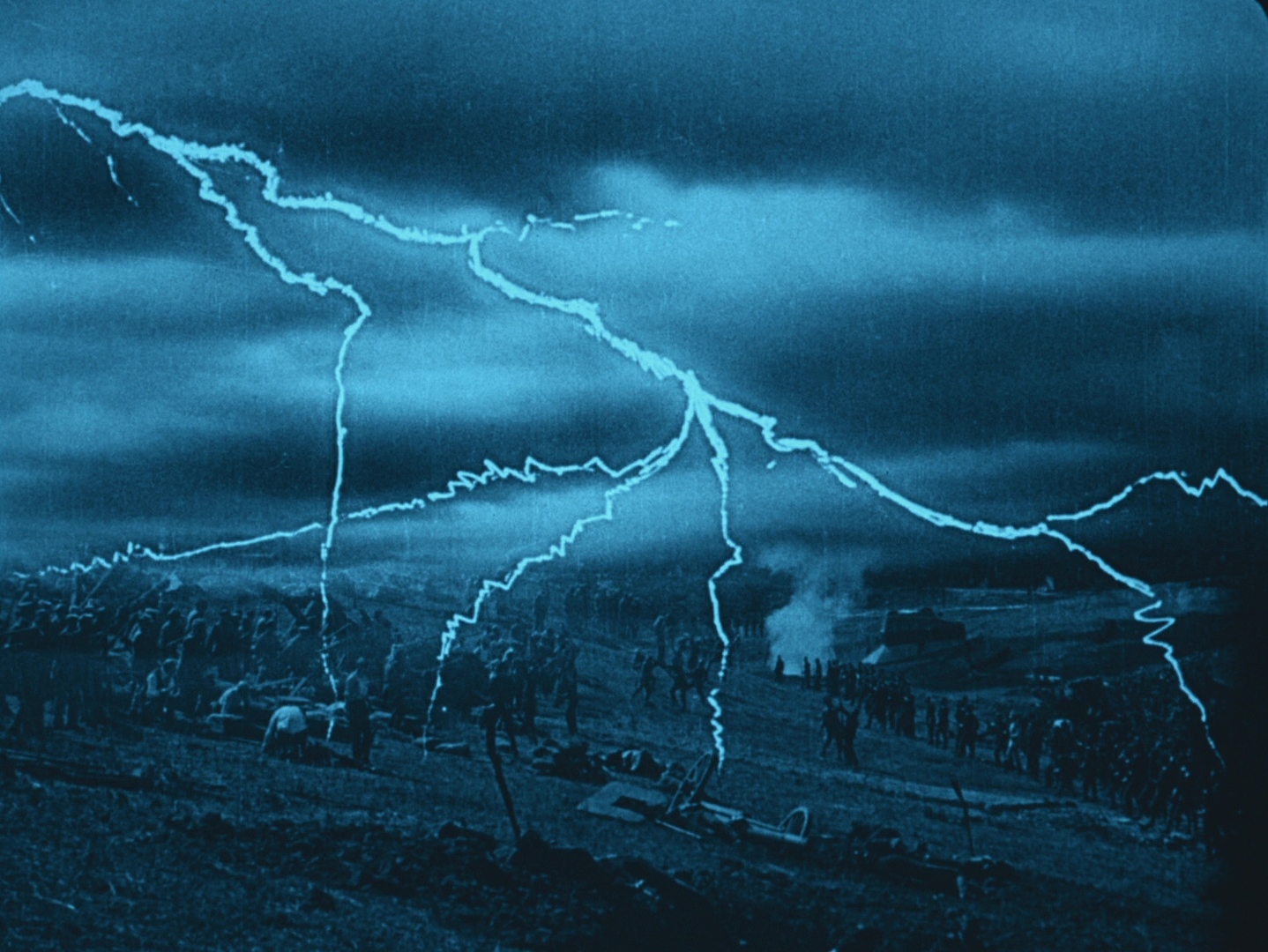
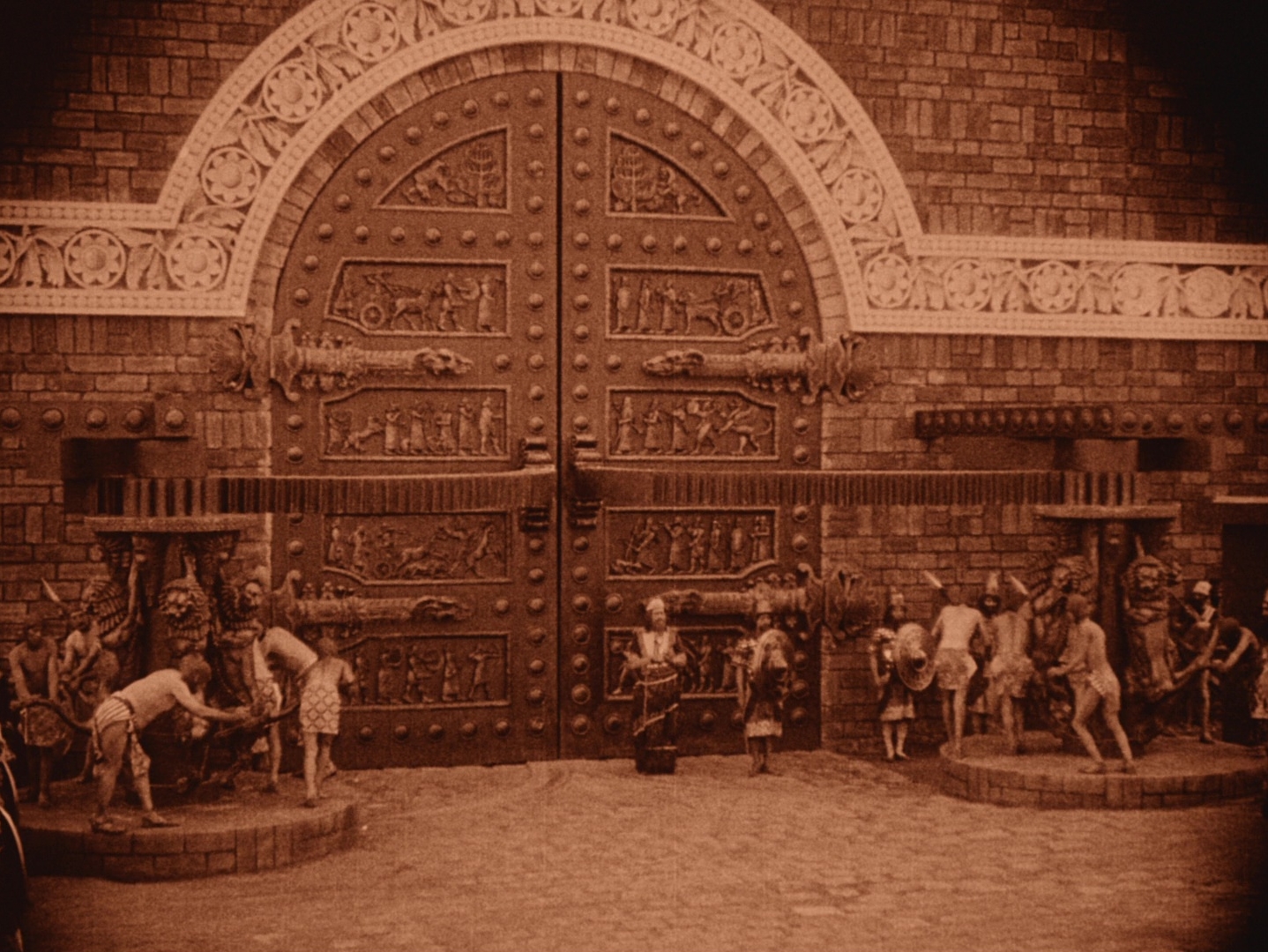
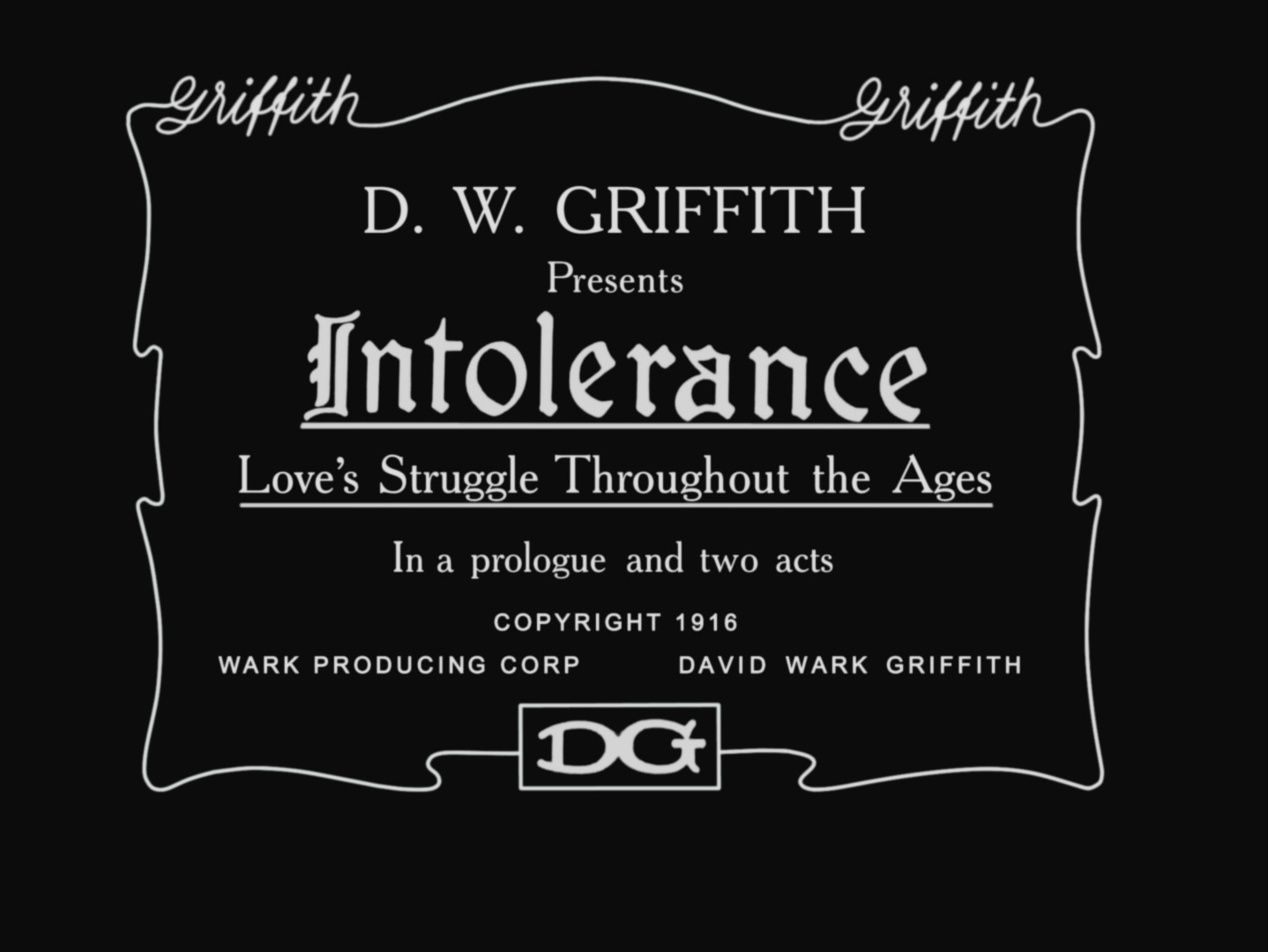
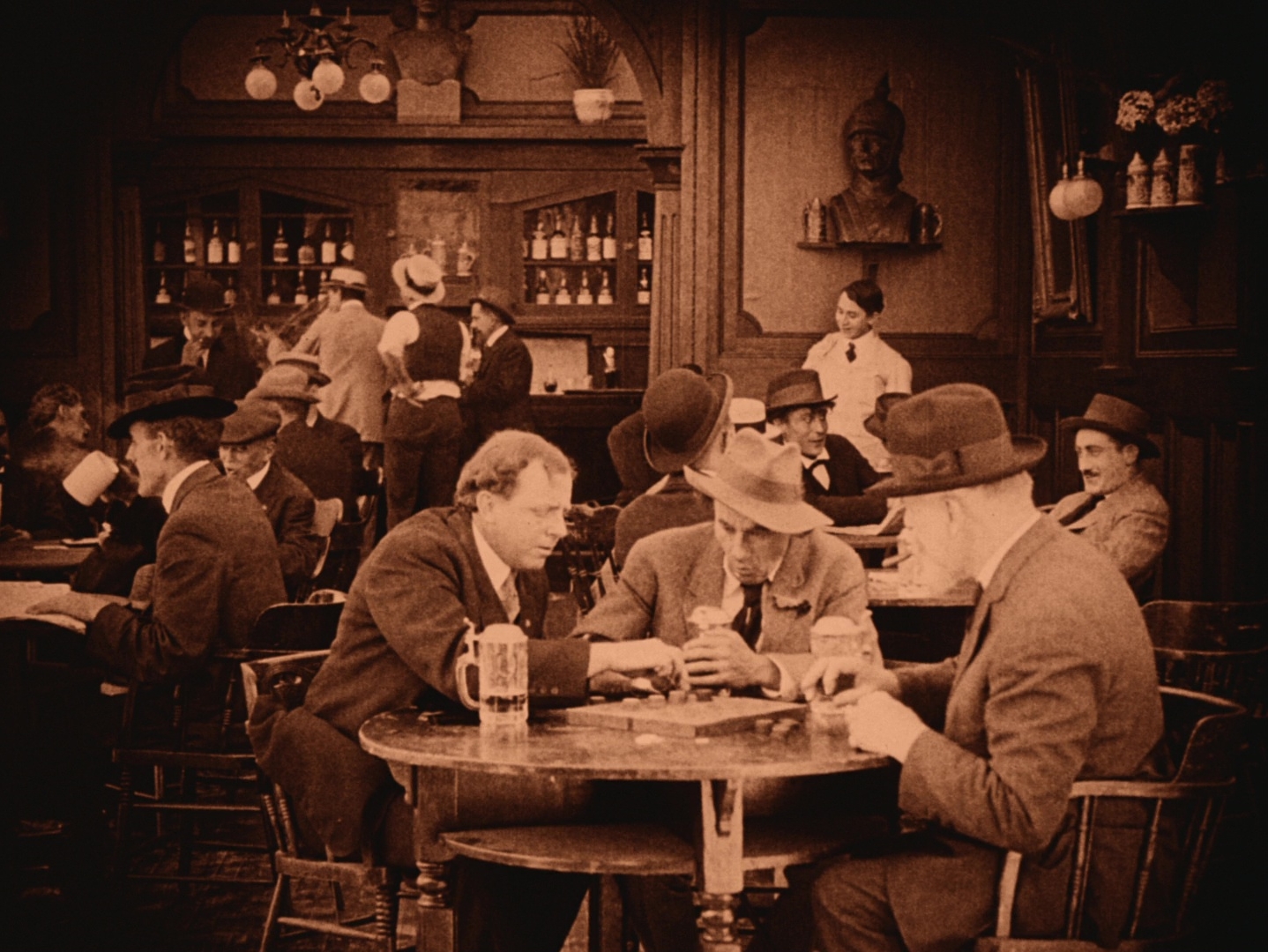
Intolerance (1916)
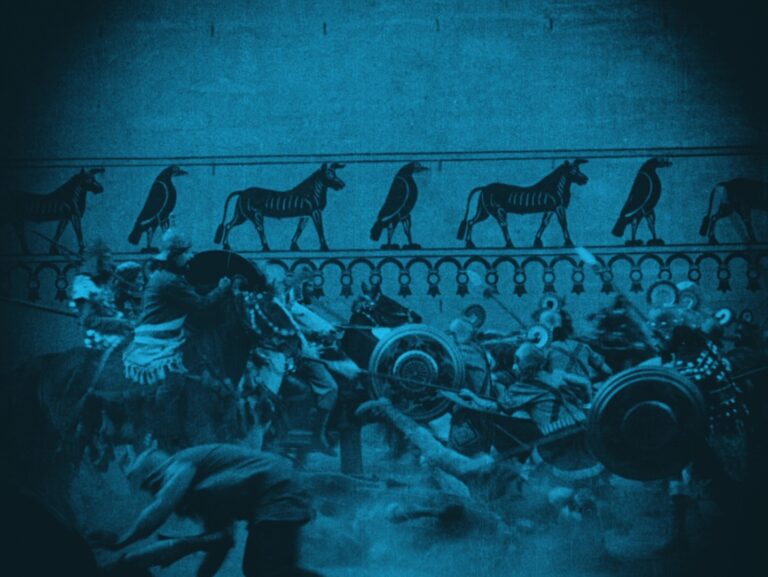
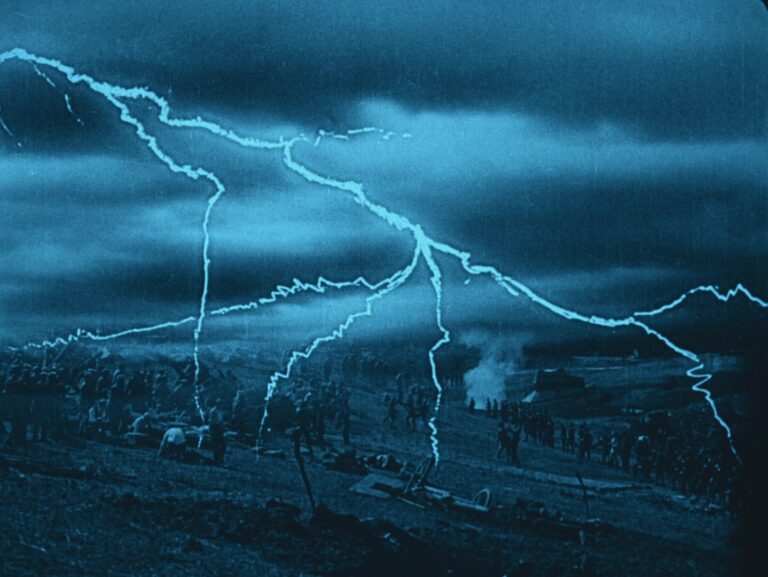
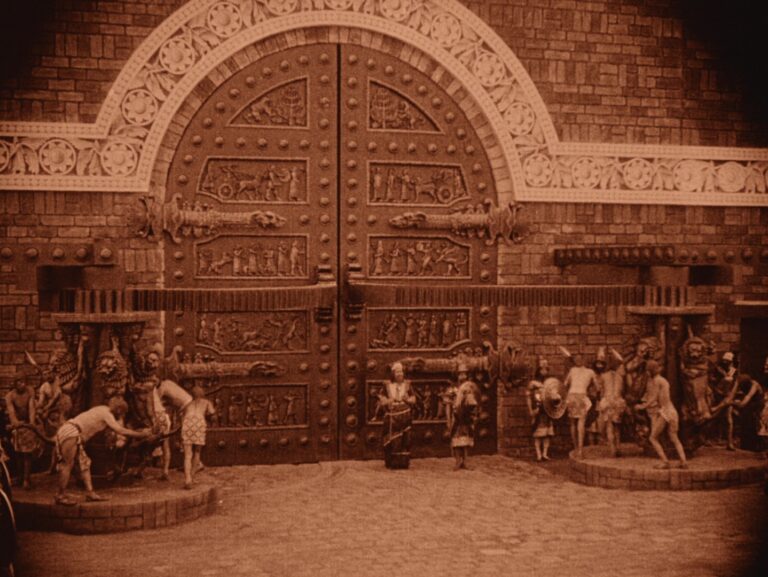
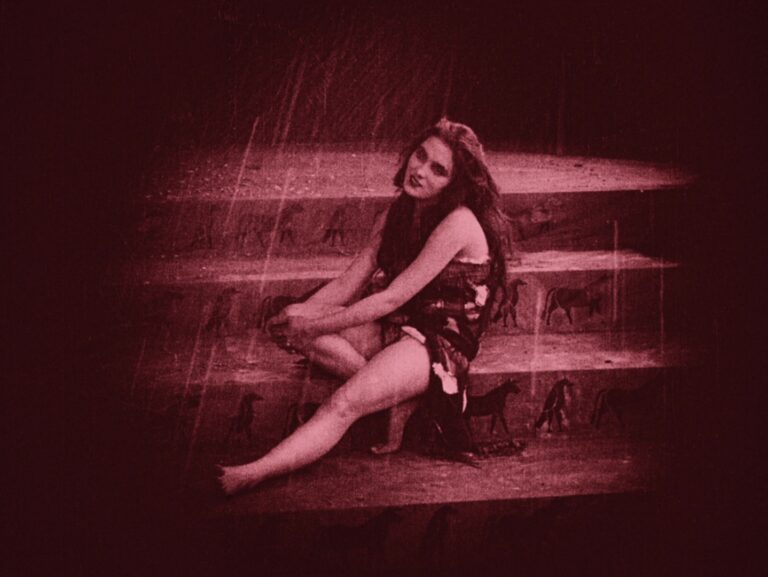
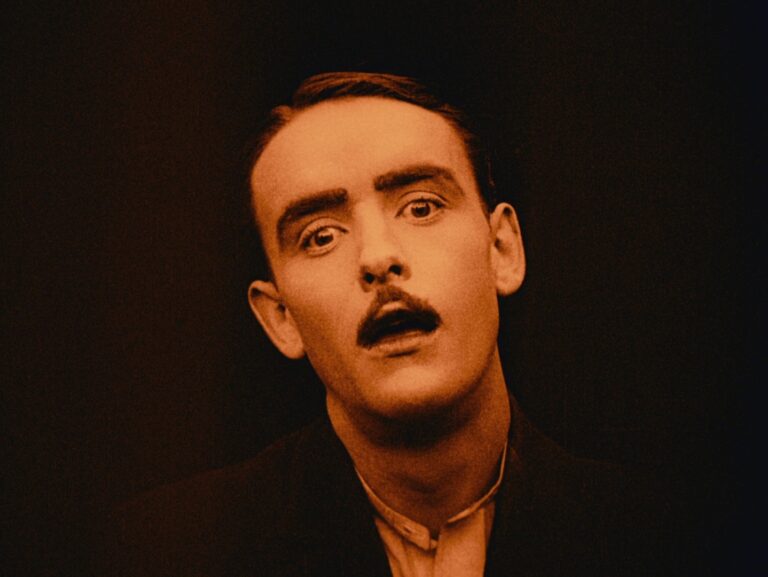
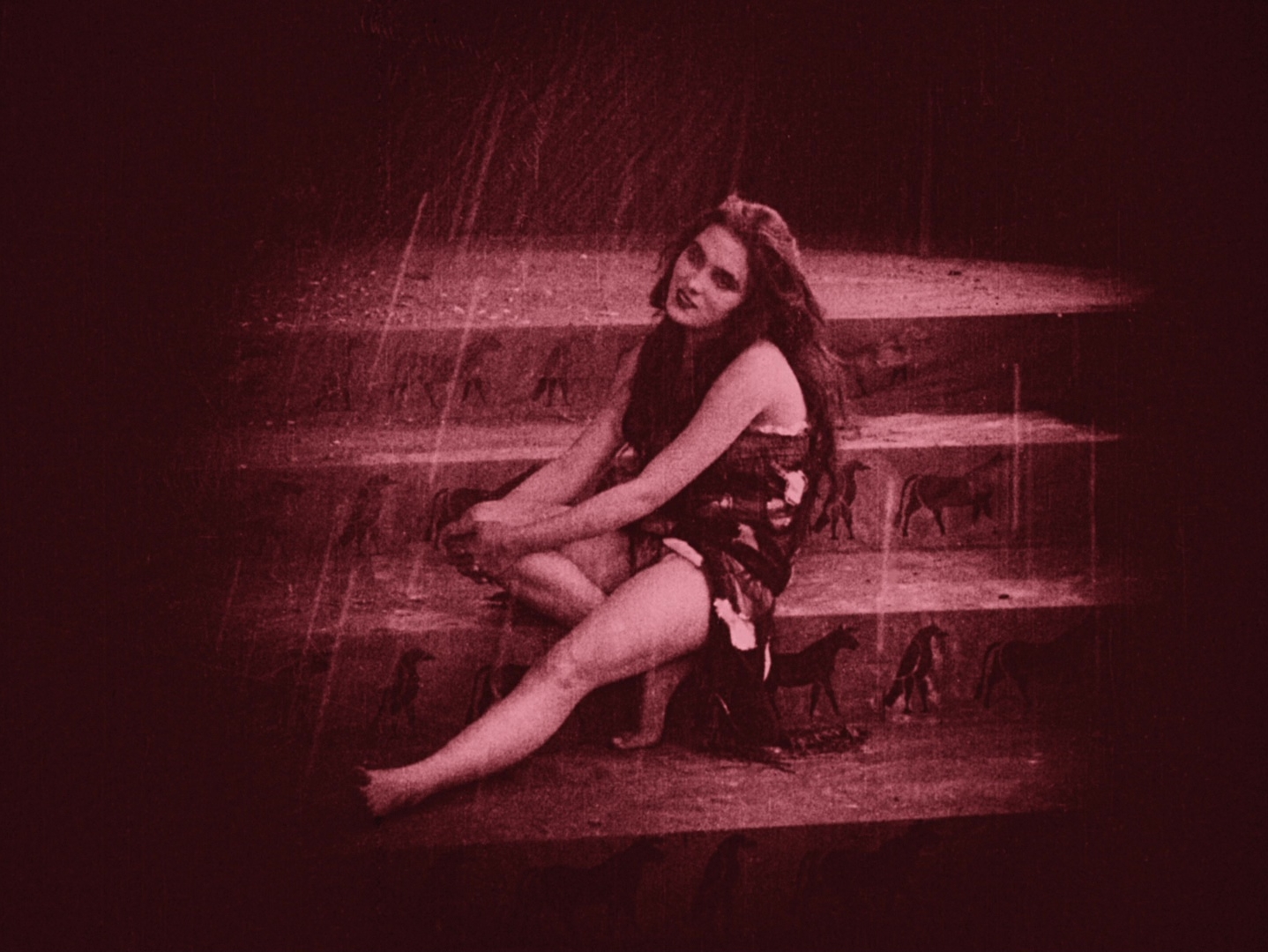
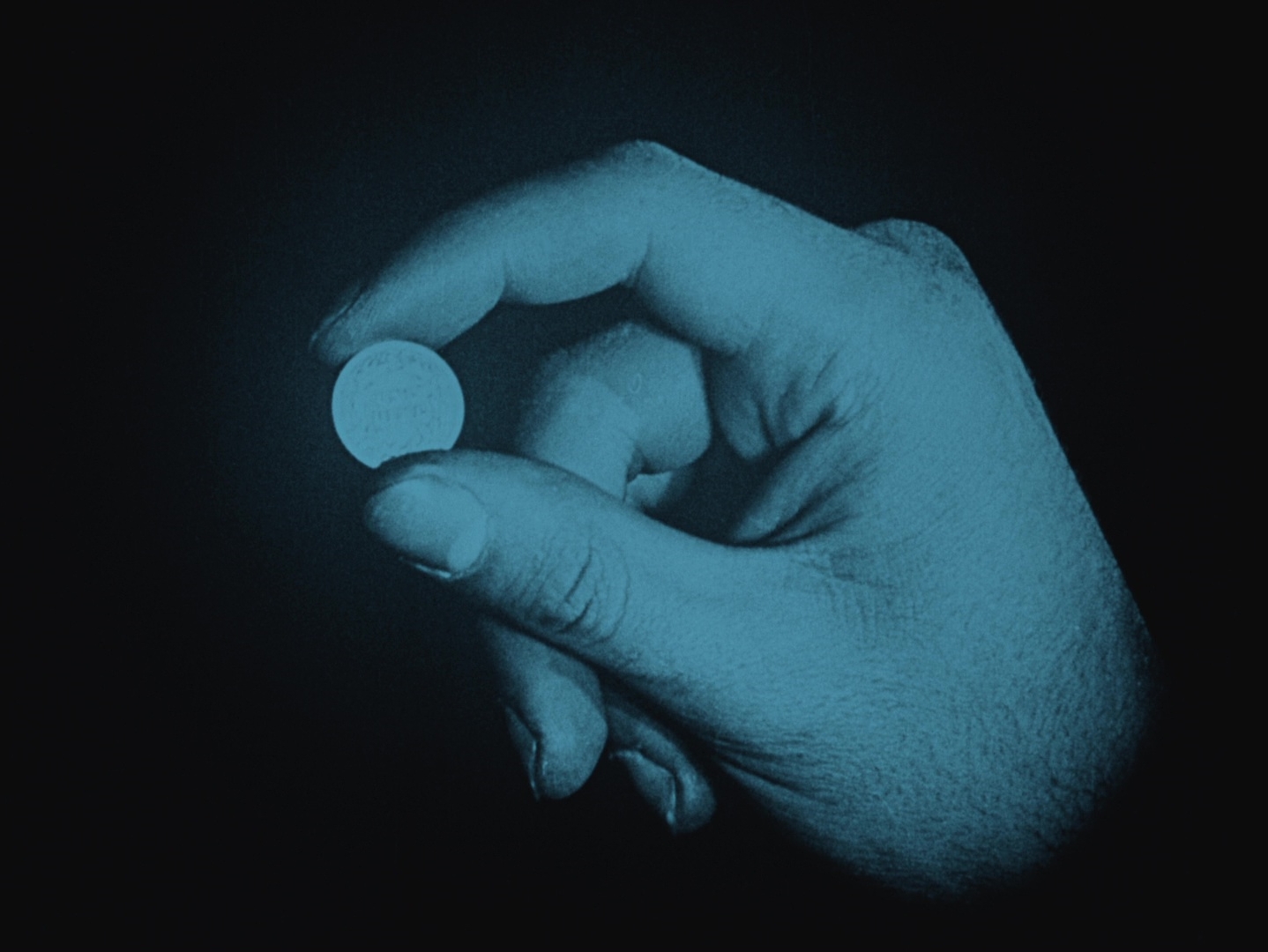
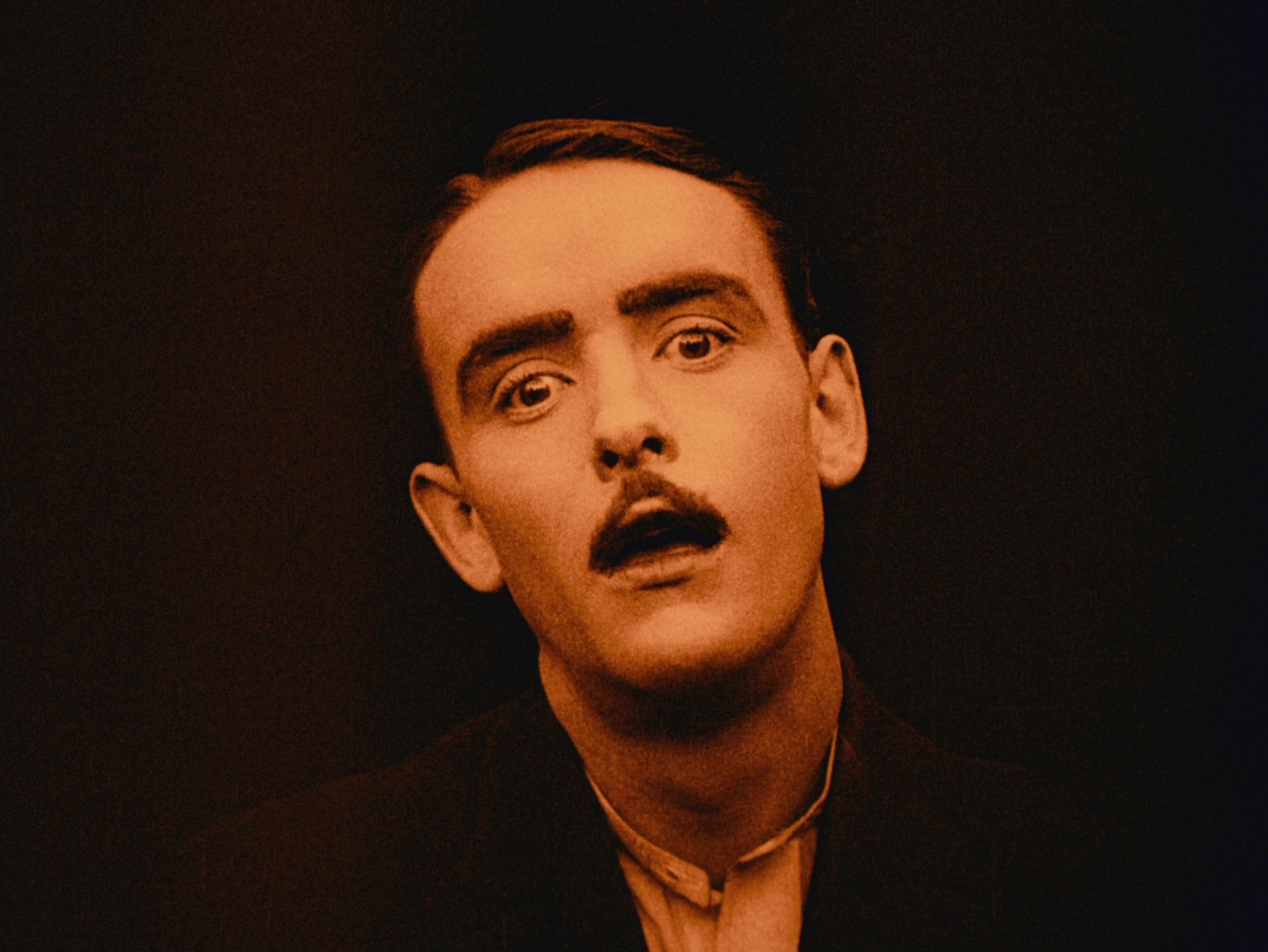
Spanning four parallel stories set in different historical periods, Intolerance explores the destructive consequences of human cruelty and moral judgment. From ancient Babylon to the time of Christ, Renaissance France, and modern America, each narrative depicts lives torn apart by oppression and prejudice. Intercut across time, the stories build toward a sweeping meditation on the persistence of intolerance throughout history.
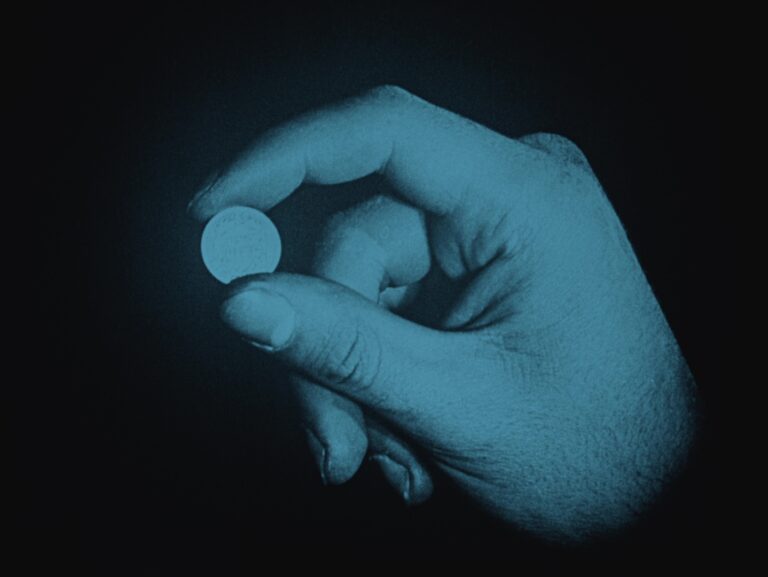
Griffith staged Intolerance on an unprecedented scale, constructing massive sets—most famously the towering Babylonian city—designed for deep, layered compositions and sweeping camera movement. The film’s cross-cutting between timelines, combined with its elaborate staging and crane shots, pushed early cinema toward a new visual language of scale and simultaneity—turning editing and production design into epic storytelling tools.


FILM SPOTLIGHT
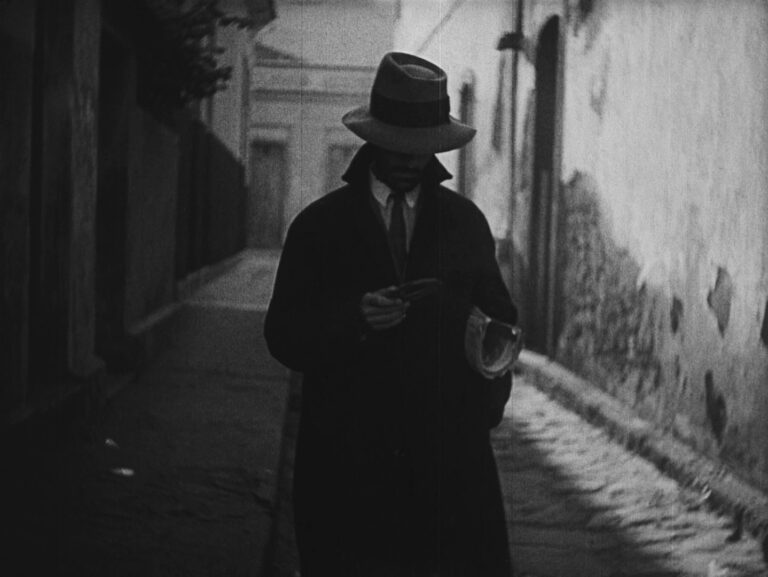
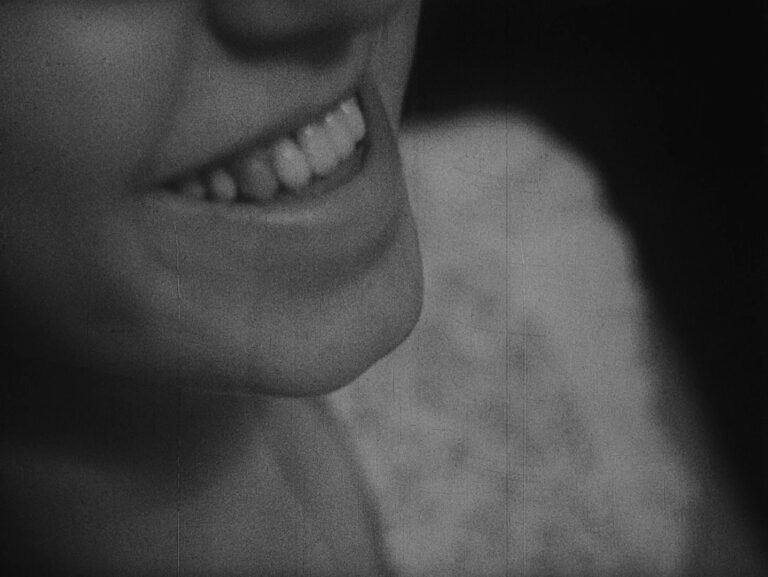
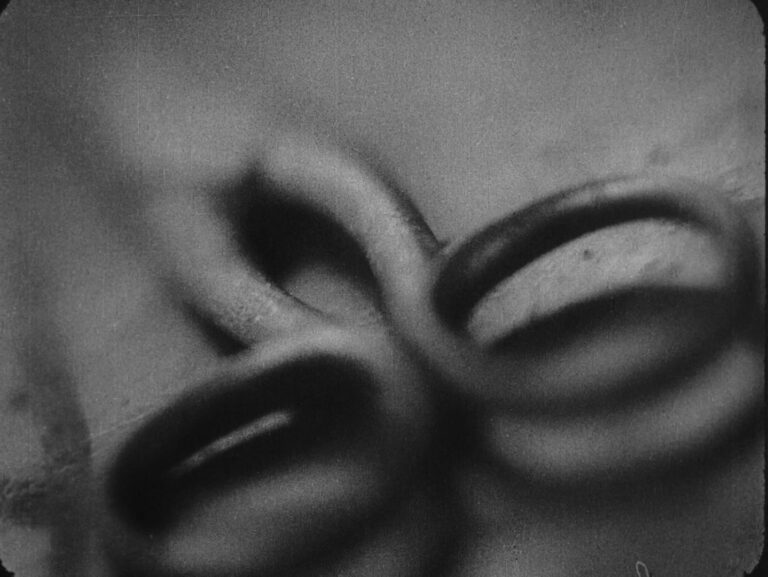
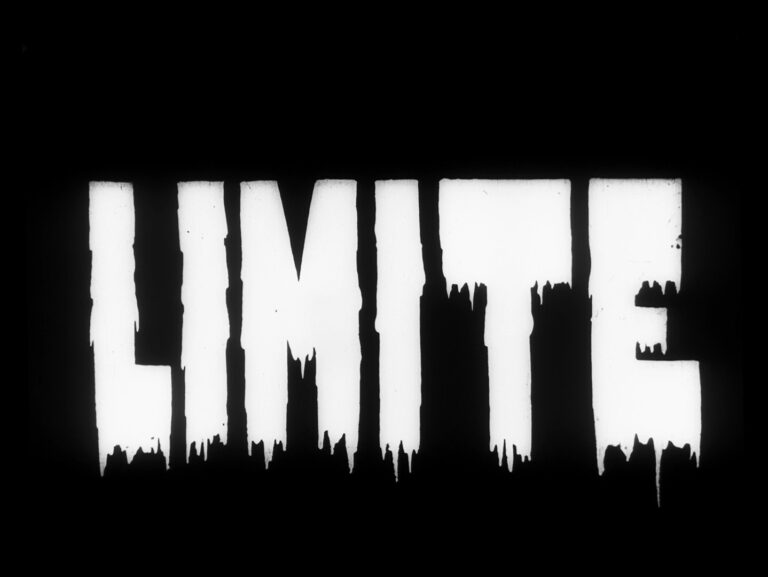
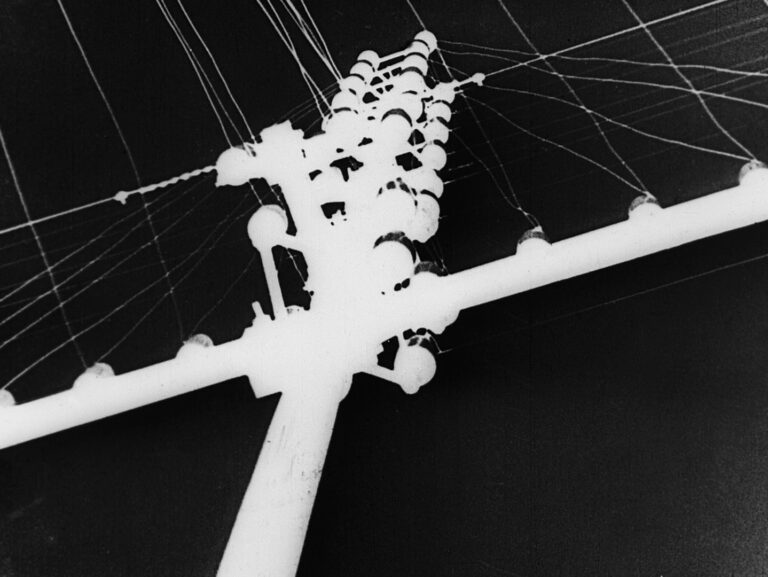
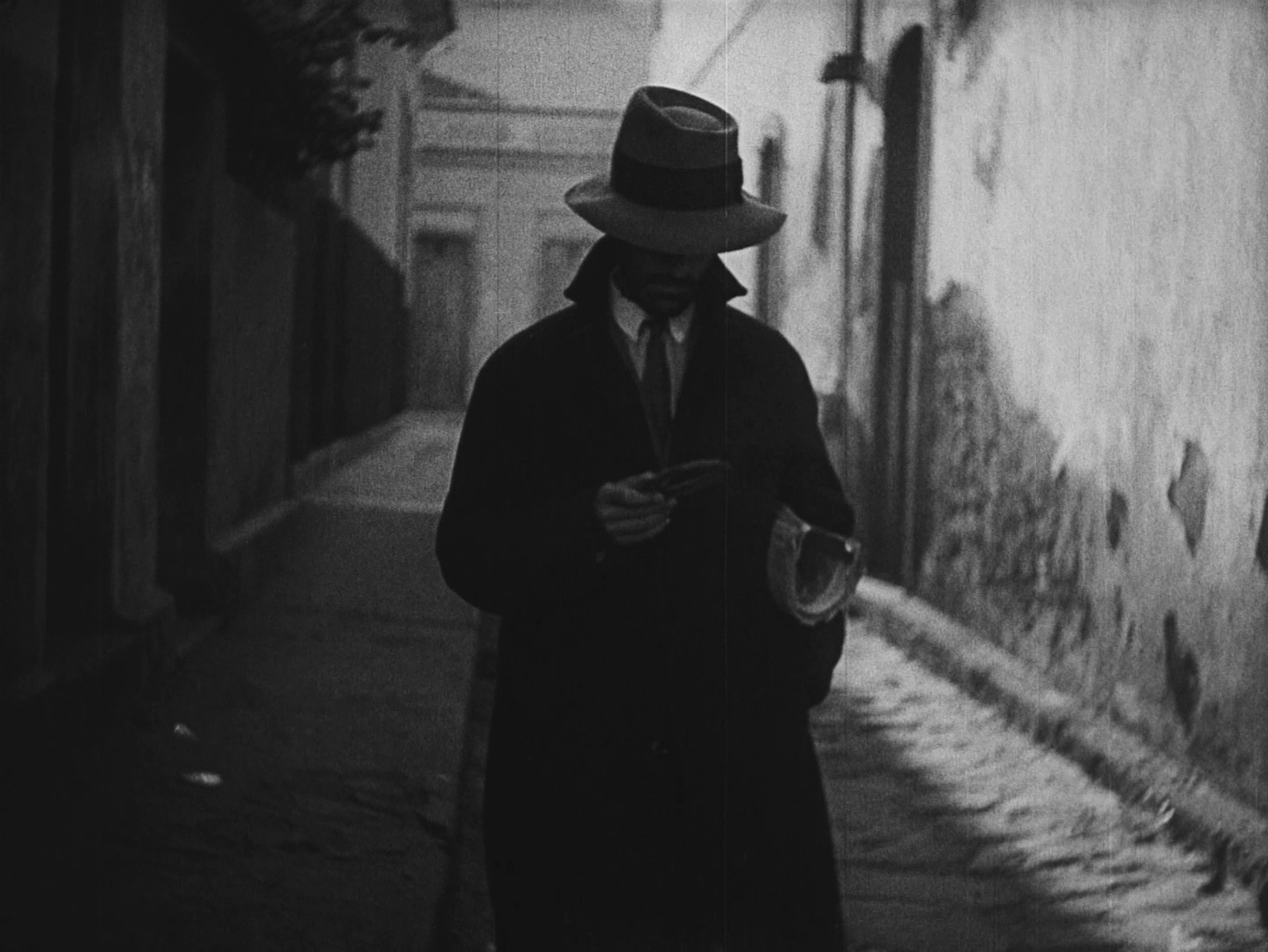
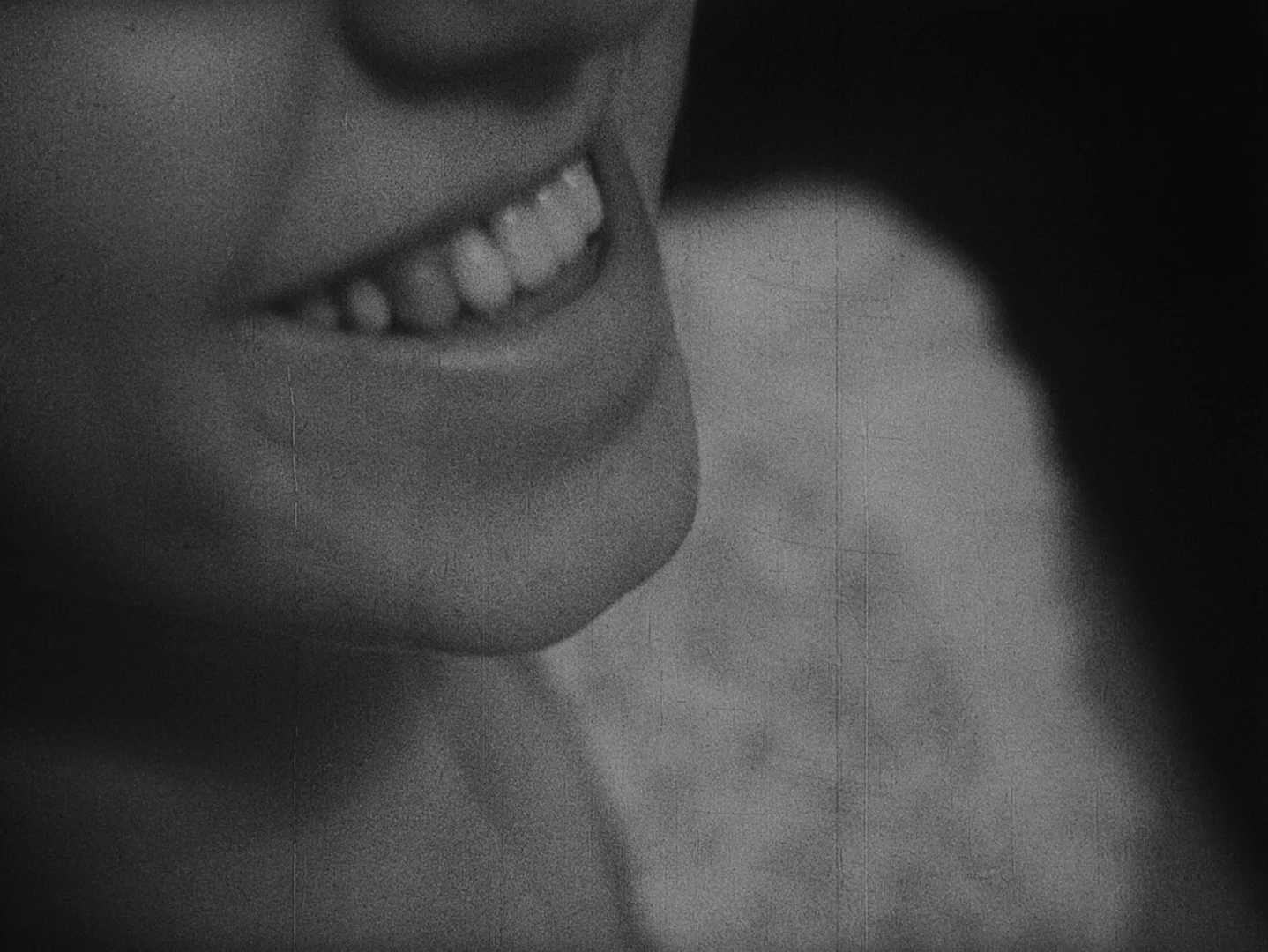
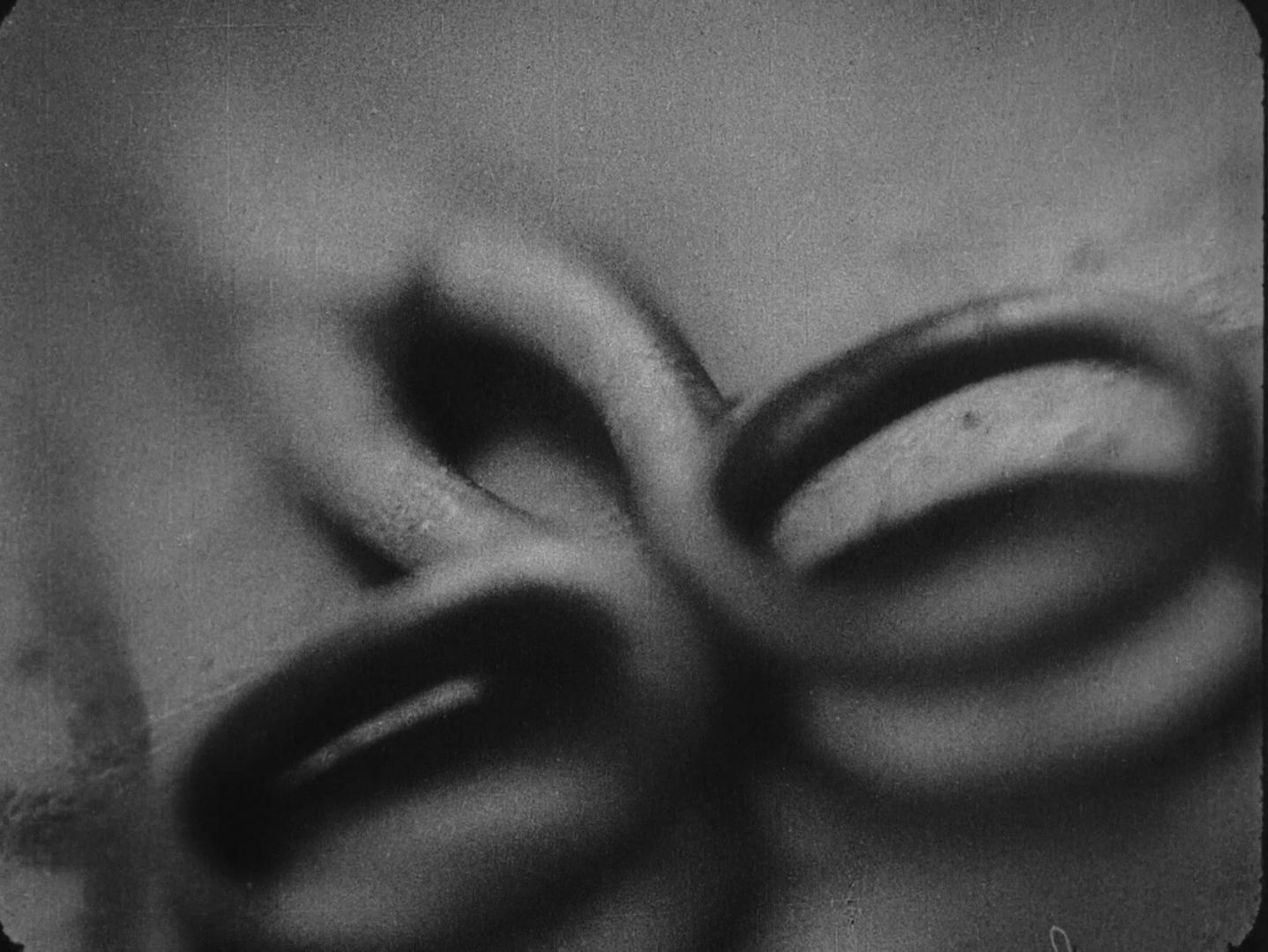
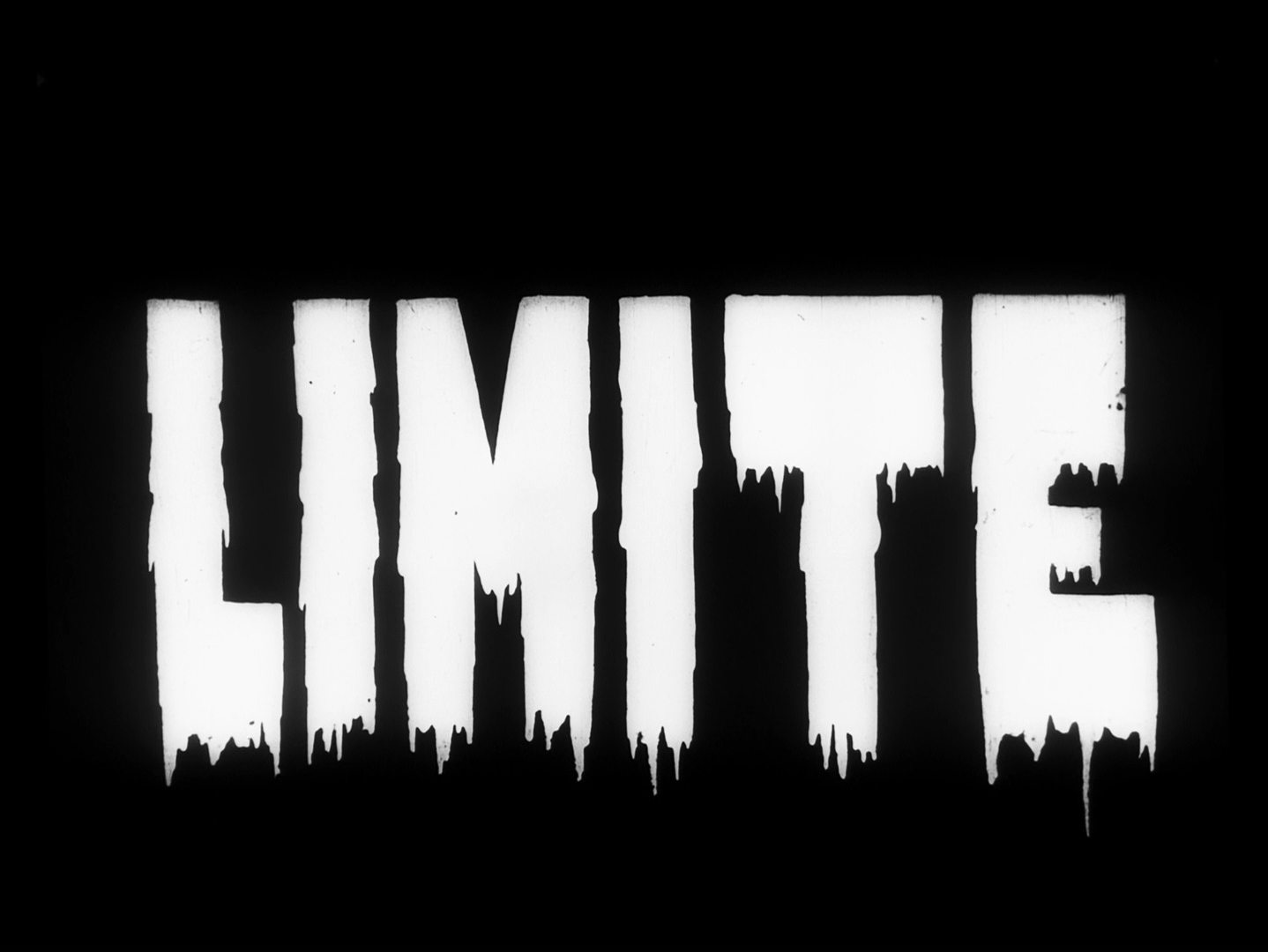
Limite (1931)
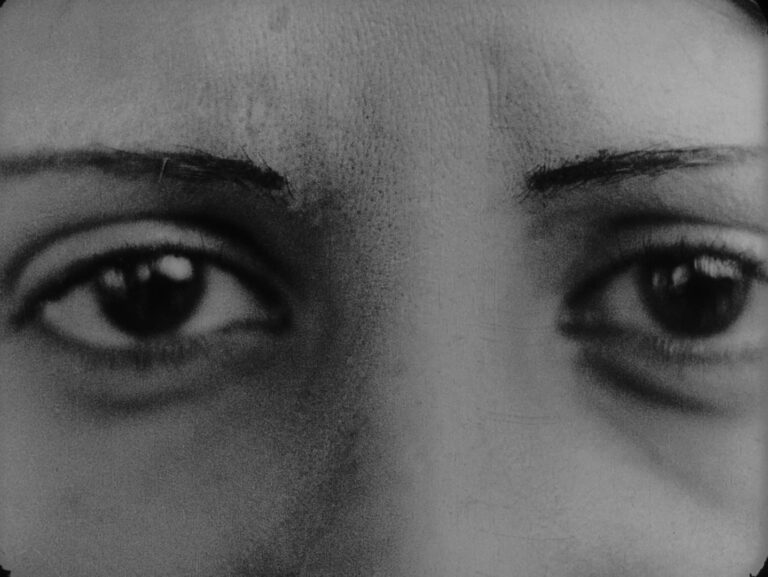
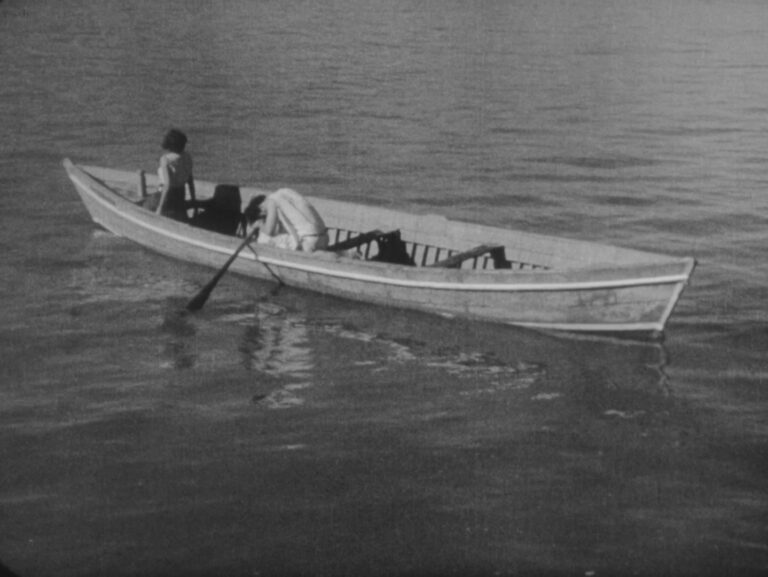
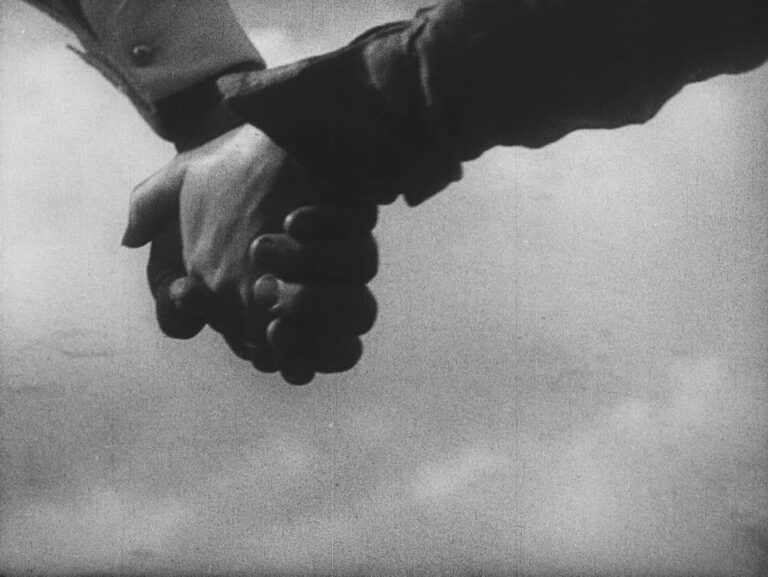
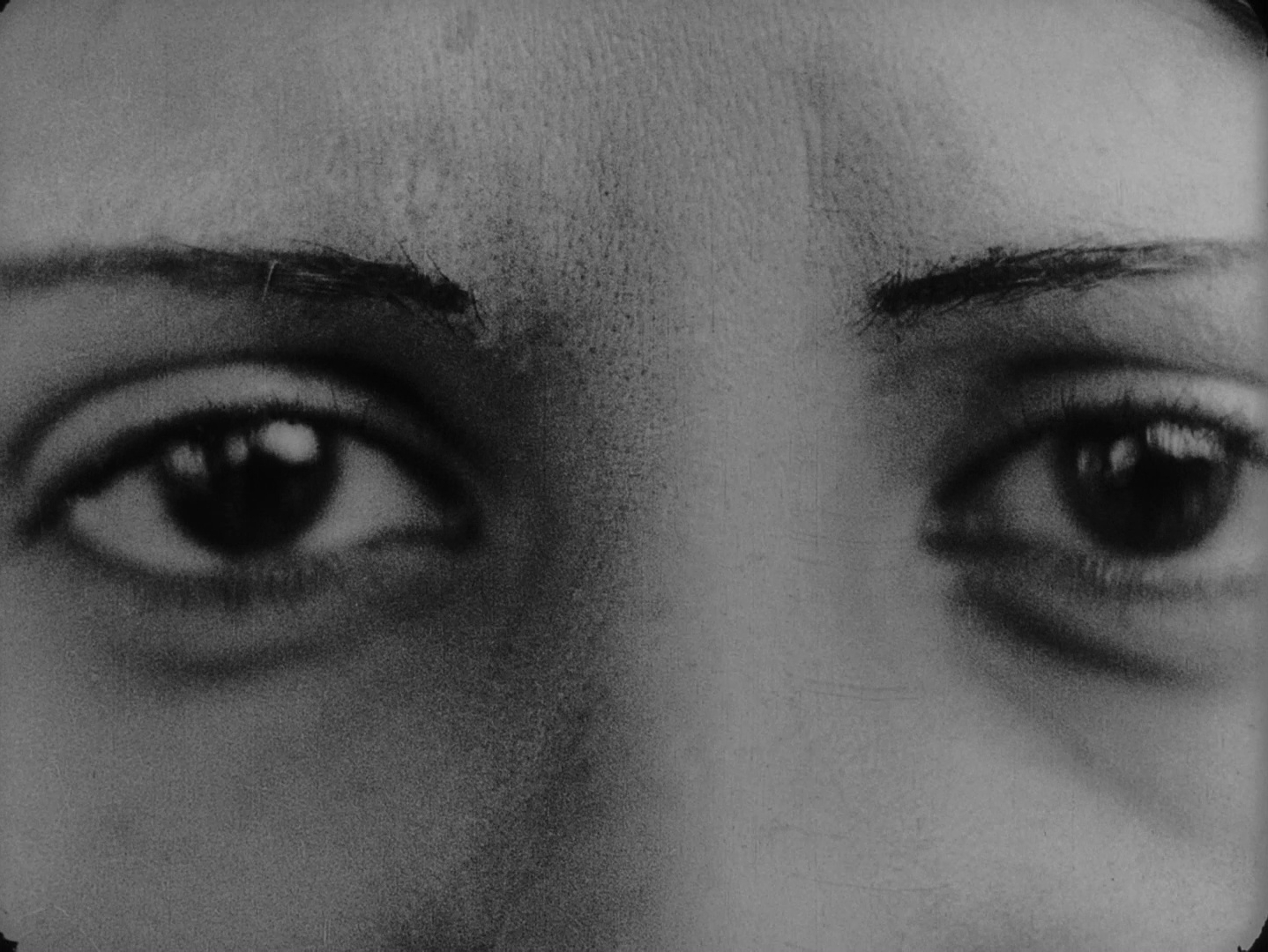
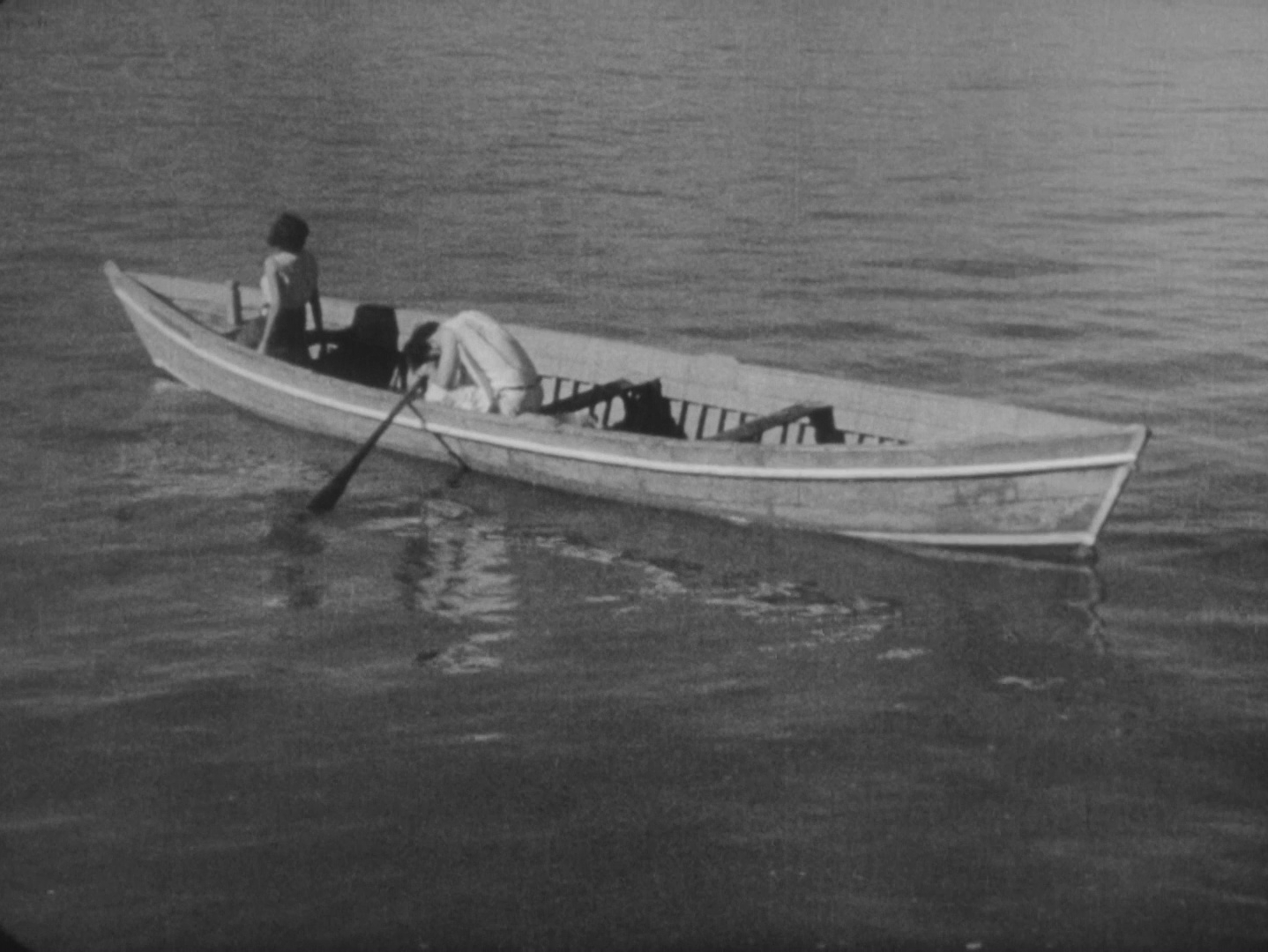
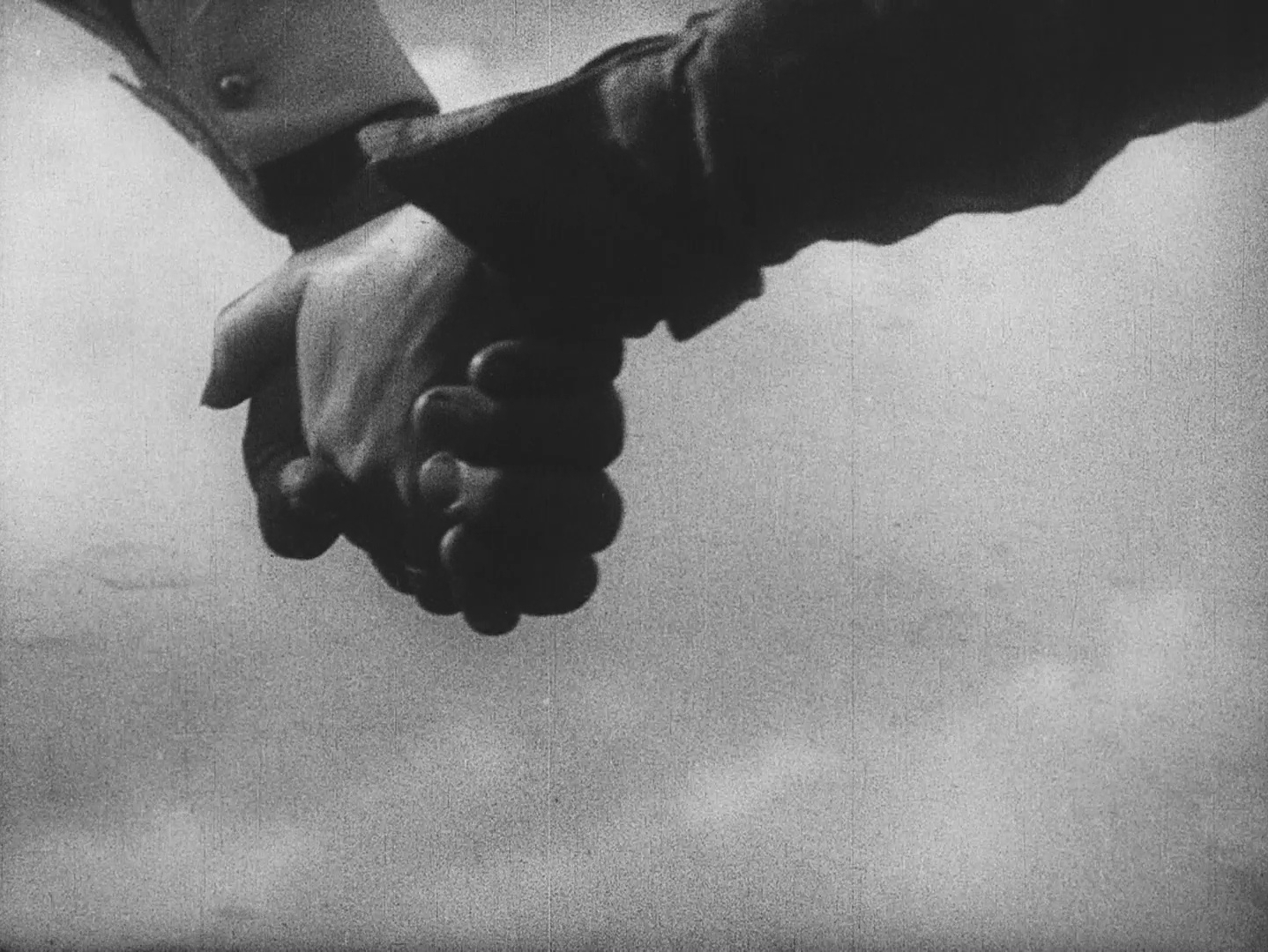
Adrift in a small boat at sea, three individuals reflect on the events that led them there, their stories unfolding through fragmented memories of love, loss, and confinement. As their pasts intertwine, Limite drifts between reality and abstraction, exploring themes of isolation and existential despair. The narrative resists linear structure, instead immersing the viewer in a poetic meditation on human limitation and fate.
Peixoto and cinematographer Edgar Brasil crafted Limite with an intensely lyrical visual style, using striking compositions, extreme close-ups, and expressive camera movement to push silent cinema toward pure visual poetry. The film’s interplay of light, texture, and rhythm—often bordering on abstraction—turns landscape and gesture into emotional language, making it one of the most visually radical works of its era.


FILM SPOTLIGHT
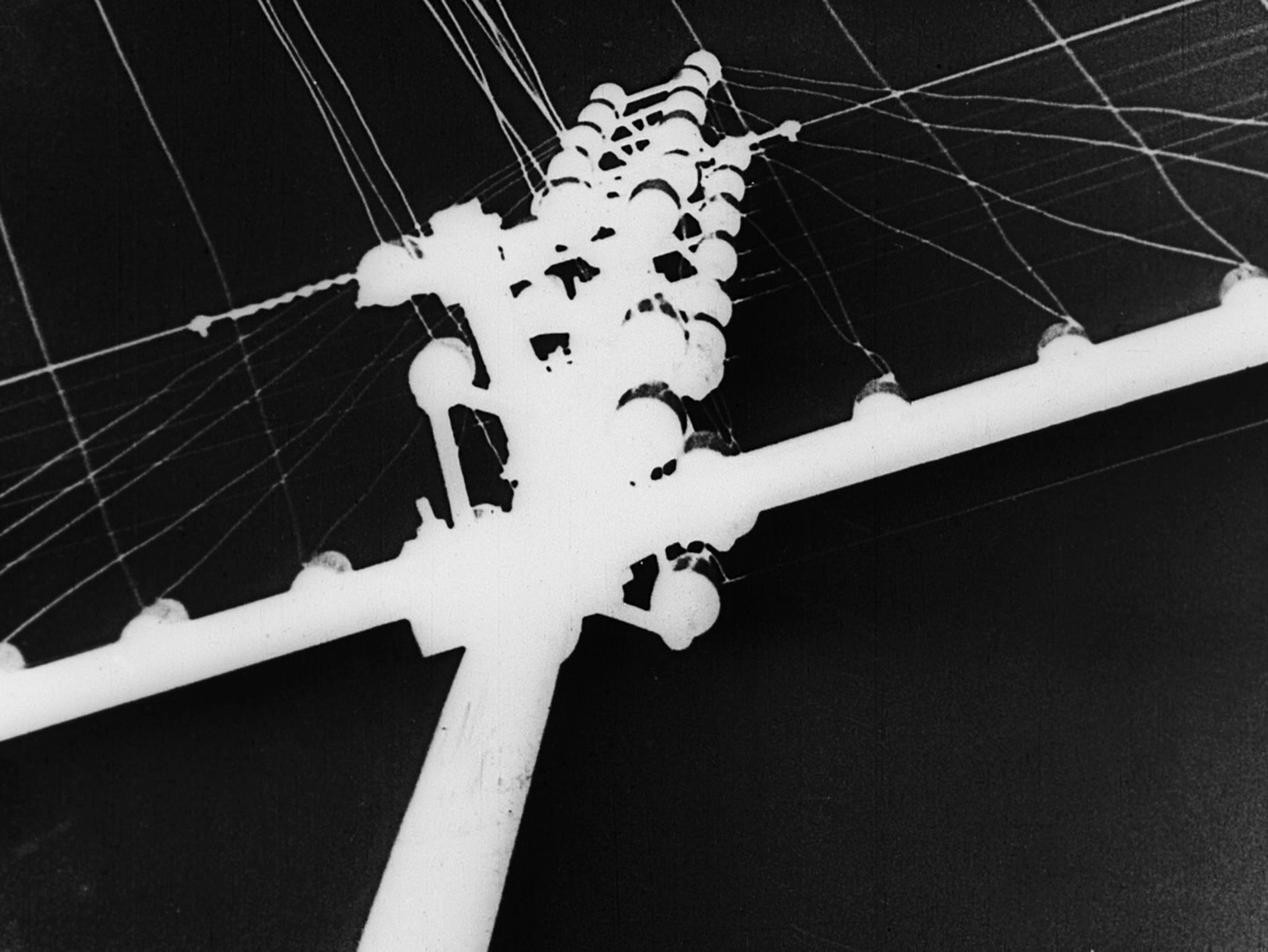
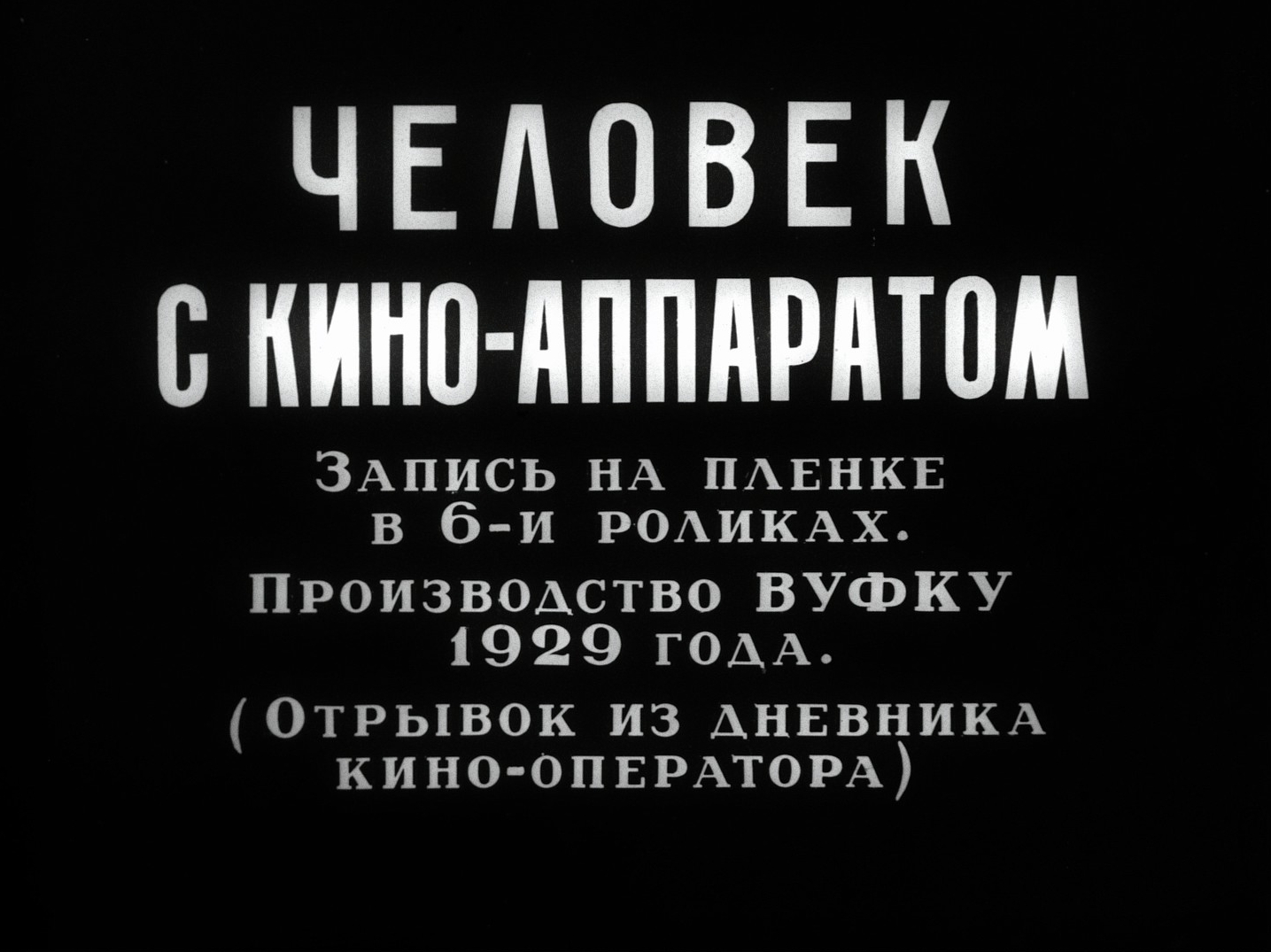
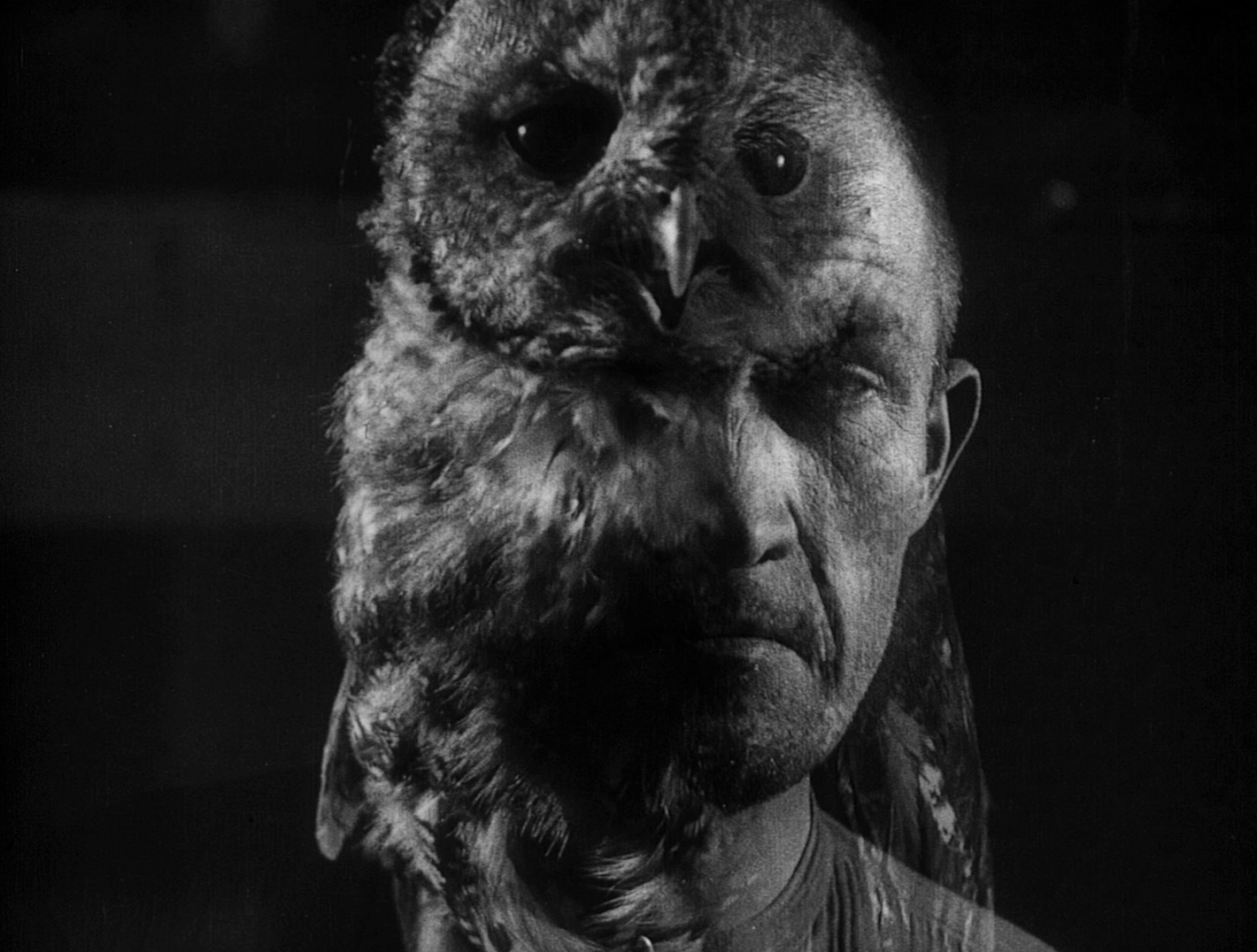
Man With a Movie Camera (1929)
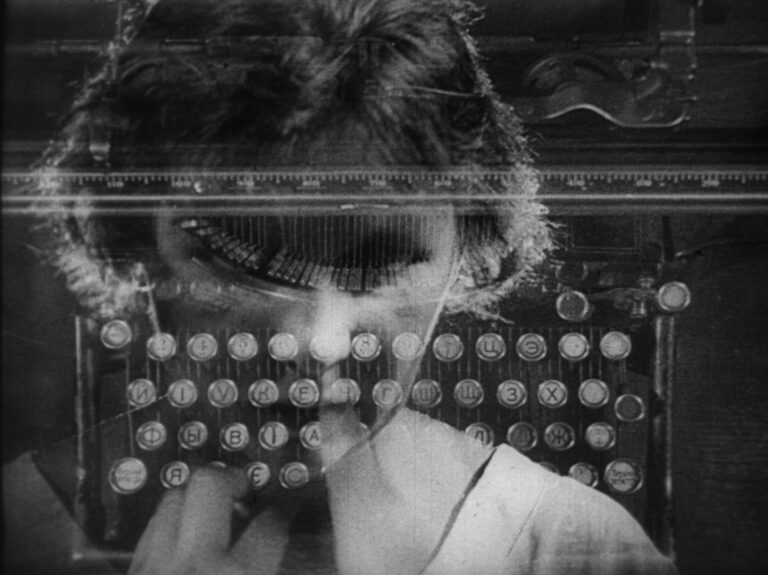
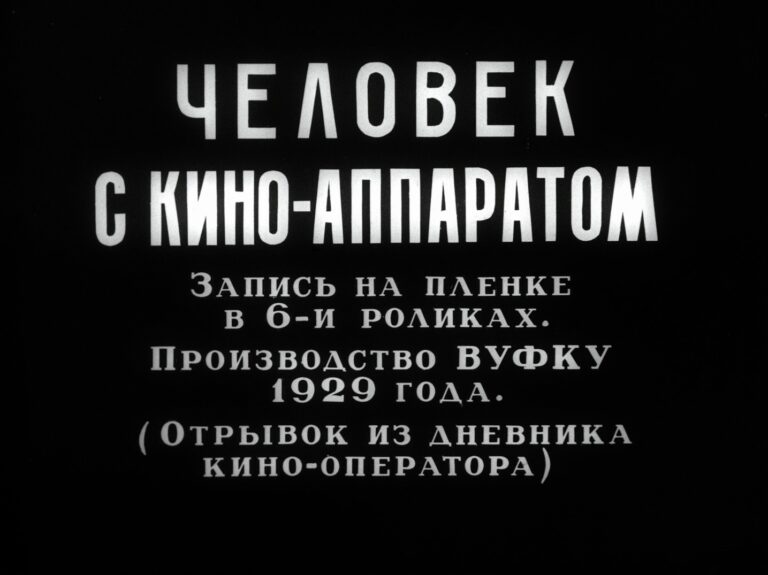
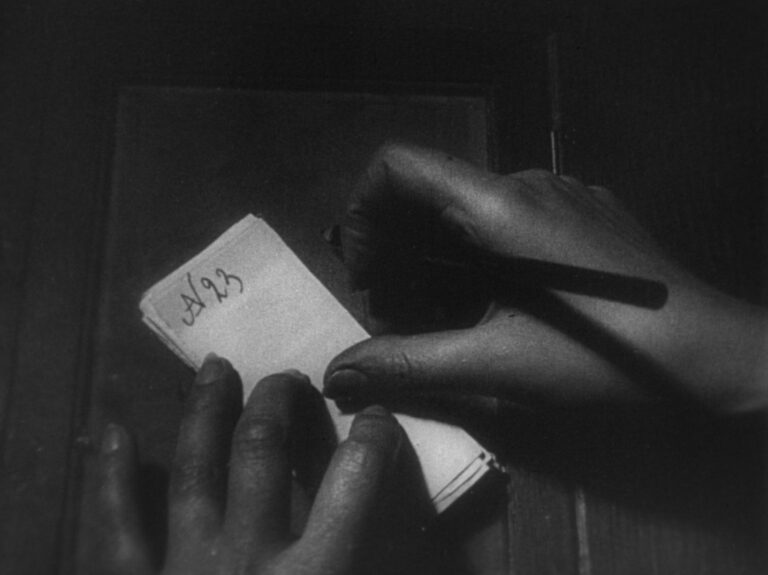
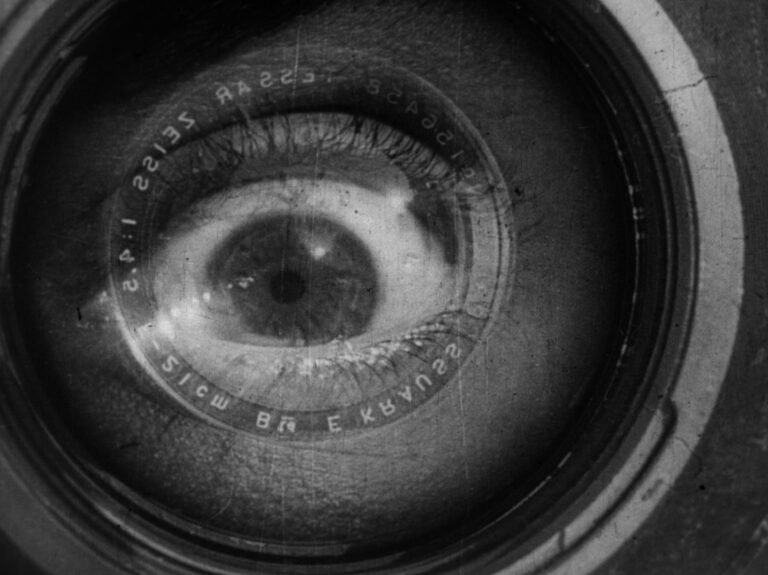
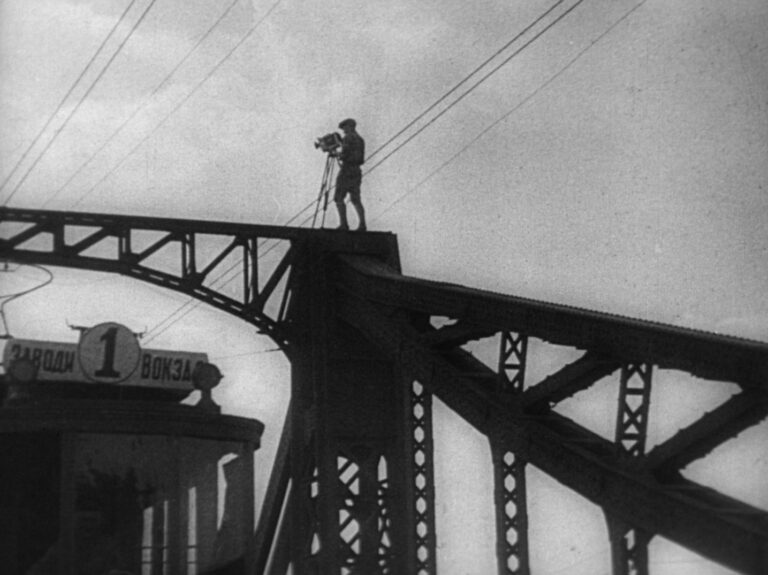
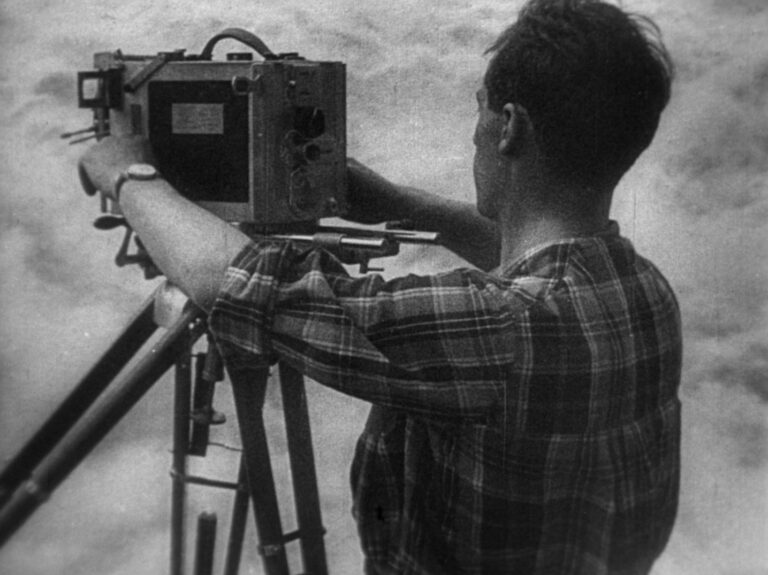
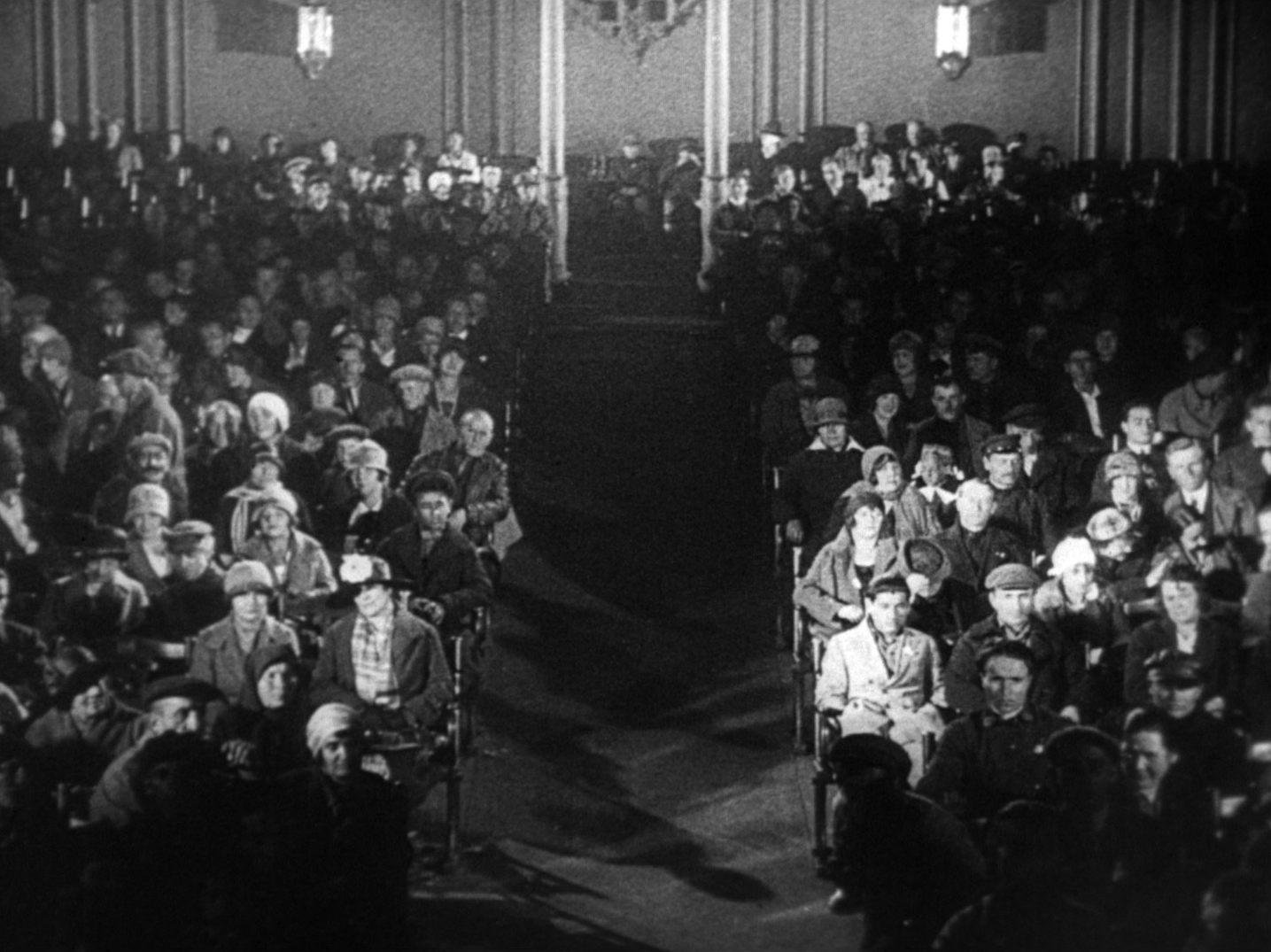
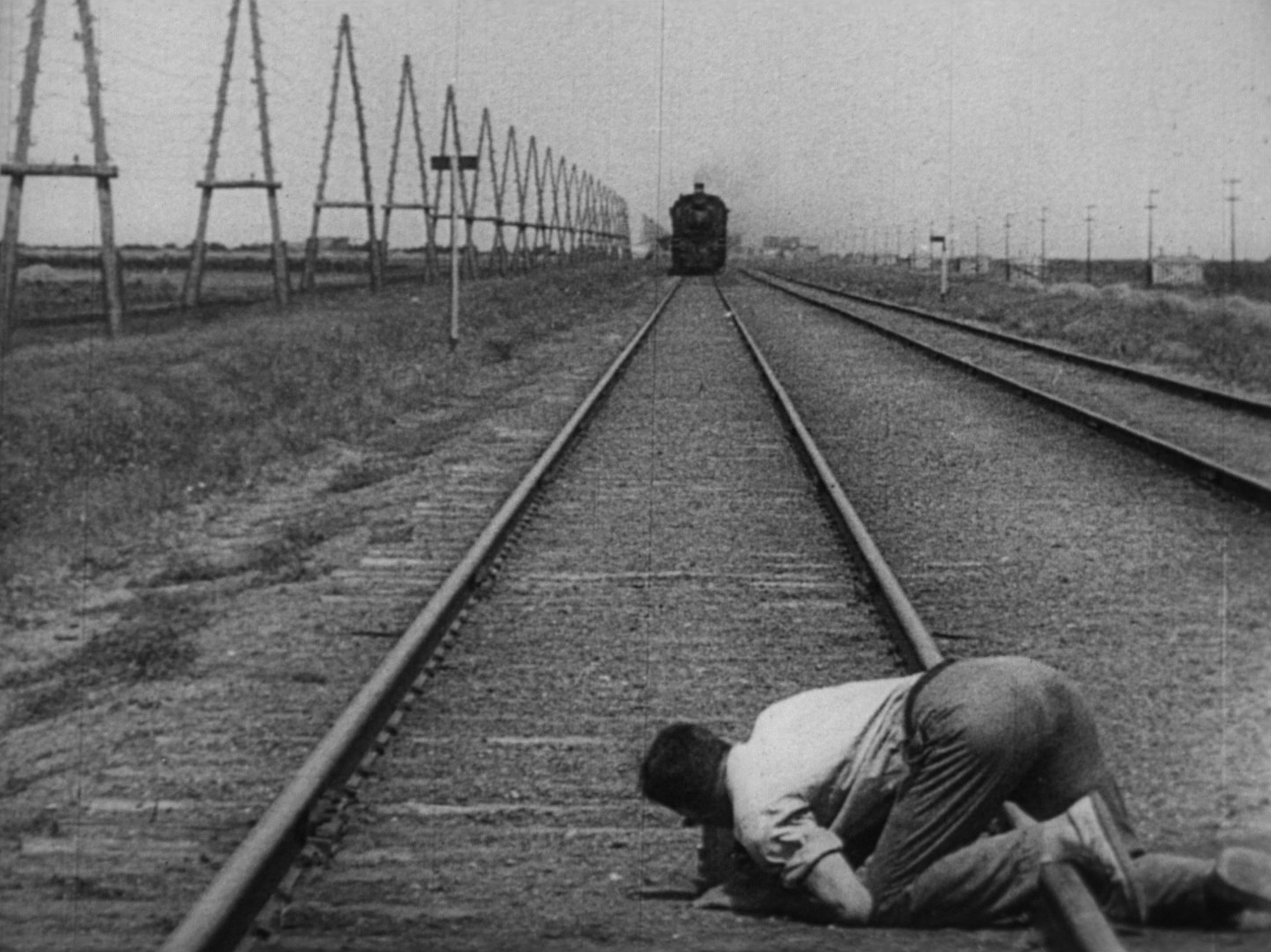
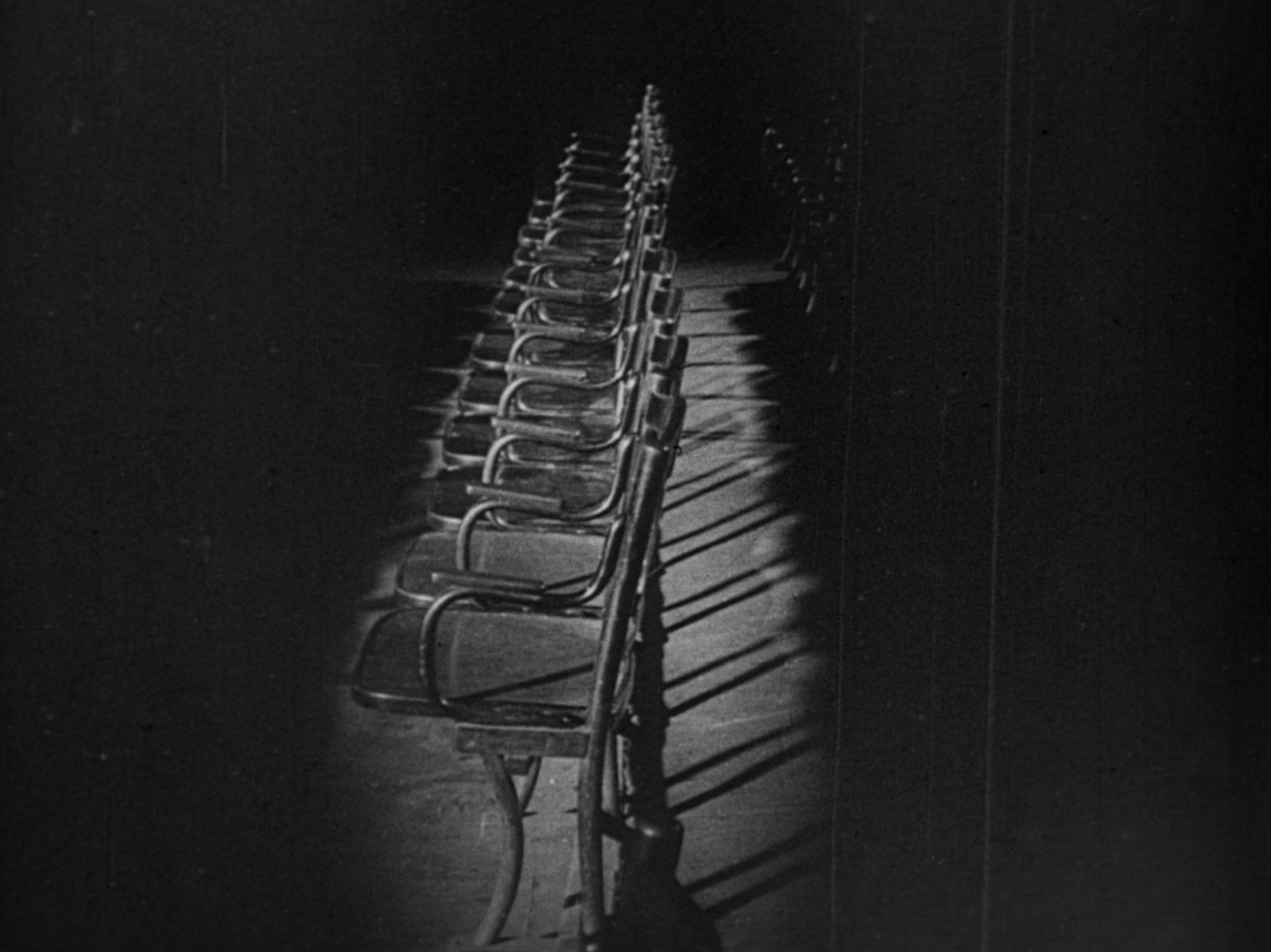
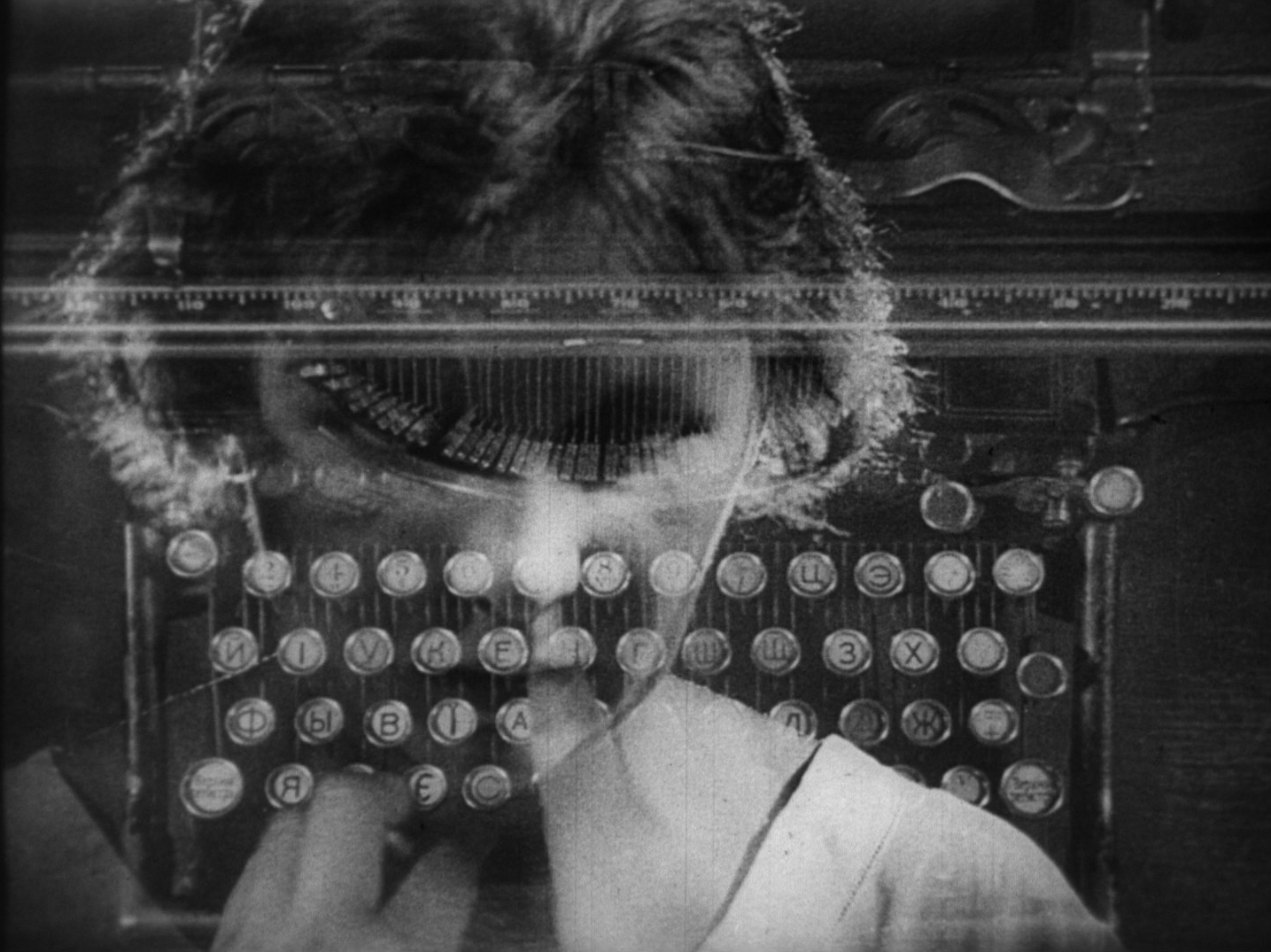
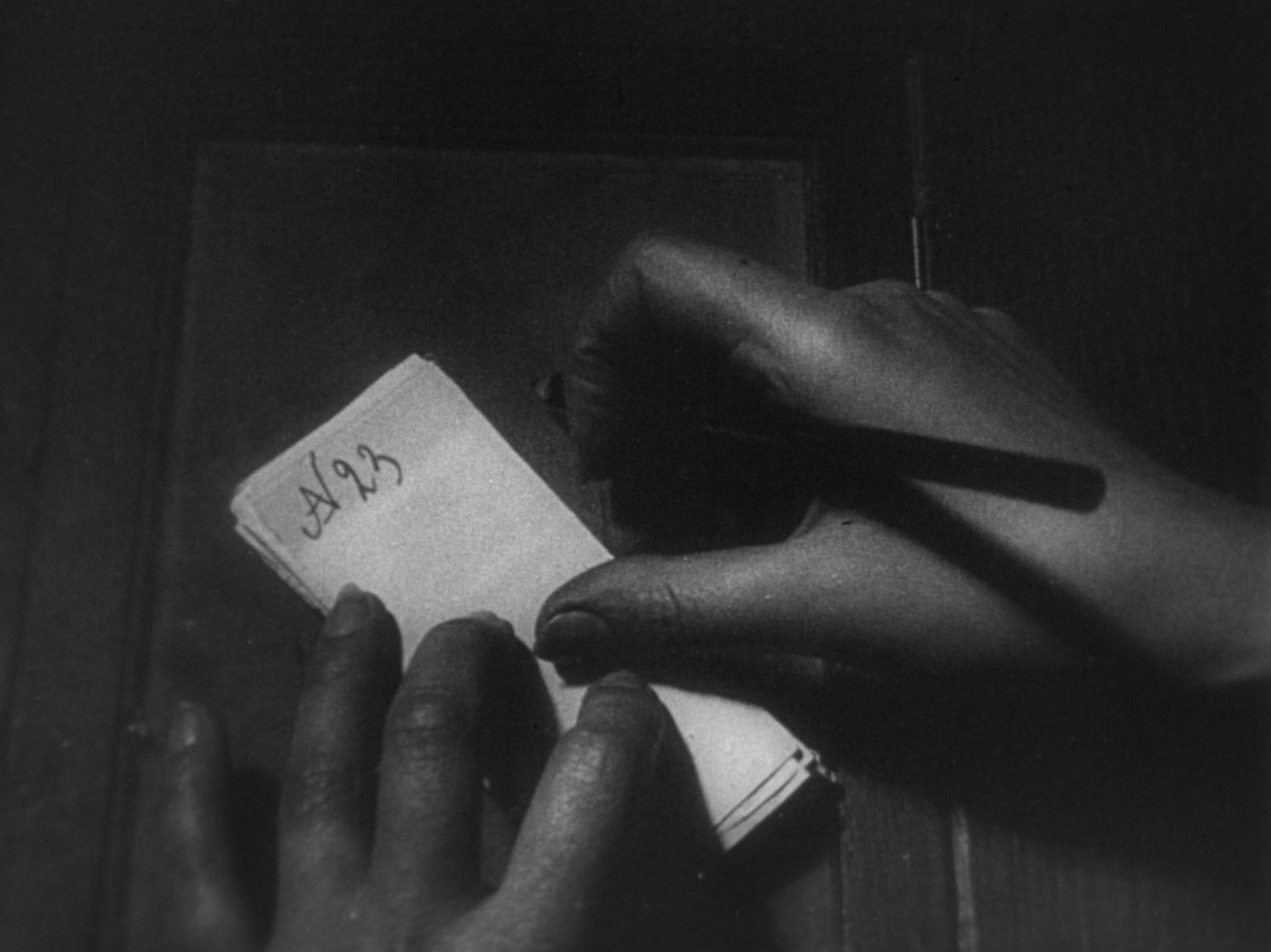
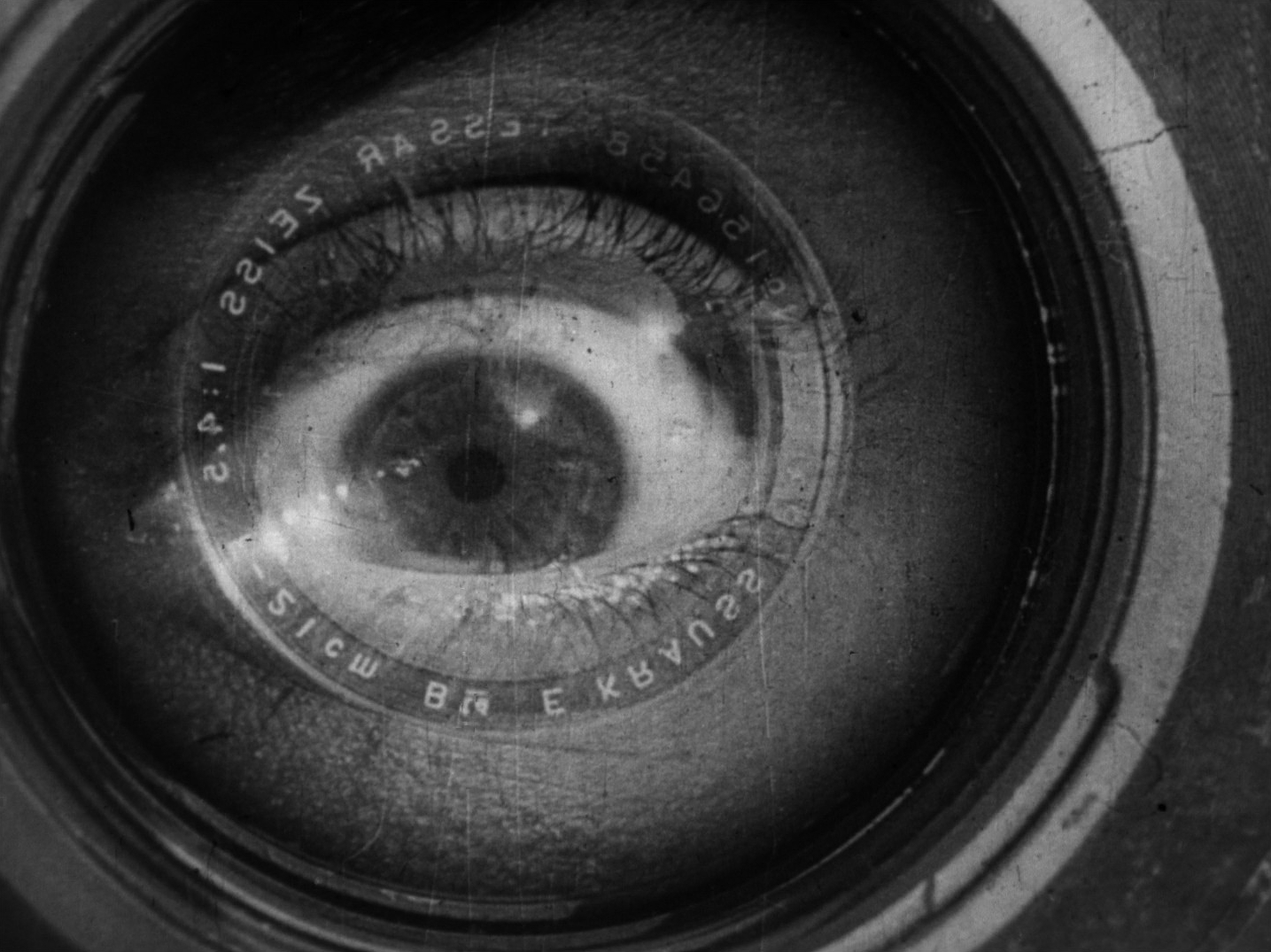
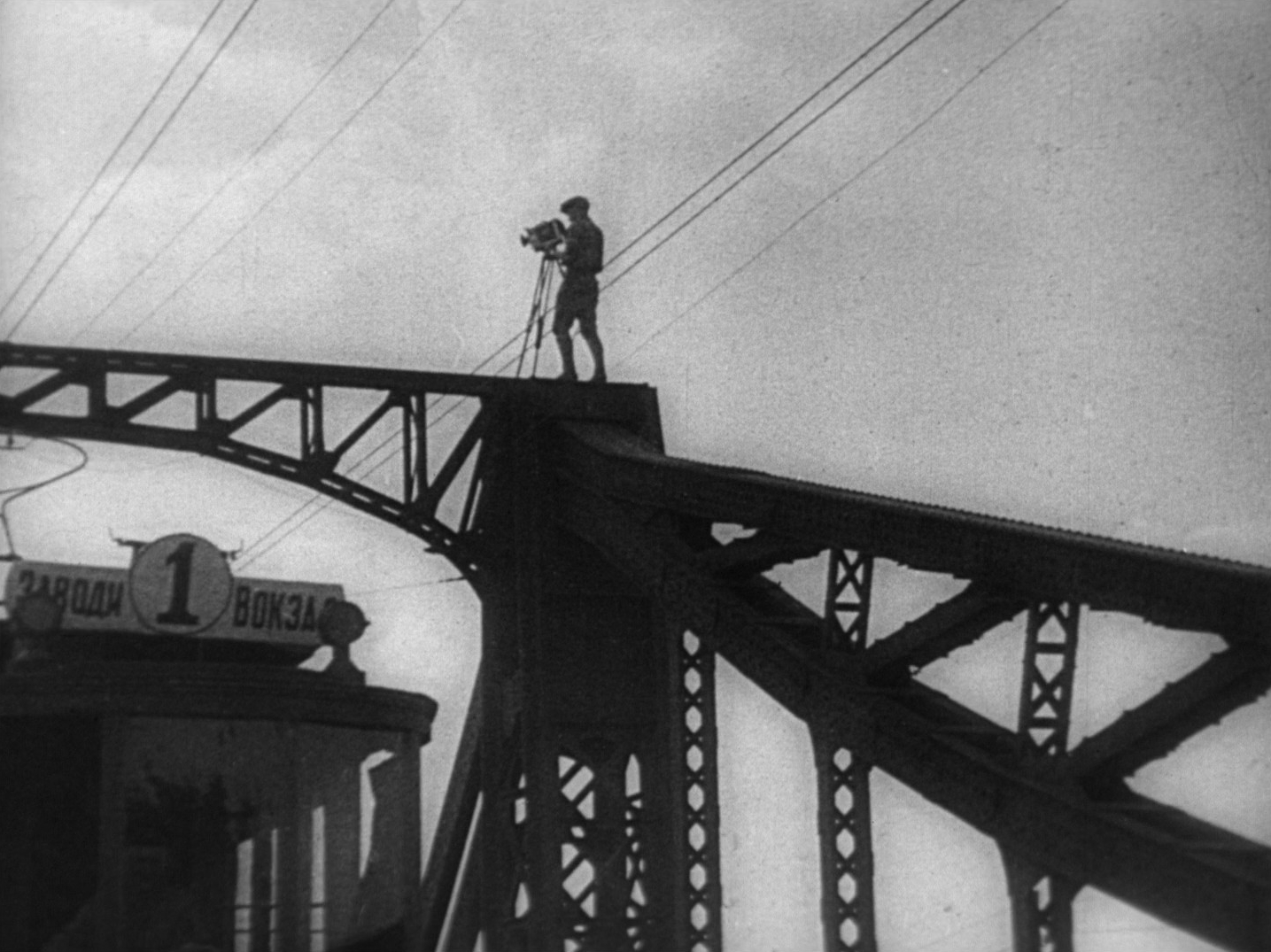
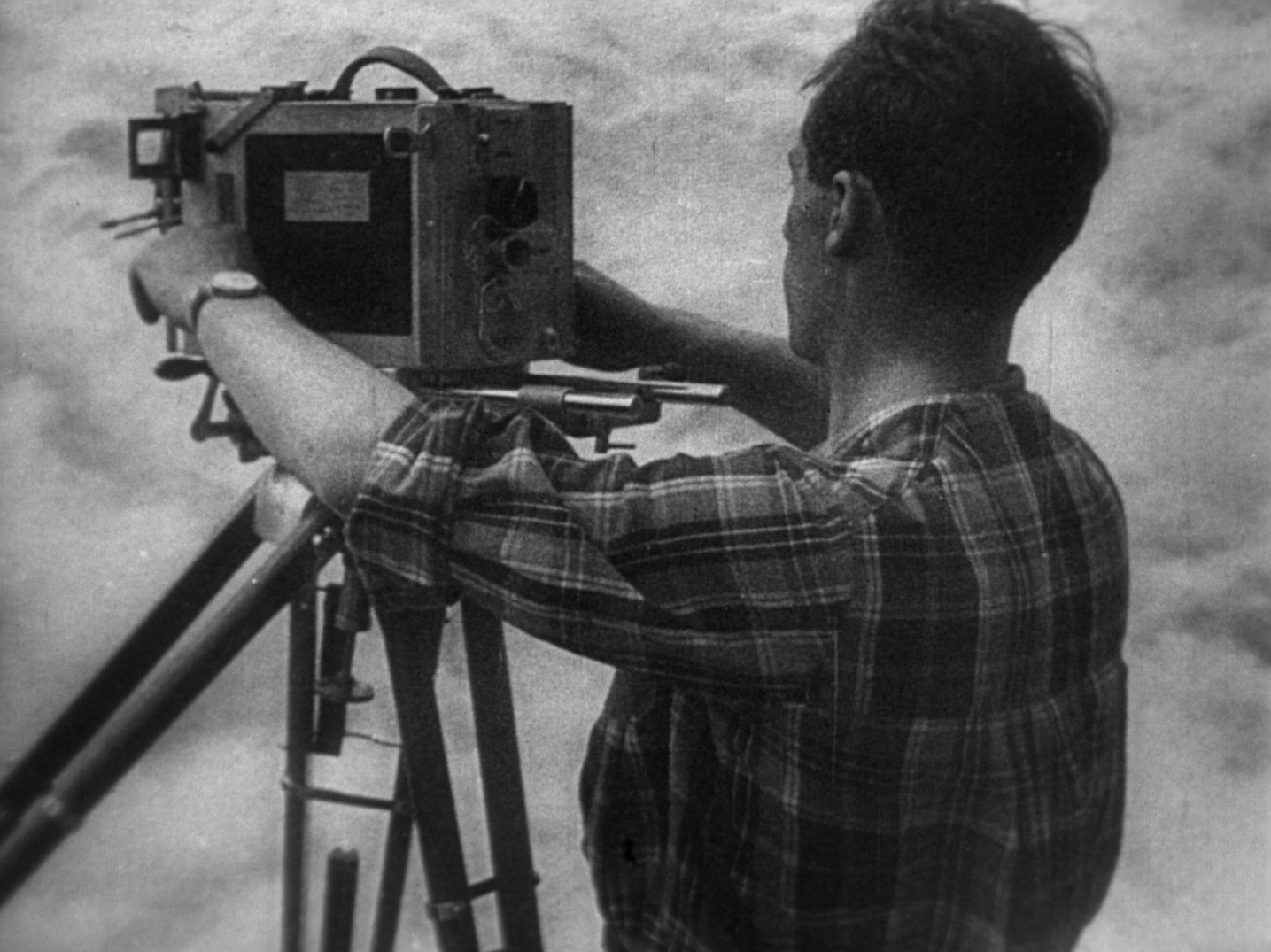
In Man With a Movie Camera, a day in the life of a Soviet city unfolds through a series of interconnected images capturing work, leisure, and everyday routines. Without characters or a traditional narrative, the film observes urban life while simultaneously revealing the process of filmmaking itself. Through its self-reflexive structure, it becomes both a portrait of modern society and a celebration of cinema’s possibilities.
Vertov and cinematographer Mikhail Kaufman turned Man with a Movie Camera into a laboratory of technique, employing double exposure, split screens, extreme angles, and rapid montage to explore what the camera could do. The film’s constant experimentation—paired with its reflexive inclusion of the cameraman—transforms the act of filmmaking into the subject itself, redefining cinema as a purely visual, kinetic medium.
FILM SPOTLIGHT
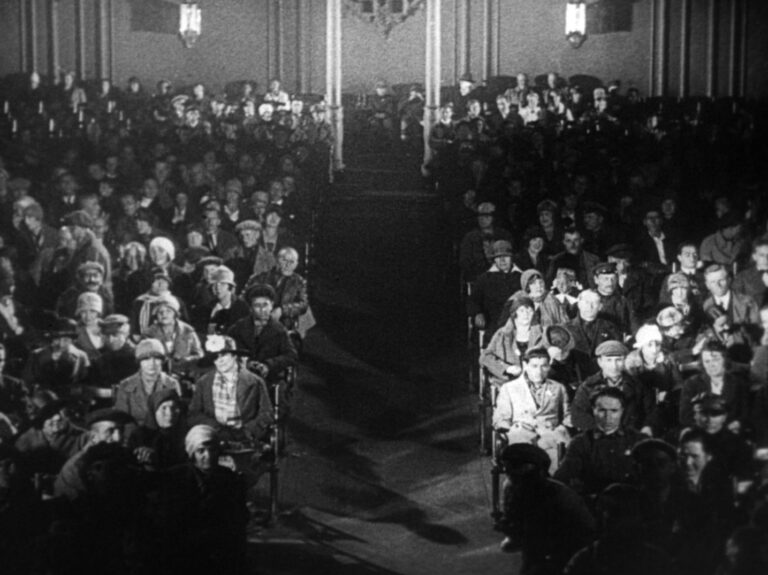
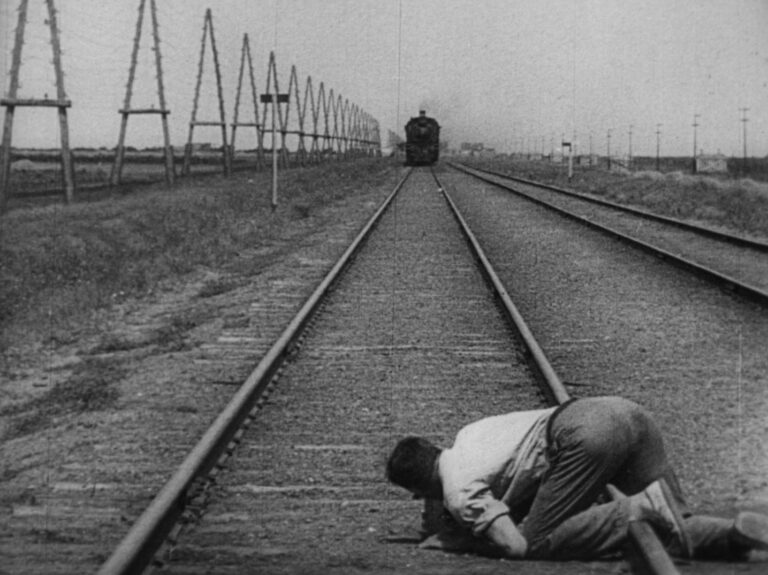
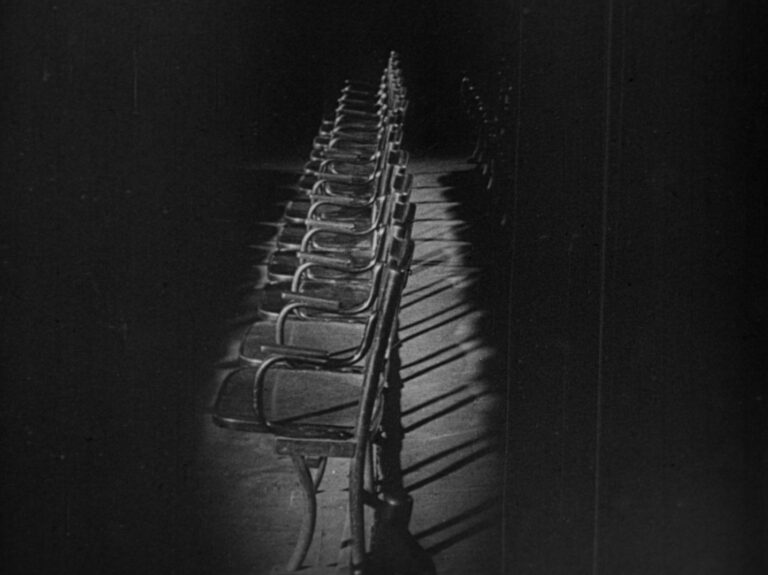
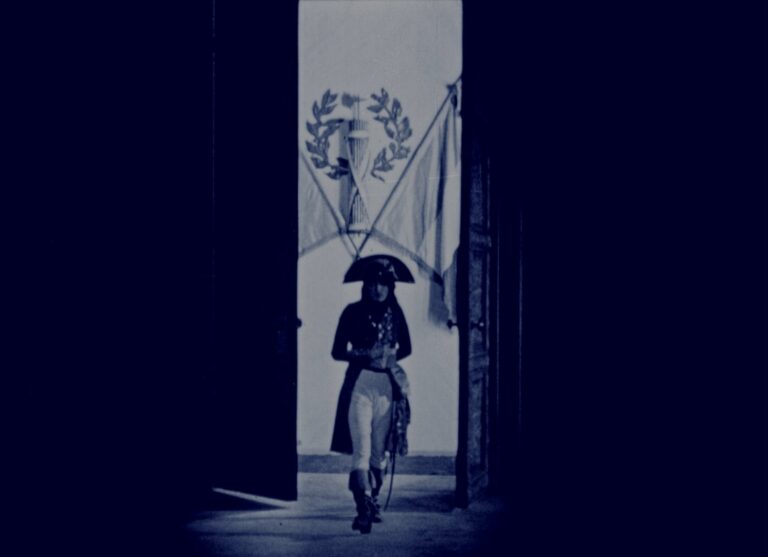
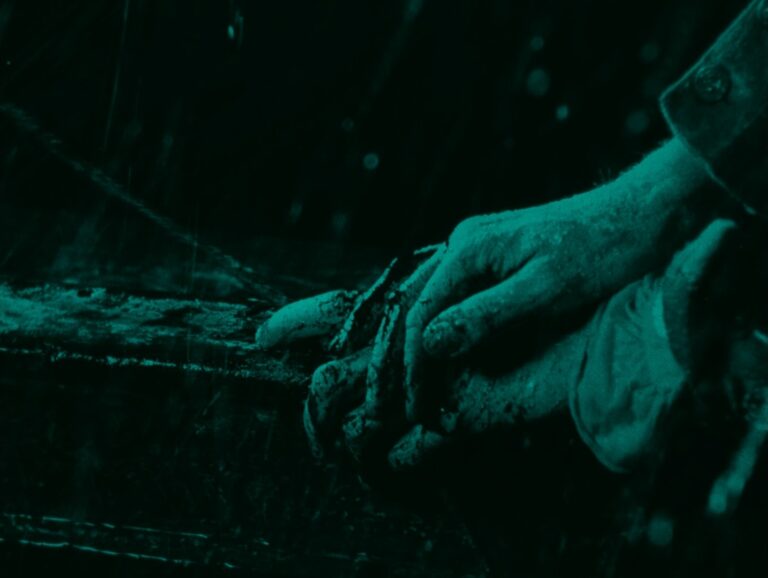
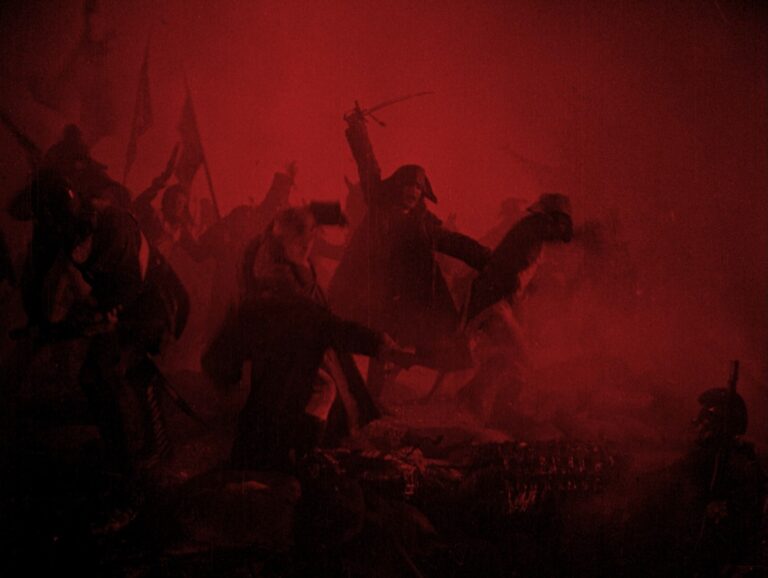
Napoleon (1927)
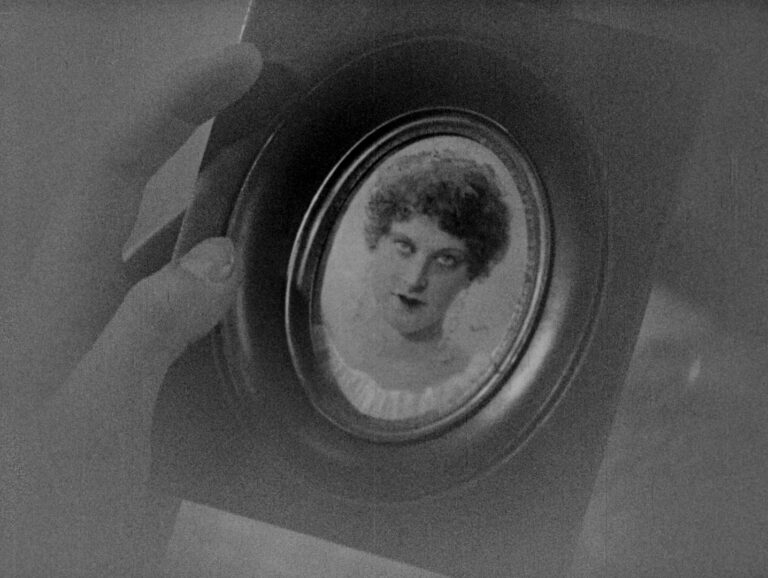
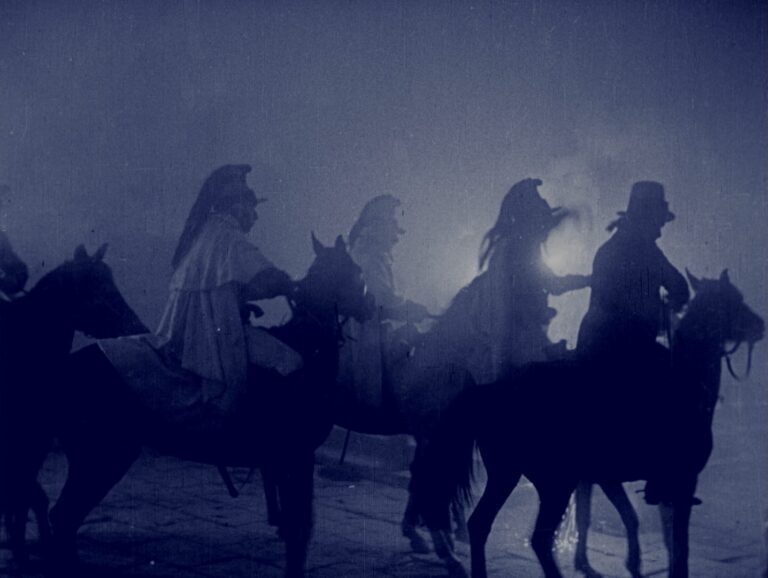
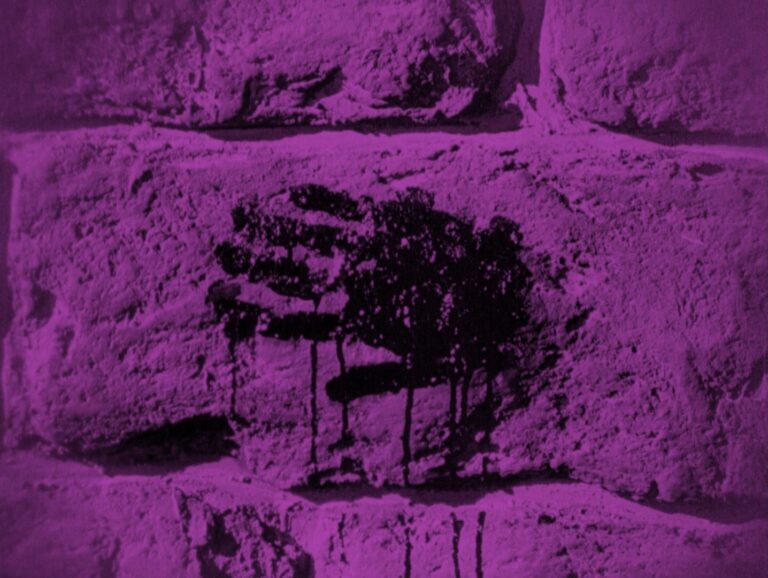
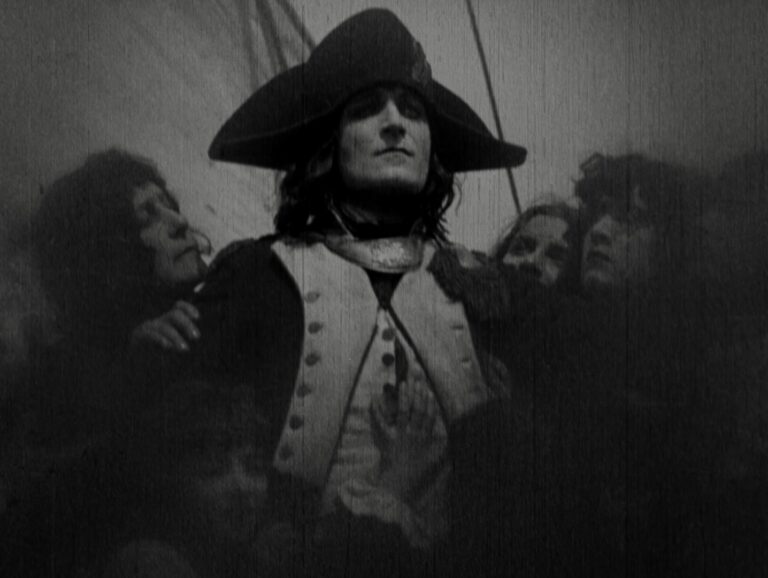
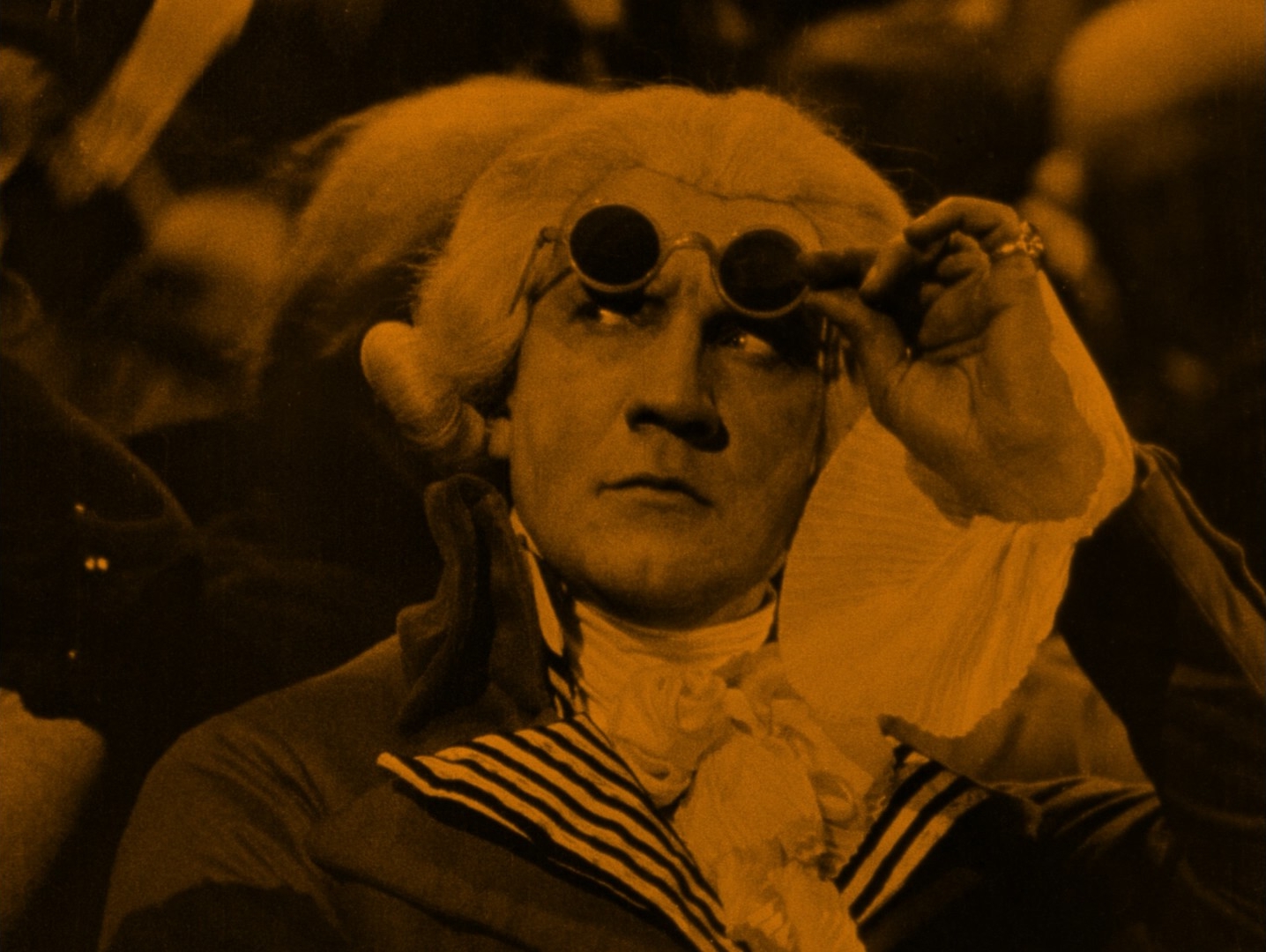
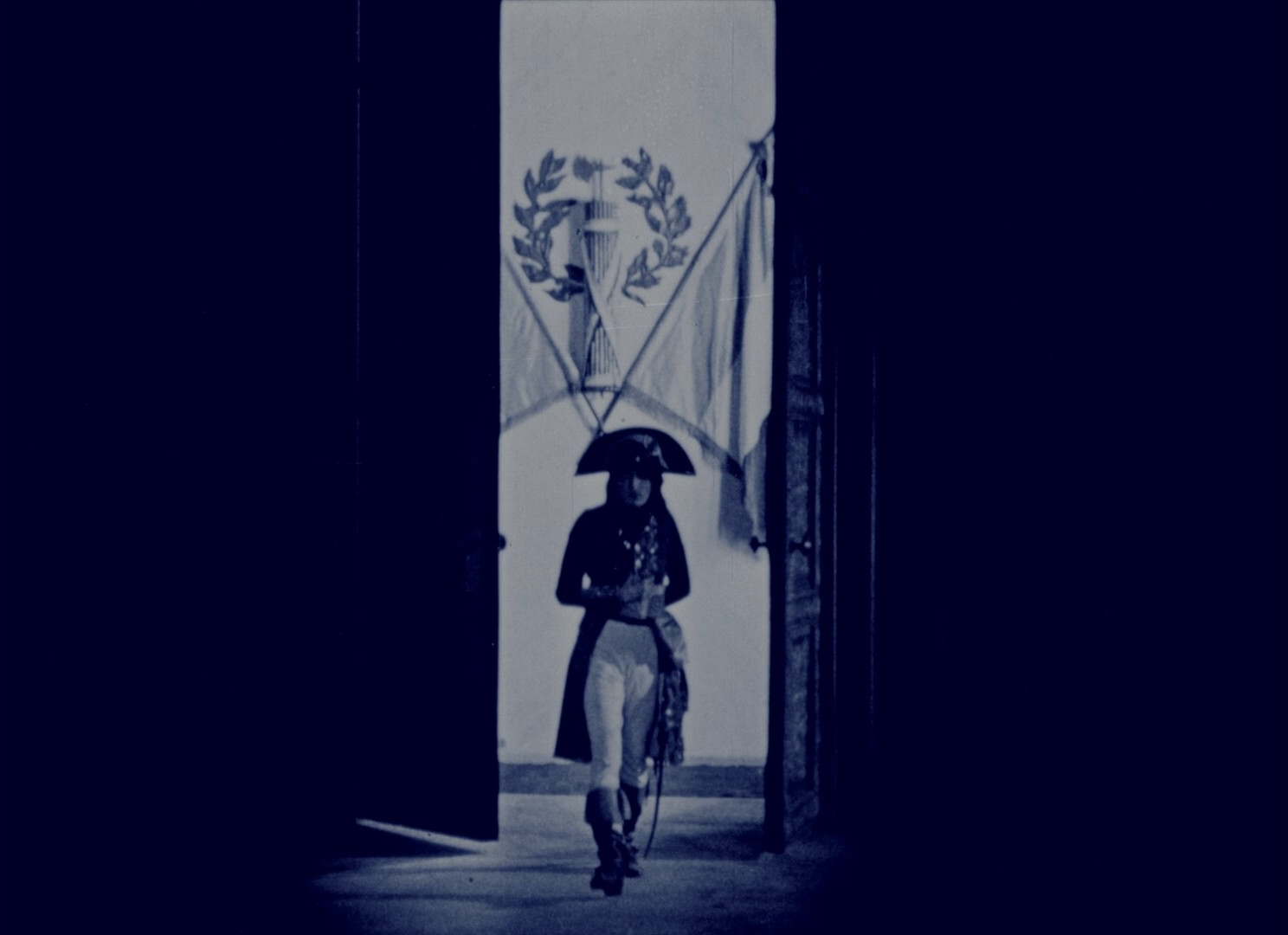
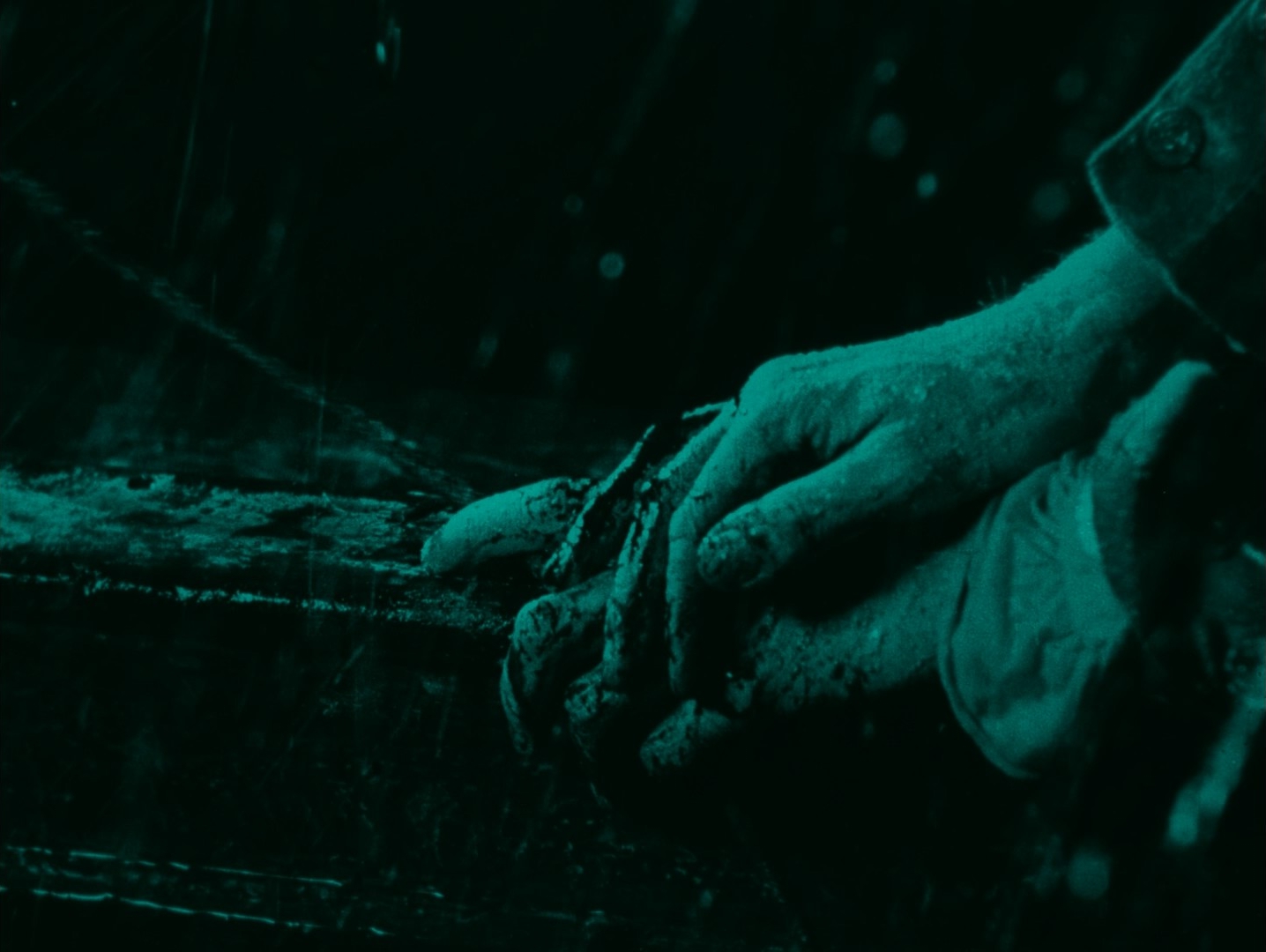
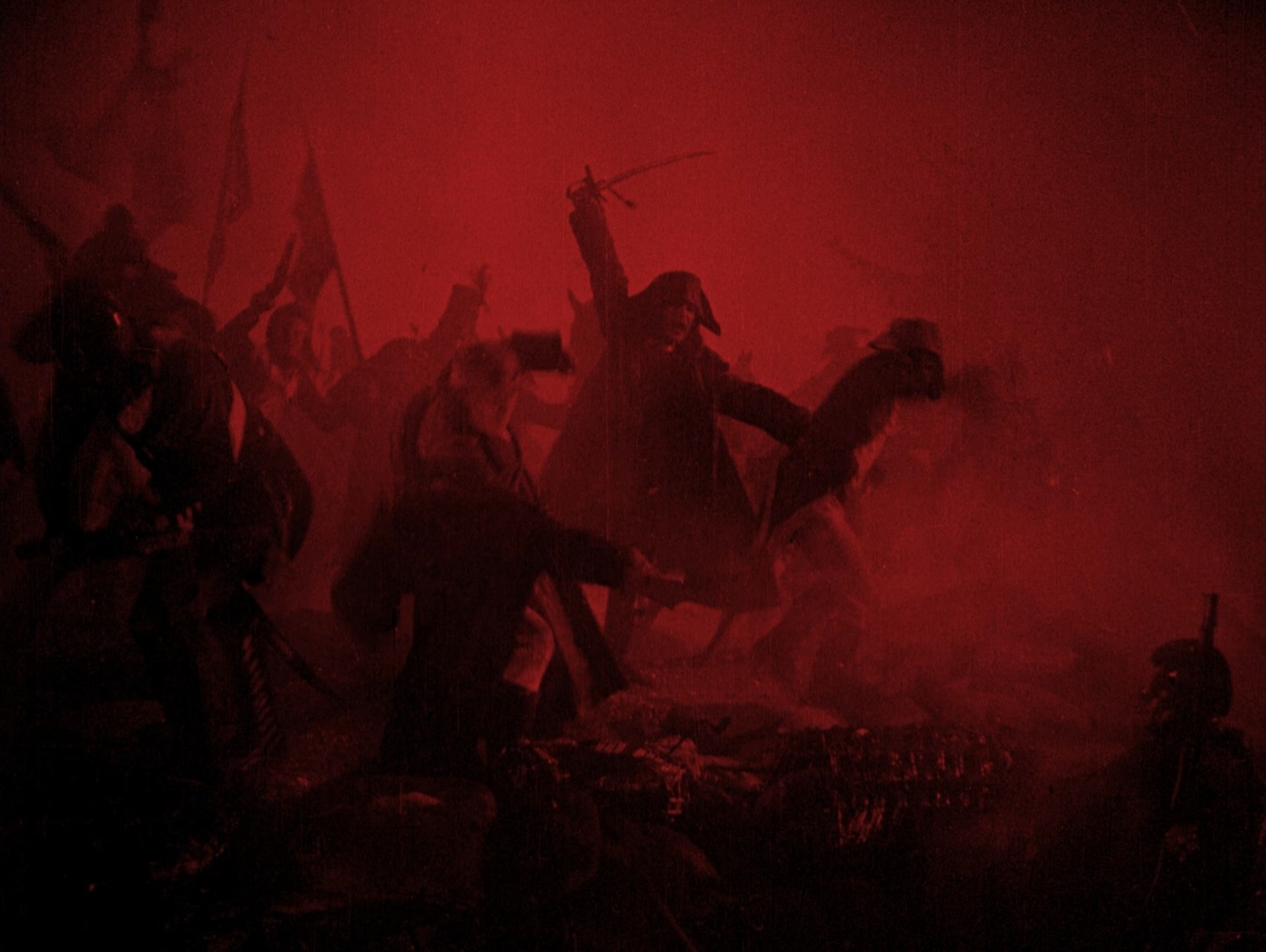
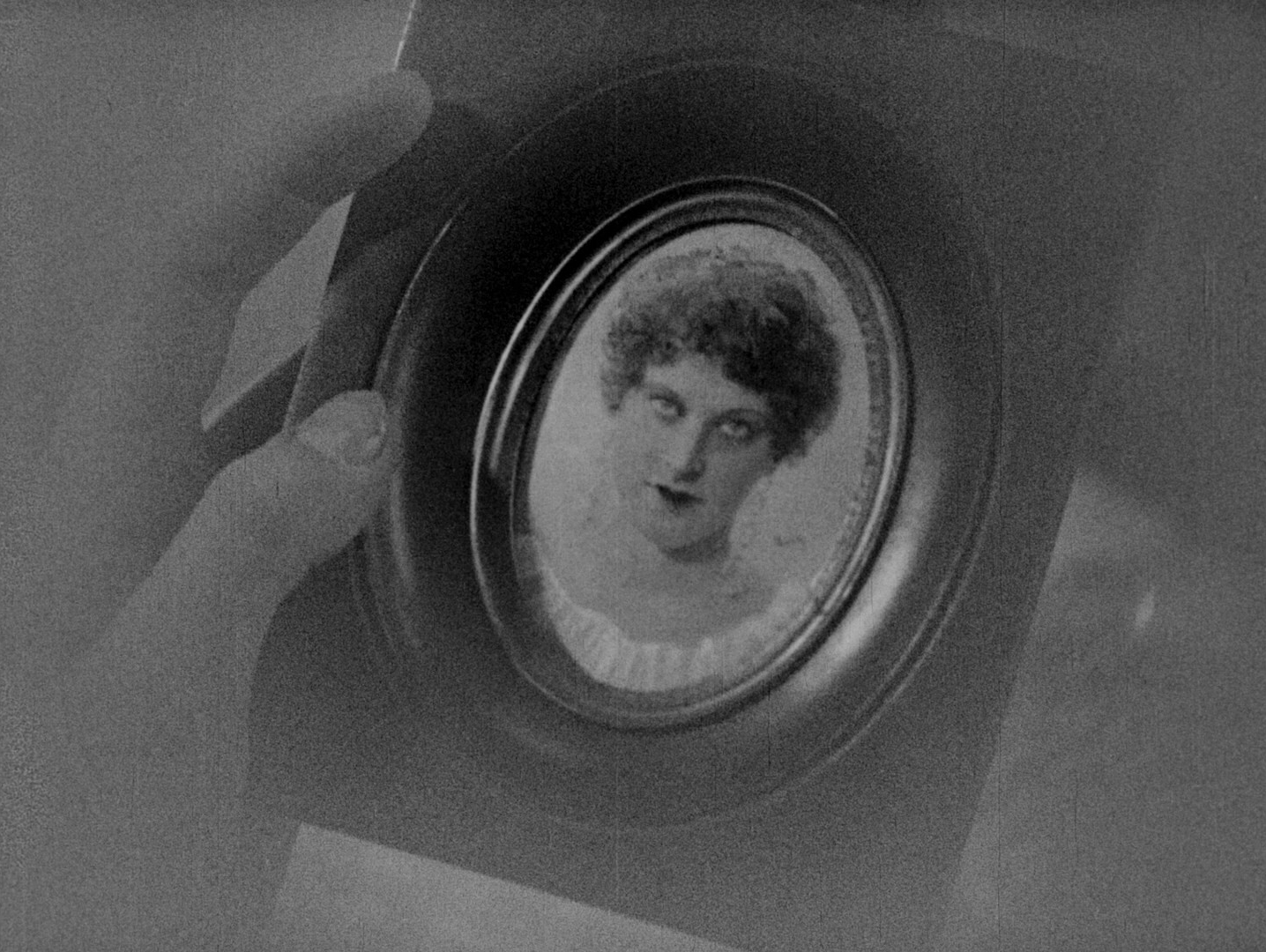
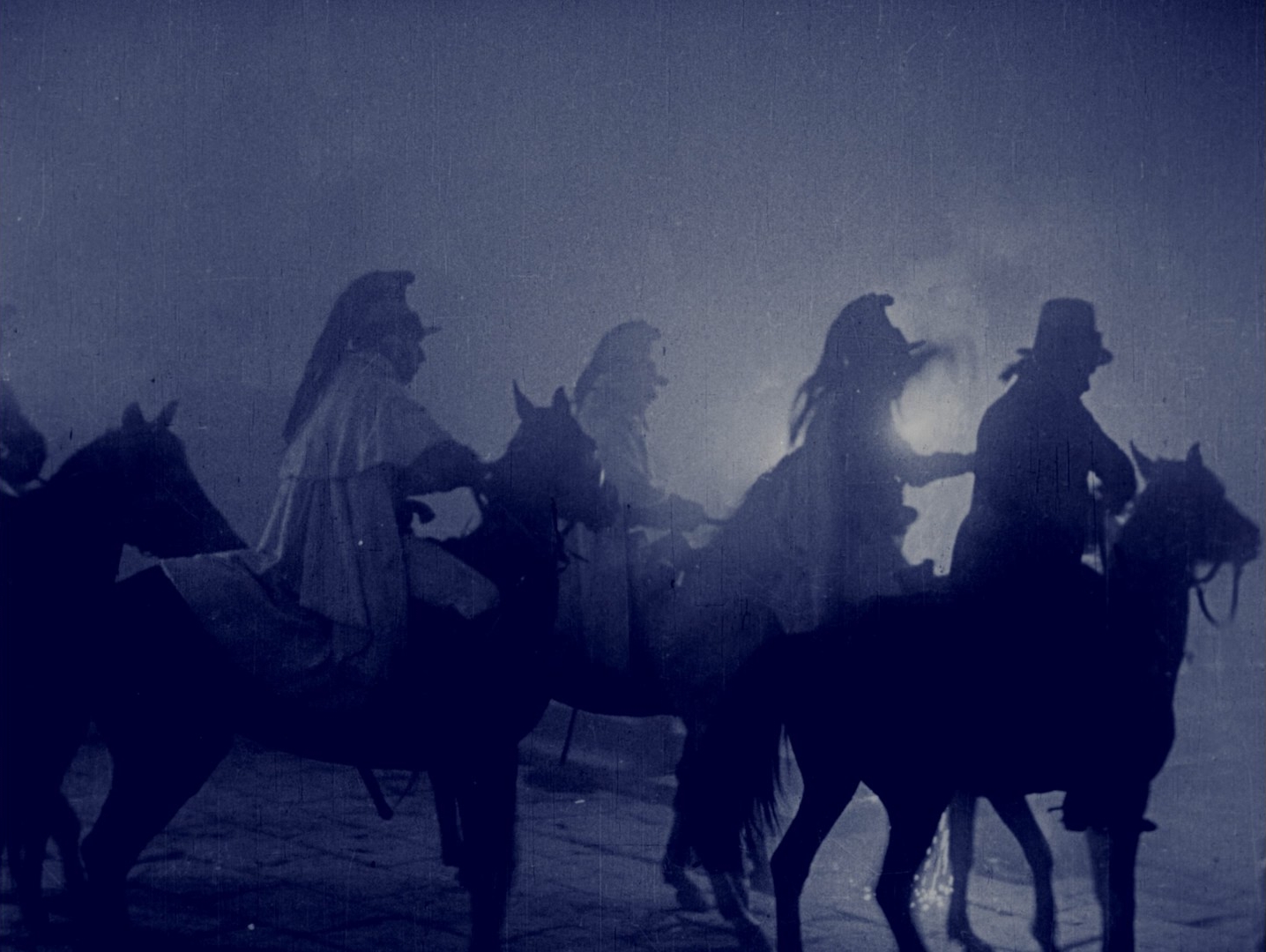
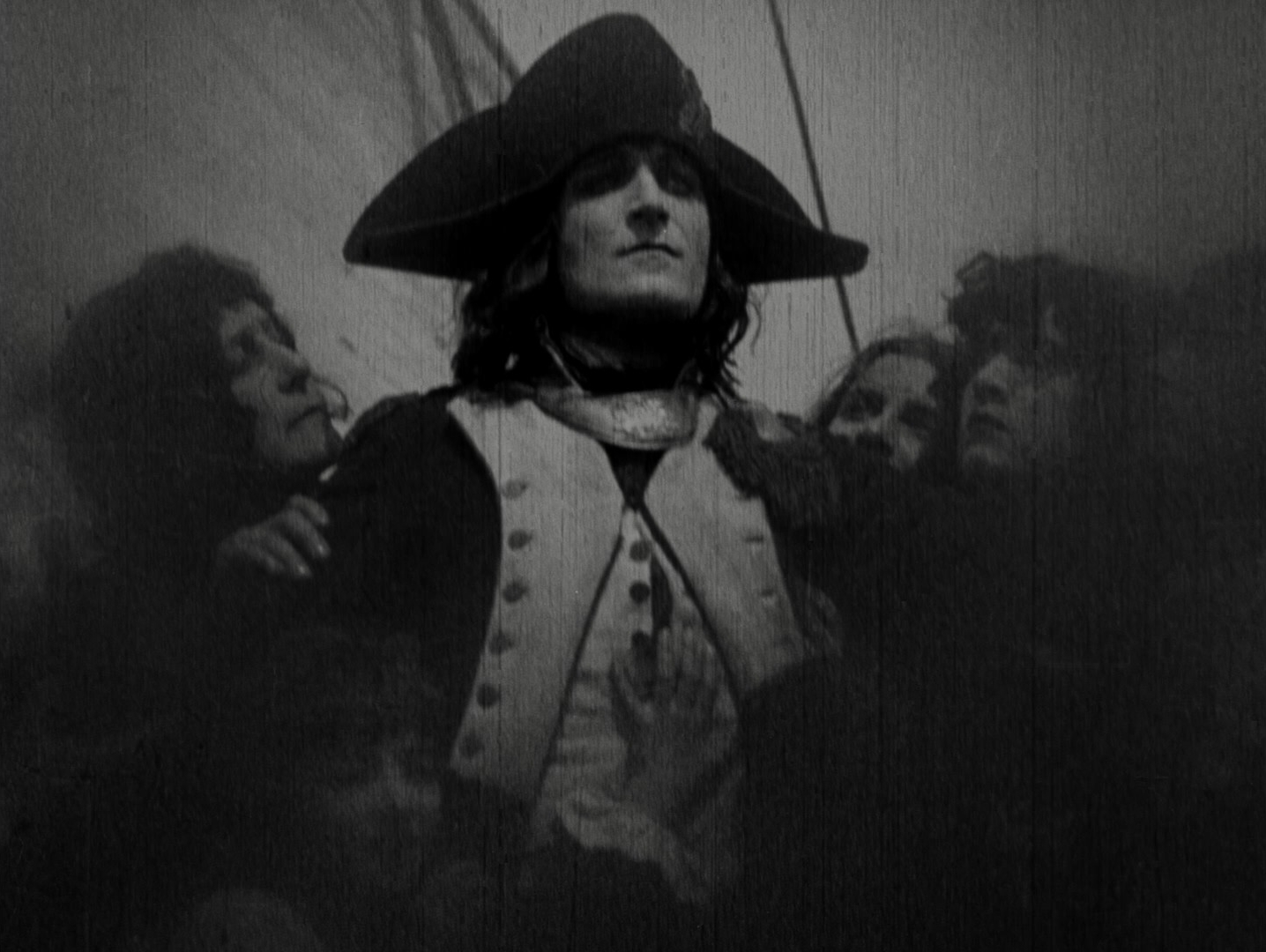
Tracing the early life of Napoleon Bonaparte, Napoleon follows his rise from a rebellious schoolboy to a brilliant military leader during the French Revolution. As political upheaval engulfs France, Napoleon’s ambition and strategic mind set him apart, propelling him toward power. The story builds as both a character study and a sweeping historical epic, capturing the forces that shaped his ascent.
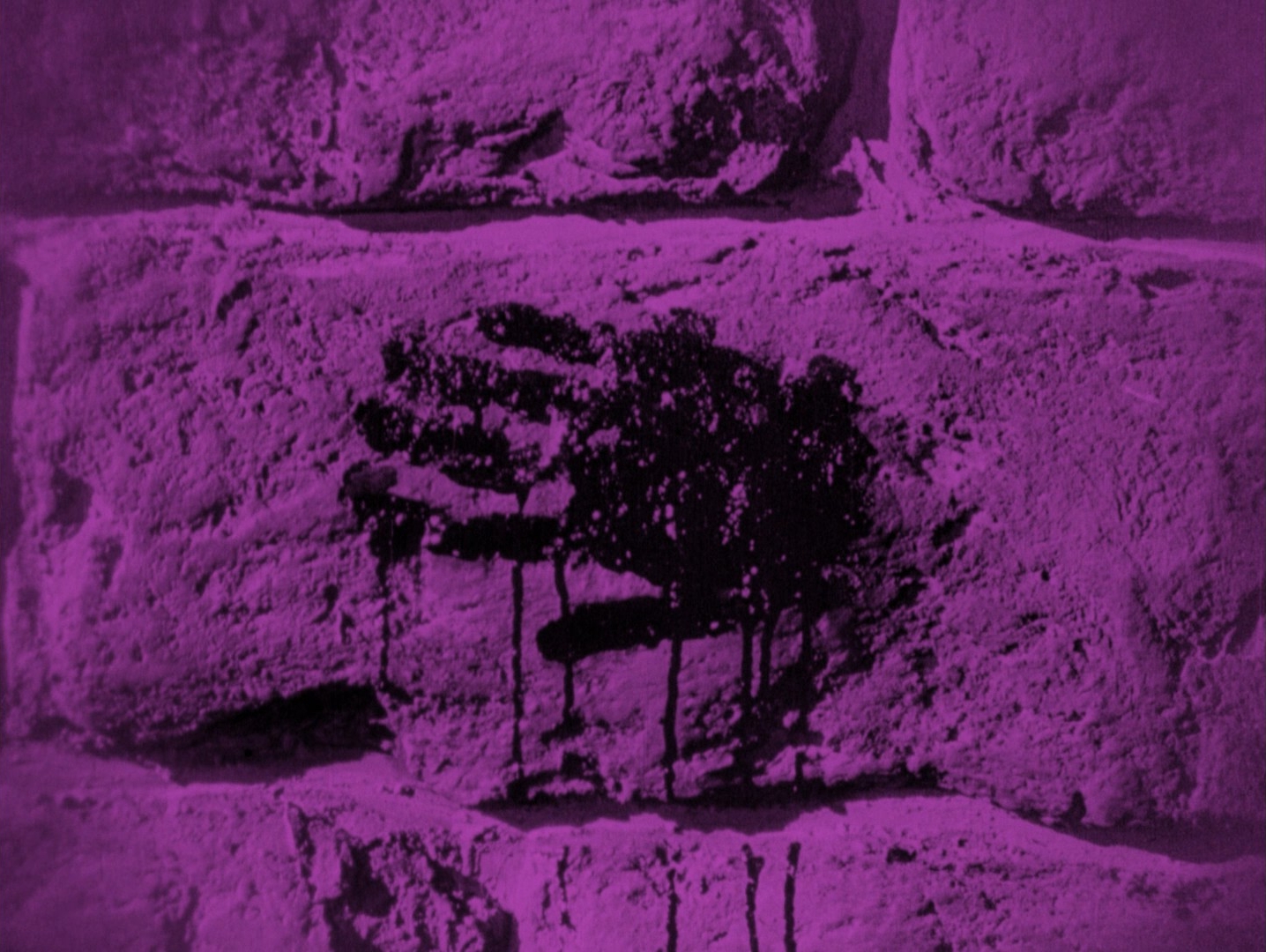
Abel Gance pushed silent cinema to its limits with Napoléon, experimenting with handheld cameras, rapid montage, and superimpositions to create a sense of momentum and subjectivity. The film’s climactic “Polyvision” sequence—projected across three screens simultaneously—expanded the frame into a panoramic spectacle, turning cinema itself into an immersive, almost proto-widescreen experience decades ahead of its time.
FILM SPOTLIGHT
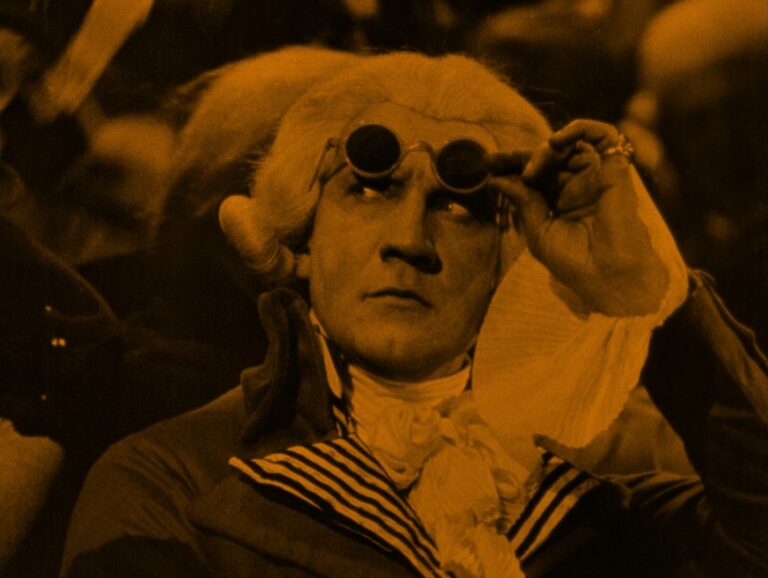
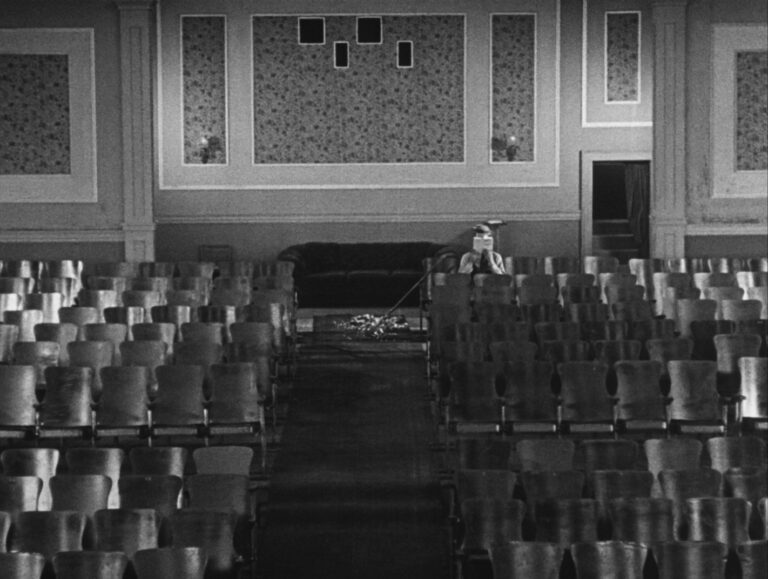
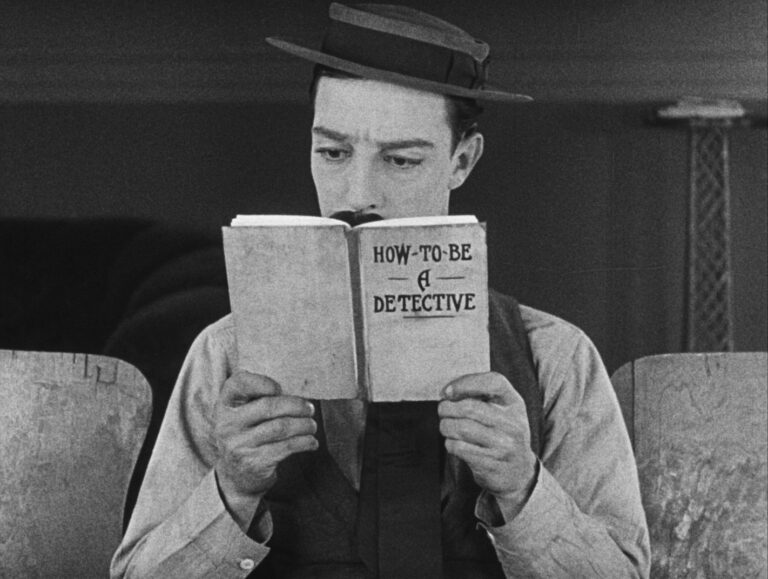
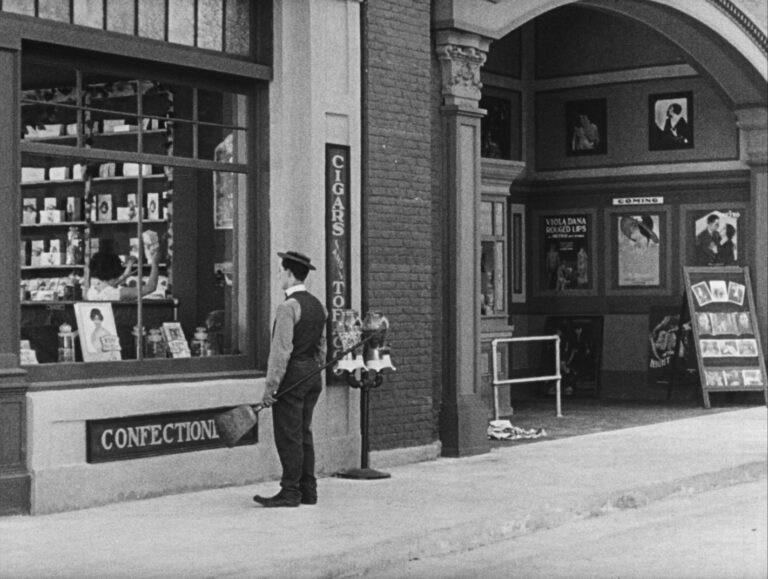
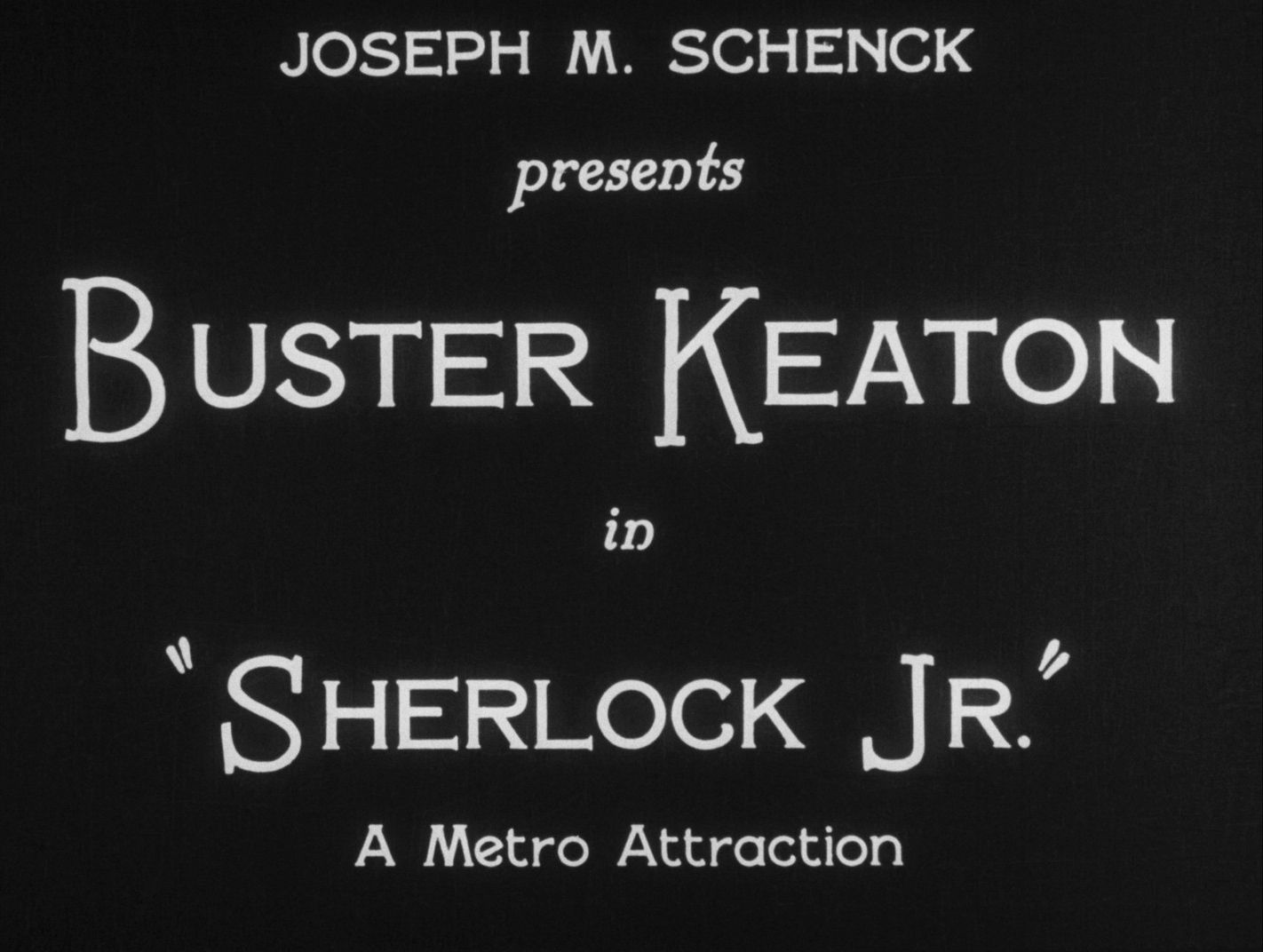
Sherlock Jr. (1924)
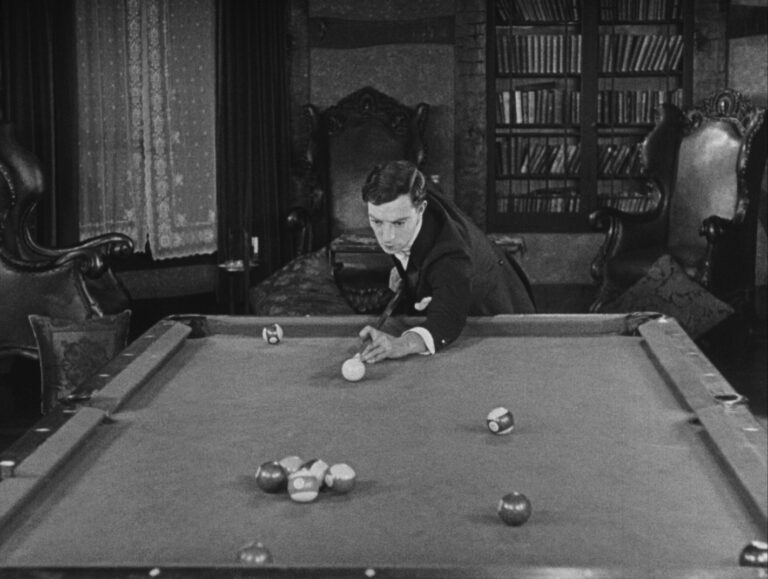
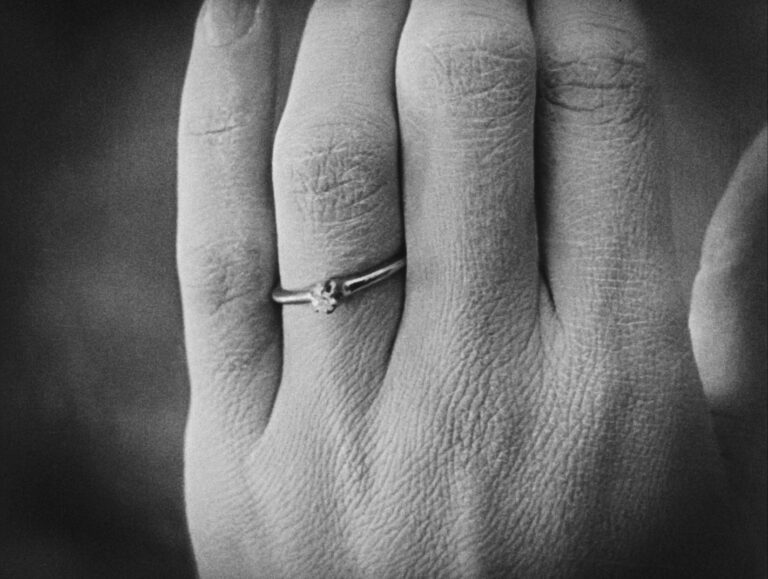
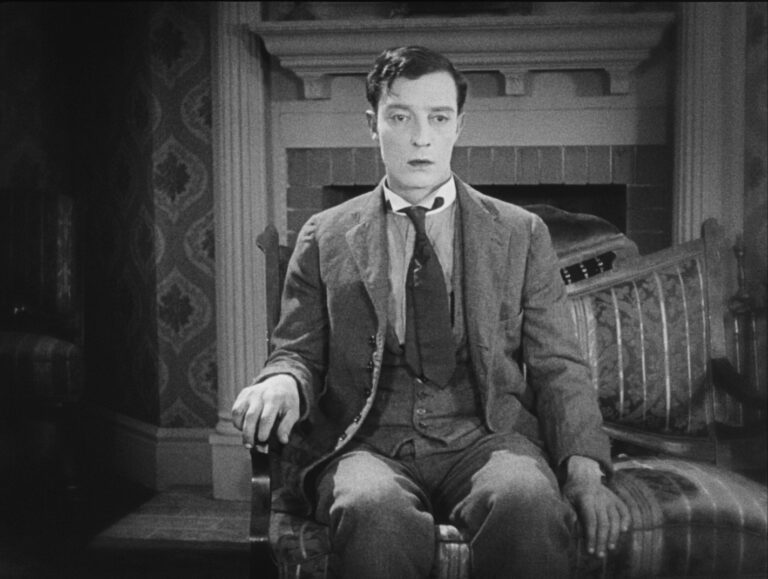
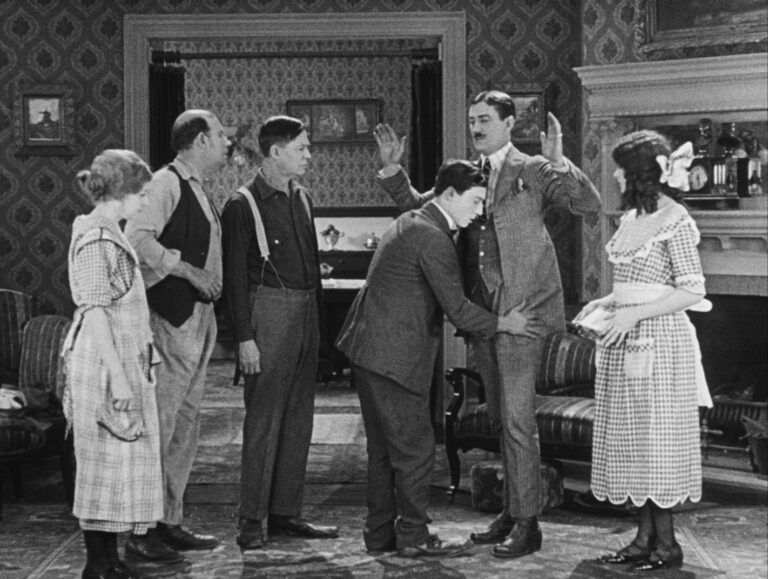
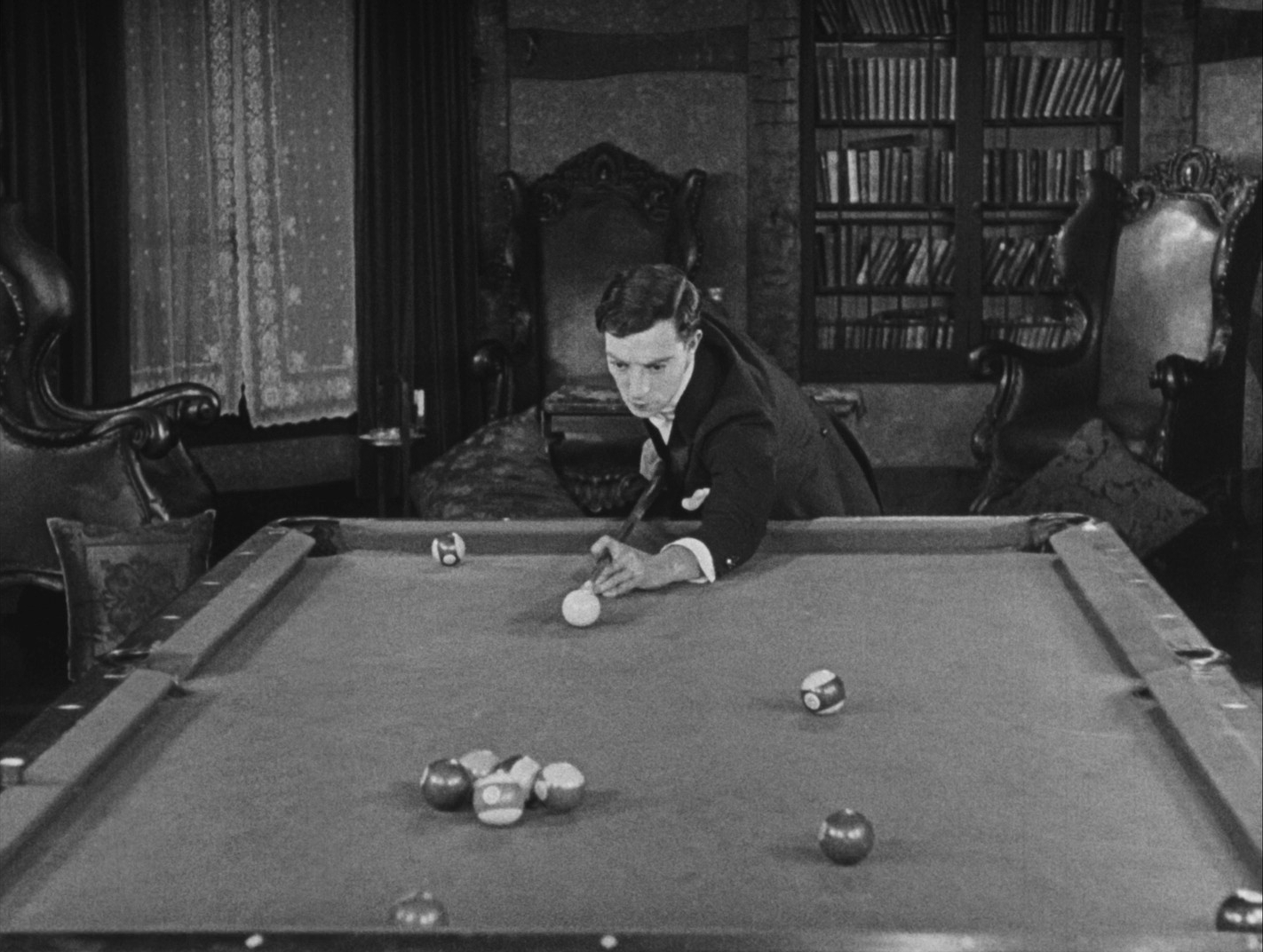
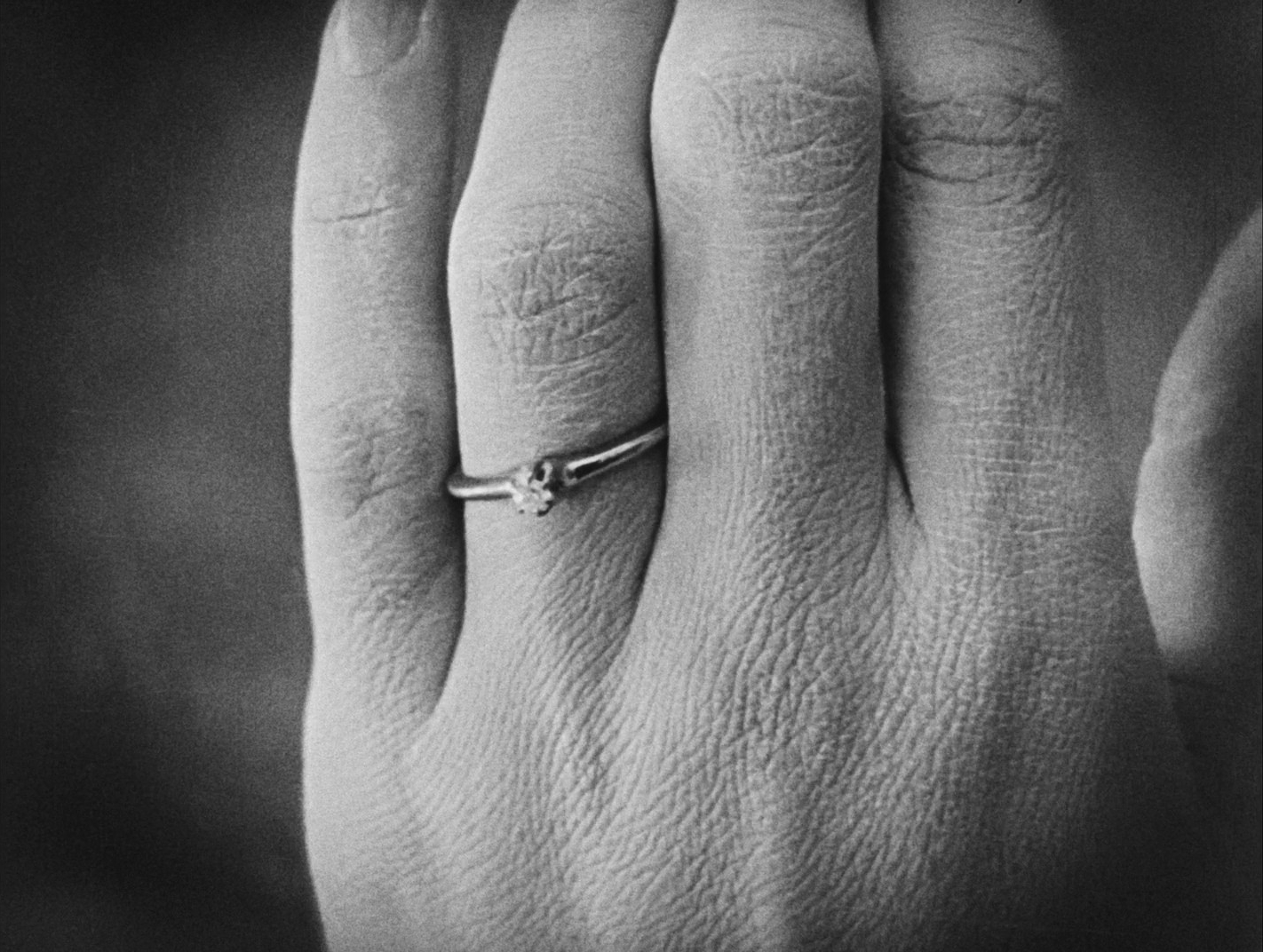
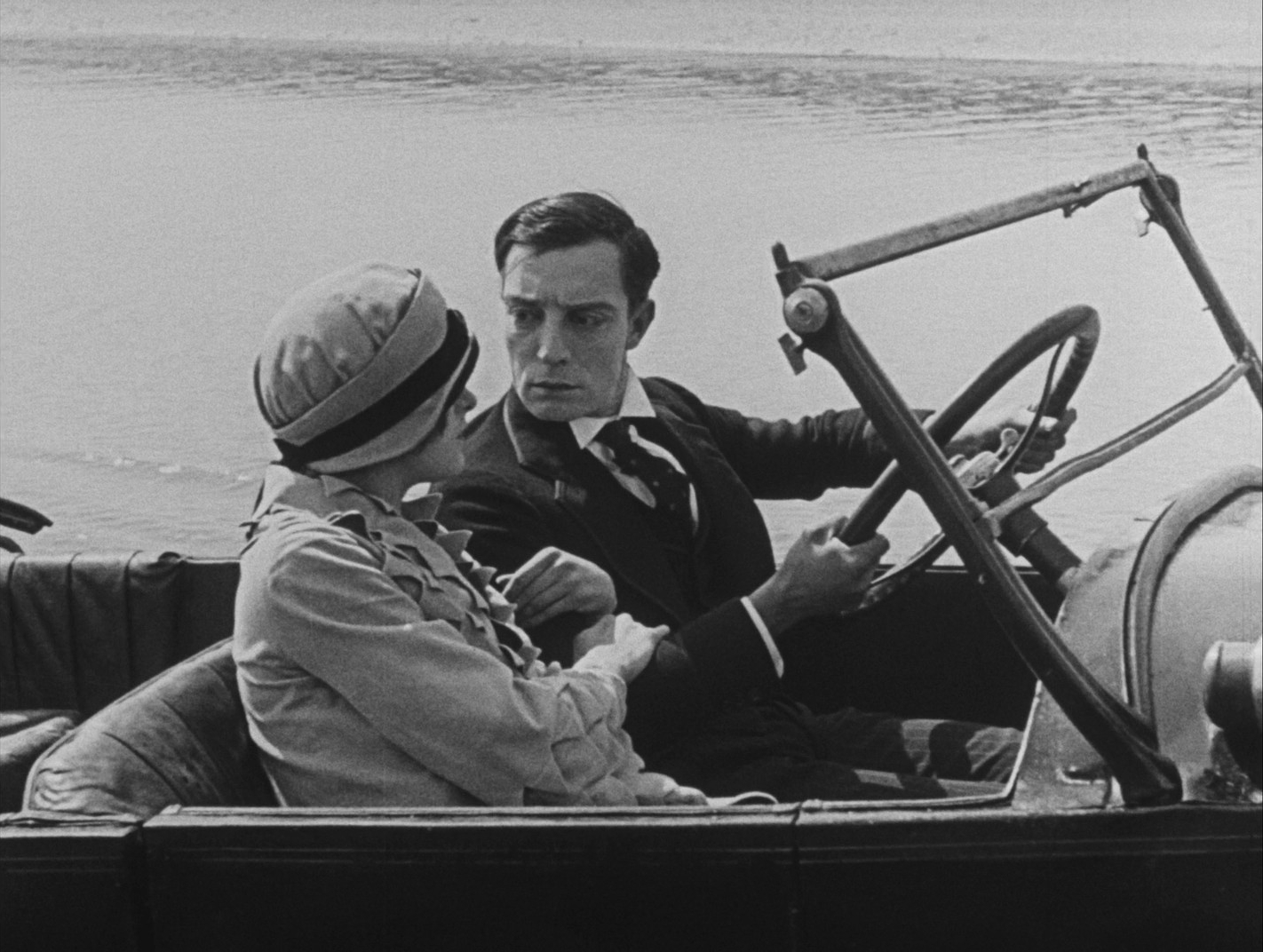
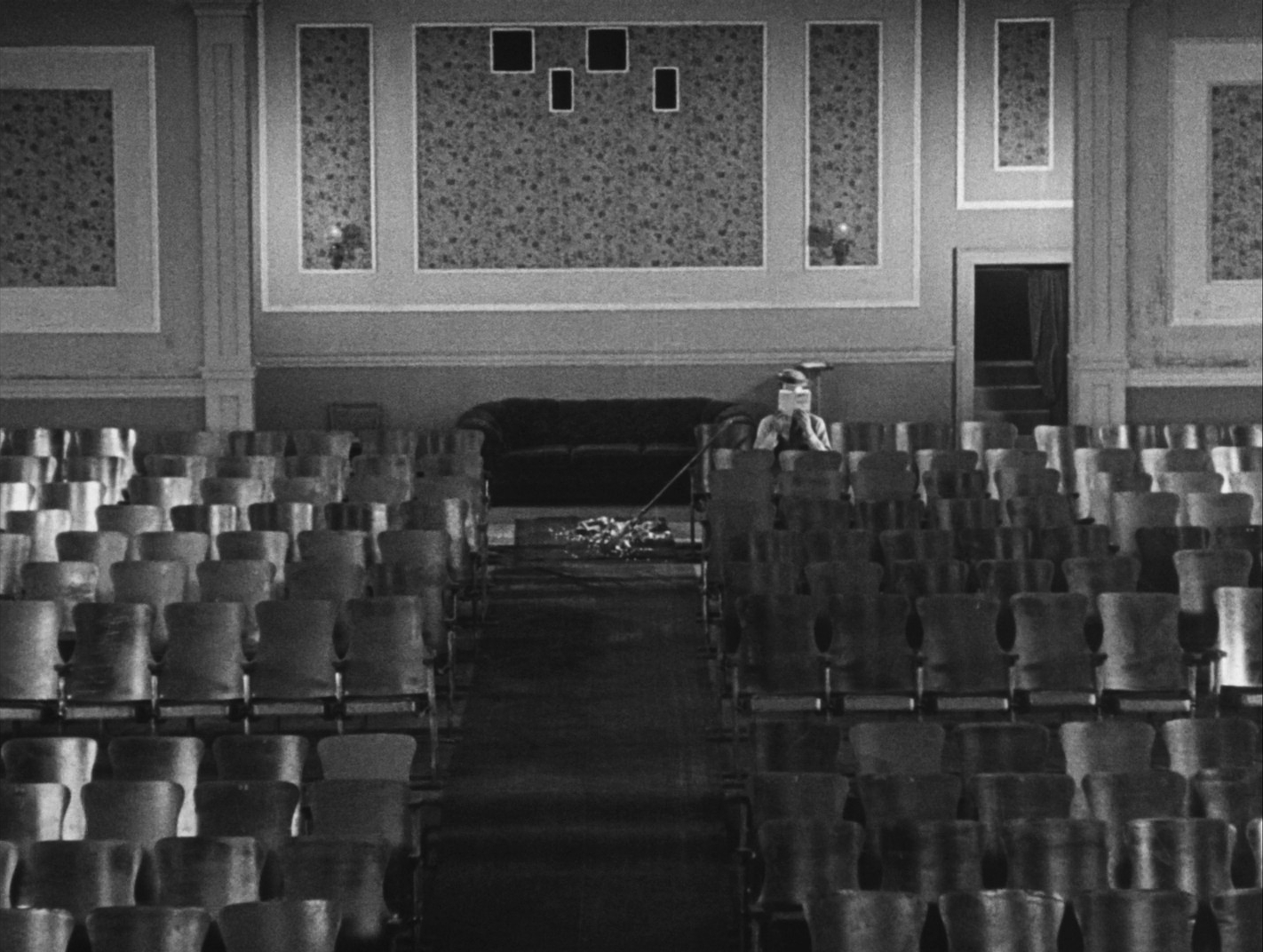
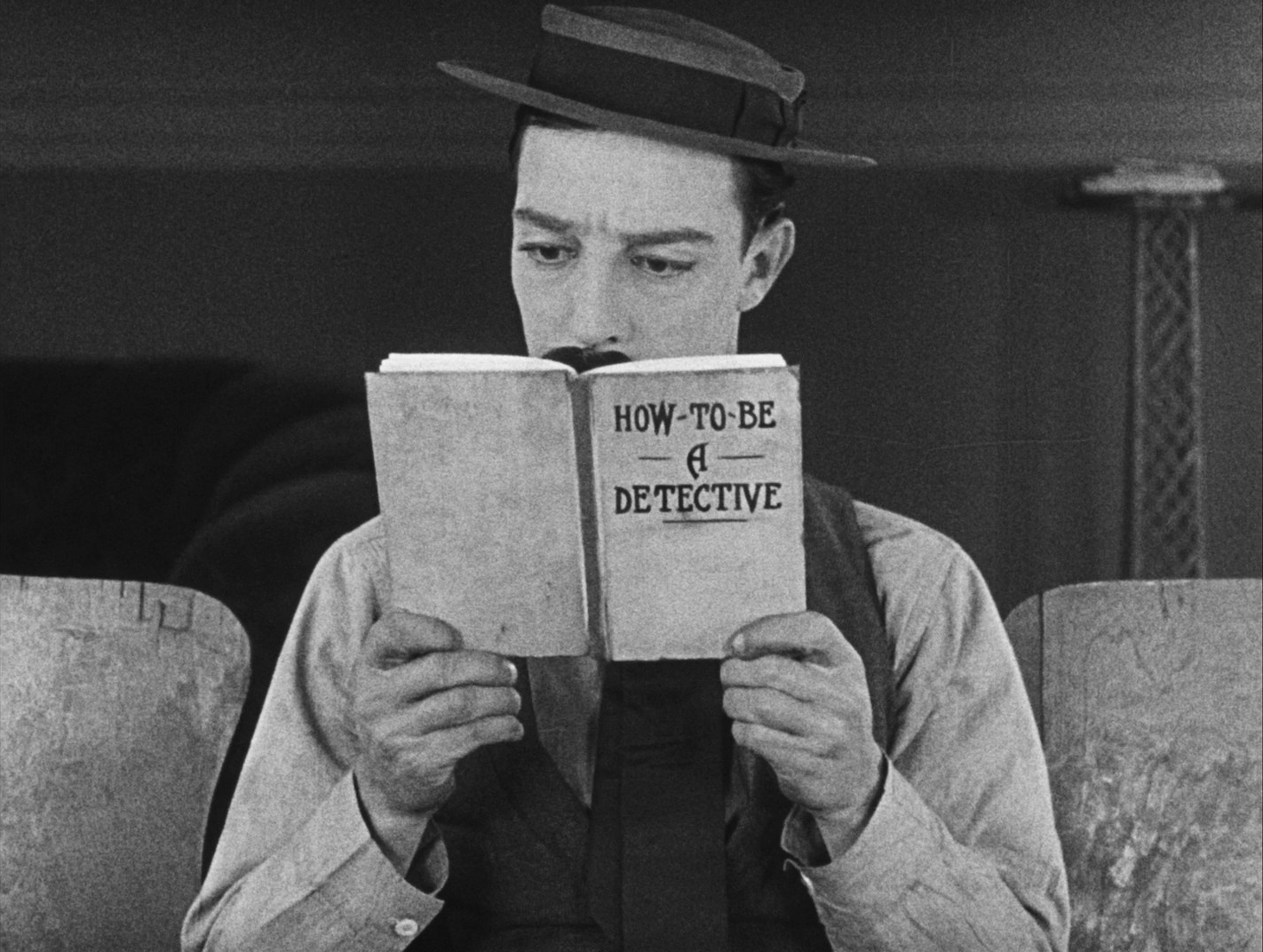
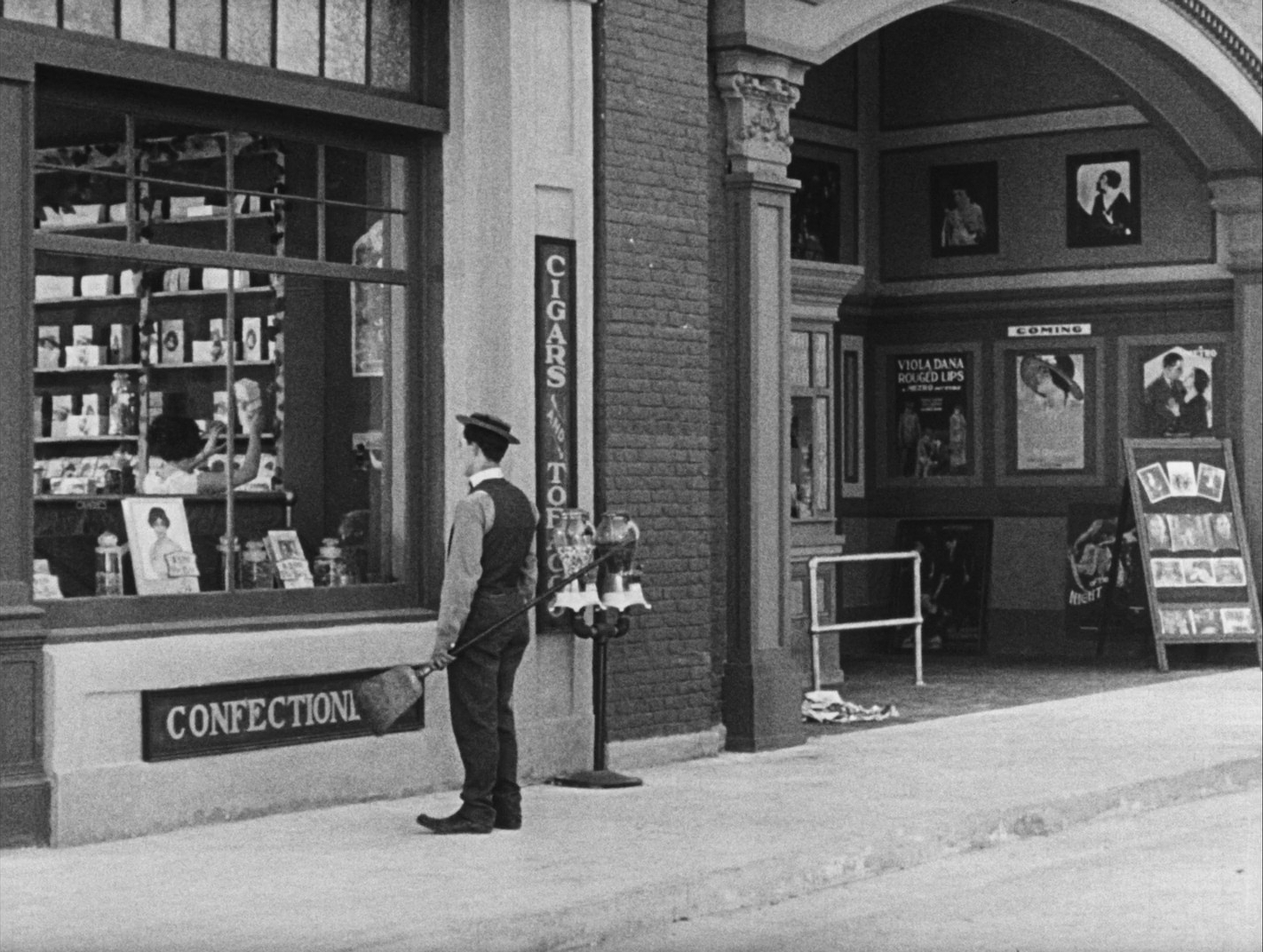
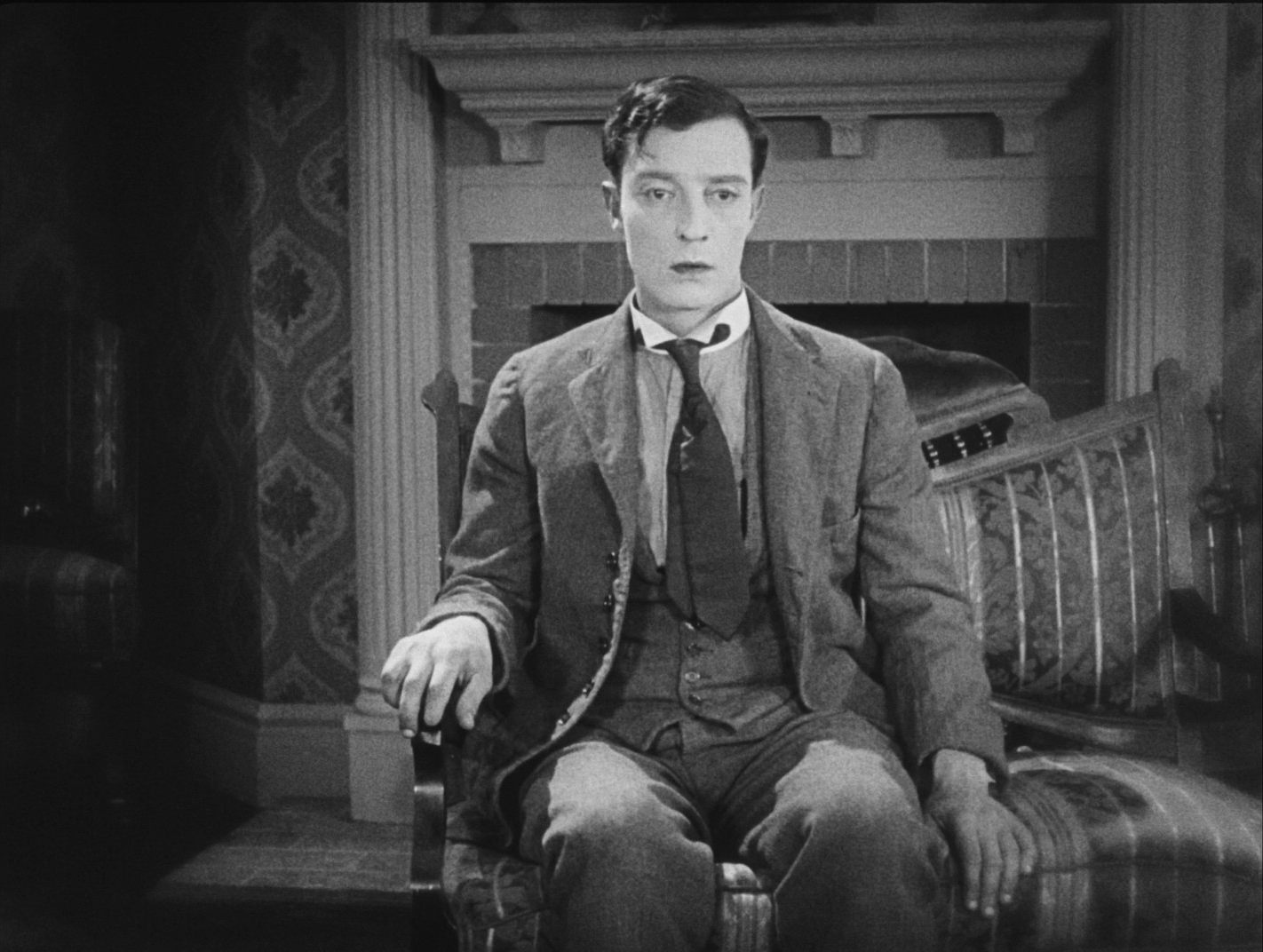
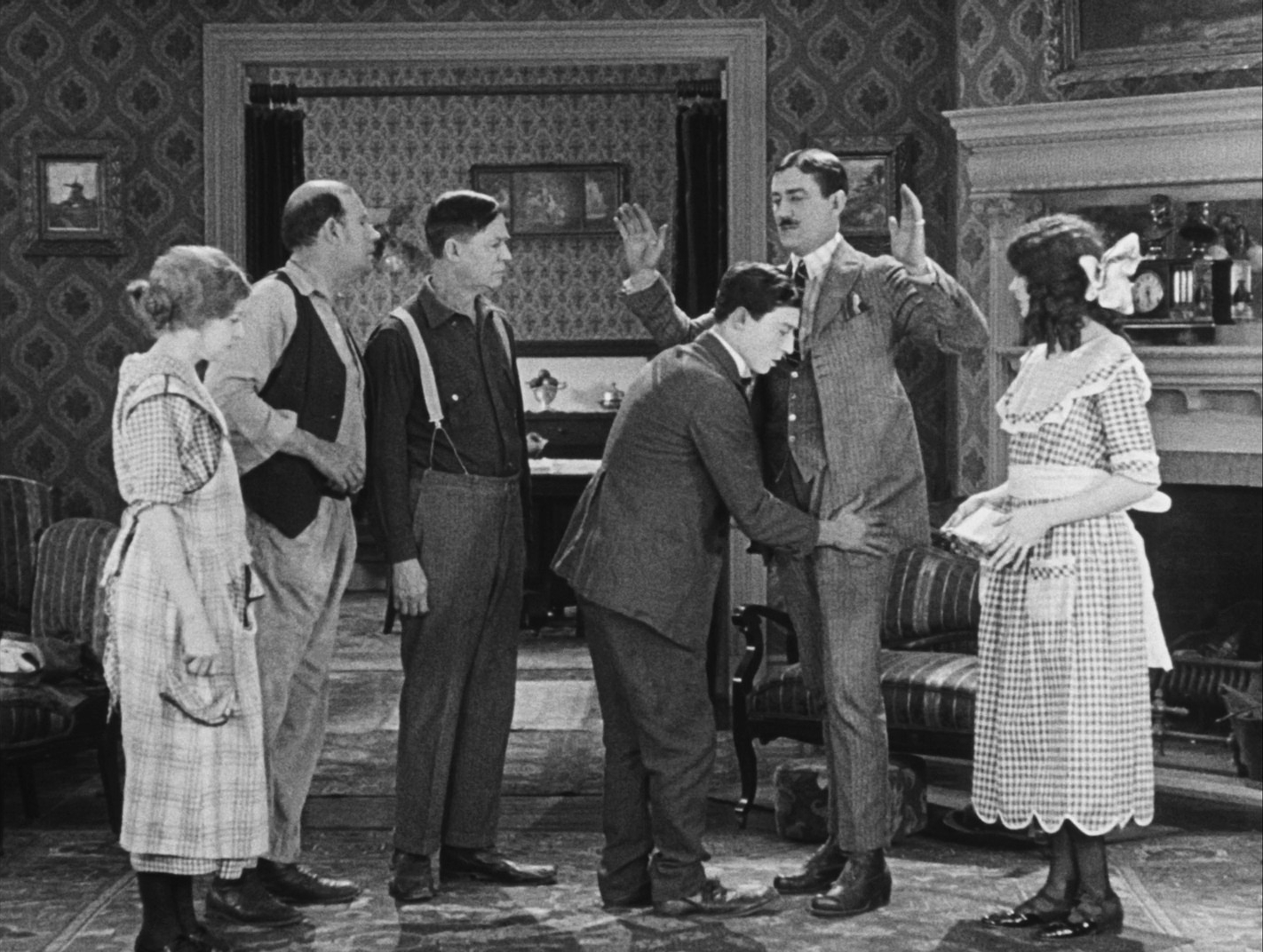
In Sherlock Jr., movie projectionist with dreams of becoming a detective is wrongly accused of a crime and cast out by his sweetheart’s family. Falling asleep in the projection booth, he imagines himself entering the film on screen as a master sleuth, navigating a series of increasingly surreal and dangerous scenarios. Through this dreamlike adventure, he attempts to clear his name and win back the girl he loves.
Keaton turns Sherlock Jr. into a playground of in-camera effects, using precise match cuts, forced perspective, and seamless transitions to literally place himself inside the film world. The famous “step into the screen” sequence—achieved through meticulous staging and editing—remains a landmark of visual ingenuity, showcasing silent cinema’s ability to bend space, logic, and reality with pure craft.
FILM SPOTLIGHT
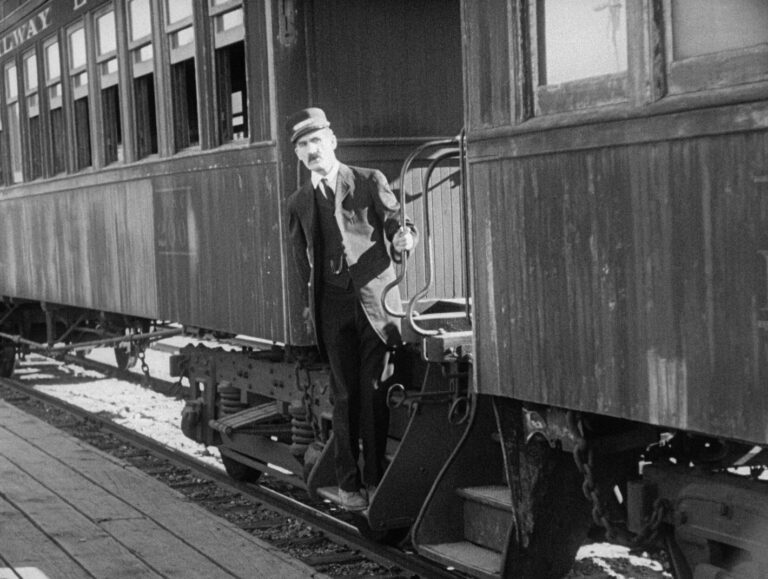
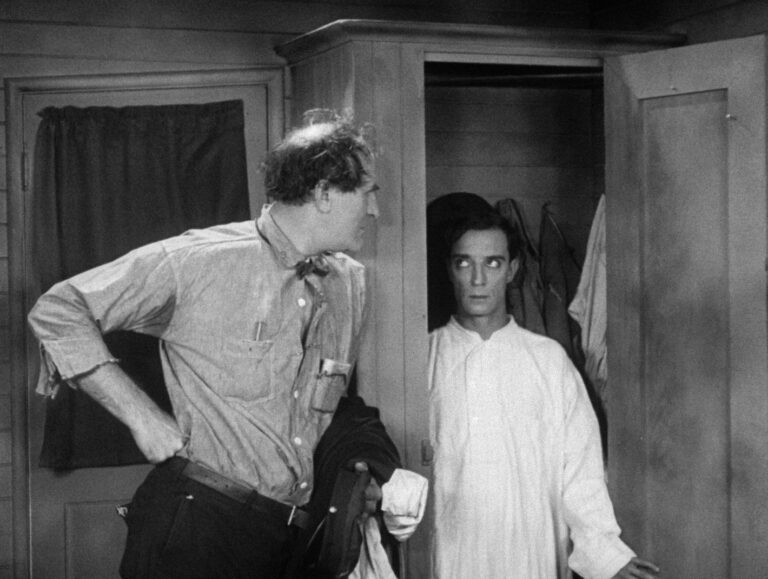
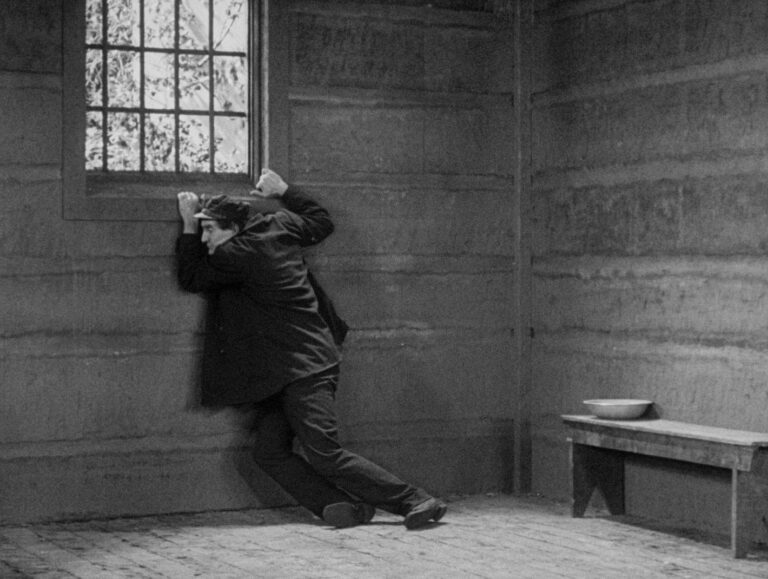
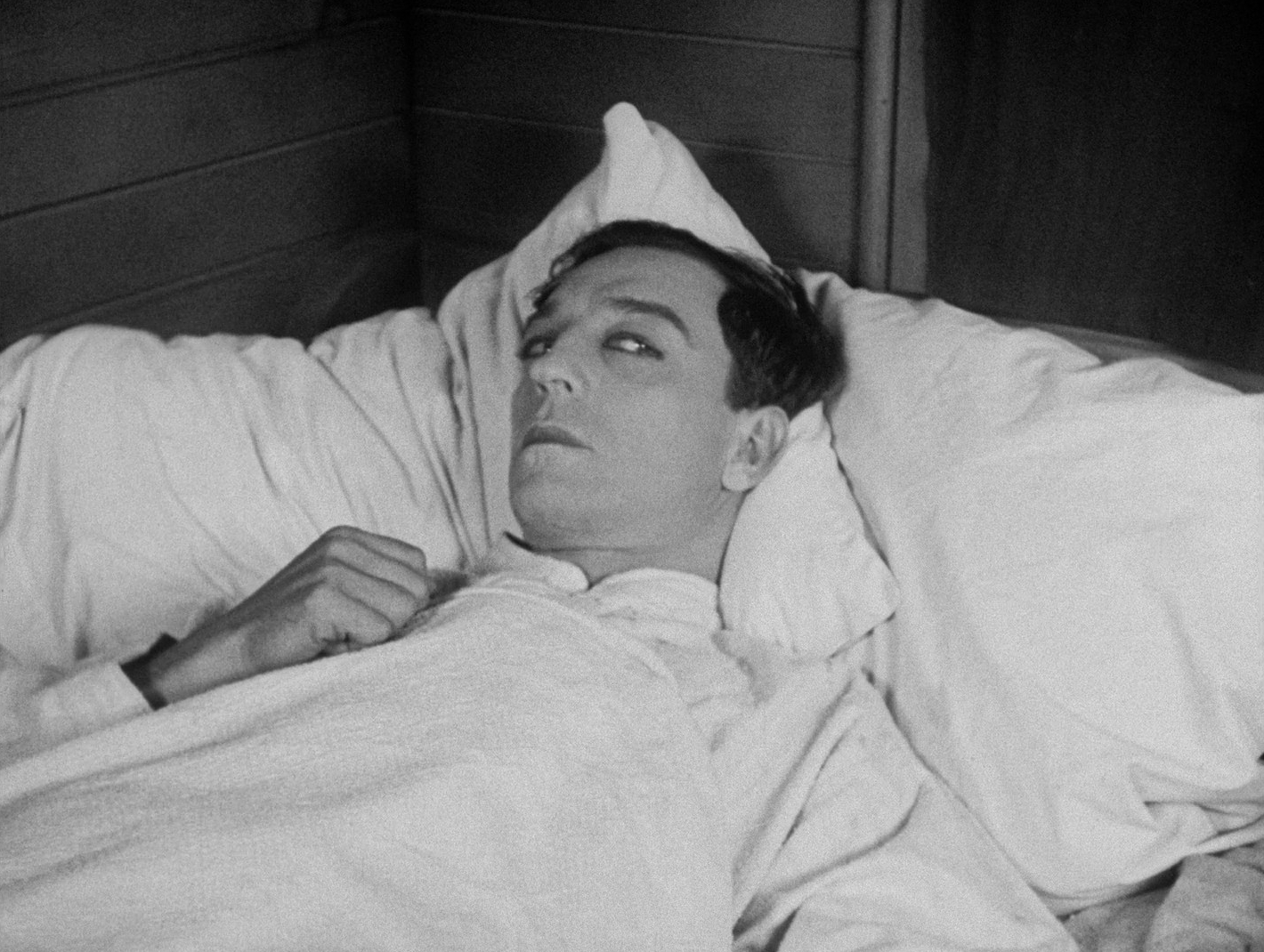
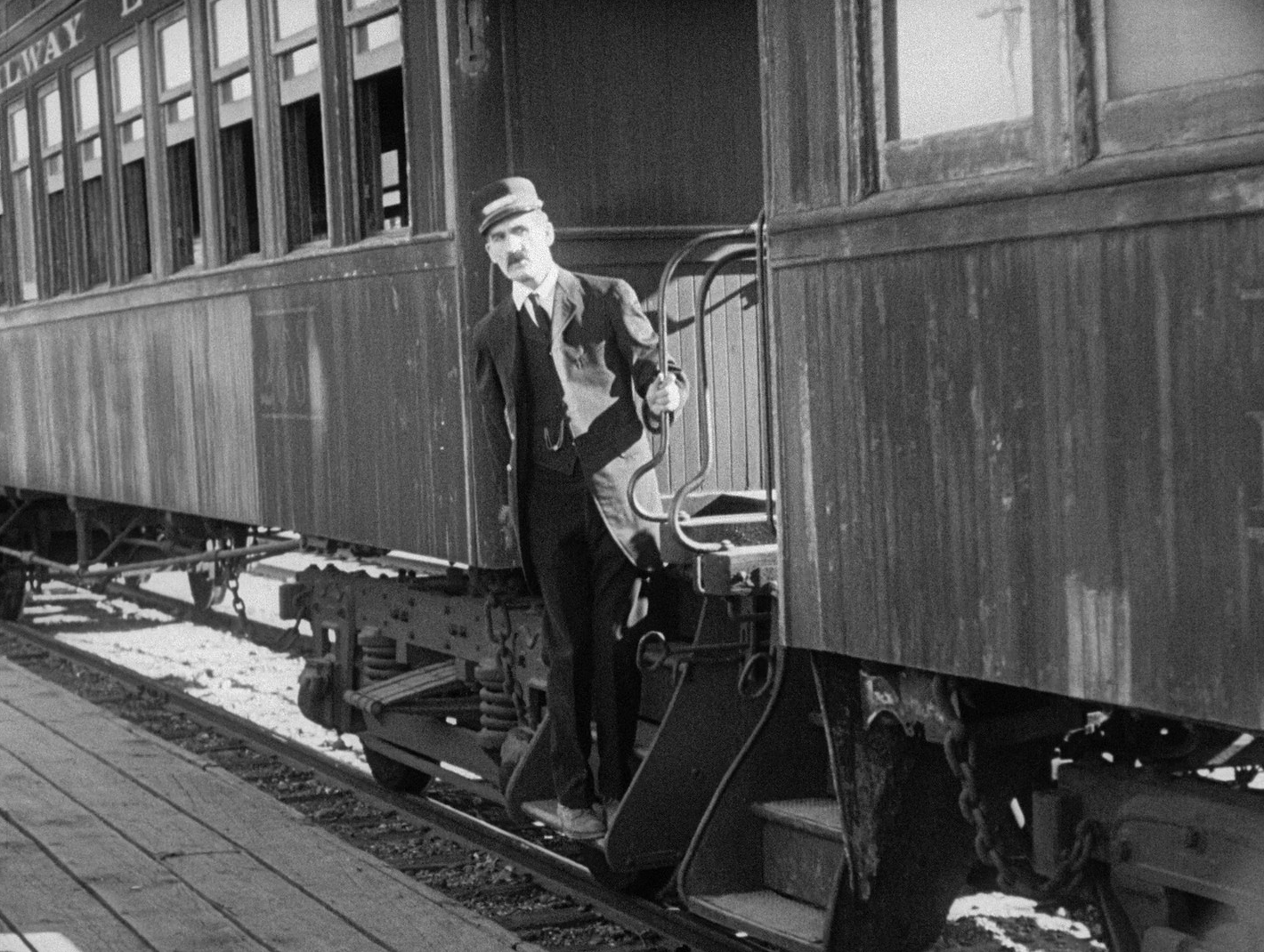
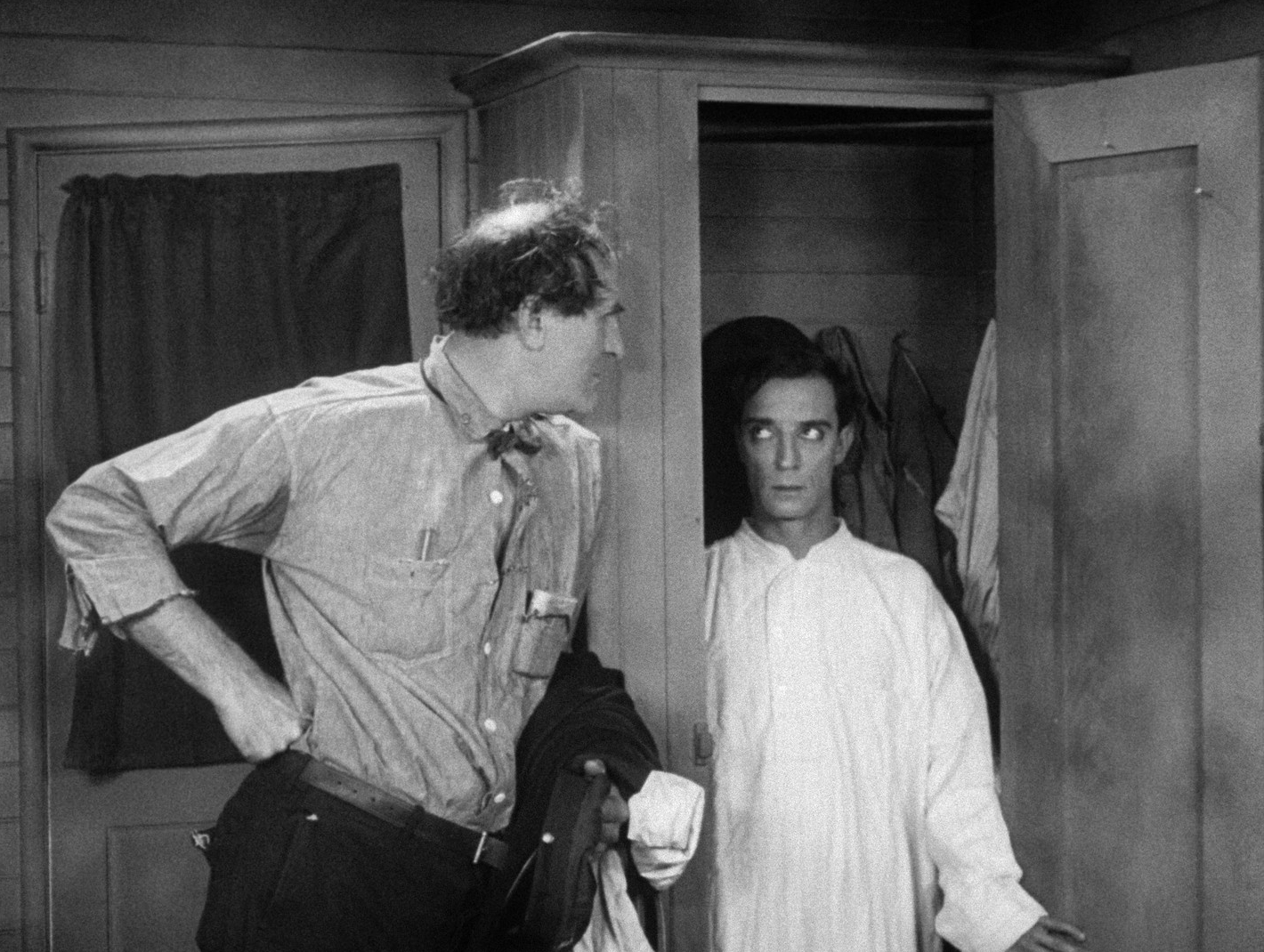
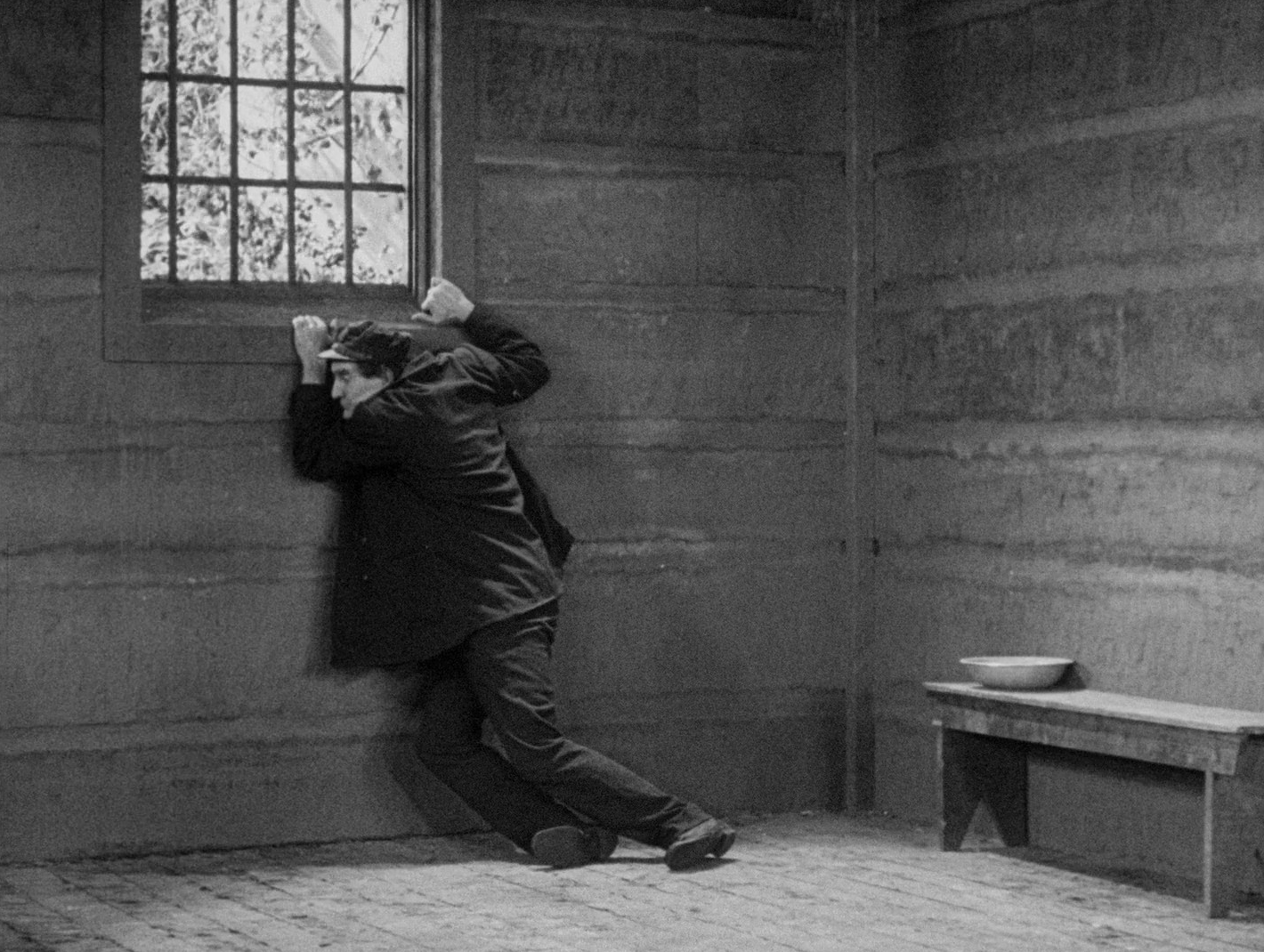
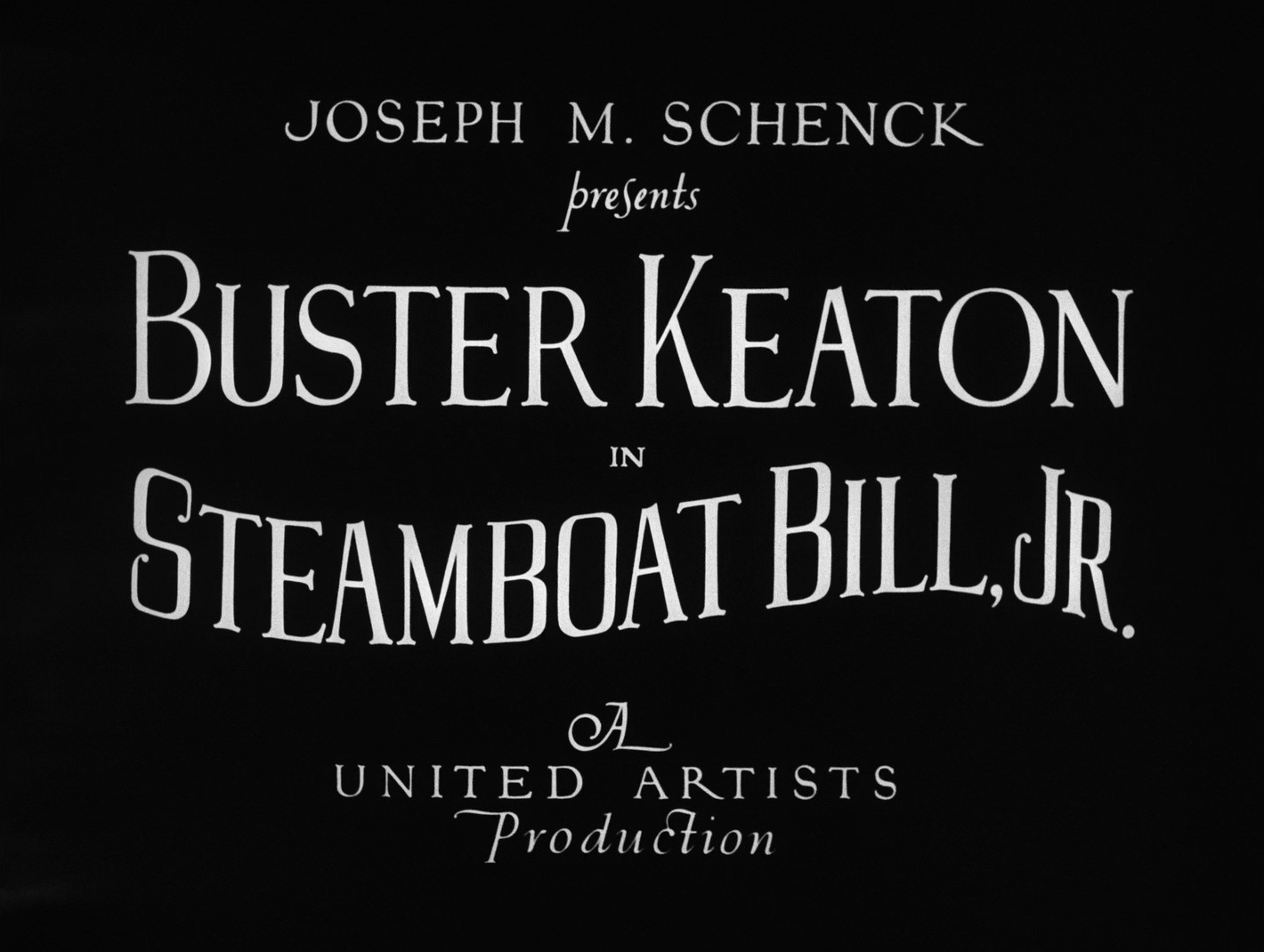
Steamboat Bill, Jr. (1928)
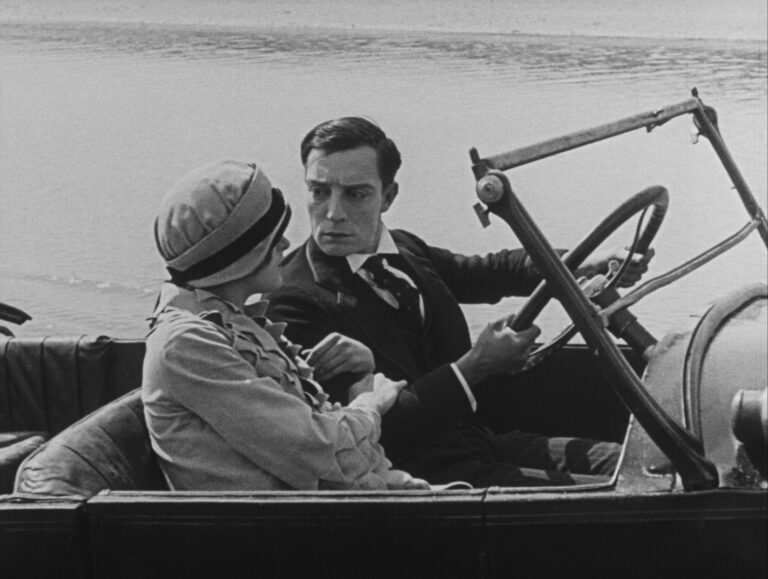
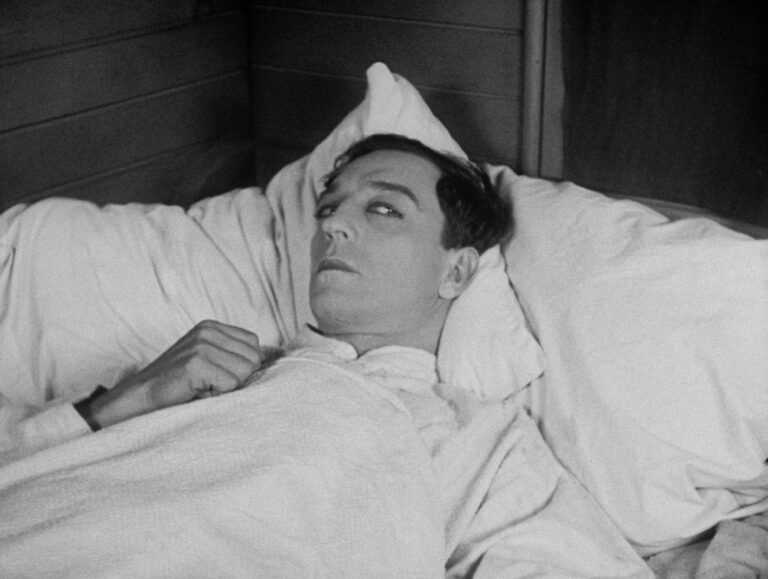
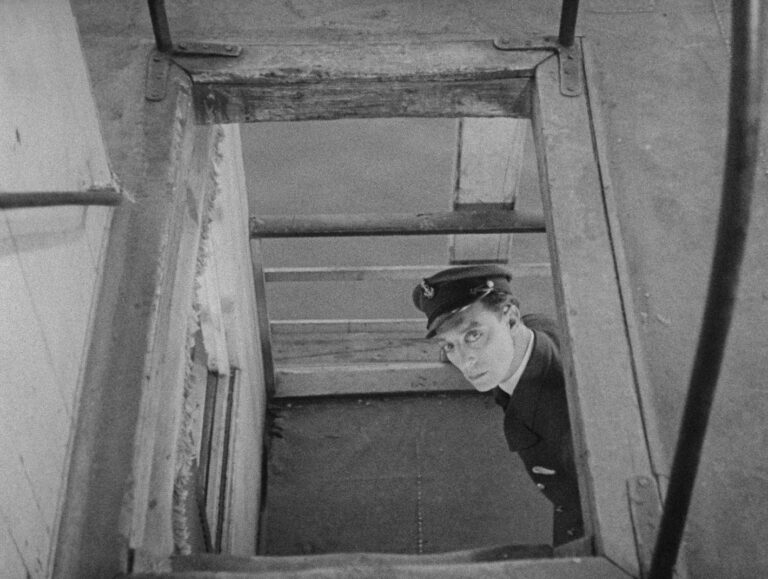
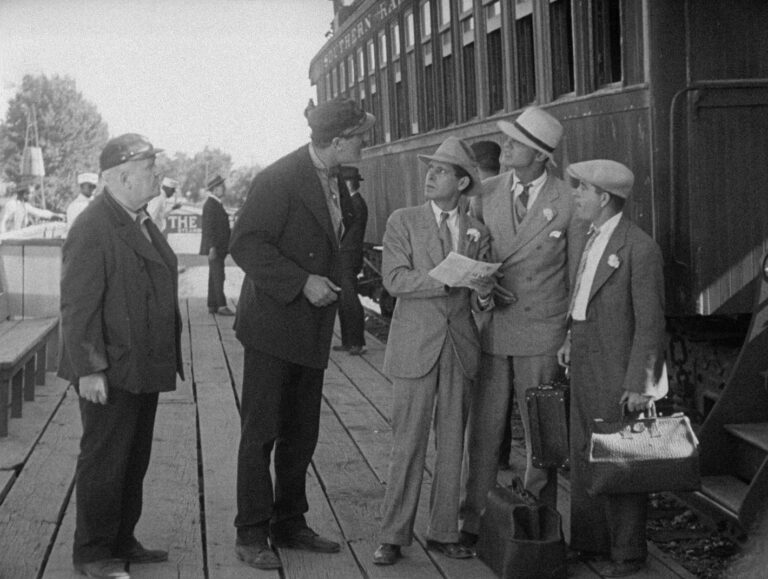
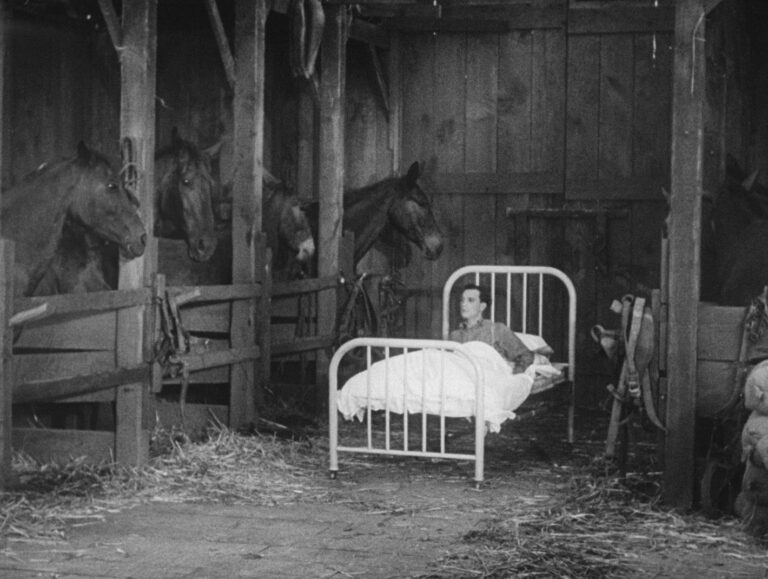
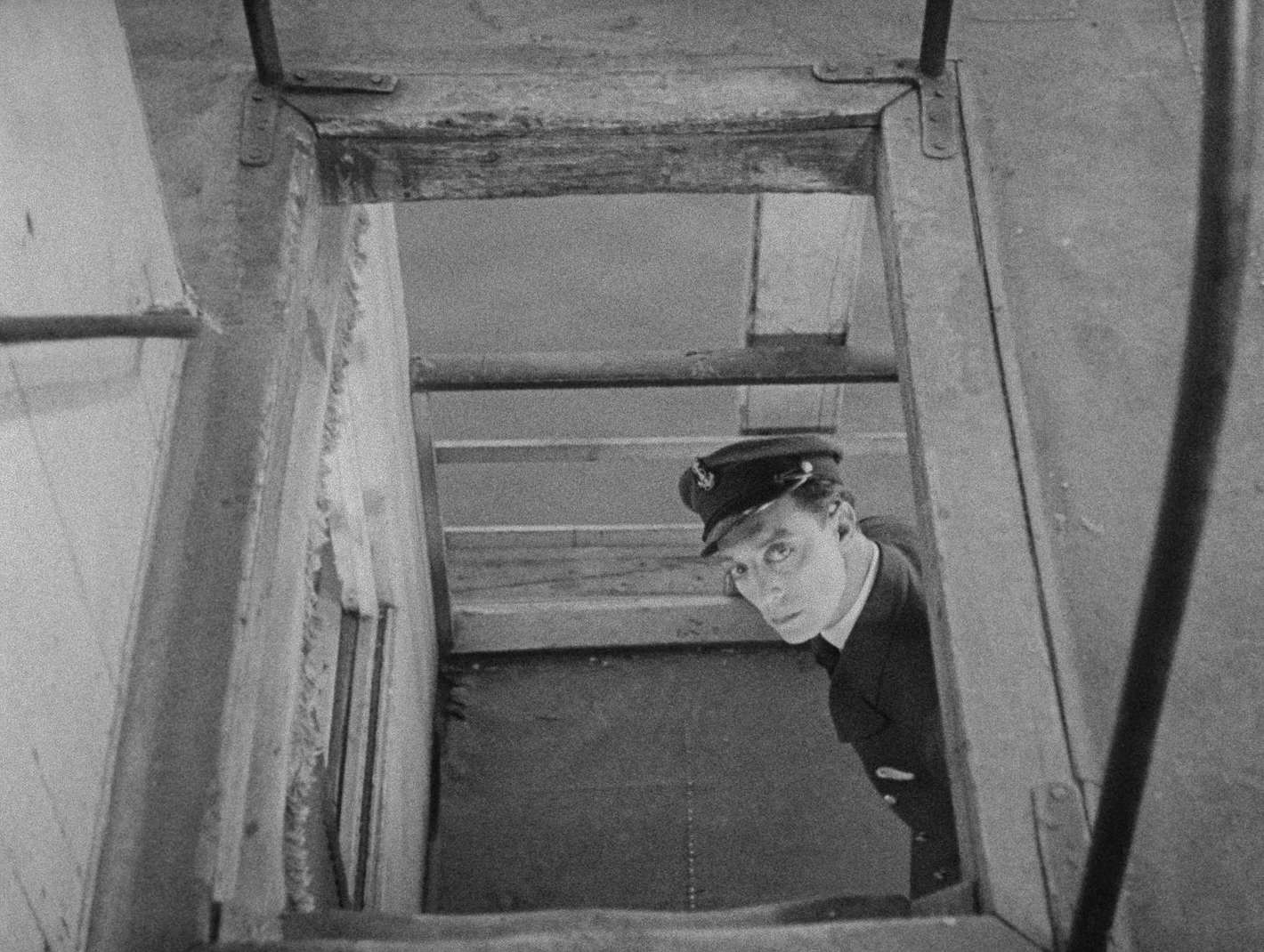
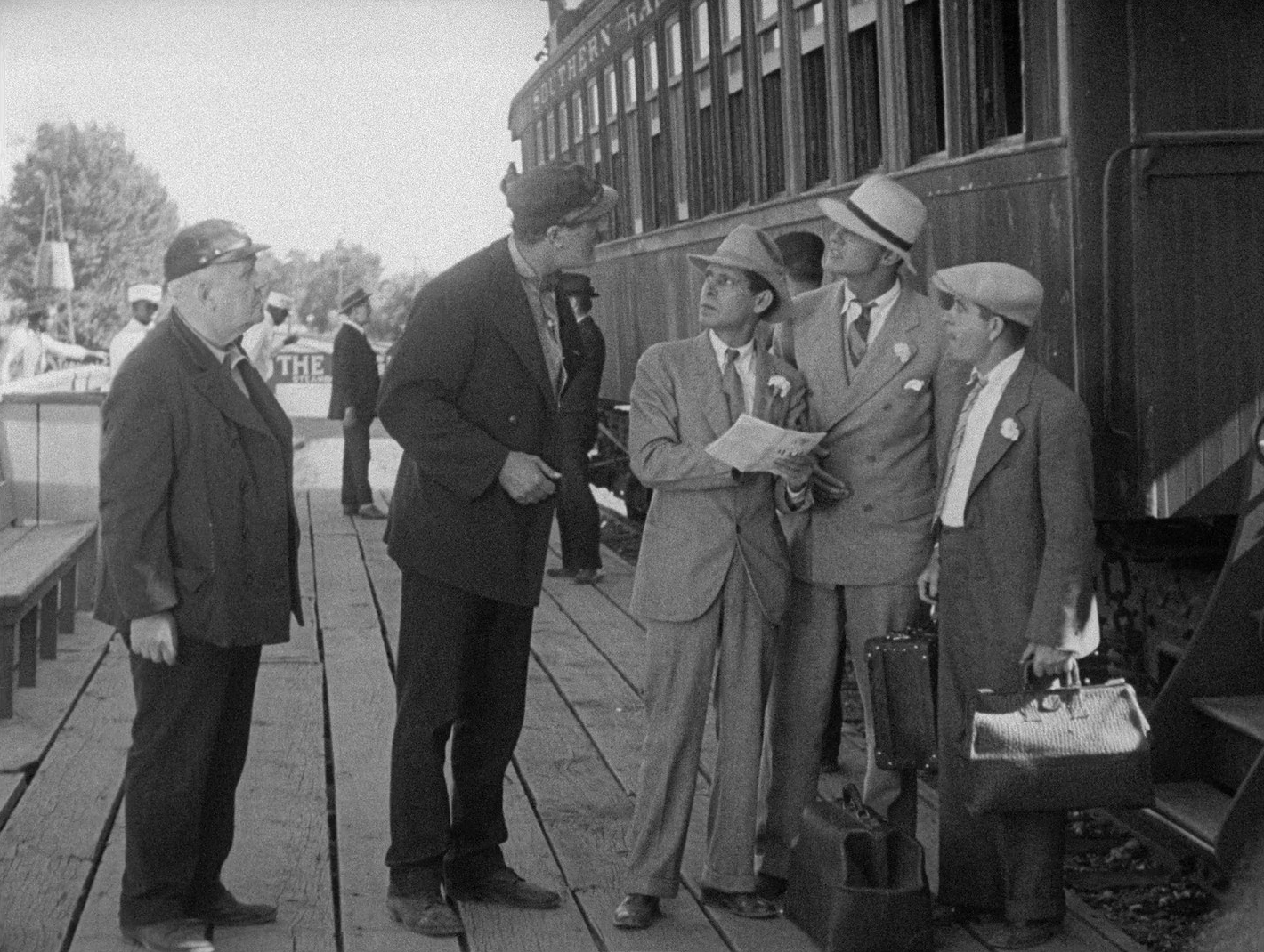
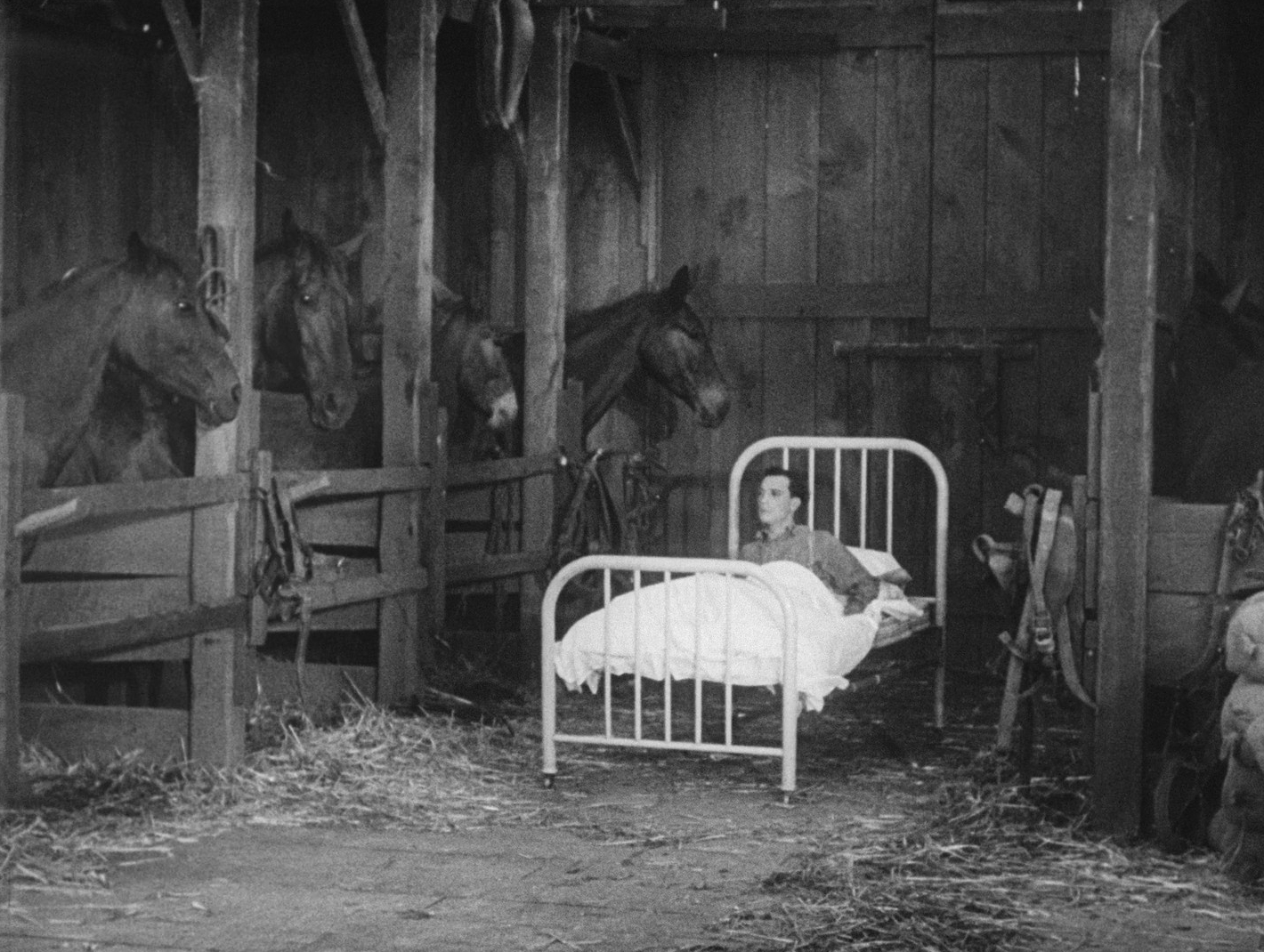
In Steamboat Bill, Jr., William “Bill” Canfield Jr. arrives in a river town to reunite with his rough, domineering father, a steamboat captain locked in a rivalry with a competing operator. Ill-suited to his father’s expectations, the mild-mannered son struggles to prove himself while also falling in love with his rival’s daughter. When a massive storm devastates the town, he is given a chance to demonstrate his courage and win his father’s respect.
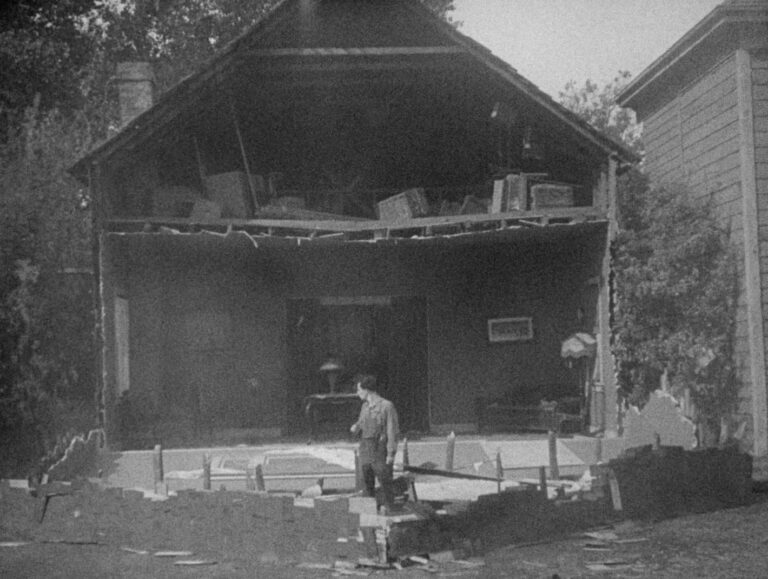
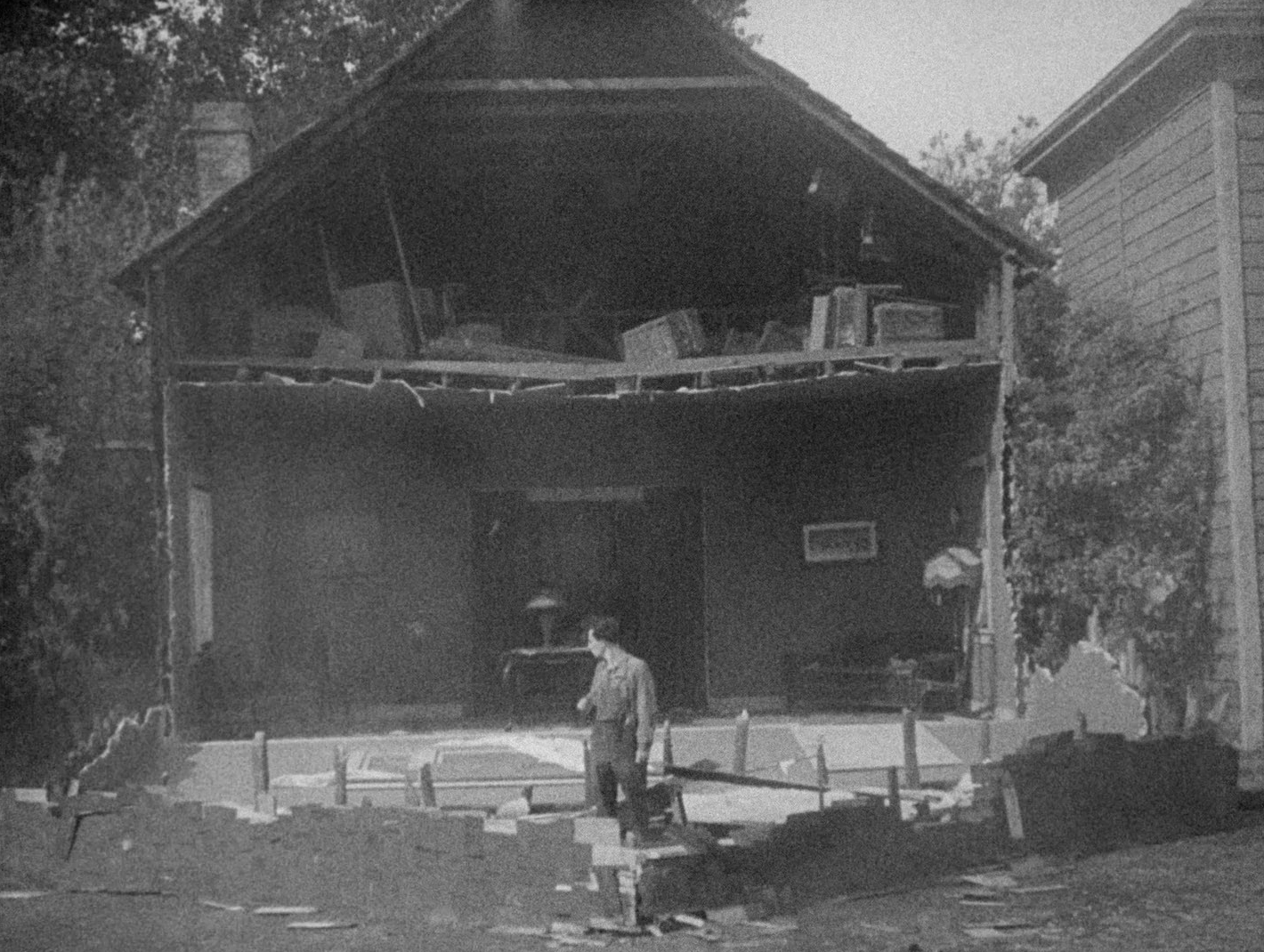
Keaton staged Steamboat Bill, Jr. with large-scale practical effects, culminating in the legendary collapsing house façade stunt—timed with precision so he stands unharmed in an open window as the wall falls around him. The film’s escalating storm sequence, built with full-scale sets, wind machines, and real physical destruction, turns natural disaster into a meticulously choreographed visual spectacle grounded entirely in in-camera execution.
FILM SPOTLIGHT
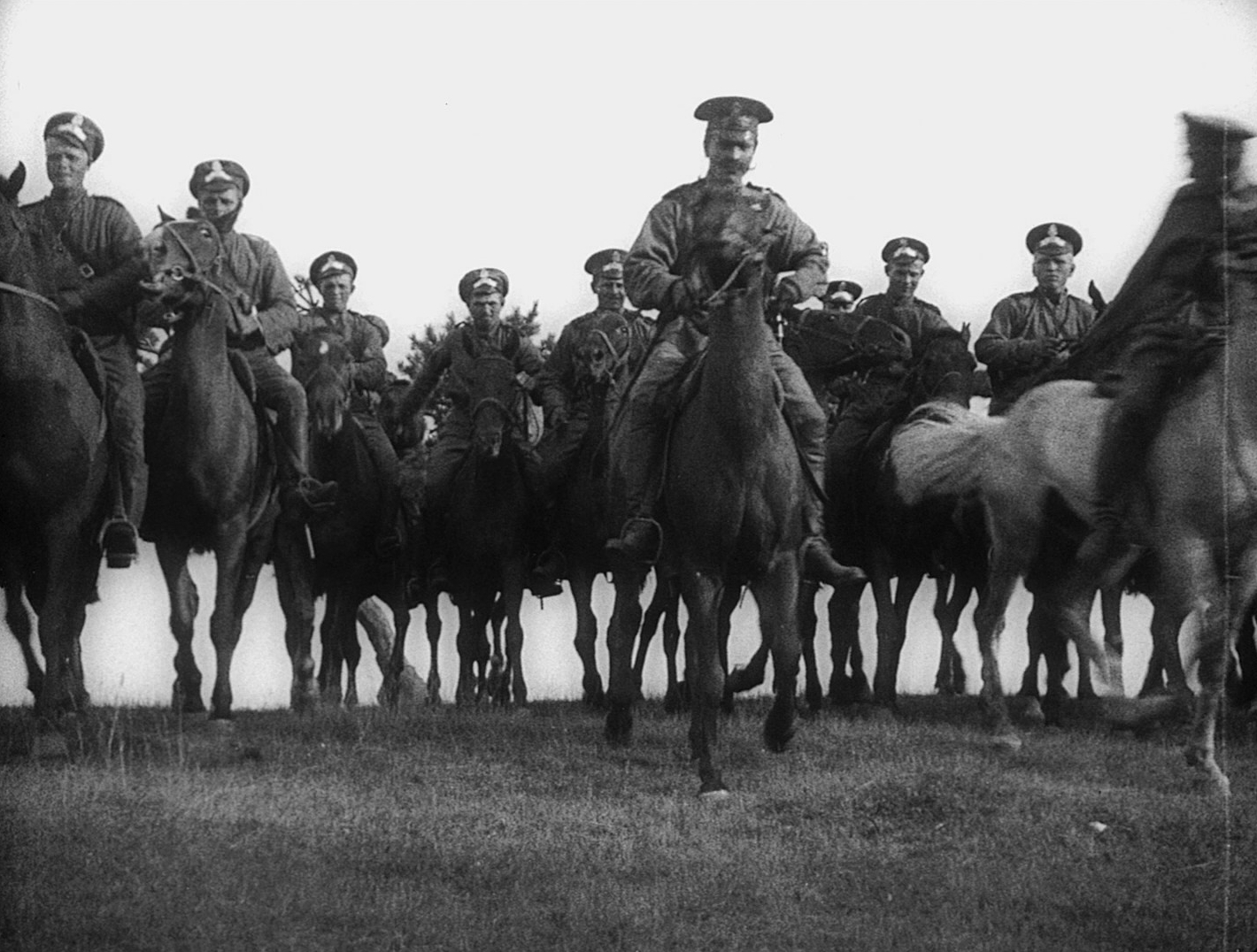
Strike (1925)
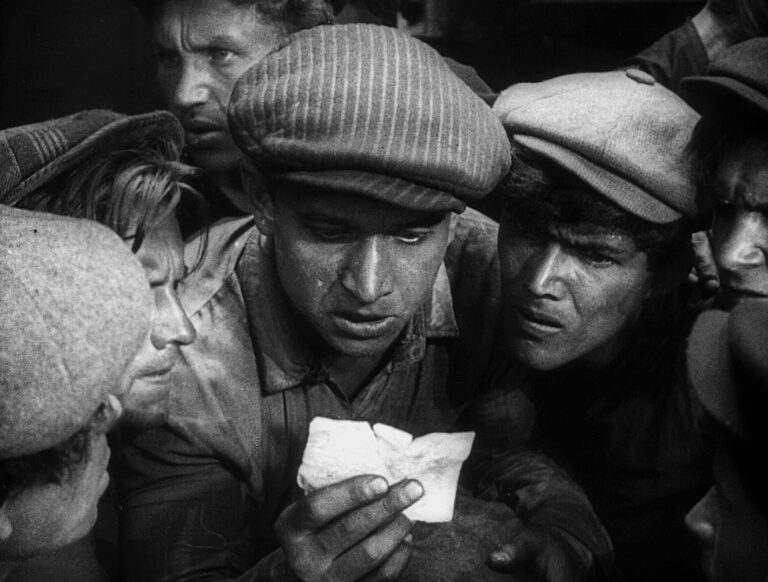
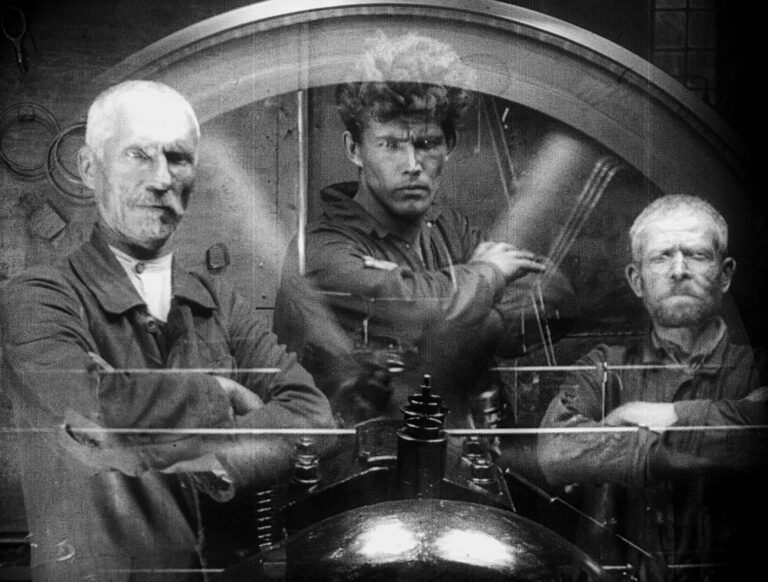
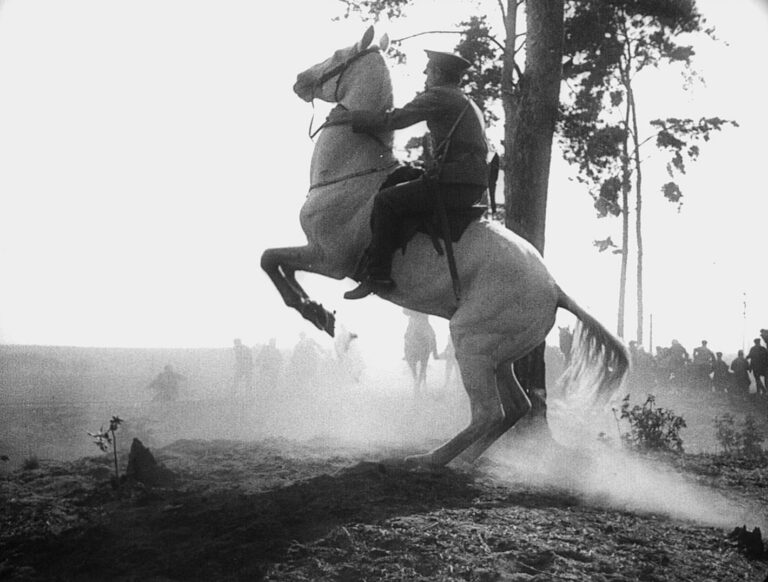
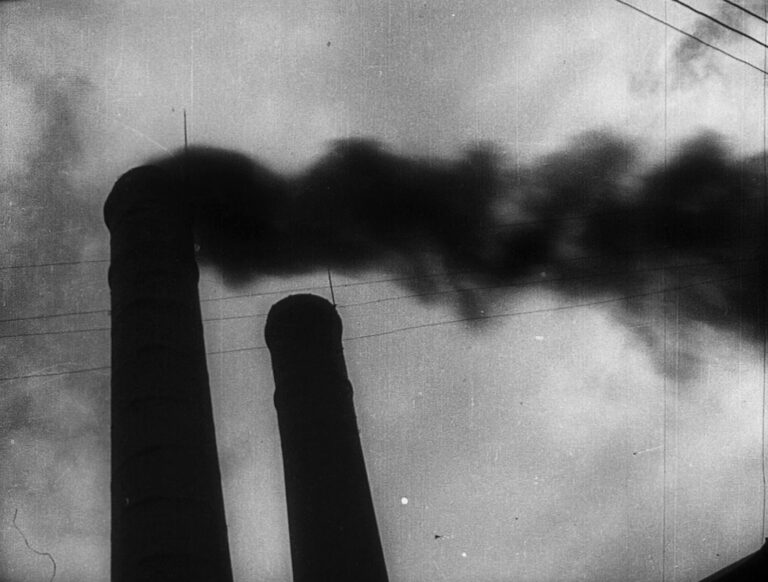
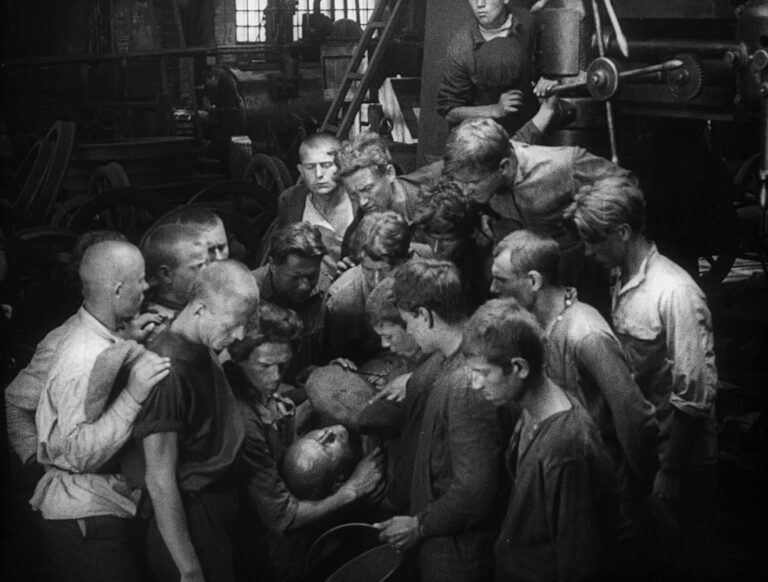
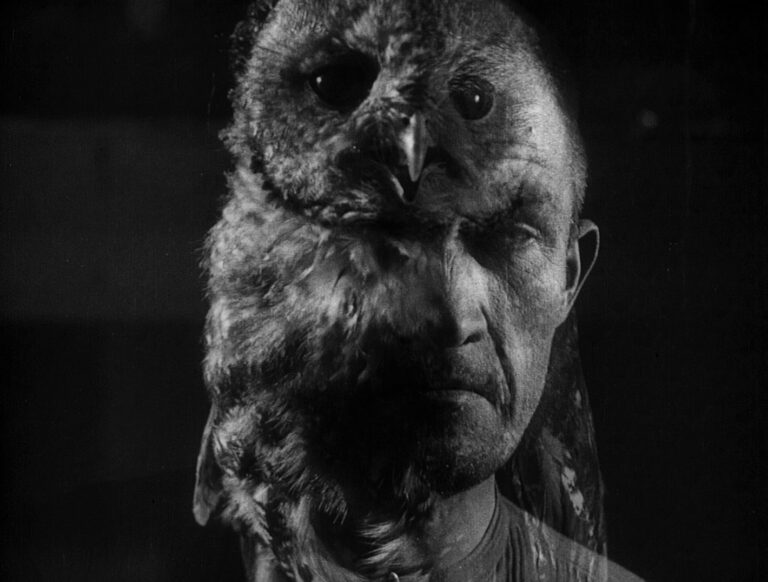
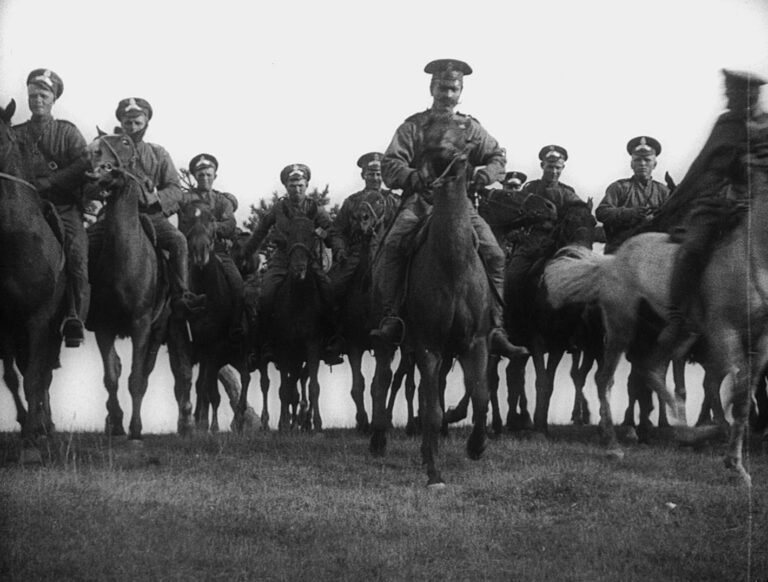
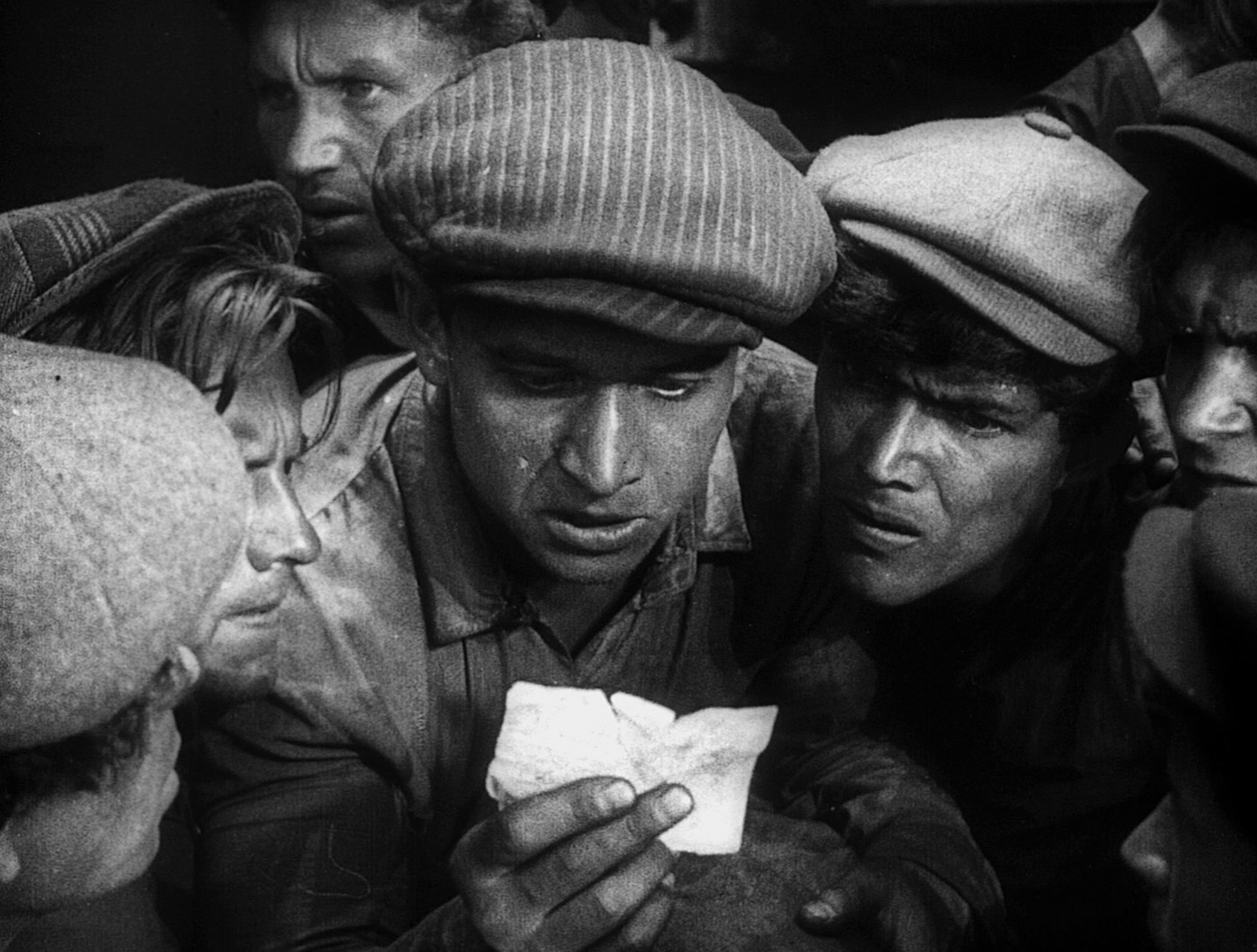
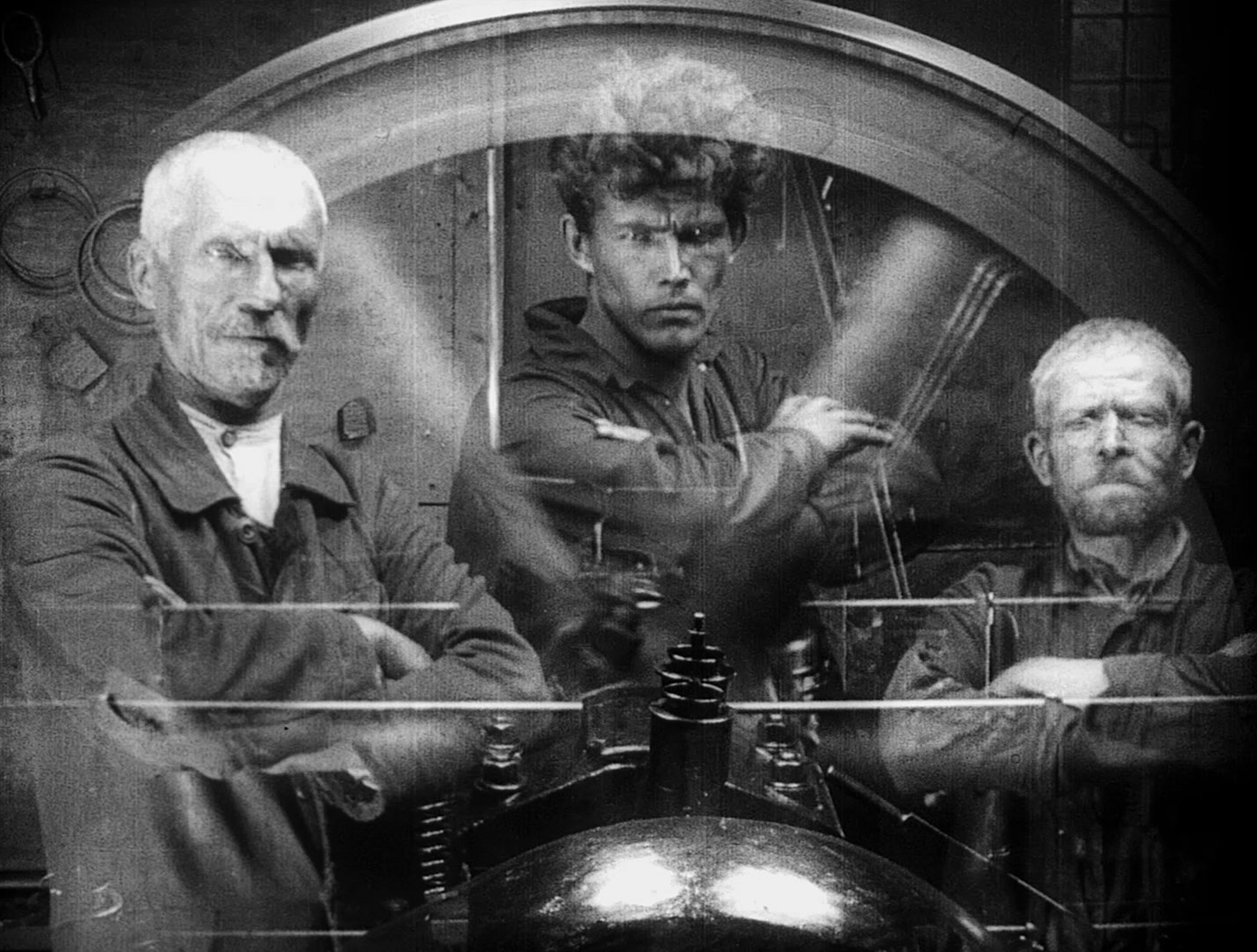
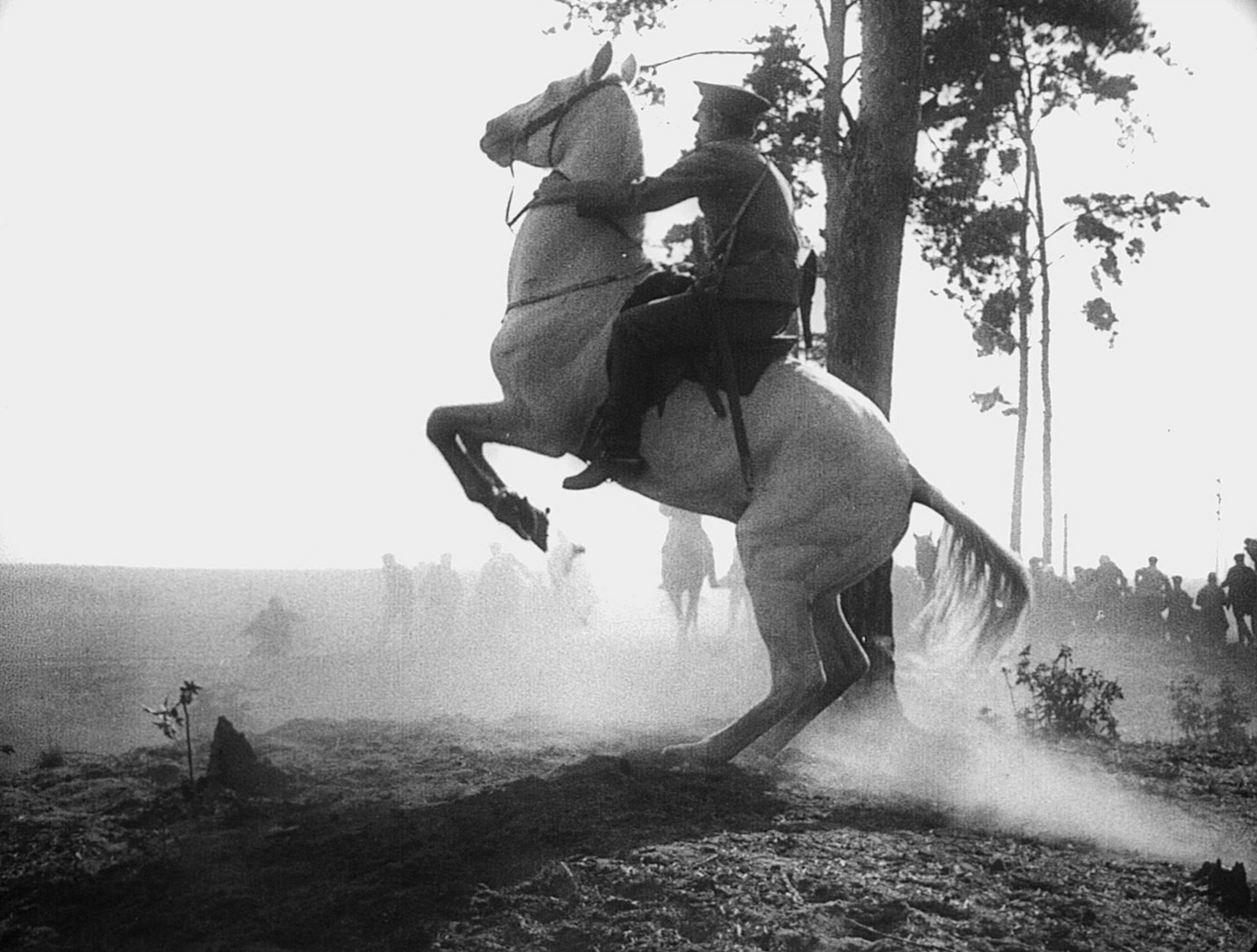
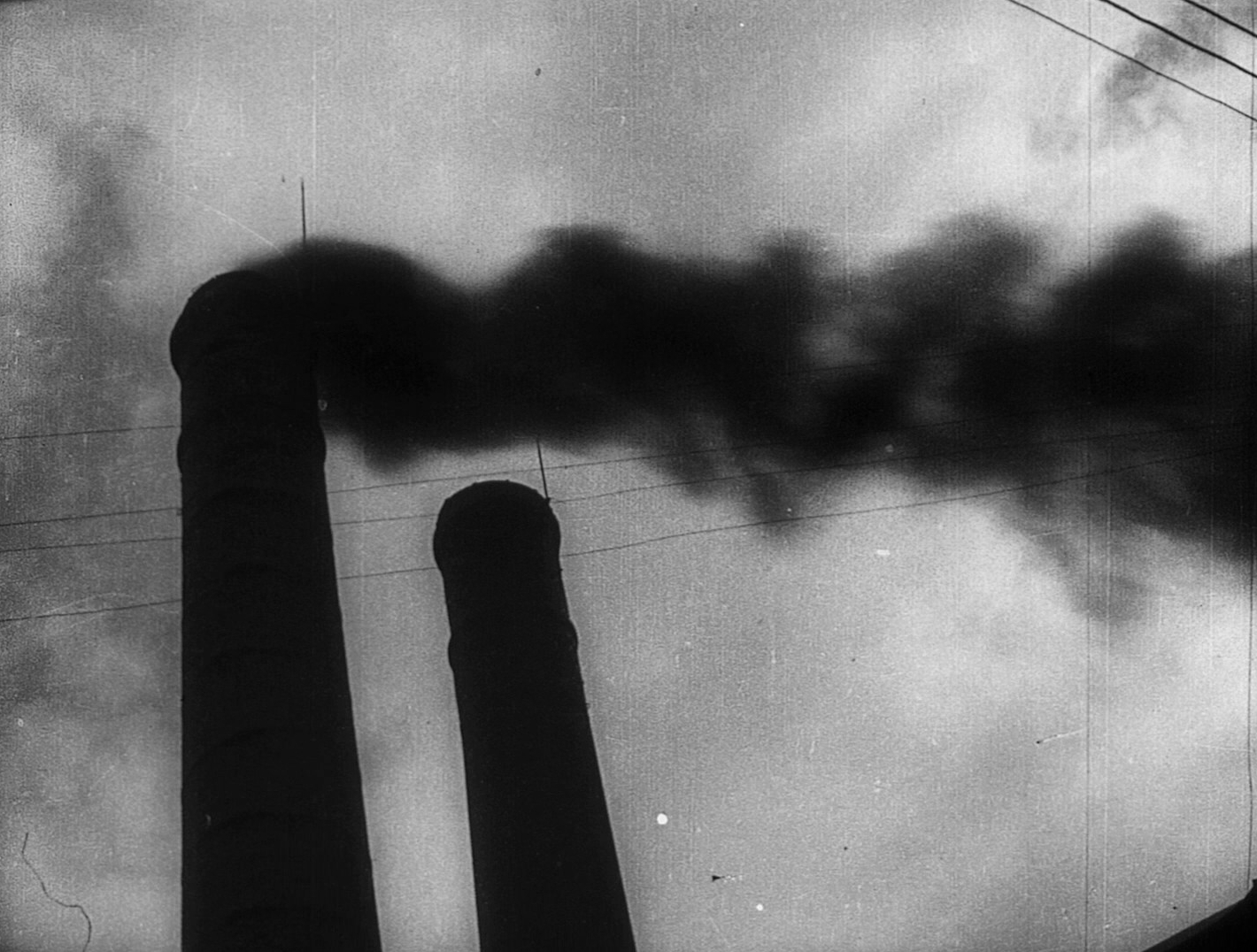
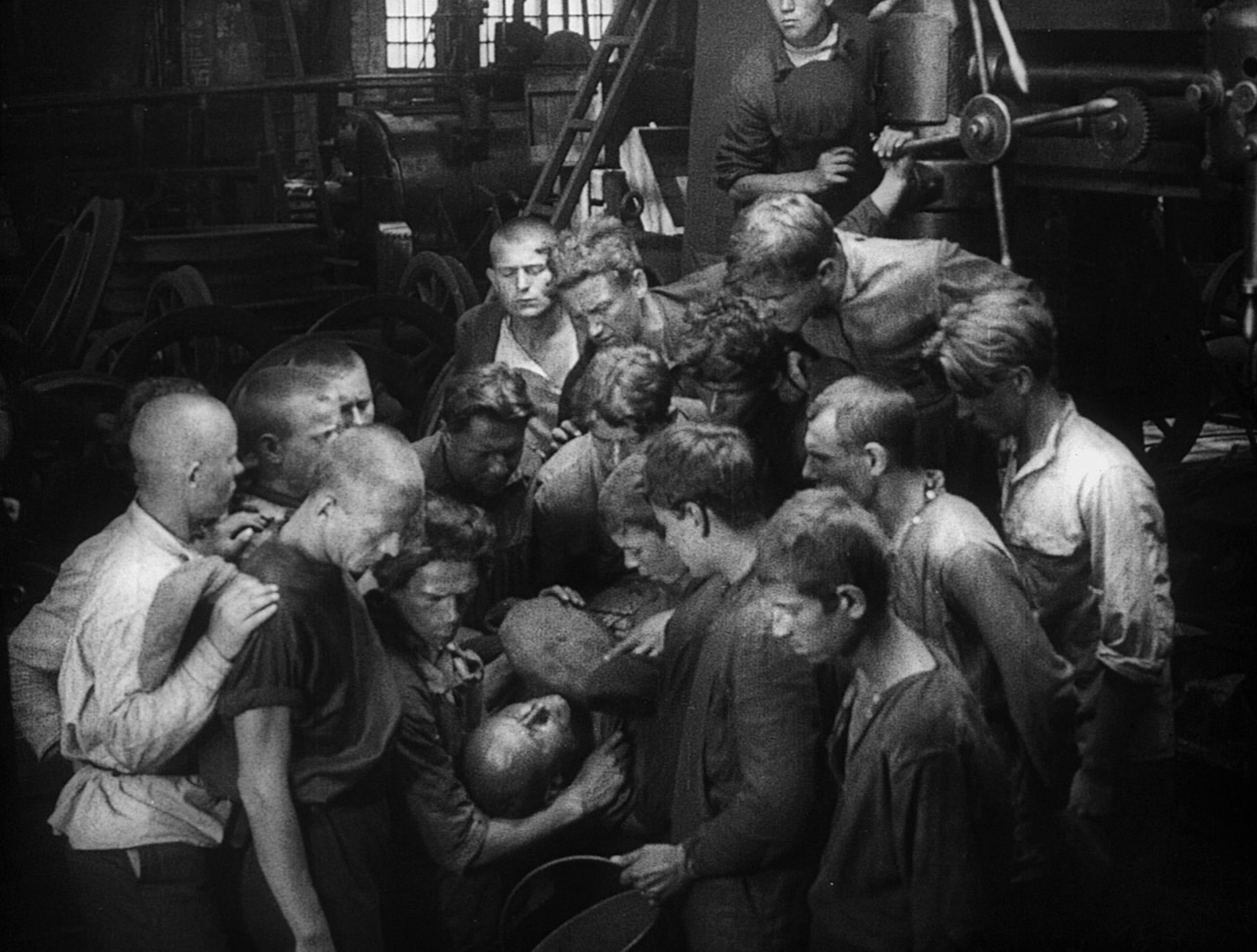
Set in pre-revolutionary Russia, Strike follows factory workers who organize a labor strike in response to harsh conditions and the unjust treatment of their comrades. As tensions escalate between workers and management, the authorities intervene with increasing brutality to suppress the uprising. The conflict culminates in a violent crackdown, exposing the stark imbalance of power and the human cost of resistance.
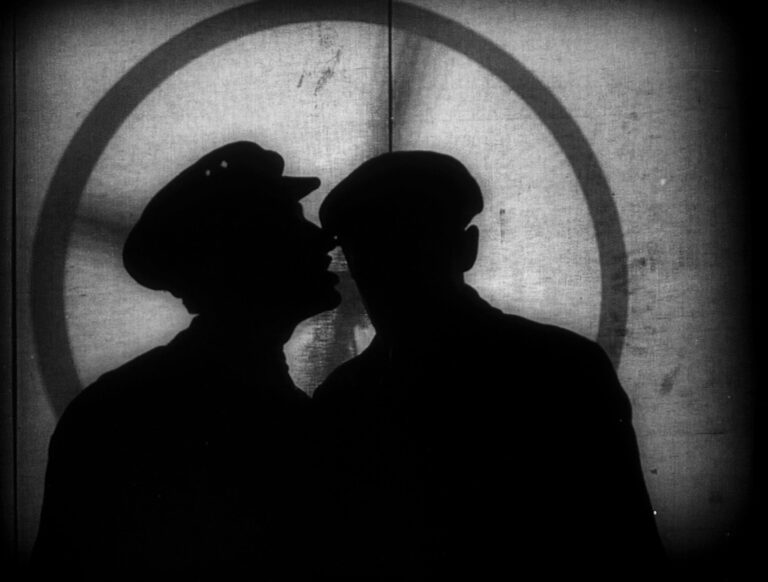
Eisenstein and cinematographer Eduard Tisse refine their montage approach in Strike, using rapid, associative editing to build meaning through juxtaposition—most famously intercutting the massacre of workers with the slaughter of cattle. The film’s dynamic compositions, low angles, and kinetic crowd staging turn collective action into a visual force, establishing a blueprint for political cinema through purely cinematic means.
FILM SPOTLIGHT
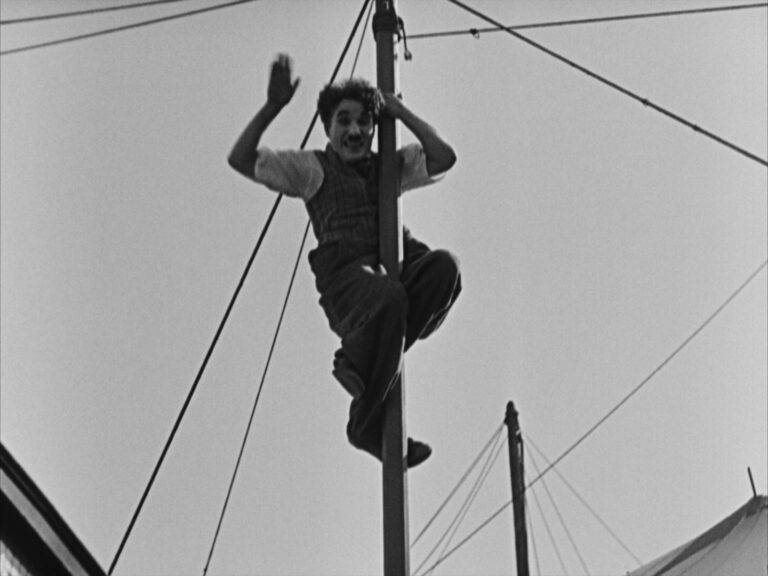
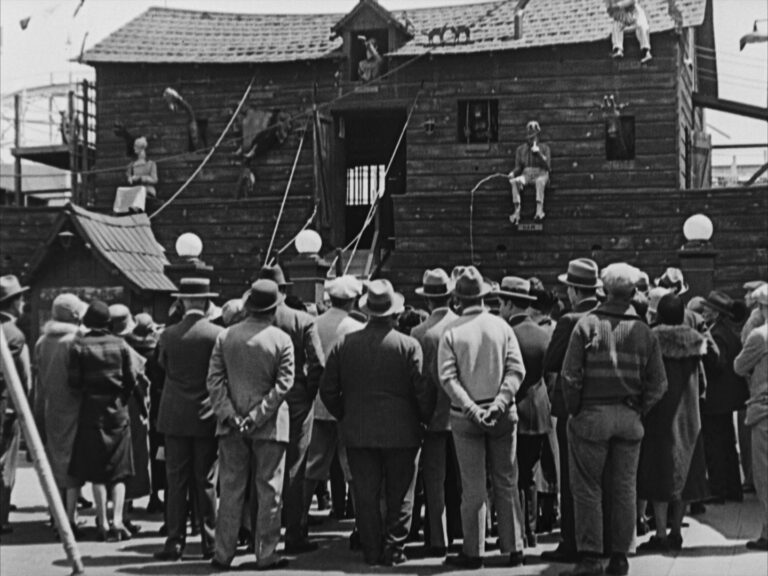
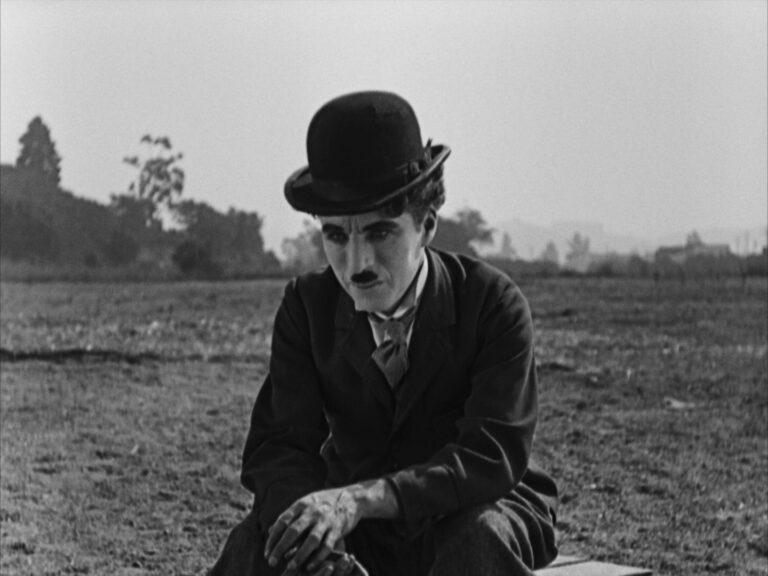
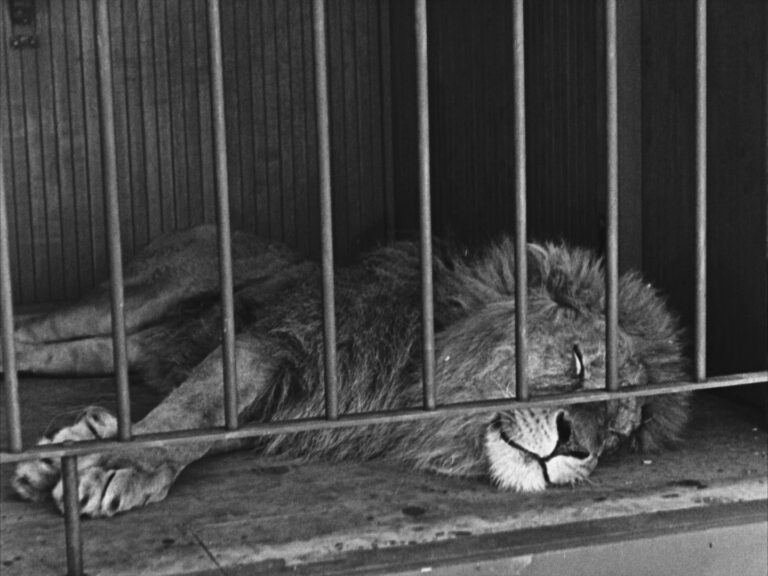
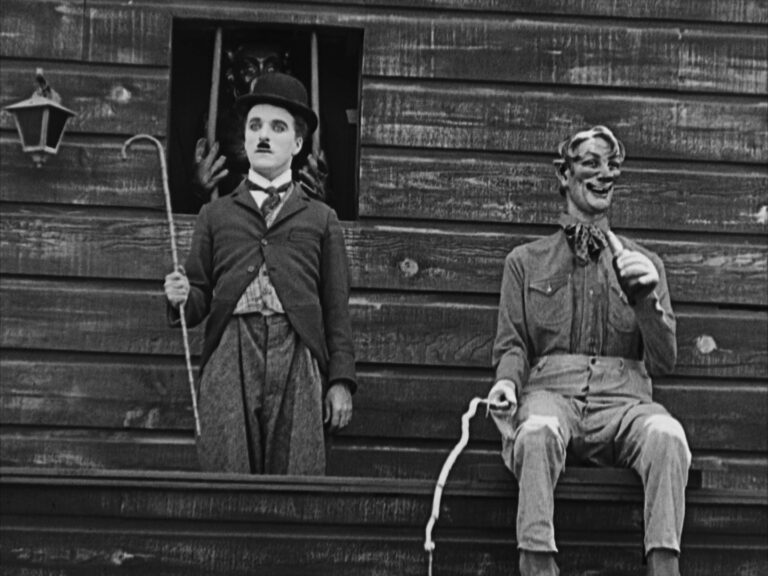
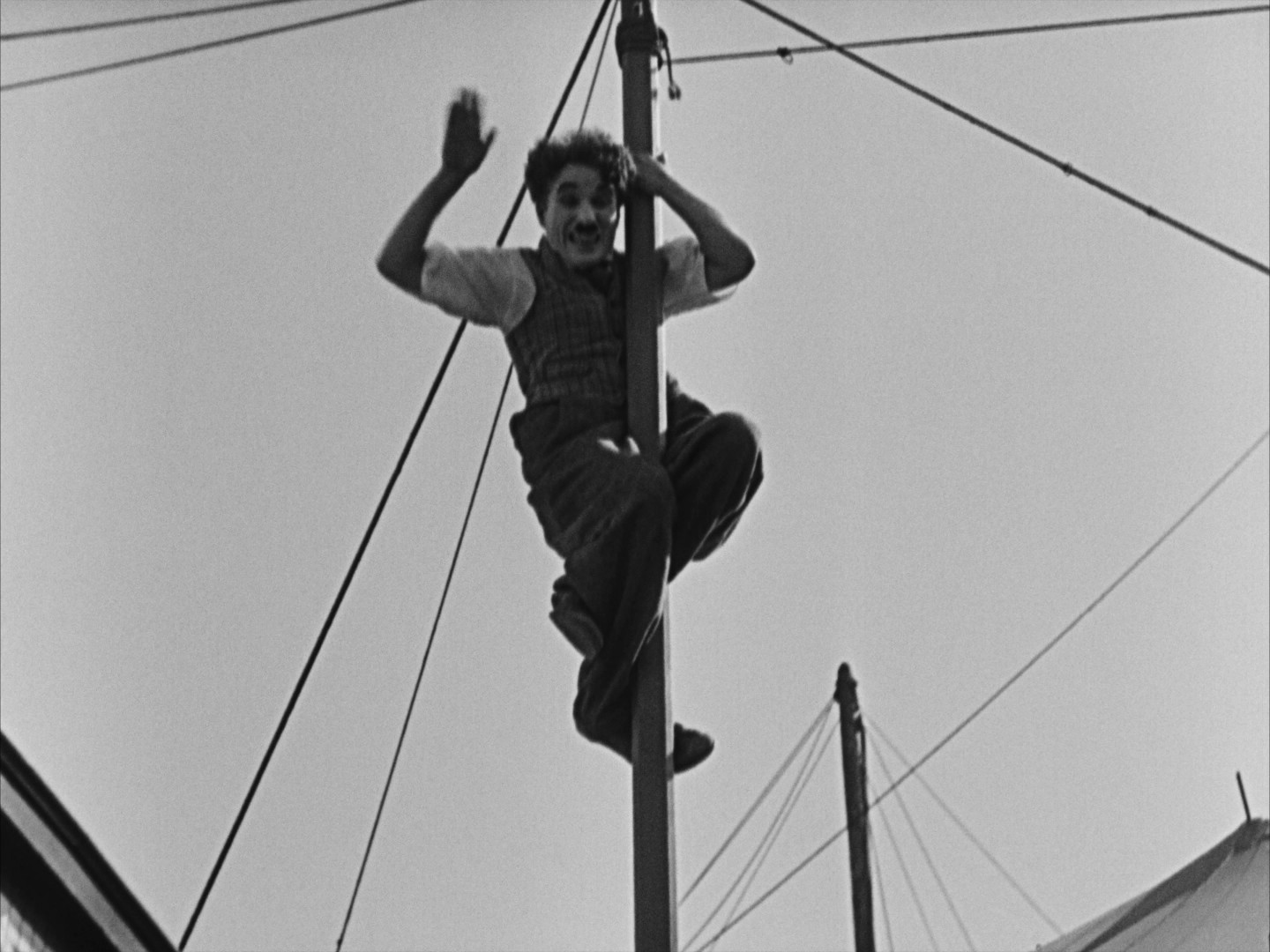
The Circus (1955)
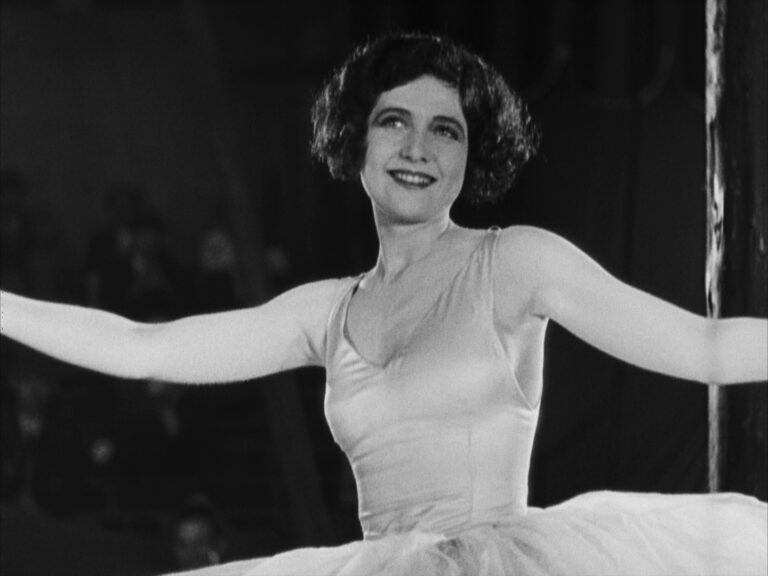
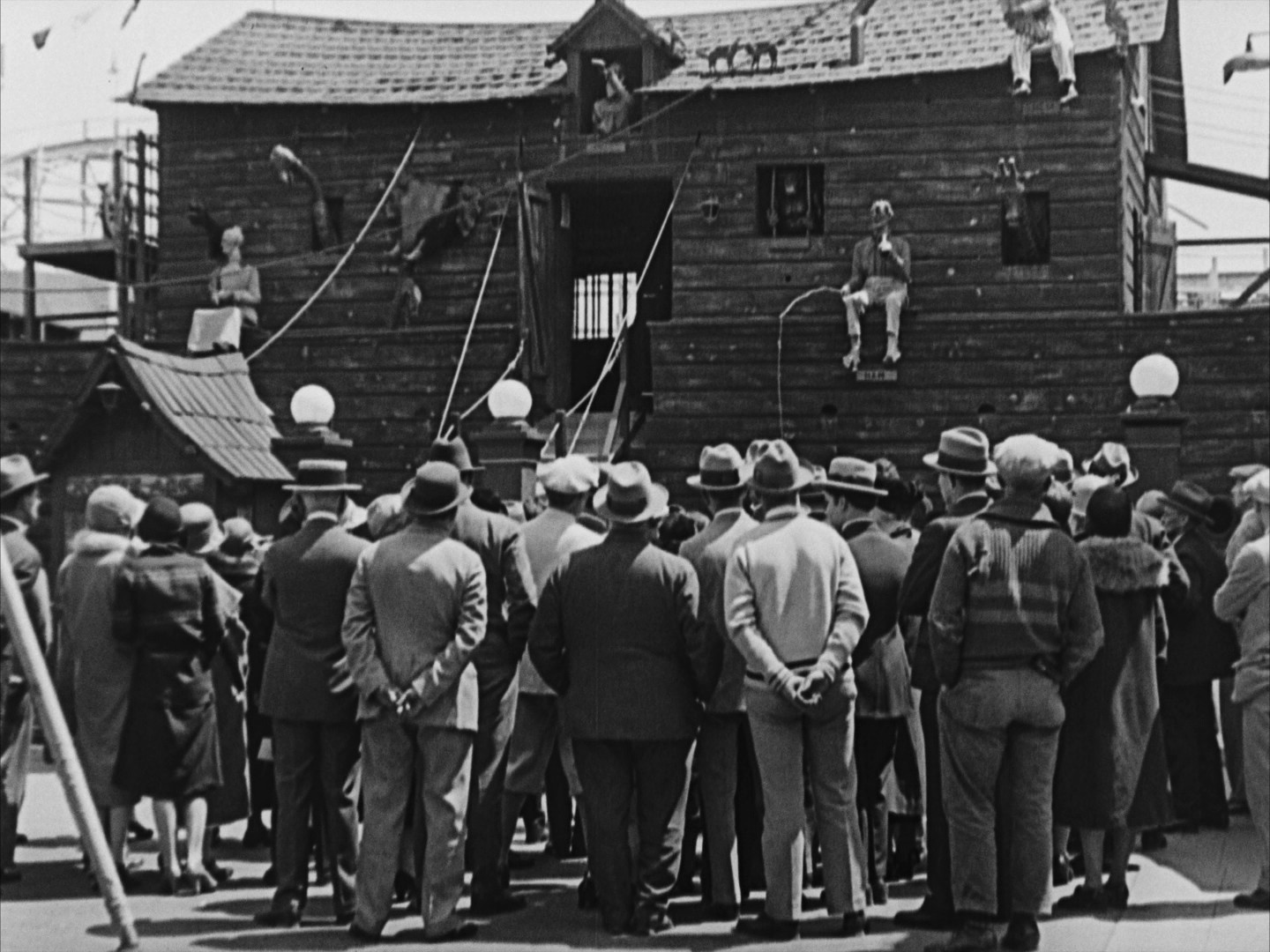
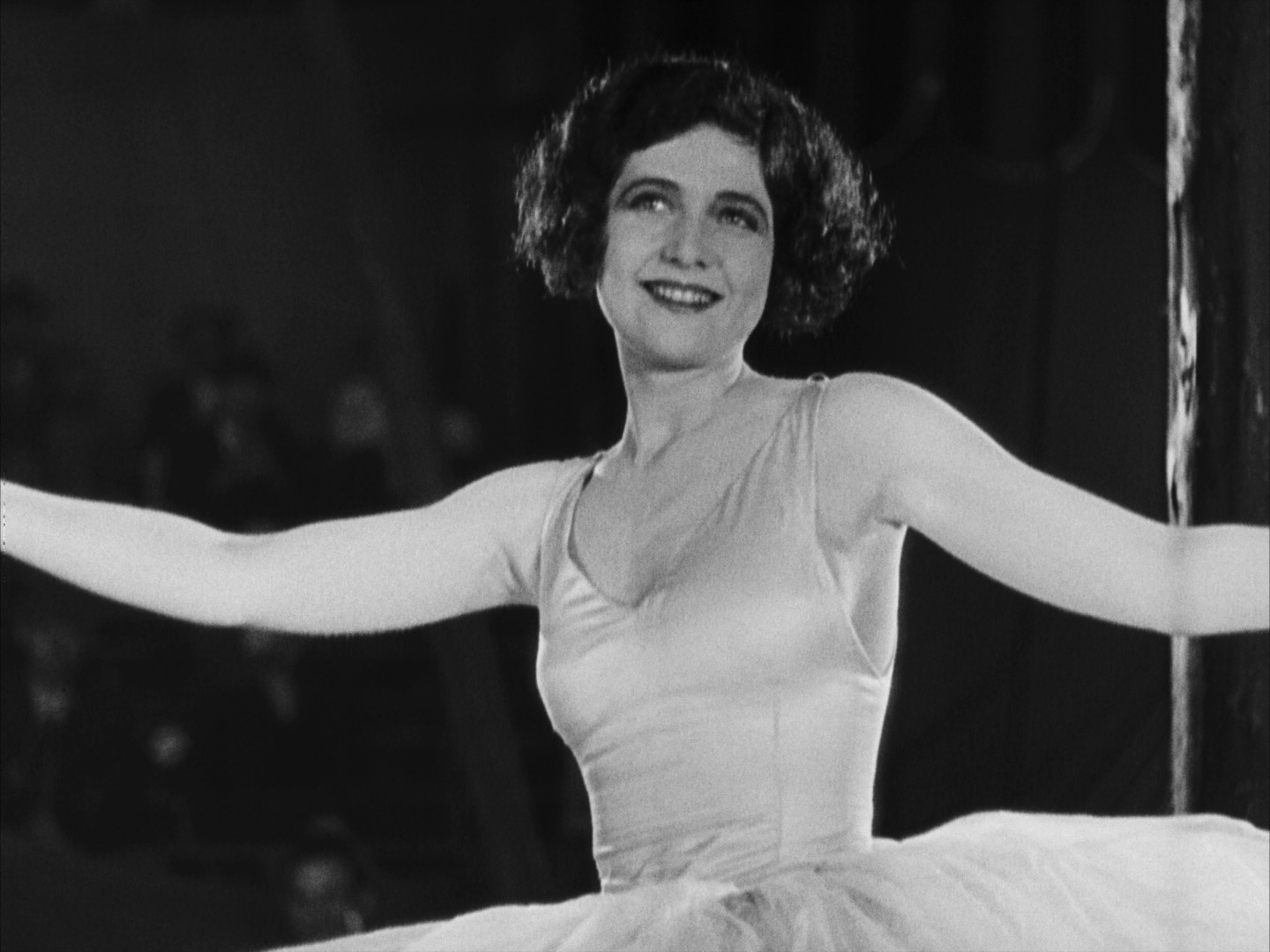
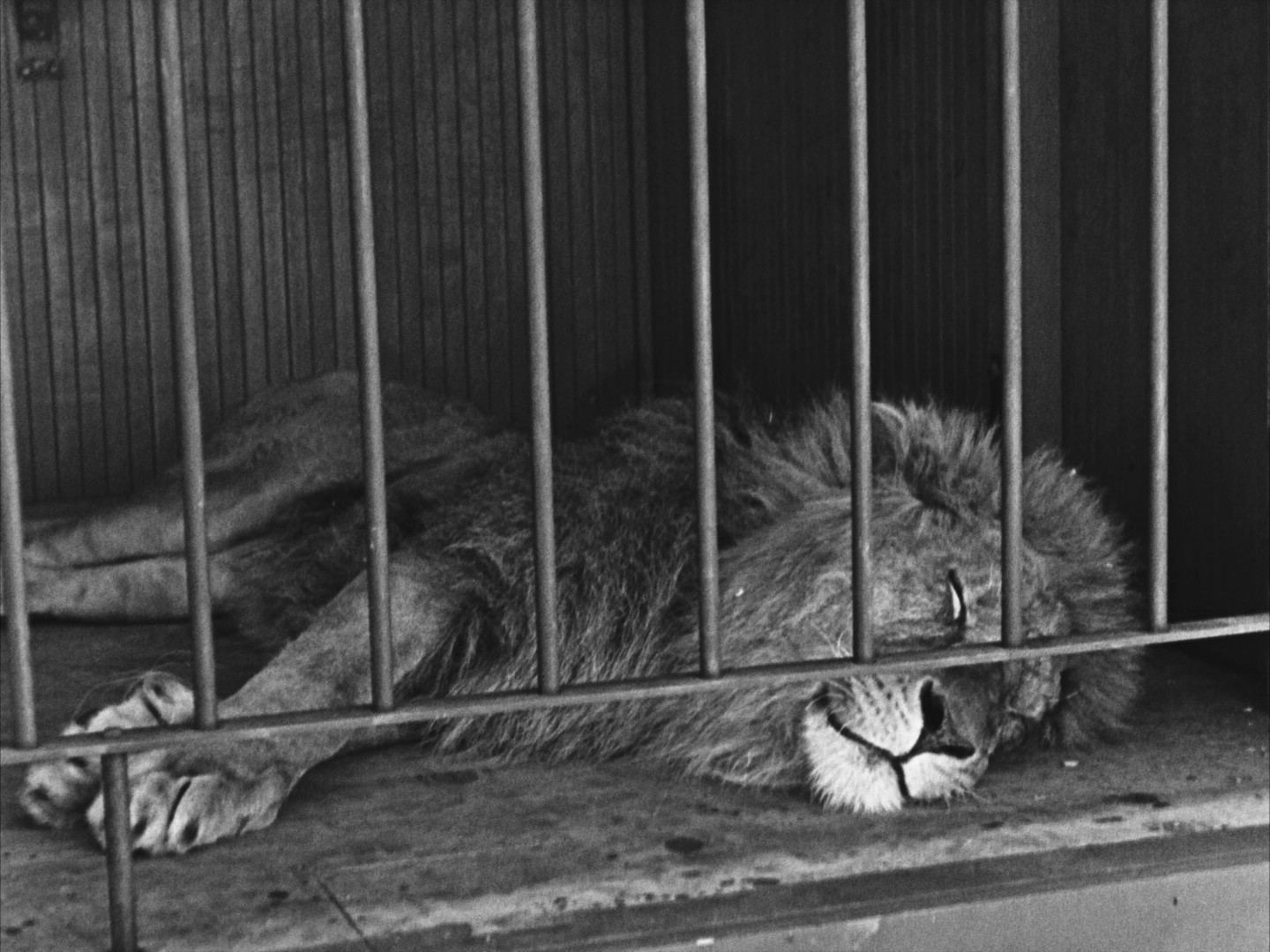
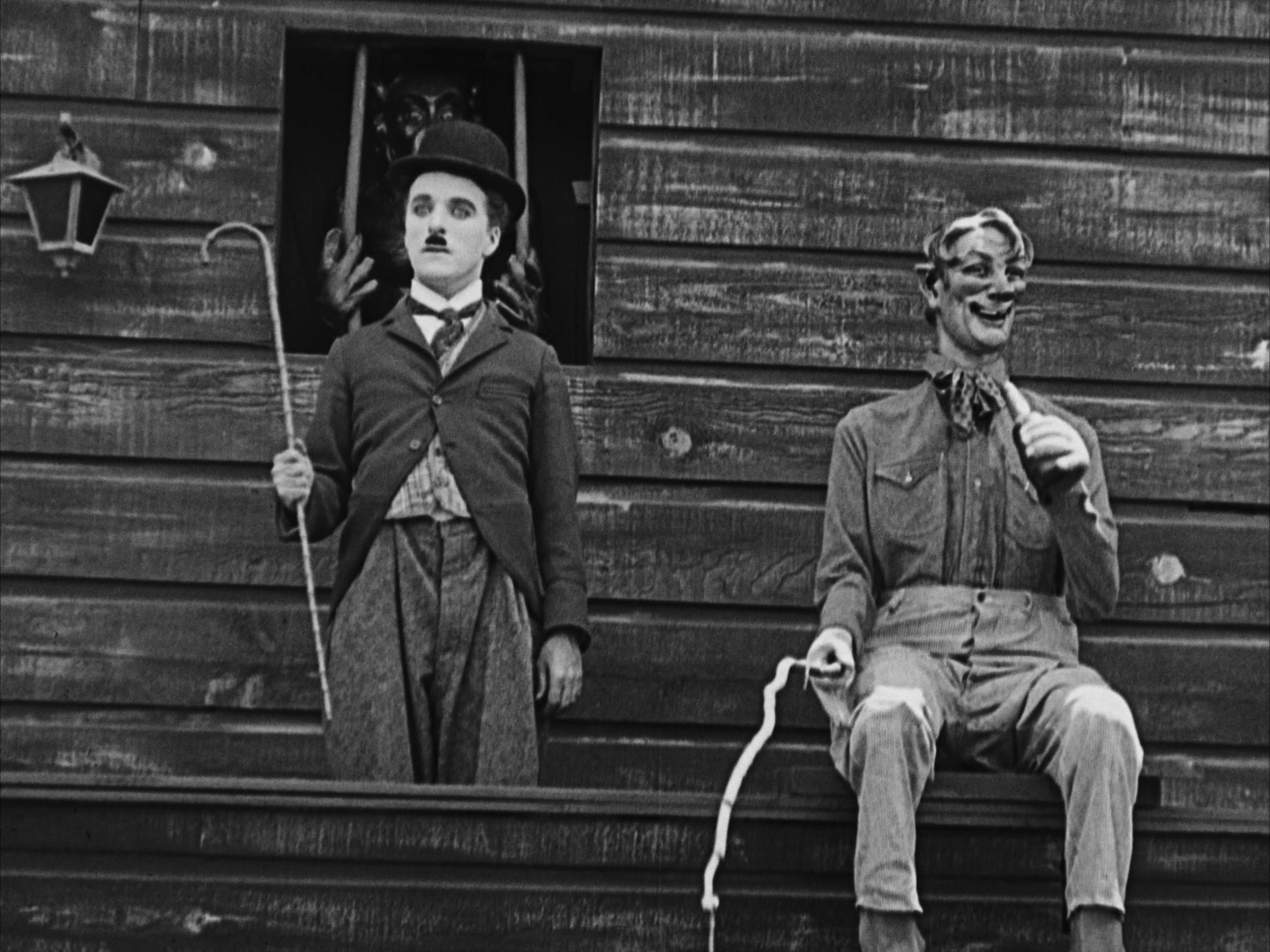
In The Circus, a tramp inadvertently becomes the star attraction of a struggling circus when his natural clumsiness proves unintentionally hilarious to audiences. As he tries to find his place within the troupe, he falls in love with a mistreated circus performer, hoping to win her affection. Despite his success on stage, his personal life remains filled with longing, leading to a bittersweet resolution.
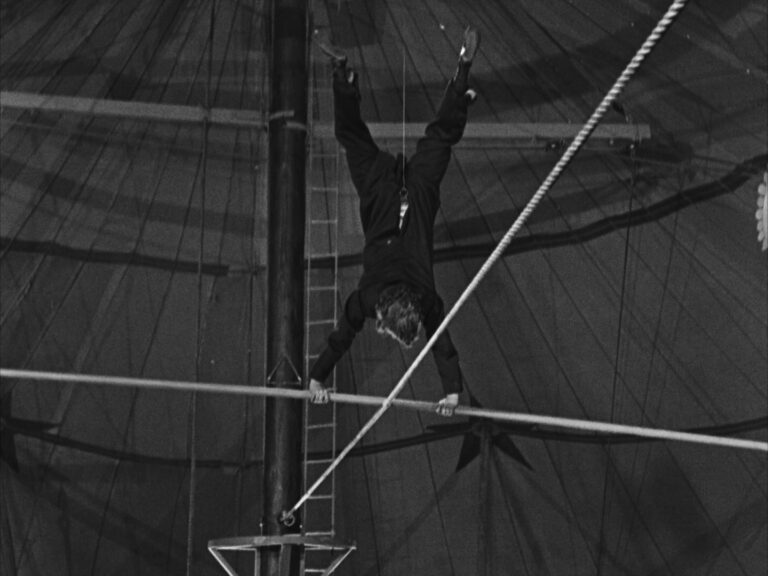
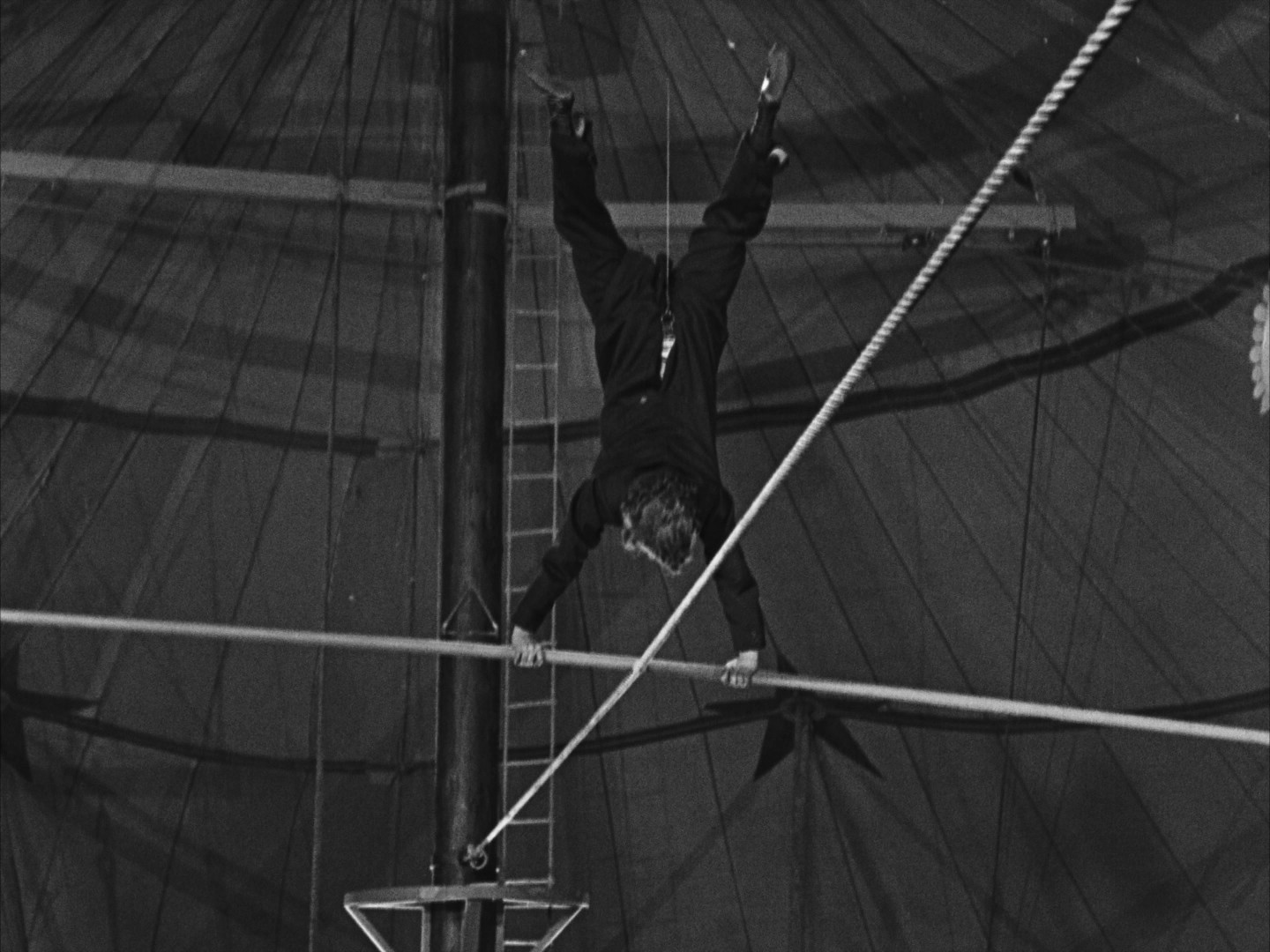
Chaplin blends precise physical comedy with large-scale circus staging, using wide, carefully composed frames to let gags play out in full view without cutting. The film’s iconic tightrope sequence—shot with real height and practical effects—captures his commitment to in-camera spectacle, turning performance, danger, and comedy into a single, elegantly choreographed visual act.


FILM SPOTLIGHT
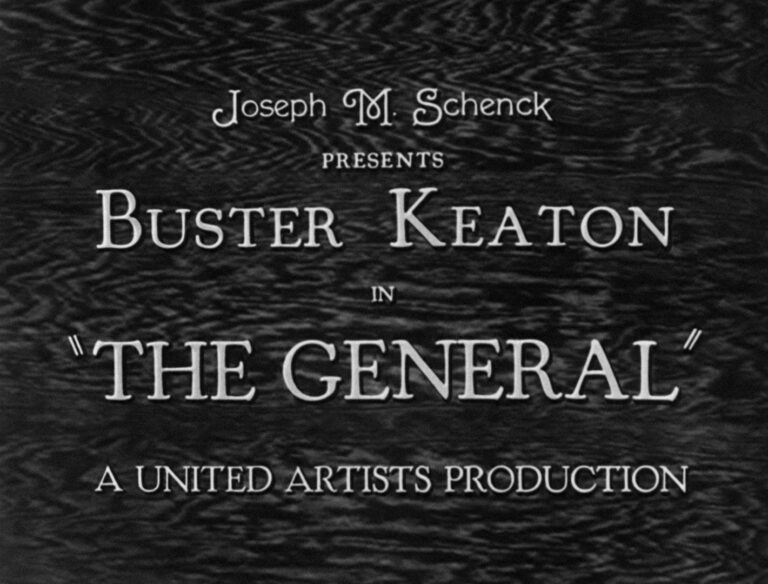
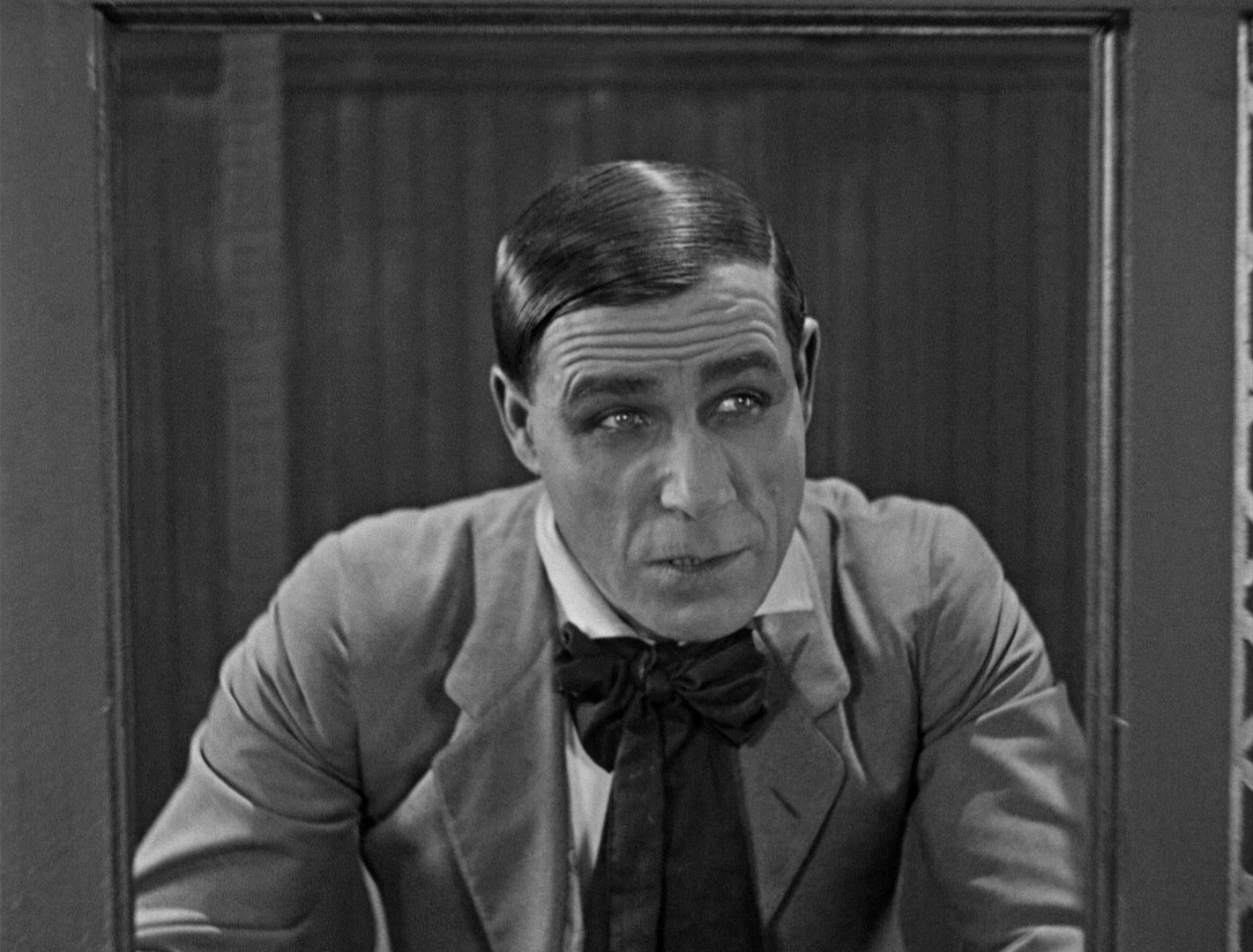
The General (1926)
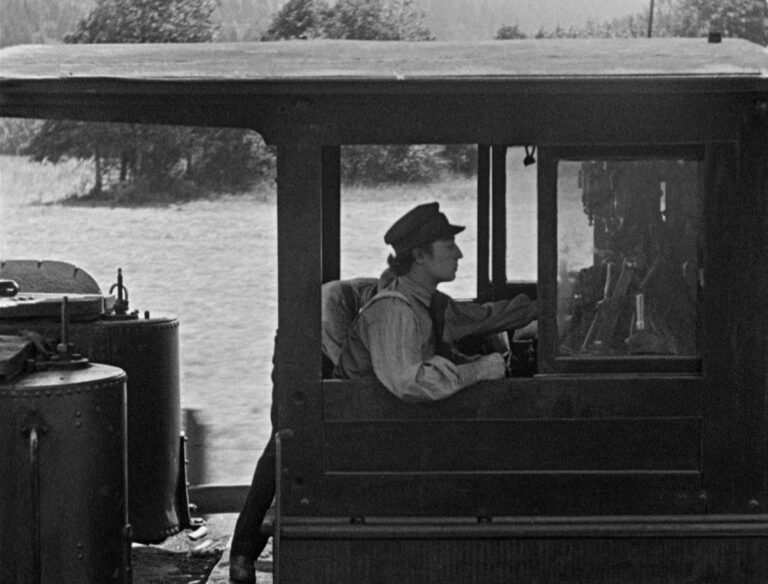
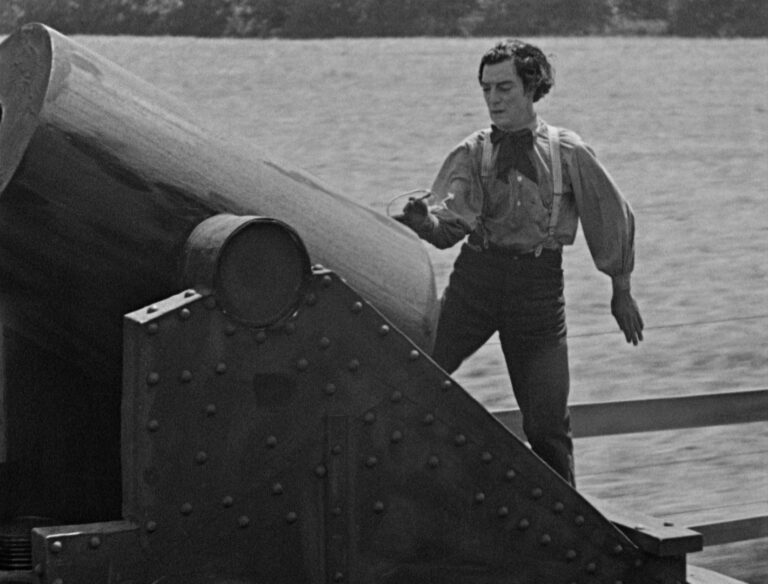
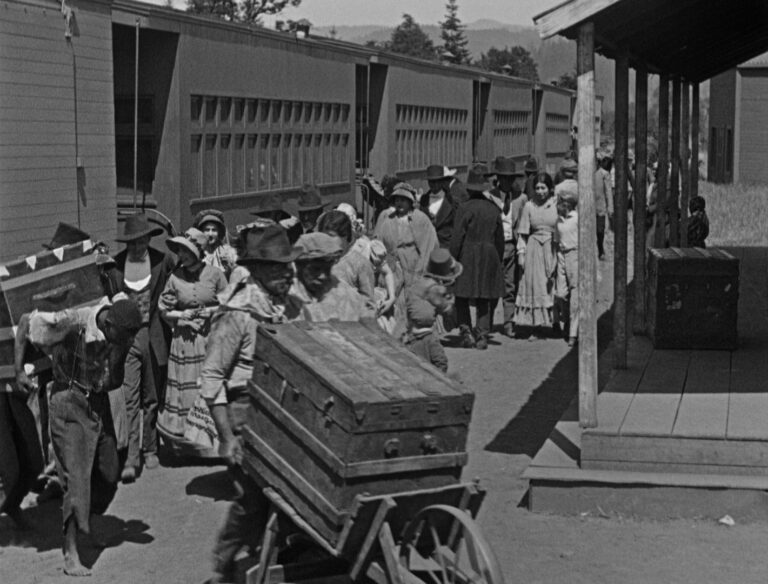
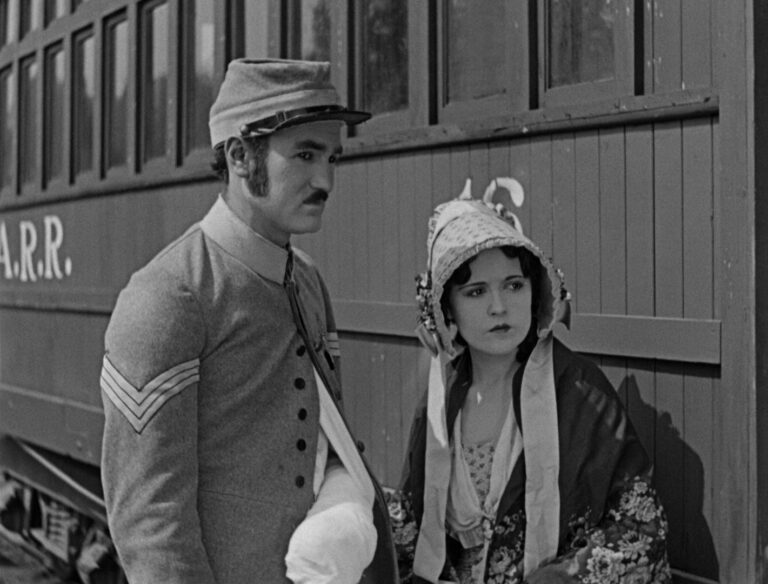
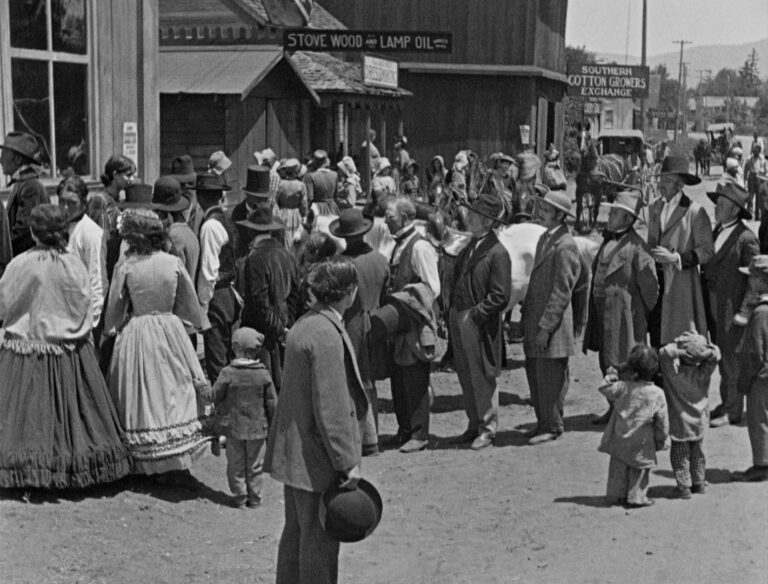
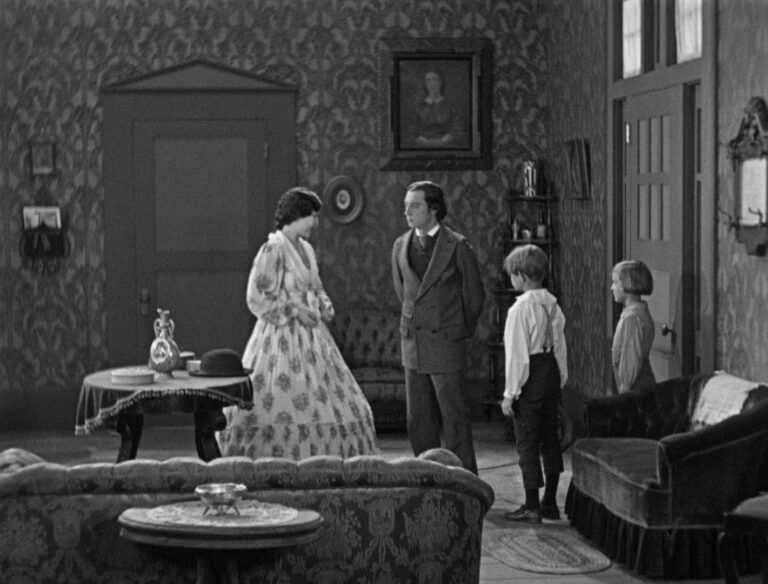
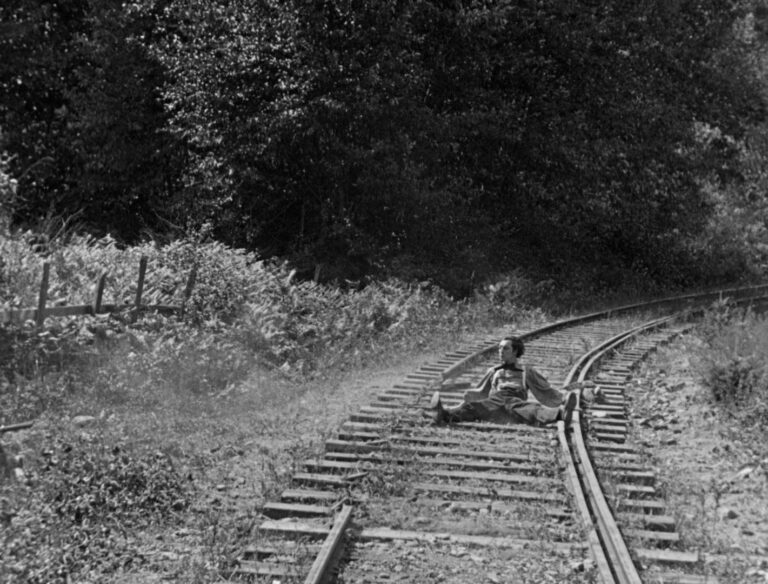
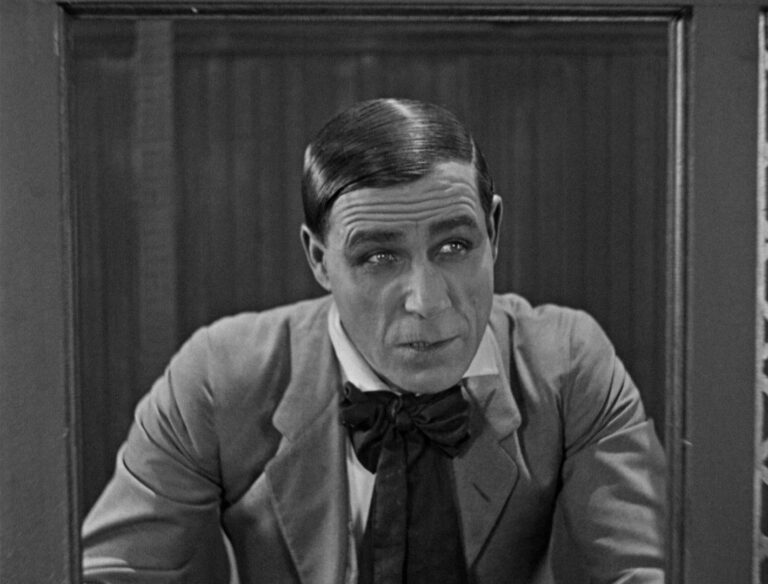
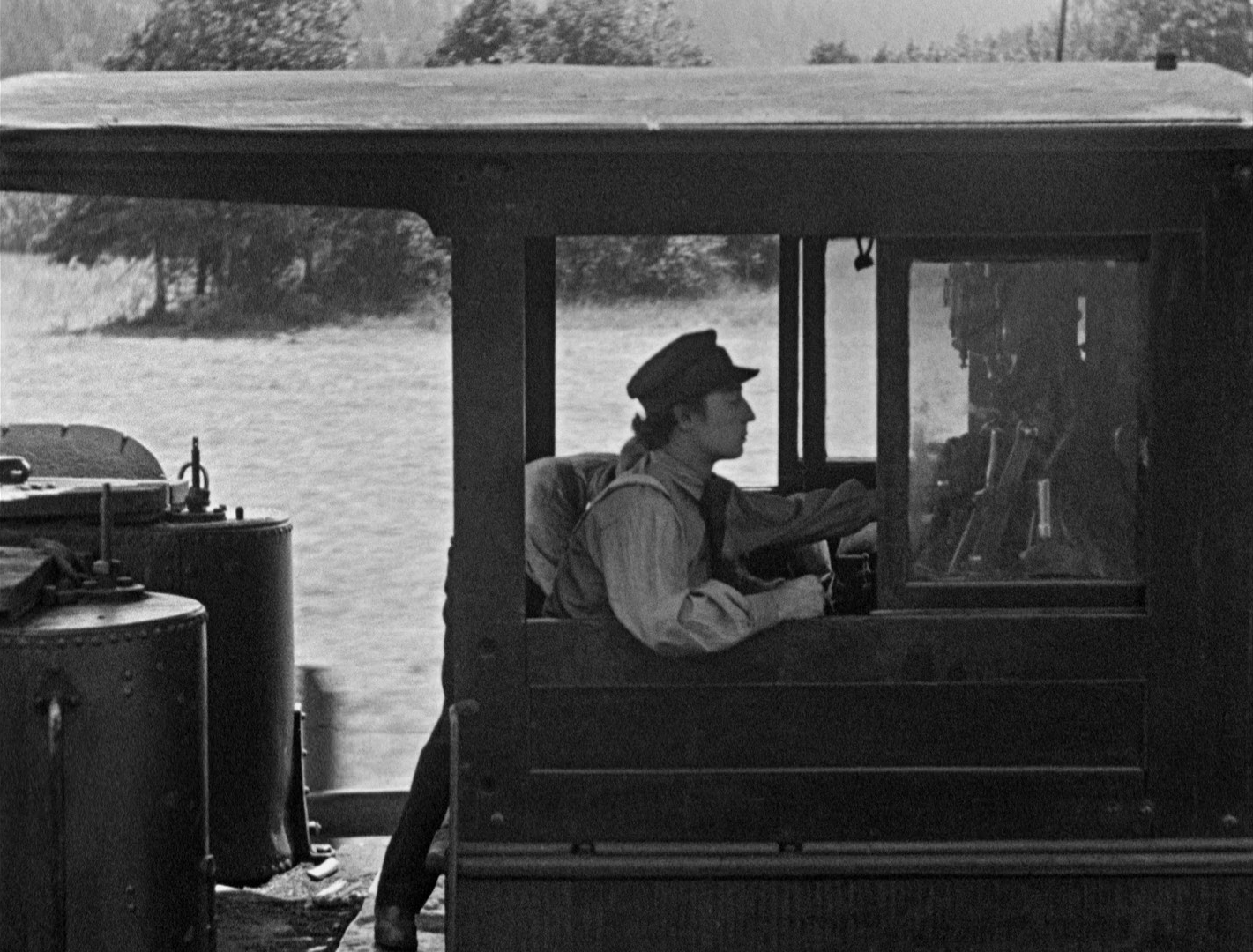
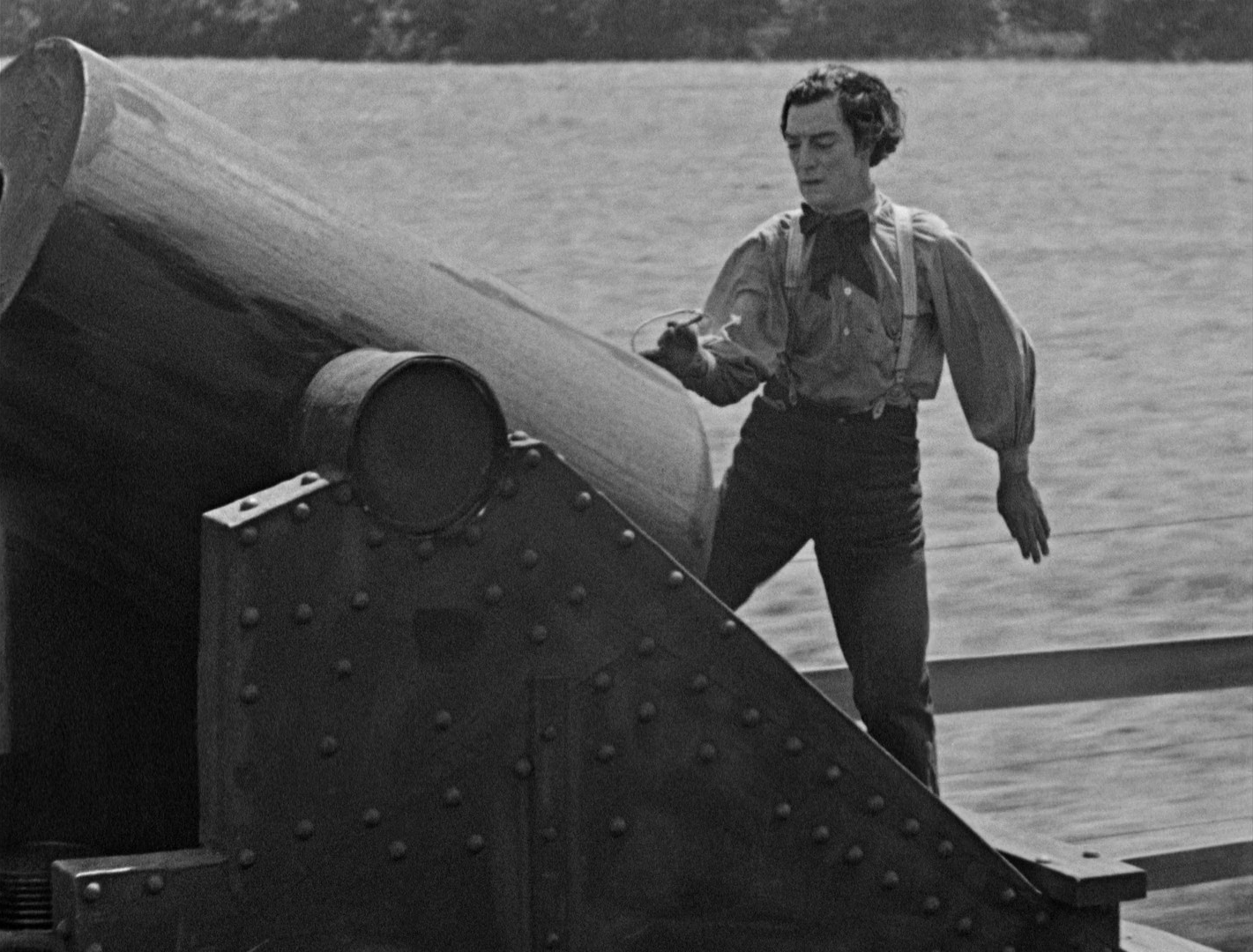
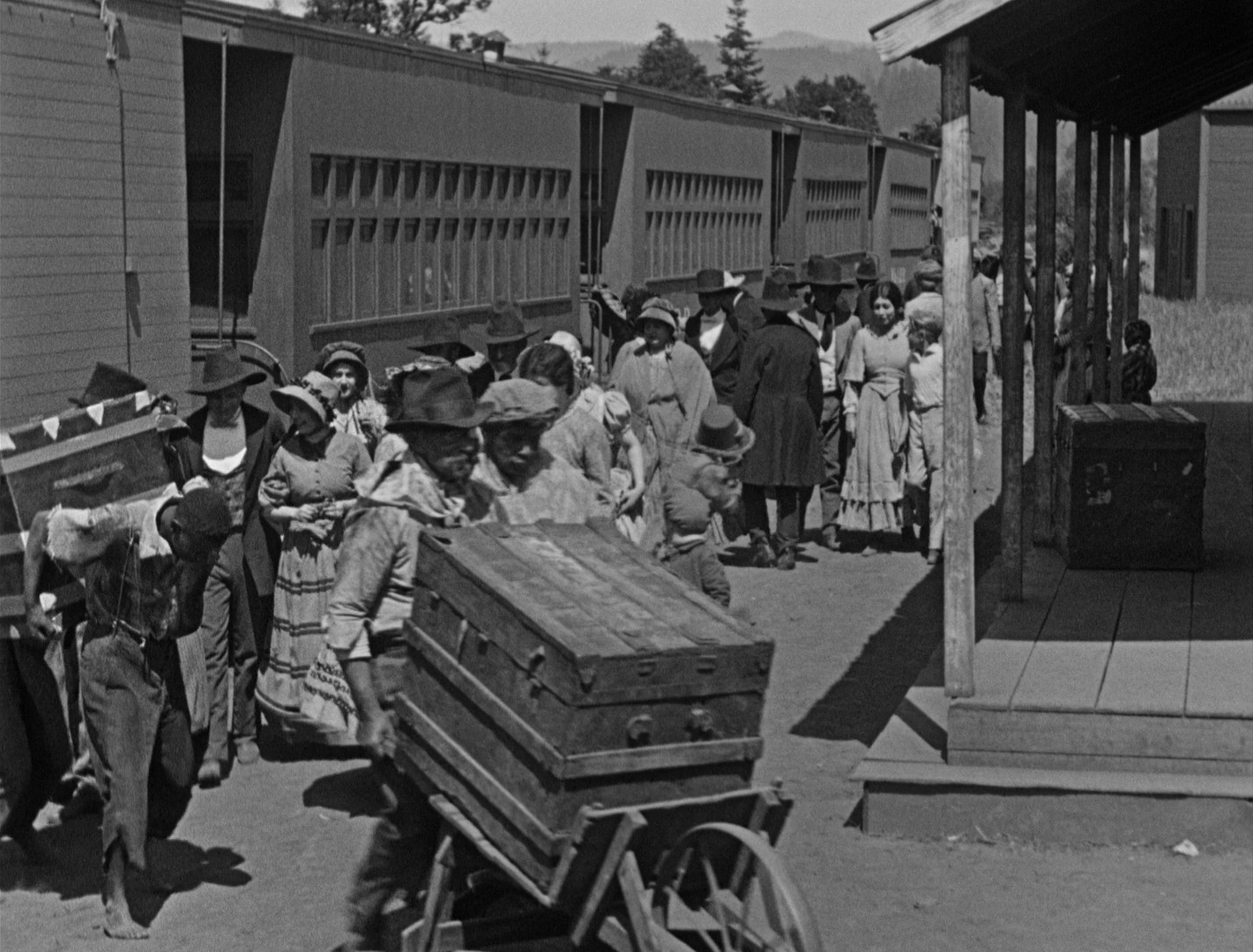
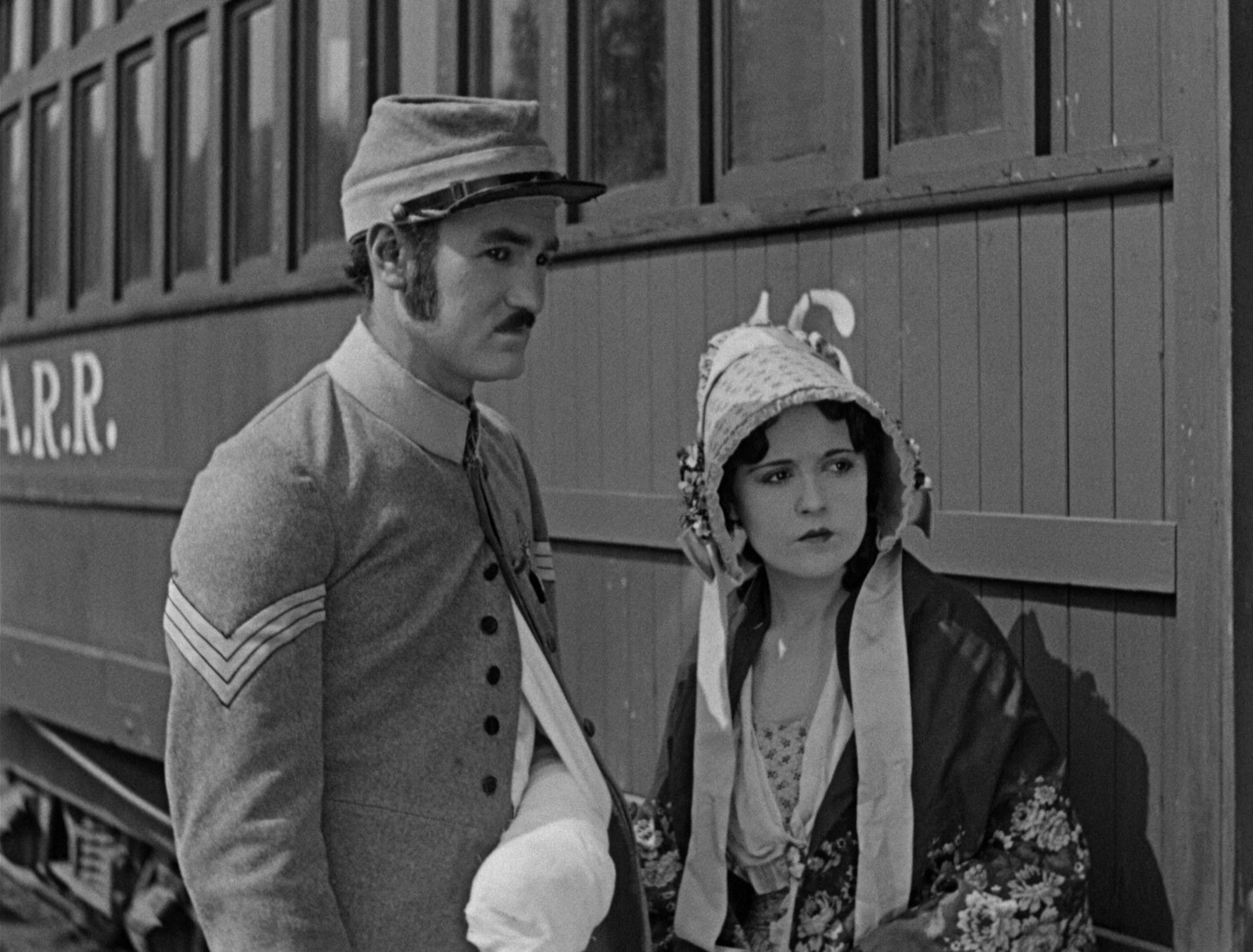
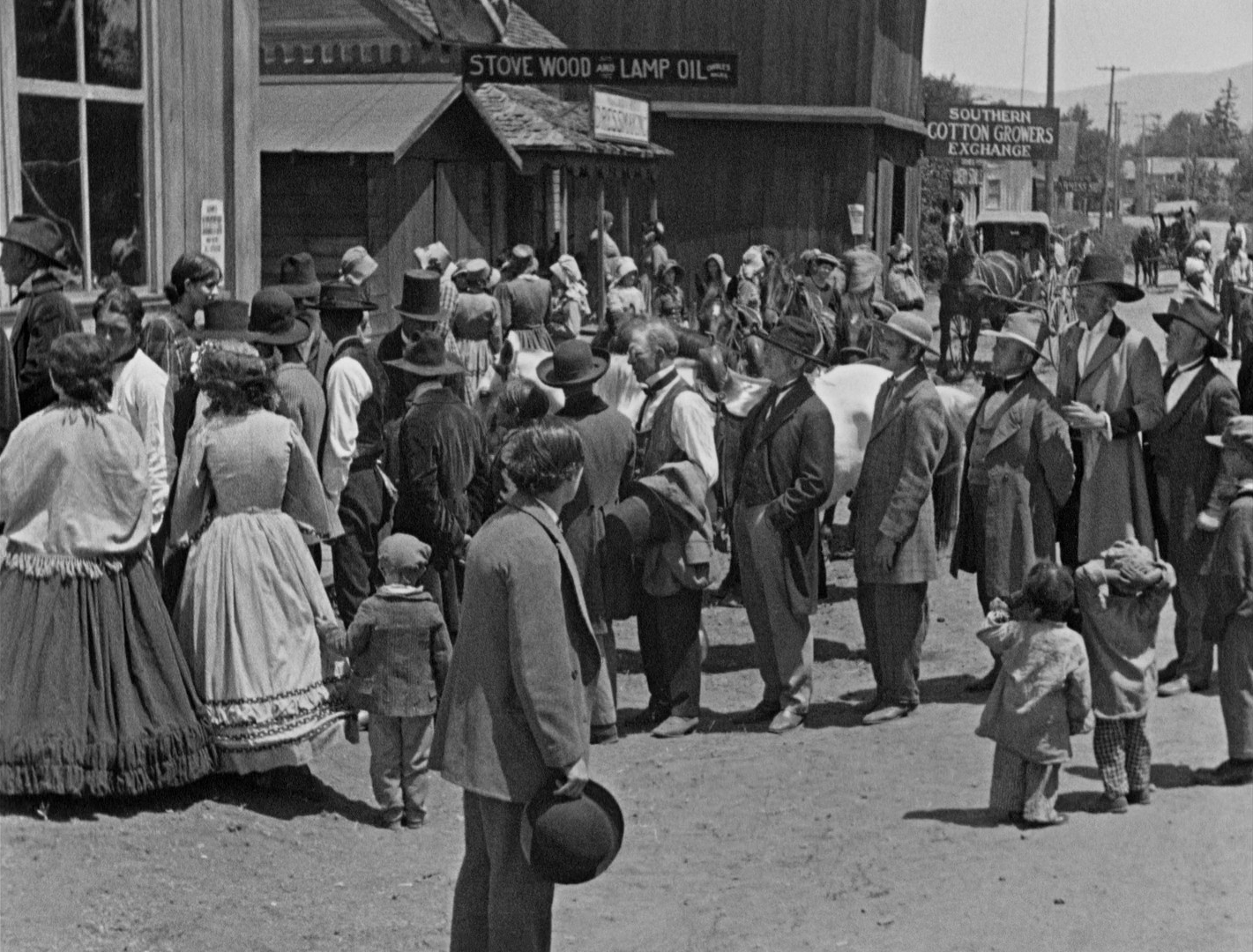
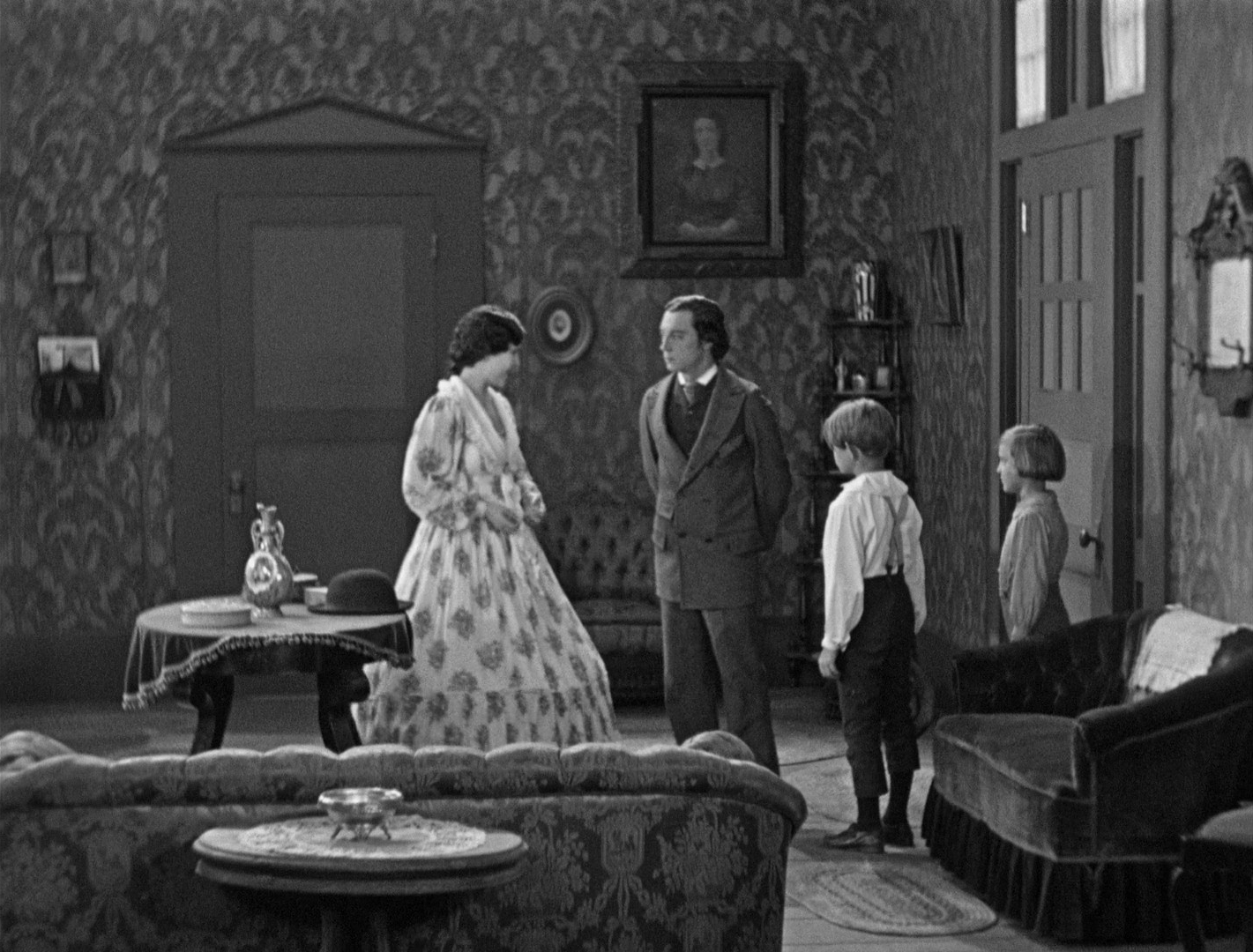
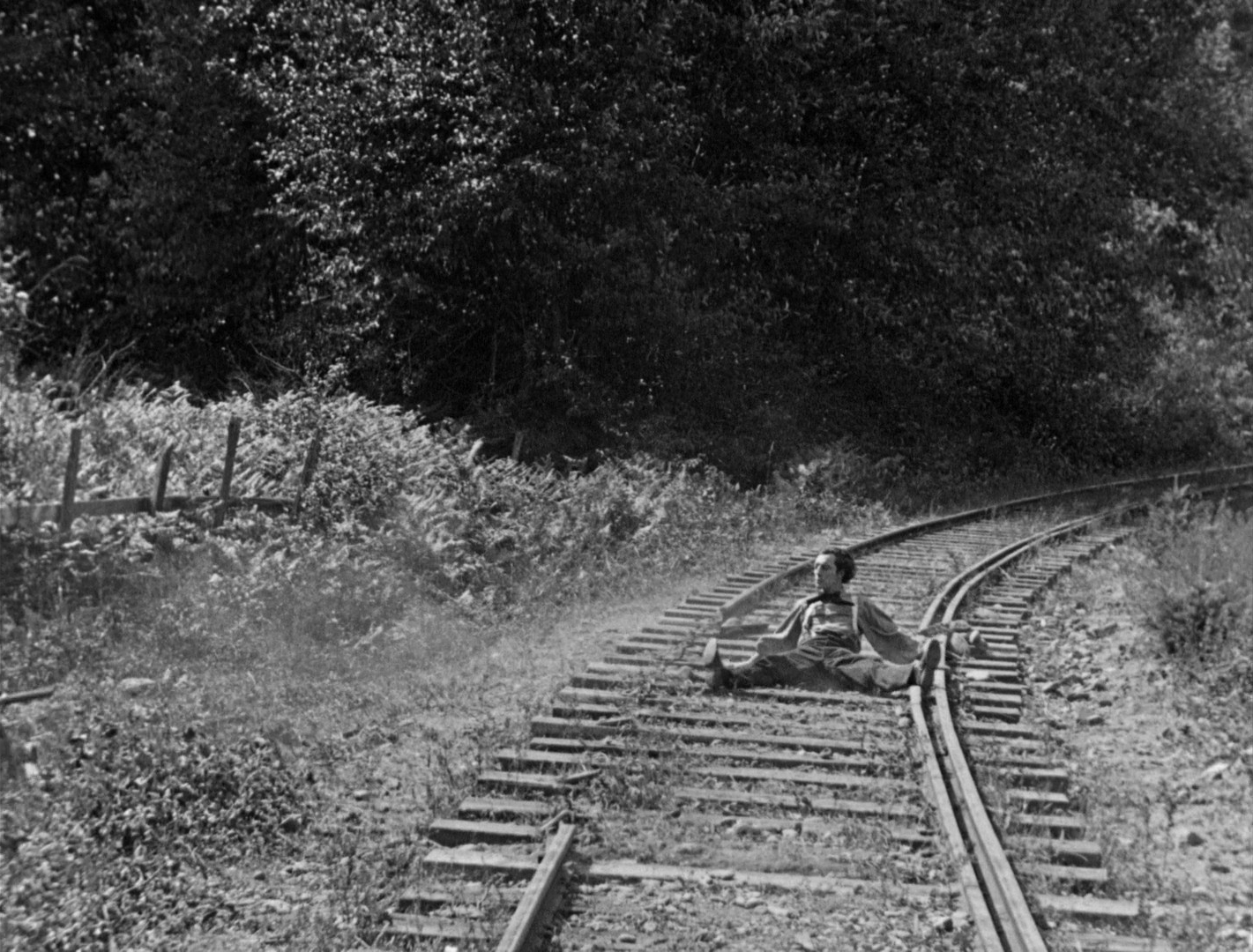
During the American Civil War, a train engineer named Johnnie Gray finds himself rejected by both the army and his sweetheart, who mistakes his position as cowardice. When Union spies steal his beloved locomotive—along with his girlfriend aboard—Johnnie sets off alone in a daring pursuit deep into enemy territory. His journey becomes a relentless chase filled with danger, ingenuity, and determination to reclaim both his train and his honor.
Keaton staged The General with an extraordinary commitment to practical scale, using real locomotives and full-size railway environments to ground its action in physical reality. The film’s long takes and wide compositions let stunts play out in real time—culminating in the famous train crash, one of the most expensive and ambitious practical effects of the silent era, executed entirely in-camera.
FILM SPOTLIGHT
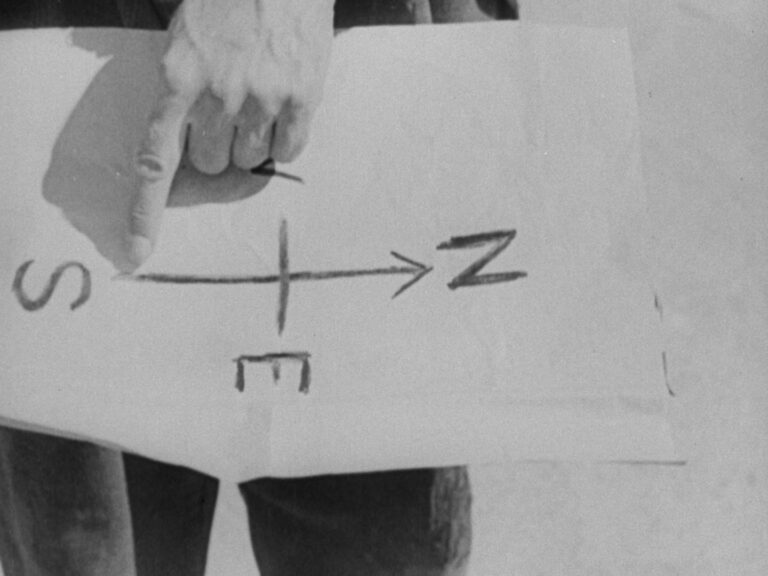
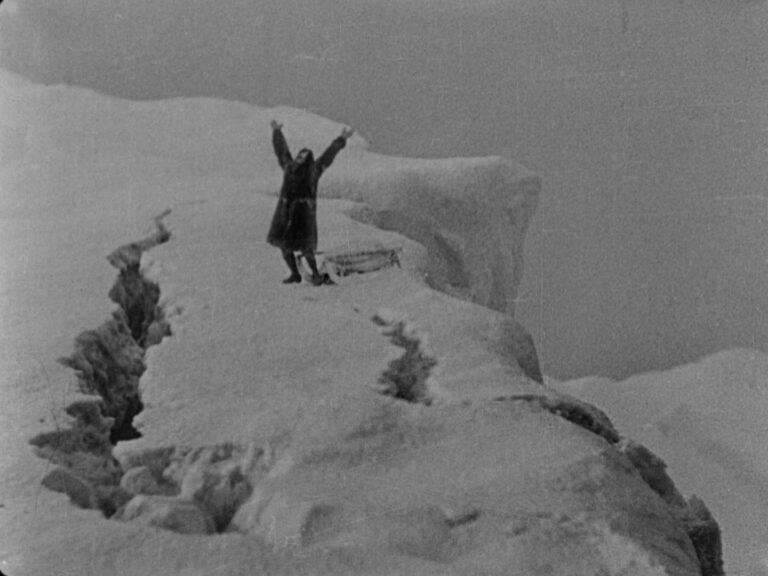
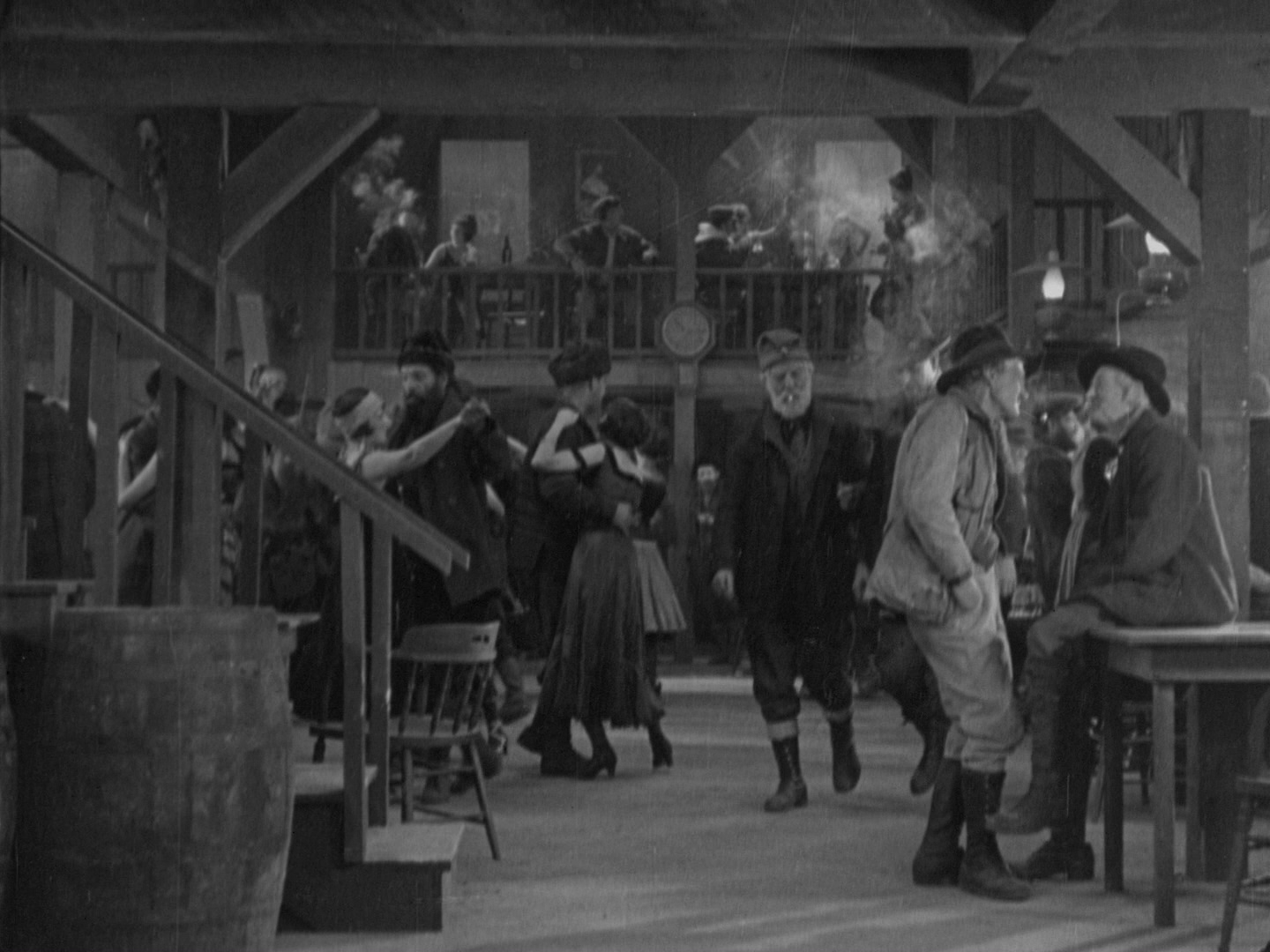
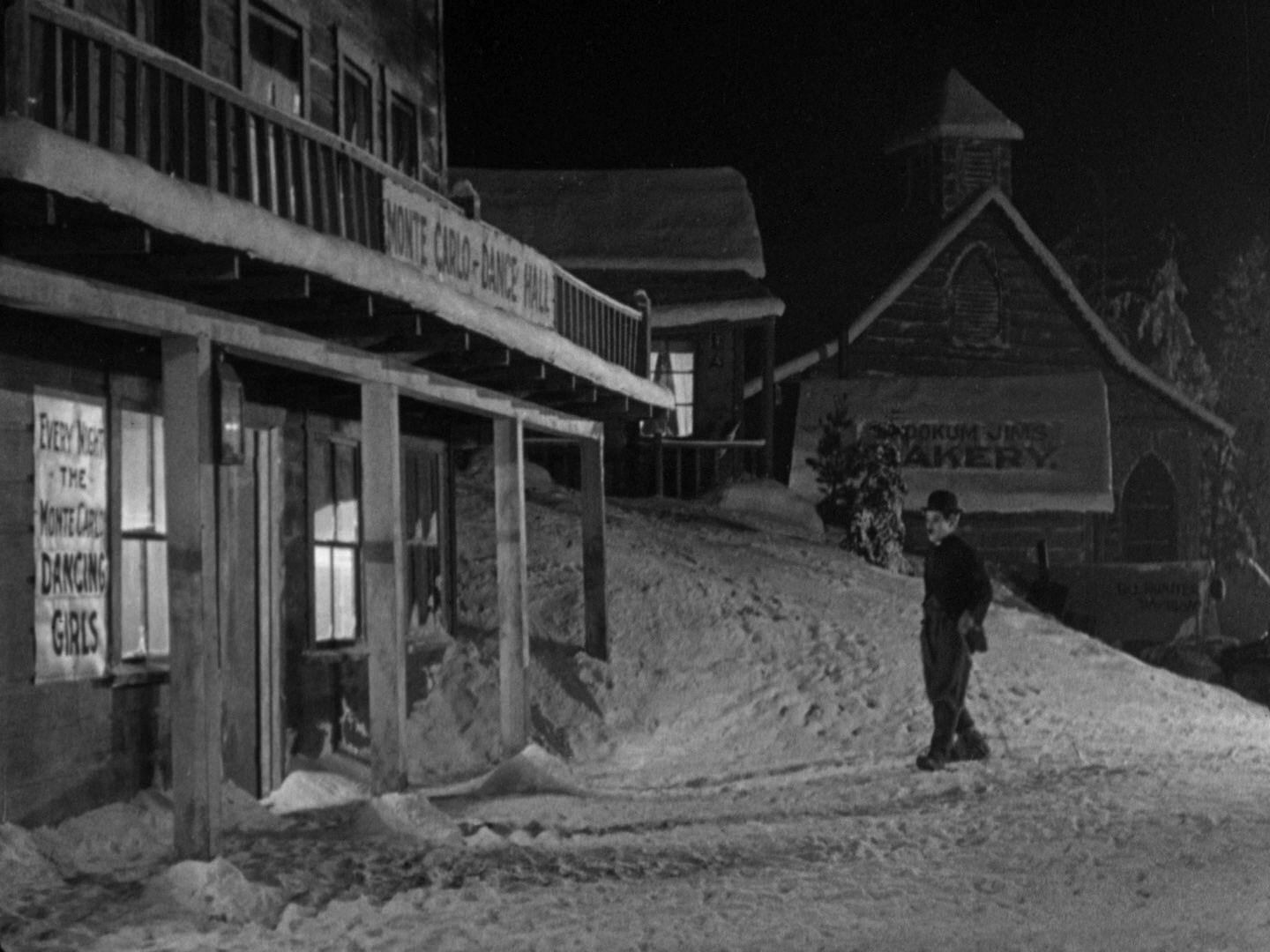
The Gold Rush (1925)
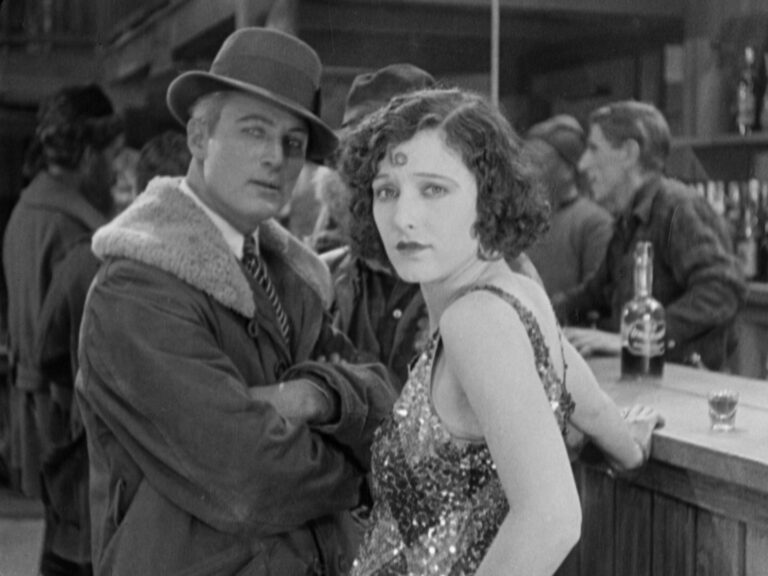
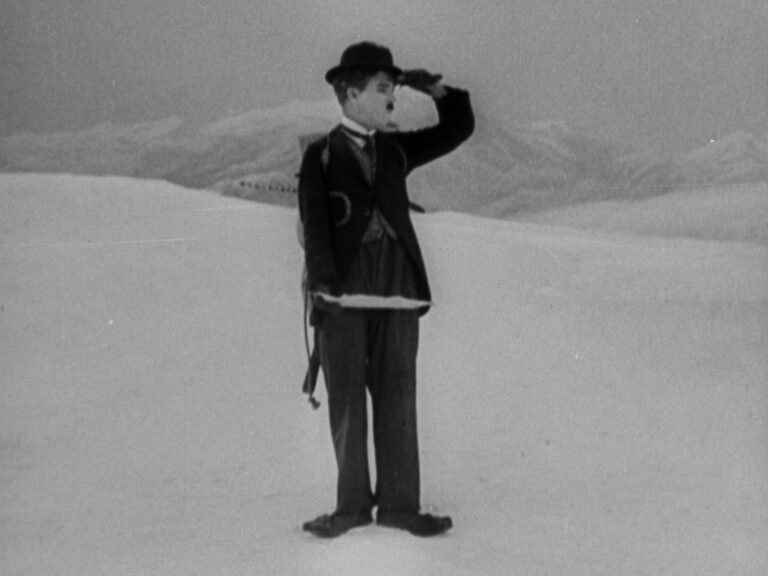
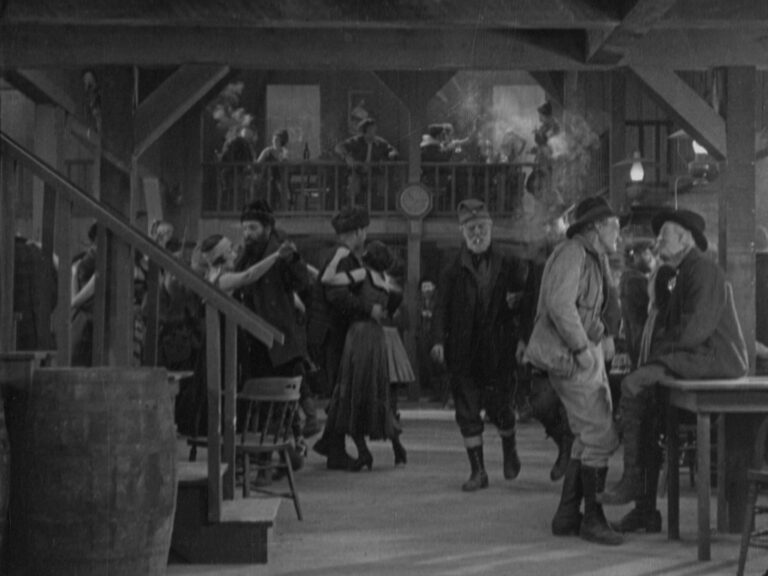
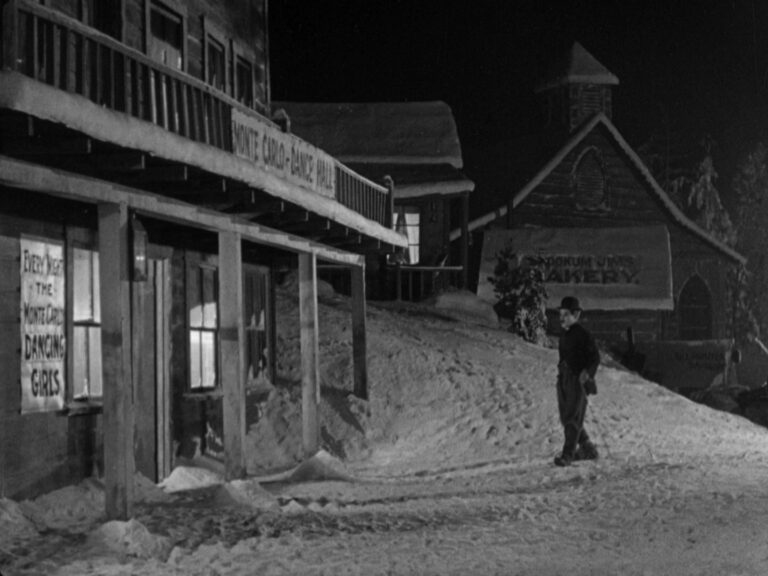
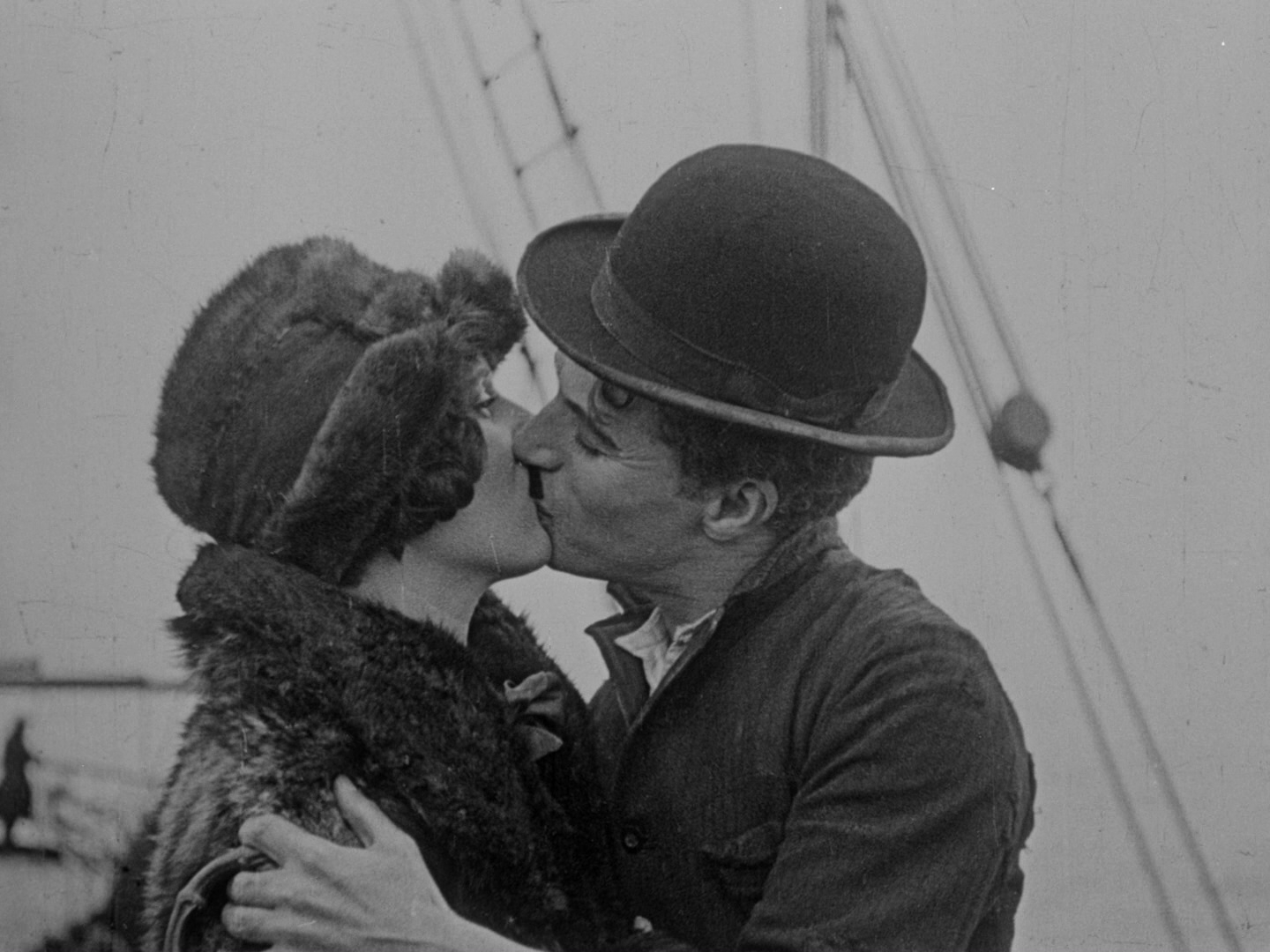
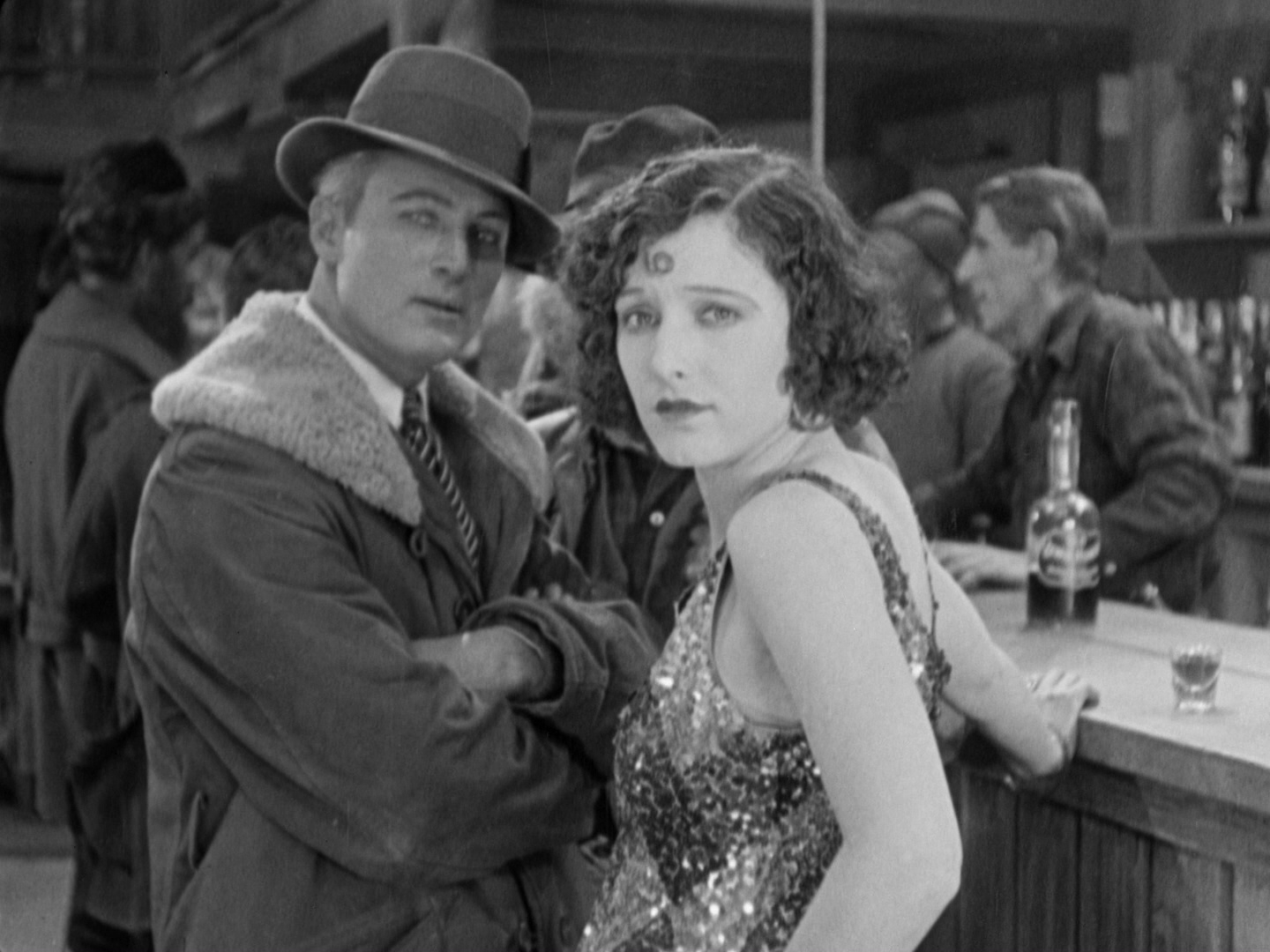
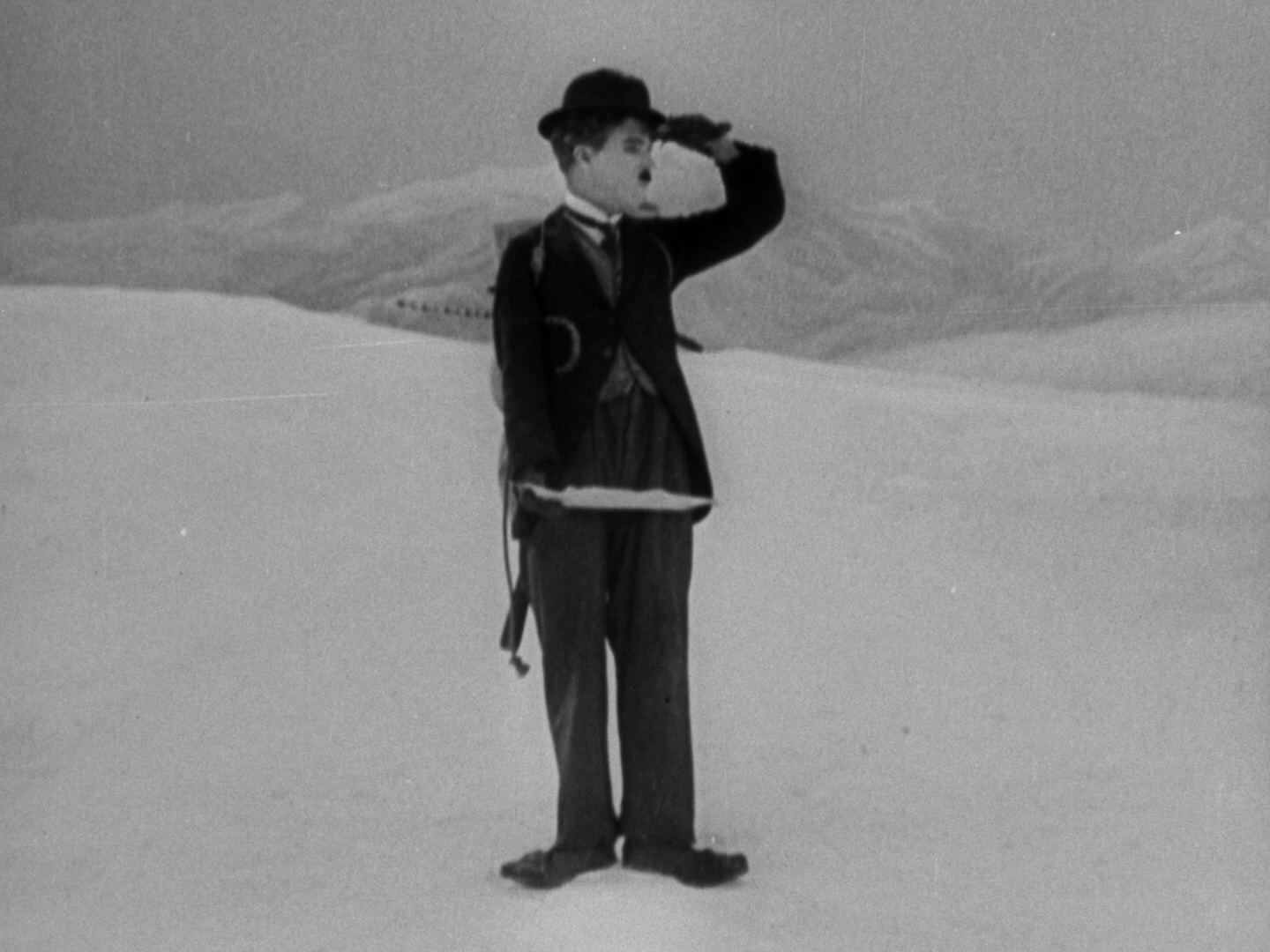
In The Gold Rush, a tramp journeys to the Klondike in search of fortune during the gold rush, only to face harsh conditions, hunger, and isolation. Stranded in a remote cabin with a fellow prospector, he struggles to survive while dreaming of wealth and love. Amid hardship and misadventure, his resilience and optimism carry him through a series of comedic and poignant encounters.
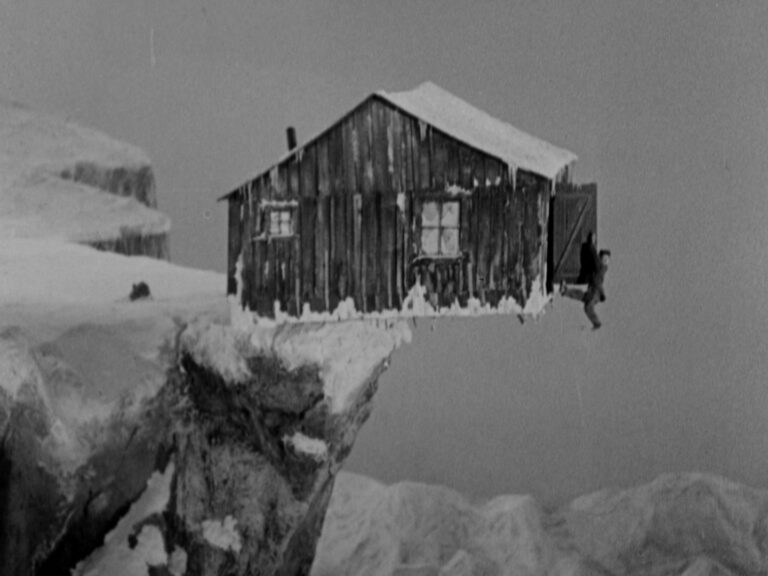
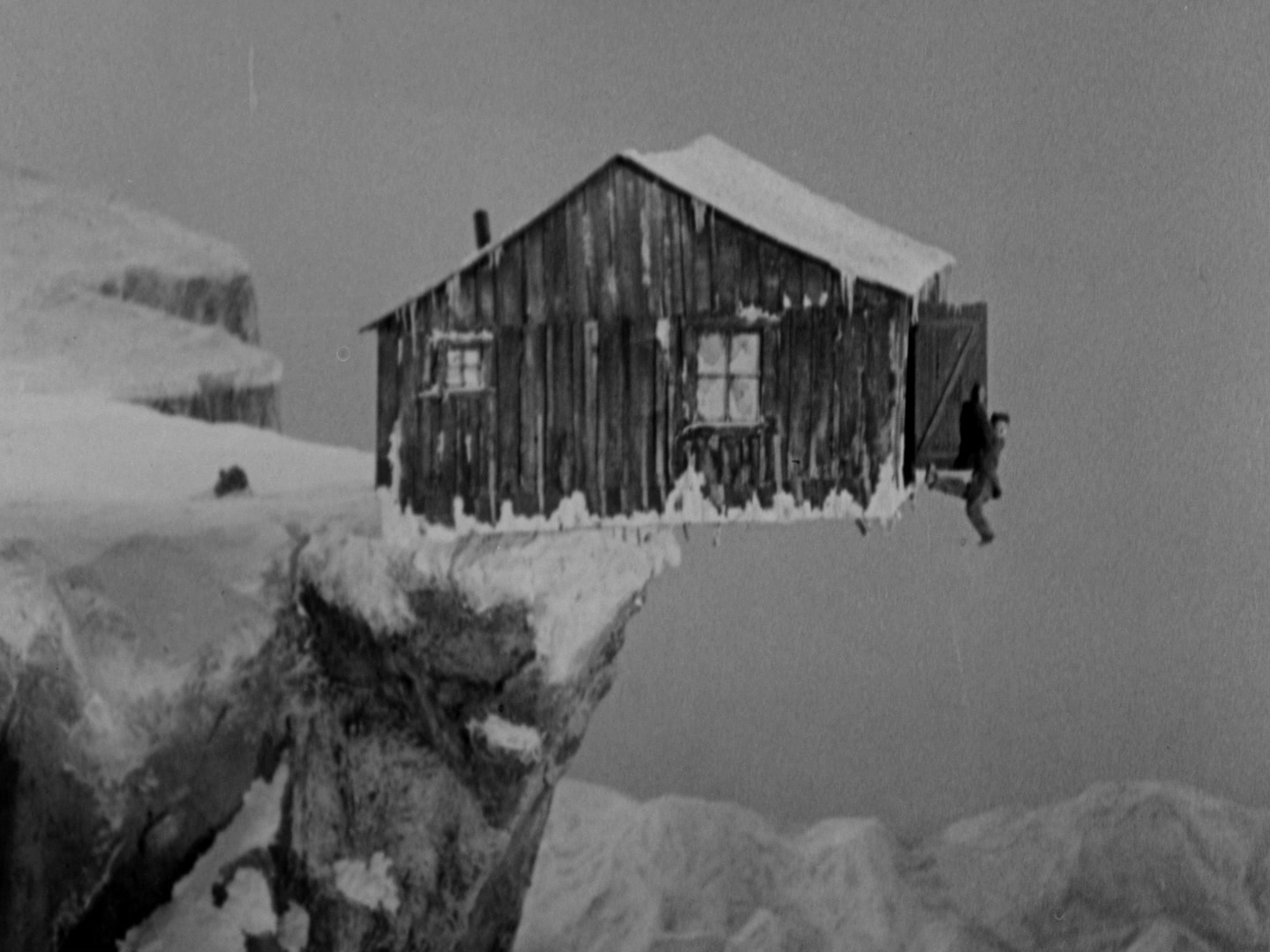
Chaplin blends studio-built spectacle with precise visual gags, using detailed sets and controlled environments to craft iconic sequences like the “dance of the rolls” and the tilting cabin perched on a cliff. Shot with clean, wide compositions, the film lets performance and staging drive the image—turning simple physical setups into enduring pieces of visual storytelling.
FILM SPOTLIGHT
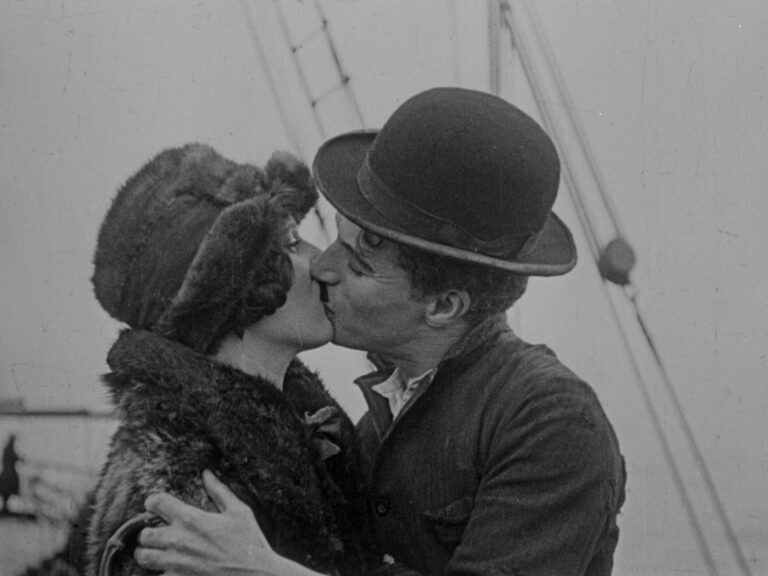
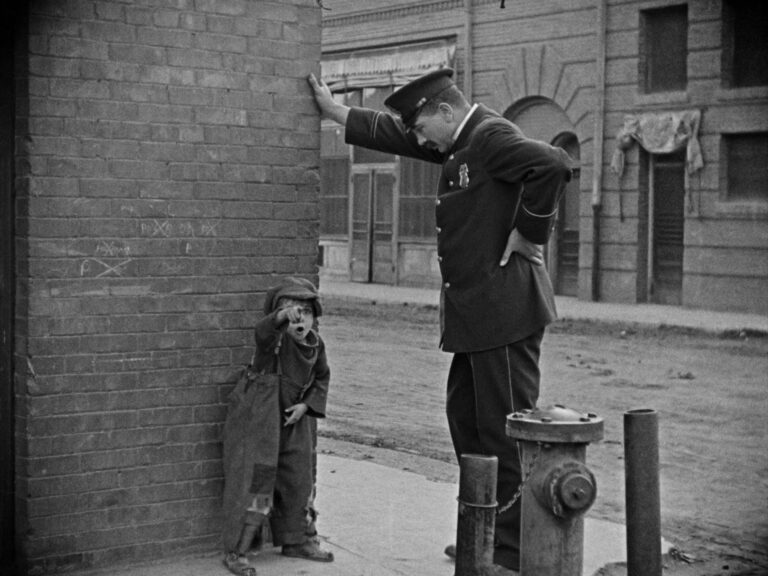
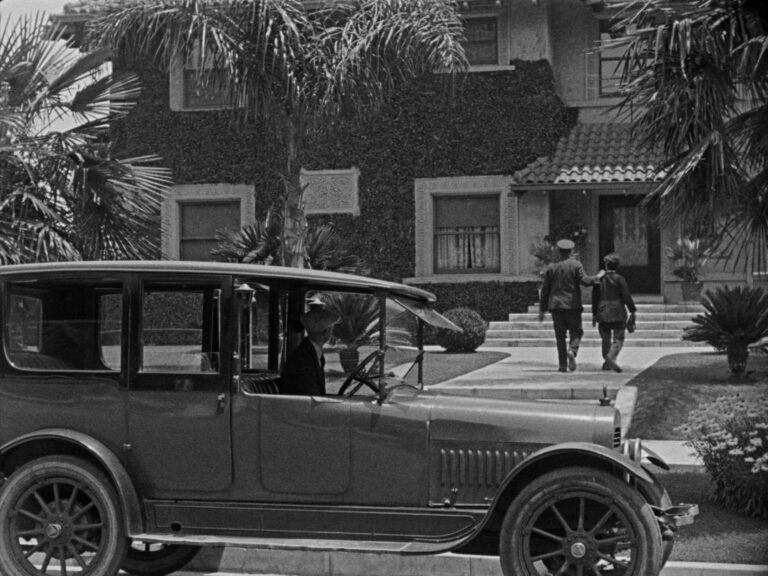
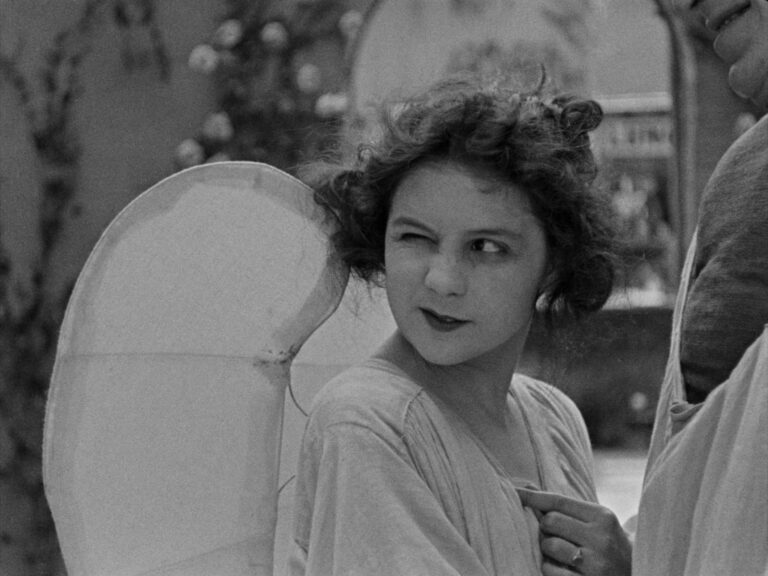
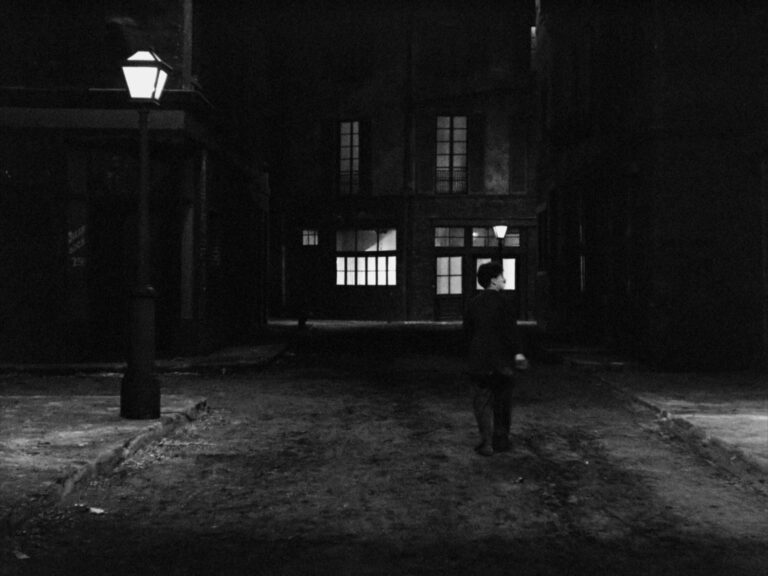
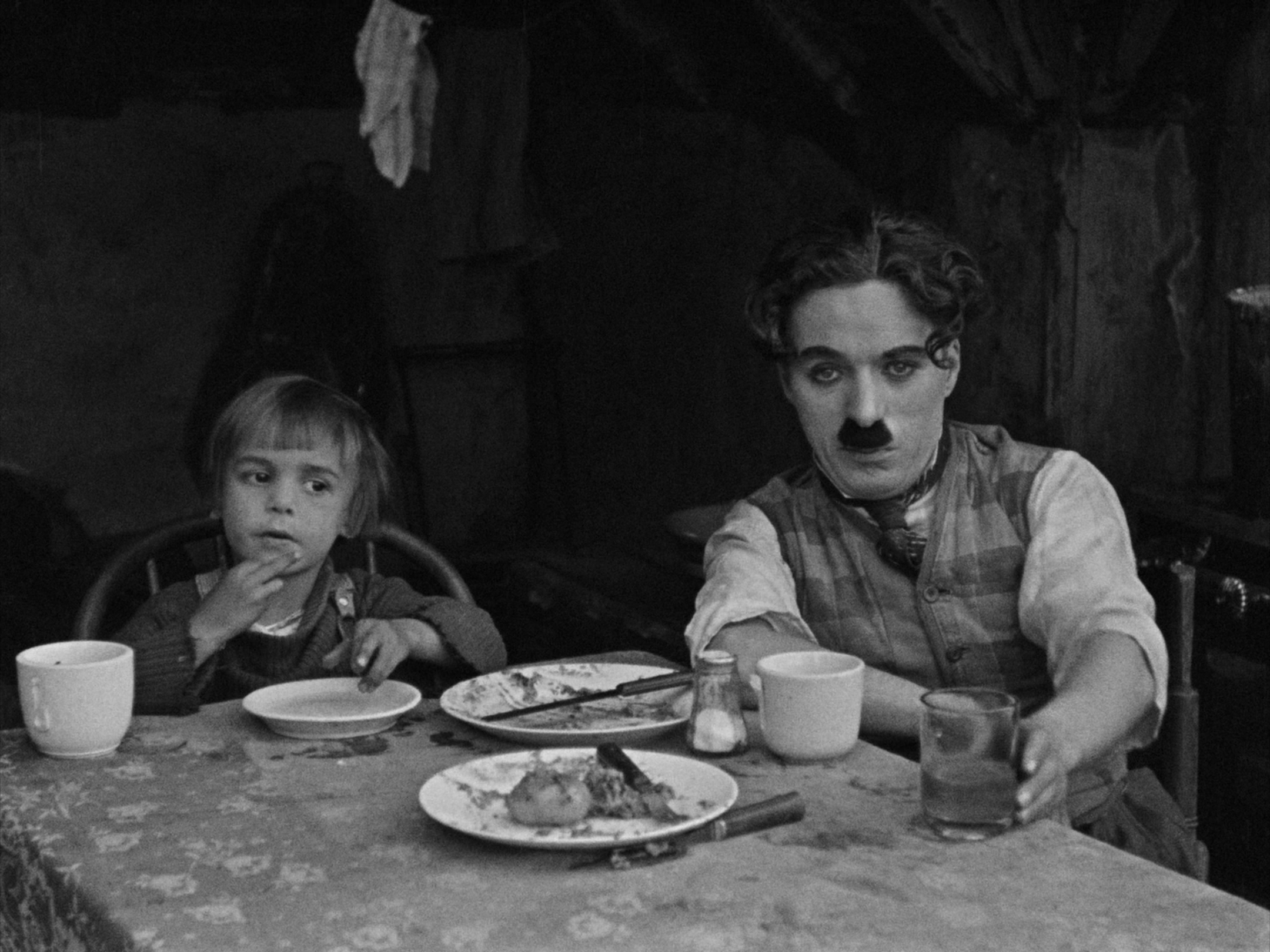
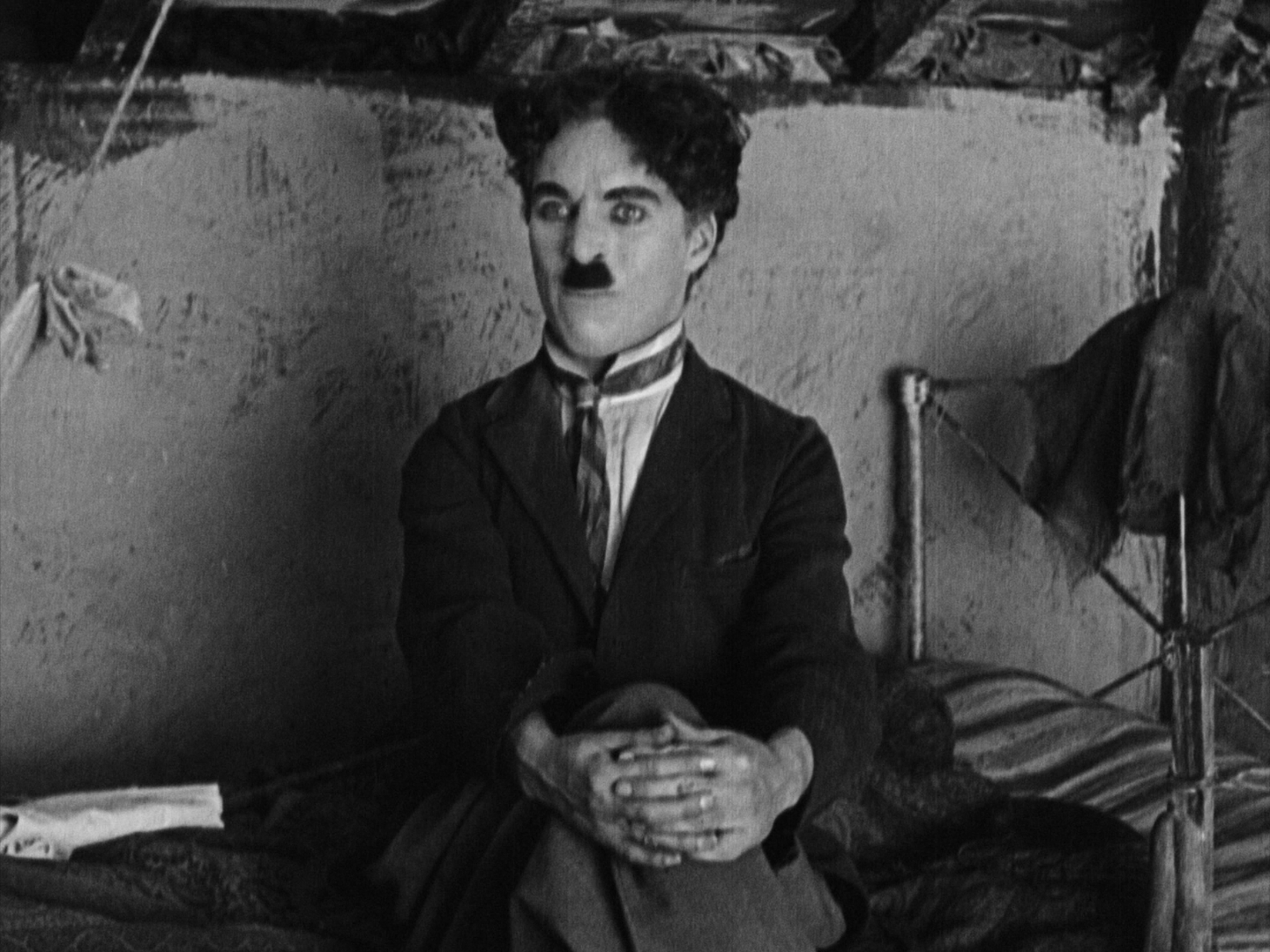
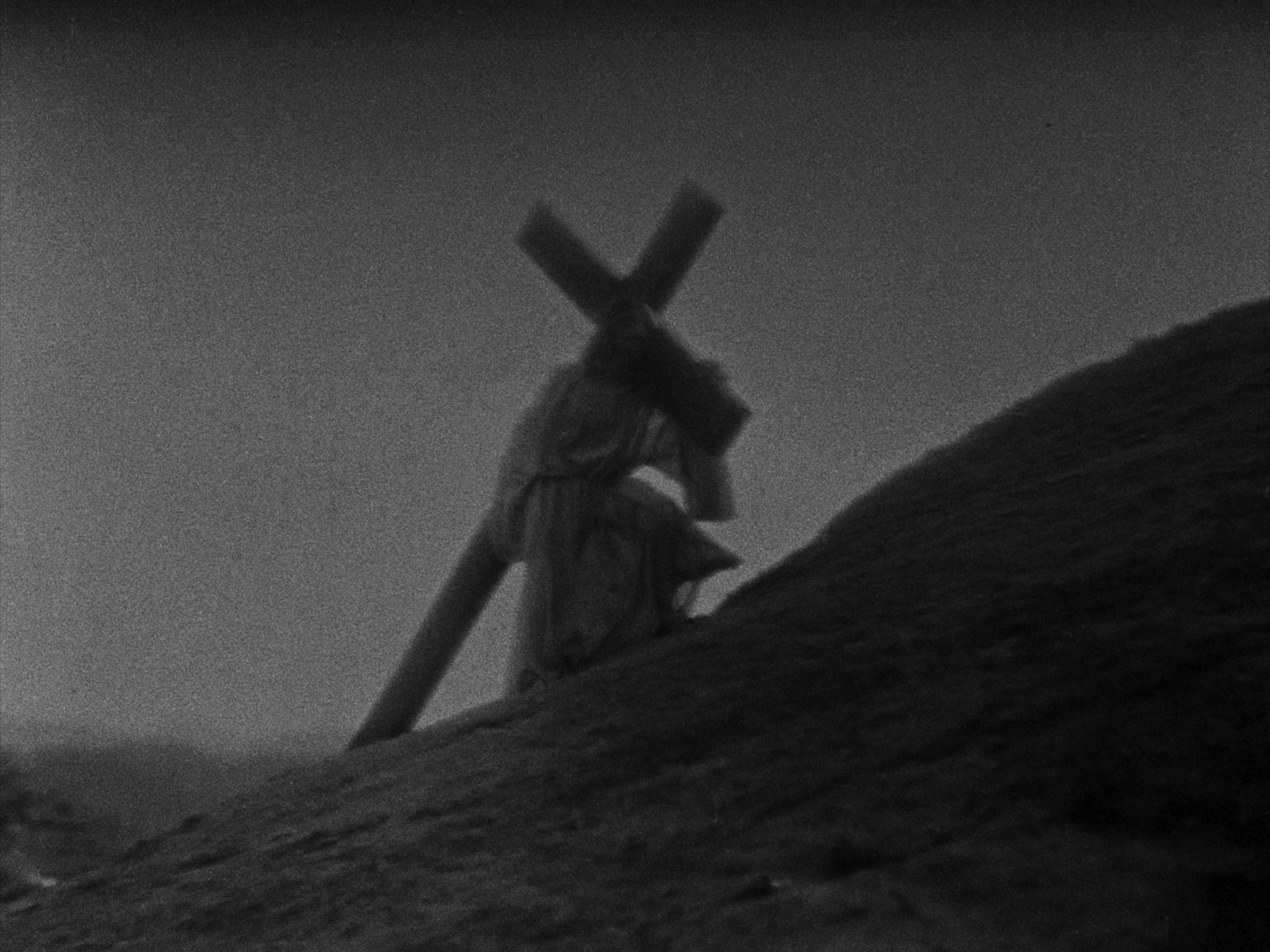
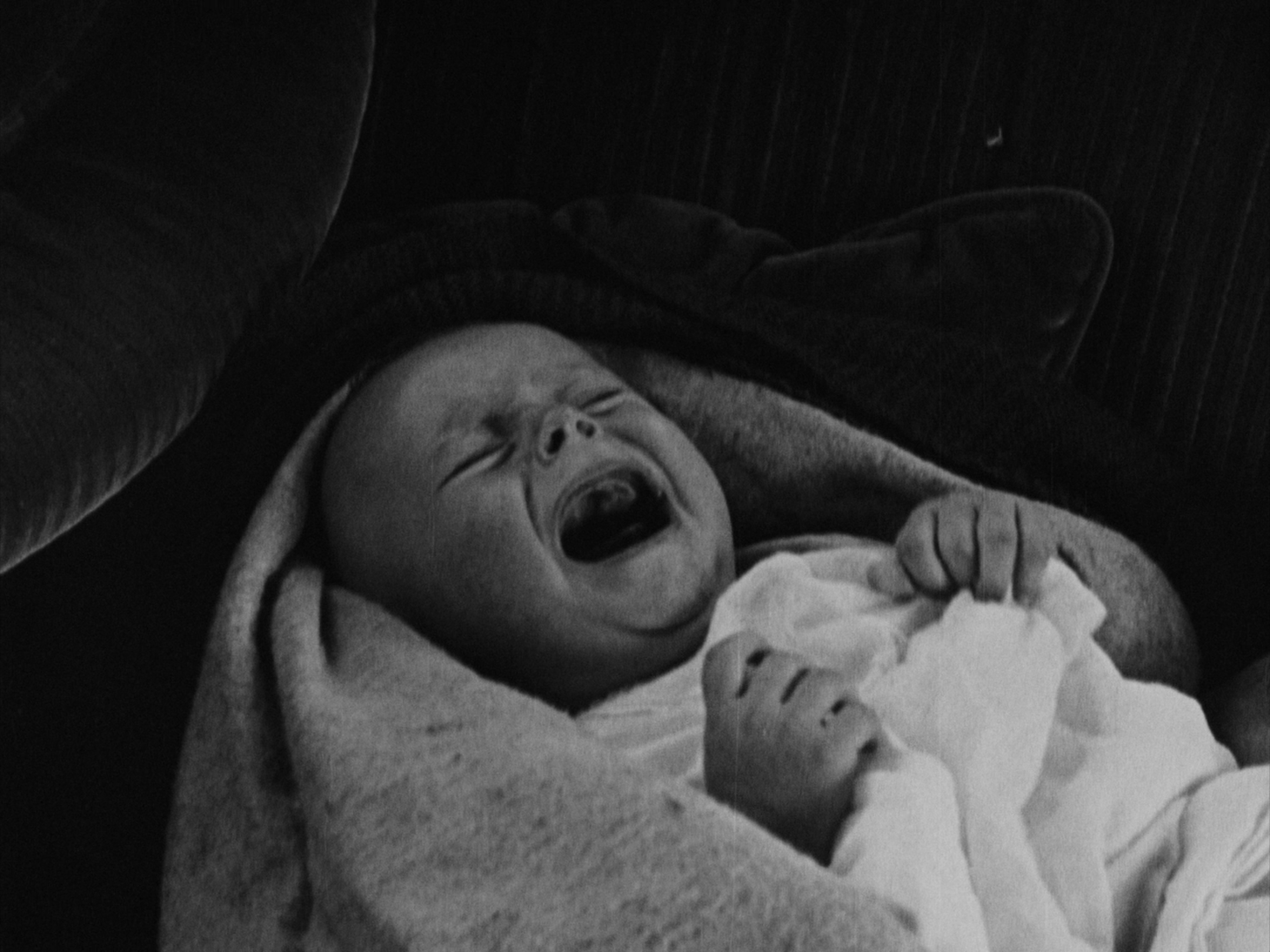
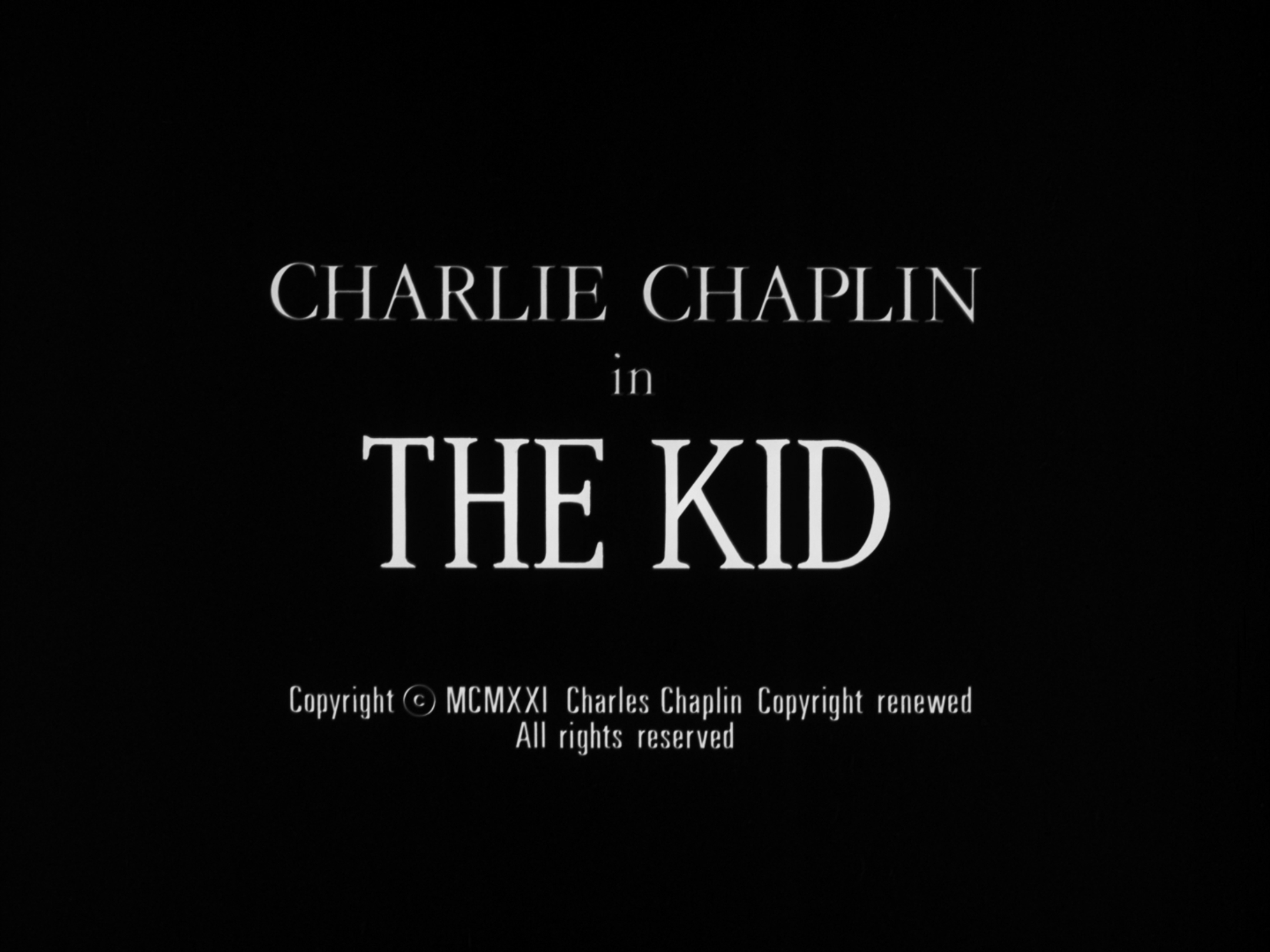
The Kid (1921)
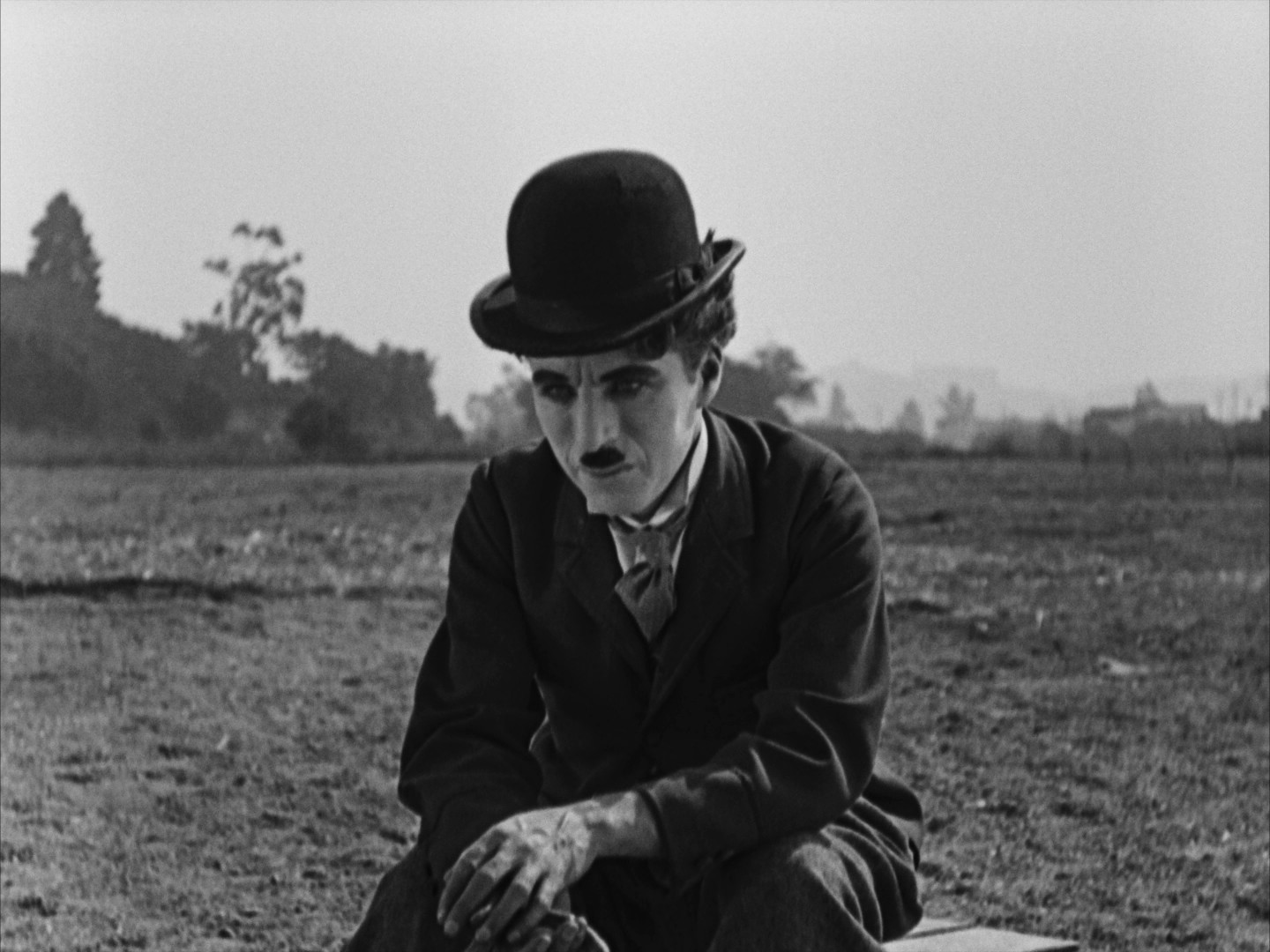
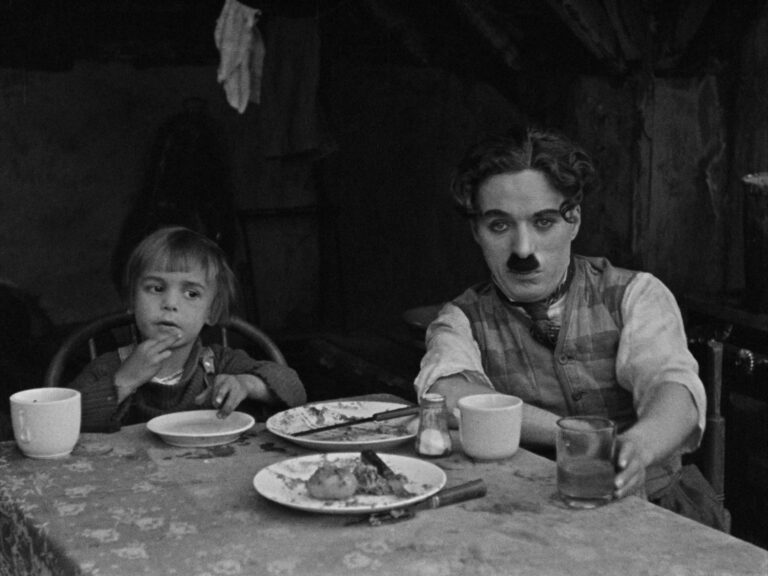
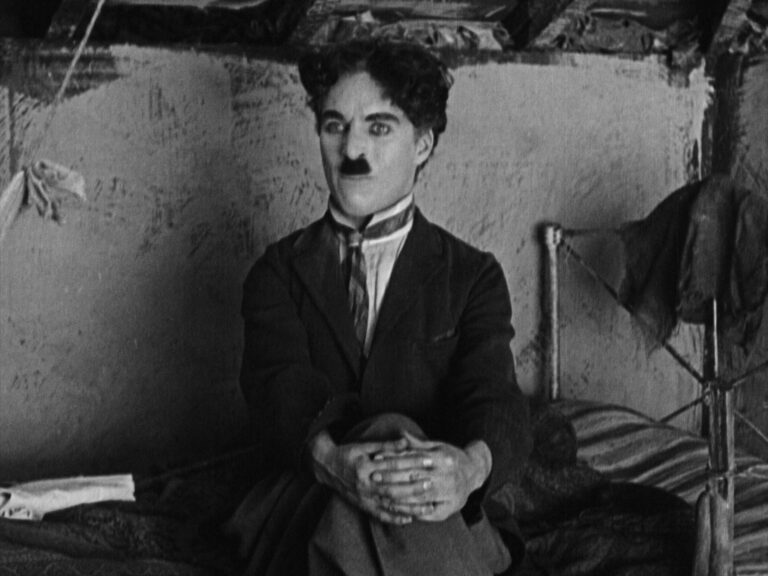
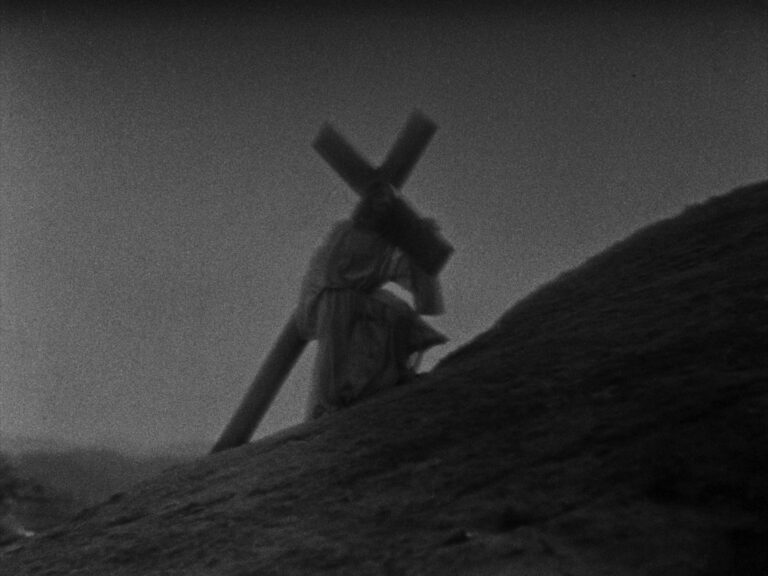
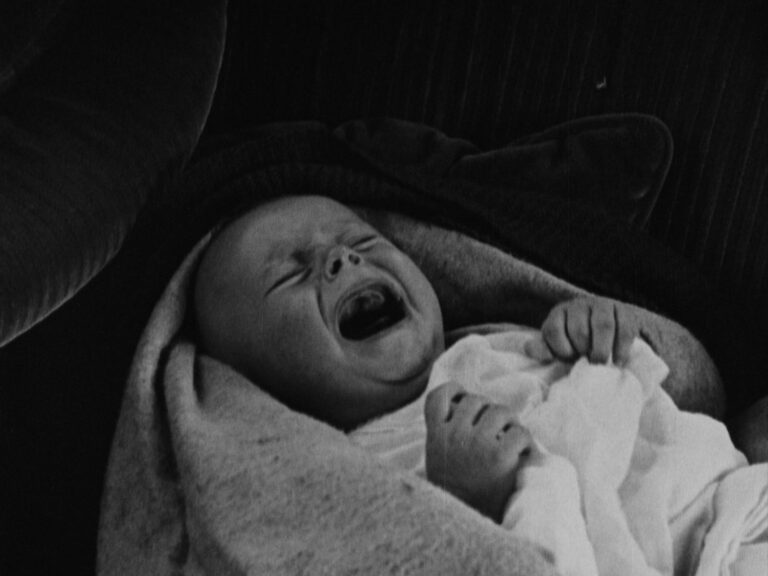
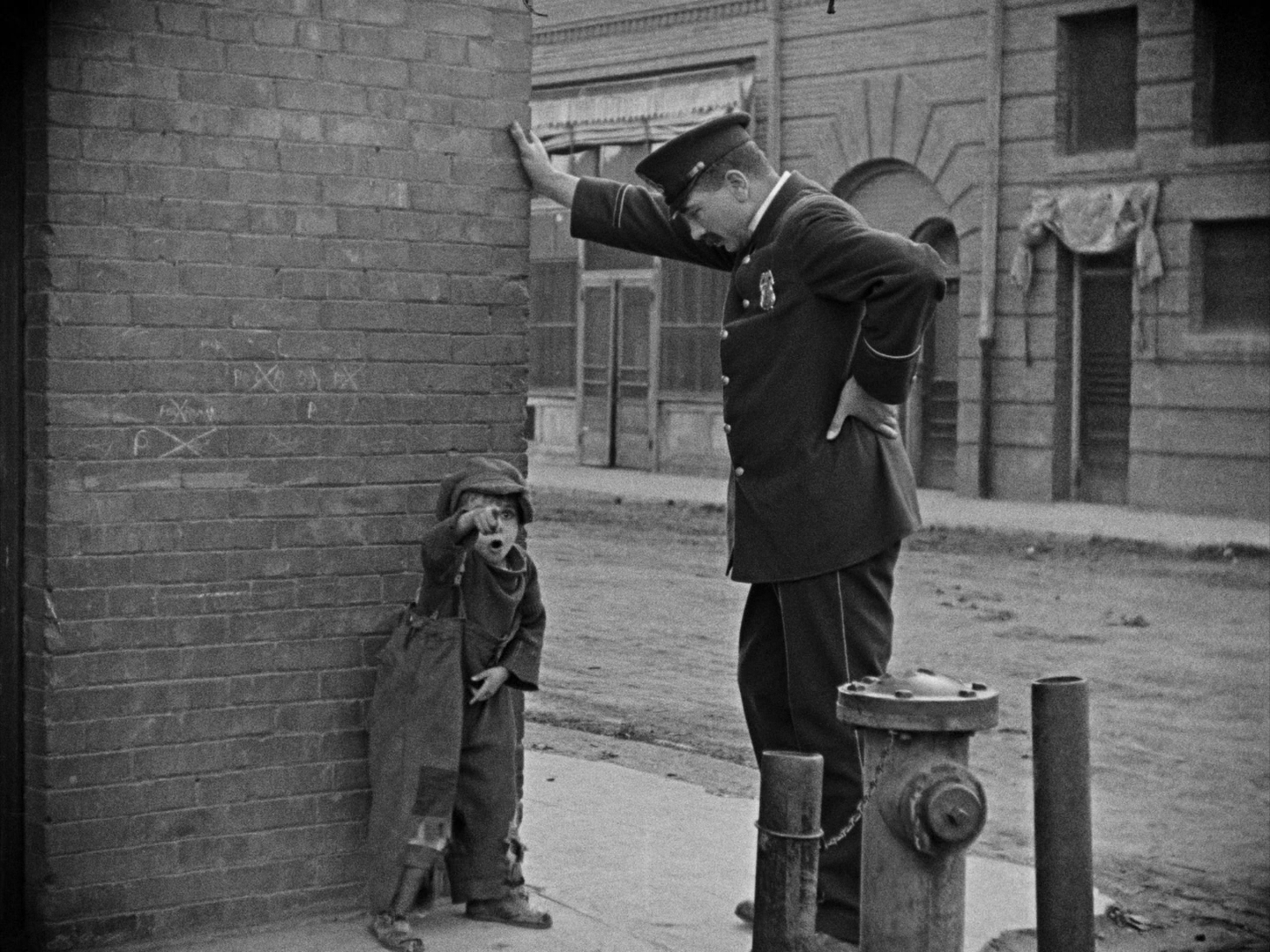
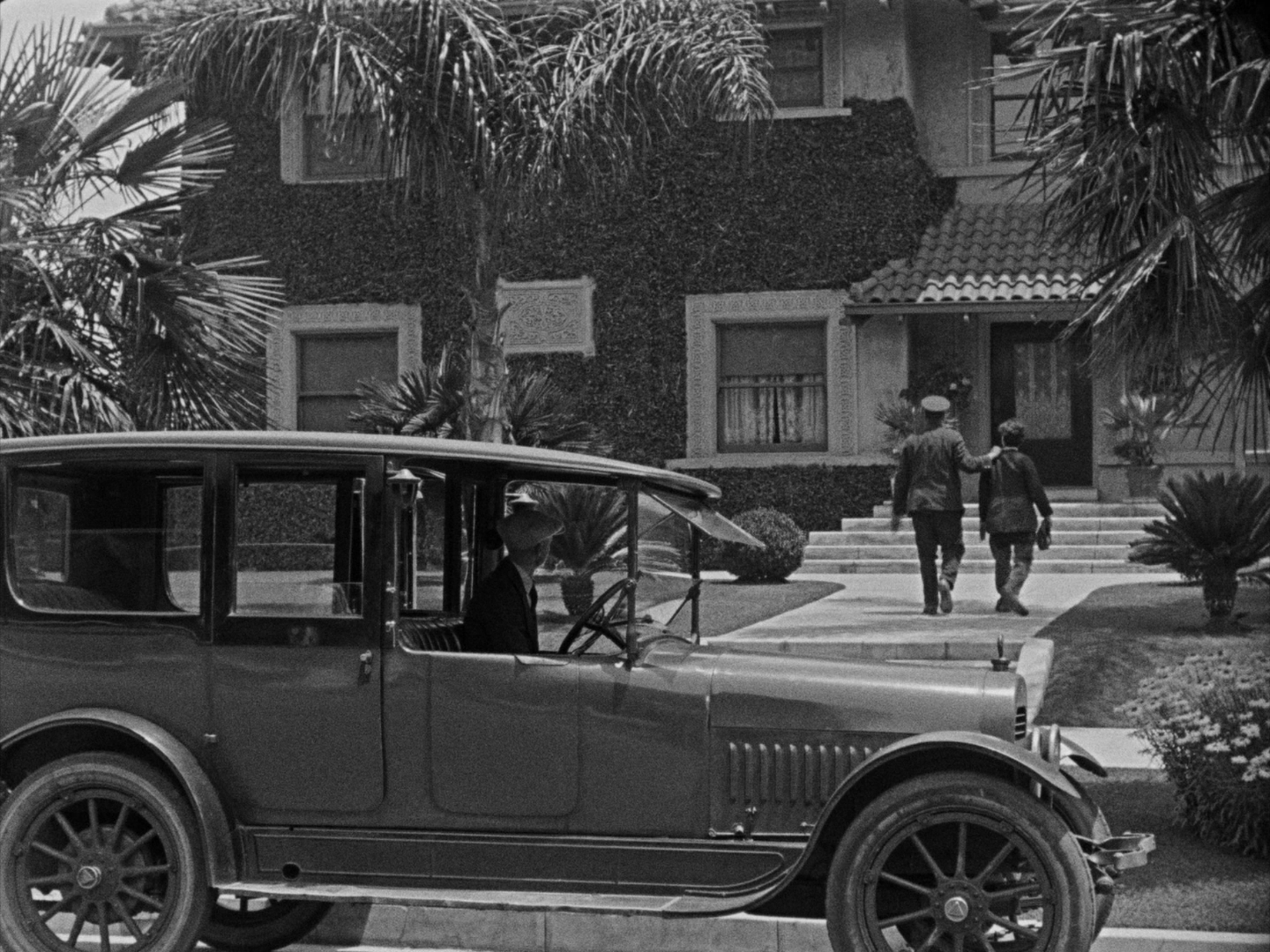
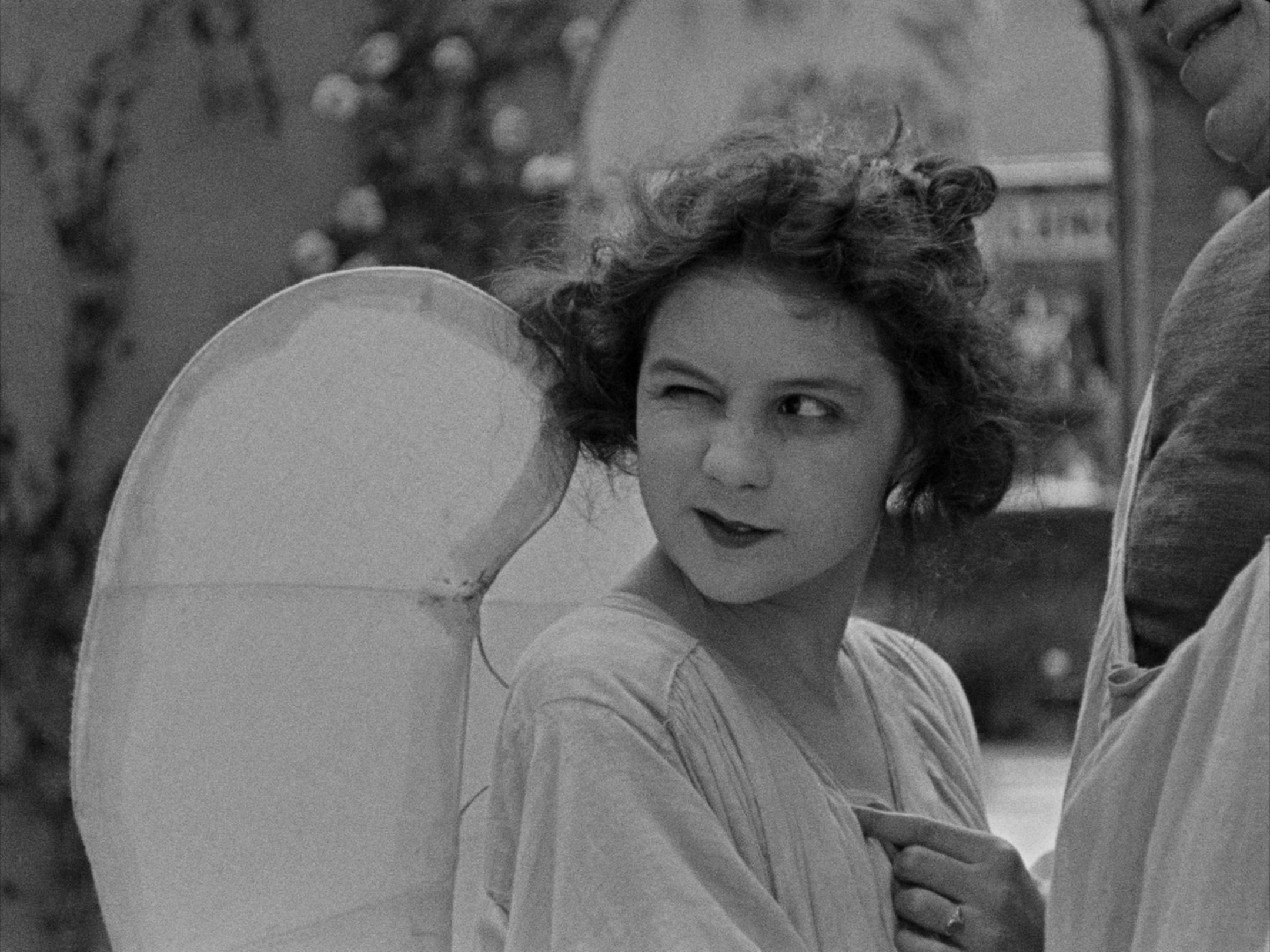
After a desperate mother abandons her infant, the Tramp unexpectedly becomes the child’s guardian, raising him in poverty with tenderness and ingenuity. As the boy grows, the two form a deep emotional bond while surviving through small schemes and shared resilience. When authorities attempt to separate them, the Tramp fights to keep their makeshift family intact.
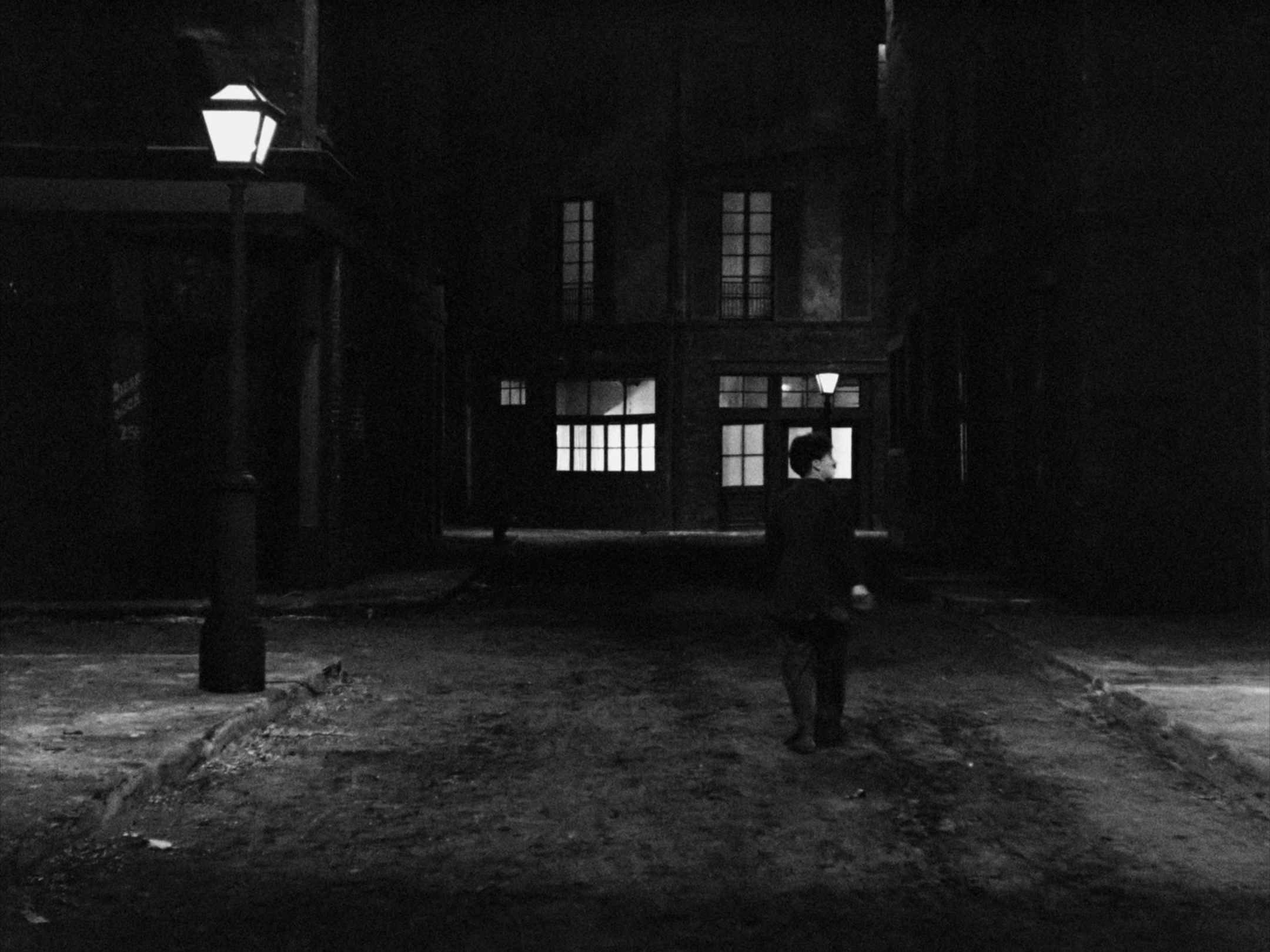
Chaplin grounds The Kid in carefully constructed street sets, using clean, frontal compositions and minimal cutting to let performance and emotion carry each scene. The film’s blend of pathos and comedy is visualized through simple but precise staging—where small gestures and physical proximity between Chaplin and Jackie Coogan become the emotional center of the frame.
FILM SPOTLIGHT
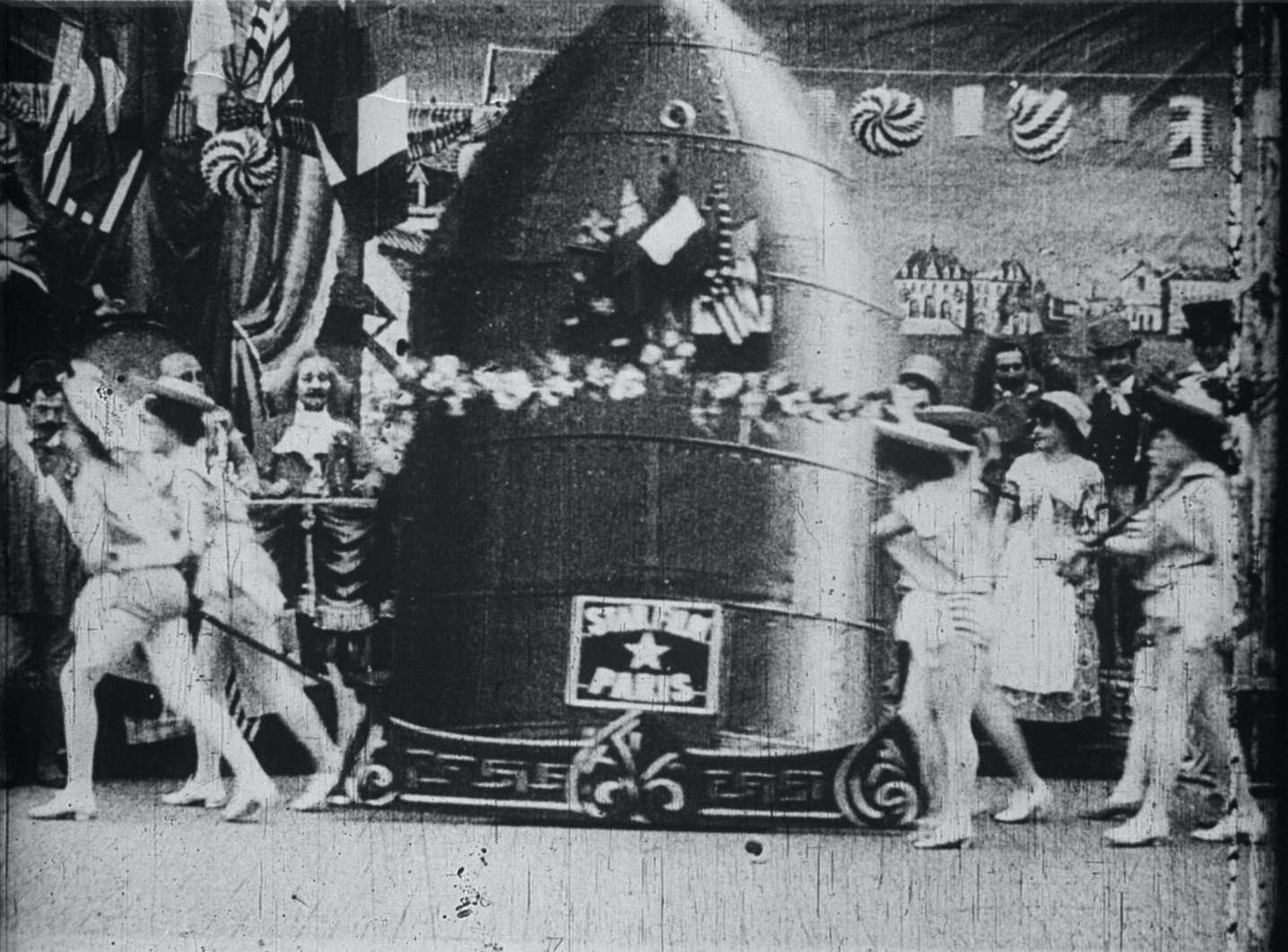
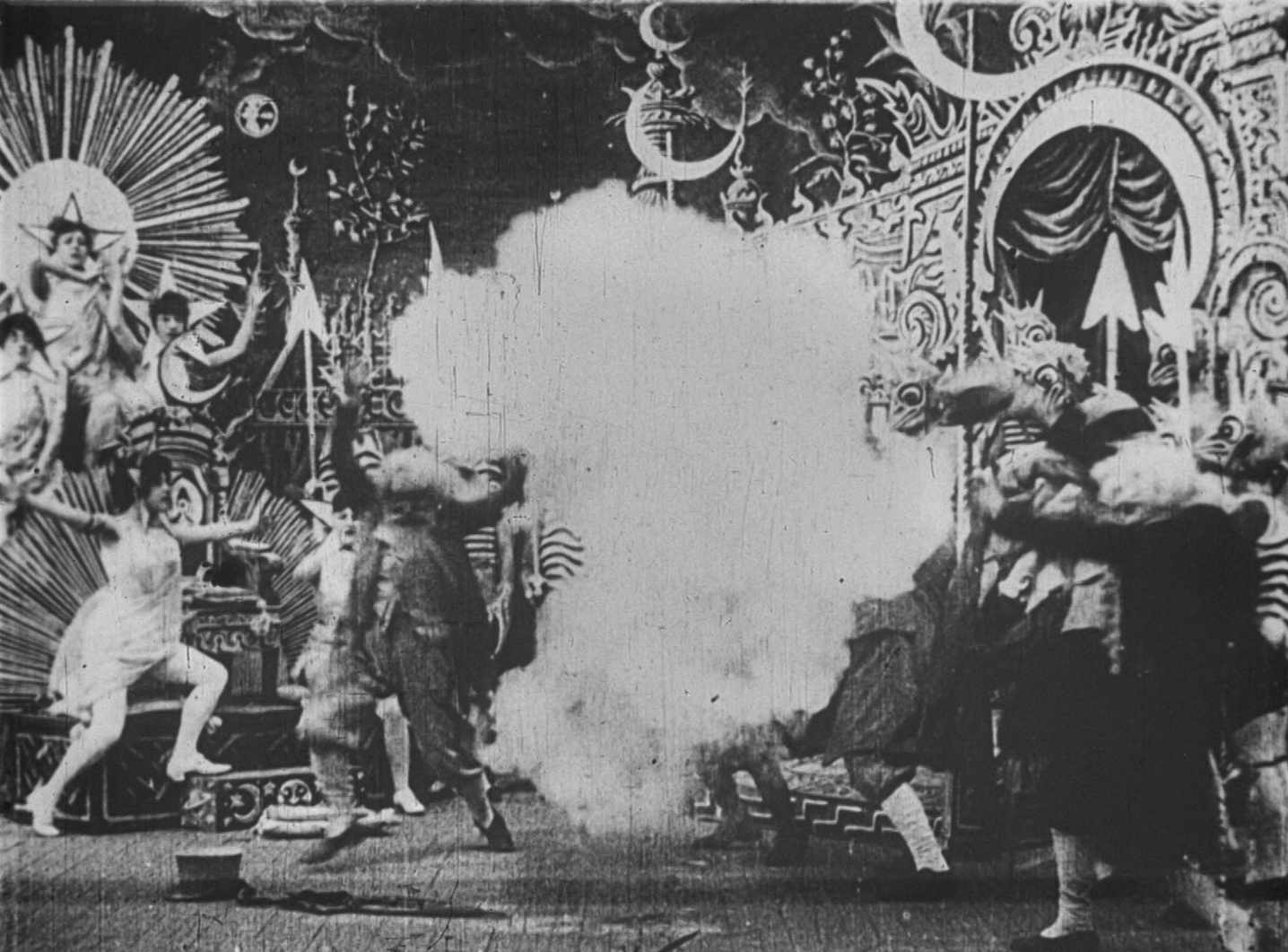
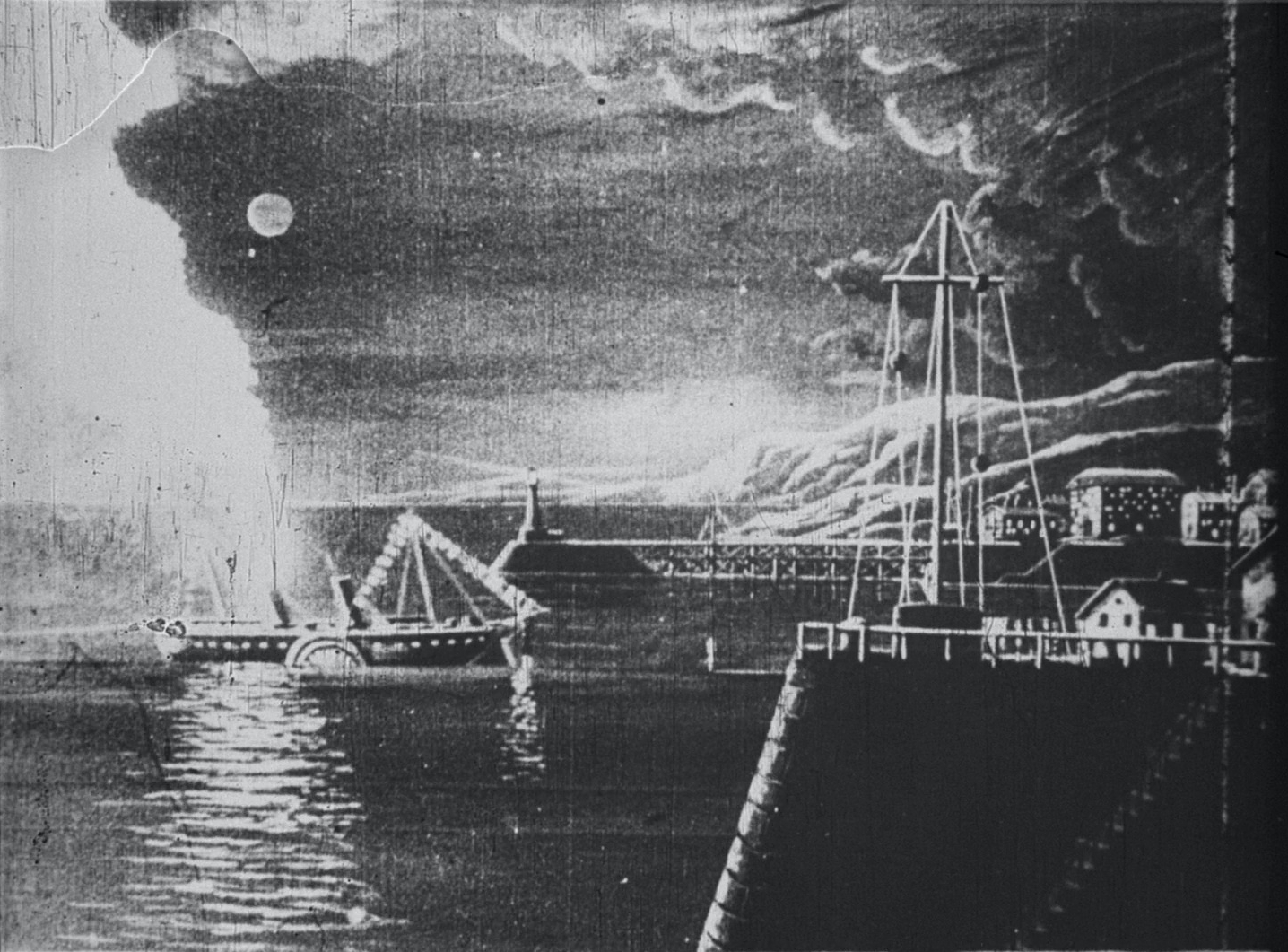
A Trip to the Moon (Black & White) (1902)
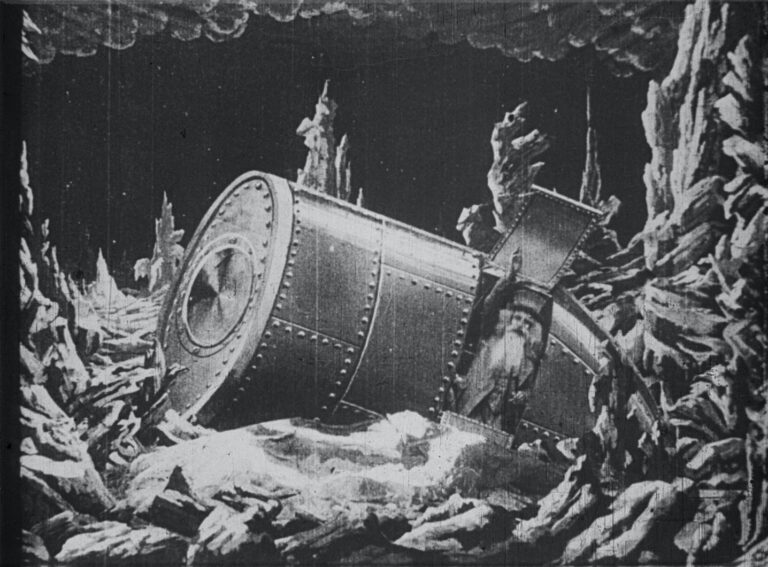
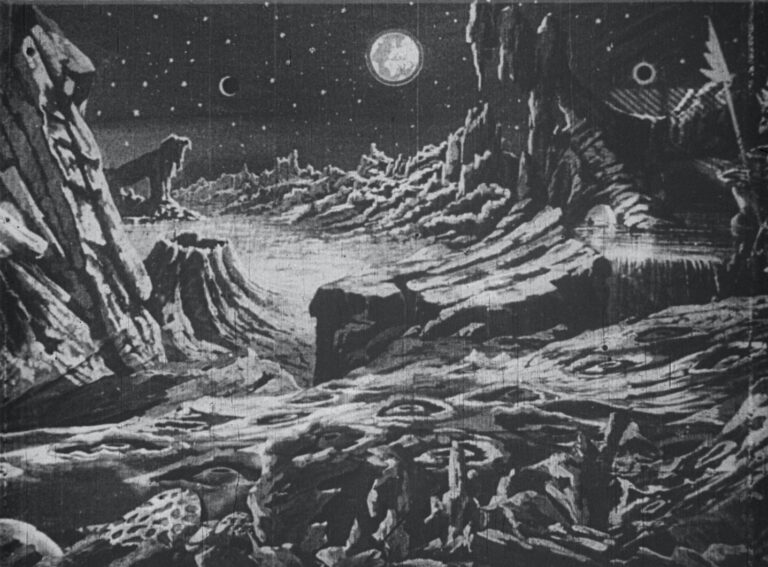
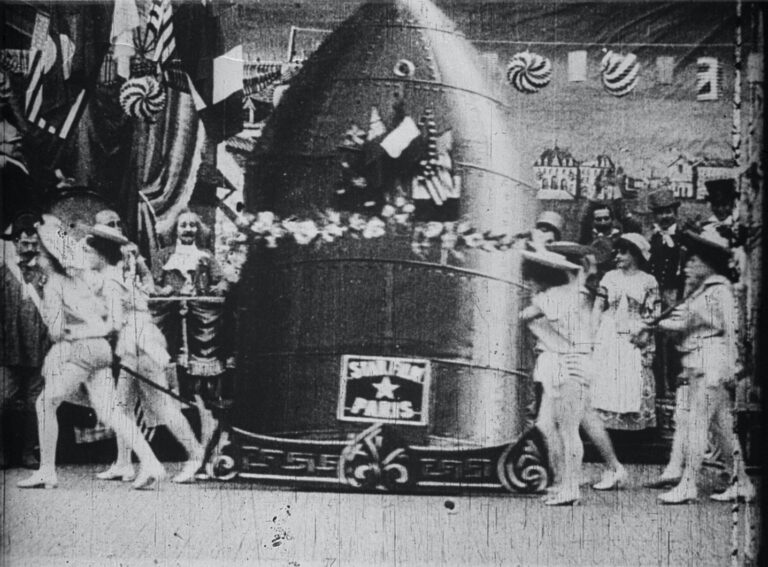
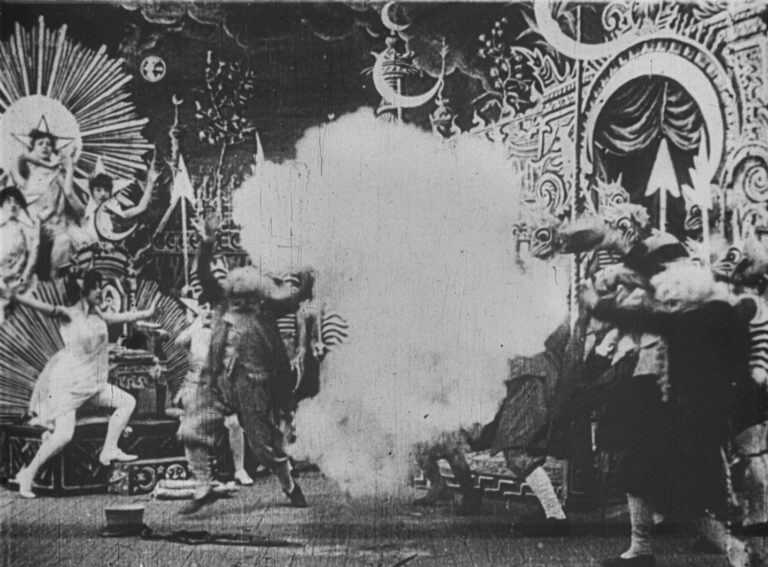
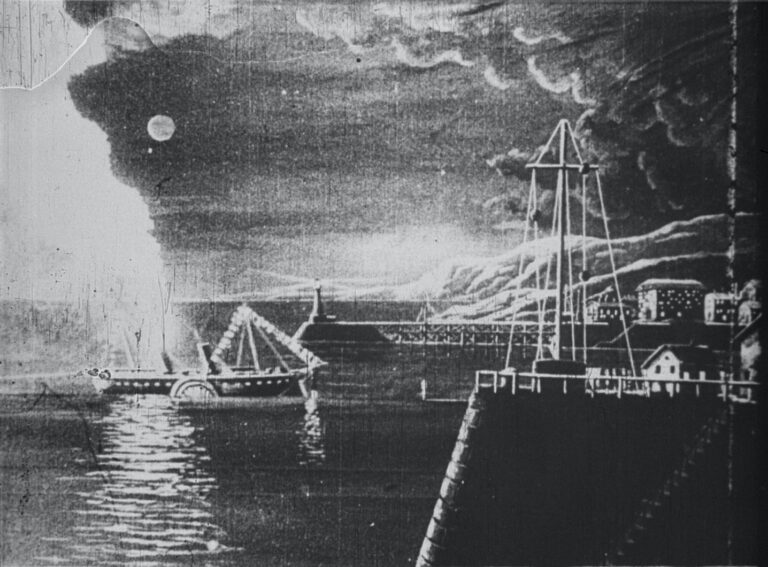
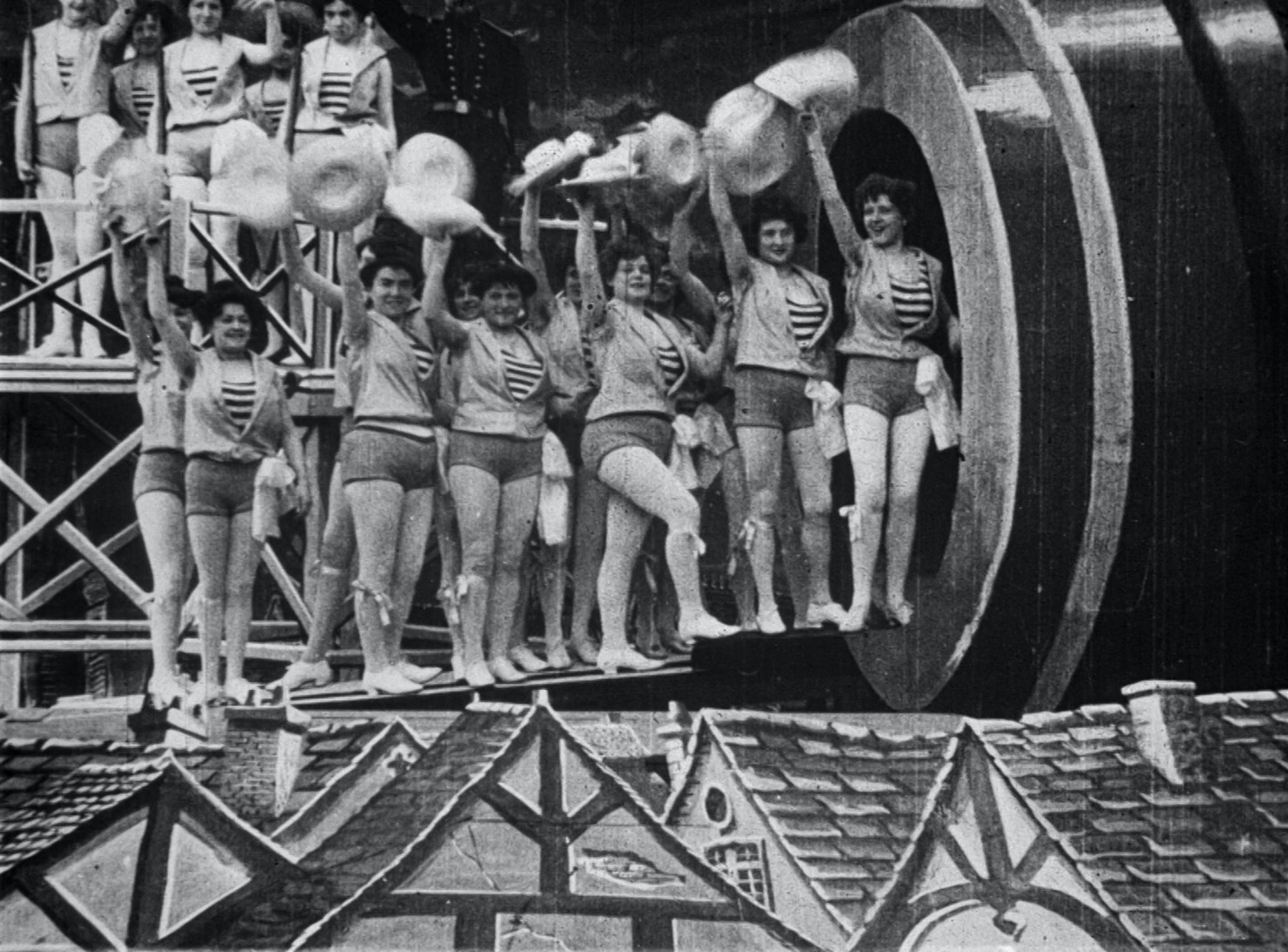
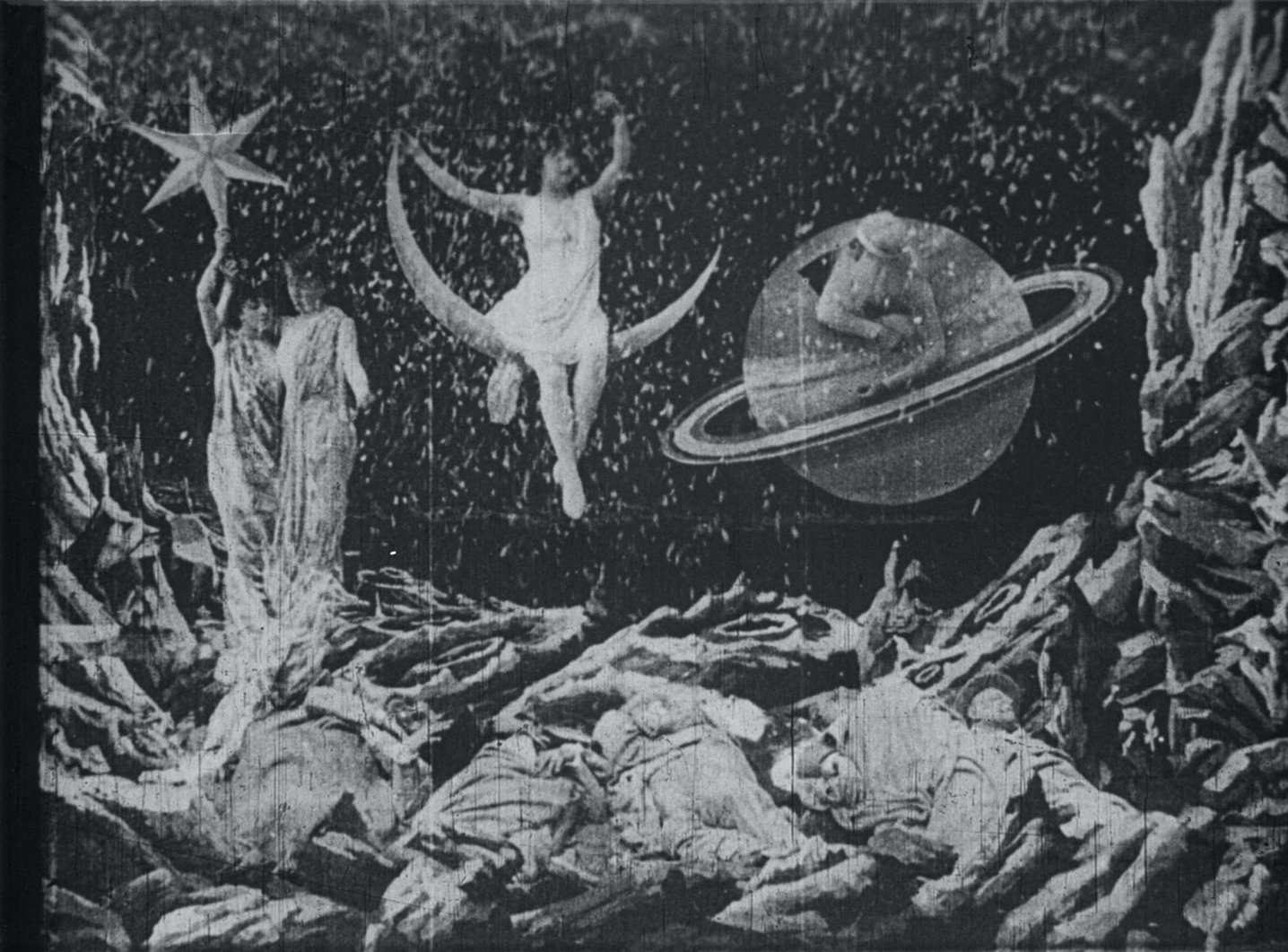
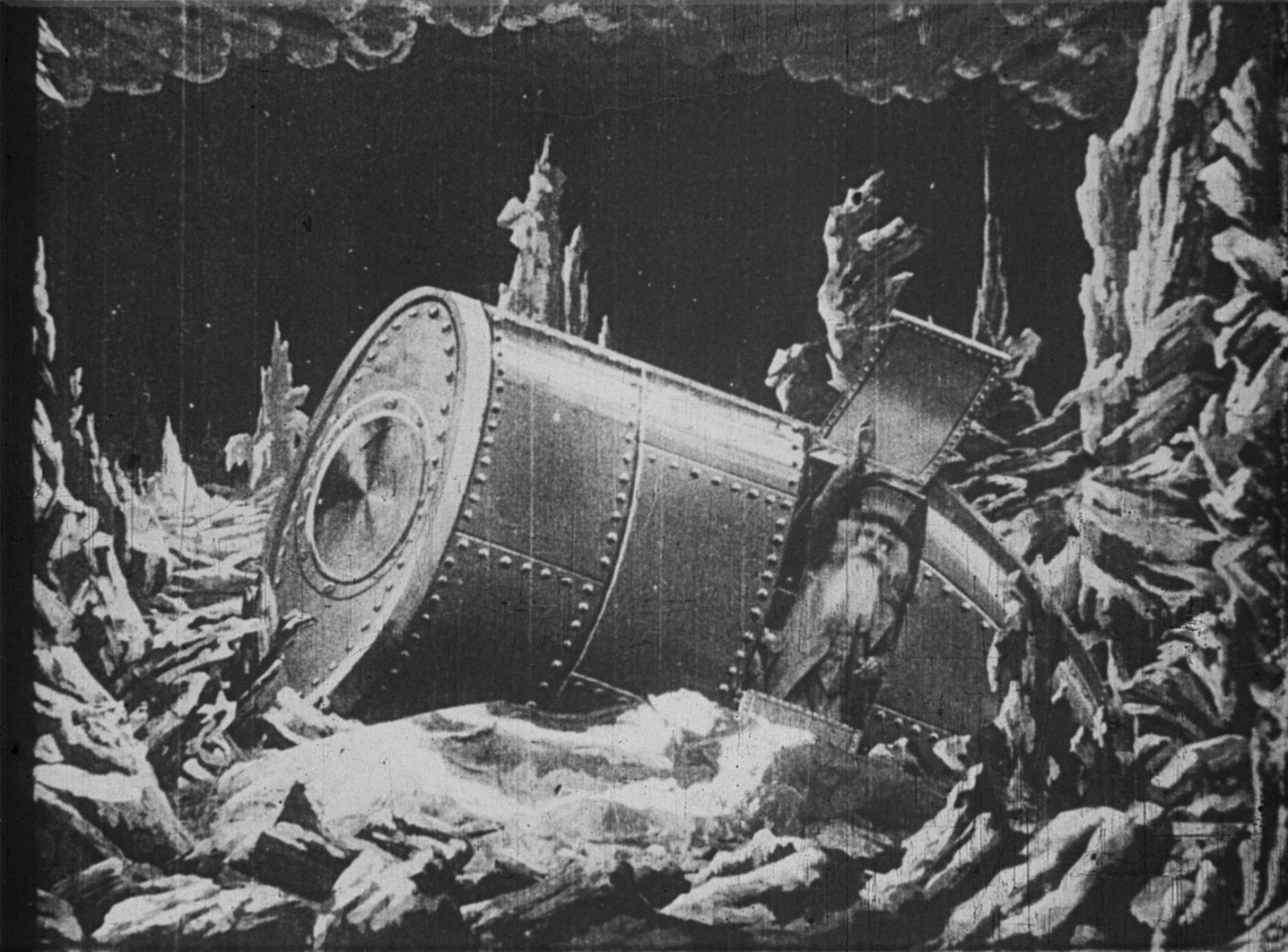
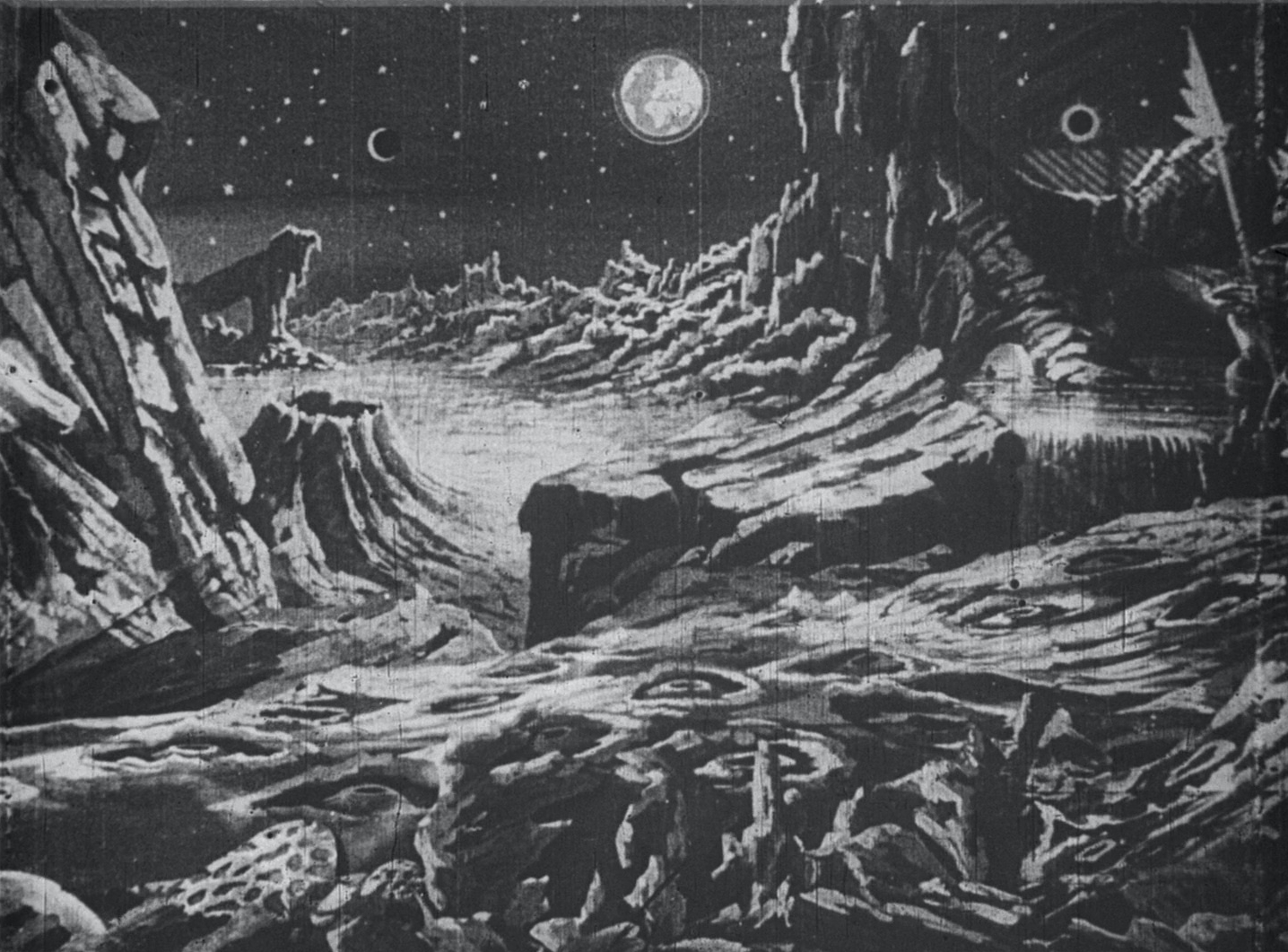
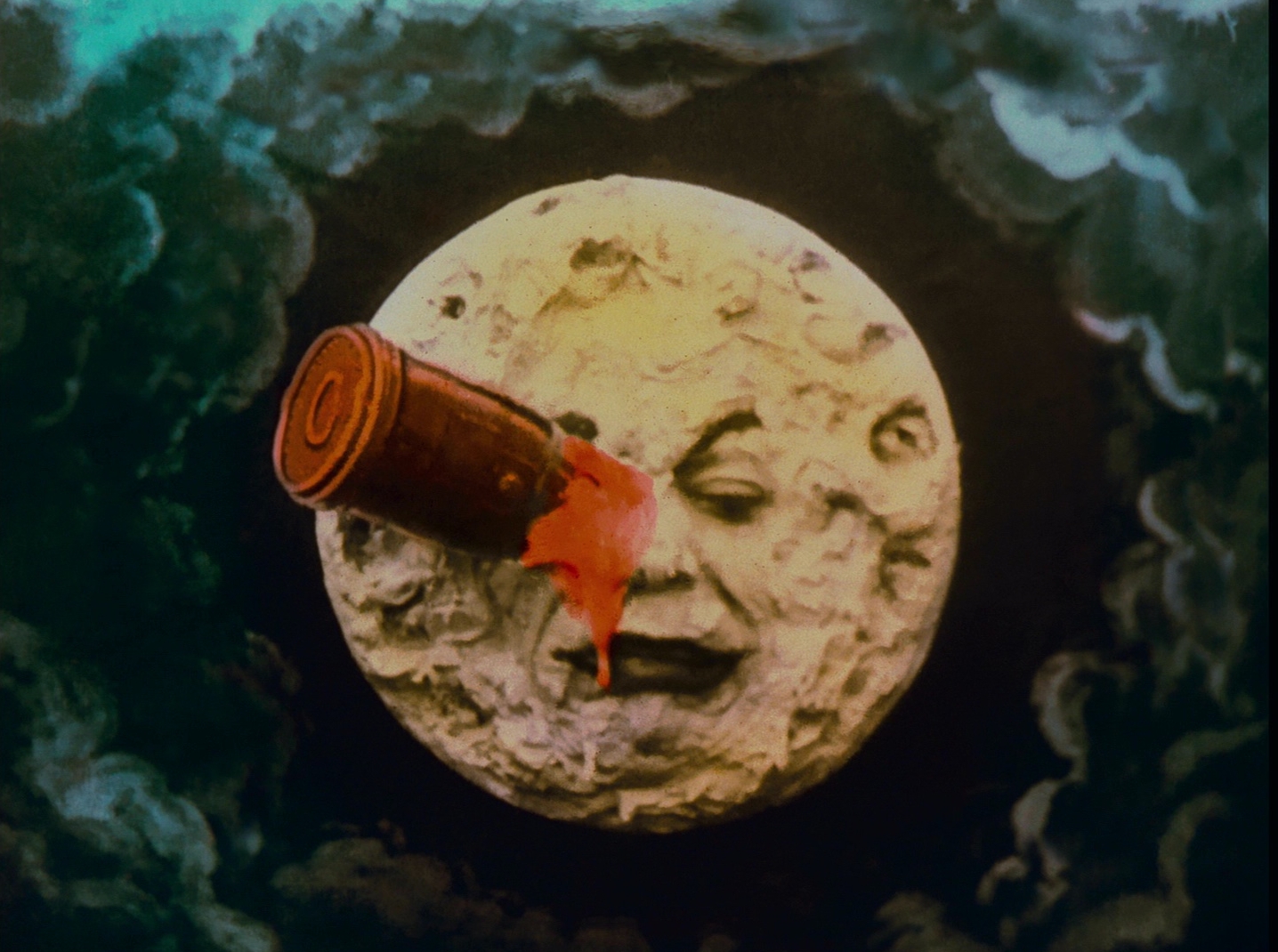
In A Trip to the Moon, a group of astronomers embark on a fantastical journey to the Moon using a capsule launched from a giant cannon. Upon arrival, they encounter strange lunar inhabitants and surreal landscapes before escaping back to Earth. The film unfolds as a whimsical adventure, blending science fiction with theatrical imagination.
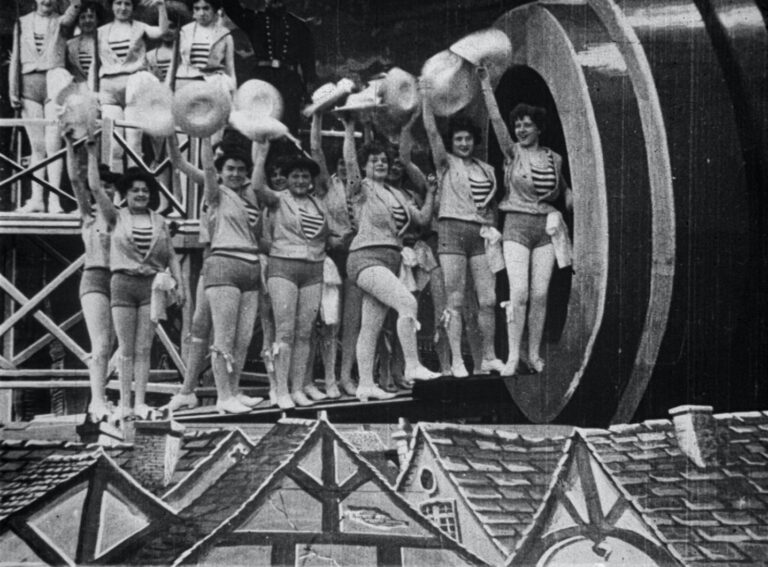
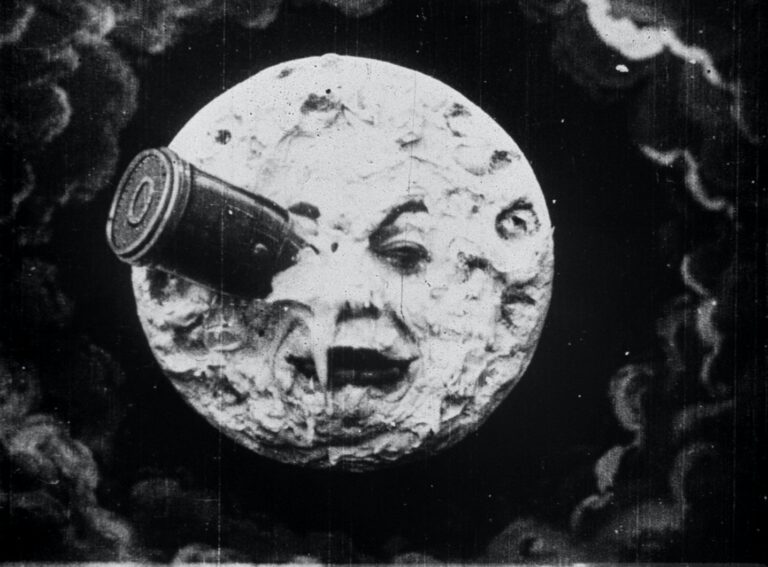
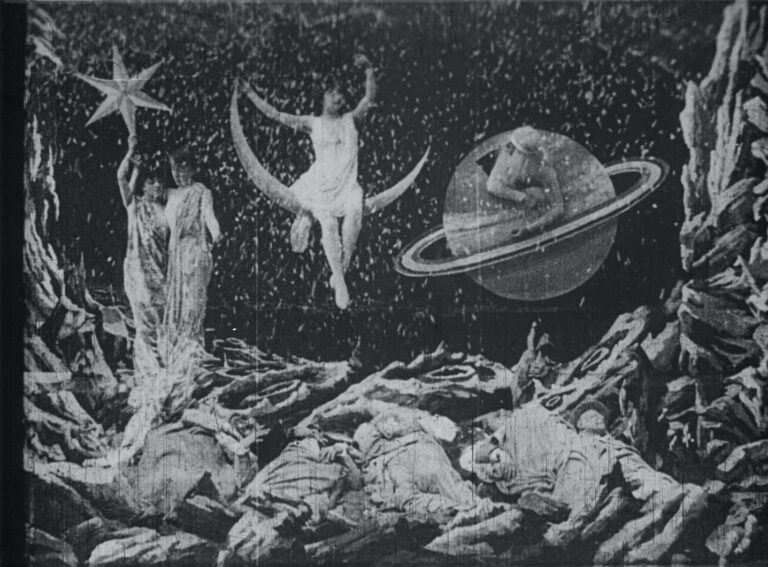
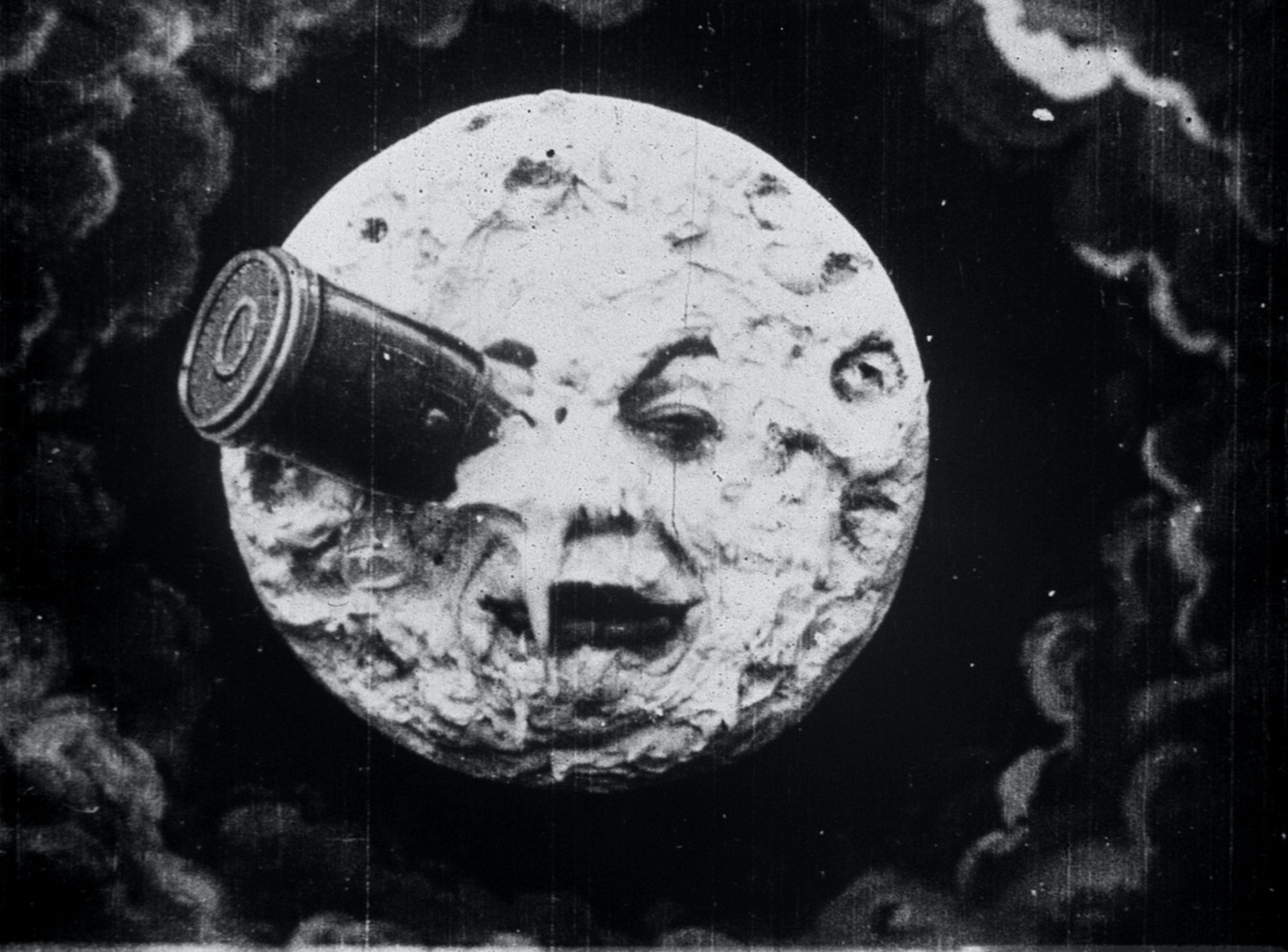
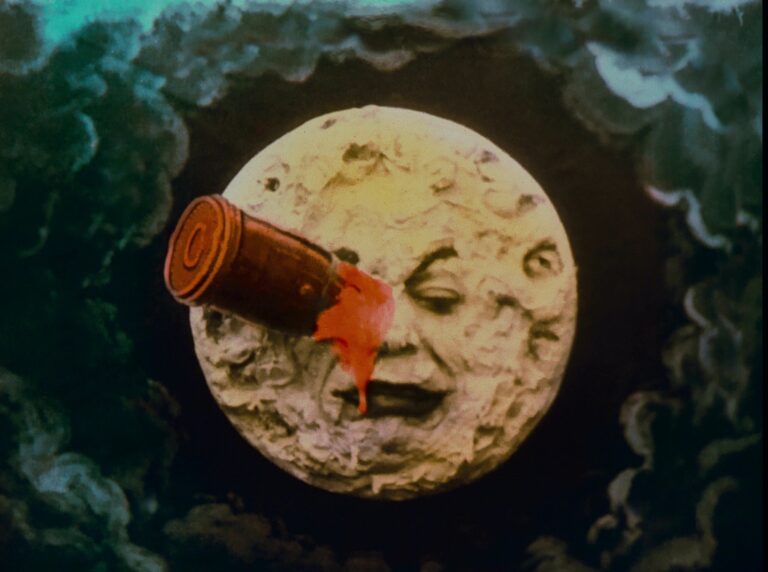
Méliès built A Trip to the Moon entirely on painted theatrical sets, using locked-off camera positions and in-camera effects like substitutions, dissolves, and multiple exposures to create cinematic illusions. The iconic image of the rocket striking the Moon’s face captures his approach perfectly—turning stagecraft into pure visual invention, and laying the groundwork for narrative special effects in cinema.
FILM SPOTLIGHT
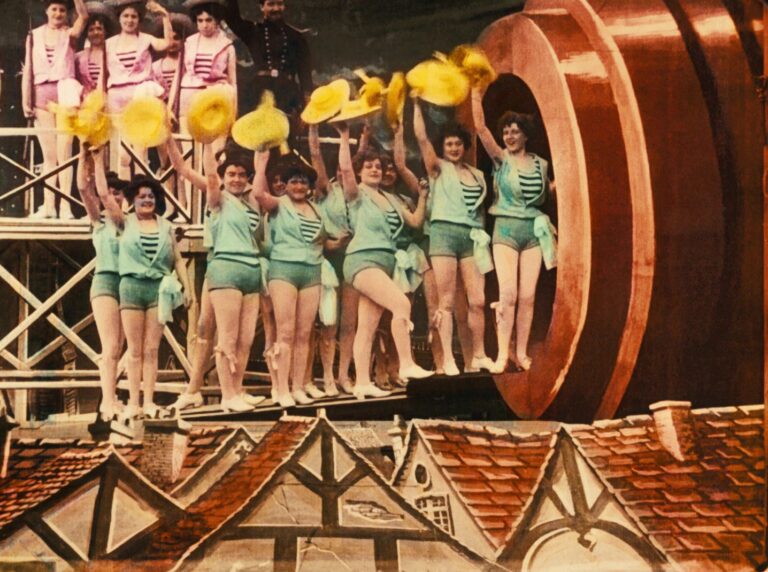
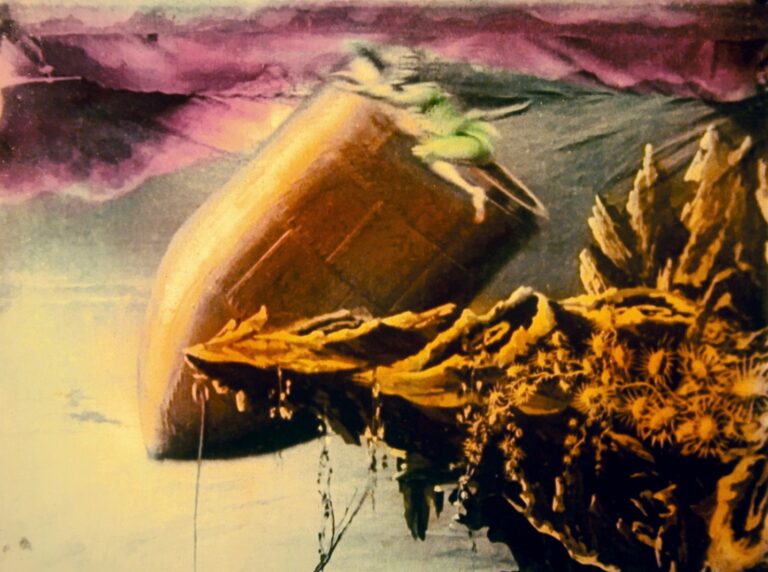
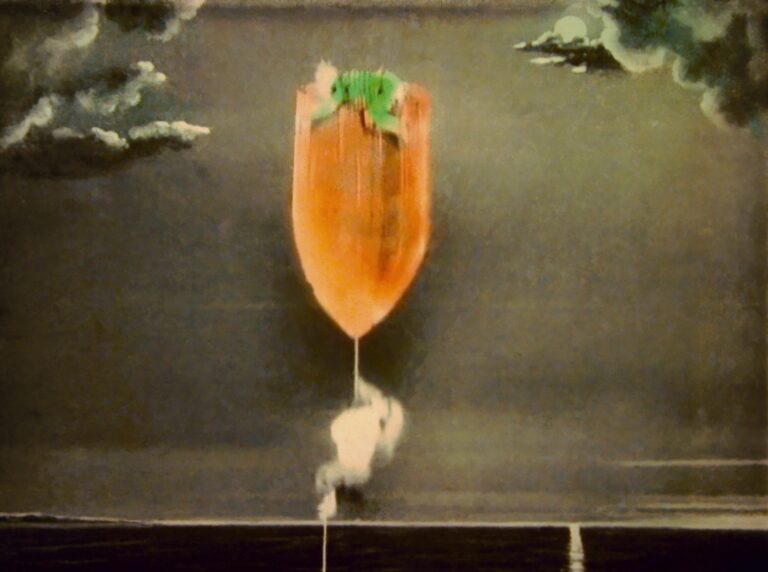
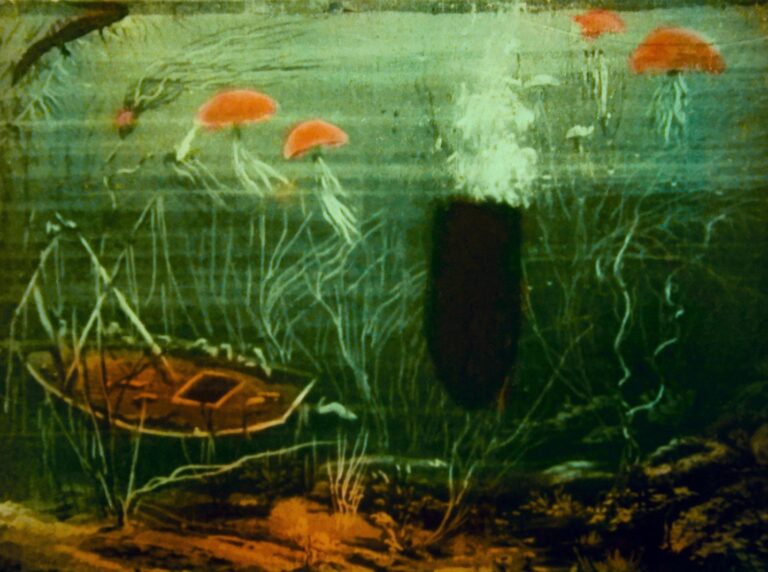
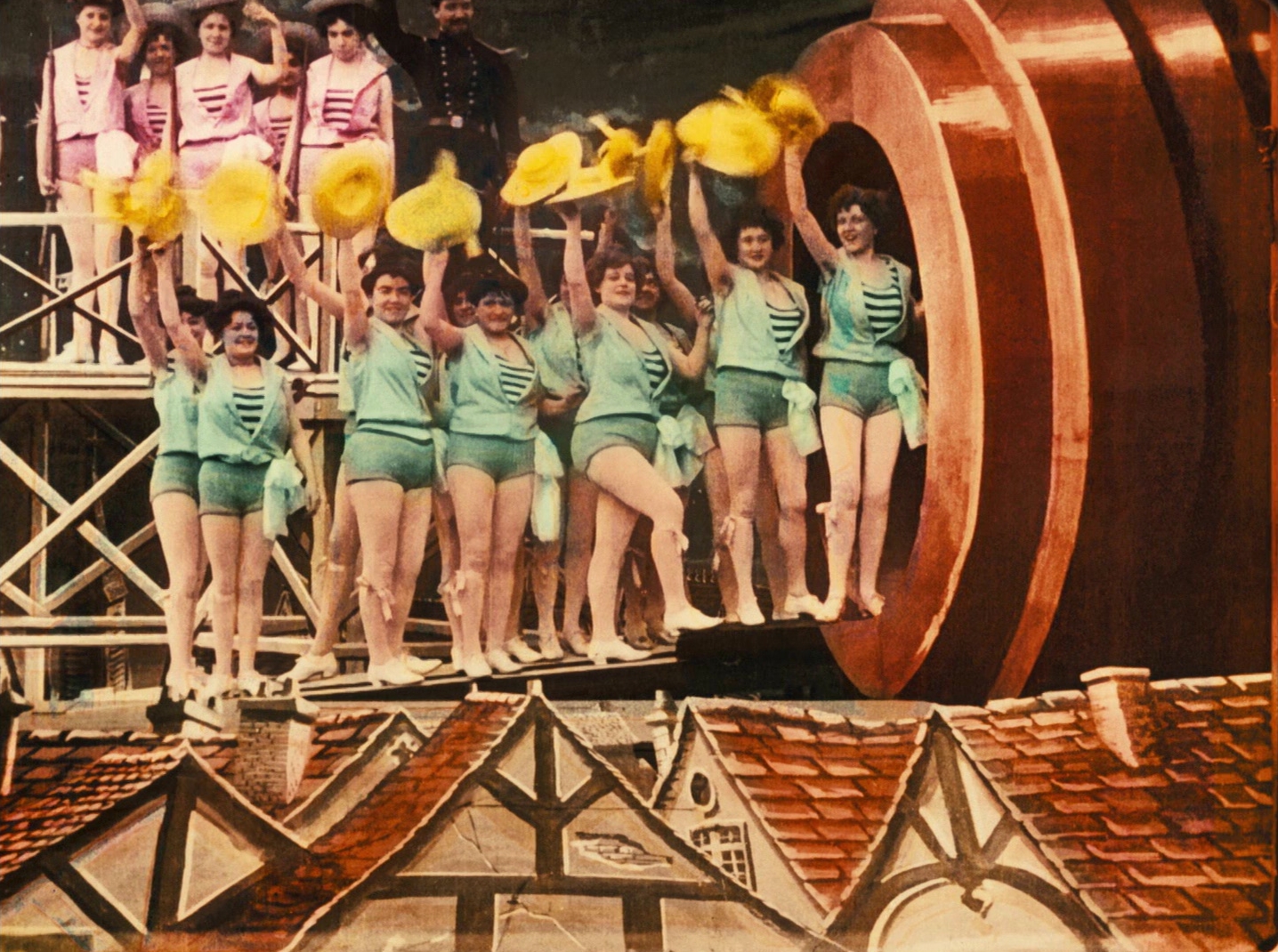
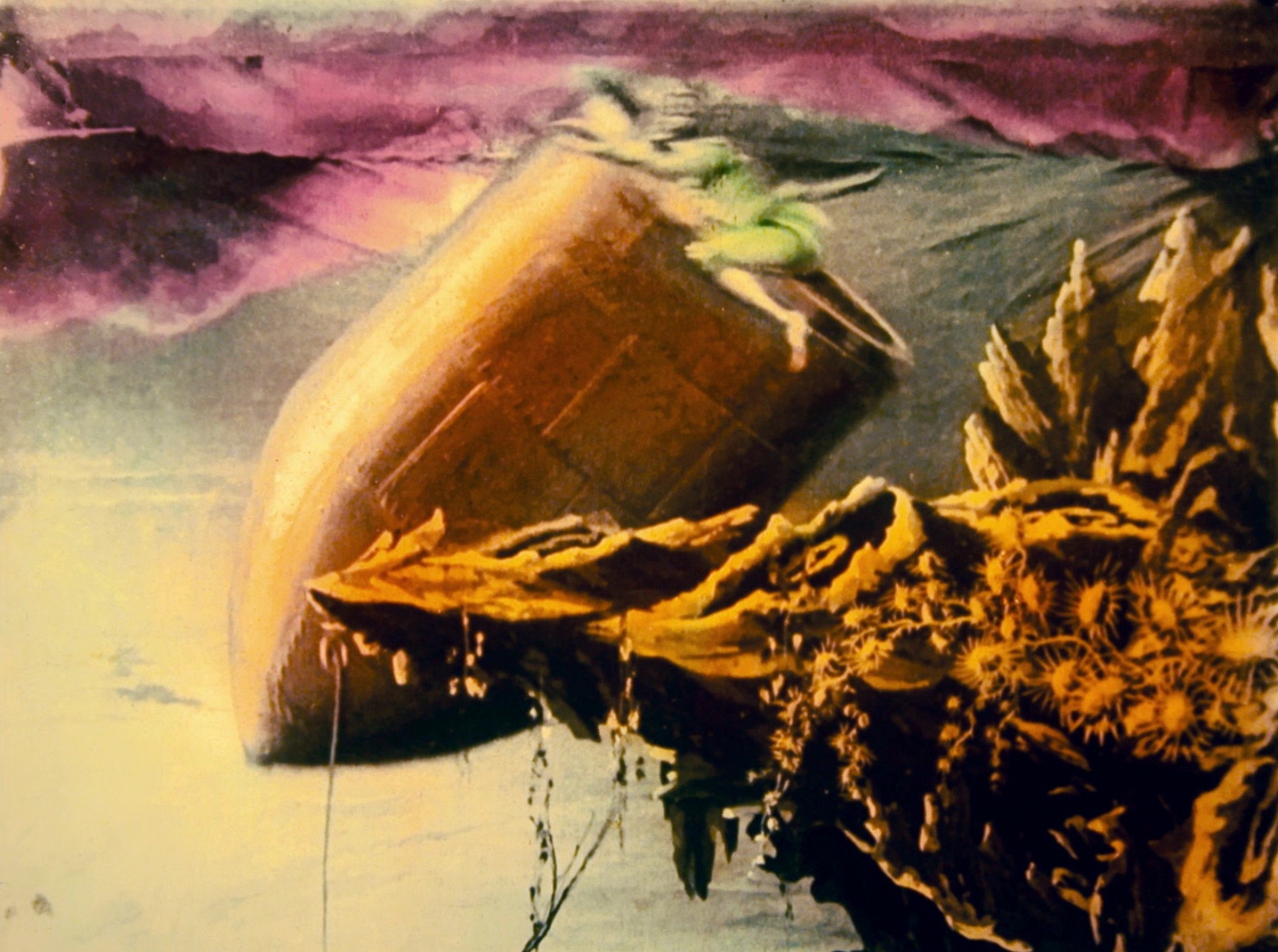
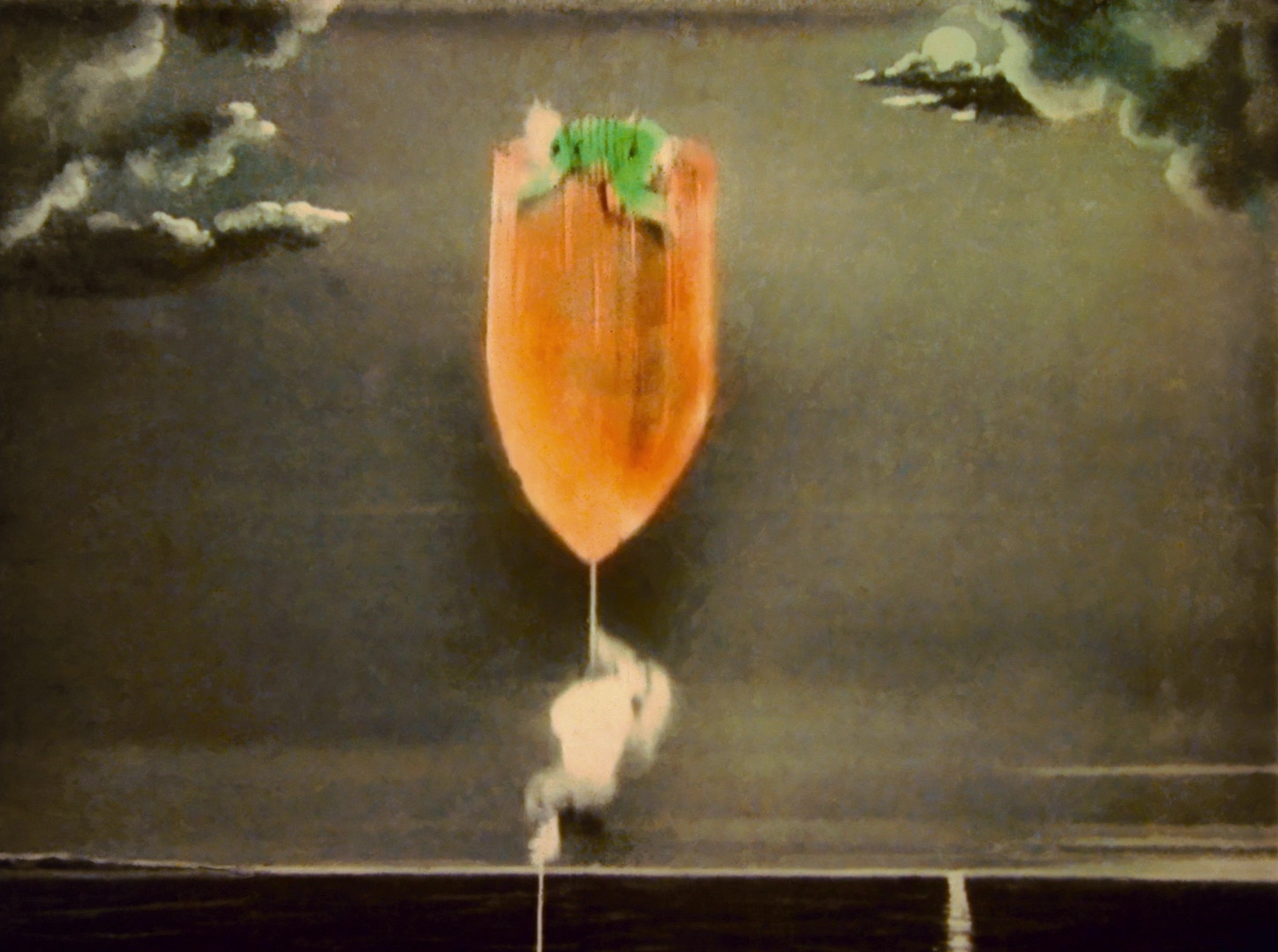
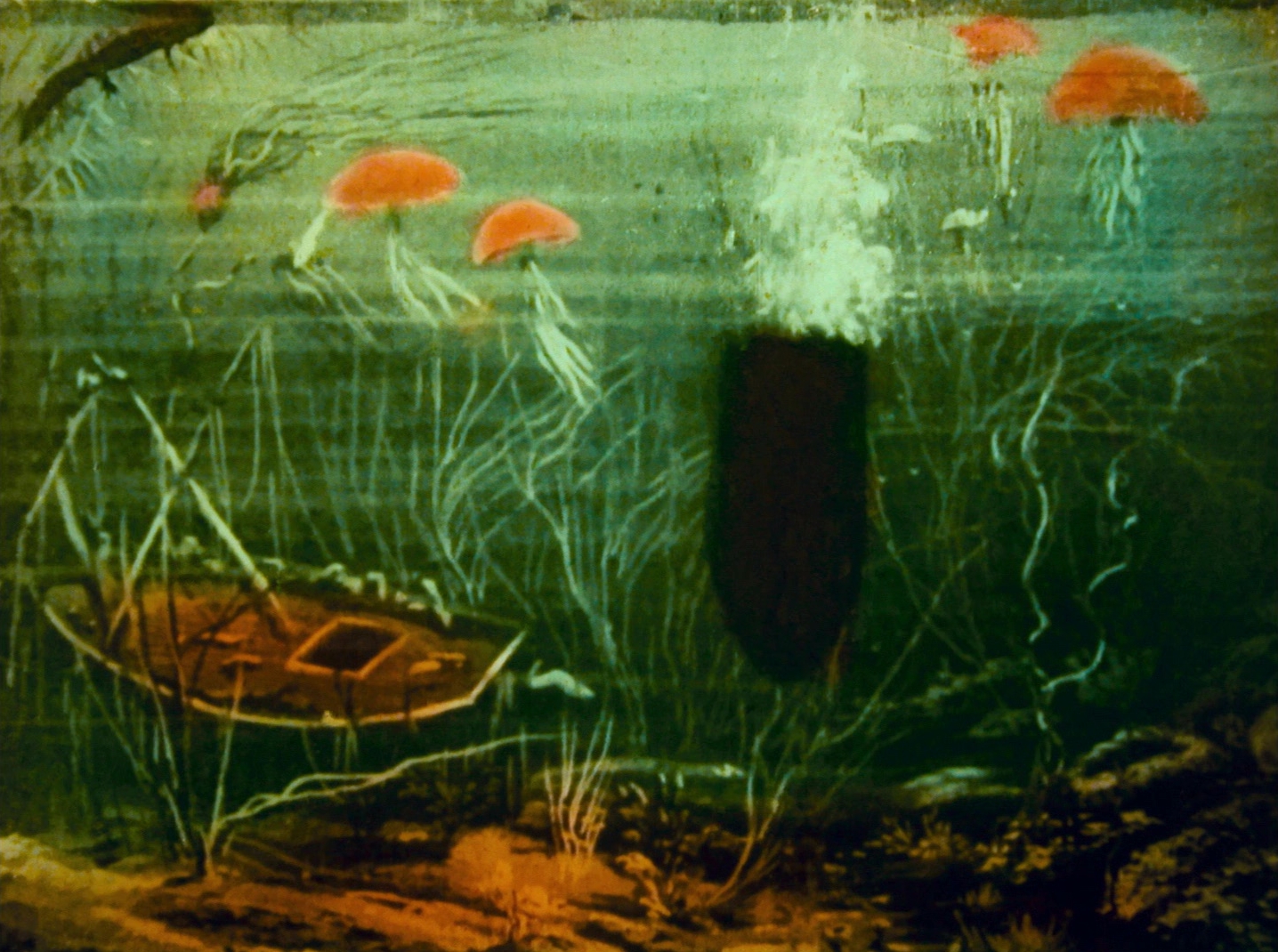
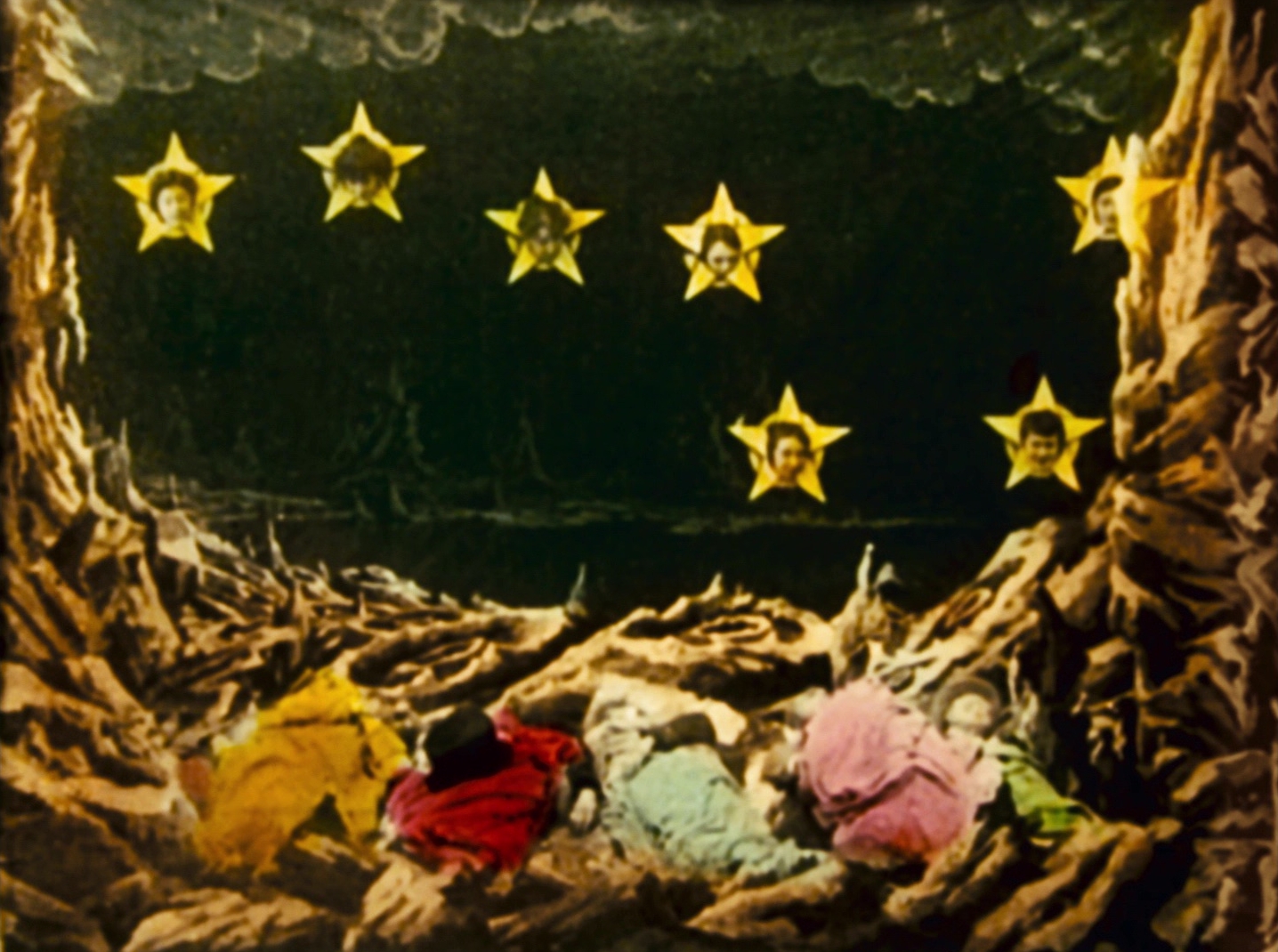
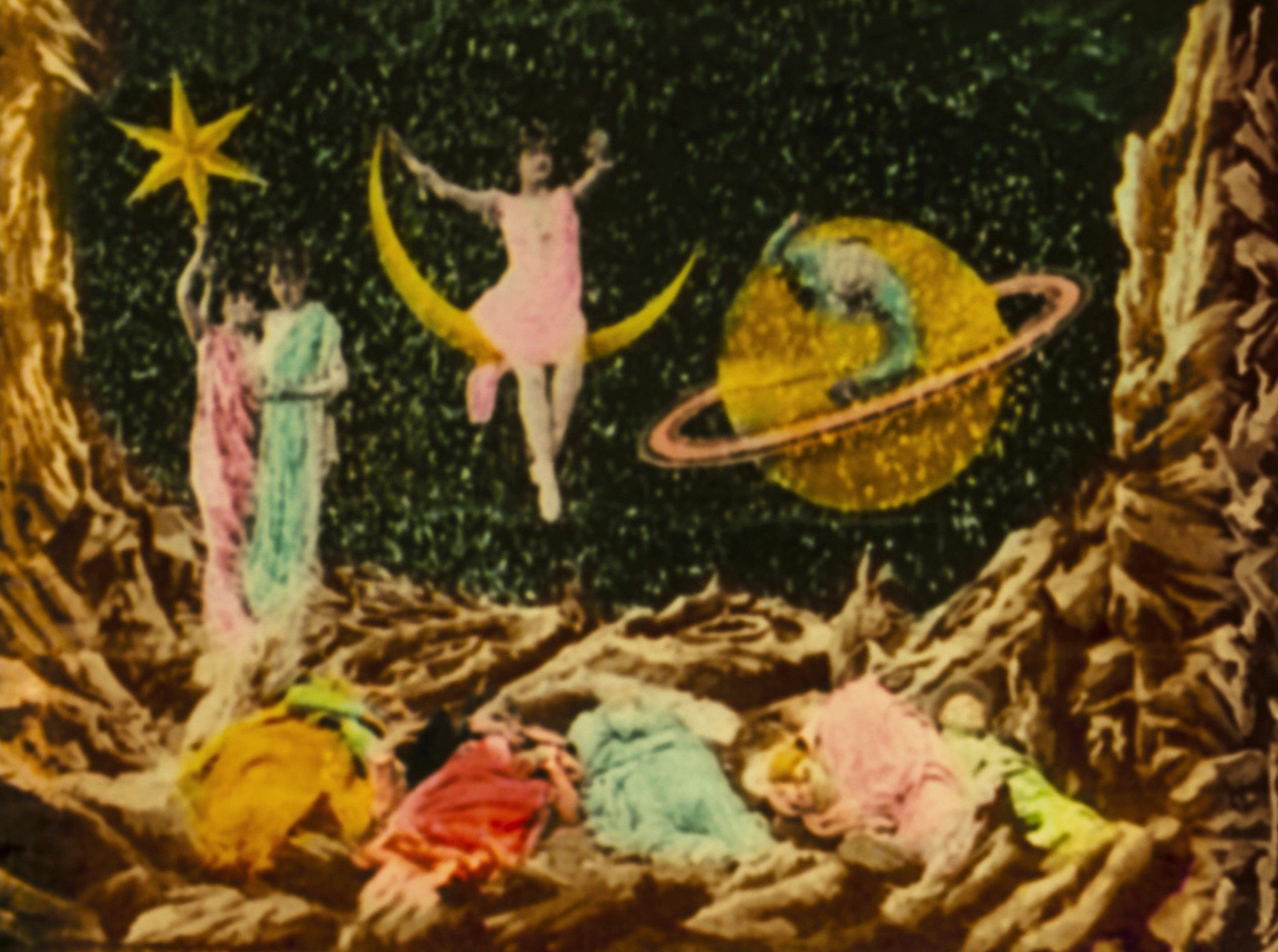
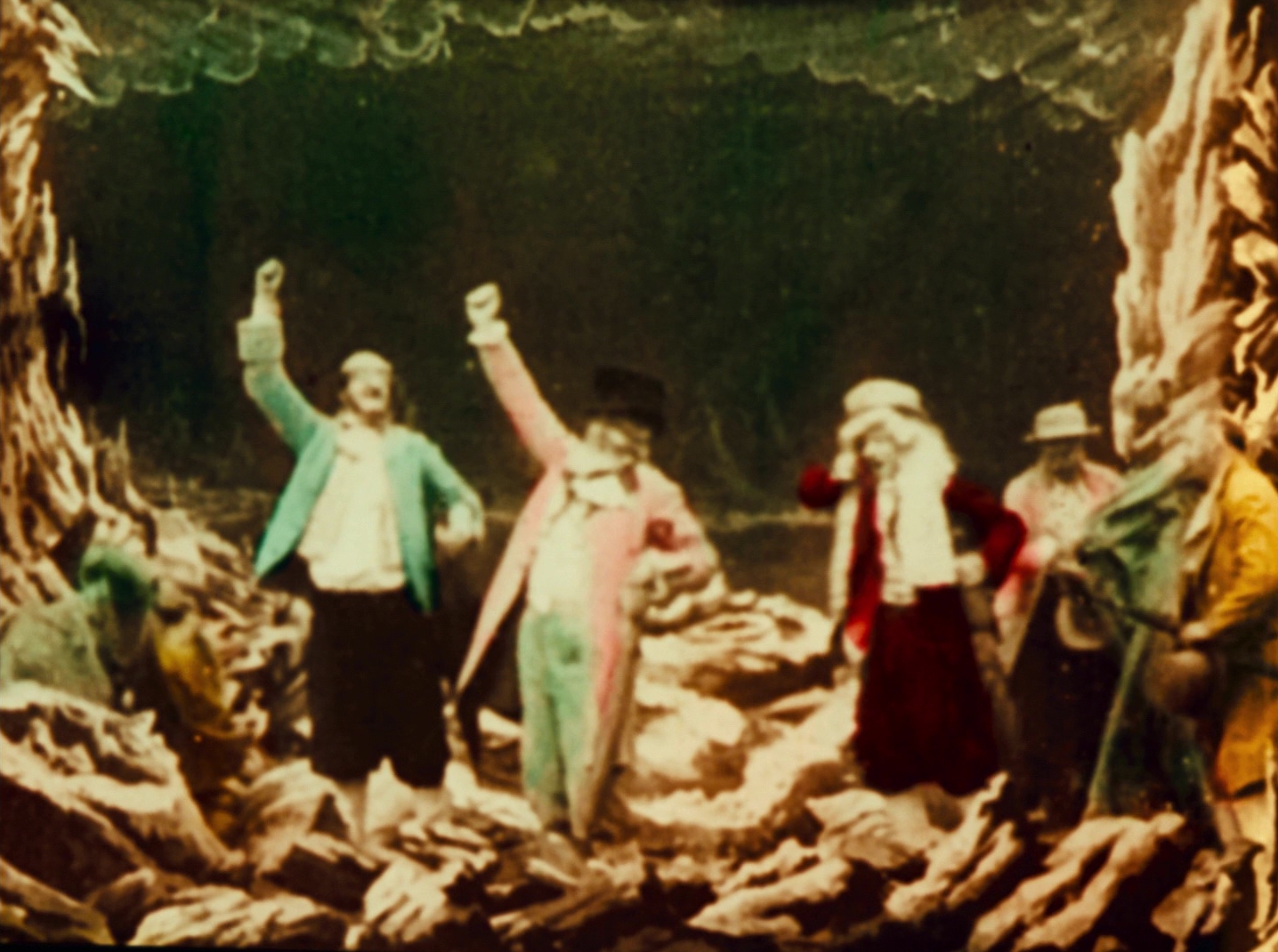
A Trip to the Moon (Hand-Colored) (1902)
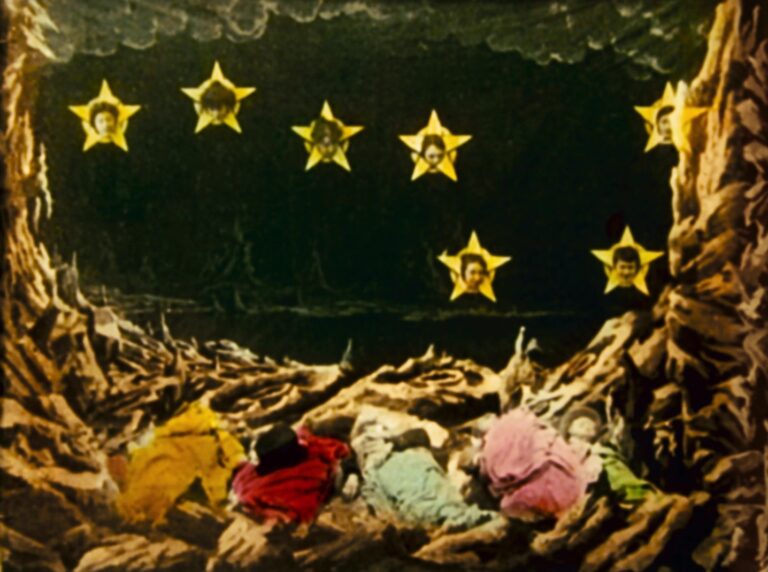
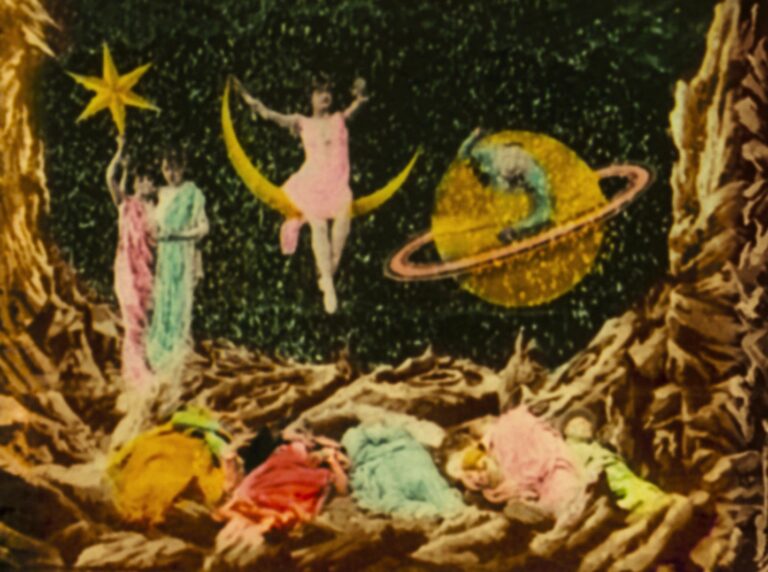
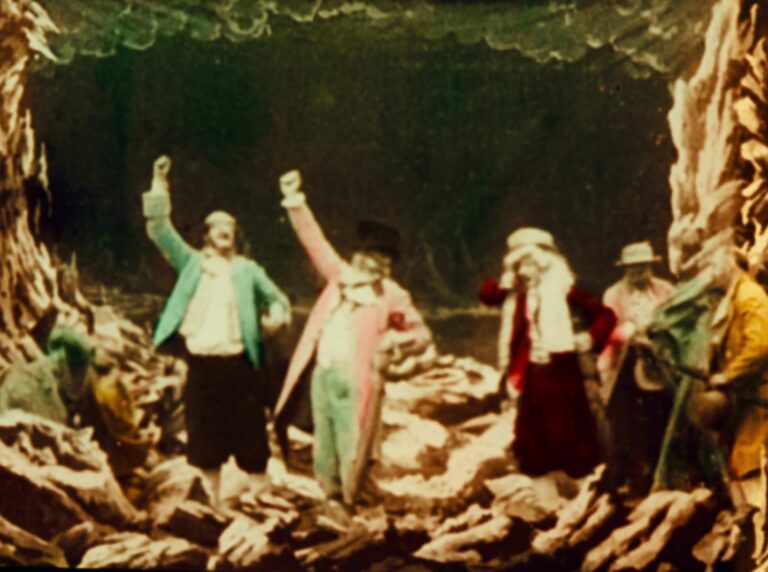
The hand-colored version of A Trip to the Moon was painstakingly painted frame by frame, adding vibrant hues to Méliès’ already elaborate practical effects and stage-built sets. The color transforms the film’s fantastical imagery—costumes, explosions, and lunar landscapes—into something even more dreamlike, highlighting one of cinema’s earliest experiments in color as a fully artisanal process.
FILM SPOTLIGHT
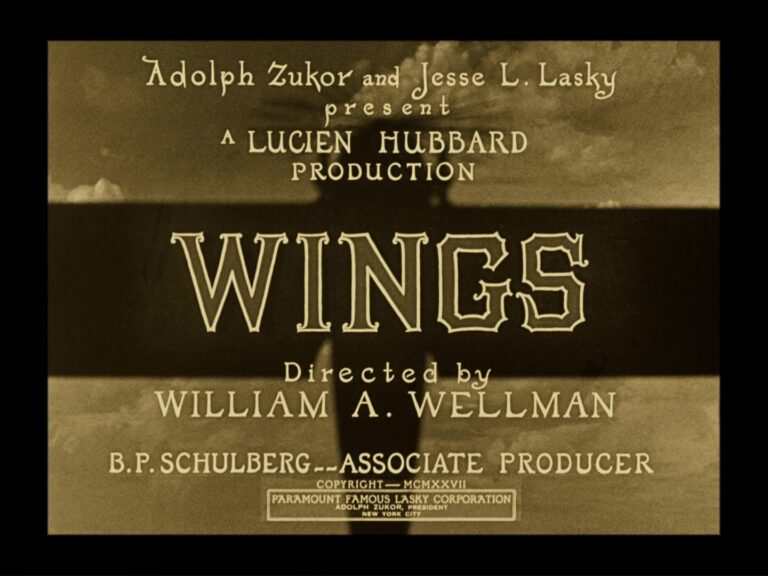
Wings (1927)
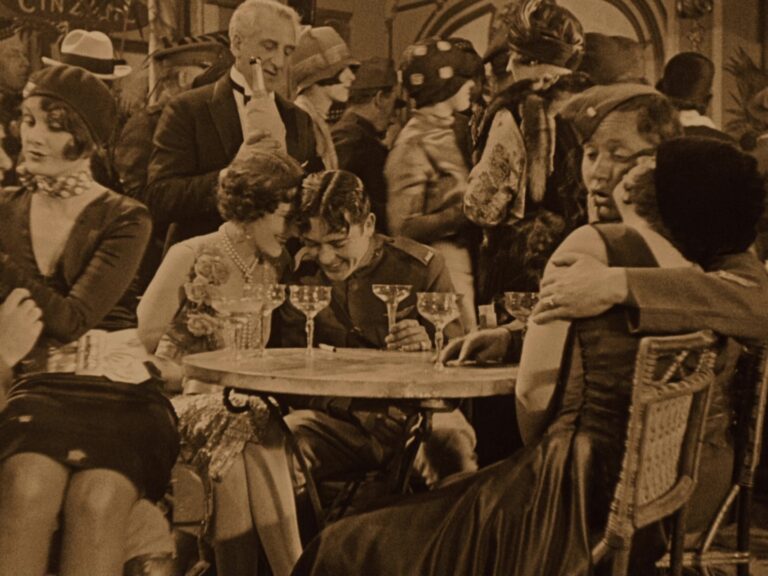
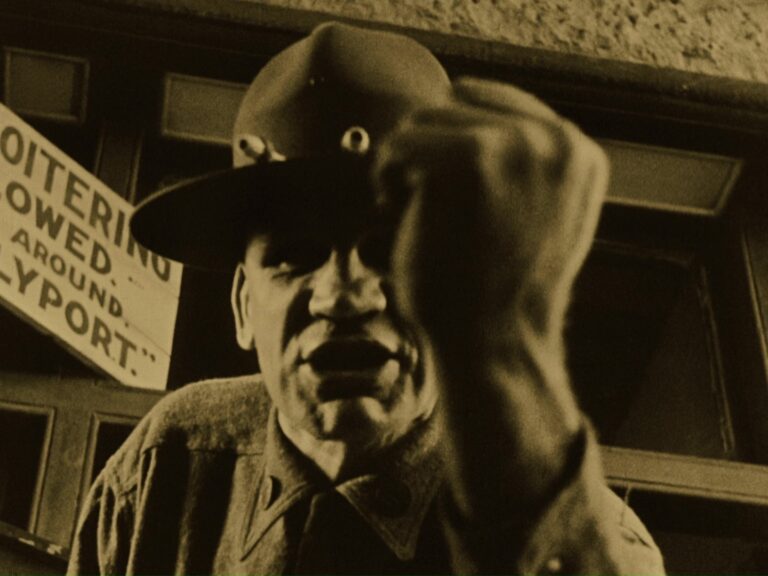
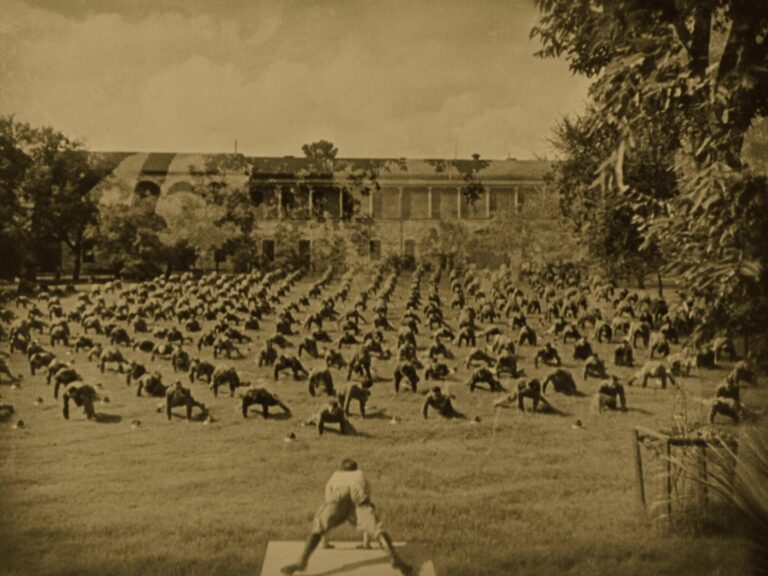
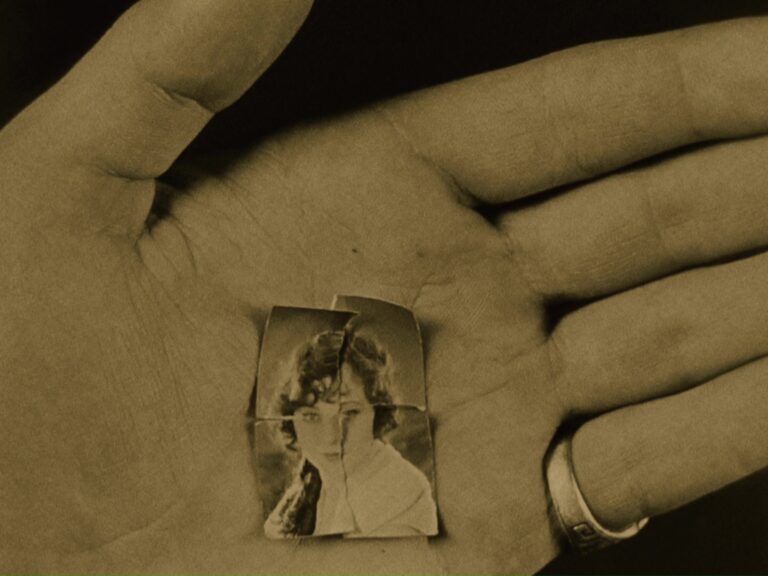
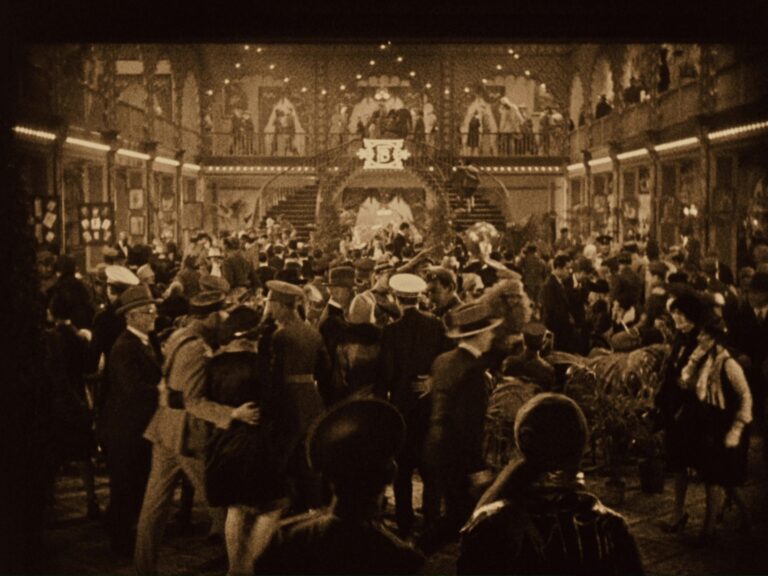
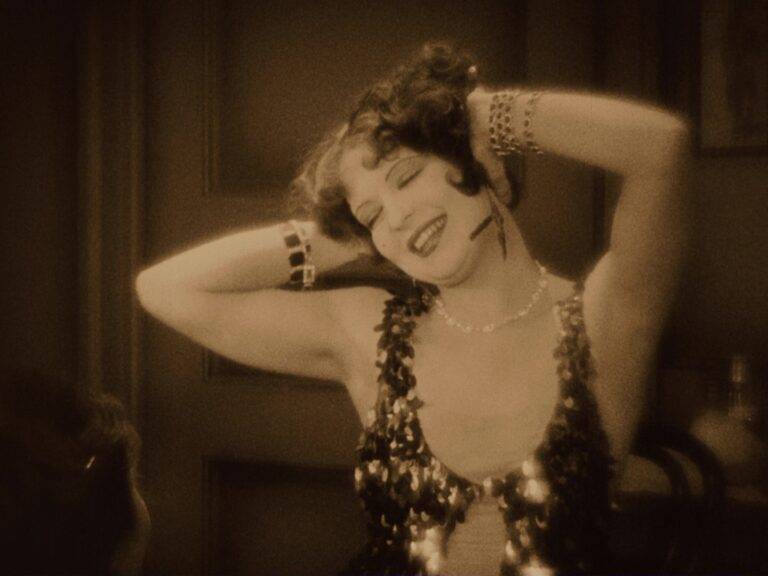
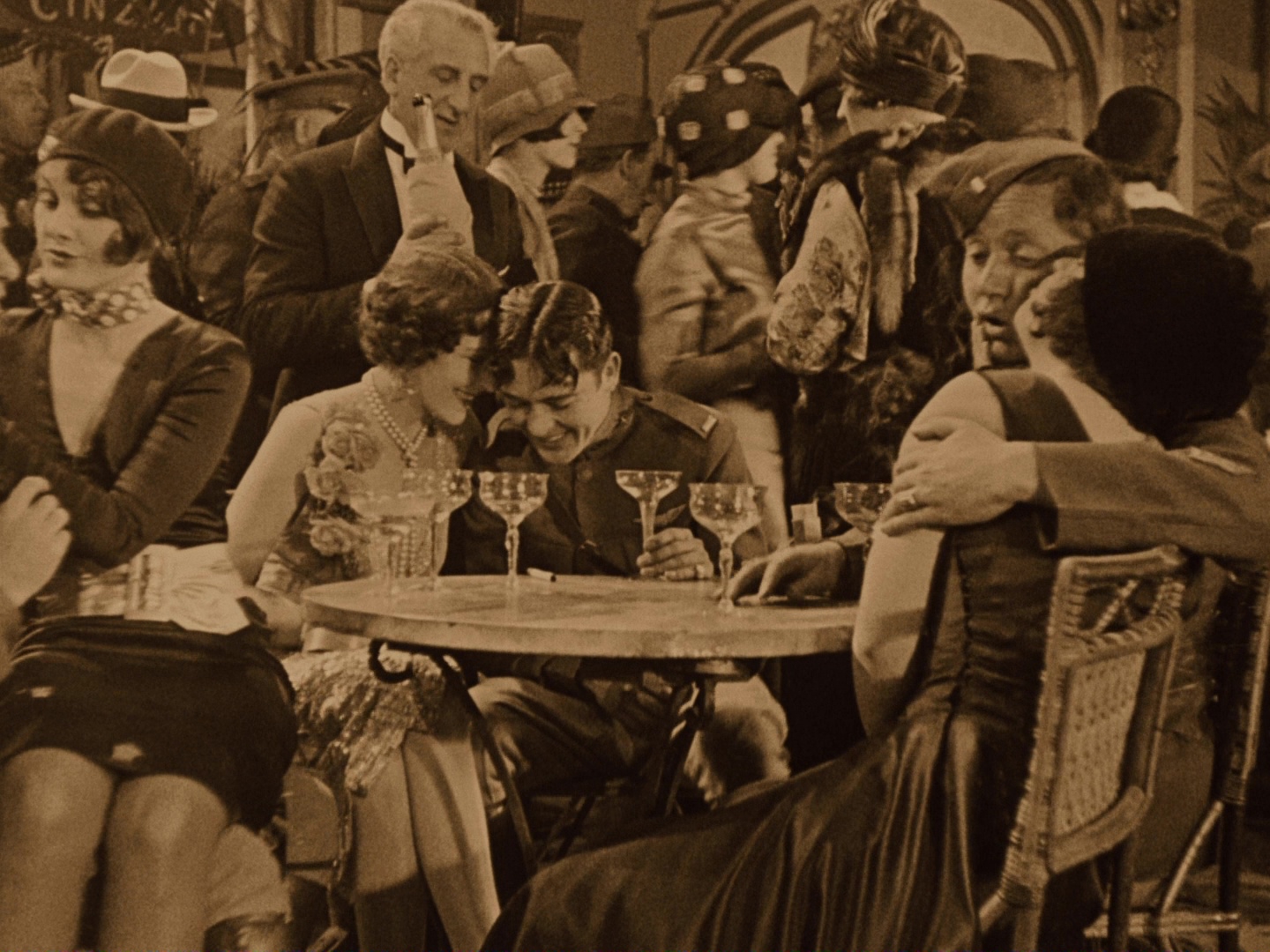
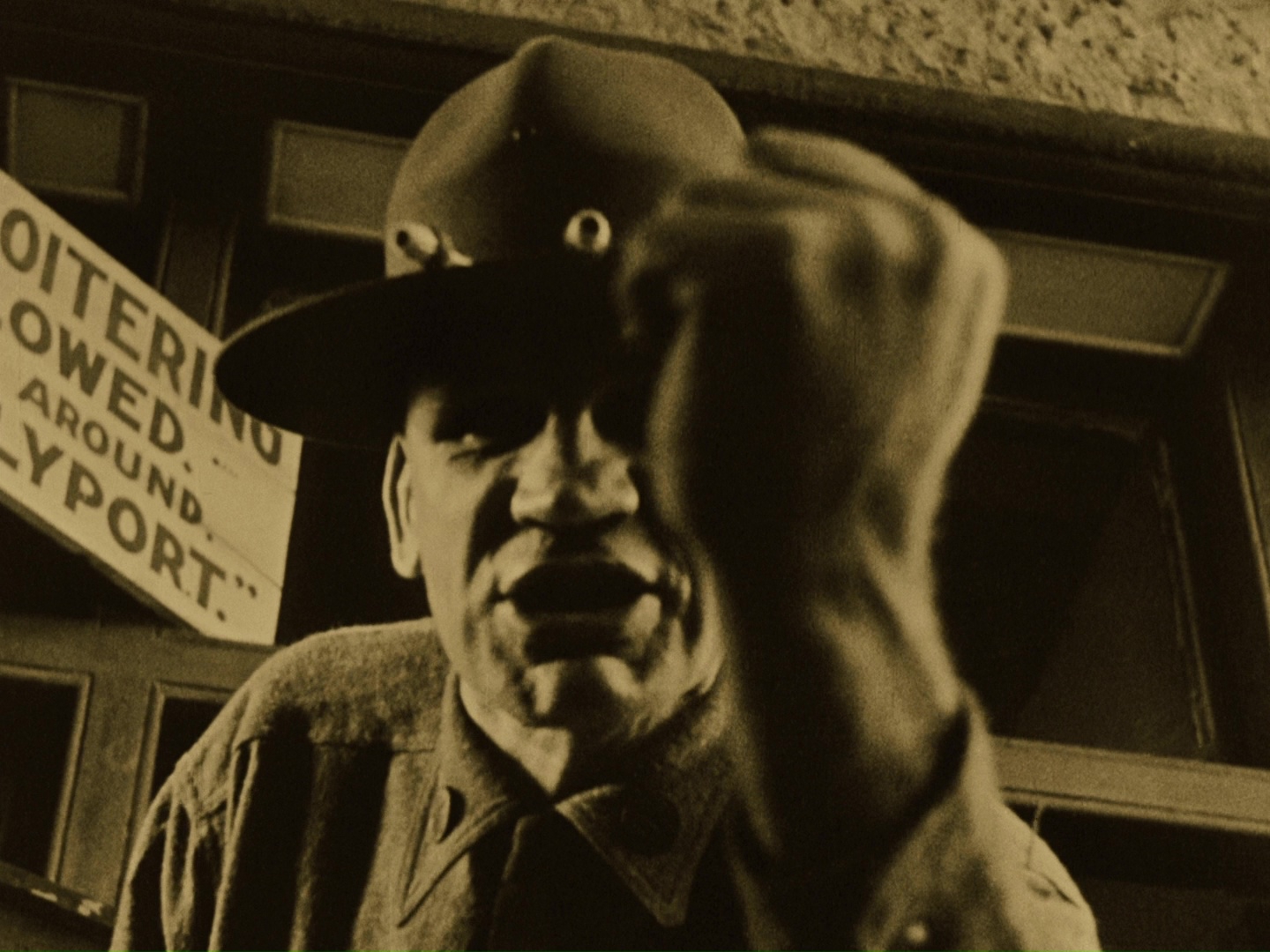
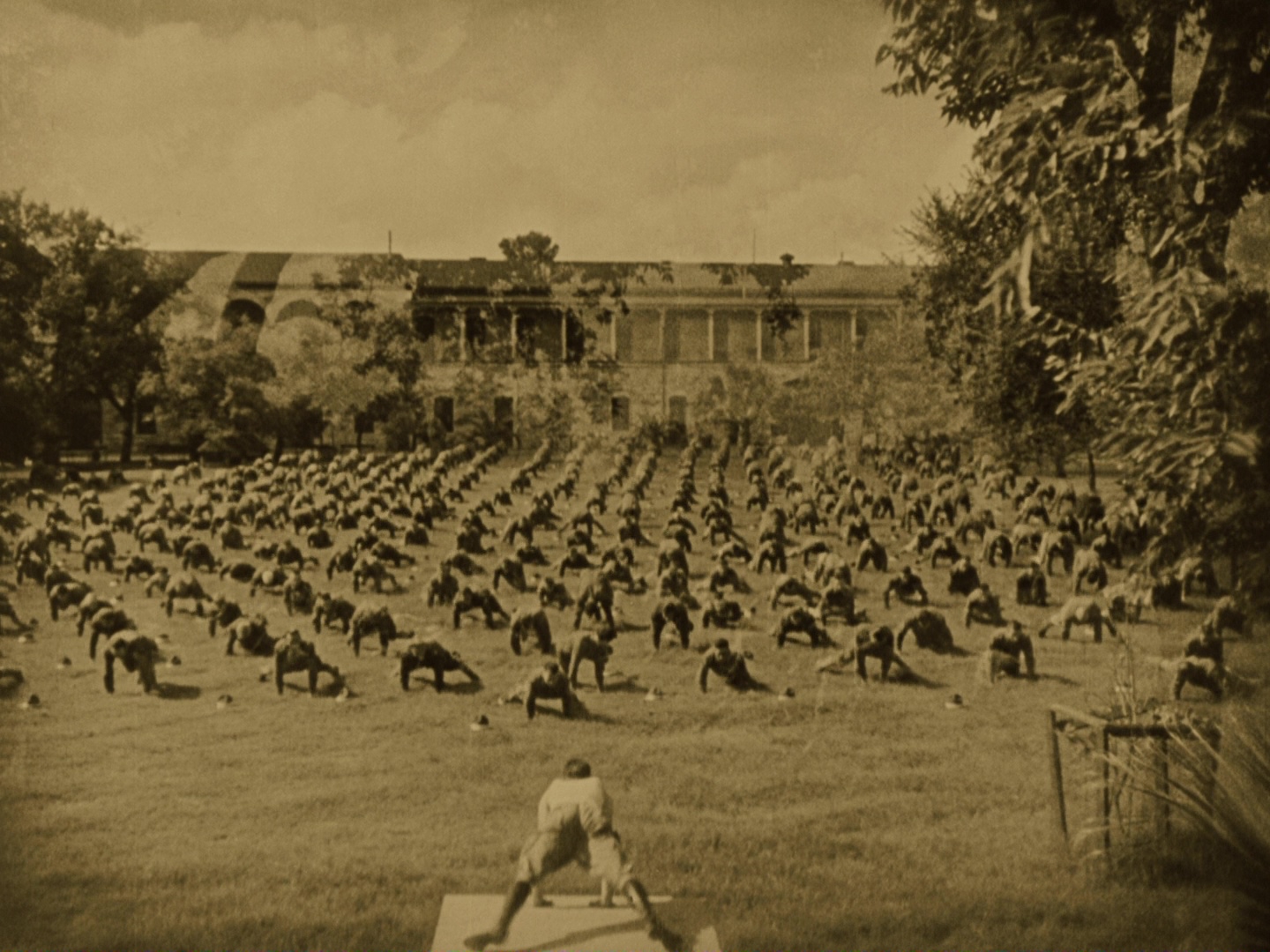
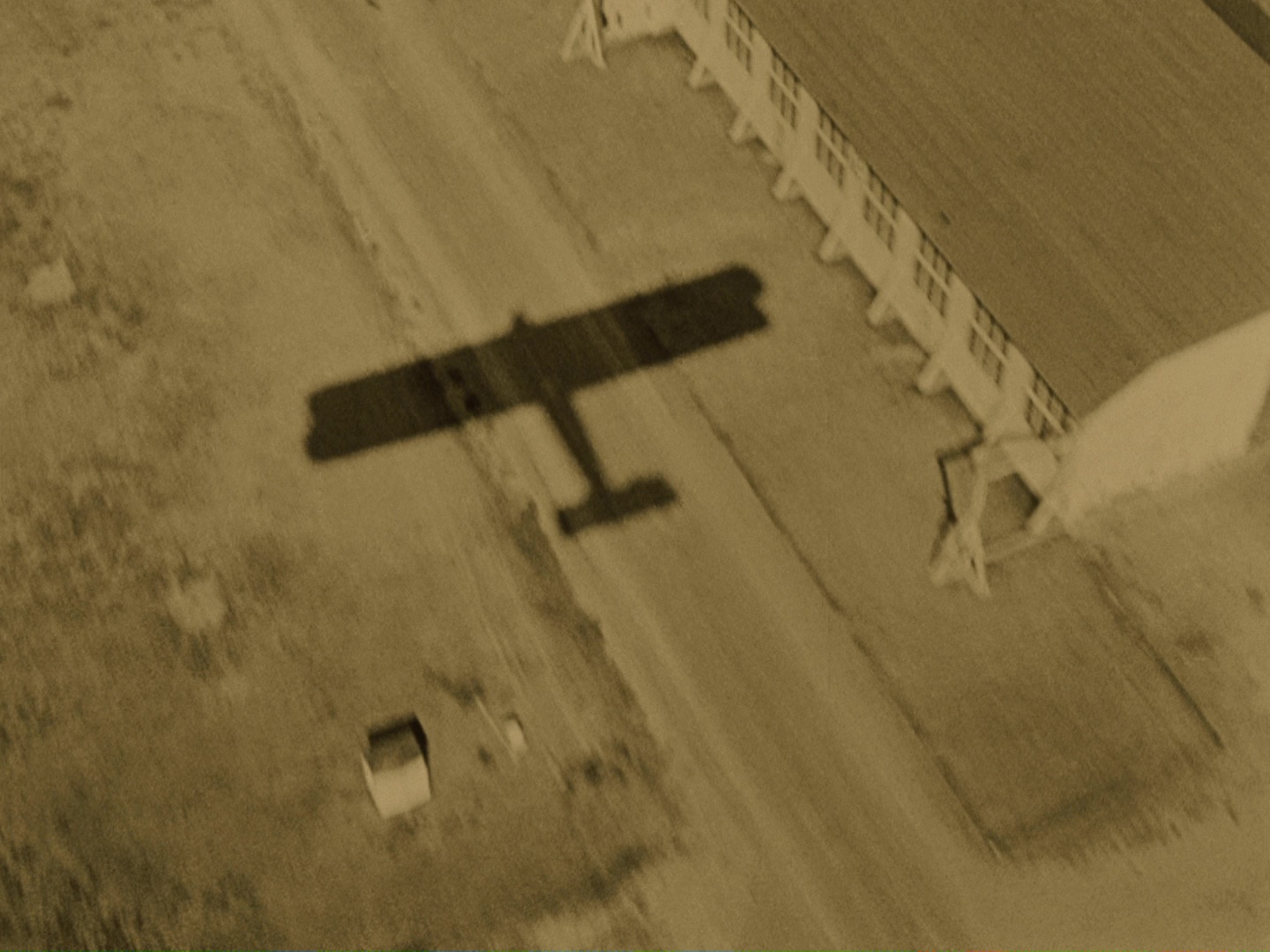
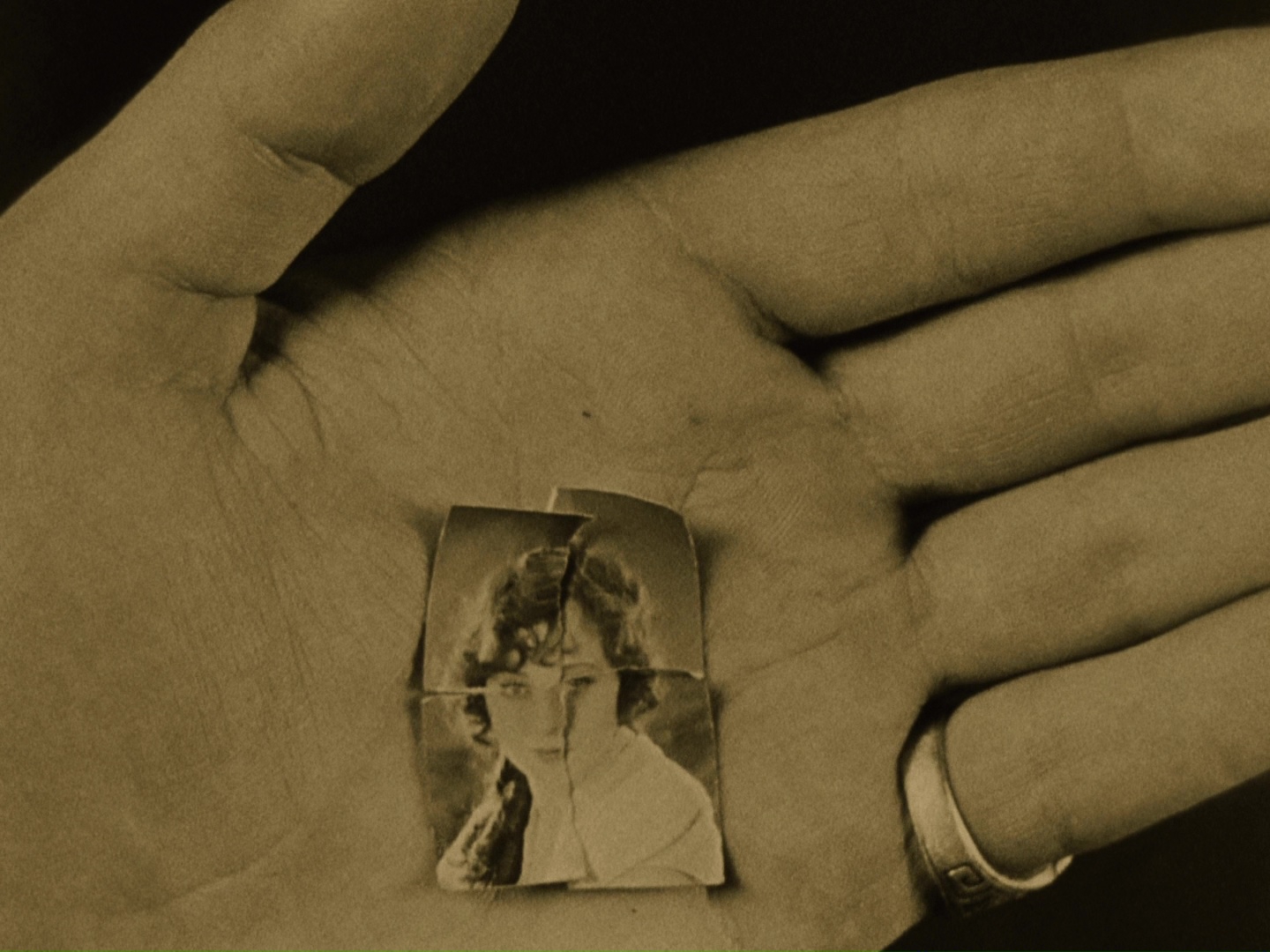
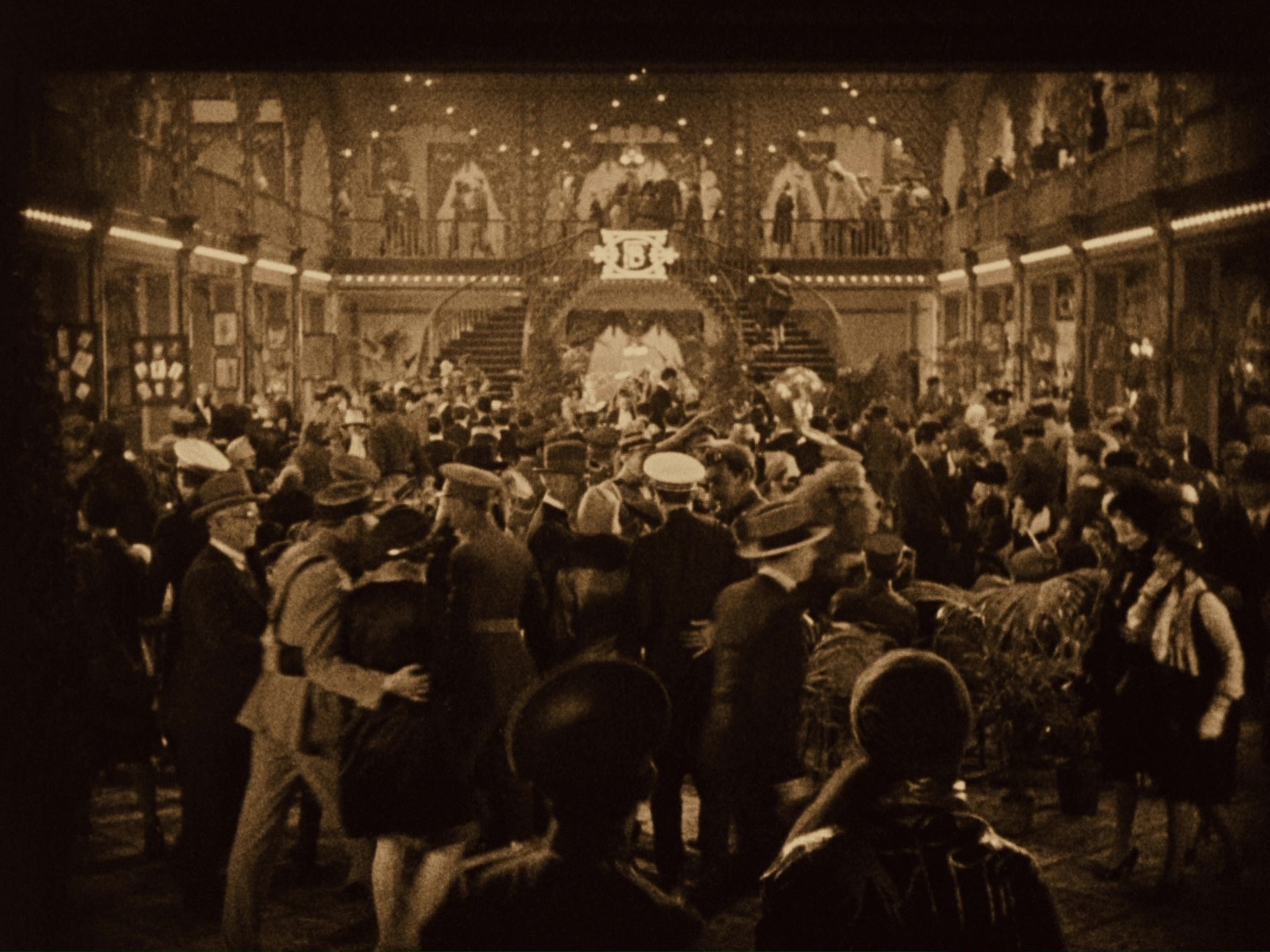
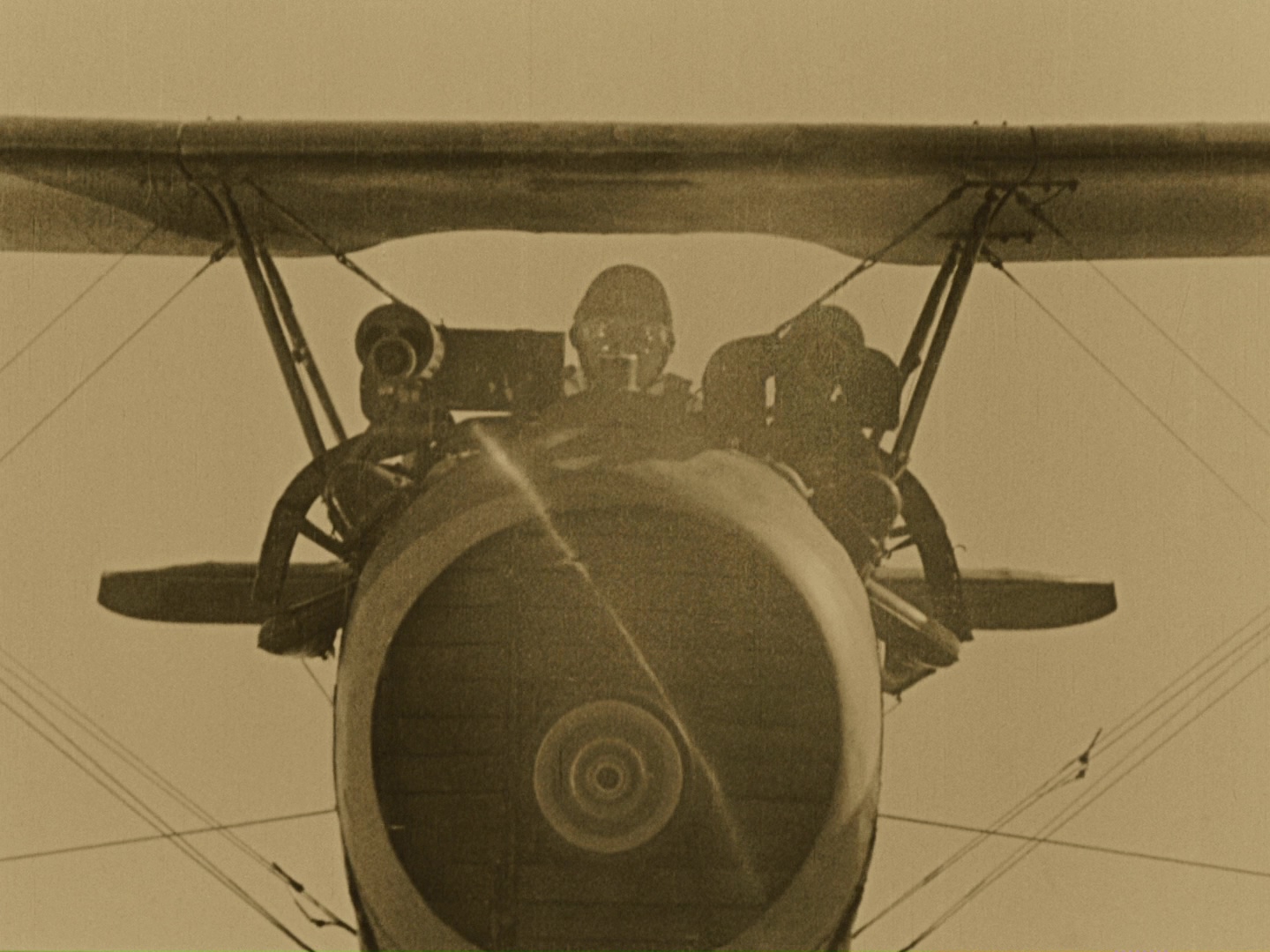
Two young men from the same town—one wealthy, one working-class—become fighter pilots during World War I, both in love with the same woman. As they train and head into combat, rivalry gives way to camaraderie amid the horrors of war. Their journey builds toward a tragic and emotionally charged climax in the skies over Europe.
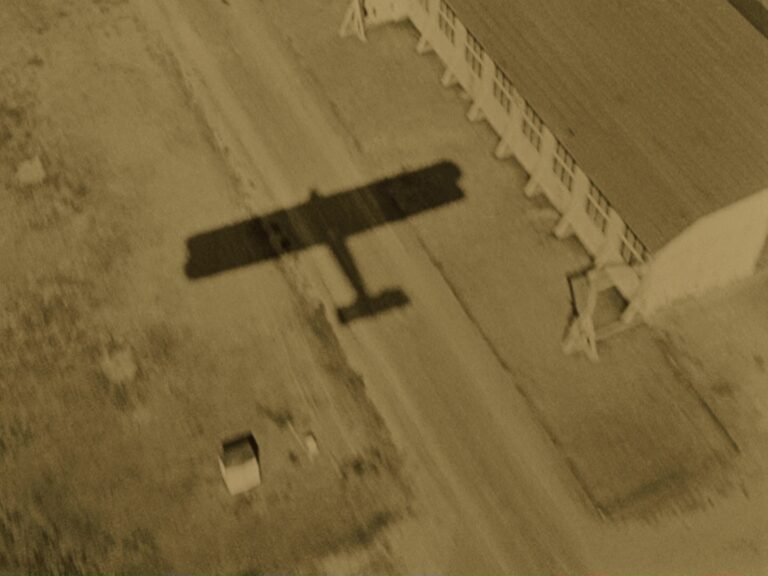
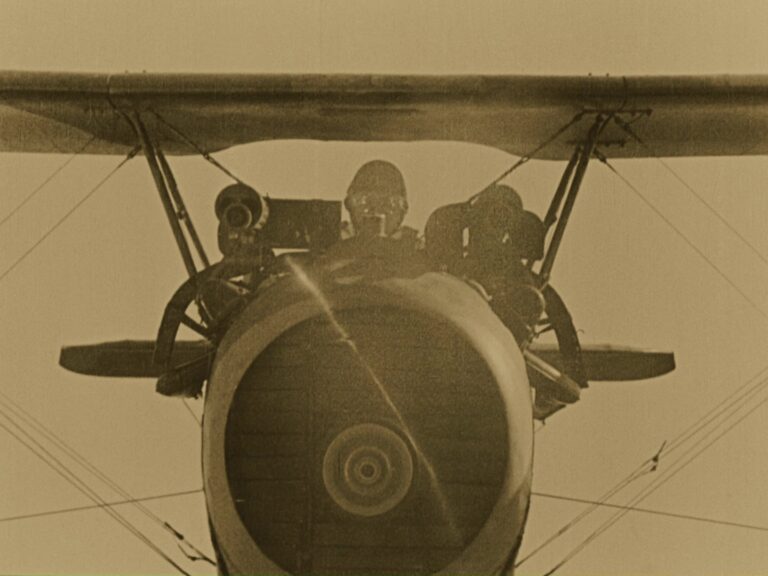
Wellman staged Wings with unprecedented aerial realism, mounting cameras directly onto aircraft to capture actors in flight rather than relying on rear projection. The film’s sweeping dogfights—shot with real planes, practical stunts, and fluid camera movement—set a new standard for action cinematography, turning the sky itself into a dynamic, fully realized cinematic space.