New Shots: Dolemite, Foxy Brown, & more Film Screenshots
Get your Decks ready ShotDeck Community! We’re adding several new films from the Blaxploitation Movement this week as well as the first season of Love, Death, & Robots and the second season of Mindhunter! Remember you can always request titles for future drops by clicking here!
FILM SPOTLIGHT
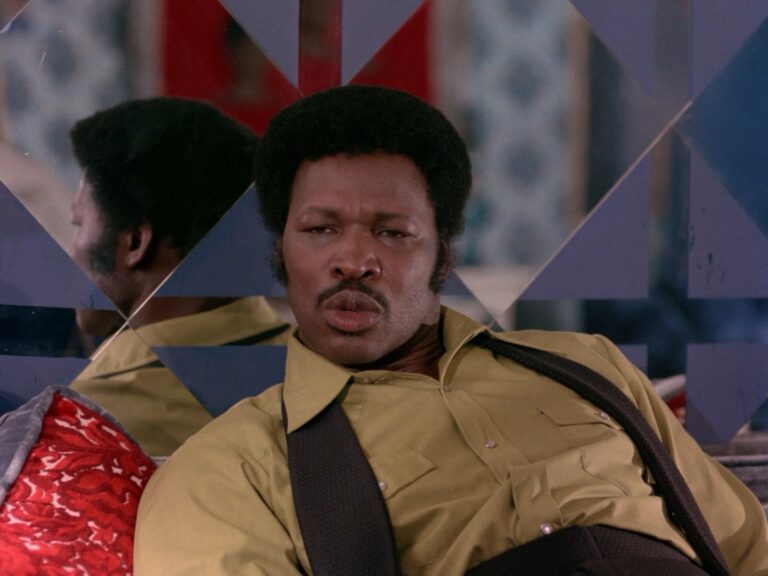
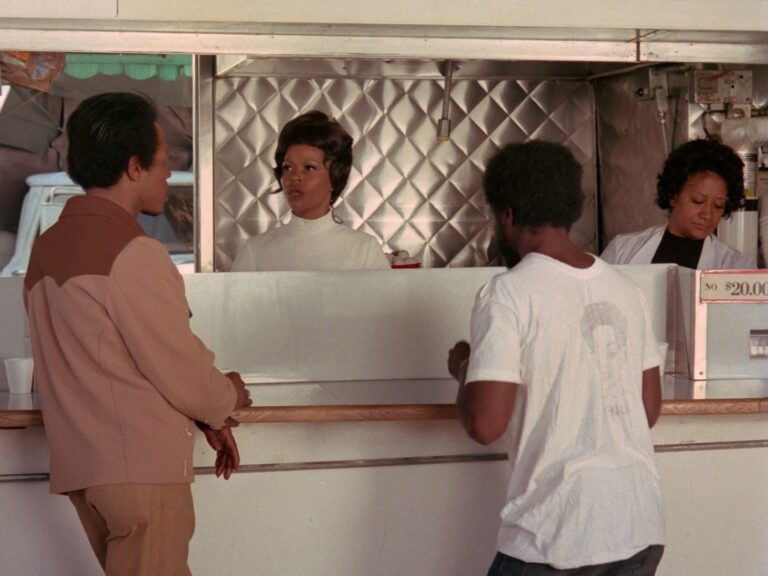
Dolemite (1975)
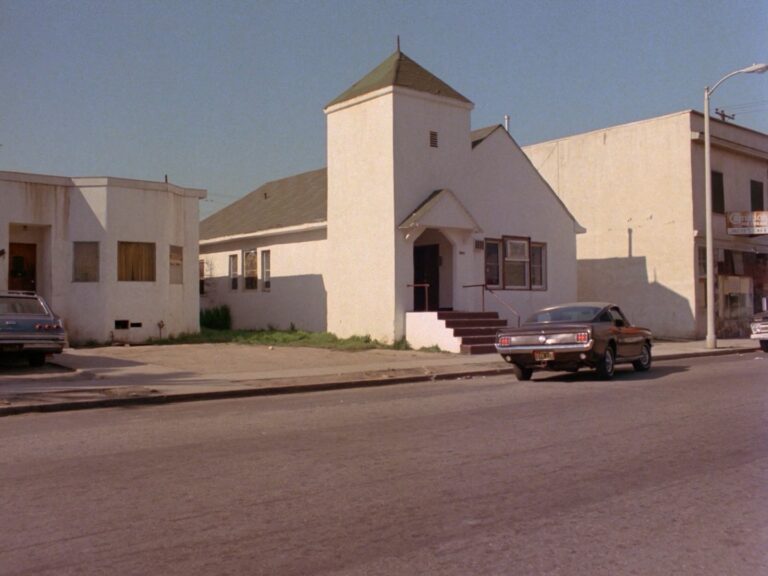
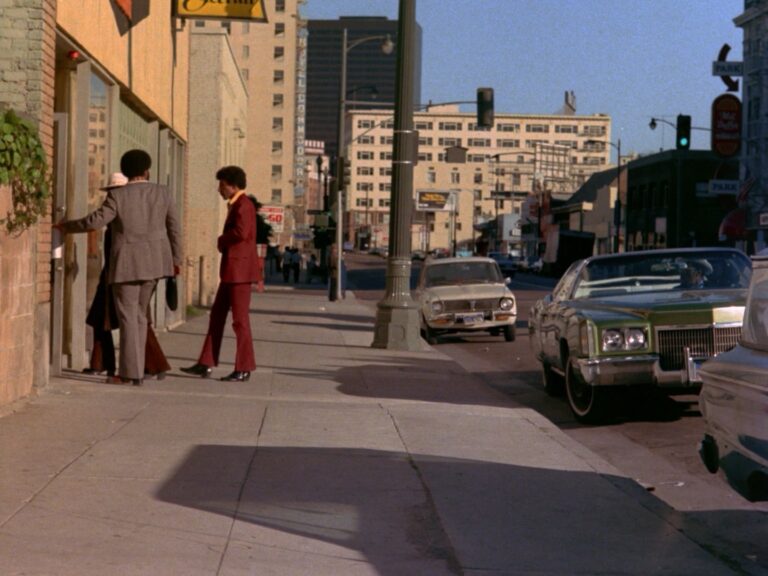
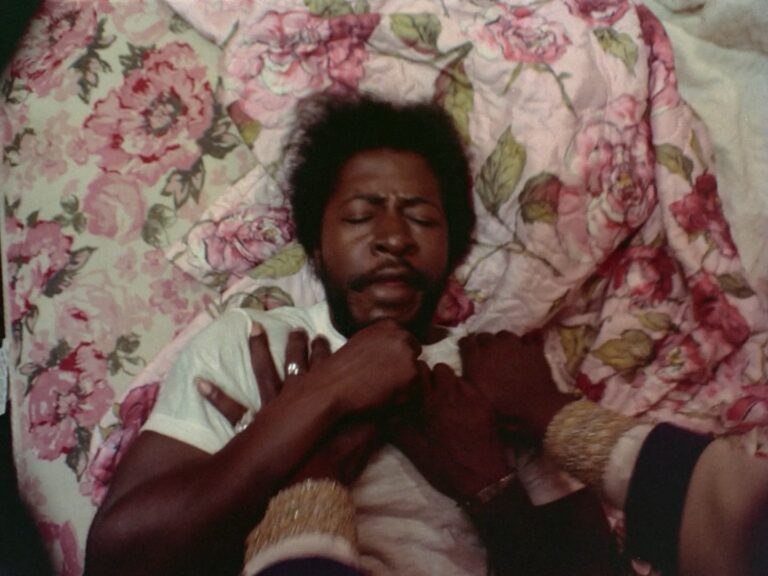
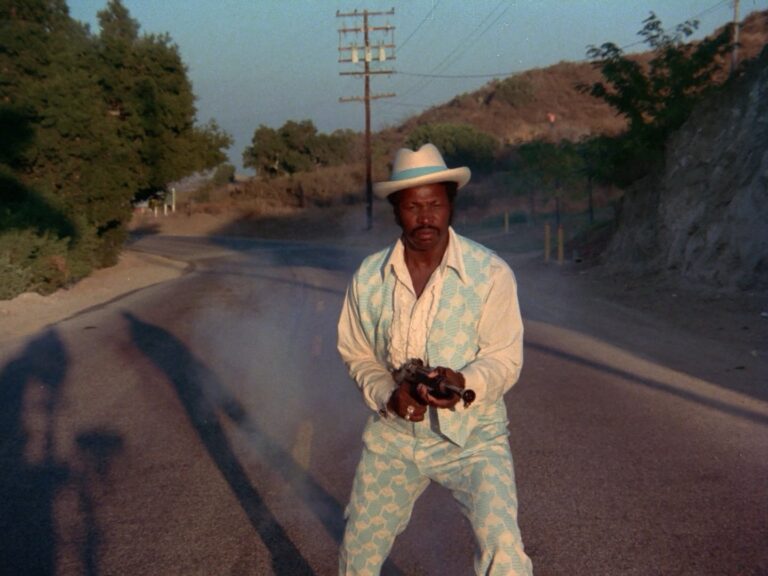
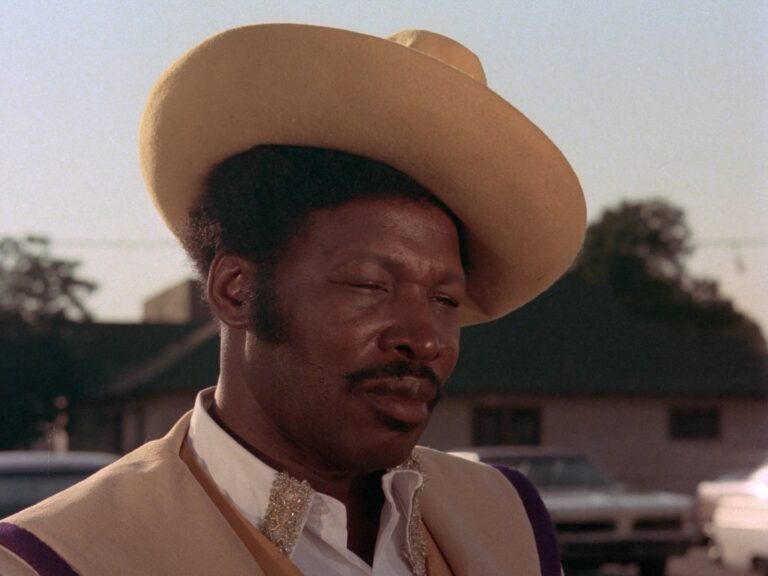
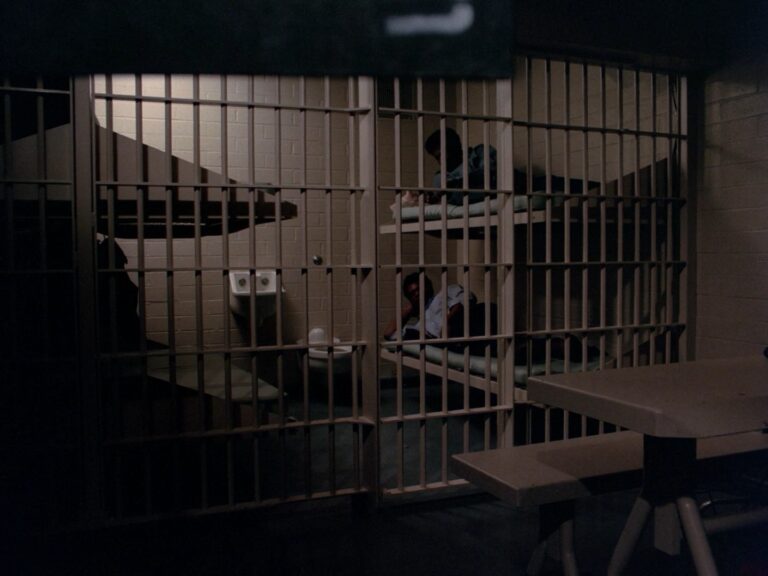
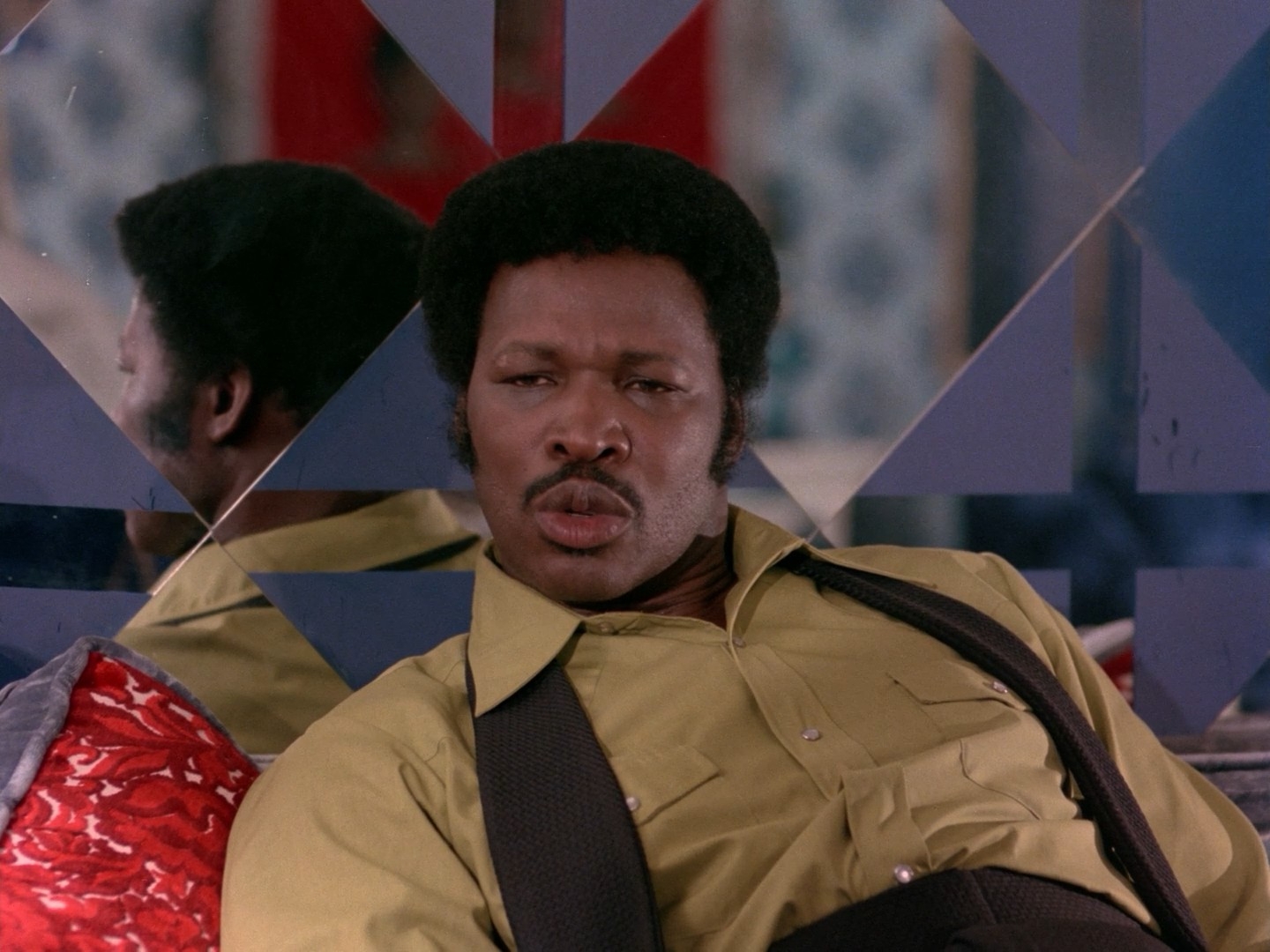
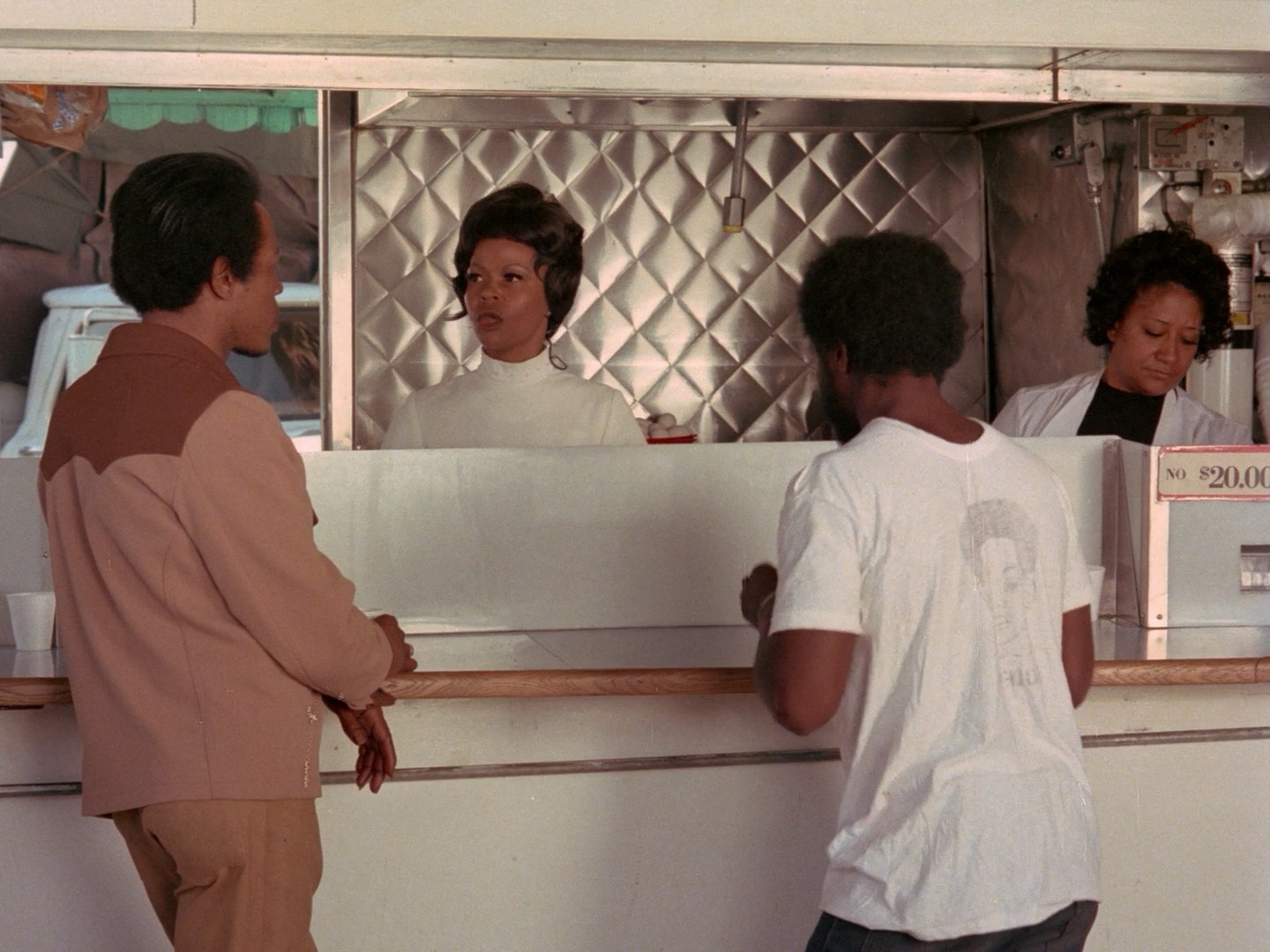
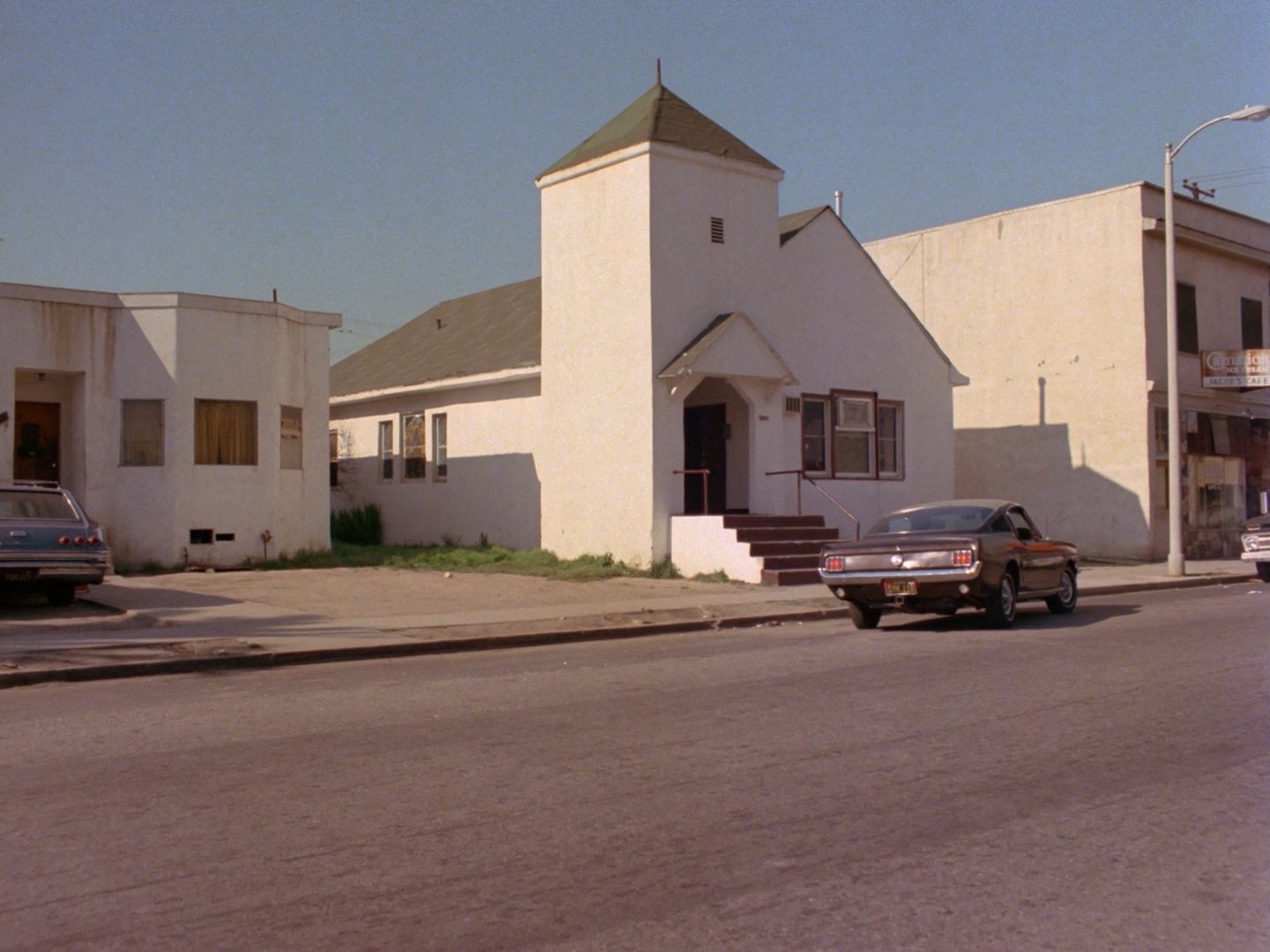
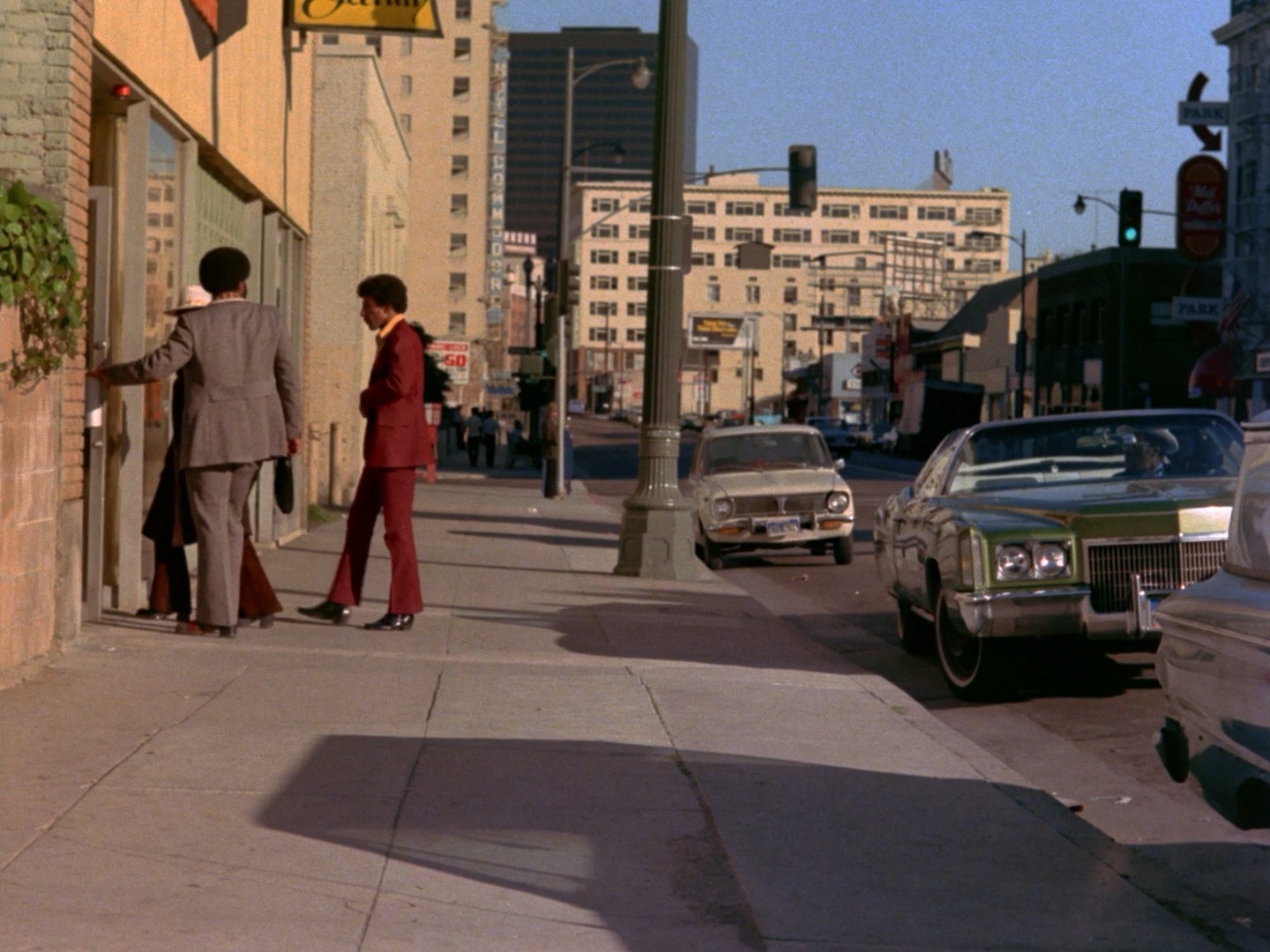
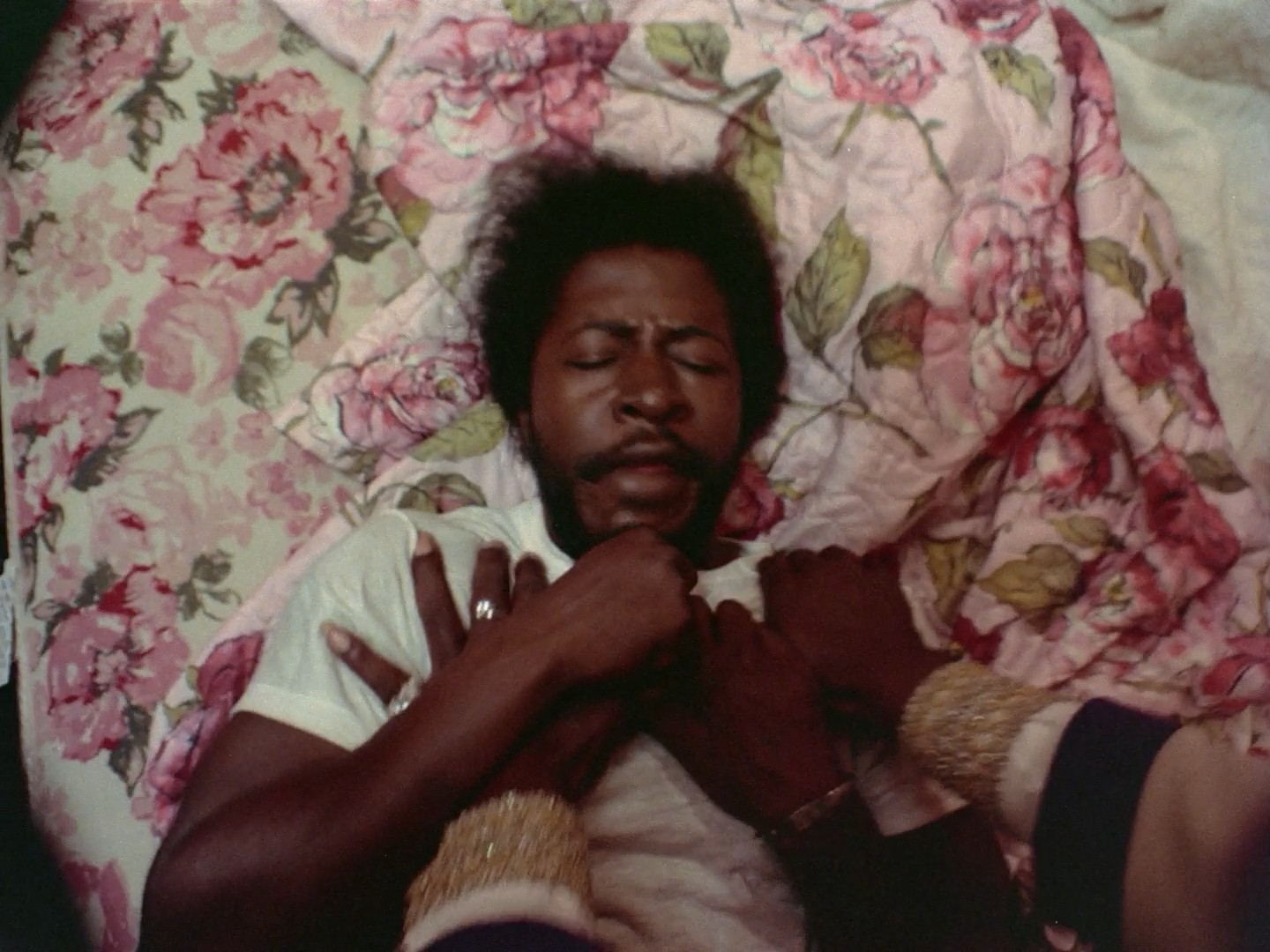
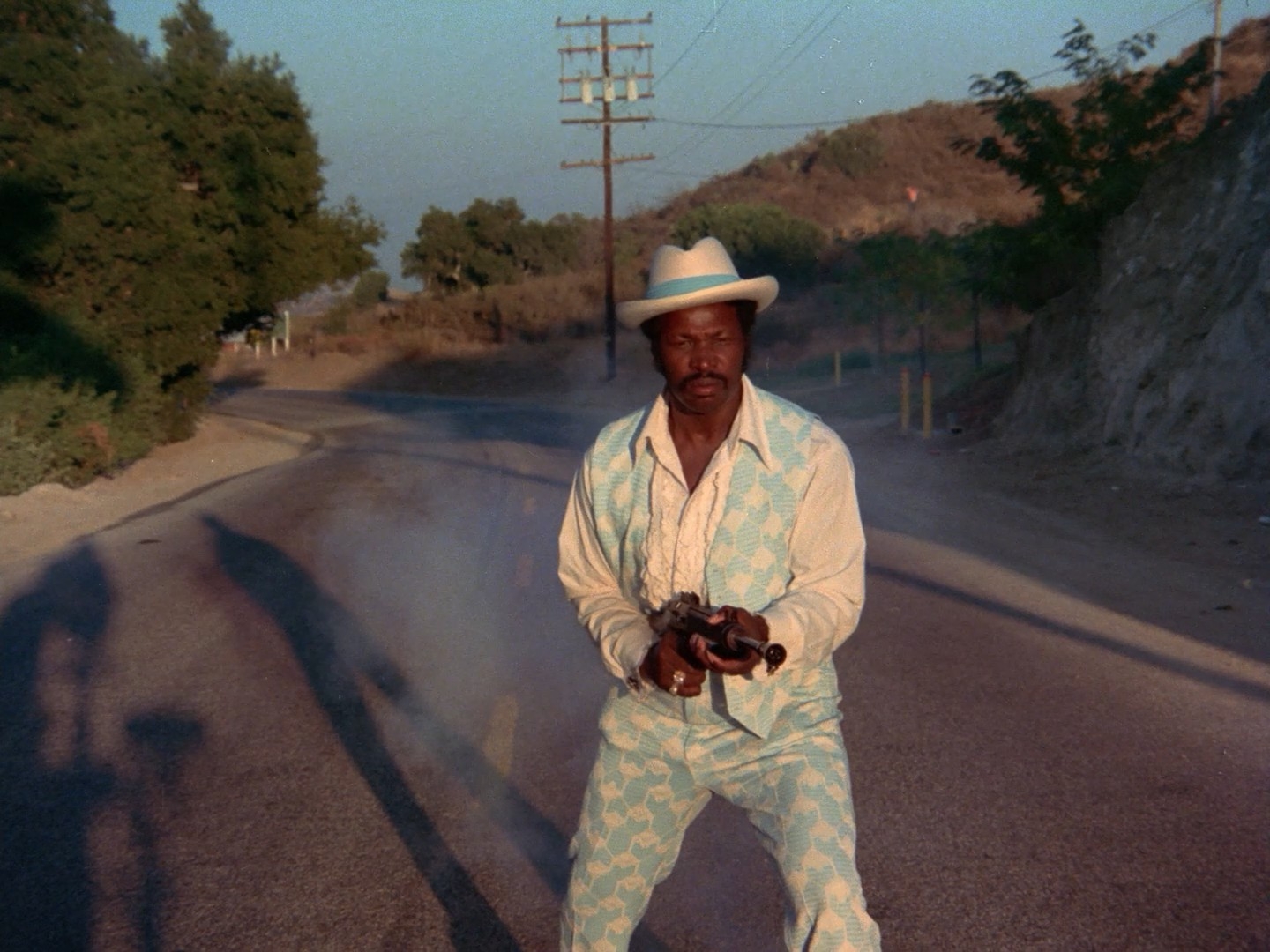
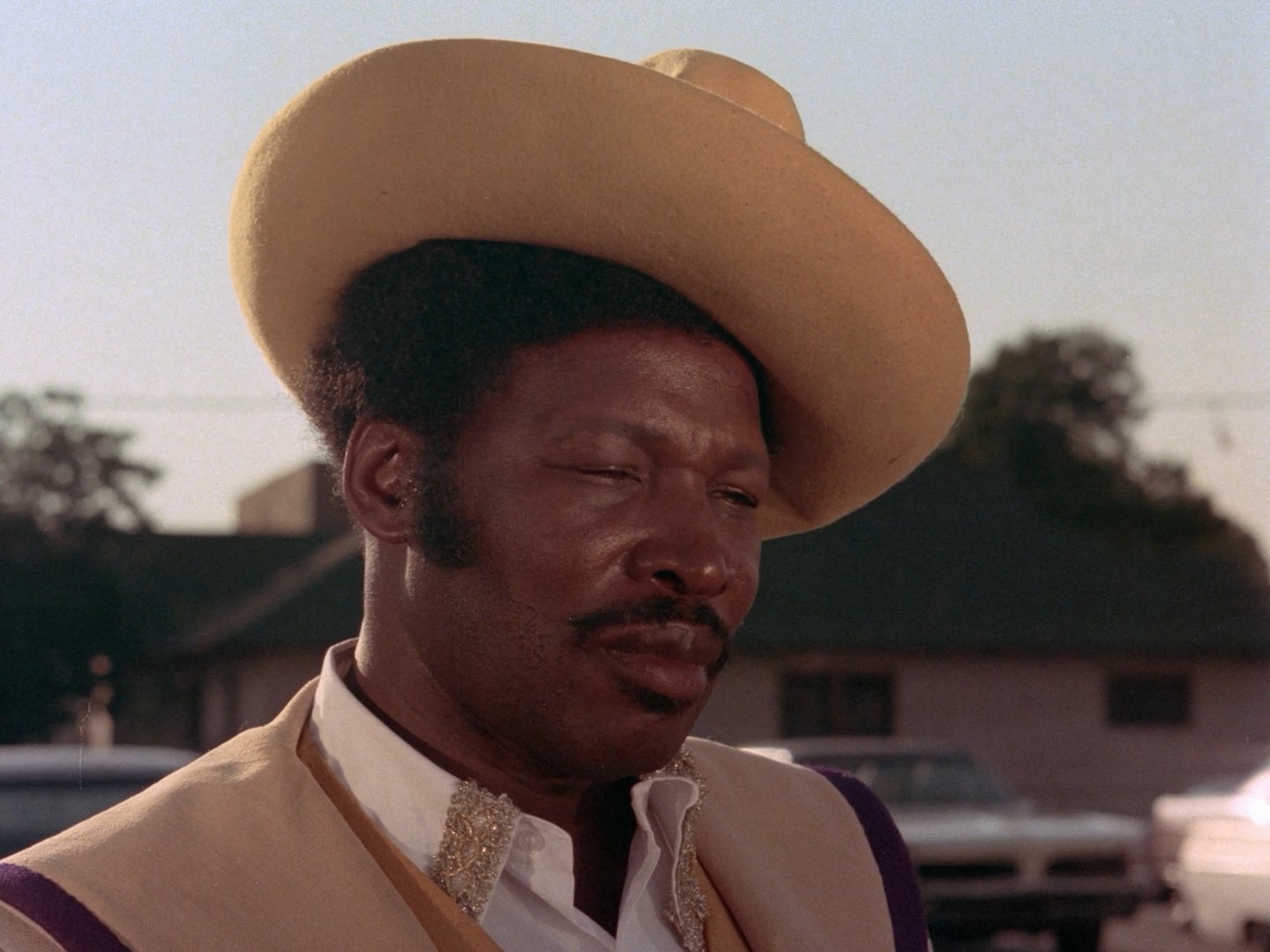
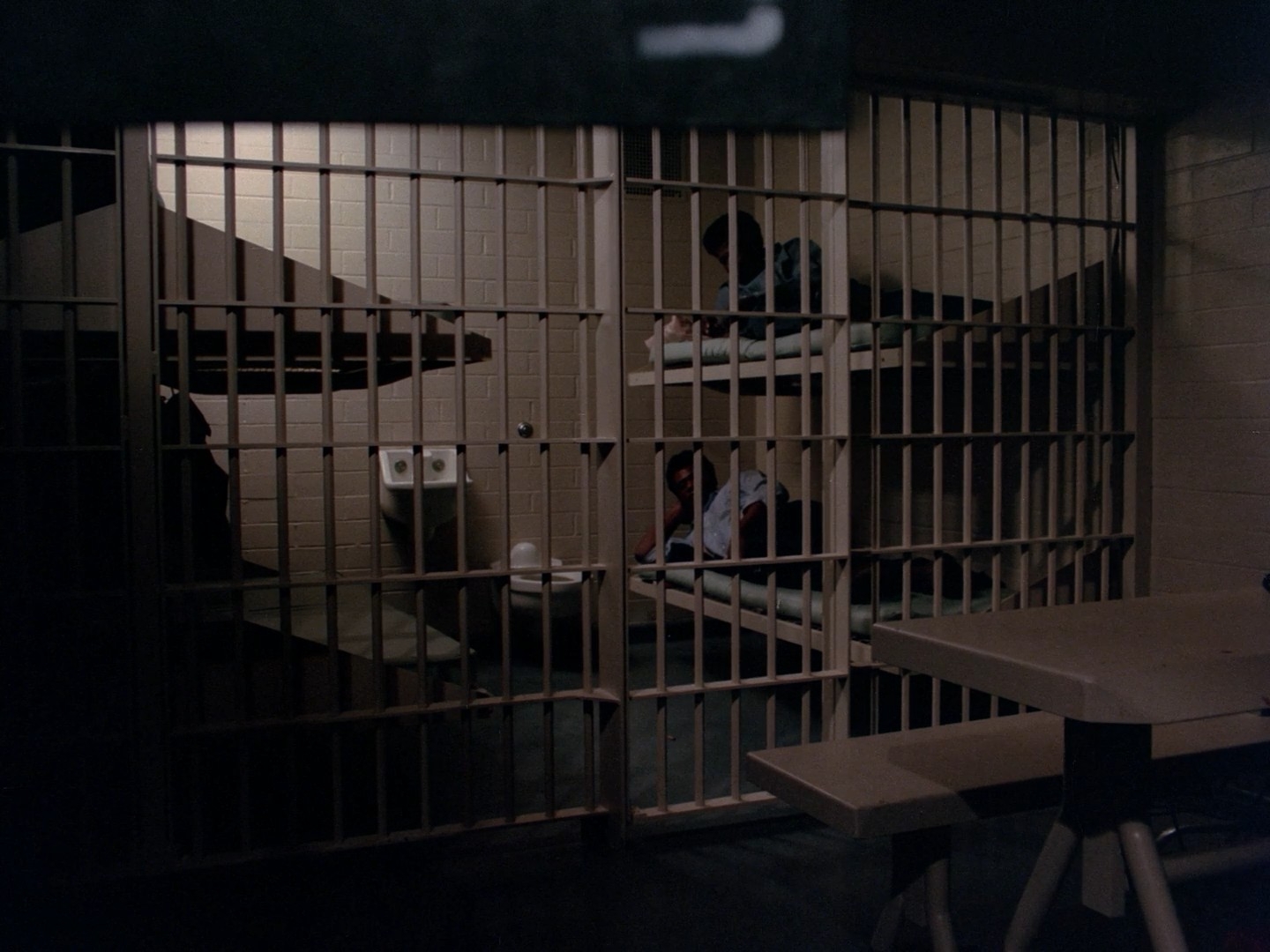
After being framed and imprisoned by corrupt officials, flamboyant pimp and nightclub owner Dolemite is released from jail and sets out to reclaim his territory and exact revenge. With the help of loyal allies and a crew of martial arts–trained women, he takes on criminals, crooked cops, and rival operators across the city. The film unfolds as a wild mix of crime, comedy, and blaxploitation swagger.
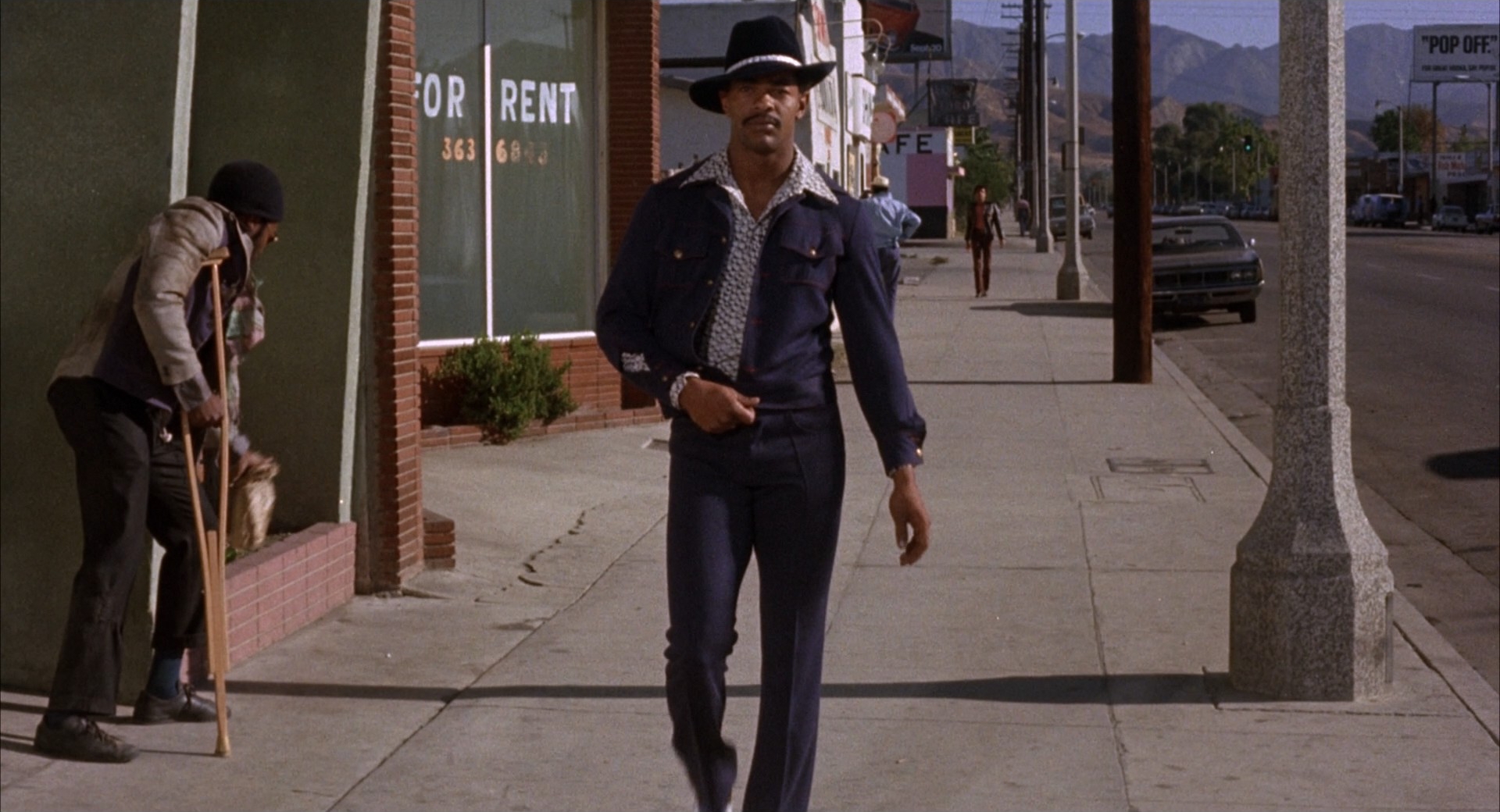
Shot on a low budget with a rough, fast-moving production style, Dolemite embraces visible imperfections—awkward edits, loose framing, and raw sound—as part of its charm and energy. The film’s vibrant costumes, nightclub interiors, and exaggerated performances give it a larger-than-life presence, turning Rudy Ray Moore’s personality into the true visual centerpiece of the movie.
FILM SPOTLIGHT
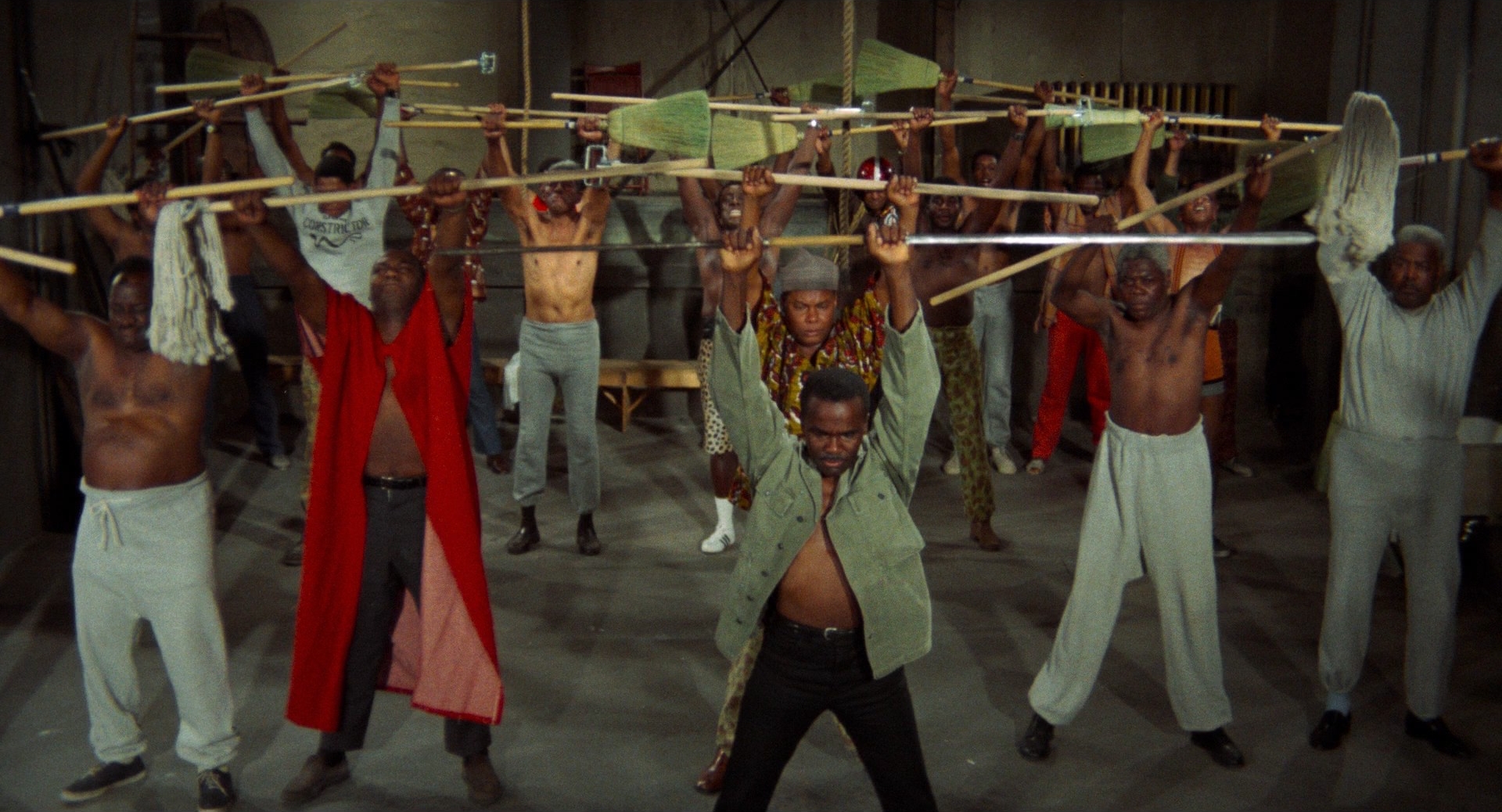
Watermelon Man (1970)
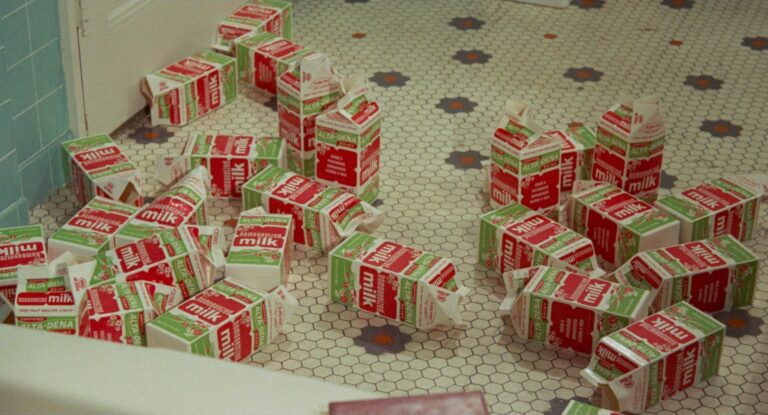
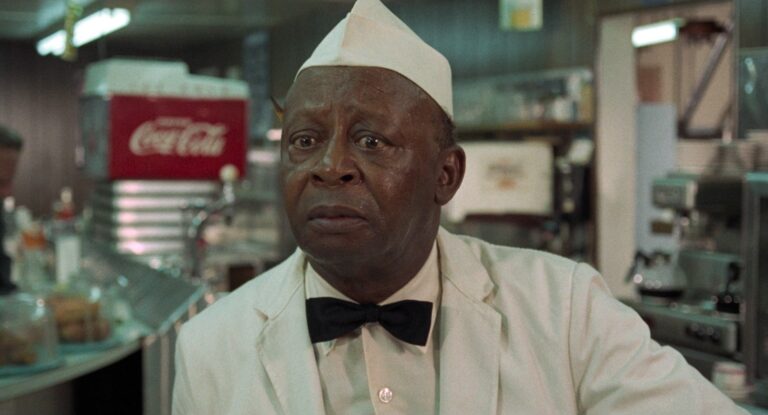
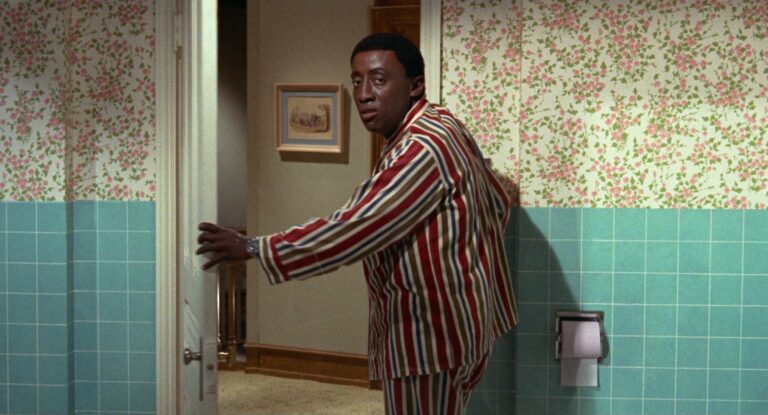
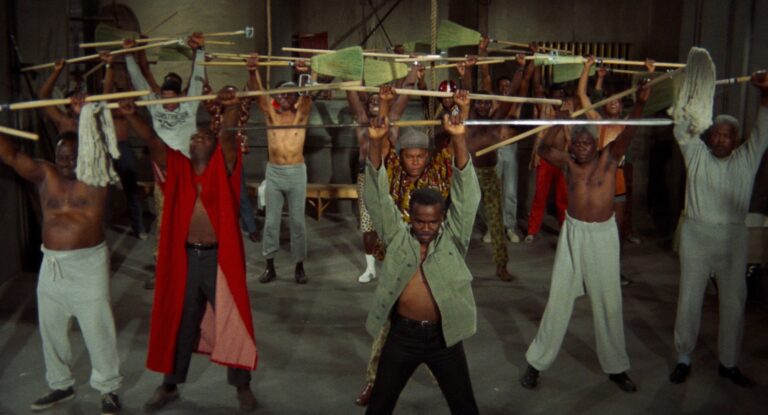
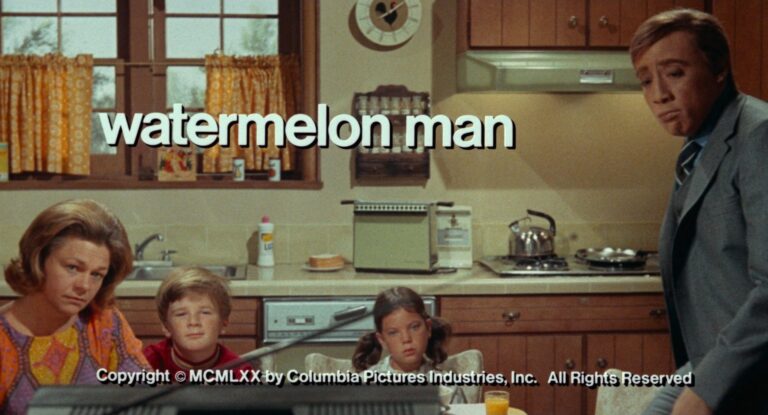
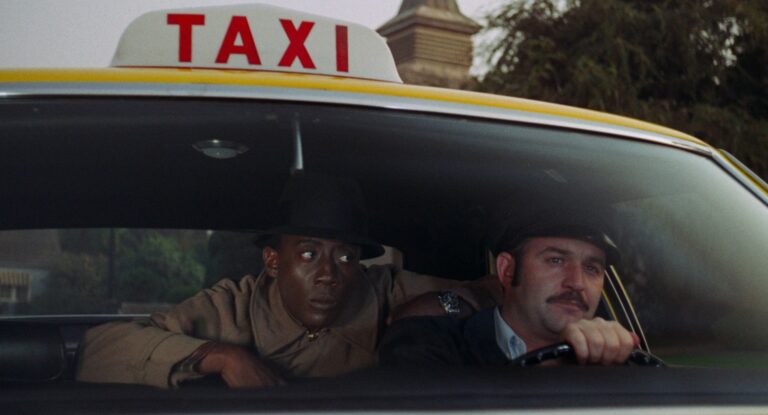
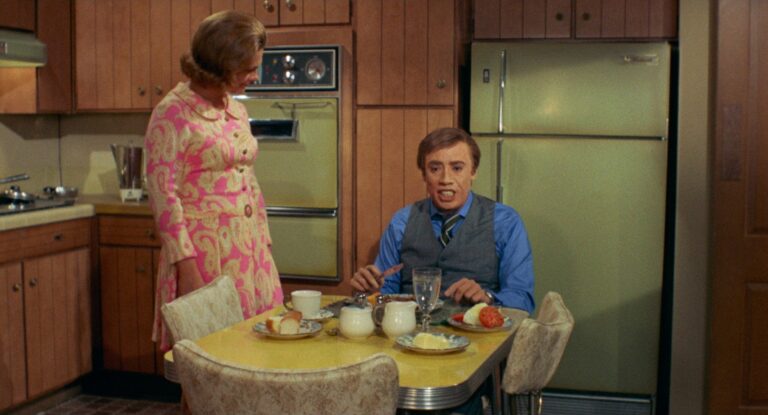
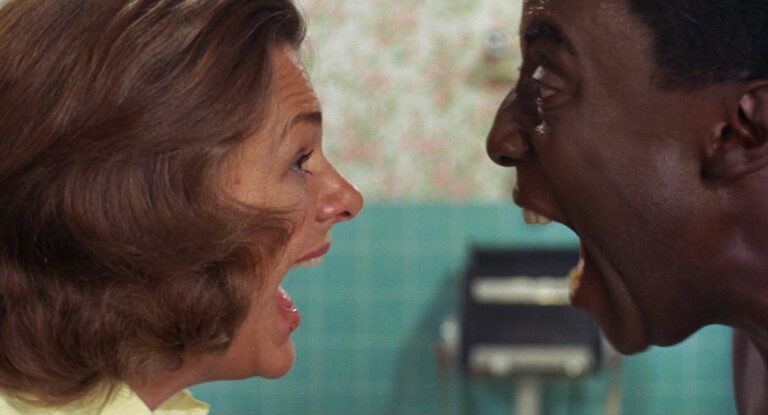
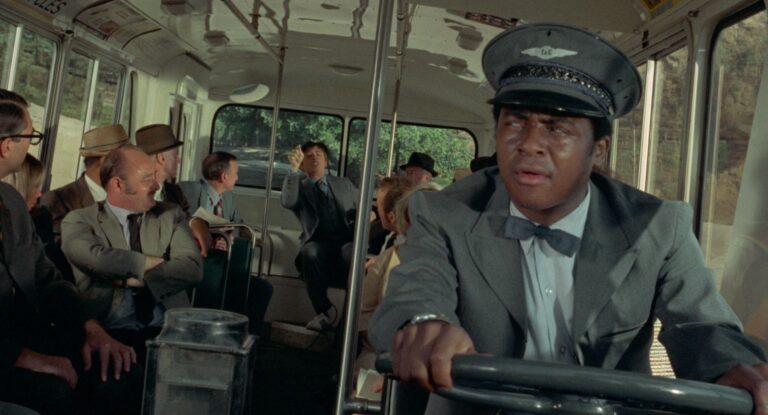
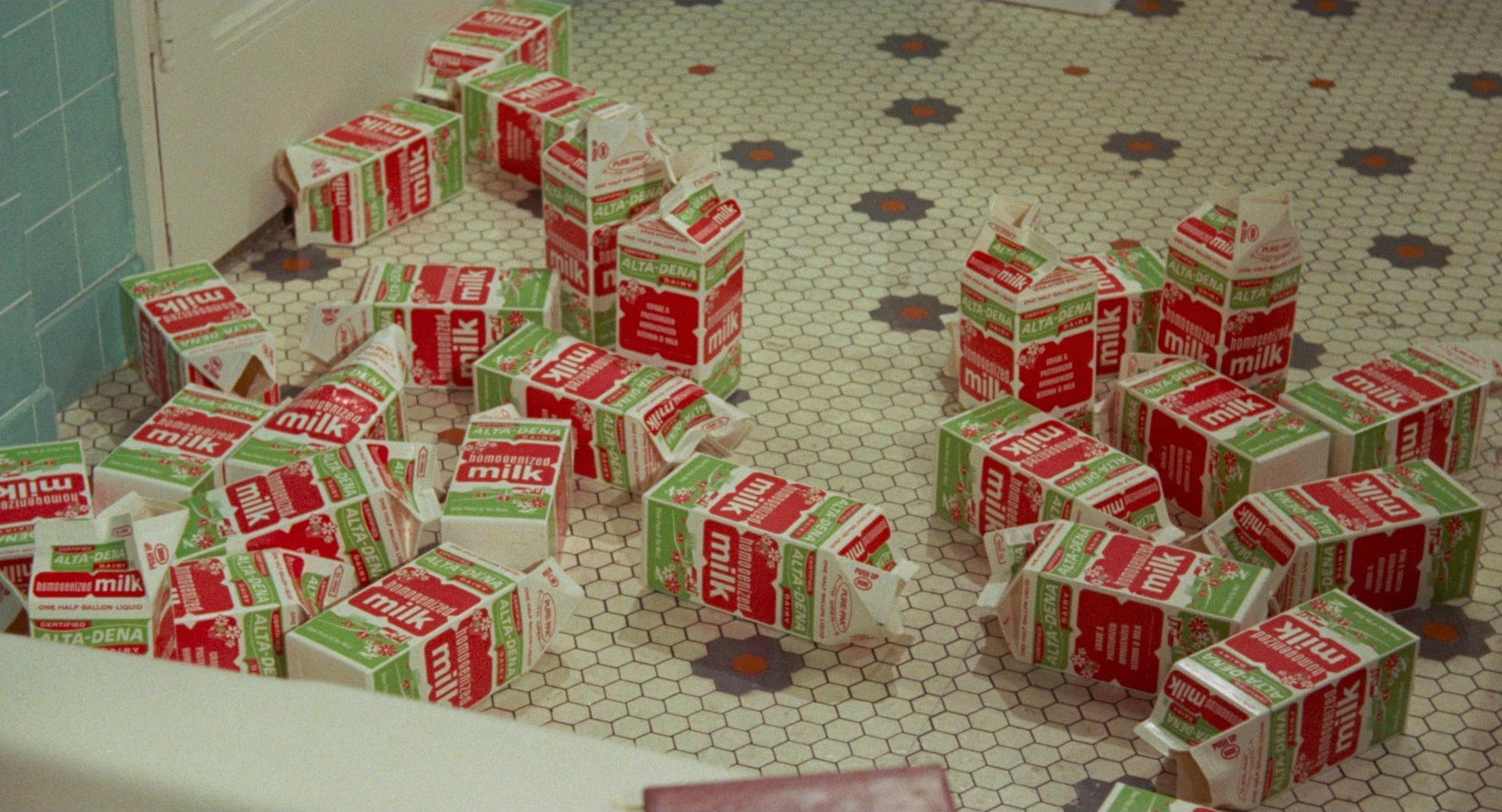
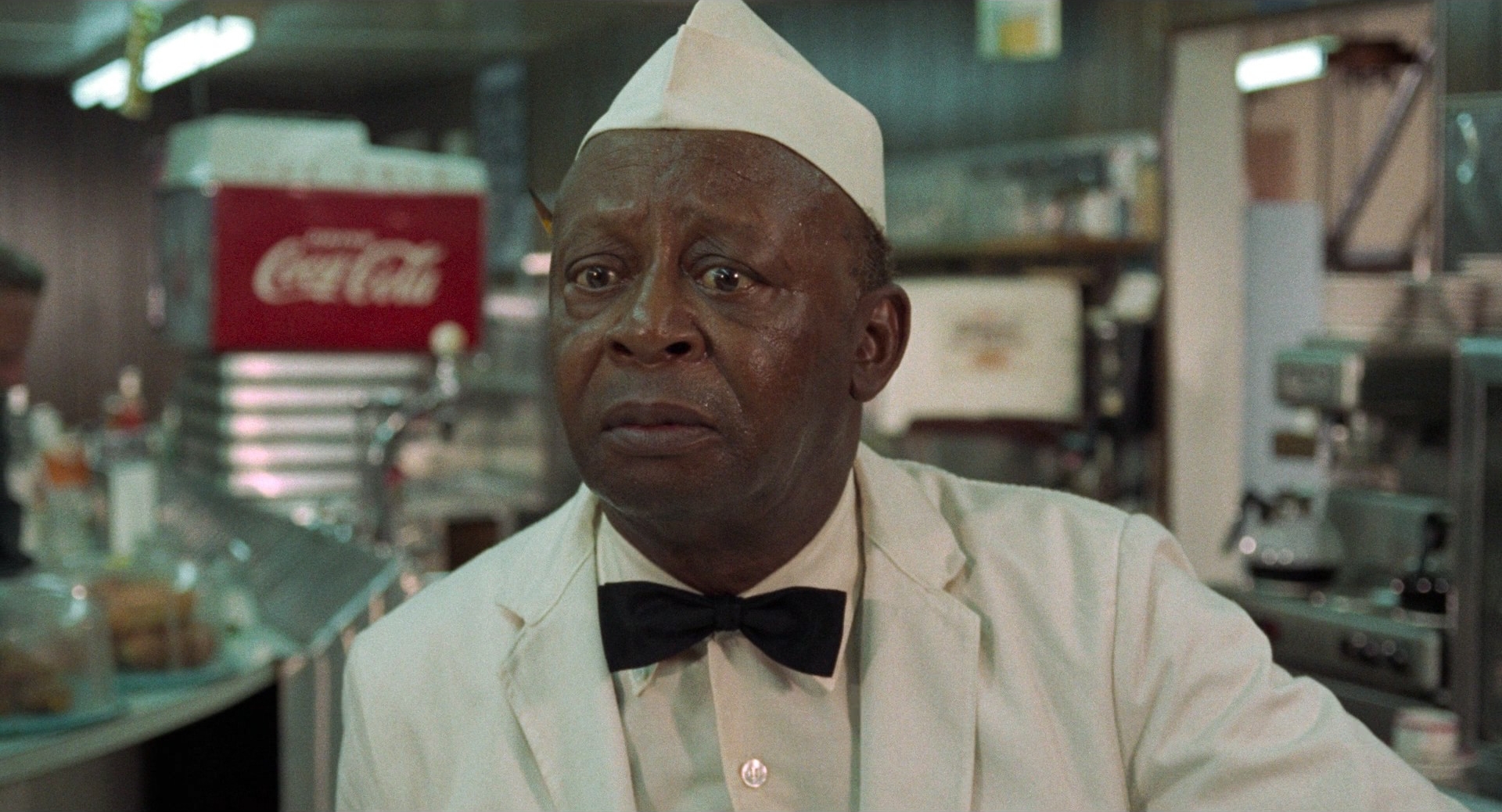
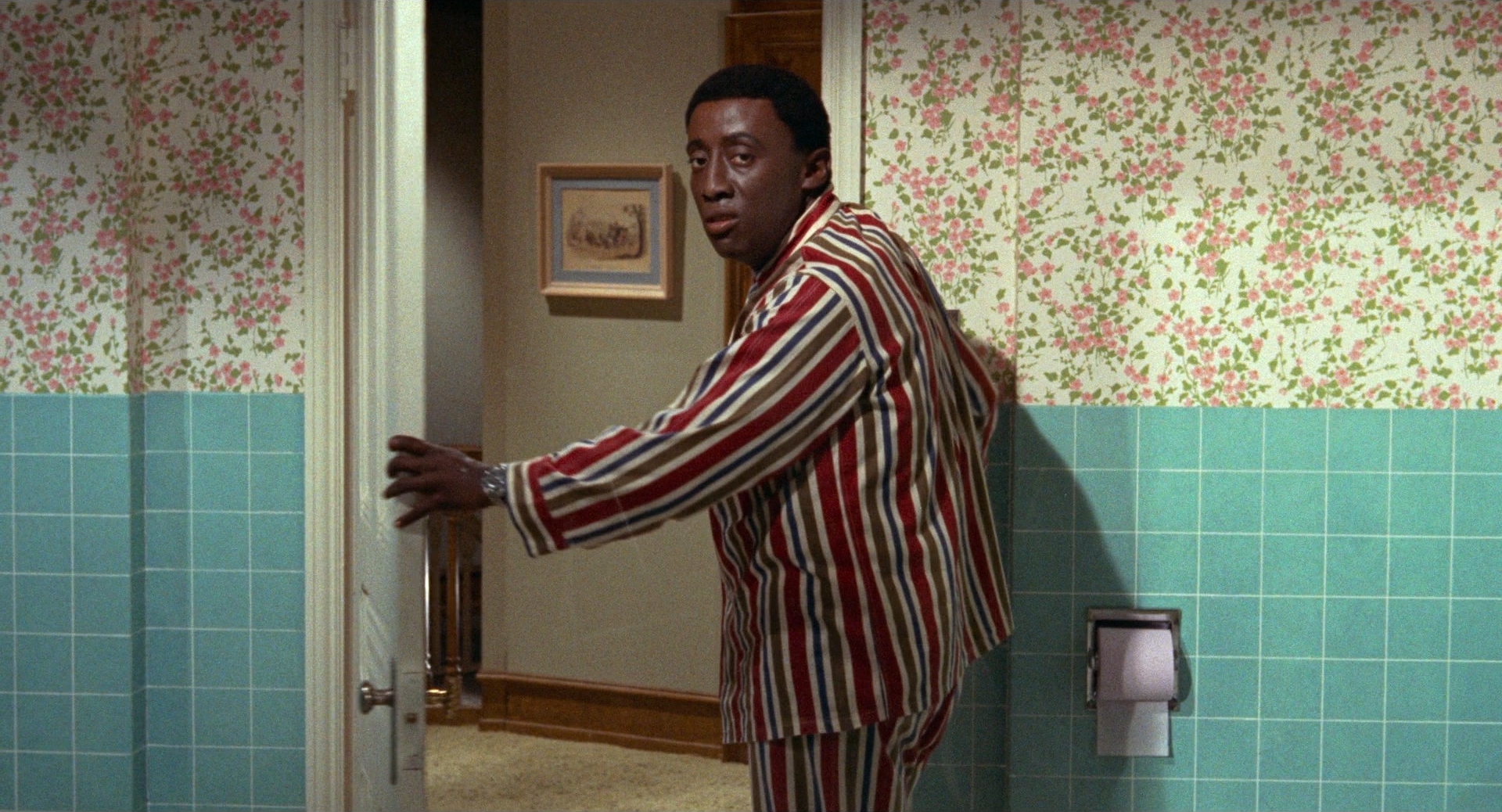
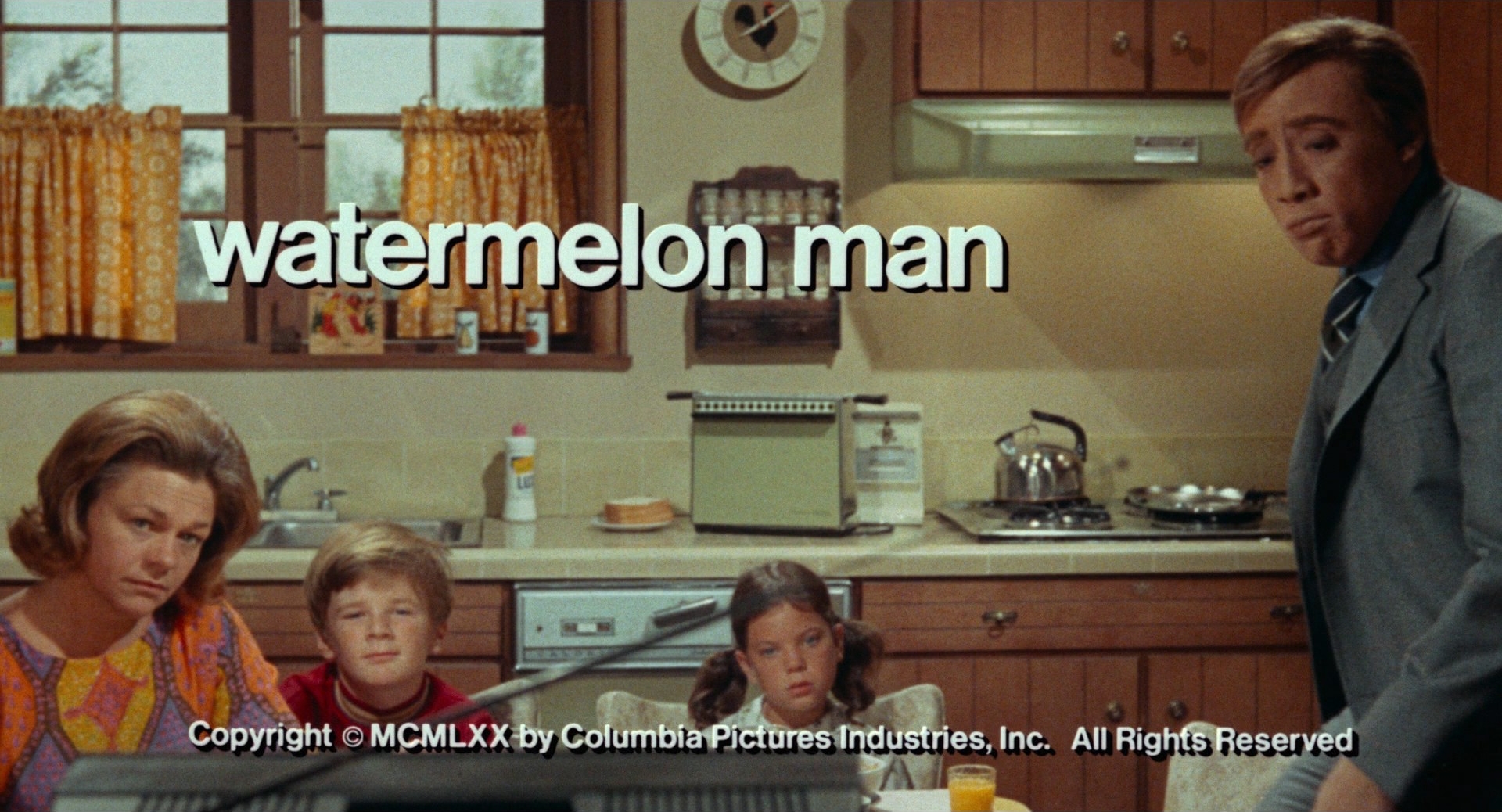
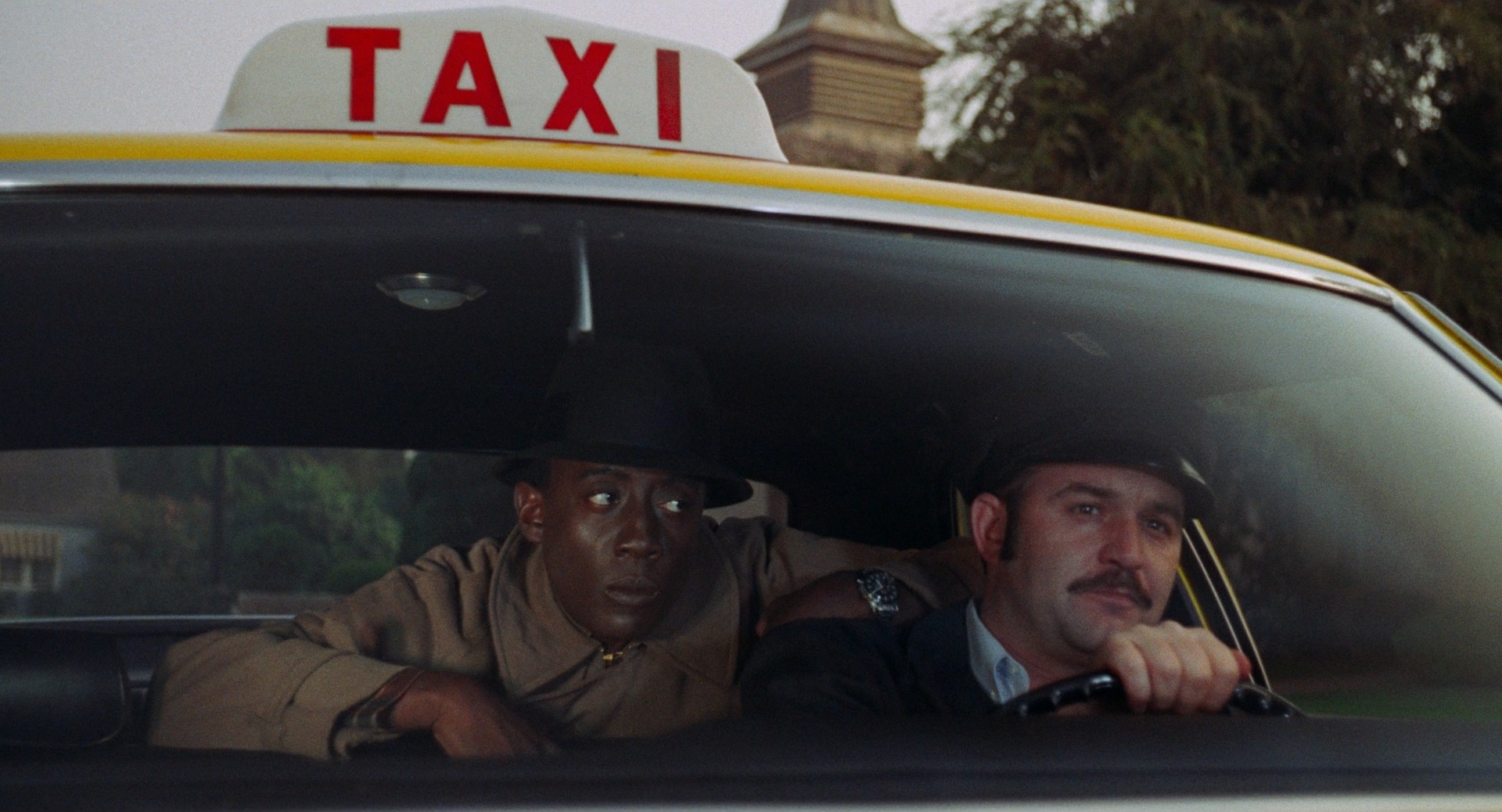
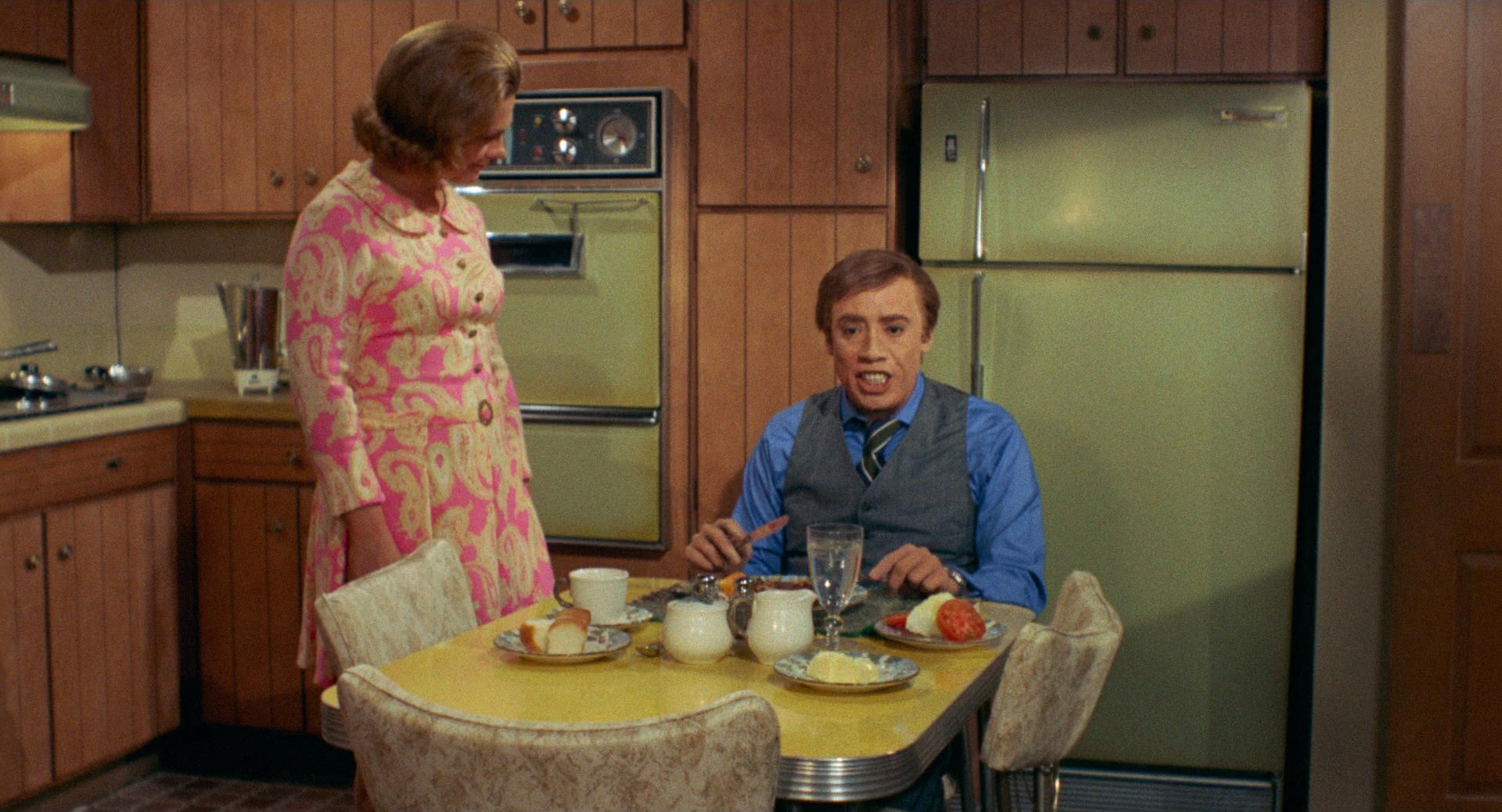
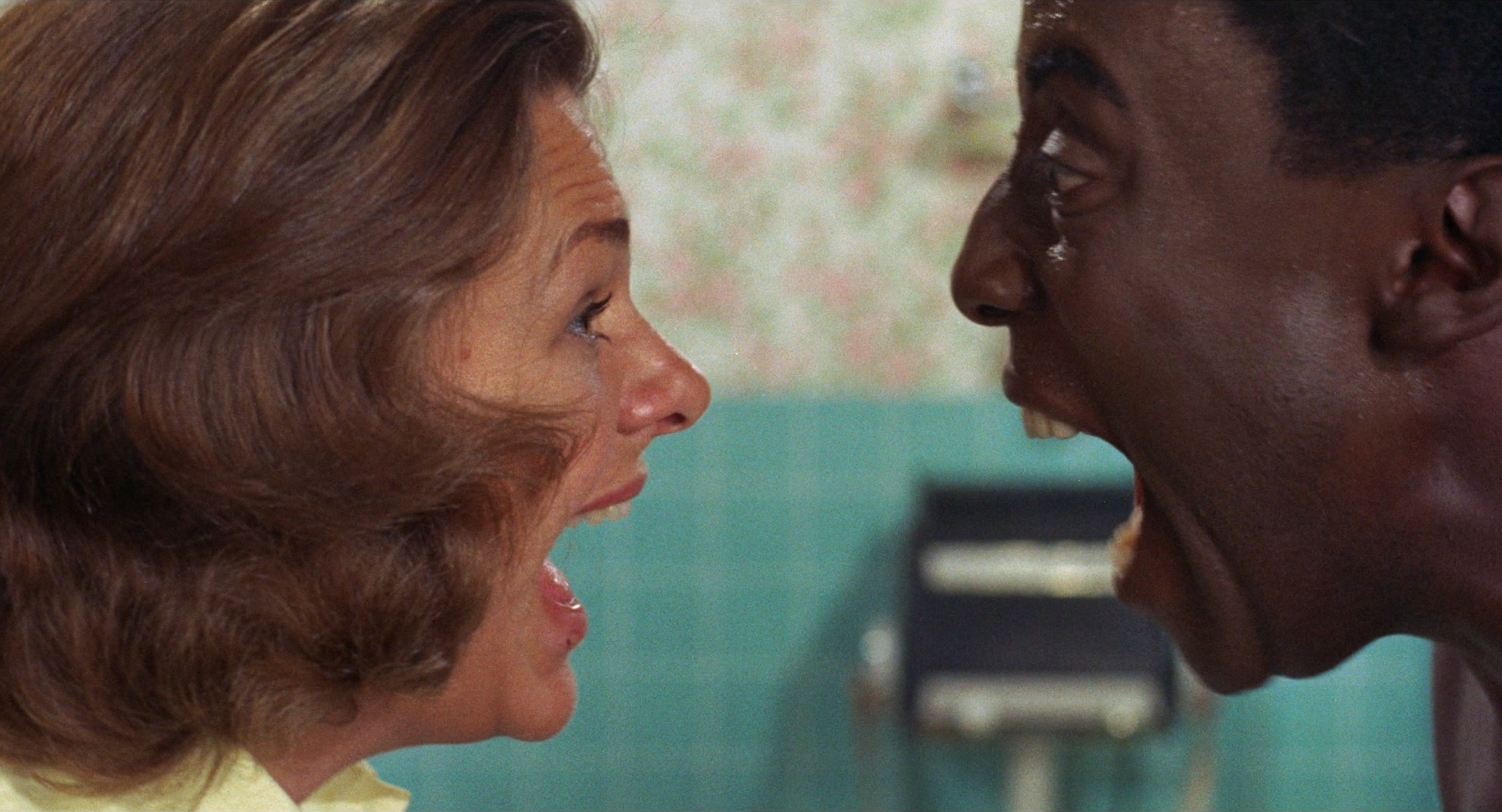
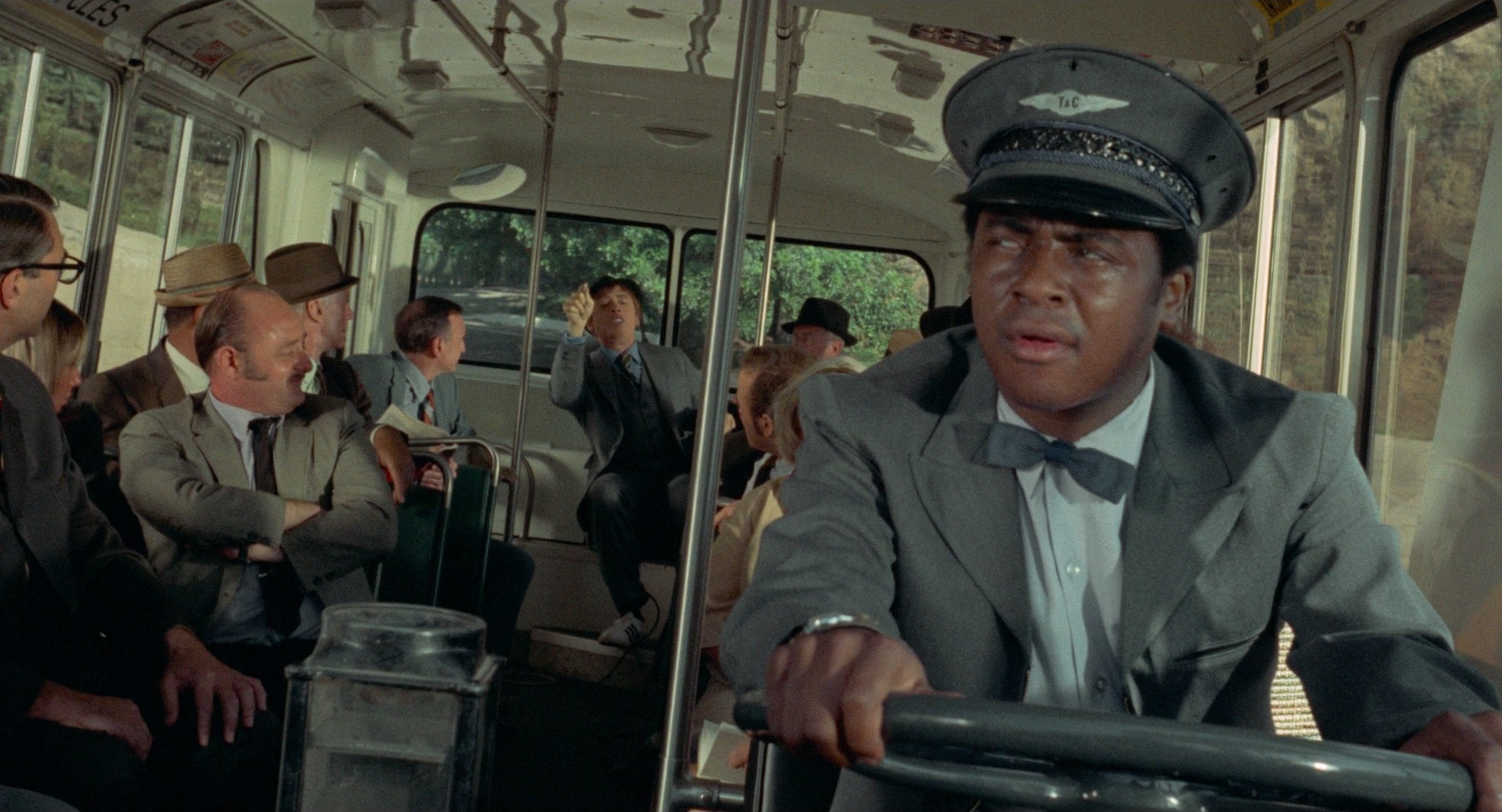
Jeff Gerber, a bigoted white insurance salesman living in suburban America, wakes up one morning to discover that he has become a Black man overnight. As he attempts to continue his normal life, he is forced to confront the racism and hypocrisy embedded in the society around him—including his own prejudices. The film unfolds as a sharp satirical examination of race, identity, and middle-class complacency.
Van Peebles and cinematographer Robert Maxwell shoot Watermelon Man with a bright, sitcom-like suburban aesthetic that deliberately mirrors mainstream studio comedies of the era. This clean, conventional visual style becomes part of the satire itself—contrasting sharply with the increasingly uncomfortable social realities the protagonist faces, turning ordinary suburban spaces into arenas of racial exposure and critique.
FILM SPOTLIGHT
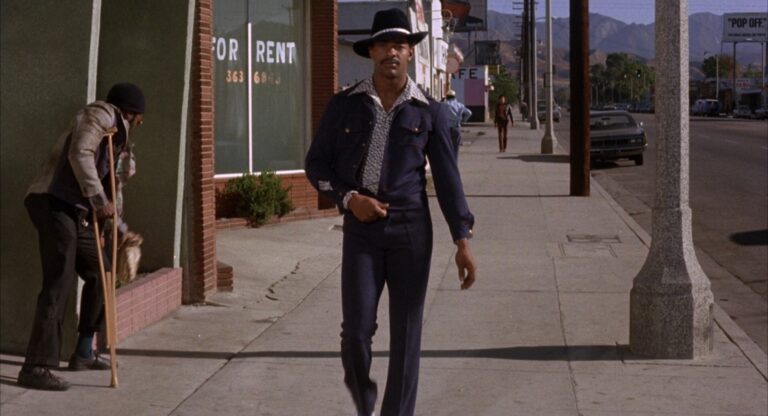
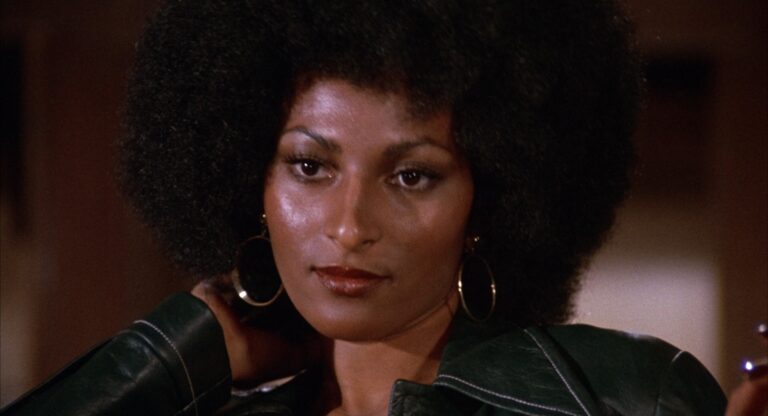
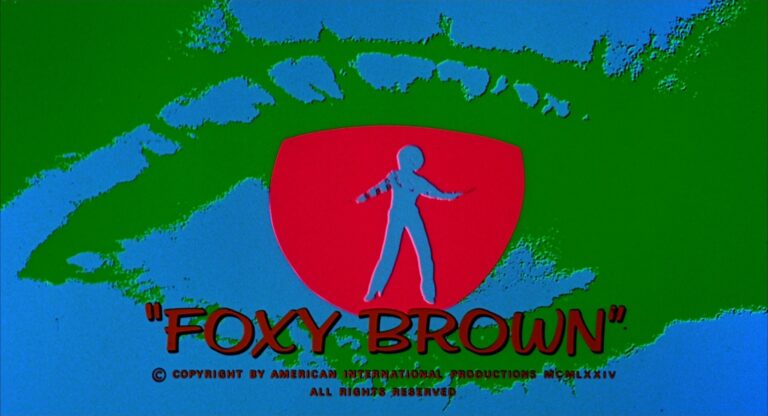
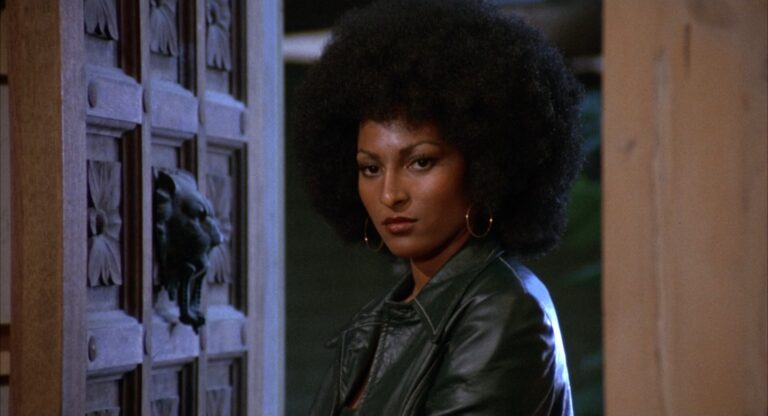
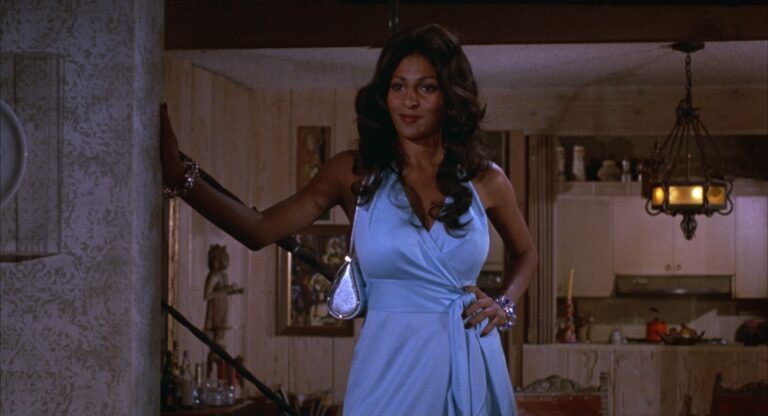
Foxy Brown (1974)
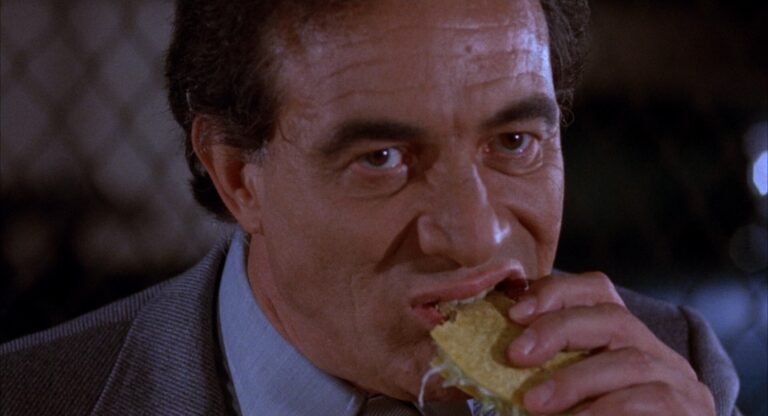
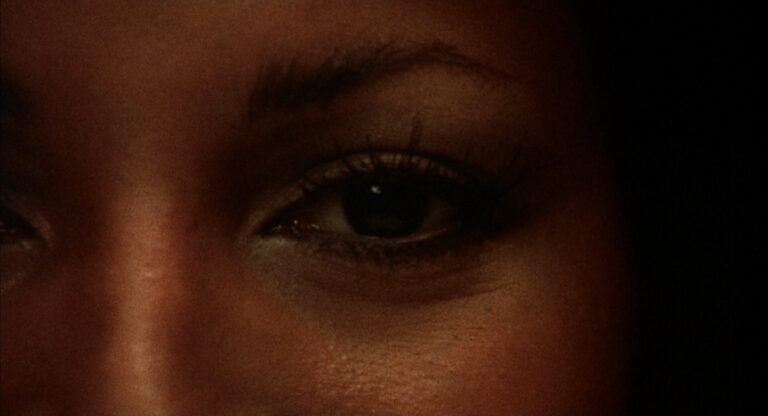
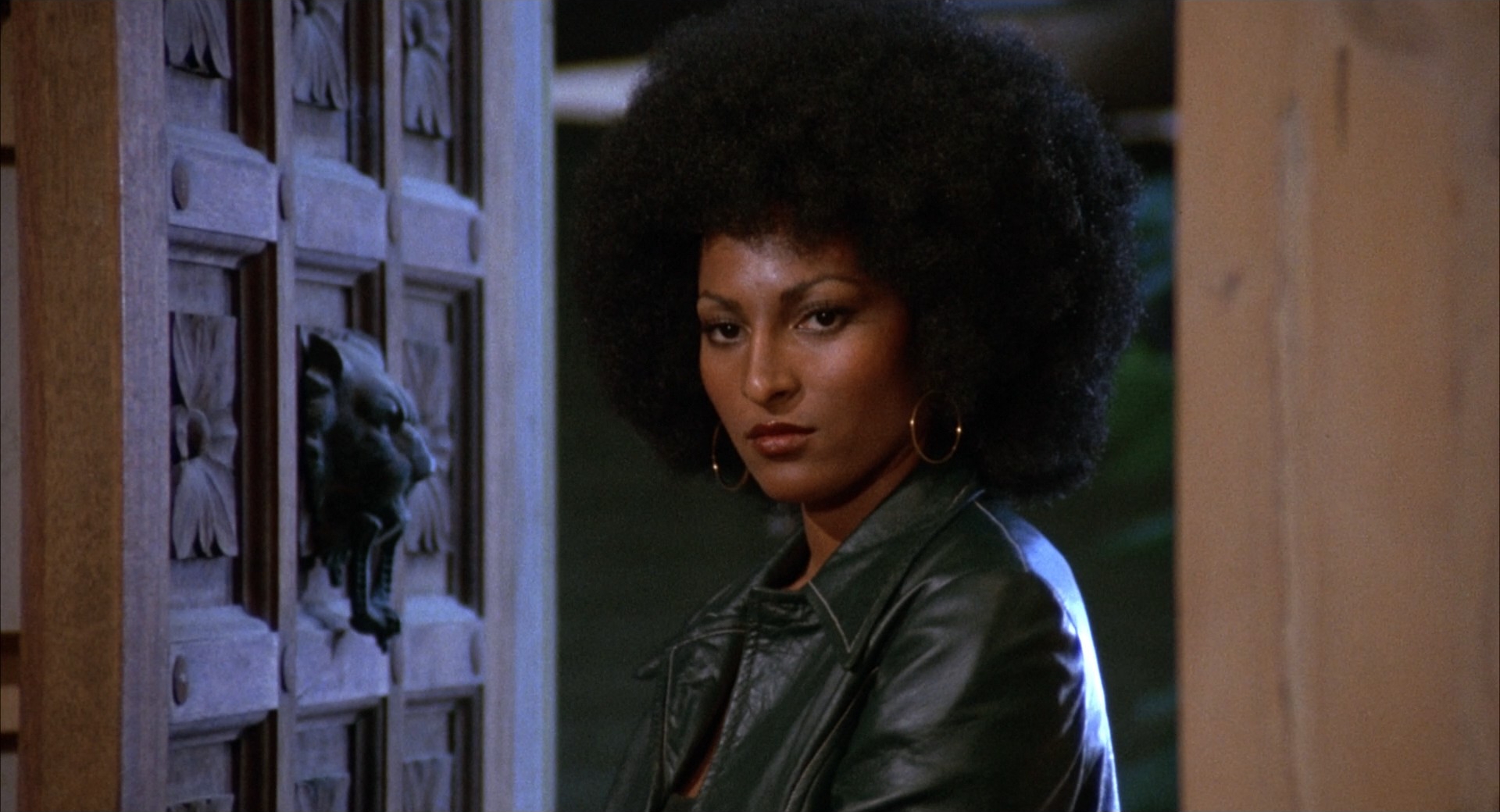
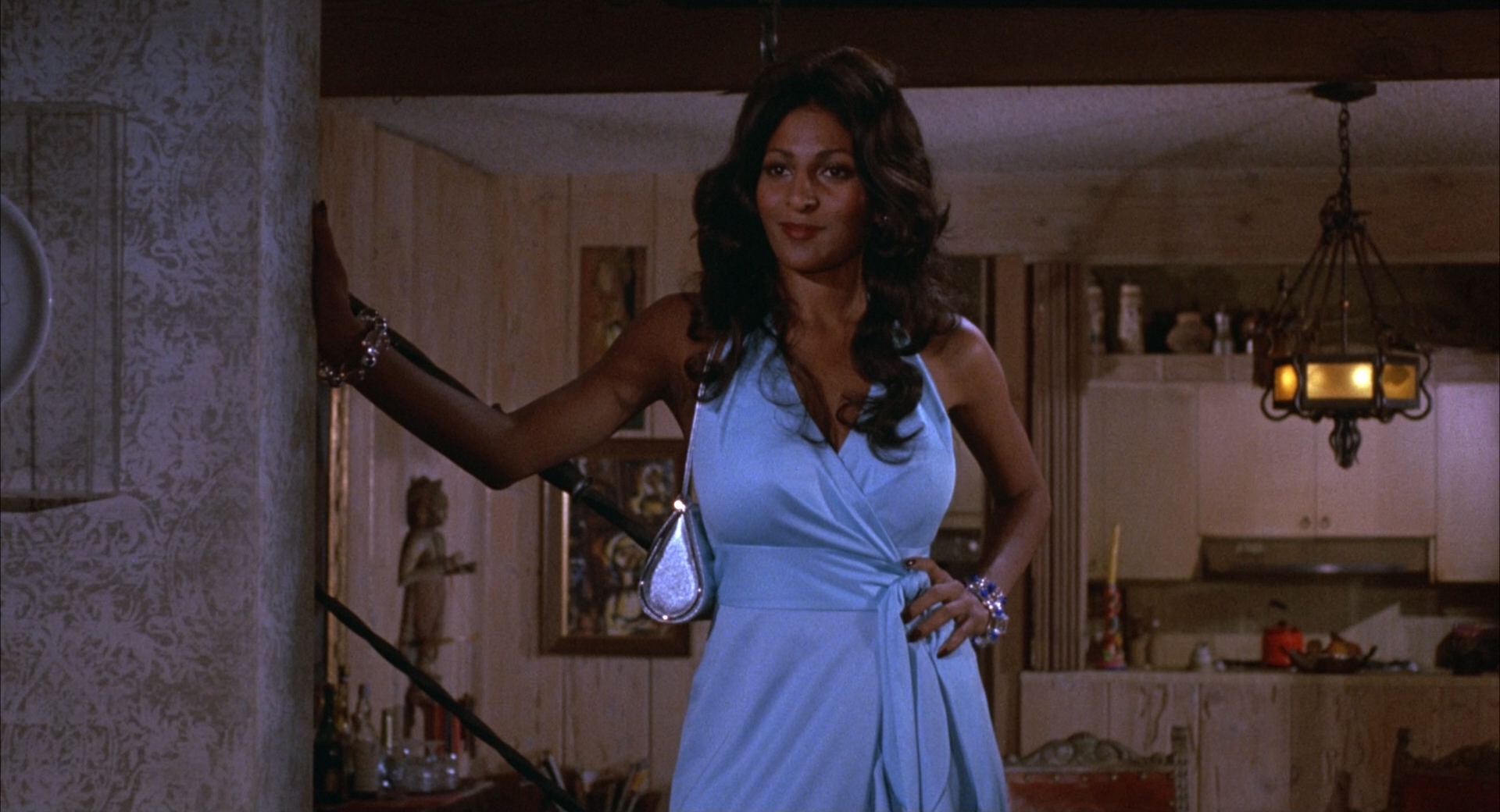
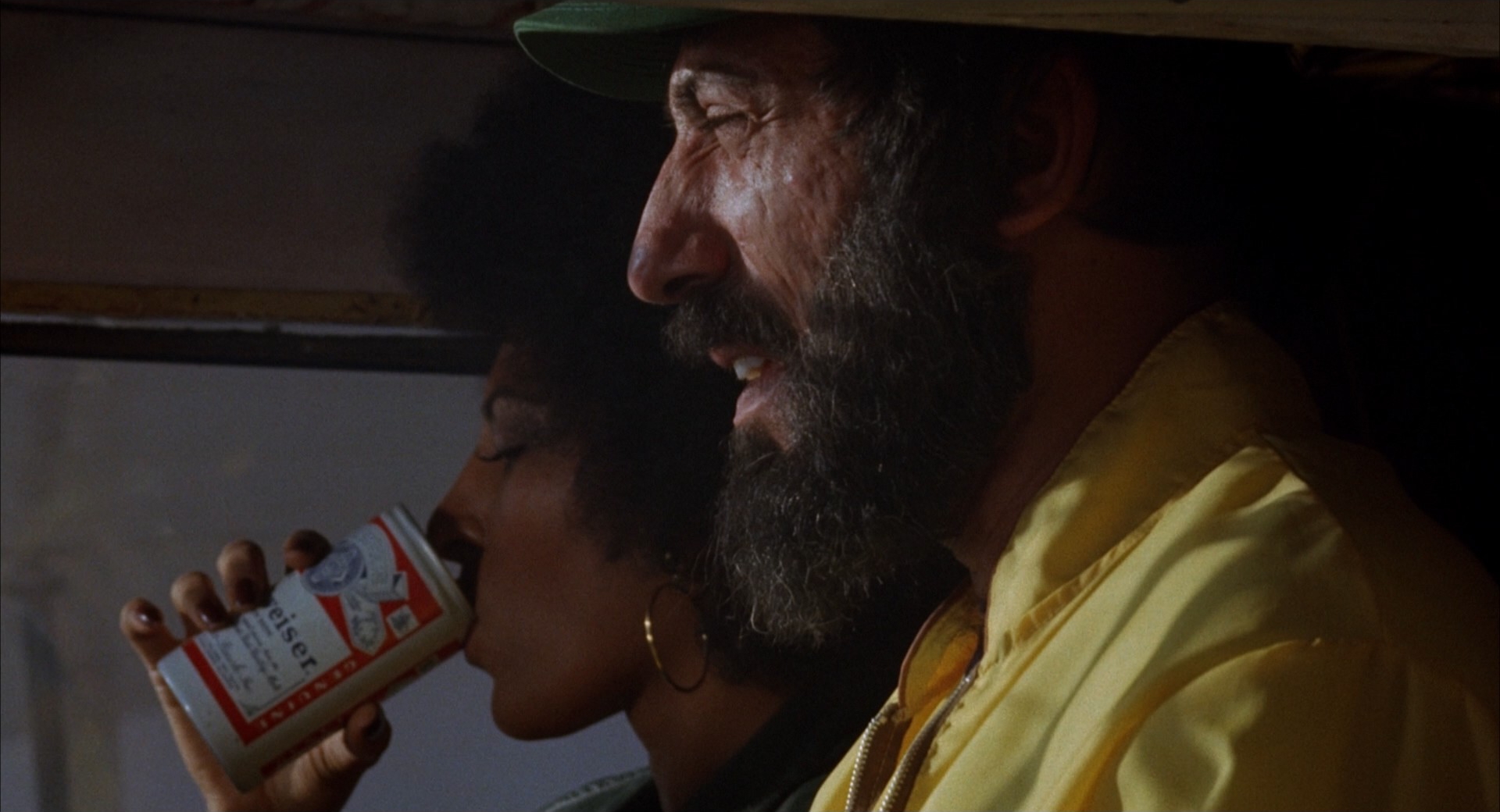
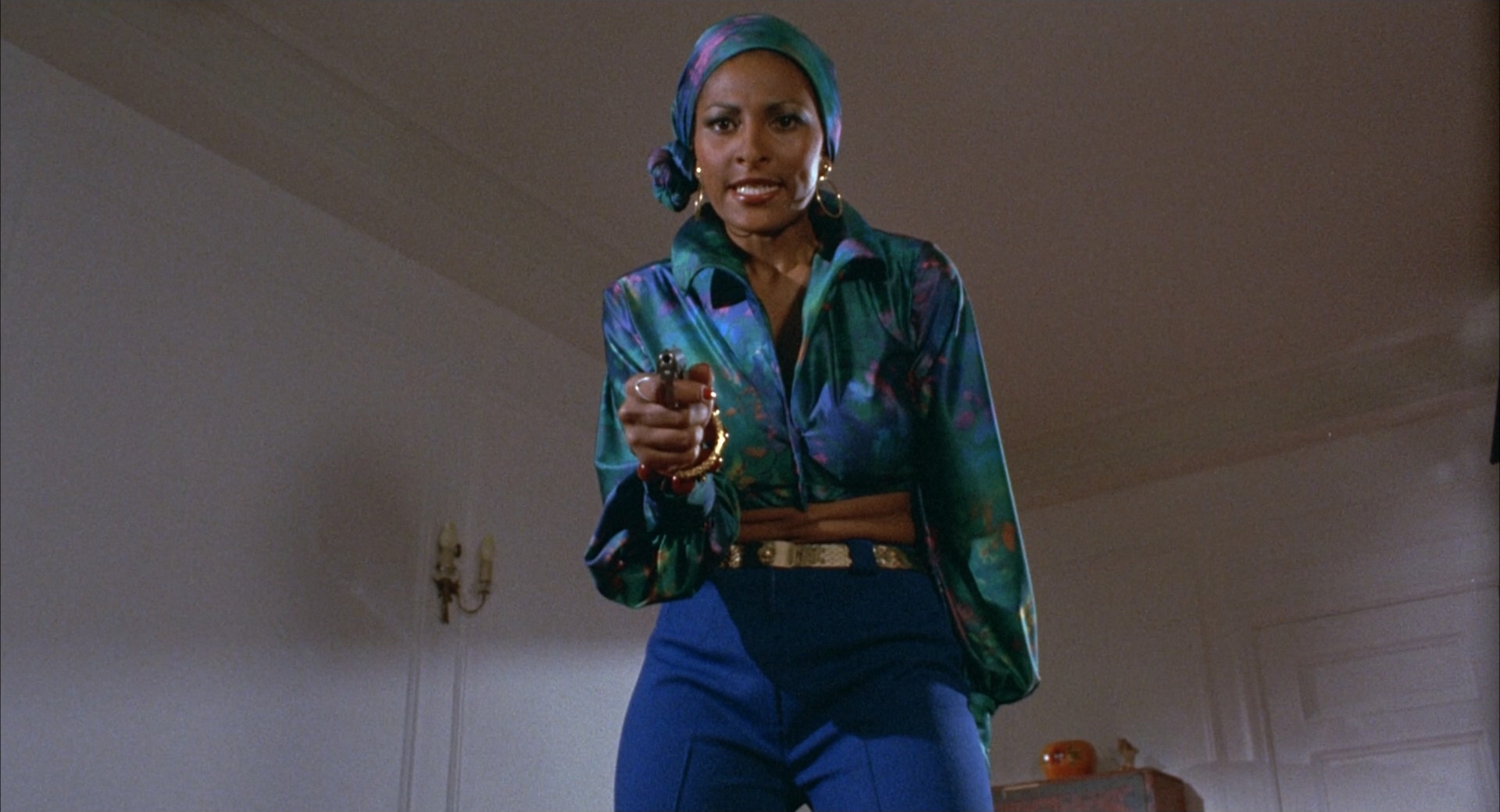
After her government-agent boyfriend is murdered by a powerful criminal organization, Foxy Brown sets out on a relentless quest for revenge. Going undercover within the syndicate, she navigates a dangerous world of drug dealers, corrupt officials, and exploitation while dismantling the operation from within. Her mission becomes a fierce act of vengeance and empowerment against those who destroyed her life.
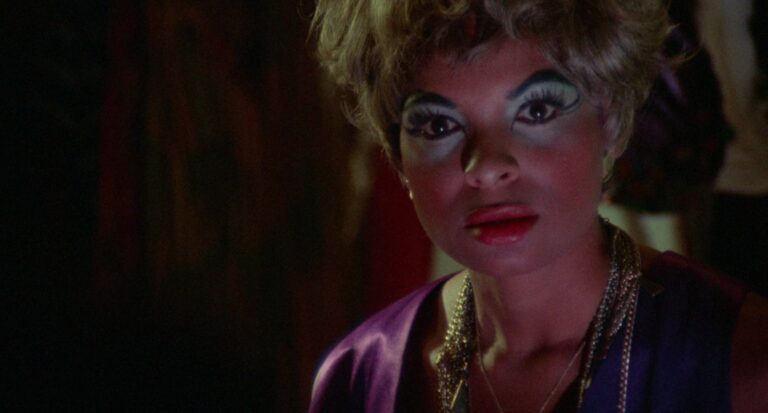
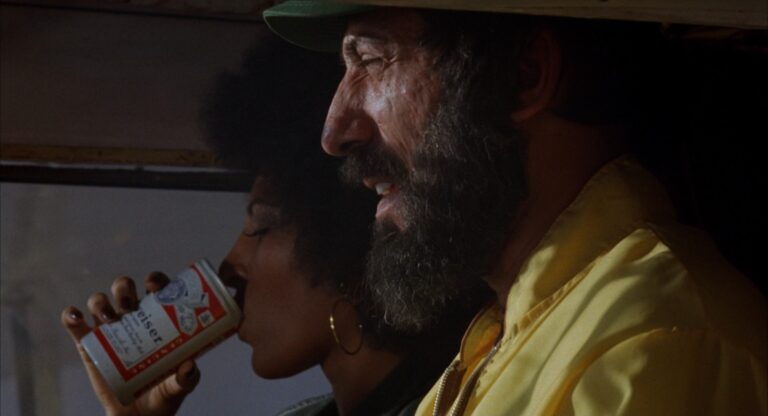
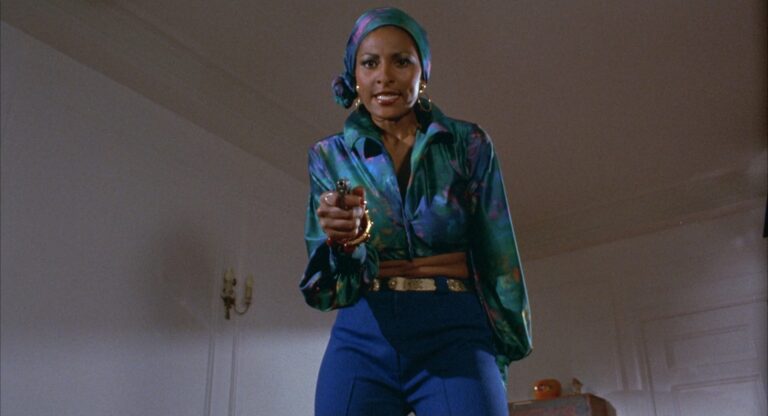
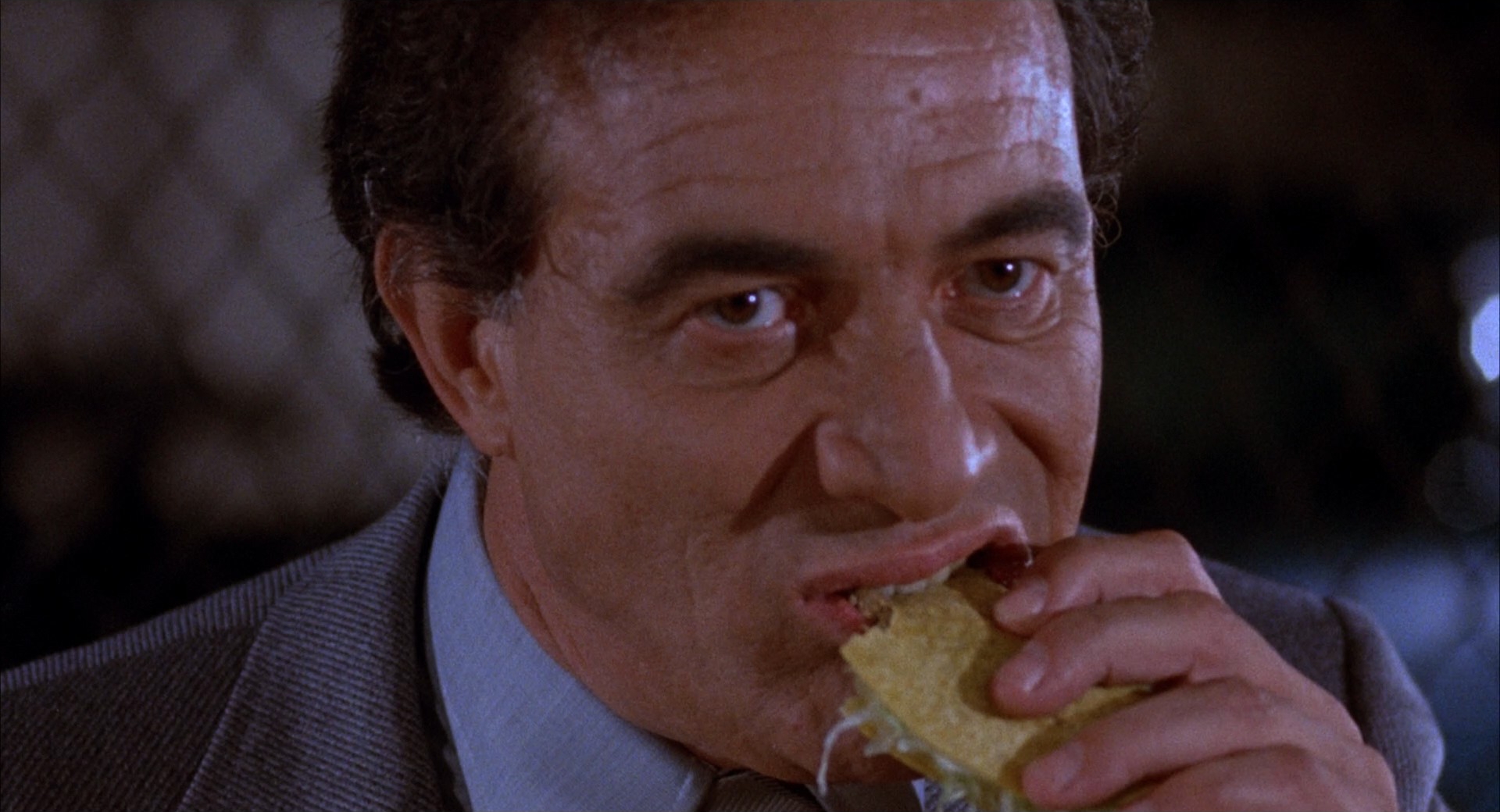
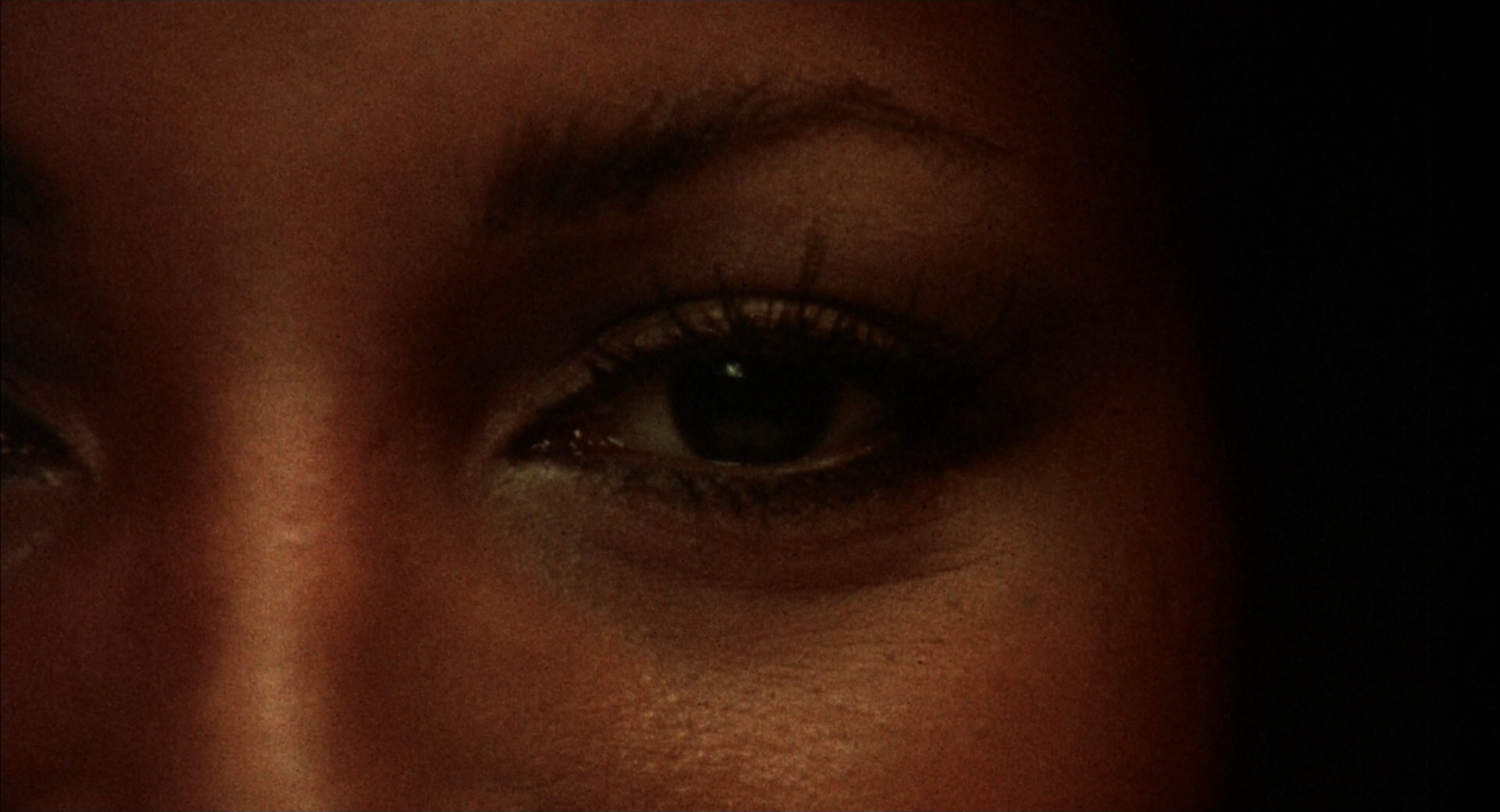
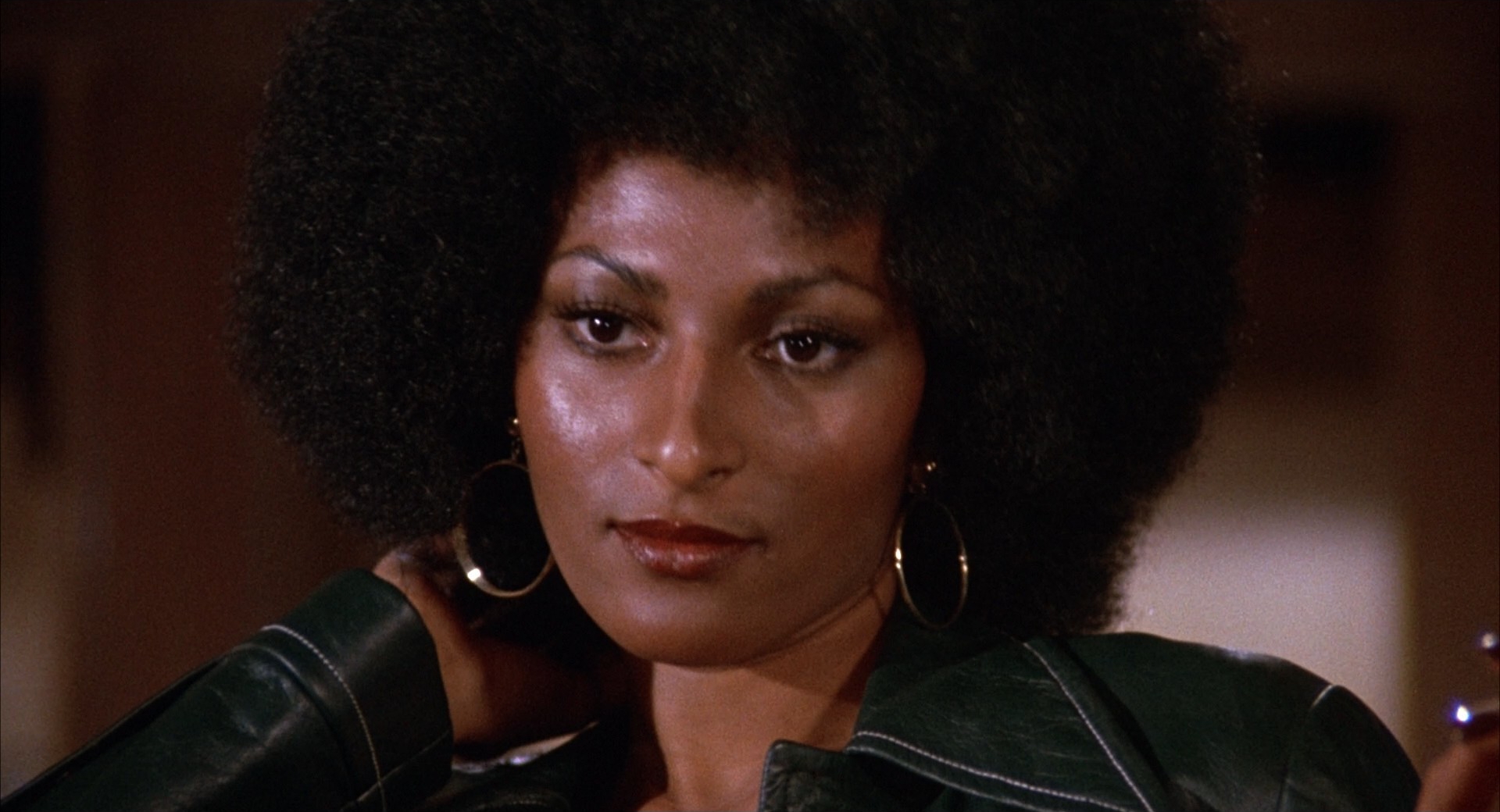
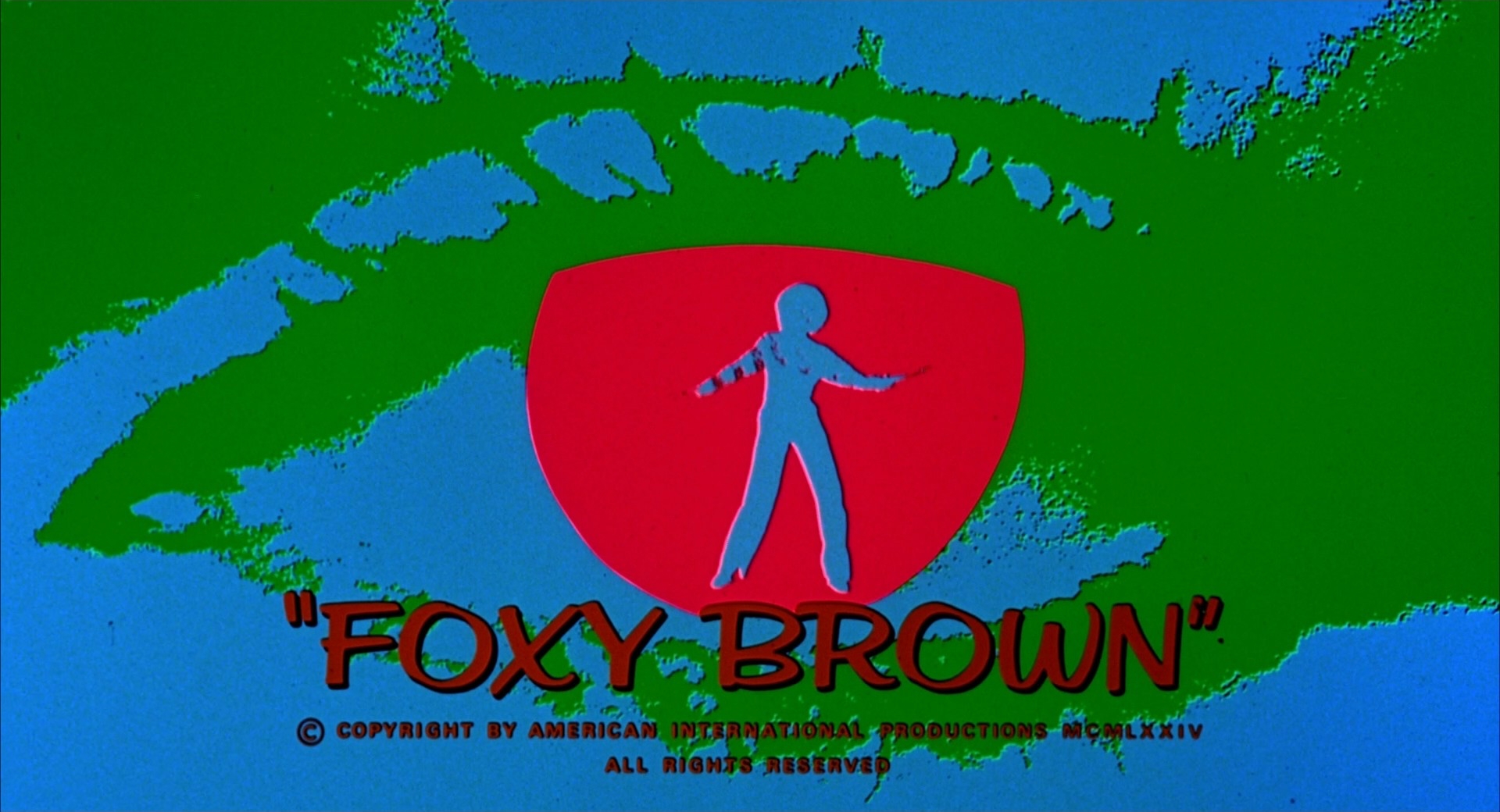
Hill and cinematographer Frank V. Phillips shoot Foxy Brown with the bold, high-contrast aesthetic characteristic of 1970s blaxploitation cinema—rich colors, expressive zooms, and gritty urban locations. Pam Grier’s commanding screen presence drives the visual energy of the film, with the camera frequently framing her as an icon of strength and defiance, turning style, costume, and attitude into the film’s central visual force.
FILM SPOTLIGHT
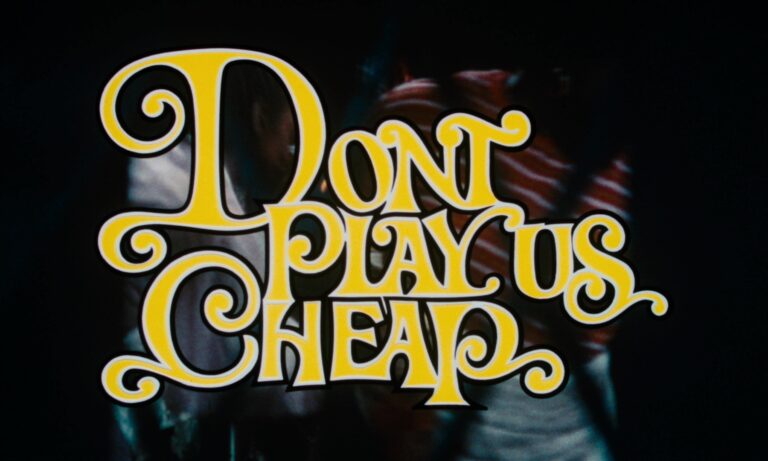
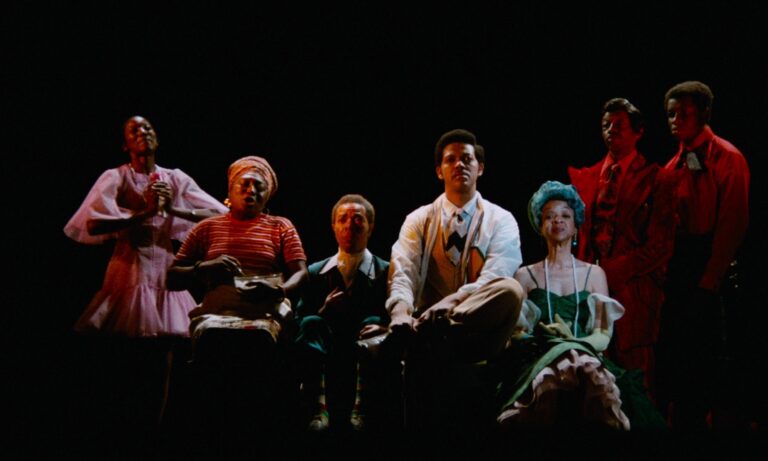
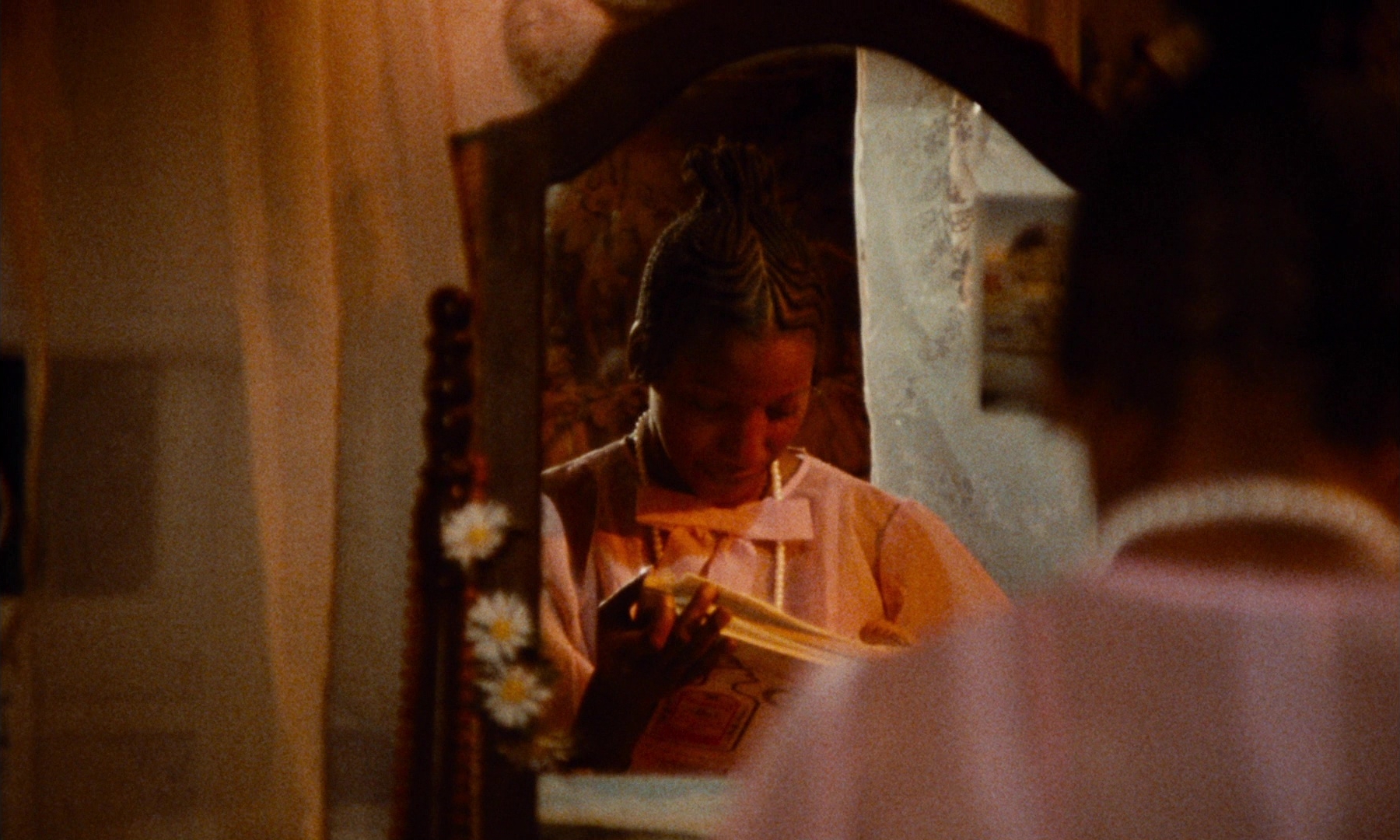
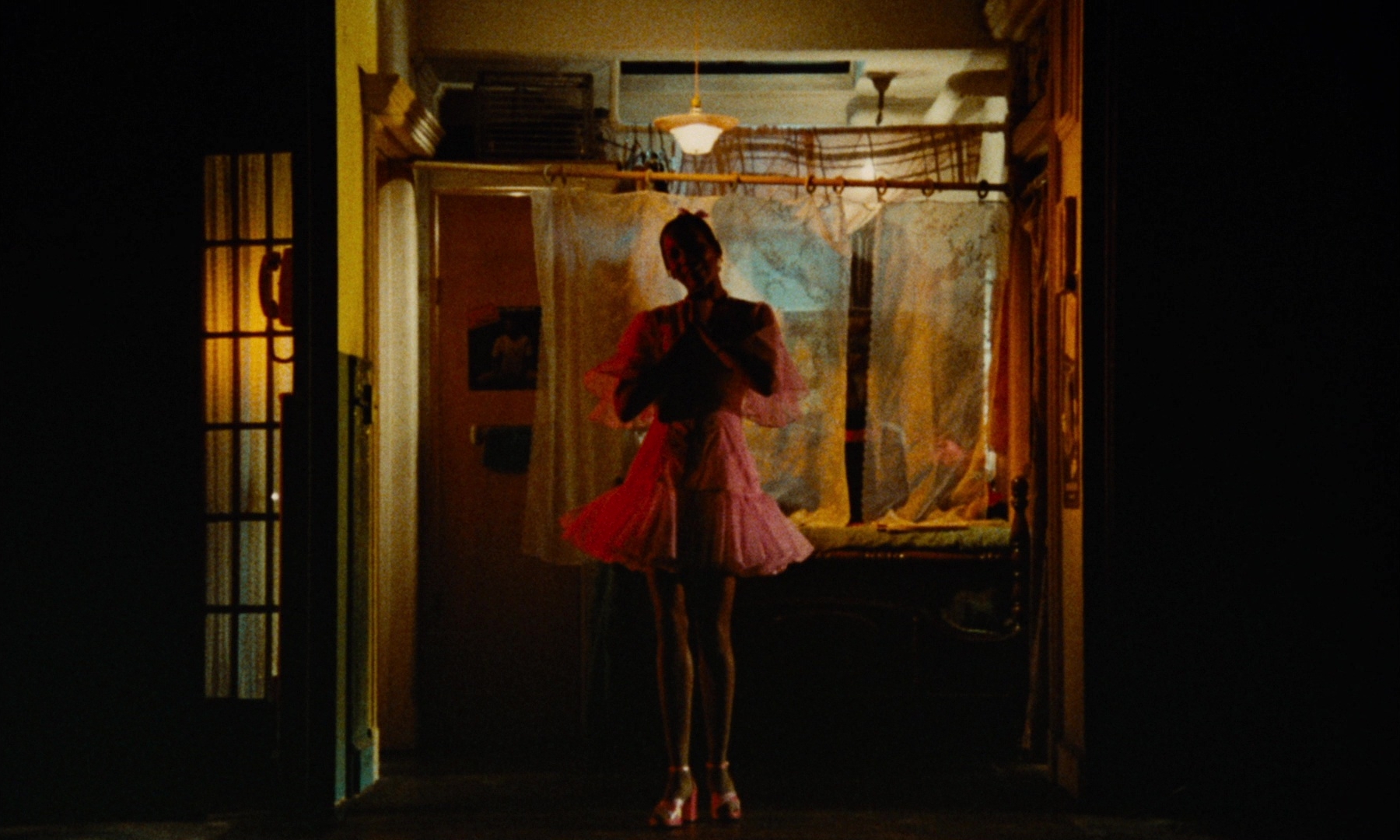
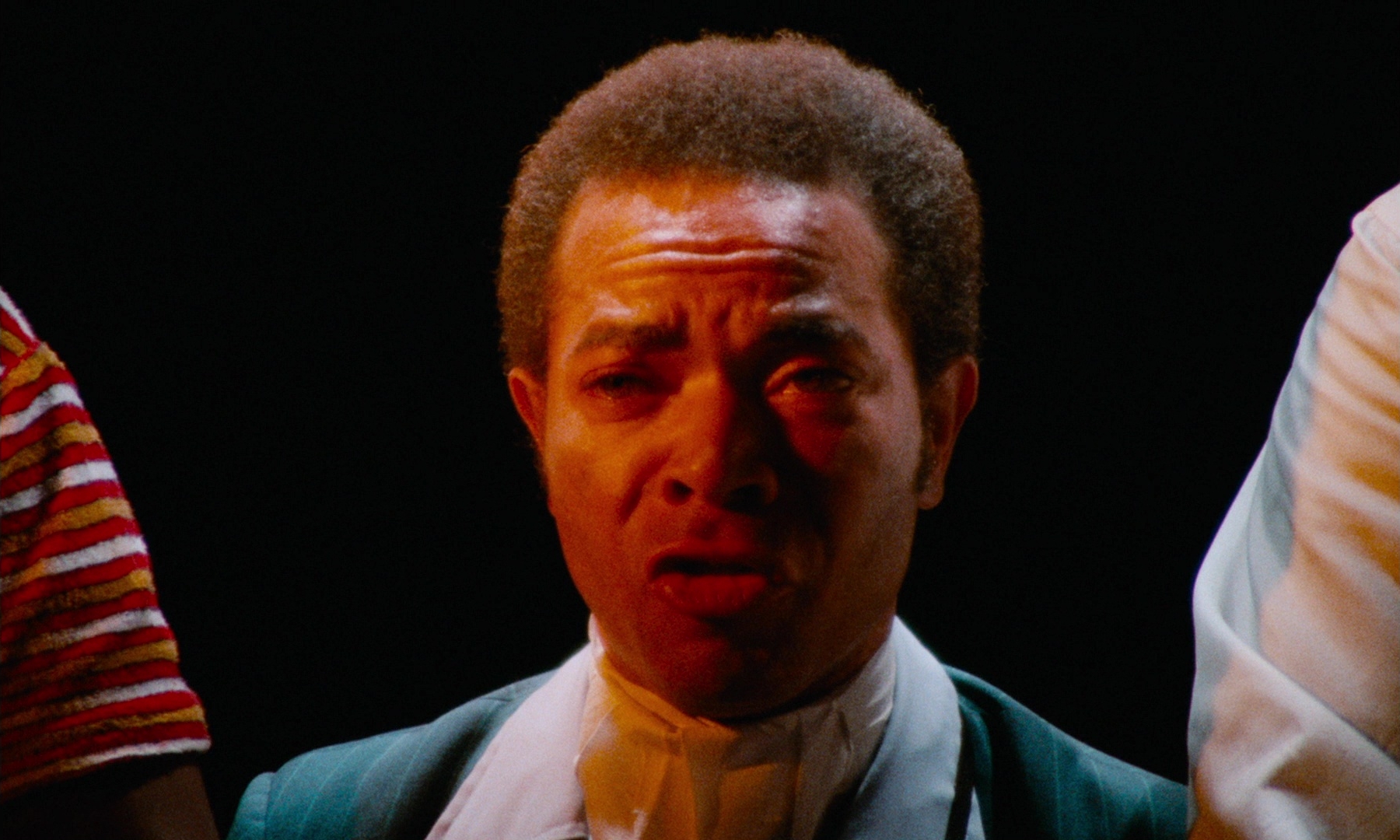
Don’t Play Us Cheap (1973)
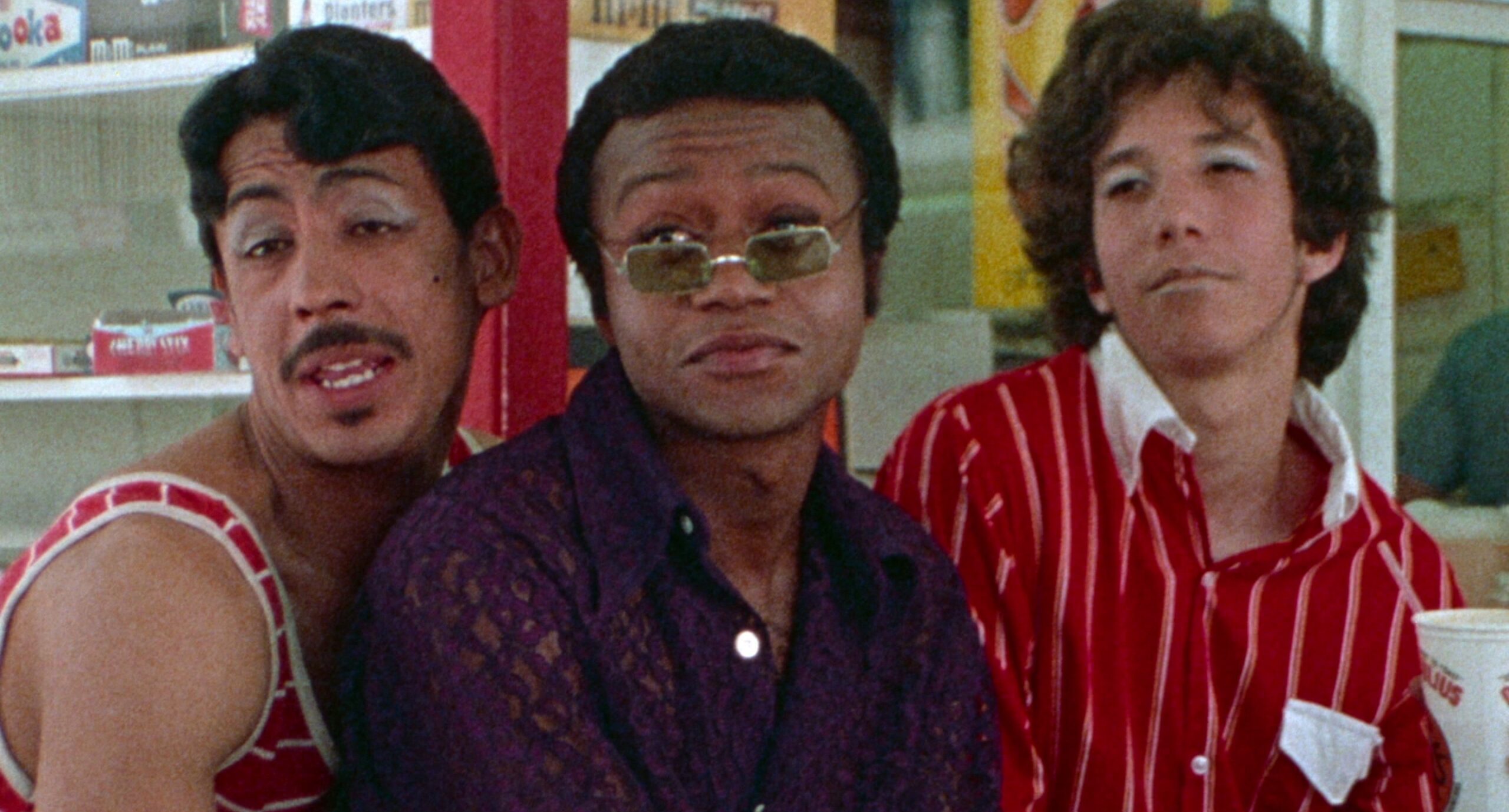
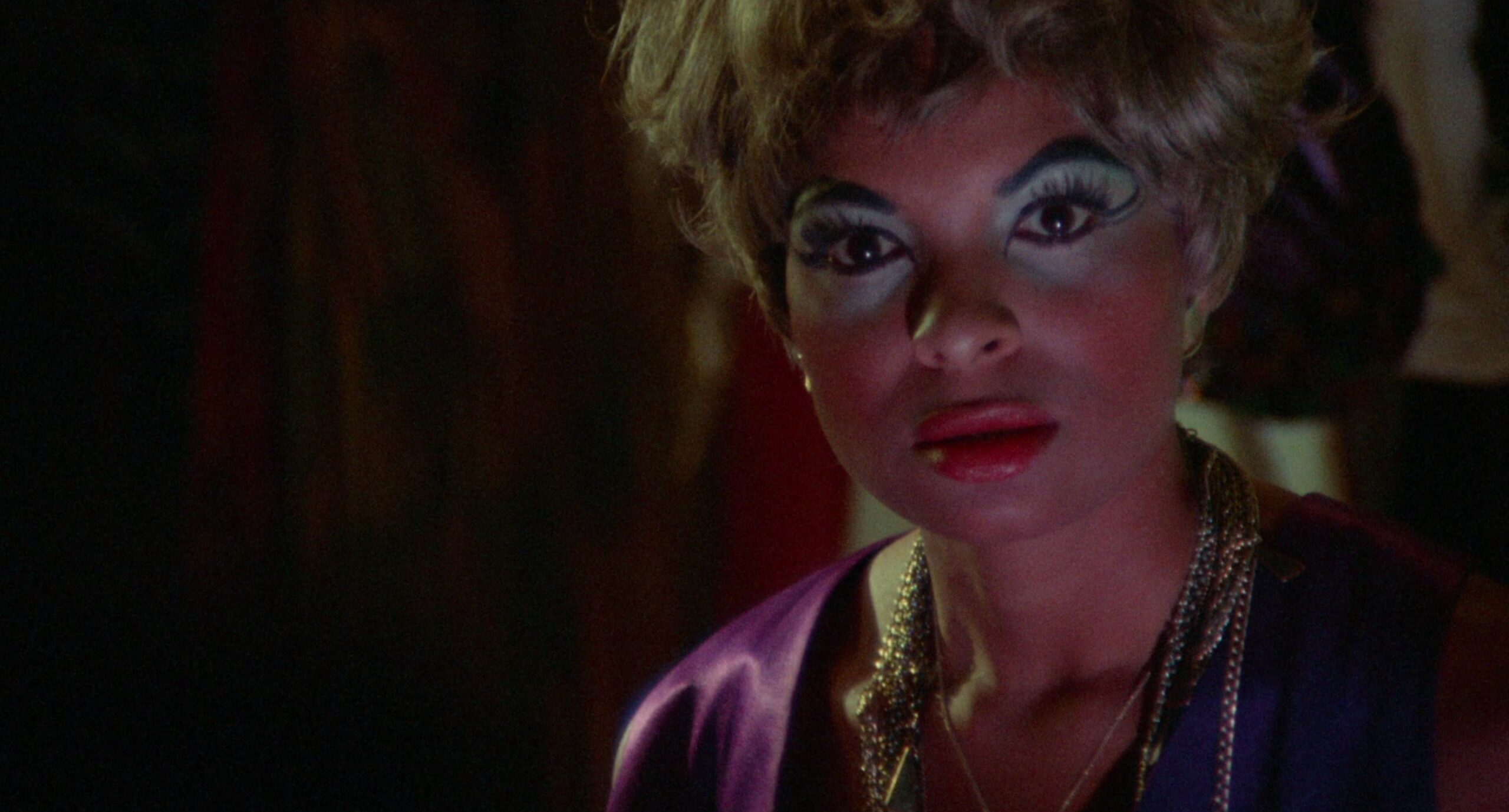
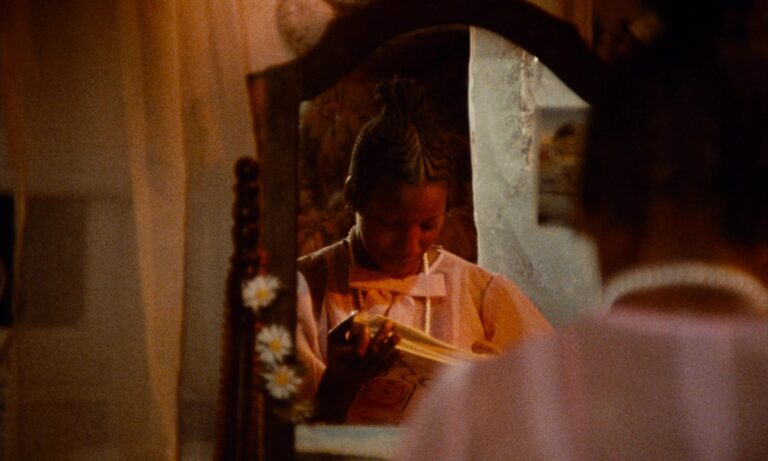
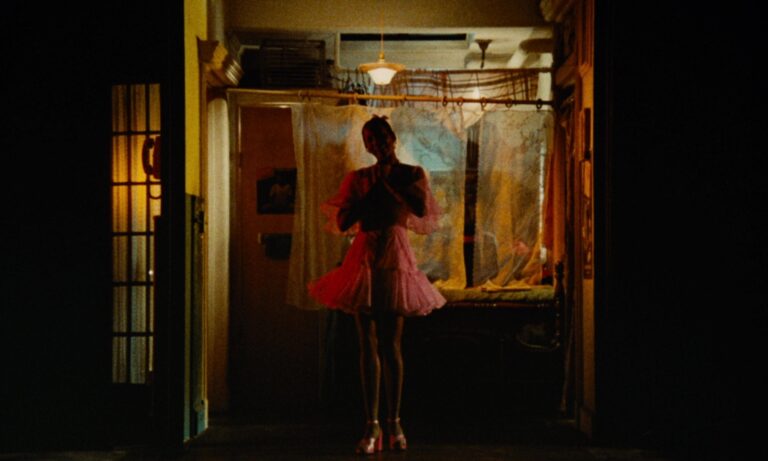
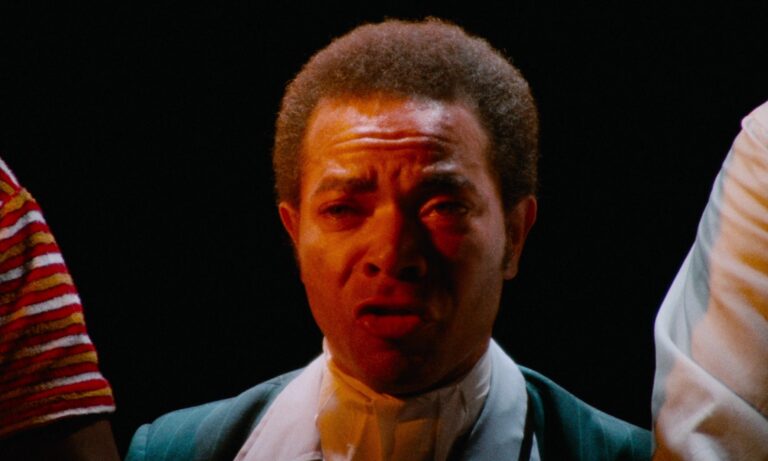
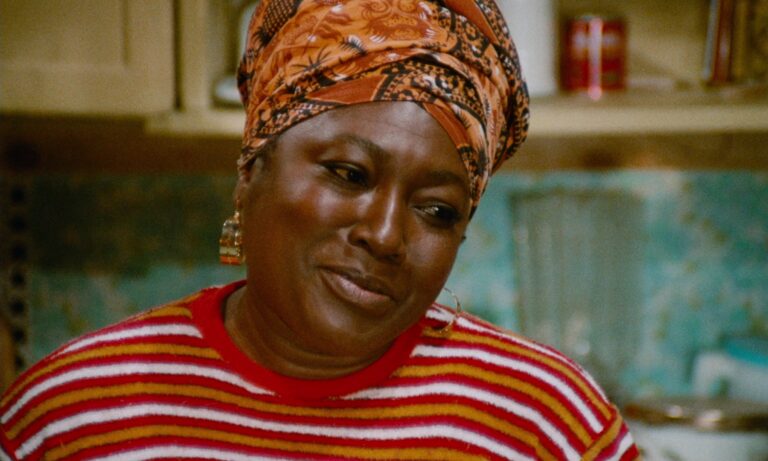
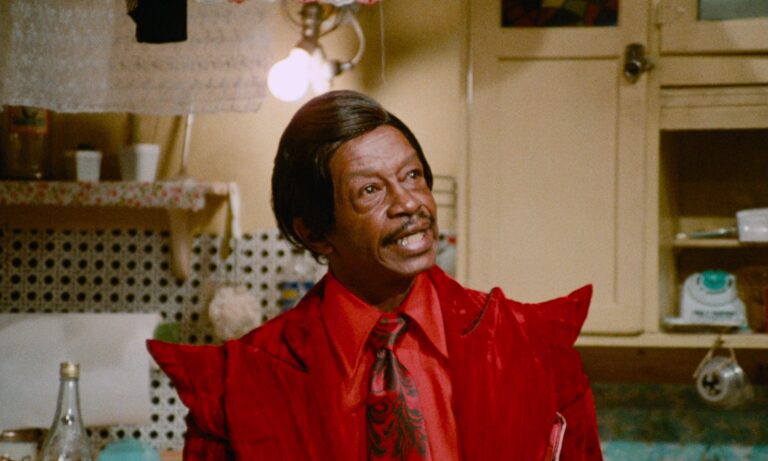
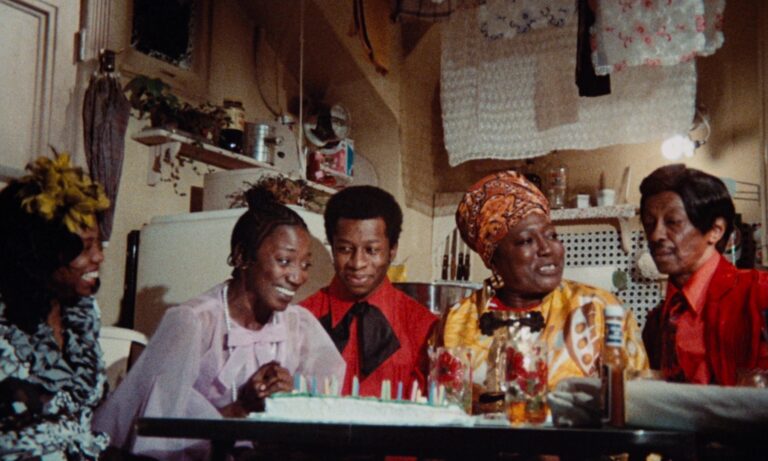
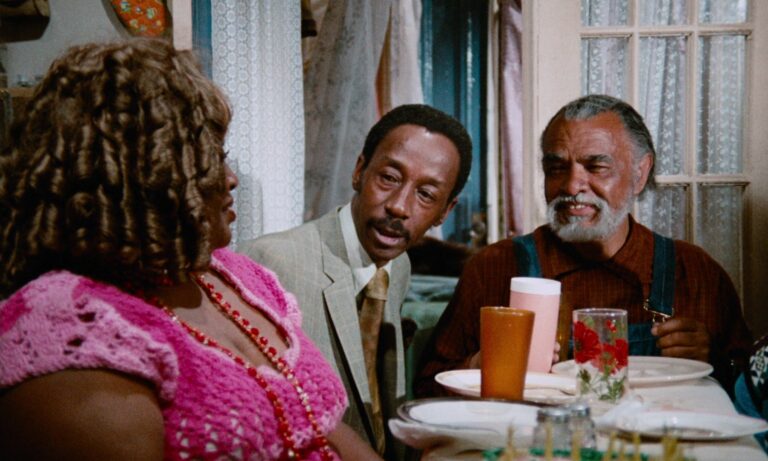
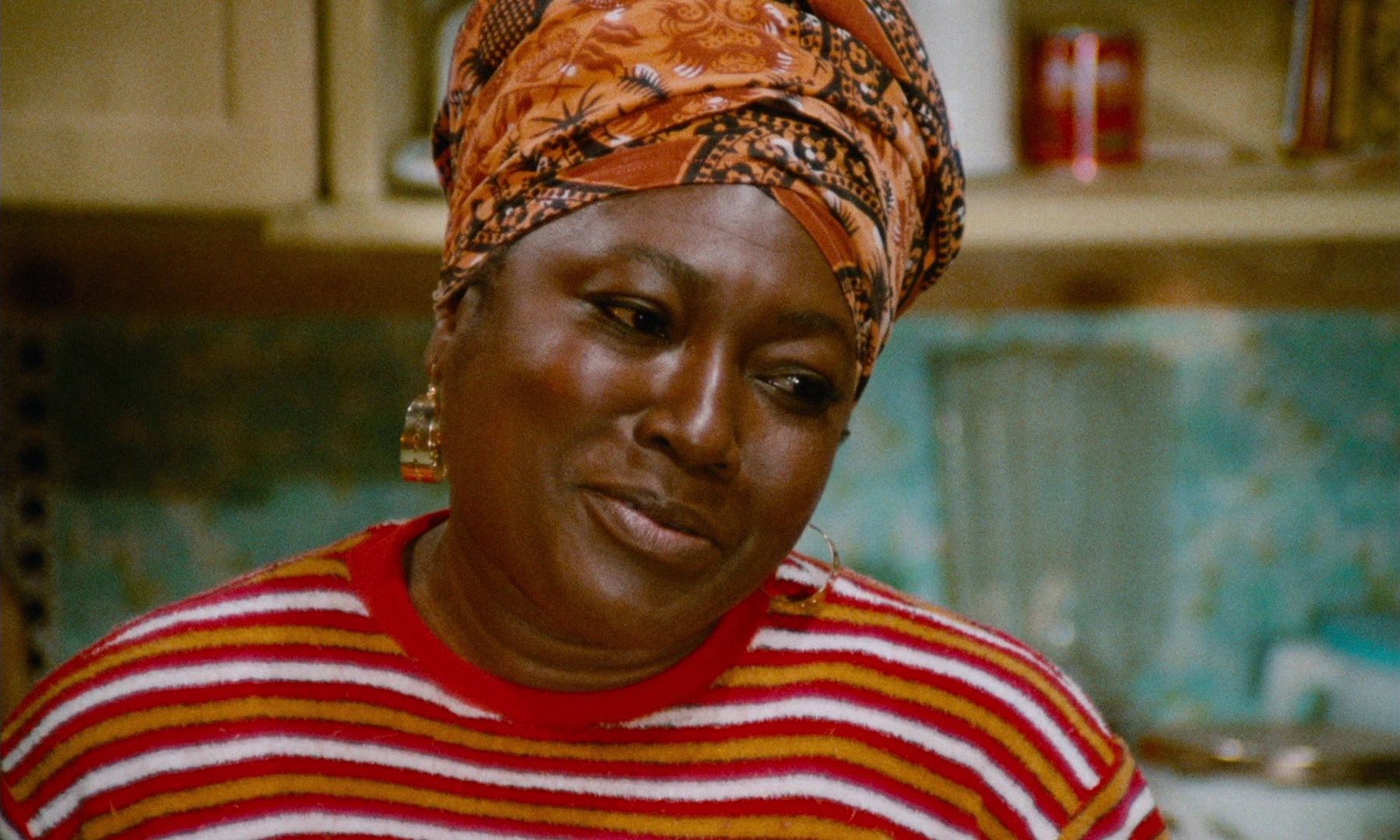
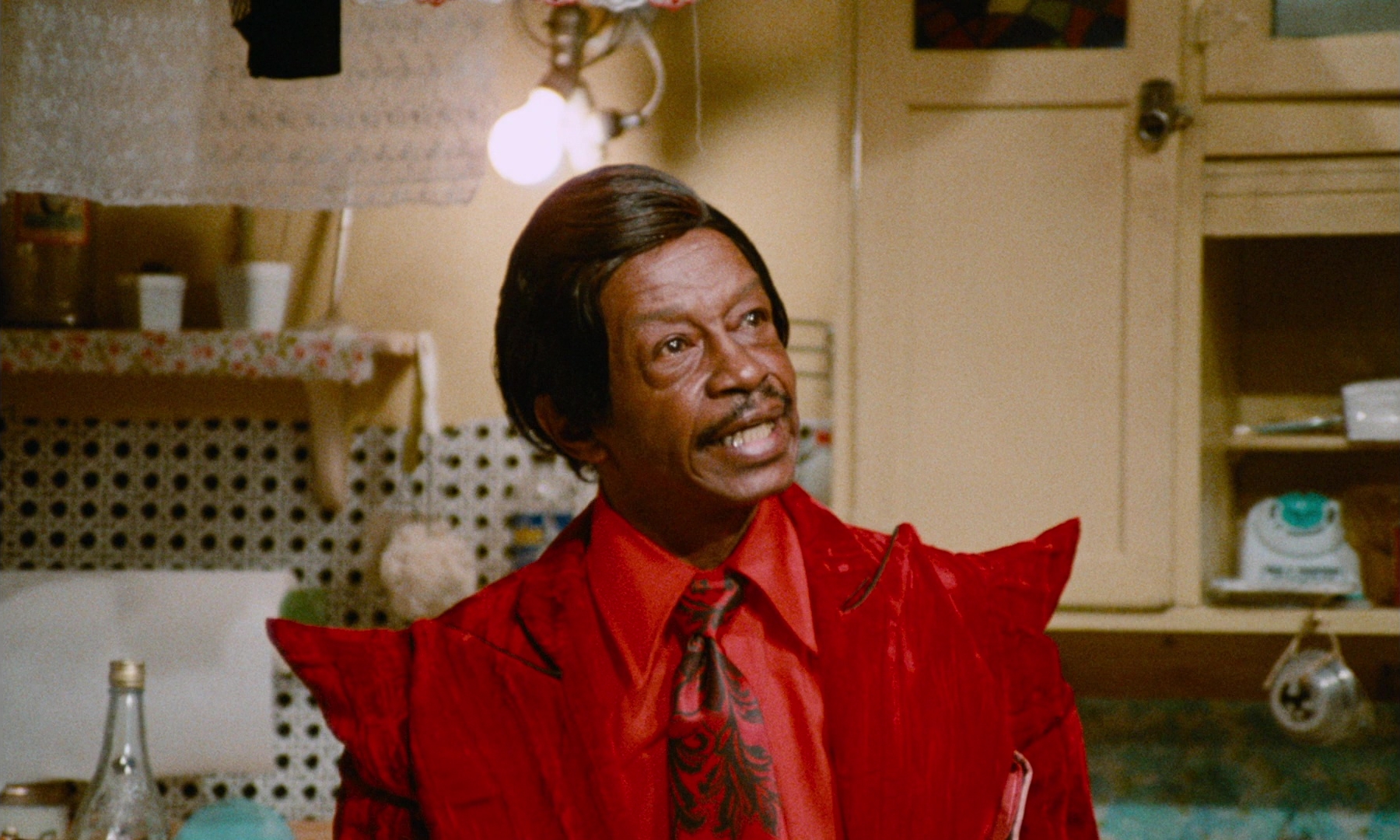
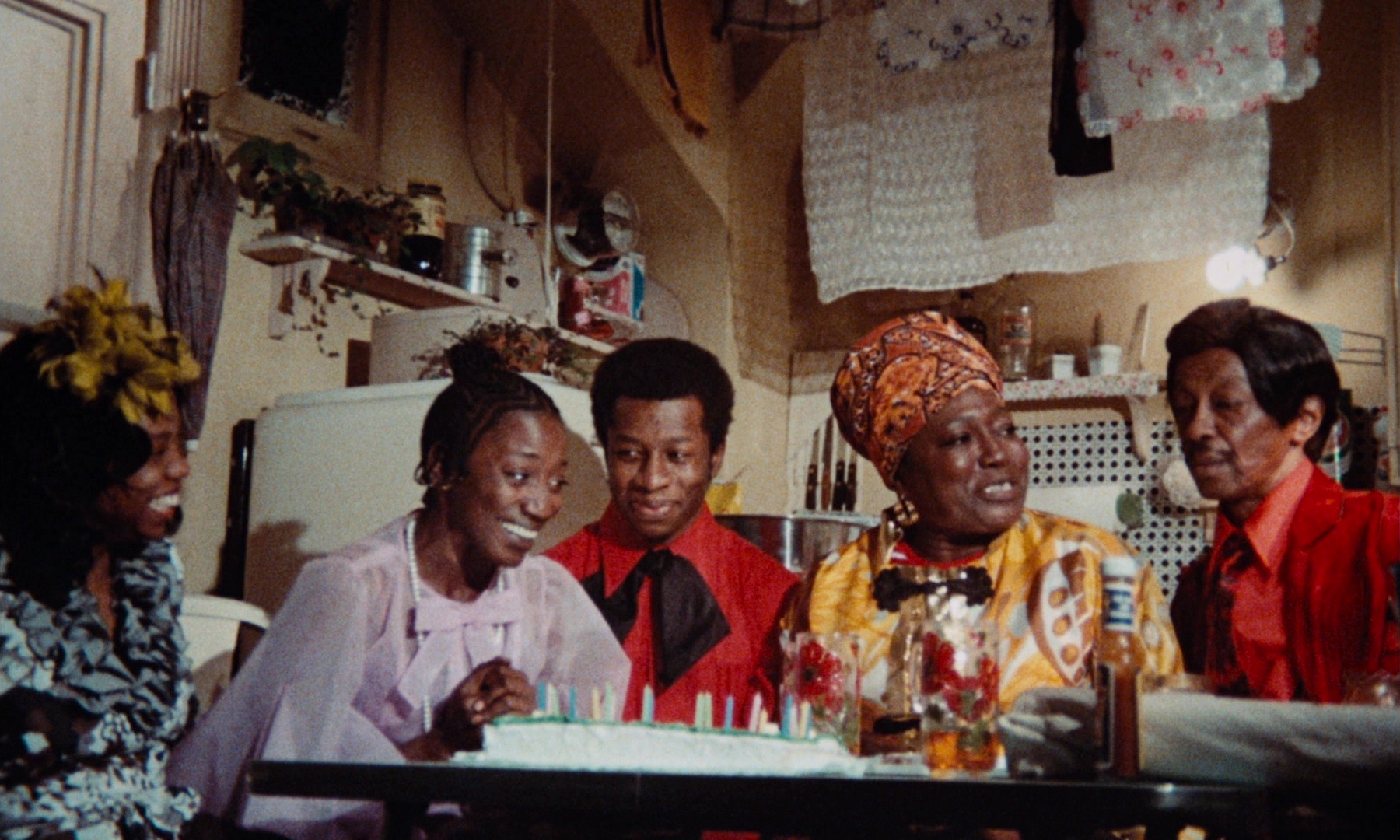
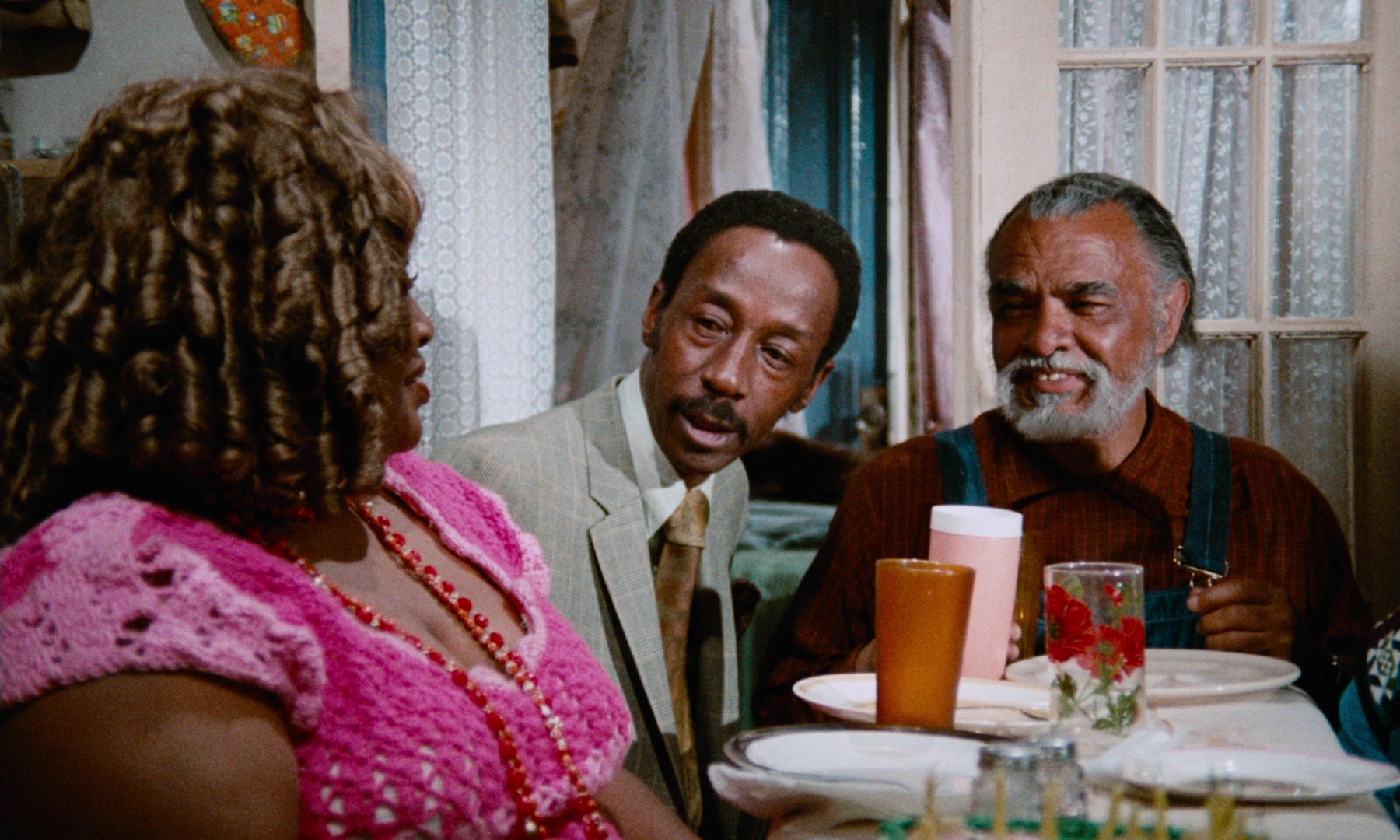
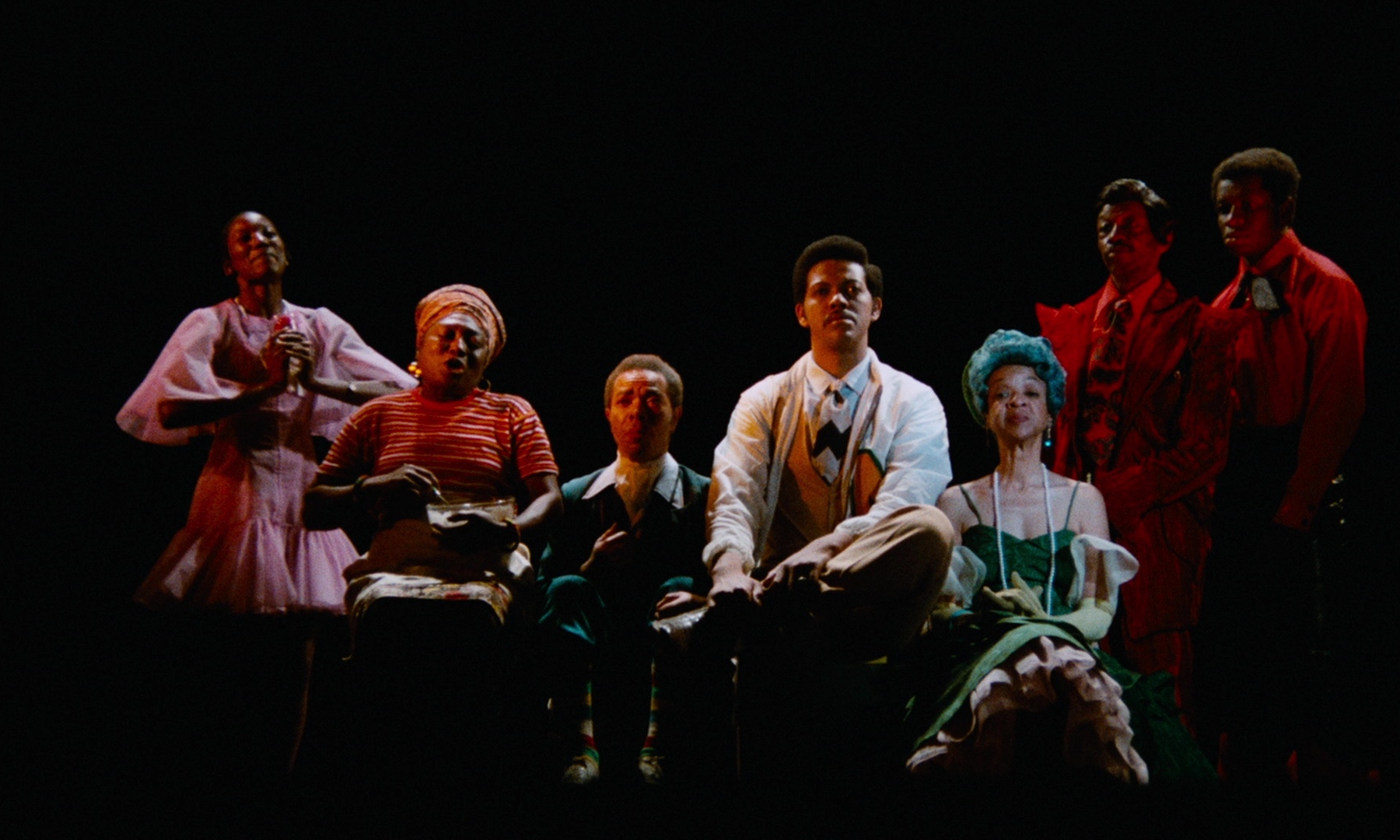
/Set during a lively house party in Harlem, Don’t Play Us Cheap follows a group of friends gathering for music, dancing, flirting, and celebration while supernatural forces quietly interfere in the background. Two demons arrive with the intention of sabotaging the evening by provoking jealousy, temptation, and conflict among the guests. As the night unfolds, the party becomes a spirited blend of romance, comedy, and social satire.
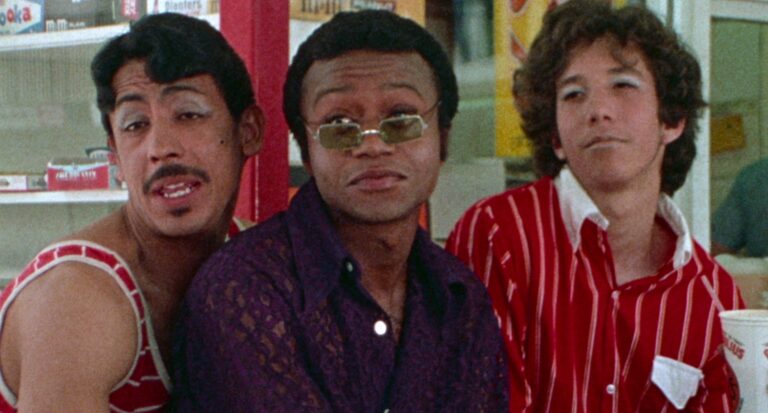
Van Peebles adapts his stage musical with an energetic, low-budget immediacy, using handheld camerawork, crowded interiors, and dynamic blocking to capture the feeling of a real party in motion. The film’s vivid costumes, musical performances, and loose, improvisational rhythm give it a vibrant communal texture—where music, movement, and performance become the driving visual language.
FILM SPOTLIGHT
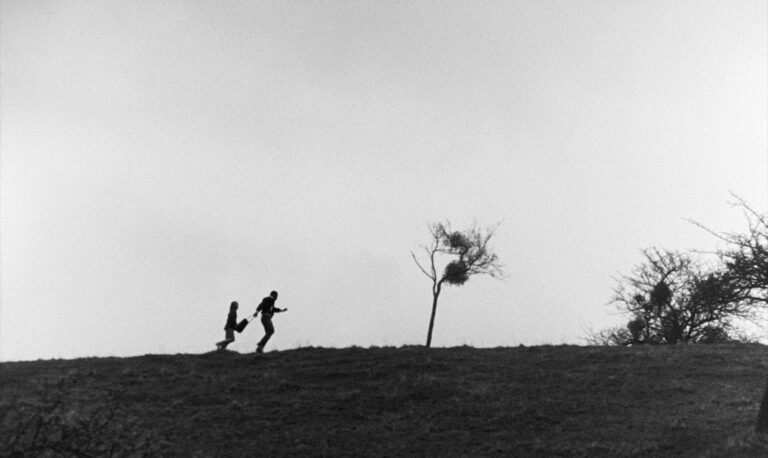
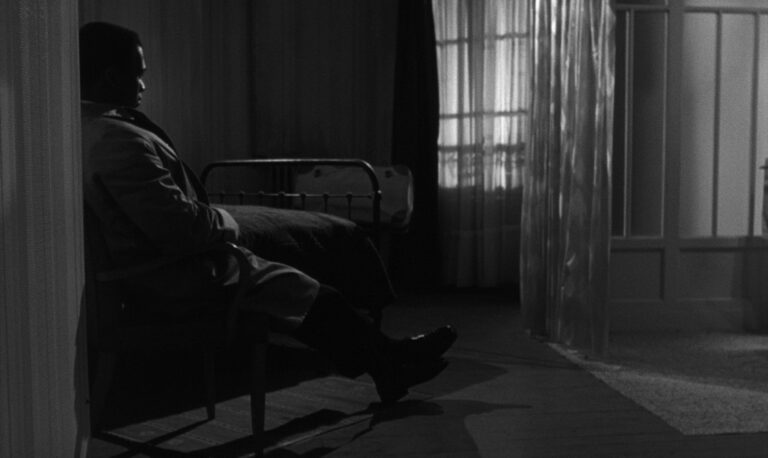
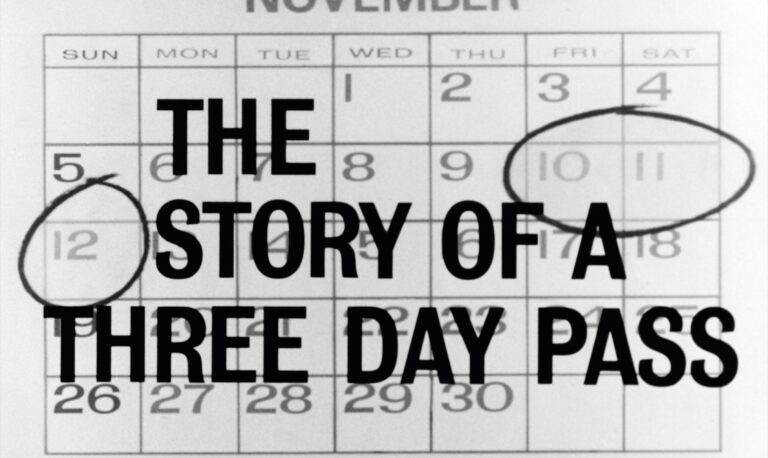
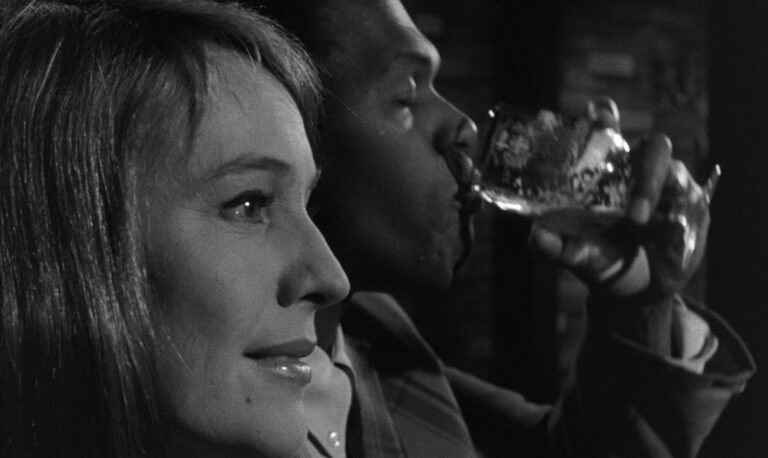
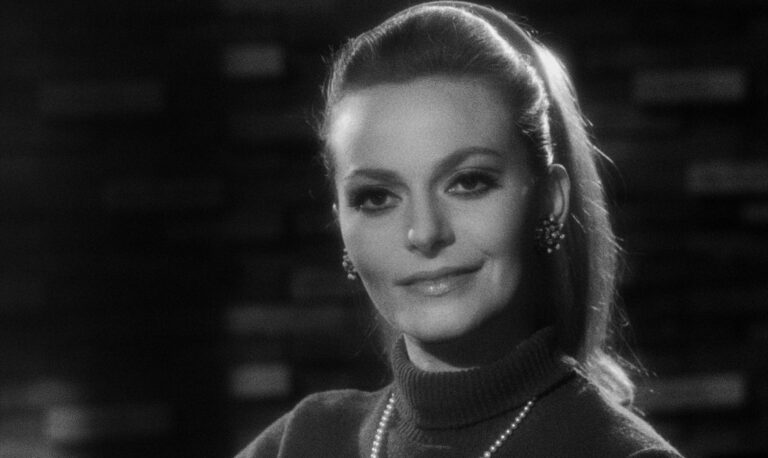
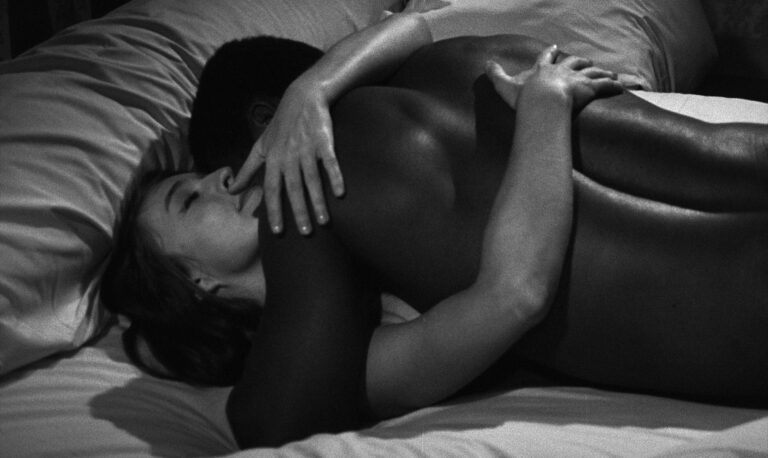
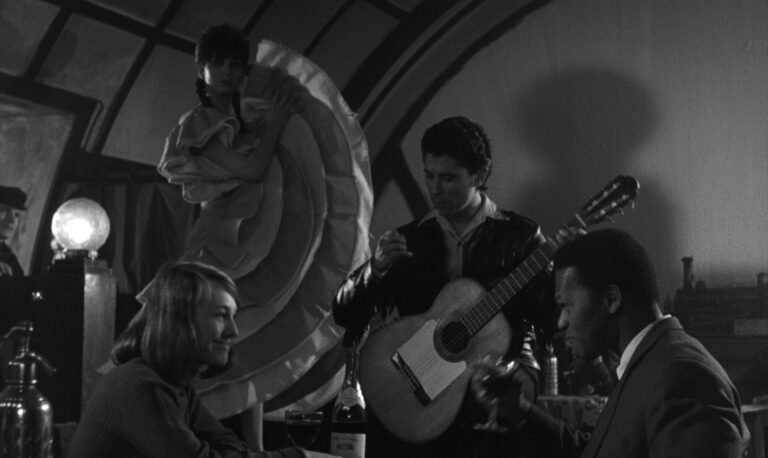
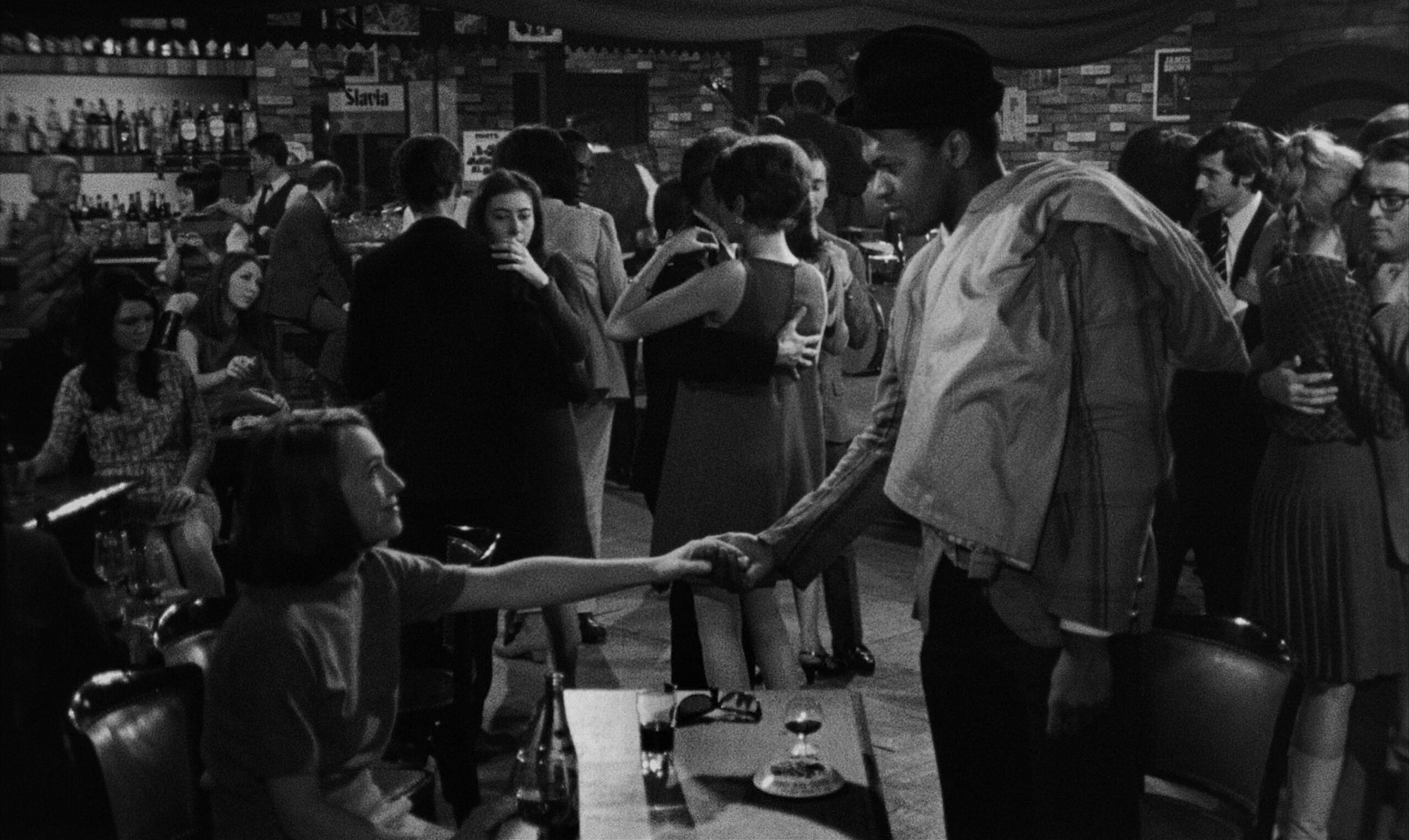
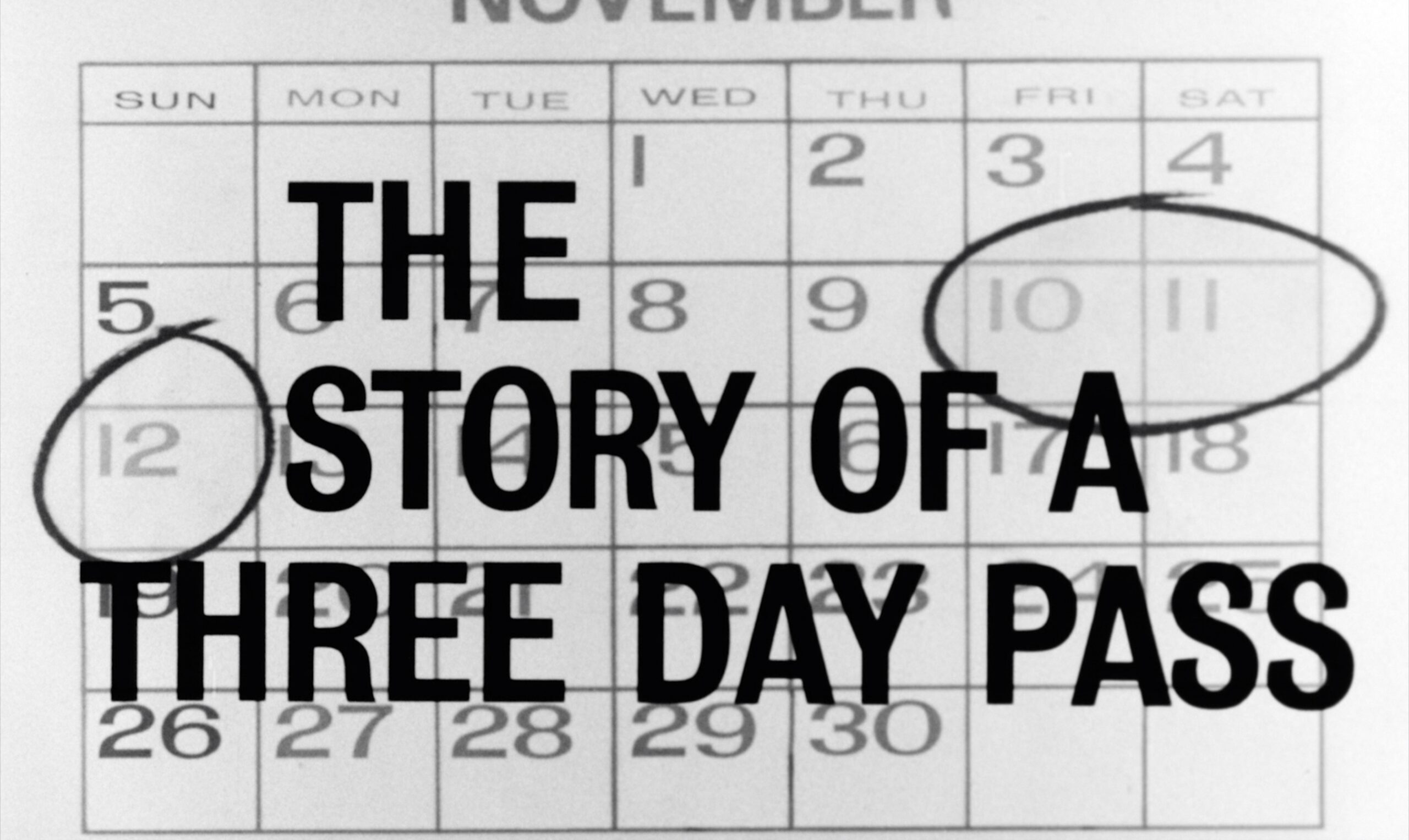
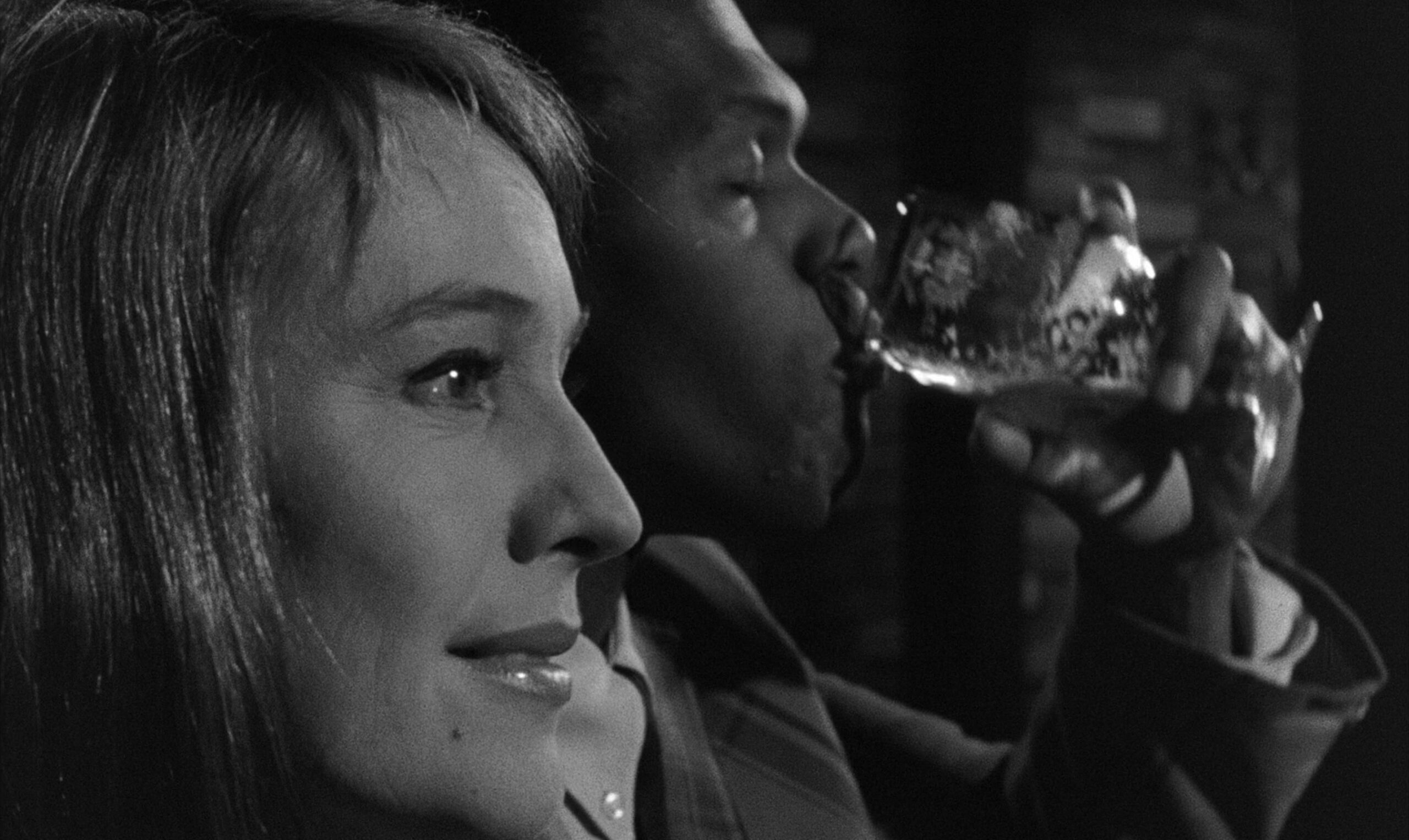
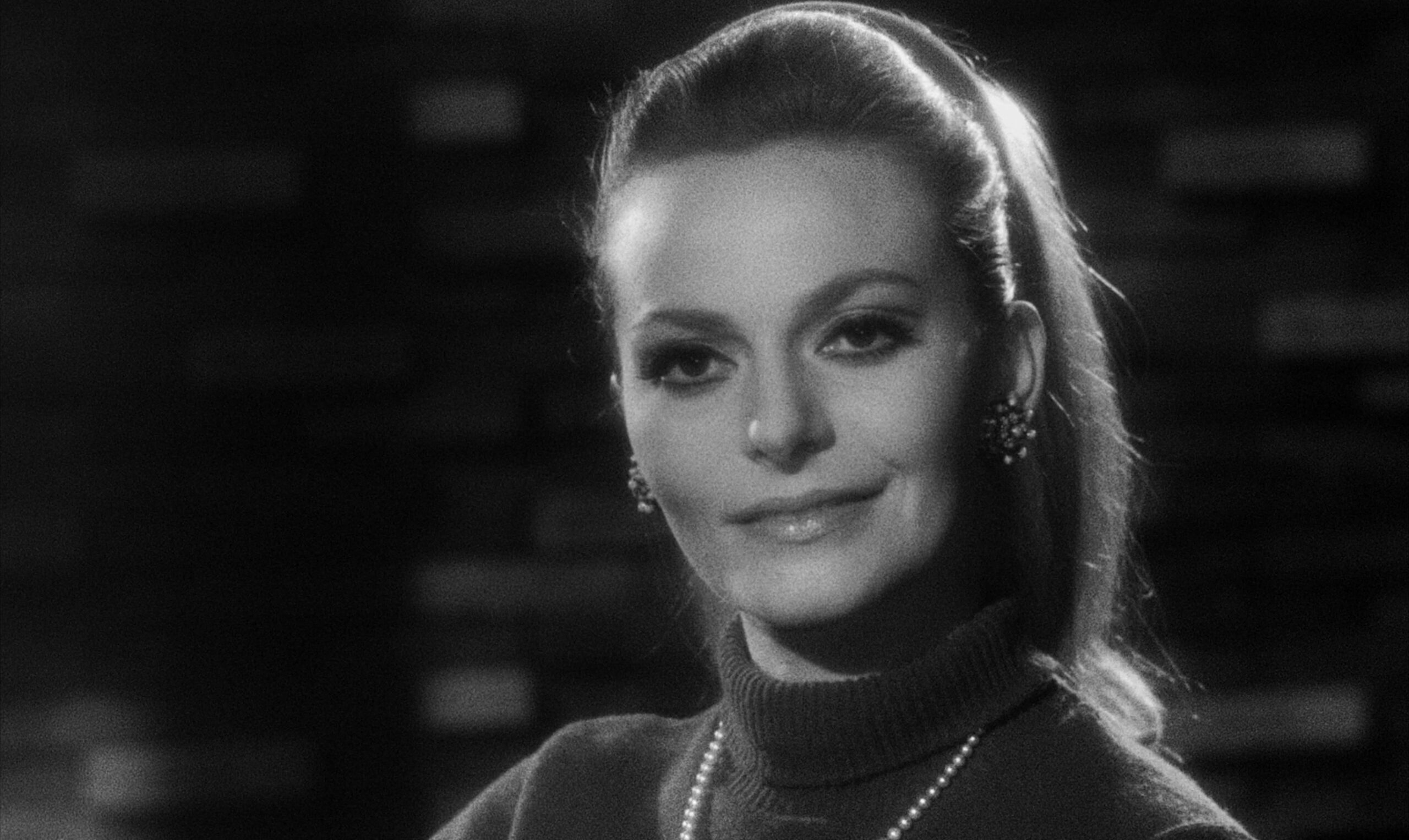
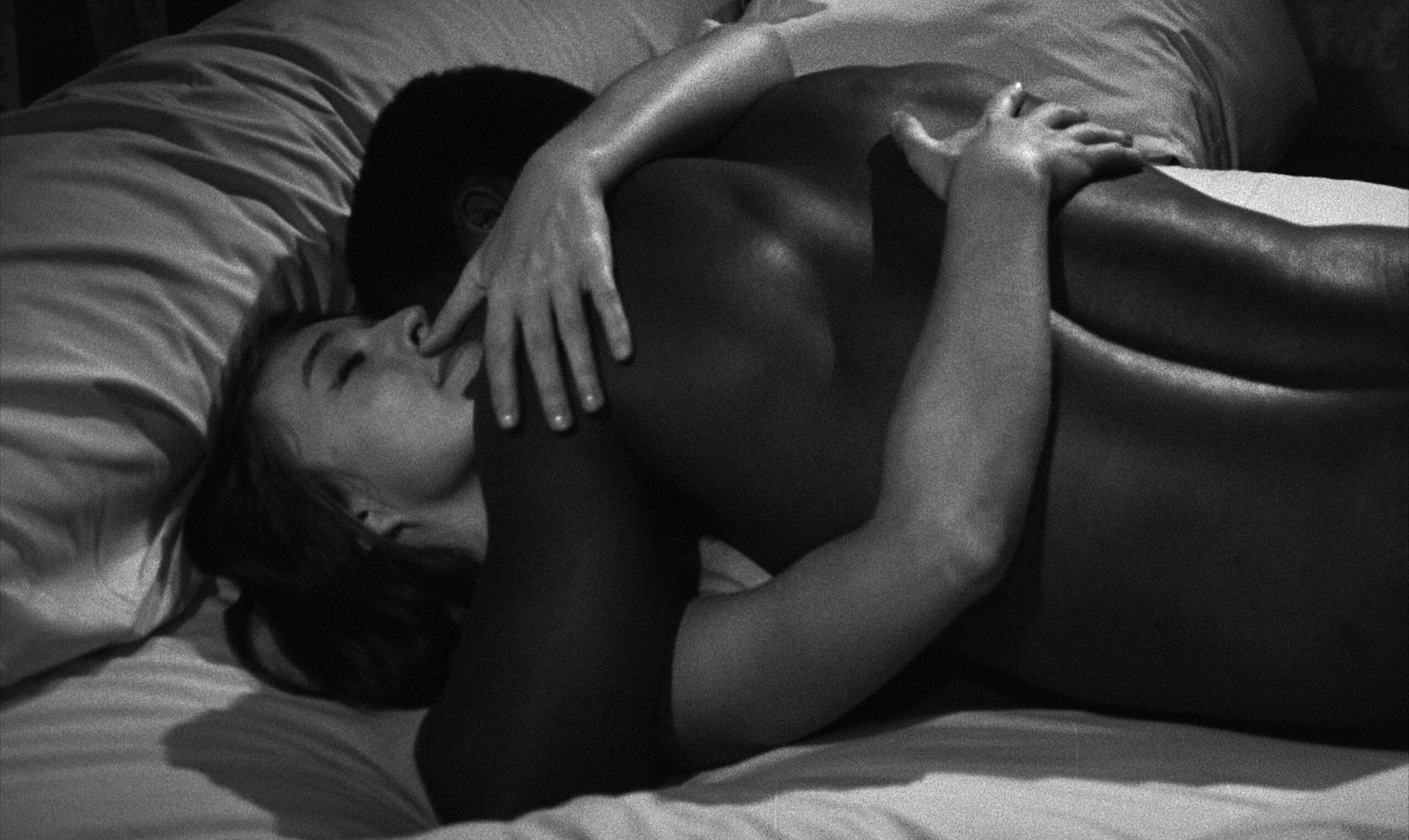
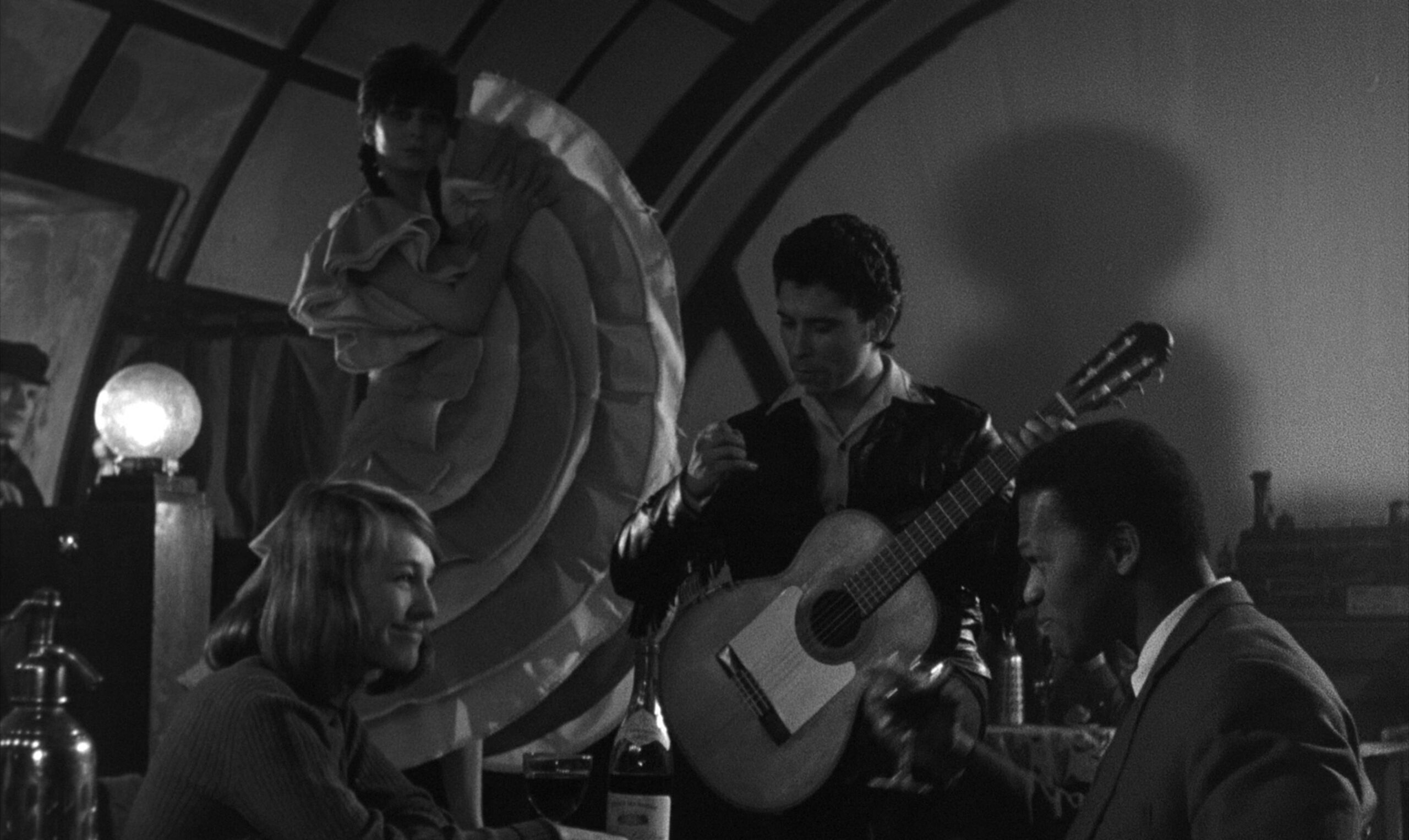
The Story of a Three-Day Pass (1968)
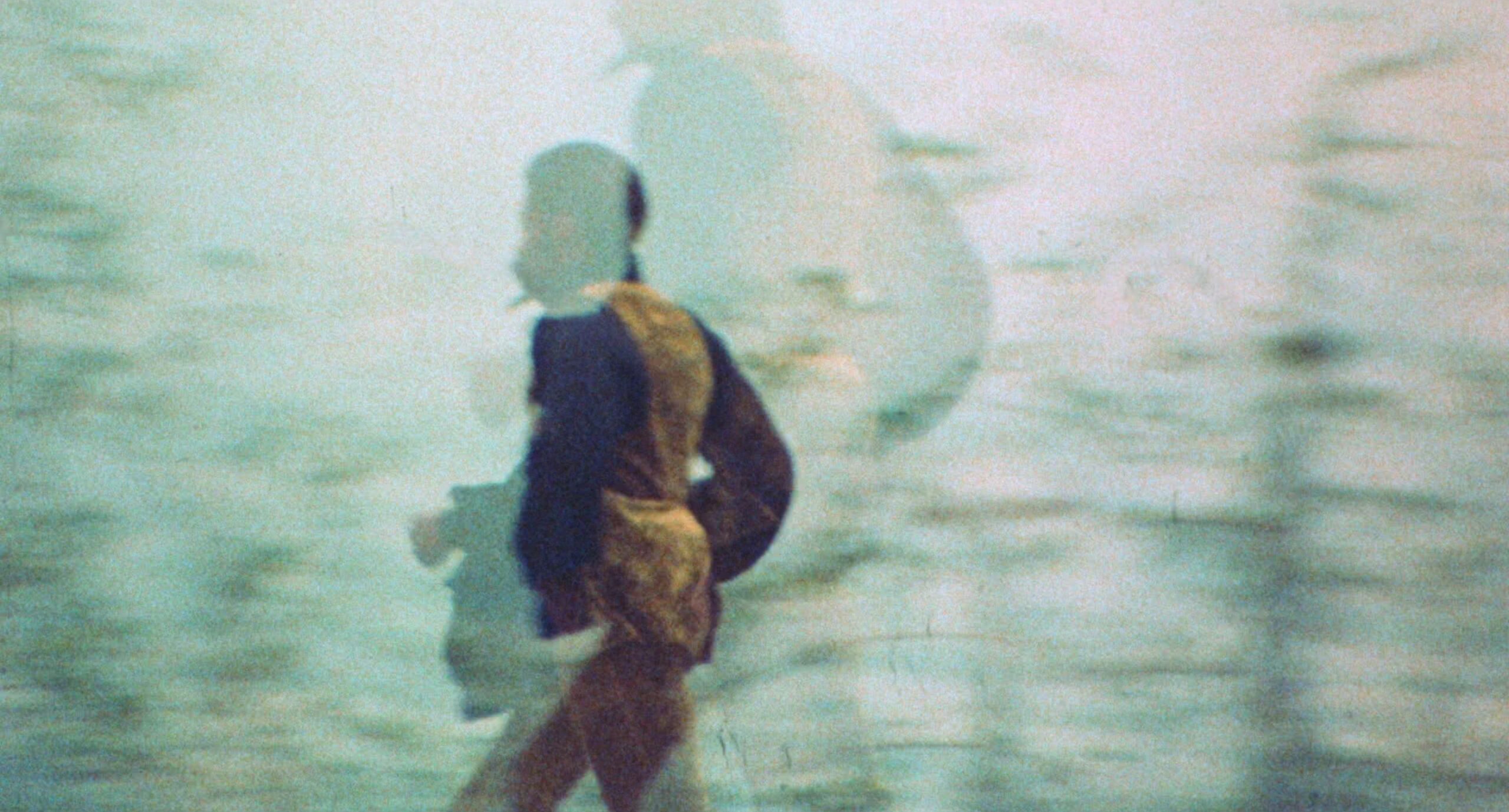
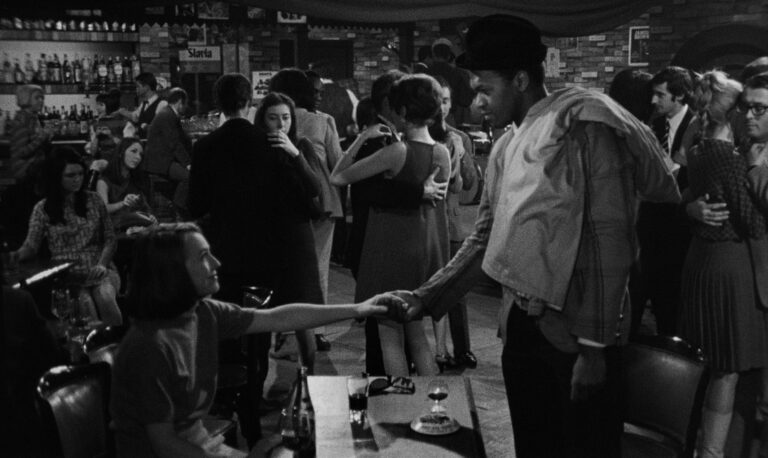
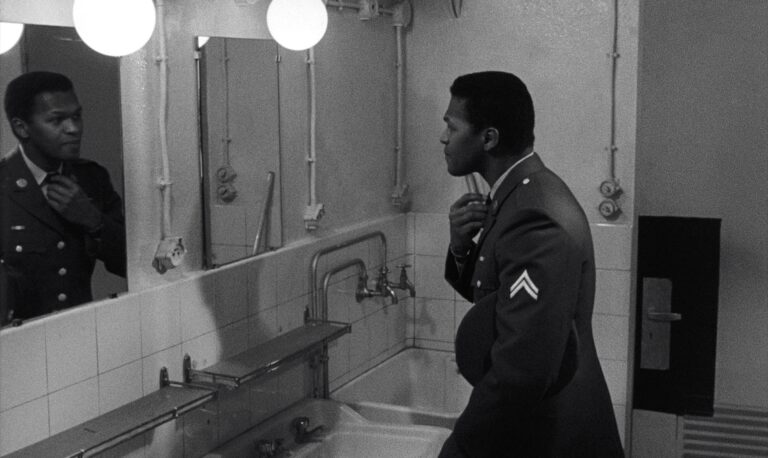
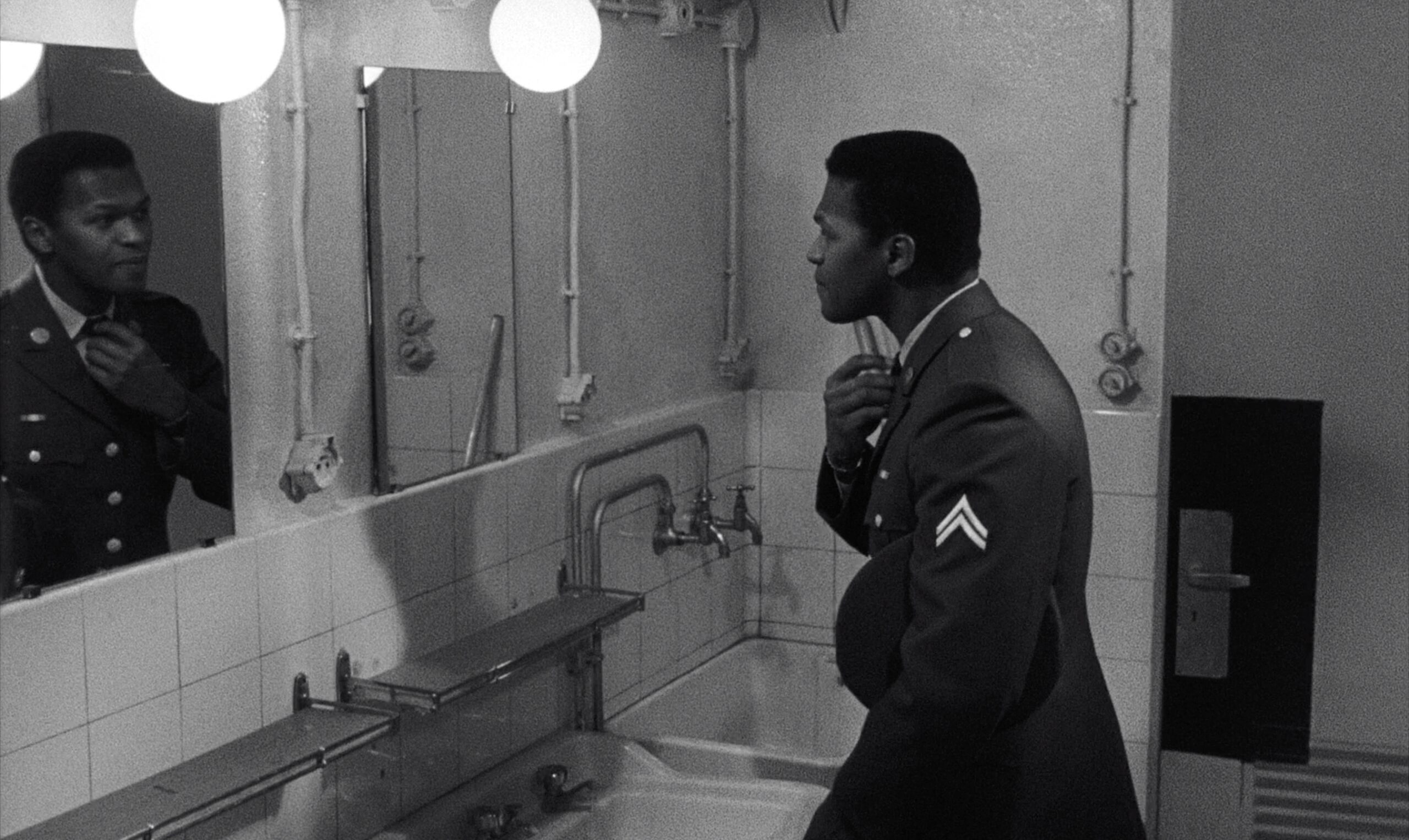
An African American soldier stationed in France is granted a short leave after being humiliated by his superior officer. While traveling to Paris, he meets a white French woman, and the two begin a brief but meaningful romance that exposes the racial tensions shaping his identity and sense of belonging. Over the course of their time together, he confronts the psychological weight of racism both within the military and within himself.
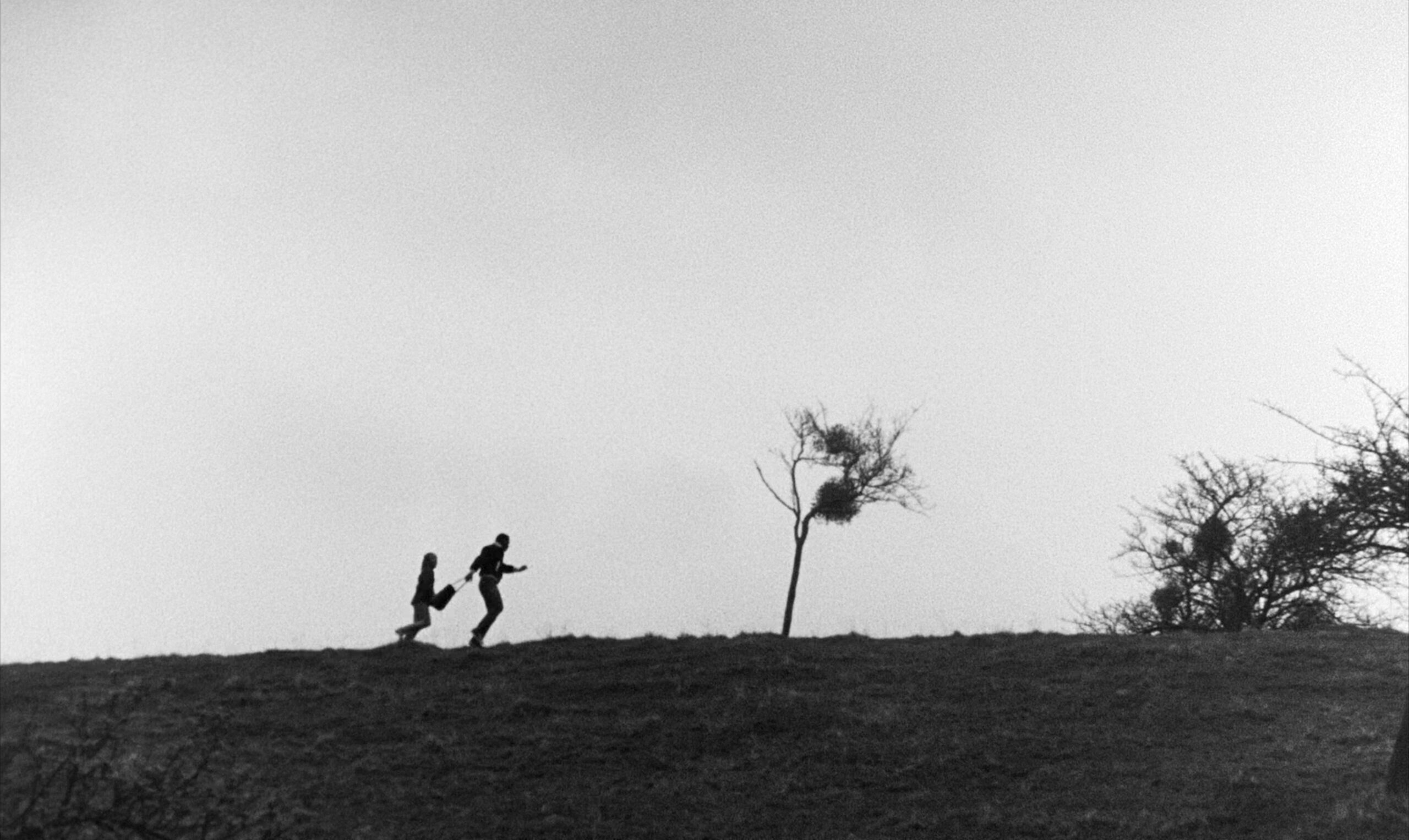
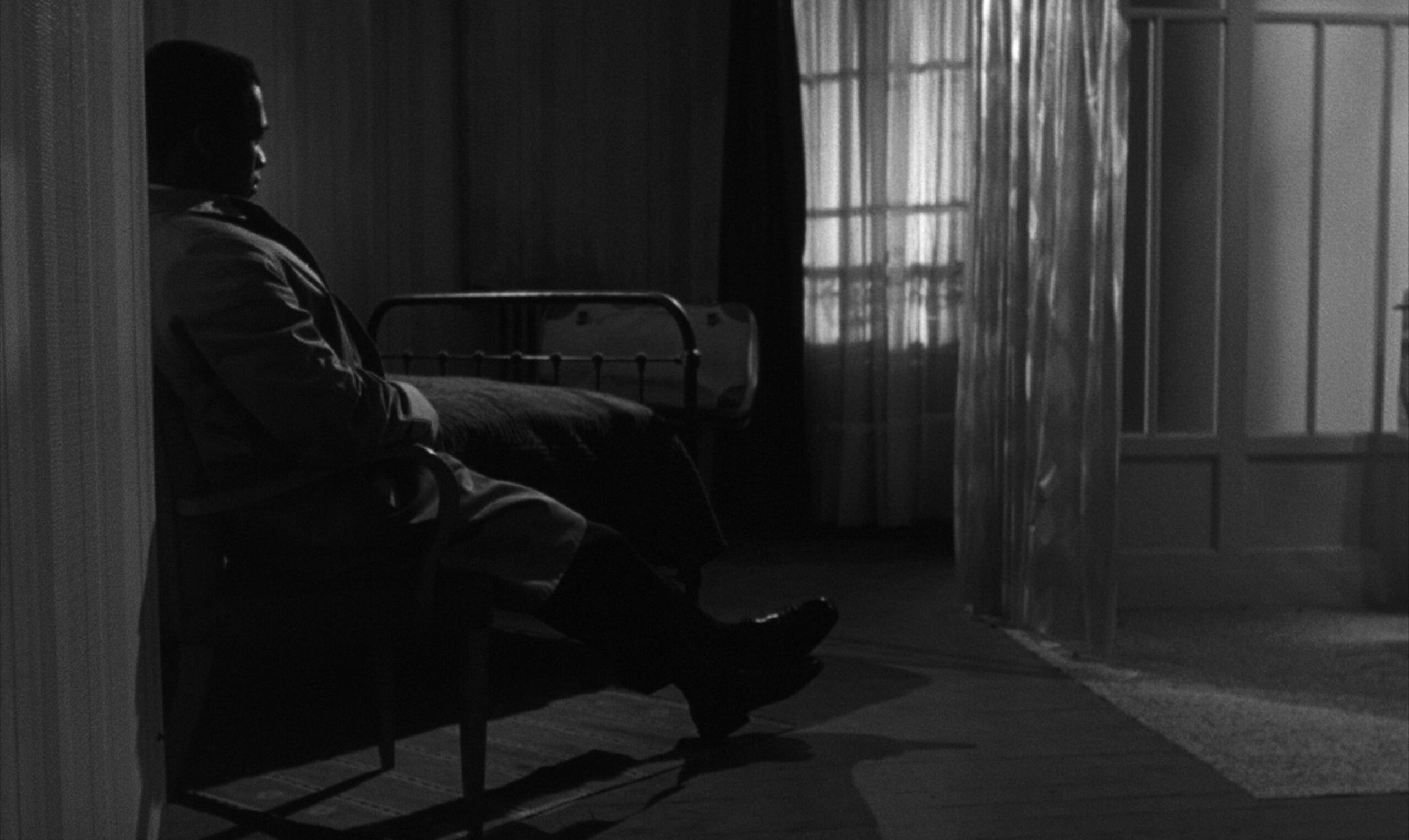
Van Peebles and cinematographer Lucien Ballard shoot the film in expressive black-and-white, blending French New Wave influences with subjective visual experimentation. The use of jump cuts, fantasy inserts, distorted lenses, and rapid tonal shifts externalizes the protagonist’s inner anxiety—turning memory, desire, and racial paranoia into part of the film’s visual texture rather than simply its subject matter.
TELEVISION SERIES
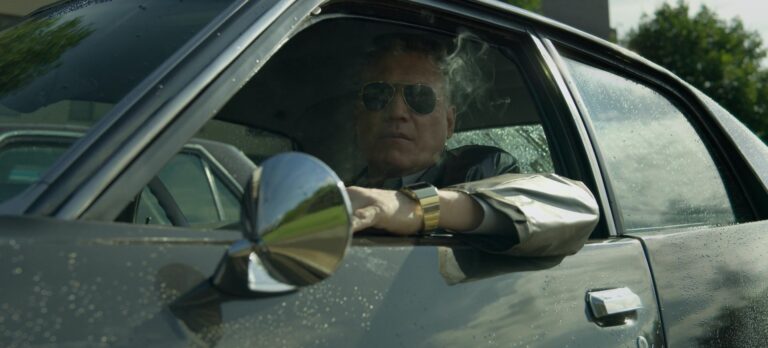
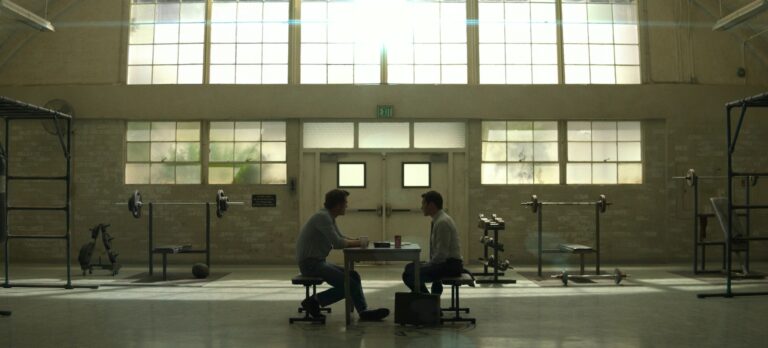
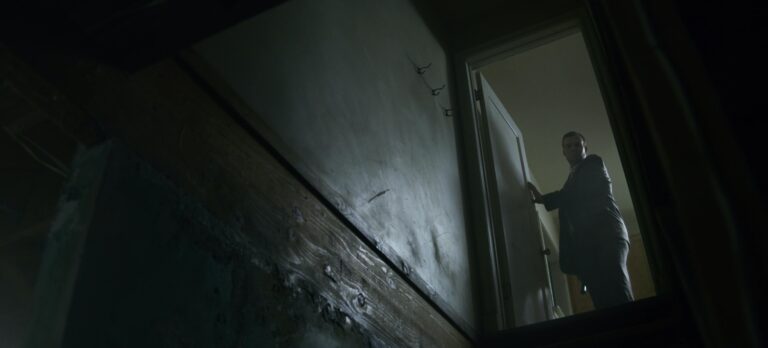
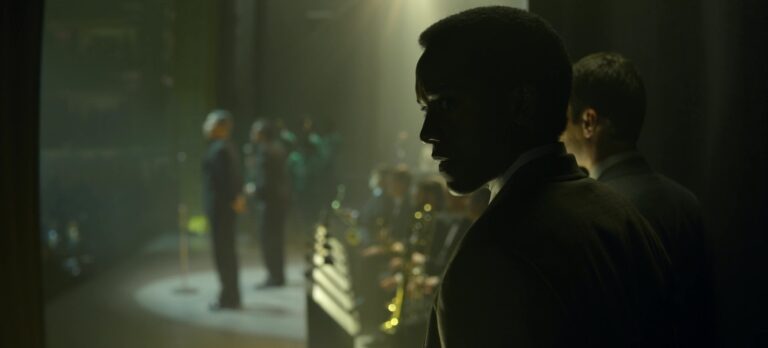
Mindhunter: Season 2 (2019)
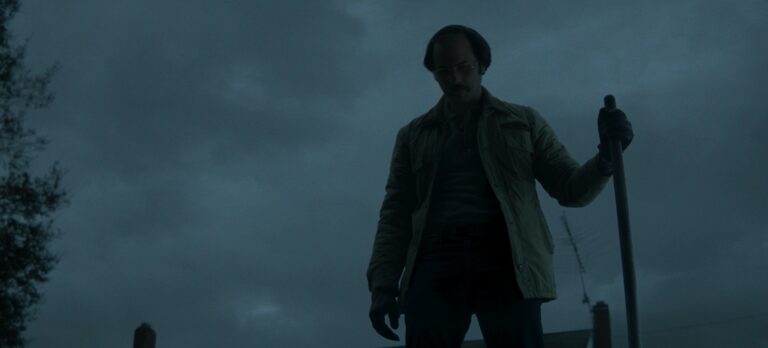
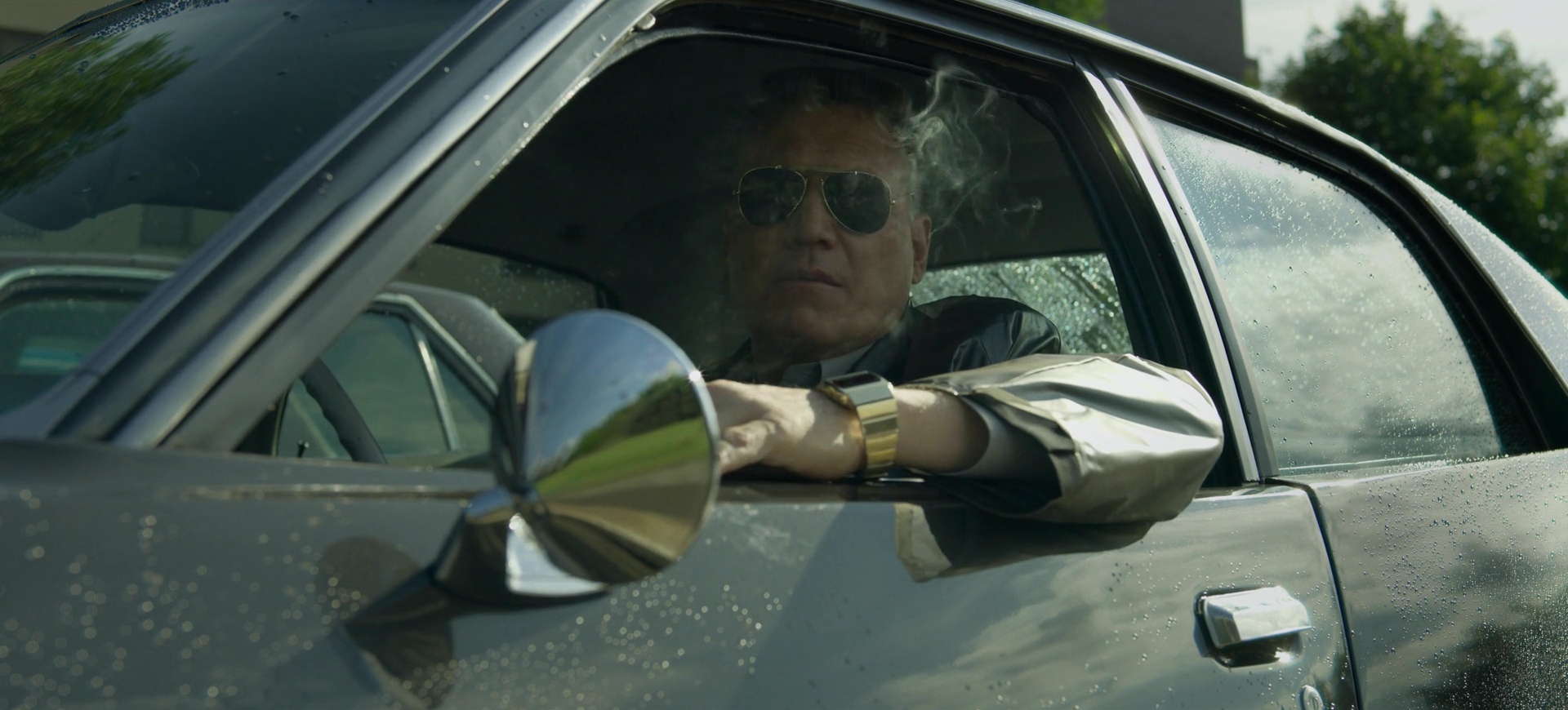
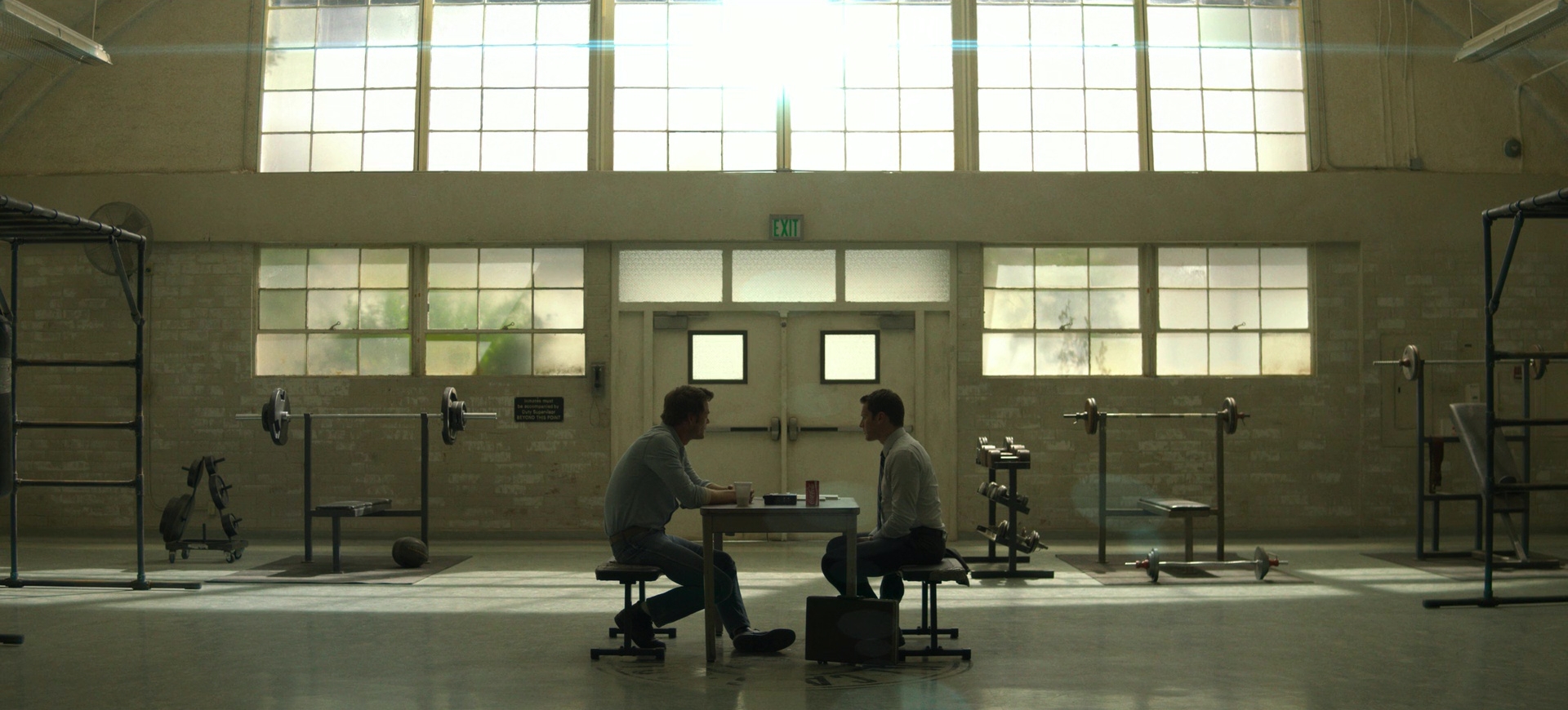
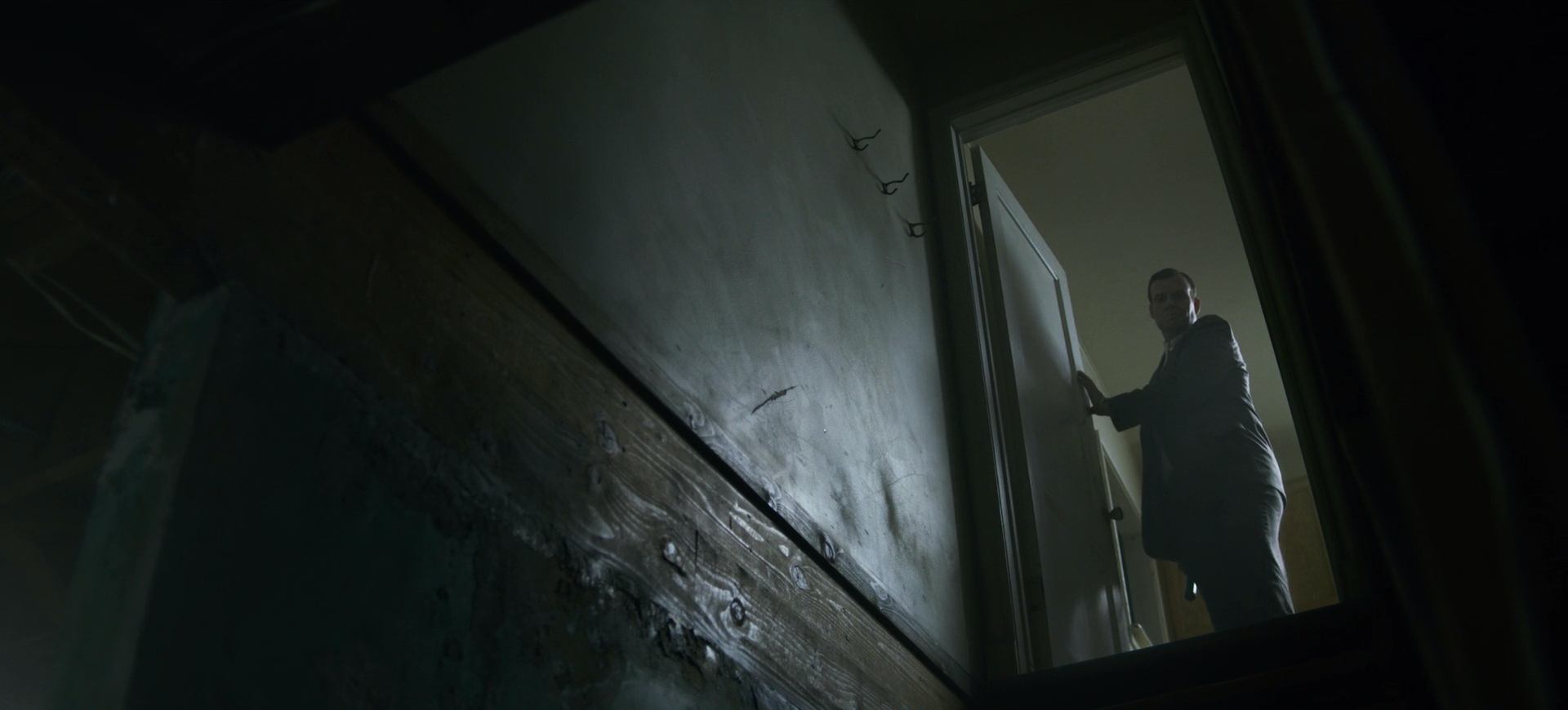
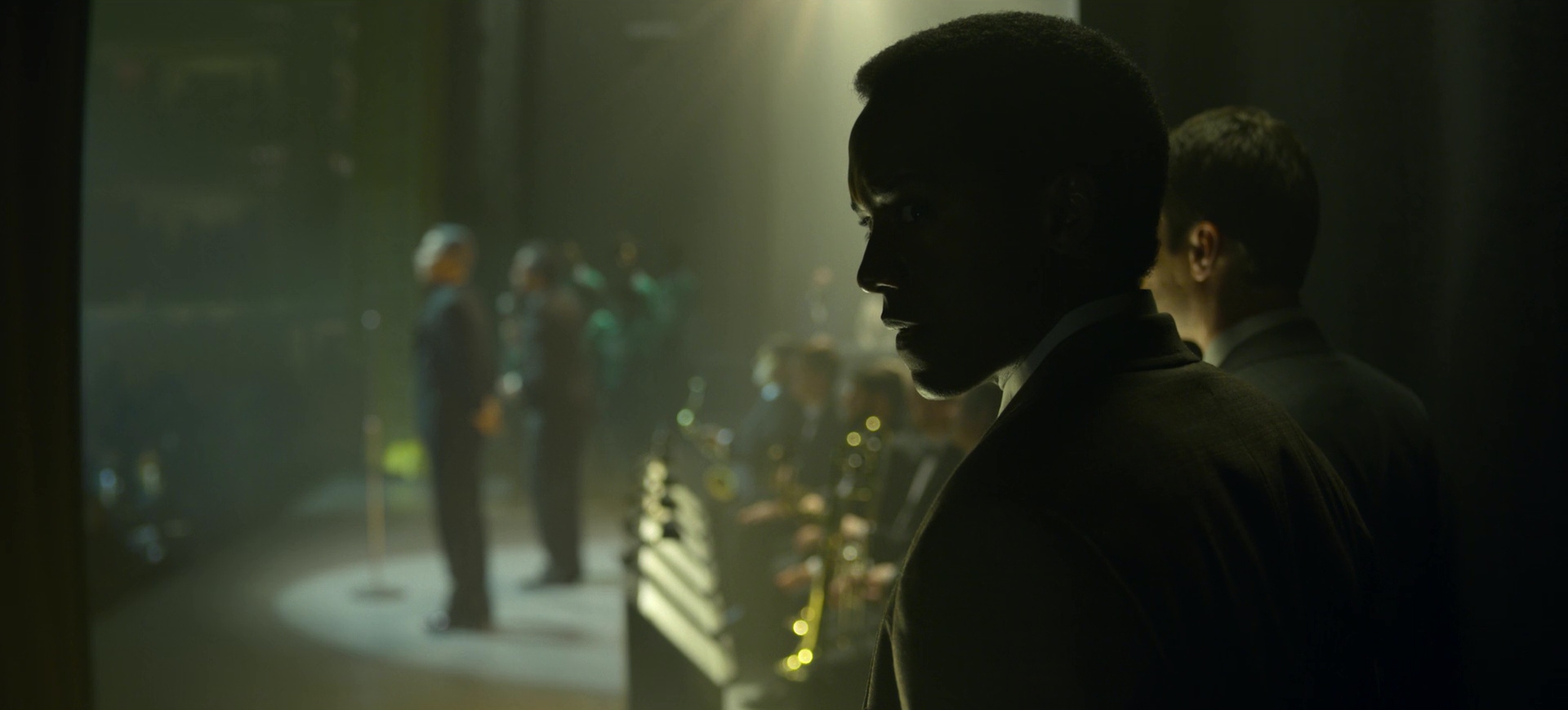
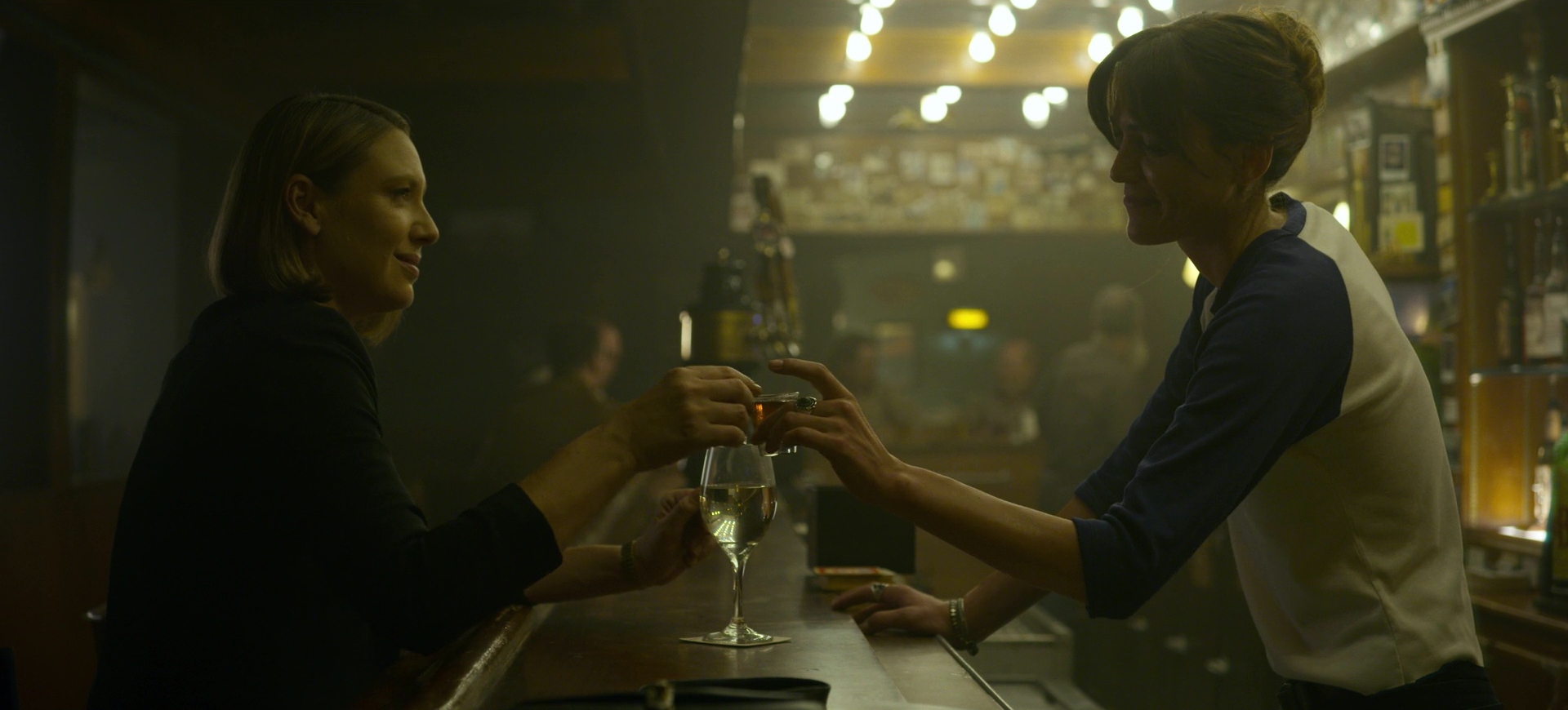
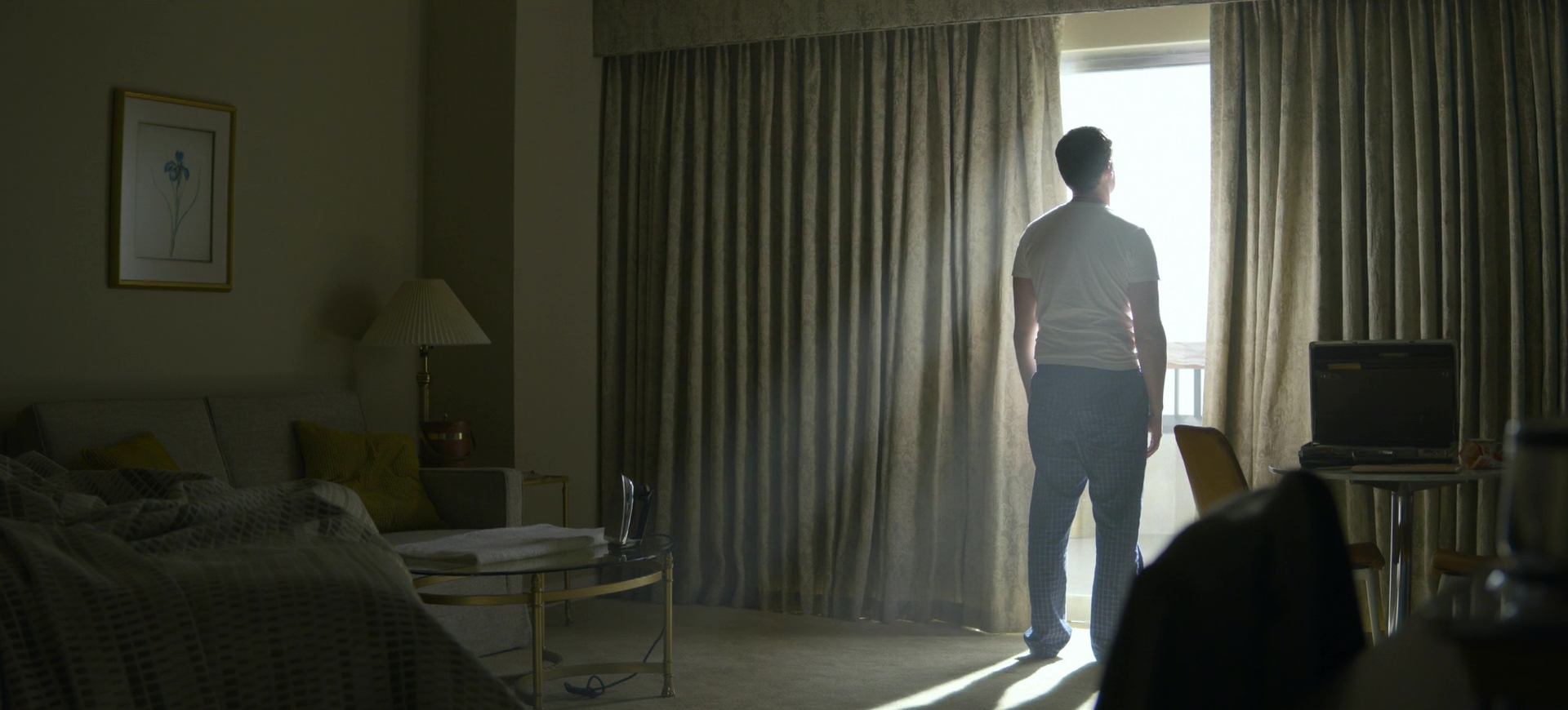
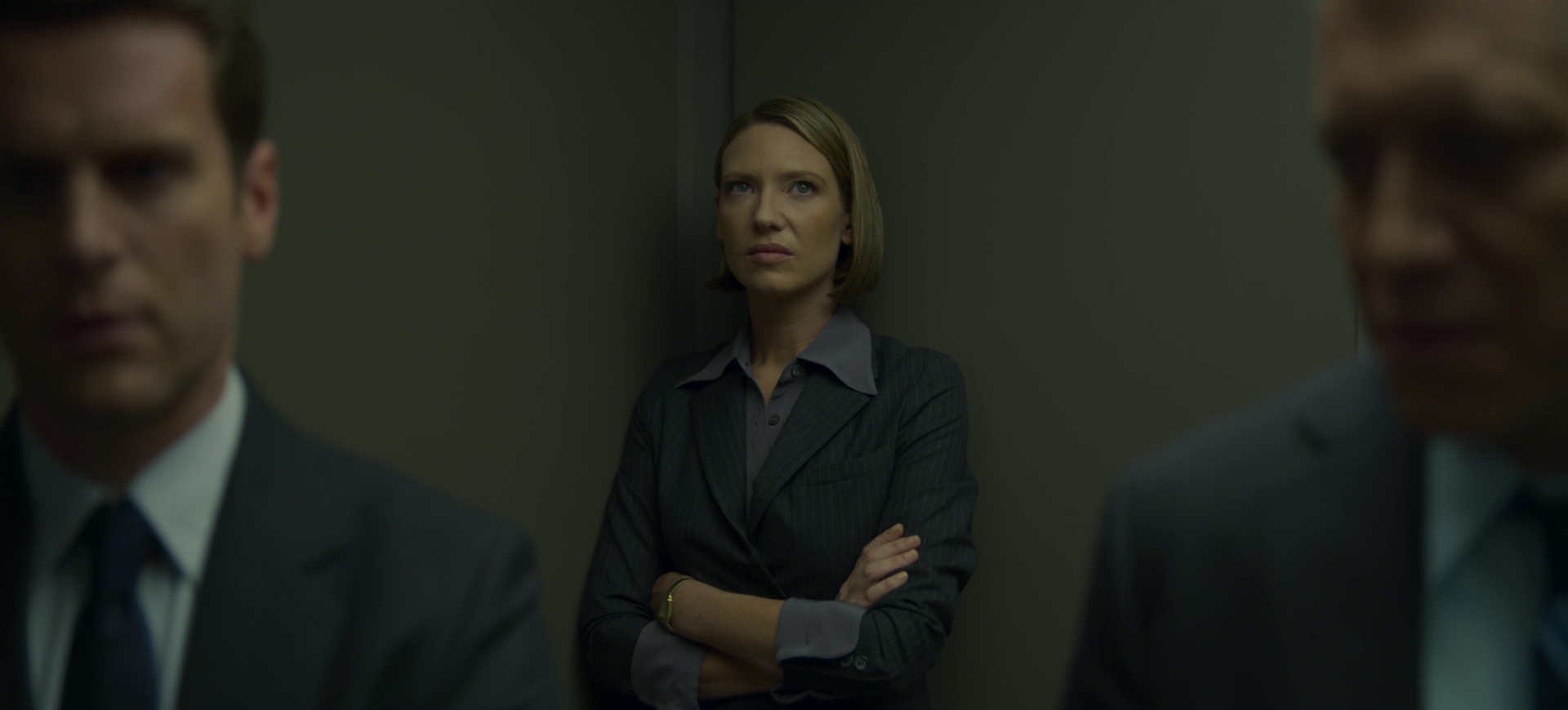
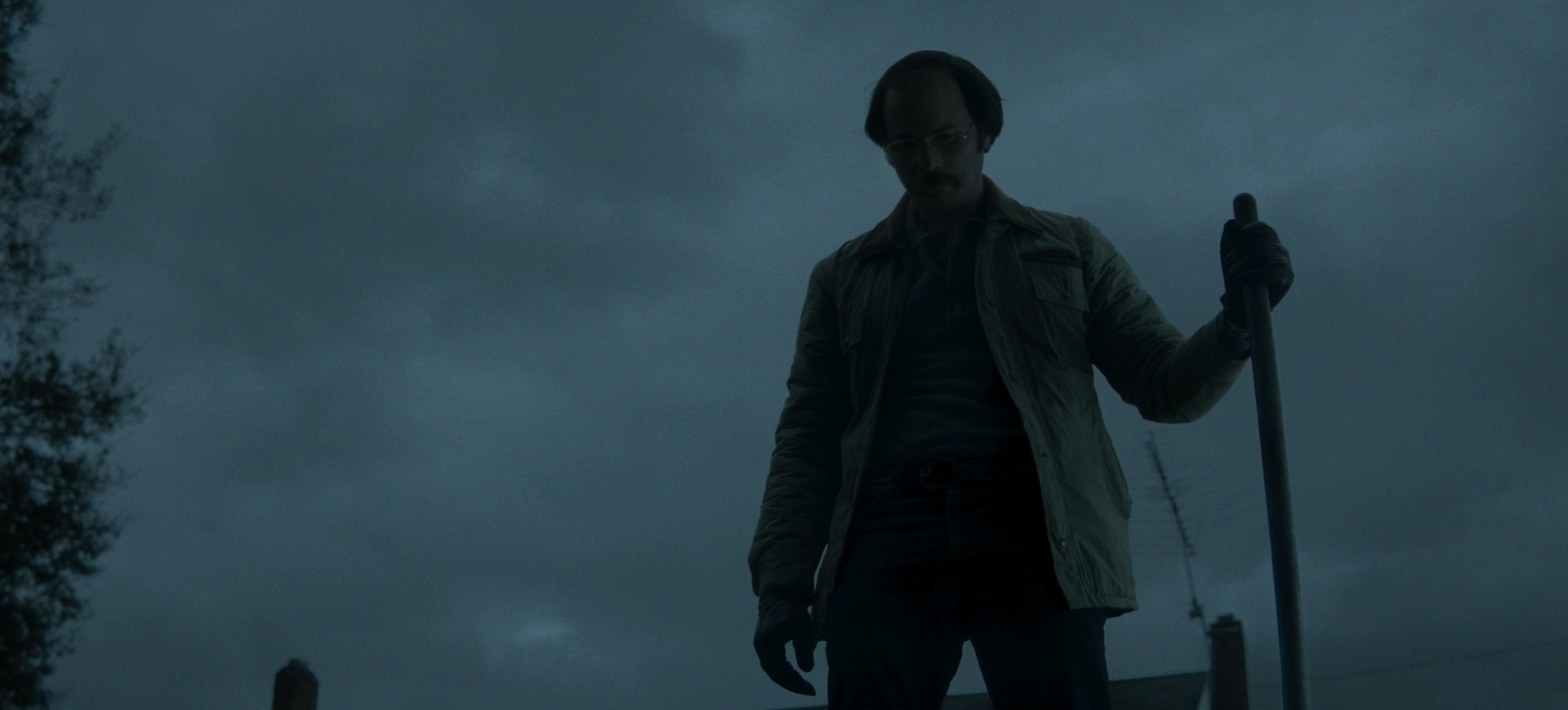
FBI agents Holden Ford and Bill Tench continue developing criminal profiling techniques by interviewing imprisoned serial killers and analyzing patterns of violent behavior. As their work expands, the team becomes involved in the investigation of the Atlanta child murders, confronting both institutional resistance and the psychological toll of their methods. The season deepens its focus on obsession, trauma, and the uneasy relationship between understanding violence and being consumed by it.
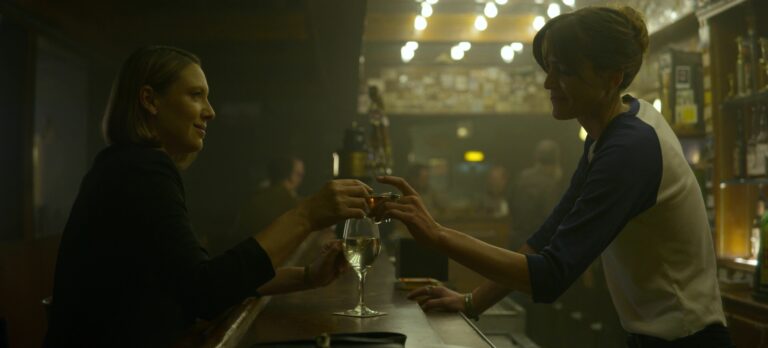
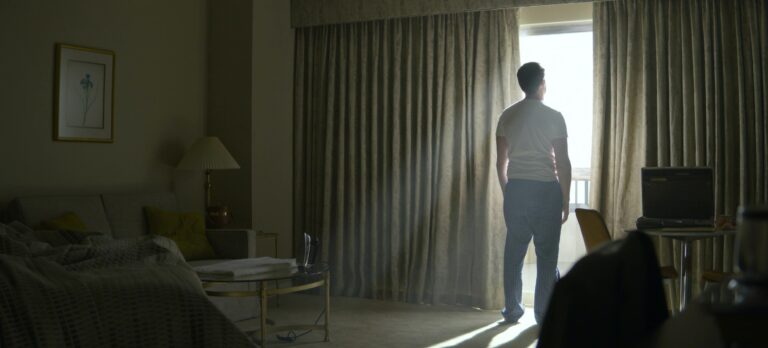
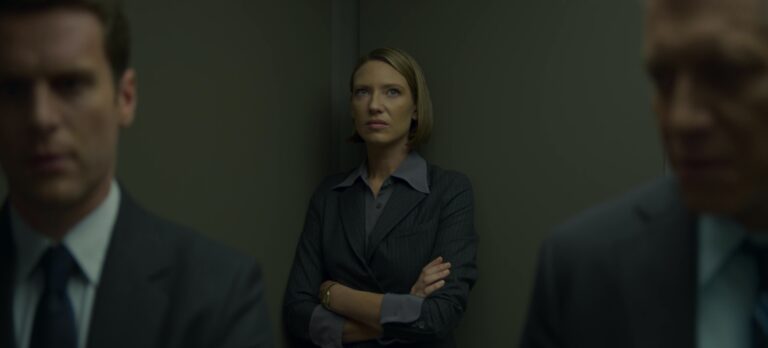
Executive producer David Fincher’s influence dominates the season’s visual identity, with cinematographers like Erik Messerschmidt employing precise digital compositions, controlled camera movement, and low-key lighting to create a cold, methodical atmosphere. The muted palette—greens, grays, and dim ambers—combined with symmetrical framing and immaculate production design turns offices, interrogation rooms, and suburban interiors into emotionally sterile spaces, where visual restraint mirrors the analytical detachment of the FBI’s work.
TELEVISION SERIES
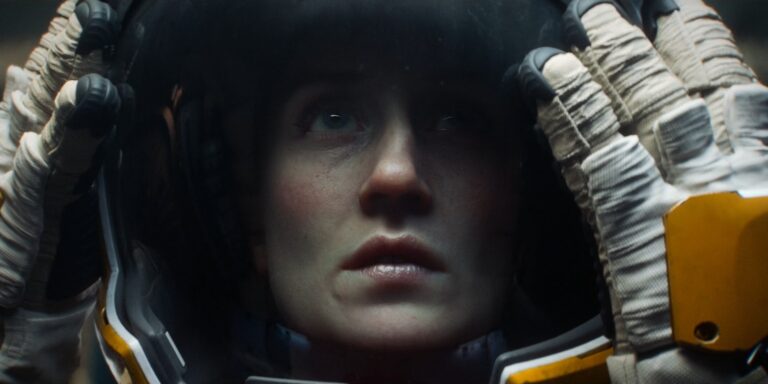
Love, Death & Robots: Season 1 (2019)
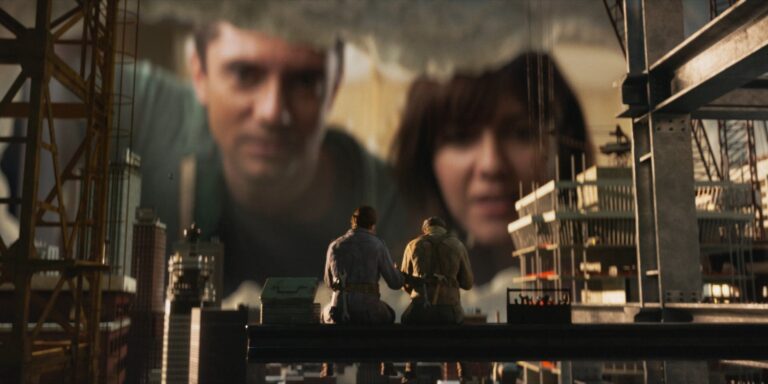
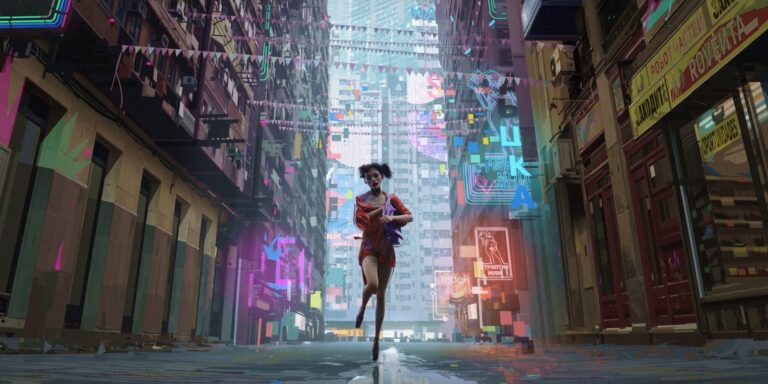
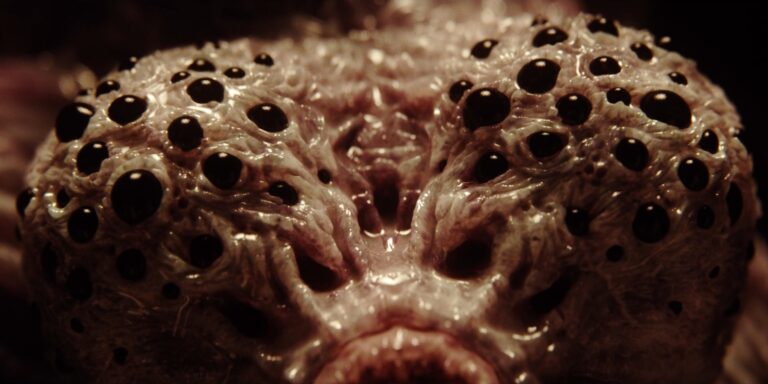
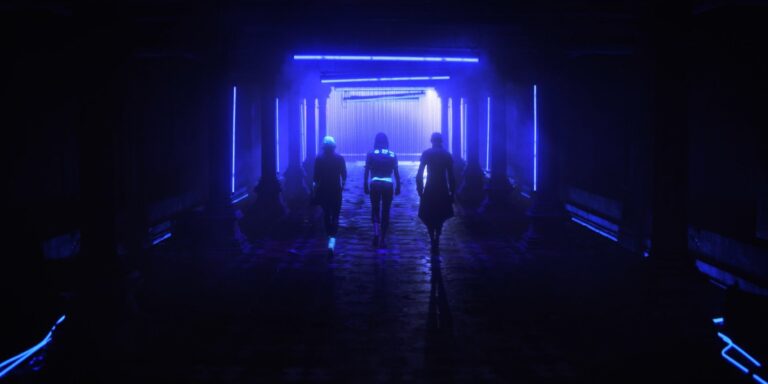
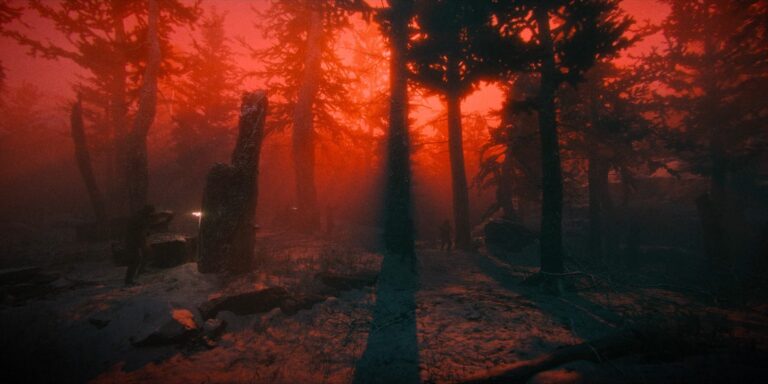
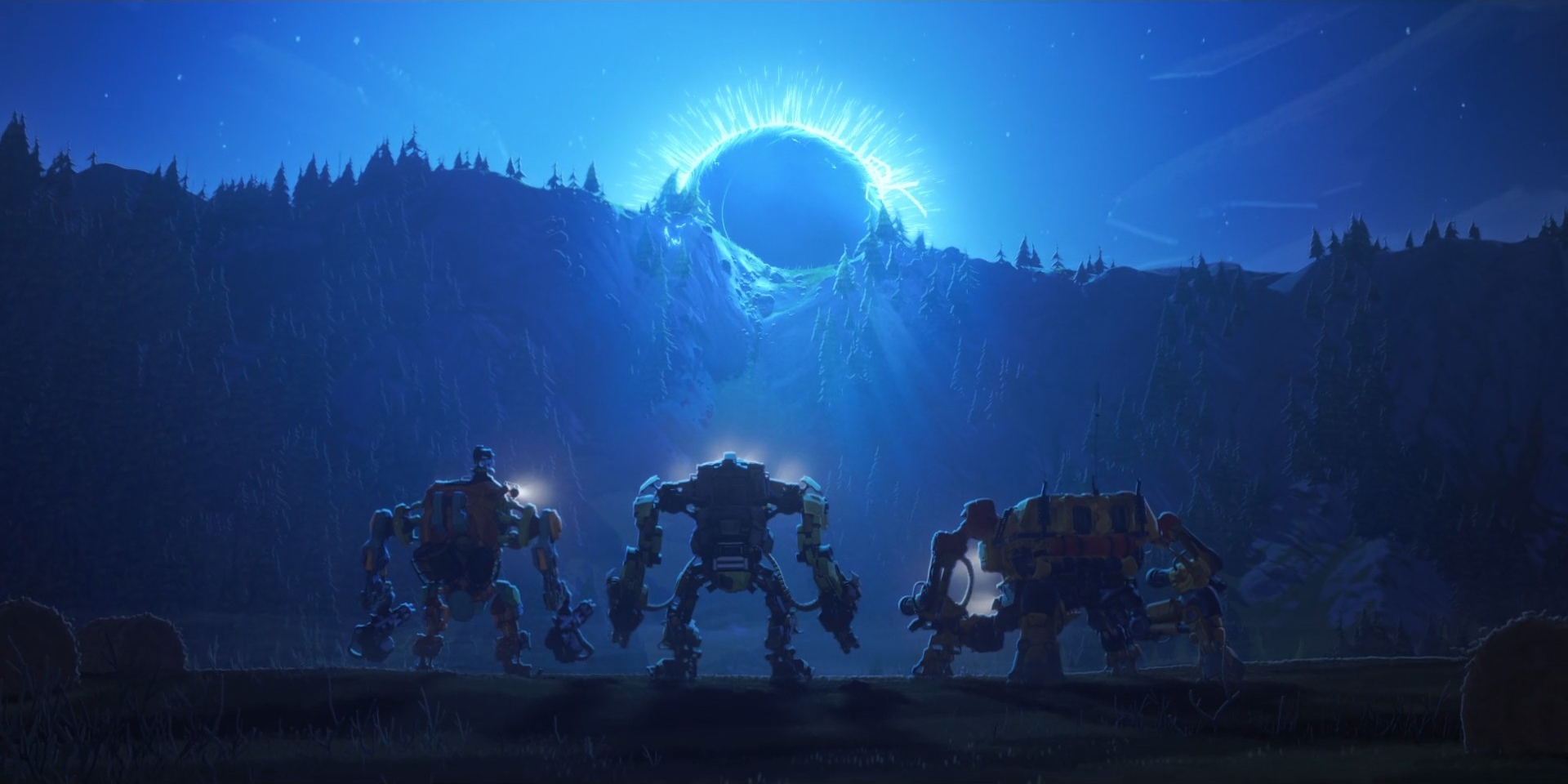
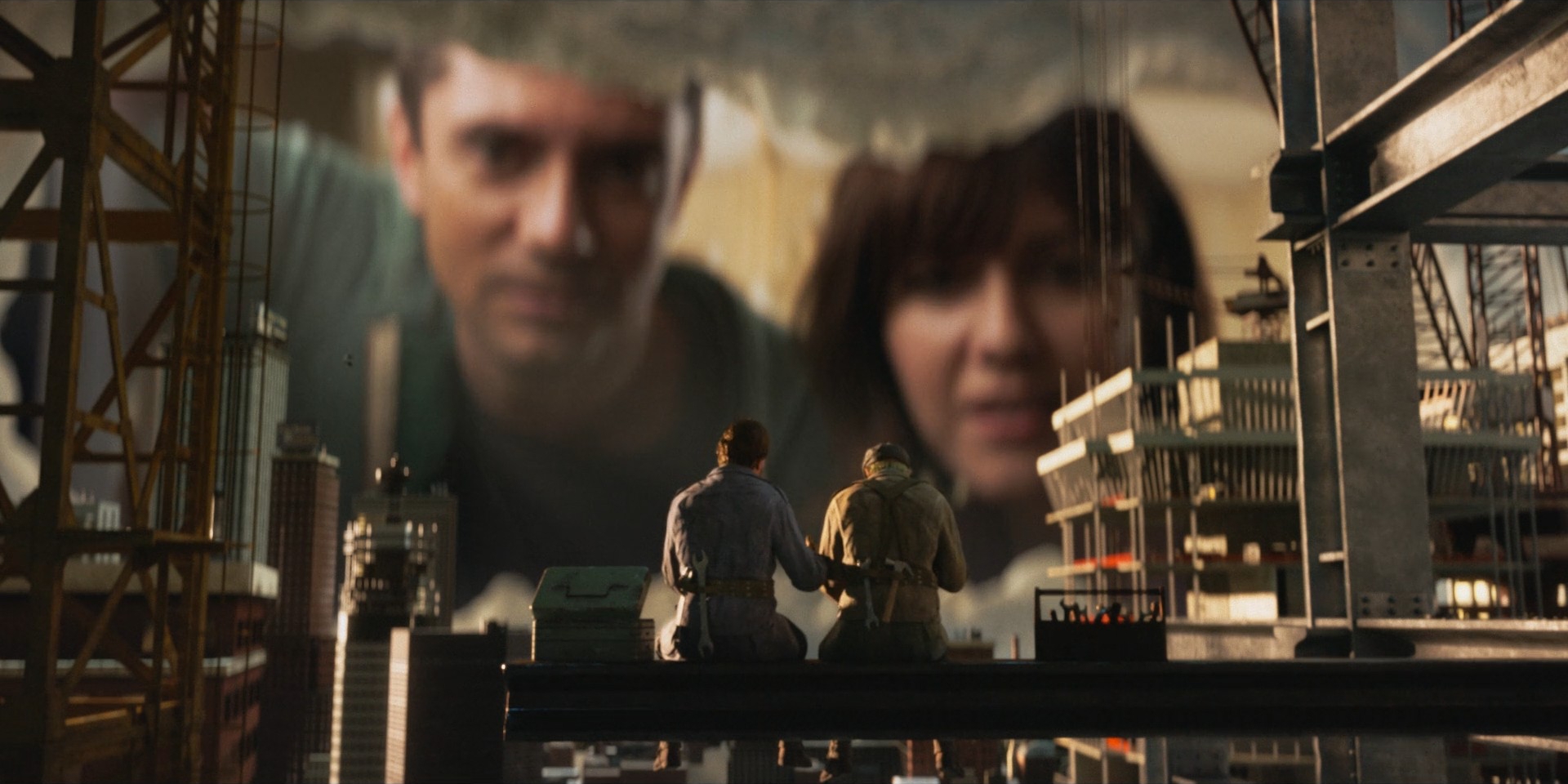
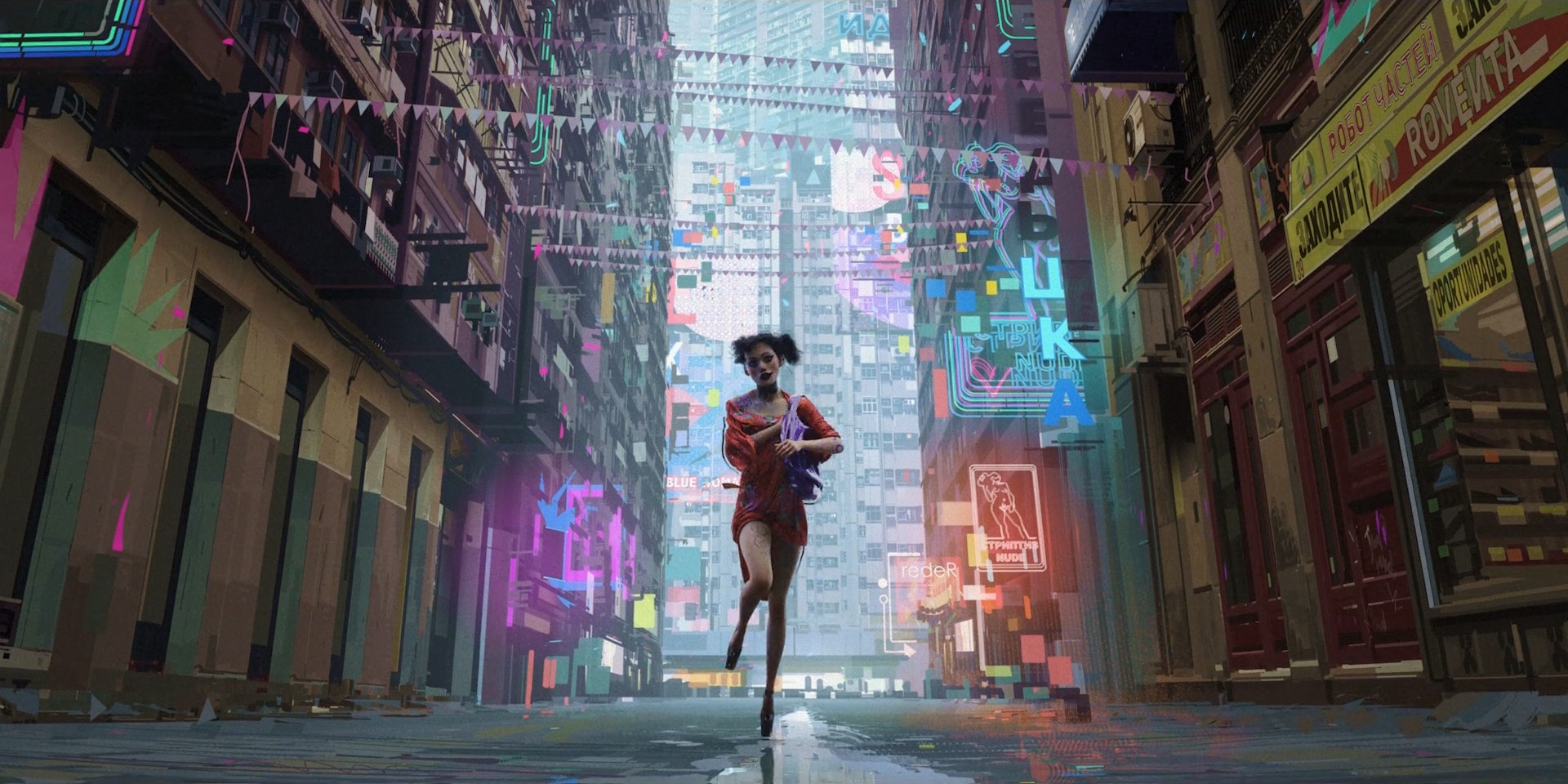
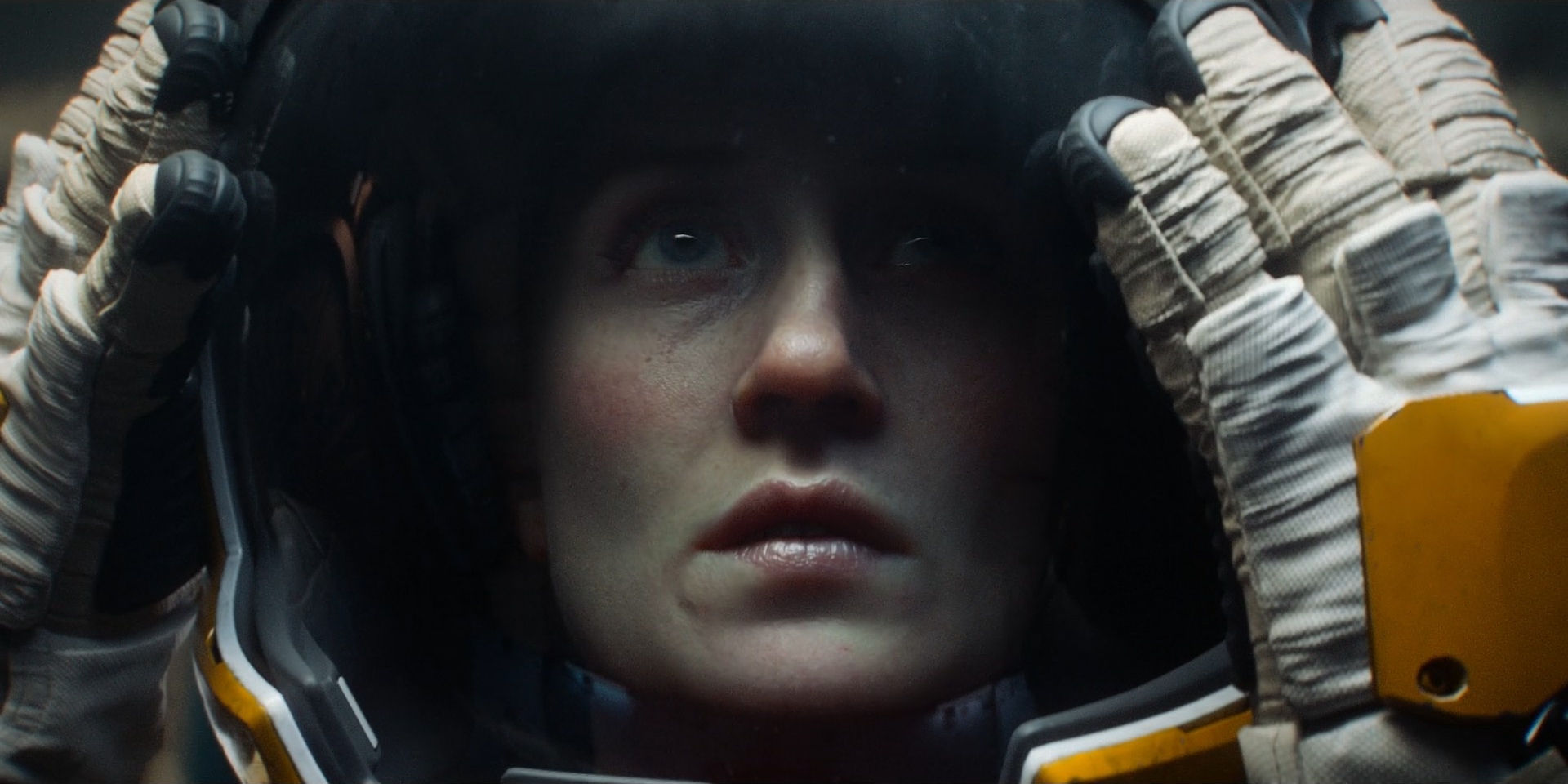
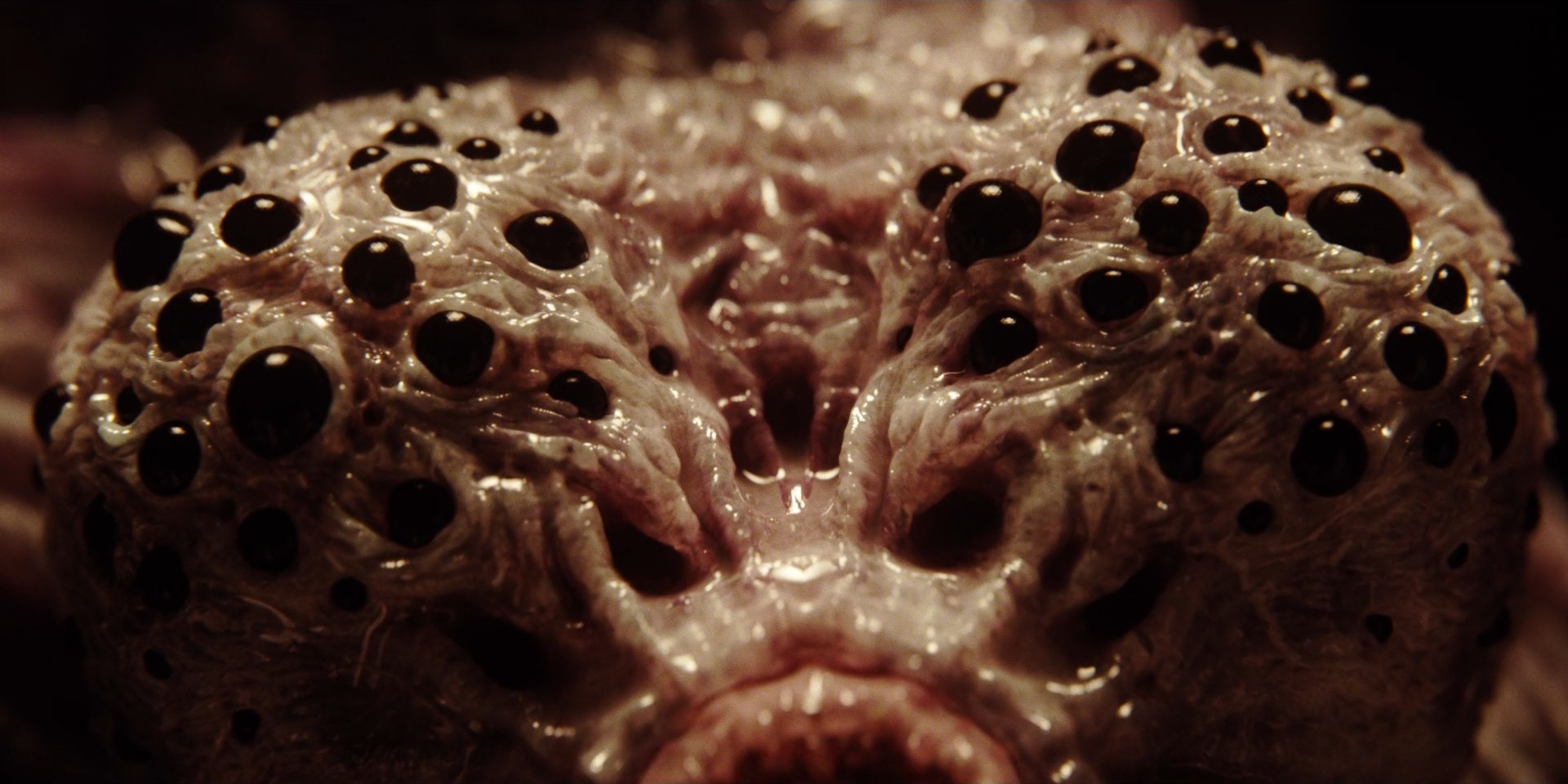
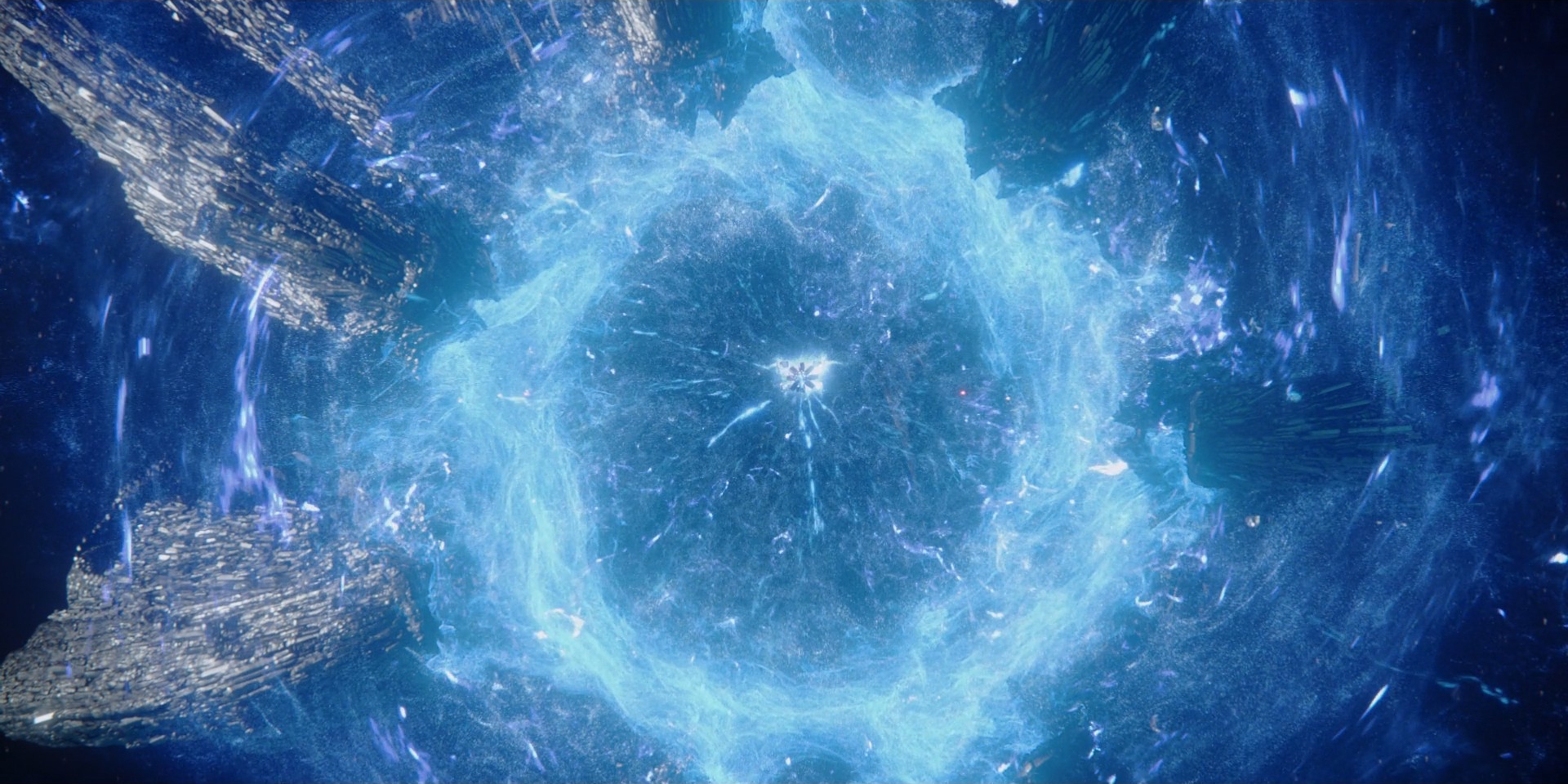
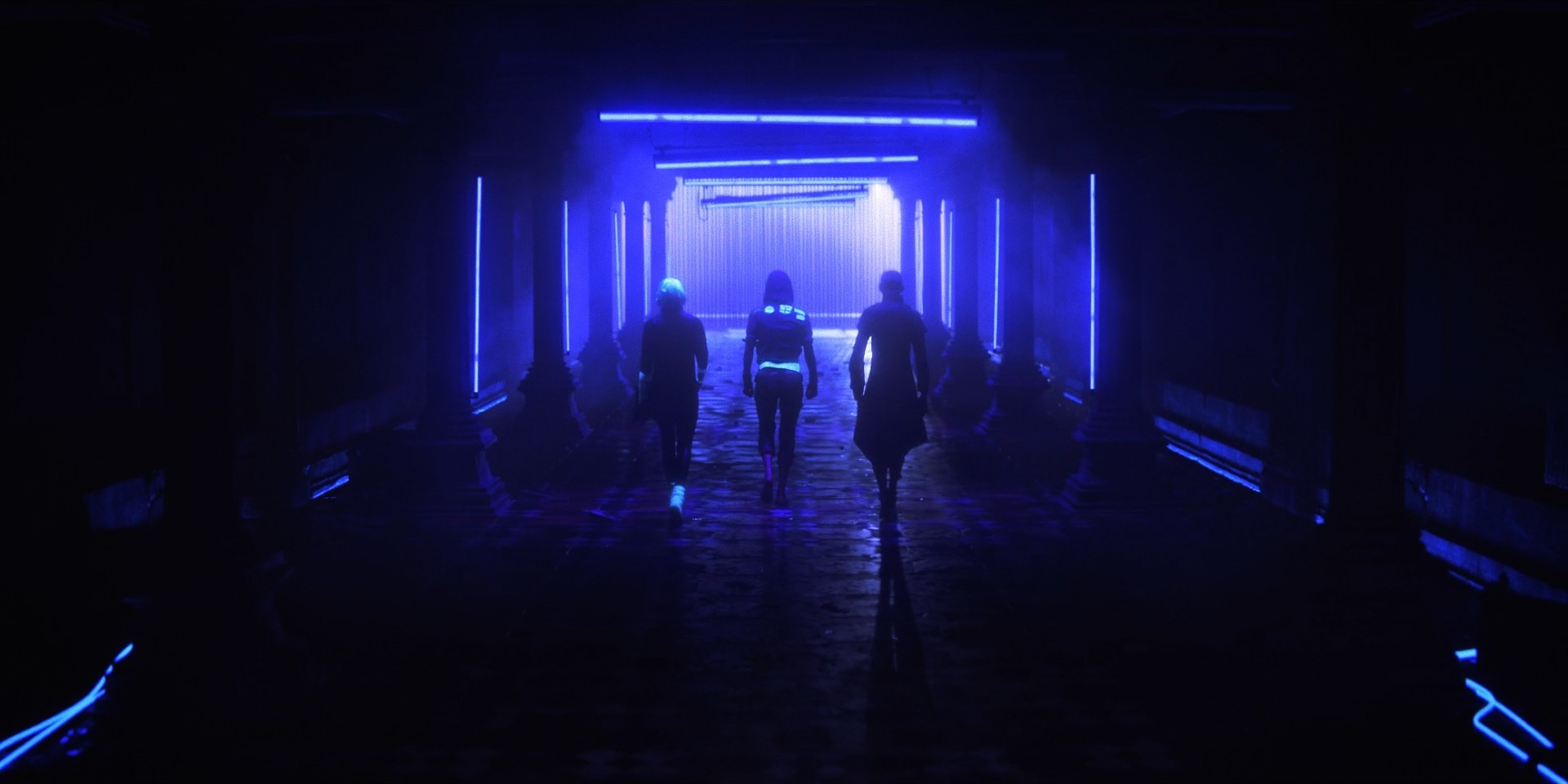
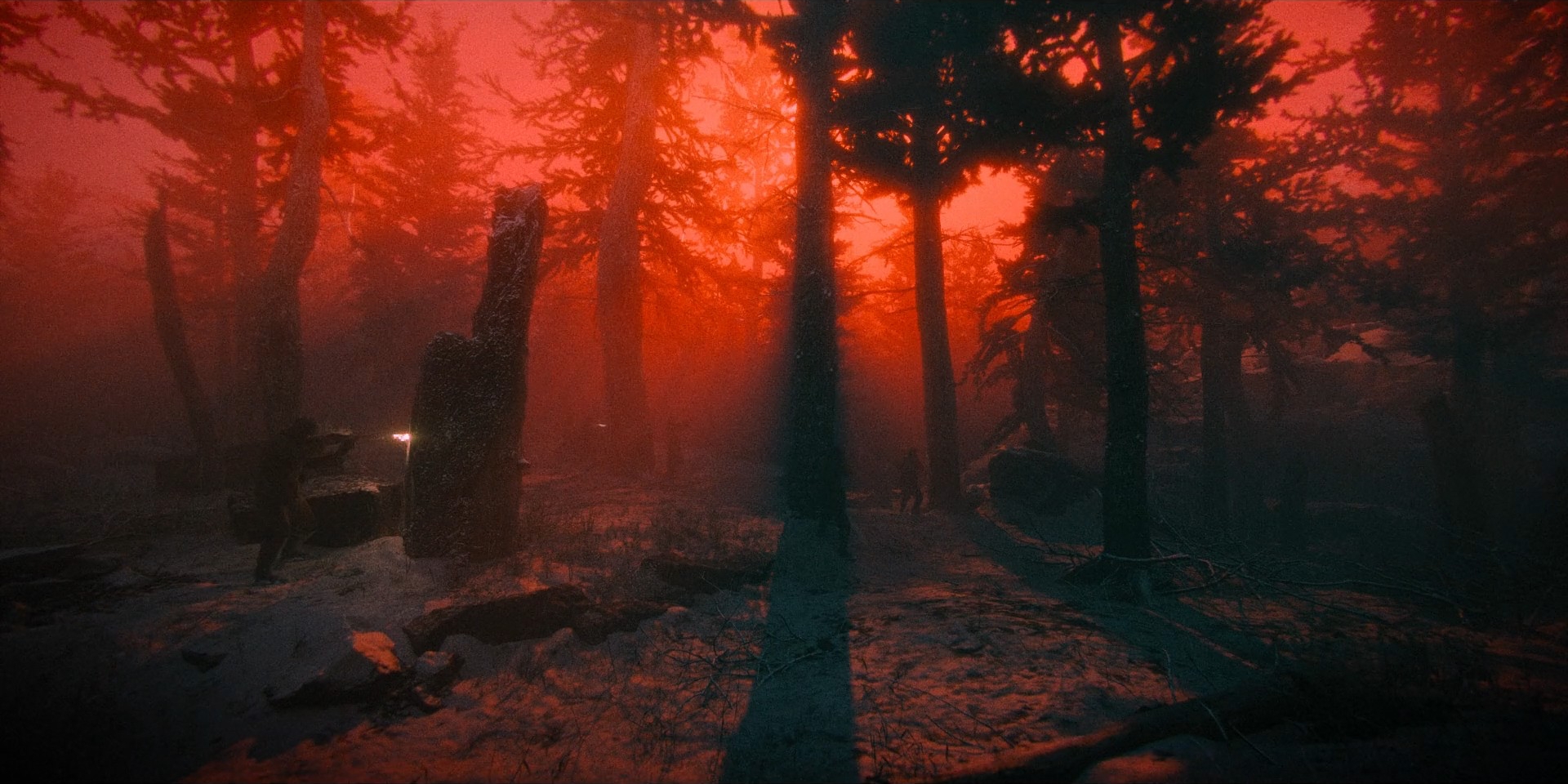
This animated anthology series presents a collection of standalone stories spanning science fiction, horror, fantasy, and dark comedy. Across its episodes, the series explores themes of artificial intelligence, warfare, human desire, mortality, and technological collapse through wildly different worlds and tones. Each short functions as its own self-contained experiment in storytelling and visual style.
What defines Season 1 is its radical stylistic variety: episodes range from hyper-real CG animation and painterly fantasy to cel-shaded action, photoreal VFX, and experimental mixed-media techniques. Different animation studios bring distinct visual identities to each short, allowing the season to function as a showcase of contemporary digital animation—where texture, rendering style, frame rate, and compositing constantly shift to match the tone and genre of each story.


FILM SPOTLIGHT
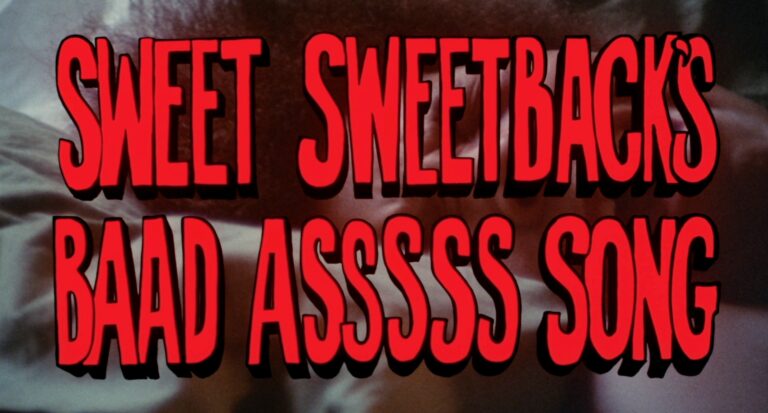
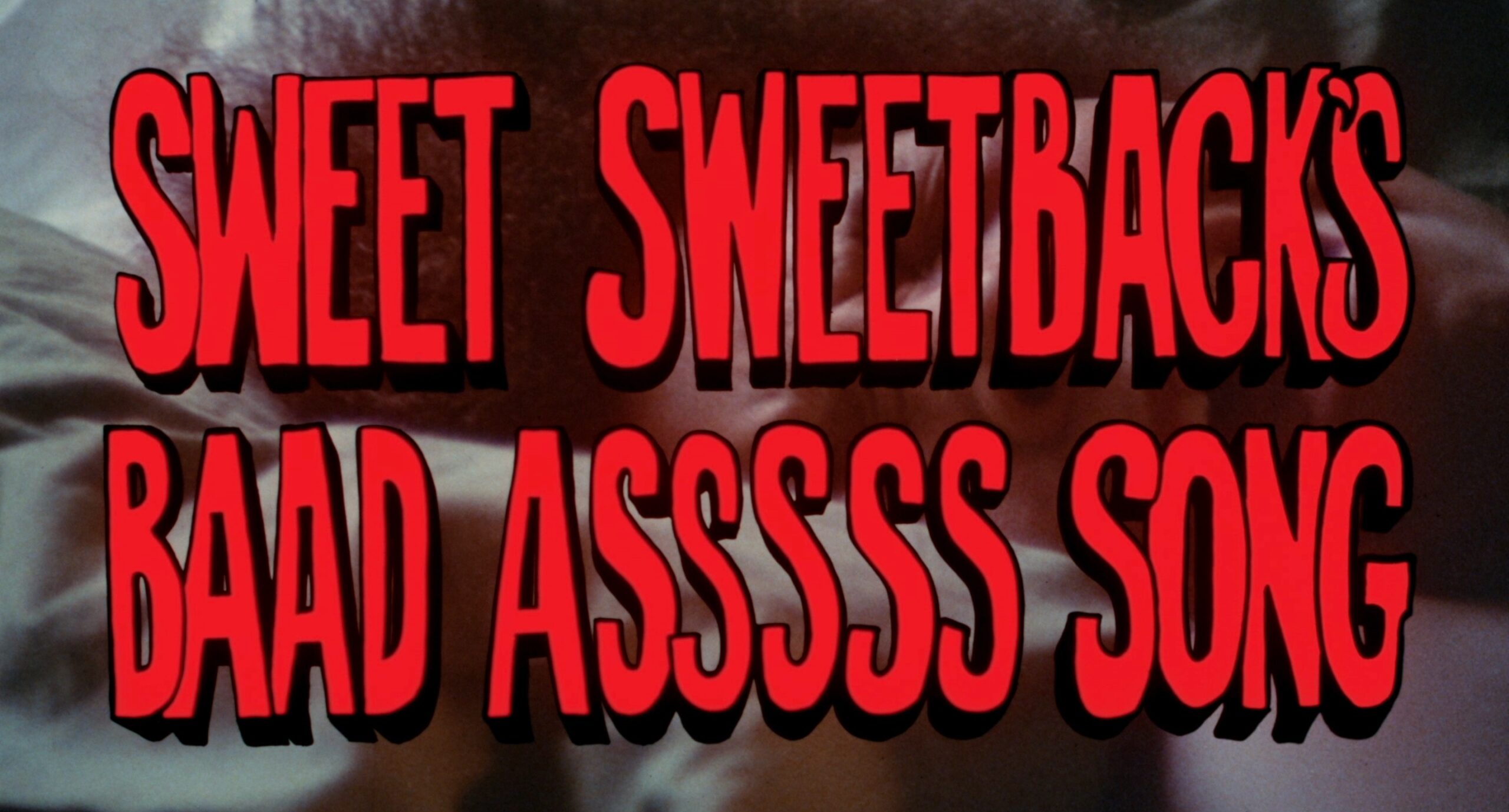
Sweet Sweetback’s Baadasssss Song (1971)
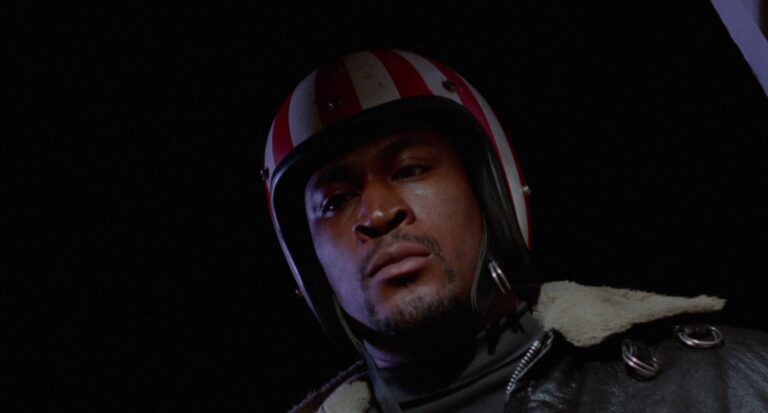
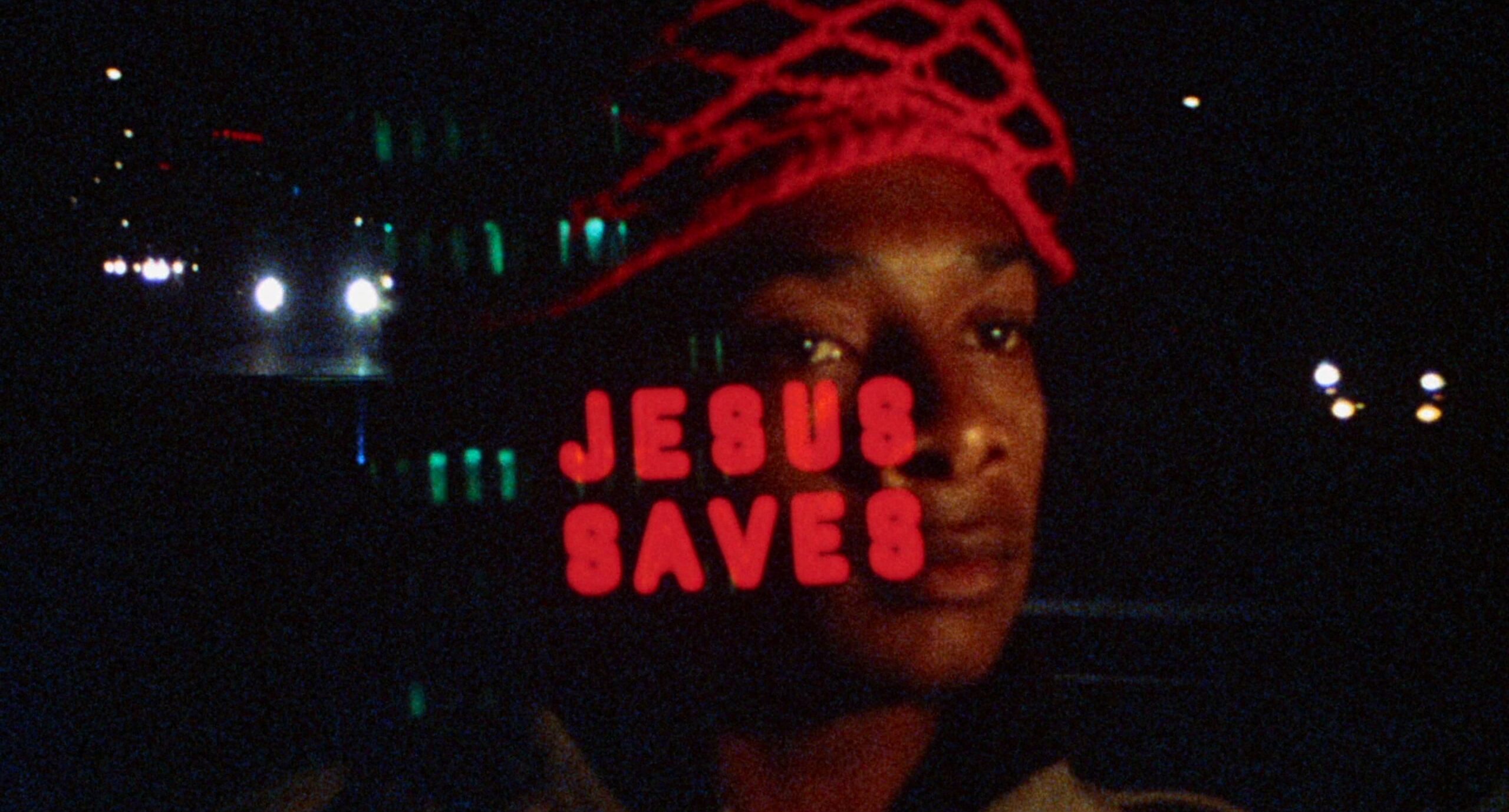
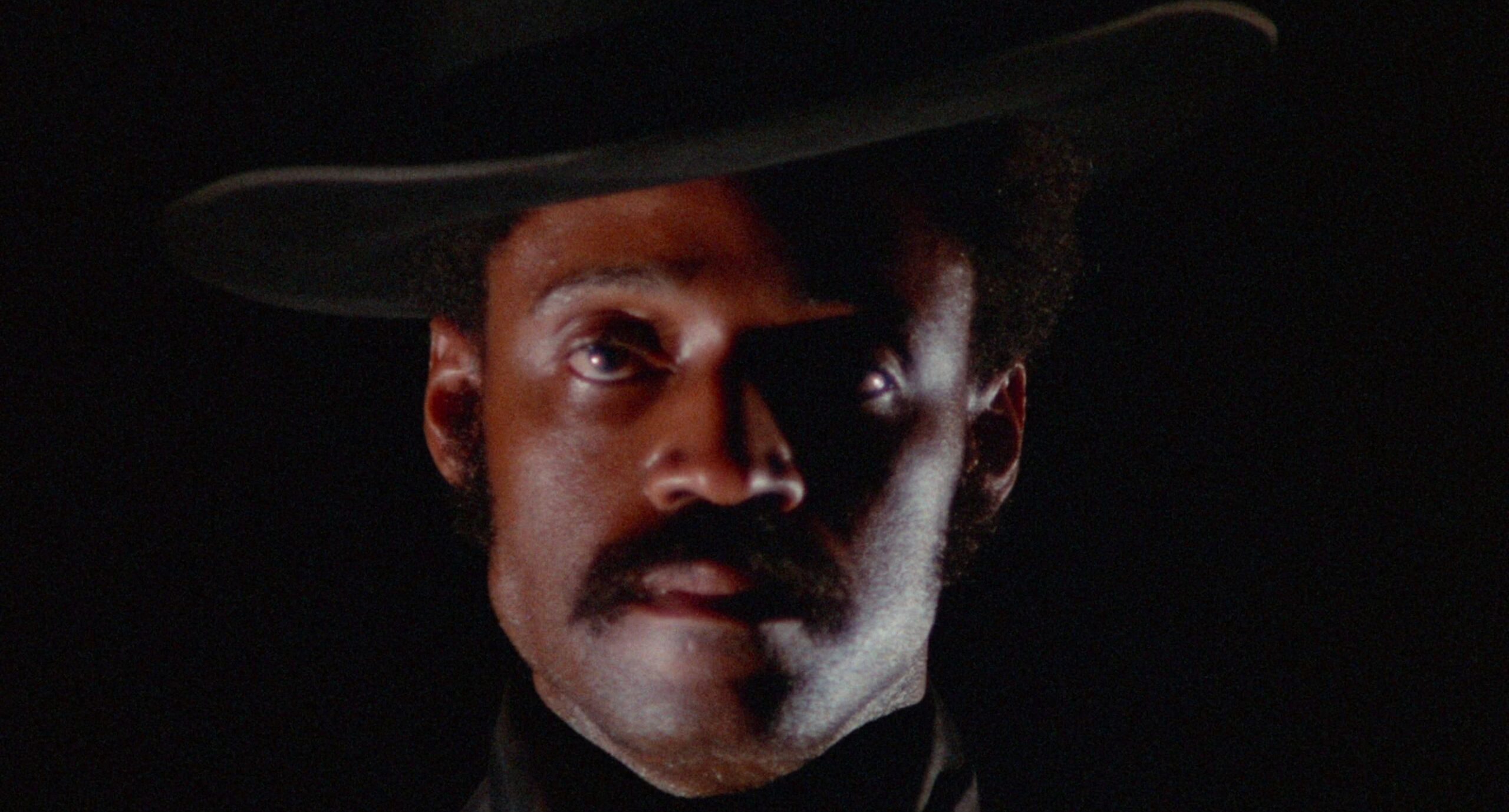
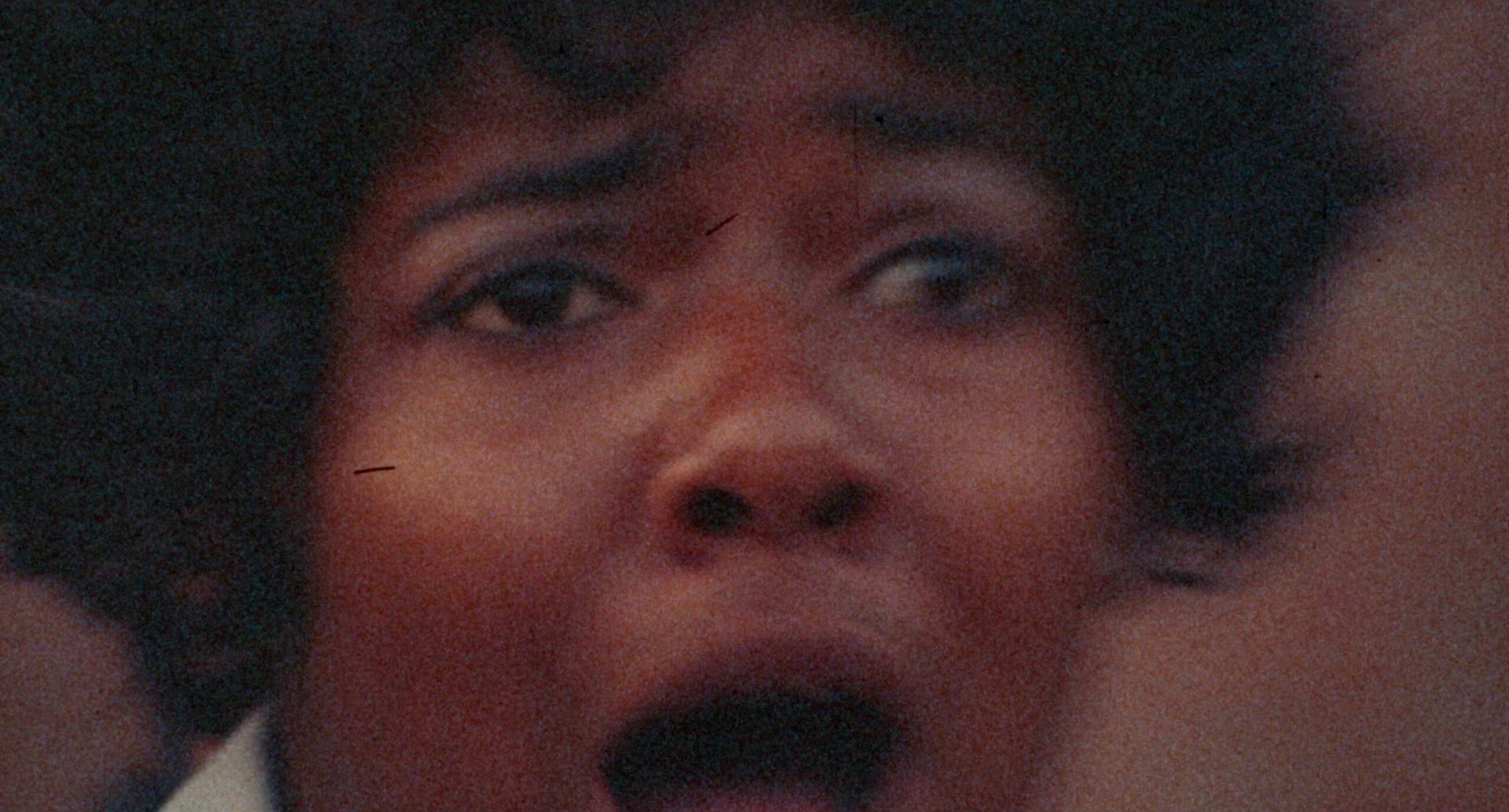
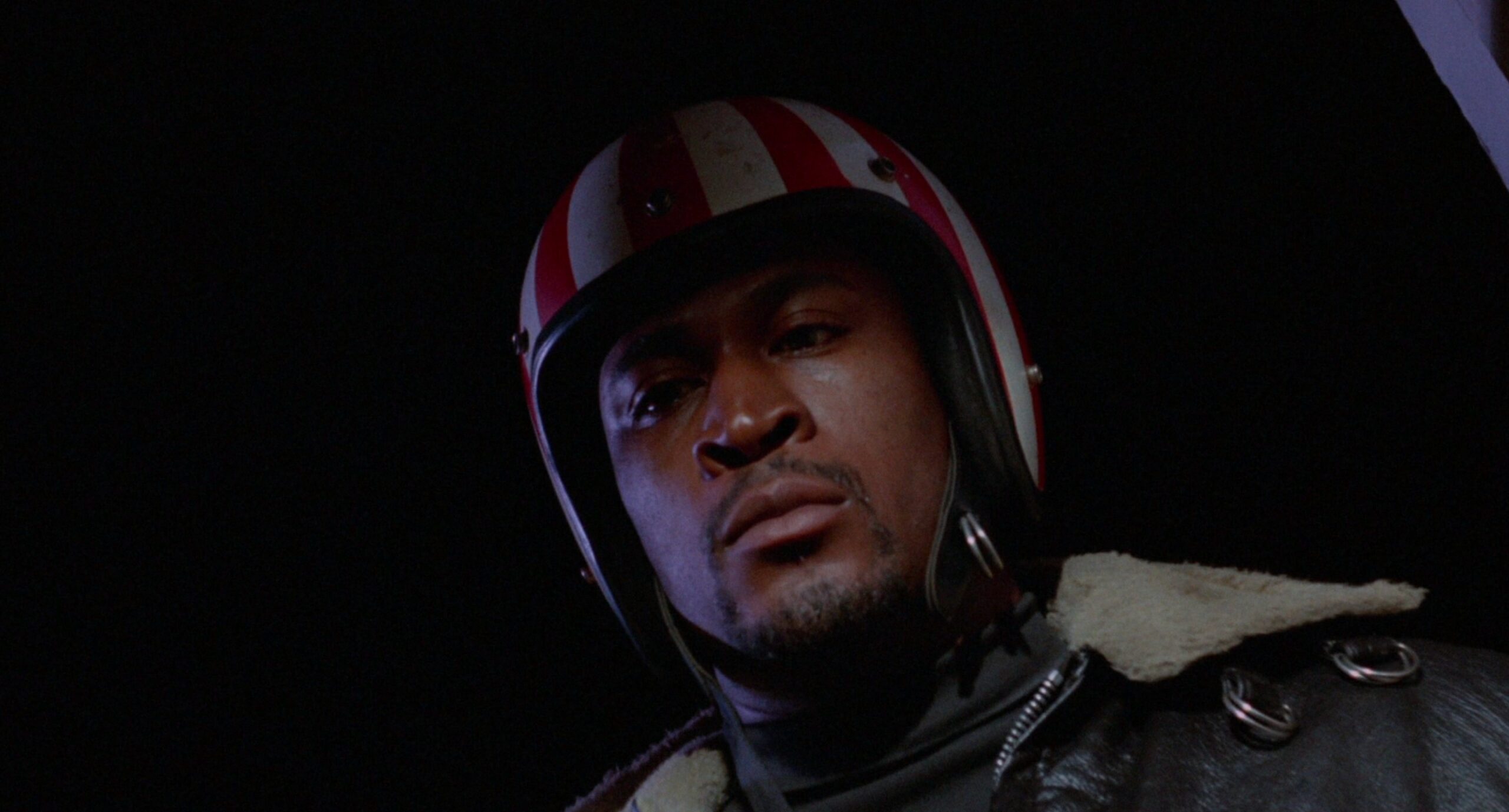
After witnessing police brutality against a young Black activist, a sex performer known as Sweetback kills two officers in self-defense and goes on the run through Los Angeles and the American Southwest. Pursued by police and aided by members of the Black community, he becomes an outlaw figure resisting systemic oppression. The film unfolds as a raw, confrontational journey of survival, rebellion, and liberation.
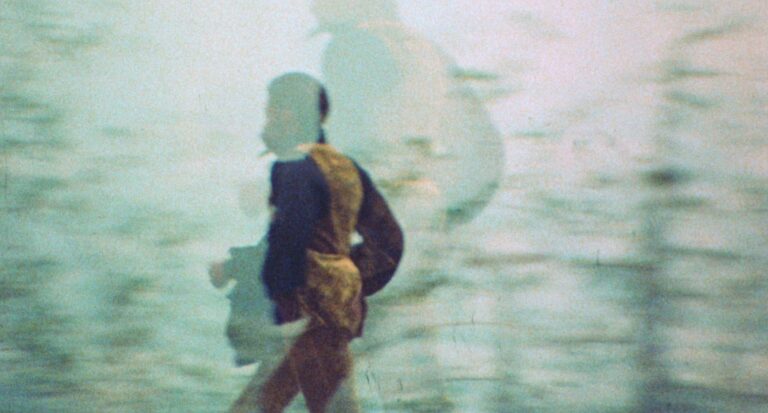
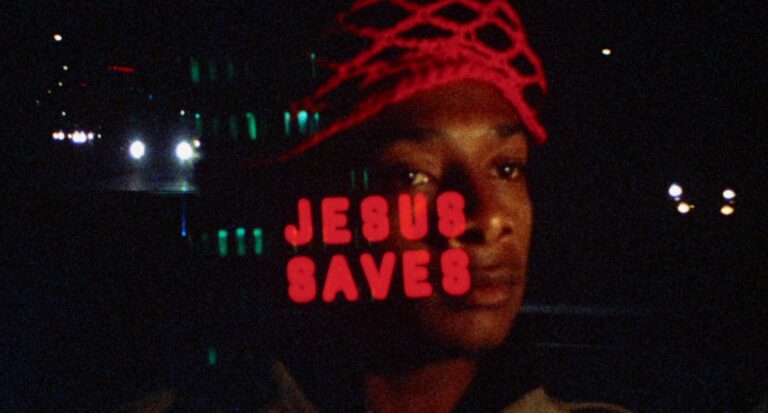
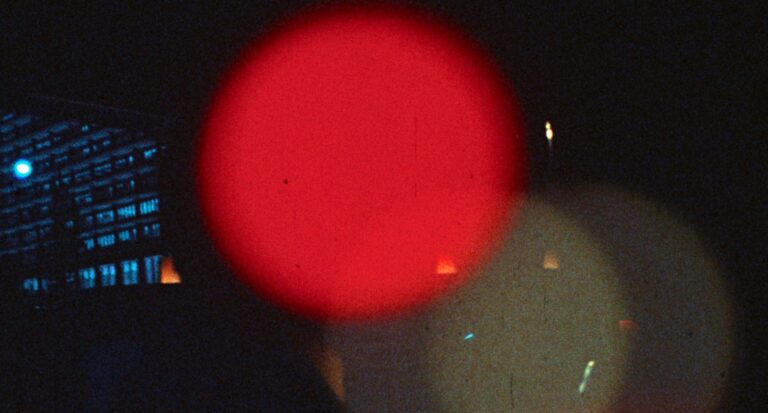
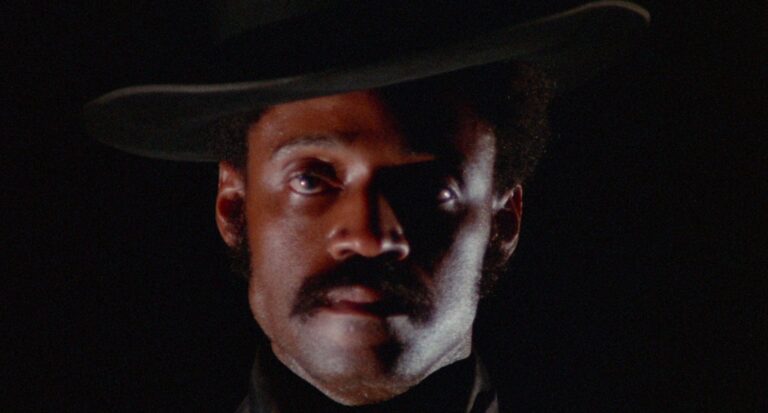
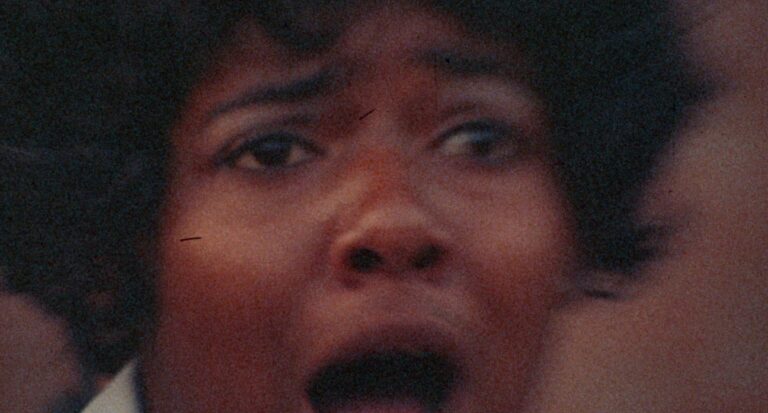
Van Peebles crafts the film with an aggressively experimental, guerrilla-style aesthetic—handheld camerawork, rapid montage, split screens, jump cuts, solarized imagery, and saturated color all colliding in a restless visual rhythm. Shot largely on location with a low budget, the film embraces roughness and improvisation as part of its political energy, turning editing, music, and image texture into expressions of anger, urgency, and resistance rather than polish or realism.