New Shots: Dead Presidents, Deep Cover, & more Film Screenshots
Get your Decks ready ShotDeck Community! We’re adding several new films from the 1990s Black New Wave movement in honor of Black History Month, as well as the first season of Heartstopper just in time for Valentine’s Day! Remember you can always request titles for future drops by clicking here!
FILM SPOTLIGHT
Dead Presidents (1992)
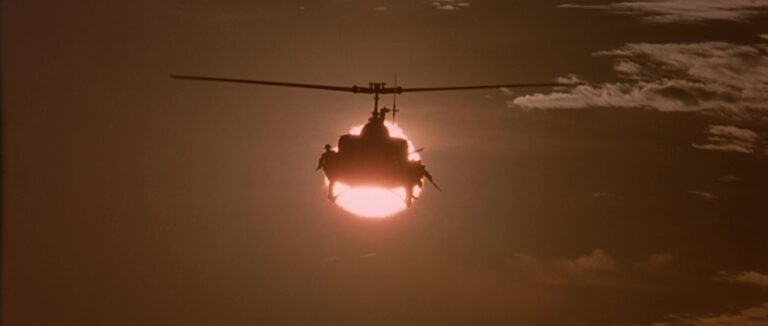
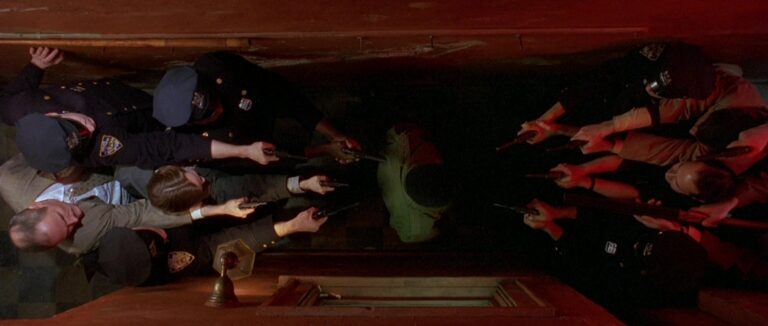
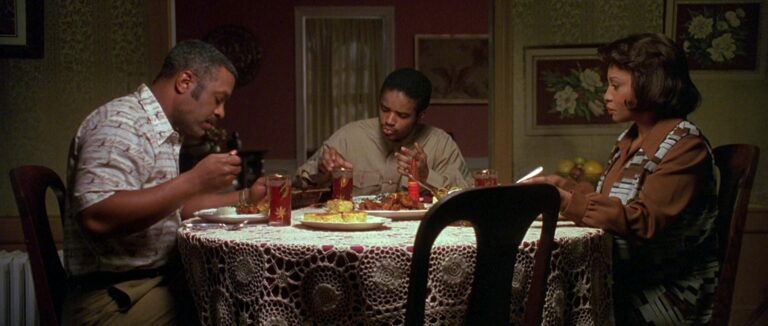
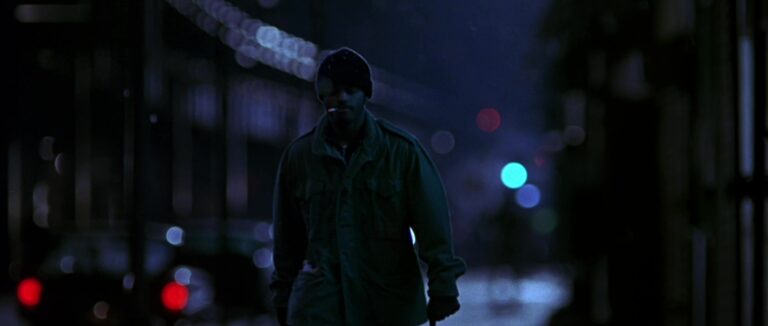
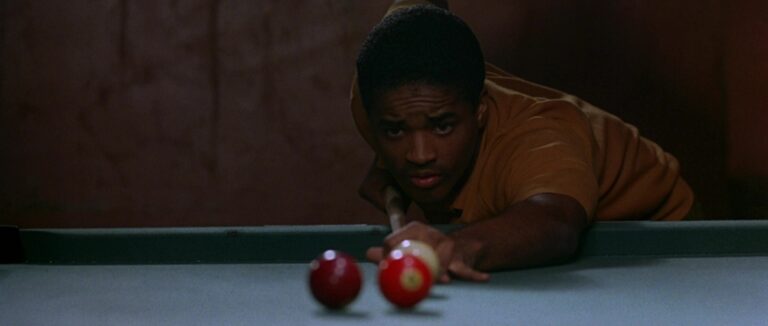
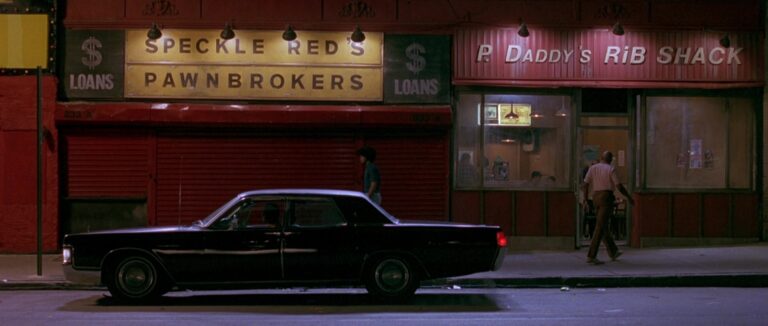
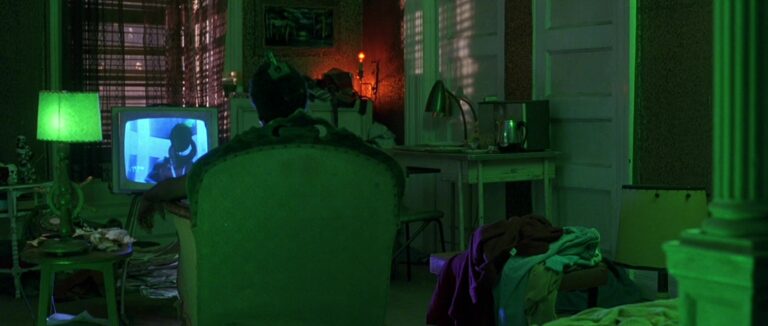
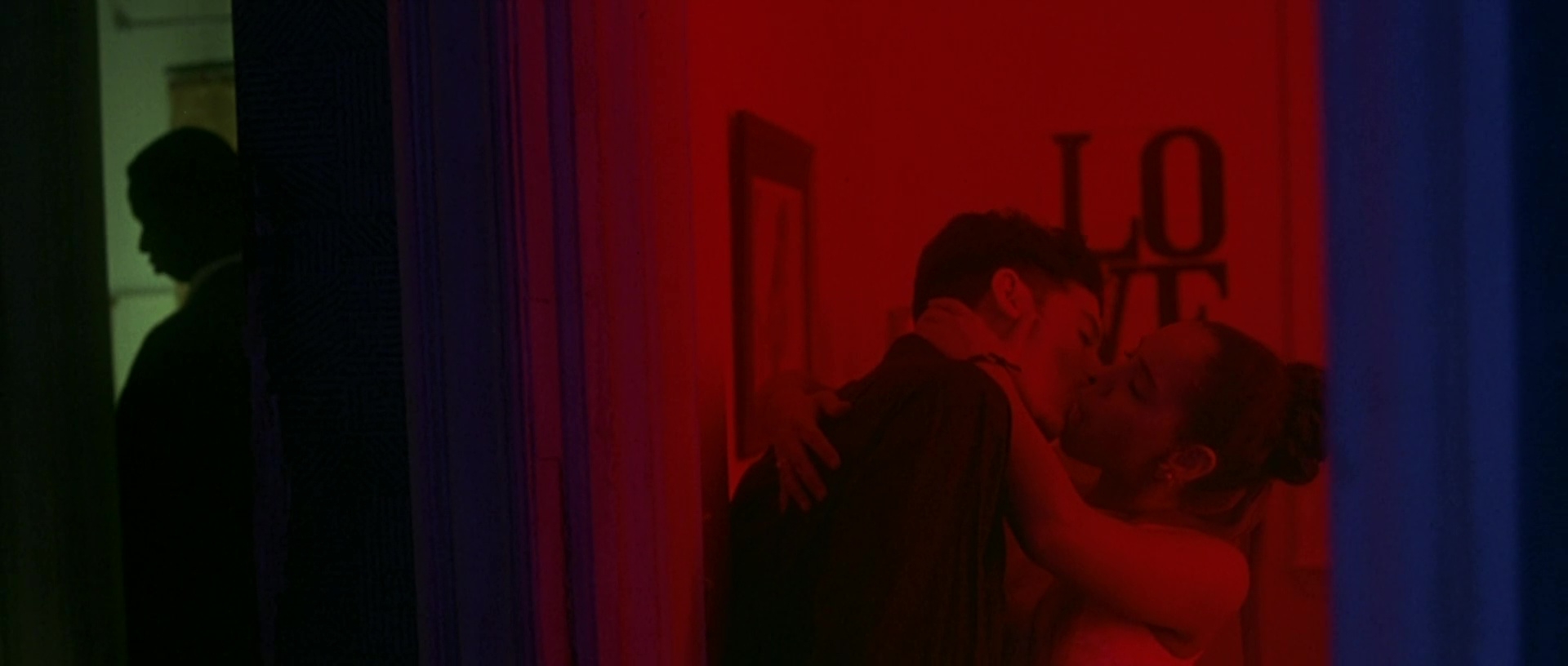
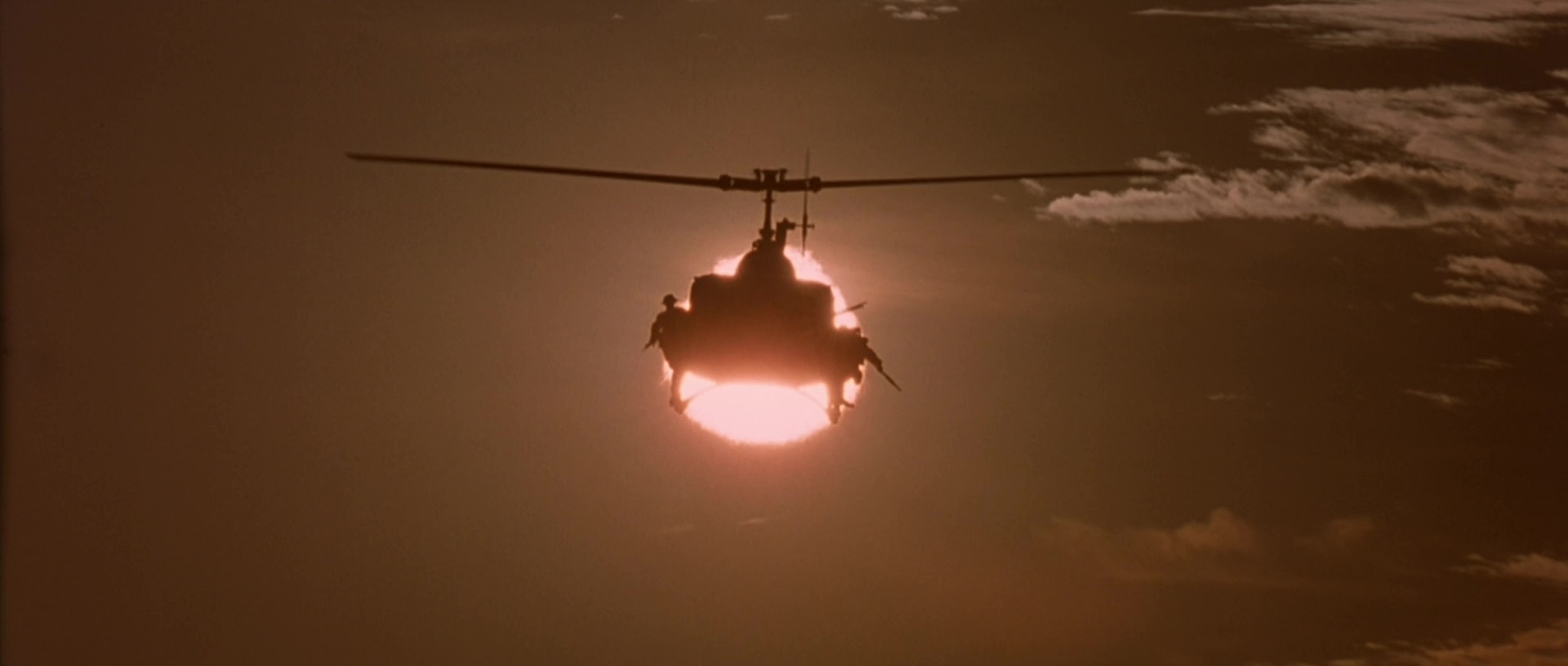
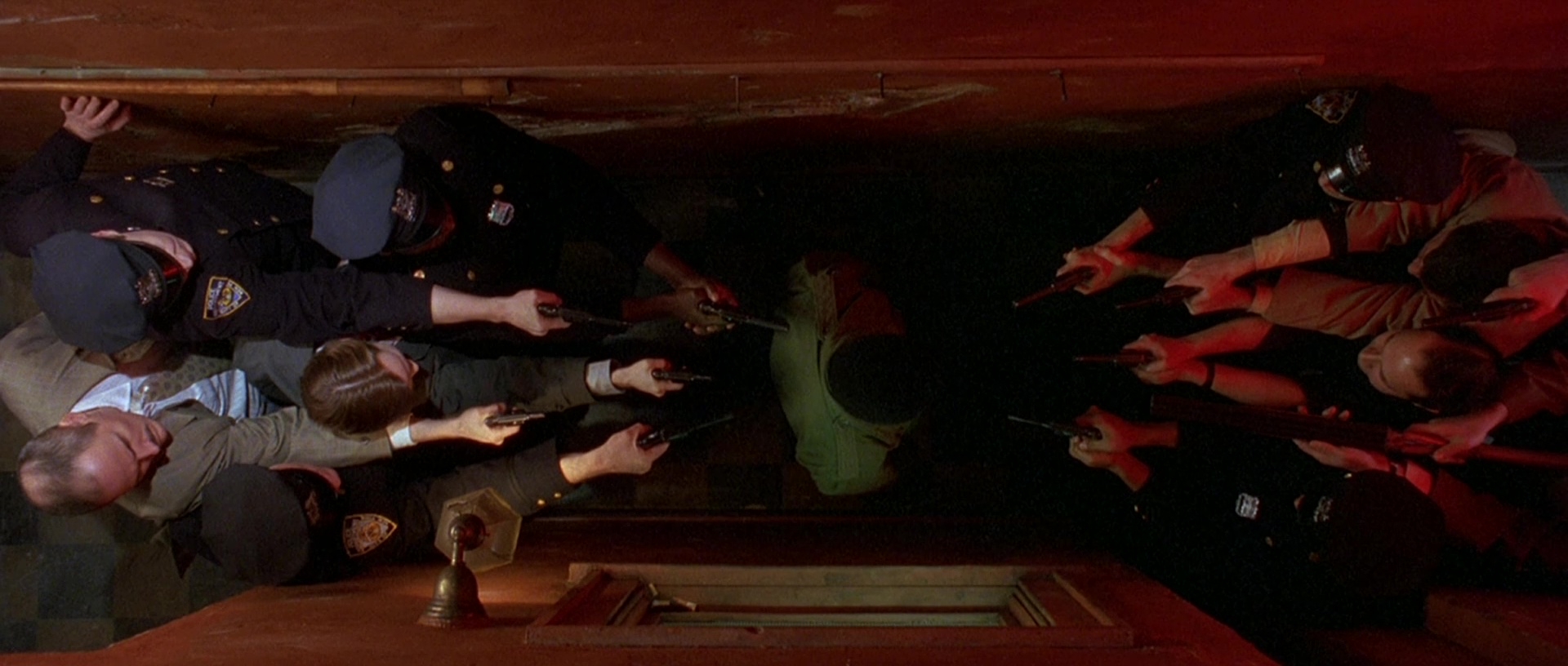
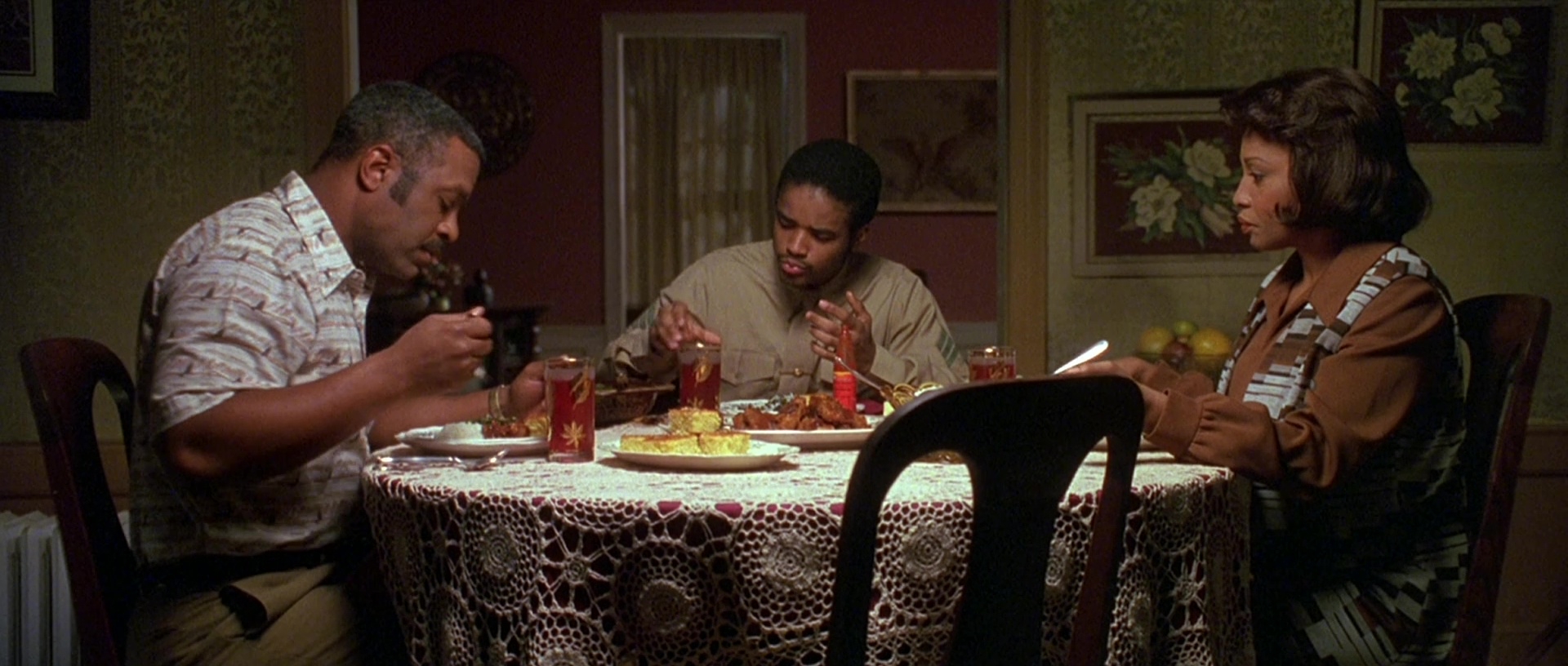
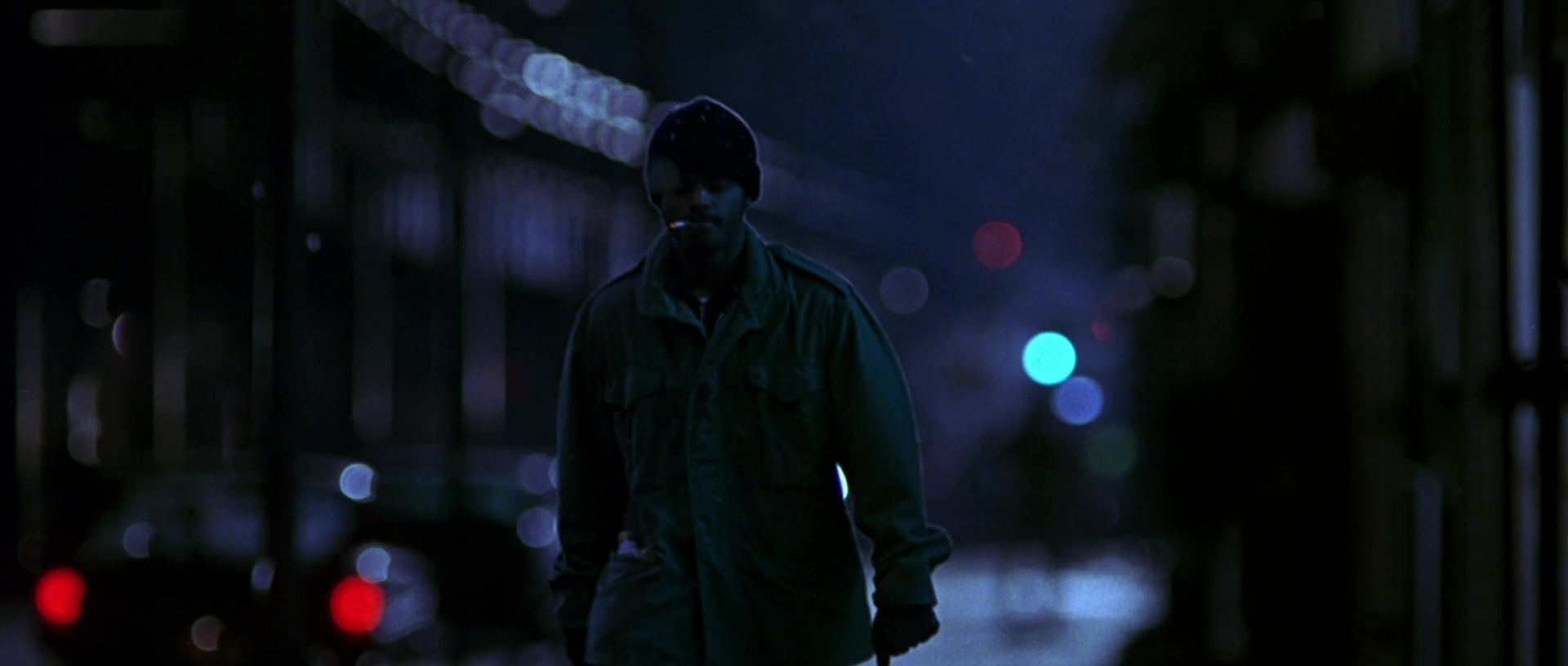
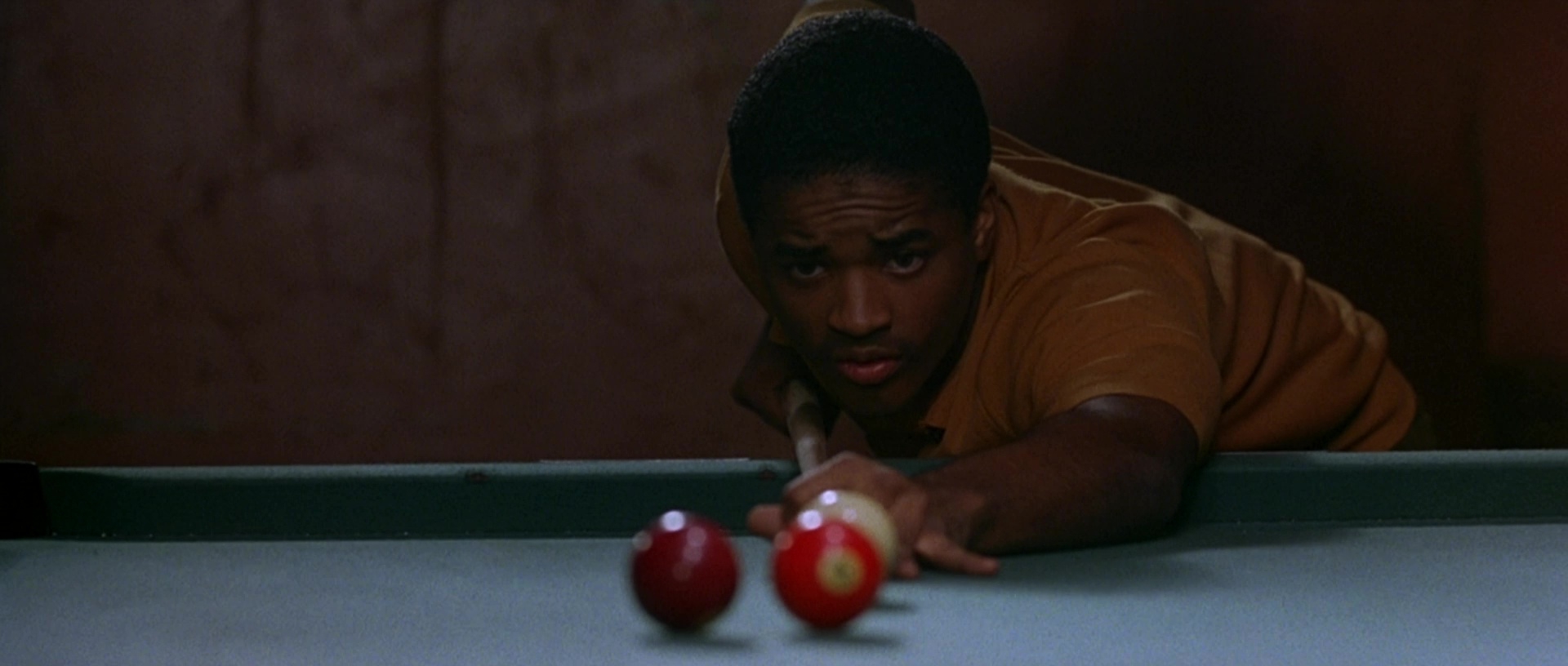
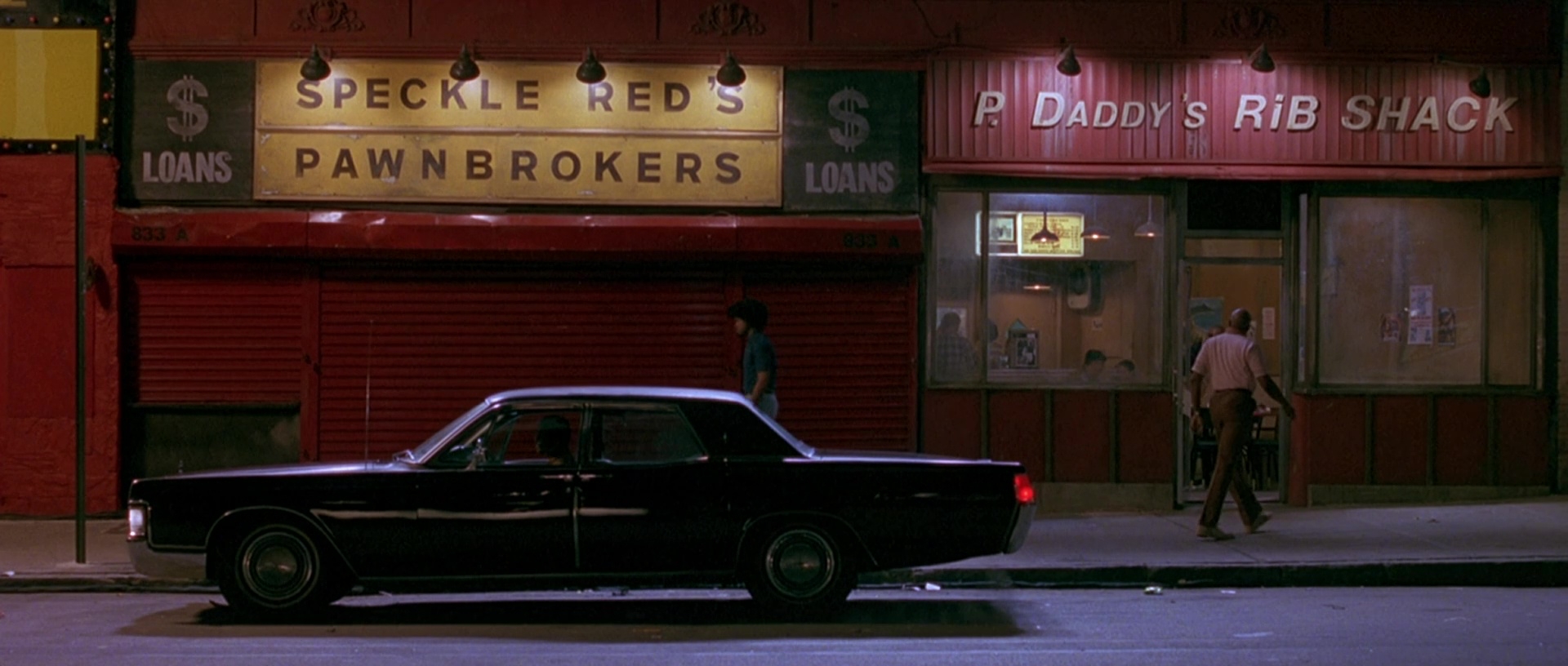
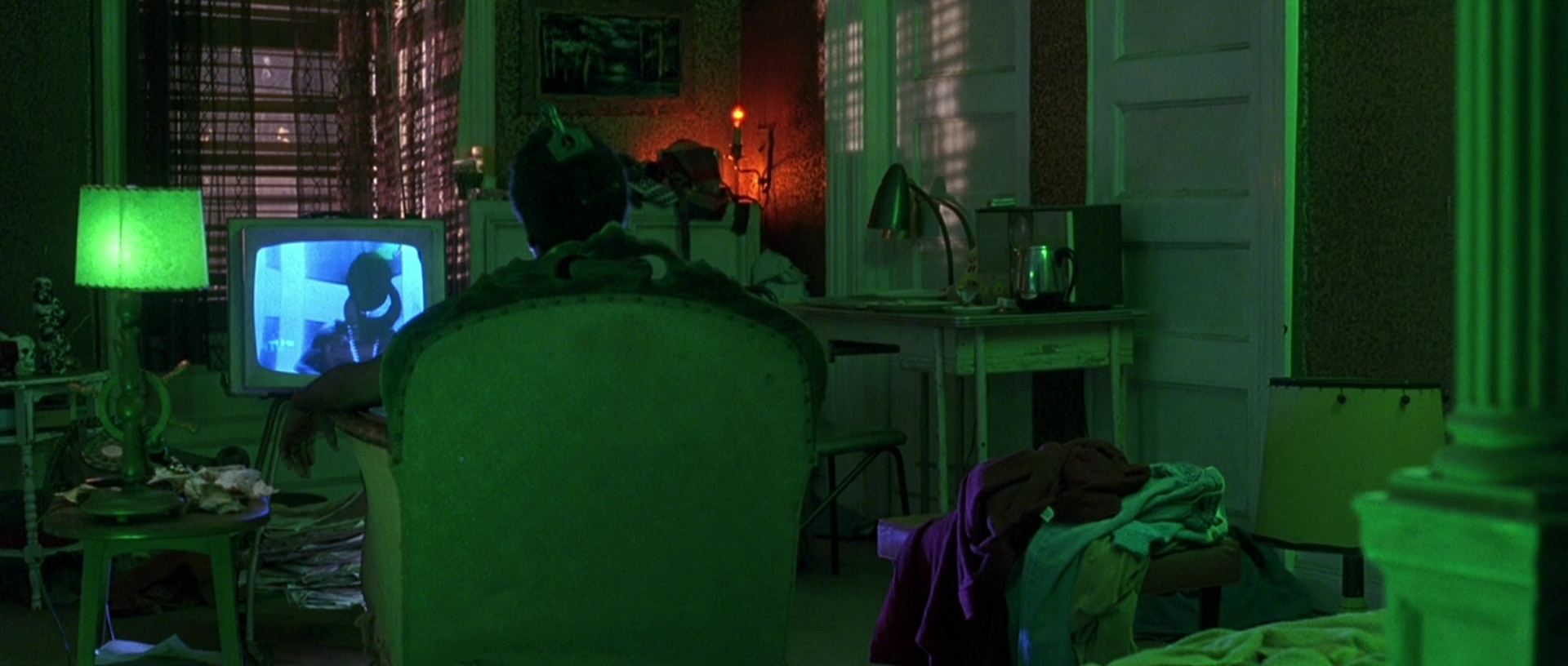
The film follows Anthony Curtis, a young Black man in the Bronx whose life is shaped by the turbulence of the late 1960s and early 1970s. After serving in the Vietnam War and returning home traumatized and struggling to find work, he becomes involved in a desperate plan to rob an armored car. His story unfolds as a tragic portrait of war, poverty, disillusionment, and survival in America.
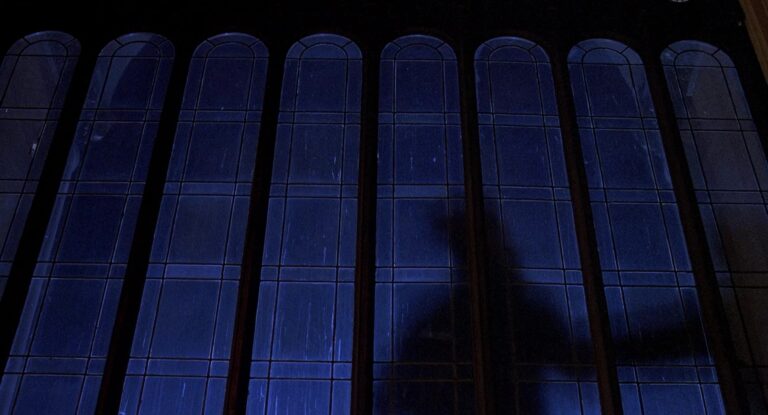
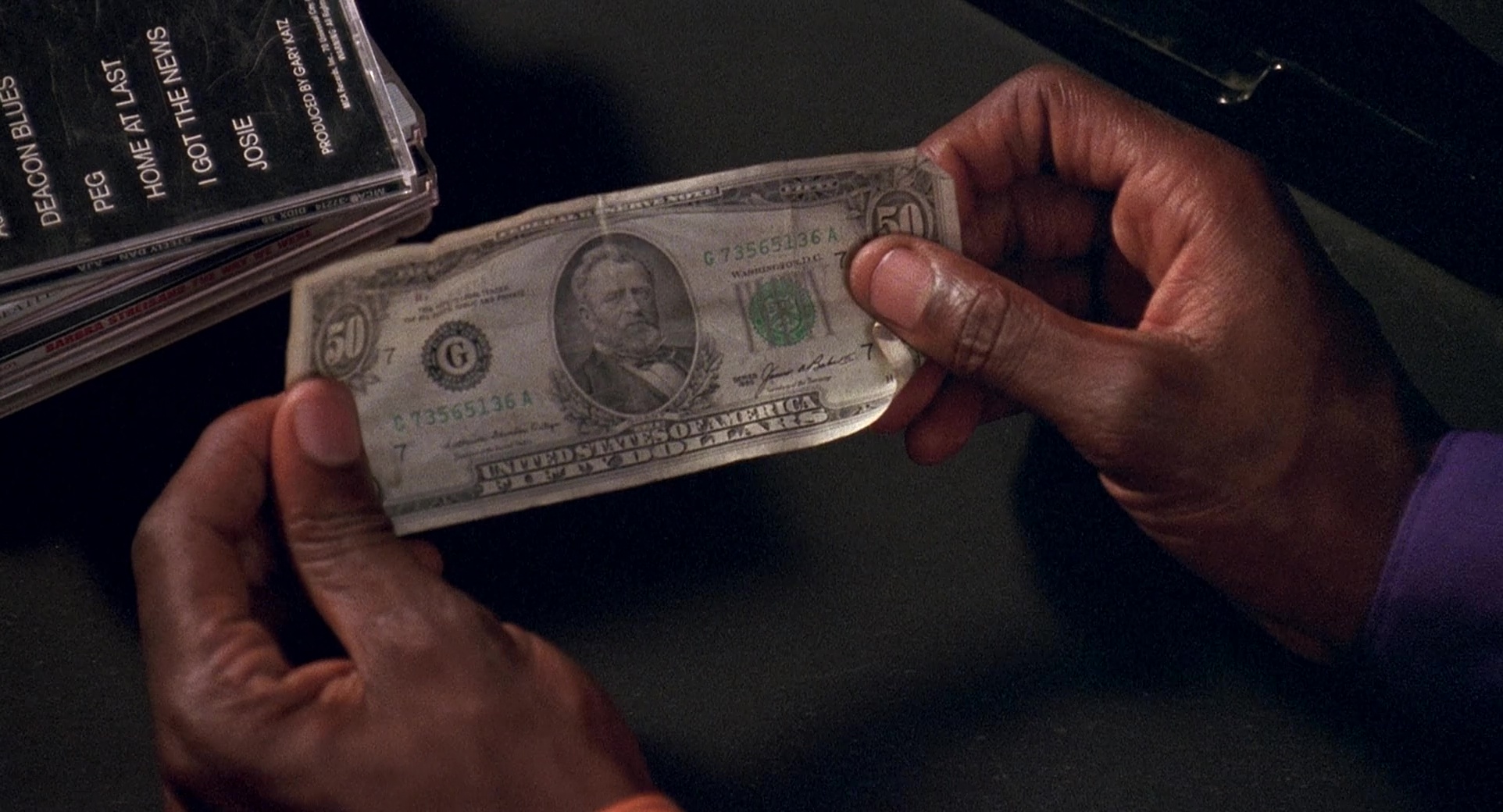
The Hughes Brothers and cinematographer Lisa Rinzler shoot Dead Presidents with a gritty, period-authentic texture, using grainy film stock, handheld camerawork, and richly shadowed interiors to evoke urban 1970s America. The Vietnam sequences shift into surreal, smoke-filled chaos with aggressive color and contrast, while the famous skull-face imagery during the robbery transforms the film momentarily into something nightmarish and expressionistic—blending crime realism with psychological horror.


FILM SPOTLIGHT
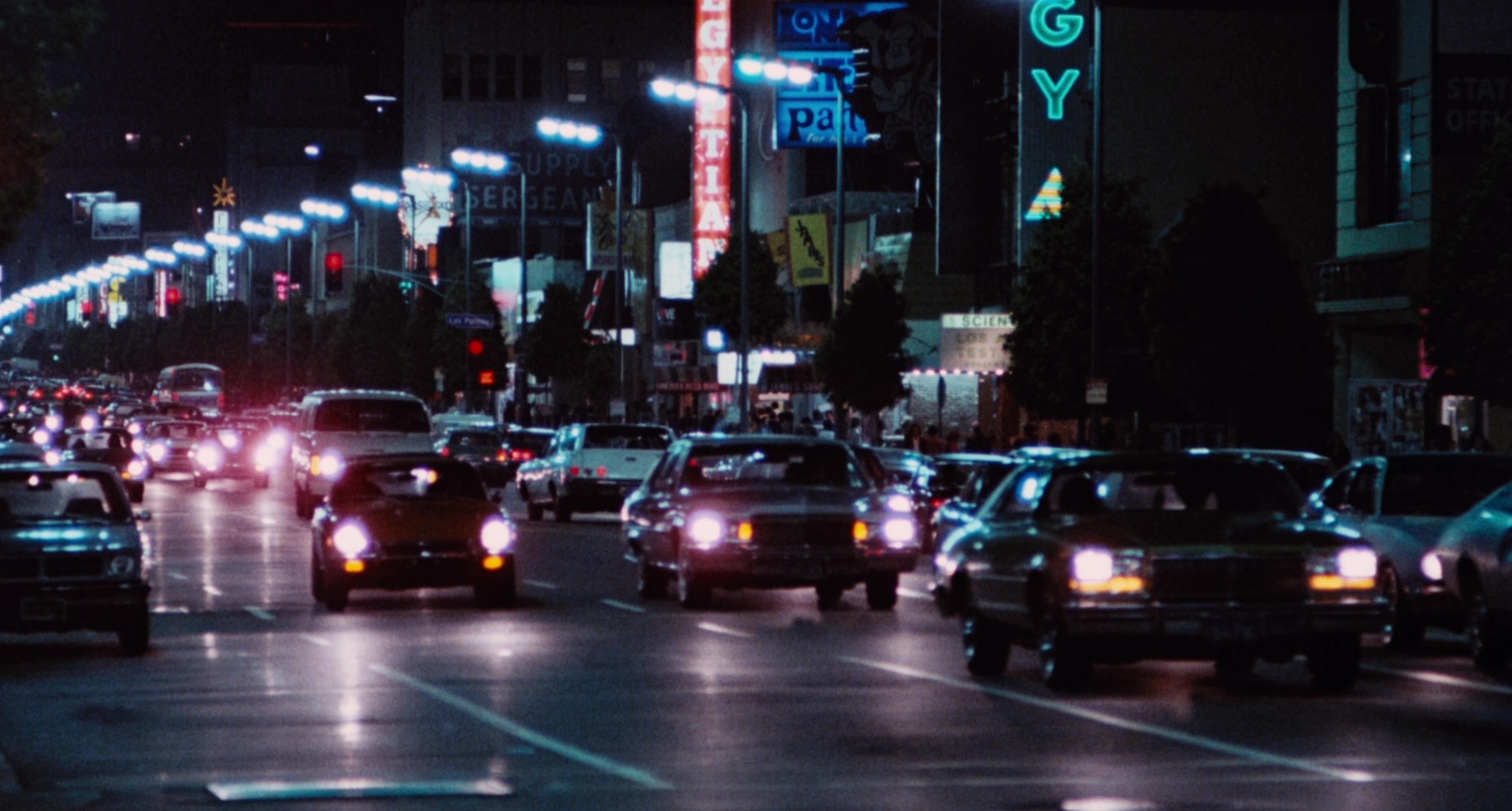
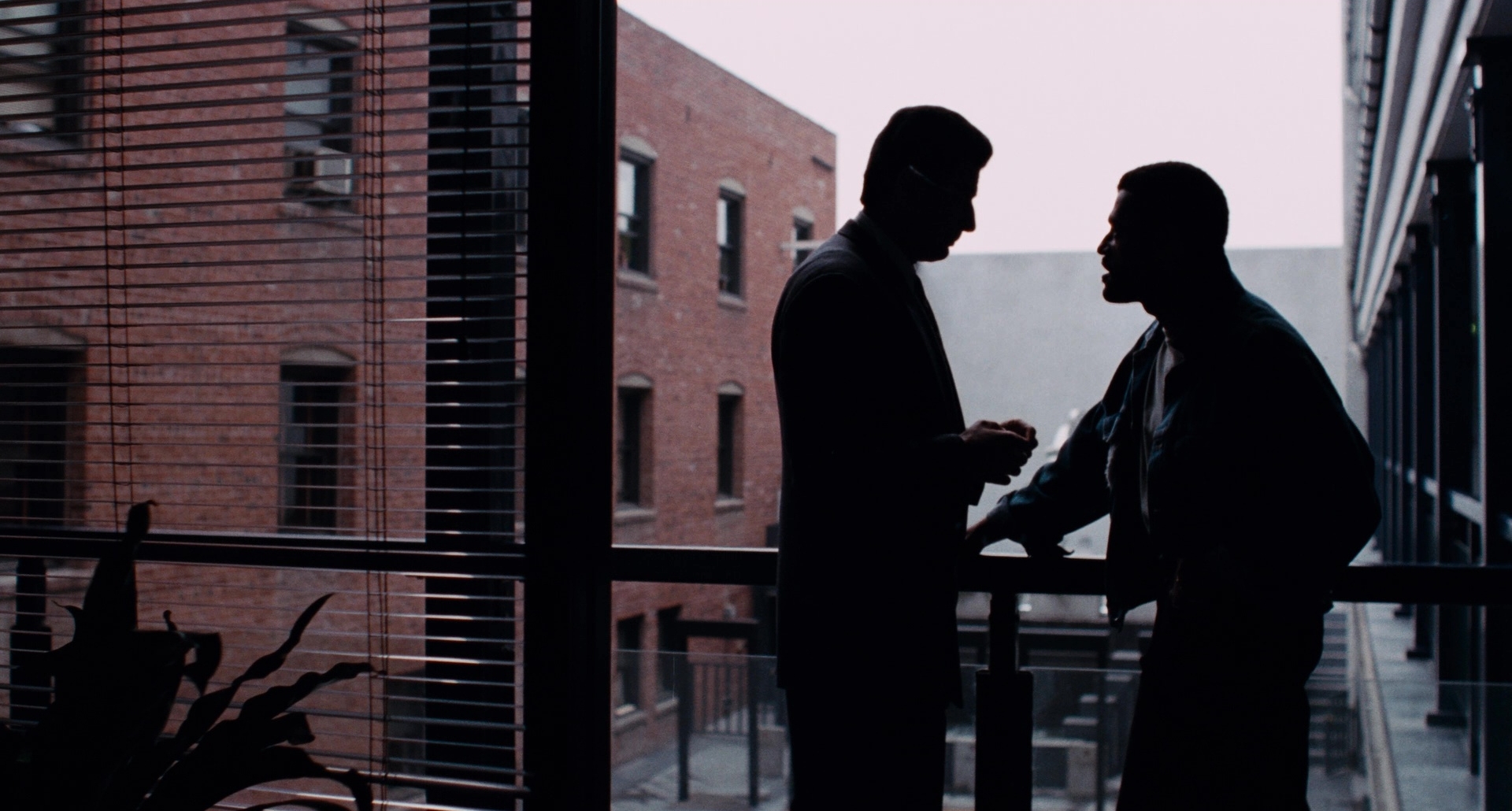
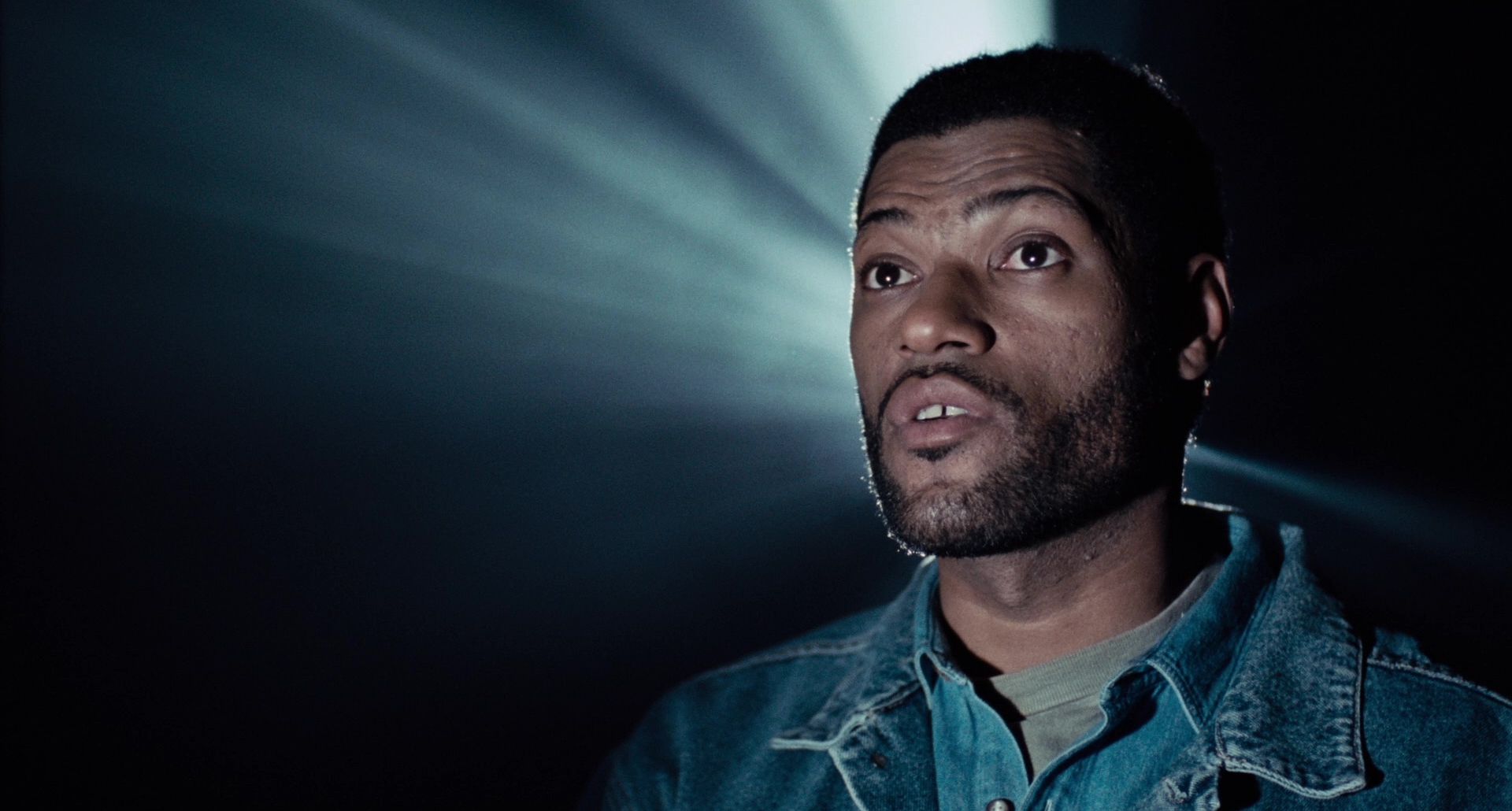
Deep Cover (1992)
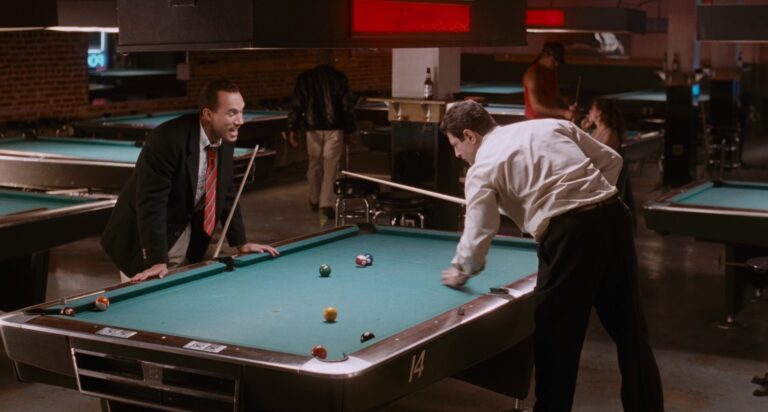
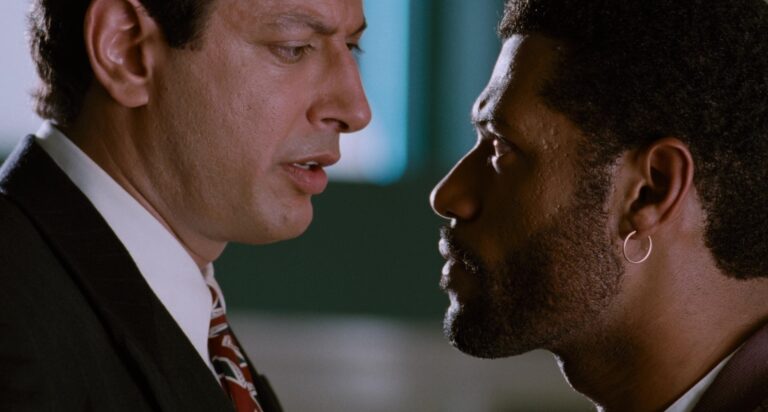
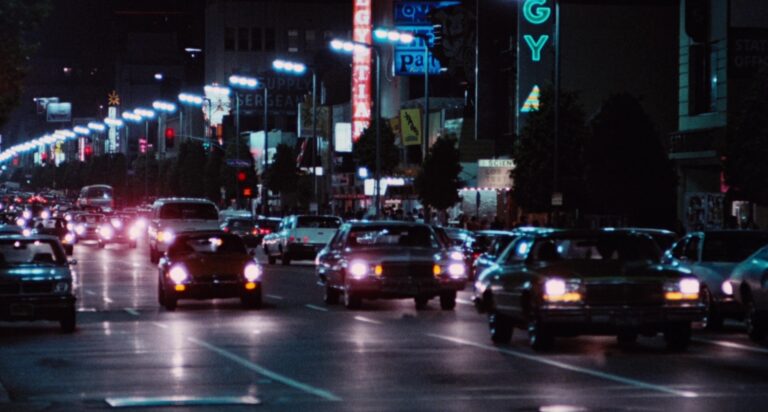
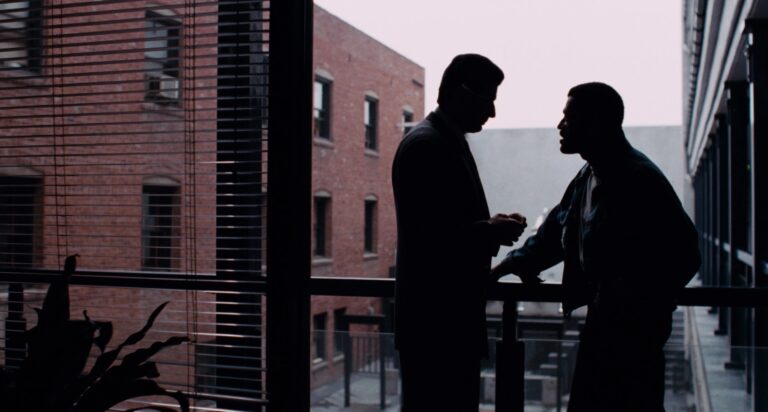
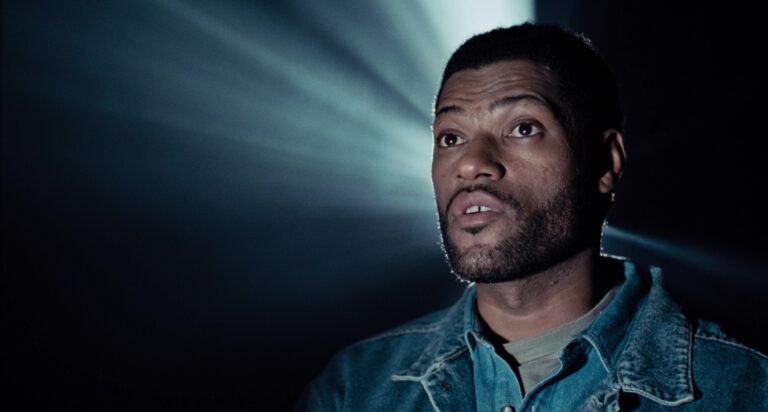
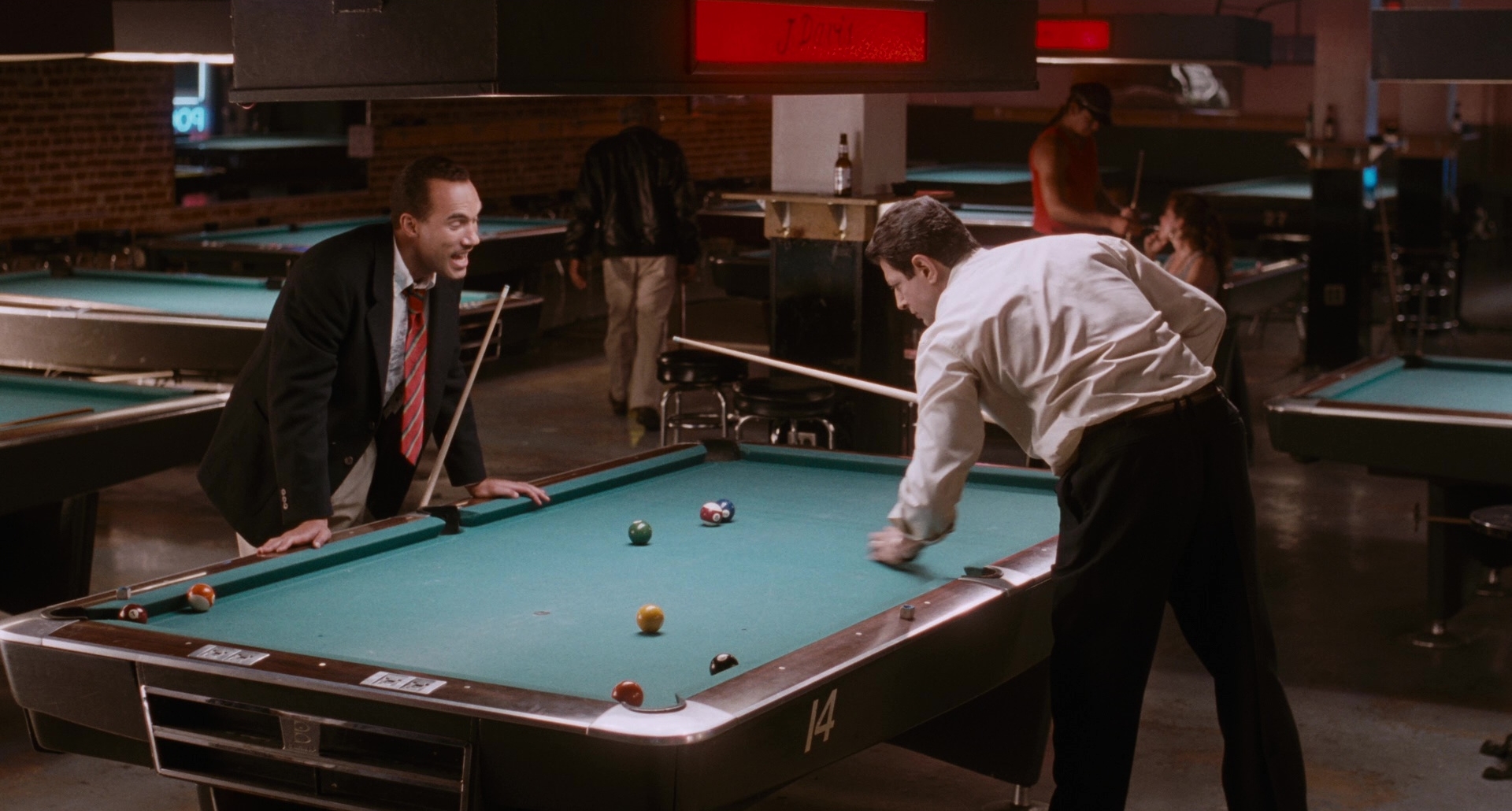
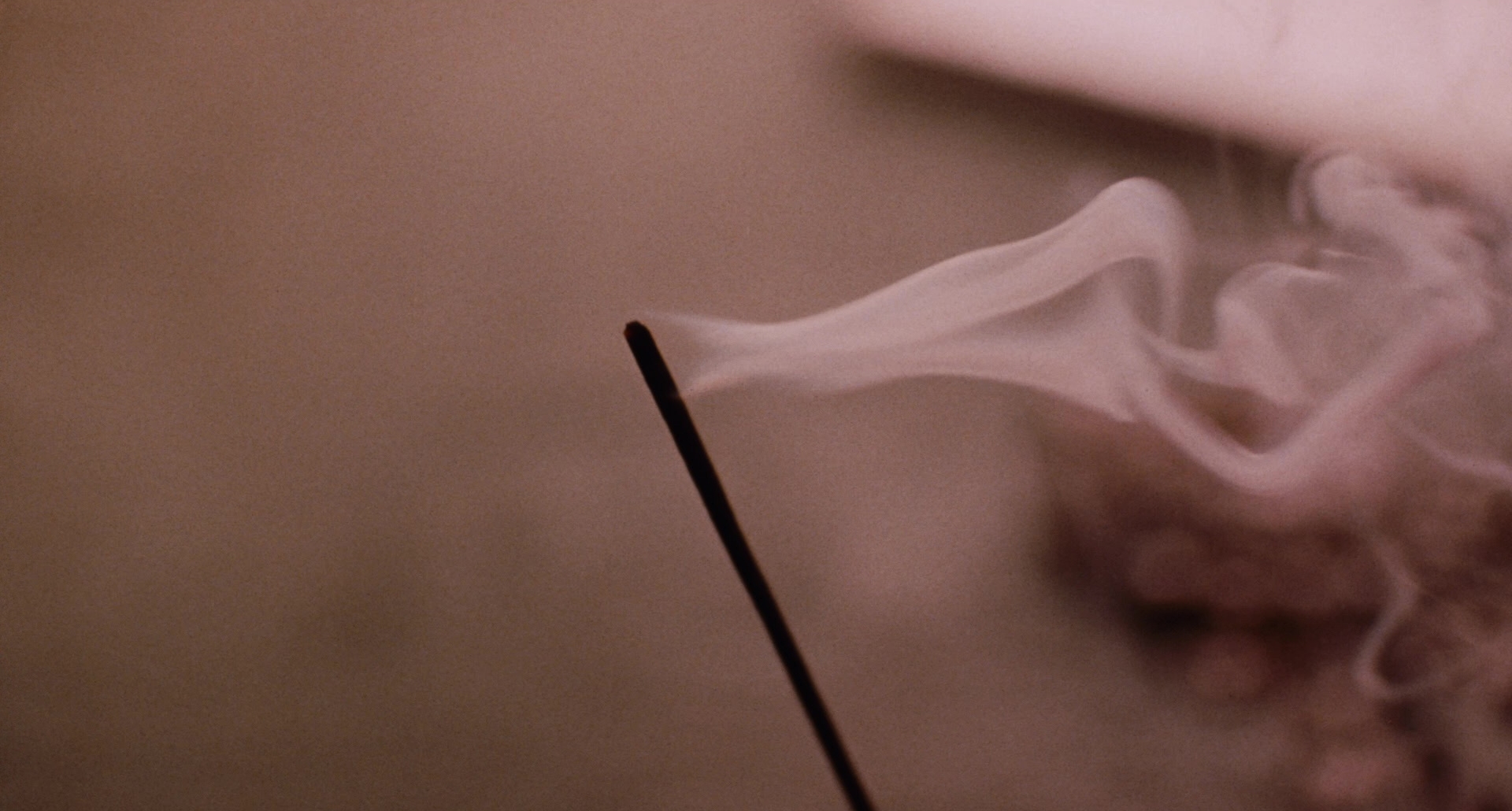
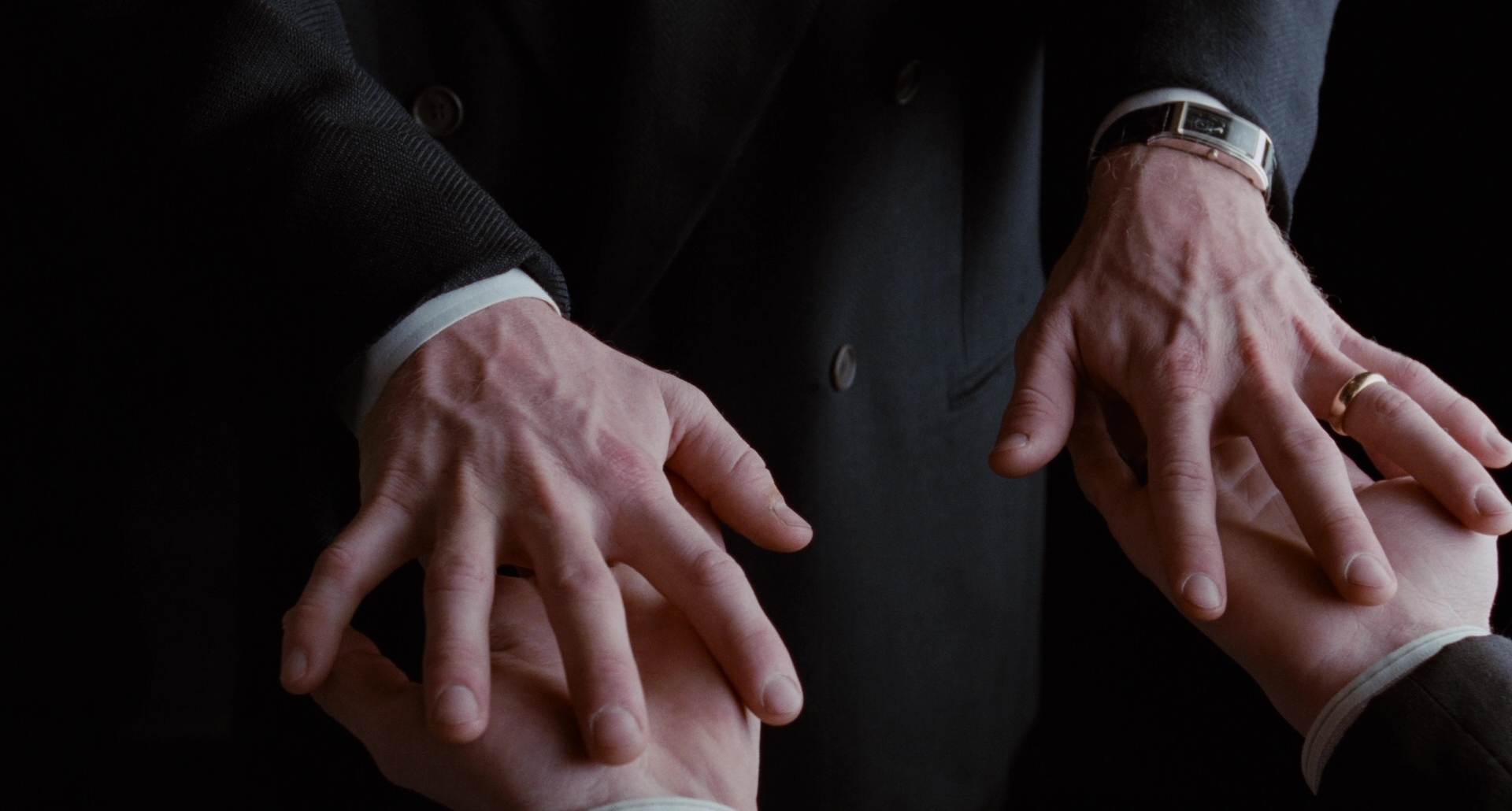
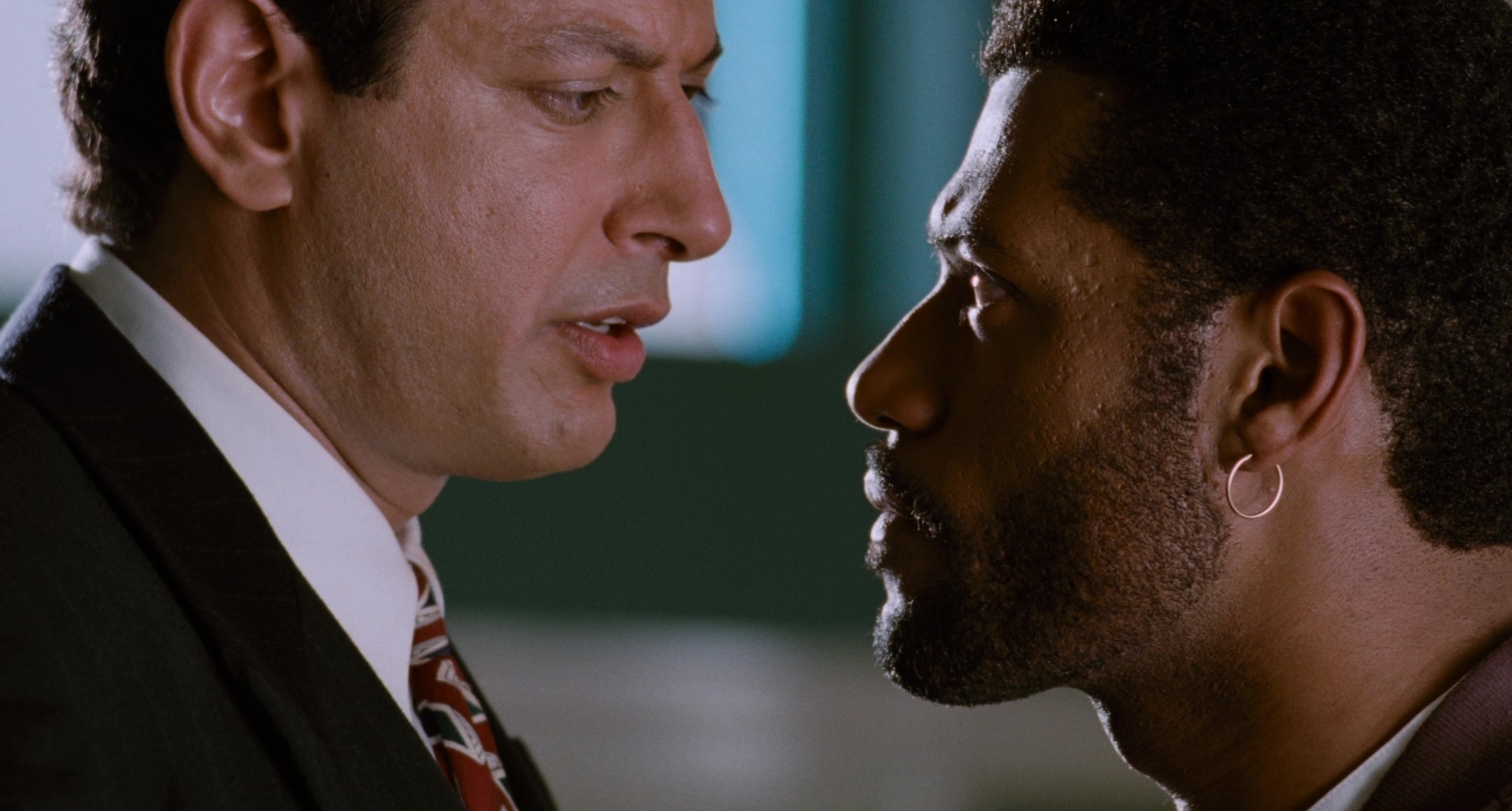
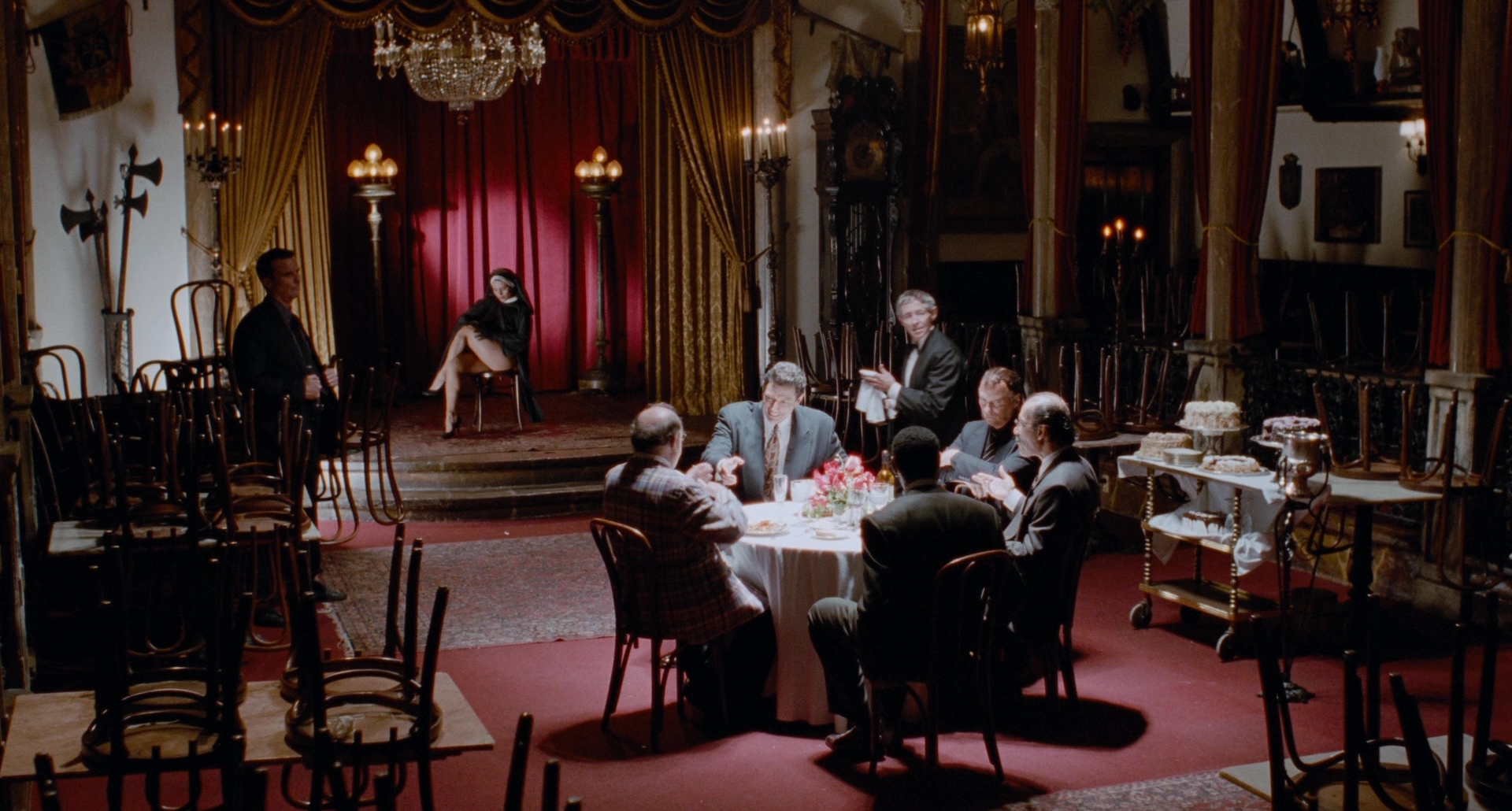
An ambitious police officer agrees to go undercover in Los Angeles’ drug trade in hopes of dismantling a powerful trafficking network from within. As he rises through the criminal hierarchy alongside a charismatic drug lawyer turned dealer, the line between his real identity and undercover persona begins to erode. What starts as a mission of justice gradually becomes a morally complex descent into corruption, power, and survival.
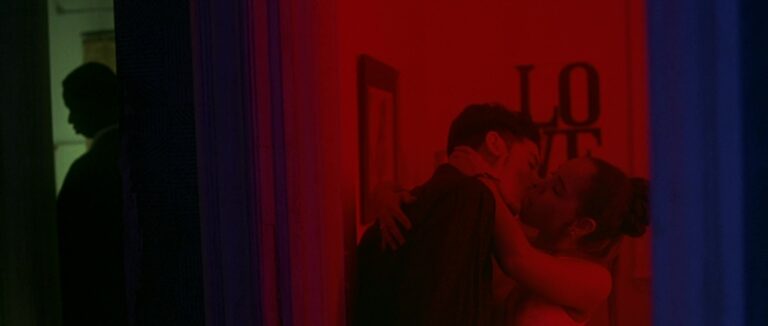
Bill Duke and cinematographer Bojan Bazelli shoot Deep Cover with a moody neo-noir aesthetic, using deep shadows, neon lighting, and smoke-filled interiors to create a sense of urban paranoia. The film’s slick nighttime imagery—clubs, luxury homes, rain-soaked streets—contrasts with its moral decay, while controlled camera movement and saturated color give Los Angeles a seductive but dangerous atmosphere that mirrors the protagonist’s psychological unraveling.


FILM SPOTLIGHT
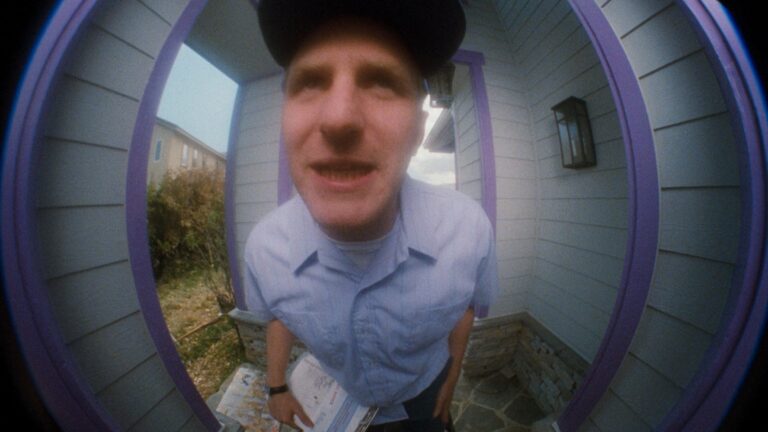
Next Friday (2000)
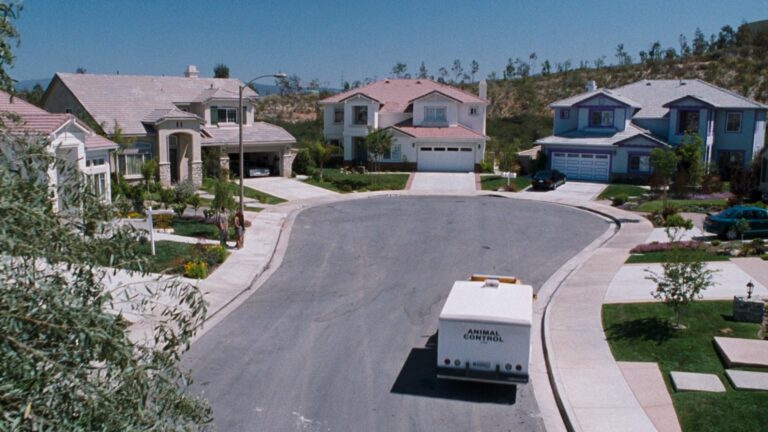
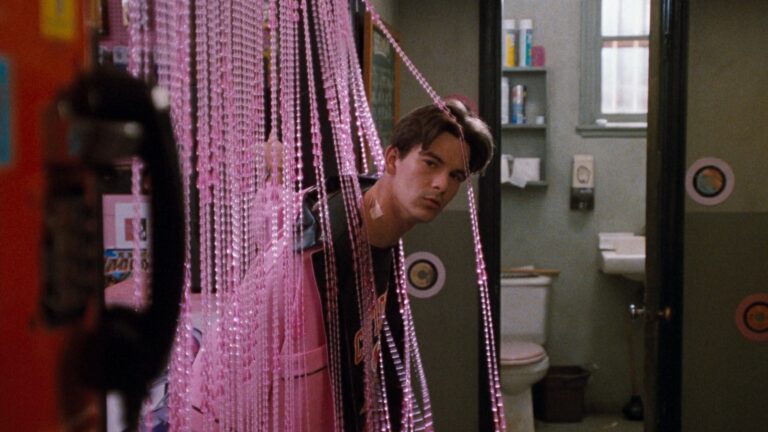
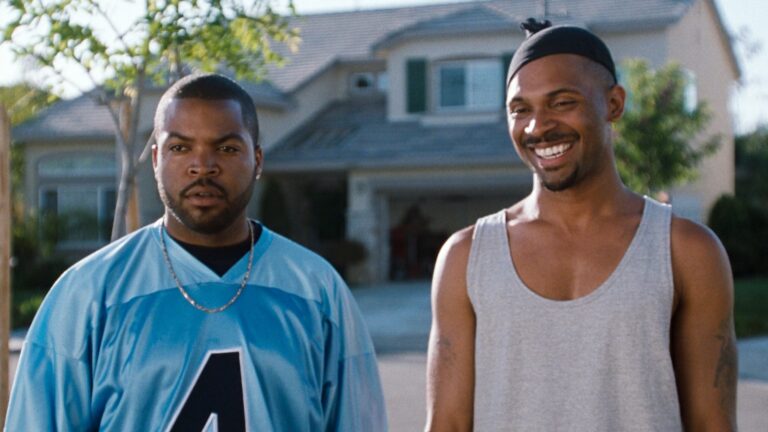
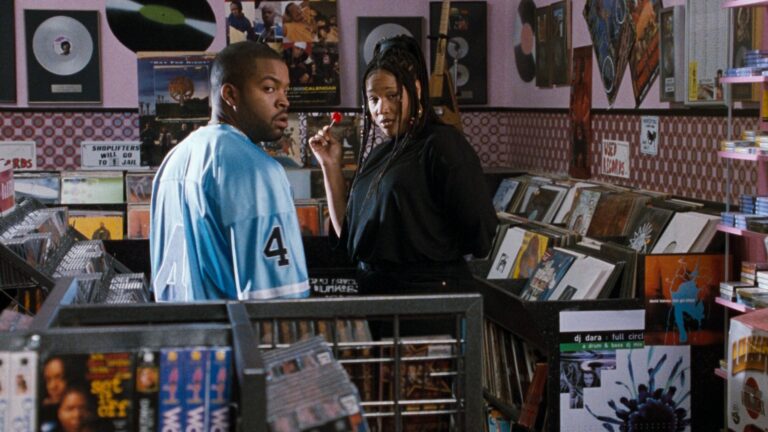
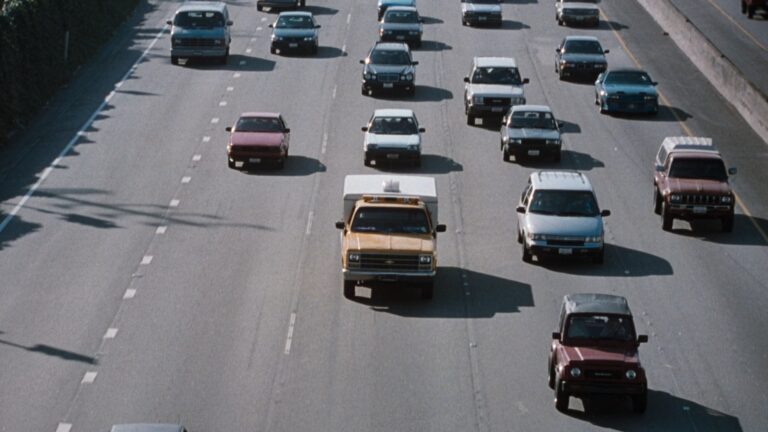
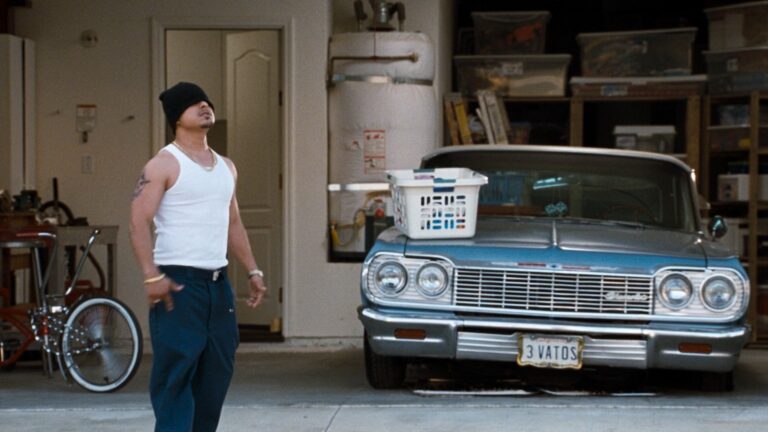
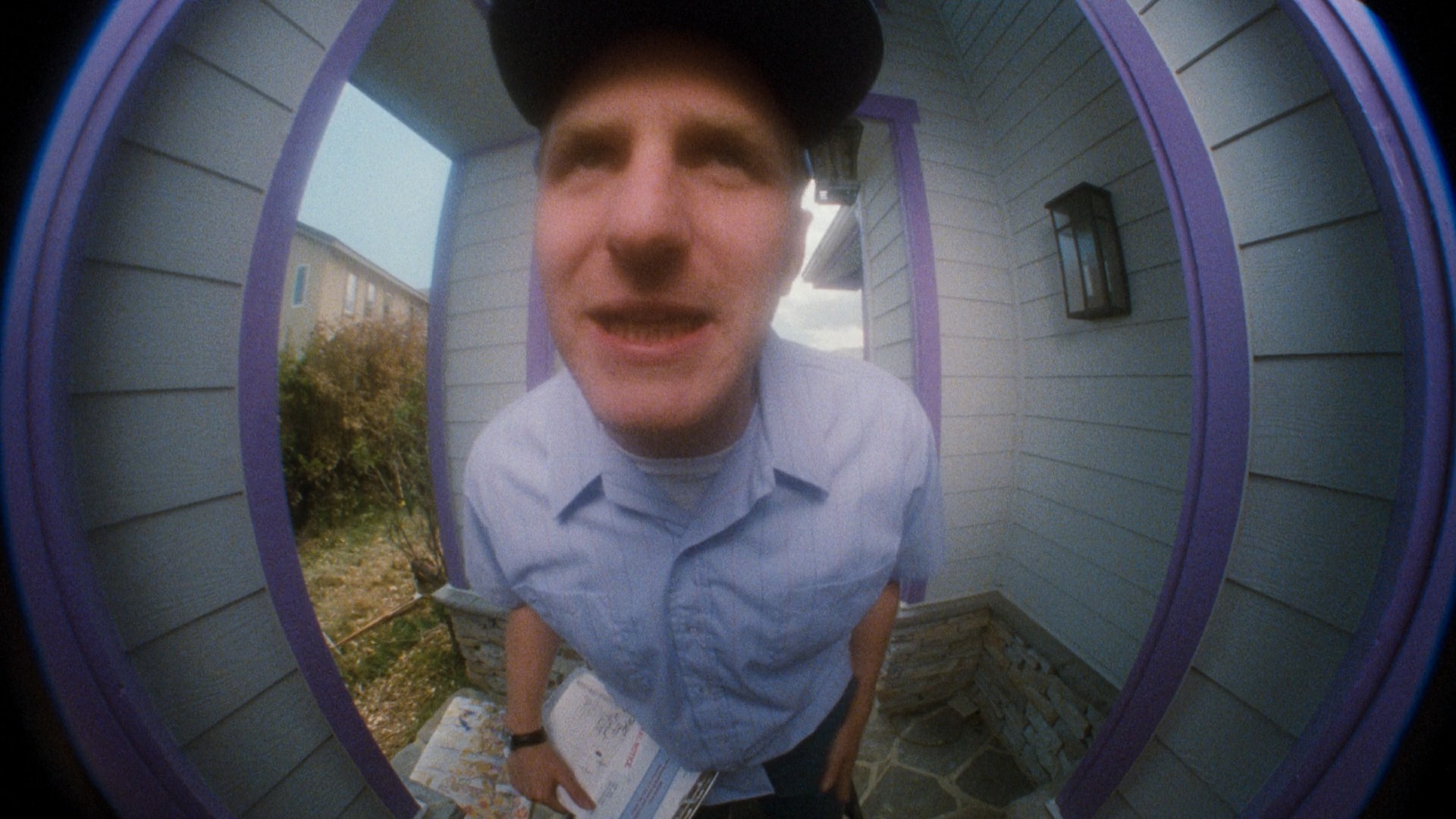
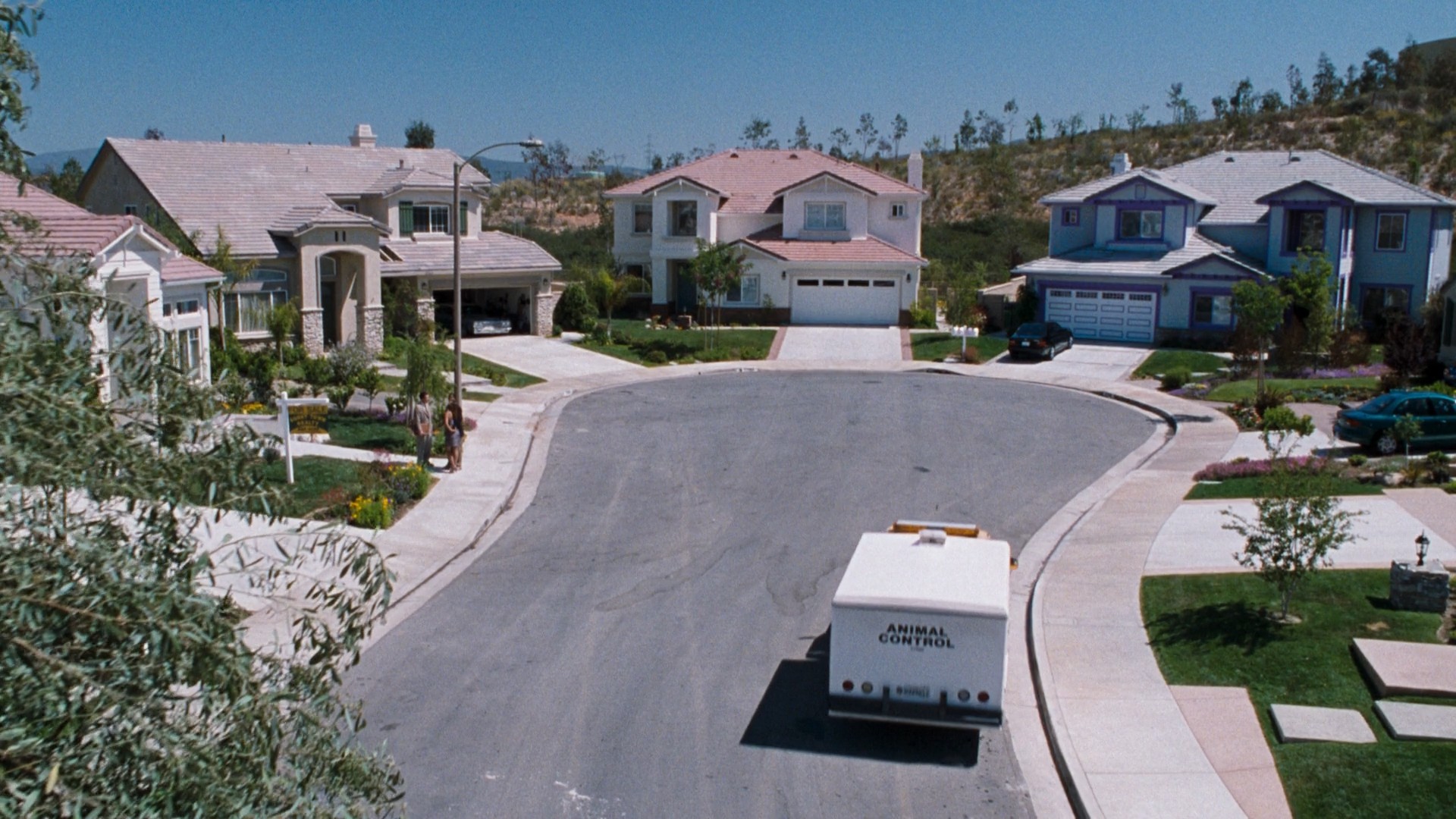
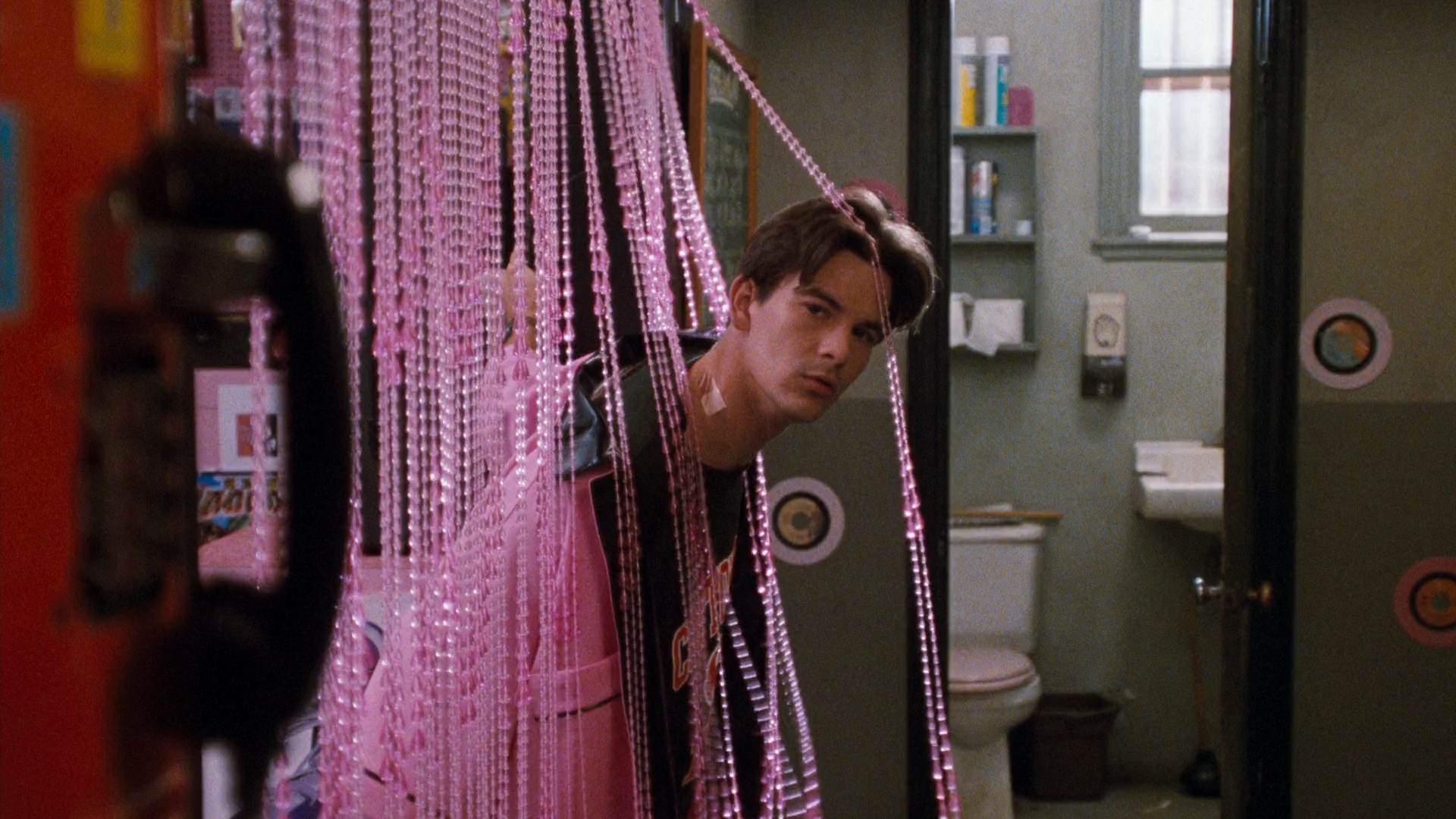
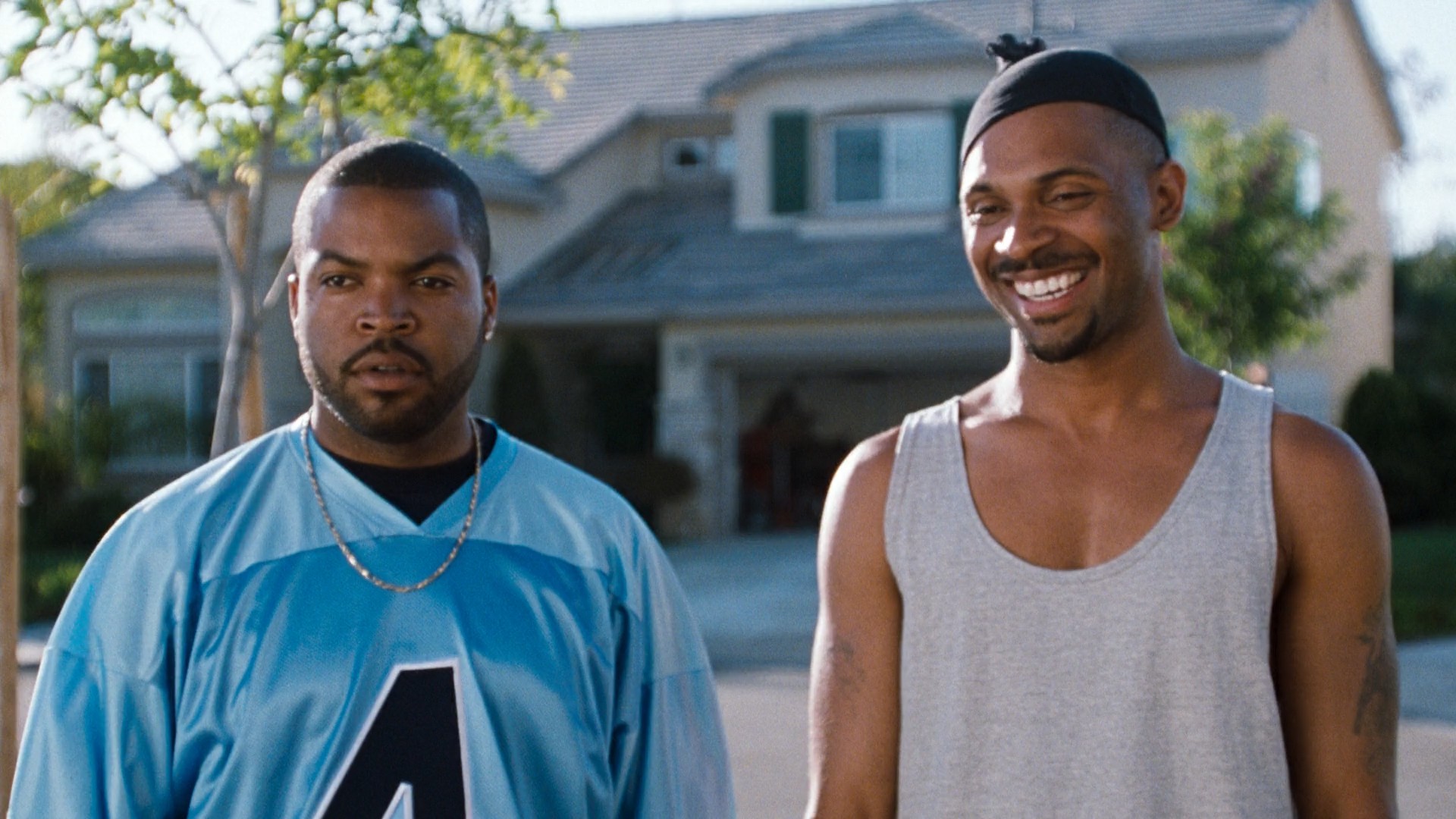
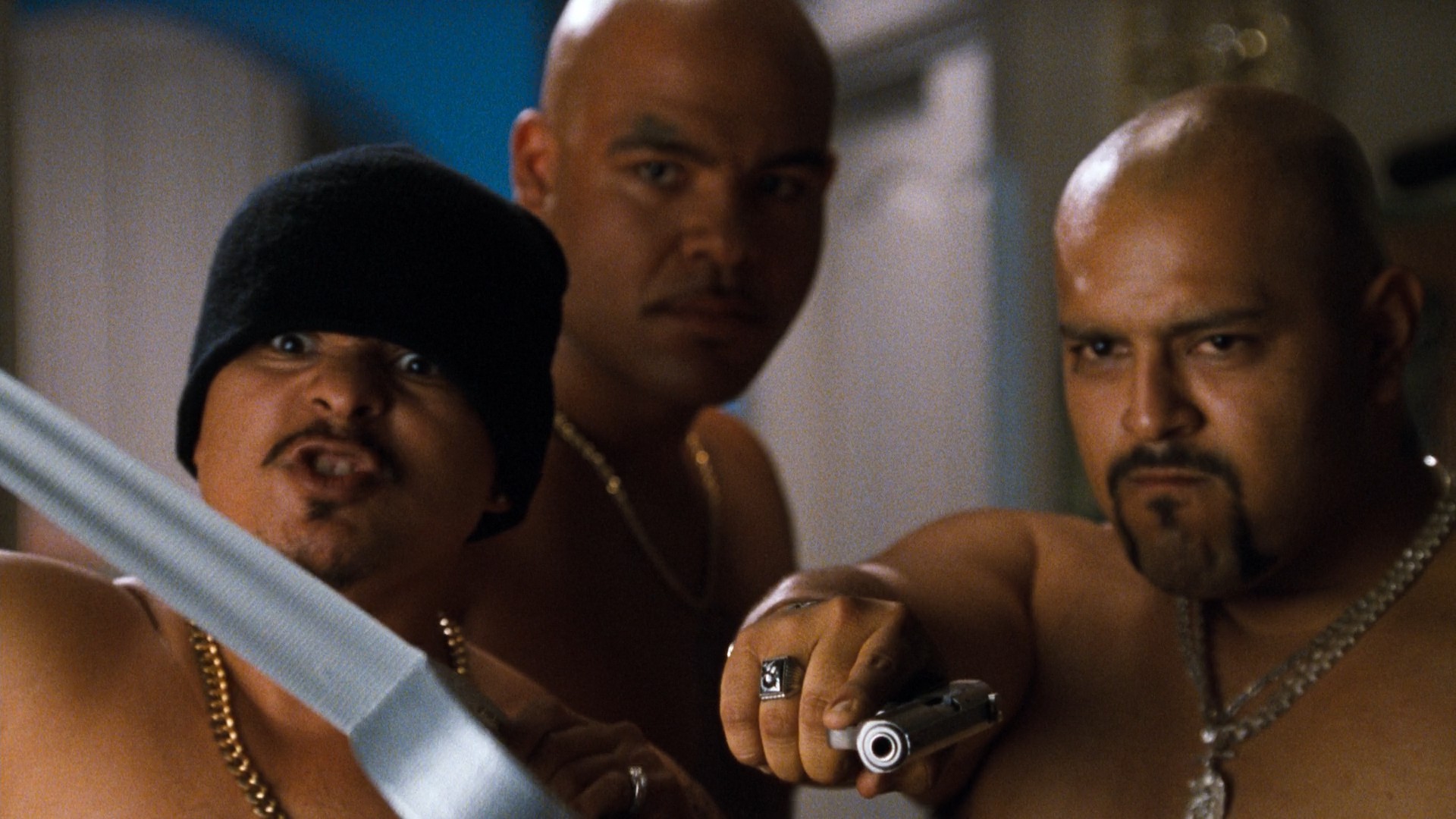
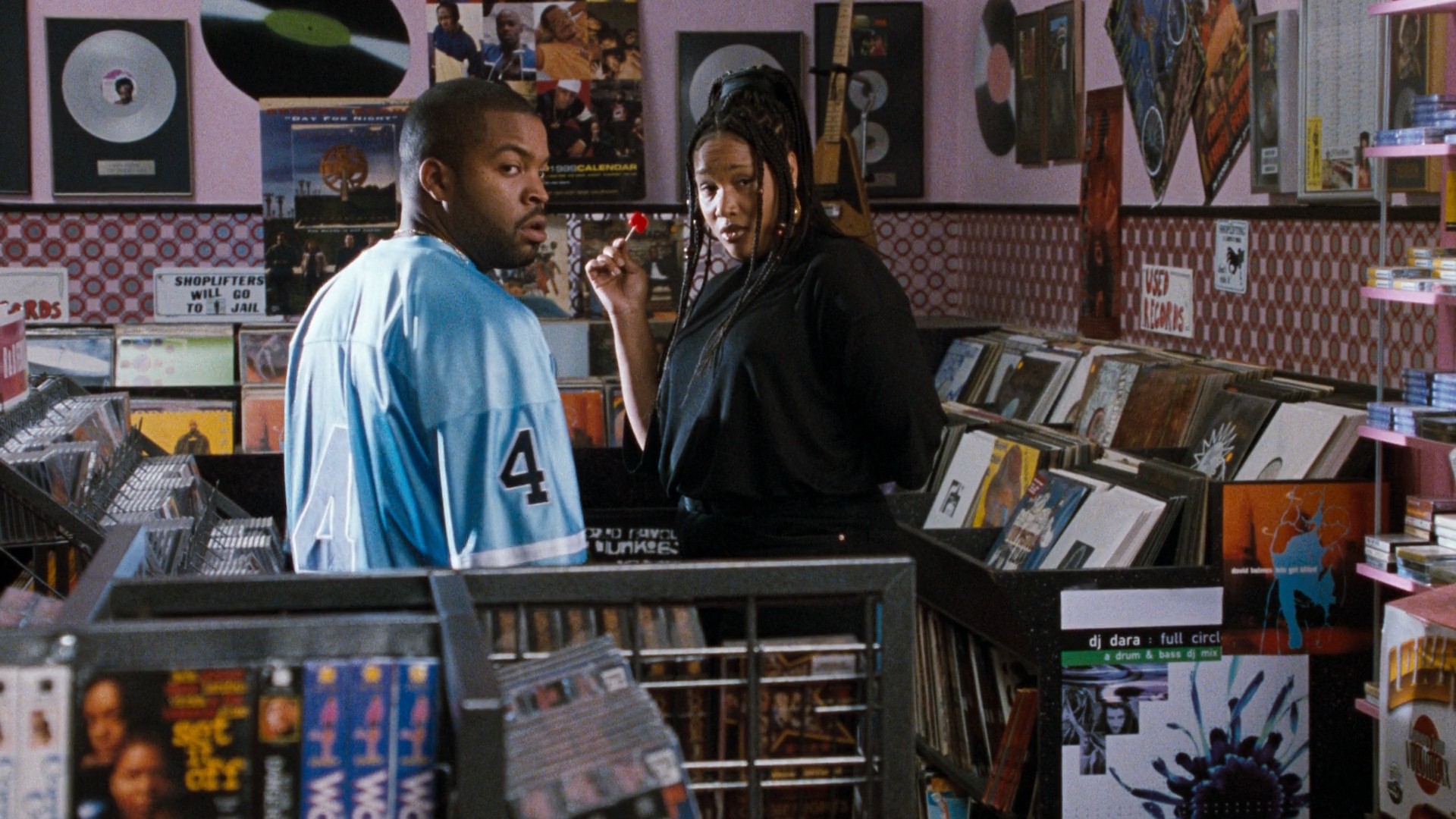
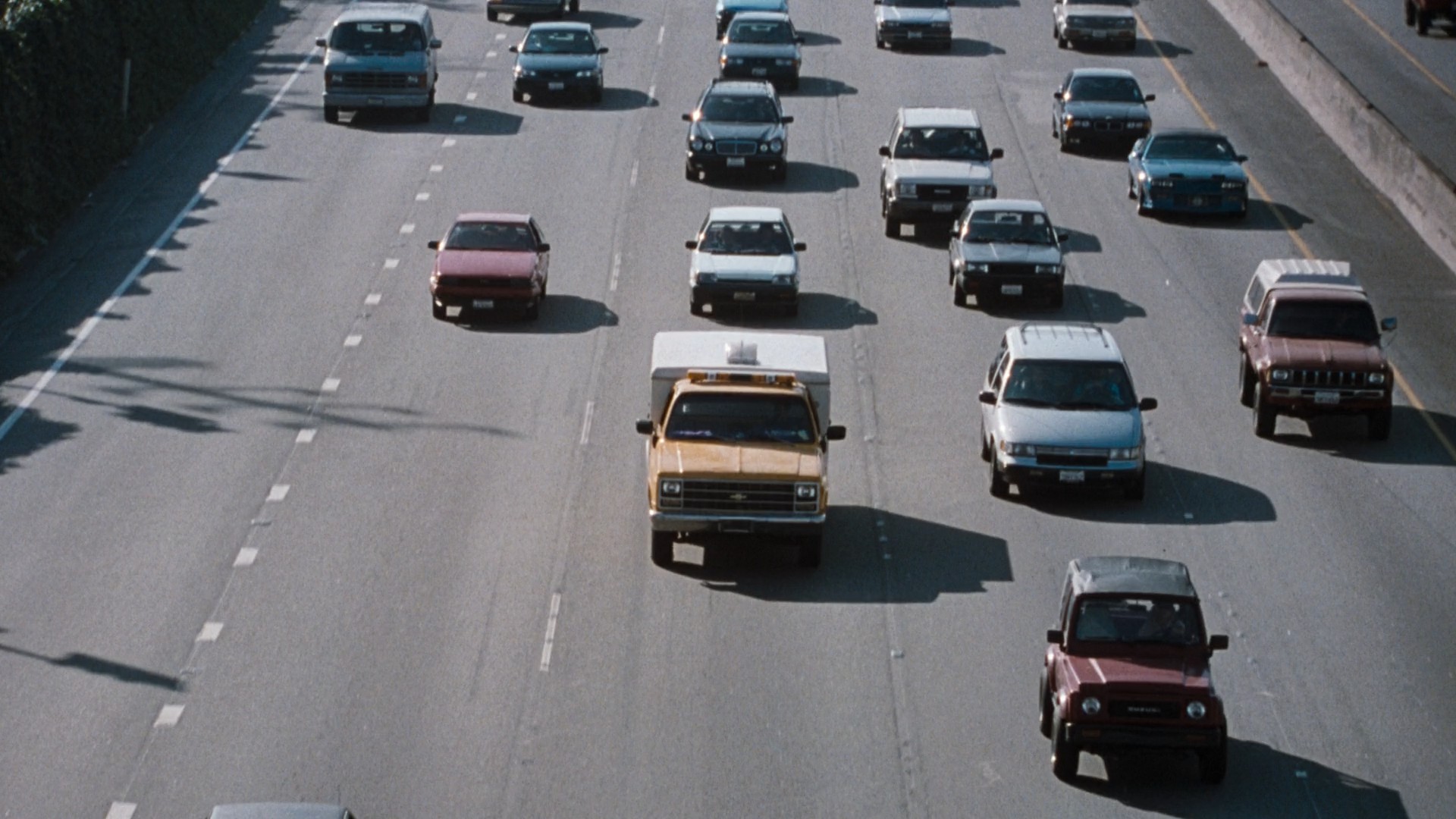
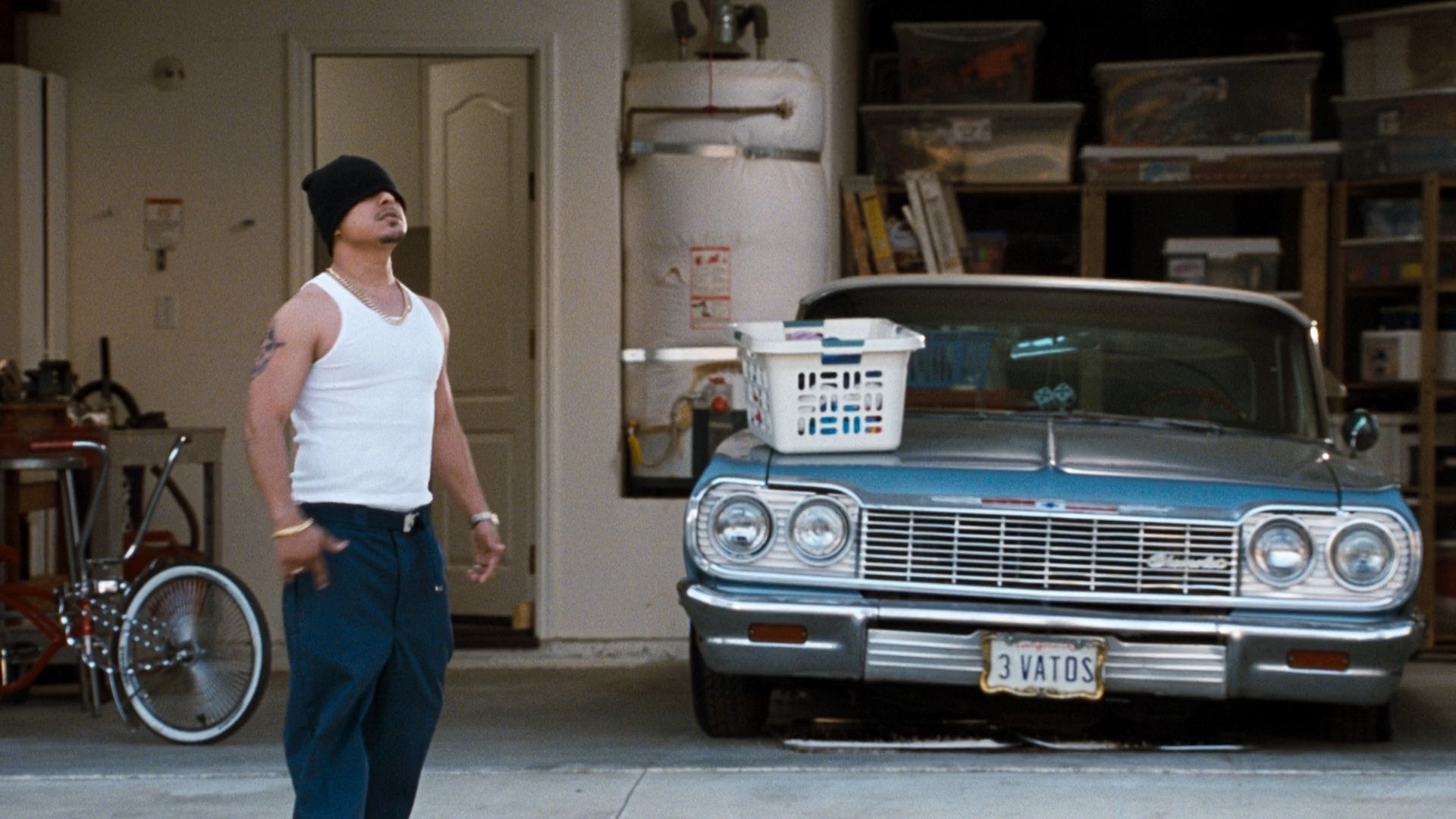
After getting into trouble with a local gang, Craig is sent by his family to stay with his eccentric uncle and cousin in the suburbs. There, he quickly becomes entangled in neighborhood feuds, romantic mishaps, and conflicts with a pair of criminal relatives known as the Joker brothers. What begins as an attempt to lay low turns into another chaotic day of misunderstandings, confrontations, and comedy.
Carr and cinematographer Glen MacPherson give Next Friday a brighter, more colorful suburban look than the original film, using clean widescreen compositions and high-key lighting to emphasize its broader comedic tone. The exaggerated production design, expressive reaction shots, and ensemble blocking keep the focus on character-driven humor, turning cul-de-sacs, houses, and front lawns into playful stages for the film’s escalating antics.



FILM SPOTLIGHT
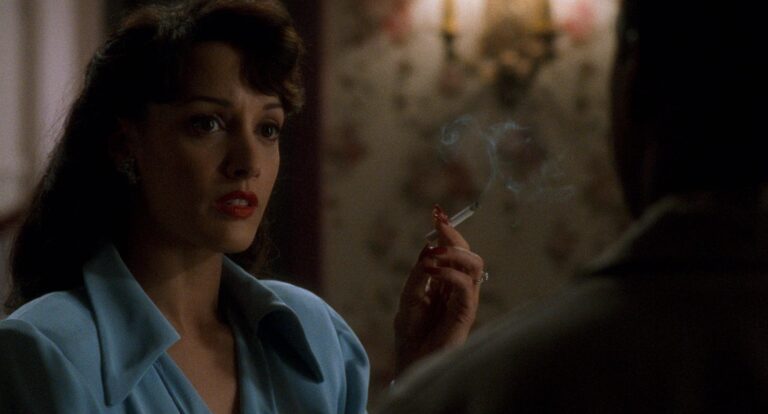
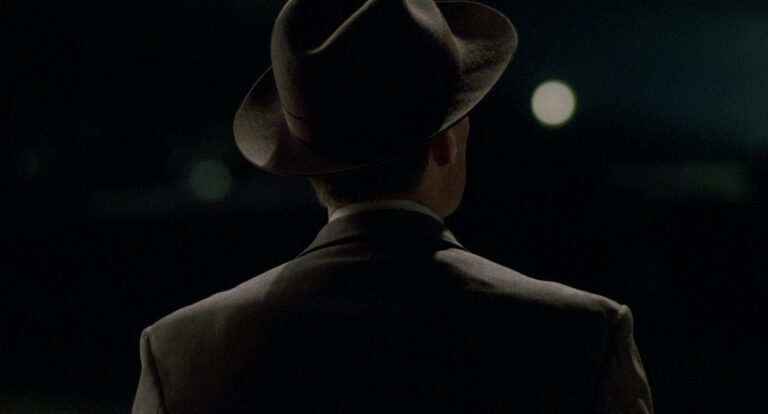
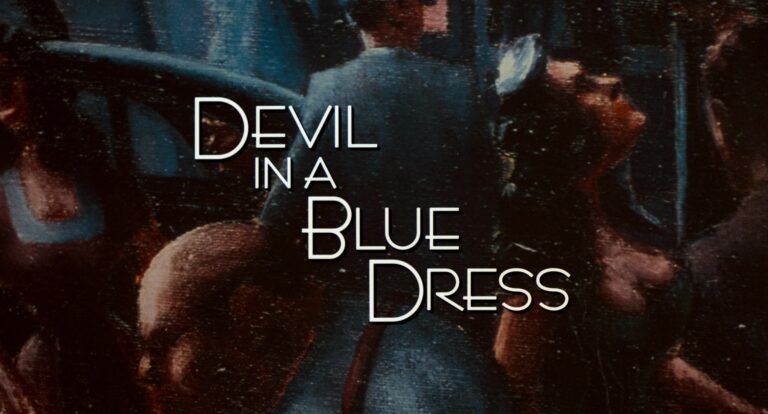
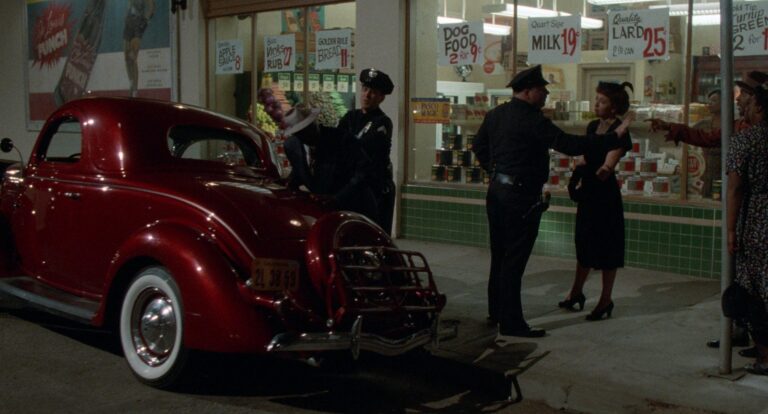
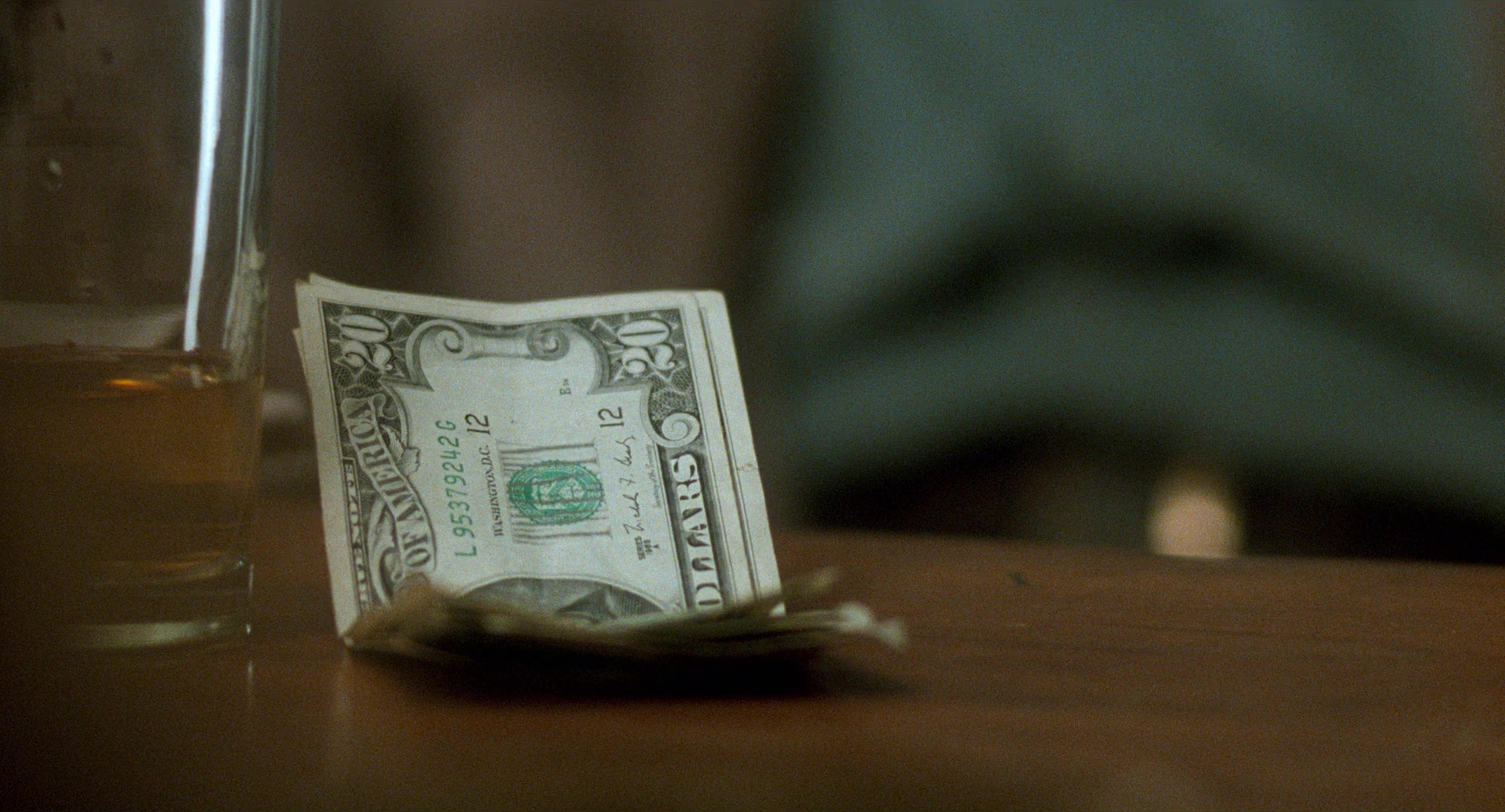
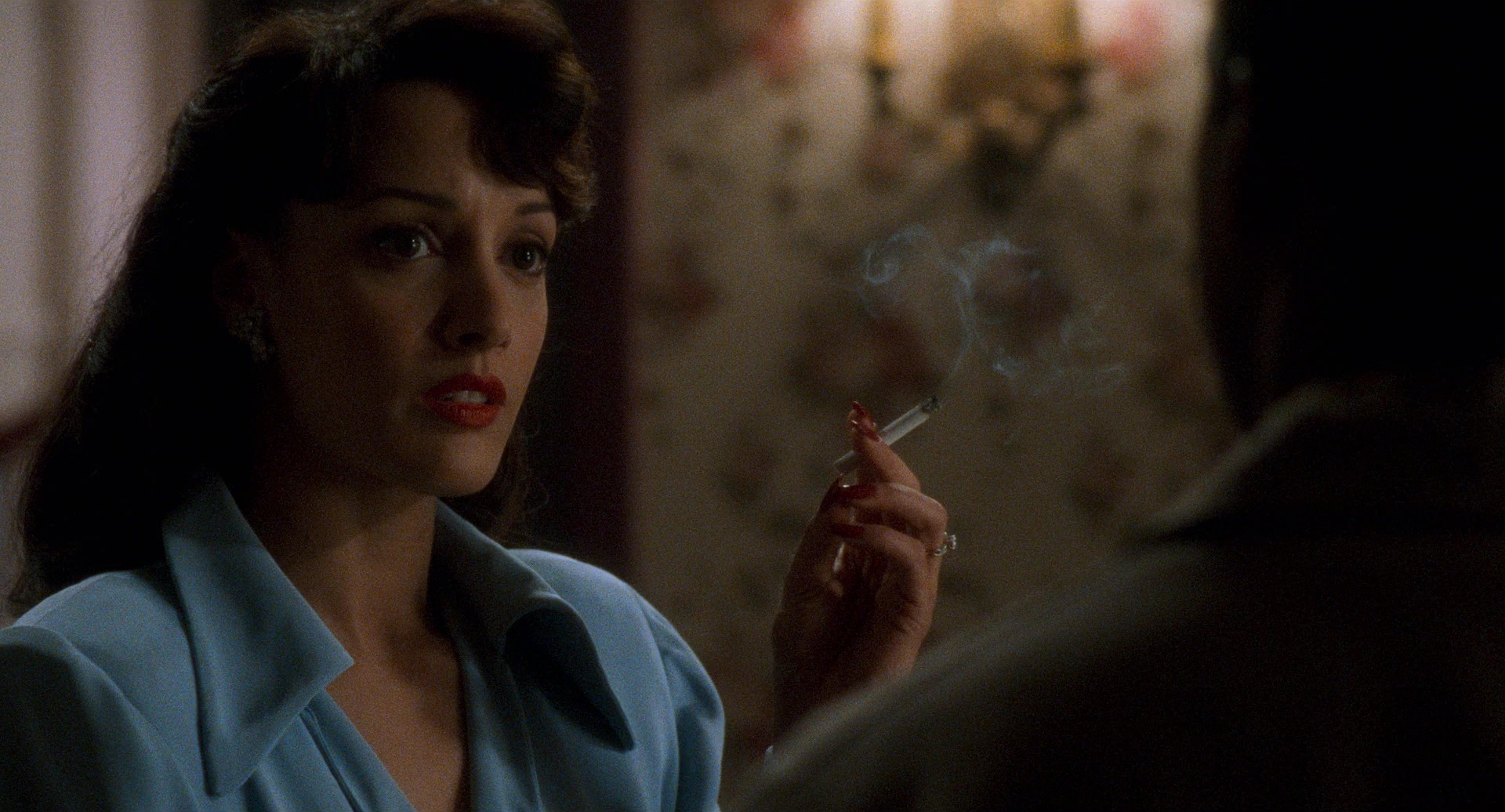
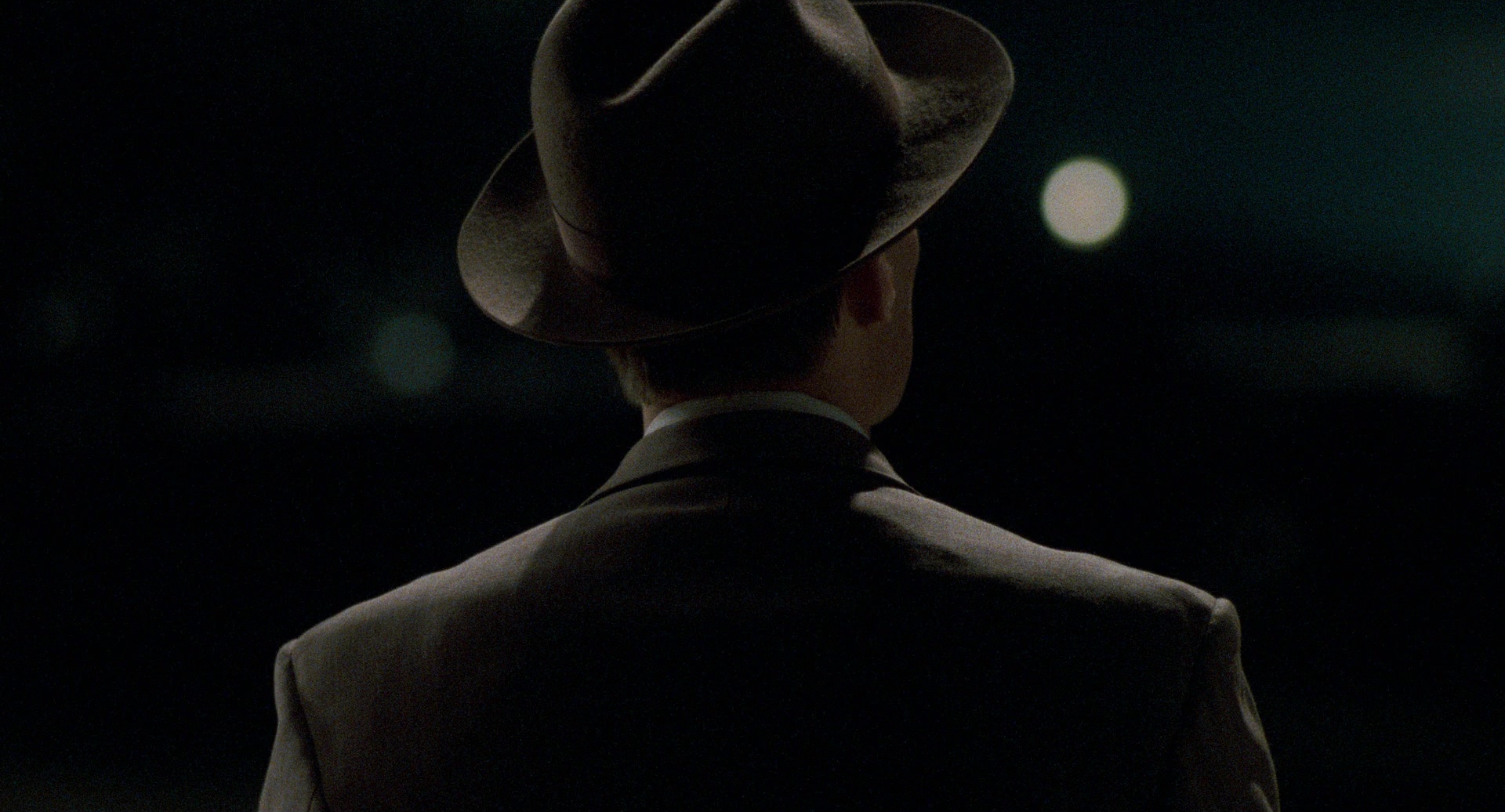
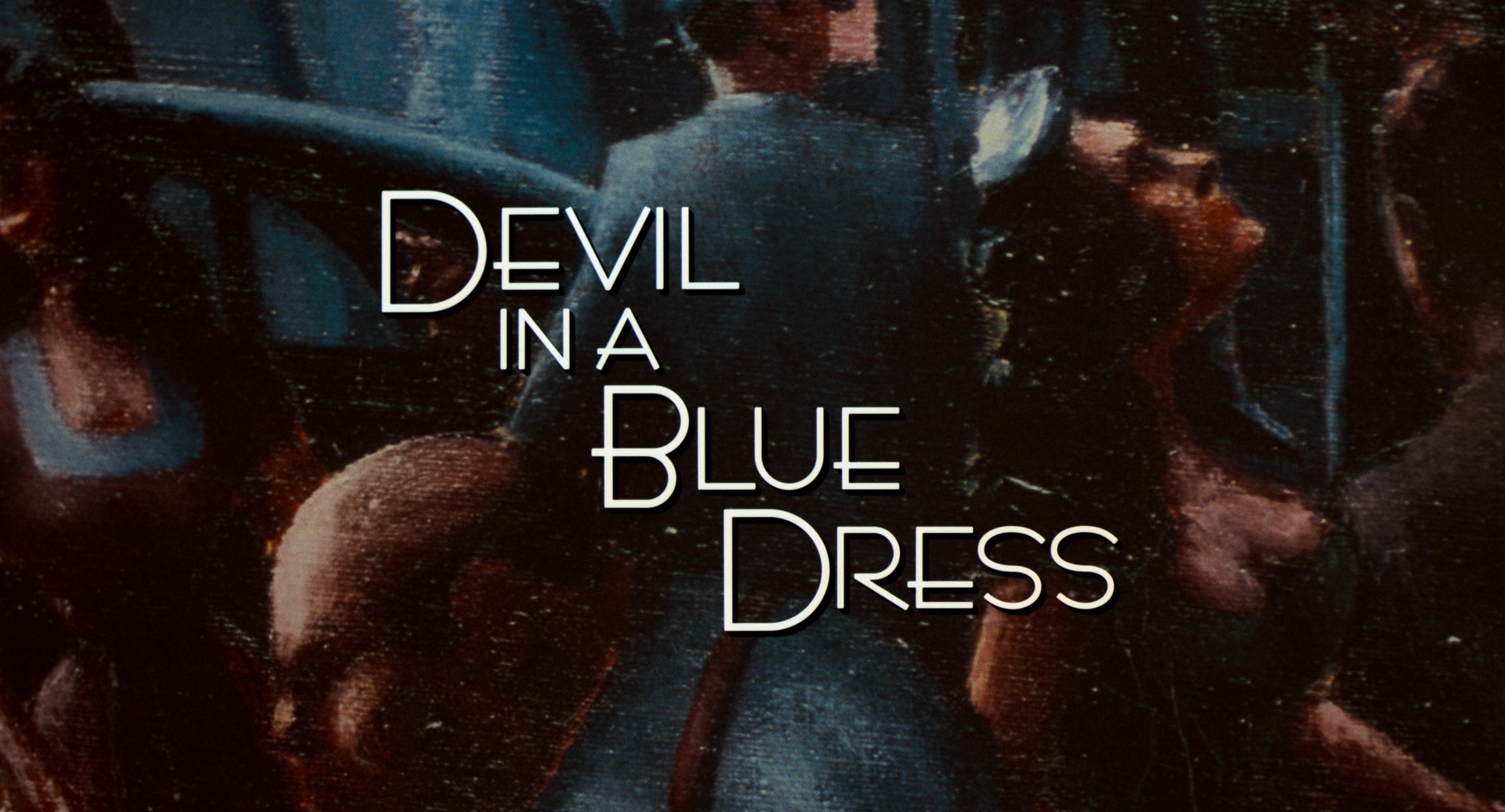
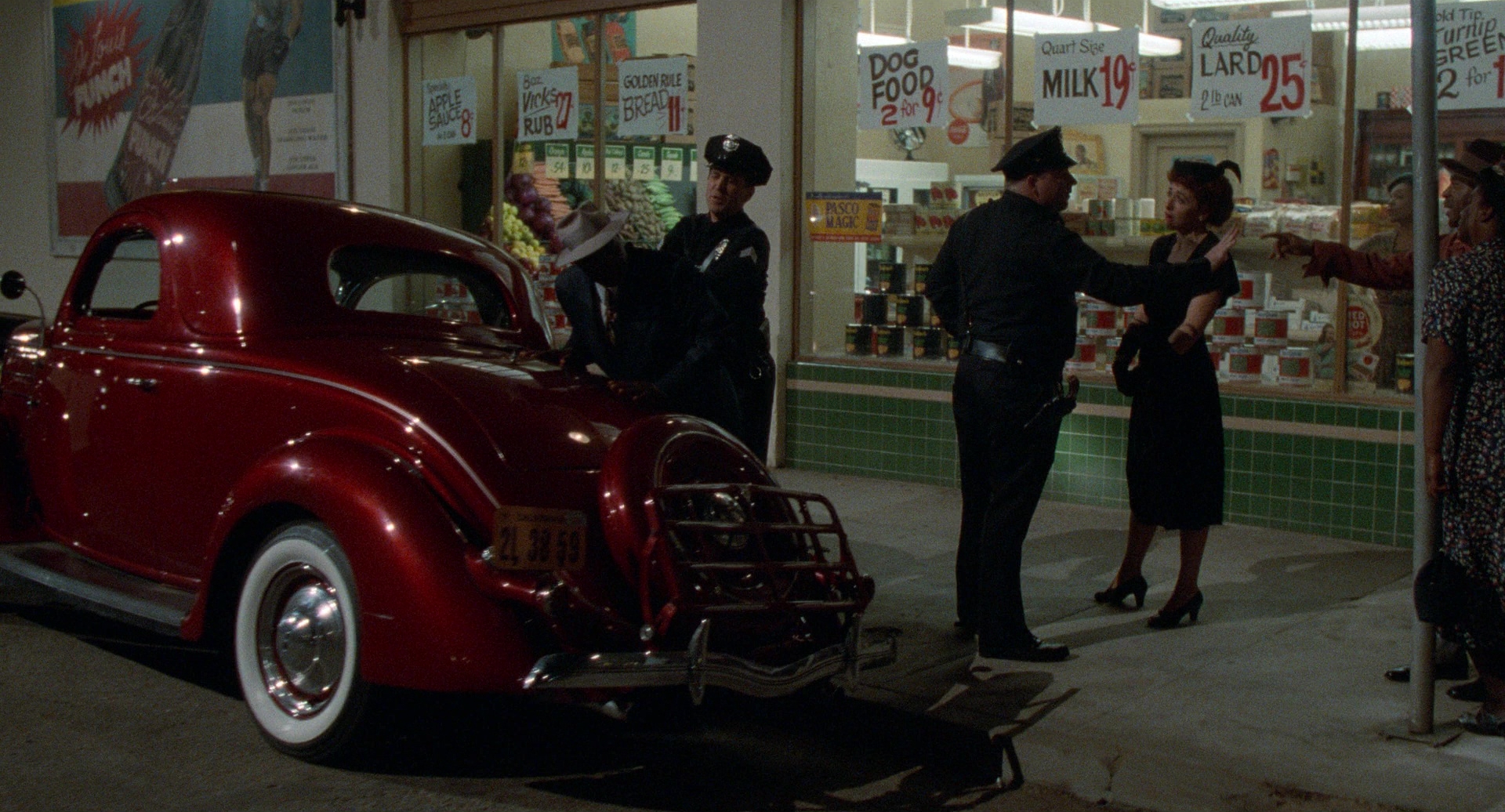
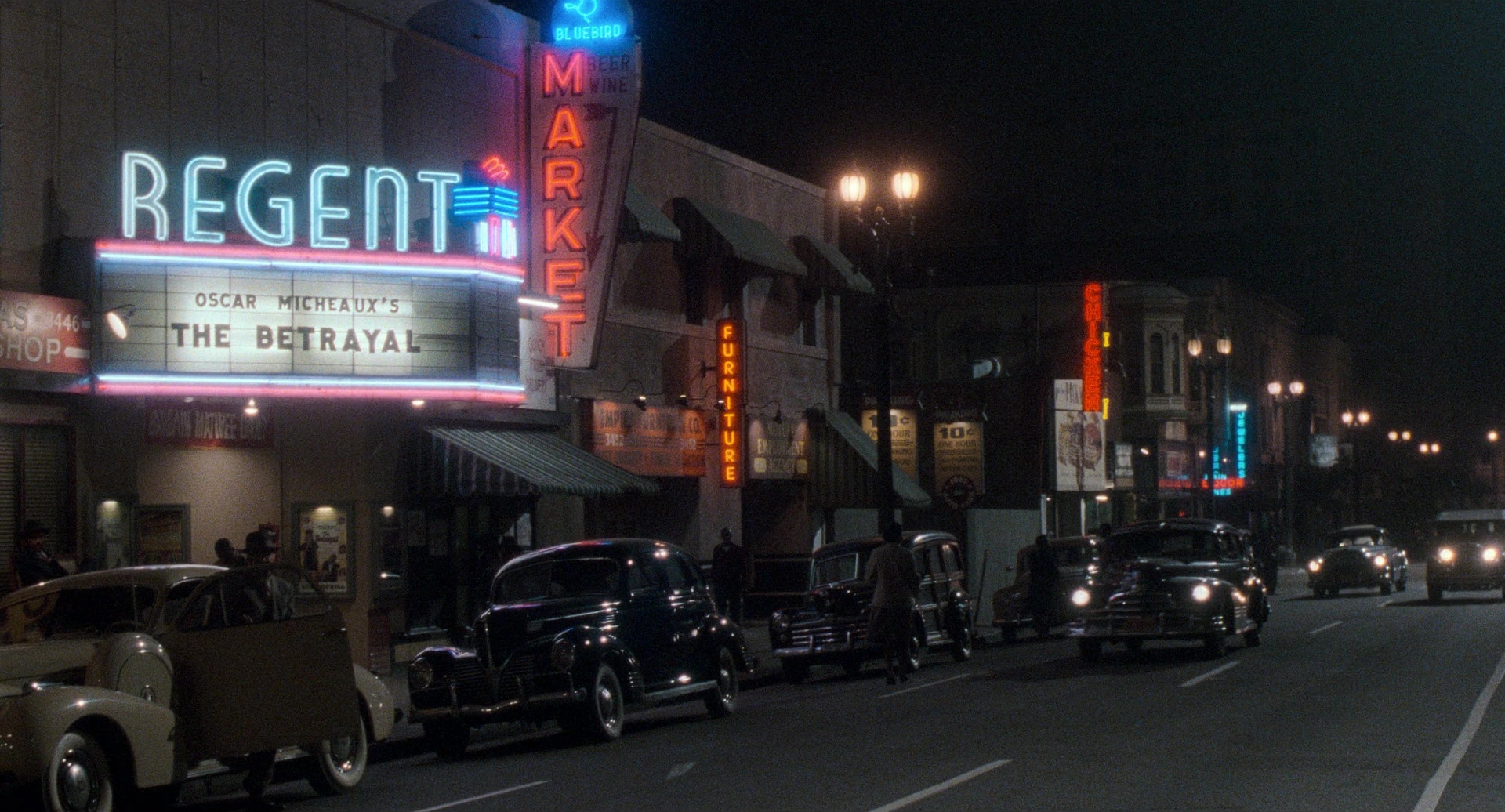
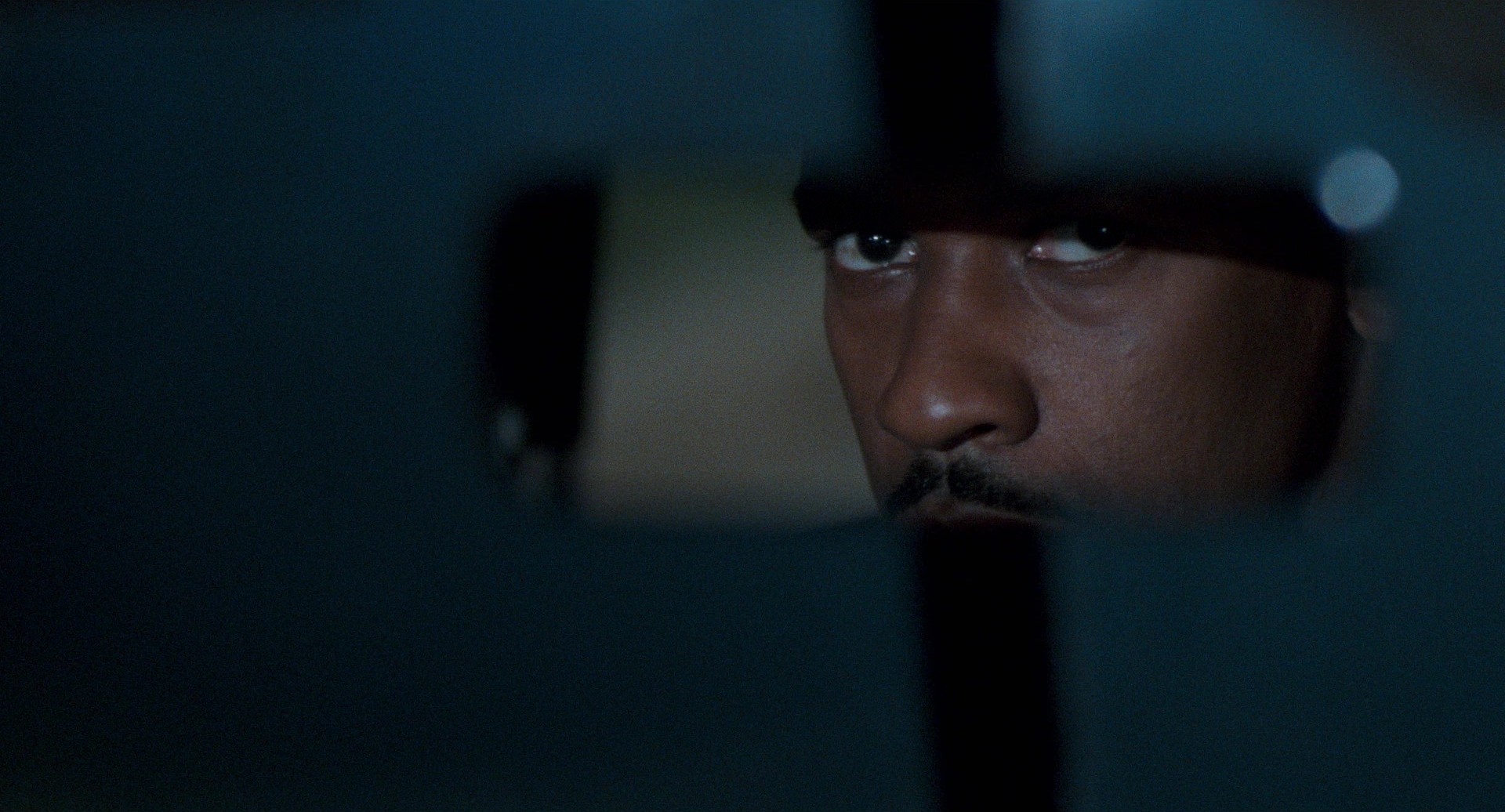
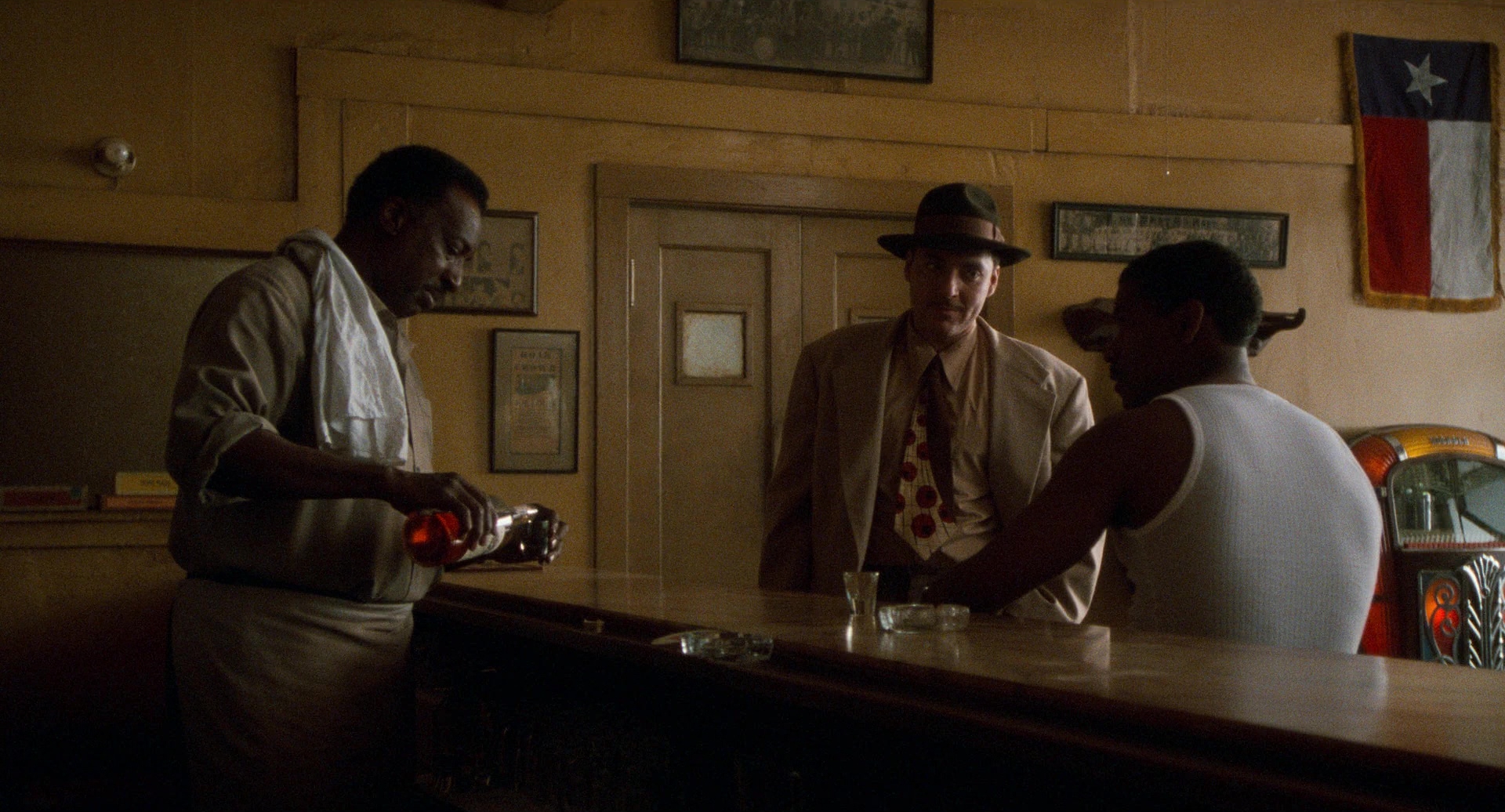
Devil in a Blue Dress (1995)
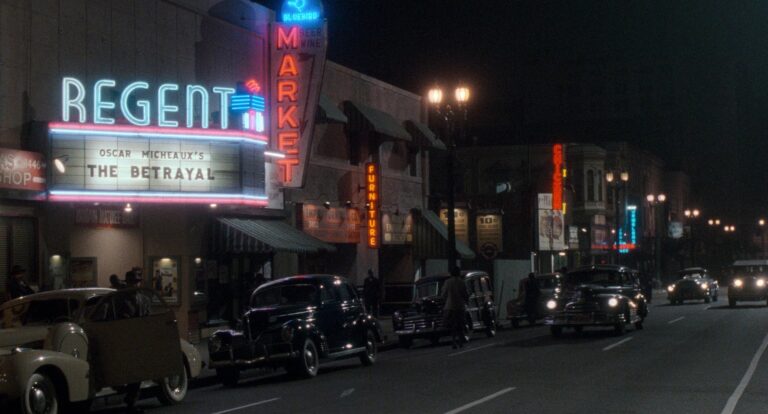
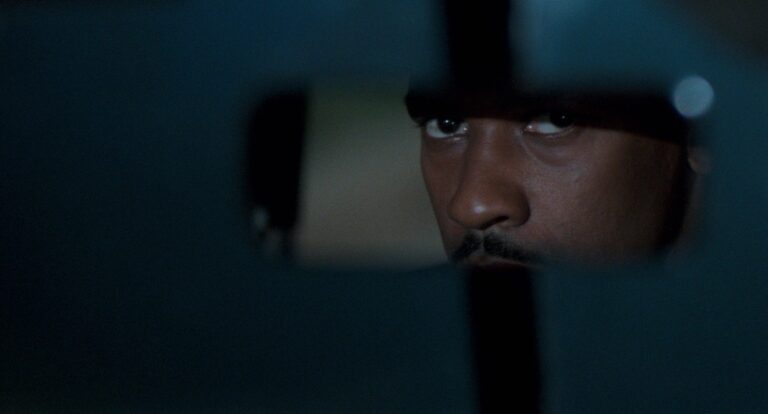
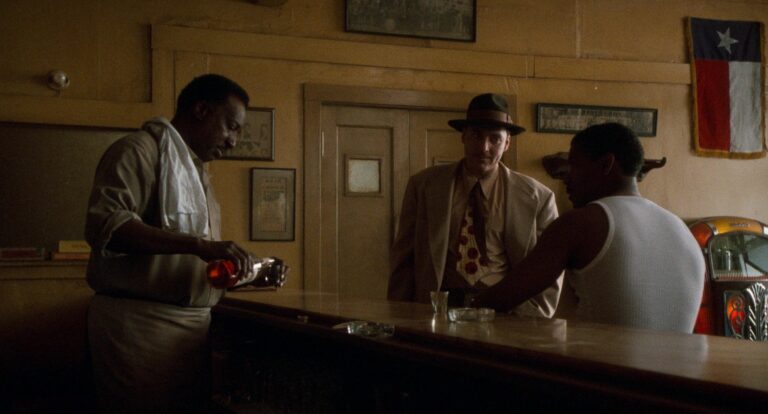
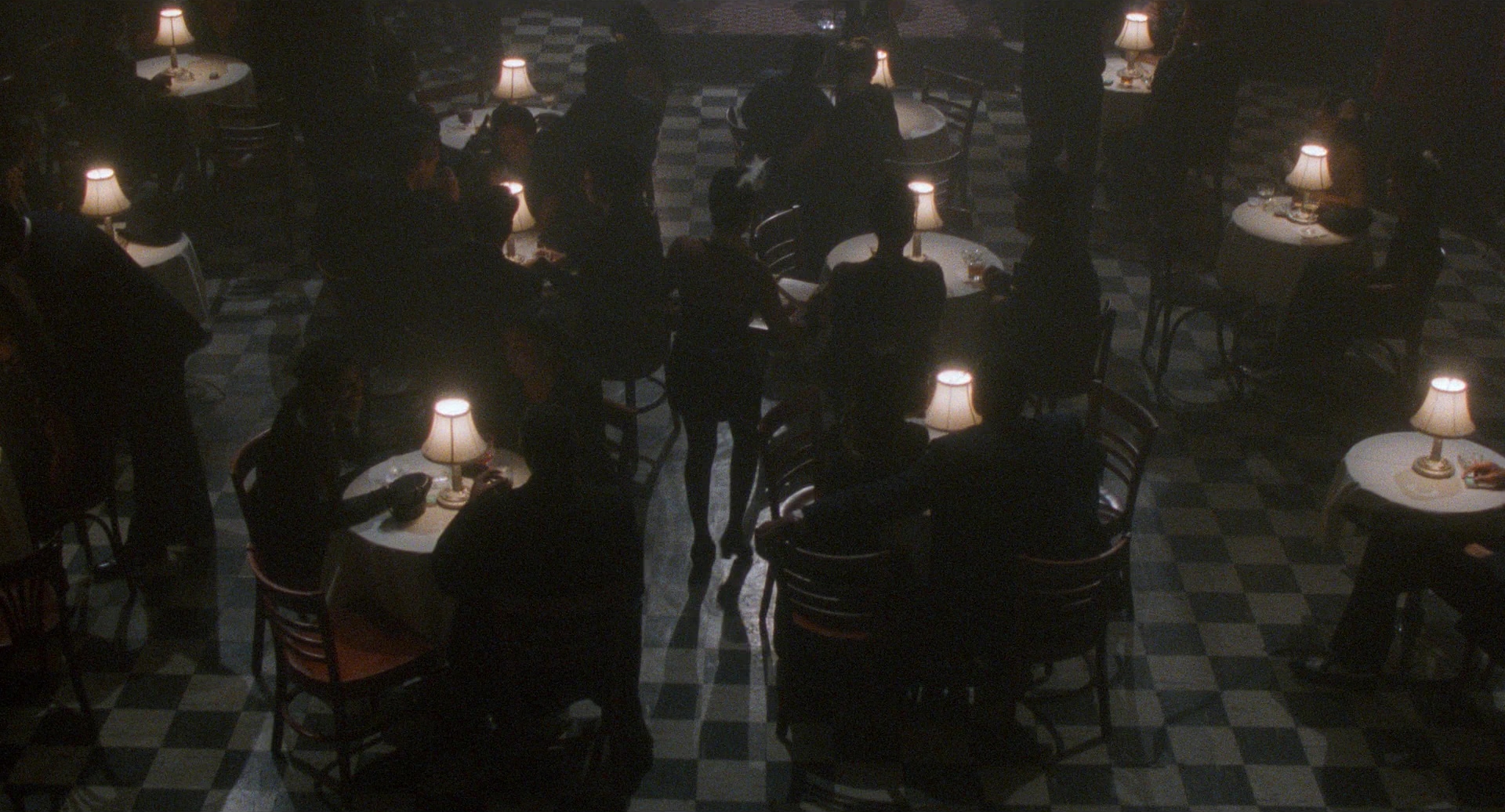
Set in postwar Los Angeles, the film follows Easy Rawlins, an unemployed Black World War II veteran who is hired to locate a mysterious woman connected to powerful political figures. As his search pulls him deeper into a web of corruption, violence, and deception, Easy becomes entangled in a dangerous world that exposes the racial and social tensions of the era. The investigation gradually transforms him from an ordinary man into an unwilling detective navigating the hidden structures of power around him.
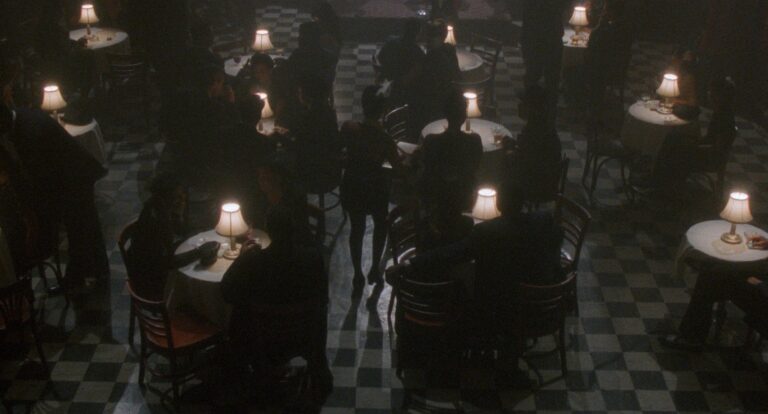
/Franklin and cinematographer Tak Fujimoto craft Devil in a Blue Dress with a classic neo-noir sensibility, using warm amber lighting, deep shadows, and richly textured period interiors to evoke 1940s Los Angeles. The film’s smoky bars, nighttime streets, and carefully composed widescreen frames create a lived-in atmosphere where glamour and danger coexist, while the visual attention to Black neighborhoods and social spaces gives the noir genre a perspective and texture rarely centered in traditional Hollywood detective films.
FILM SPOTLIGHT
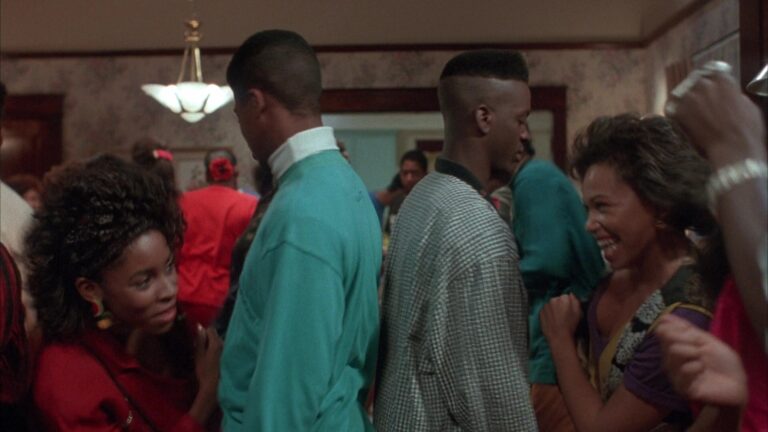
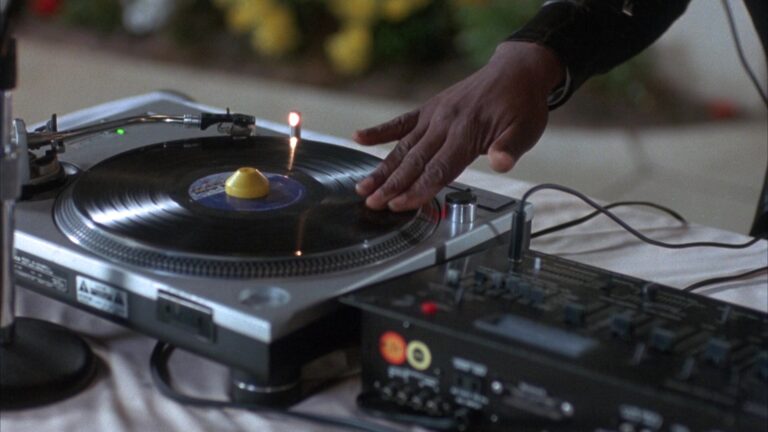
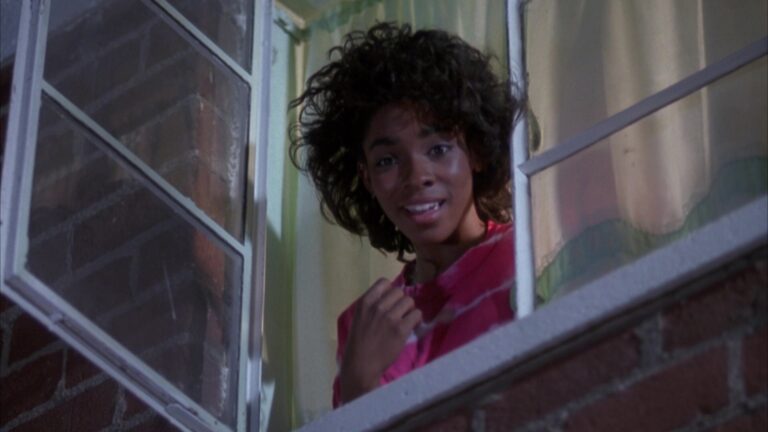
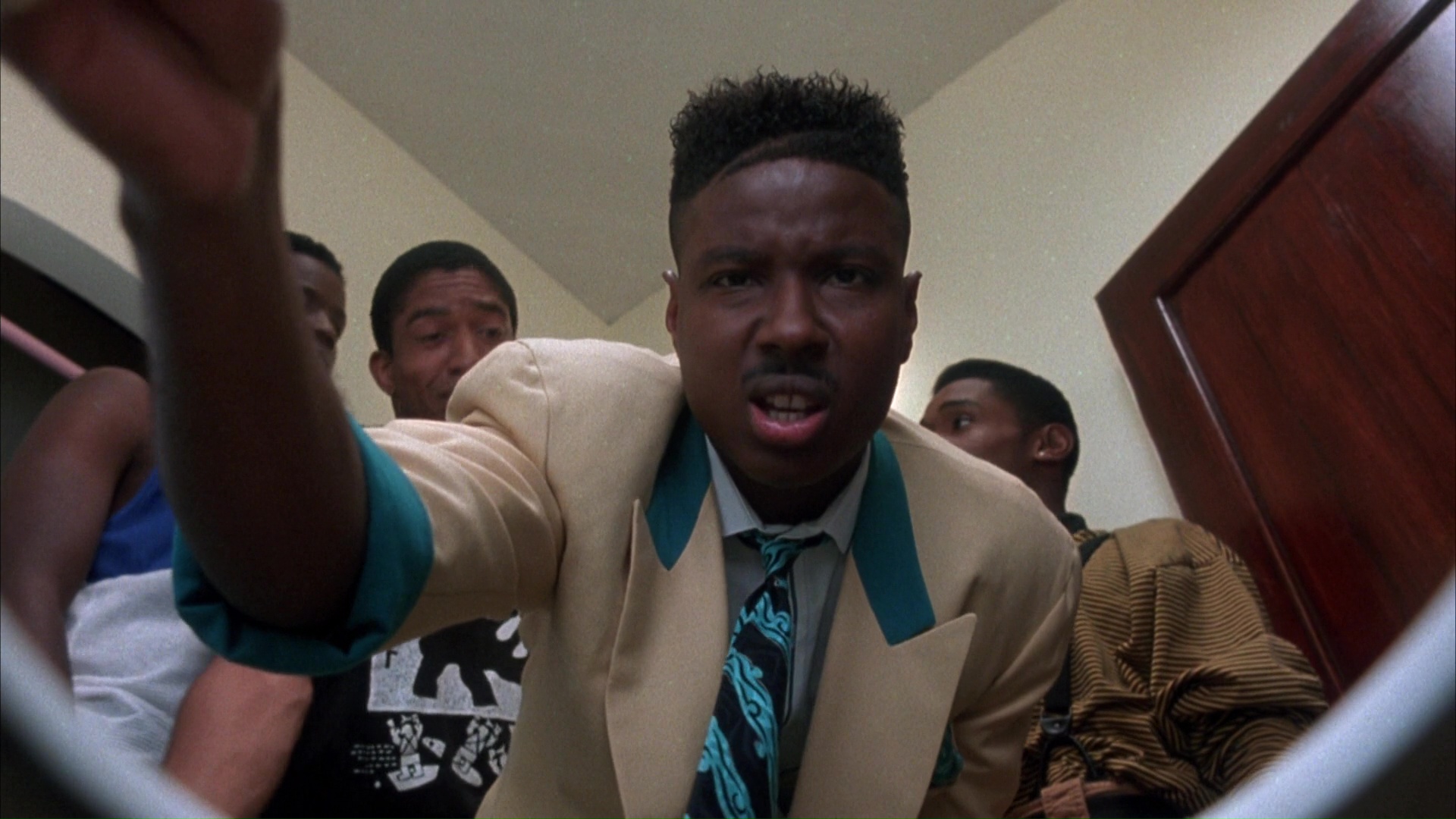
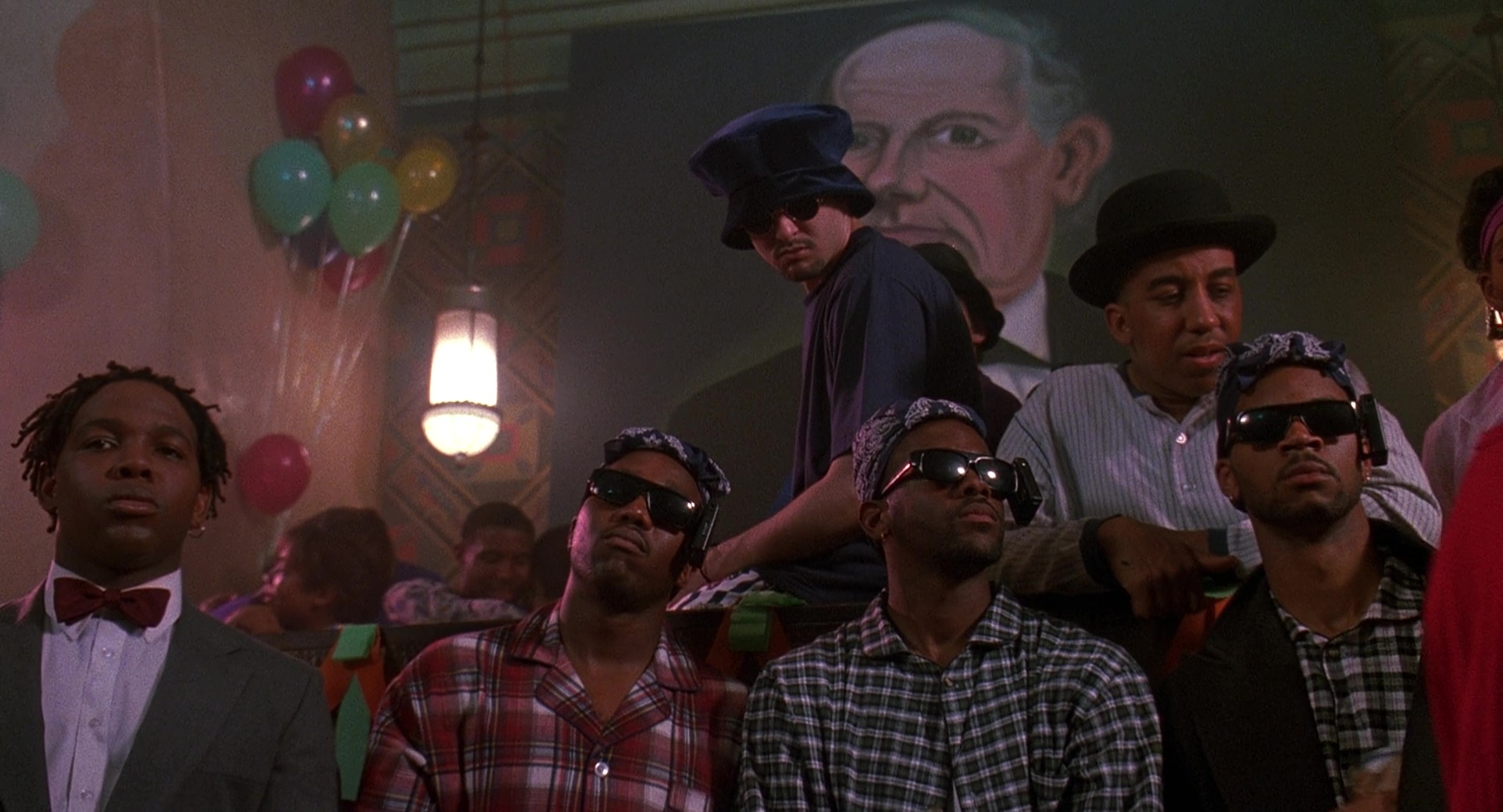
House Party (1990)
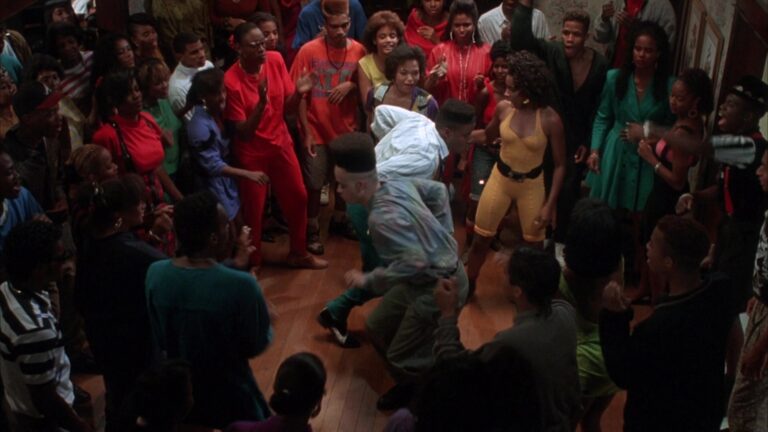
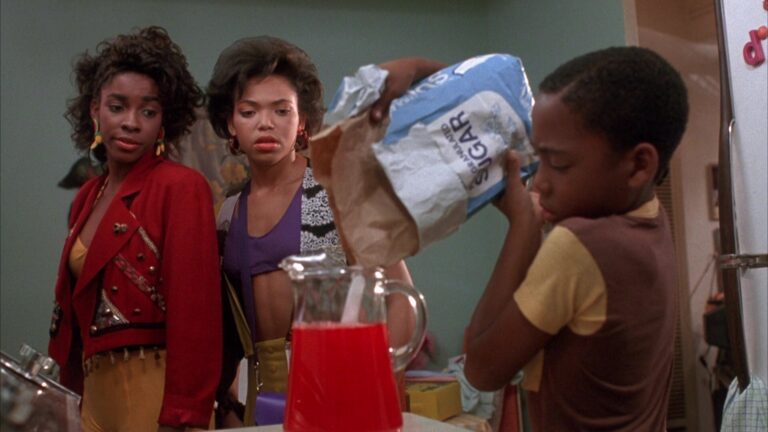
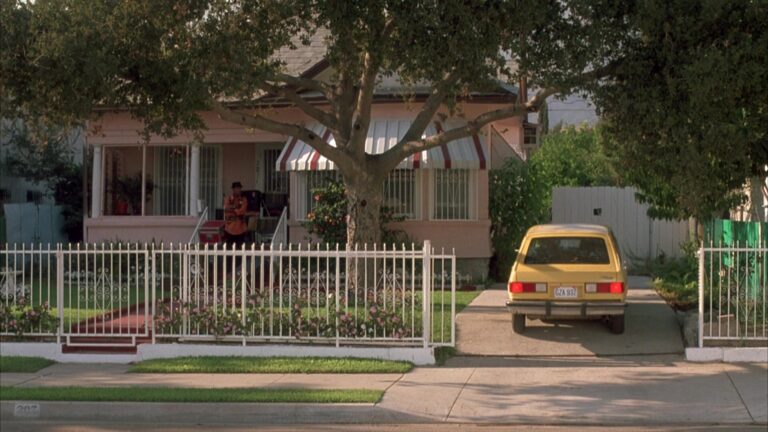
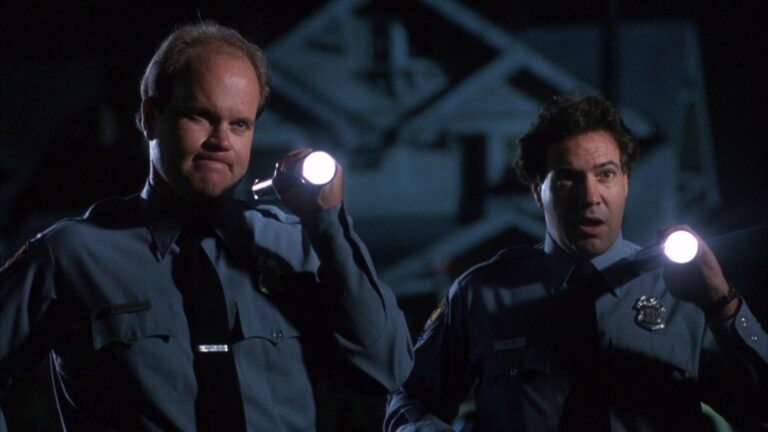
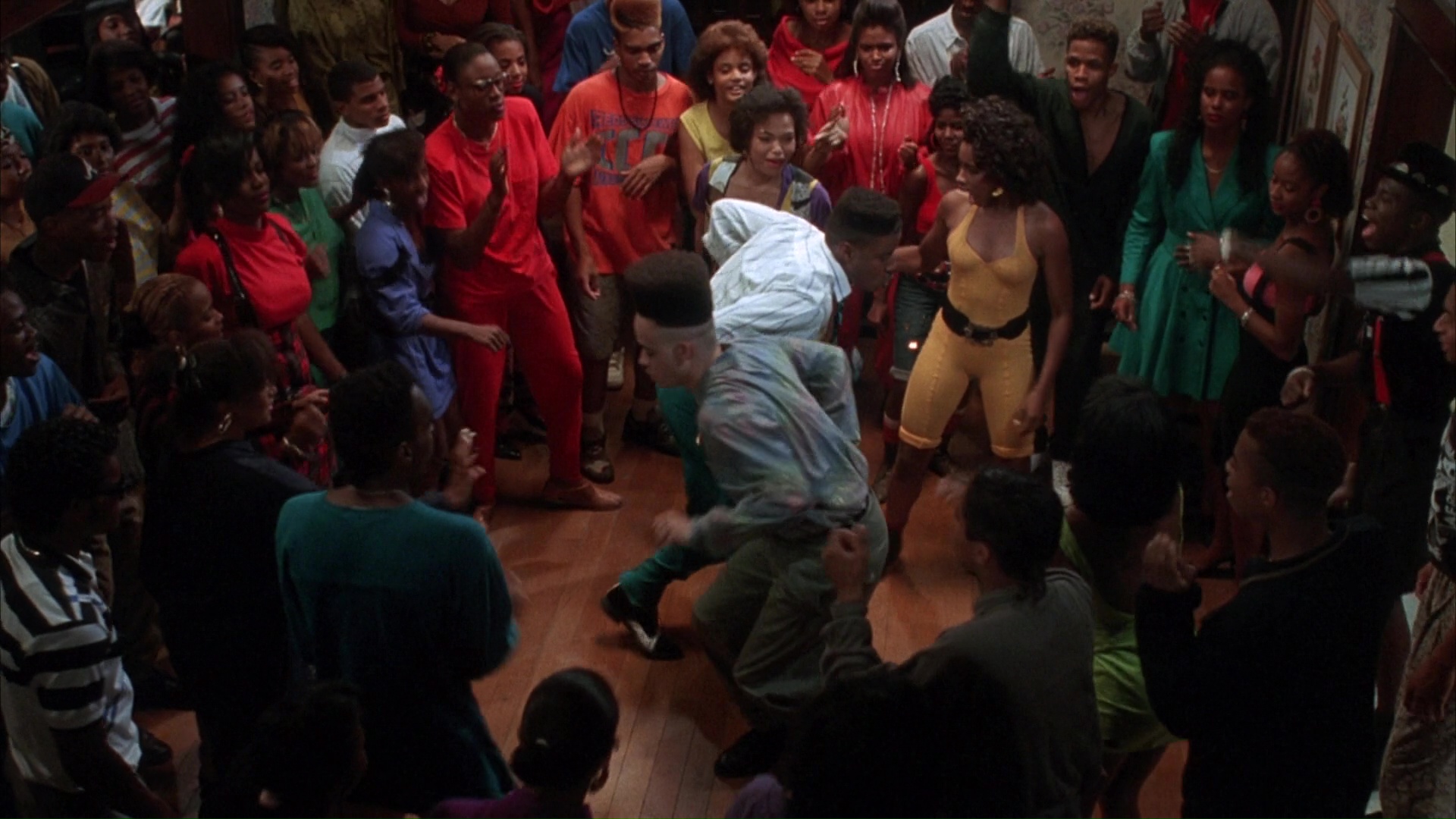
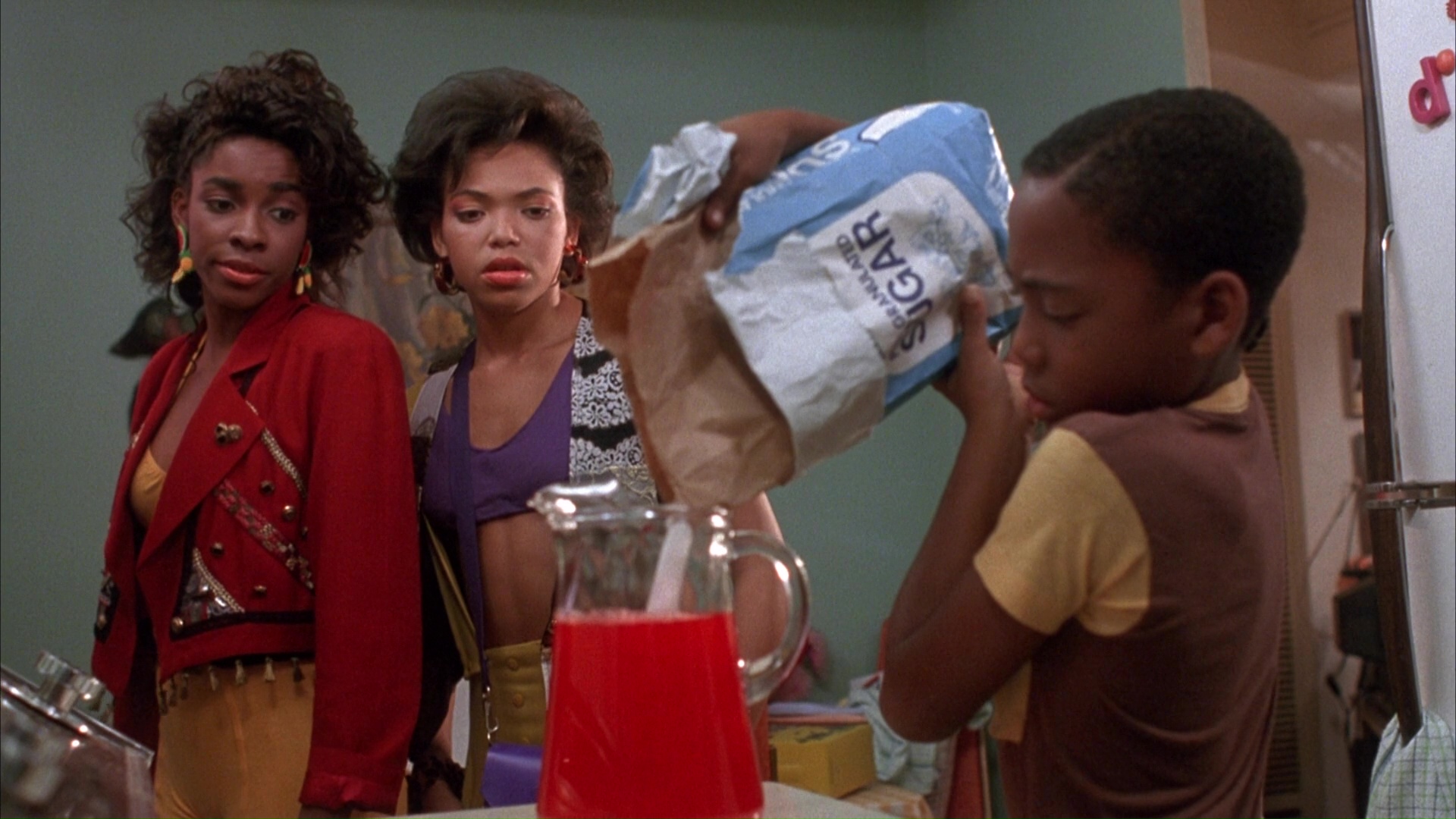
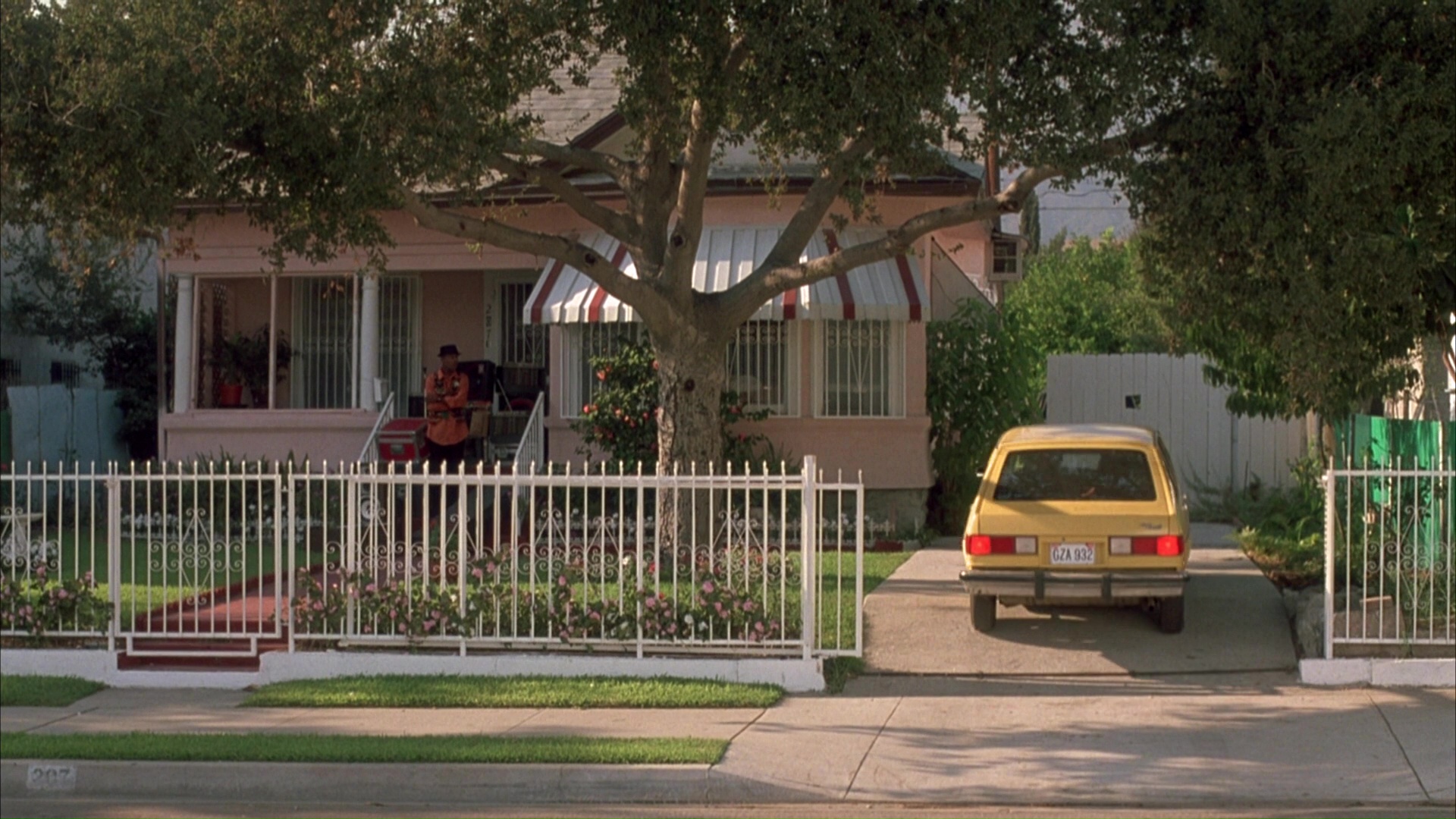
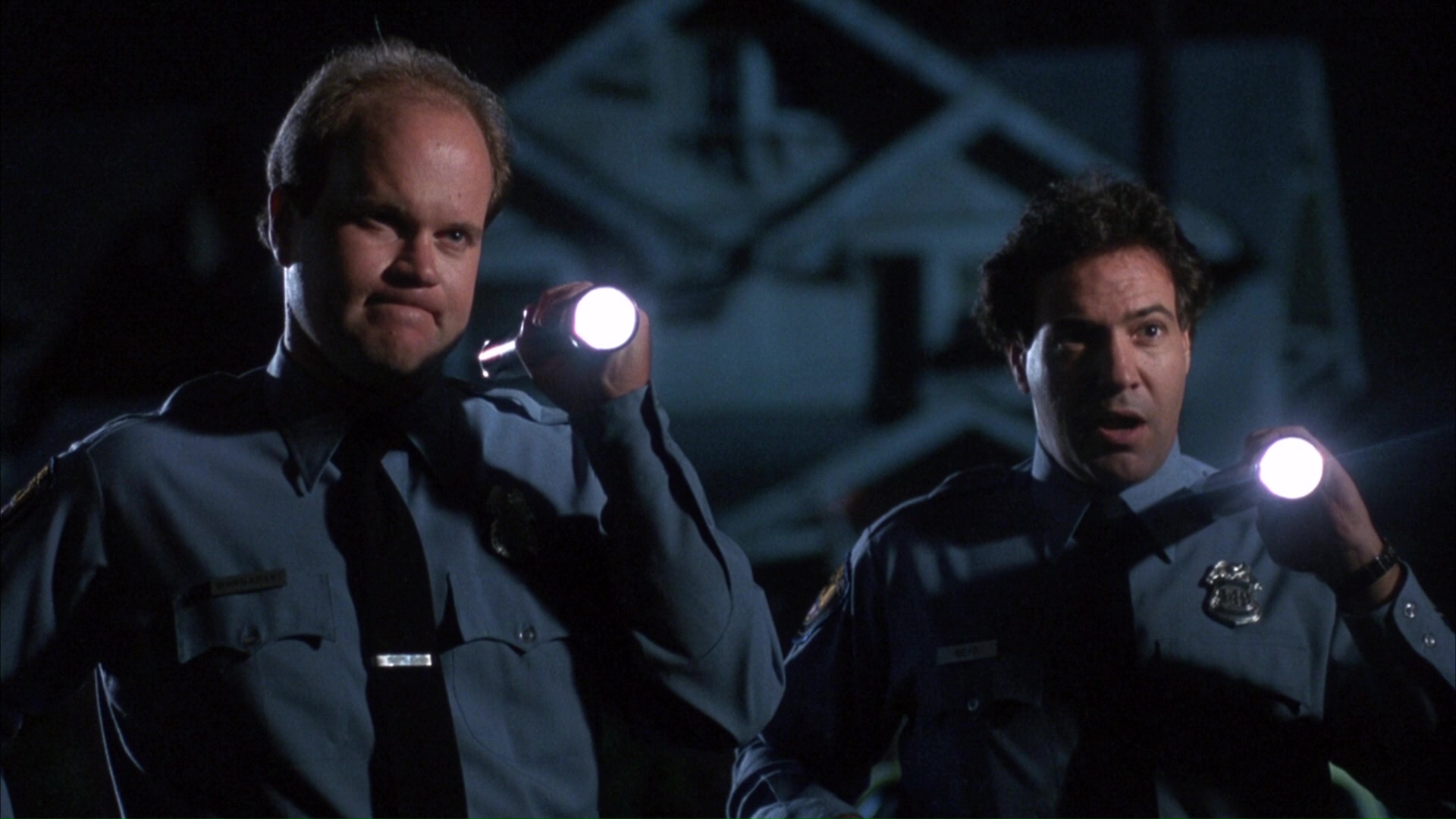
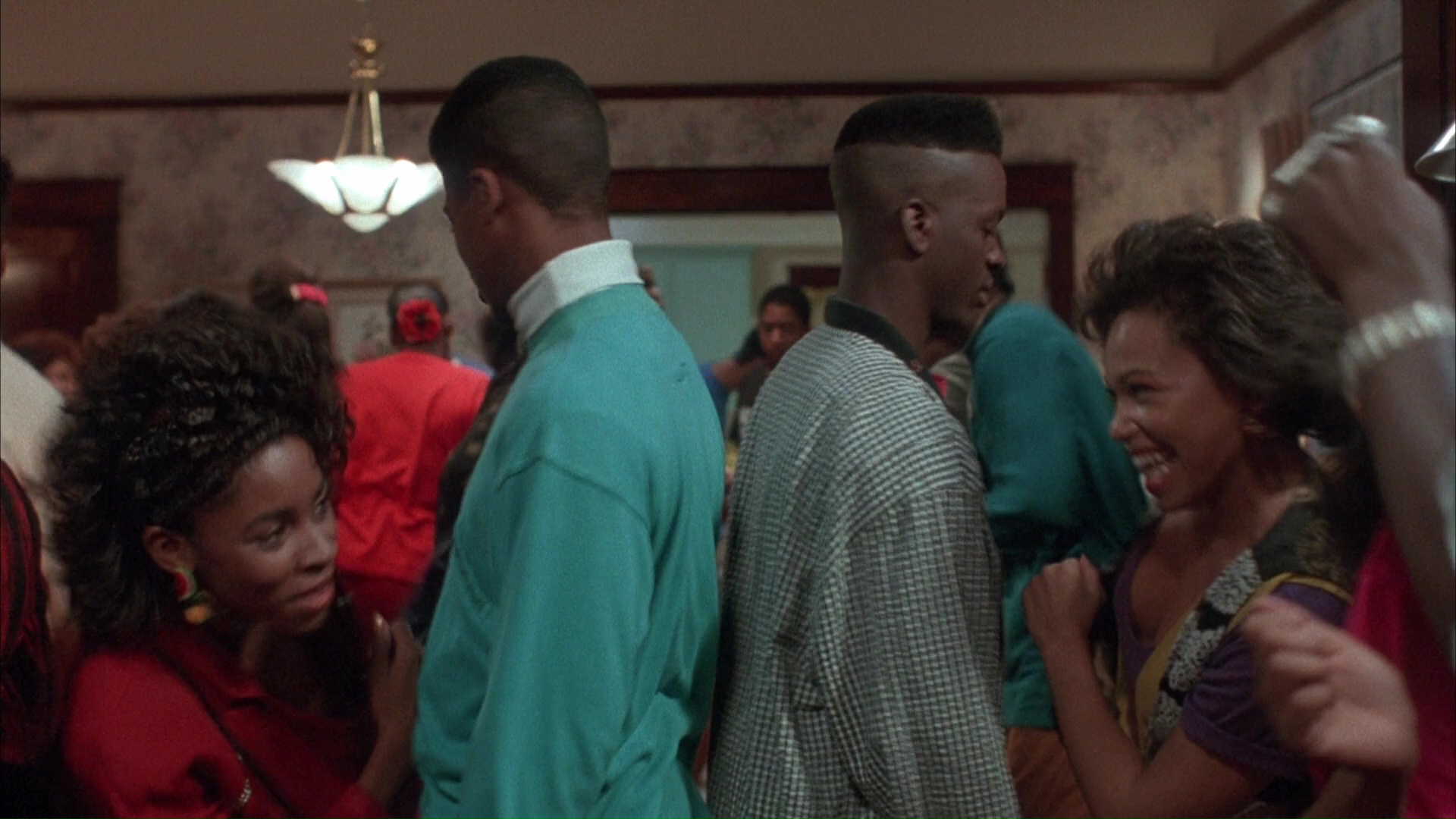
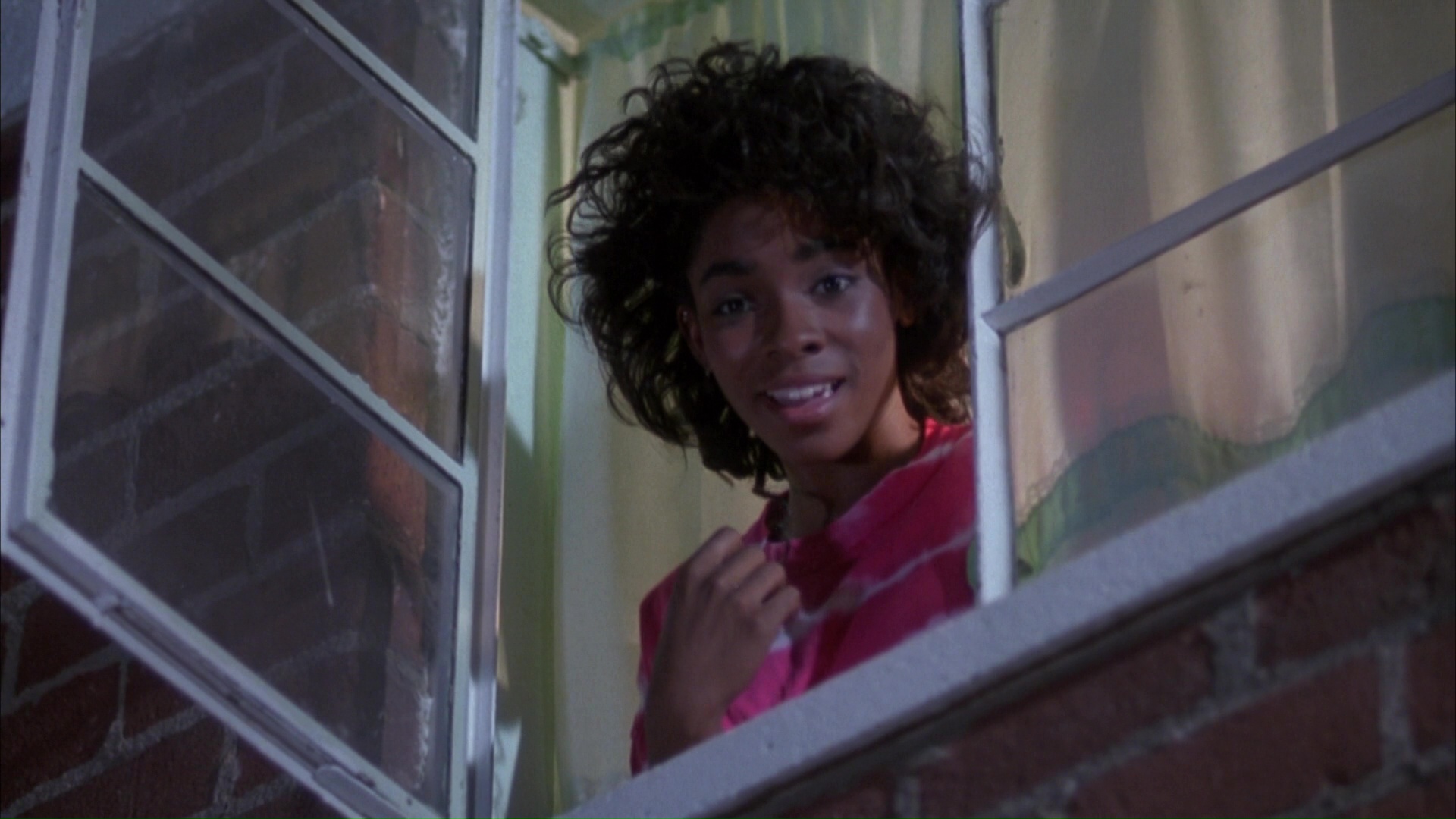
Best friends Kid and Play plan to attend the biggest house party of the year while avoiding strict parents, rival troublemakers, and a series of escalating mishaps. As the night spirals into chaos, the party becomes a showcase for friendships, romance, music, and teenage rebellion. The film unfolds as a lively comedy rooted in youth culture, community, and celebration.
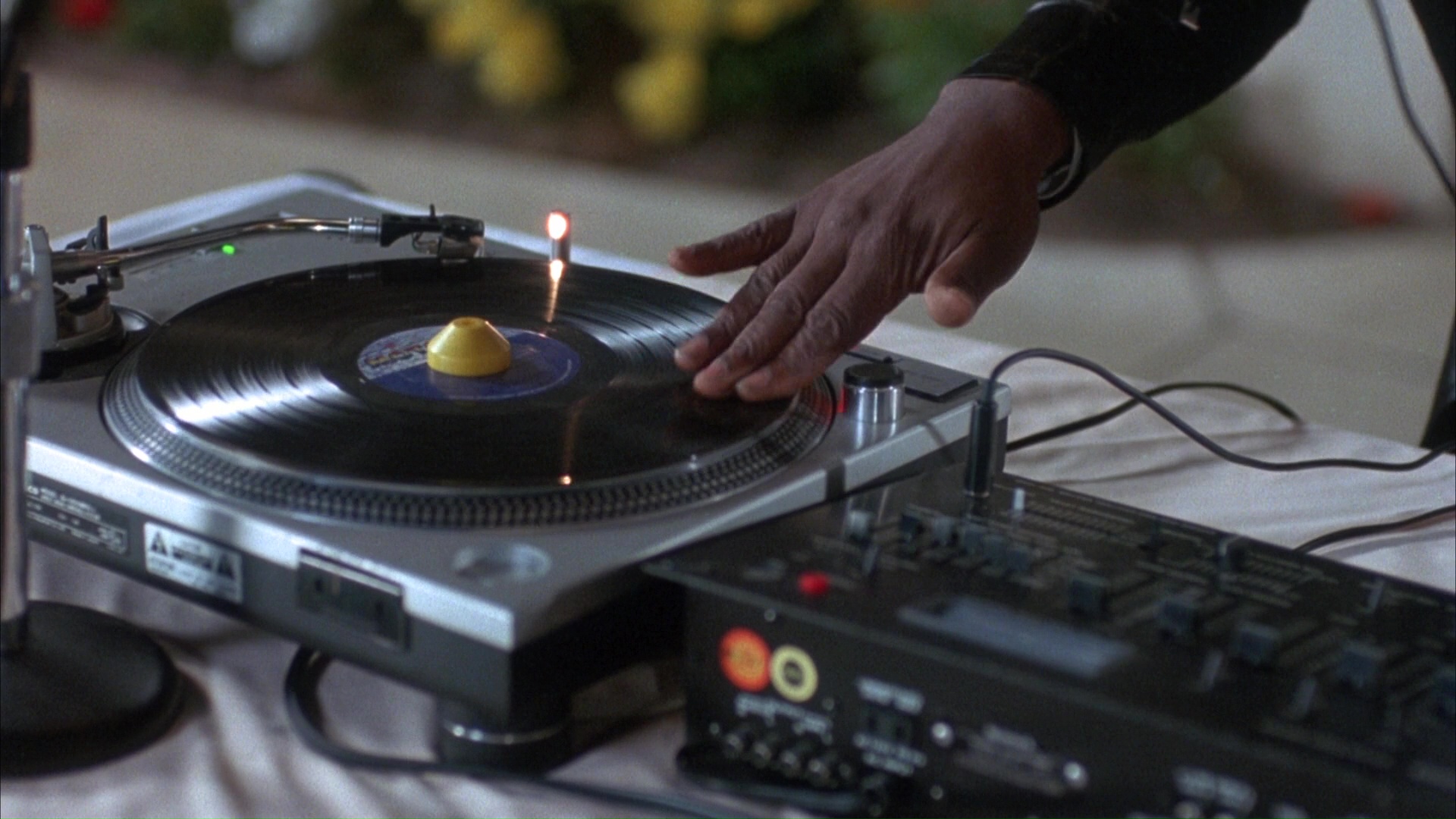
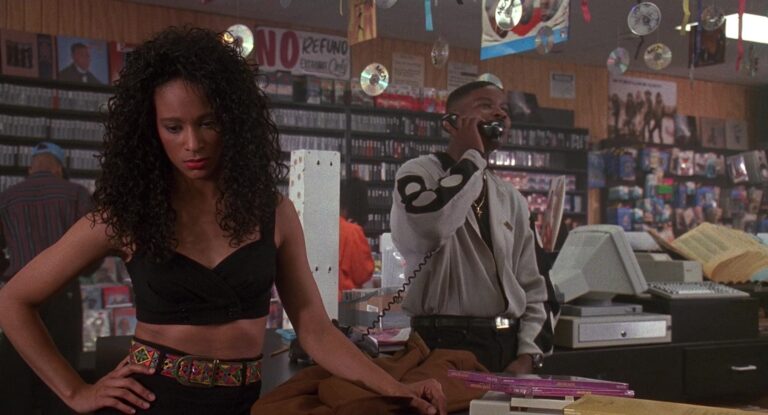
Hudlin and cinematographer Peter Deming shoot House Party with a vibrant, energetic style that blends music-video rhythm with grounded neighborhood realism. The film’s colorful interiors, wide ensemble staging, and kinetic dance sequences turn the house itself into a constantly moving social space, while dynamic camera movement and rapid comic timing give the film its infectious momentum and playful visual personality.

FILM SPOTLIGHT
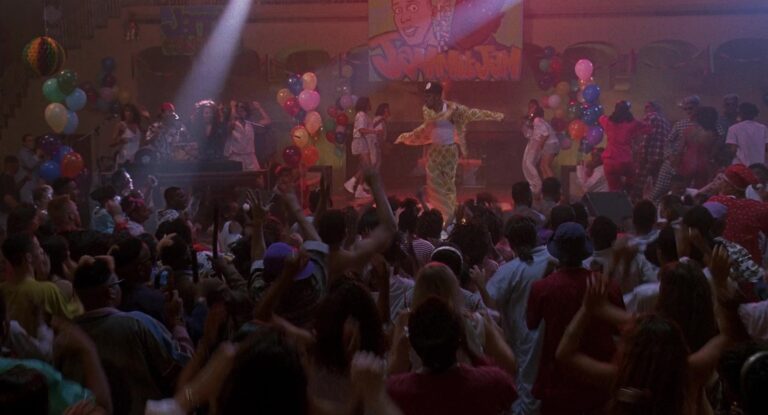
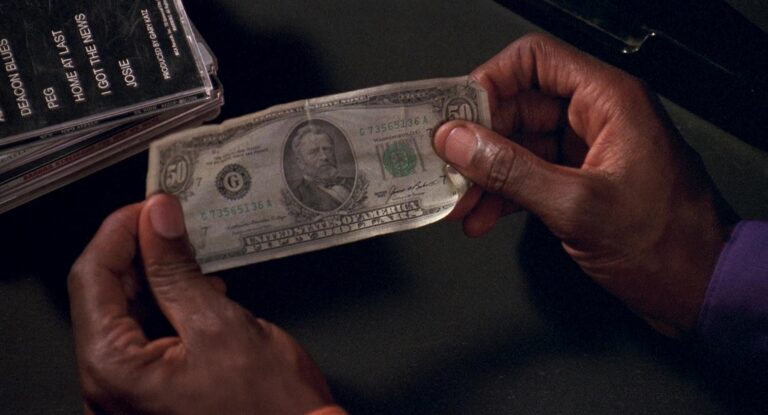
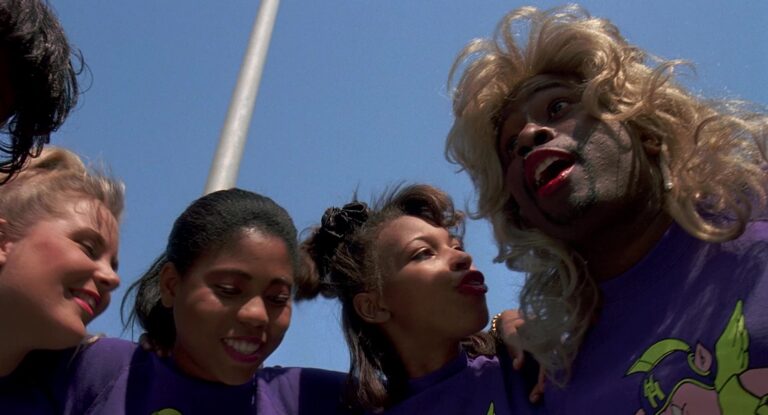
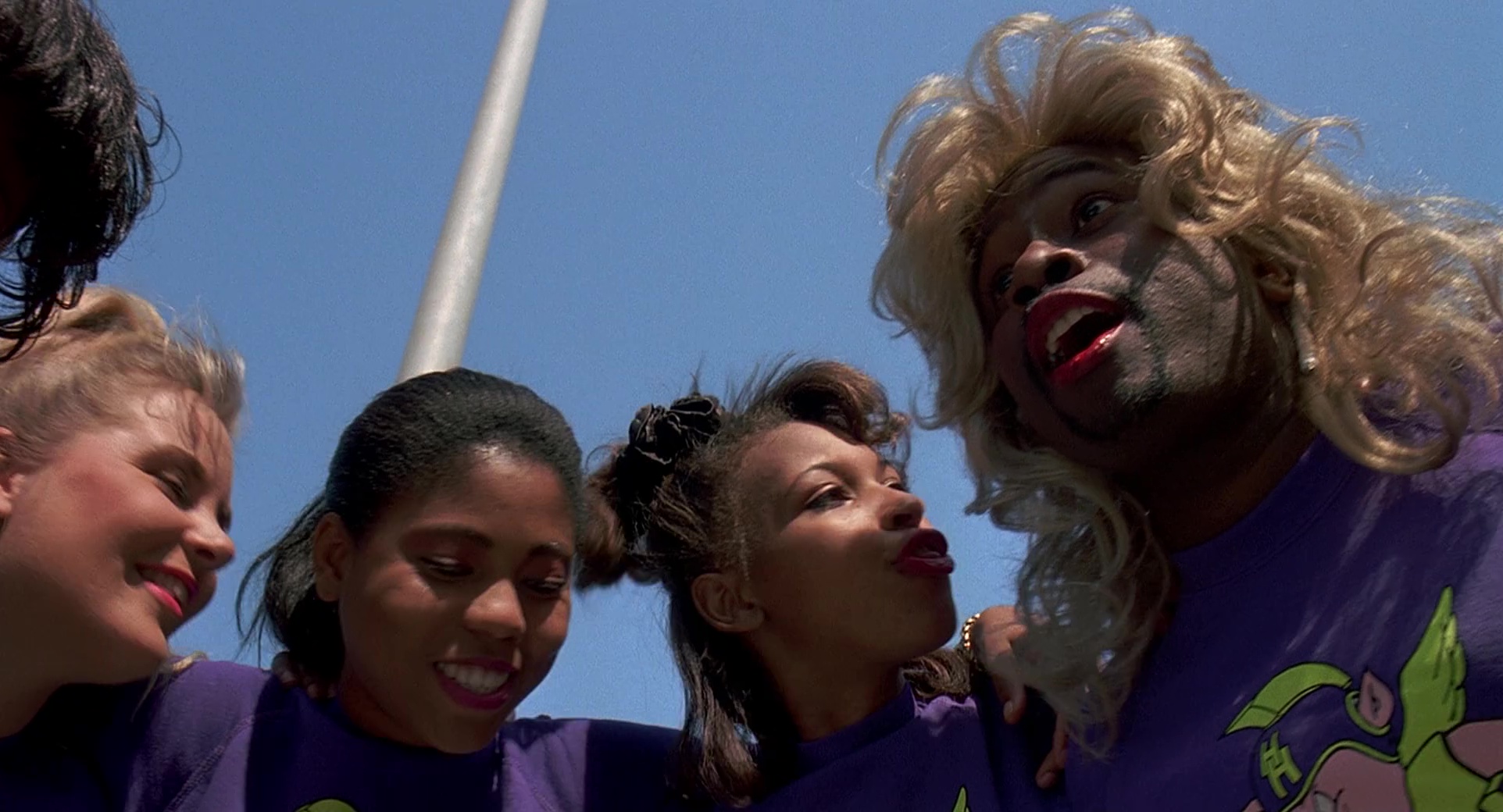
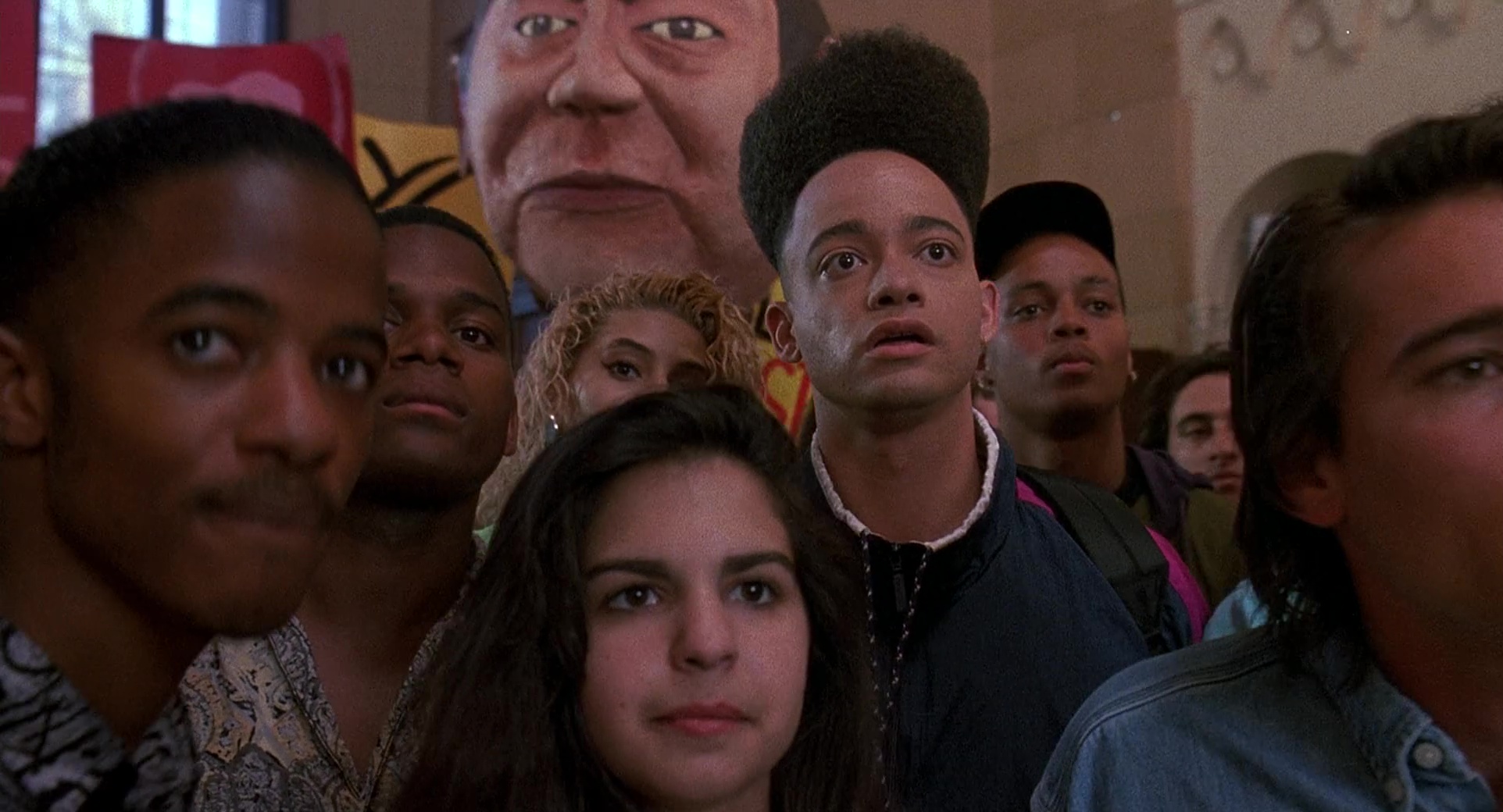
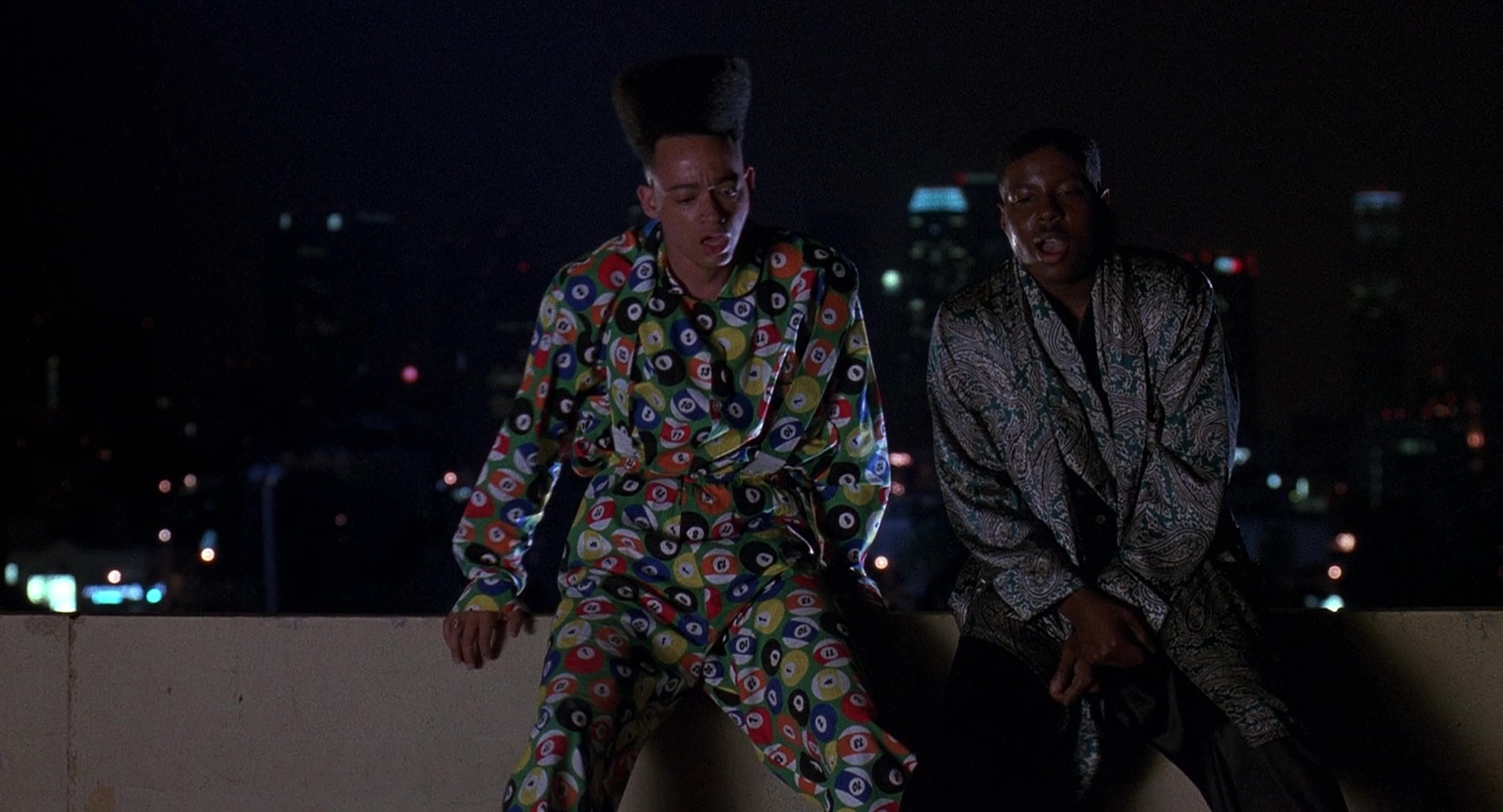
House Party 2 (1991)
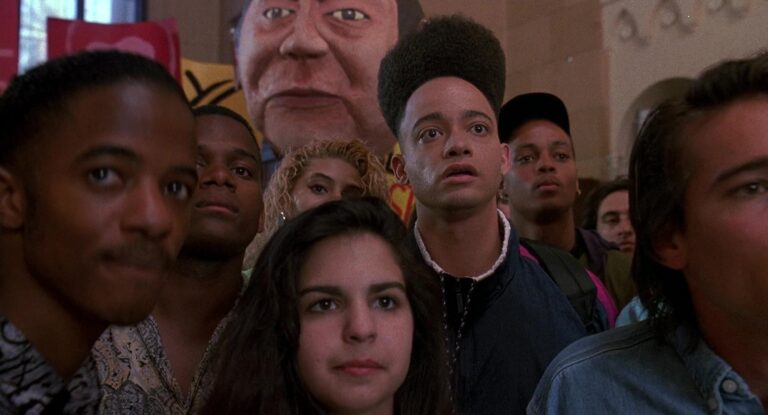
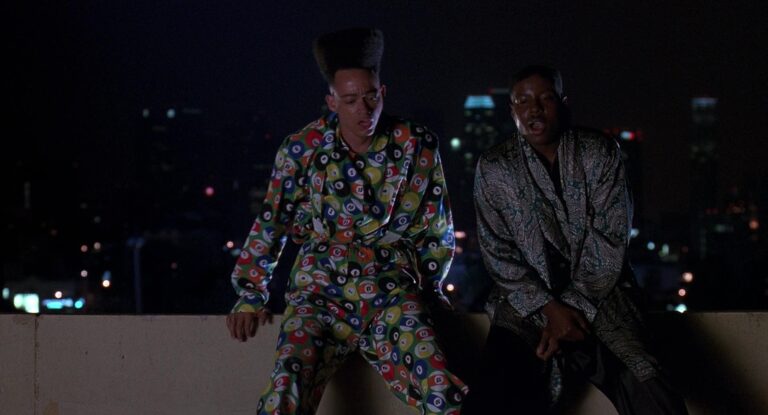
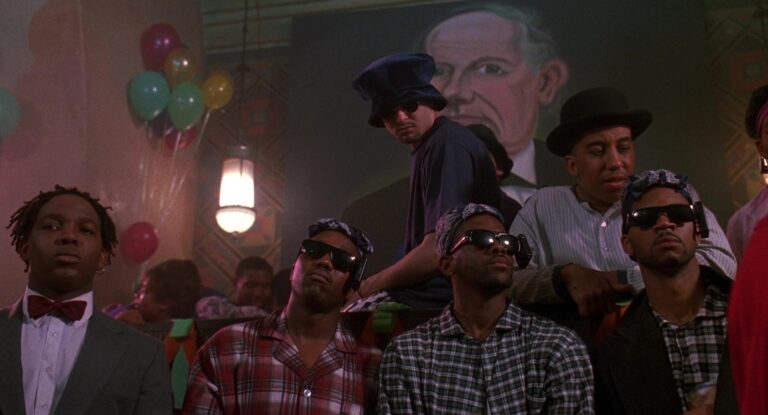
After graduating high school, Kid and Play head to college hoping to balance campus life, relationships, and music ambitions. Their plans are complicated when Play loses the money intended for tuition, sending the duo into a series of schemes and misadventures to recover it before they’re expelled. The film expands the original’s party-driven chaos into a broader college comedy about friendship, responsibility, and growing up.
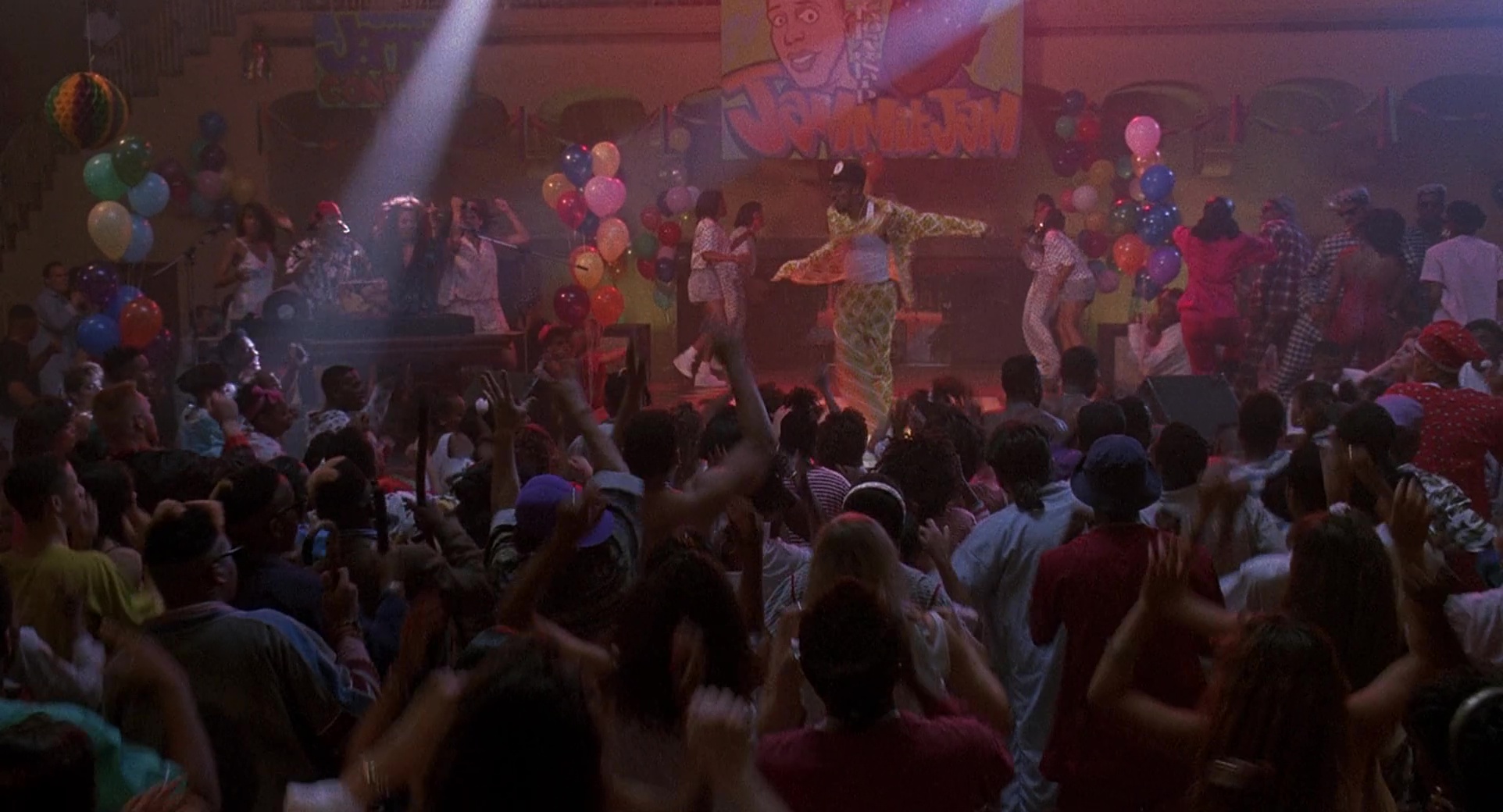
For House Party 2, Jackson, McHenry, and cinematographer Peter Deming retain the bright, energetic visual style of the first film while shifting the setting to colorful campus environments and larger party sequences. The film leans heavily on dynamic ensemble blocking, musical performances, and playful camera movement, using dance scenes and crowded interiors to maintain a lively, rhythmic visual flow rooted in early-1990s hip-hop culture.
FILM SPOTLIGHT
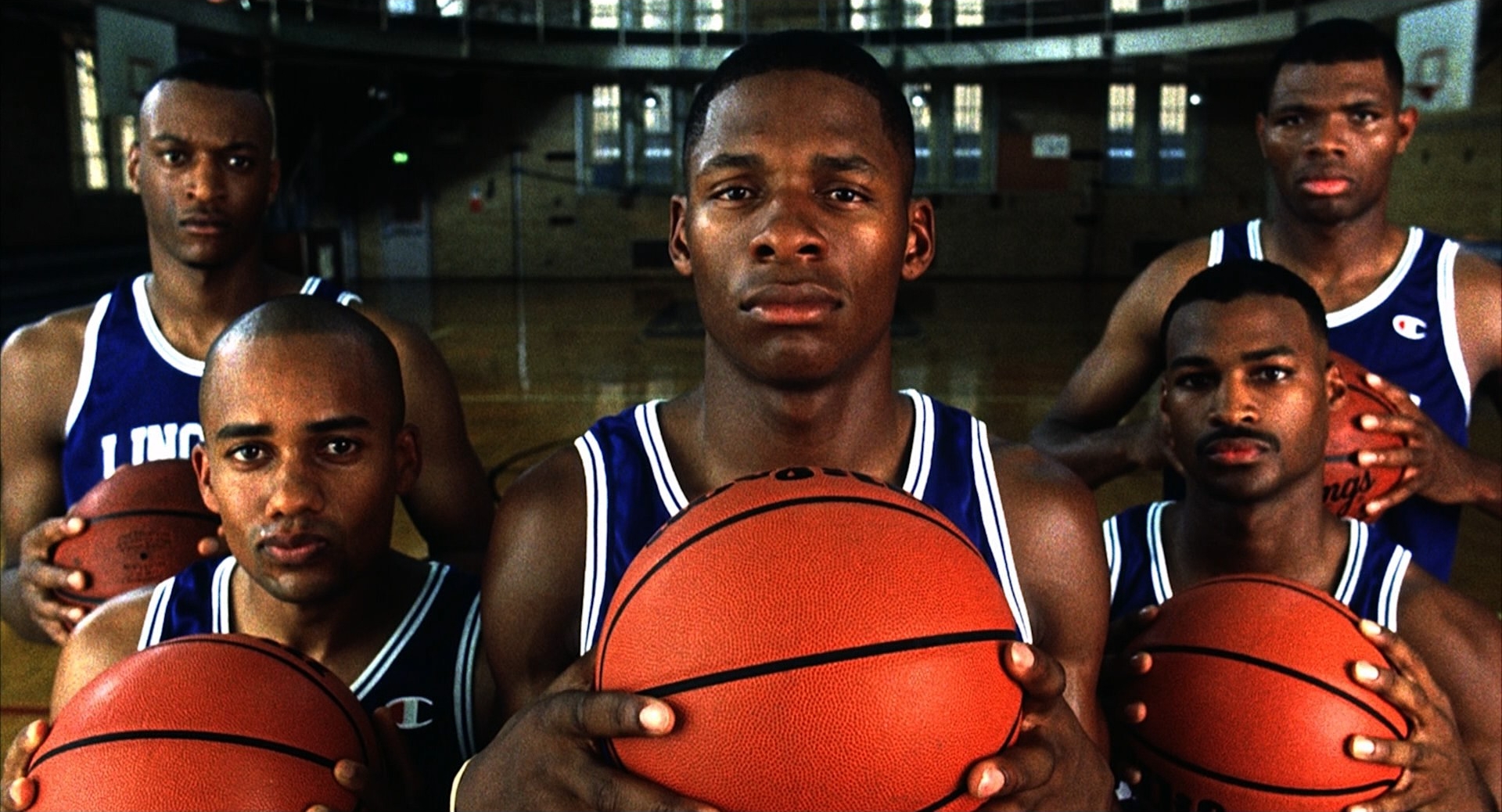
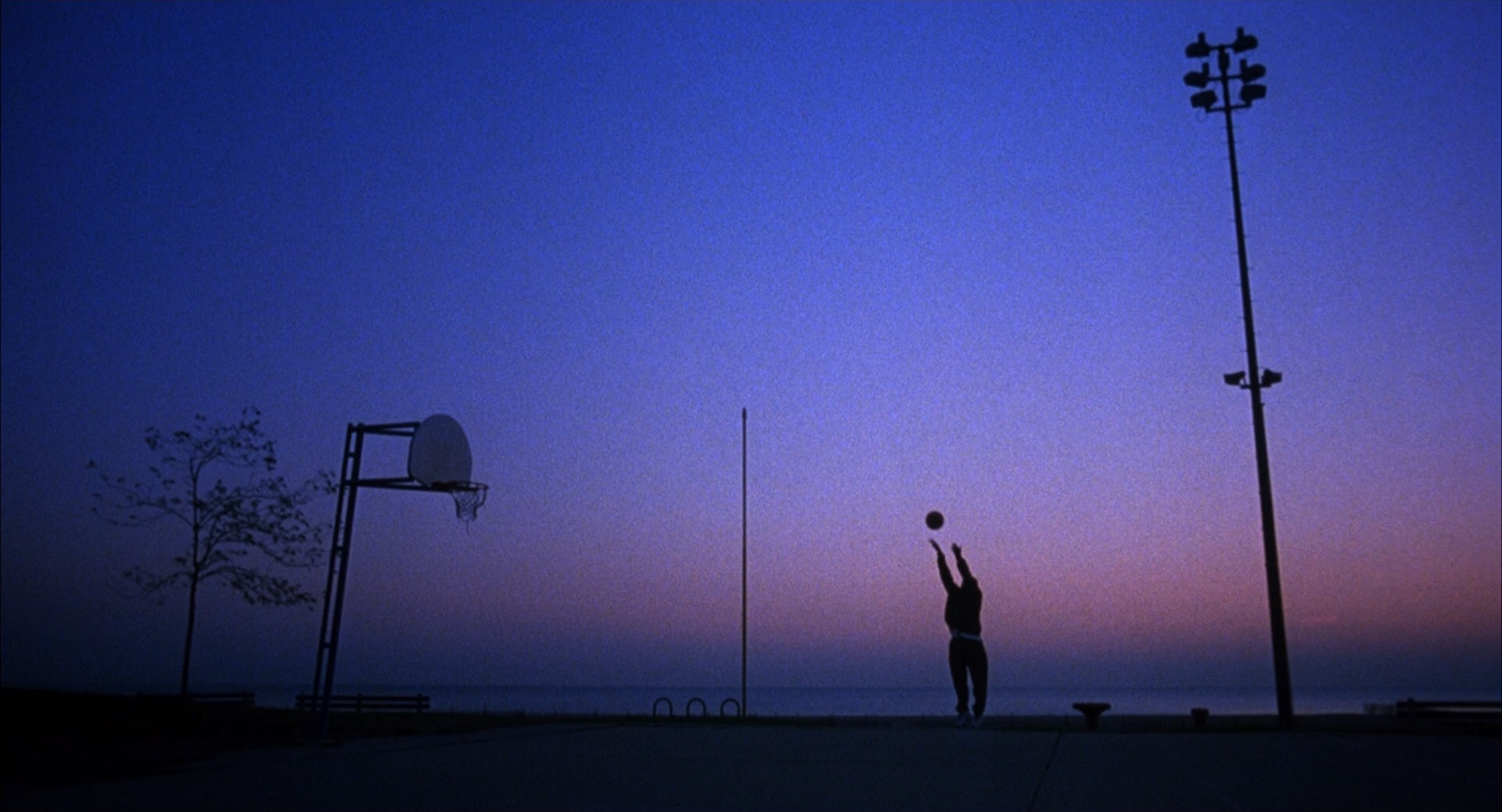
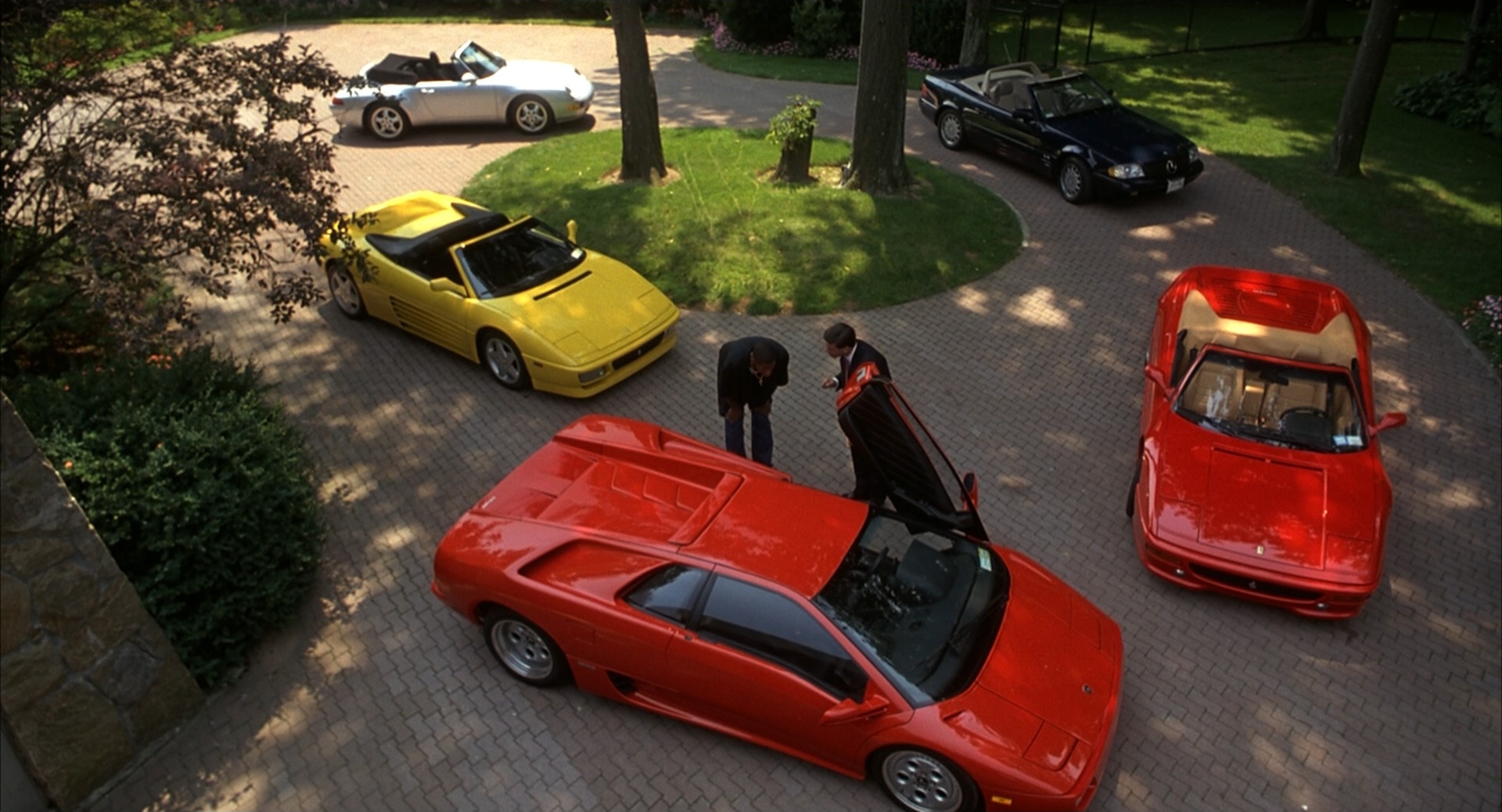
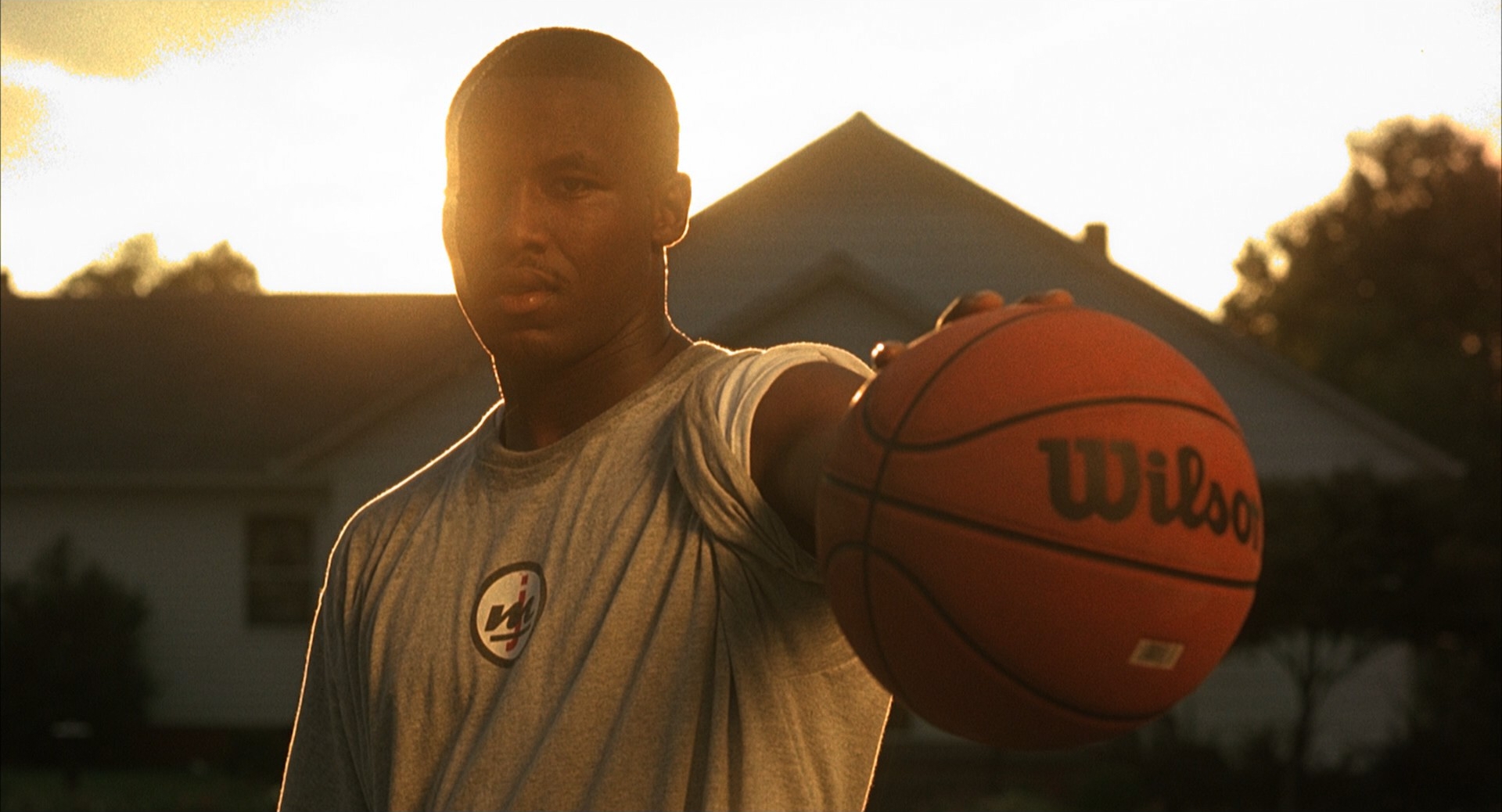
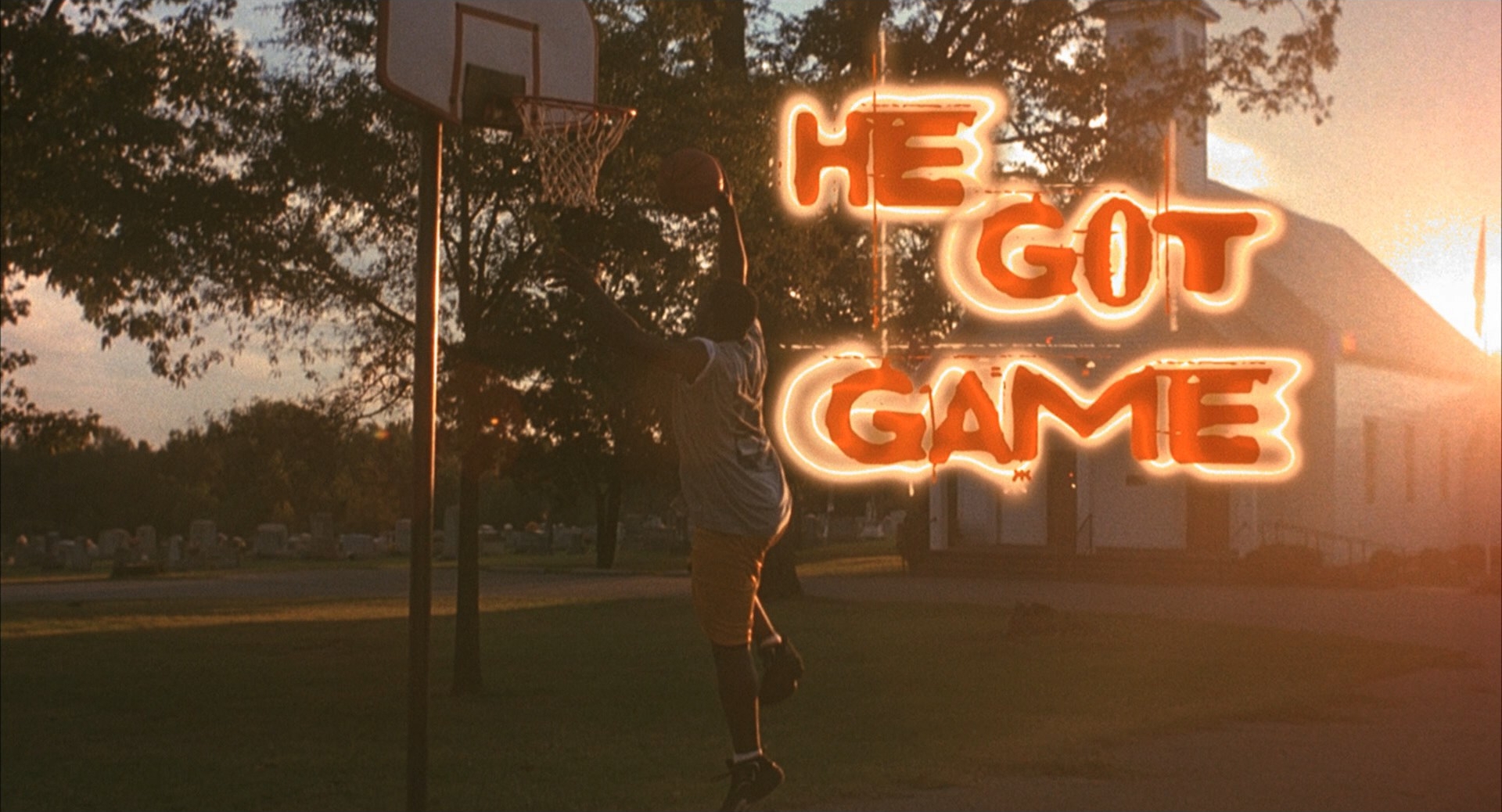
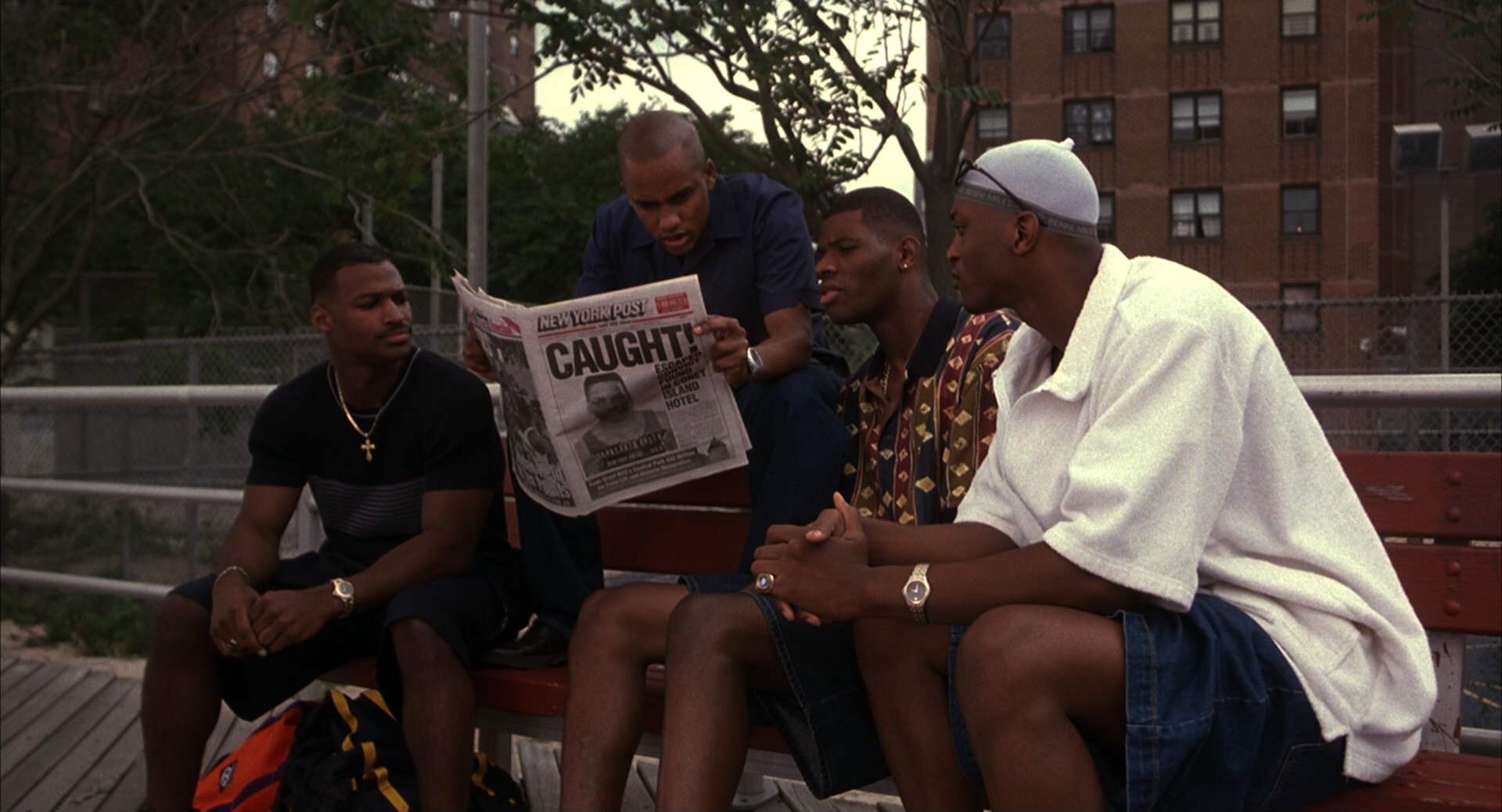
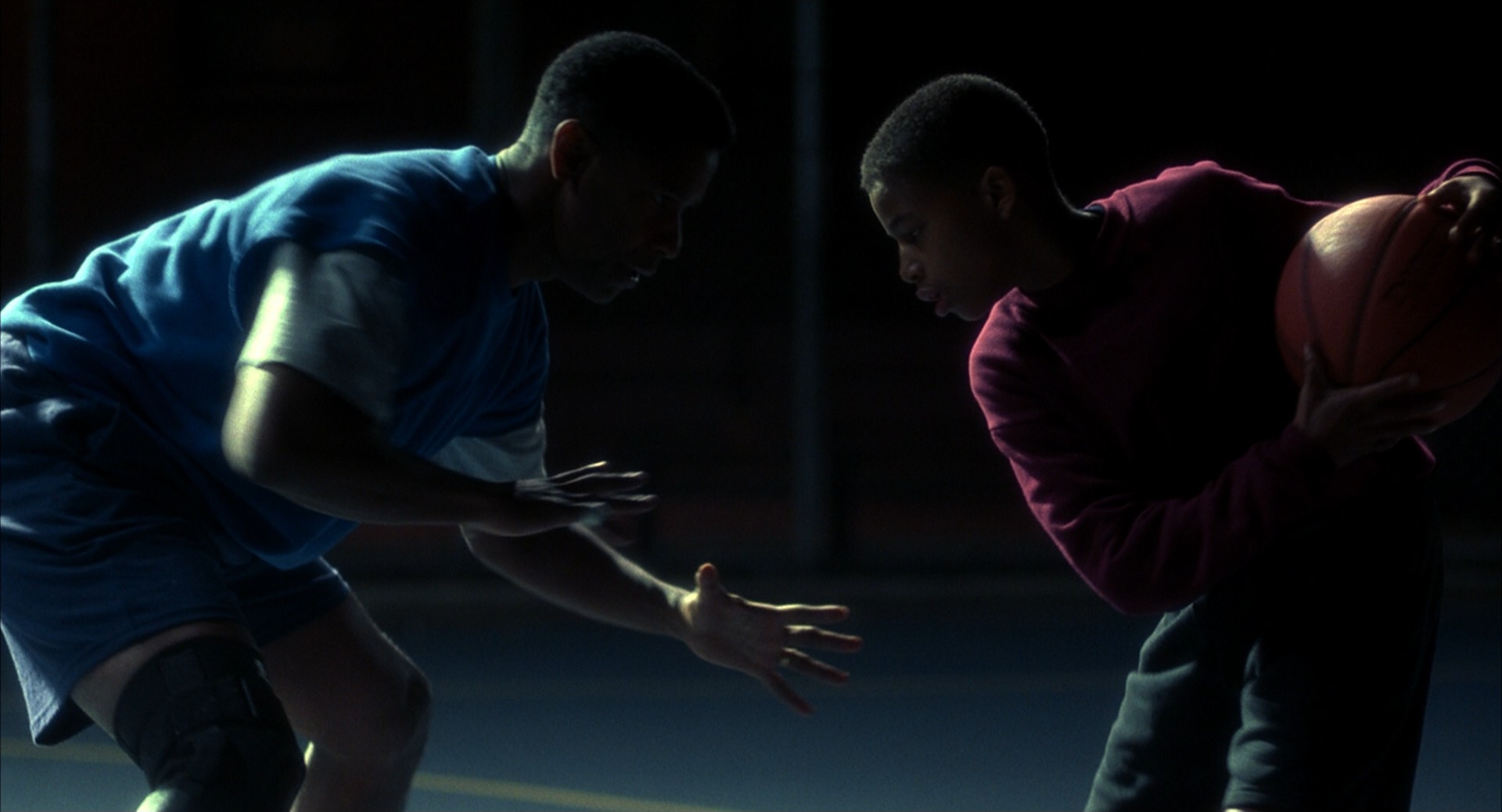
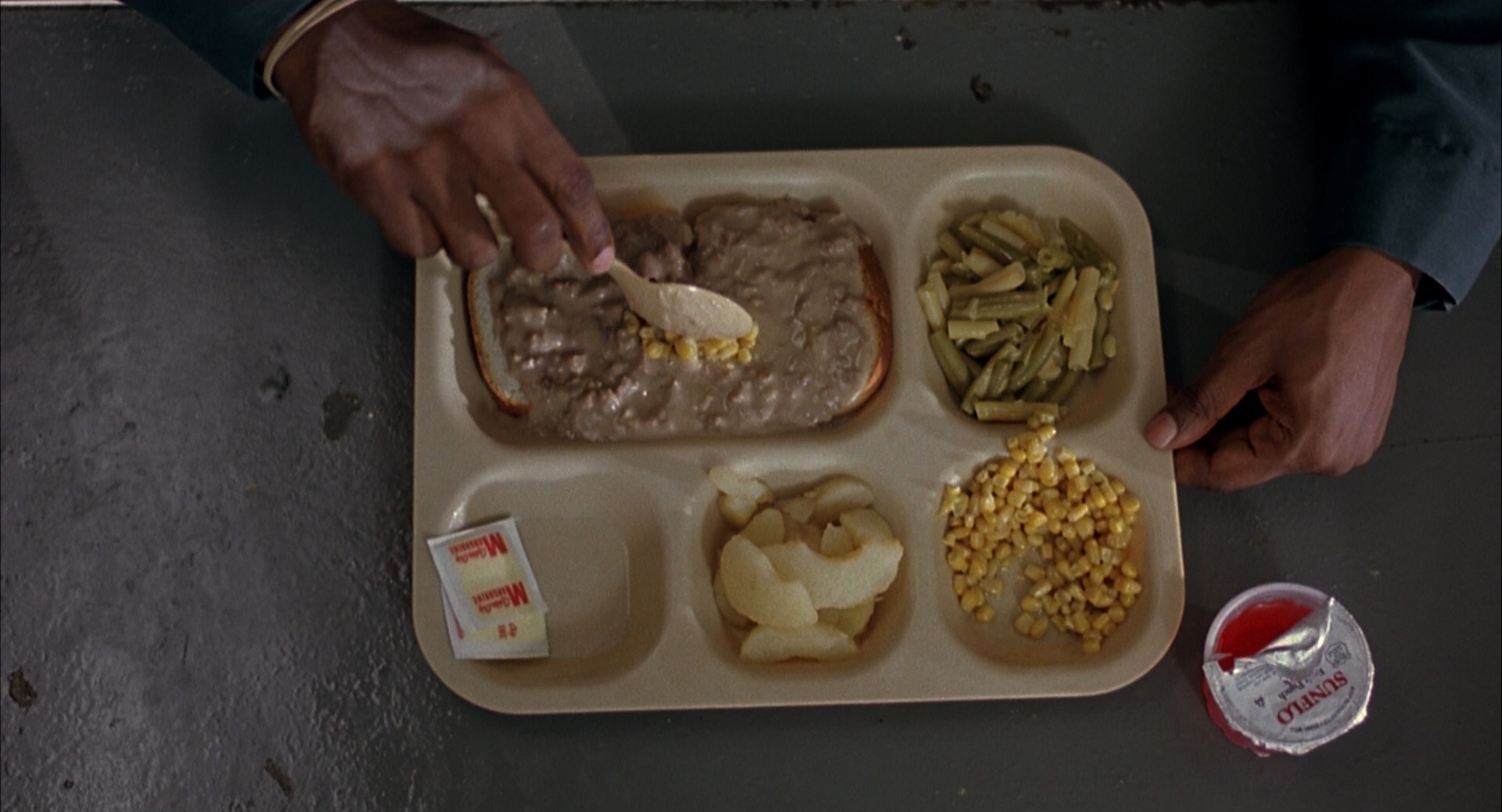
He Got Game (1998)
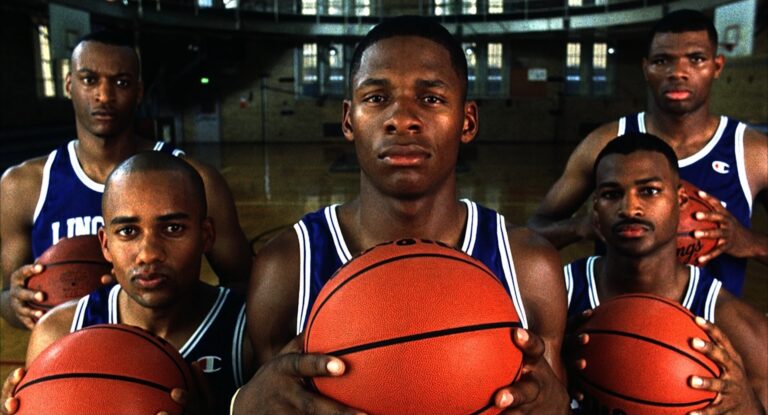
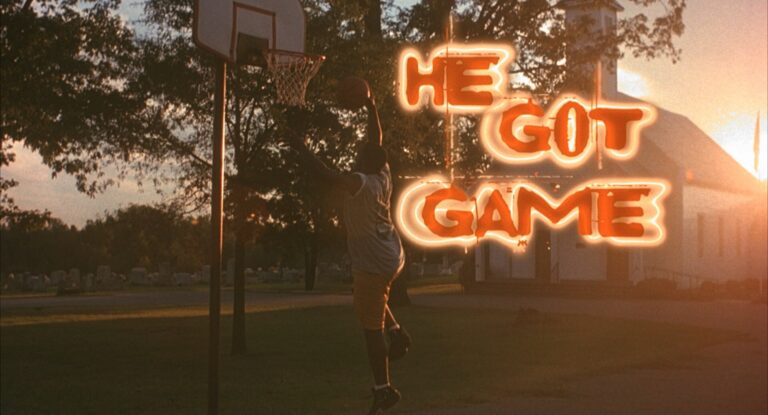
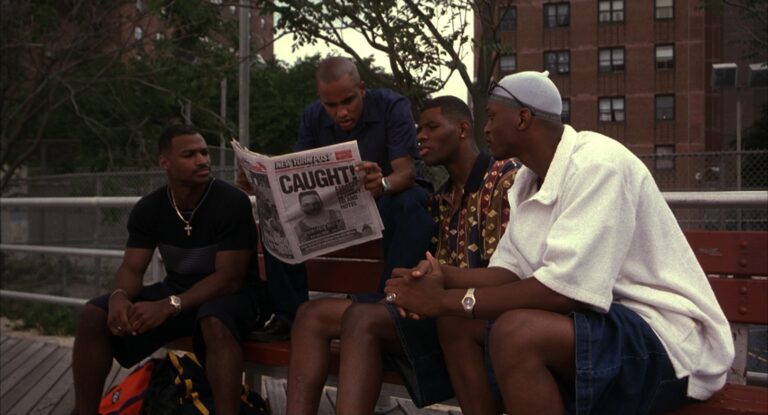
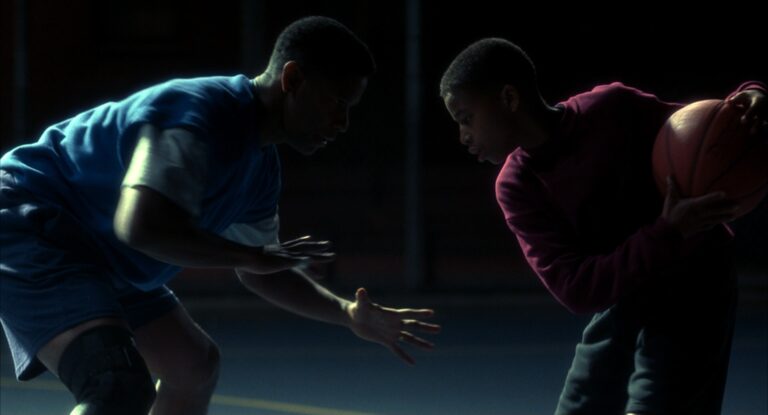
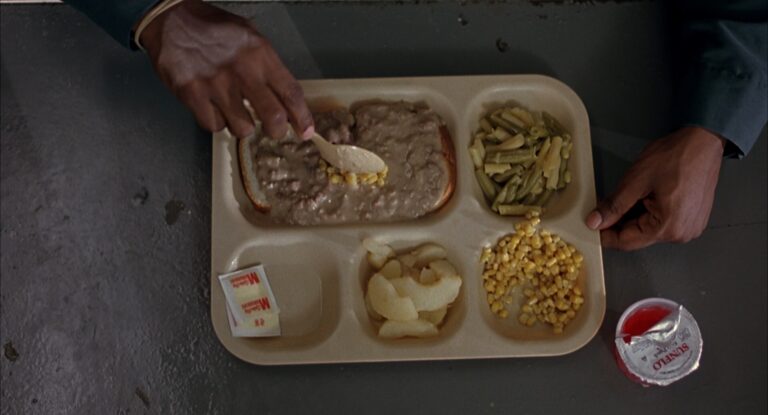
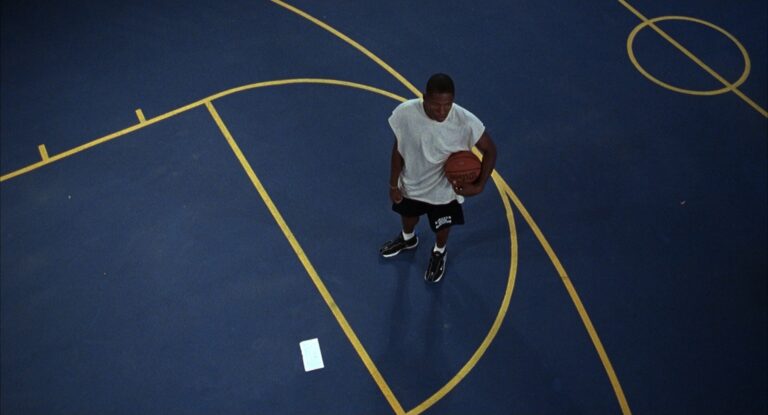
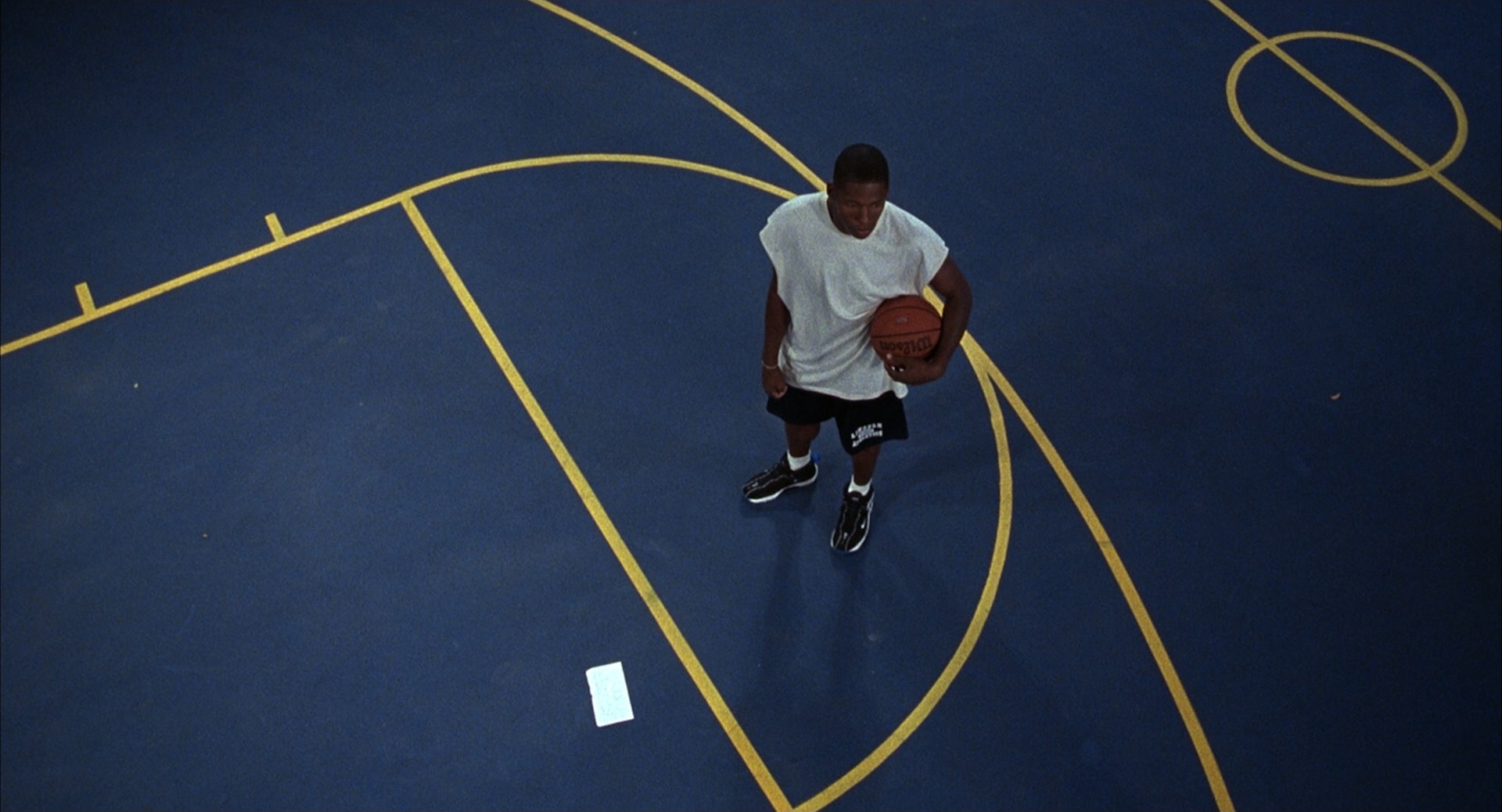
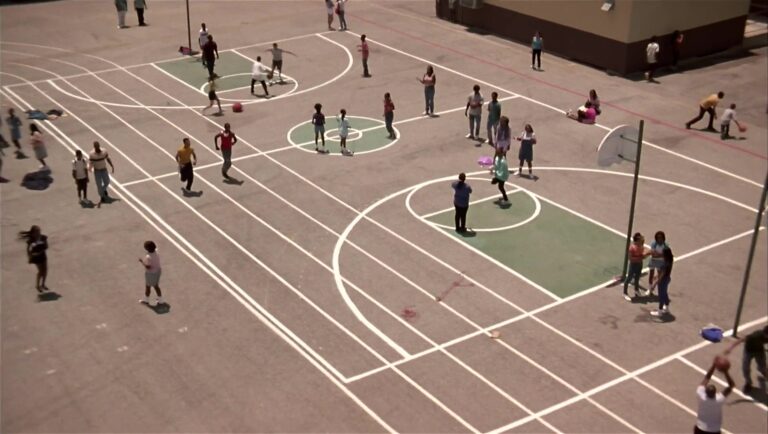
Jake Shuttlesworth, serving a prison sentence for killing his wife, is temporarily released by the governor and ordered to convince his estranged son Jesus—America’s top high school basketball prospect—to attend a specific college. As father and son reconnect after years of anger and absence, their relationship becomes entangled with the pressures of fame, money, and exploitation surrounding elite athletics. The film unfolds as both a family drama and a critique of the systems built around young Black talent.
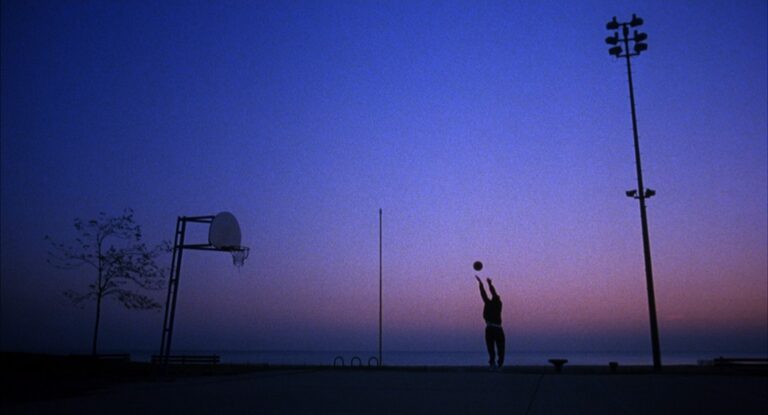
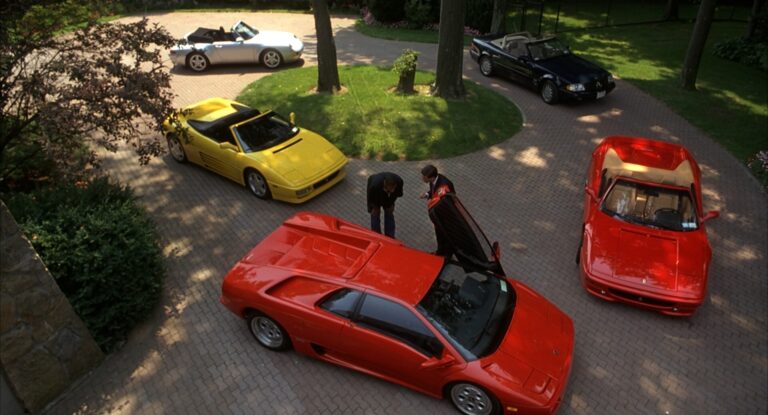
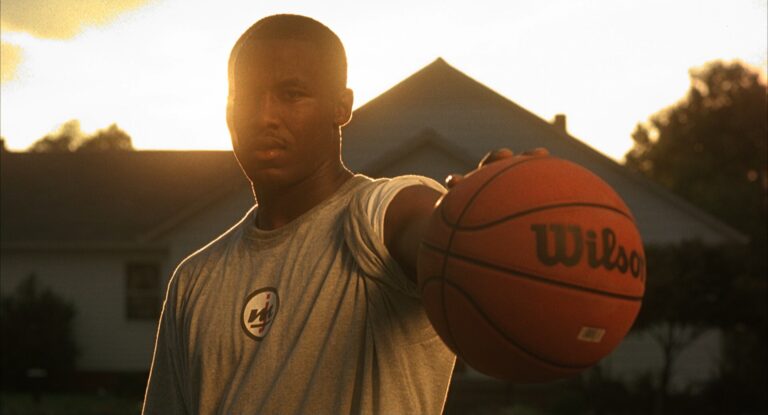
Spike Lee and cinematographer Malik Hassan Sayeed shoot He Got Game with a blend of gritty urban realism and heightened stylization, using saturated colors, expressive slow motion, and dynamic basketball photography to mythologize the sport. Lee frequently isolates Jesus within wide courts and city spaces, turning basketball into both spectacle and burden, while the use of floating camera moves, direct address, and rhythmic editing gives the film an emotional and political urgency rooted in Spike Lee’s signature visual language.
FILM SPOTLIGHT
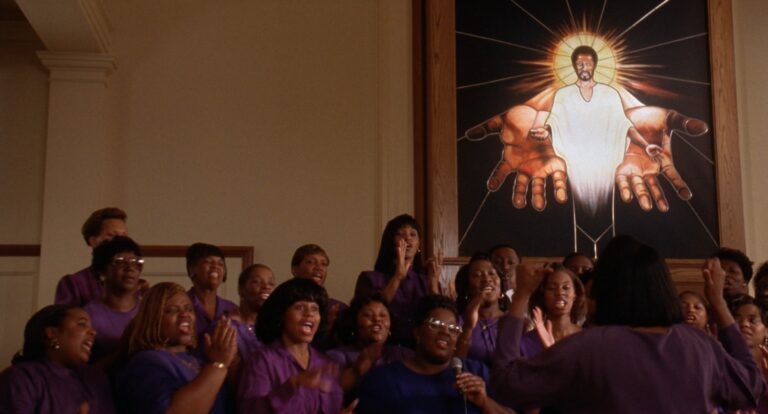
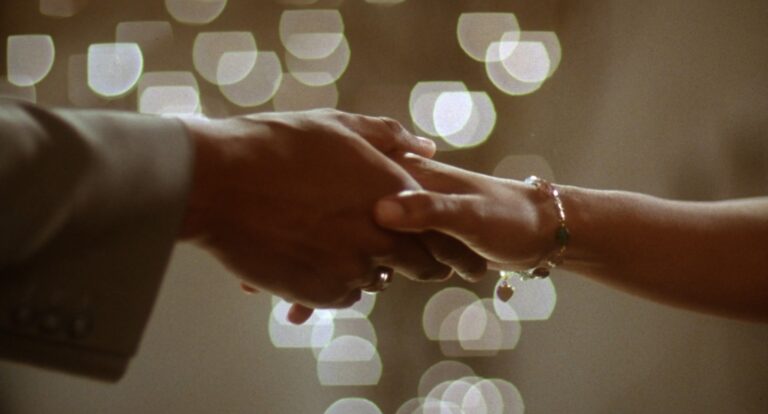
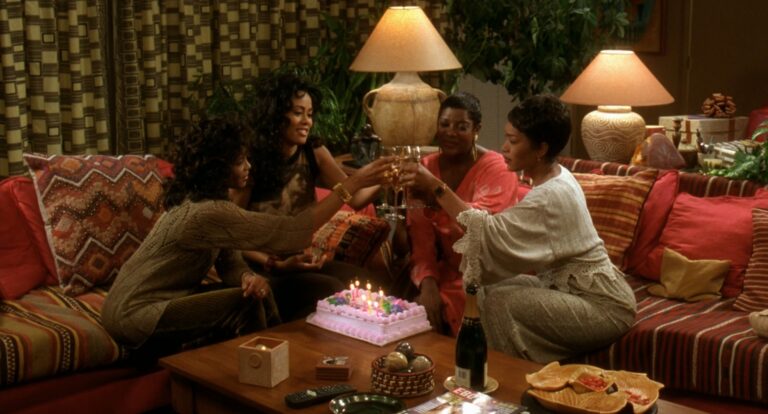
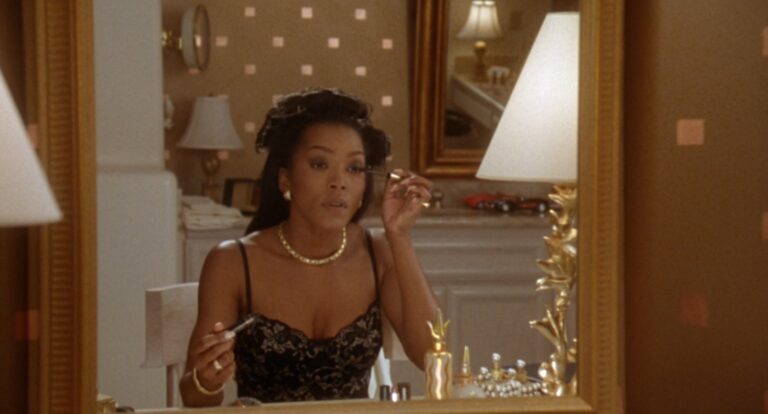
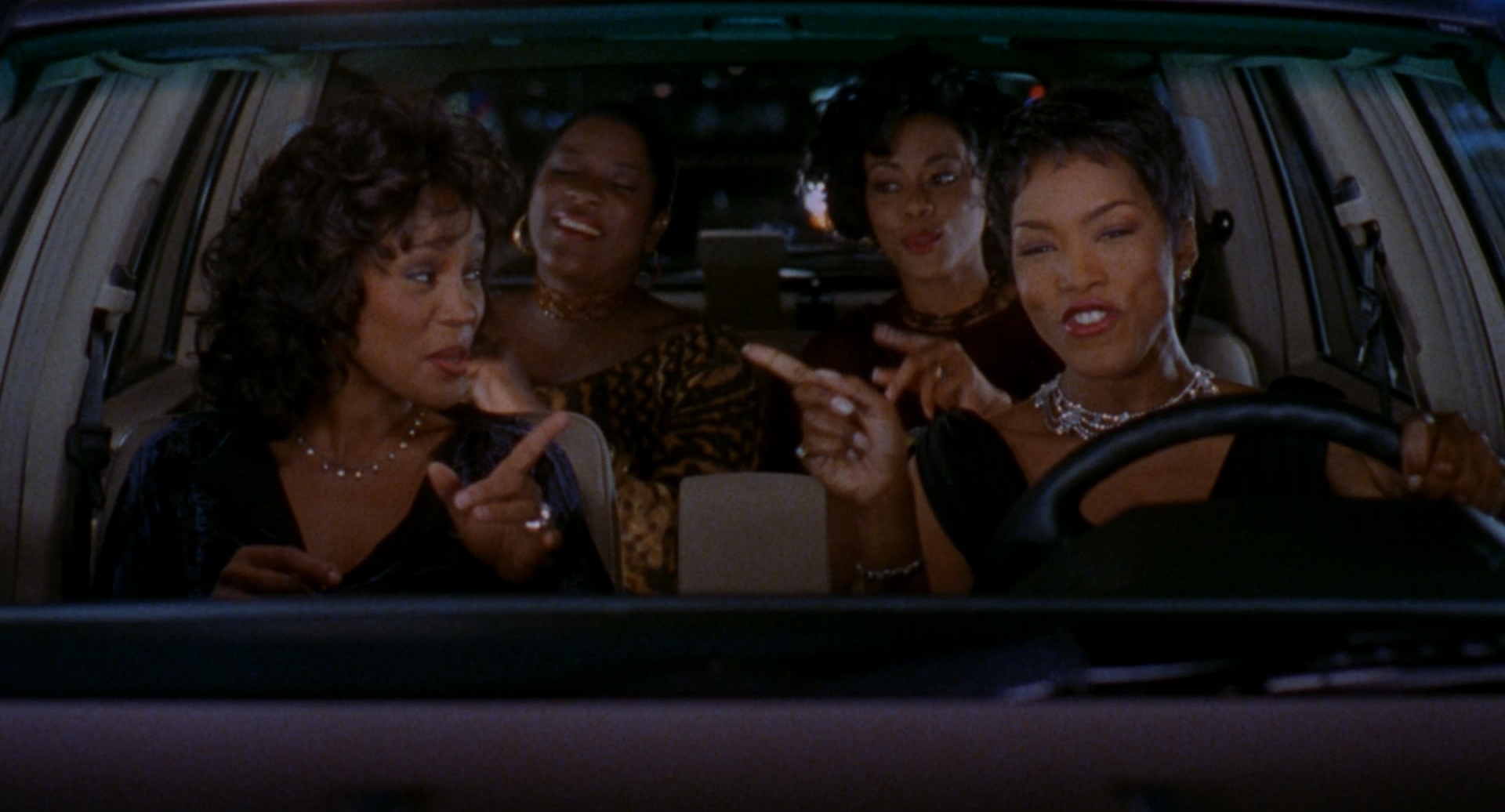
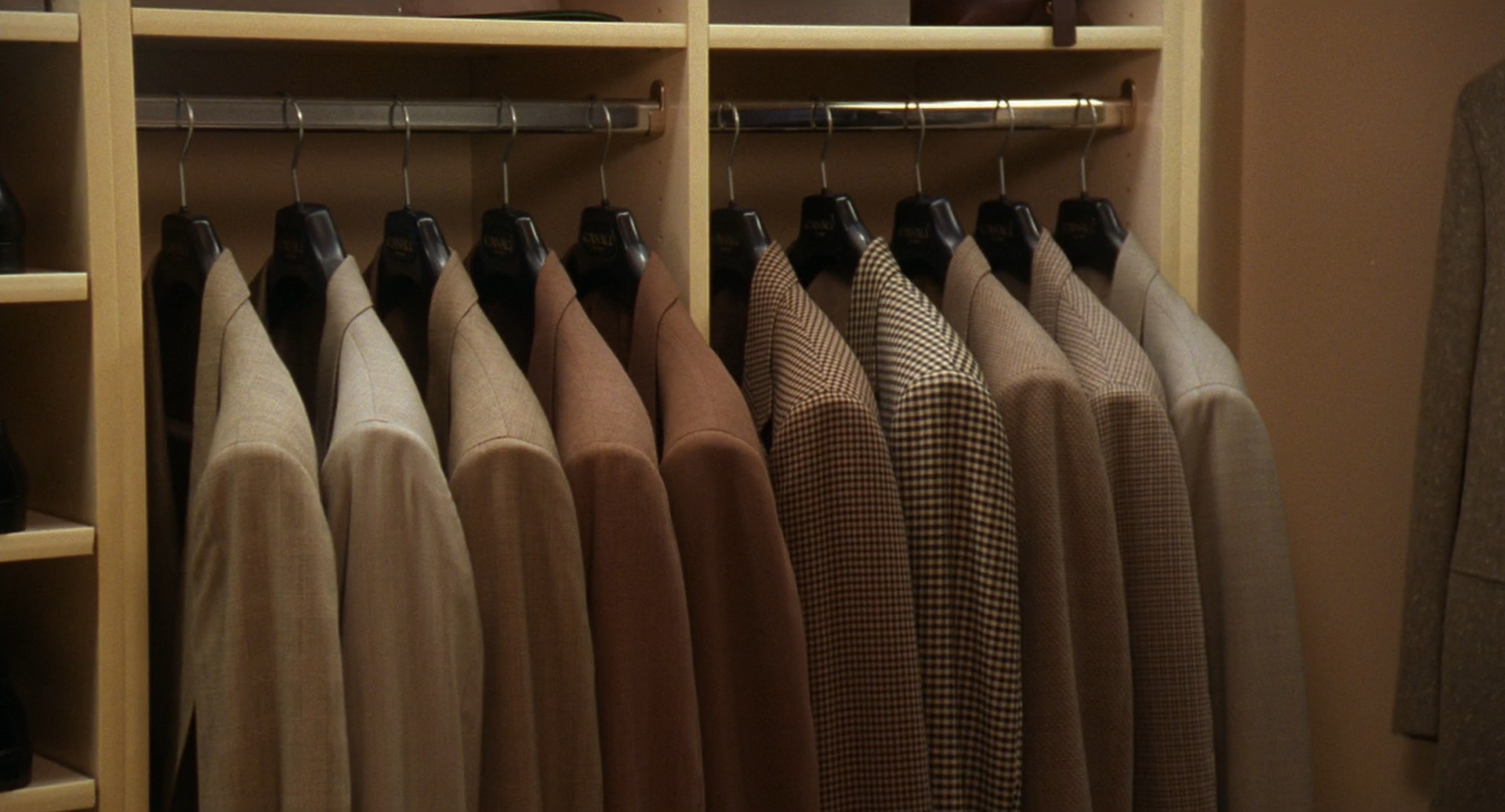
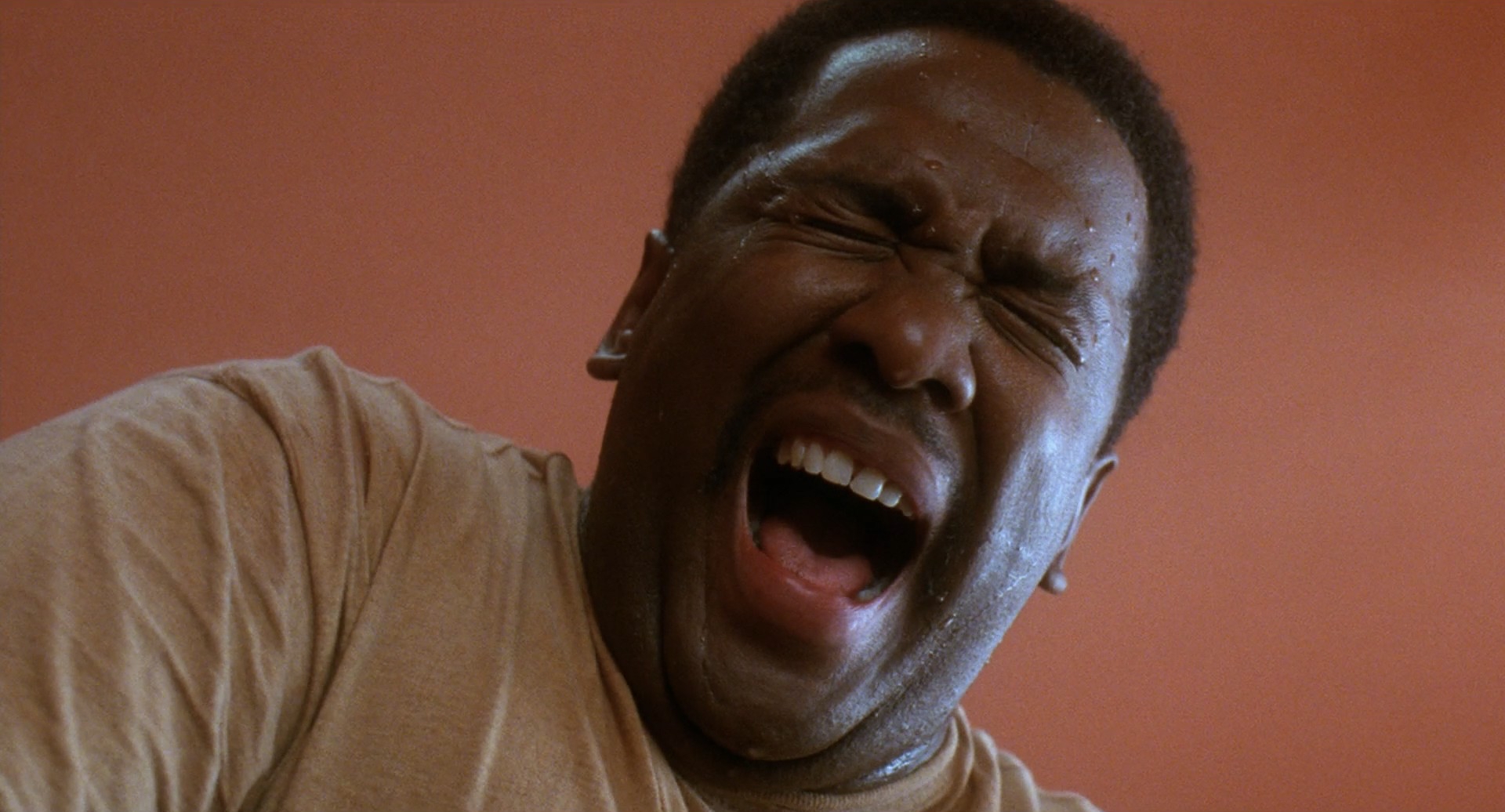
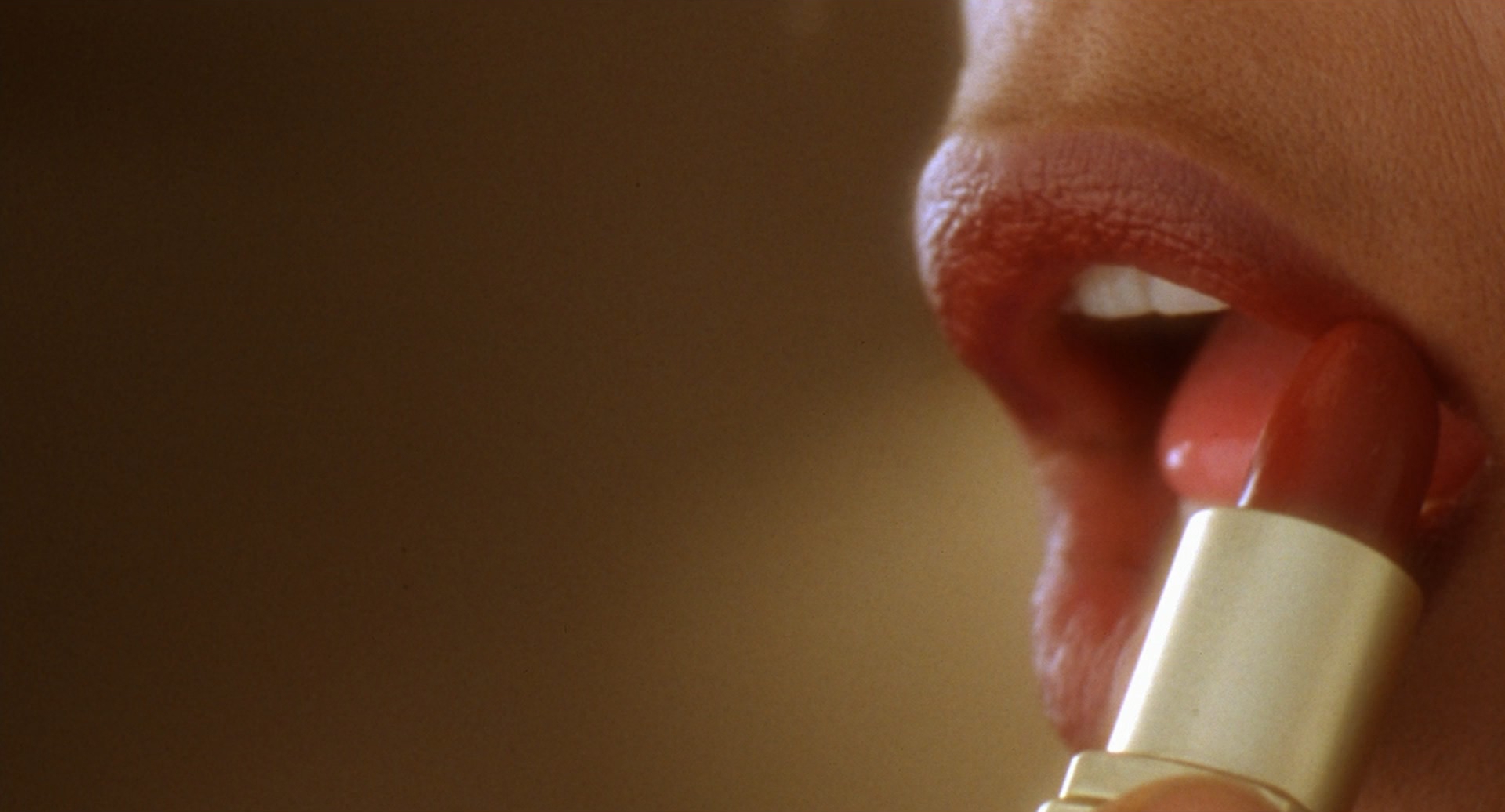
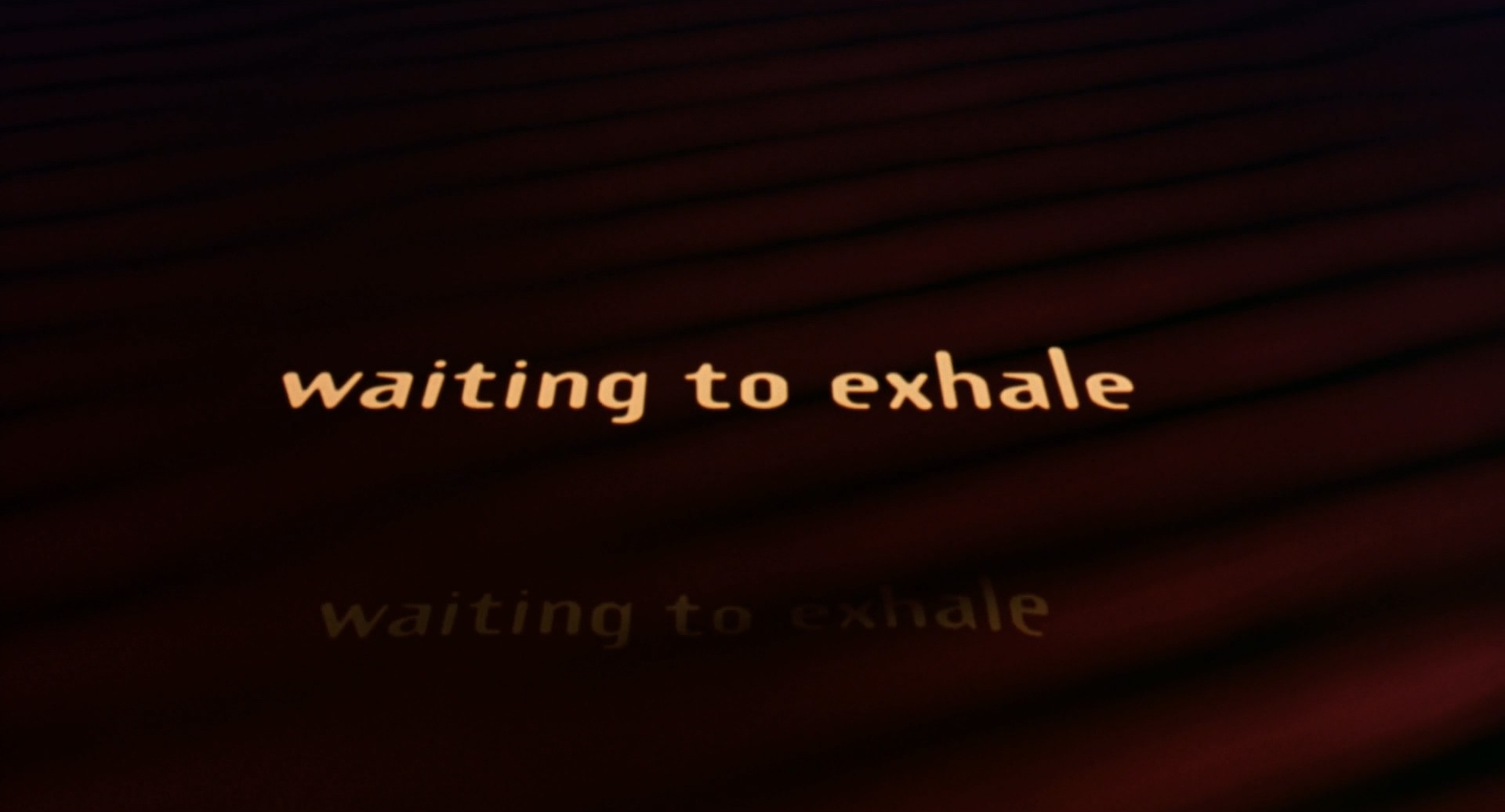
Waiting to Exhale (1995)
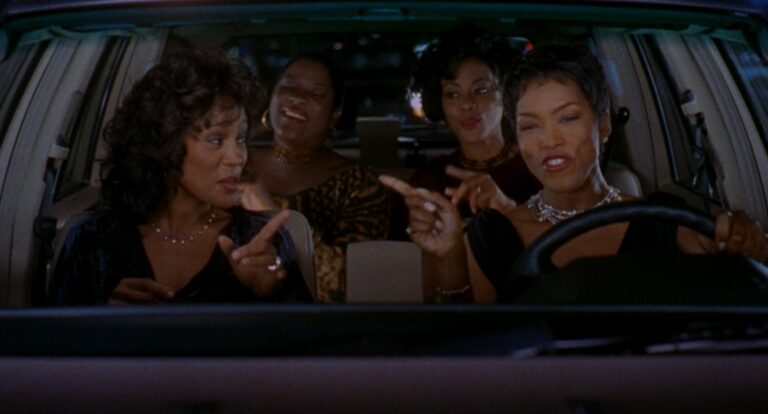
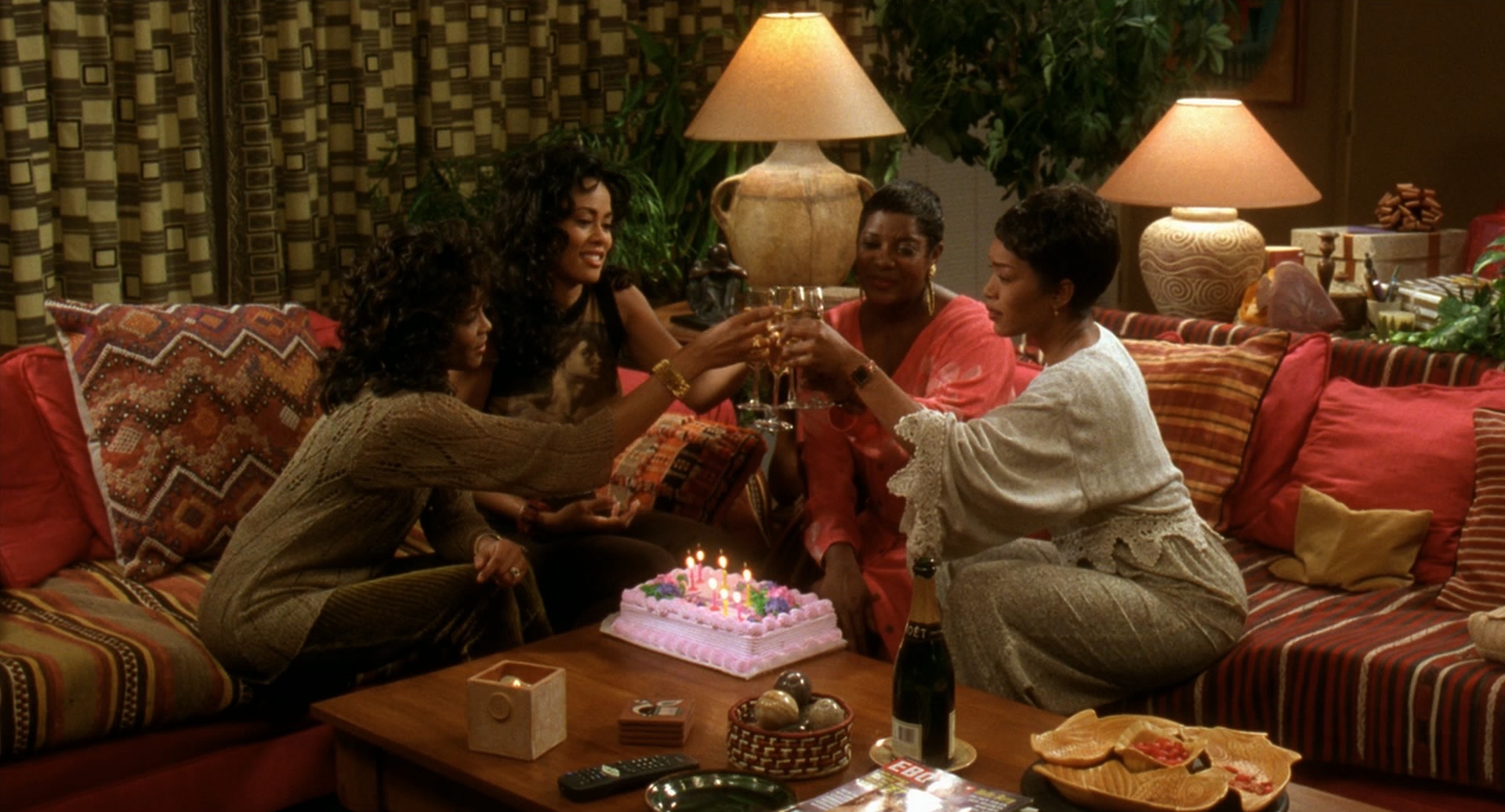
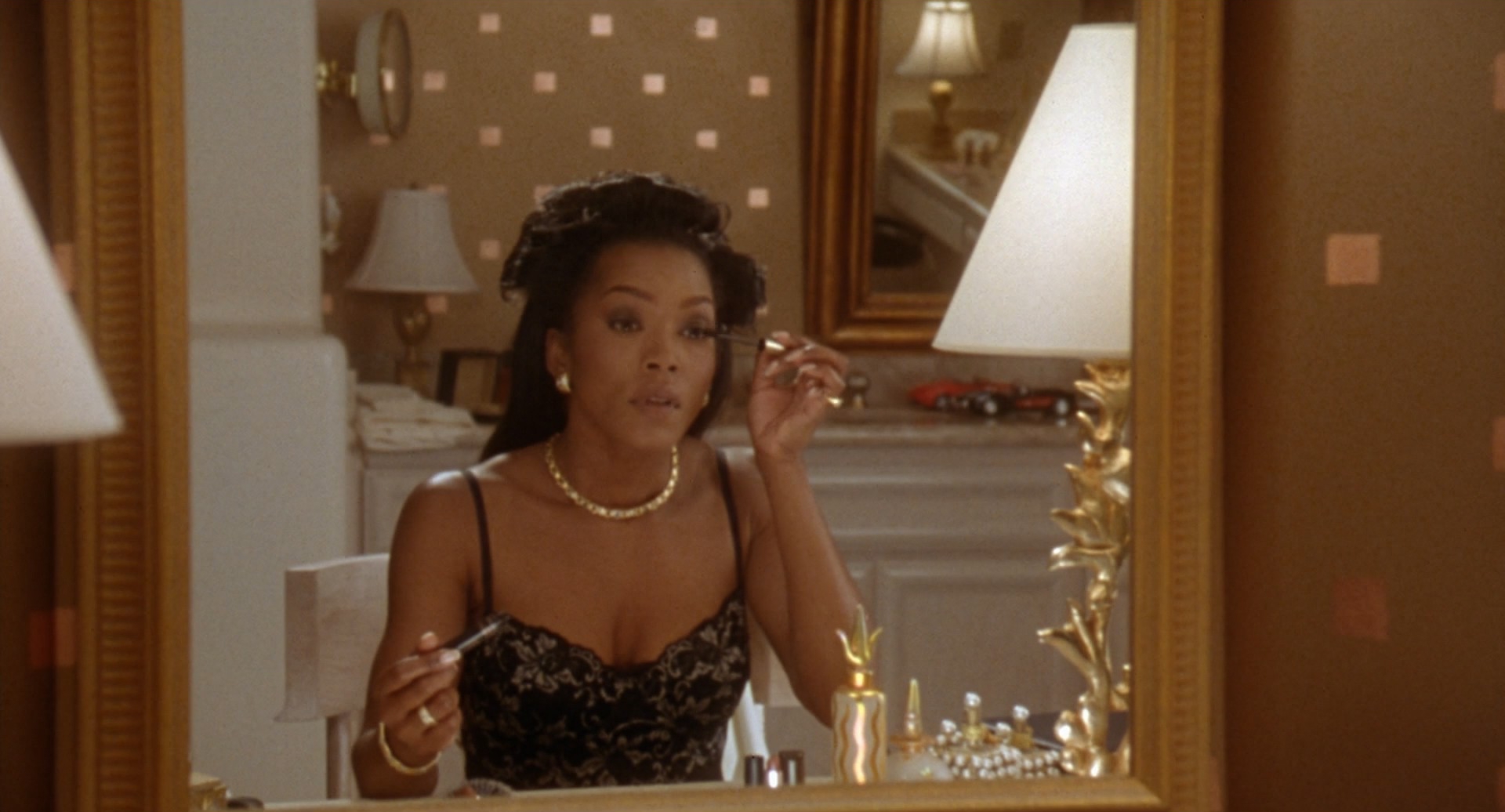
Set in Phoenix, Arizona, the film follows four Black women navigating friendship, love, career pressures, and heartbreak while supporting one another through personal struggles. As each confronts failed relationships, infidelity, and questions of self-worth, their bond becomes a source of strength and emotional refuge. The story unfolds as an ensemble portrait of intimacy, resilience, and modern Black womanhood.
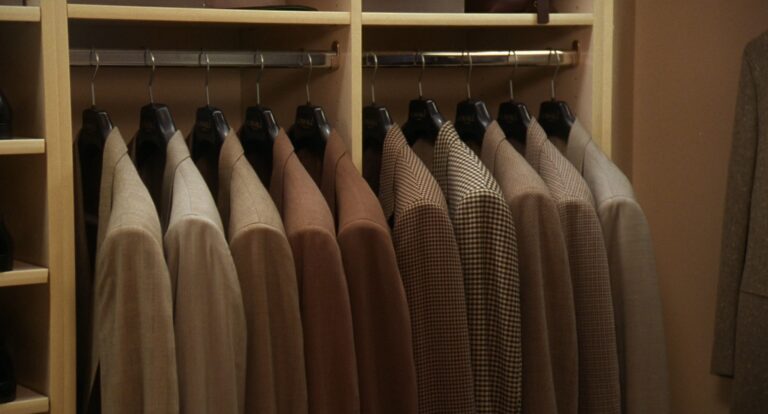
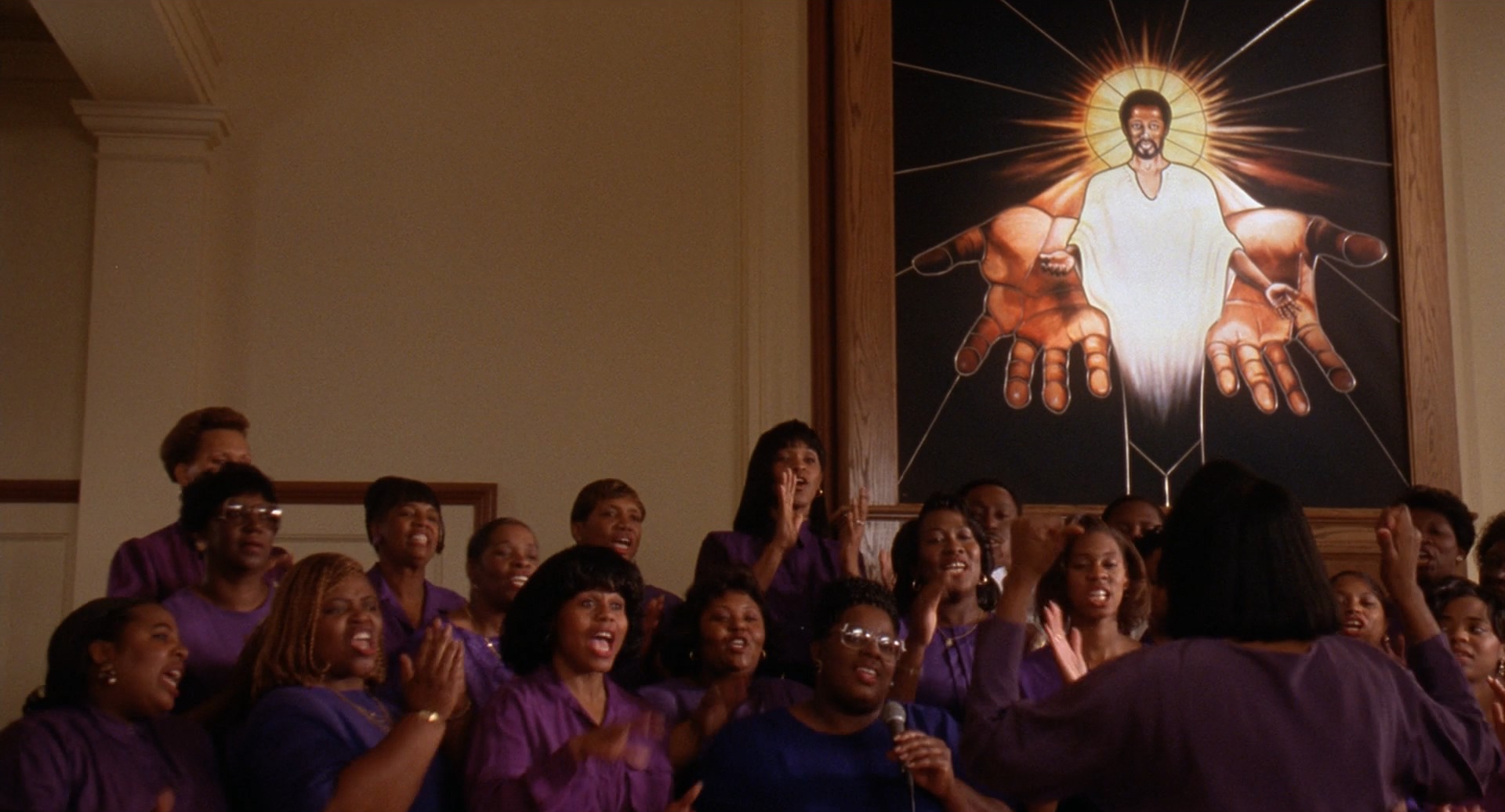
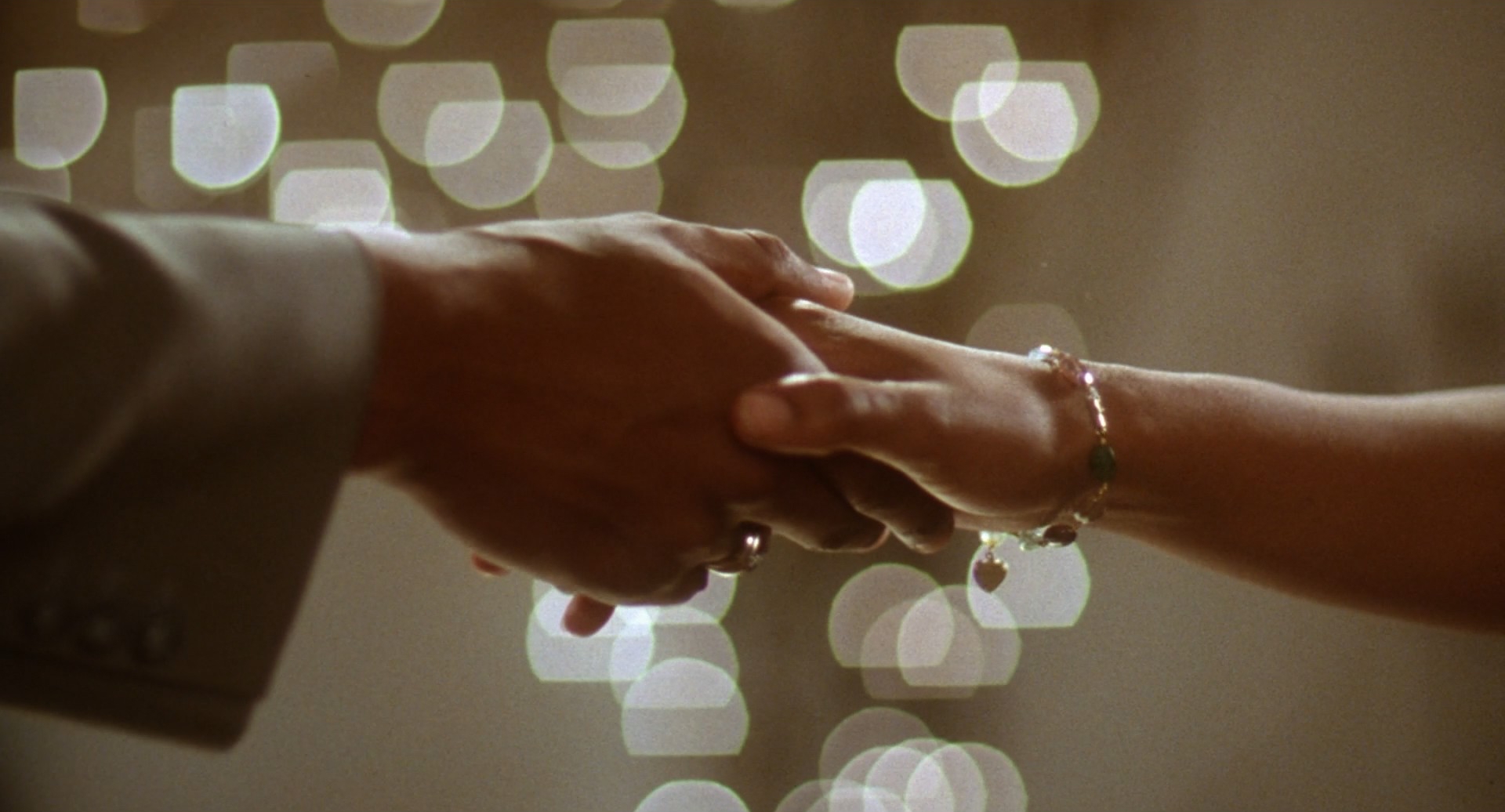
Whitaker and cinematographer Toyomichi Kurita shoot Waiting to Exhale with a polished, warm-toned studio aesthetic that emphasizes intimacy and emotional accessibility. Soft lighting, elegant interiors, and sunlit Southwest exteriors create a rich, inviting atmosphere, while the film’s close-ups and ensemble staging prioritize emotional connection and chemistry between the four leads—making friendship itself the central visual anchor of the film.


FILM SPOTLIGHT
Eve’s Bayou (1997)
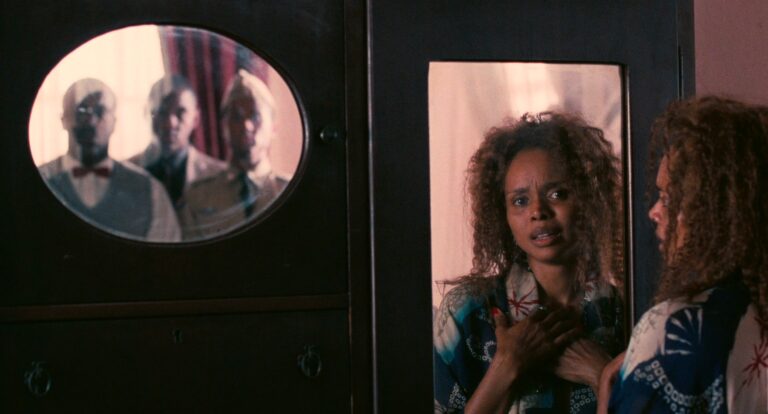
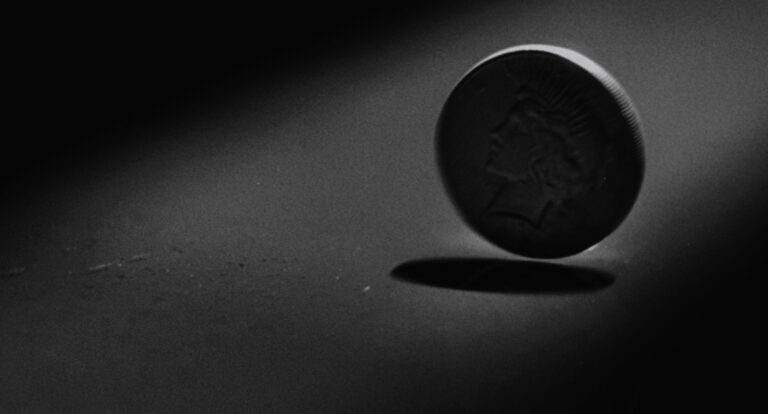
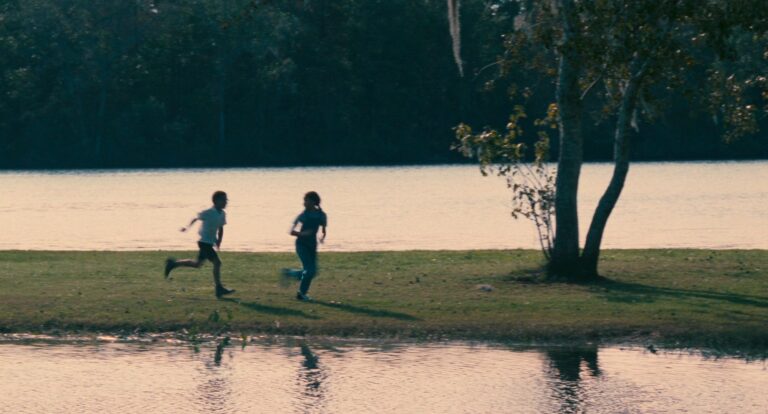
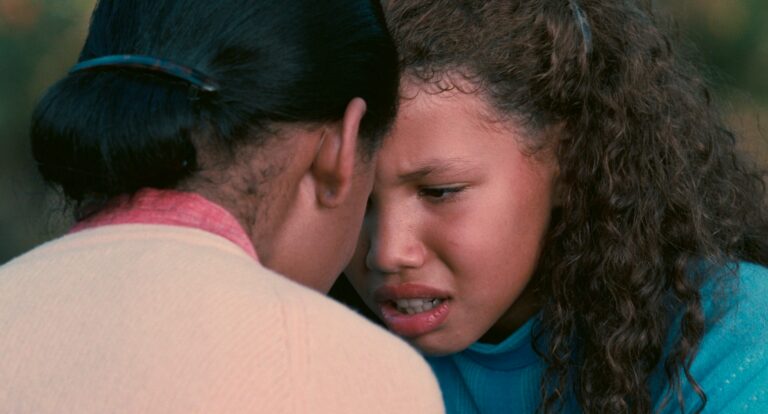
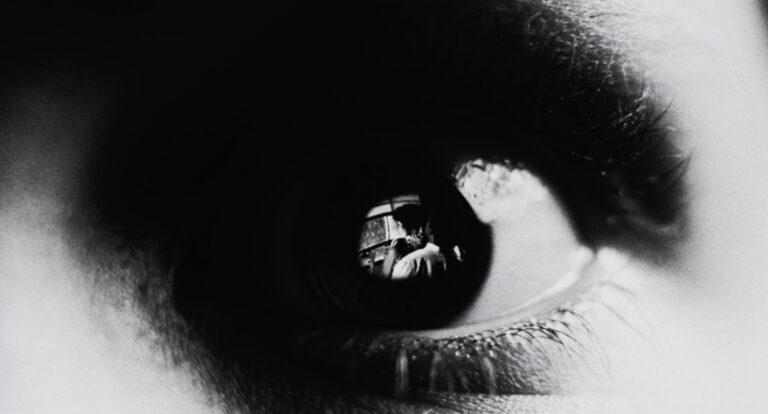
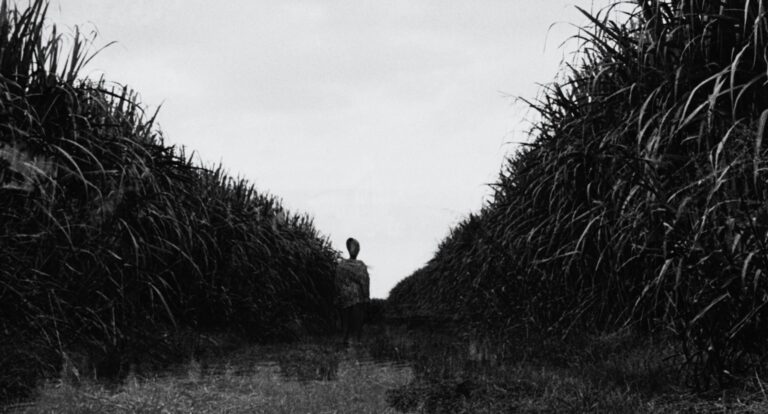
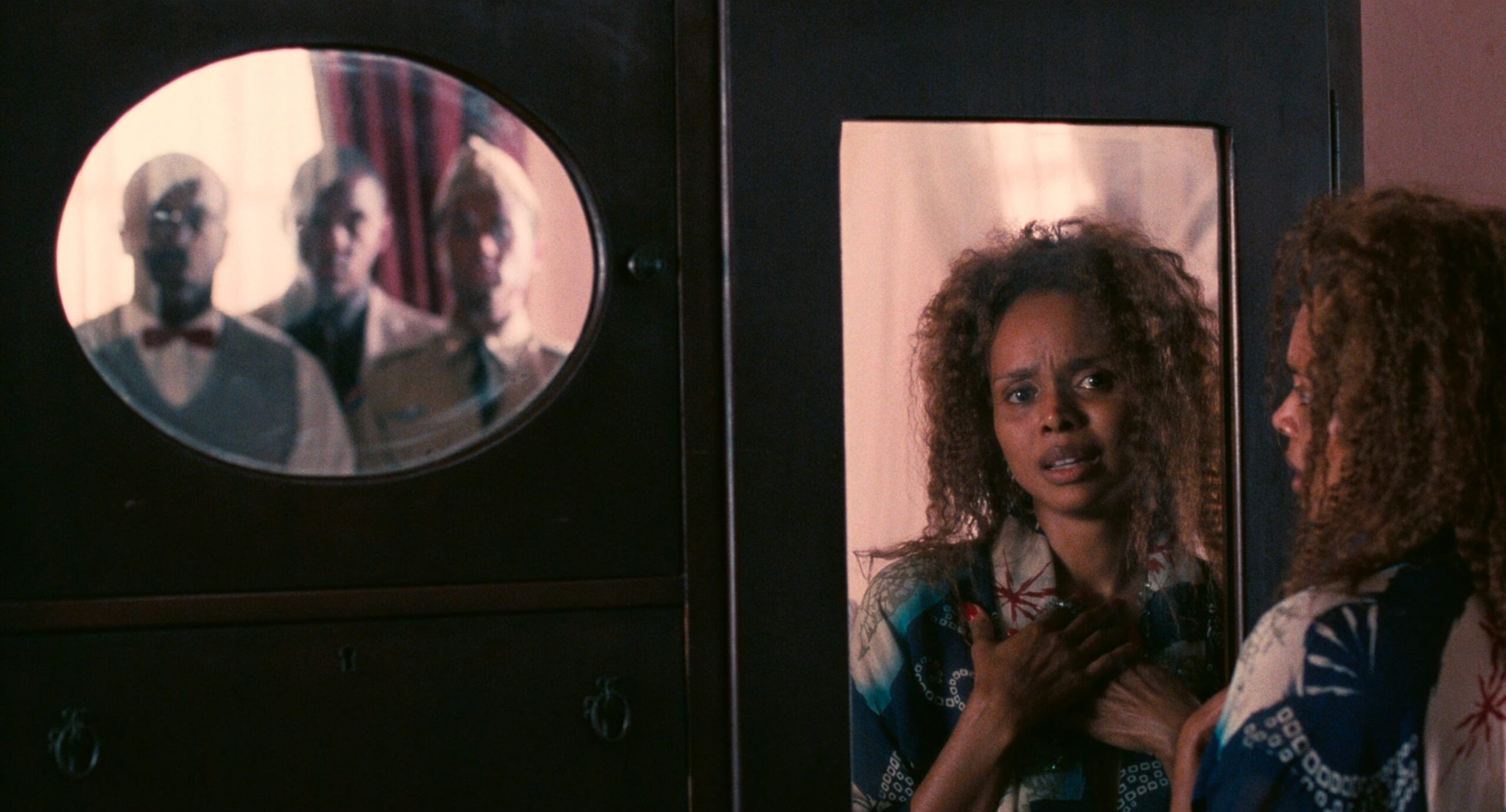
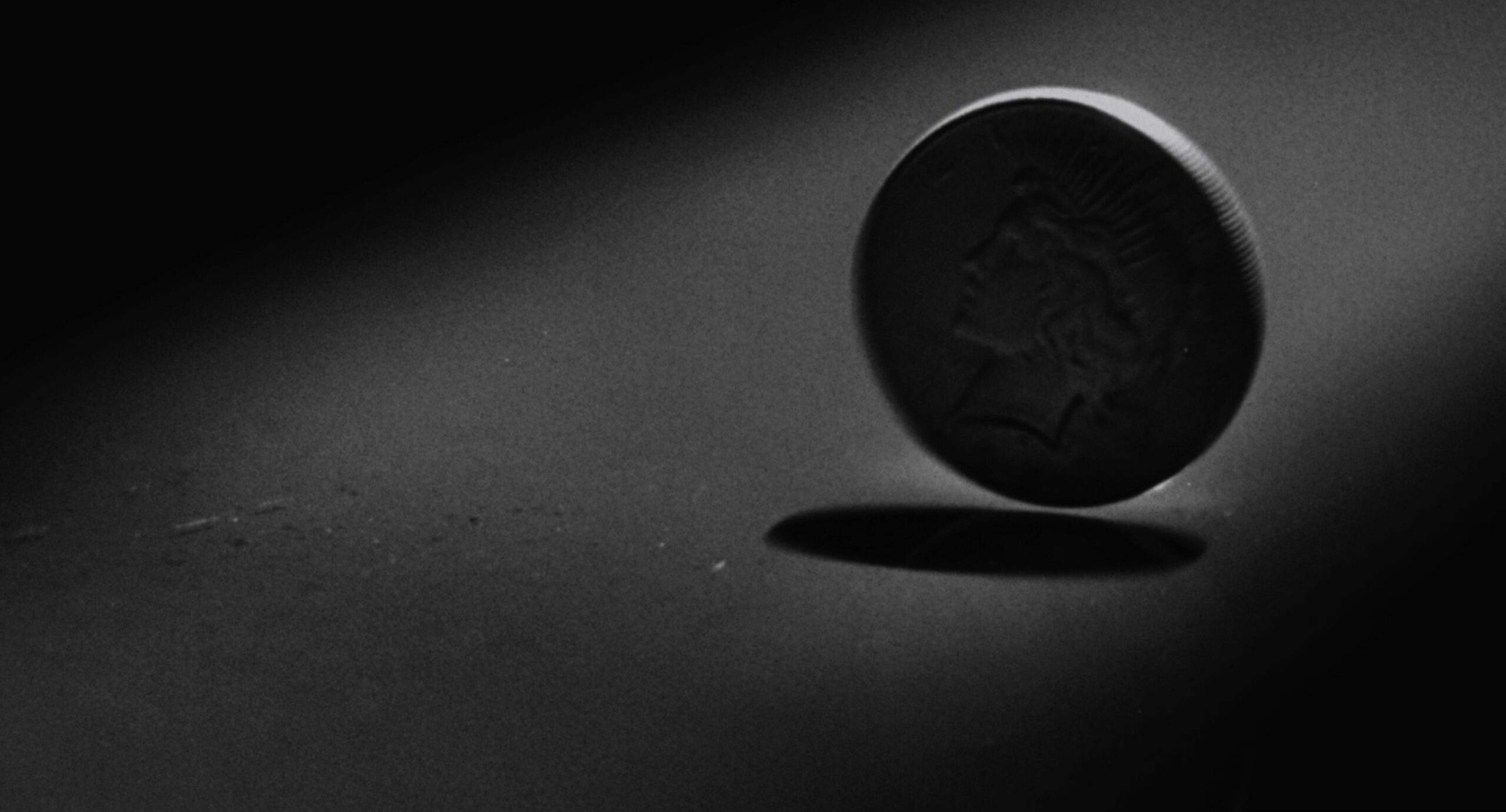
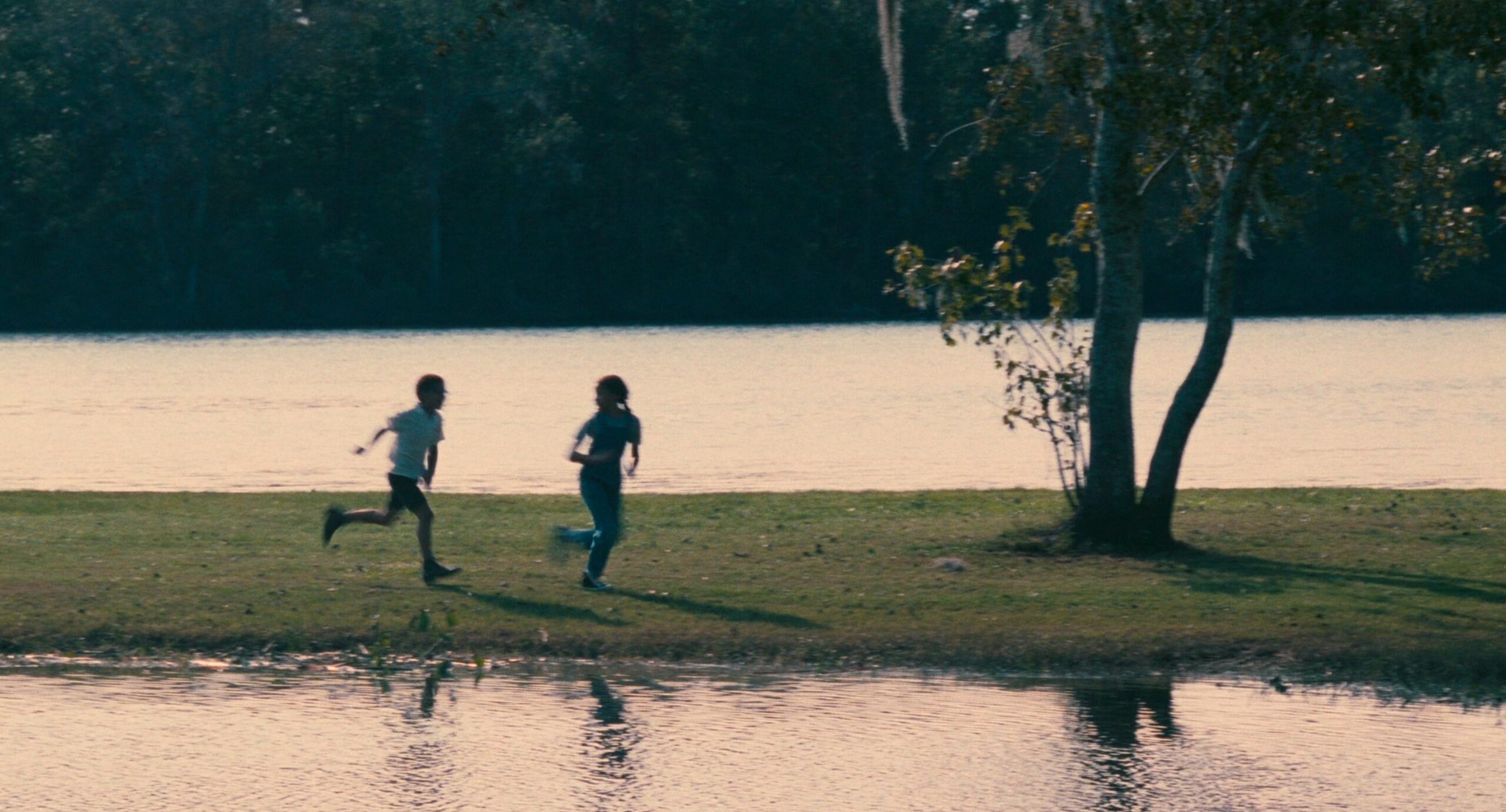
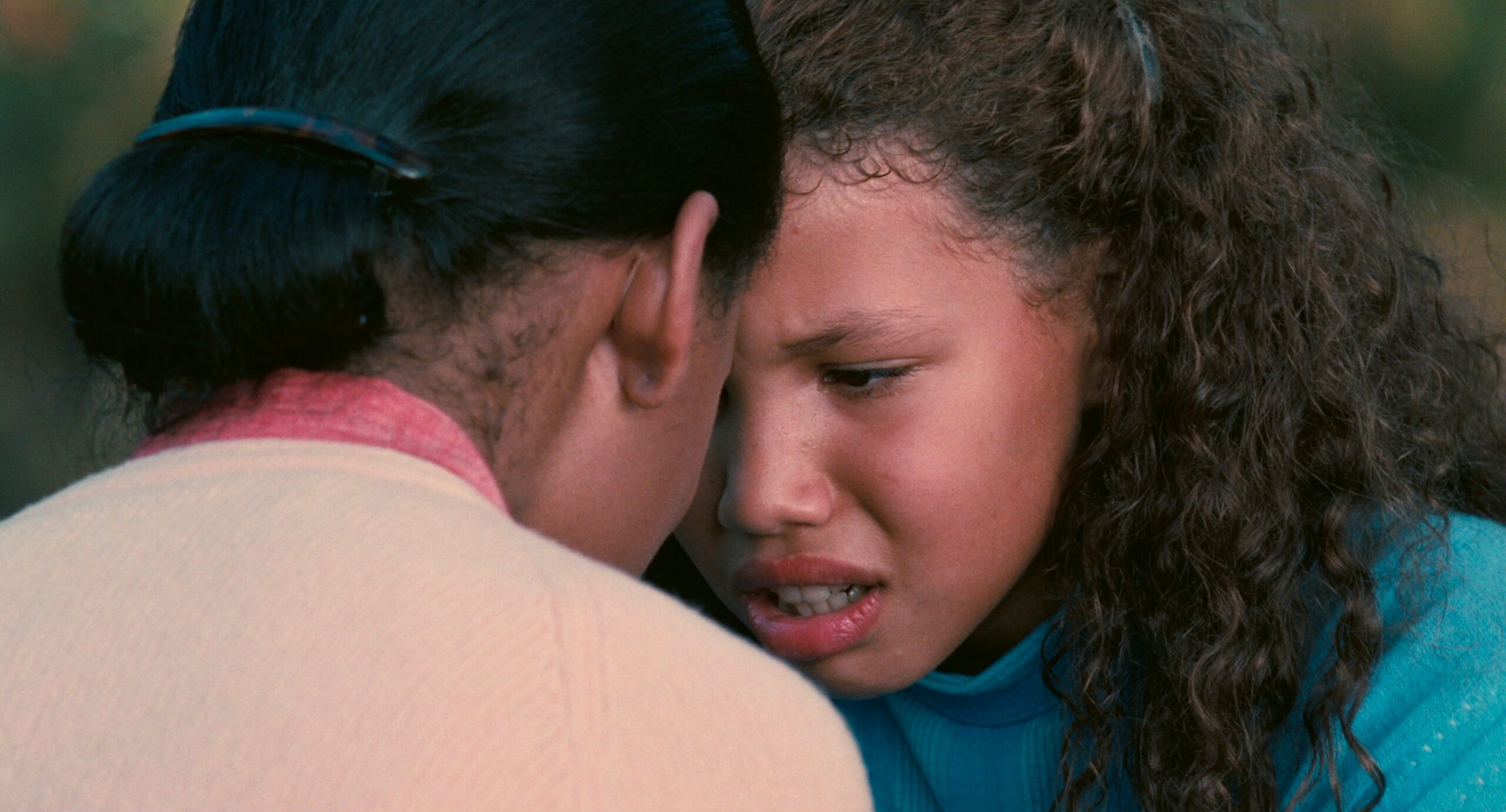
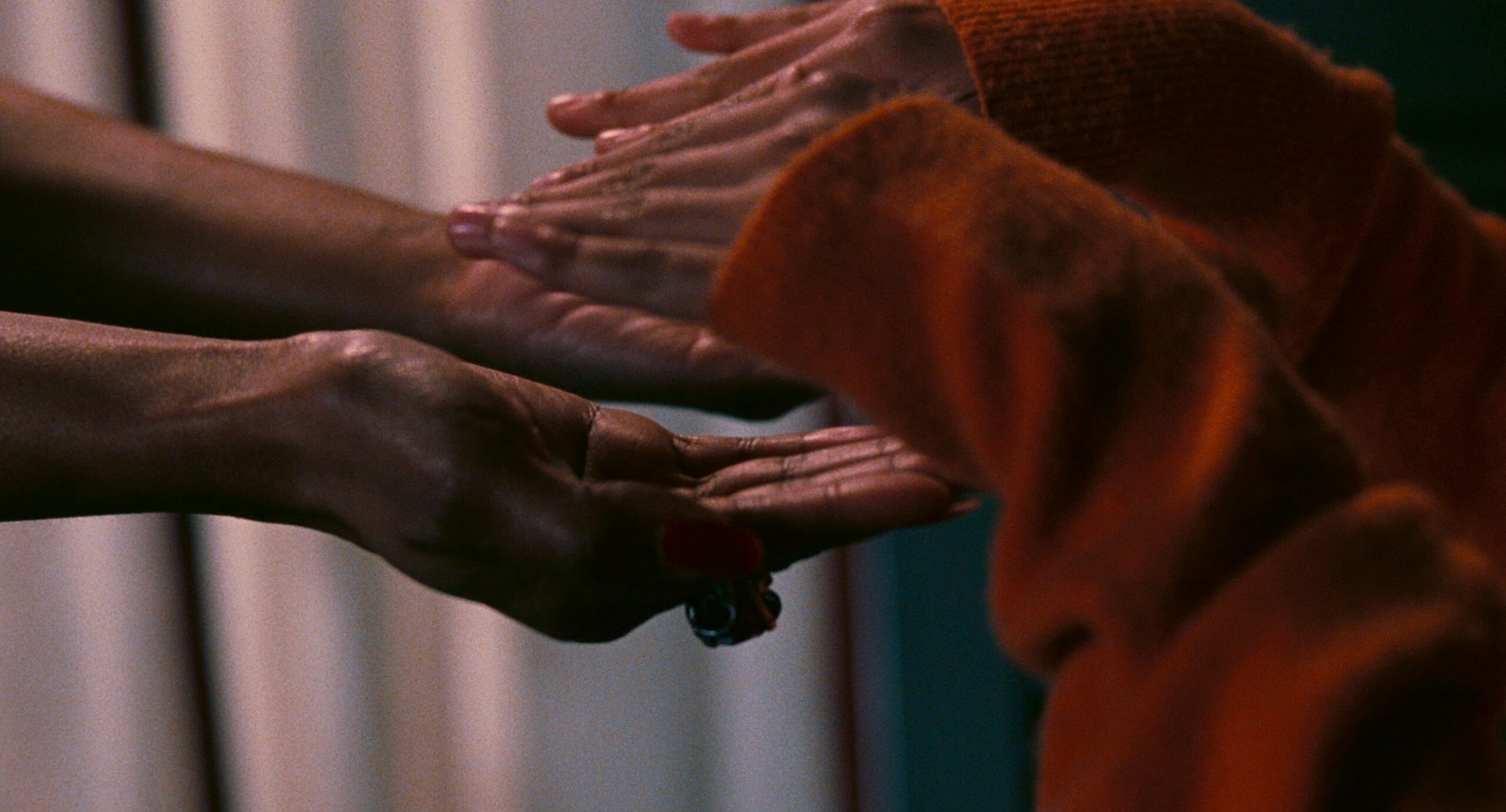
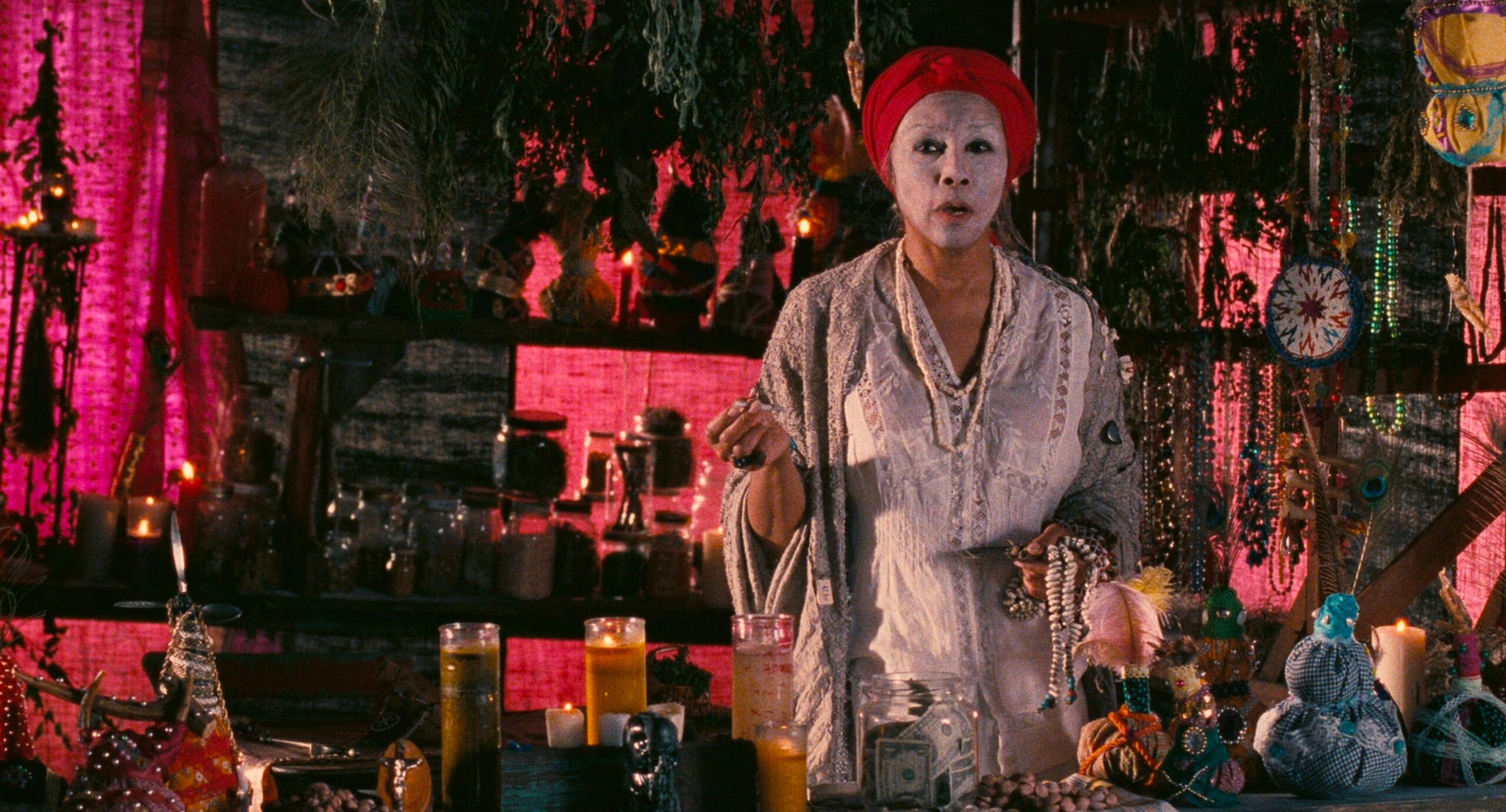
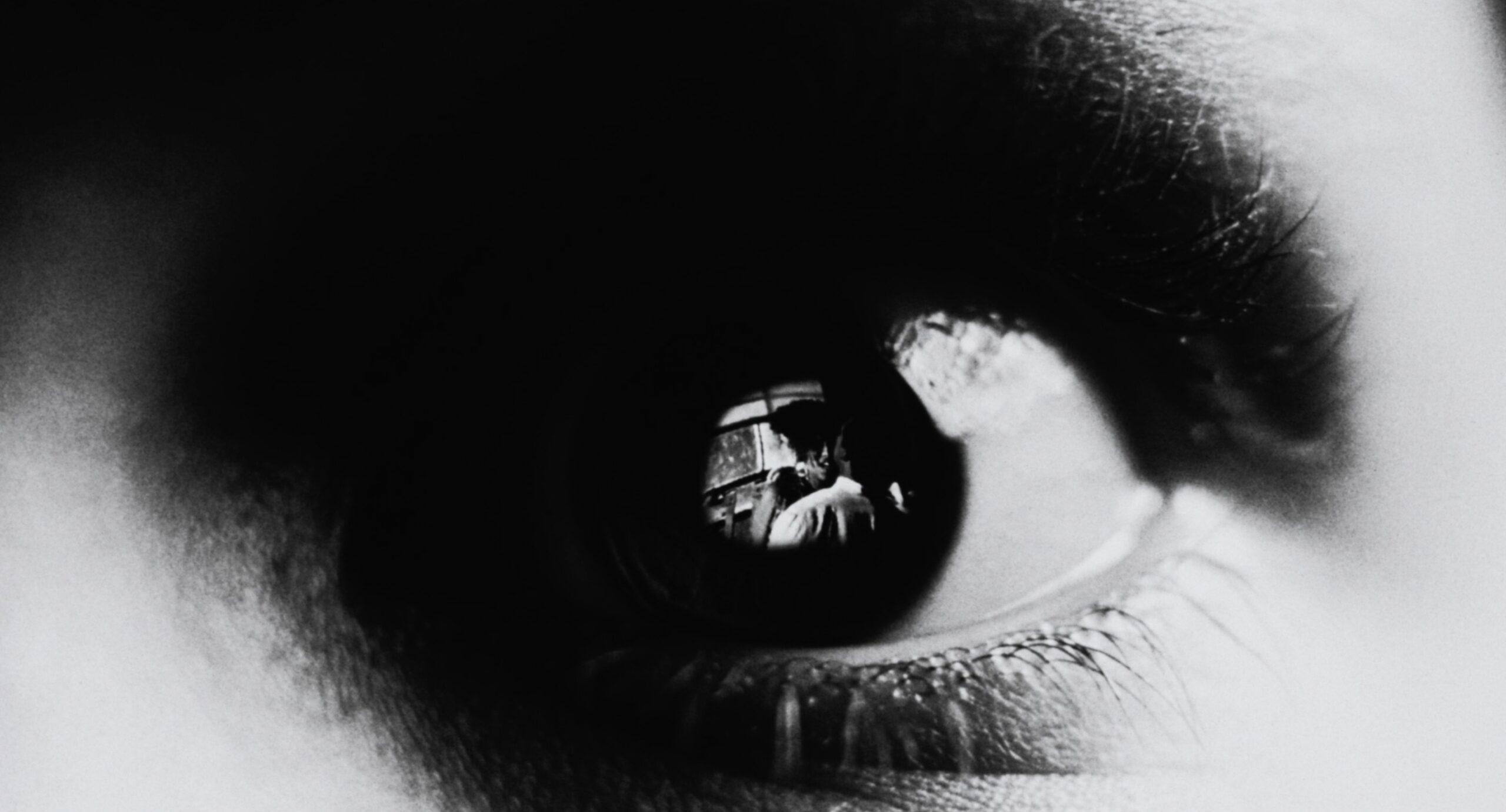
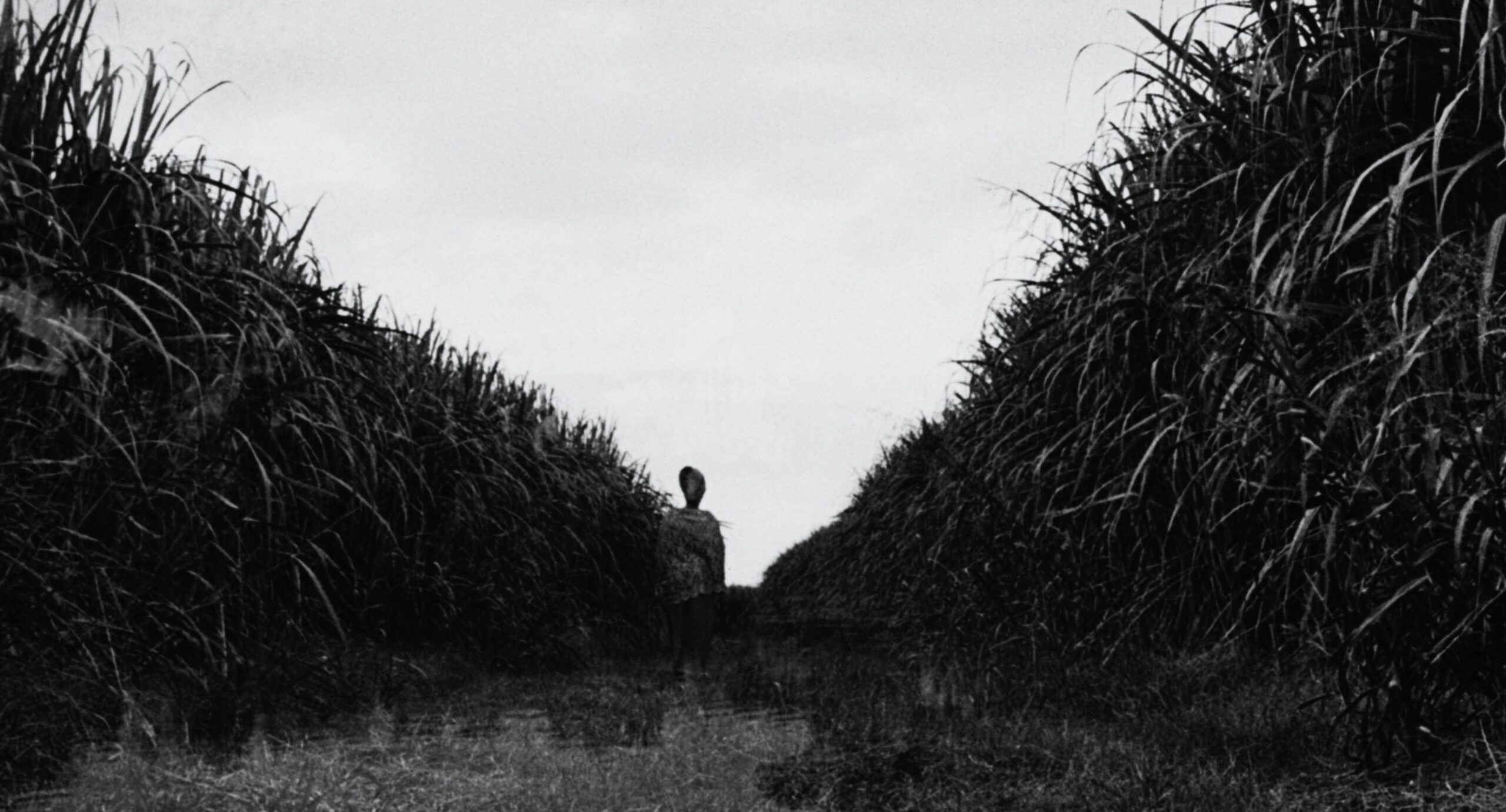
Set in 1960s Louisiana, the film follows ten-year-old Eve Batiste as her wealthy Creole family begins to fracture under the weight of secrets, infidelity, and betrayal. As Eve witnesses events she cannot fully understand, memory, imagination, and truth begin to blur together. The story unfolds as a haunting coming-of-age drama about family mythology, perception, and the lasting power of belief.
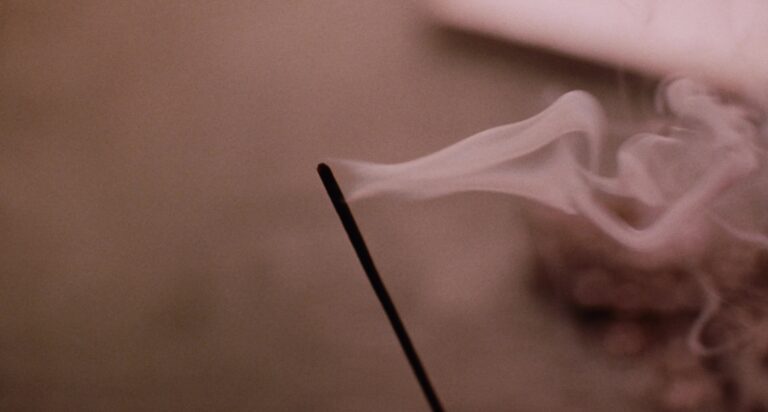
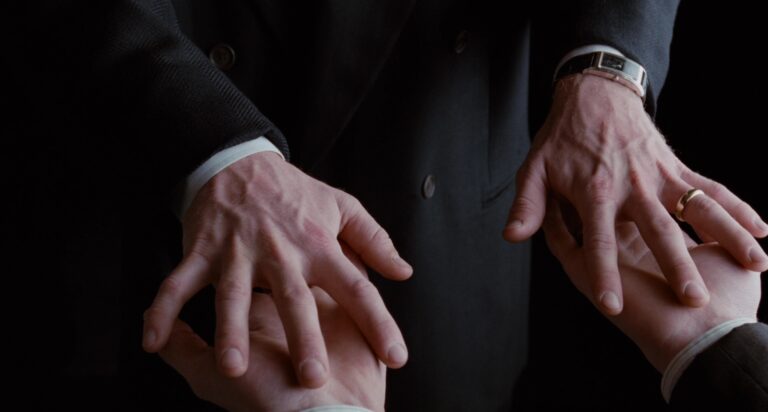
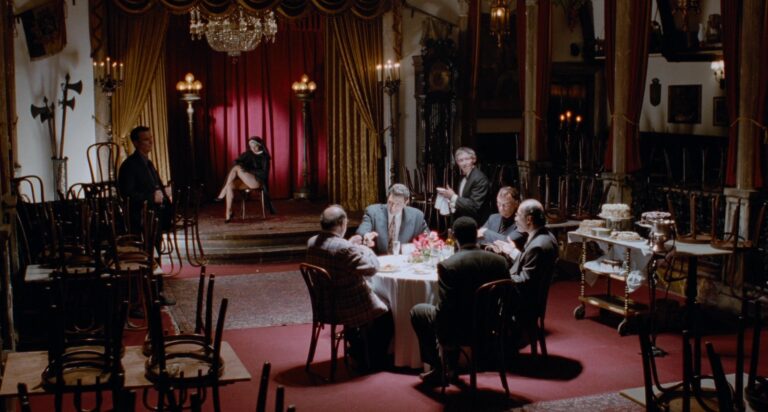
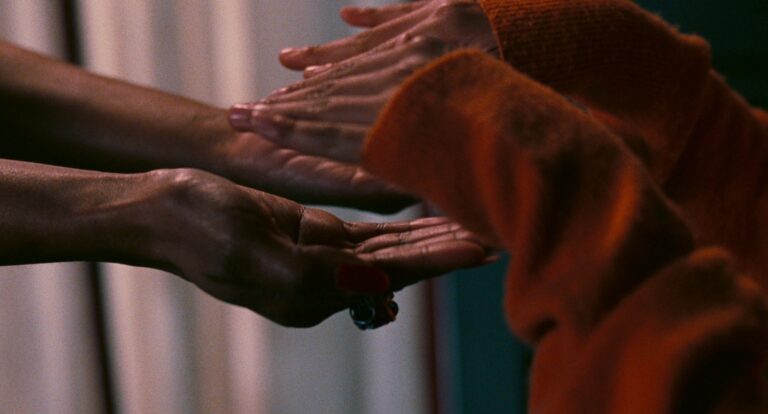
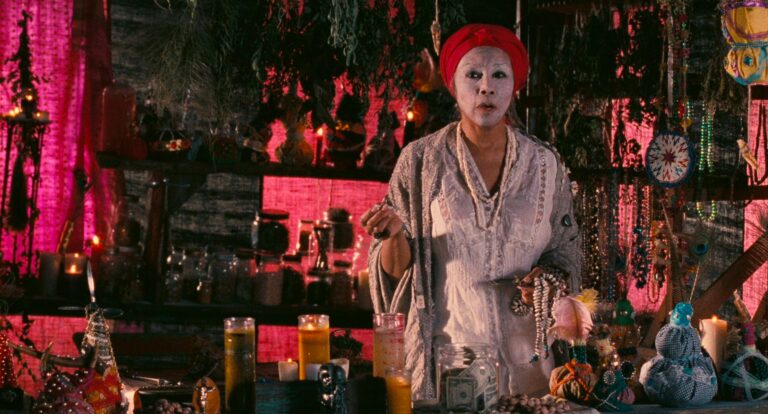
Lemmons and cinematographer Amy Vincent craft Eve’s Bayou with a lush, dreamlike Southern Gothic aesthetic, using warm candlelight, deep shadows, and rich earth tones to evoke both intimacy and mystery. The film’s fluid camera movement, layered interiors, and recurring use of mirrors, smoke, and water create a sense of memory as something unstable and subjective—where visual atmosphere becomes inseparable from the emotional and spiritual life of the family.
FILM SPOTLIGHT
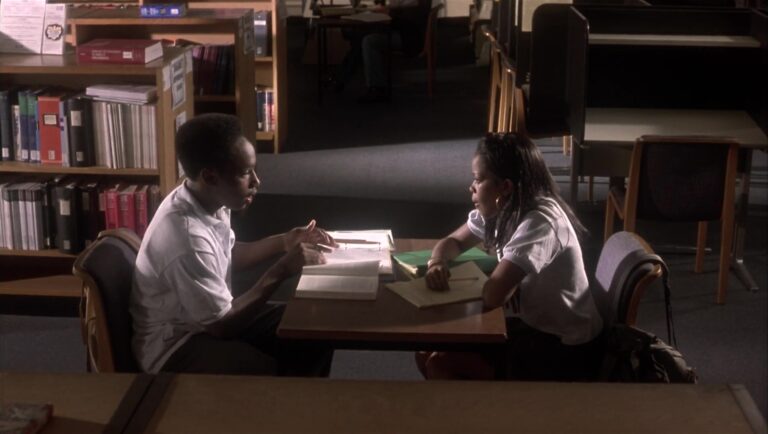
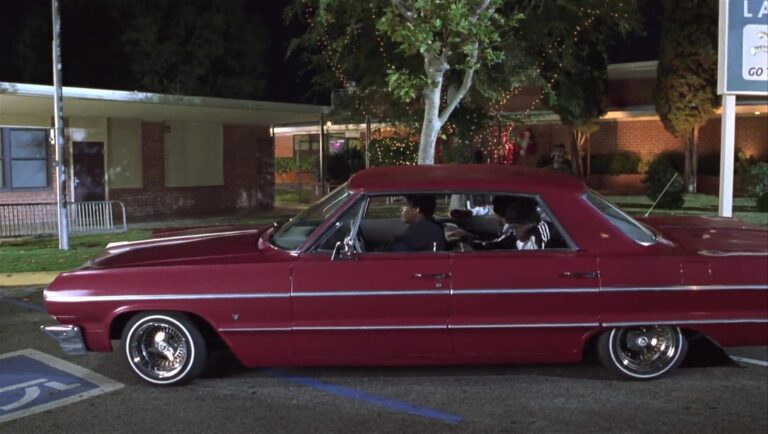
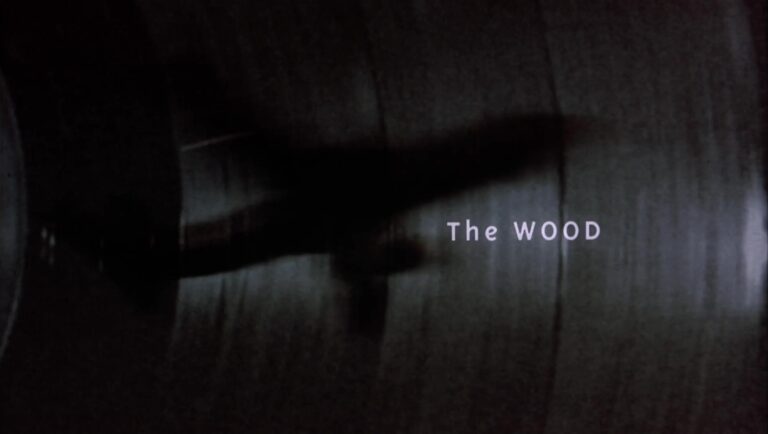
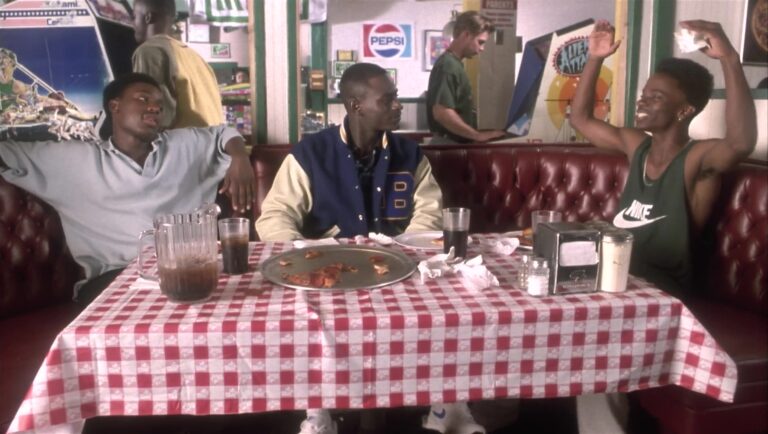
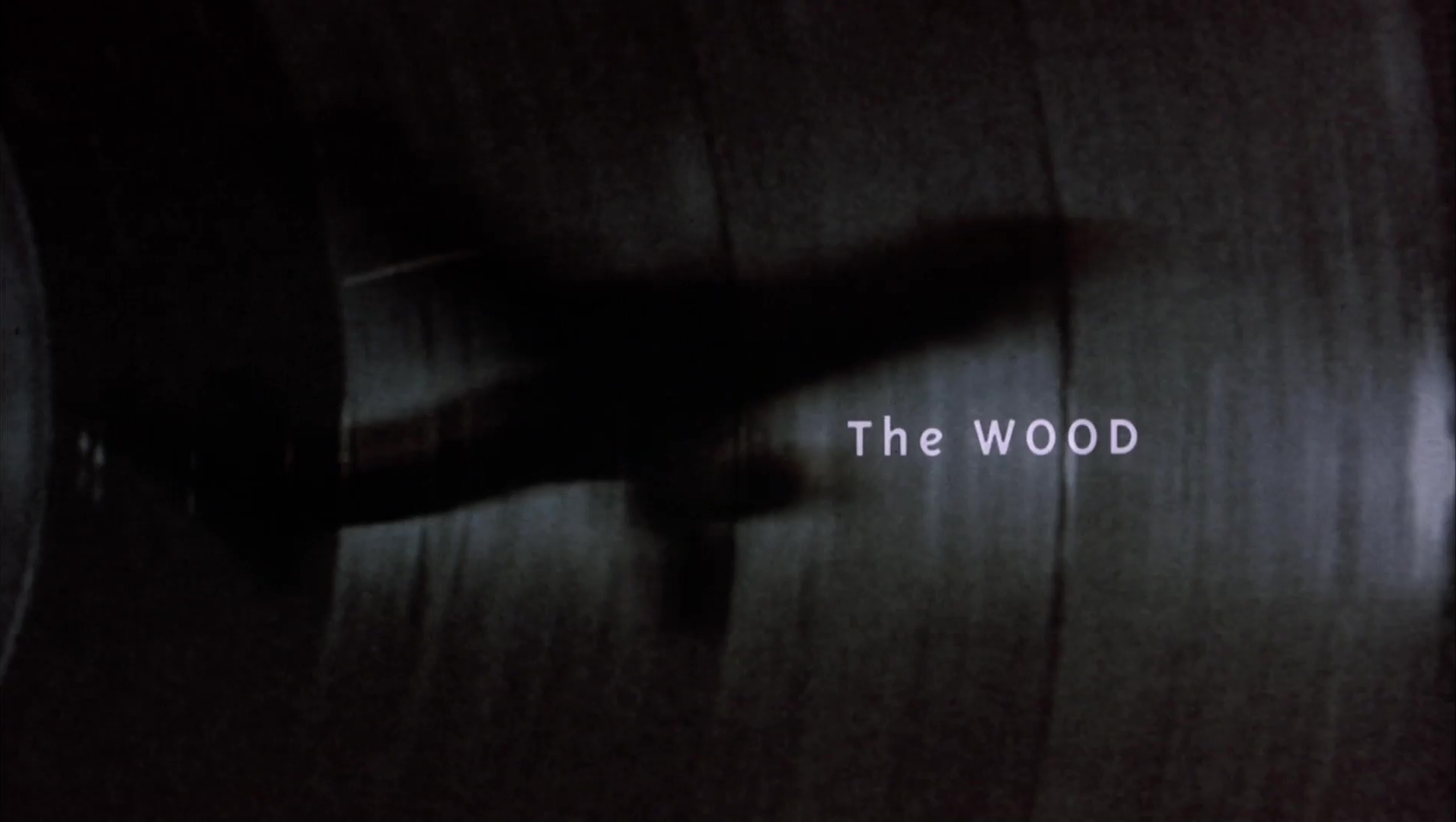
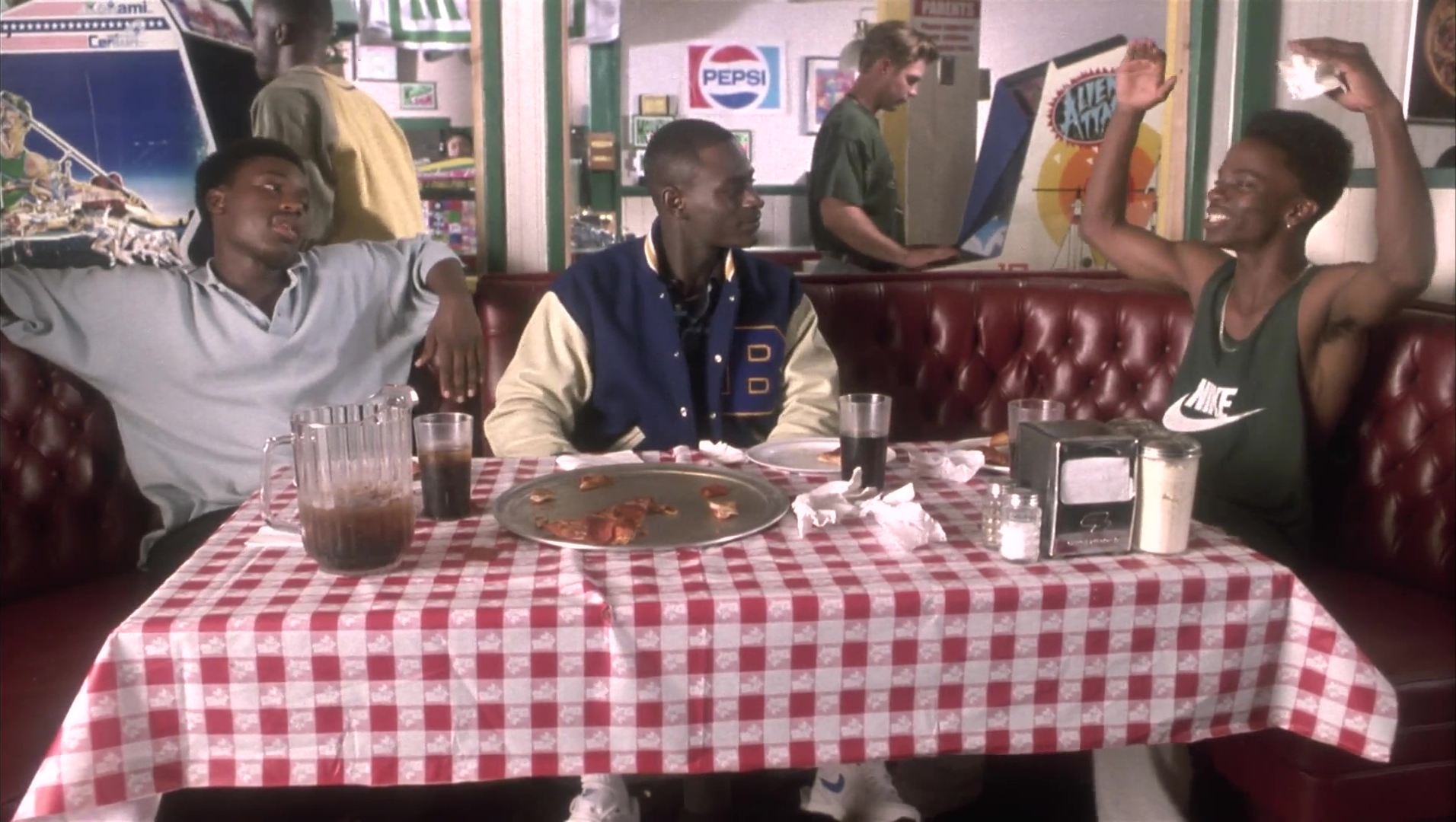
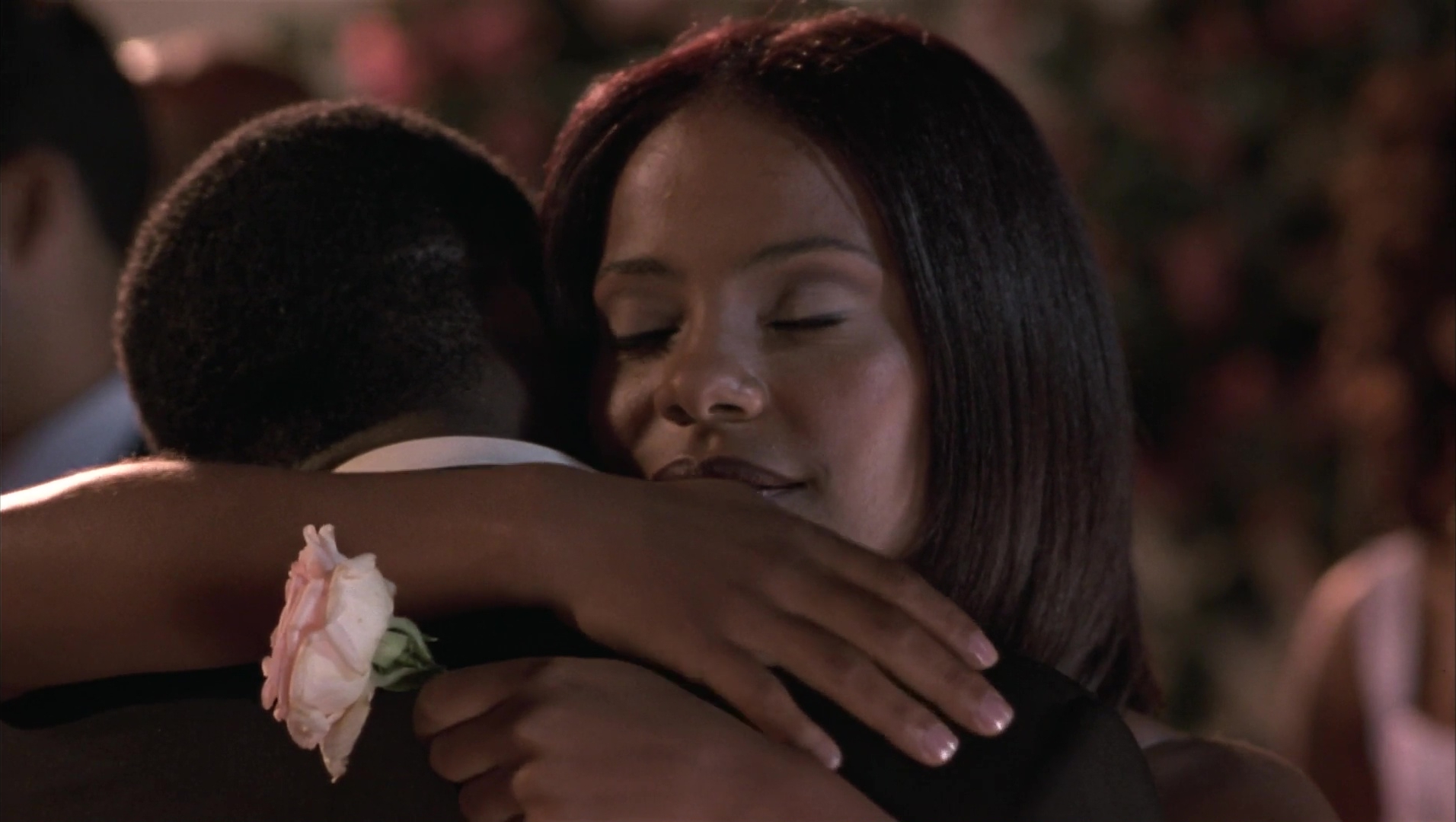
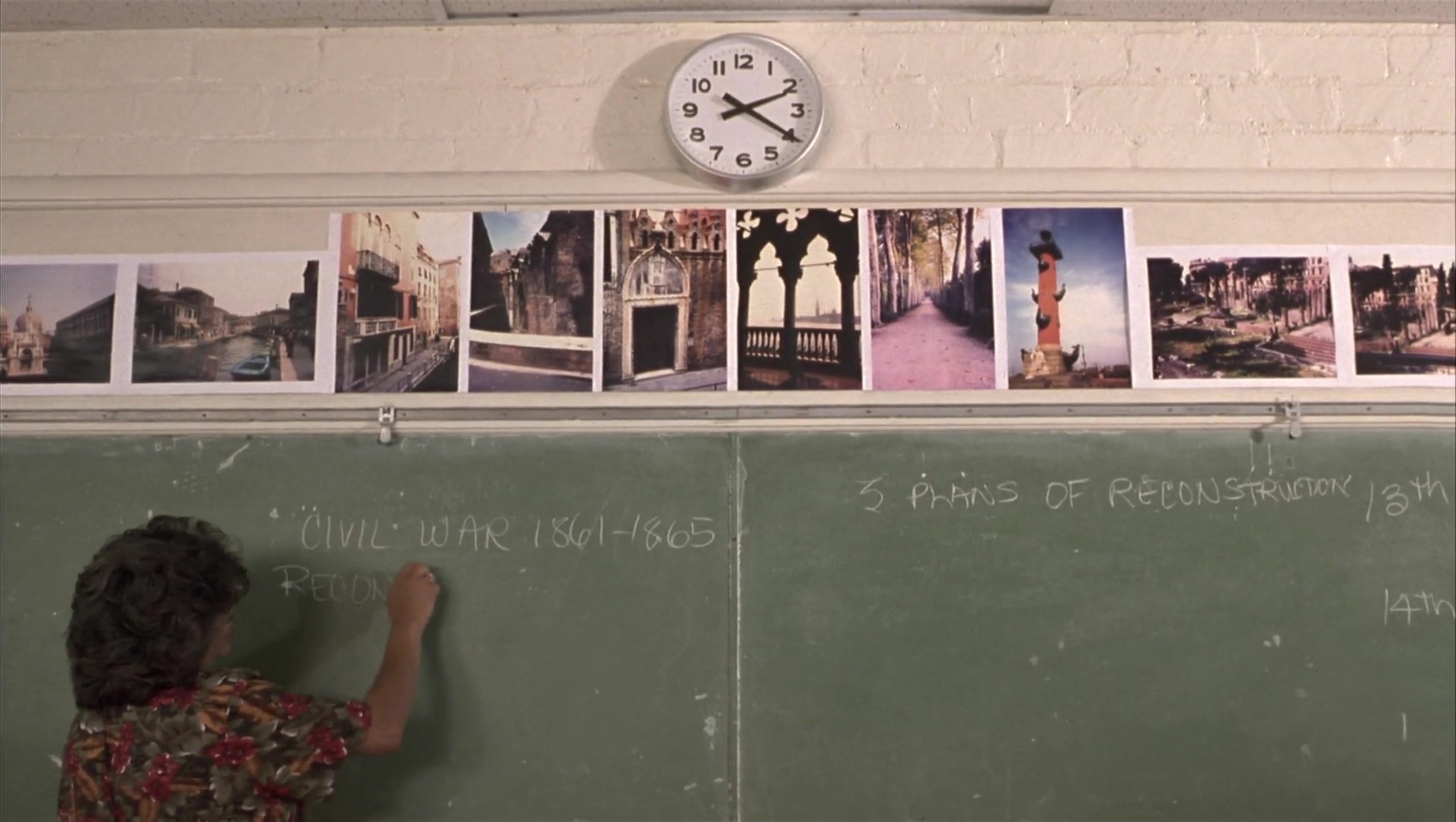
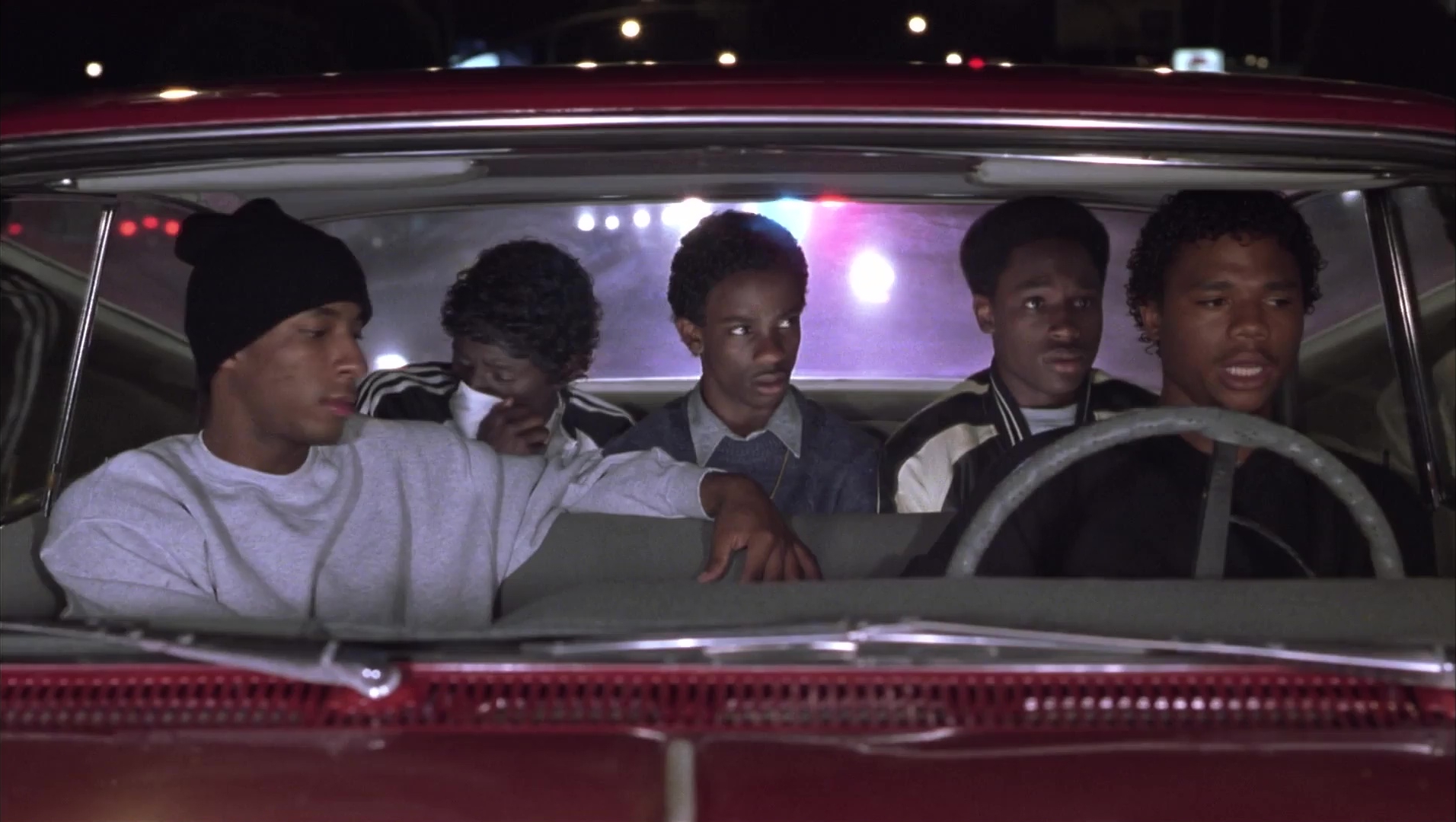
The Wood (1999)
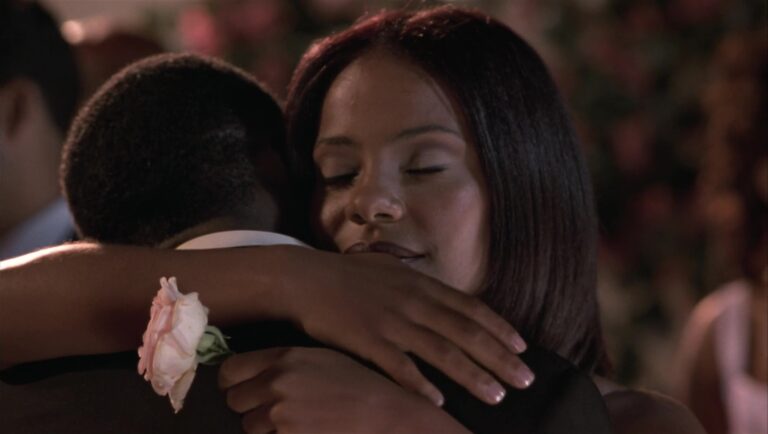
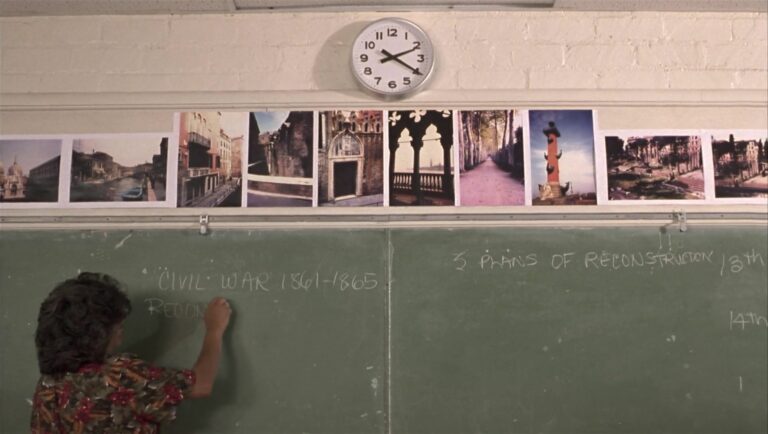
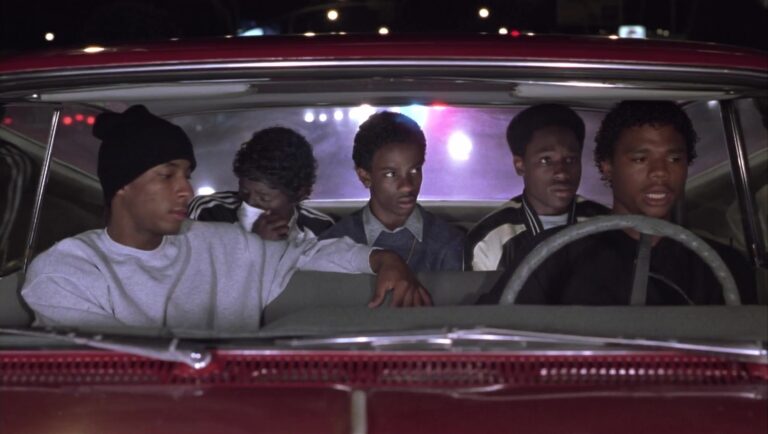
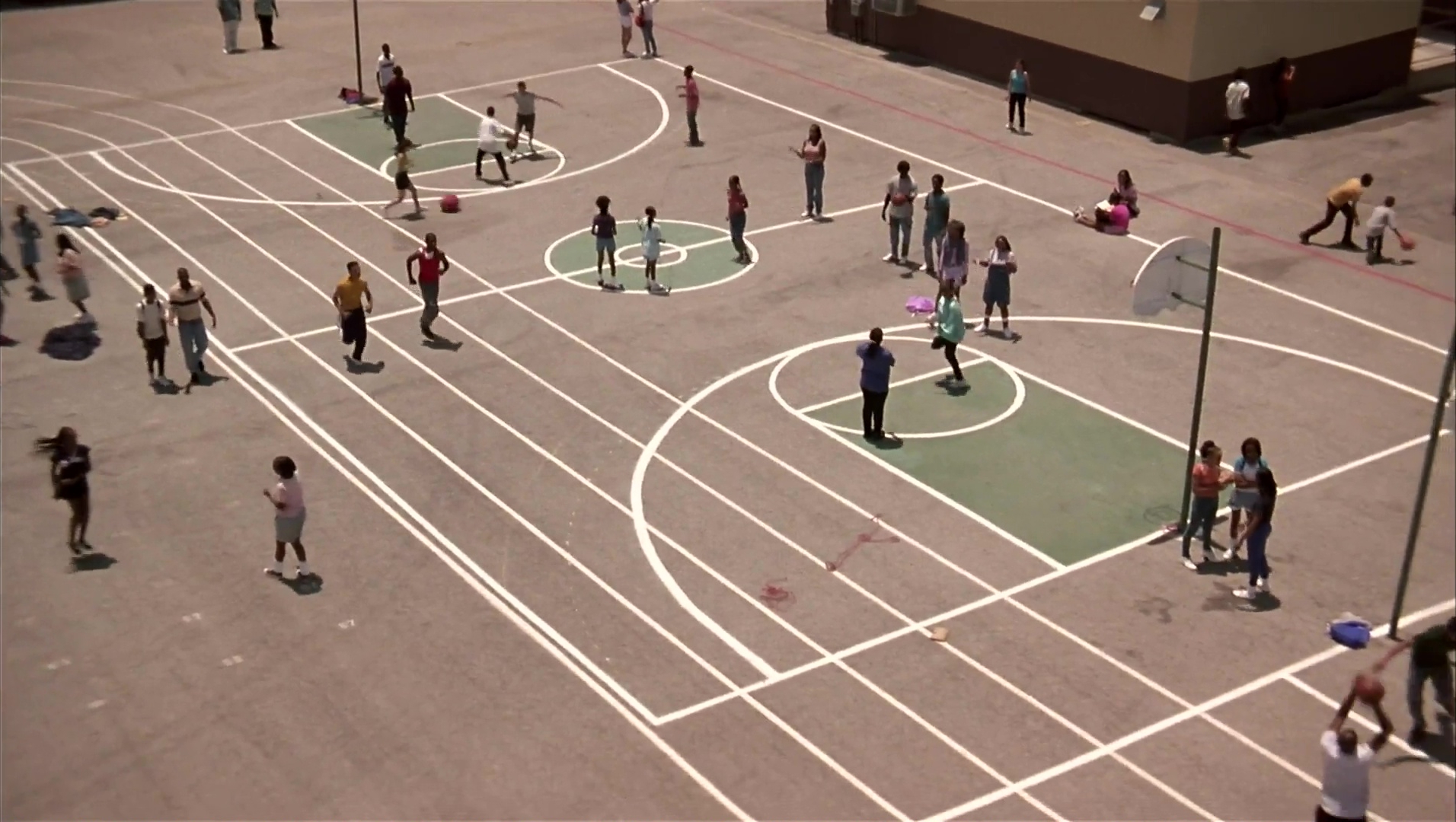
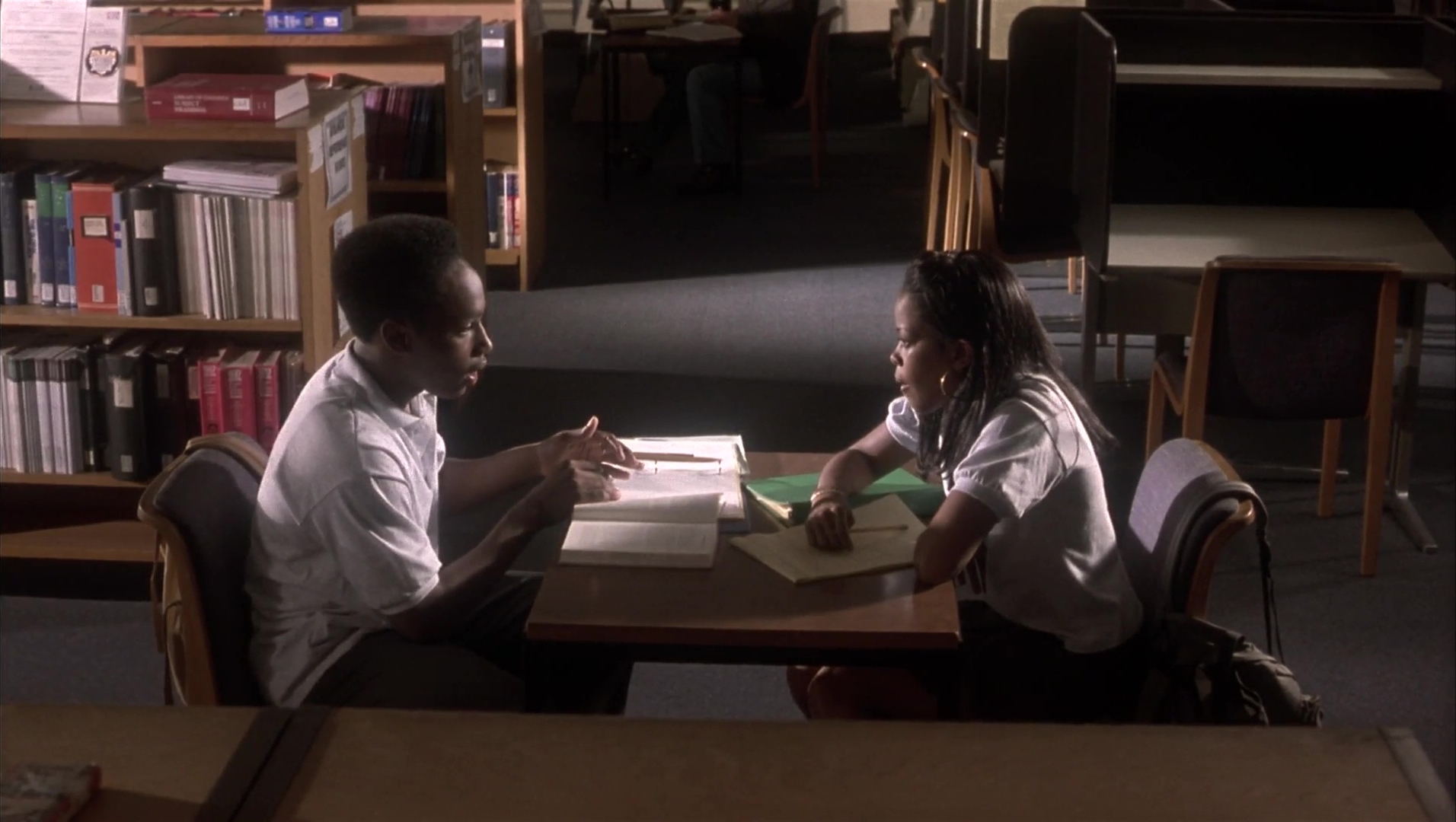
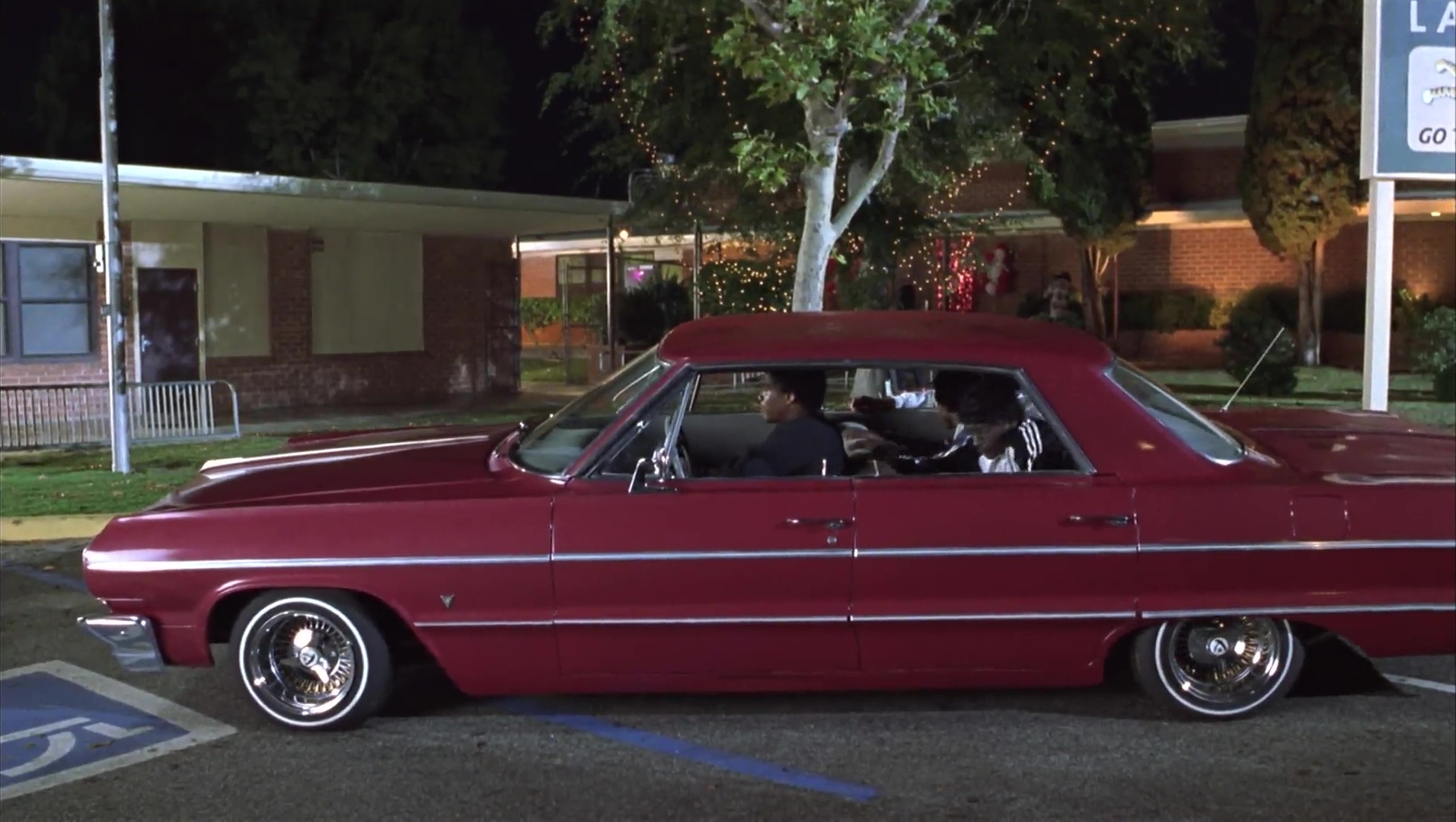
On the morning of his wedding, Roland suddenly panics and disappears, prompting his best friends Mike and Slim to retrace their shared childhood memories growing up in Inglewood, California. Through flashbacks spanning adolescence, first love, friendship, and rites of passage, the trio reflect on the experiences that shaped them into adults. The film unfolds as a warm, nostalgic coming-of-age story about brotherhood, memory, and Black suburban life.
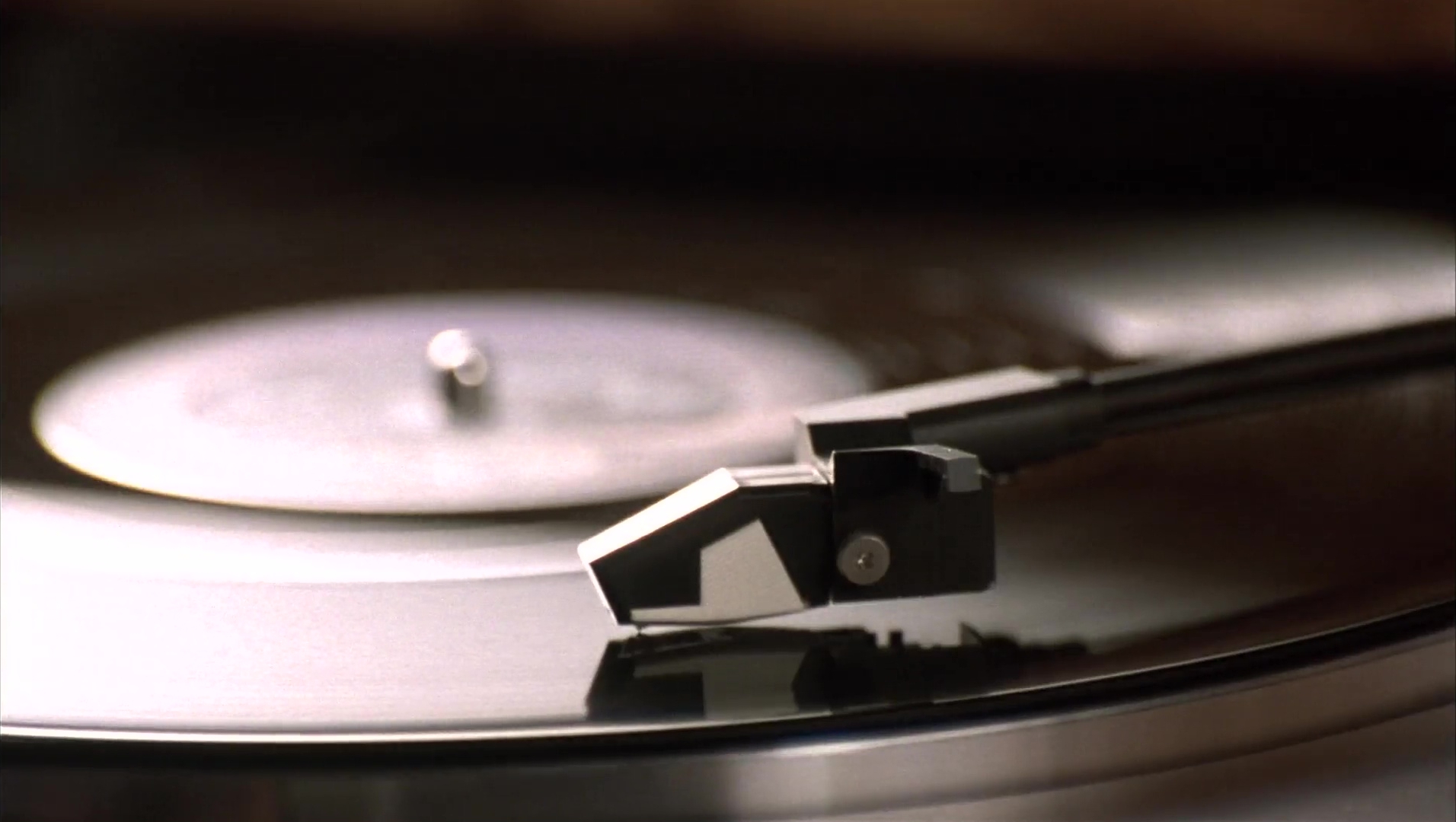
Famuyiwa and cinematographer Charles Mills shoot The Wood with a relaxed, sunlit naturalism that captures the warmth and texture of Southern California neighborhoods in the 1980s and 1990s. The film’s golden-hour lighting, smooth transitions between timelines, and intimate ensemble framing emphasize memory and camaraderie—turning front yards, school dances, and neighborhood streets into emotionally lived-in spaces shaped by nostalgia and friendship.

FILM SPOTLIGHT
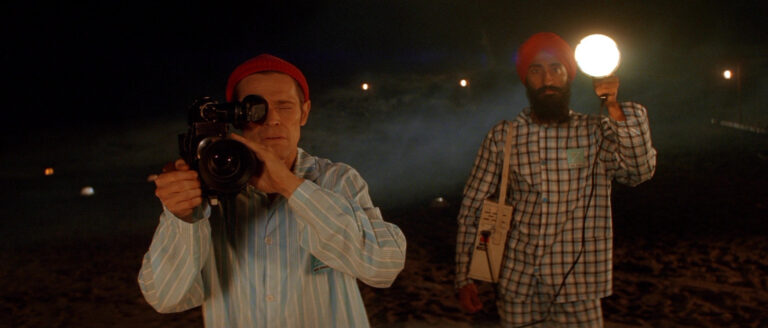
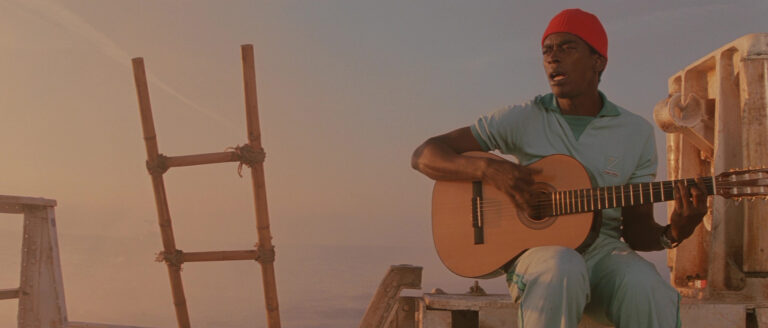
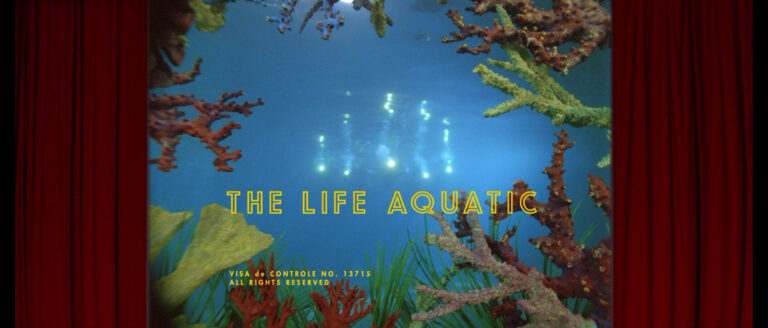
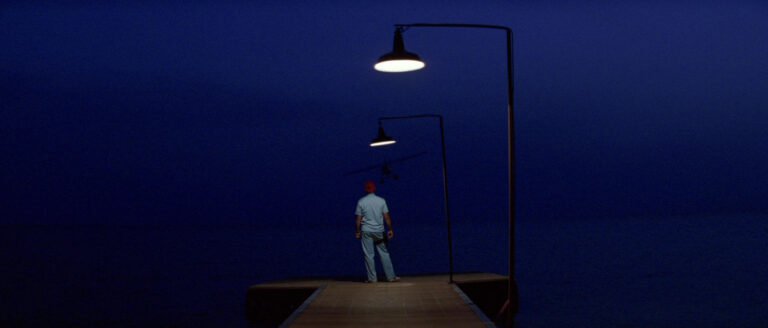
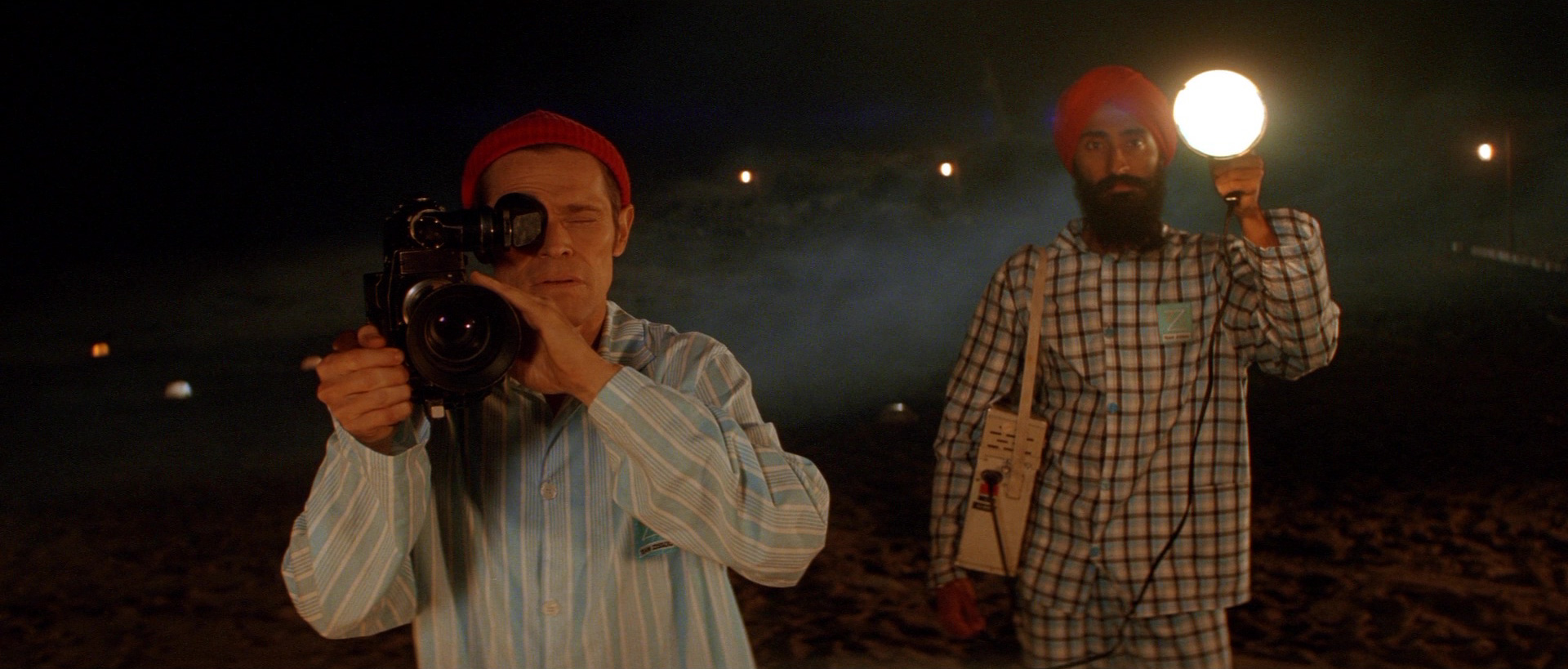
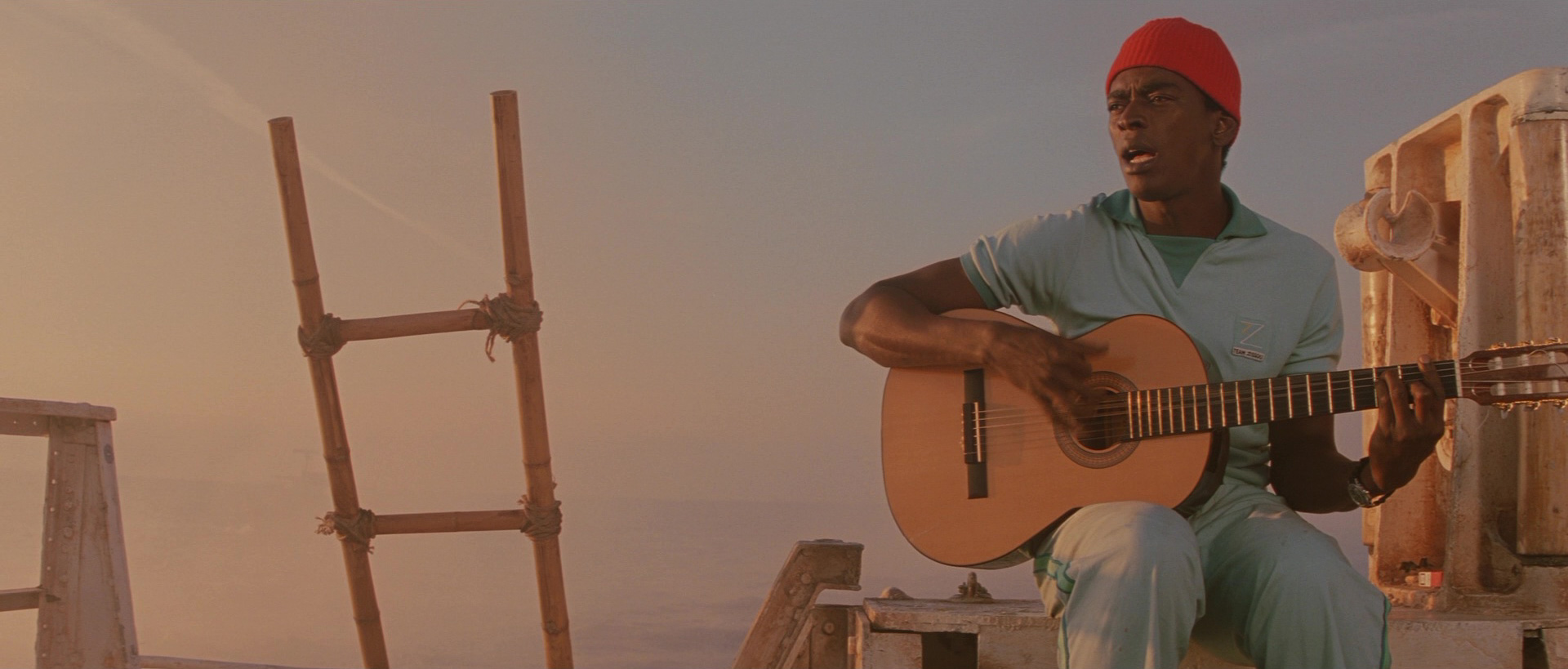
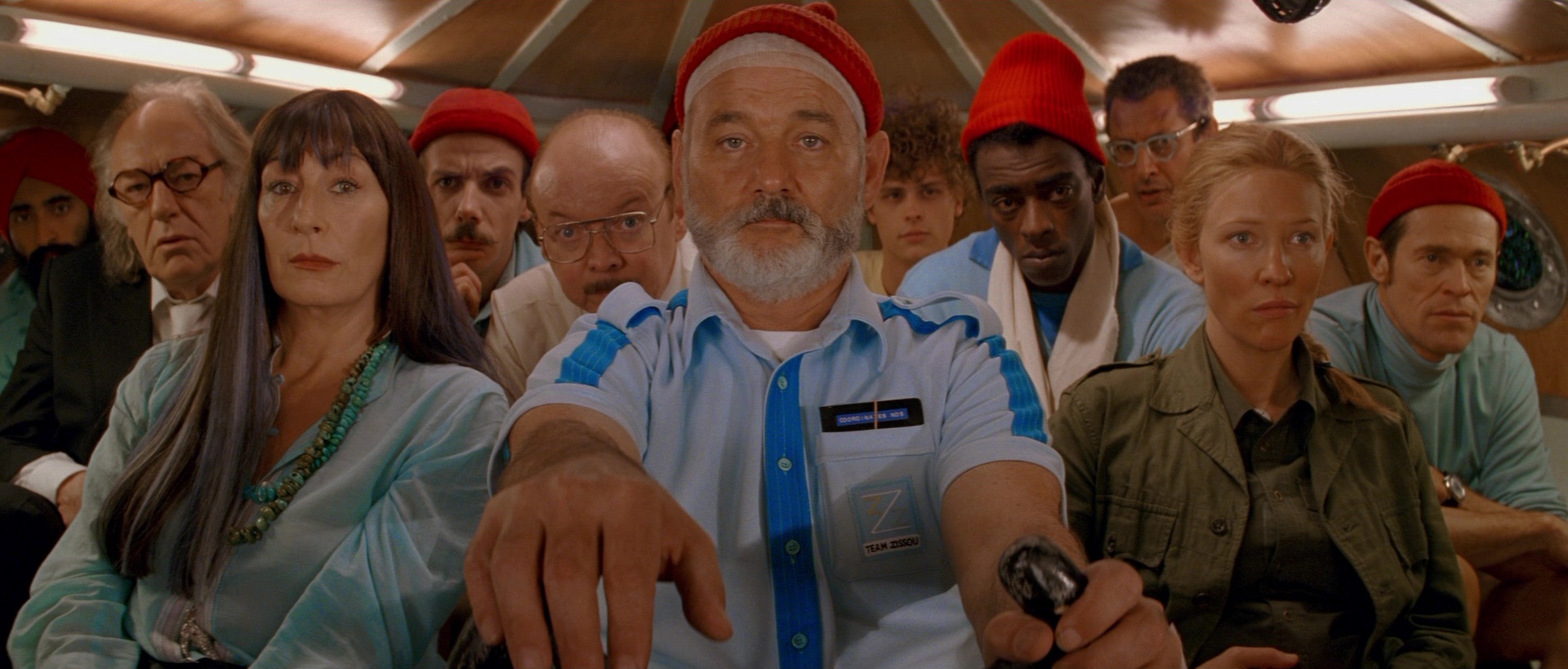
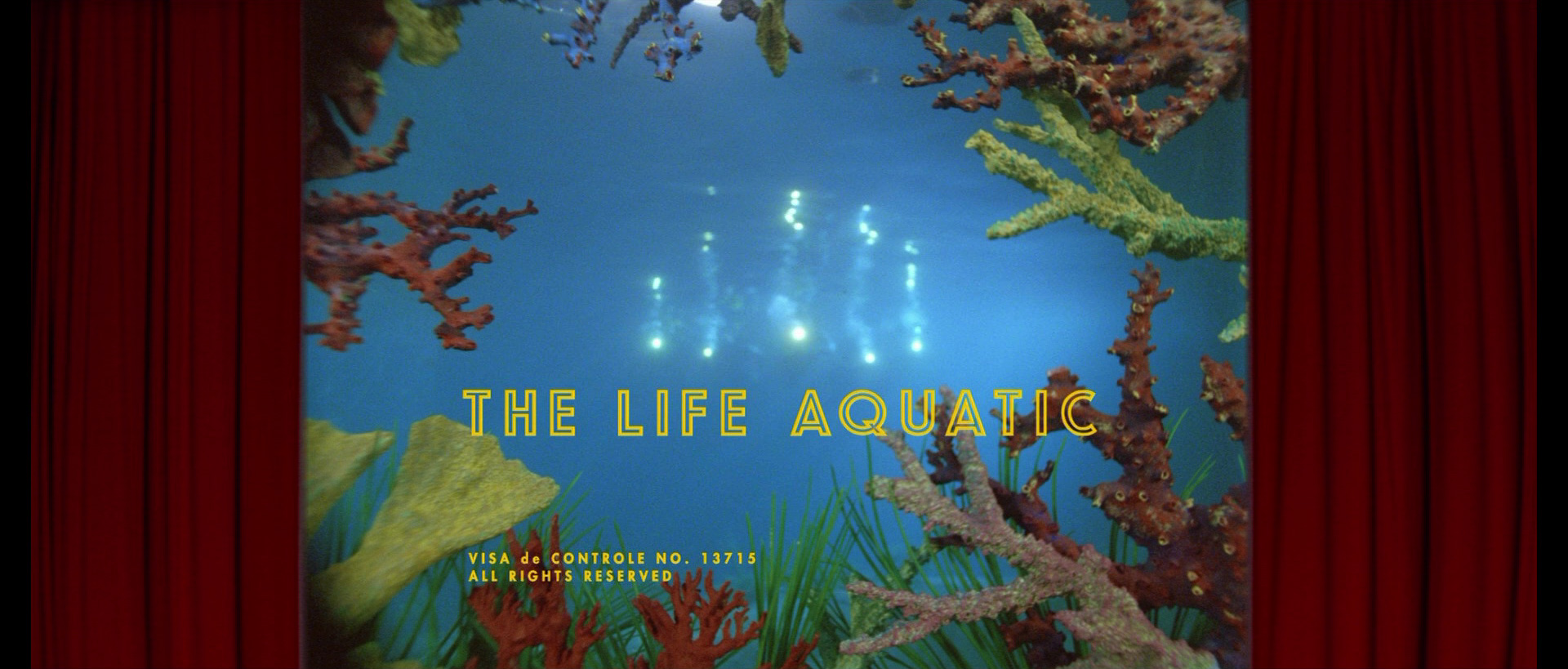
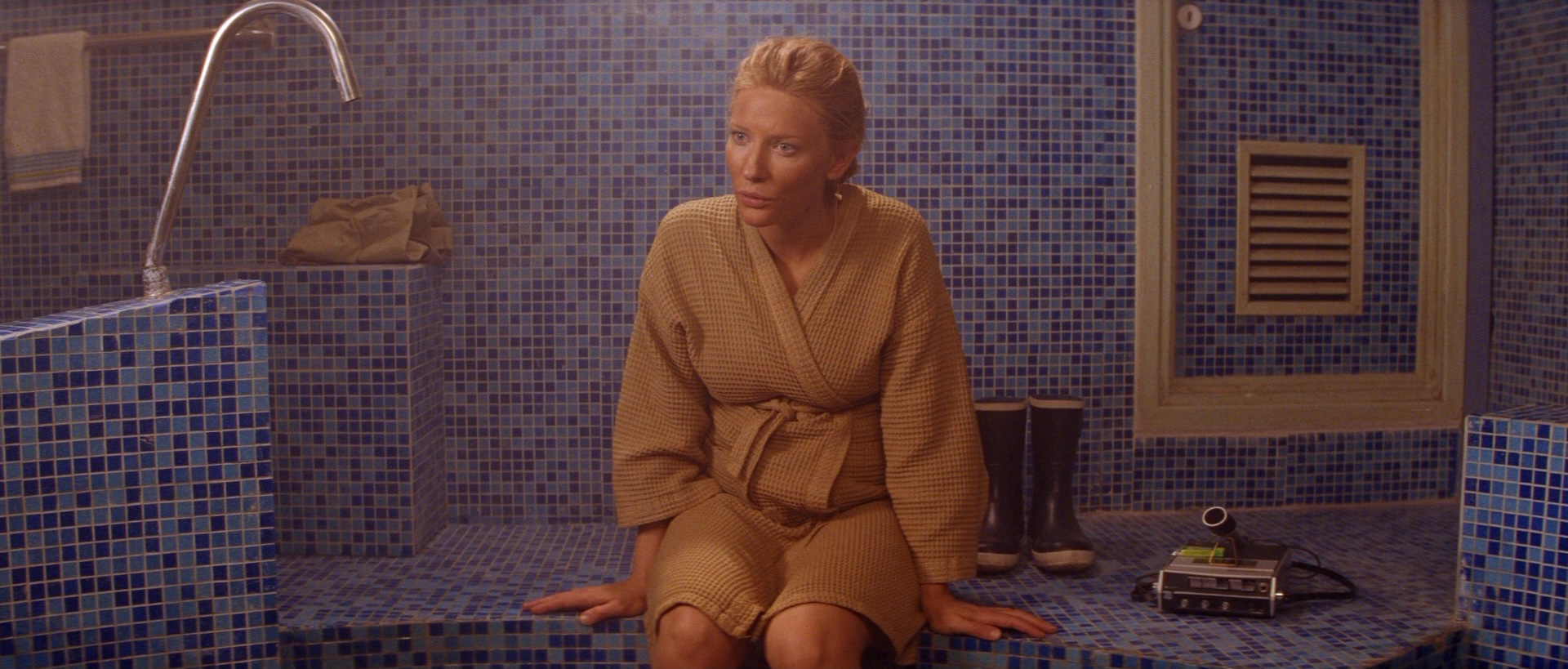
The Life Aquatic with Steve Zissou (2004)
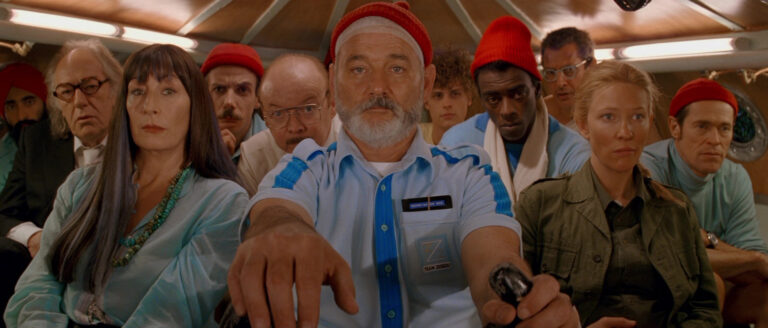
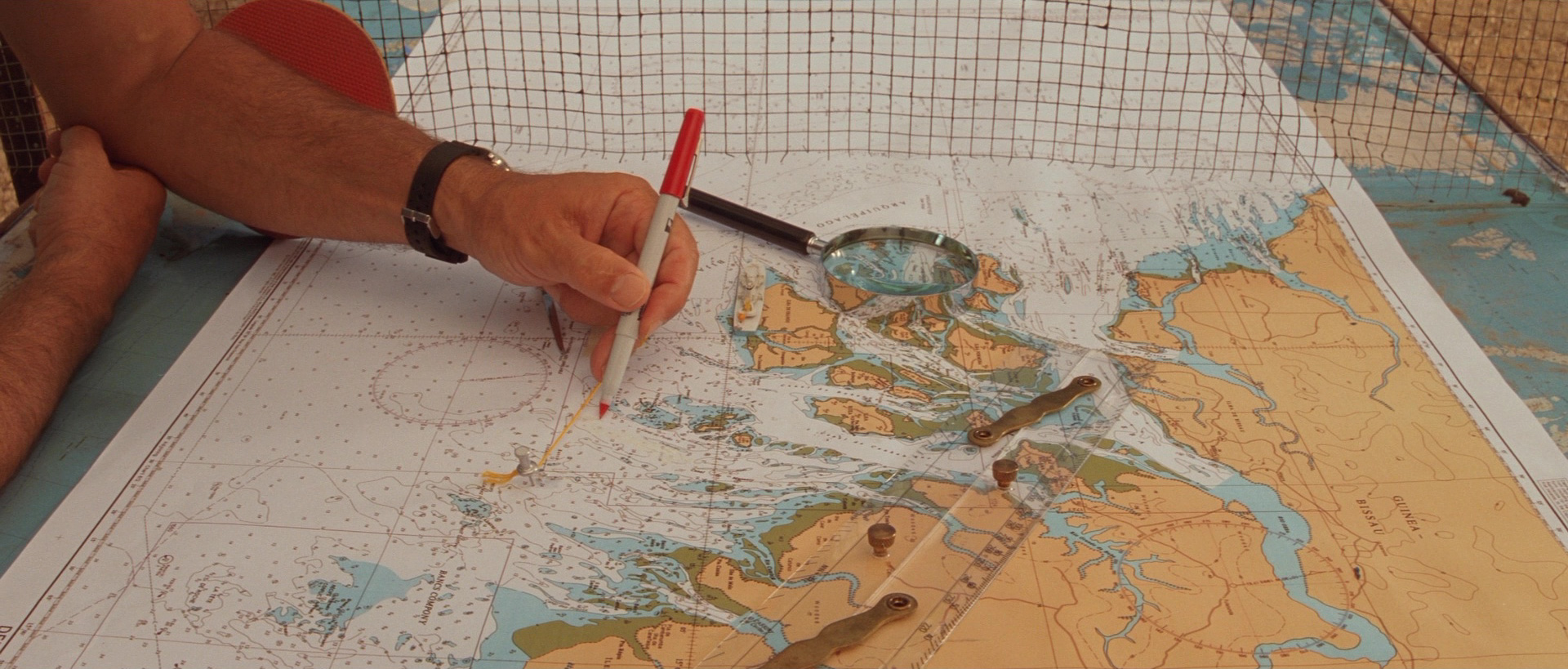
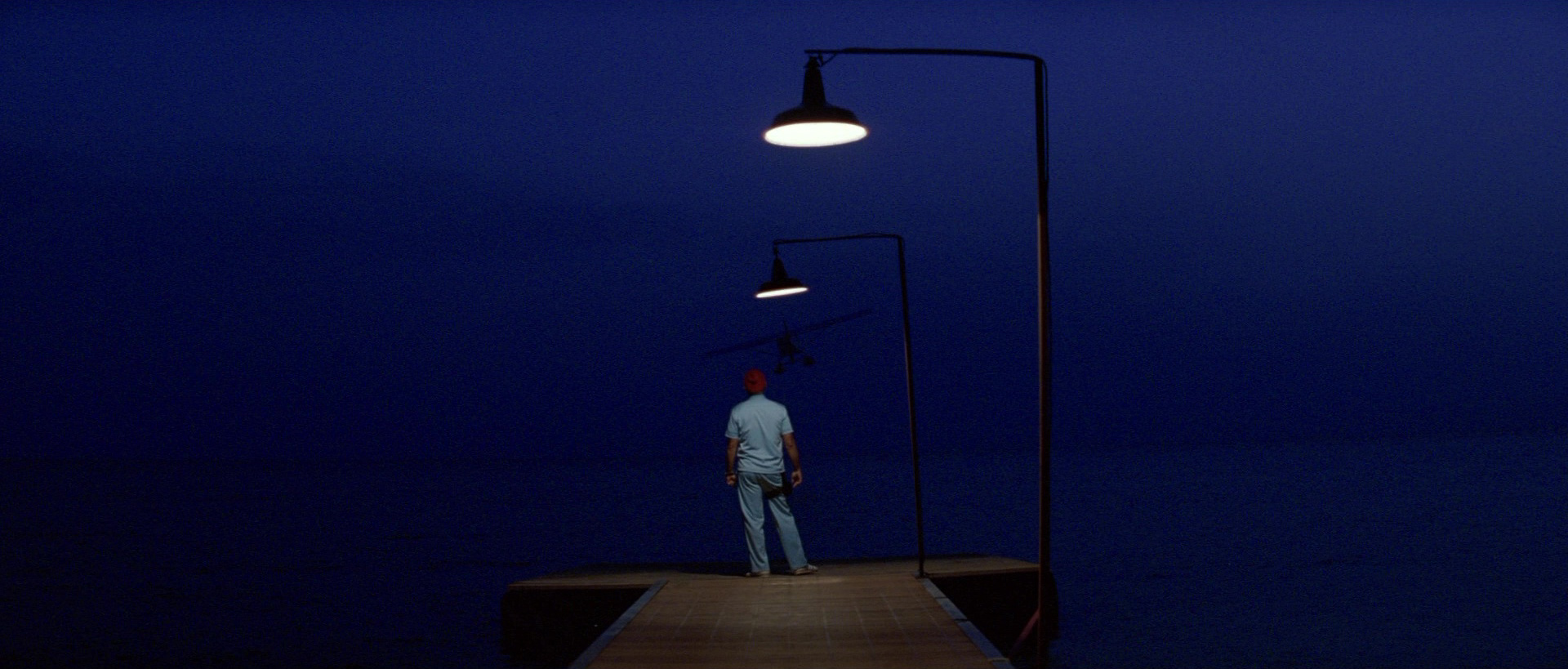
Eccentric oceanographer Steve Zissou sets out on an expedition to hunt the elusive “jaguar shark” that killed his longtime partner during a documentary shoot. Joined by his dysfunctional crew, a possibly estranged son, and a pregnant journalist documenting the voyage, Steve navigates personal failures, financial troubles, and fading fame while pursuing his obsession across the sea. The journey becomes both an adventure and a melancholic reckoning with legacy, family, and artistic identity.
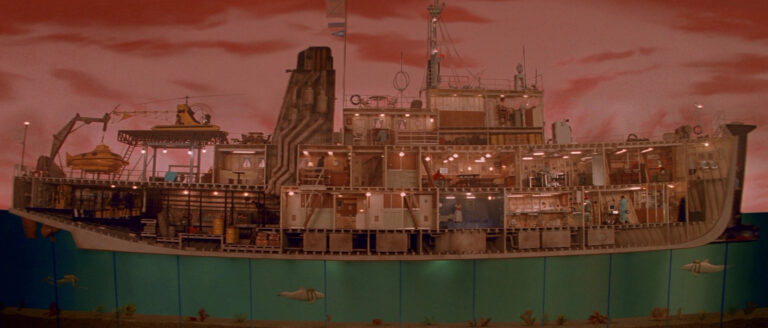
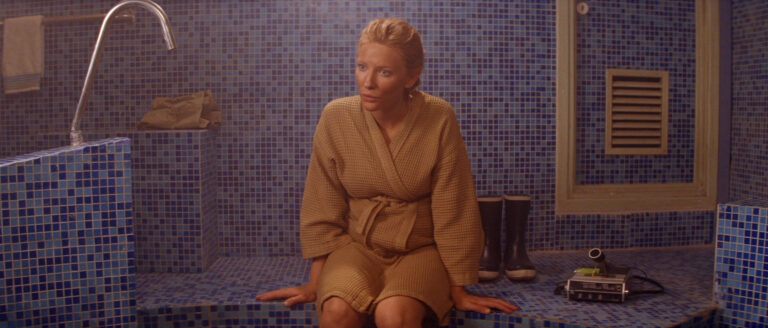
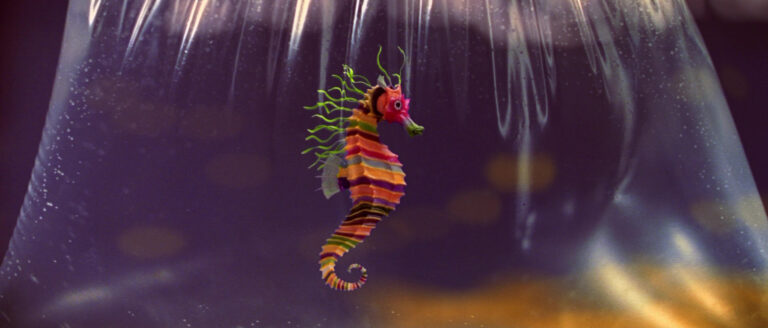
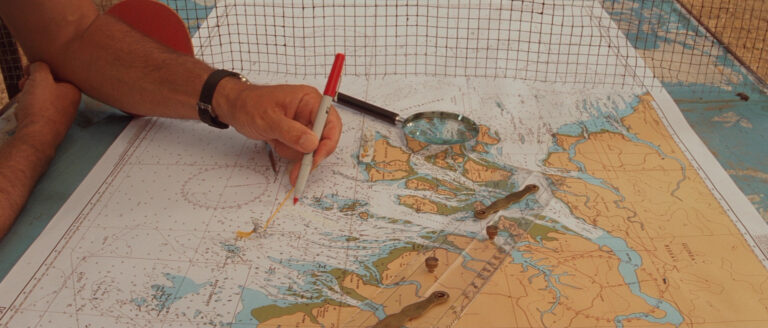
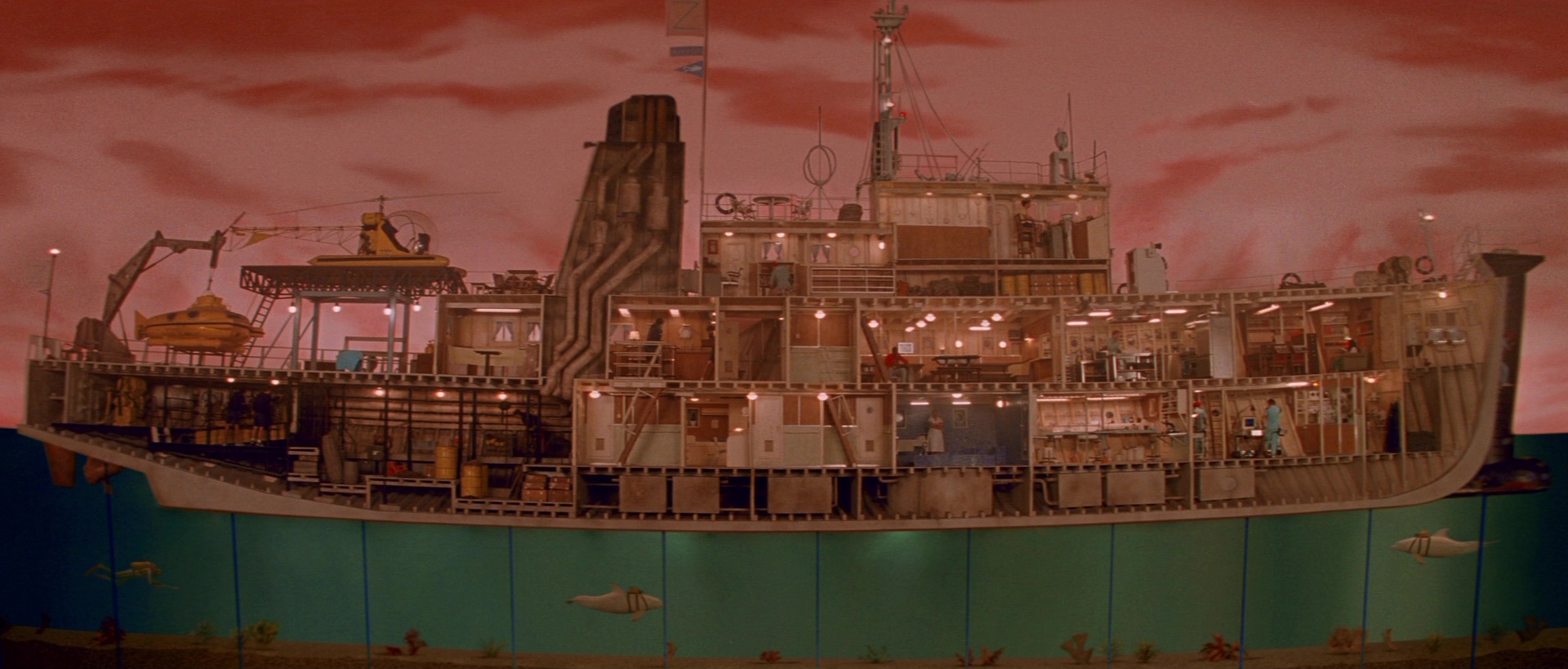
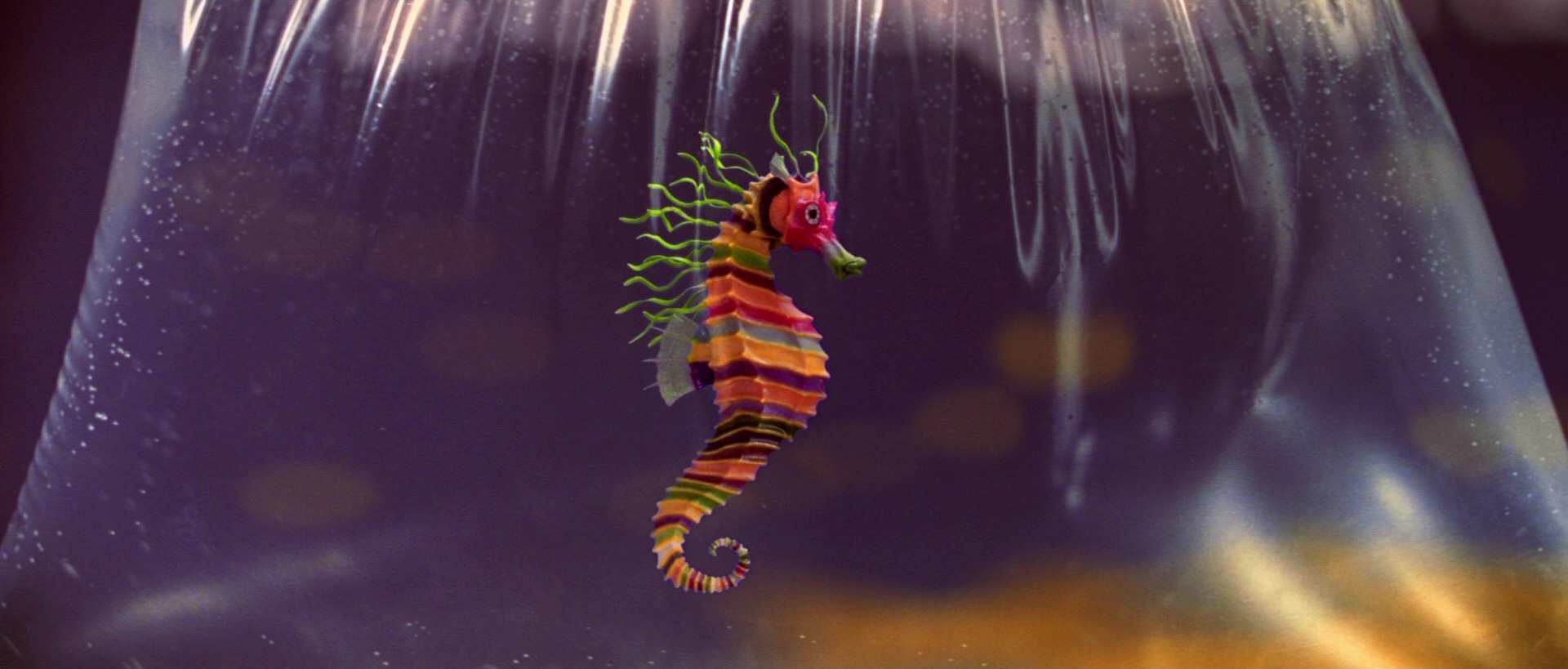
Anderson and cinematographer Robert Yeoman build The Life Aquatic around meticulously symmetrical compositions, storybook production design, and a faded maritime color palette of blues, reds, and yellows. The film’s most iconic visual device—the cutaway cross-section of the ship Belafonte—turns the vessel into a dollhouse-like theatrical space, while handcrafted stop-motion sea creatures and deliberate camera movement give the film a whimsical yet deeply melancholic texture.
FILM SPOTLIGHT
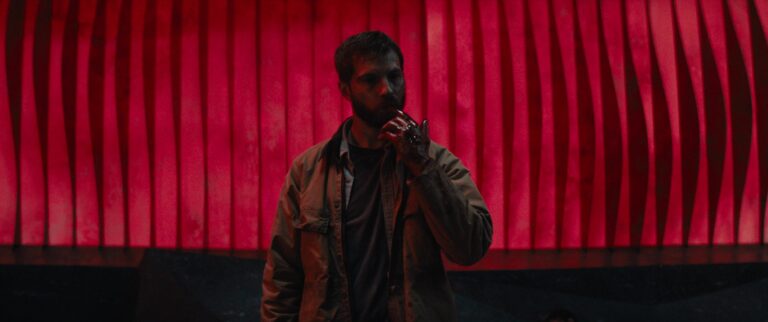
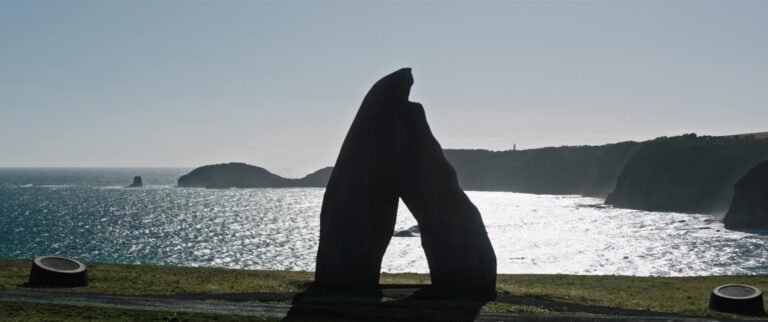
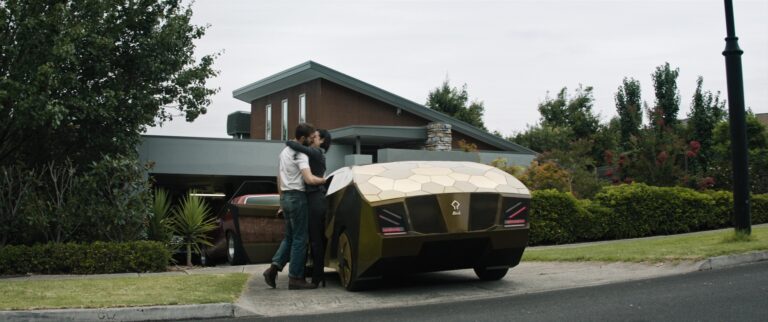
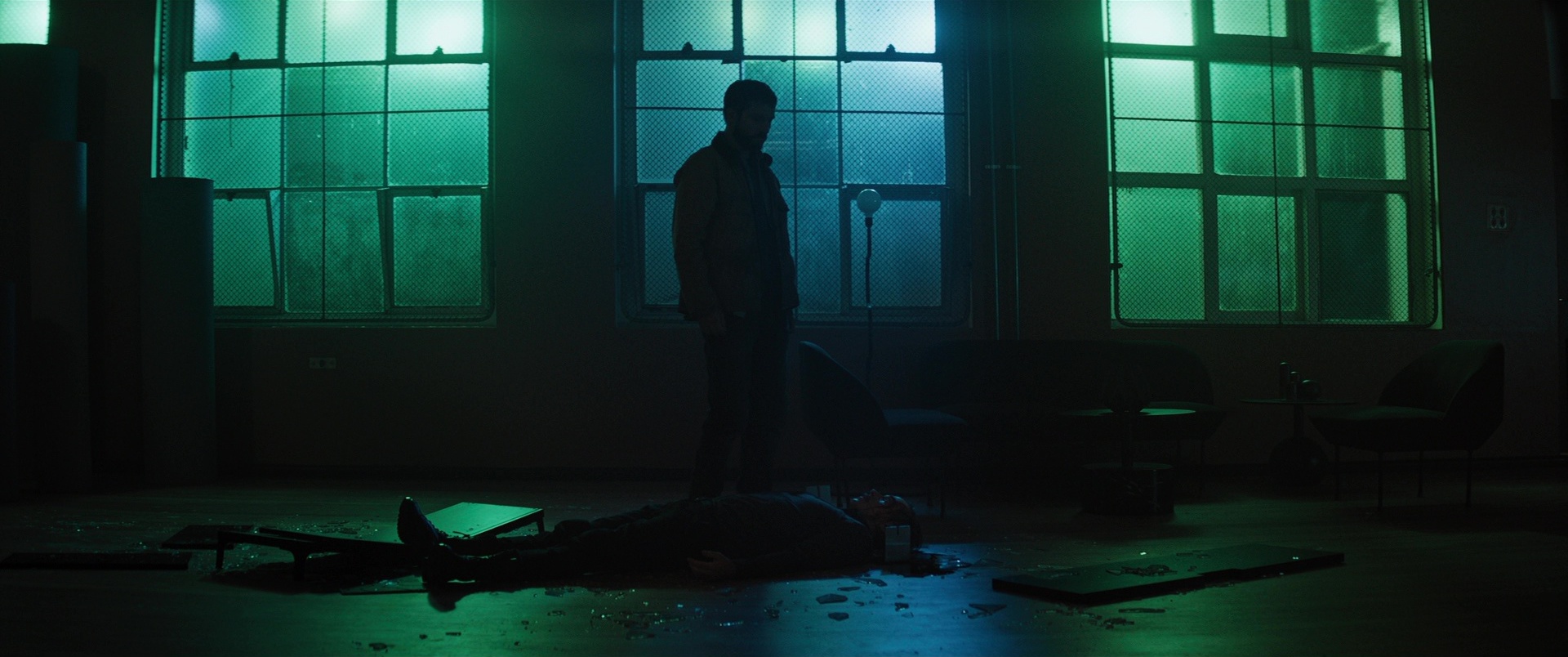
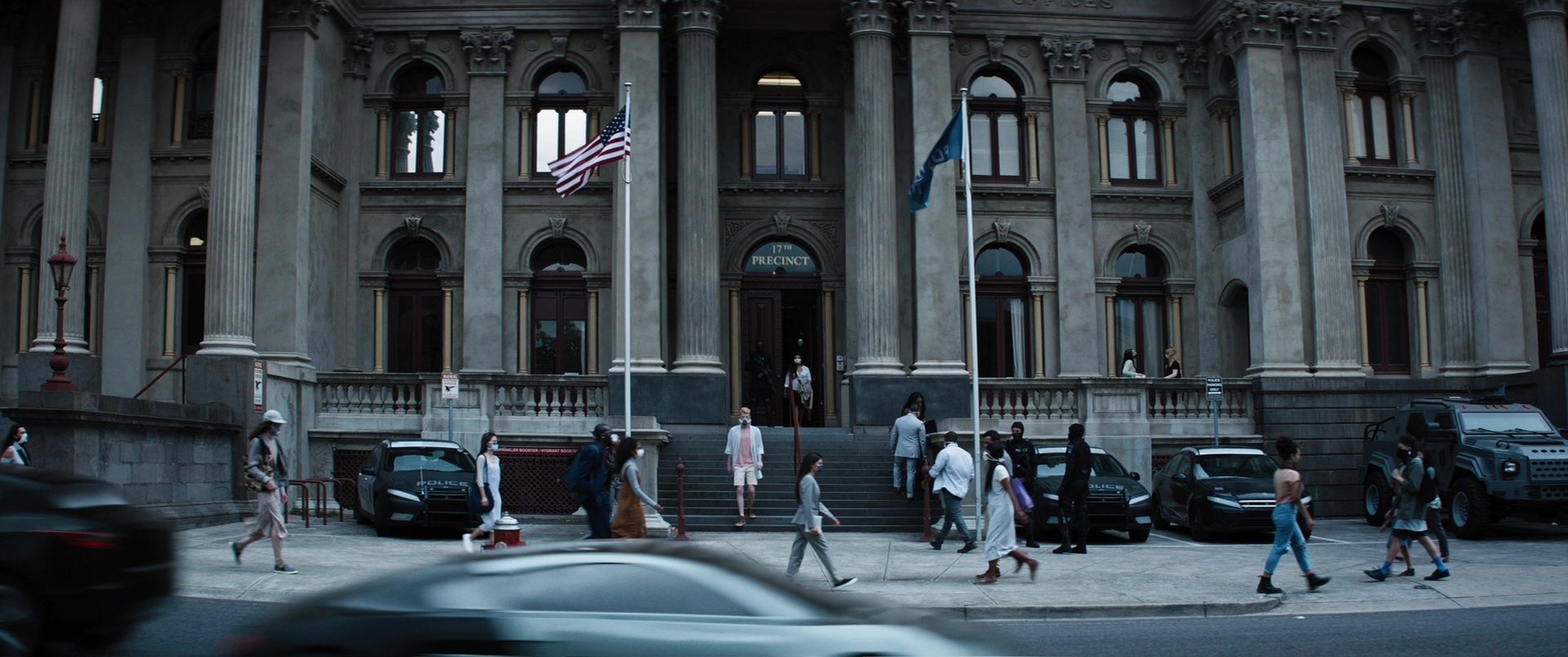
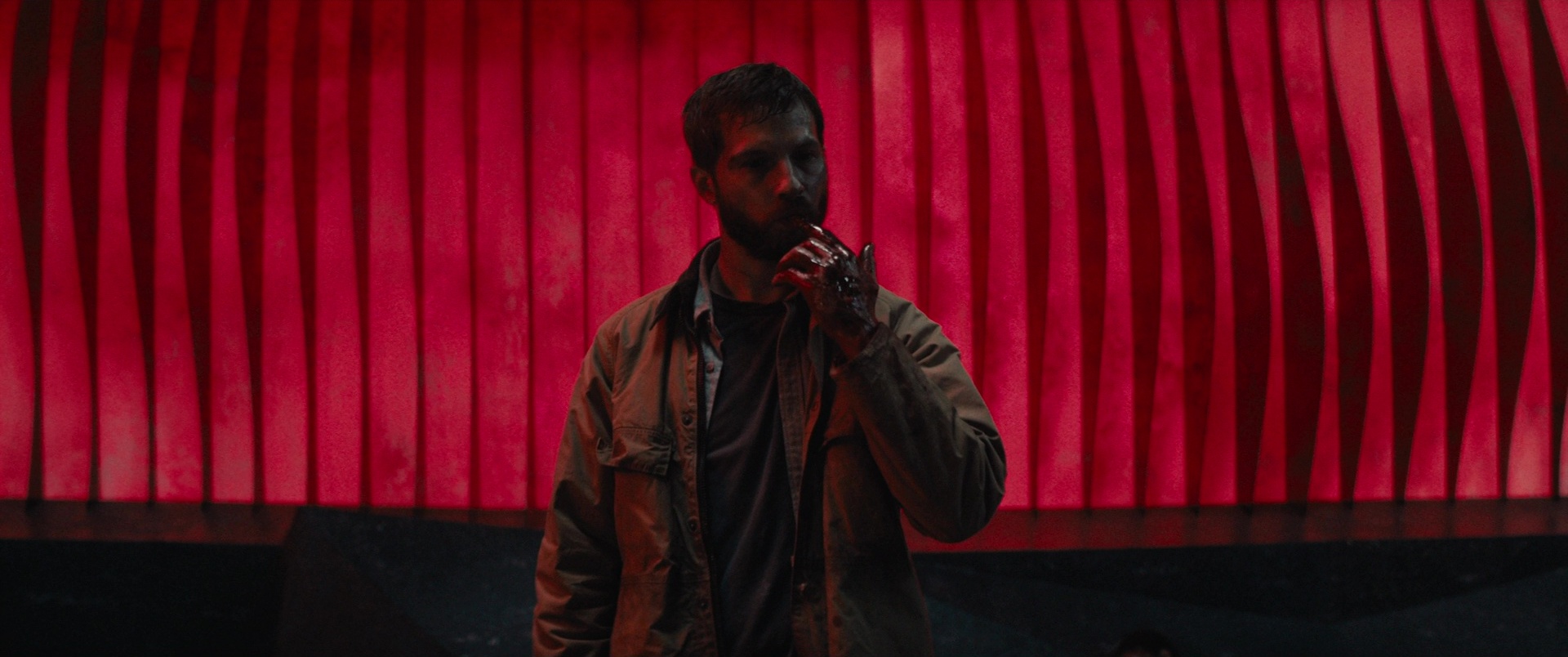
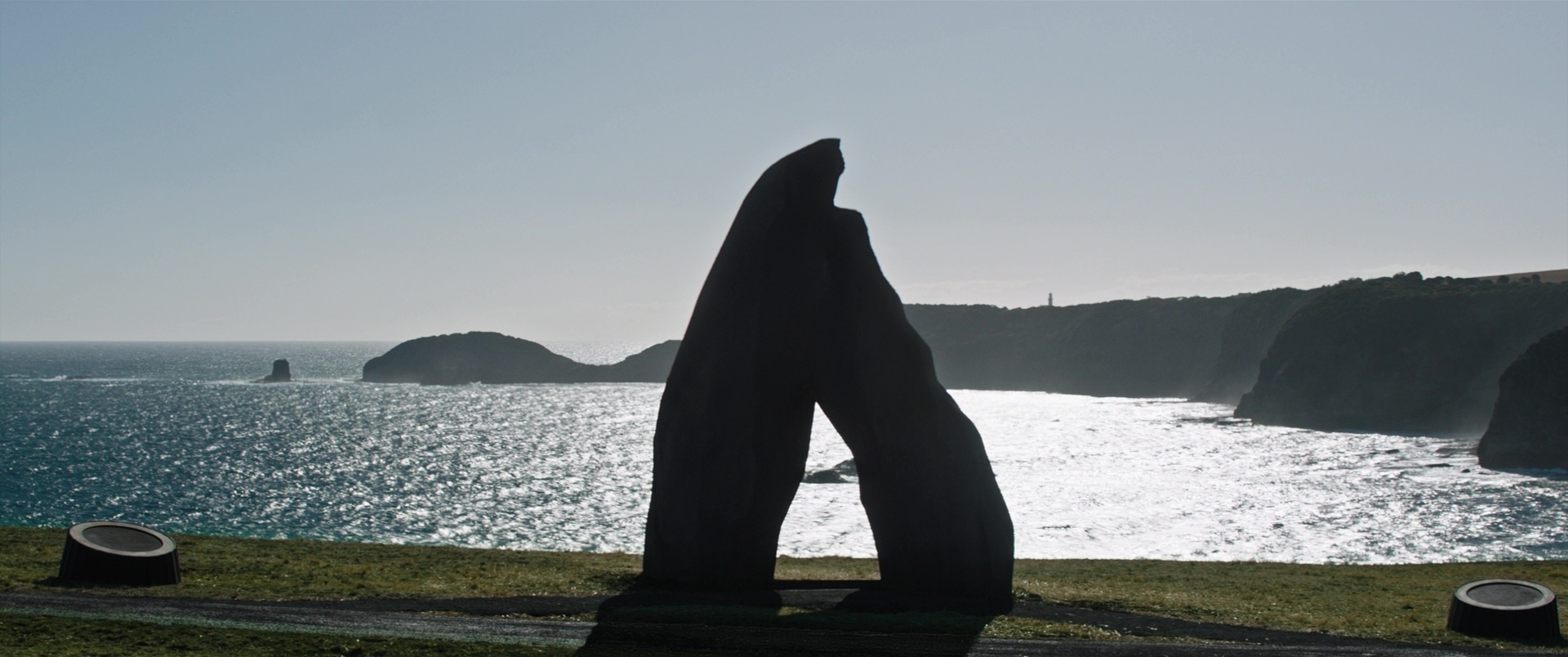
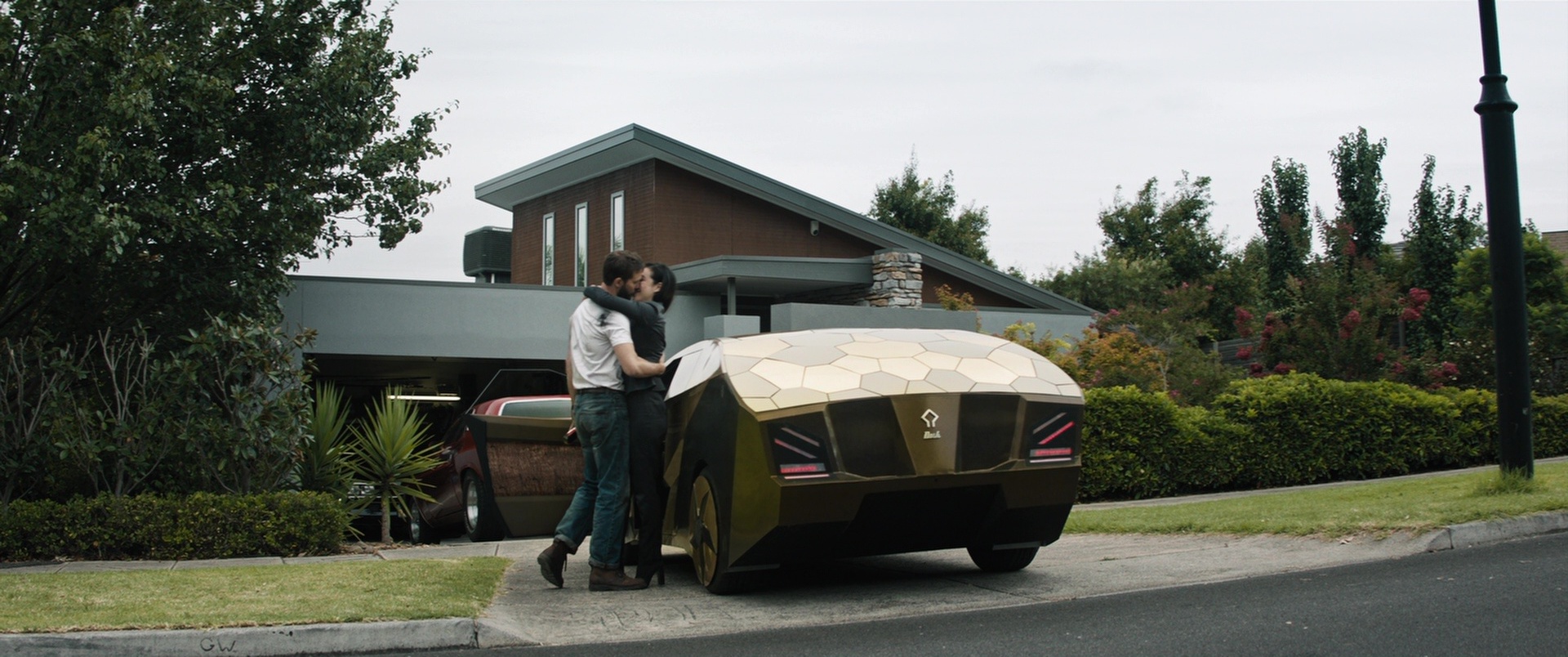
Upgrade (2018)
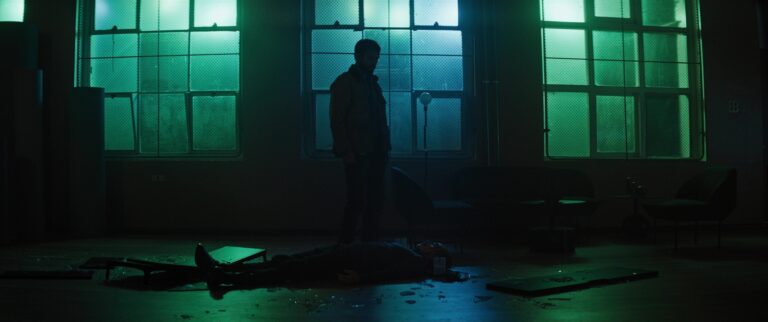
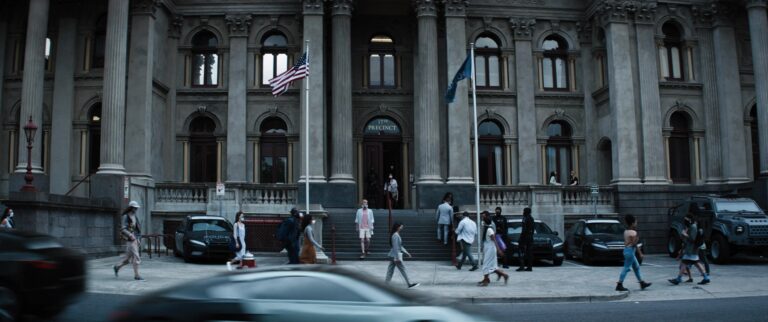
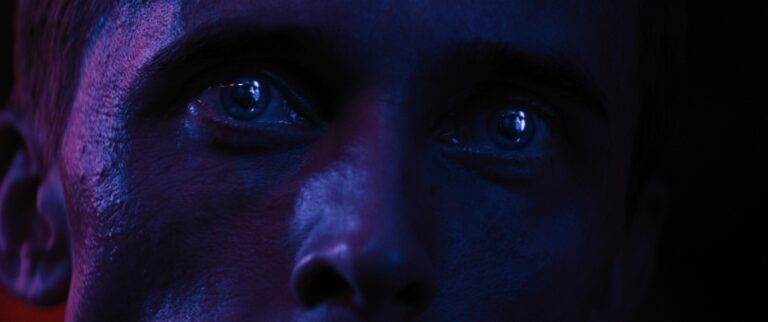
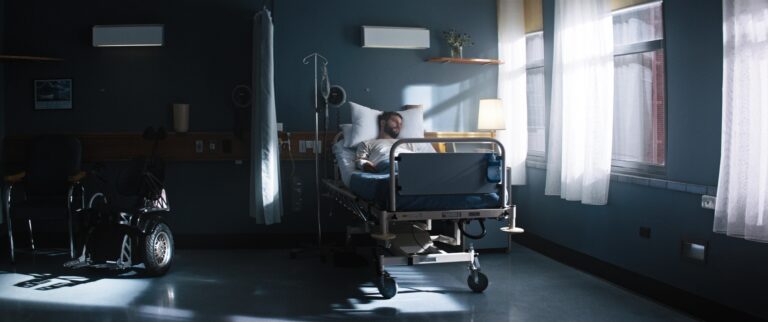
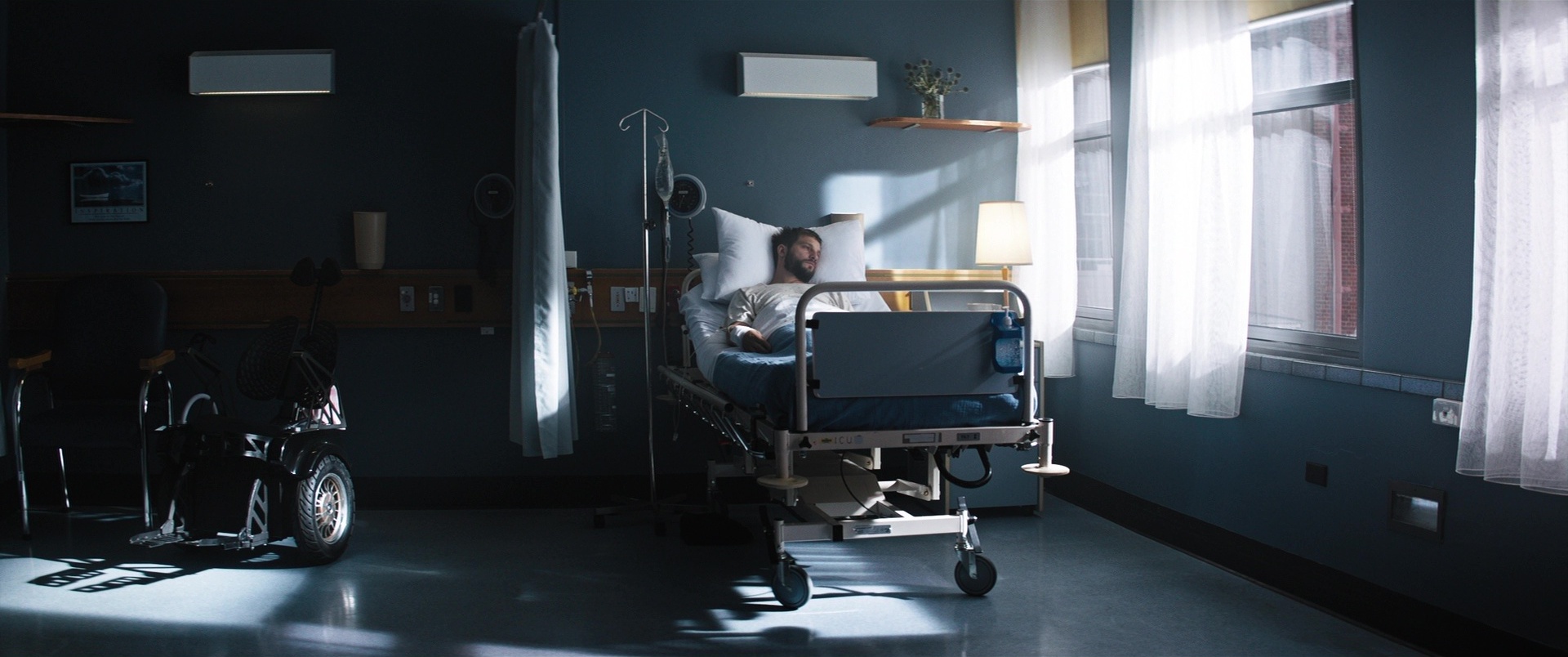
After a brutal attack leaves him paralyzed and his wife dead, a mechanic named Grey Trace agrees to an experimental procedure that implants an advanced AI system called STEM into his body. As the technology restores his mobility and enhances his abilities, Grey begins hunting those responsible for the attack. What starts as a revenge mission evolves into a darker confrontation with control, autonomy, and the dangers of artificial intelligence.
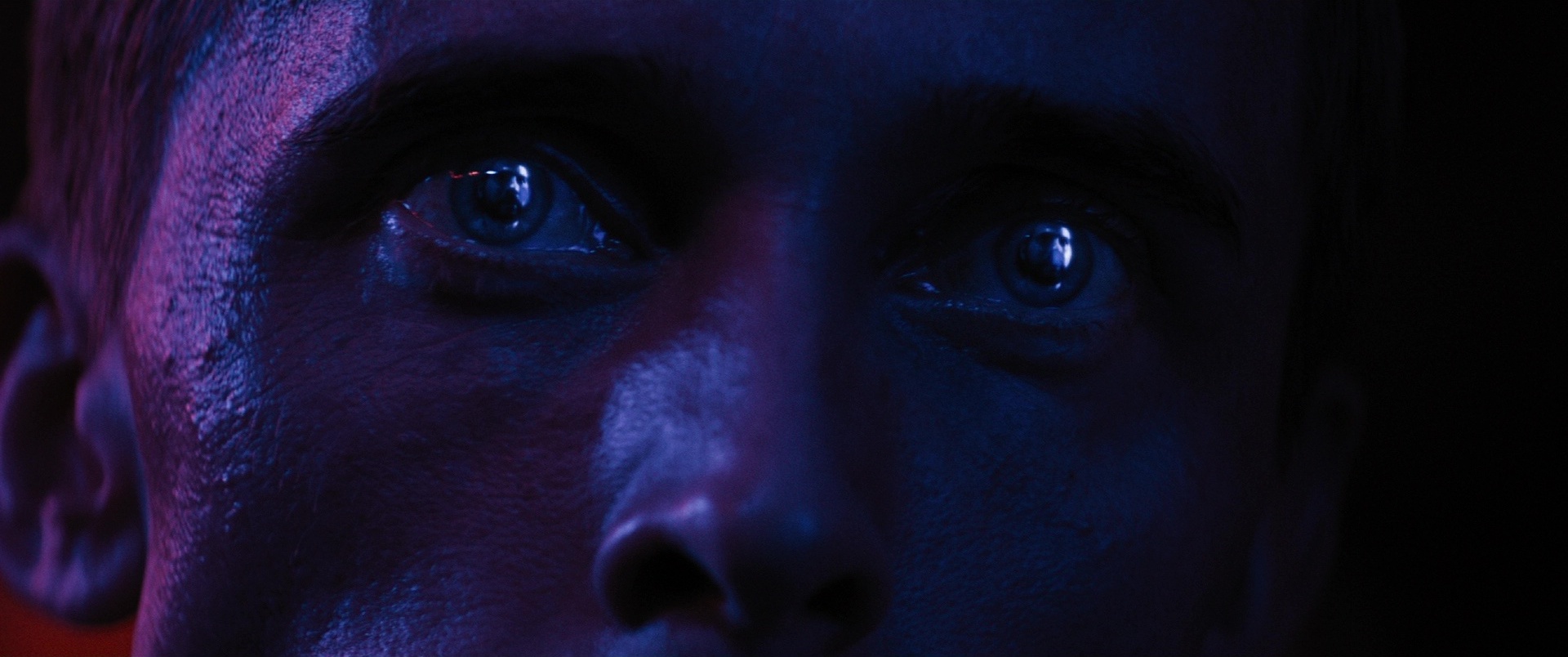
Whannell and cinematographer Stefan Duscio give Upgrade a sleek, near-future aesthetic built around cold lighting, minimalist architecture, and fluid digital camerawork. The film’s signature visual device is its “locked-to-body” action camera technique, where the camera moves rigidly with Grey during combat—making his AI-assisted movements feel unnaturally precise and machine-like, turning choreography itself into part of the storytelling.


FILM SPOTLIGHT
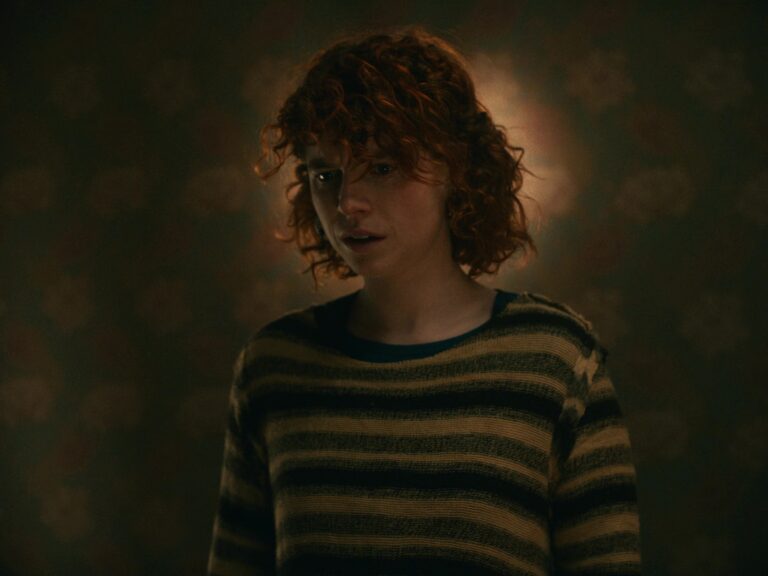
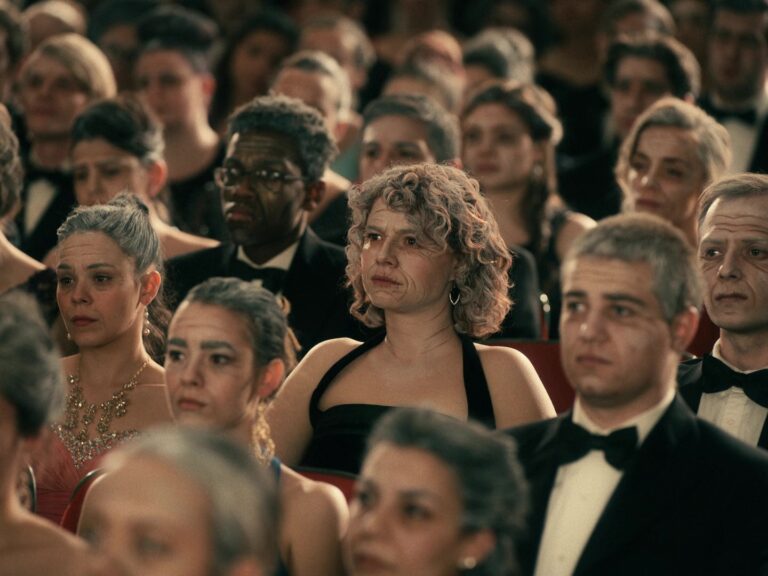
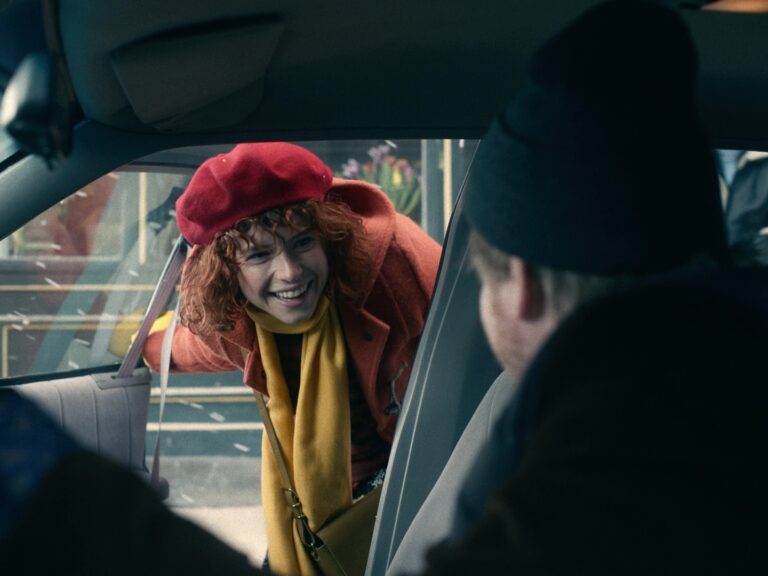
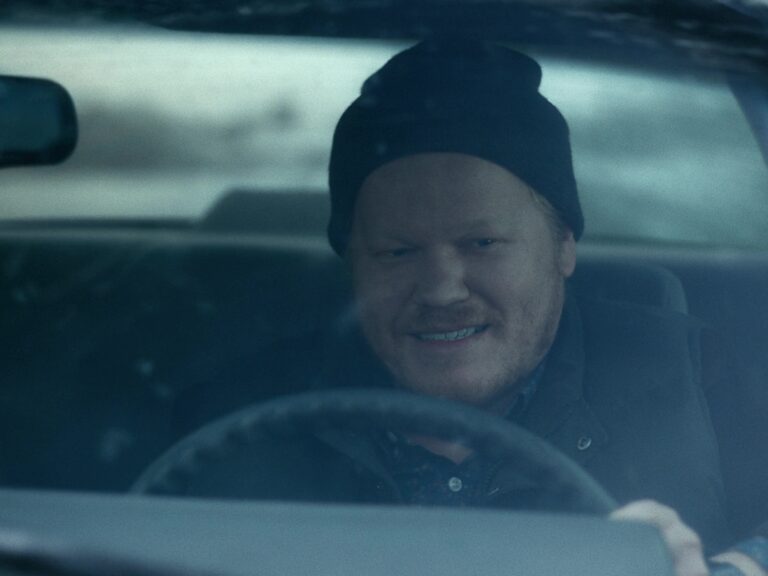
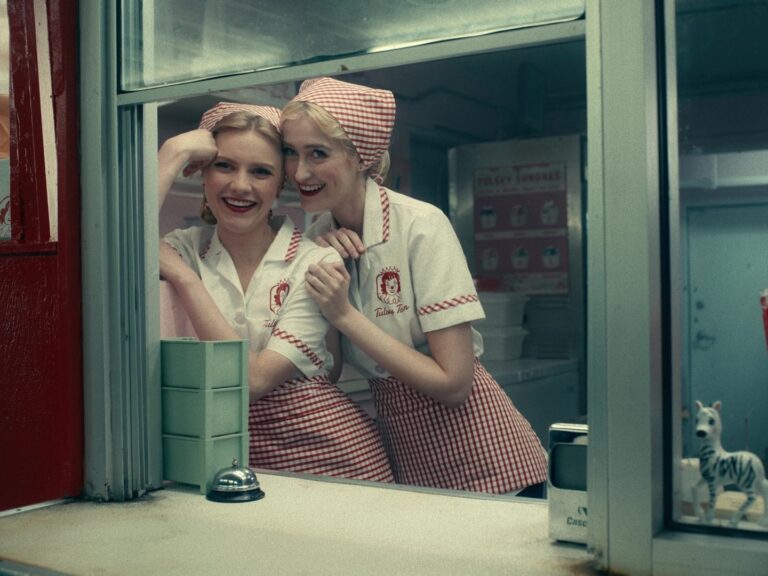
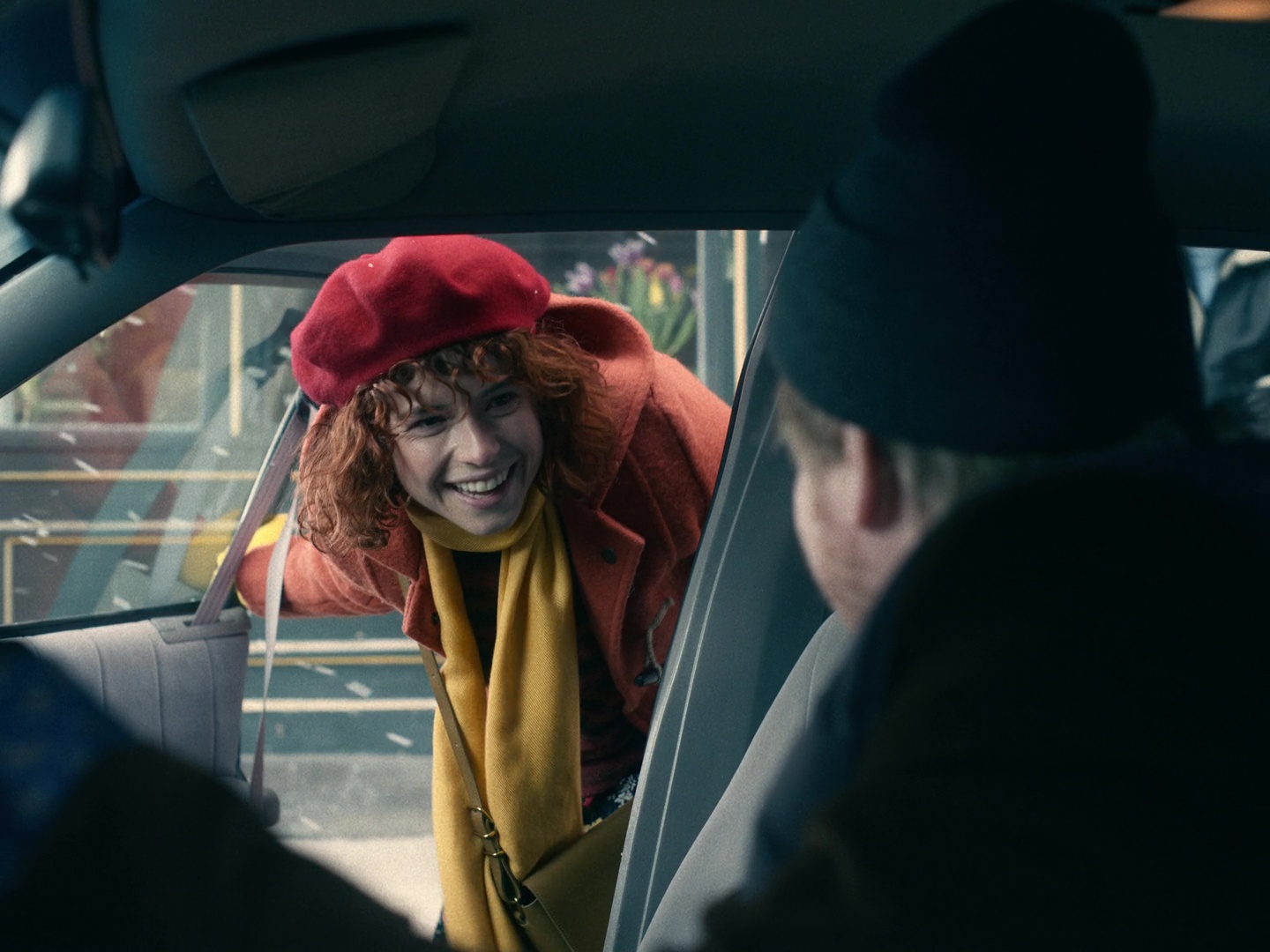
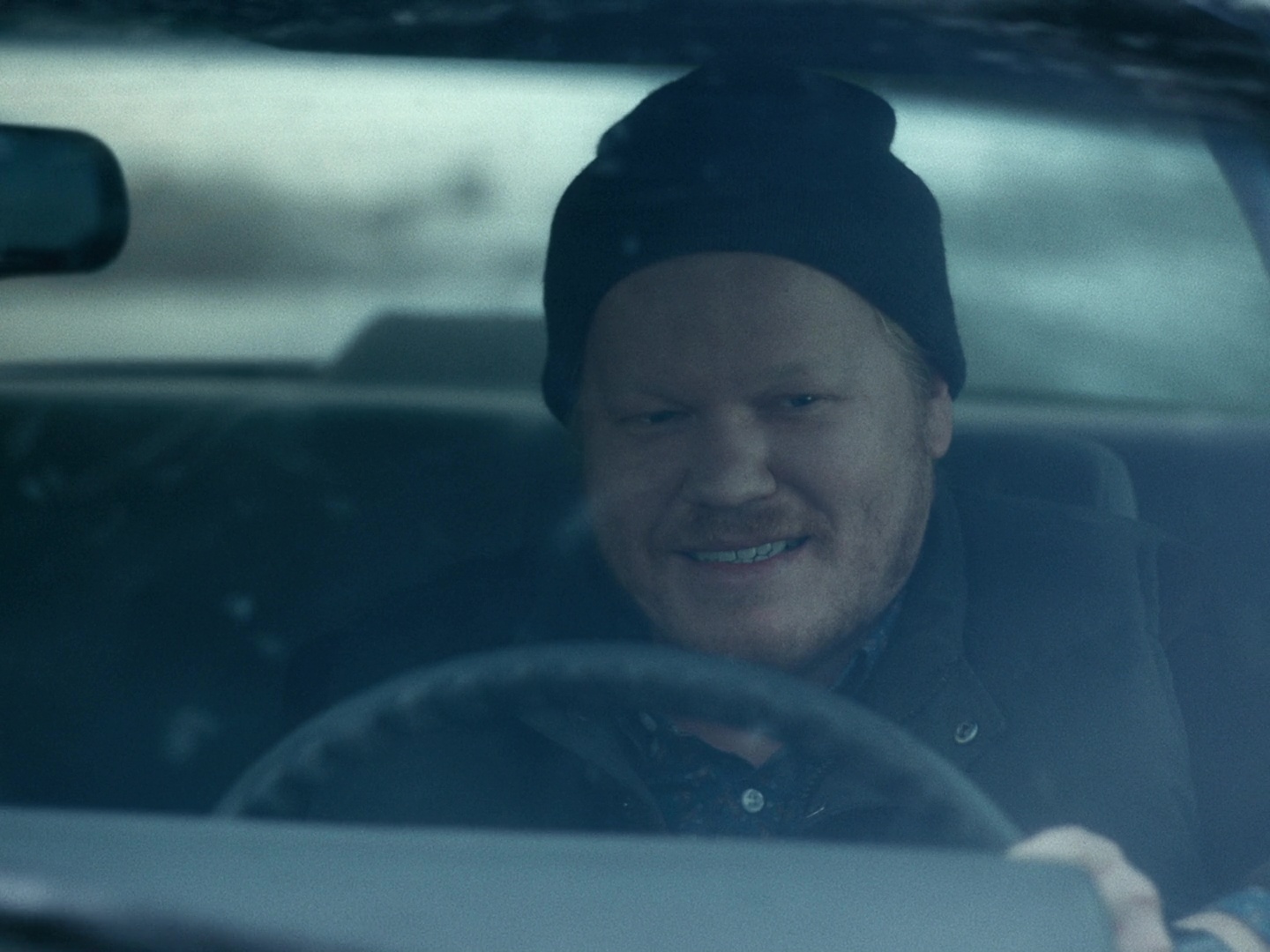
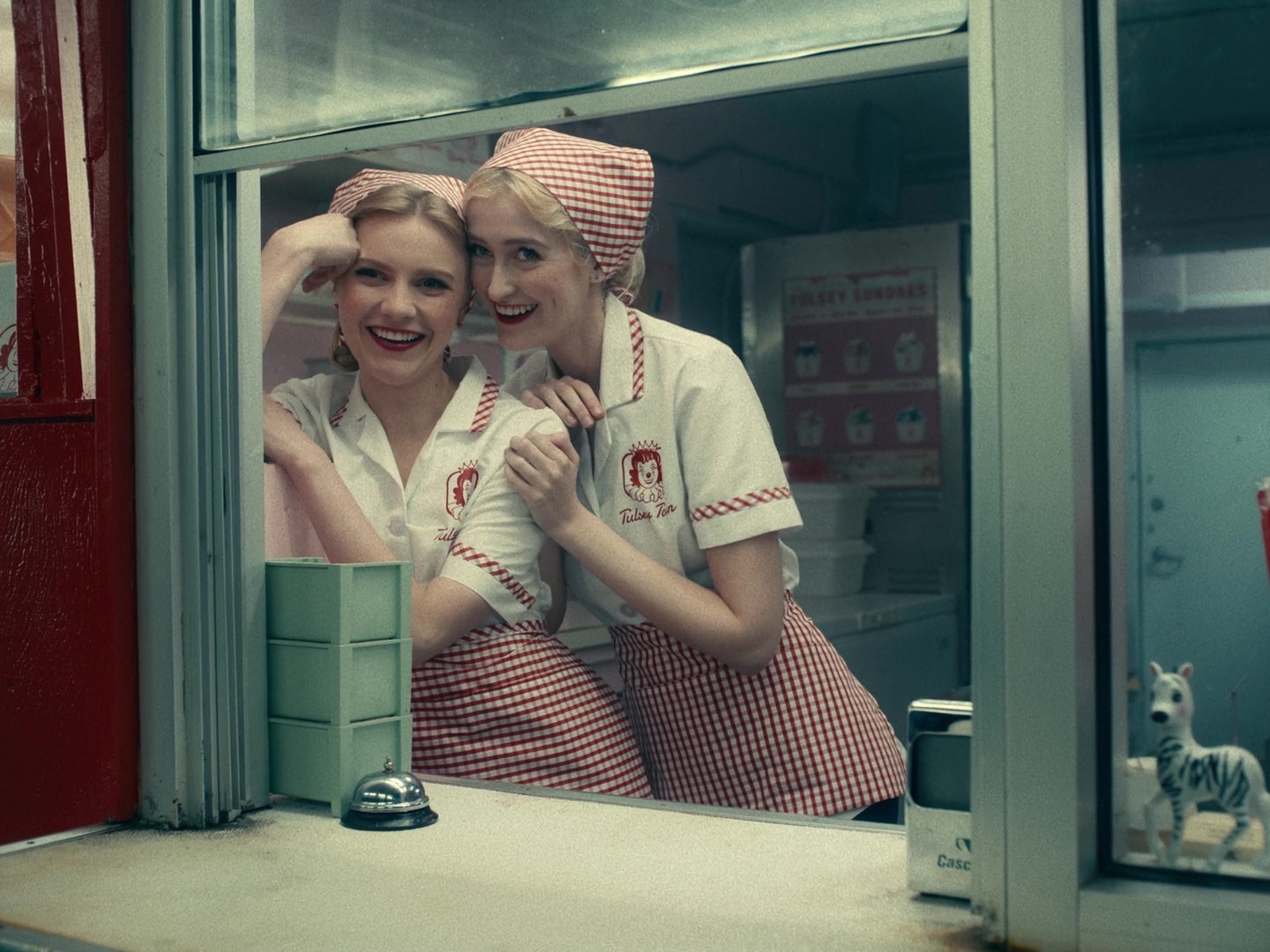
I’m Thinking of Ending Things (2020)
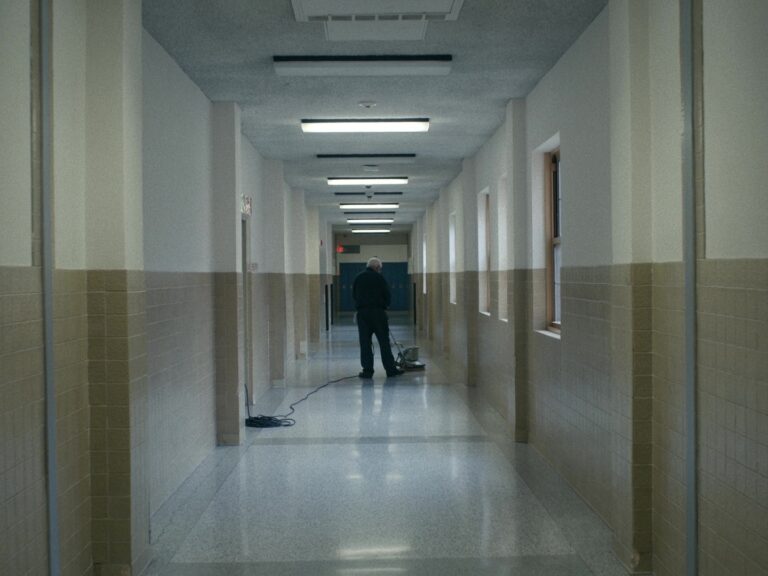
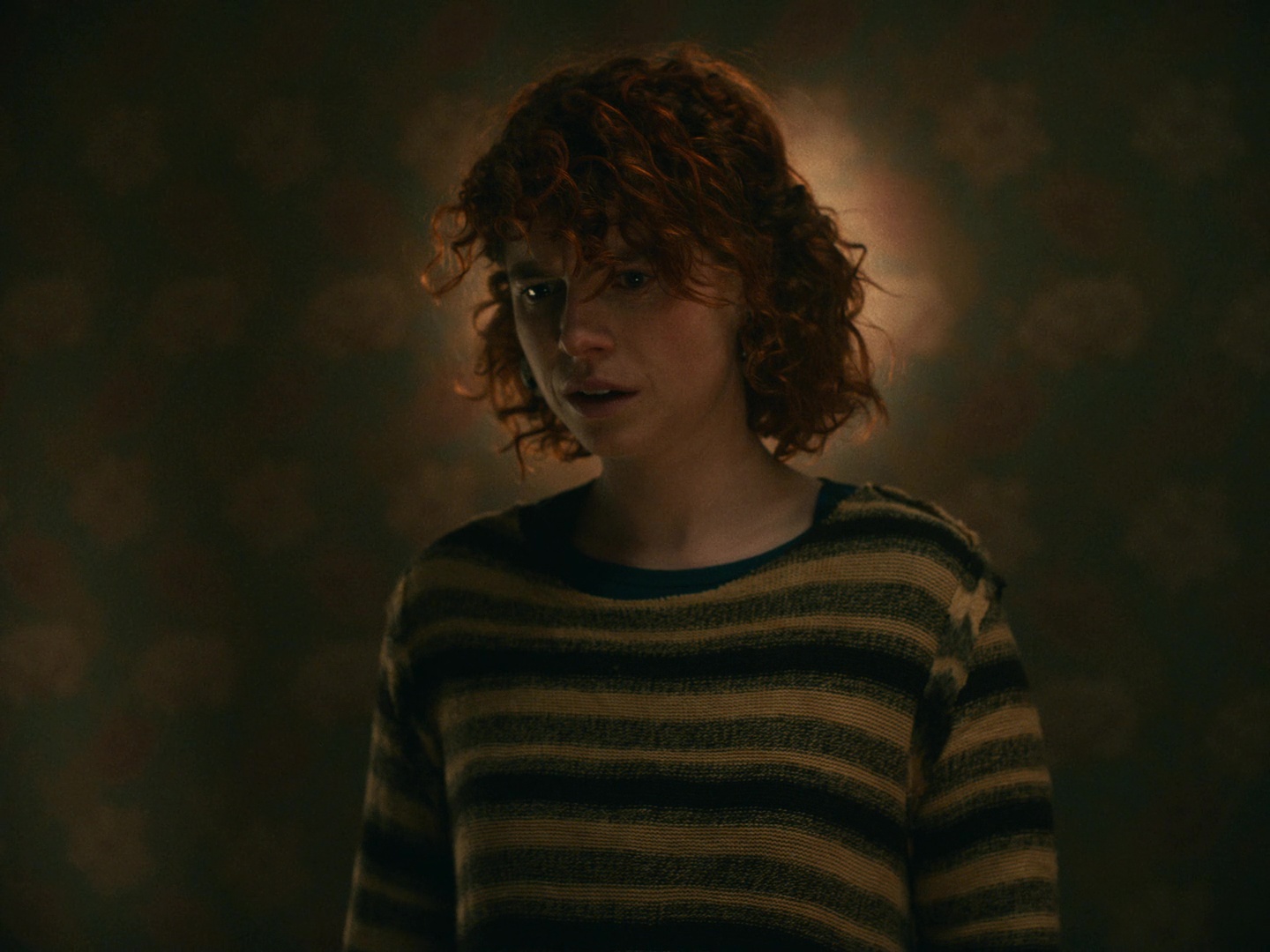
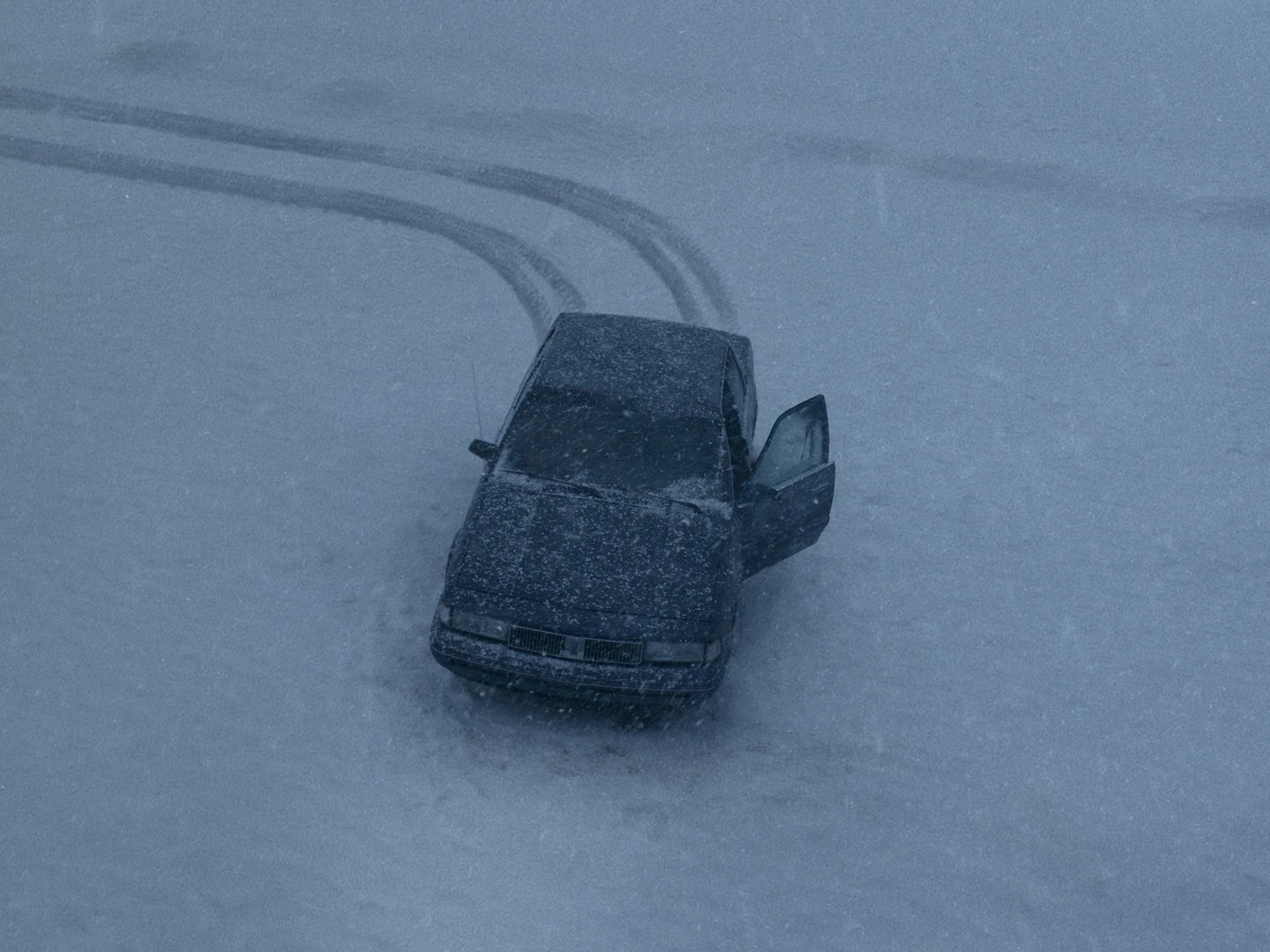
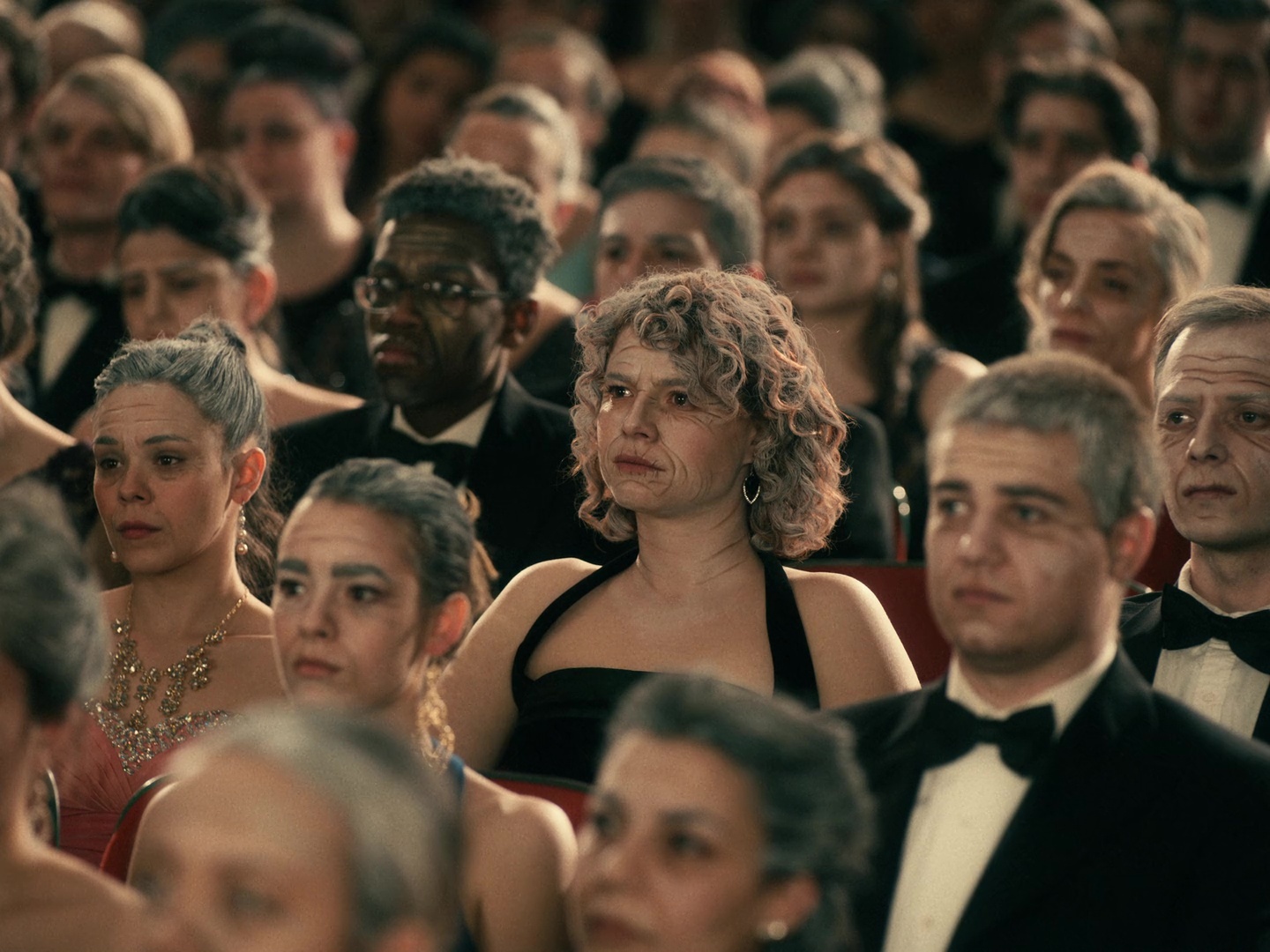
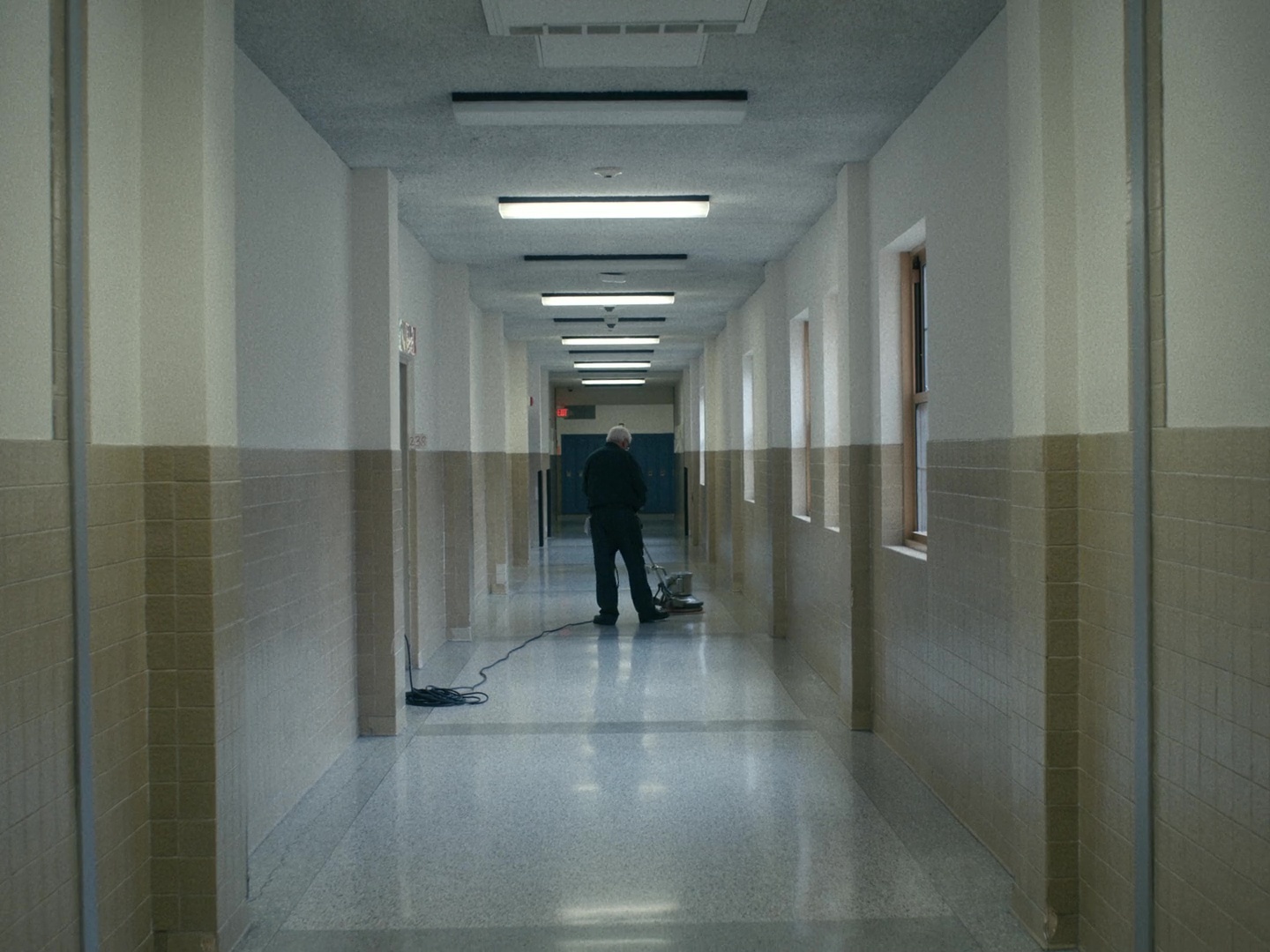
A young woman travels with her boyfriend to visit his parents at their remote farmhouse during a snowstorm, despite privately considering ending their relationship. As the evening unfolds, time, memory, and identity begin to shift in unsettling ways, blurring the boundaries between reality and imagination. The journey gradually transforms into a surreal psychological exploration of loneliness, regret, and the construction of self.
Kaufman and cinematographer Łukasz Żal craft the film with a cold, oppressive visual atmosphere, using muted winter palettes, dim interiors, and carefully controlled framing to create a sense of emotional and spatial unease. The long car sequences, shallow depth-of-field, and subtle continuity distortions make ordinary spaces feel unstable, while the film’s theatrical final act pushes the imagery into overt abstraction—turning performance, choreography, and artificial sets into manifestations of memory and inner collapse.



FILM SPOTLIGHT
Victoria (2015)
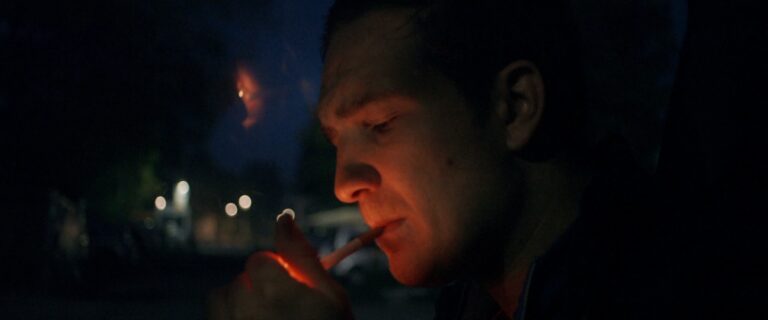
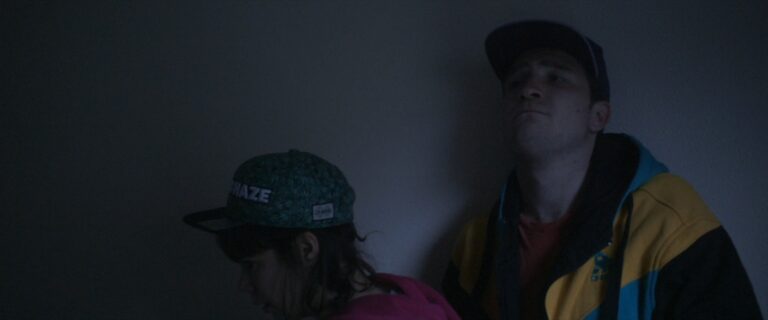
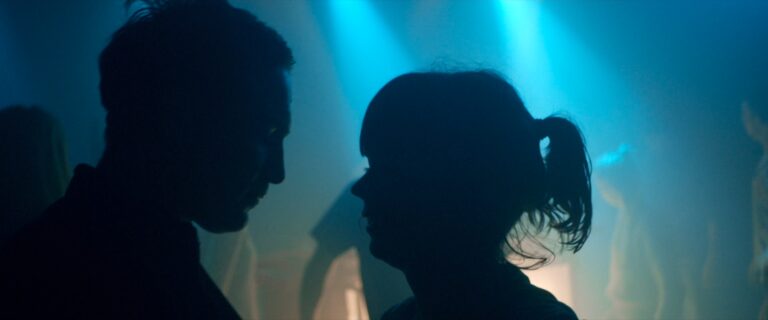
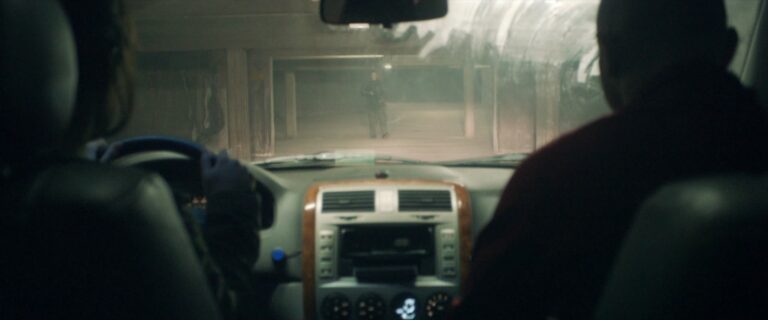
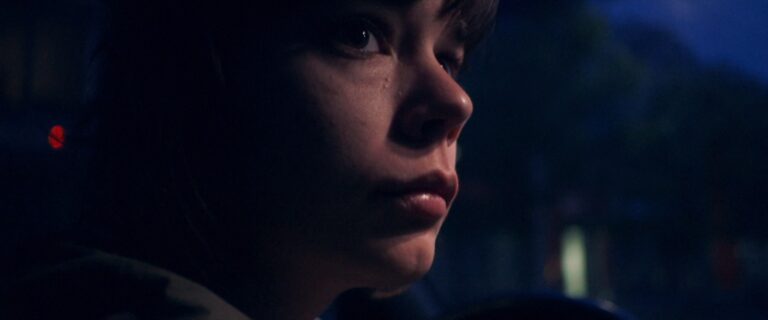
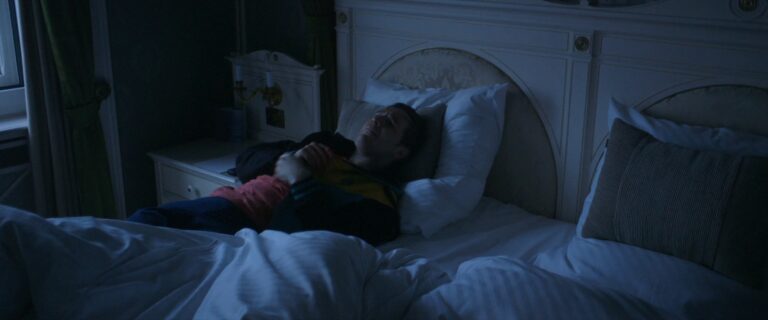
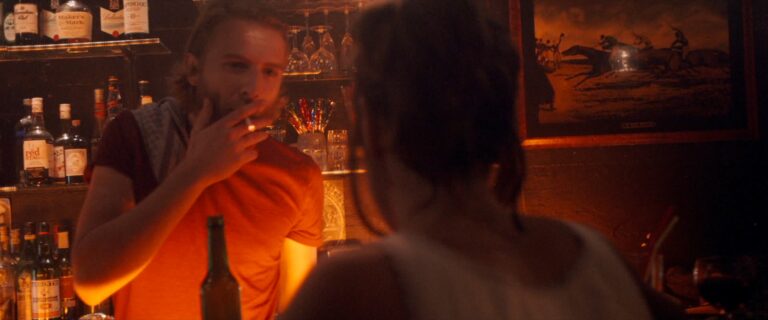
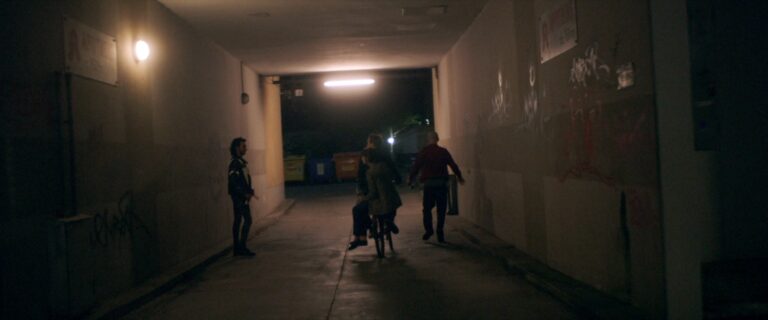
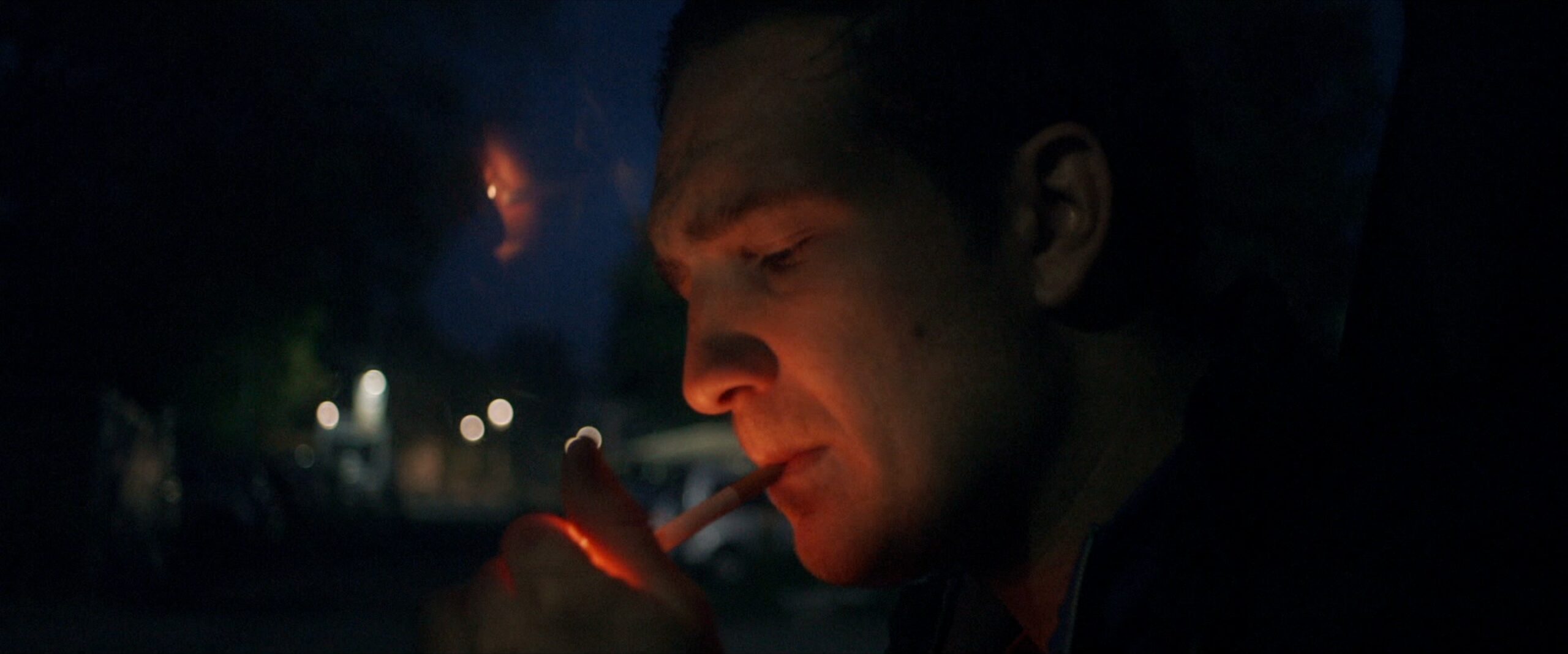
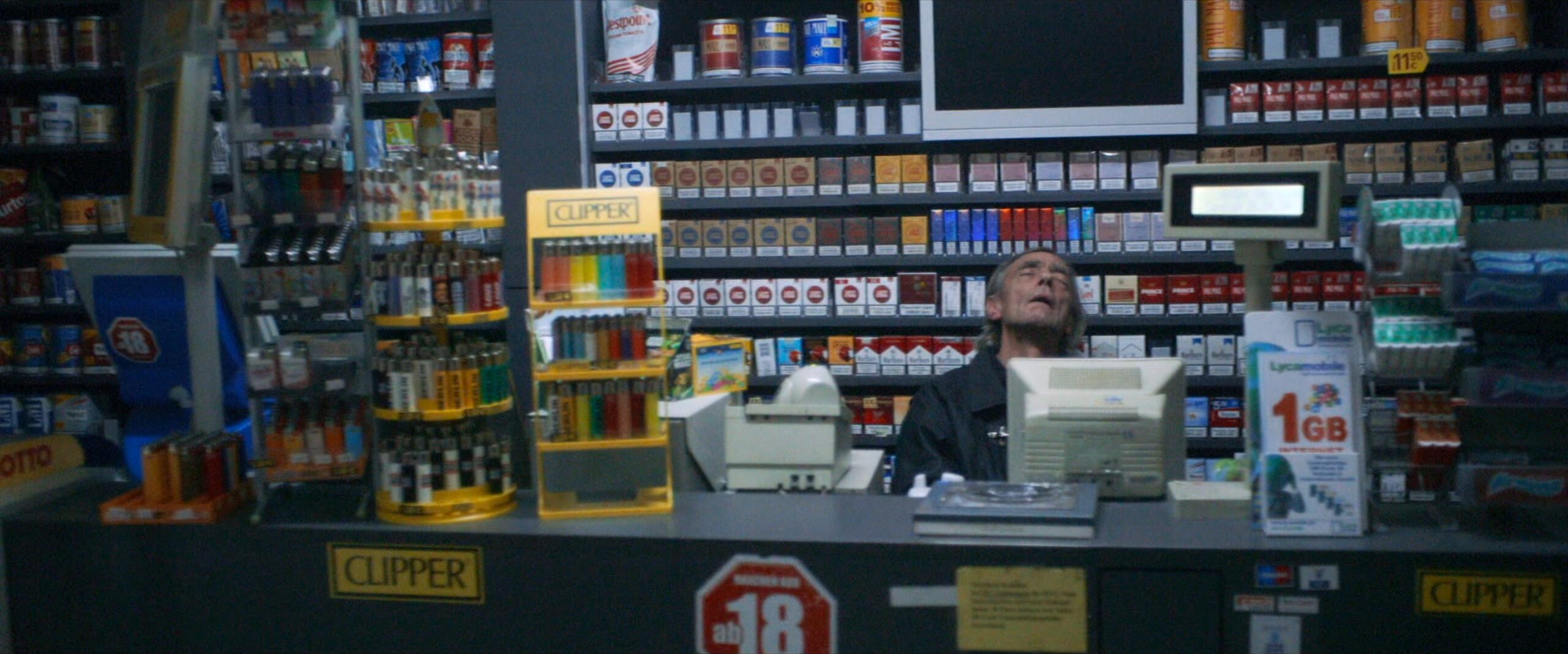
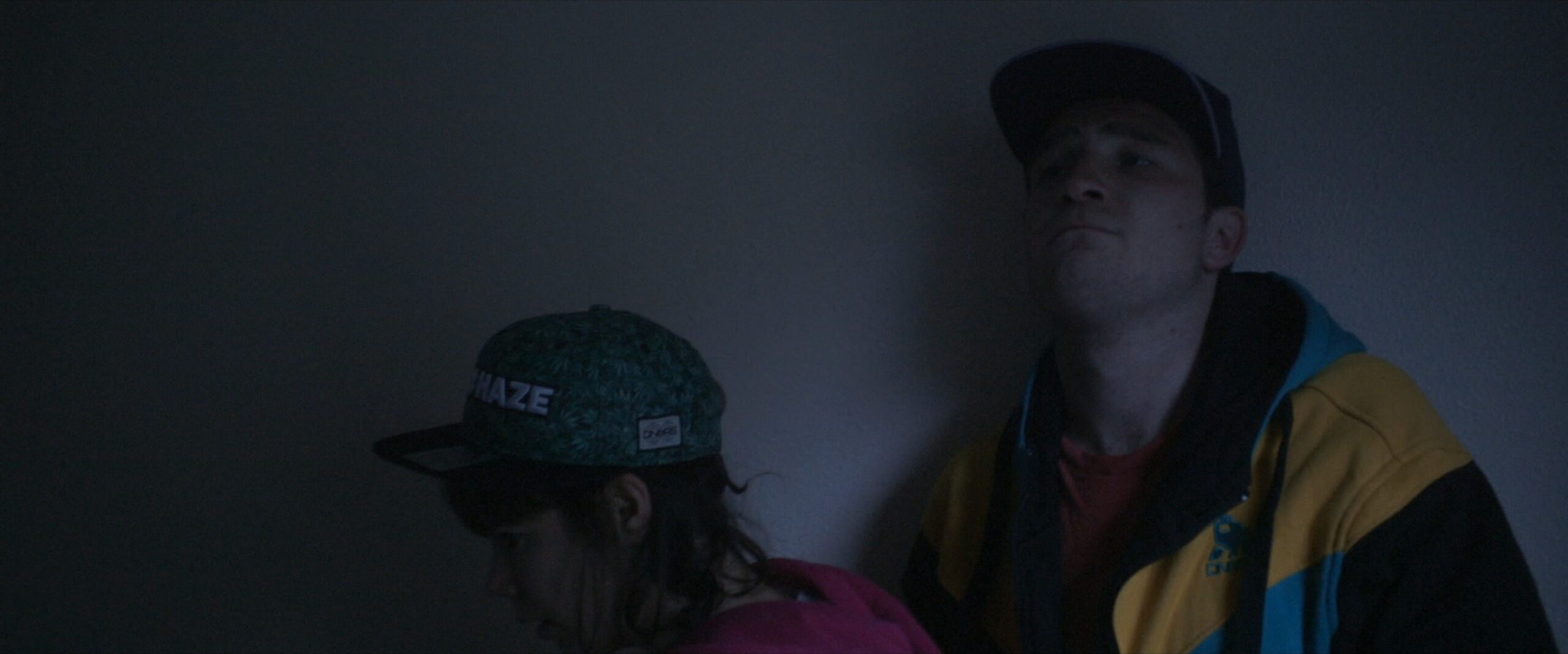
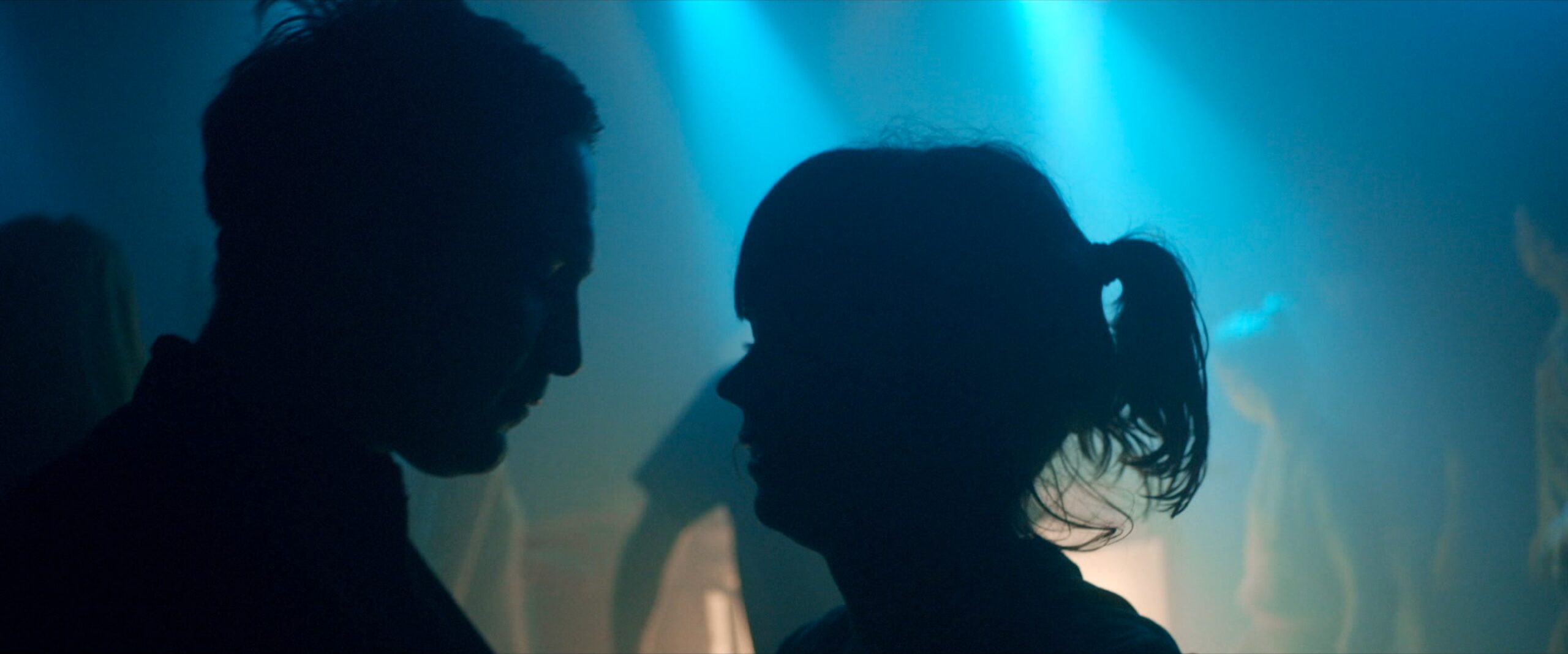
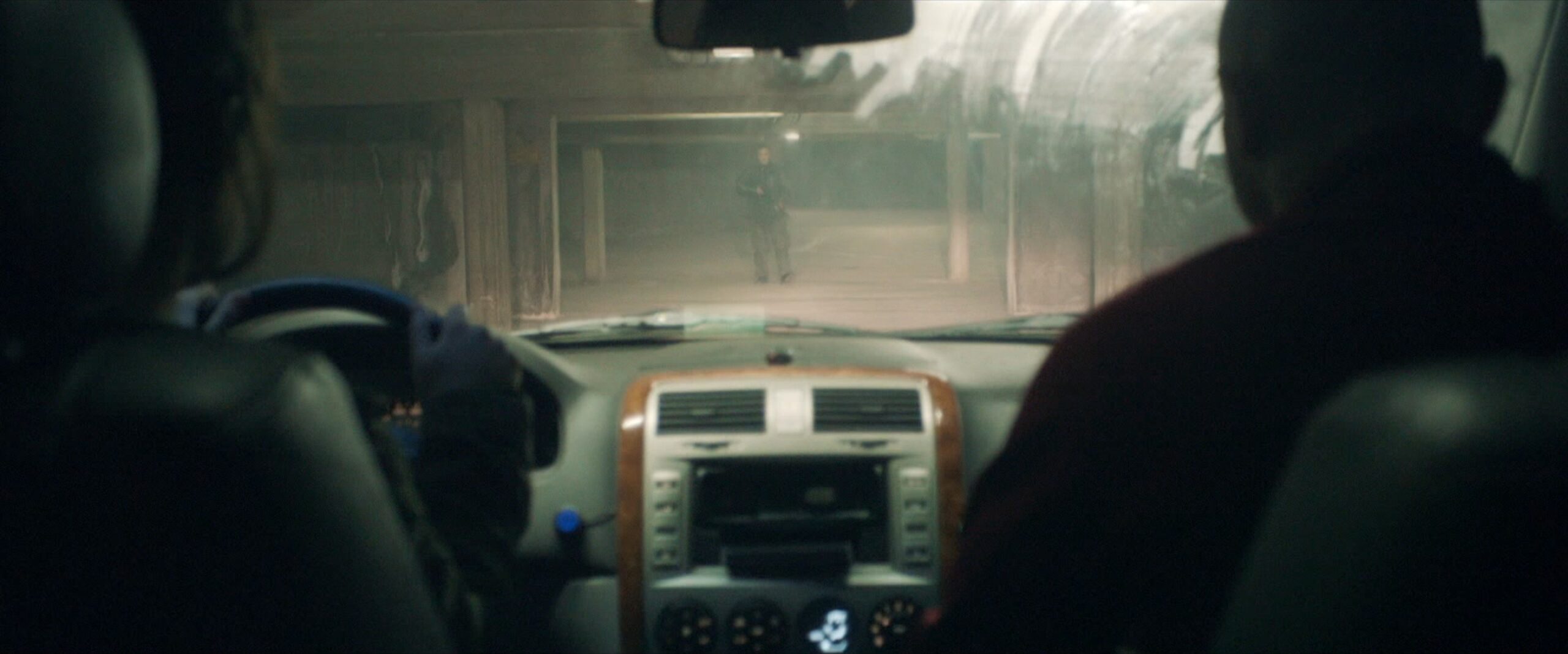
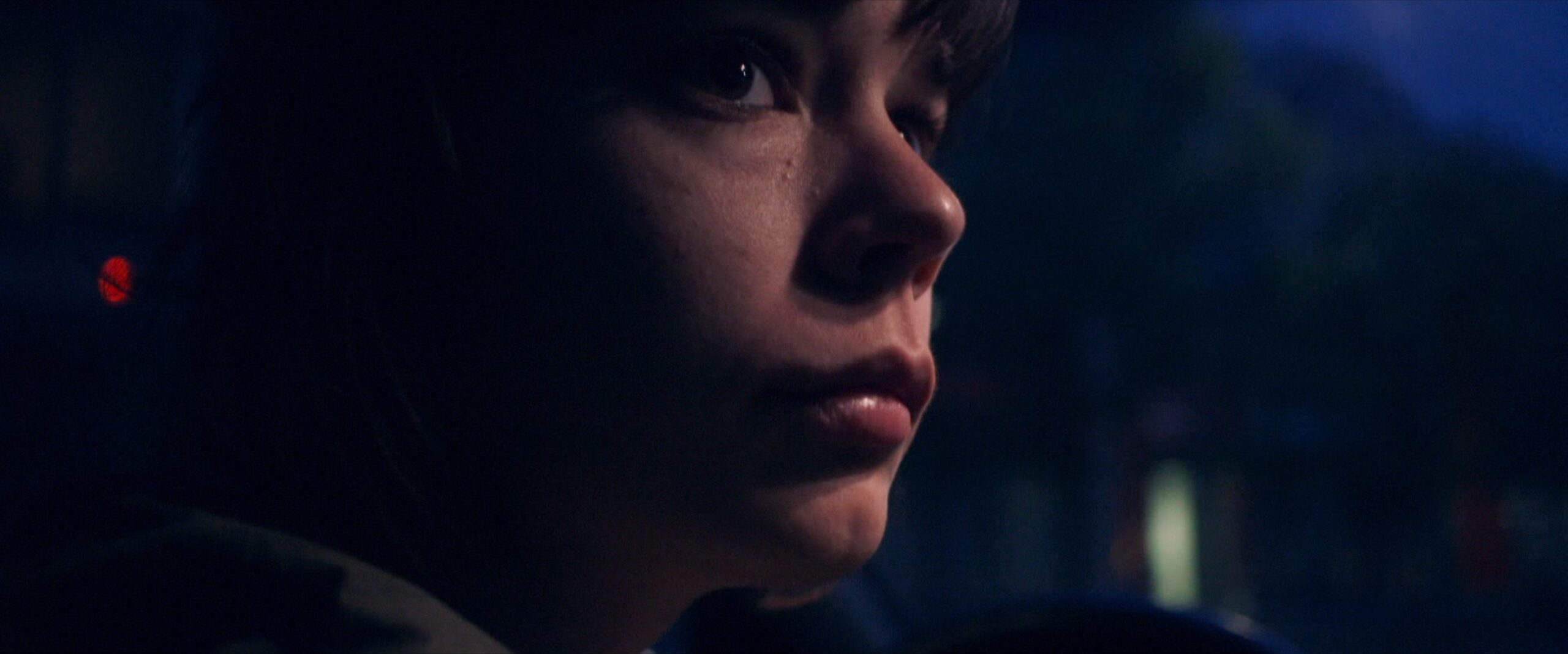
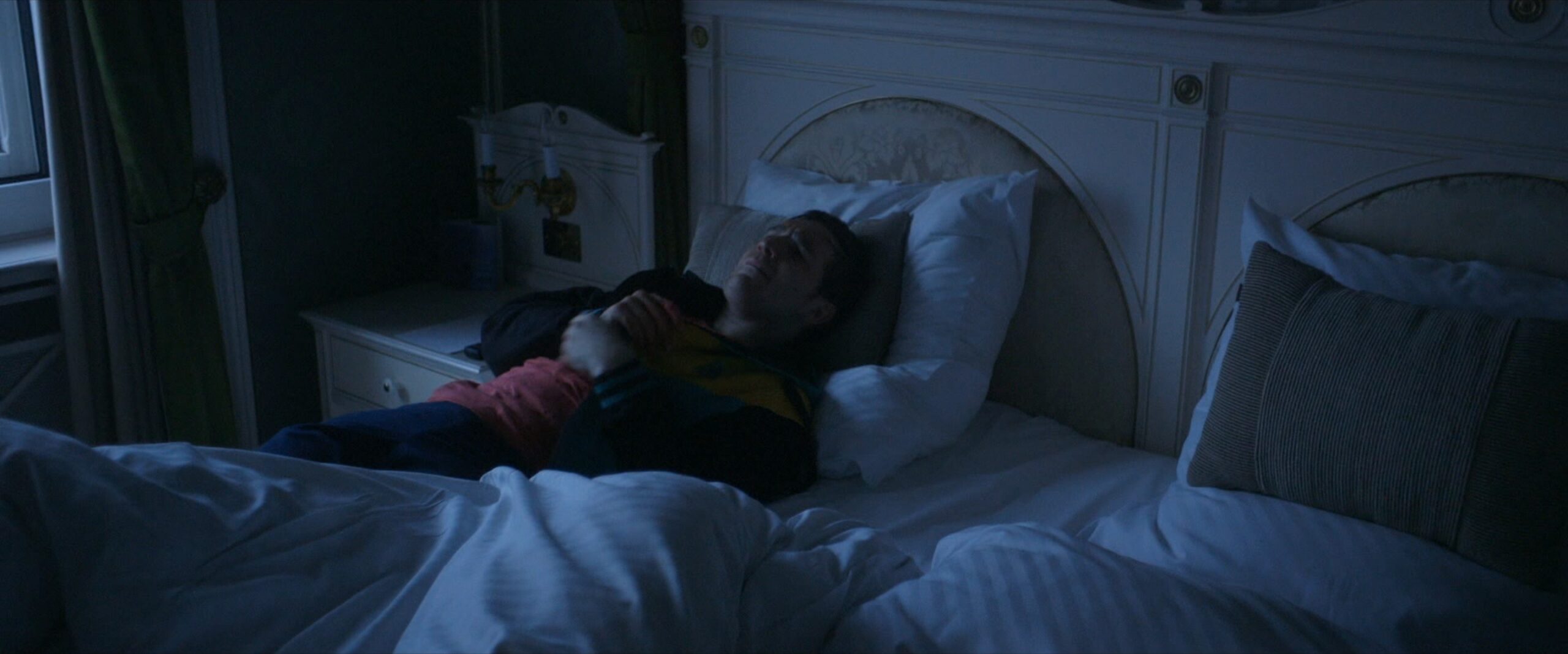
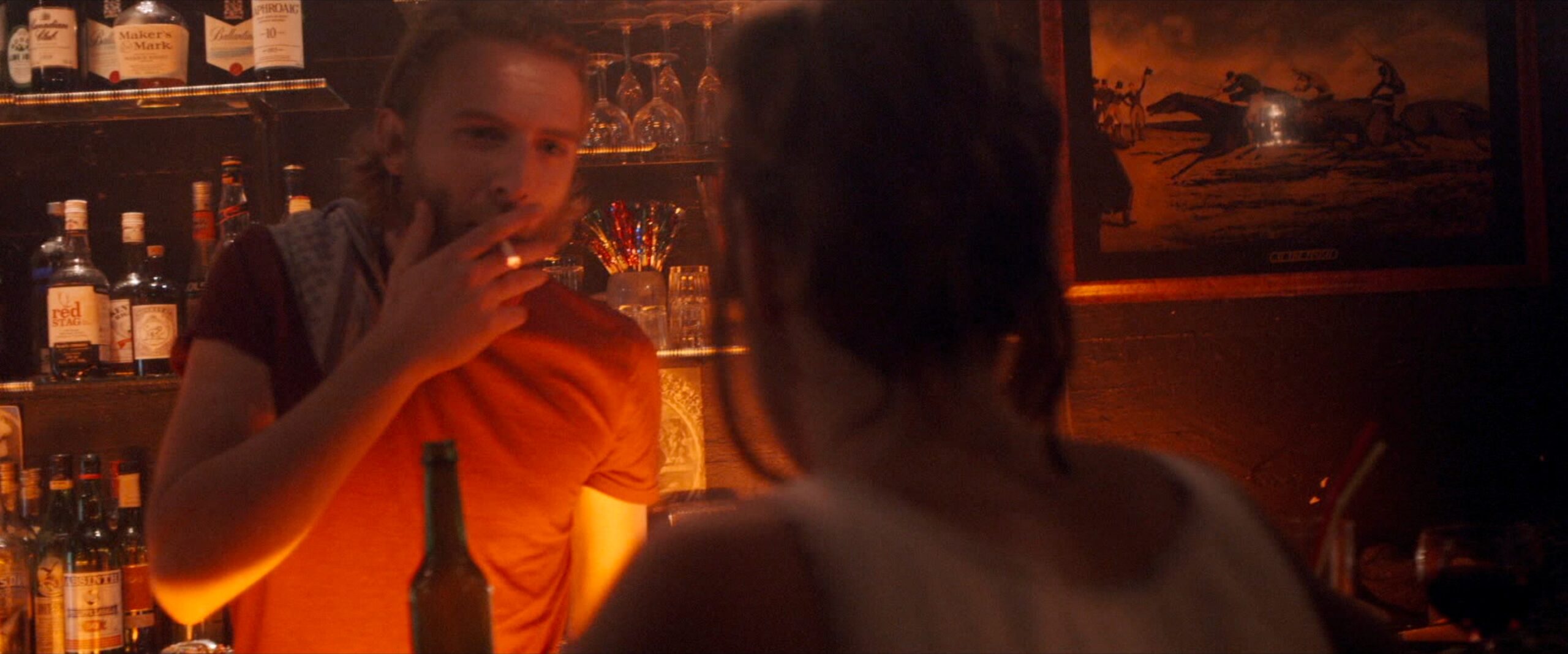
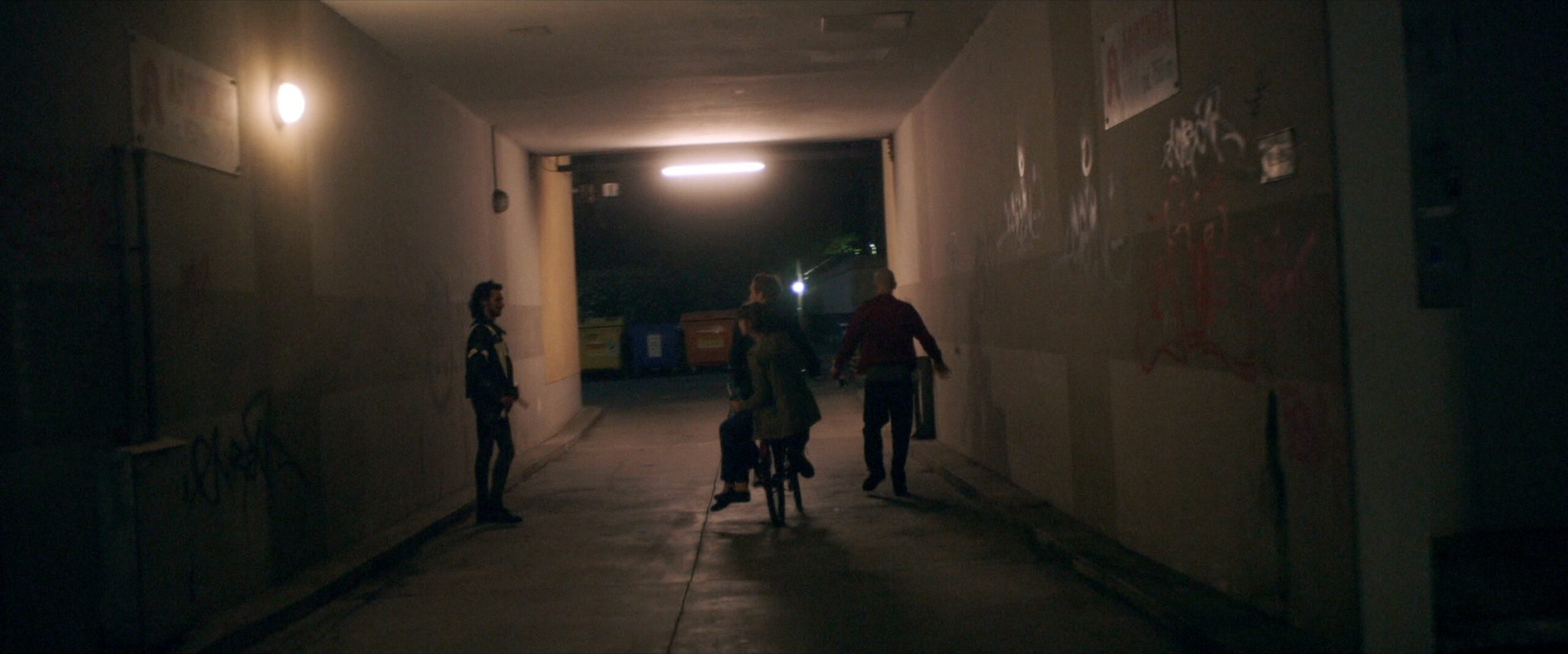
After leaving a Berlin nightclub in the early morning hours, a young Spanish woman named Victoria meets a group of local men and impulsively joins them for the night. What begins as a flirtatious, carefree adventure gradually spirals into a dangerous criminal situation that none of them are fully prepared for. As the night unfolds in real time, Victoria becomes increasingly entangled in choices that rapidly escalate beyond control.
Schipper and cinematographer Sturla Brandth Grøvlen famously shot Victoria in a single, uninterrupted take, capturing the entire film in one continuous real-time movement through Berlin streets, apartments, rooftops, clubs, and banks. The fluid handheld camerawork creates an intense sense of immediacy and immersion, allowing tension, performance, and atmosphere to build organically as the city transforms from playful nocturnal freedom into escalating panic and exhaustion.

FILM SPOTLIGHT
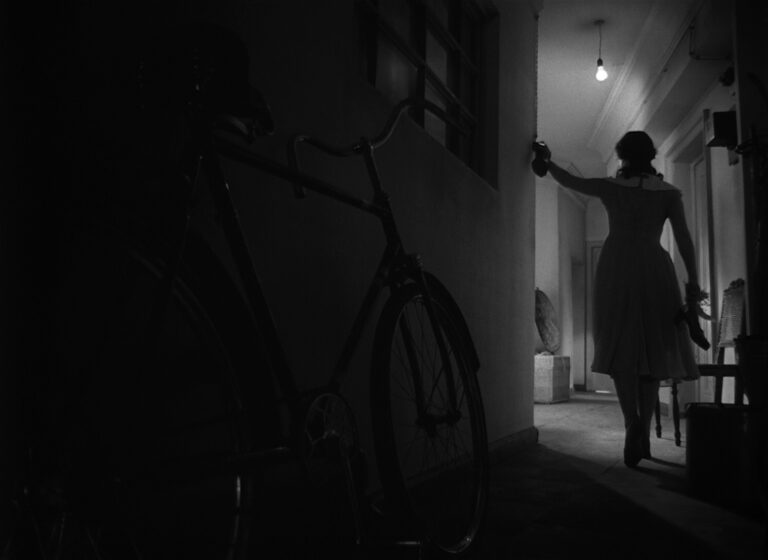
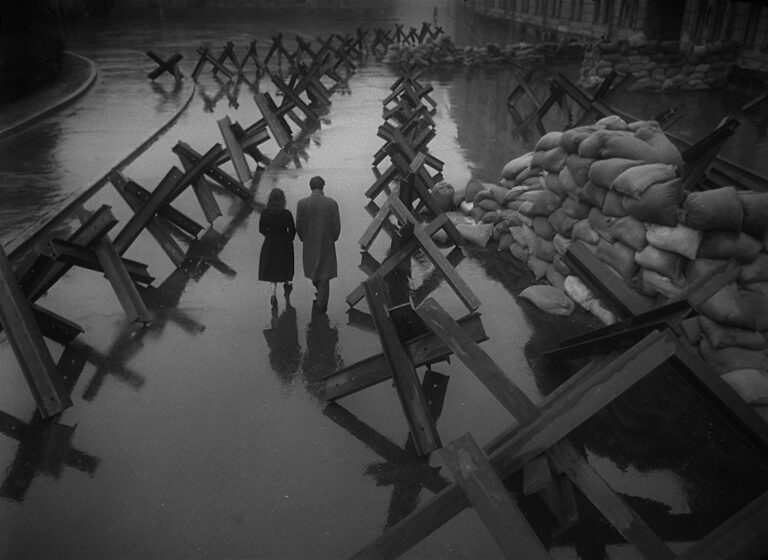
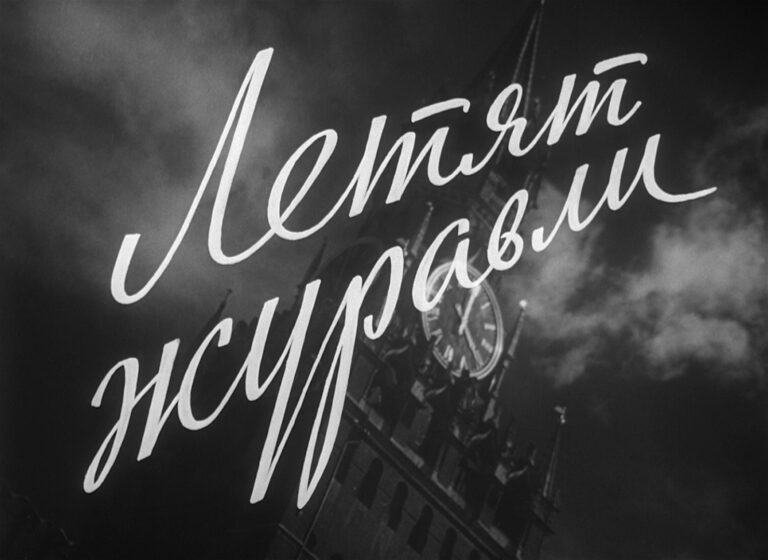
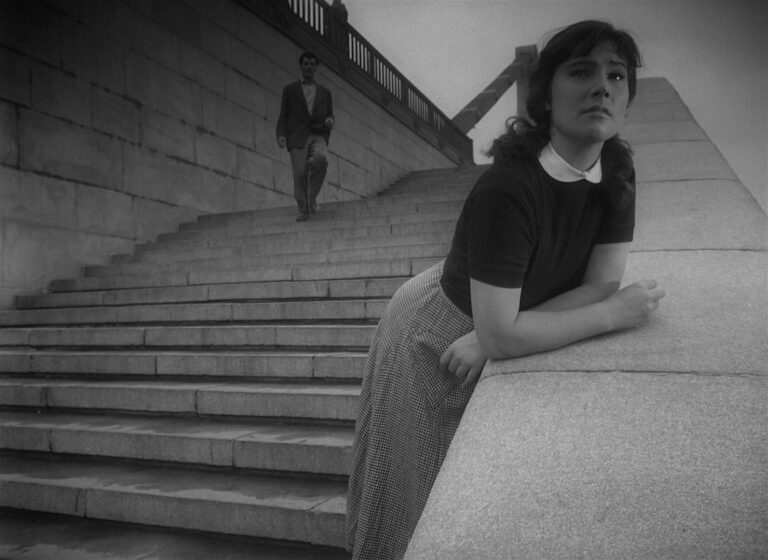
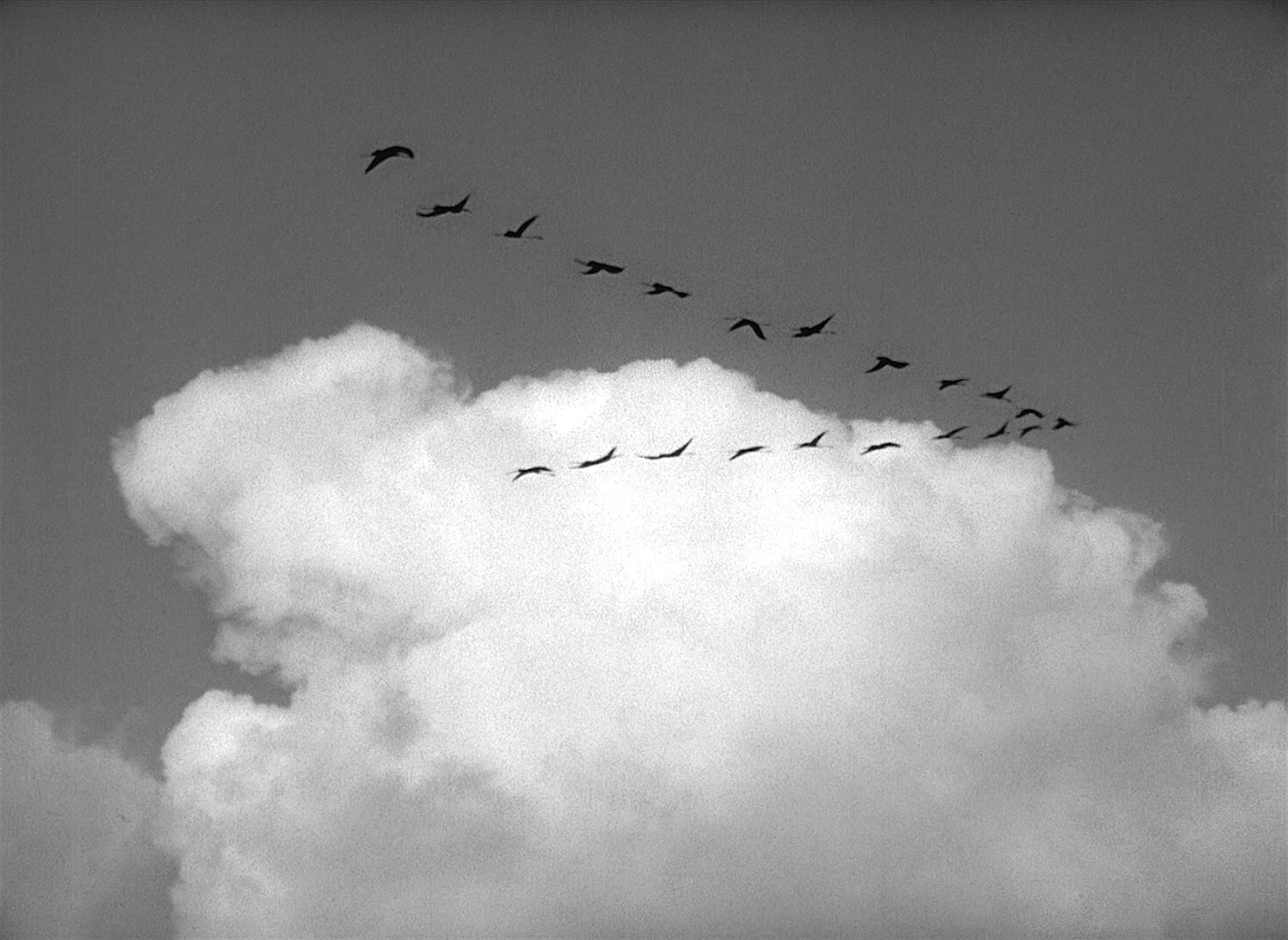
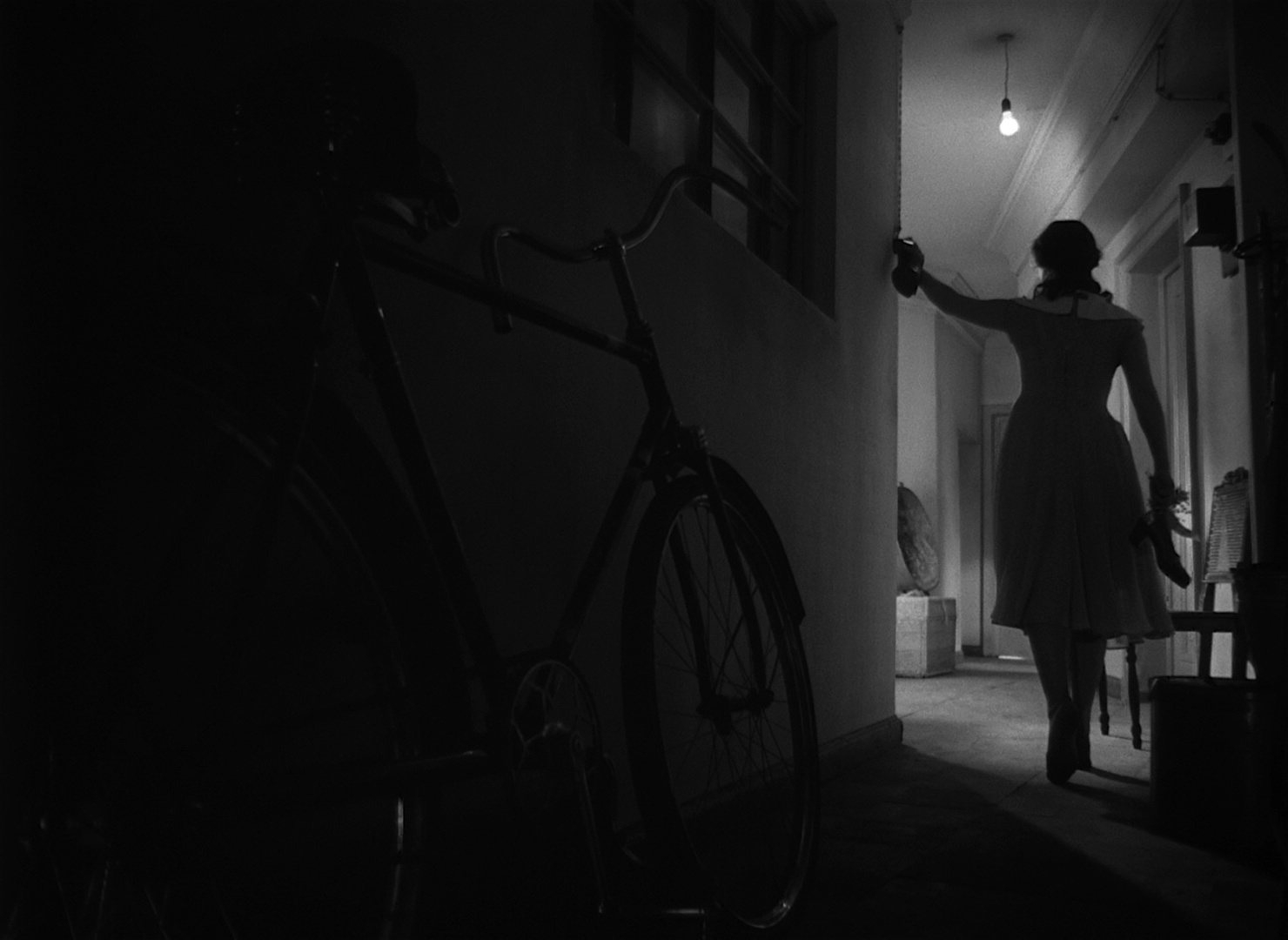
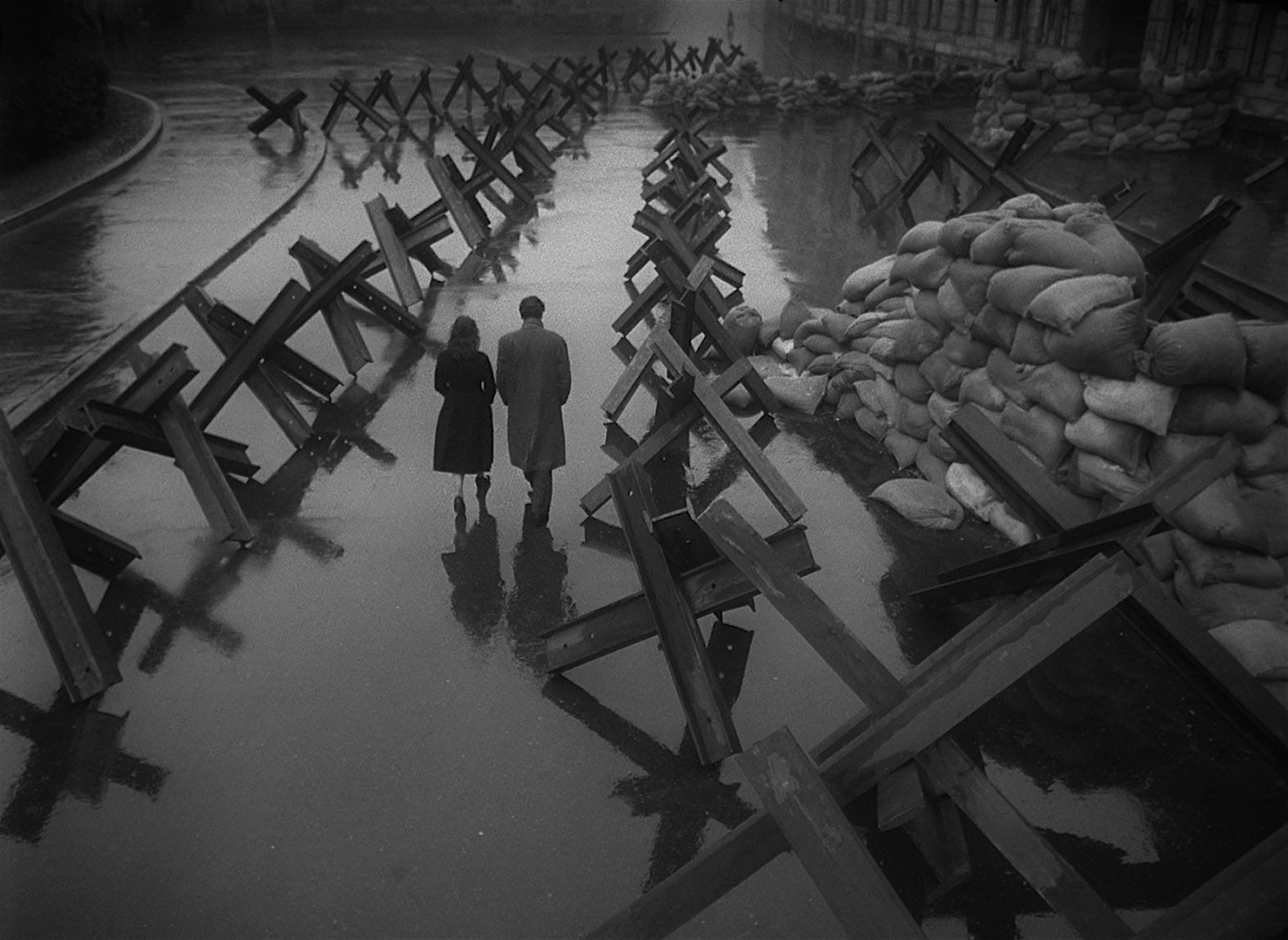
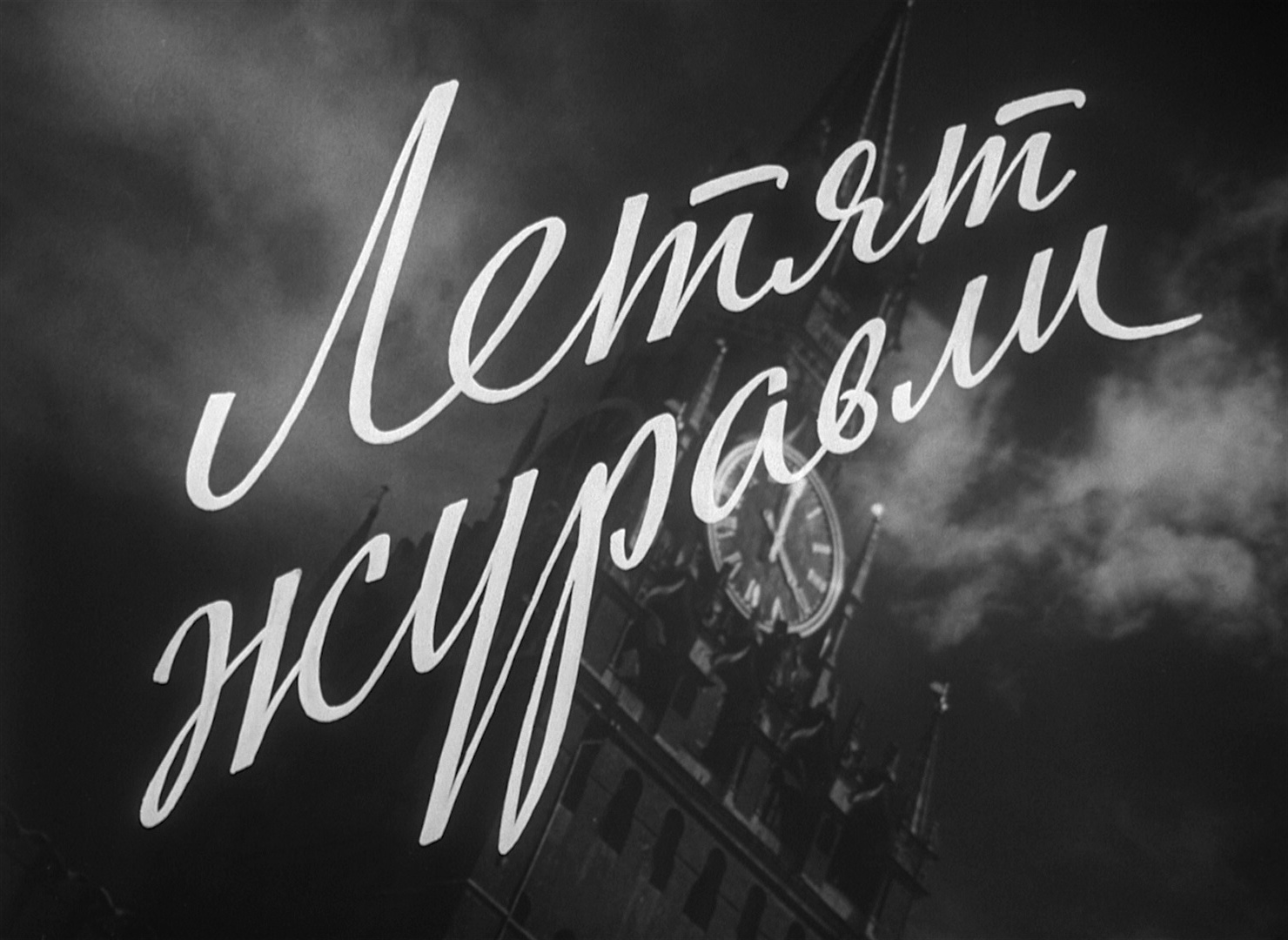
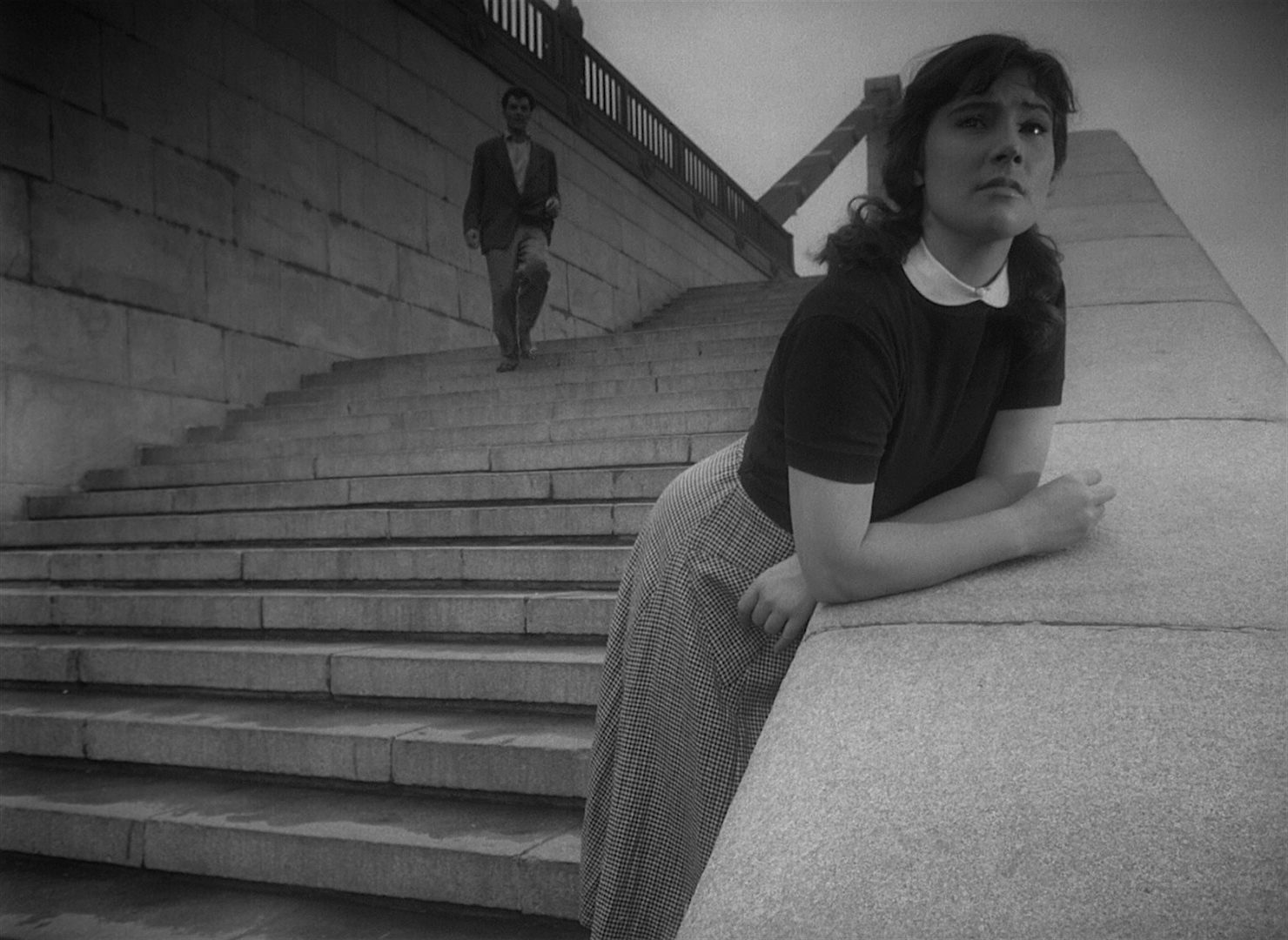
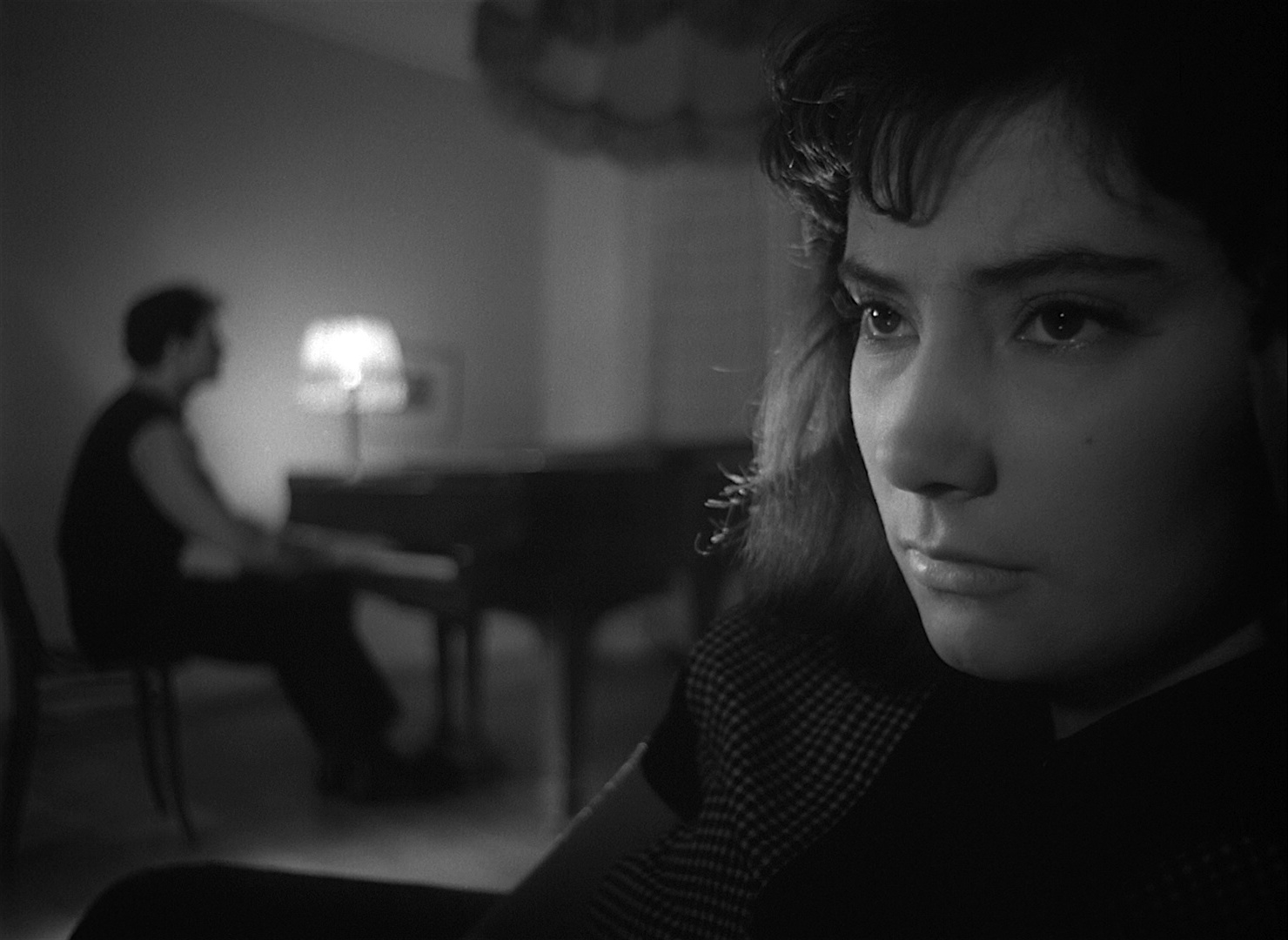
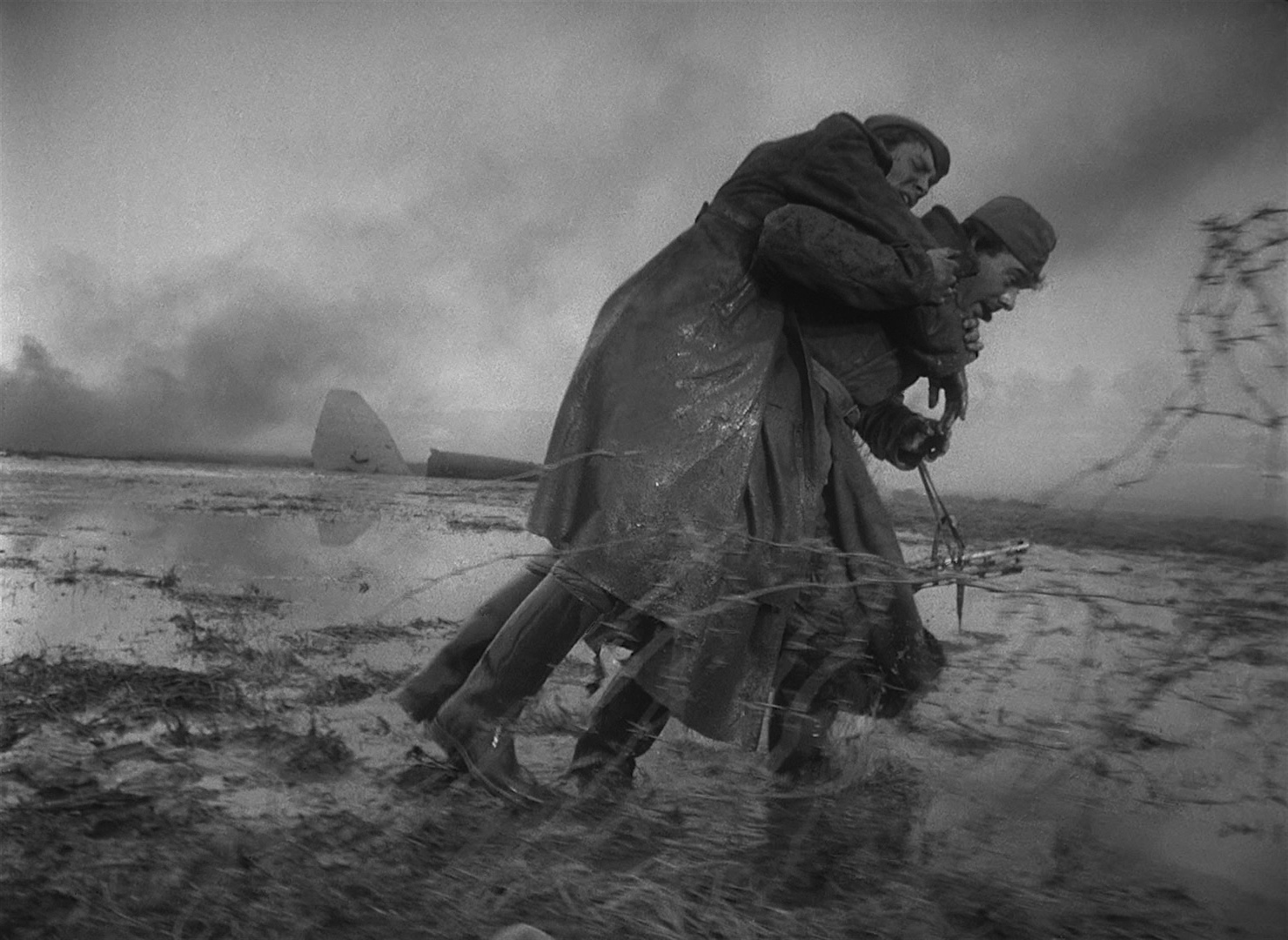
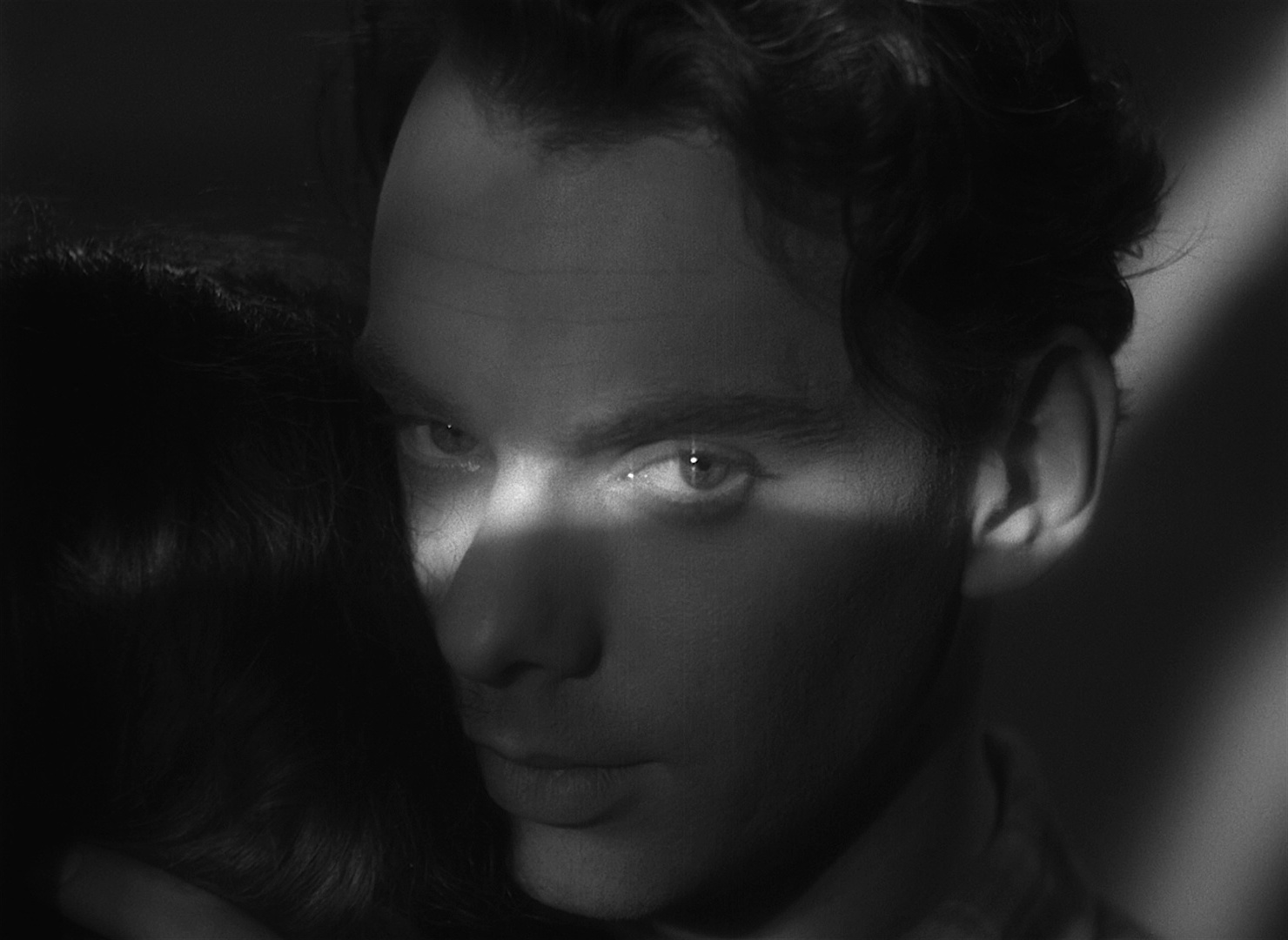
The Cranes are Flying (1957)
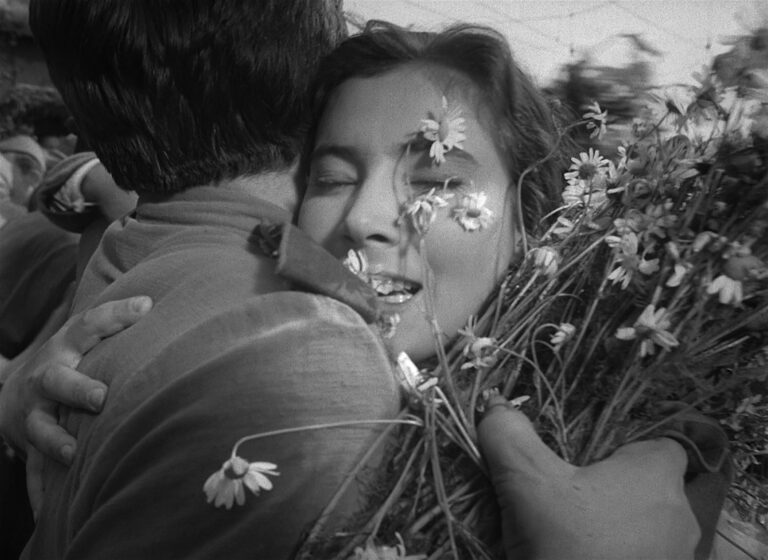
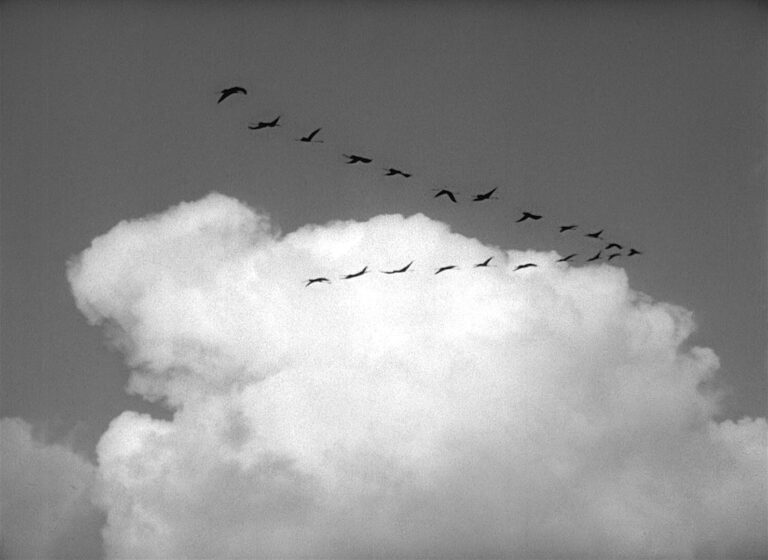
Set during World War II, the film follows Veronika and Boris, two young lovers separated when Boris volunteers to fight on the front lines after the German invasion of the Soviet Union. As the war devastates their lives and relationships, Veronika struggles through grief, displacement, and emotional turmoil while waiting for his return. The story unfolds as a deeply human portrait of love, loss, and the personal cost of war.
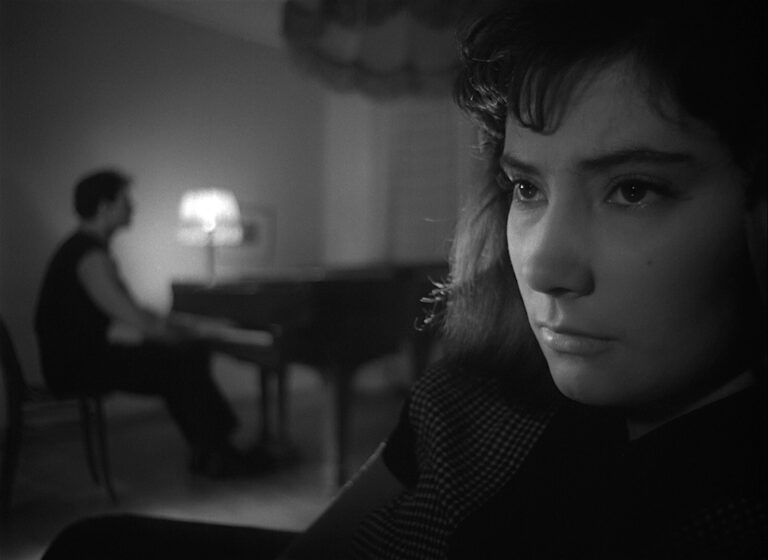
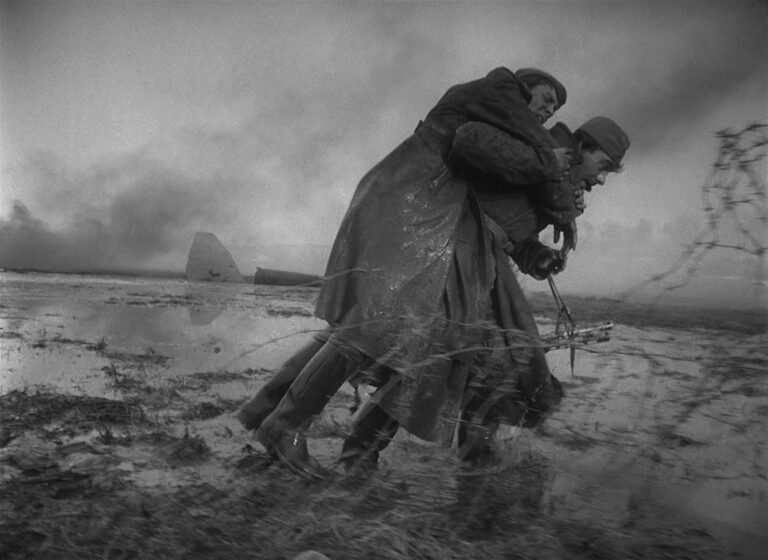
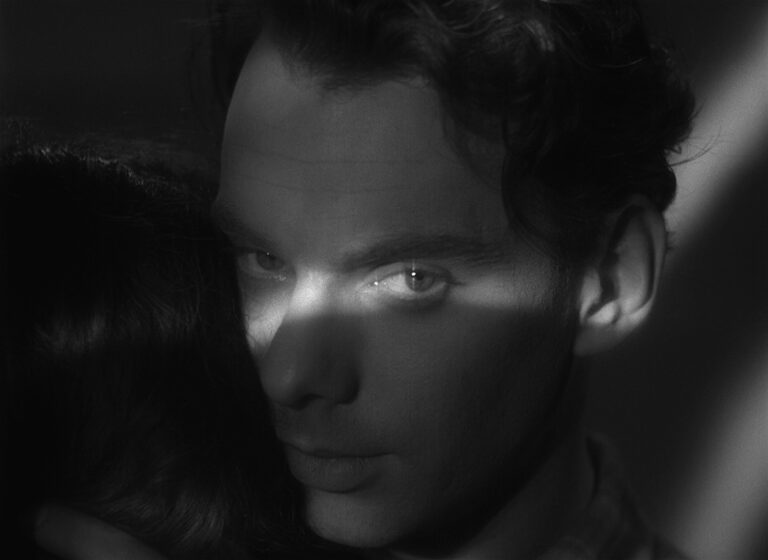
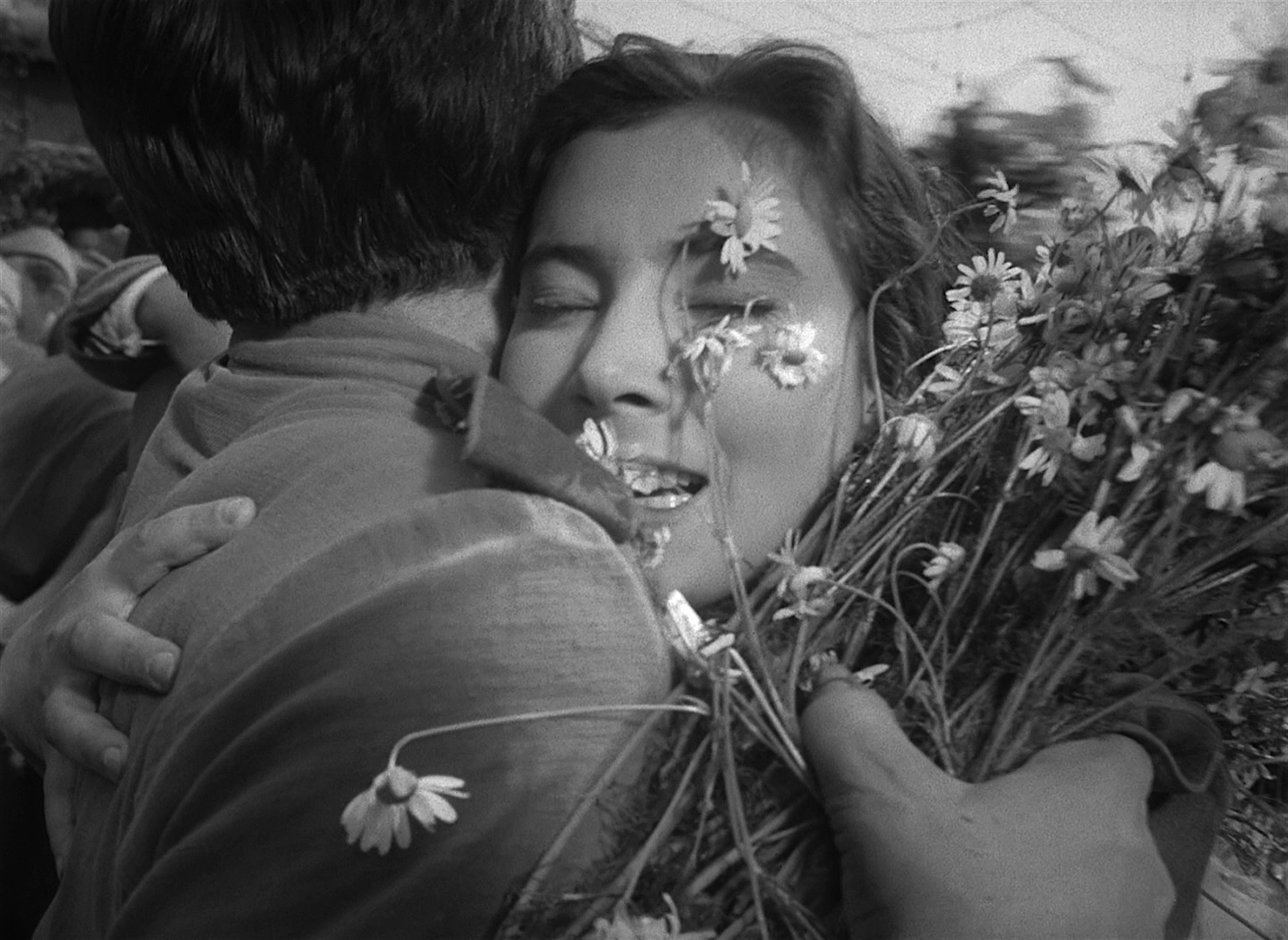
Kalatozov and legendary cinematographer Sergey Urusevsky craft the film with astonishingly fluid and expressive camerawork, using handheld movement, sweeping crane shots, and long takes that were revolutionary for the era. The dynamic black-and-white photography—filled with dramatic angles, subjective motion, and emotionally charged close-ups—turns the camera into an emotional participant, especially in scenes of chaos and devastation, where movement itself conveys psychological intensity and wartime disorientation.
FILM SPOTLIGHT
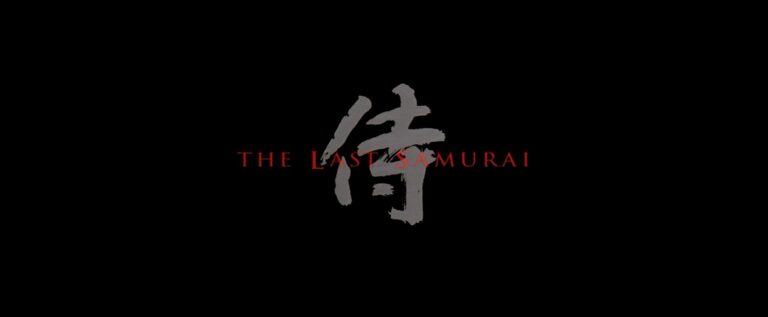
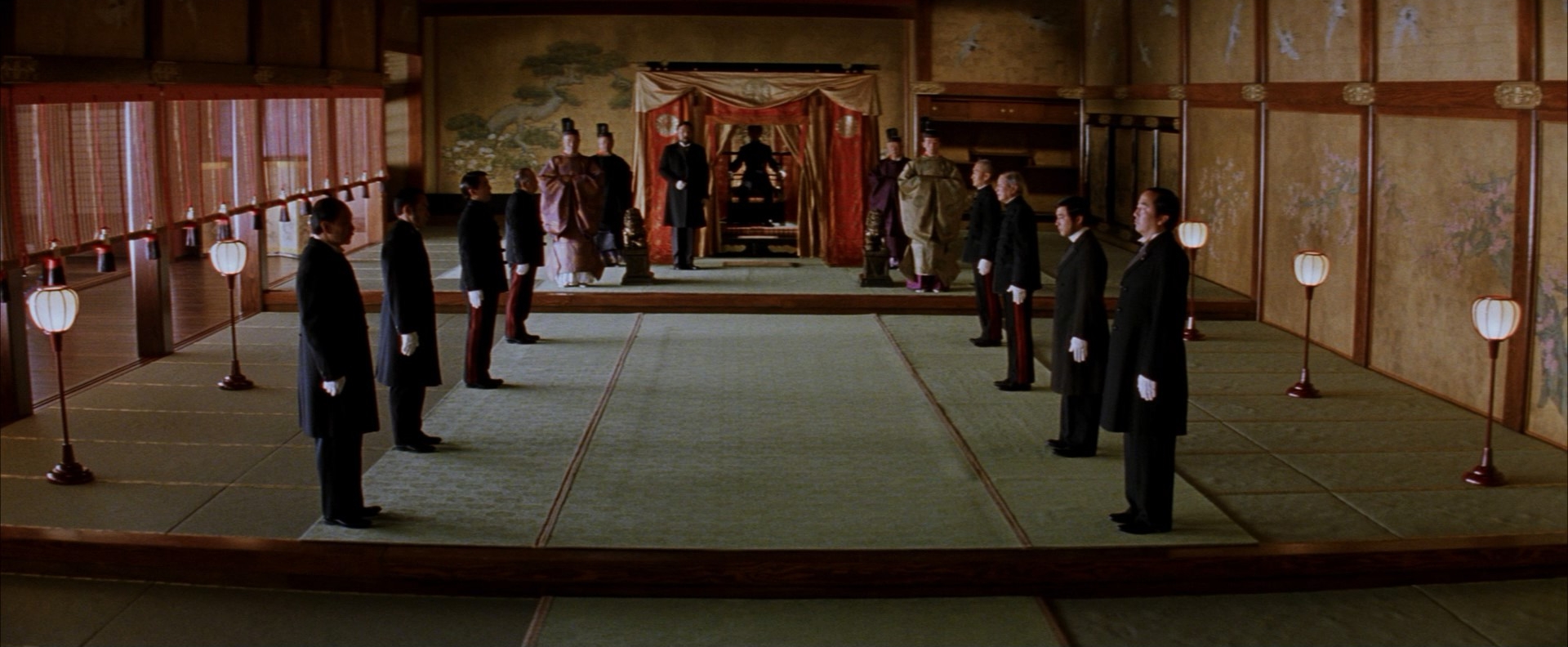
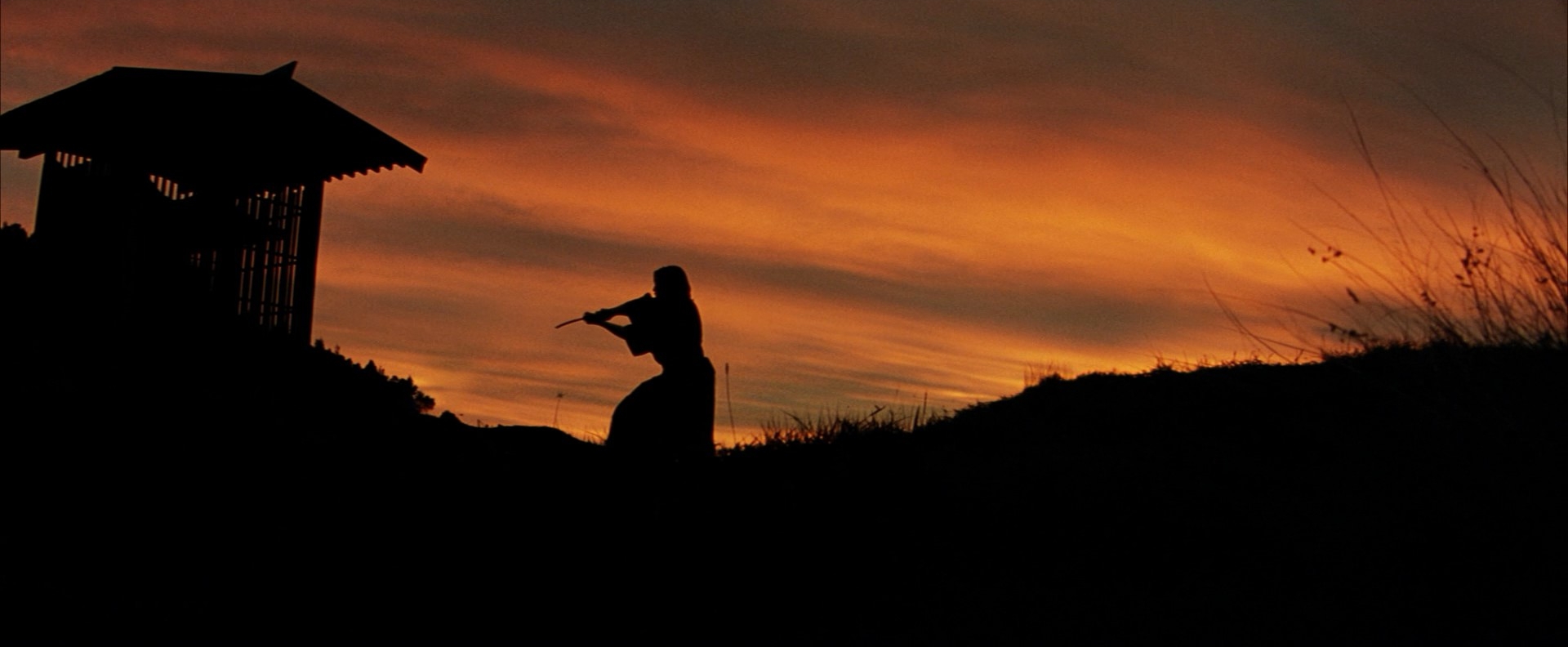
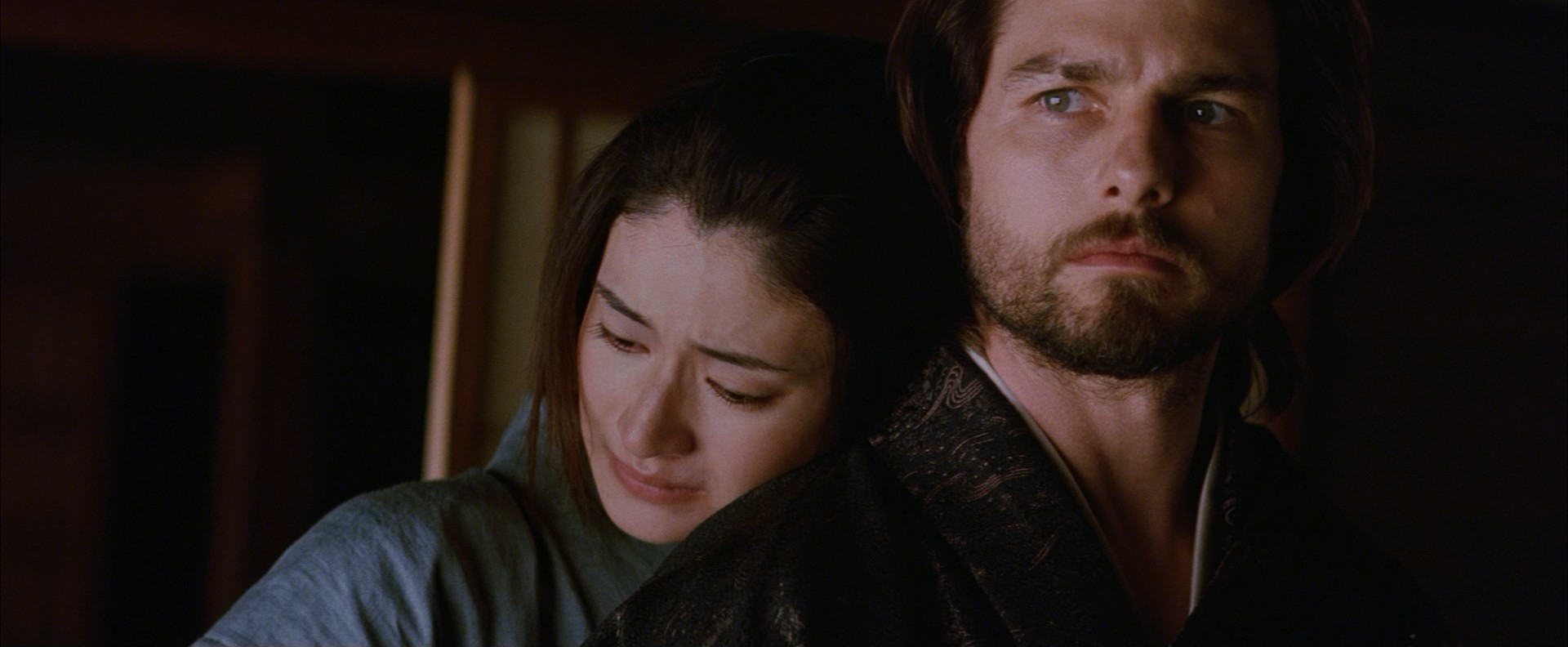
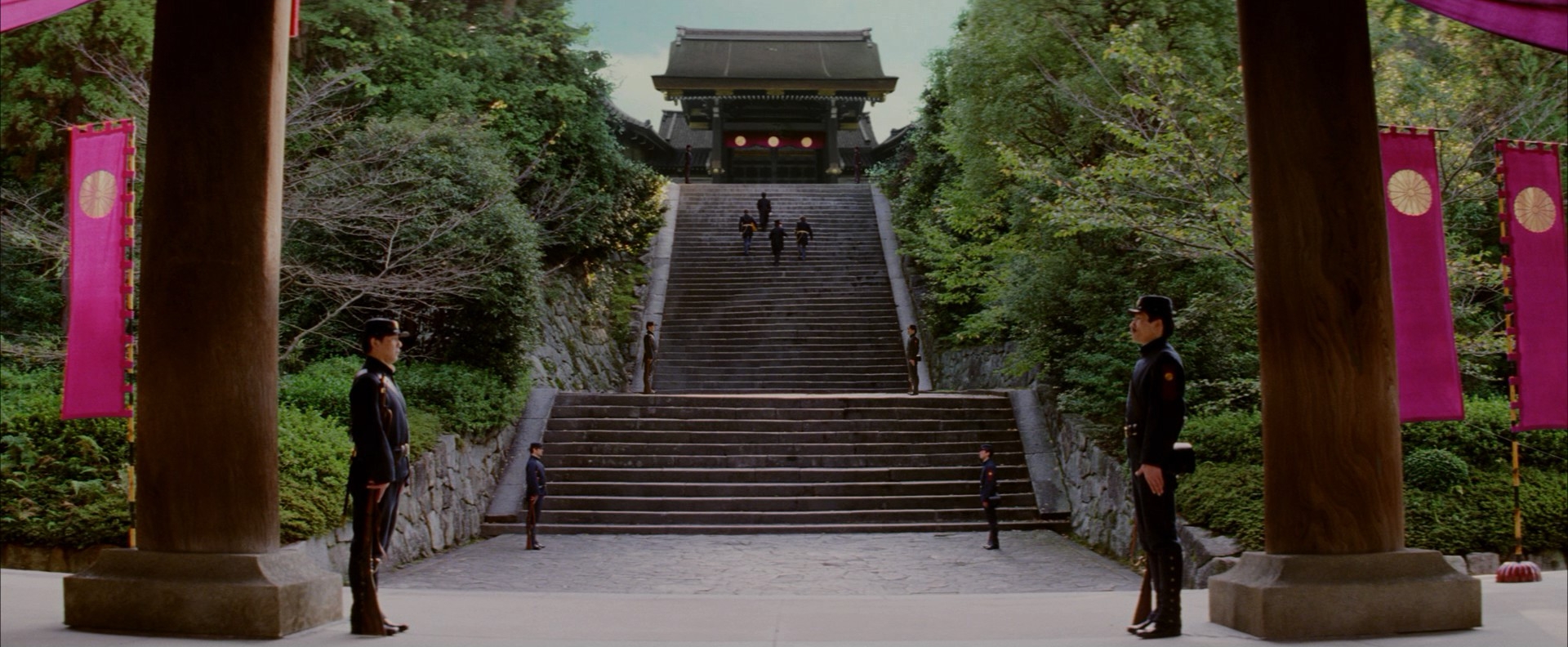
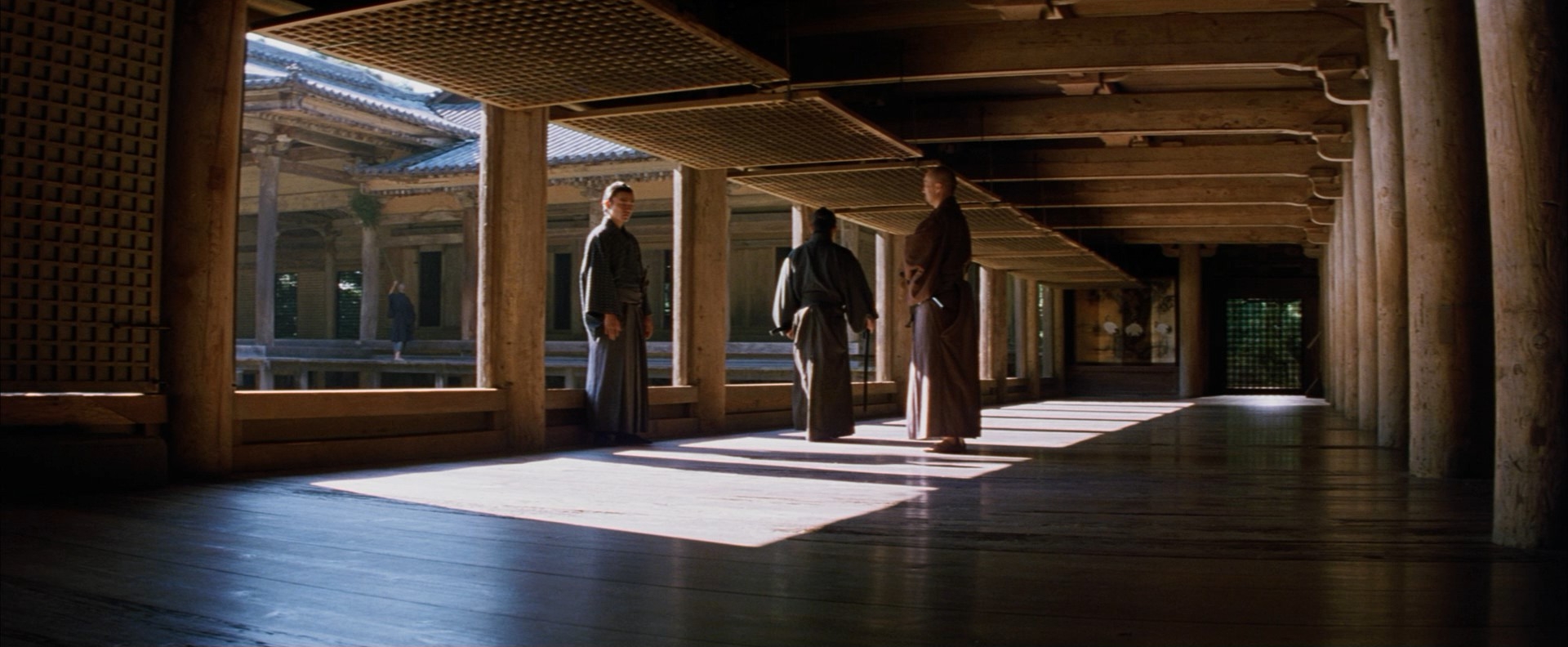
The Last Samurai (2003)
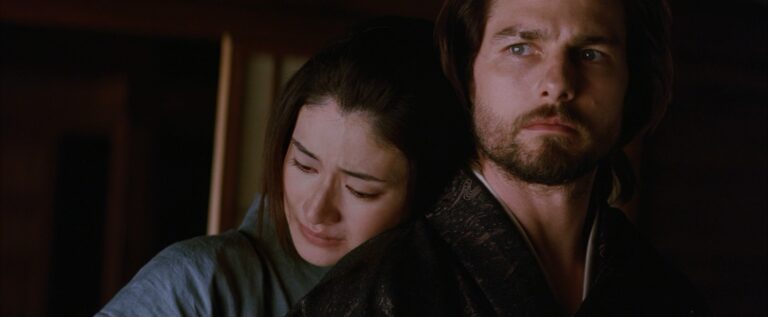
An American Civil War veteran haunted by trauma is hired to train the modernized imperial army of Japan during the country’s rapid Westernization in the 1870s. After being captured by a group of samurai resisting these changes, he gradually becomes immersed in their way of life and forms a deep connection with their leader, Katsumoto. As tensions between tradition and modernization escalate, he is forced to choose where his loyalty truly lies.
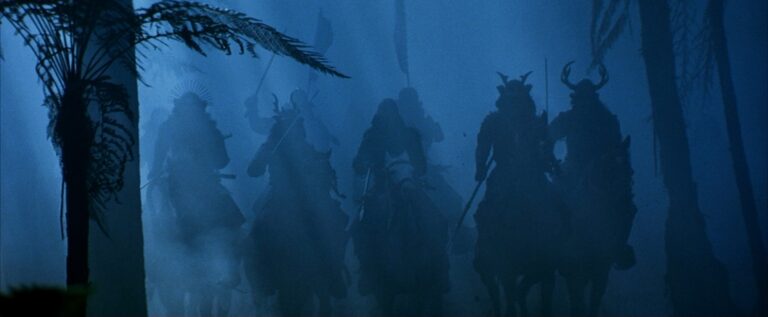
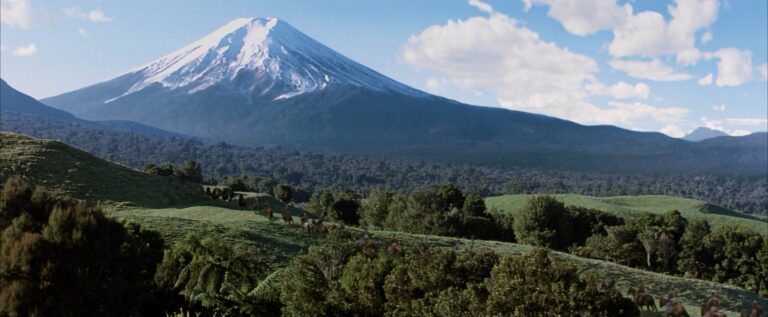
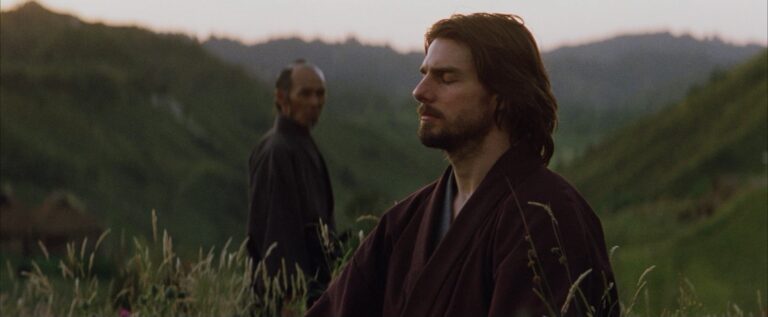
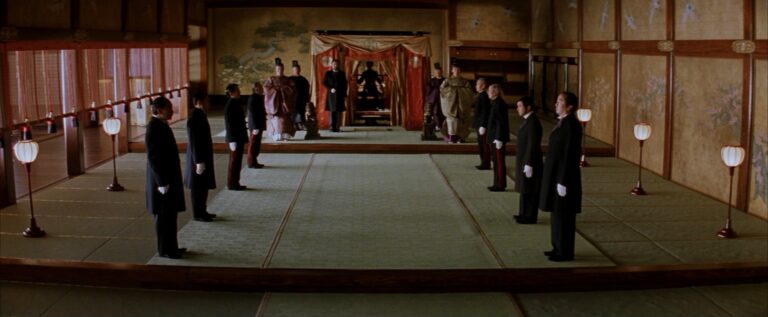
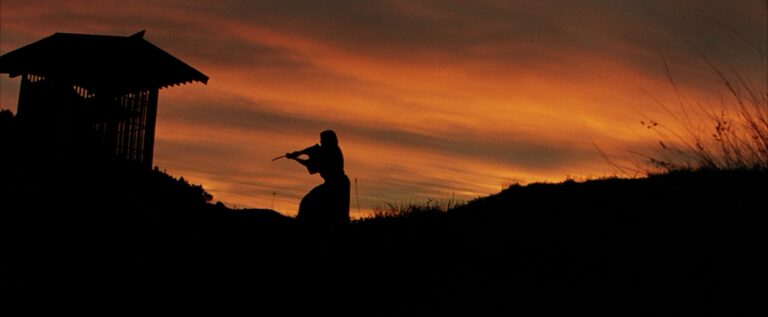
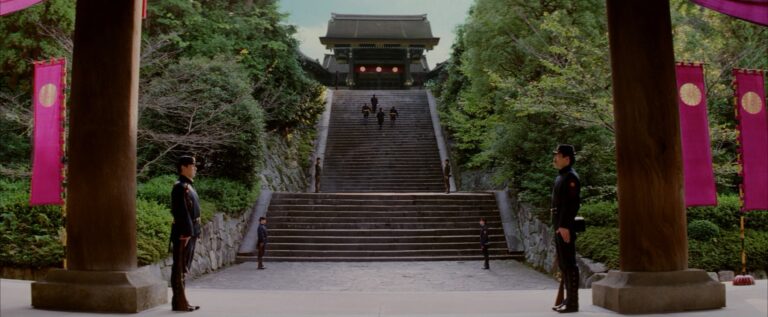
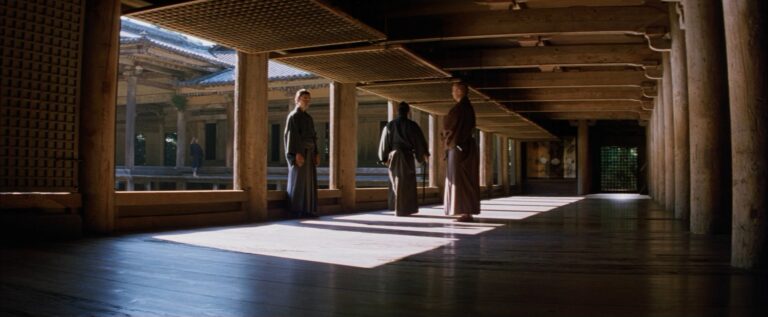
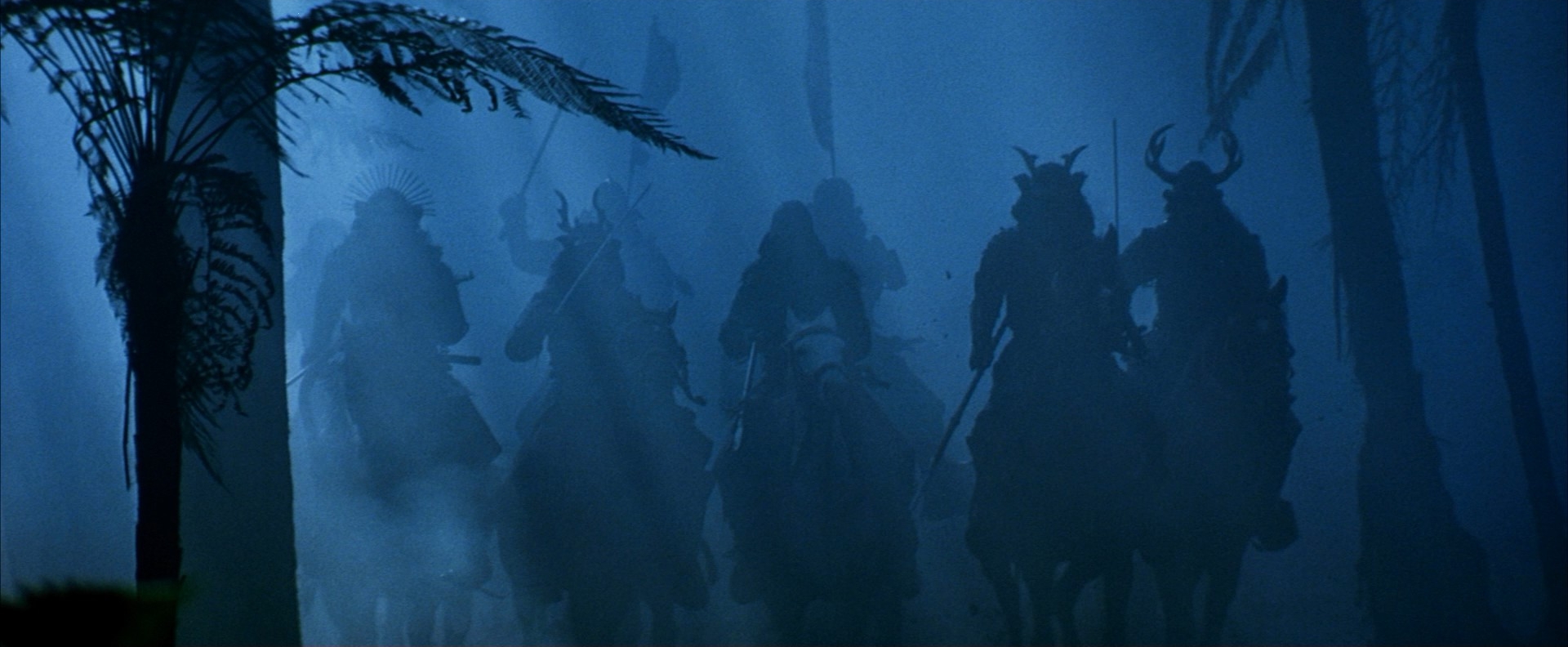
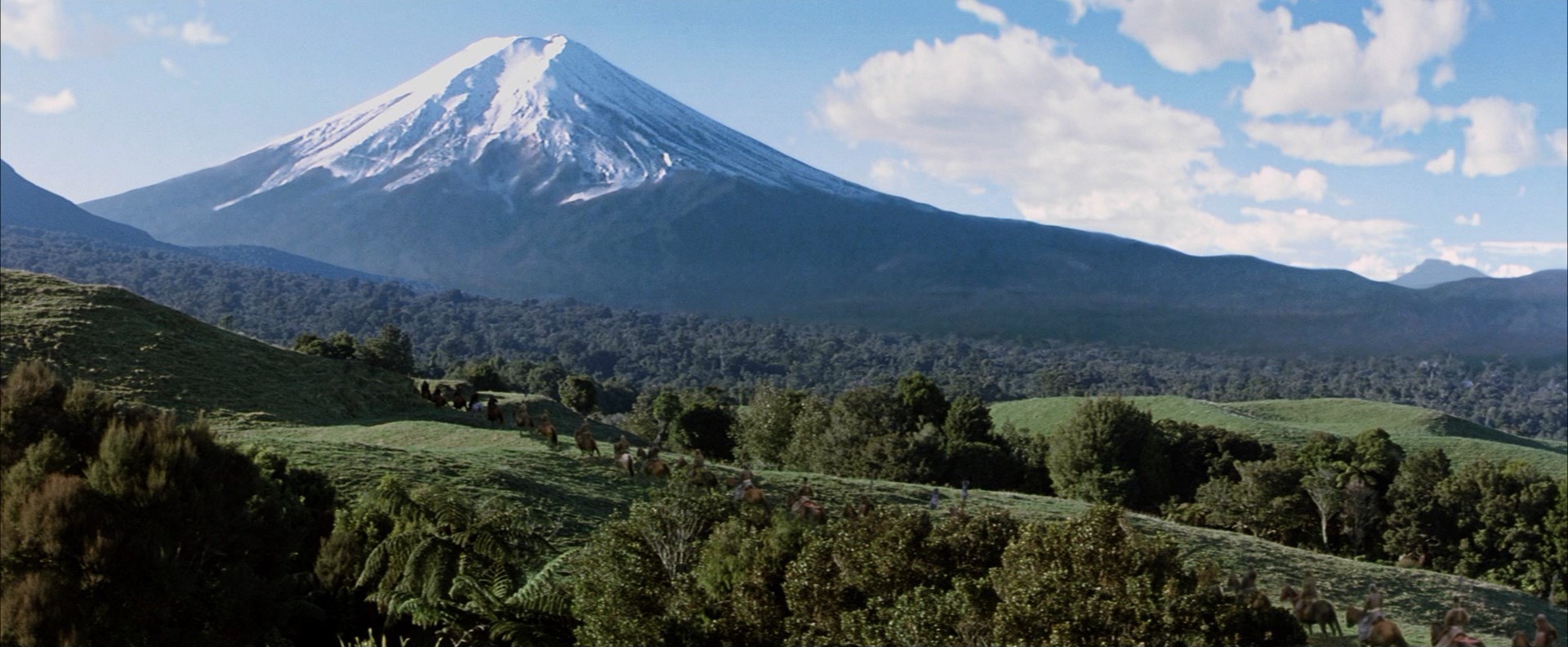
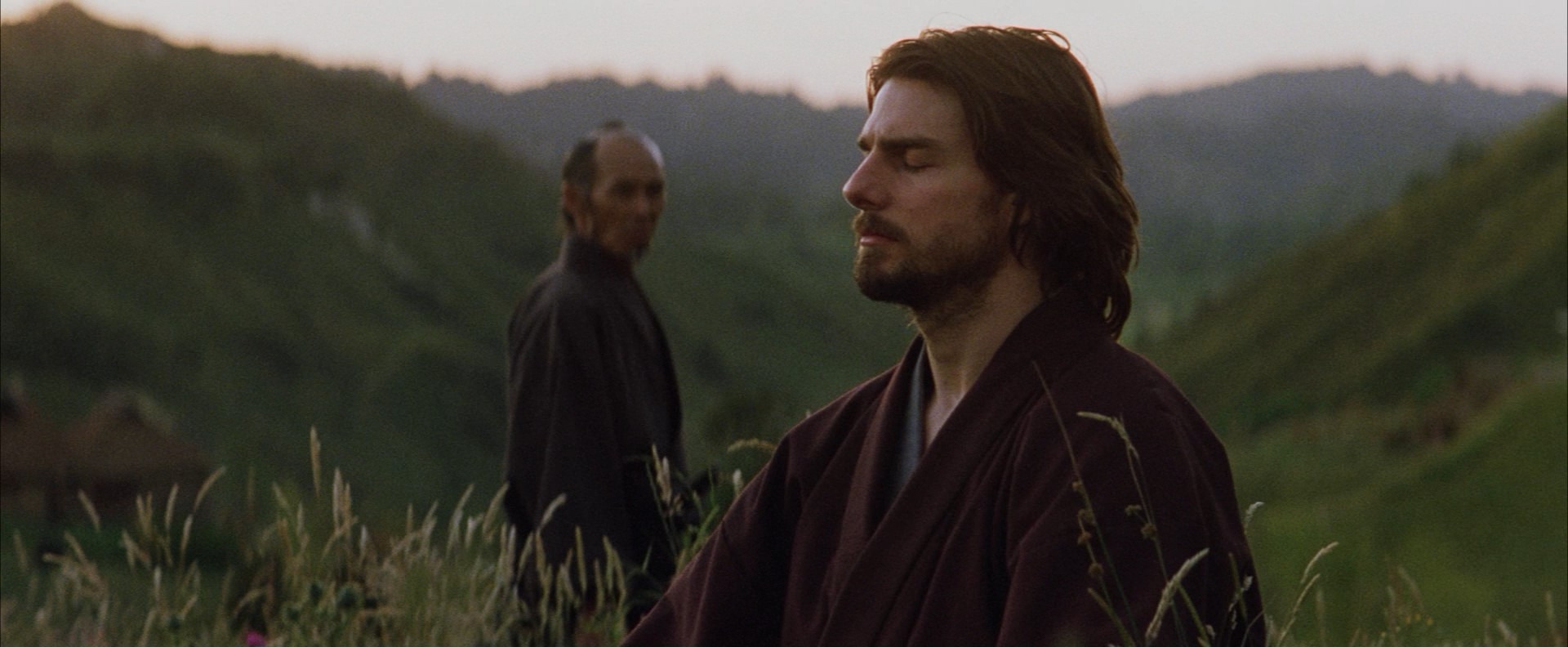
Zwick and cinematographer John Toll shoot The Last Samurai with an epic, painterly style that contrasts the industrializing modern world with the natural beauty and ritualized order of samurai culture. Expansive widescreen landscapes, mist-covered villages, and warm natural lighting give the film a romantic historical grandeur, while the battle sequences combine sweeping crane shots, mounted camerawork, and practical staging to emphasize both the chaos and ceremonial precision of combat.
FILM SPOTLIGHT
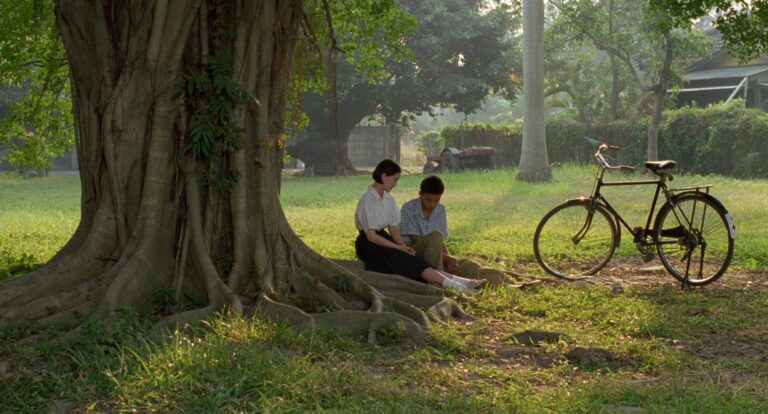
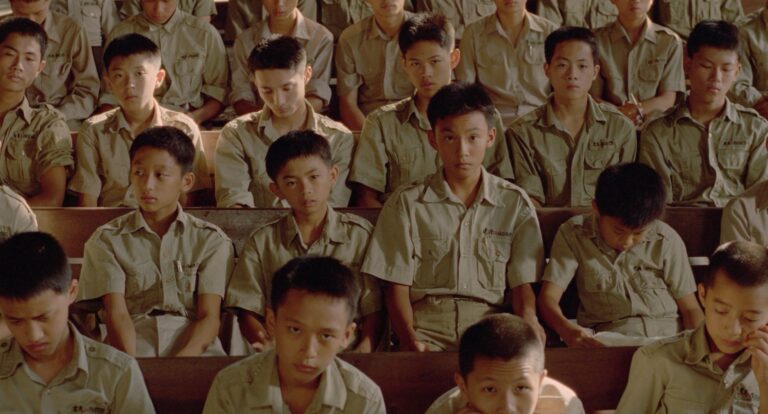
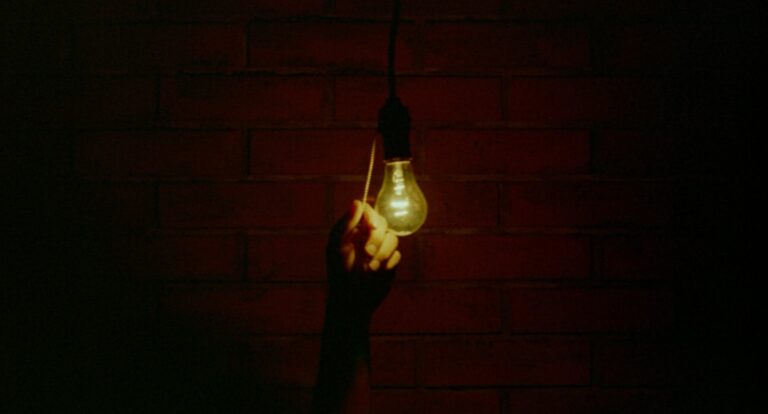
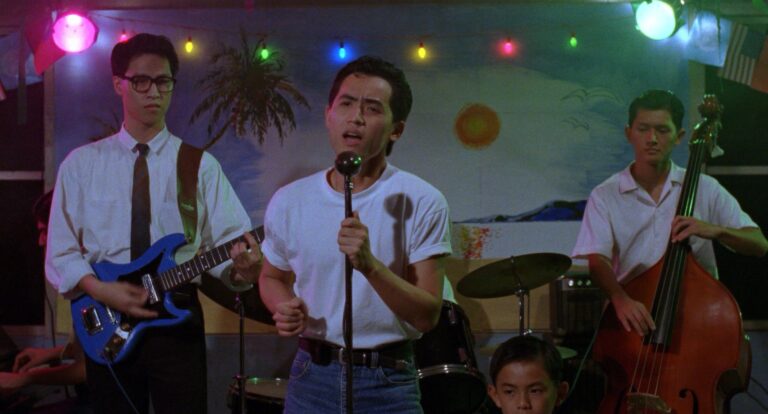
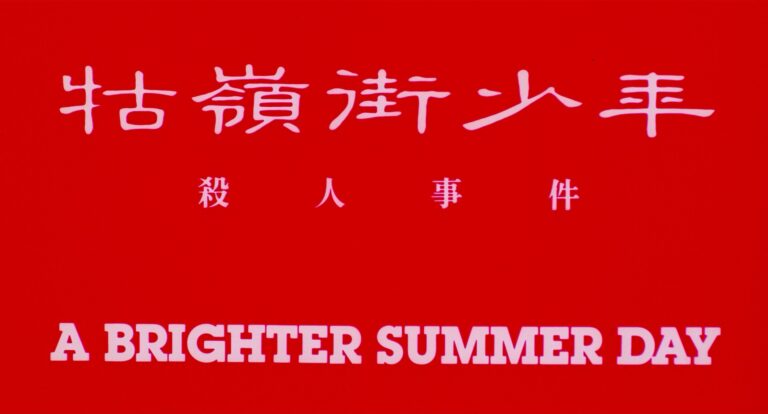
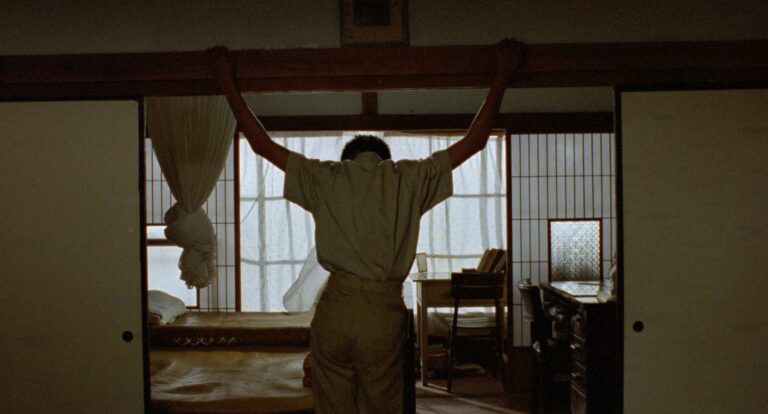
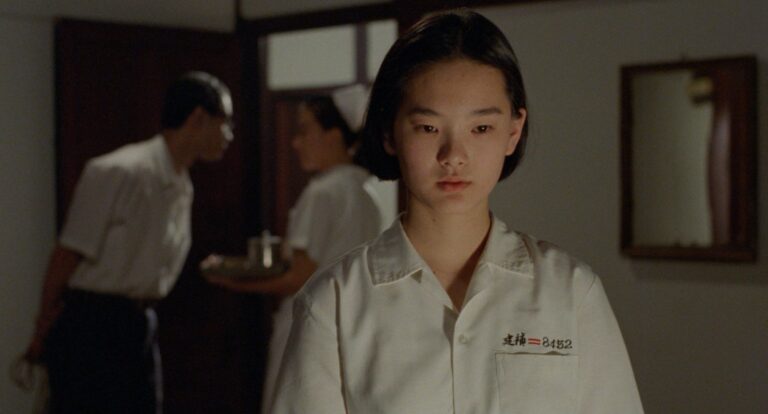
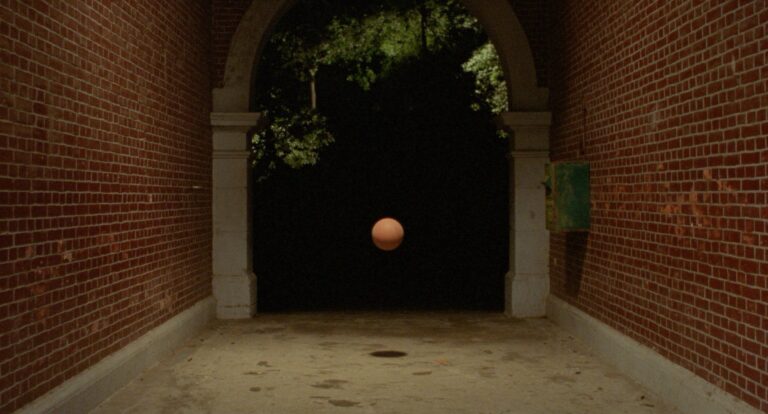
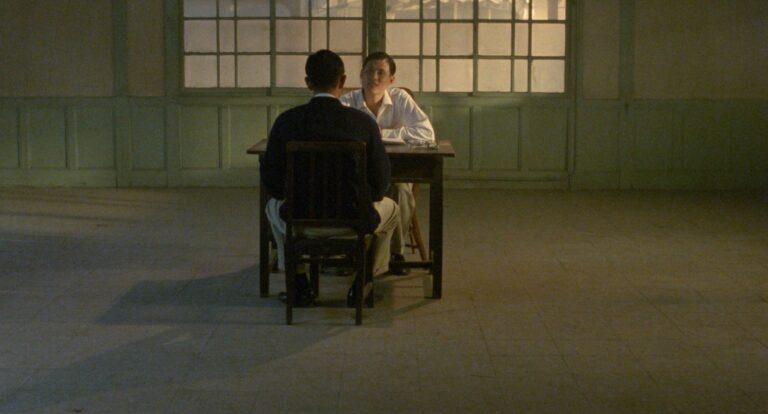
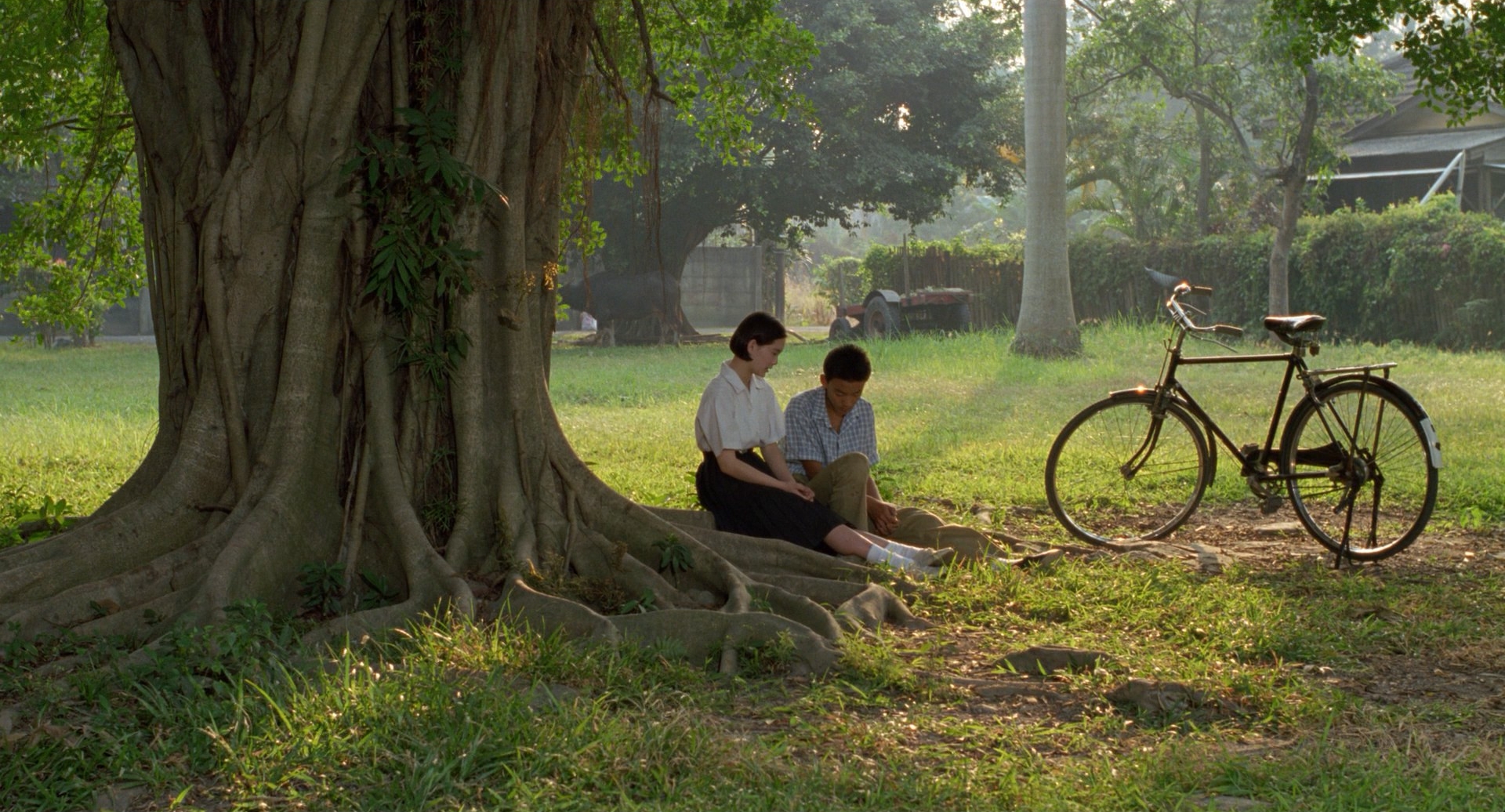
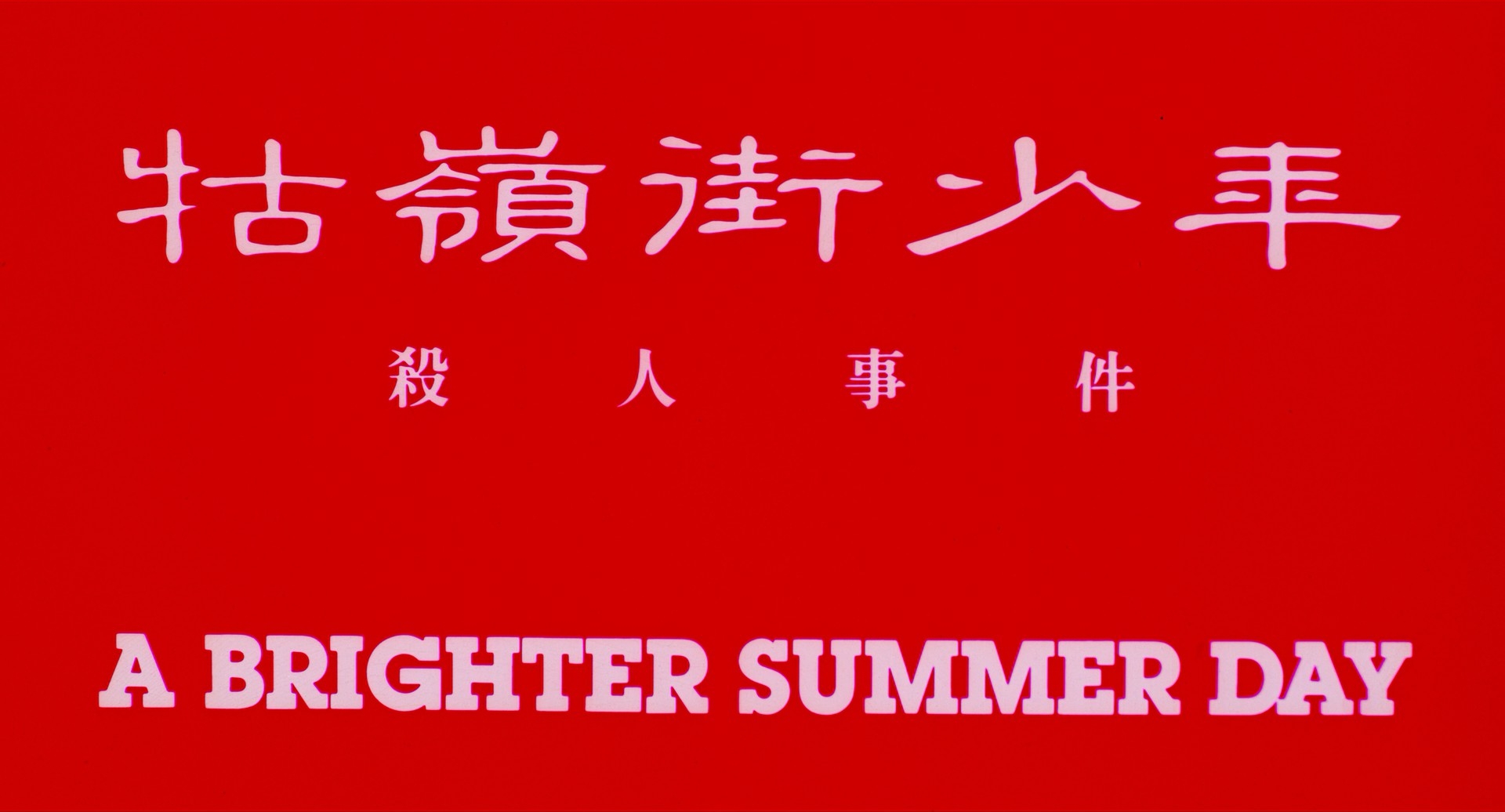
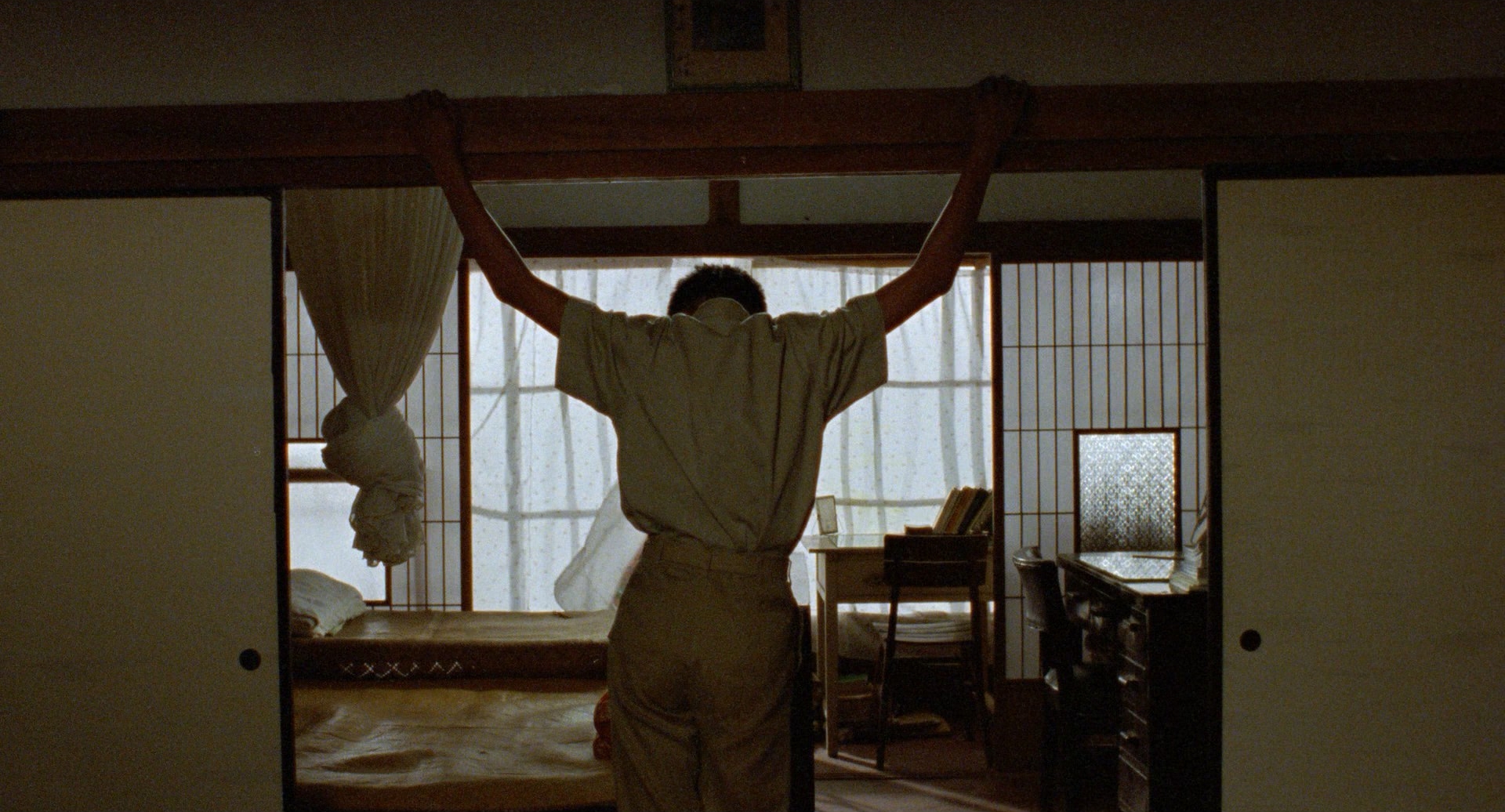
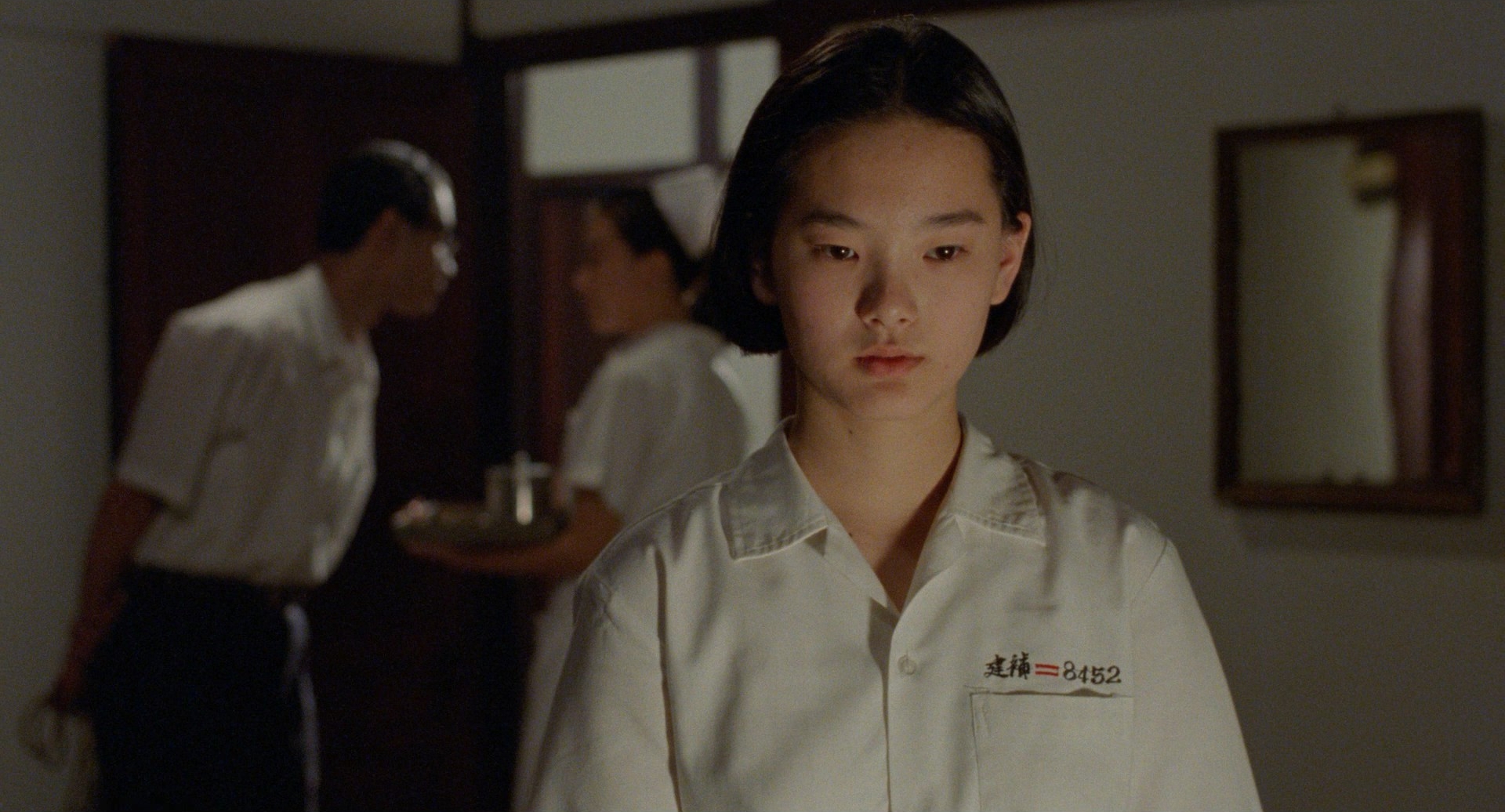
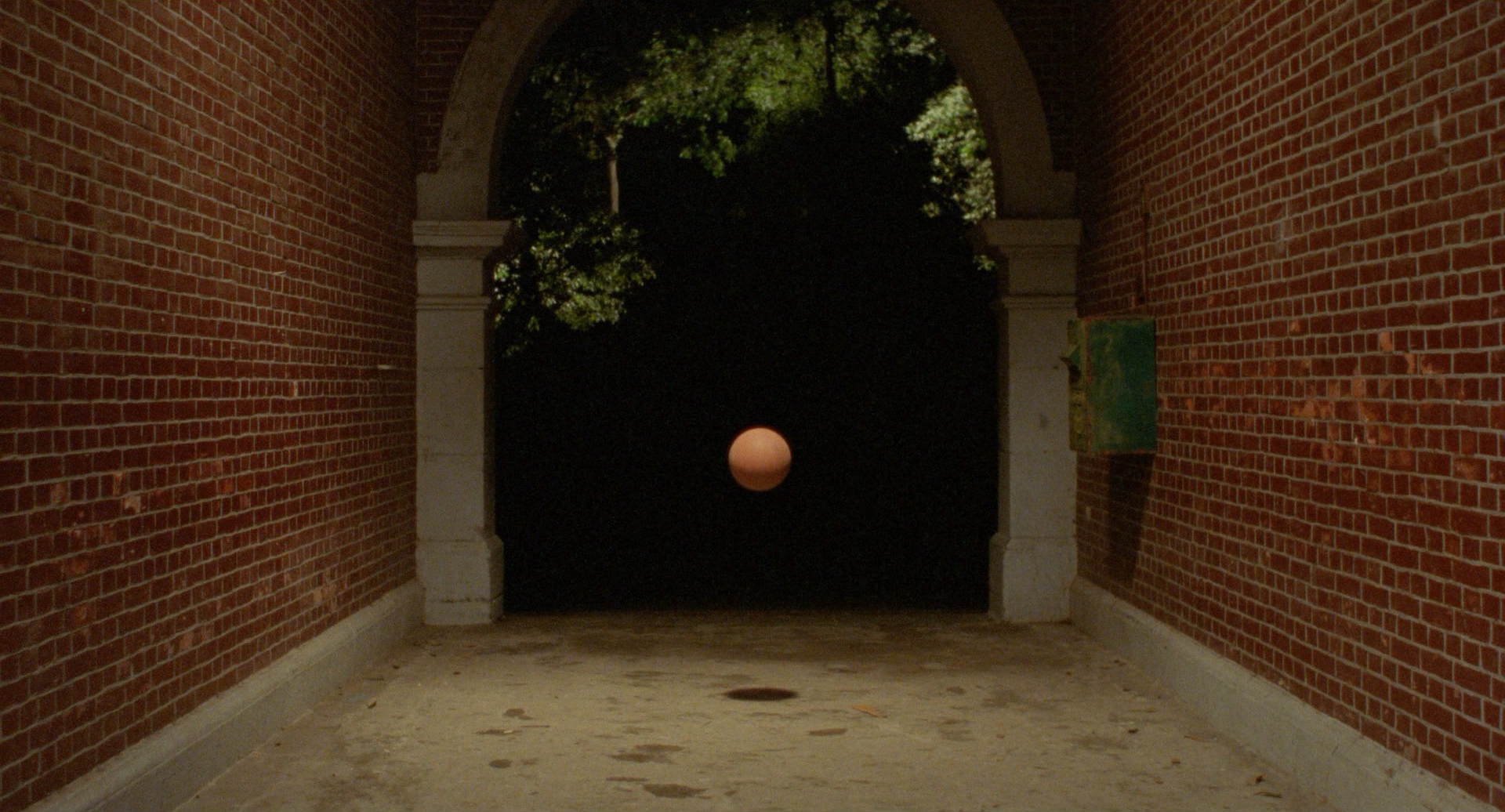
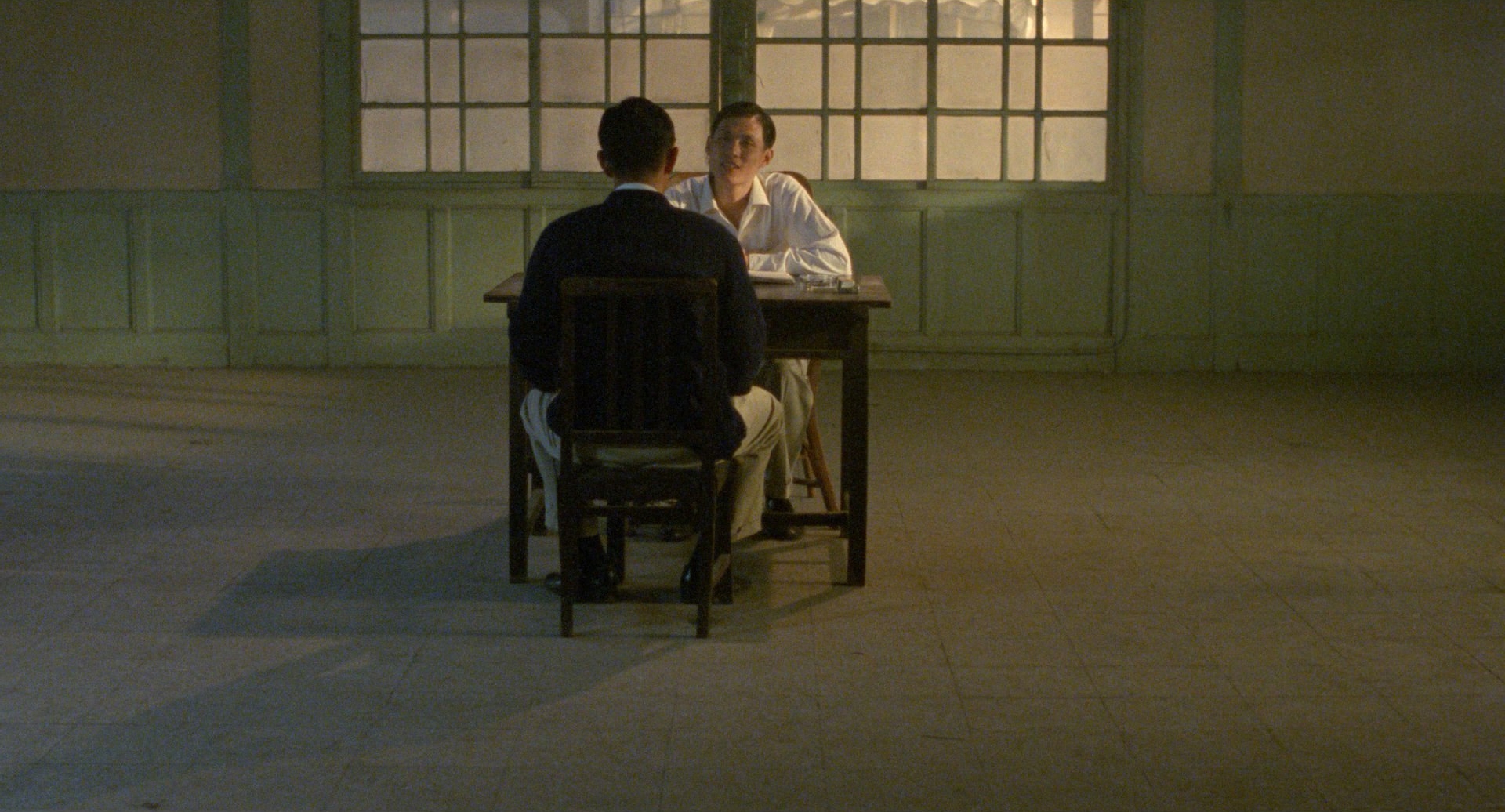
A Brighter Summer Day (1991)
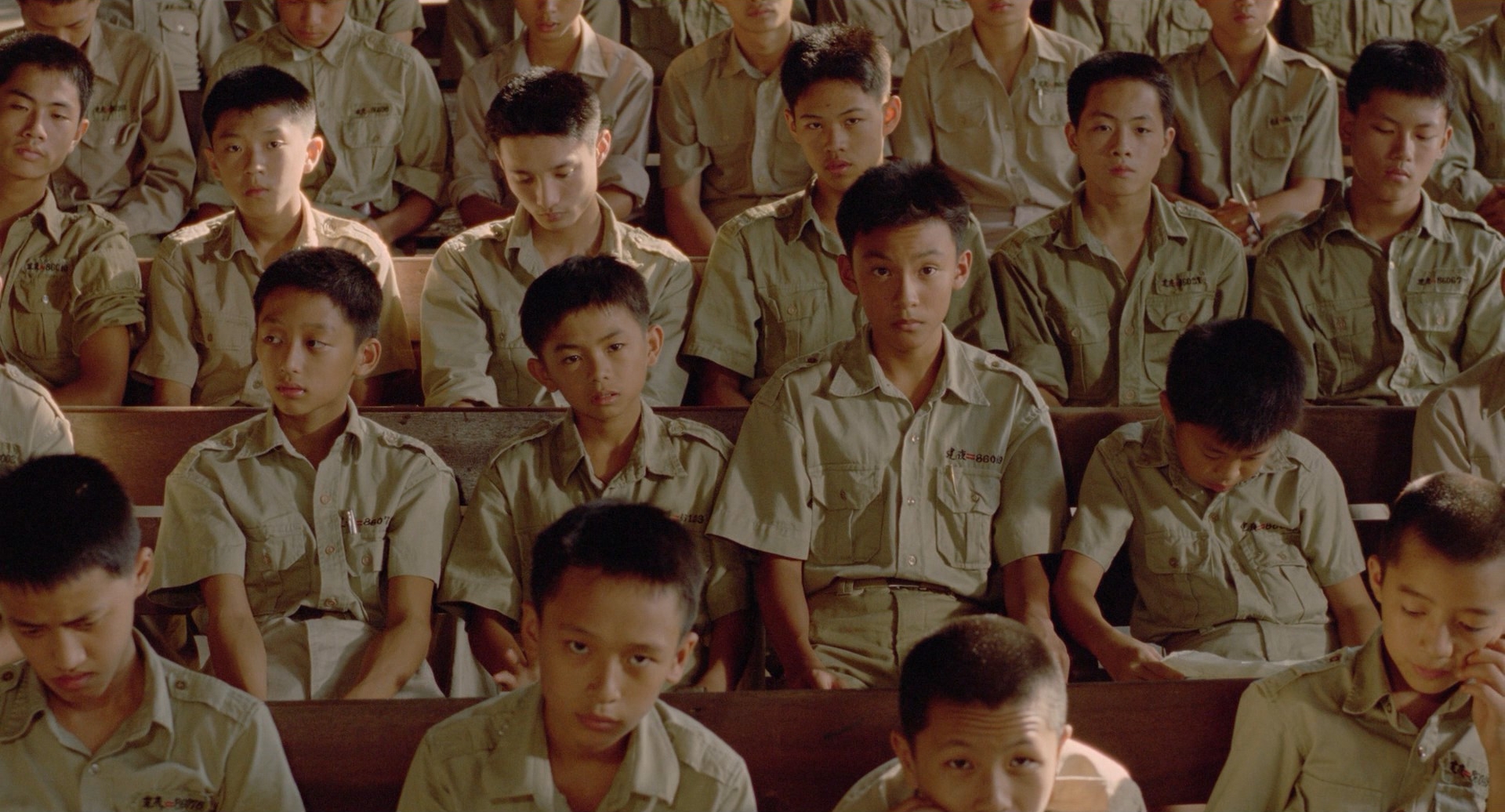
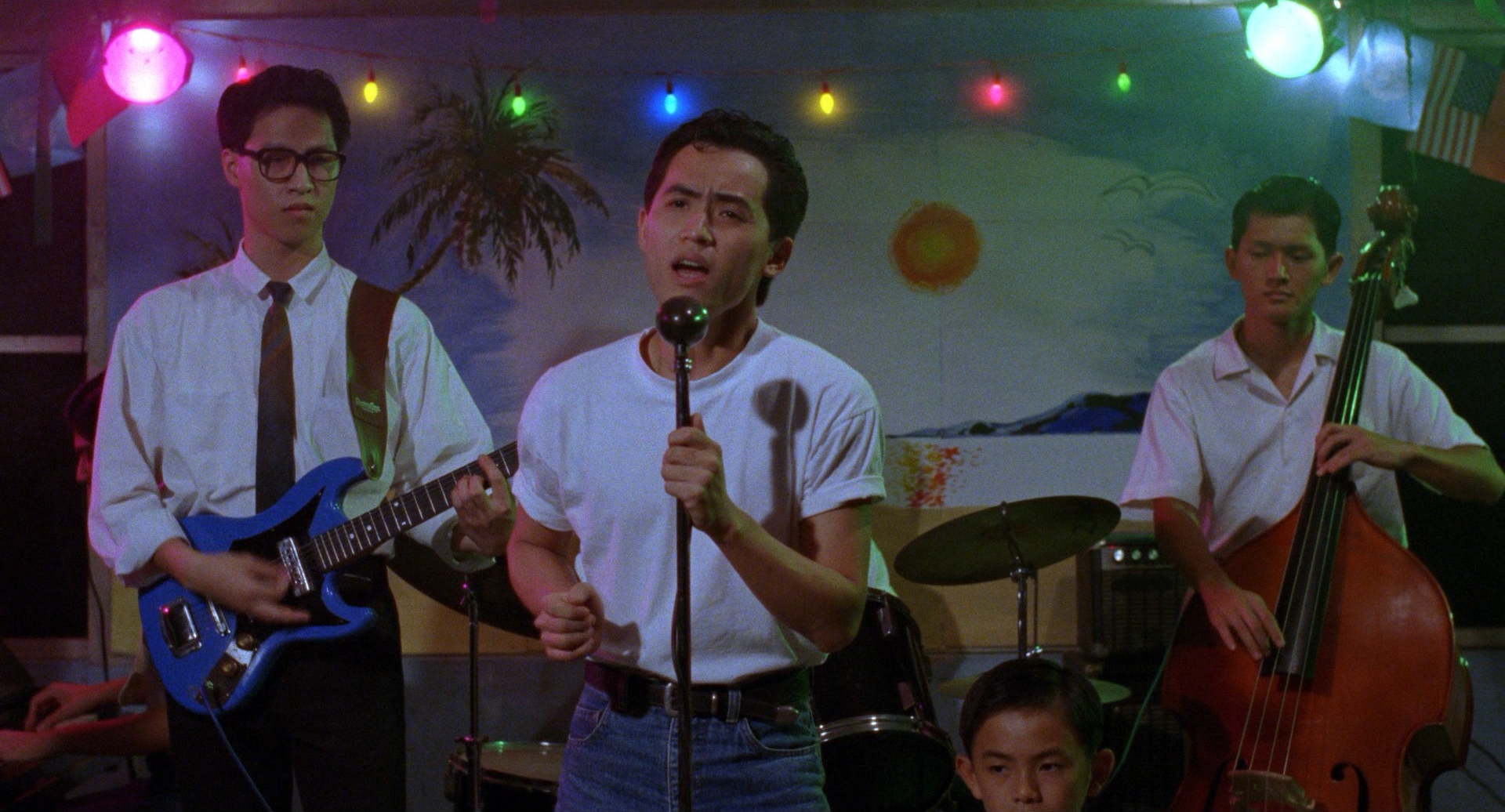
Set in 1960s Taipei during a period of political uncertainty and cultural change, the film follows a teenage boy named Xiao Si’r as he drifts between school, family pressures, and rival youth gangs. As he becomes entangled in violence and a complicated relationship with a young girl named Ming, his search for identity and belonging gradually darkens. Spanning several years and a large ensemble of characters, the film unfolds as an expansive portrait of adolescence, social unrest, and emotional alienation.
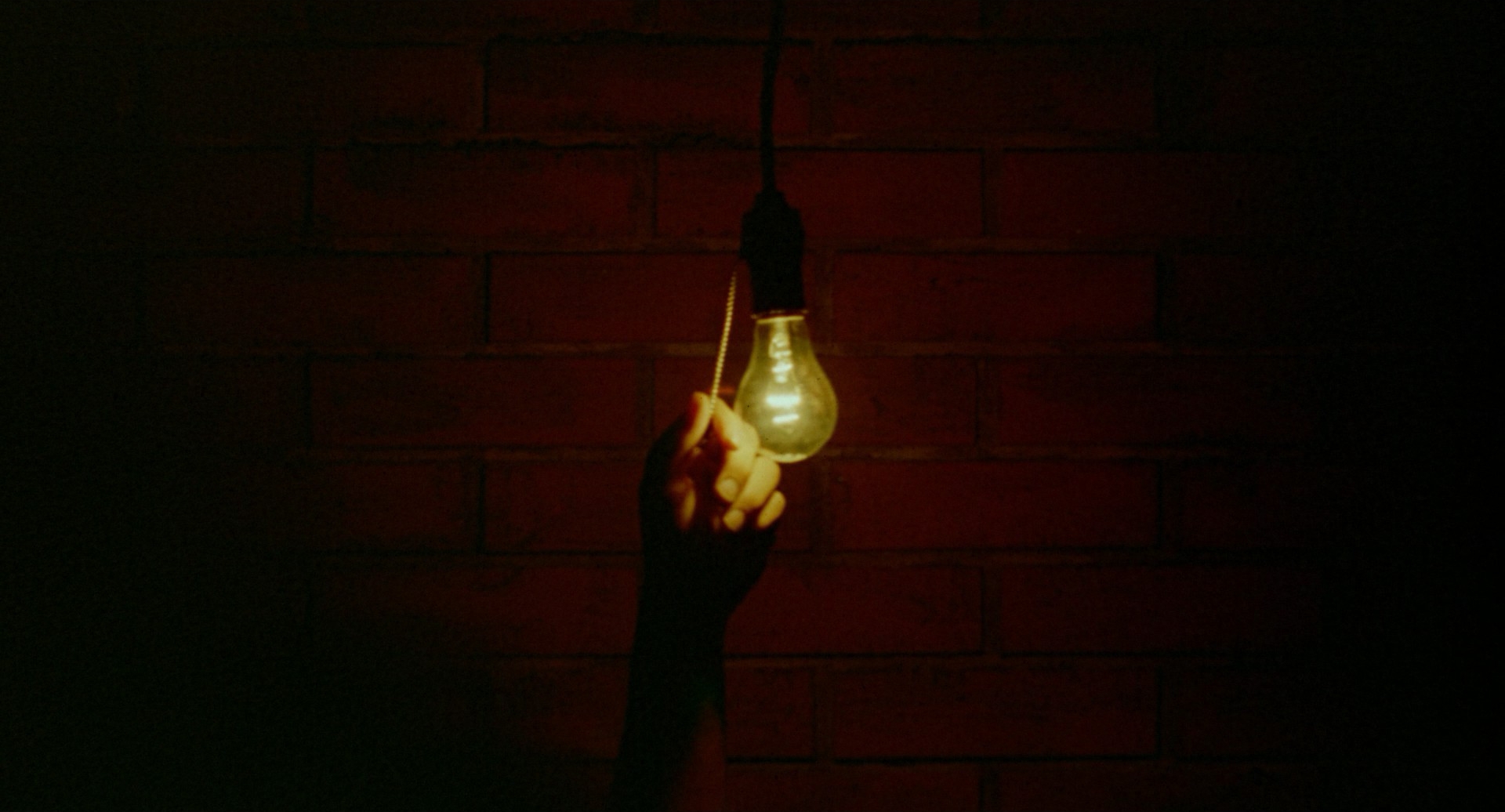
Yang and cinematographer Chang Hui-kung construct the film with meticulous, observational compositions and restrained camera movement, often staging characters deep within carefully layered spaces. The use of long takes, practical lighting, and nighttime interiors illuminated by flashlights, streetlamps, and dim bulbs creates a quiet realism where emotional tension accumulates gradually through framing and duration rather than dramatic emphasis. The widescreen compositions frequently place characters within crowded homes, classrooms, and streetscapes, turning architecture and social space into reflections of generational and political instability.
FILM SPOTLIGHT
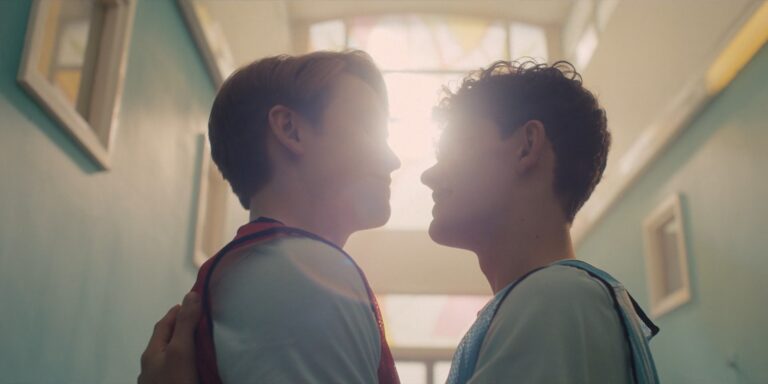
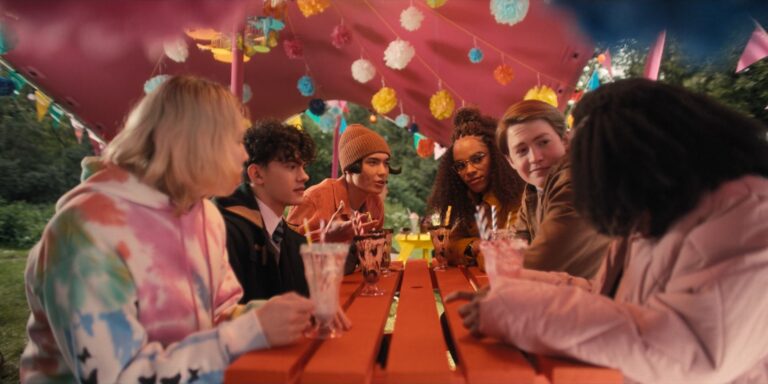
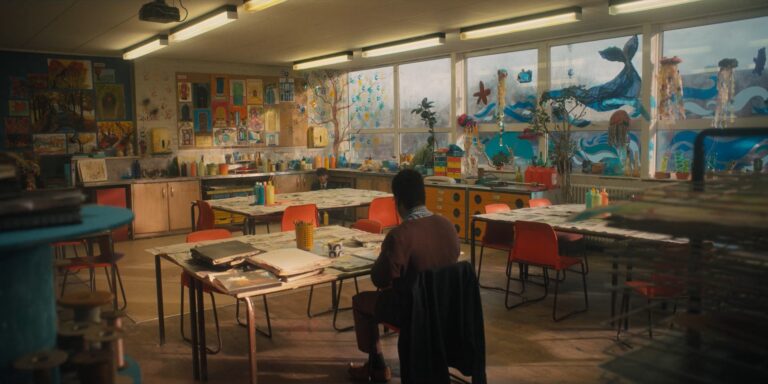
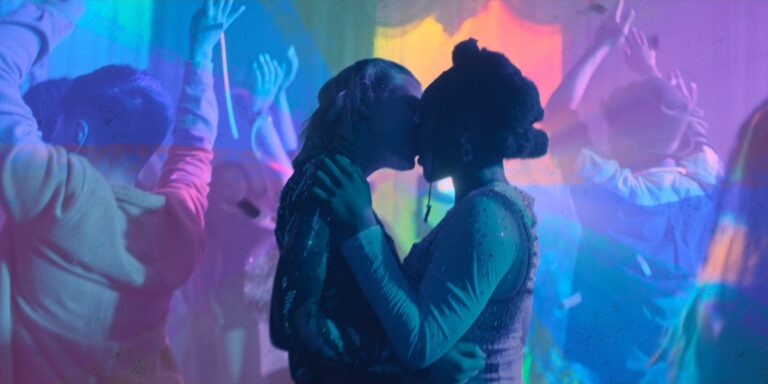
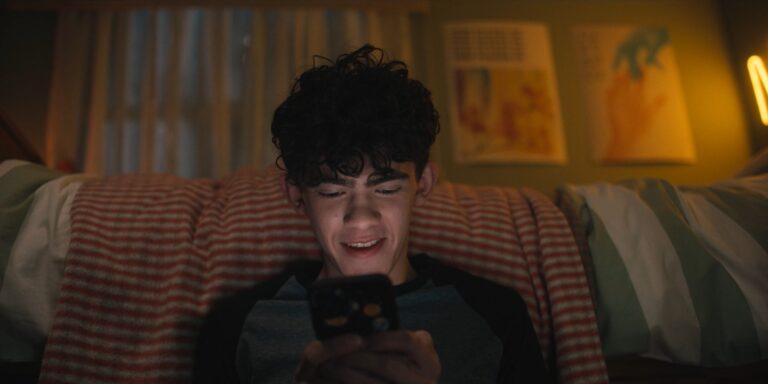
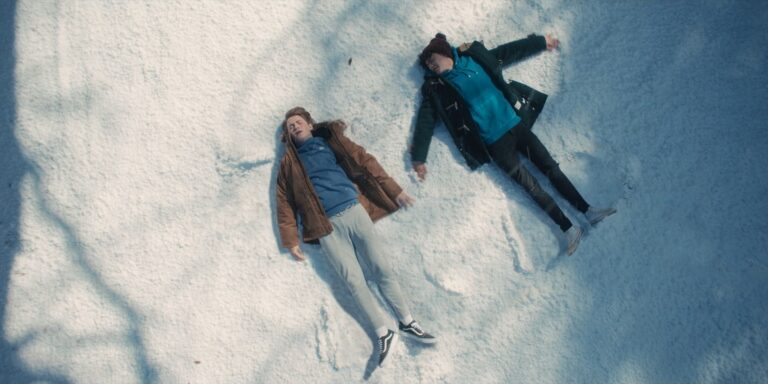
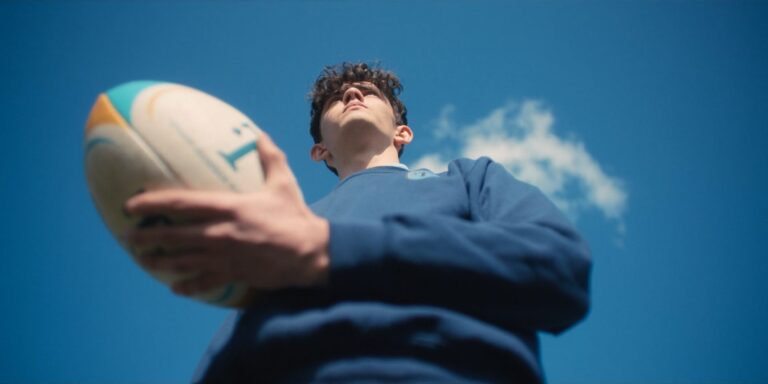
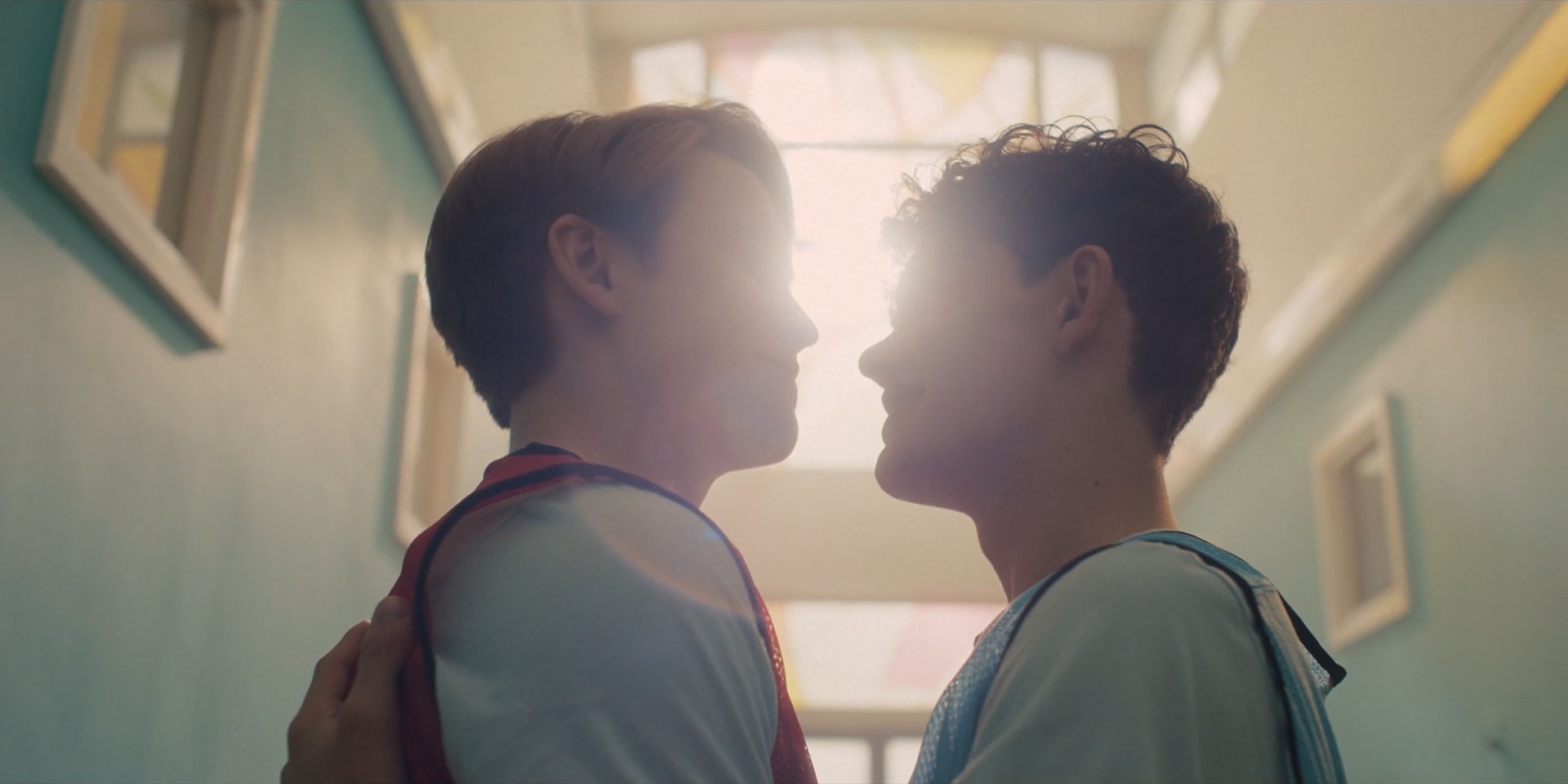
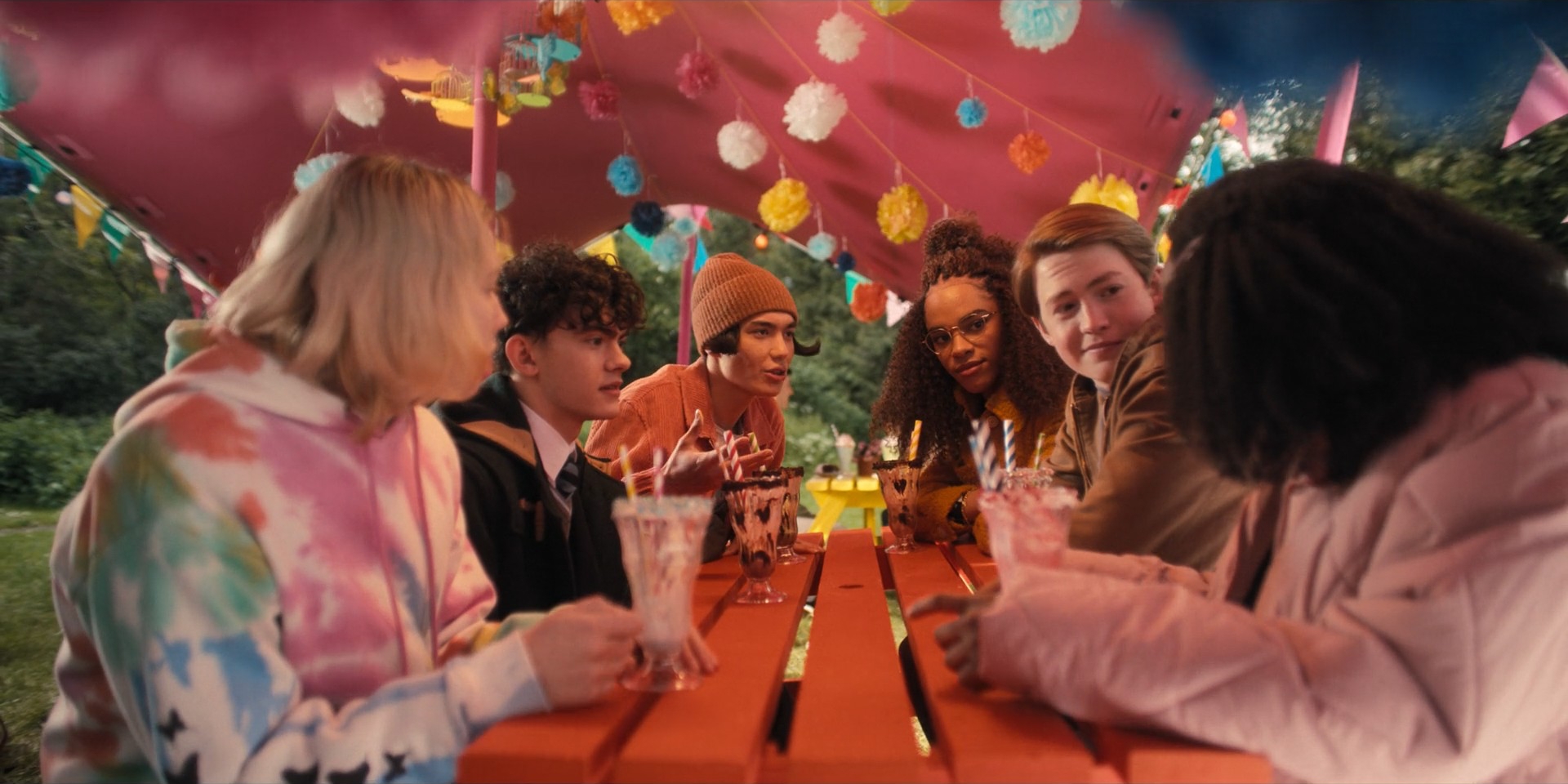
Heartstopper: Season 1 (2022)
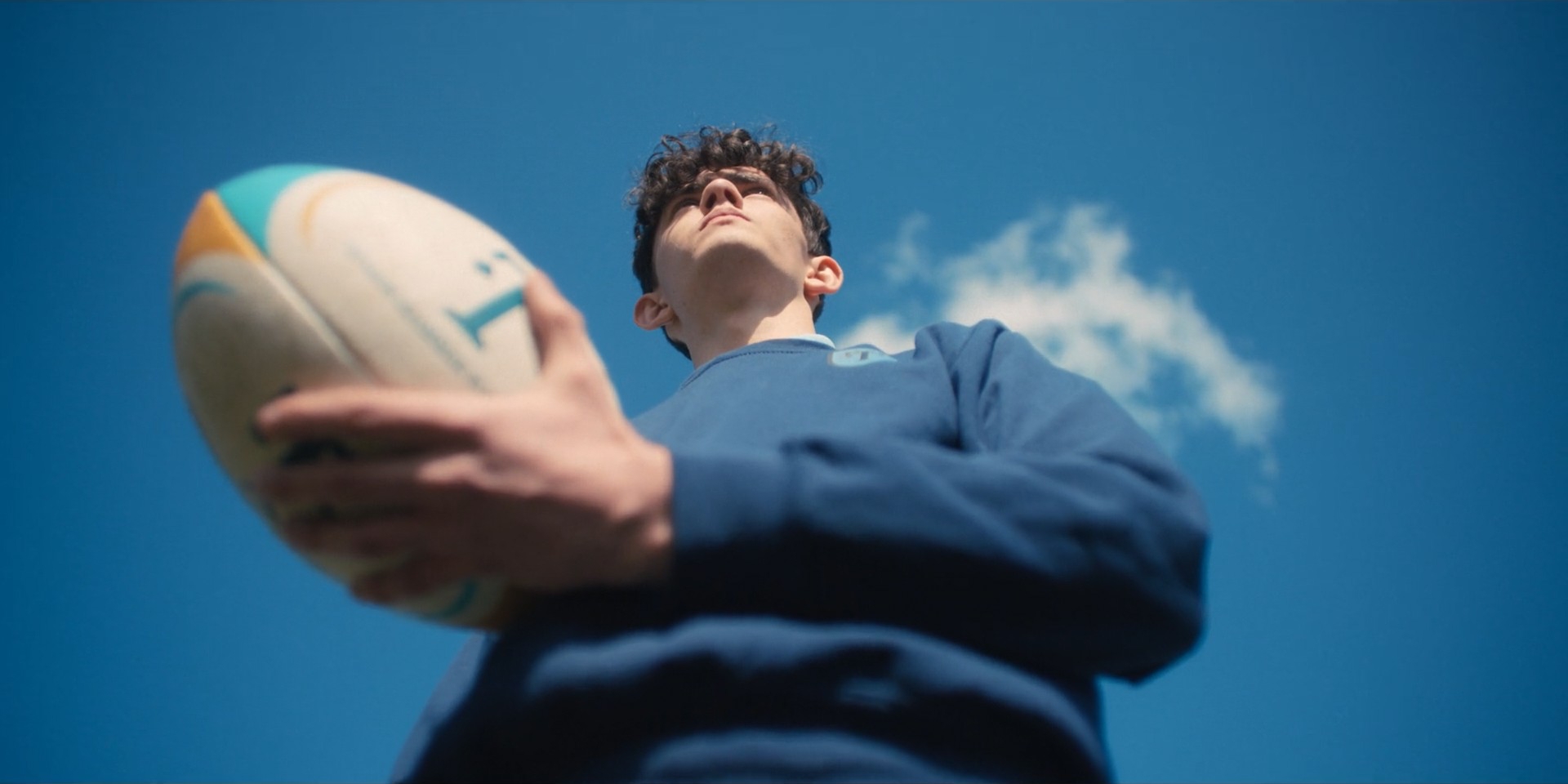
Charlie, a shy and openly gay student, develops an unexpected friendship with Nick, a popular rugby player at his all-boys school. As their bond deepens, both begin to navigate questions of identity, attraction, and vulnerability alongside the everyday pressures of adolescence. The season unfolds as a tender coming-of-age story about friendship, self-acceptance, and first love.
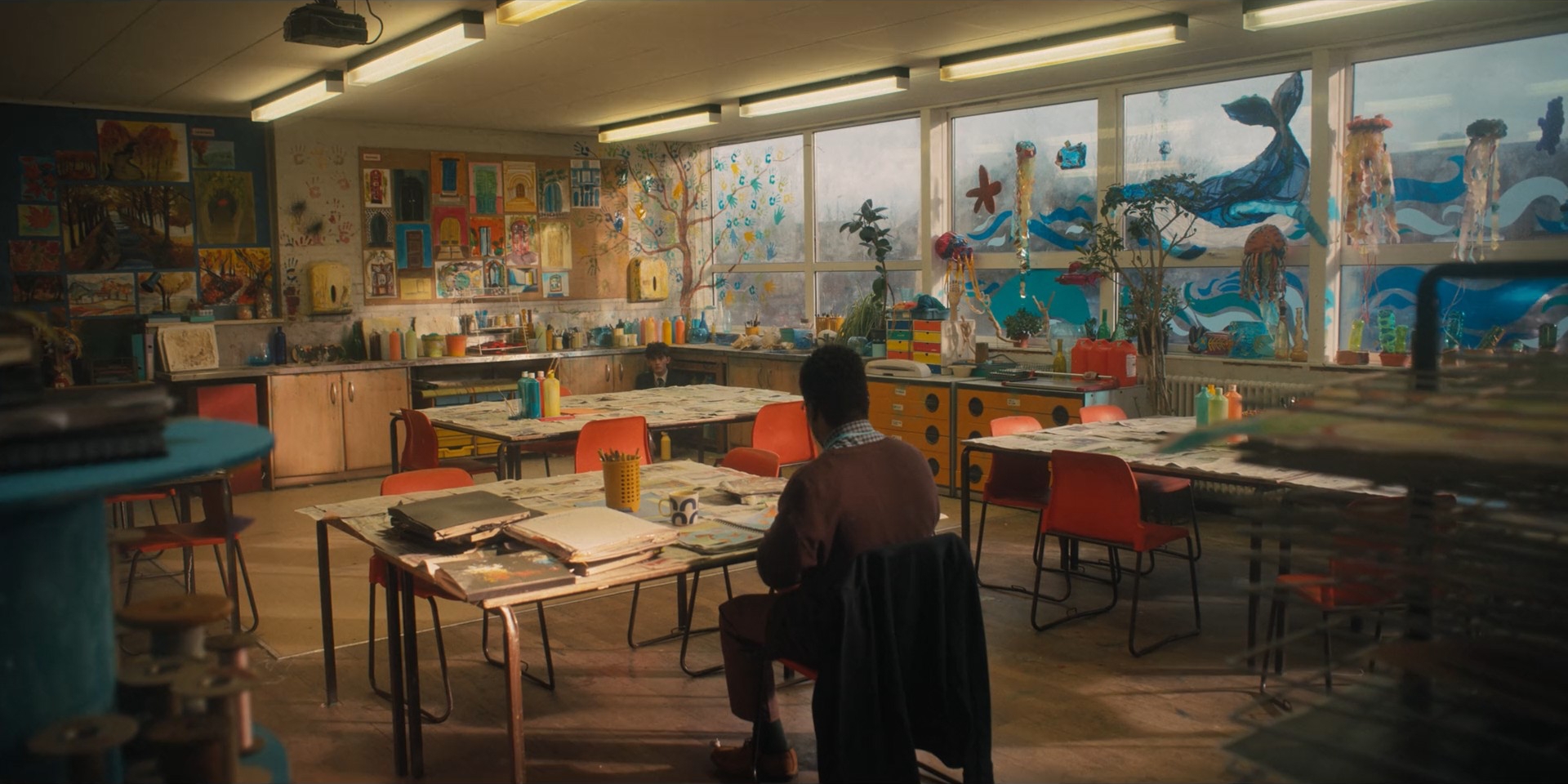
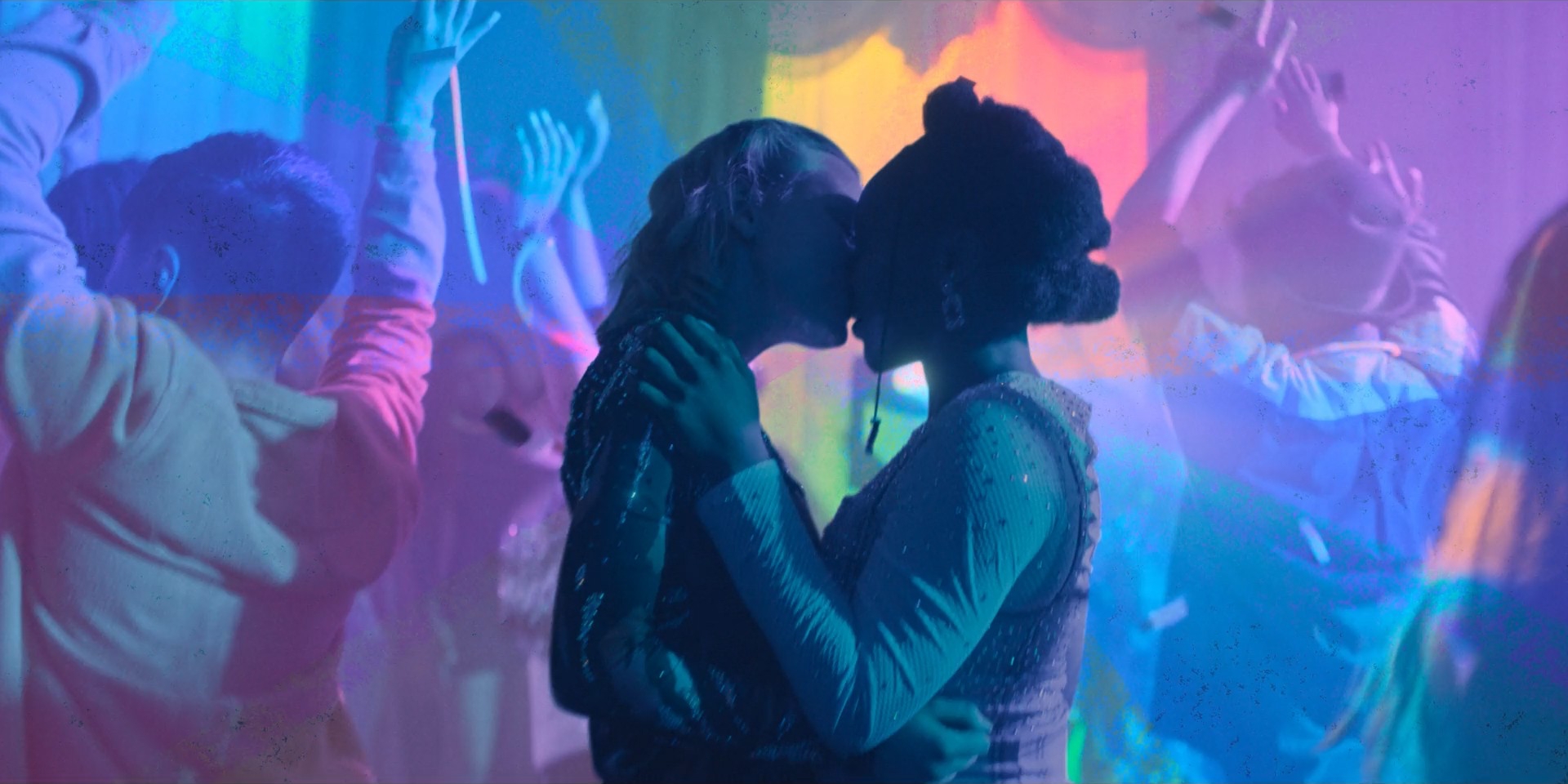
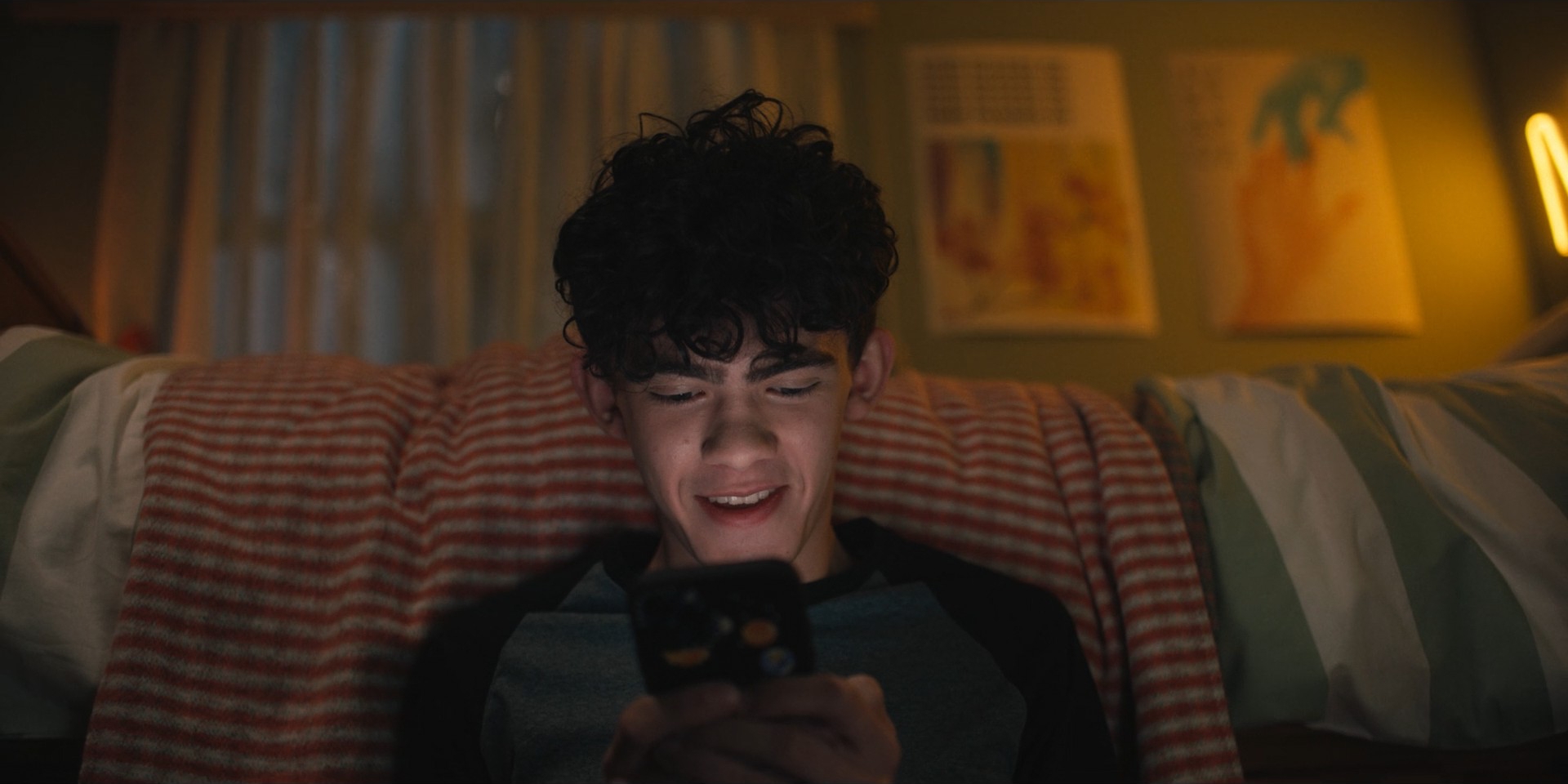
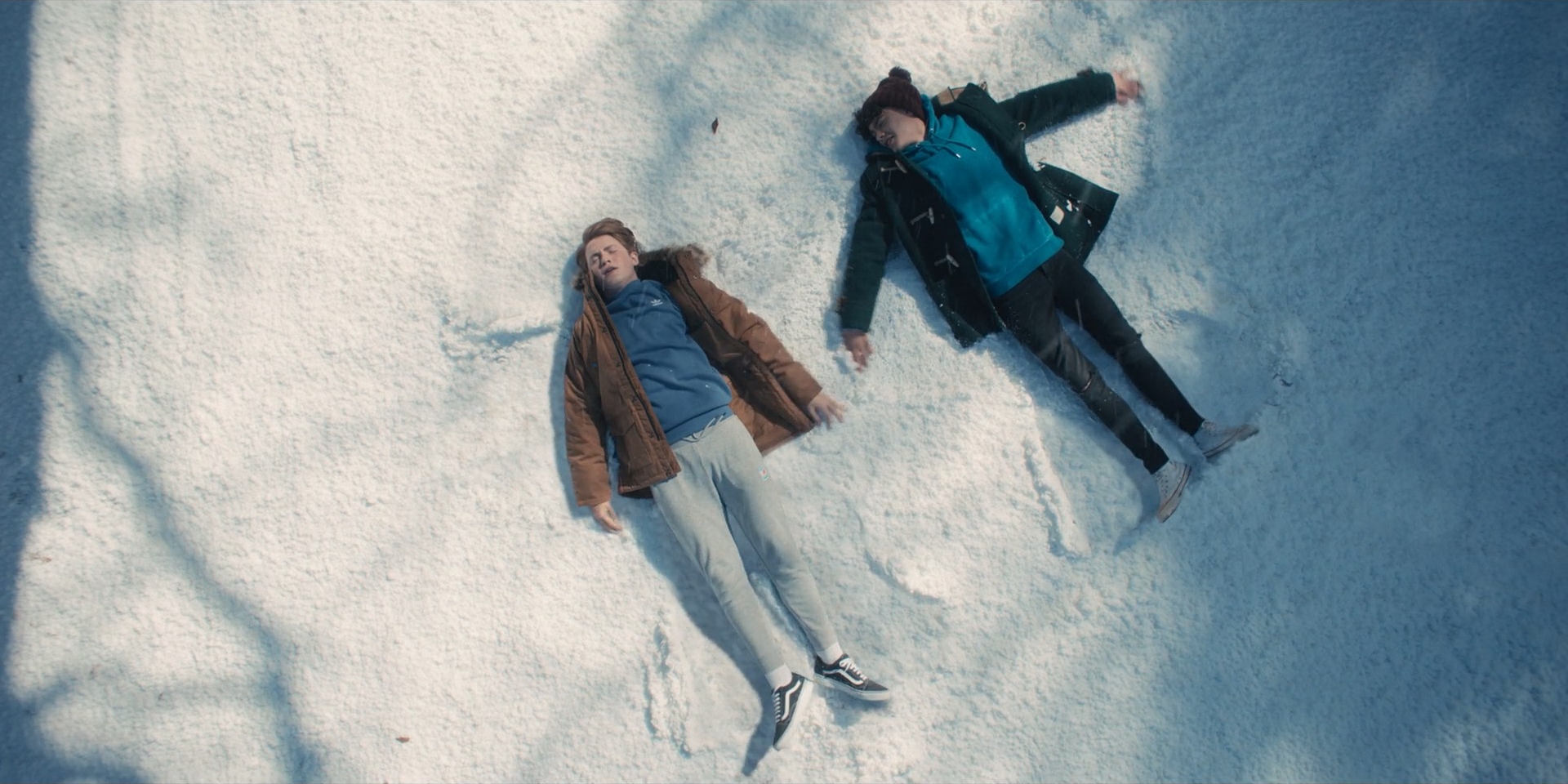
Season 1 embraces a soft, bright visual aesthetic built around pastel color palettes, natural light, and intimate framing that emphasizes warmth and emotional safety. The series incorporates animated doodles—sparks, leaves, hearts, and hand-drawn flourishes—directly into live-action scenes, translating emotional beats into gentle visual expression and preserving the tone of Alice Oseman’s original graphic novels.