New Shots: Aftersun, Tar, The Fabelmans, & more Film Screenshots
Get your Decks ready ShotDeck Community! We’ve got some great new shots for you to add to your Decks this week, including Academy Award nominees, Black & White Classics, and more. Remember you can always request titles for future drops by clicking here!
FILM SPOTLIGHT
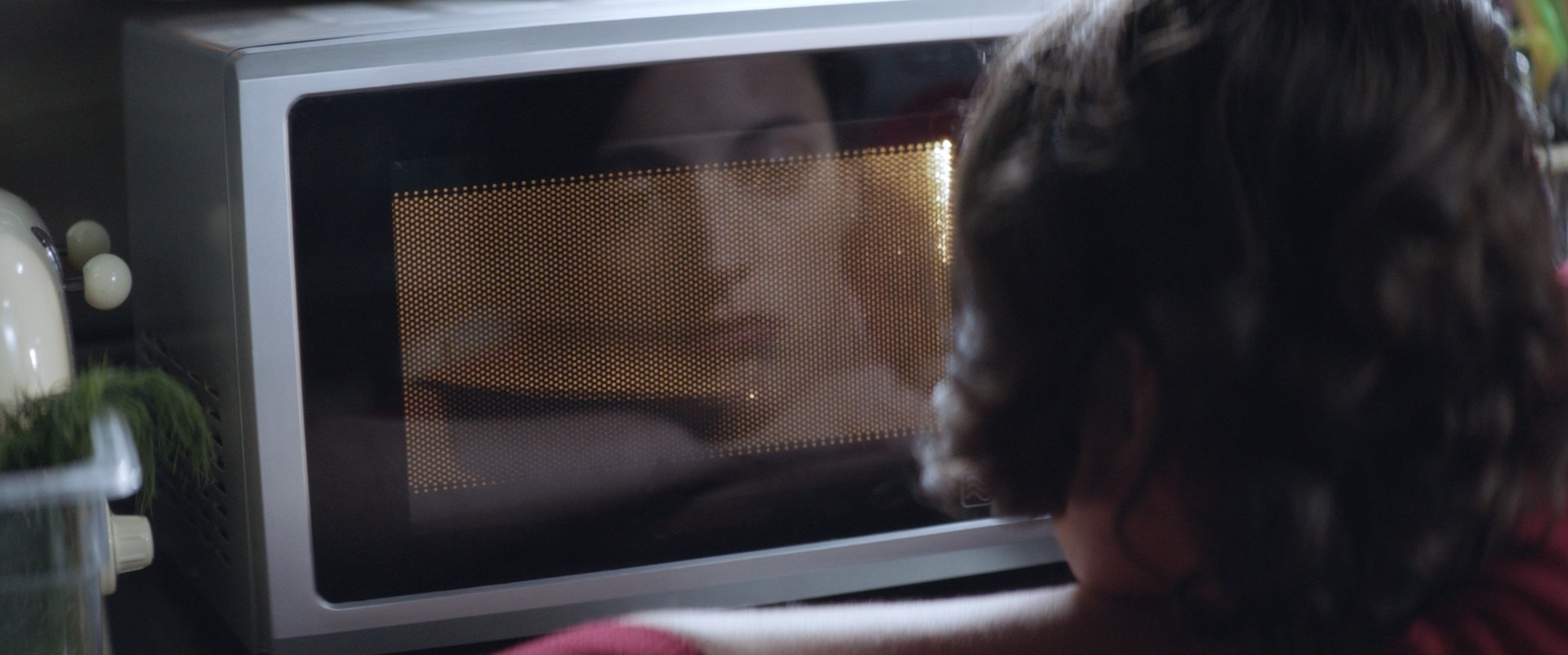
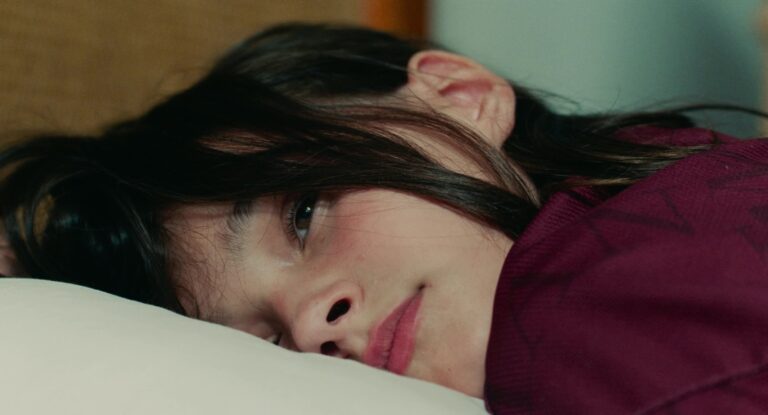
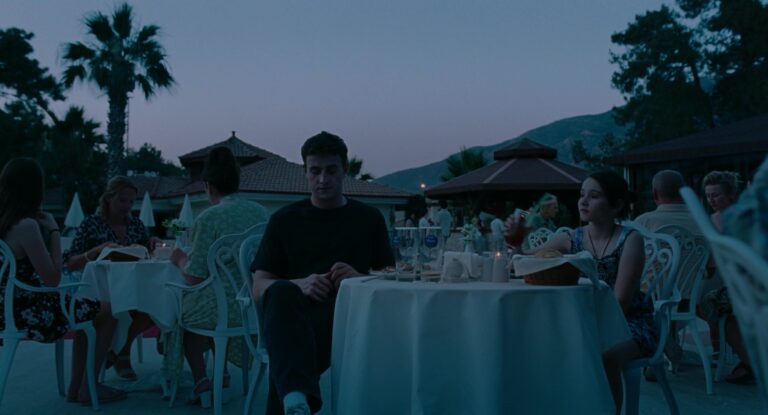
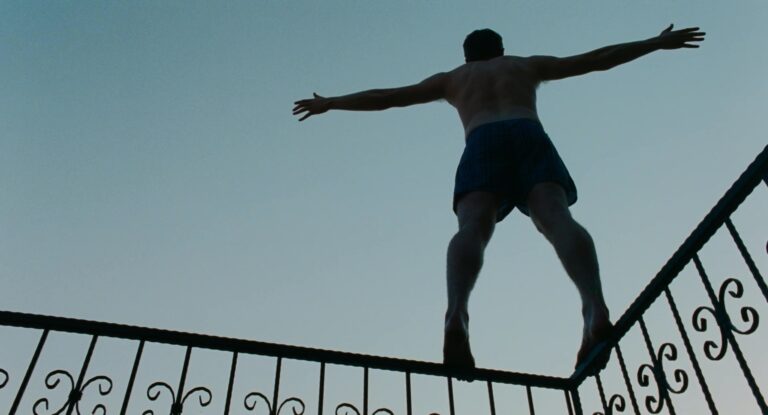
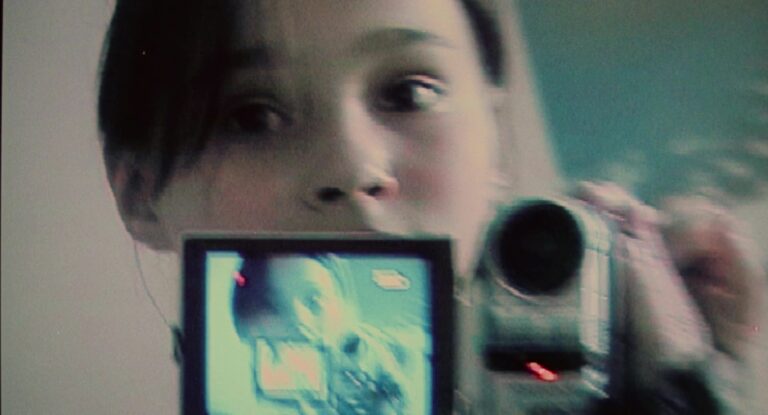
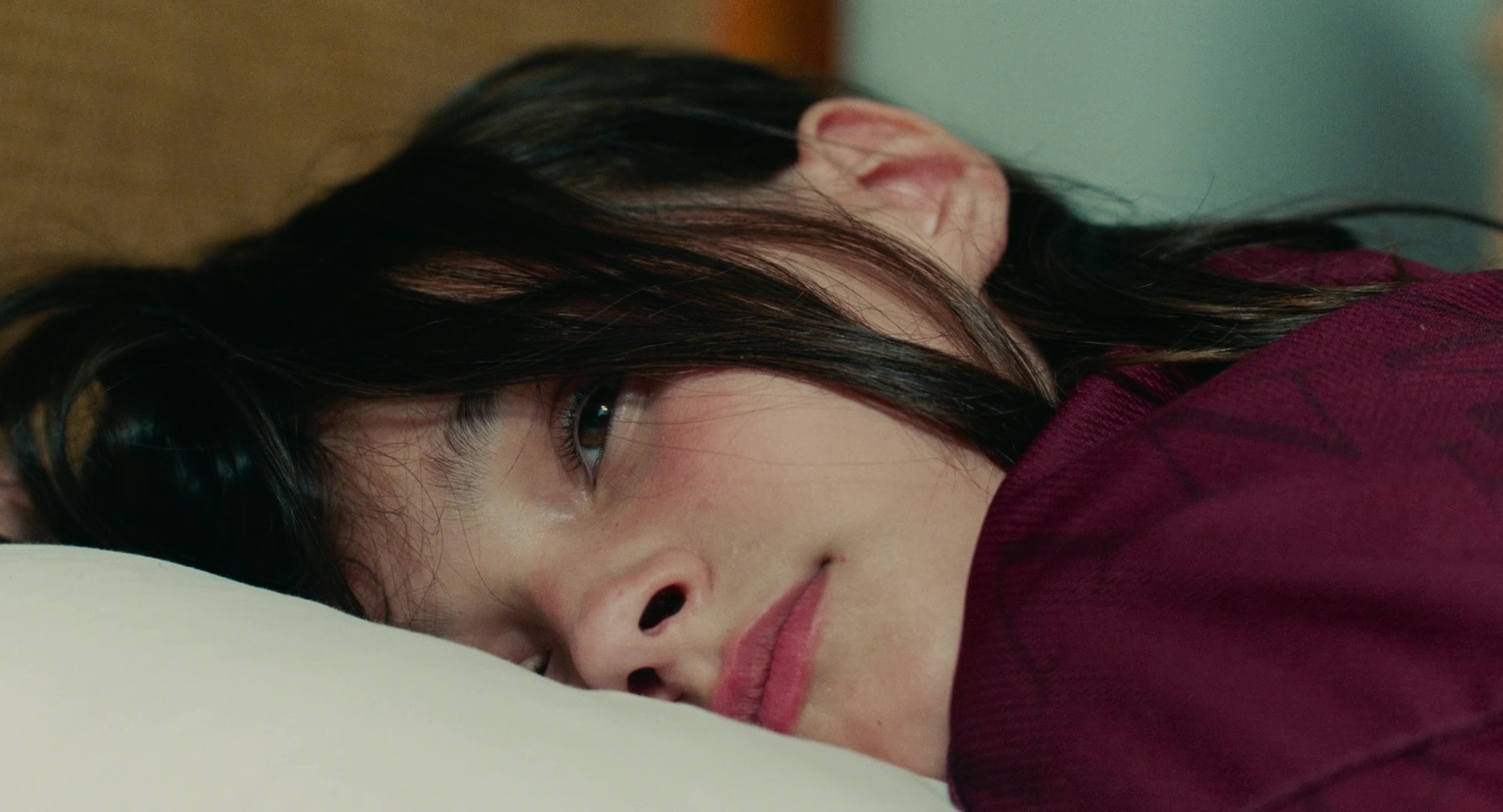
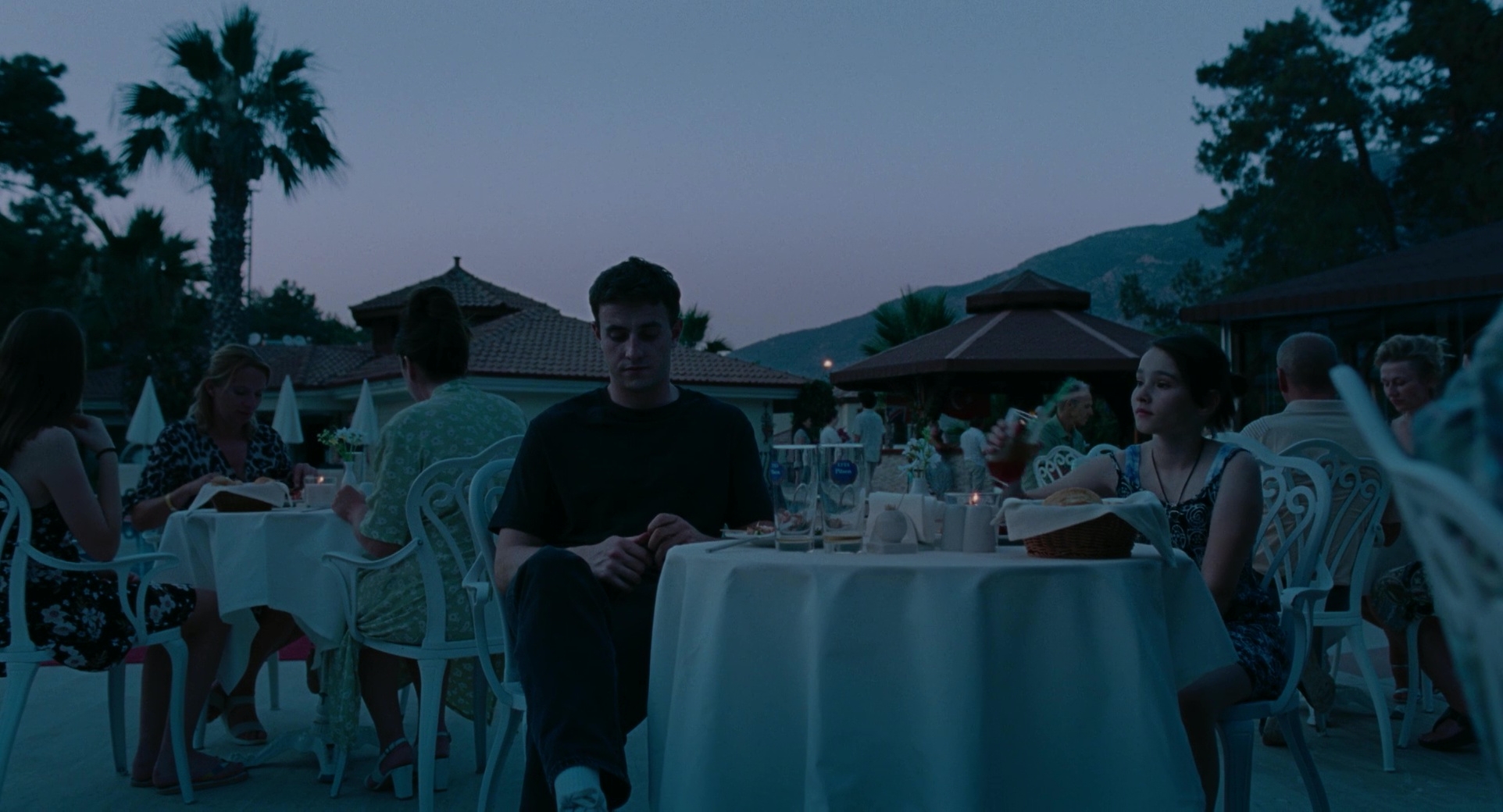
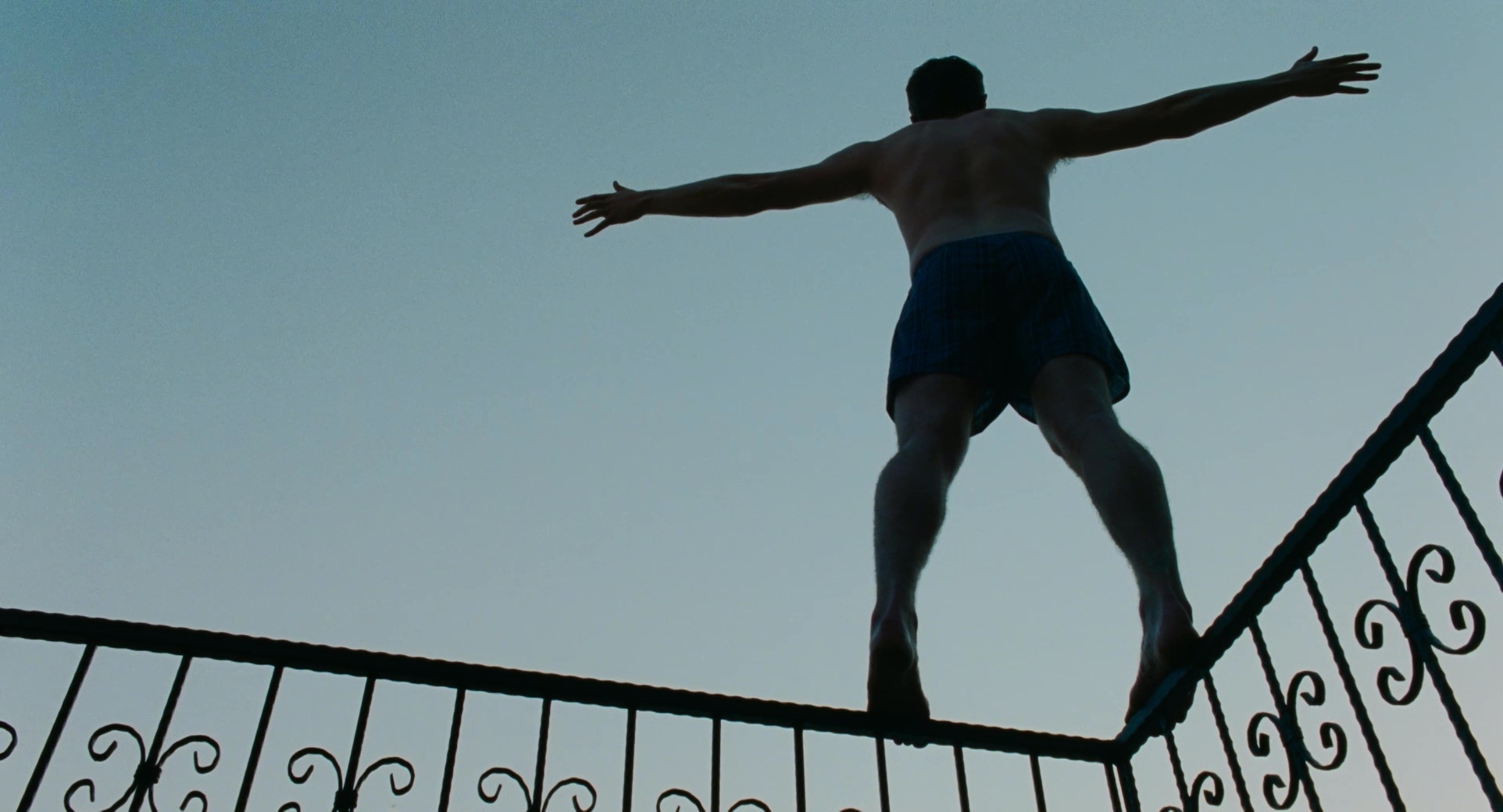
Aftersun (2022)
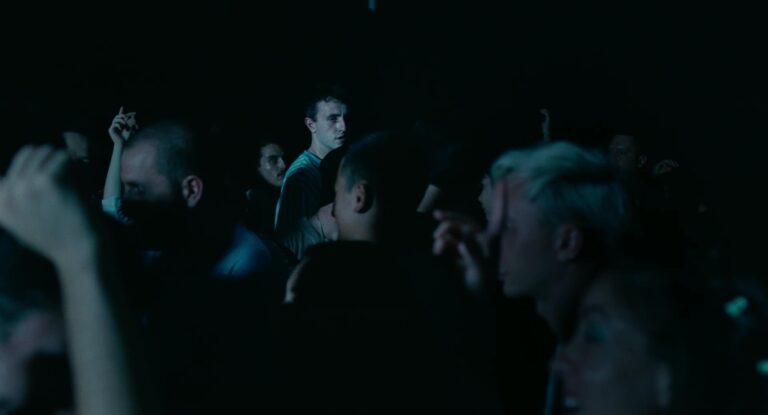
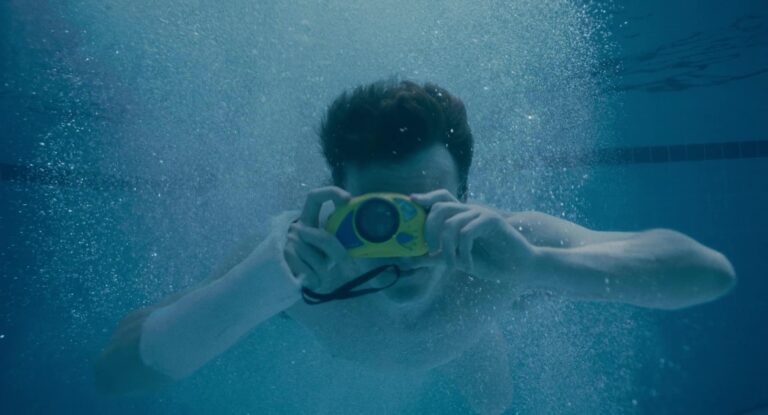
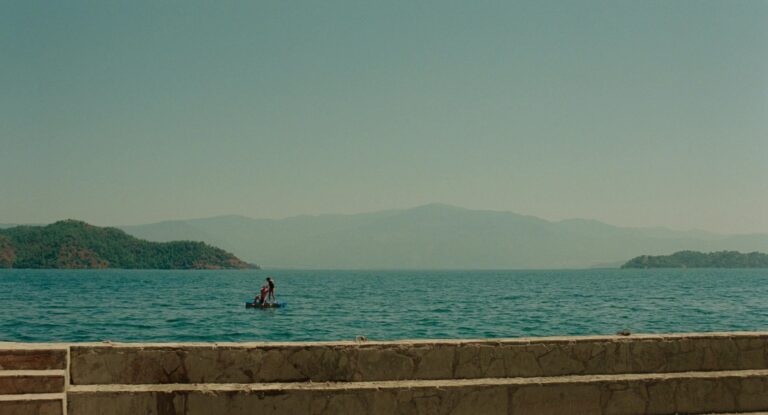
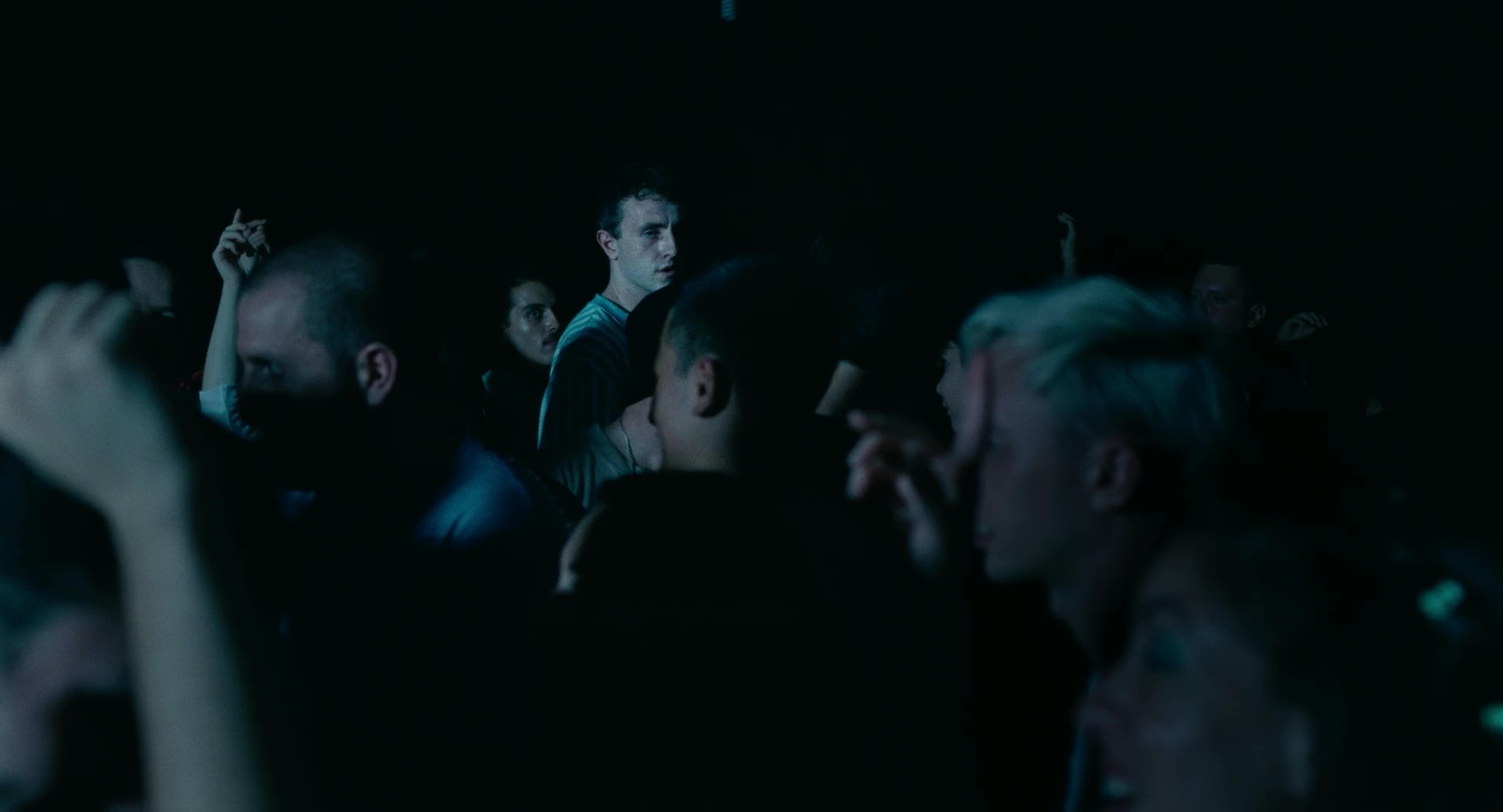
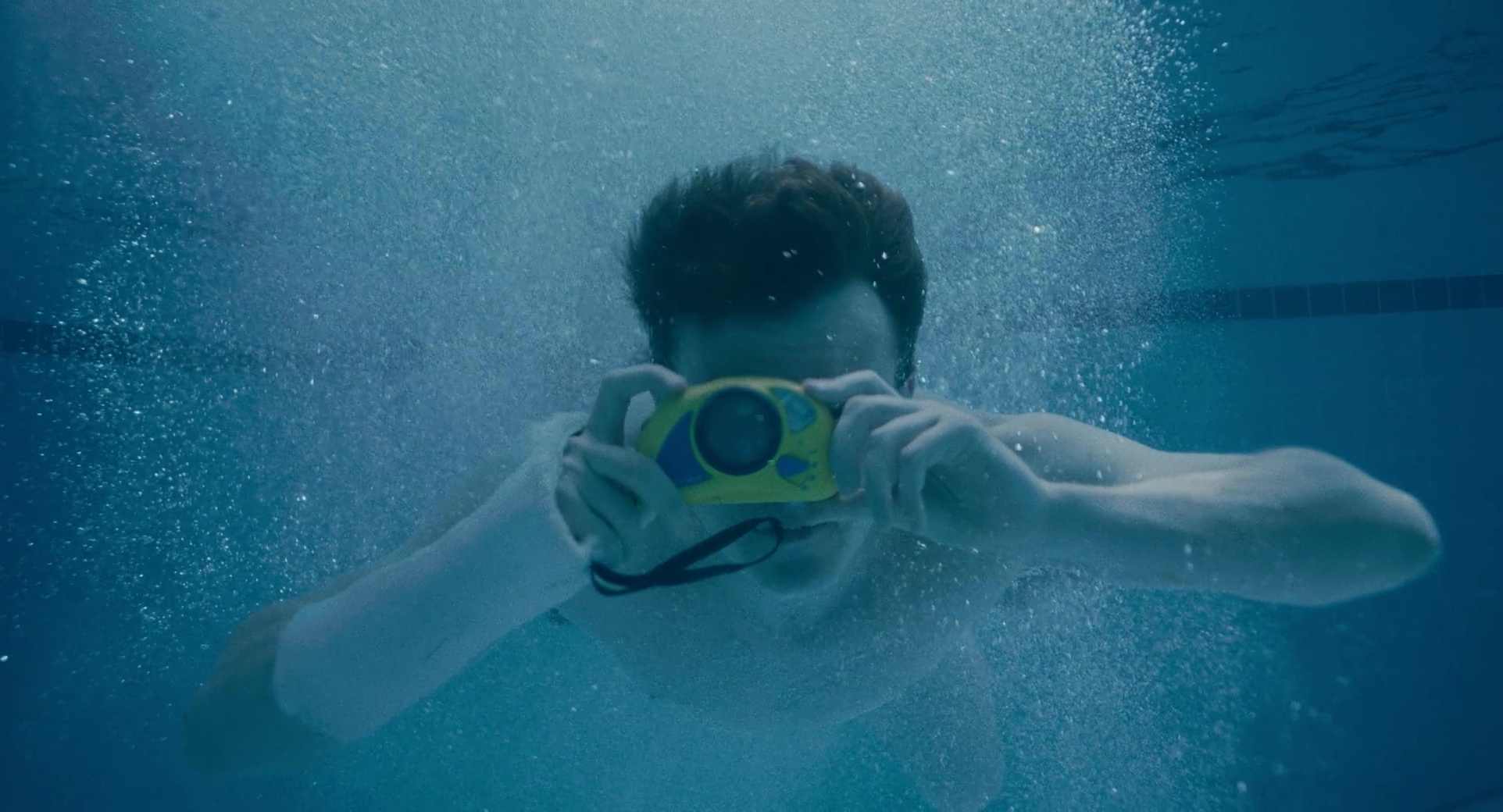
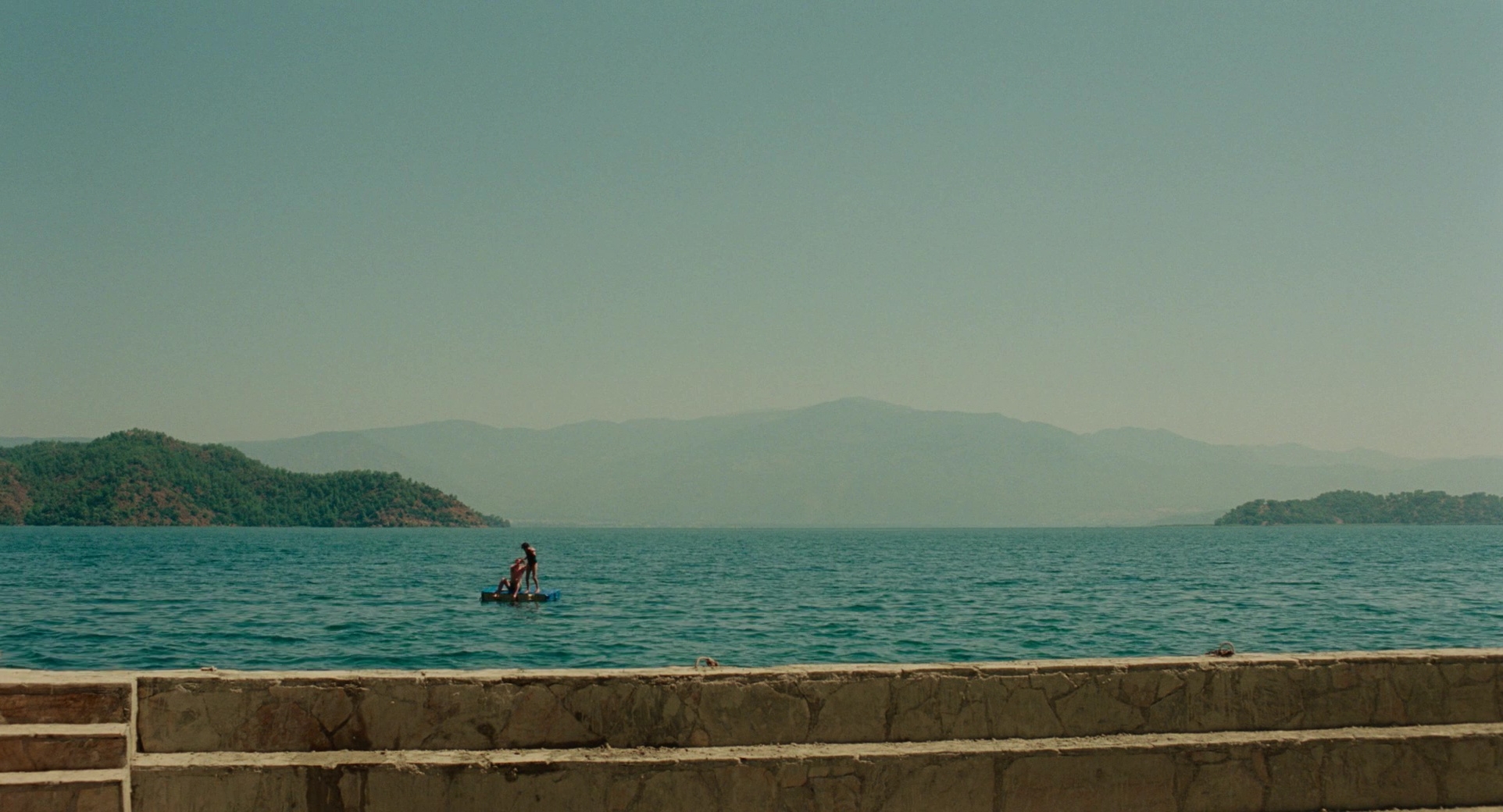
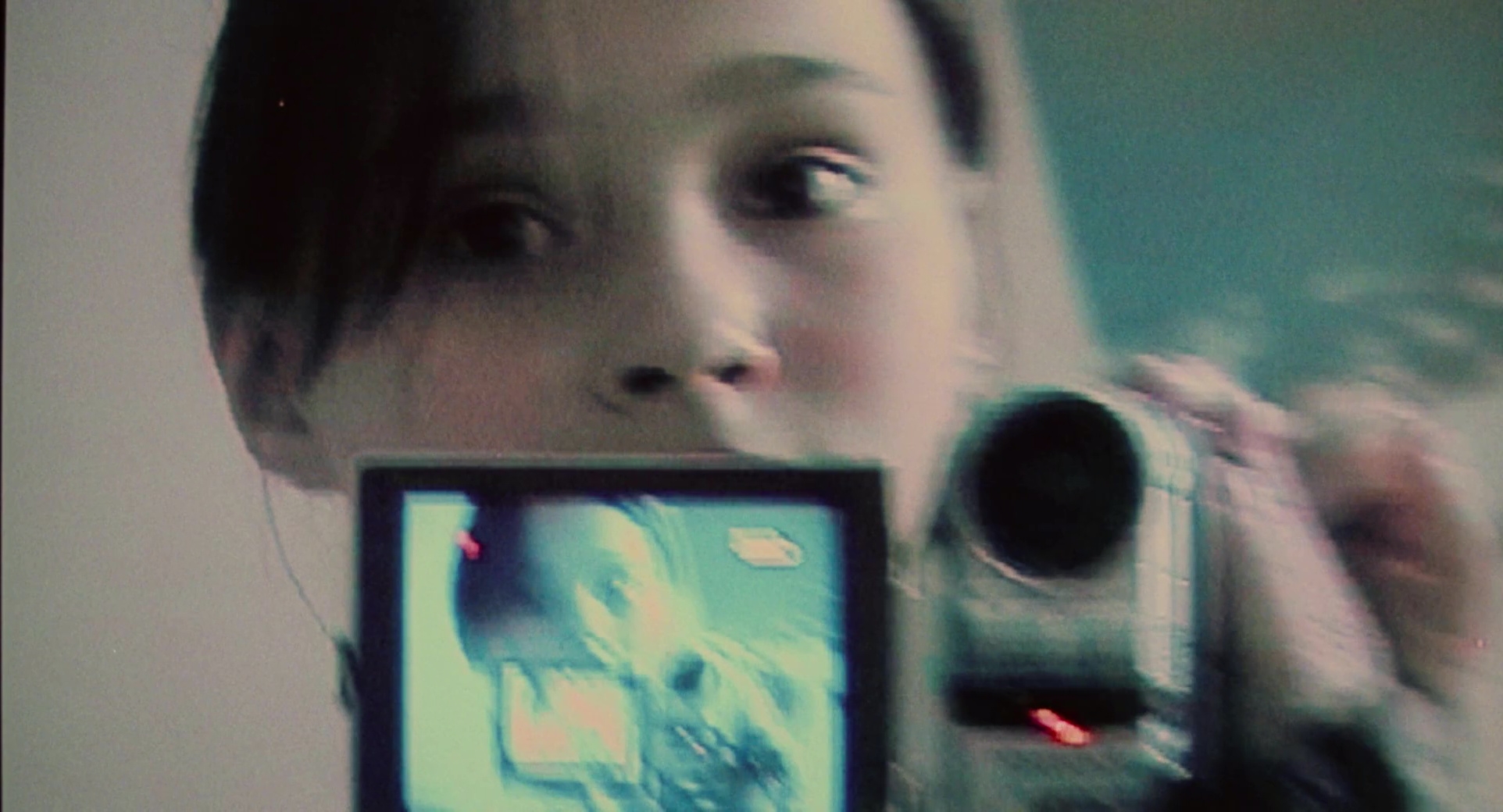
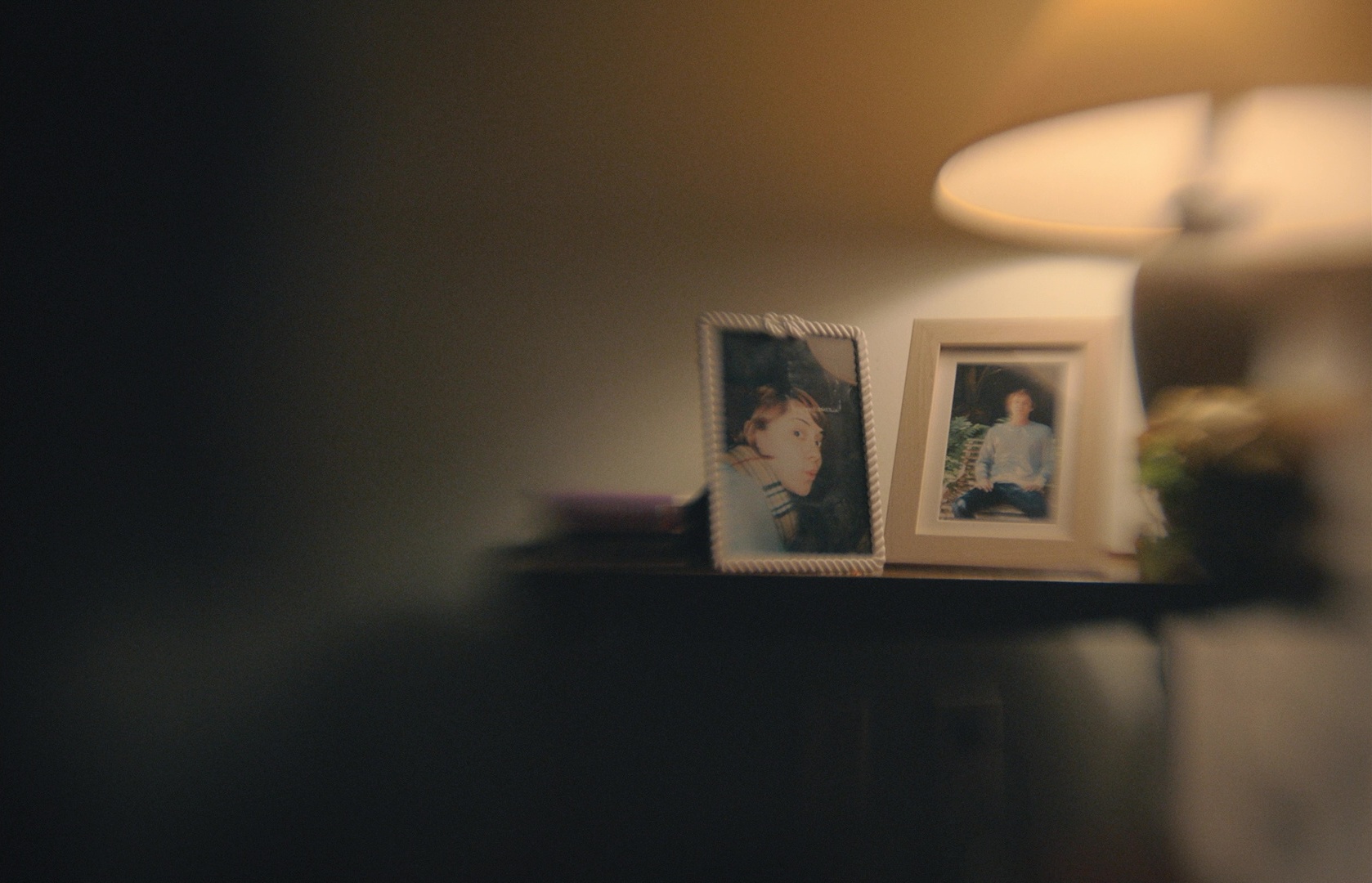
Set during a summer holiday at a Turkish resort in the late 1990s, the film follows eleven-year-old Sophie spending time with her young father, Calum. Through ordinary moments—swimming, karaoke, conversations, and excursions—Sophie gradually becomes aware of emotional undercurrents she cannot fully understand as a child. Reframed through adult memory, the vacation becomes a poignant meditation on parenthood, depression, memory, and the unknowable inner lives of those we love.
Wells and cinematographer Gregory Oke shoot Aftersun with a delicate, memory-fragmented naturalism built around soft DV textures, sun-faded colors, and intimate handheld observation. The film frequently alternates between cinematic 35mm-style imagery and camcorder footage recorded by Sophie, turning home-video aesthetics into an emotional archive of fleeting moments and incomplete recollection. Reflections, darkness, strobe-lit dance sequences, and lingering close-ups create a visual language rooted less in plot than in sensation and remembered feeling—where the gaps between moments become as emotionally important as the moments themselves.


FILM SPOTLIGHT
Tár (2022)
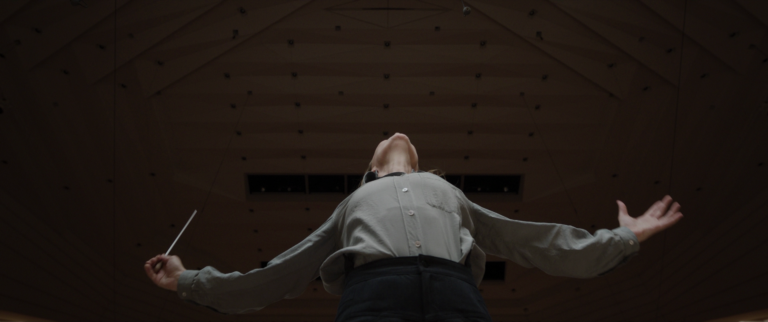
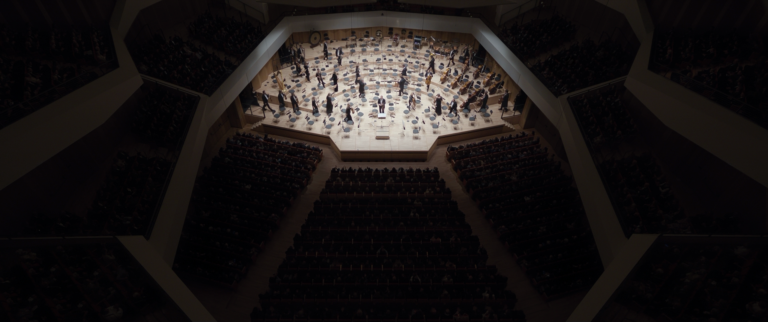
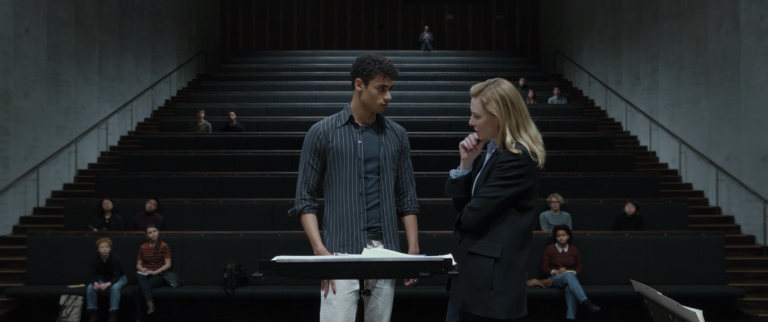
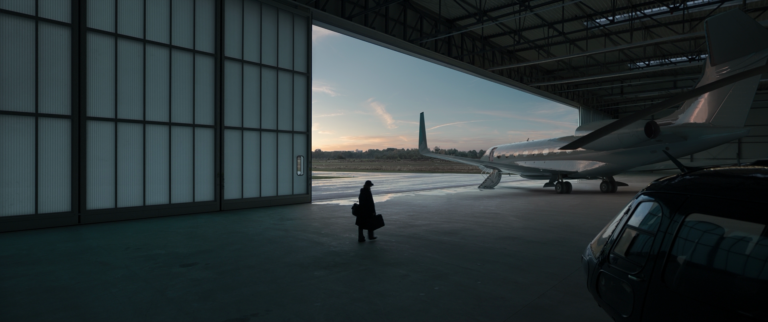
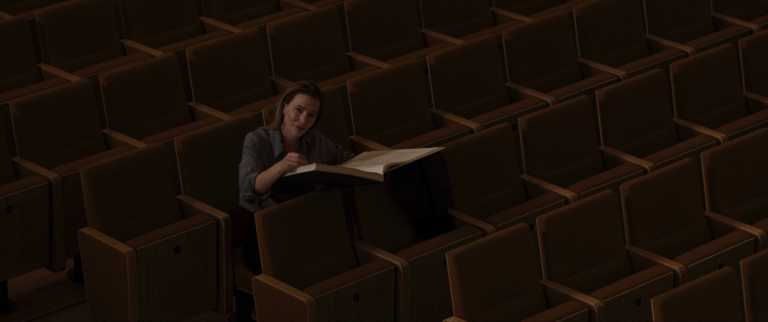
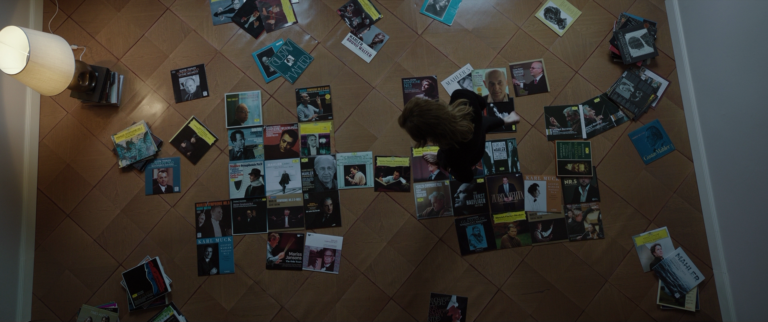
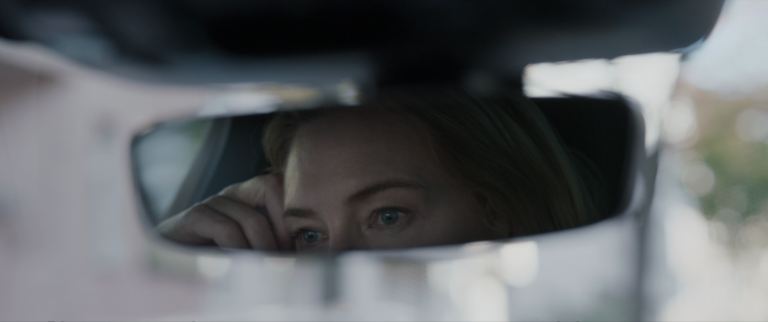
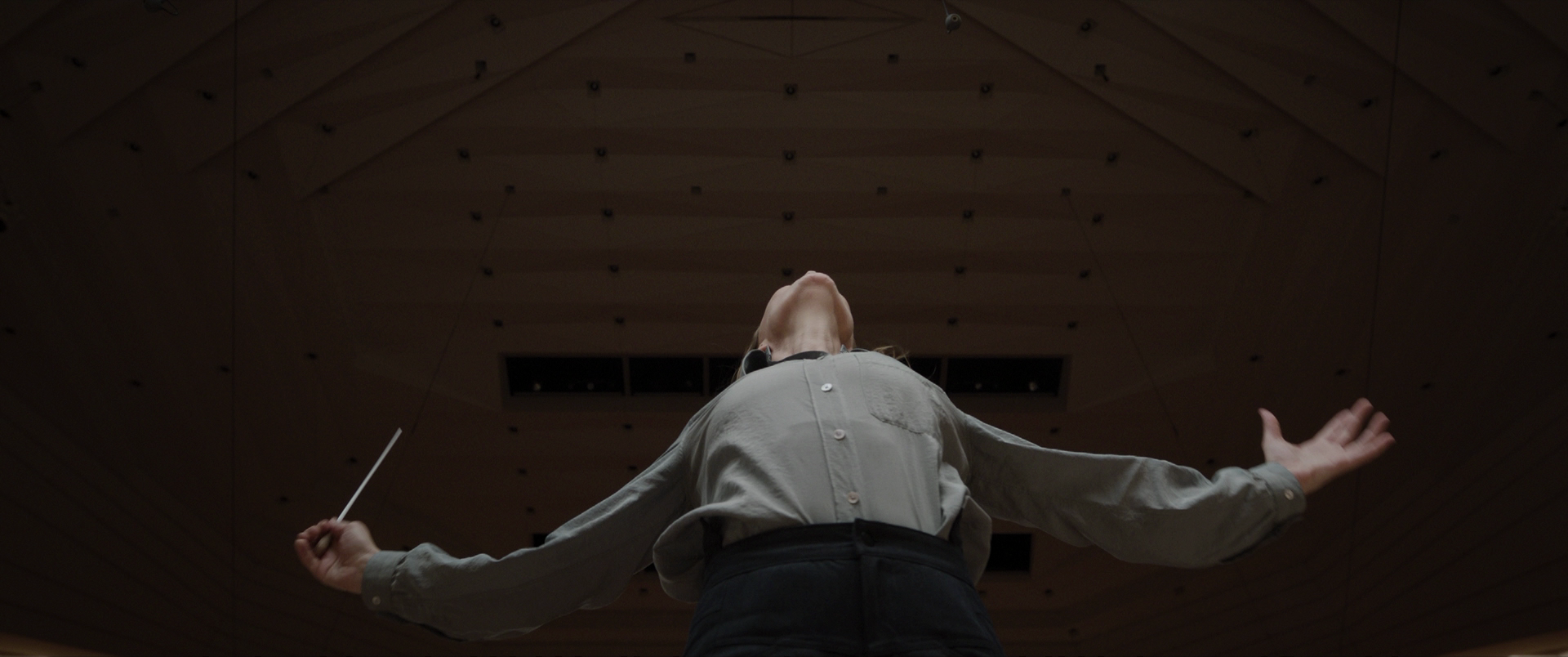
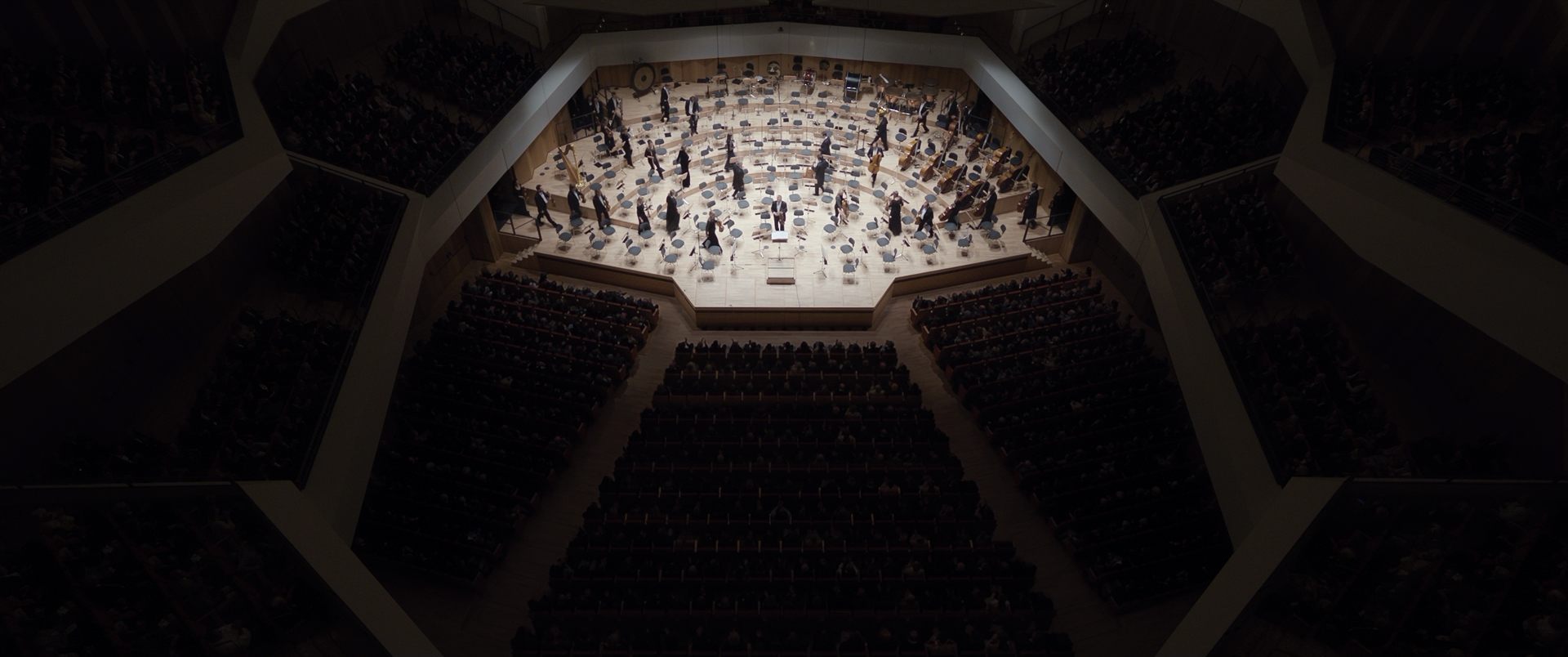
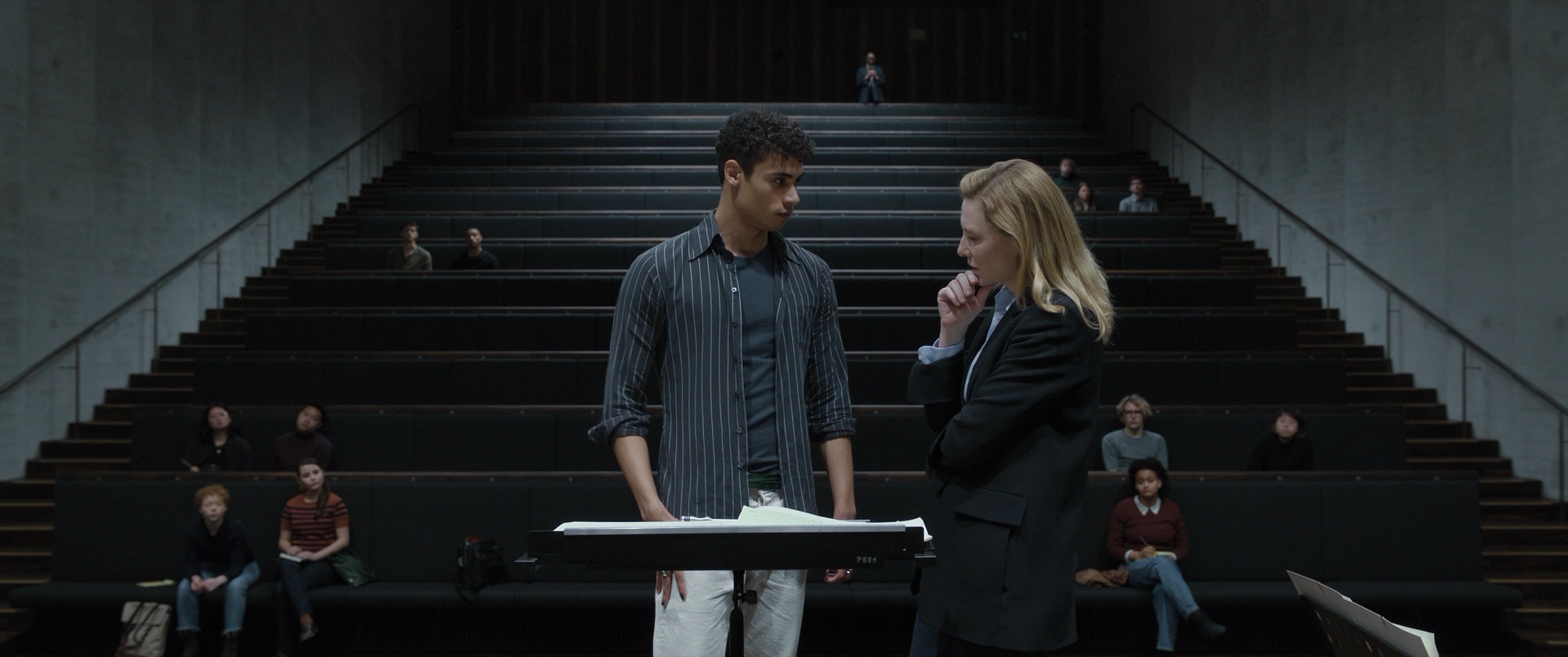
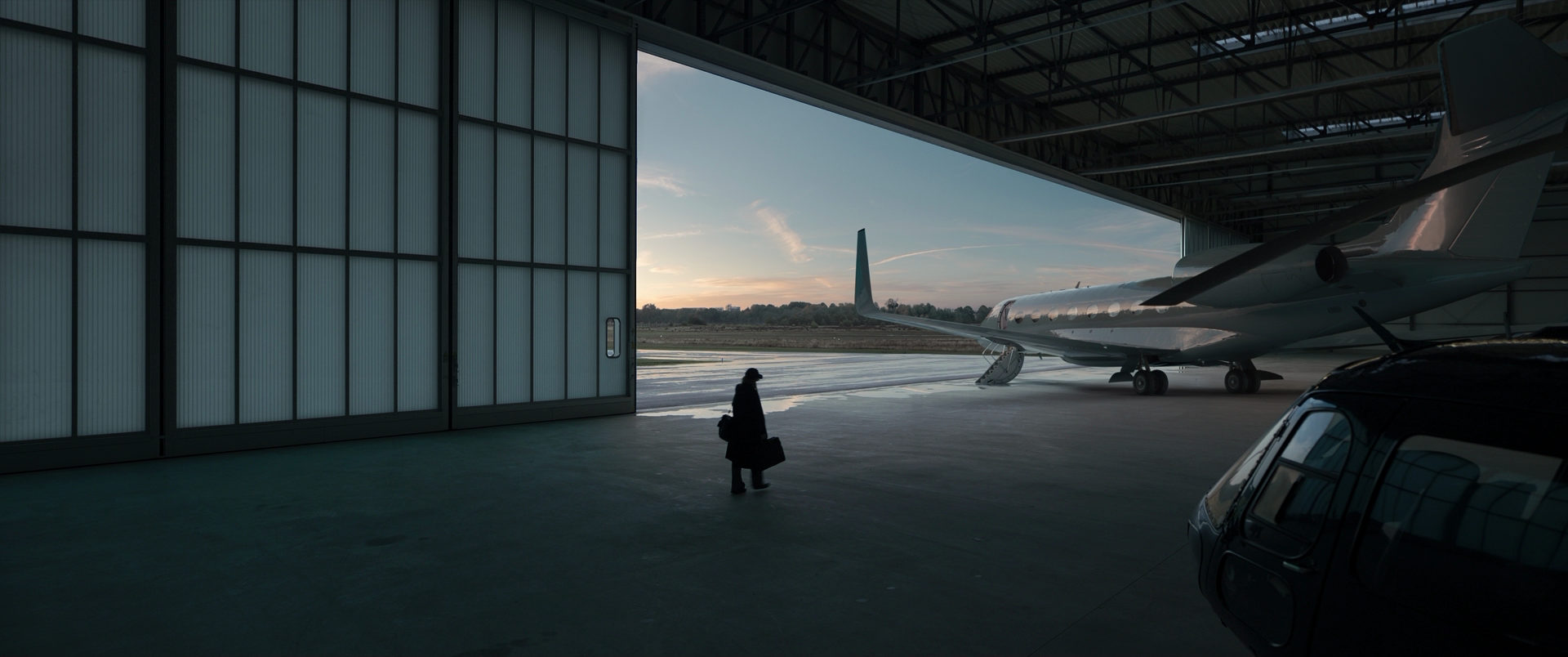
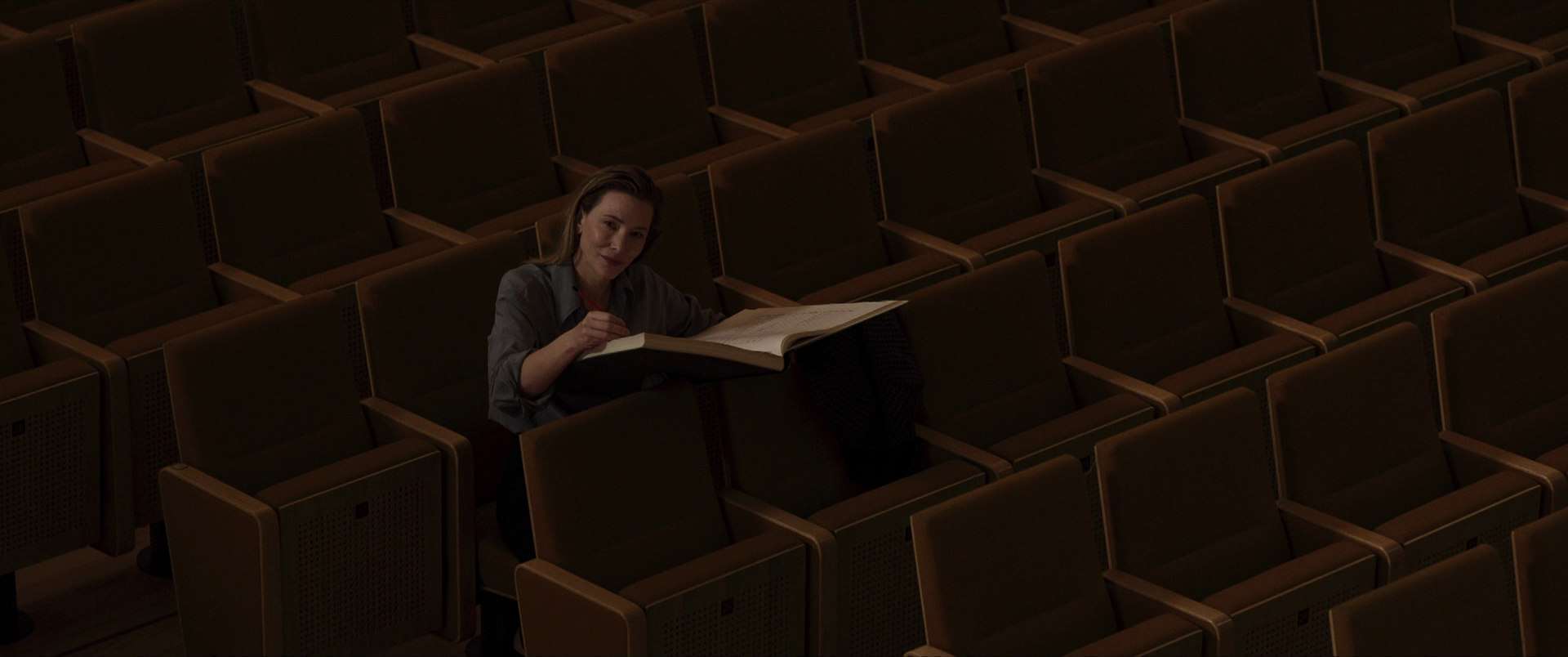
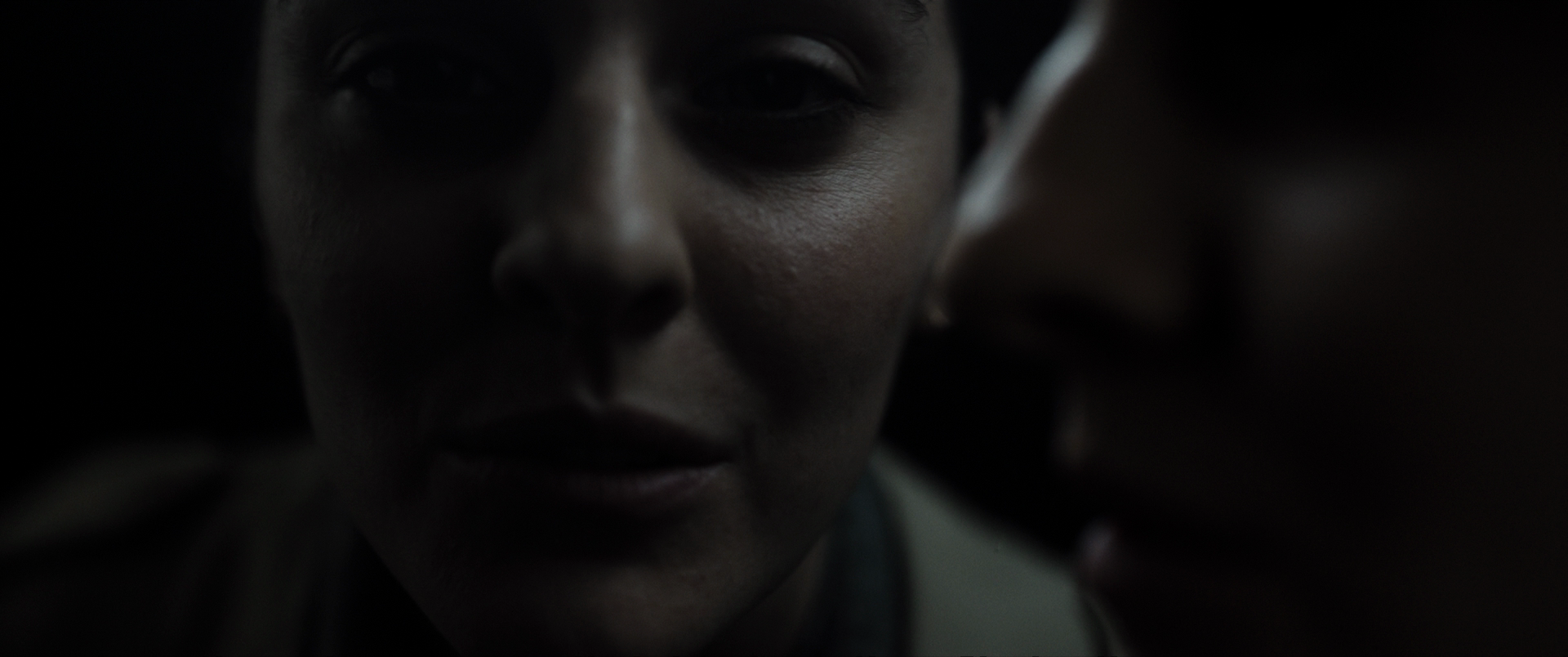
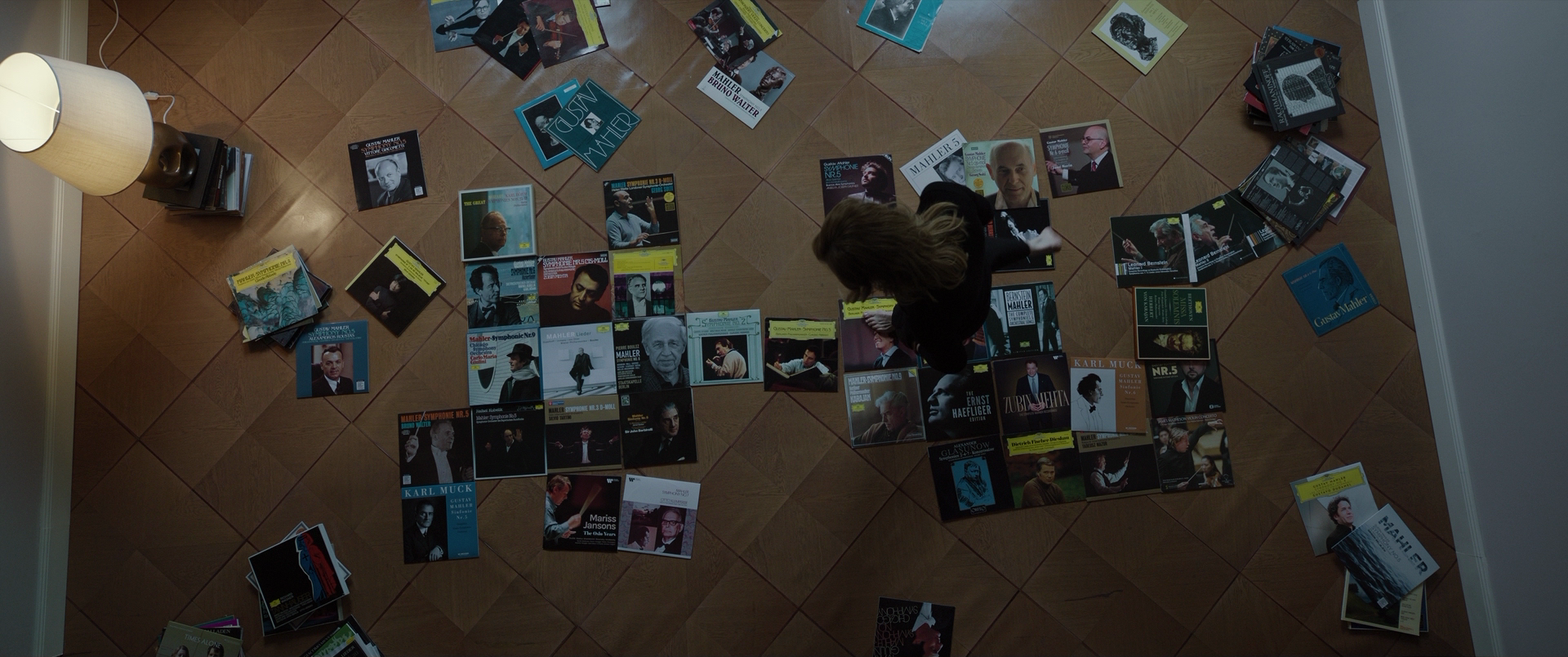
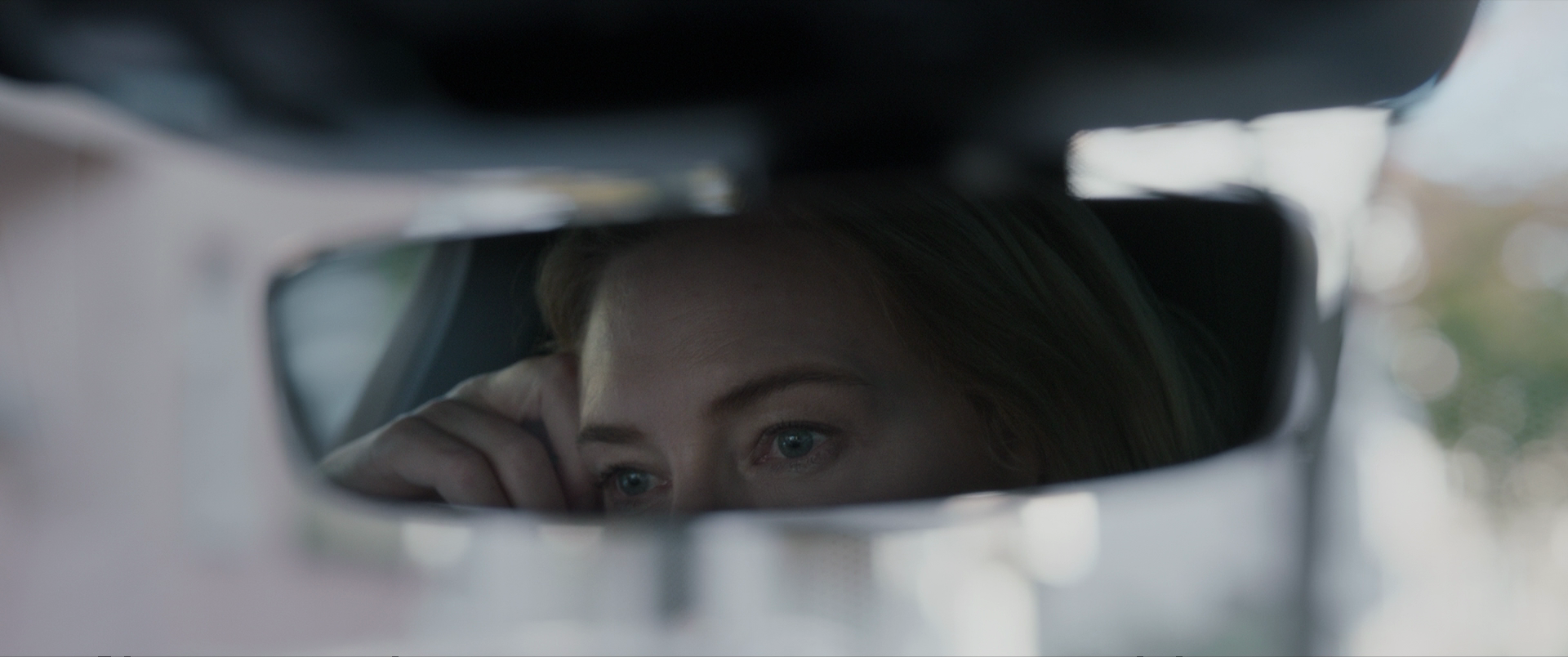
Lydia Tár, a world-renowned conductor and composer at the height of her career, prepares for a major recording project with the Berlin Philharmonic while navigating the pressures of artistic authority, public image, and personal relationships. As accusations and past manipulations begin to surface, the carefully controlled structure of her life slowly unravels. The film unfolds as a psychological portrait of power, ego, obsession, and the fragility of reputation within elite cultural institutions.
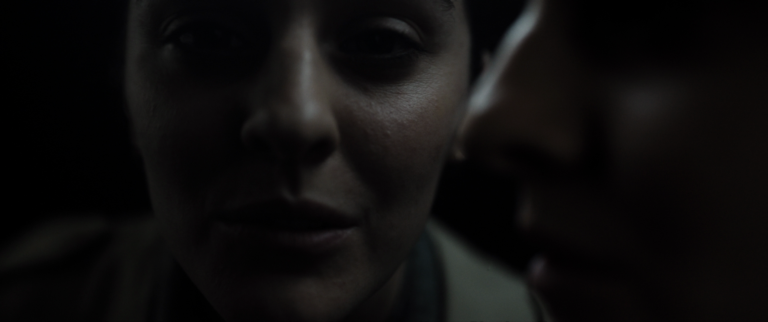
Field and cinematographer Florian Hoffmeister craft TÁR with an austere, highly controlled visual language built around long takes, restrained camera movement, and meticulously composed interiors. Cool gray-blue palettes, modernist architecture, rehearsal halls, and minimalist apartments create an atmosphere of intellectual rigor and emotional repression, while the film’s precise framing often isolates Lydia within large spaces—visually reinforcing both her authority and growing psychological disconnection. Sound design and off-screen space play a crucial role in generating unease, turning subtle noises, empty corridors, and fragmented perception into part of the film’s psychological texture.


FILM SPOTLIGHT
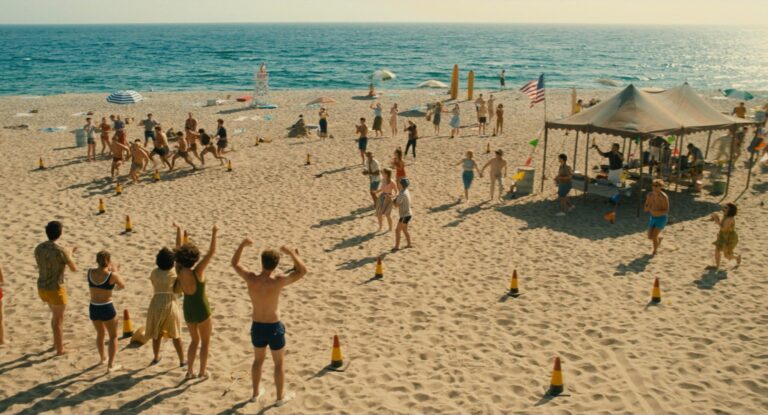
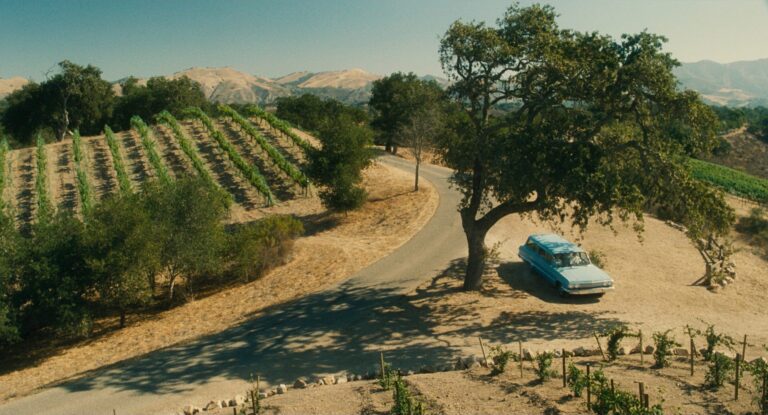
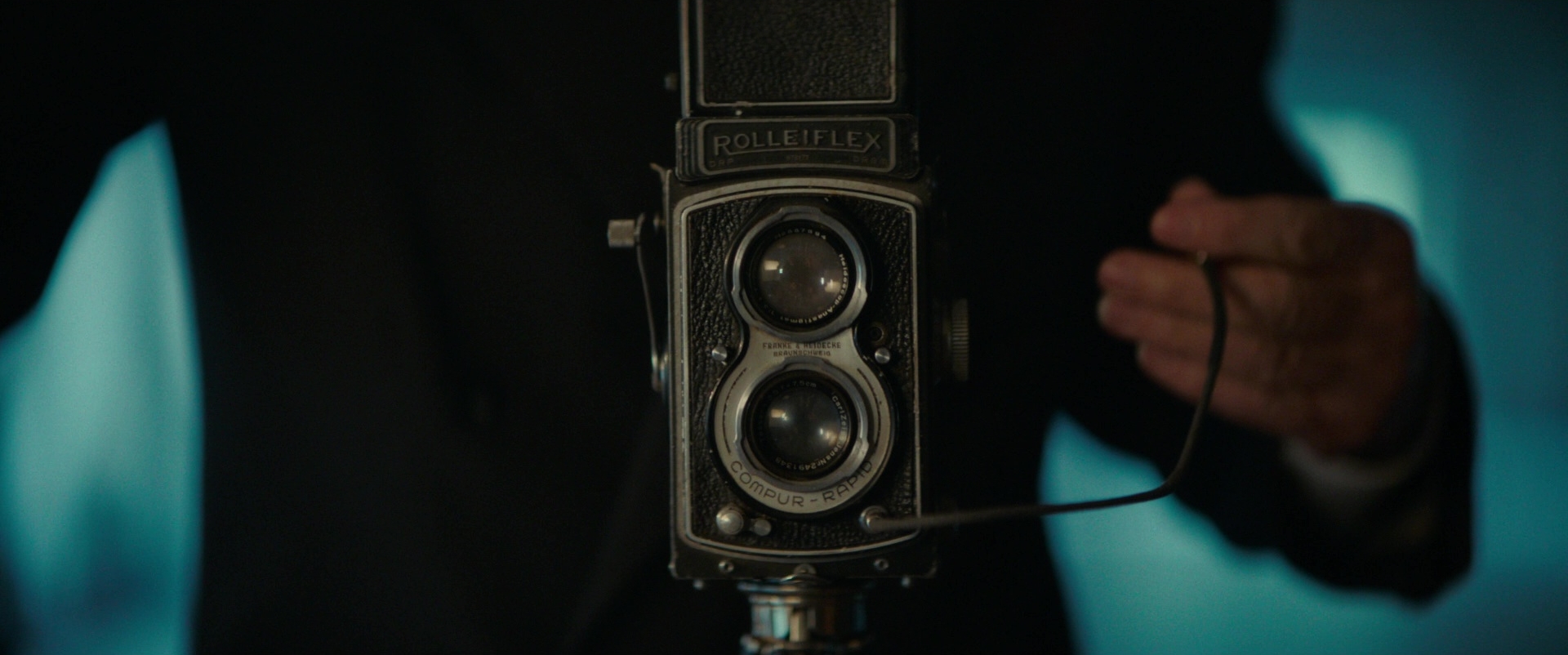
The Fabelmans (2022)
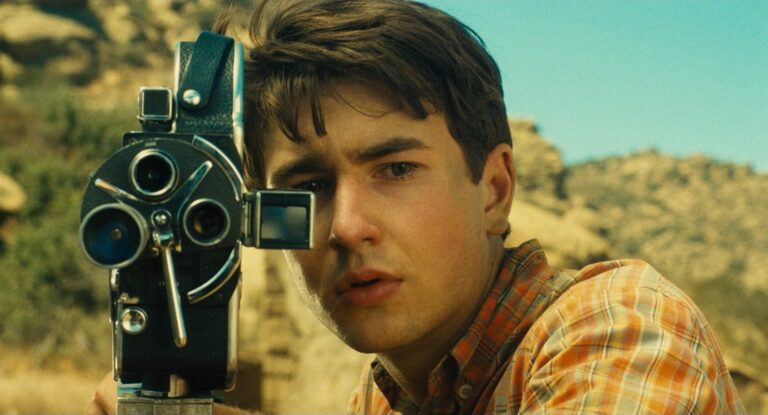
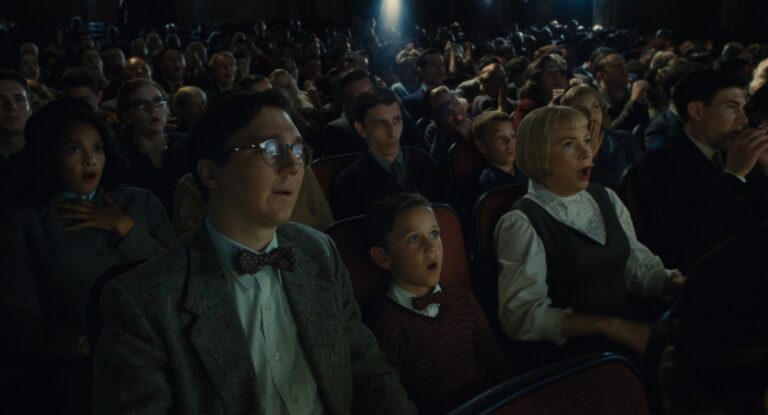
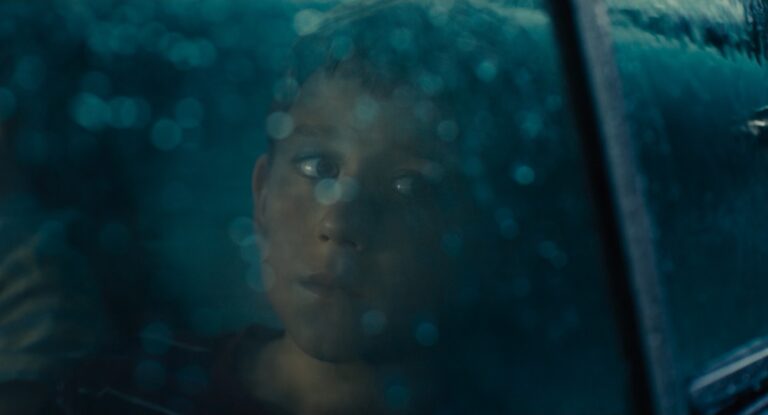
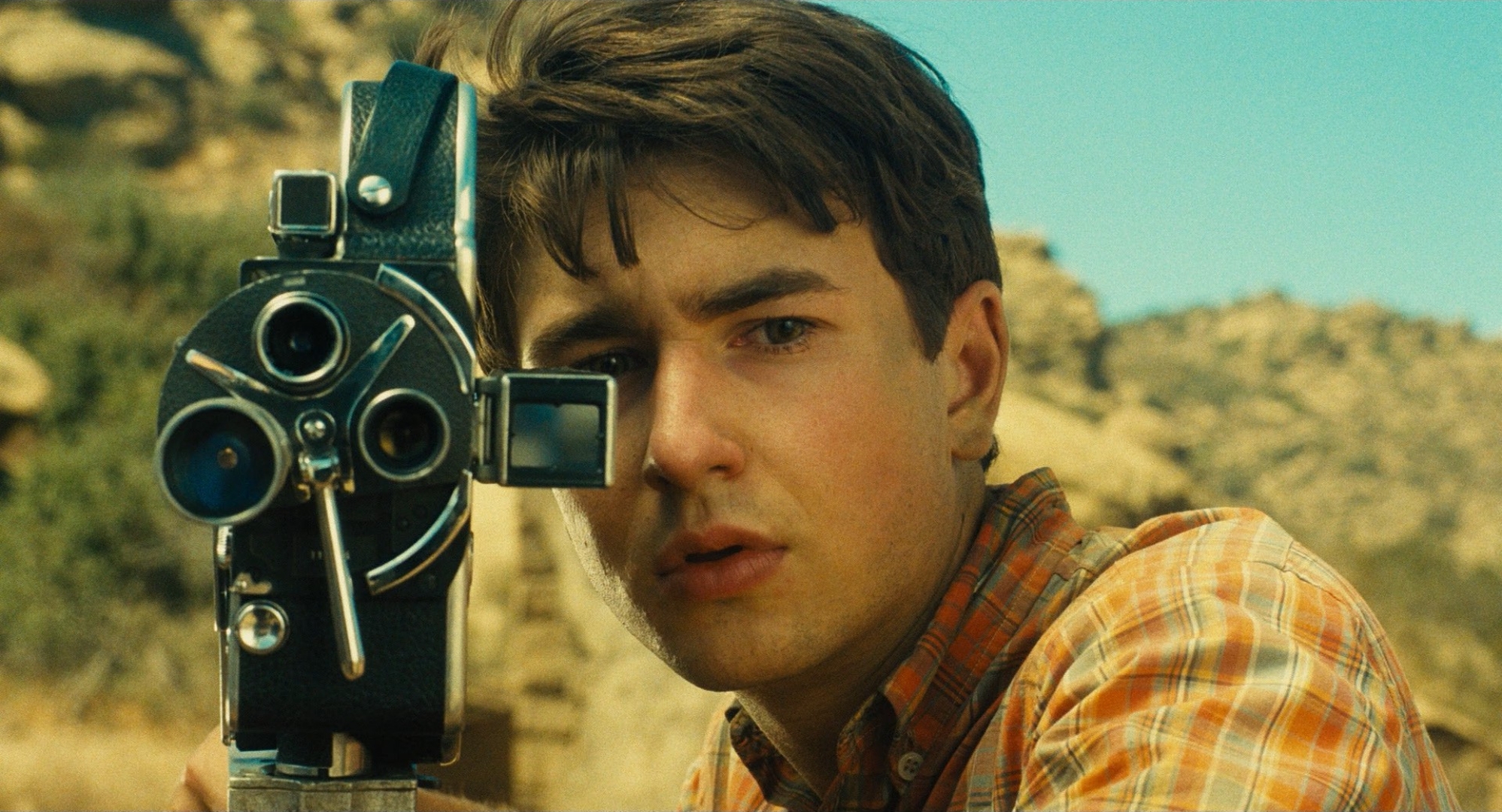
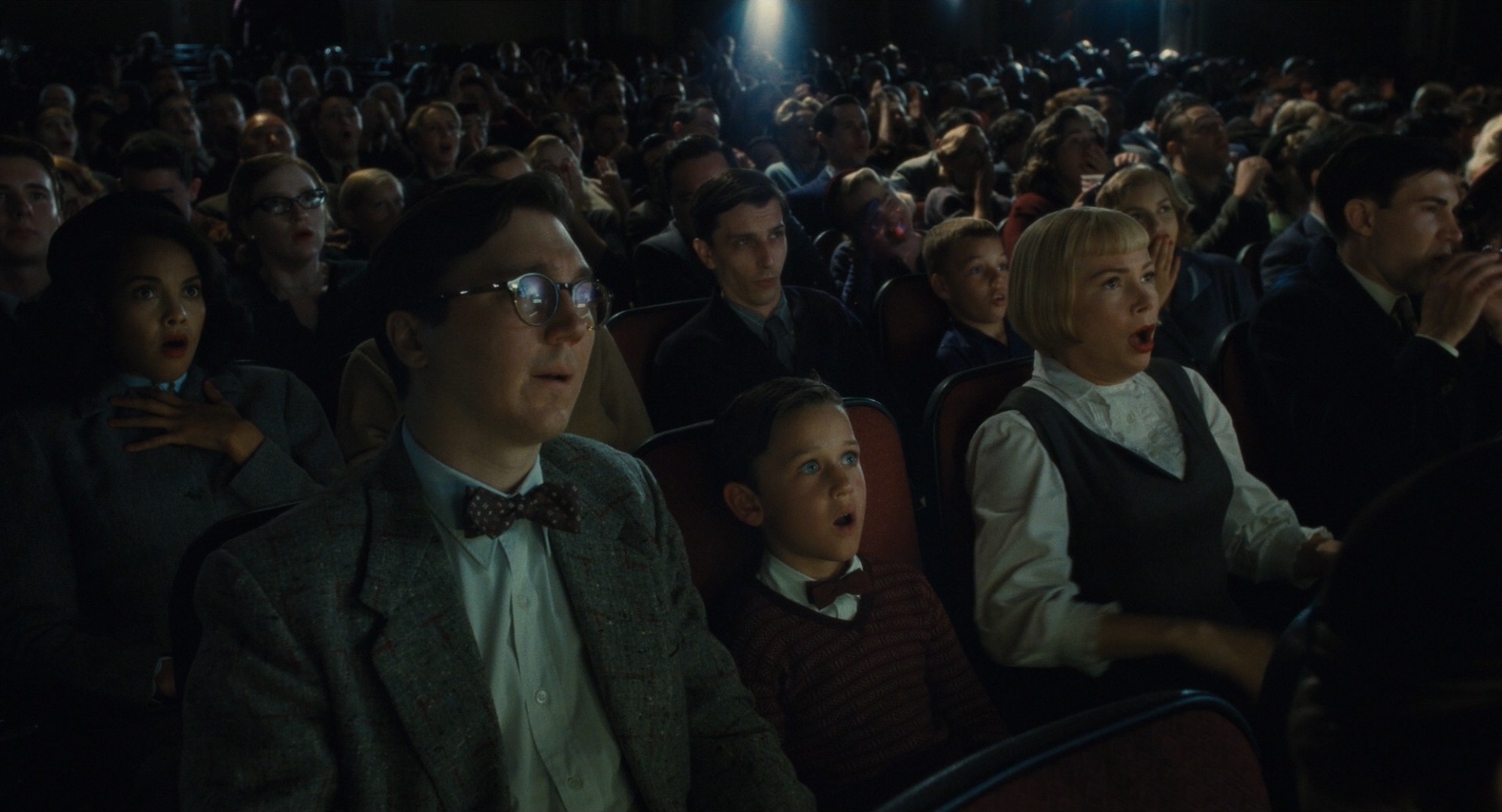
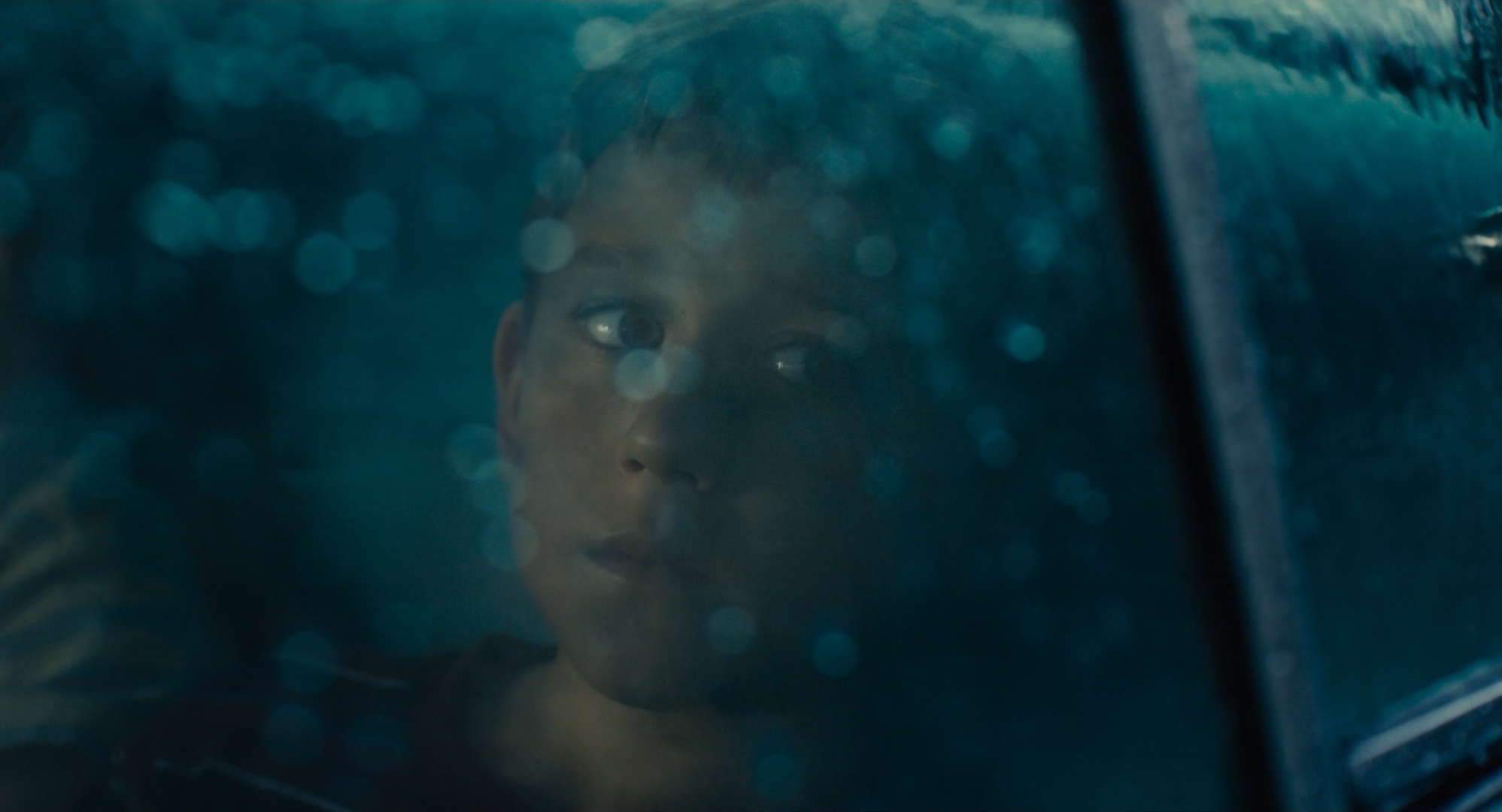
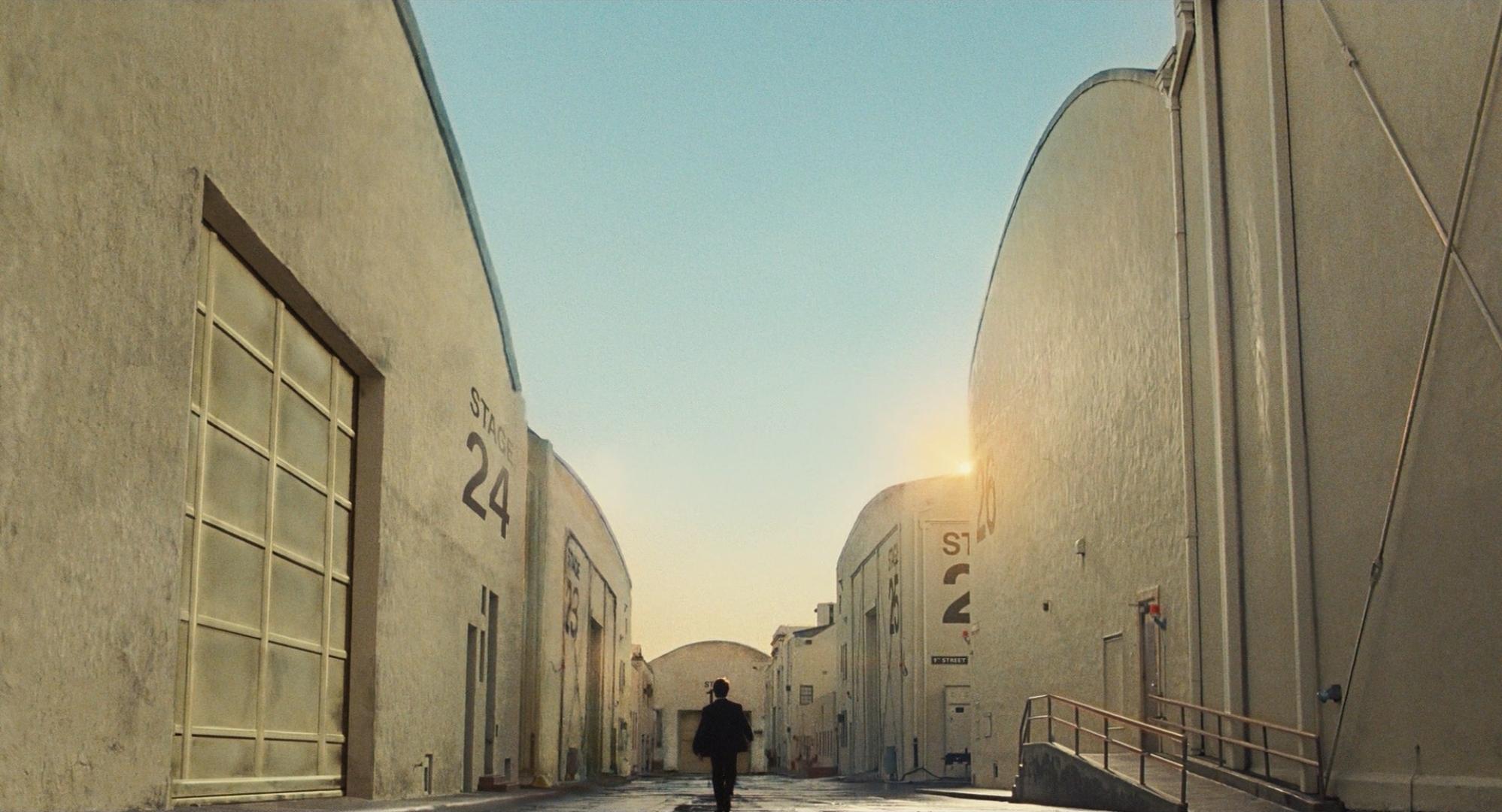
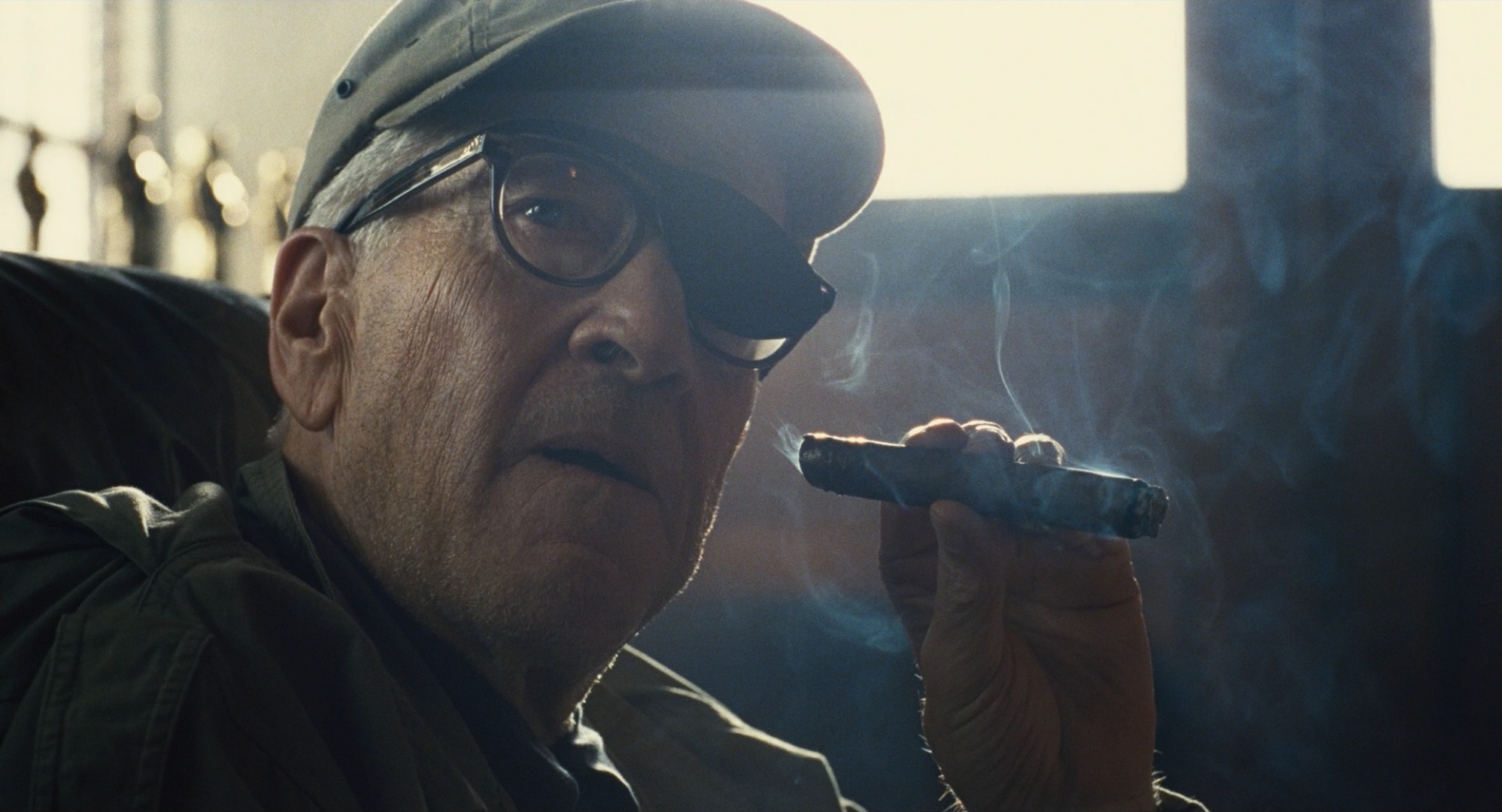
Loosely inspired by Steven Spielberg’s own childhood, the film follows Sammy Fabelman, a young boy who discovers a passion for filmmaking after seeing The Greatest Show on Earth. As Sammy grows up across postwar America, his fascination with cinema deepens while tensions within his family—particularly between his parents—gradually come into focus. Through making movies, he begins to understand both the emotional power of storytelling and the painful truths hidden within his own life.
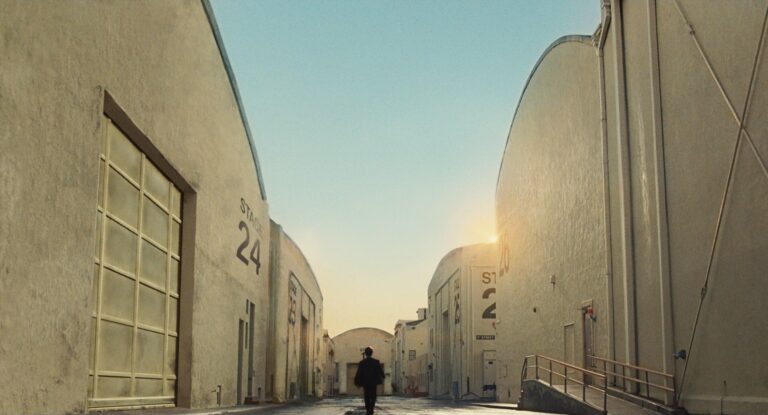
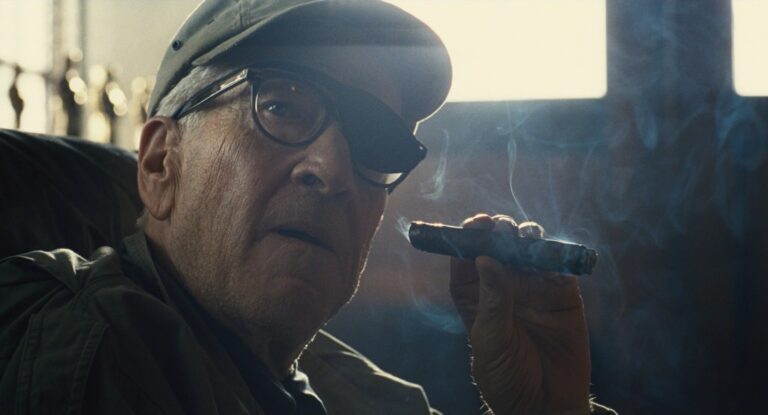
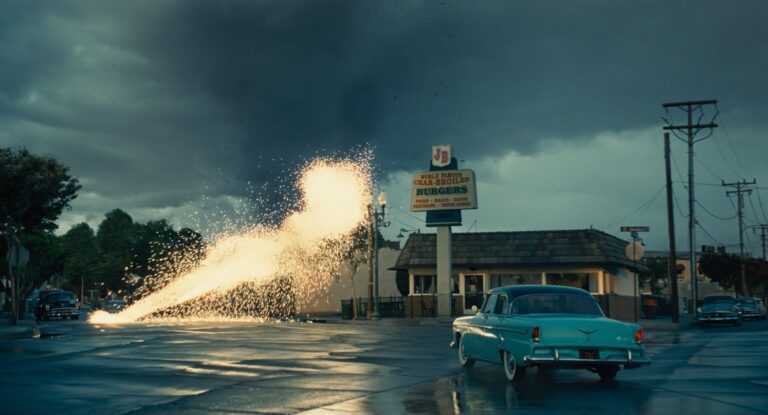
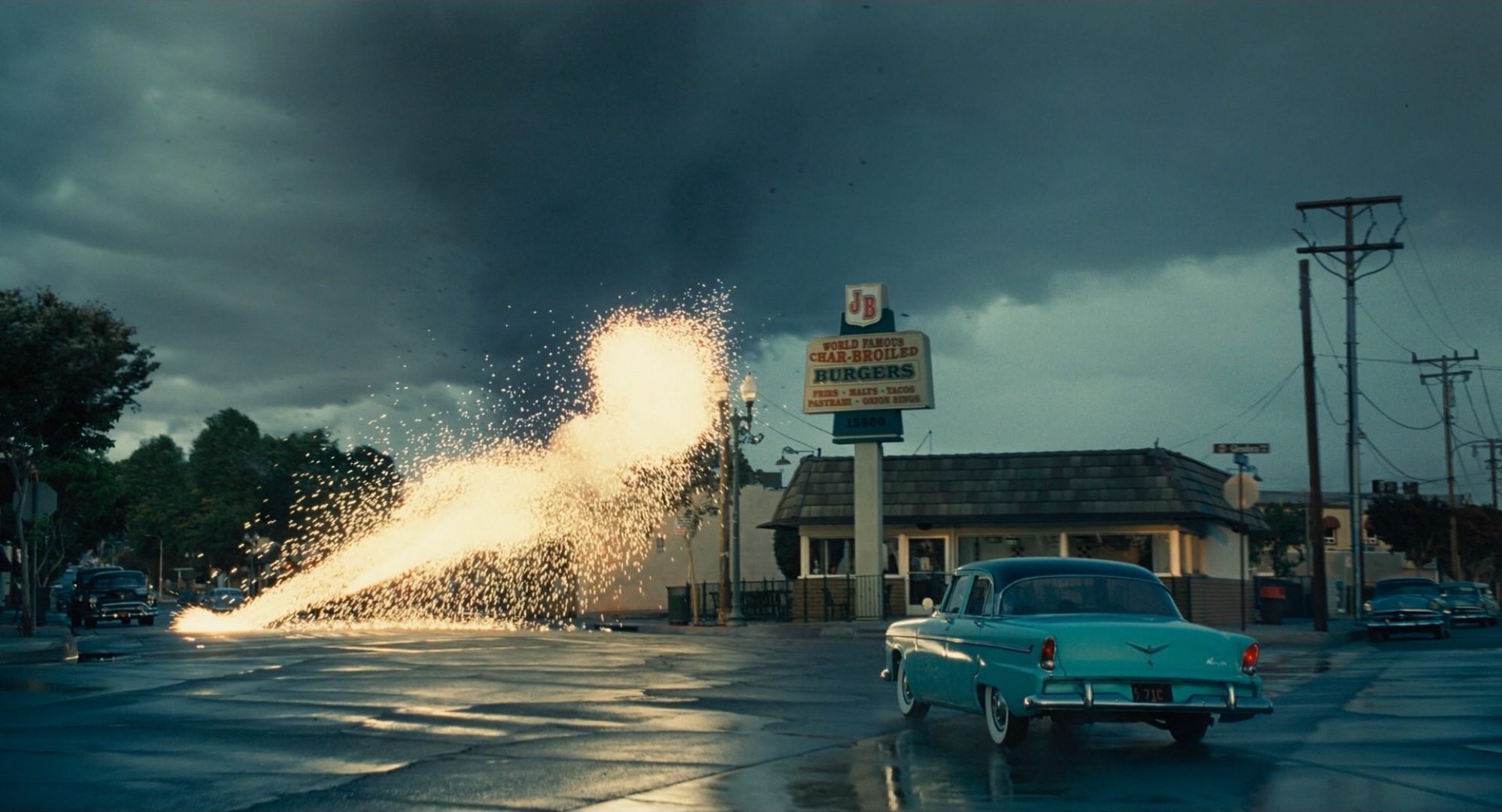
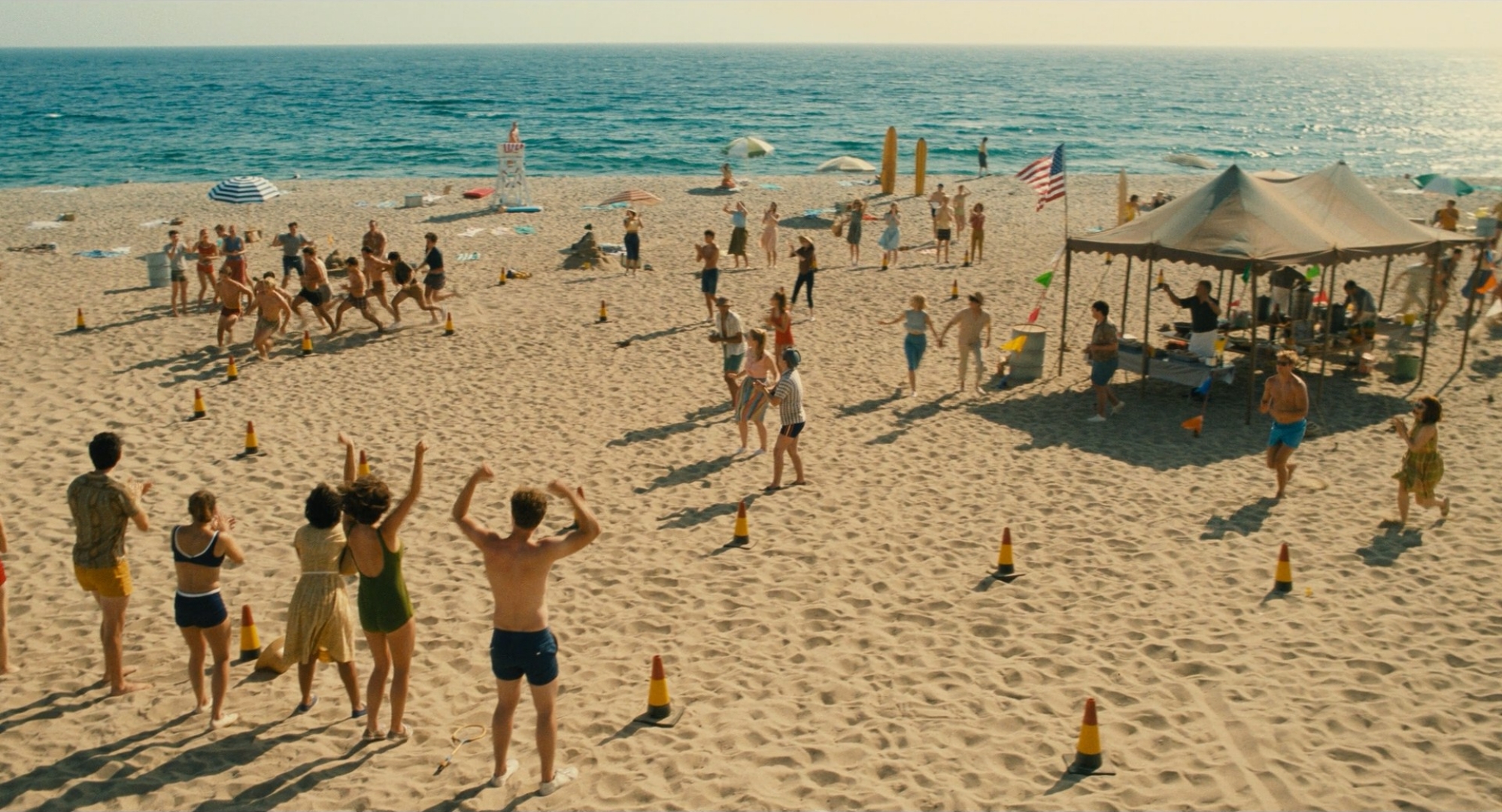
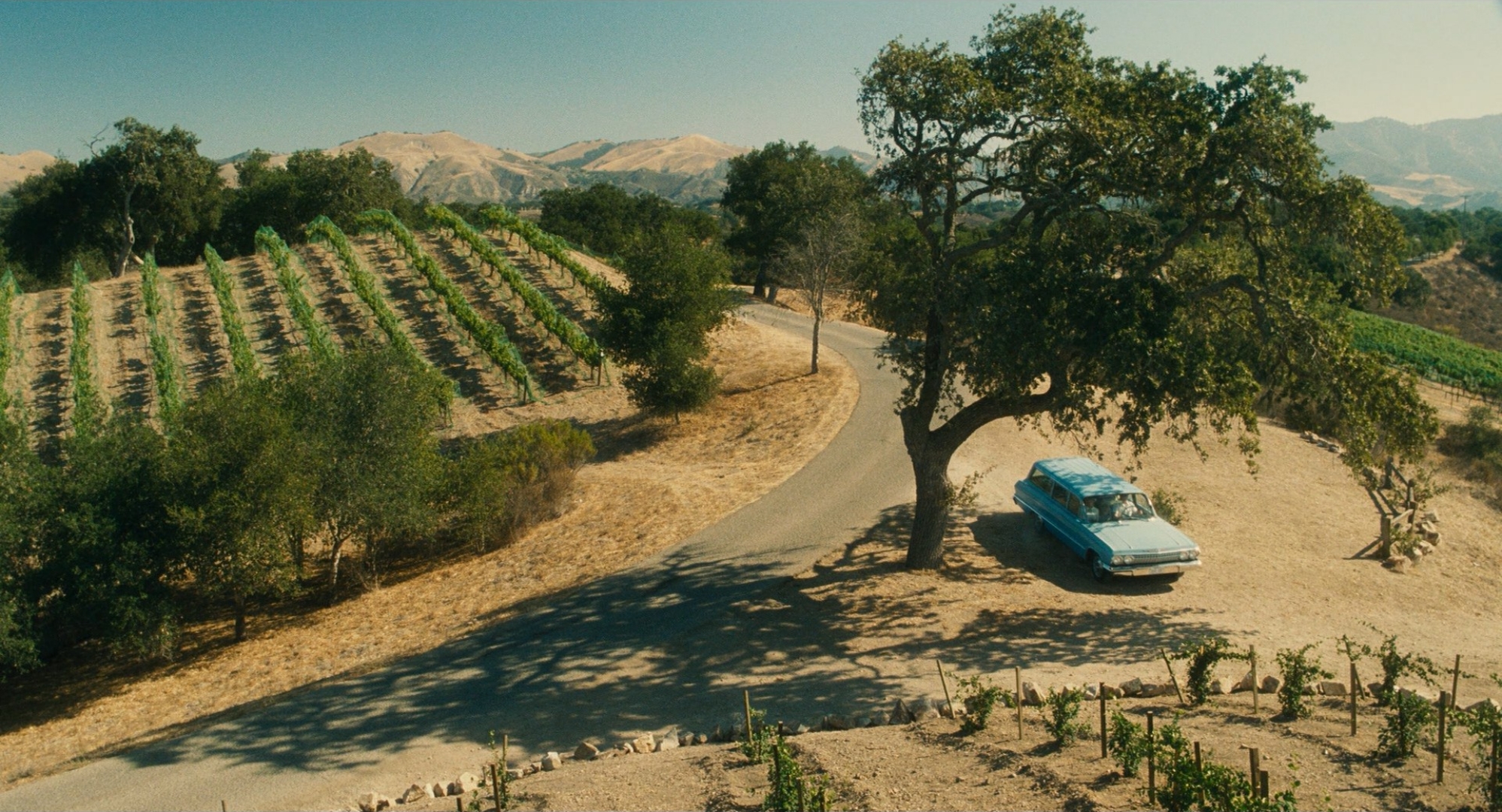
Spielberg and cinematographer Janusz Kamiński shoot The Fabelmans with a warm, luminous naturalism that blends nostalgic Americana with emotionally expressive visual staging. Golden suburban light, carefully choreographed camera movement, and richly textured interiors evoke memory without turning sentimental, while scenes of amateur filmmaking become celebrations of cinema itself—showing cameras, editing tricks, projections, and staging as acts of discovery and control. The film frequently contrasts the wonder of image-making with the emotional reality captured inside those images, turning filmmaking into both an escape from and confrontation with personal truth.
FILM SPOTLIGHT
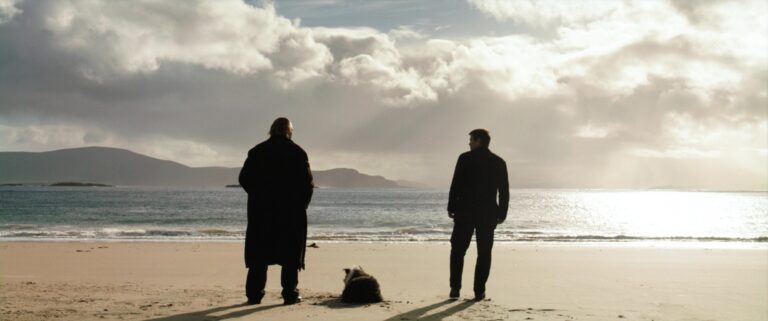
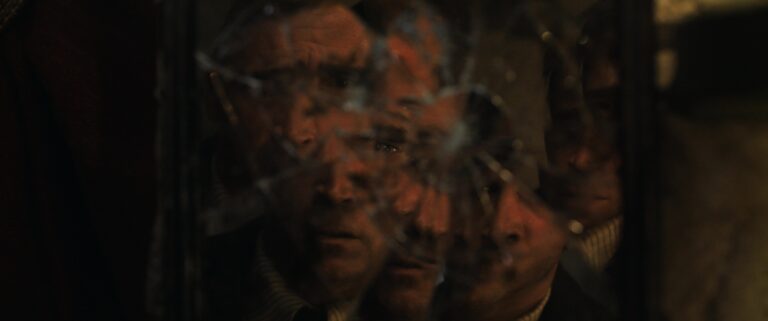
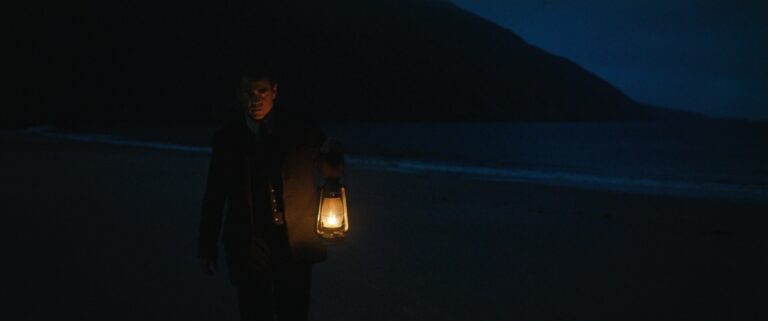
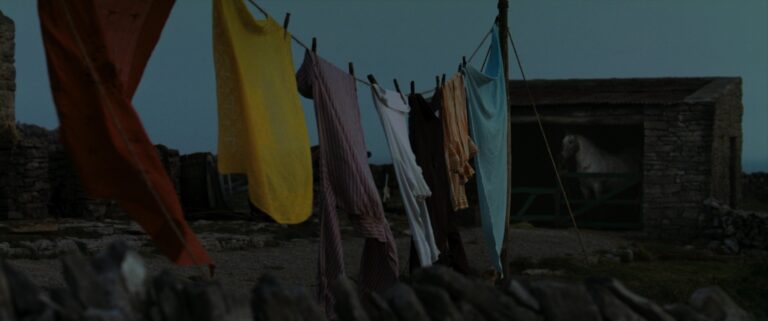
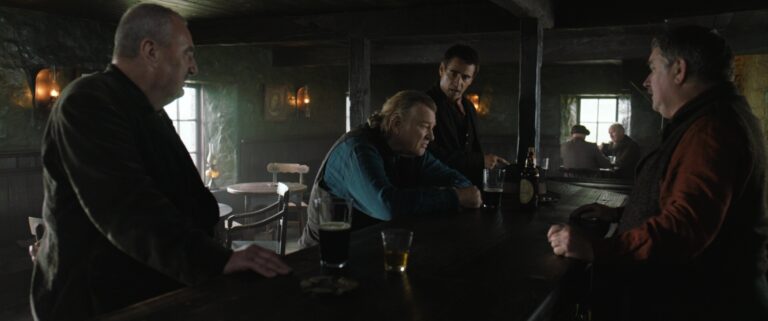
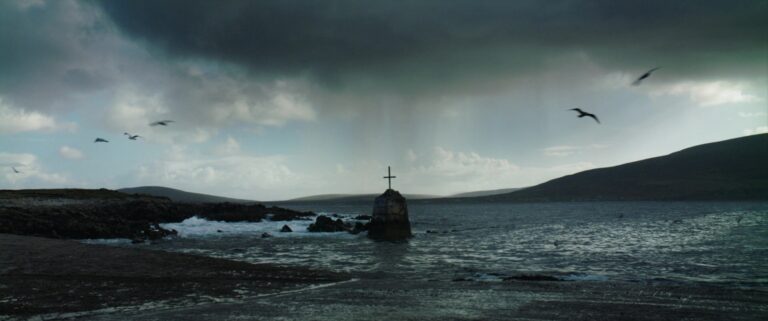
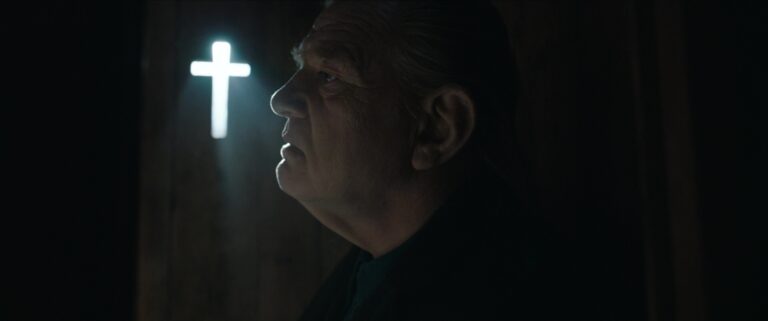
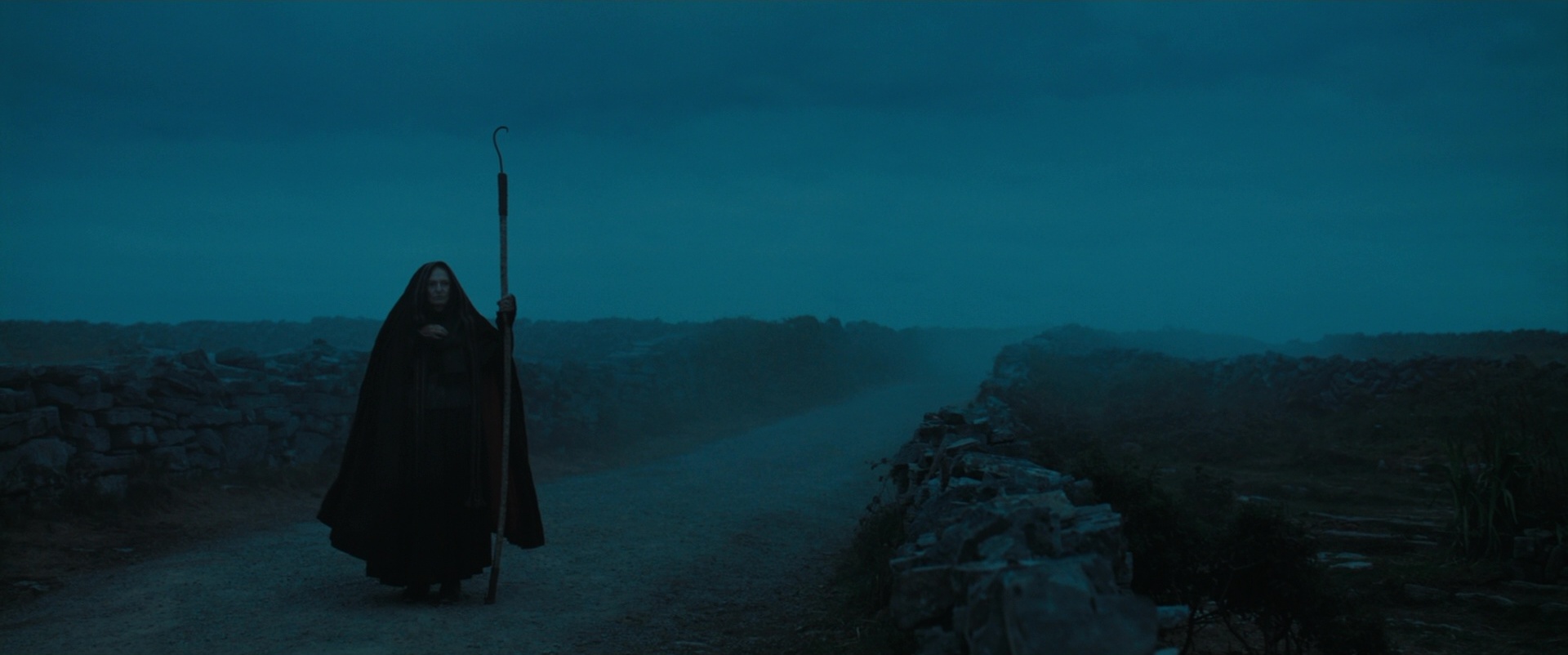
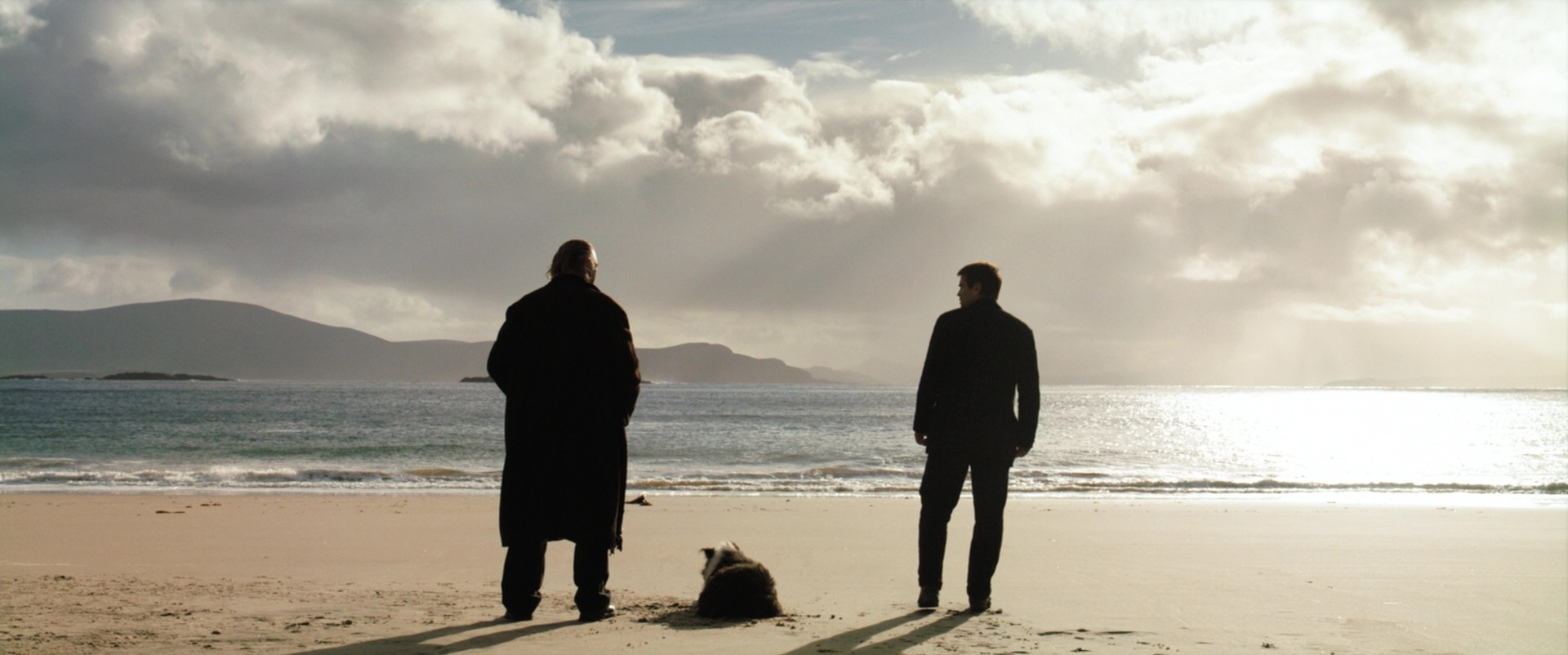
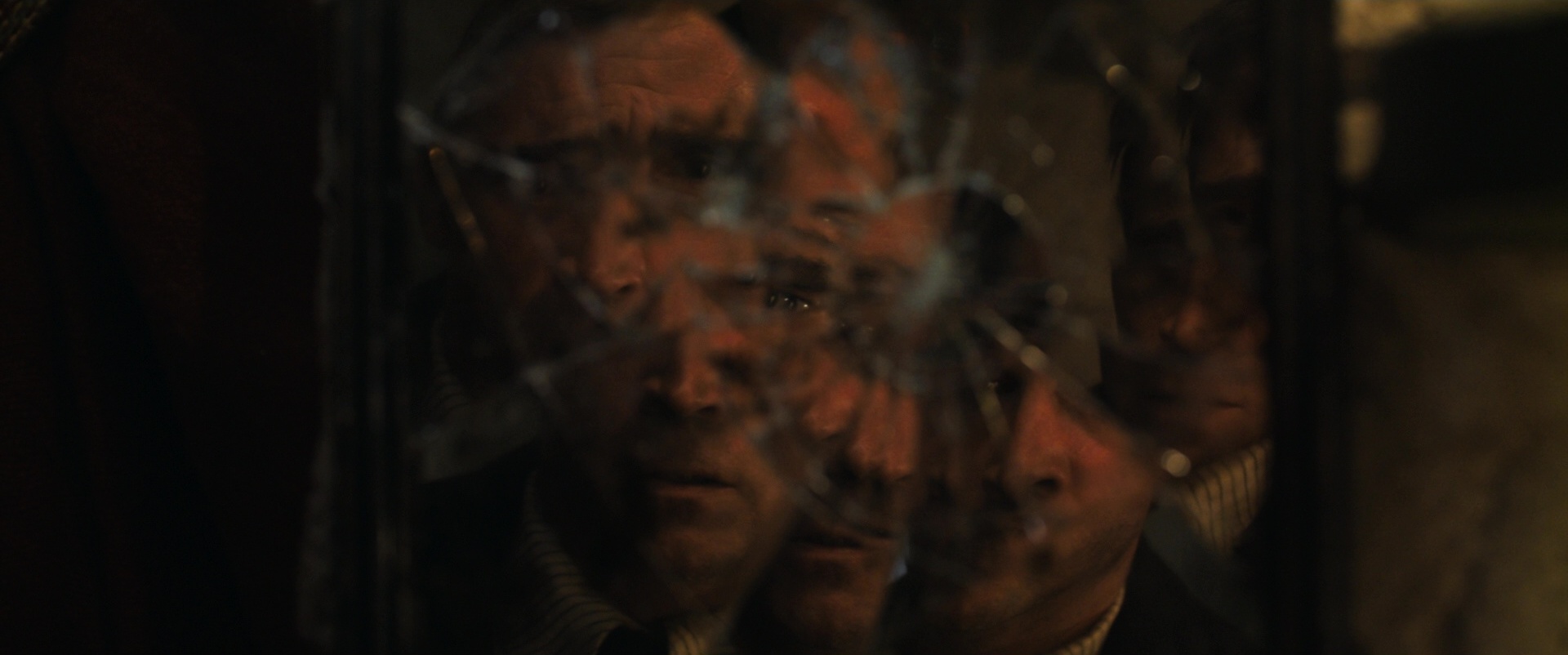
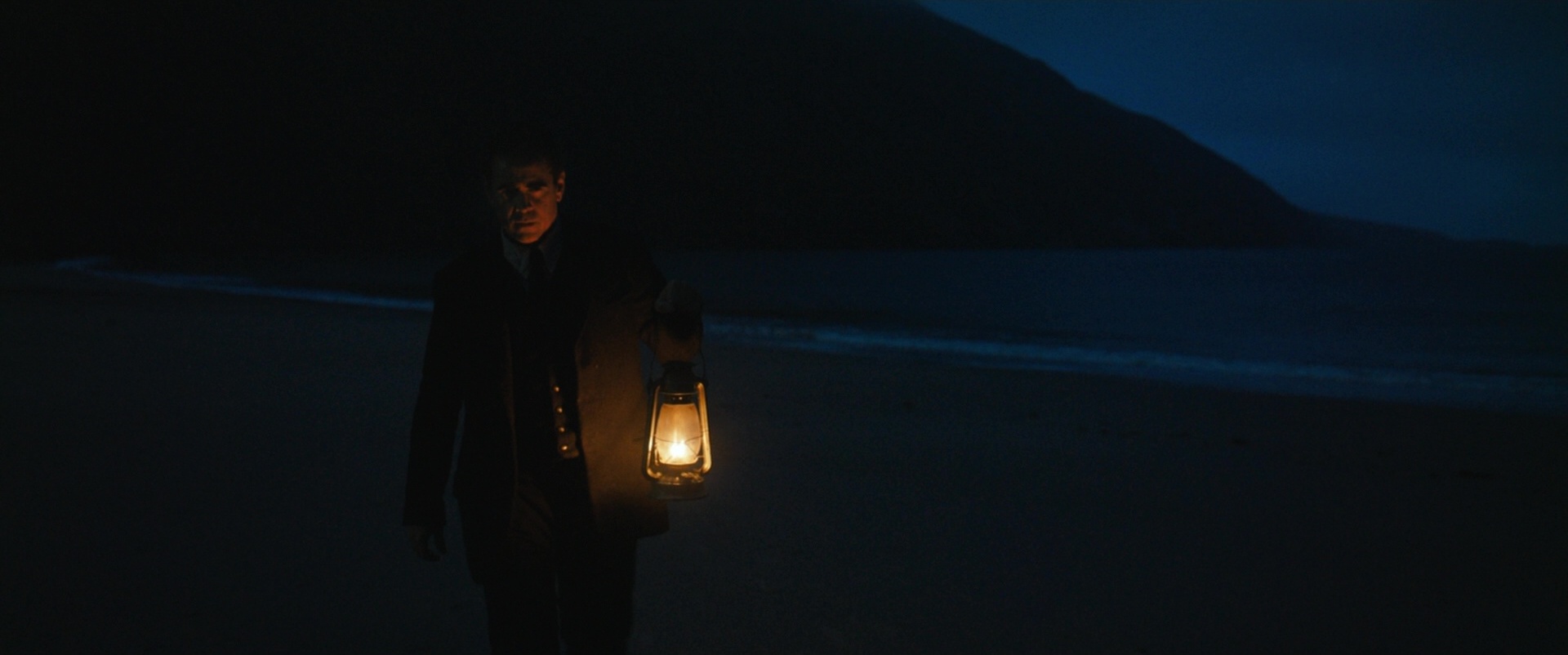
The Banshees of Inisherin (2022)
Set on a remote Irish island during the Irish Civil War of the 1920s, the film follows Pádraic, a gentle farmer whose lifelong friendship with the older musician Colm abruptly ends when Colm decides he no longer wants to speak to him. Confused and devastated, Pádraic repeatedly attempts to repair the relationship, causing tensions on the island to escalate in increasingly painful and absurd ways. What begins as a seemingly simple falling-out gradually transforms into a dark tragicomedy about loneliness, pride, mortality, and the fear of being forgotten.
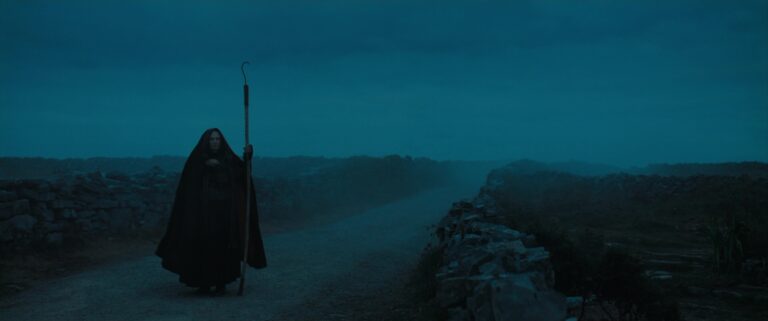
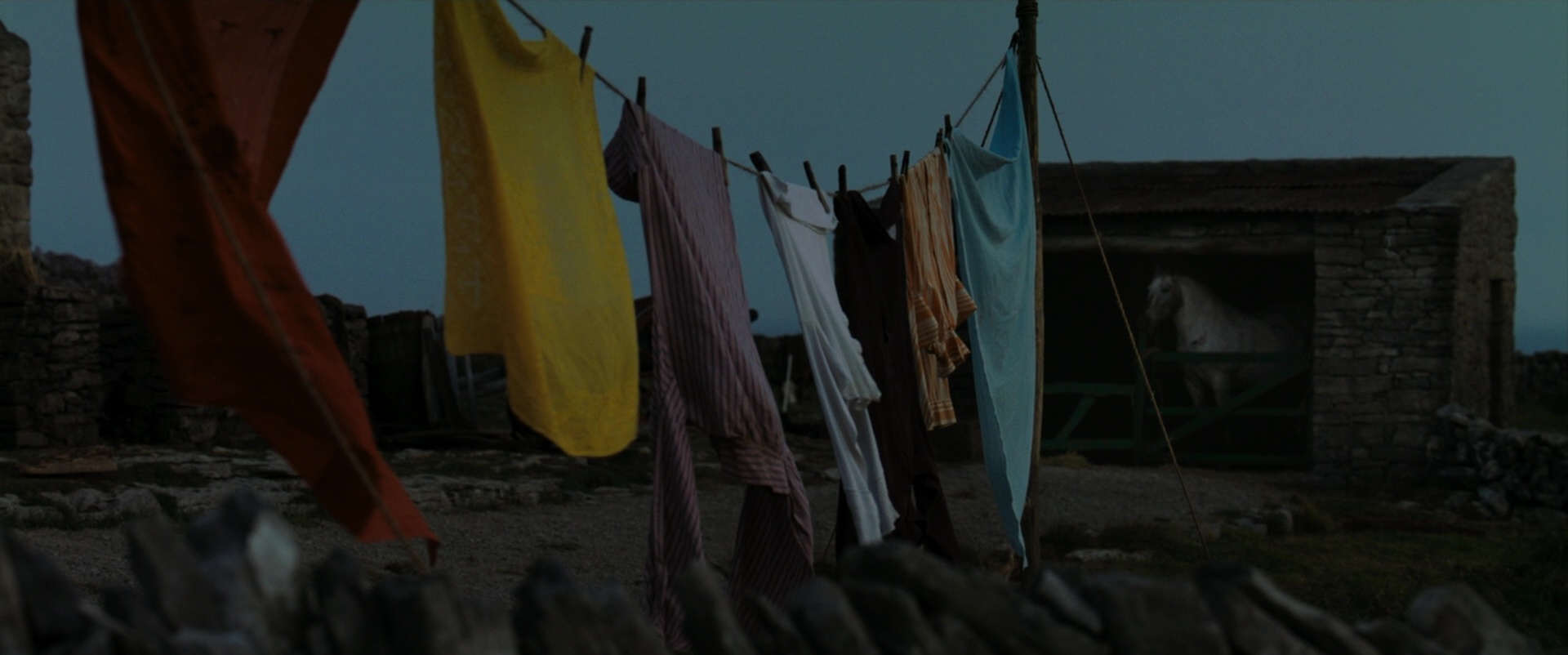
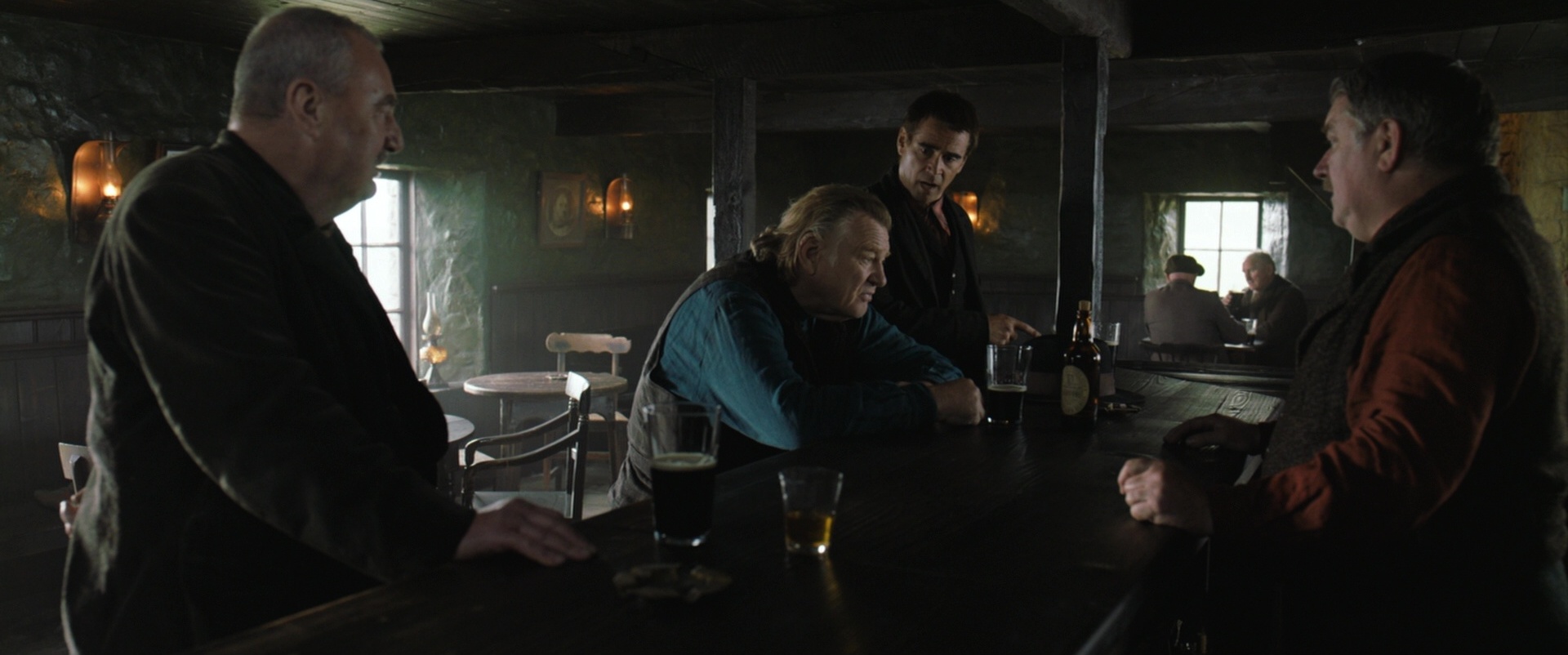
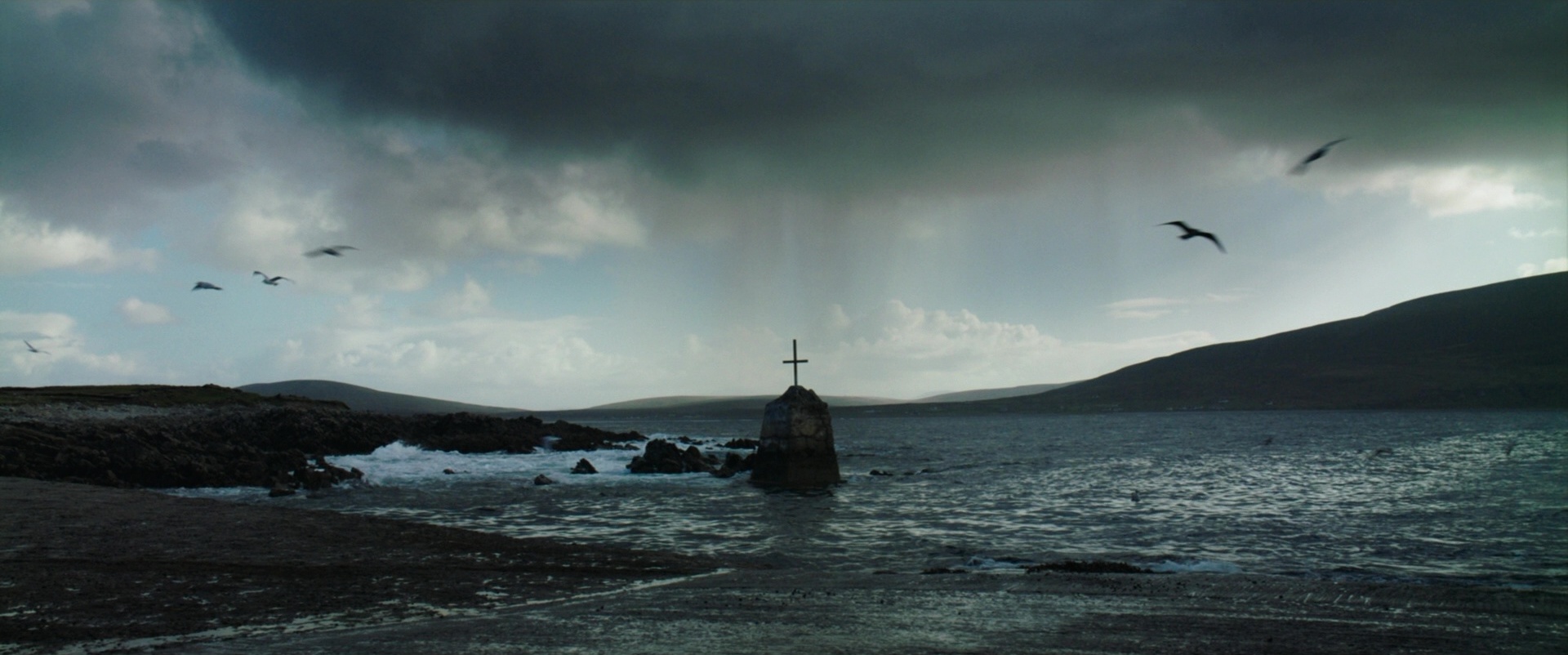
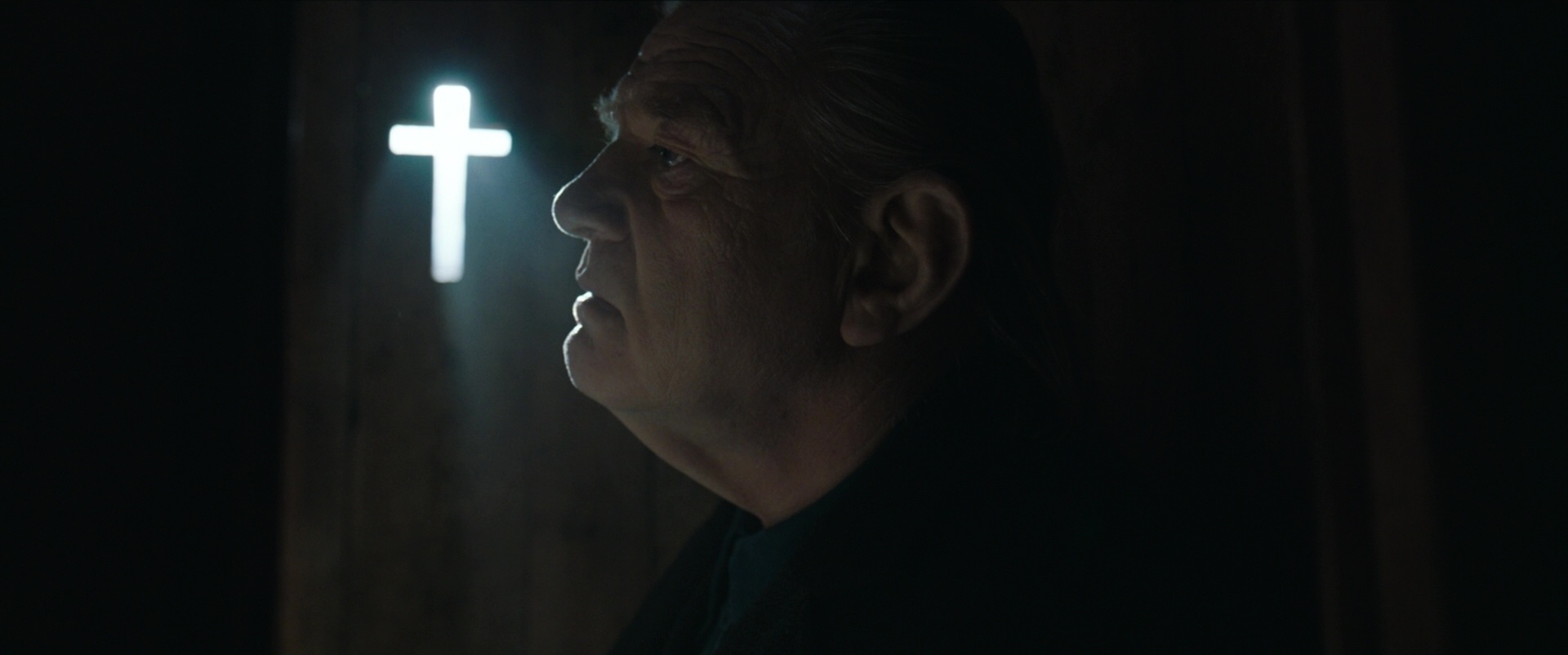
McDonagh and cinematographer Ben Davis shoot The Banshees of Inisherin with sweeping natural landscapes and painterly compositions that contrast the island’s beauty with the emotional cruelty unfolding within it. Soft overcast light, rocky coastlines, and isolated cottages create an atmosphere of melancholy stillness, while the restrained camera movement and careful framing emphasize silence, awkward distance, and emotional isolation between characters. The film frequently stages people against vast empty terrain or inside dim, earthy interiors, visually reinforcing the themes of separation, stubbornness, and existential emptiness beneath the film’s dark humor.

FILM SPOTLIGHT
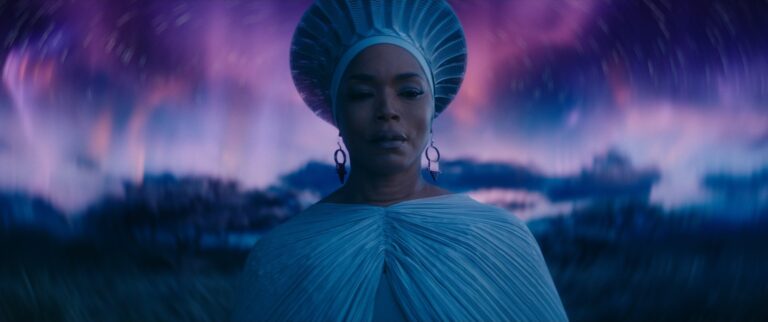
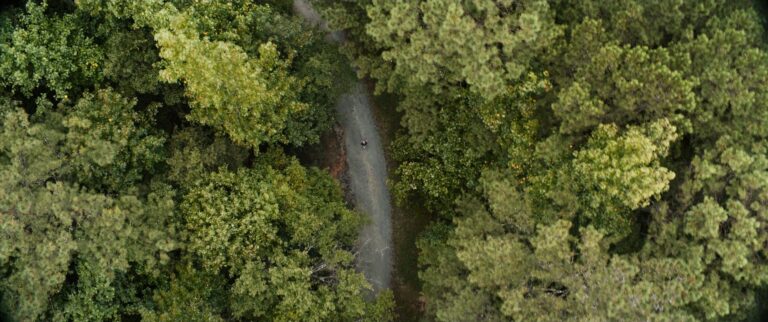
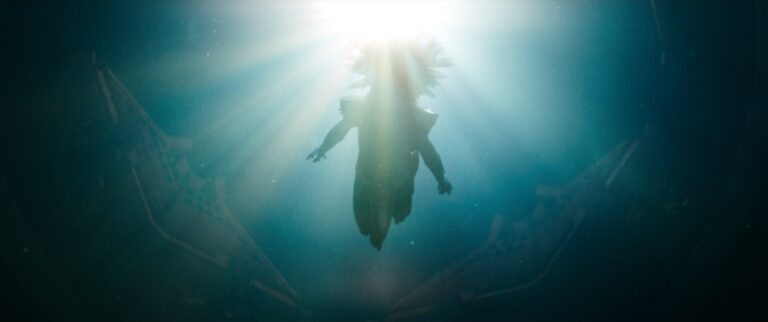
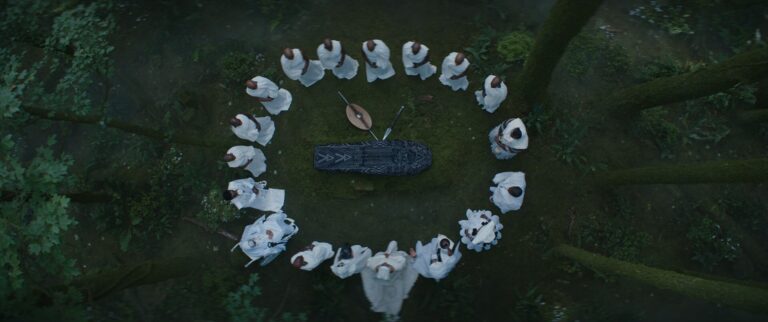
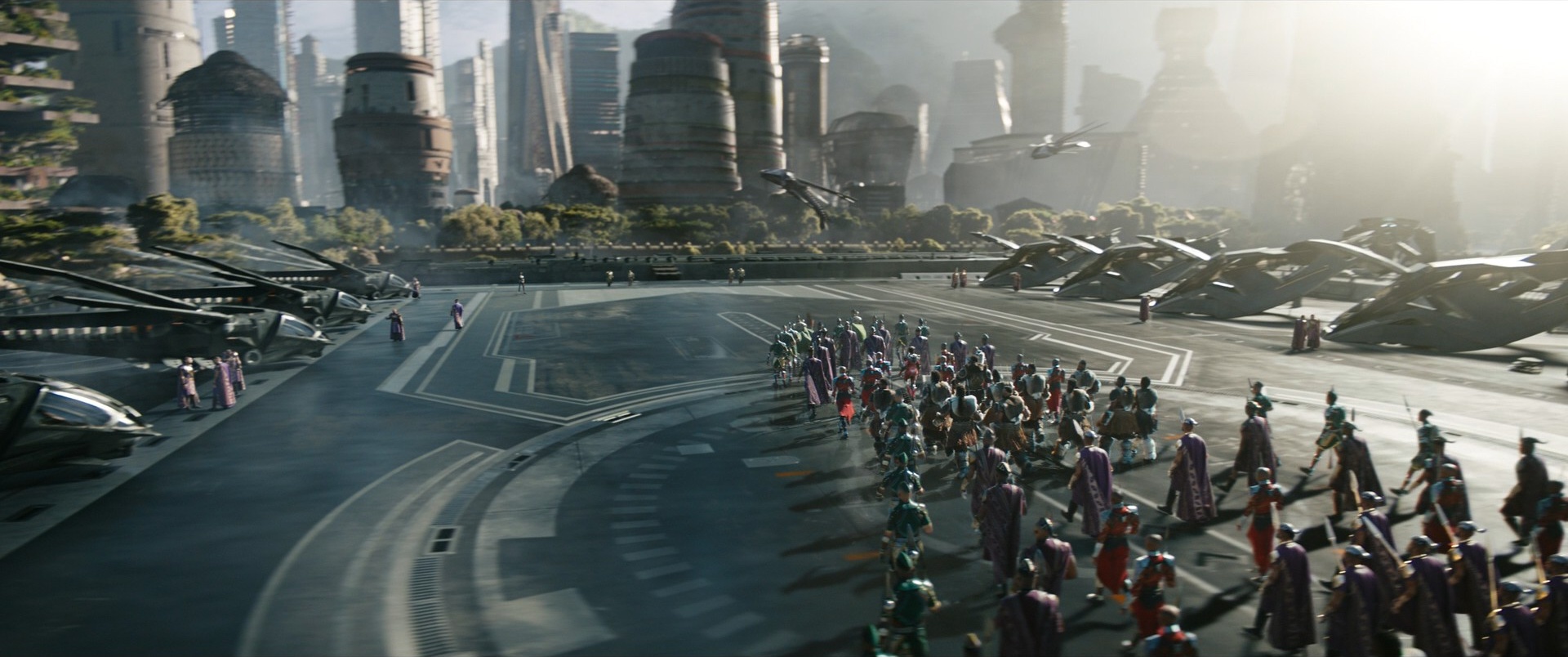
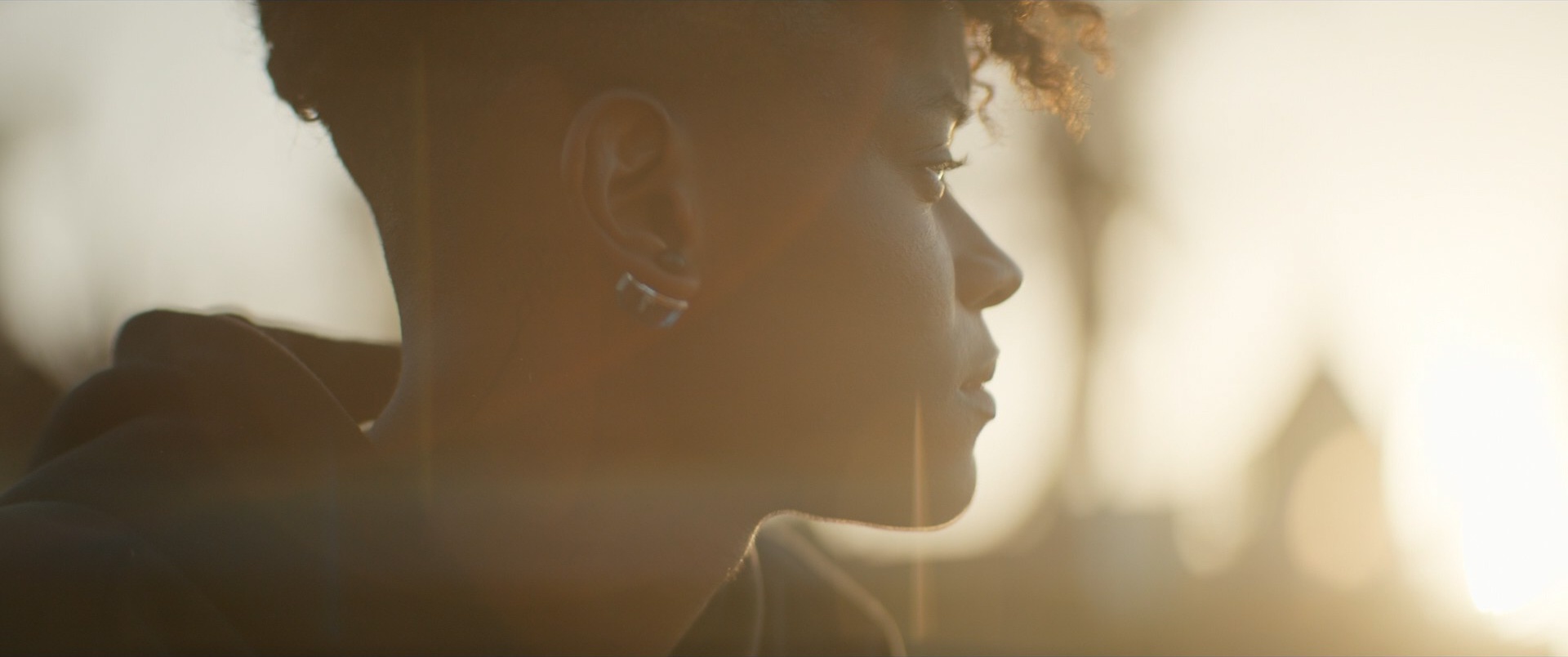
Black Panther: Wakanda Forever (2022)
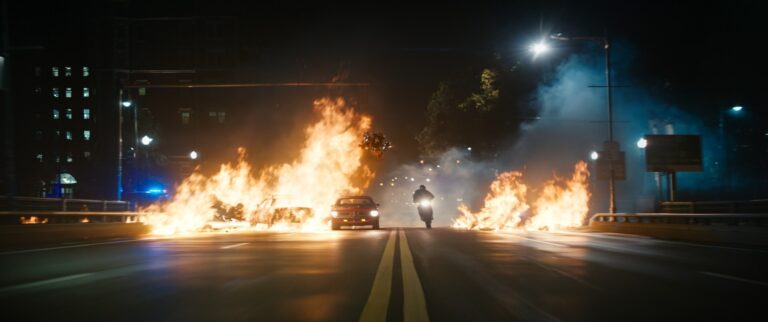
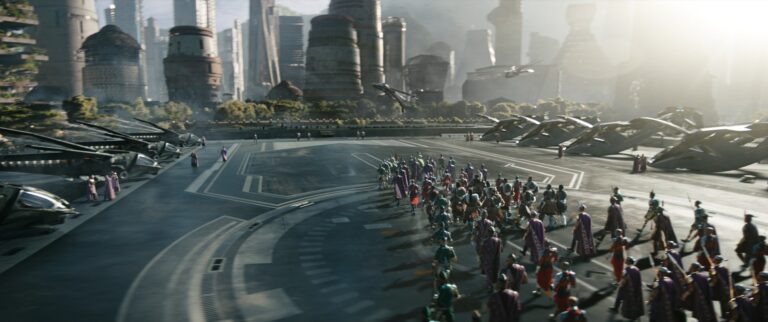
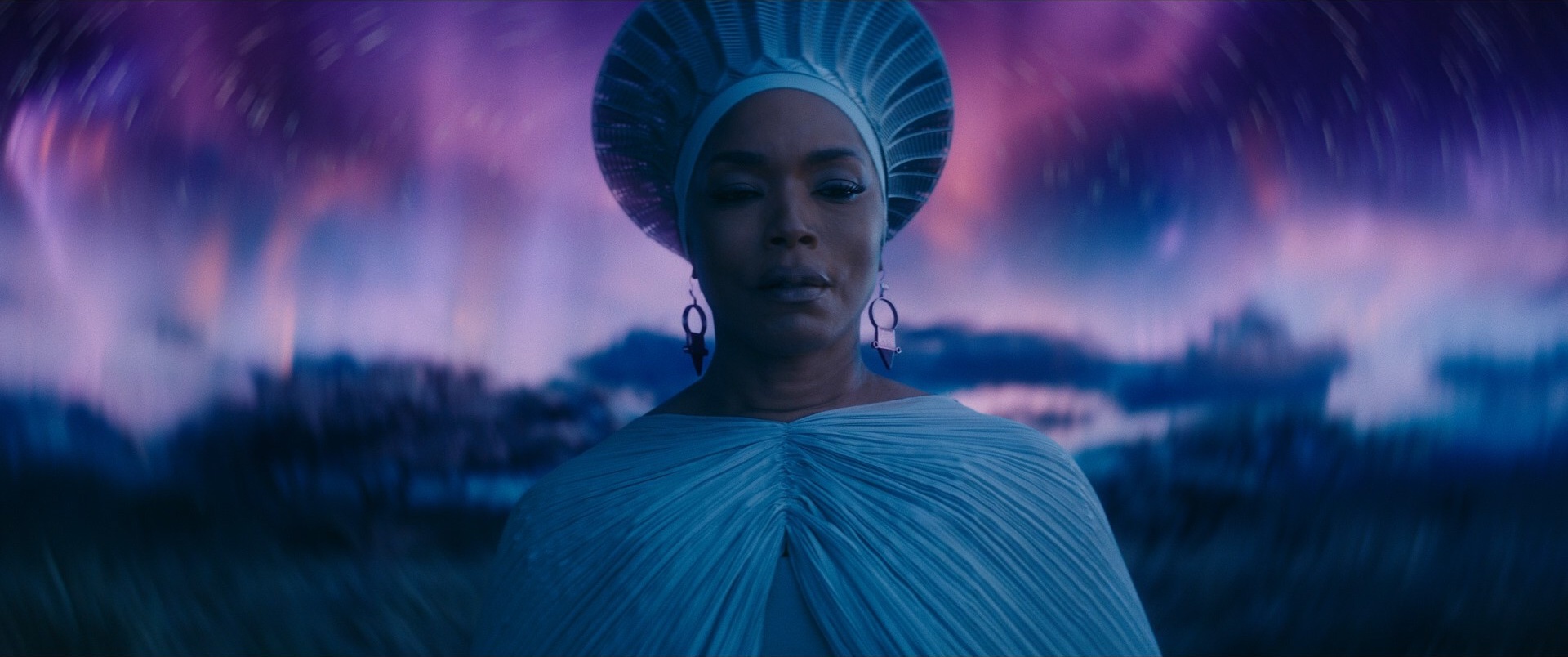
Following the death of King T’Challa, the nation of Wakanda struggles to protect itself from mounting global pressures while grieving the loss of its leader. As Queen Ramonda, Shuri, and their allies attempt to navigate political instability and personal mourning, a powerful new underwater civilization led by Namor emerges as a major threat. The conflict forces Wakanda to confront questions of legacy, protection, and the future of its identity in a changing world.
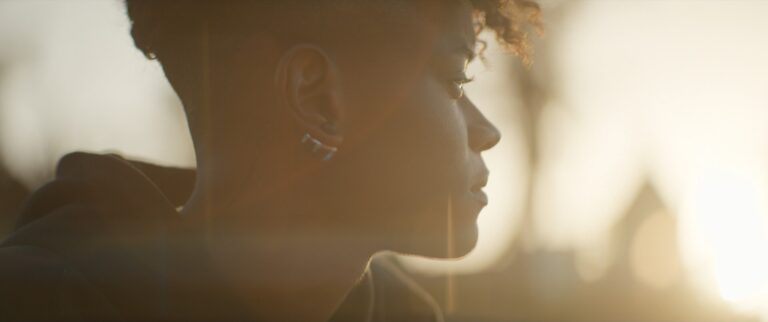
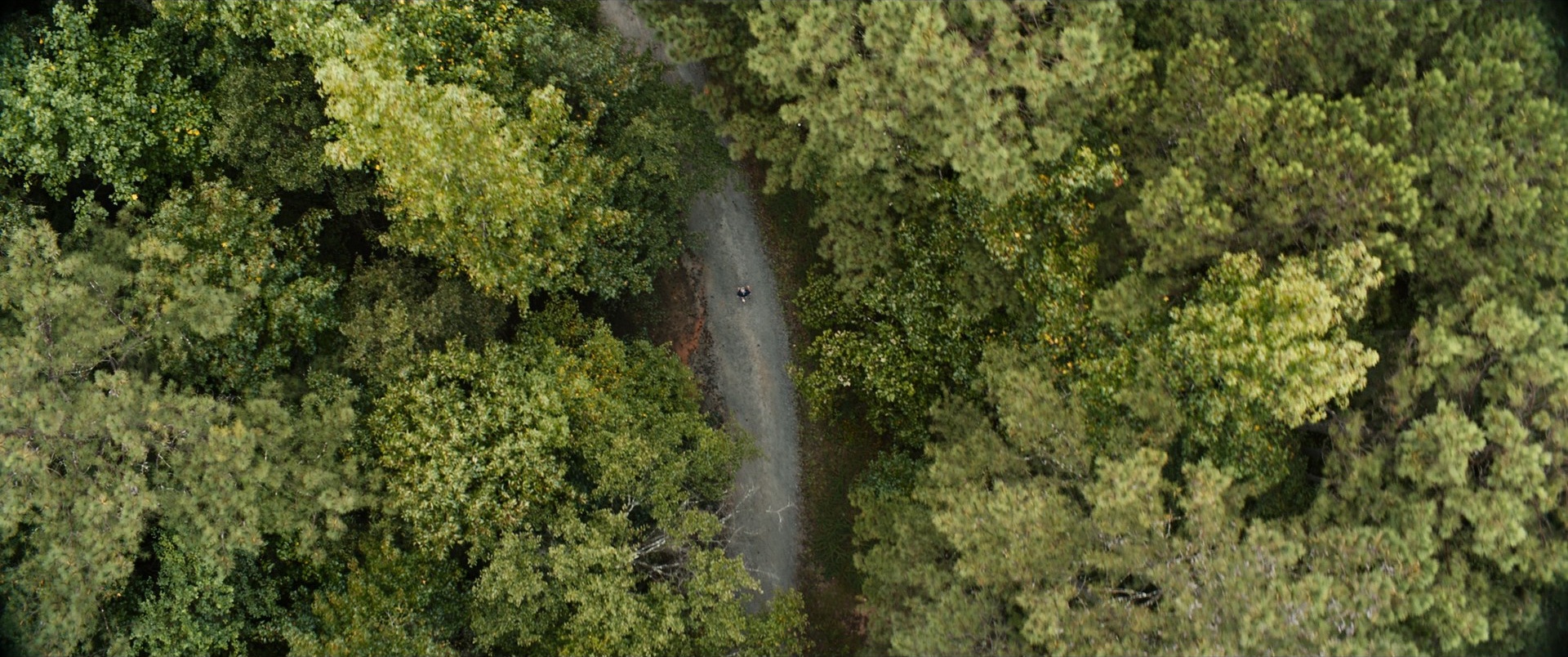
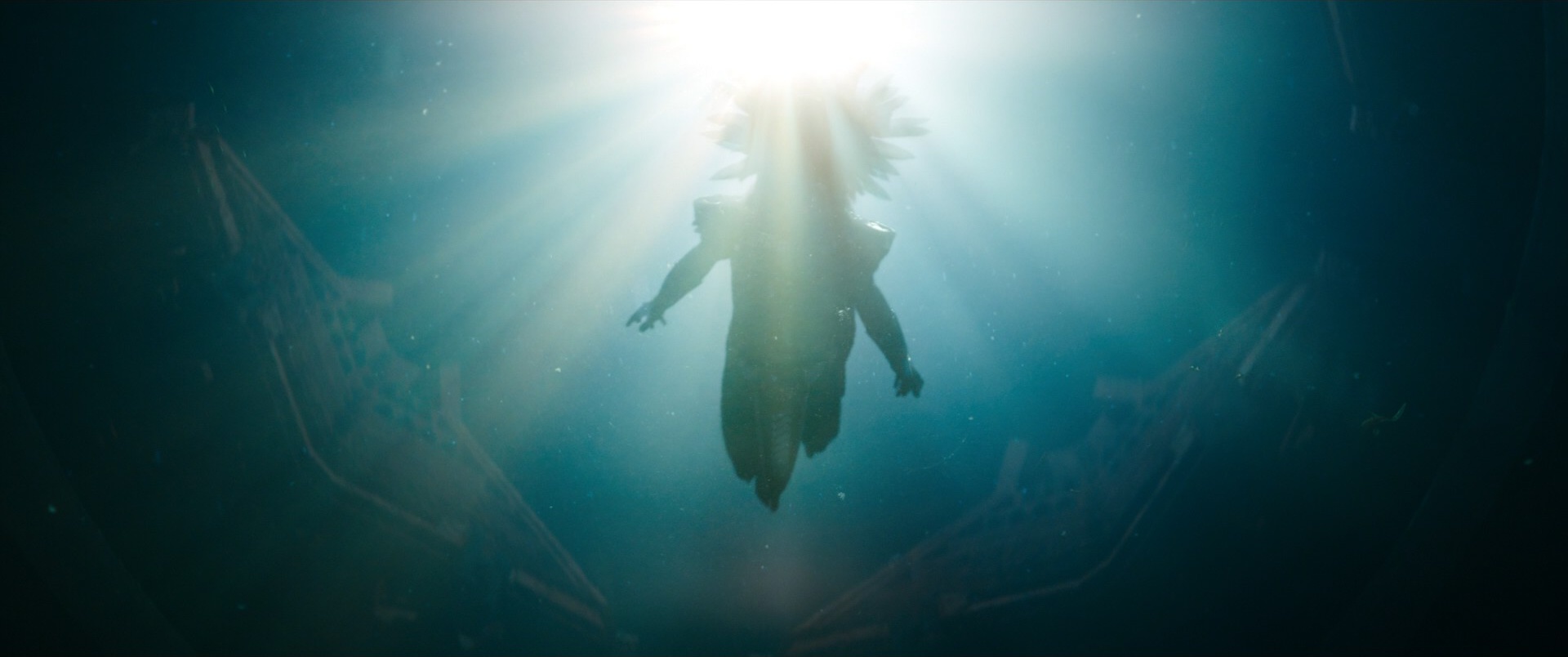
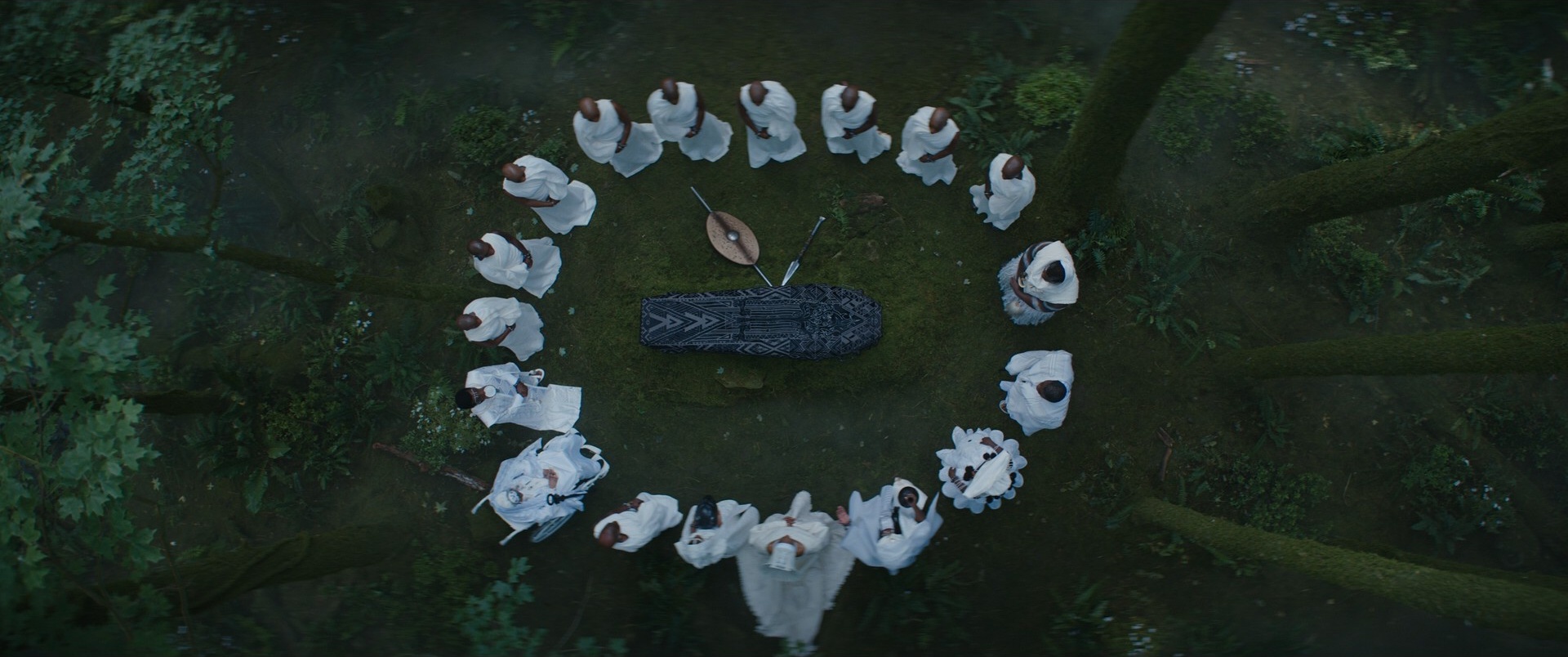
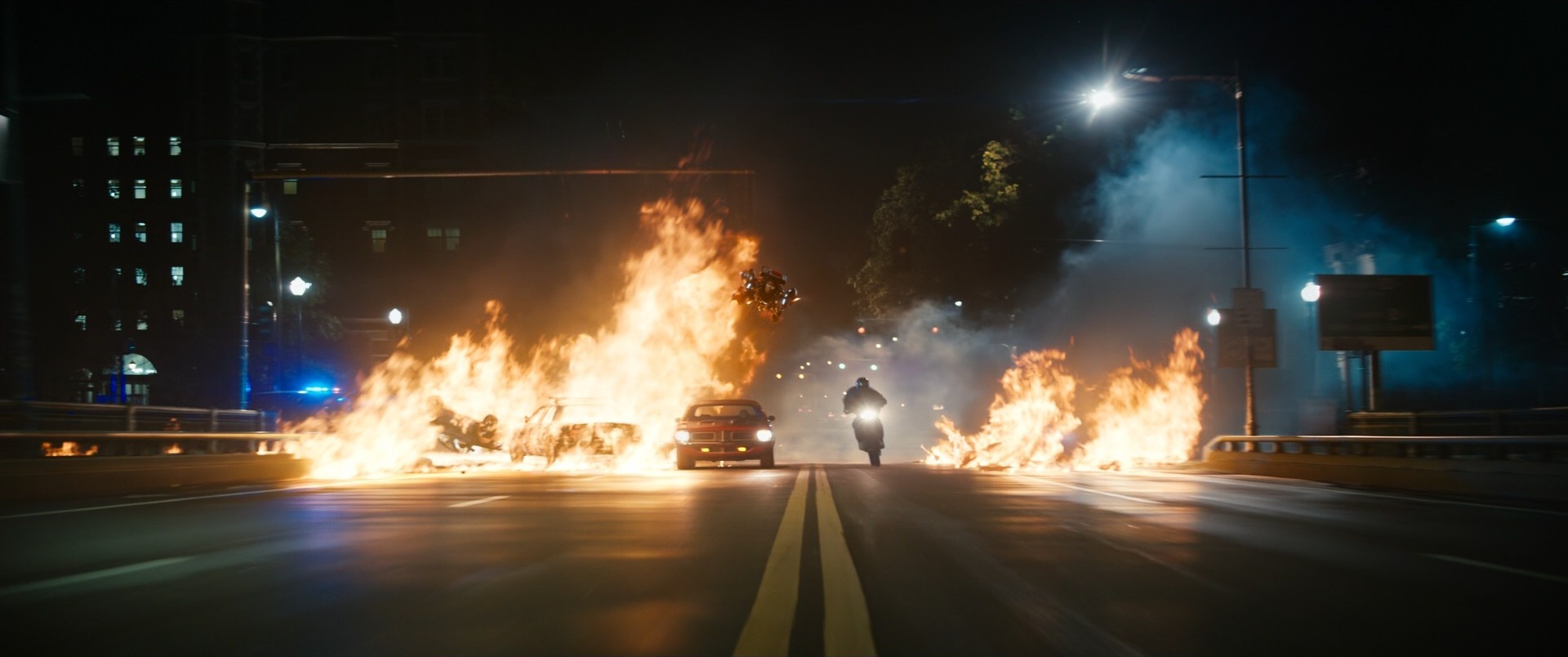
Coogler and cinematographer Autumn Durald Arkapaw expand the visual world of Black Panther through a more elegiac and atmospheric style than the first film, balancing large-scale spectacle with themes of grief and remembrance. Wakanda is photographed with warm natural textures and ceremonial grandeur, while Talokan—the underwater civilization inspired by Mesoamerican cultures—is rendered through bioluminescent blues, greens, and floating particulate imagery that create a dreamlike aquatic environment. The film frequently uses wide compositions, slow ceremonial movement, and costume-driven color symbolism to emphasize mourning, lineage, and cultural continuity, turning the superhero epic into something more meditative and emotionally grounded.




FILM SPOTLIGHT
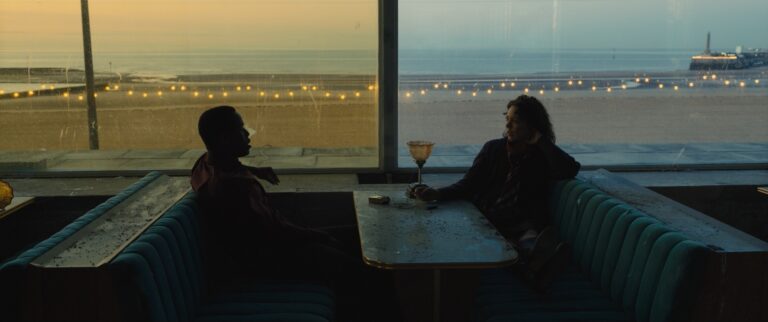
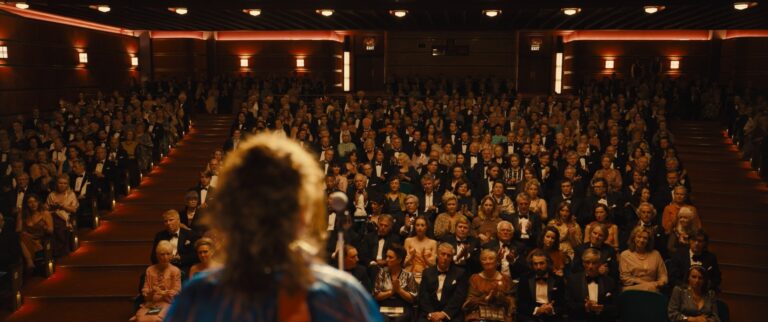
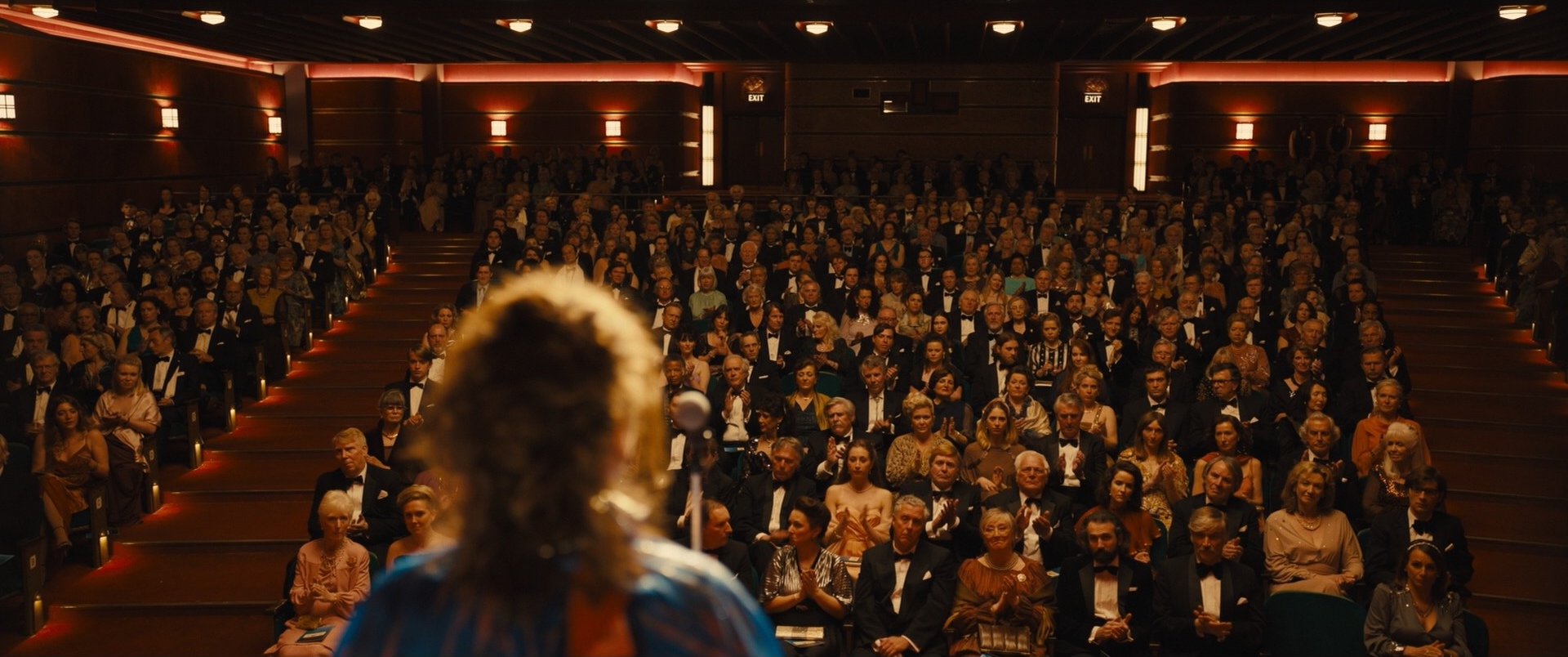
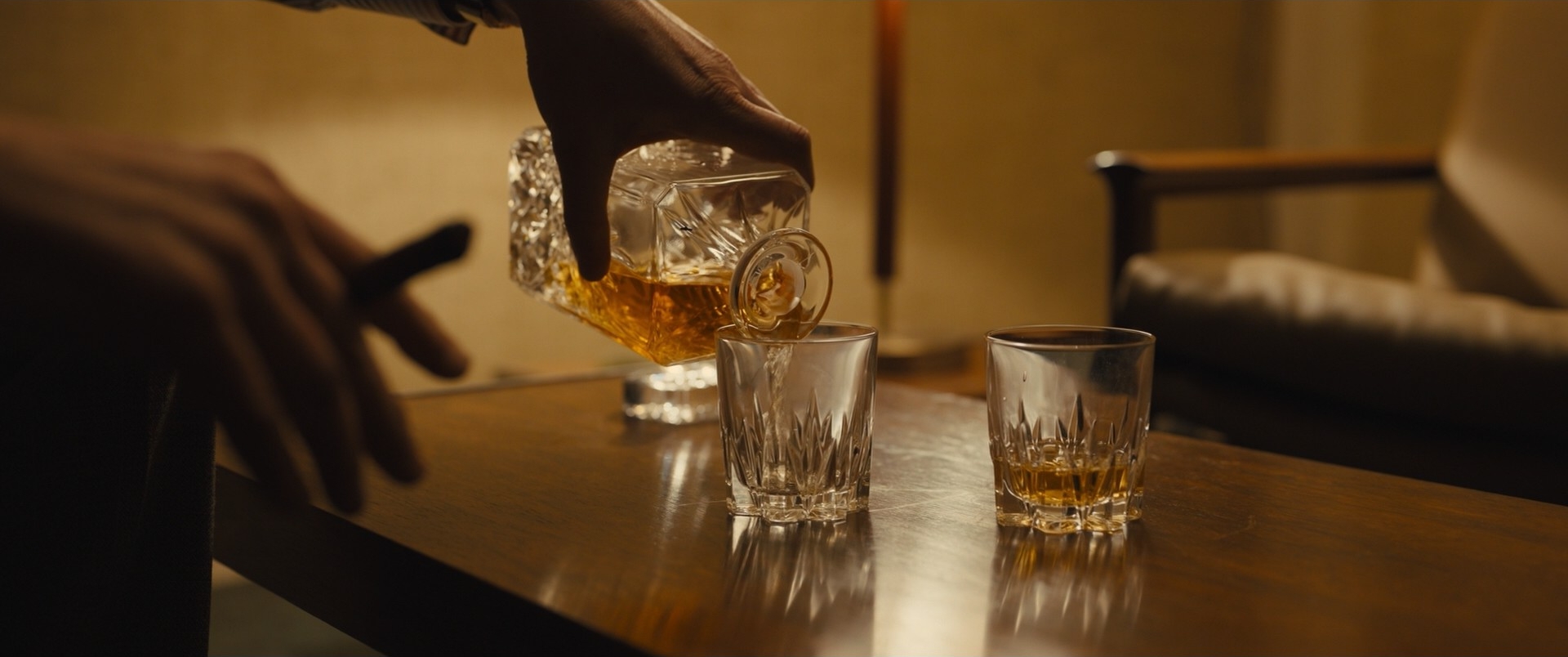
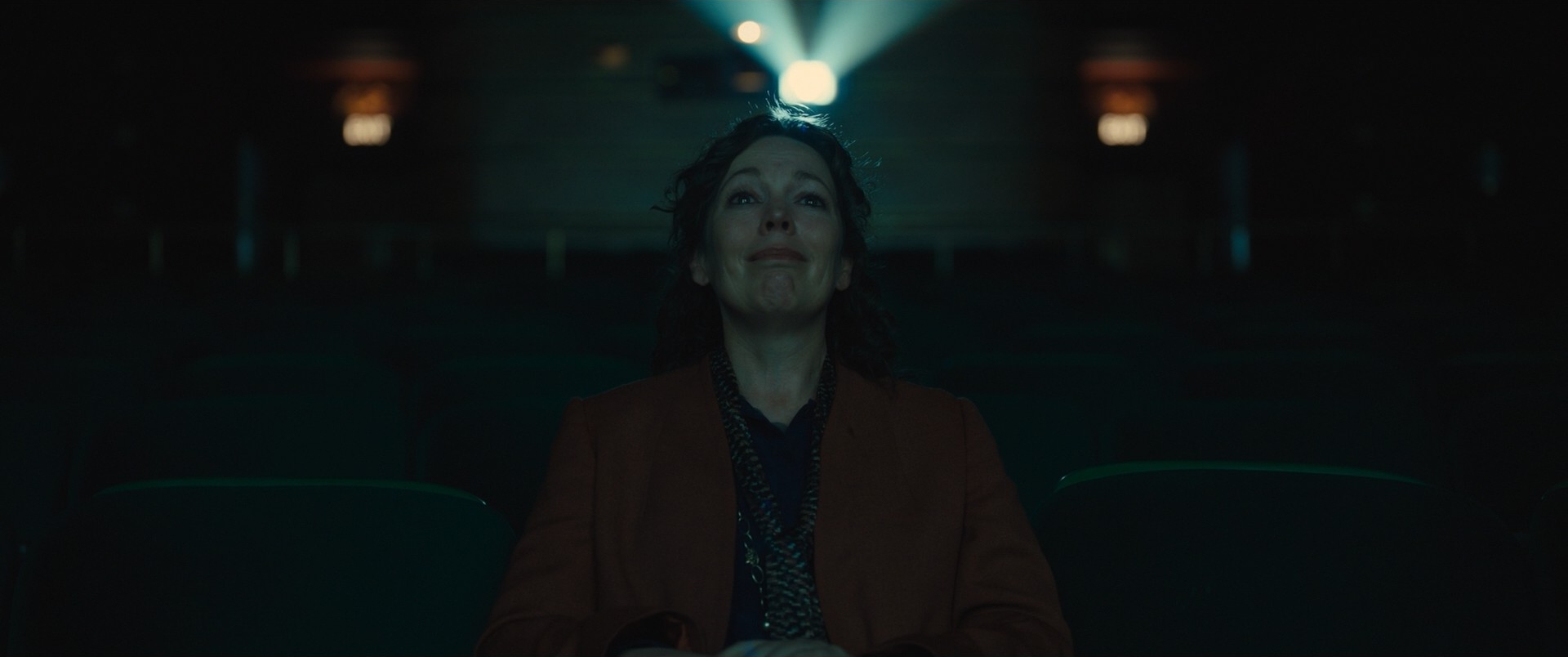
Empire of Light (2022)
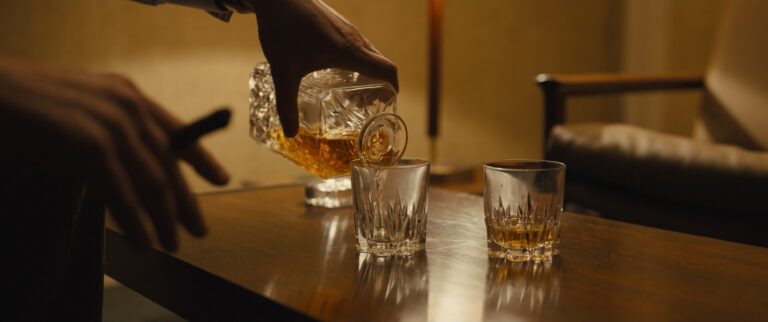
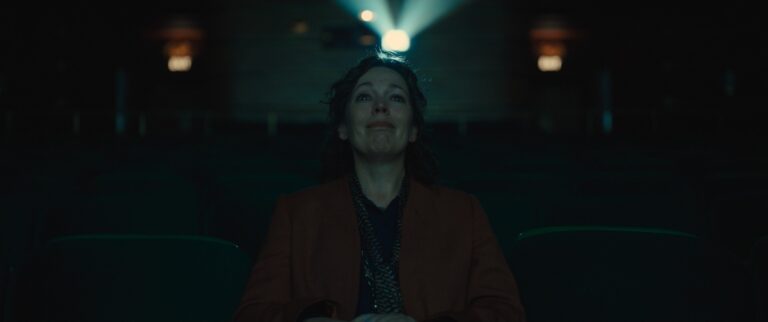
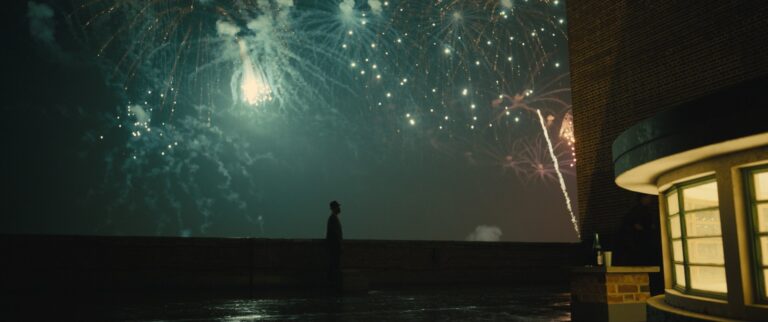
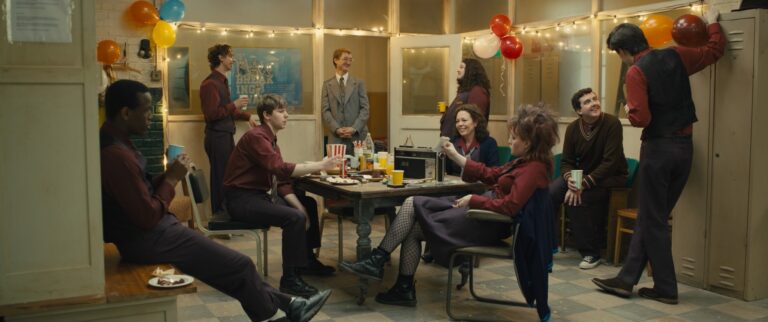
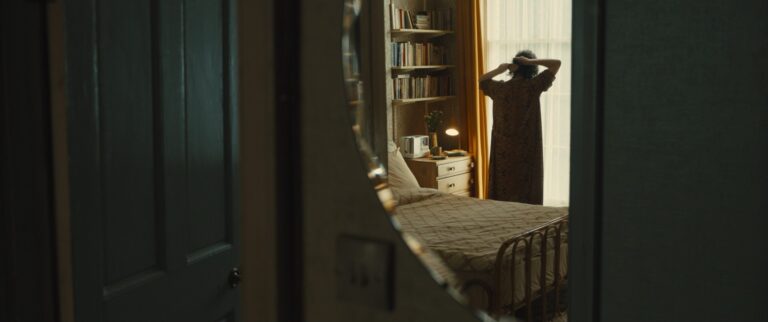
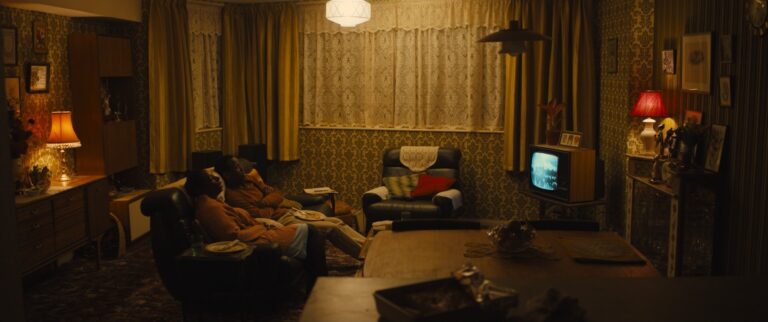
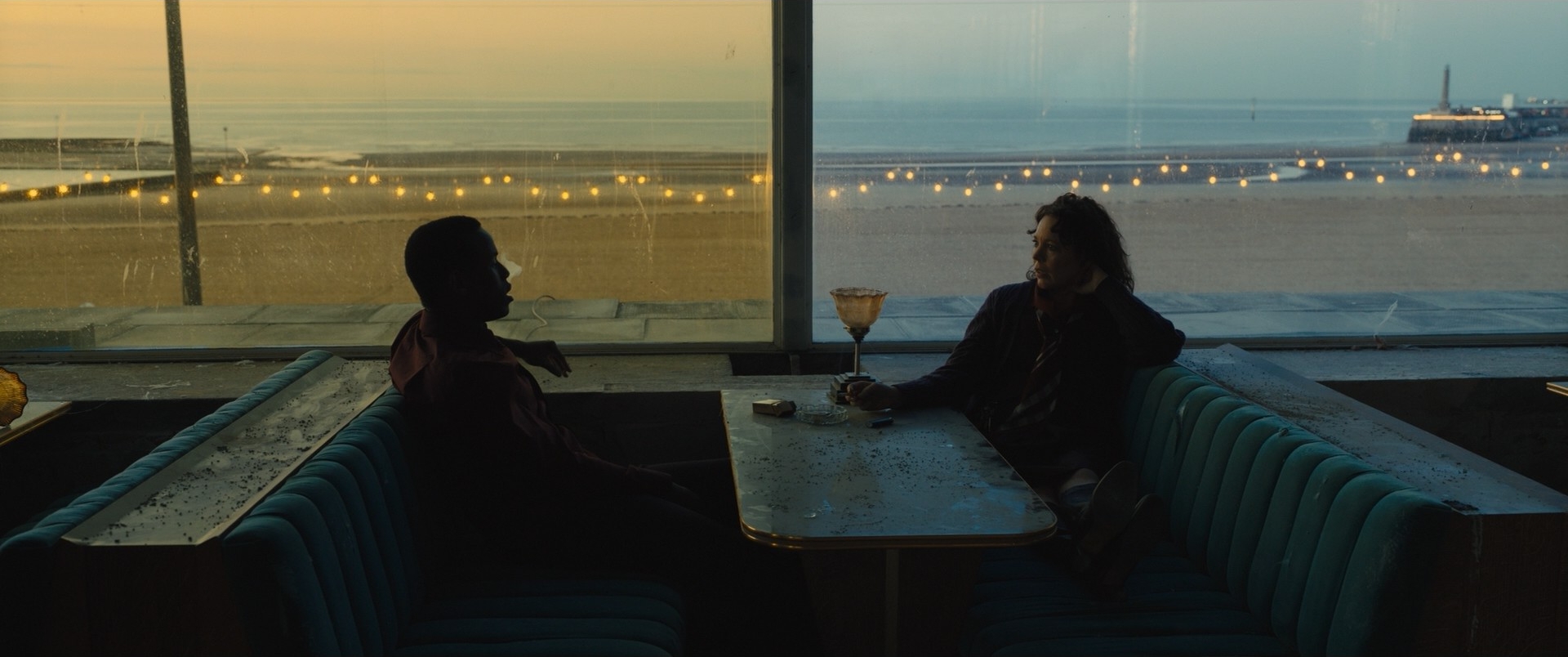
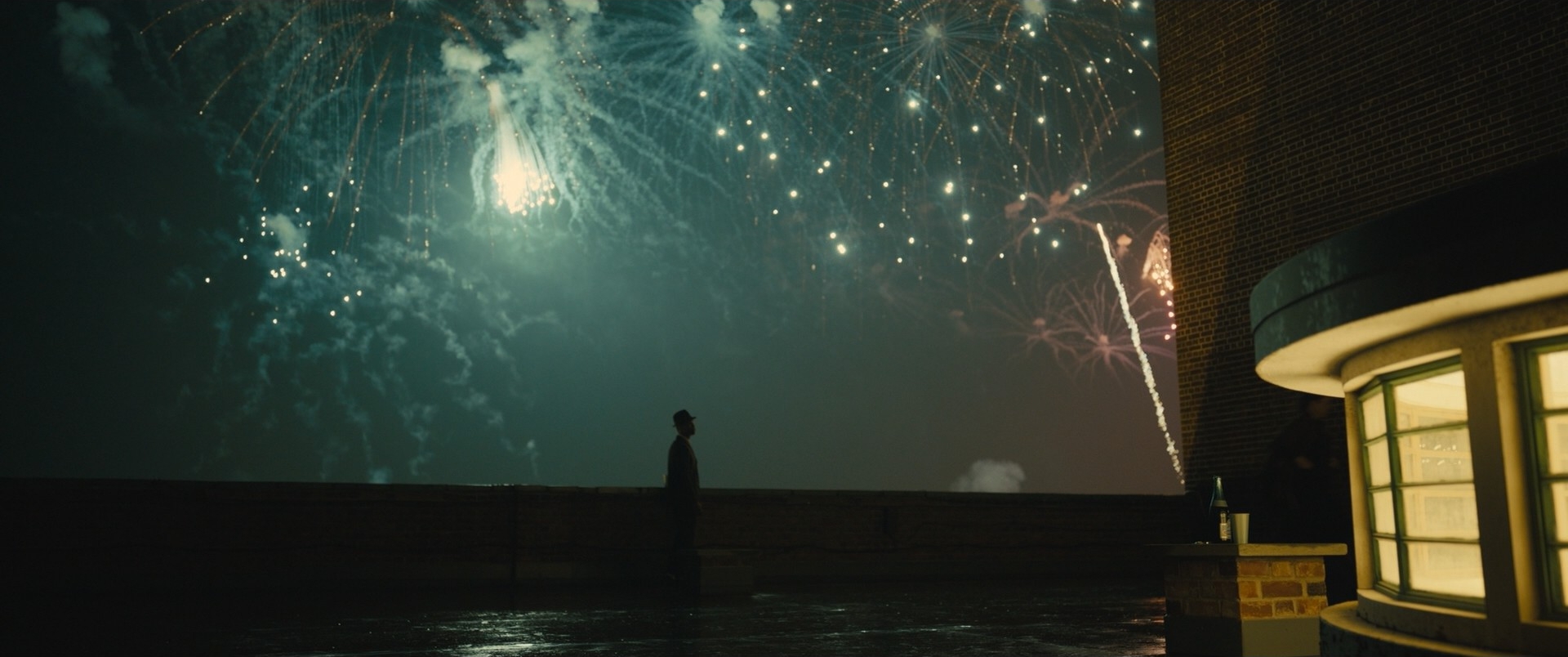
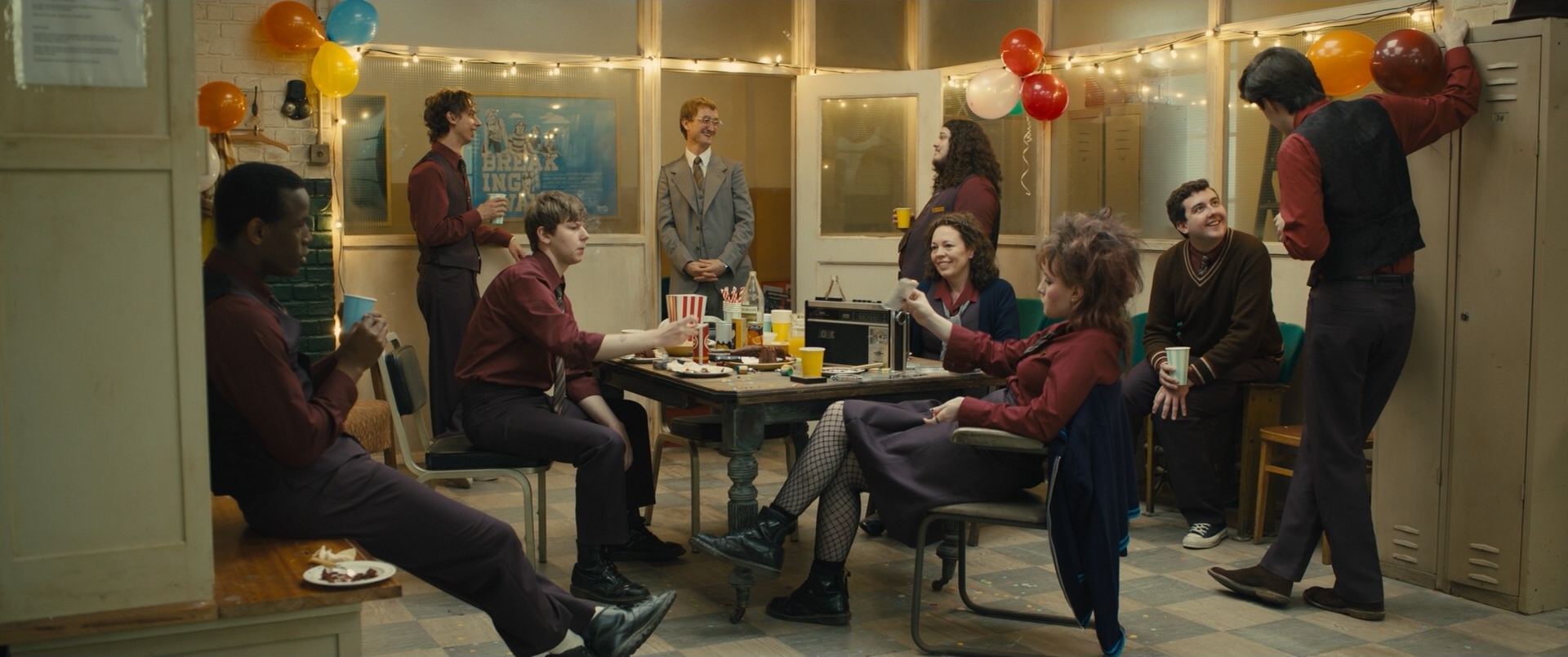
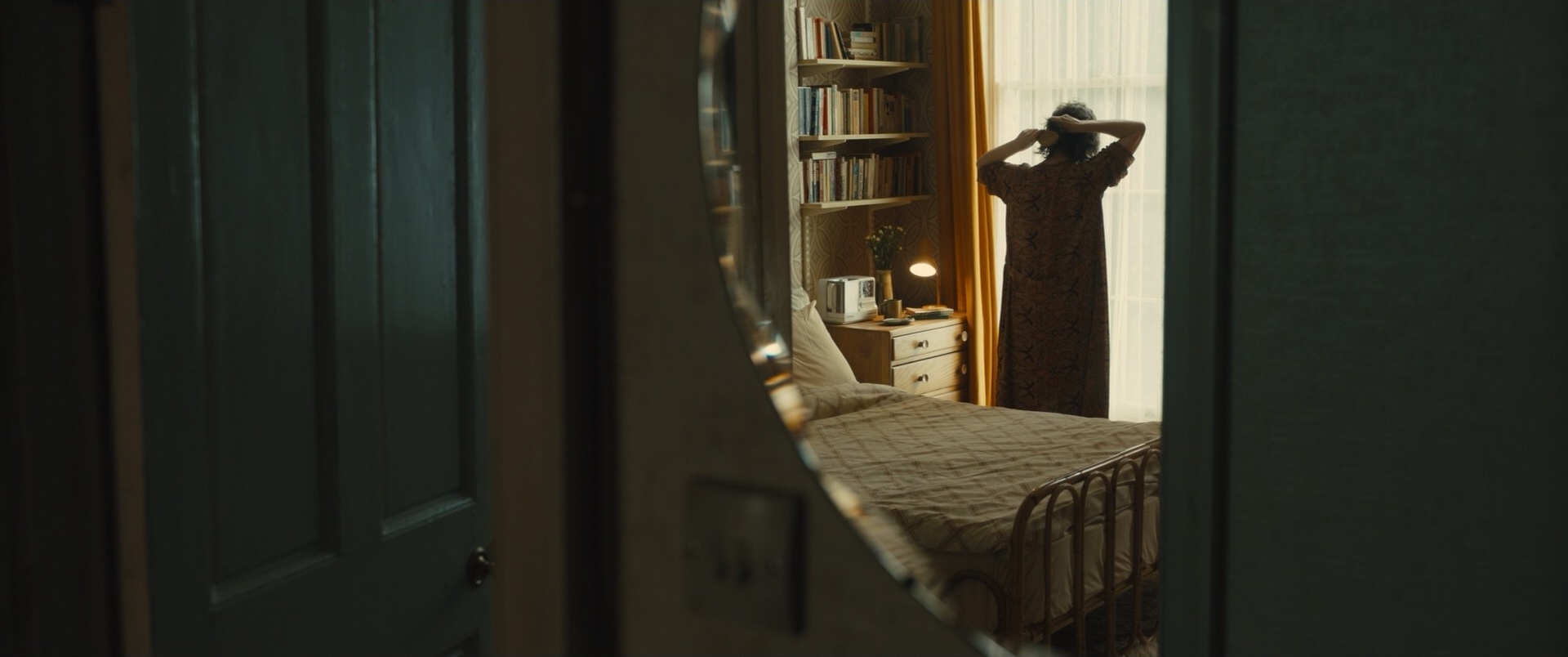
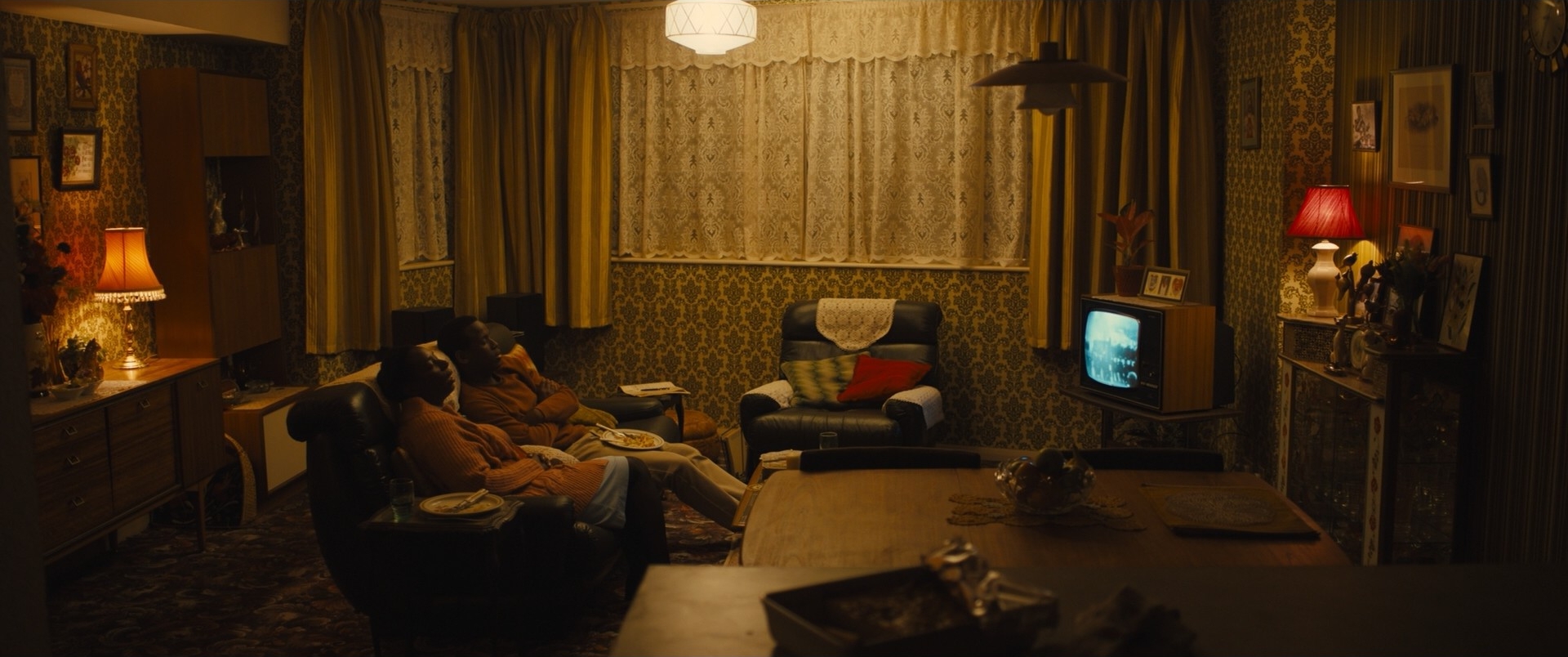
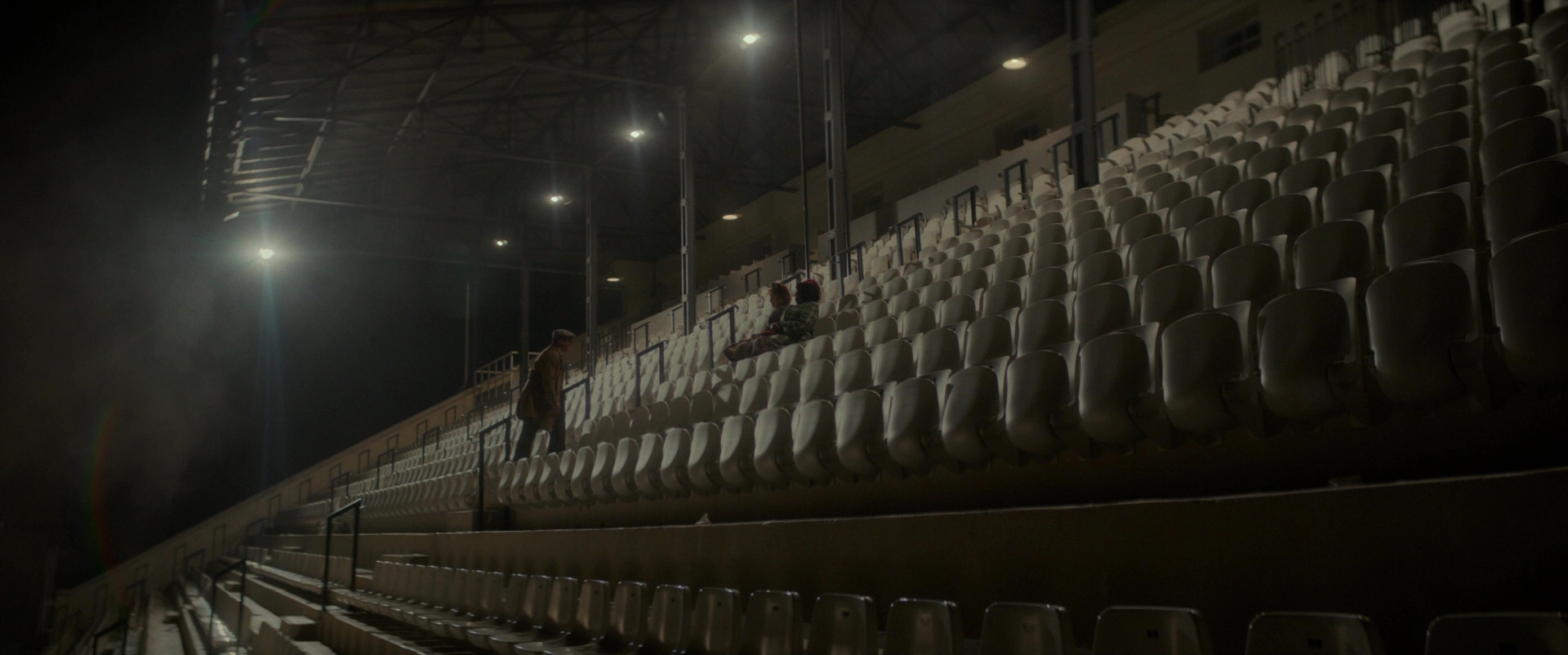
Set in an English seaside town during the early 1980s, the film follows Hilary, a lonely cinema employee struggling with mental illness and emotional isolation while working at a fading movie palace. When a young Black man named Stephen joins the theater staff, the two form a tentative connection that offers moments of warmth and escape amid social tension, racism, and personal instability. The story unfolds as a melancholy reflection on loneliness, human connection, and the emotional refuge offered by cinema.
Mendes and legendary cinematographer Roger Deakins shoot Empire of Light with a luminous, nostalgic visual style that transforms the old theater into a space of memory, intimacy, and emotional sanctuary. Warm practical lighting, soft coastal daylight, and richly textured interiors emphasize the tactile beauty of analog cinema spaces—projection booths, velvet curtains, glowing marquees, and empty auditoriums becoming central visual motifs. Deakins’ restrained camera movement and delicate use of color create an atmosphere of quiet melancholy, while scenes inside the cinema frequently contrast darkness and projected light to reinforce the film’s themes of escape, longing, and emotional illumination.
FILM SPOTLIGHT
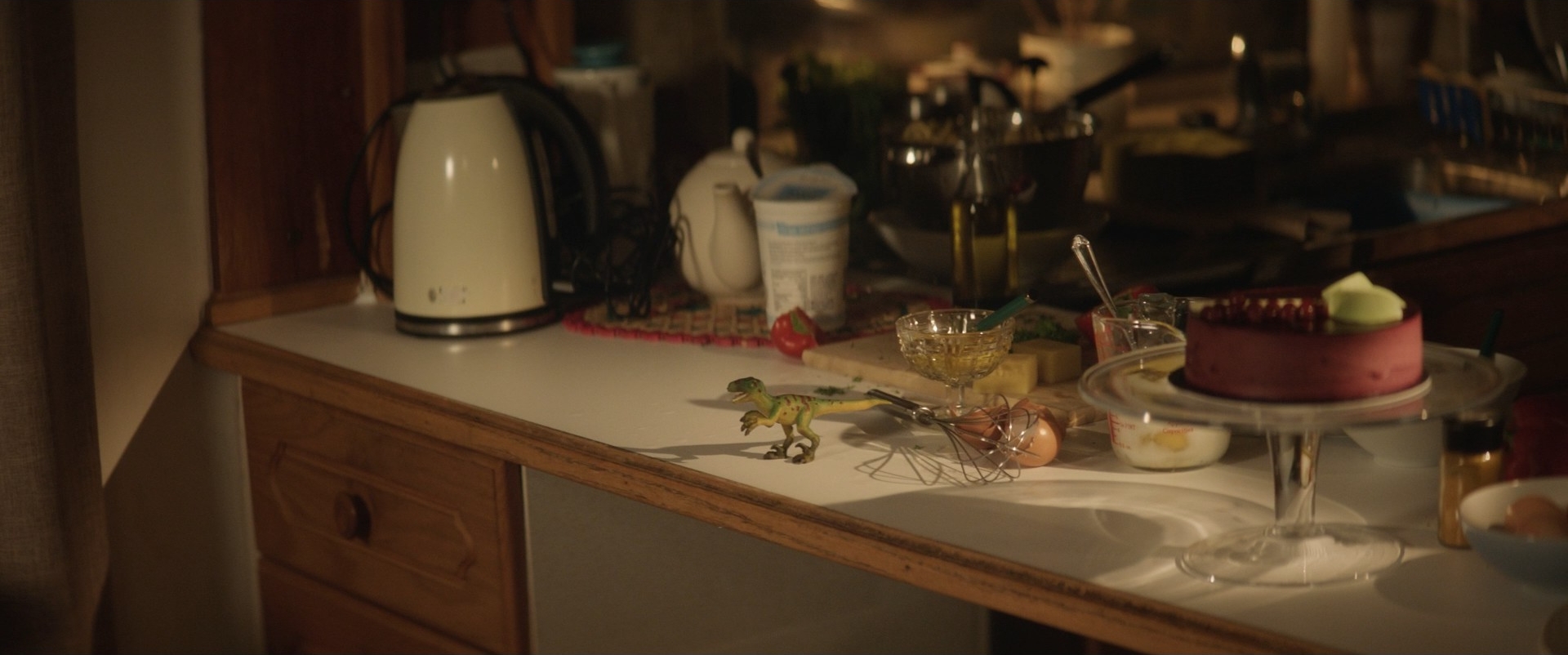
Marcel the Shell with Shoes On (2022)
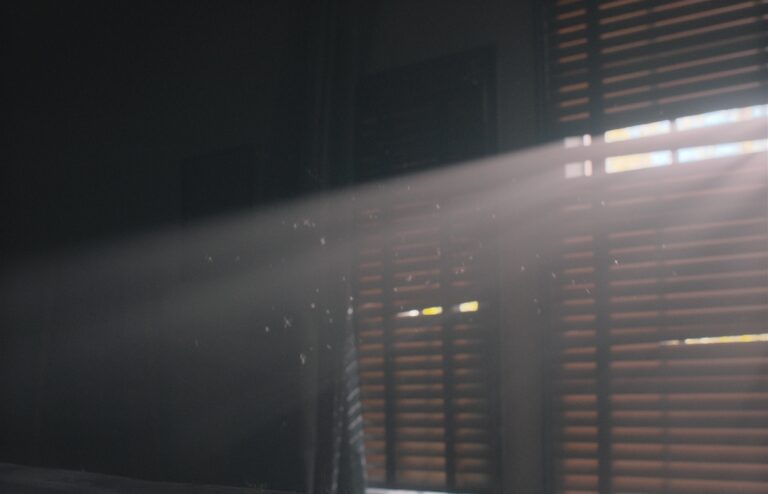
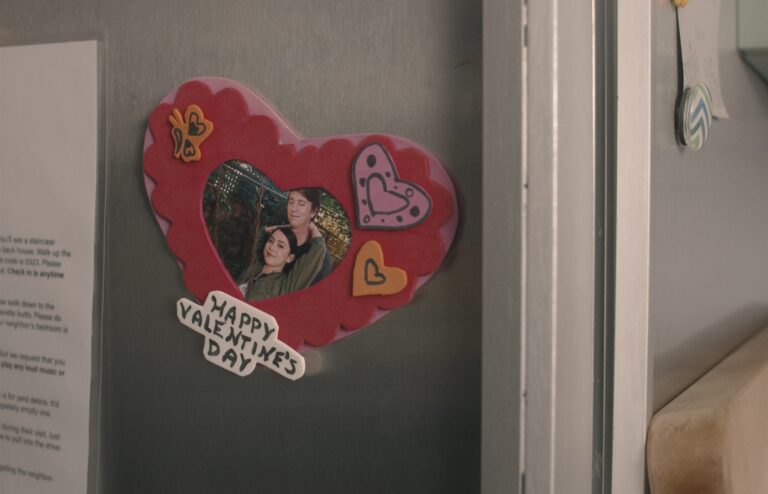
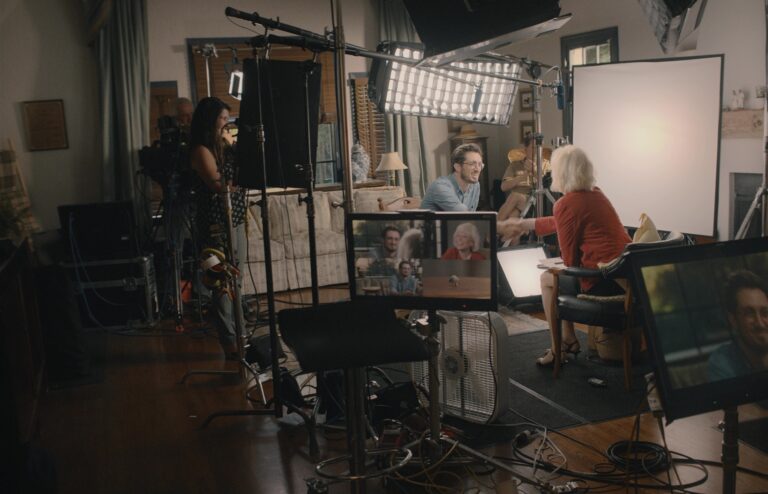
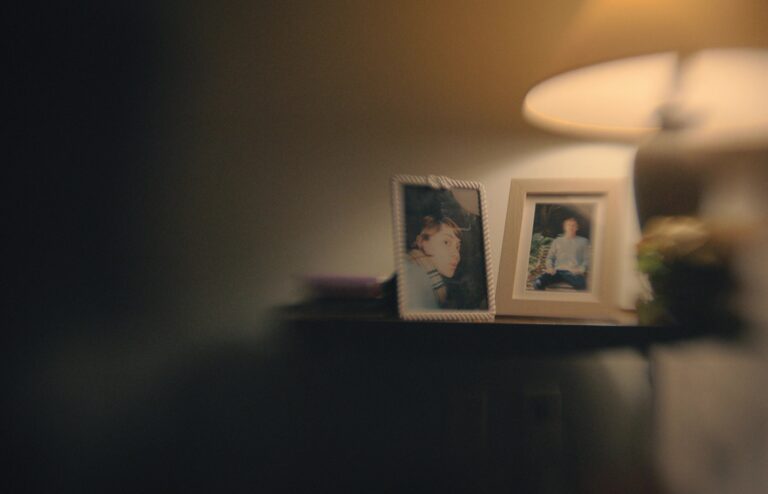
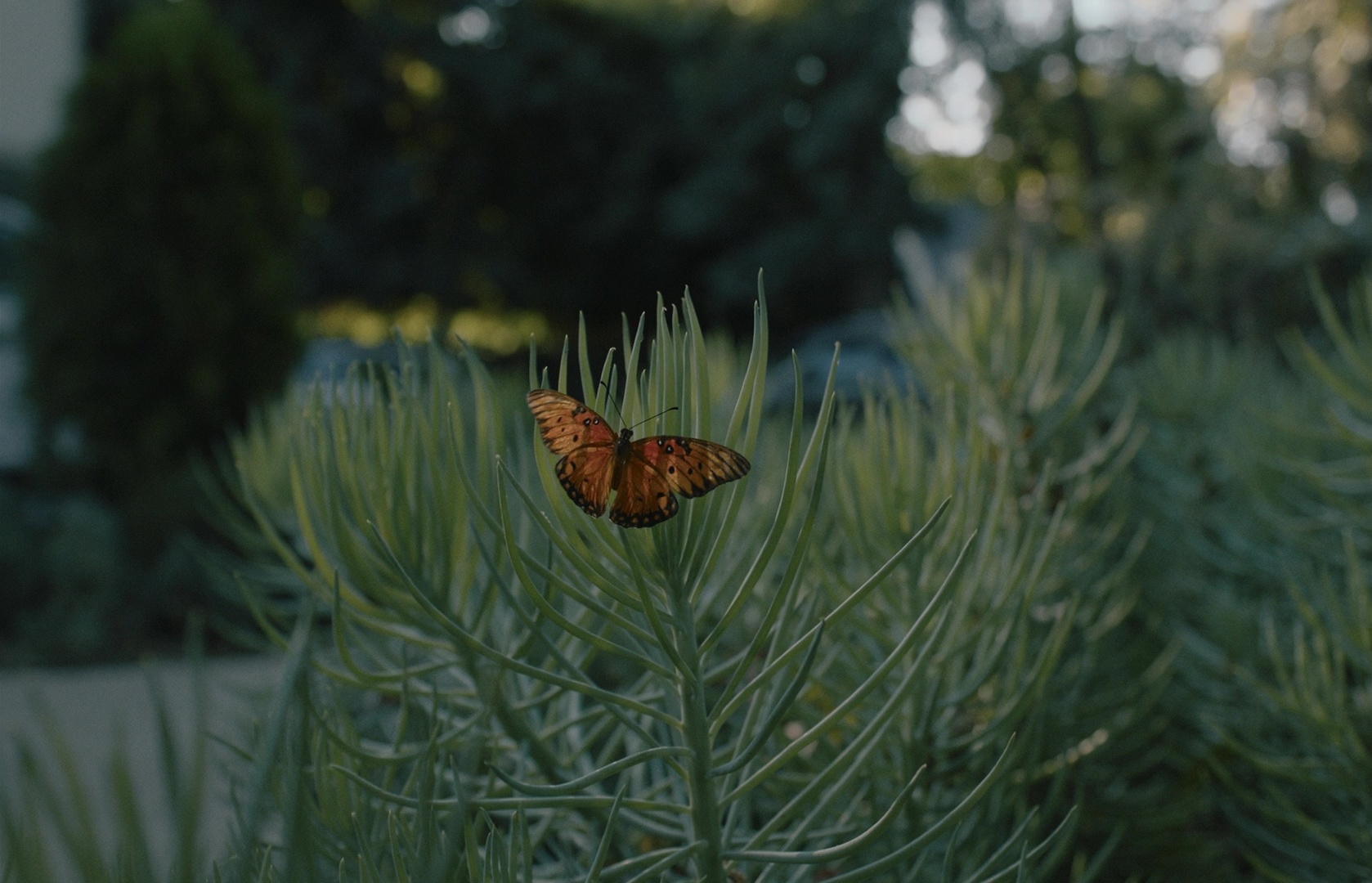
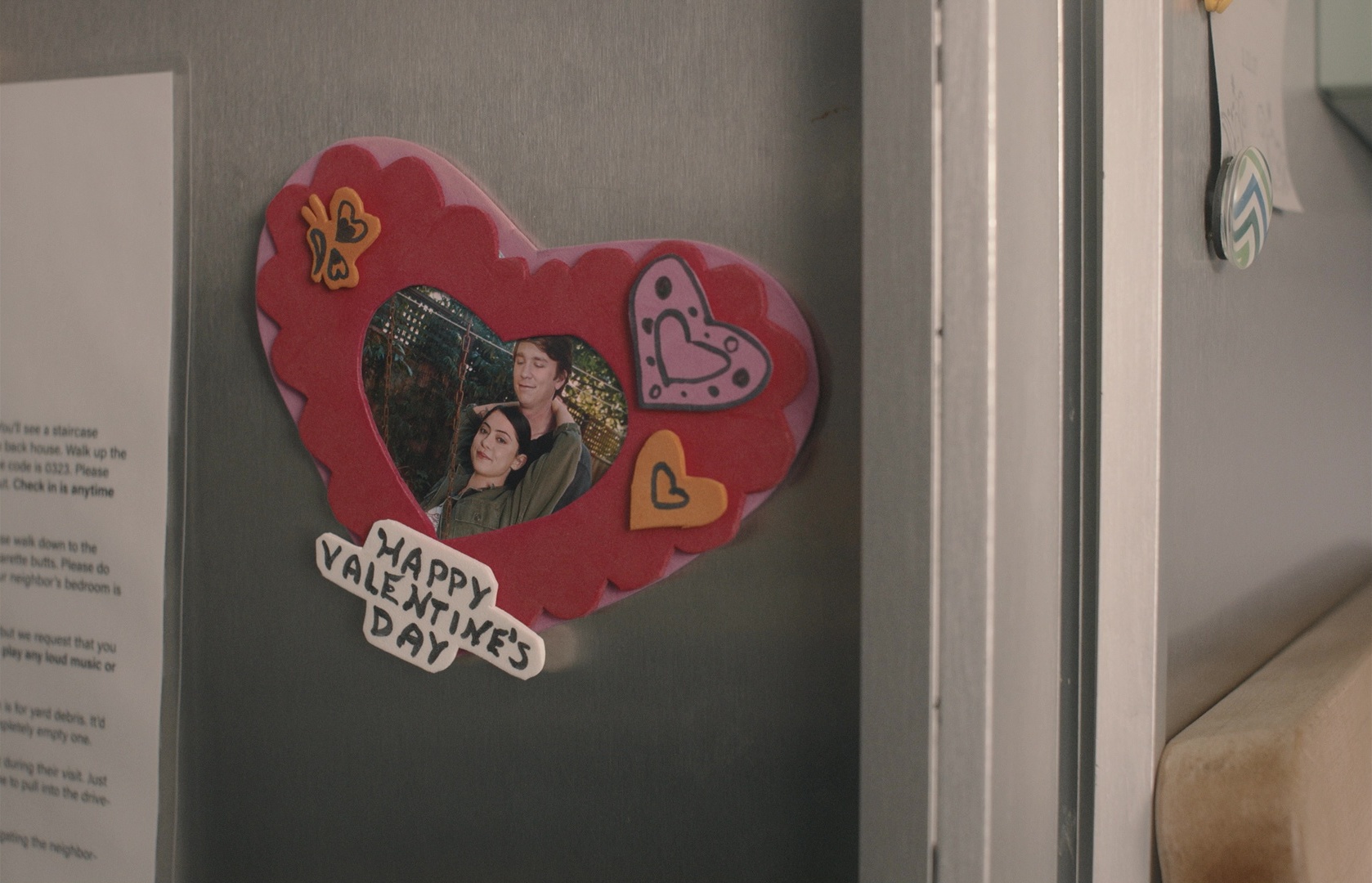
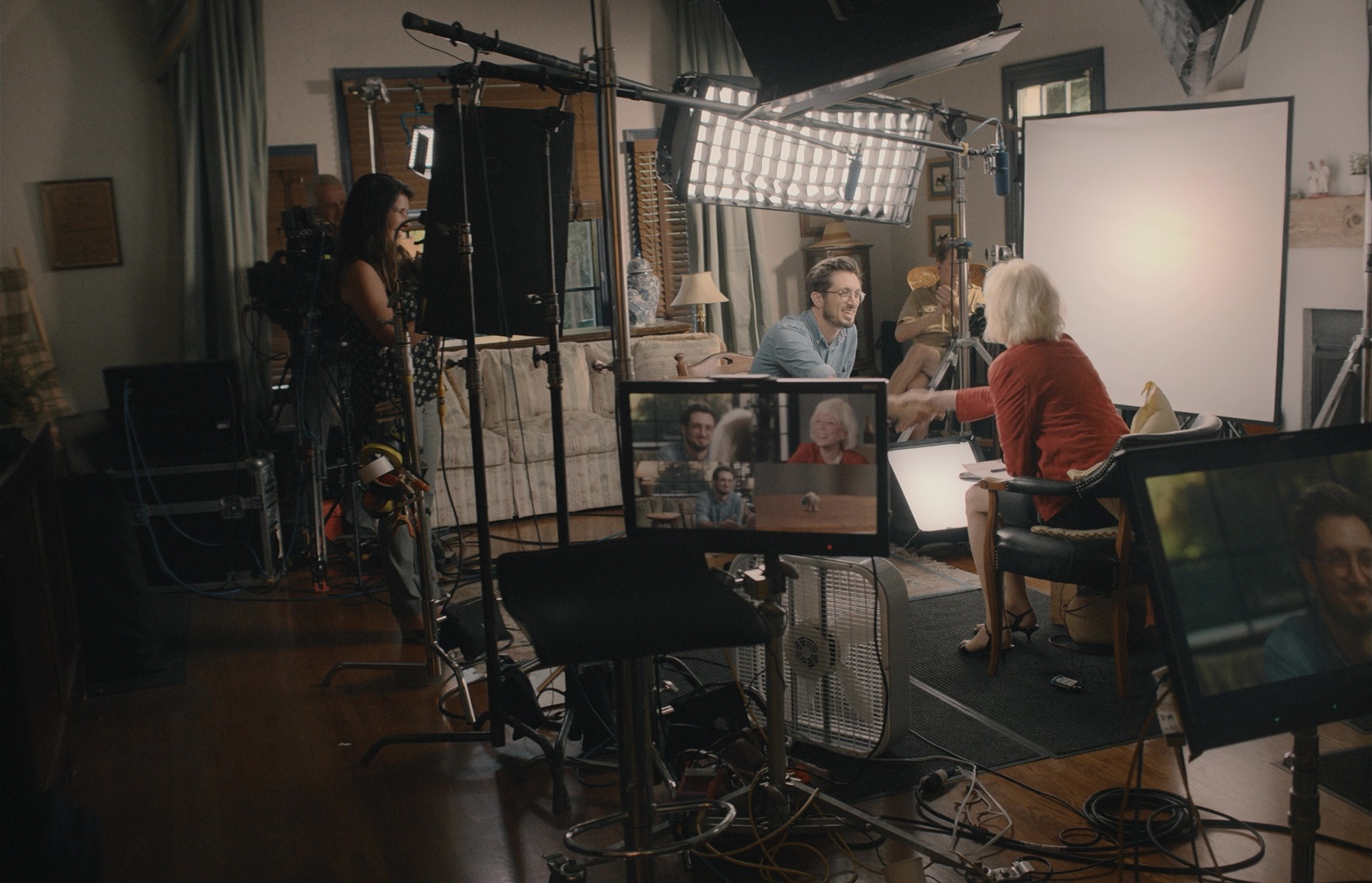
A tiny one-inch shell named Marcel lives a quiet life in an Airbnb house with his grandmother Connie after becoming separated from the rest of his community. When a documentary filmmaker begins recording Marcel’s daily routines and posting the videos online, Marcel unexpectedly becomes an internet sensation. As his newfound visibility grows, he searches for a way to reconnect with his missing family while navigating fame, loneliness, and hope.
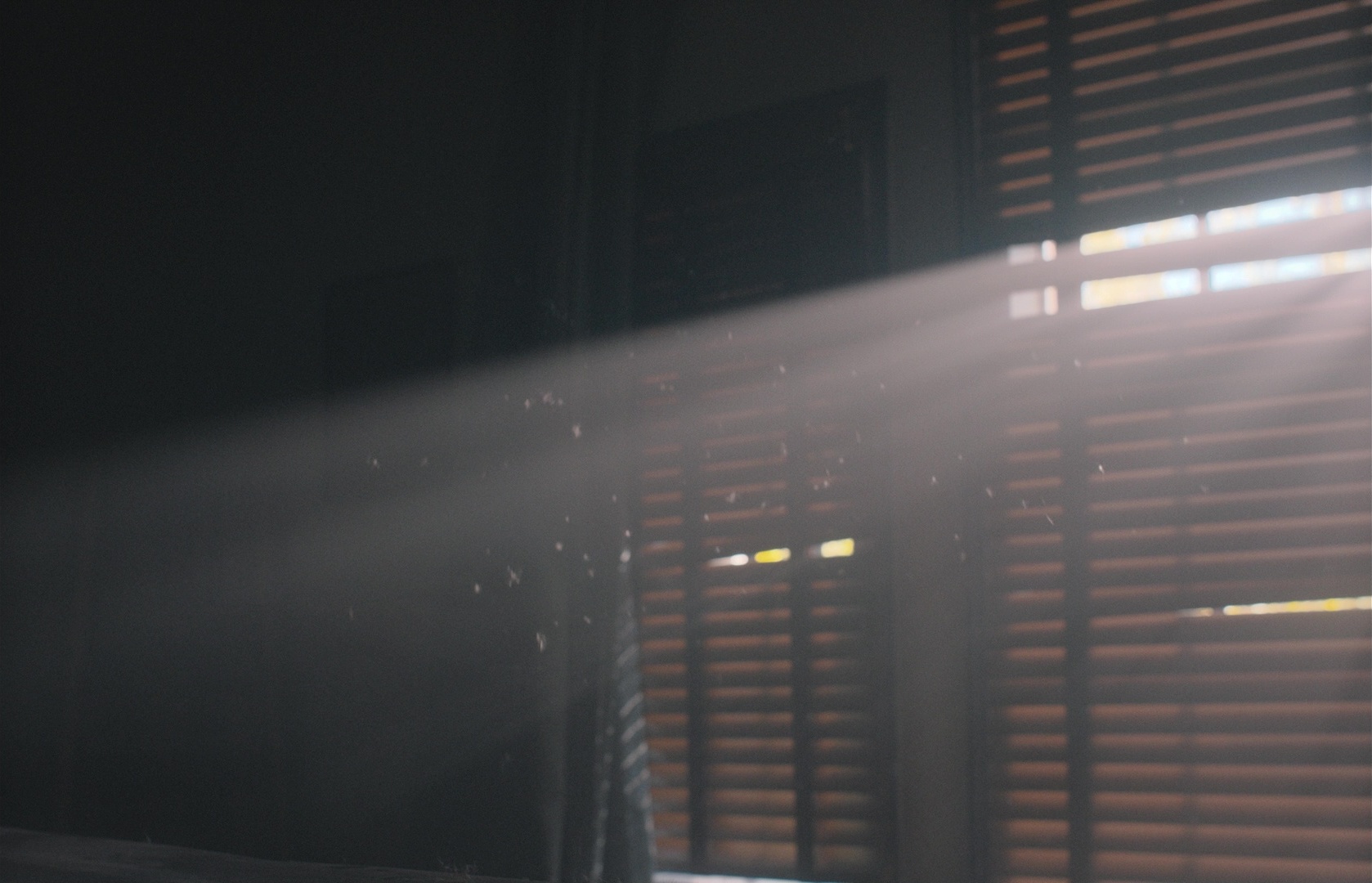
Fleischer Camp blends stop-motion animation with naturalistic live-action filmmaking, creating the illusion that Marcel truly inhabits an ordinary domestic environment. The tiny scale of Marcel is constantly emphasized through inventive framing and object interaction—household items become landscapes, tools, and transportation systems. Handheld camerawork, soft natural lighting, and documentary-style interviews give the film an intimate realism, while the delicate stop-motion animation preserves Marcel’s tactile fragility and emotional warmth. The contrast between the mundane human world and Marcel’s miniature perspective turns everyday spaces into emotionally resonant environments filled with wonder and vulnerability.








FILM SPOTLIGHT
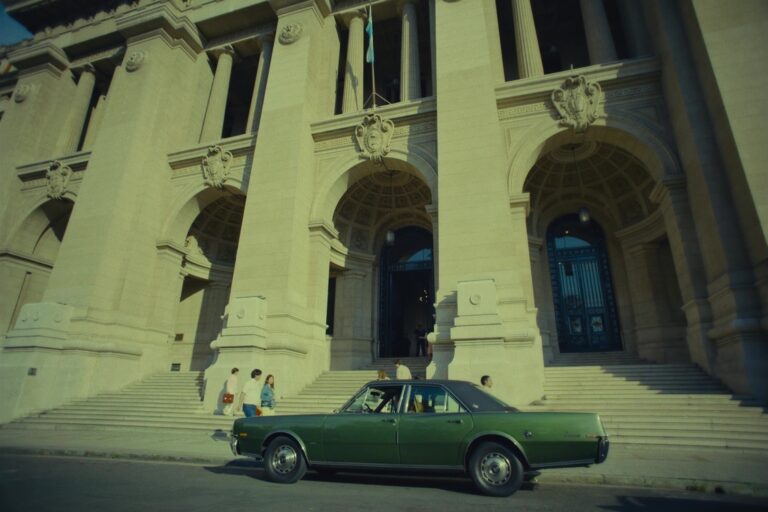
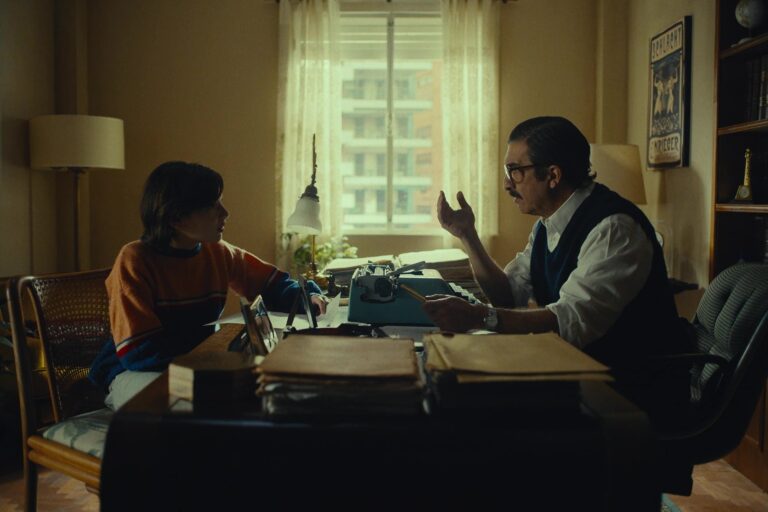
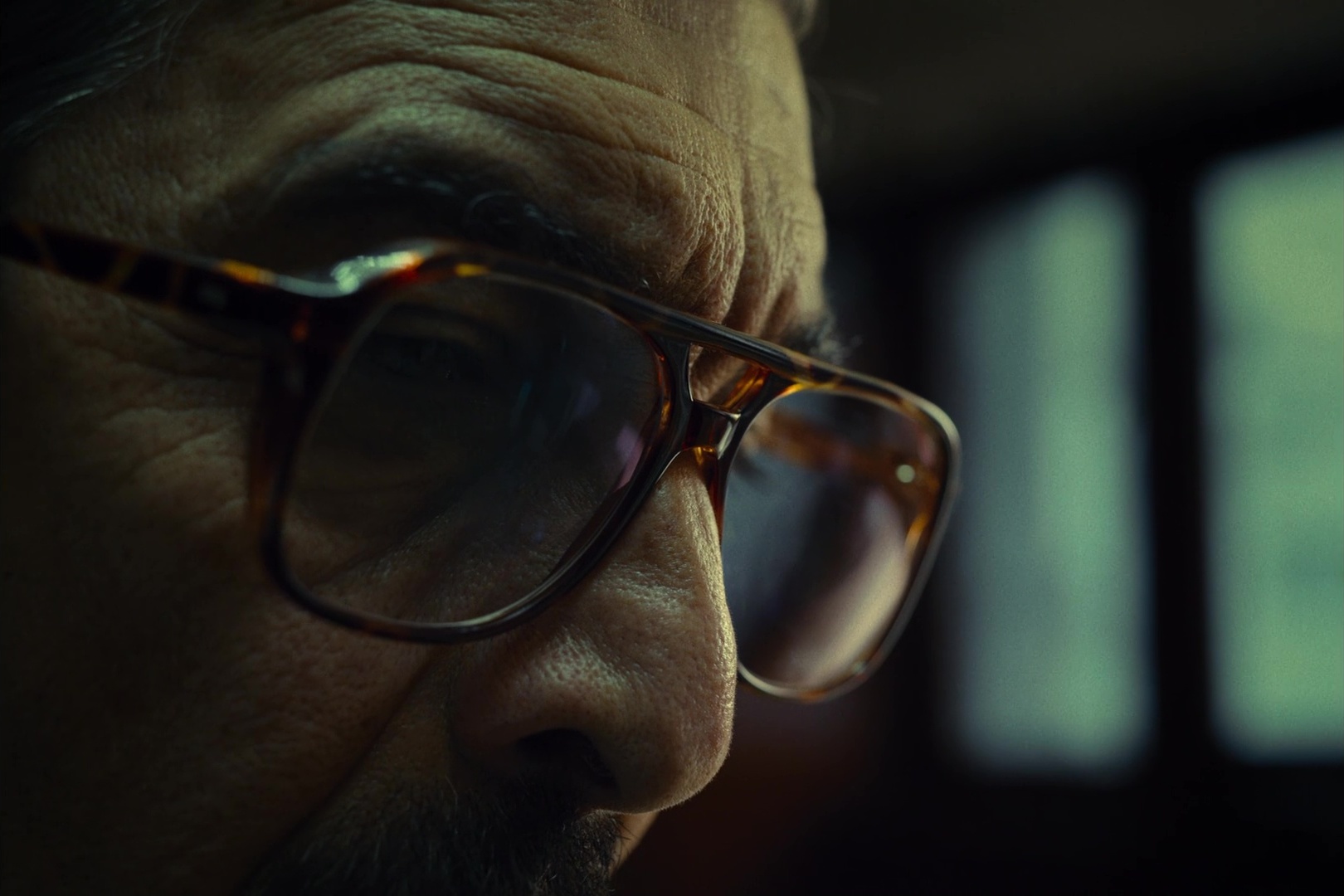
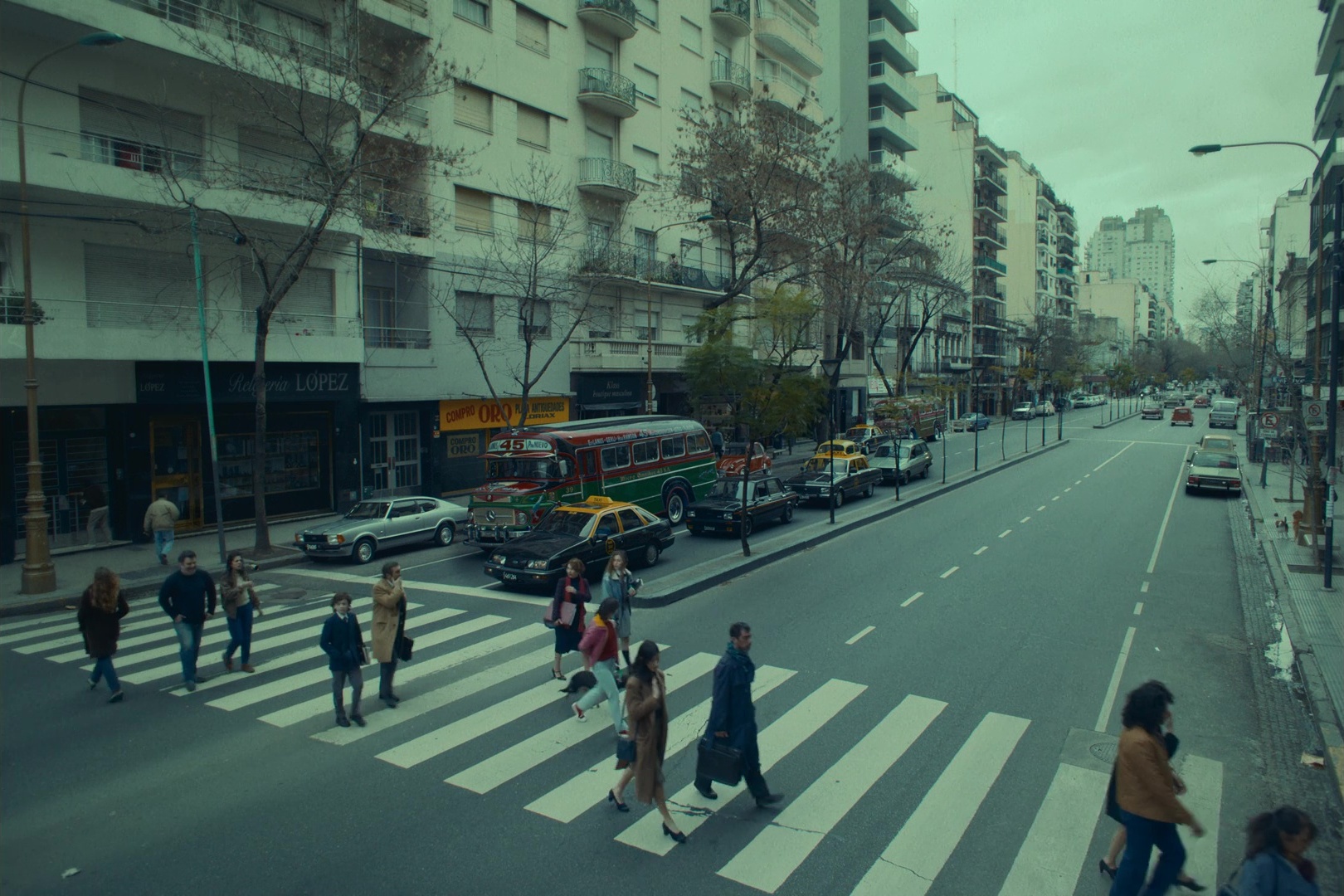
Argentina, 1985 (2022)
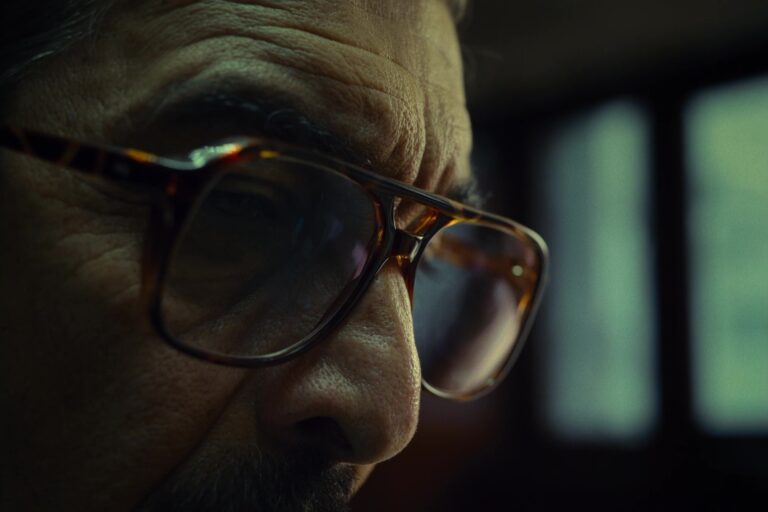
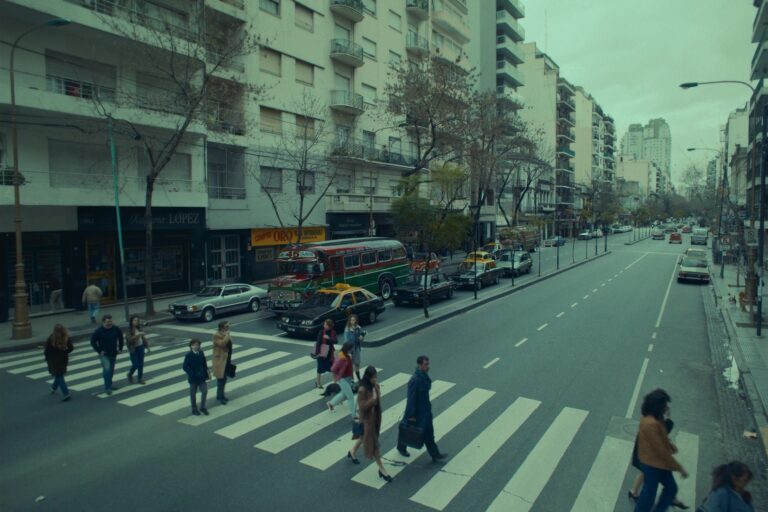
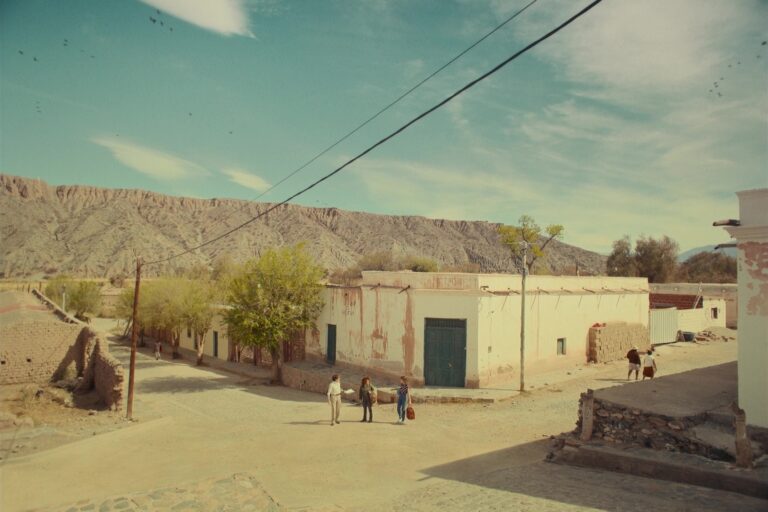
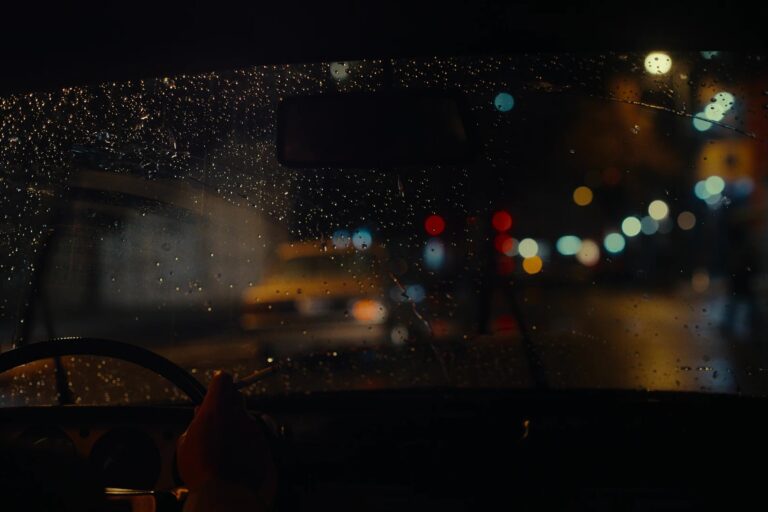
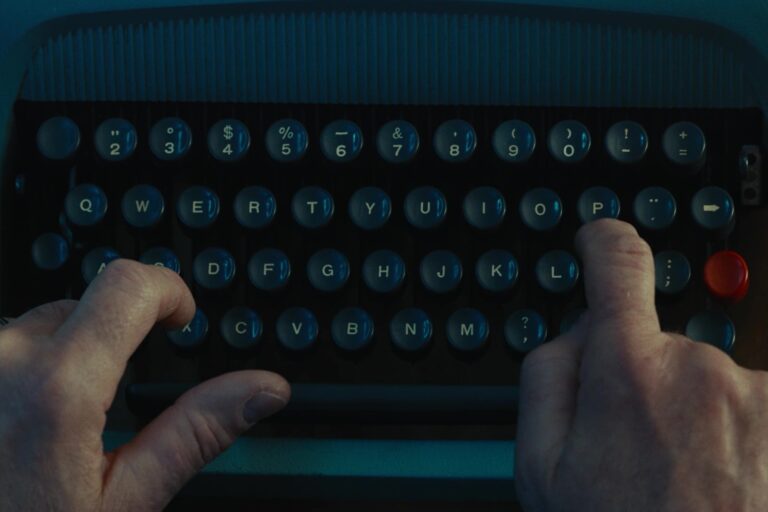
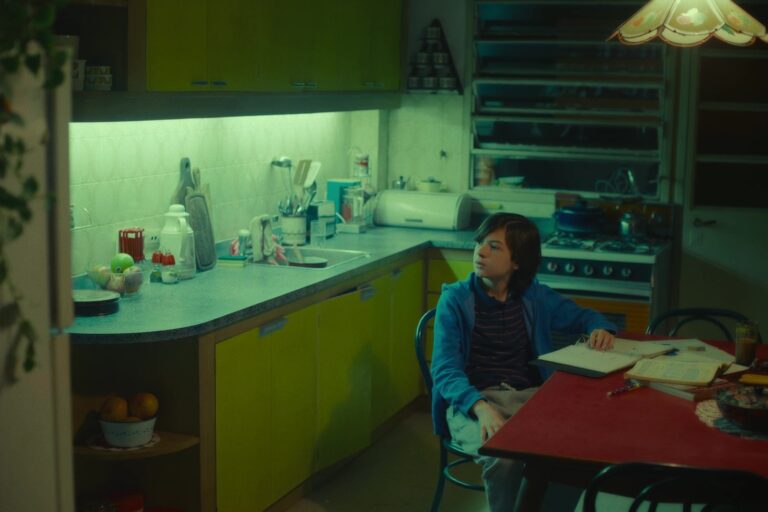
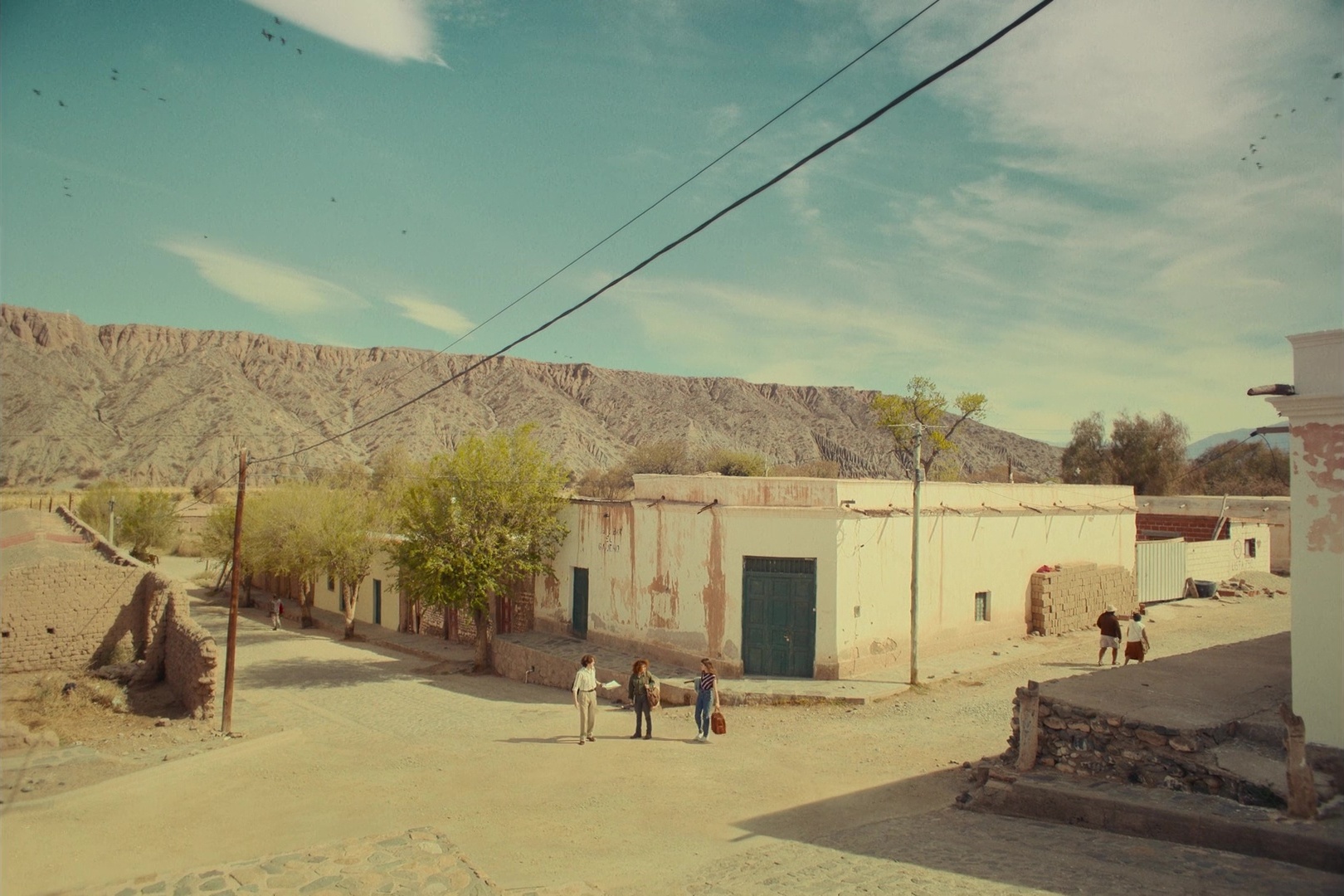
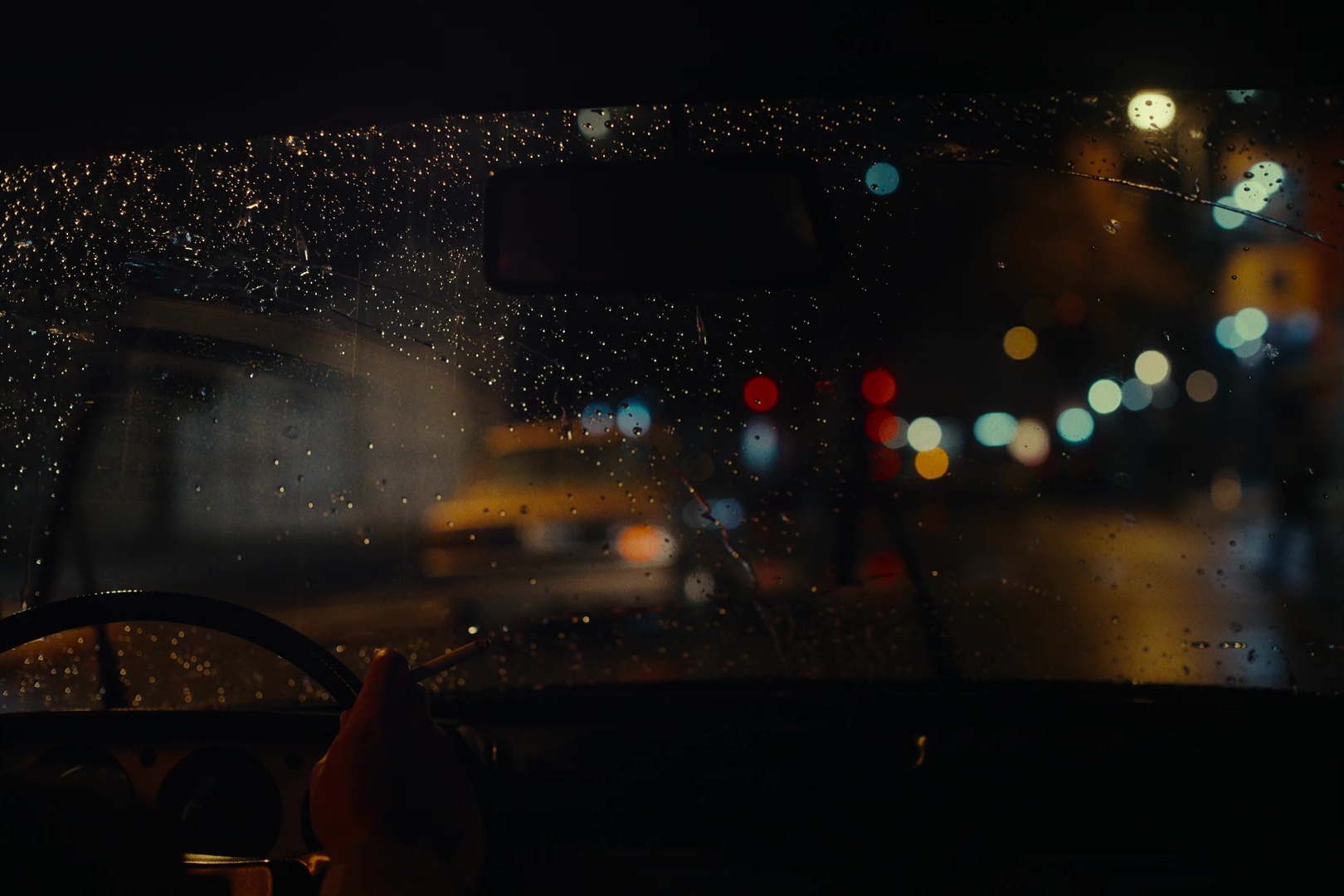
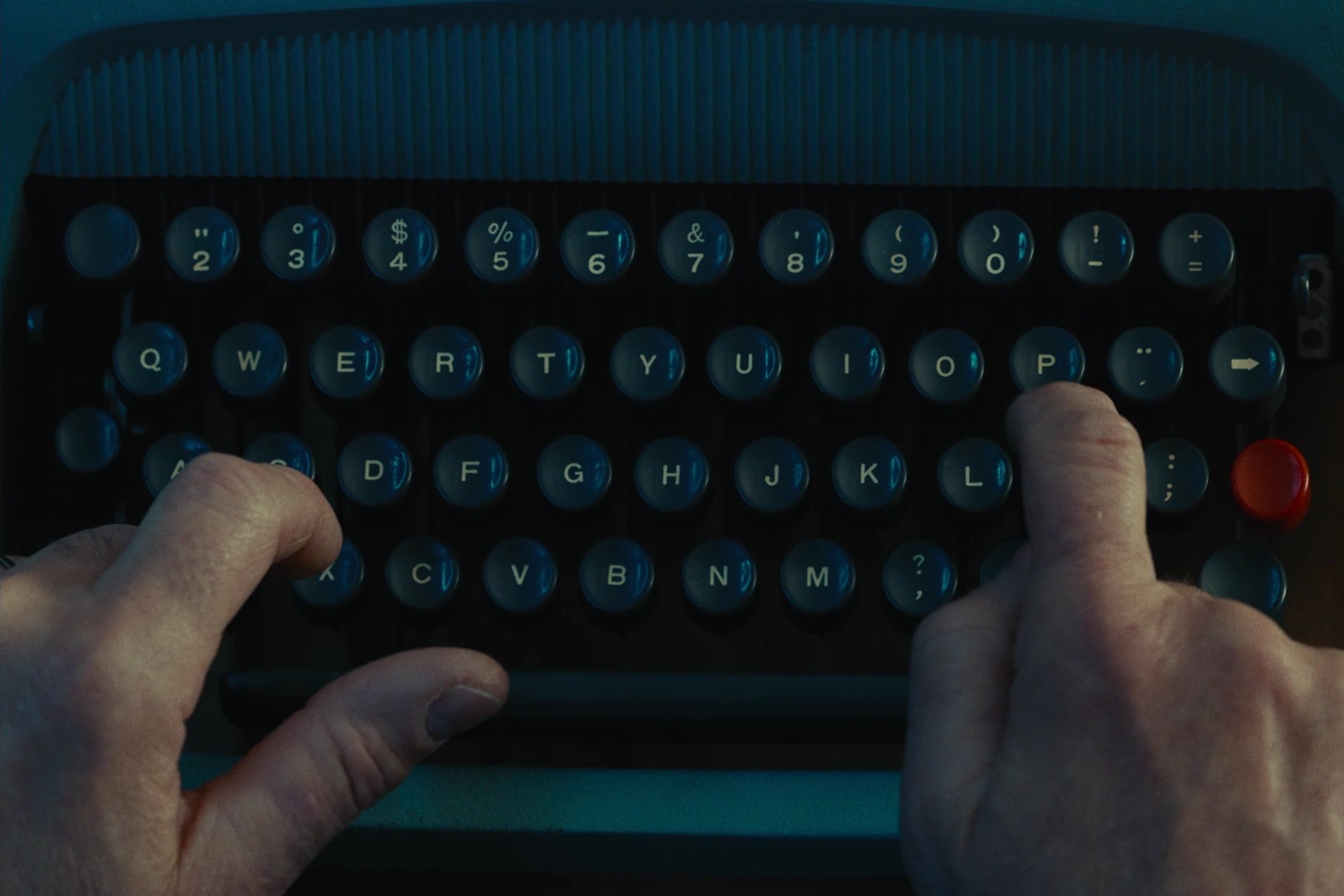
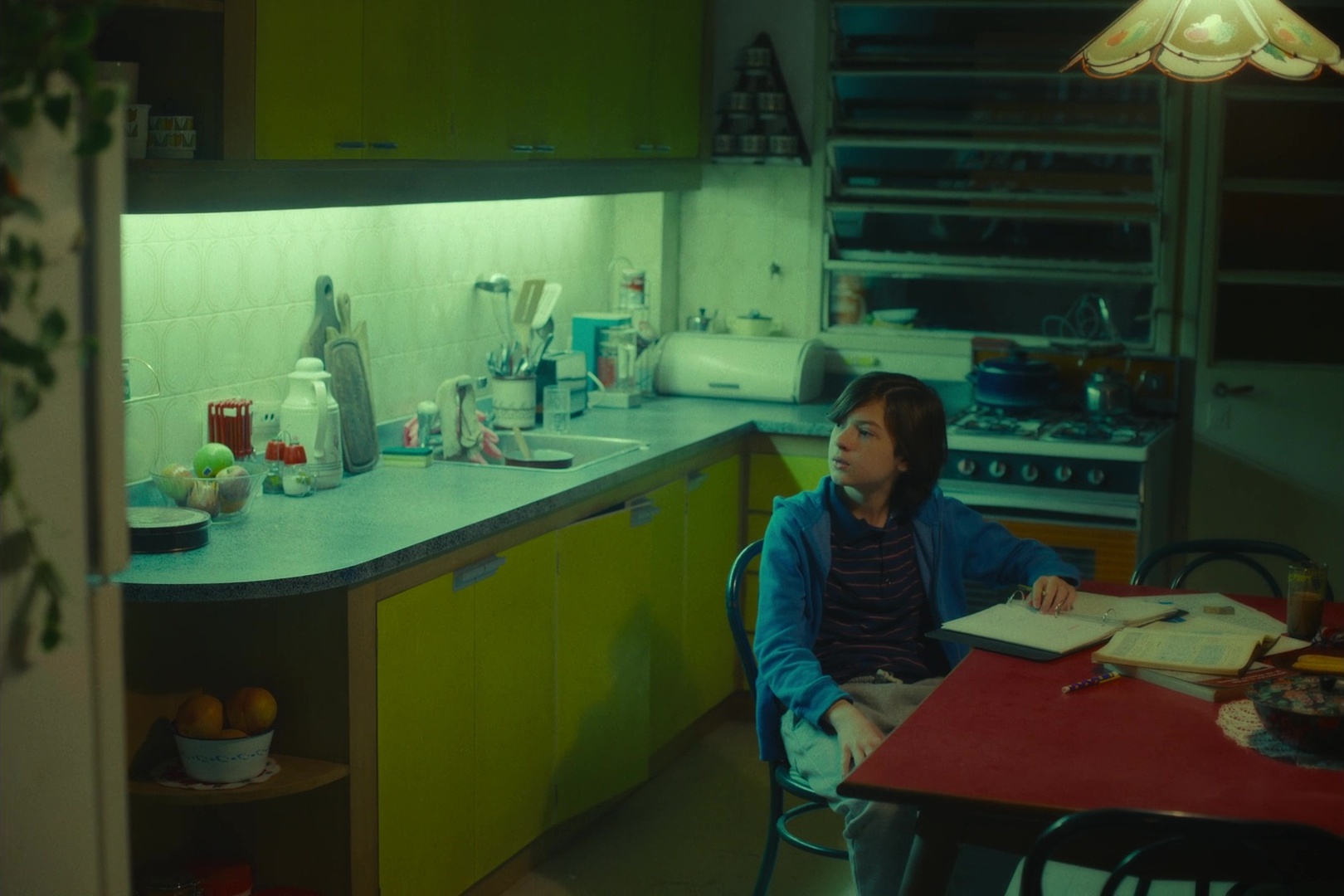
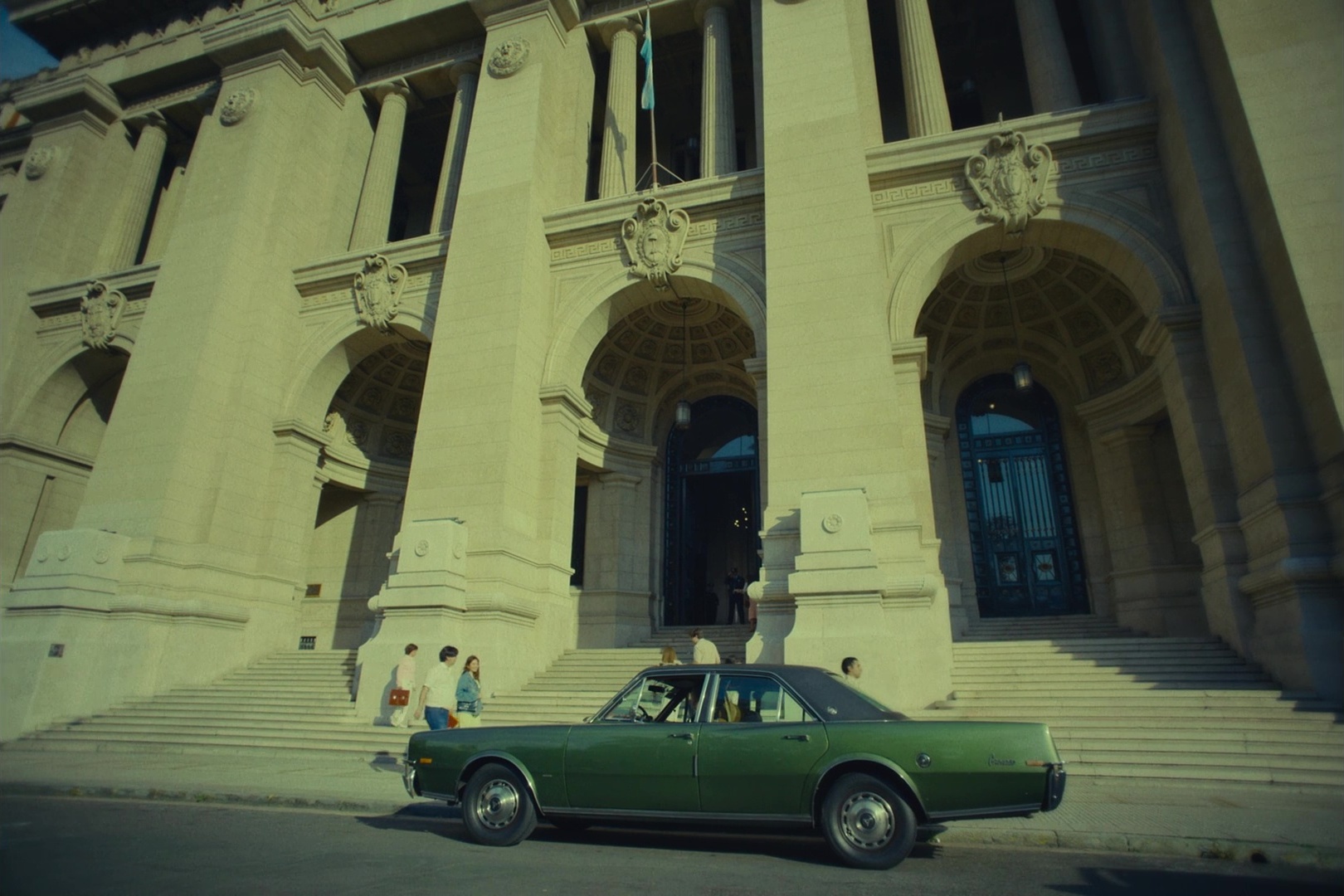
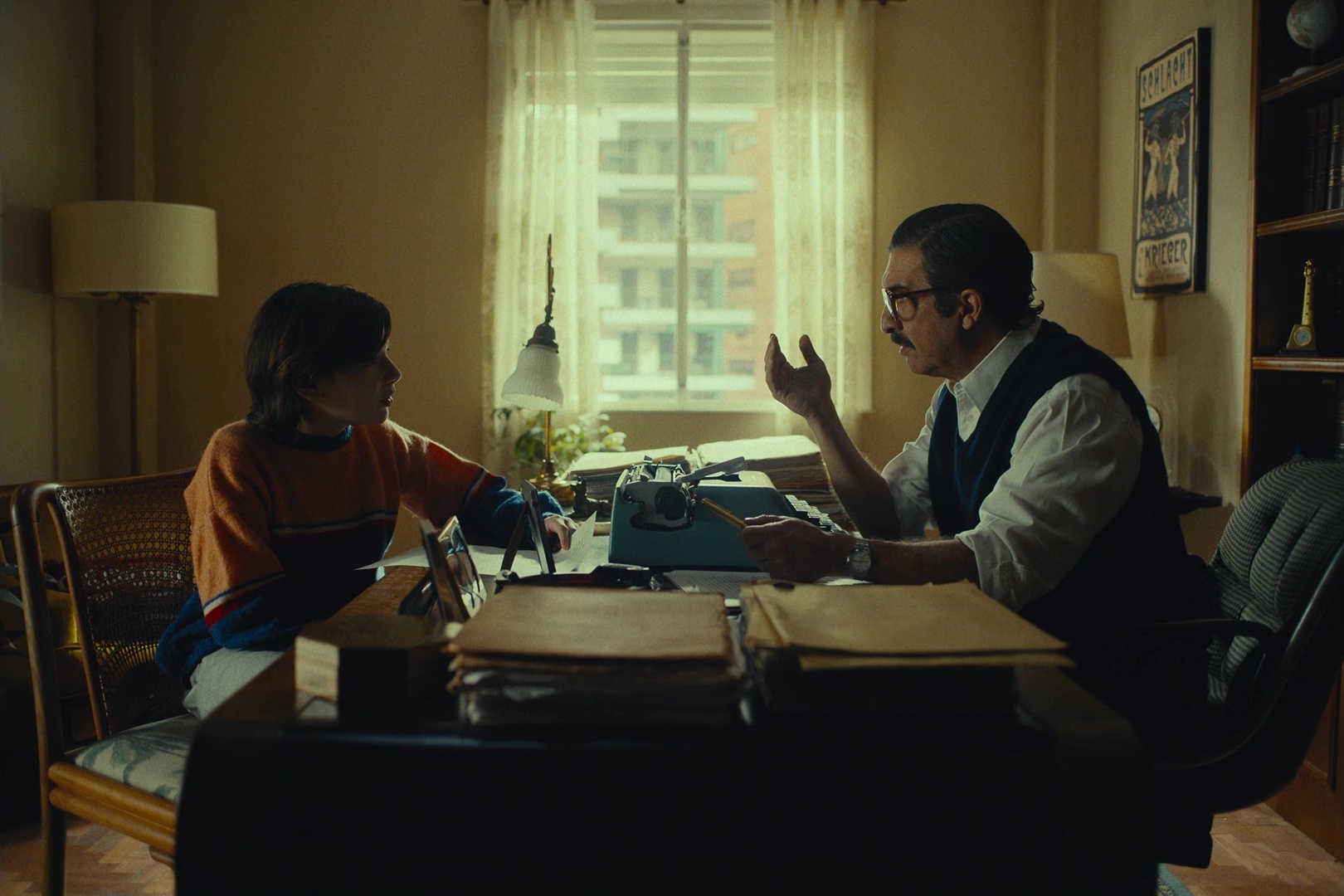
Set in the aftermath of Argentina’s military dictatorship, the film follows prosecutor Julio Strassera and his young legal team as they prepare the historic Trial of the Juntas, seeking to hold former military leaders accountable for crimes committed during the “Dirty War.” Working under political pressure, public fear, and threats of retaliation, the team gathers testimony from survivors and families of the disappeared. The story unfolds as both a courtroom drama and a portrait of a fragile democracy attempting to confront the atrocities of its recent past.
Mitre and cinematographer Javier Juliá shoot Argentina, 1985 with a restrained, grounded realism that emphasizes process, testimony, and institutional tension over melodramatic spectacle. Muted period palettes, subdued lighting, and tightly framed office and courtroom interiors create an atmosphere of exhaustion and moral gravity, while handheld movement and naturalistic staging reinforce the precariousness of the political moment. The film’s emotional power frequently comes through stillness and close observation—particularly during witness testimony scenes, where restrained camerawork allows faces, pauses, and silence to carry the historical weight of the narrative.


FILM SPOTLIGHT
Mrs. Harris Goes to Paris (2022)
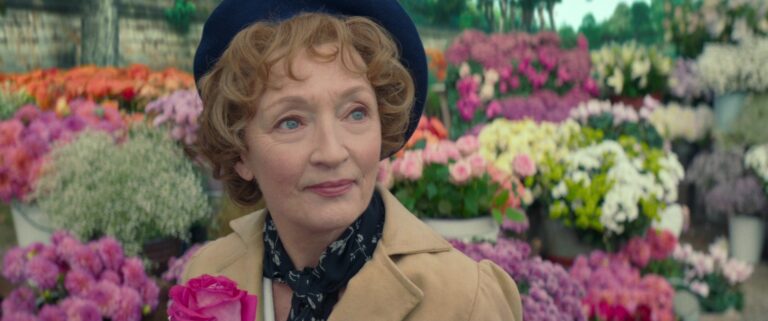
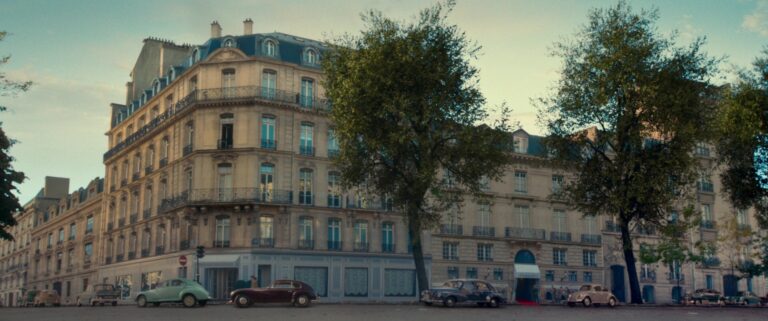
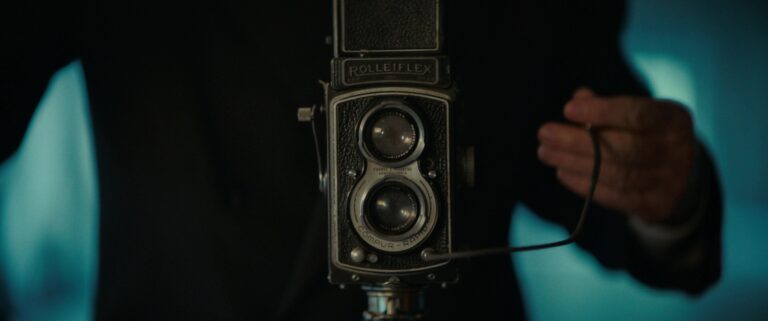
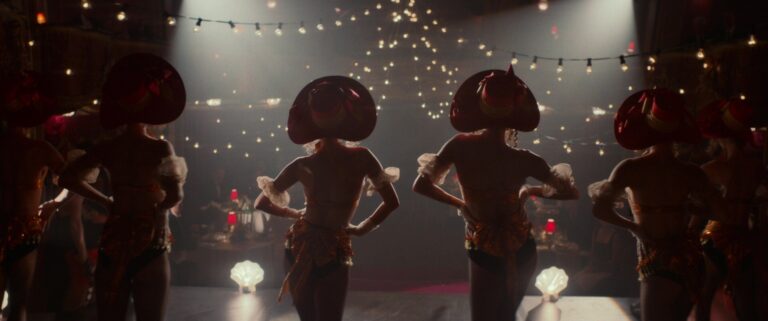
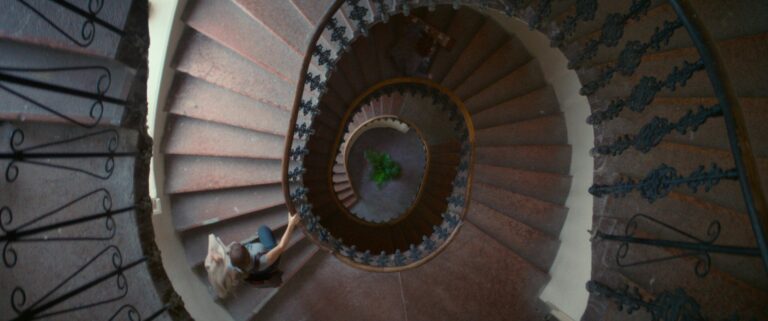
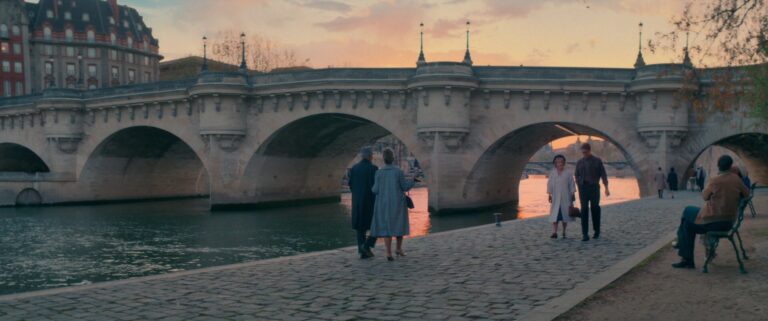
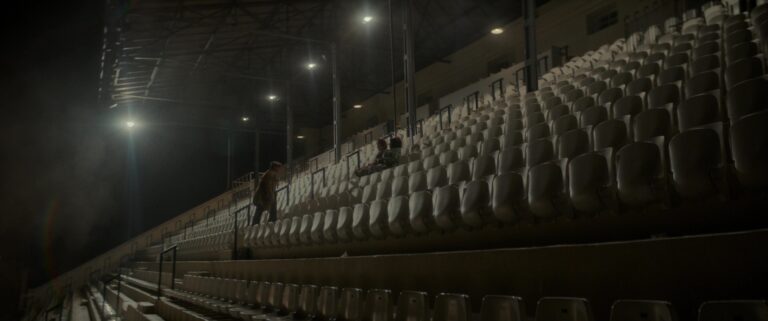
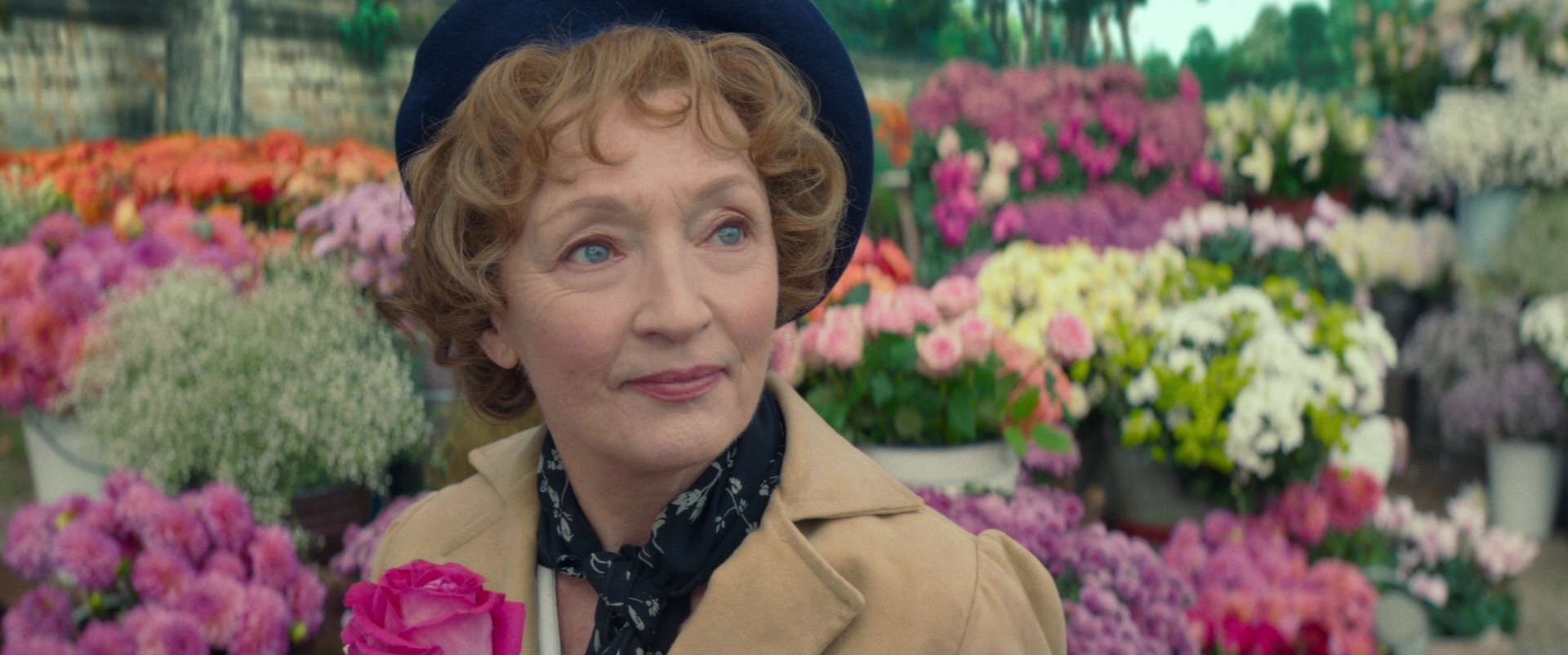
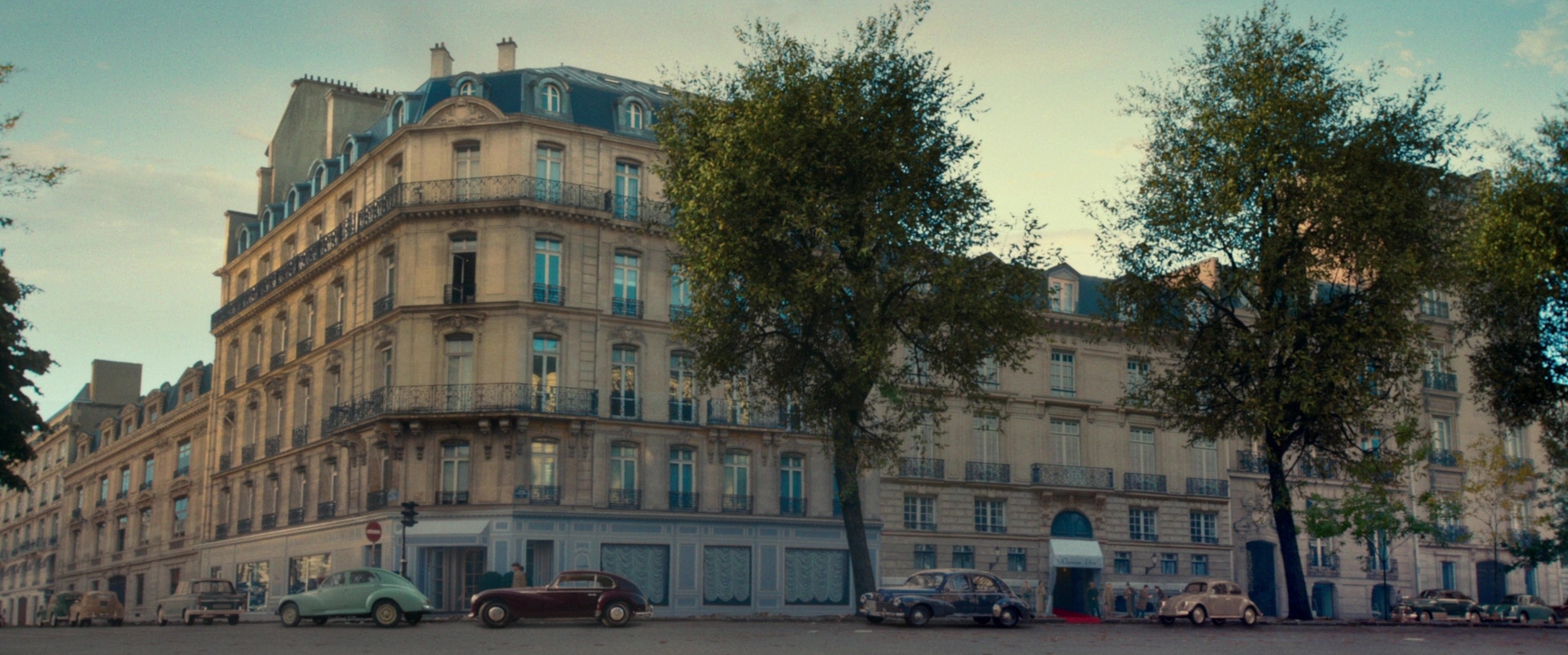
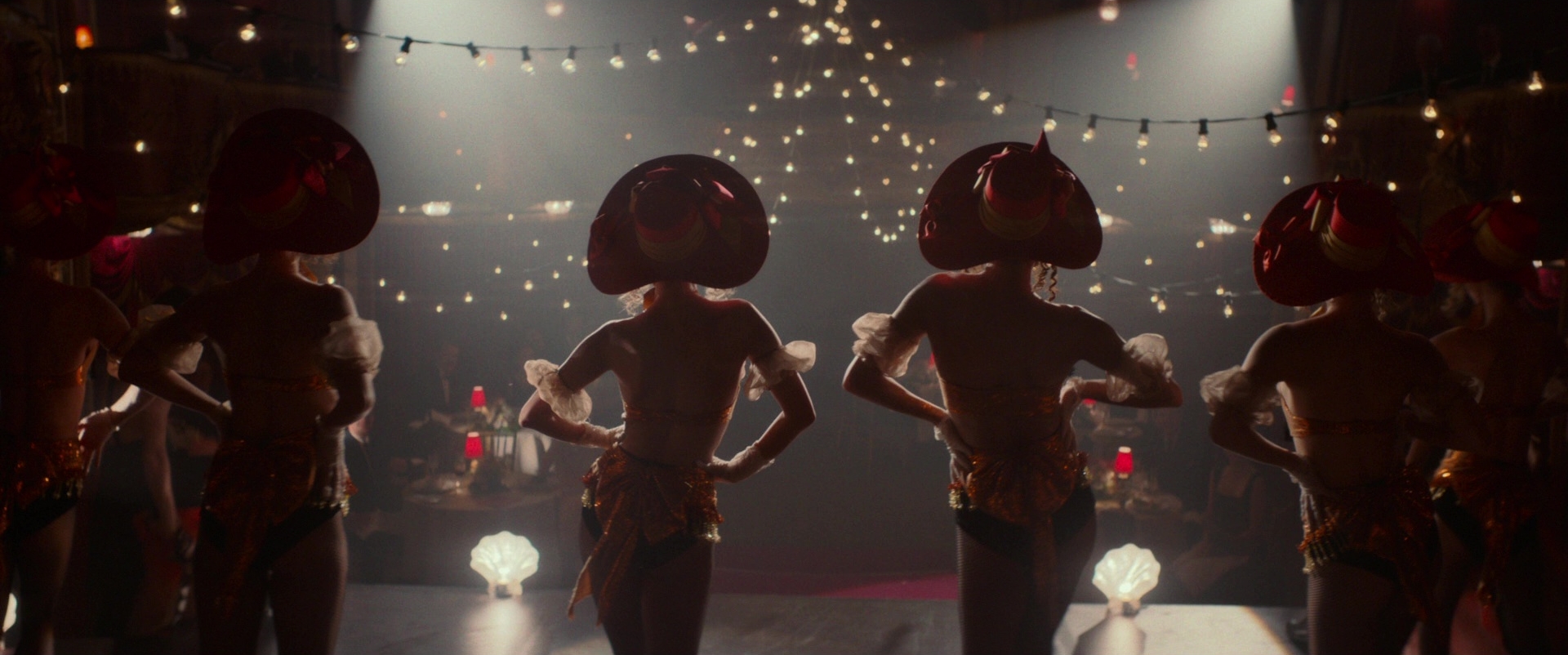
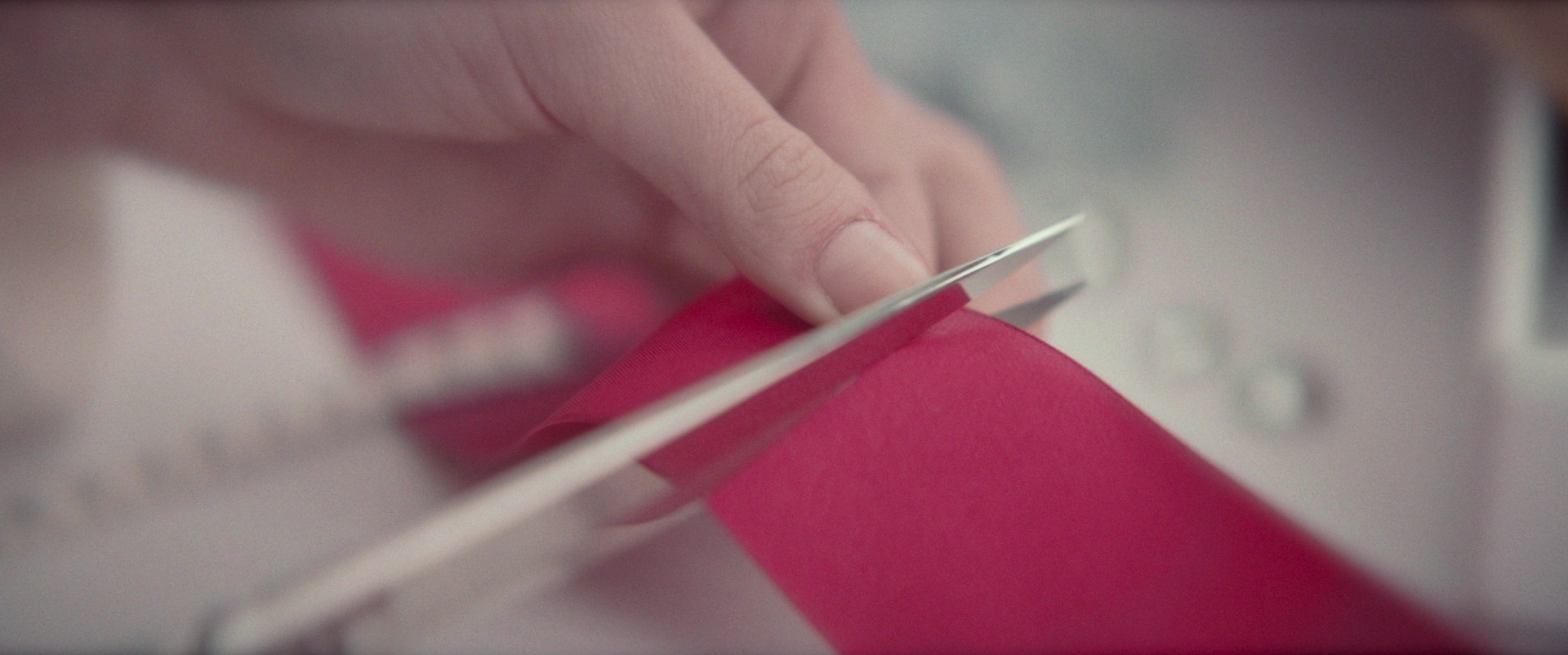
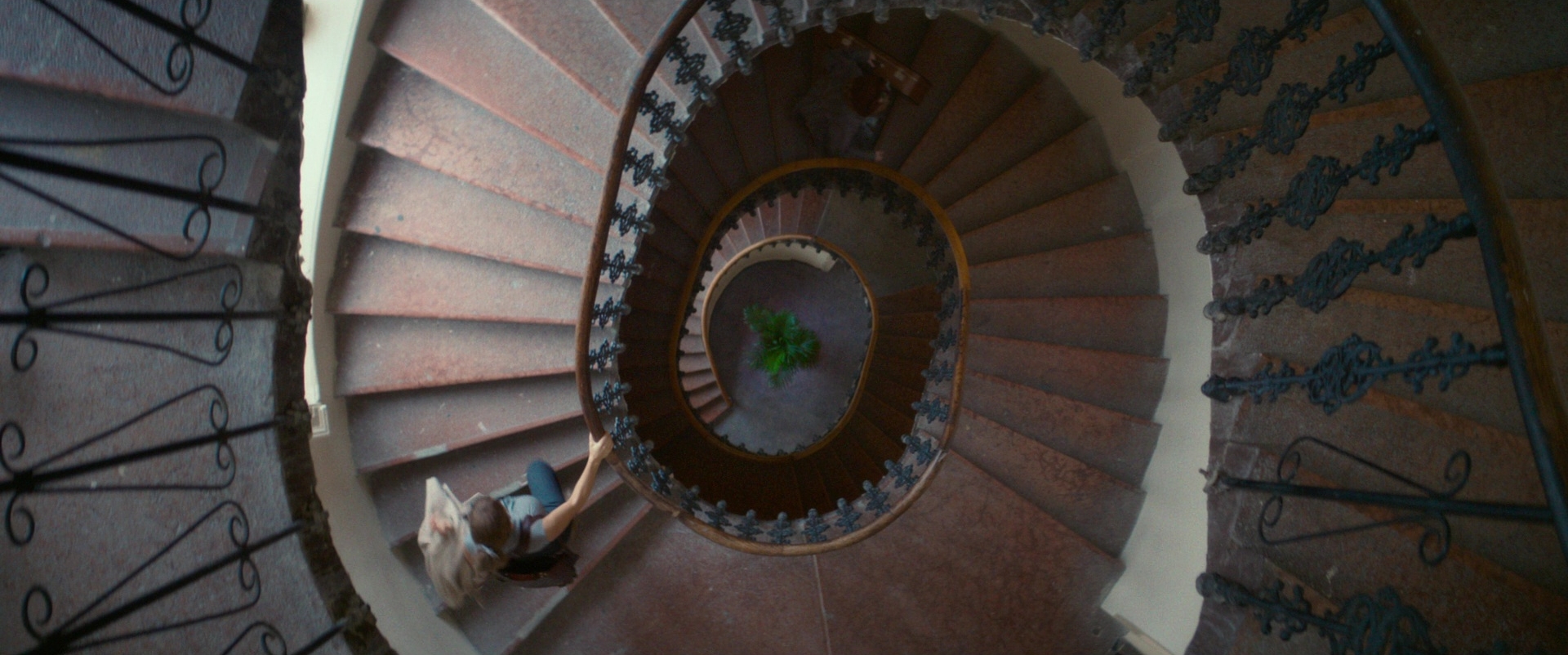
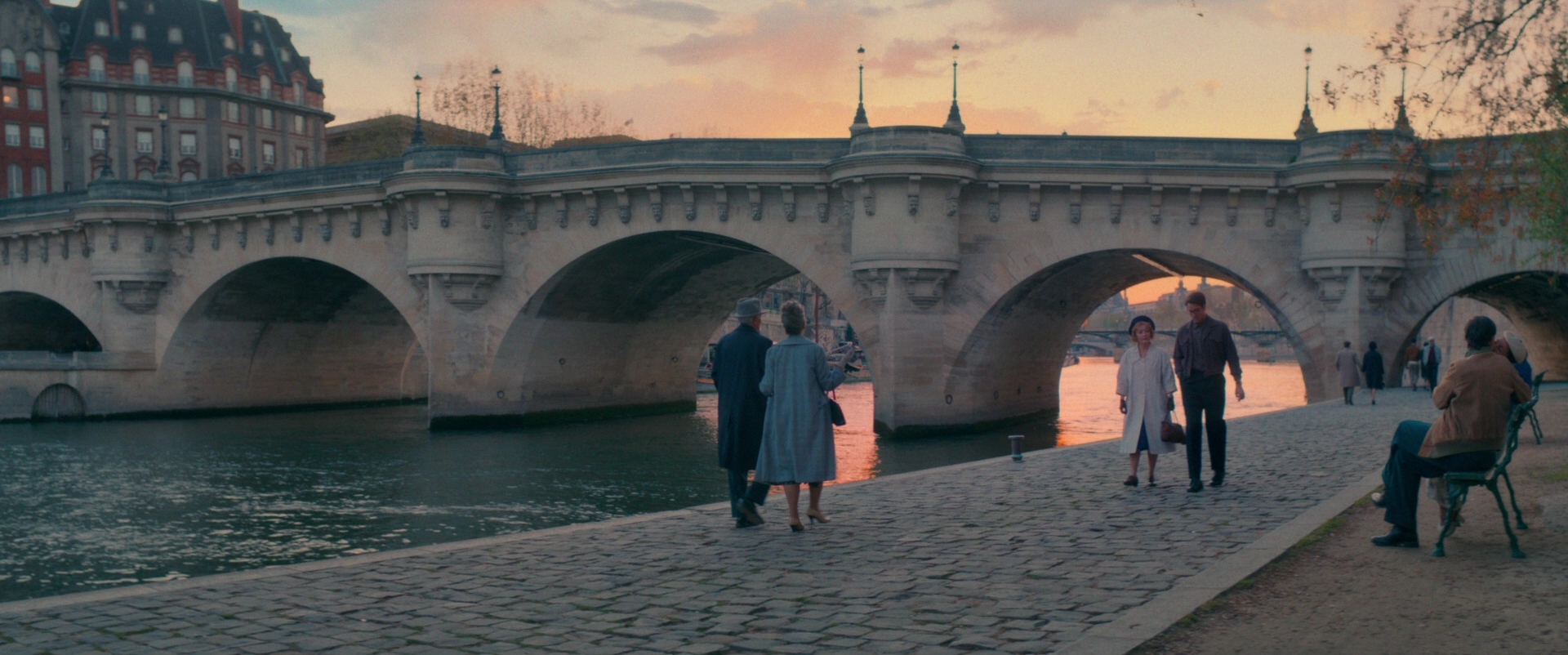
Set in 1950s London and Paris, the film follows Ada Harris, a widowed cleaning lady whose life changes after she becomes enchanted by a couture Christian Dior dress belonging to one of her clients. Determined to own a gown of her own despite limited means, she saves money and travels to Paris, where her warmth and optimism gradually influence the world of high fashion around her. The journey becomes a charming story about aspiration, kindness, and the transformative power of beauty and self-worth.
Fabian and cinematographer Felix Wiedemann craft the film with a warm, elegant visual style inspired by classic mid-century romantic comedies and fashion melodramas. Rich pastel palettes, soft golden lighting, and meticulously detailed costumes recreate postwar Parisian couture culture with storybook-like charm. The Dior fashion-show sequences are staged with sweeping camera movement, theatrical spotlighting, and vibrant costume presentation that emphasize clothing as emotional fantasy and personal transformation, while the contrast between modest London interiors and glamorous Paris salons visually reinforces Mrs. Harris’ journey into a world of possibility and reinvention.

FILM SPOTLIGHT
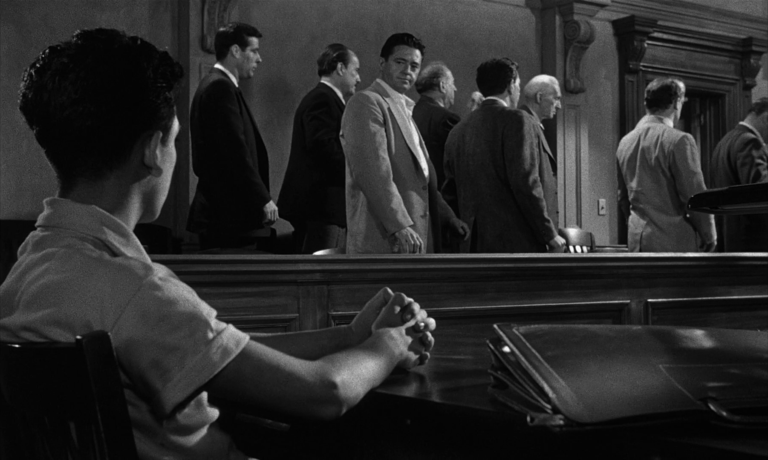
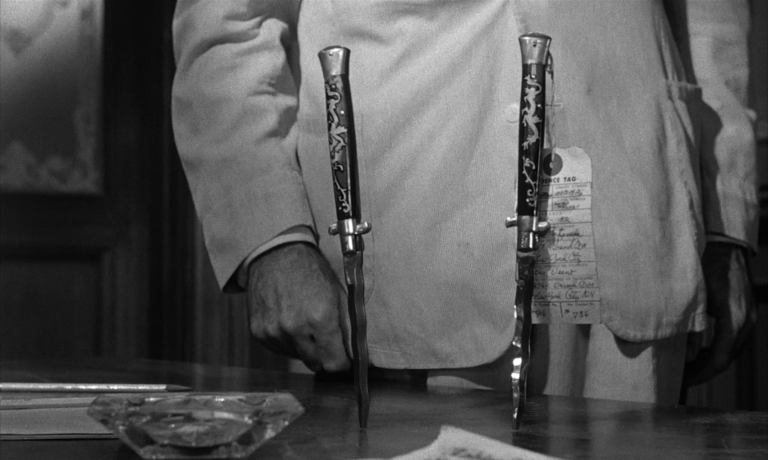
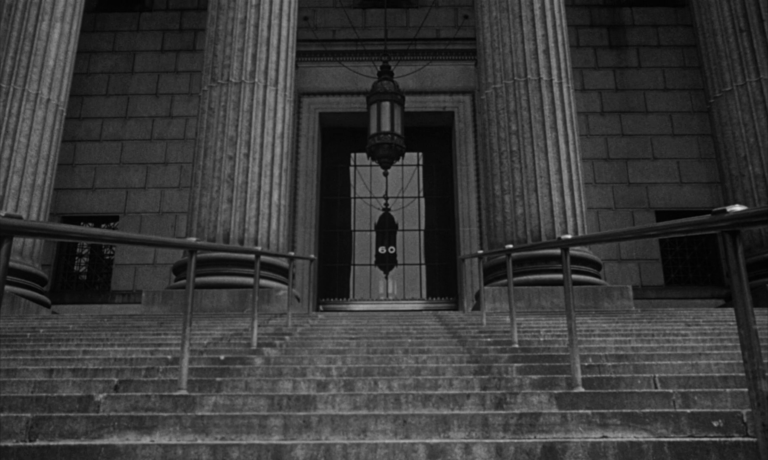
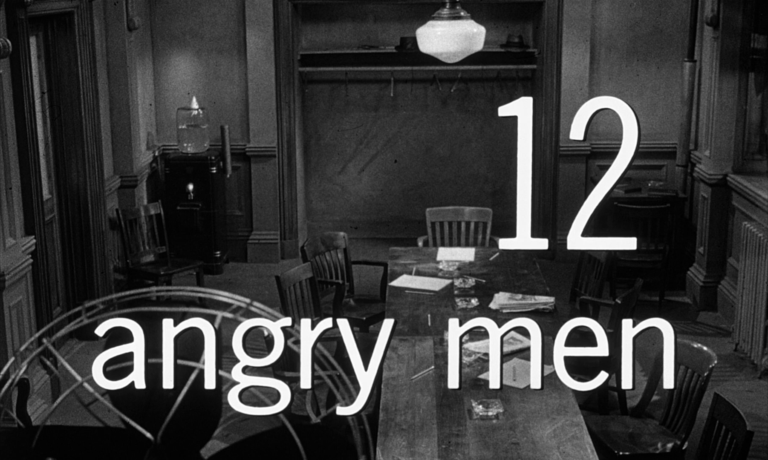
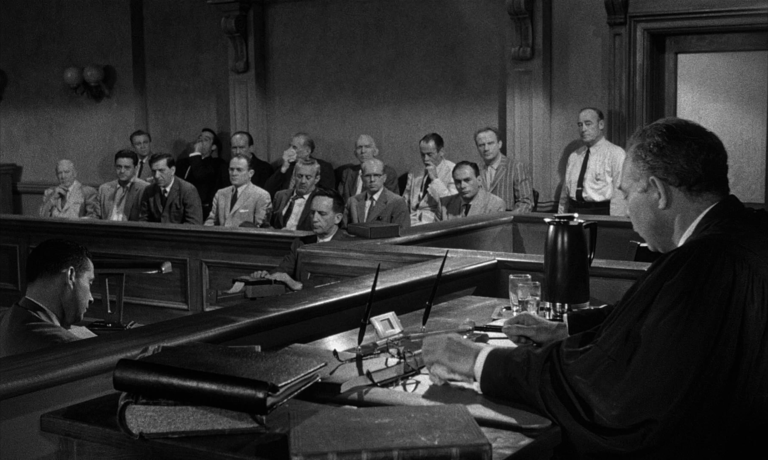
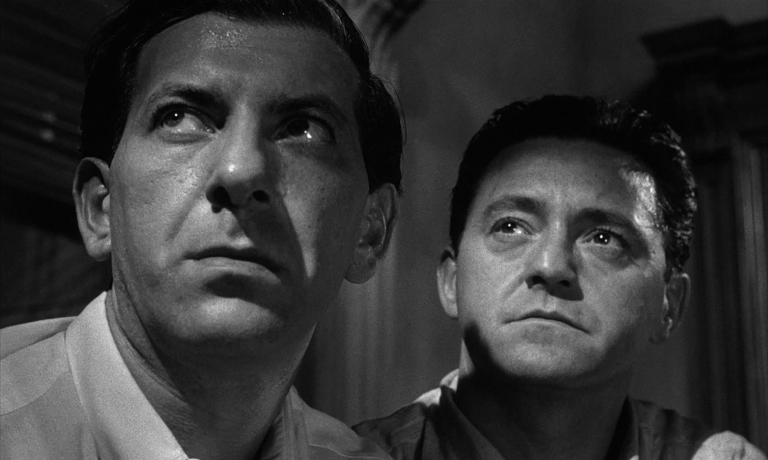
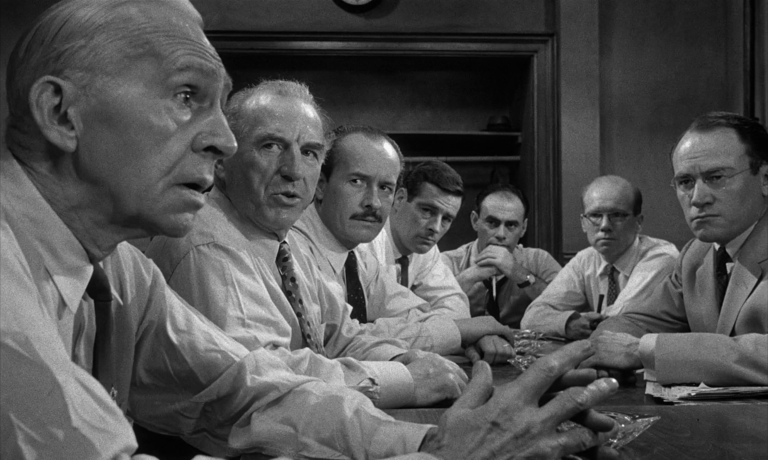
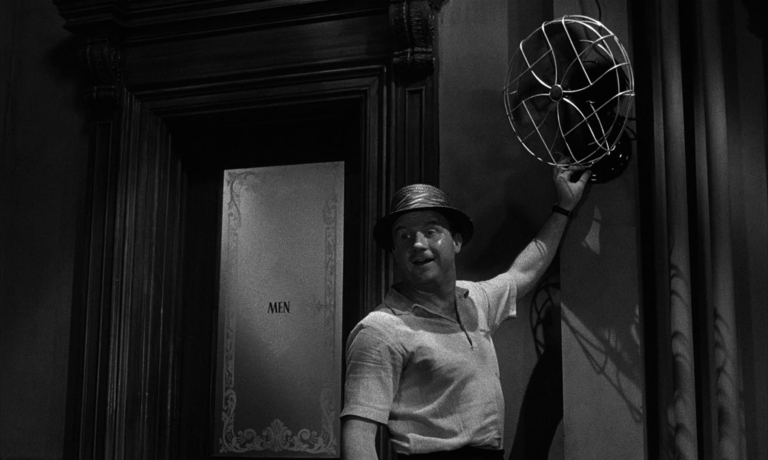
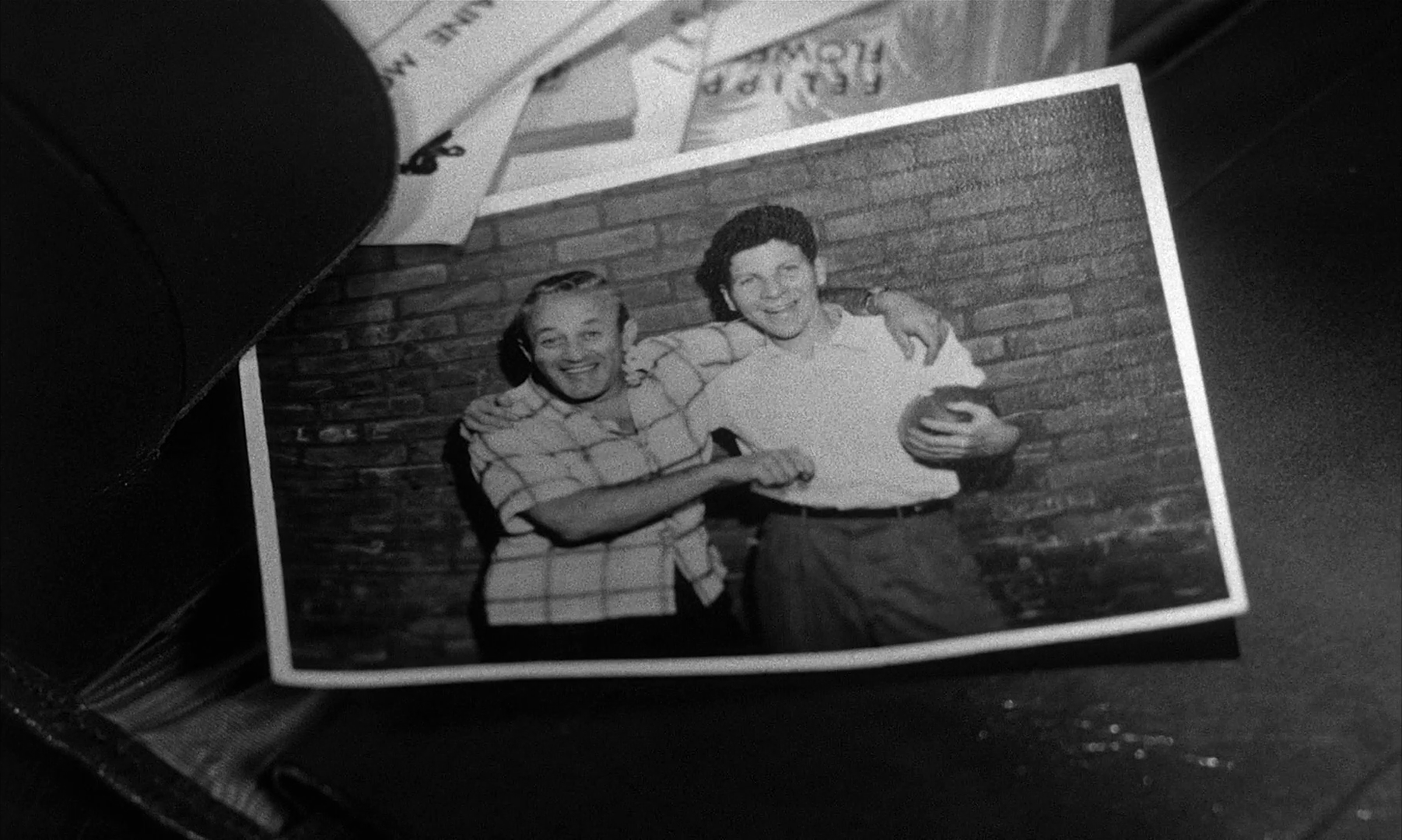
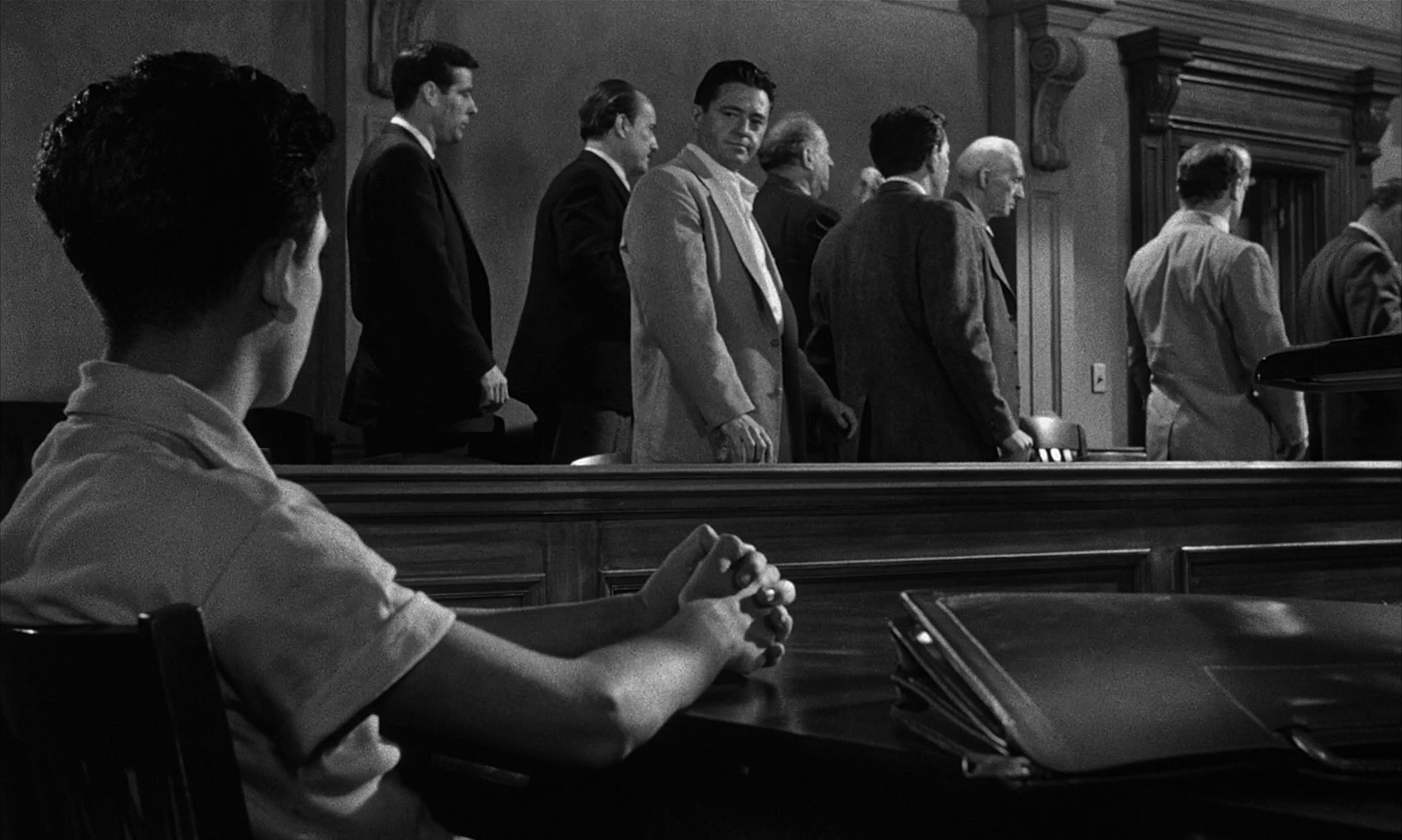
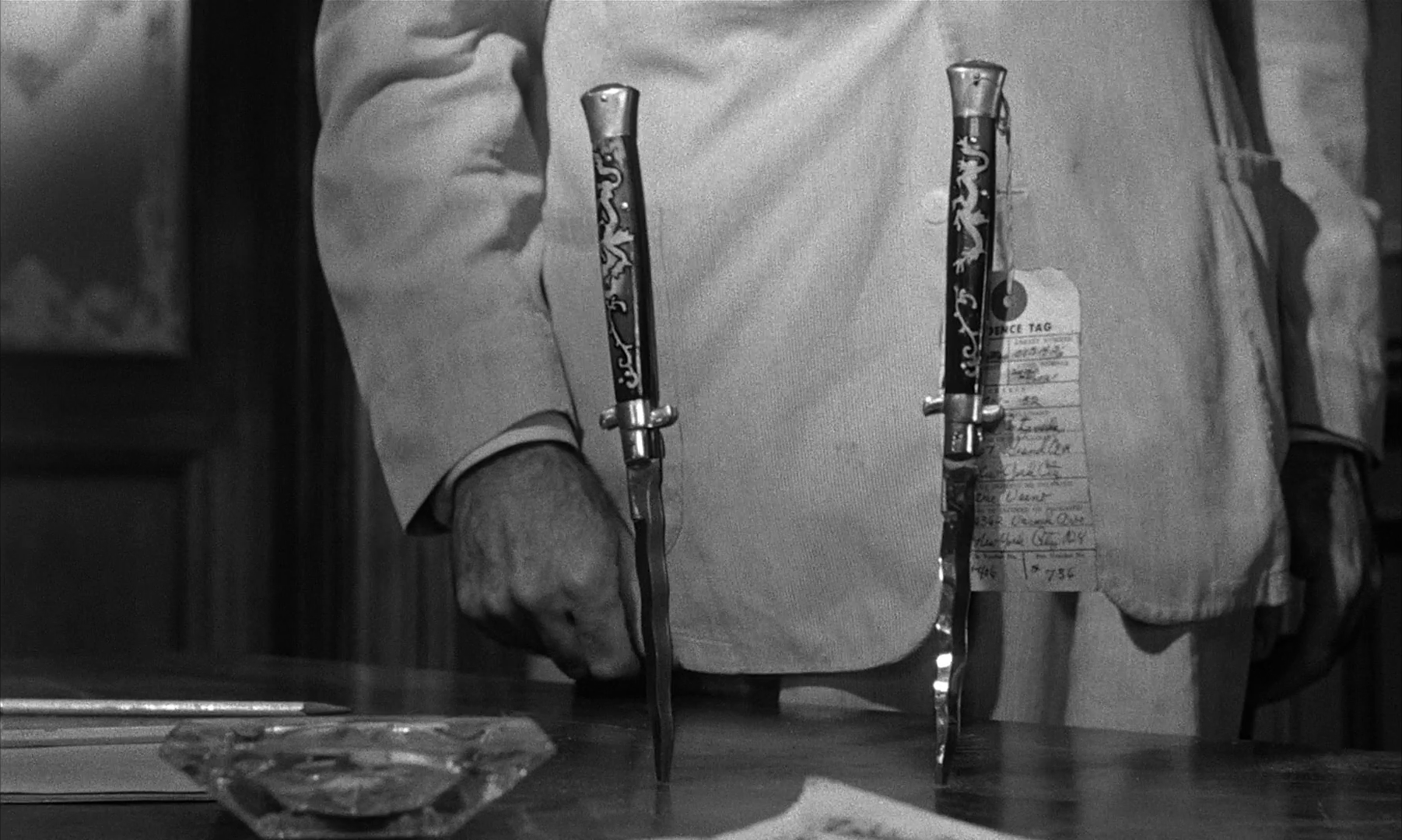
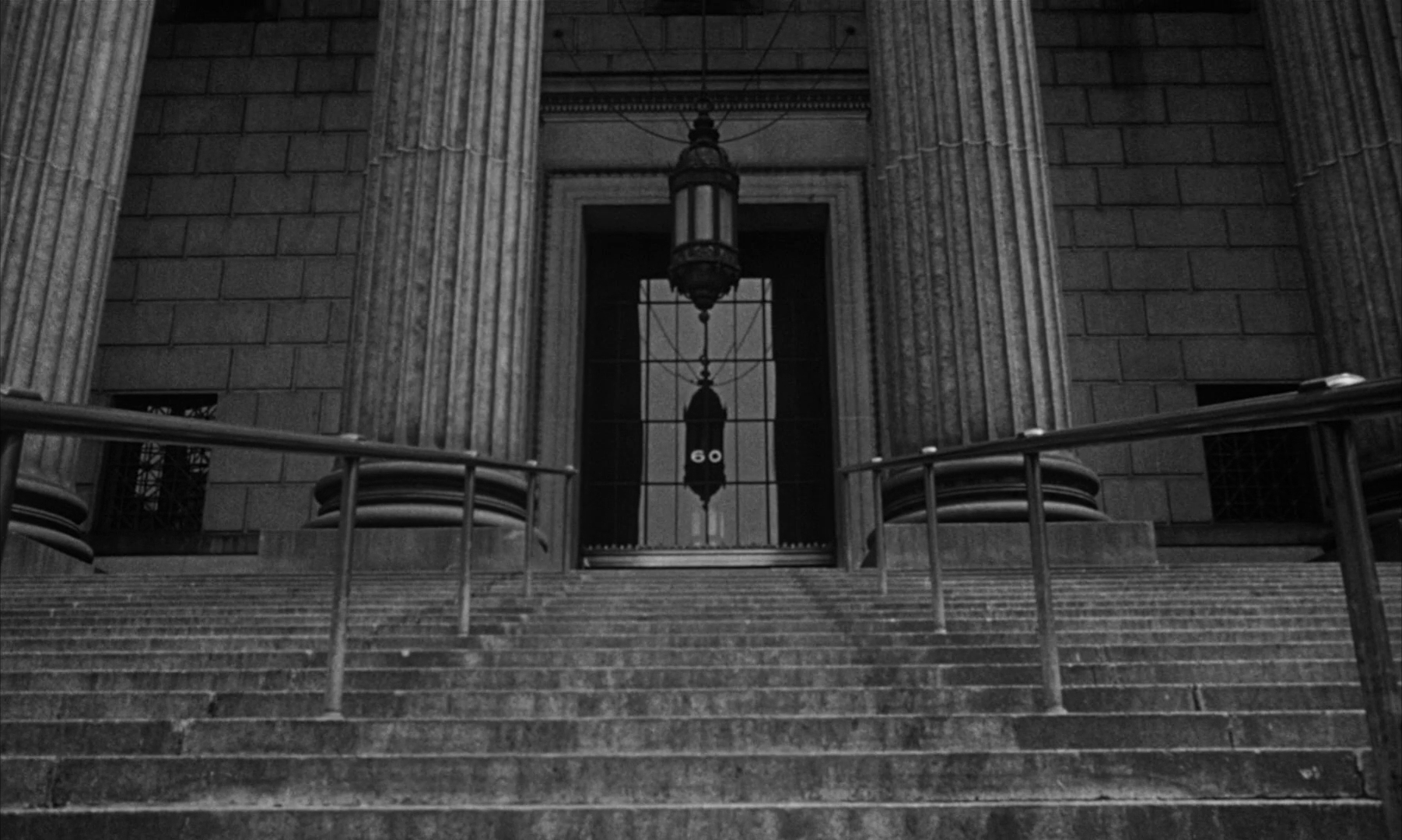
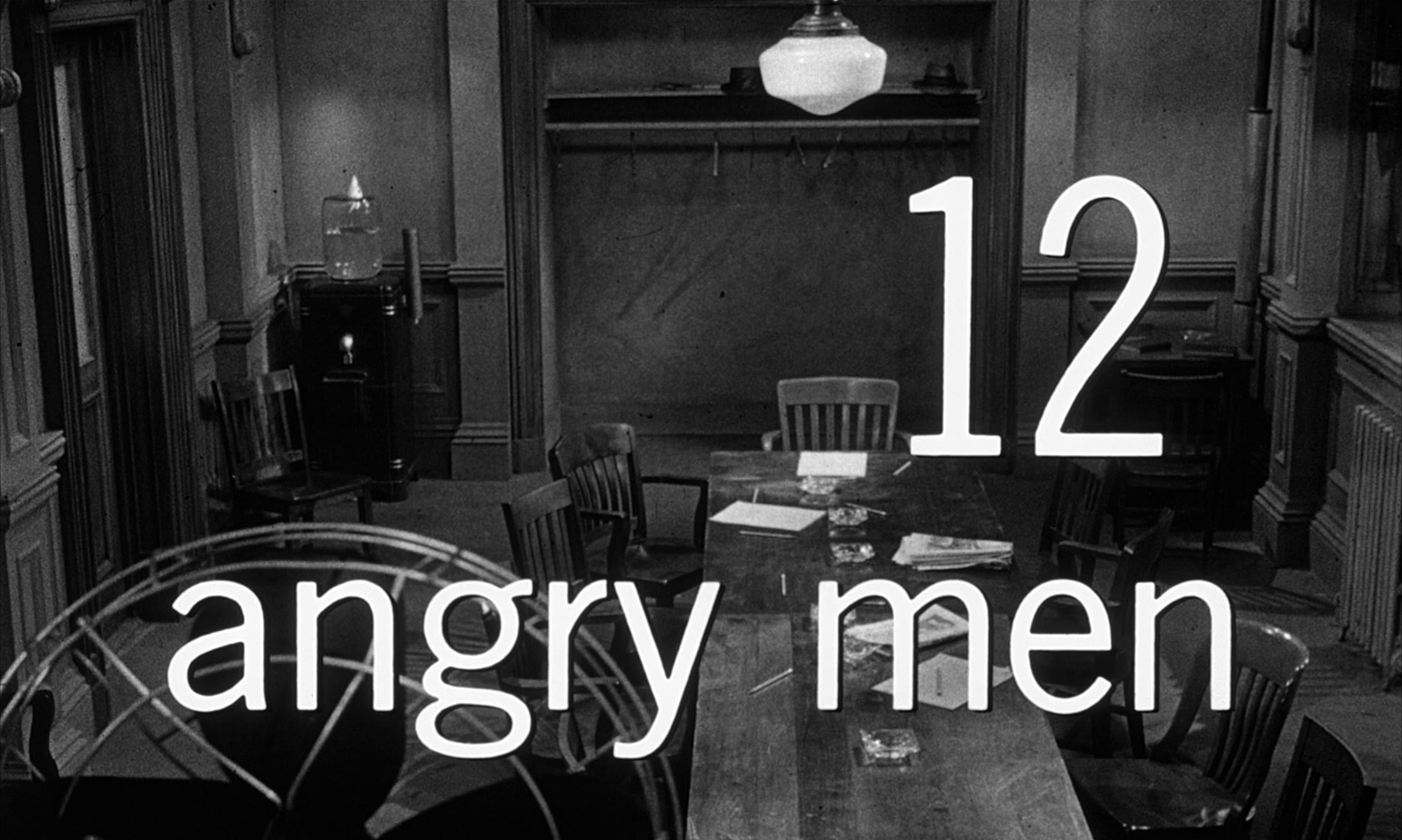
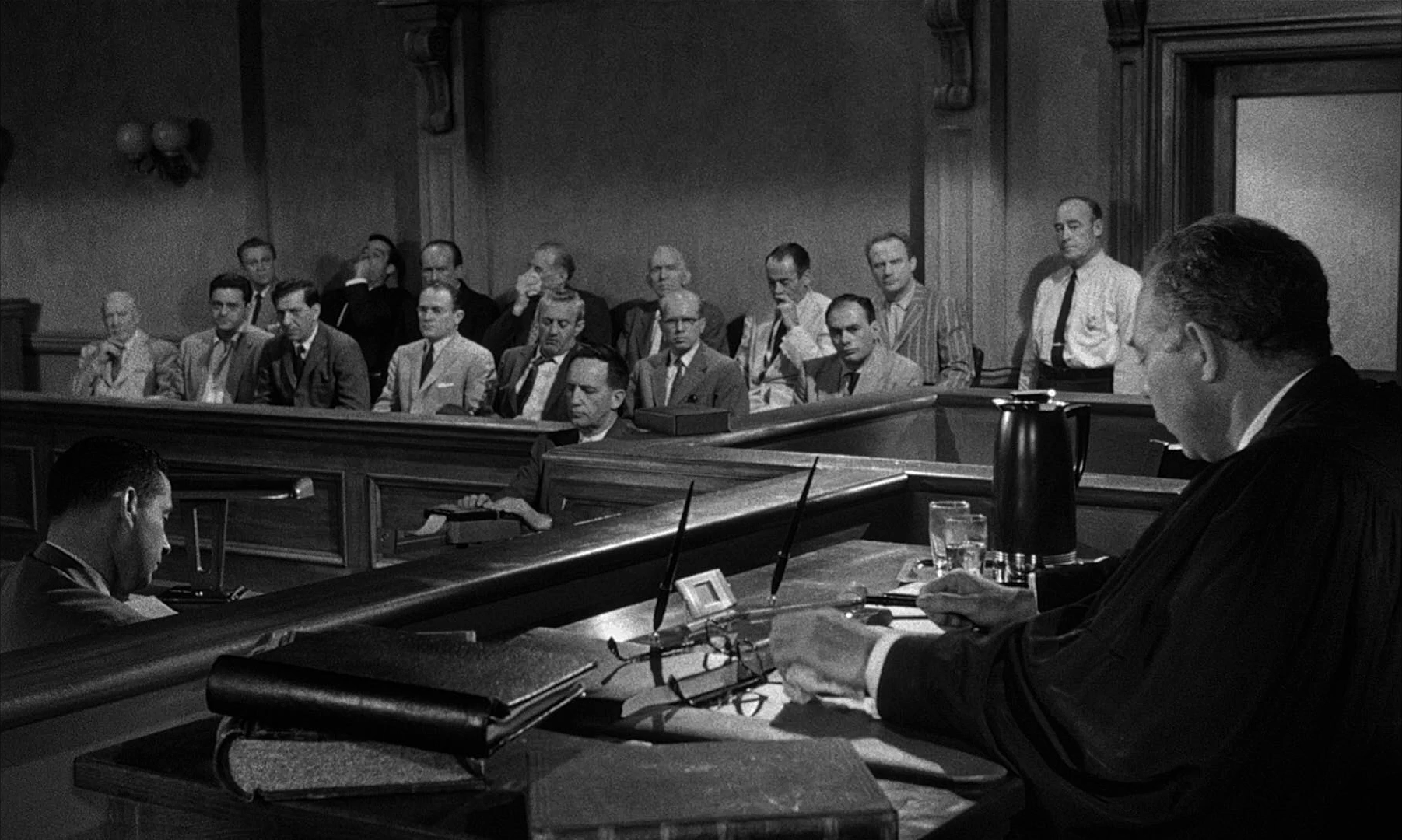
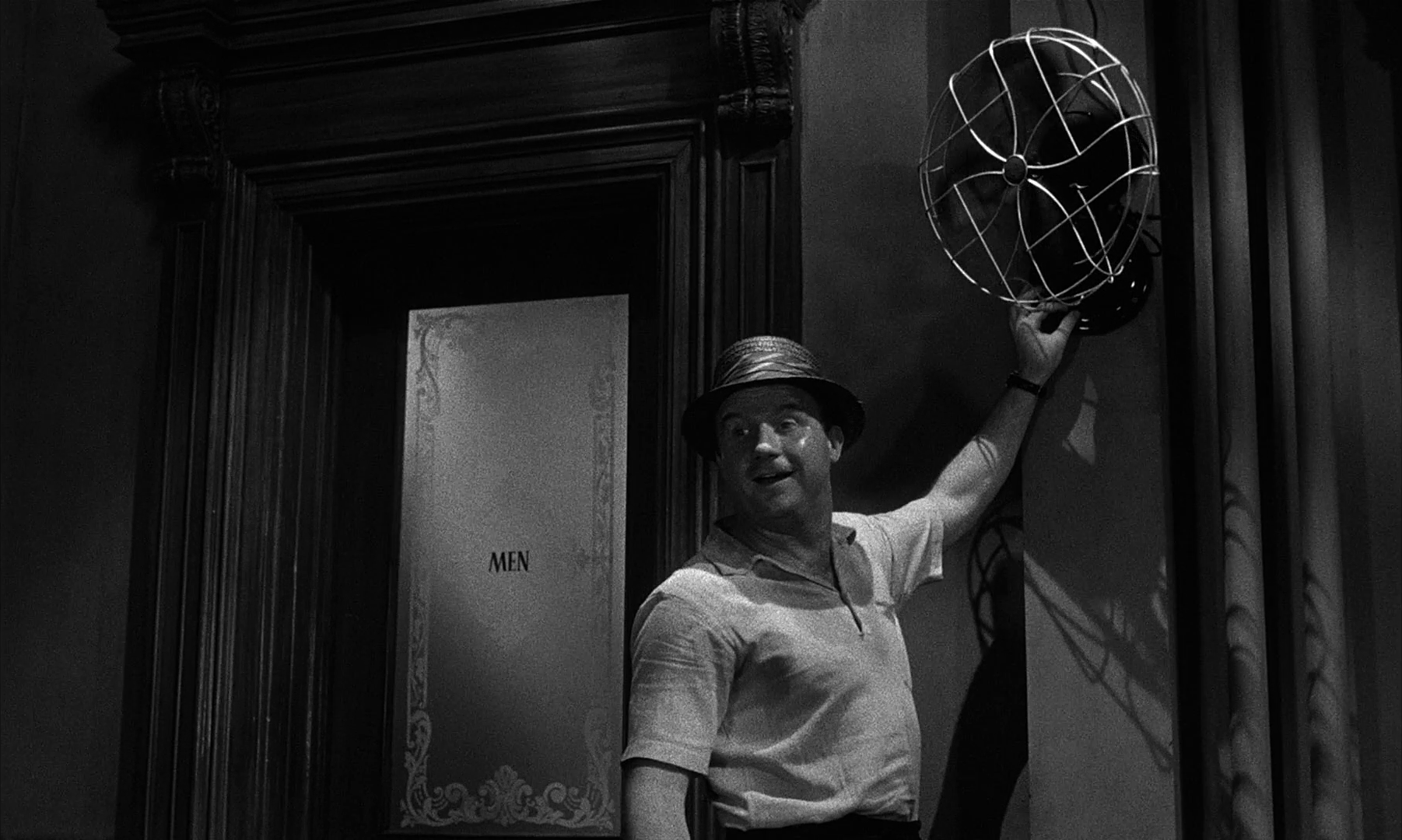
12 Angry Men (1957)
Inside a sweltering jury room, twelve jurors deliberate the fate of a teenage boy accused of murder, whose conviction would result in the death penalty. While nearly all are prepared to deliver a quick guilty verdict, one juror insists on carefully examining the evidence and testimony before condemning the boy. As the discussion intensifies, personal biases, prejudices, and moral convictions gradually surface, transforming the deliberation into a tense examination of justice, doubt, and civic responsibility.
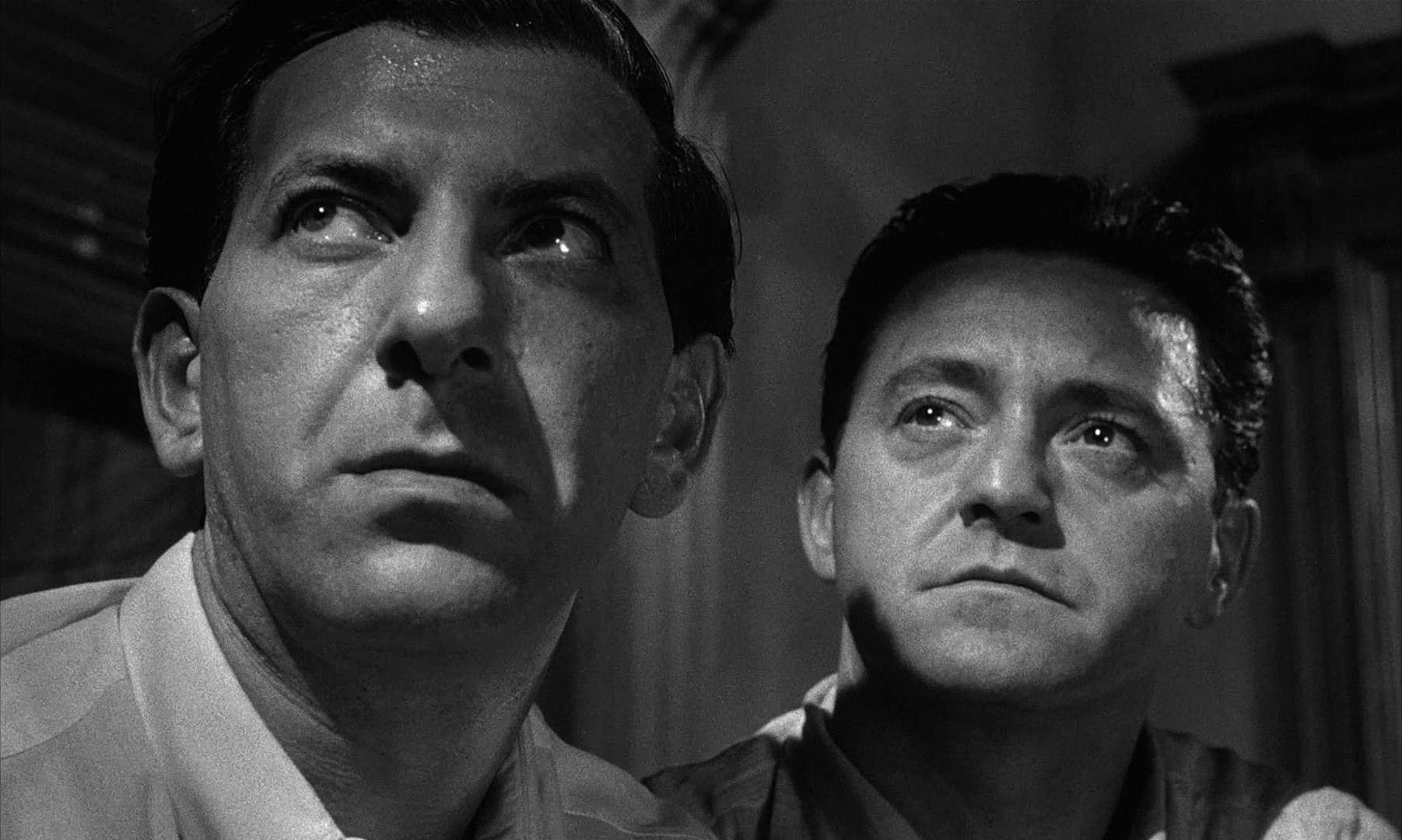
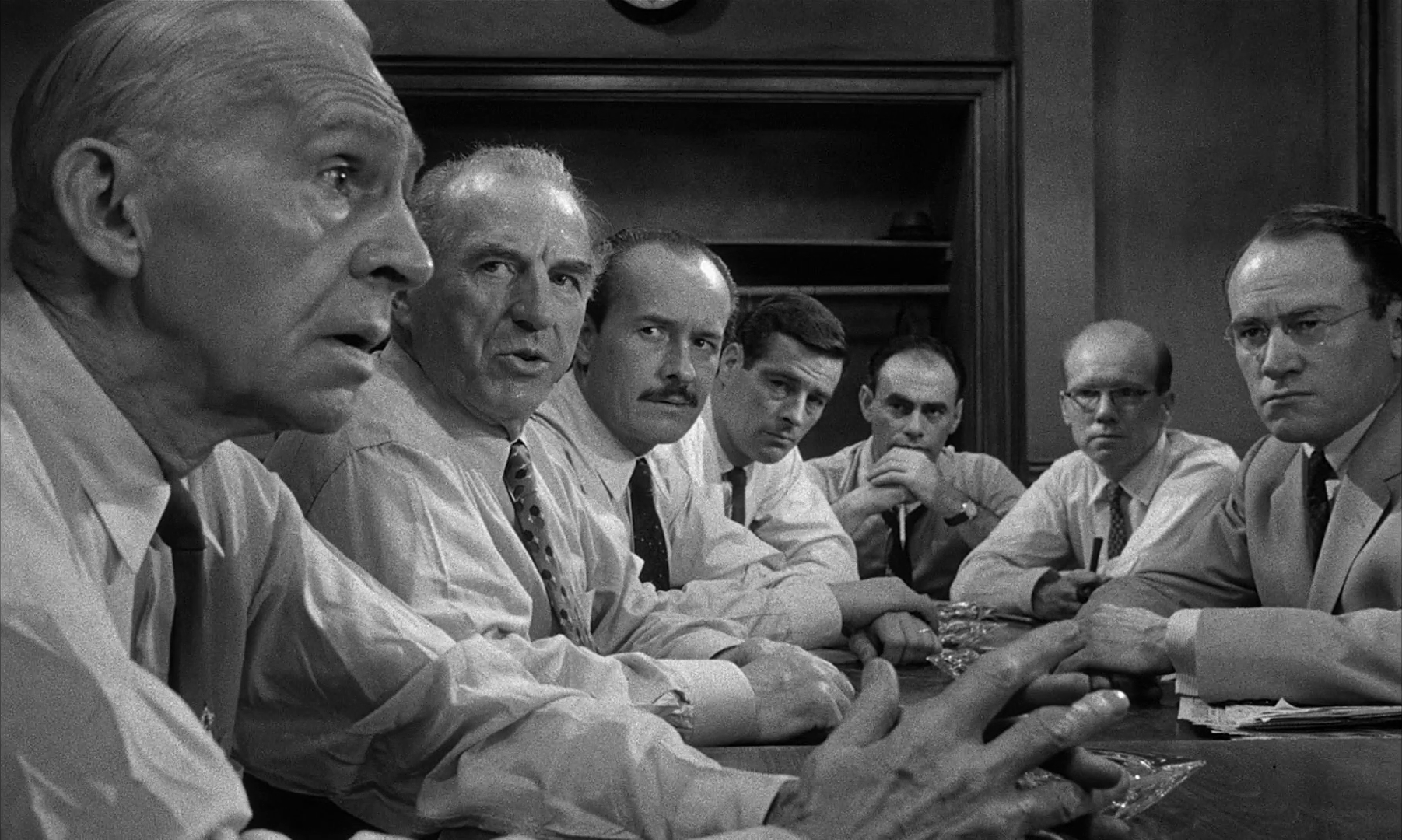
Lumet and cinematographer Boris Kaufman construct the film’s visual tension almost entirely within a single room, using evolving camera placement and lens choices to subtly increase psychological pressure over time. Early scenes rely on wider lenses and higher camera angles that preserve spatial openness, but as the debate grows more confrontational, the camera gradually lowers and shifts to longer lenses, compressing space and making the room feel increasingly claustrophobic. The stark black-and-white photography, sweat-drenched close-ups, and carefully choreographed blocking turn dialogue itself into cinematic action, proving how framing, movement, and performance can generate suspense without leaving a confined space.
FILM SPOTLIGHT
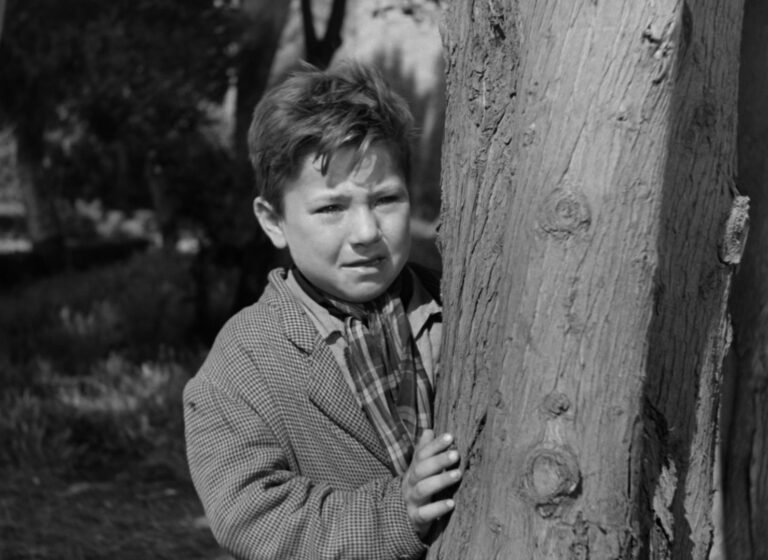
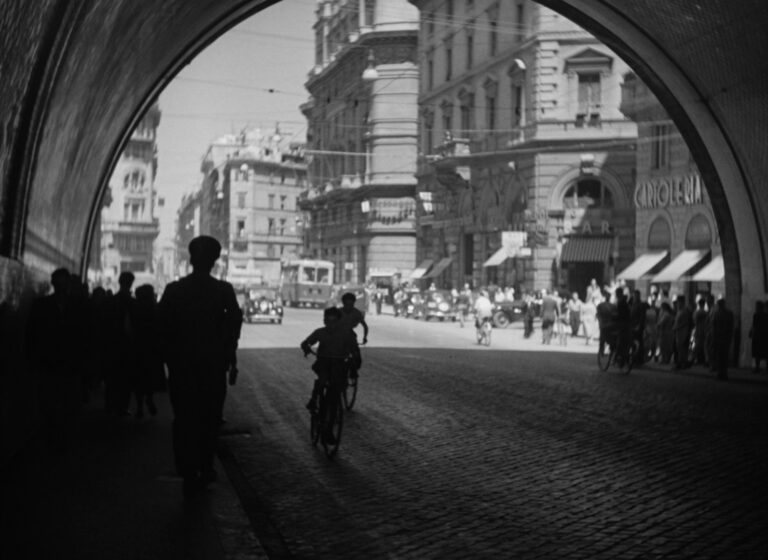
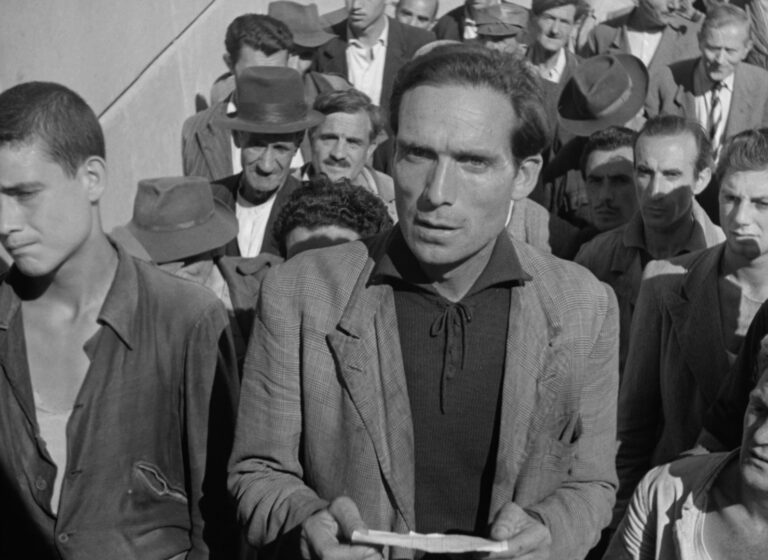
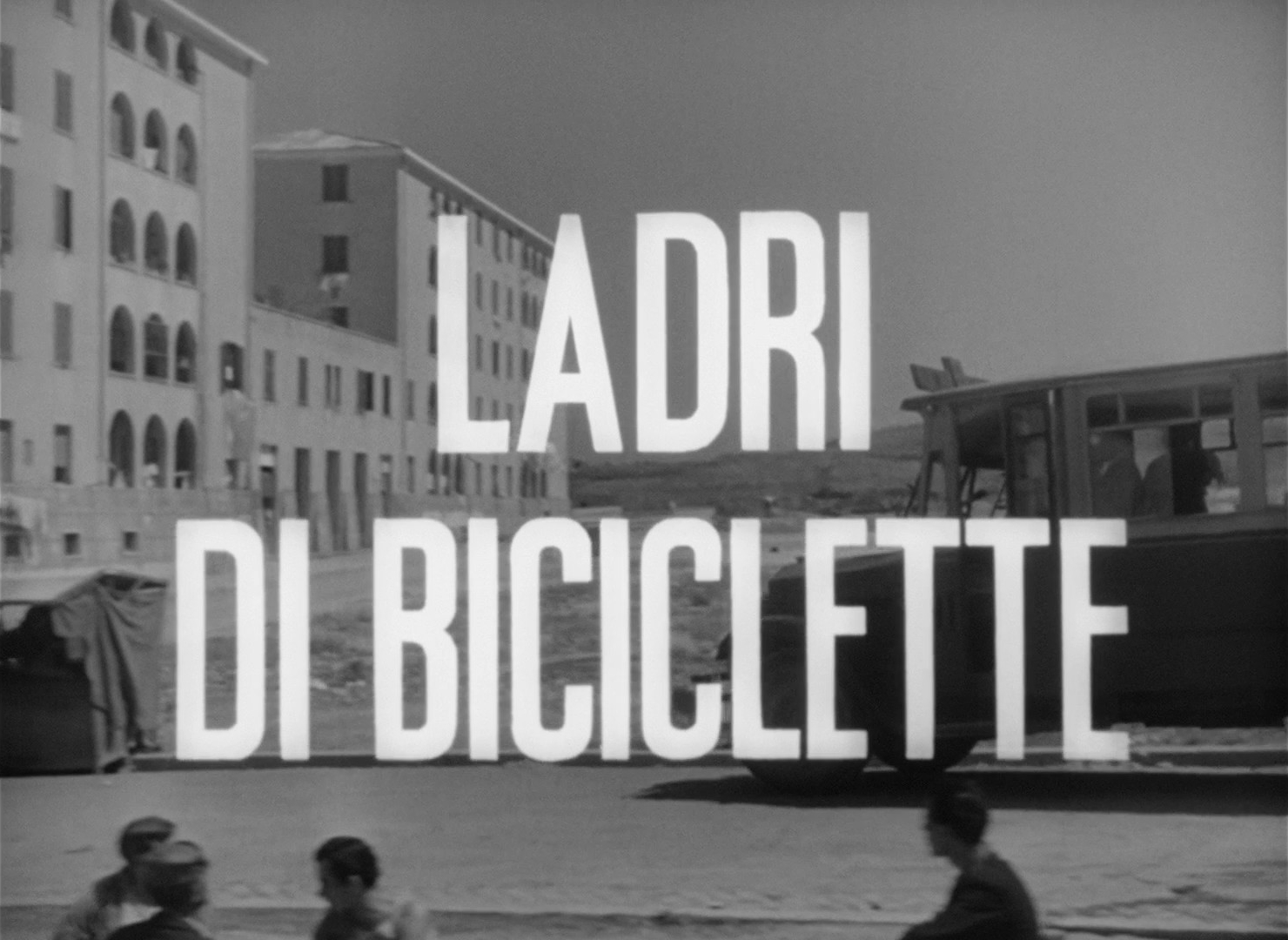
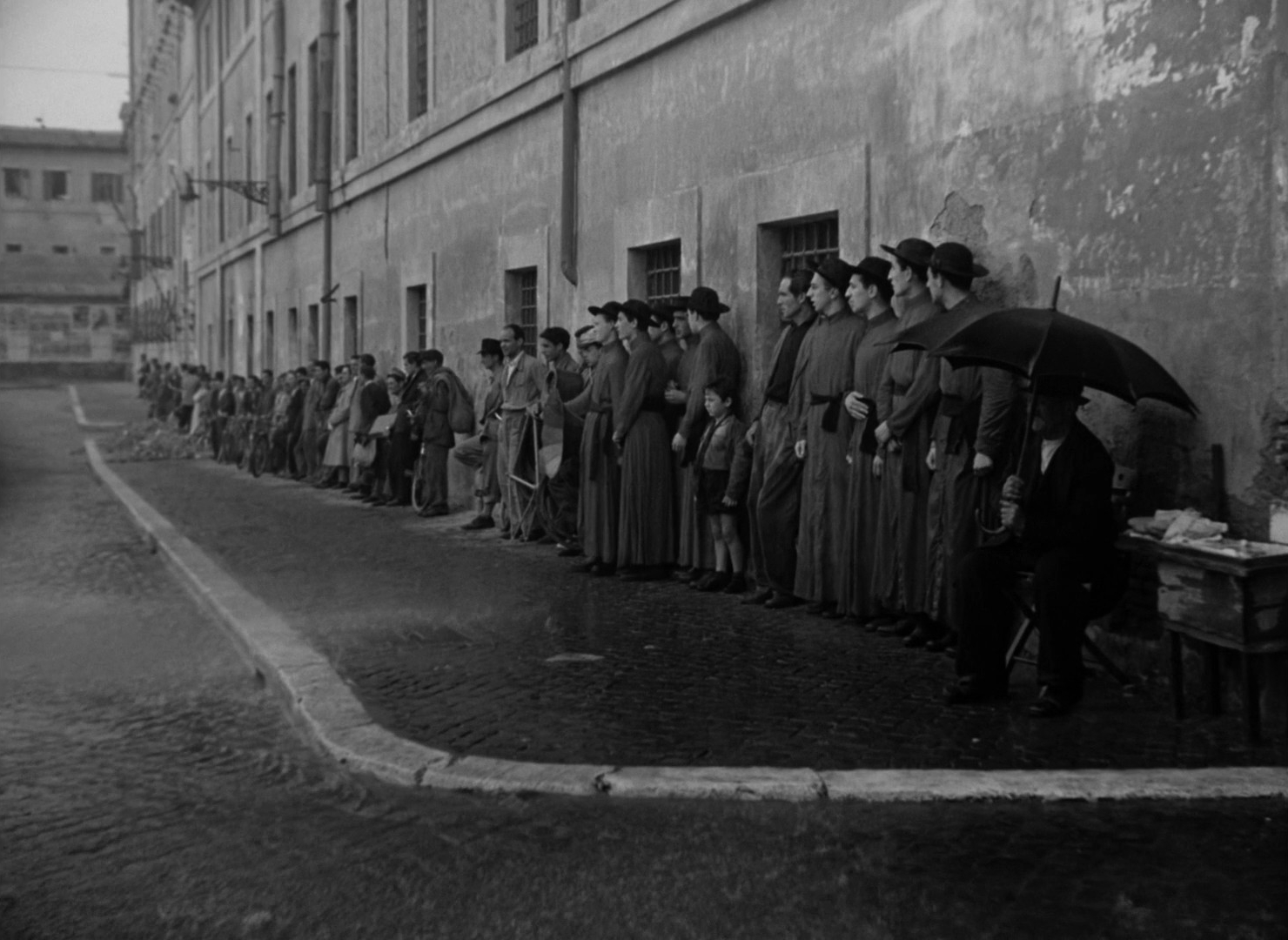
Bicycle Thieves (1948)
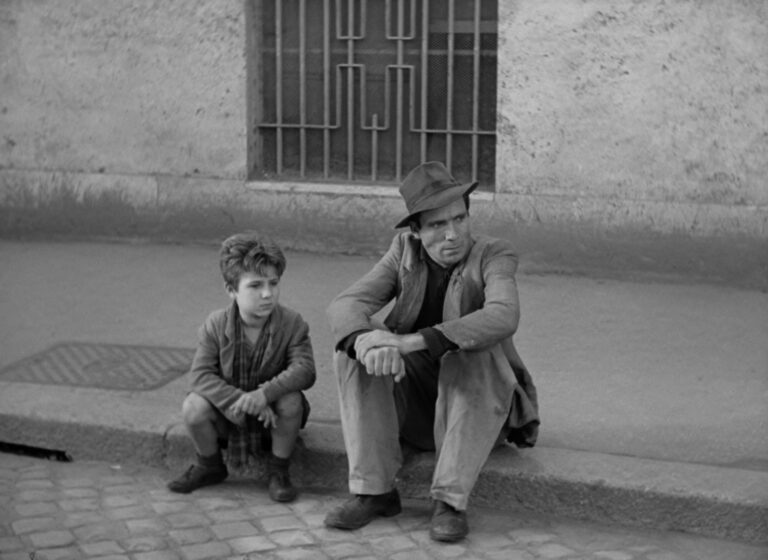
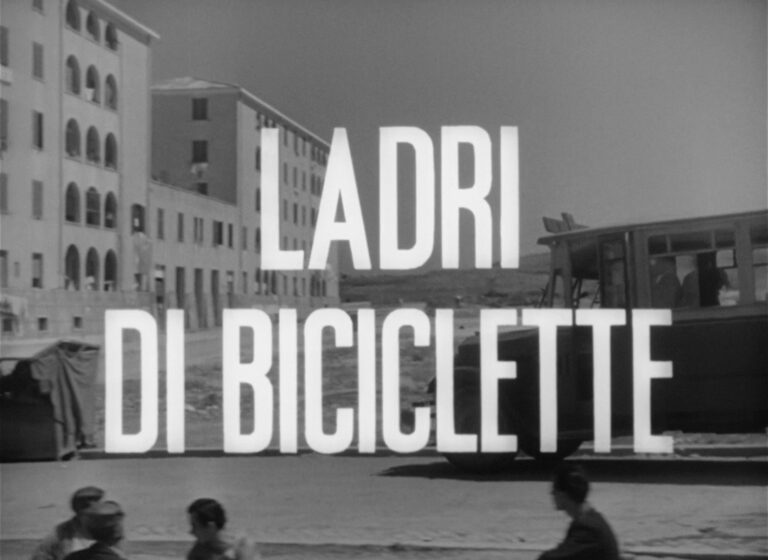
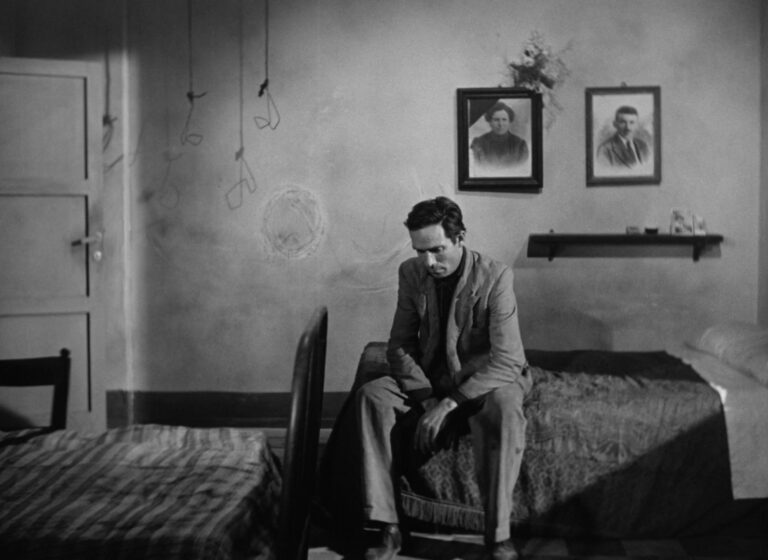
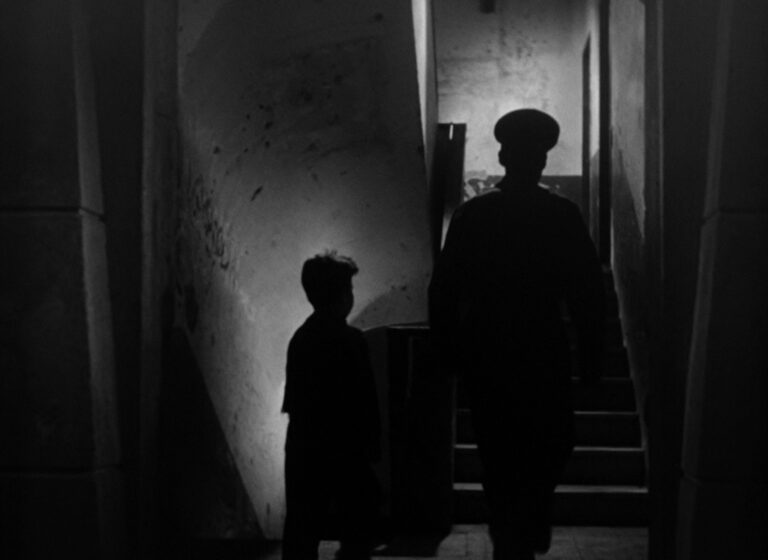
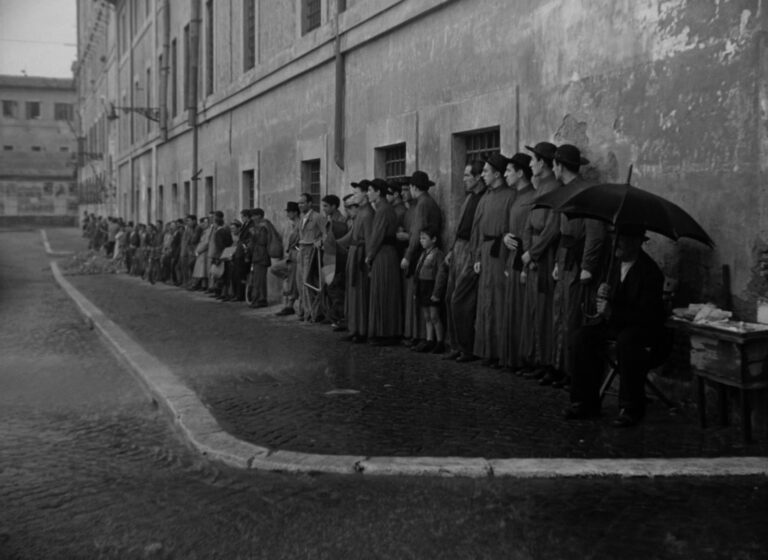
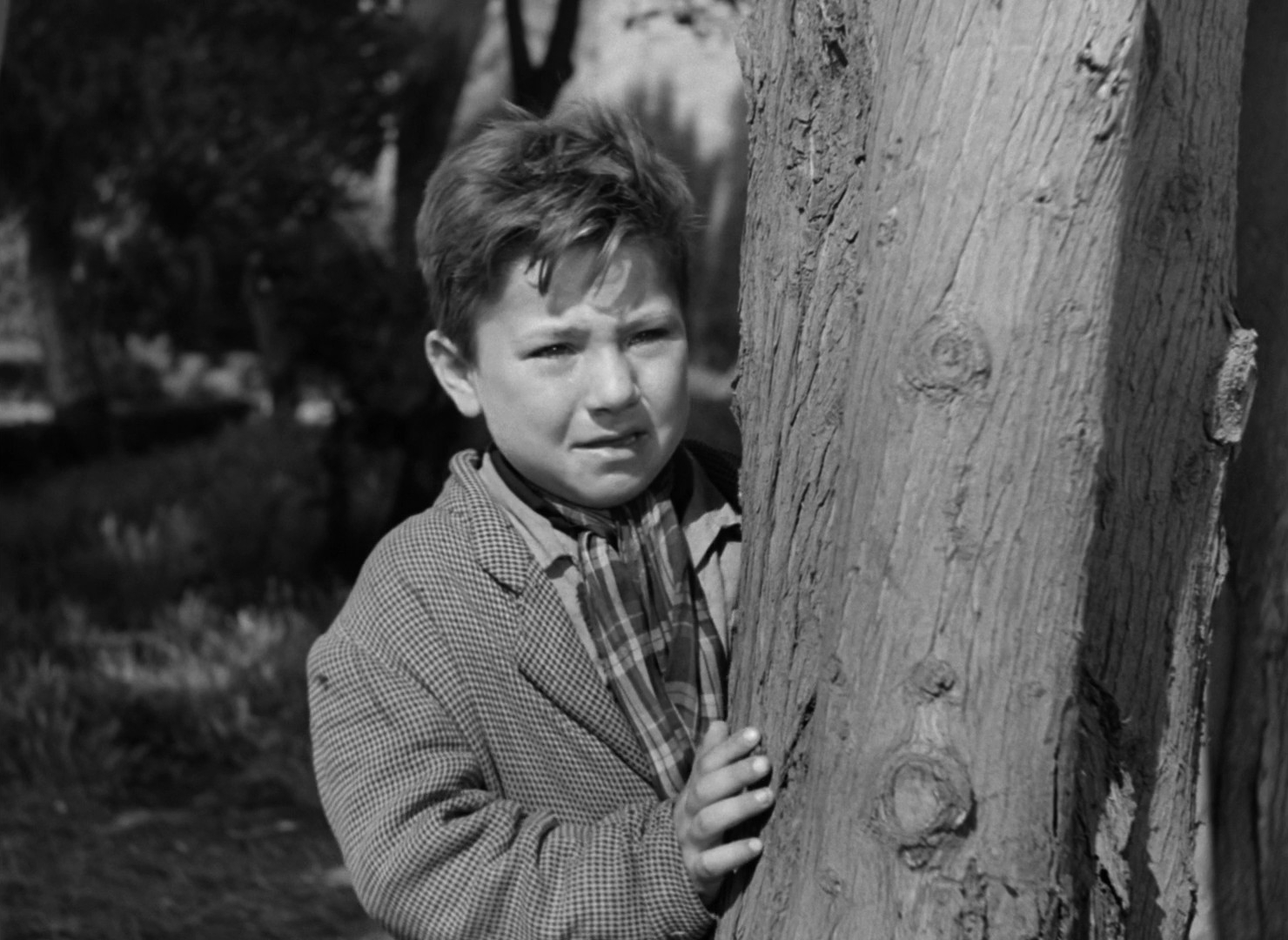
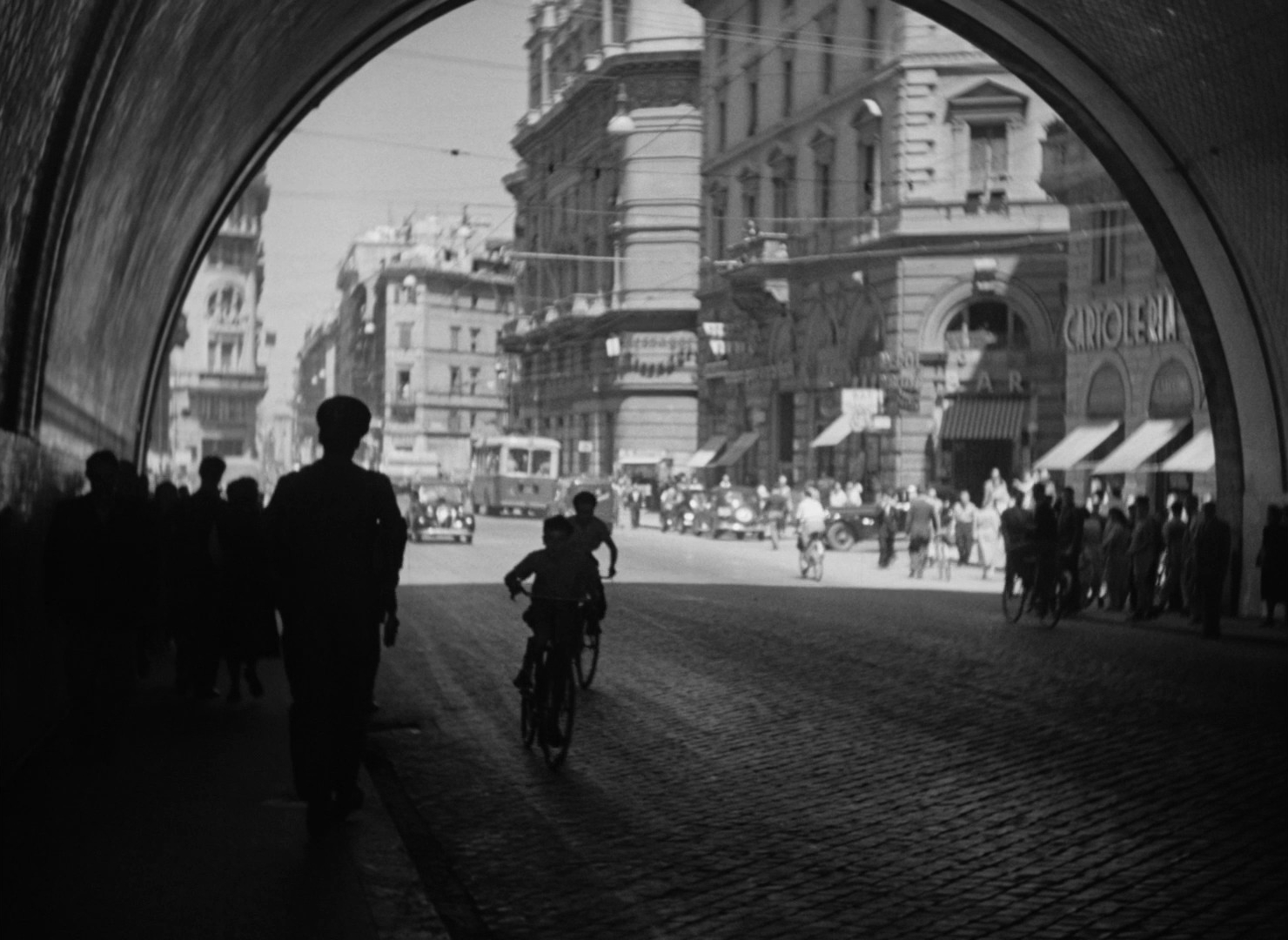
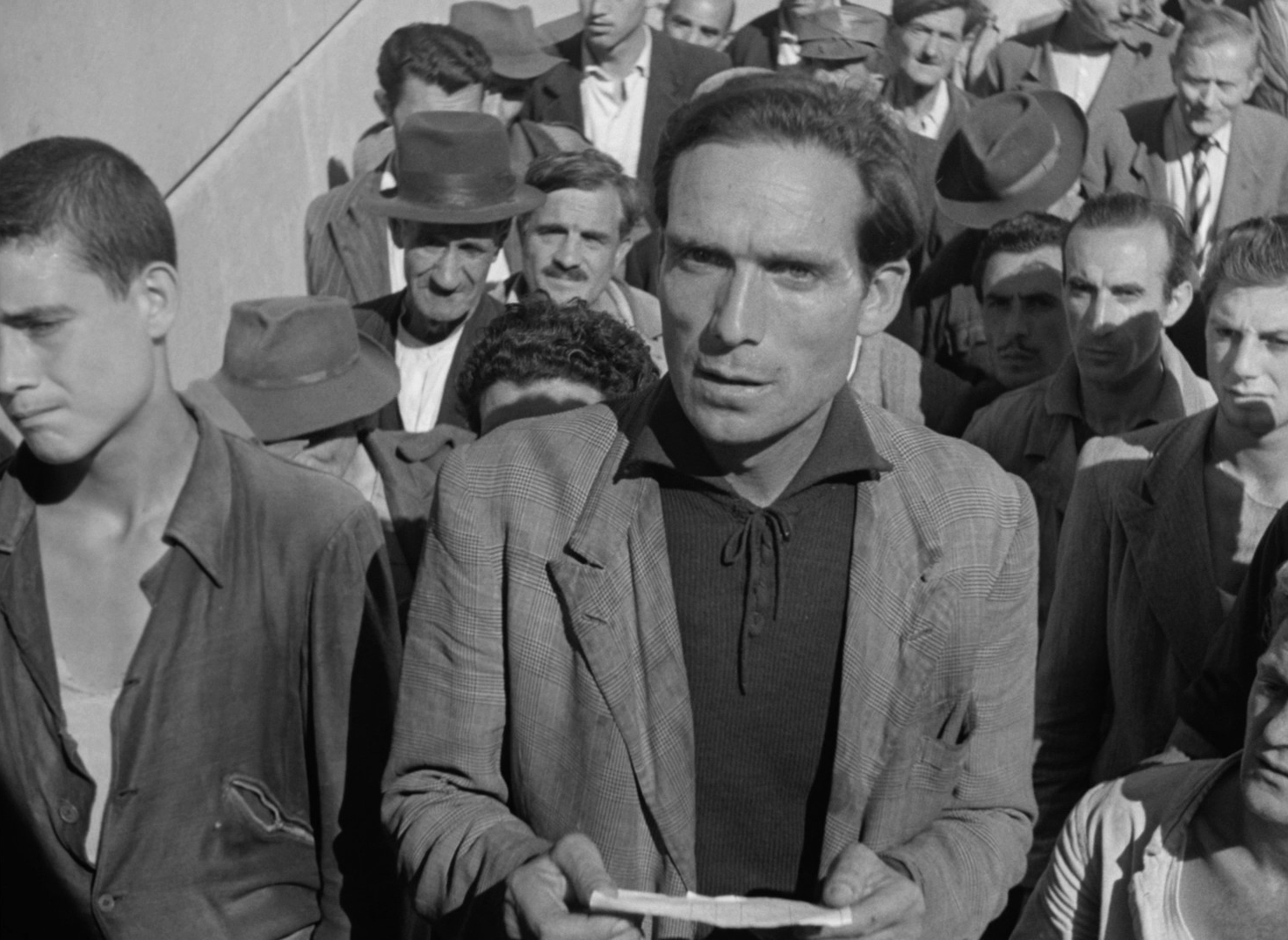
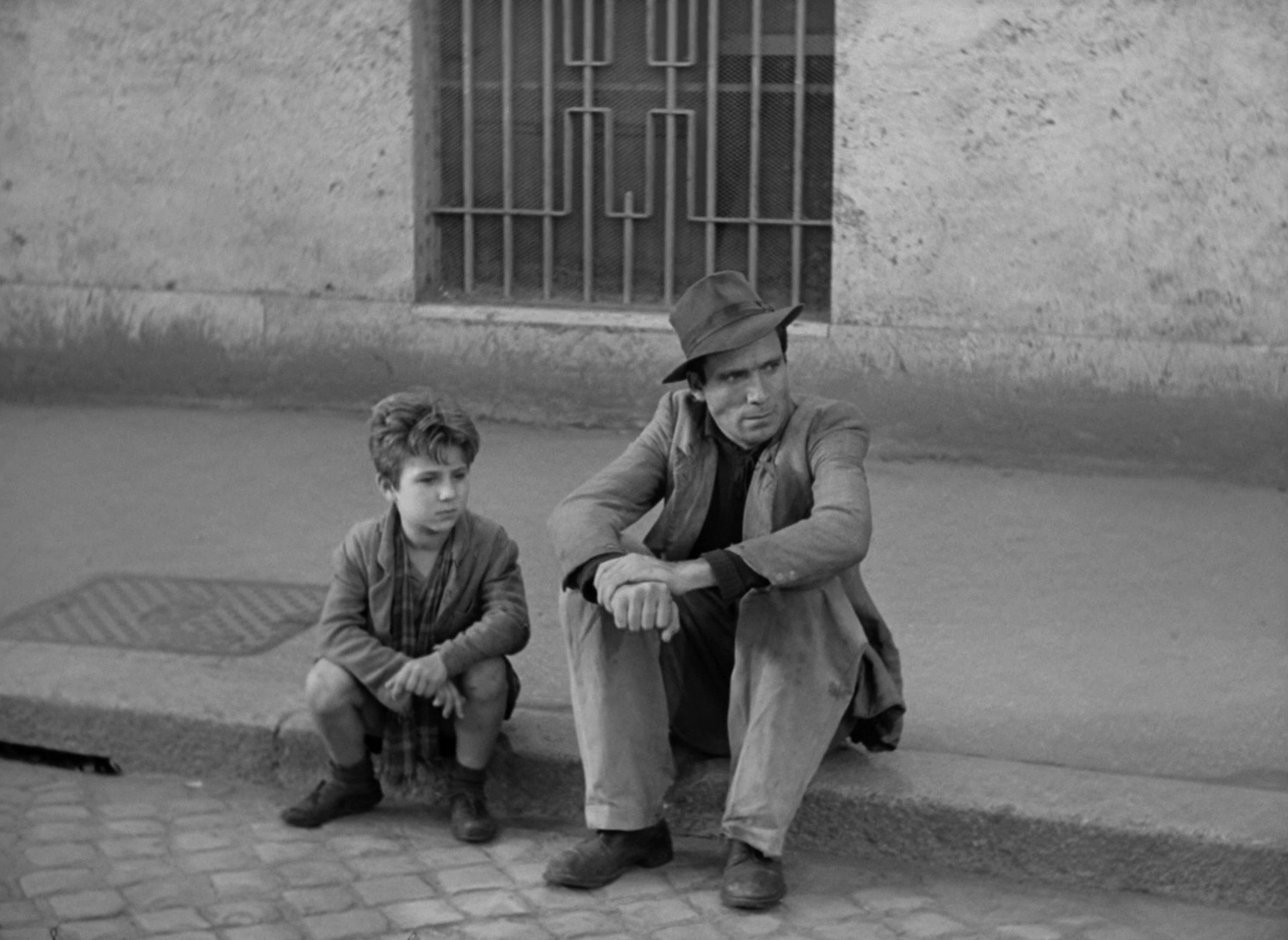
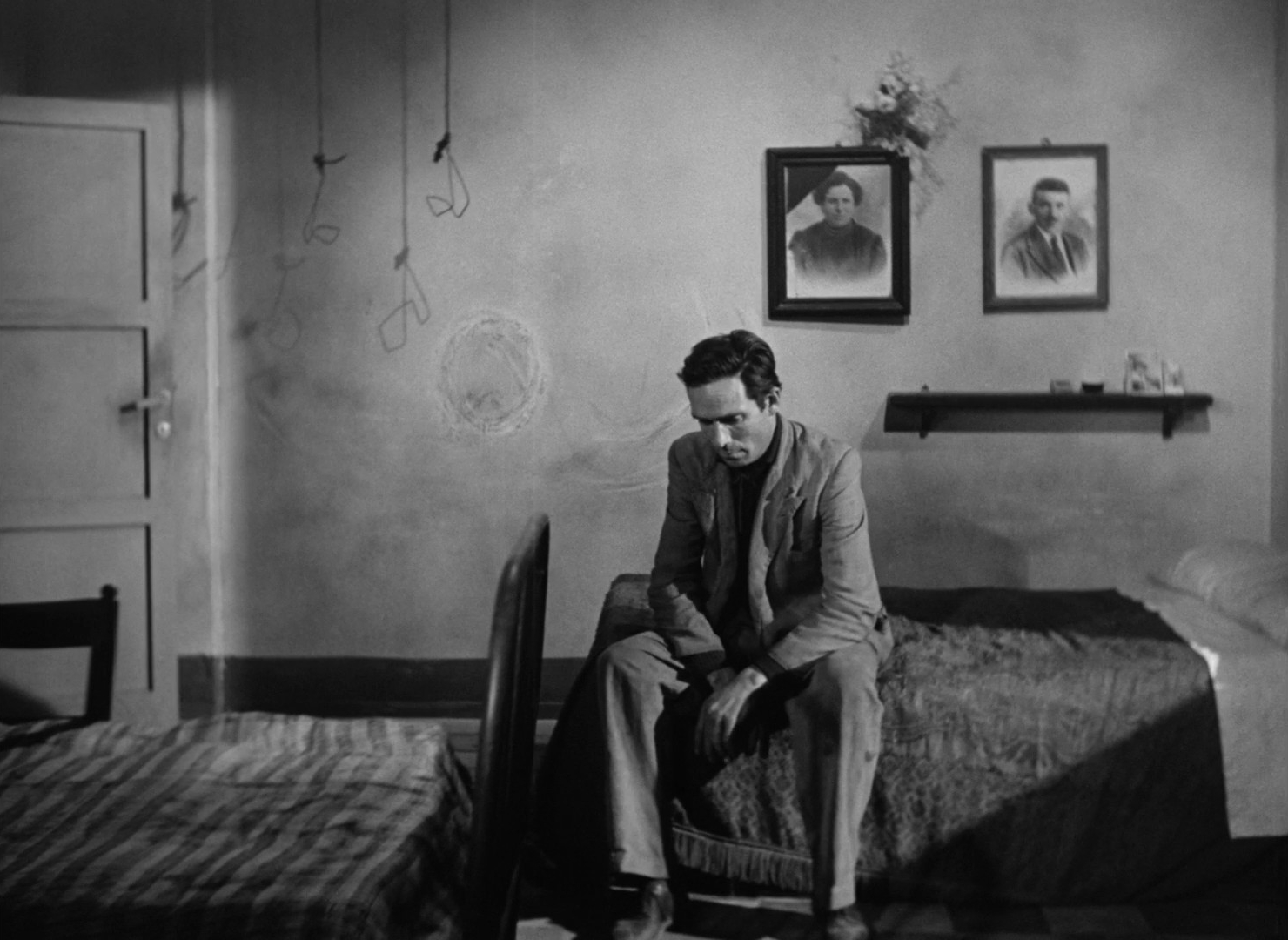
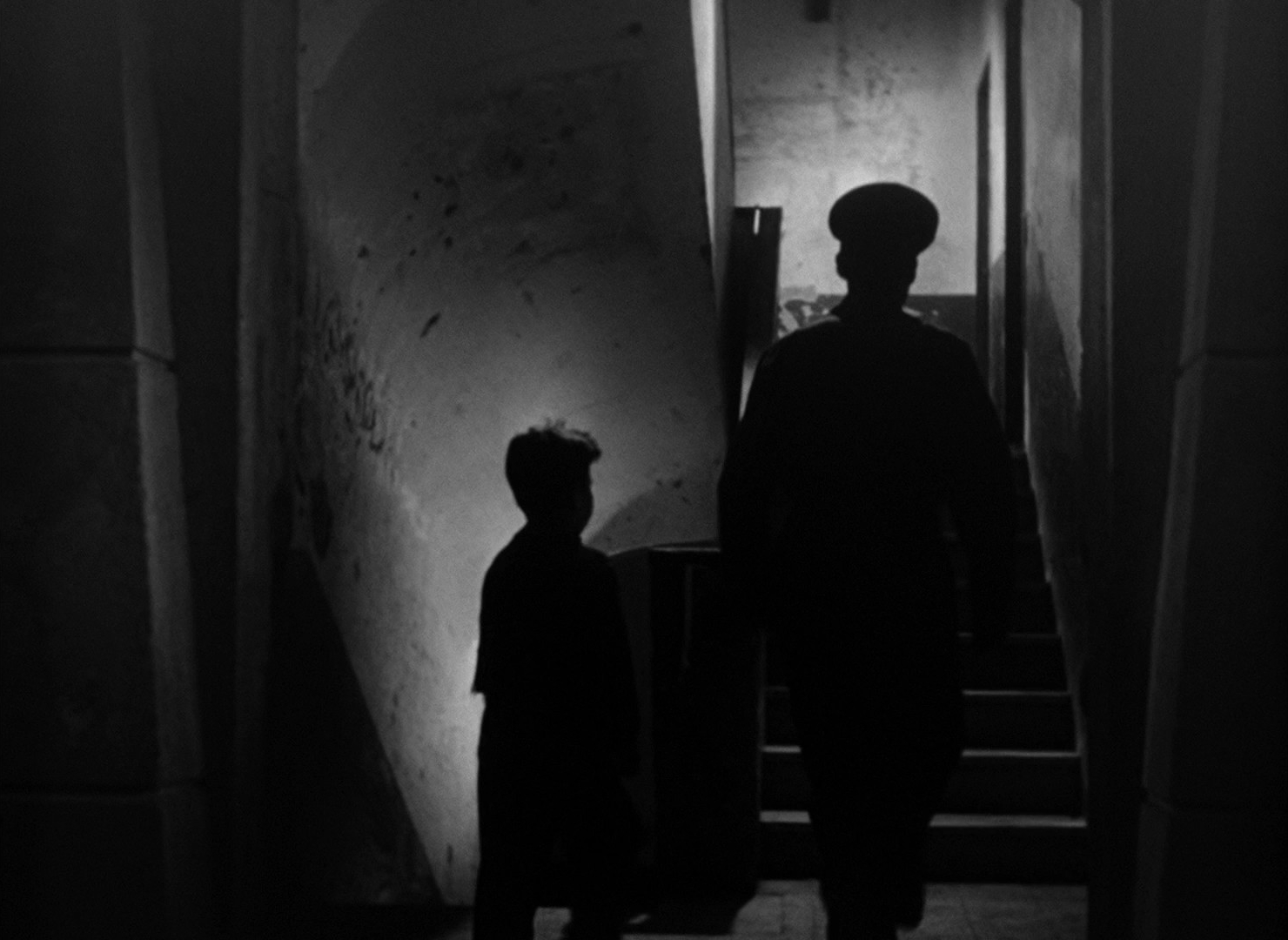
In postwar Rome, an unemployed man named Antonio finally secures a job putting up posters, but the work depends on having a bicycle. When the bicycle is stolen on his first day, Antonio and his young son Bruno search desperately through the city to recover it, navigating markets, crowded streets, and mounting desperation. Their journey gradually becomes a heartbreaking portrait of poverty, dignity, and survival in a society struggling to rebuild after war.
De Sica and cinematographer Carlo Montuori define Italian Neorealism through location shooting, natural light, and the use of non-professional actors, grounding the film in the texture of everyday postwar life. The camera moves through real Roman streets, markets, and working-class neighborhoods with an observational immediacy that blurs the line between fiction and documentary. Wide street compositions and intimate close-ups of Antonio and Bruno emphasize both the scale of social hardship and the deeply personal emotional stakes, turning ordinary urban space into a living record of economic struggle and human vulnerability.


FILM SPOTLIGHT
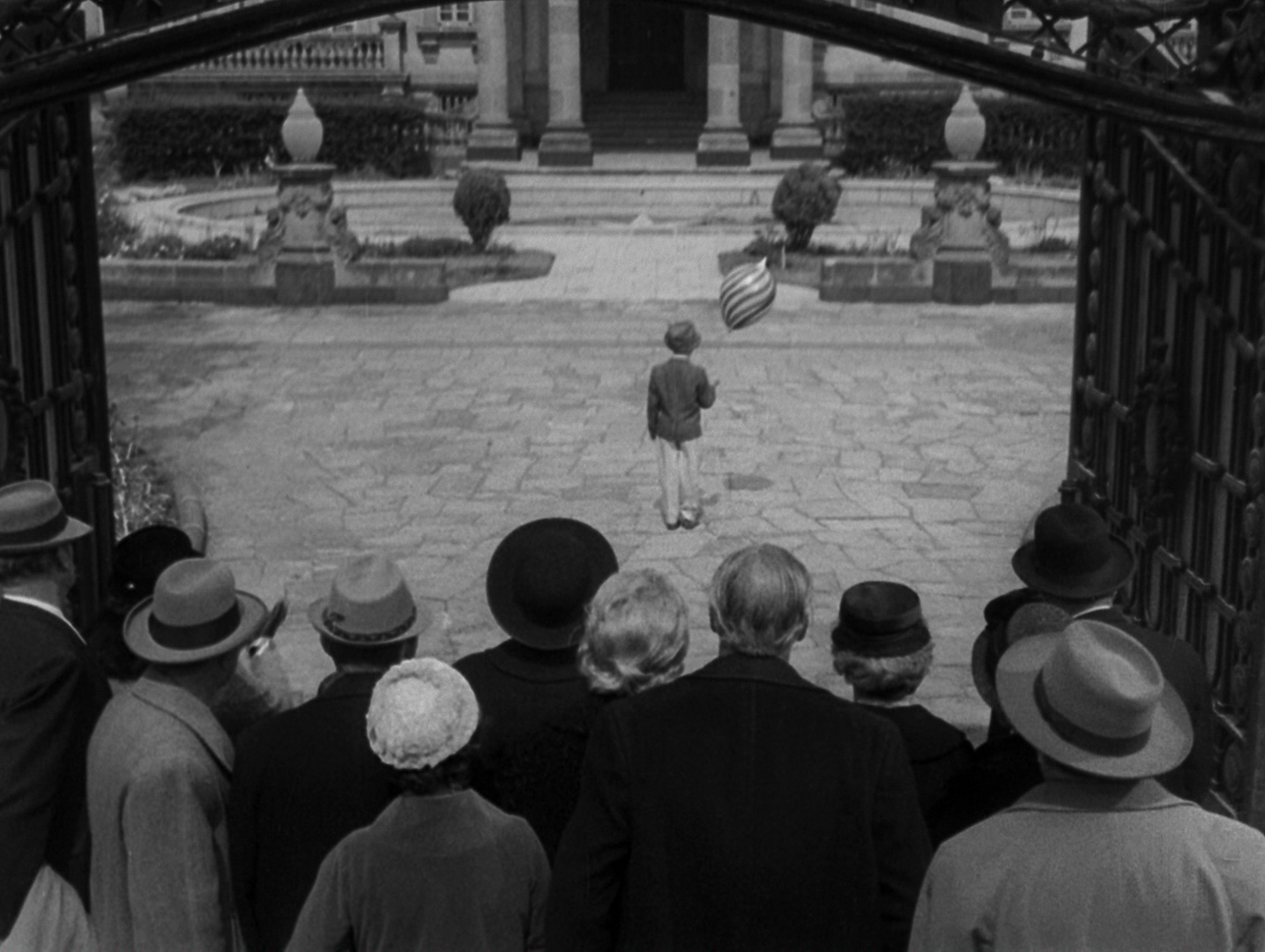
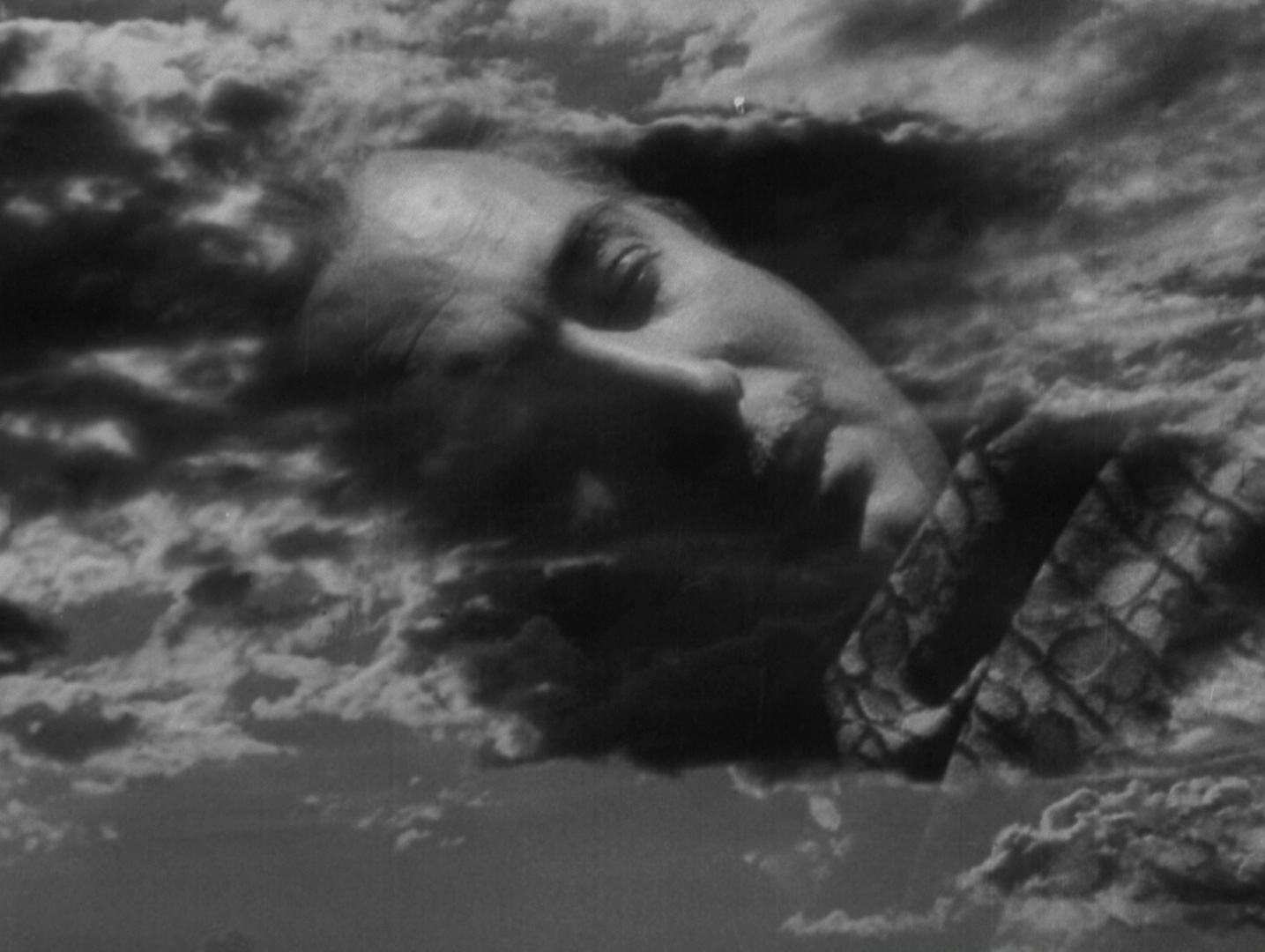
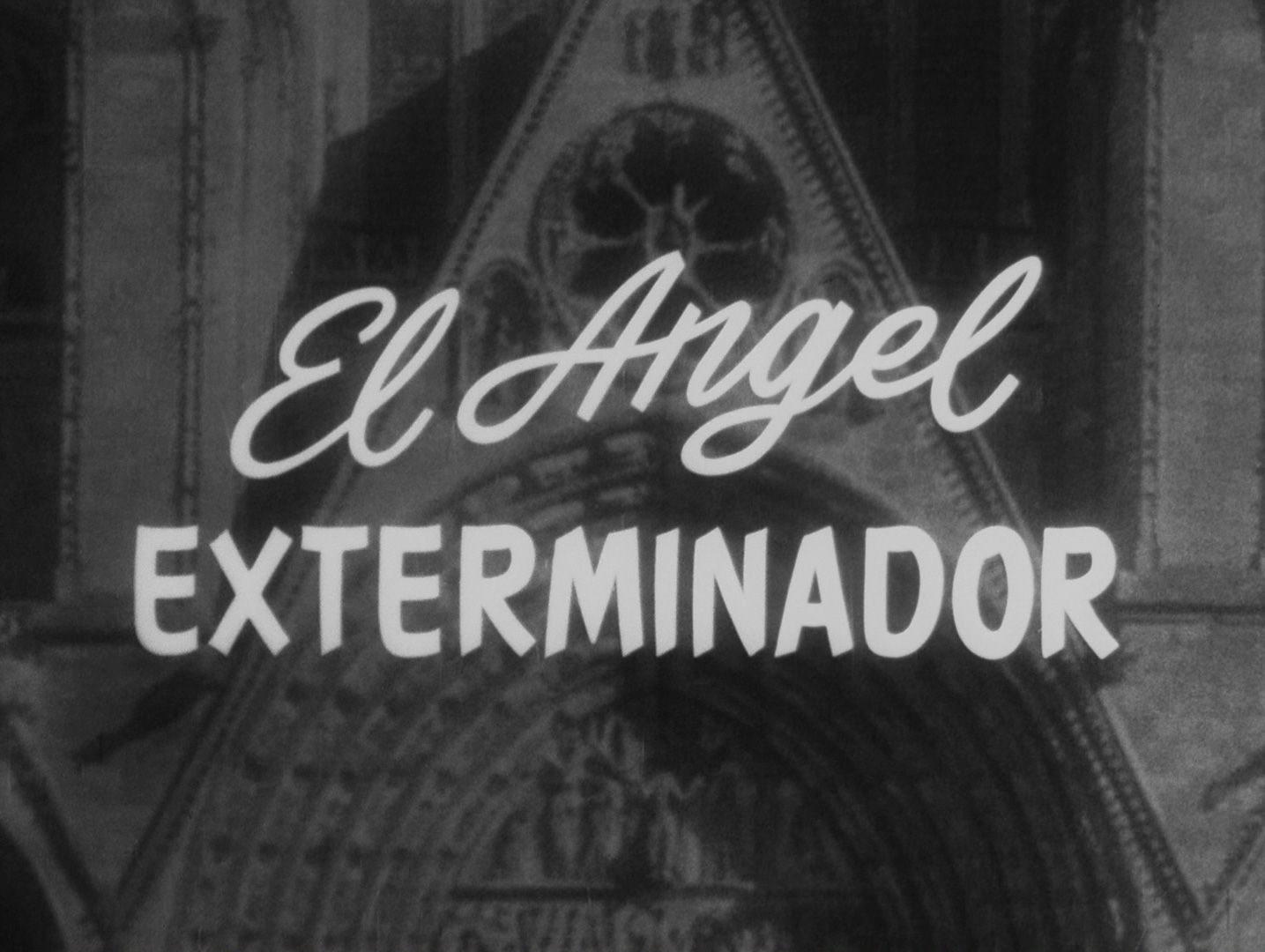
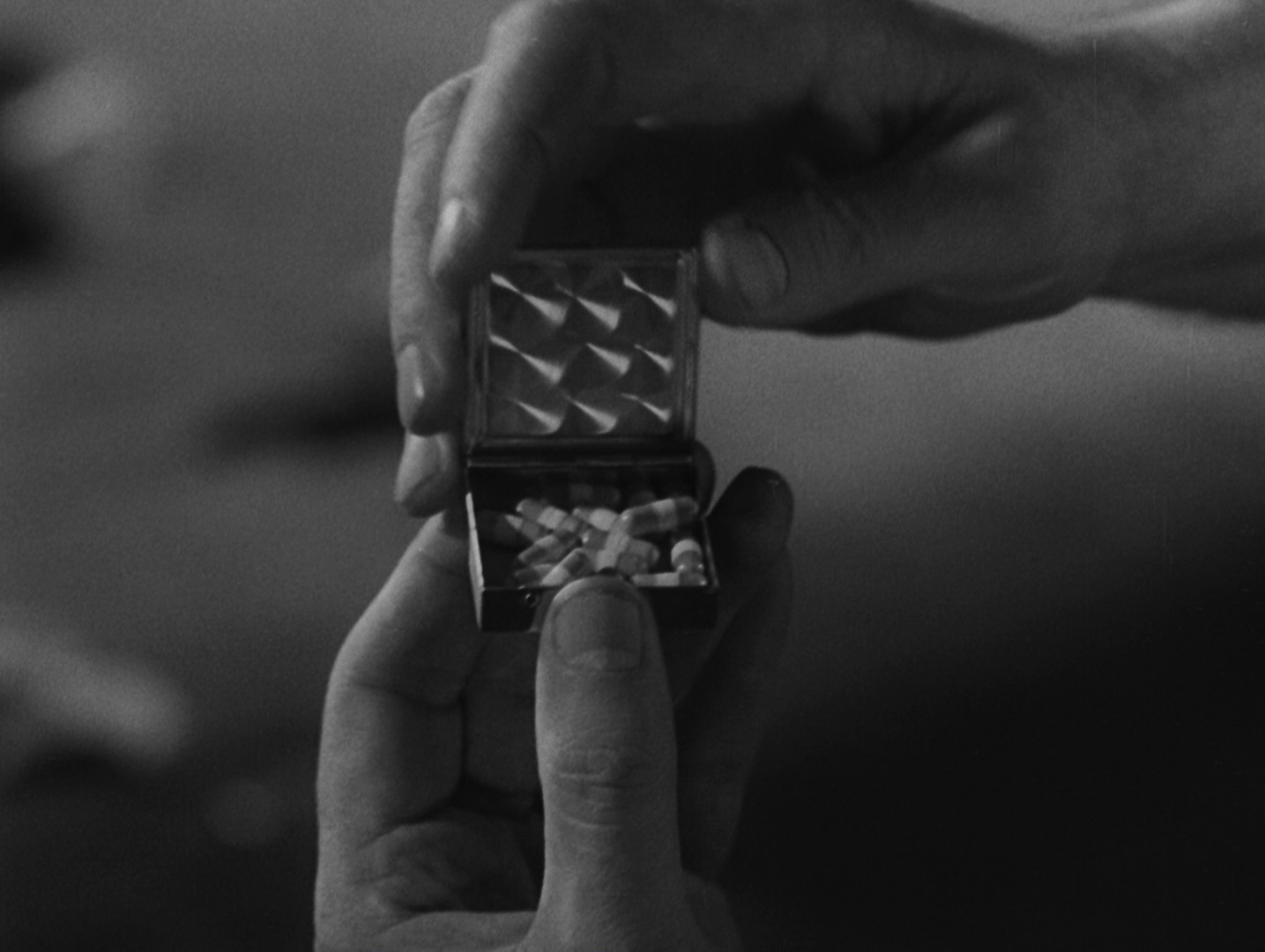
The Exterminating Angel (1962)
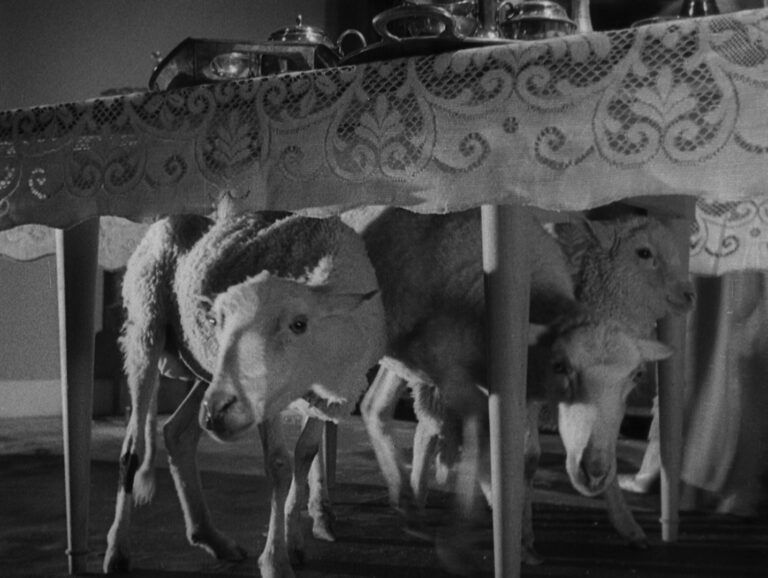
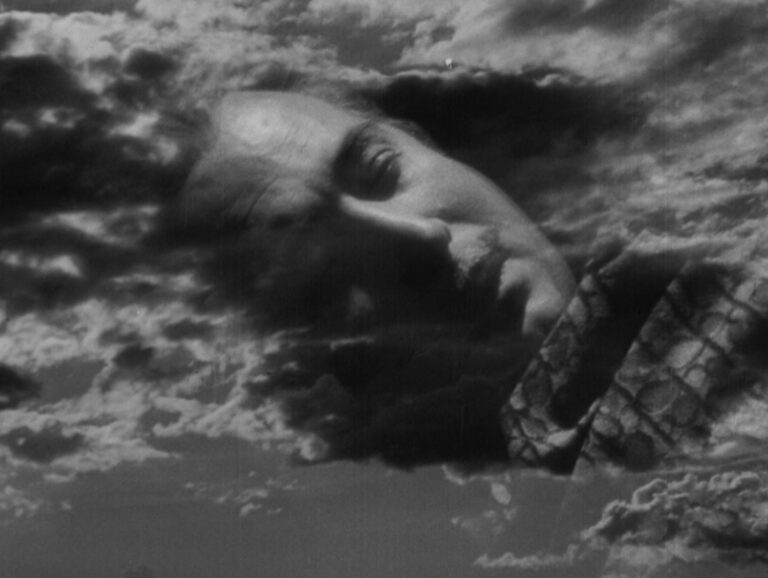
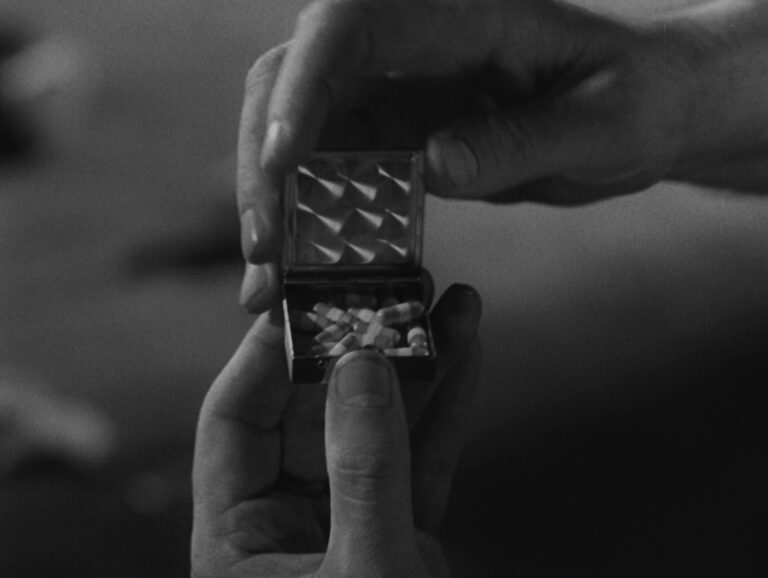
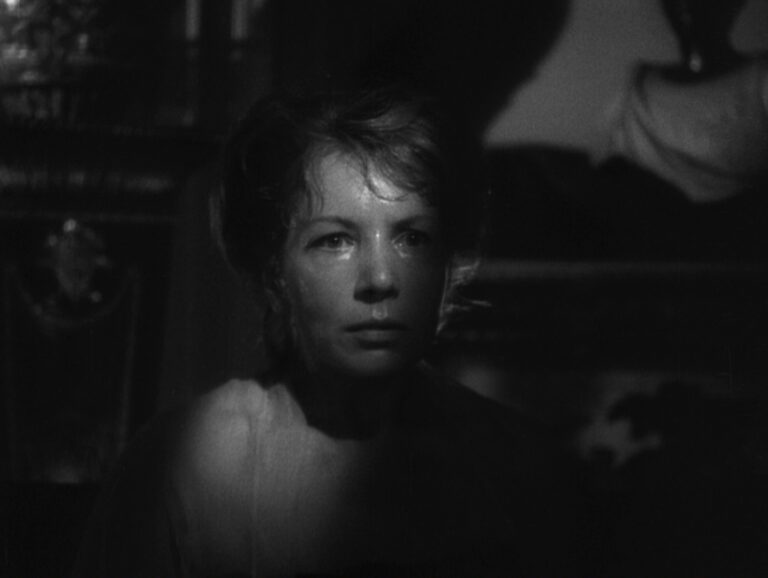
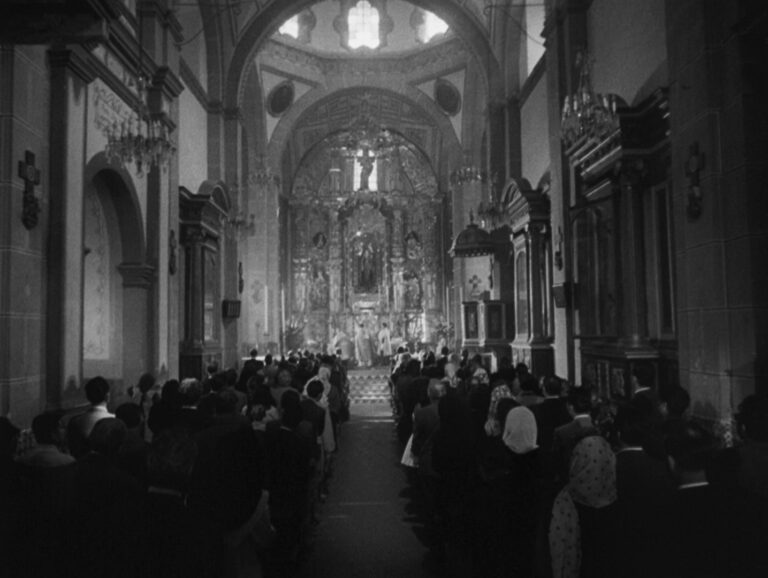
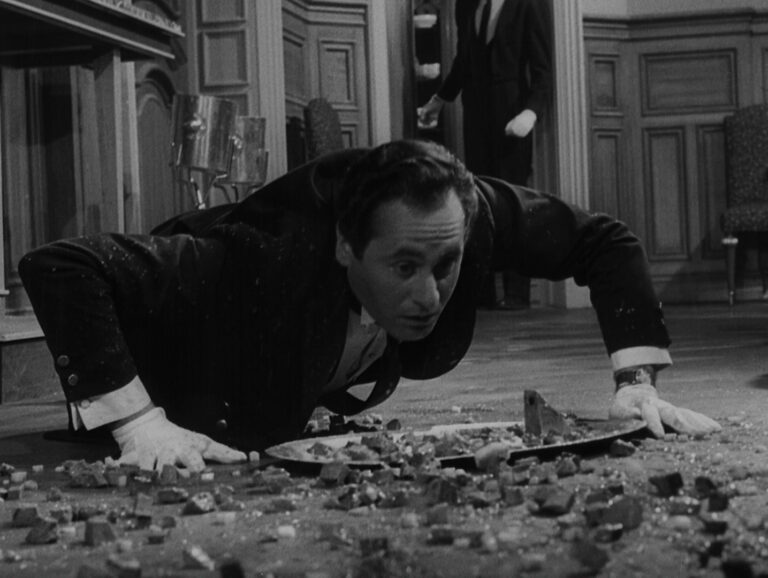
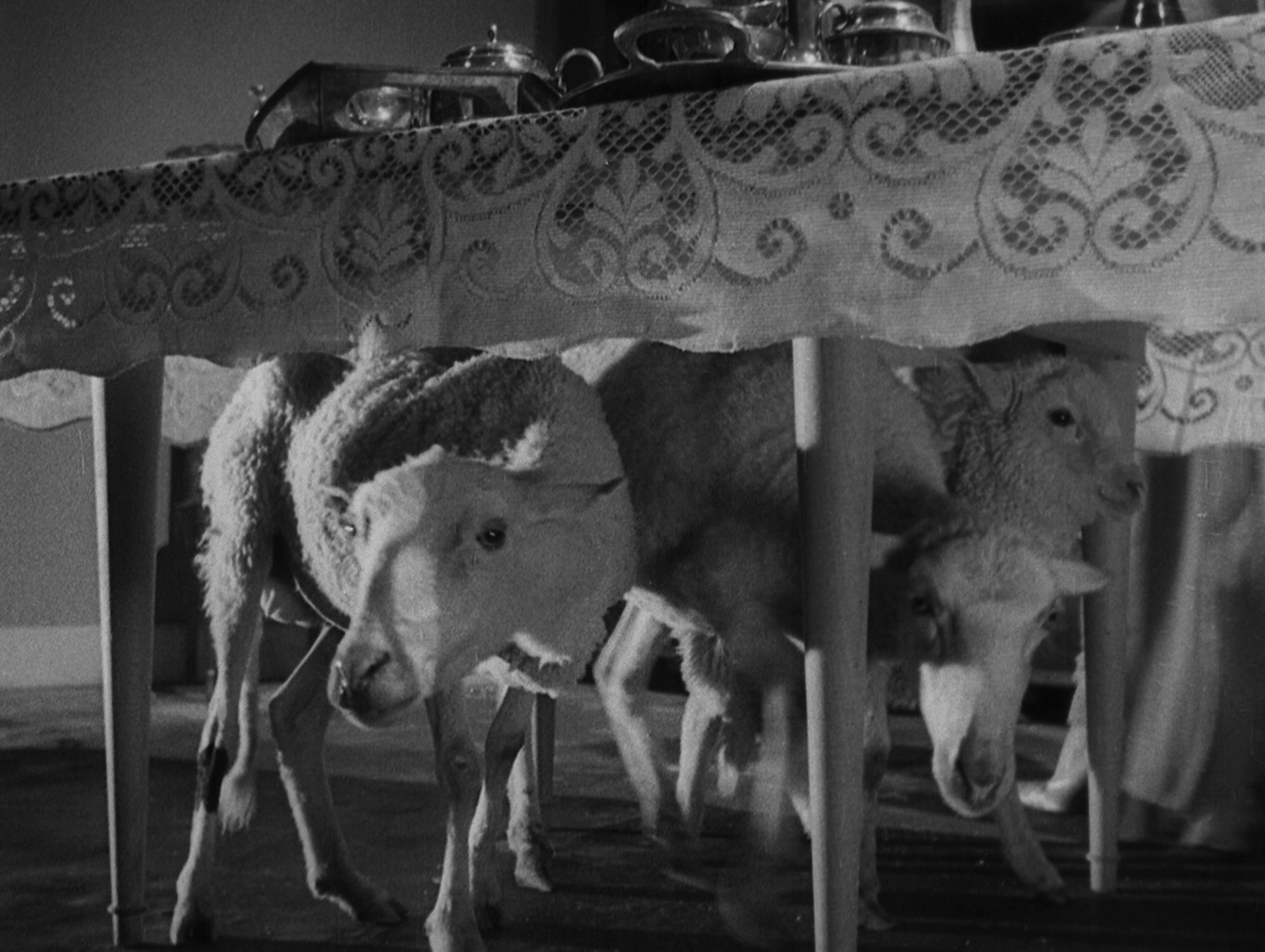
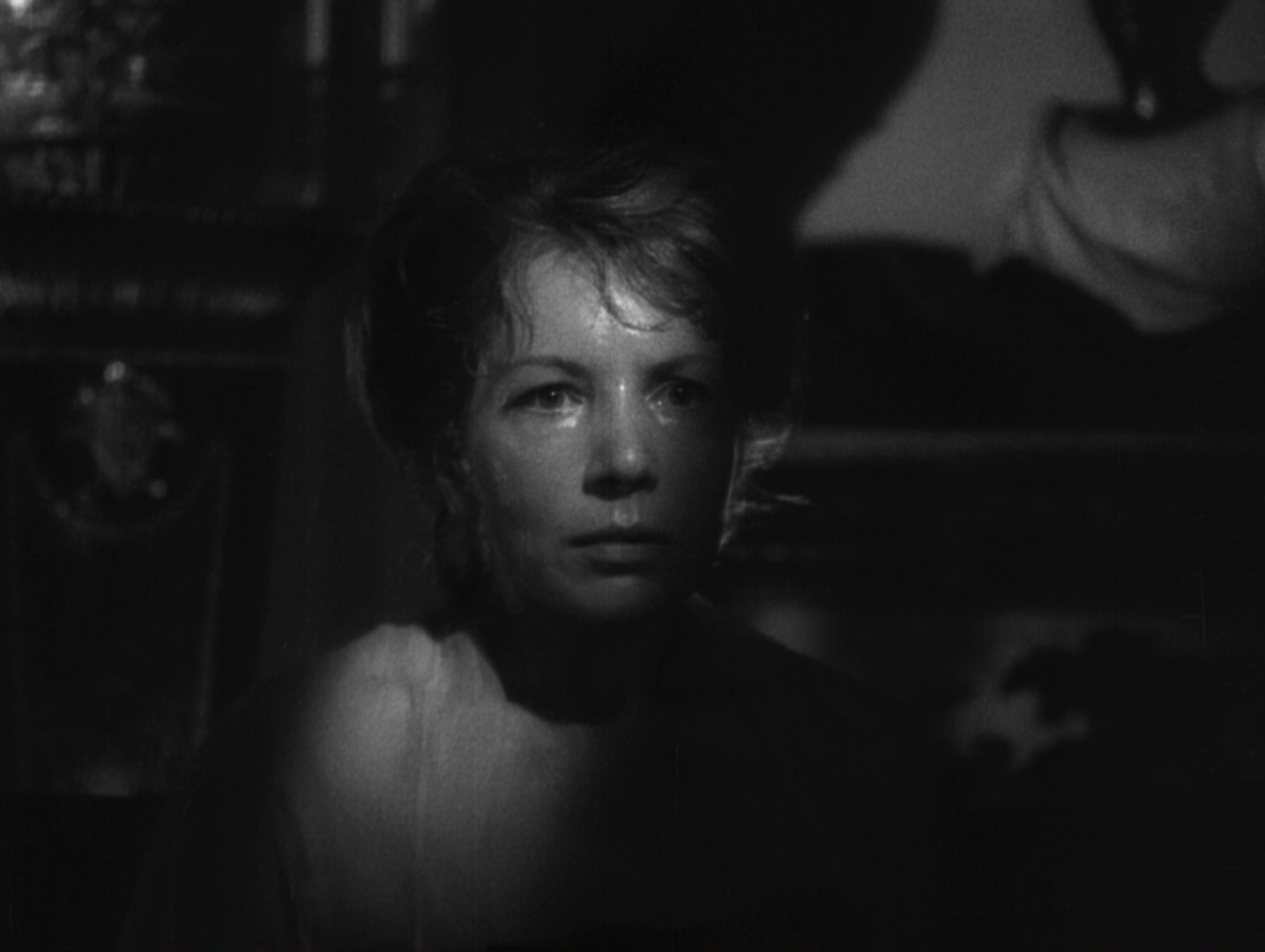
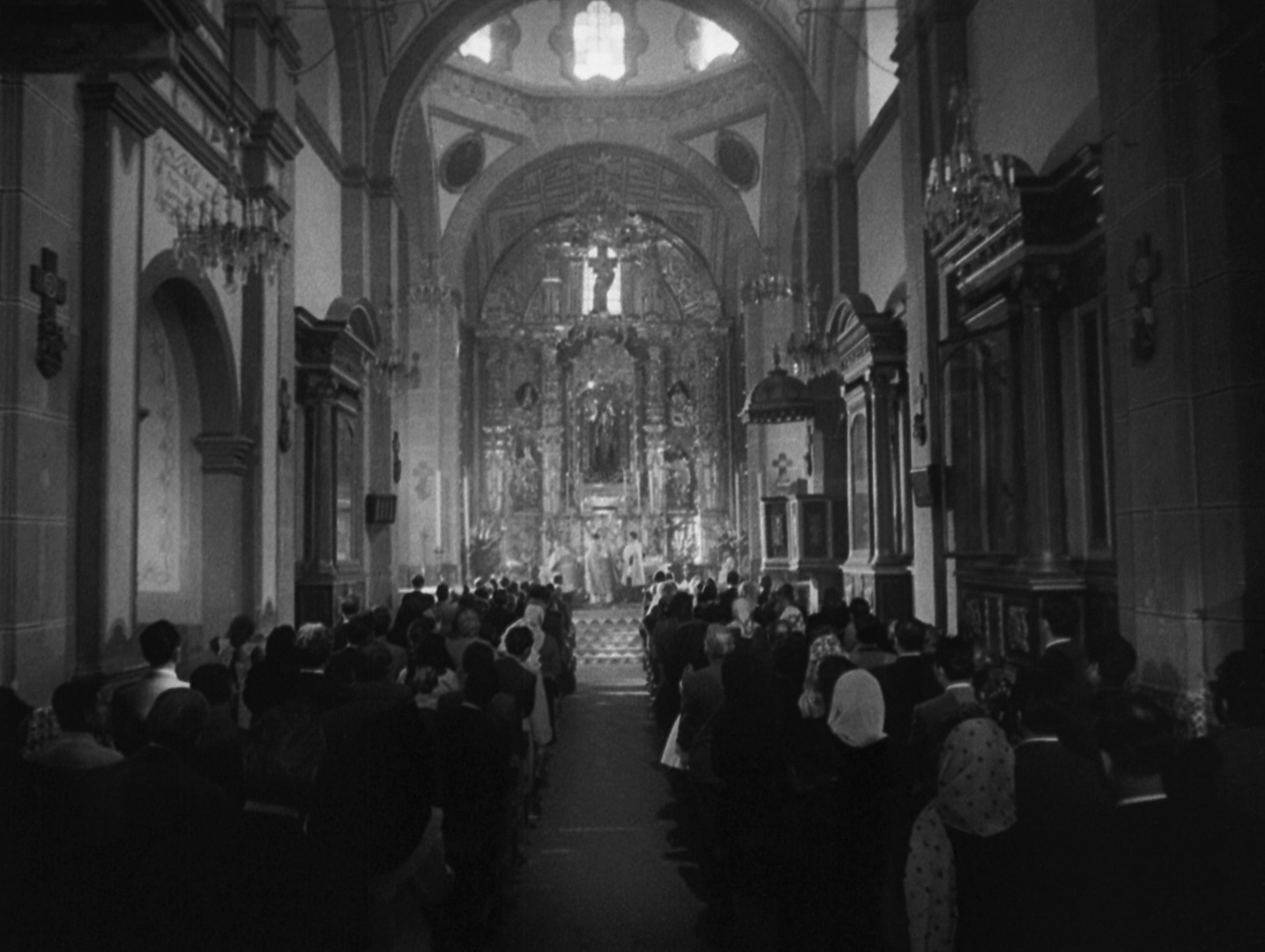
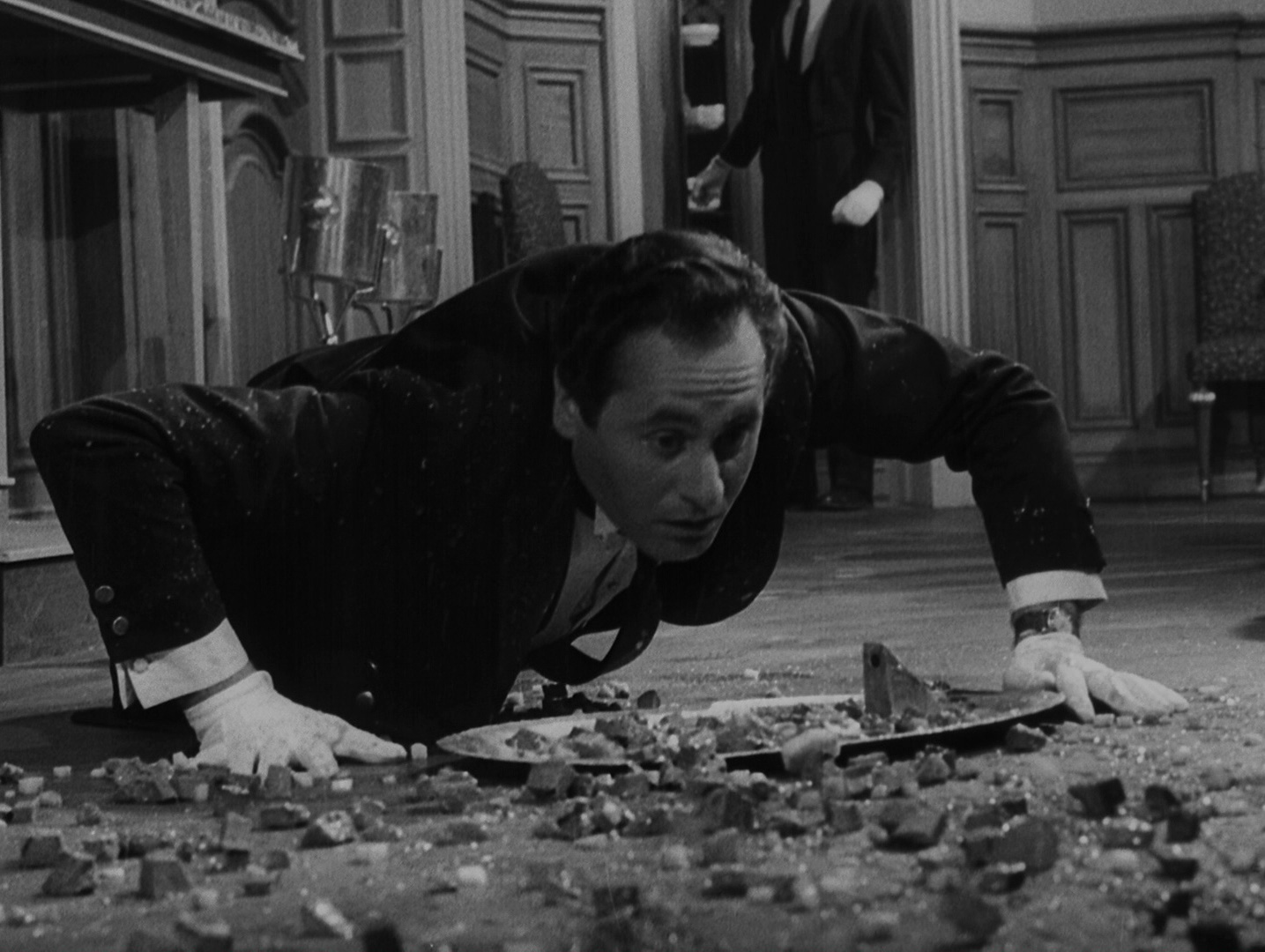
After attending an elegant dinner party at a wealthy mansion, a group of upper-class guests mysteriously find themselves unable to leave the room, despite no physical barrier preventing their escape. As hours stretch into days, social decorum and civility gradually collapse into paranoia, cruelty, desperation, and irrational behavior. The gathering transforms into a surreal satire of class, ritual, religion, and the fragility of bourgeois order.
Buñuel and cinematographer Gabriel Figueroa shoot The Exterminating Angel with an initially classical, composed visual style that slowly becomes unsettling through repetition and subtle disruption rather than overt surreal imagery. The elegant interiors, formal dinner-table staging, and carefully balanced compositions reinforce bourgeois ritual and social performance, while Buñuel repeatedly loops actions, gestures, and entrances to create a disorienting sense of entrapment and absurdity. The static camera and restrained black-and-white photography make the growing psychological and social breakdown feel even stranger, turning ordinary space into a surreal prison governed by invisible logic.
FIML SPOTLIGHT
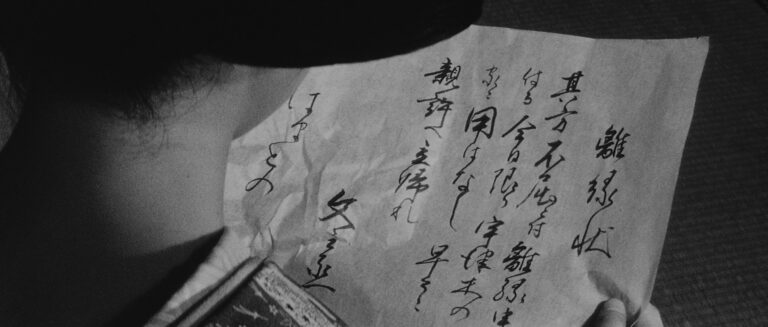
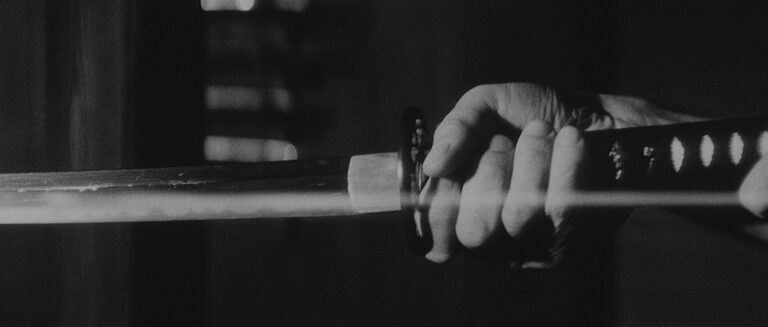
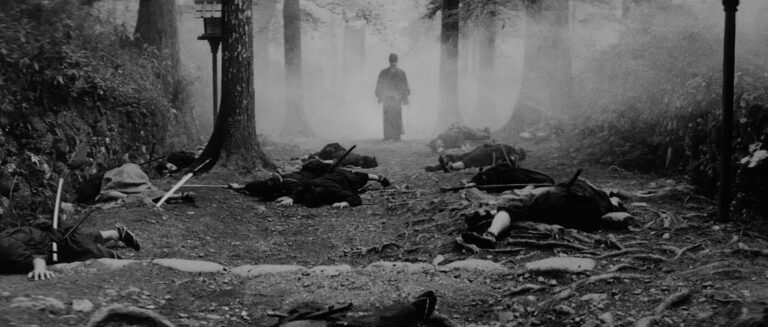
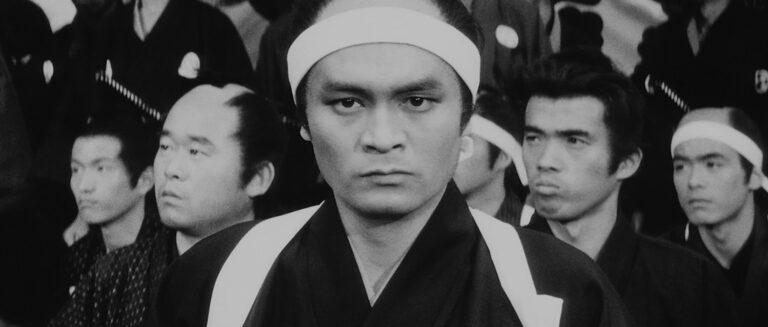
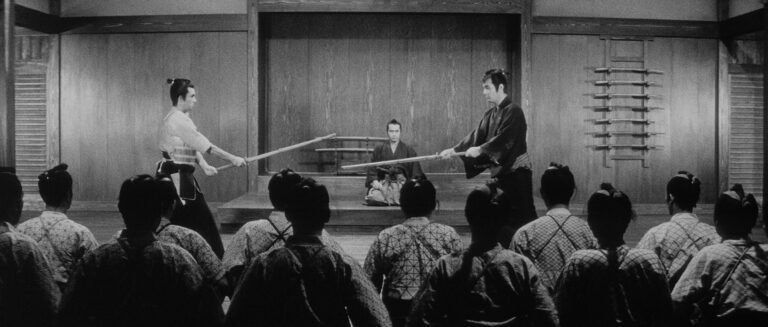
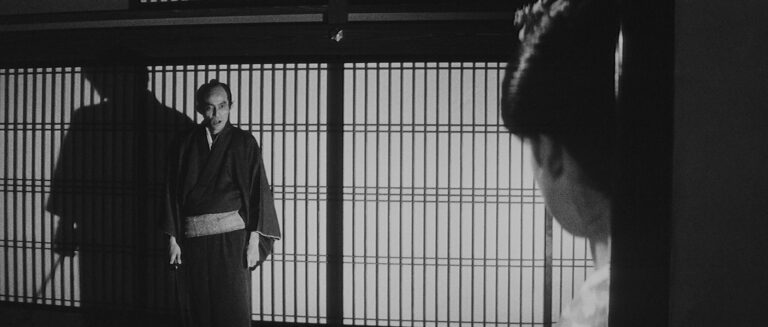
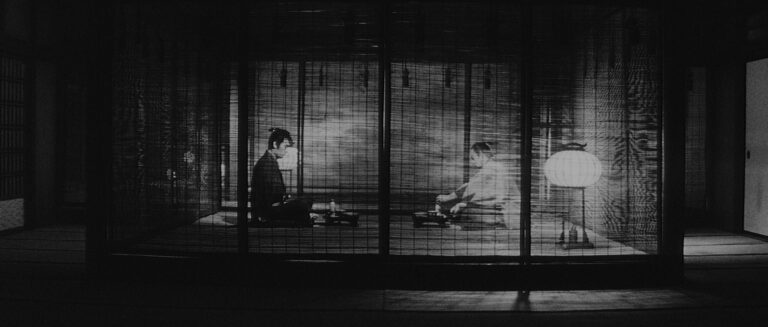
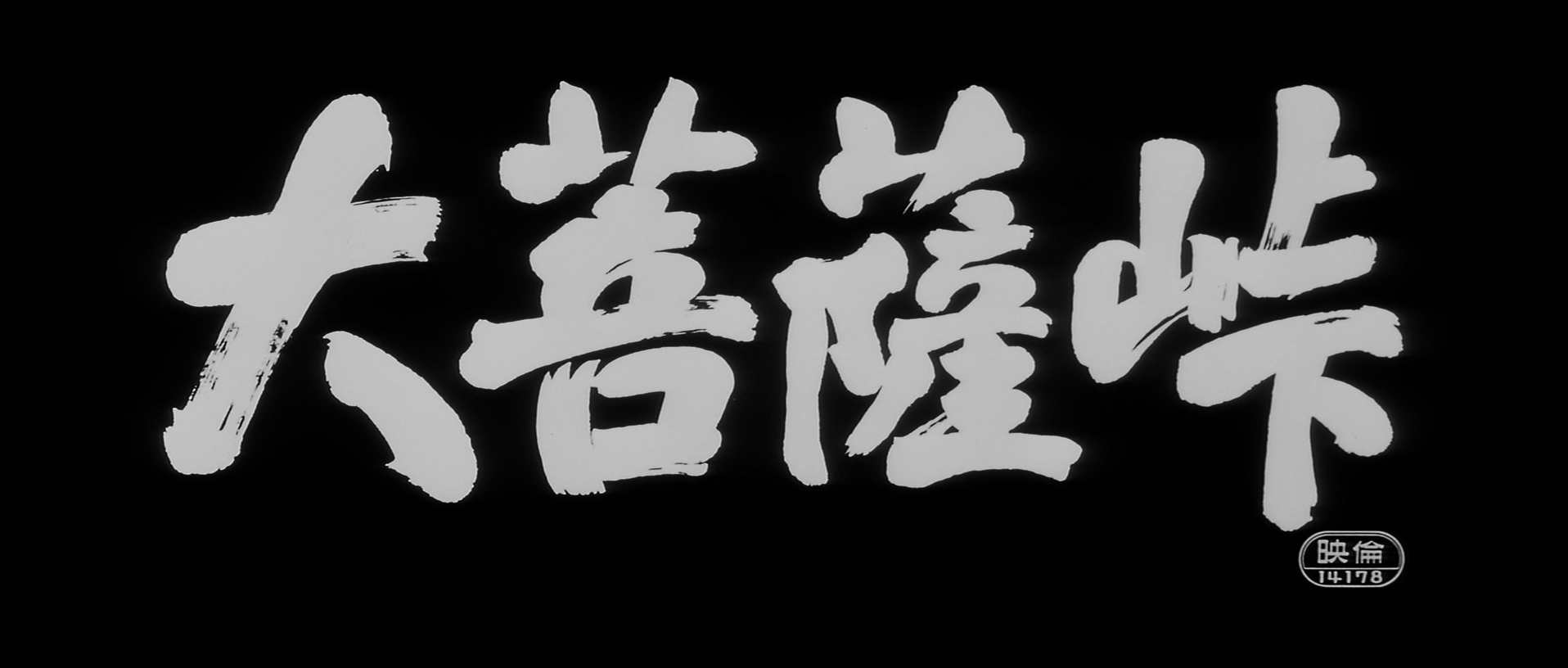
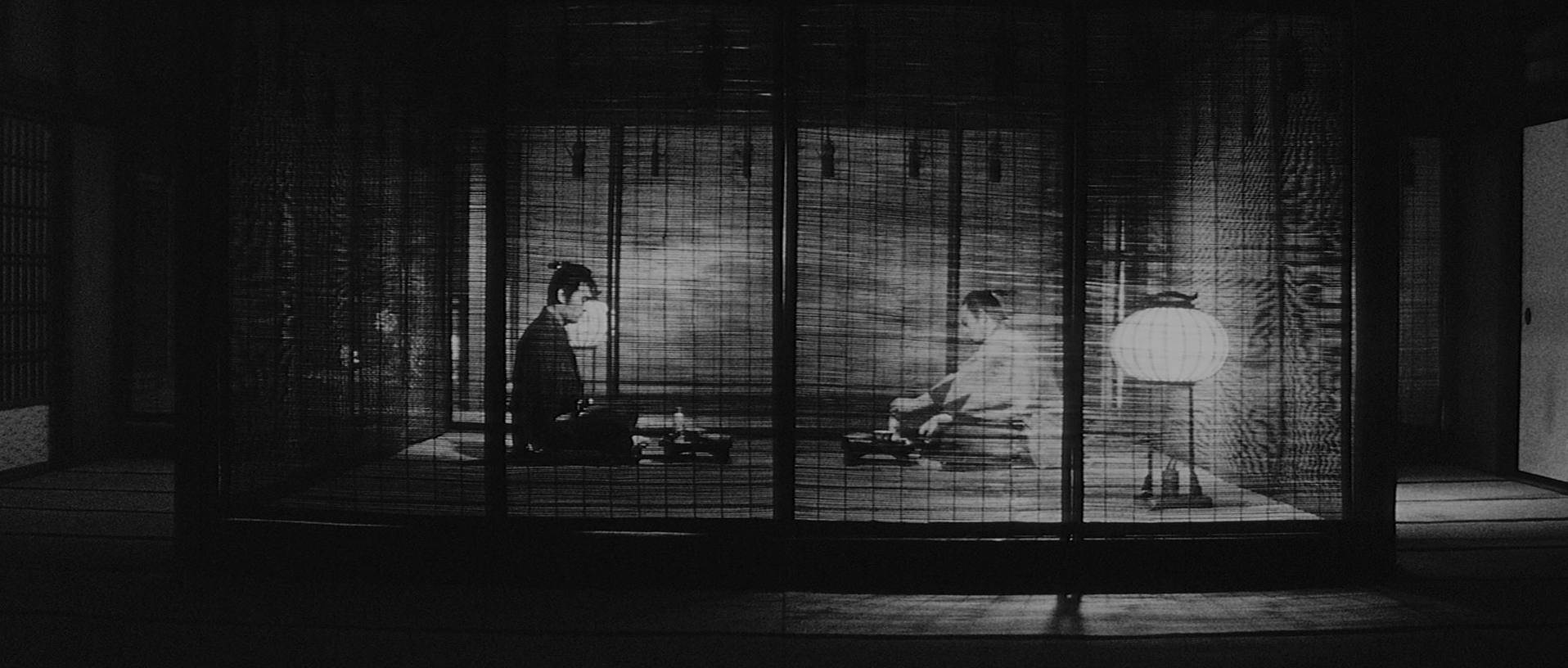
The Sword of Doom (1966)
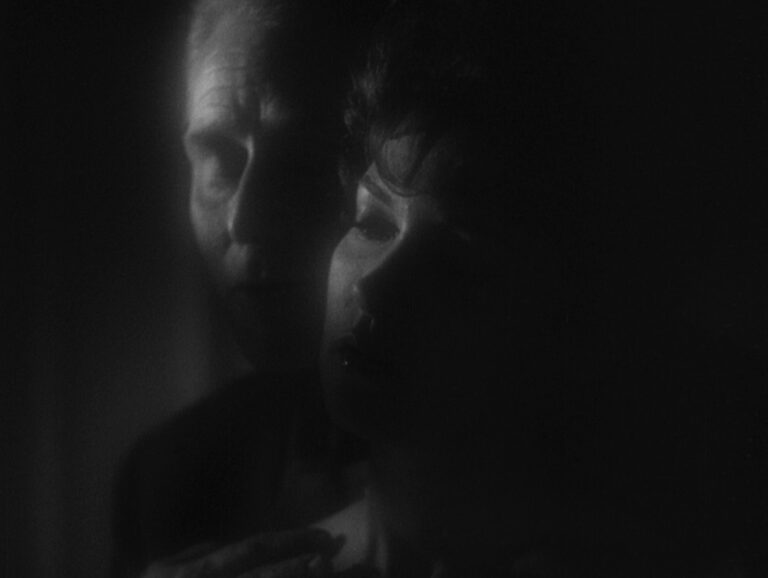
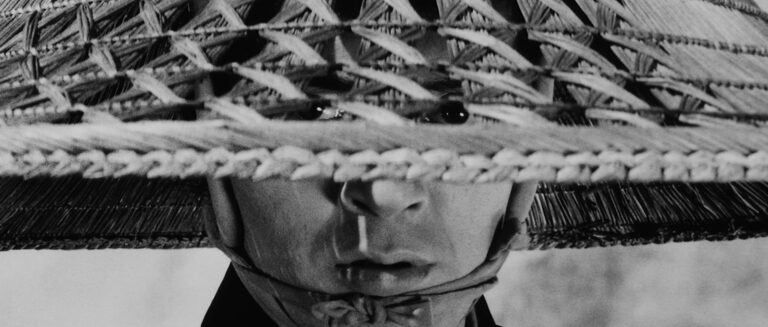
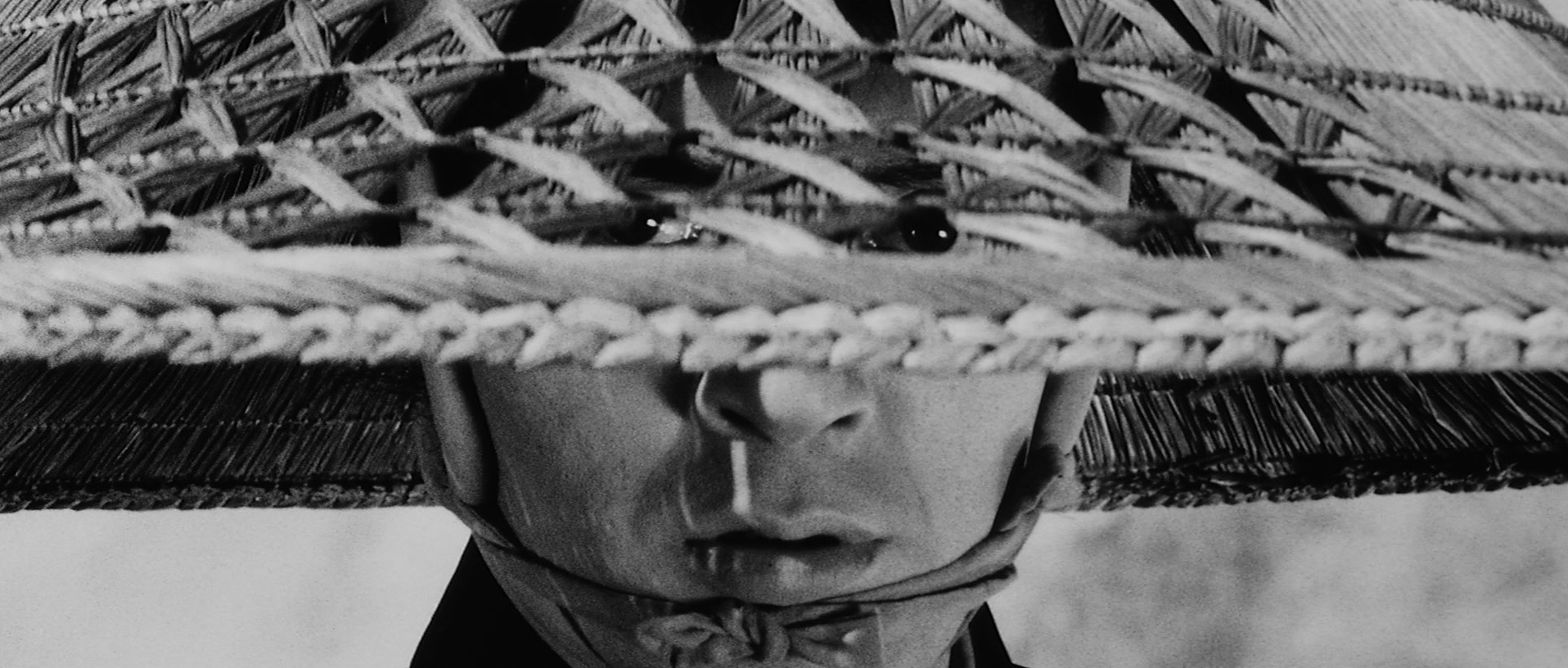
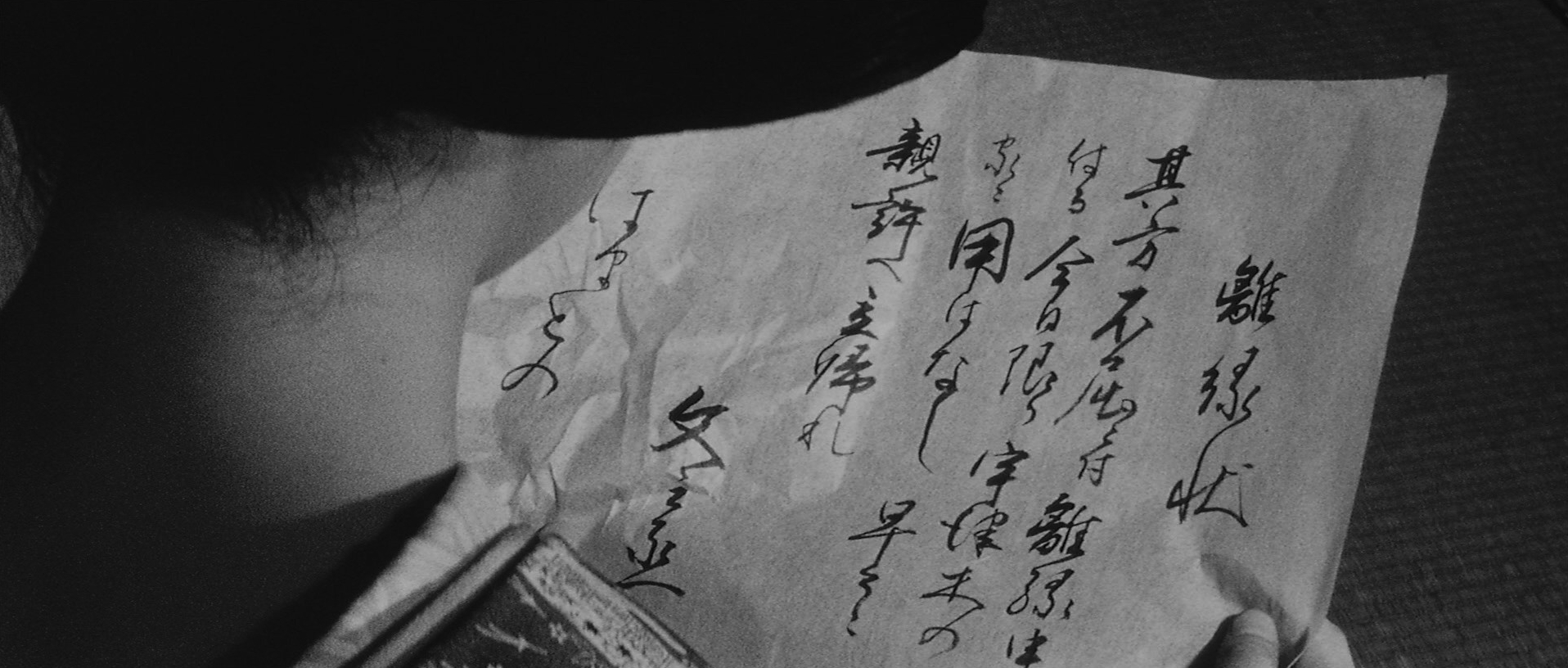
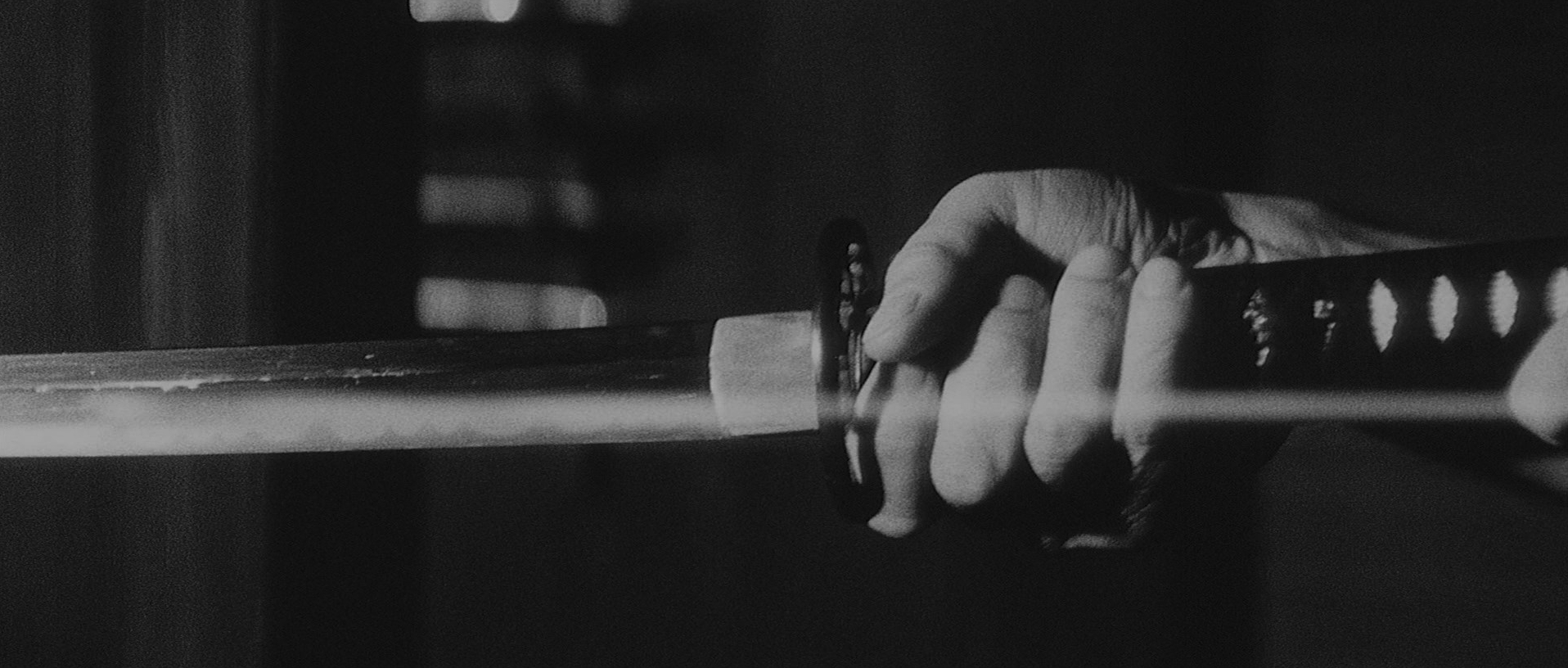
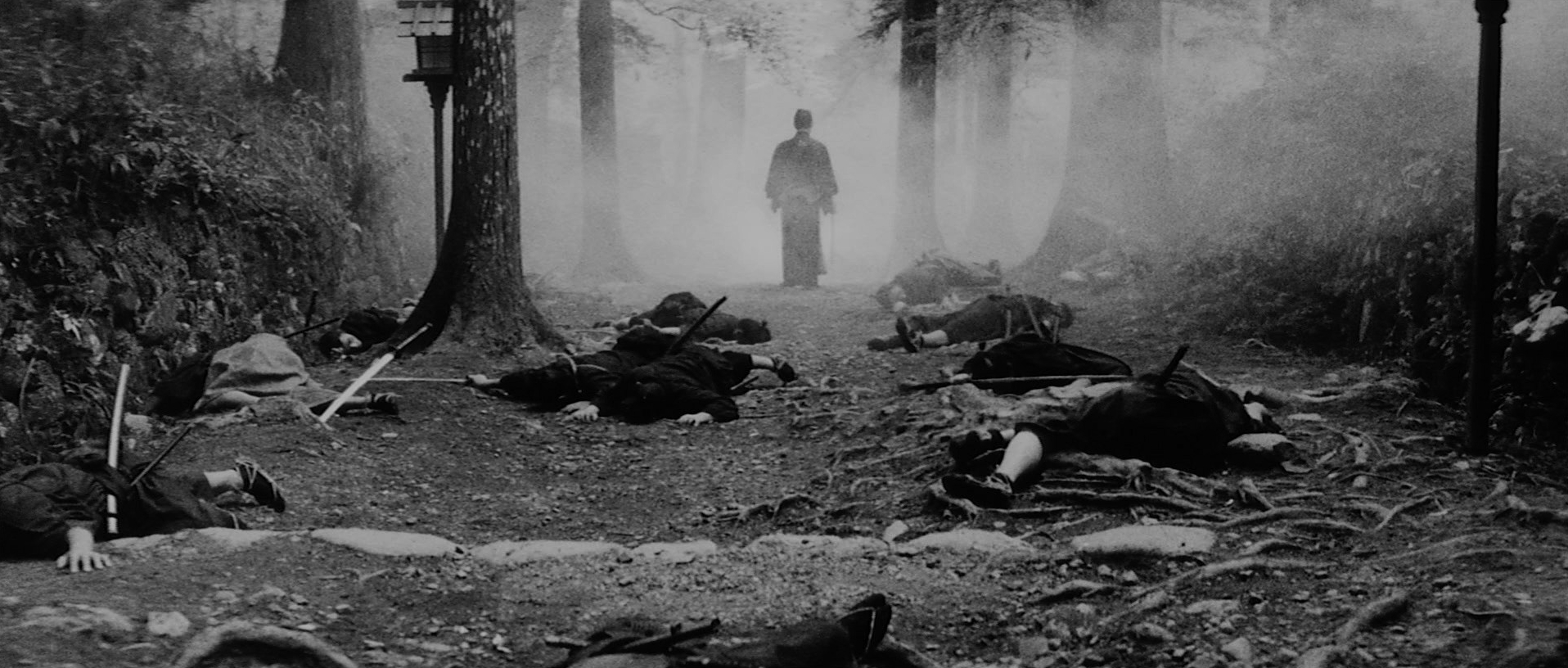
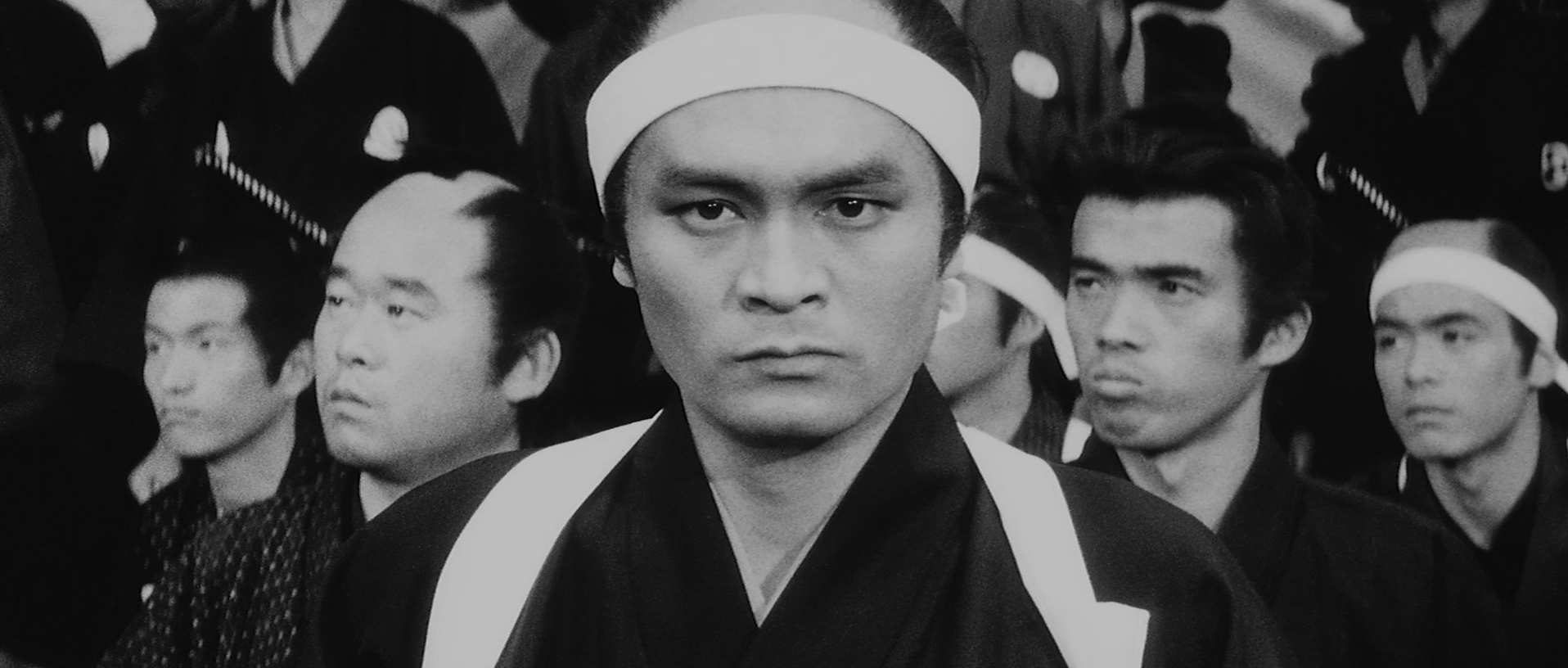
Set during the final years of the Tokugawa shogunate, the film follows Ryunosuke Tsukue, a master swordsman whose extraordinary skill is matched only by his nihilism and cruelty. Drifting through political unrest, assassination plots, and personal vendettas, Ryunosuke leaves a trail of violence while becoming increasingly consumed by paranoia and madness. The story unfolds as a bleak psychological descent centered on a man hollowed out by violence and spiritual emptiness.
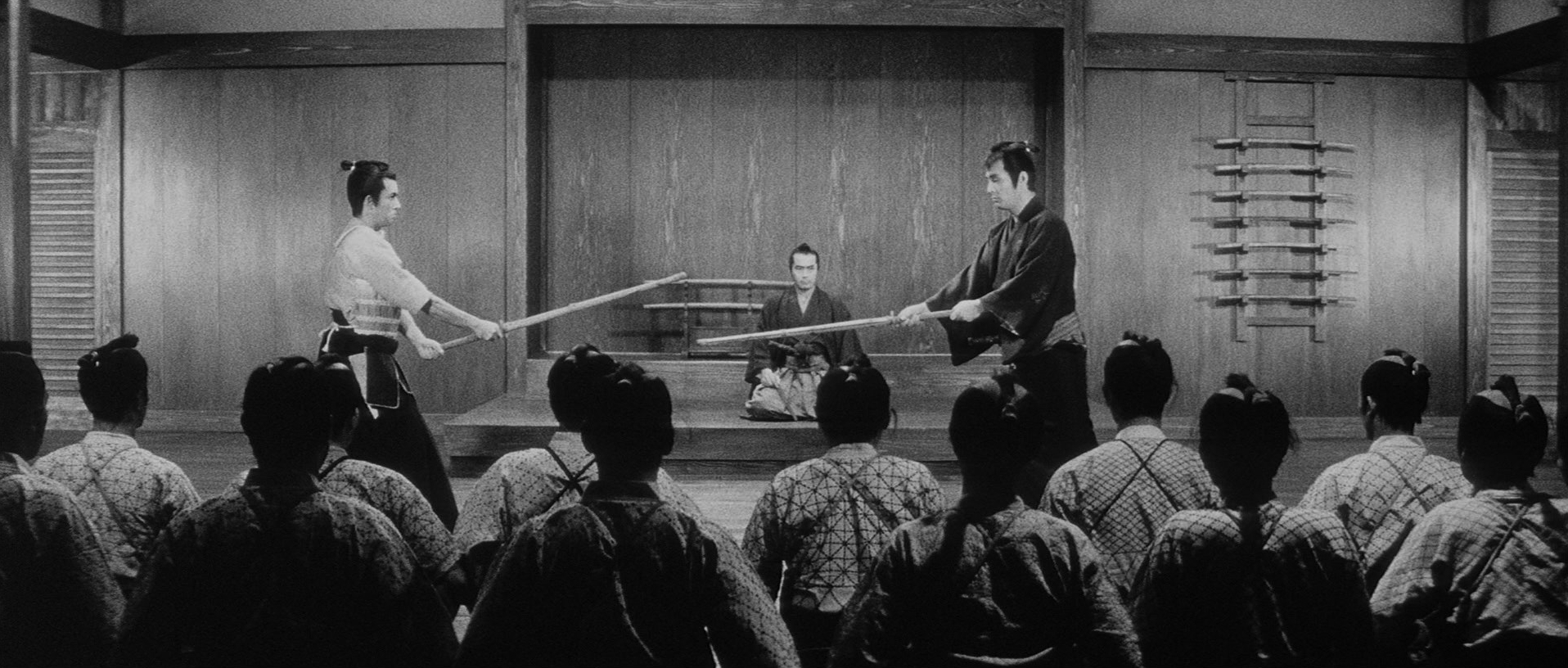
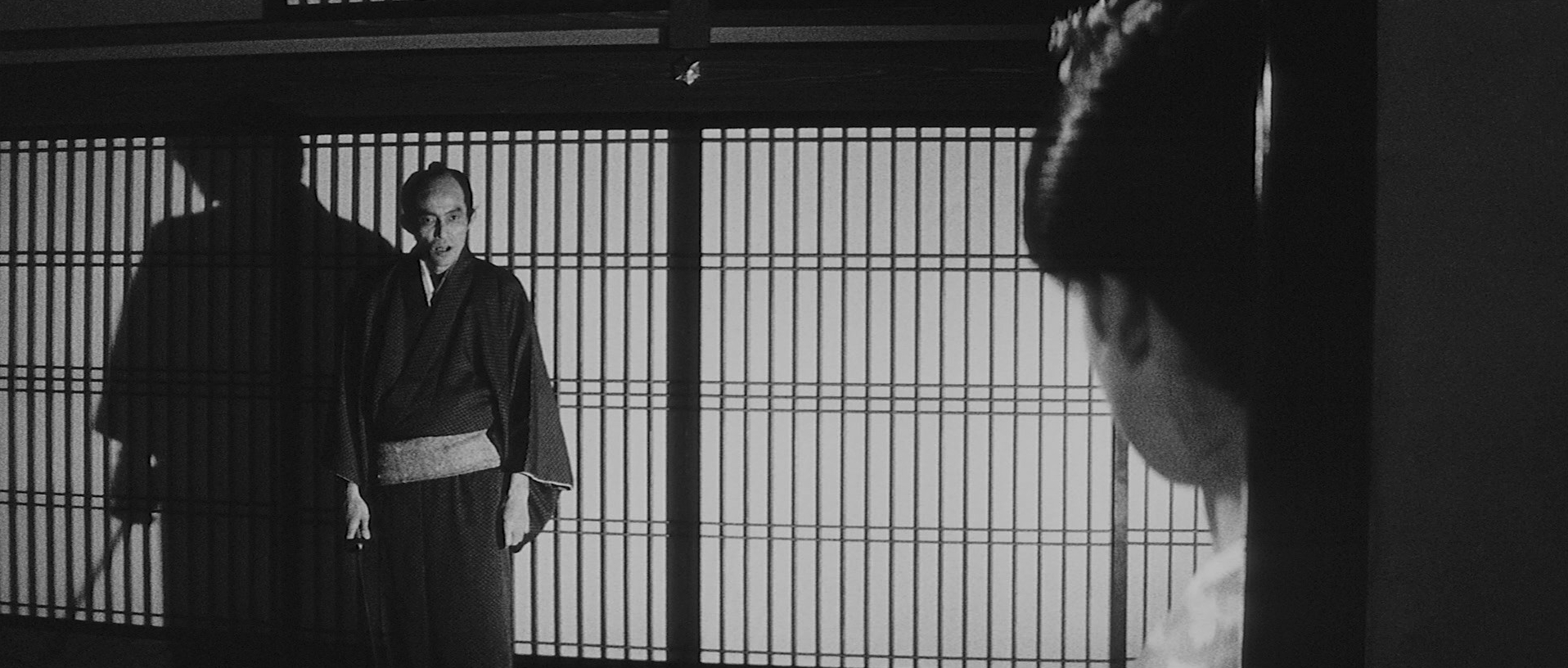
Okamoto and cinematographer Hiroshi Murai craft The Sword of Doom with stark black-and-white widescreen imagery that blends classical samurai cinema with expressionistic psychological horror. High-contrast lighting, deep shadows, and carefully choreographed sword fights emphasize precision and inevitability rather than heroic spectacle, while smoke, darkness, and fragmented interior spaces visually mirror Ryunosuke’s deteriorating mental state. The film’s famous climactic sequence pushes into near-surreal abstraction, using rapid movement, violent framing, and chaotic editing to transform sword combat into a vision of existential collapse and endless bloodshed.
FILM SPOTLIGHT
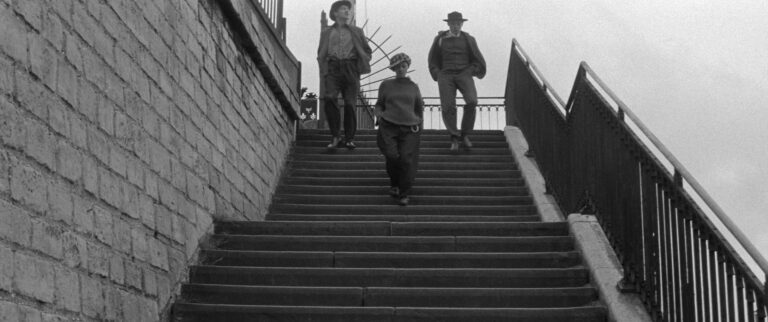
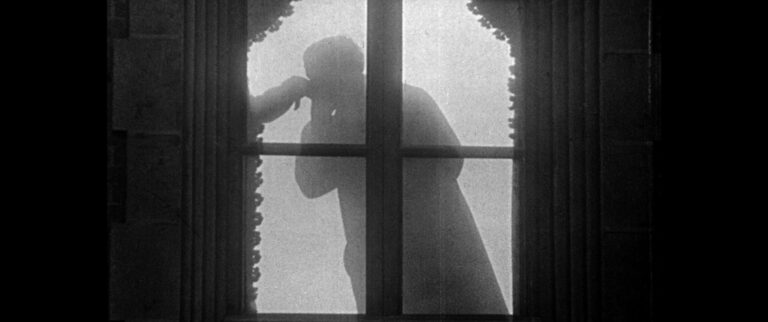
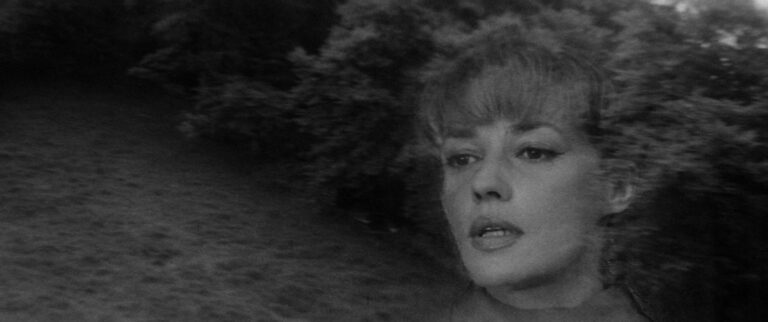
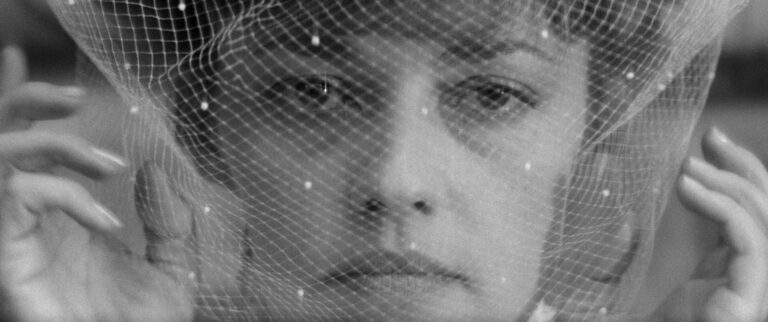
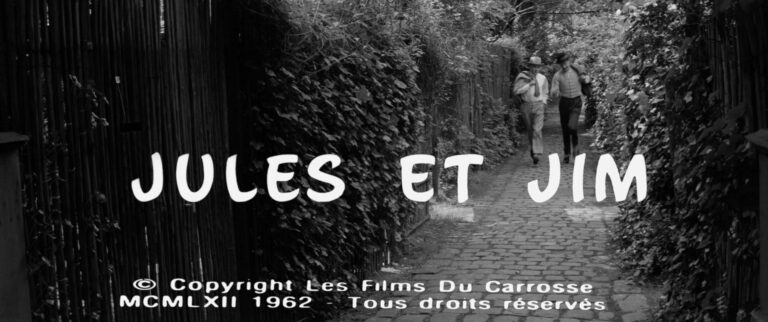
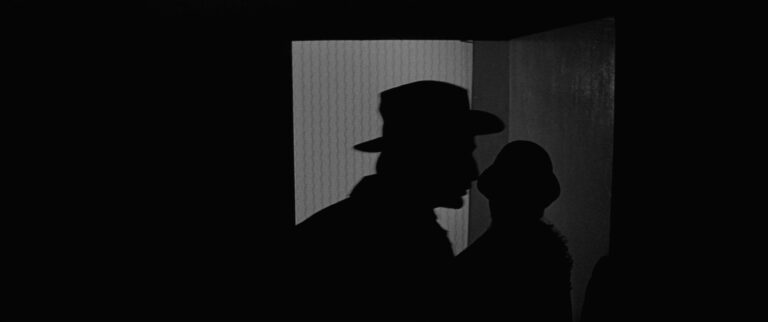
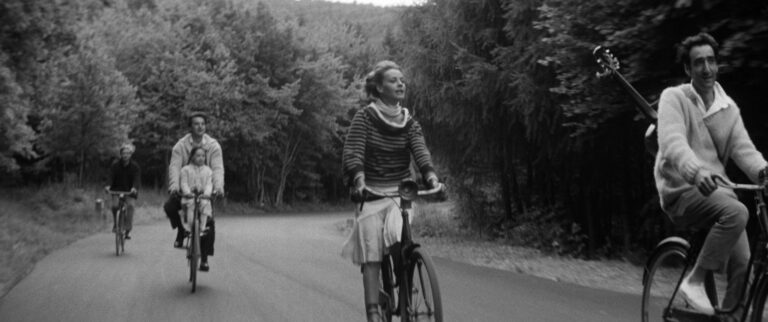
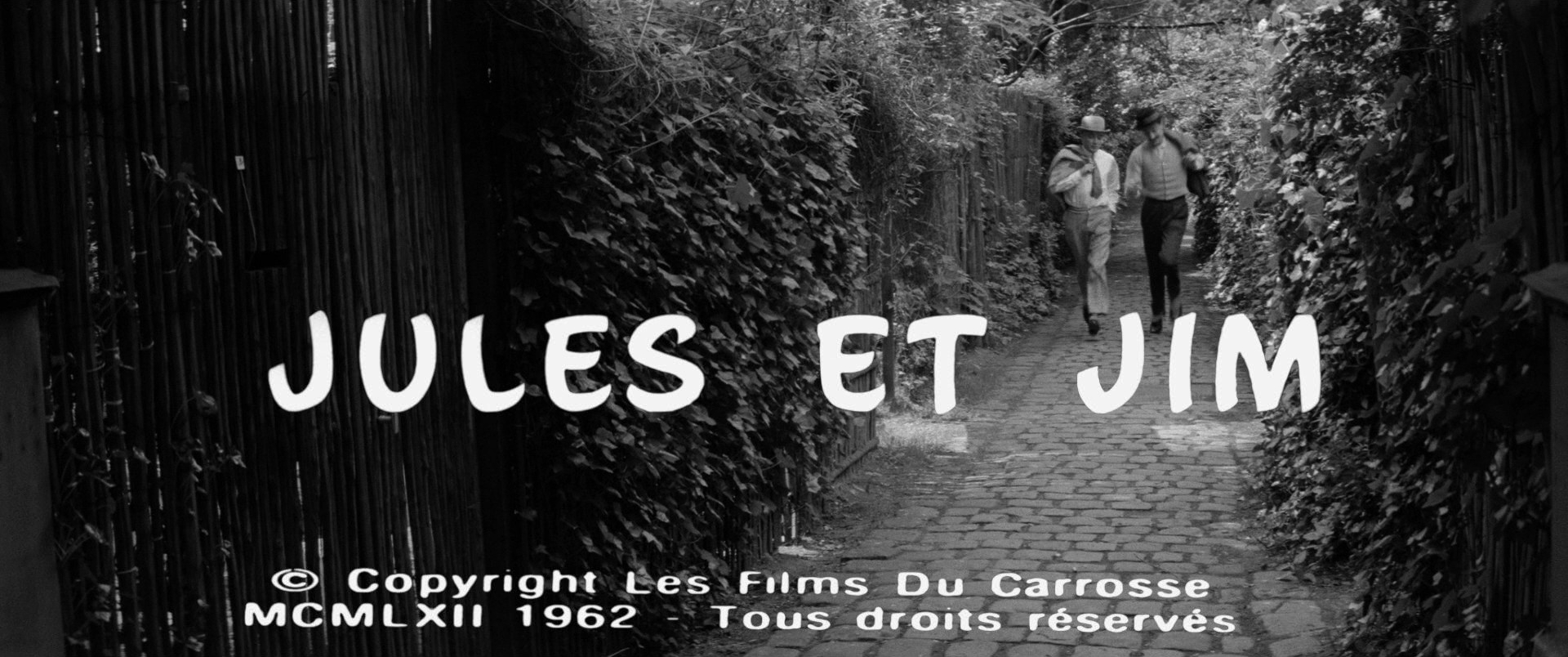
Jules and Jim (1962)
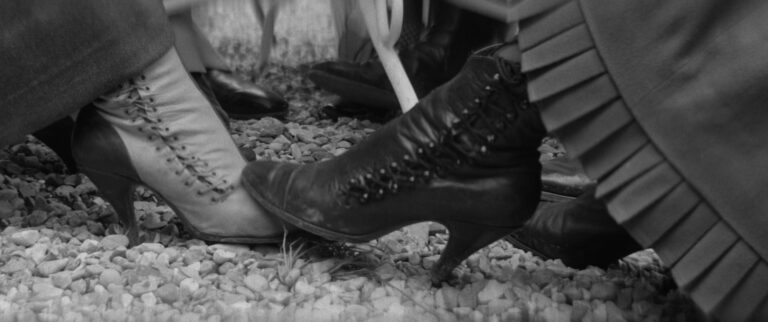
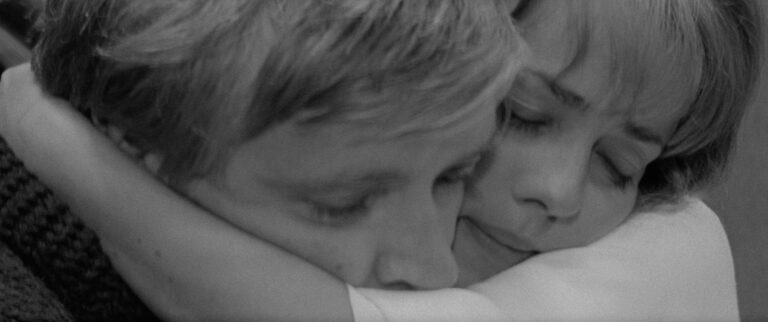
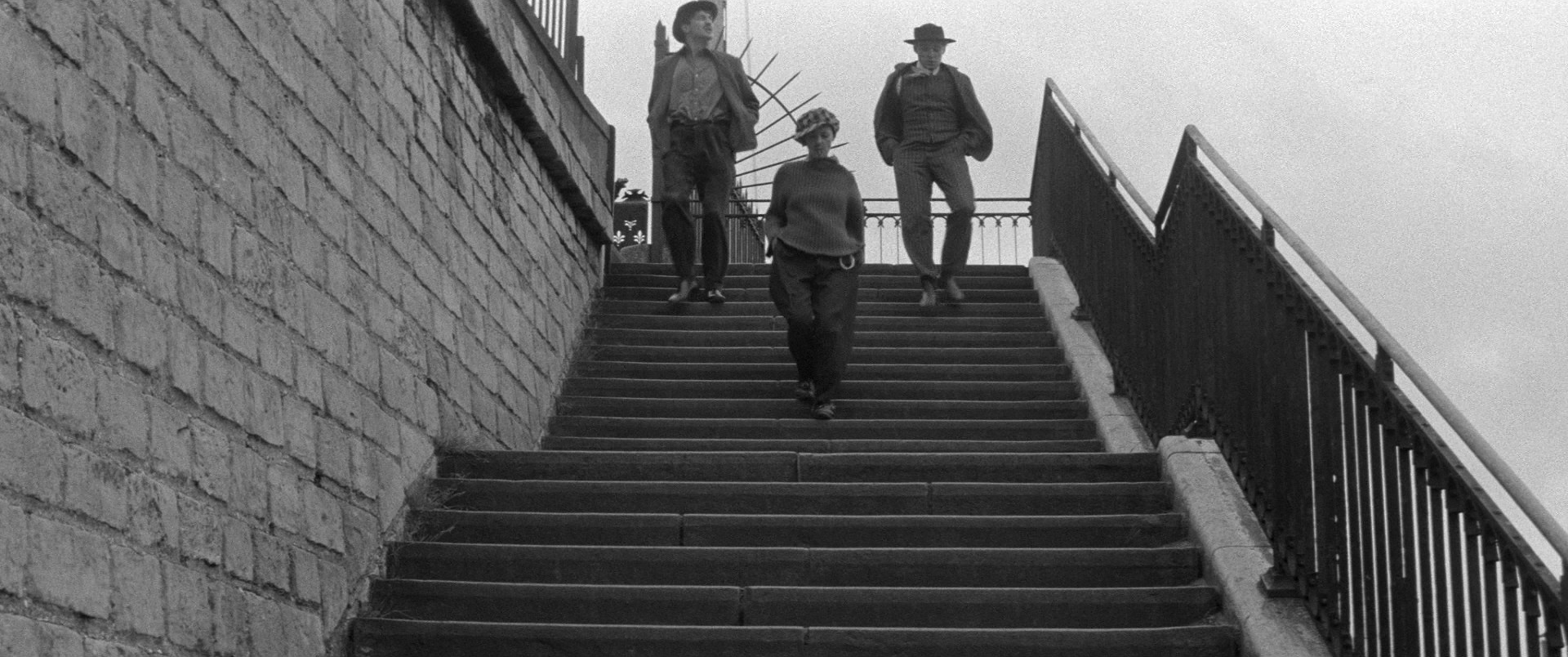
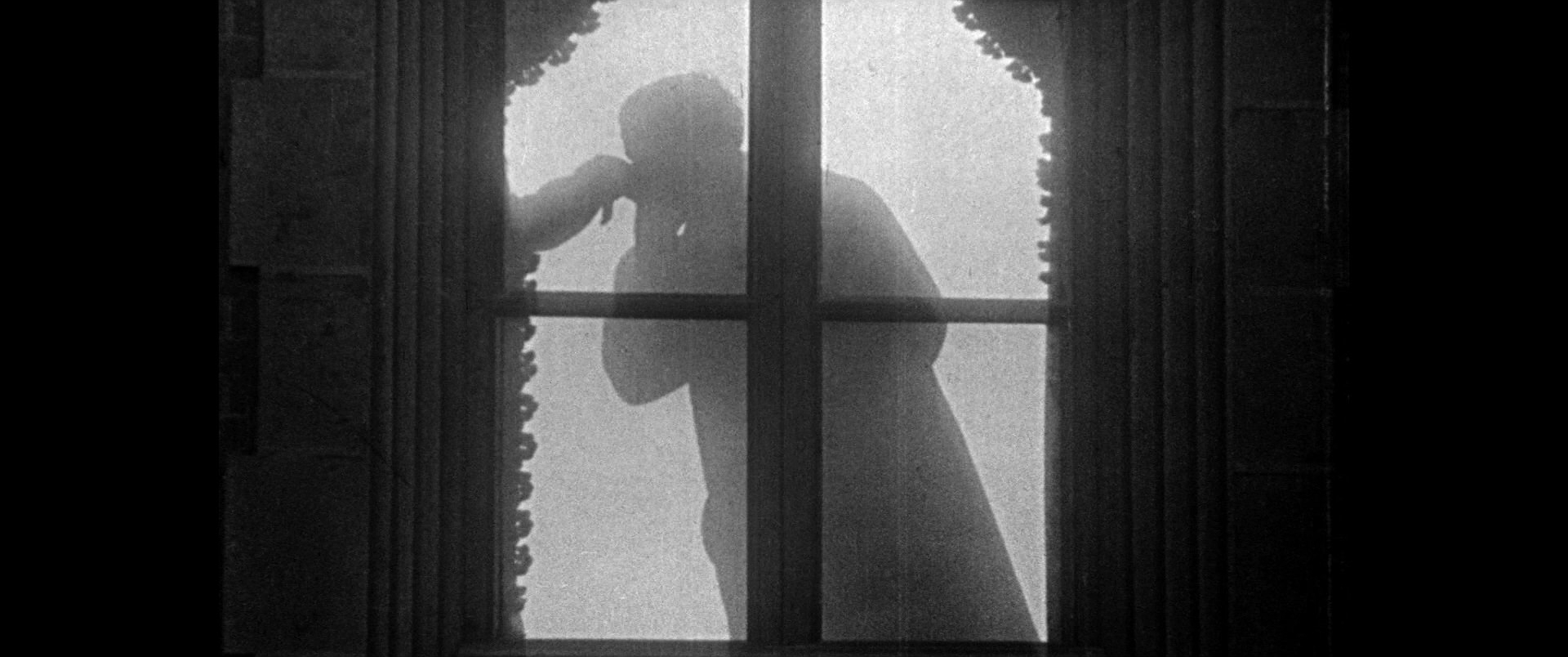
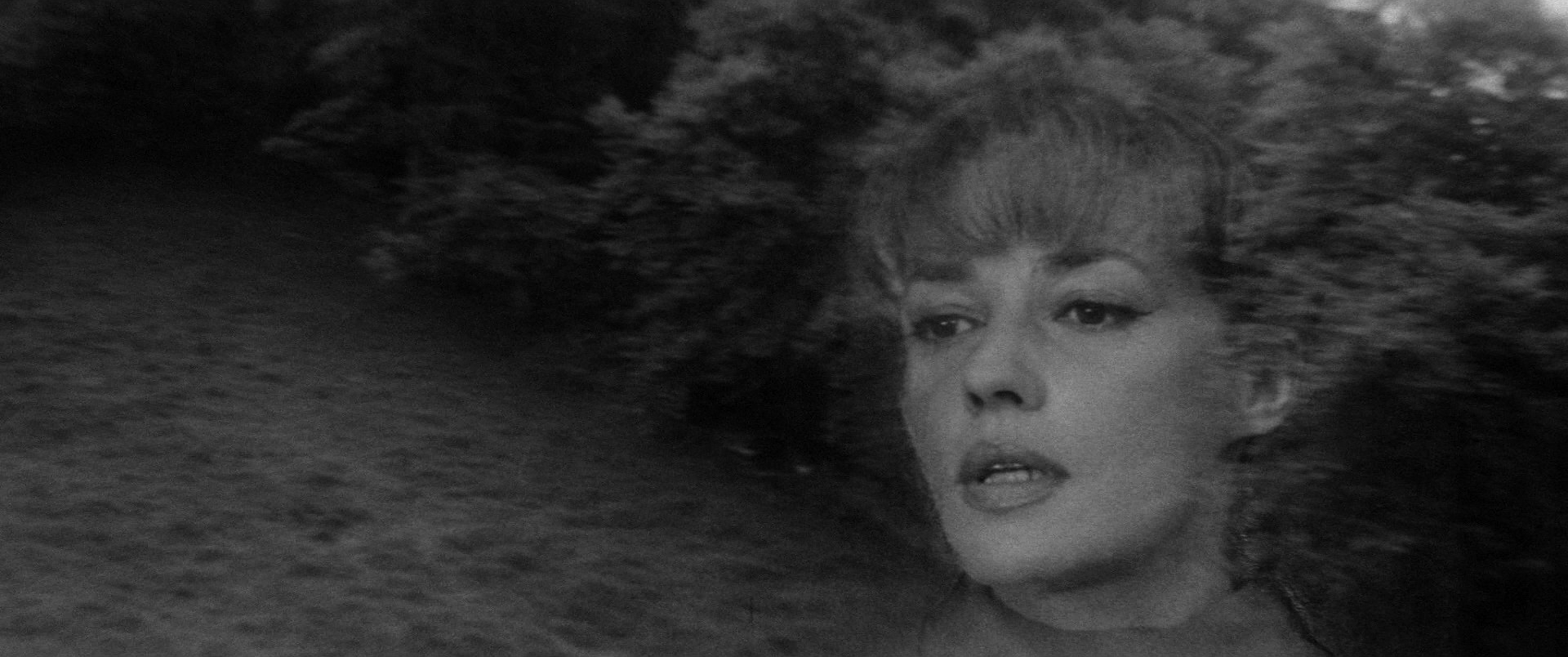
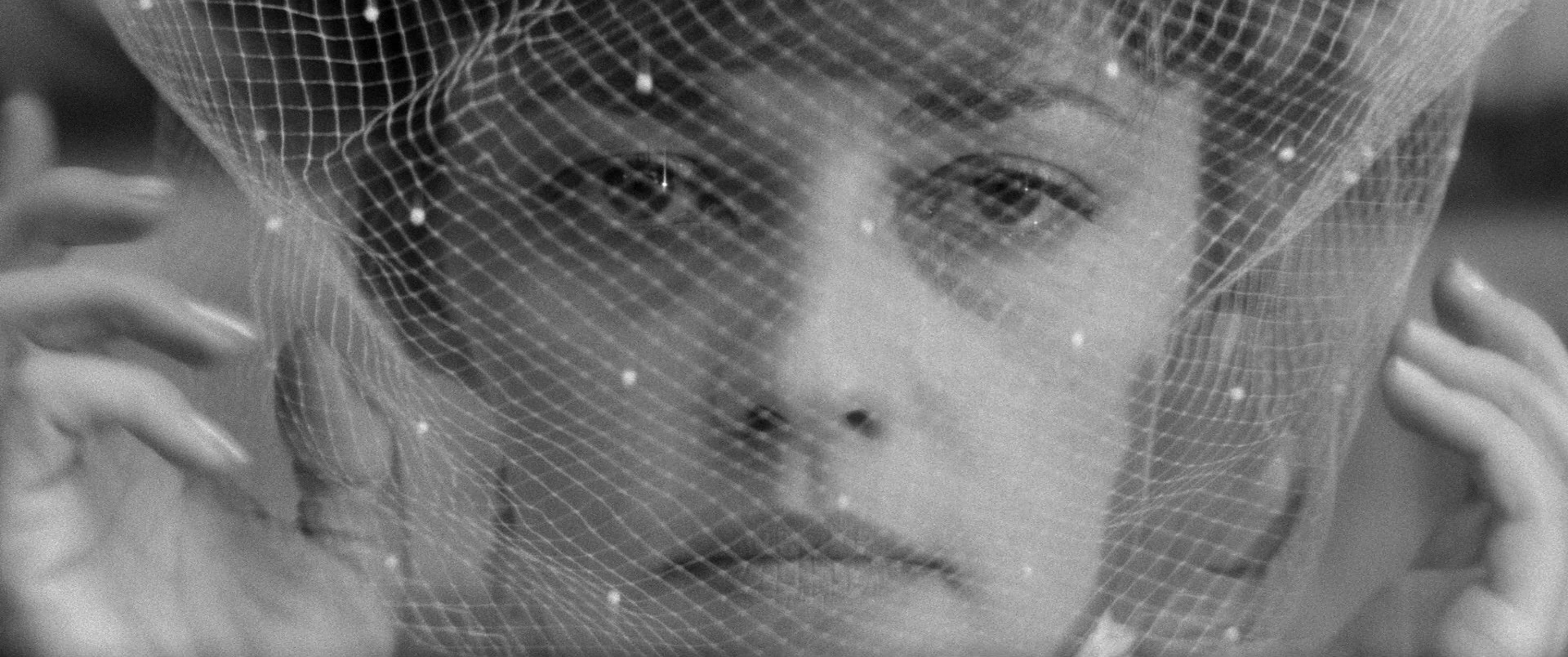
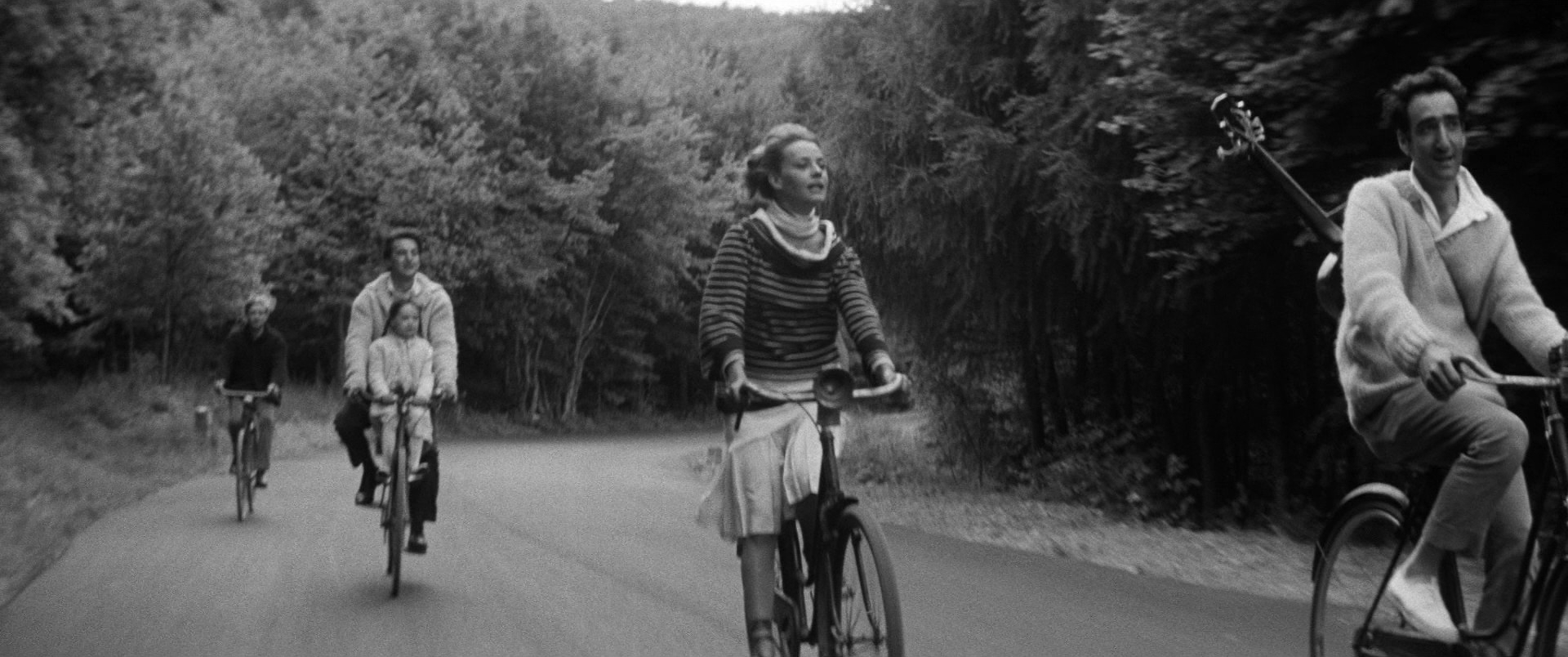
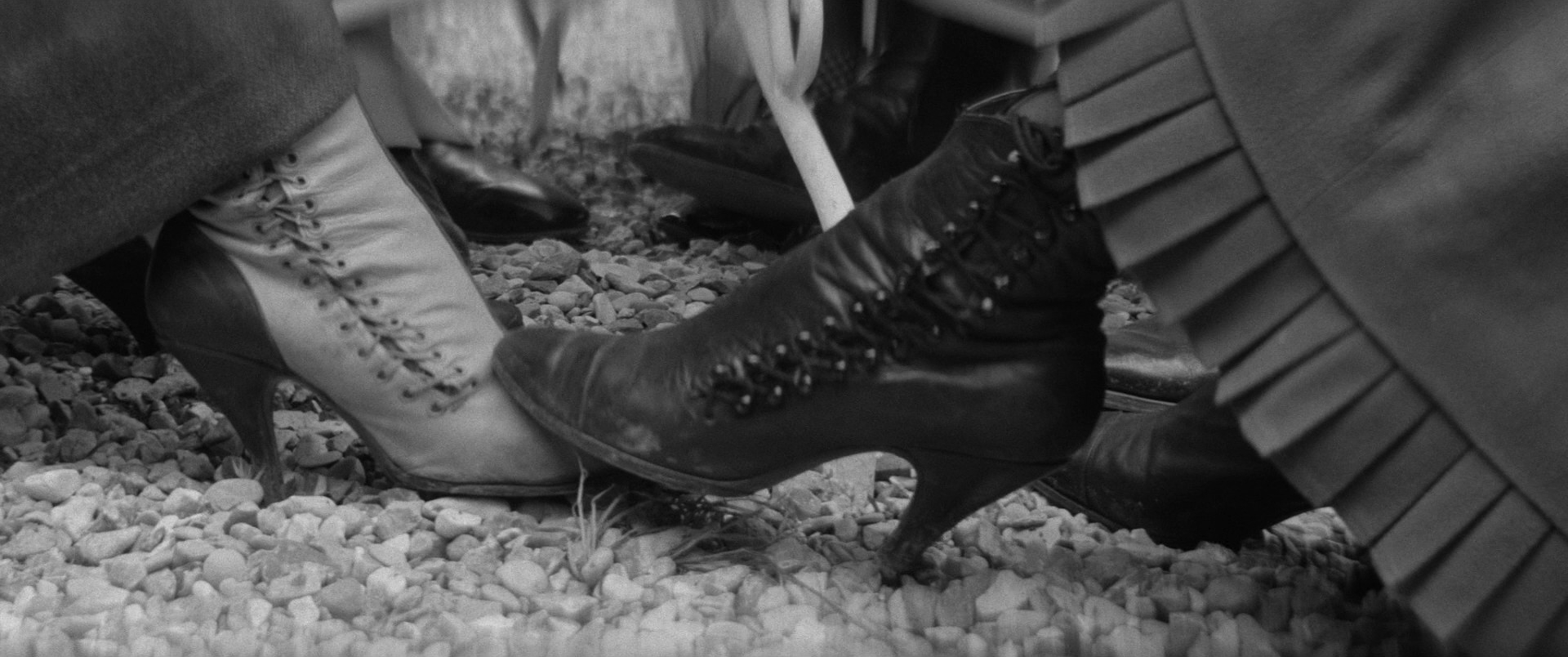
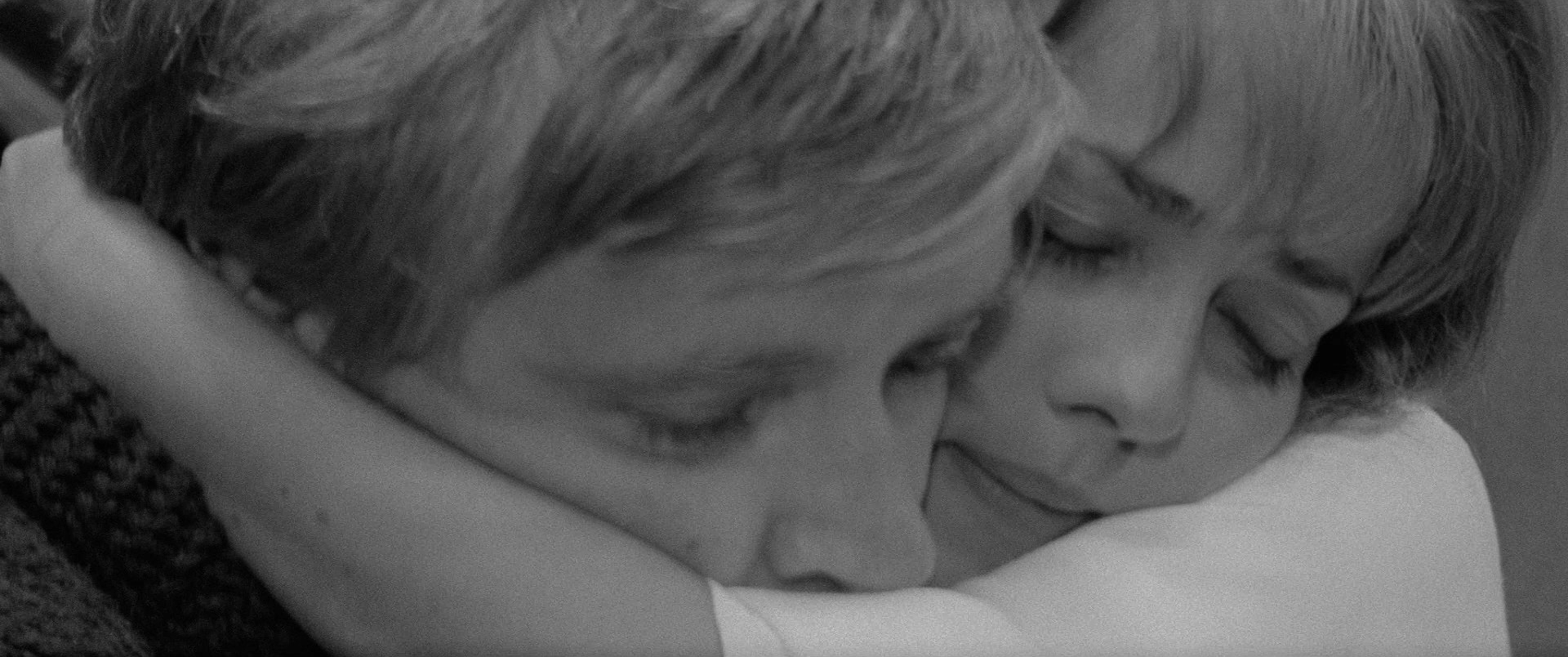
Set across the years surrounding World War I, the film follows the close friendship between Jules, a shy Austrian writer, and Jim, a charismatic French intellectual, whose bond is transformed when they both fall in love with the free-spirited Catherine. Over decades, the three navigate romance, marriage, jealousy, and emotional instability as their relationships shift in increasingly unpredictable ways. The story unfolds as a bittersweet meditation on love, freedom, friendship, and the impossibility of fully possessing another person.
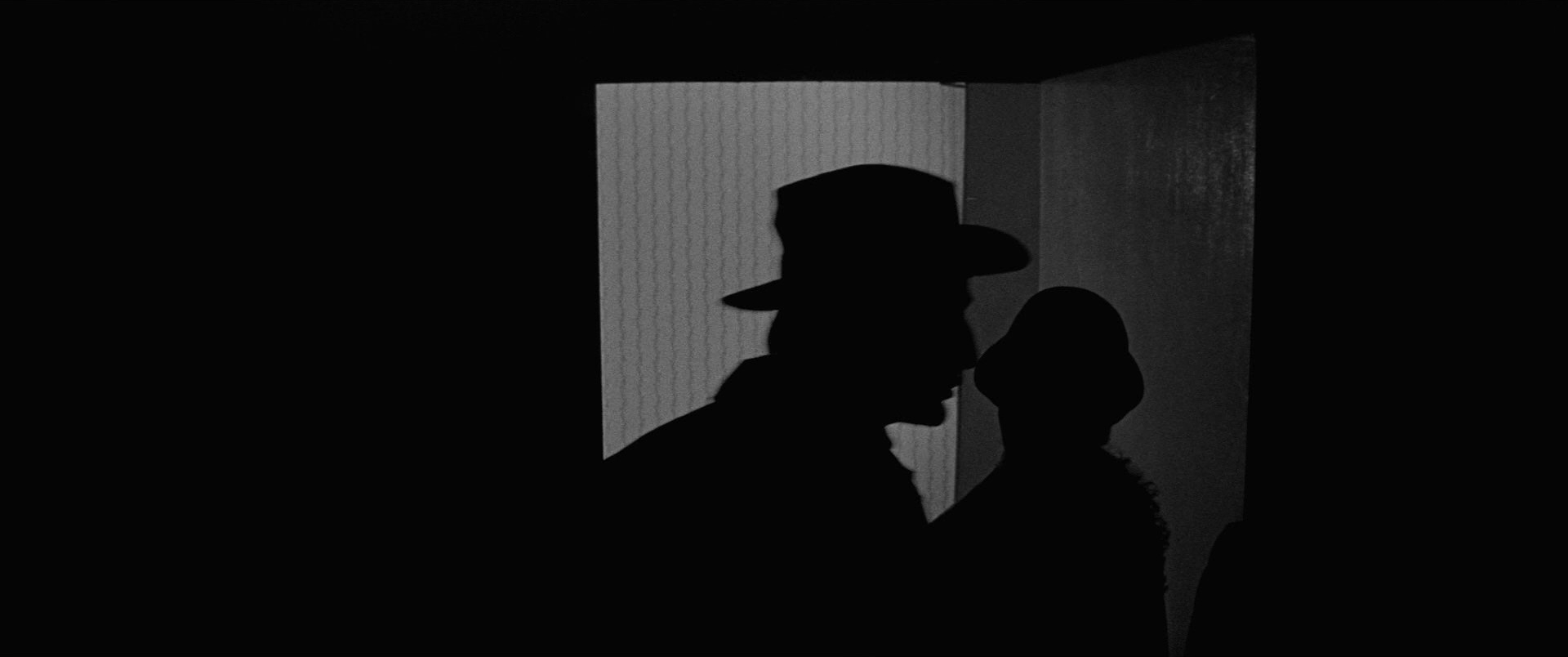
Truffaut and cinematographer Raoul Coutard shoot Jules and Jim with the energetic spontaneity associated with the French New Wave, blending handheld camerawork, freeze frames, rapid montage, narration, and fluid tracking shots into a restless romantic rhythm. The black-and-white photography captures both intimacy and movement with remarkable lightness, while the film’s famous racing sequences, whip pans, and archival inserts create a feeling of life rushing forward uncontrollably. The camera often seems emotionally aligned with Catherine’s unpredictability and vitality, turning cinematic motion itself into an expression of fleeting passion and emotional instability.
FILM SPOTLIGHT
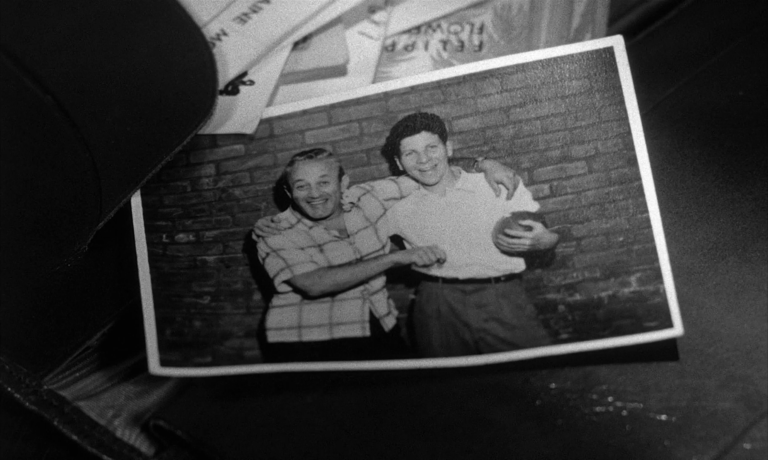
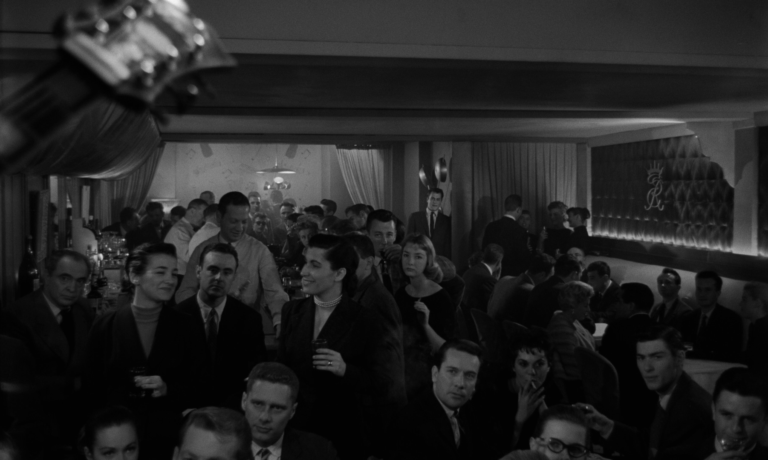
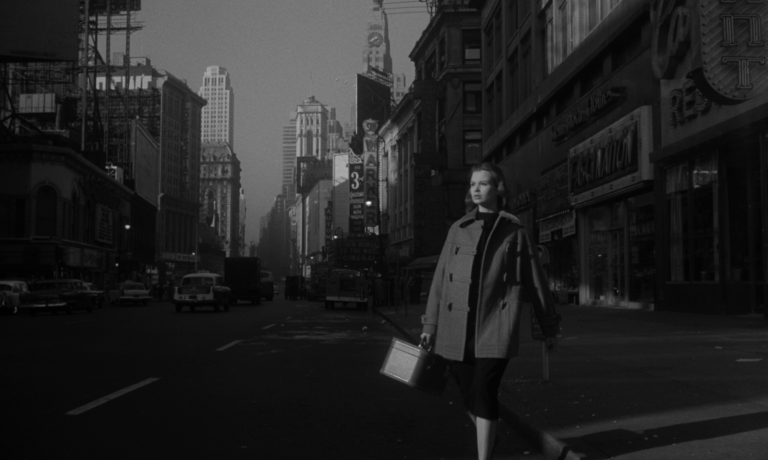
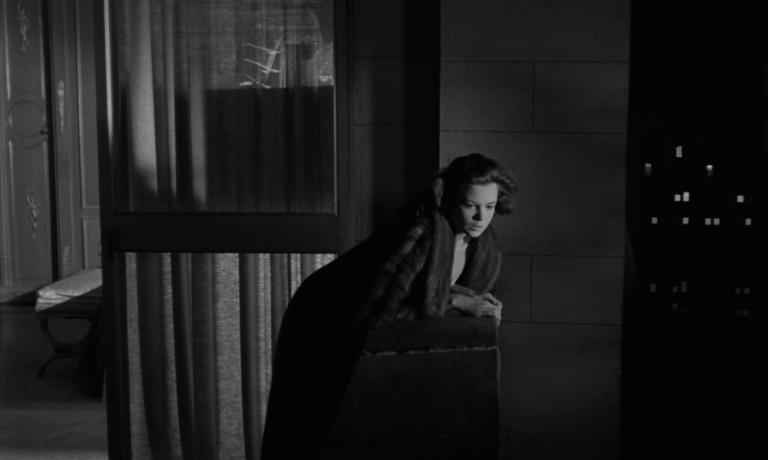
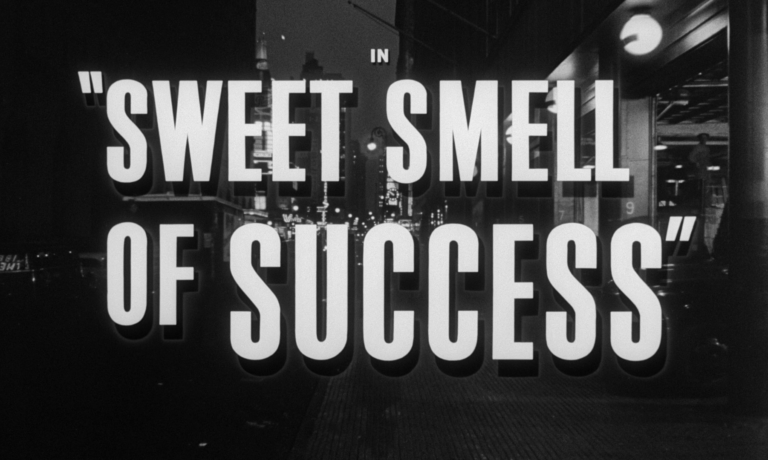
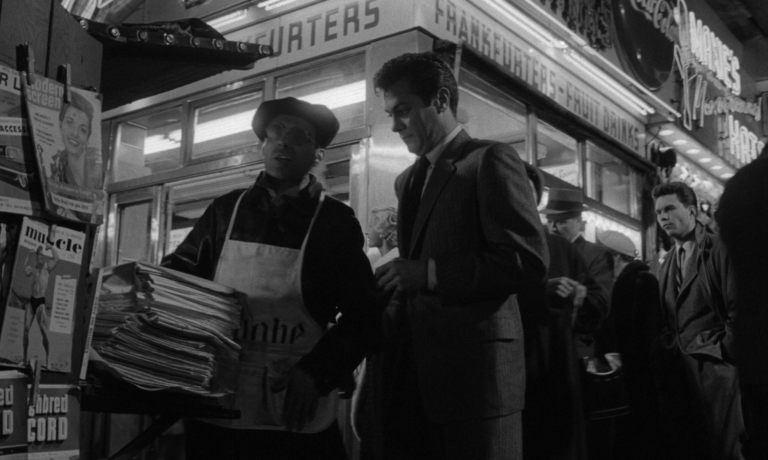
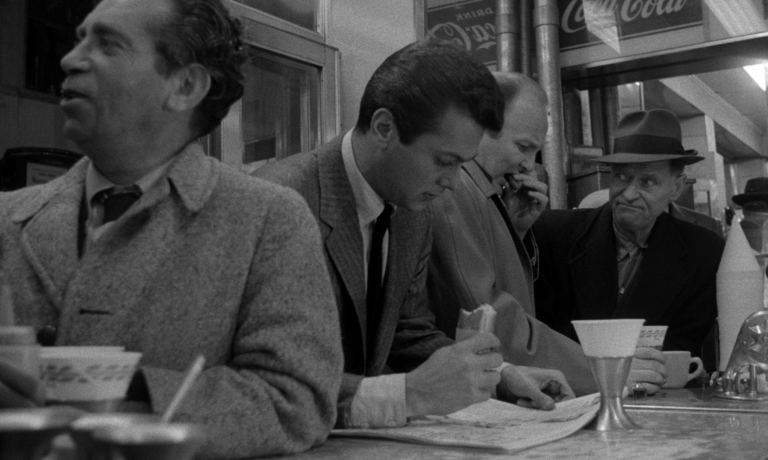
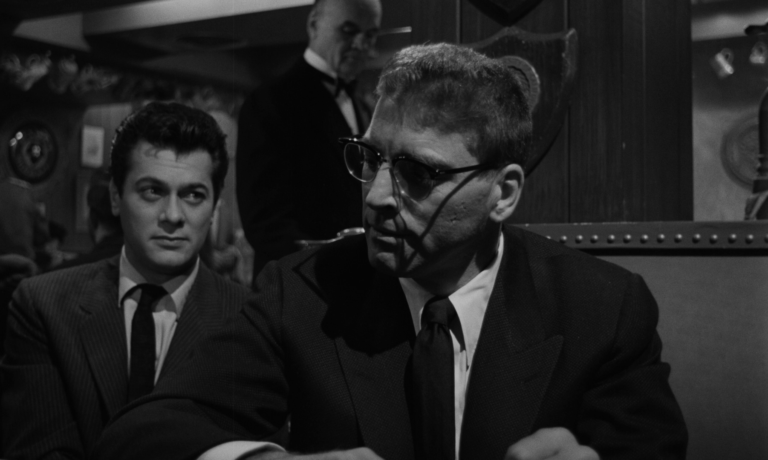
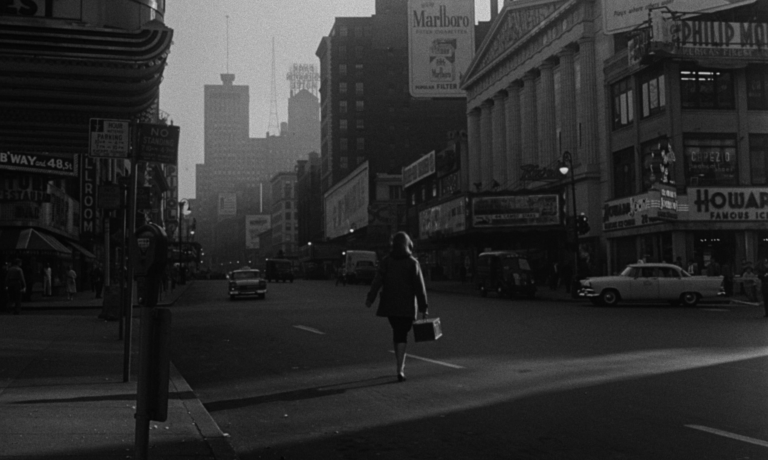
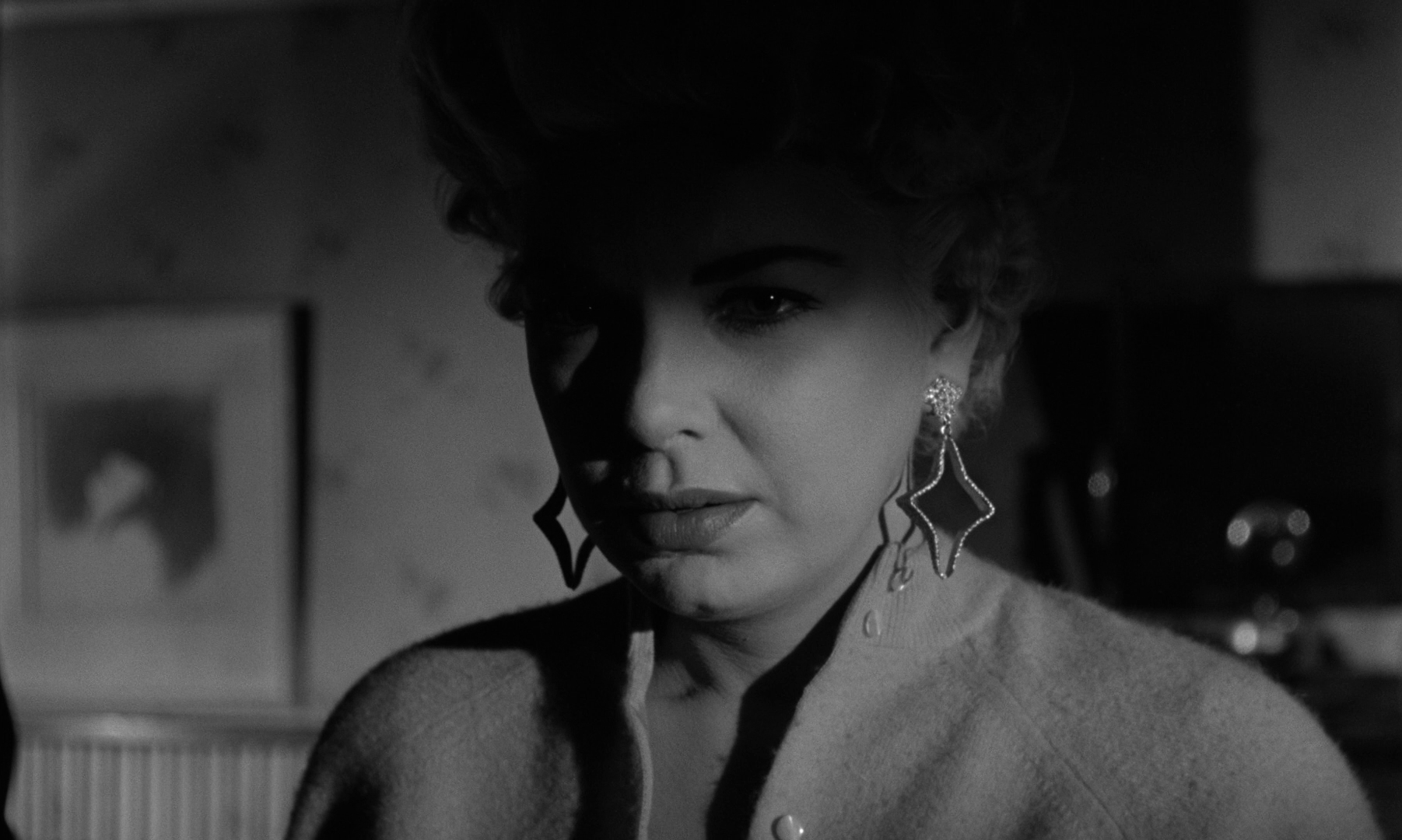
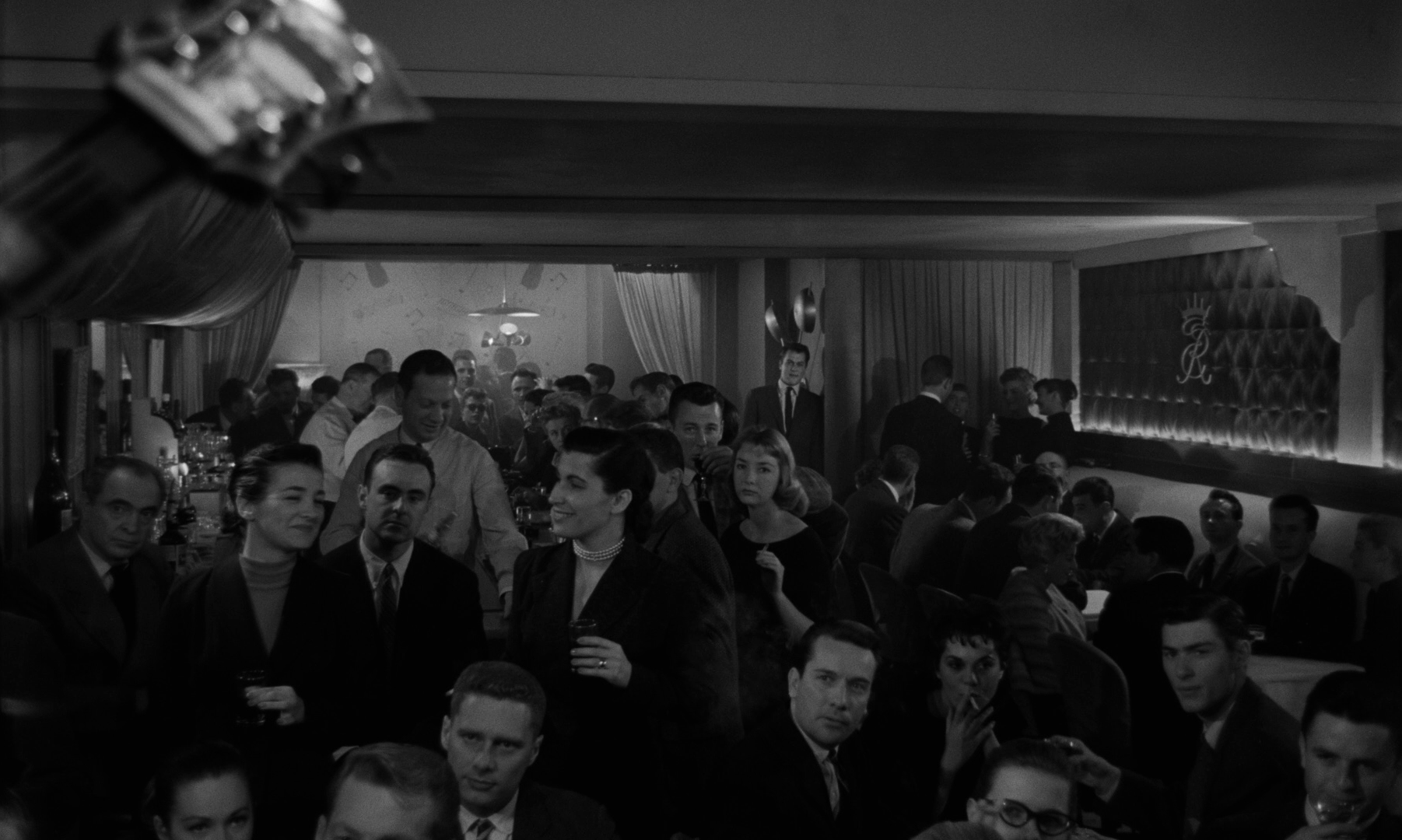
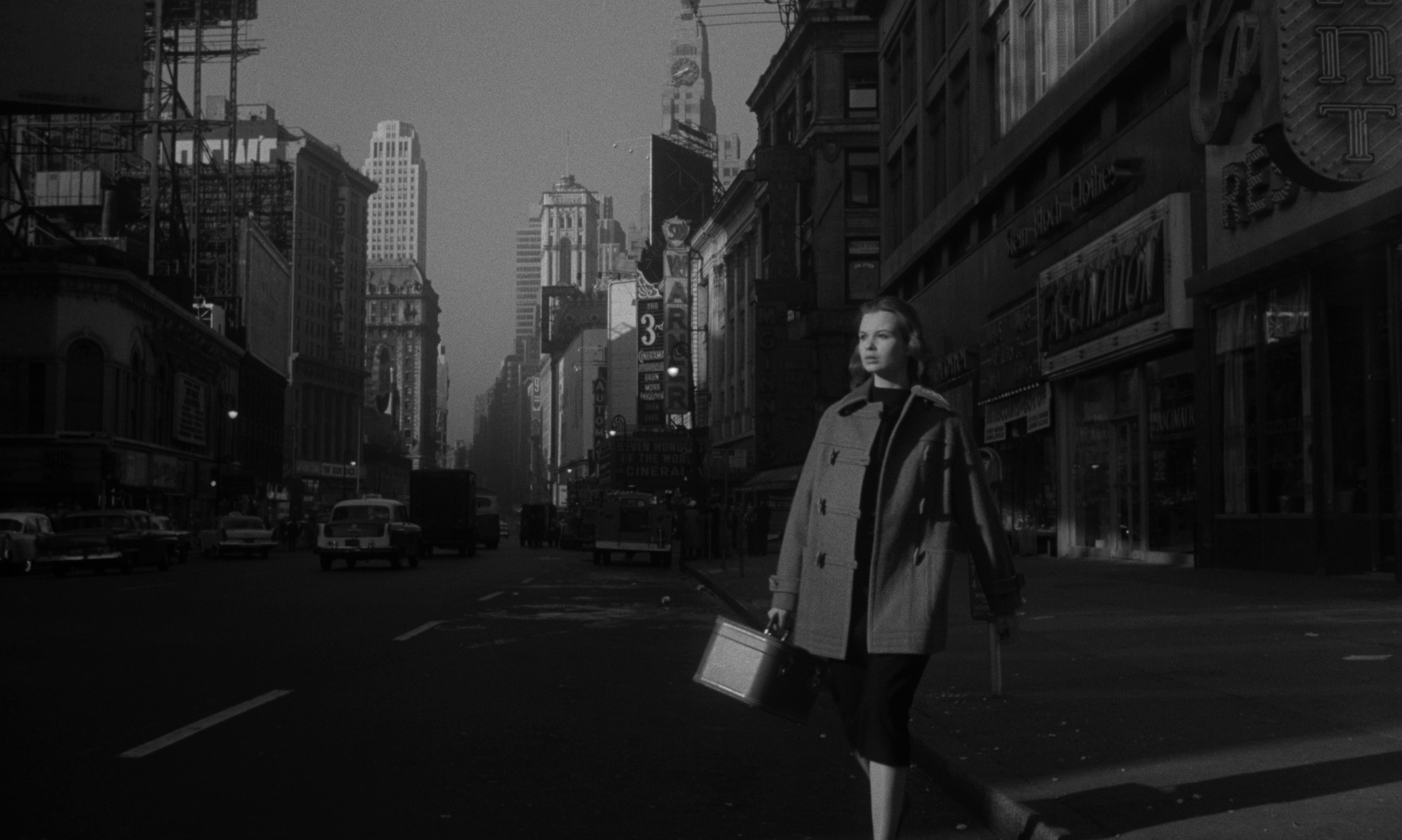
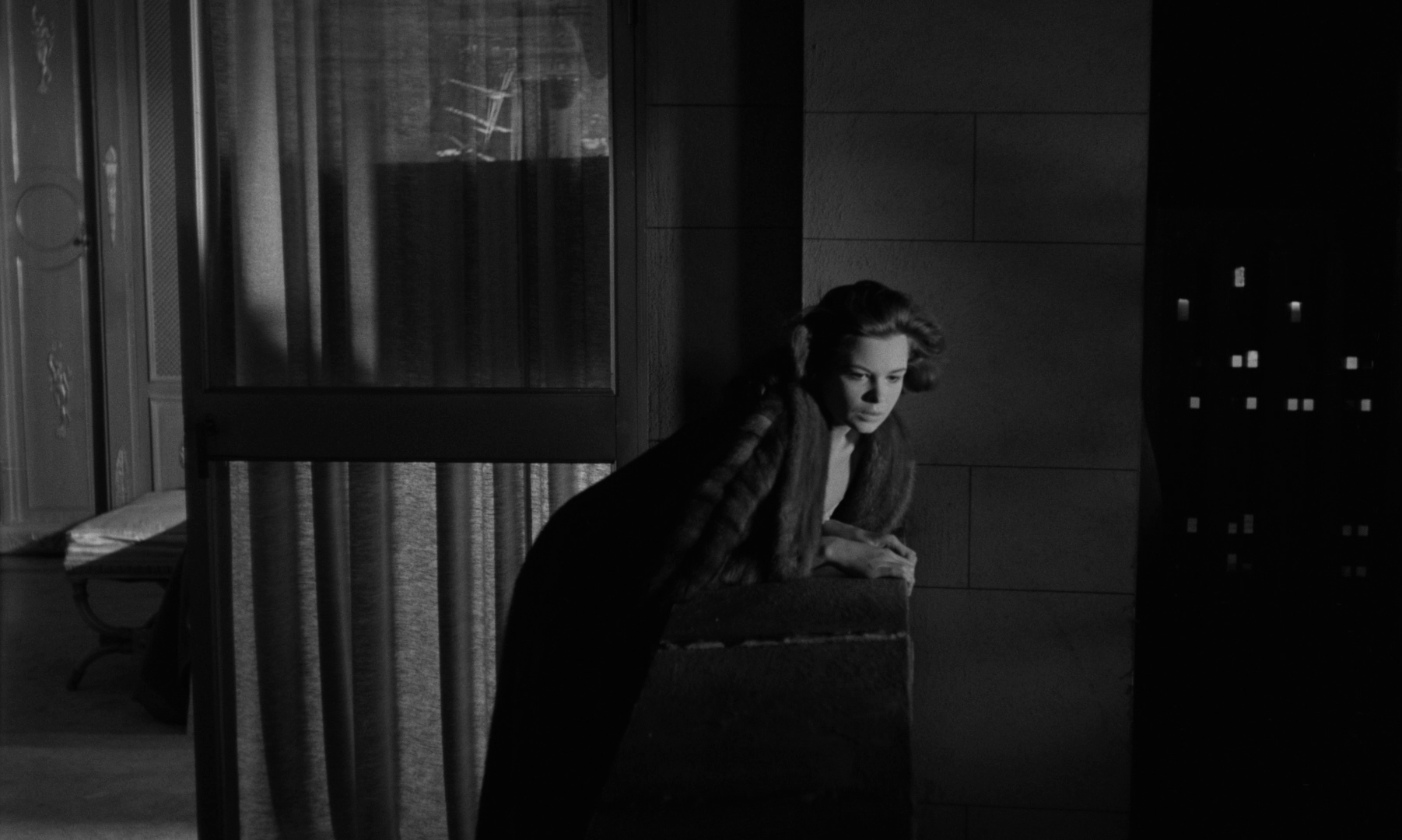
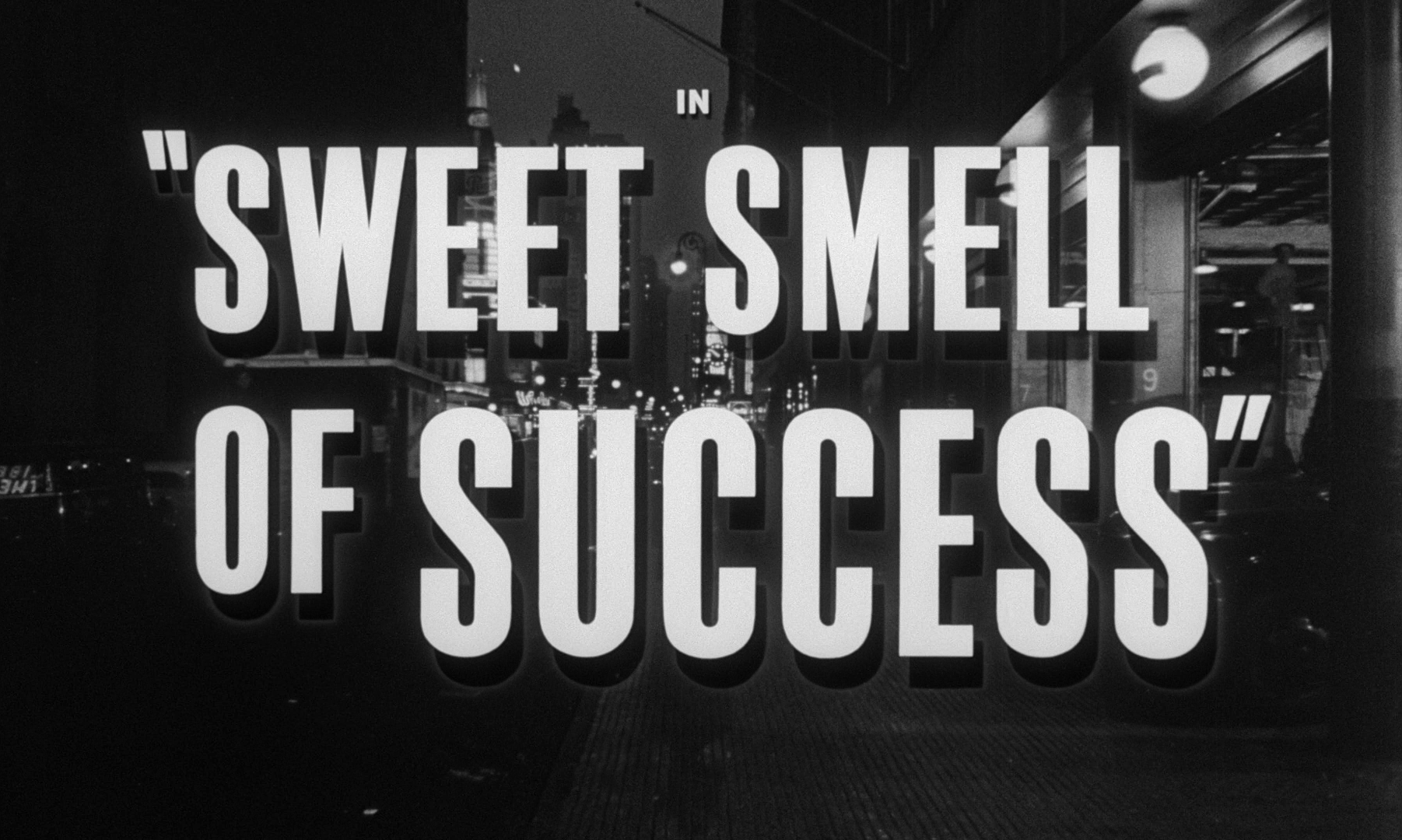
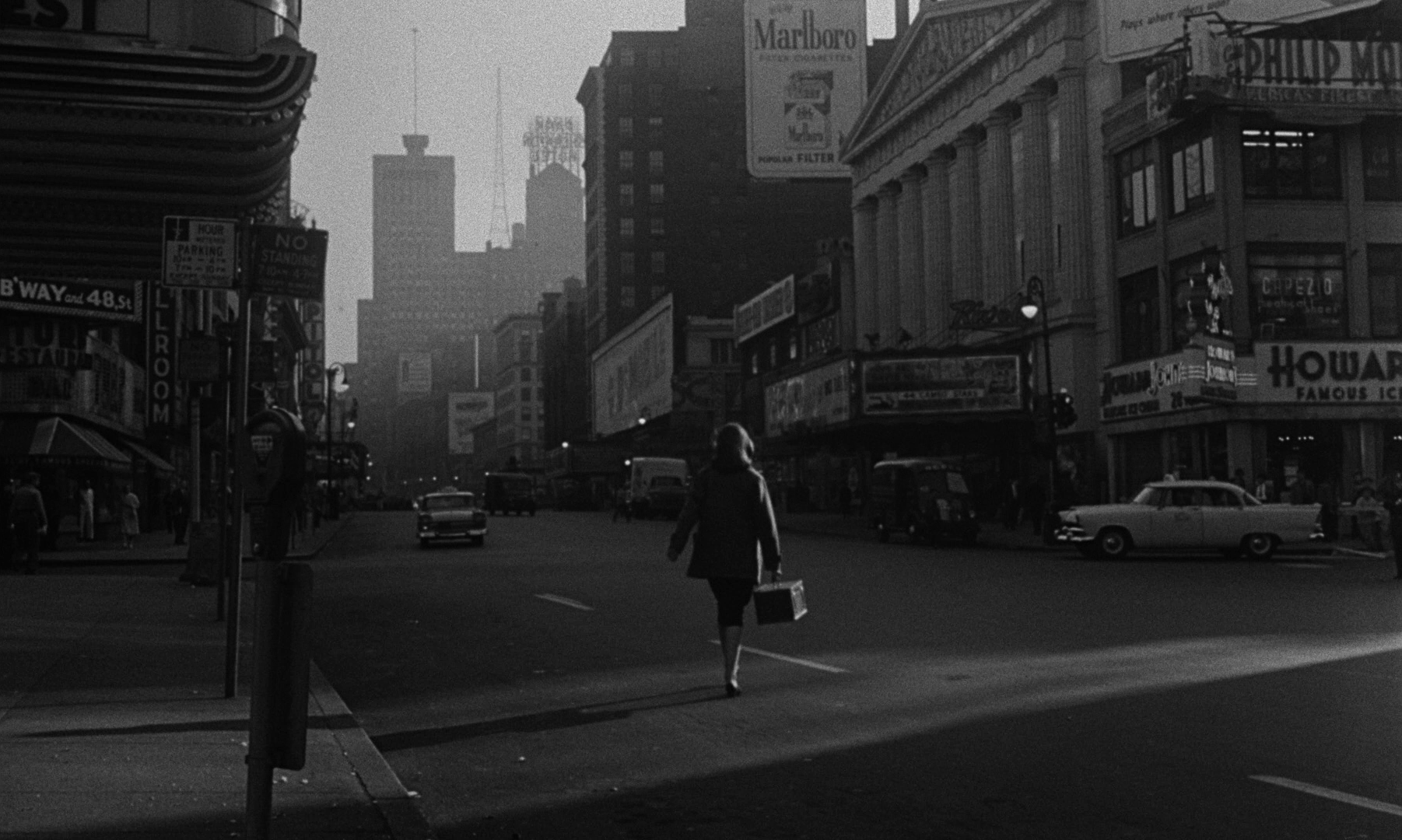
Sweet Smell of Success (1957)
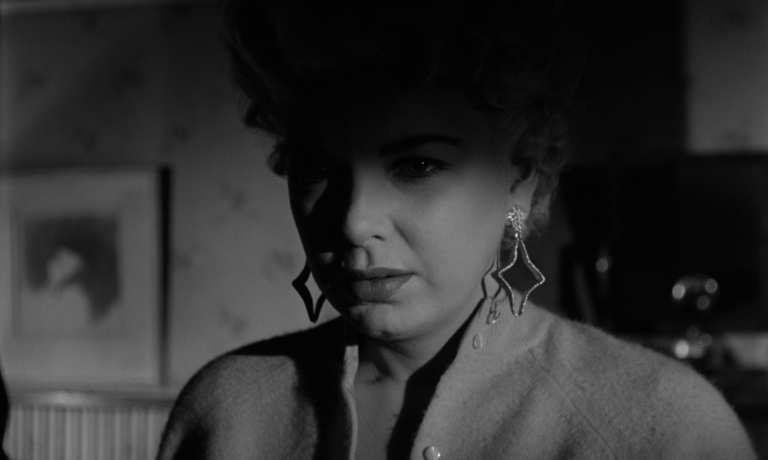
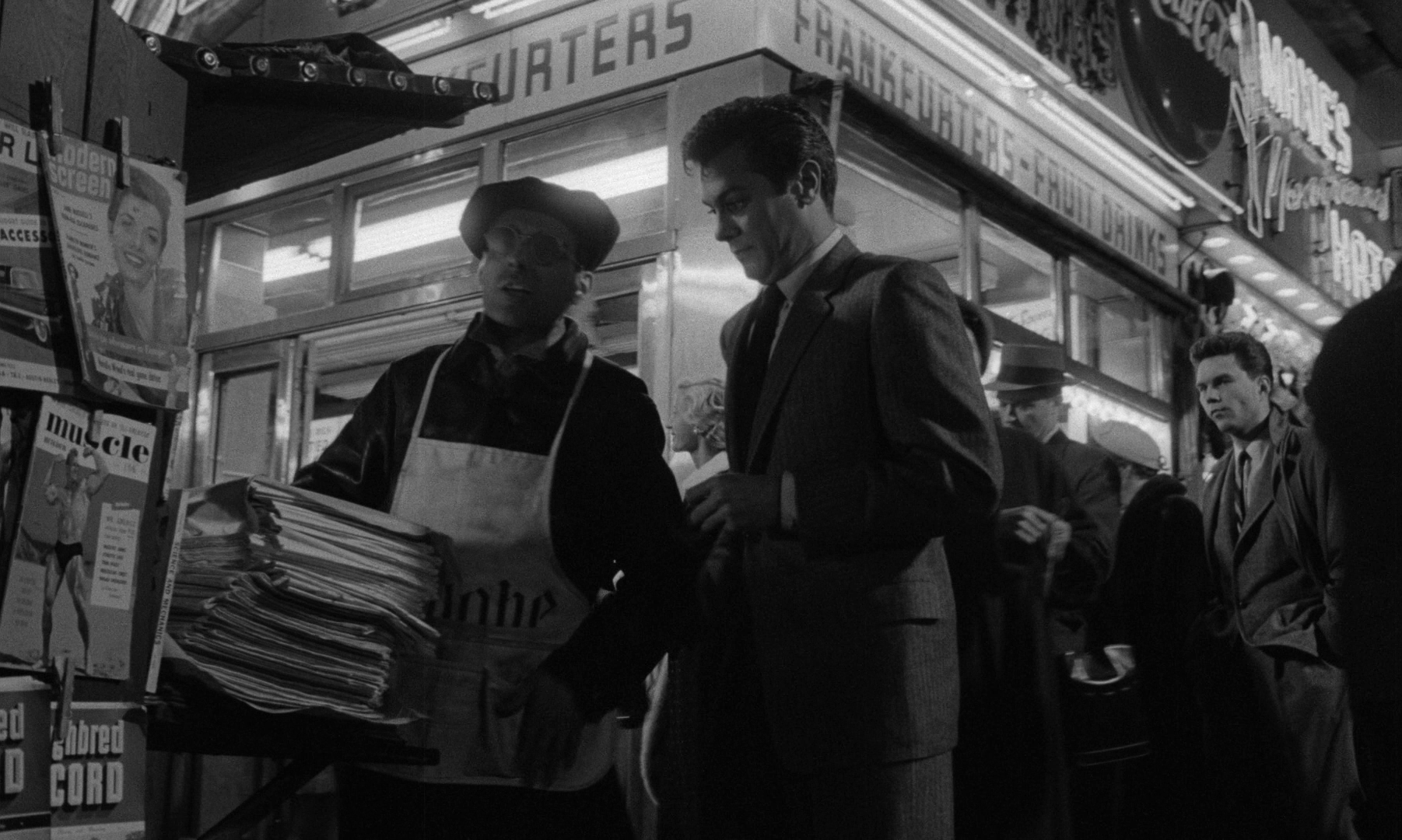
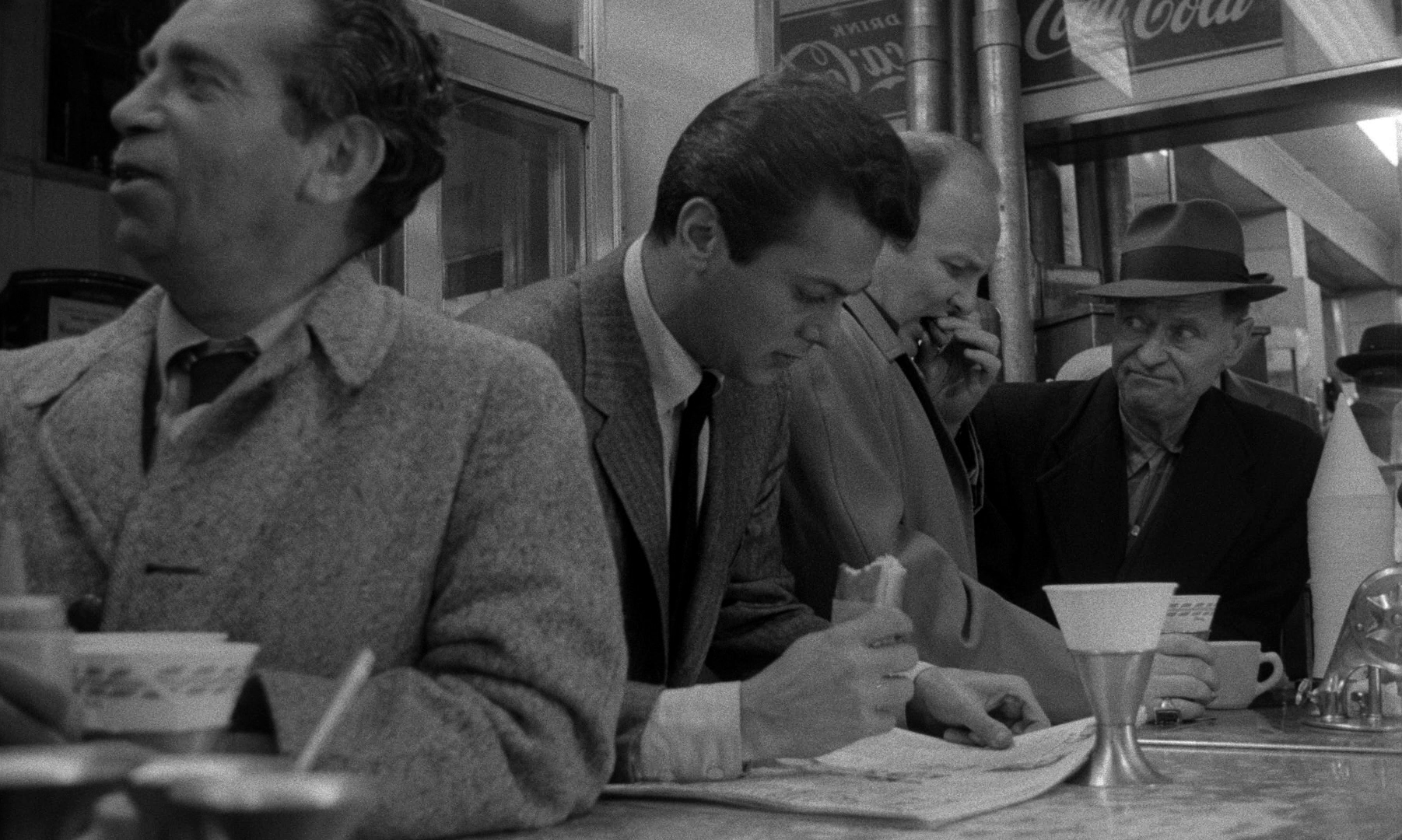
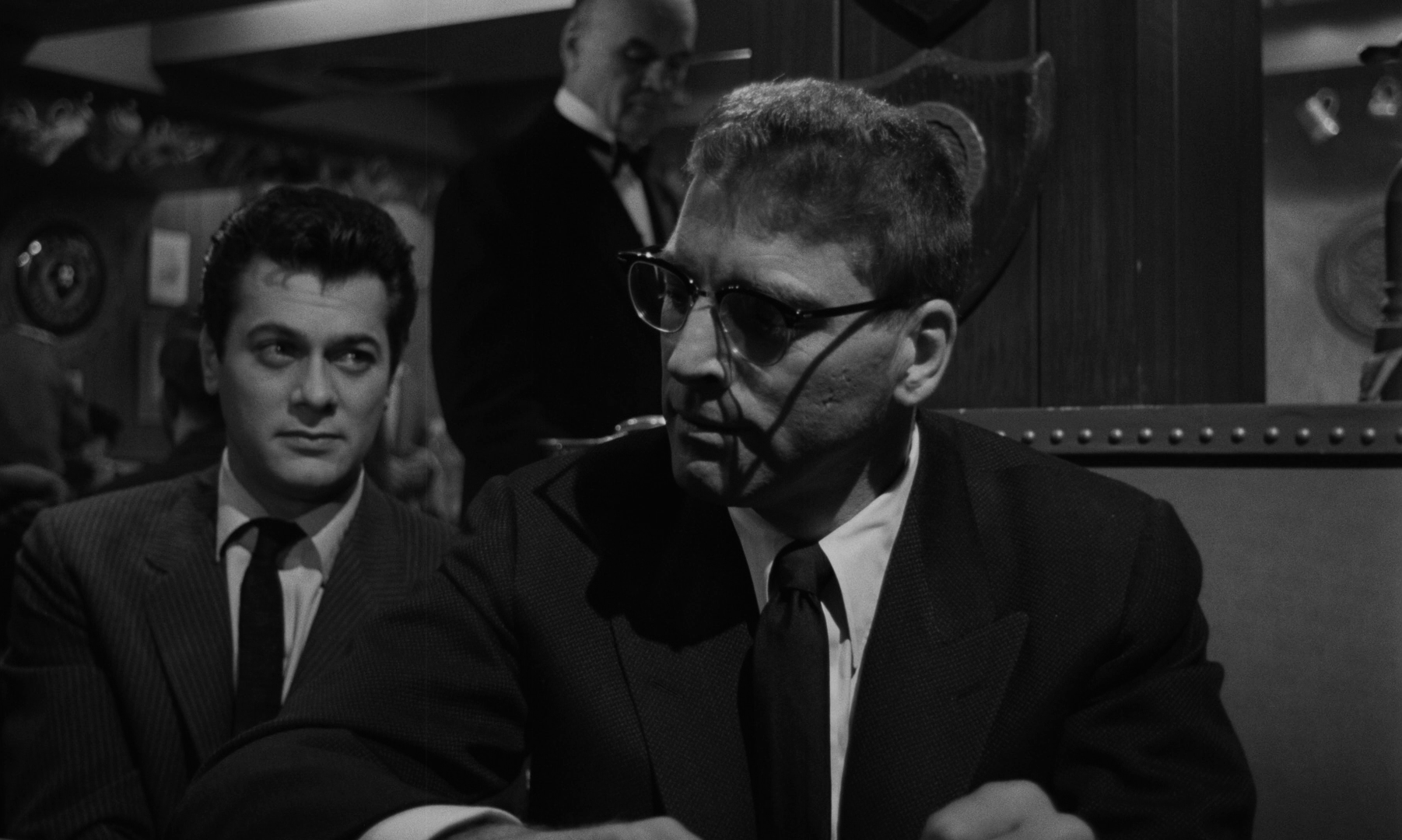
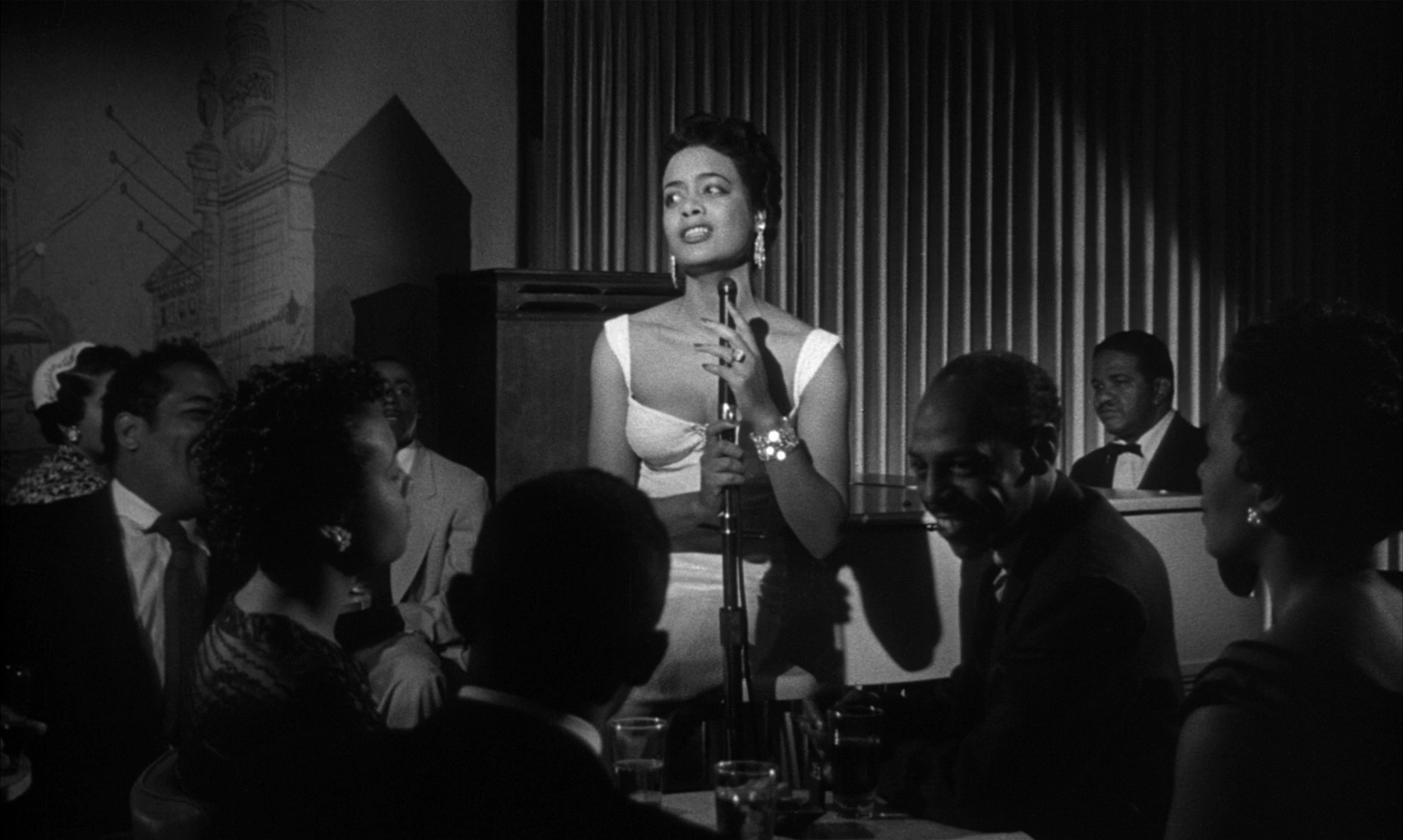
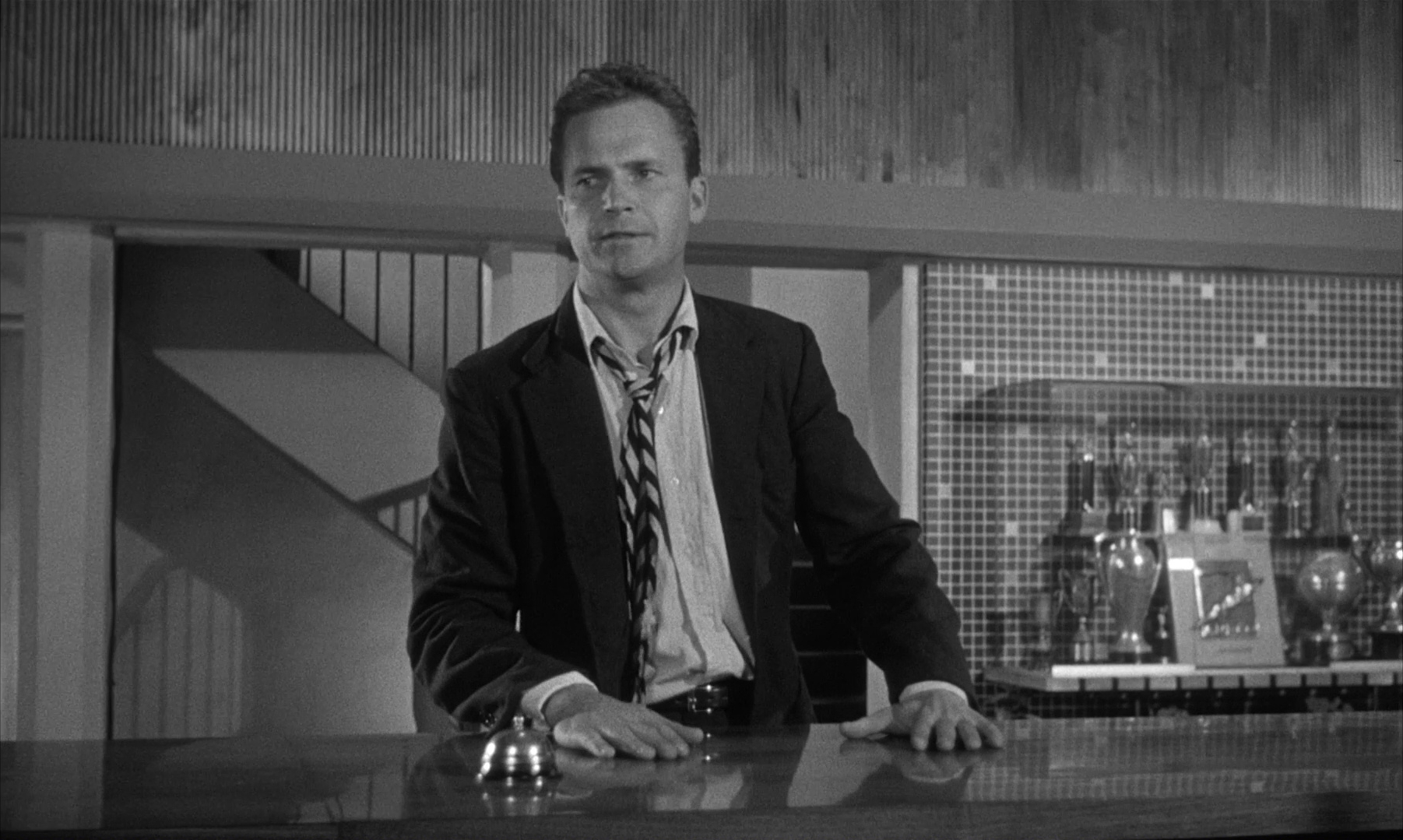
Set within the ruthless world of New York media and nightlife, the film follows Sidney Falco, a desperate press agent willing to manipulate, betray, and humiliate others in hopes of gaining favor with powerful newspaper columnist J.J. Hunsecker. When Hunsecker orders Sidney to break up his younger sister’s relationship with a jazz musician, Sidney becomes entangled in an increasingly corrupt web of blackmail, deception, and moral compromise. The story unfolds as a biting noir about ambition, power, and the corrosive nature of influence.
Mackendrick and cinematographer James Wong Howe create one of the defining visual worlds of American noir through stark black-and-white photography and richly atmospheric nighttime location shooting in Manhattan. Dense shadows, cigarette smoke, reflective streets, and cramped interiors turn New York into a predatory media ecosystem where every conversation feels transactional and dangerous. Howe’s expressive deep-focus compositions and low-angle close-ups emphasize domination and entrapment, while the constant movement through crowded jazz clubs, sidewalks, and press offices gives the film a sharp, cynical urban rhythm rooted in postwar American anxiety and spectacle.
FILM SPOTLIGHT
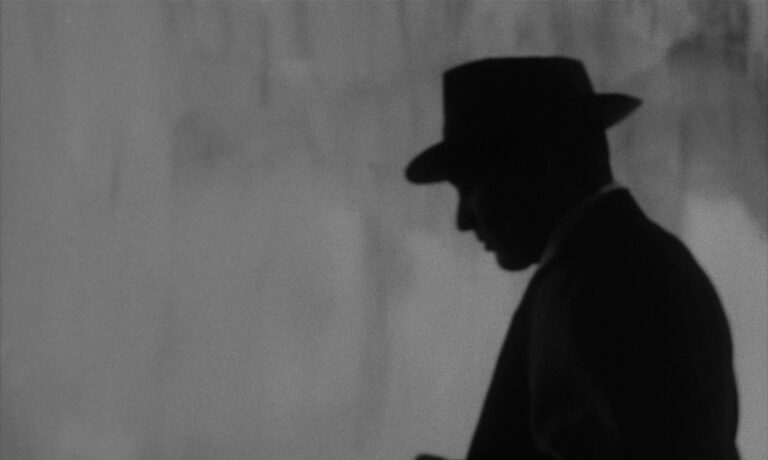
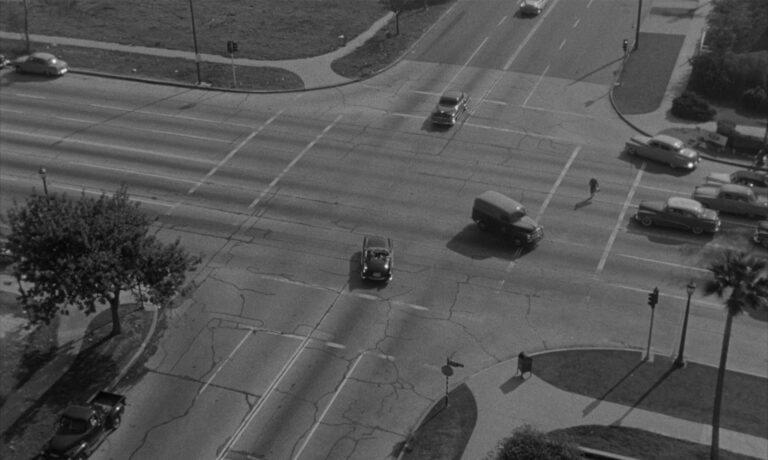
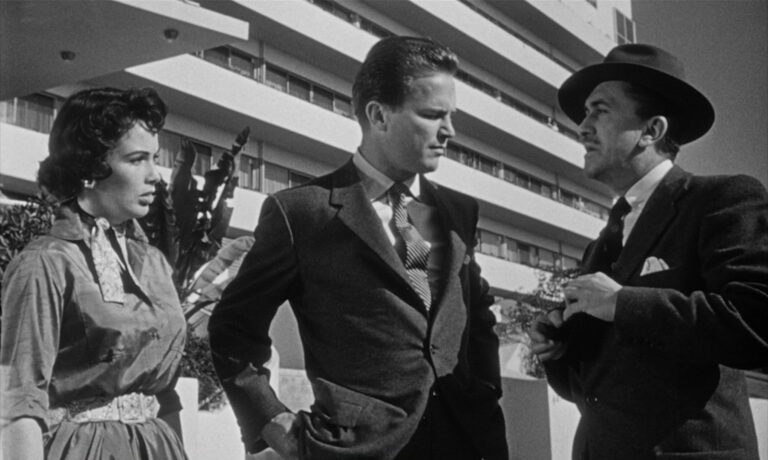
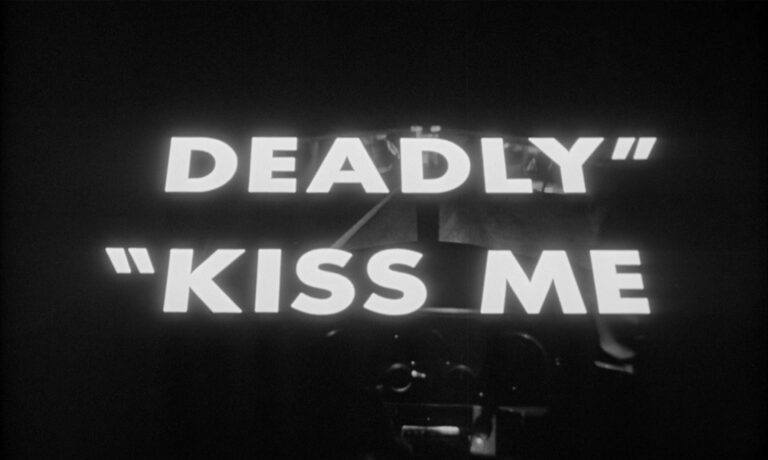
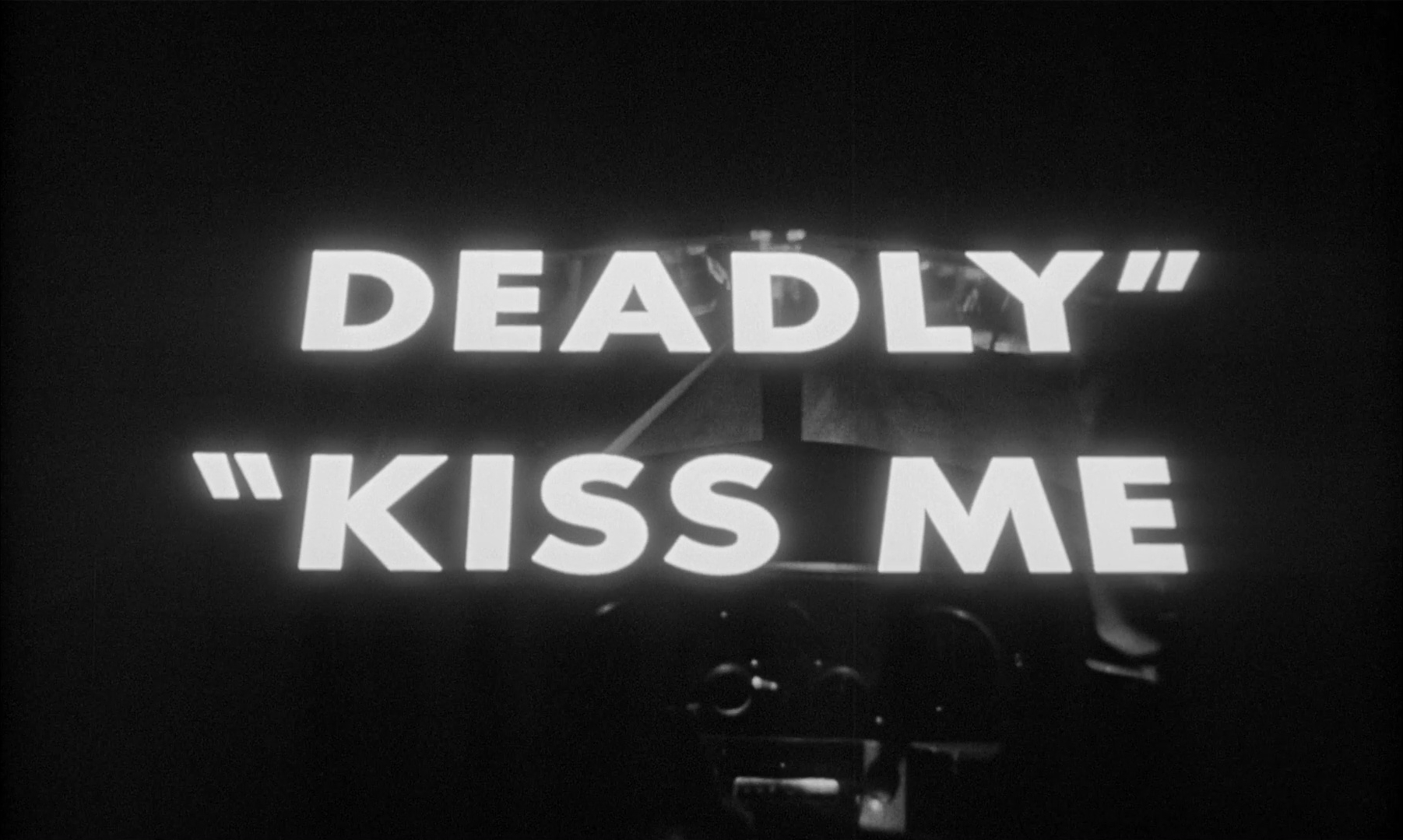
Kiss Me Deadly (1955)
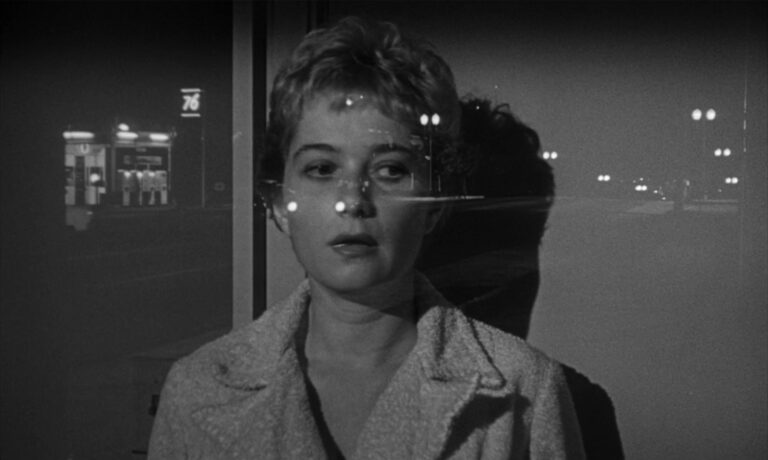
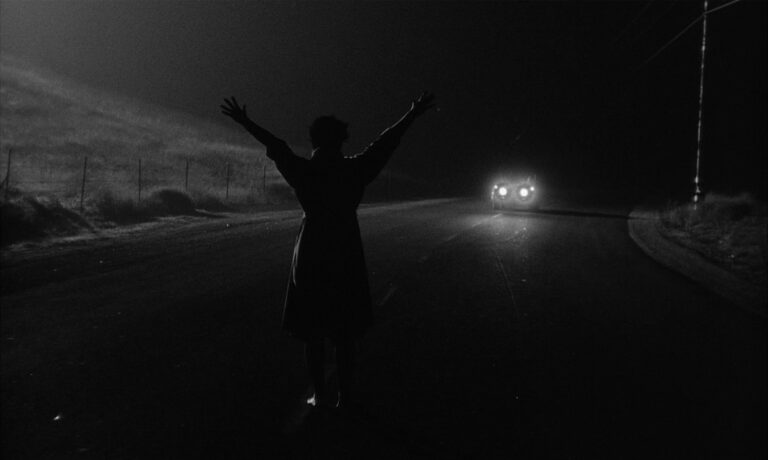
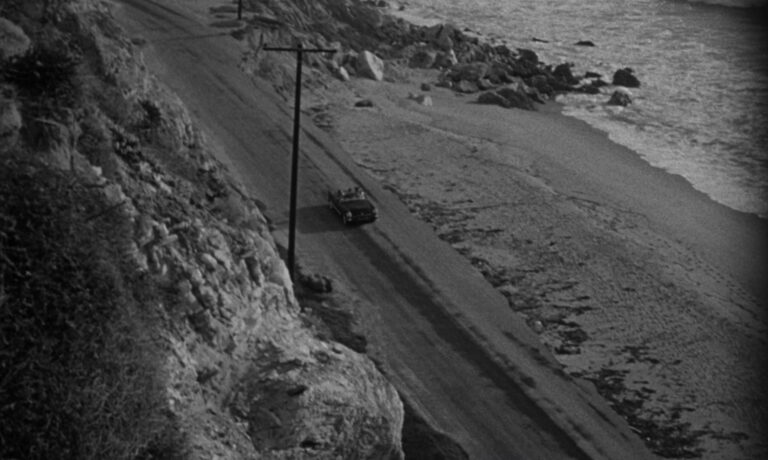
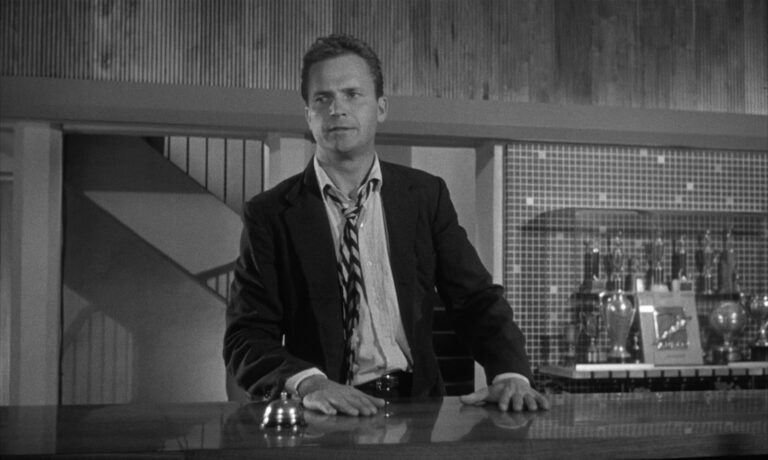
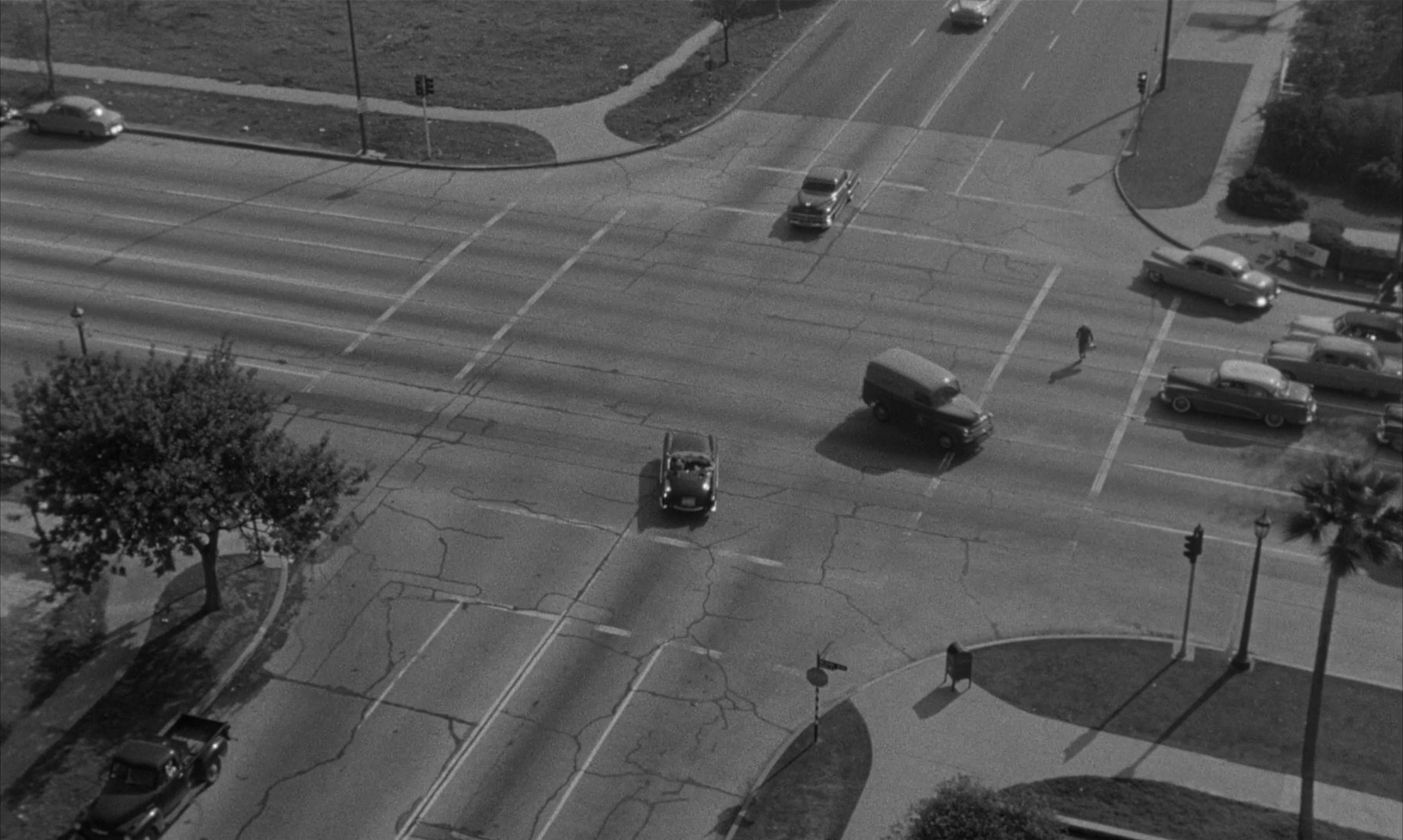
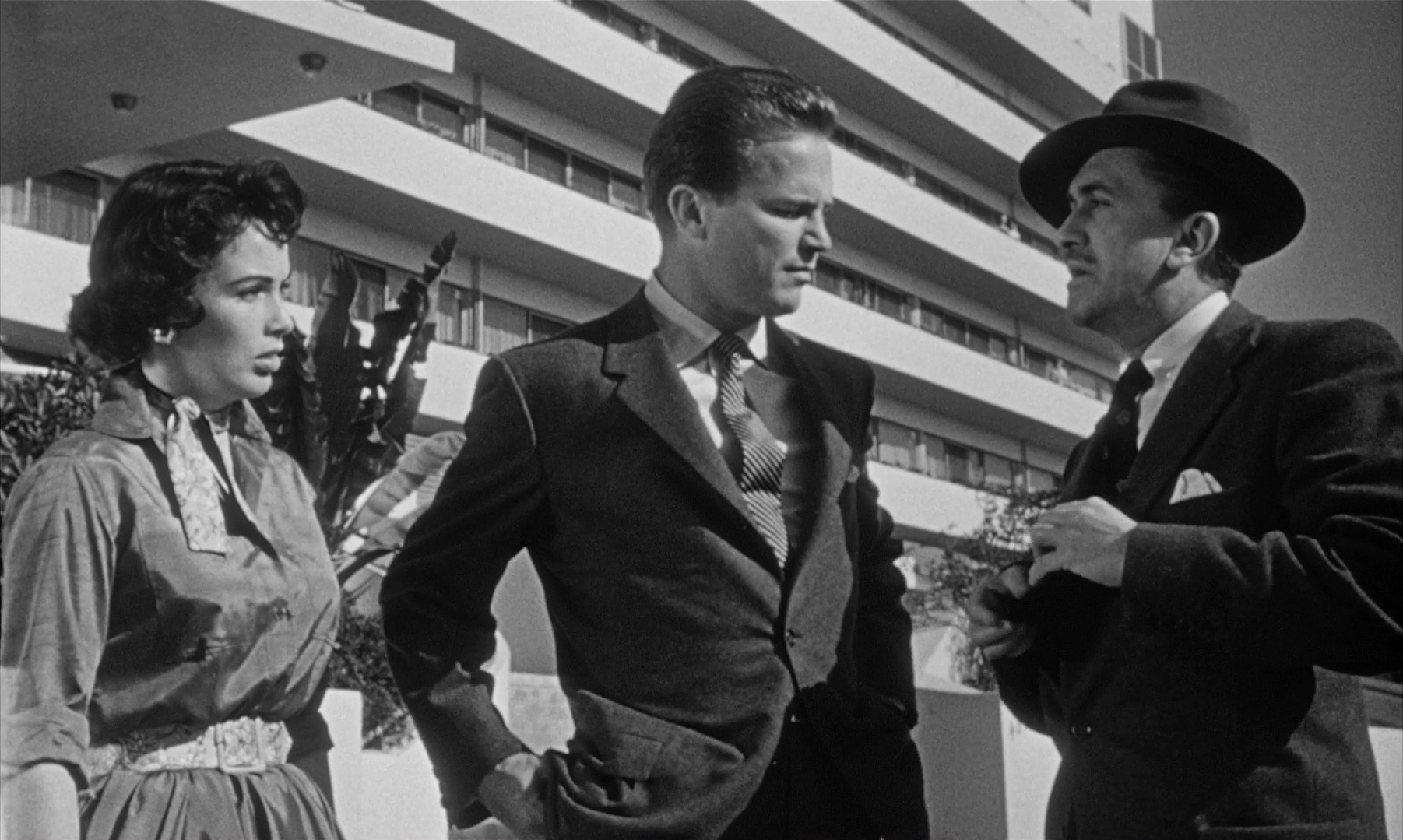
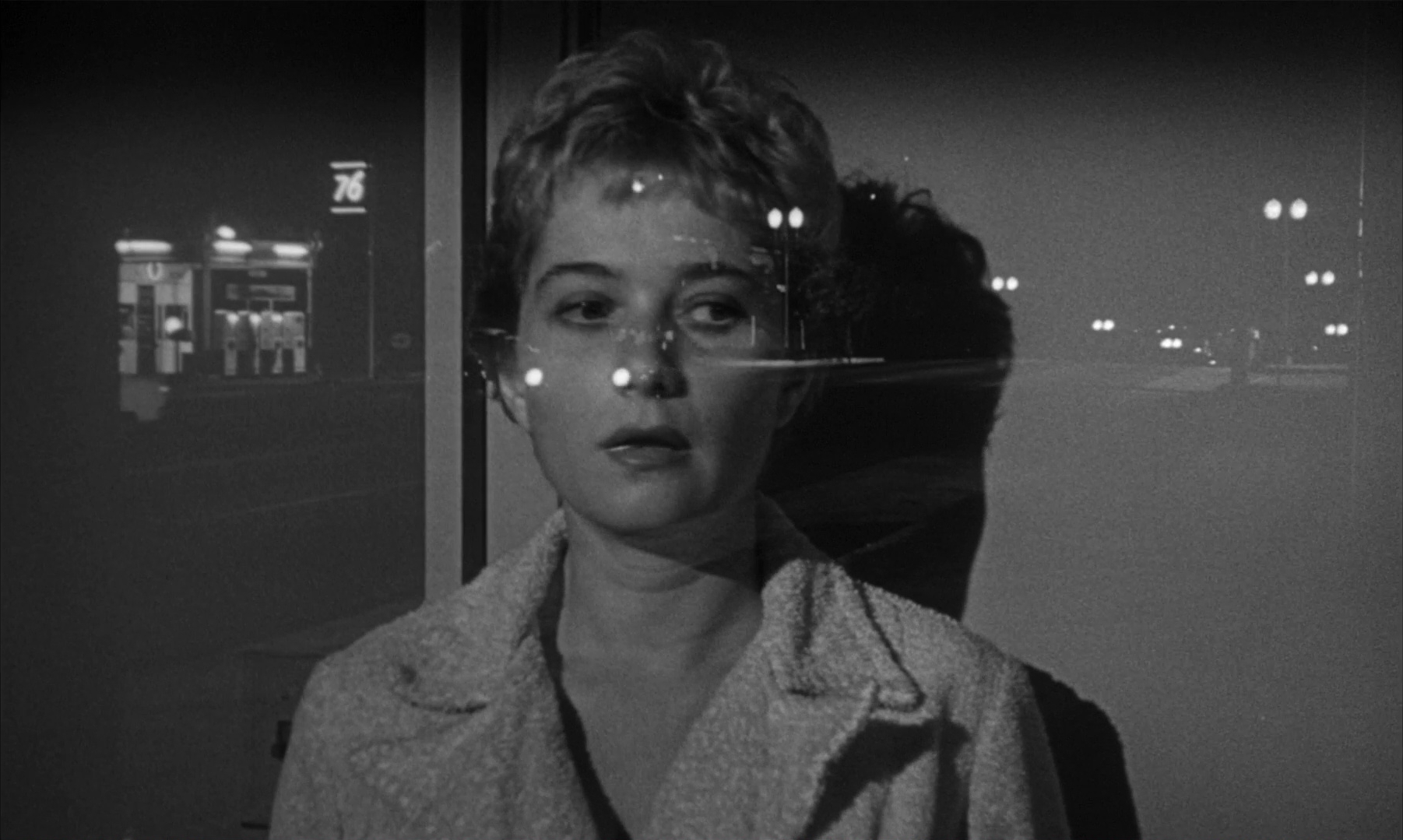
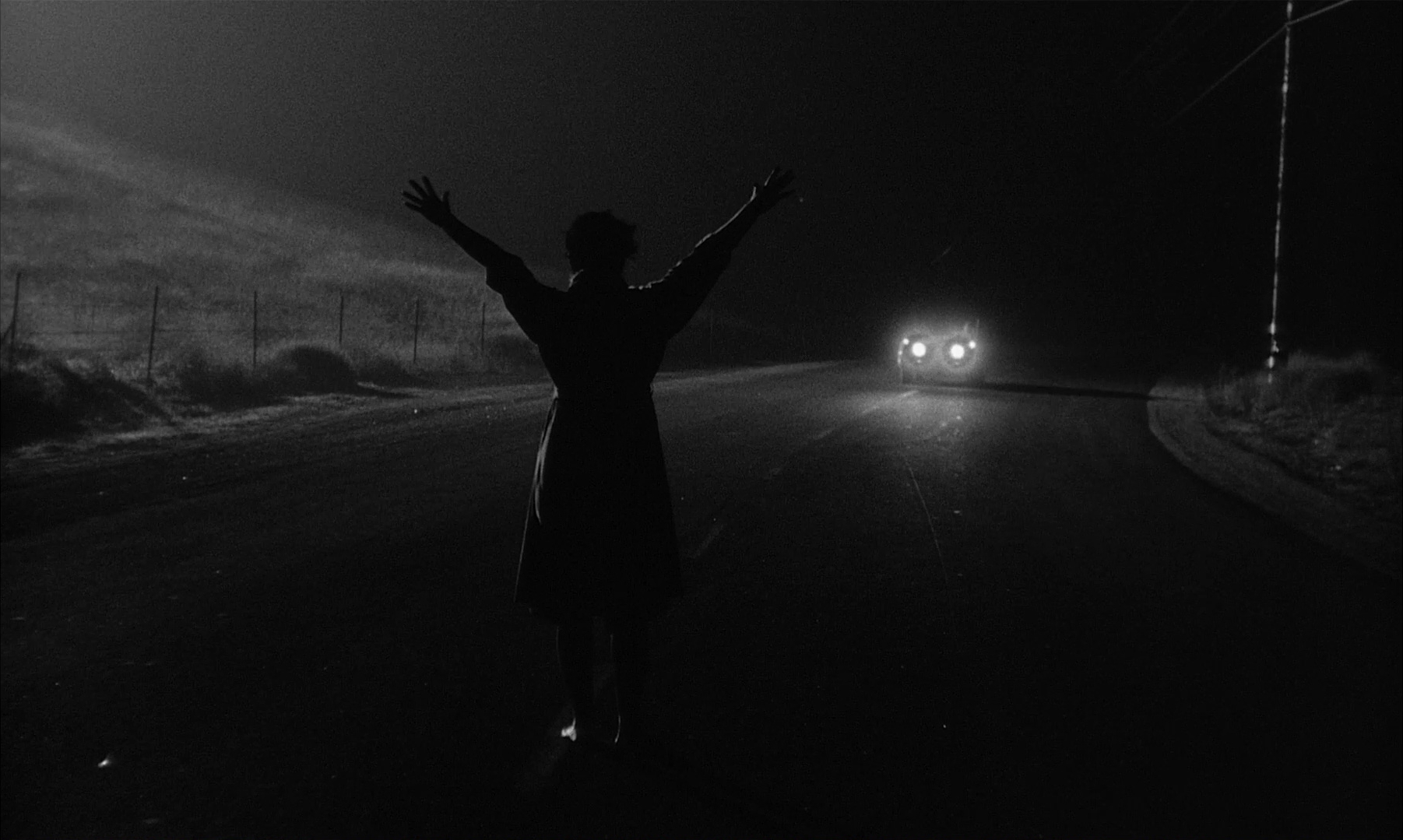
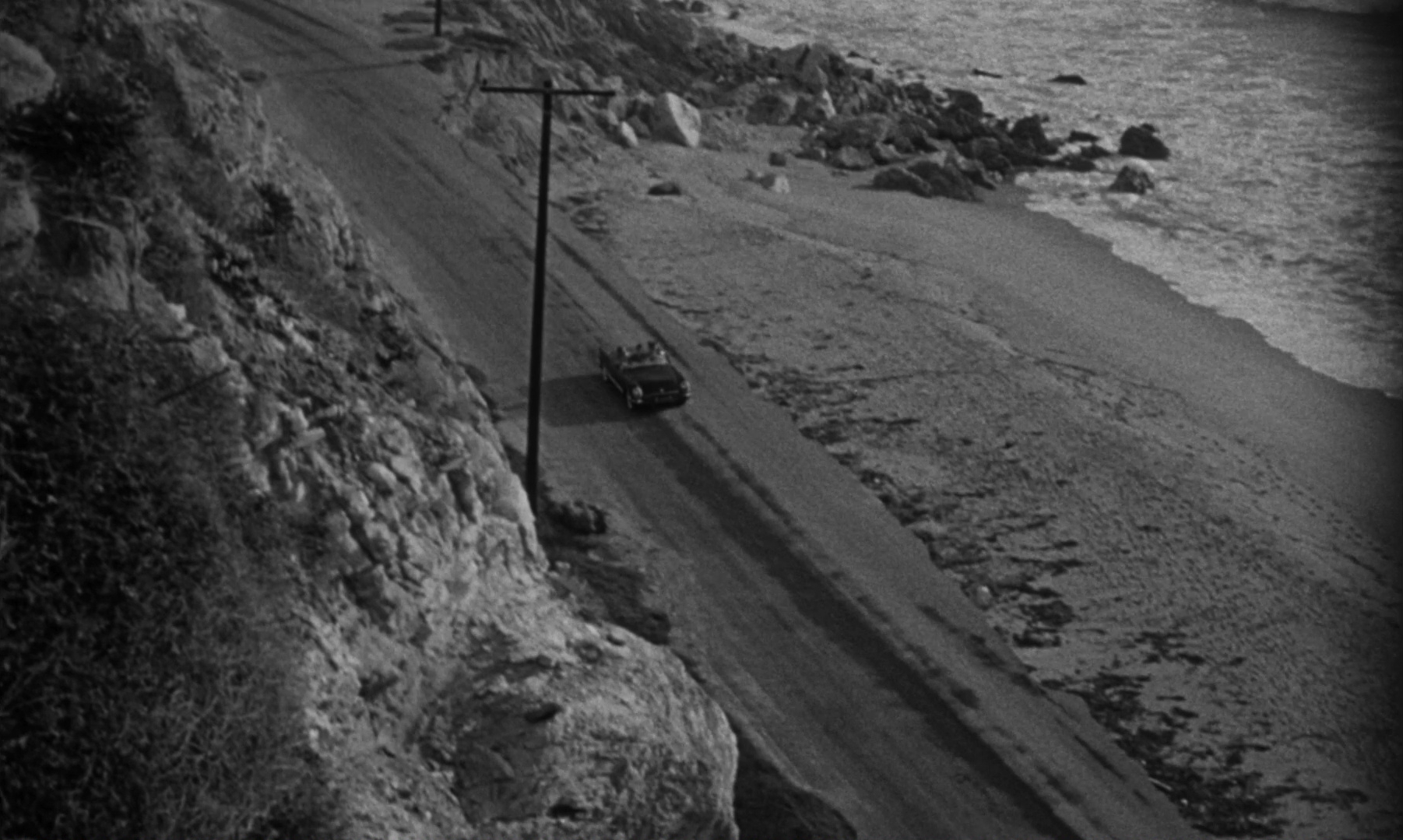
Private detective Mike Hammer picks up a terrified hitchhiker on a lonely highway, only to become entangled in a violent conspiracy after she is murdered shortly afterward. As Hammer investigates, he uncovers a mysterious object sought by criminals, government agents, and shadowy figures willing to kill for it. What begins as a hard-boiled detective story gradually spirals into a paranoid nightmare about greed, corruption, and apocalyptic destruction.
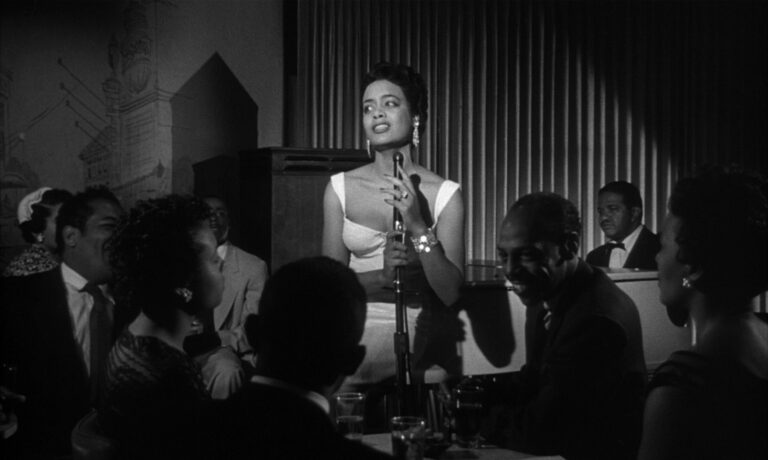
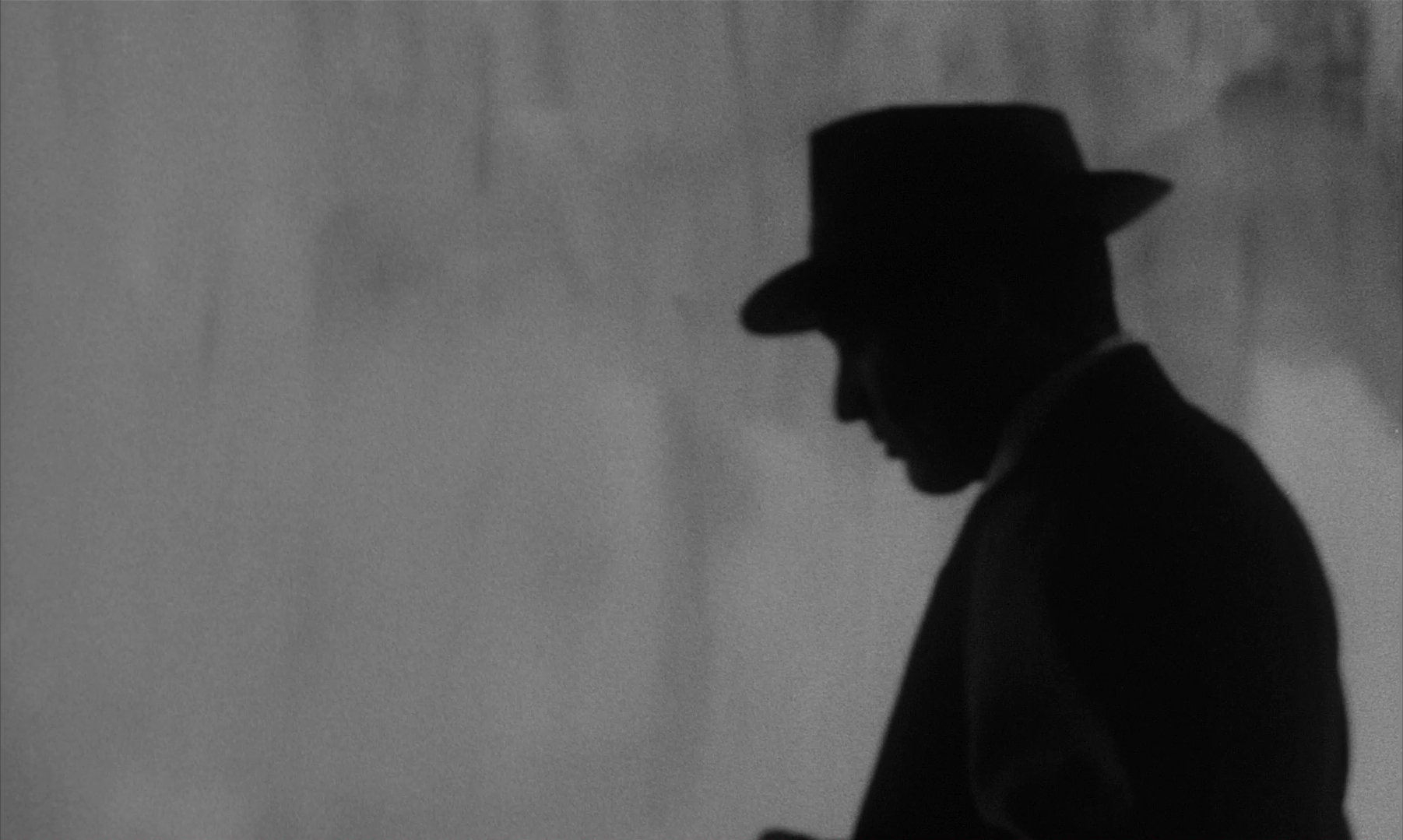
Aldrich and cinematographer Ernest Laszlo push film noir into a harsher, more aggressive visual style through extreme low angles, deep shadows, and claustrophobic compositions that constantly destabilize the frame. The nighttime Los Angeles locations—cheap apartments, highways, boxing gyms, and modernist homes—feel both seedy and strangely futuristic, while the film’s brutal lighting and fragmented editing create an atmosphere of paranoia and violence. Its infamous glowing “great whatsit” finale transforms noir into near-science-fiction horror, using blinding light, abstract sound, and destructive imagery to evoke Cold War nuclear anxiety and the collapse of moral order itself.
FILM SPOTLIGHT
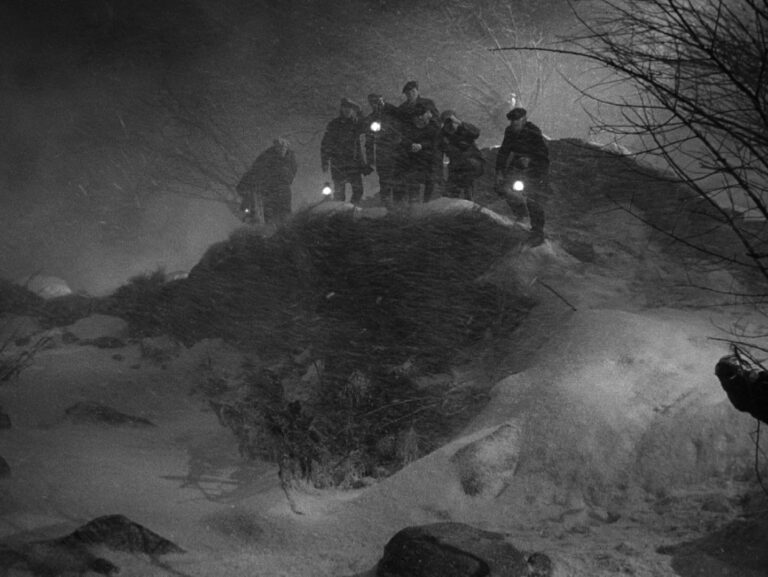
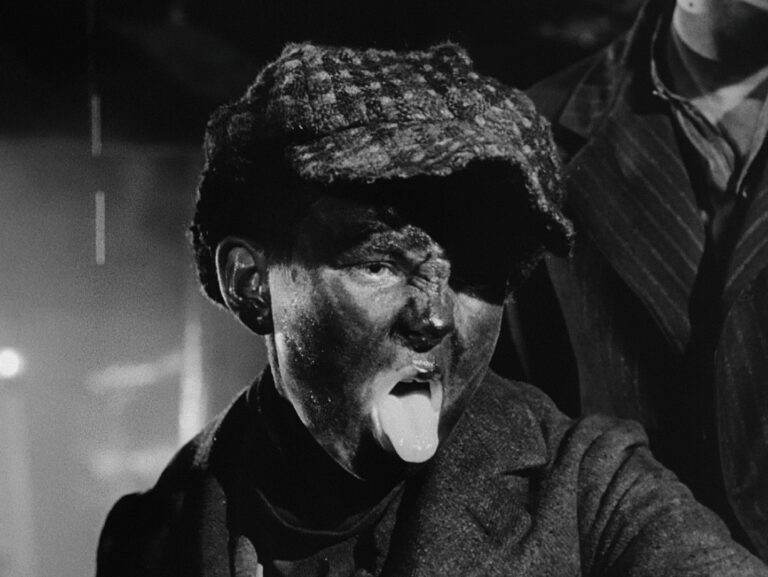
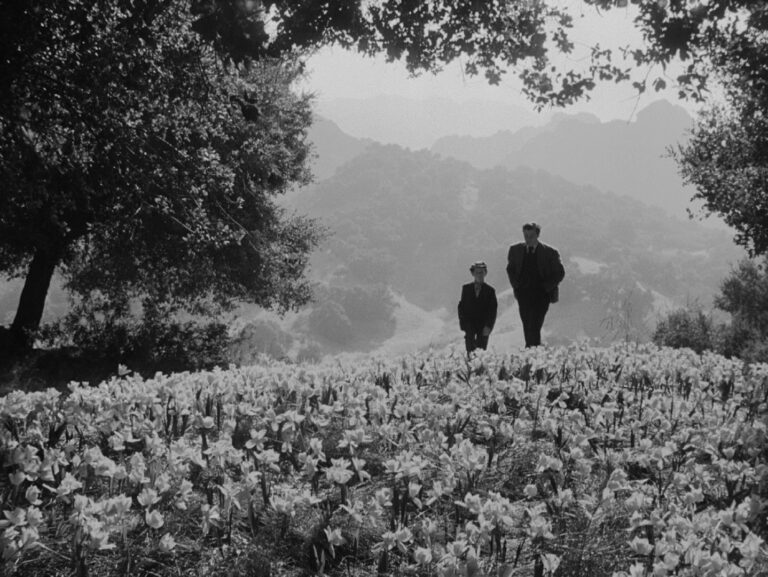
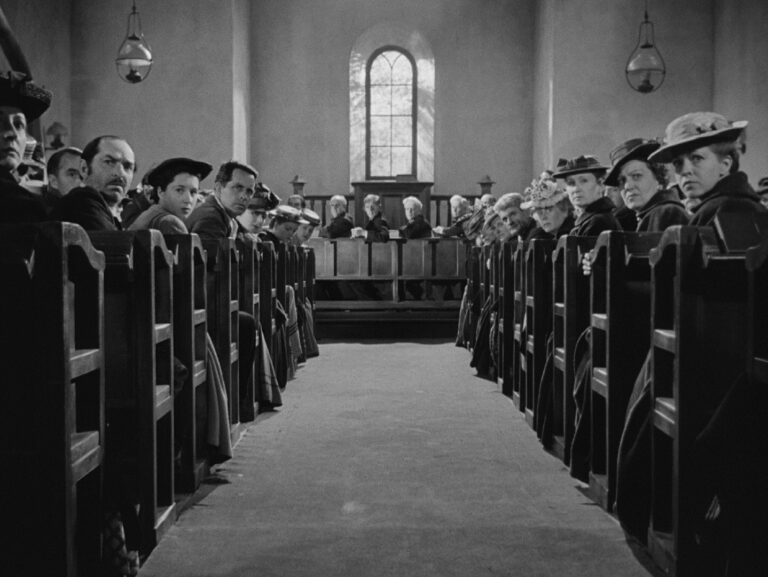
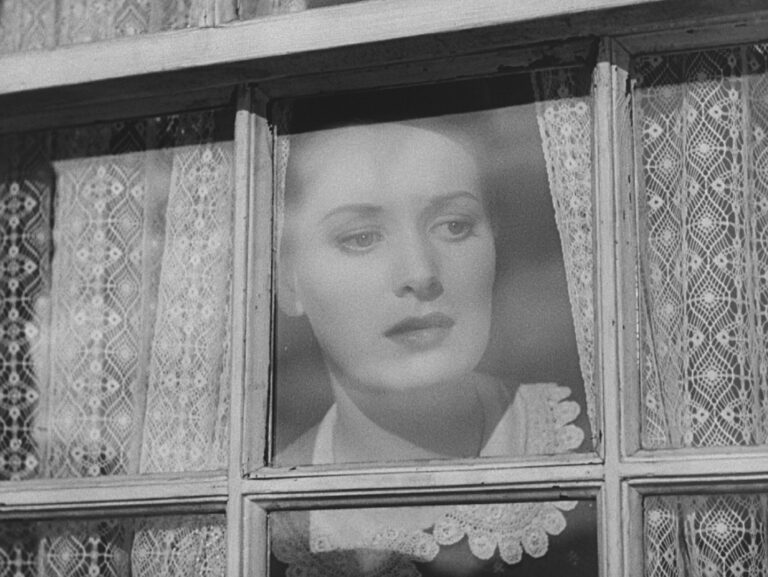
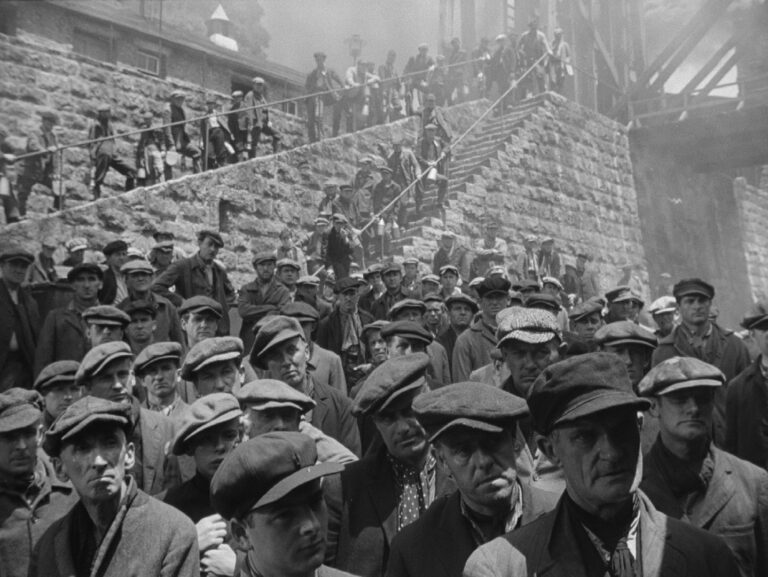
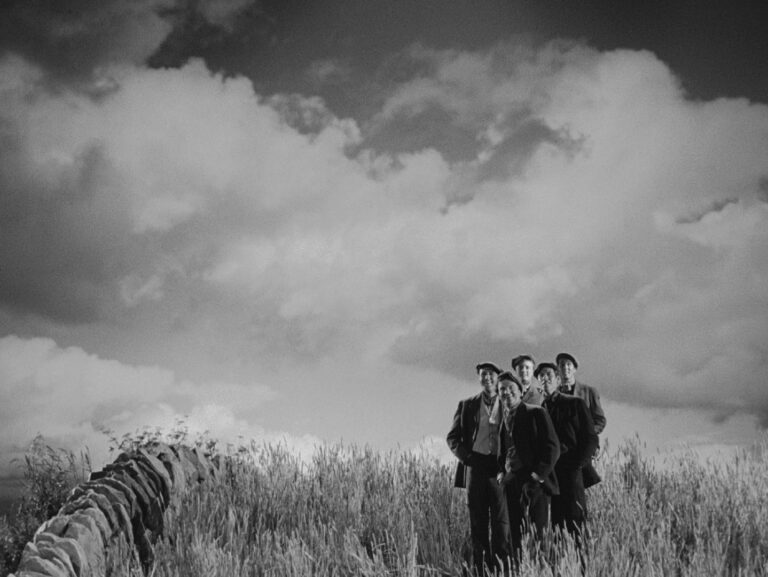
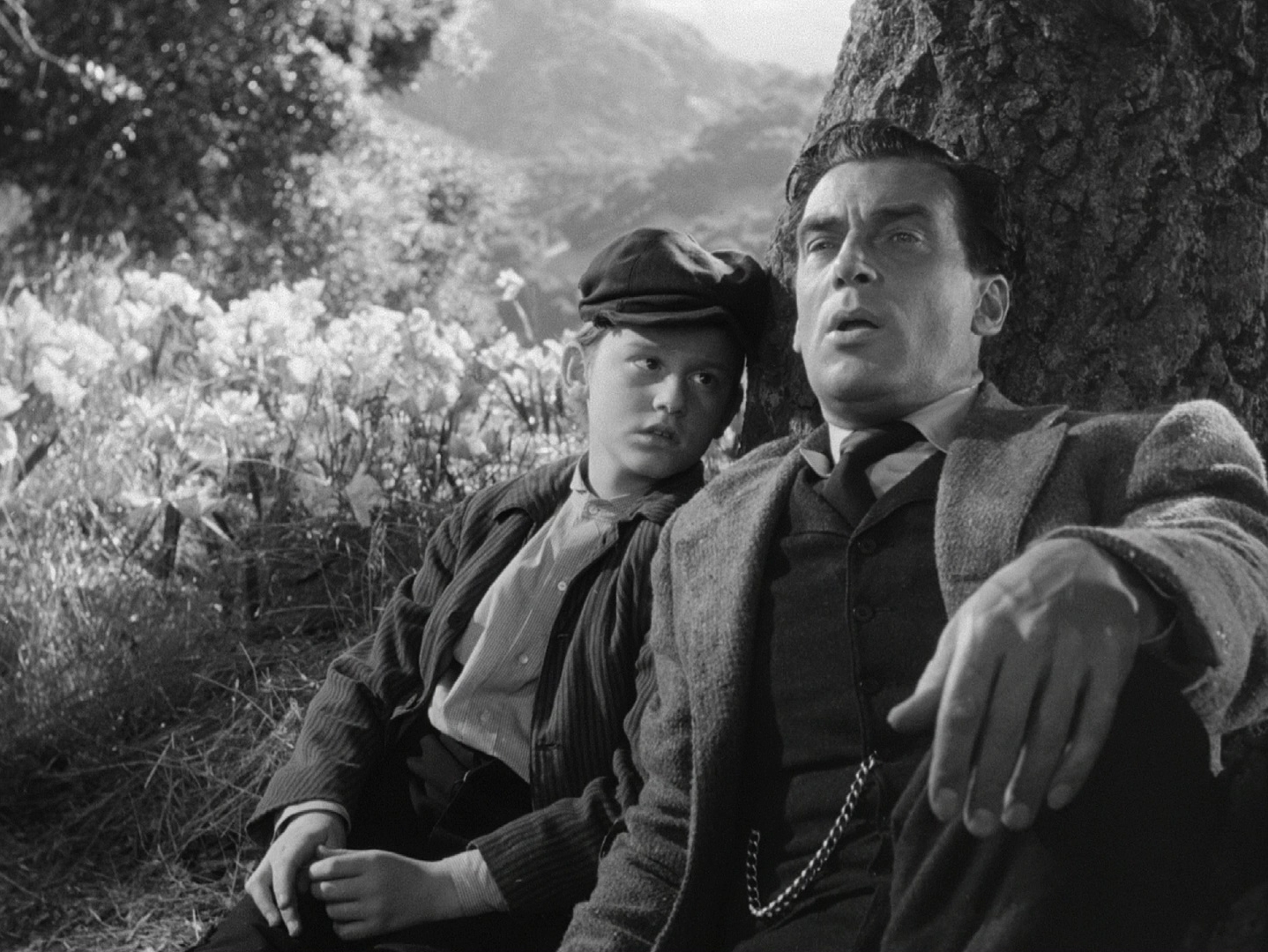
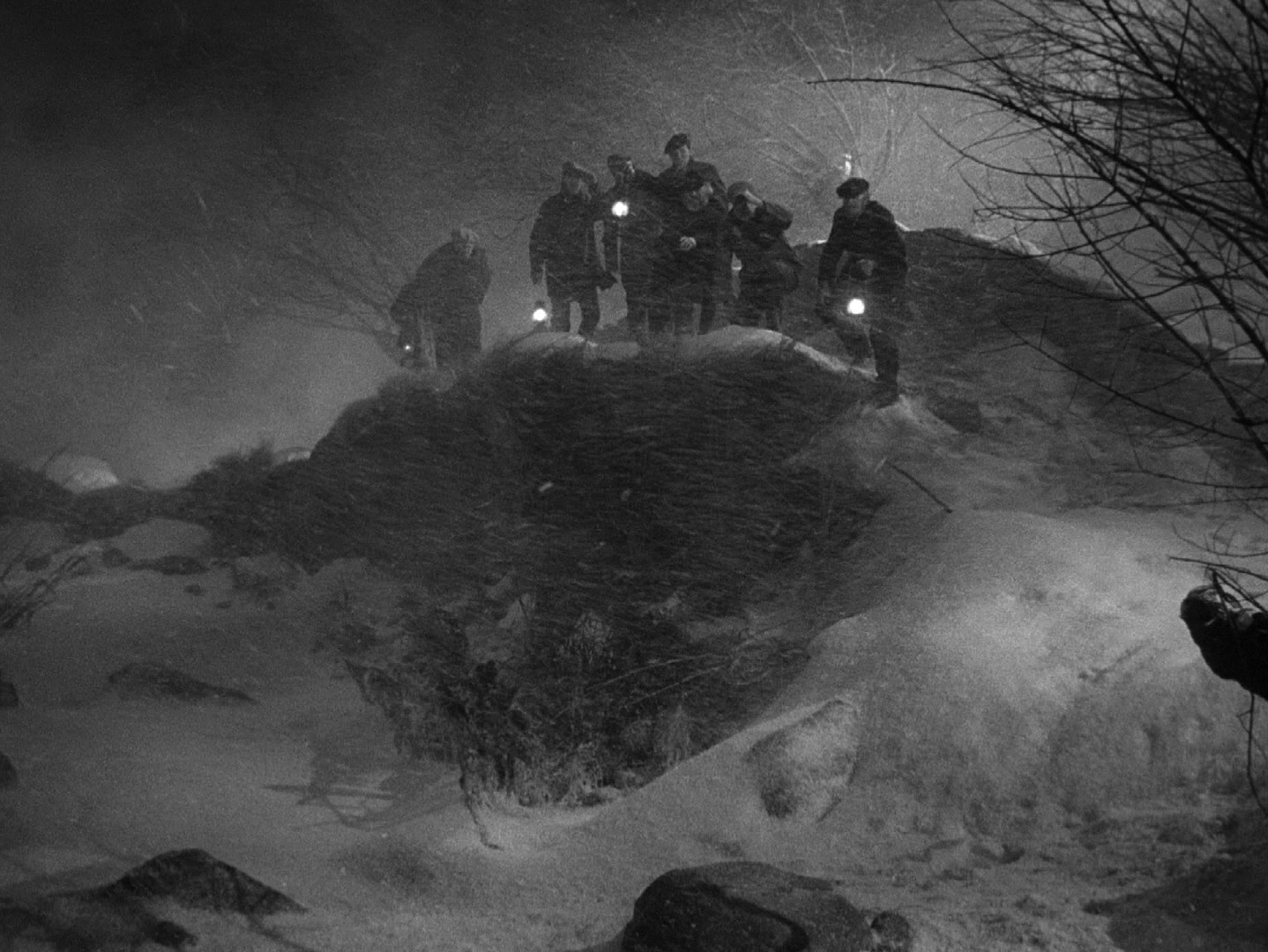
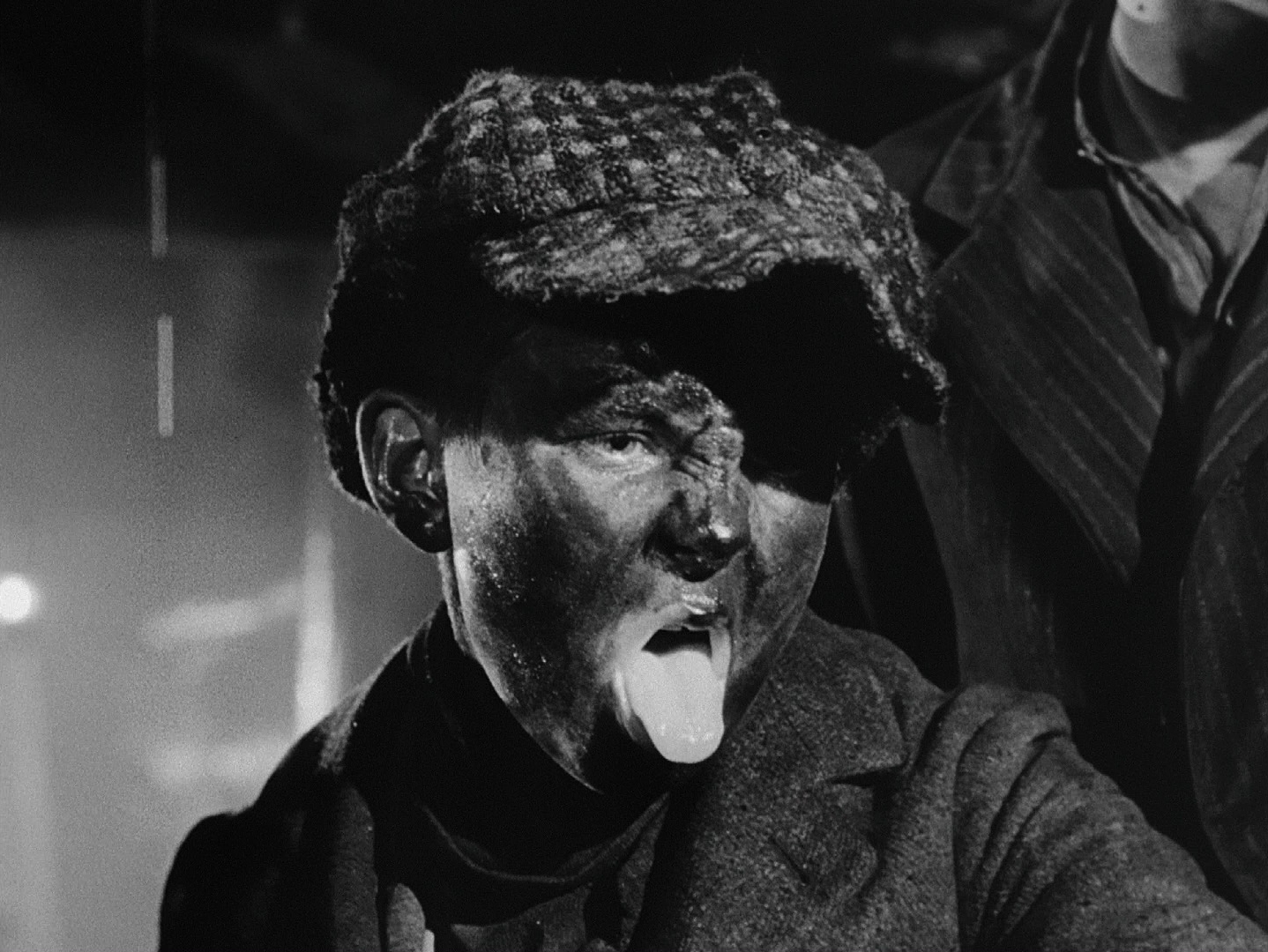
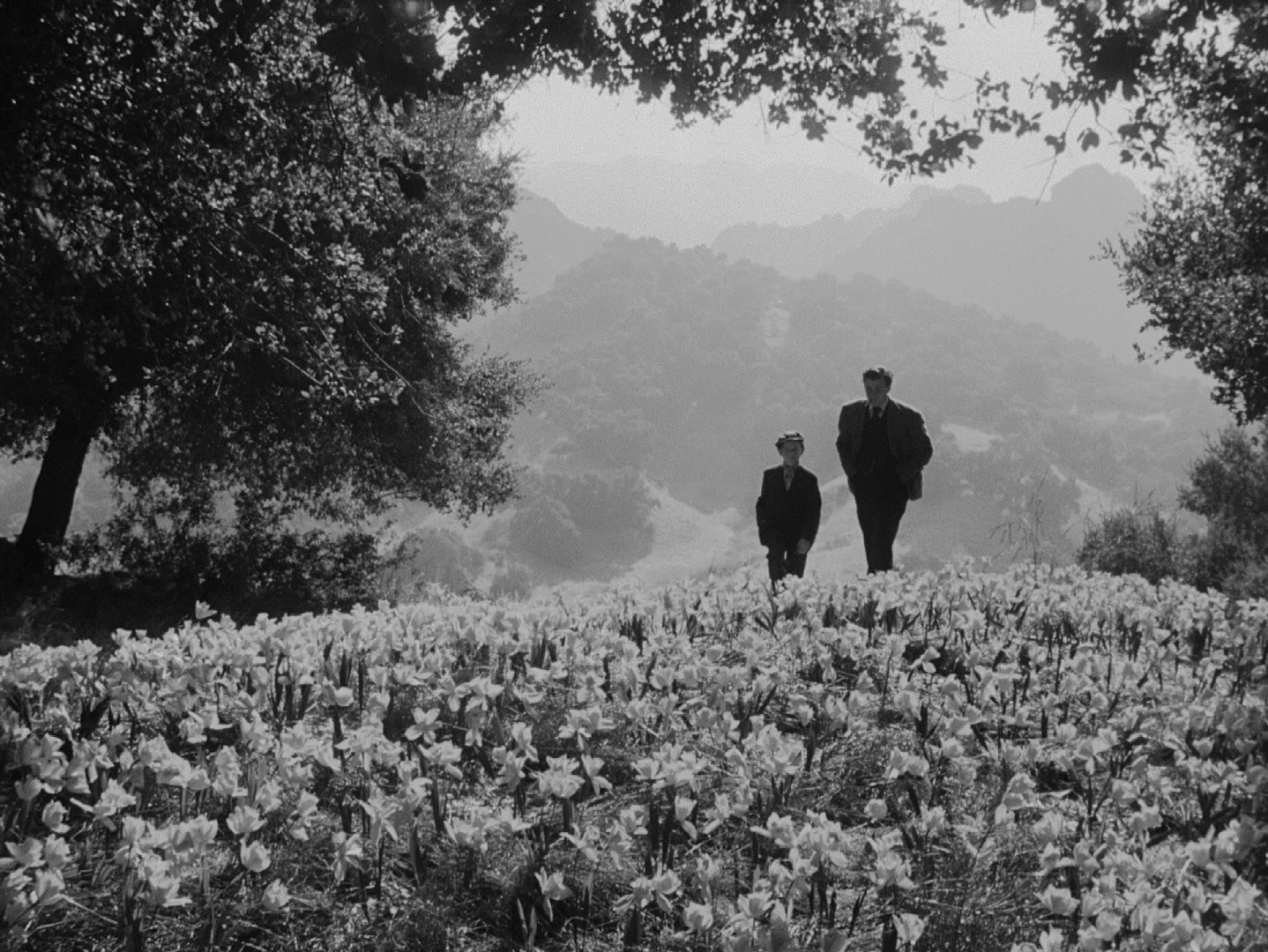
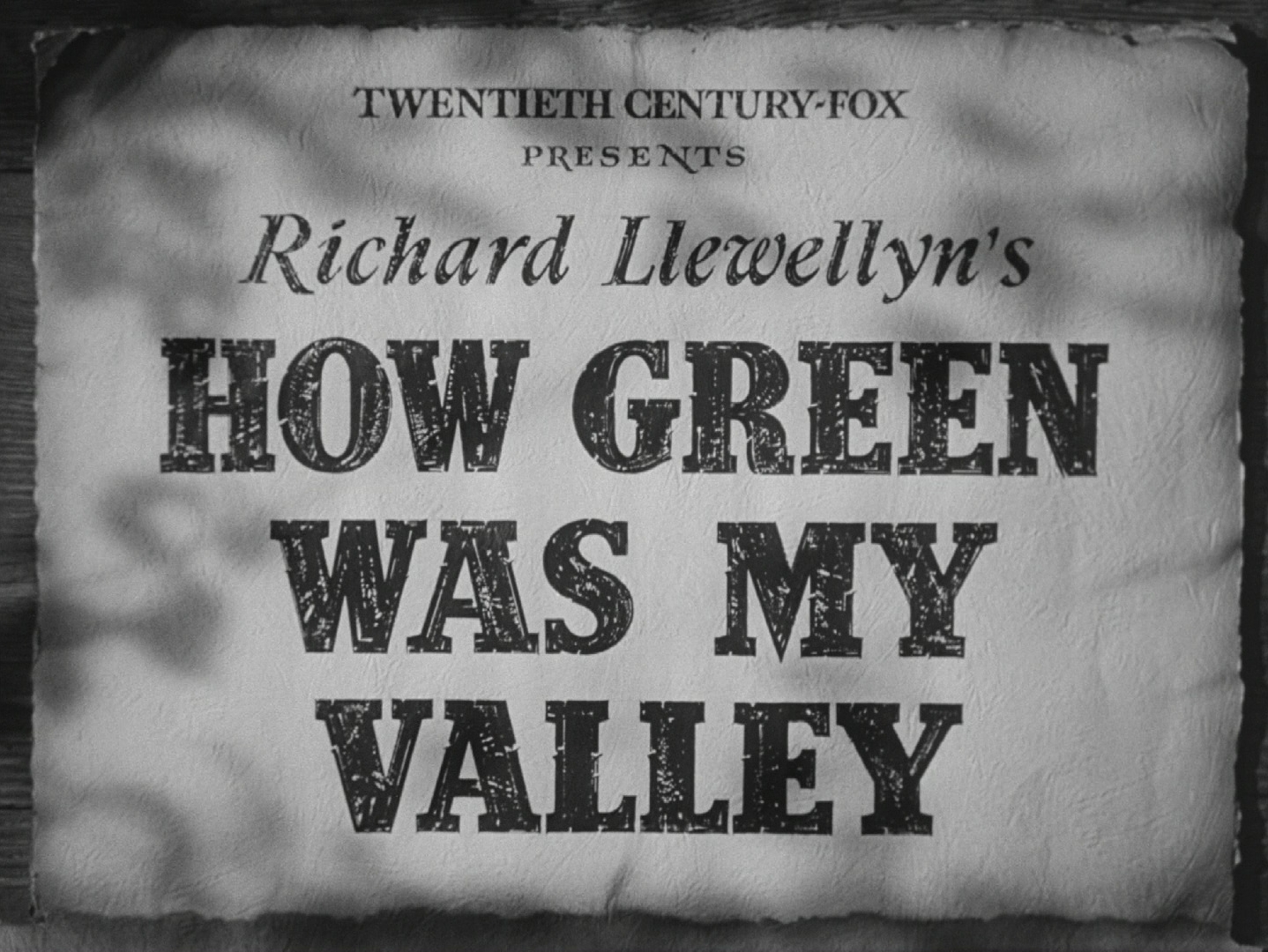
How Green Was My Valley (1941)
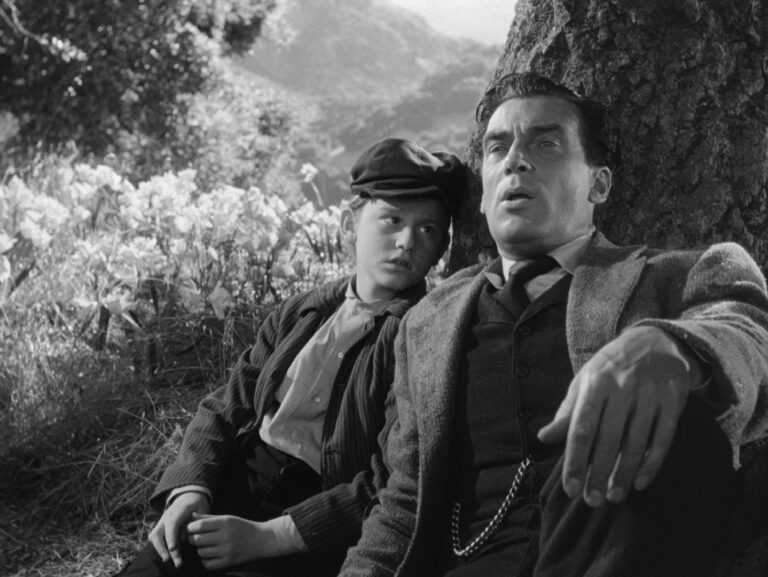
Told through the memories of Huw Morgan, the youngest son of a hardworking Welsh mining family, the film chronicles life within a close-knit coal-mining community as industrial hardship, labor disputes, and changing social conditions slowly erode its sense of unity. As Huw grows from childhood into adolescence, he witnesses love, loss, class conflict, and the gradual dissolution of the world he once knew. The story unfolds as a nostalgic yet deeply mournful reflection on family, community, and the passing of an era.
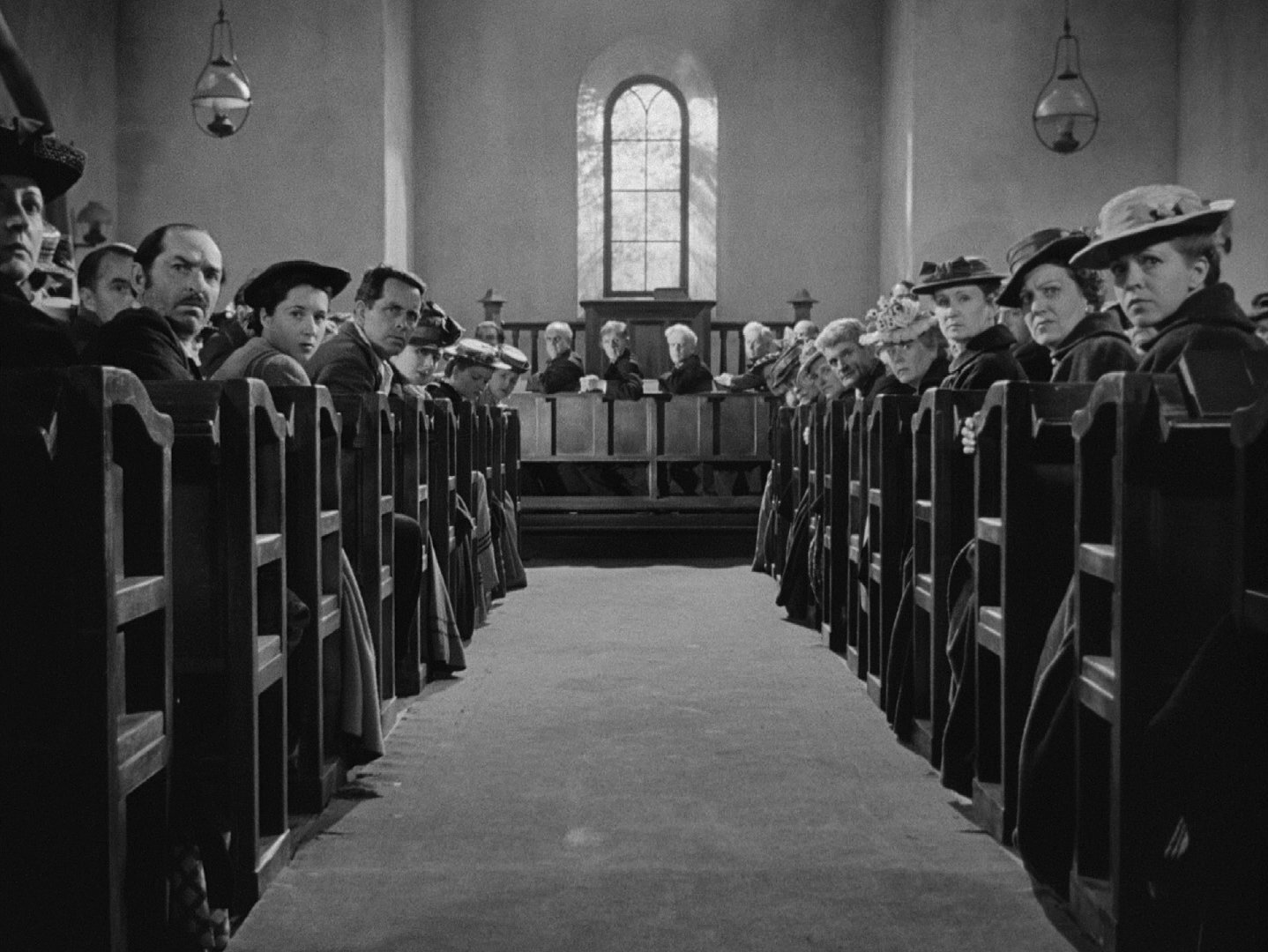
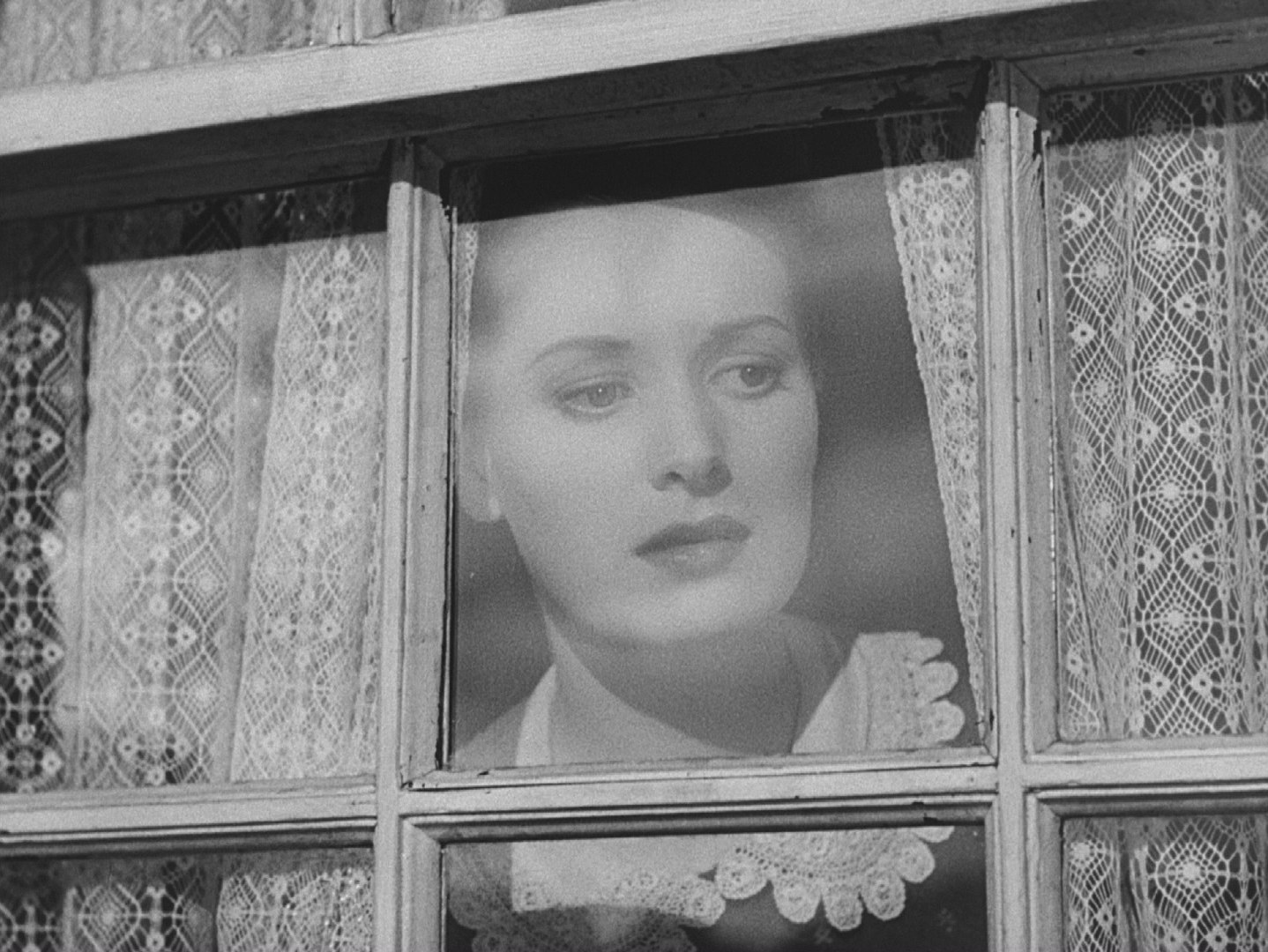
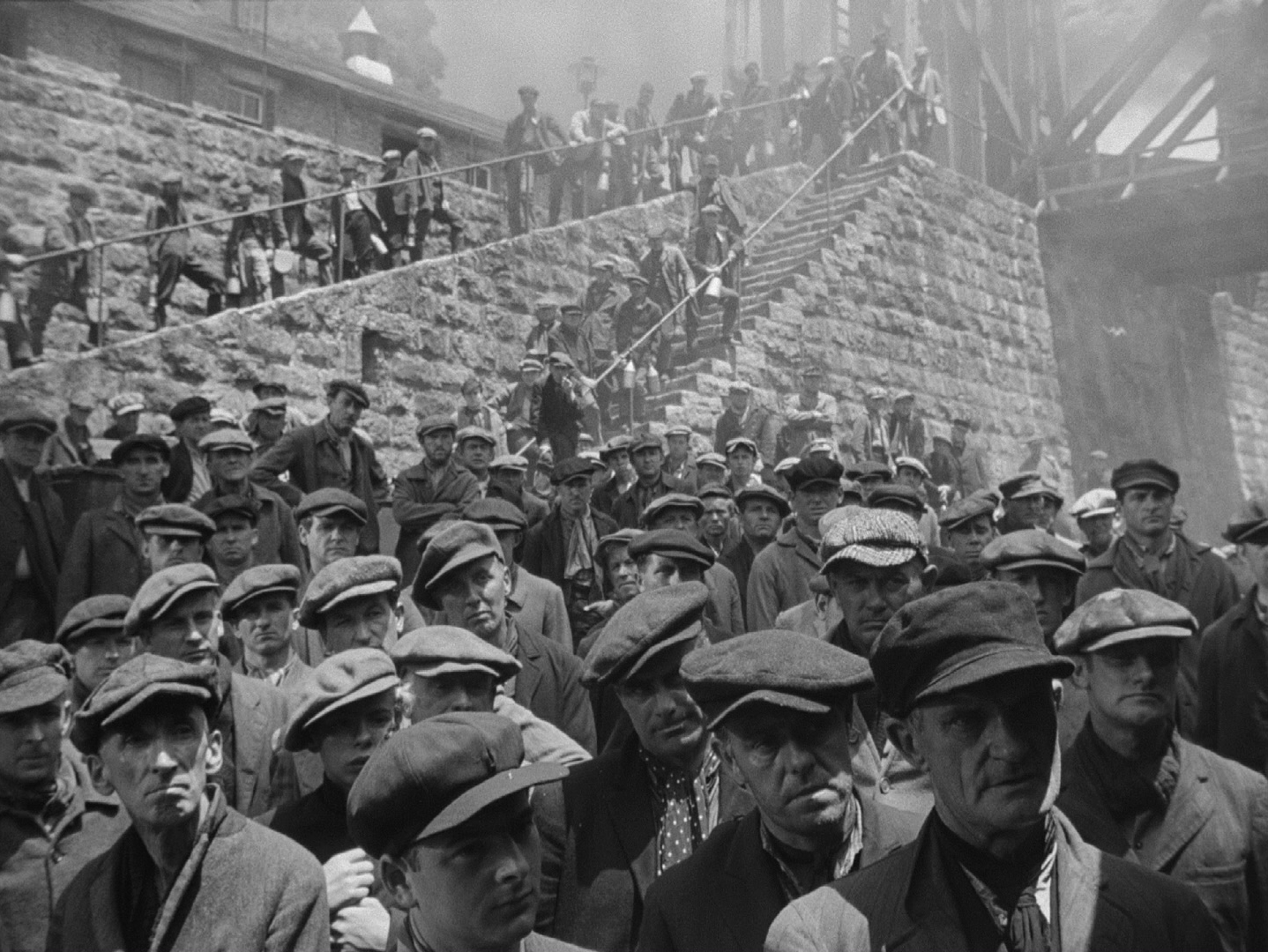
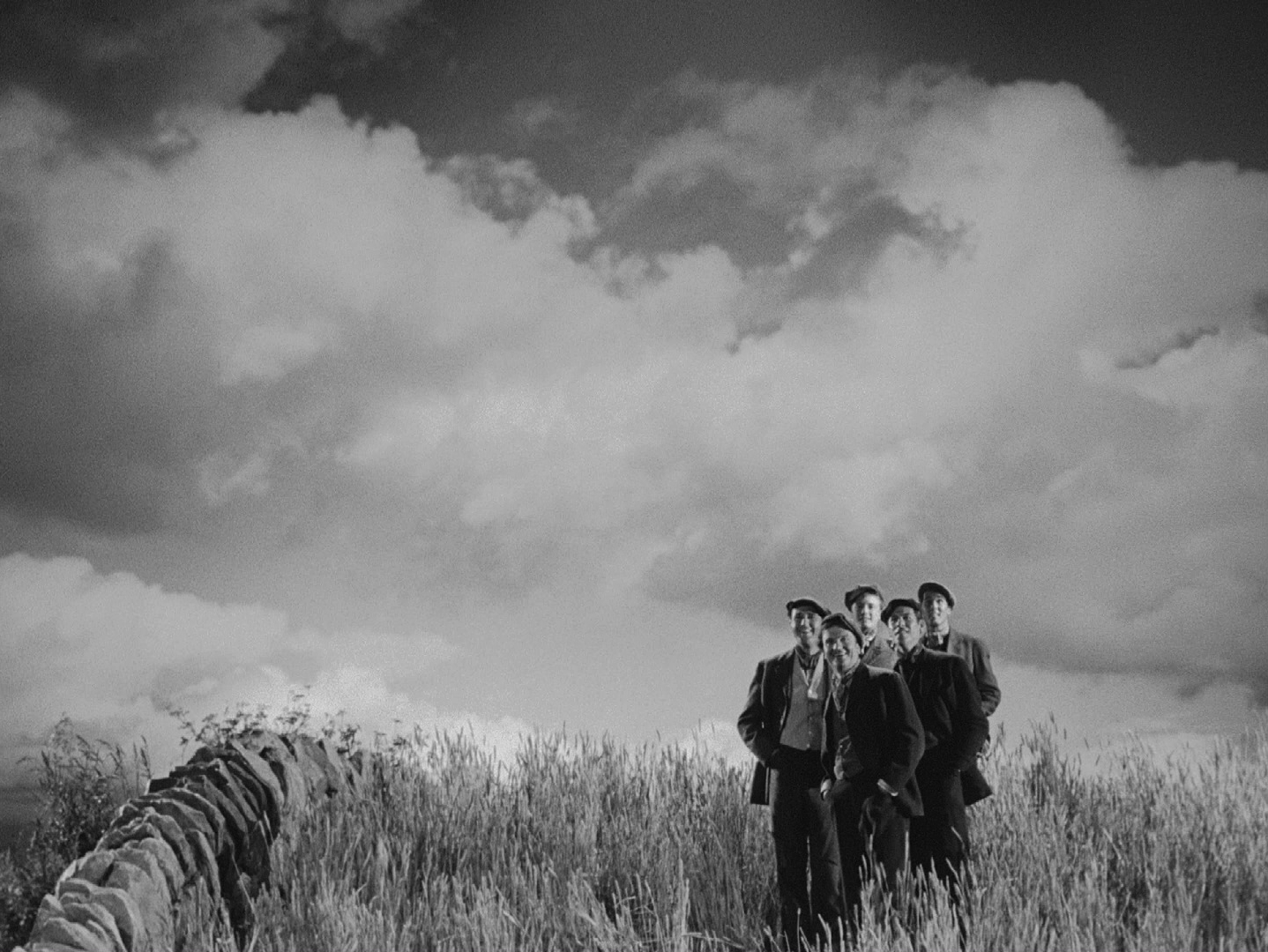
Ford and cinematographer Arthur C. Miller craft How Green Was My Valley with luminous black-and-white photography that transforms the mining village into both a realistic working environment and an idealized space of memory. Deep-focus compositions, rolling hills, smoke-filled landscapes, and carefully staged family interiors create a powerful sense of communal life shaped by labor and tradition. Ford frequently frames groups moving together—miners descending into pits, families gathered at tables, villagers singing in unison—turning collective ritual and shared space into the emotional core of the film. The contrast between the beauty of the valley and the industrial scars left upon it visually reinforces the film’s themes of nostalgia, loss, and irreversible social change.
TELEVISION SERIES
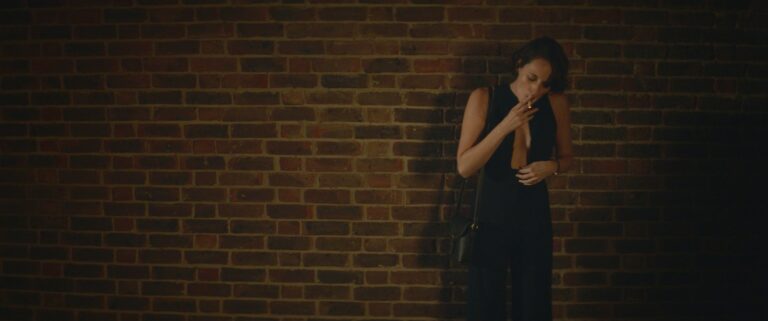
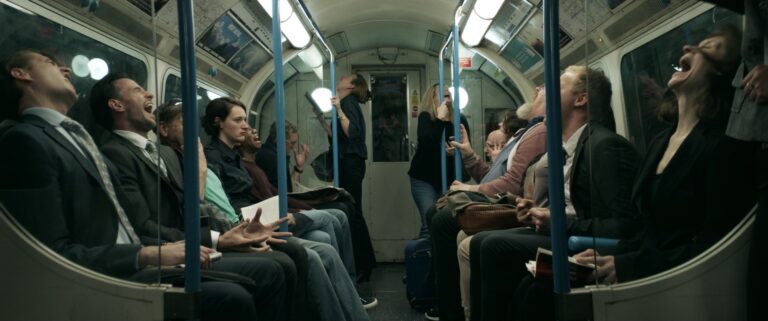
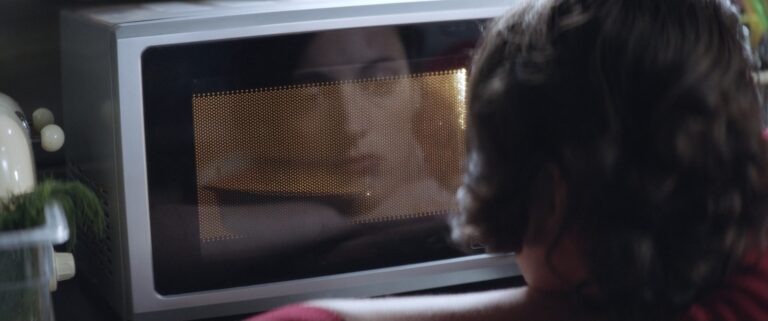
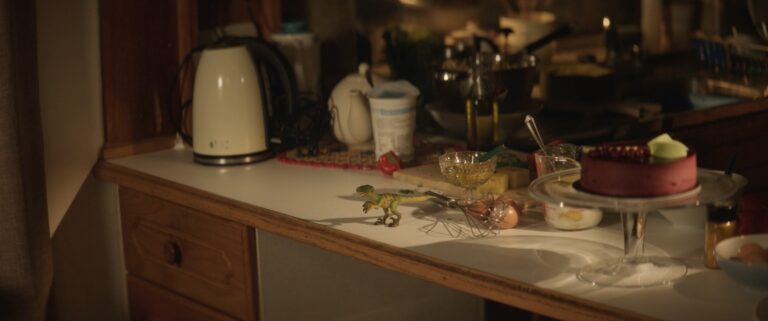
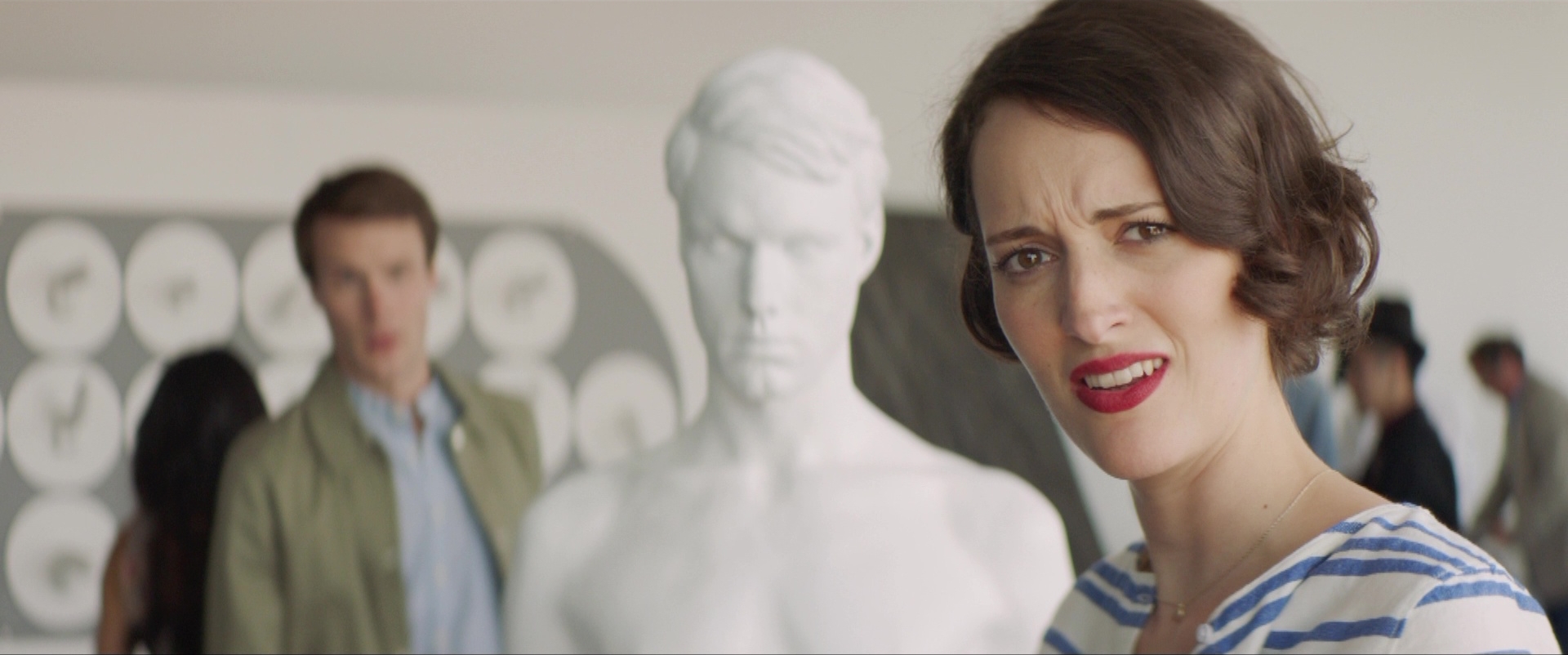
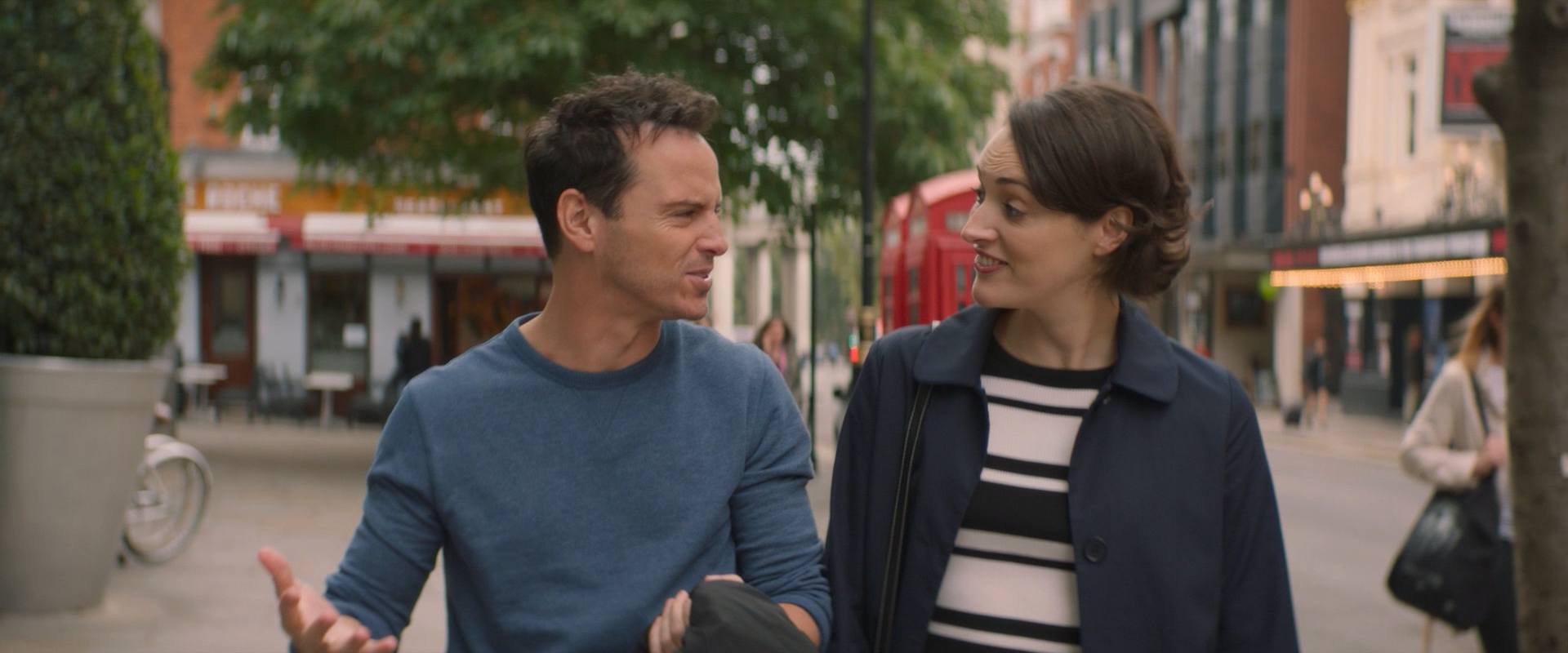
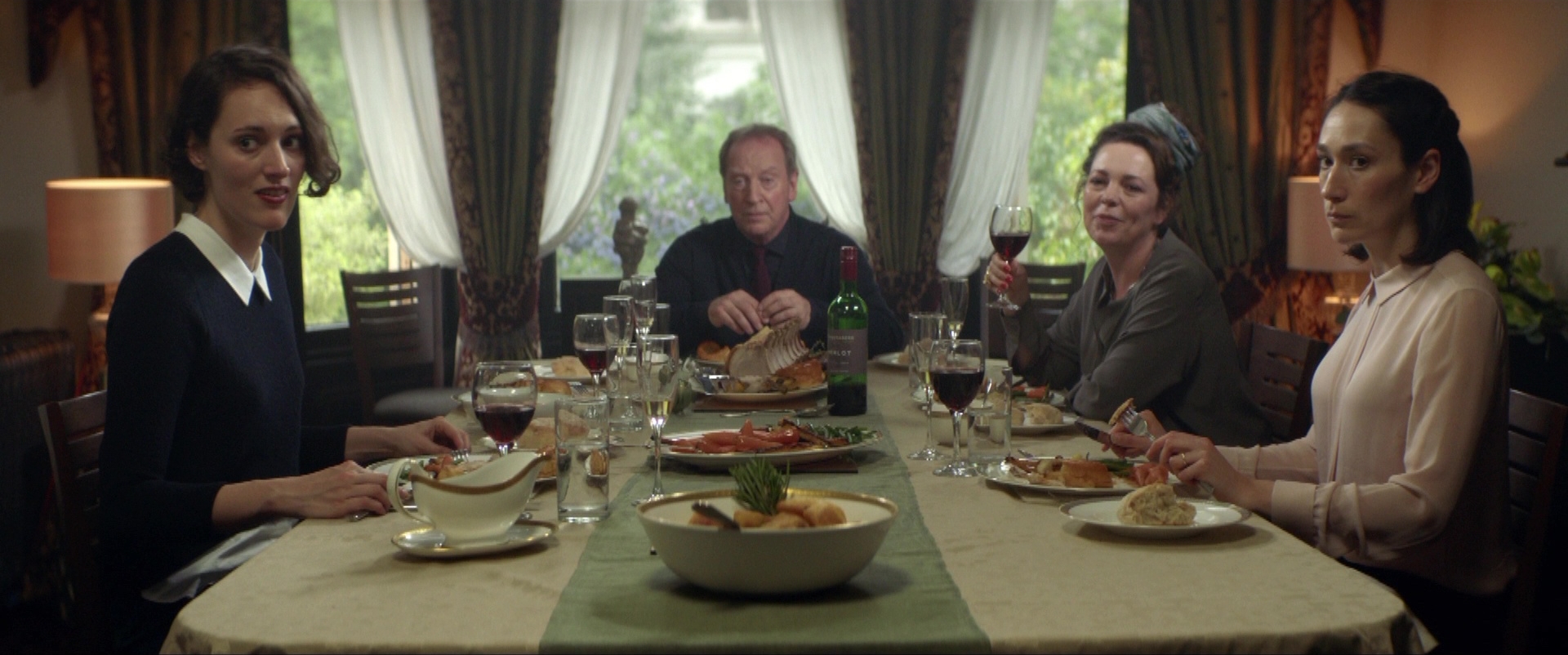
Fleabag (2016-2019)
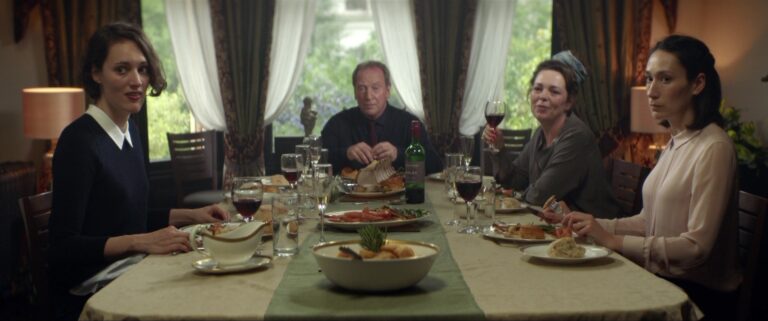
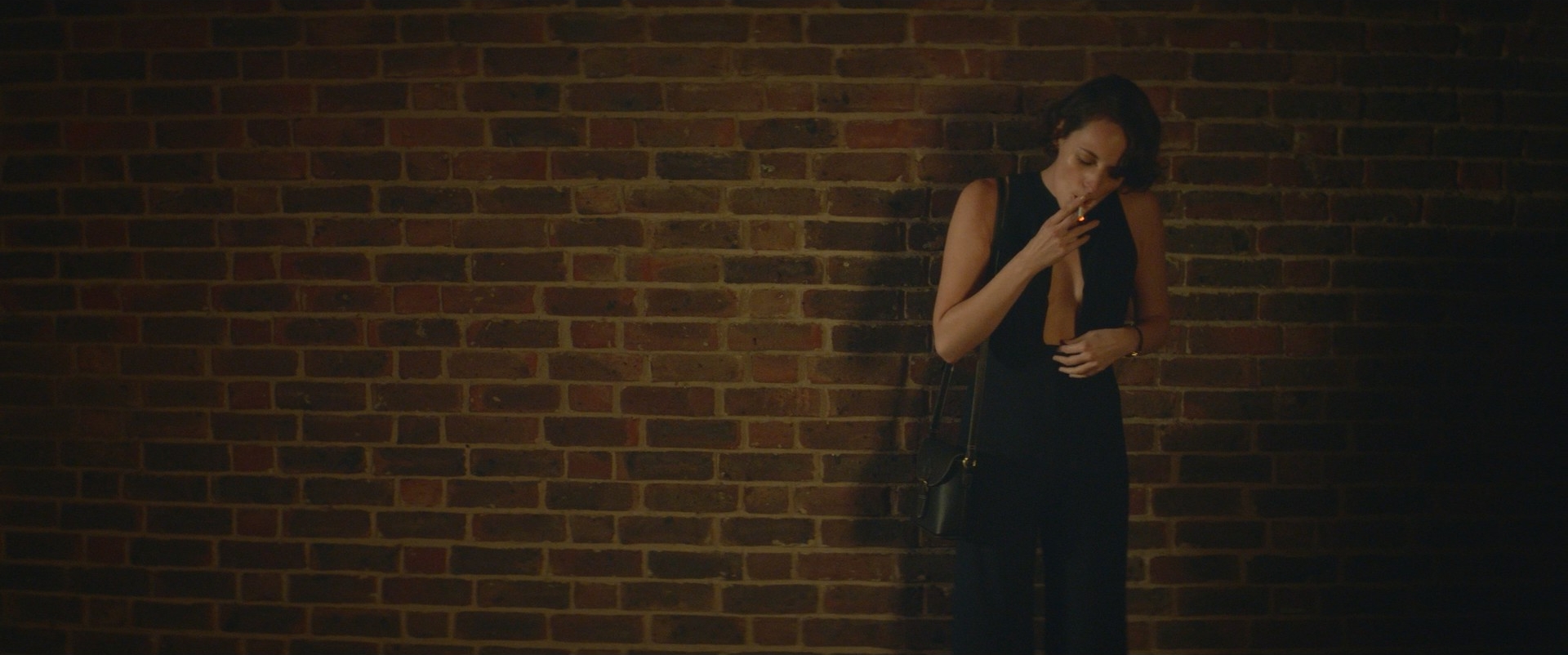
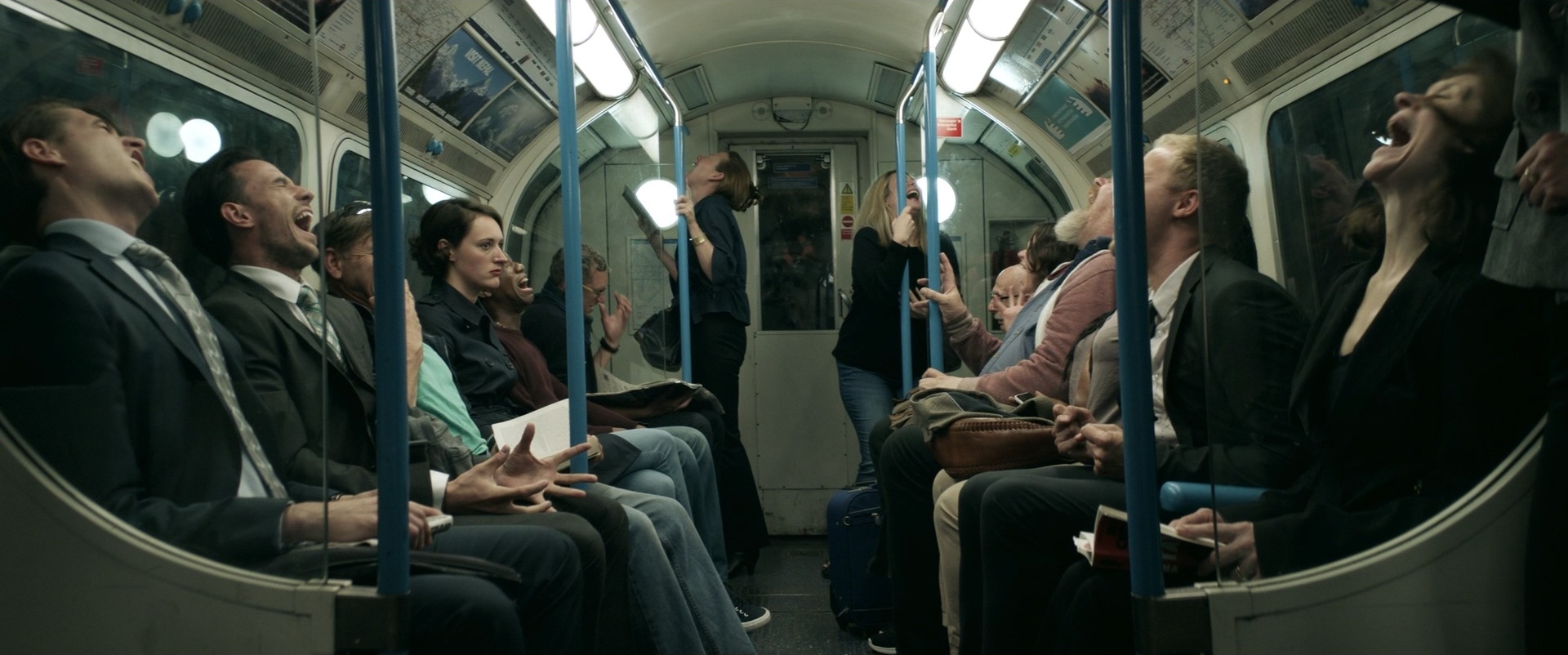
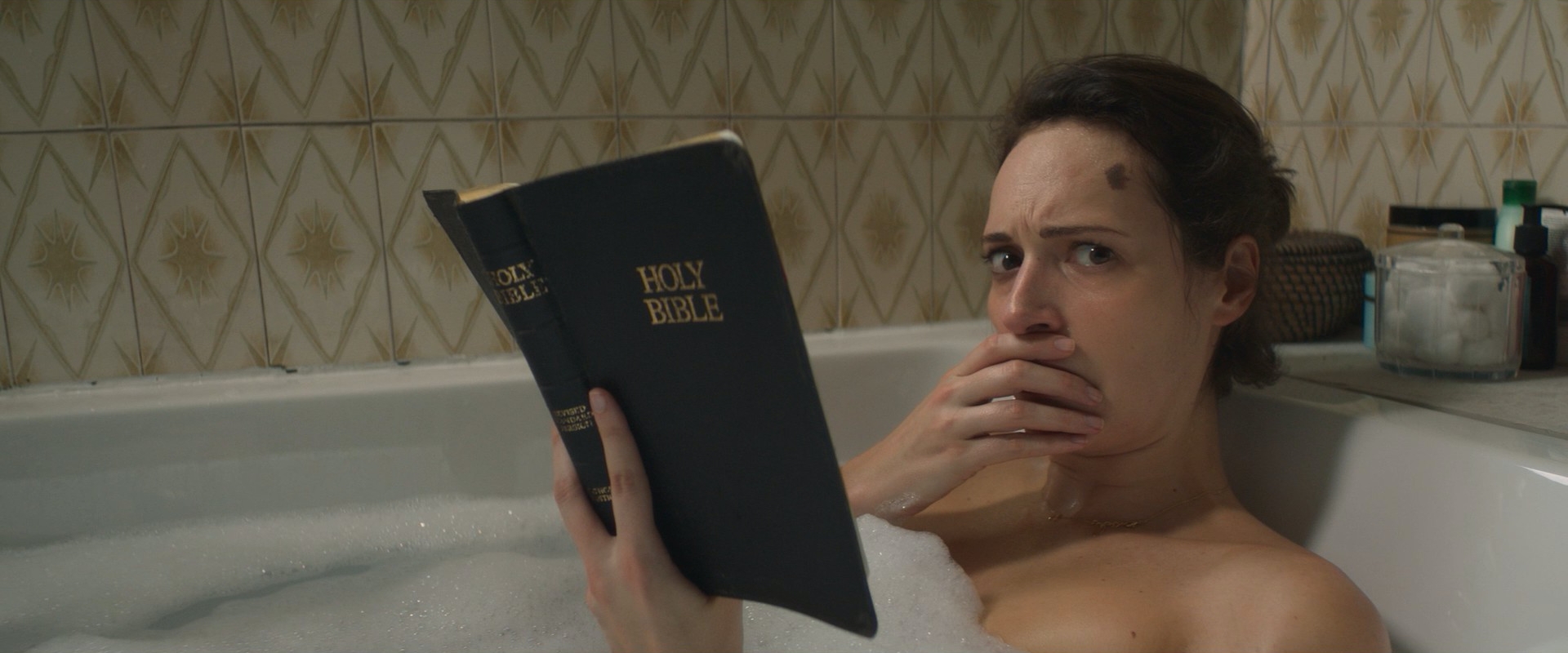
Set in contemporary London, the series follows a sharp-witted but emotionally volatile young woman known only as Fleabag as she navigates grief, family dysfunction, romance, loneliness, and self-destruction. Using humor, sexual candor, and direct confessional commentary to cope with pain, she struggles to maintain meaningful connections while avoiding the emotional consequences of her actions. Across its two seasons, the series evolves from dark comedy into an intimate exploration of guilt, intimacy, vulnerability, and the desire to be truly seen.
Fleabag combines naturalistic intimacy with theatrical subjectivity, most famously through Fleabag’s direct addresses to the camera, which transform the audience into her private confidant and emotional escape route. Cinematographers like Tony Miller and Suzie Lavelle use soft natural lighting, shallow depth-of-field, and close, handheld framing to create a sense of immediacy and emotional exposure, particularly during moments when Fleabag’s façade begins to crack. The series’ visual language subtly shifts between seasons: Season 1 feels more chaotic, cramped, and emotionally raw, while Season 2 adopts a warmer, more composed aesthetic that mirrors Fleabag’s growing self-awareness and longing for connection. The eventual disruption of her direct relationship with the camera becomes one of the show’s most important visual and emotional devices, turning cinematic perspective itself into part of the character’s psychological journey.