New Shots: Decision To Leave, The Last of Us, & more Film Screenshots
Get your Decks ready ShotDeck Community! We’re adding some great new shots this week including the first season of the hit HBO show The Last of Us! Check out our new article on Park Chan-wook’s filmography and remember you can always request titles for future drops by clicking here!
FILM SPOTLIGHT
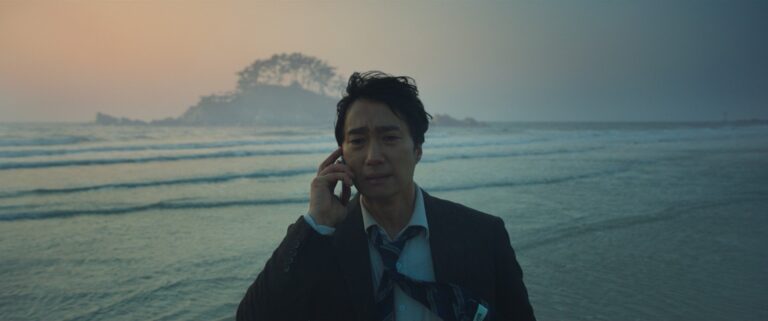
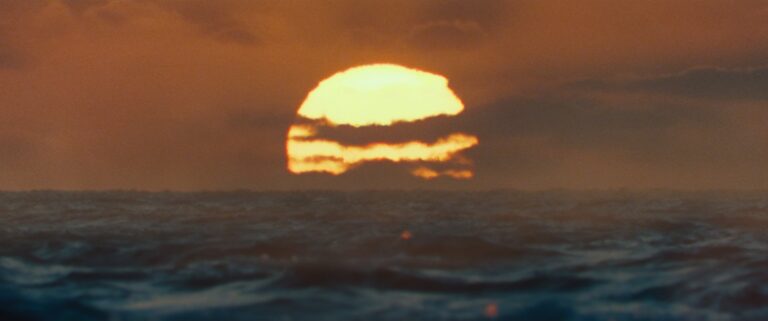
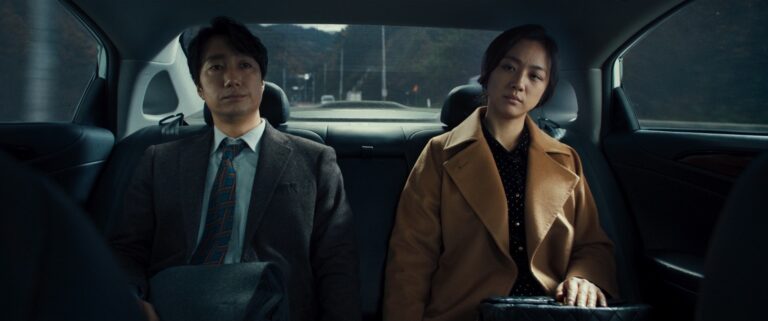
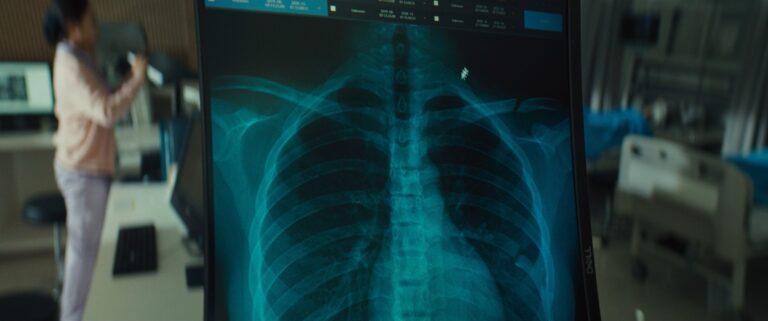
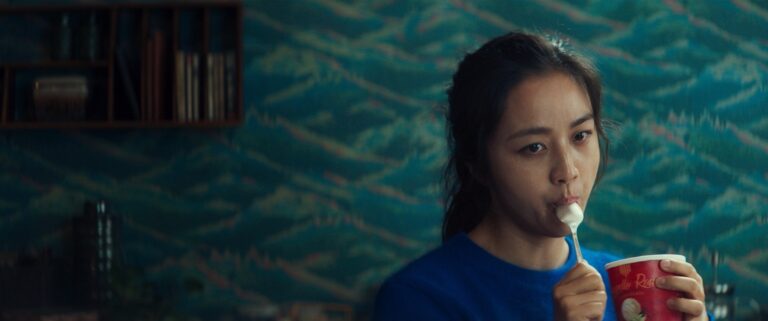
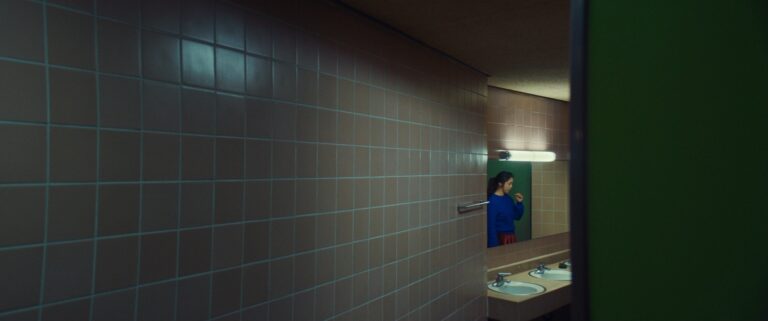
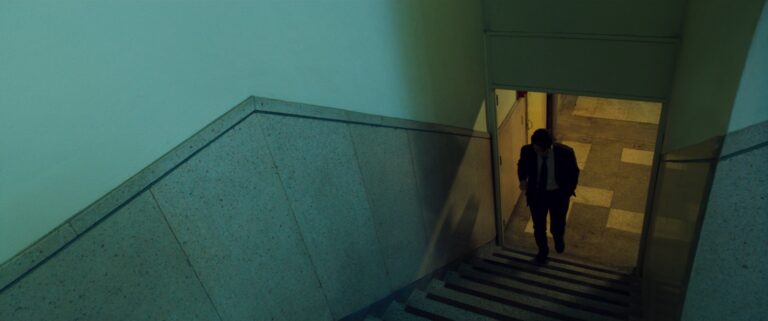
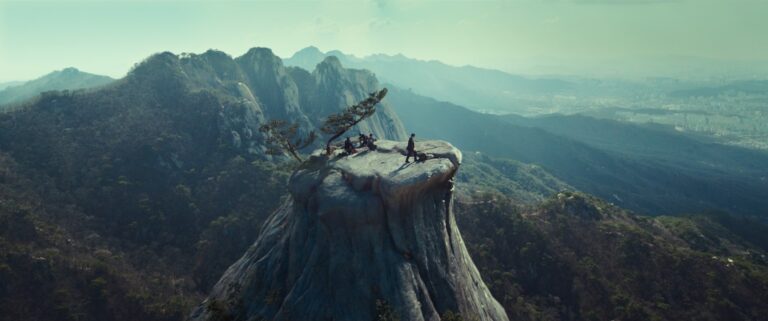
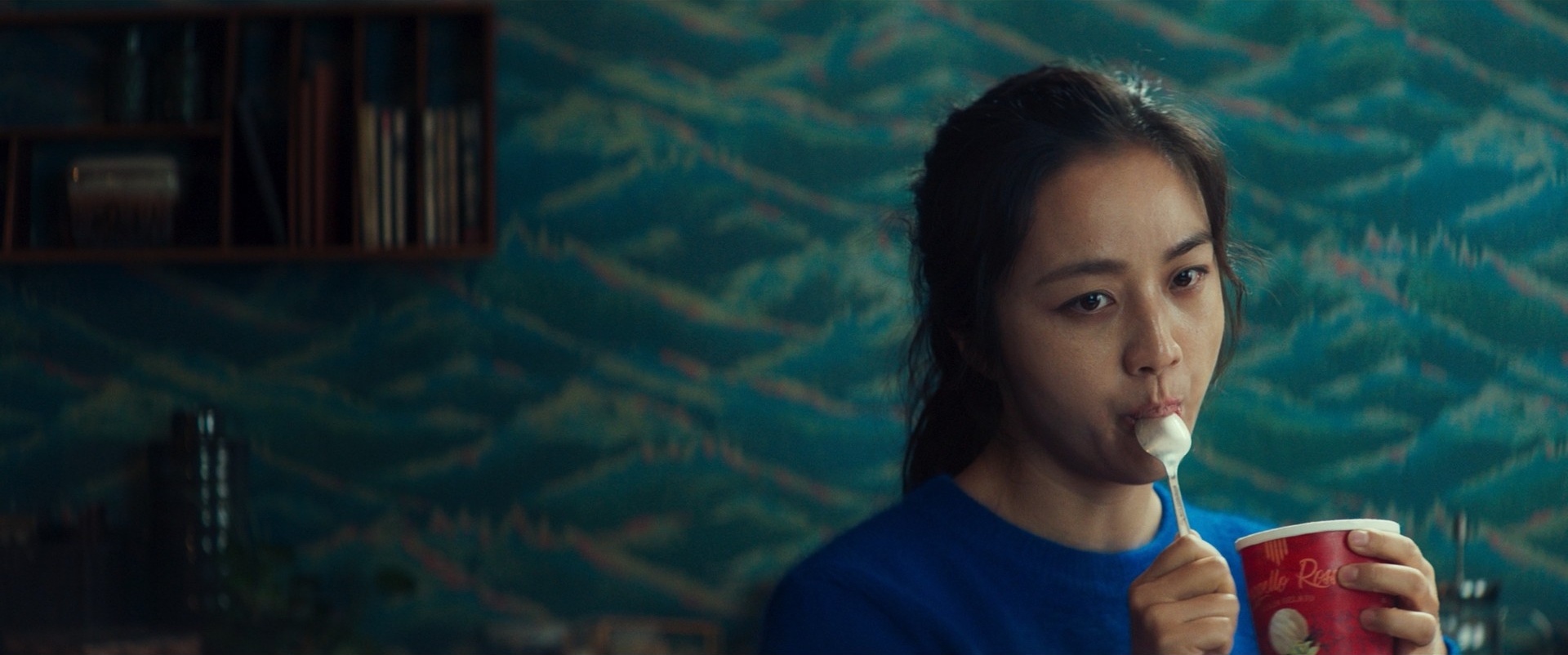
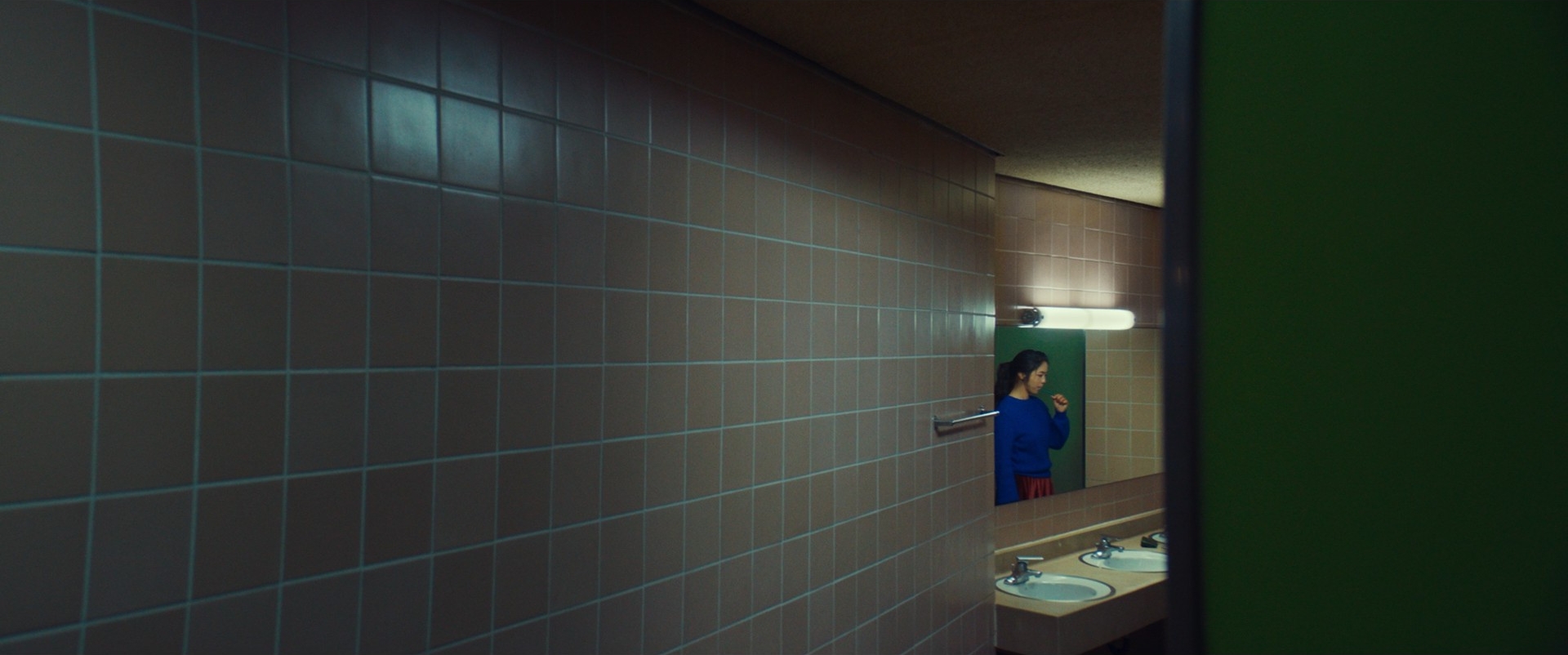
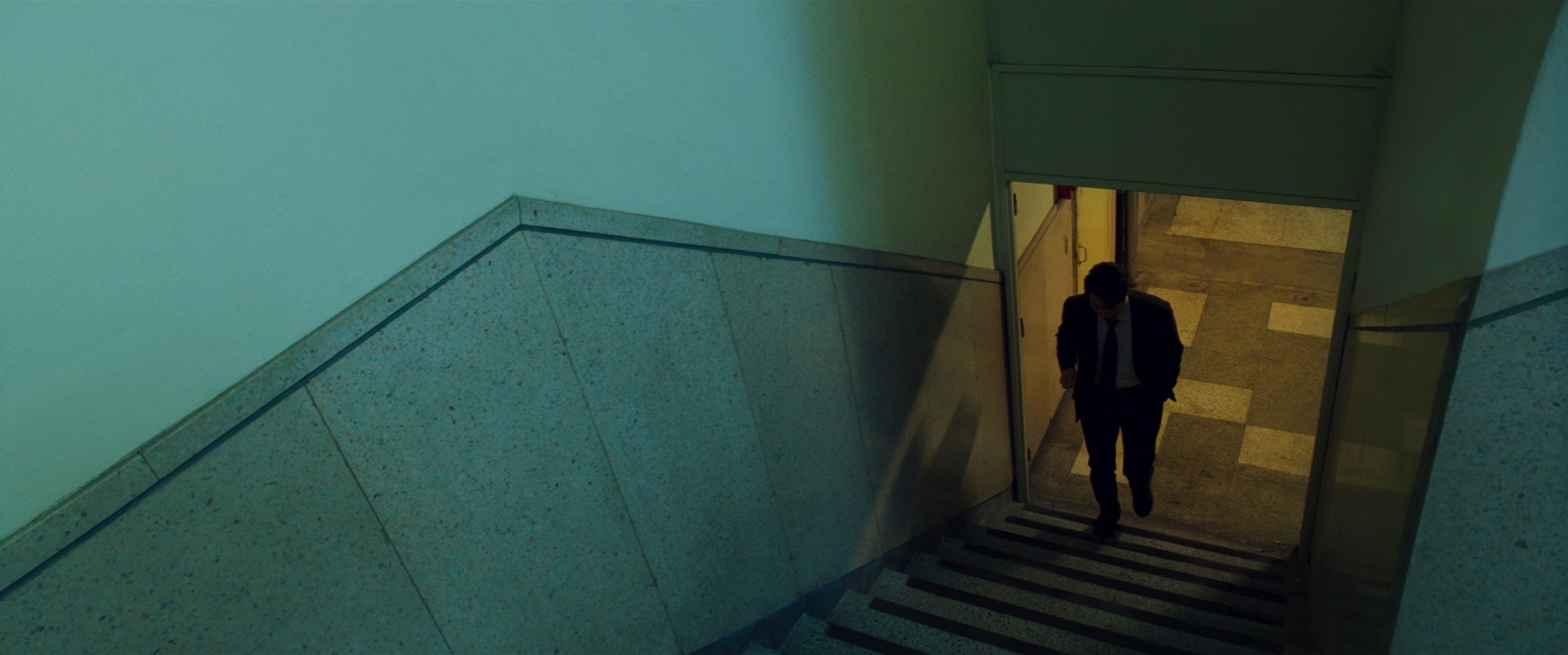
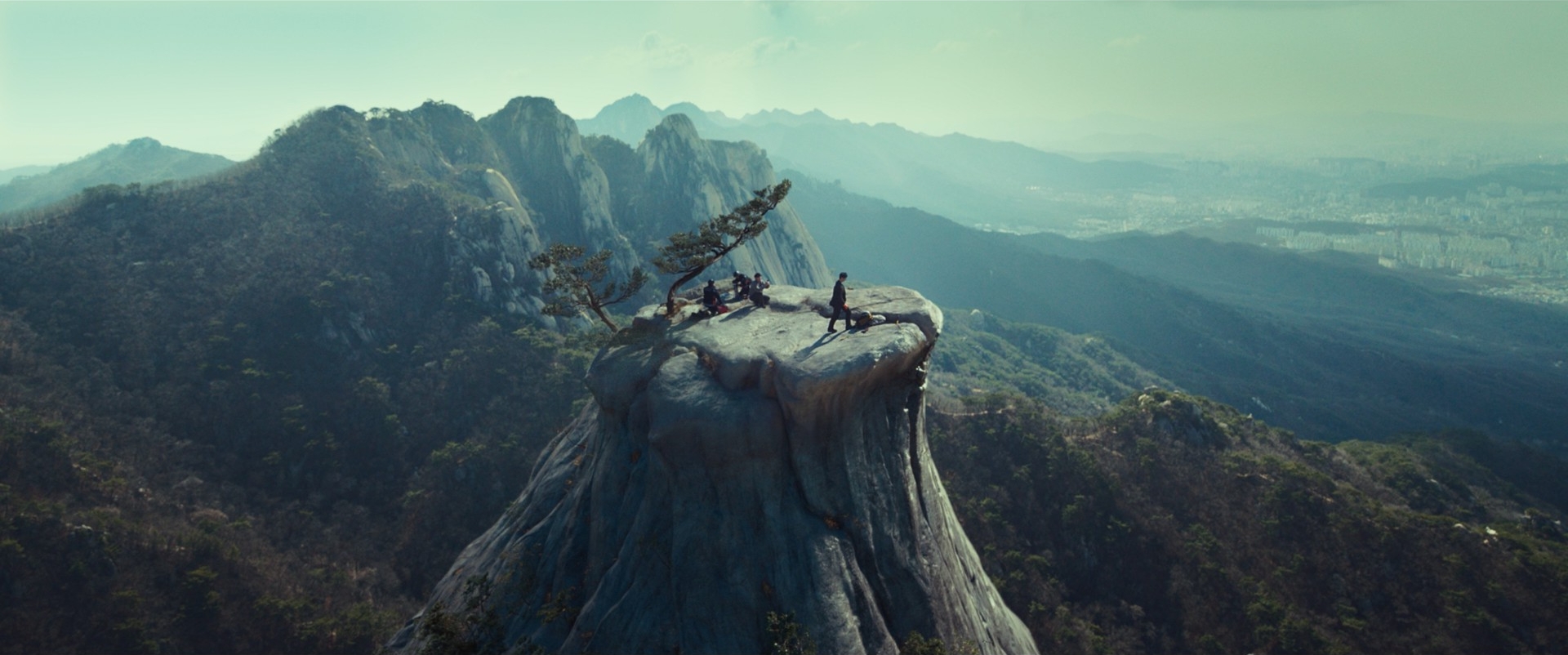
Decision to Leave (2022)
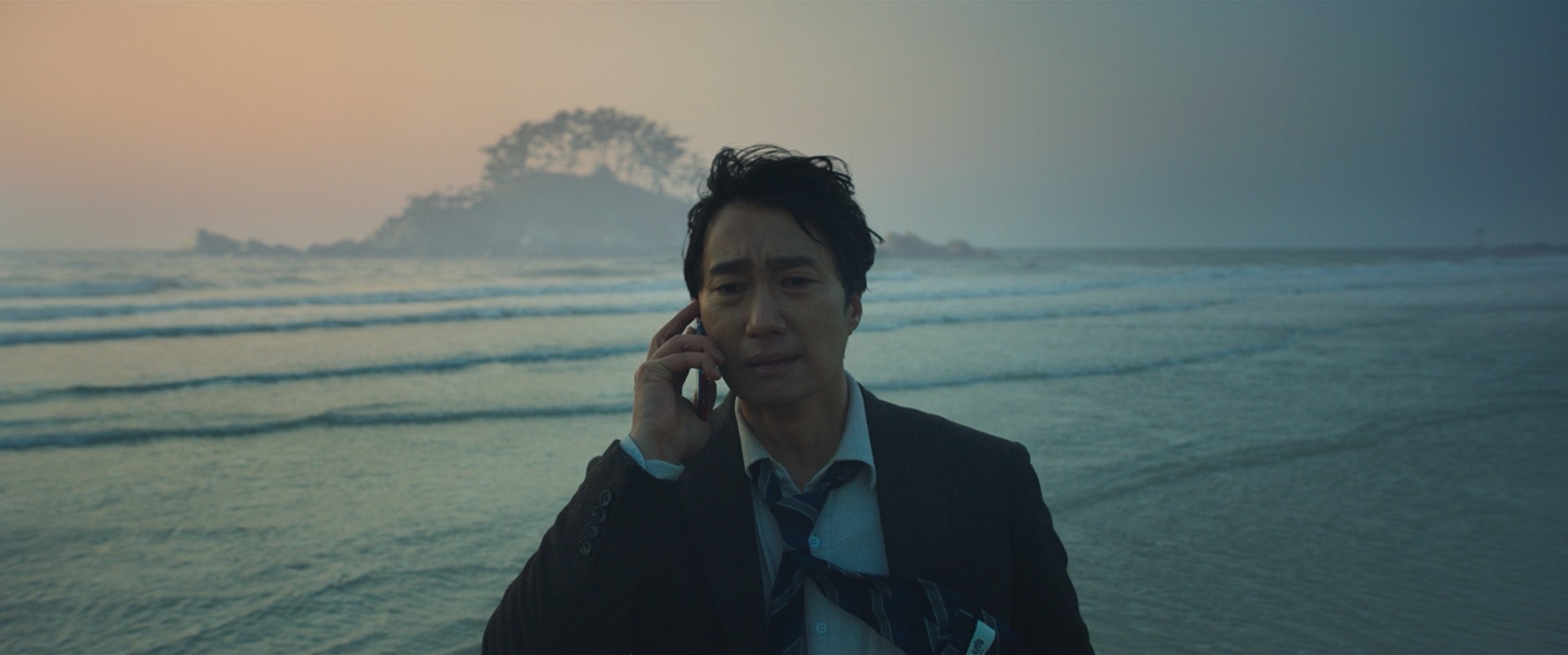
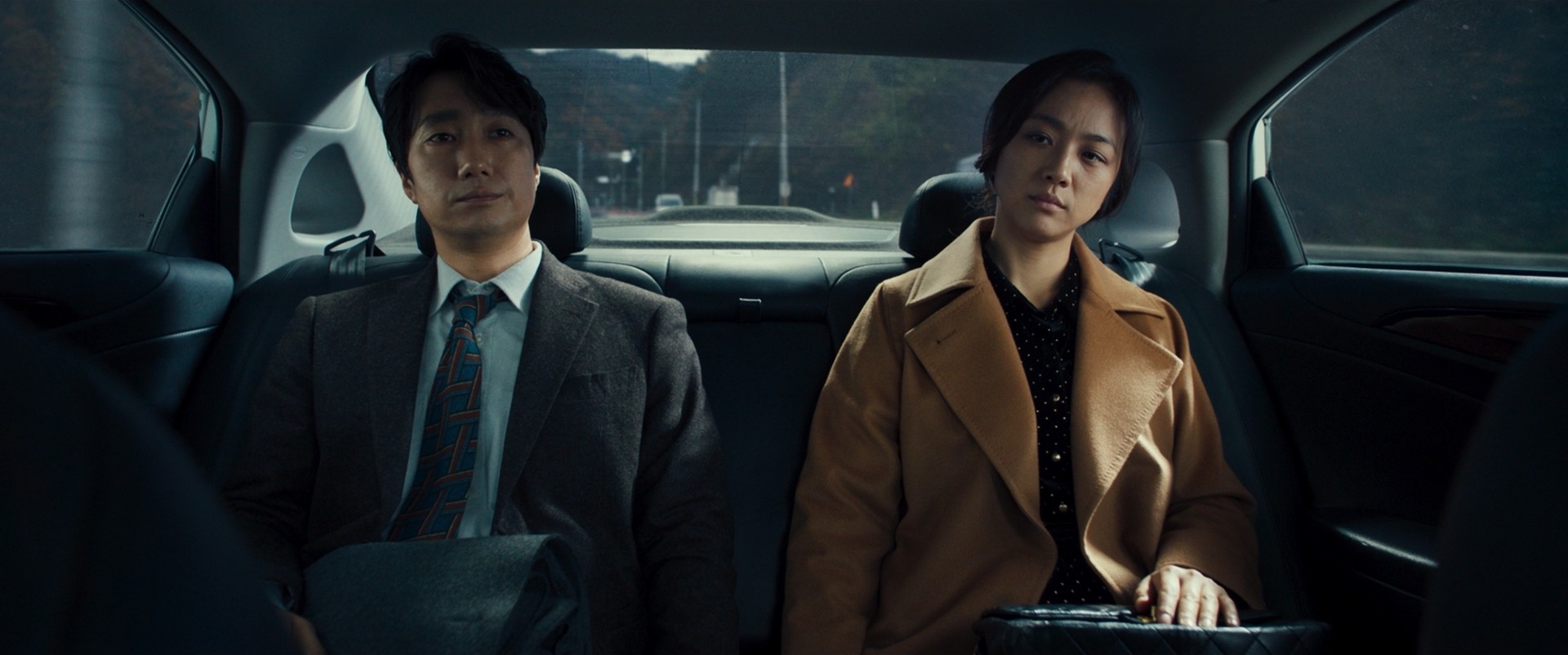
A meticulous detective investigating the death of a man found at the base of a mountain becomes increasingly drawn to the victim’s enigmatic widow, Seo-rae. As suspicion and attraction intertwine, the investigation evolves into a psychologically charged relationship built on surveillance, desire, deception, and emotional projection. The deeper the detective falls into obsession, the more the boundaries between professional duty and personal longing begin to dissolve.
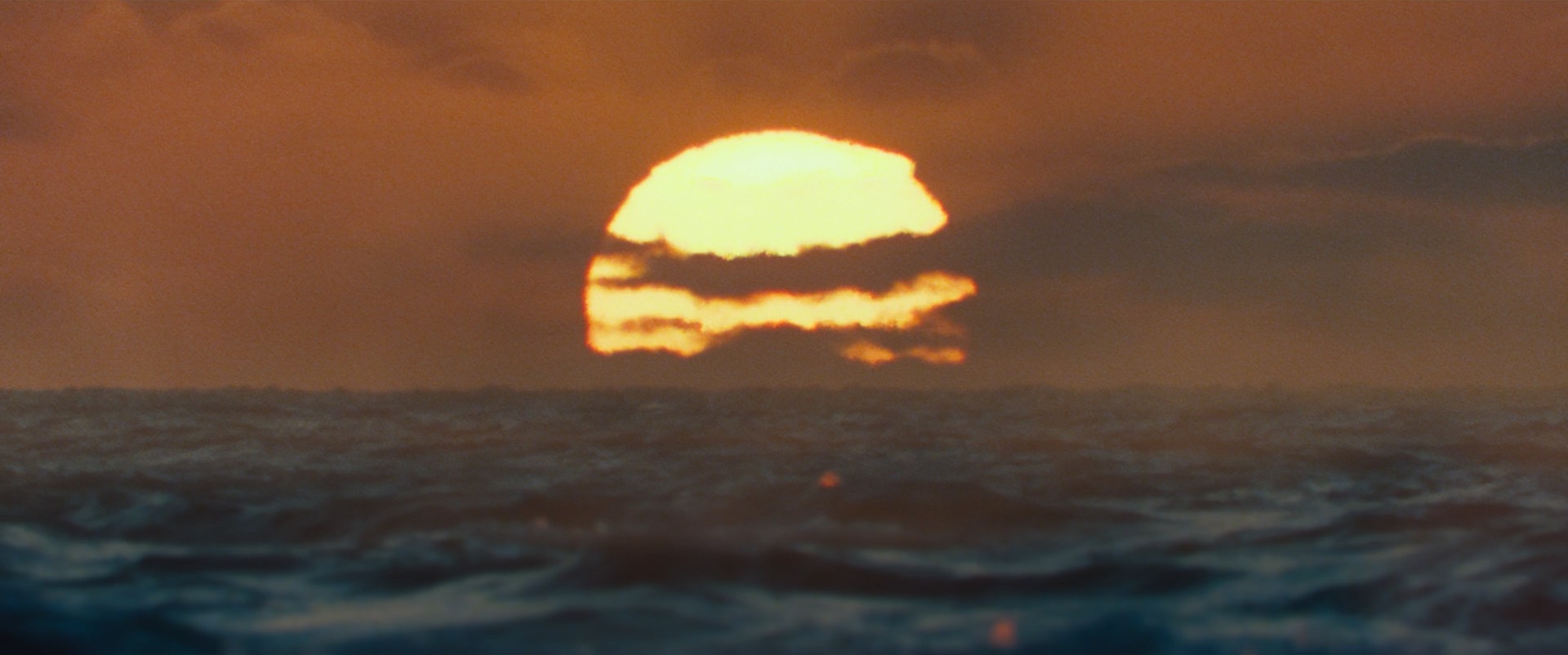
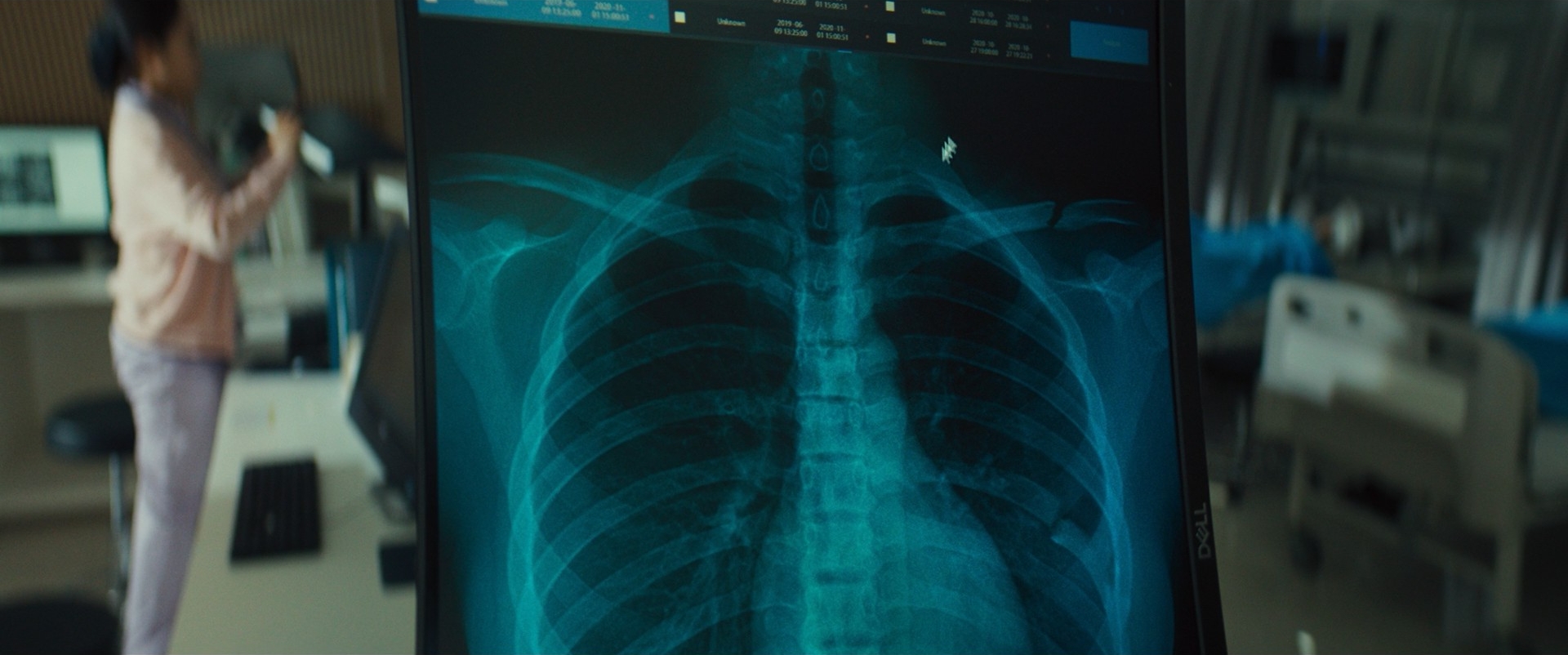
Park and cinematographer Kim Ji-yong craft Decision to Leave with an extraordinarily fluid and controlled visual language built around elegant camera movement, digital precision, and layered spatial transitions. The film frequently collapses physical and psychological space through seamless visual shifts—characters appear inside imagined crime scenes, reflections merge with landscapes, and surveillance imagery becomes emotionally intimate rather than detached. Cool blue-green palettes, misty coastal environments, glass surfaces, and modern interiors create an atmosphere of melancholic romantic noir, while Park’s meticulous framing and editing transform ordinary gestures and glances into expressions of longing and repression. The camera itself behaves almost like a participant in the romance, drifting between observation and desire with hypnotic grace.


FILM SPOTLIGHT
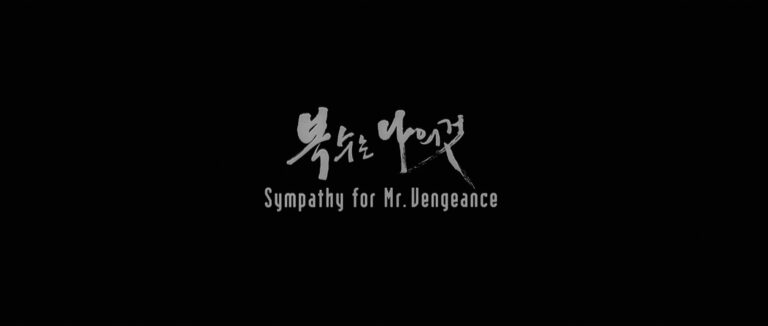
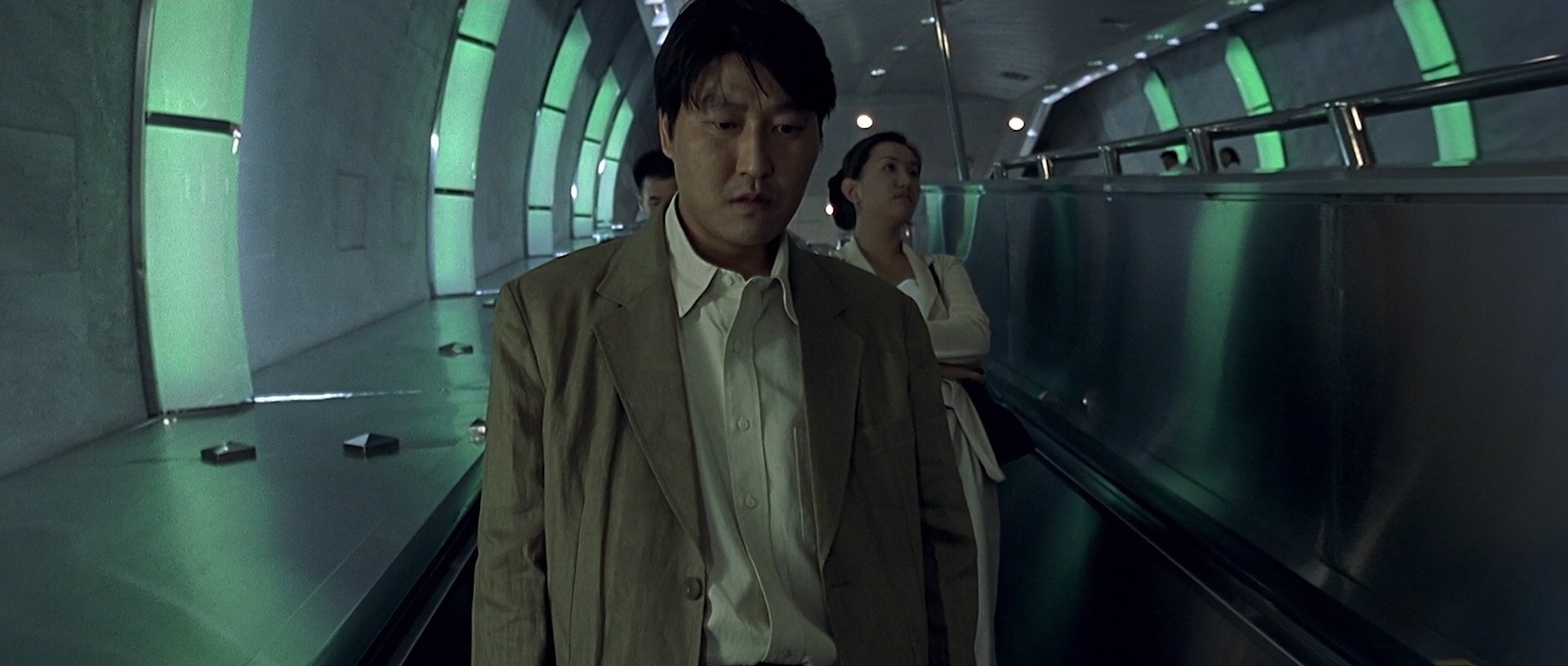
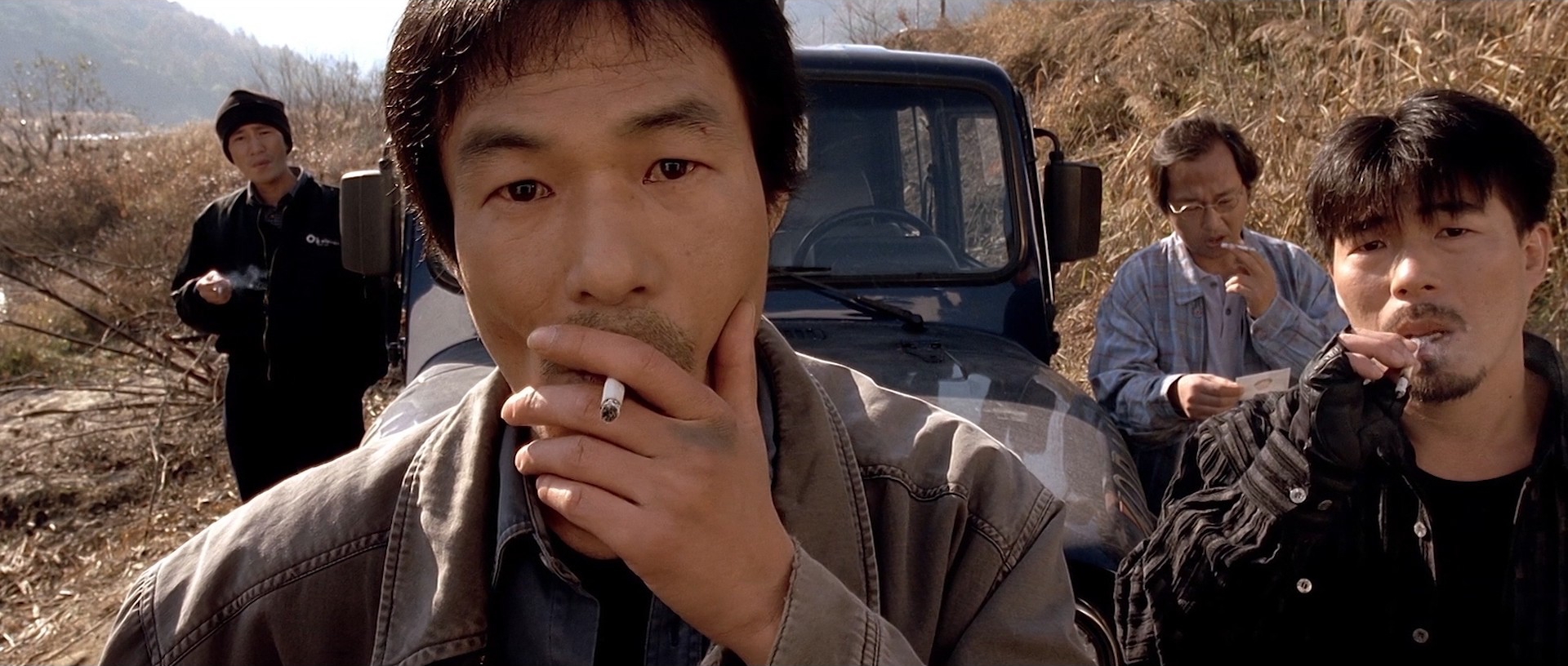
Sympathy for Mr. Vengeance (2002)
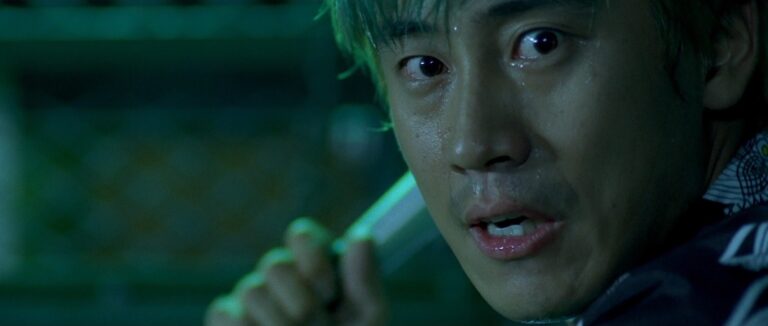
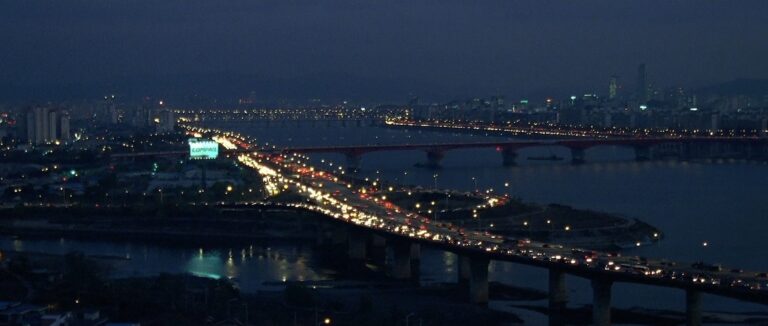
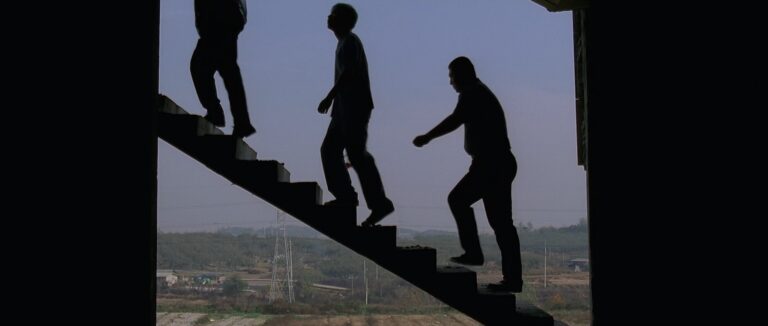
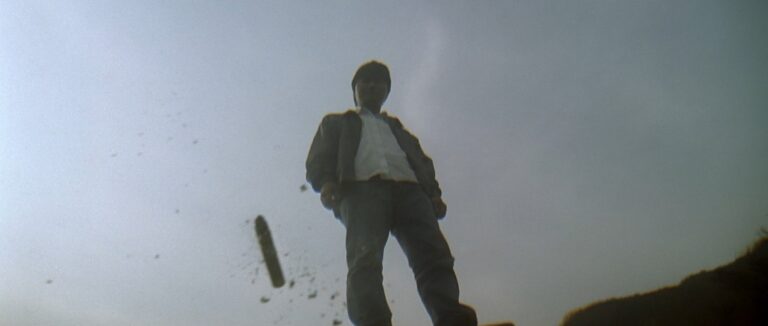
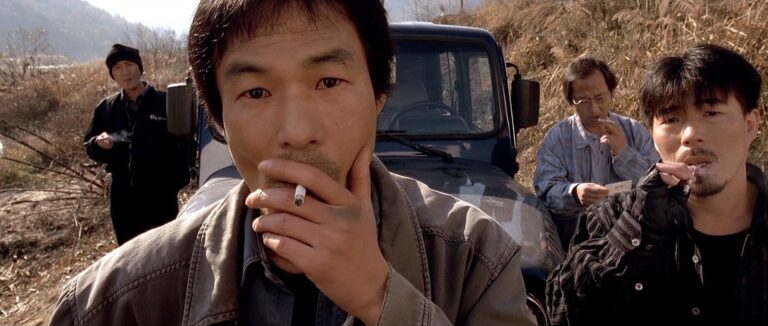
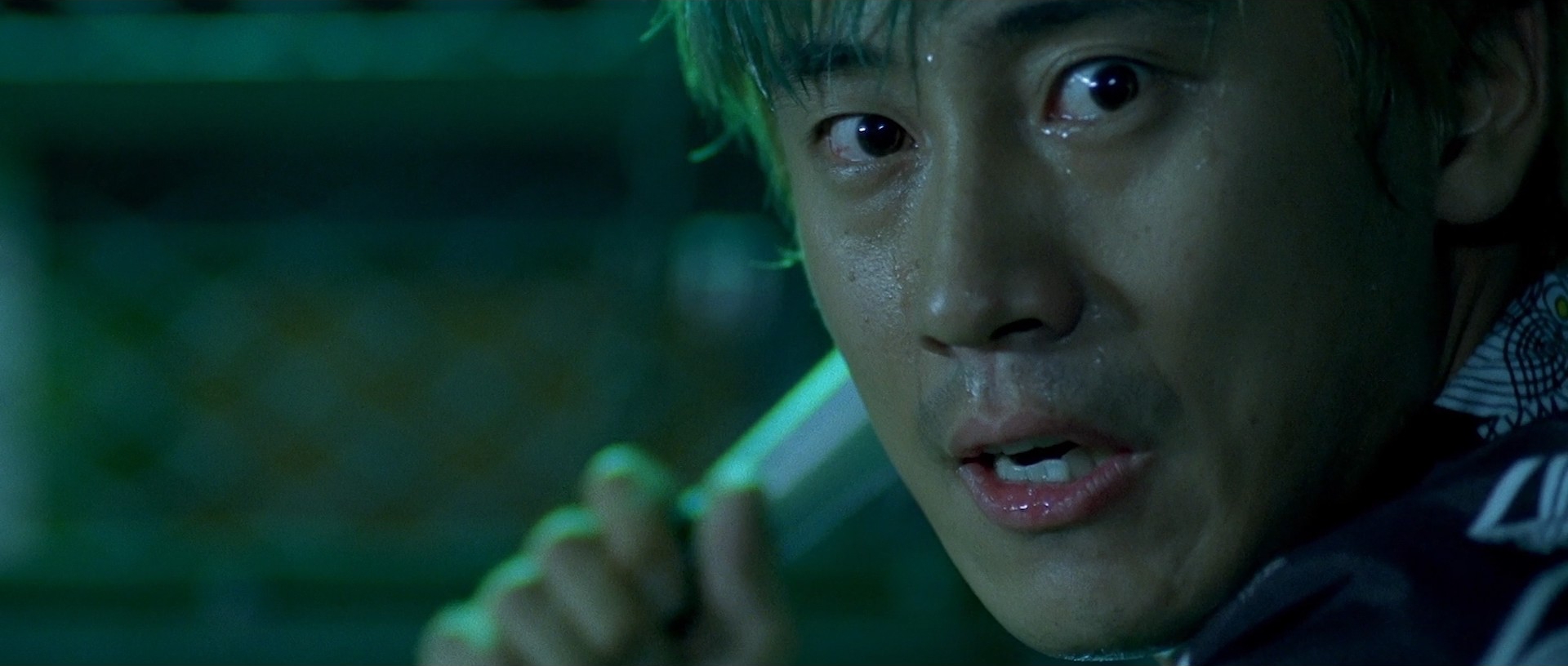
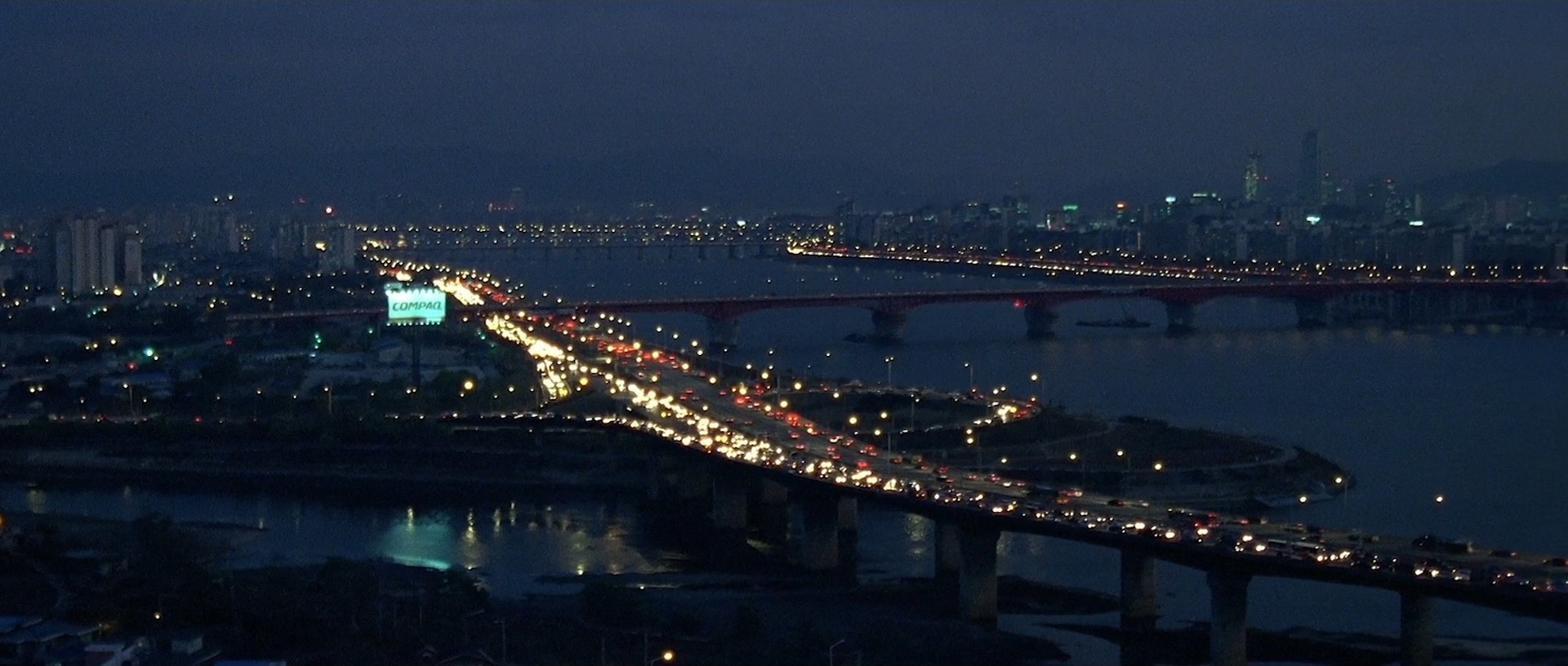
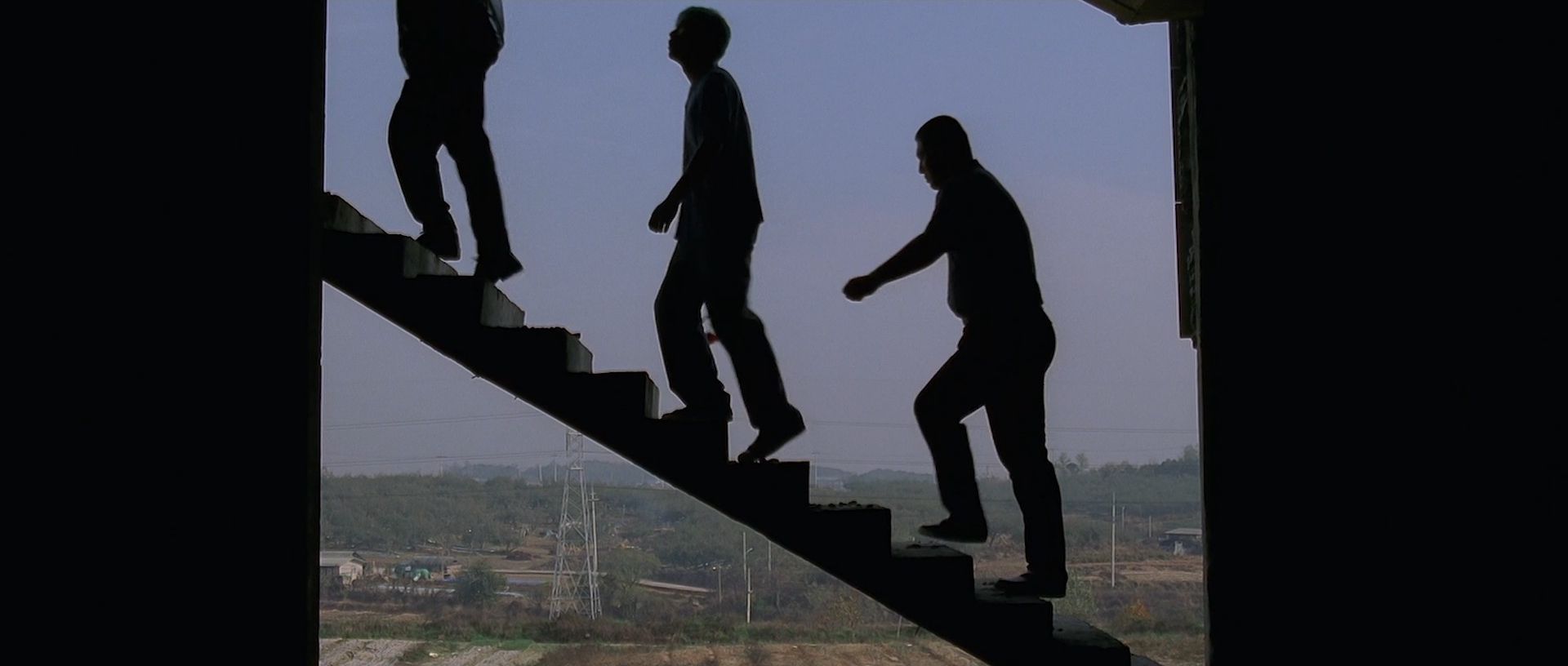
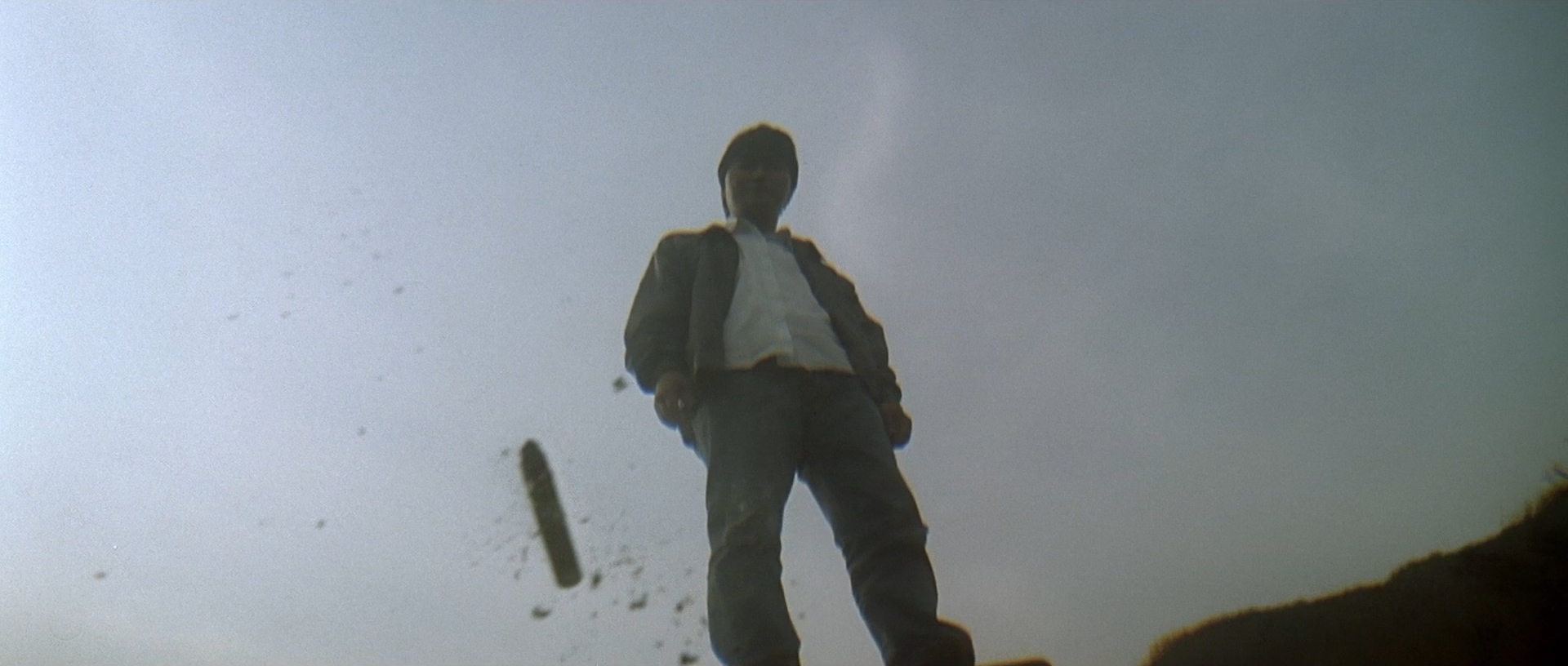
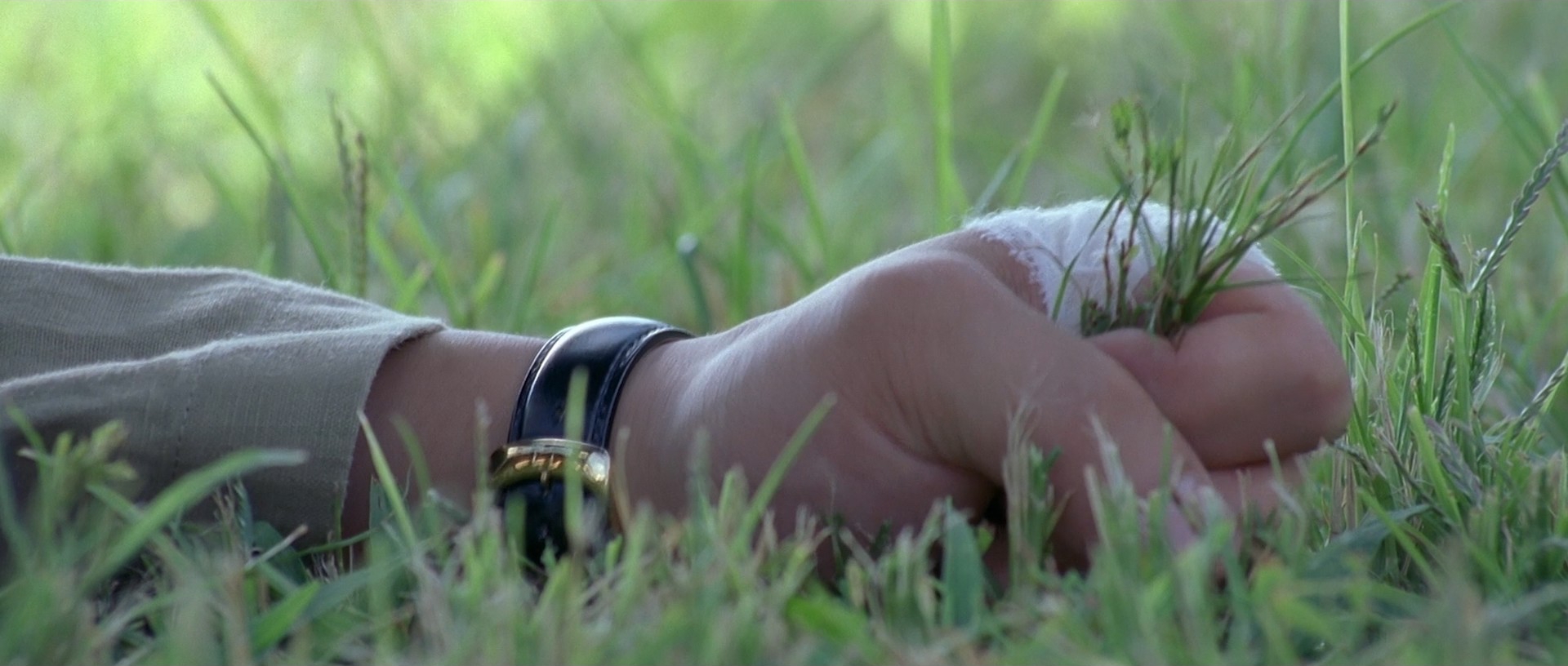
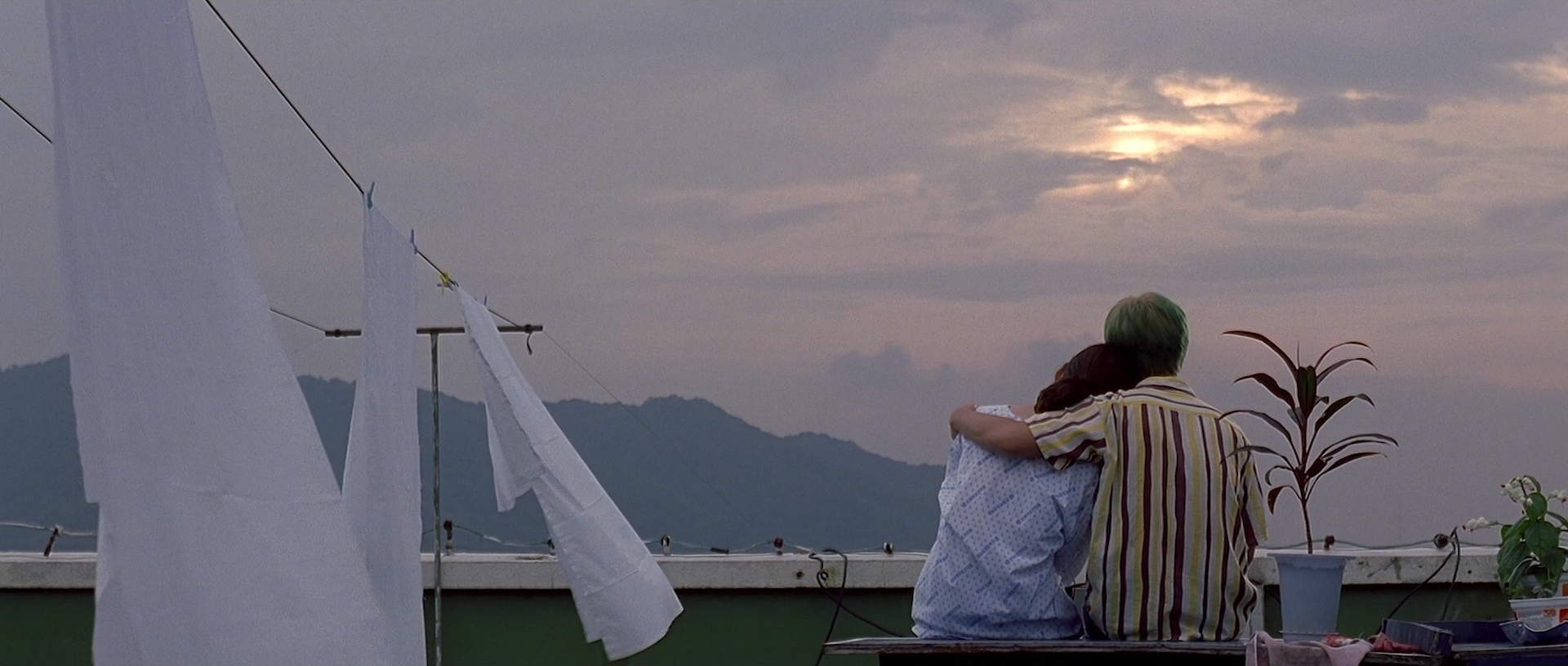
A deaf factory worker named Ryu desperately tries to raise money for his sister’s kidney transplant after losing his job and being cheated by organ traffickers. In a misguided attempt to help her, he and his anarchist girlfriend kidnap the daughter of a wealthy businessman, but the situation spirals into tragedy and escalating cycles of revenge. The film unfolds as a bleak, emotionally devastating examination of class inequality, grief, and the destructive inevitability of vengeance.
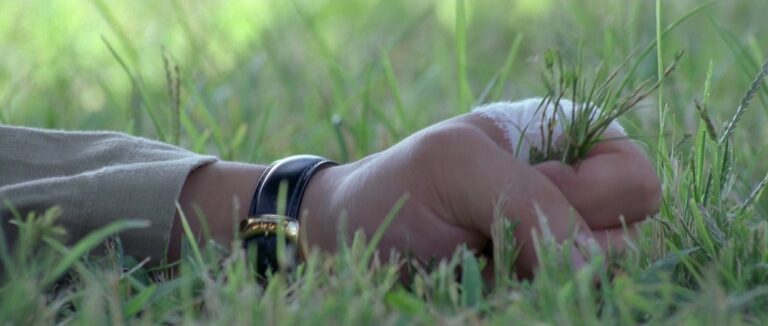
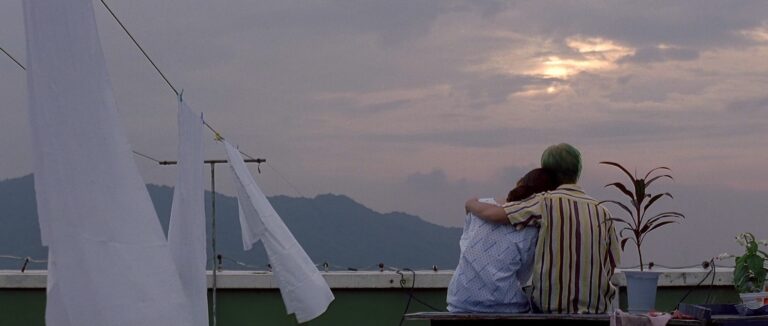
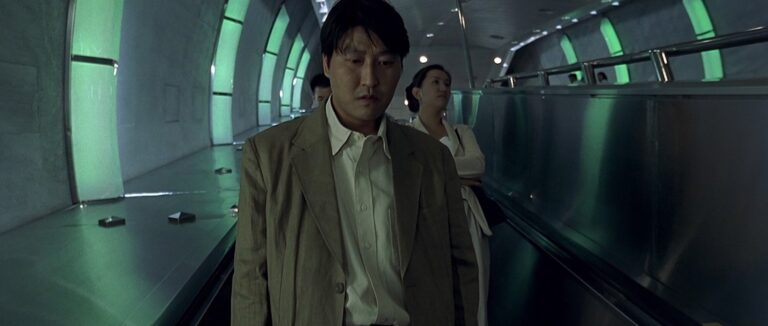
Park and cinematographer Kim Byung-il shoot Sympathy for Mr. Vengeance with a cold, restrained realism that differs from the more operatic style of Park’s later revenge films. Industrial locations, drained color palettes, and static compositions create an atmosphere of emotional emptiness and social decay, while moments of violence are often staged with unsettling calm rather than sensationalism. The film’s use of physical space—riversides, factories, cramped apartments, empty streets—emphasizes isolation and inevitability, turning ordinary environments into sites of moral collapse. Park’s precise framing and abrupt tonal shifts quietly build dread, making the violence feel tragic, senseless, and inescapably human rather than cathartic.
FILM SPOTLIGHT
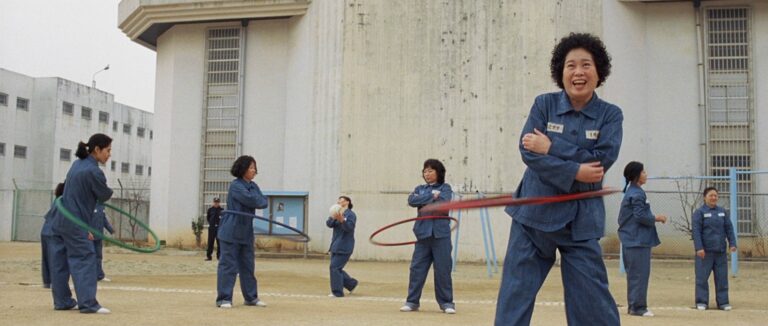
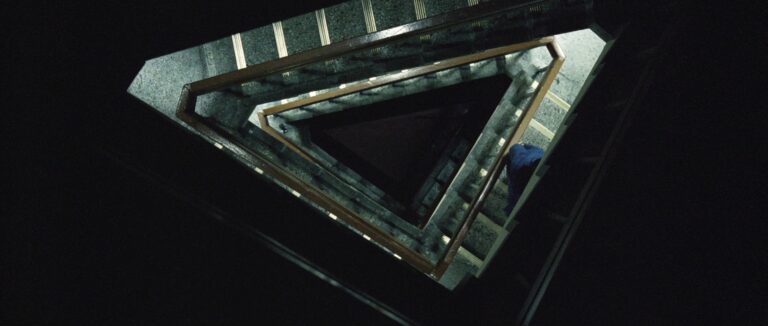
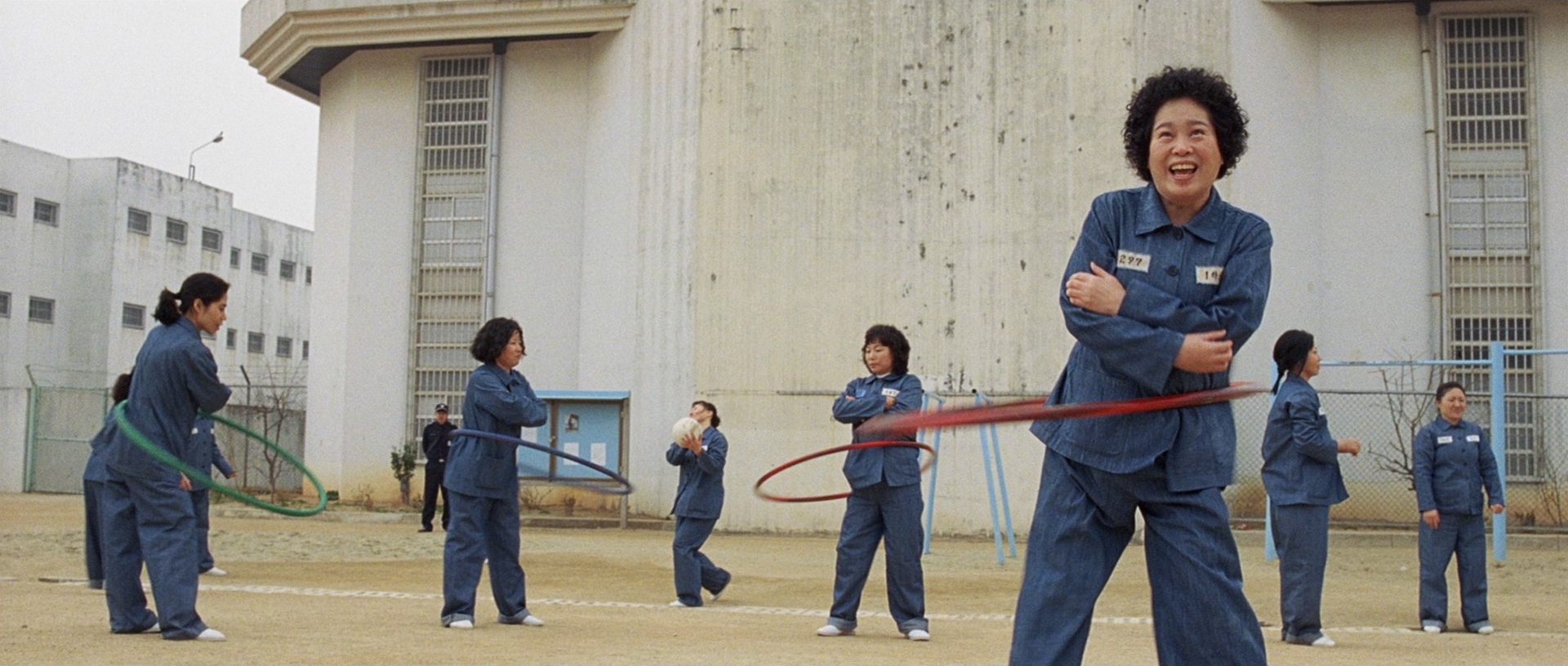
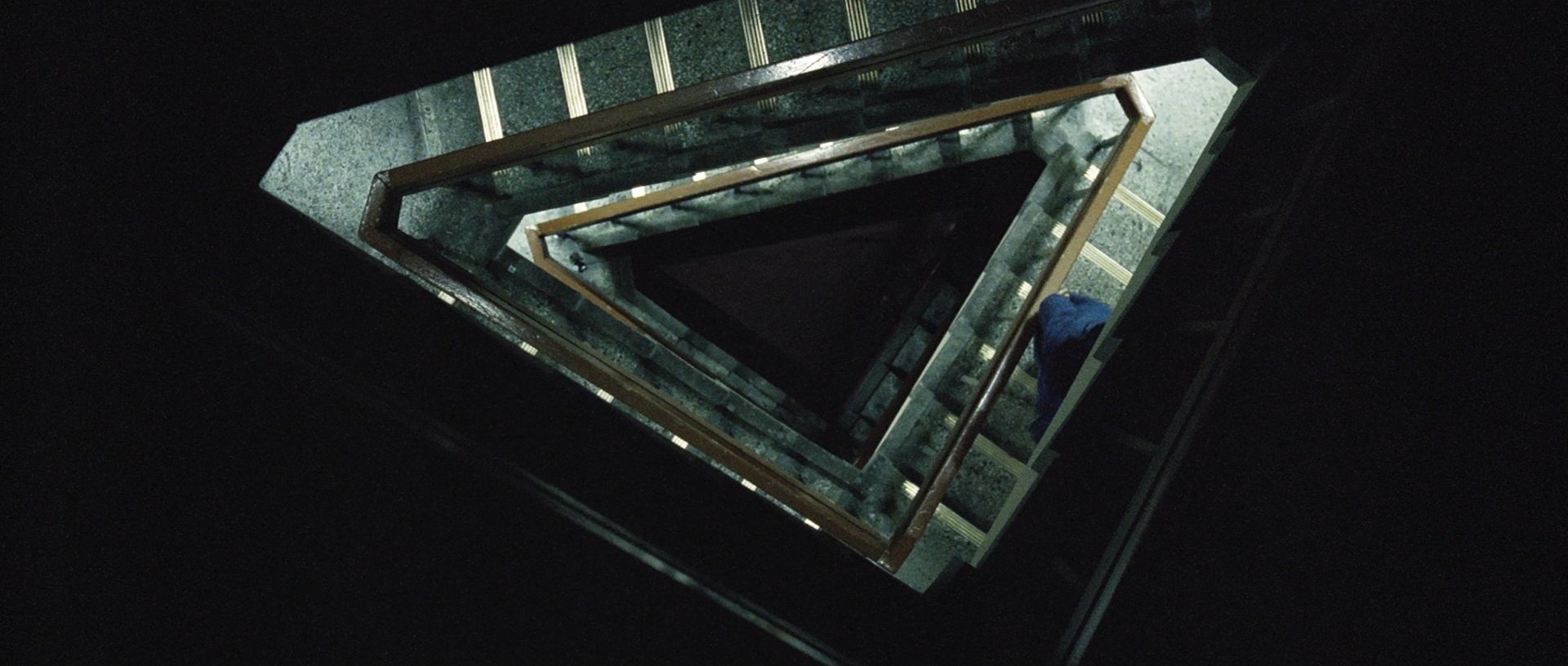
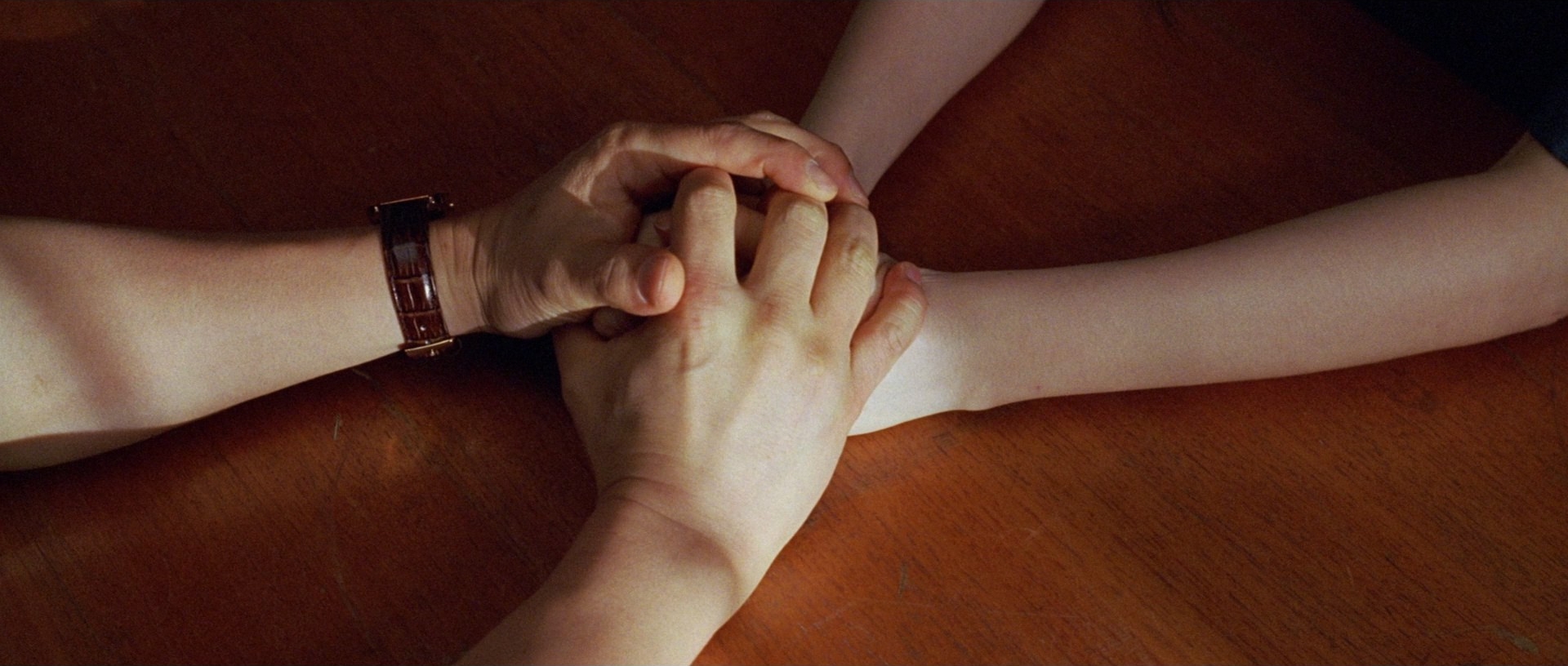
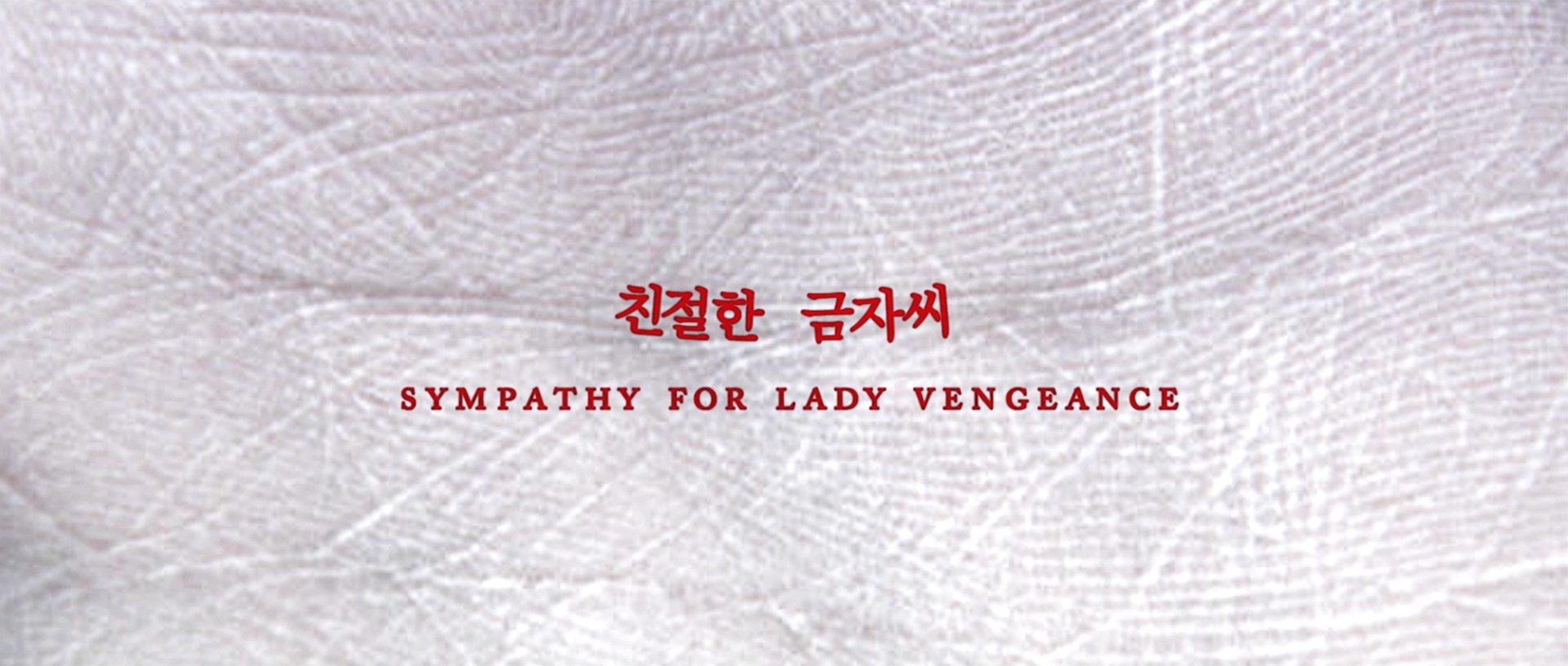
Sympathy for Lady Vengeance (2005)
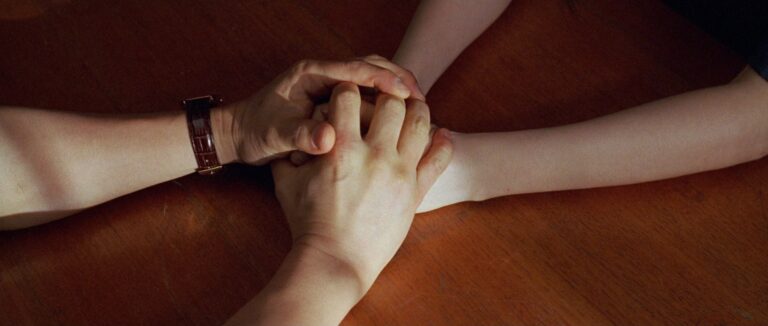
After serving thirteen years in prison for the kidnapping and murder of a child—a crime she did not commit—Lee Geum-ja is released and begins carefully executing a long-planned revenge against the true culprit, a sadistic schoolteacher who manipulated her into taking the blame. As she reconnects with people from her past and confronts the emotional damage left by her imprisonment, her pursuit of vengeance becomes increasingly complicated by guilt, motherhood, and moral reckoning. The film unfolds as both a revenge thriller and a meditation on justice, redemption, and the impossibility of cleansing trauma through violence.
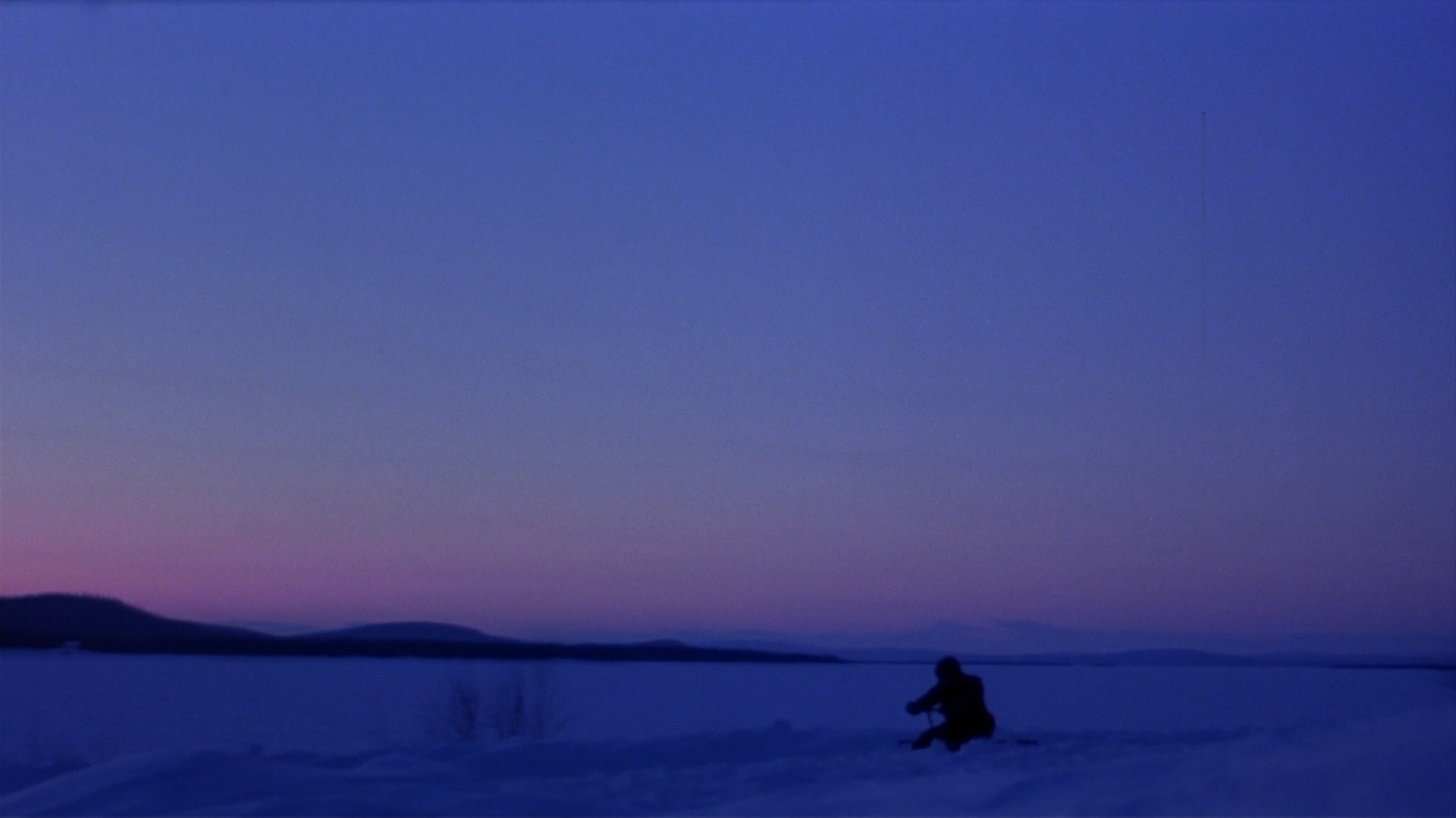
Park and cinematographer Chung Chung-hoon craft Lady Vengeance with a highly stylized visual elegance that contrasts sharply with the brutality of its subject matter. Snow-covered landscapes, immaculate interiors, stark whites, deep reds, and carefully controlled compositions create an almost fairy-tale-like atmosphere of spiritual corruption and purification. The film’s fluid camera movement, theatrical staging, and abrupt tonal transitions move between dark comedy, melodrama, and horror with unsettling precision. Park also uses symbolic color transformation throughout the film—including versions that gradually desaturate over time—to visually mirror Geum-ja’s emotional and moral unraveling, turning revenge into something simultaneously beautiful, tragic, and spiritually empty.




FILM SPOTLIGHT
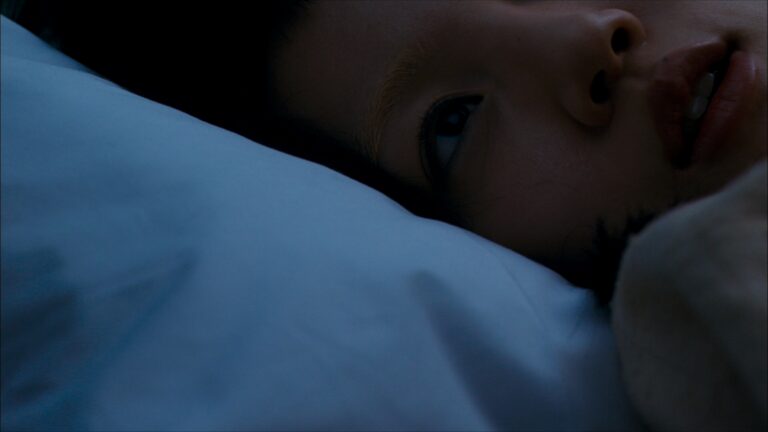
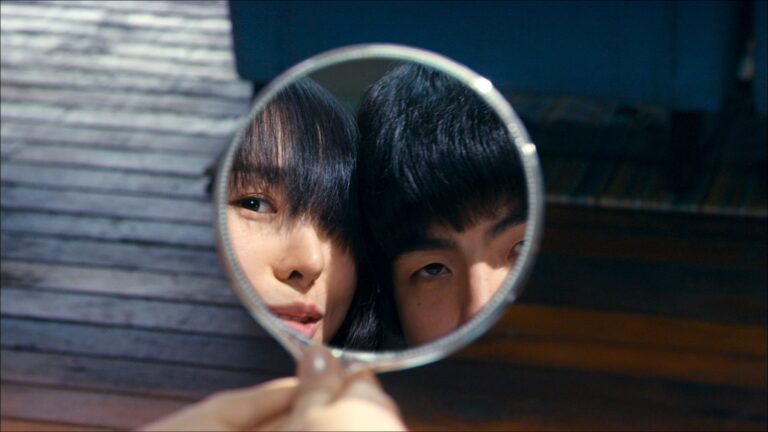
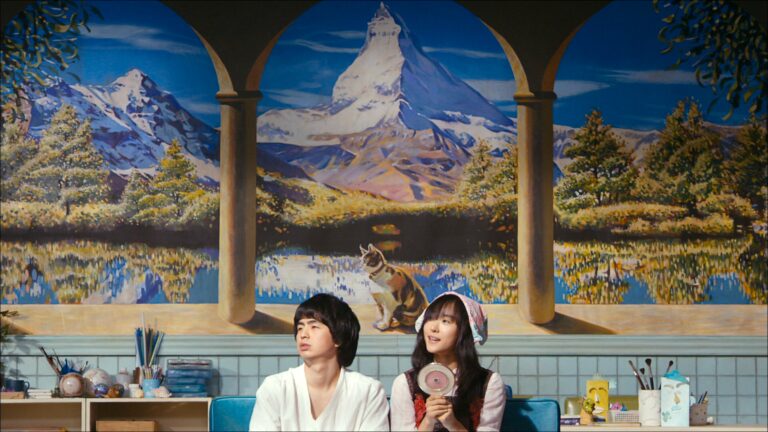
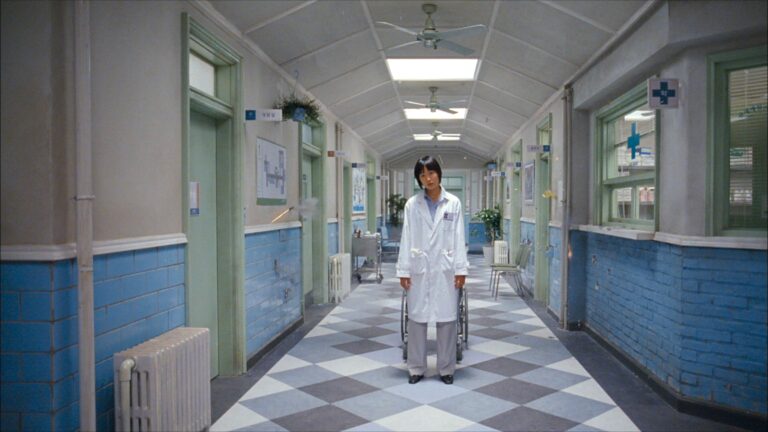
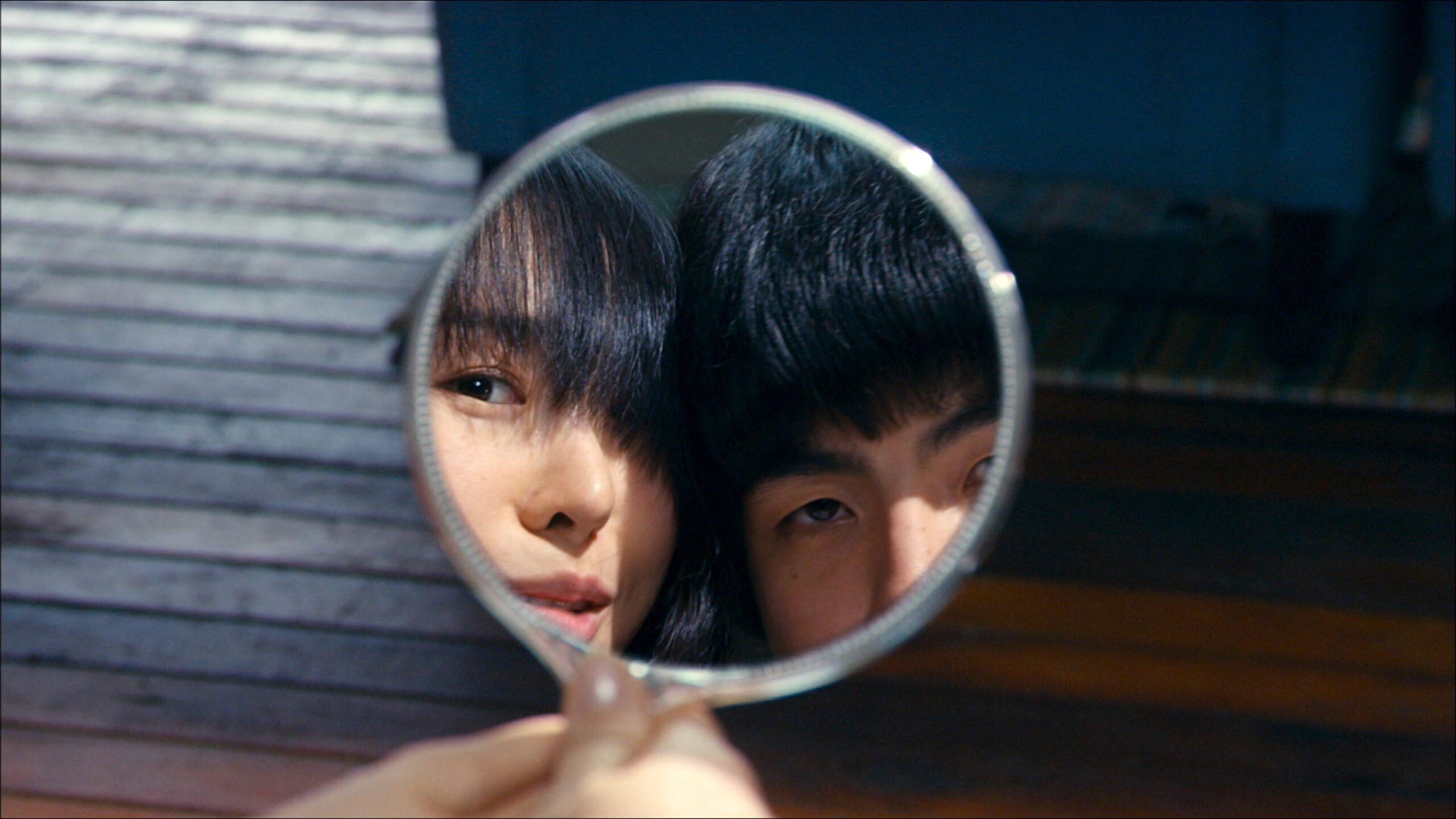
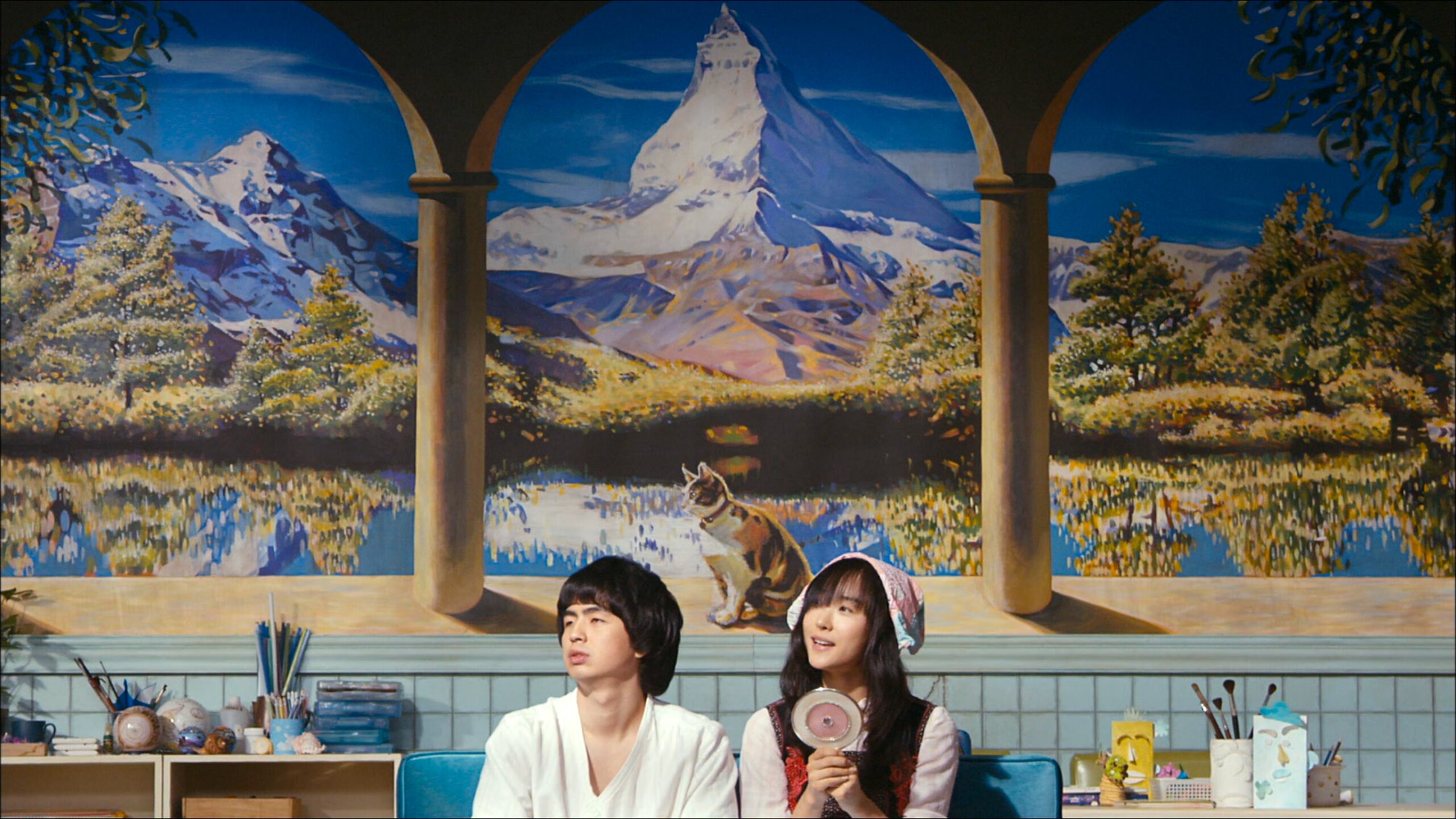
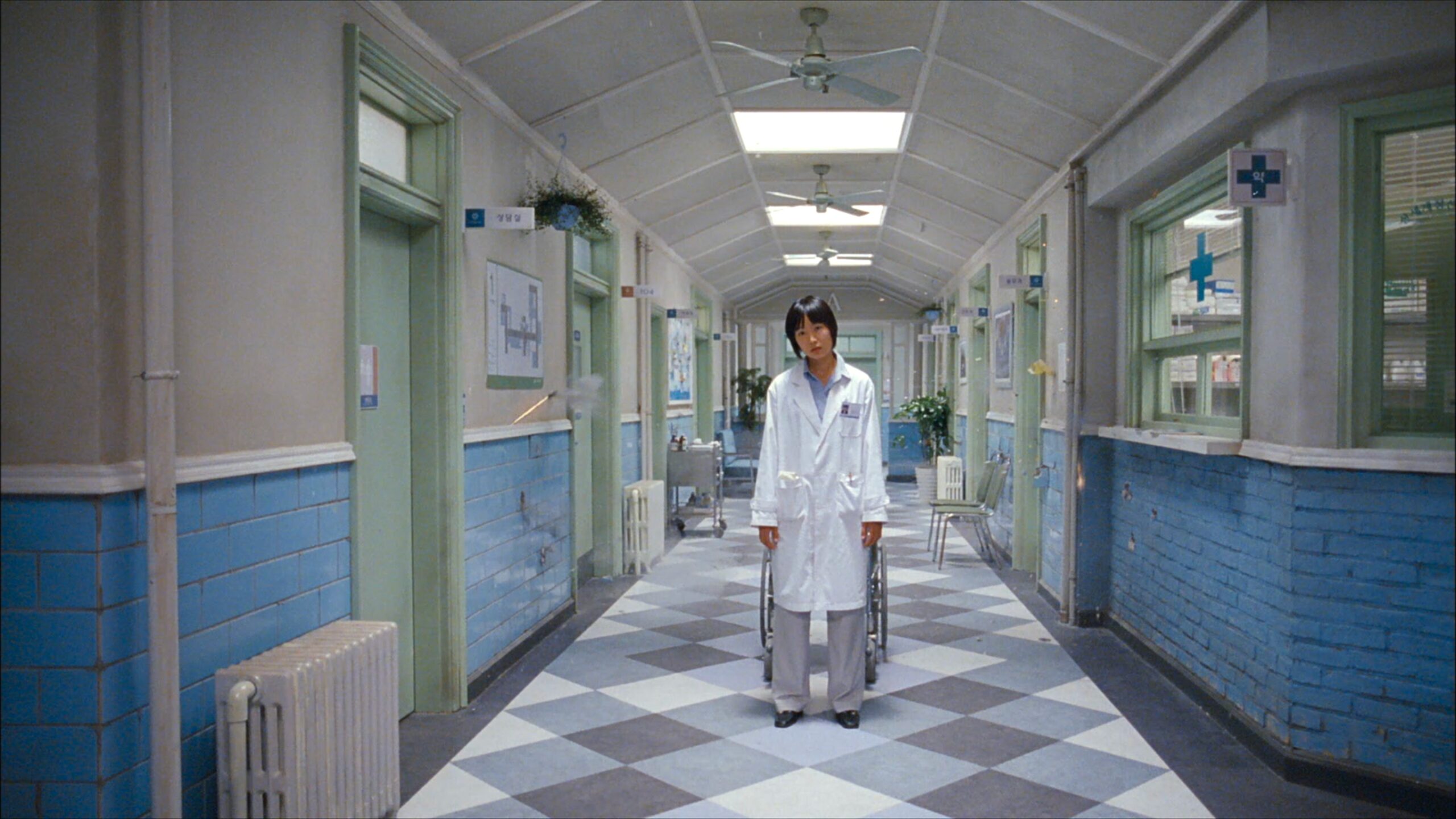
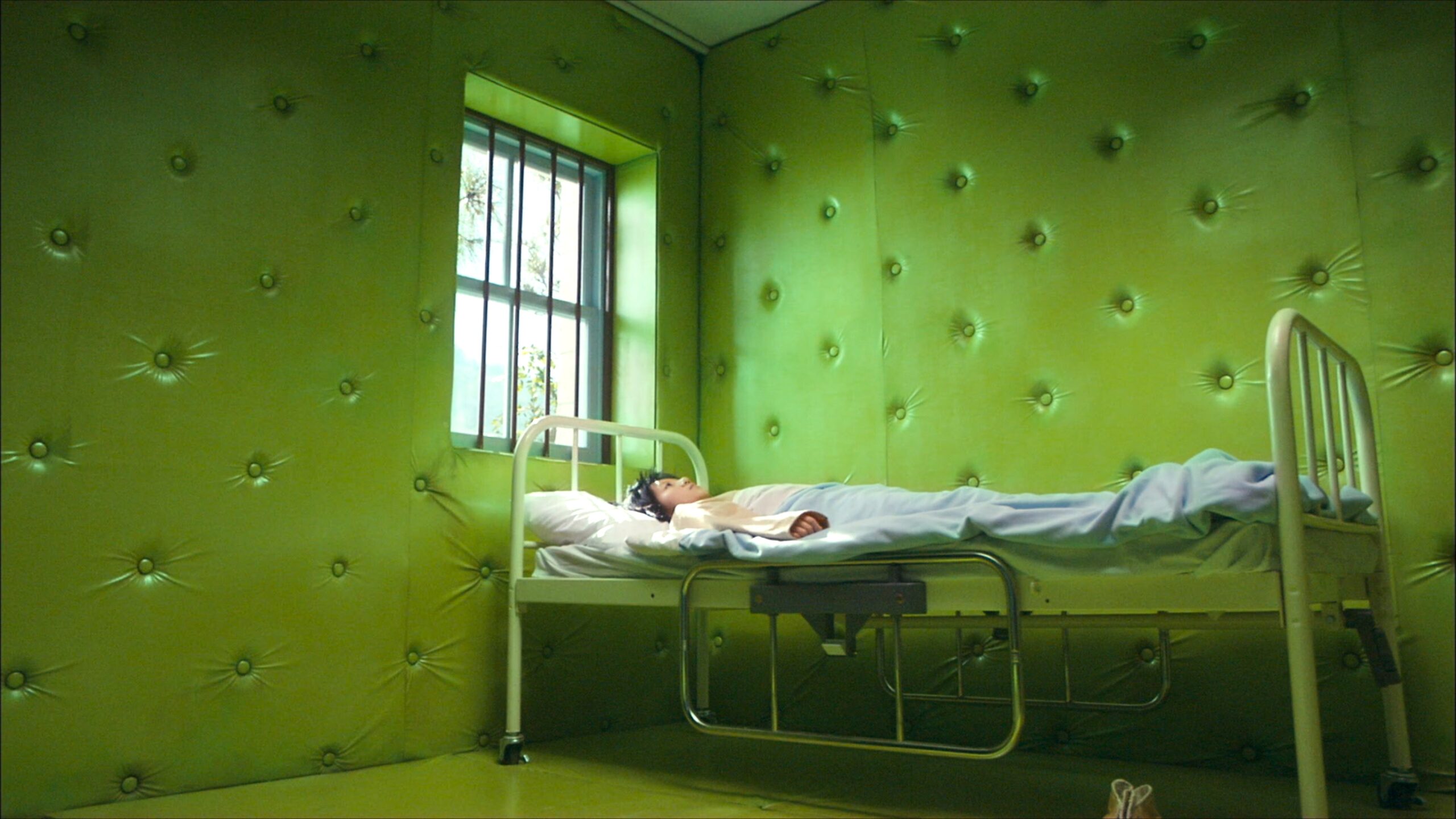
I’m a Cyborg, But That’s OK (2006)
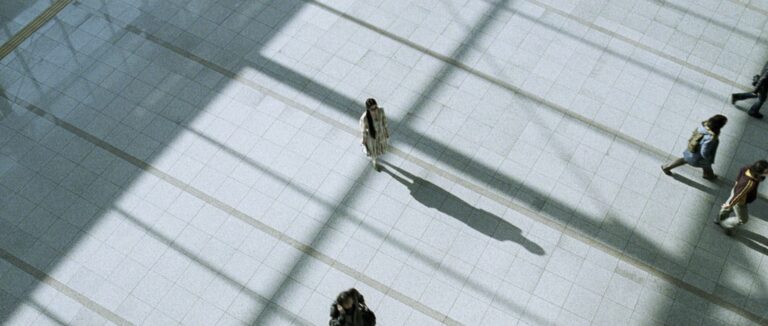
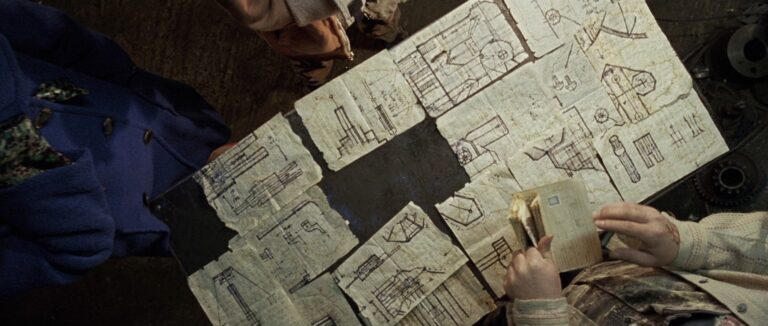
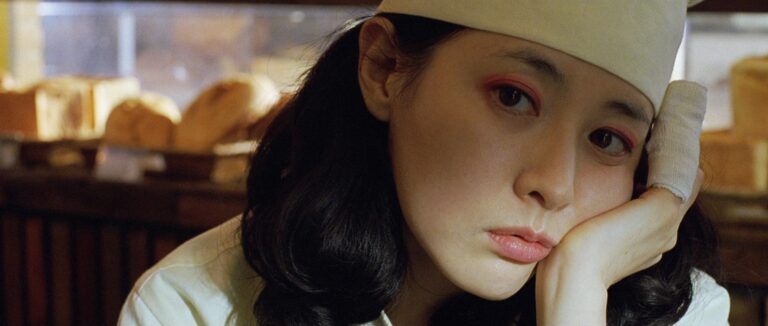
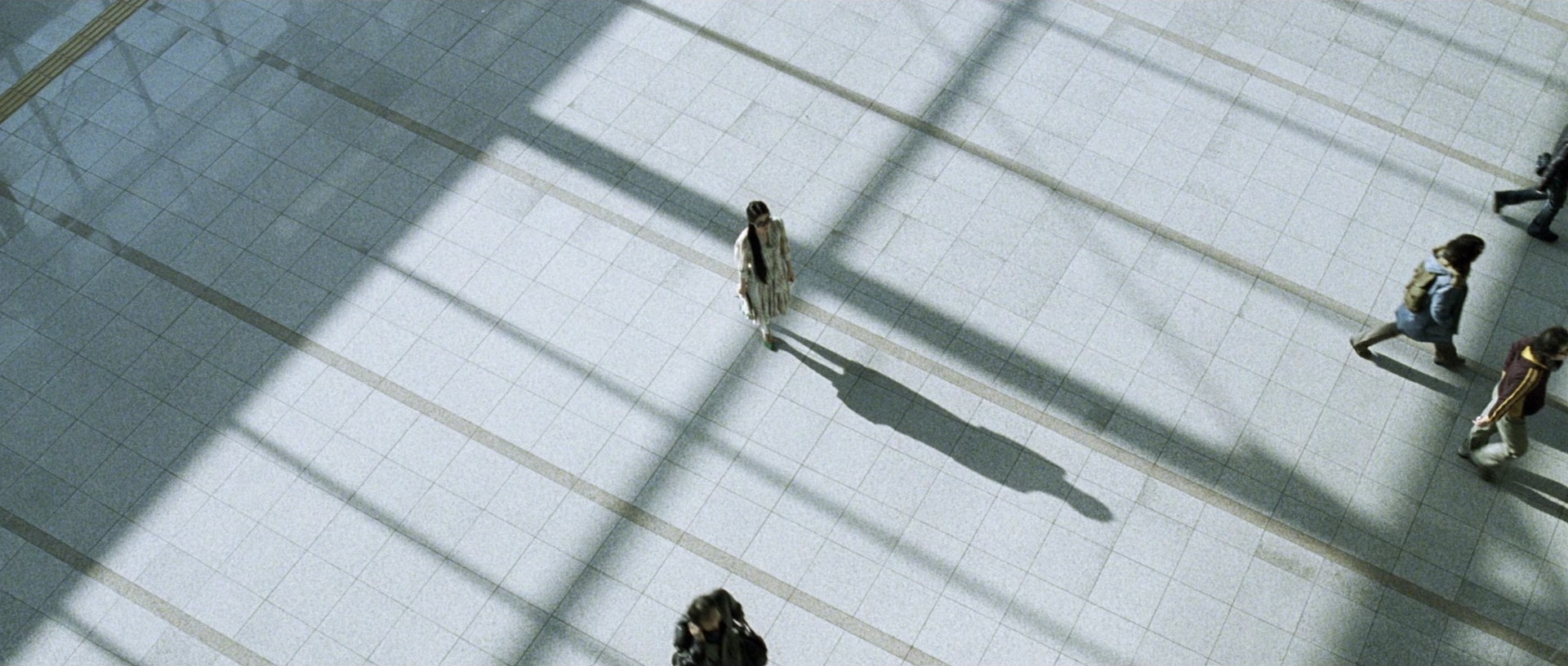
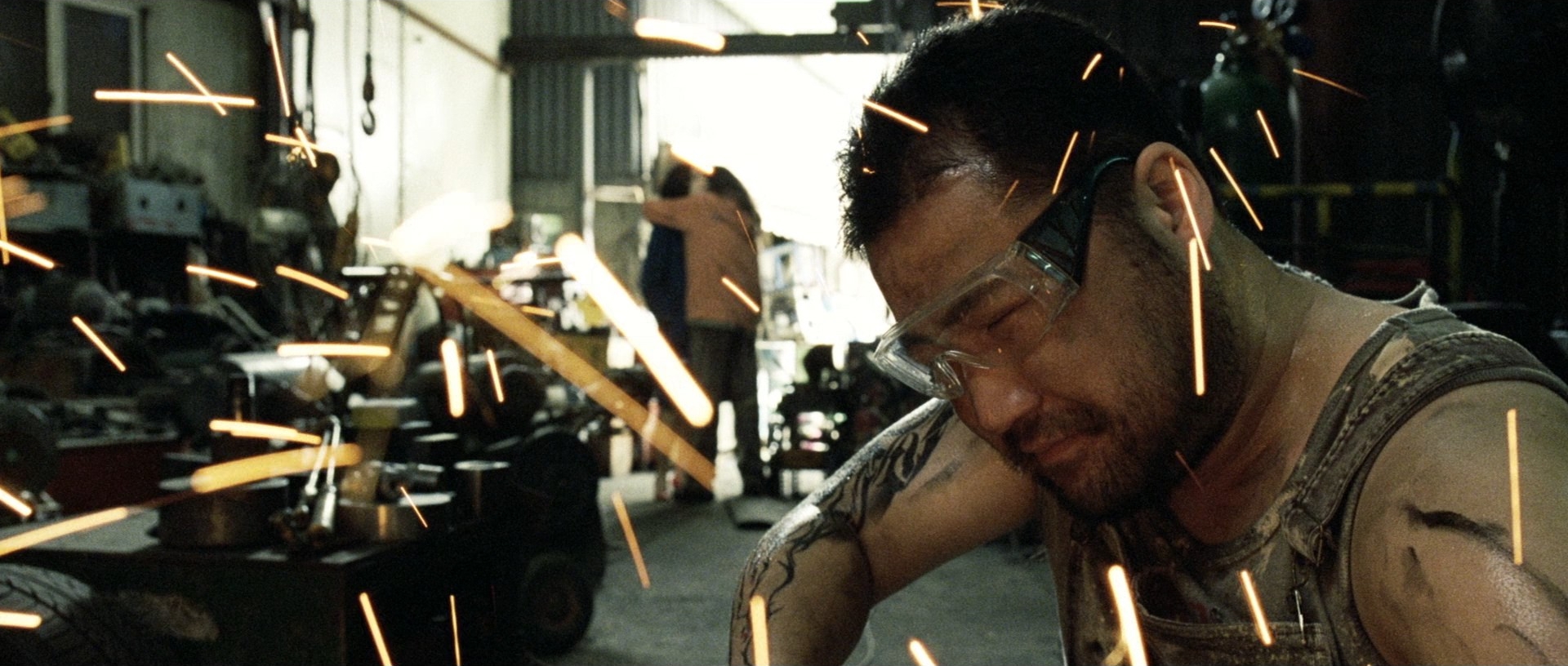
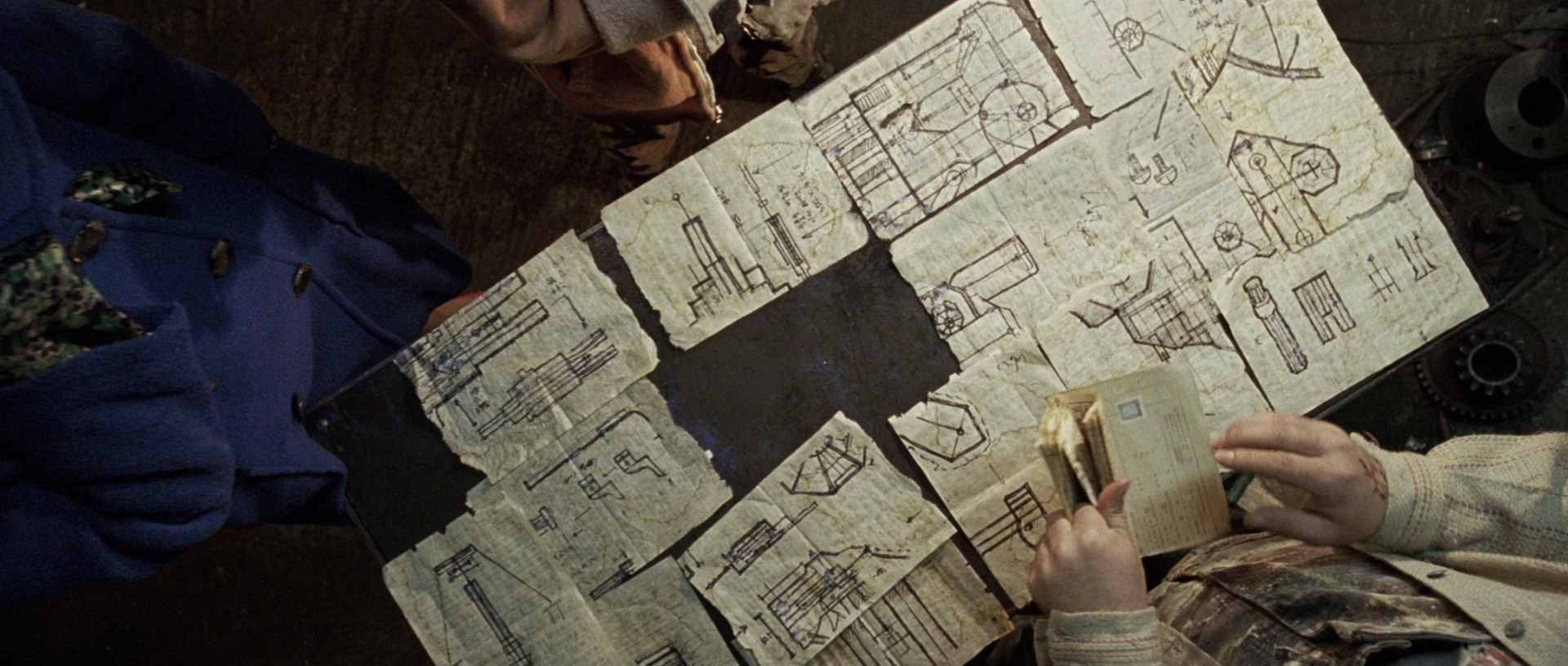
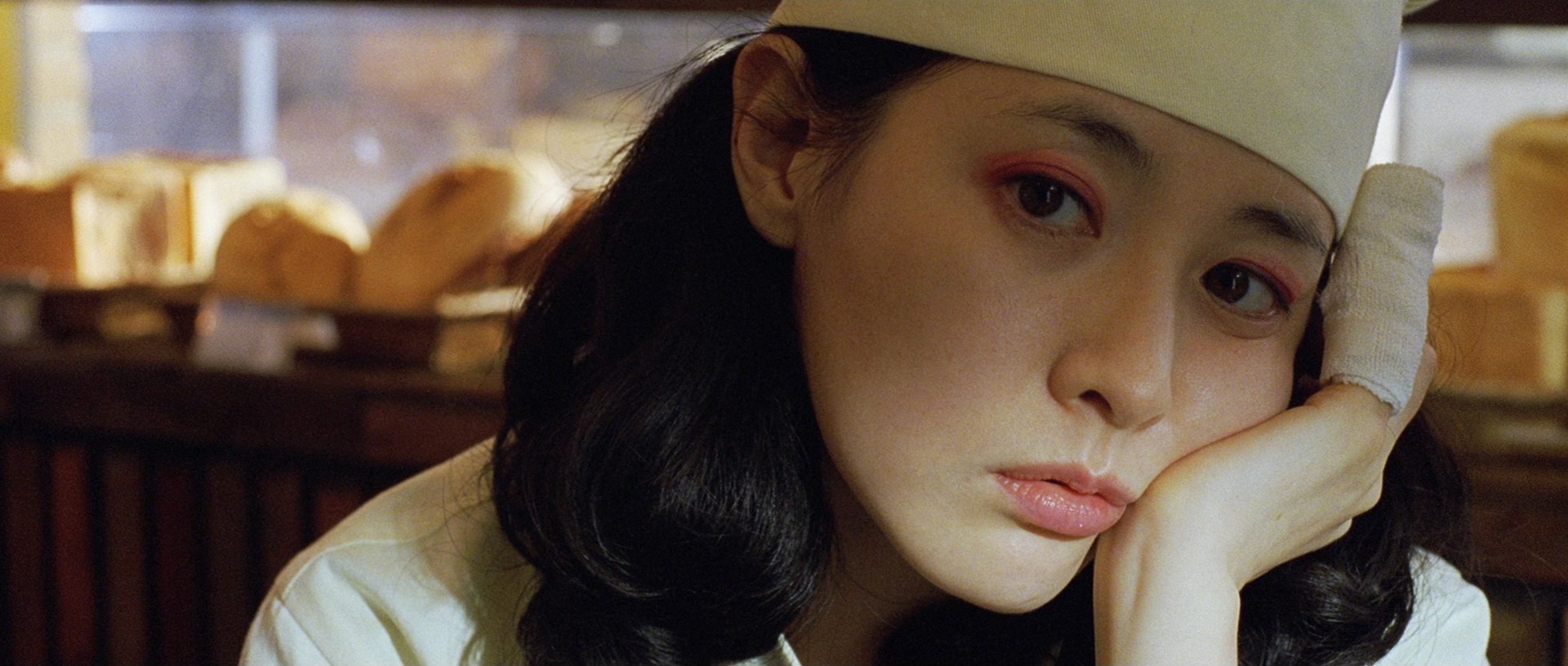
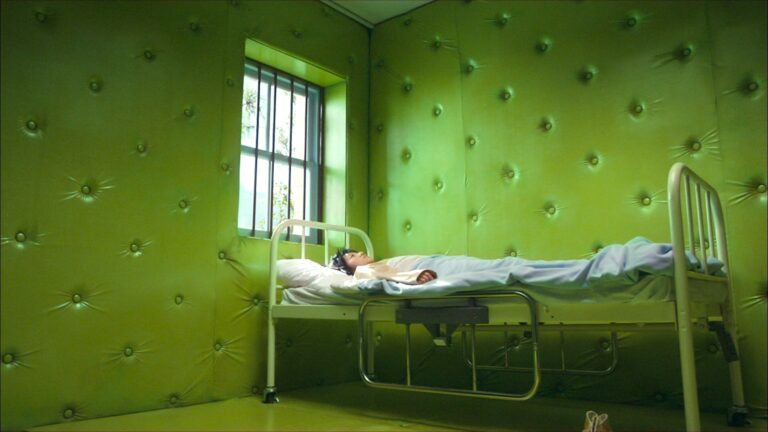
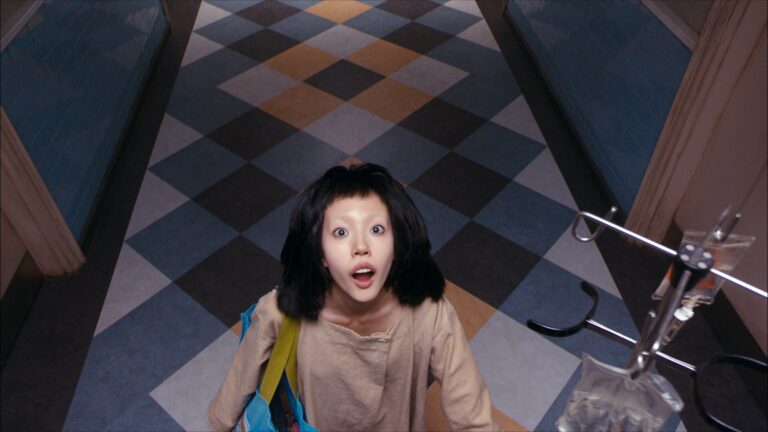
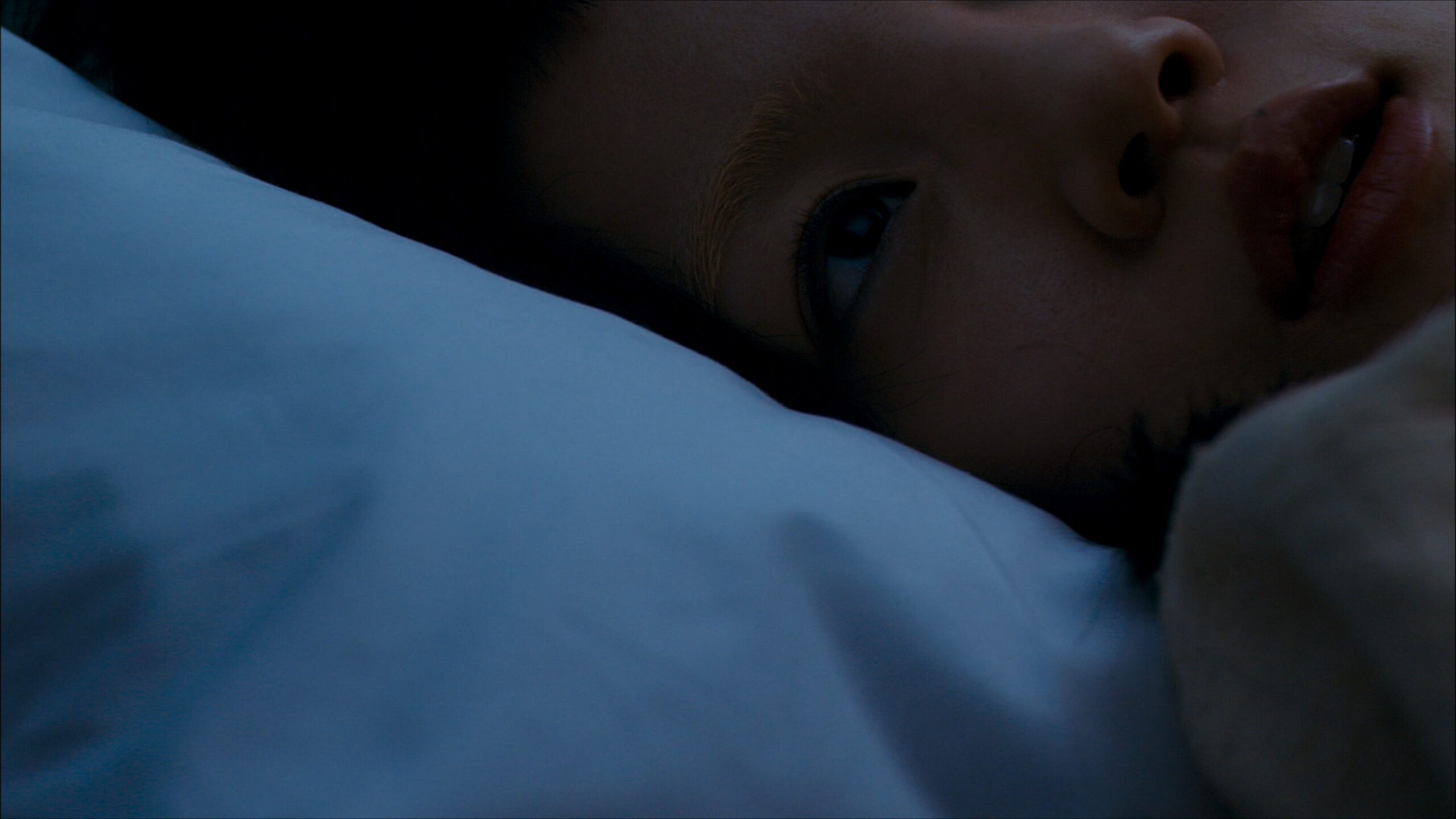
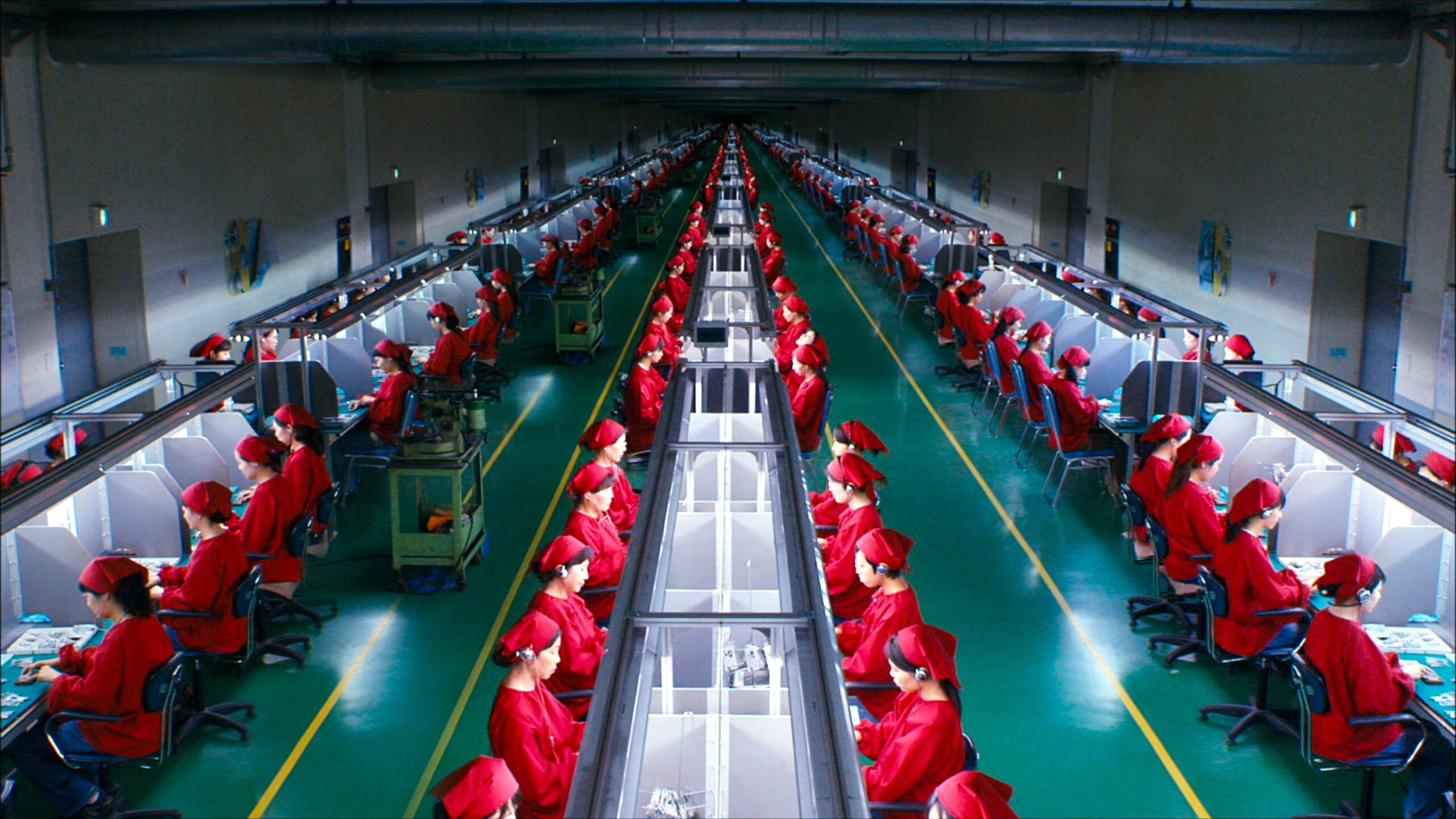
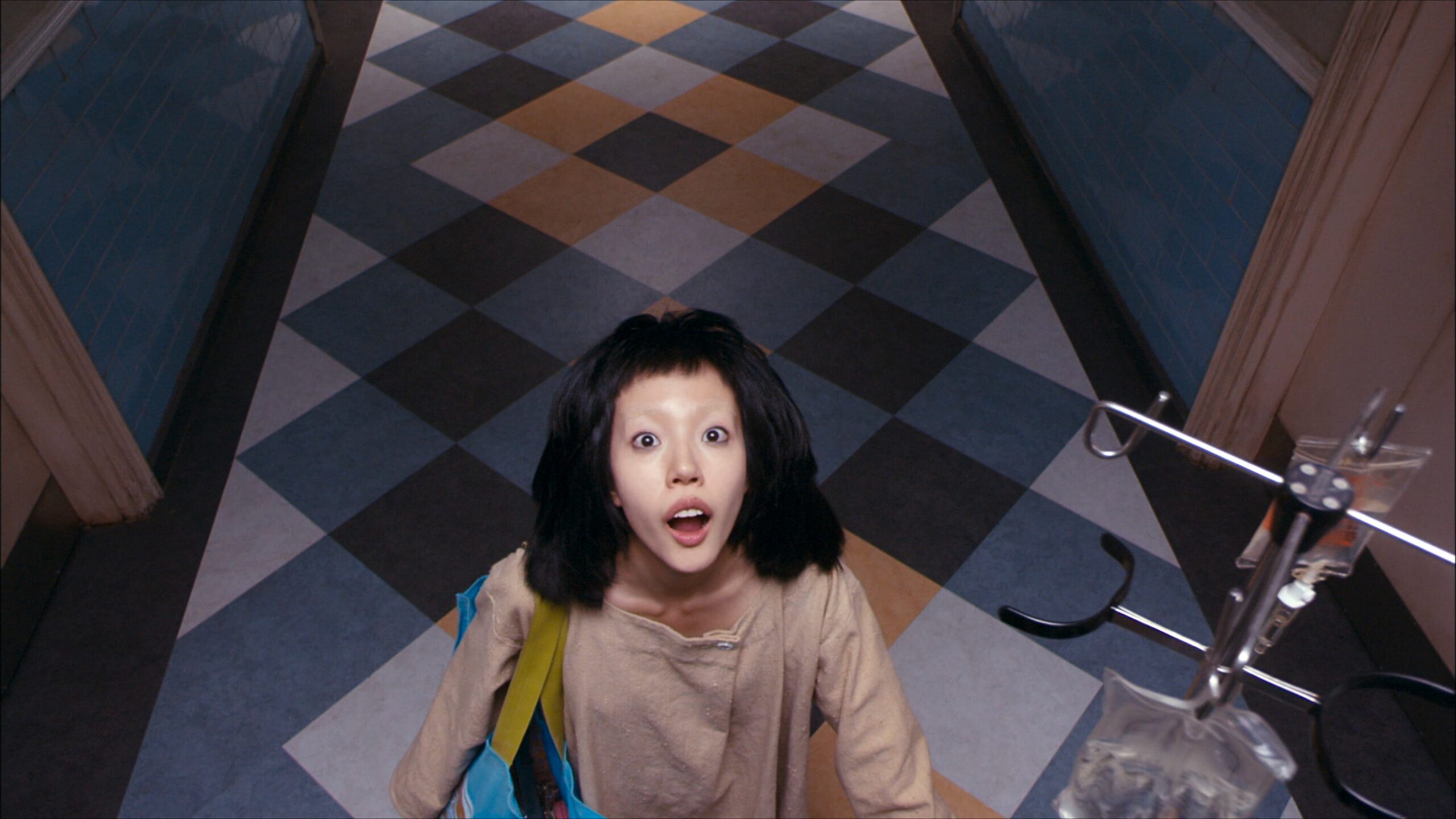
After believing she is a cyborg who must survive on batteries instead of food, a young woman named Young-goon is admitted to a psychiatric hospital filled with eccentric patients. There she forms an unusual connection with Il-soon, a gentle thief who claims he can steal people’s abilities and emotions. As their relationship deepens within the institution’s strange internal logic, the film unfolds as a whimsical yet emotionally sincere exploration of loneliness, delusion, love, and the desire to be understood.
Park and cinematographer Chung Chung-hoon depart from the dark, violent aesthetic of Park’s revenge films in favor of a bright, pastel-toned visual world filled with mechanical whimsy and surreal fantasy imagery. The psychiatric hospital is photographed with soft lighting, mint greens, pinks, and carefully composed symmetrical spaces that make the institution feel simultaneously clinical and dreamlike. Park frequently visualizes Young-goon’s inner fantasies through stylized inserts, animated interfaces, exaggerated sound design, and abrupt tonal shifts between romance, comedy, and psychological distress. The result is a delicate blend of melancholy and absurdity, where imagination becomes both emotional refuge and visual language.





TELEVISION SERIES
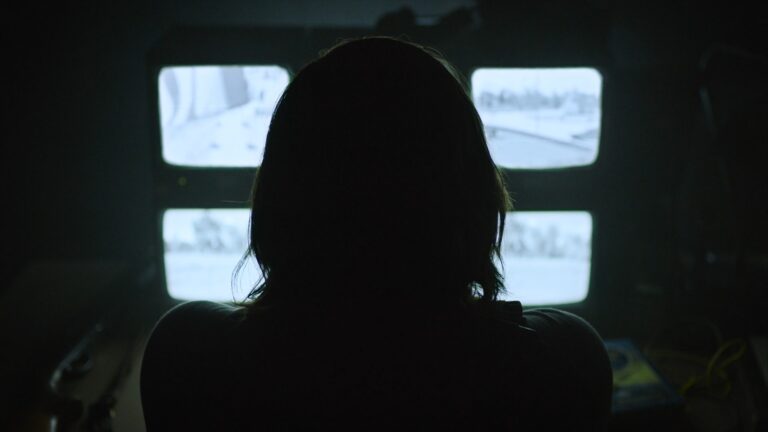
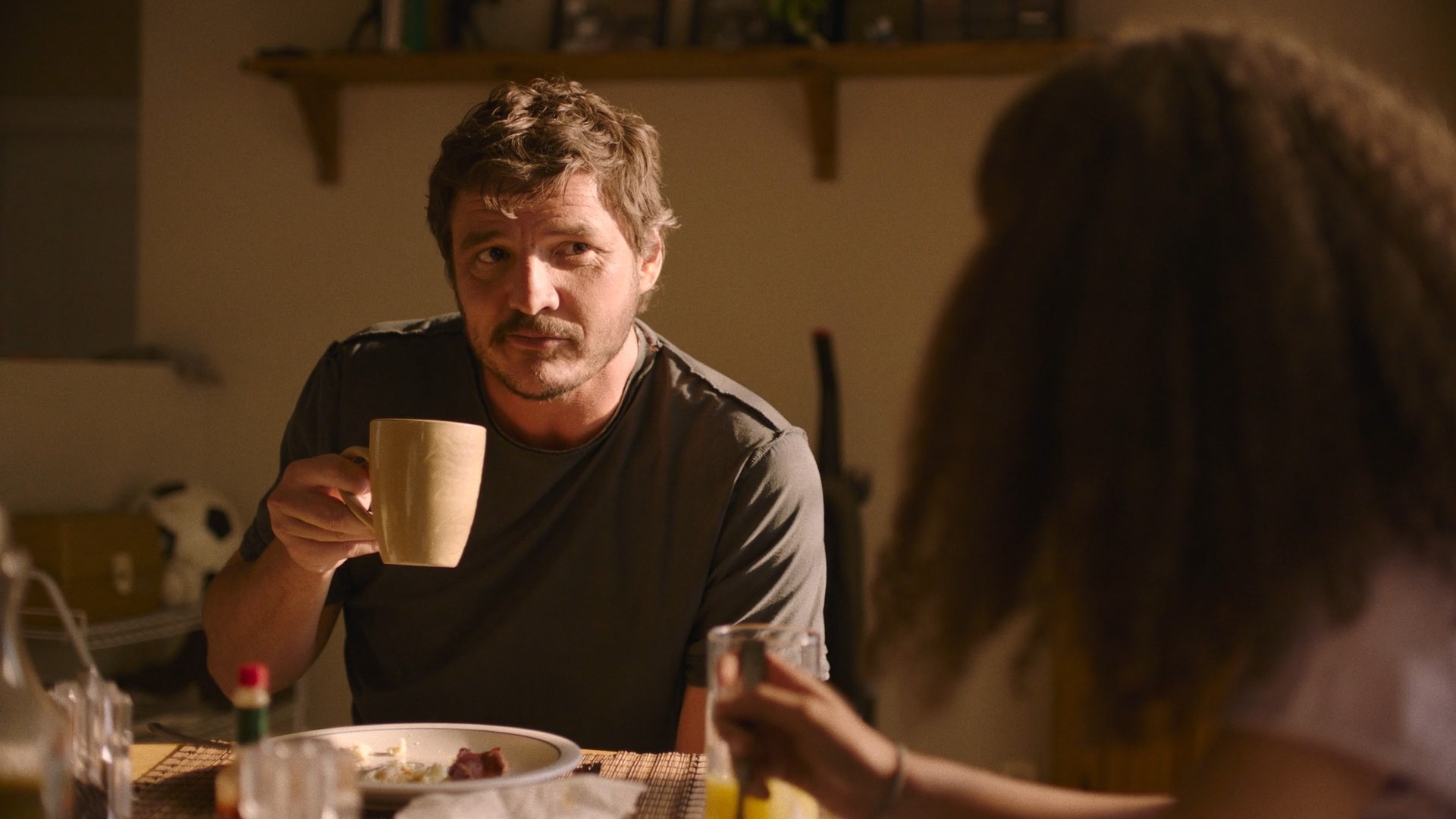
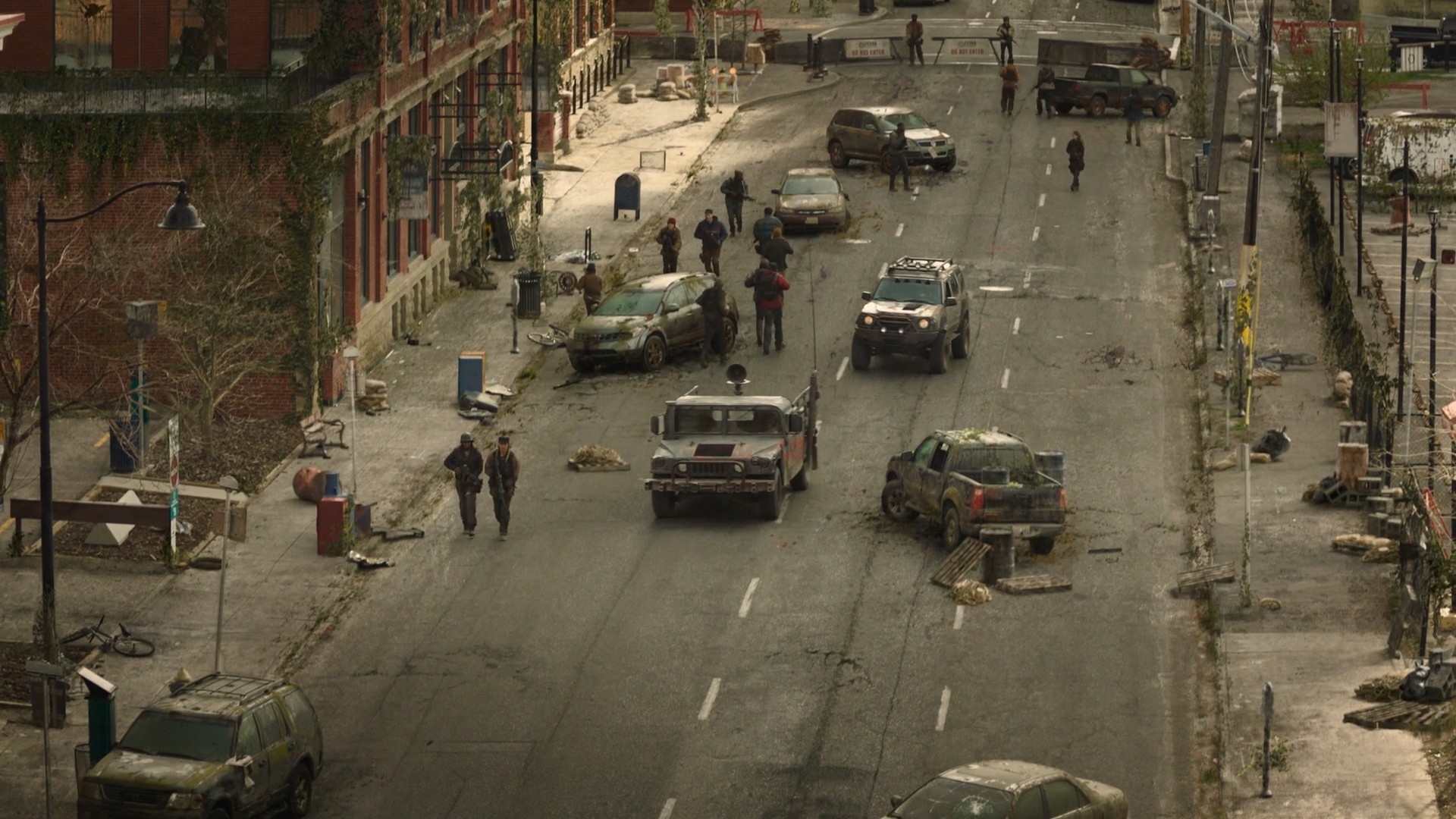
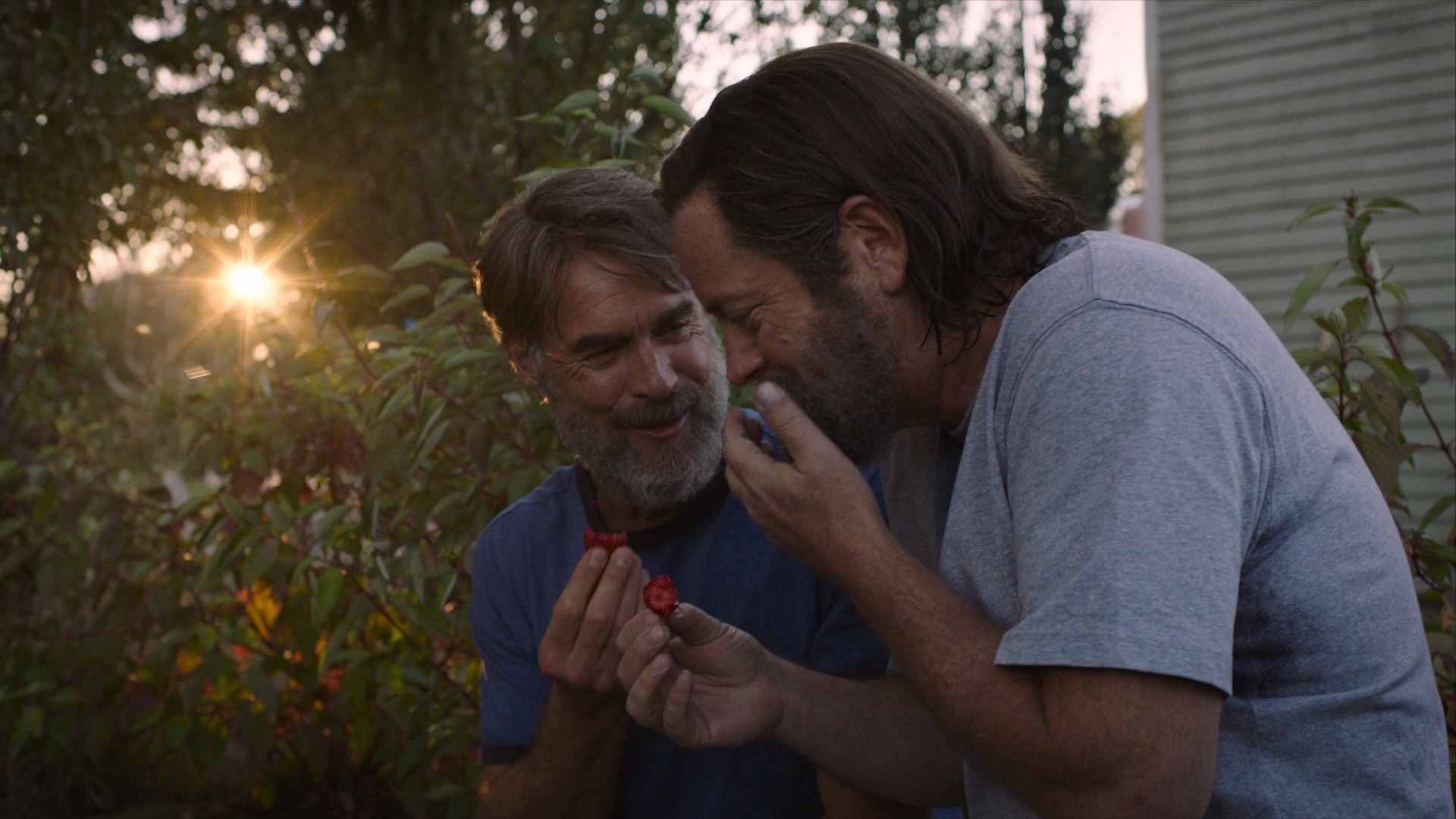
The Last of Us: Season 1 (2023)
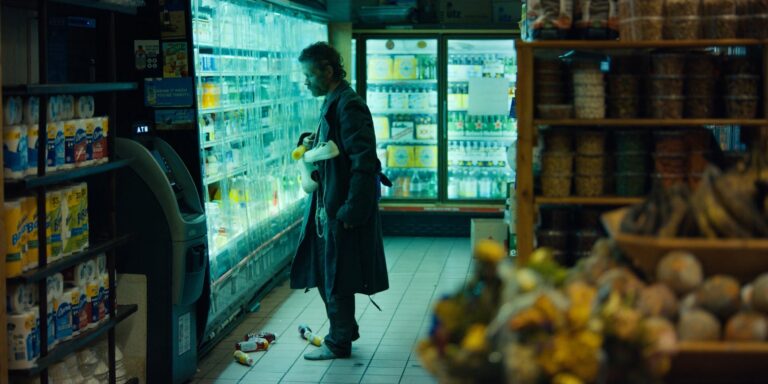
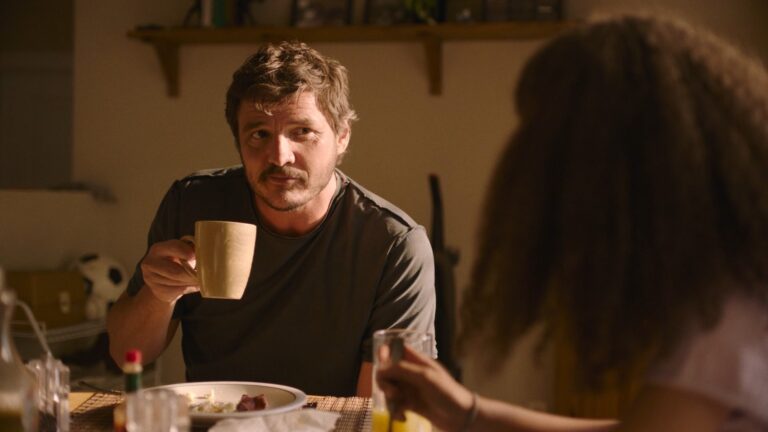
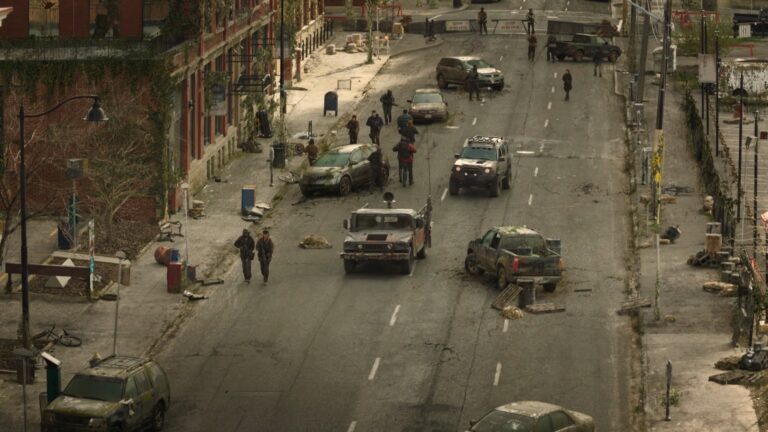
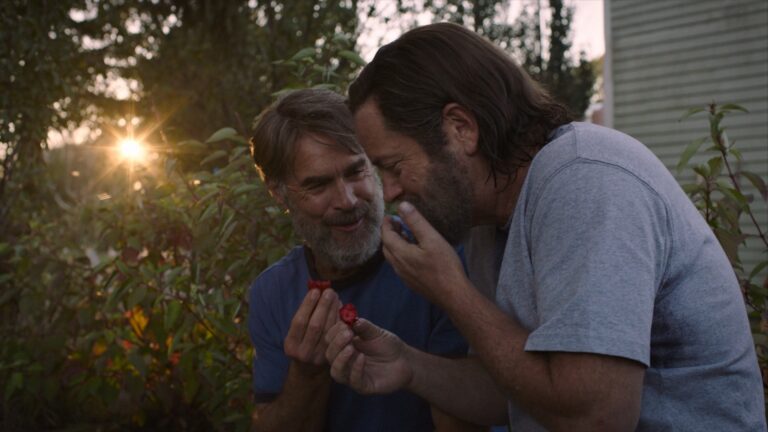
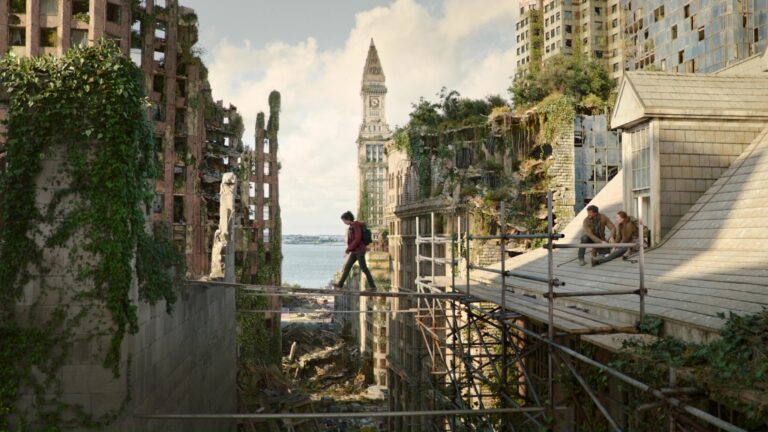
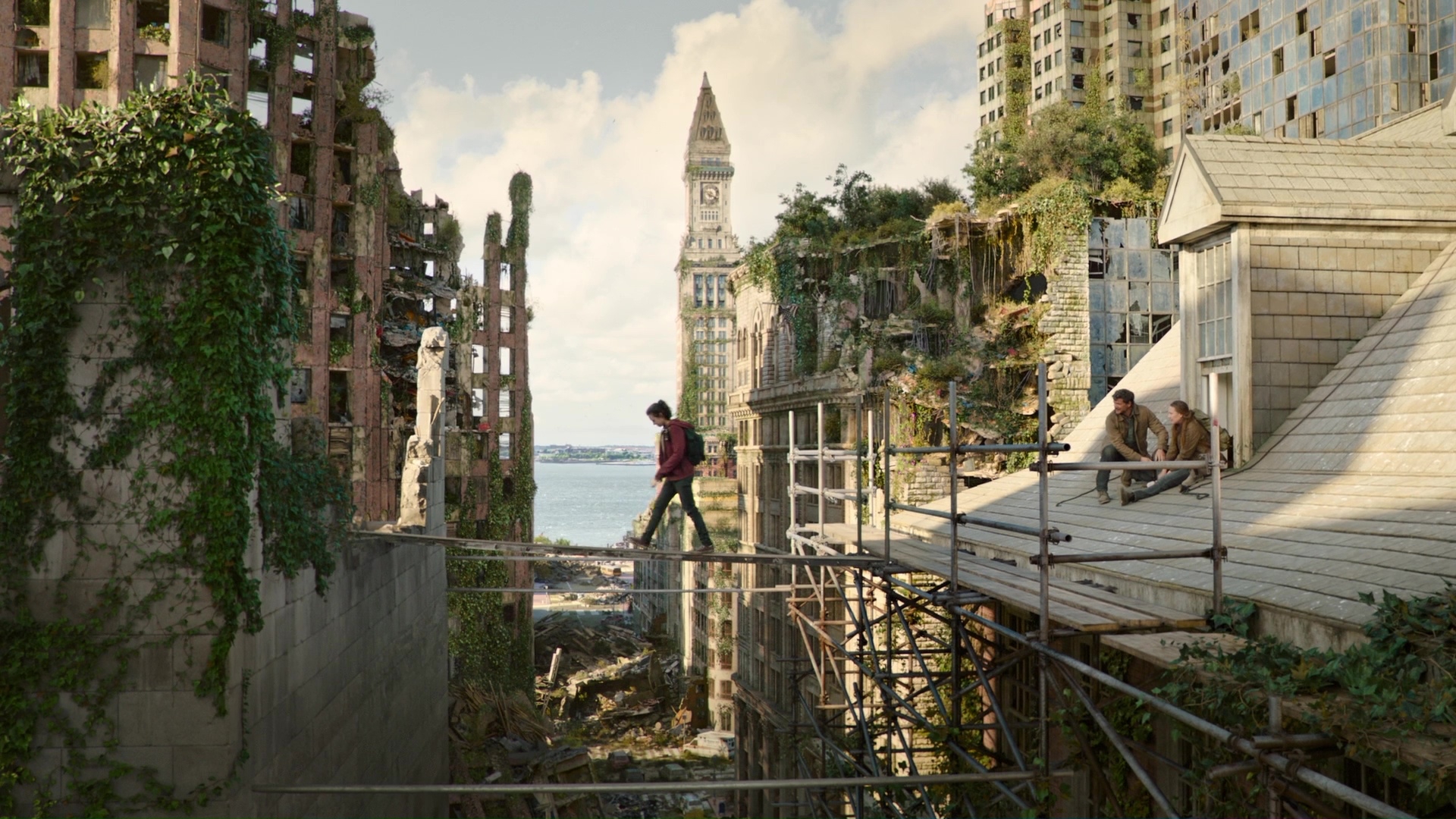
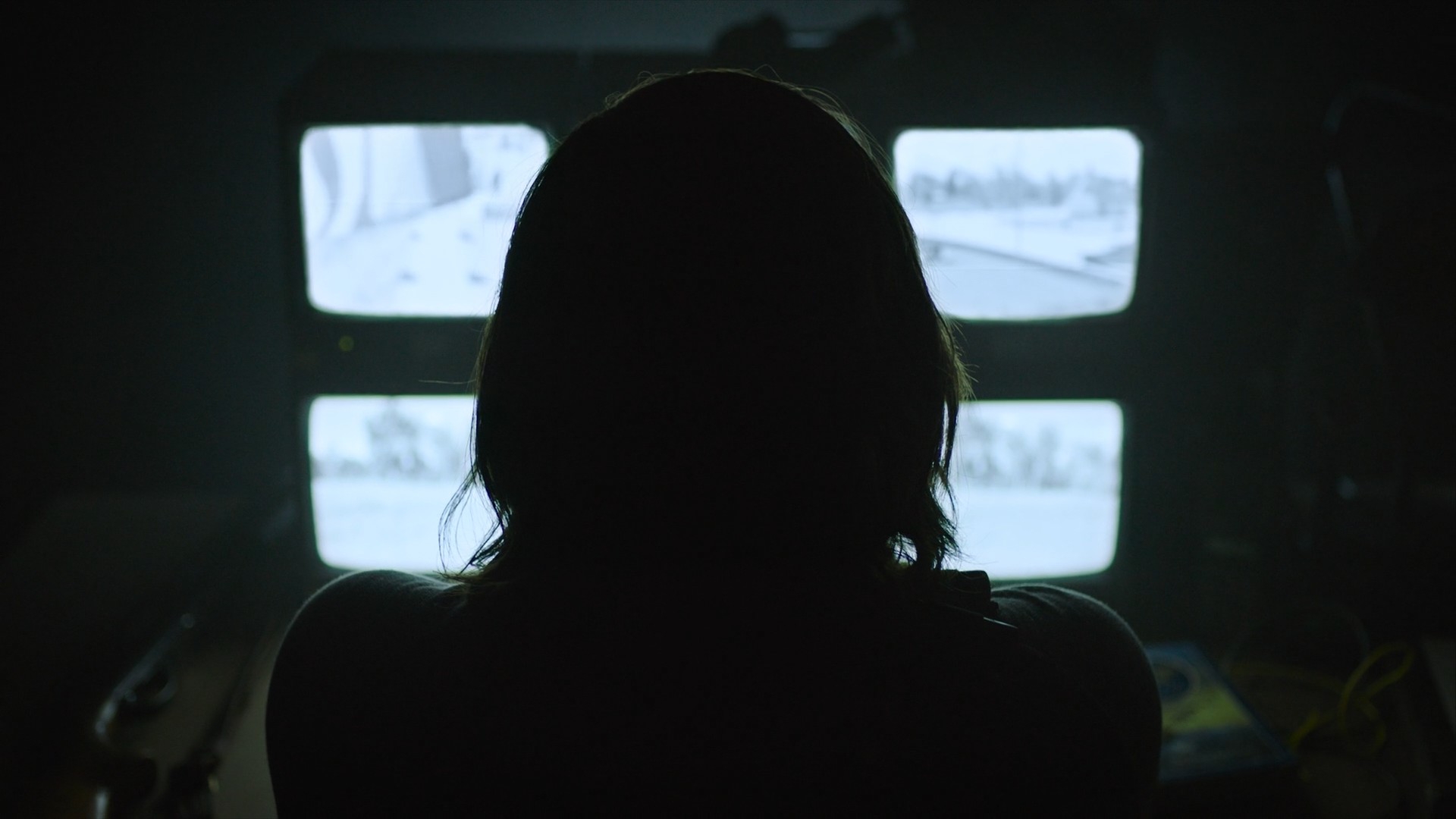
Twenty years after a fungal pandemic devastates civilization and transforms infected humans into violent creatures, hardened smuggler Joel is tasked with escorting a teenage girl named Ellie across a collapsed United States. As the two travel through quarantined cities, abandoned towns, and dangerous wilderness, they encounter violent survivors, militant groups, and the lingering trauma of societal collapse. Their journey gradually evolves from reluctant partnership into a profound emotional bond centered on grief, survival, love, and the moral cost of protecting those we care about.
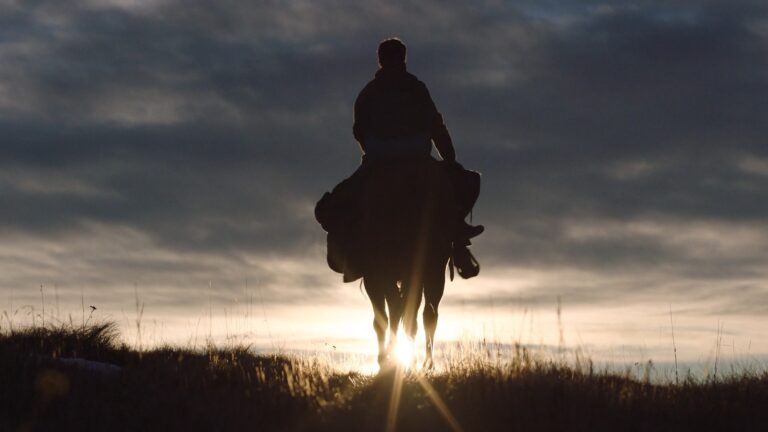
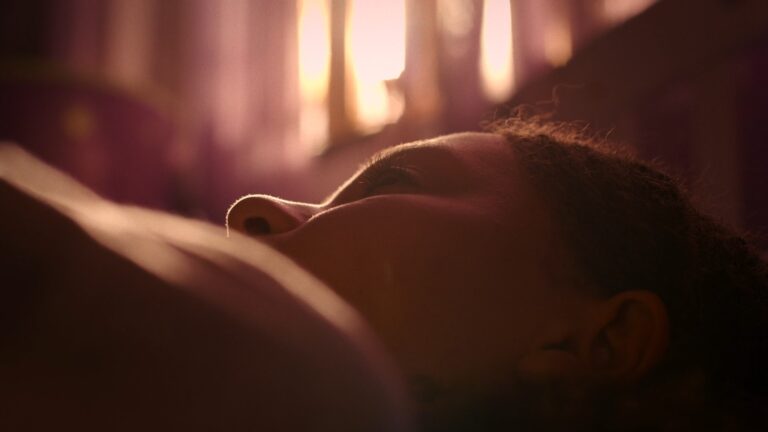
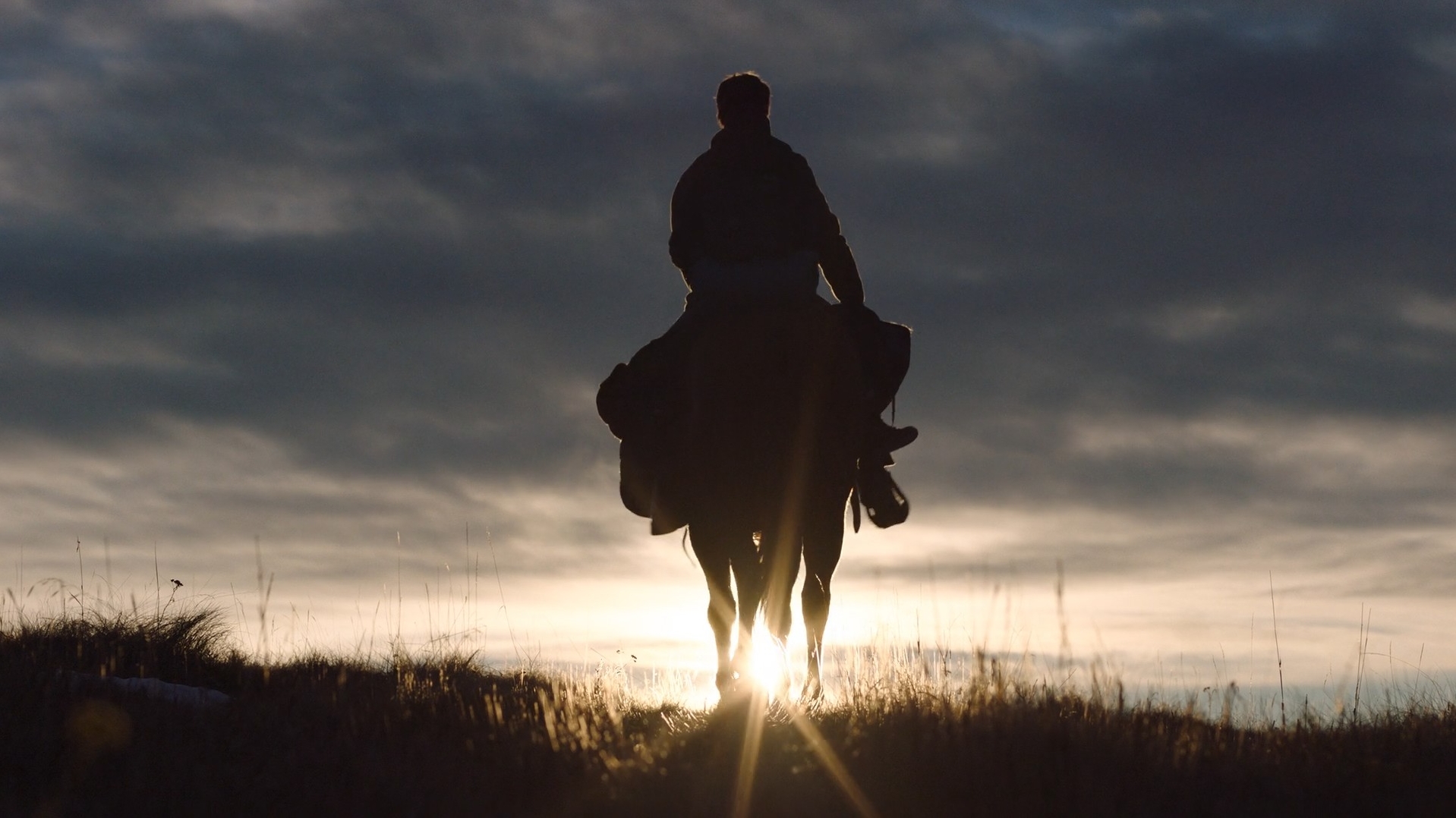
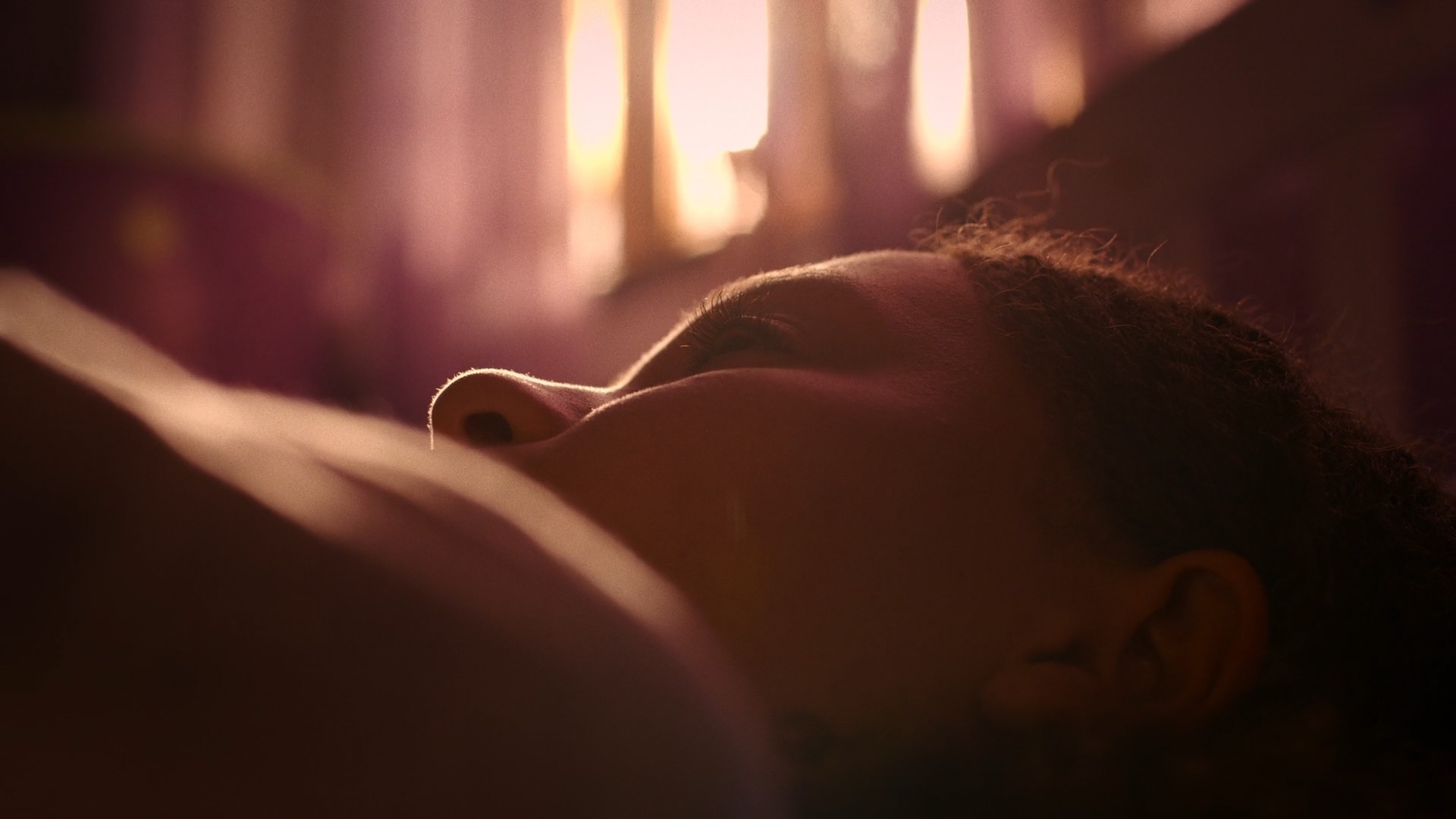
Season 1 blends grounded post-apocalyptic realism with moments of haunting natural beauty, using overgrown urban landscapes, muted earth tones, and soft natural lighting to depict a world slowly reclaimed by nature. Cinematographers Ksenia Sereda and Eben Bolter emphasize intimacy and emotional realism through restrained handheld camerawork, lingering close-ups, and quiet environmental observation rather than nonstop spectacle. The production design carefully contrasts decayed modern infrastructure with organic fungal growth, turning infection itself into part of the world’s visual architecture. Across the season, the imagery frequently prioritizes silence, stillness, and human vulnerability—allowing abandoned spaces, weather, and physical distance between characters to carry emotional weight as strongly as dialogue or action.


FILM SPOTLIGHT
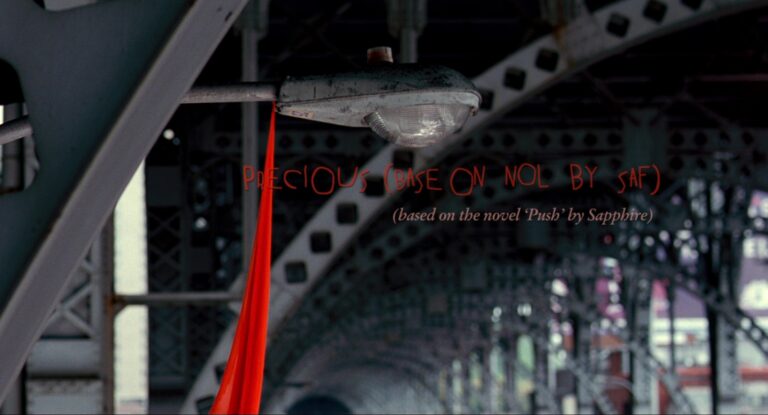
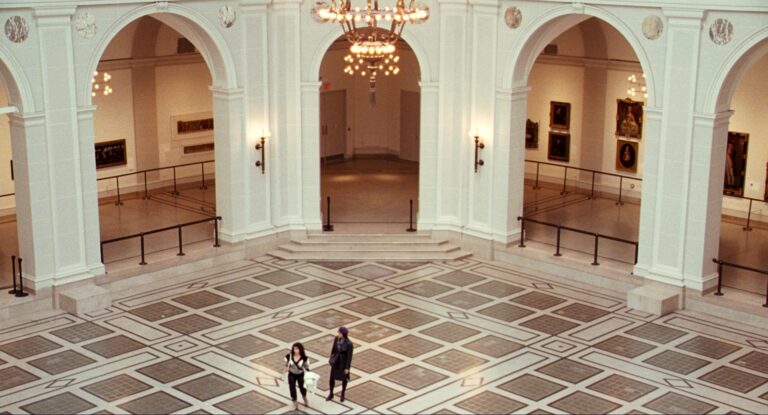
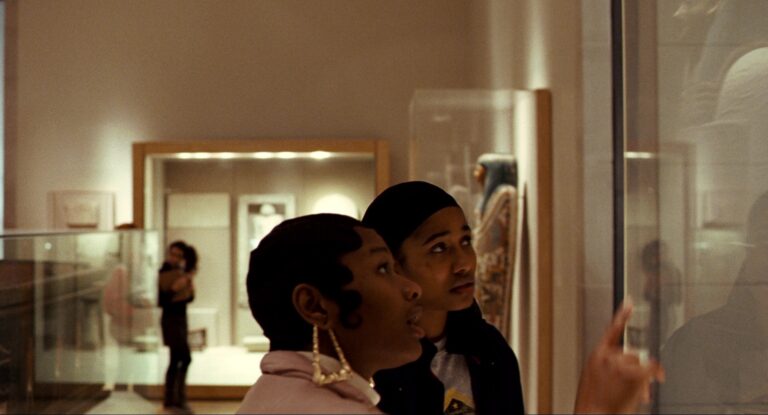
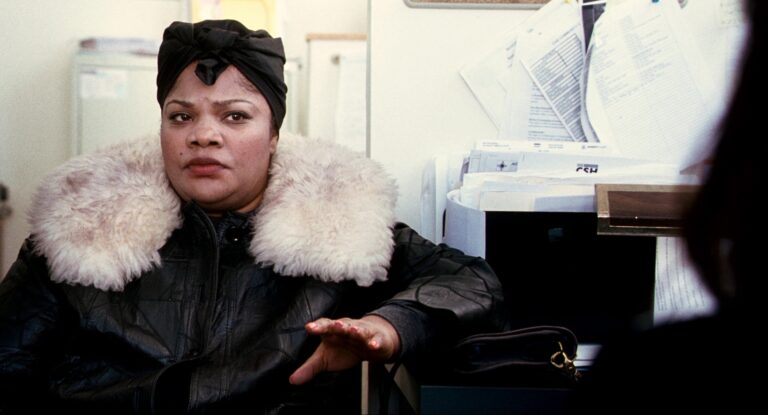
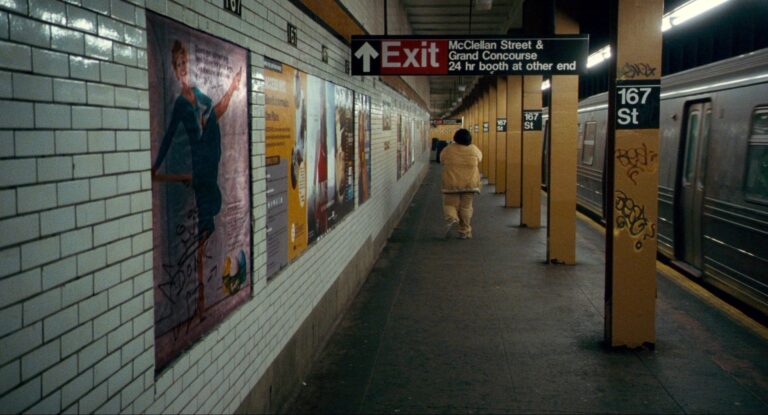
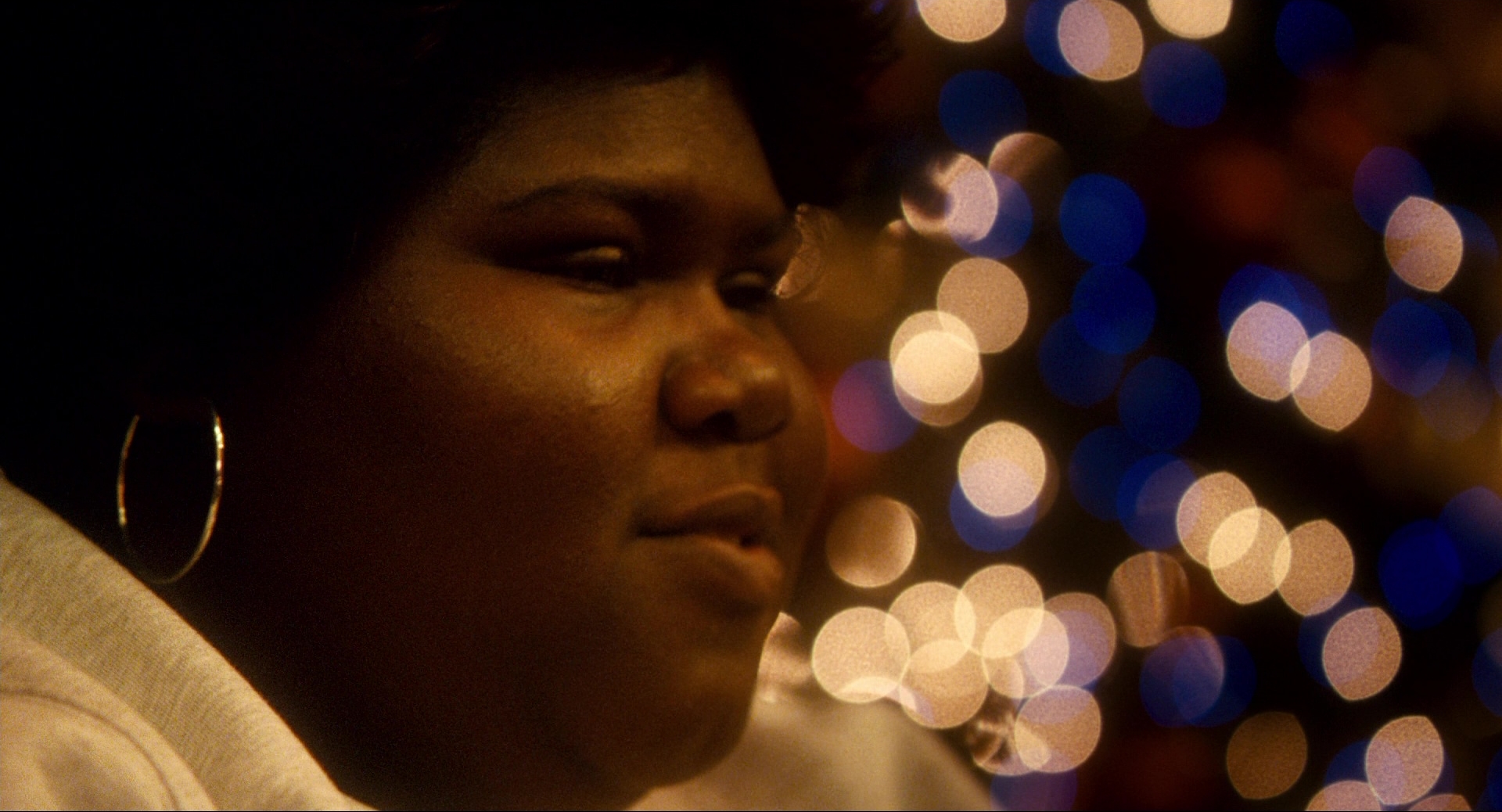
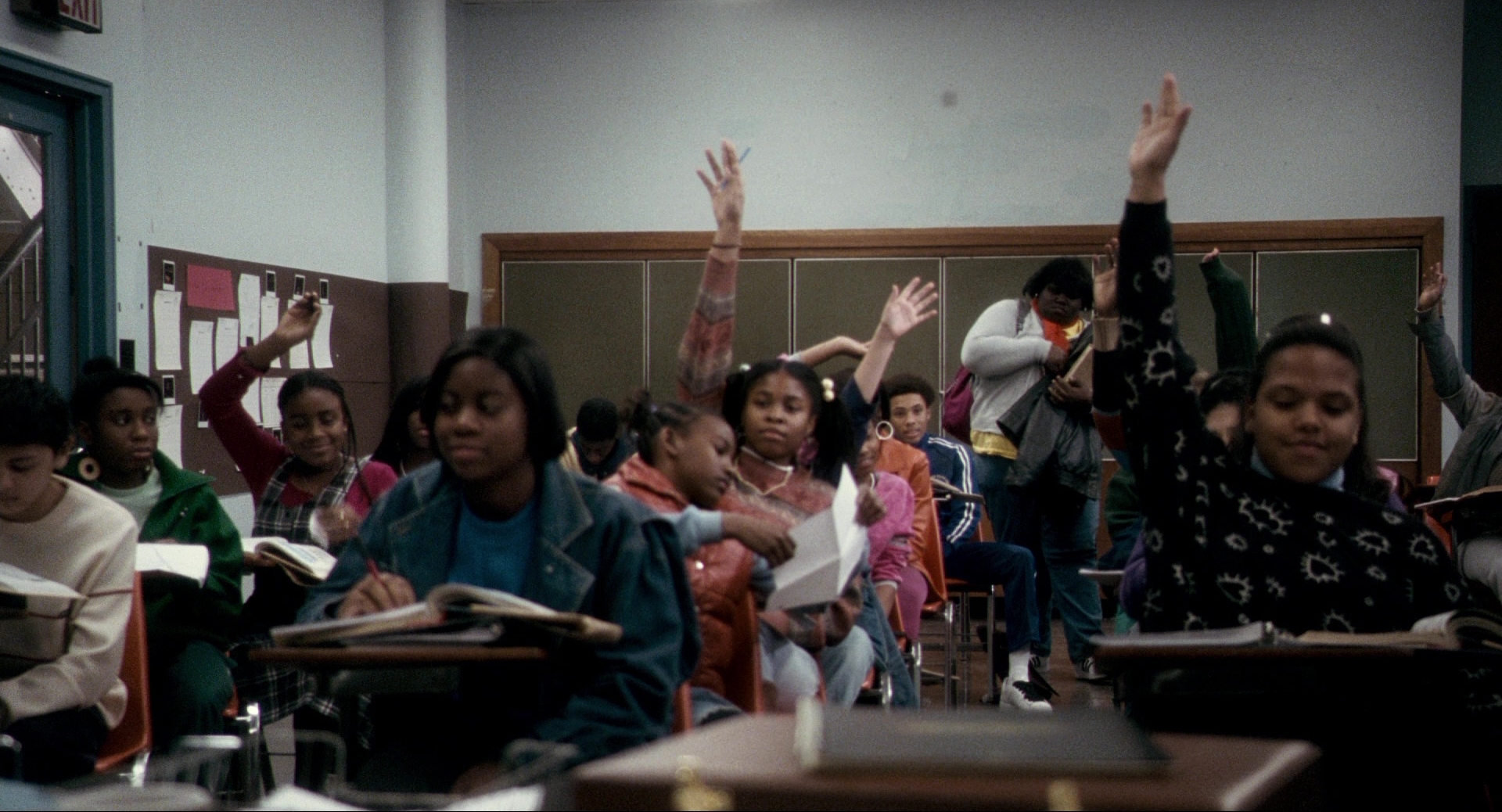
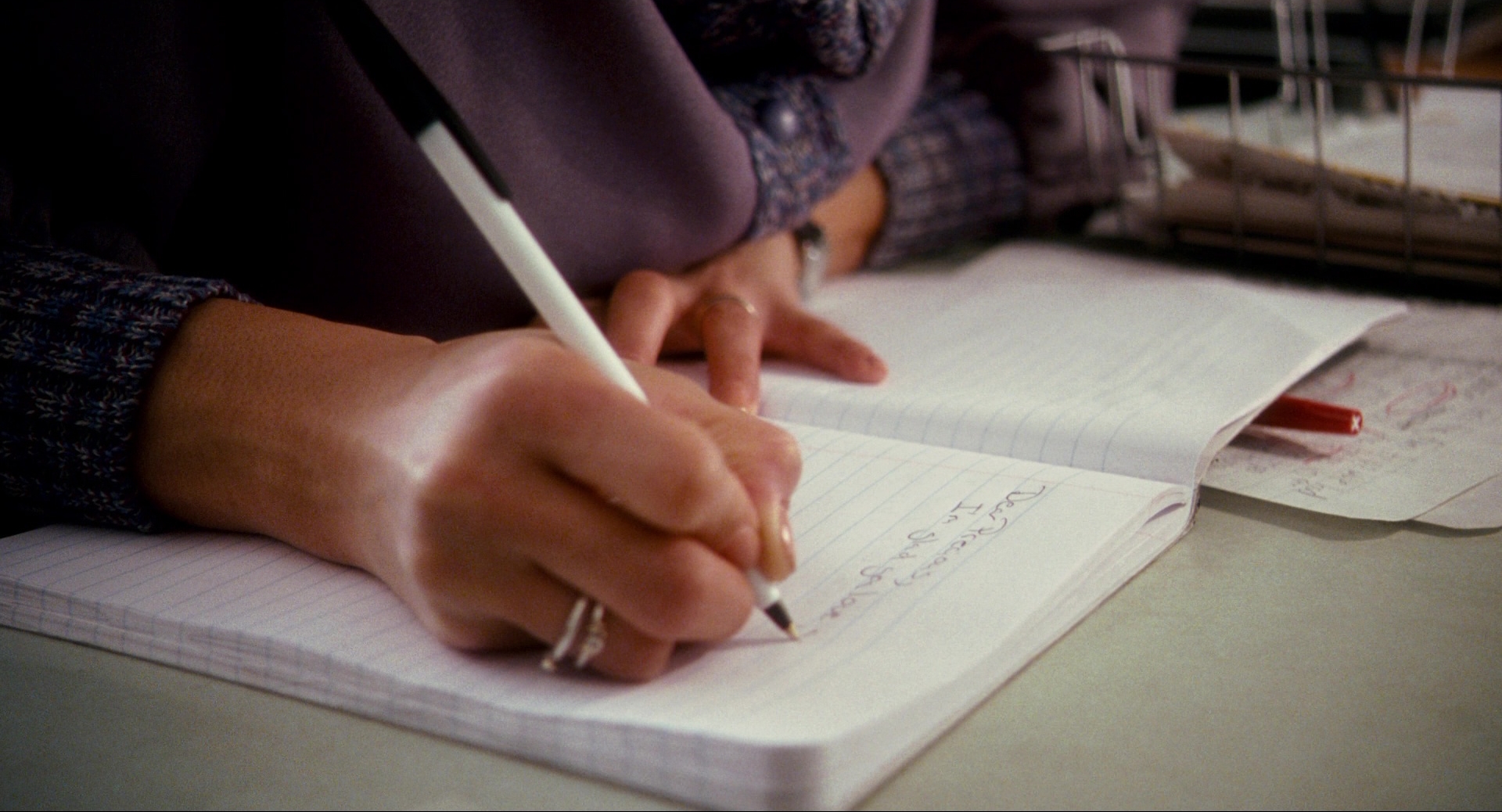
Precious (2009)
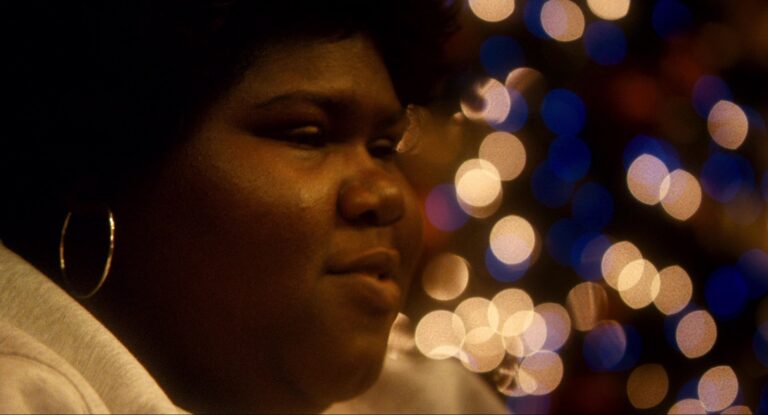
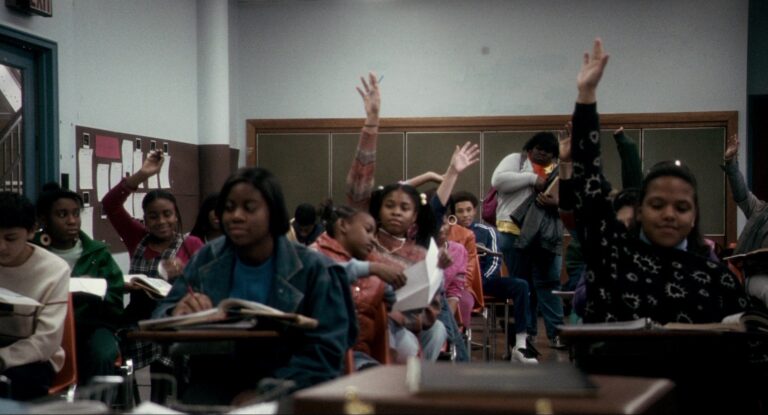
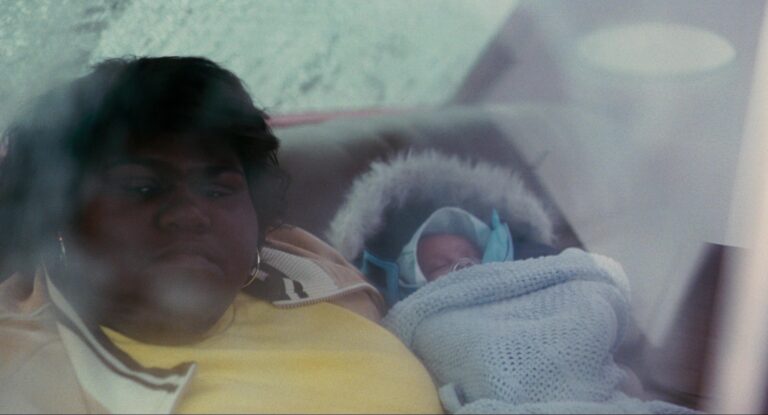
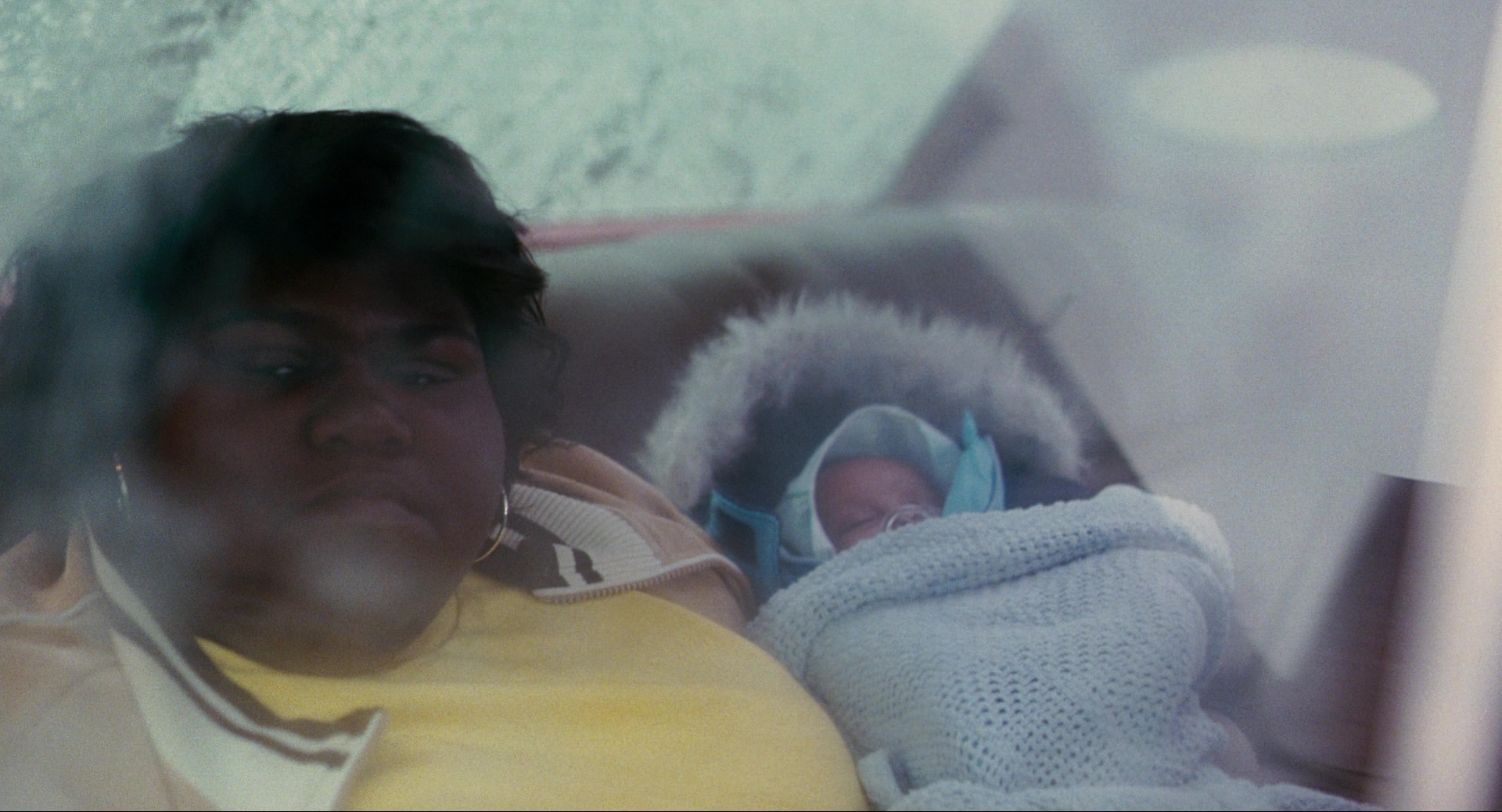
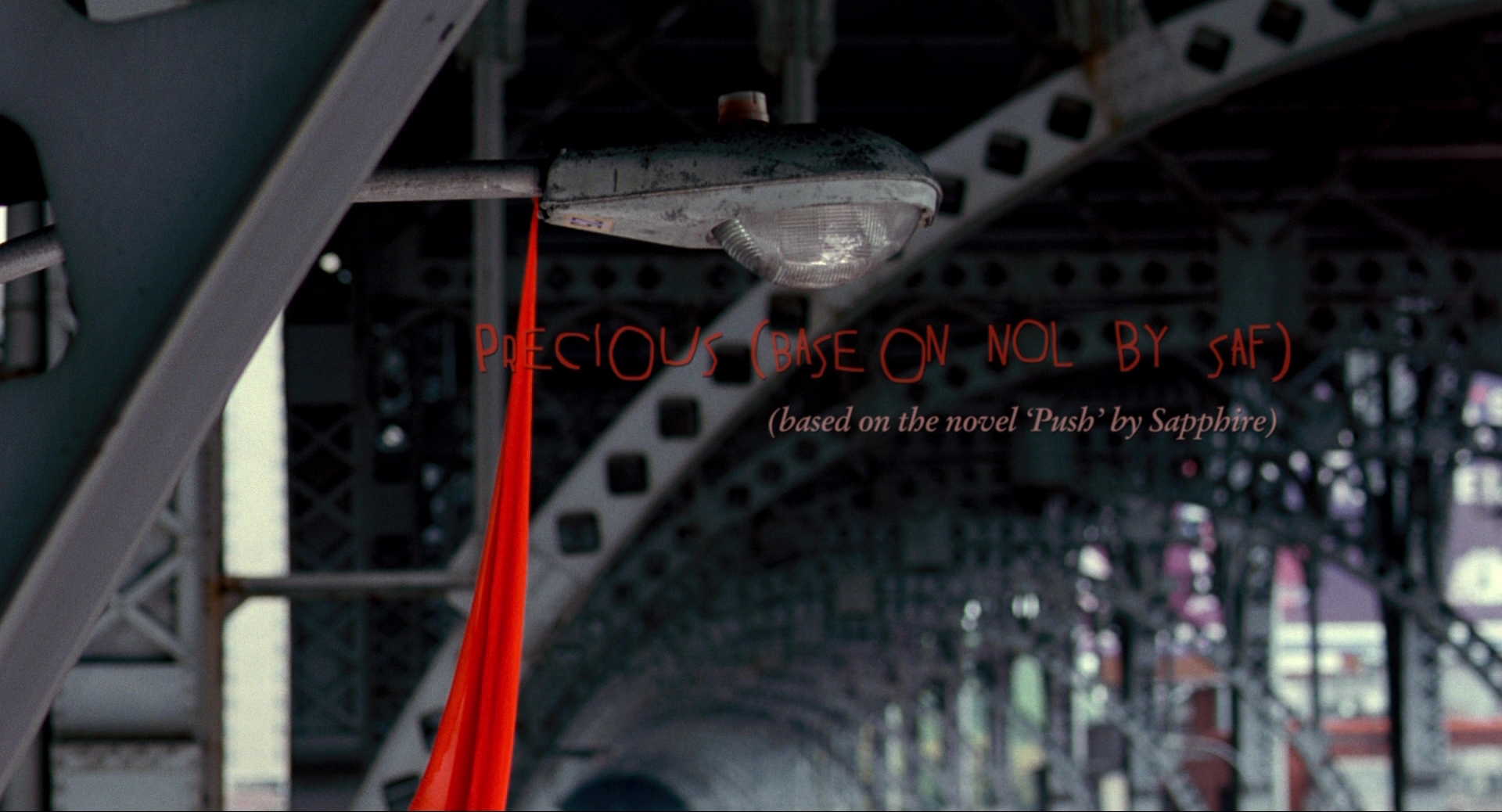
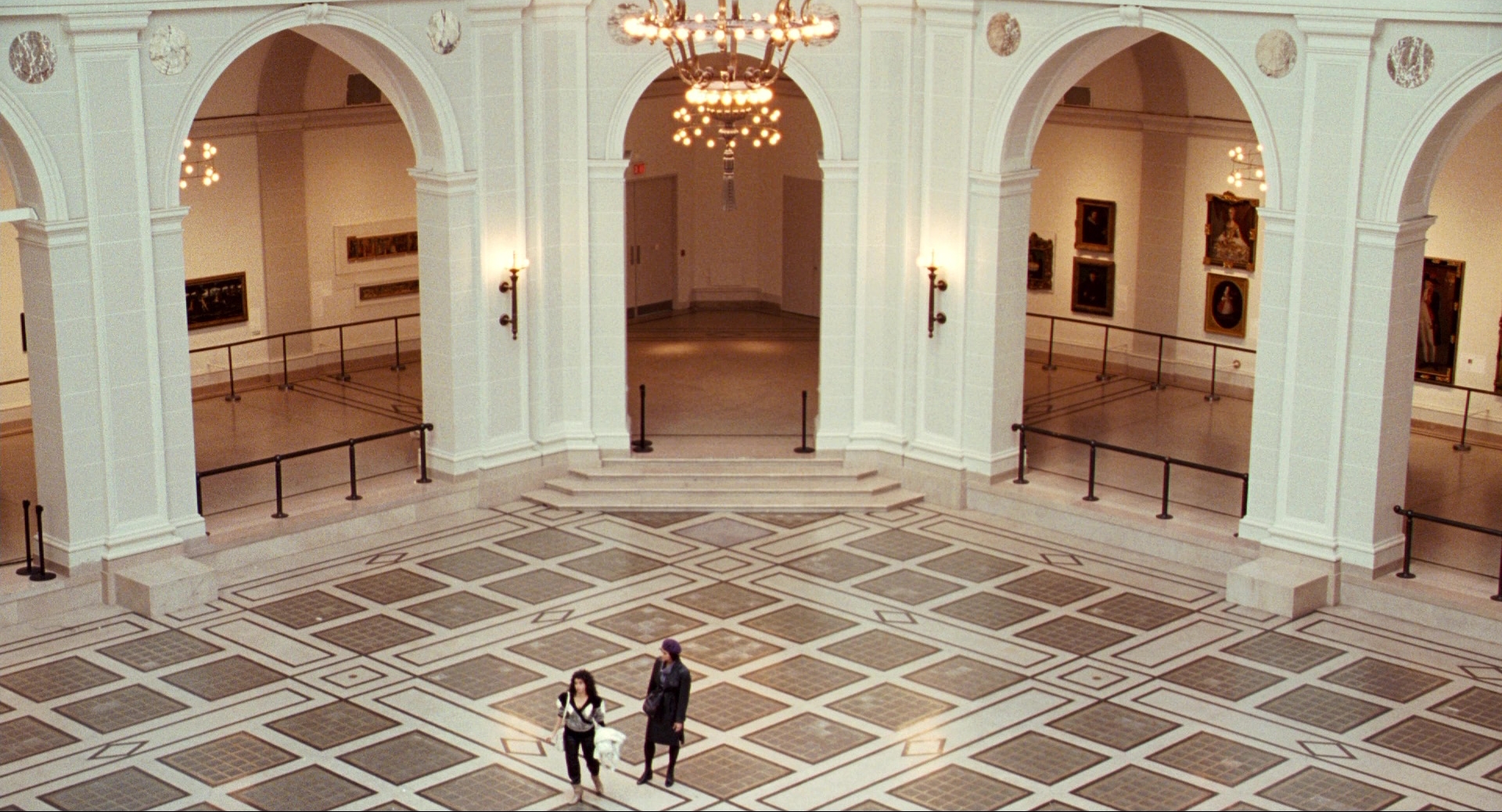
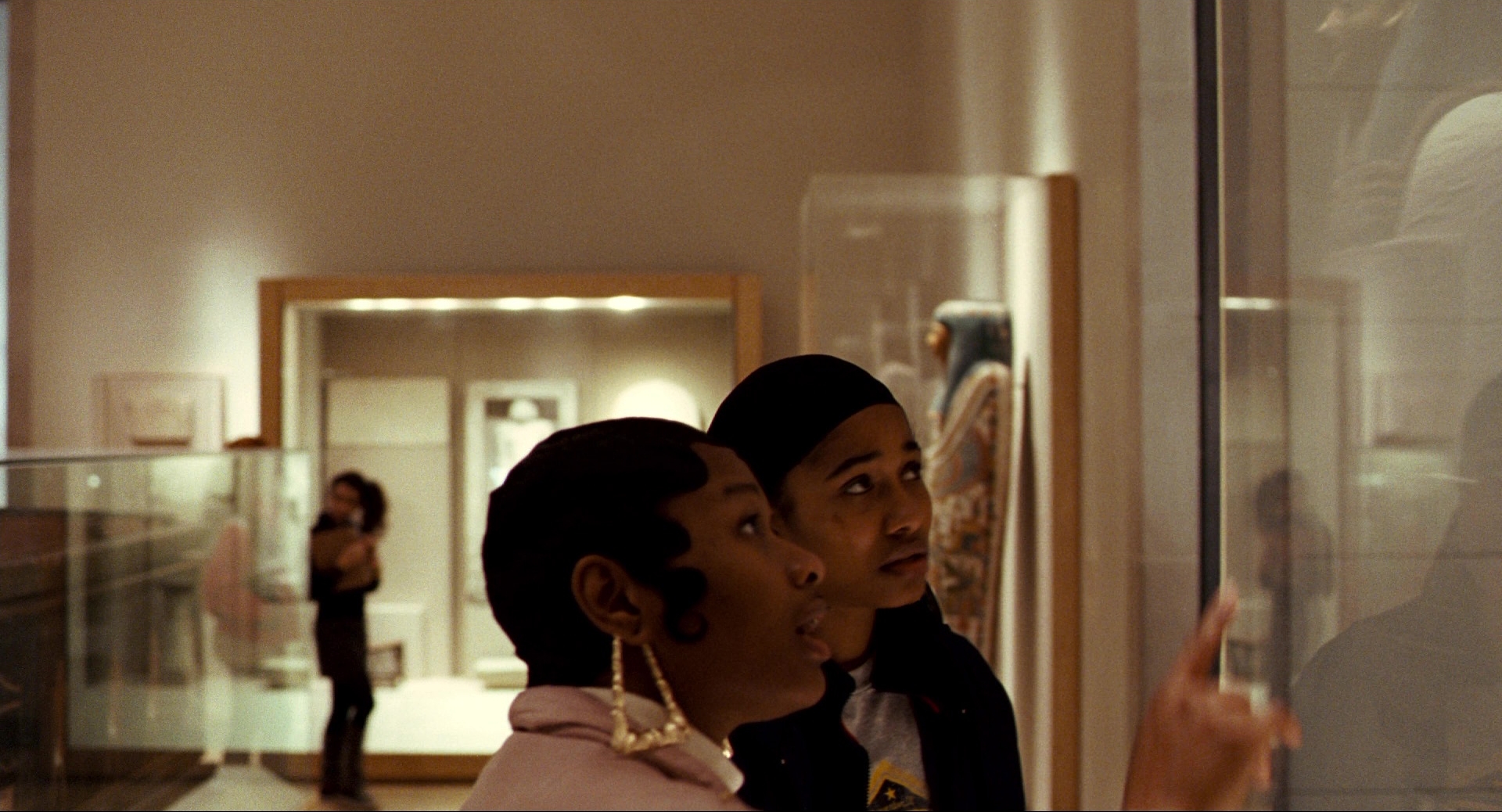
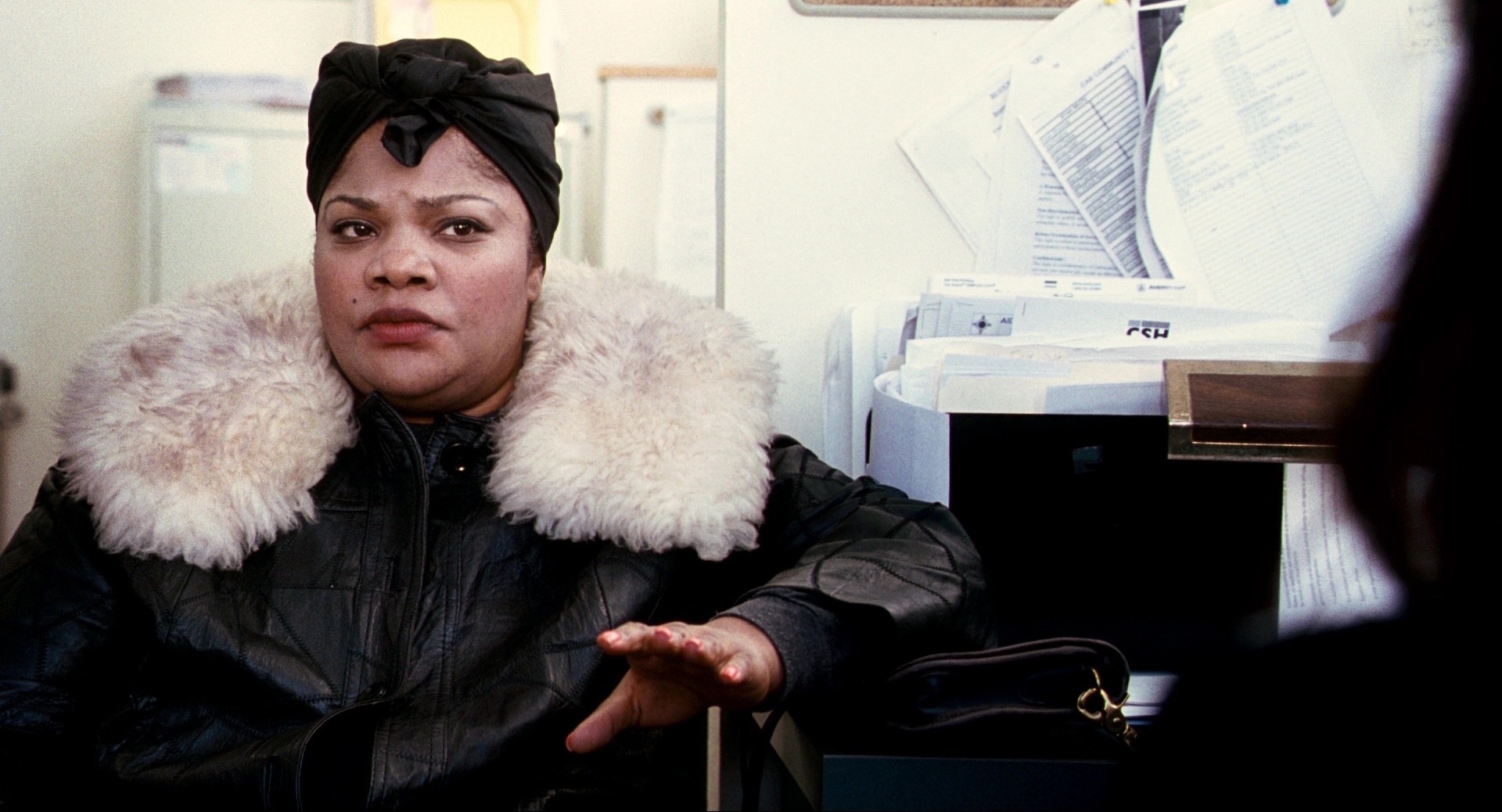
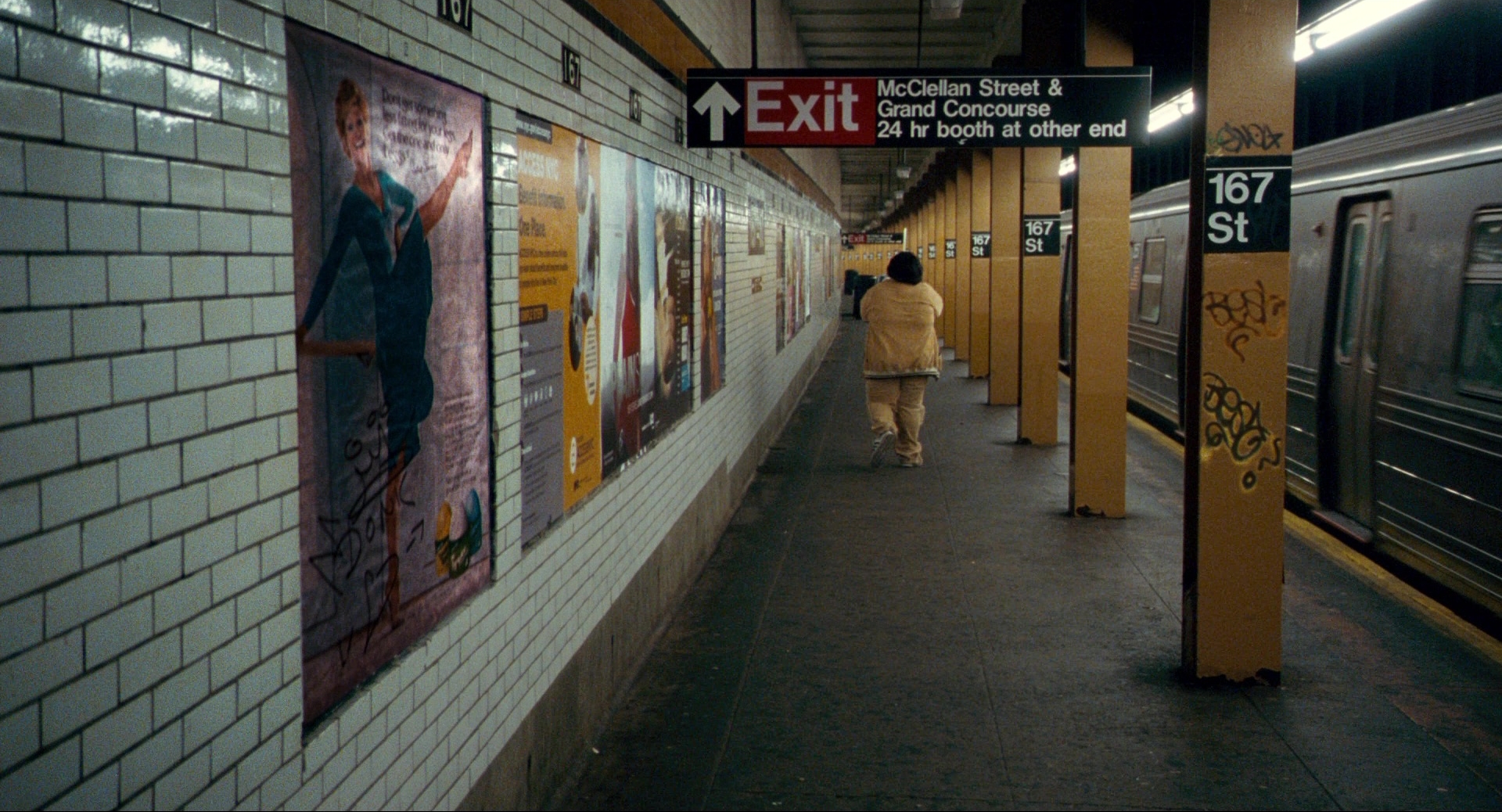
Set in 1980s Harlem, the film follows Claireece “Precious” Jones, an abused and illiterate teenager struggling to survive under the control of her violently abusive mother while raising children born from sexual assault by her father. After being transferred to an alternative school, Precious begins to find support, education, and the possibility of imagining a different future for herself. The story unfolds as a harrowing yet deeply compassionate portrait of trauma, resilience, self-worth, and the transformative power of language and community.
Daniels and cinematographer Andrew Dunn contrast harsh social realism with bursts of subjective fantasy that reveal Precious’ emotional interior life and desire for escape. Cramped apartments, dim institutional spaces, and cold urban textures are photographed with gritty immediacy, while fantasy sequences shift into glamorous music-video and celebrity-inspired imagery filled with bright lighting, saturated colors, and stylized slow motion. The film’s visual oscillation between brutal realism and imagined self-transformation reinforces Precious’ psychological survival mechanisms, turning fantasy not into escapism alone, but into a form of emotional resistance and self-preservation.

FILM SPOTLIGHT
Capote (2005)
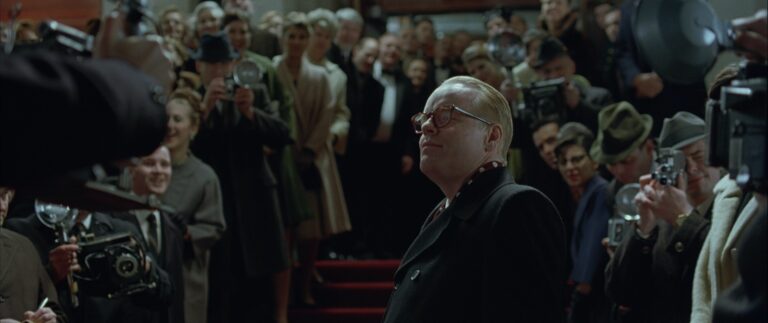
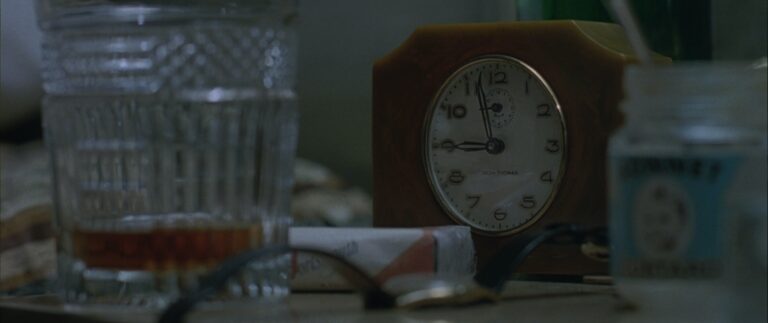
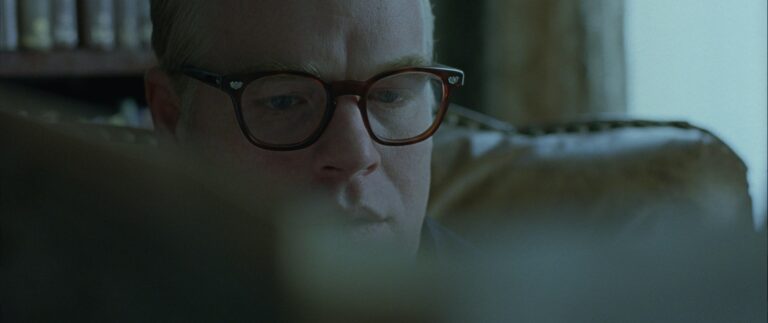
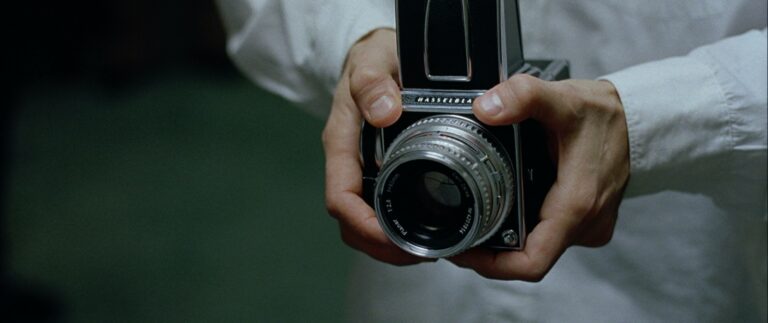
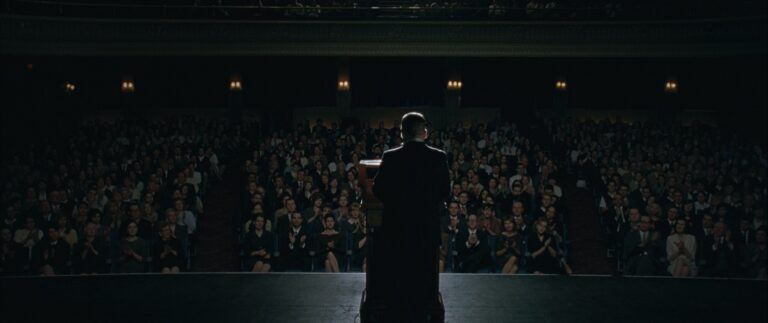
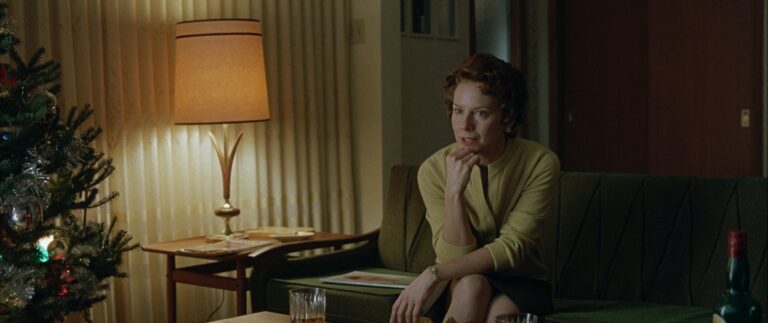
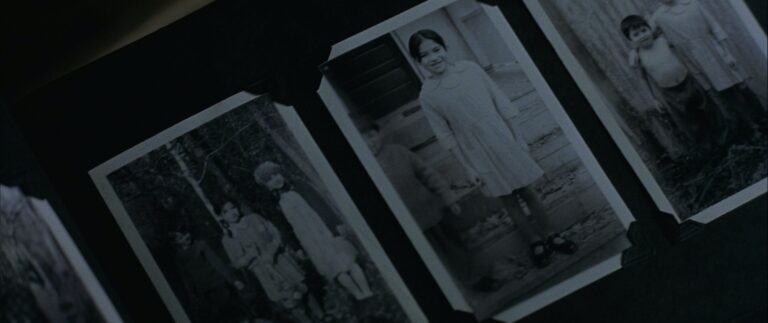
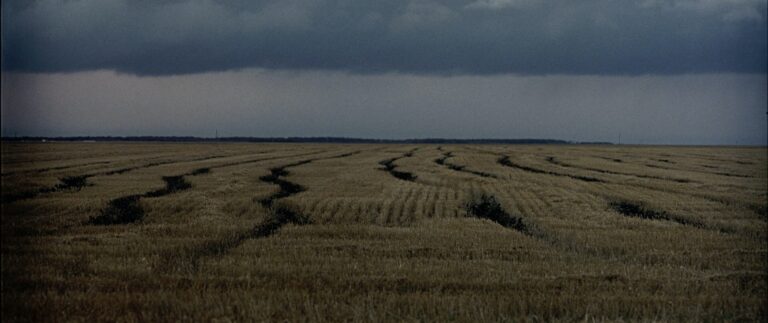
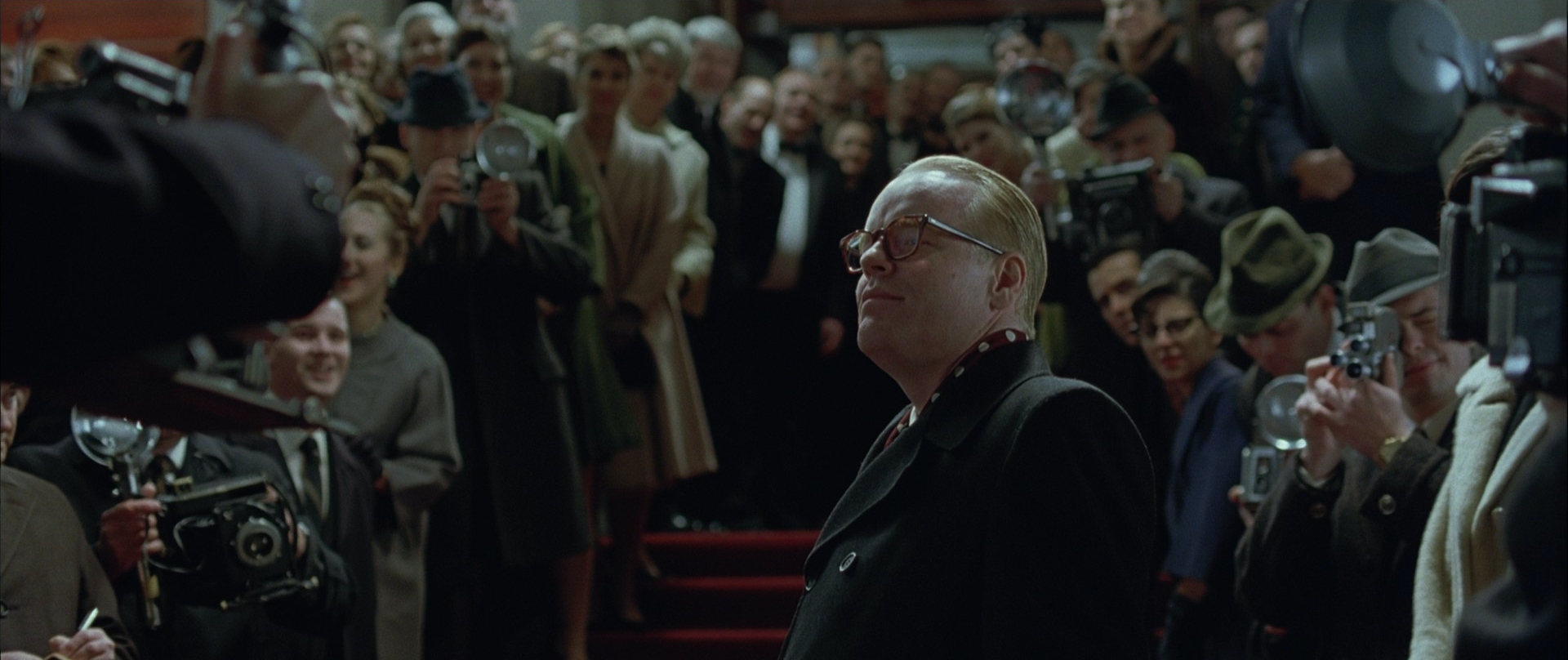
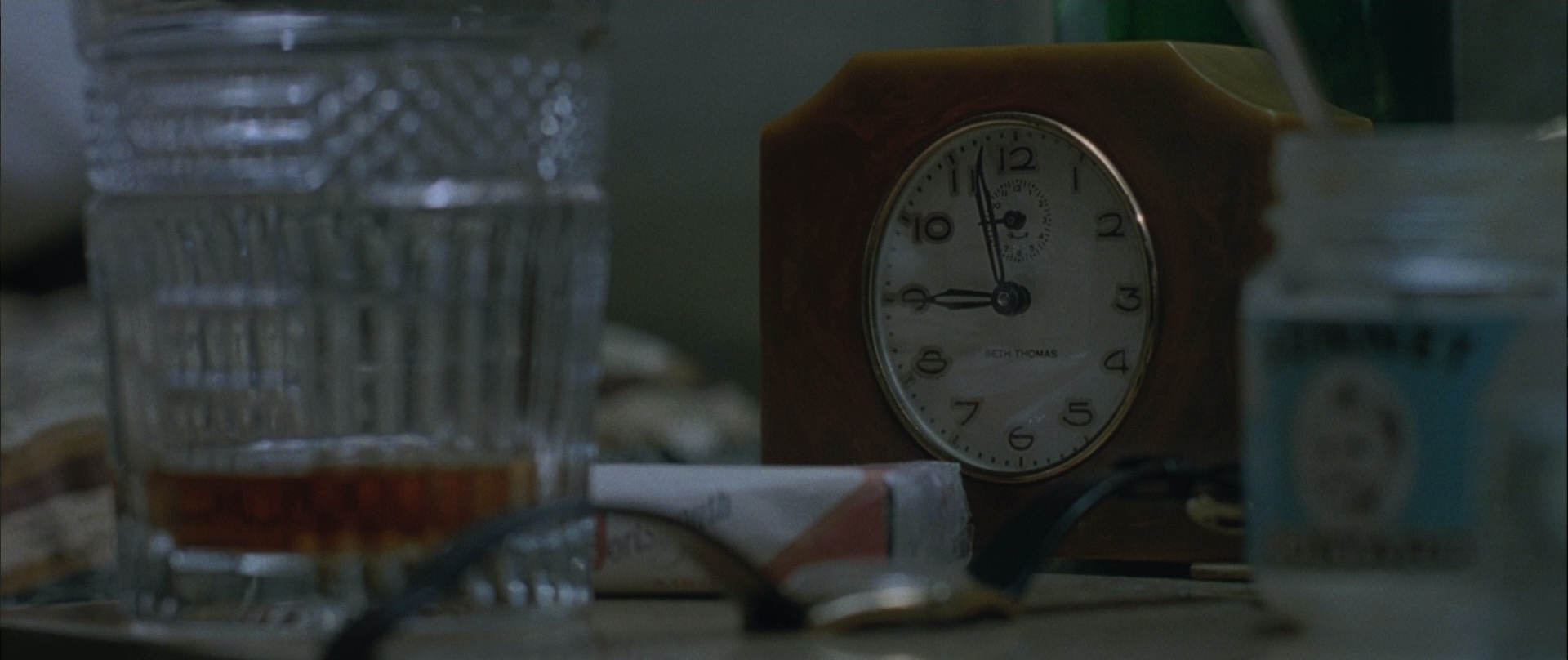
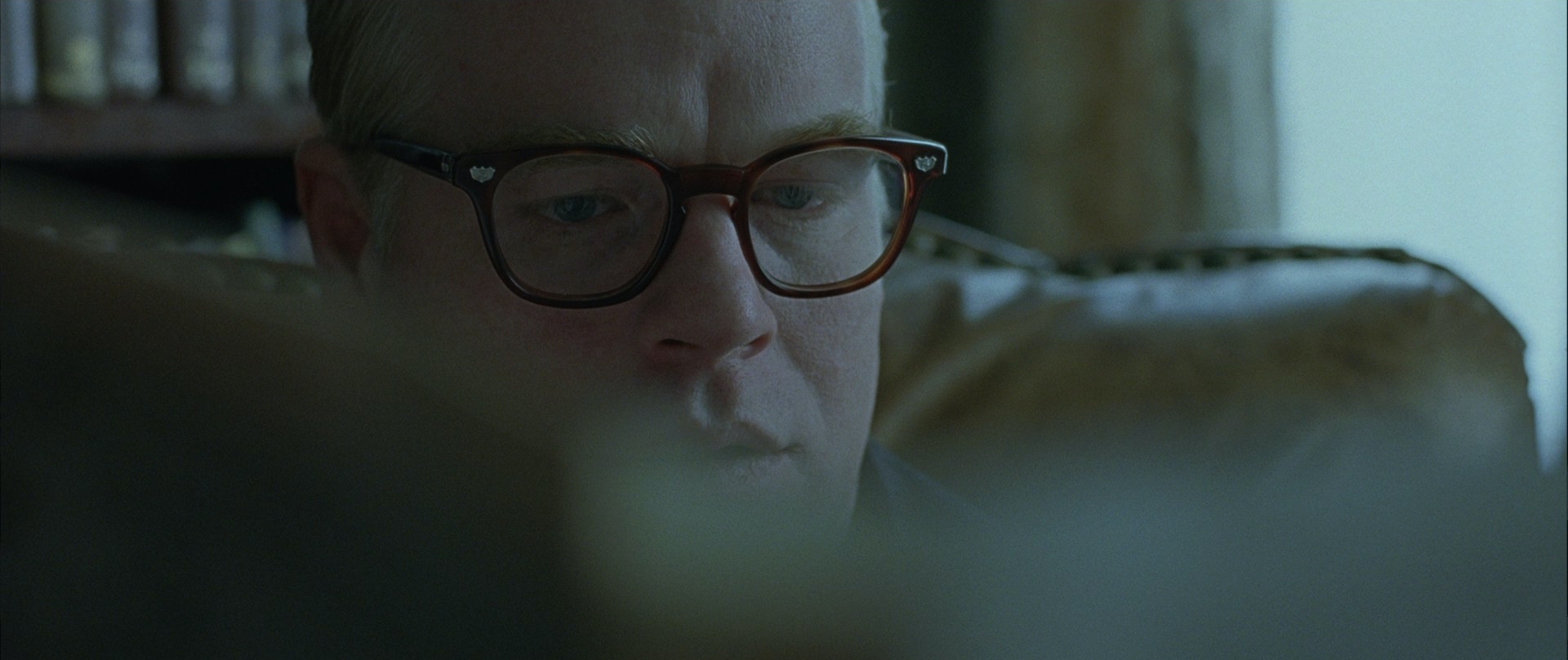
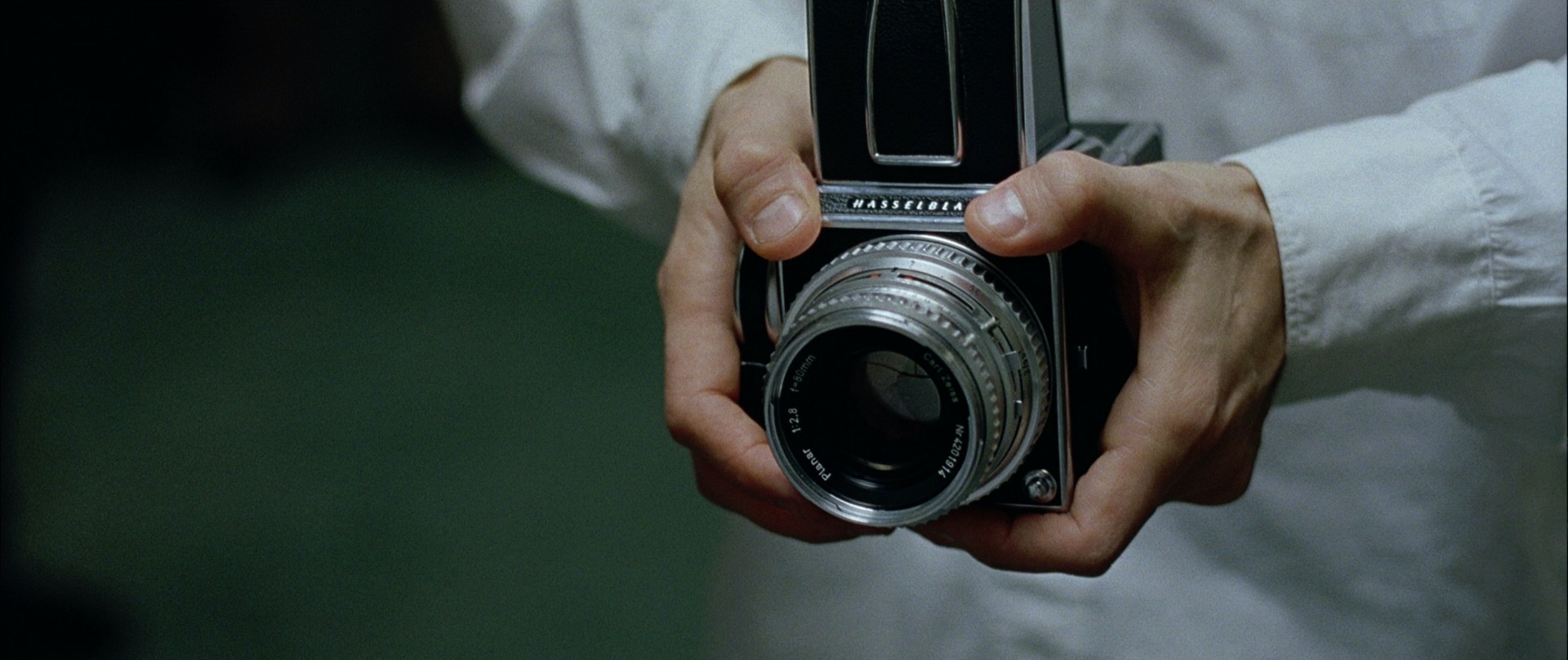
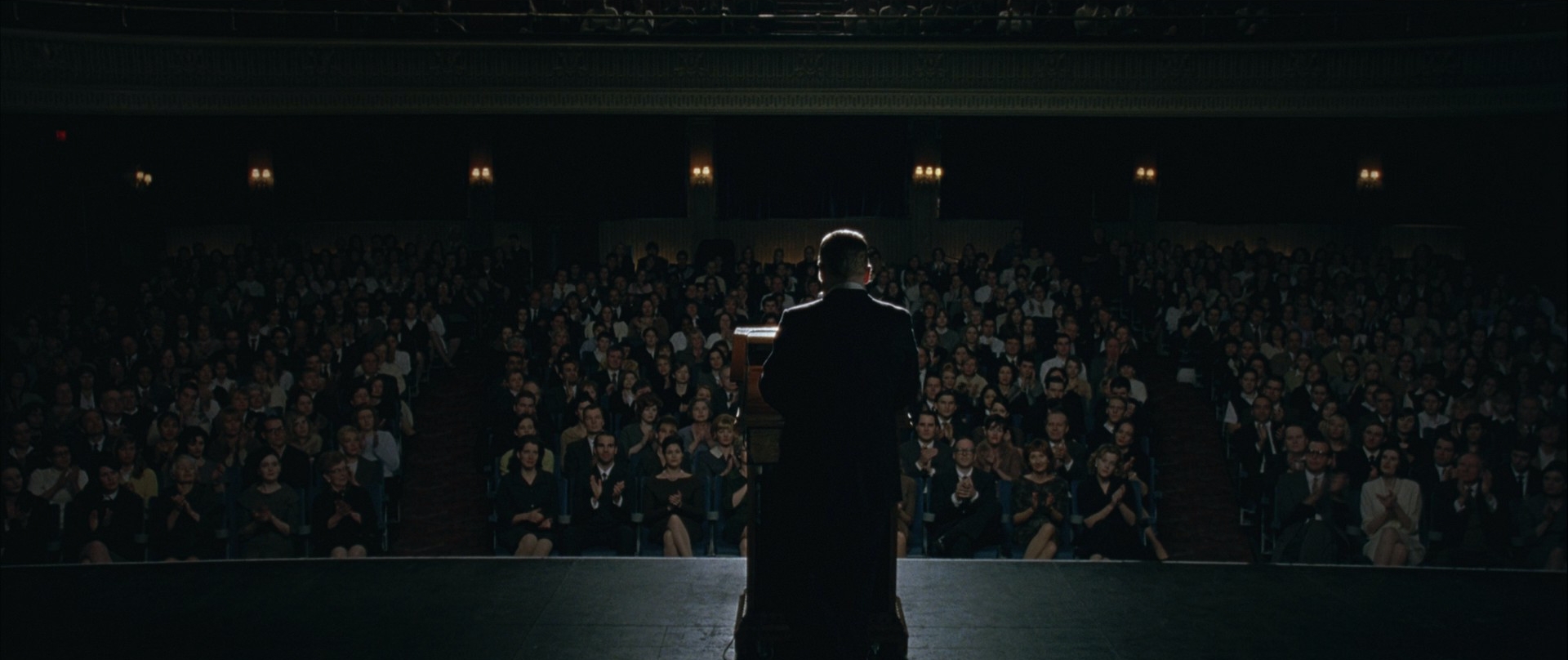
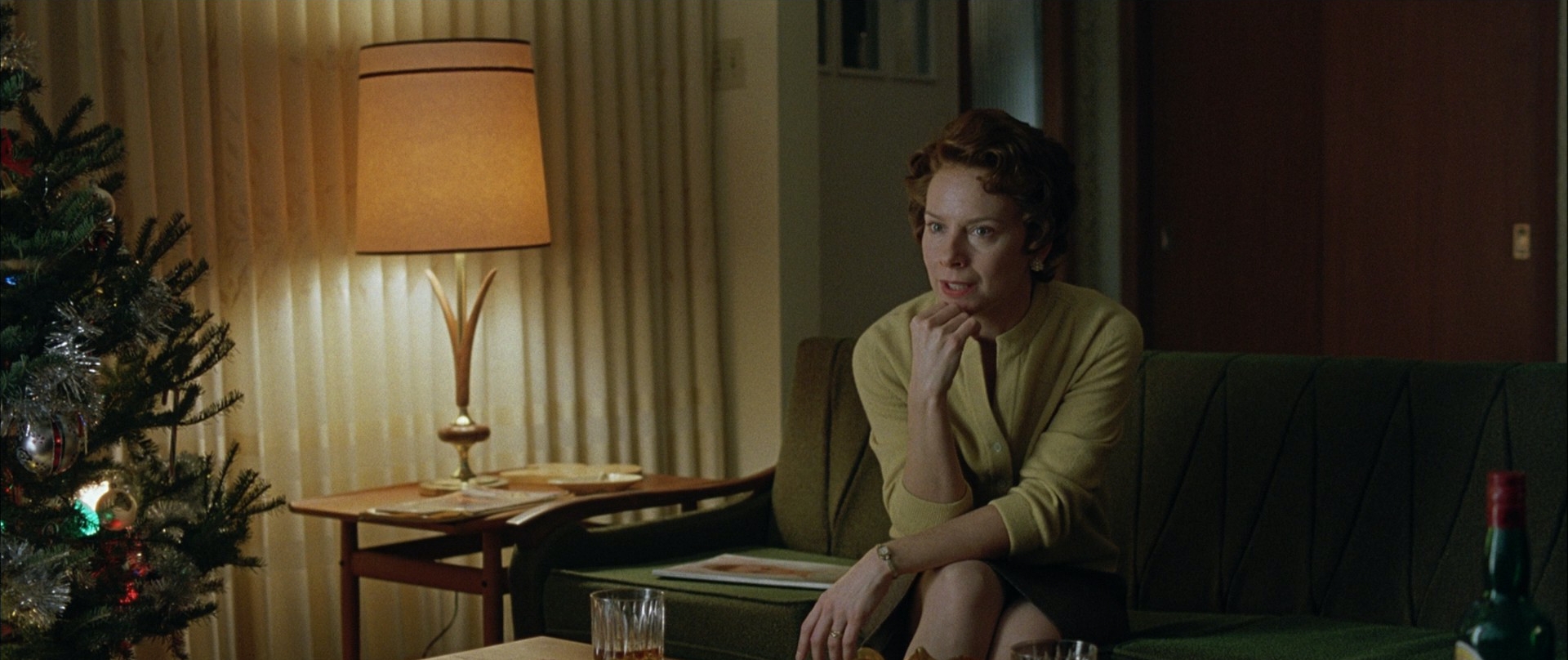
The film follows writer Truman Capote as he travels to rural Kansas to investigate the brutal murder of a farming family, intending to write what would become In Cold Blood. As Capote develops a complicated relationship with one of the convicted killers, Perry Smith, his pursuit of literary greatness begins to conflict with his emotional involvement and ethical boundaries. The story unfolds as a quiet psychological study of ambition, manipulation, loneliness, and the personal cost of artistic creation.
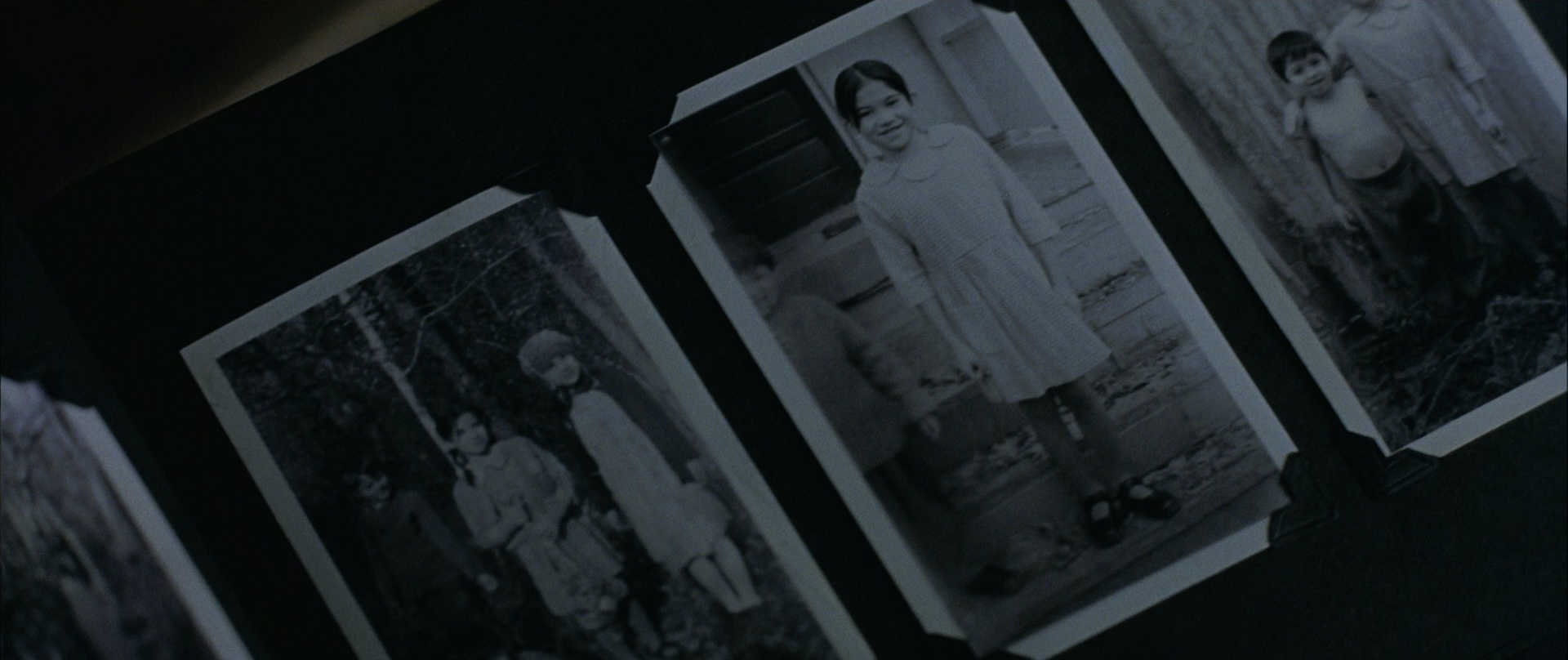
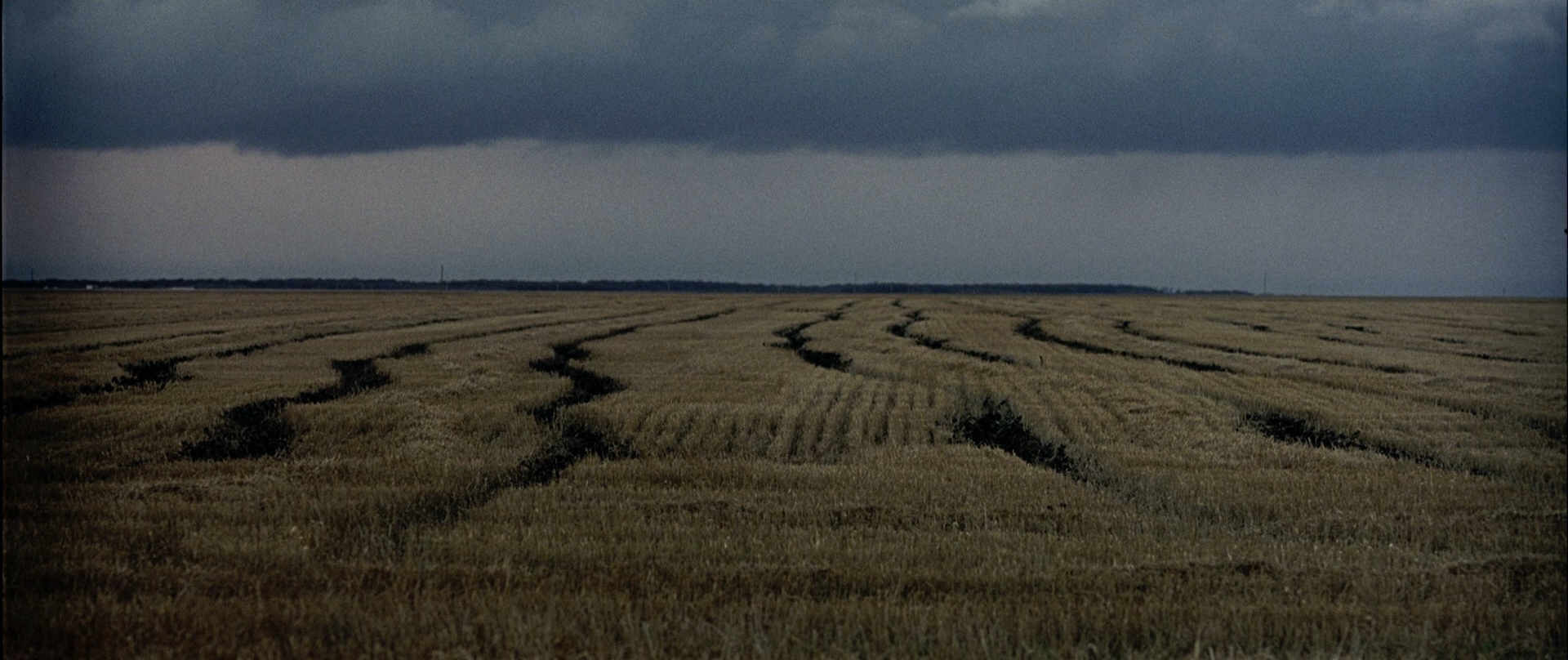
Miller and cinematographer Adam Kimmel shoot Capote with a restrained, austere visual style that mirrors the emotional repression and moral ambiguity at the center of the film. Muted winter palettes, soft natural lighting, and sparse Midwestern interiors create an atmosphere of stillness and isolation, while the camera often holds Capote in carefully composed medium shots that emphasize both his performative charm and emotional distance. The deliberate pacing, minimal camera movement, and subdued textures allow small gestures, pauses, and shifts in expression to carry dramatic weight, turning observation itself into the film’s central visual strategy.


FILM SPOTLIGHT
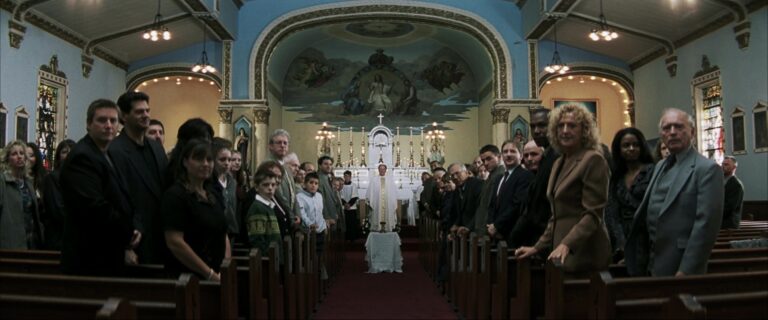
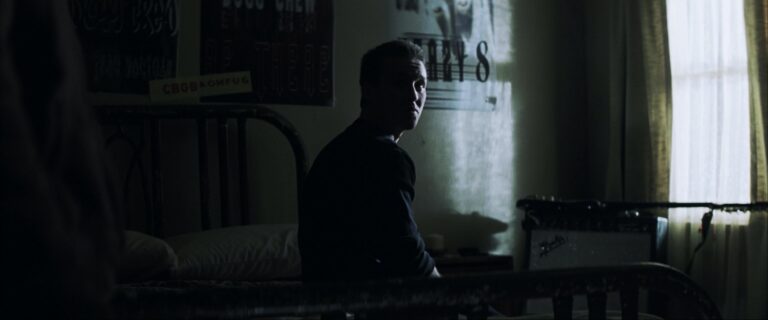
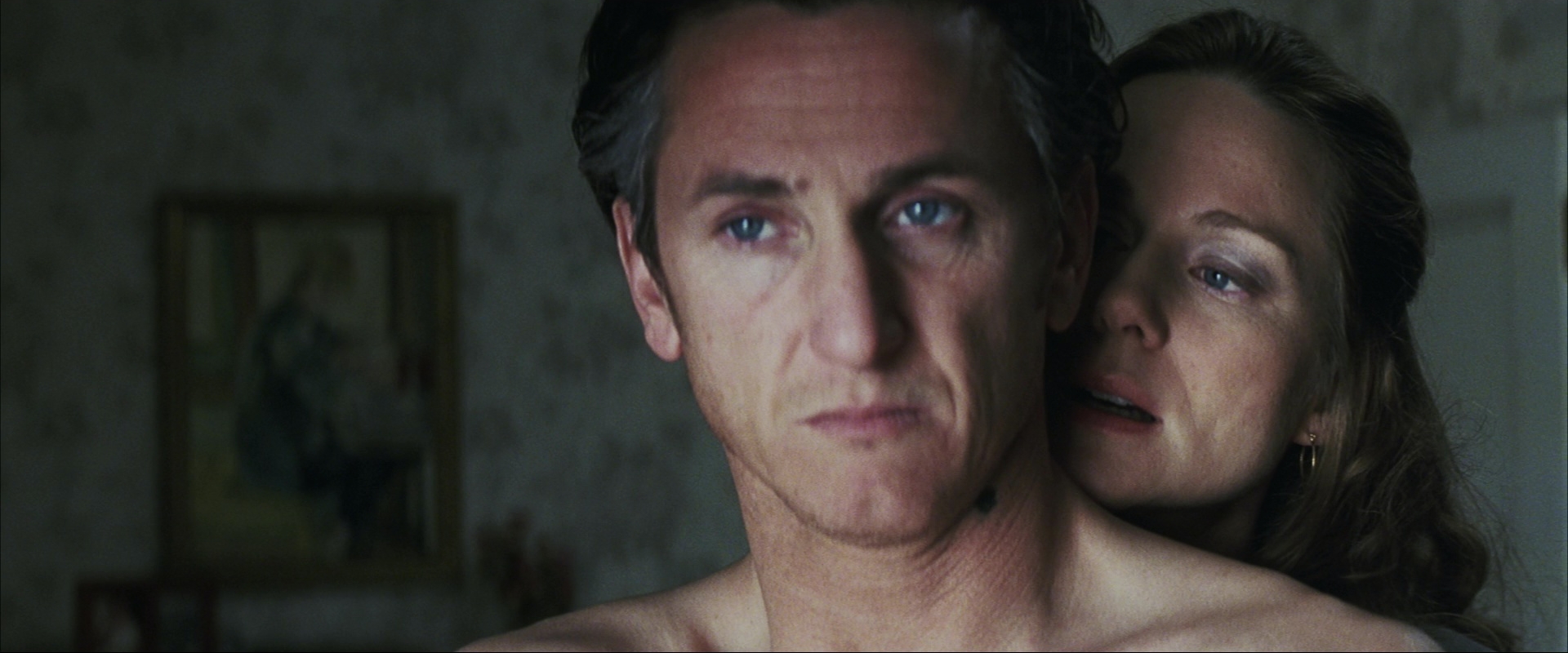
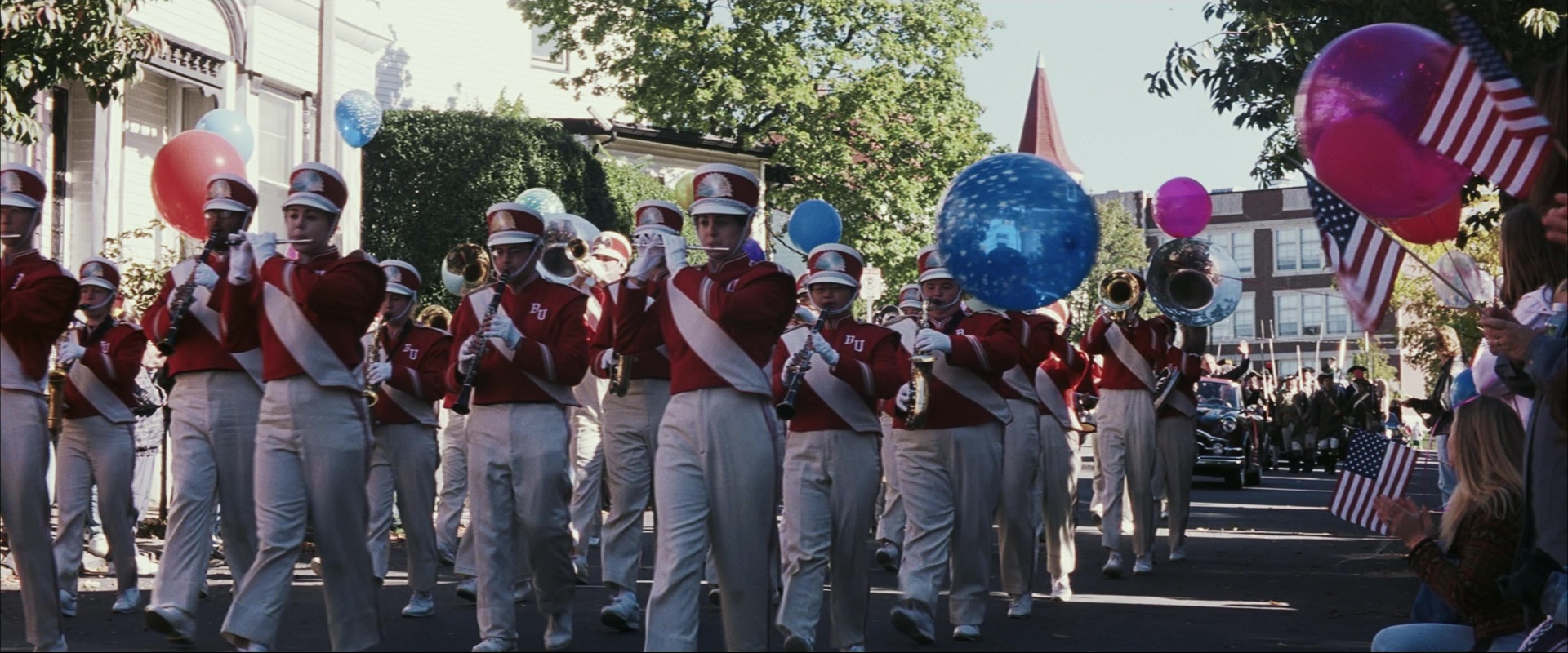
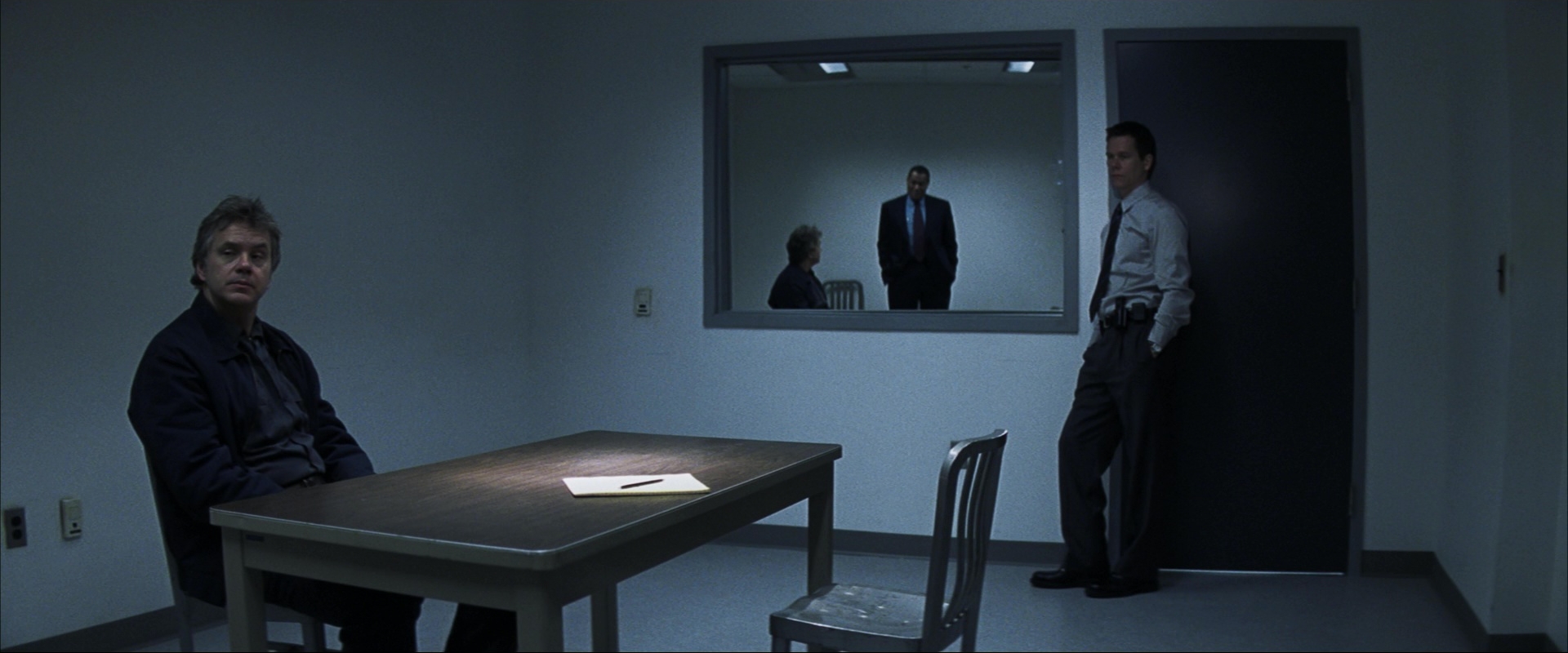
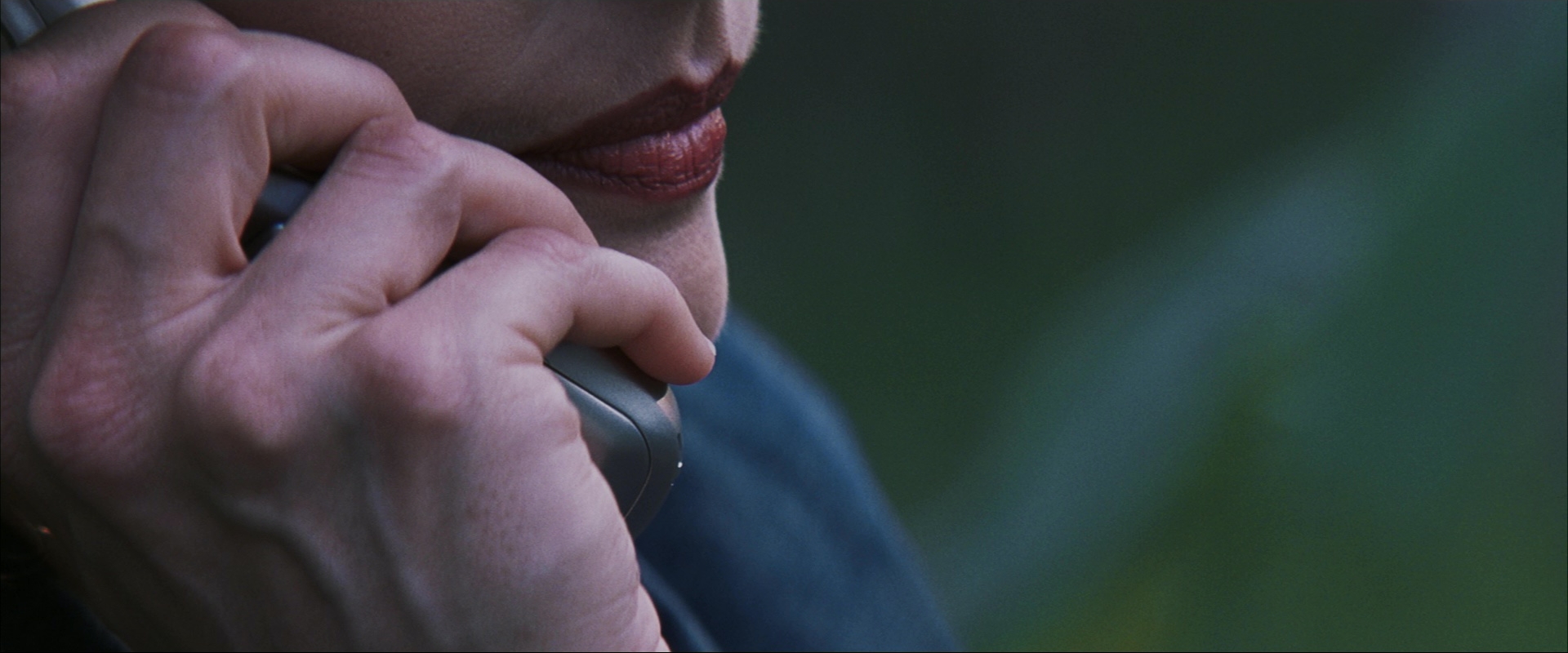
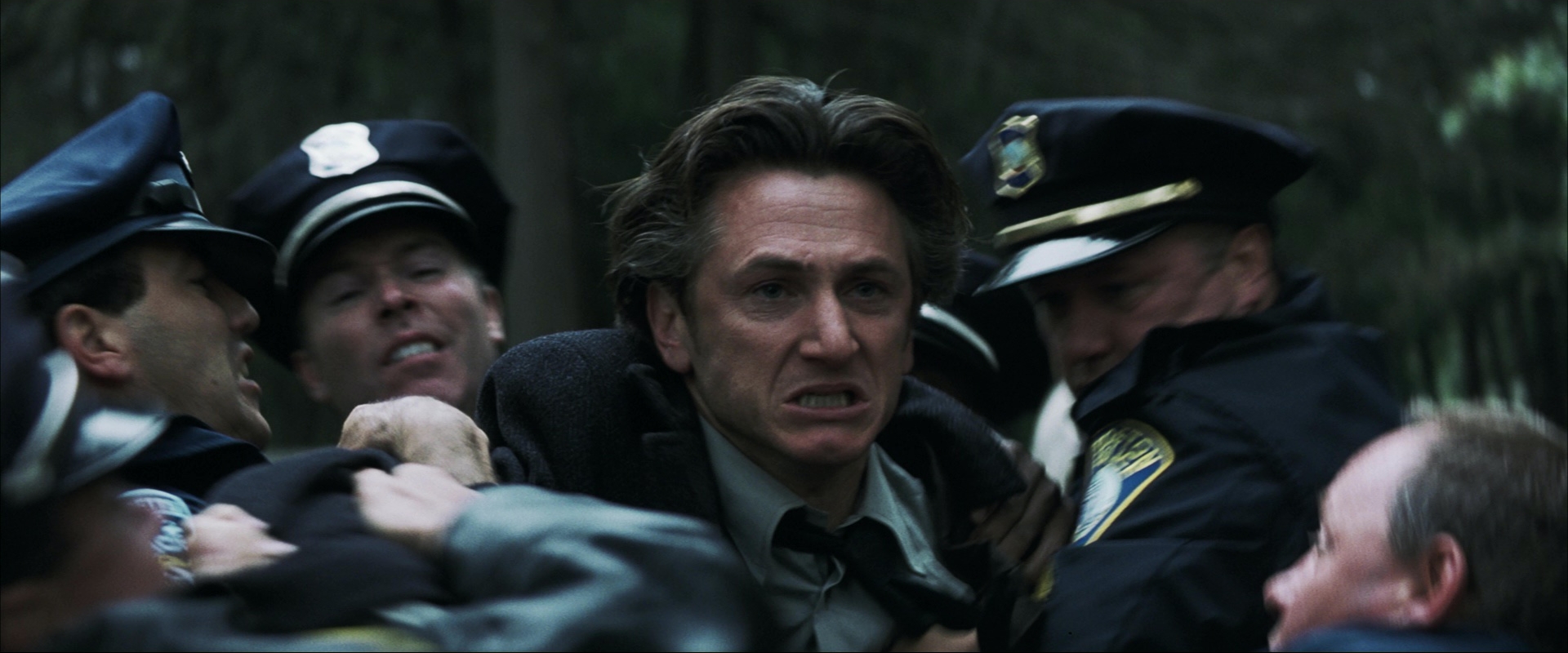
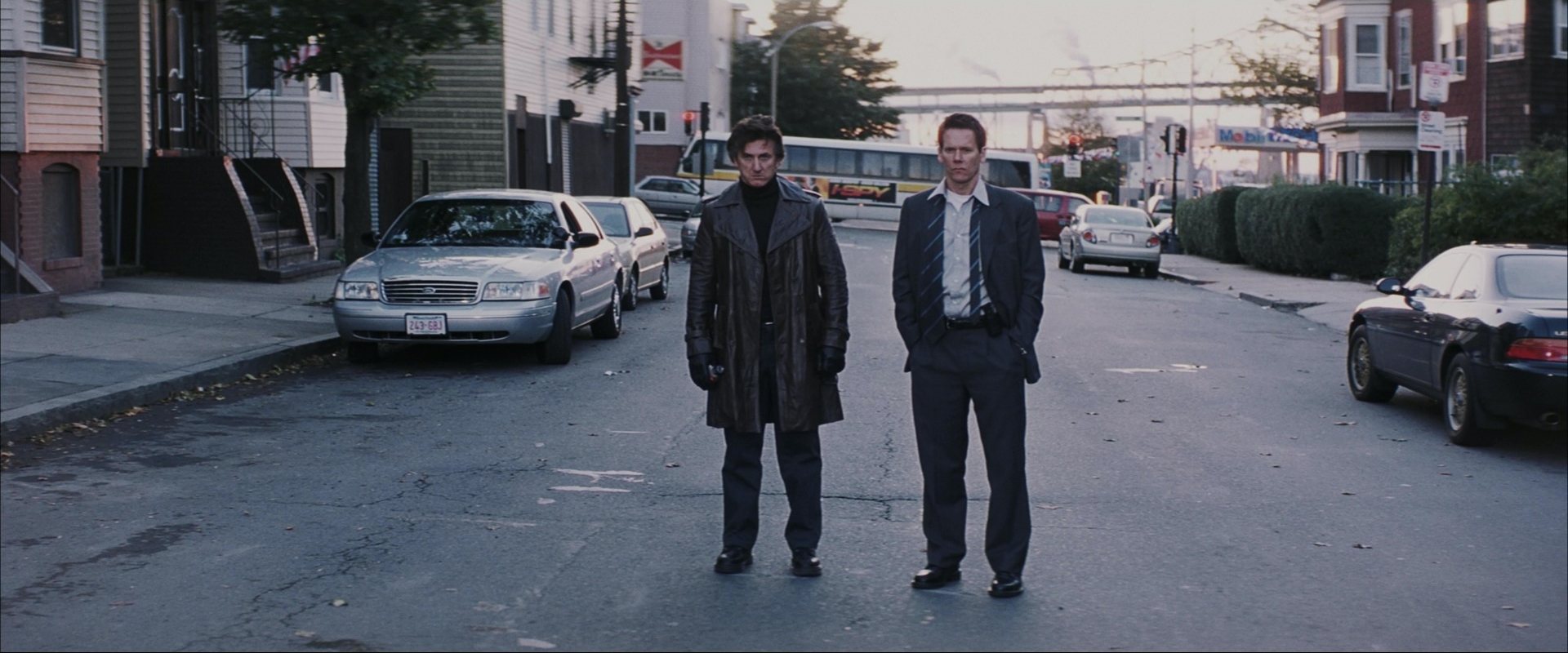
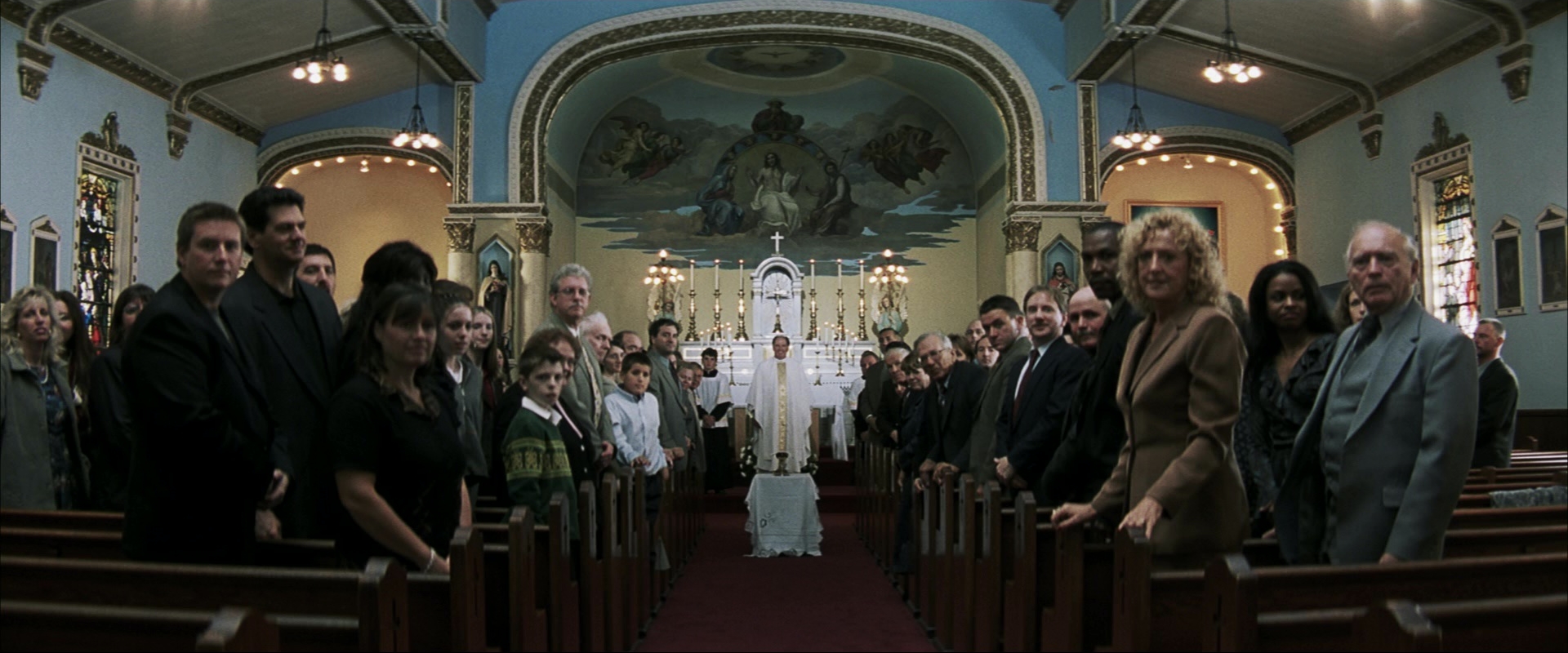
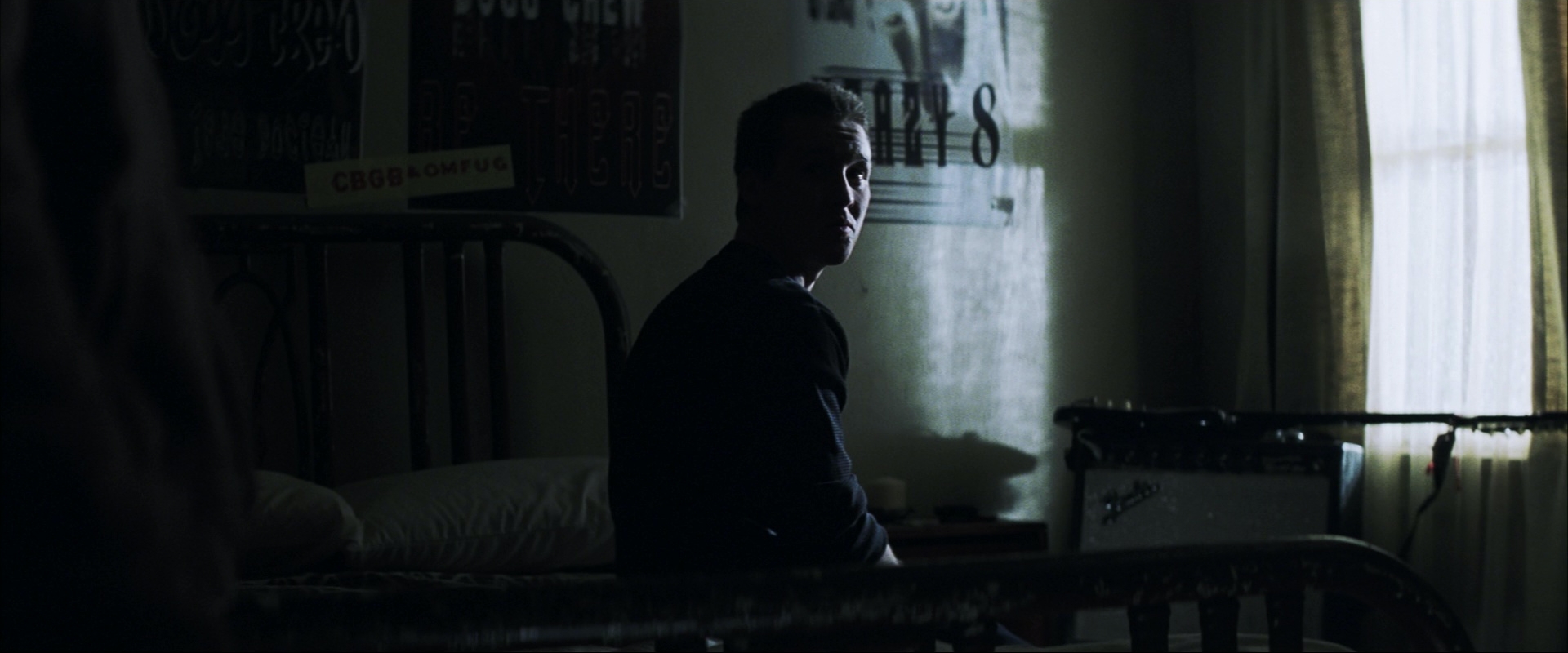
Mystic River (2003)
After the murder of a young woman in a working-class Boston neighborhood, three childhood friends are drawn back together by a shared traumatic past that has haunted them for decades. As the investigation intensifies, suspicion, grief, and unresolved emotional wounds begin to fracture their relationships and distort their judgment. The story unfolds as a tragic examination of trauma, masculinity, guilt, and the devastating ripple effects of violence across generations.
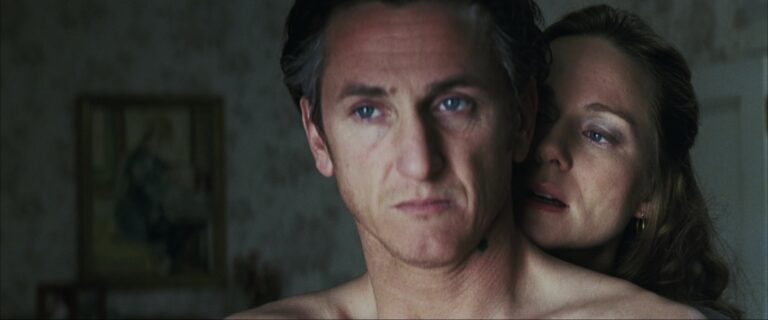
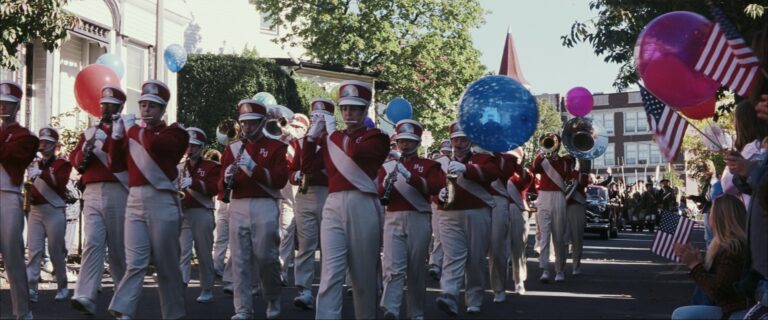
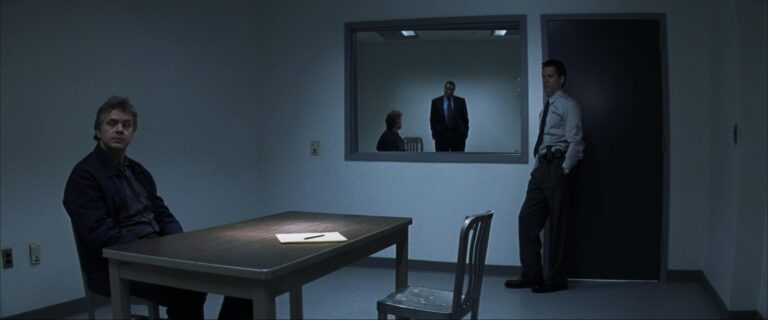
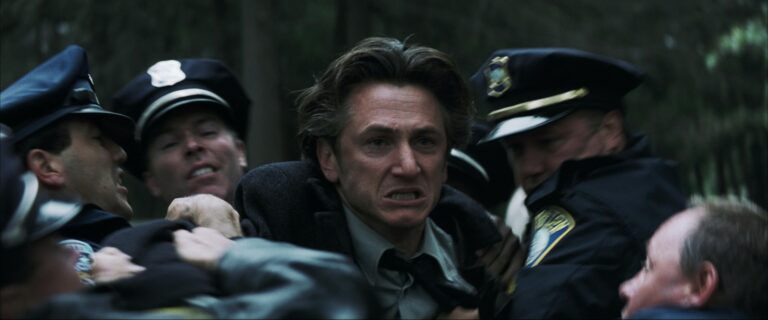
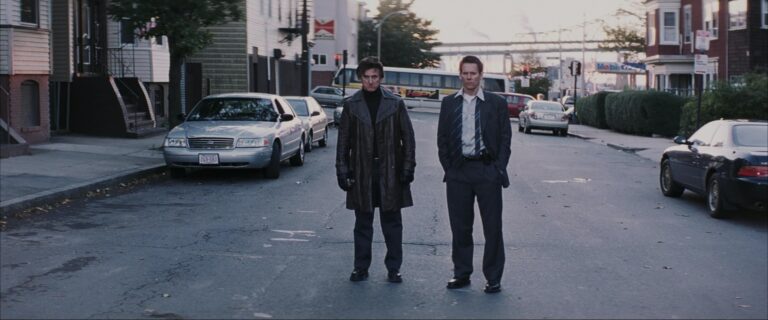
Eastwood and cinematographer Tom Stern shoot Mystic River with a somber, understated visual realism rooted in cold blue-gray palettes, overcast exteriors, and dimly lit interiors that reflect the emotional heaviness of the story. The film’s restrained camera movement and carefully composed neighborhood imagery emphasize the sense of a tightly connected community shaped by buried history and quiet despair. Rivers, streets, bars, and family homes are photographed with muted naturalism that grounds the film’s melodramatic intensity in lived-in social space, while lingering close-ups and shadow-heavy nighttime scenes reinforce the themes of secrecy, grief, and irreversible moral damage.

FILM SPOTLIGHT
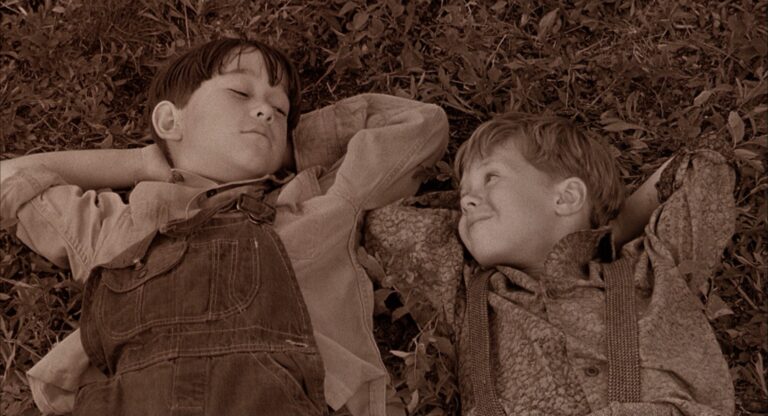
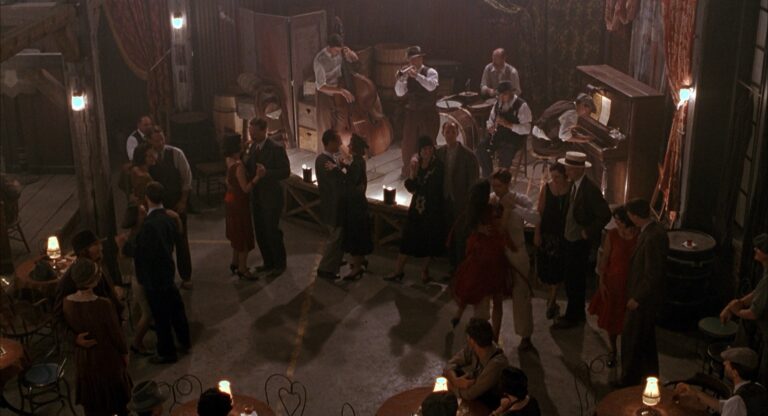
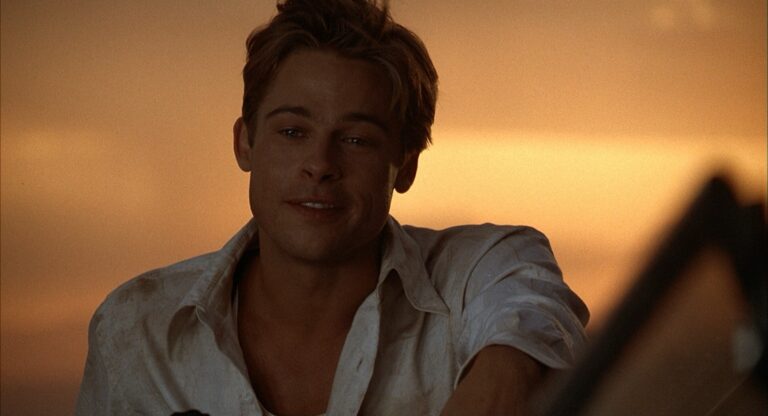
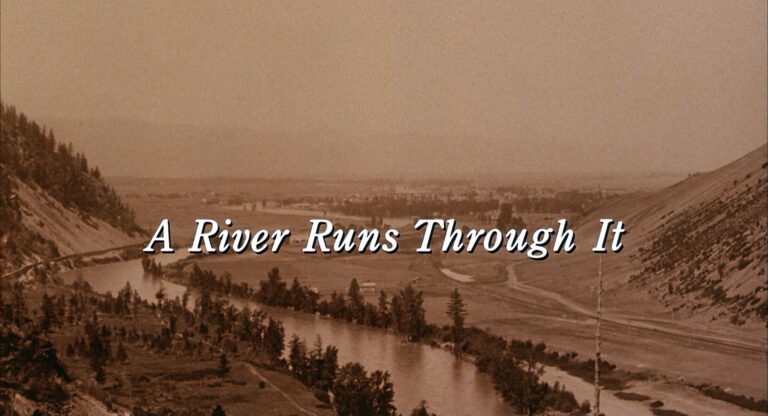
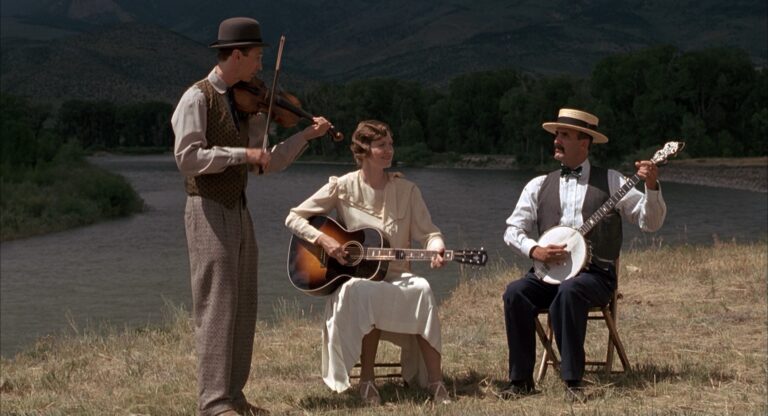
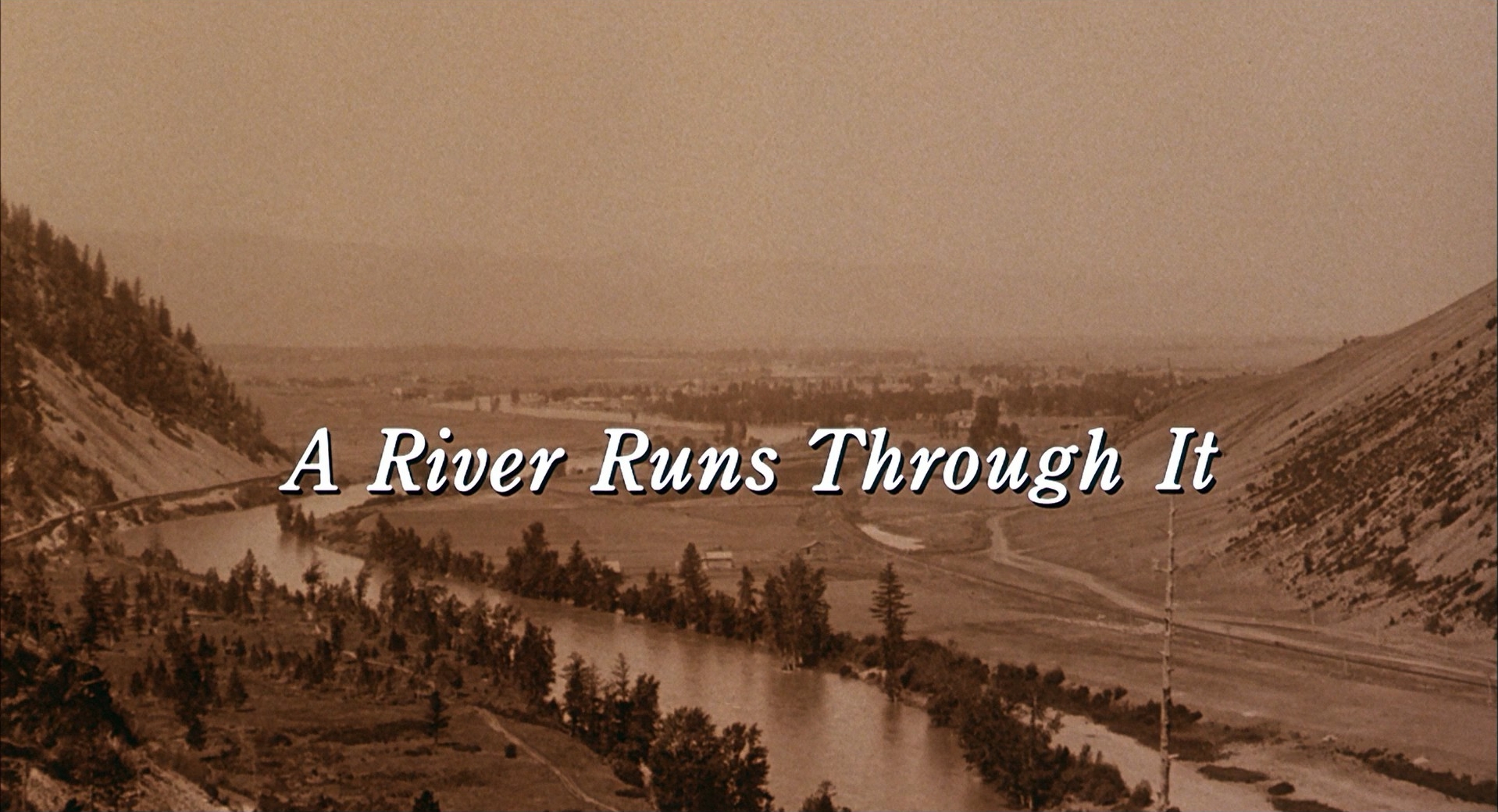
A River Runs Through It (1992)
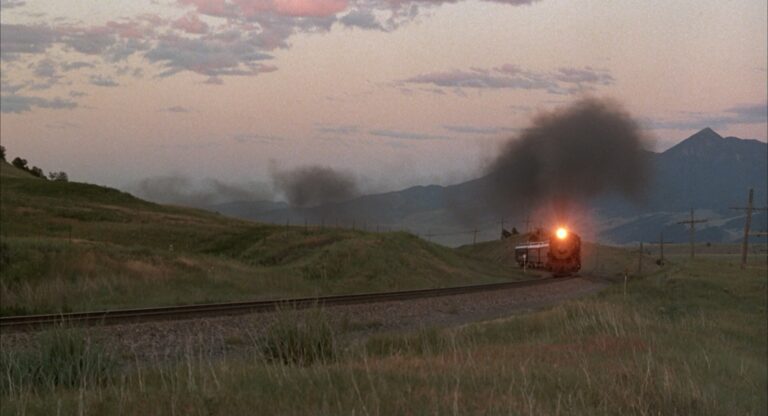
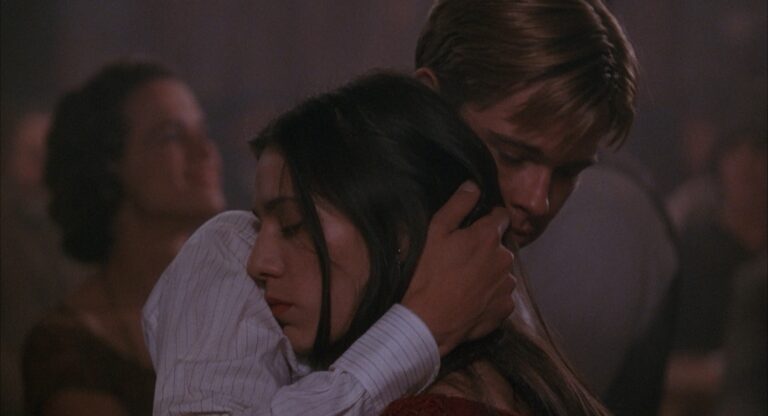
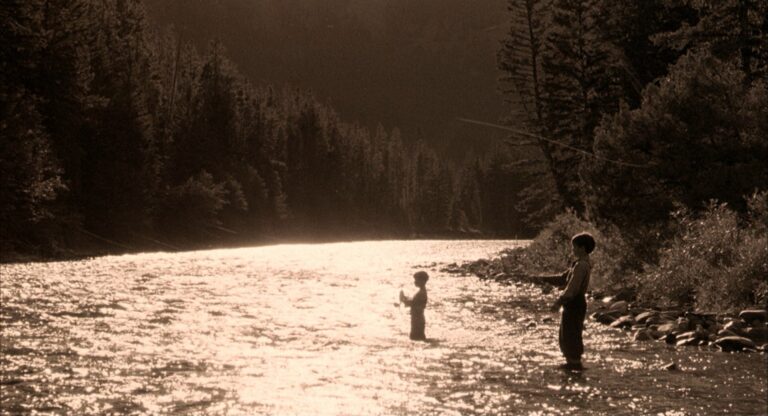
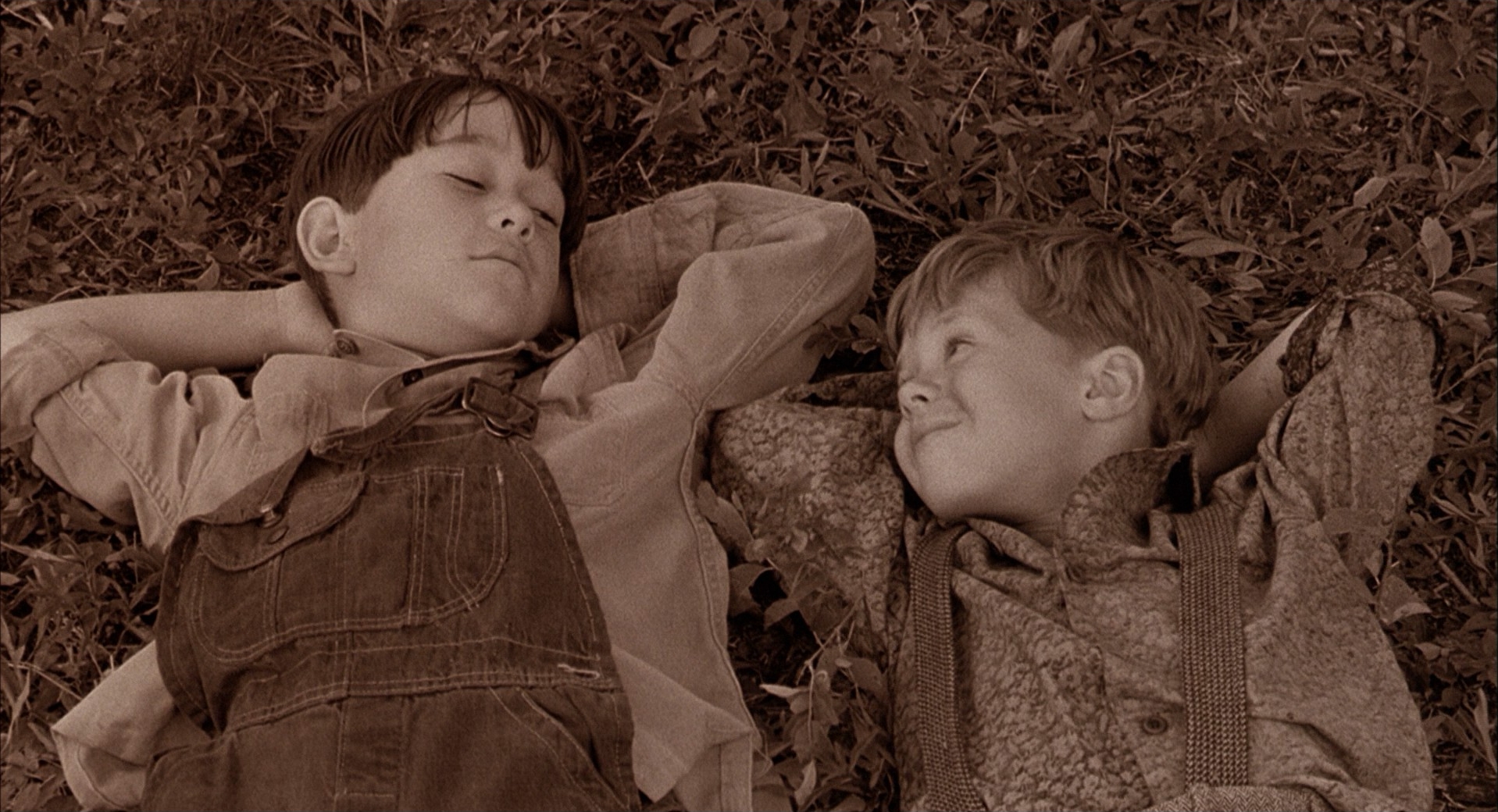
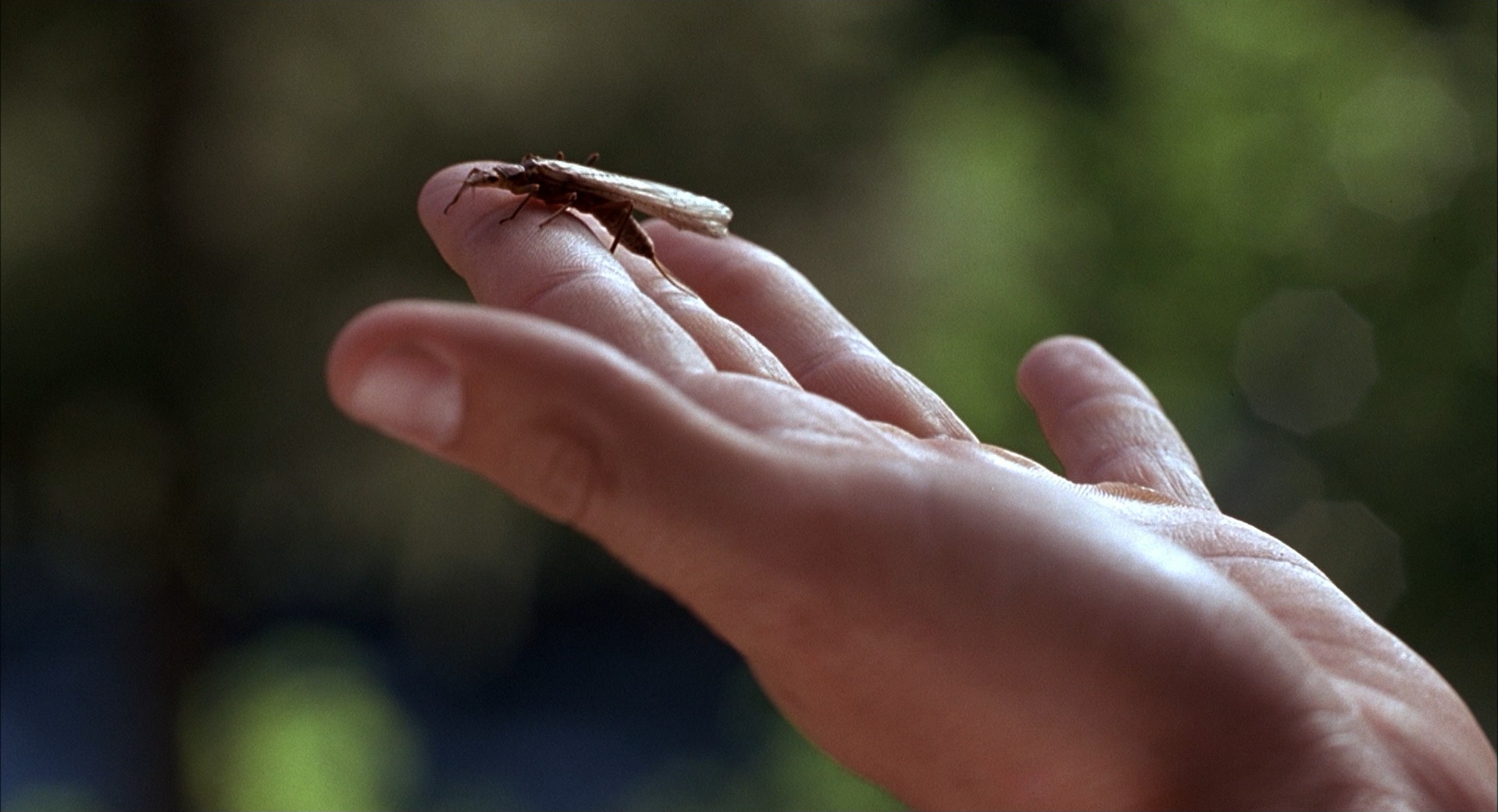
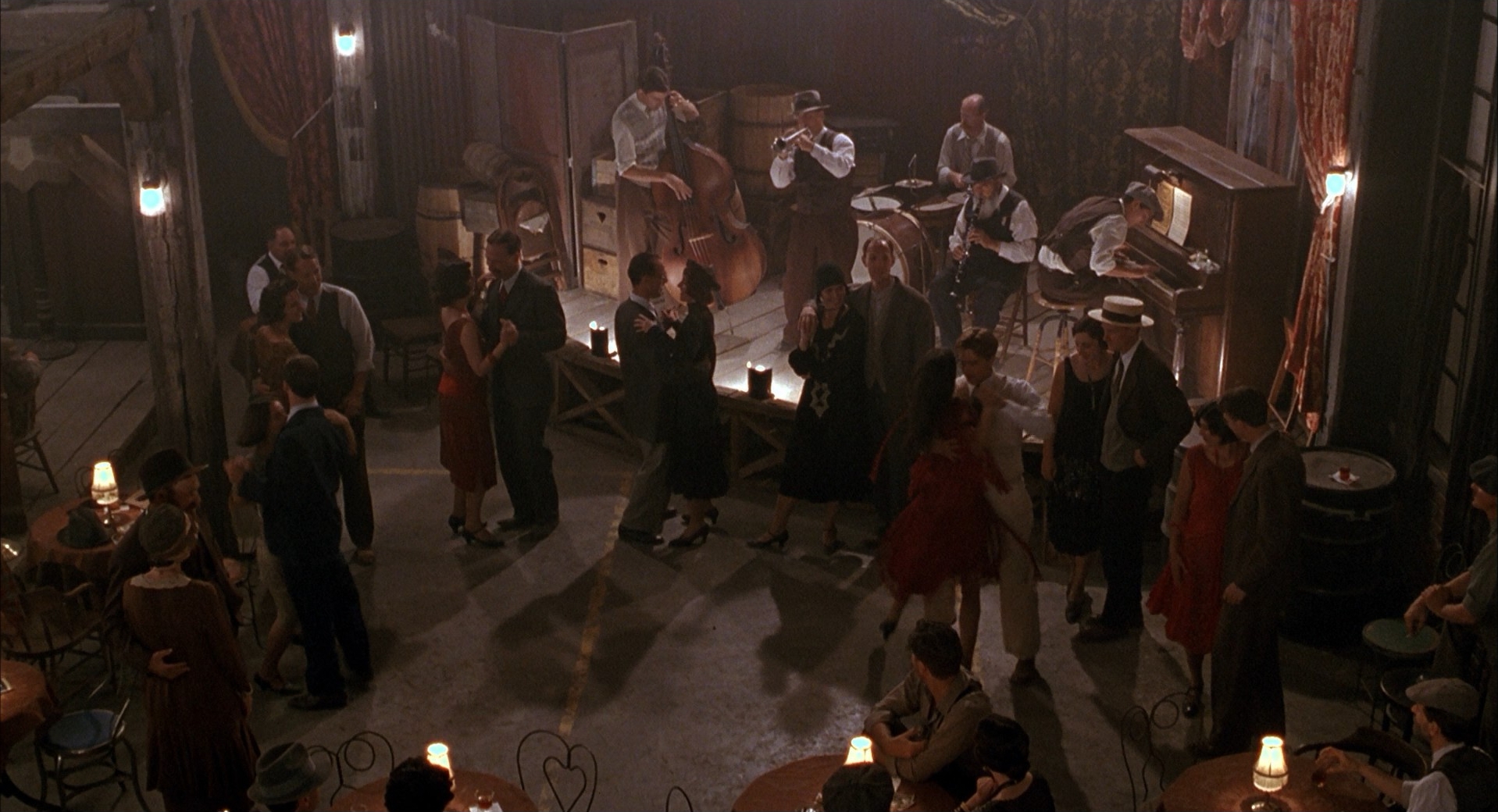
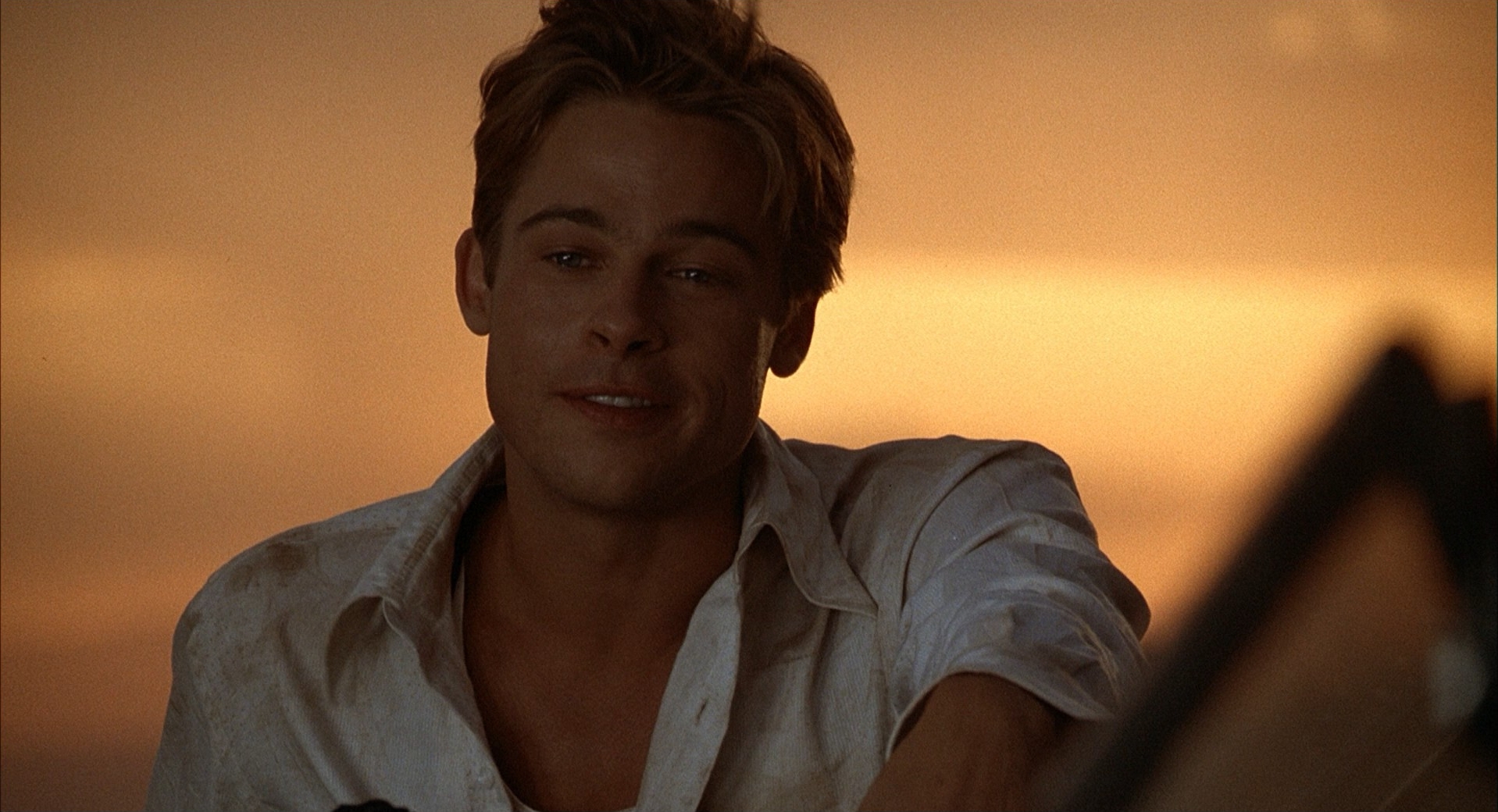
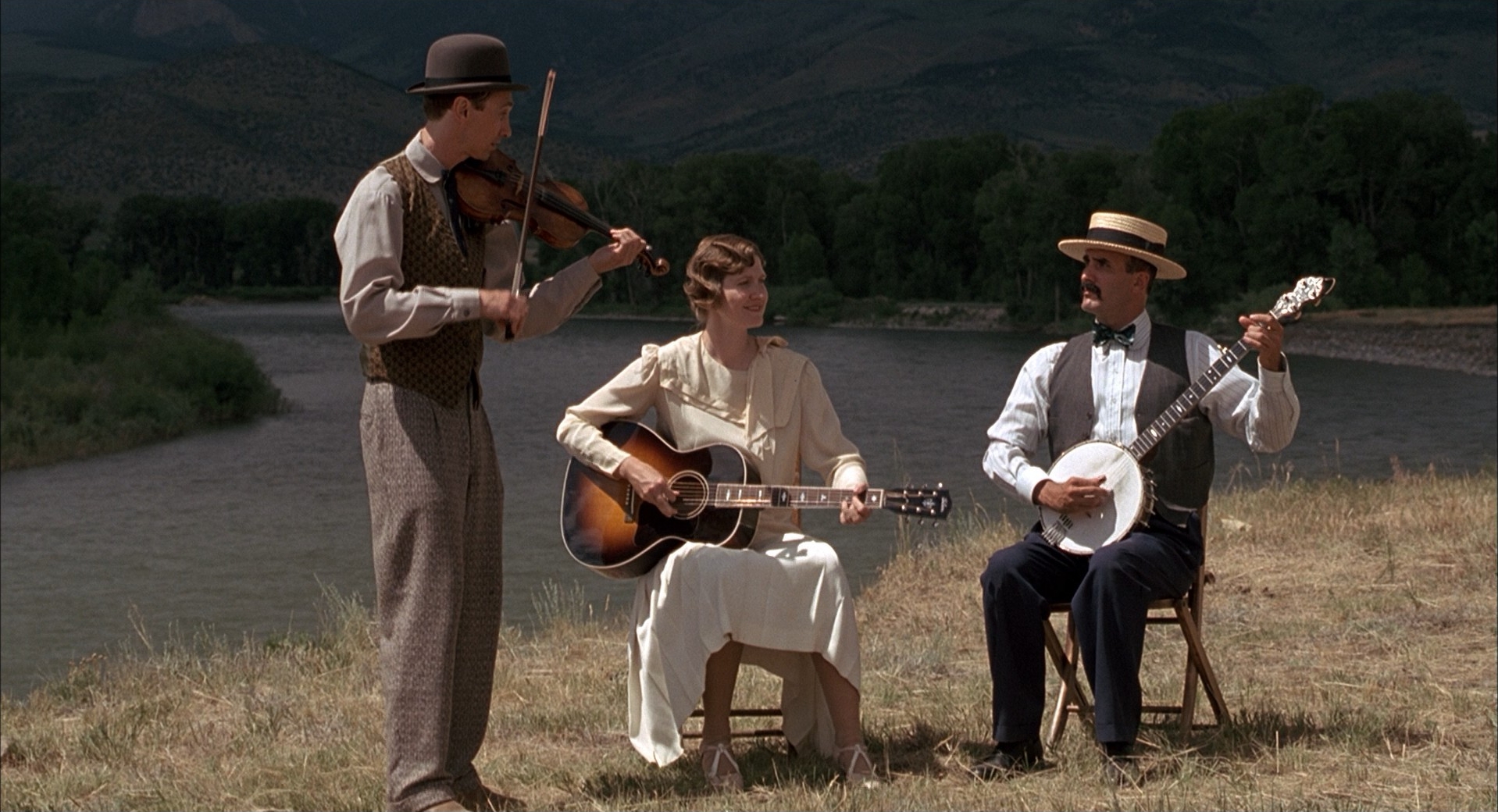
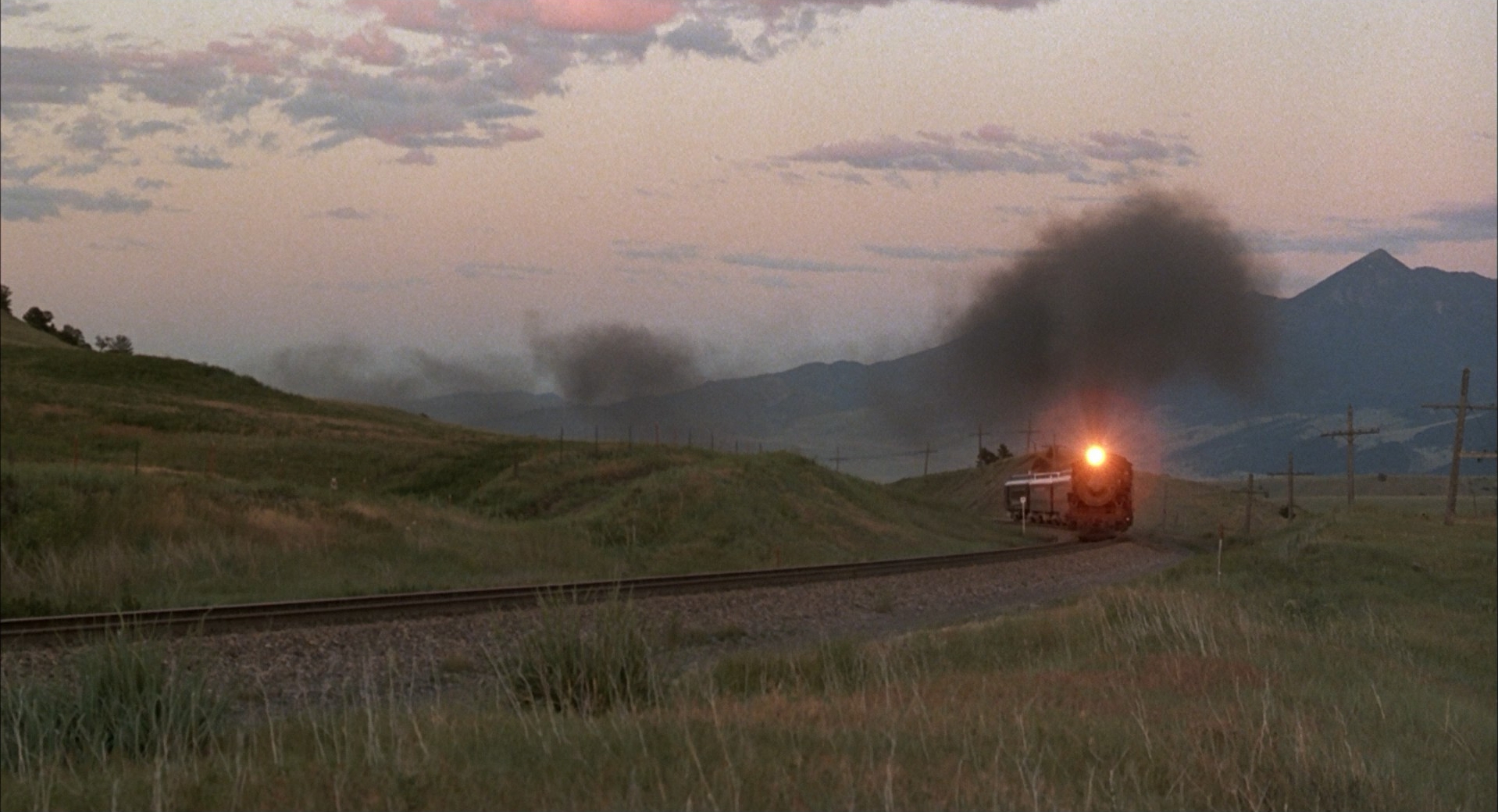
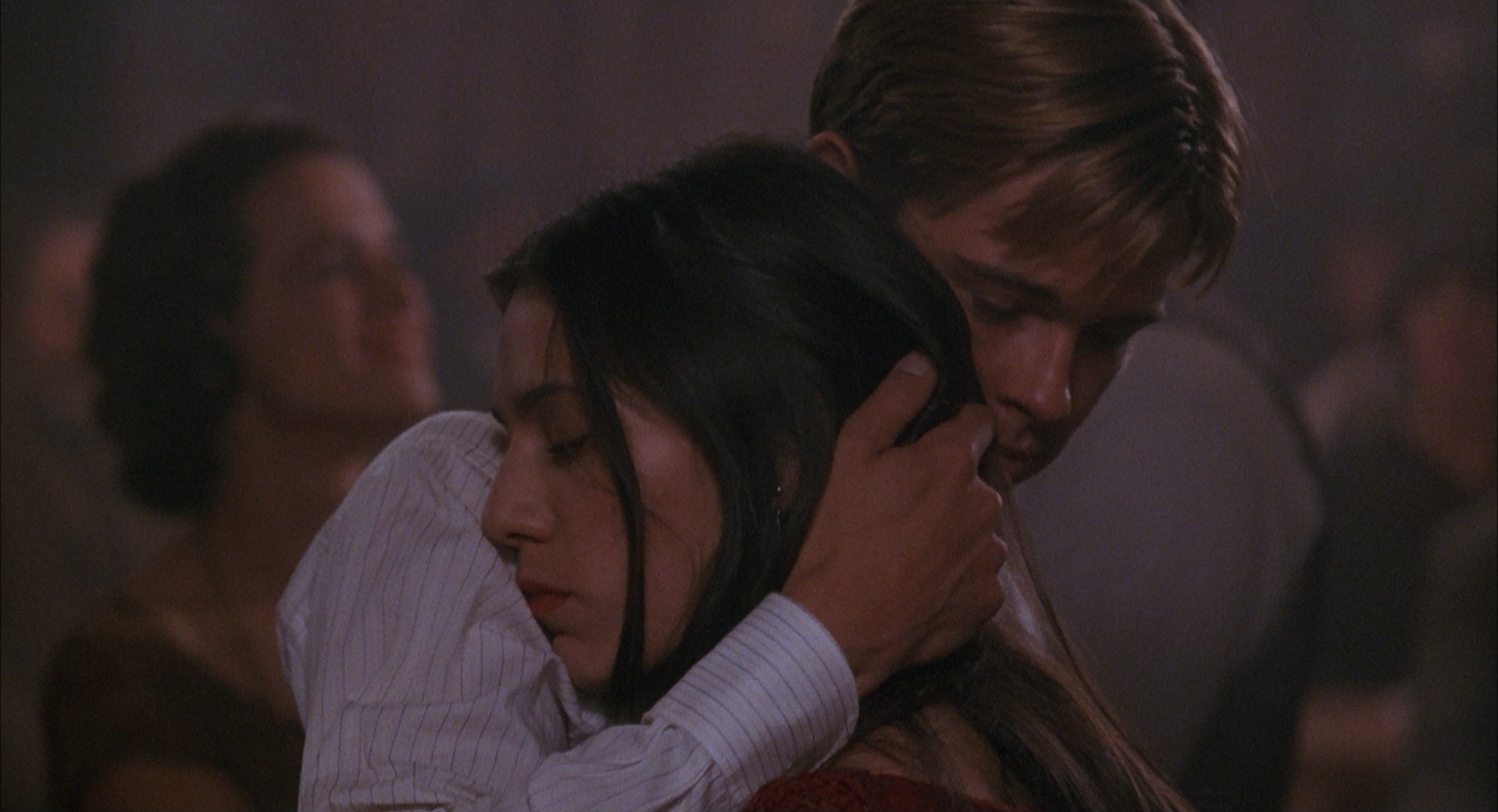
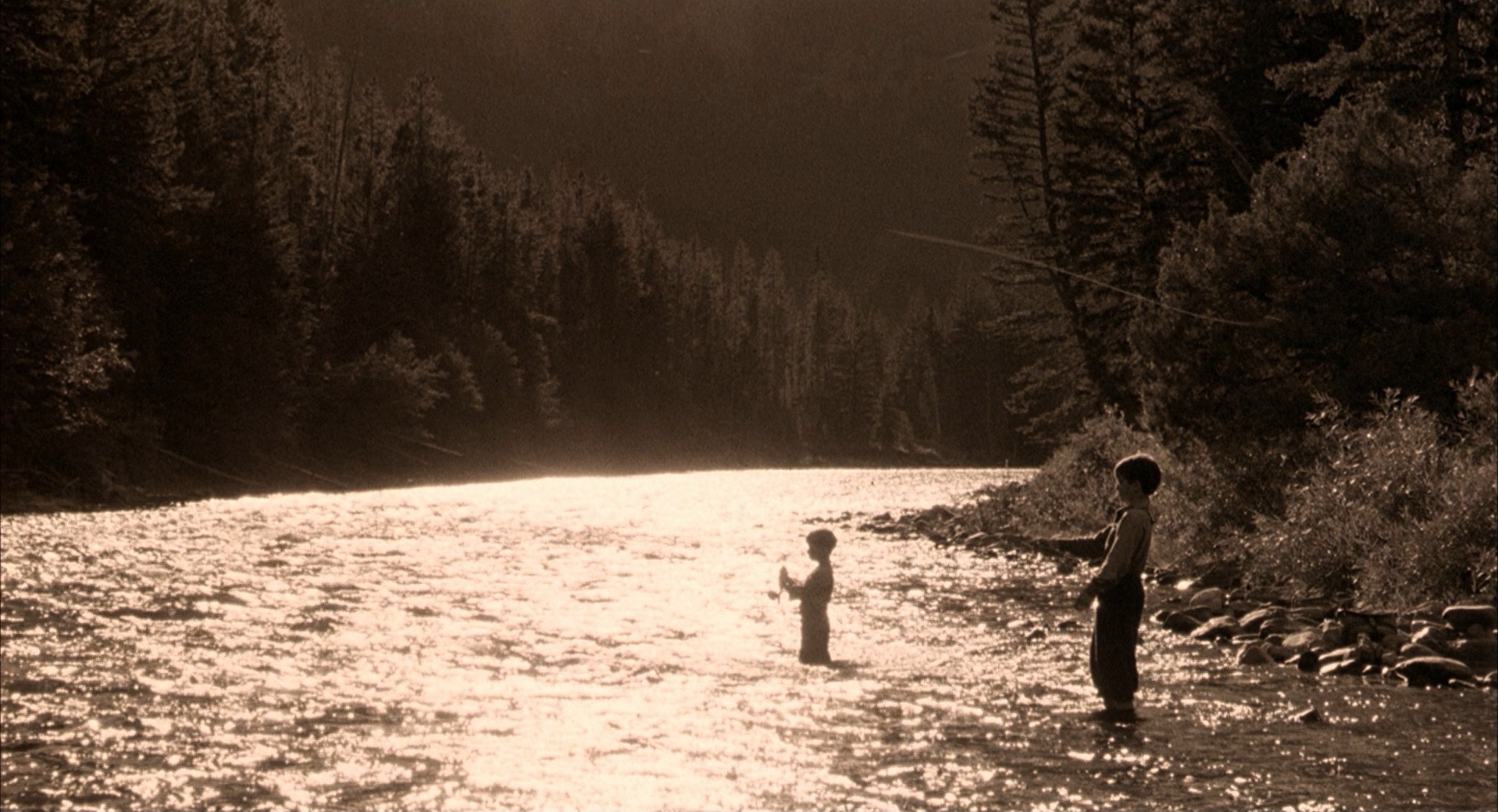
Set in early-20th-century Montana, the film follows two brothers raised by their Presbyterian minister father, whose lives diverge as they grow into adulthood. While Norman pursues a more conventional path, his younger brother Paul remains rebellious, charismatic, and increasingly self-destructive. Bound together by family, memory, and a shared love of fly fishing, the story unfolds as a reflective meditation on brotherhood, spirituality, and the impossibility of fully saving the people we love.
Redford and cinematographer Philippe Rousselot craft the film with luminous natural photography that turns the Montana landscape into a spiritual and emotional presence. Golden-hour lighting, flowing river imagery, and expansive mountain vistas create a painterly pastoral atmosphere rooted in nostalgia and memory. The fly-fishing sequences are staged with graceful slow motion and fluid camera movement that transform casting lines and moving water into a kind of choreography, visually linking nature, ritual, and emotional connection. Throughout the film, the landscape functions not merely as backdrop but as an extension of family history, longing, and loss.

FILM SPOTLIGHT
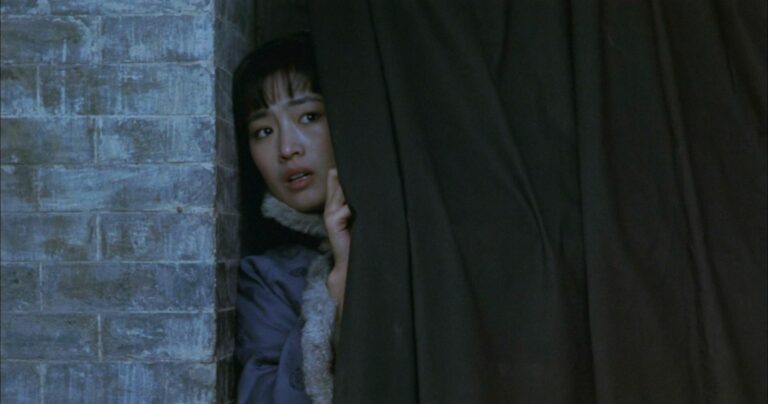
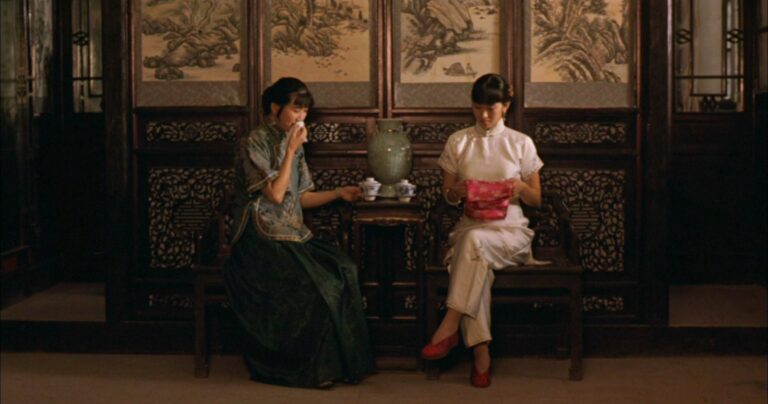
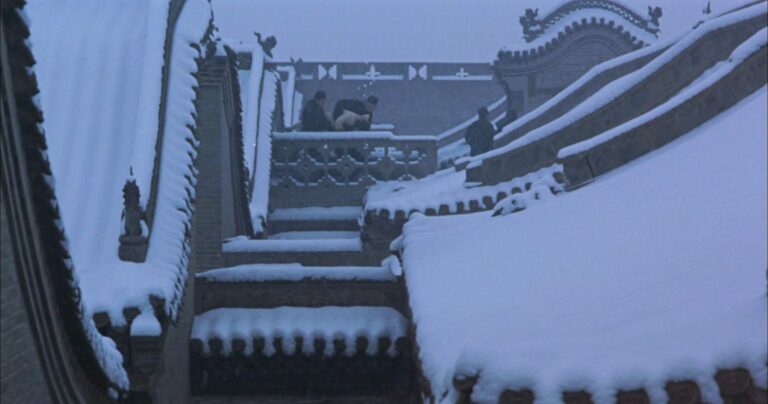
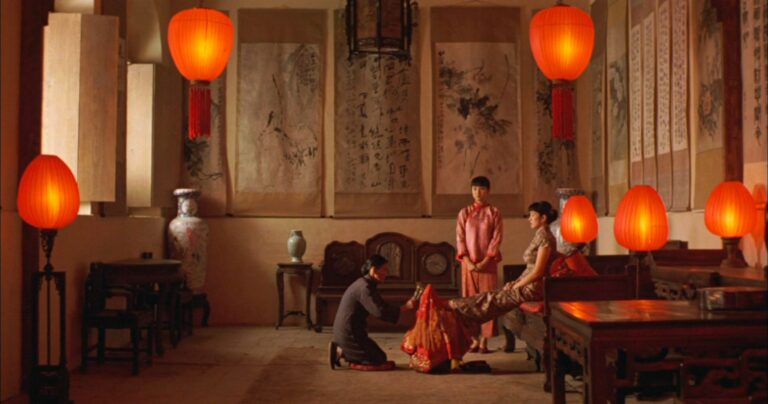
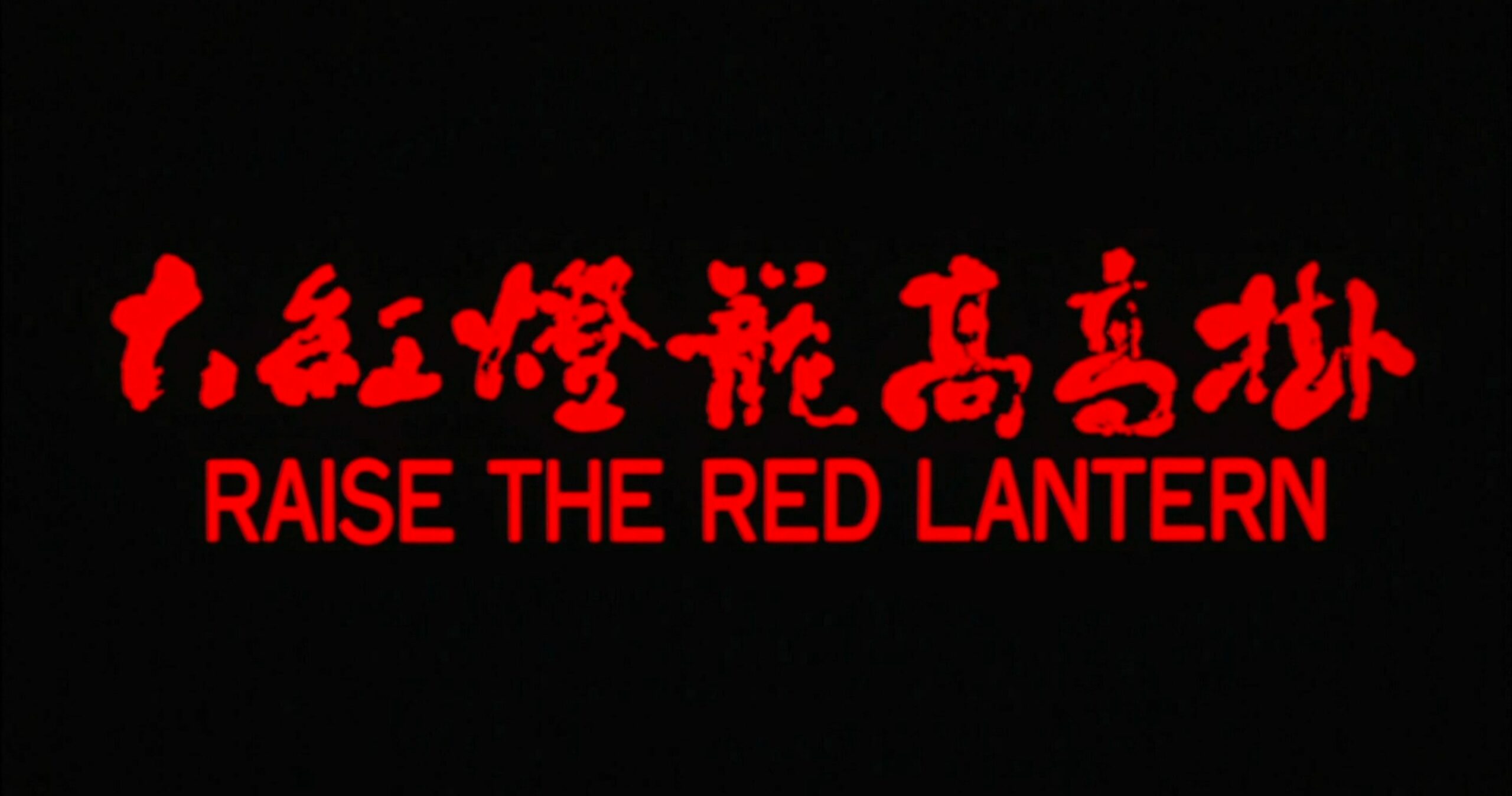
Raise the Red Lantern (1991)
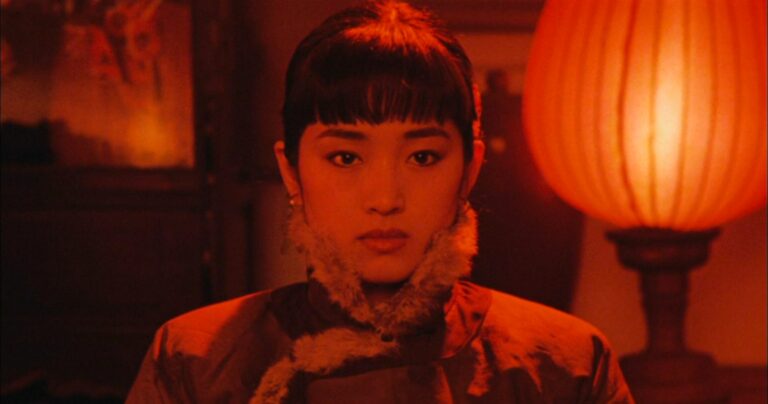
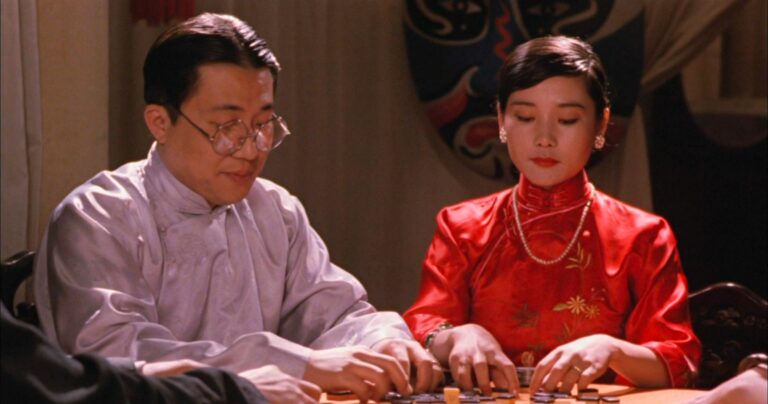
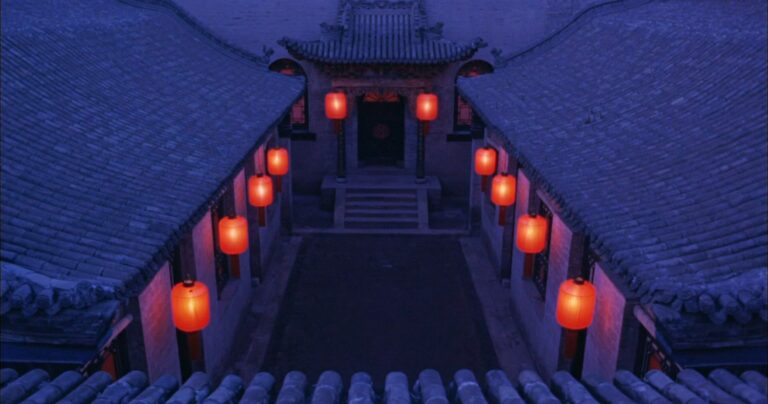
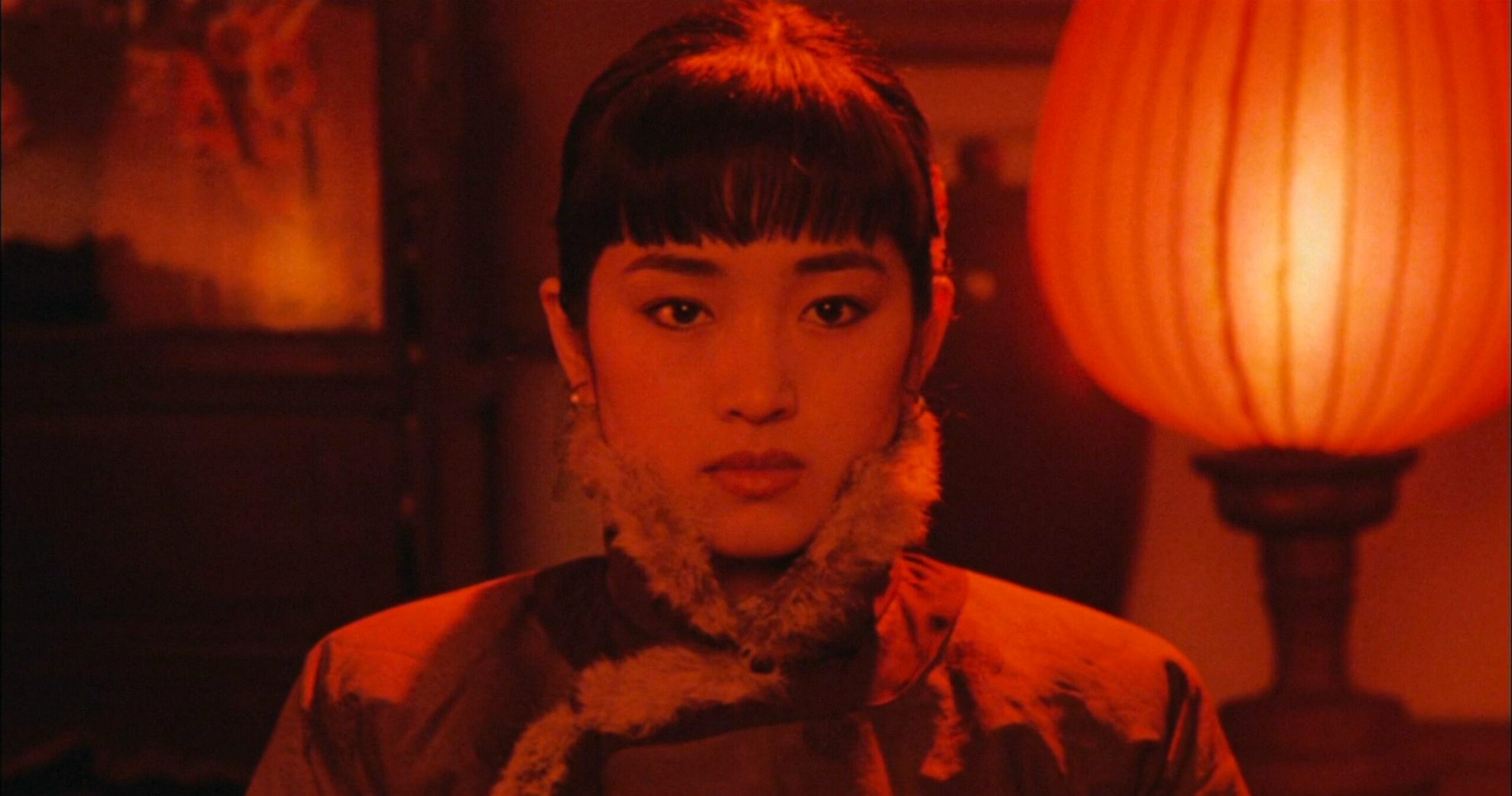
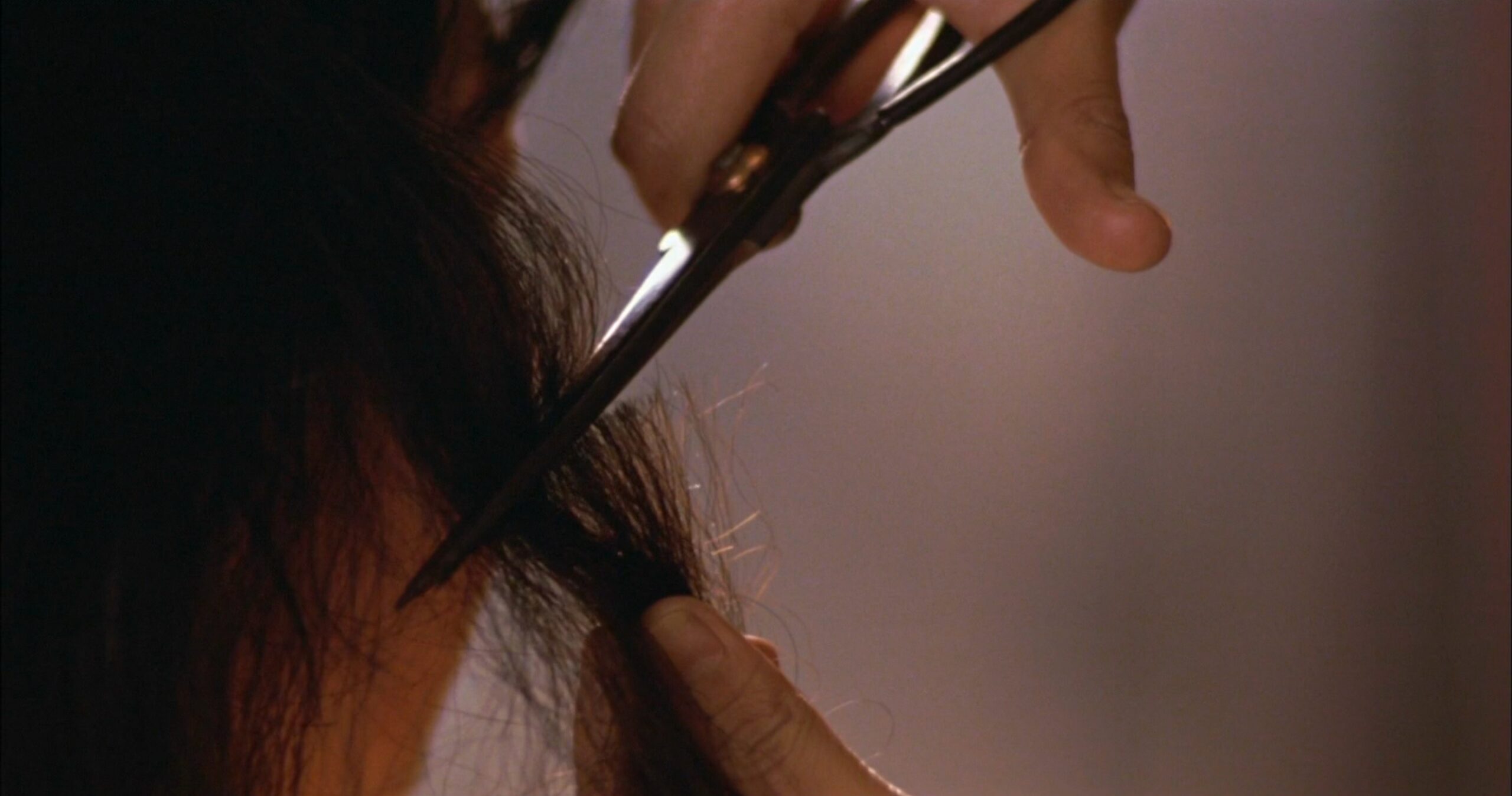
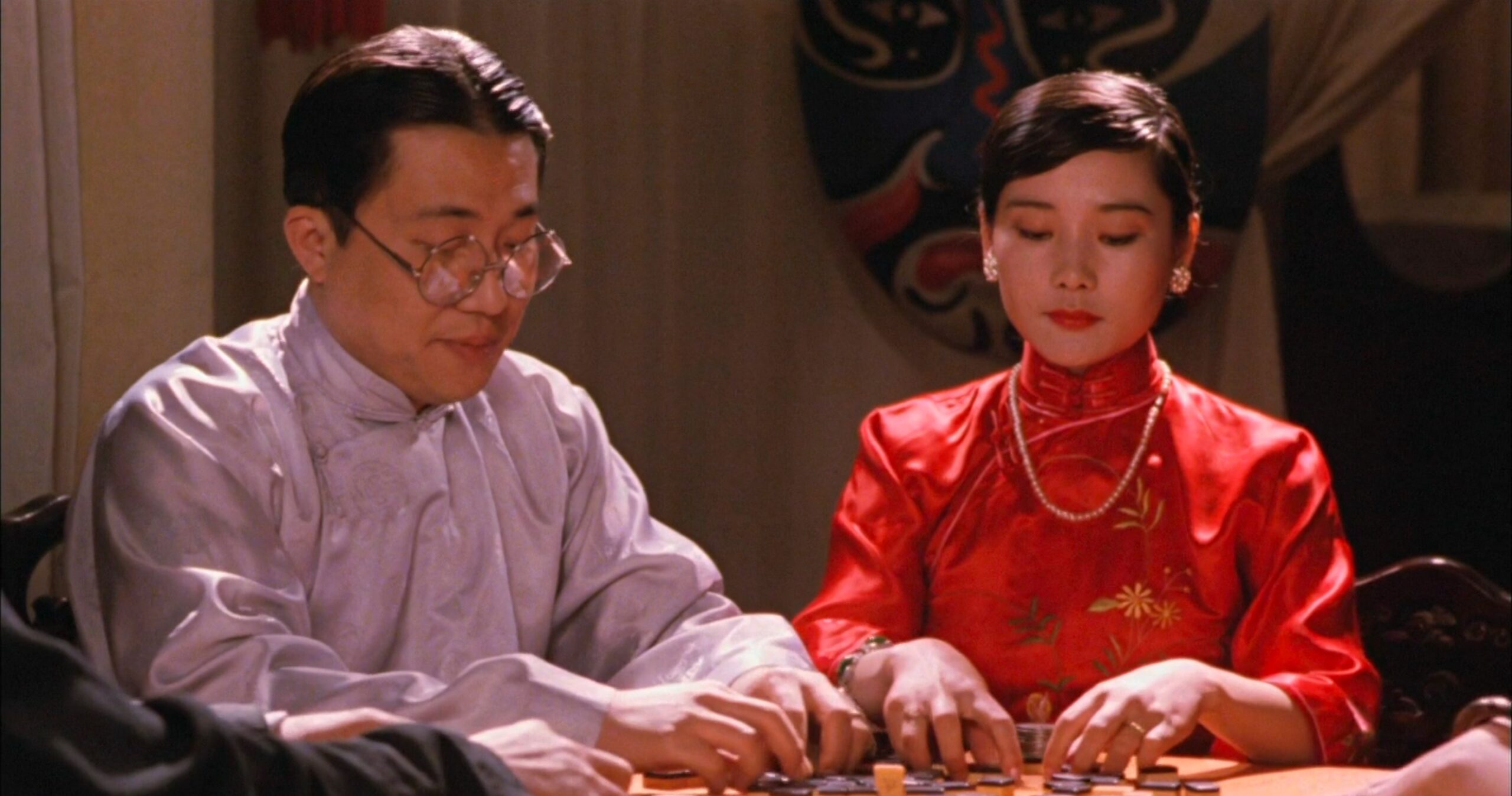
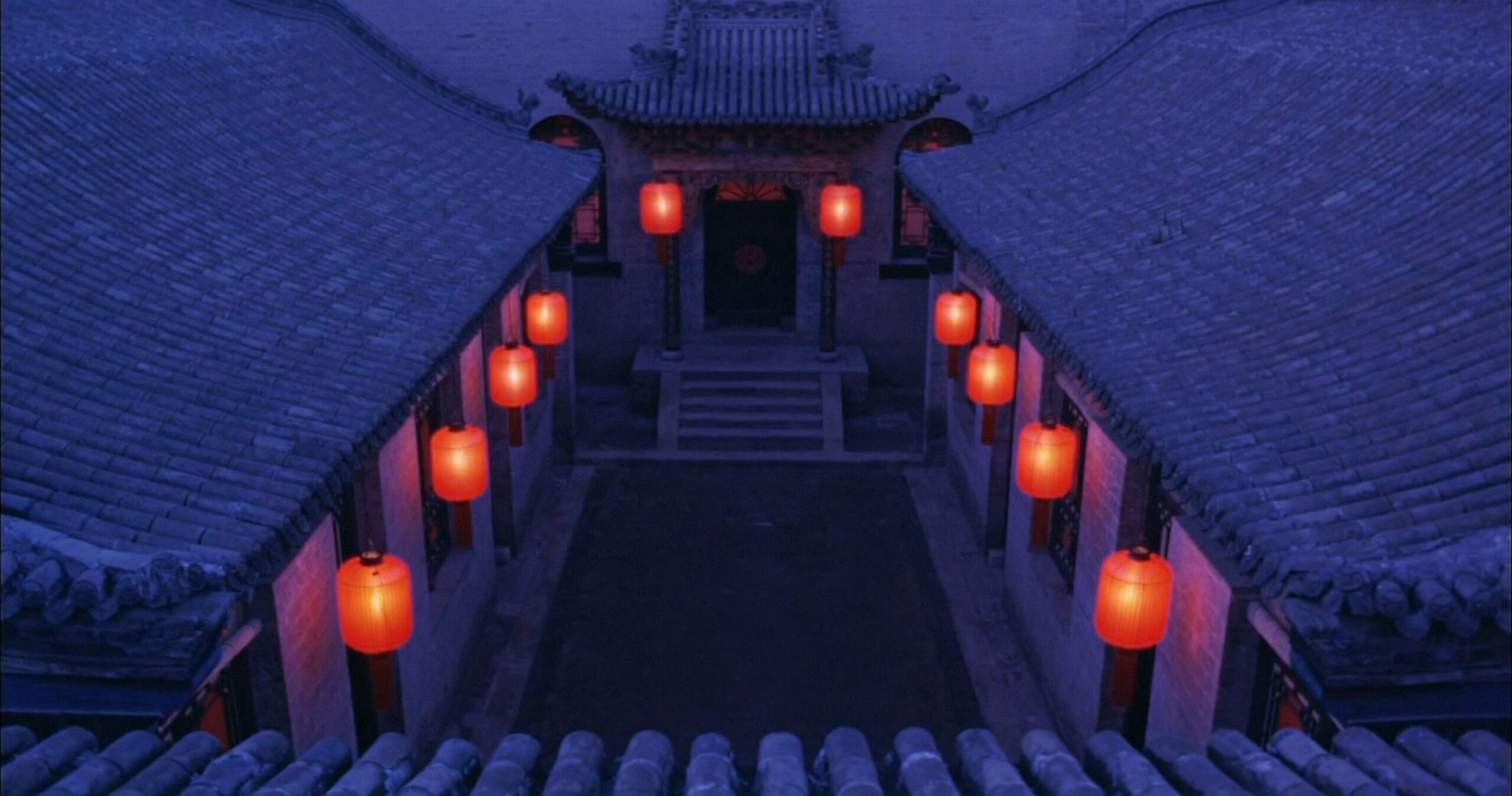
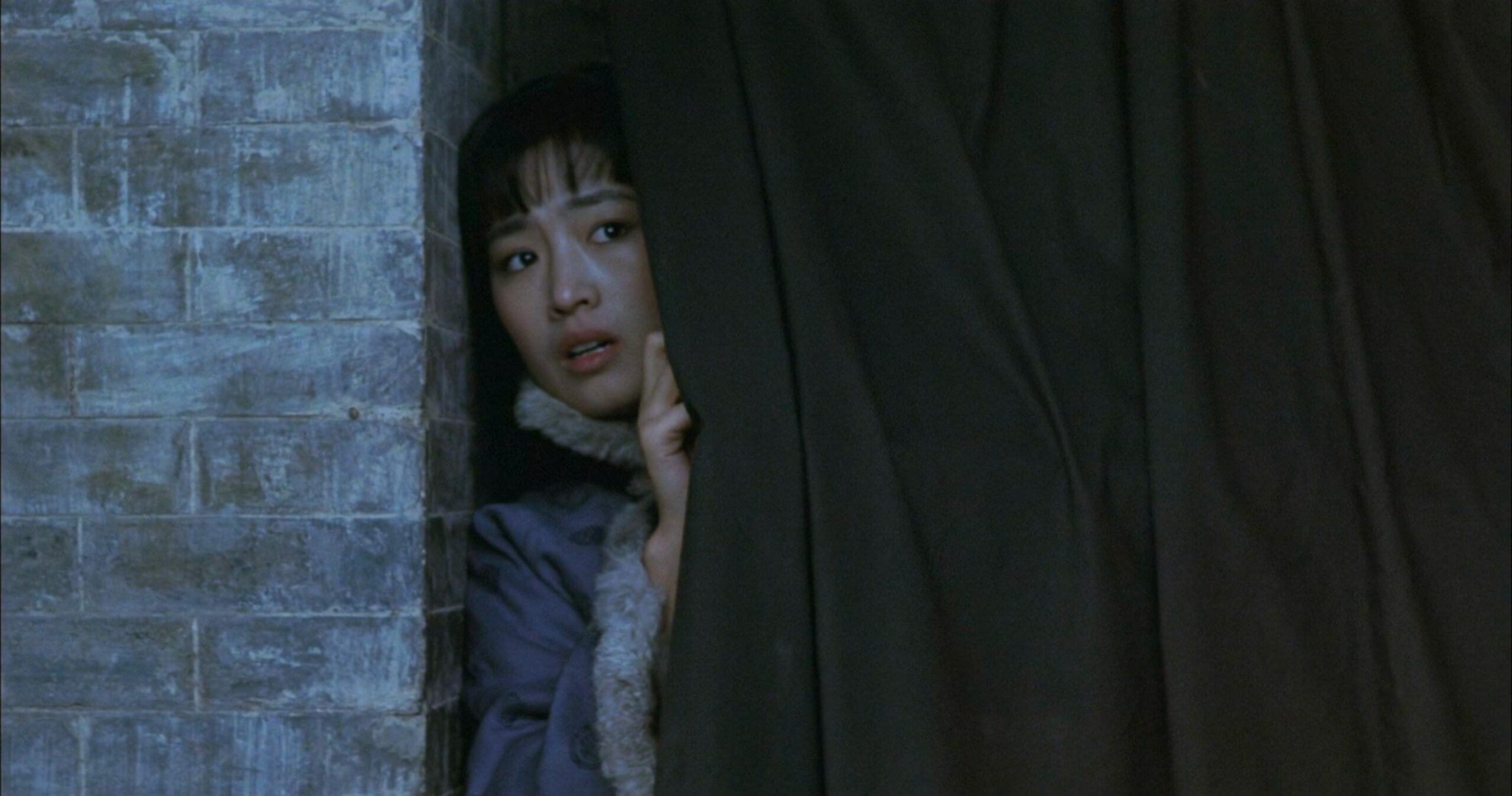
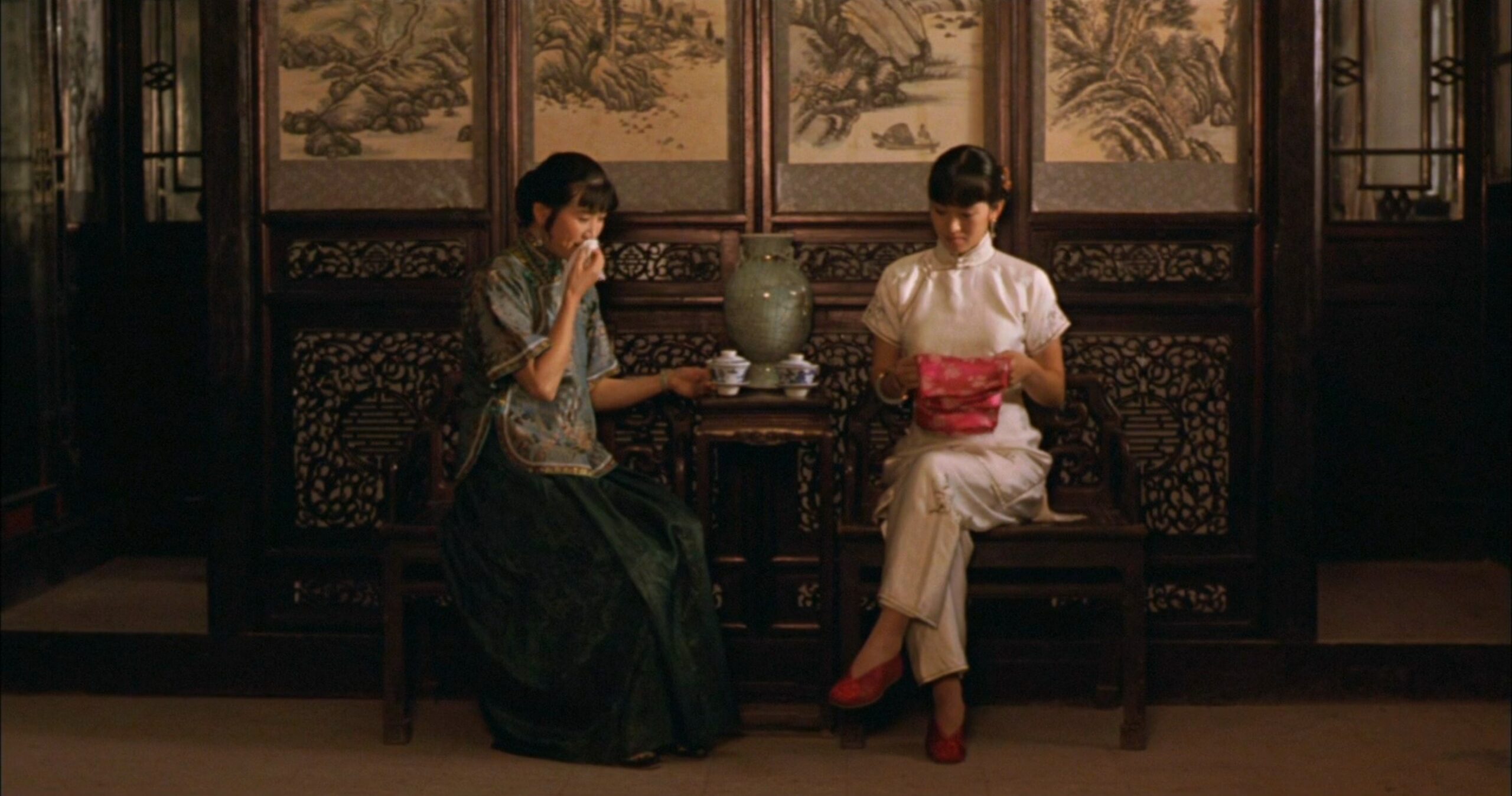
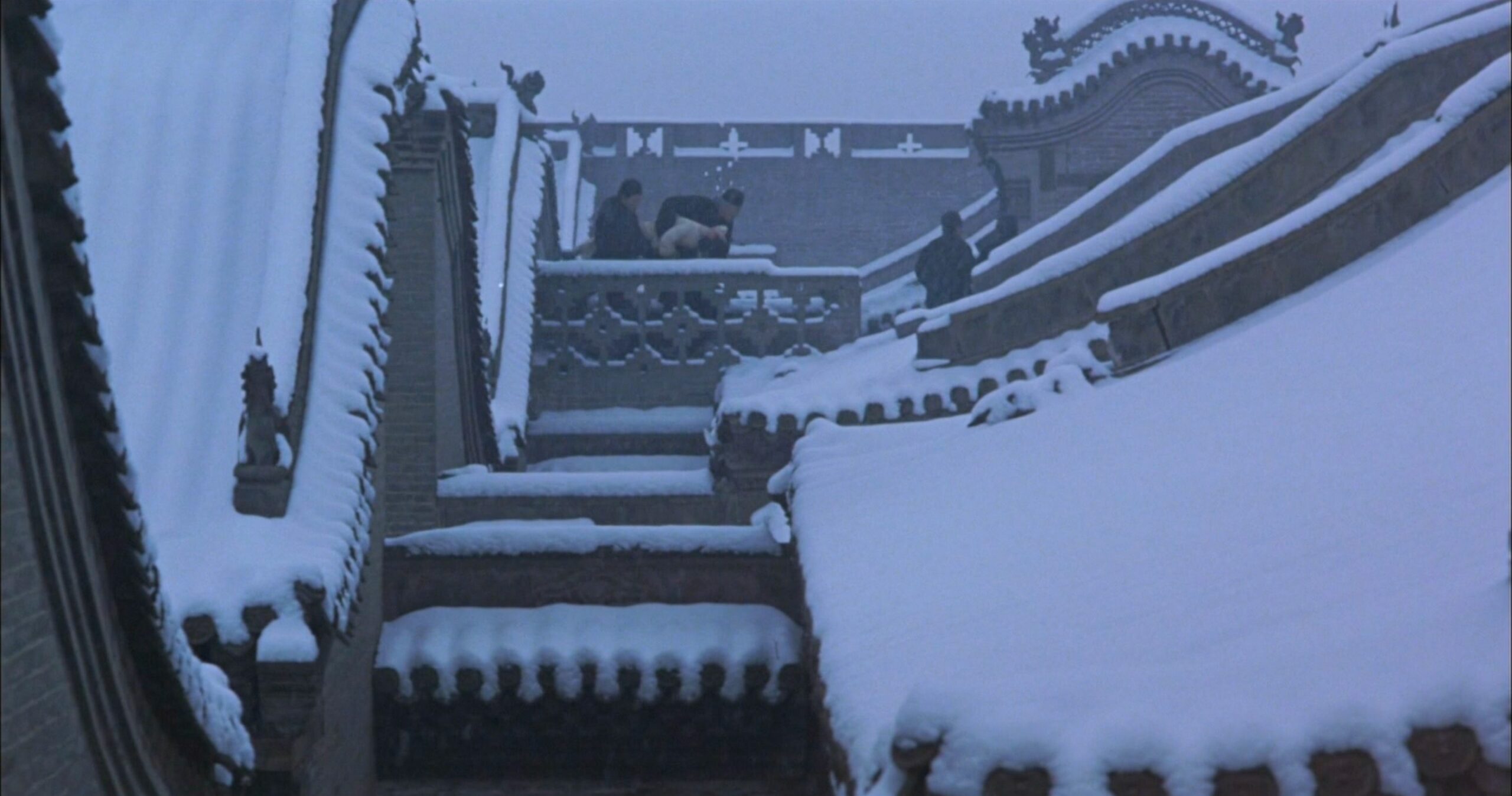
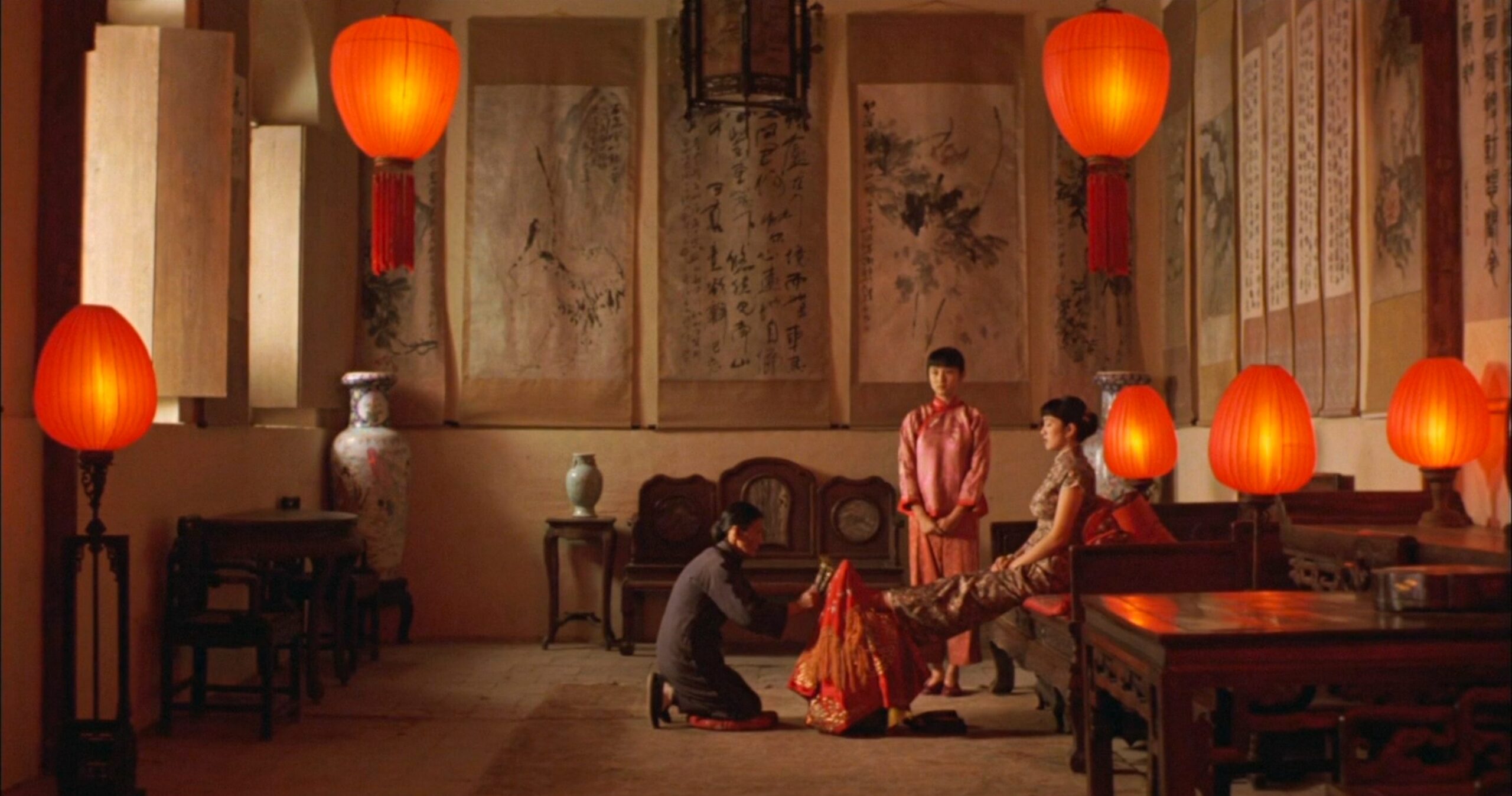
Set in 1920s China, the film follows Songlian, a young woman who becomes the fourth wife of a wealthy master after her family falls into financial ruin. Inside the rigid hierarchy of the household, each wife competes for status, attention, and privilege, signaled by the nightly lighting of red lanterns outside their quarters. As jealousy, isolation, and ritualized power struggles intensify, Songlian becomes increasingly trapped within the oppressive logic of the estate.
Zhang and cinematographer Zhao Fei construct Raise the Red Lantern with meticulously controlled compositions and striking color symbolism, turning the compound into a visually ordered prison. The repeated use of vivid red lanterns against gray stone courtyards and cold winter light creates a stark contrast between ceremonial beauty and emotional repression. Symmetrical framing, static camera setups, and carefully choreographed movement reinforce the household’s rigid hierarchy, while the enclosed architecture and seasonal shifts gradually make the space feel more suffocating and psychologically inescapable.

FILM SPOTLIGHT
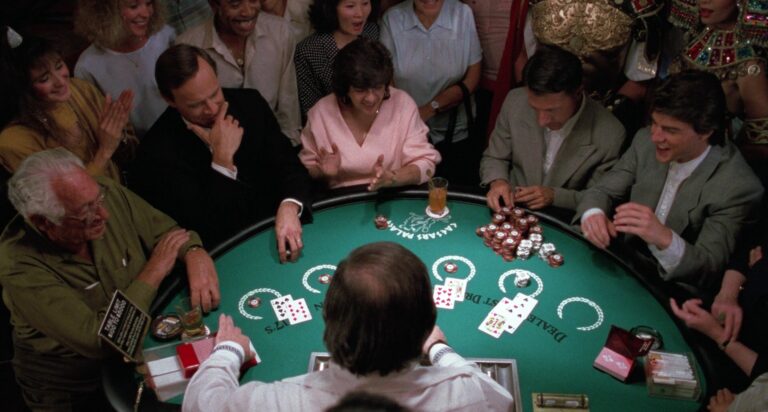
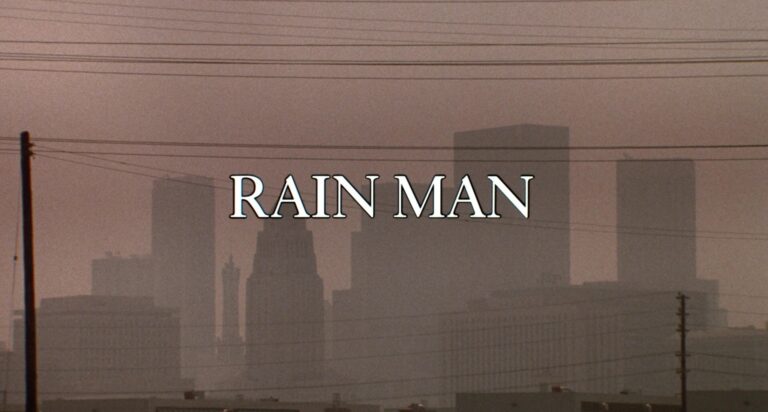
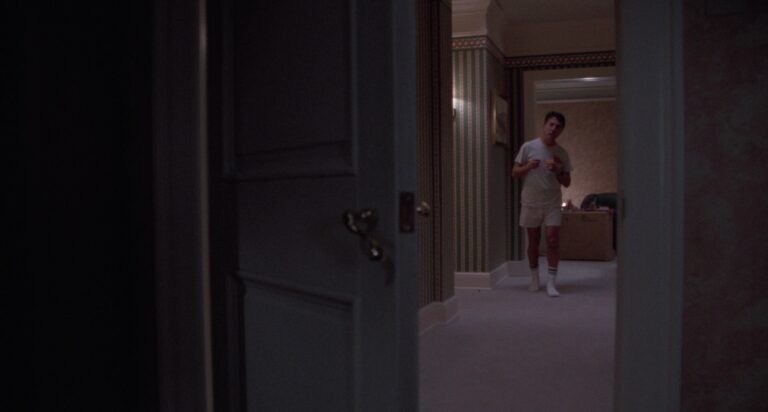
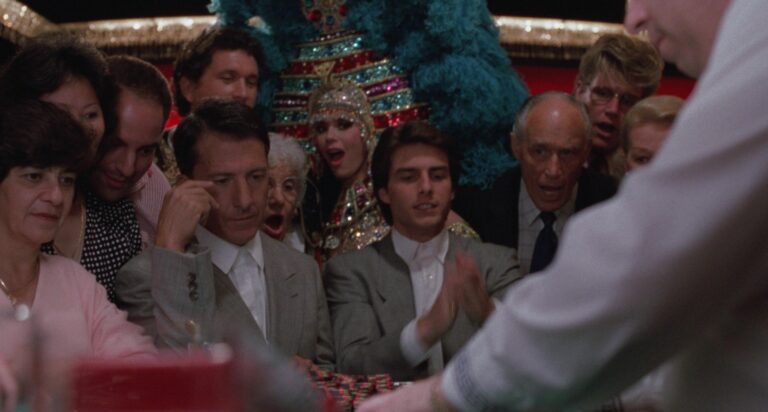
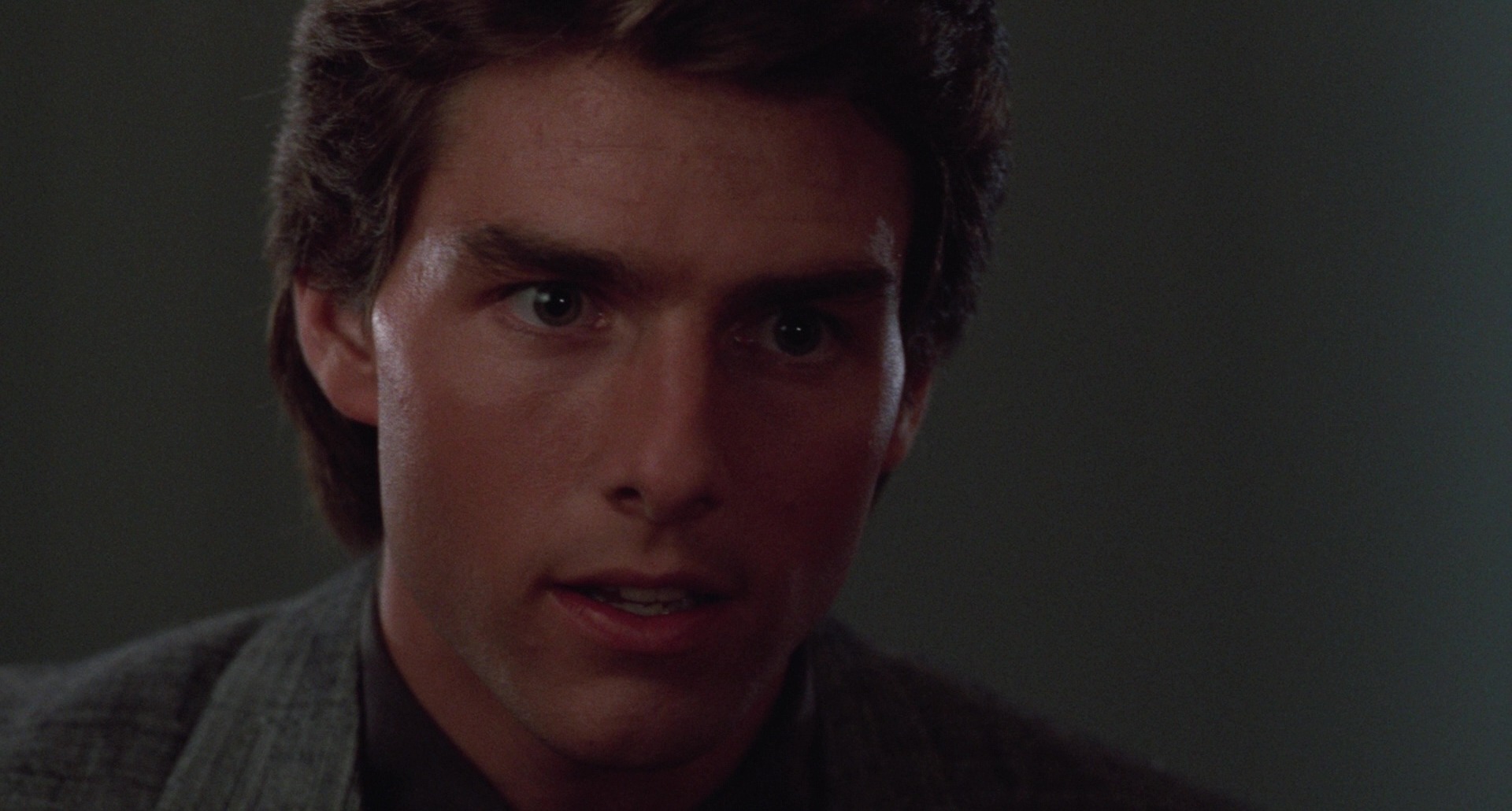
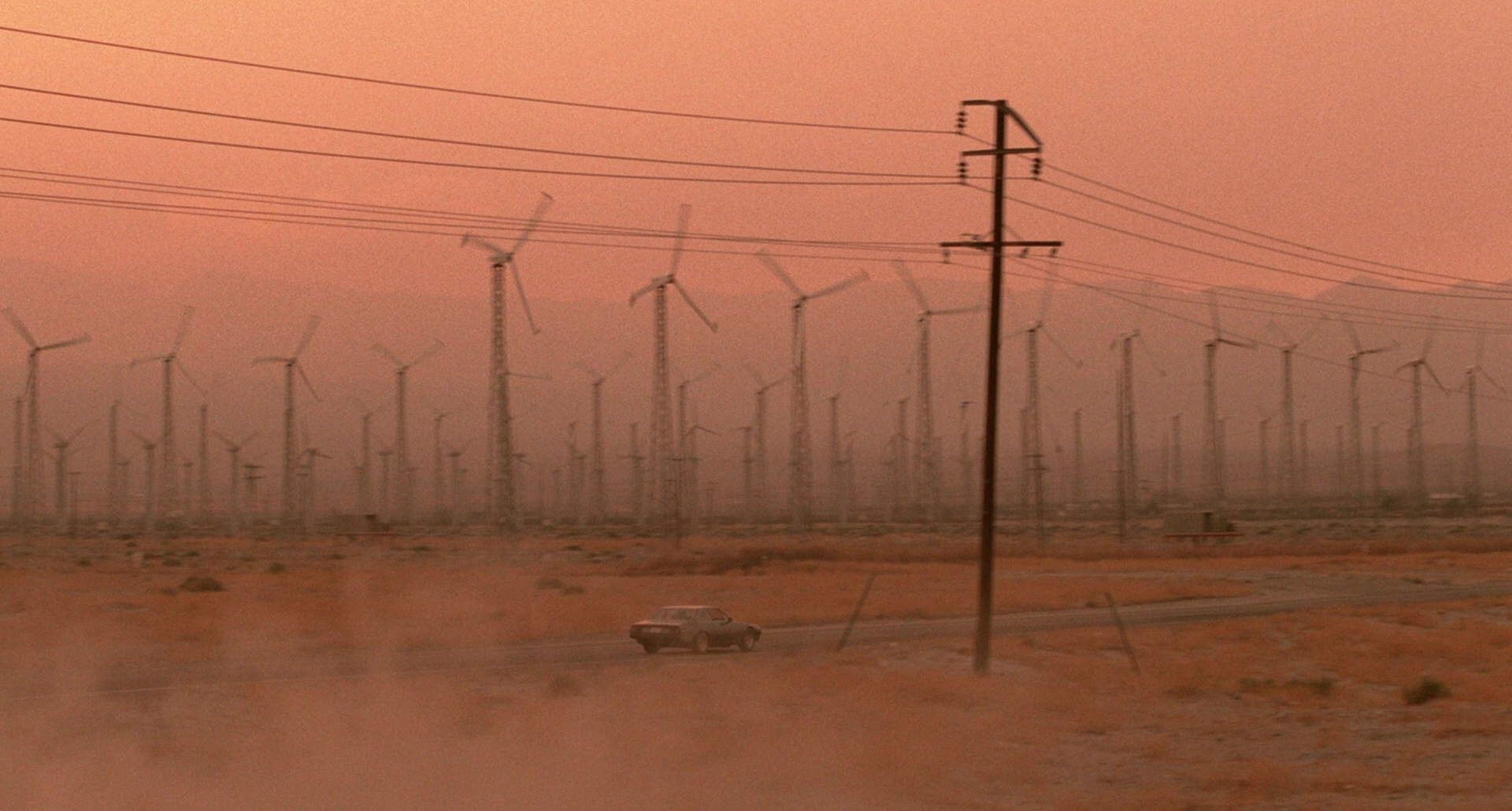
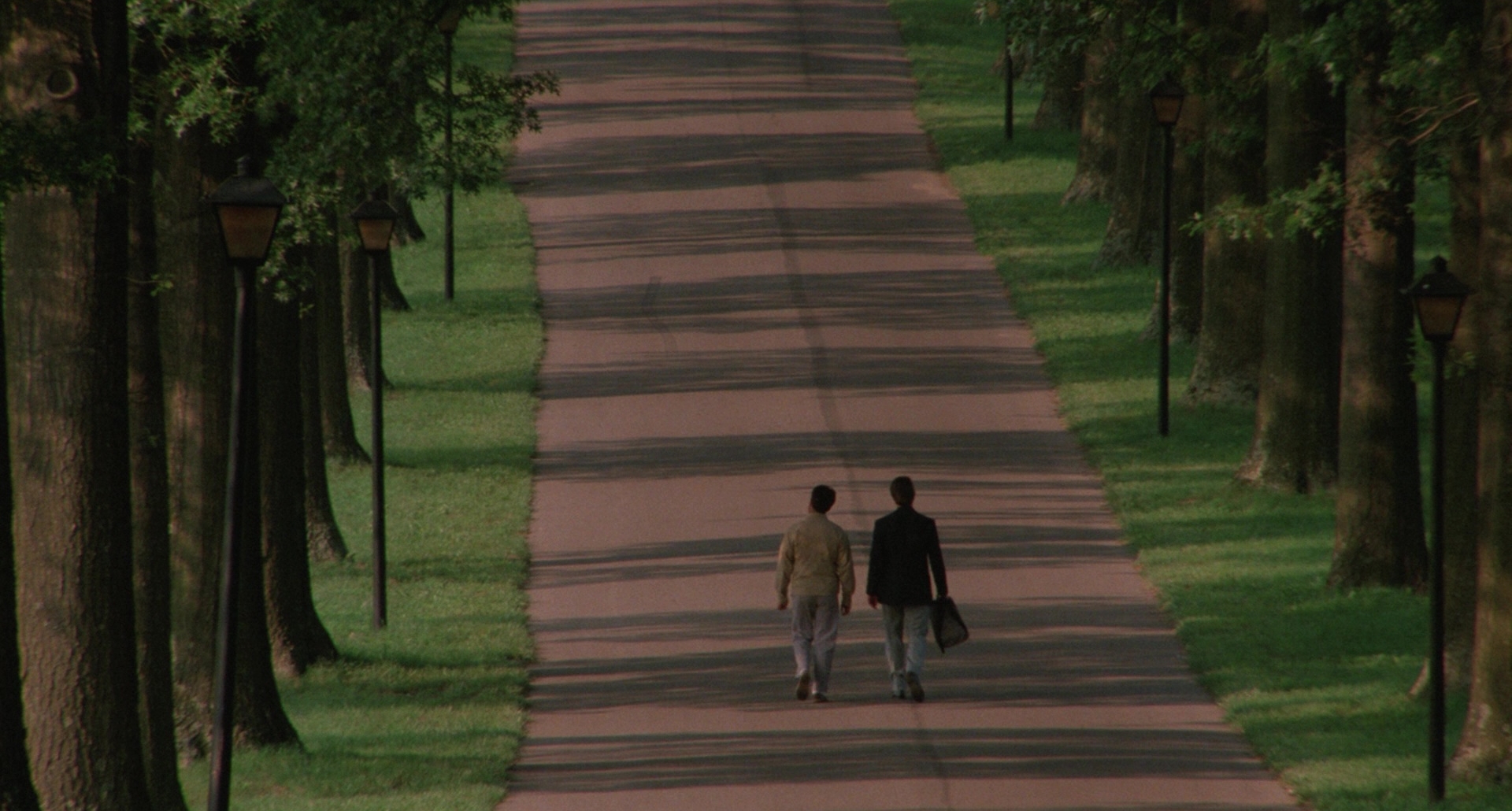
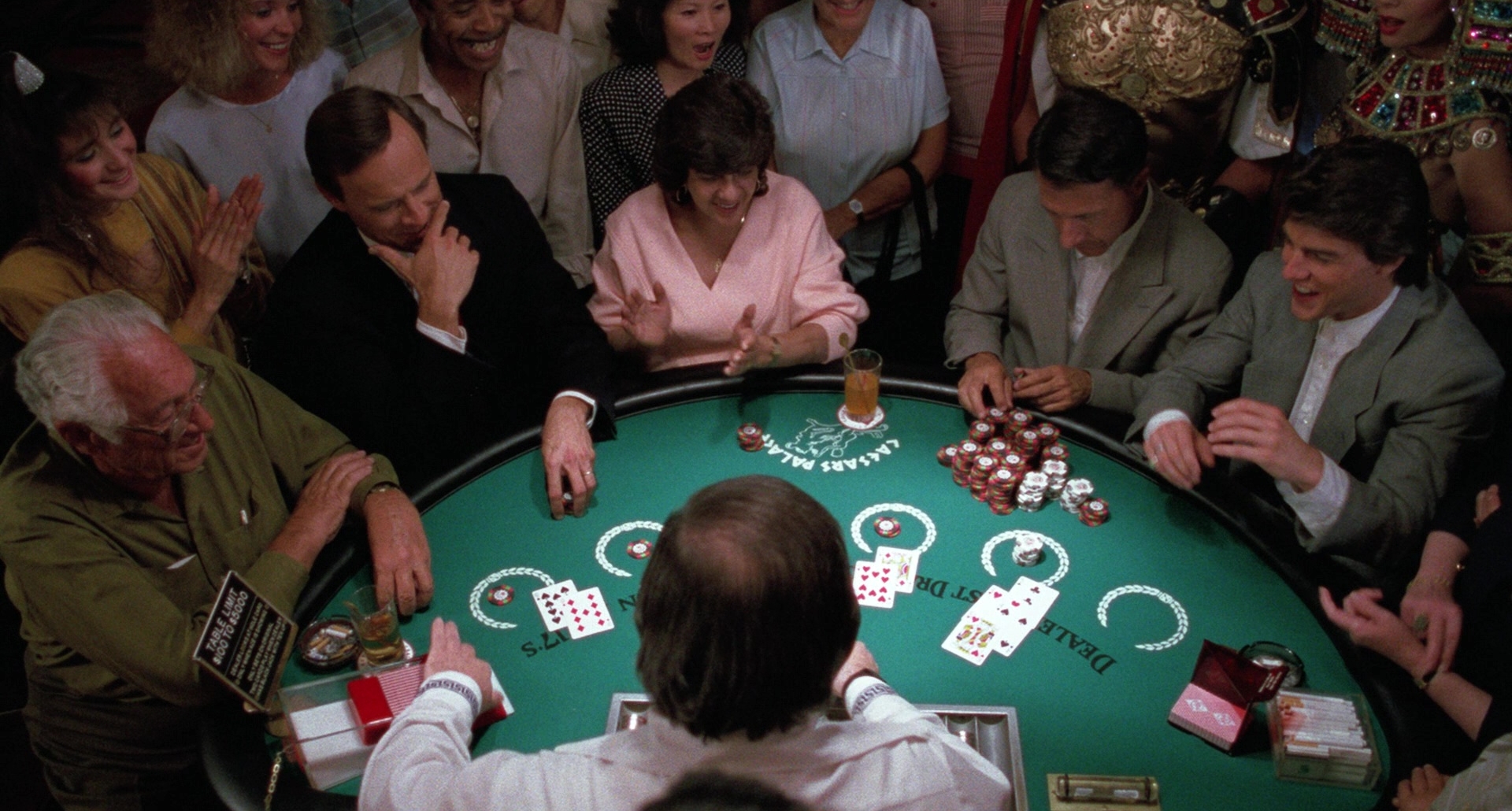
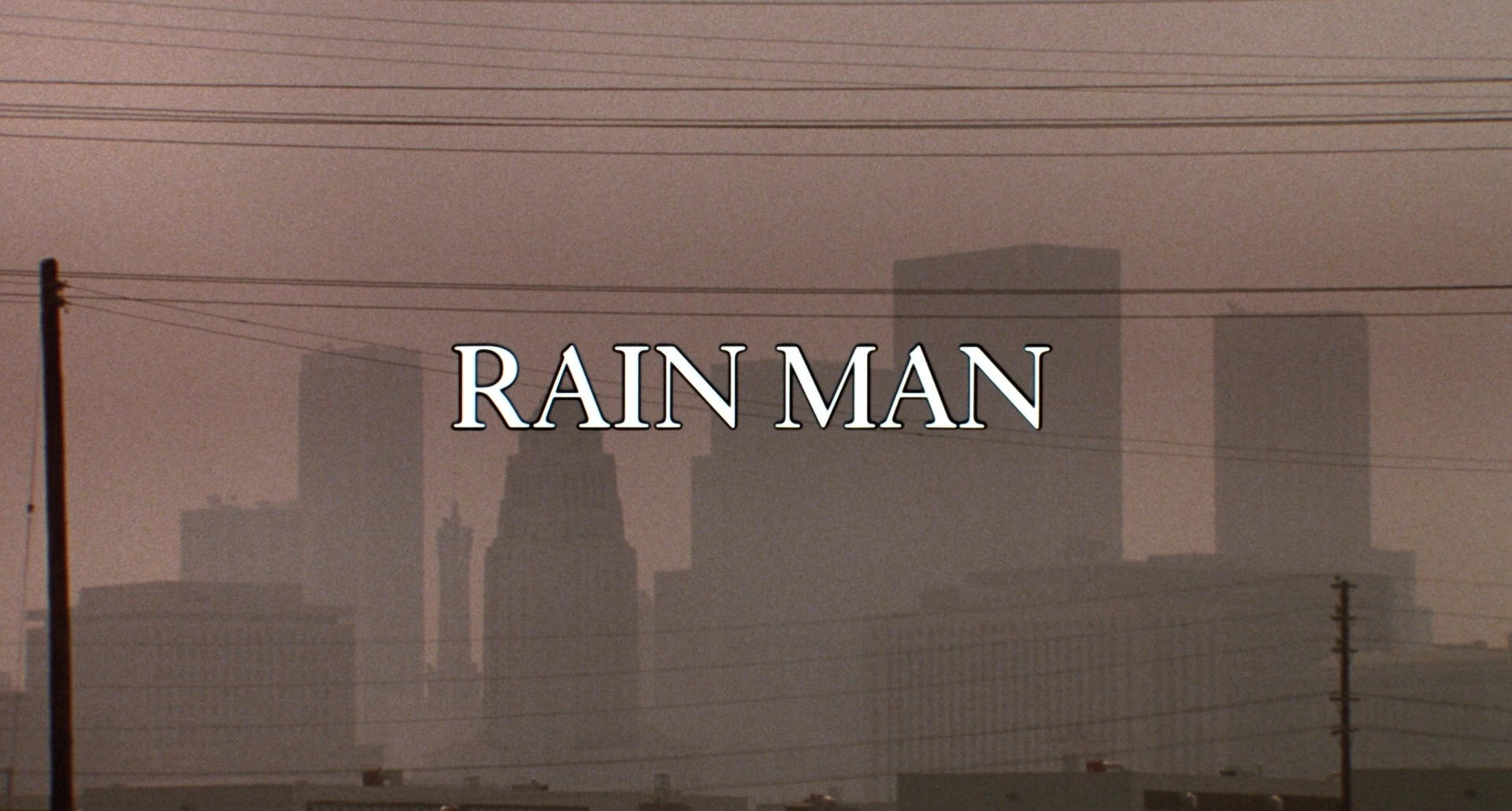
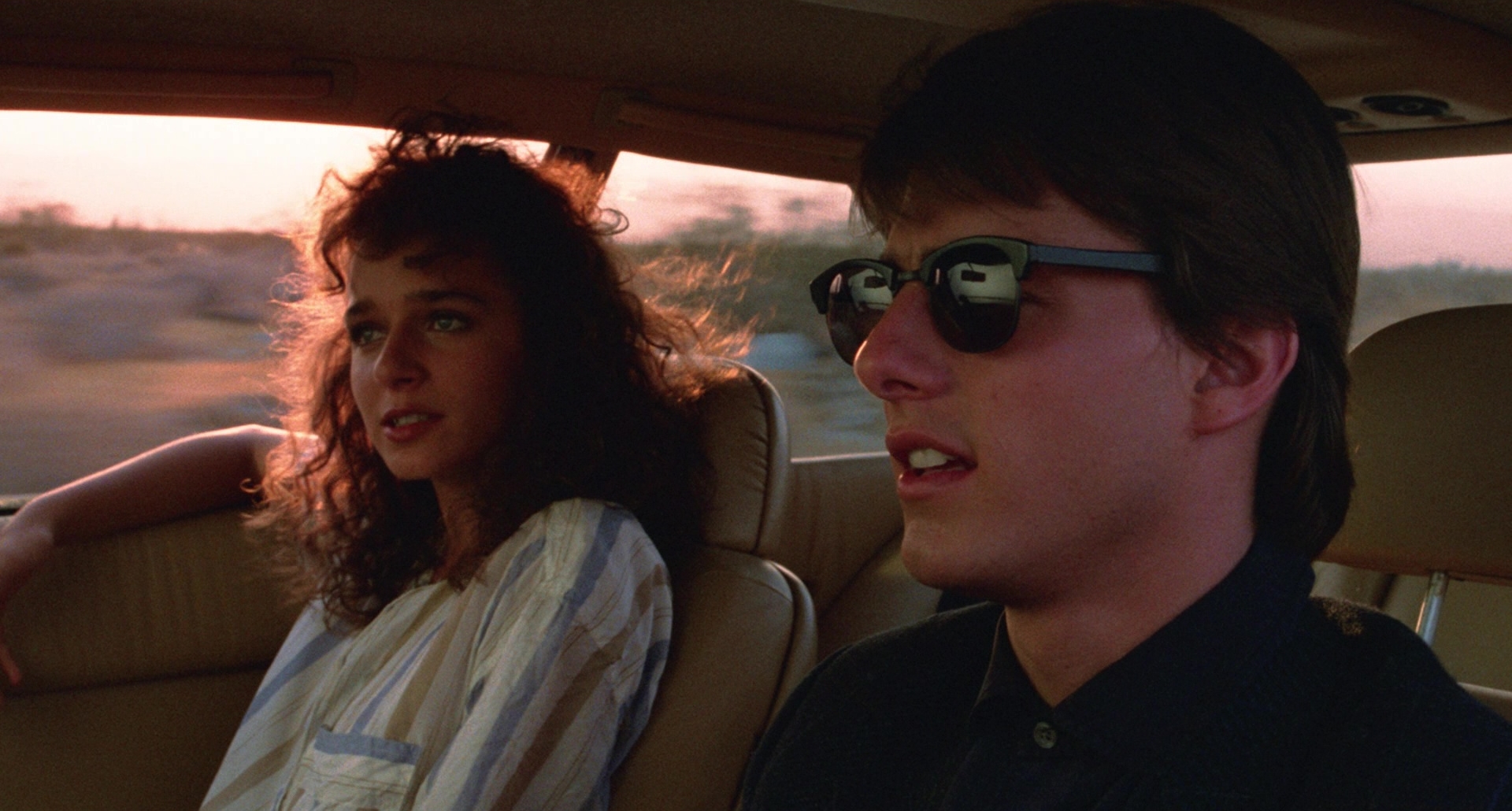
Rain Man (1988)
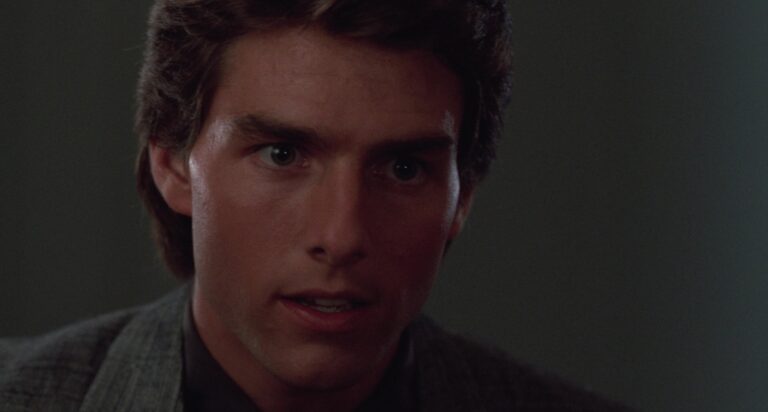
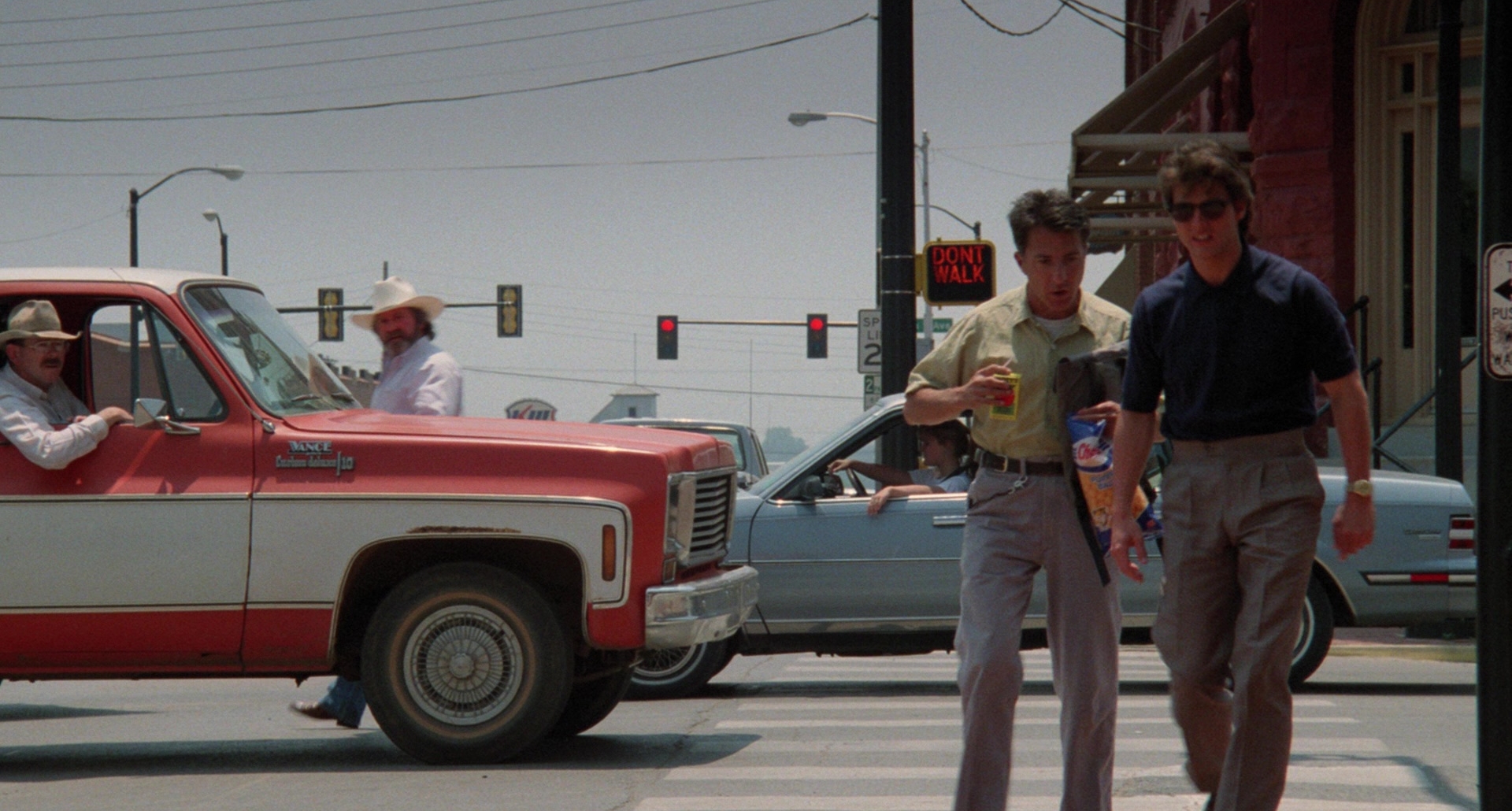
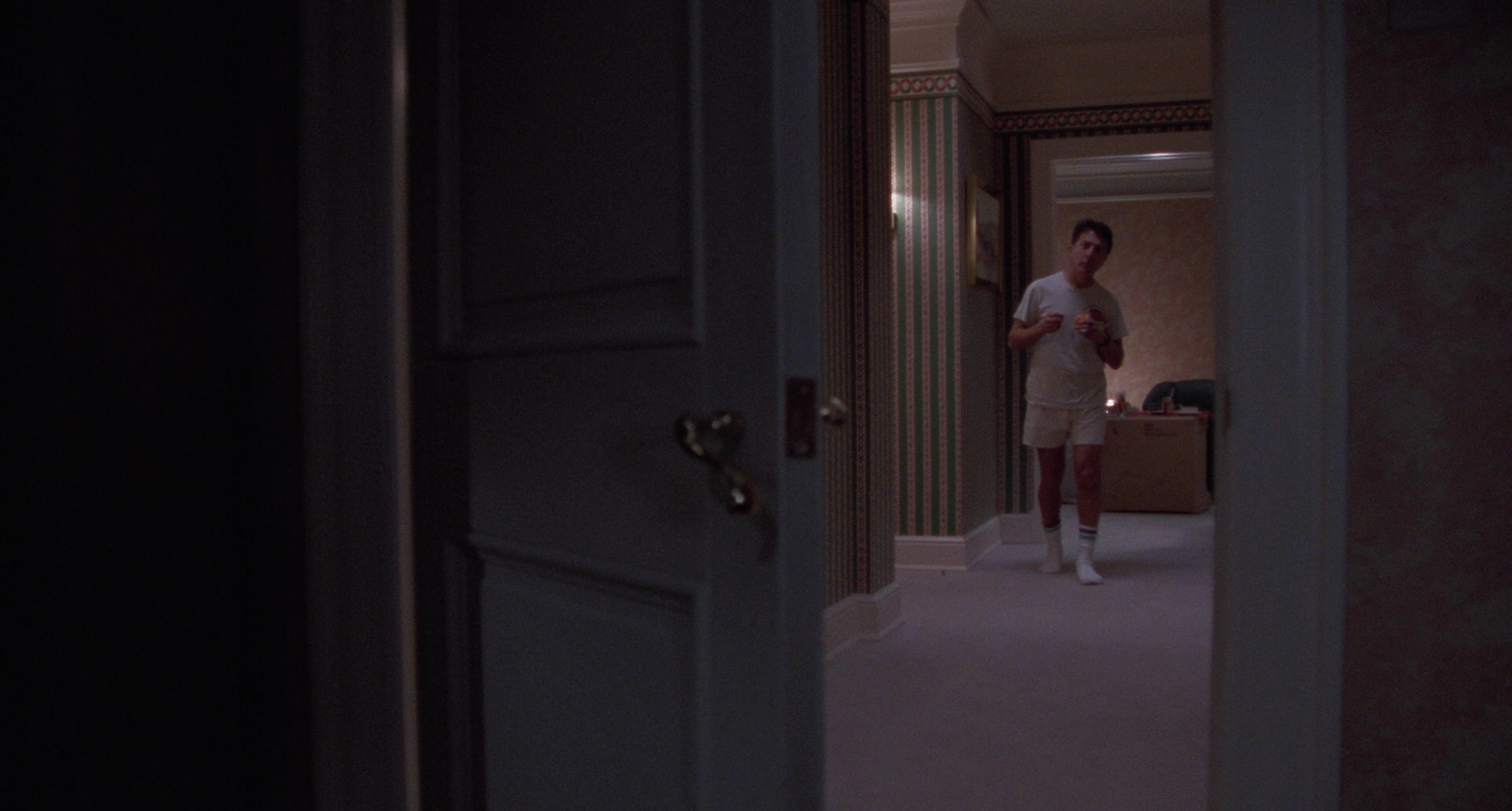
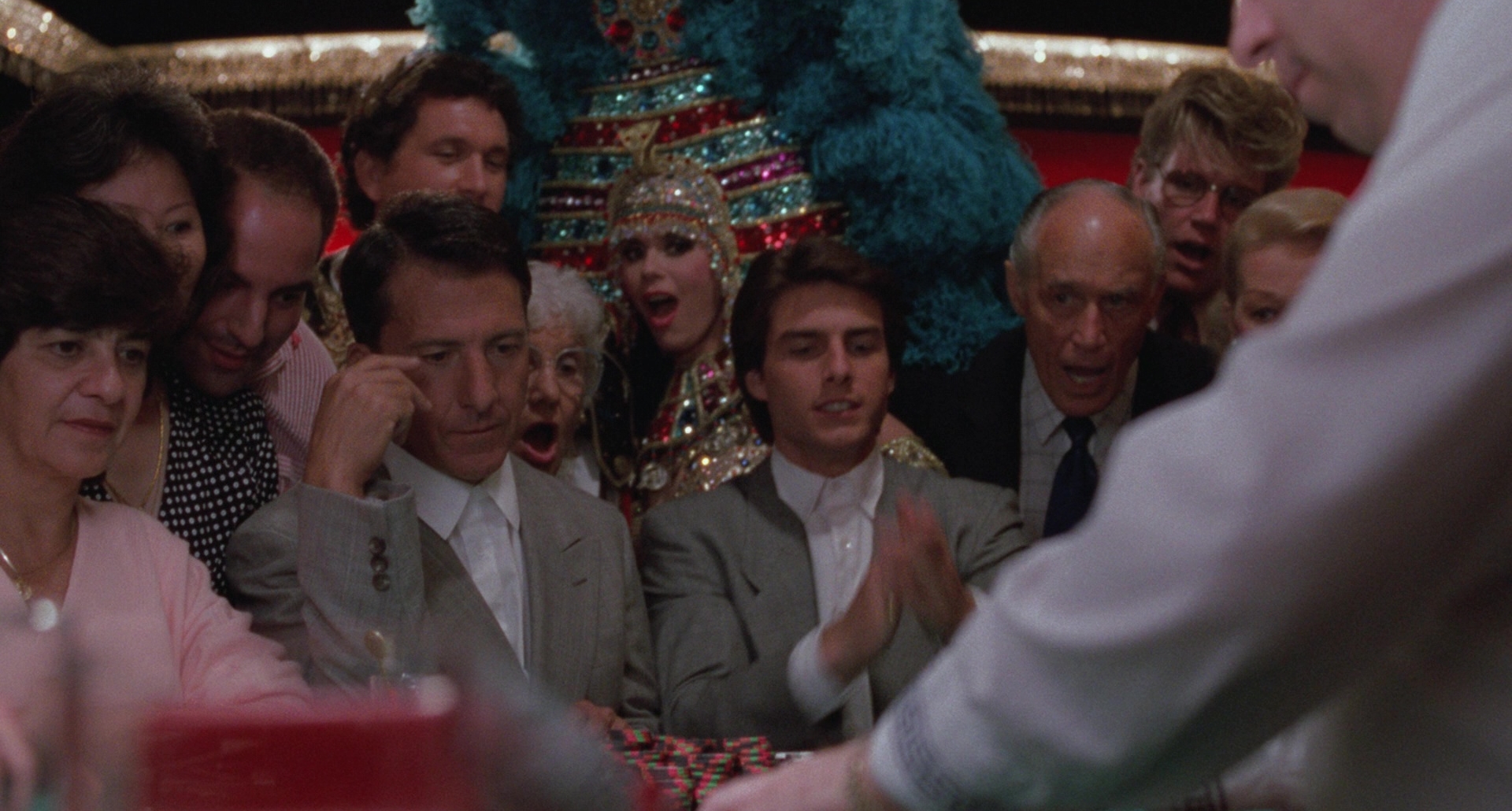
After the death of his estranged father, fast-talking car dealer Charlie Babbitt discovers that most of the family inheritance has been left to an older brother he never knew existed: Raymond, an autistic savant living in a care institution. Hoping to gain control of the money, Charlie takes Raymond on a cross-country journey that gradually transforms from manipulation into genuine emotional connection. As the brothers travel together, Charlie is forced to confront his own selfishness, loneliness, and understanding of family.
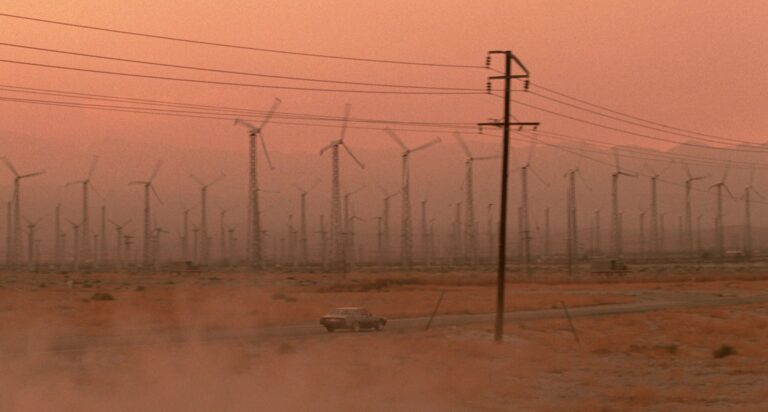
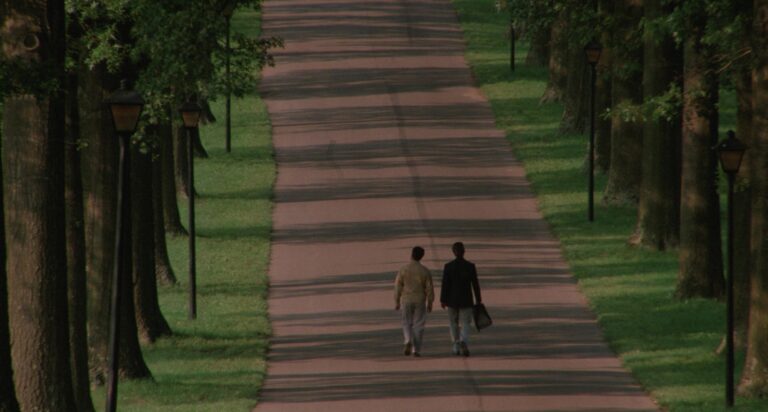
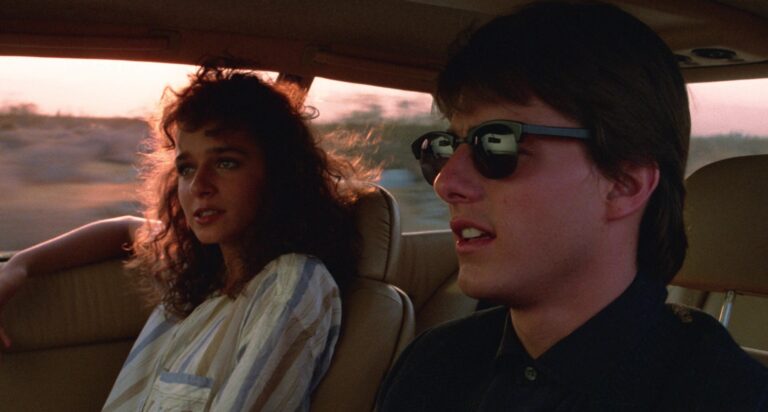
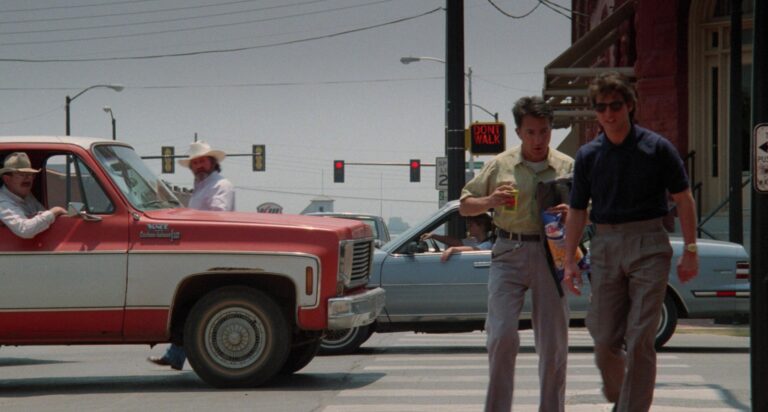
Levinson and cinematographer John Seale shoot Rain Man with a warm, naturalistic visual style rooted in American road-movie imagery and character observation. Wide desert highways, motels, diners, casinos, and suburban interiors are photographed with soft natural light and unobtrusive camerawork that keeps the focus on performance and evolving emotional dynamics between the brothers. The film’s visual restraint mirrors Raymond’s repetitive routines and structured worldview, while the gradual expansion of physical and emotional space across the road trip subtly reflects Charlie’s growing empathy and emotional openness.
FILM SPOTLIGHT
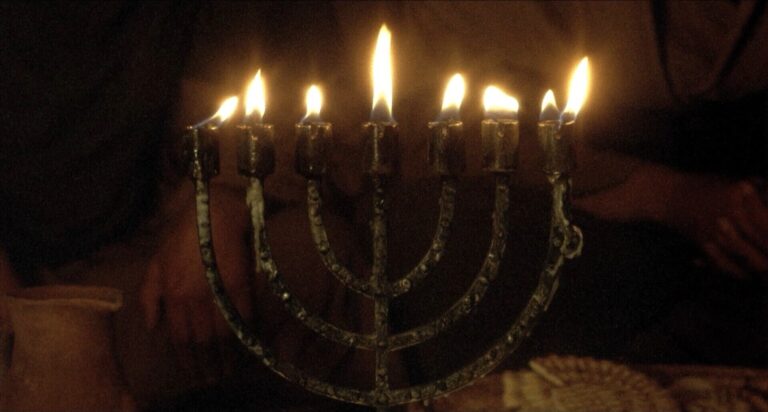
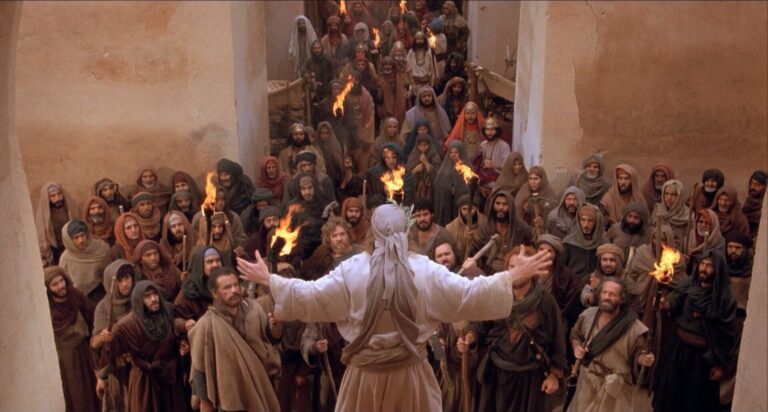
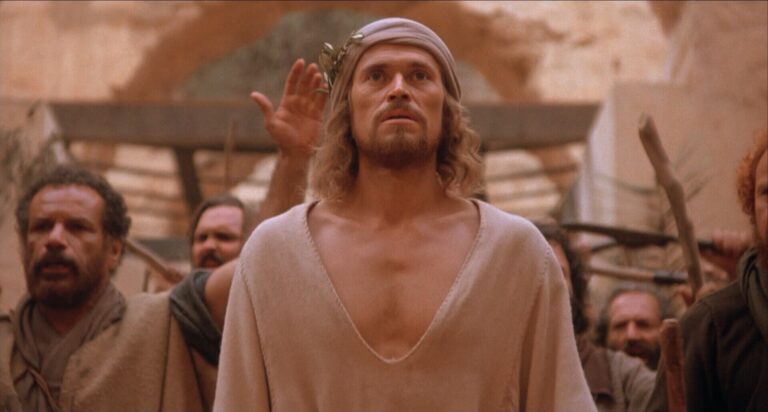
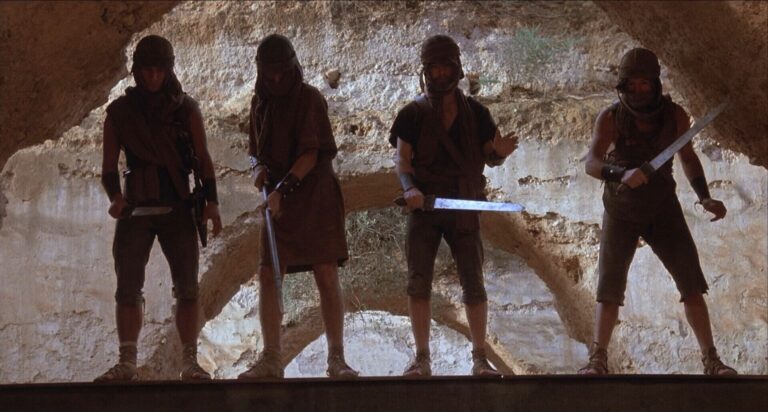
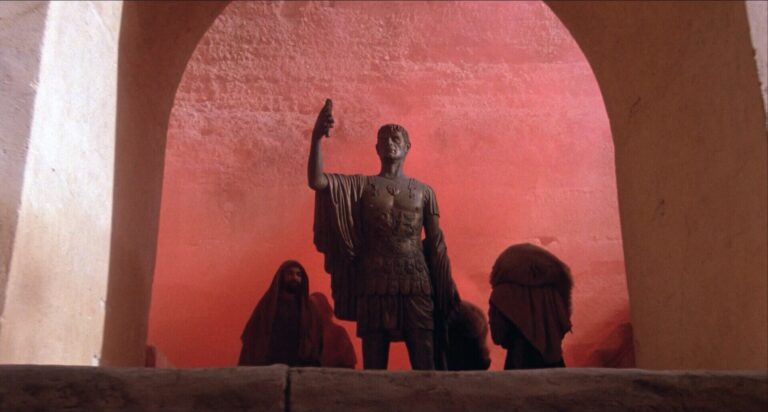
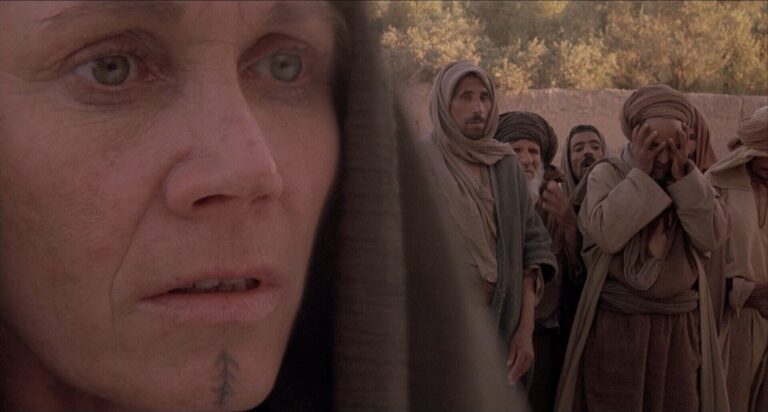
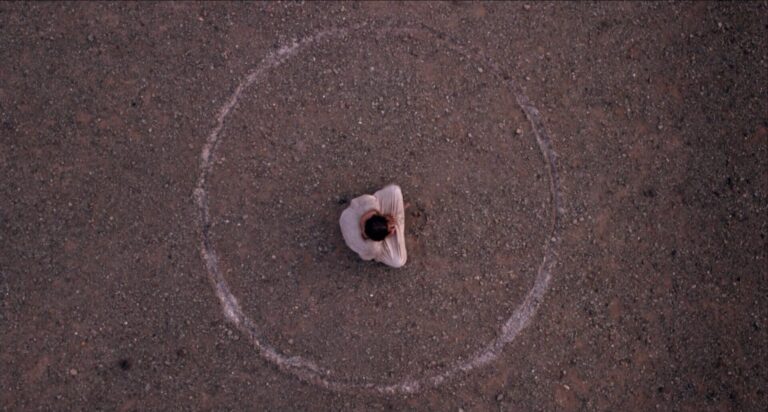
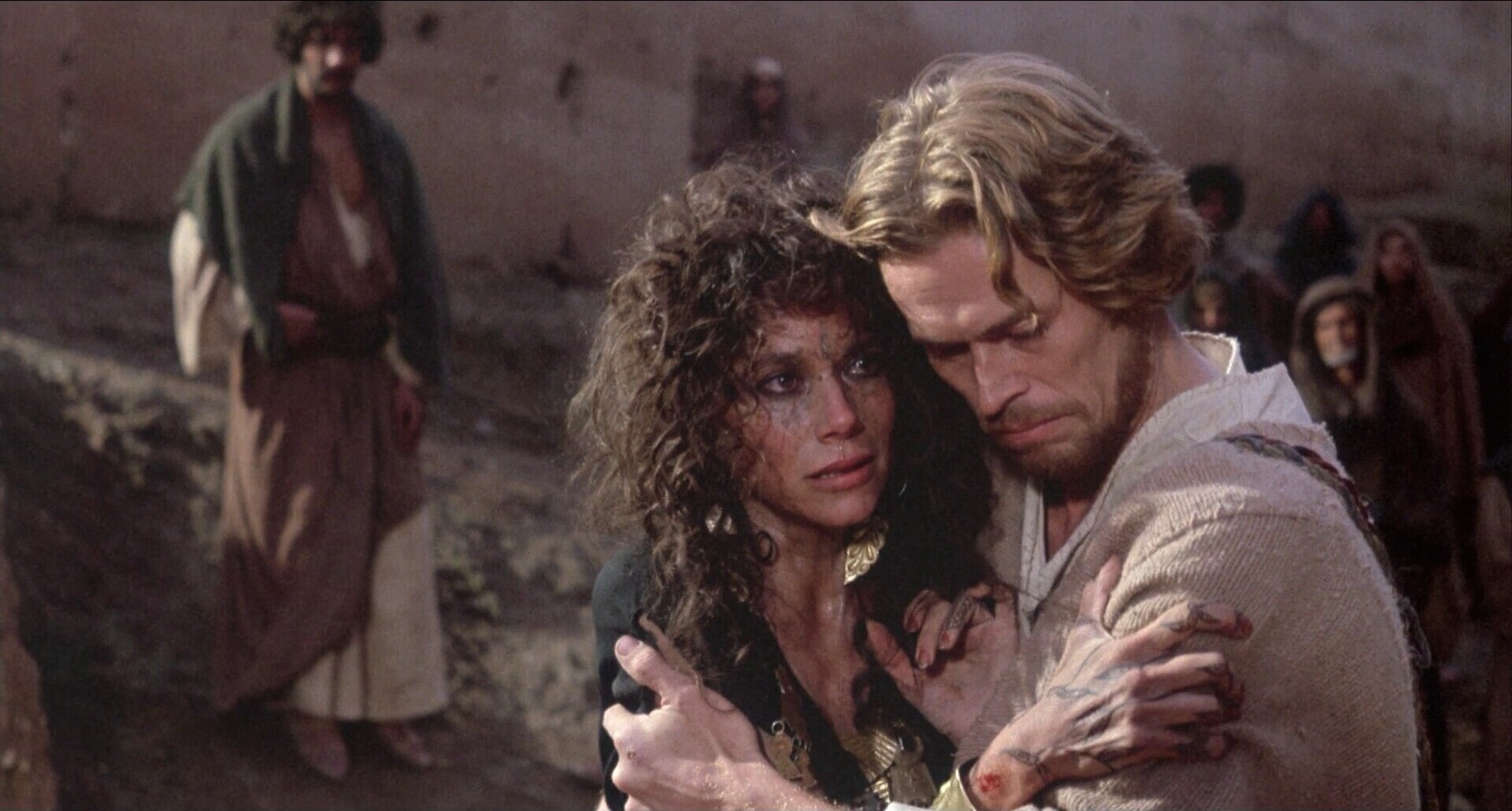
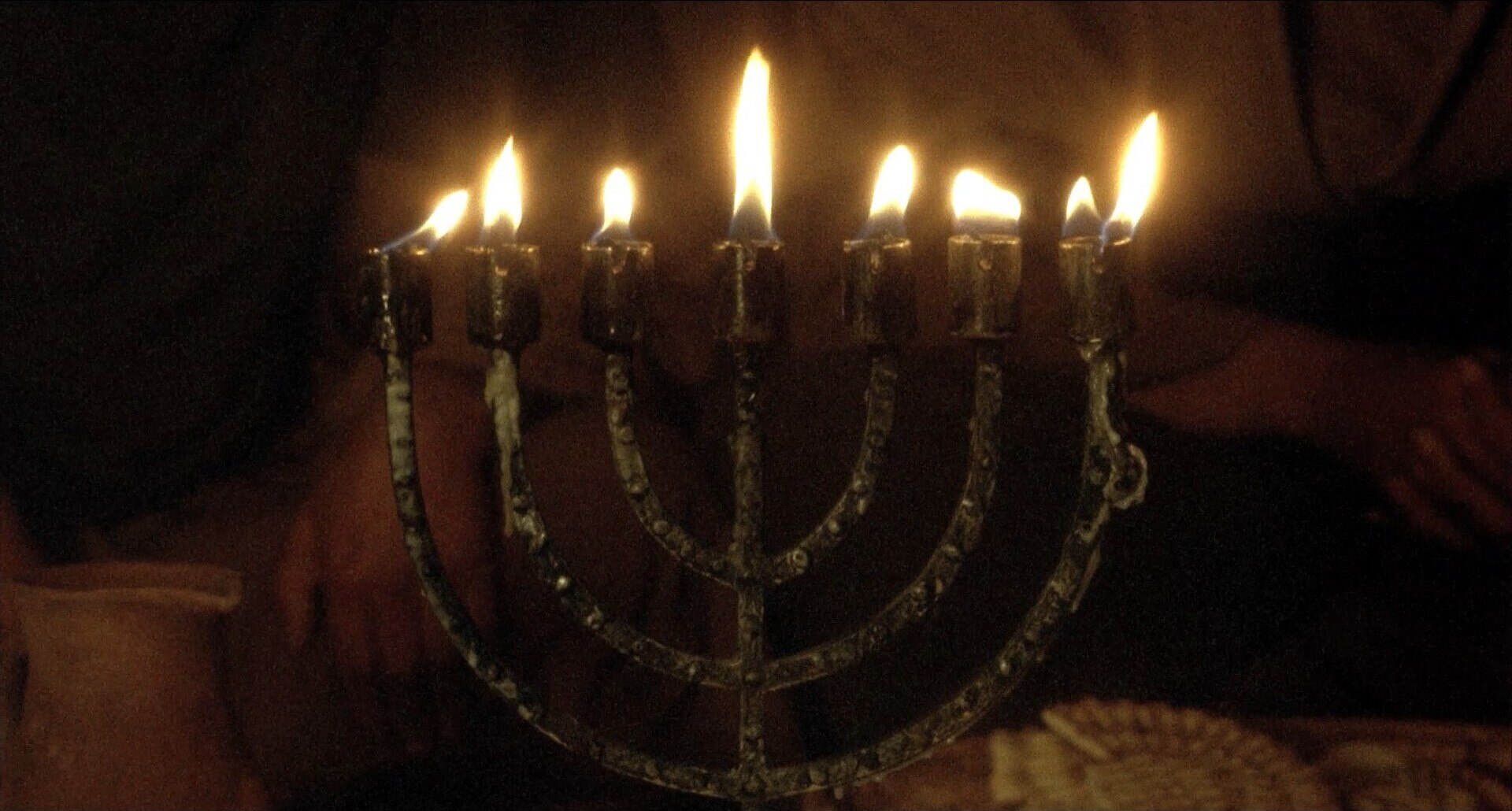
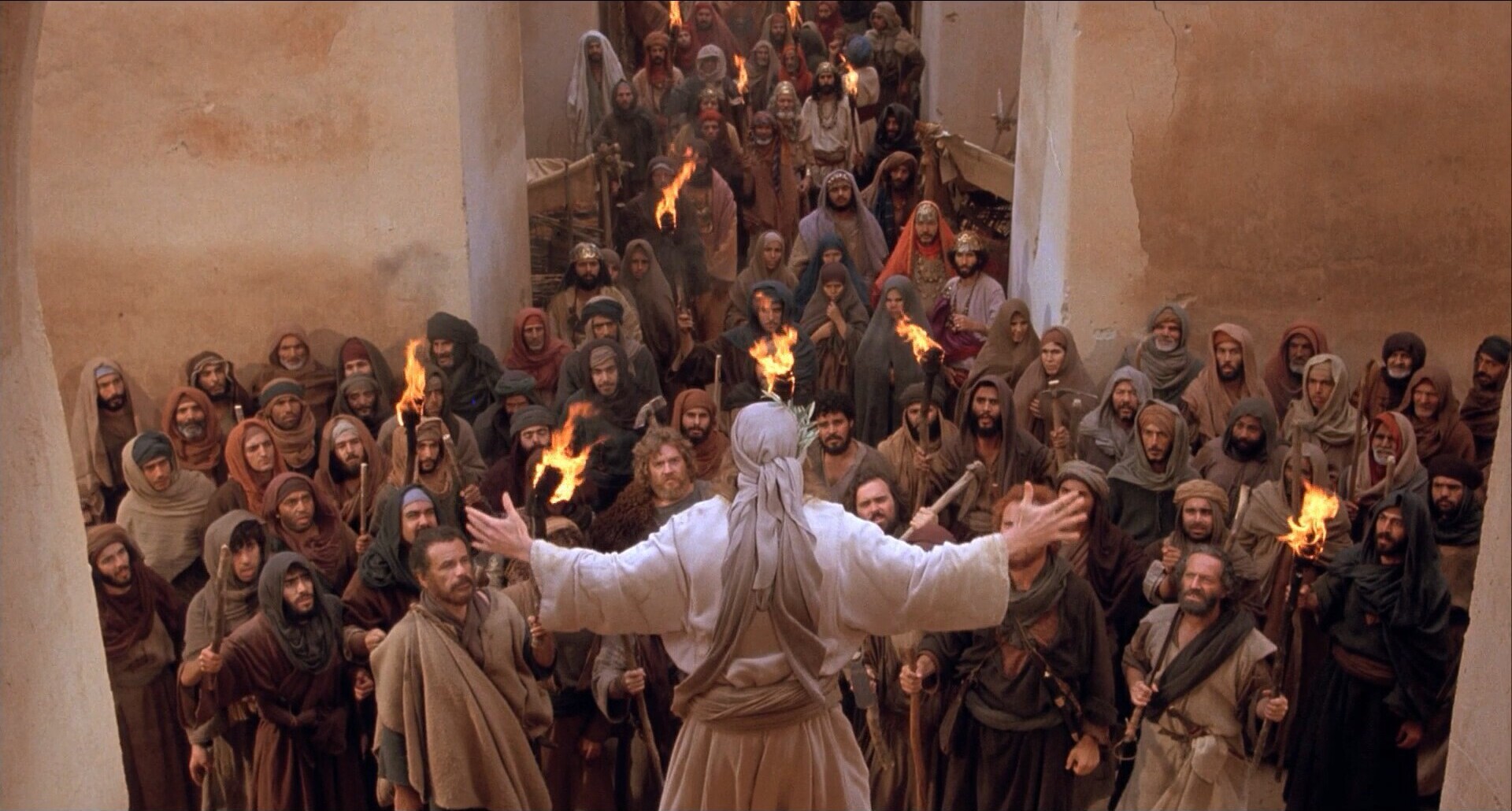
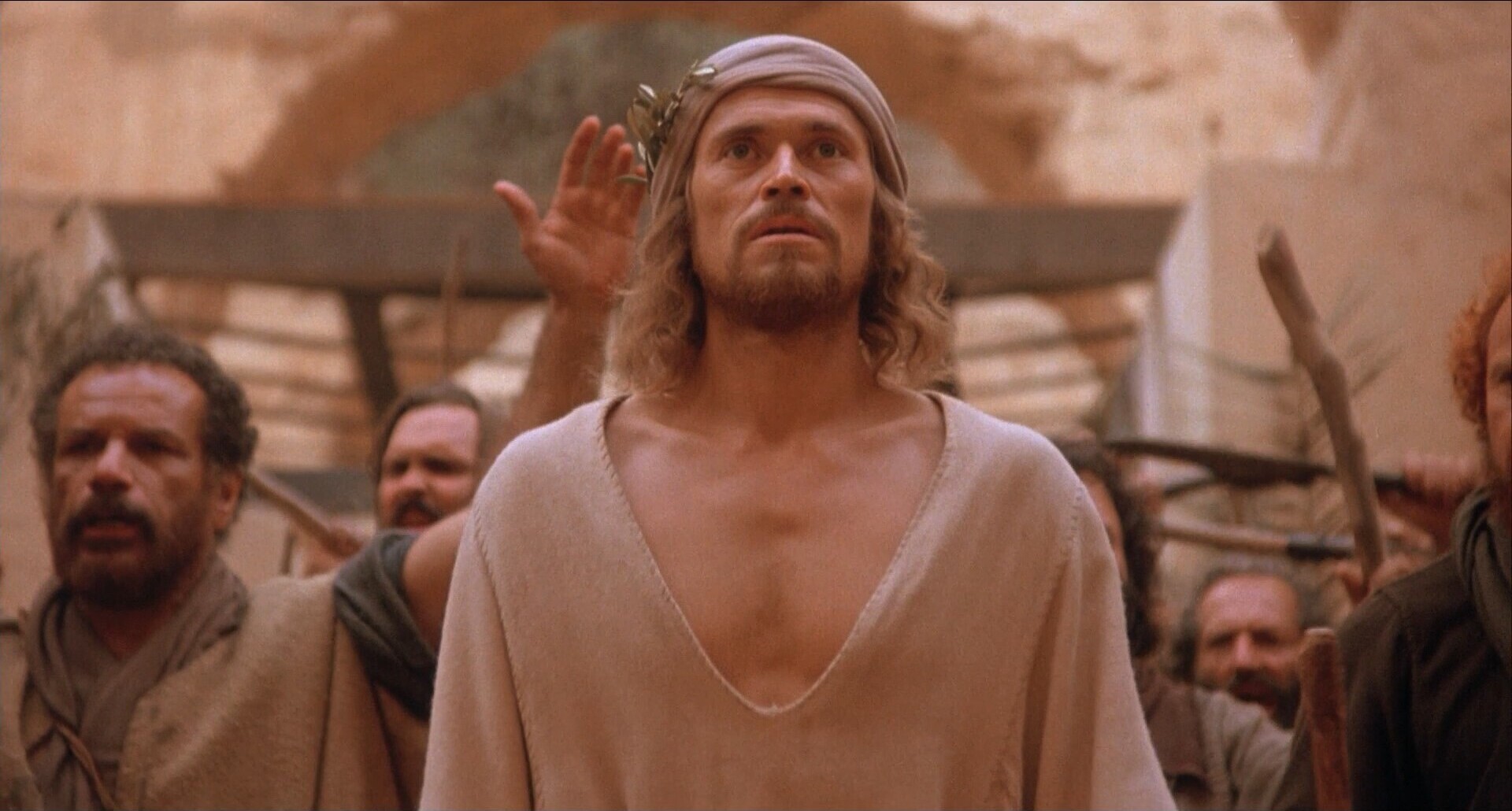
The Last Temptation of Christ (1988)
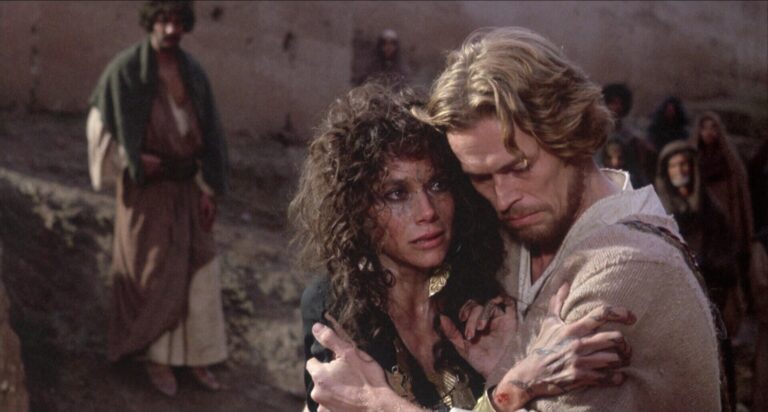
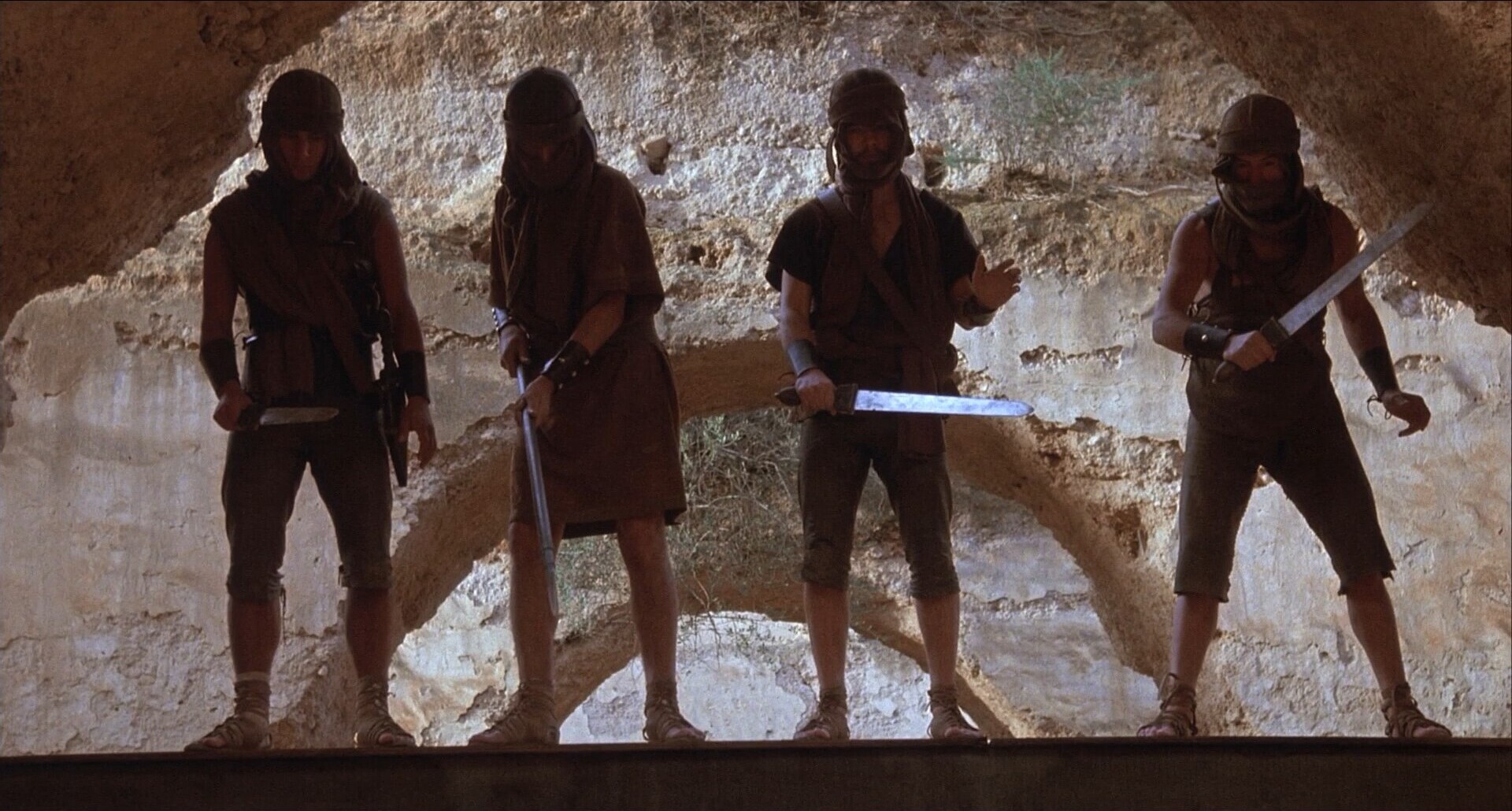
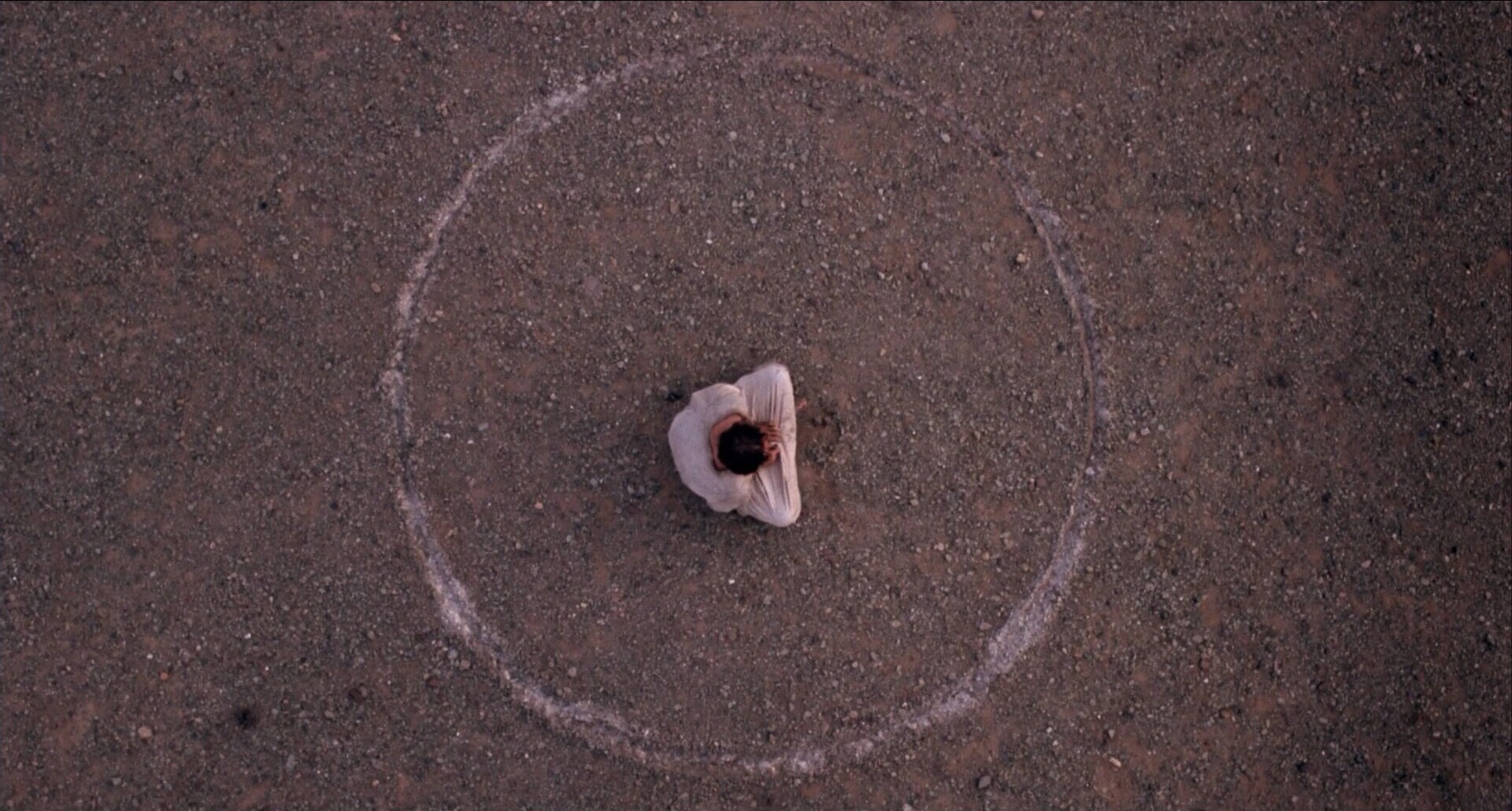
Based on Nikos Kazantzakis’ novel, the film presents Jesus of Nazareth as a deeply human figure struggling with fear, doubt, desire, and the burden of divine purpose. As he gathers followers and moves toward crucifixion under Roman rule, he wrestles internally with the tension between ordinary human life and spiritual sacrifice. The story culminates in a visionary confrontation with temptation itself, exploring faith, suffering, and the meaning of redemption through a profoundly personal lens.
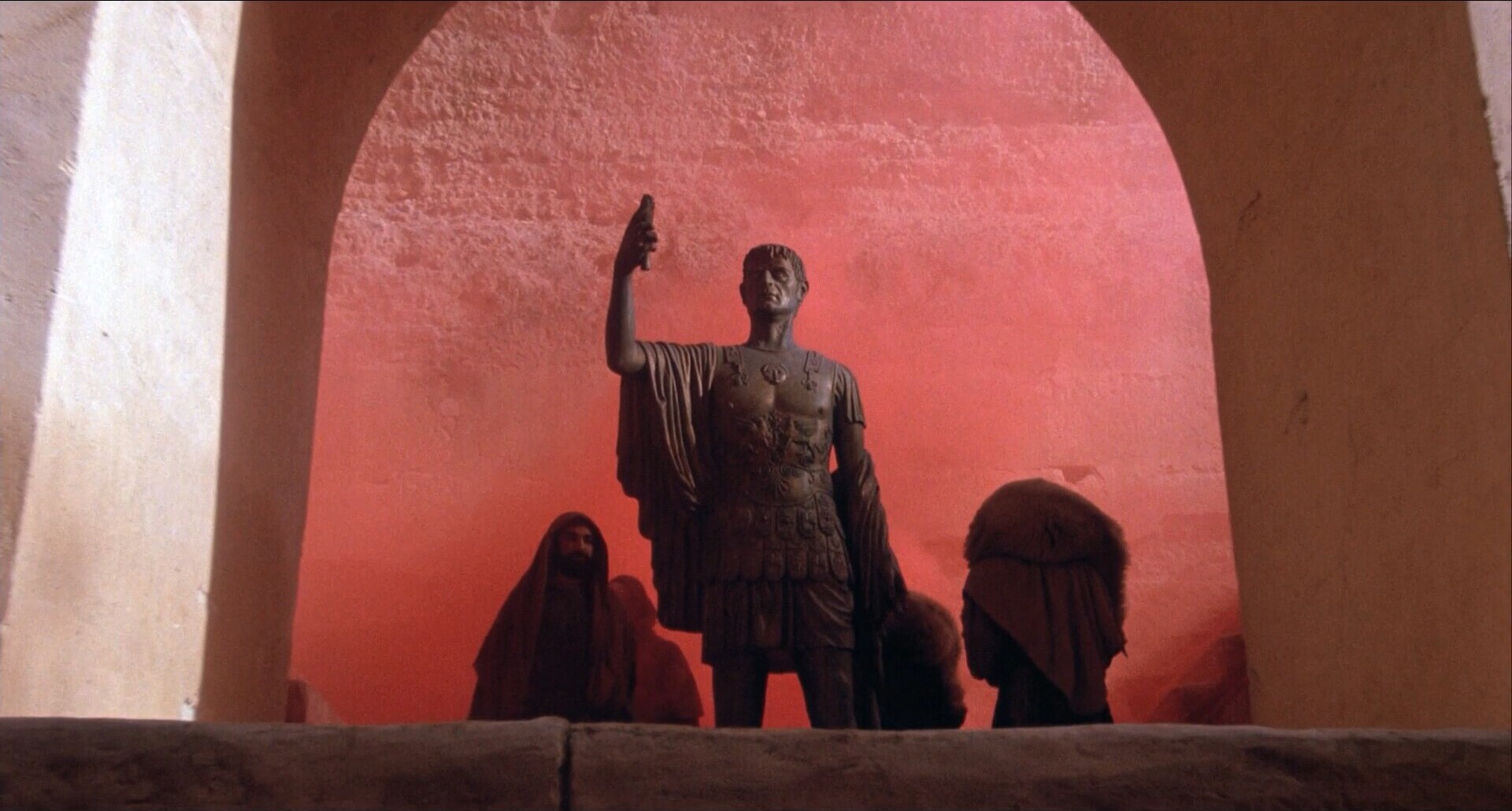
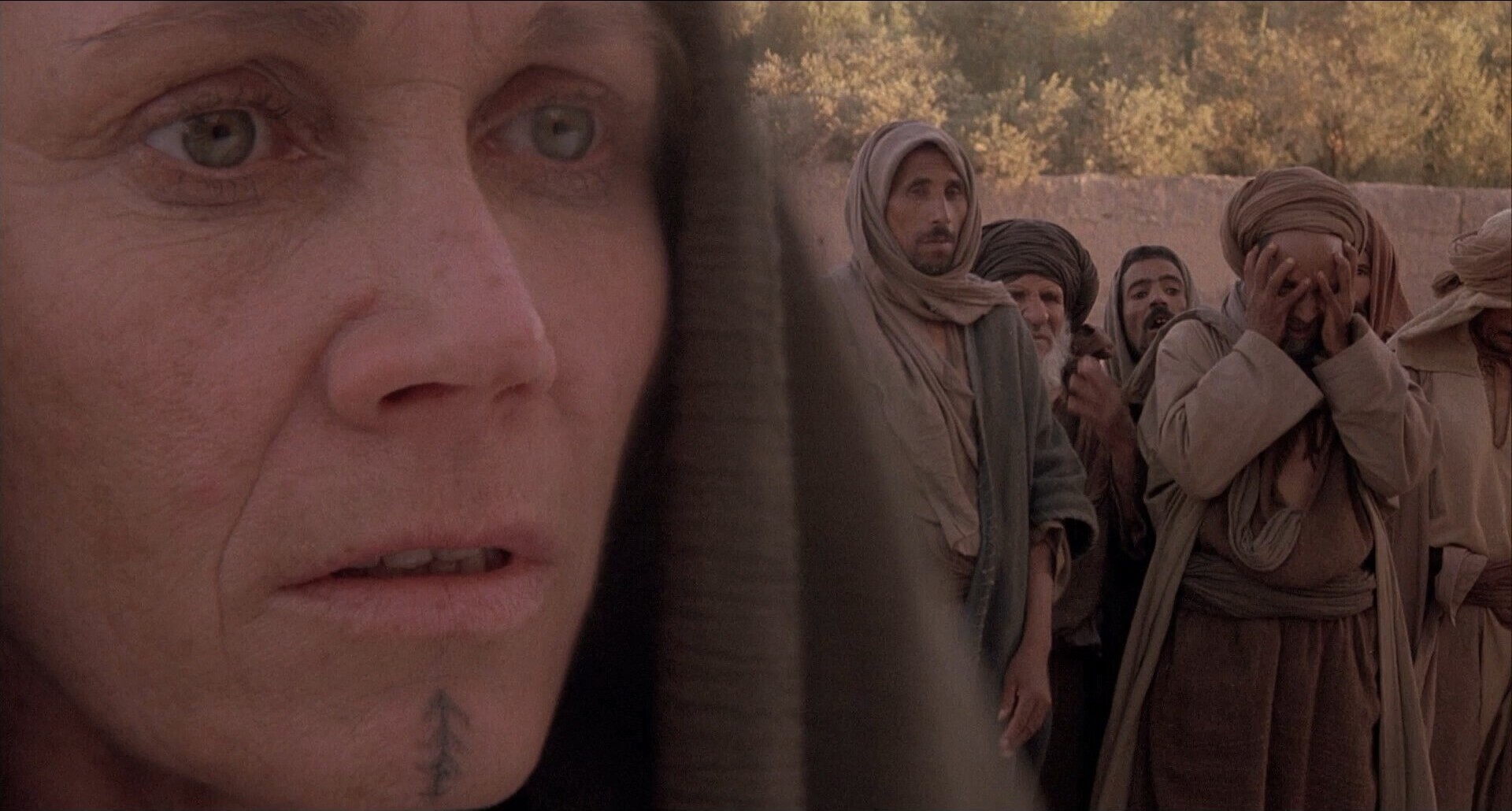
Scorsese and cinematographer Michael Ballhaus reject polished biblical spectacle in favor of a raw, immediate visual style built around handheld movement, natural landscapes, and earthy textures. Shot largely in Morocco, the film uses harsh sunlight, dust, firelight, and rough-hewn environments to ground its spiritual drama in physical reality rather than religious pageantry. Ballhaus’ fluid camera movement and close, intimate framing place the viewer inside Jesus’ psychological and emotional turmoil, while Peter Gabriel’s anachronistic world-music score and moments of surreal imagery create a timeless, spiritually charged atmosphere that blends the sacred with the deeply human.
FILM SPOTLIGHT
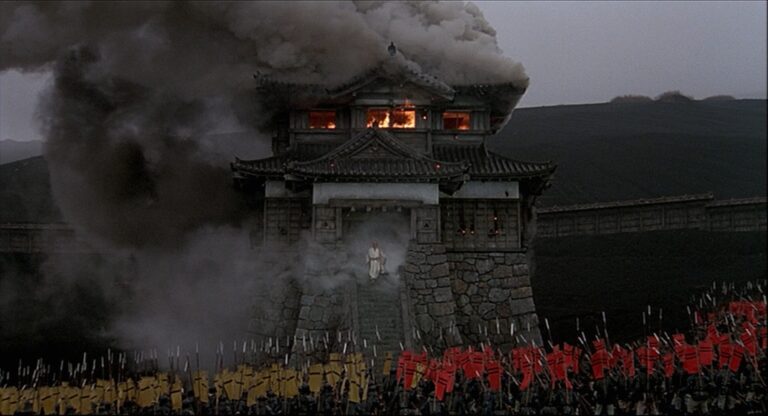
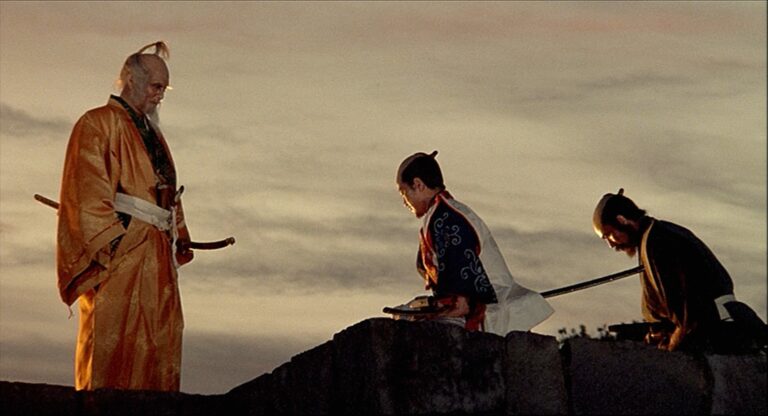
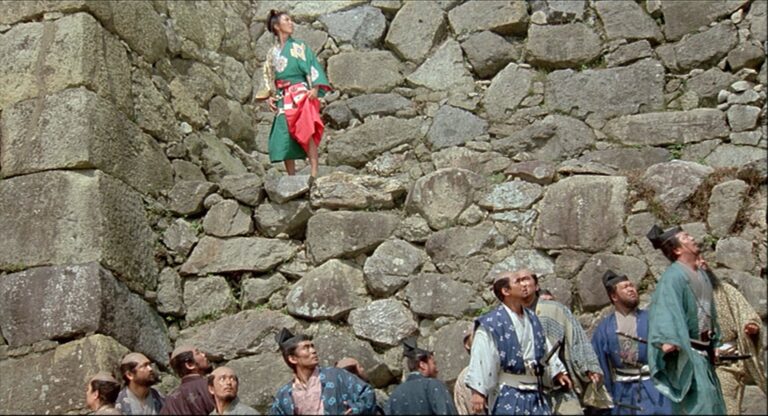
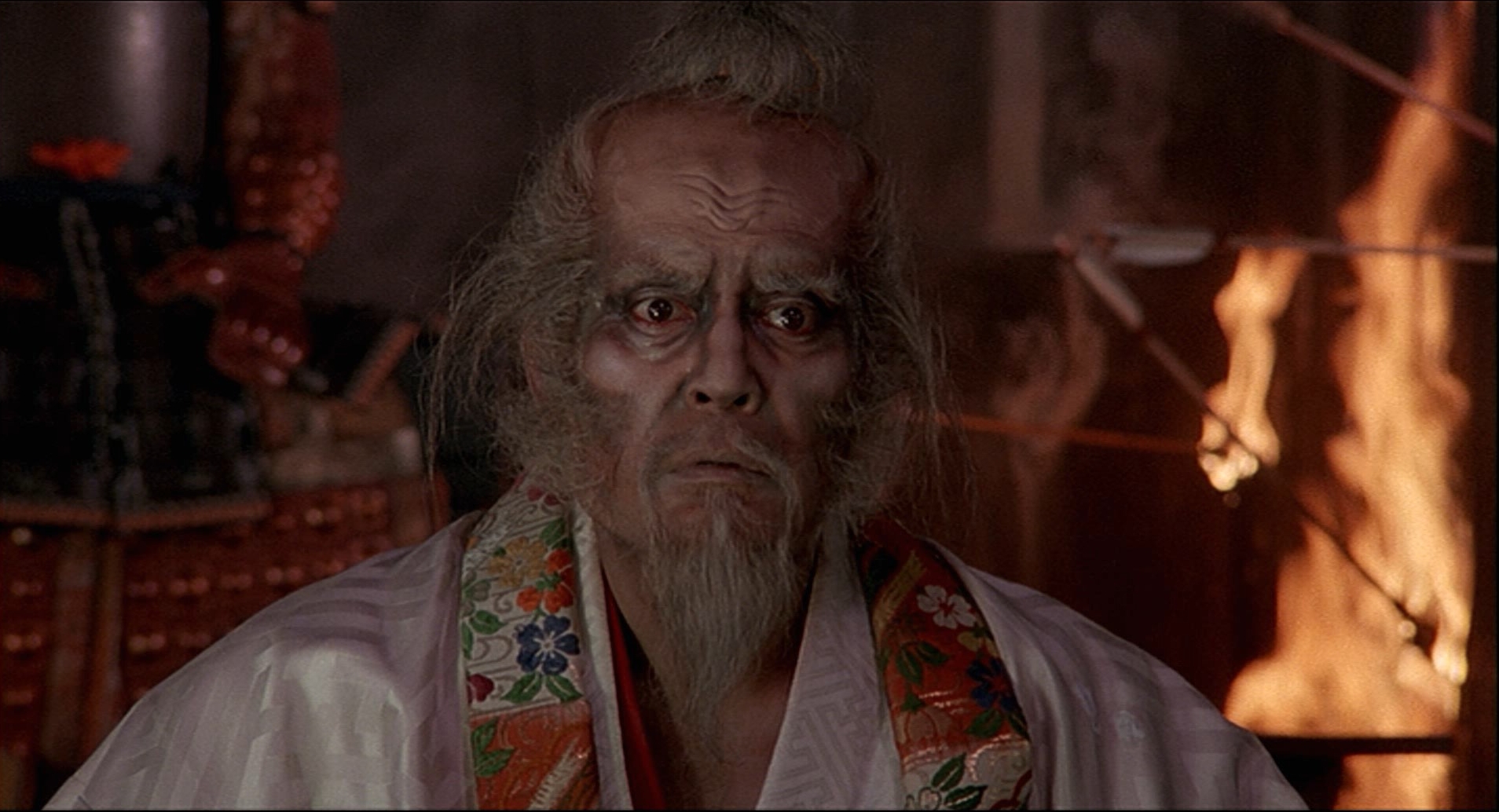
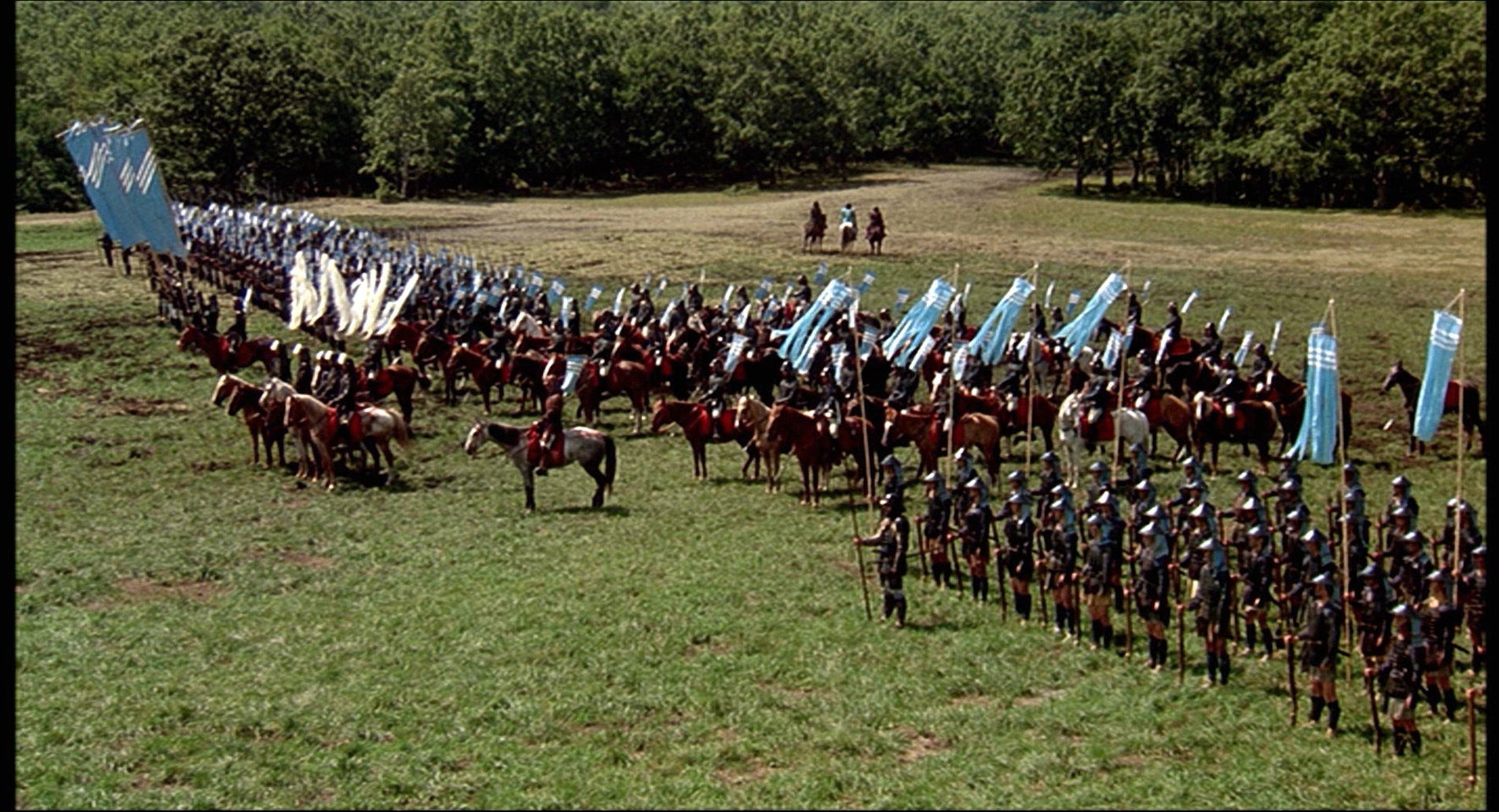
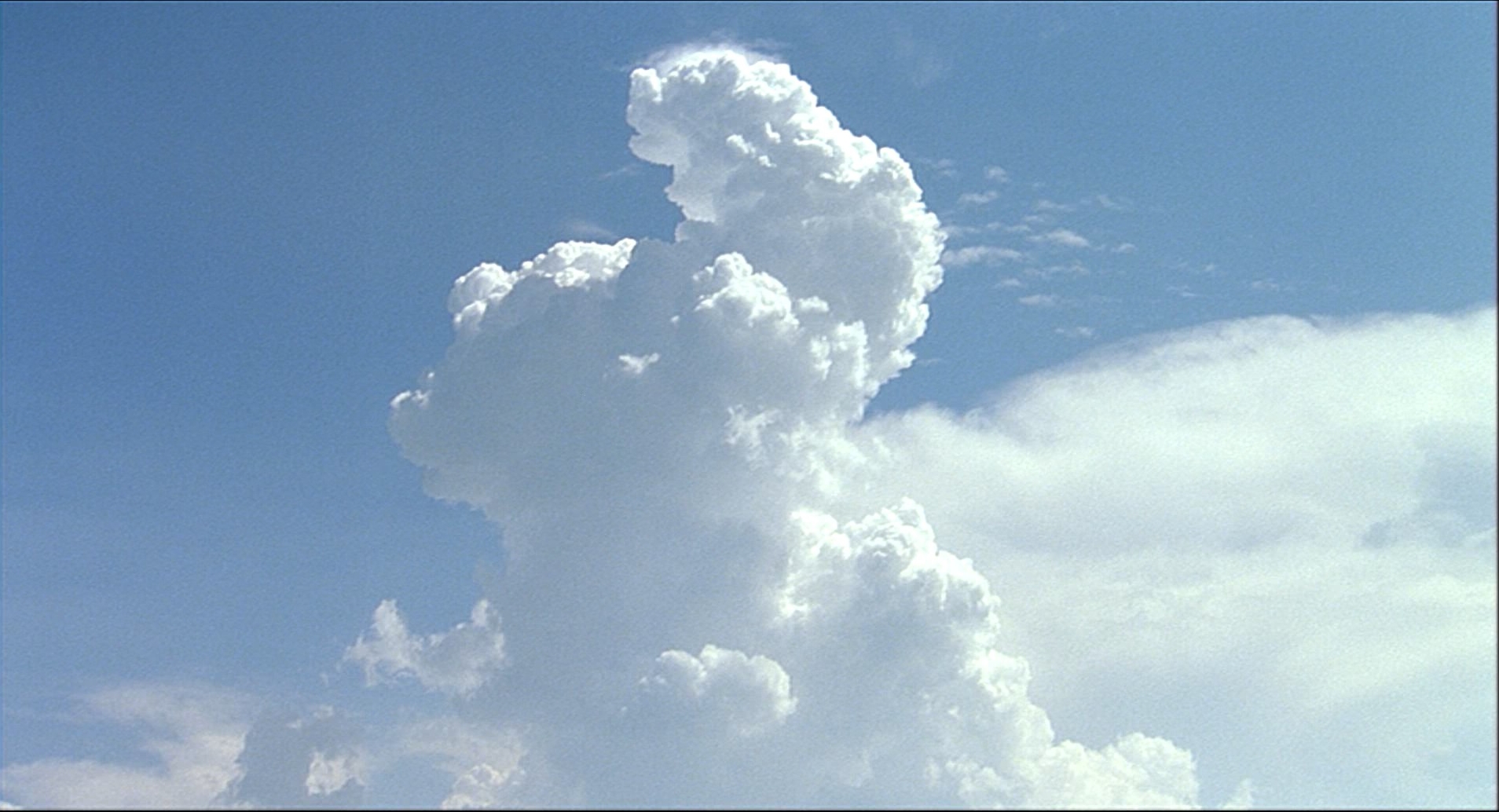
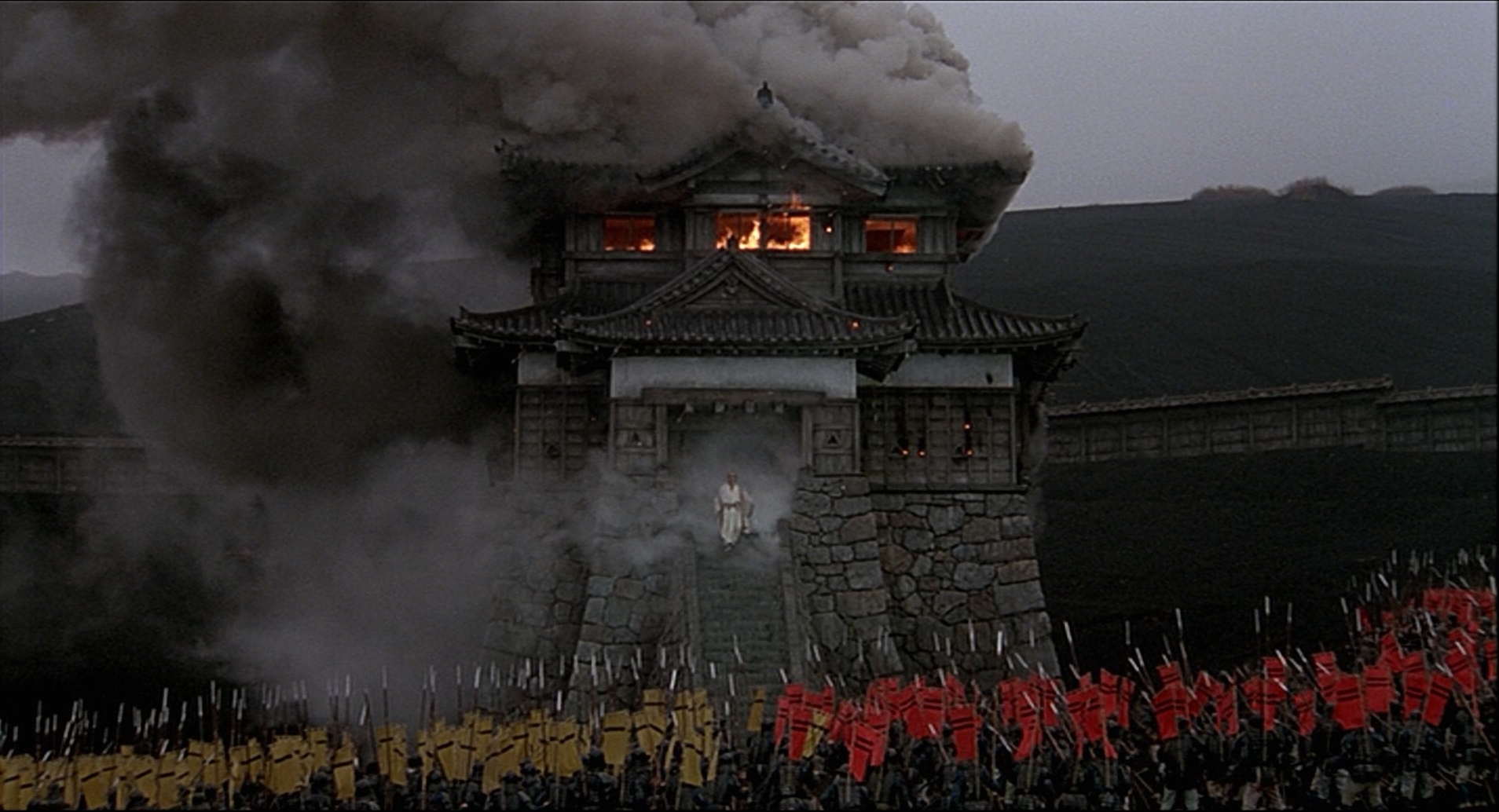
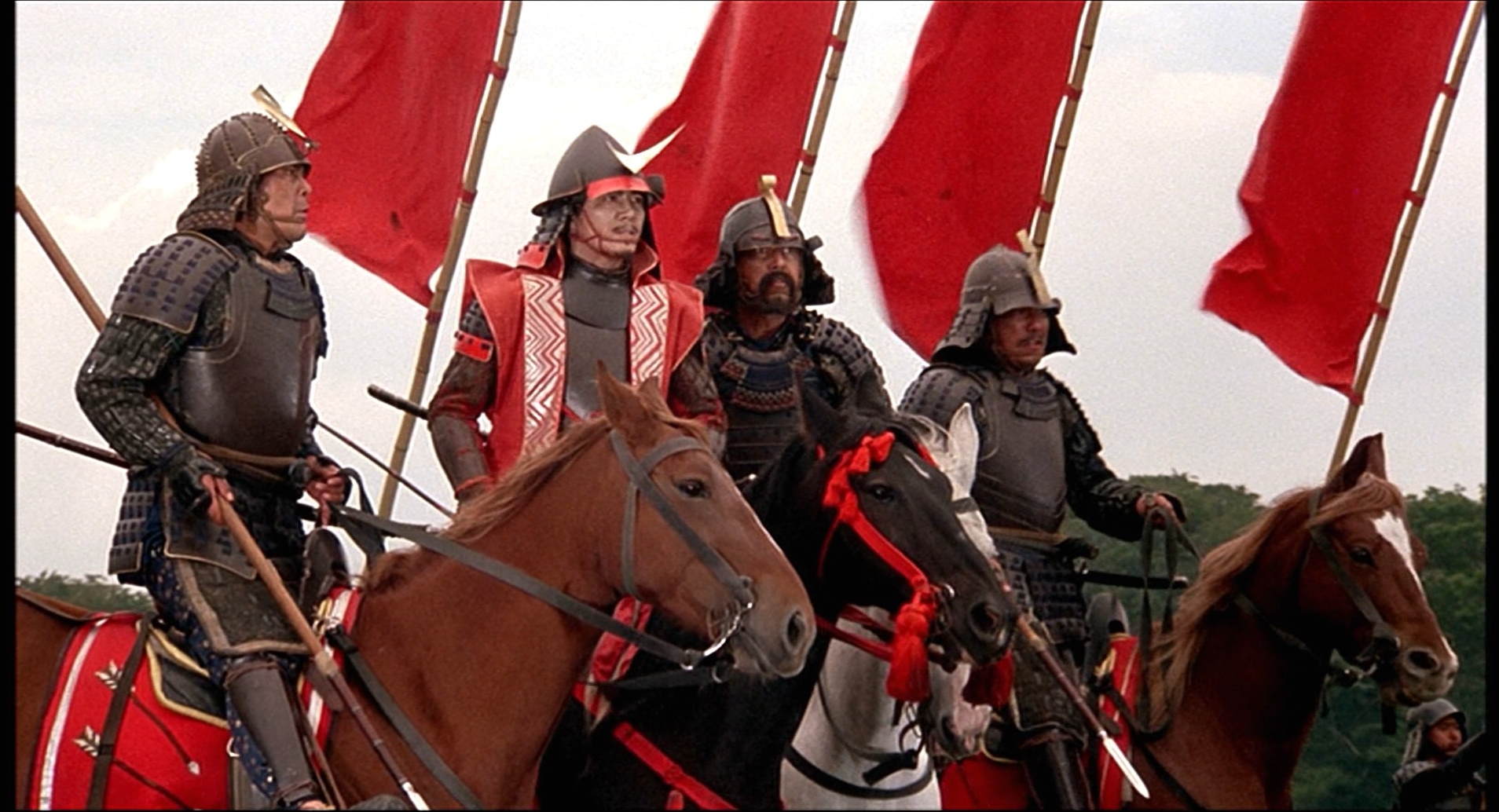
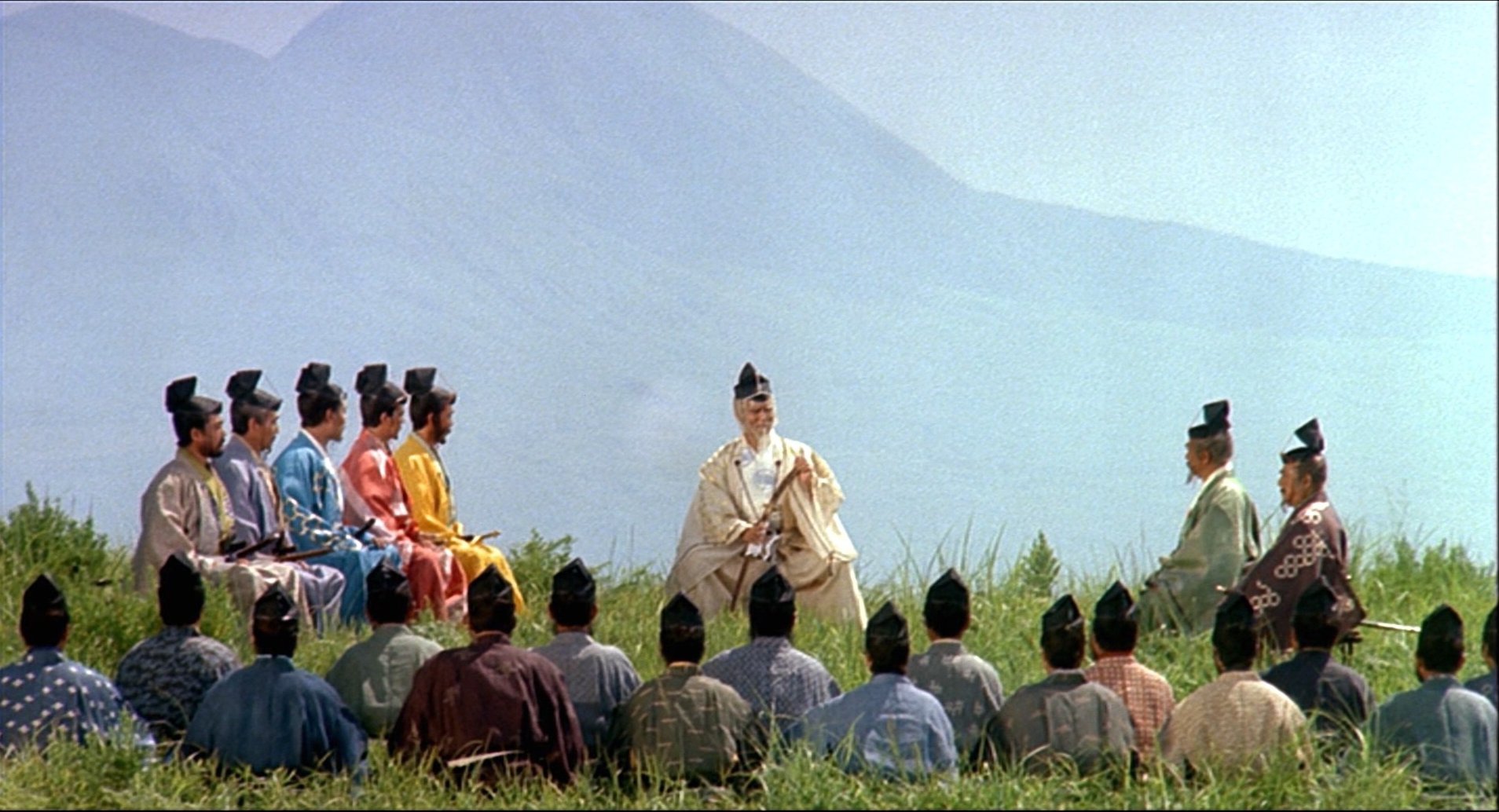
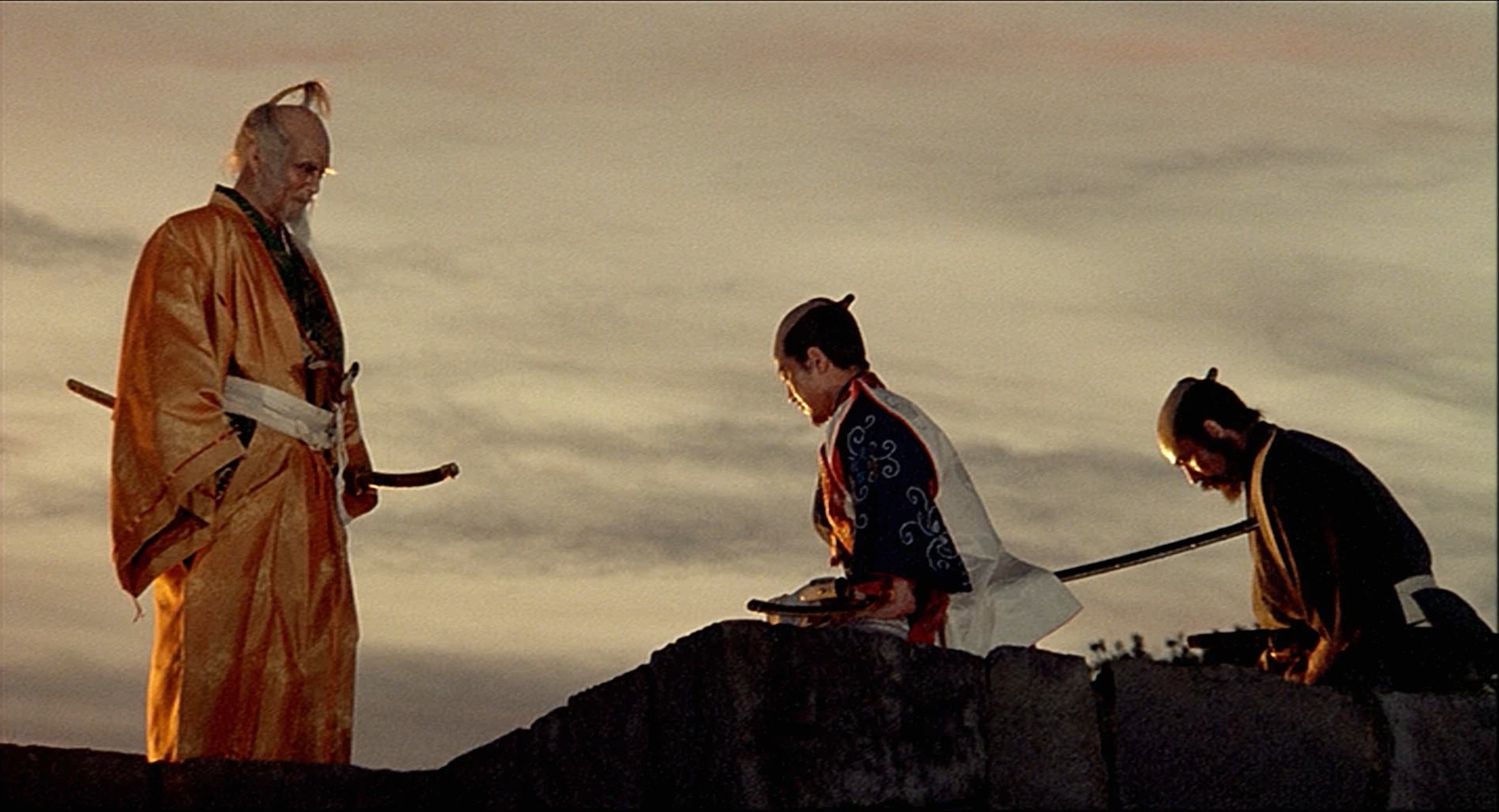
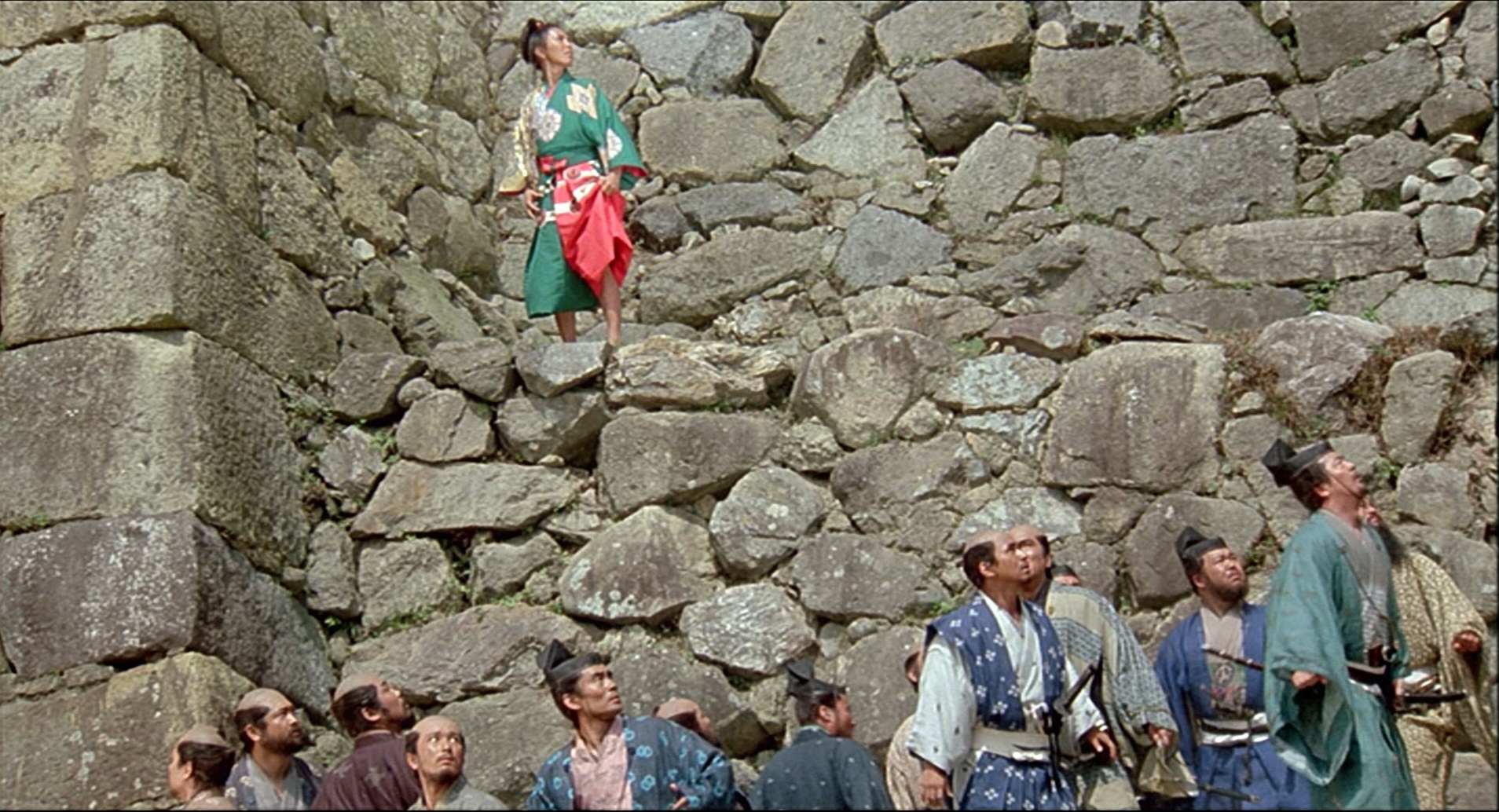
Ran (1985)
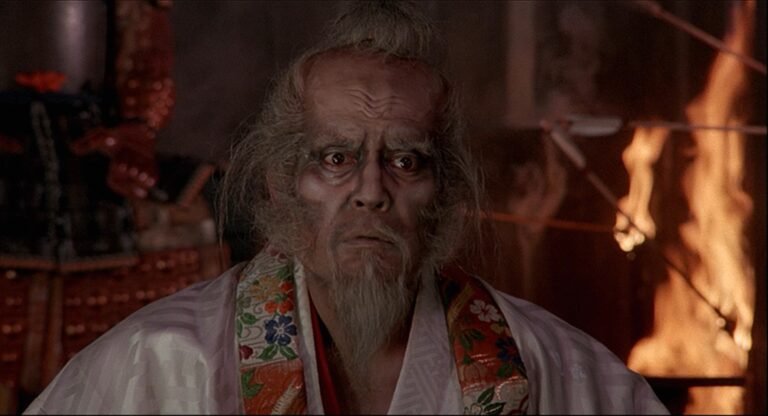
Inspired by King Lear and Japanese feudal history, the film follows aging warlord Hidetora Ichimonji, who decides to divide his kingdom among his three sons in hopes of securing peace in his final years. Instead, old resentments, ambition, and betrayal erupt into violent conflict, plunging the family and the surrounding lands into chaos and destruction. As war consumes everything around him, Hidetora is forced to confront the consequences of a lifetime built on violence and conquest.
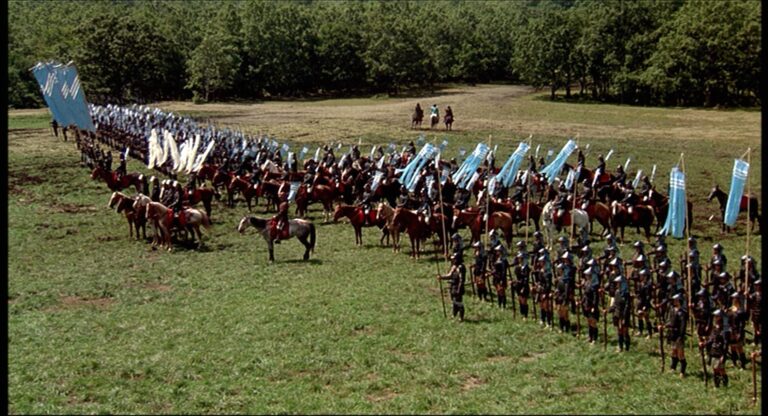
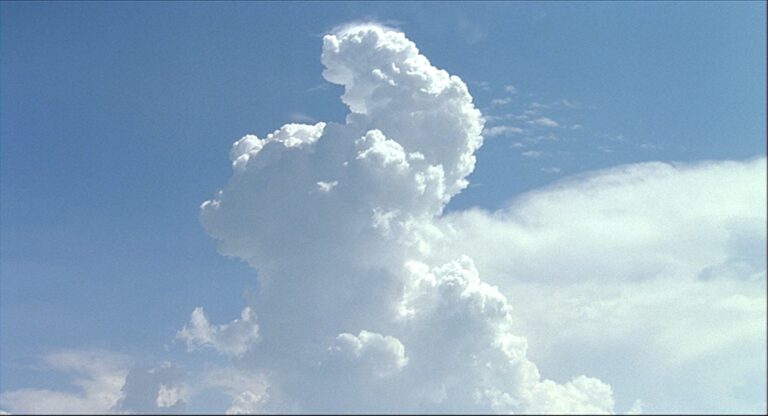
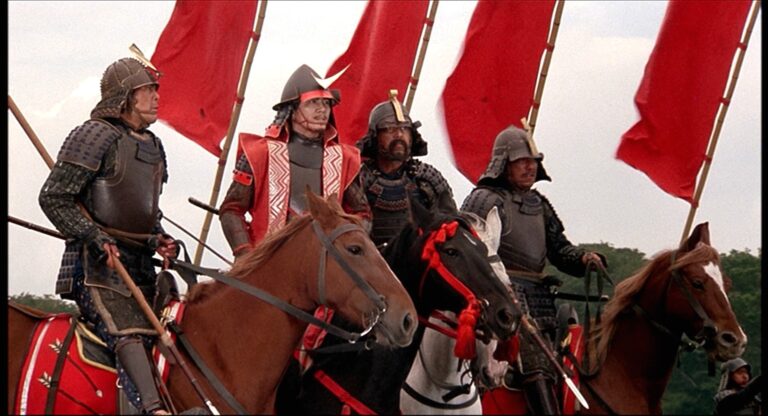
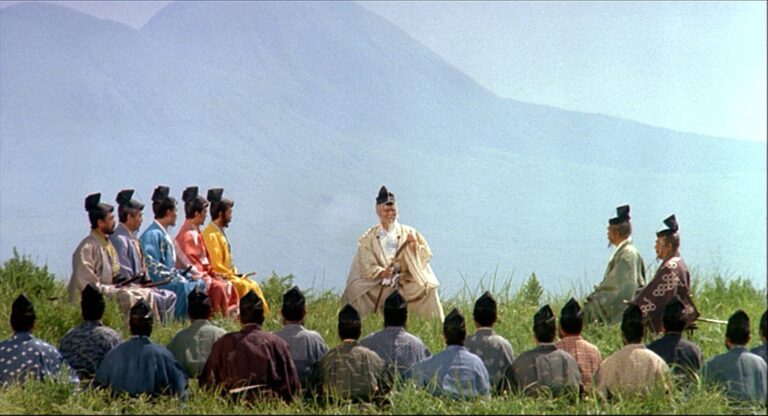
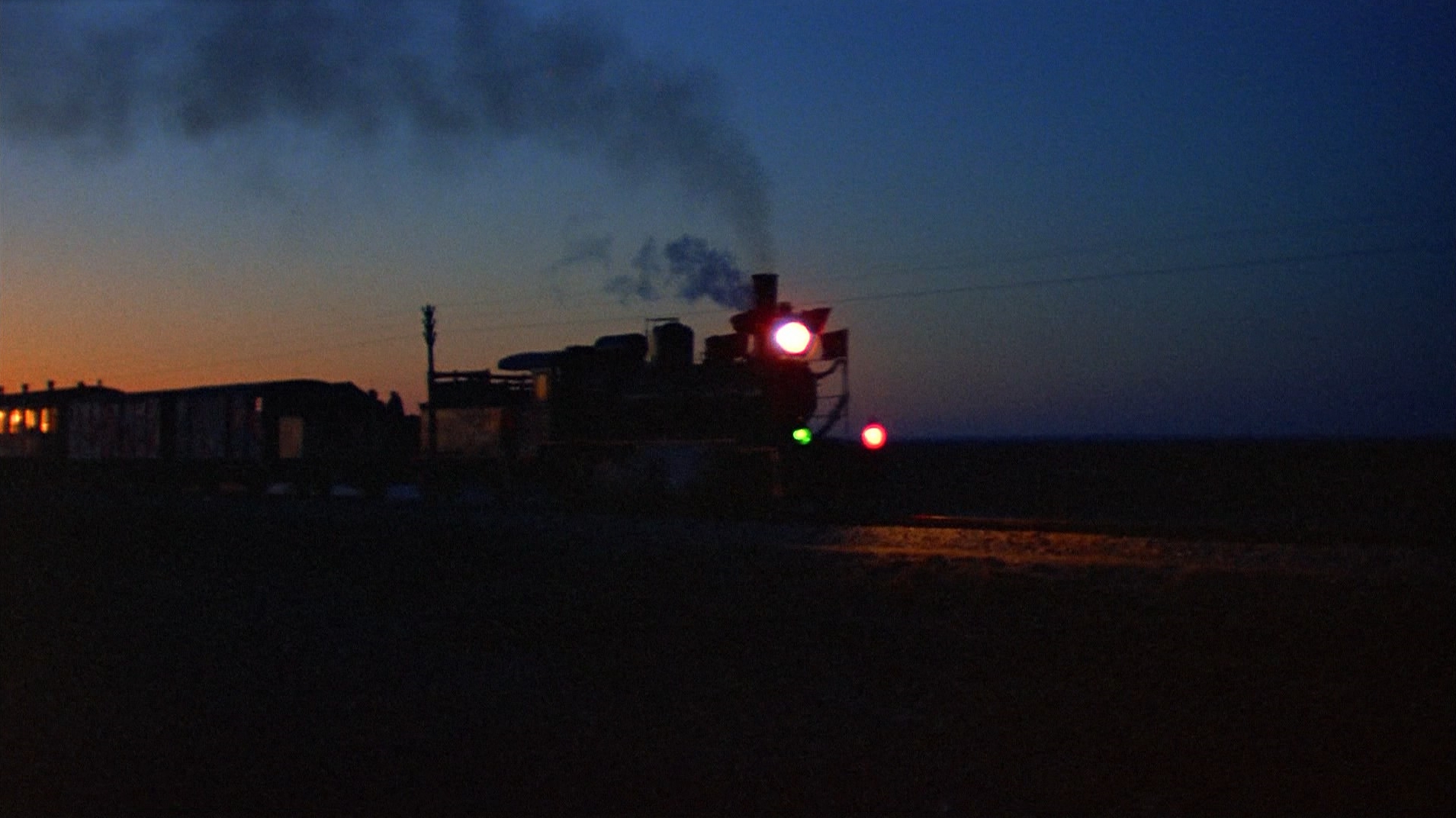
Kurosawa and cinematographer Takao Saitô craft Ran with monumental widescreen compositions and one of the most meticulously controlled uses of color in cinema history. Vast landscapes, fog-covered mountains, and carefully choreographed armies create an epic visual scale, while each son’s forces are identified through bold primary colors that turn battlefields into moving paintings of order collapsing into chaos. Kurosawa frequently stages action in long shots with minimal dialogue or music, allowing movement, smoke, weather, and spatial composition to convey the horror and inevitability of war. The famous castle siege sequence—combining operatic silence, flames, and precise geometric blocking—transforms warfare into a vision of apocalyptic tragedy and moral ruin.
FILM SPOTLIGHT
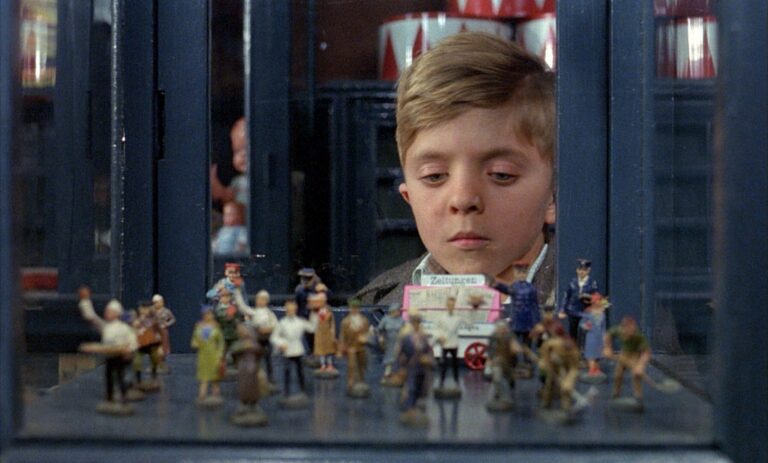
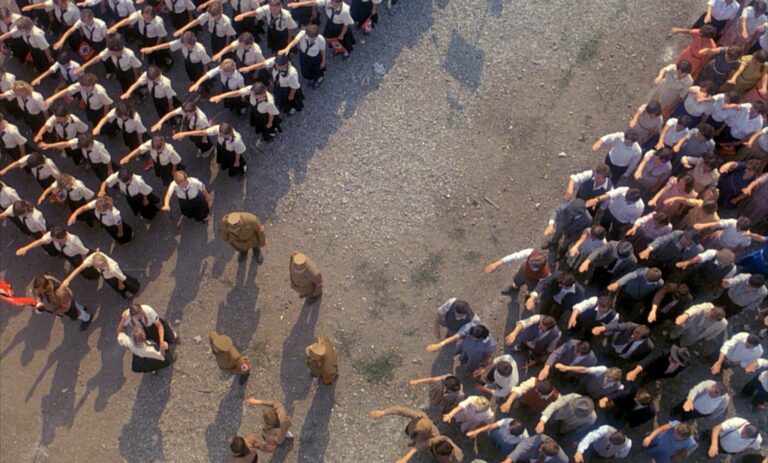
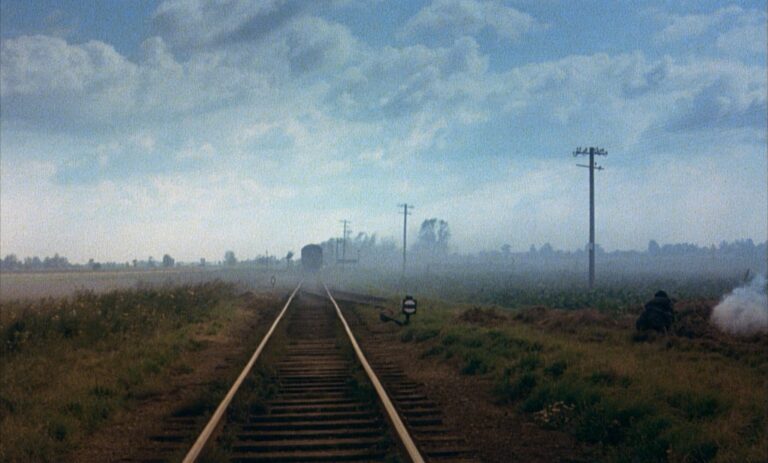
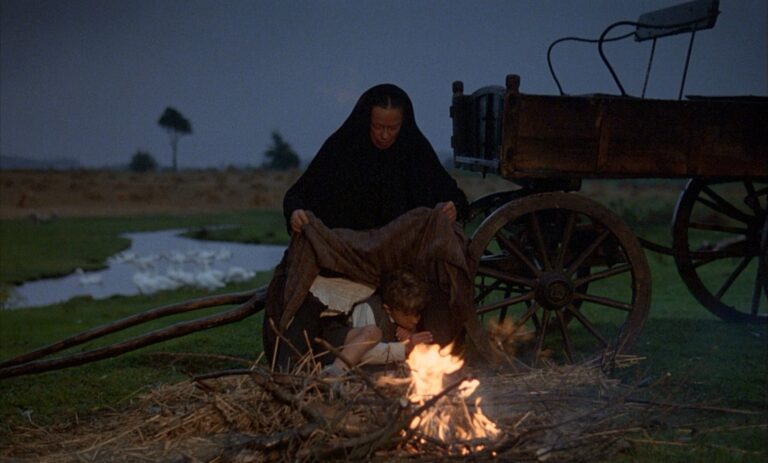
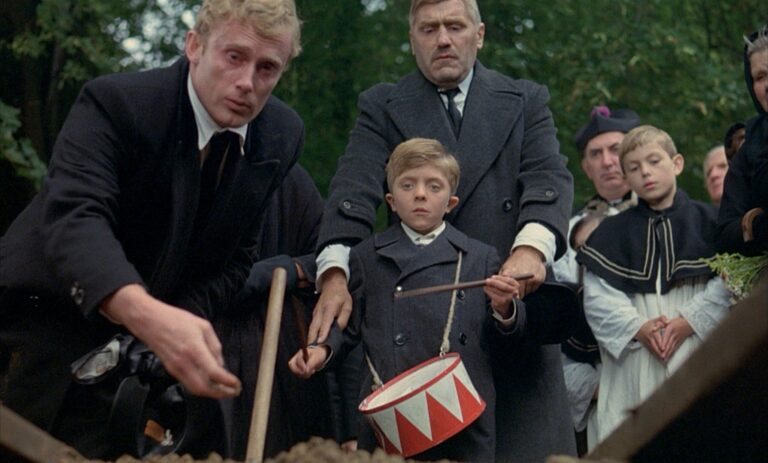
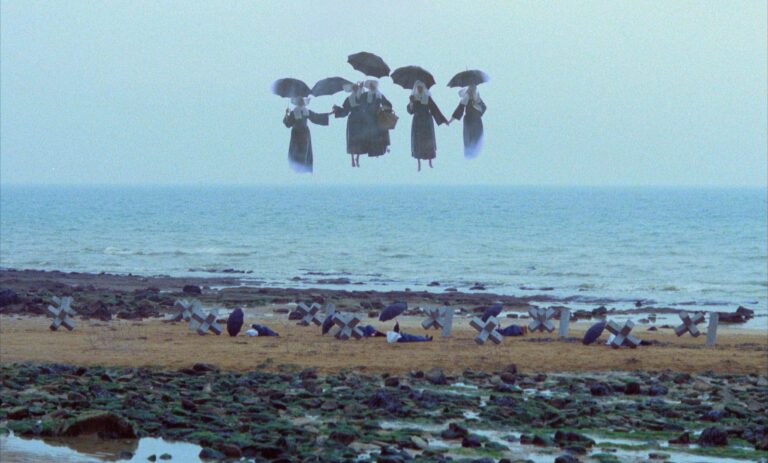
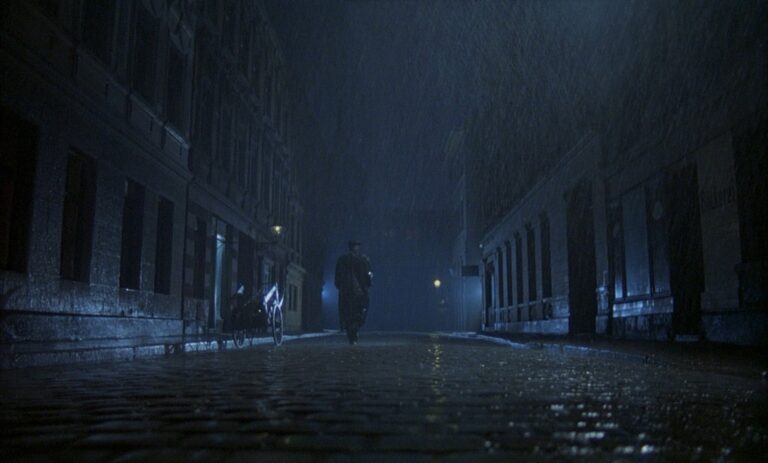
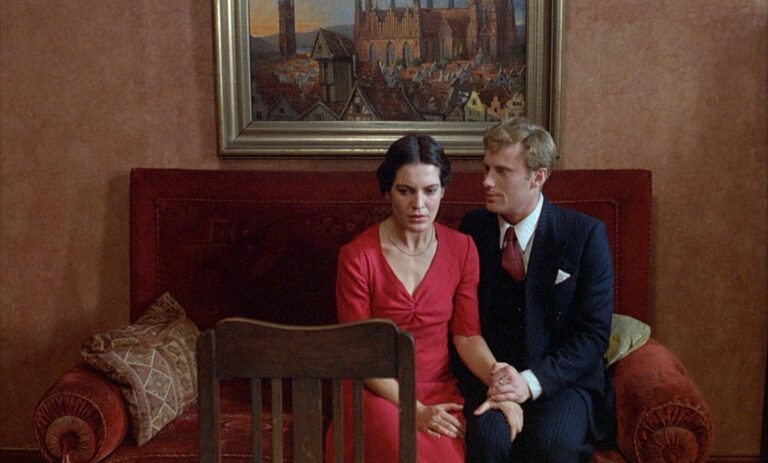
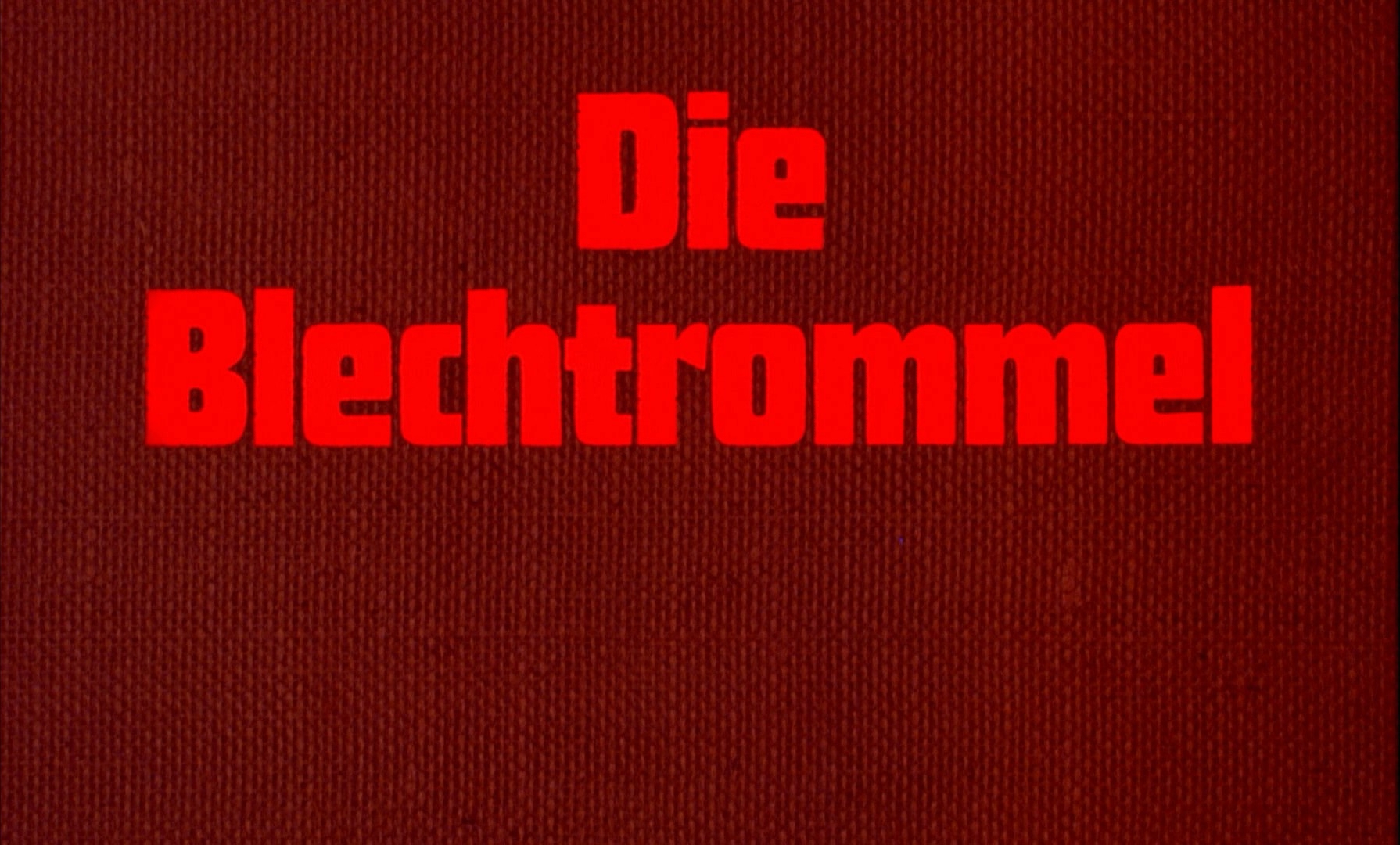
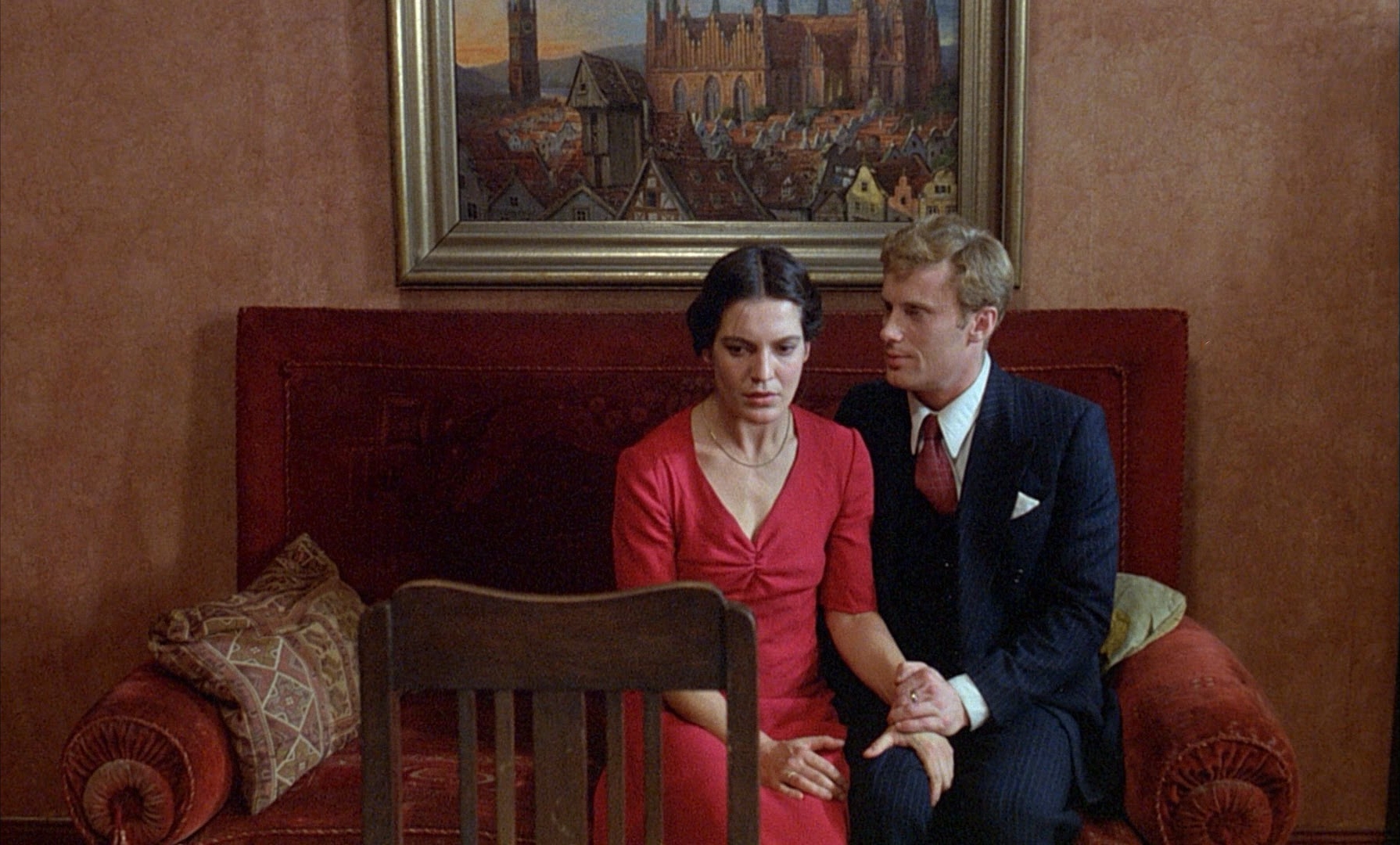
The Tin Drum (1979)
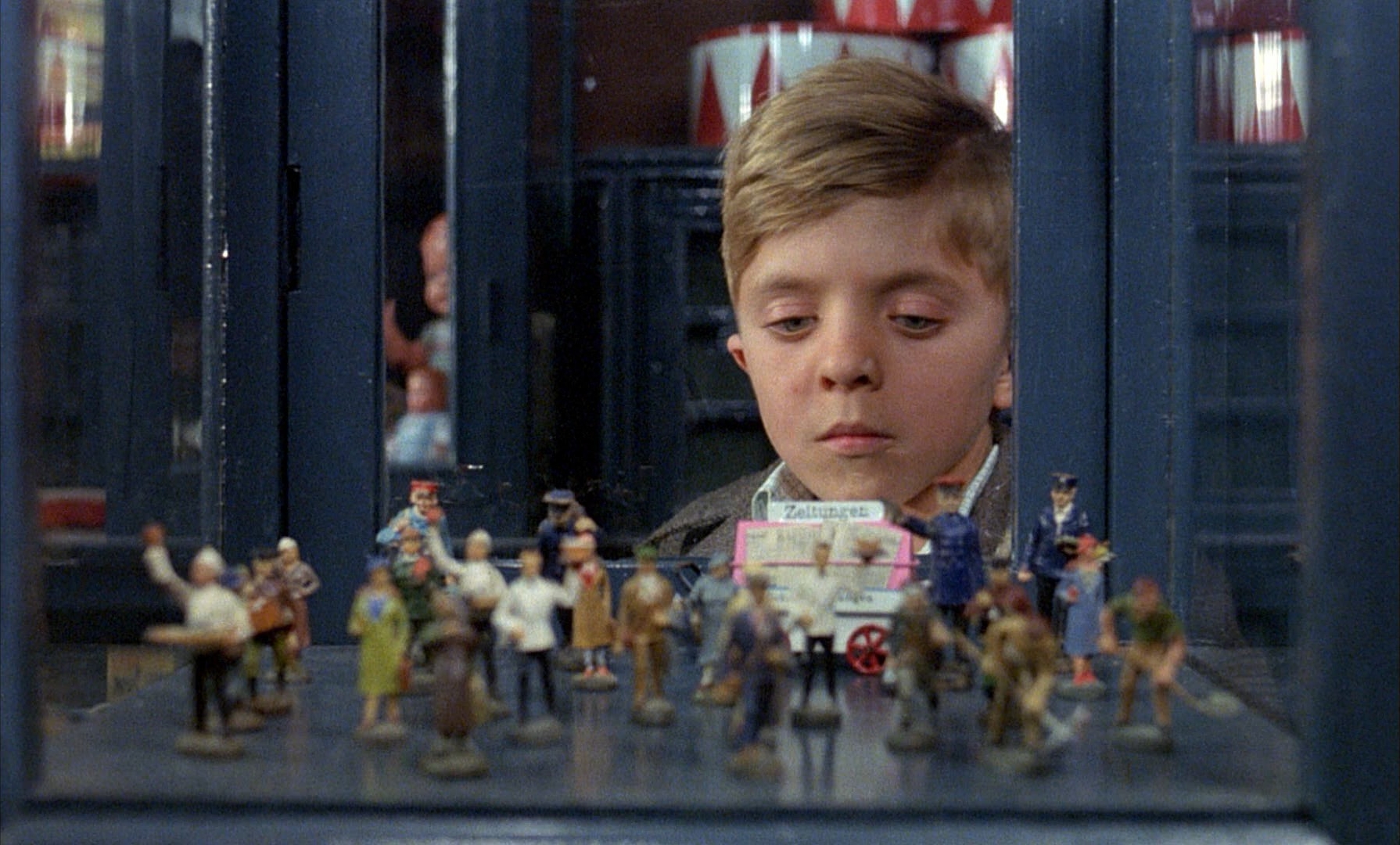
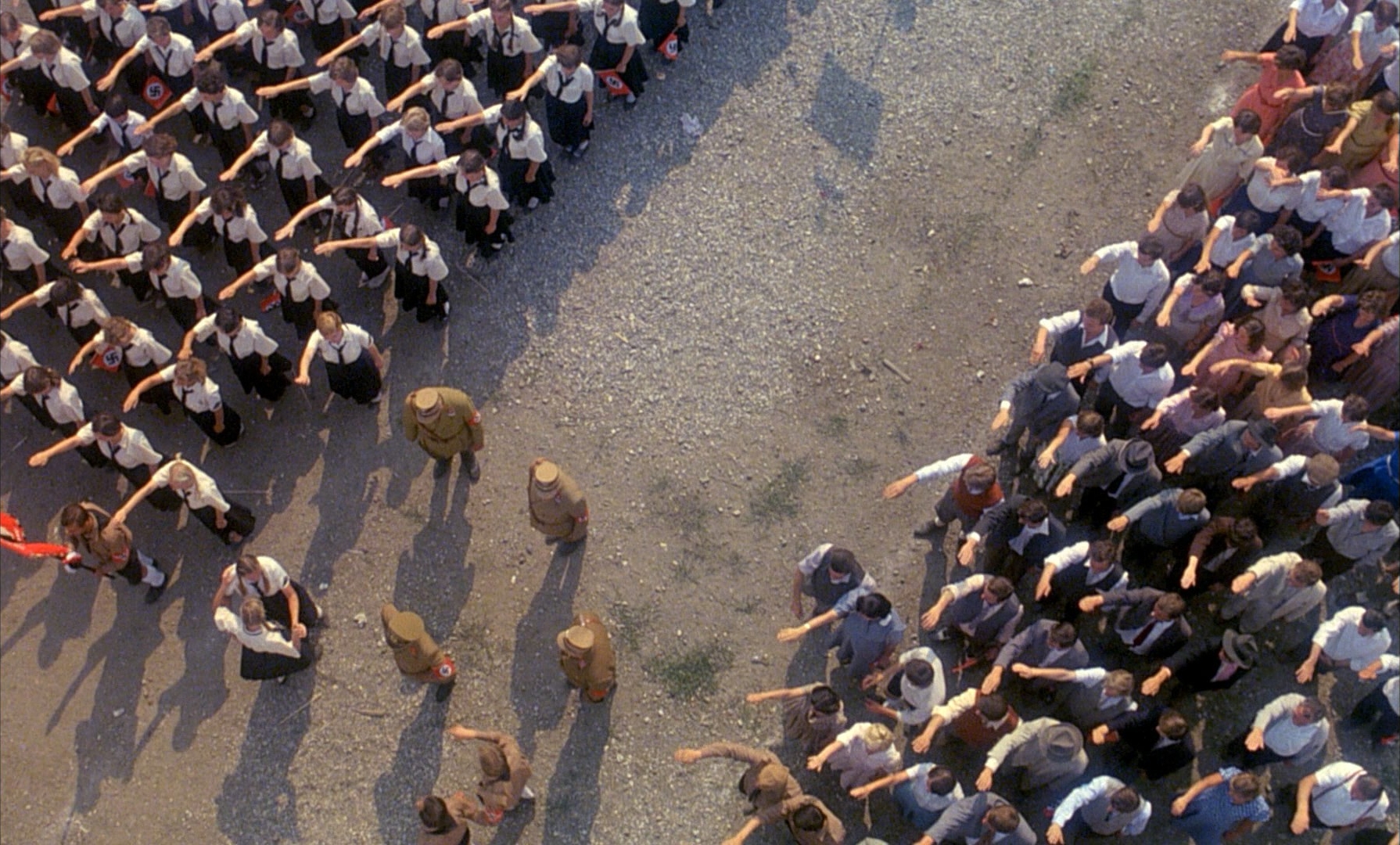
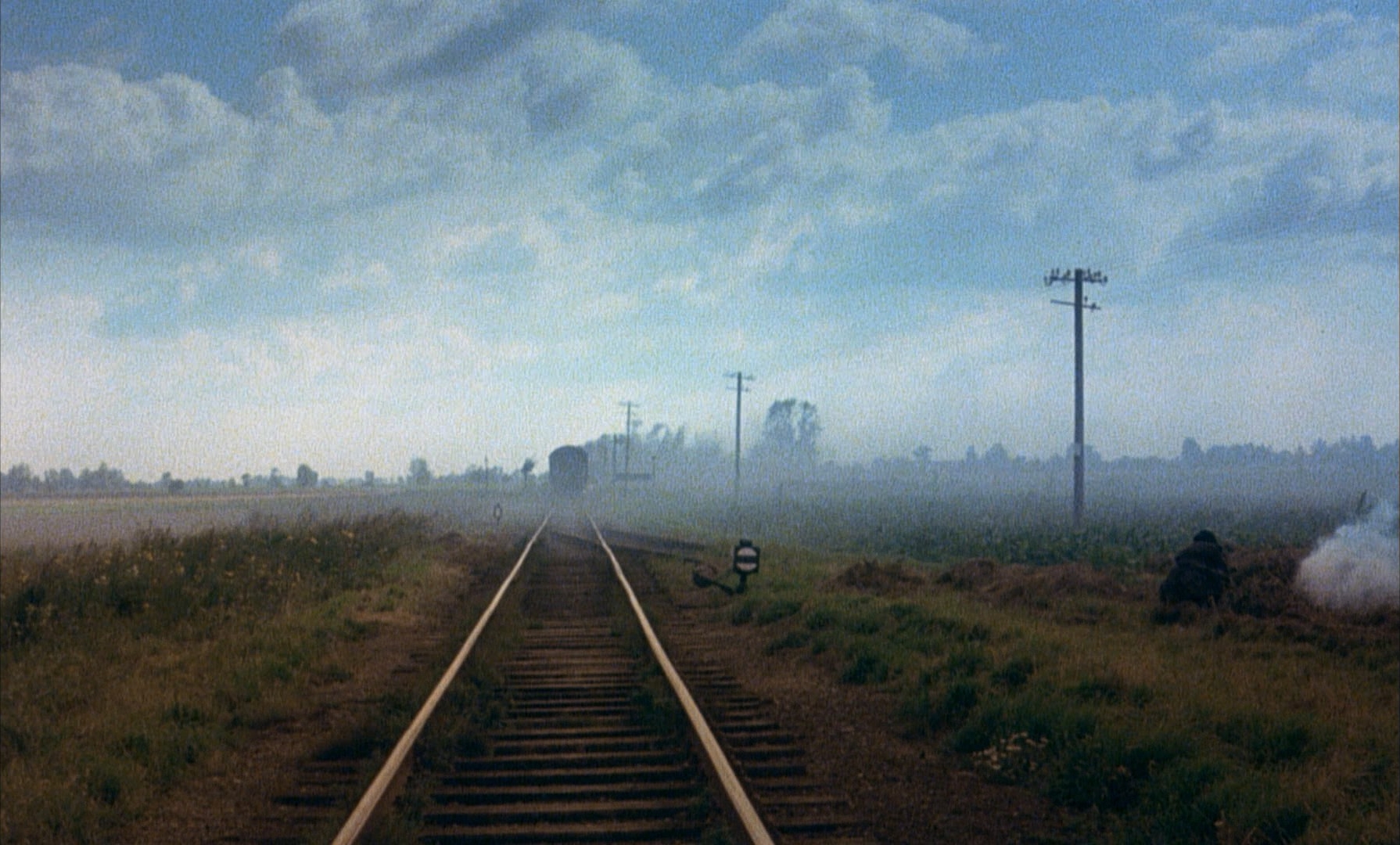
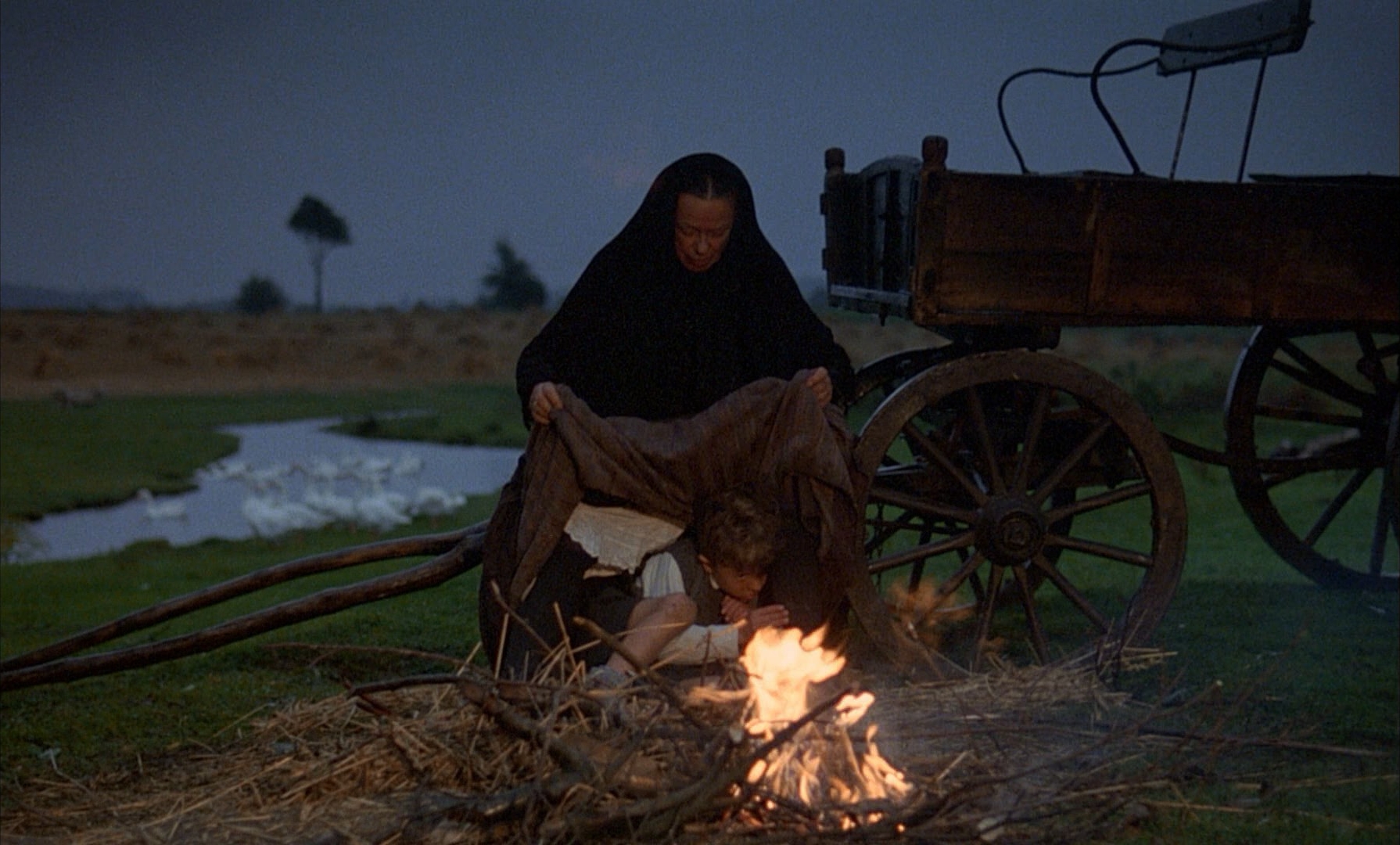
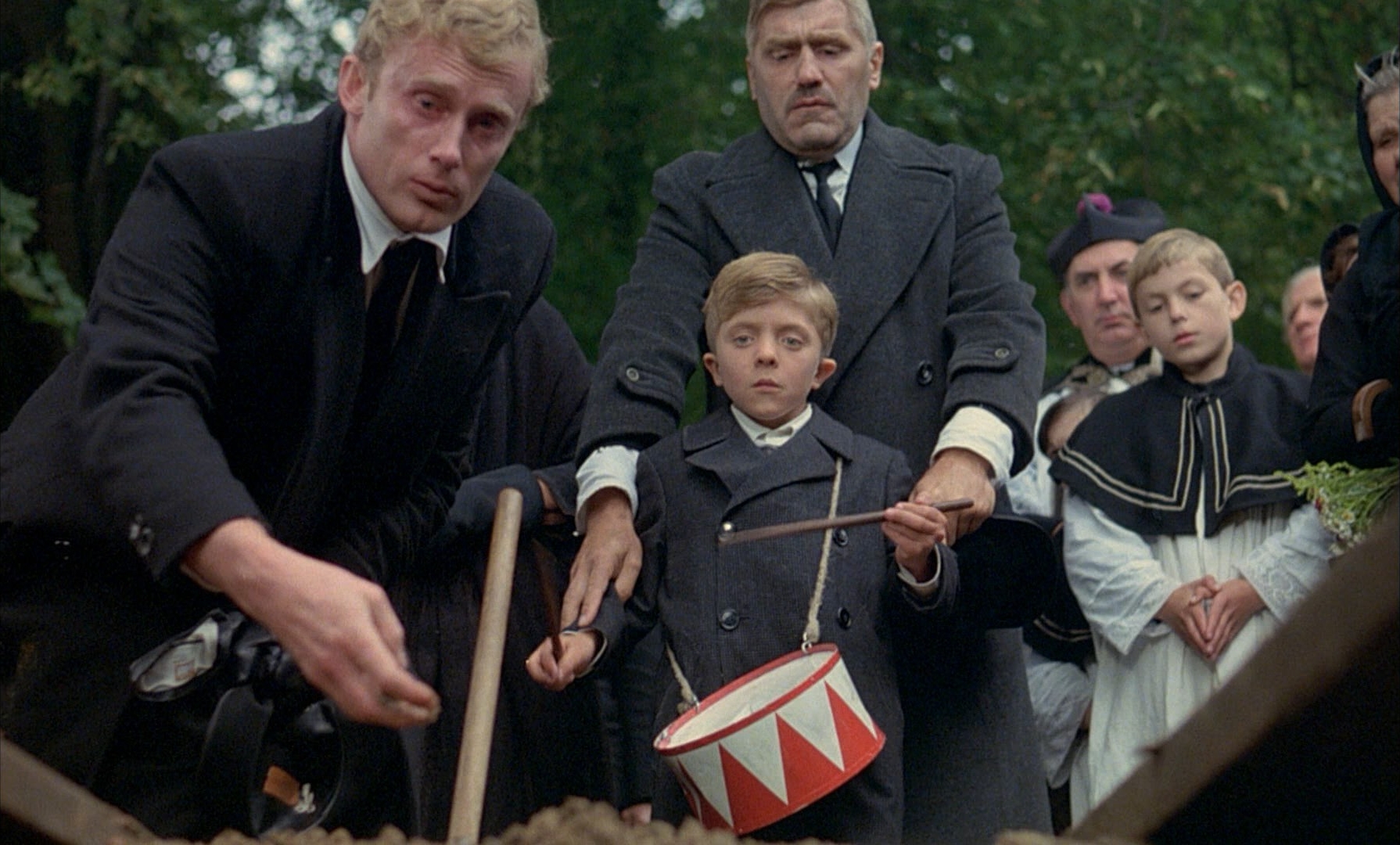
Set in the decades surrounding the rise of Nazi Germany, the film follows Oskar Matzerath, a boy living in the Free City of Danzig who, at the age of three, decides to stop growing as an act of rebellion against the hypocrisy and brutality of the adult world. Armed with his beloved tin drum and a piercing scream capable of shattering glass, Oskar observes the political and moral collapse unfolding around him while remaining suspended between childhood and adulthood. The story unfolds as a surreal, darkly satirical examination of fascism, sexuality, memory, and societal corruption.
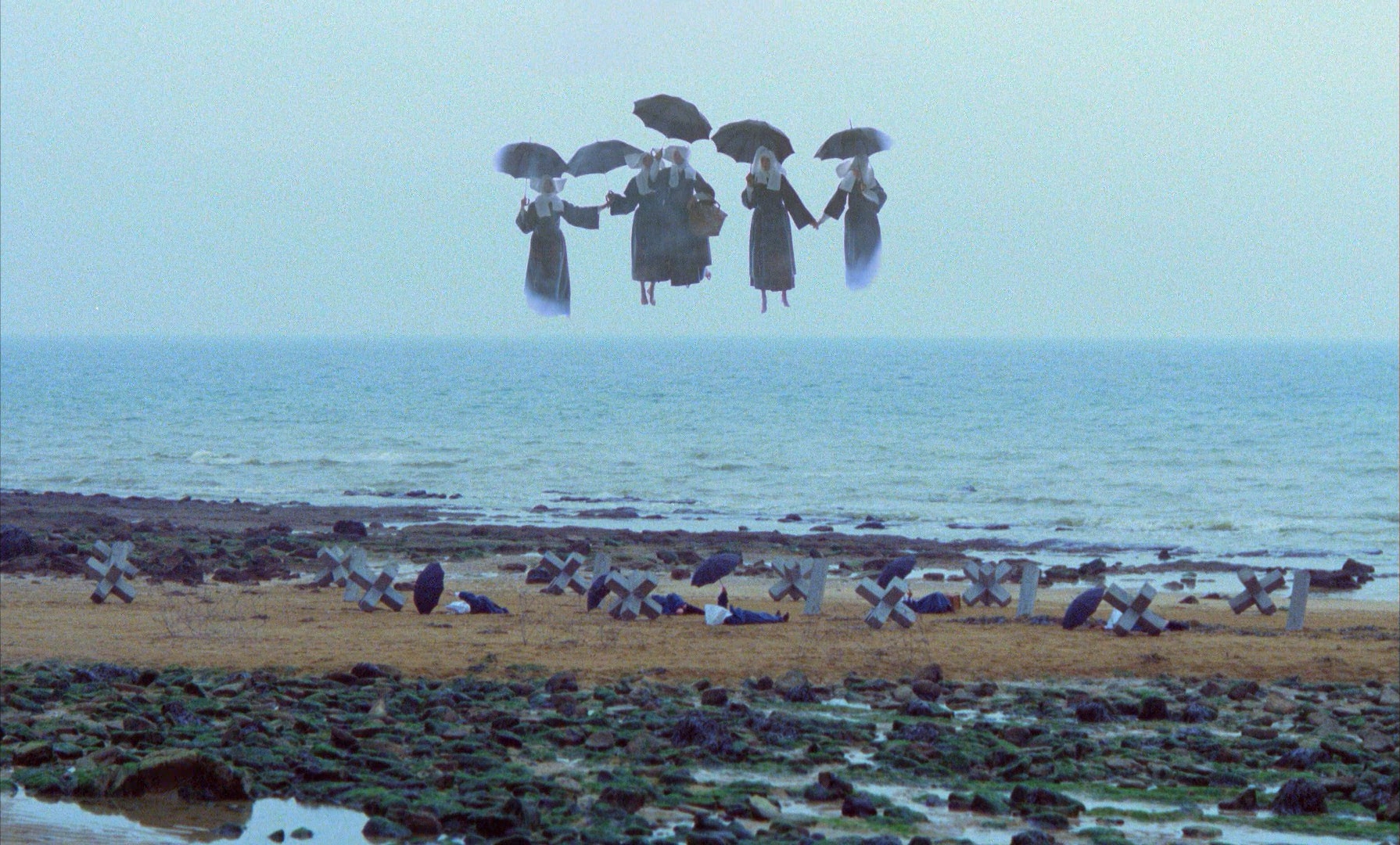
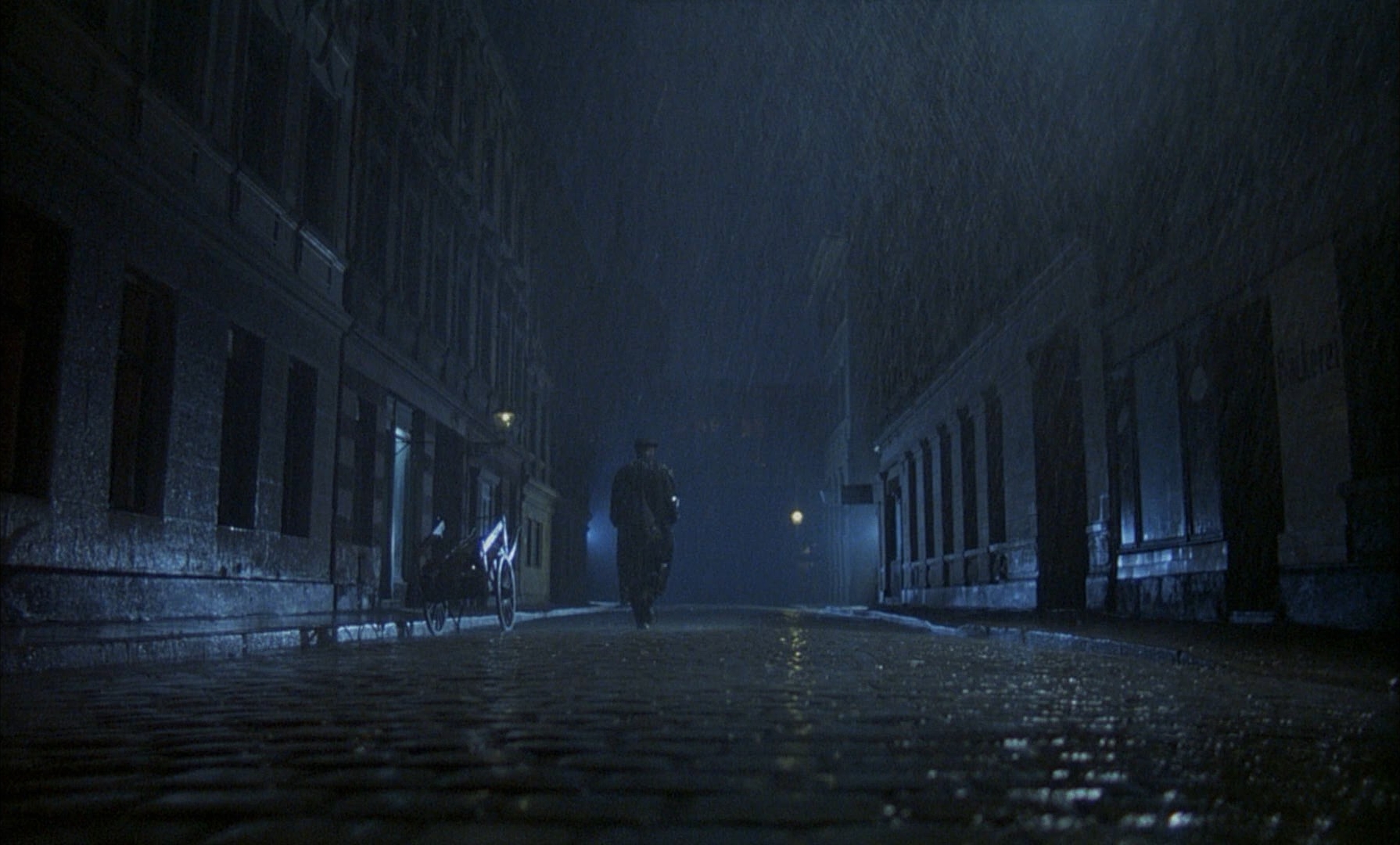
Schlöndorff and cinematographer Igor Luther craft The Tin Drum with a grotesque, expressionistic visual style that constantly shifts between realism, absurdism, and nightmare imagery. Rich period detail, crowded interiors, carnival environments, and muddy wartime landscapes create a tactile sense of prewar and wartime Europe, while the camera frequently aligns with Oskar’s unusual physical perspective—making adult behavior appear distorted, theatrical, and morally grotesque. The recurring drum itself becomes a visual and sonic motif of resistance and disruption, while surreal imagery and abrupt tonal shifts turn history into something simultaneously intimate, grotesque, and allegorical.
FILM SPOTLIGHT
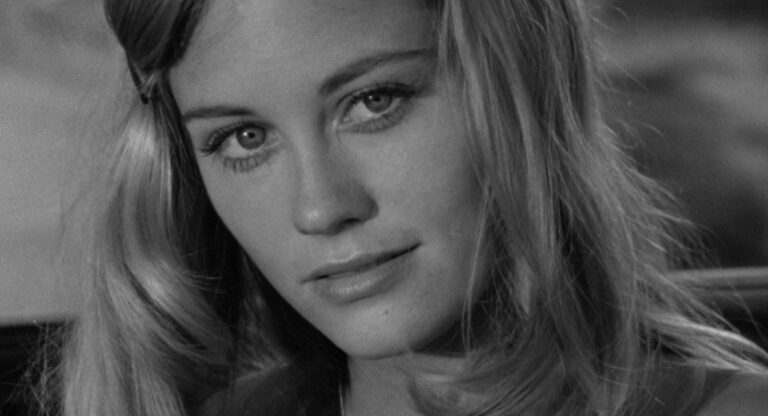
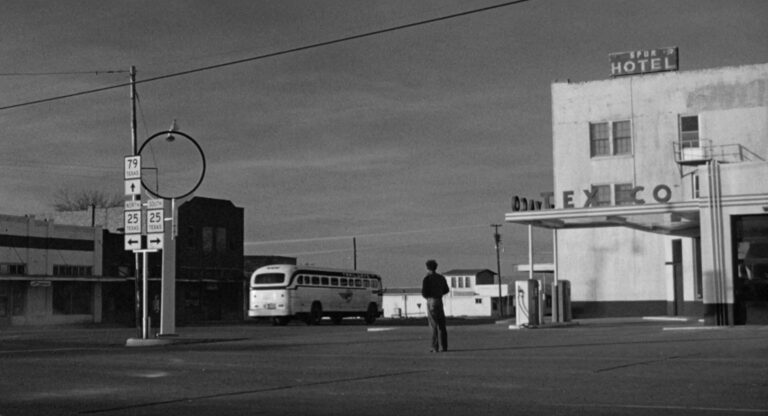
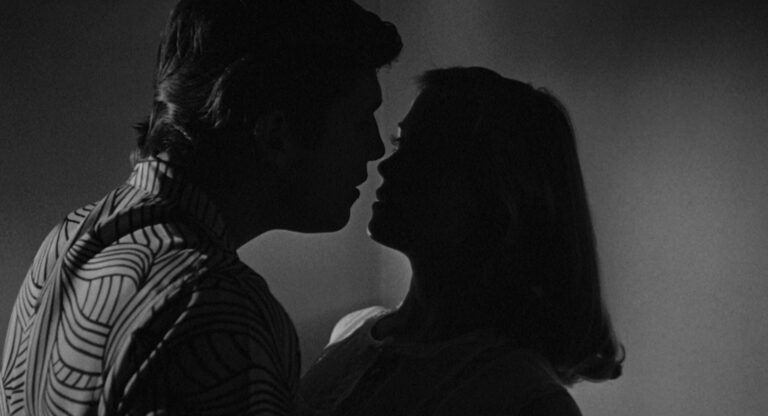
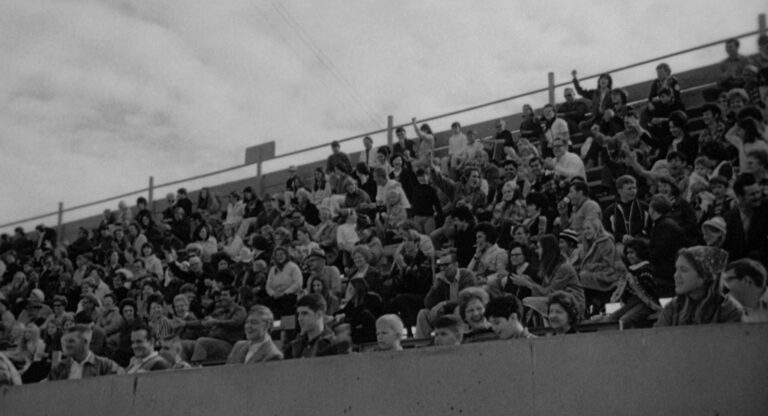
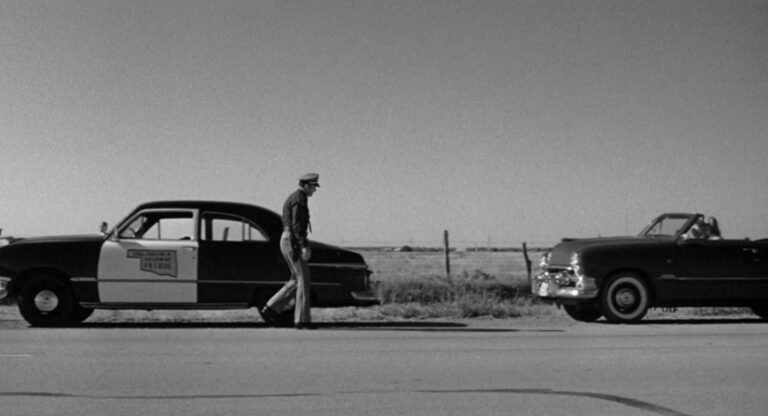
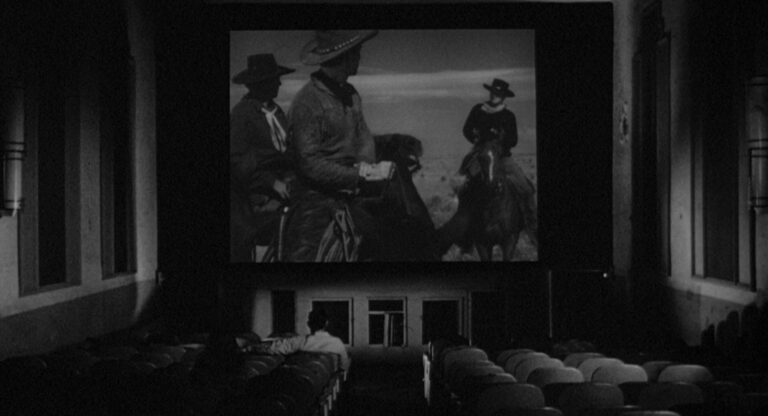
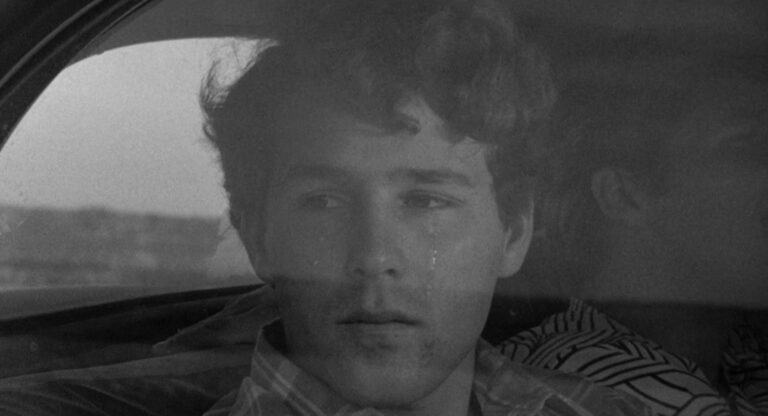
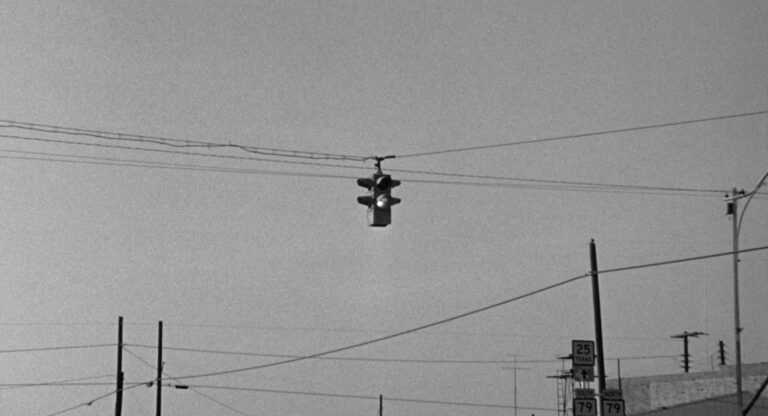
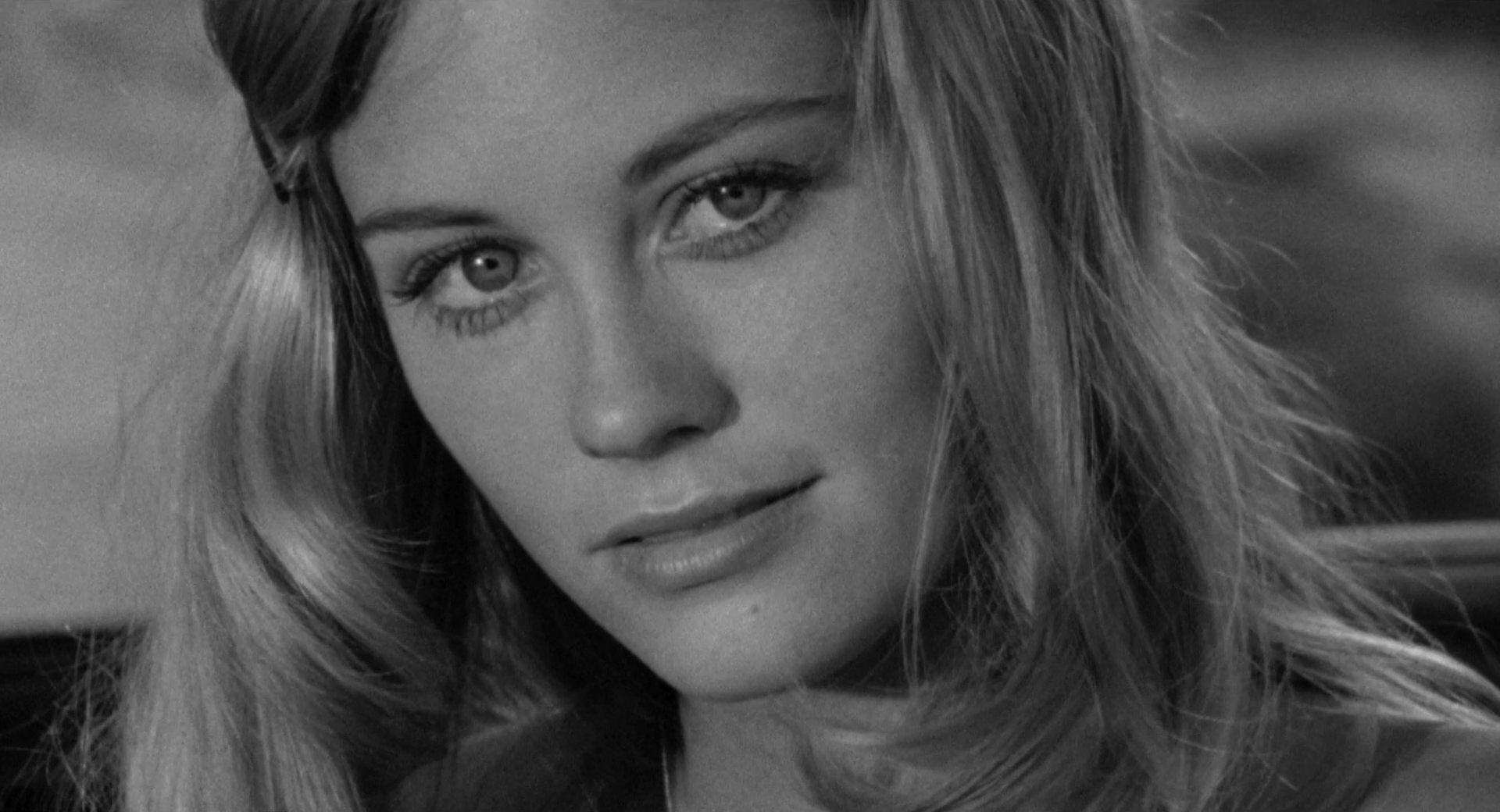
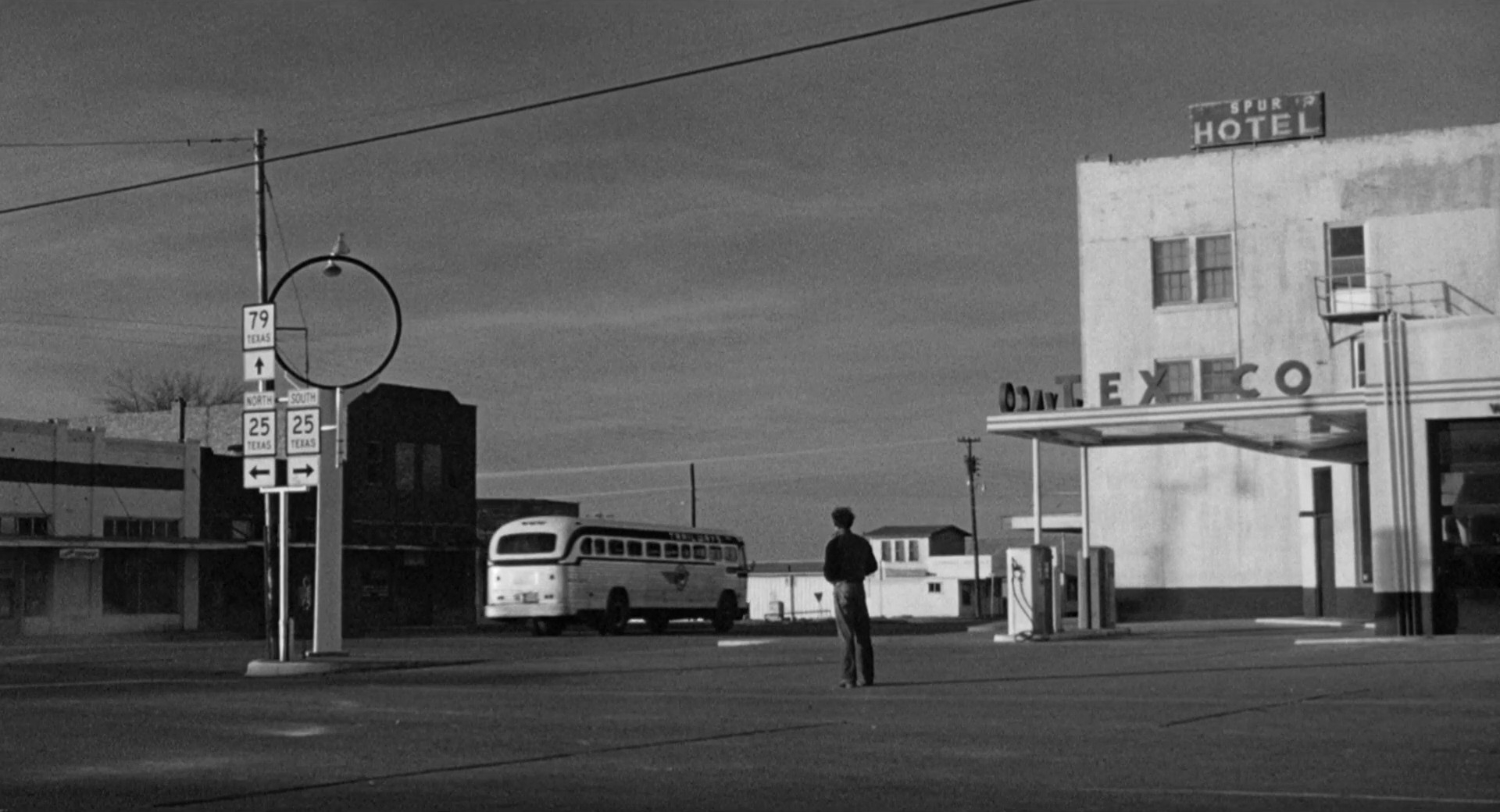
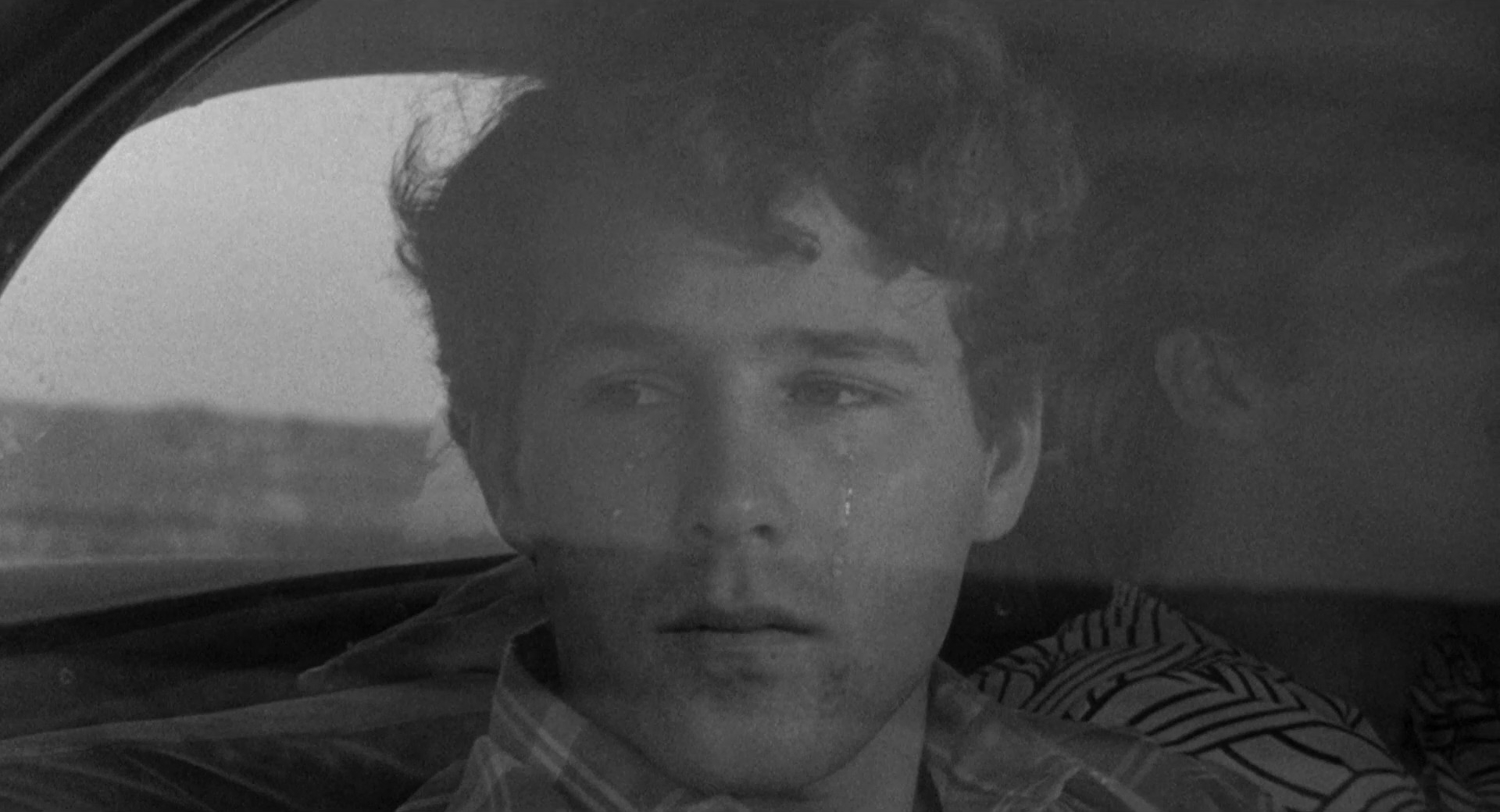
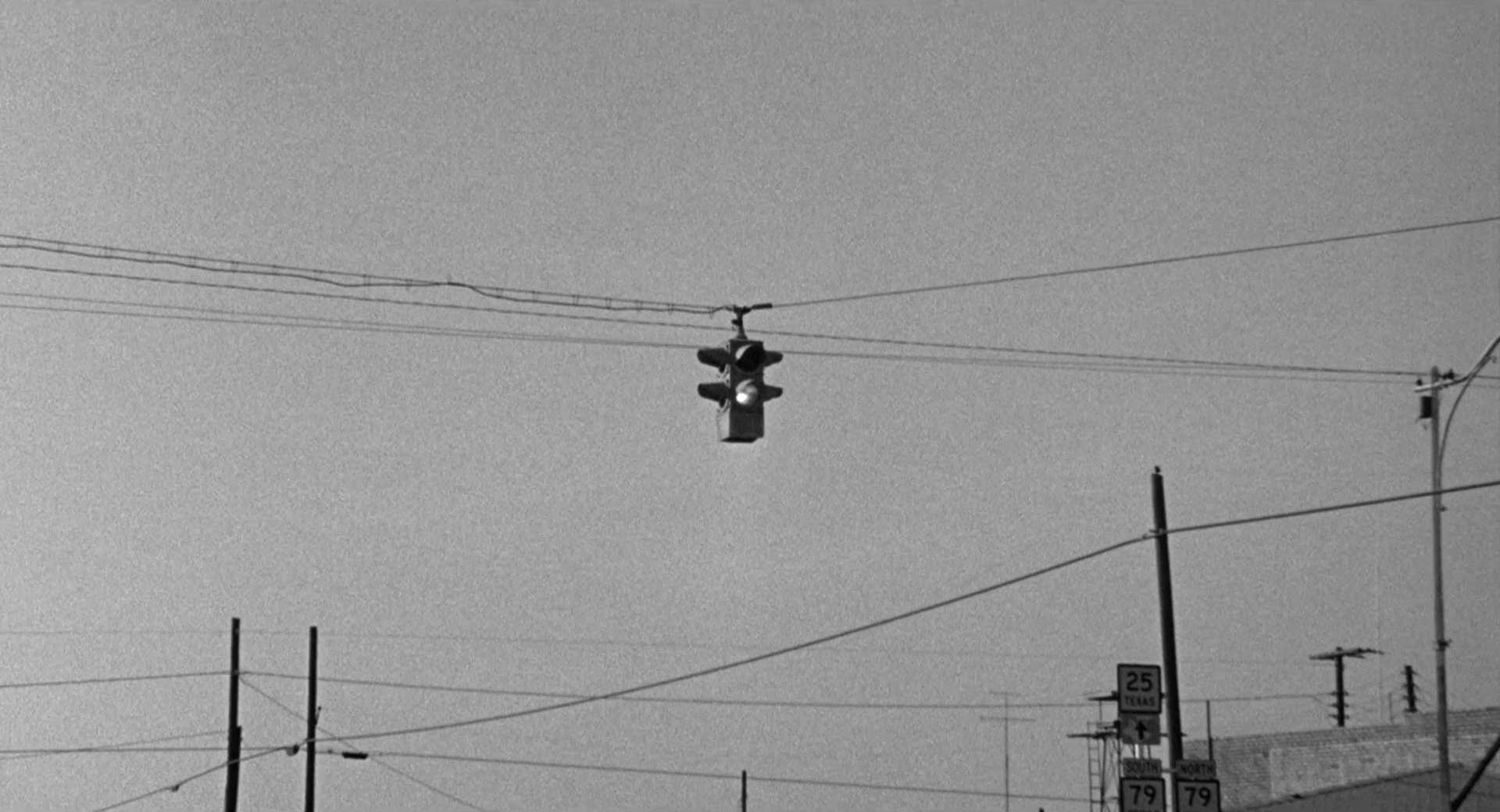
The Last Picture Show (1971)
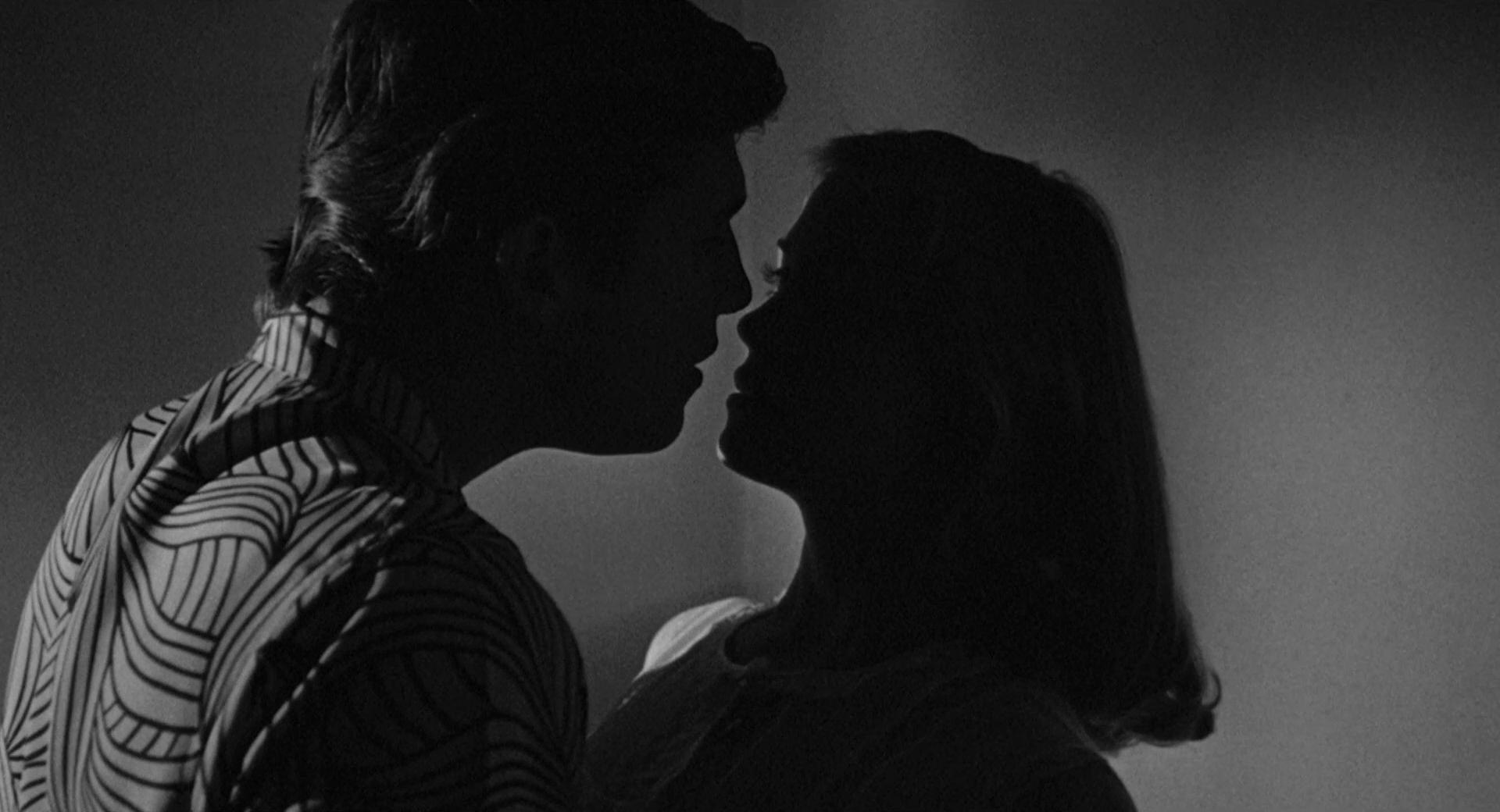
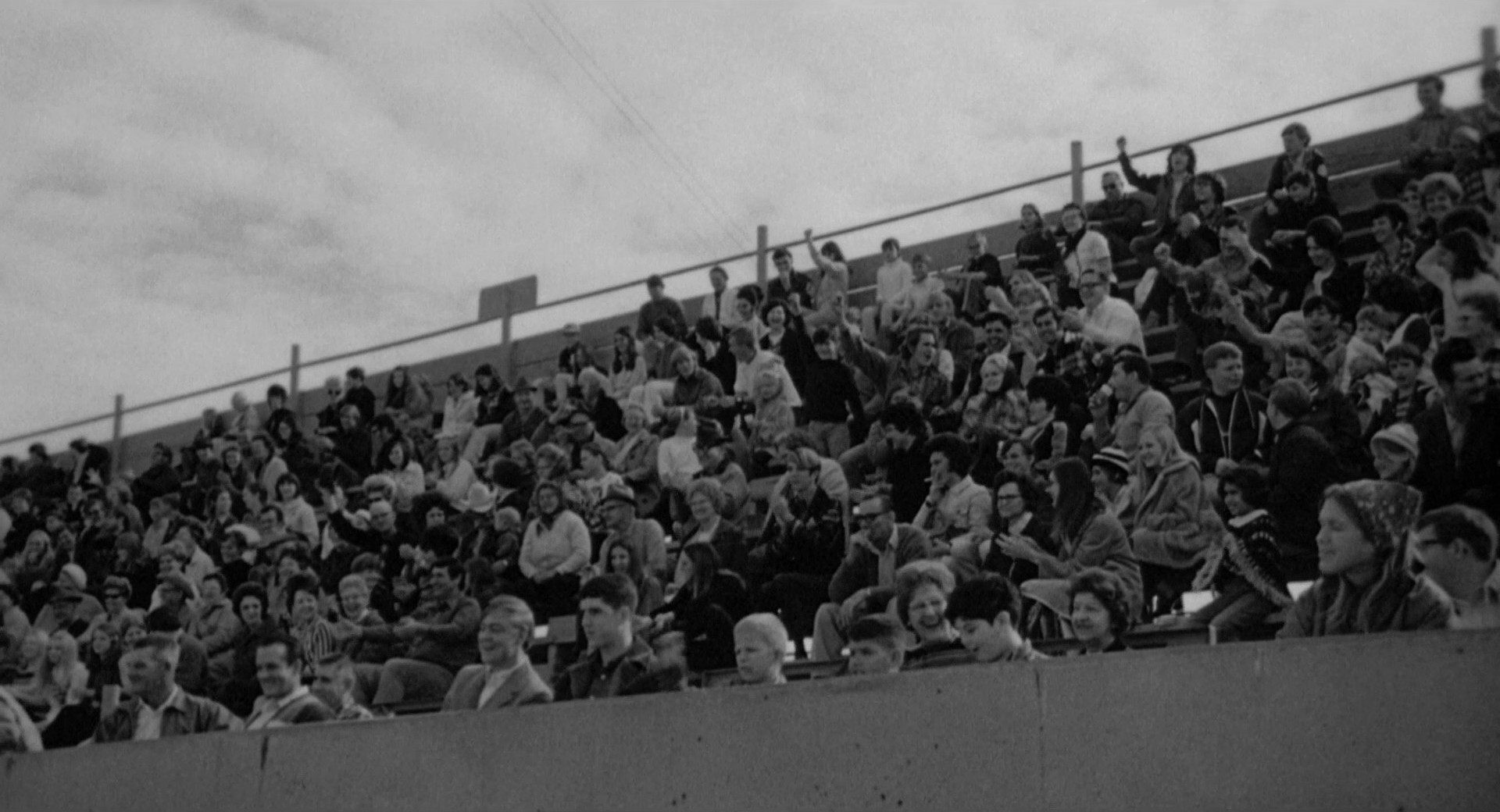
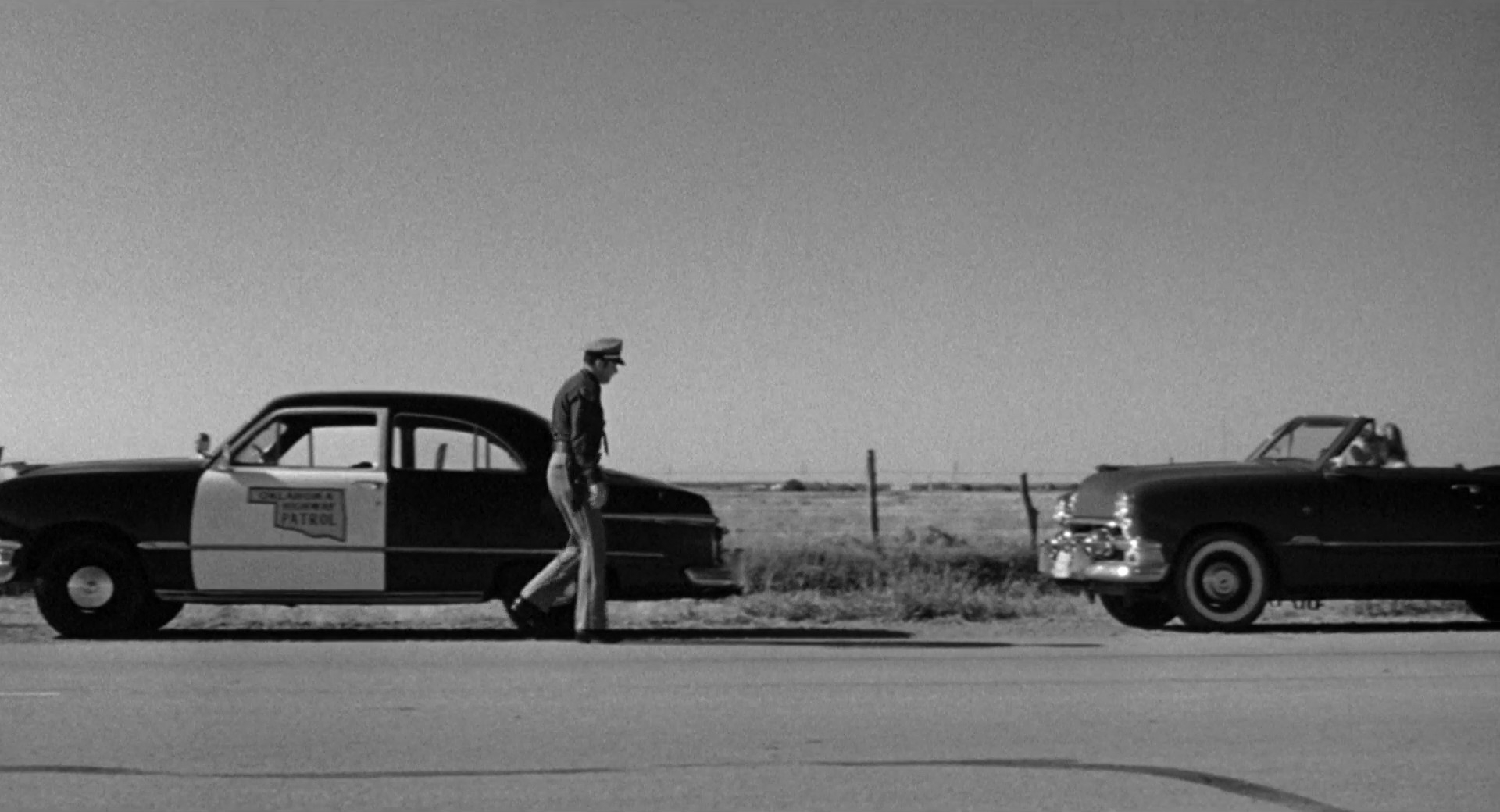
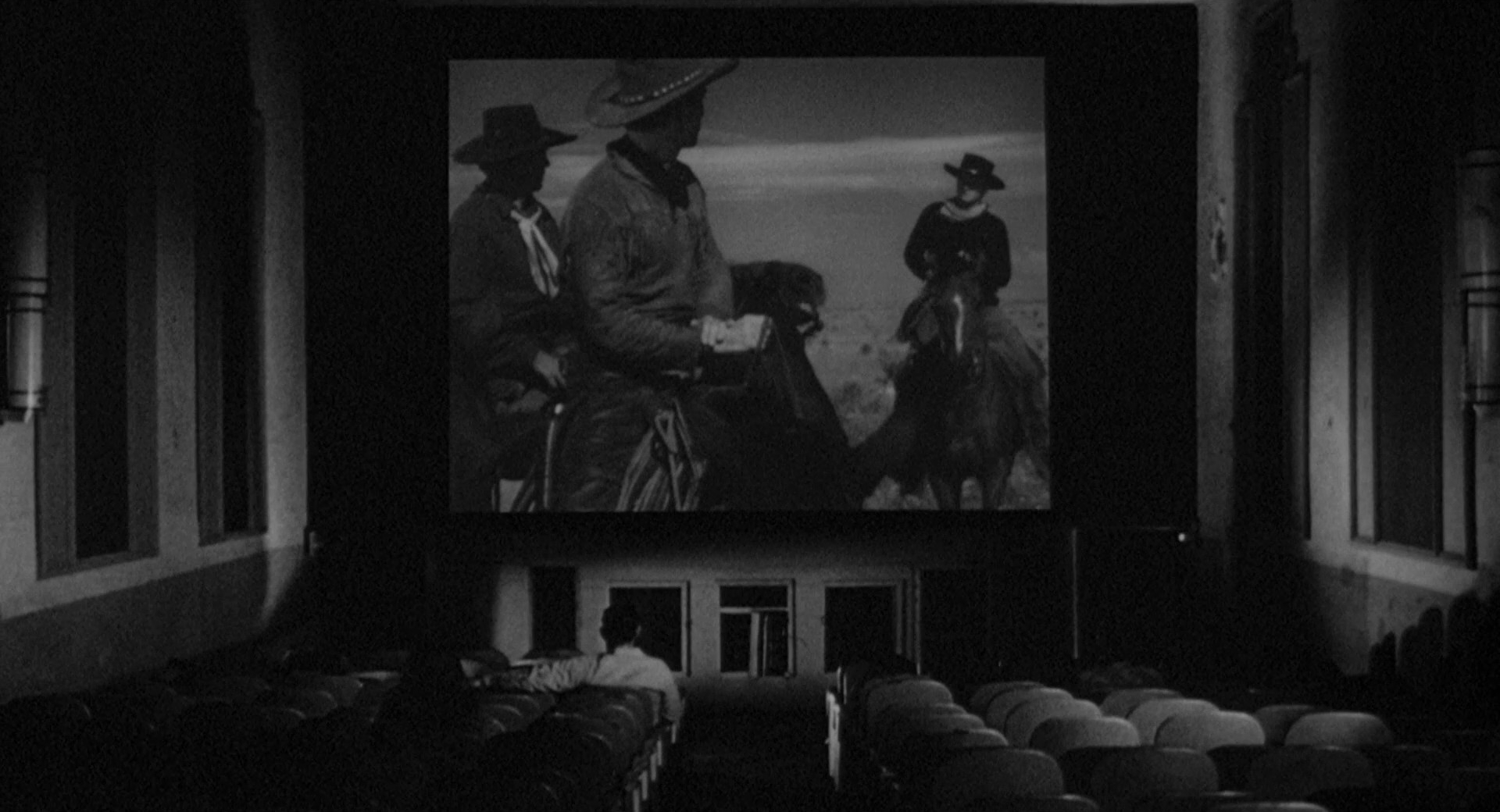
Set in a fading small town in 1950s Texas, the film follows a group of high school students and townspeople confronting loneliness, sexual frustration, and the slow disappearance of the world they know. Centered primarily on friends Sonny and Duane, the story traces shifting relationships, affairs, heartbreak, and the uncertain transition into adulthood against the backdrop of a dying community. As businesses close and social bonds deteriorate, the town itself becomes a symbol of emotional and cultural decline.
Bogdanovich and cinematographer Robert Surtees shoot The Last Picture Show in stark black-and-white, evoking both the era in which the film is set and the visual language of classic Hollywood dramas. Wide windswept streets, empty storefronts, pool halls, and dim interiors create a haunting atmosphere of isolation and stagnation, while the restrained camera movement and deep-focus compositions allow emotional tension to emerge quietly through space and performance. The declining movie theater at the center of the town functions as both literal setting and elegiac metaphor, reinforcing the film’s themes of fading innocence, disappearing communities, and the end of an American era.

FILM SPOTLIGHT
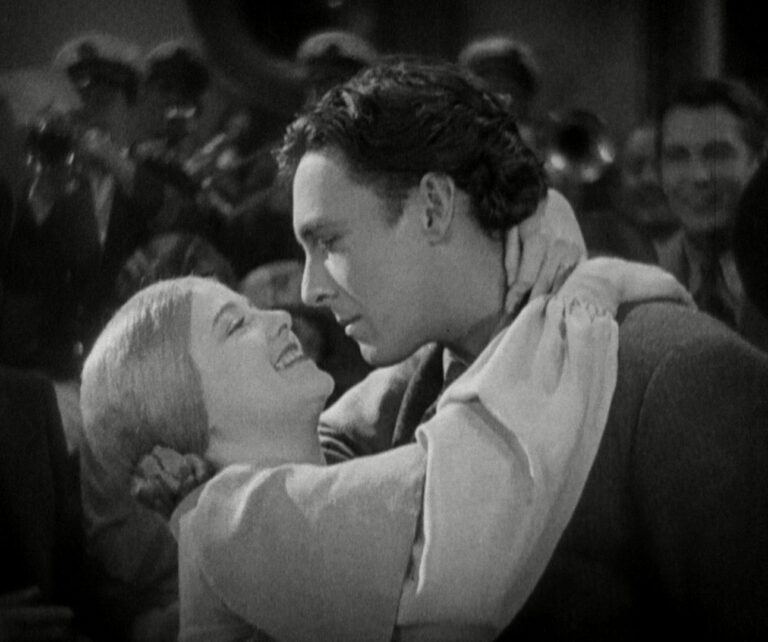
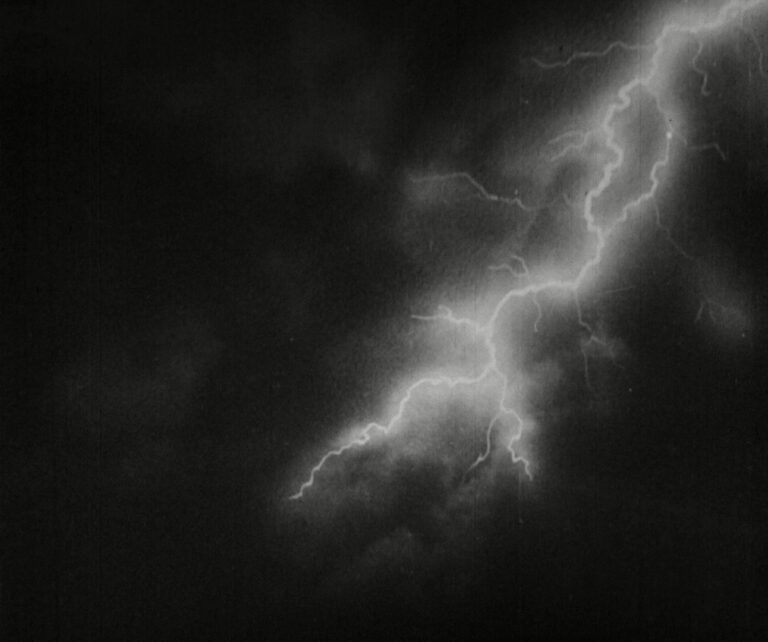
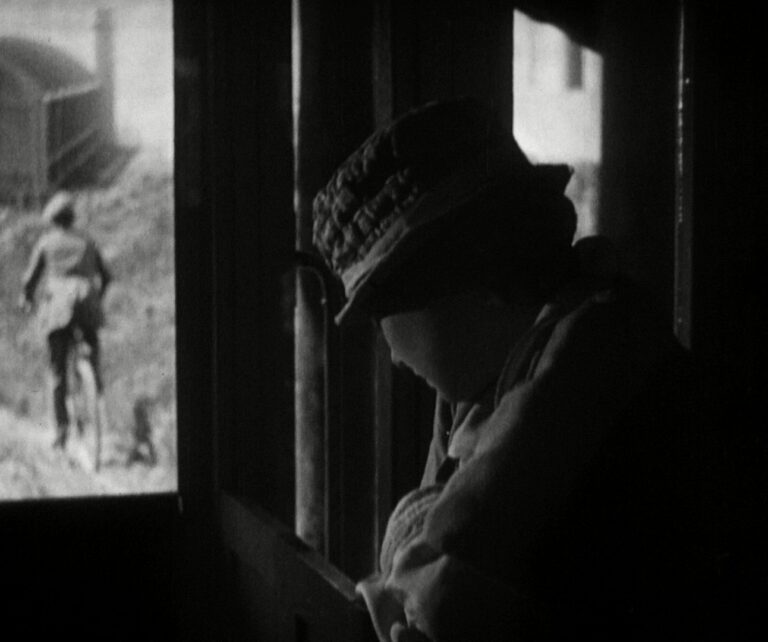
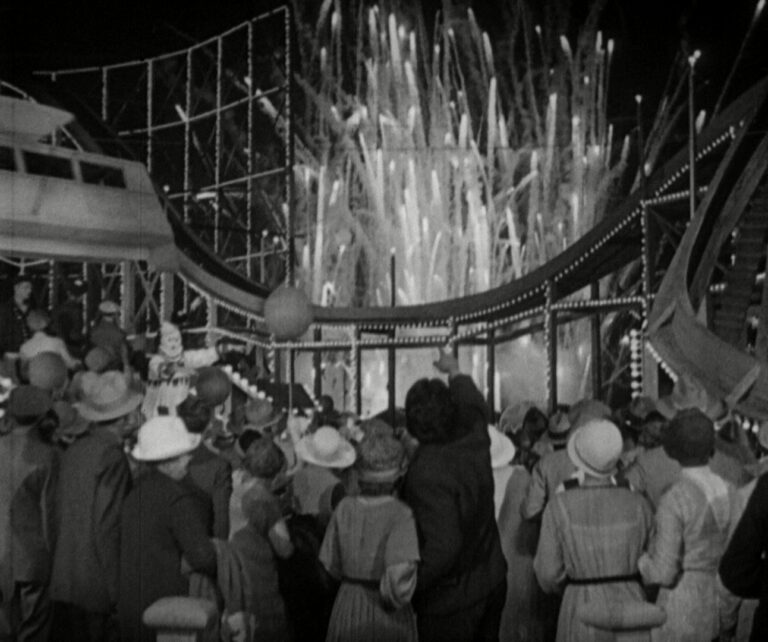
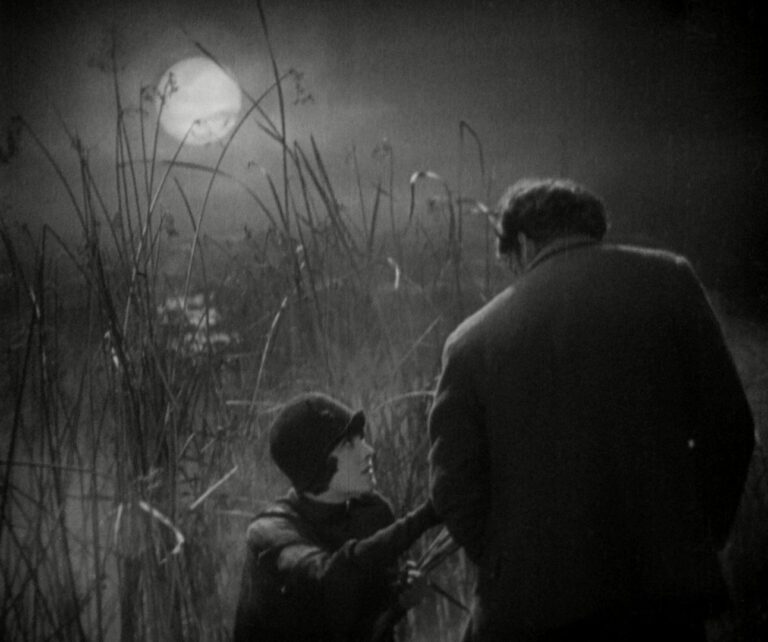
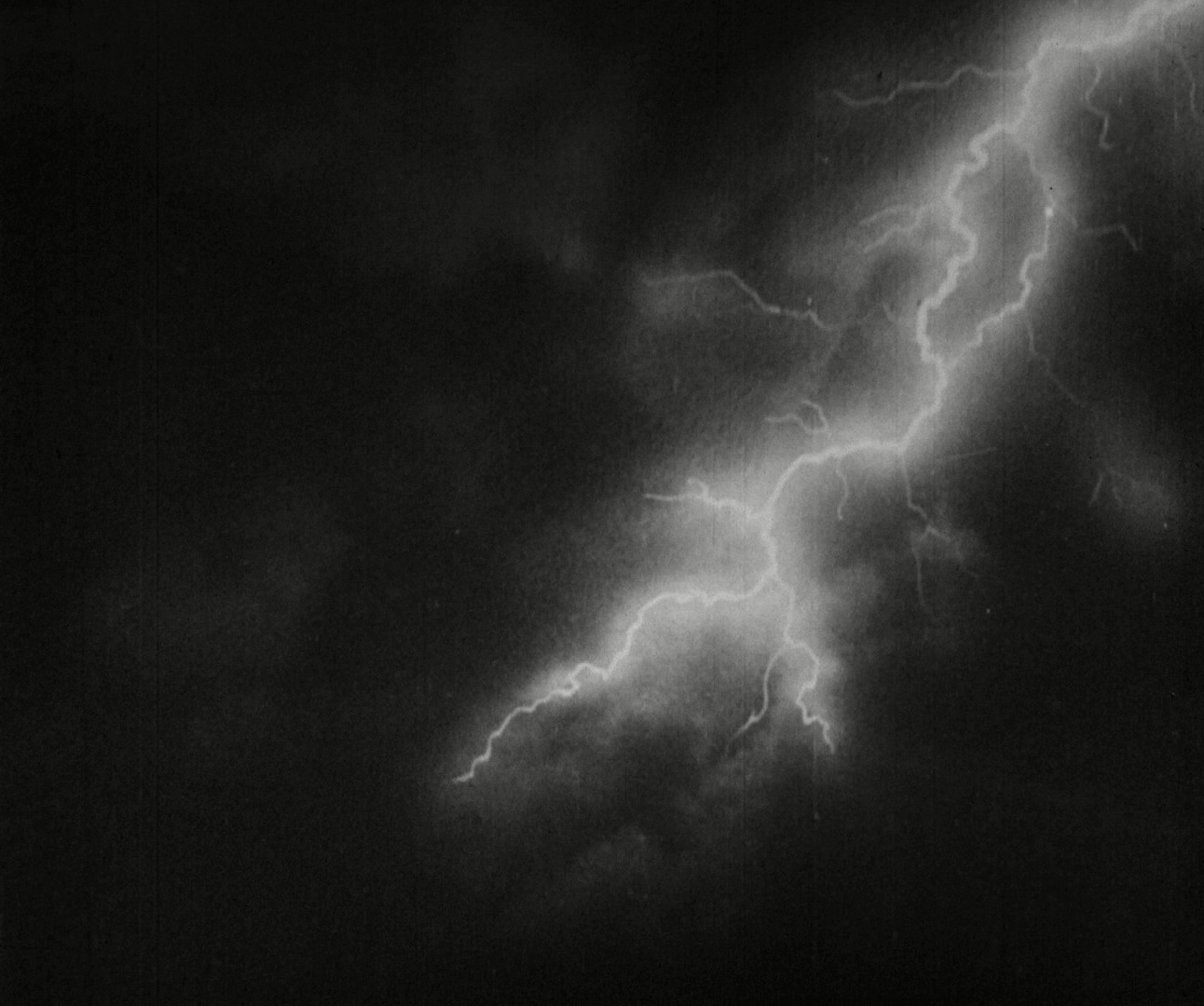
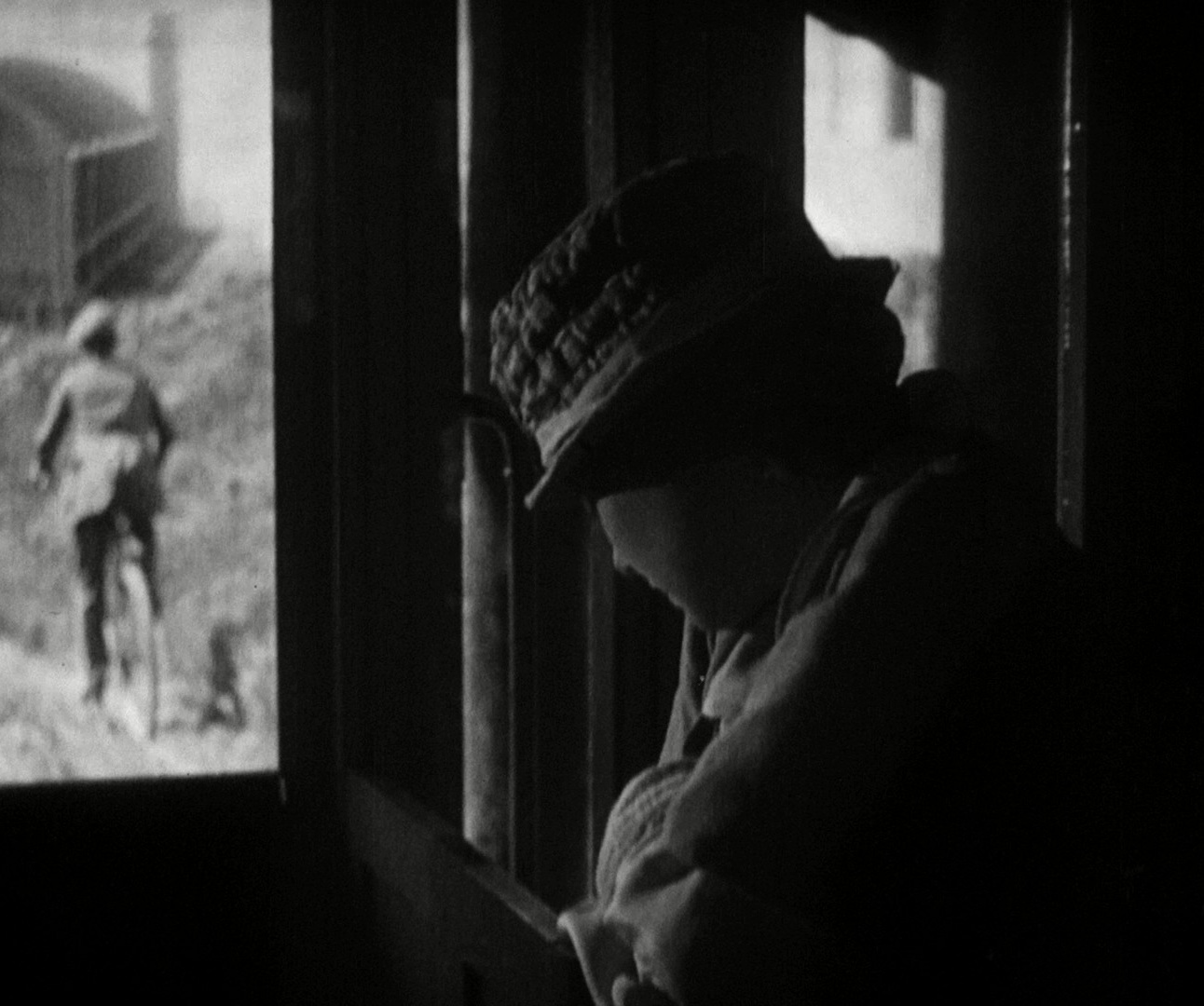
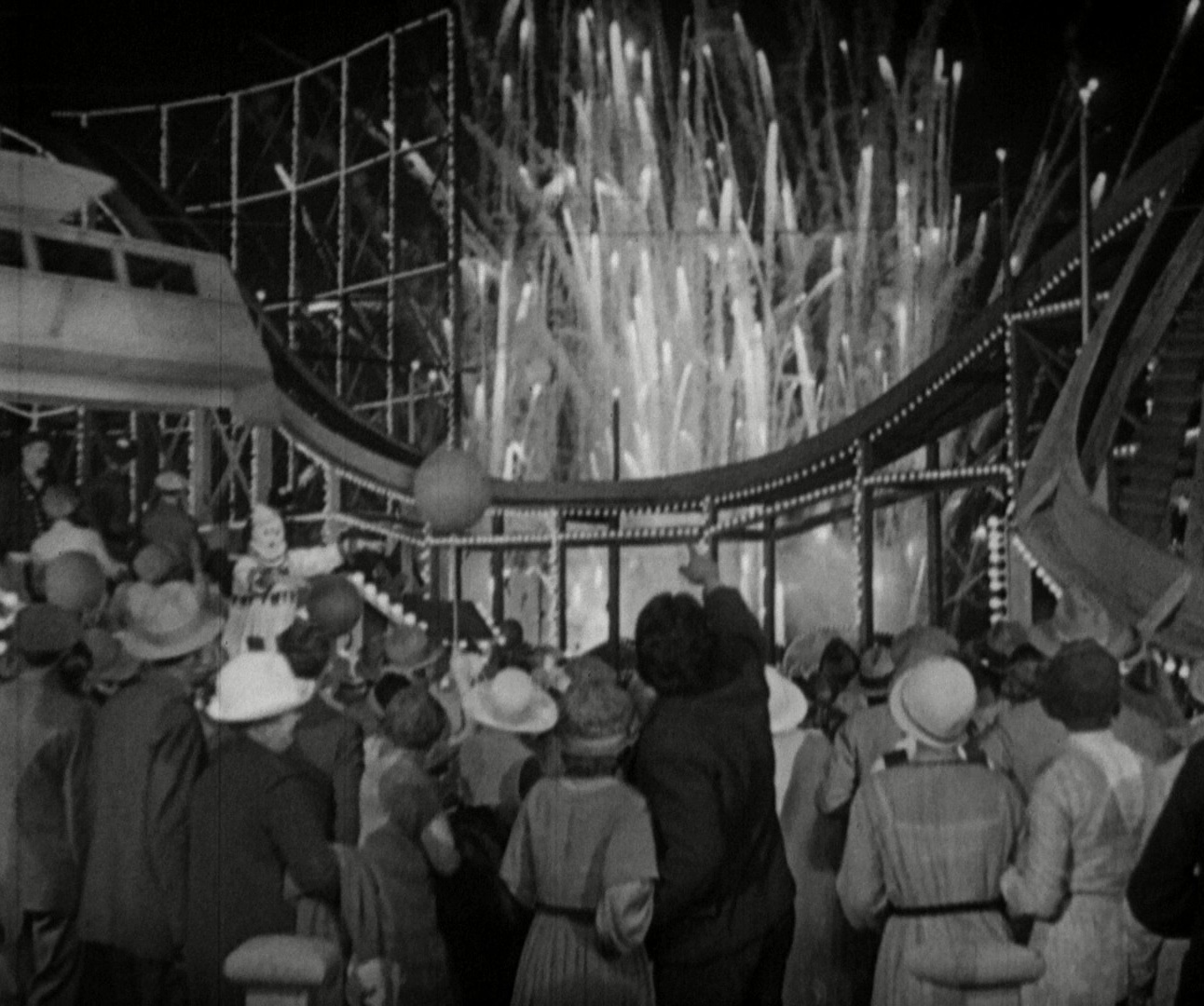
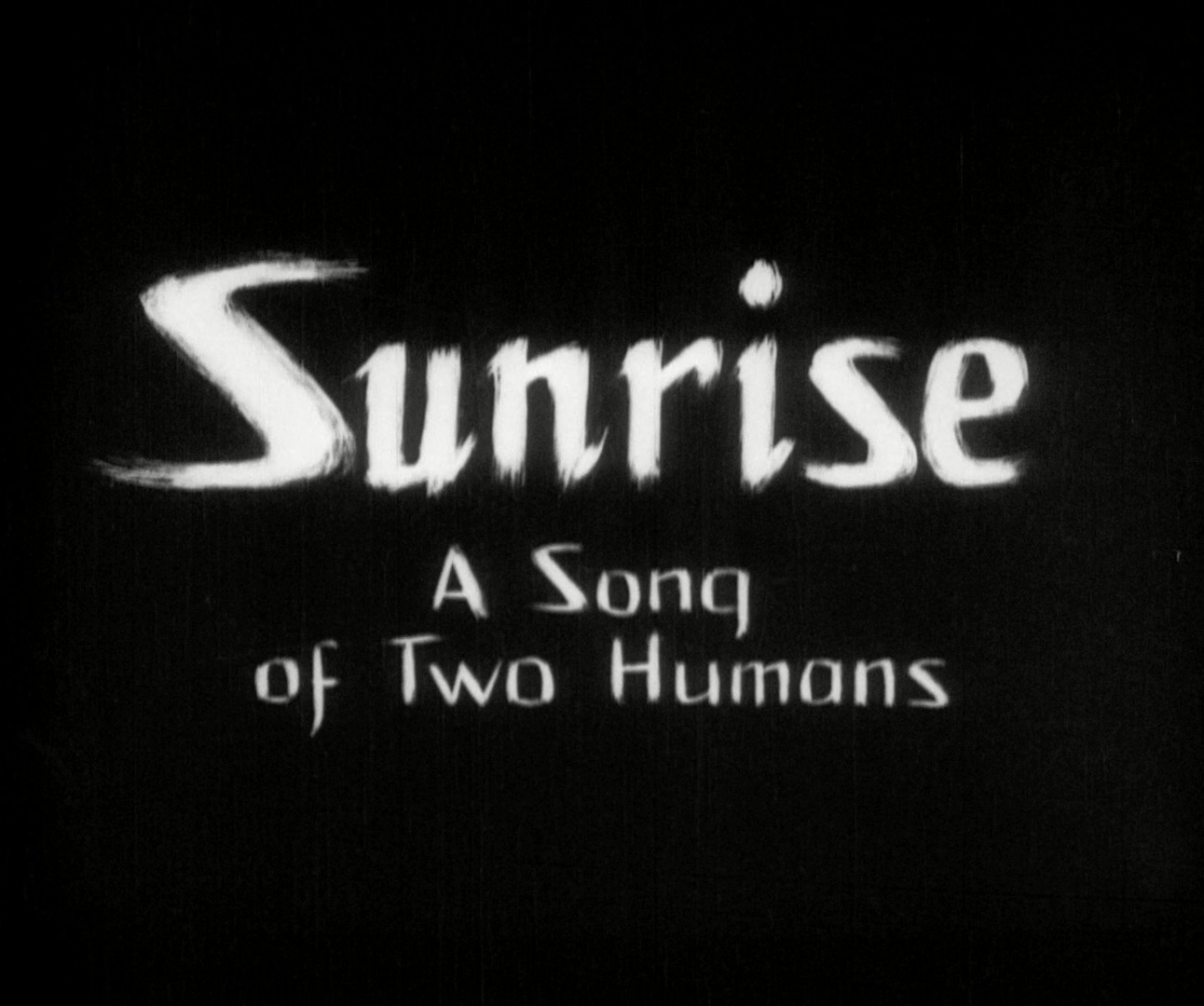
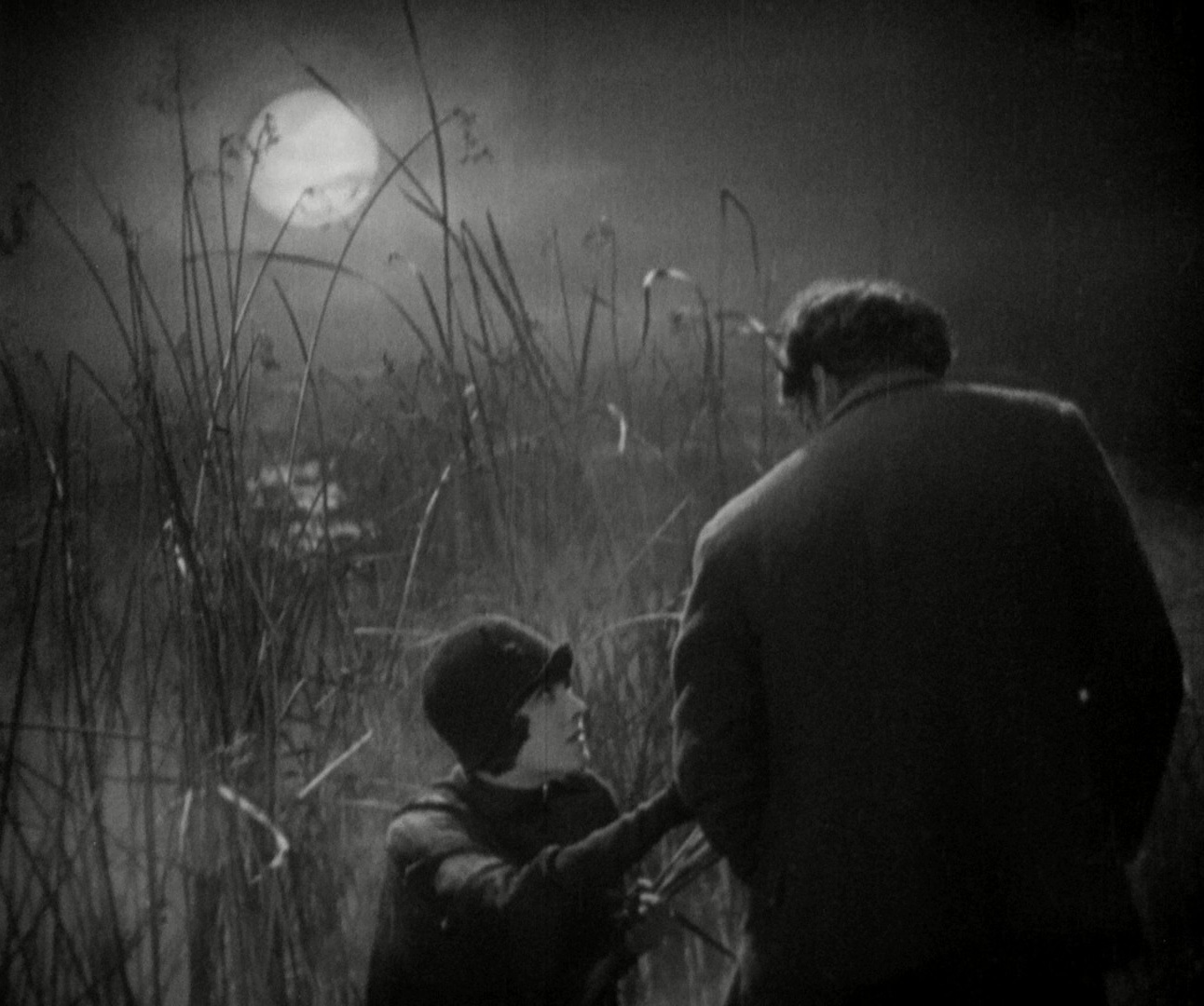
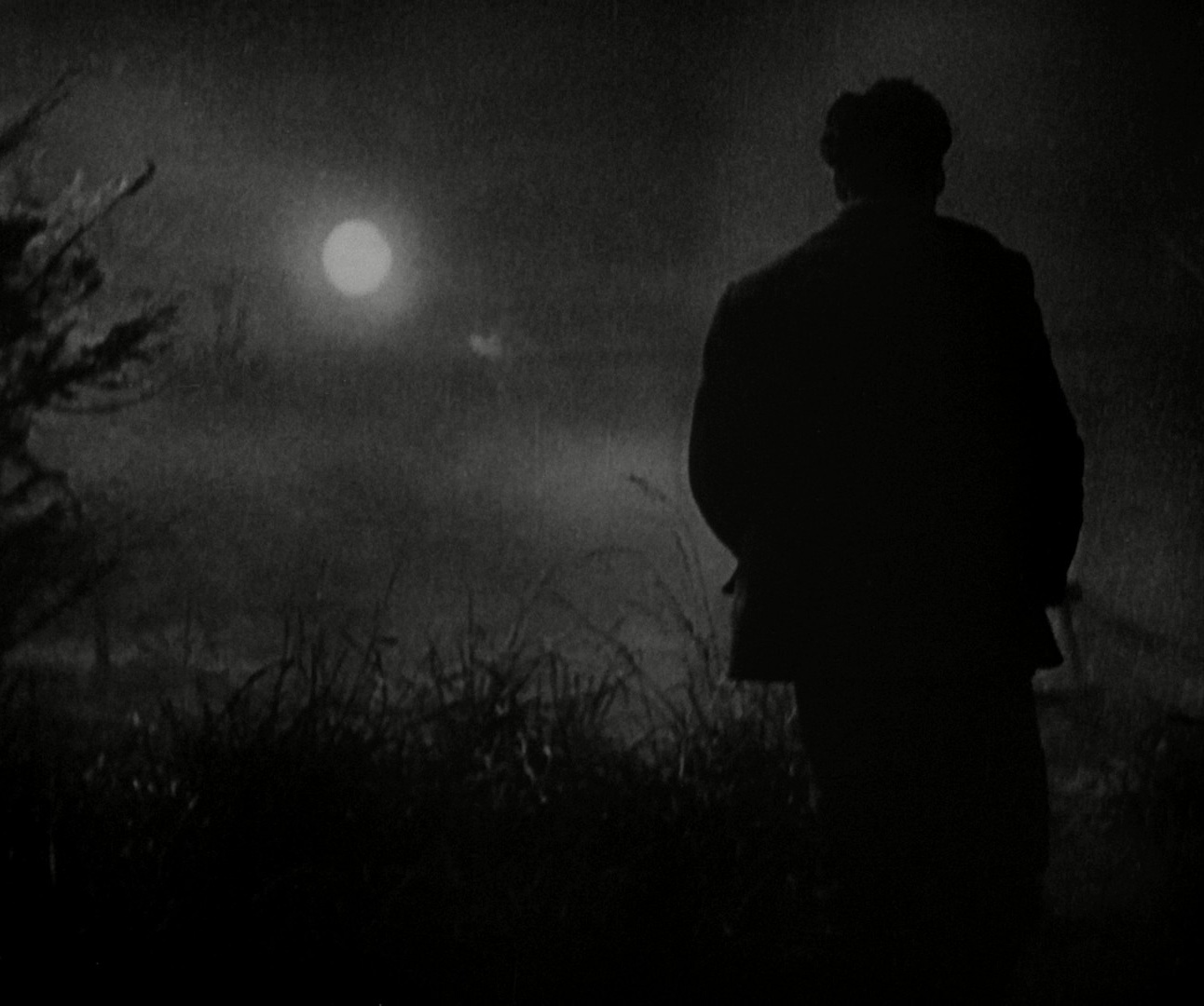
Sunrise: A Song of Two Humans (1927)
A humble farmer living in the countryside becomes seduced by a sophisticated woman from the city, who convinces him to murder his wife so they can begin a new life together. Tormented by guilt and unable to carry out the act, he and his wife drift through a day in the city that gradually transforms their fractured relationship. The film unfolds as a lyrical emotional journey through temptation, alienation, forgiveness, and rediscovered love.
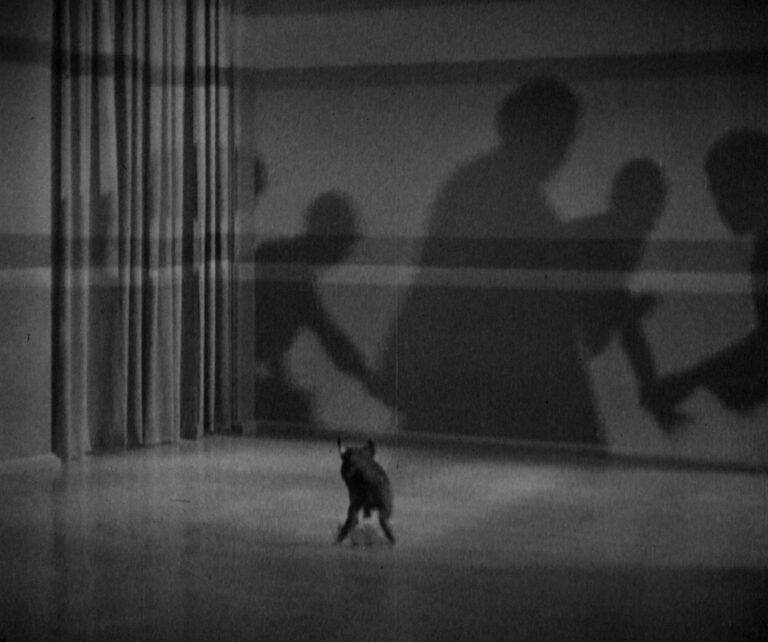
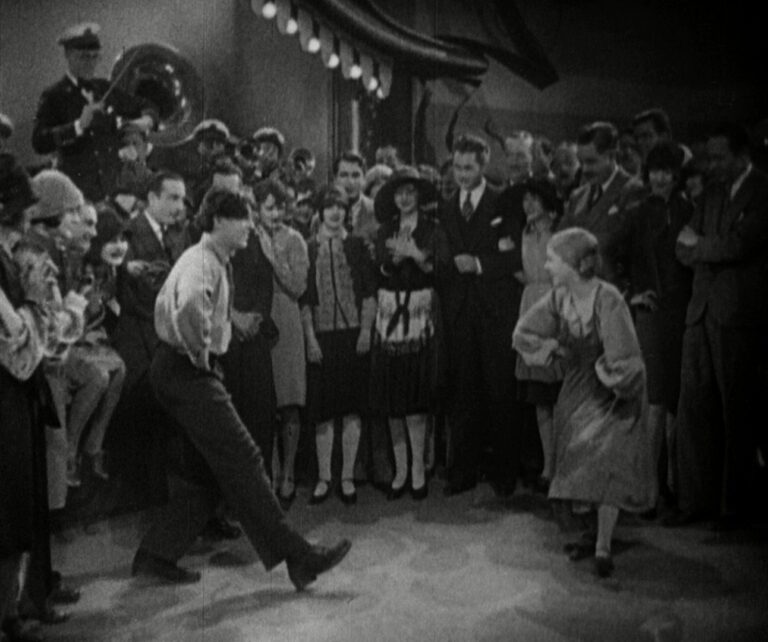
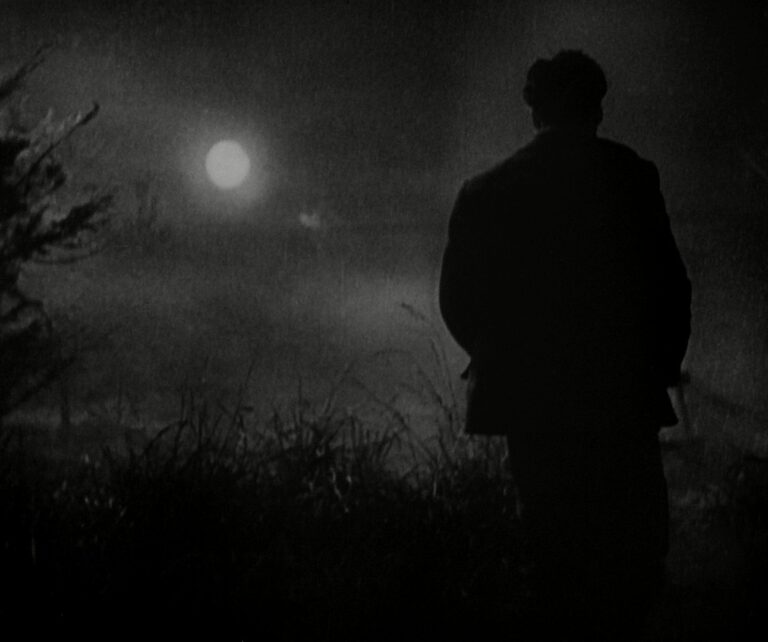
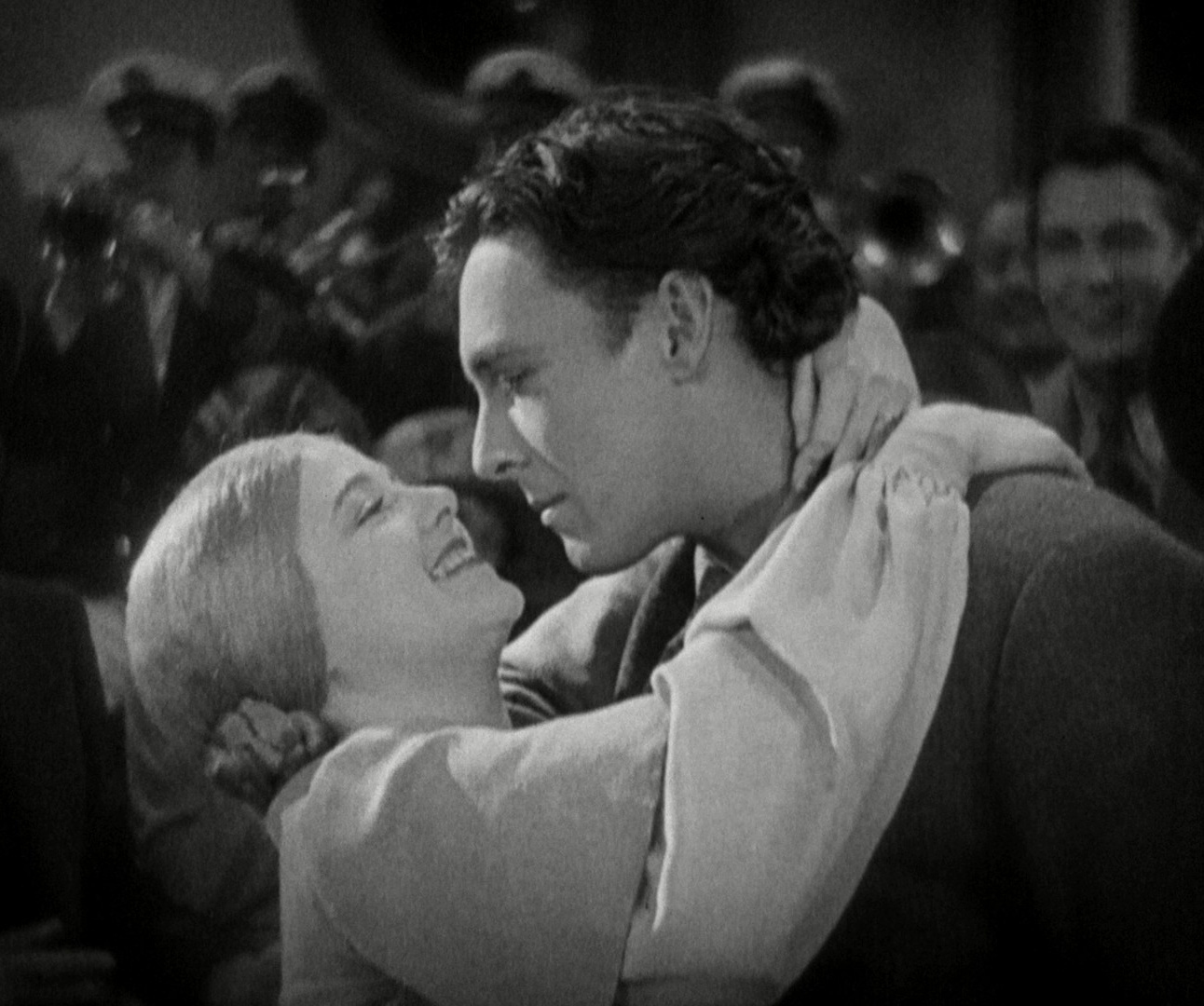
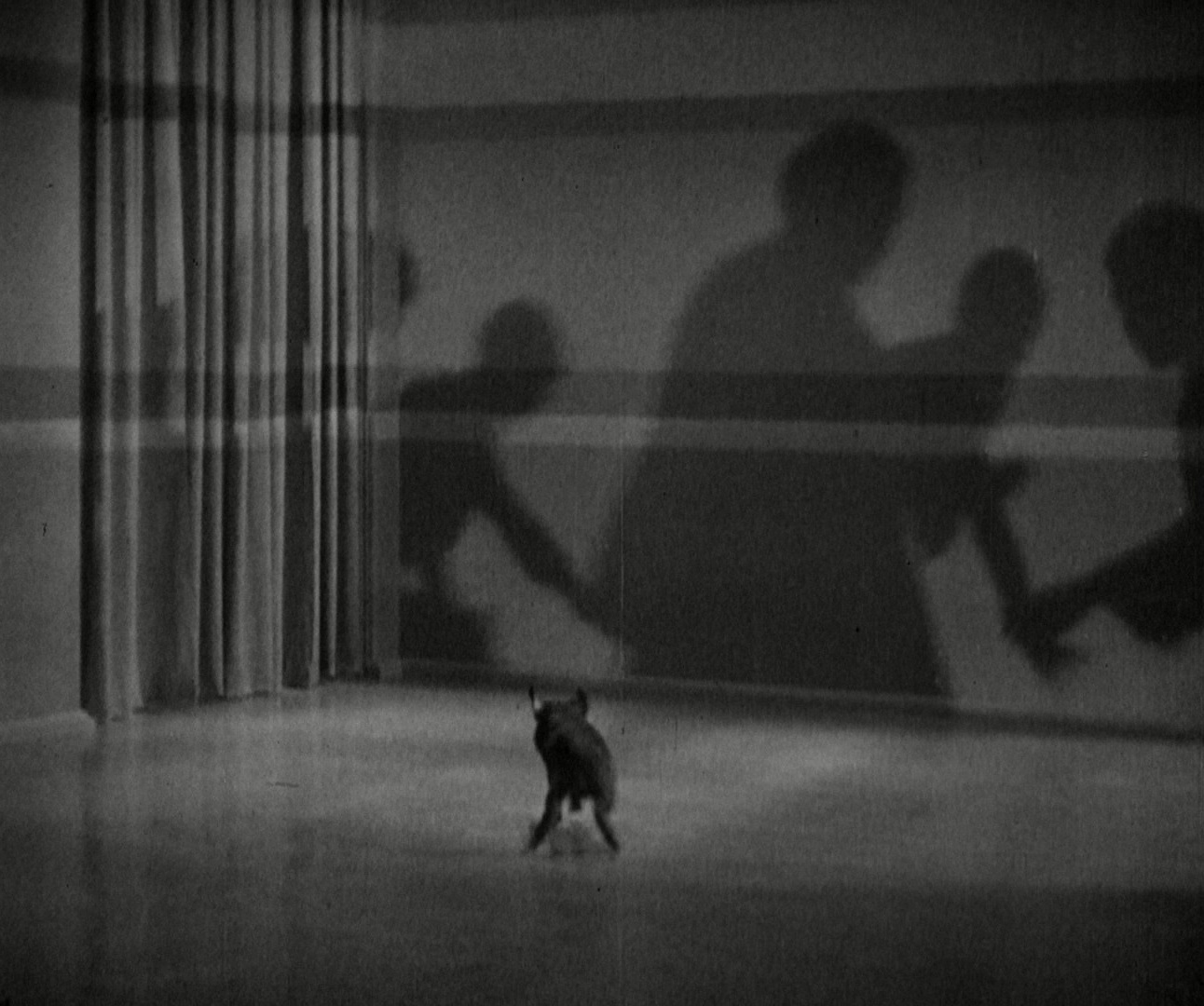
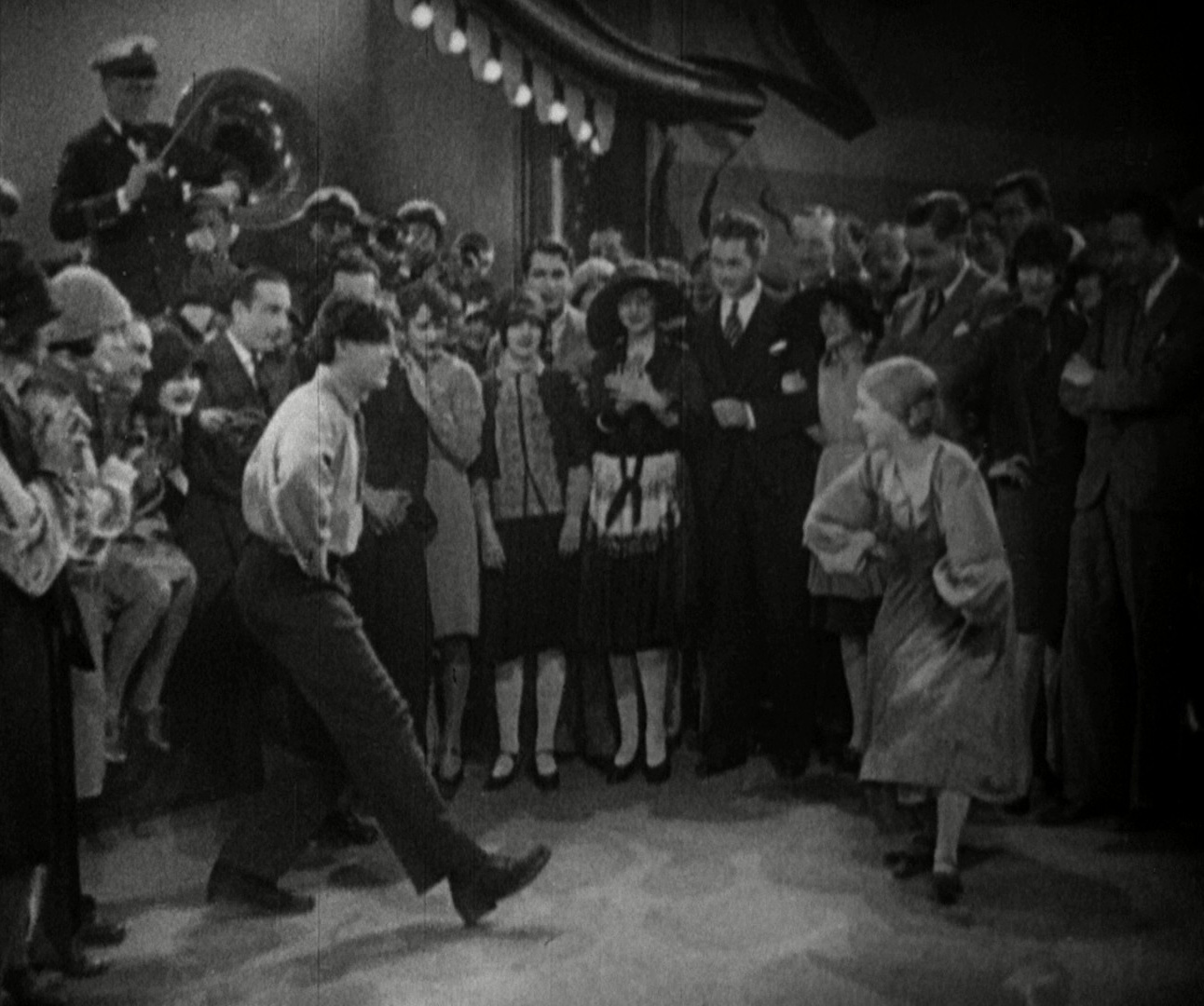
Murnau and cinematographers Charles Rosher and Karl Struss create one of silent cinema’s most visually expressive achievements through elaborate camera movement, layered superimpositions, and highly stylized lighting. Massive studio-built city sets blend realism with dreamlike artificiality, while fluid tracking shots and moving cameras give the film an emotional momentum that was revolutionary for its era. Expressionistic shadows, fog, reflective water imagery, and dissolves transform ordinary spaces into psychological landscapes, allowing emotion and desire to shape the visual world itself. The film’s famous marsh scenes, carnival sequences, and urban night imagery demonstrate Murnau’s mastery of visual storytelling—where framing, movement, and light communicate interior feeling with almost musical intensity.
FILM SPOTLIGHT
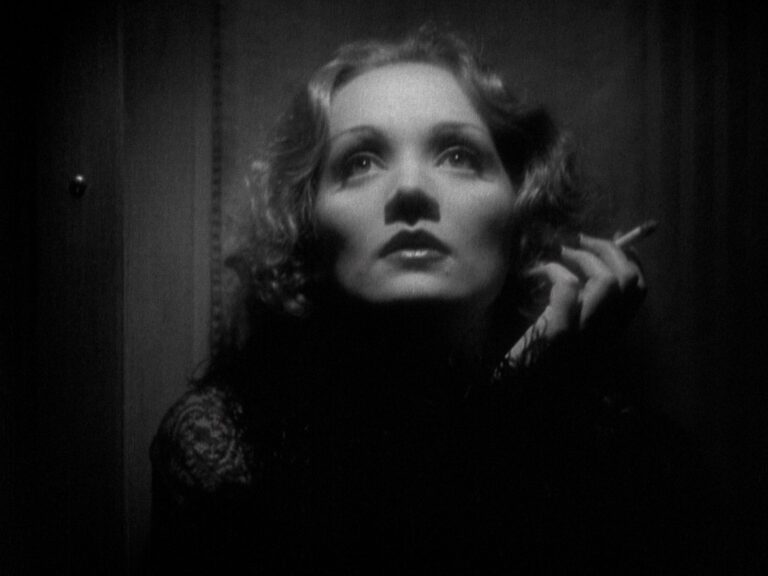
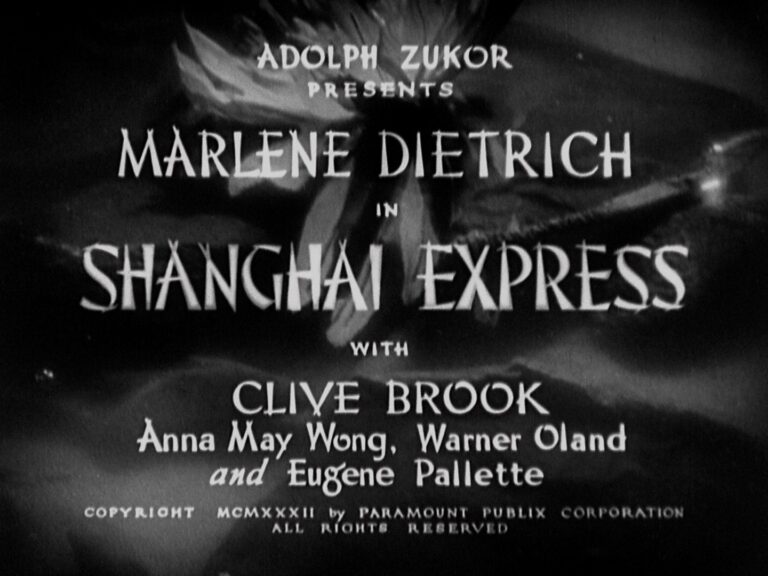
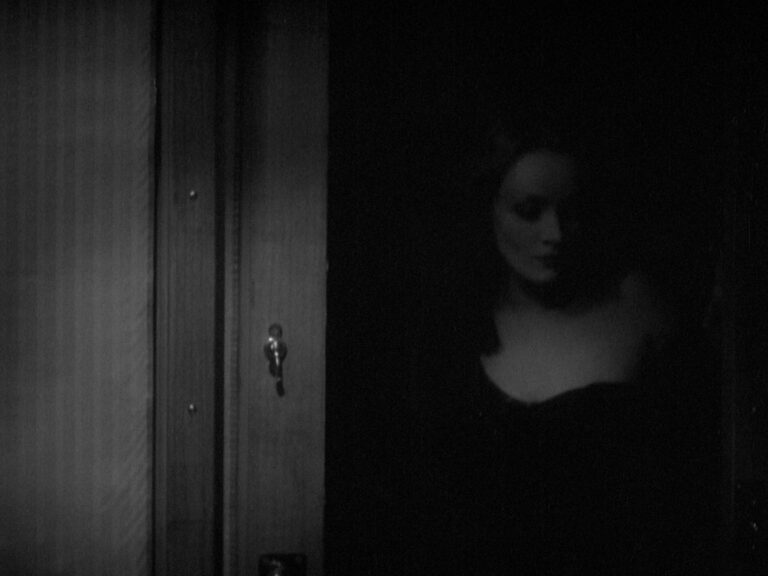
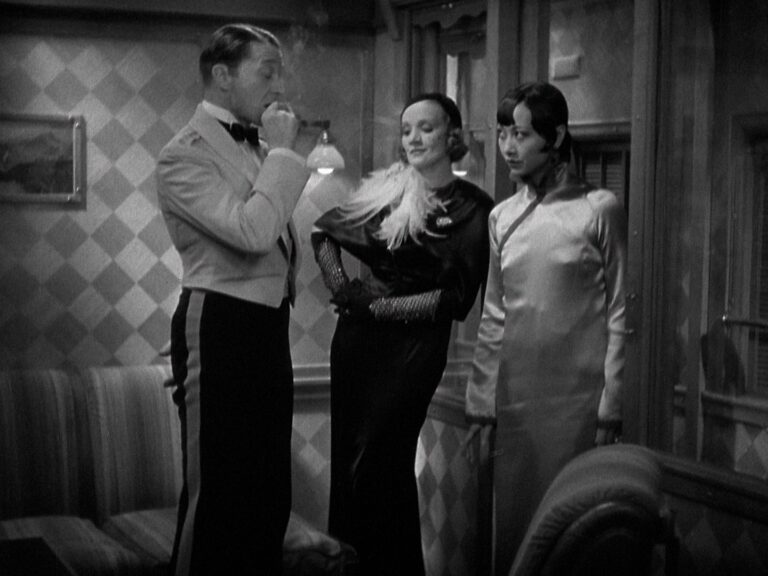
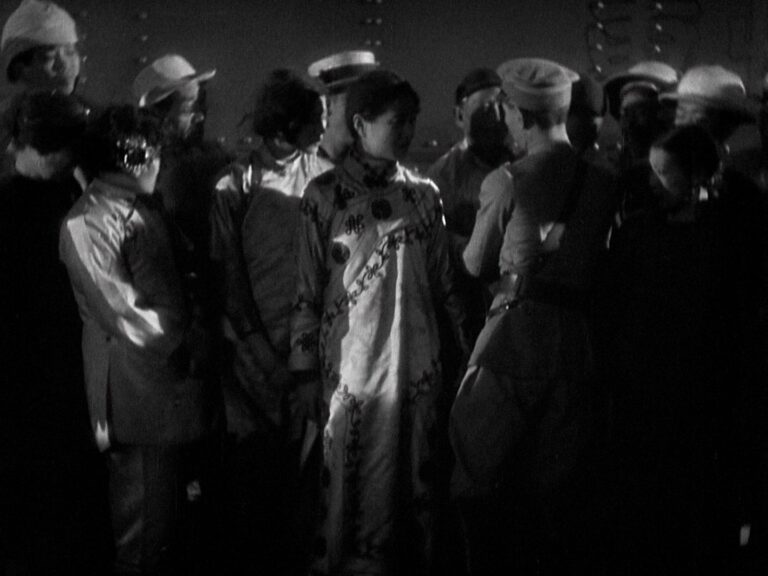
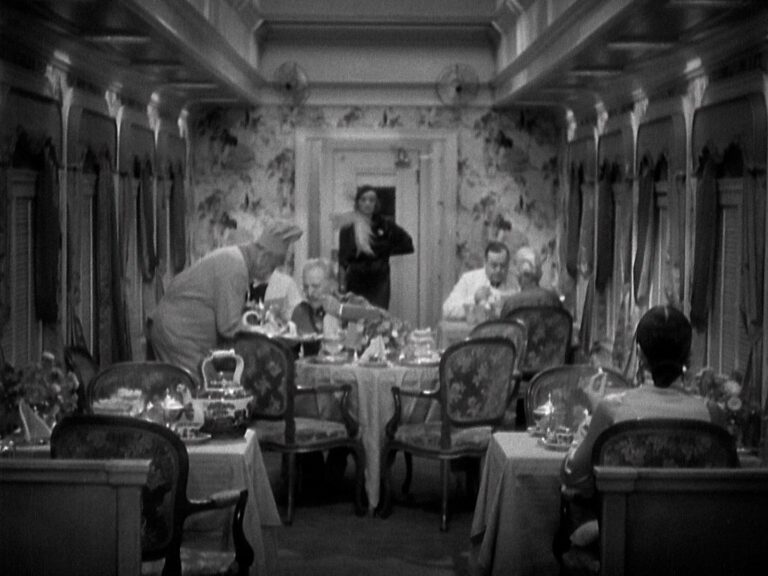
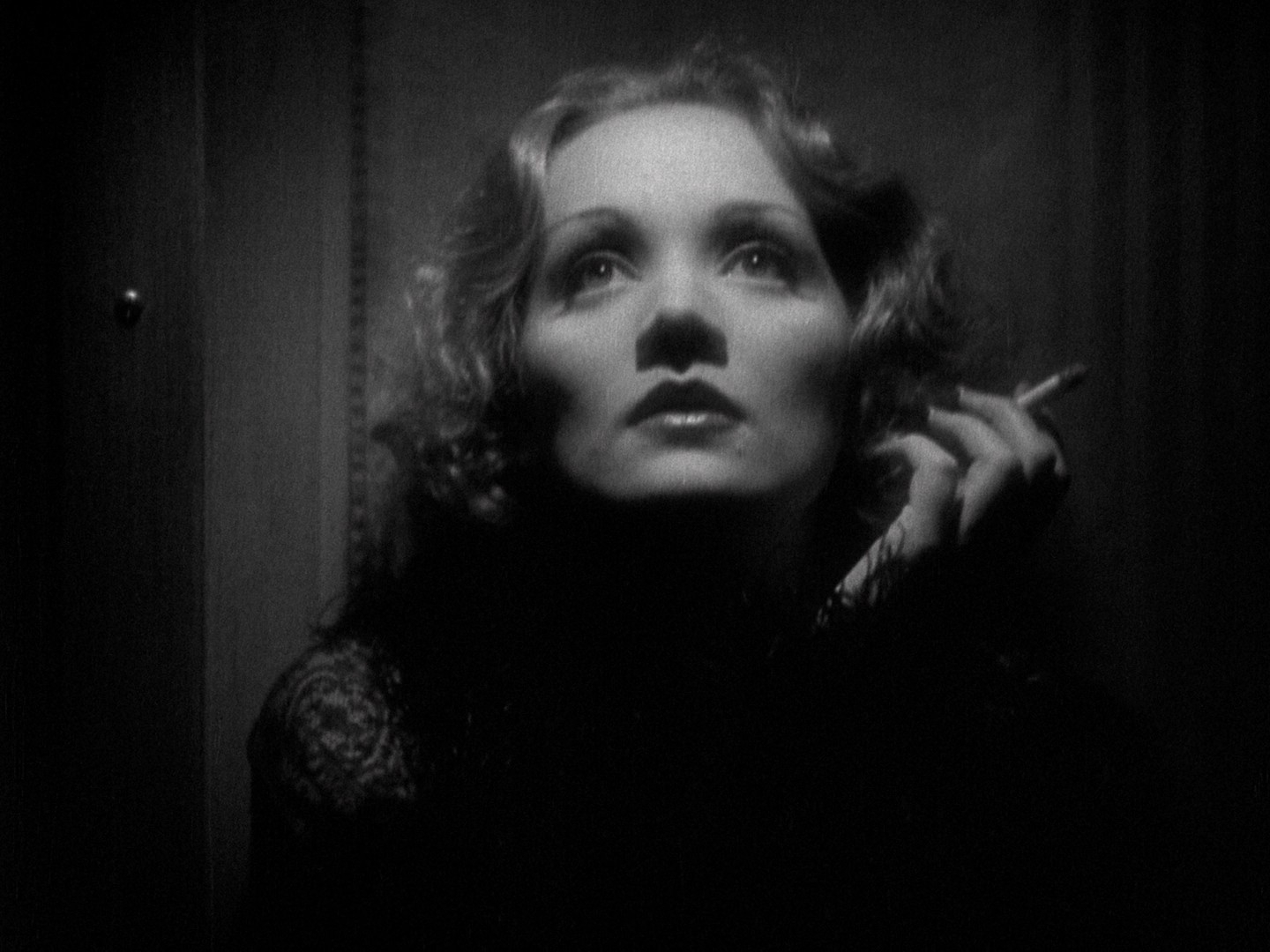
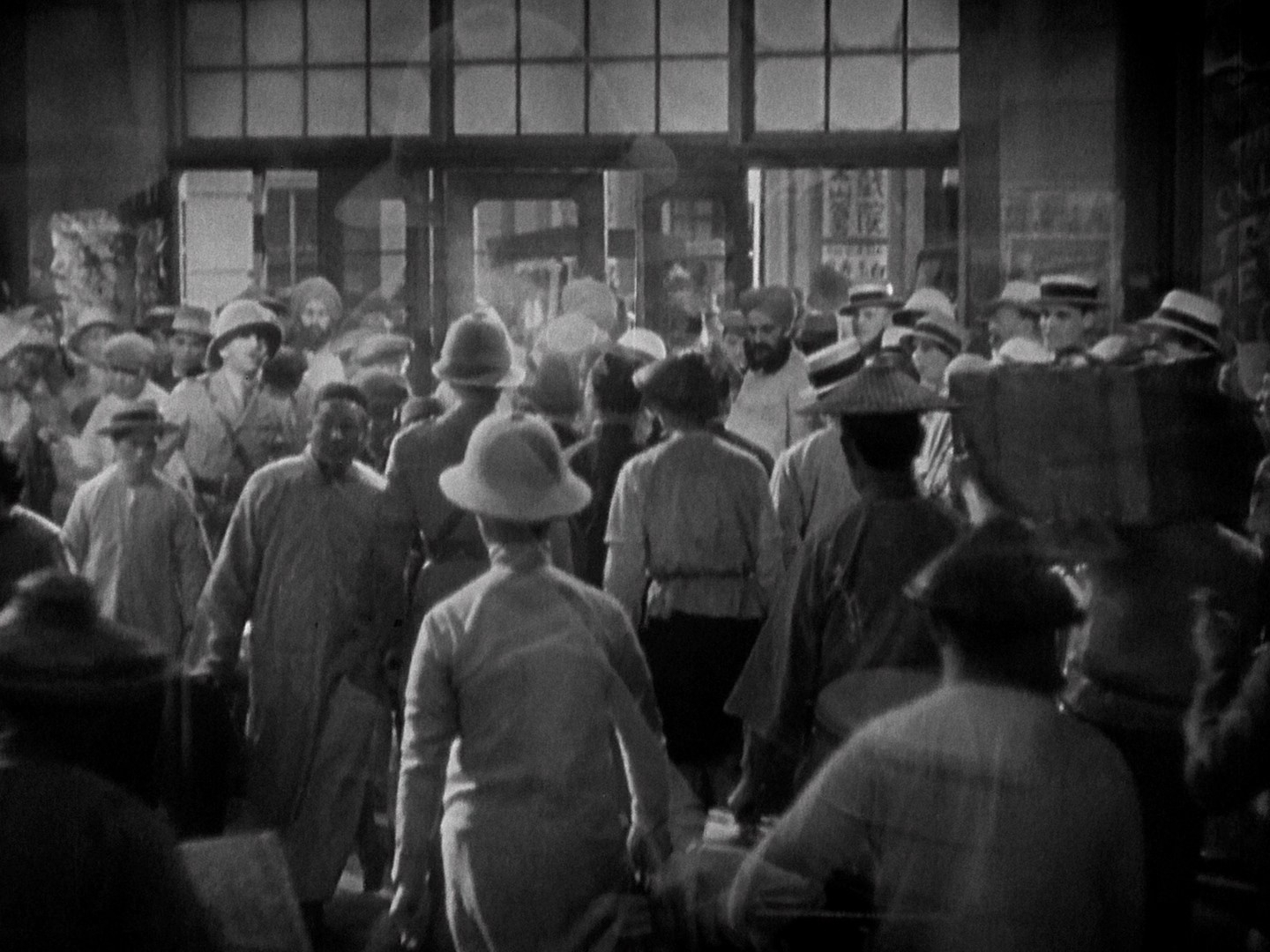
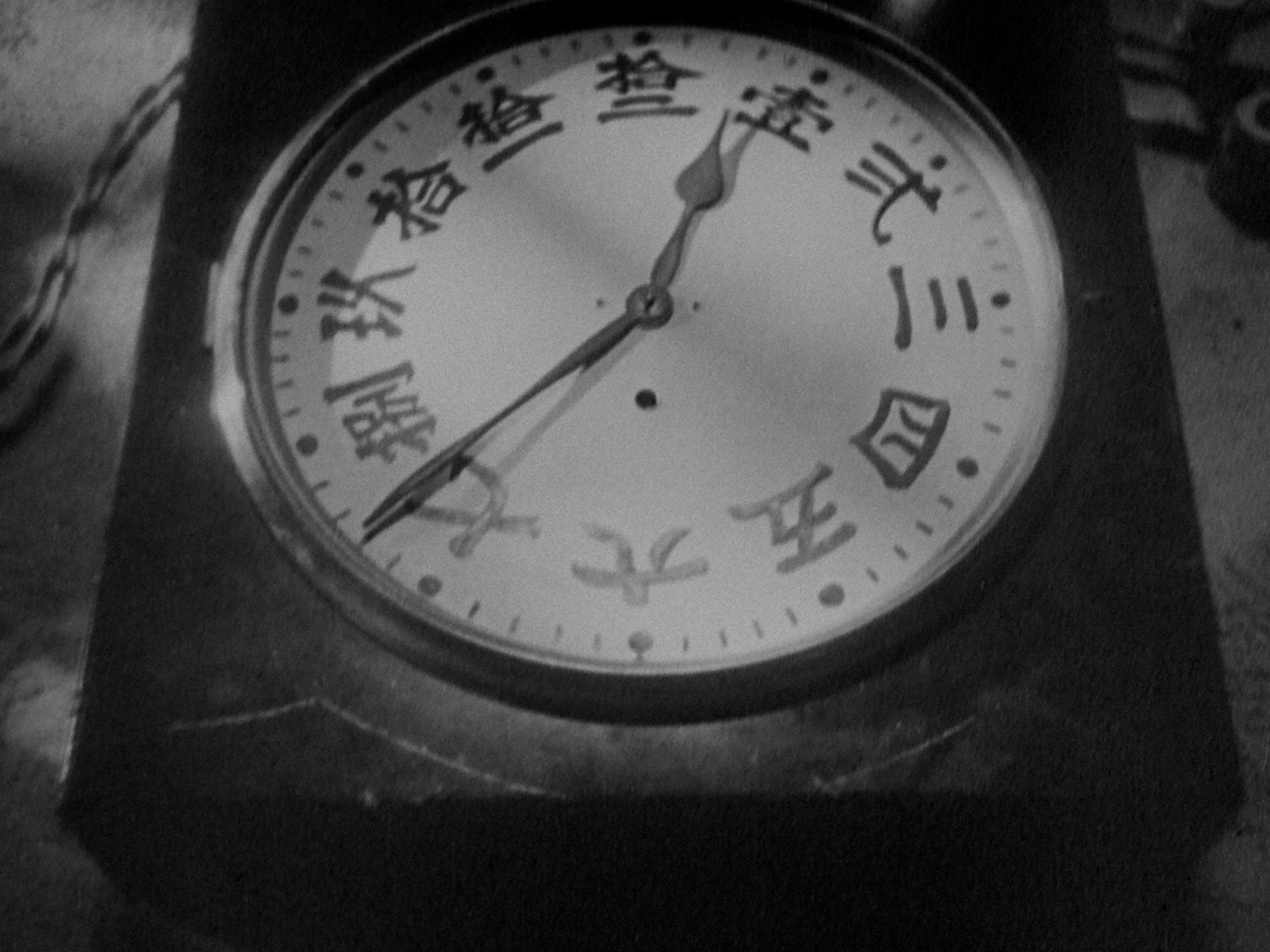
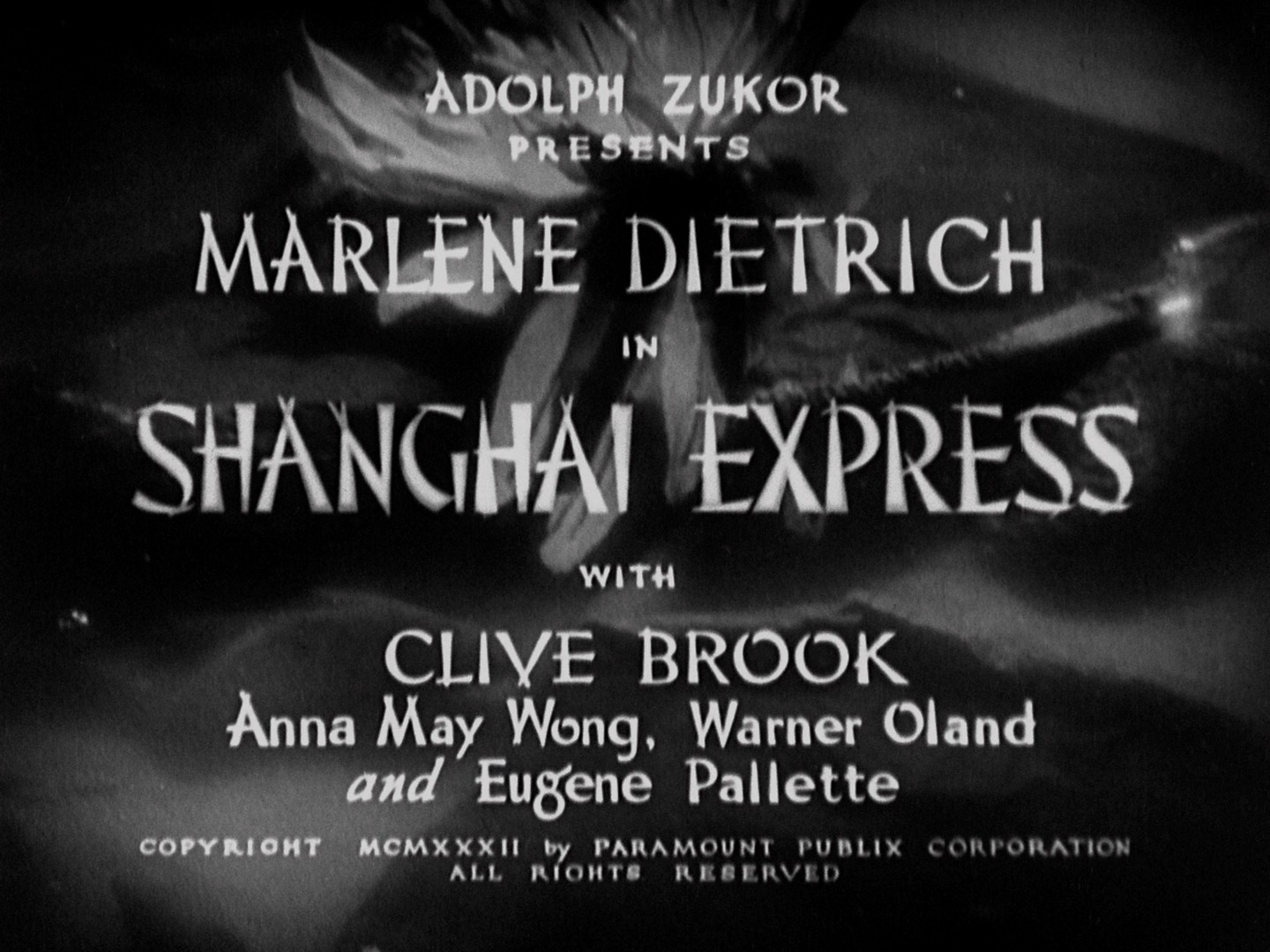
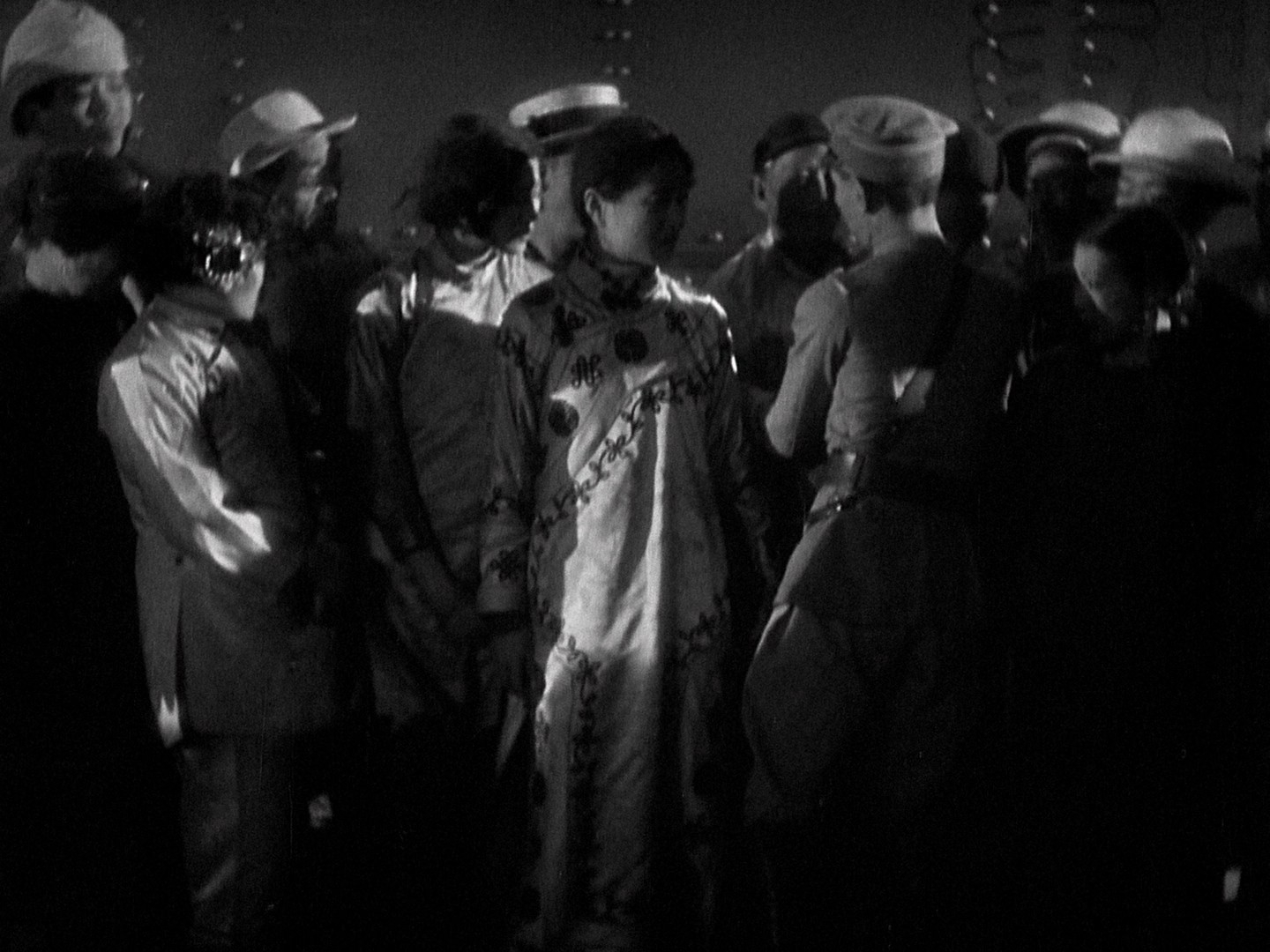
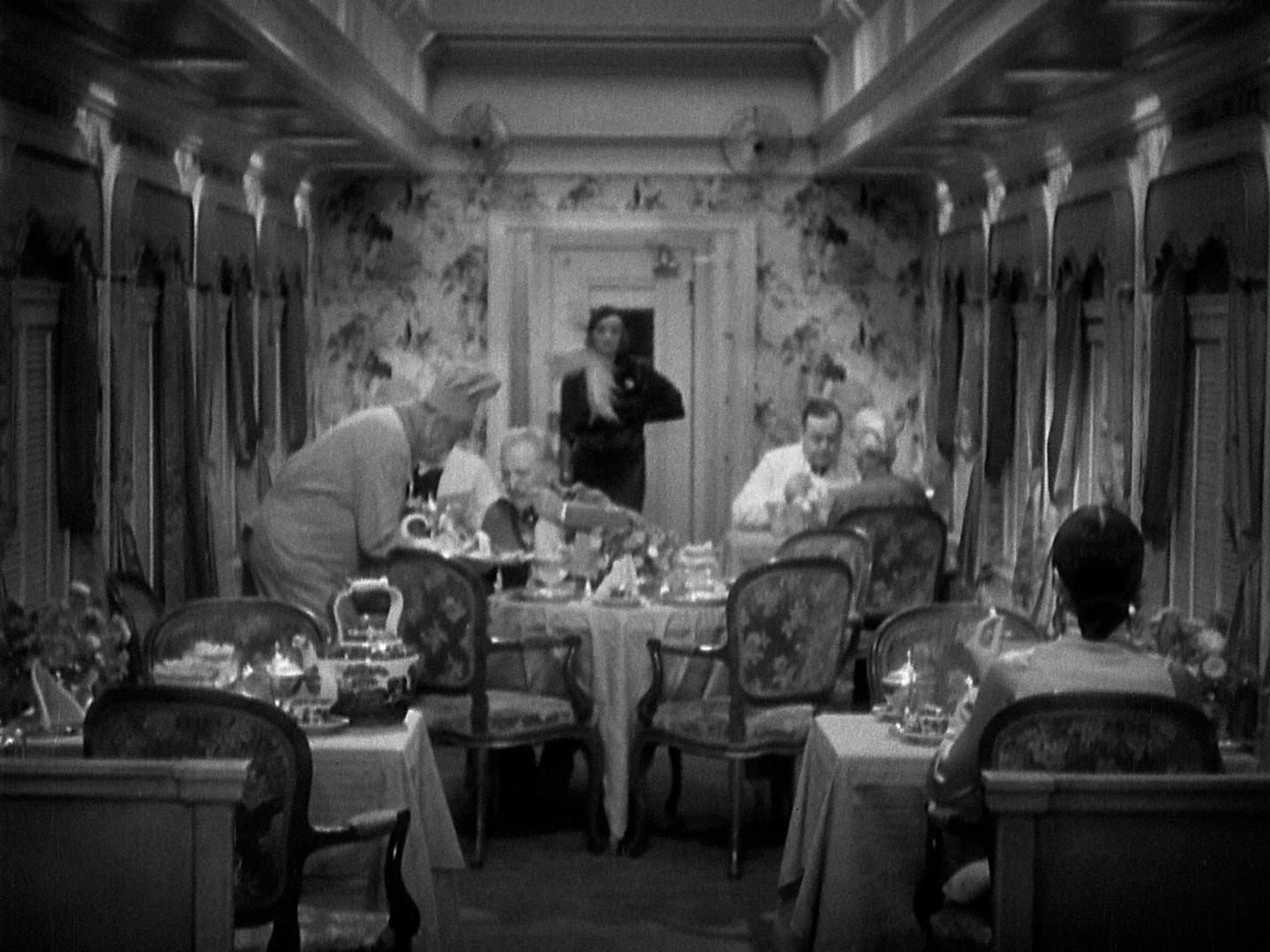
Shanghai Express (1932)
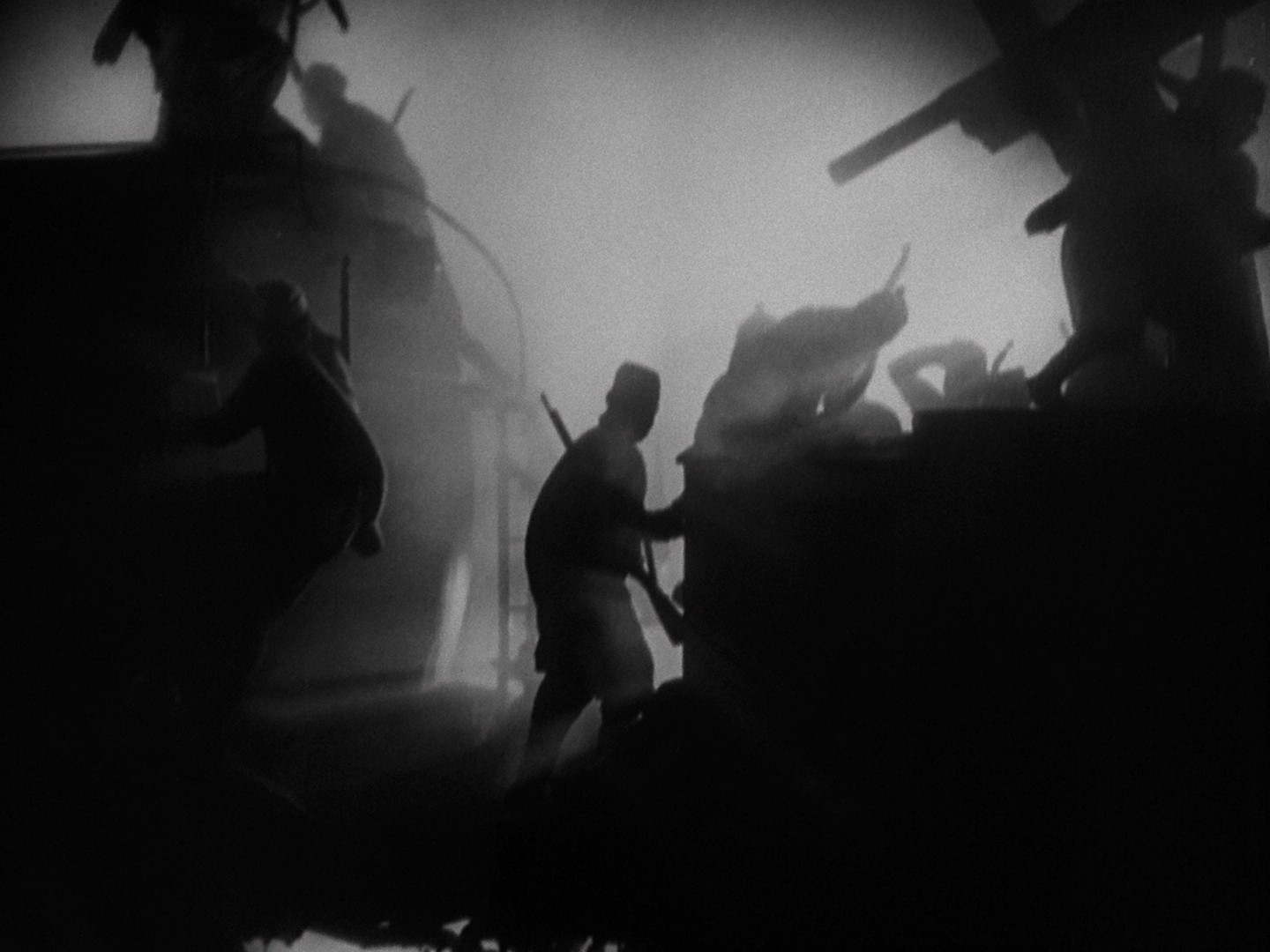
Set aboard a train traveling through war-torn China during a period of civil unrest, the film follows the enigmatic courtesan Shanghai Lily as she unexpectedly reunites with a former lover, British doctor Donald Harvey. As the passengers become trapped in political conflict and taken hostage by a rebel warlord, tensions involving romance, loyalty, class, and survival intensify within the confined space of the train. The story unfolds as a romantic melodrama and political adventure steeped in danger, desire, and moral ambiguity.
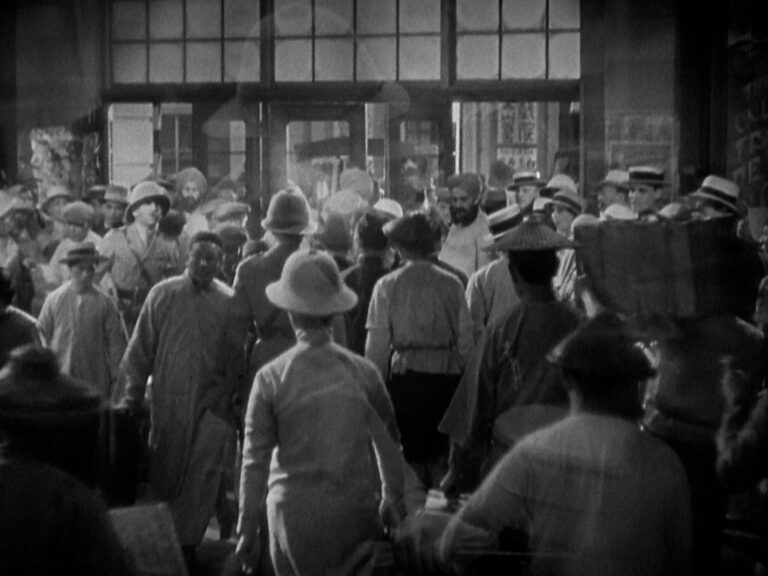
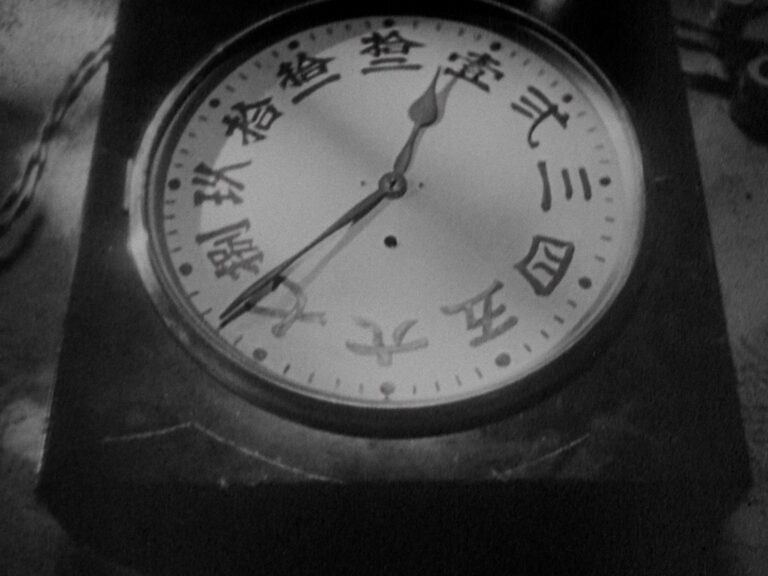
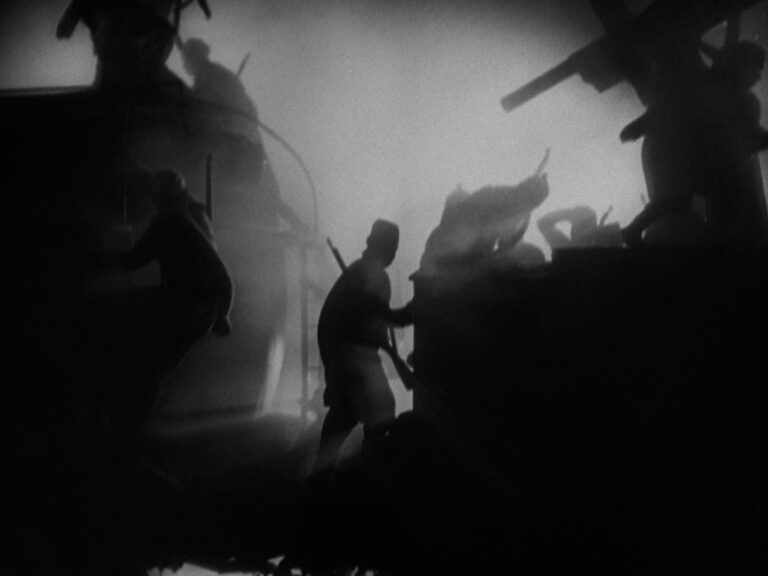
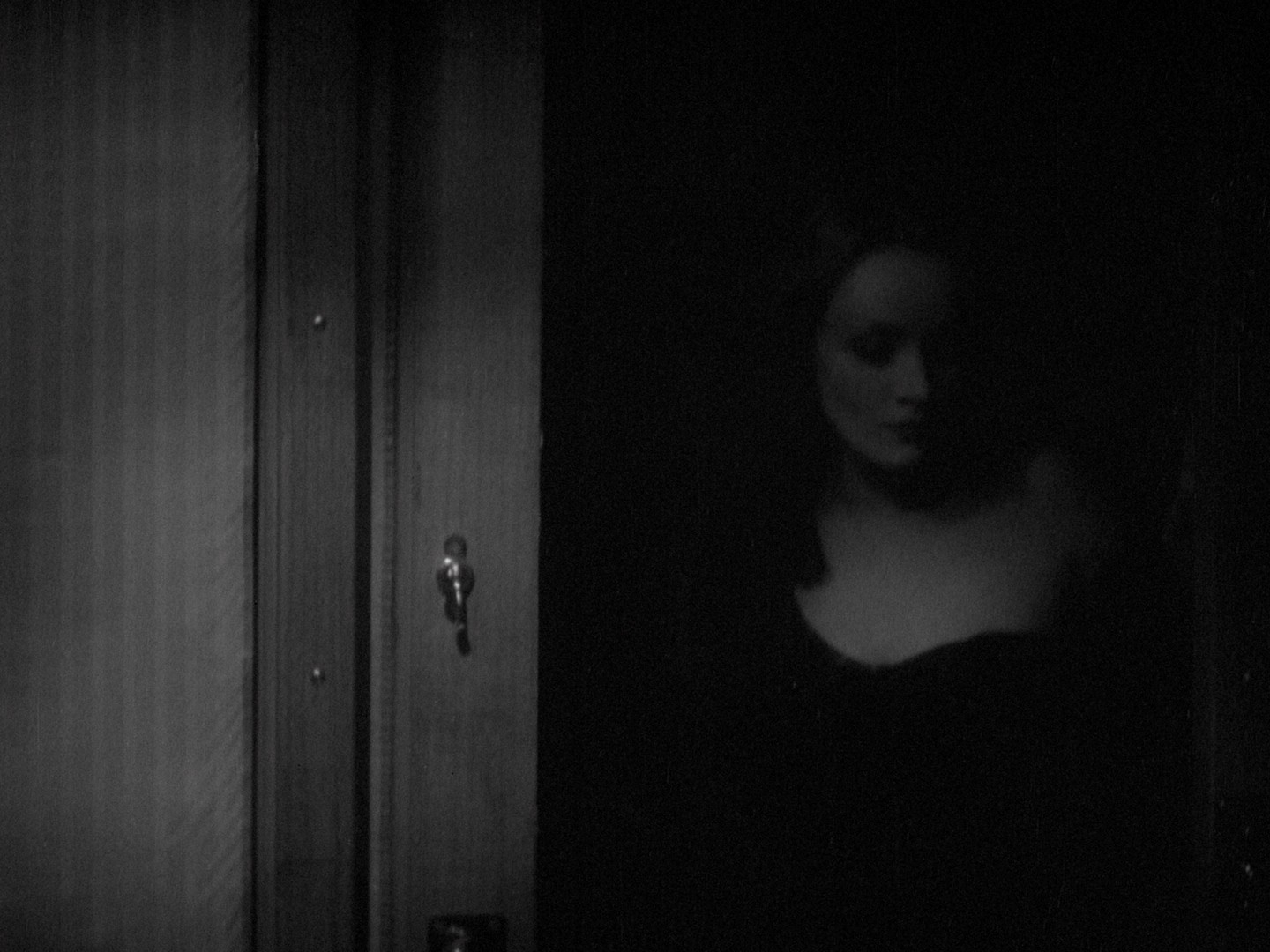
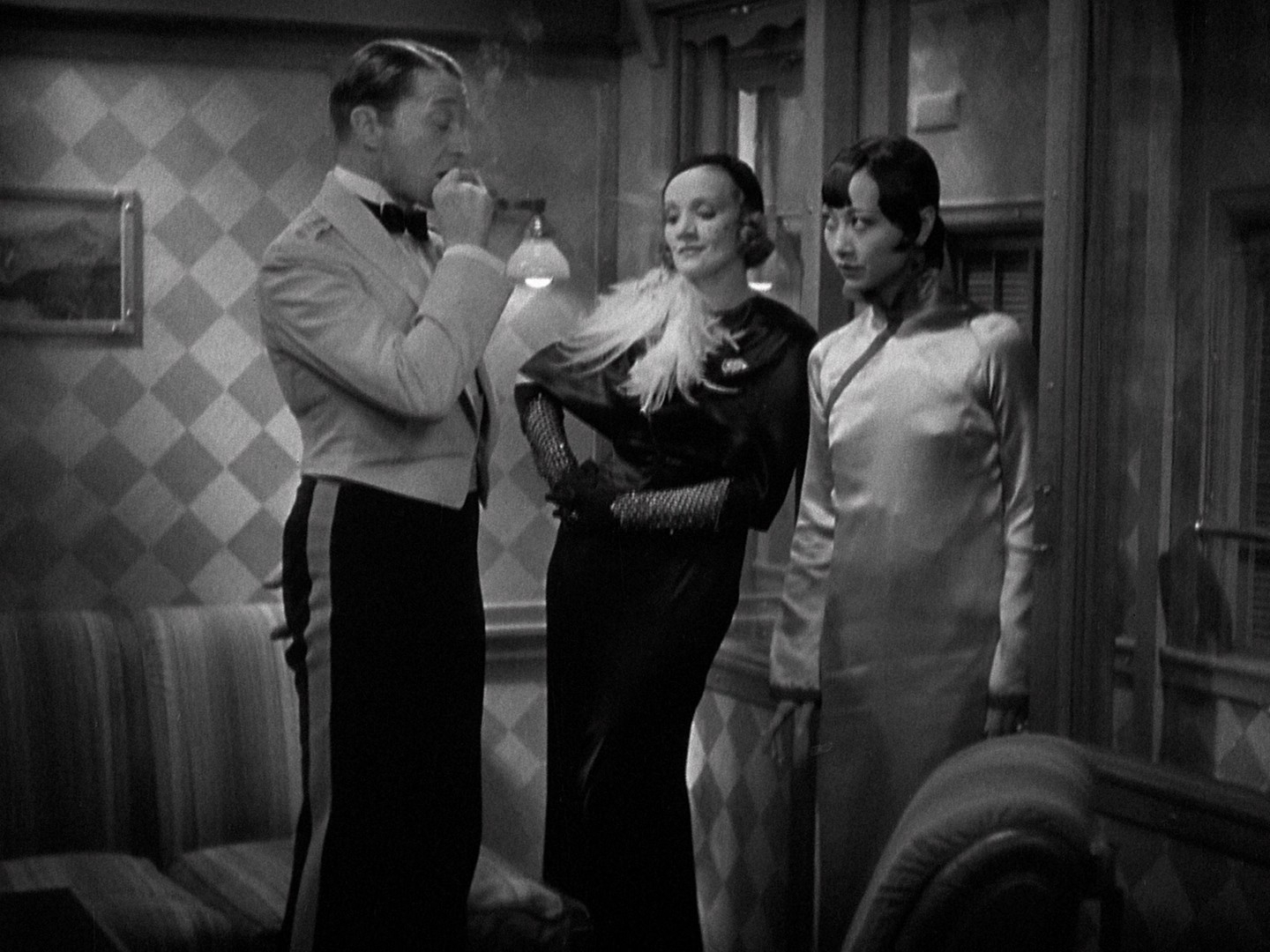
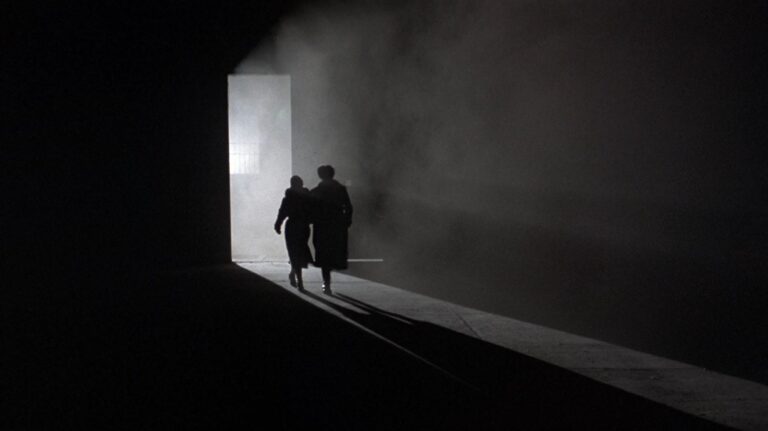
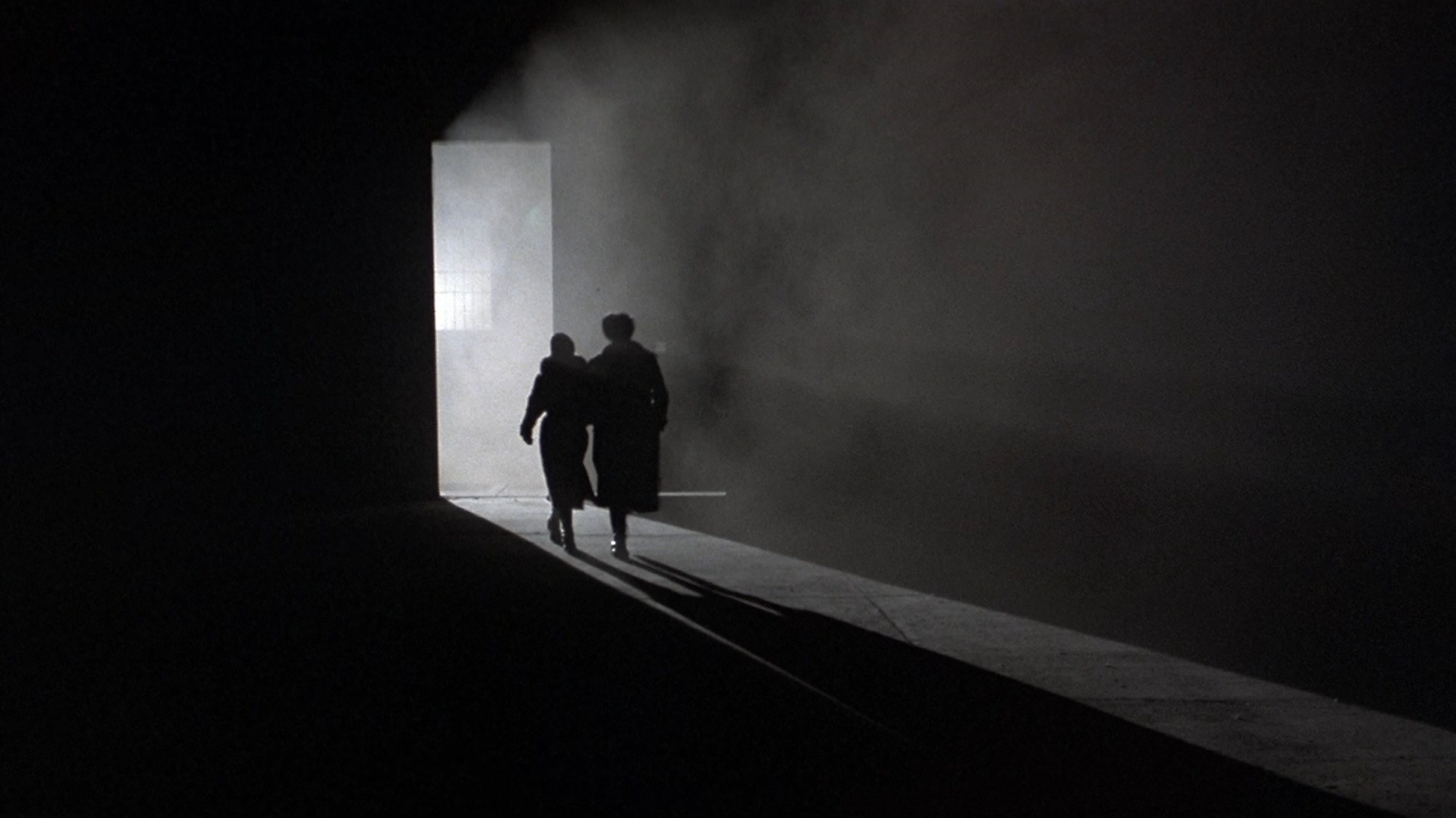
Von Sternberg and cinematographer Lee Garmes craft Shanghai Express with some of the most iconic black-and-white photography of early sound cinema, using dense atmosphere, dramatic shadow, smoke, and diffused light to create an intensely stylized world of glamour and mystery. Marlene Dietrich is photographed through soft-focus lighting, veils, and carefully sculpted highlights that transform her into an almost mythic screen presence, while the train interiors are layered with steam, reflective surfaces, and crowded compositions that heighten both sensuality and claustrophobia. The film’s visual richness turns every compartment, corridor, and station stop into a theatrical space where erotic tension, political instability, and visual elegance constantly intermingle.
FILM SPOTLIGHT
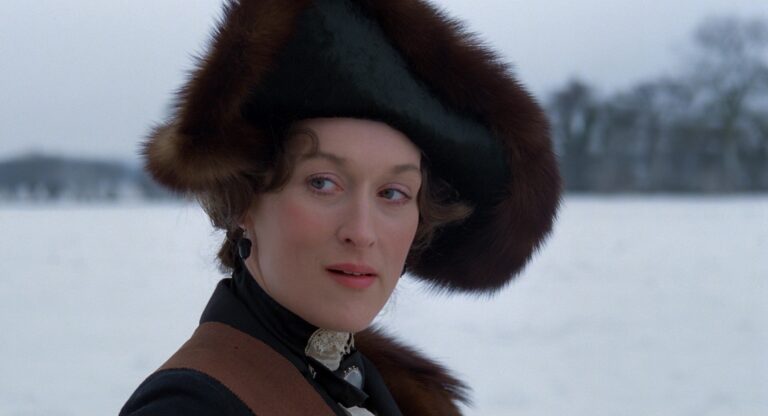
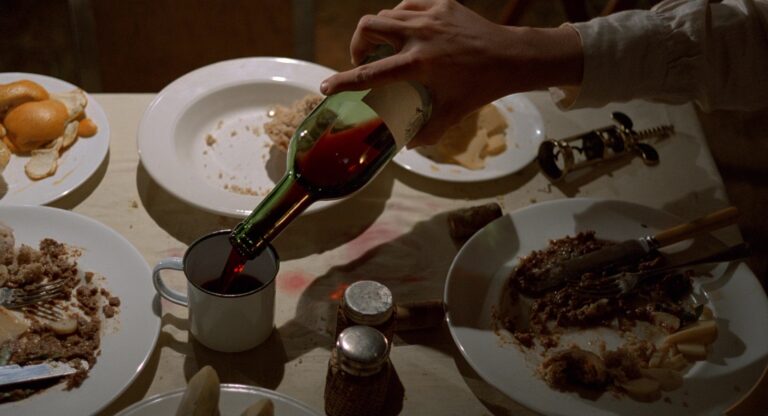
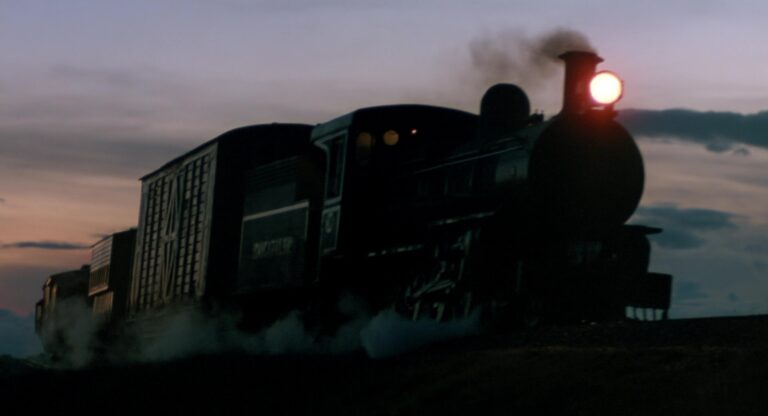
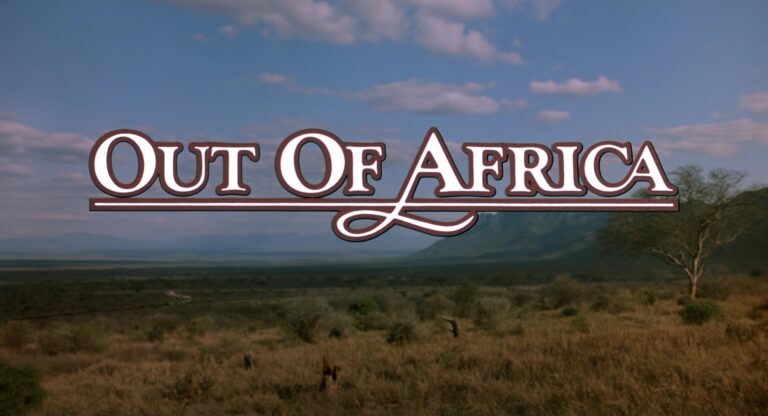
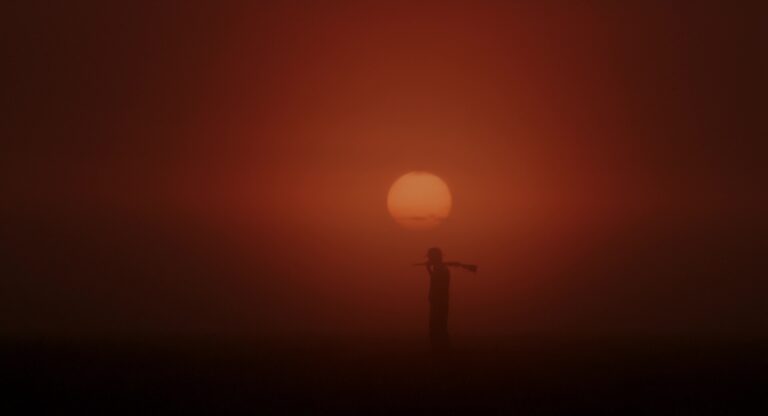
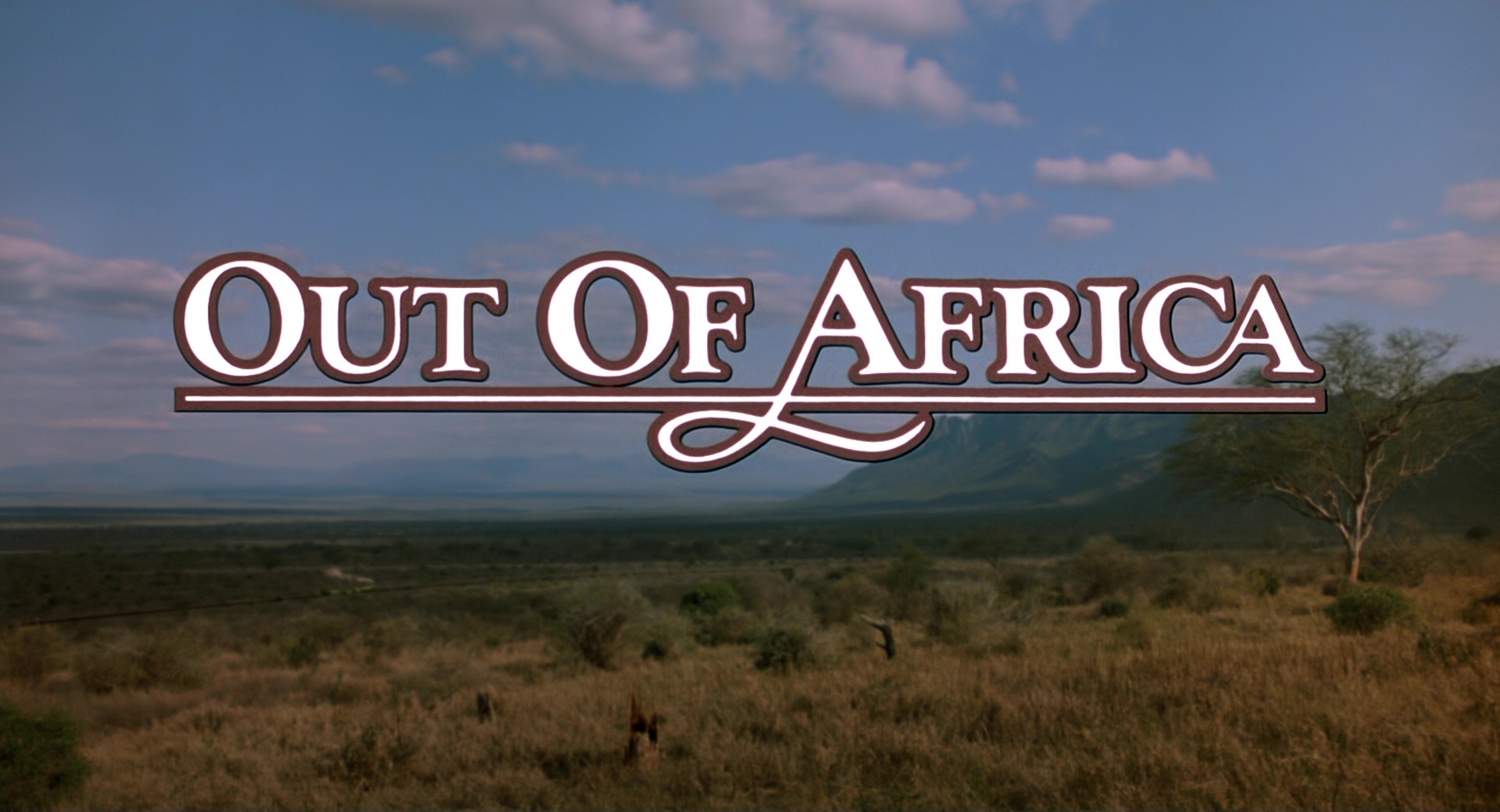
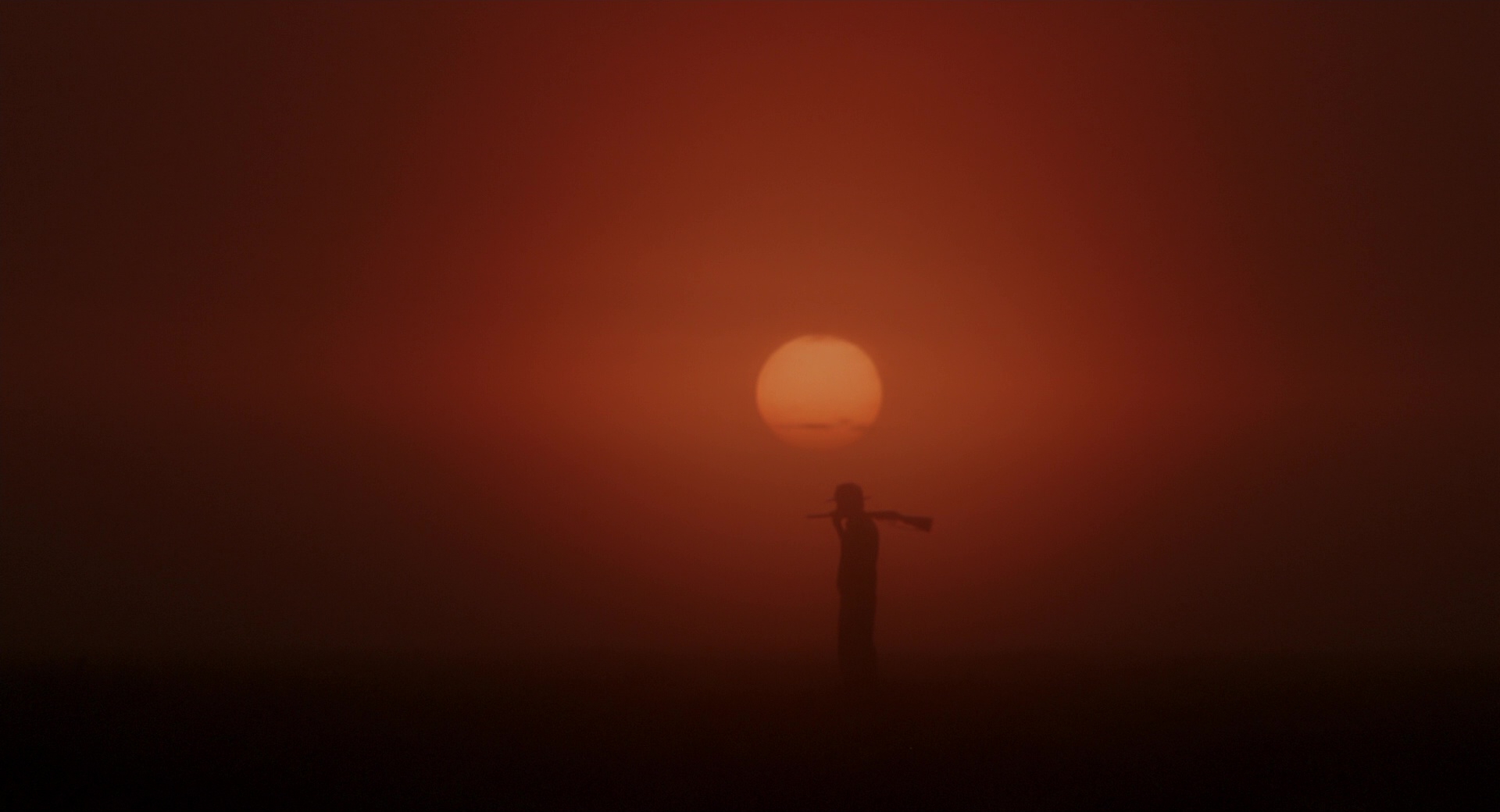
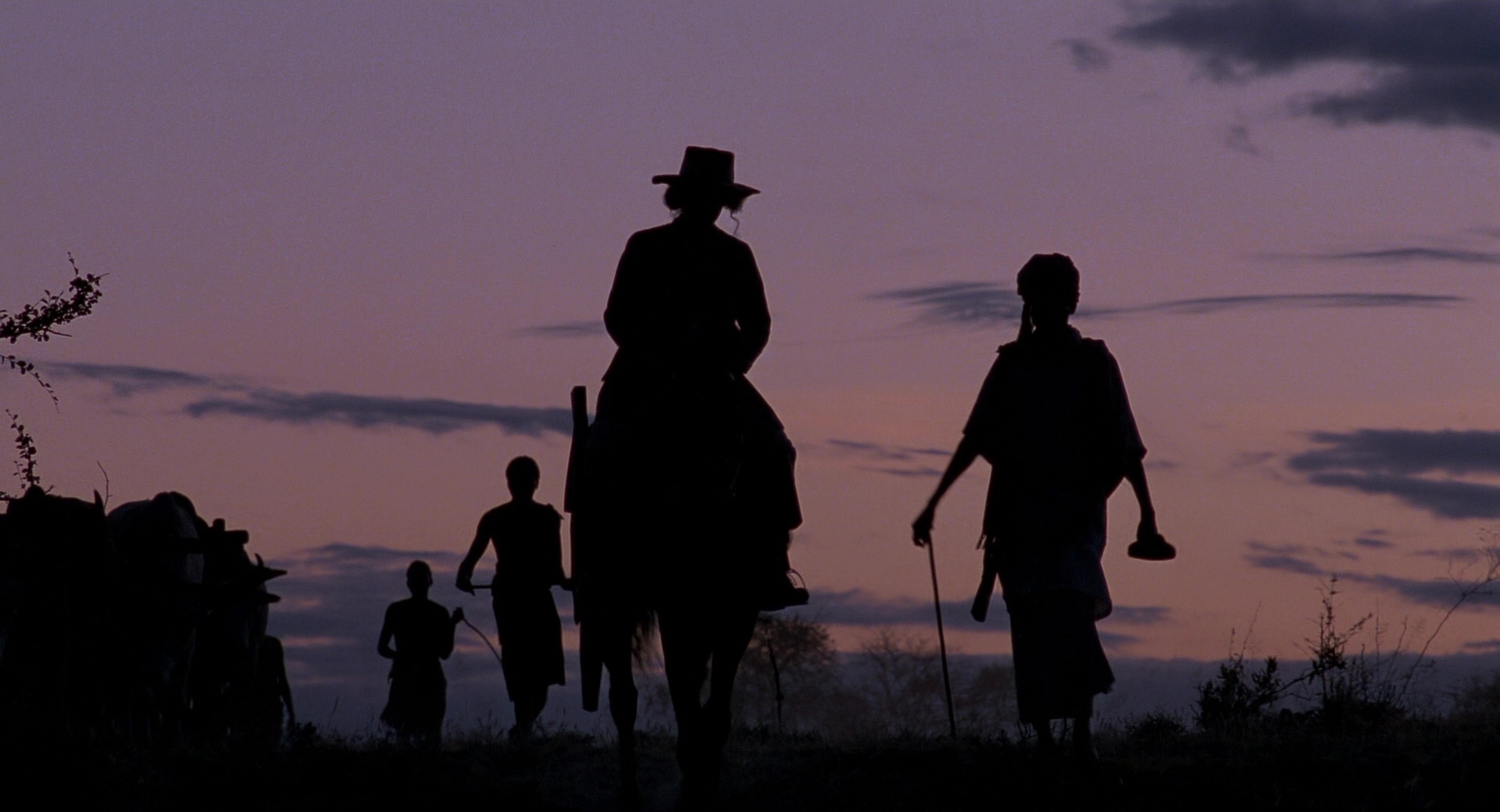
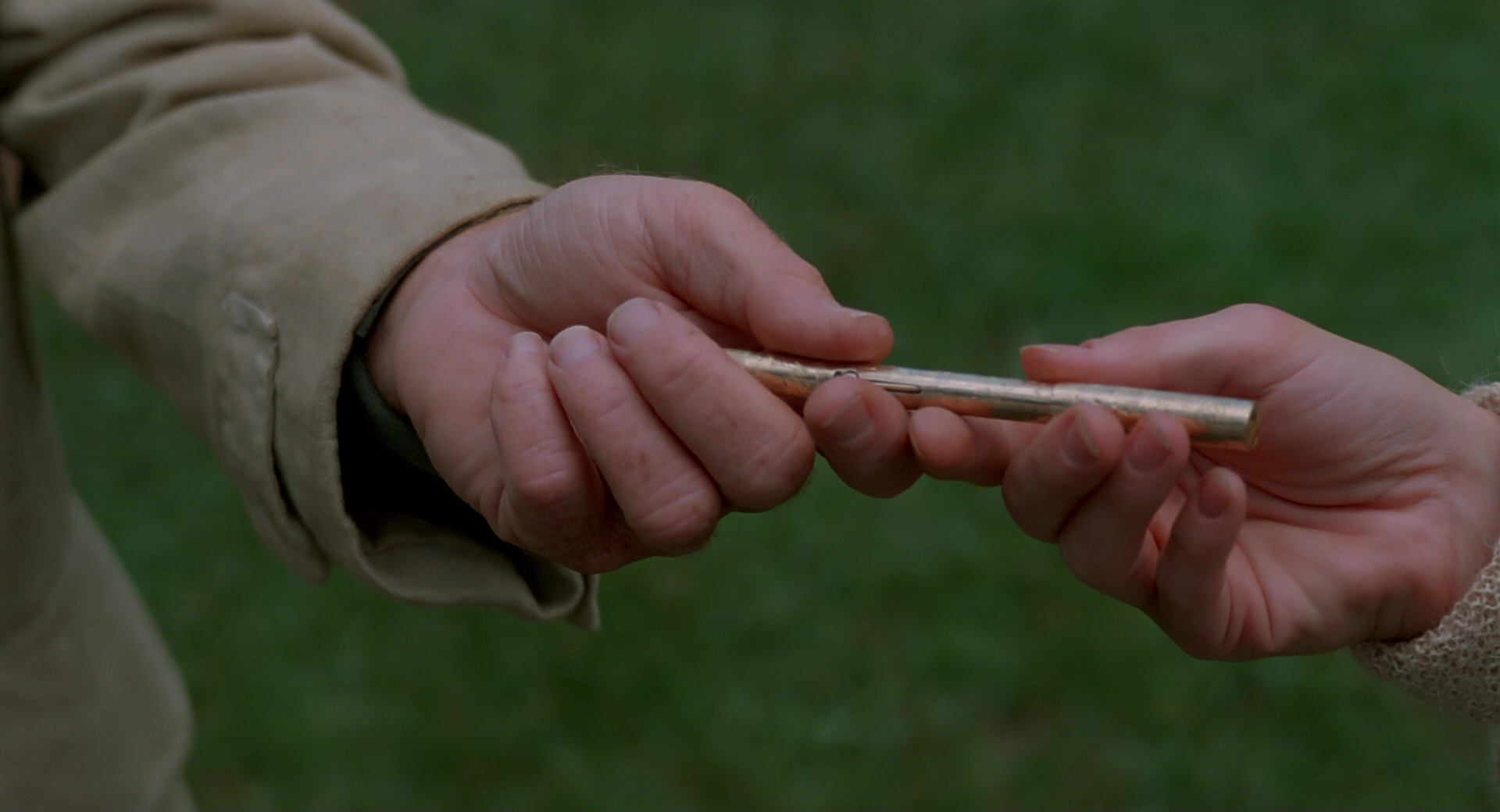
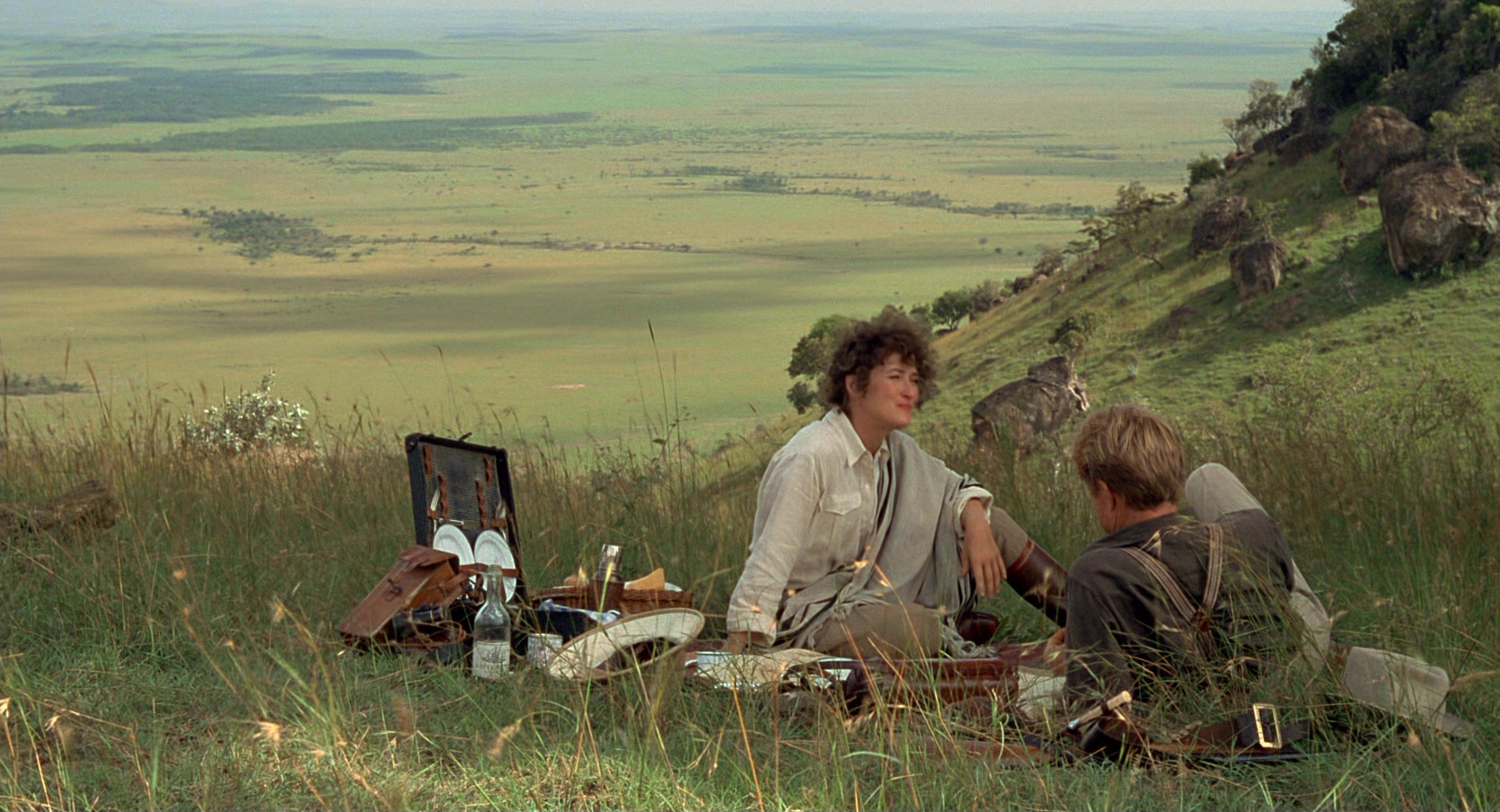
Out of Africa (1985)
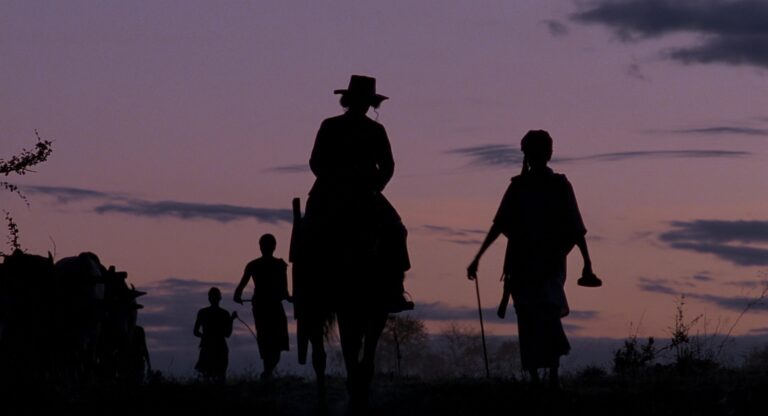
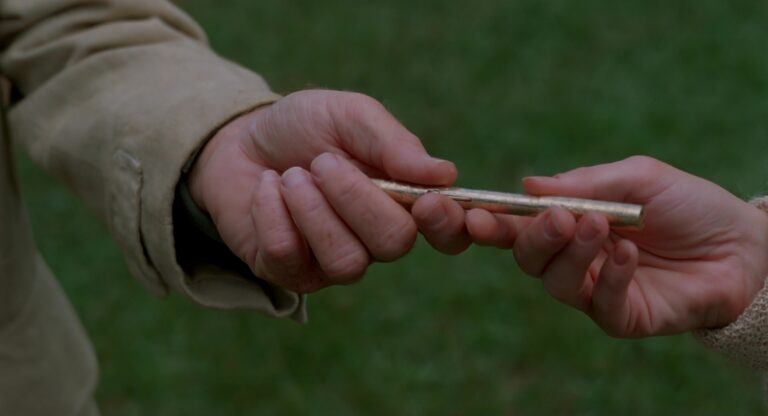
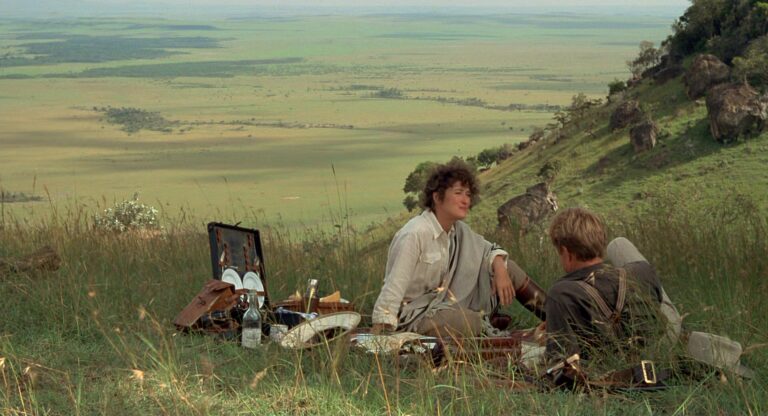
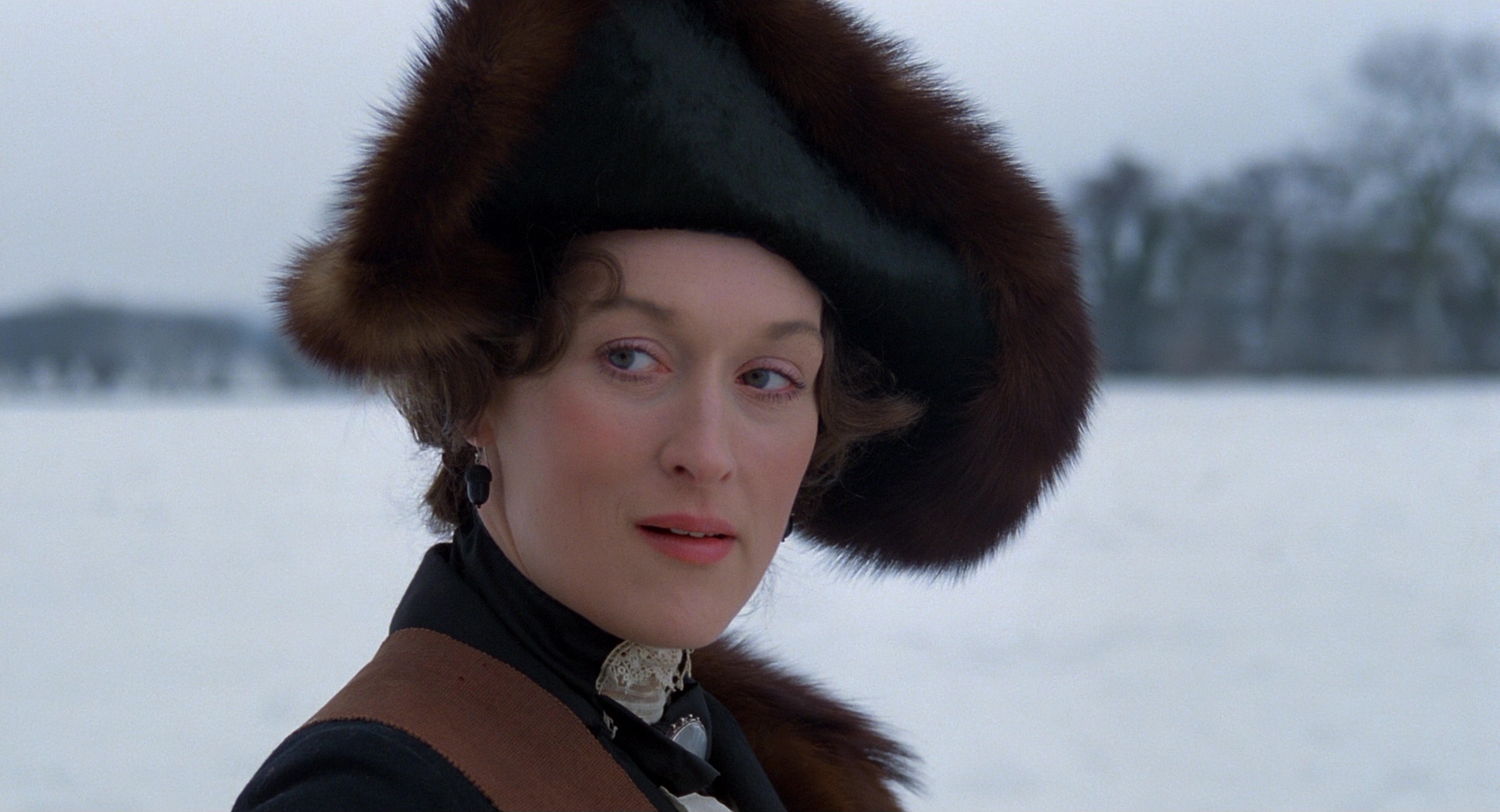
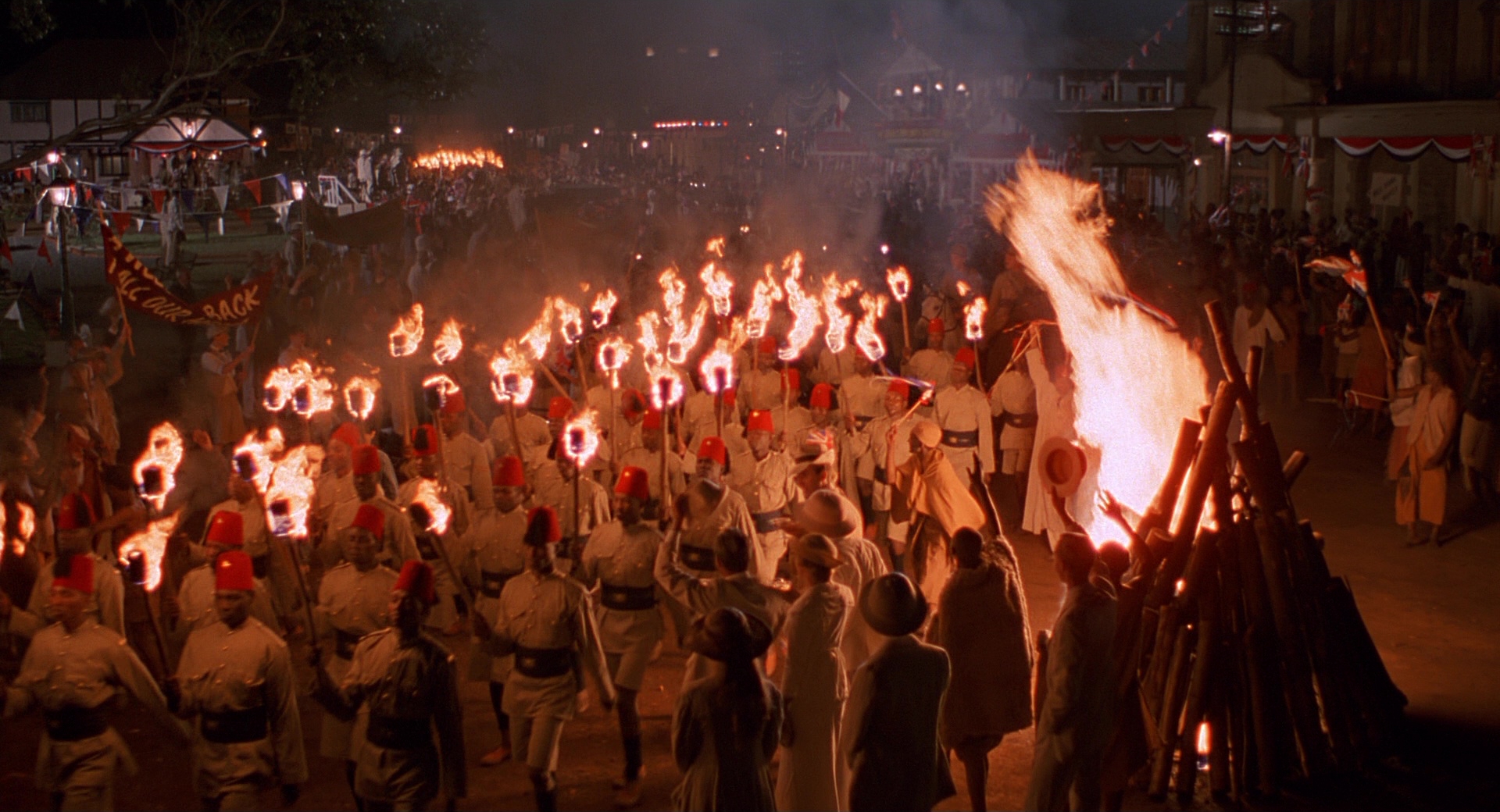
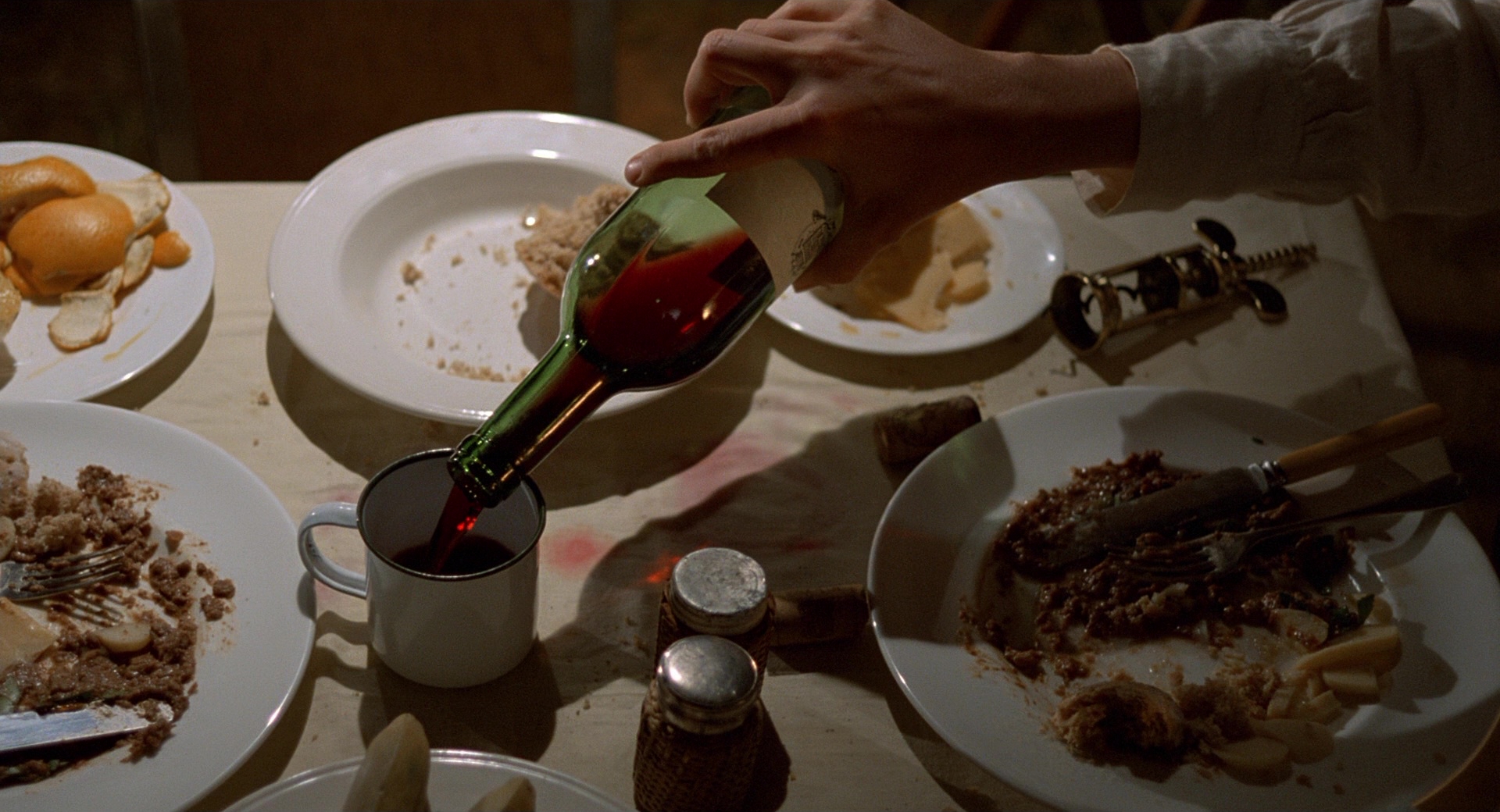
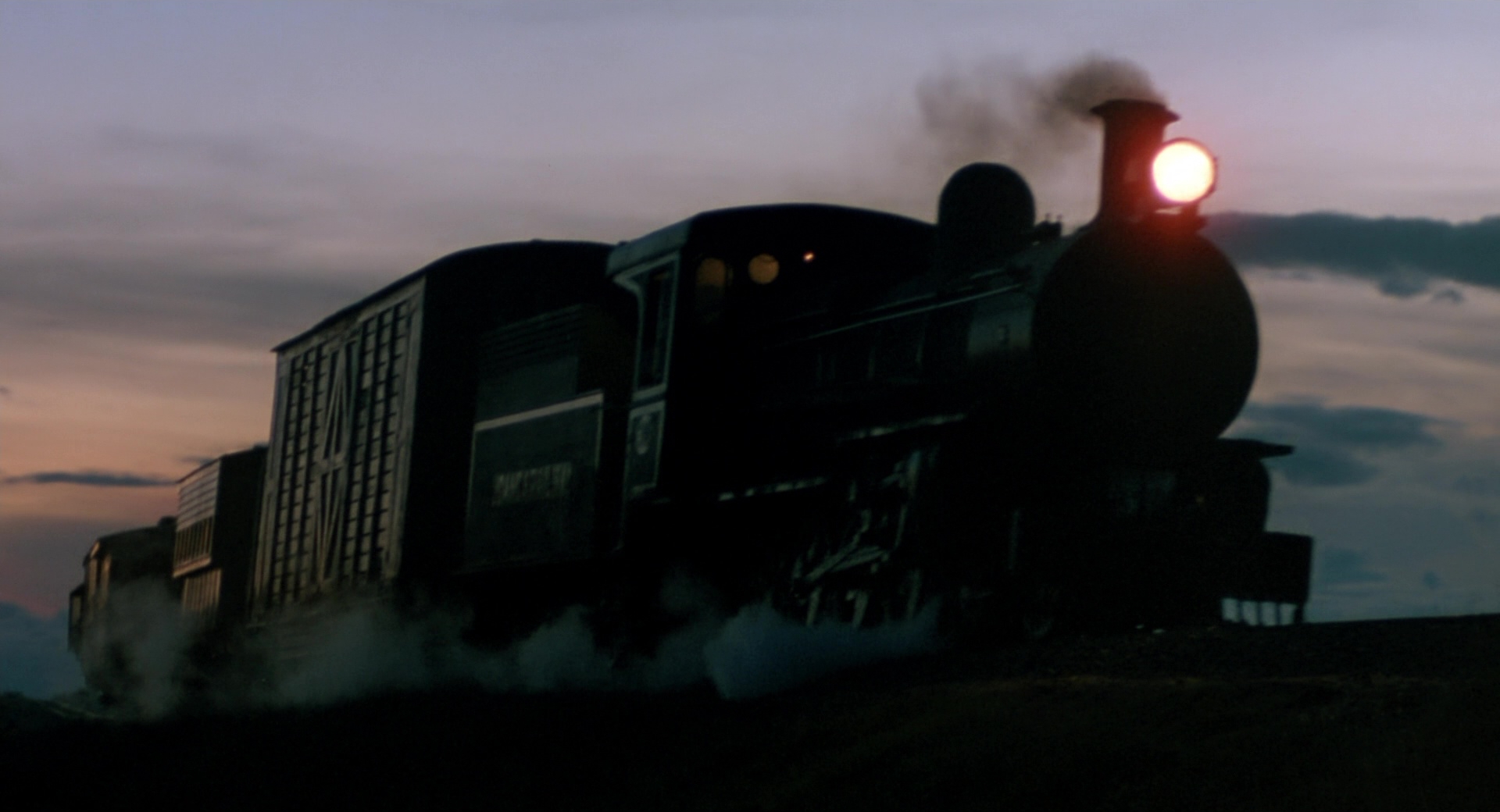
Based on the autobiographical writings of Karen Blixen, the film follows a Danish aristocrat who moves to colonial Kenya in the early 20th century to run a coffee plantation. As she struggles with the realities of marriage, financial hardship, and life in British East Africa, she develops a profound romantic relationship with the adventurous hunter Denys Finch Hatton. The story unfolds as an expansive meditation on love, independence, loss, and the fading world of colonial aristocracy.
Pollack and cinematographer David Watkin craft Out of Africa with sweeping widescreen photography that turns the Kenyan landscape into the film’s emotional and spiritual centerpiece. Golden natural light, vast savannahs, rolling hills, and aerial shots of wildlife create a romantic epic scale rooted in awe and melancholy, while the contrast between intimate interiors and open landscapes reinforces Karen’s gradual emotional transformation. The film’s measured pacing, painterly compositions, and recurring use of horizon lines give the imagery a reflective, elegiac quality, turning nature itself into both a source of freedom and a reminder of impermanence.
FILM SPOTLIGHT
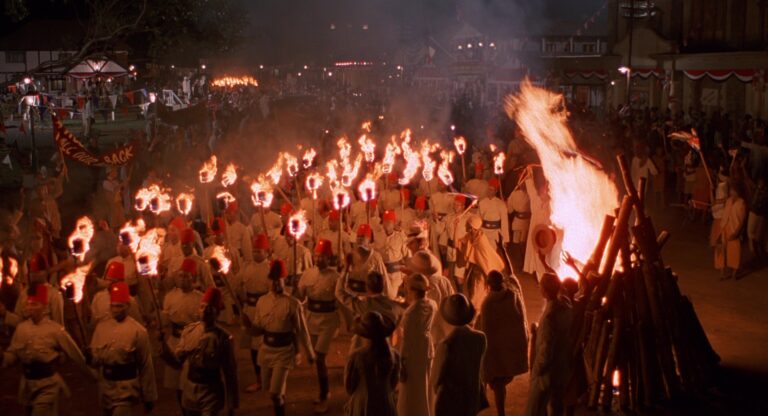
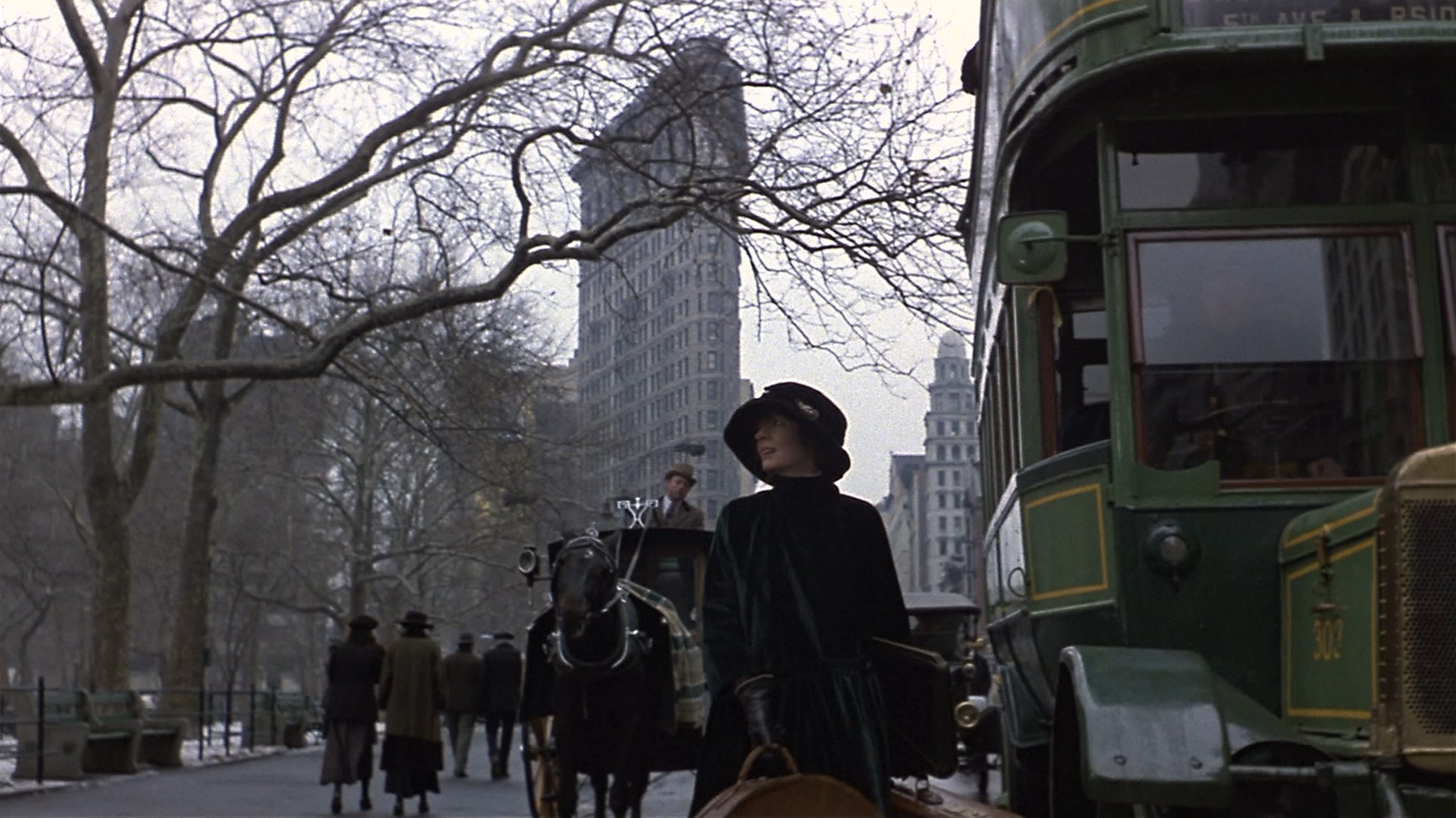
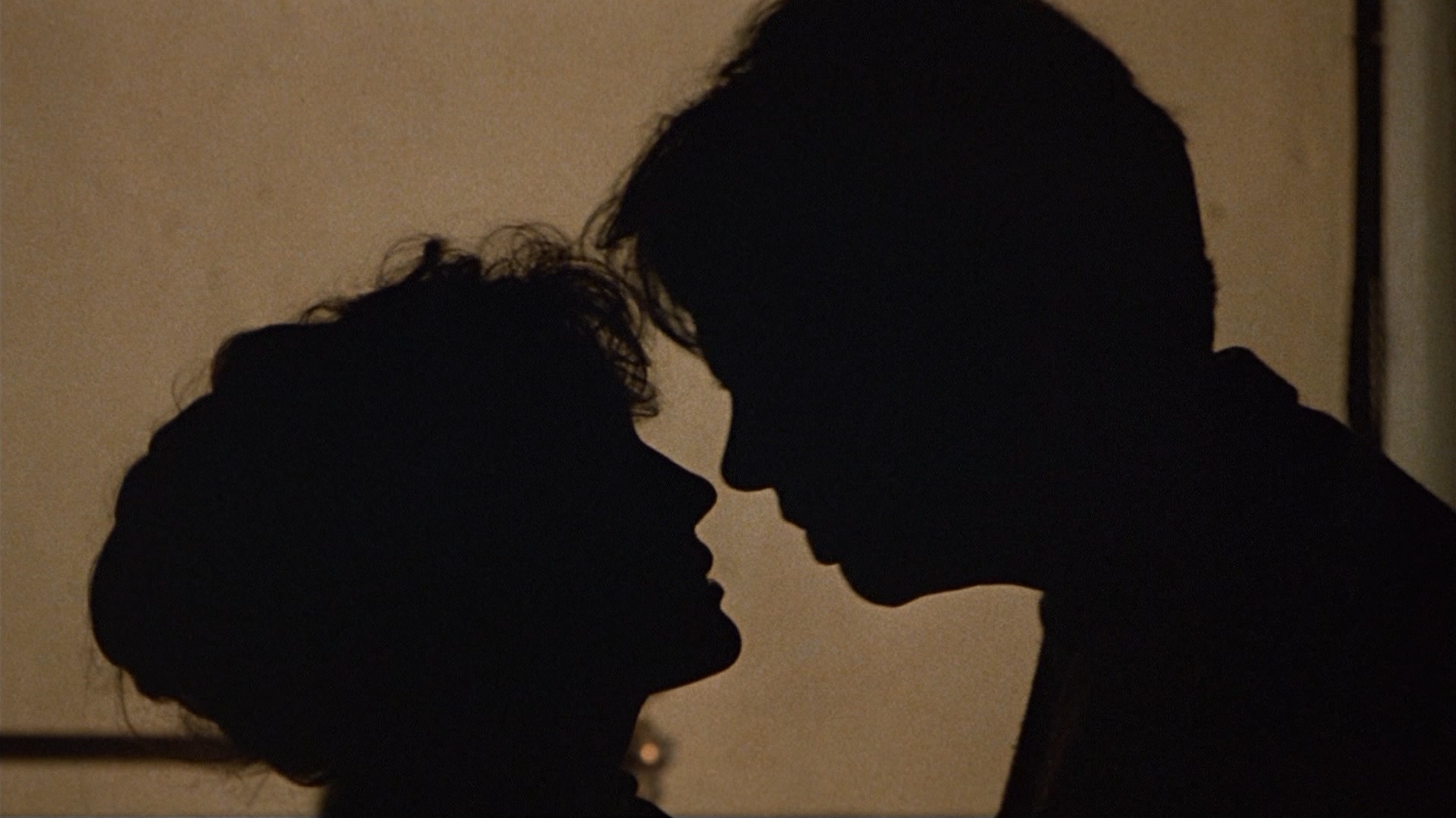
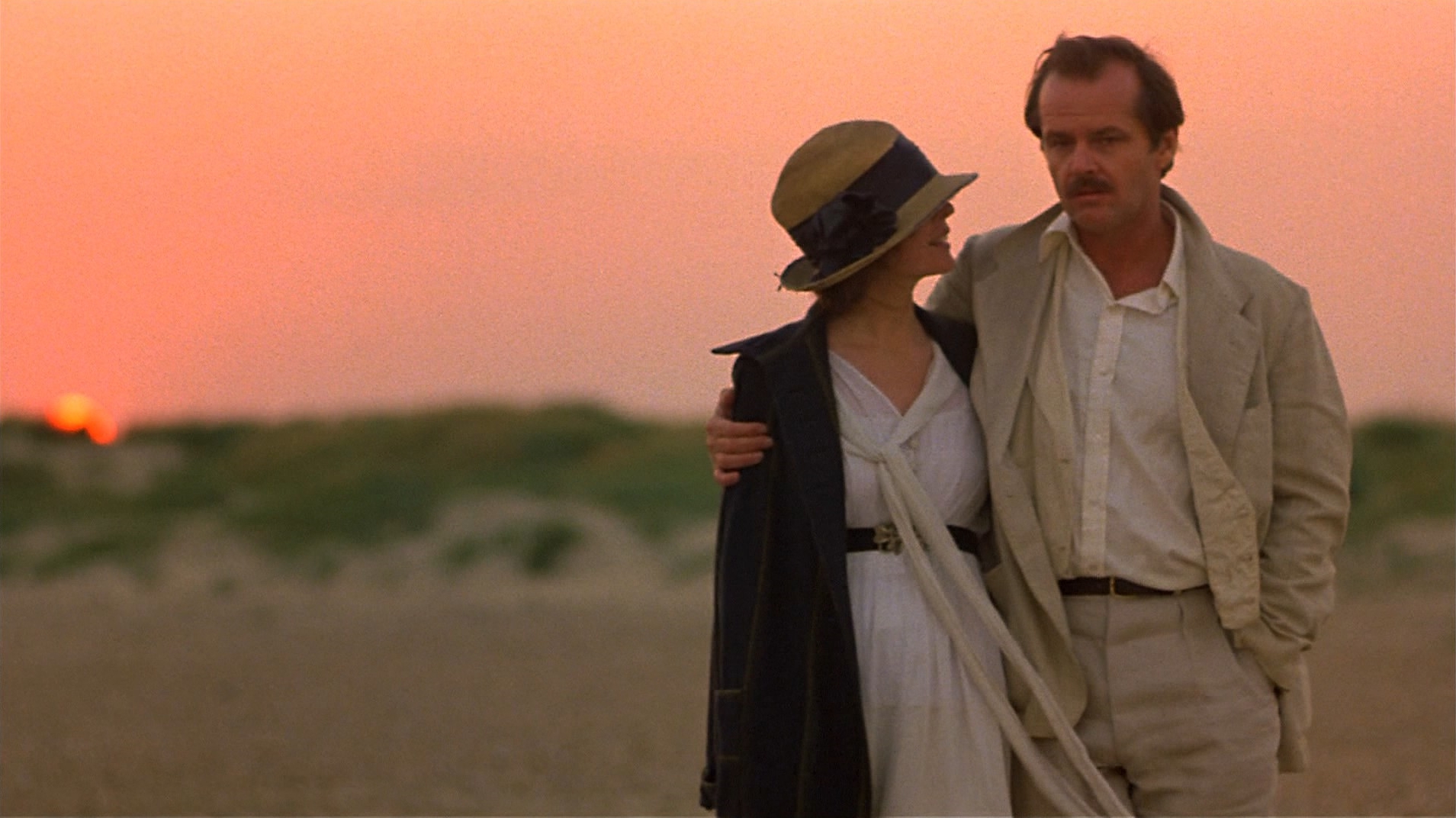
Reds (1981)
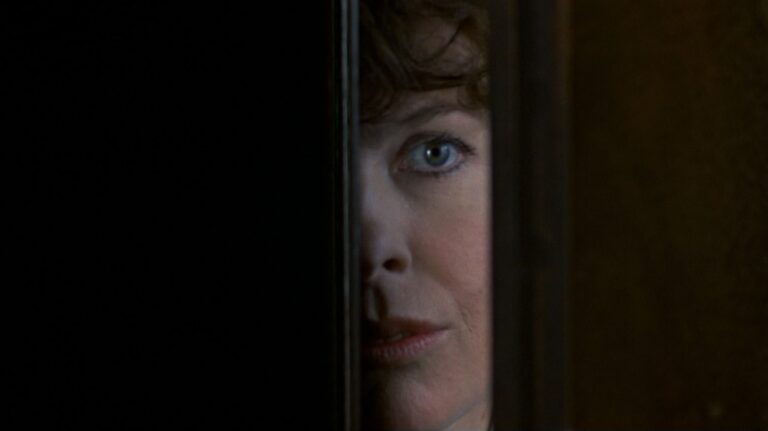
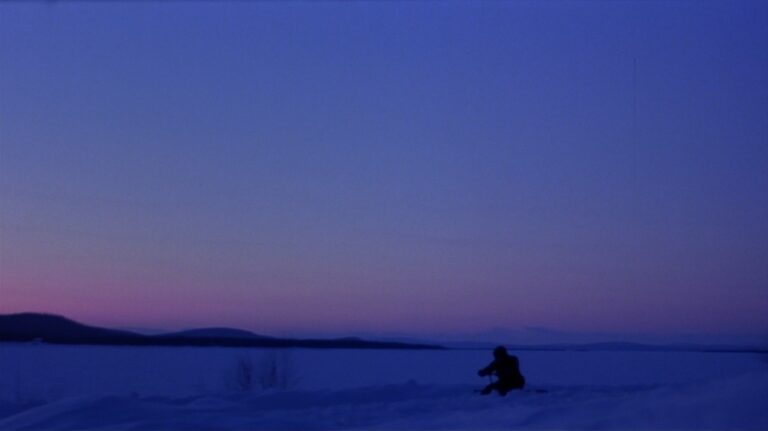
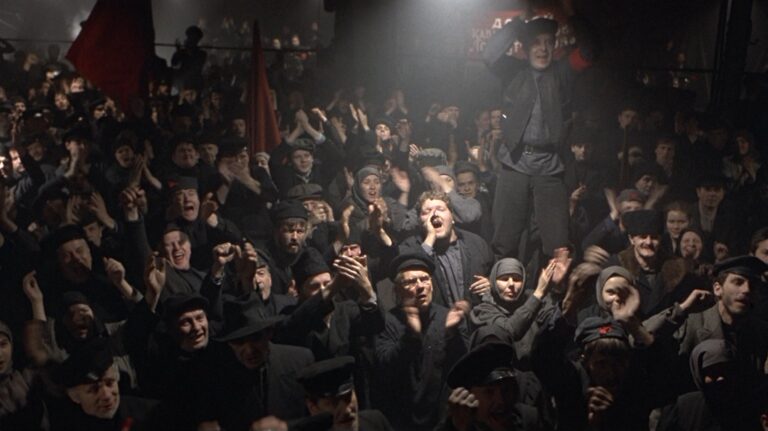
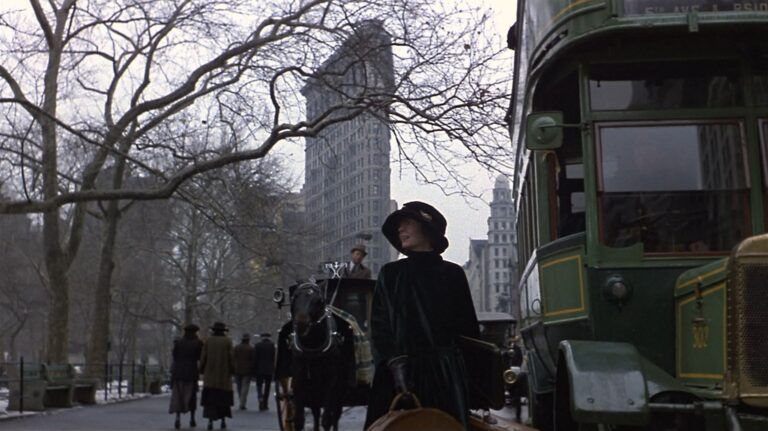
The film chronicles the life of American journalist and radical activist John Reed, whose firsthand experiences during the Russian Revolution inspired his book Ten Days That Shook the World. Following Reed and writer Louise Bryant through the political and artistic circles of the 1910s, the story traces their passionate but turbulent relationship against the backdrop of labor movements, war, revolution, and ideological upheaval. The film unfolds as both an intimate romantic drama and an epic historical portrait of political idealism and disillusionment.
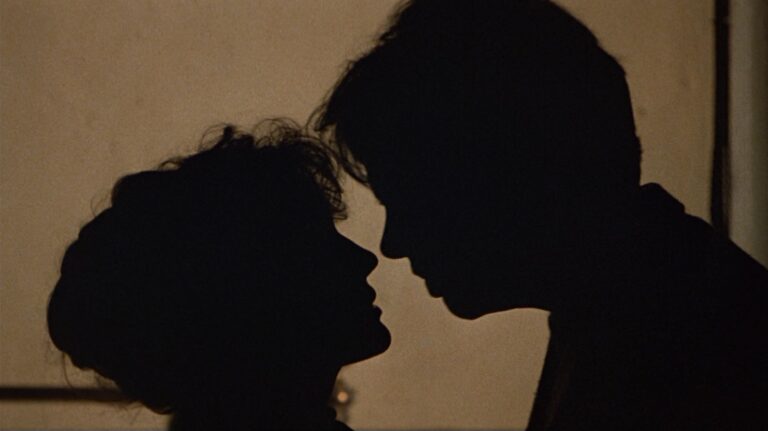
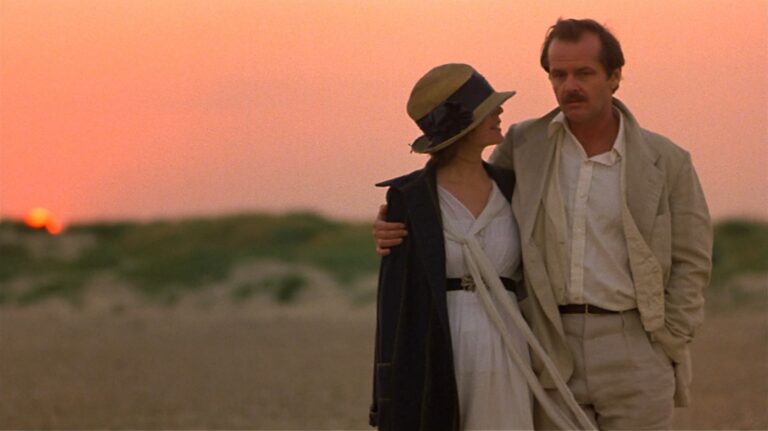
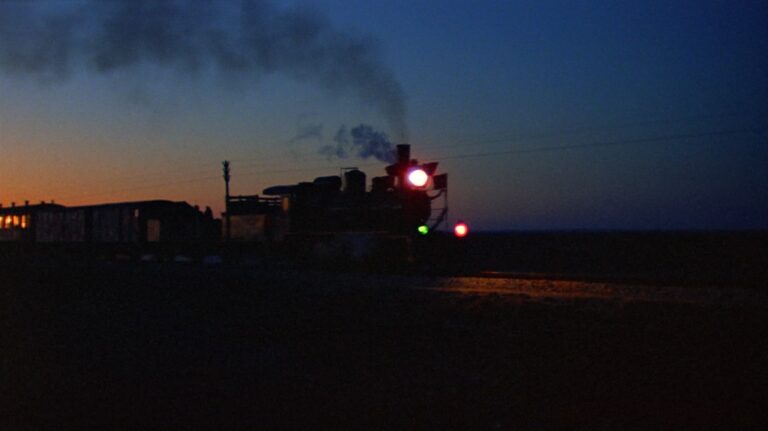
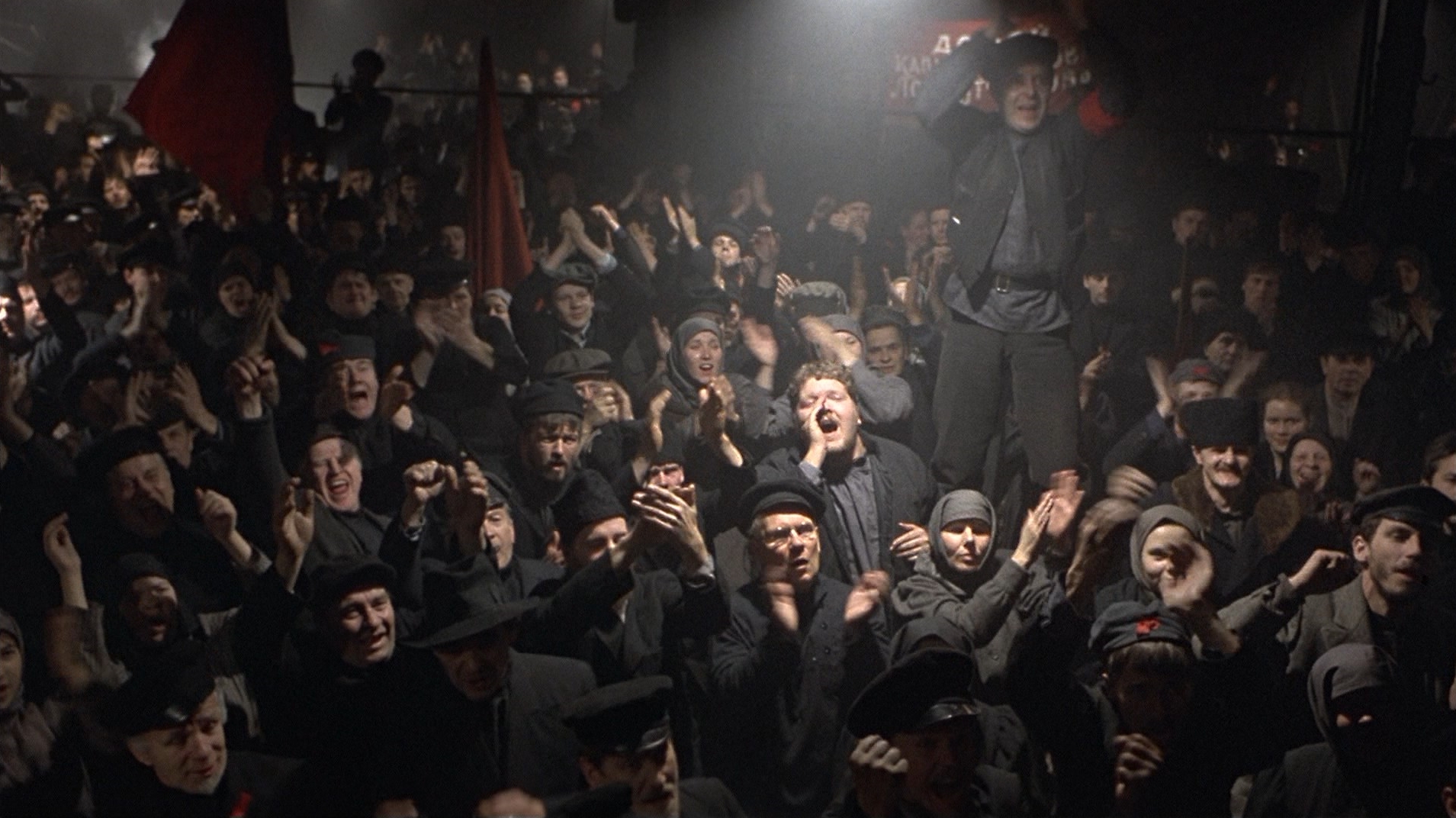
Beatty and cinematographer Vittorio Storaro craft Reds with sweeping, painterly imagery that balances intimate emotional realism with large-scale historical spectacle. Storaro’s expressive use of warm ambers, deep reds, and diffused natural light gives the film a romantic, almost mythic historical texture, while massive crowd scenes, snow-covered landscapes, and period interiors evoke the social turbulence of the era. The film’s most distinctive formal device is its use of documentary-style “witness” interviews—elderly real-life contemporaries speaking directly to camera—which punctuate the narrative with memory, contradiction, and historical reflection, blending epic fiction with oral history in a uniquely layered structure.
TELEVISION SERIES
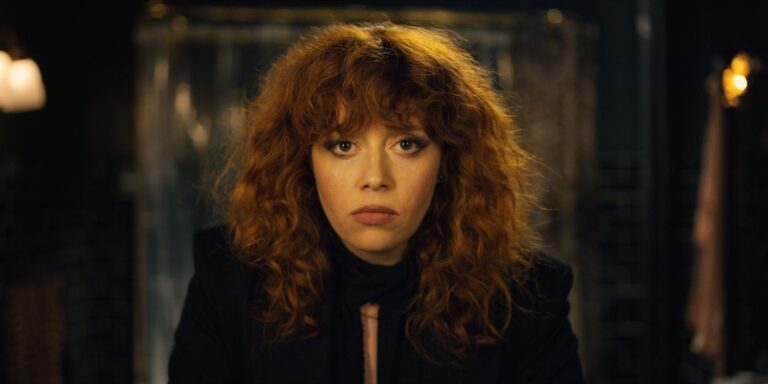
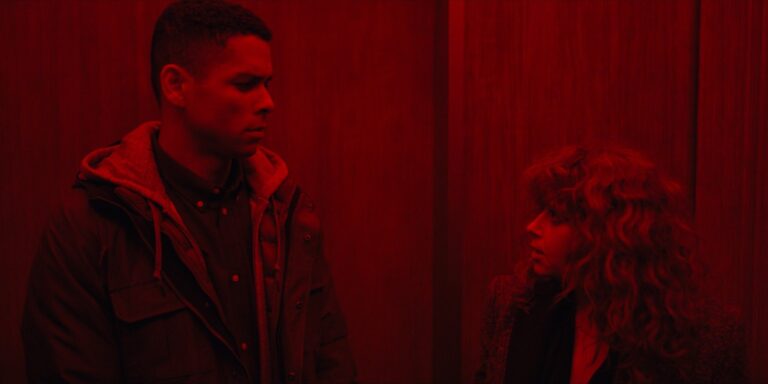
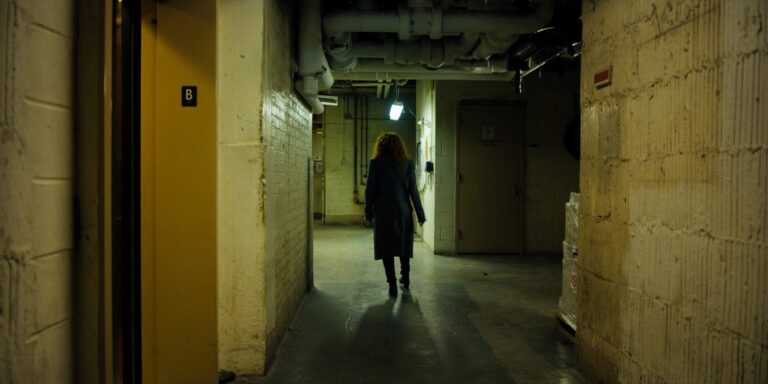
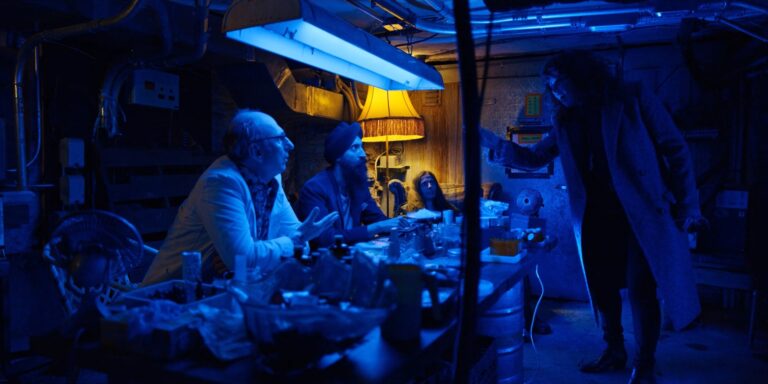
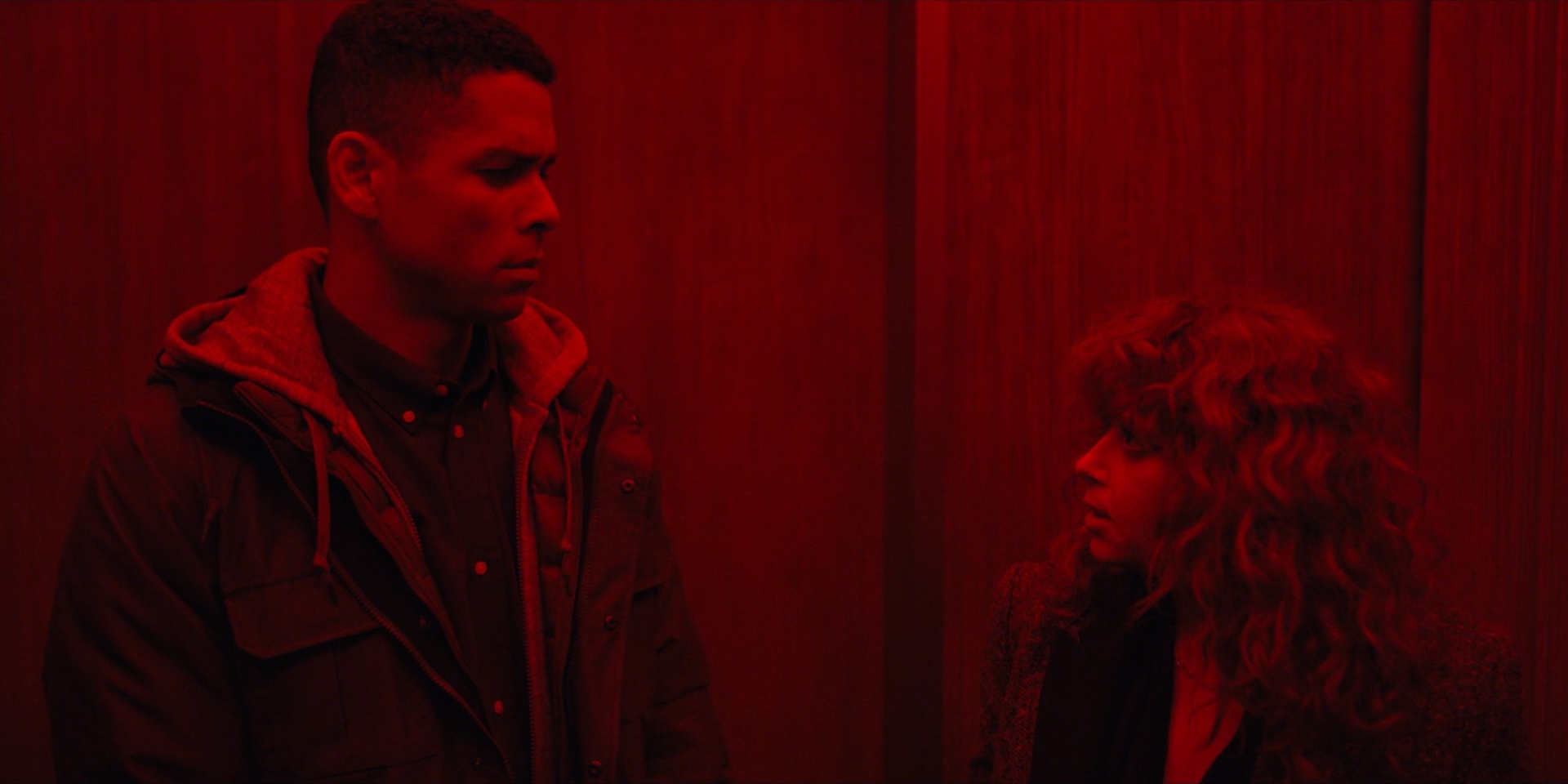
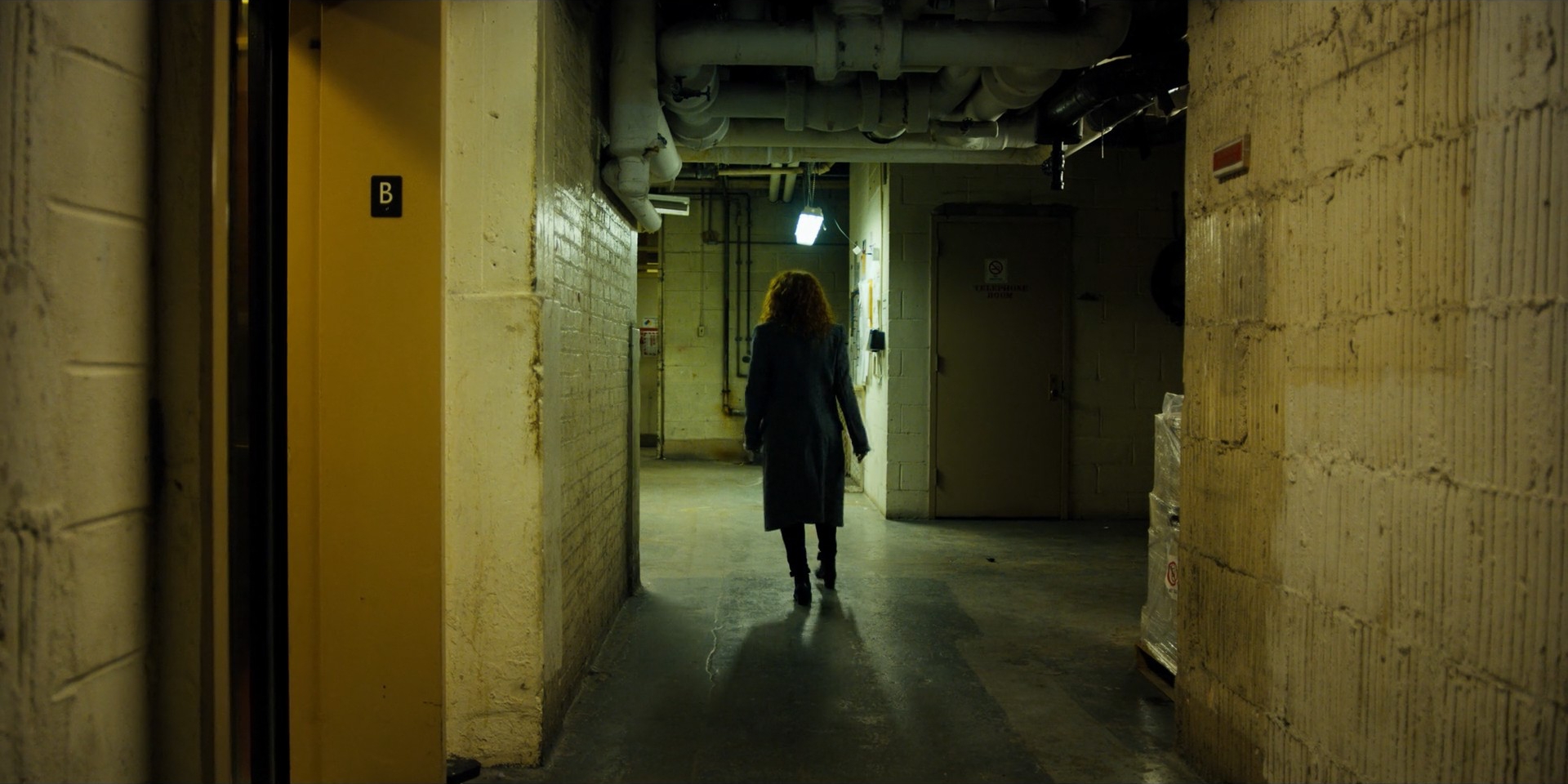
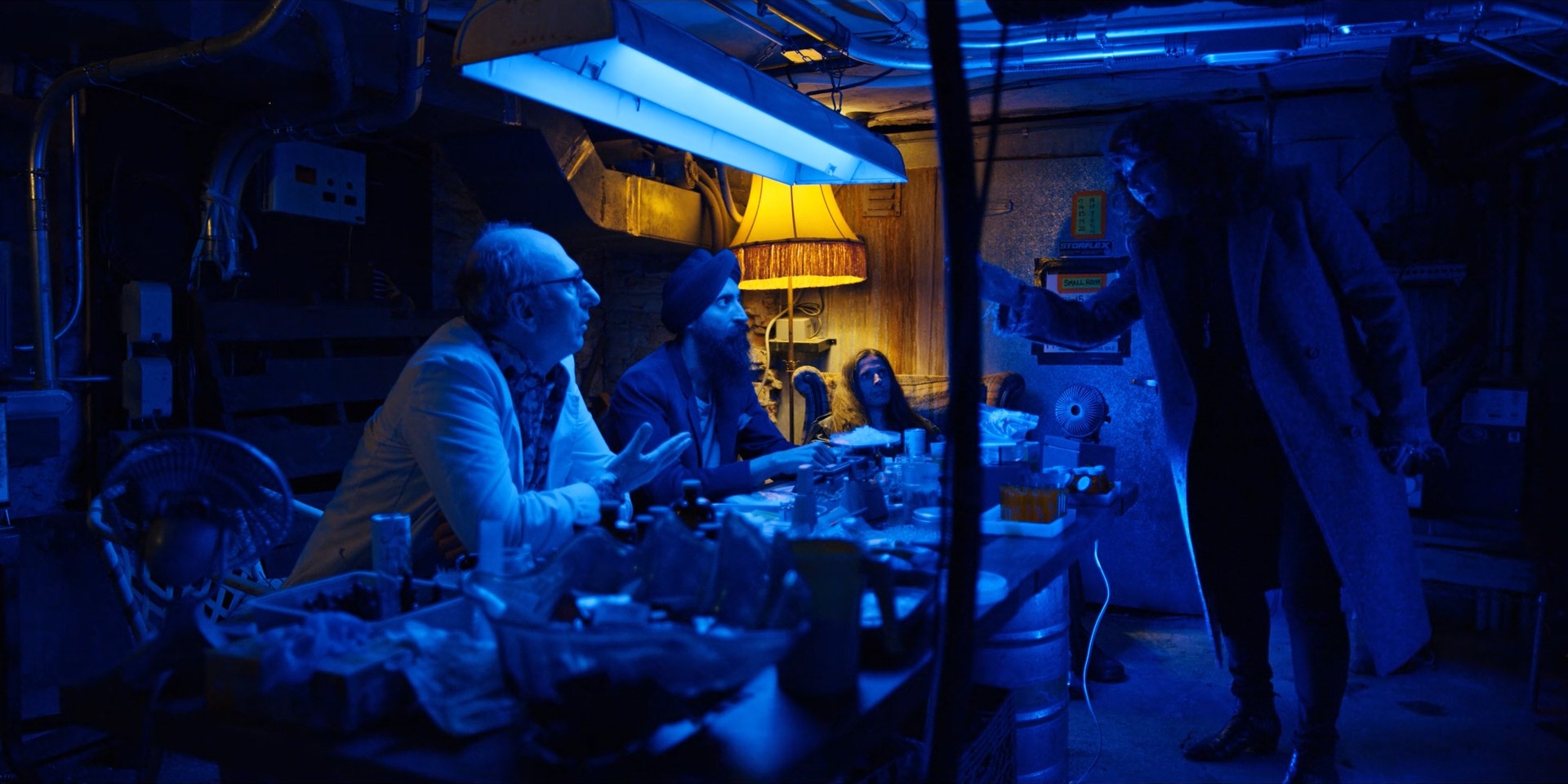
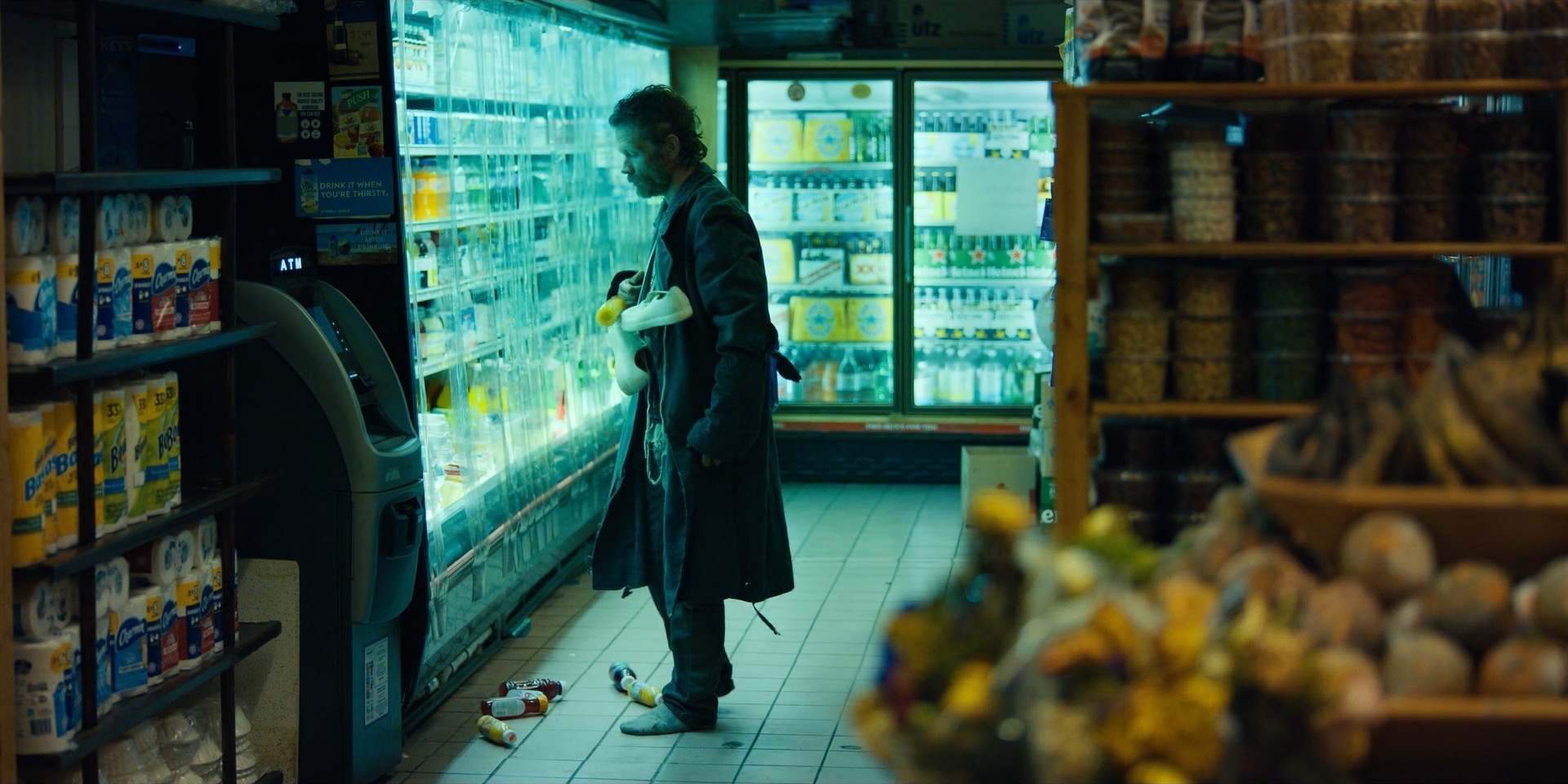
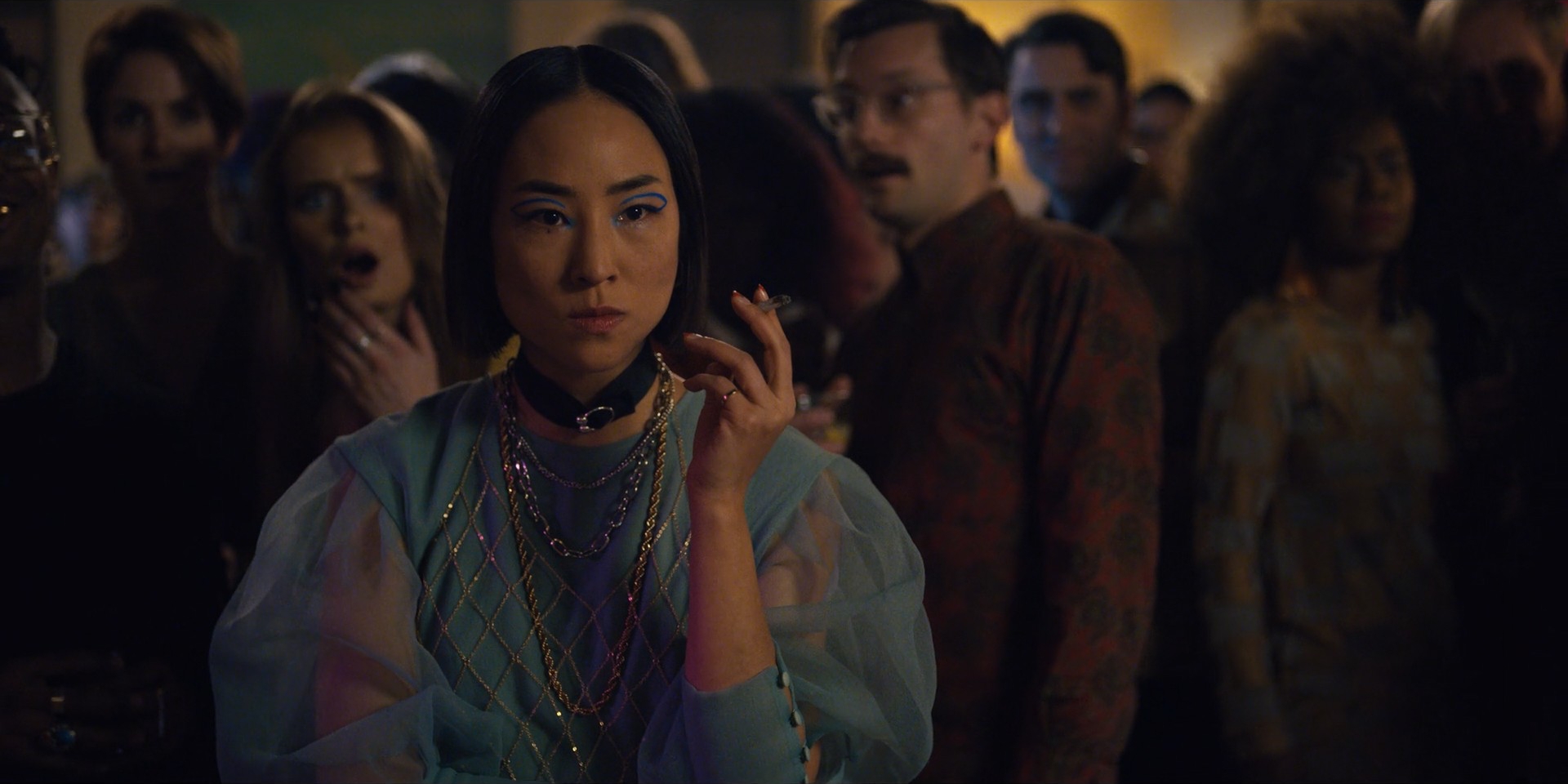
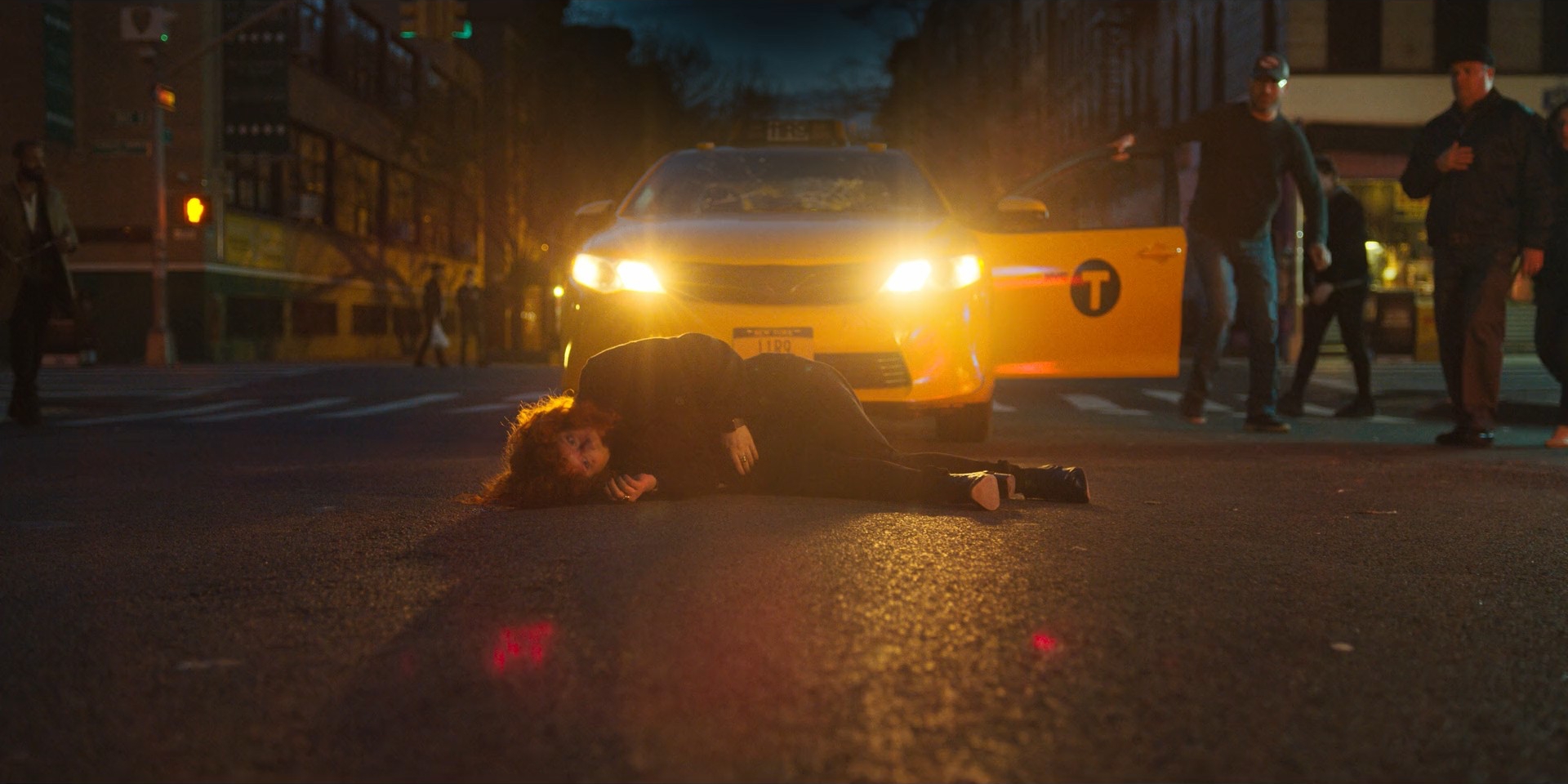
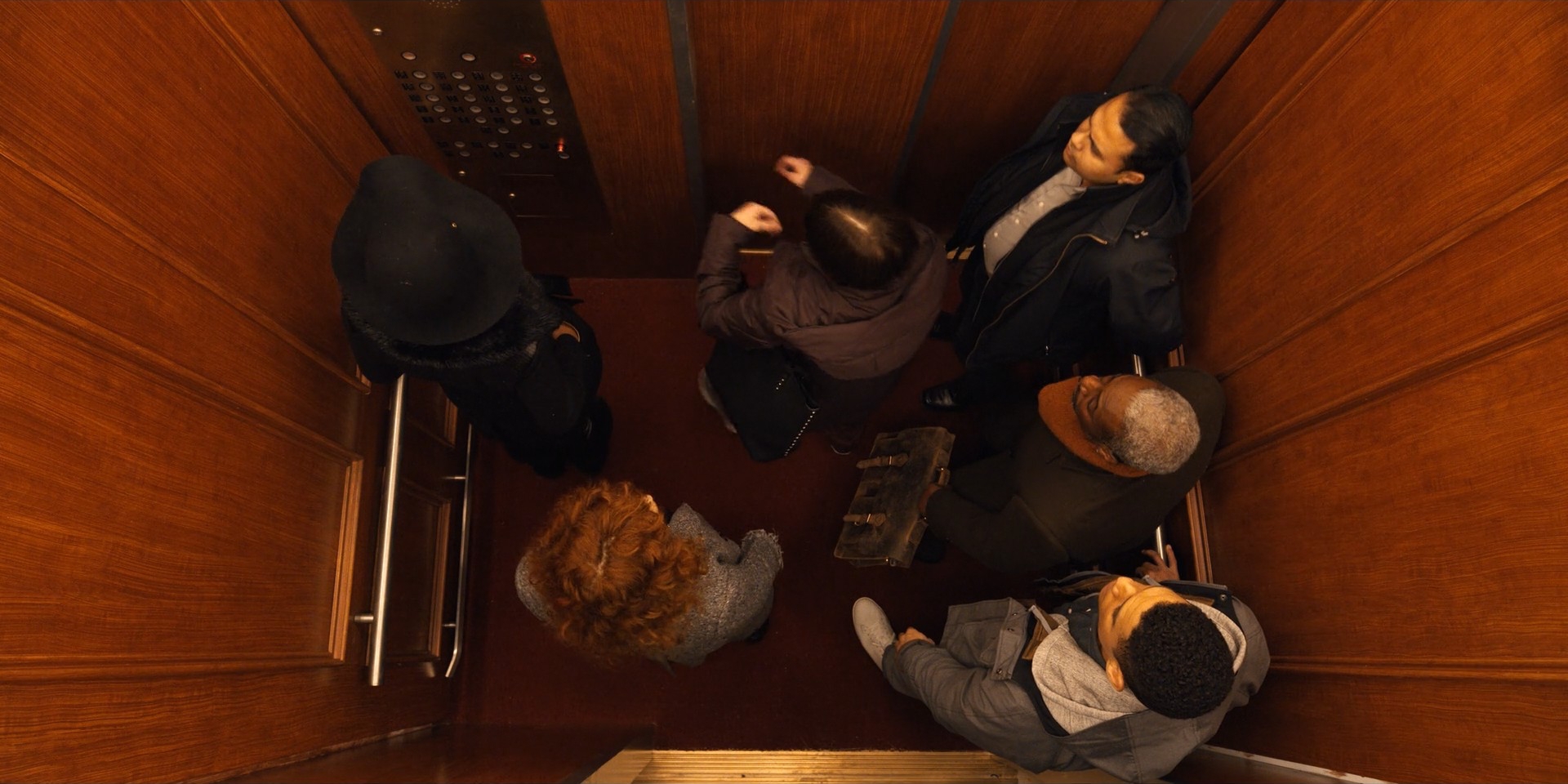
Russian Doll: Season 1 (2019)
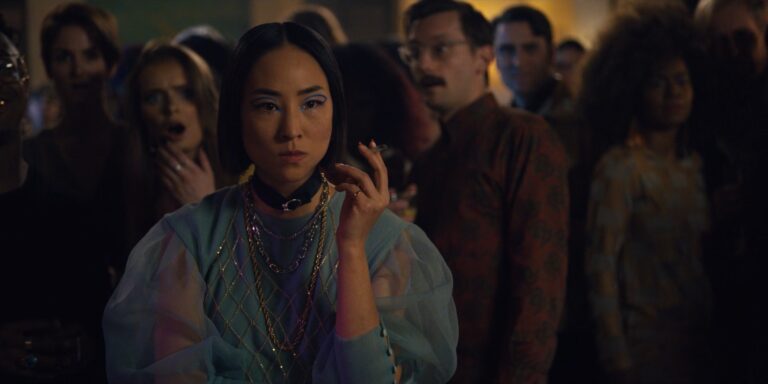
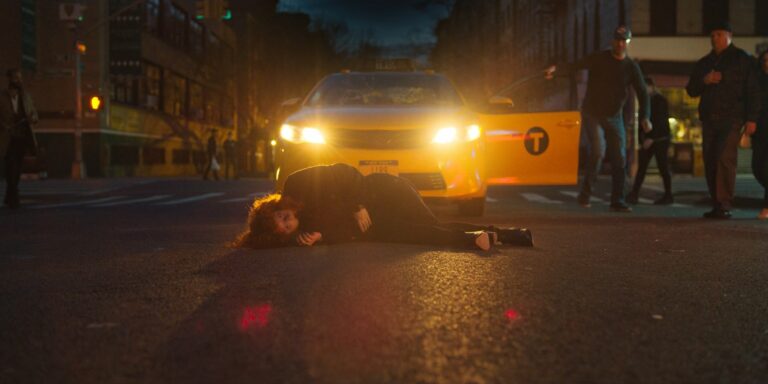
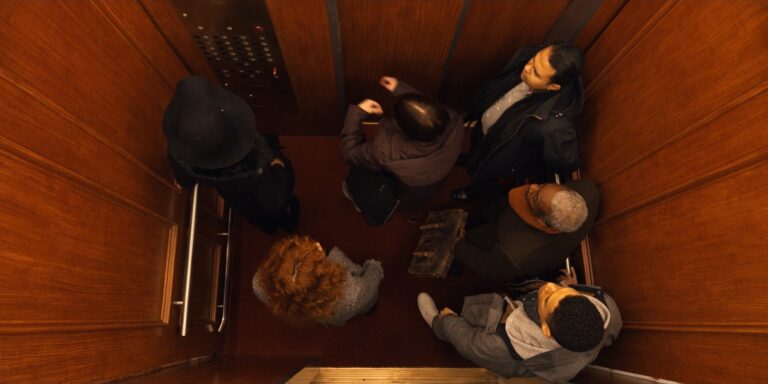
After dying unexpectedly on the night of her 36th birthday party, Nadia Vulvokov finds herself trapped in a time loop, repeatedly reliving the same evening in New York City no matter how many times she dies. As she struggles to understand the phenomenon, she encounters Alan, another person experiencing the same cycle, and the two begin unraveling the emotional and psychological roots of their entrapment. The season unfolds as a darkly comic existential mystery about trauma, self-destruction, connection, and the possibility of change.
Season 1 combines gritty downtown New York realism with subtle surrealism, using warm amber interiors, neon nightlife, and handheld camerawork to create a tactile sense of urban repetition and emotional exhaustion. Cinematographers Chris Teague and Seamus Tierney frequently repeat visual setups and movements across looping sequences, allowing tiny variations in framing, performance, and environment to signal shifts in Nadia’s psychological state. Mirrors, hallways, stairwells, and disappearing objects become recurring visual motifs tied to instability and fractured perception, while the gradual decay of the world around Nadia and Alan introduces an uncanny apocalyptic texture beneath the show’s sharp humor and conversational naturalism.