New Shots: War of the Worlds, She Said, & more Film Screencaps
Get your Decks ready ShotDeck Community! We’re dropping some great new shots this week, as well as an article highlighting some incredible female-identifying DPs. Remember you can always request titles for future drops by clicking here!
FILM SPOTLIGHT
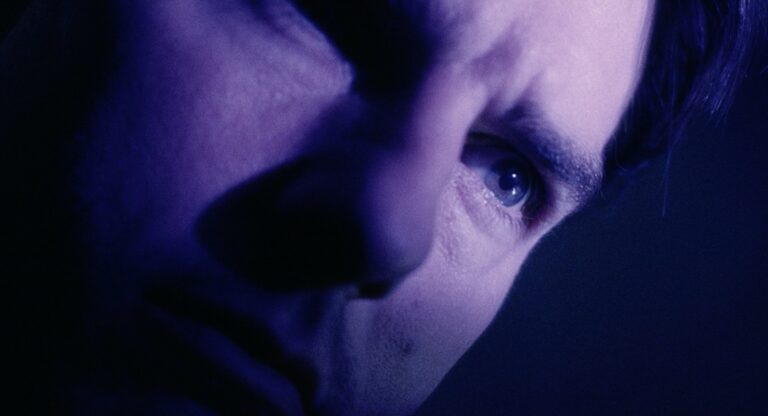
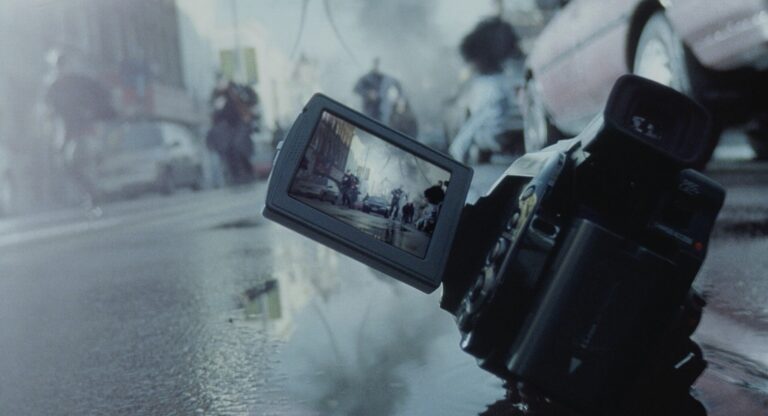
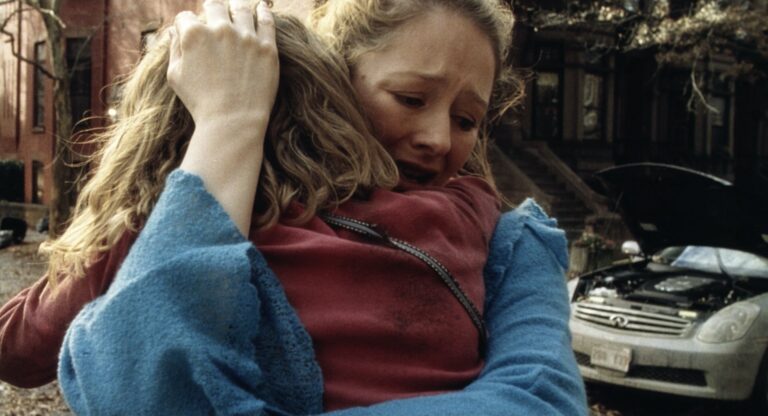
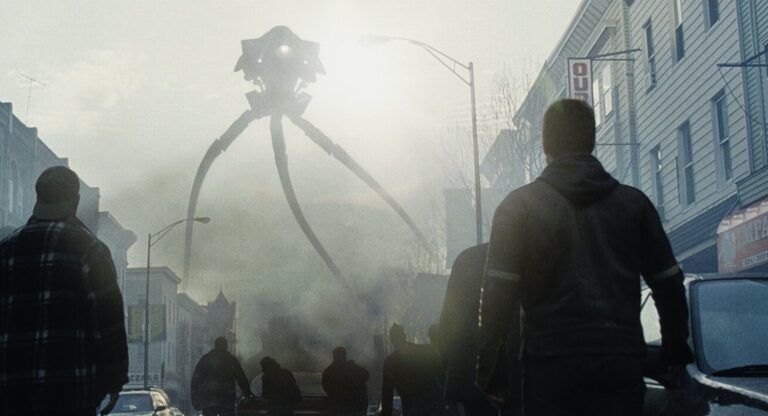
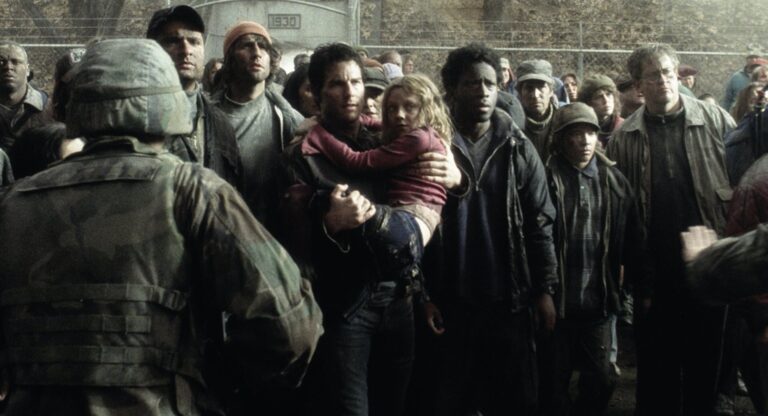
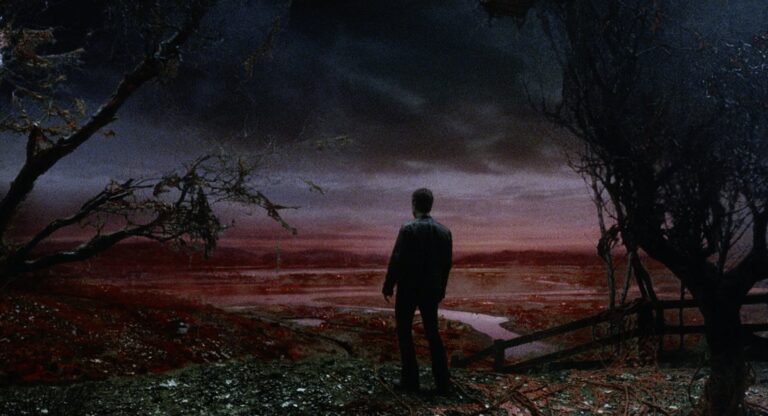
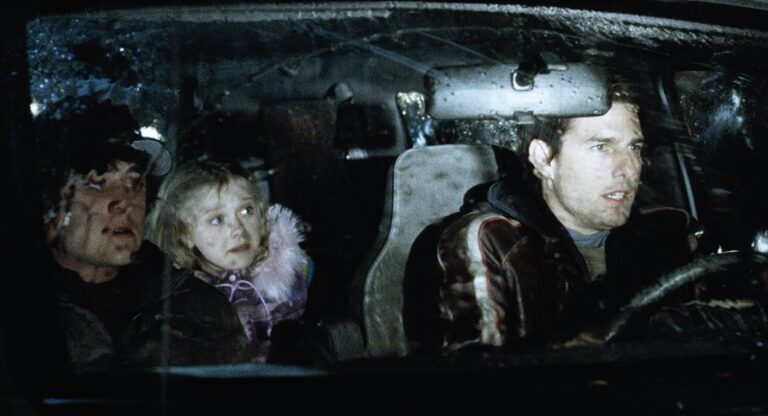
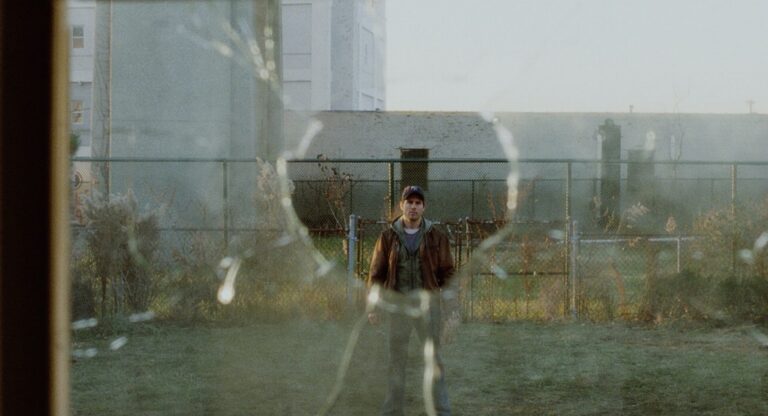
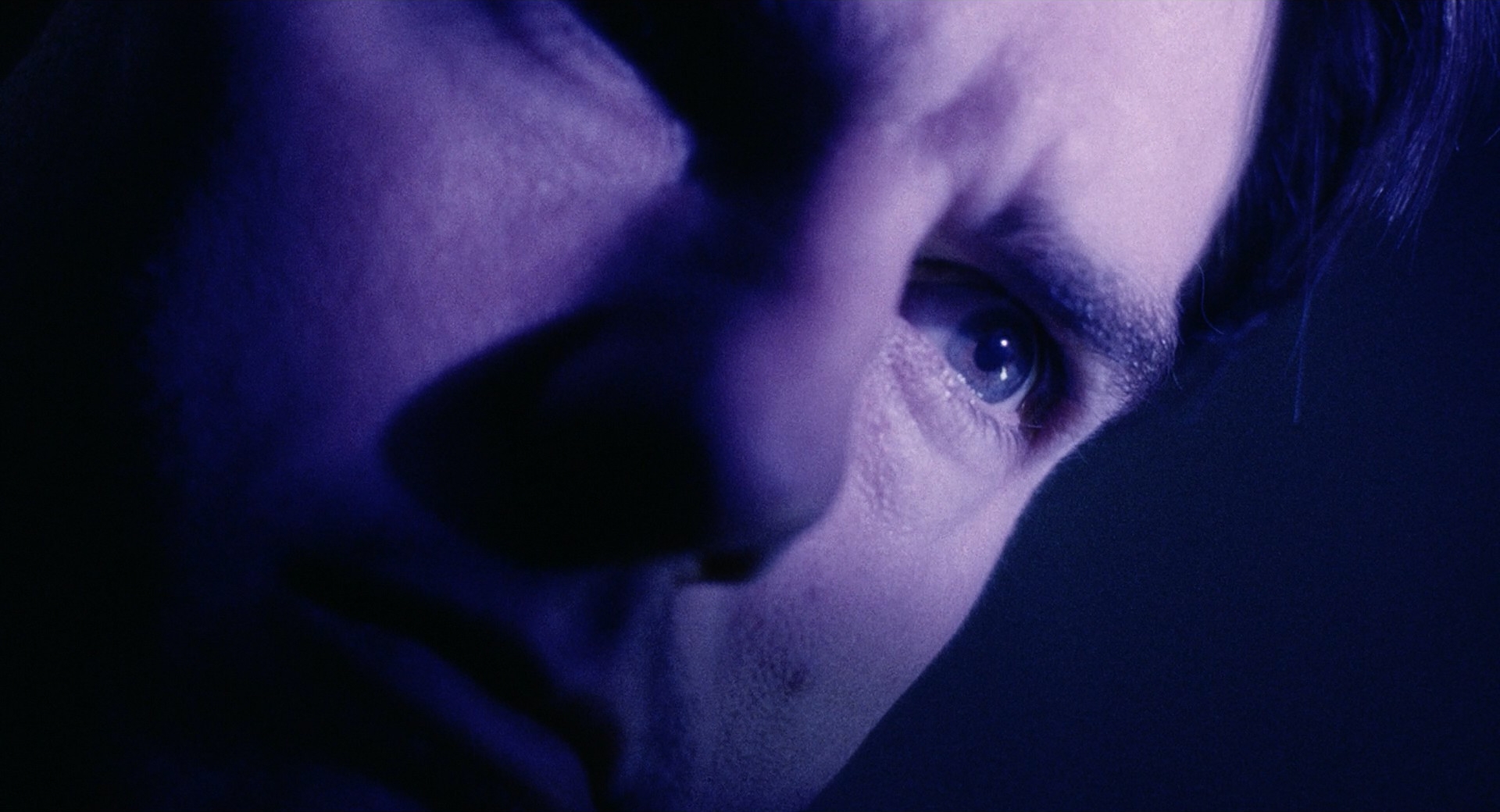
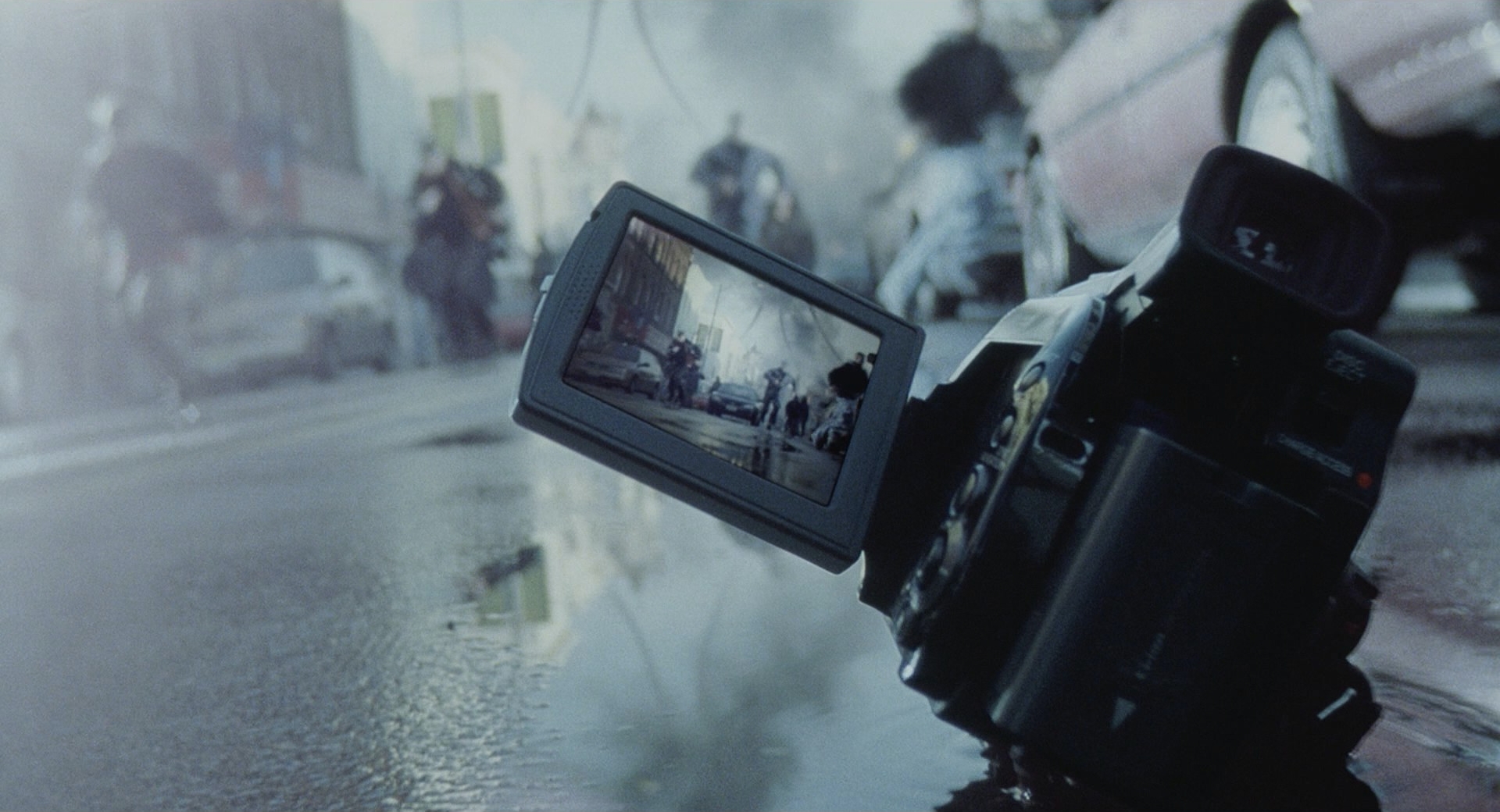
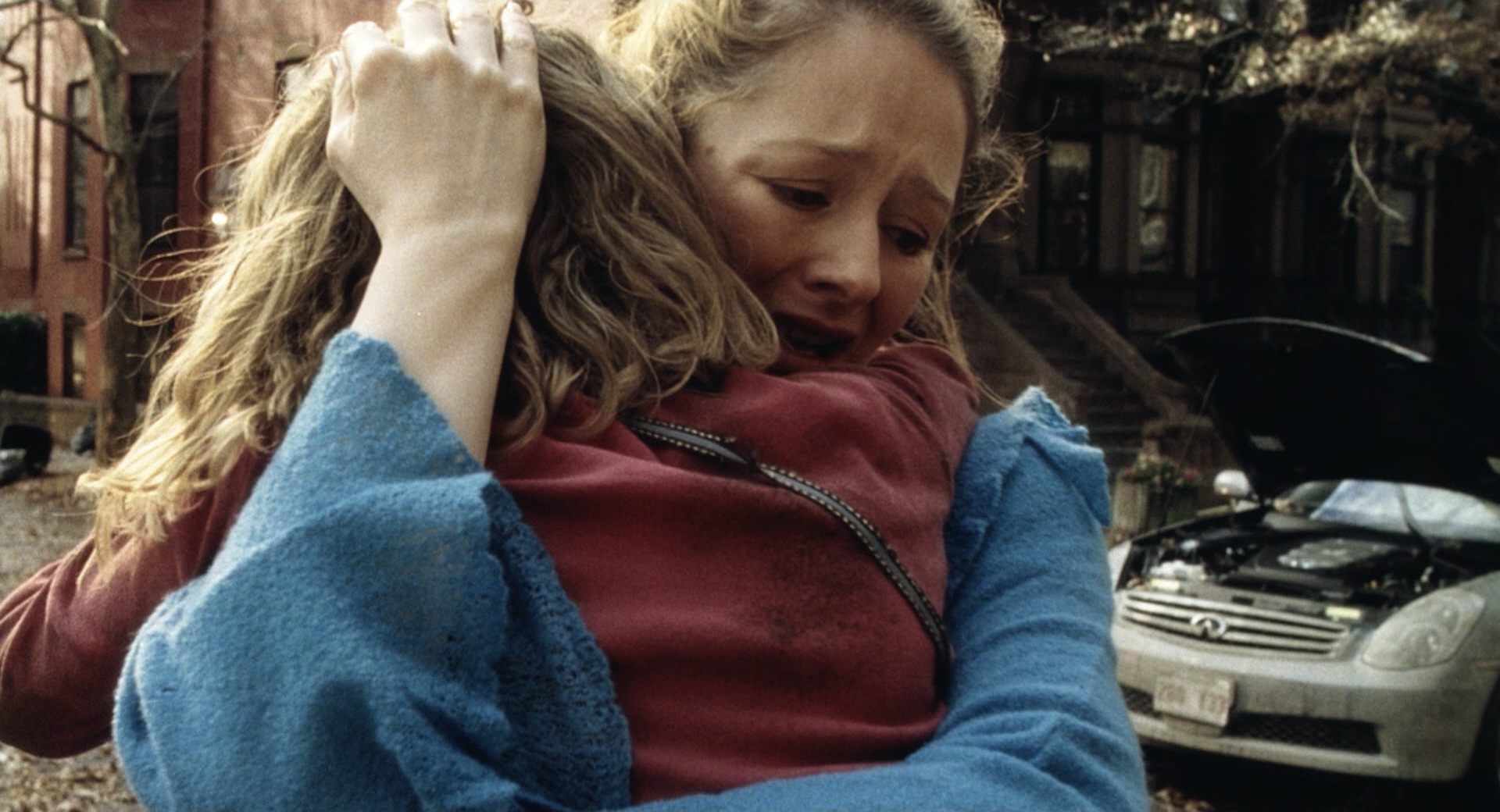
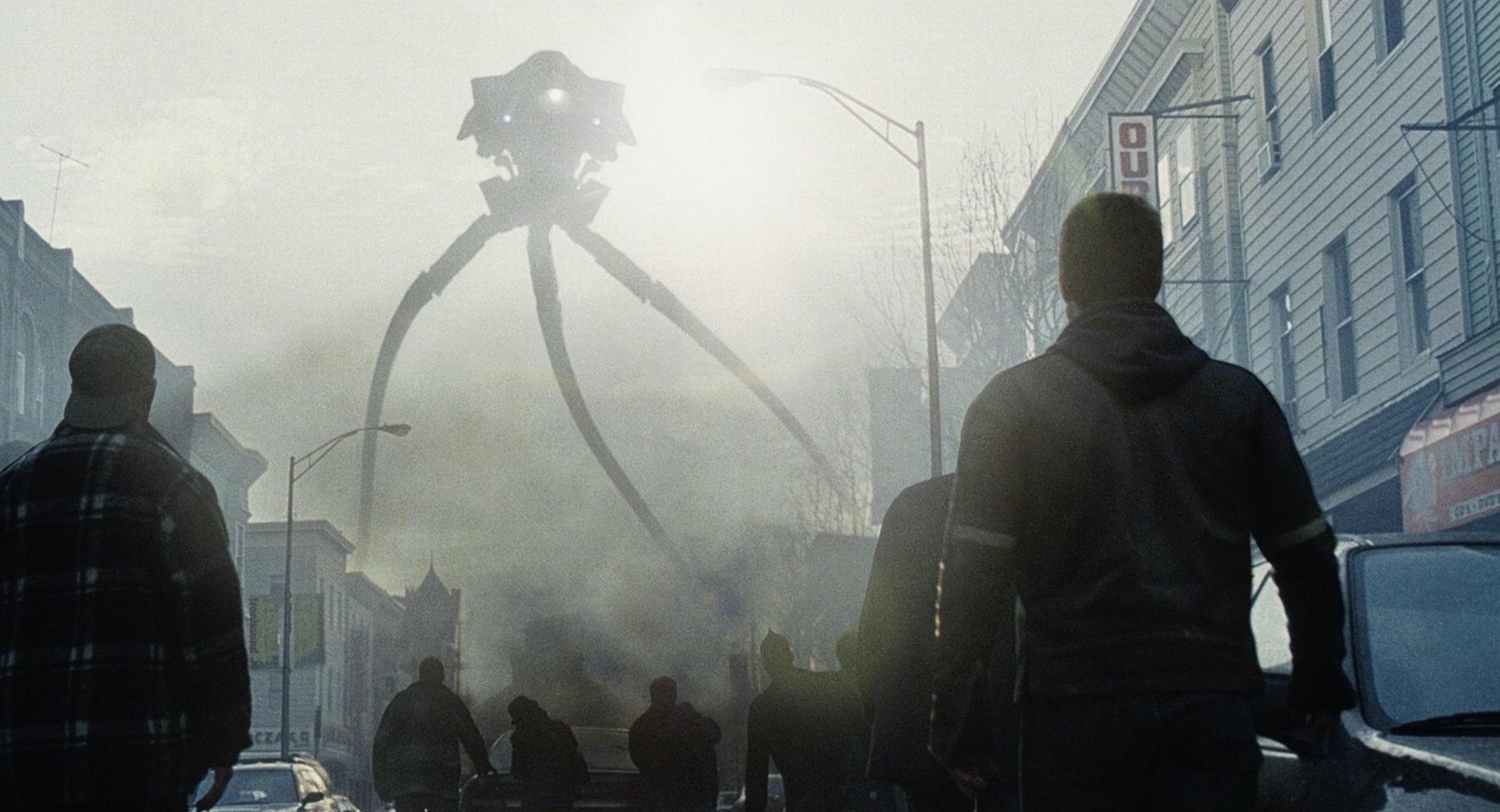
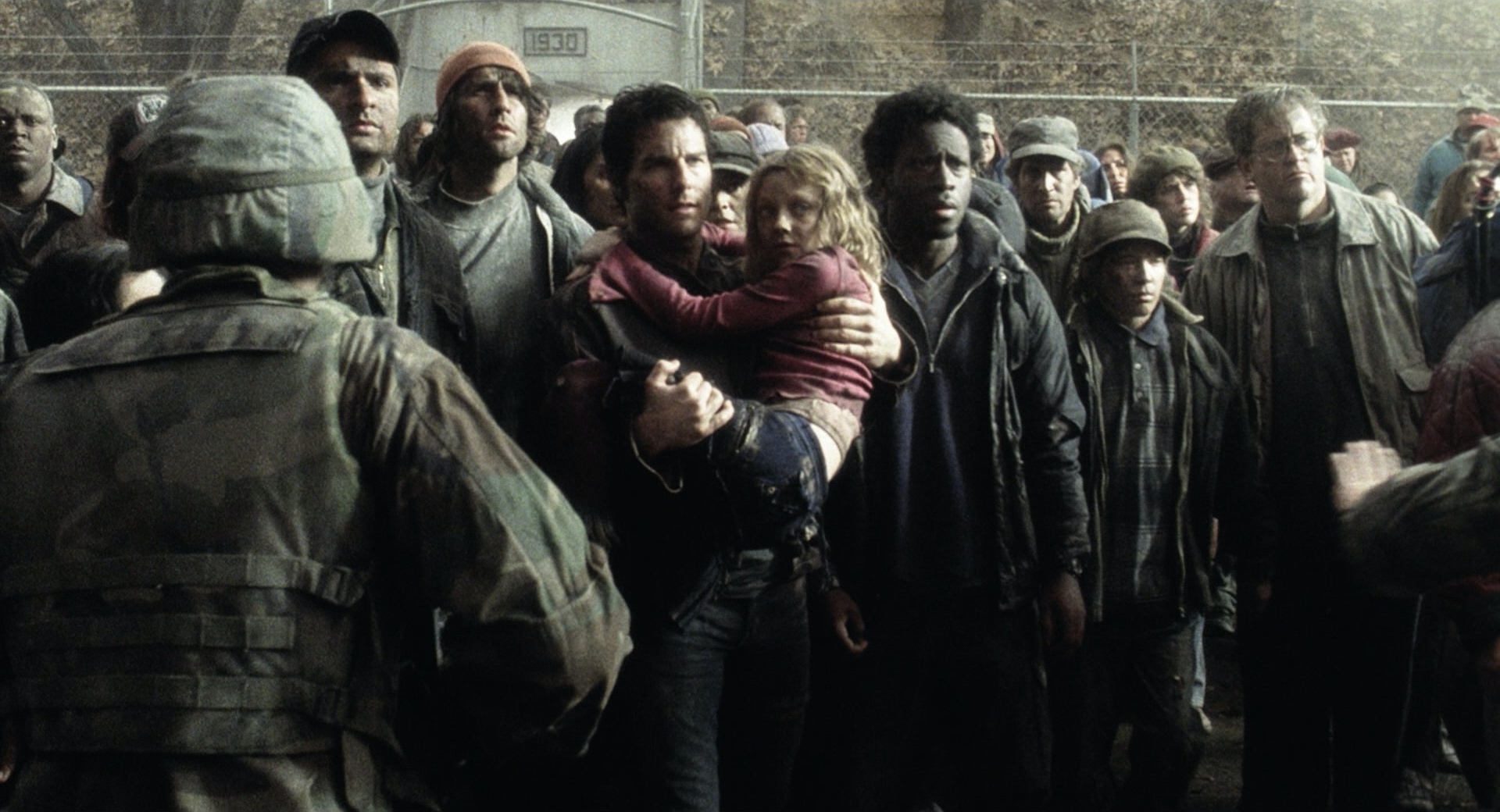
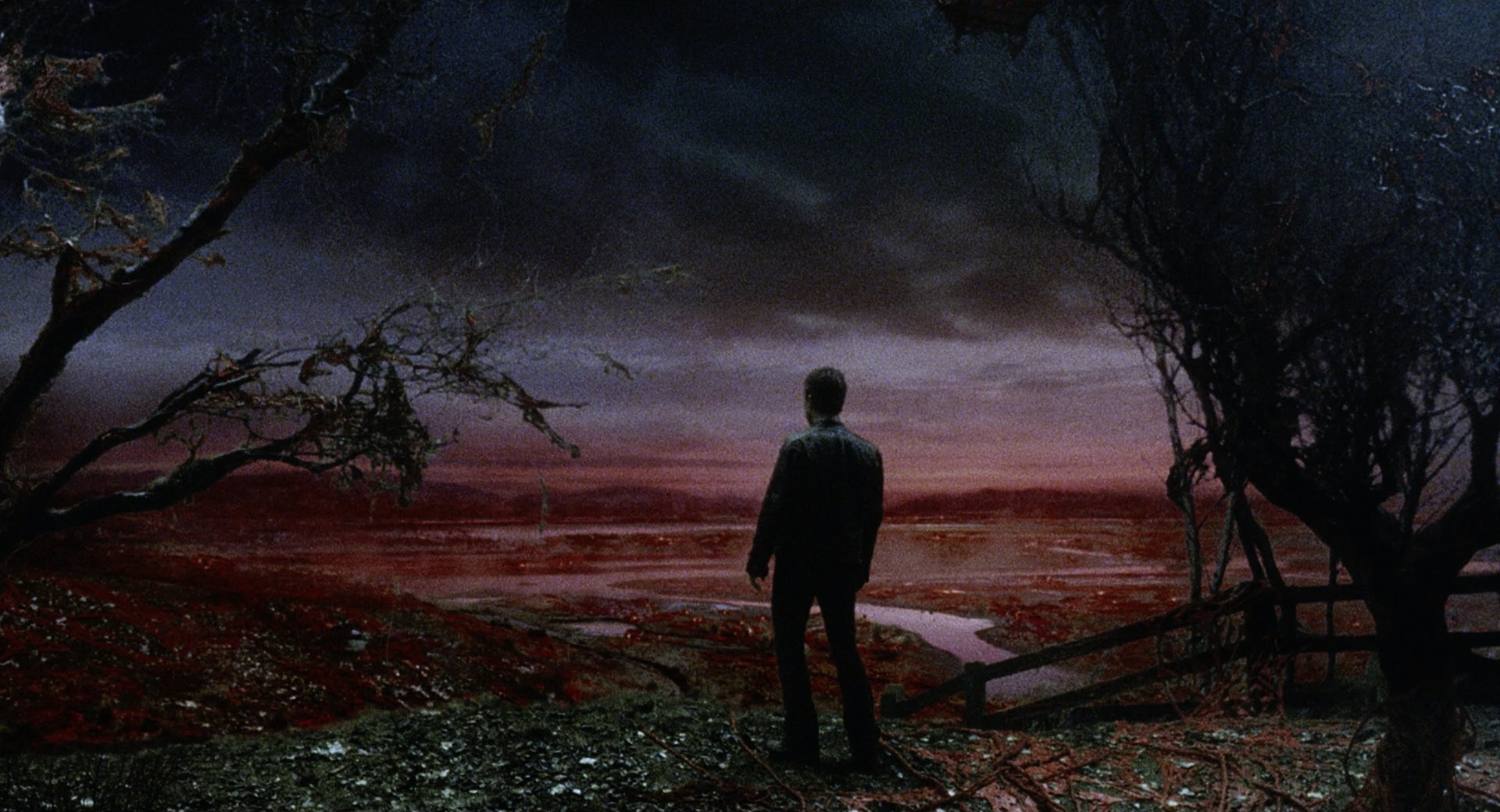
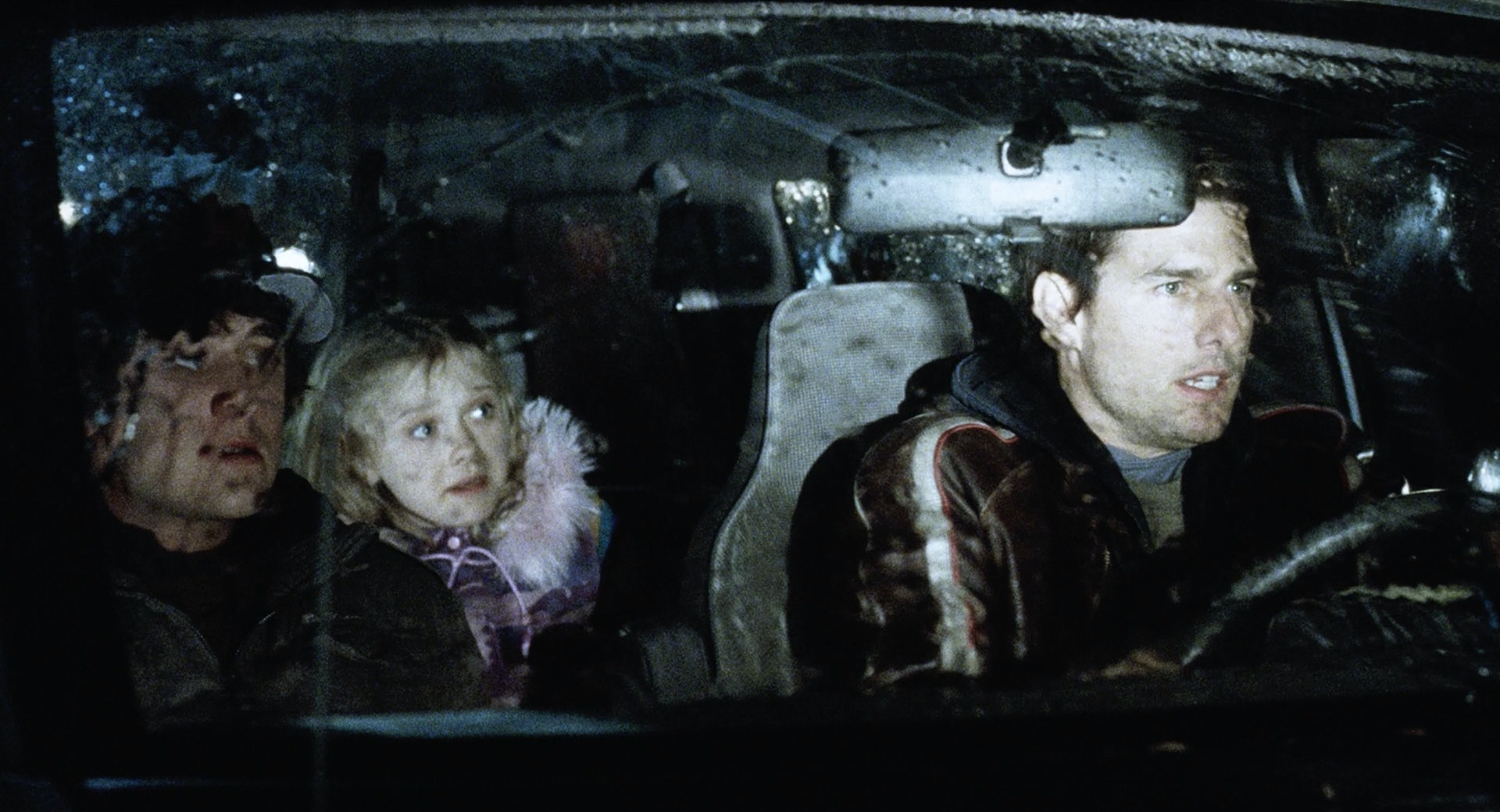
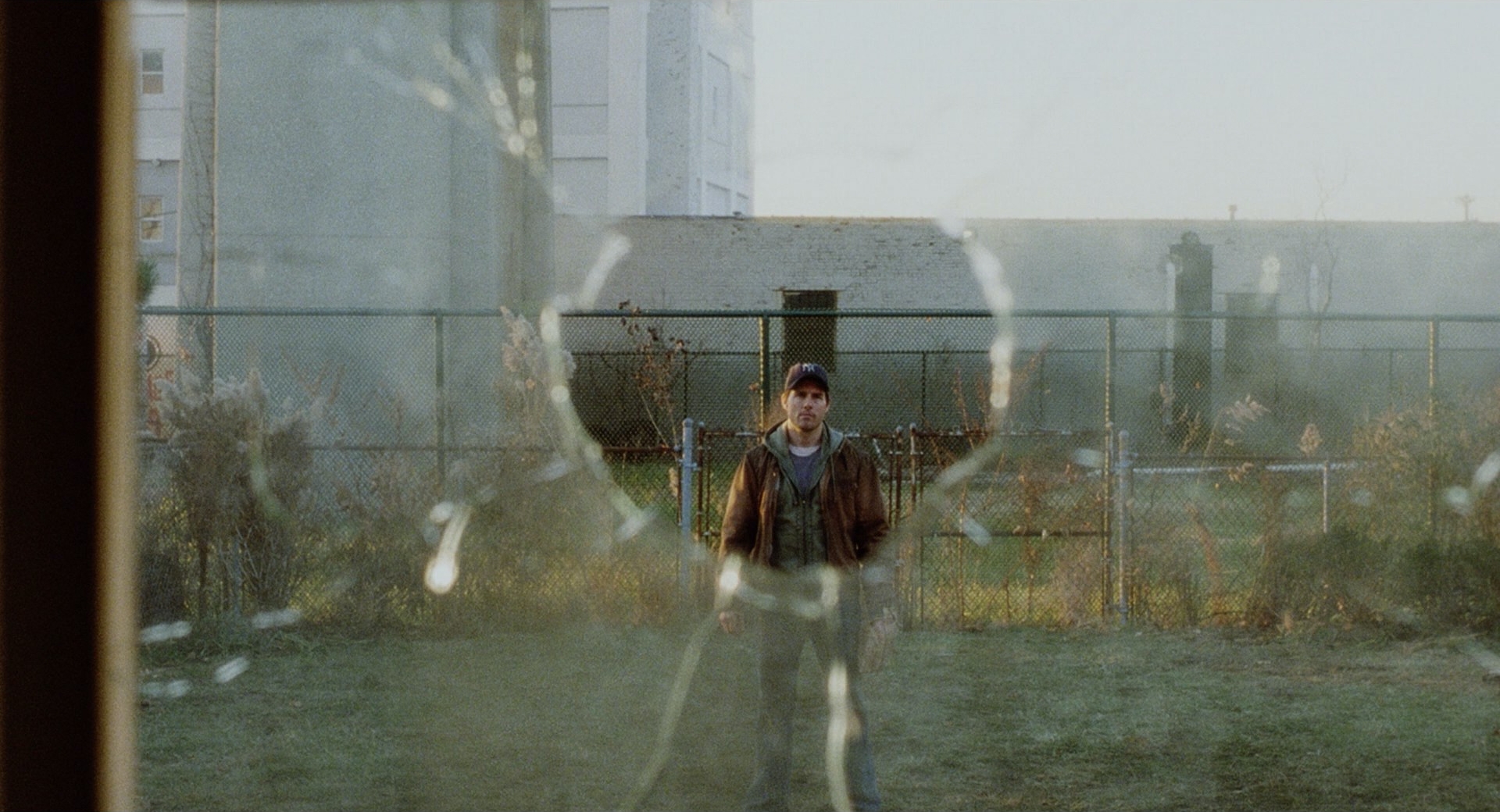
War of the Worlds (2005)
A divorced dockworker, Ray Ferrier, is forced to protect his two children when Earth is suddenly invaded by powerful alien machines. As cities collapse and society descends into chaos, they embark on a desperate journey to survive and reunite with family. The story unfolds as a ground-level account of catastrophe, focused on one family’s struggle amid global destruction.
Spielberg and cinematographer Janusz Kamiński shoot War of the Worlds with a gritty, immediate realism, using handheld camerawork, long takes, and desaturated colors to place the viewer inside the chaos. The film’s use of particulate imagery—dust, ash, debris—creates a tactile sense of destruction, while its fluid camera often stays with the characters in extended shots, turning spectacle into something personal and immersive.
FILM SPOTLIGHT
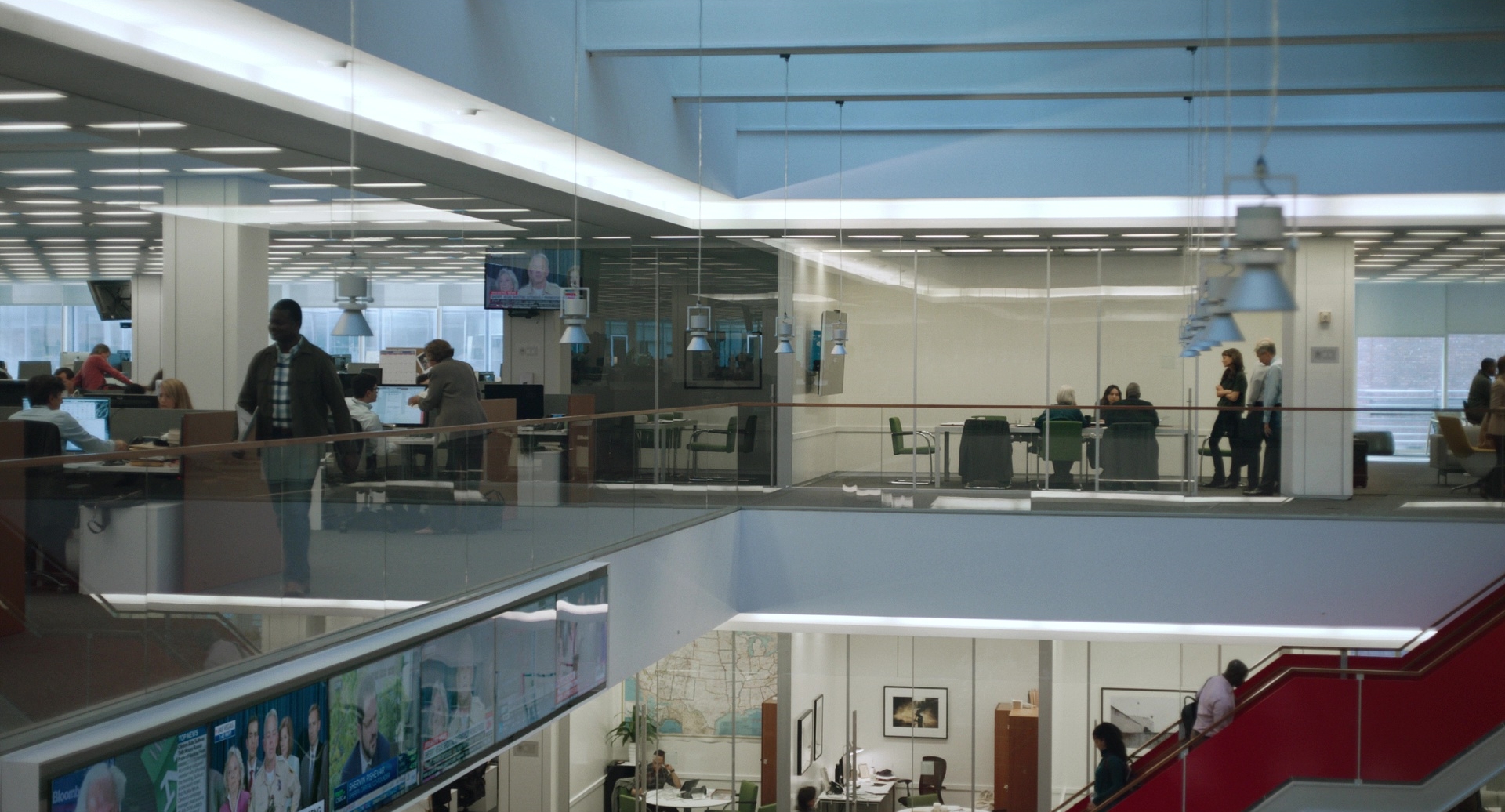
She Said (2022)
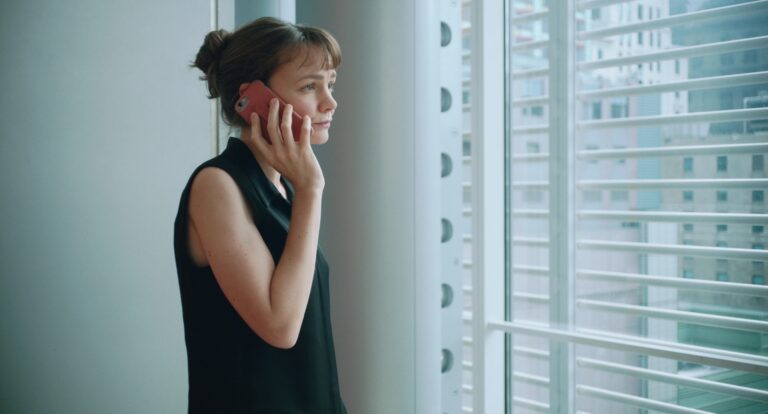
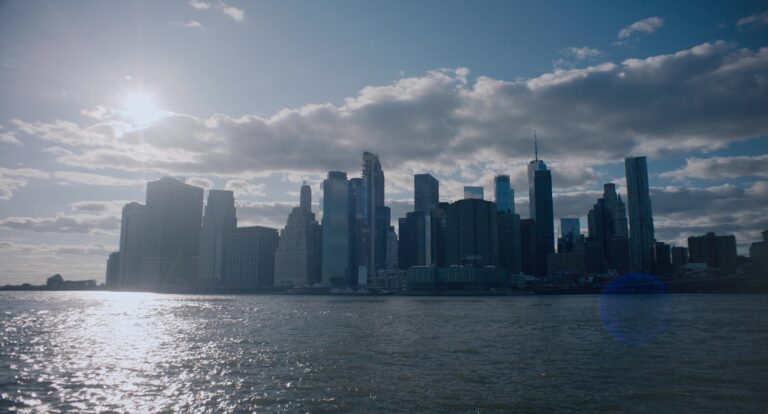
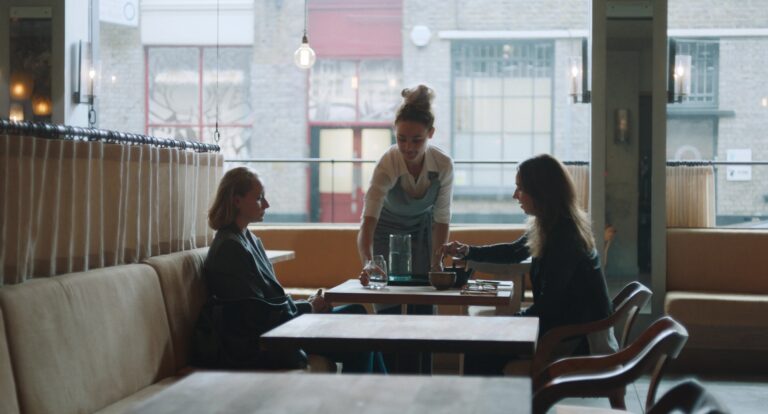
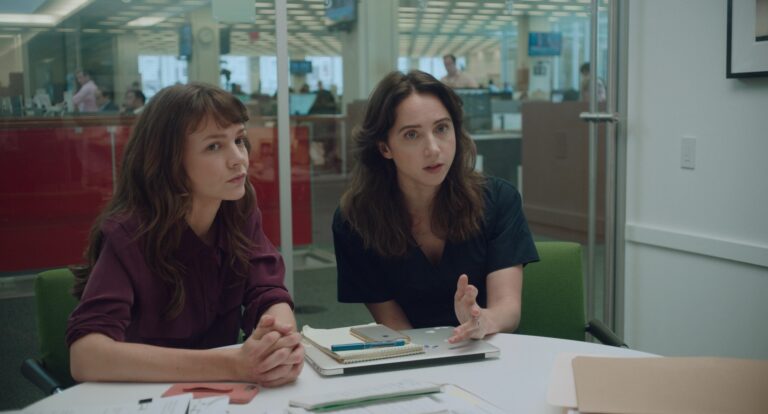
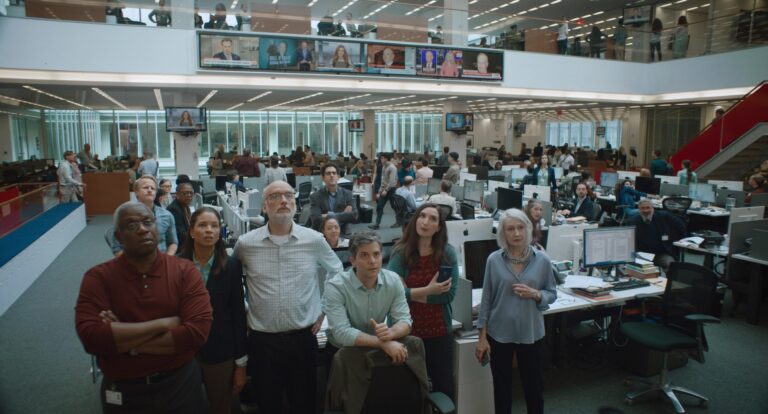
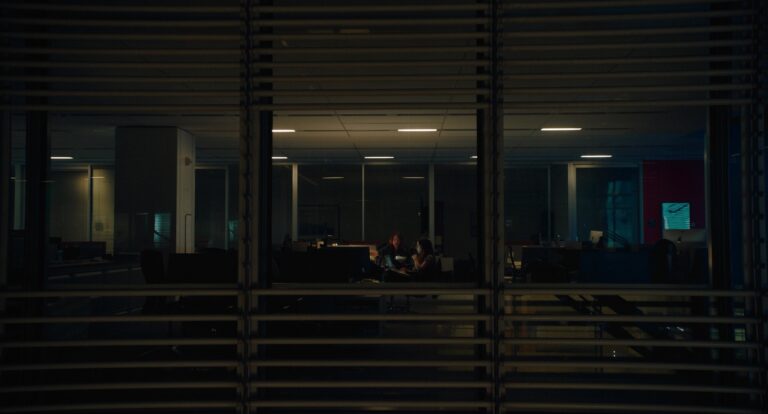
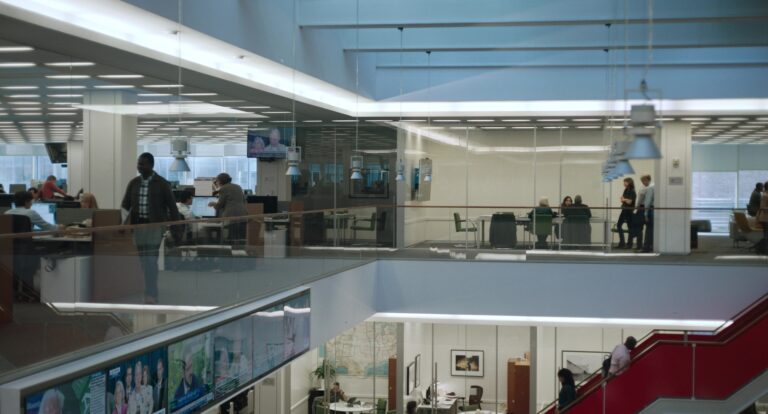
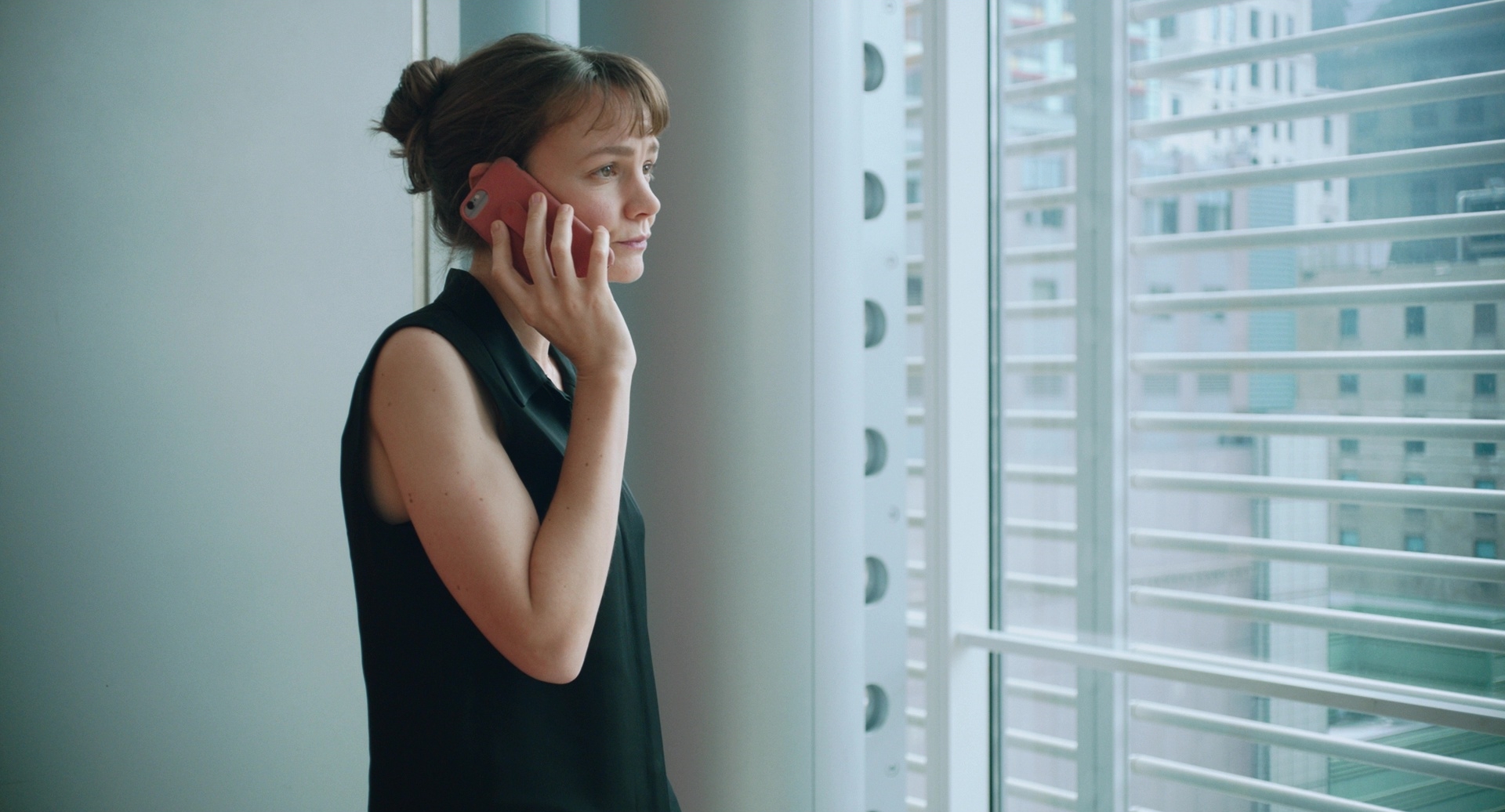
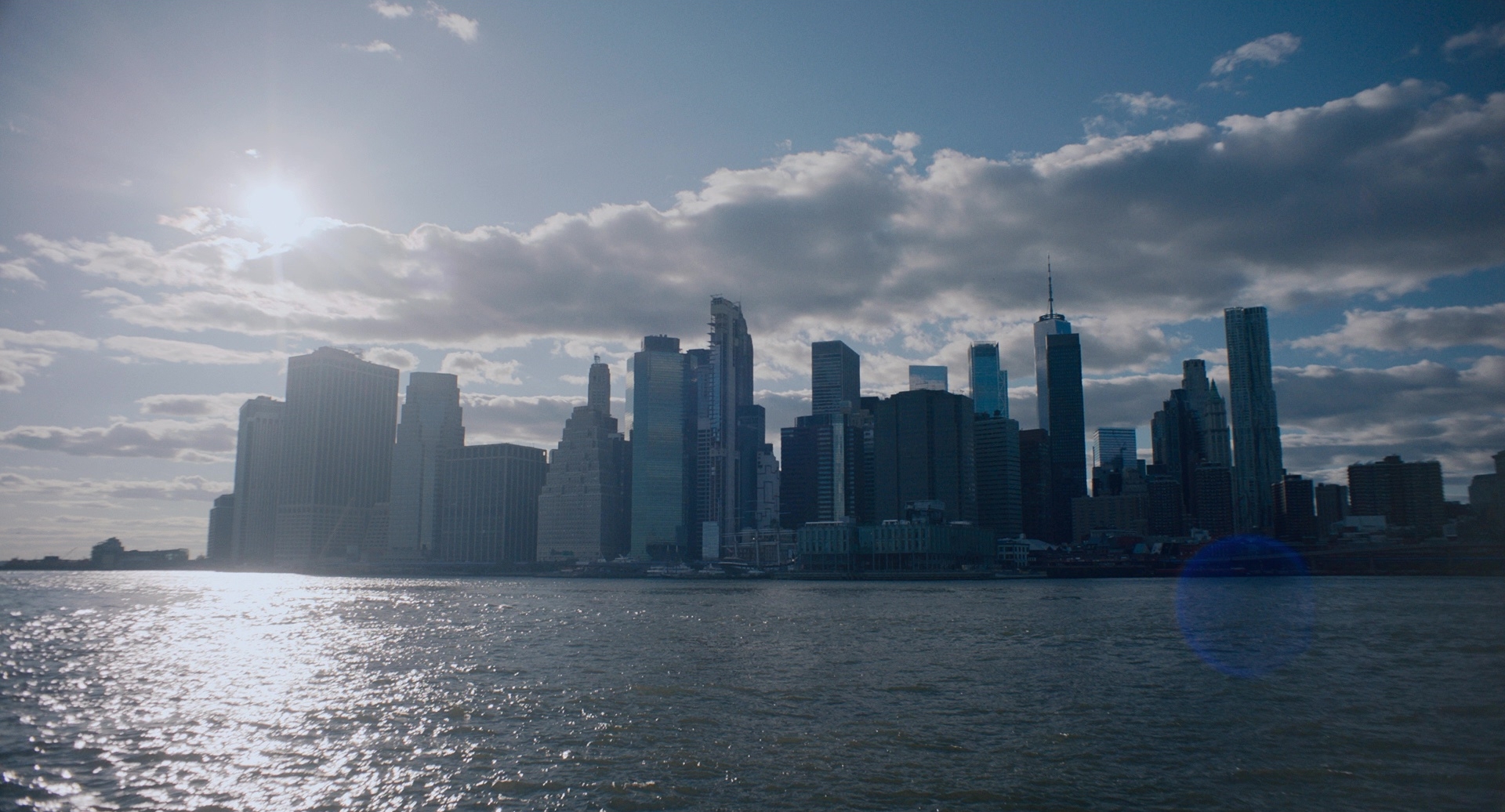
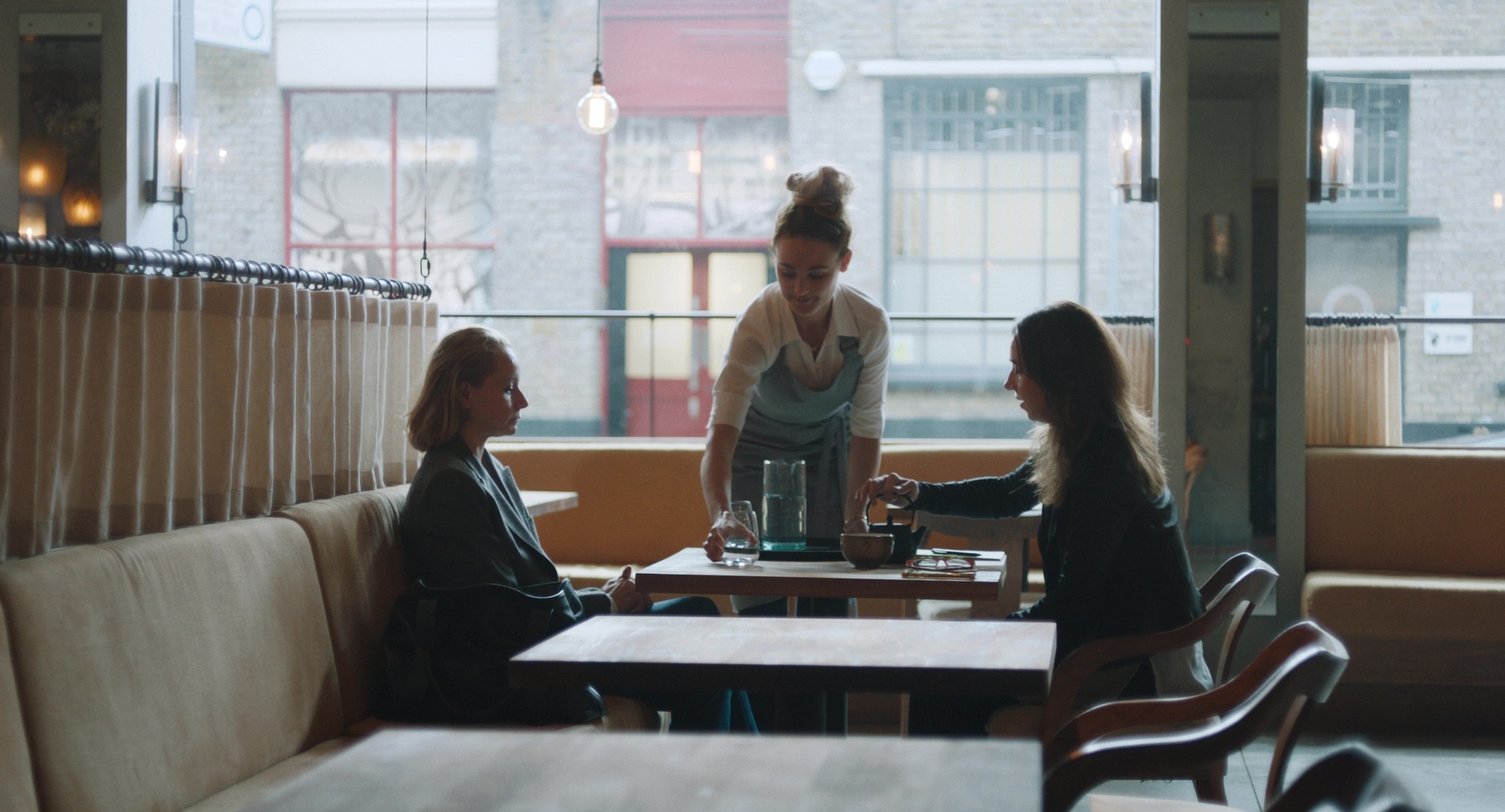
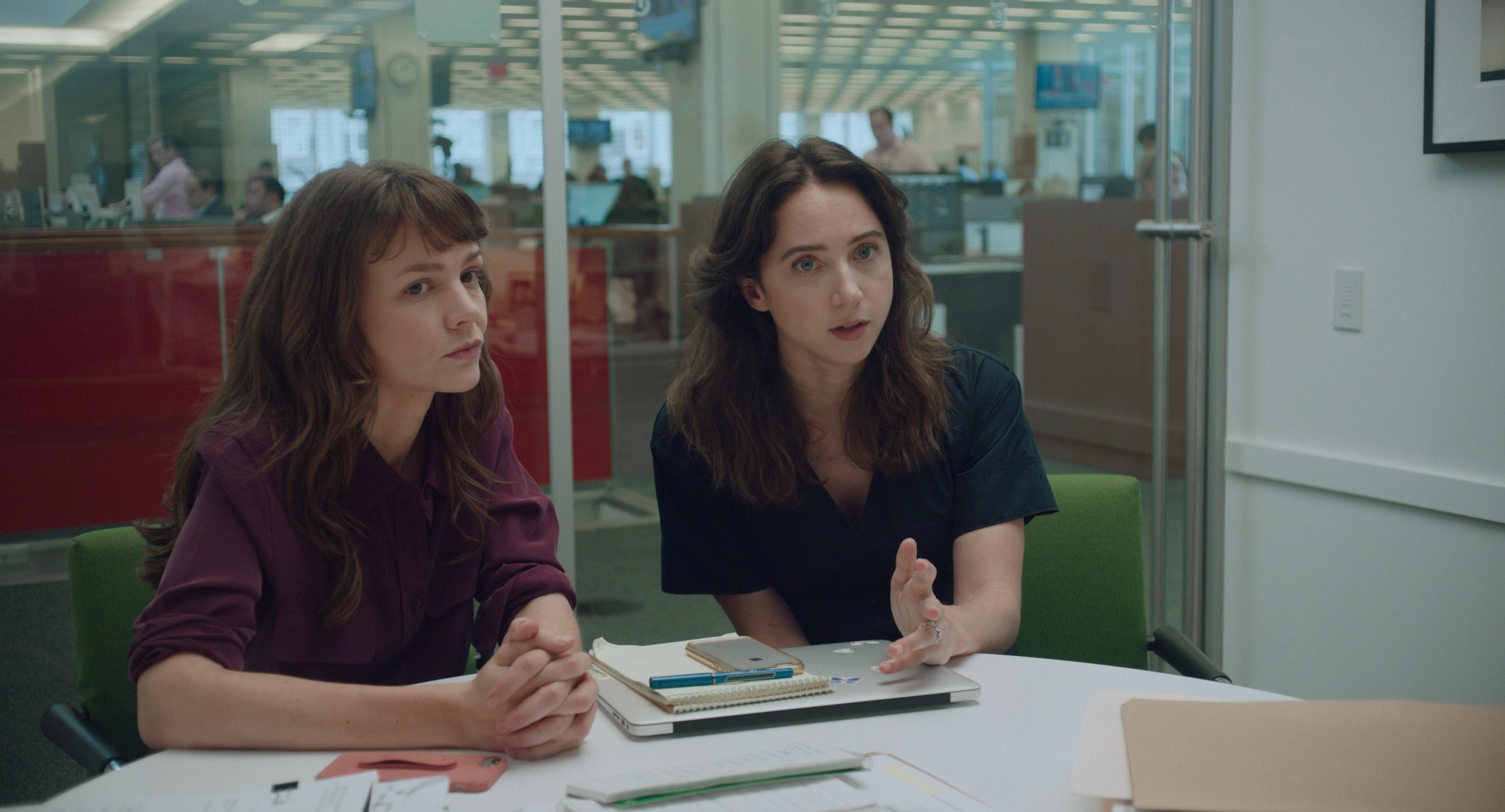
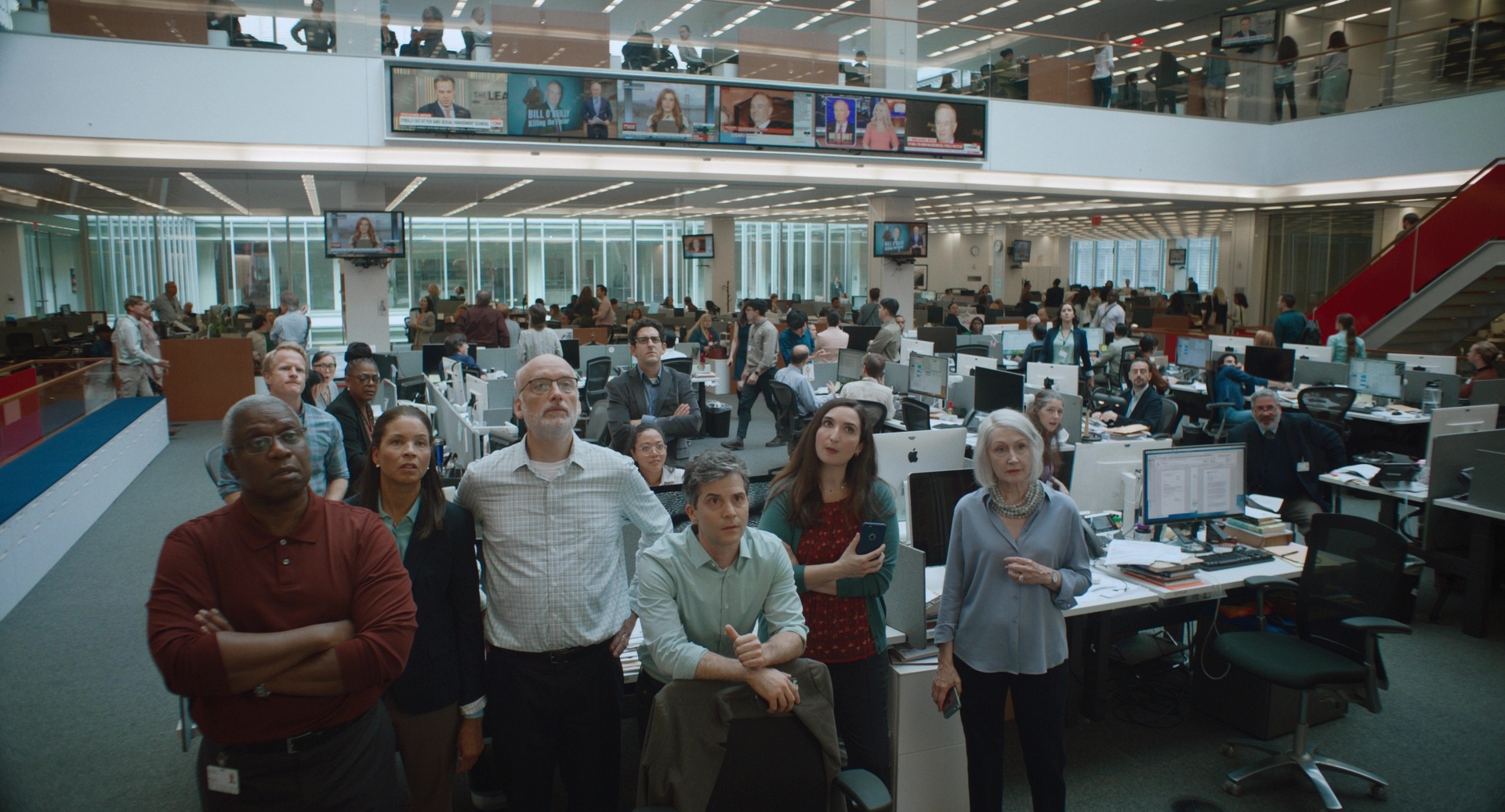
She Said follows New York Times journalists Megan Twohey and Jodi Kantor as they investigate allegations of sexual abuse against powerful Hollywood producer Harvey Weinstein. As they track down sources and navigate legal and personal risks, their reporting uncovers a pattern of systemic silence and intimidation. Their work ultimately contributes to the rise of the #MeToo movement, exposing a widespread culture of abuse.
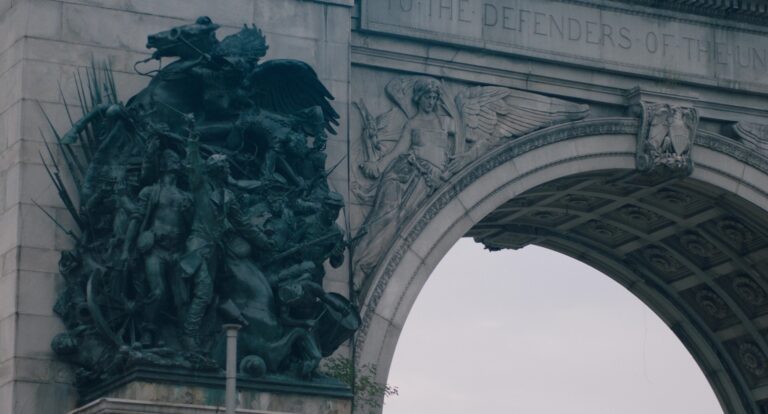
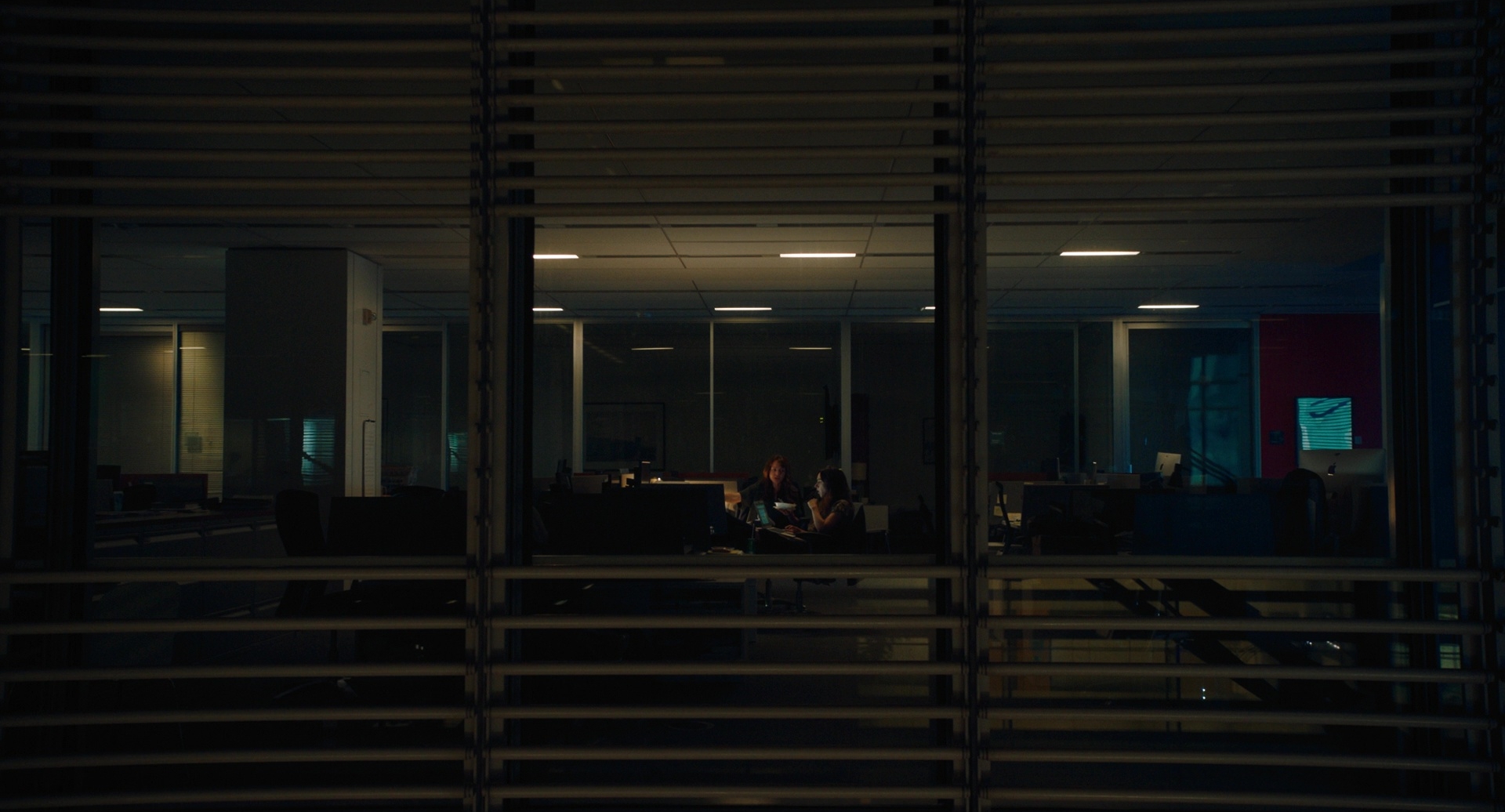
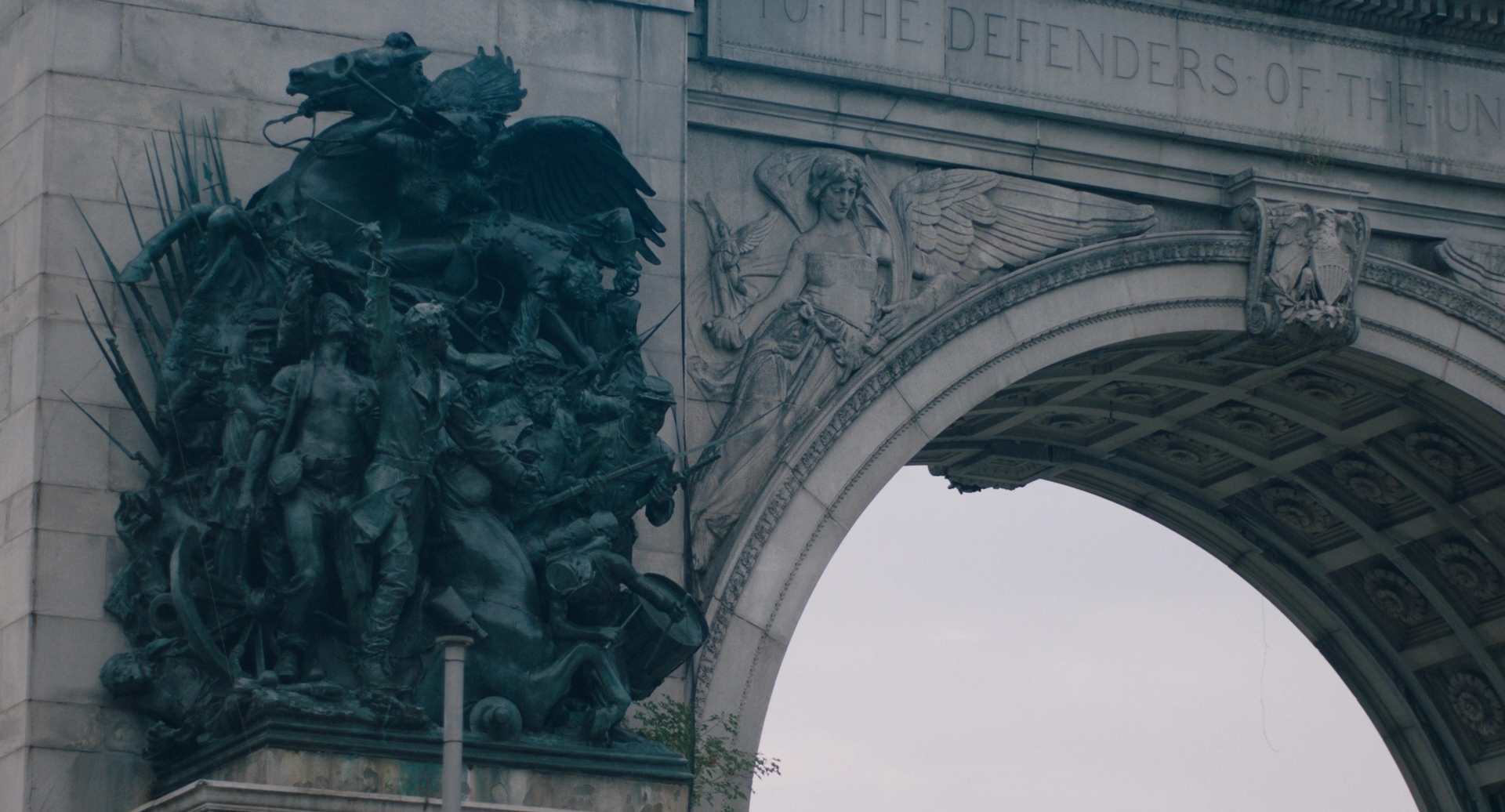
Schrader and cinematographer Natasha Braier shoot She Said with a restrained, investigative realism, using handheld camerawork, natural light, and muted tones to ground the story in journalistic process. The film avoids sensationalism, instead focusing on interiors—newsrooms, offices, quiet conversations—where framing and proximity emphasize listening, testimony, and the weight of speaking out.

FILM SPOTLIGHT
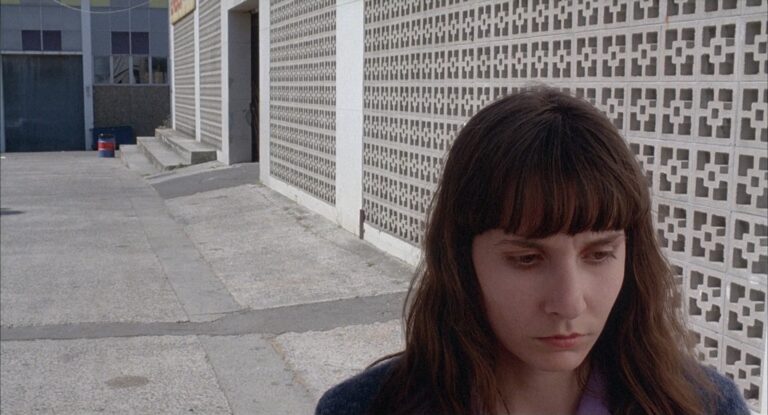
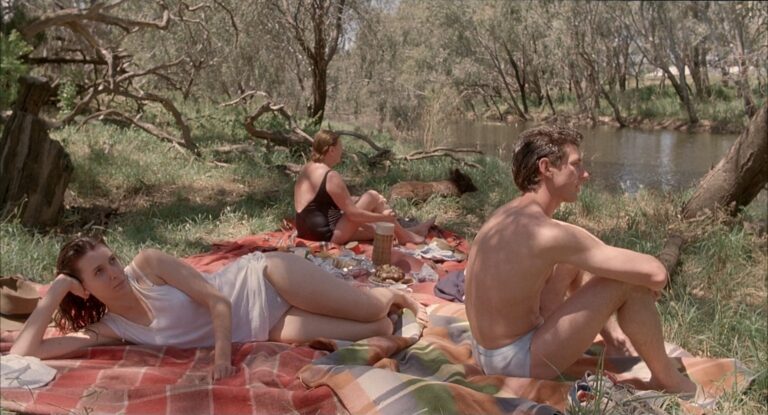
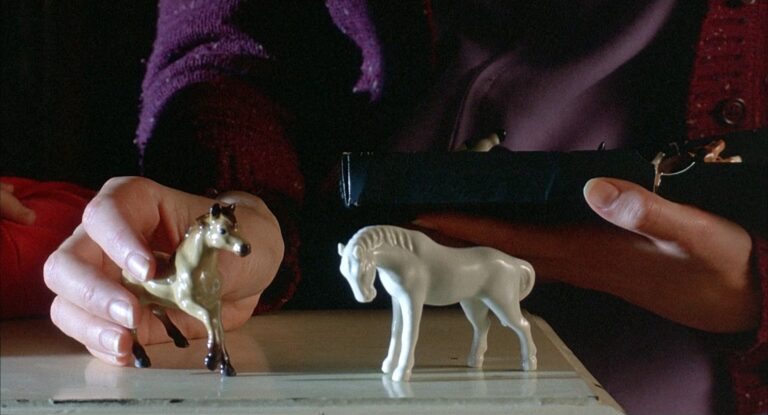
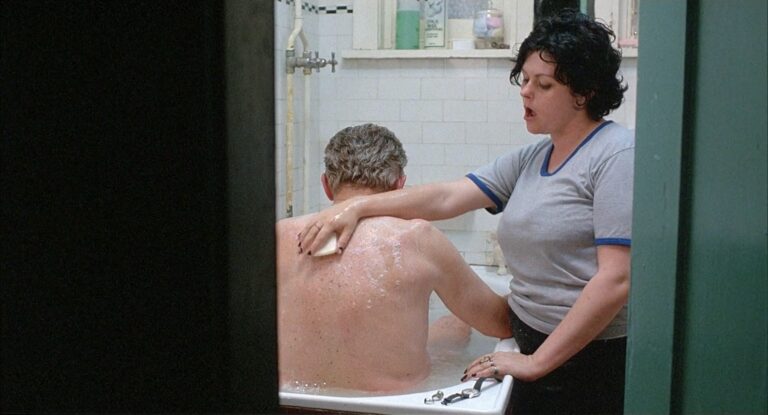
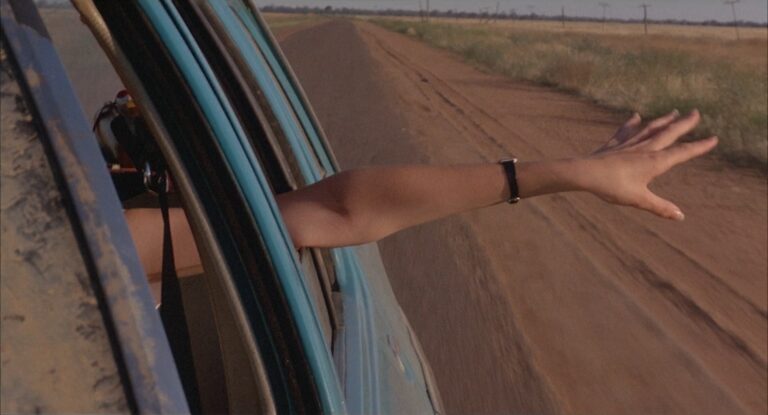
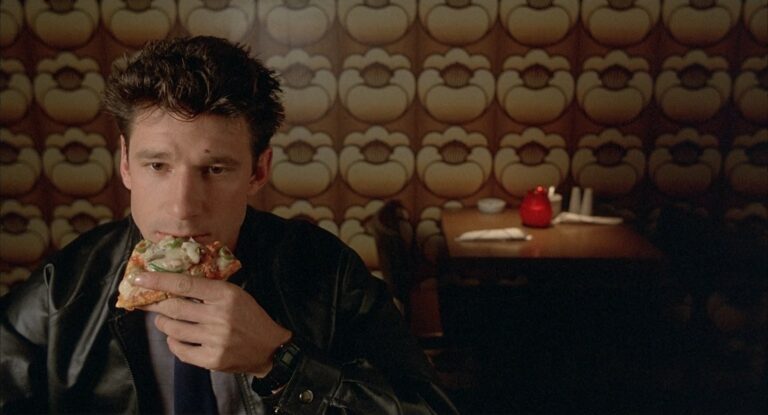
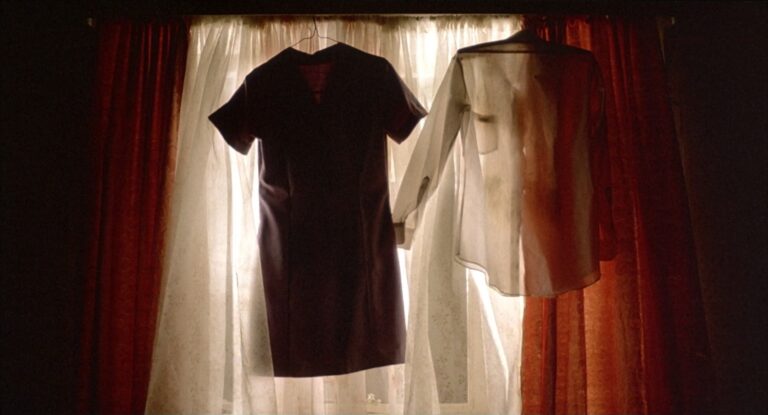
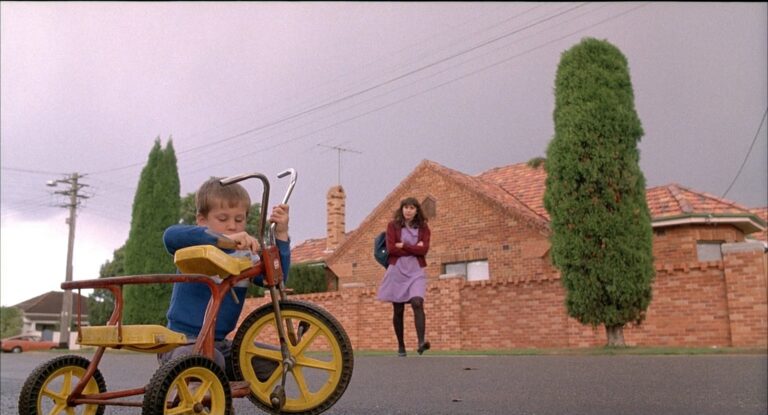
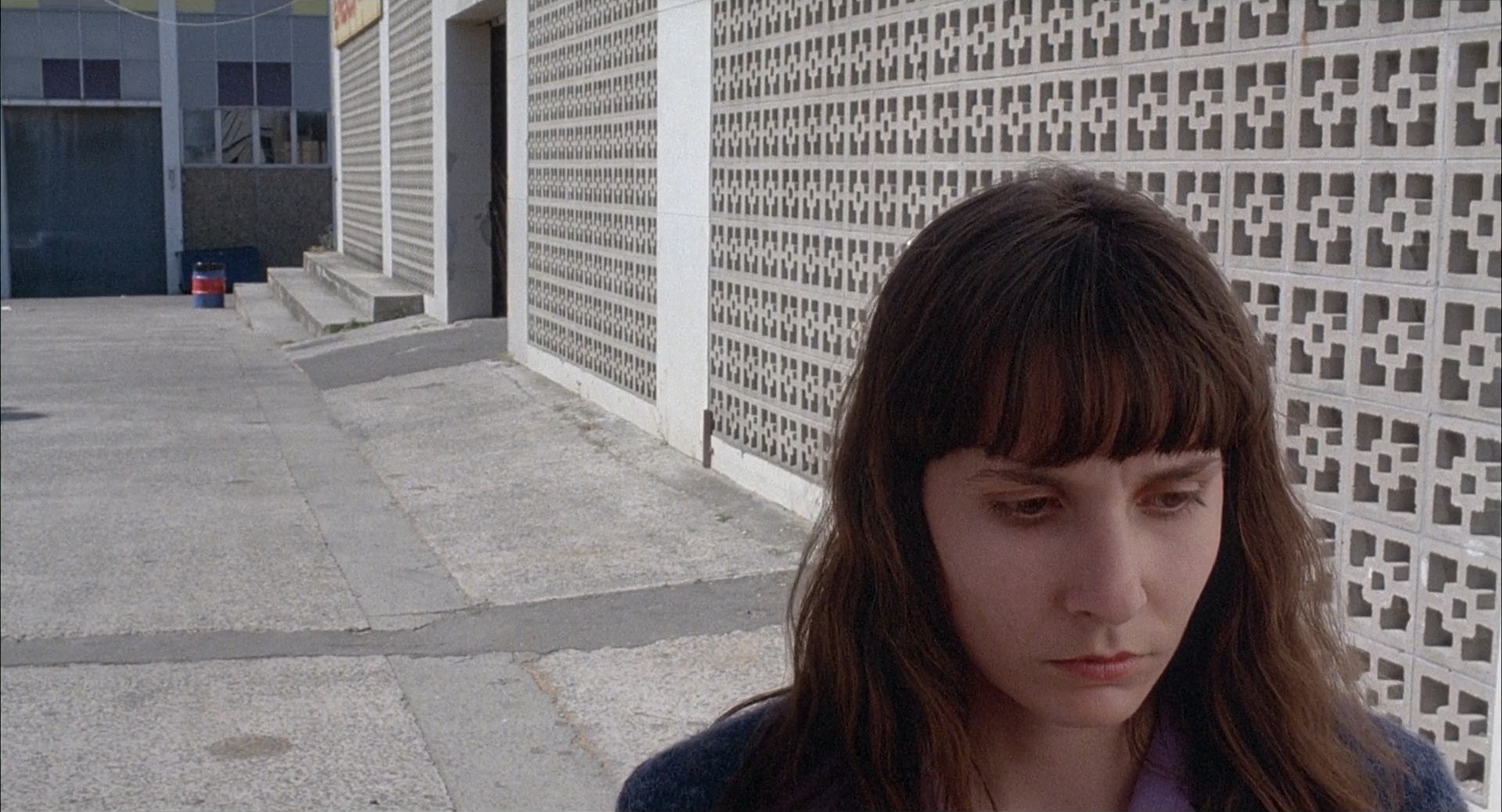
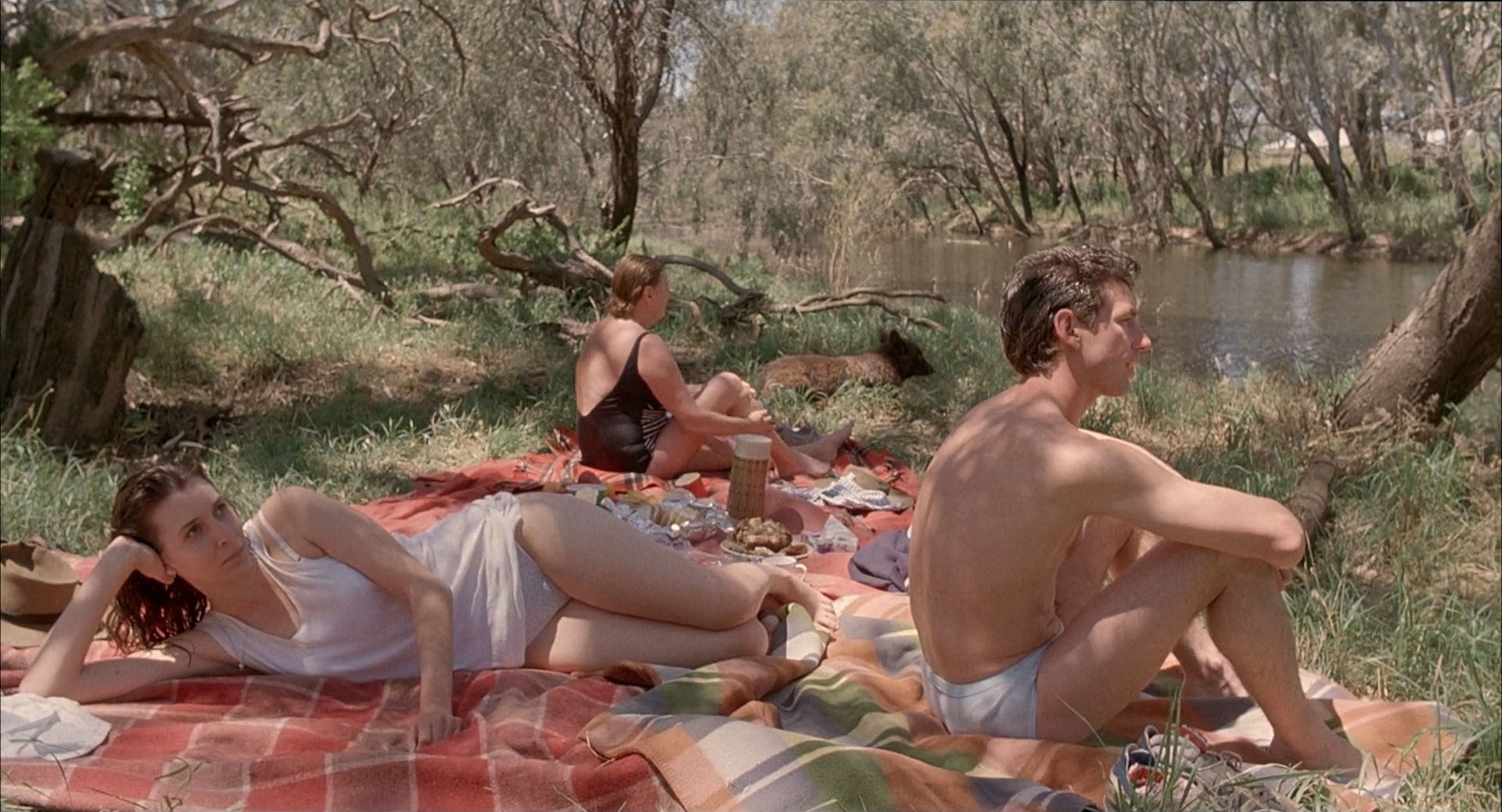
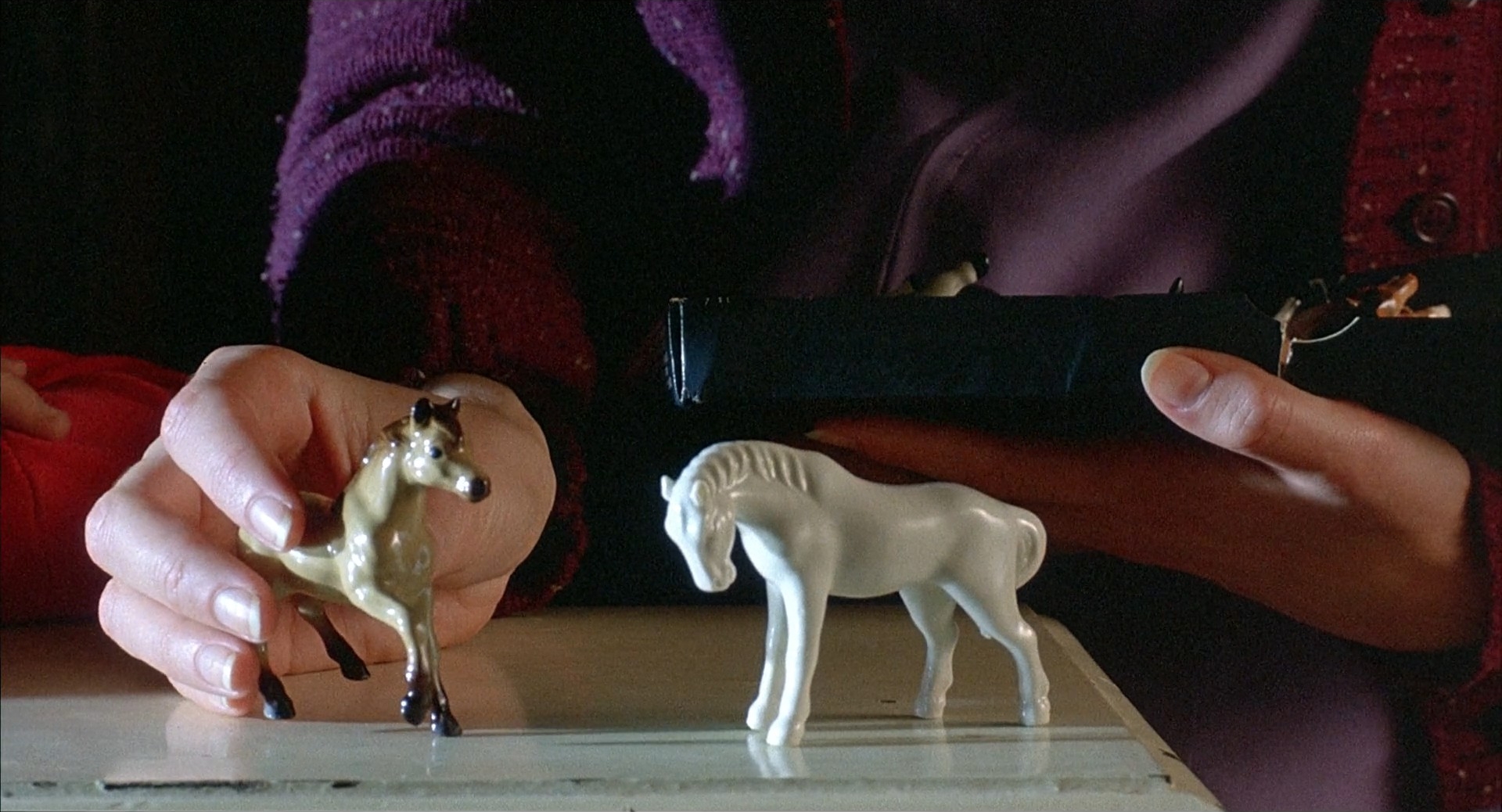
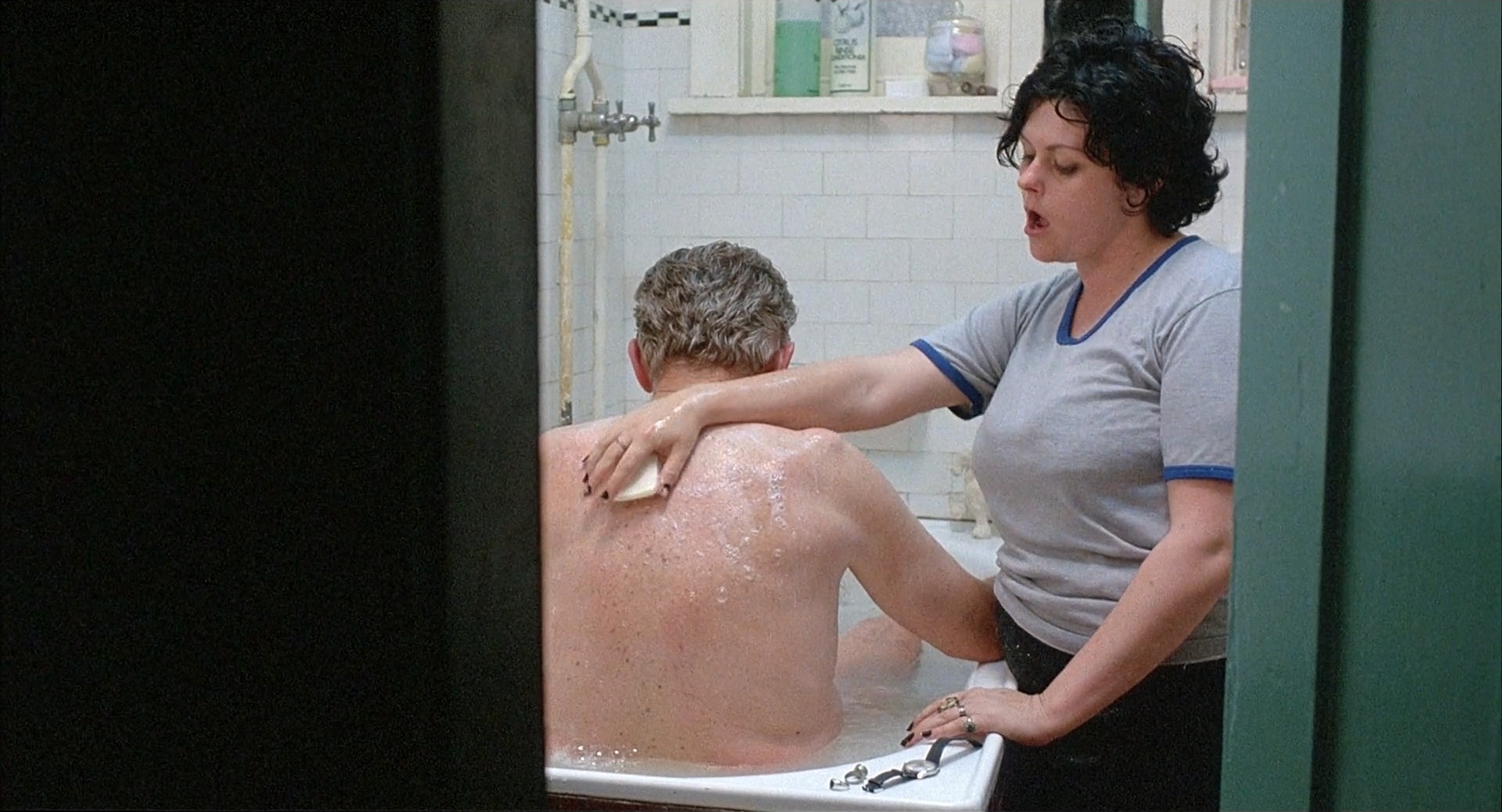
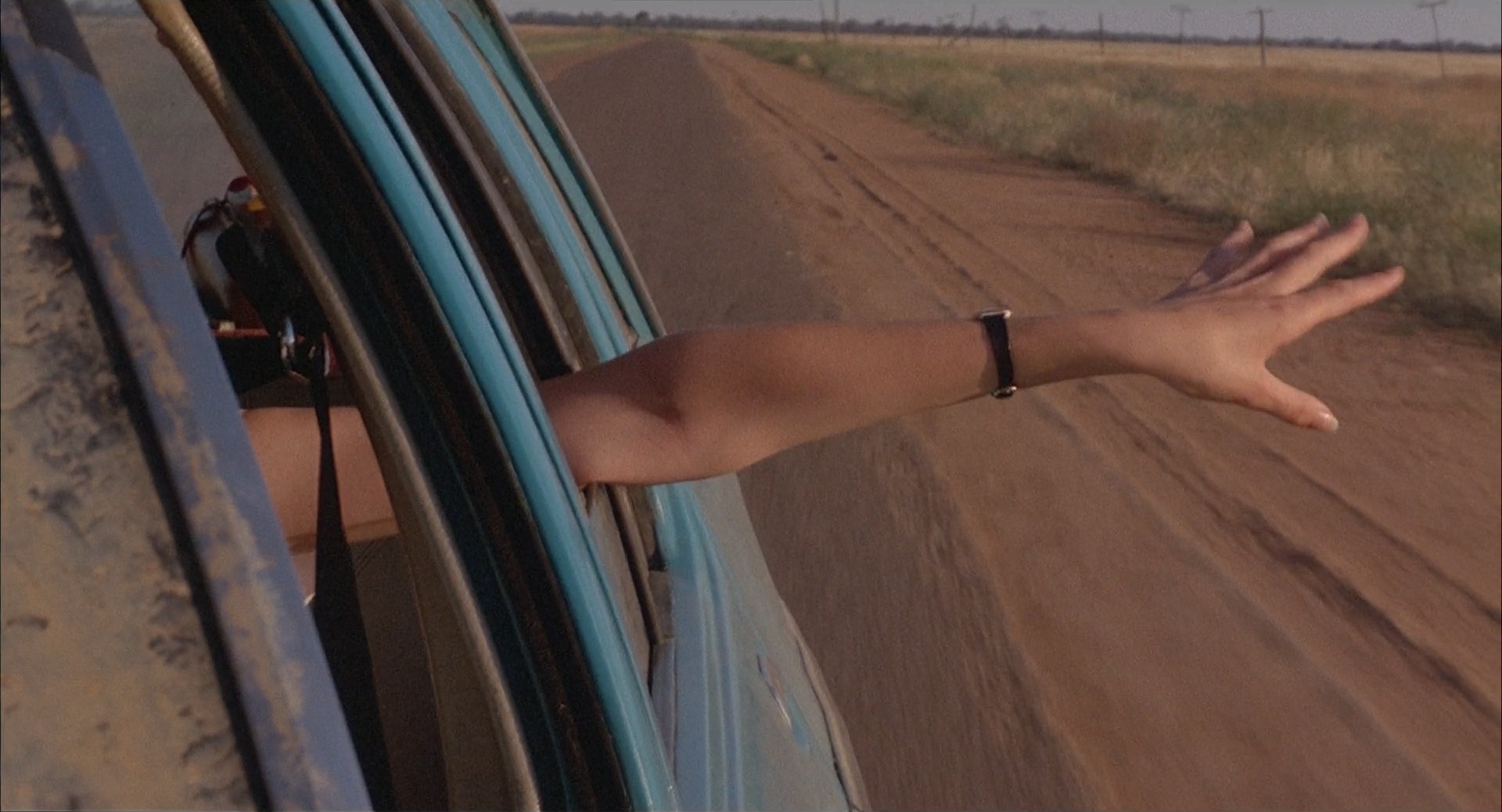
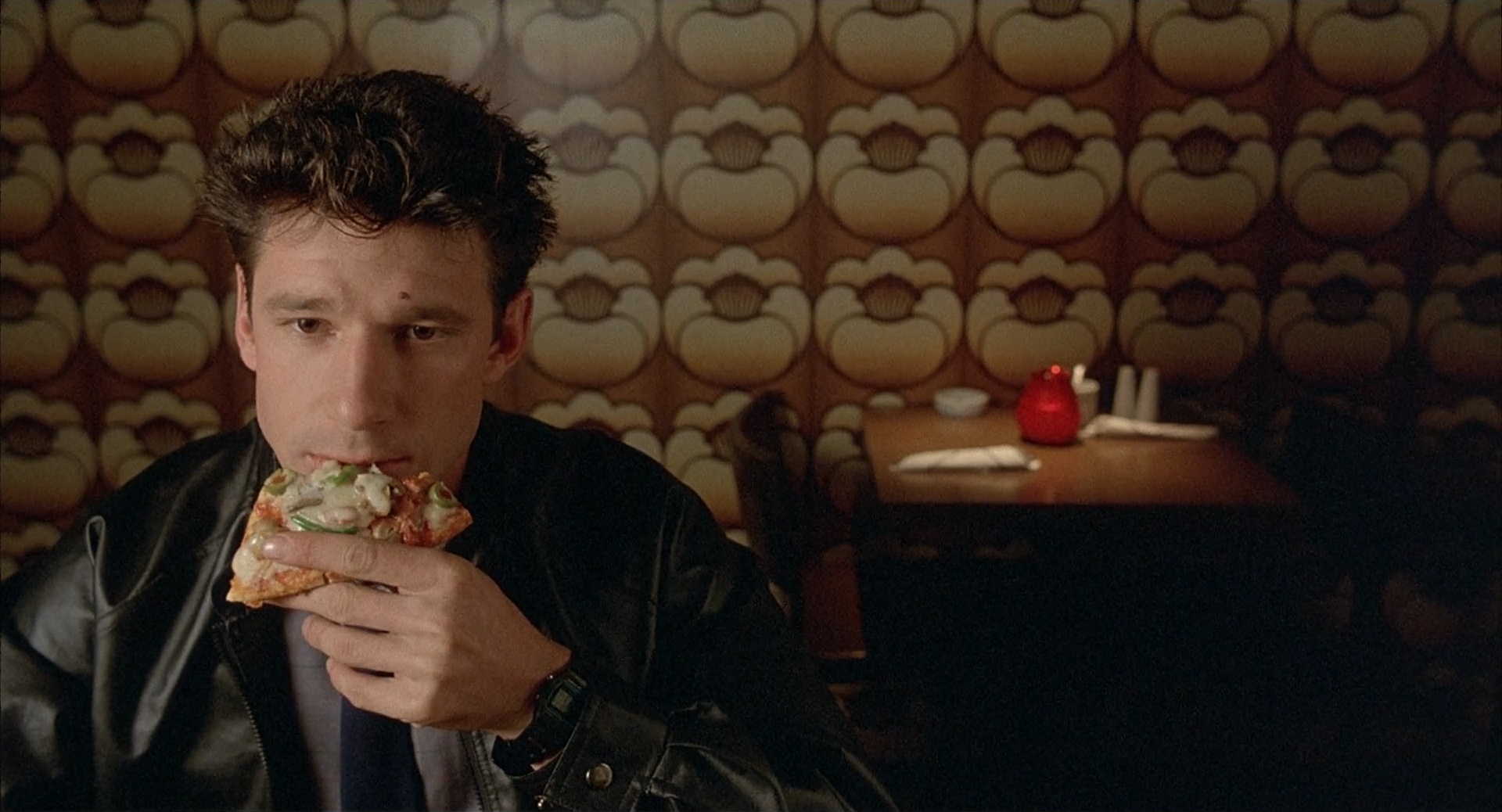
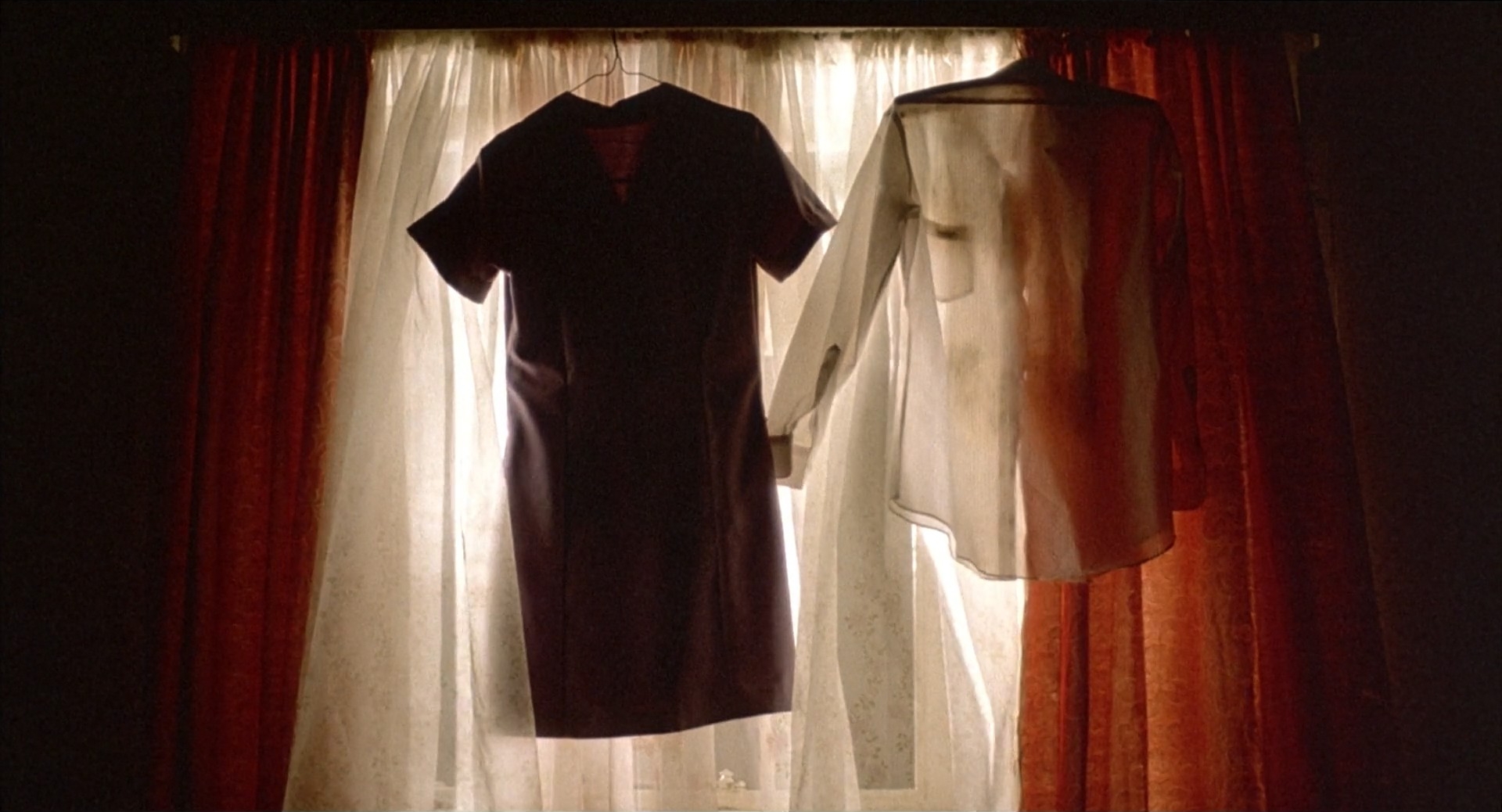
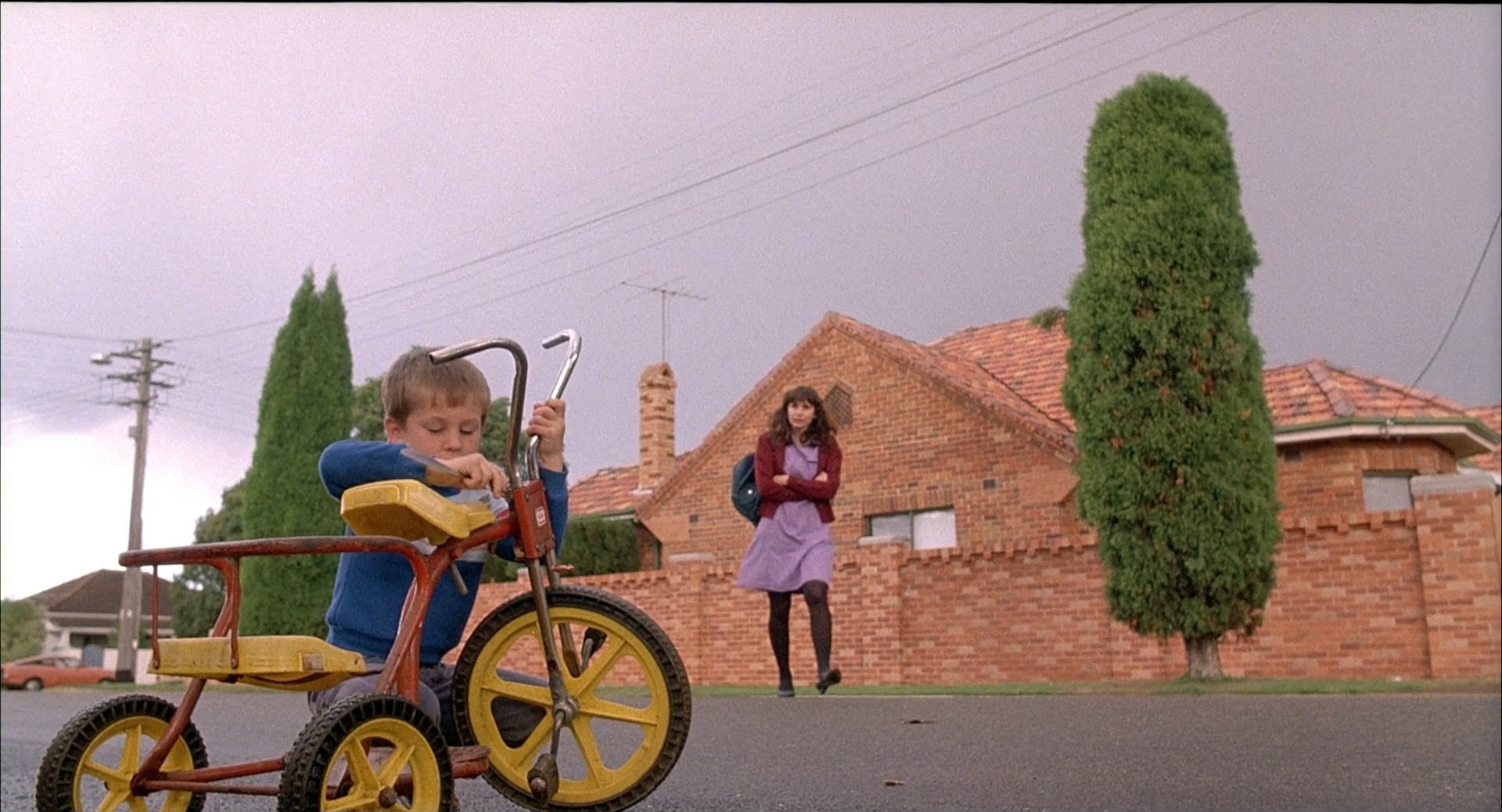
Sweetie (1989)
Kay, a reserved and anxious young woman, struggles with her dysfunctional family—particularly her unpredictable and volatile sister, Sweetie. As Sweetie returns home and disrupts the fragile balance of their lives, buried tensions and resentments begin to surface. The film unfolds as a darkly comic and unsettling portrait of family dynamics, control, and emotional instability.
Campion and cinematographer Sally Bongers craft Sweetie with a deliberately off-kilter visual style, using skewed compositions, tight framing, and unusual camera angles to create a sense of discomfort. The film’s use of cramped interiors and awkward spatial relationships turns the domestic environment into something unstable—where framing and blocking reflect the characters’ psychological imbalance.
FILM SPOTLIGHT
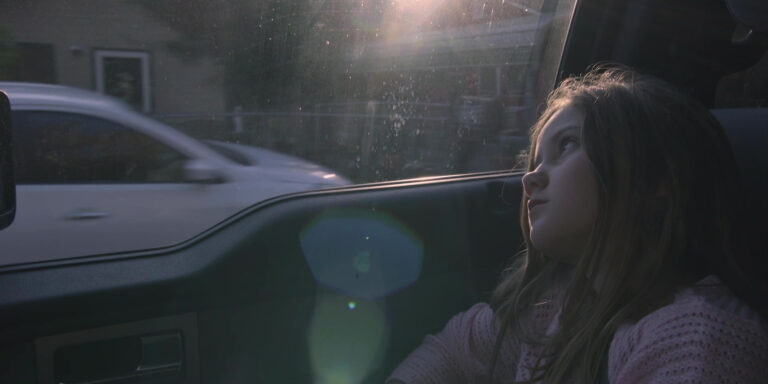
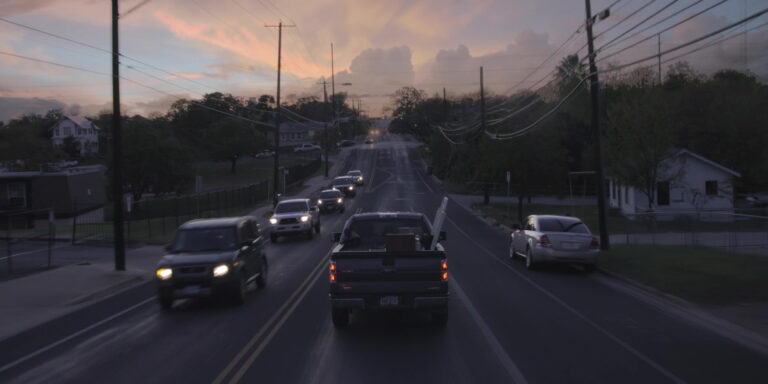
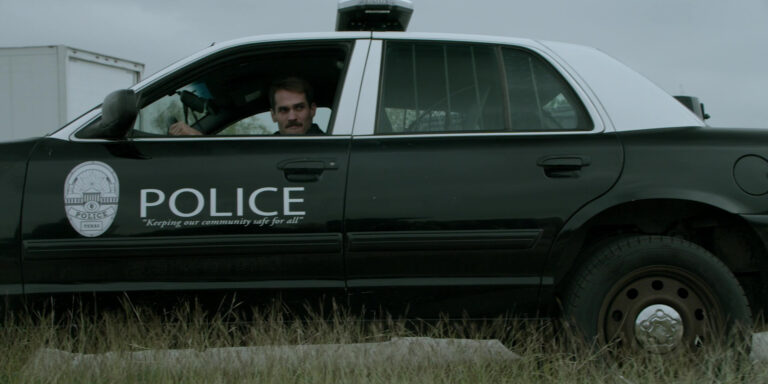
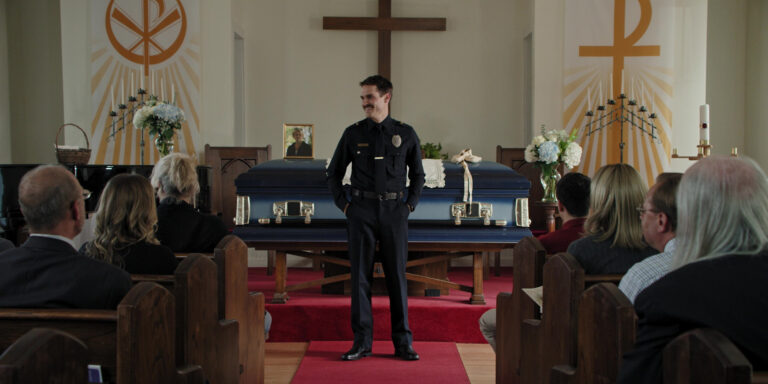
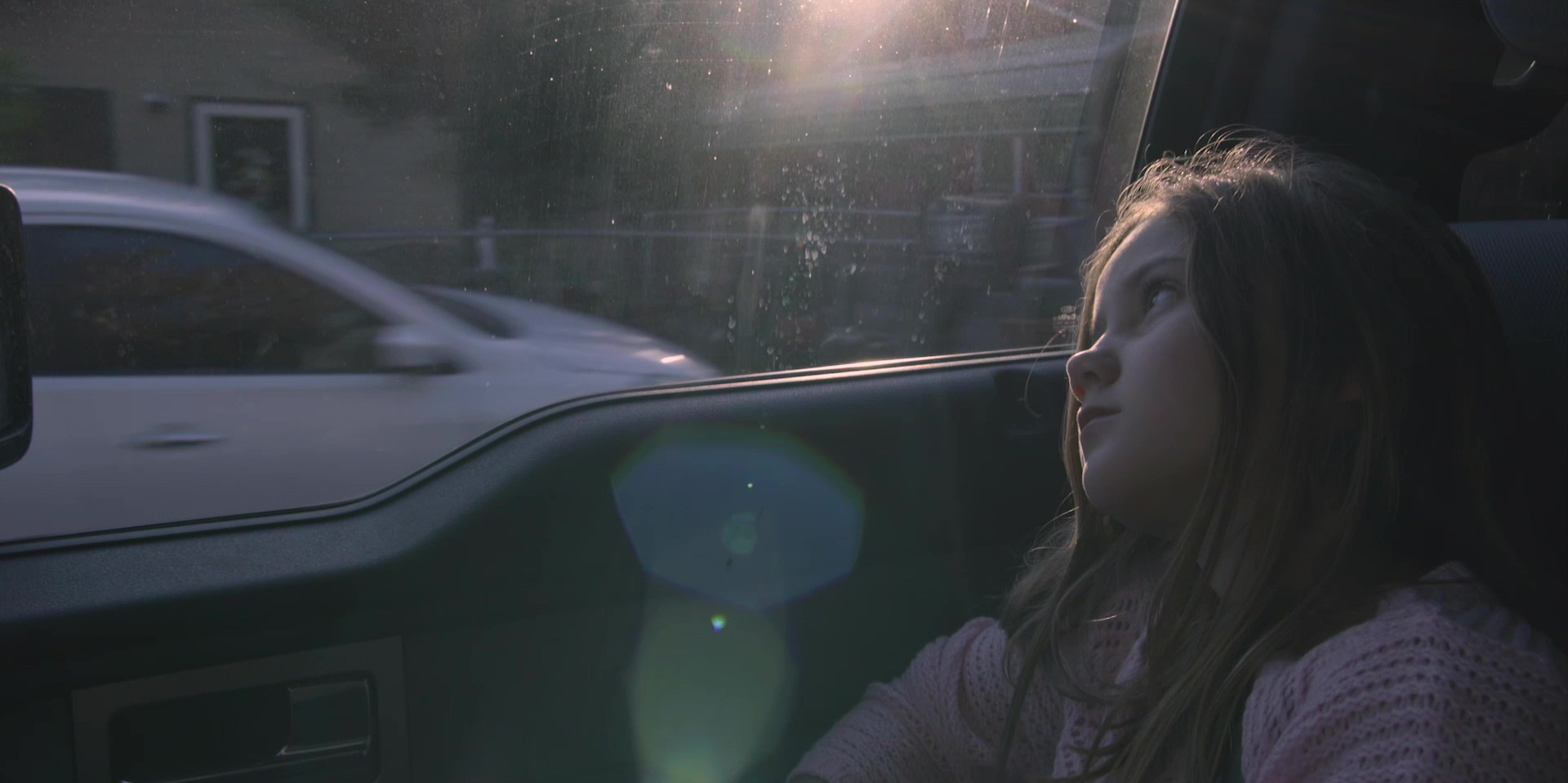
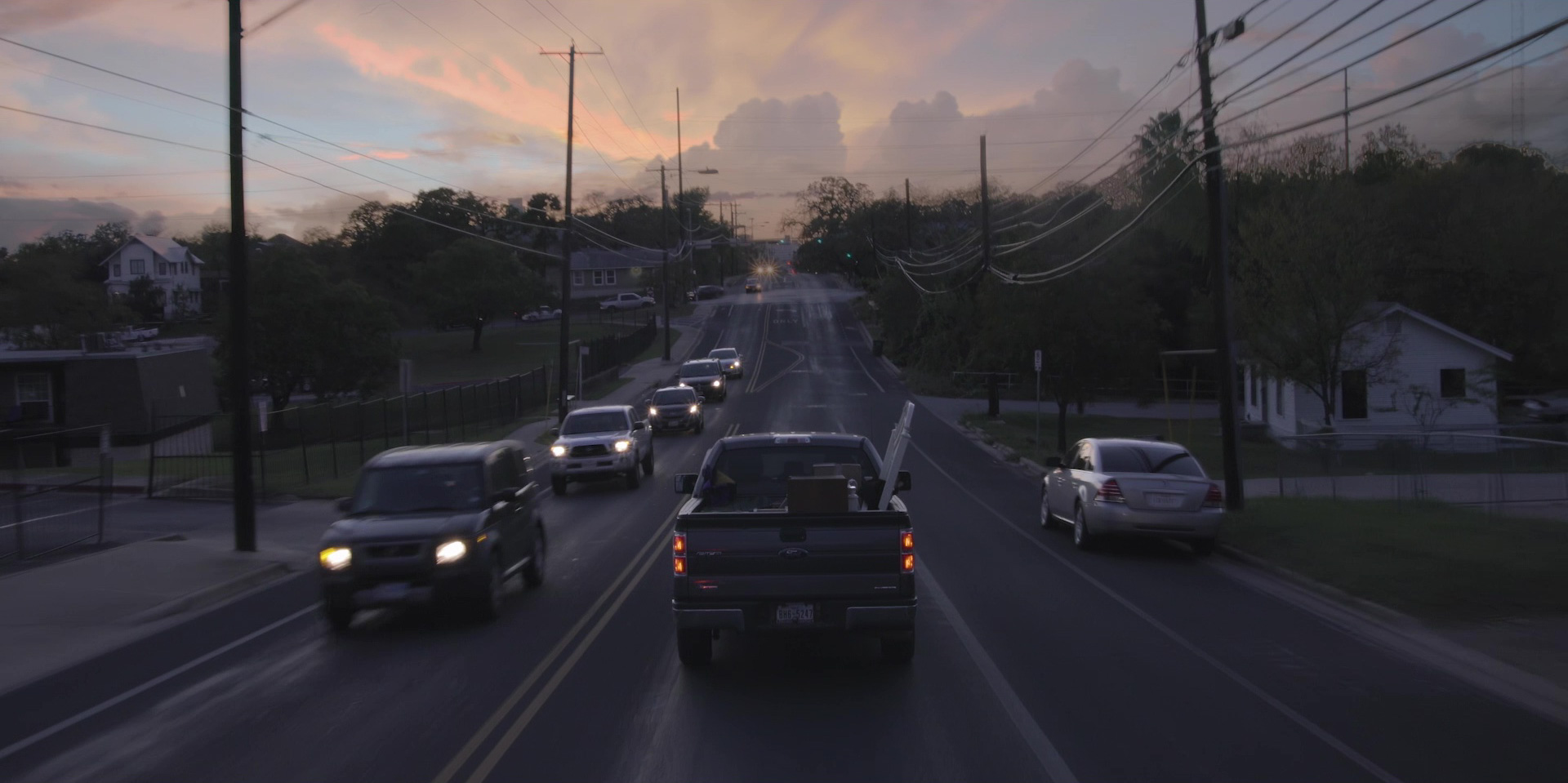
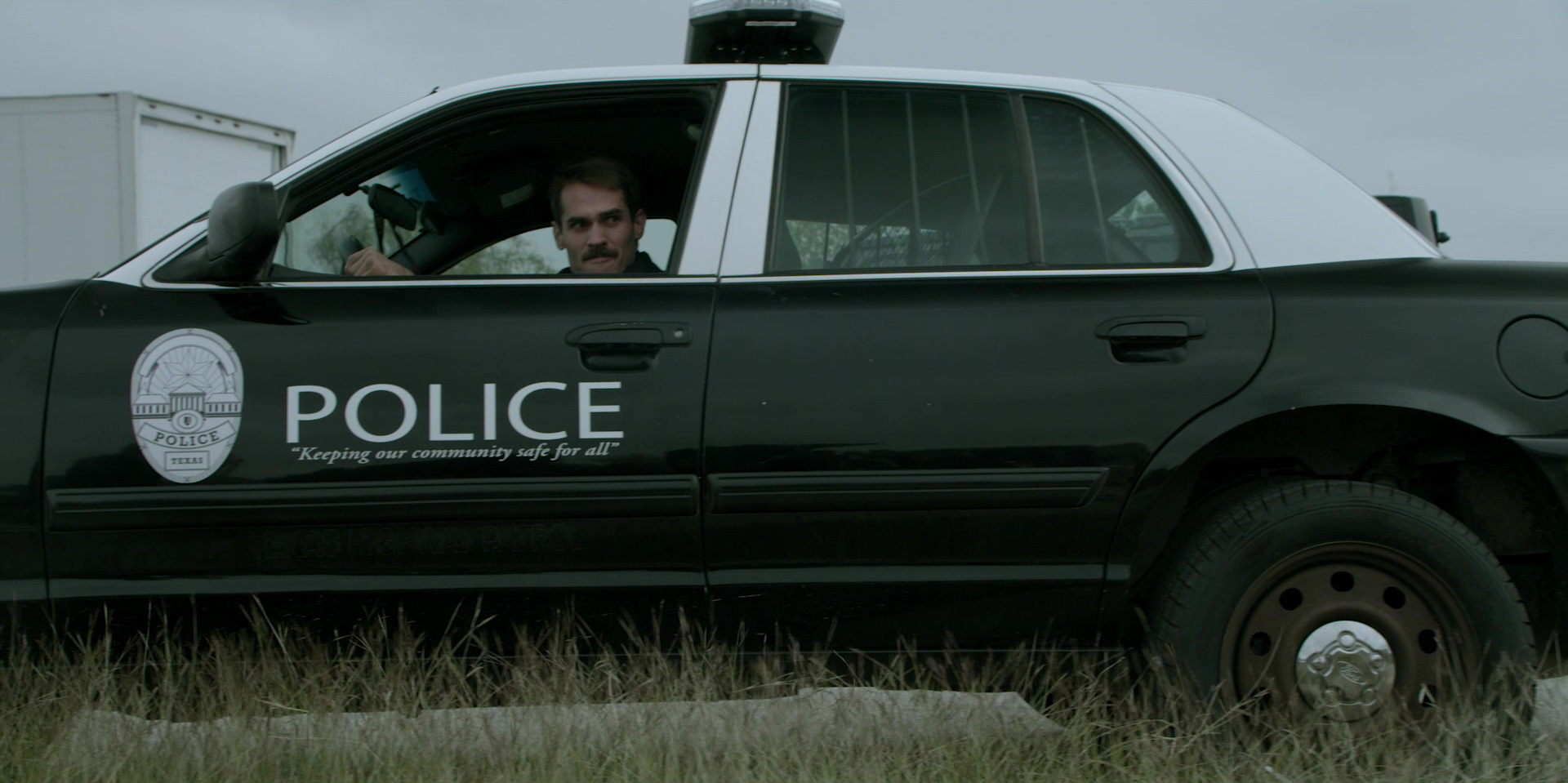
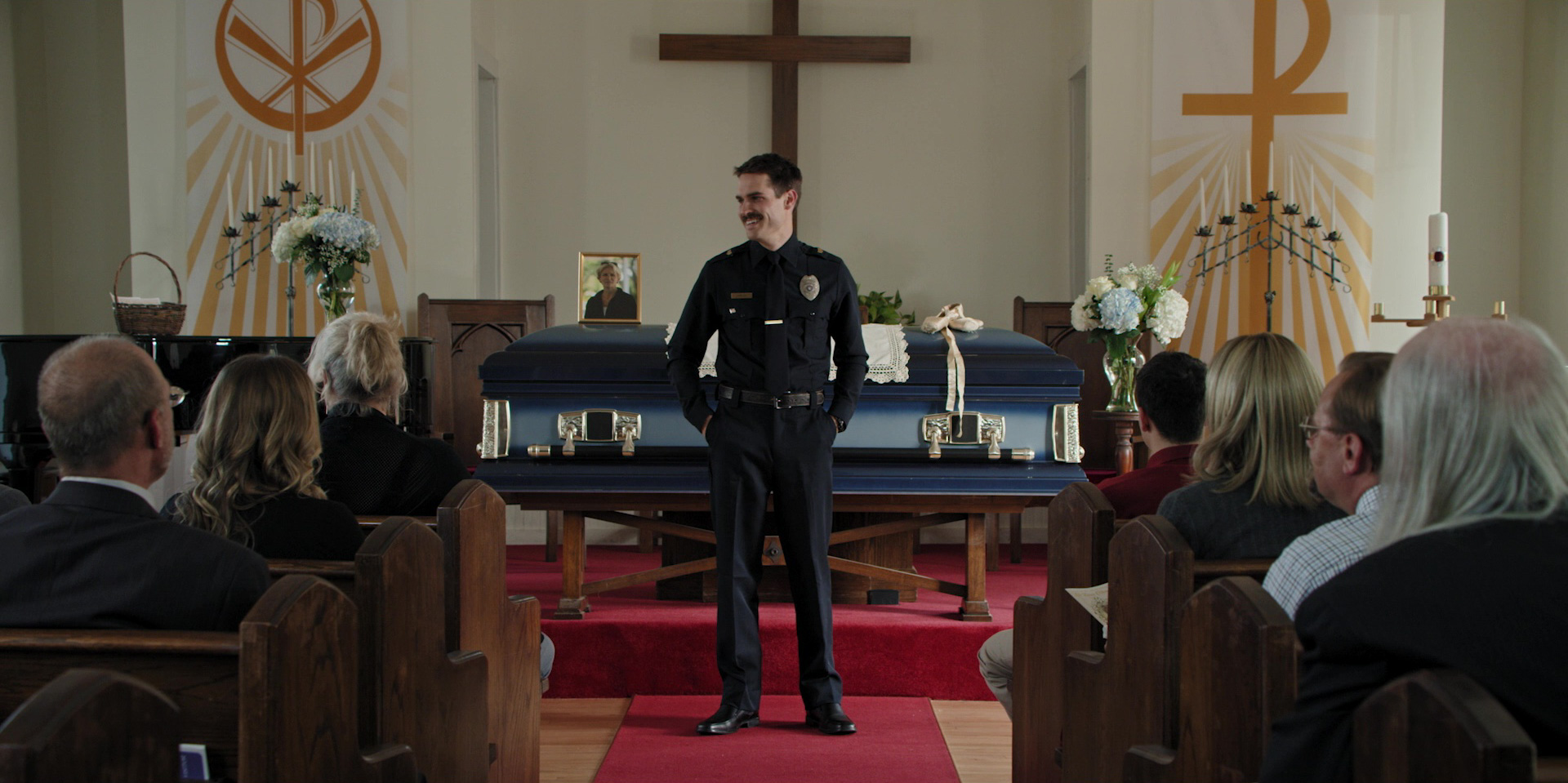
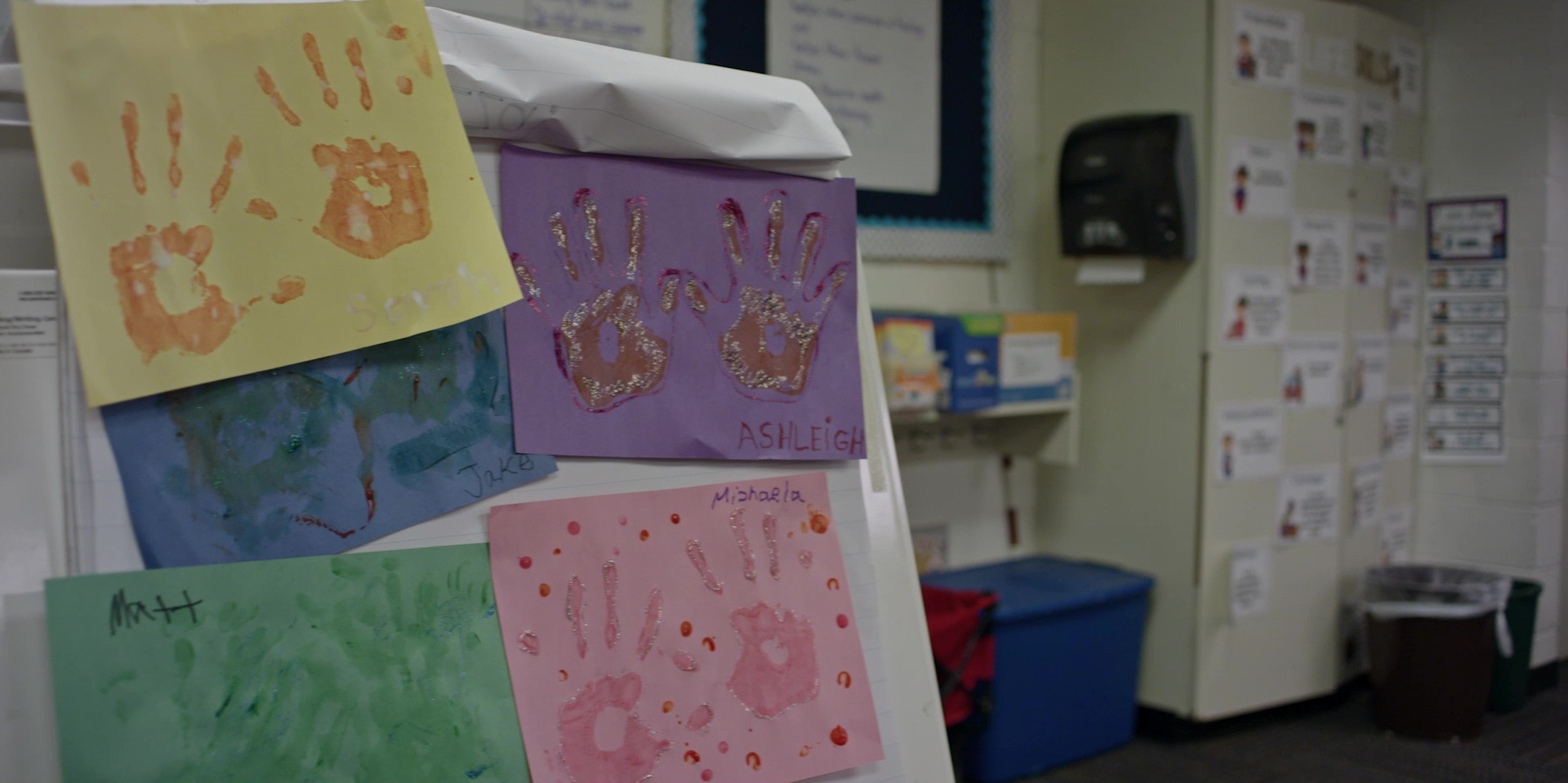
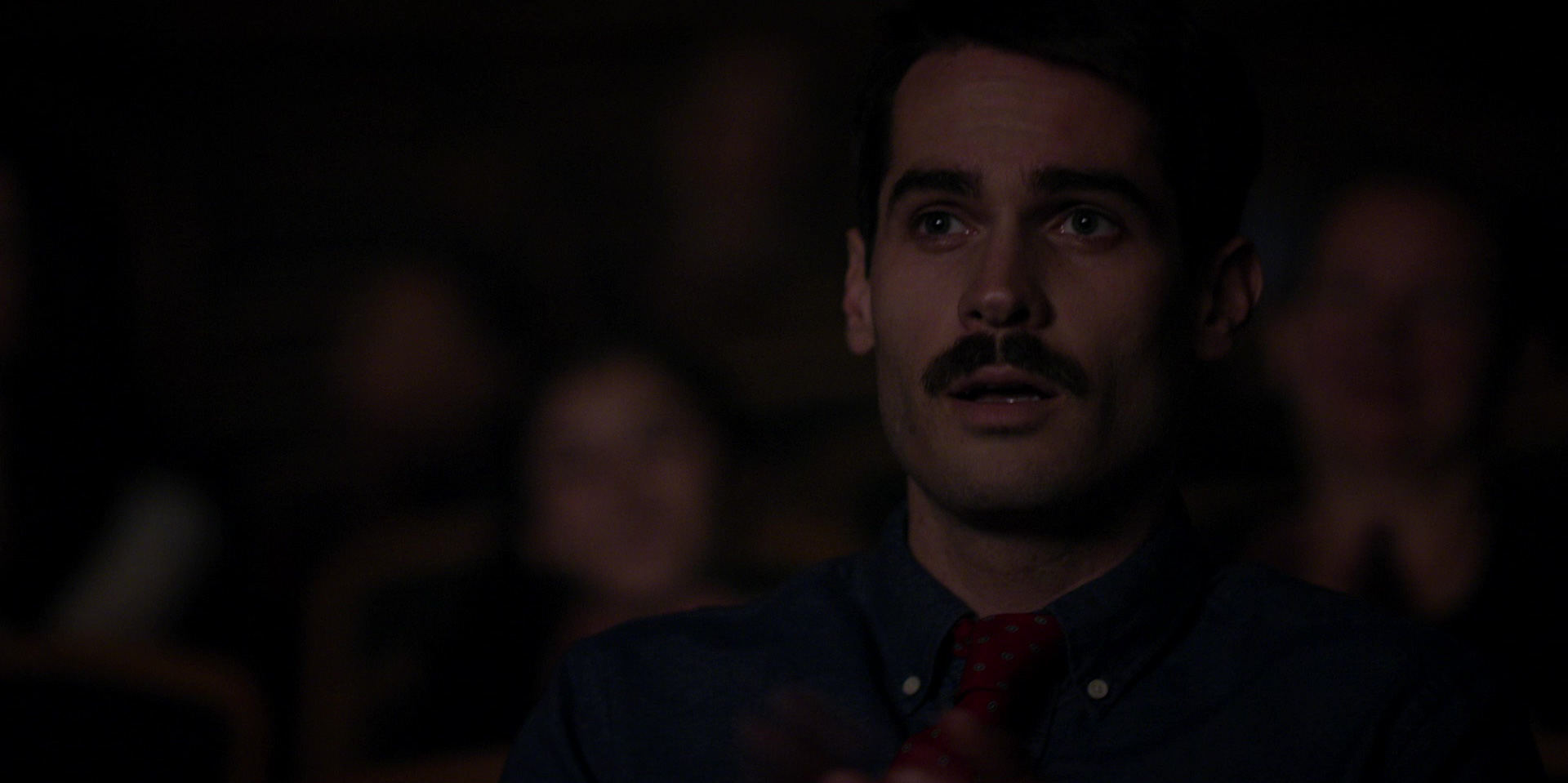
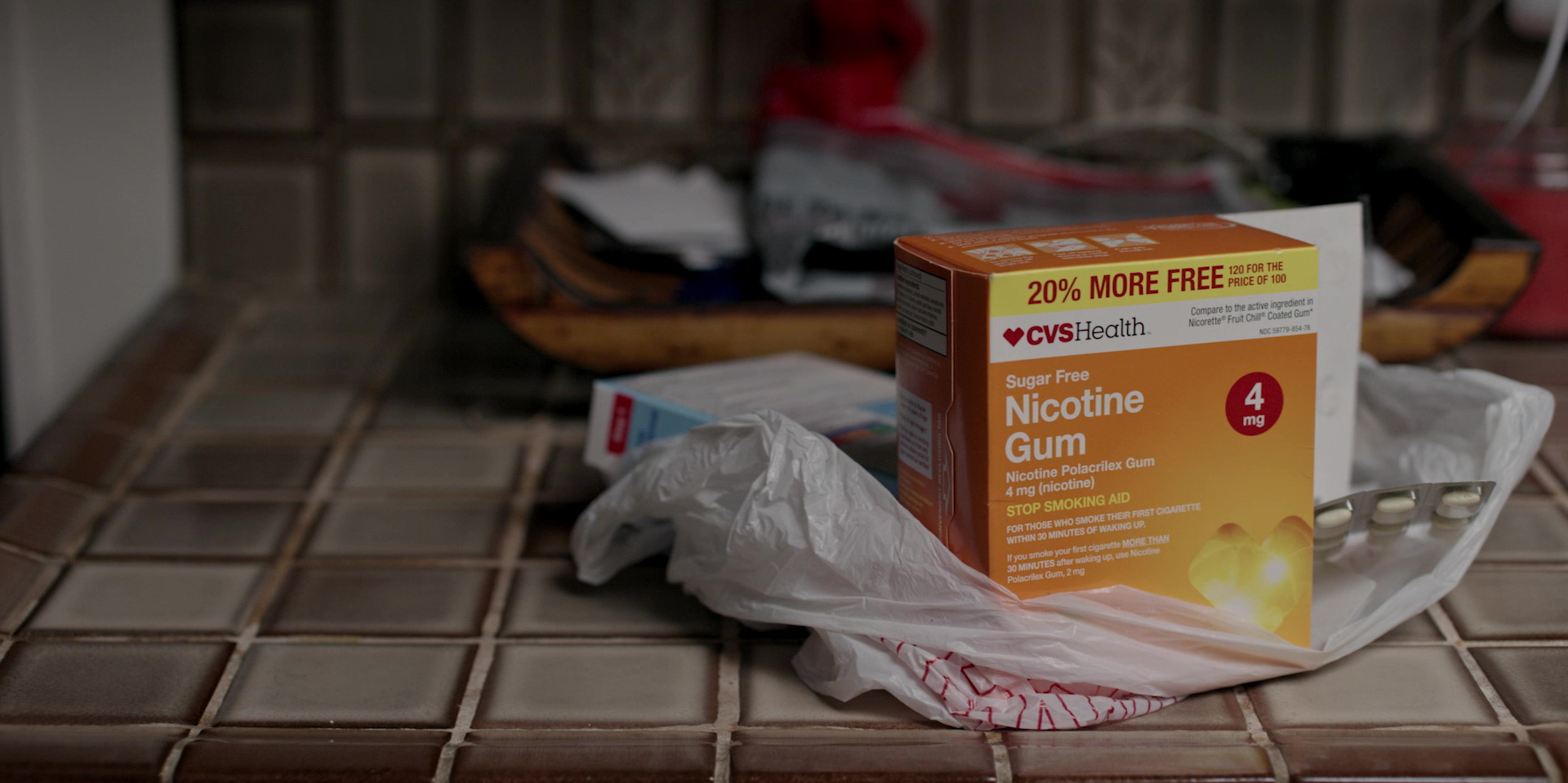
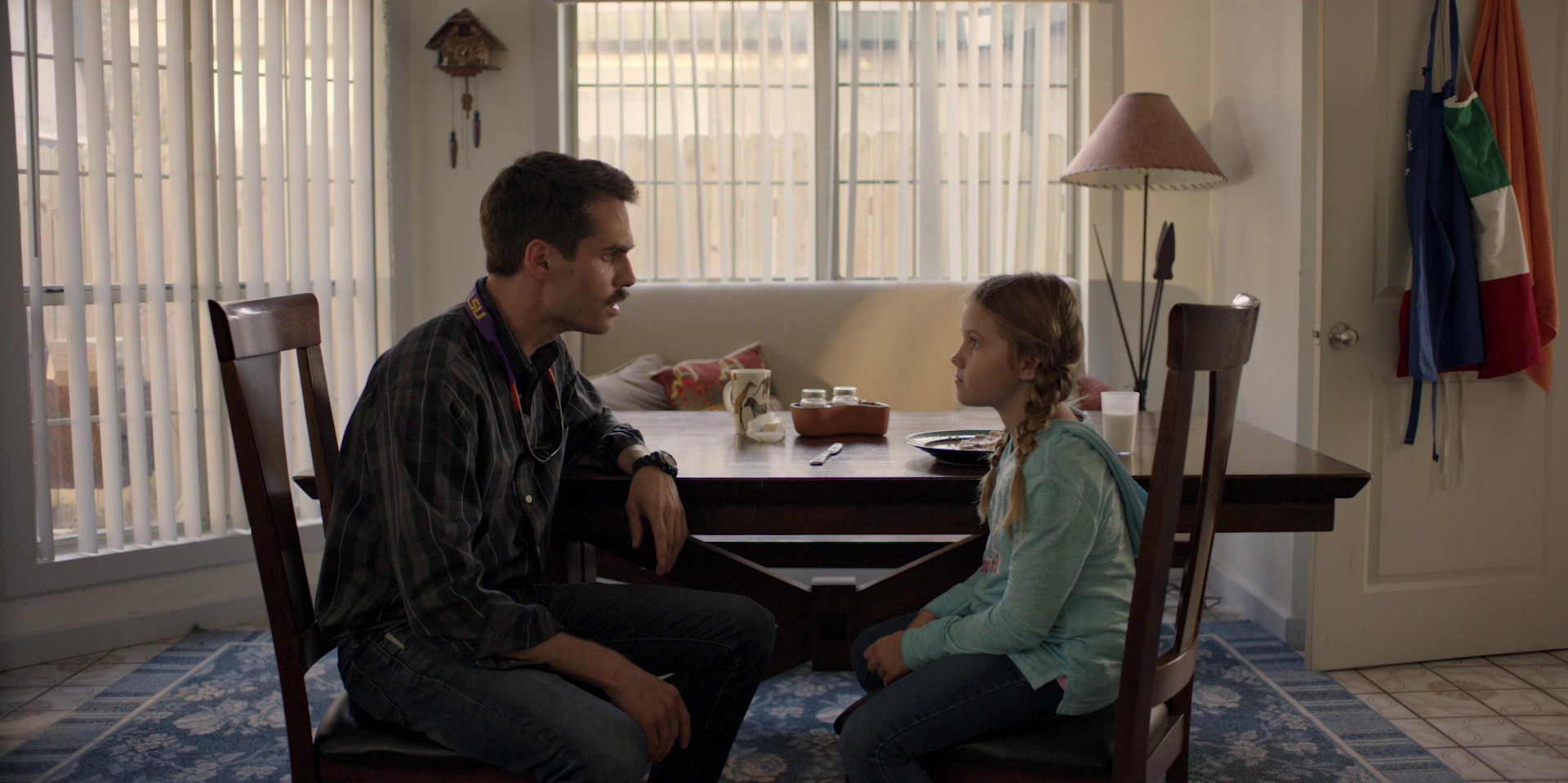
Thunder Road (2018)
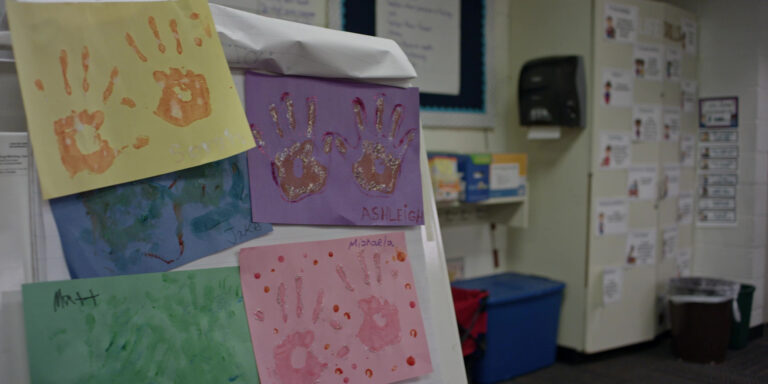
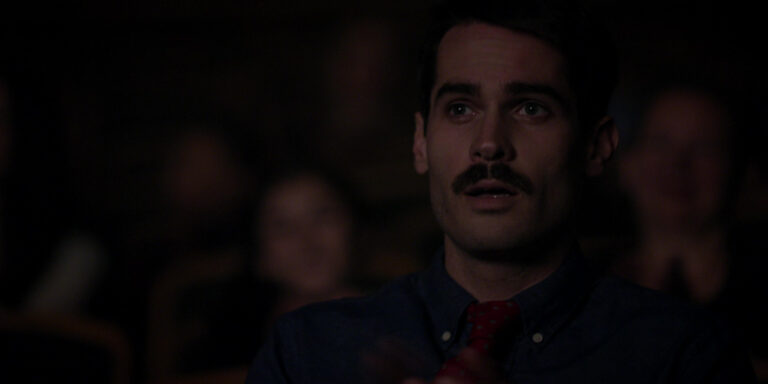
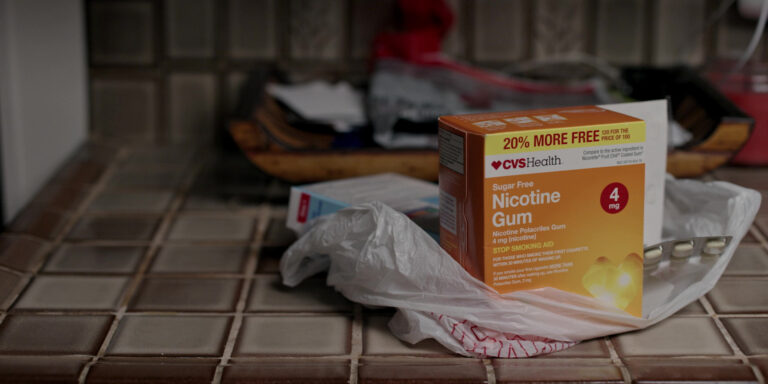
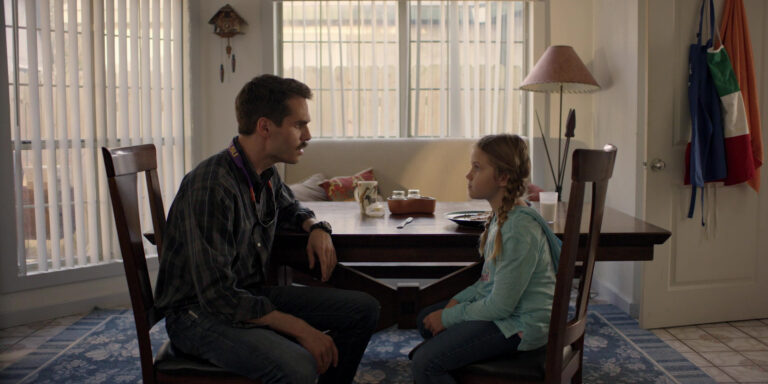
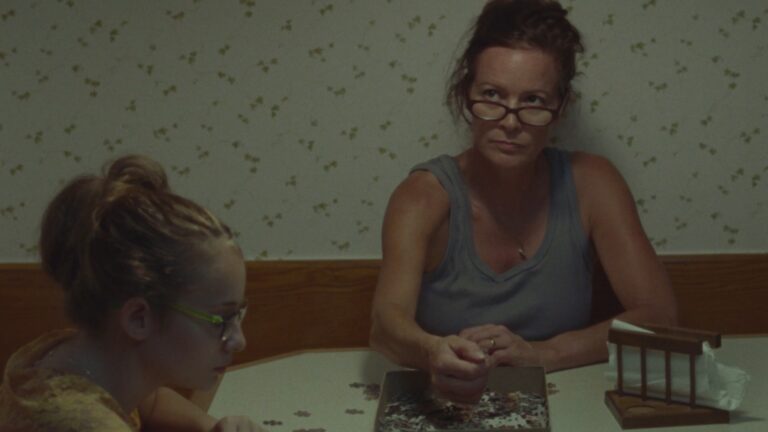
A small-town police officer struggles to cope with the recent death of his mother while his personal and professional life begins to unravel. As he navigates grief, divorce, and mounting instability, his attempts to maintain control often spiral into awkward and emotional outbursts. The film becomes a deeply human portrait of vulnerability, masculinity, and the difficulty of processing loss.
Cummings and cinematographer Lowell A. Meyer build the film around long, uninterrupted takes—most notably the opening scene—allowing performance to unfold in real time. The restrained camera and minimal cutting create an uncomfortable intimacy, where duration and proximity expose emotional cracks, turning each scene into a raw, actor-driven centerpiece.
FILM SPOTLIGHT
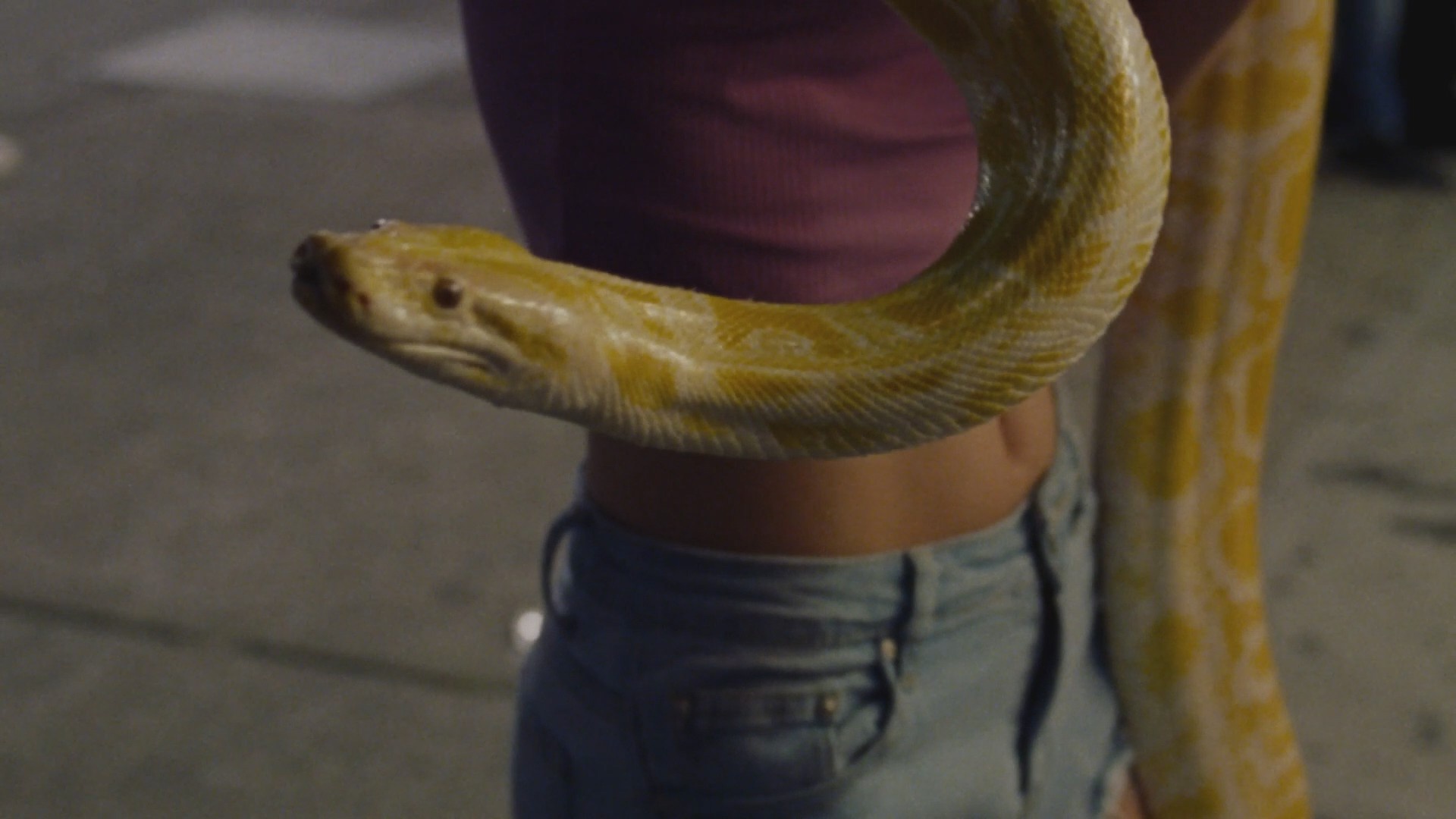
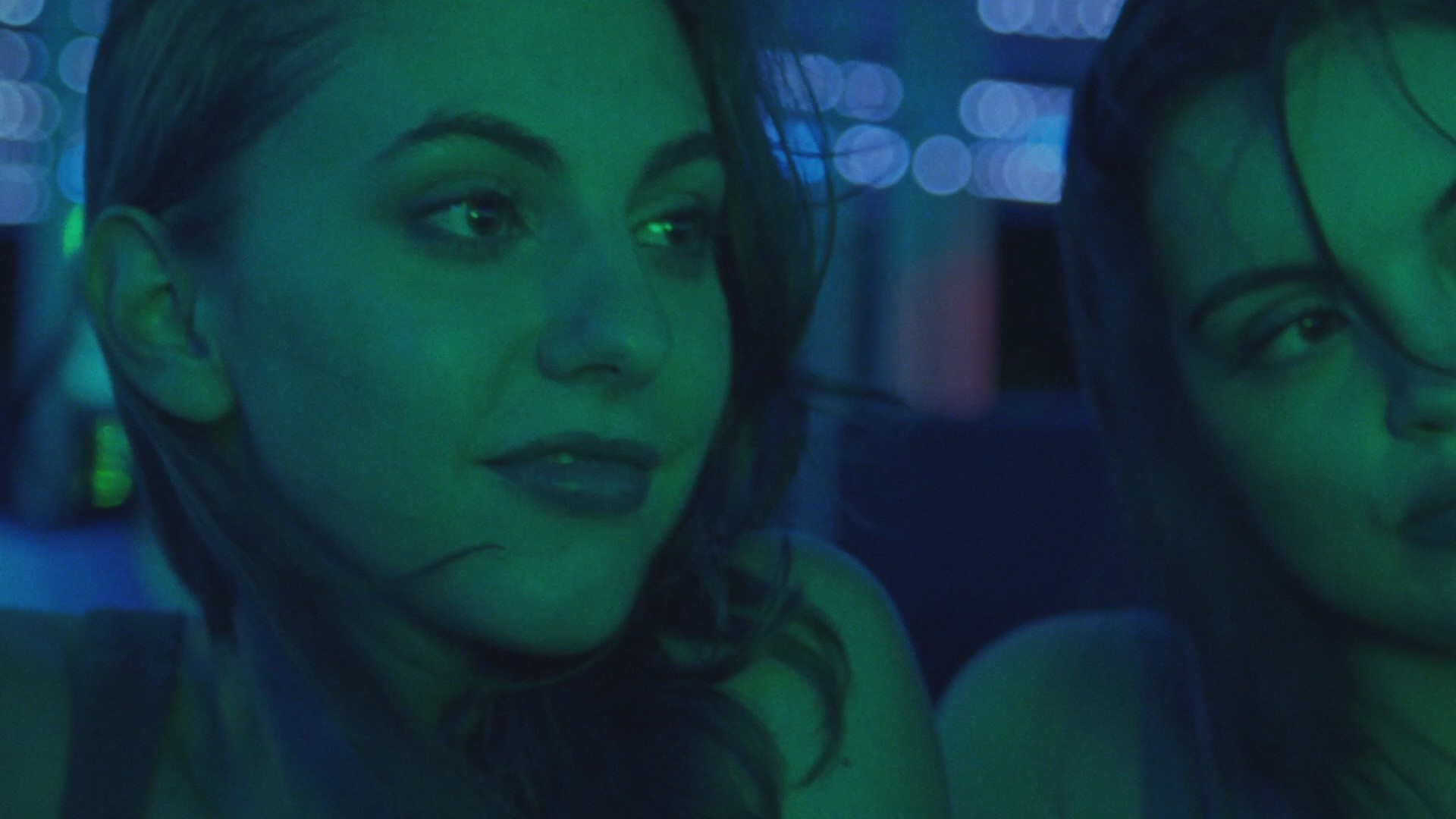
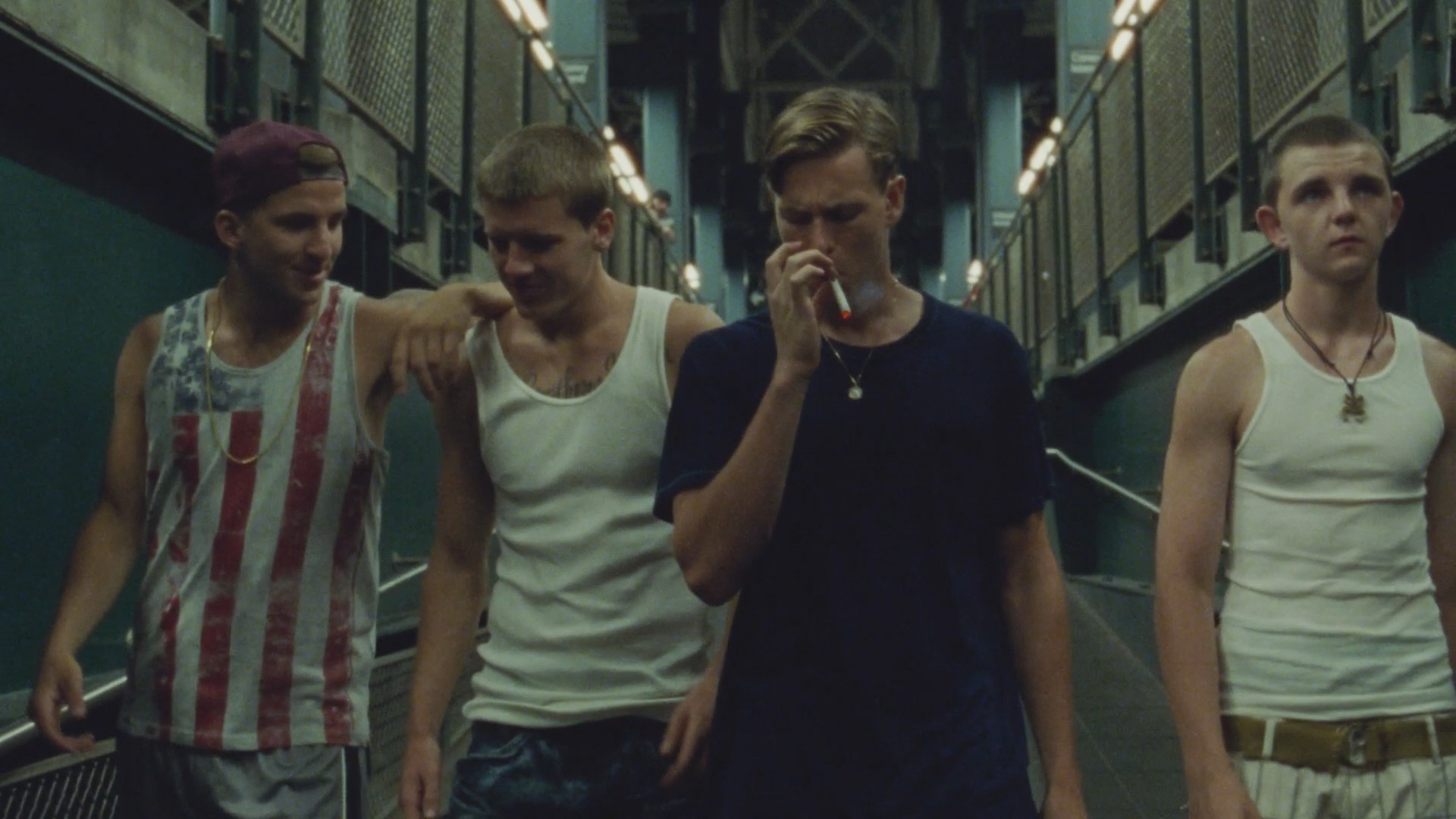
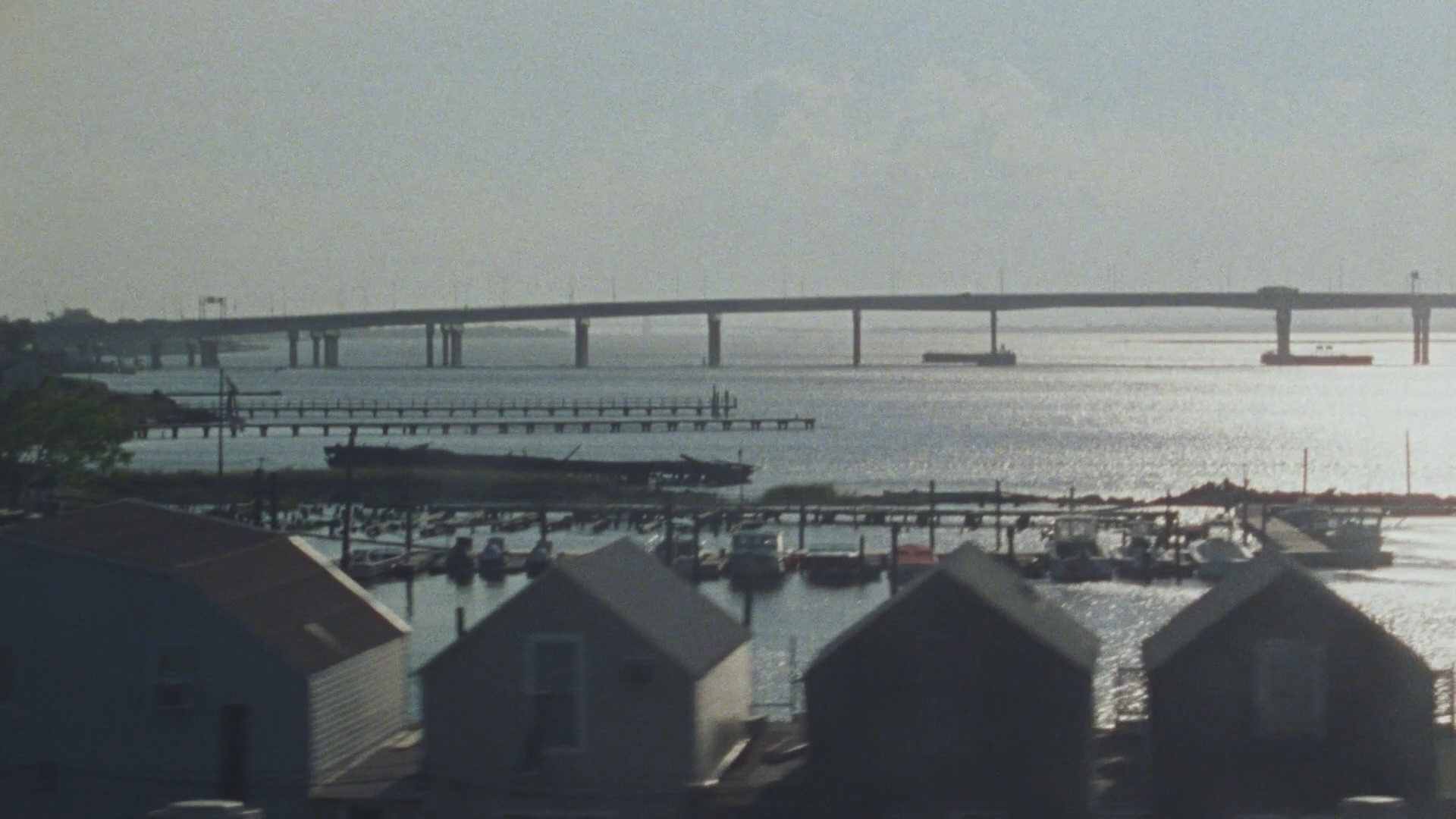
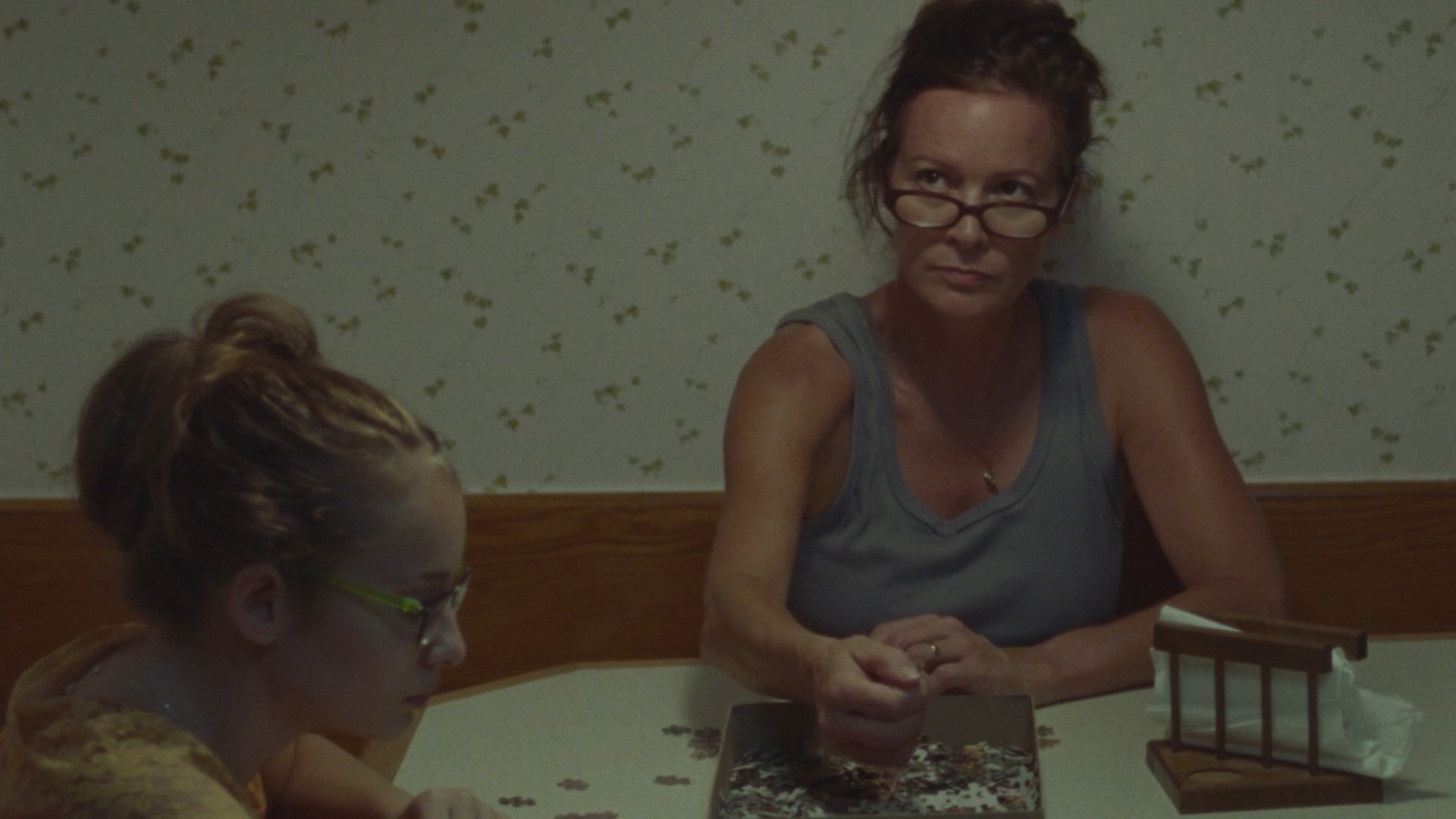
Beach Rats (2017)
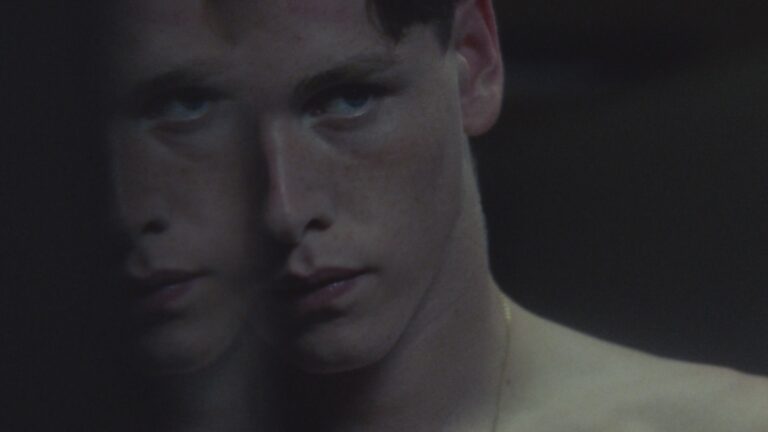
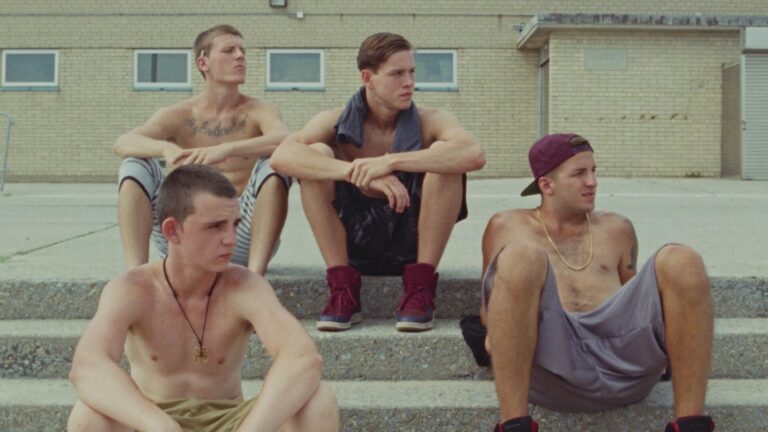
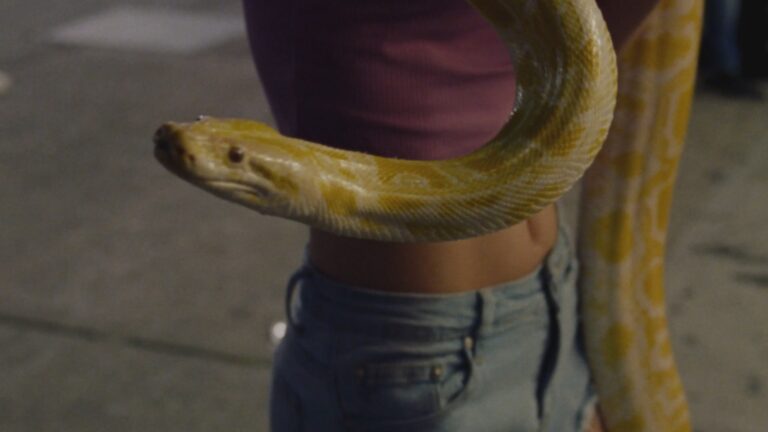
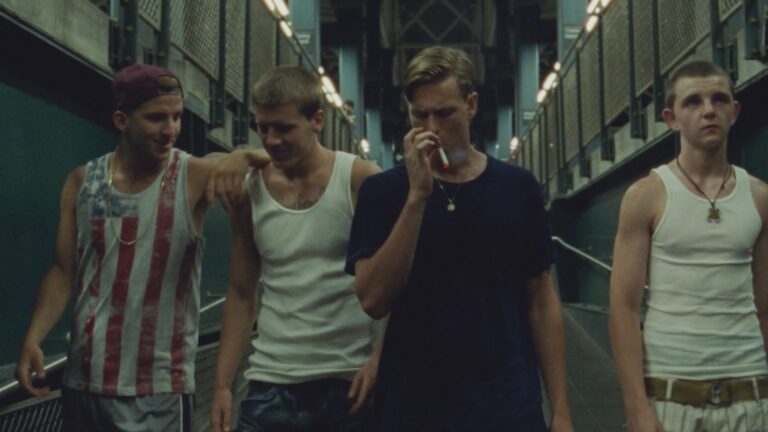
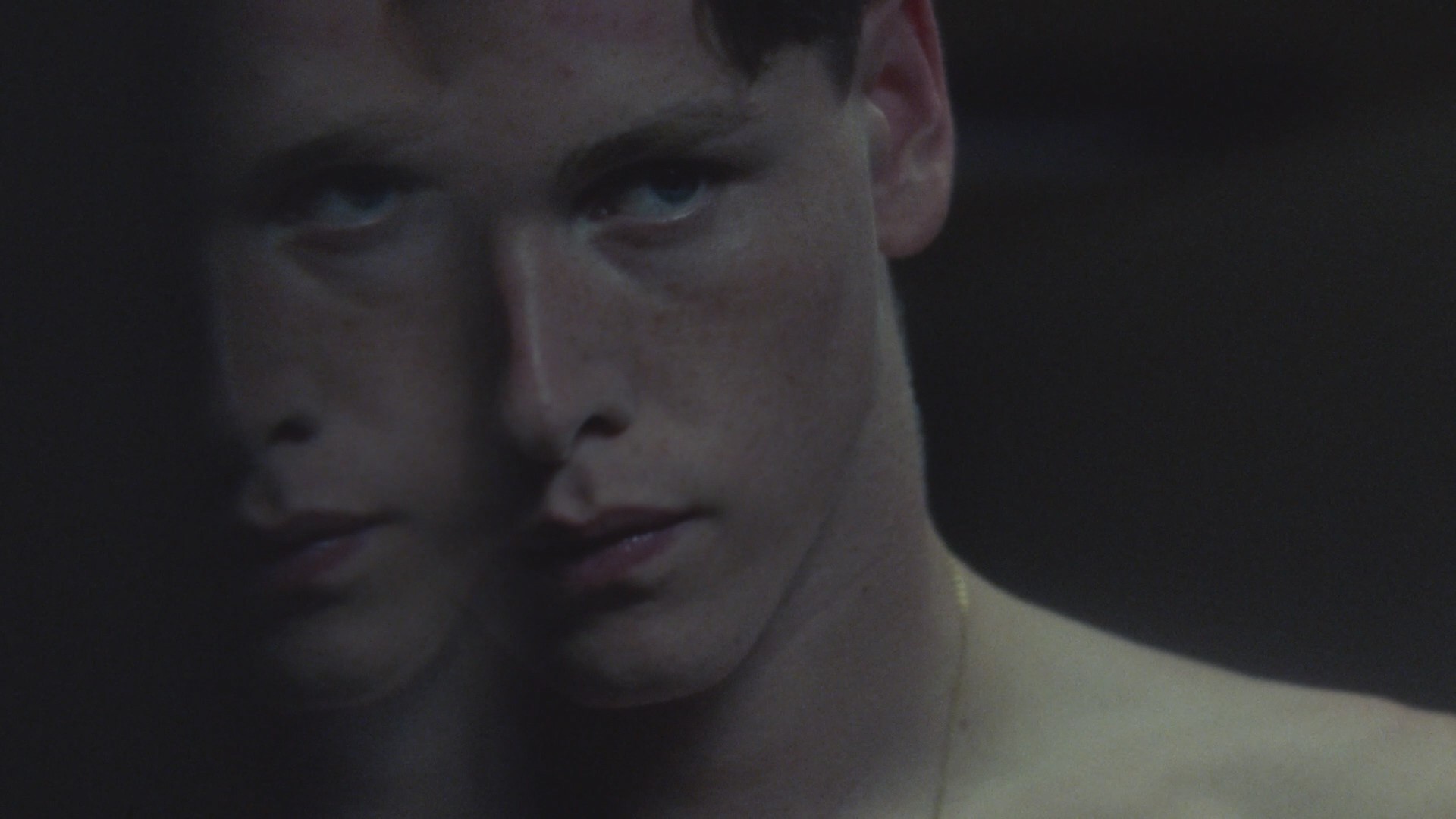
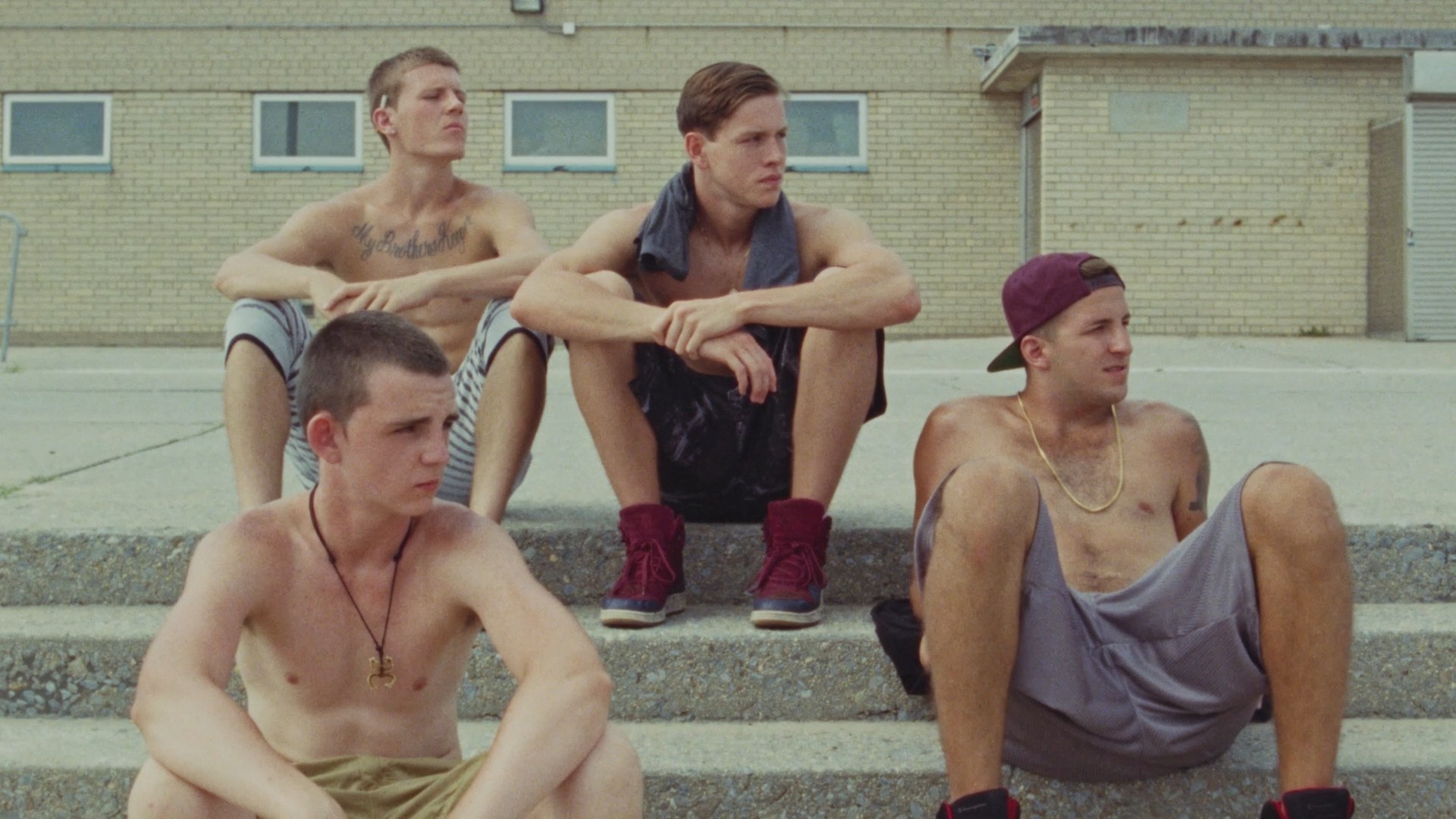
Frankie, a teenage boy in Brooklyn, spends his summer drifting between hanging out with friends, caring for his ailing father, and secretly exploring his attraction to older men online. As he attempts to maintain a tough, heterosexual image among his peers, his private life grows increasingly conflicted. The tension between identity, desire, and expectation begins to close in around him.
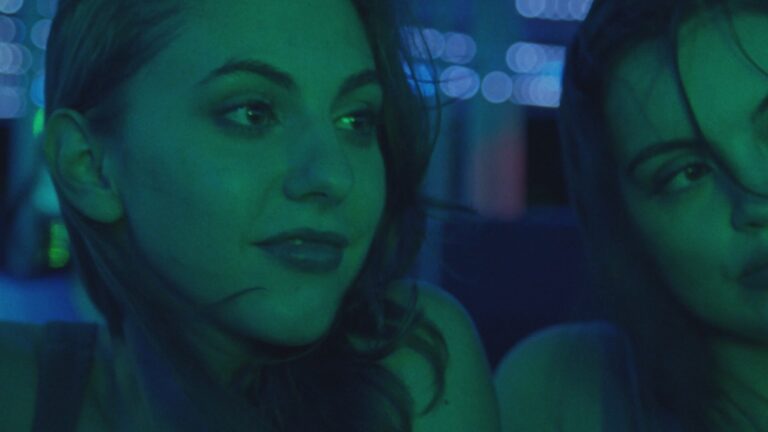
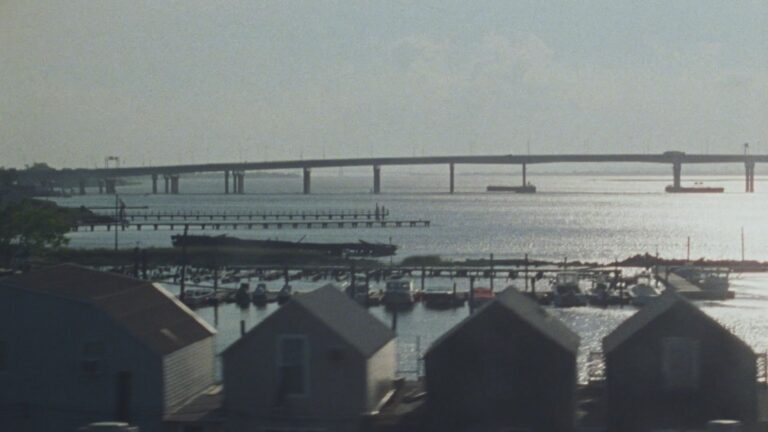
Hittman and cinematographer Hélène Louvart shoot Beach Rats with a soft, nocturnal naturalism, using shallow depth-of-field and available light to create a hazy, intimate atmosphere. Faces often drift in and out of focus, especially in low light, turning visibility itself into a theme—where what’s seen and unseen mirrors Frankie’s internal concealment.

FILM SPOTLIGHT
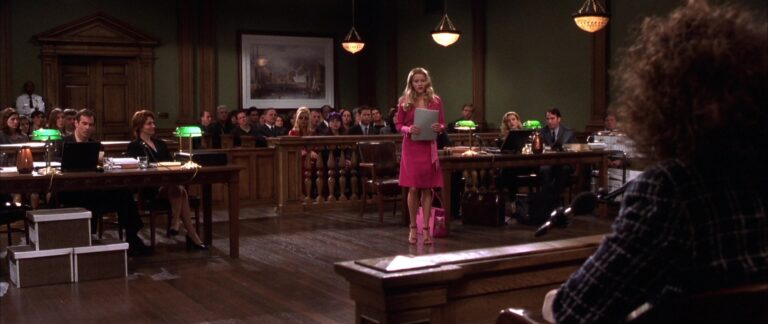
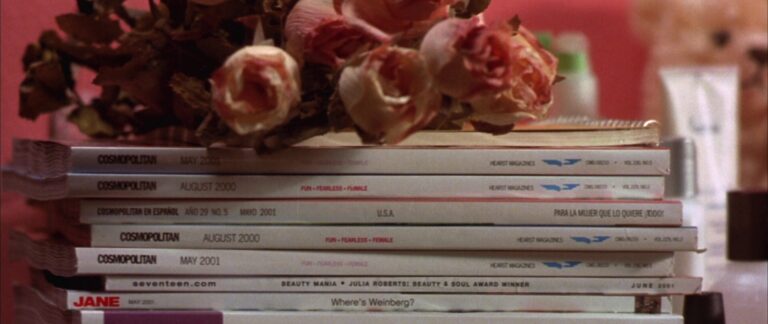
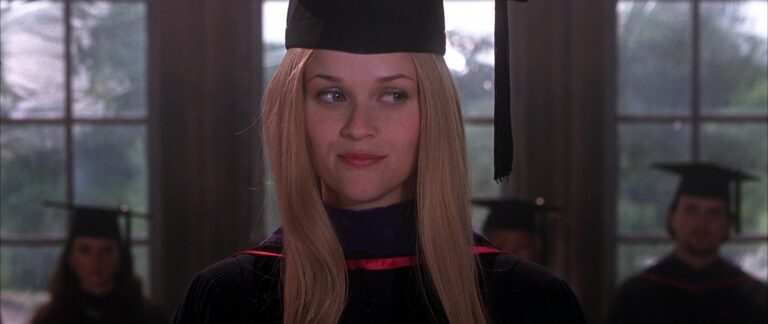
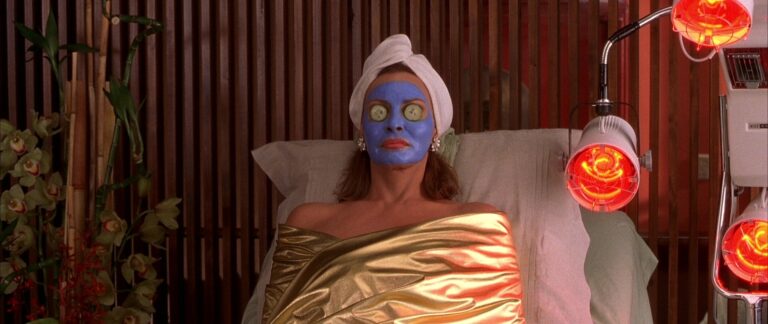
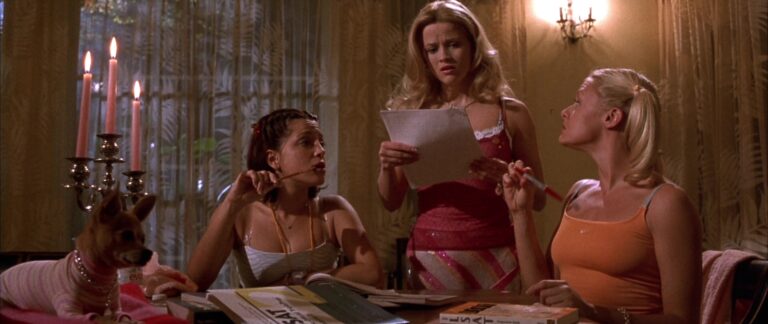
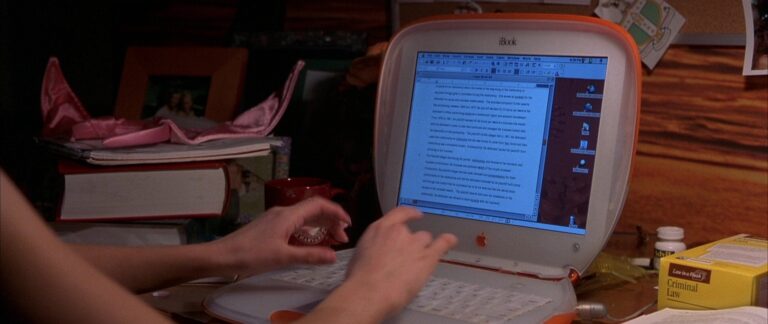
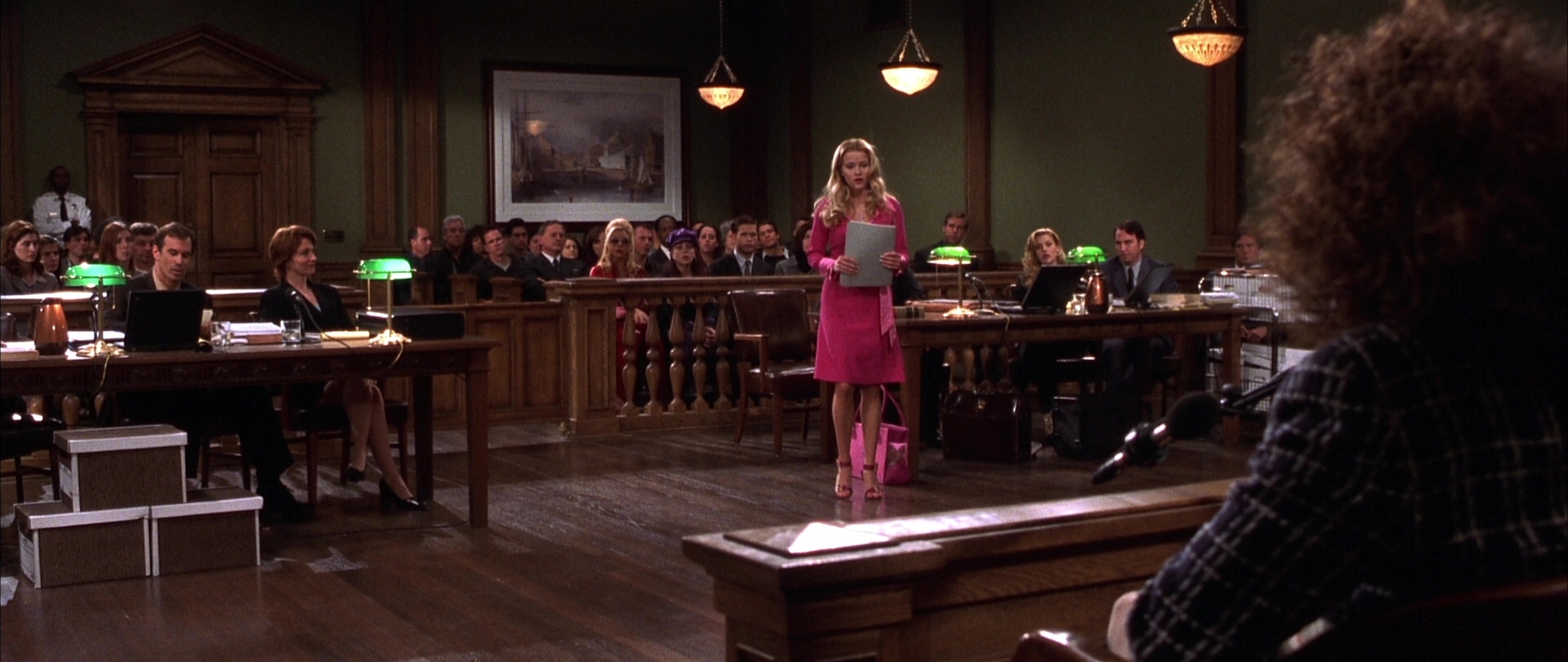
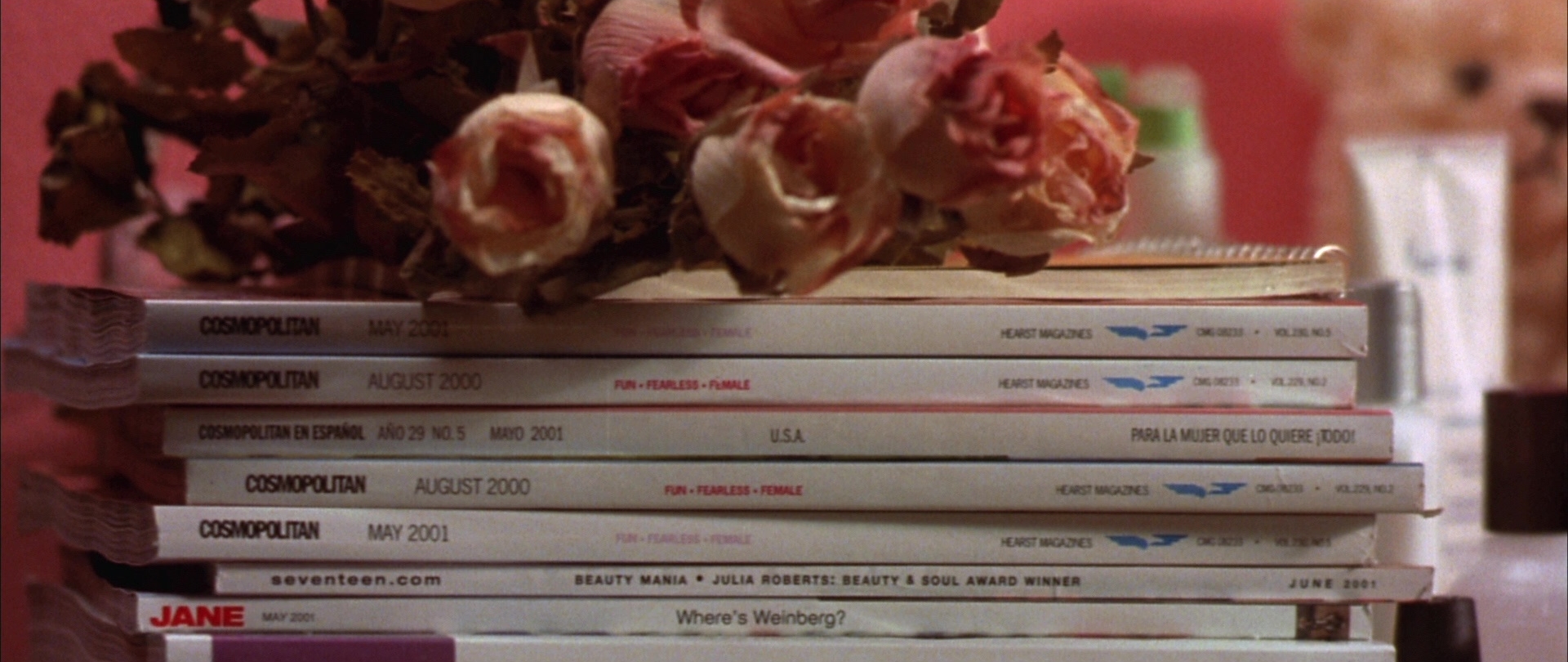
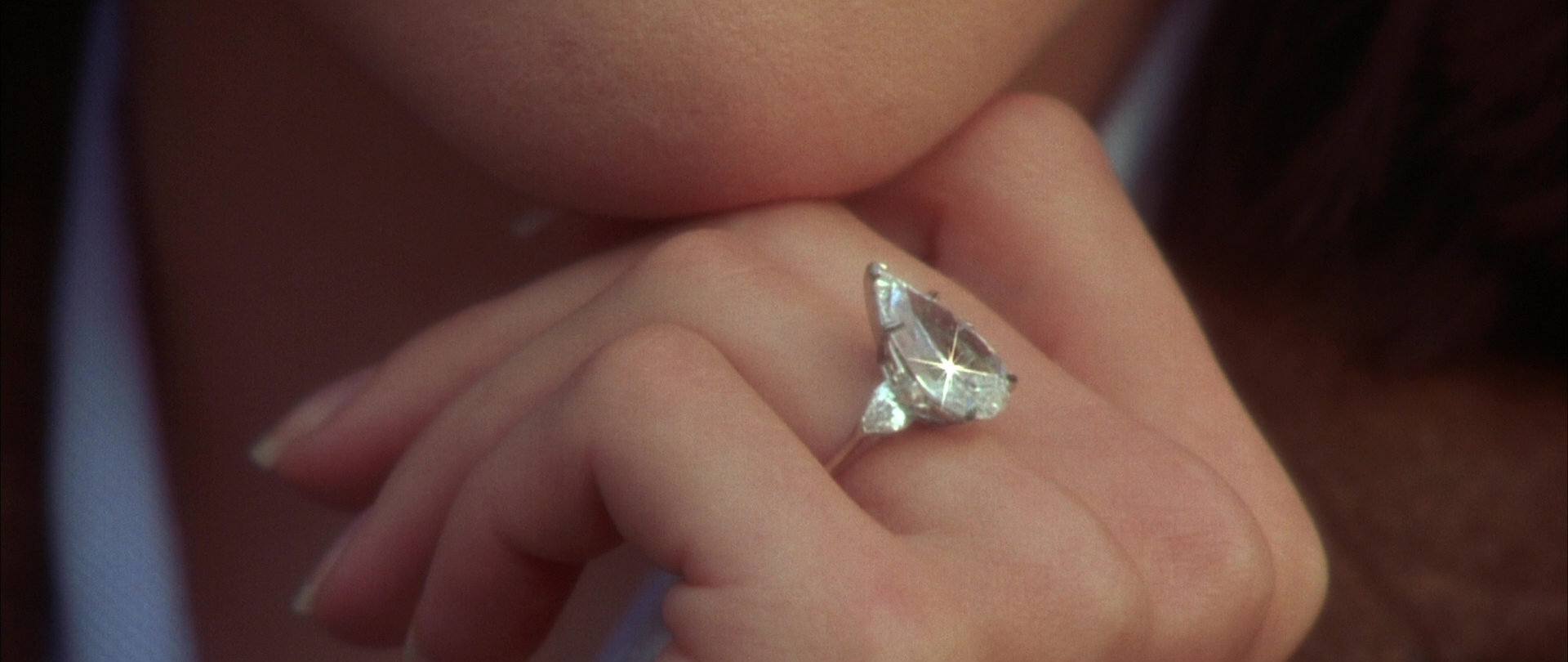
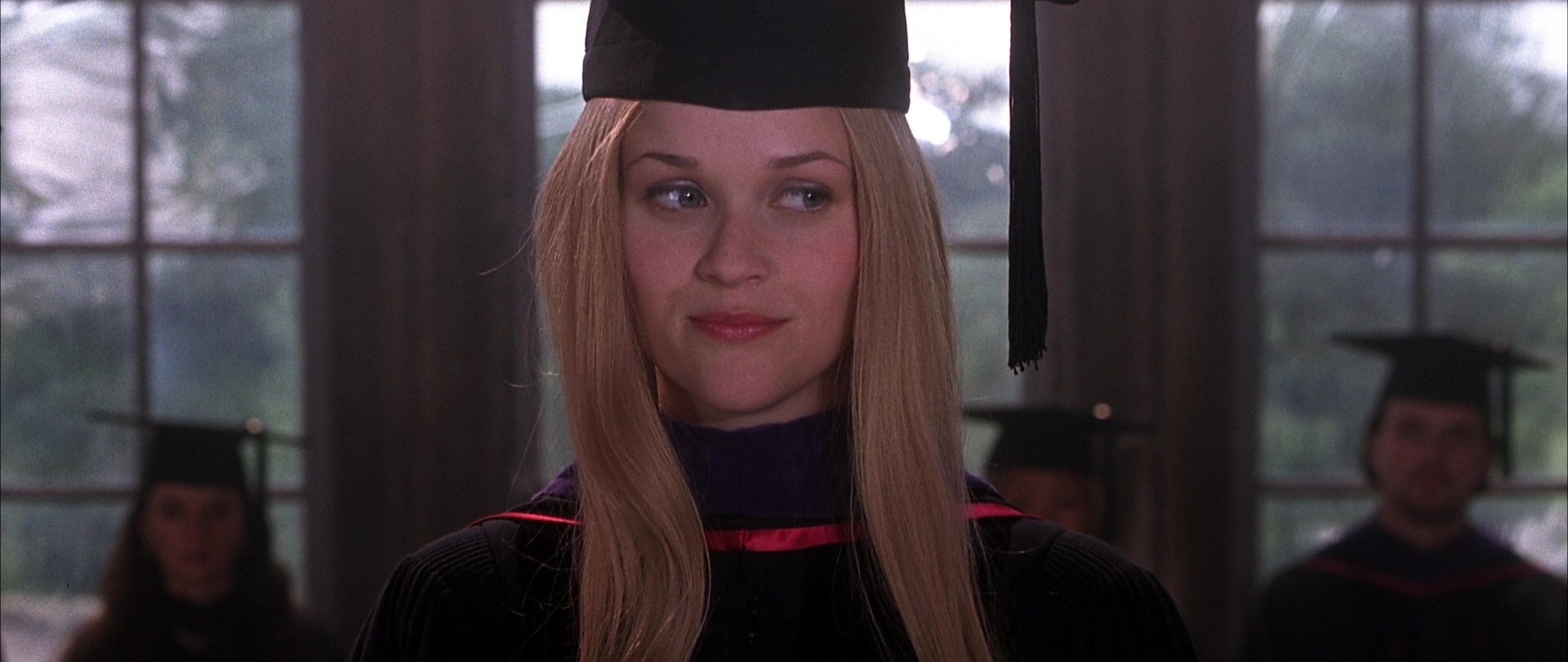
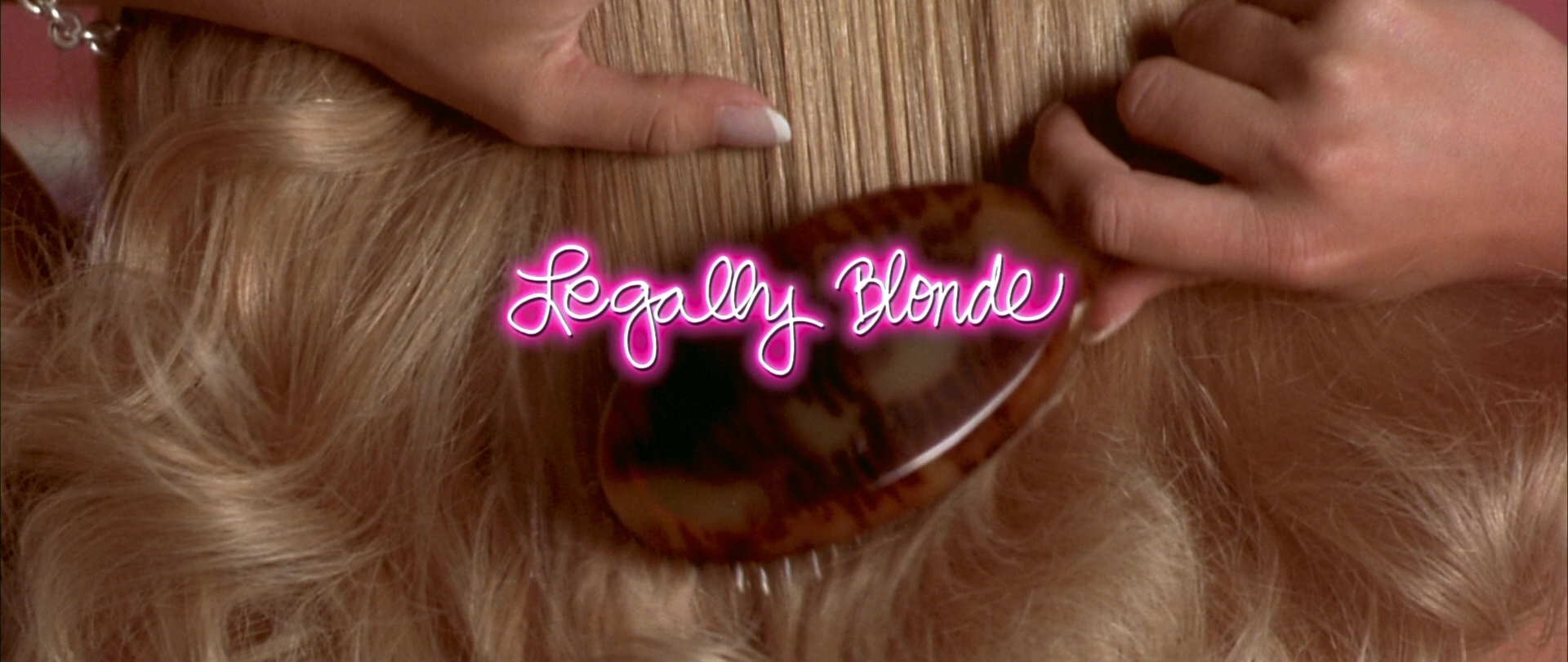
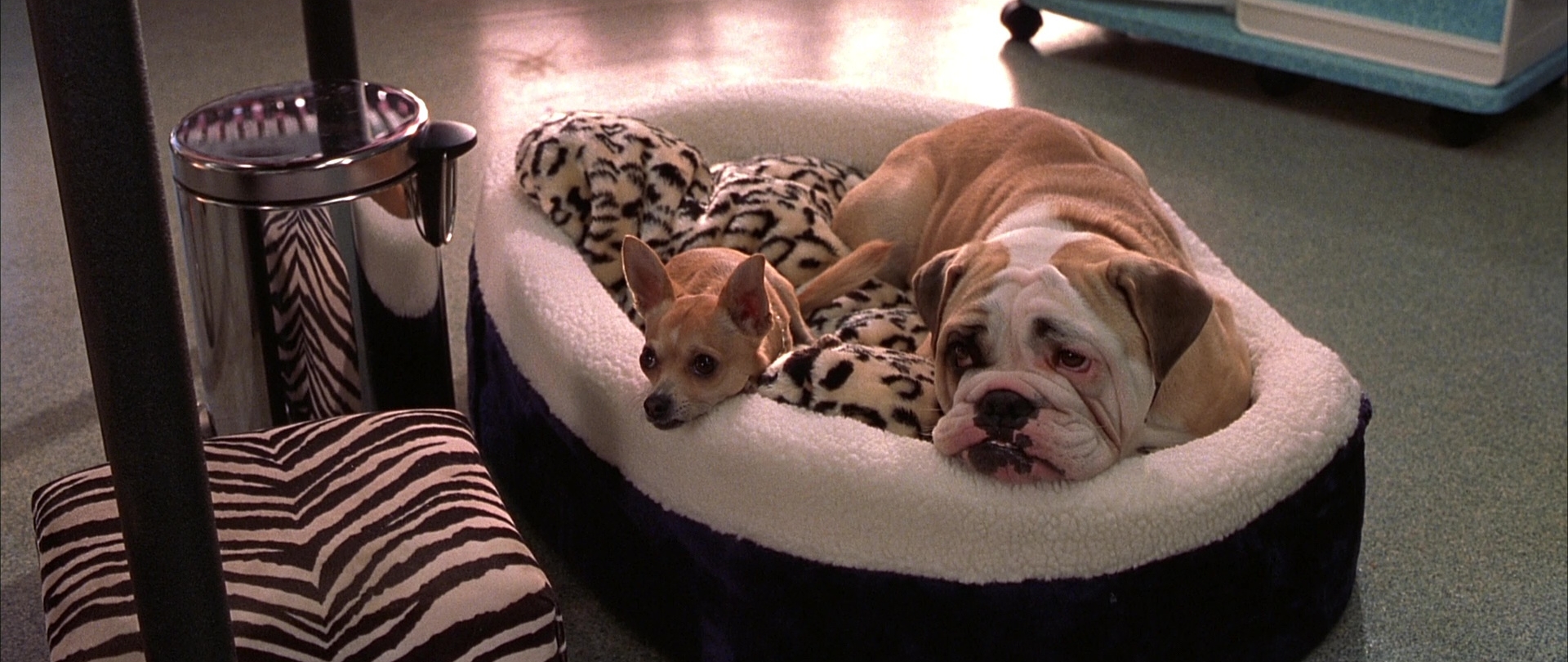
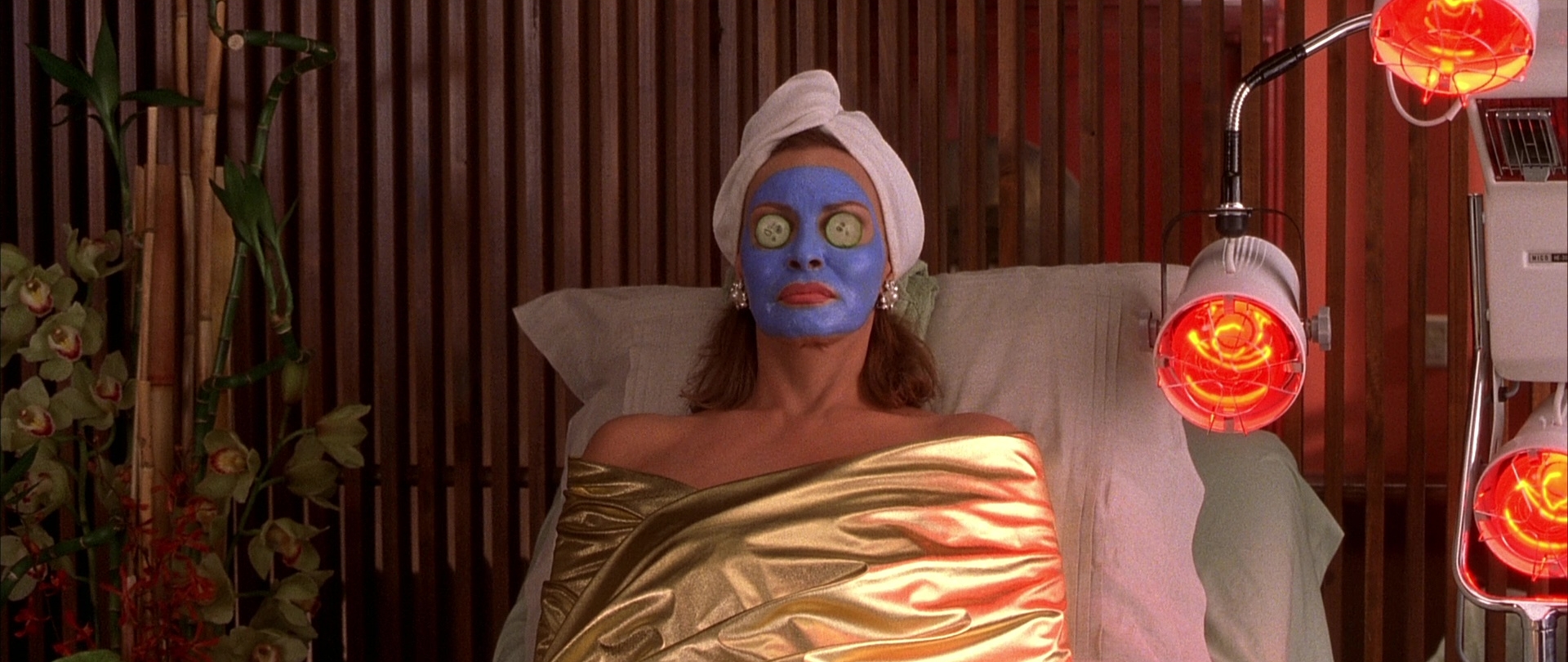
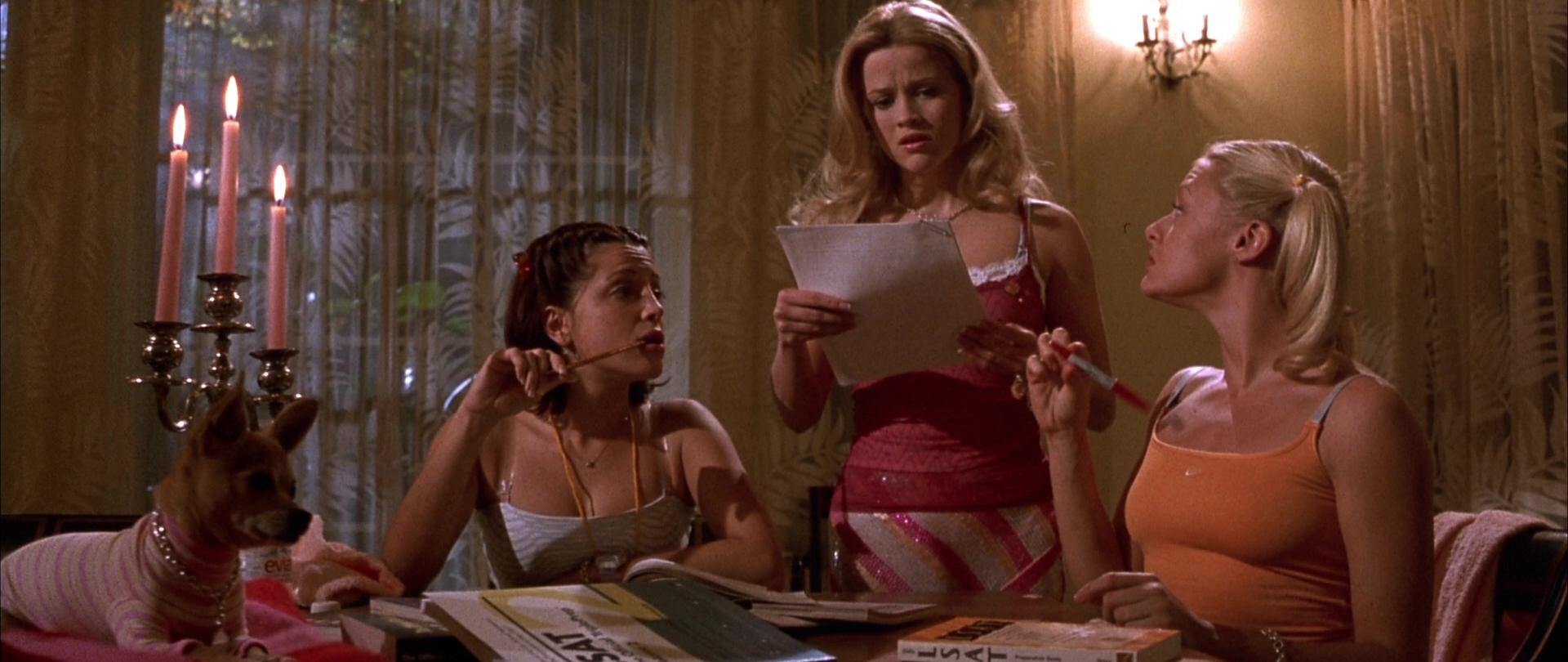
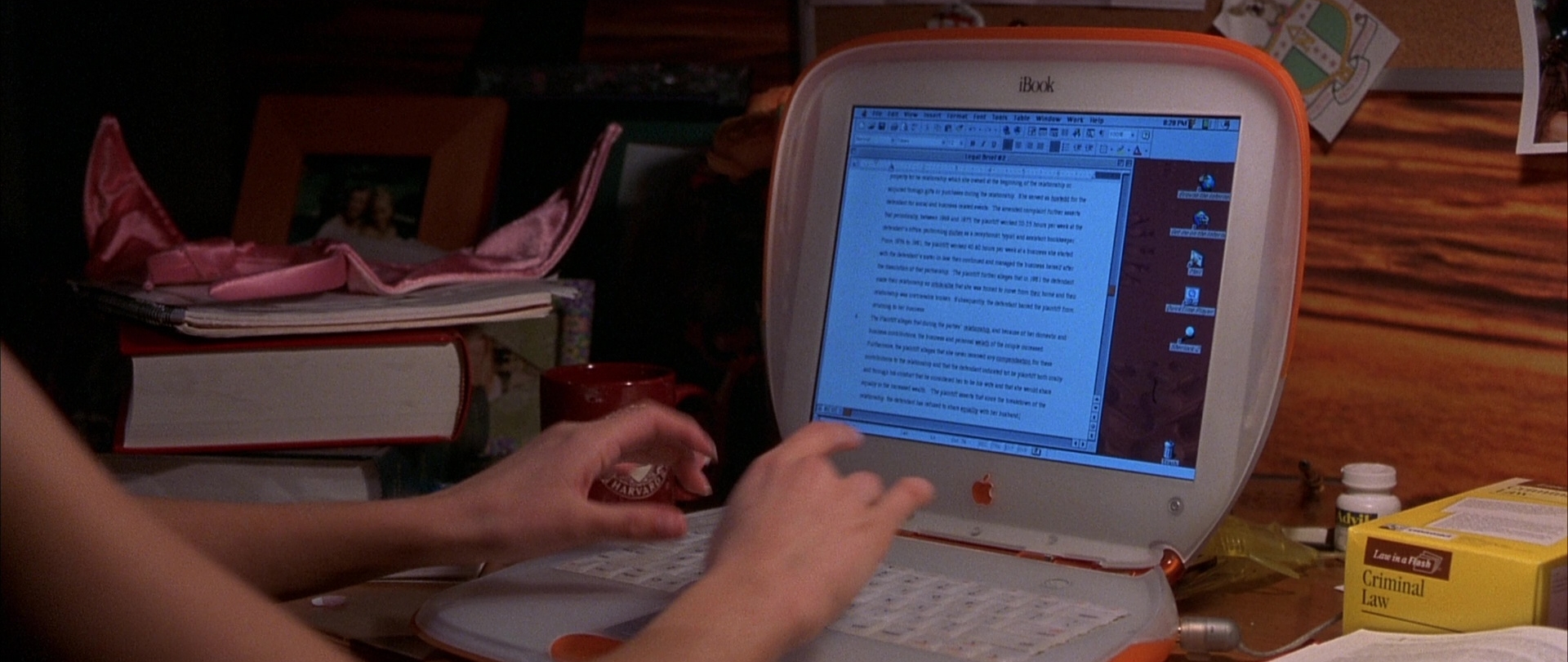
Legally Blonde (2001)
Elle Woods, a fashion-savvy sorority president, enrolls at Harvard Law School to win back her ex-boyfriend, who believes she isn’t serious enough. Initially underestimated by her peers and professors, Elle uses her intelligence, determination, and unique perspective to prove herself. As she finds her footing, her journey becomes one of self-discovery, confidence, and redefining what it means to be taken seriously.
Luketic and cinematographer Anthony B. Richmond lean into a bright, high-key palette—dominated by pinks and pastels—to visually define Elle’s identity within the more muted, traditional Harvard setting. The film’s clean compositions and glossy studio lighting emphasize contrast between worlds, turning color and costume into narrative tools that track Elle’s transformation without losing her core personality.



FILM SPOTLIGHT
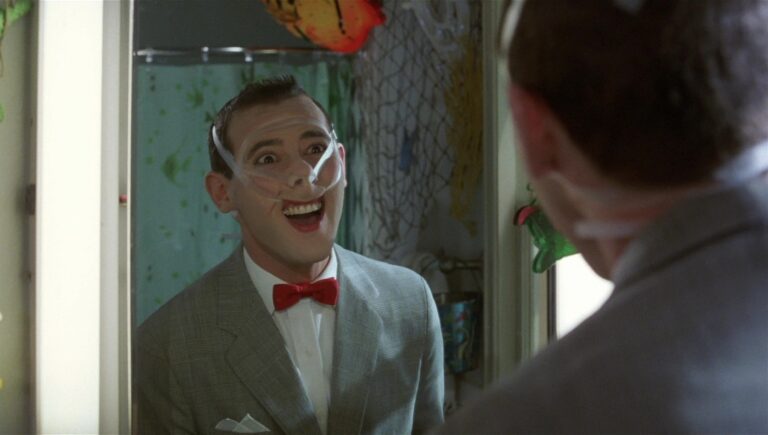
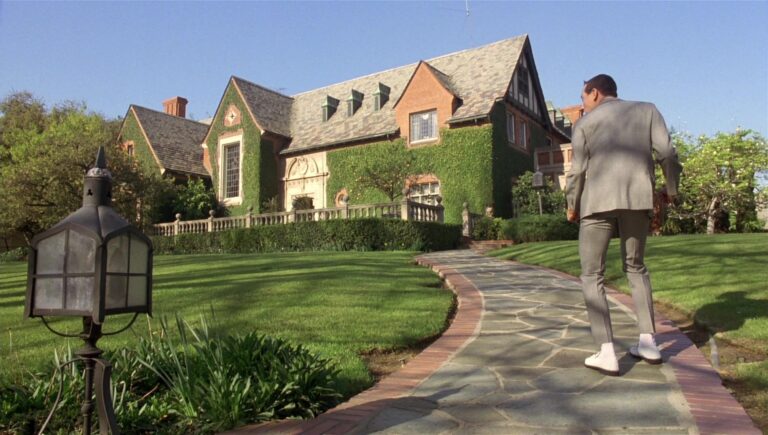
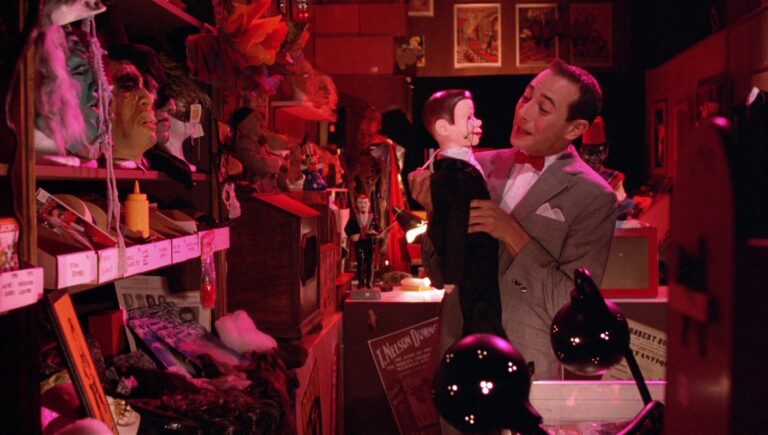
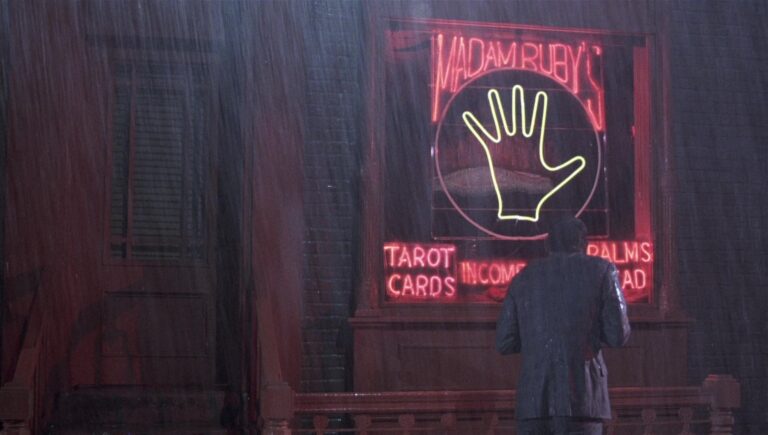
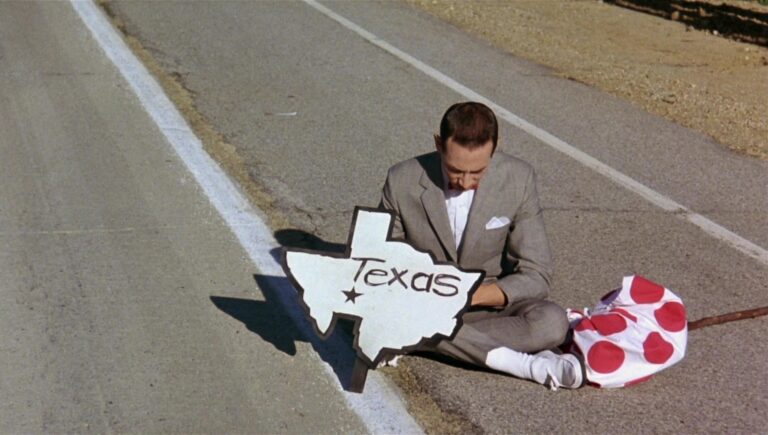
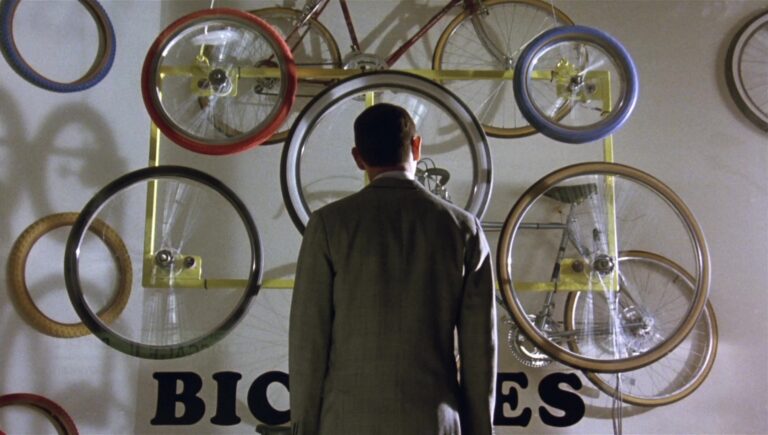
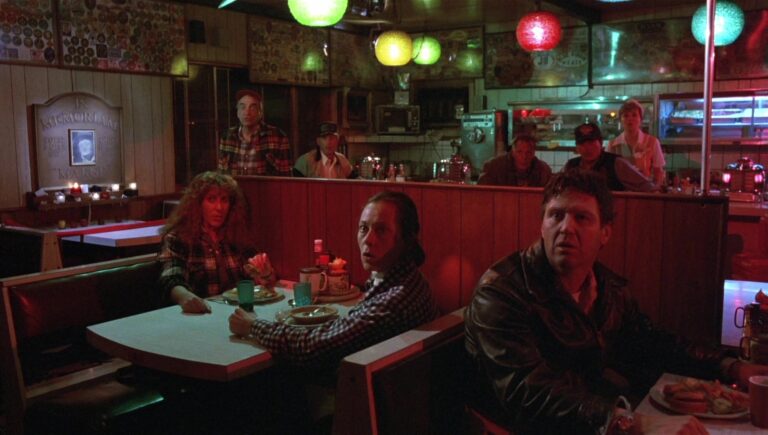
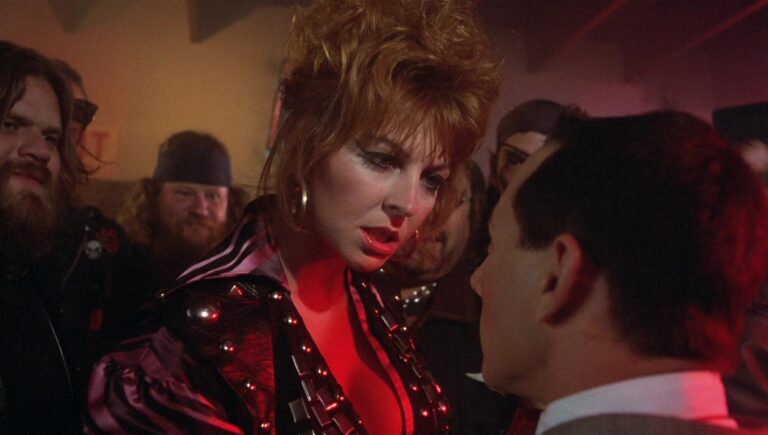
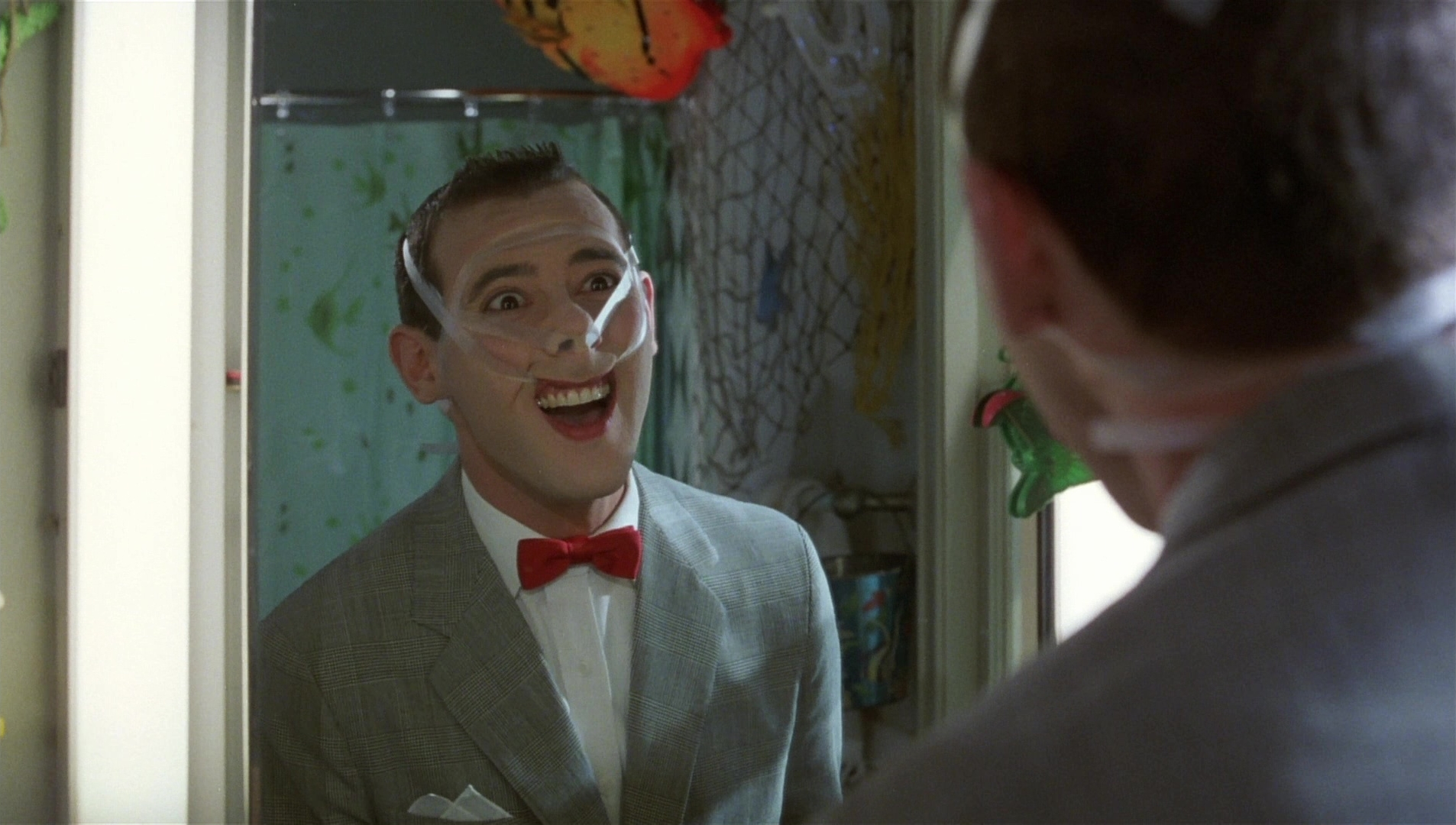
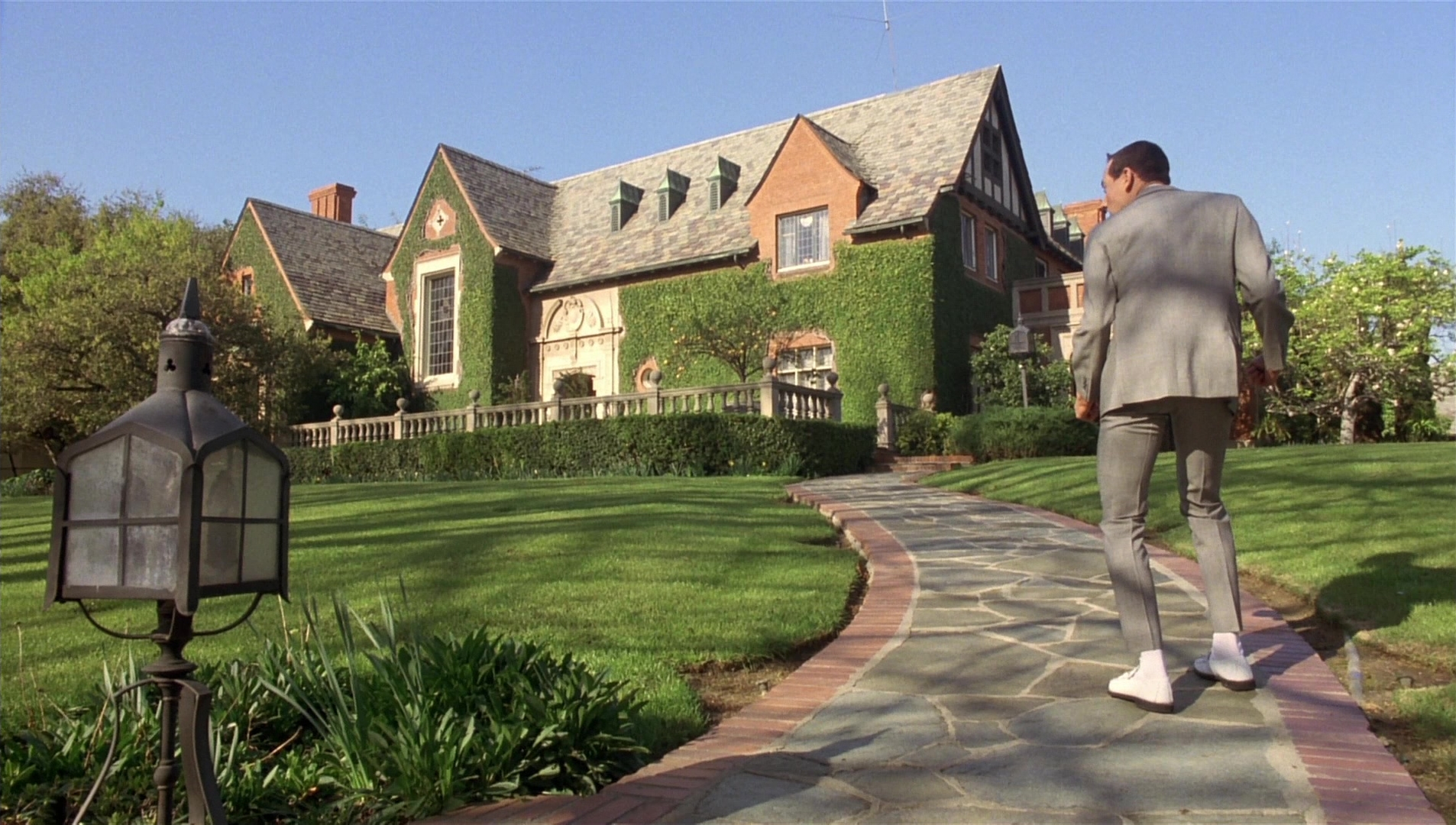
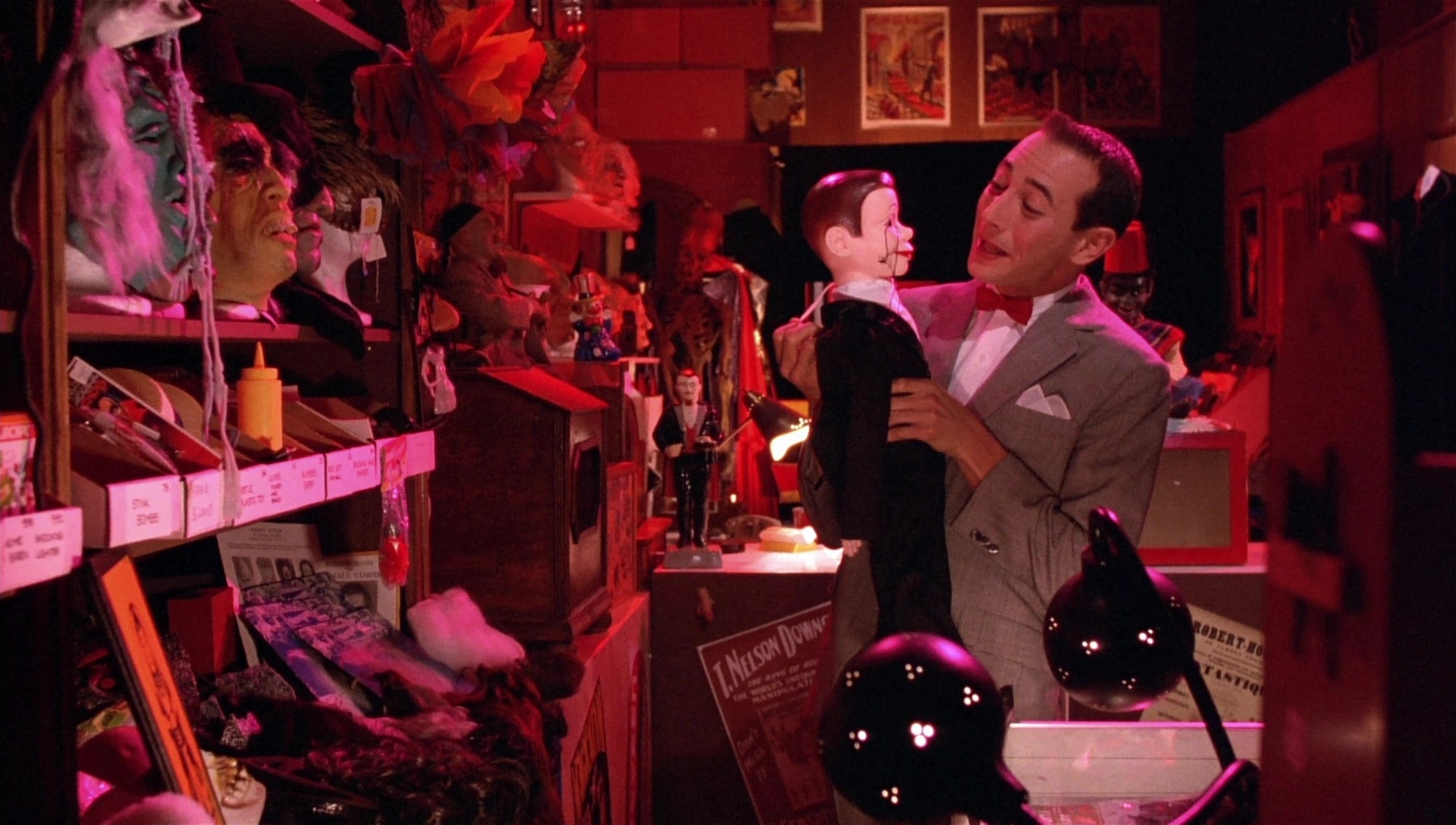
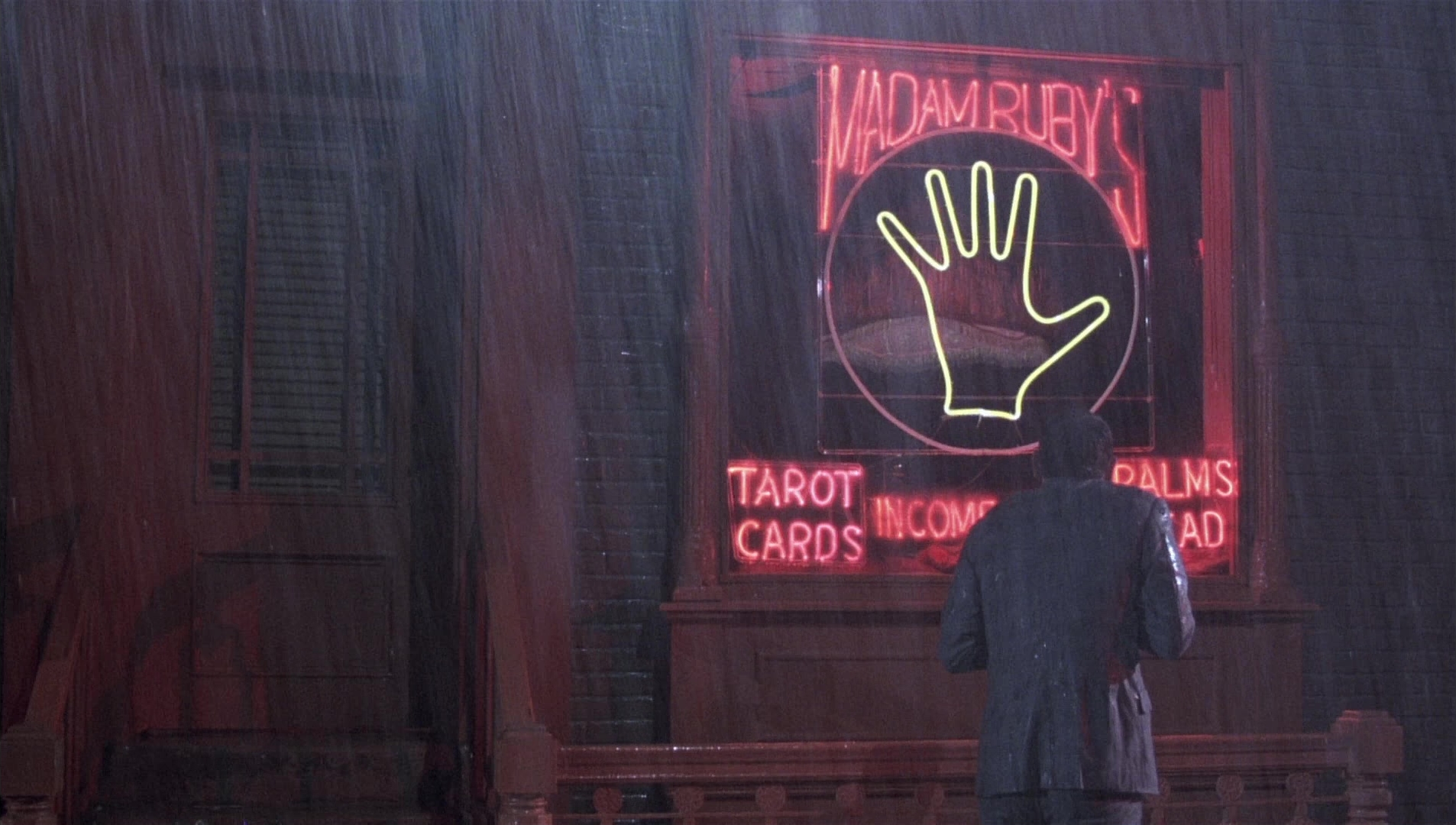
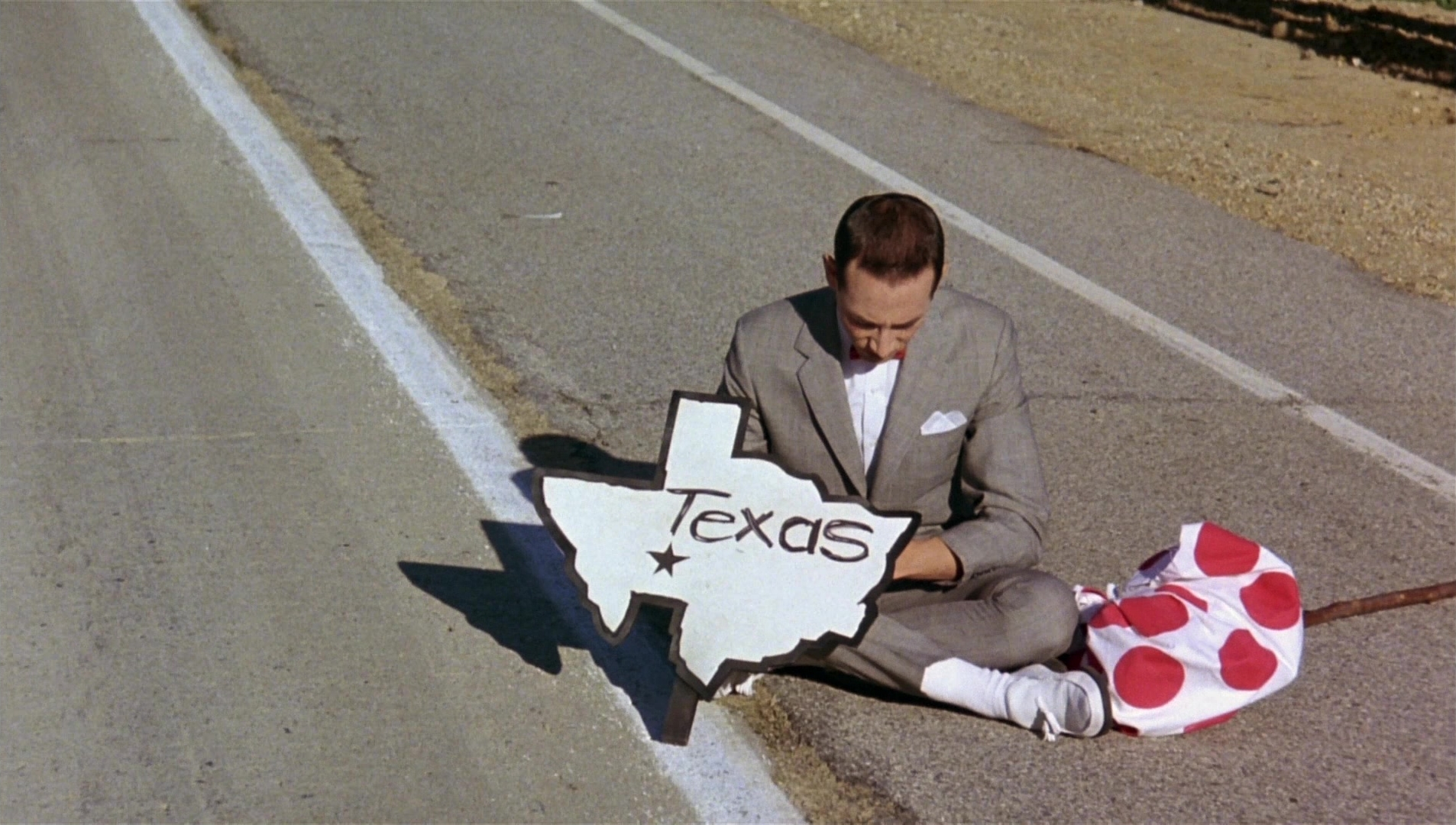
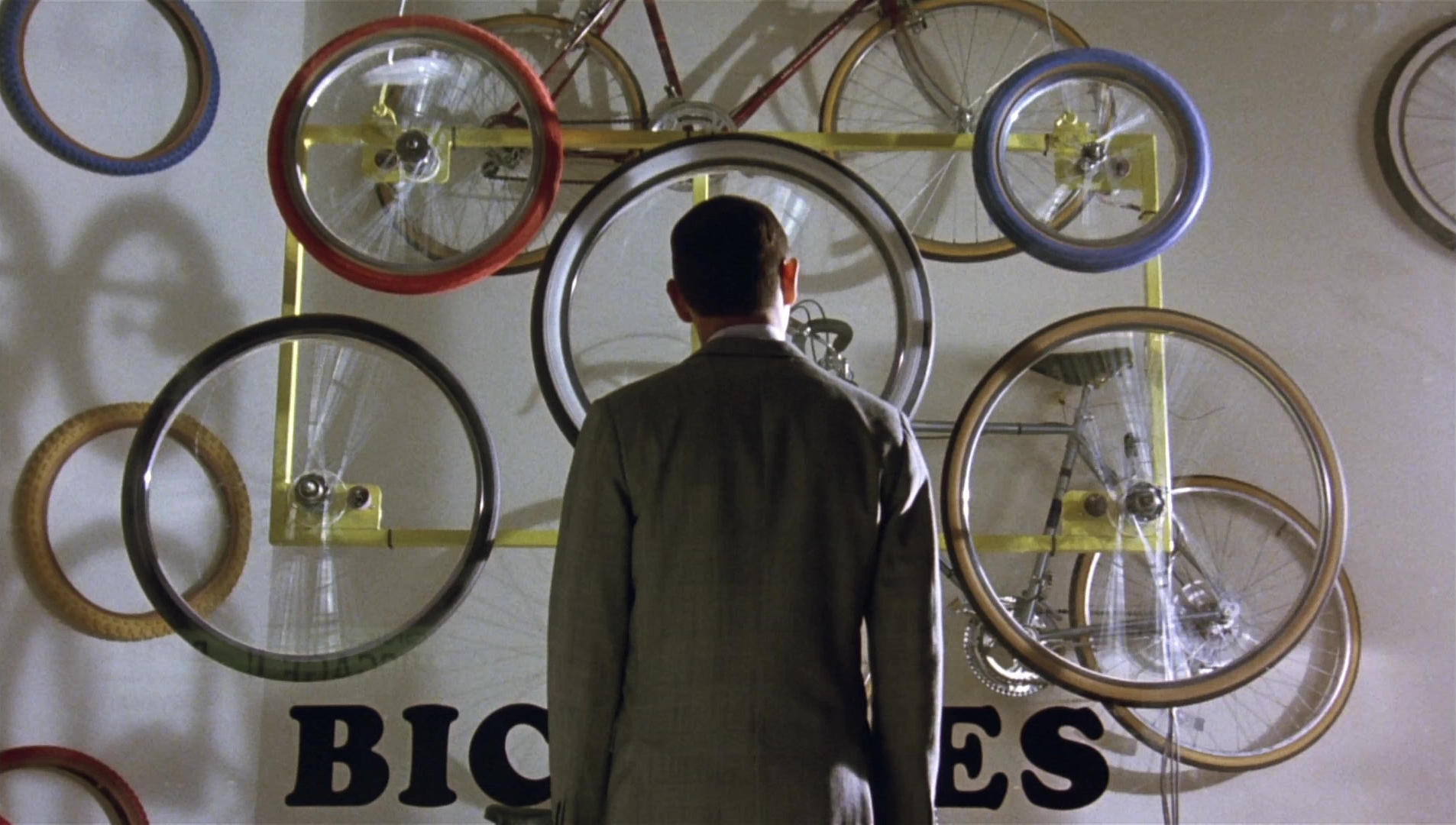
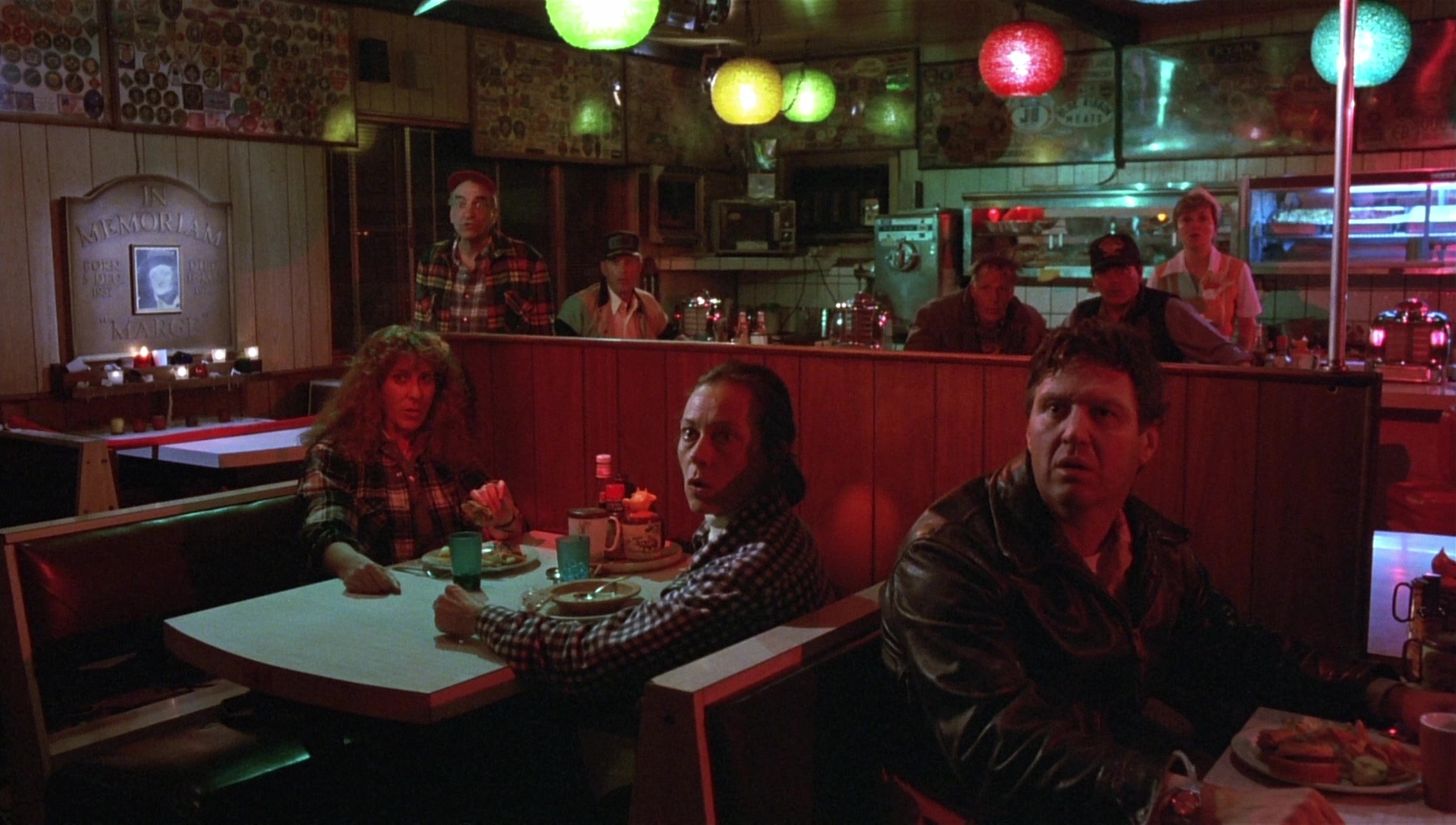
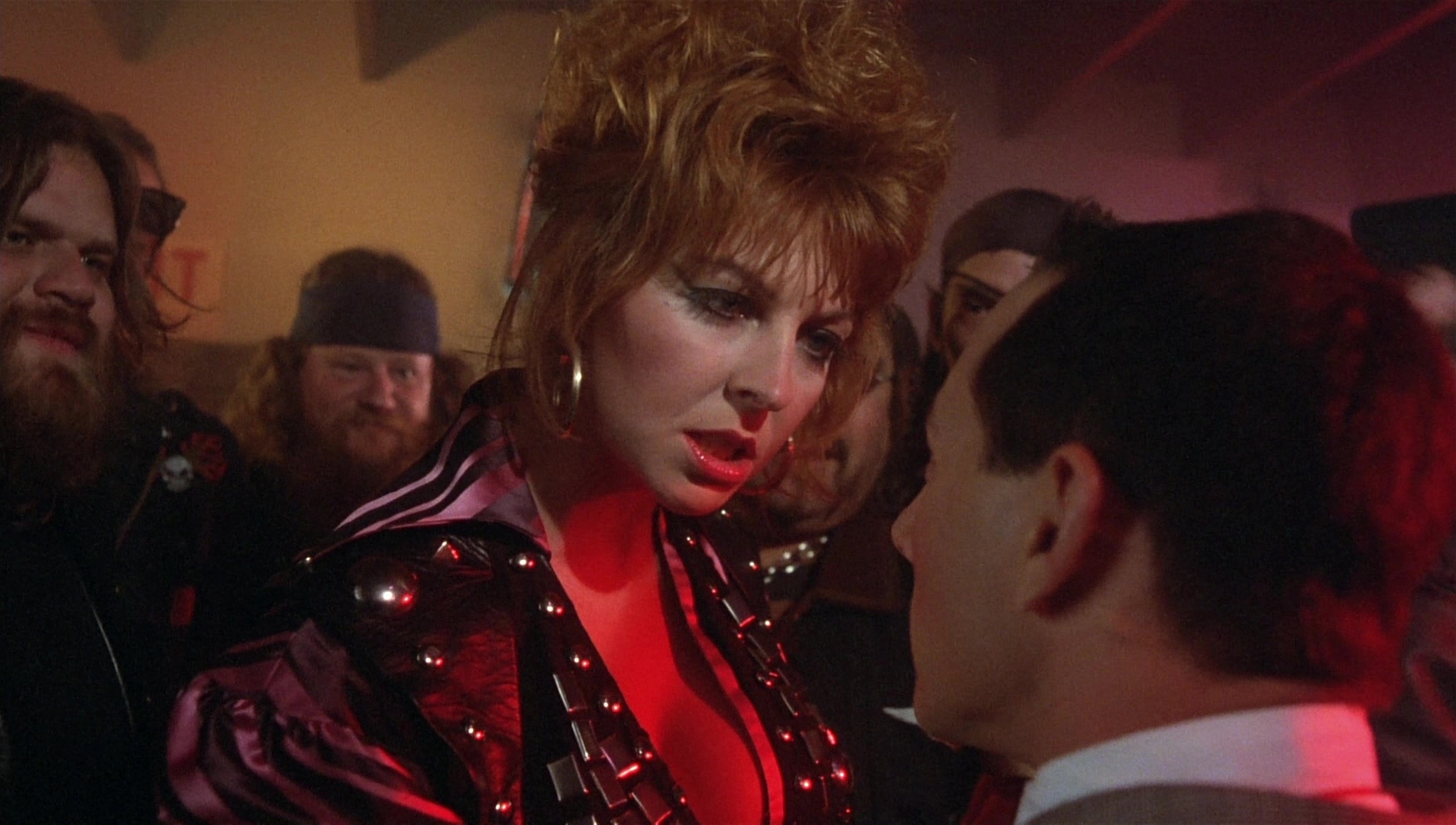
Pee-Wee’s Big Adventure (1985)
When his beloved bicycle is stolen, the eccentric and childlike Pee-wee Herman sets out on a cross-country journey to recover it. Along the way, he encounters a series of bizarre characters and surreal situations, each more strange than the last. His quest becomes a whimsical adventure fueled by imagination, persistence, and sheer oddity.
Burton and cinematographer Victor J. Kemper infuse the film with a playful, cartoon-like aesthetic, using bold colors, exaggerated set design, and clean, graphic compositions. The film’s stylized lighting and inventive visual gags—combined with Danny Elfman’s energetic score—turn the world into a heightened, almost storybook space, where reality bends to Pee-wee’s eccentric perspective.
FILM SPOTLIGHT
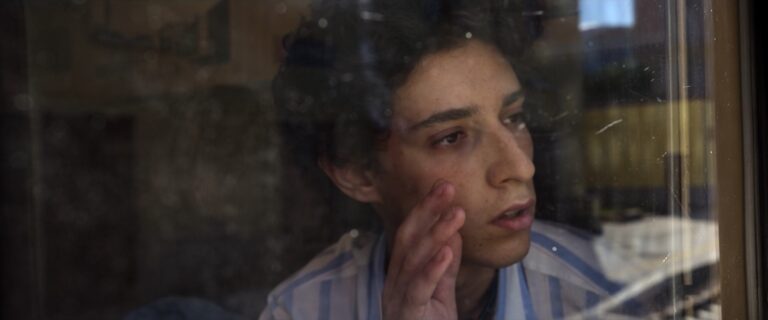
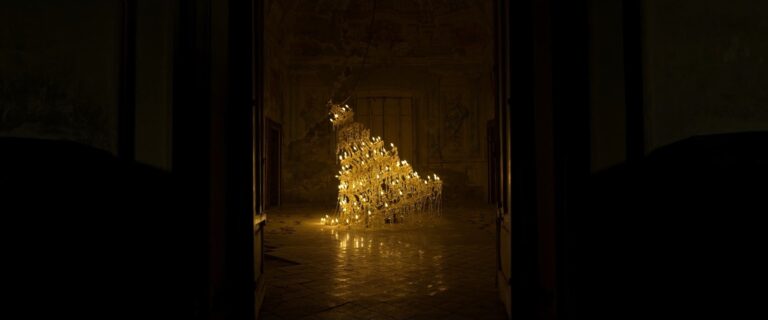
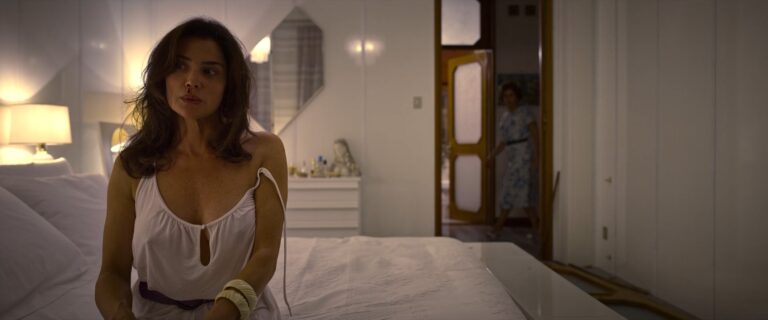
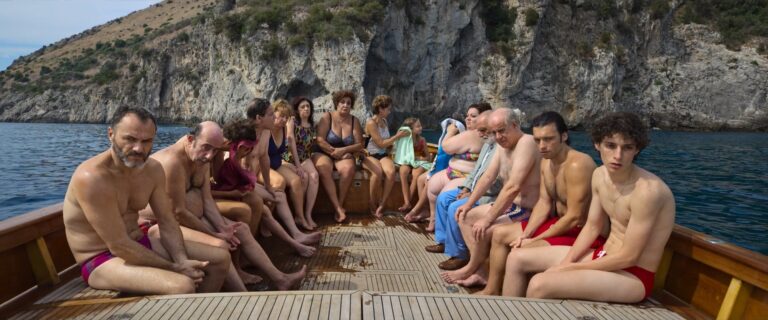
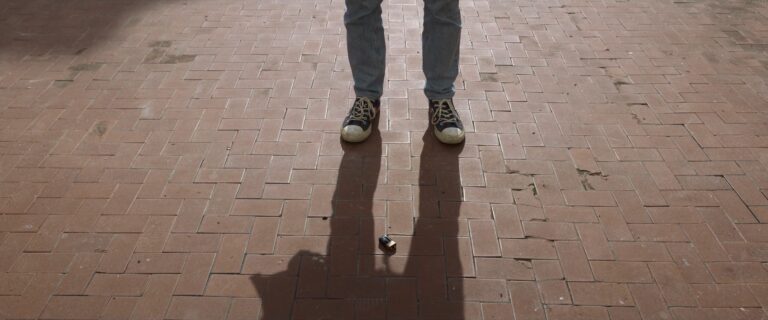
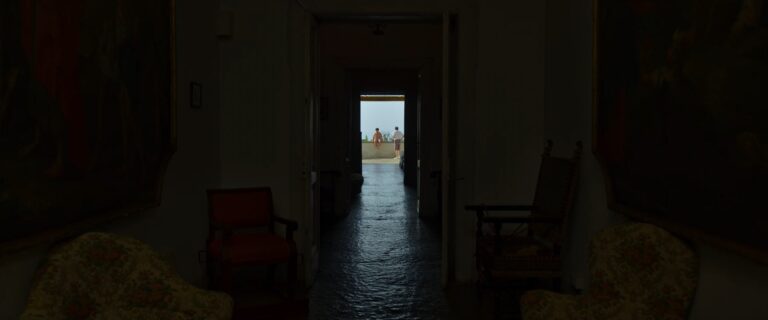
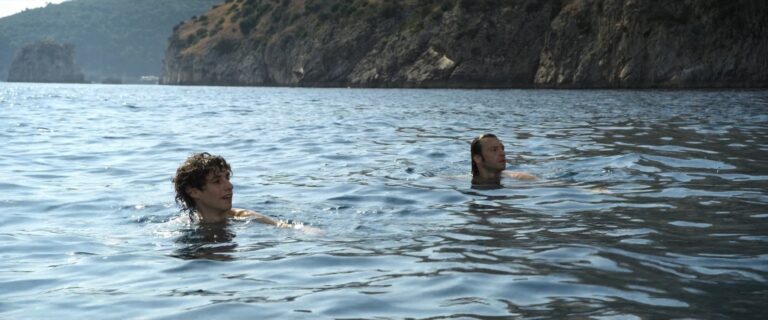
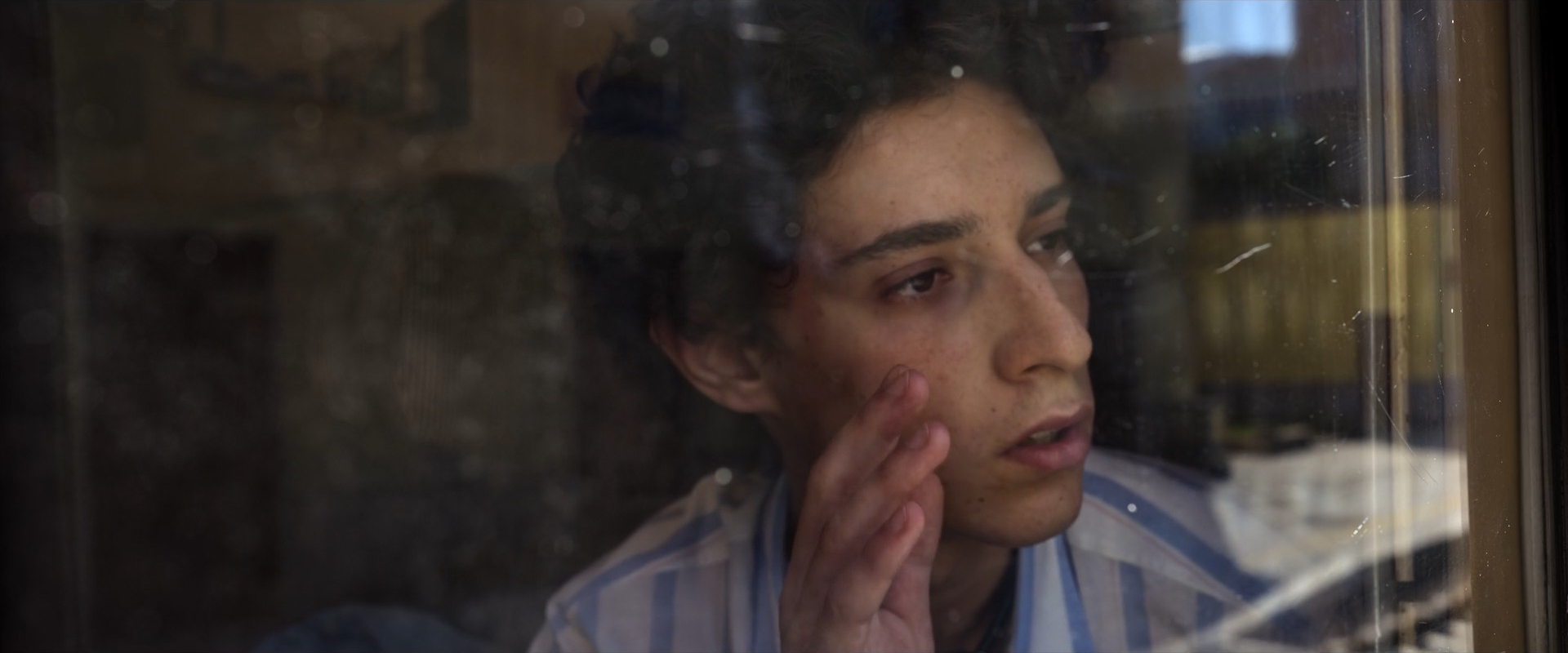
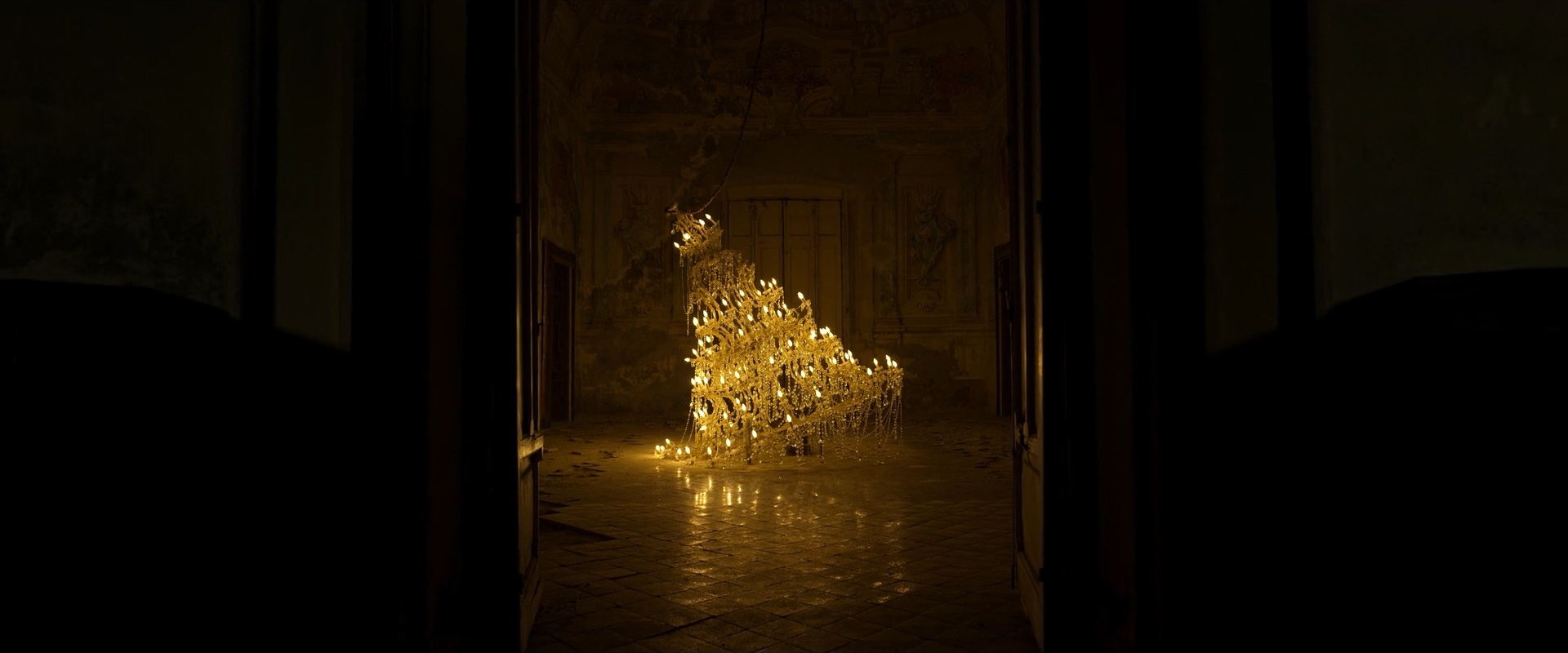
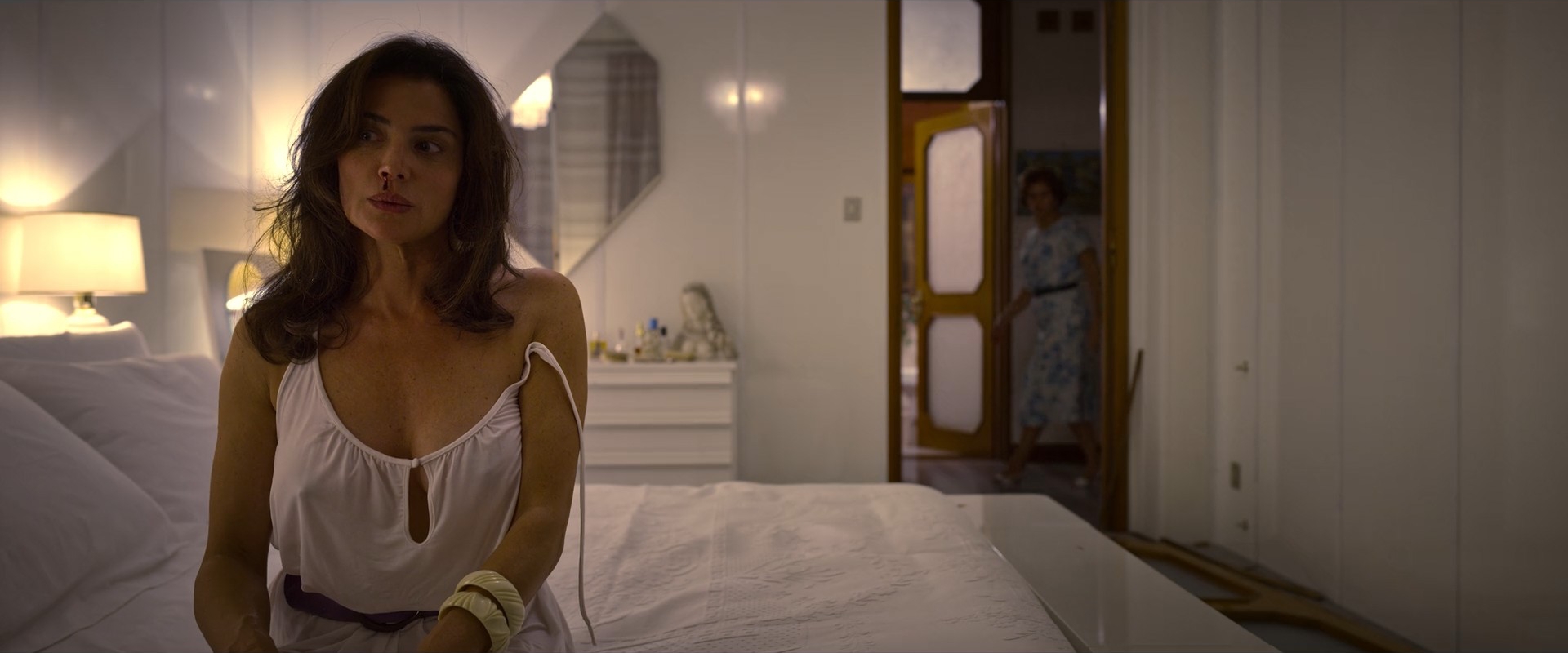
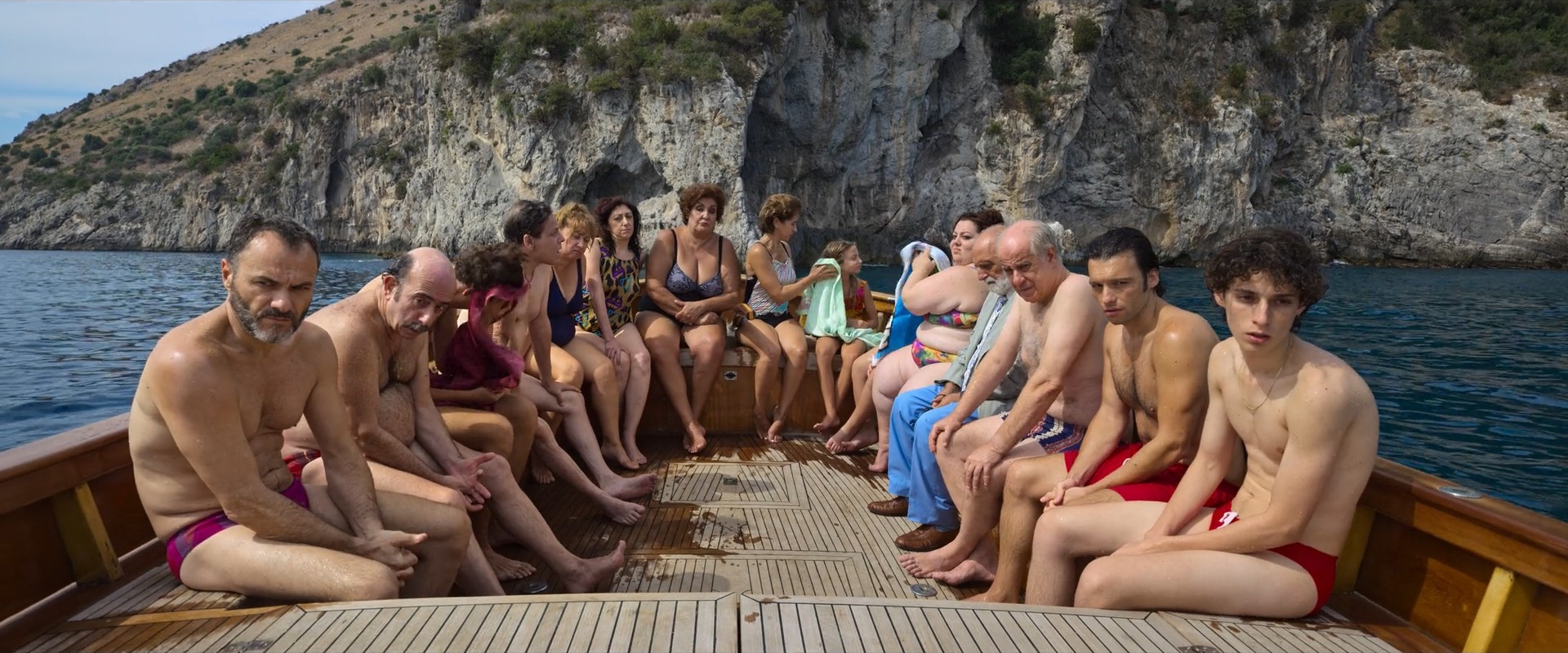
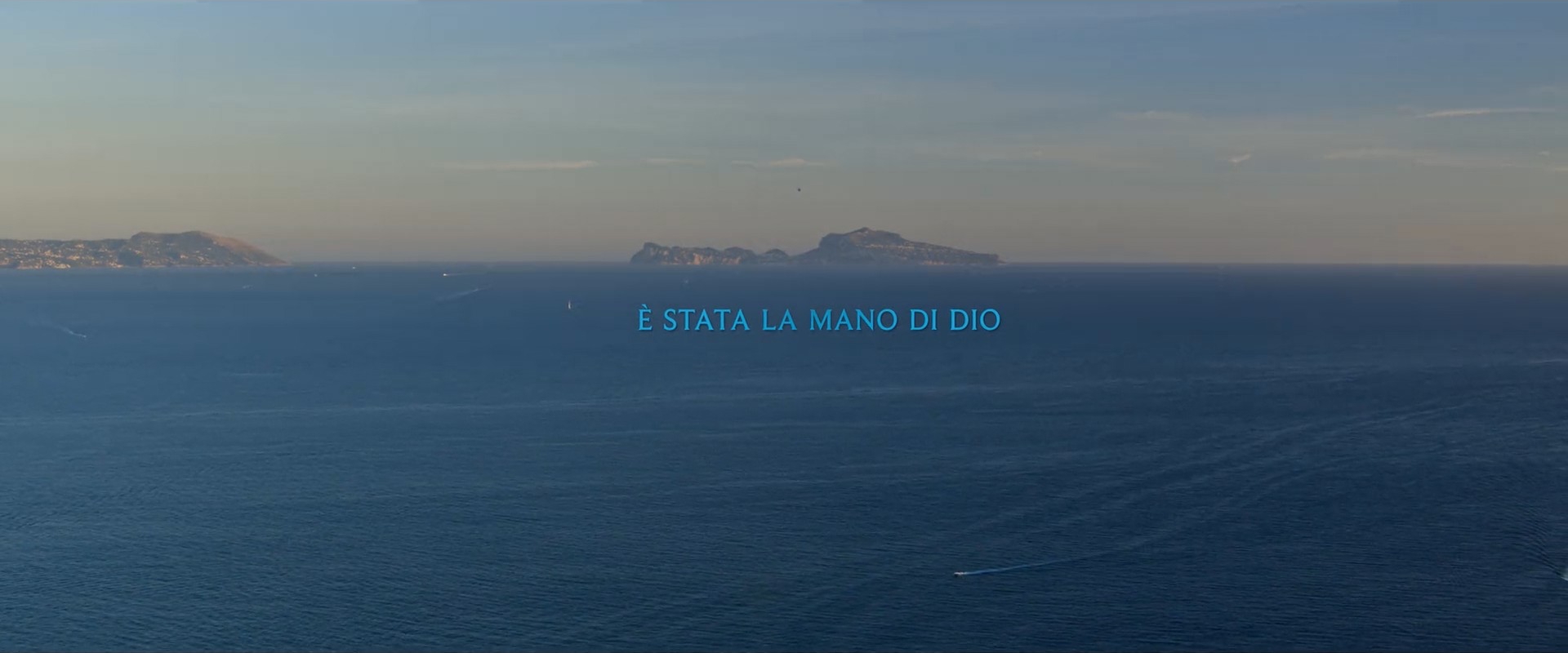
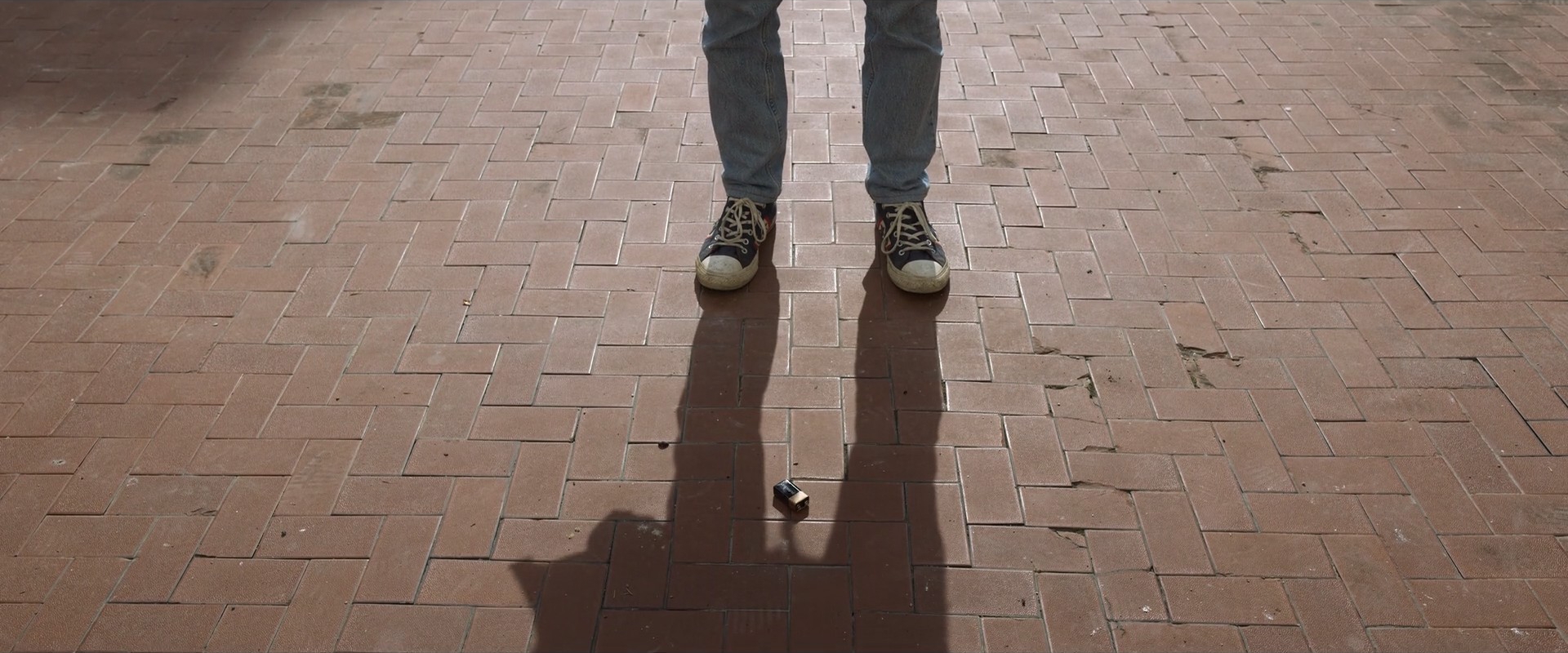
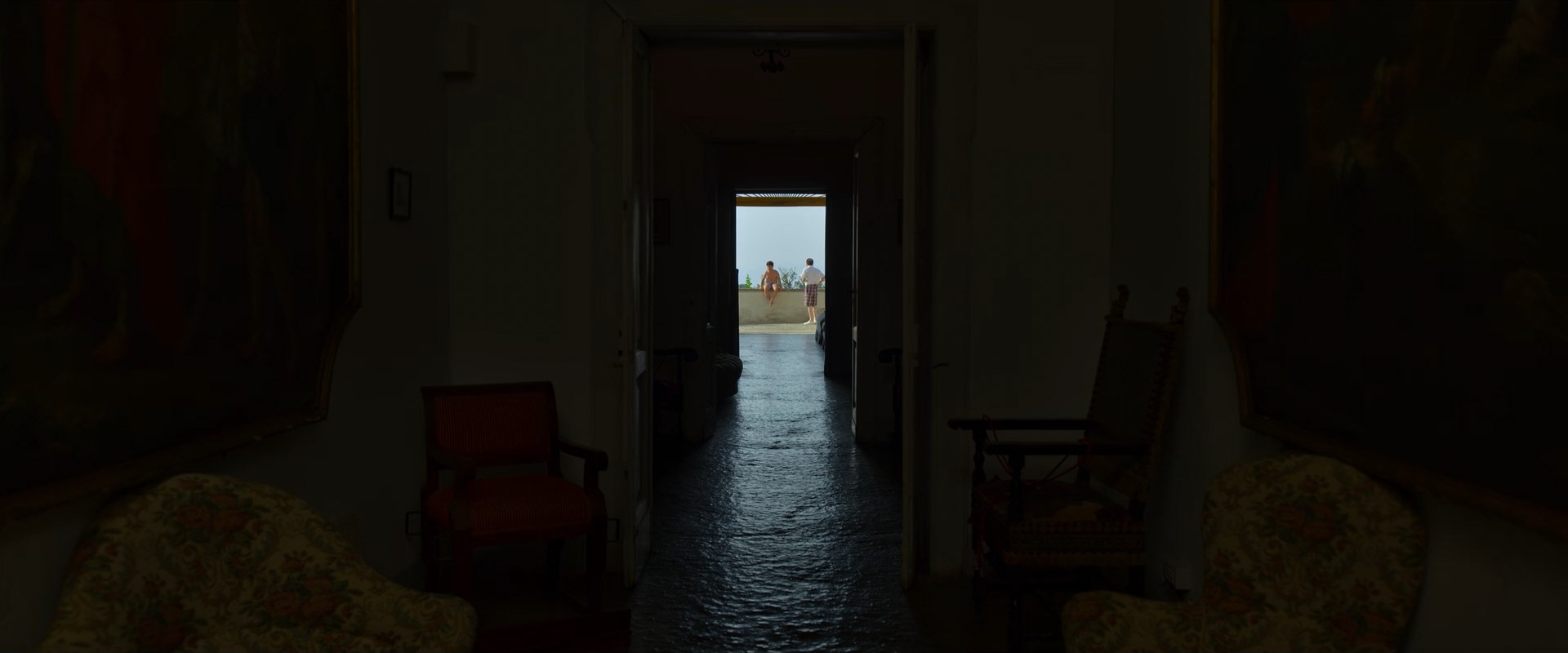
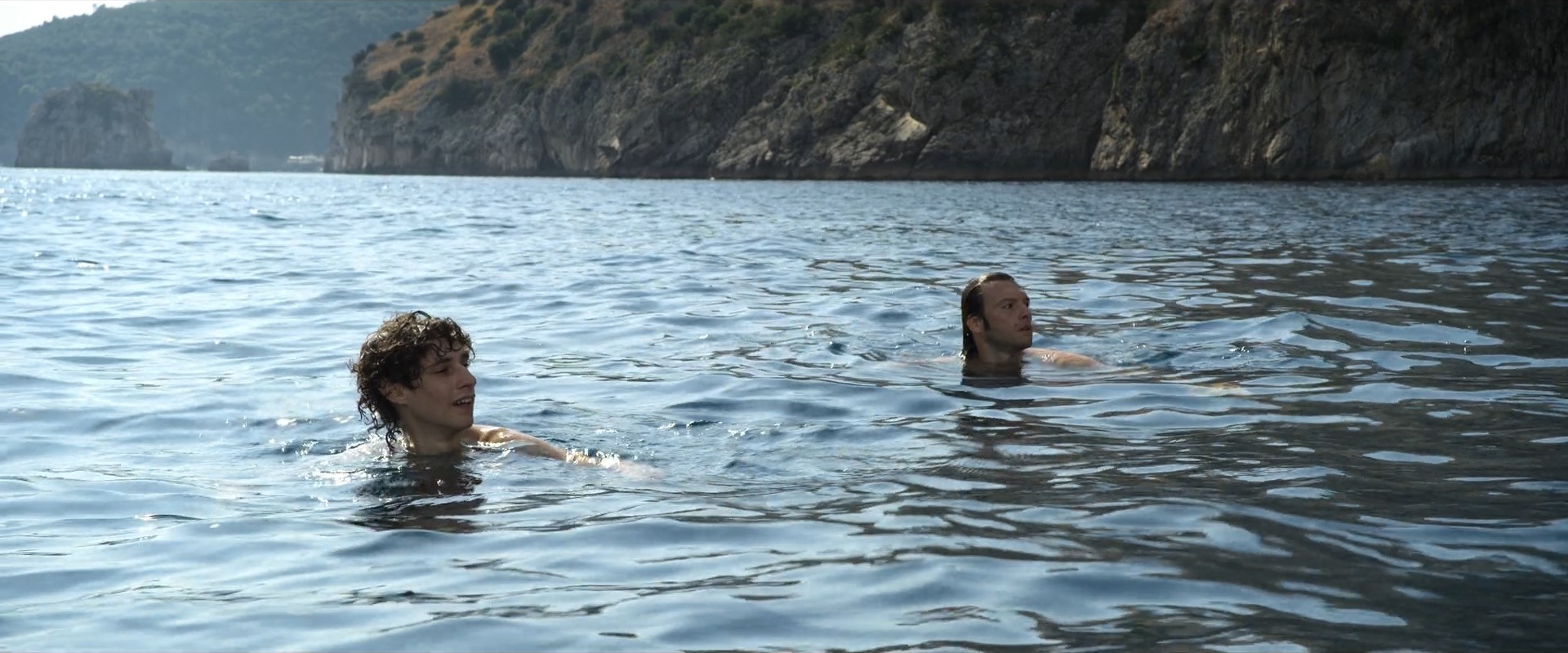
The Hand of God (2021)
Set in 1980s Naples, the film follows a teenage boy named Fabietto as he navigates family life, first love, and personal awakening. His world is shaped by the arrival of football legend Diego Maradona, whose presence becomes symbolic of hope and escape. When a sudden tragedy strikes, Fabietto is forced to confront loss and find his own path forward.
Sorrentino and cinematographer Daria D’Antonio shoot The Hand of God with a warm, nostalgic glow, using soft natural light and fluid camera movement to evoke memory and place. The film balances intimate interiors with sweeping coastal vistas, often staging characters against open space—turning Naples into both a lived-in environment and a poetic reflection of youth, longing, and transformation.



FILM SPOTLIGHT
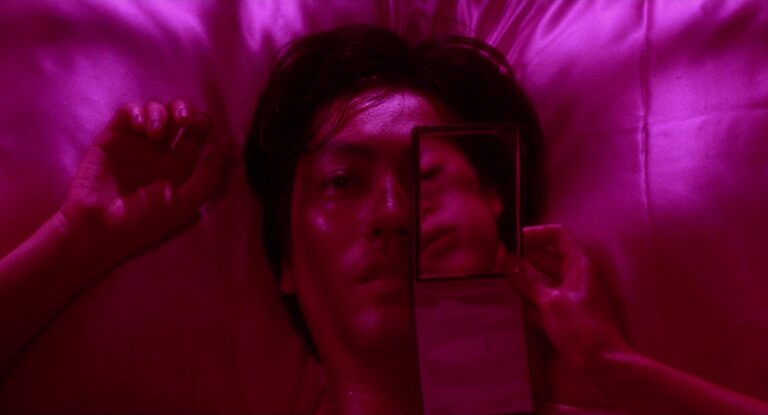
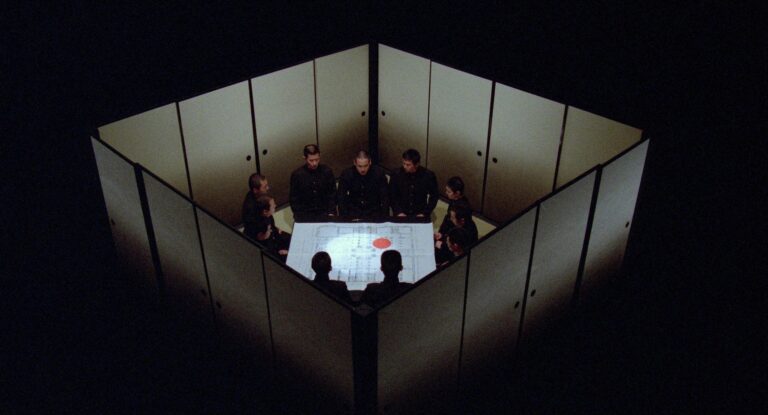
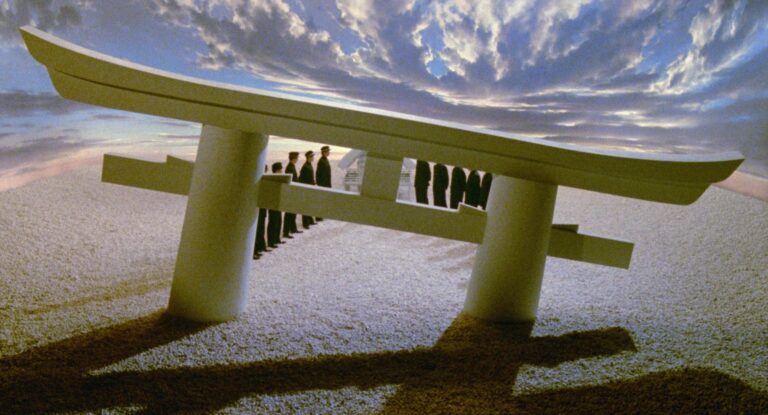
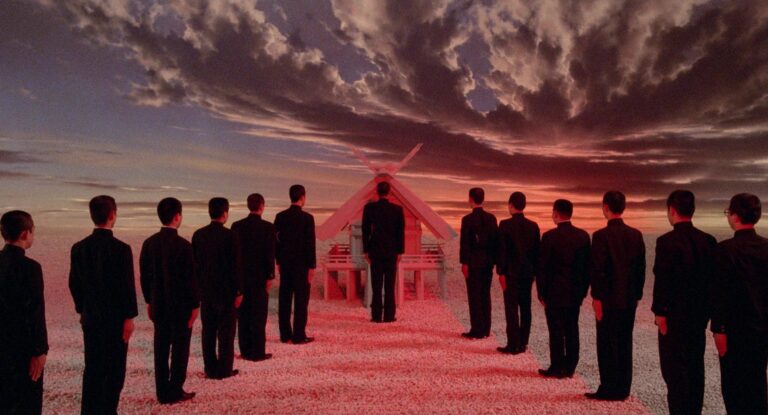
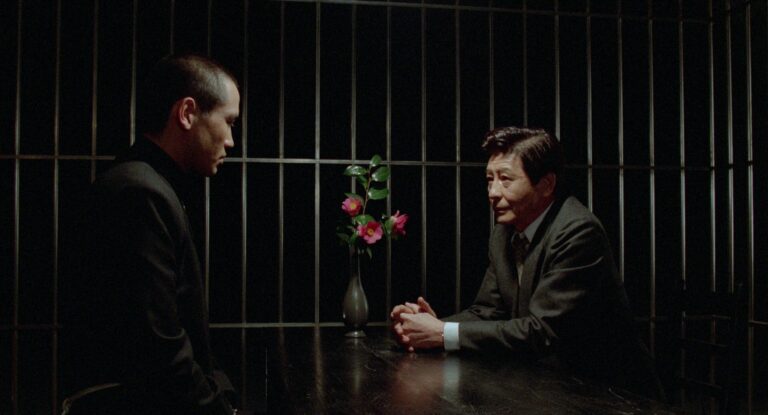
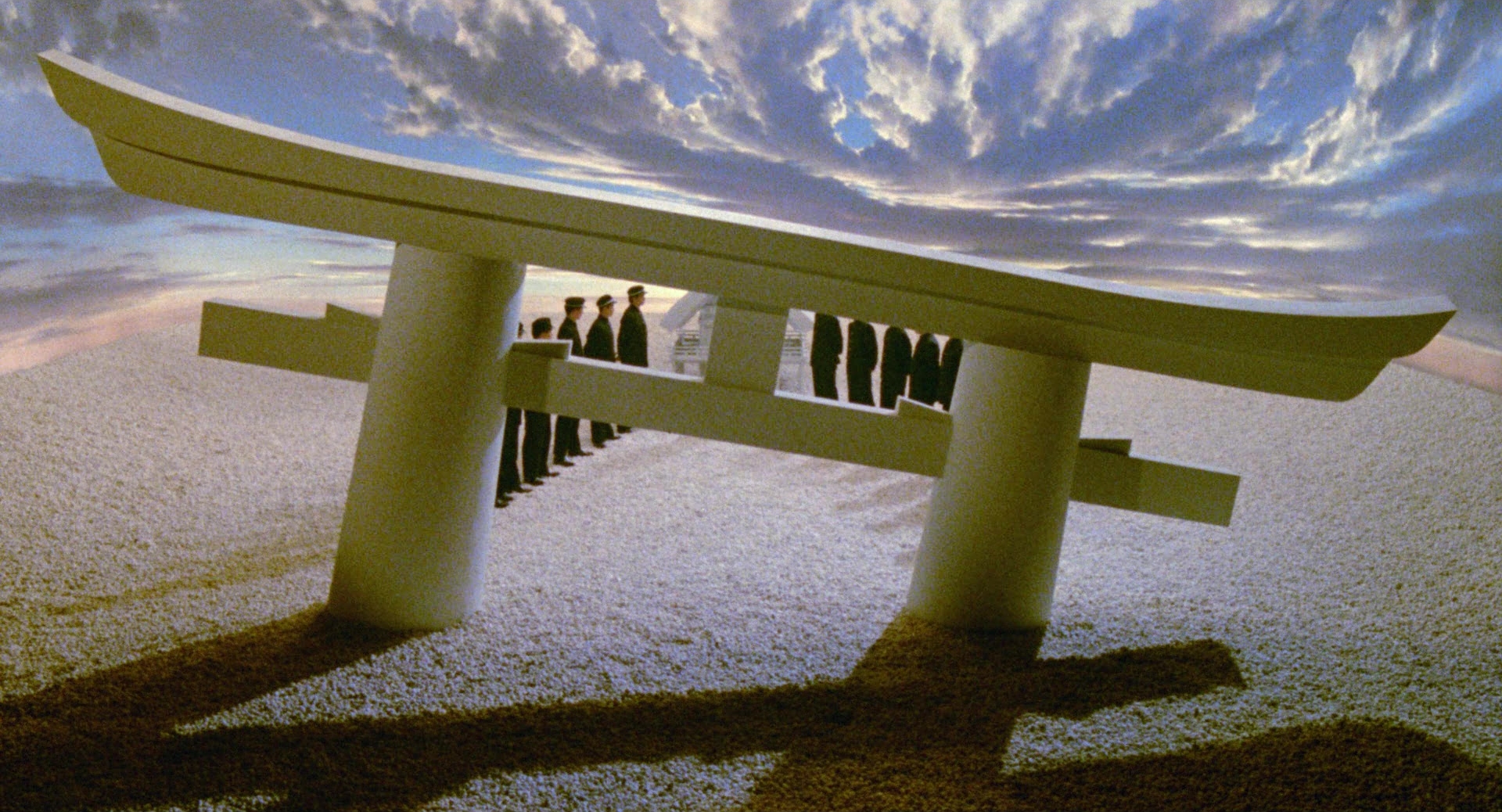
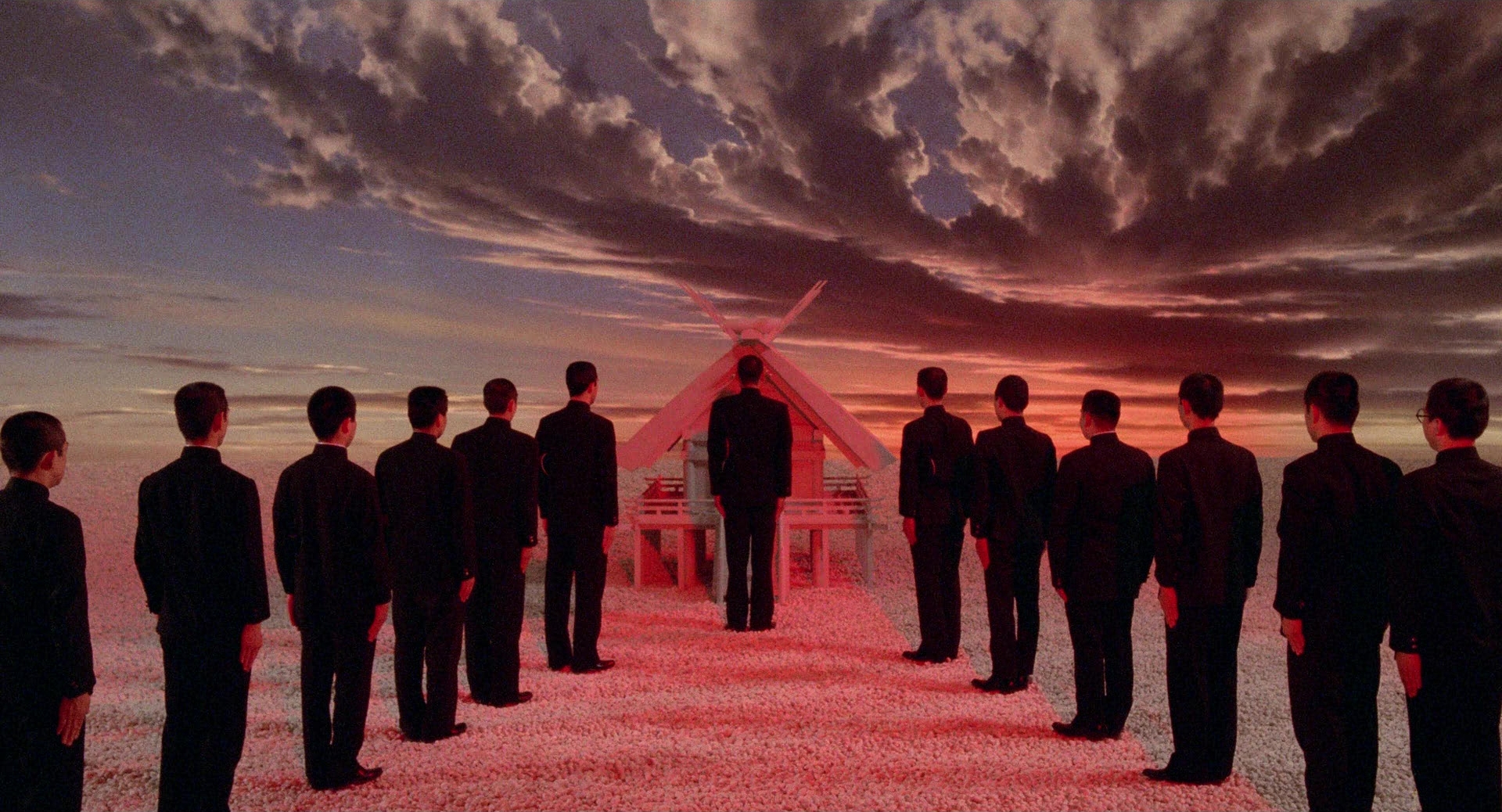
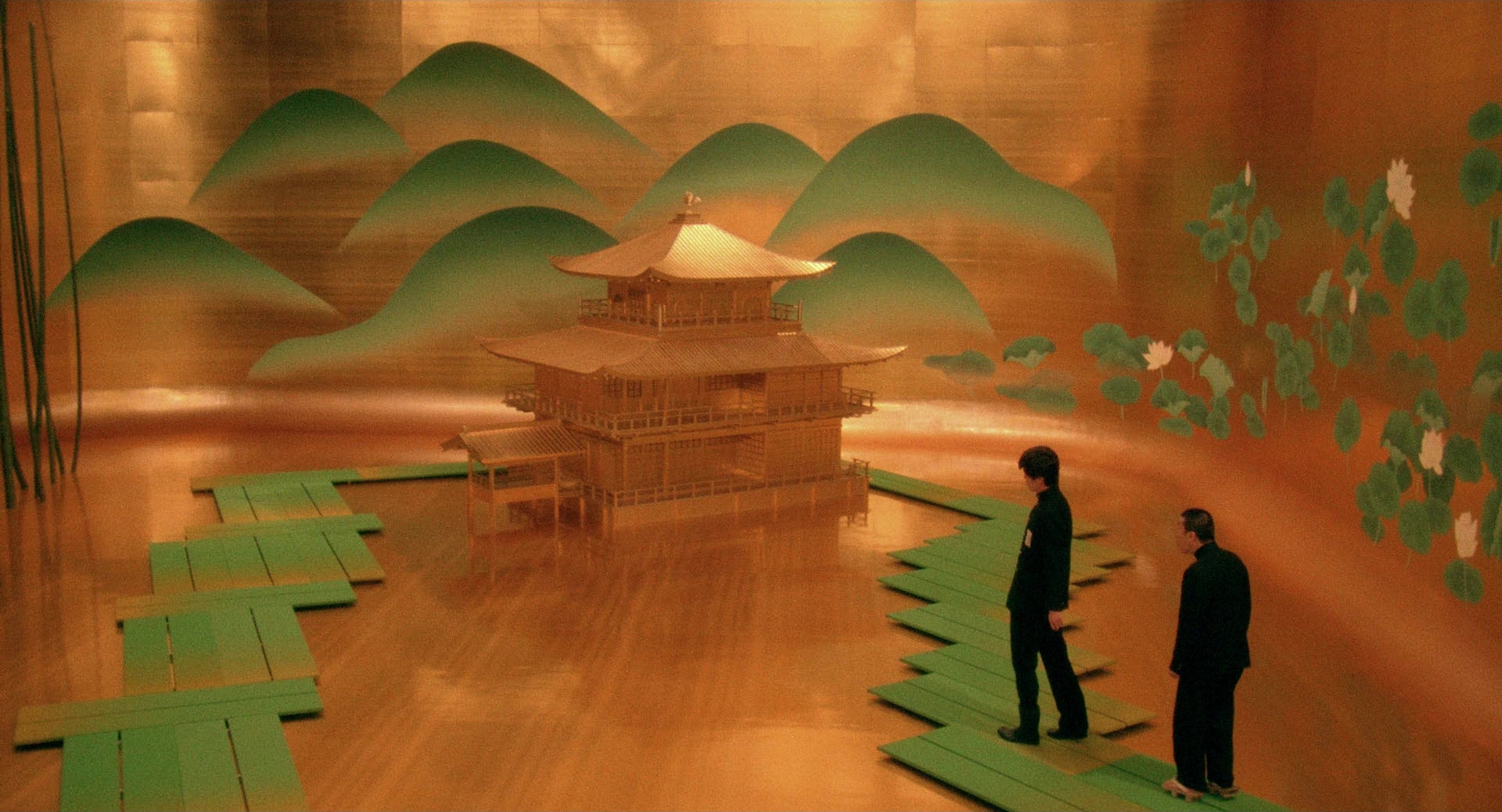
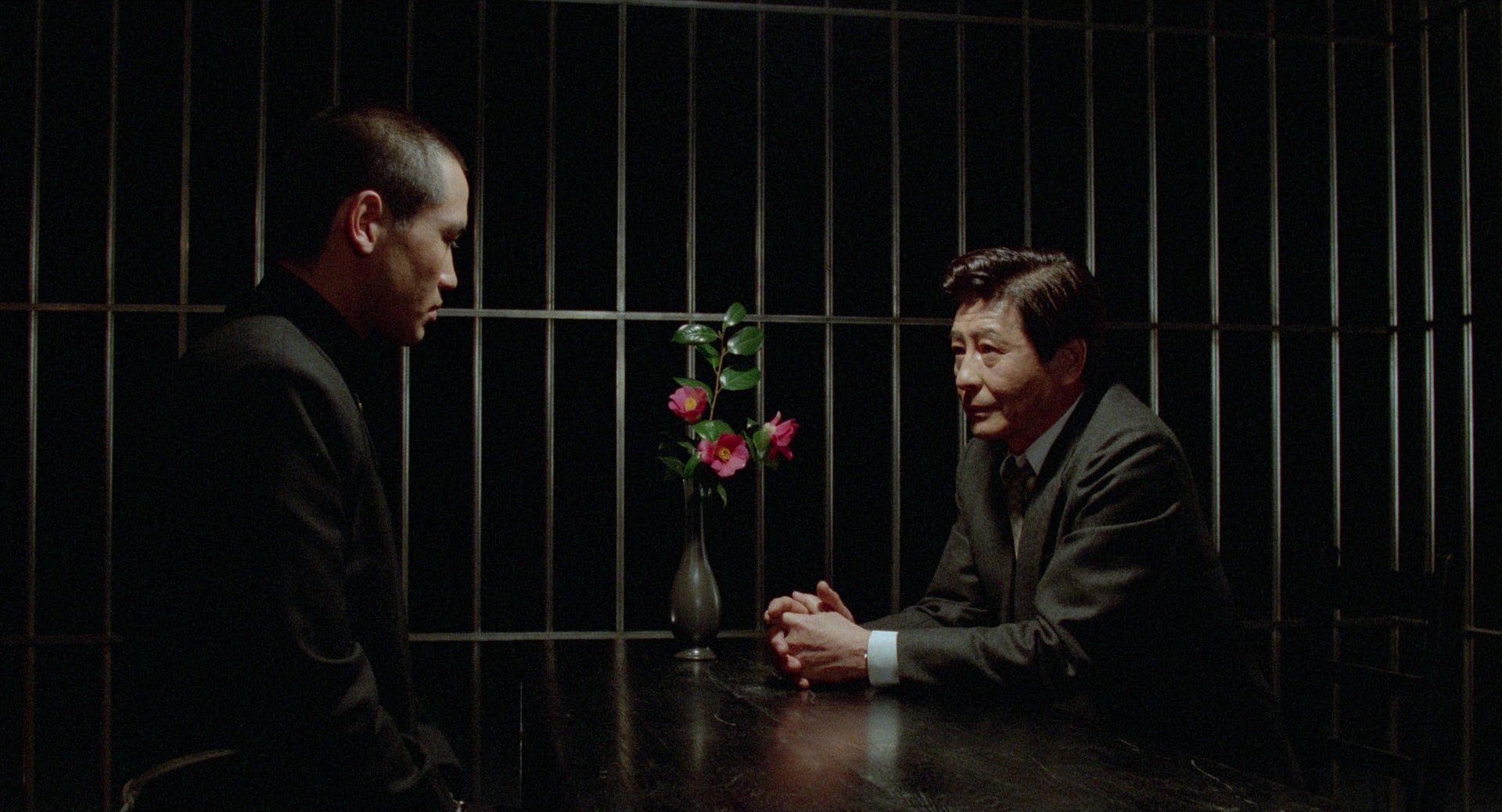
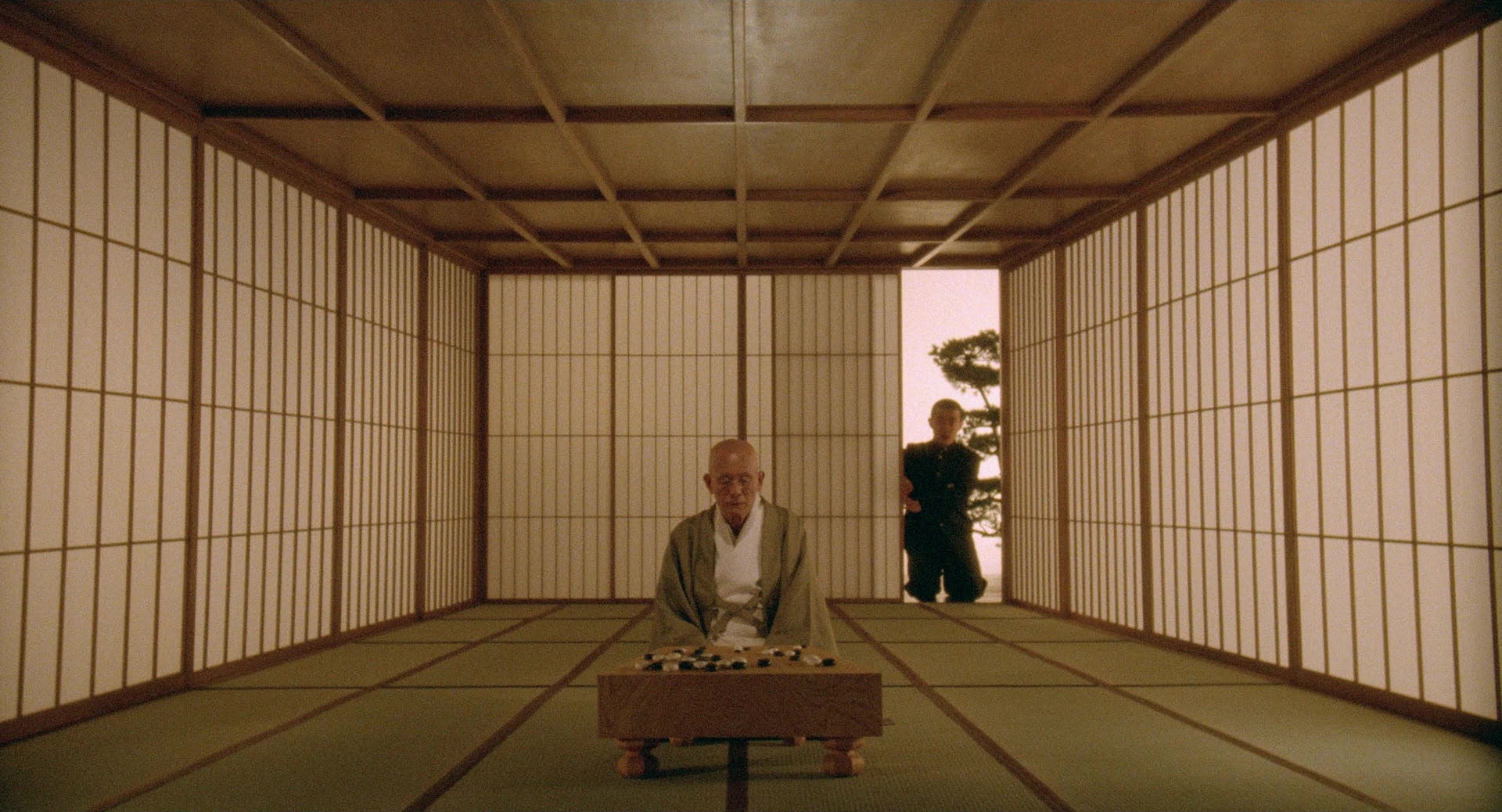
Mishima: A Life in Four Chapters (1985)
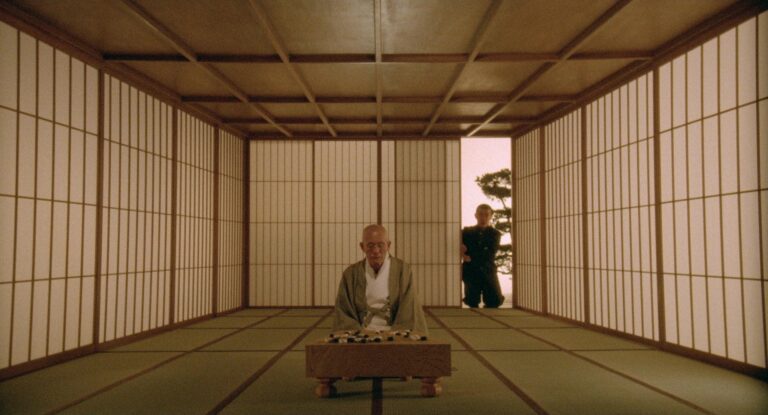
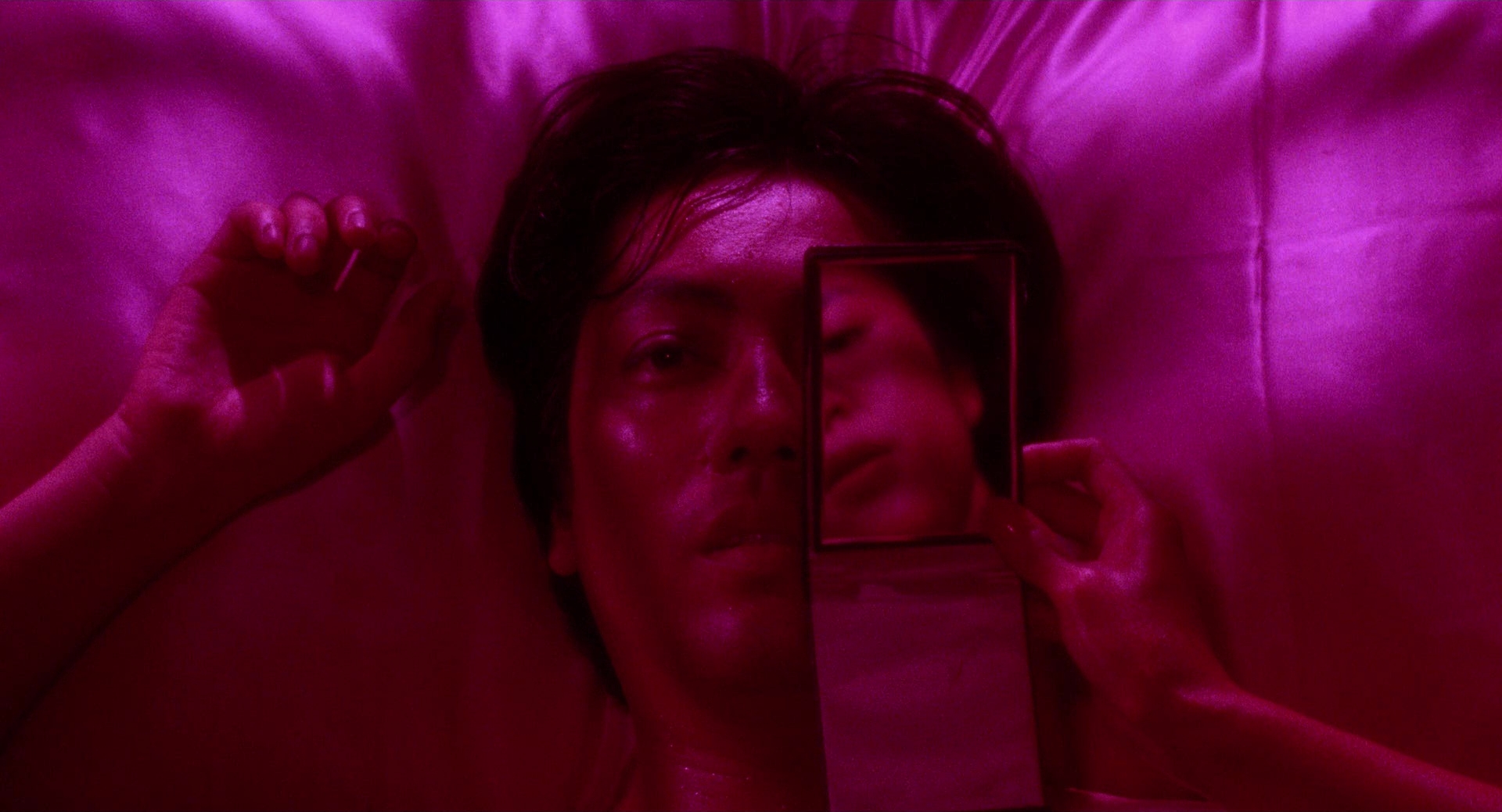
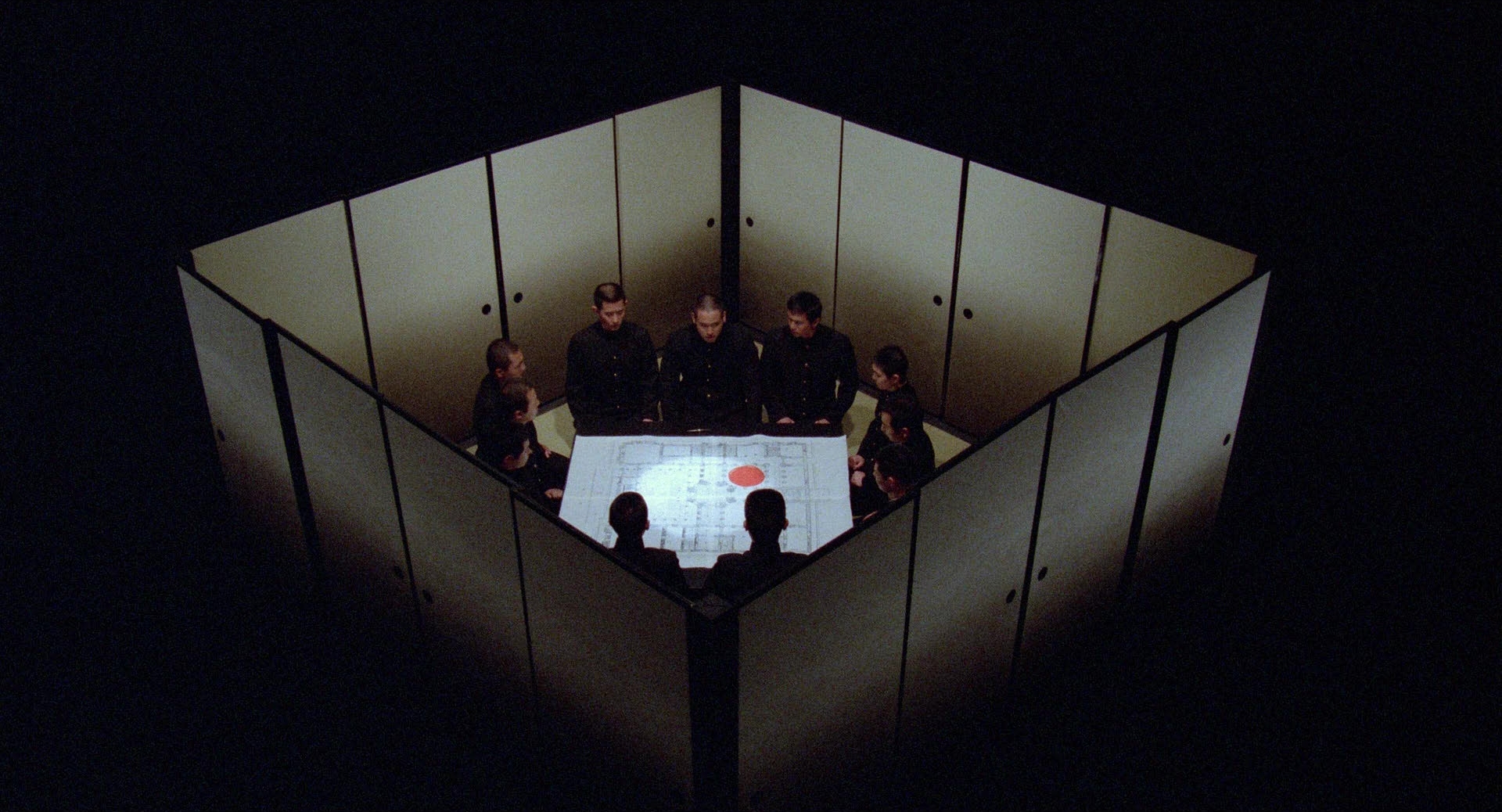
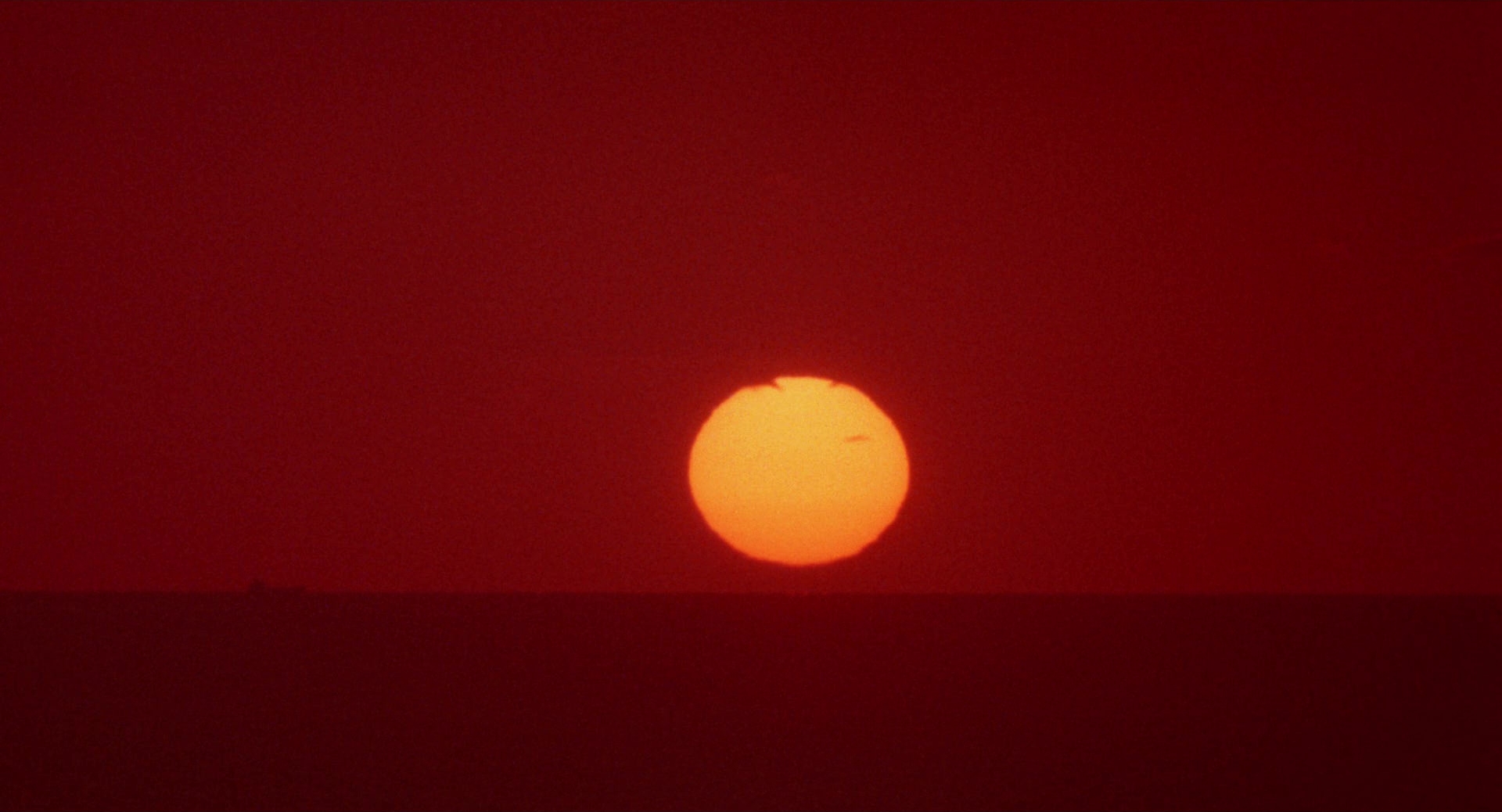
Mishima traces the life of Japanese writer Yukio Mishima, interweaving the events of his final day—culminating in a failed coup and ritual suicide—with flashbacks to his past and dramatizations of his novels. Through these parallel threads, the film explores Mishima’s obsessions with beauty, discipline, nationalism, and death. The structure forms a layered portrait of an artist whose life and work become inseparable.
Schrader and cinematographer John Bailey construct the film through three distinct visual modes: naturalistic black-and-white for childhood memories, restrained color for biographical scenes, and highly stylized, theatrical sets for the novel adaptations. These staged sequences—designed by Eiko Ishioka—use bold color blocking, artificial lighting, and geometric compositions, turning literature into living tableaux and making form itself a central storytelling device.


FILM SPOTLIGHT
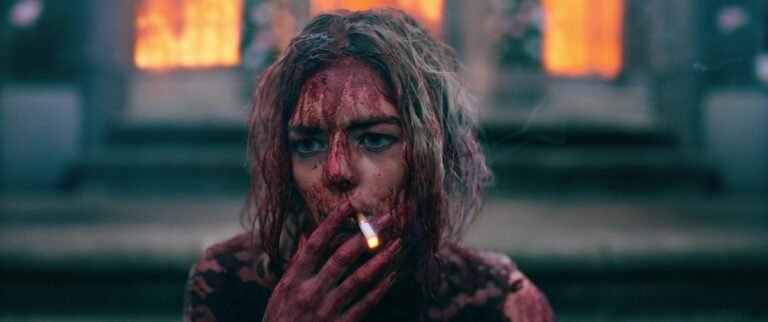
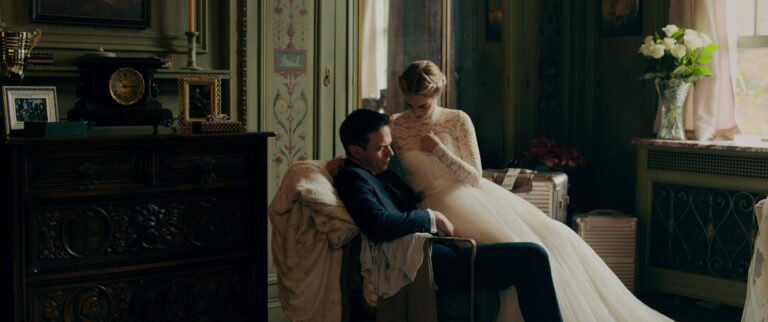
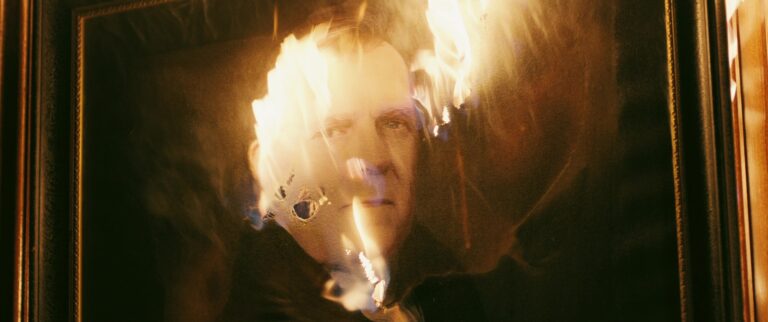
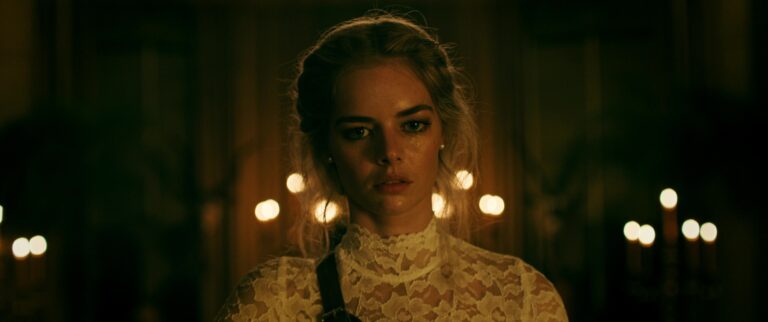
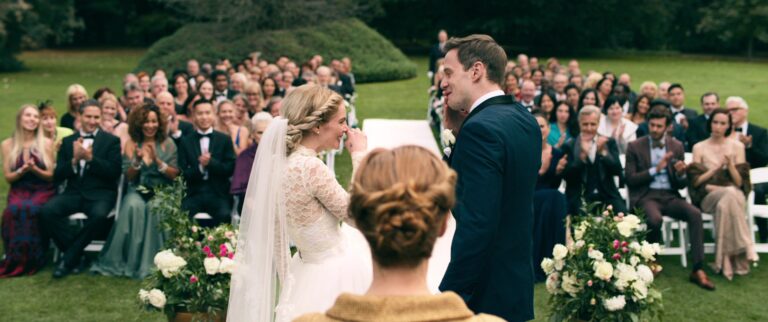
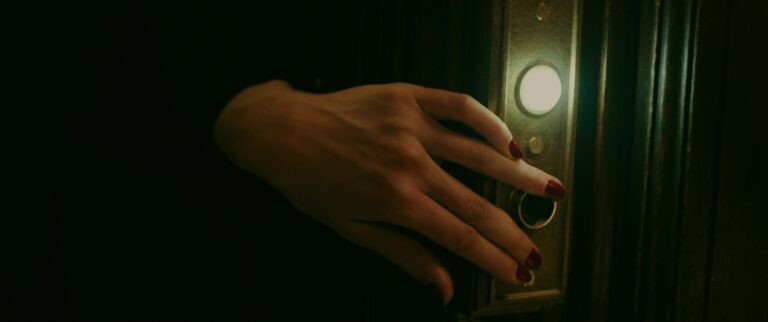
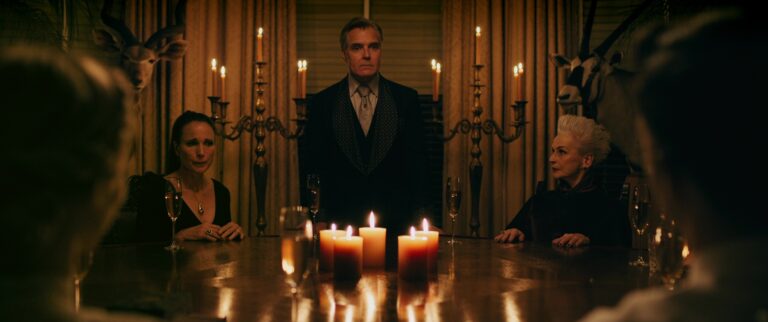
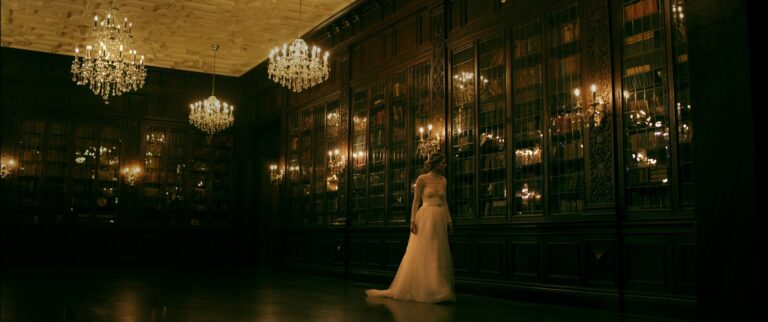
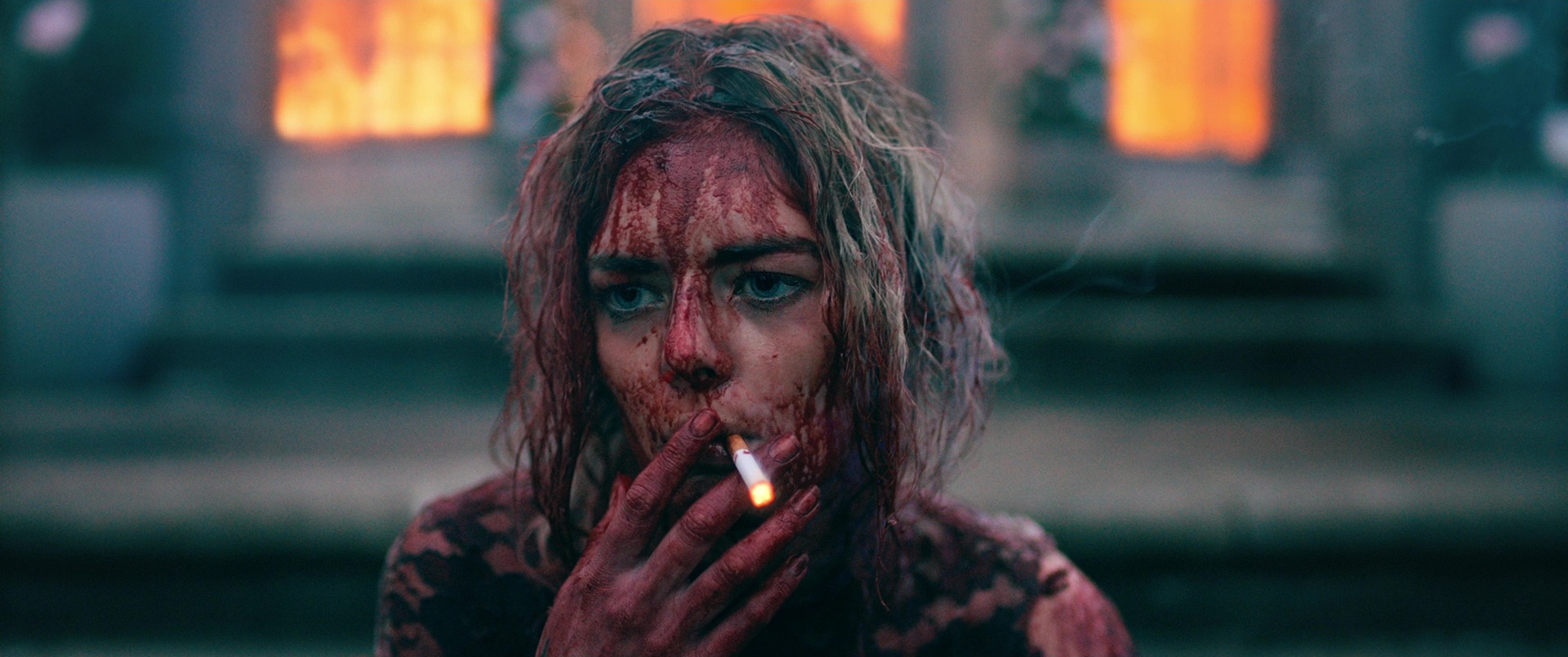
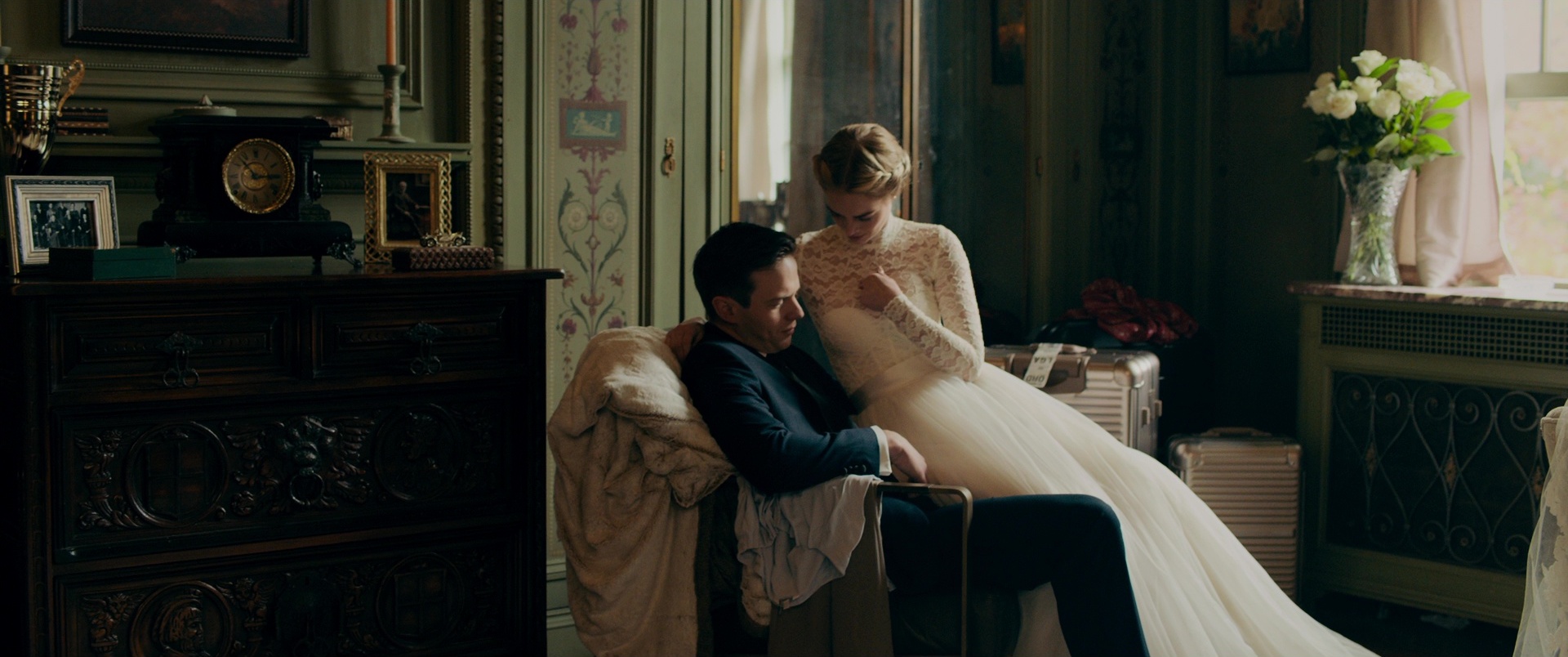
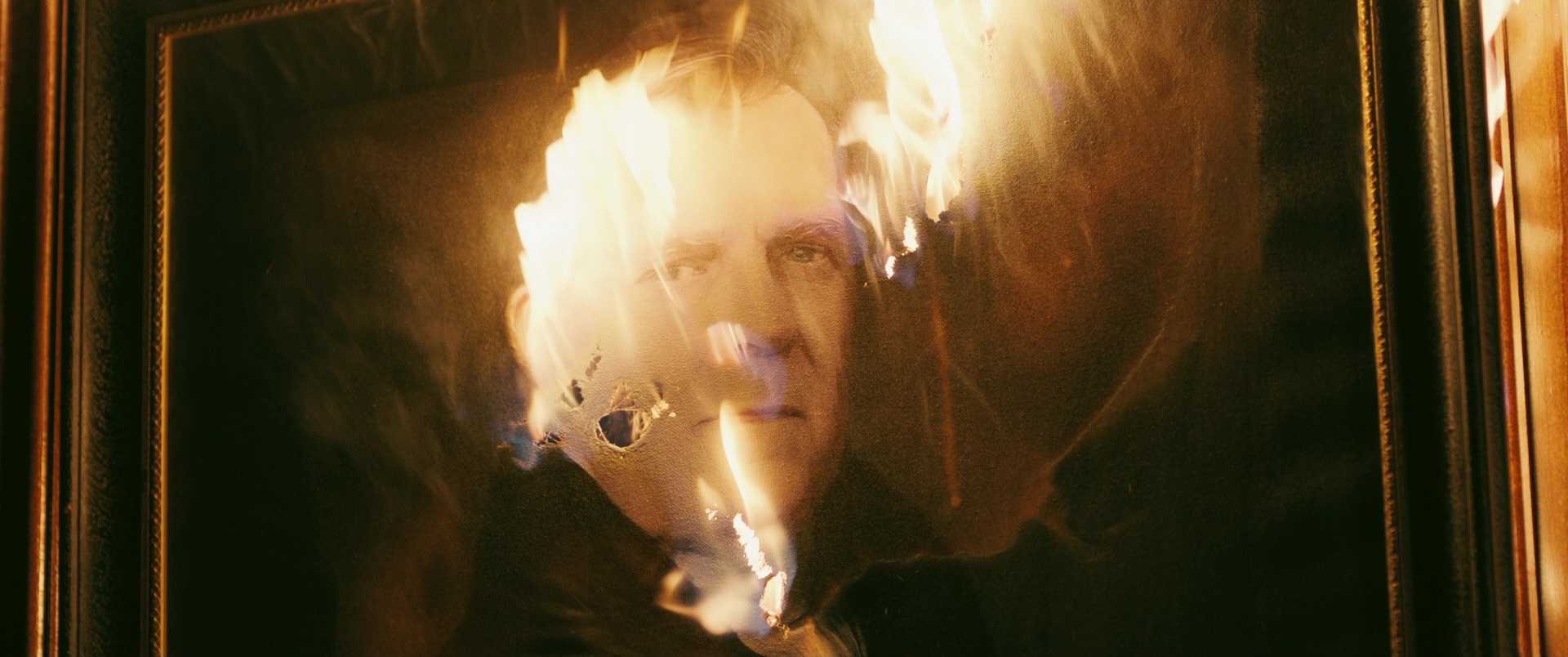
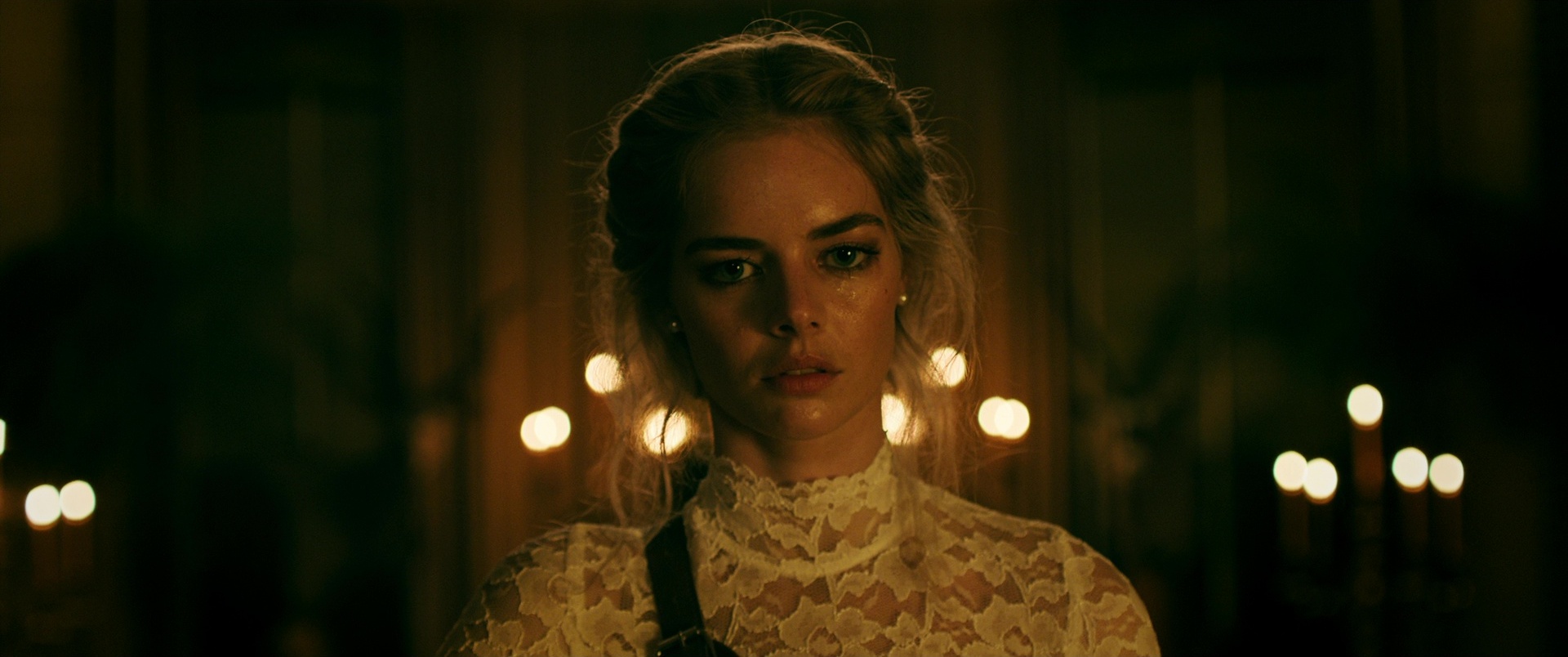
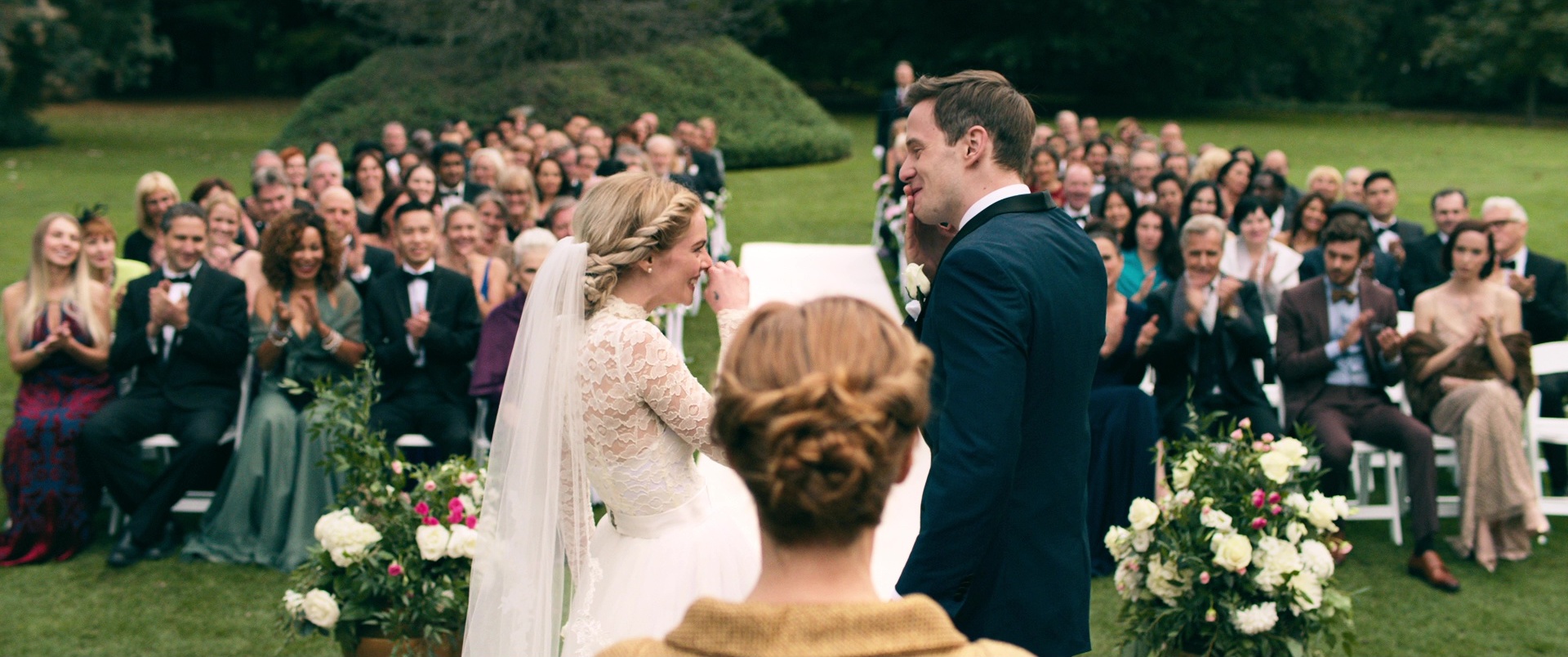
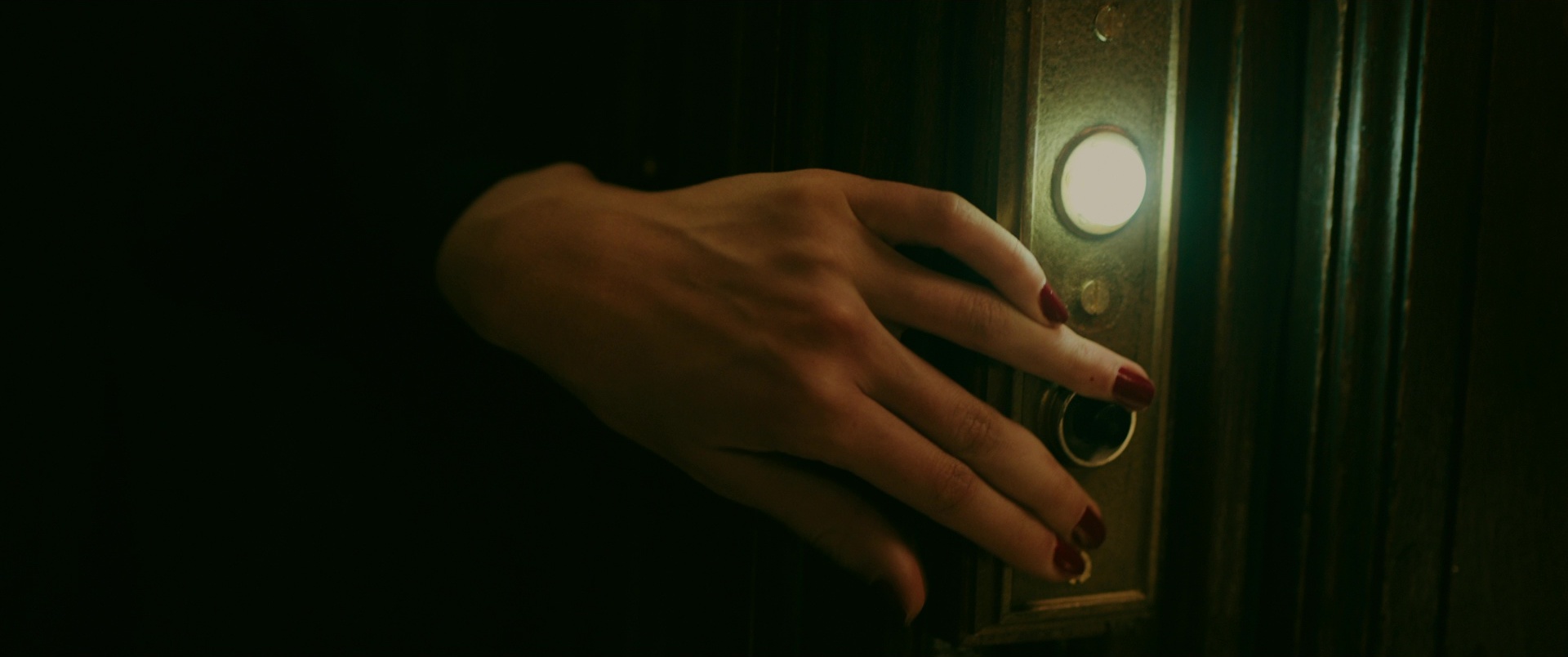
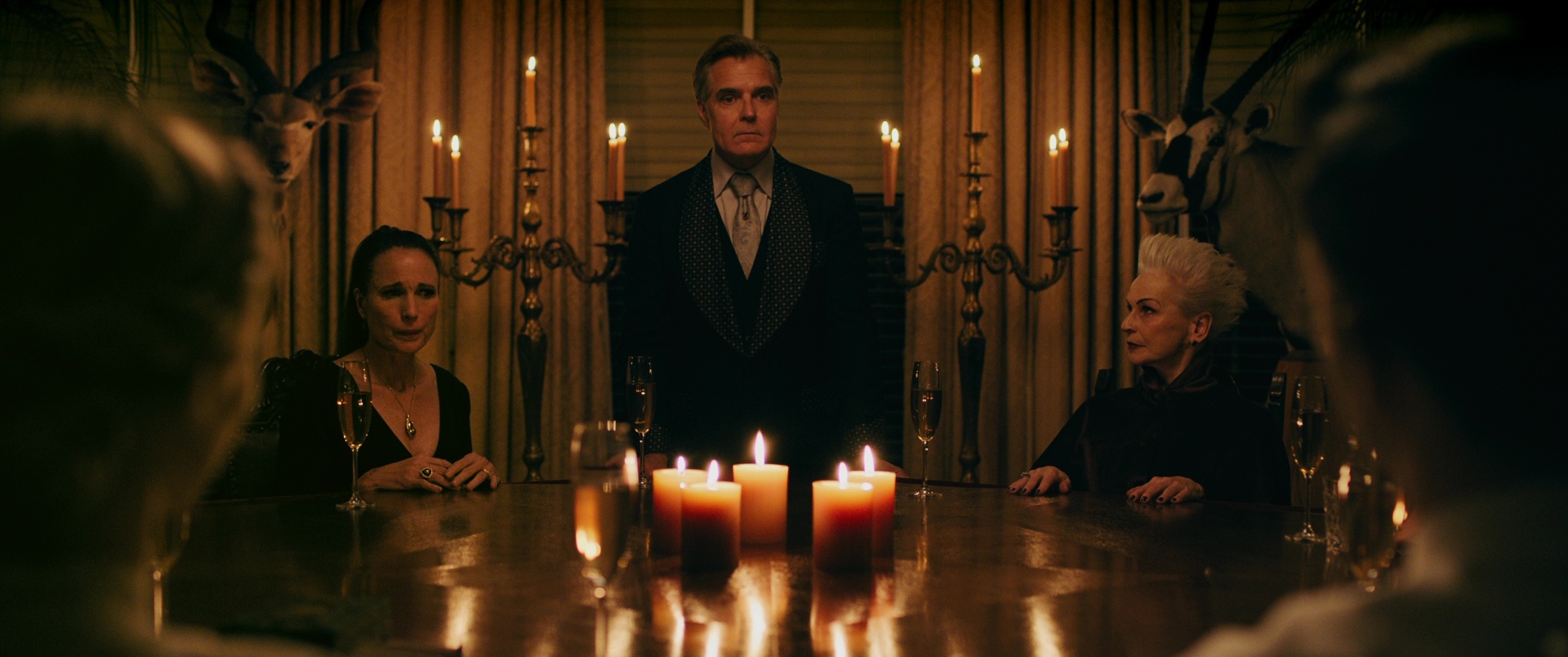
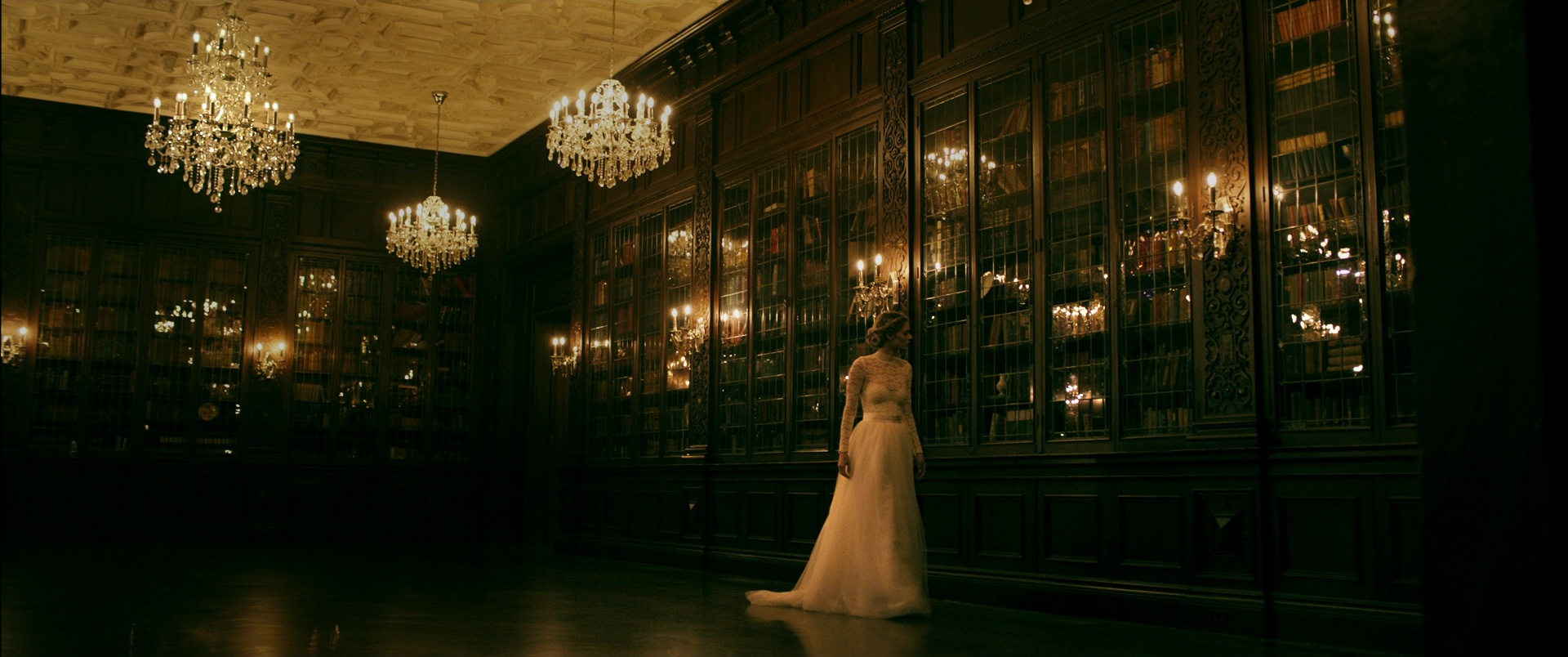
Ready or Not (2019)
On her wedding night, a young bride joins her new husband’s wealthy family for a traditional game meant to welcome her into the clan. What begins as a playful ritual quickly turns deadly when she realizes she’s being hunted as part of a sinister pact. Forced to fight for survival, she navigates the sprawling estate while uncovering the family’s dark secrets.
The film leans into gothic horror-comedy aesthetics, with cinematographer Brett Jutkiewicz using warm candlelight, deep shadows, and rich wood-toned interiors to give the mansion a classic, haunted feel. The contrast between elegant production design and bursts of chaotic violence—often emphasized through handheld movement and sharp lighting shifts—turns the space into a theatrical playground where tone swings between suspense and dark humor.


FILM SPOTLIGHT
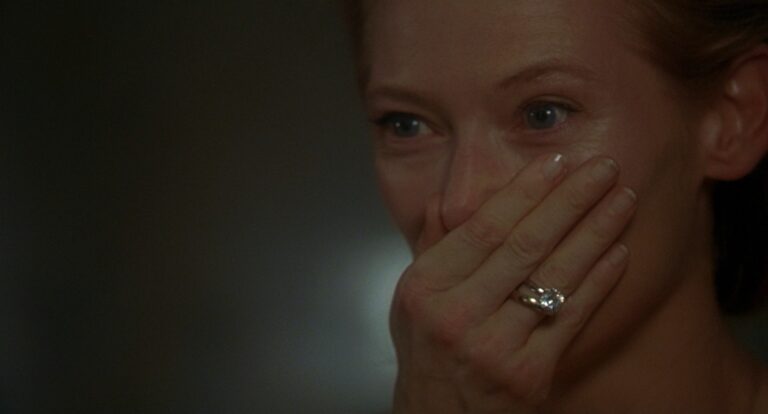
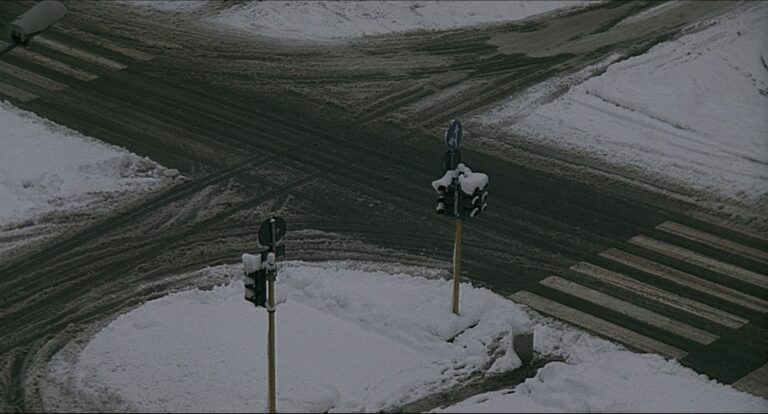
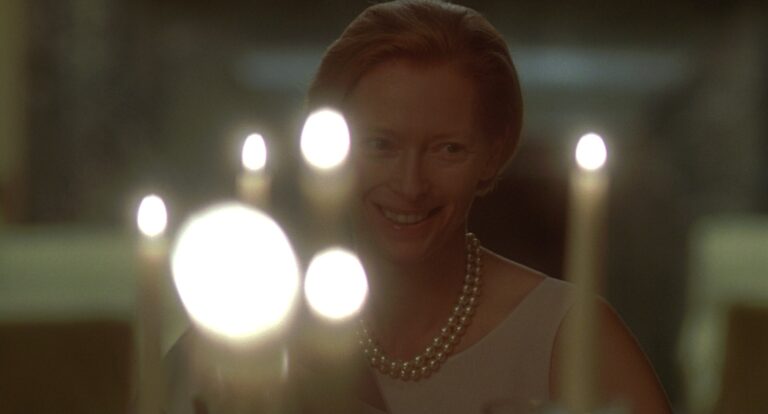
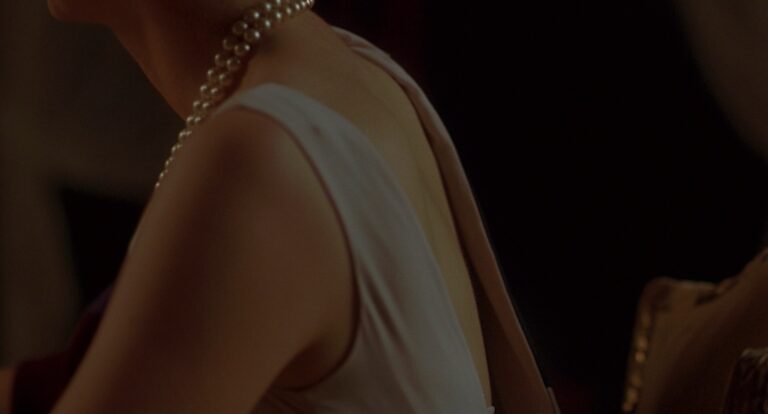
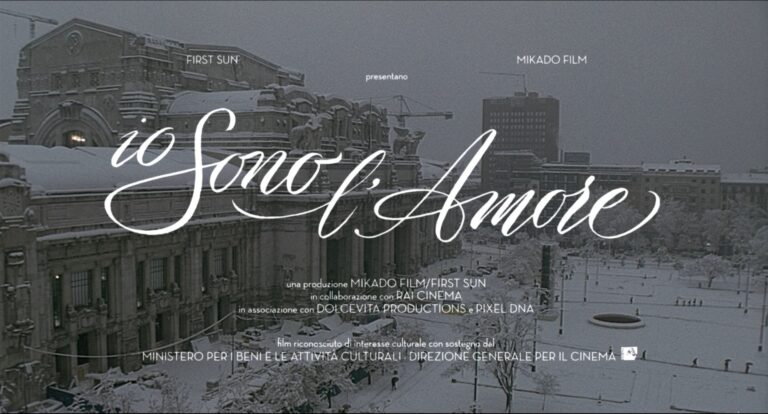
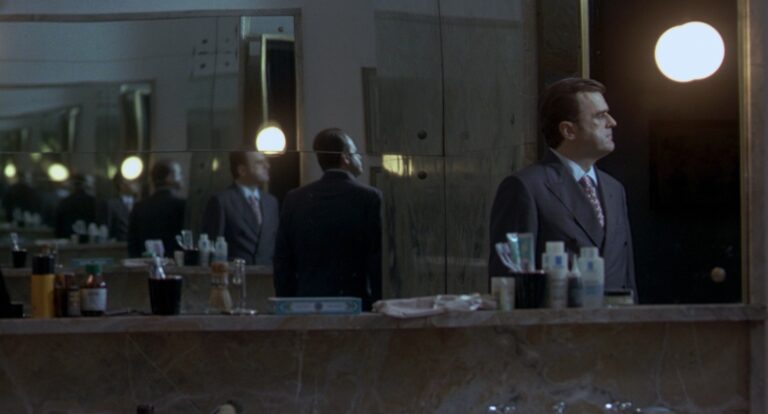
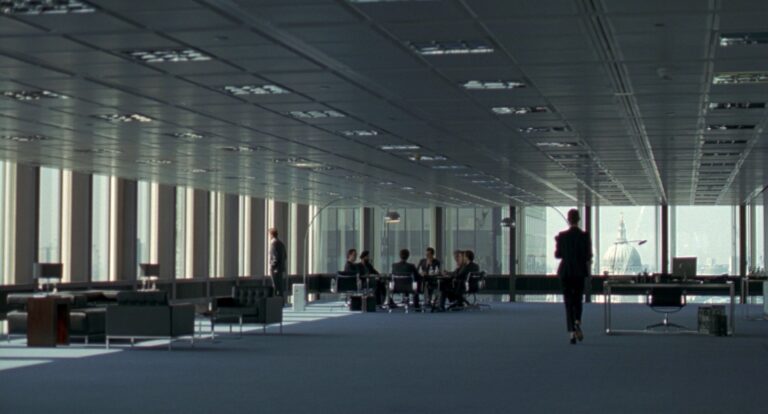
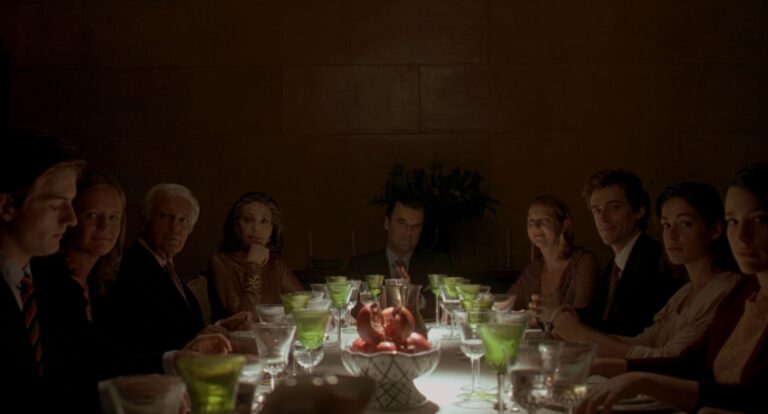
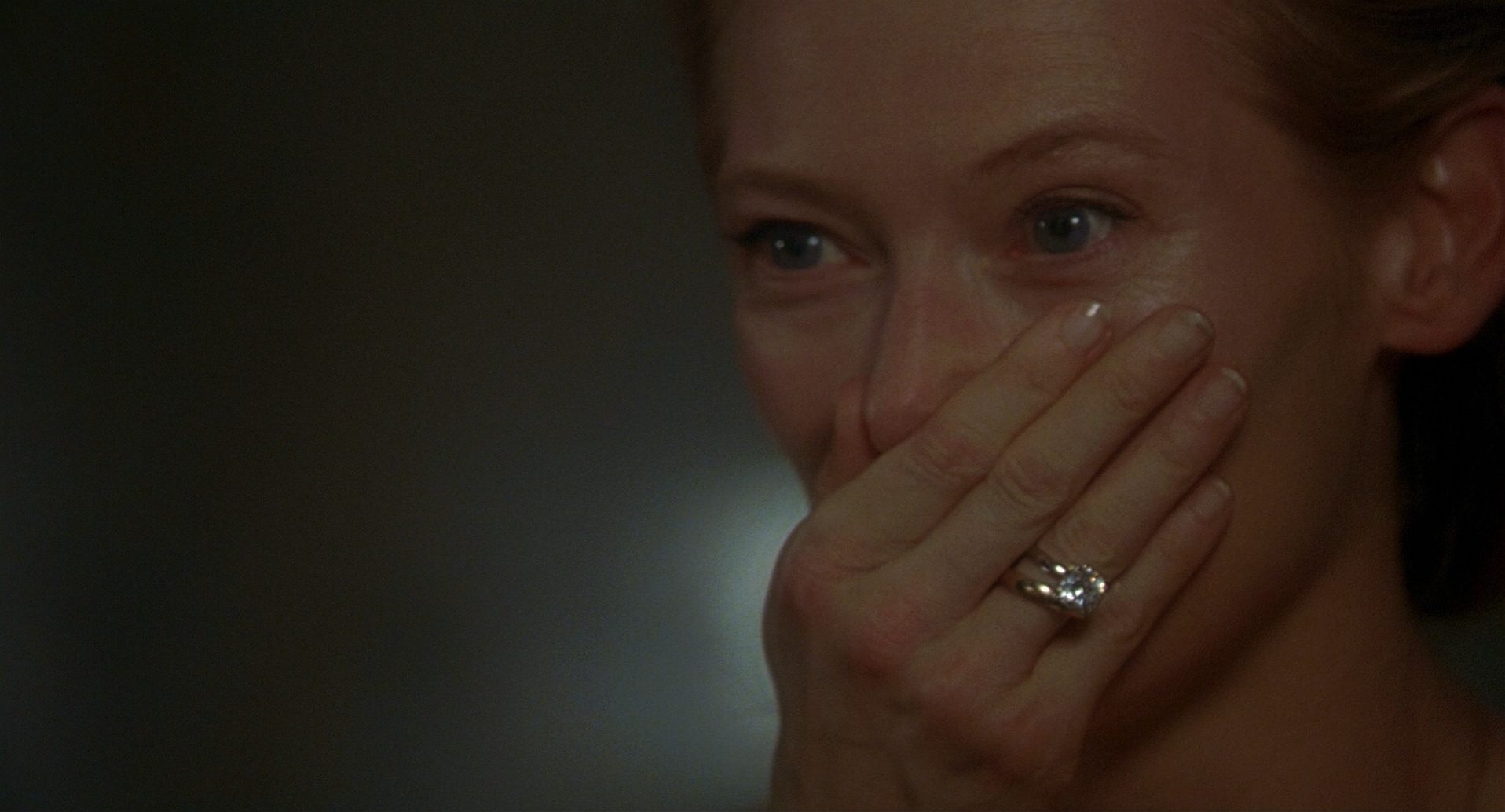
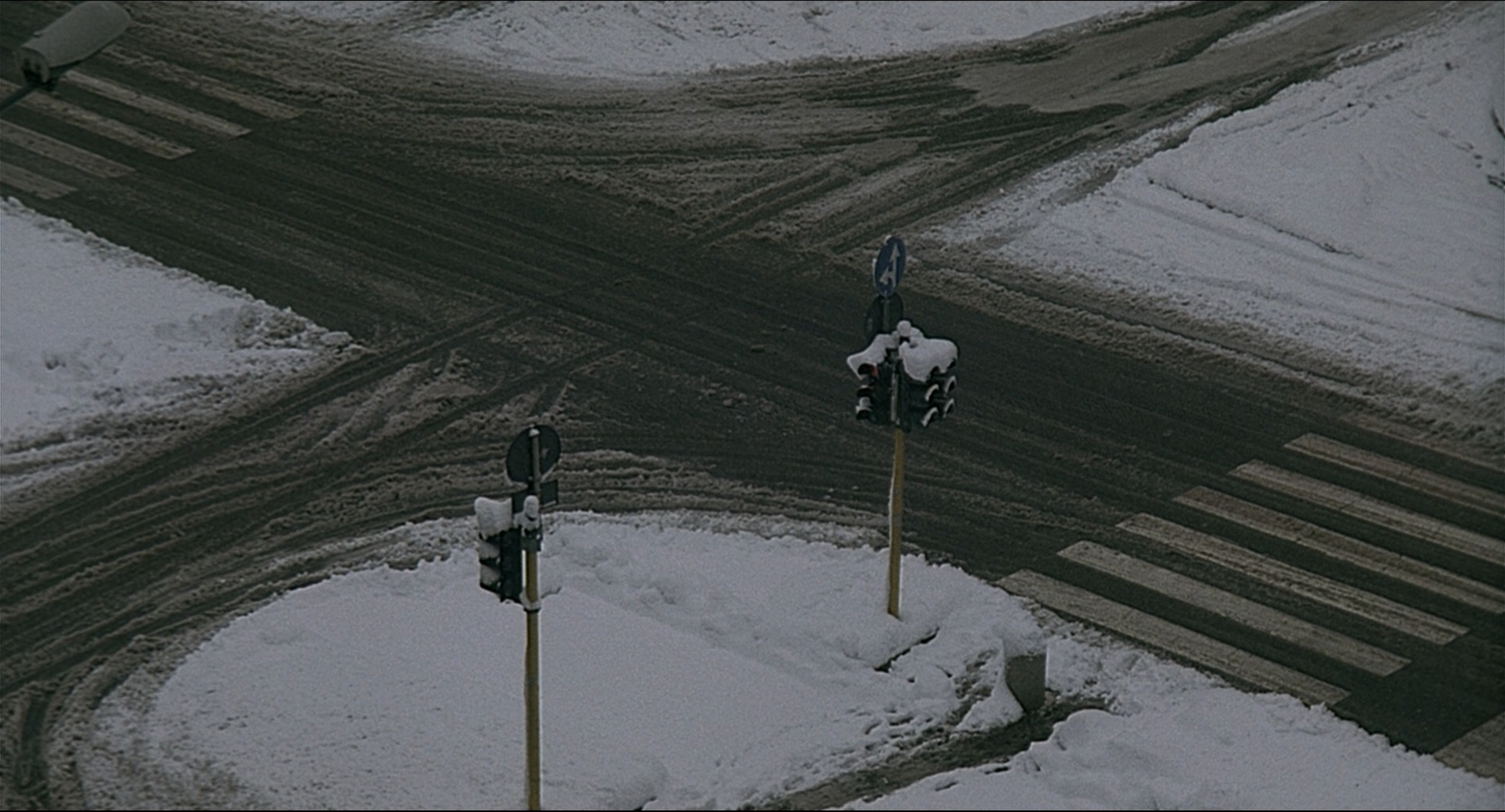
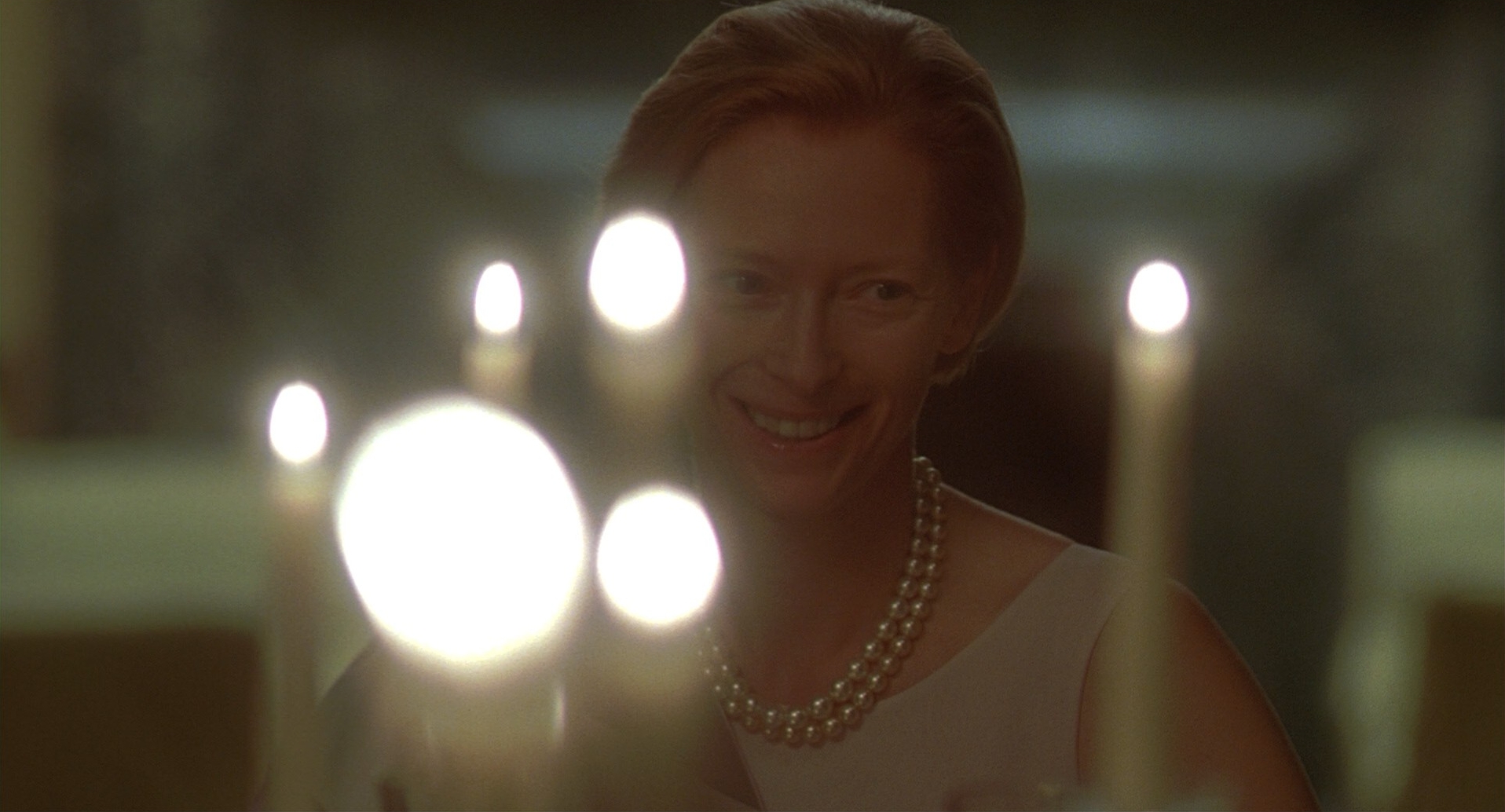
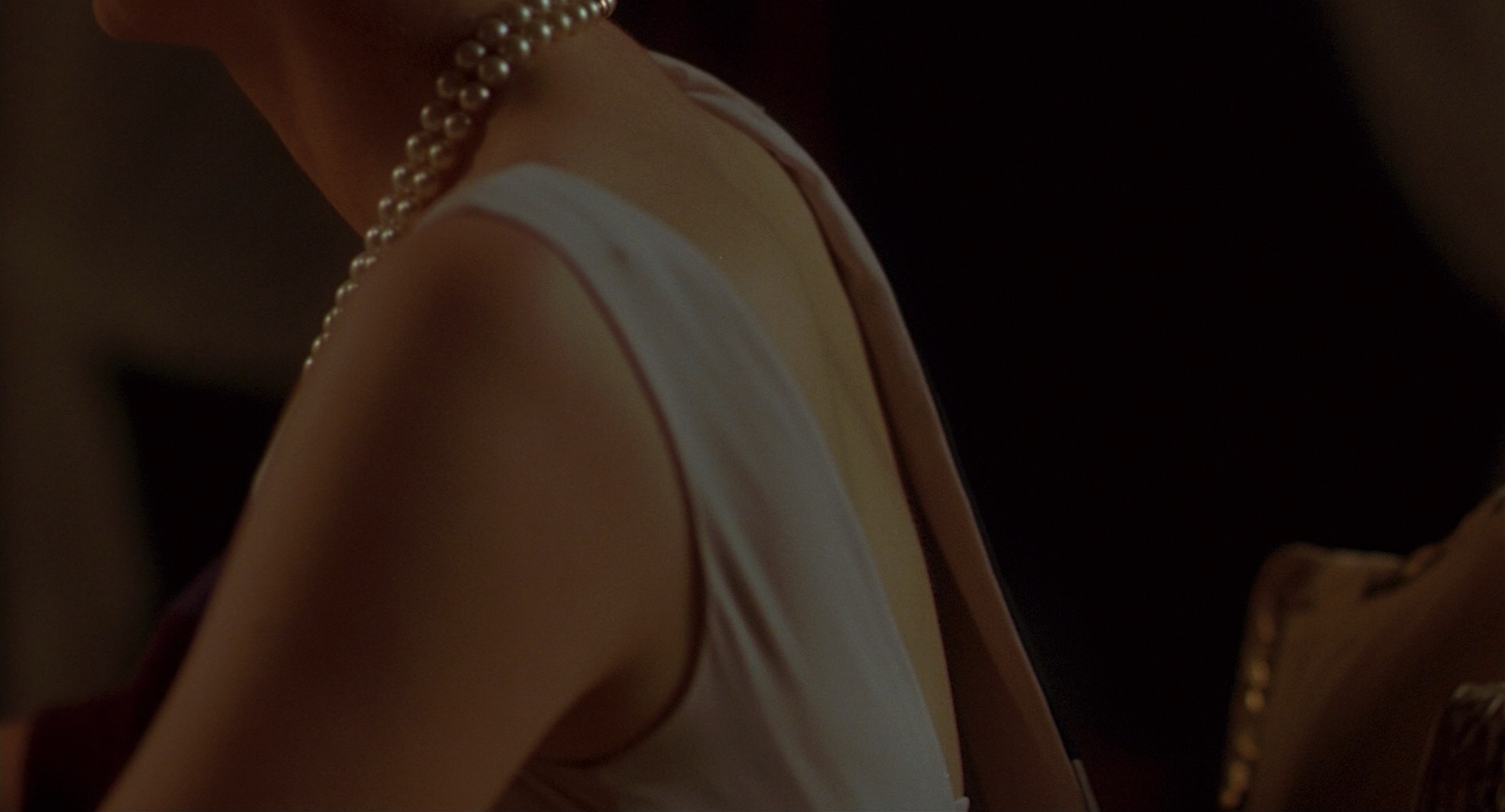
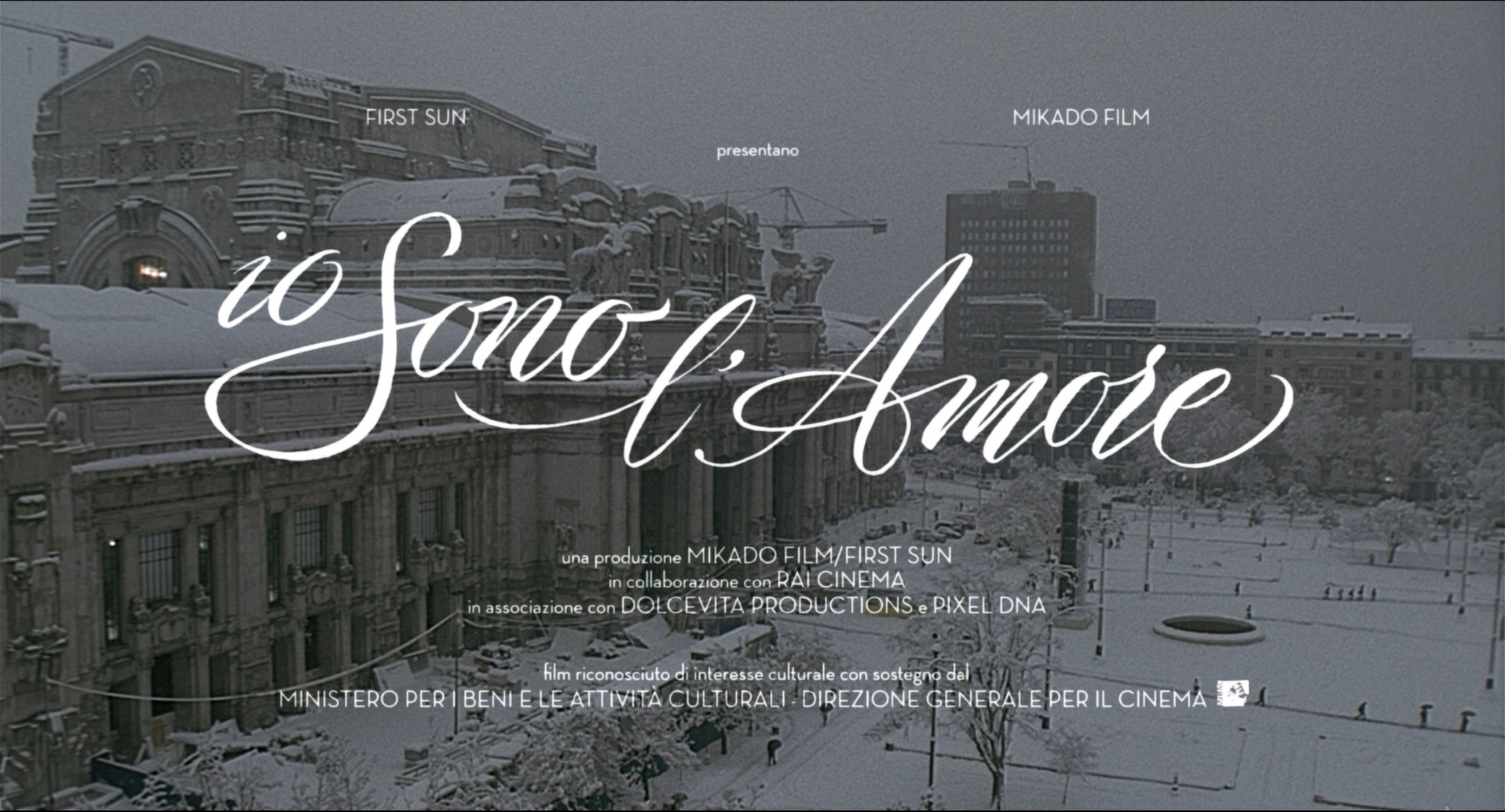
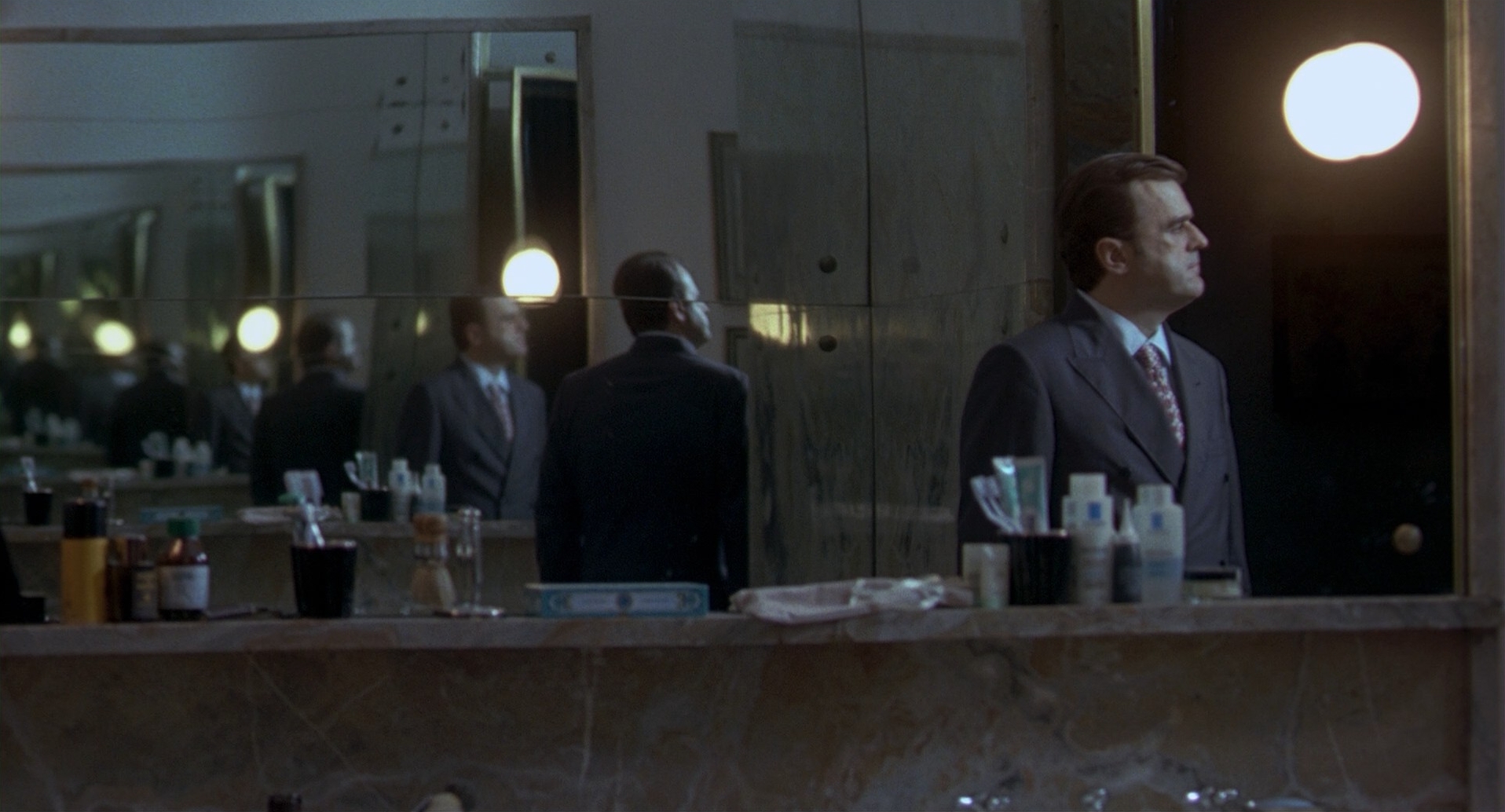
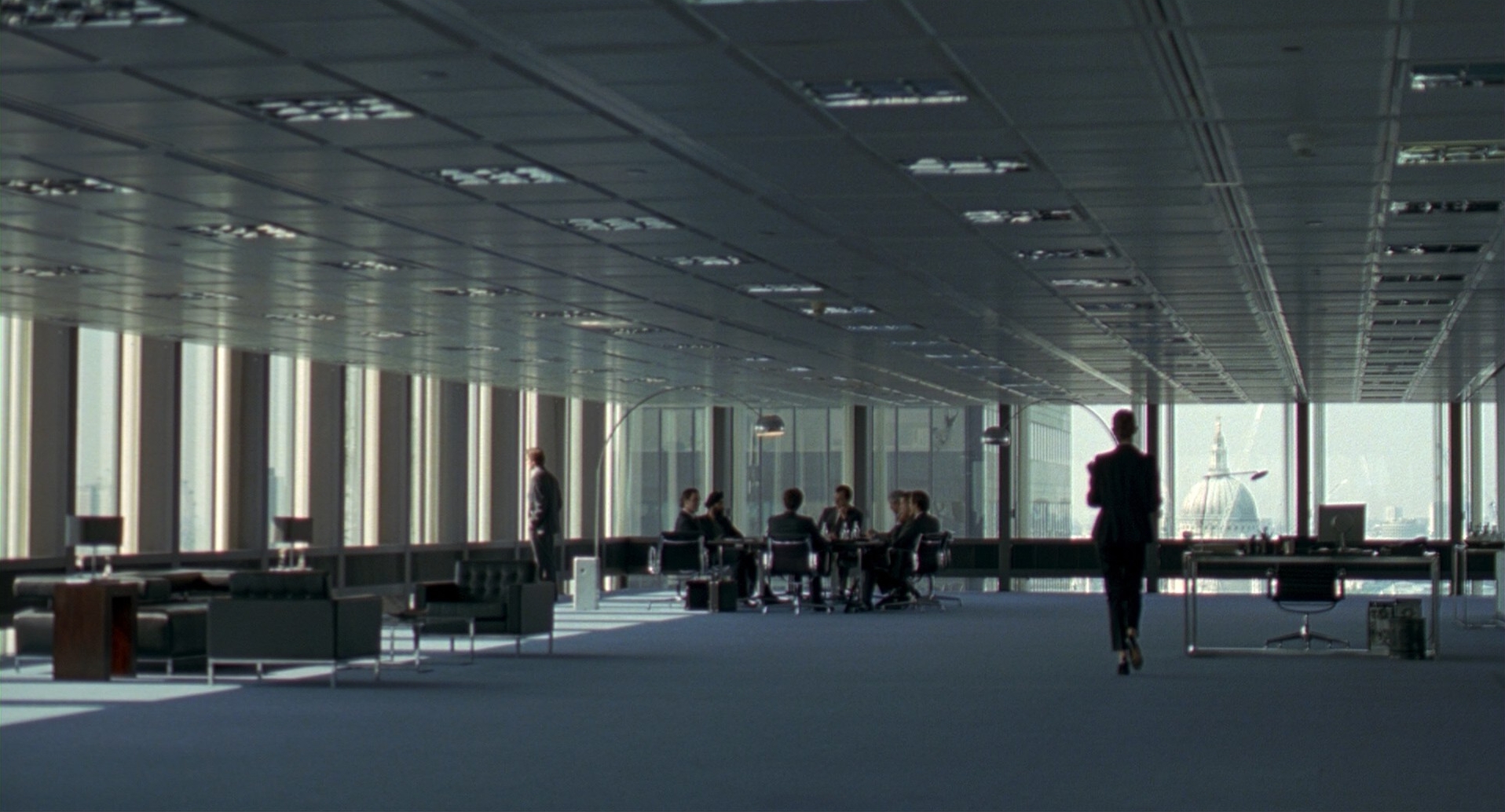
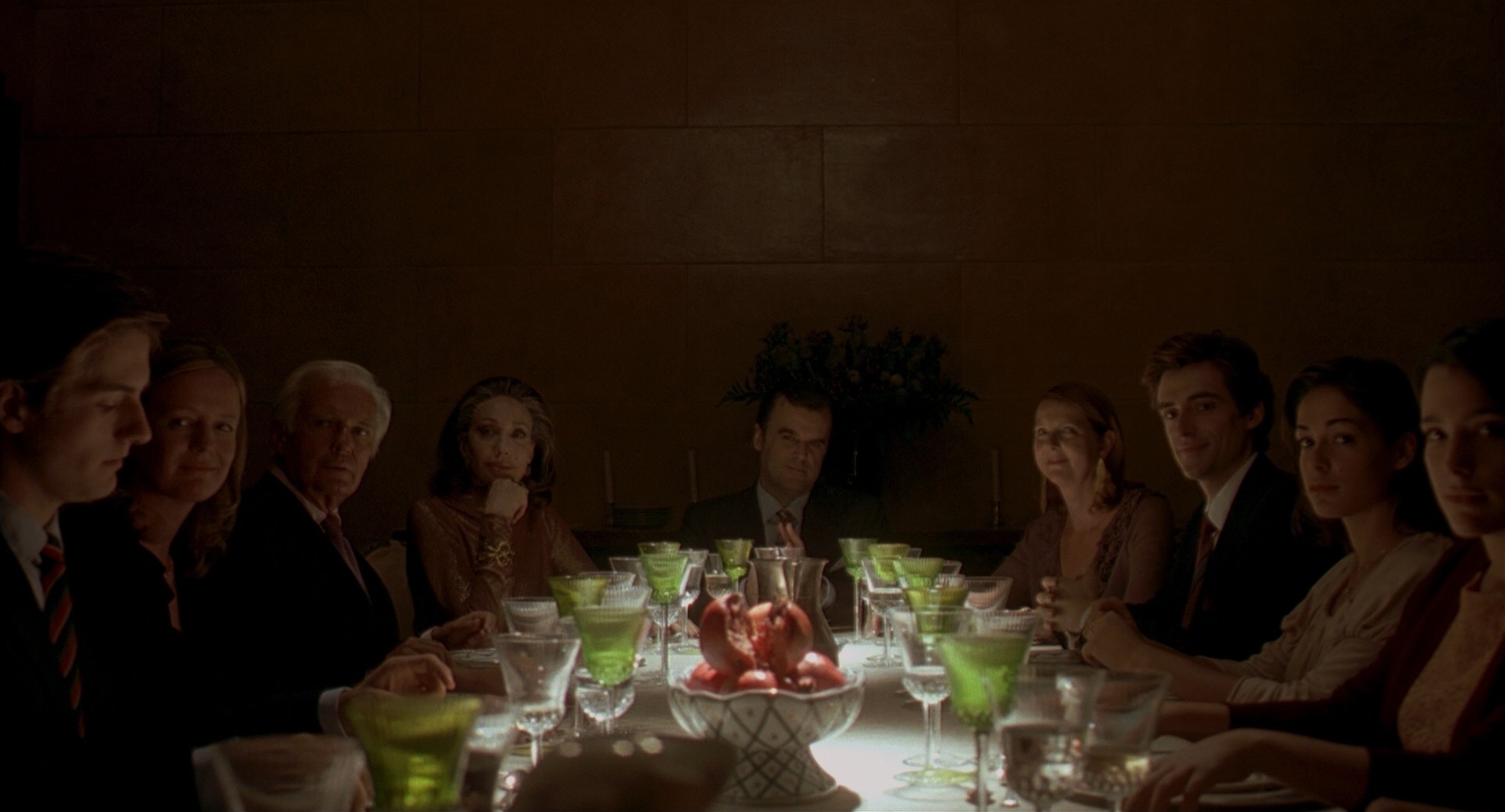
I am Love (2009)
Emma, a Russian-born woman married into a wealthy Milanese family, lives a life of quiet privilege bound by tradition and expectation. When she begins a passionate affair with a young chef, her carefully controlled world starts to unravel. Her awakening sets off a chain of emotional and familial consequences that challenge the foundations of her identity.
Guadagnino and cinematographer Yorick Le Saux craft I Am Love with a lush, sensorial intensity, using rich colors, fluid camera movement, and tactile close-ups to evoke desire and transformation. The film contrasts the rigid, symmetrical elegance of the family’s interiors with the organic, sunlit textures of the outside world—turning food, fabric, and landscape into a visceral expression of Emma’s inner life.


FILM SPOTLIGHT
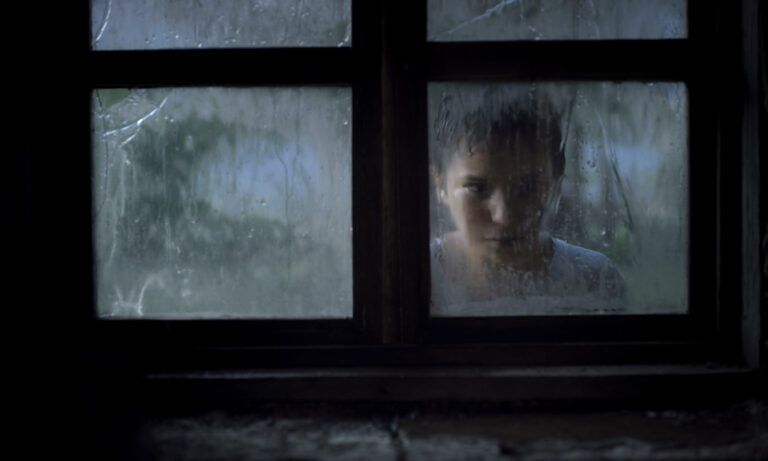
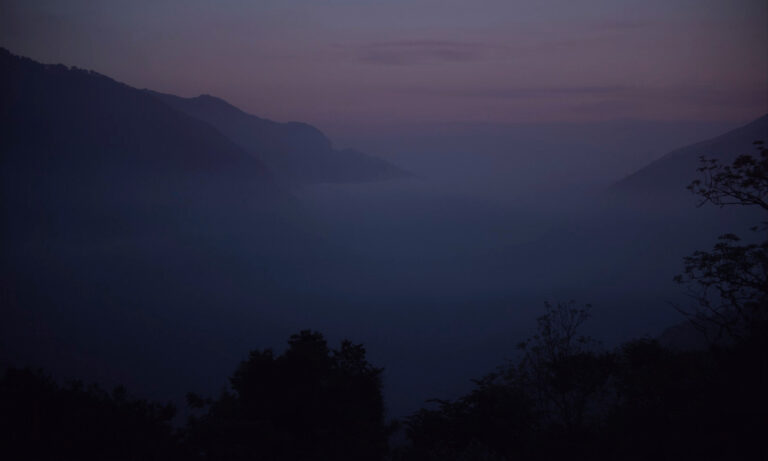
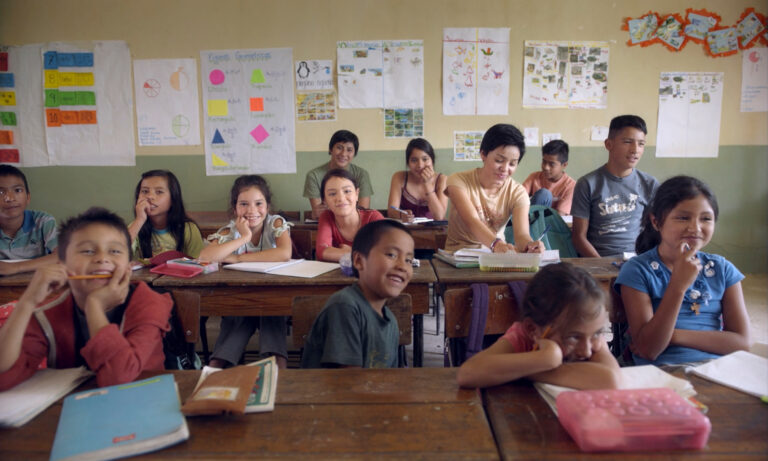
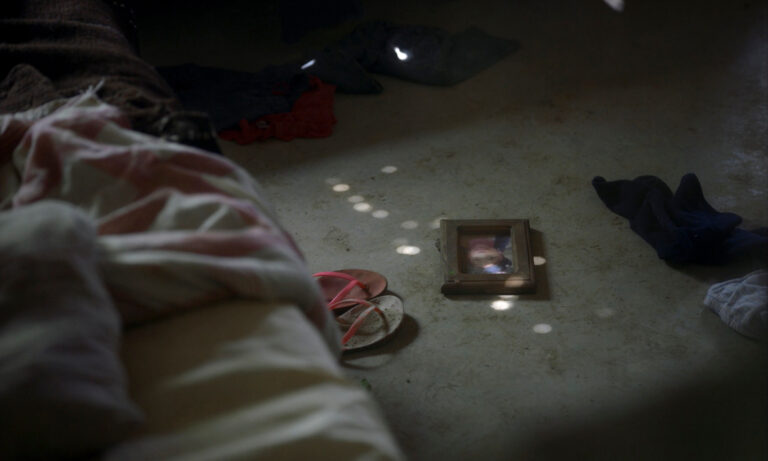
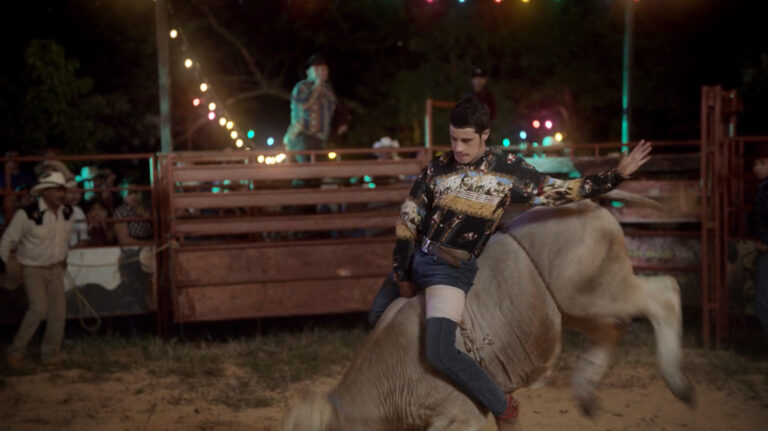
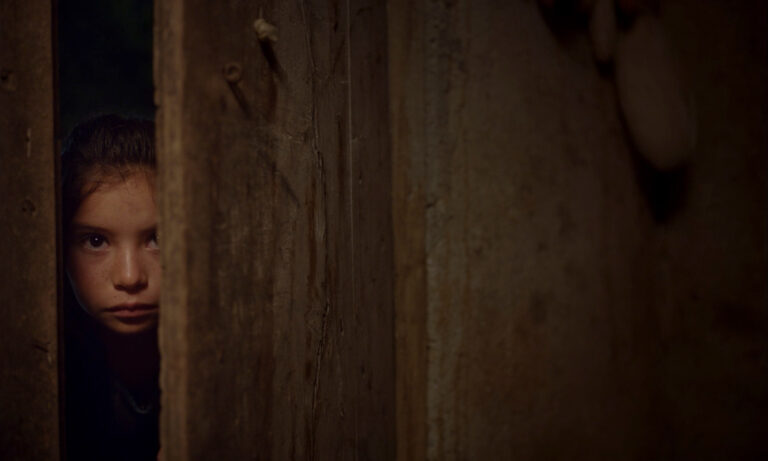
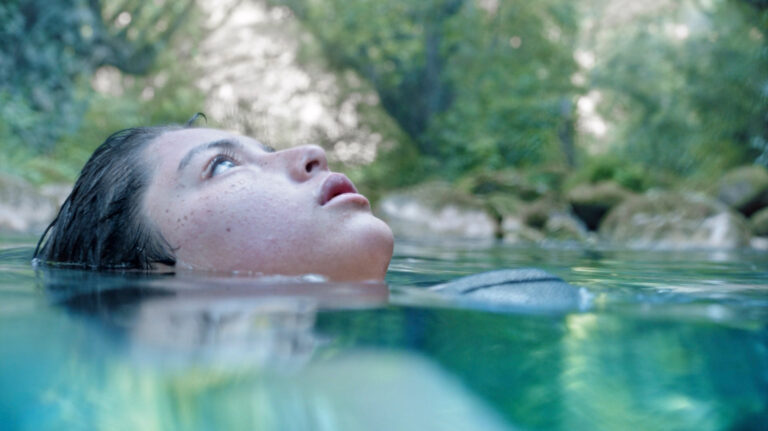
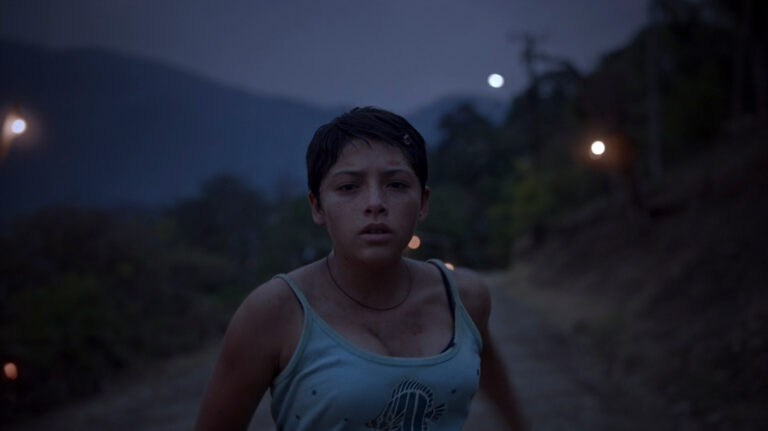
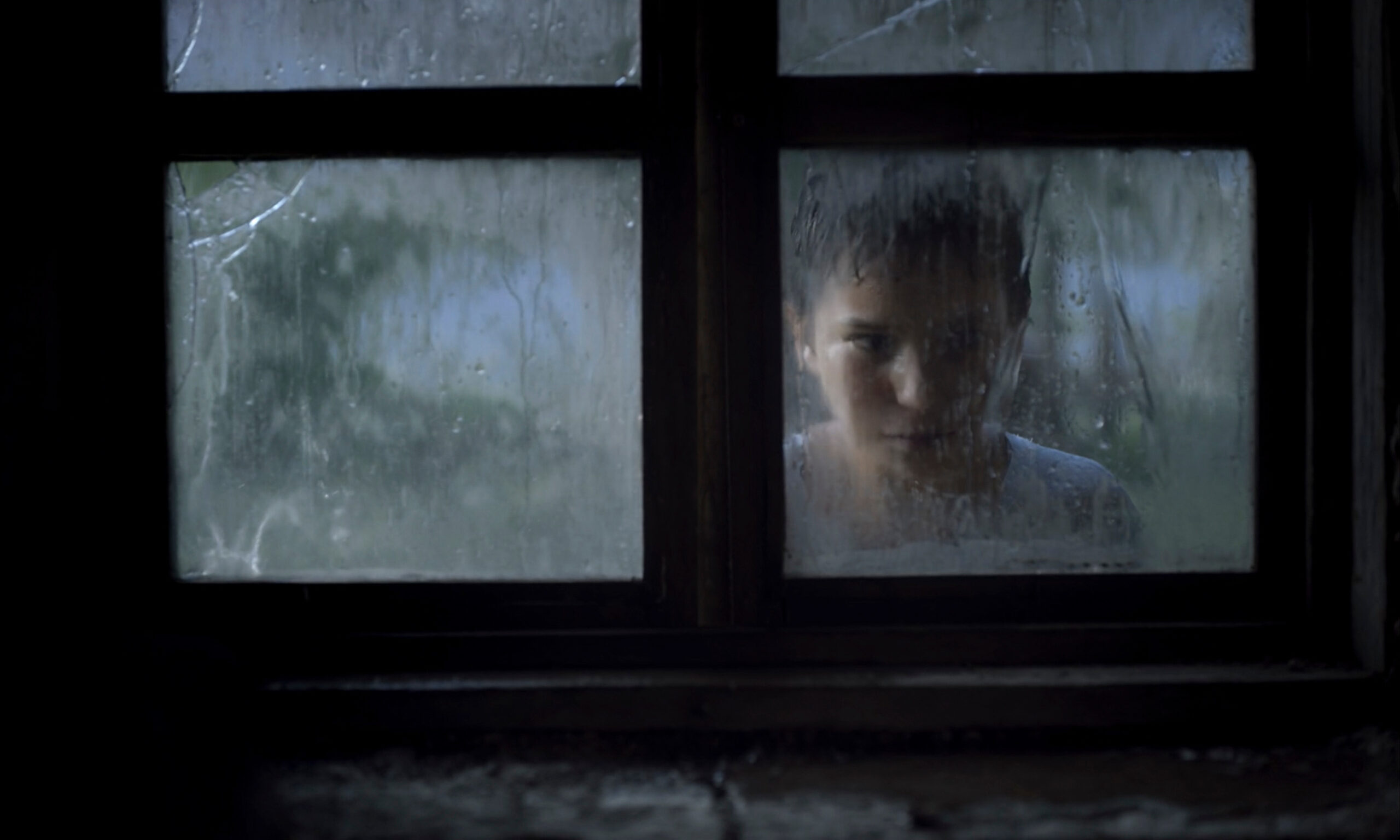
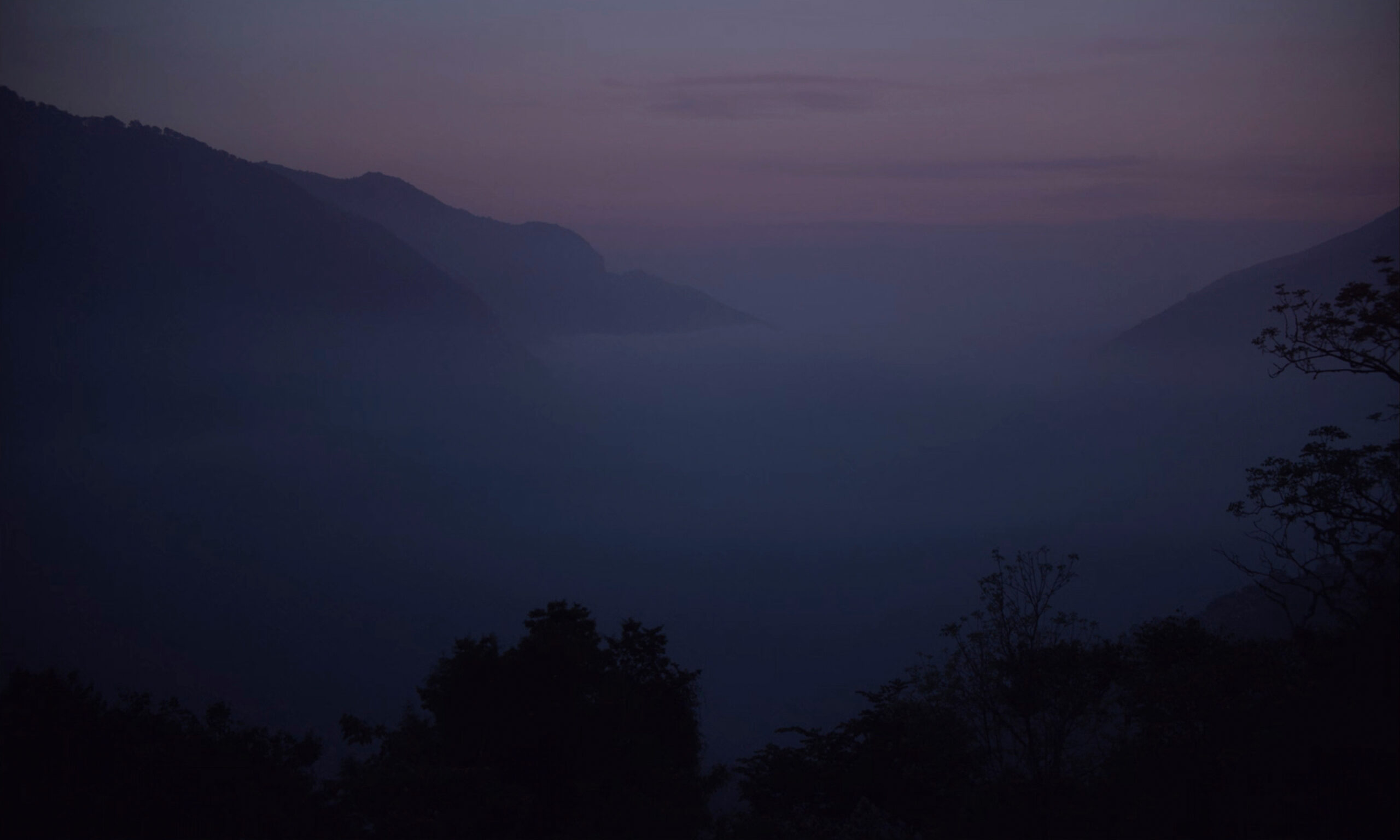
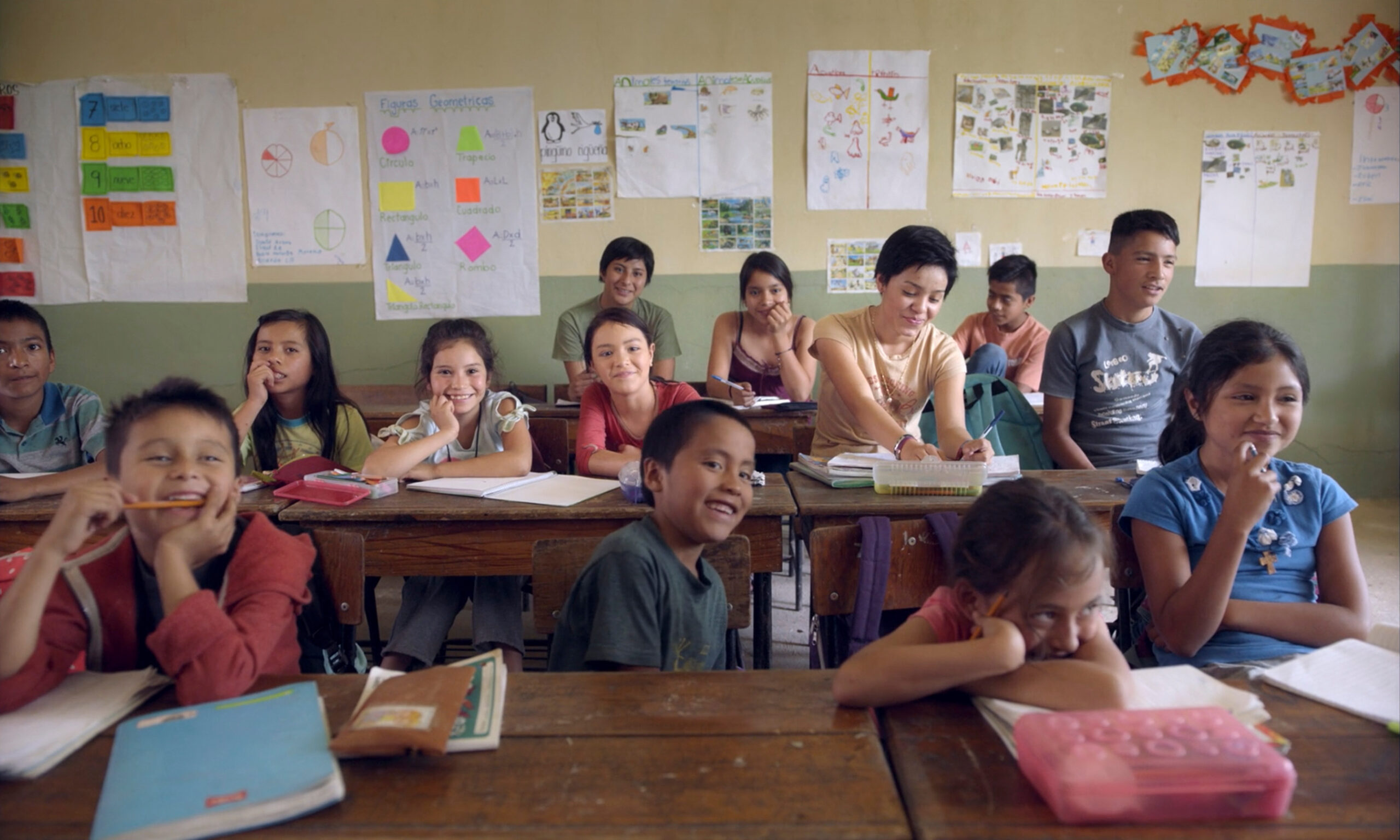
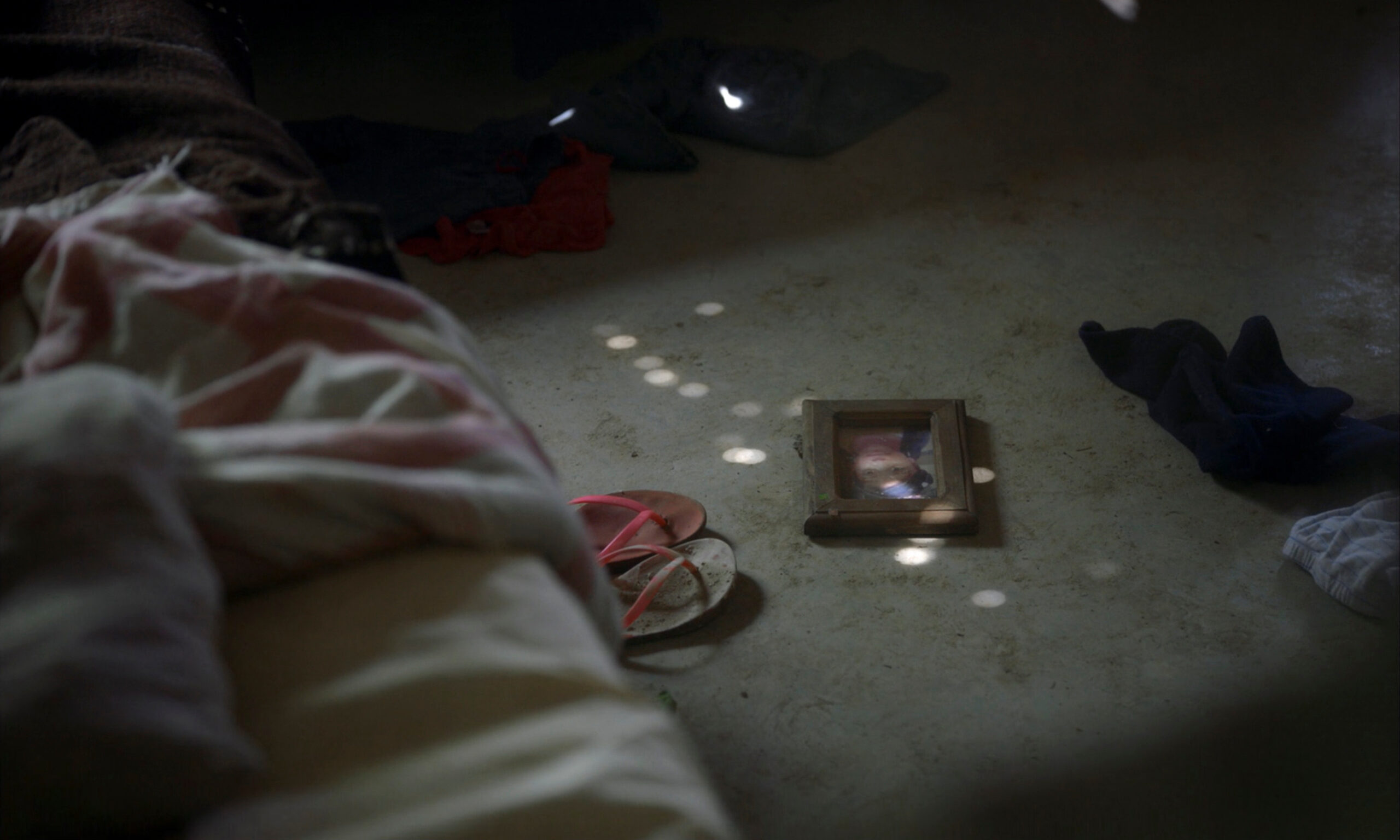
Prayers for the Stolen (2021)
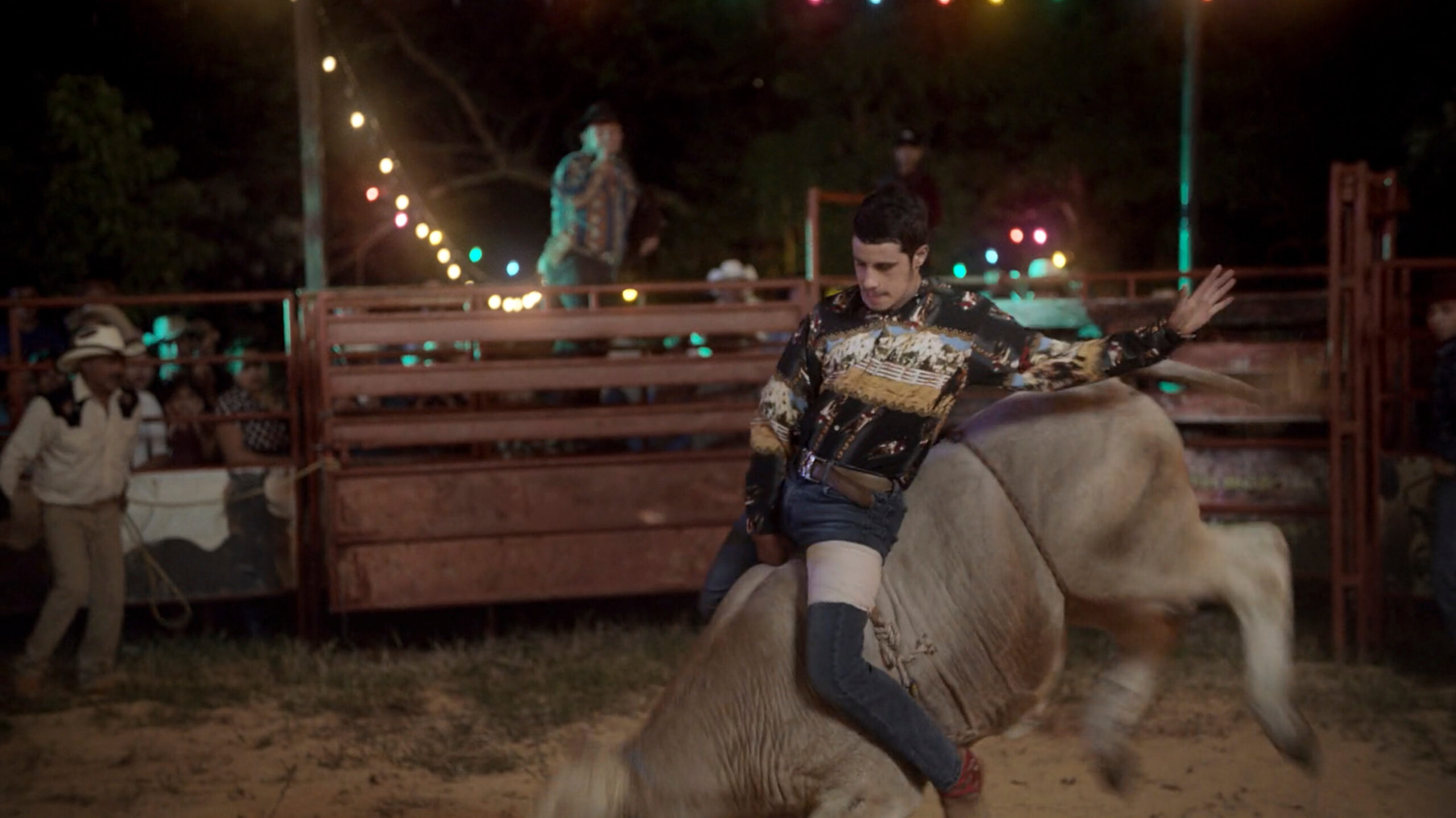
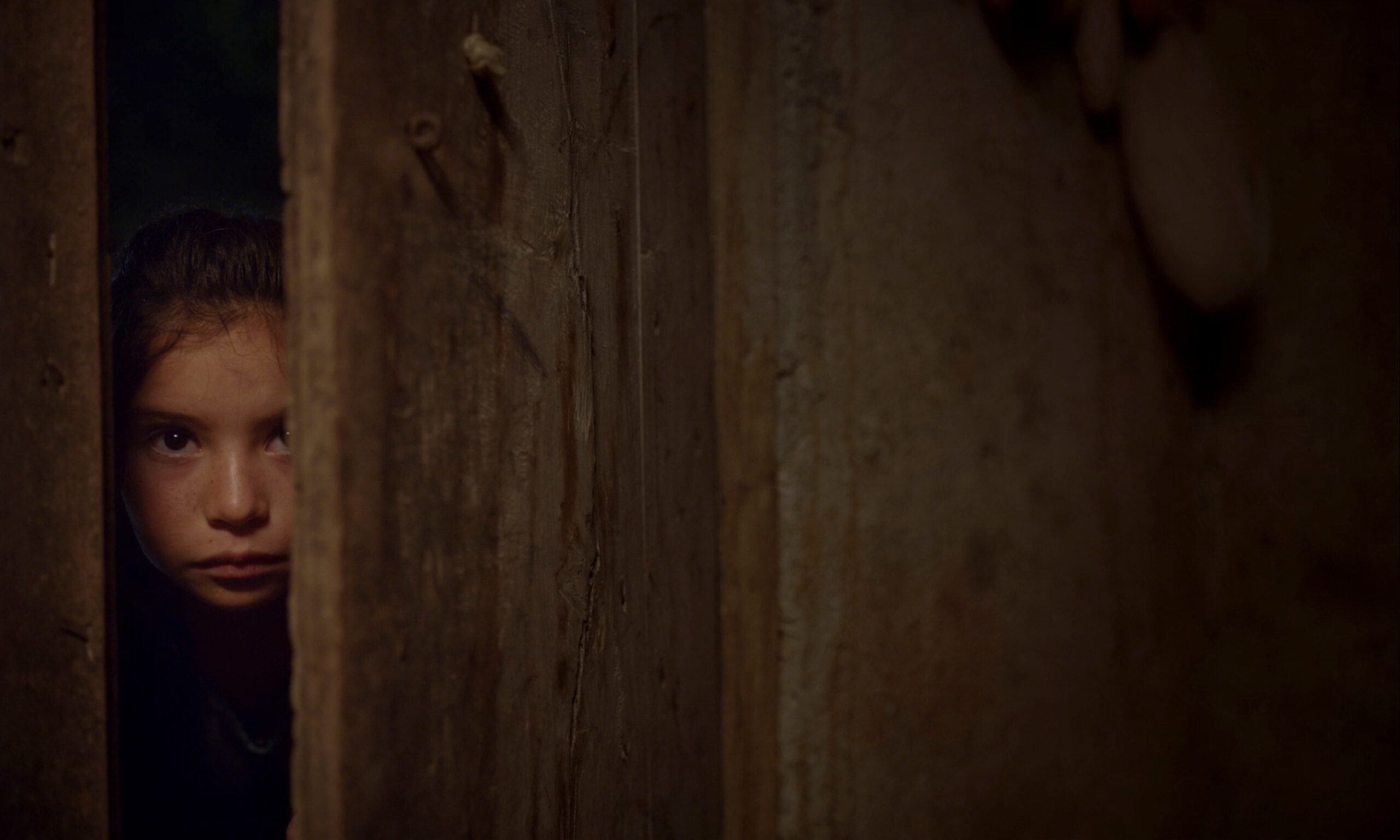
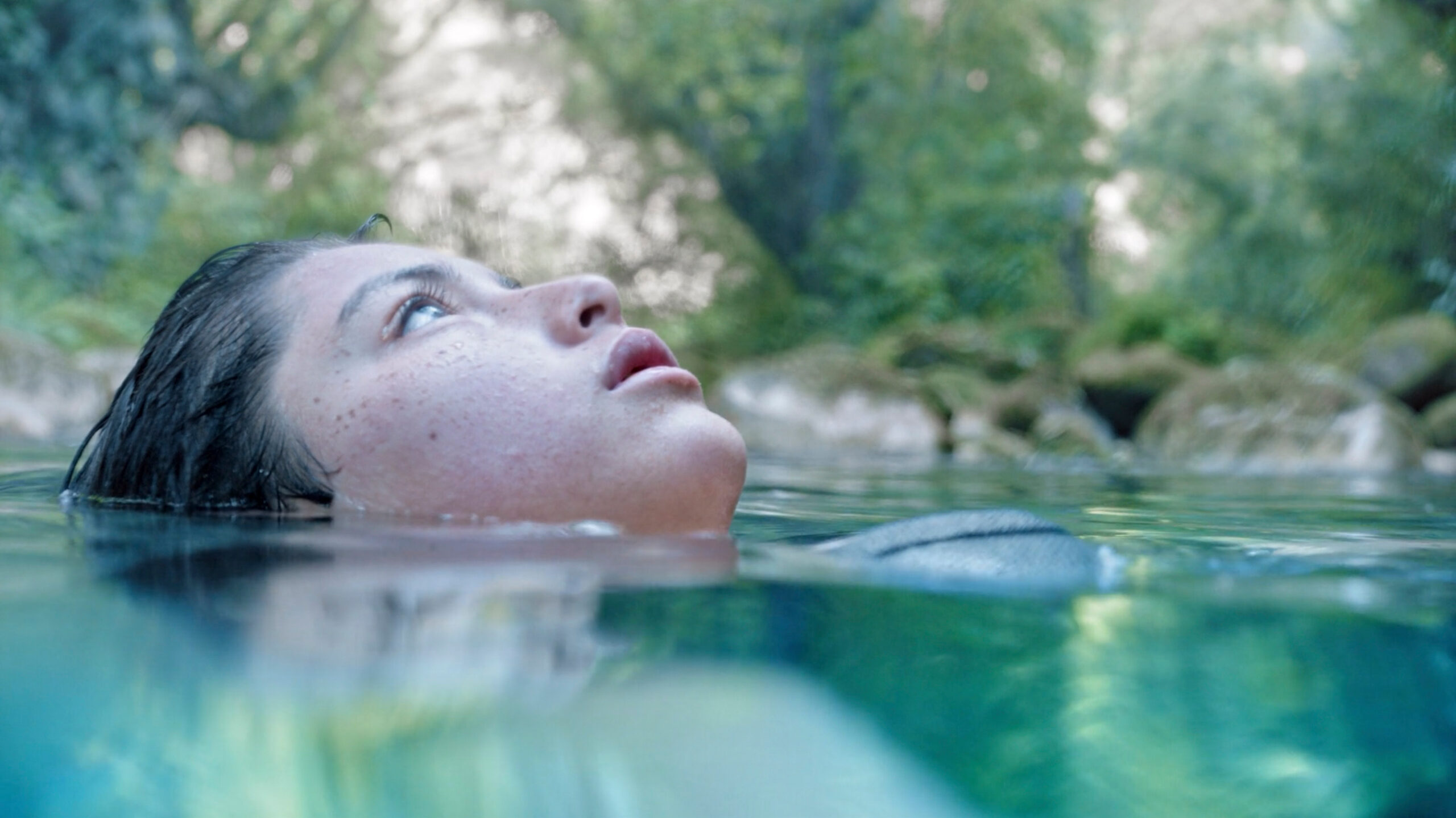
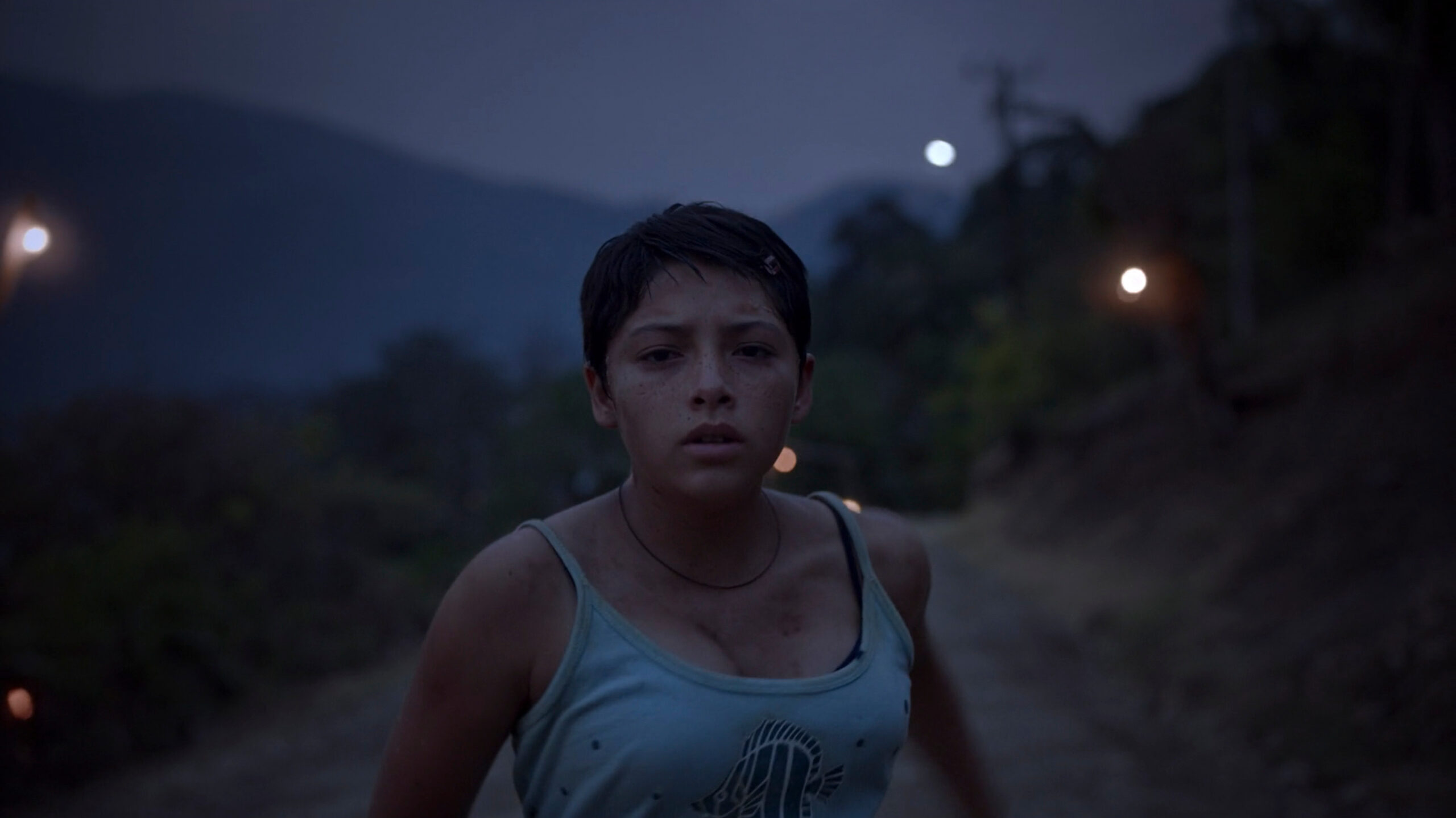
Set in a remote Mexican mountain village plagued by cartel violence, the film follows three young girls growing up in an environment shaped by fear and disappearance. Told across different stages of their lives, the story centers on Ana as she navigates childhood, adolescence, and the looming threat of abduction. Their coming-of-age unfolds under constant tension, where innocence is shaped by survival.
Huezo and cinematographer Dariela Ludlow shoot Prayers for the Stolen with a lyrical naturalism, using handheld camerawork and available light to stay close to the girls’ perspective. The contrast between sunlit landscapes and the ever-present sense of danger turns the environment into something dual—both beautiful and threatening—where sound, distance, and off-screen space carry as much weight as what’s shown.
FILM SPOTLIGHT
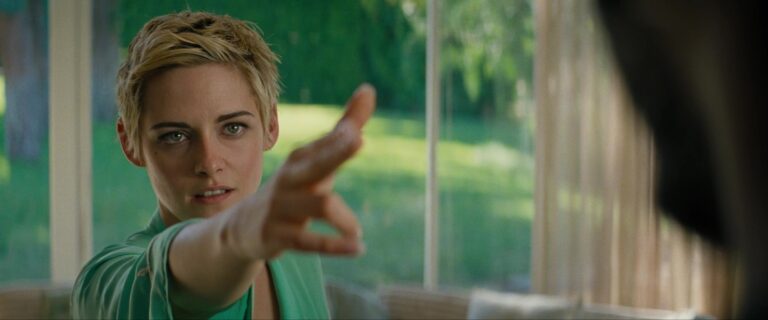
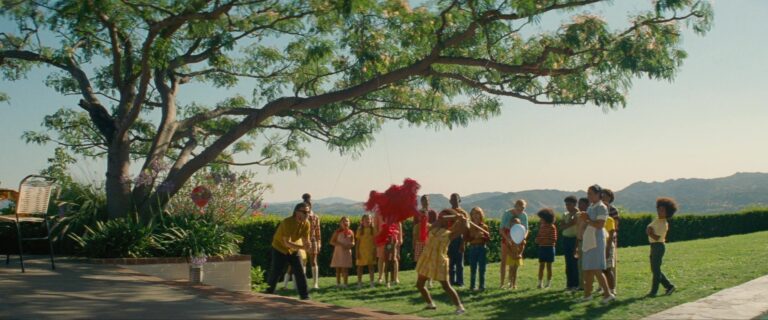
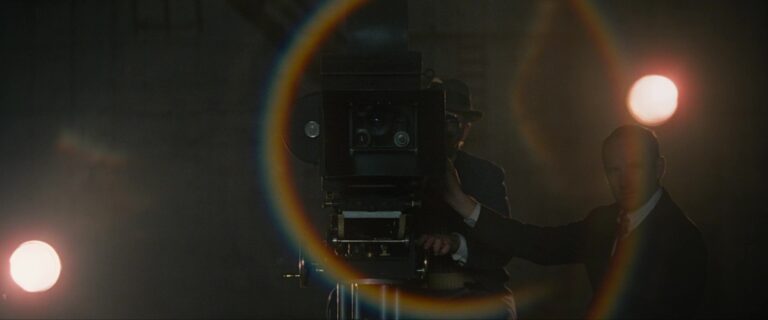
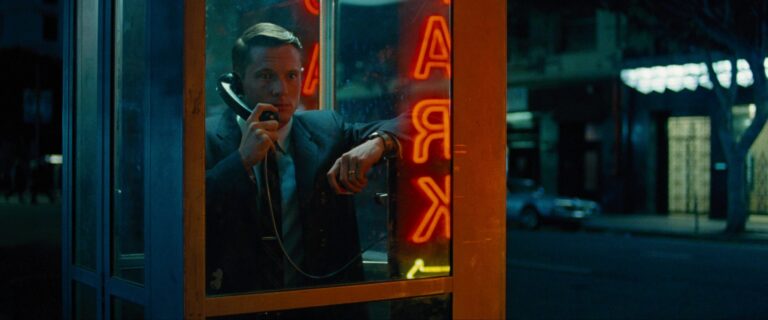
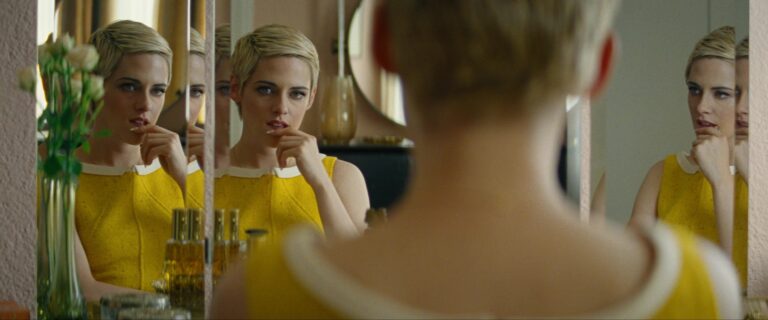
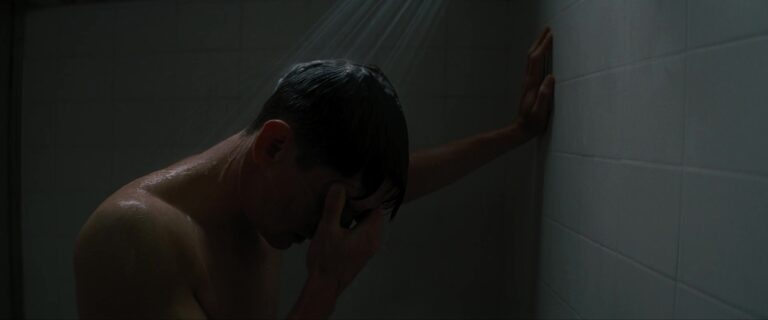
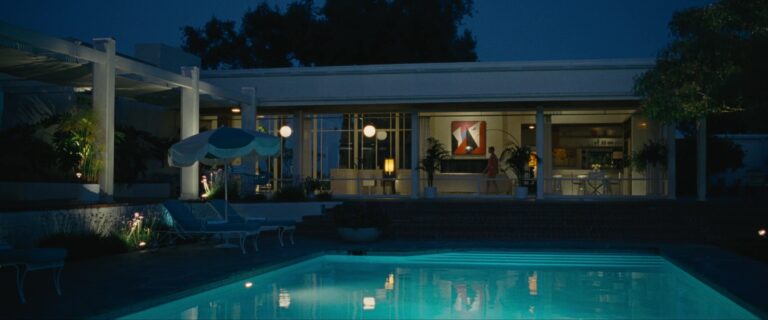
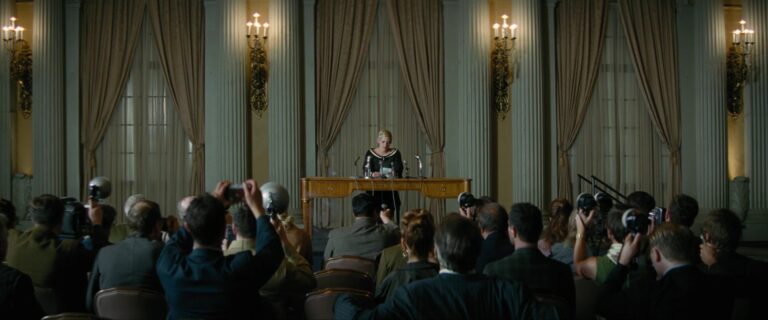
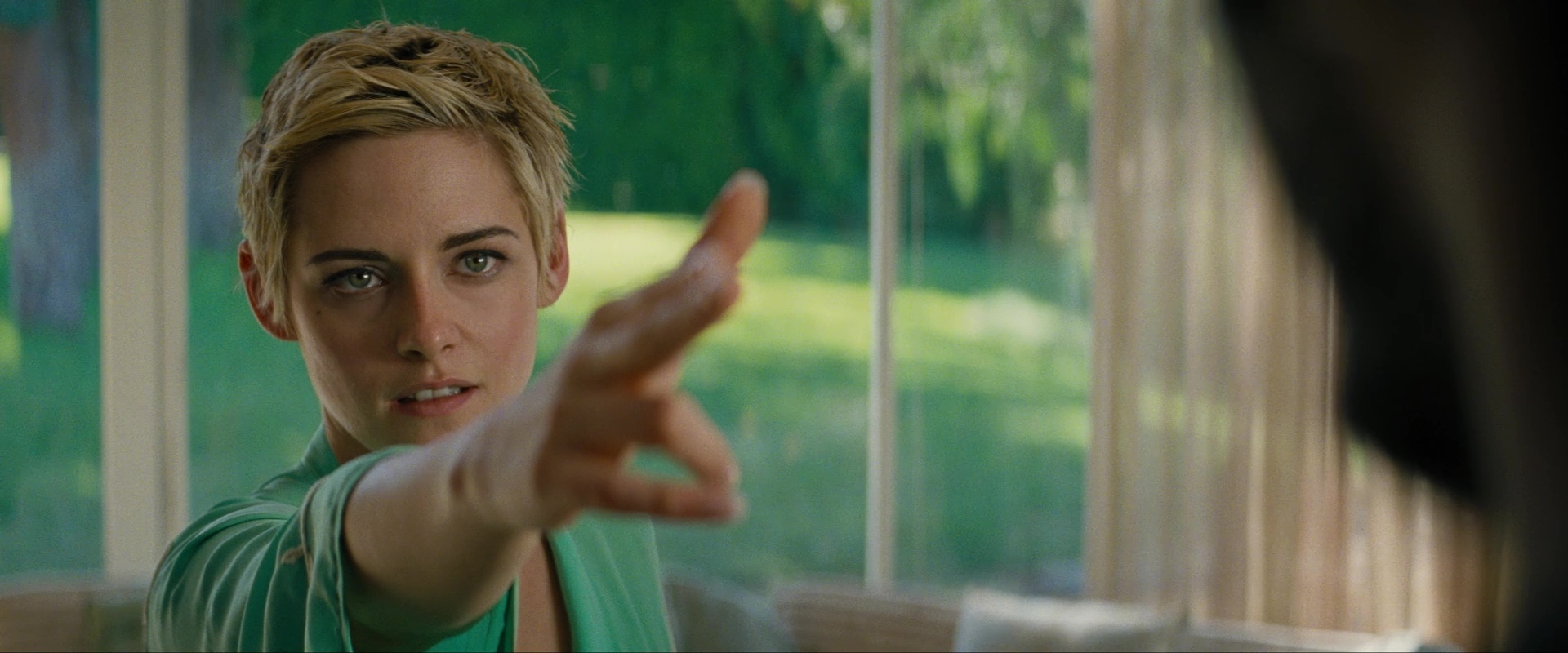
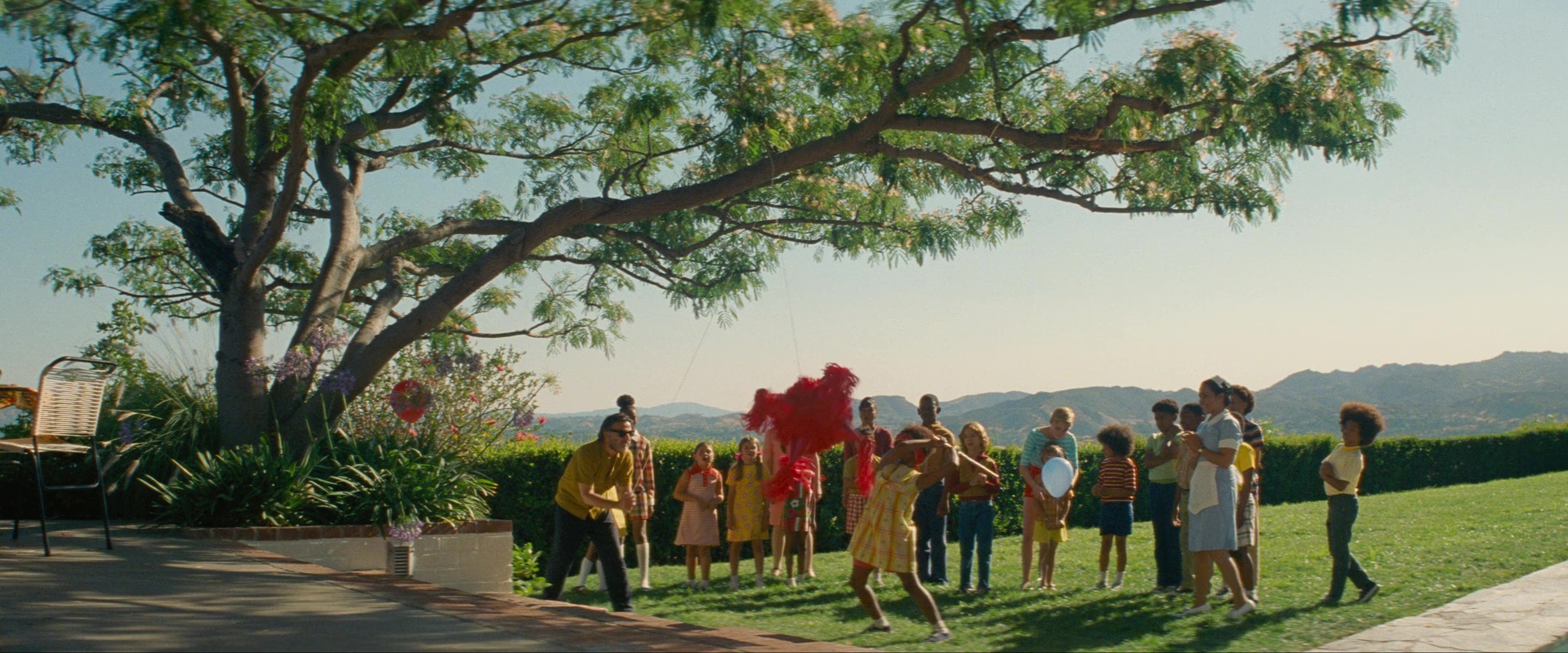
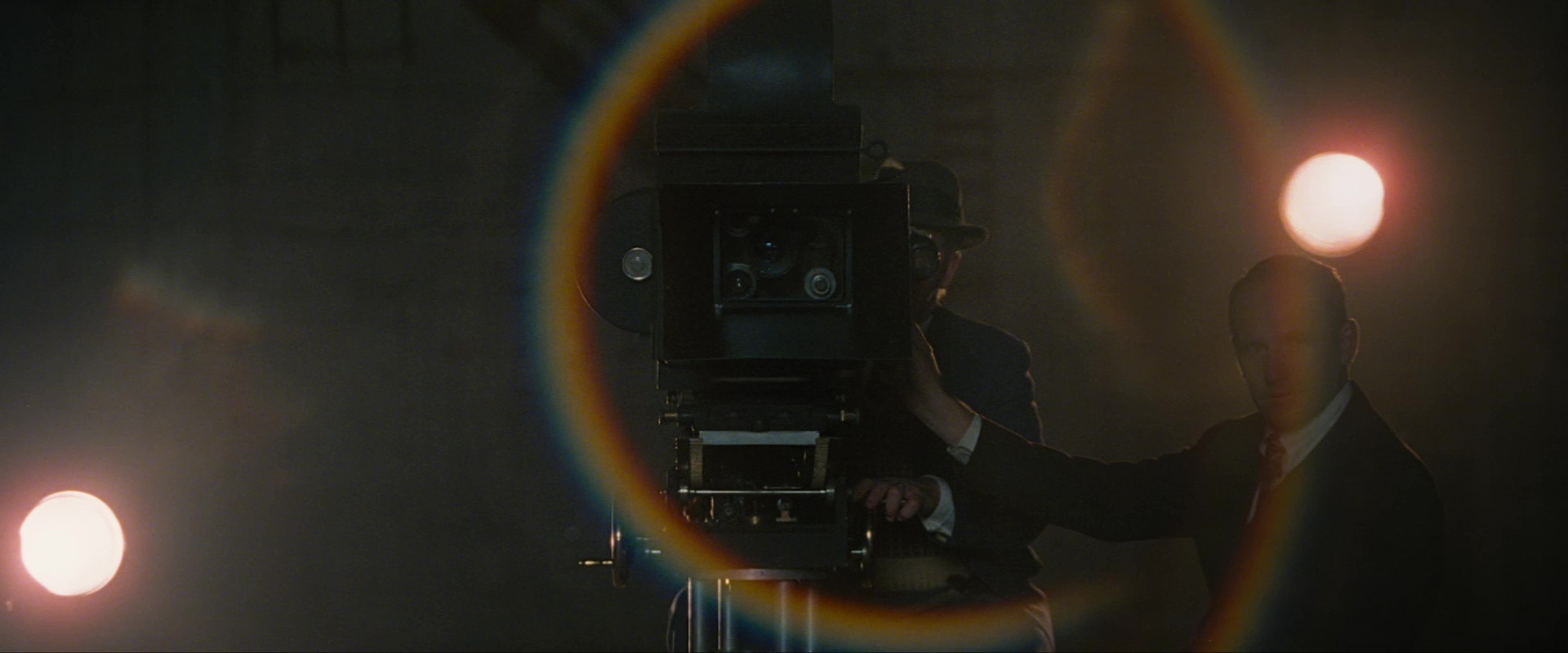
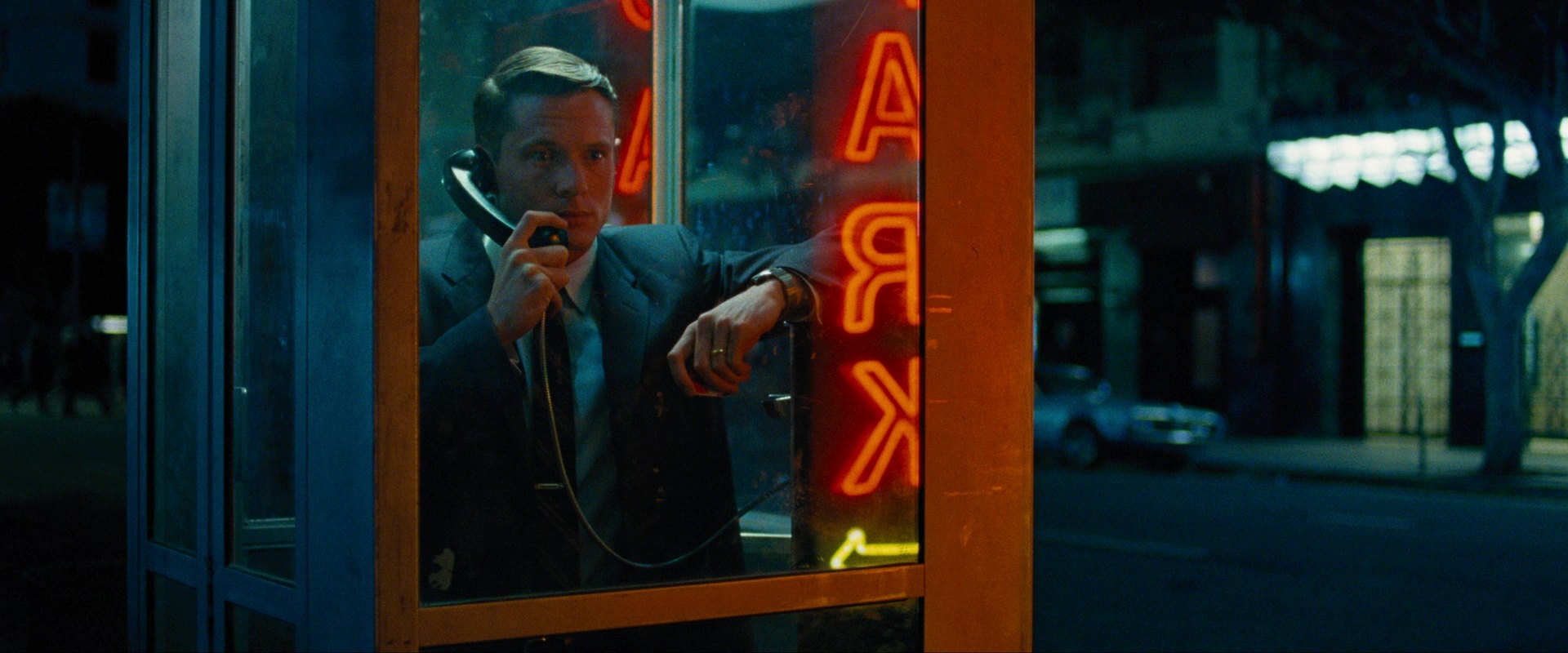
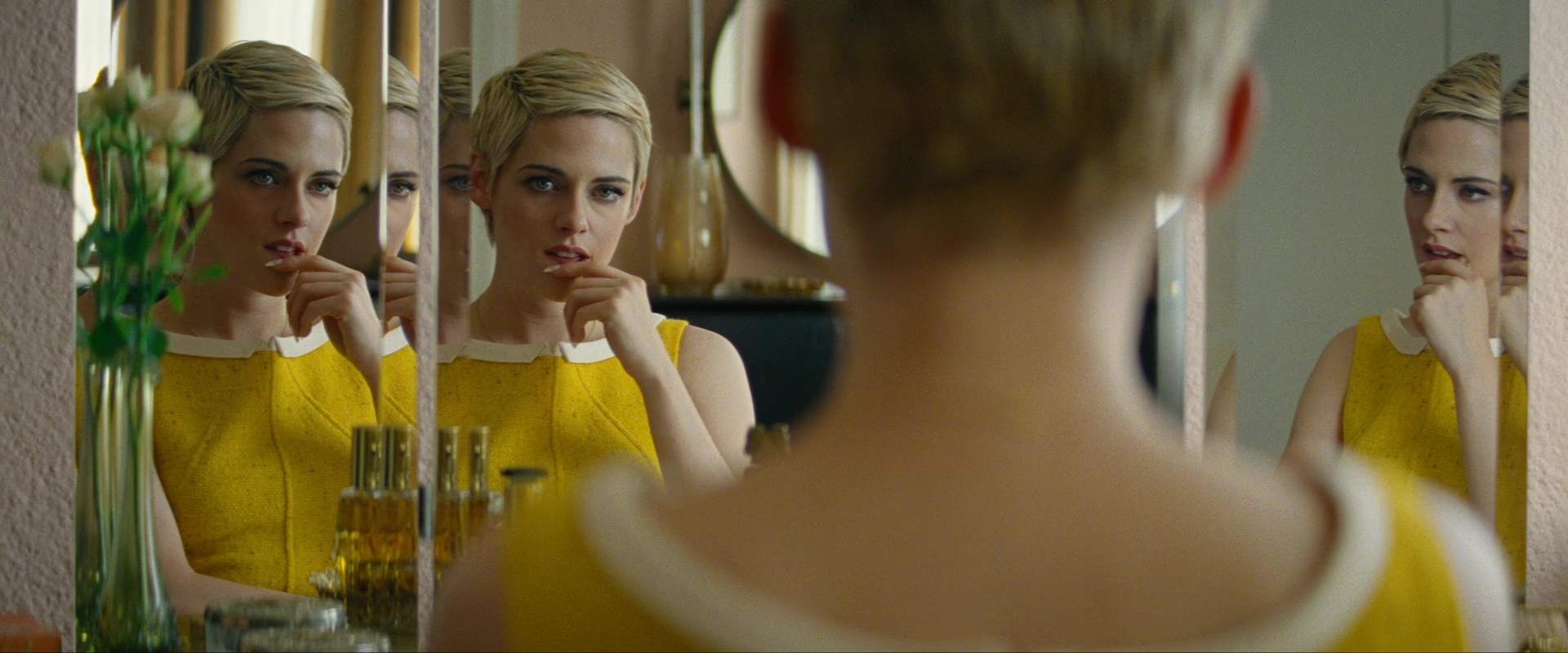
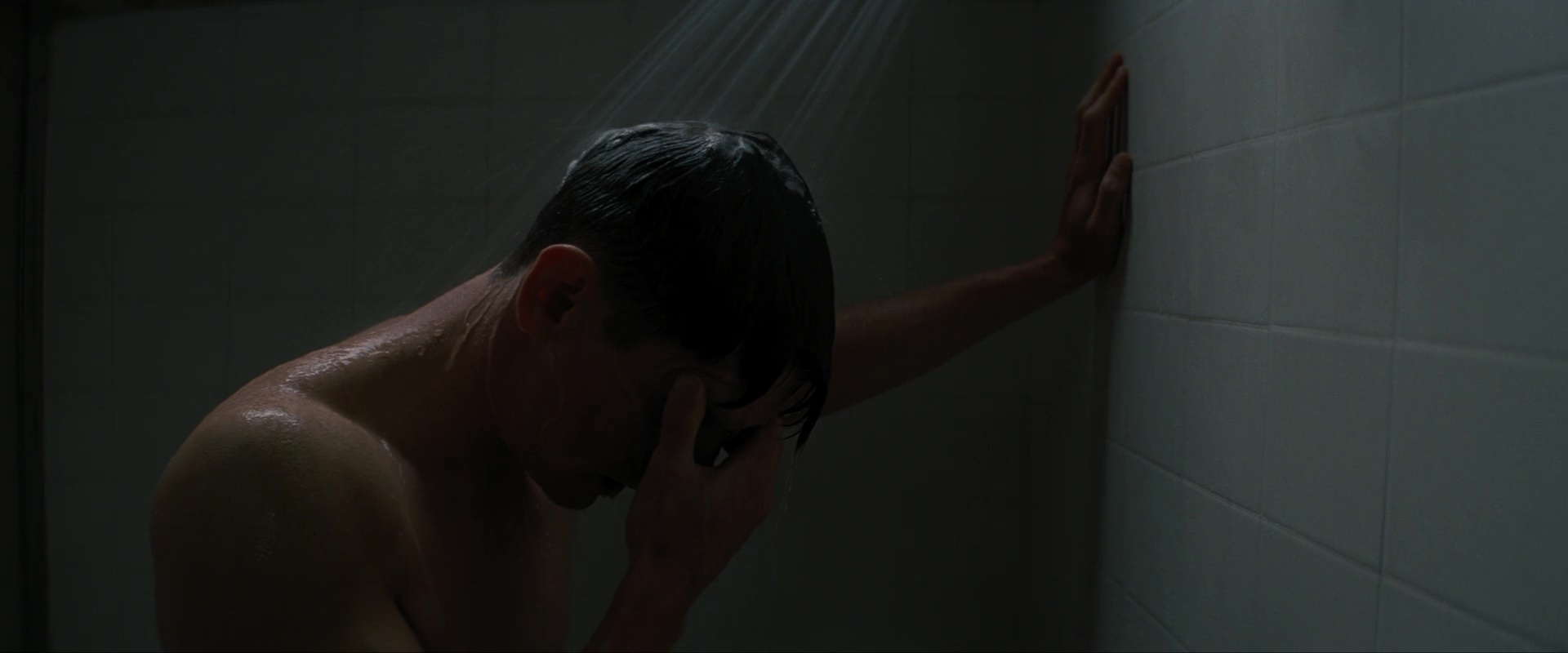
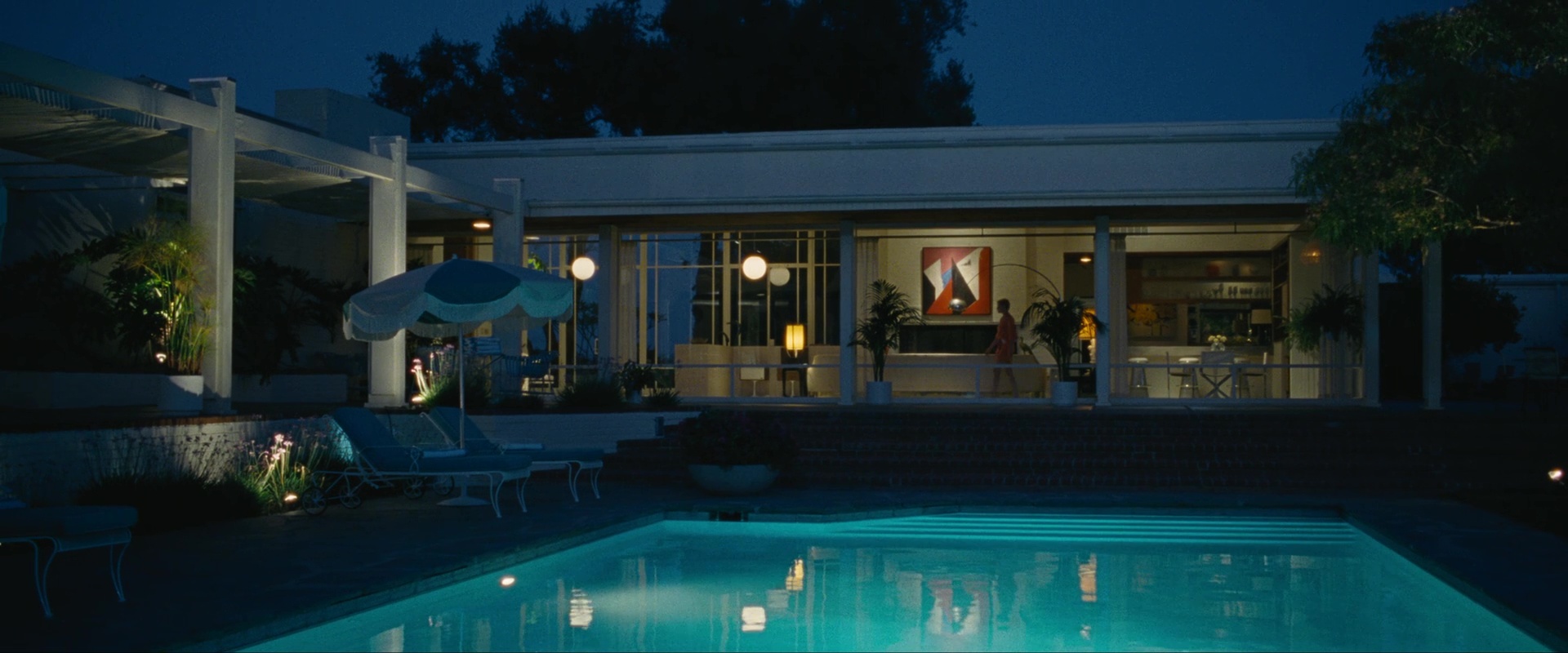
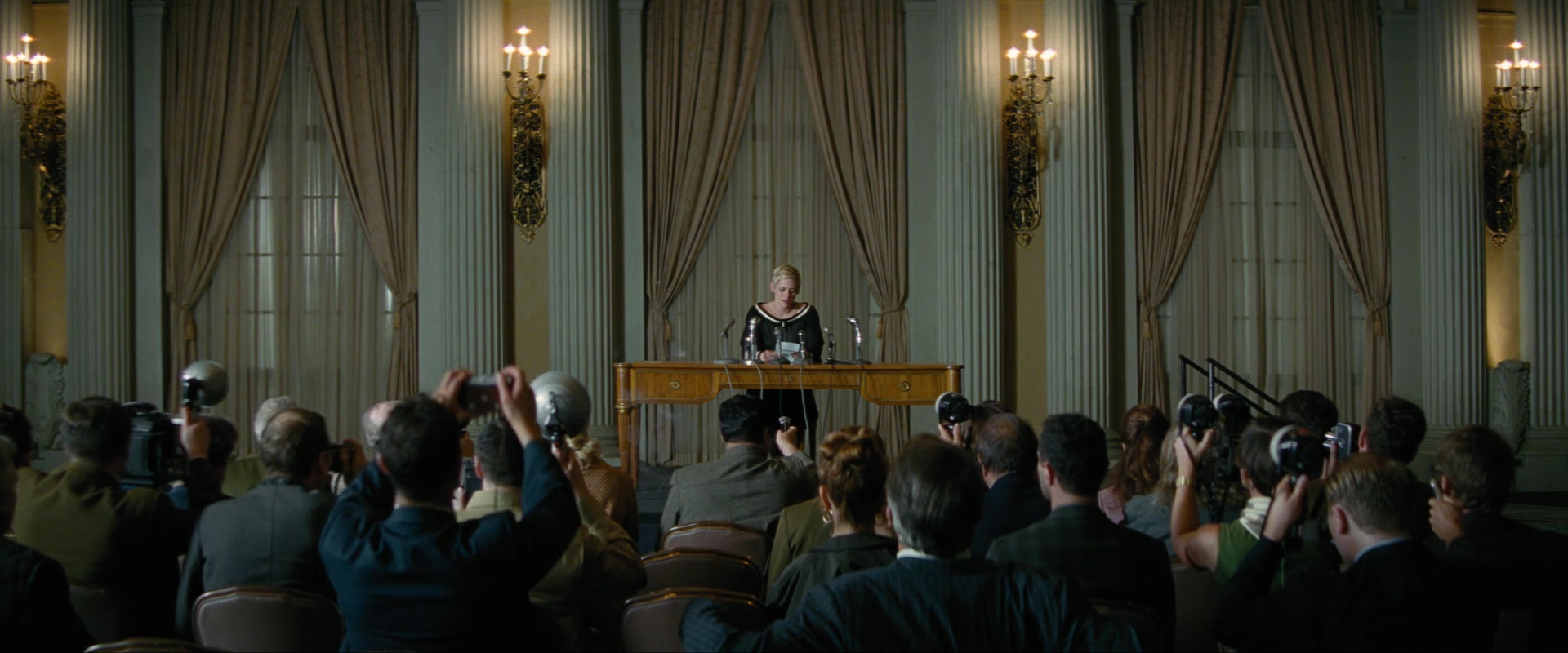
Seberg (2019)
The film follows actress Jean Seberg at the height of her fame as she becomes politically active and involved with the Black Panther movement. Her support draws the attention of the FBI, which begins surveilling and targeting her in an effort to discredit her. As the pressure mounts, her personal life and mental health begin to unravel under the weight of constant scrutiny.
Andrews and cinematographer Rachel Morrison shoot Seberg with a cool, muted palette, using grainy textures and period-appropriate lenses to evoke the late 1960s. The film incorporates surveillance aesthetics—long lenses, obstructed views, and framing through windows or cameras—to place the audience in the position of watcher, turning observation itself into a central visual motif.


FILM SPOTLIGHT
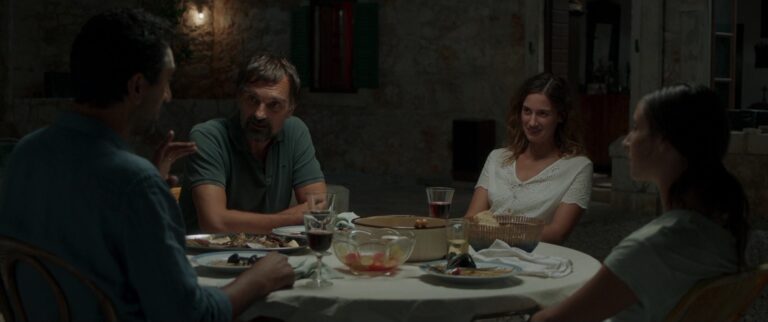
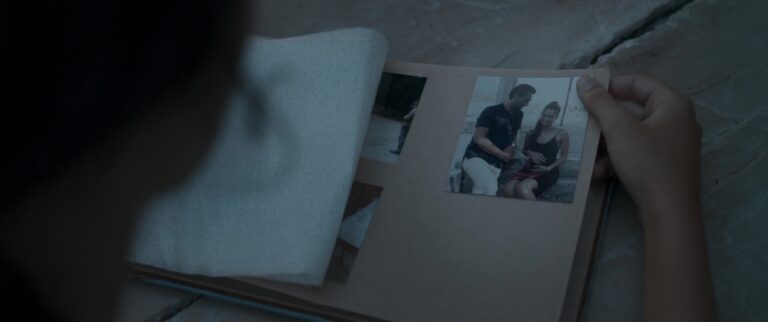
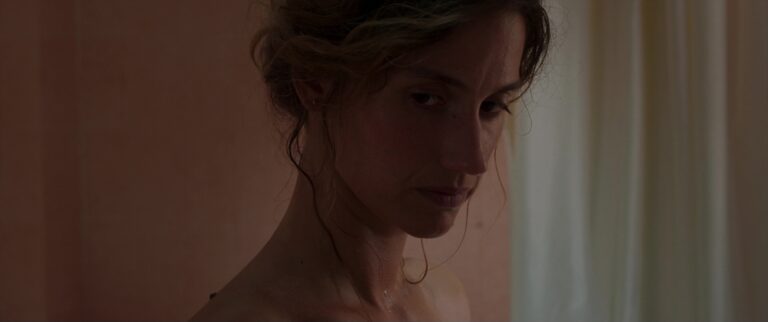
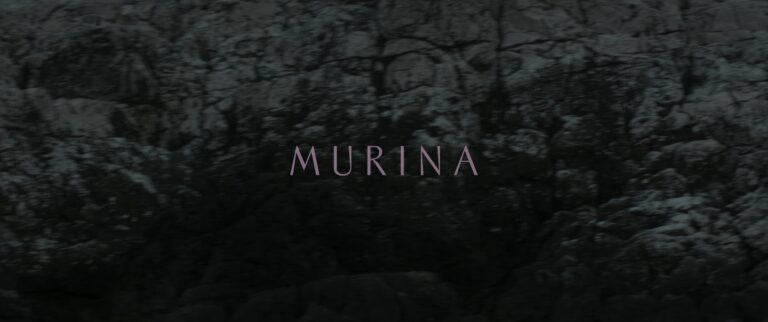
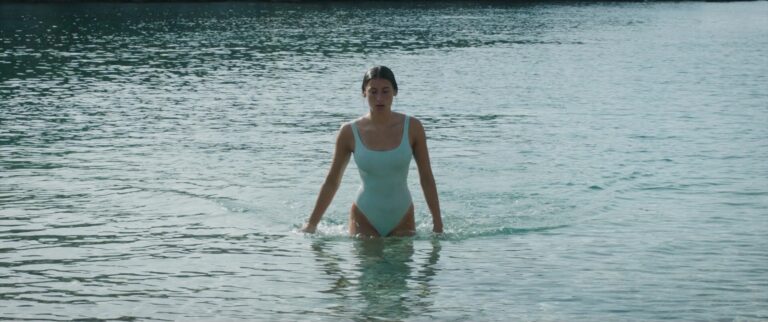
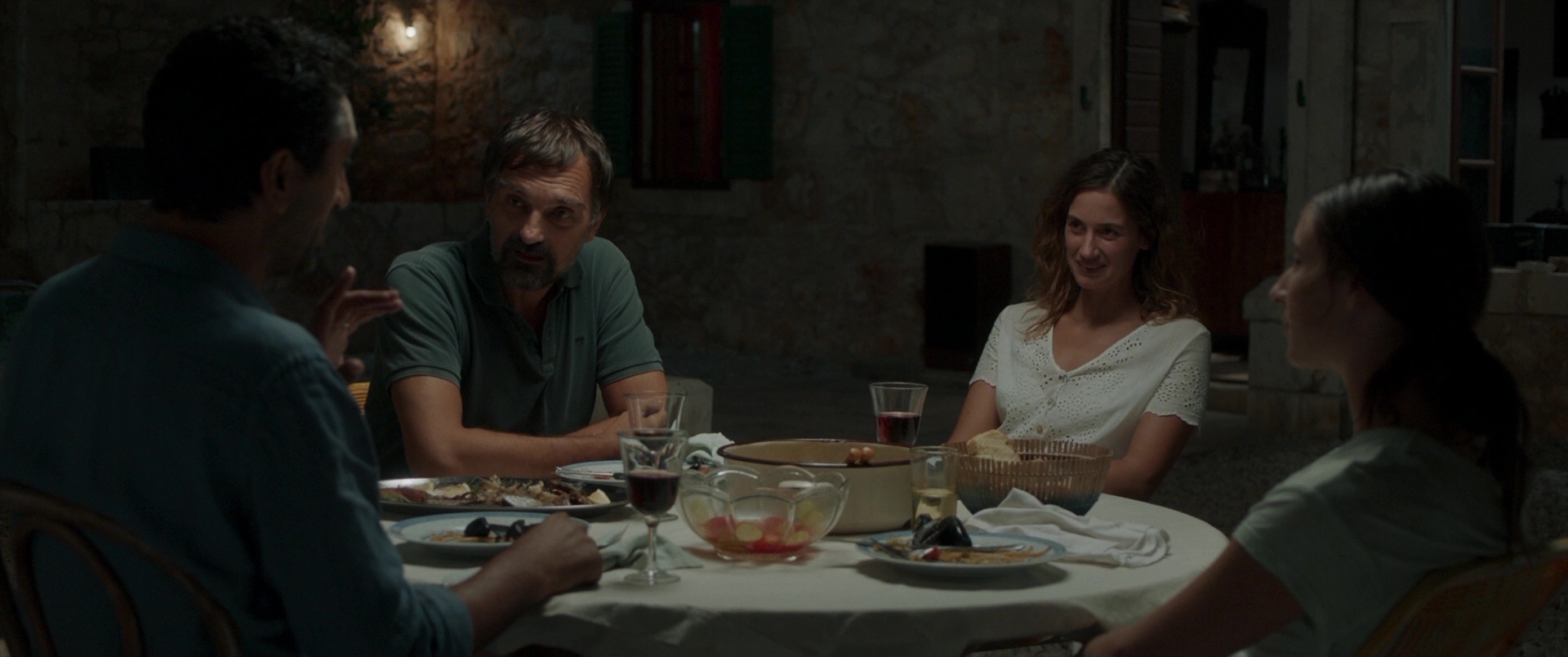
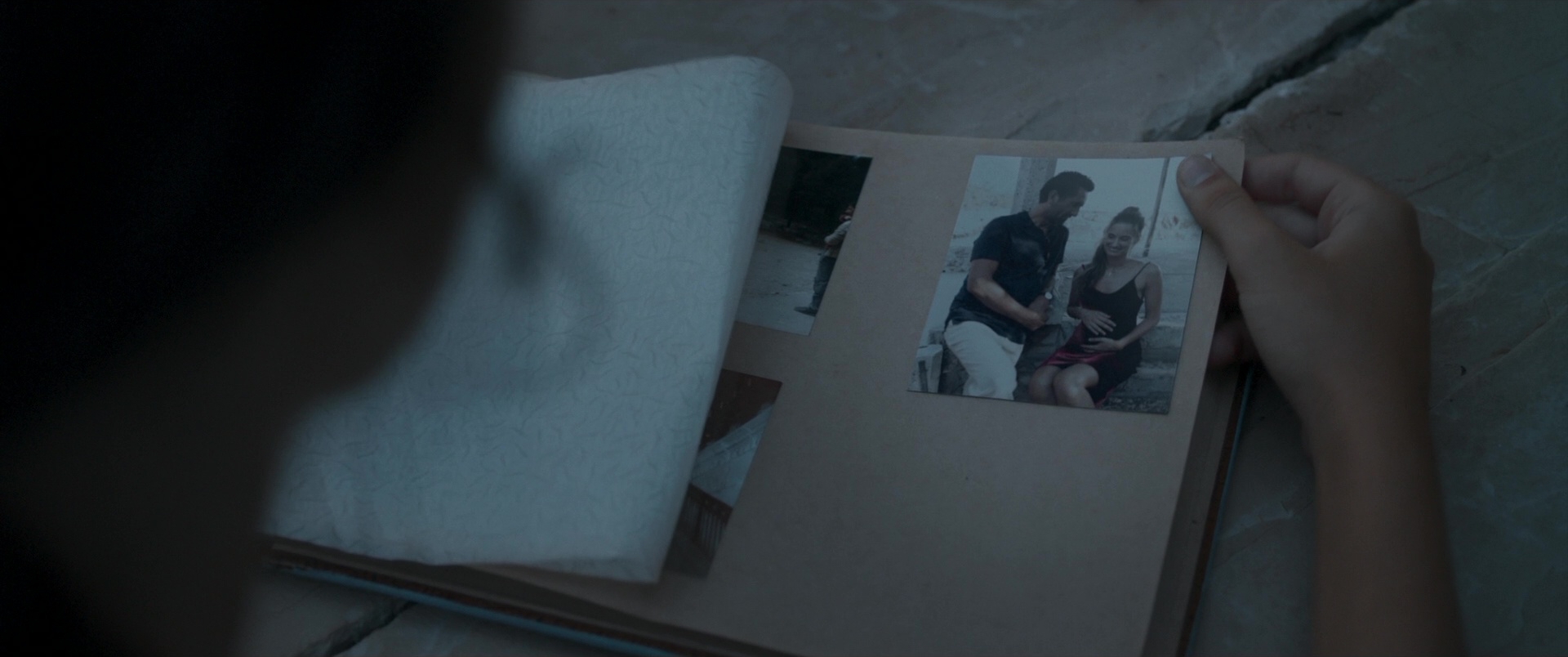
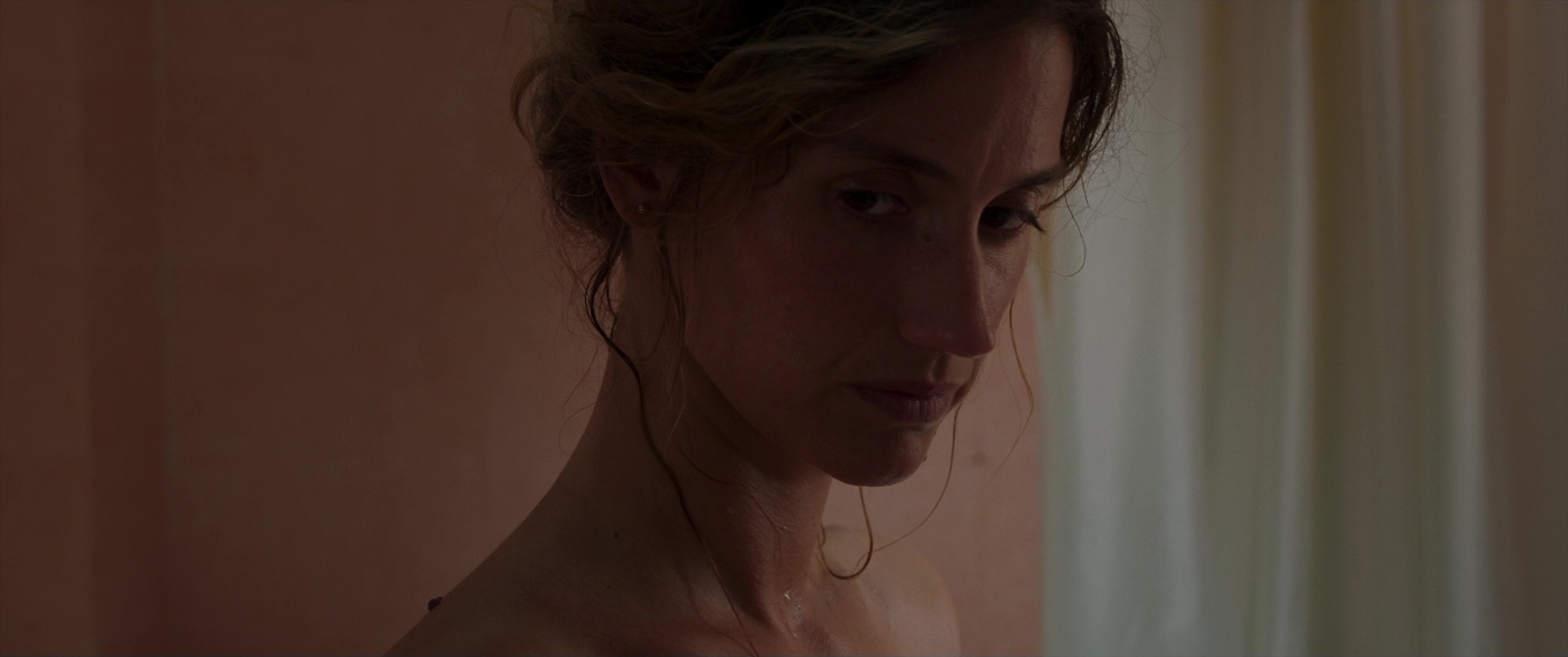
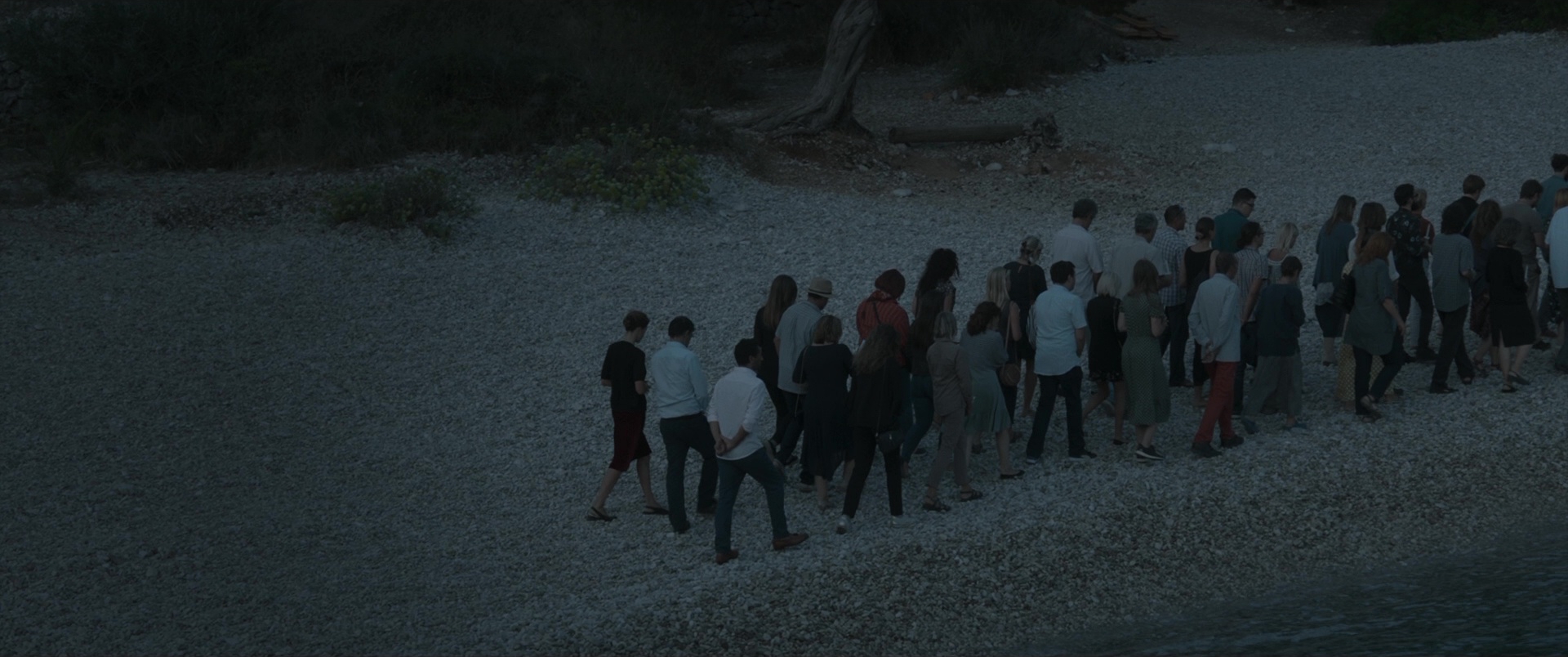
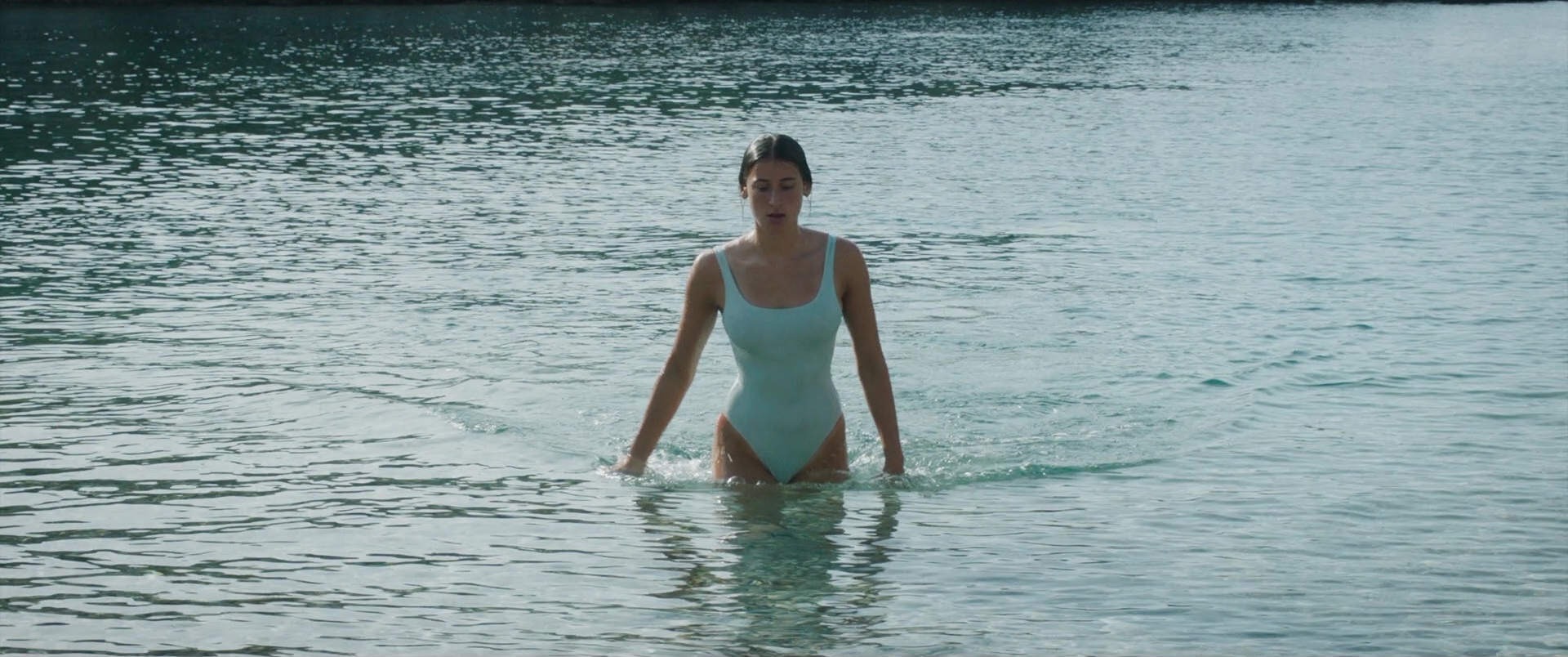
Murina (2022)
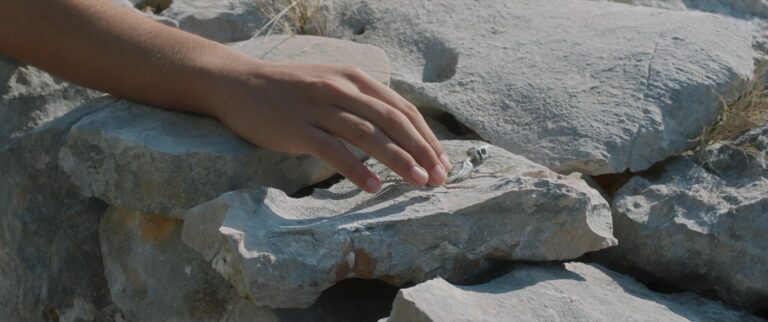
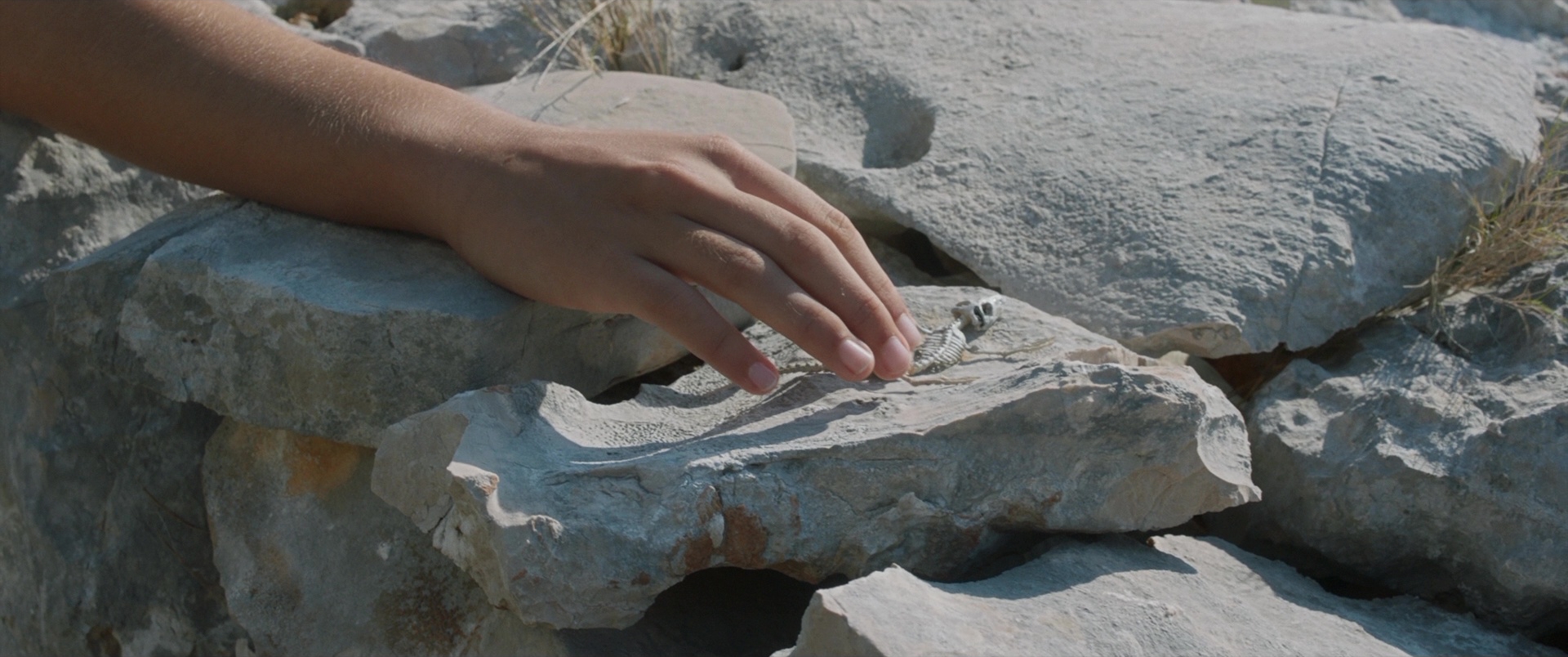
On a remote Croatian island, a teenage girl named Julija lives under the strict control of her domineering father. When an old family friend arrives, his presence disrupts the fragile balance of power within the household and offers Julija a glimpse of escape. As tensions rise, she begins to assert her independence in increasingly dangerous ways.
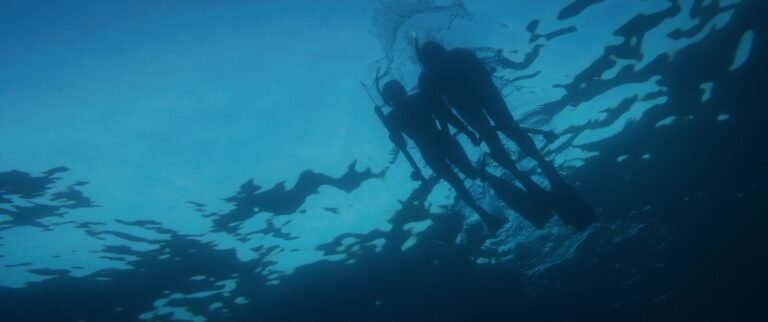
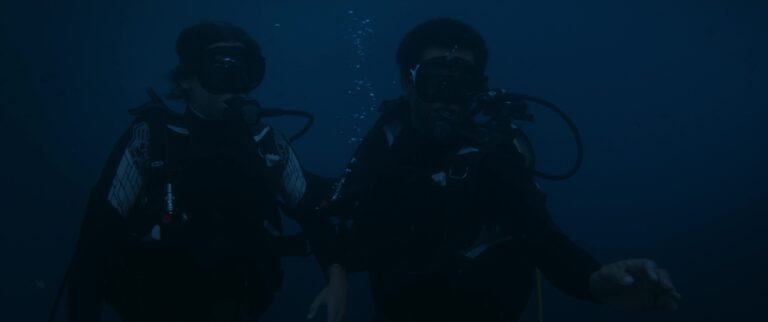
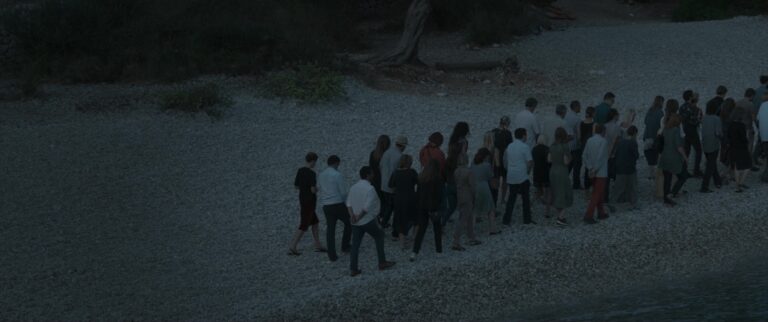
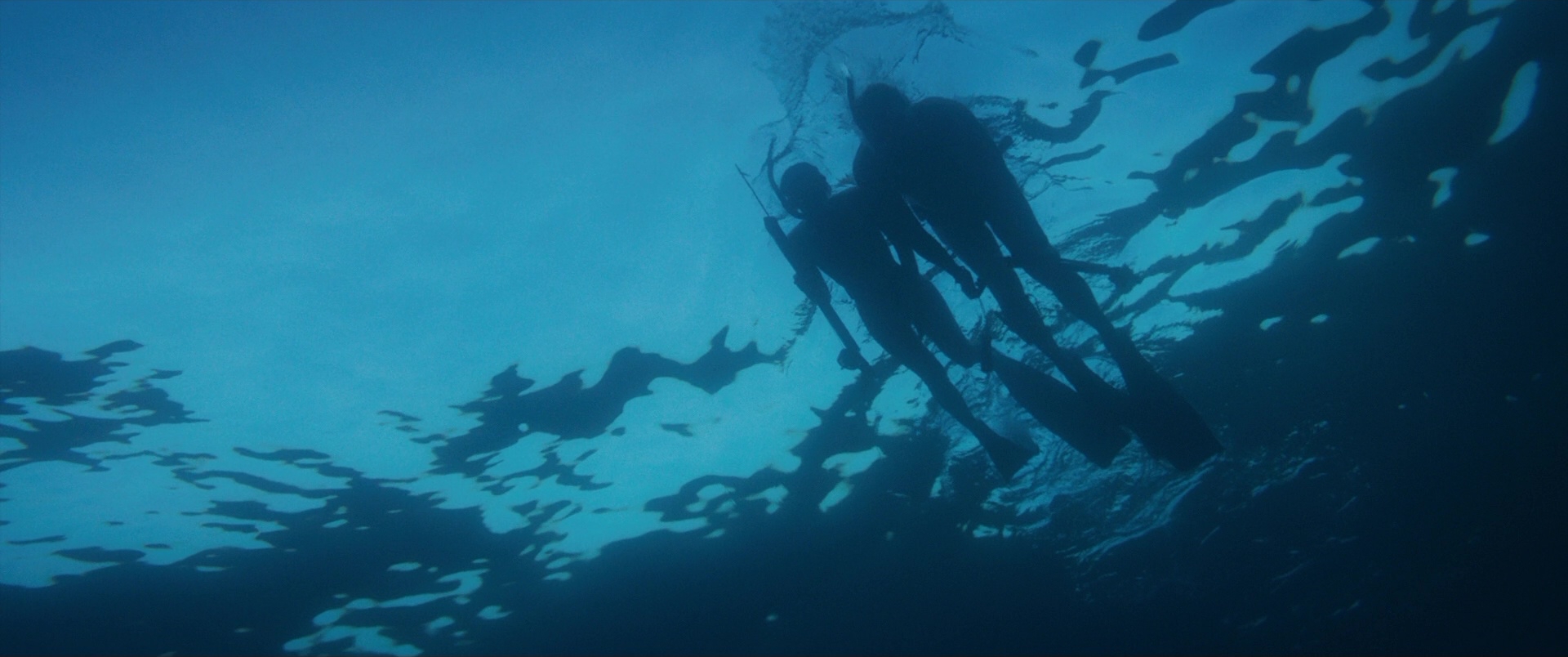
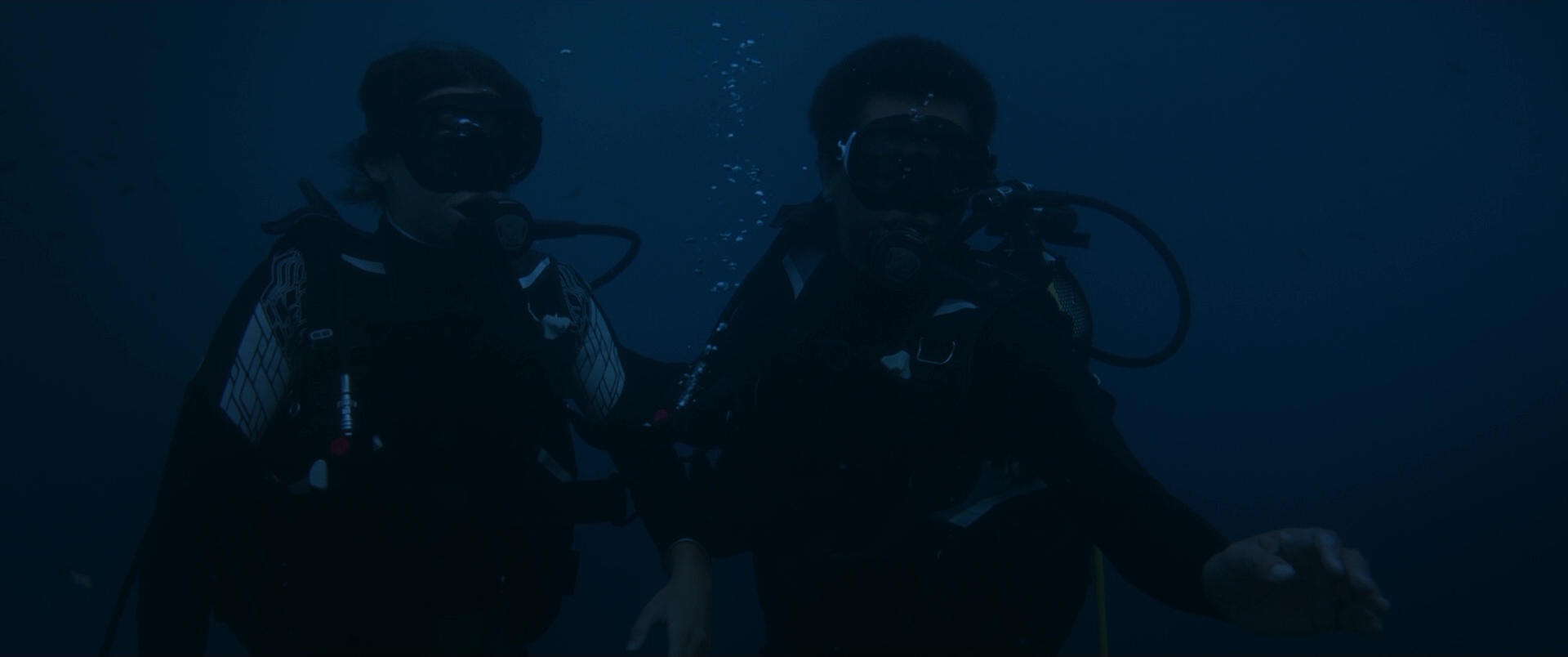
Kusijanović and cinematographer Hélène Louvart shoot Murina with a tactile, sun-drenched naturalism, using the Adriatic Sea as both setting and metaphor. The film’s underwater sequences—fluid, immersive, and quietly tense—contrast with the rigid, sunlit domestic spaces, turning water into a space of freedom while land remains a site of control and confinement.
FILM SPOTLIGHT
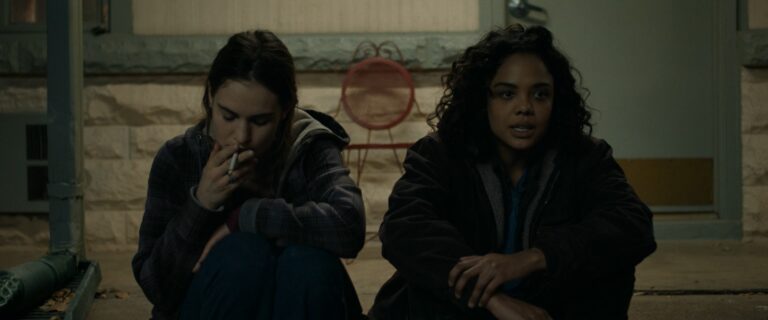
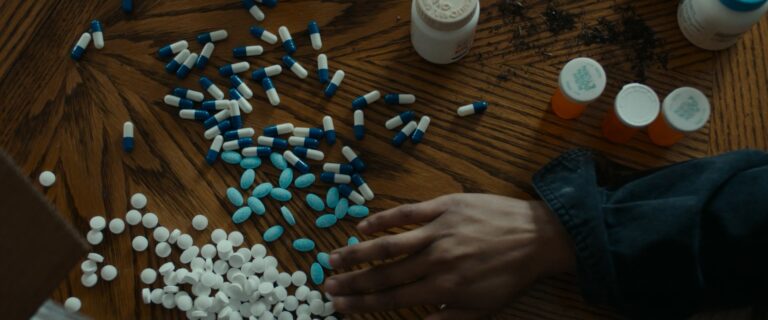
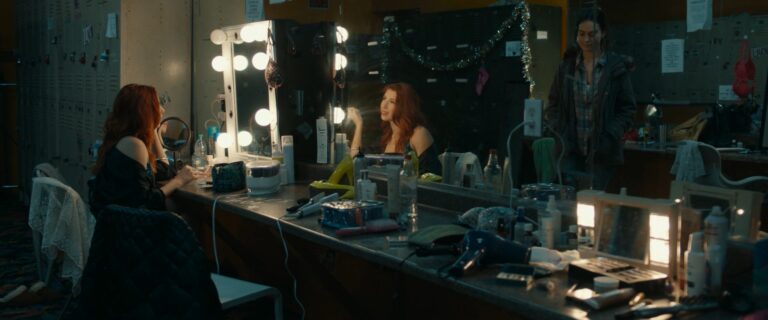
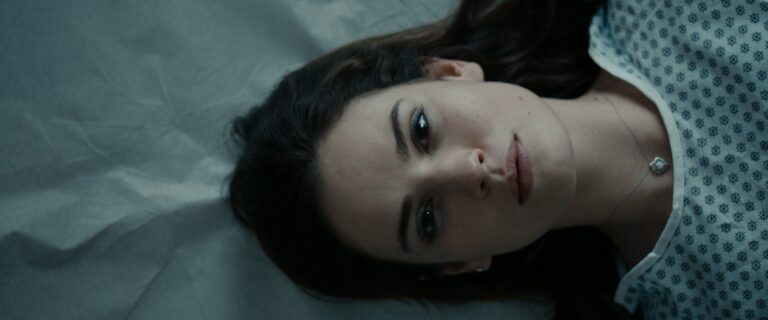
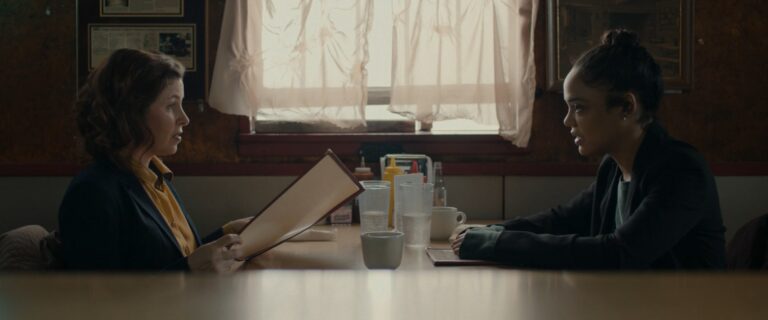
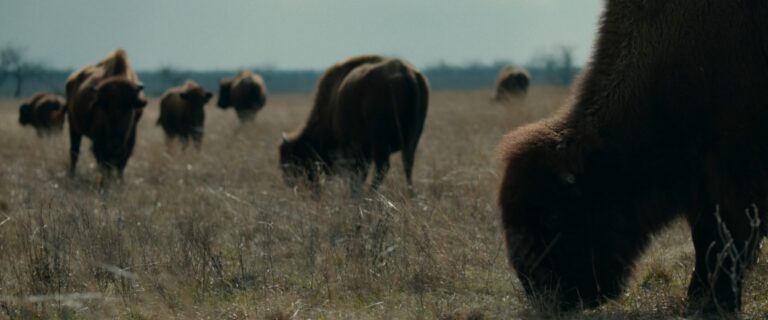
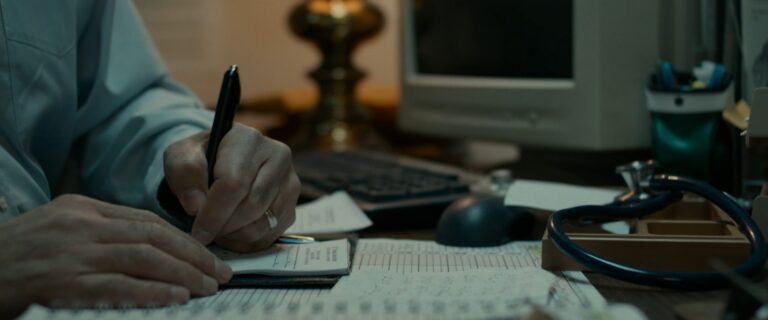
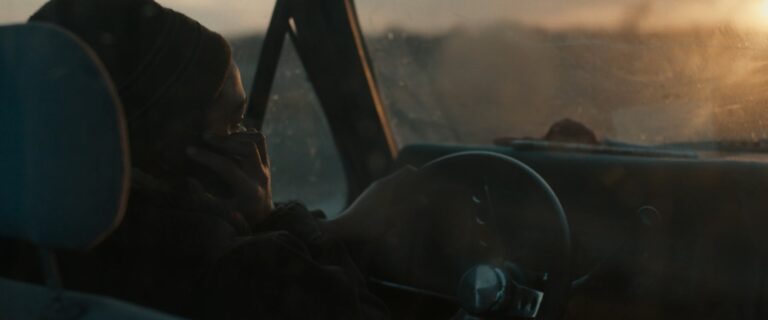
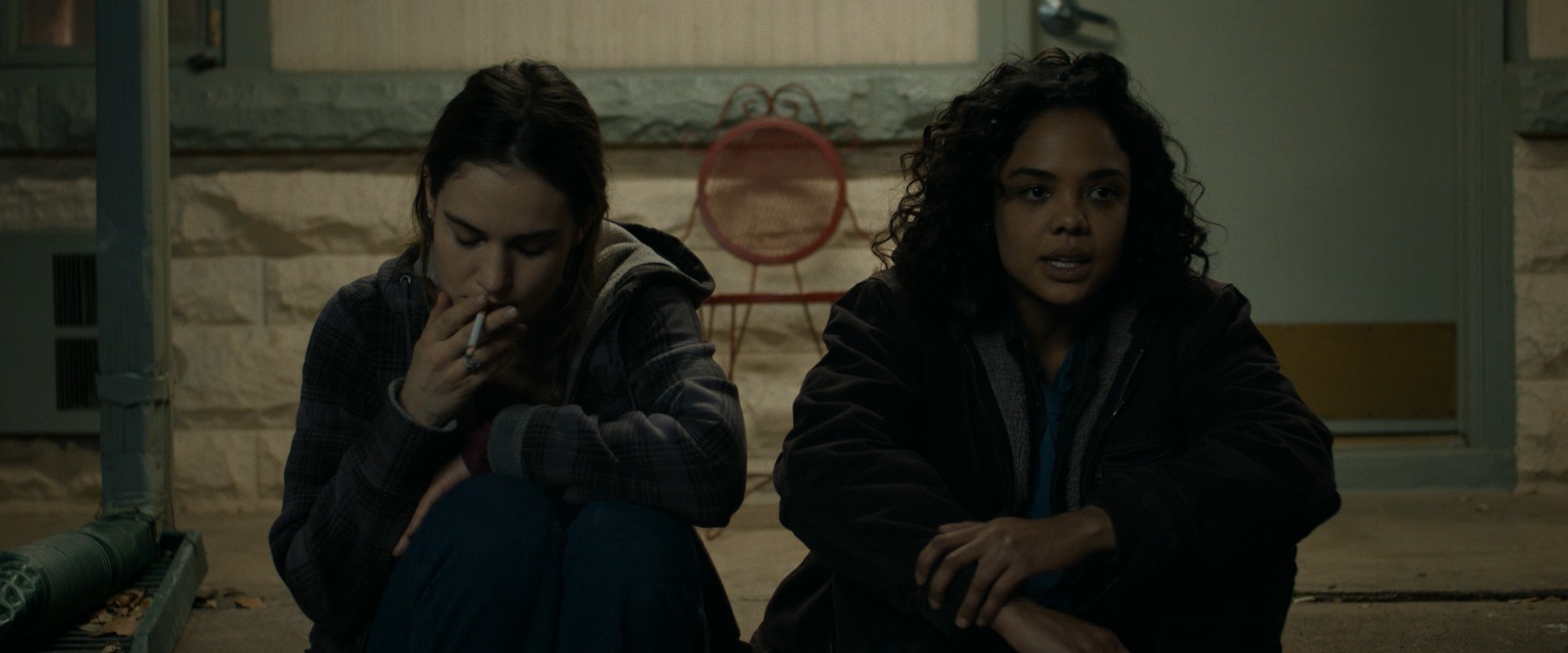
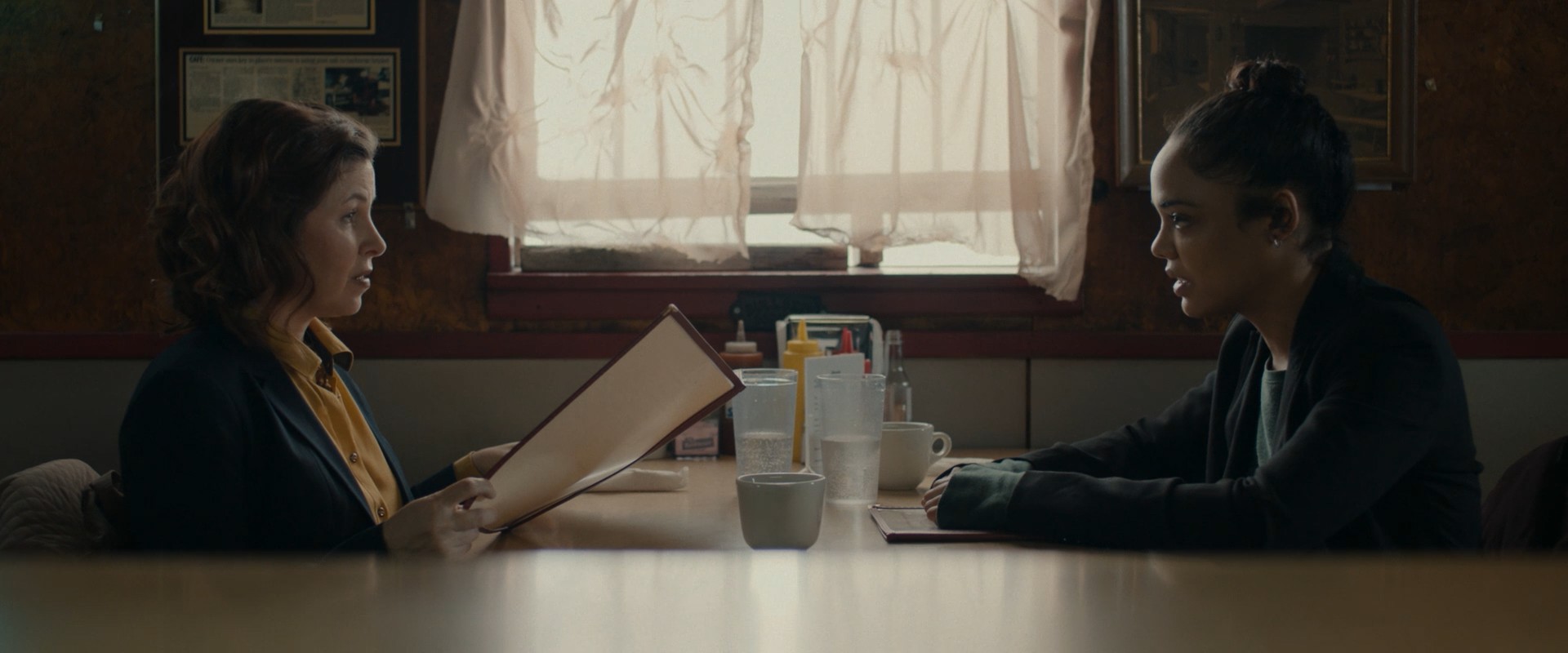
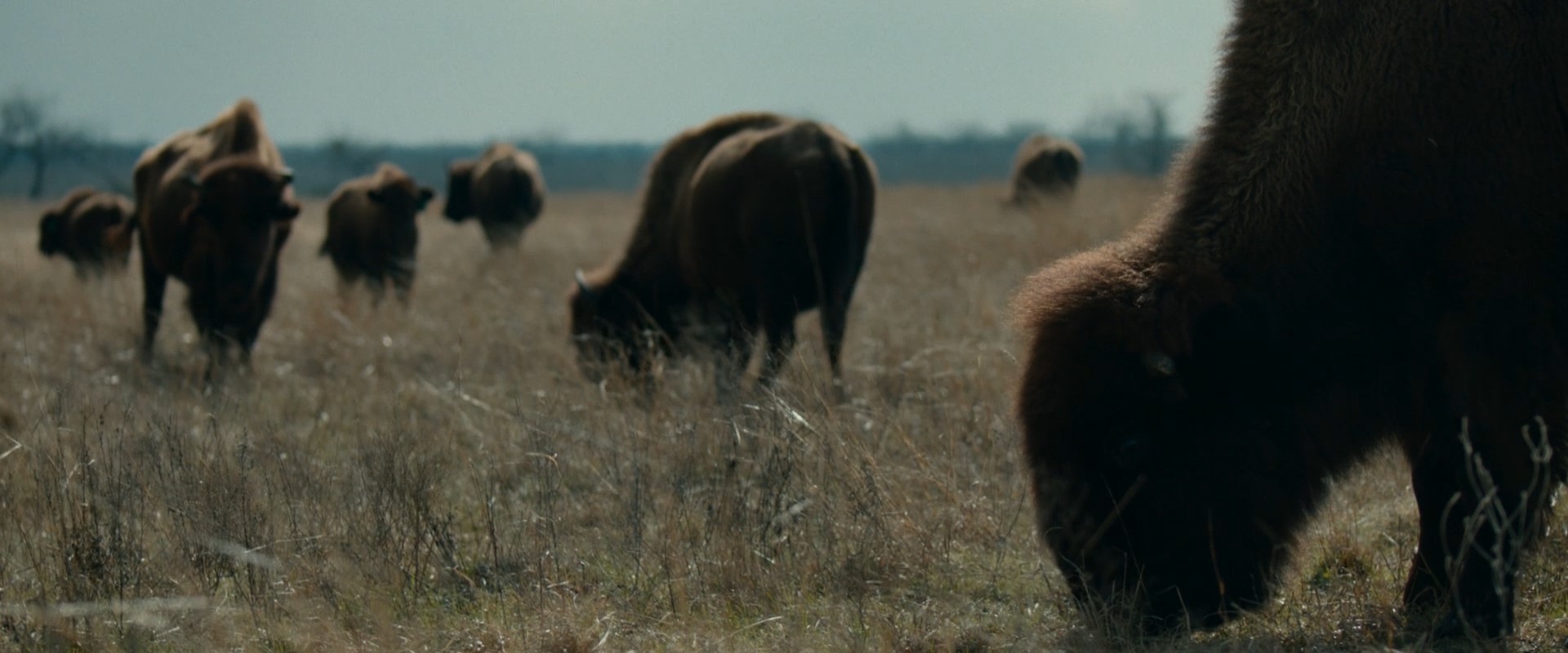
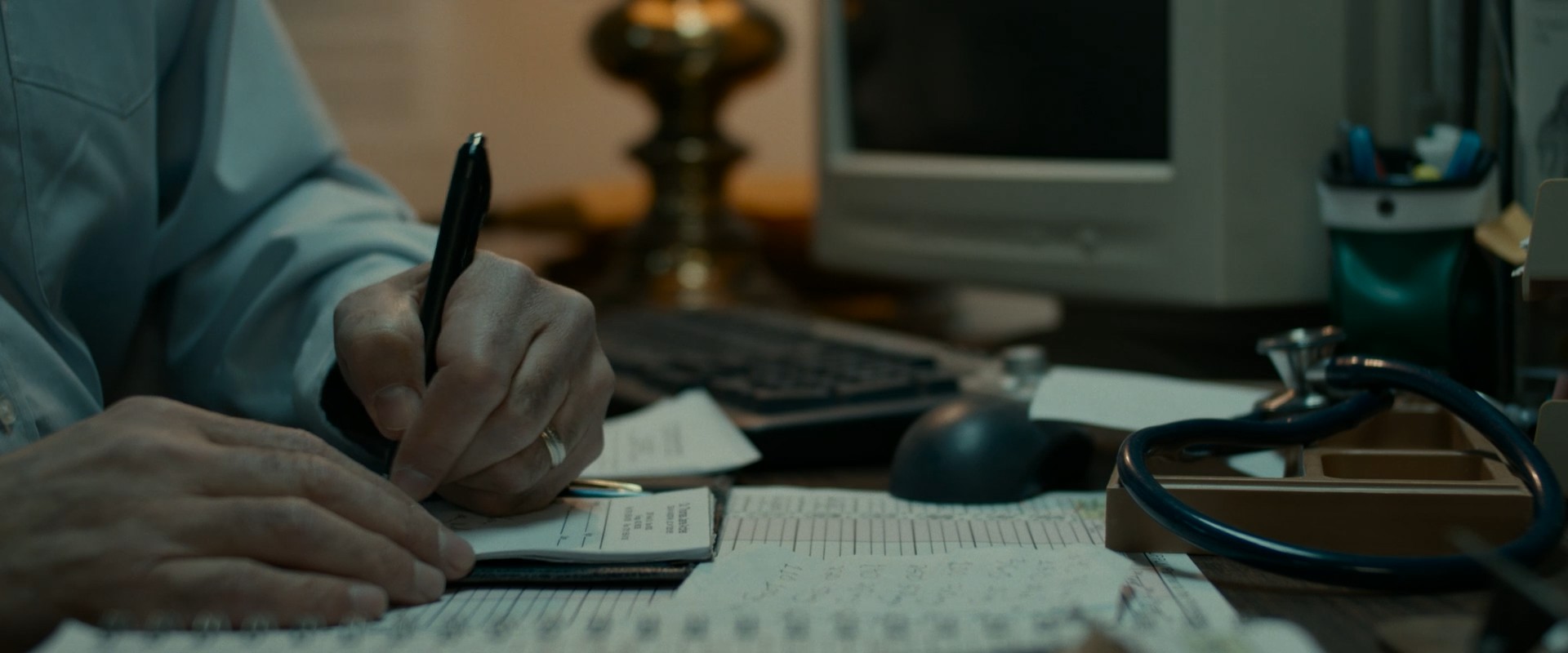
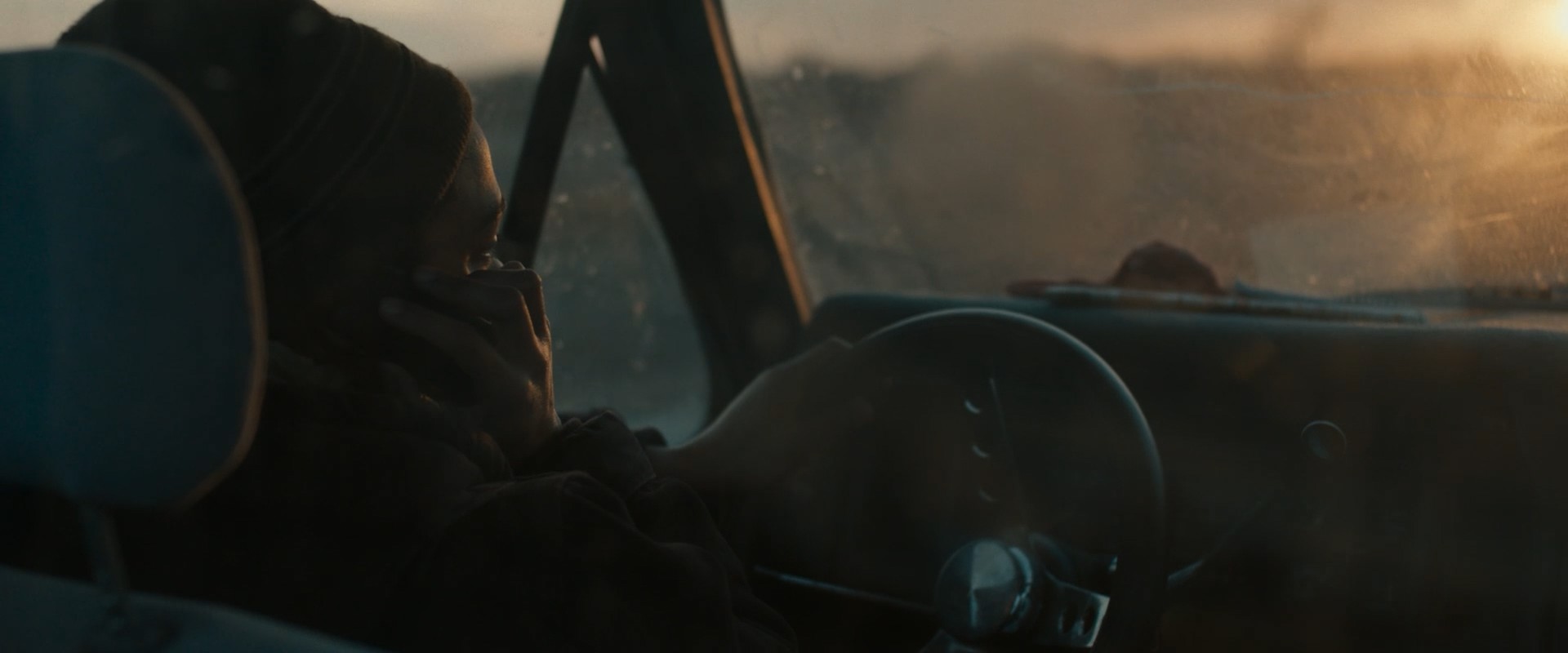
Little Woods (2019)
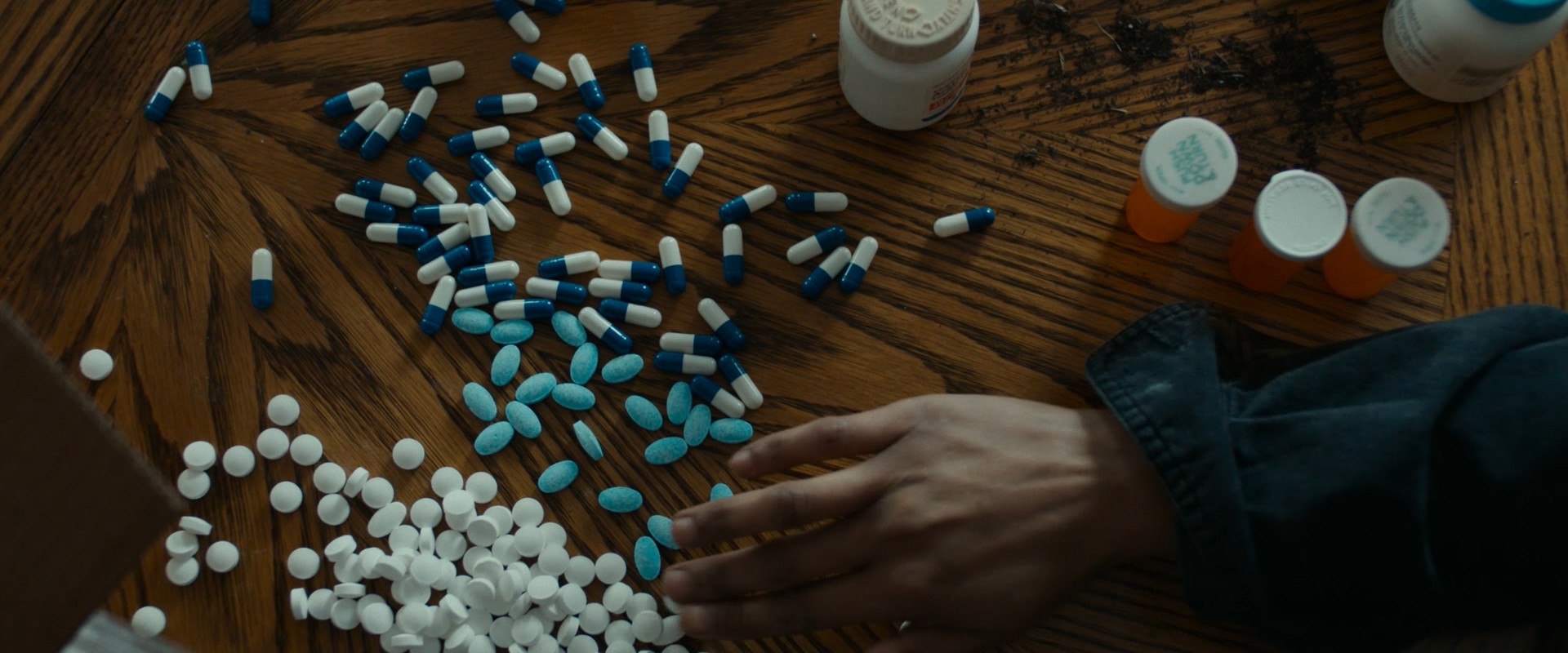
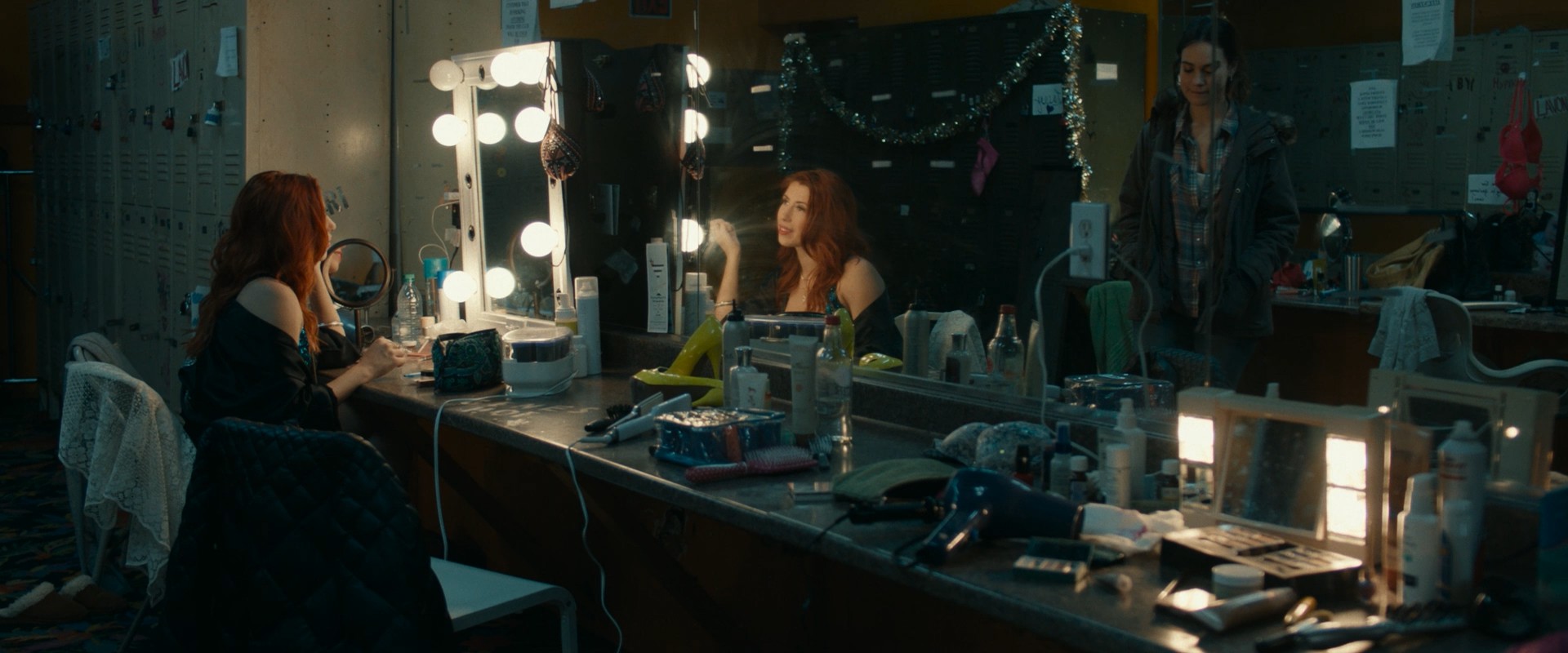
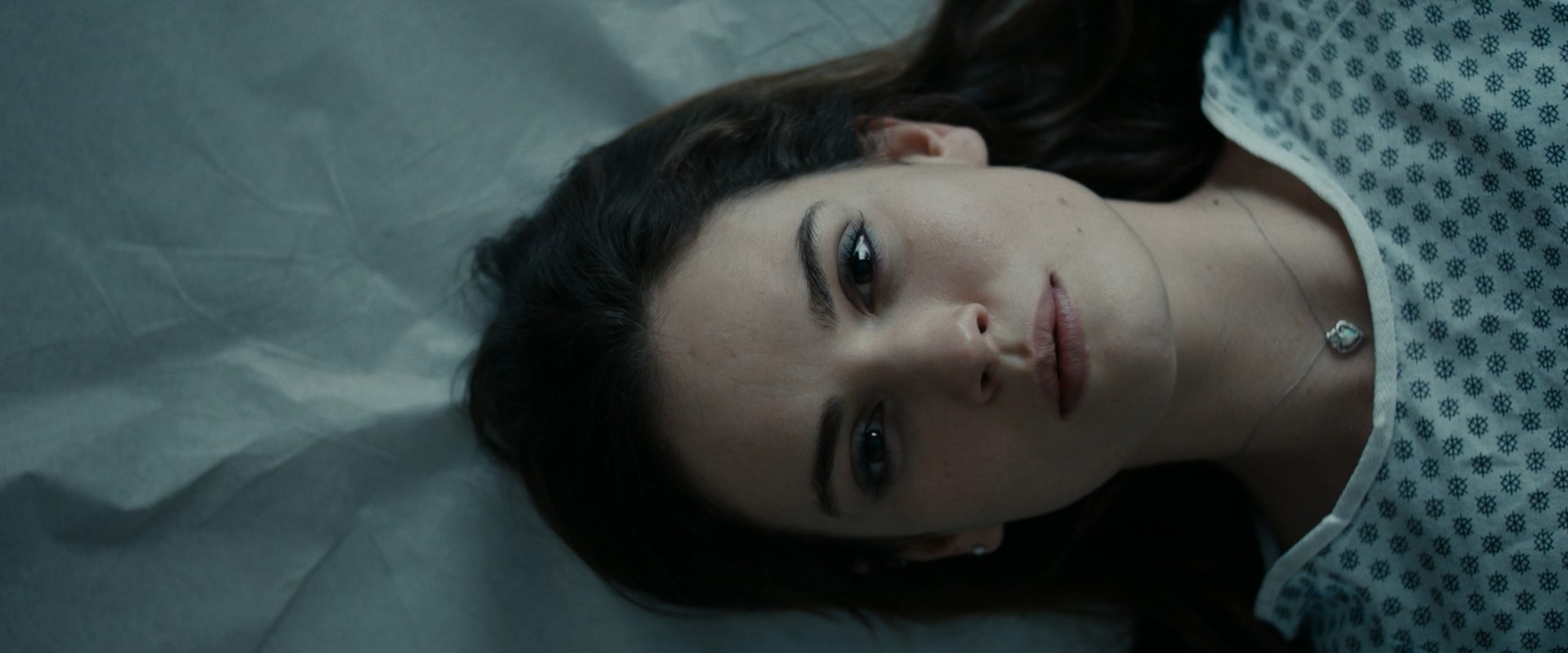
In a struggling North Dakota town near the Canadian border, two estranged sisters reunite after their mother’s death. As they face mounting financial pressure and limited opportunities, they turn to risky choices—one considering an illegal abortion, the other returning to smuggling medication across the border. Their story becomes a tense, grounded portrait of survival, family, and systemic neglect.
DaCosta and cinematographer Matt Mitchell shoot Little Woods with a muted, wintry palette, using flat light and wide, desolate landscapes to emphasize economic stagnation and isolation. The film’s restrained camera and naturalistic framing keep the focus on character and environment—turning empty spaces, cold tones, and distance into a visual expression of limited options and quiet desperation.
FILM SPOTLIGHT
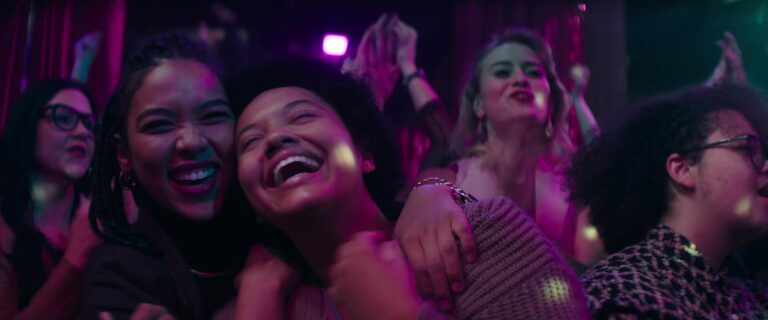
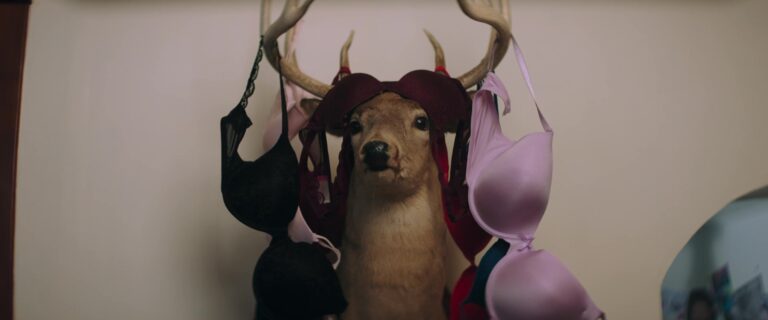
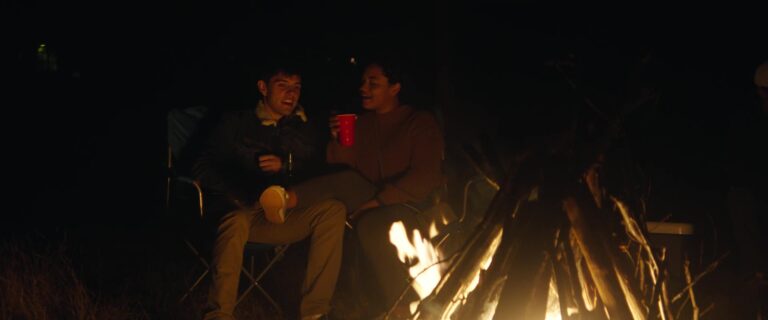
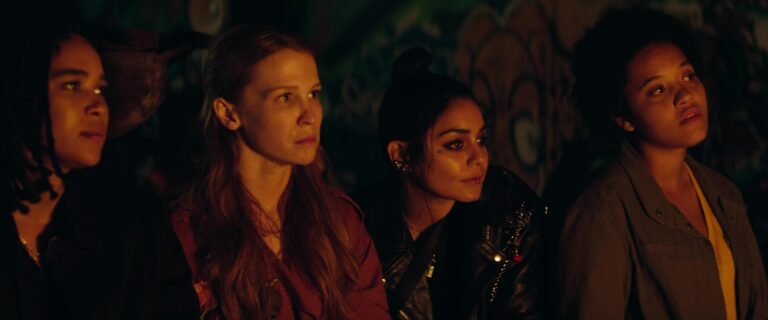
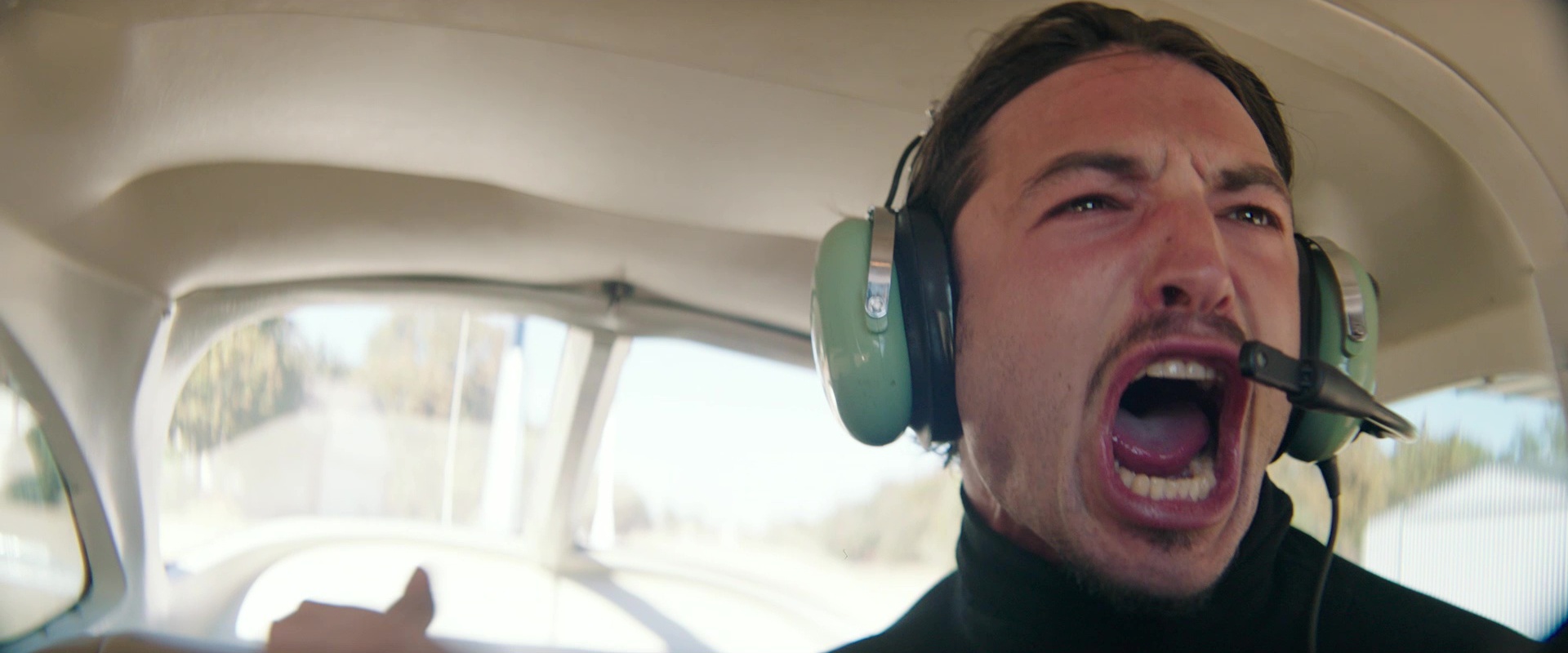
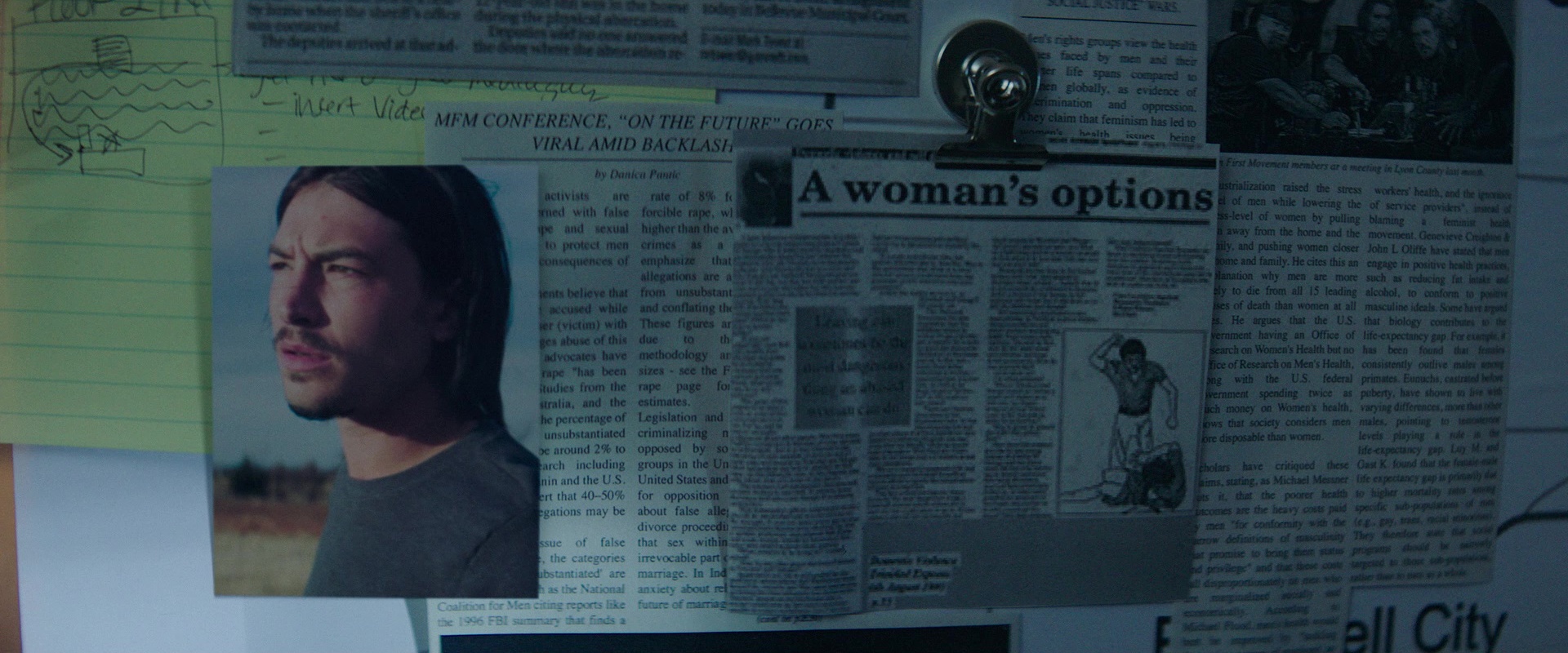
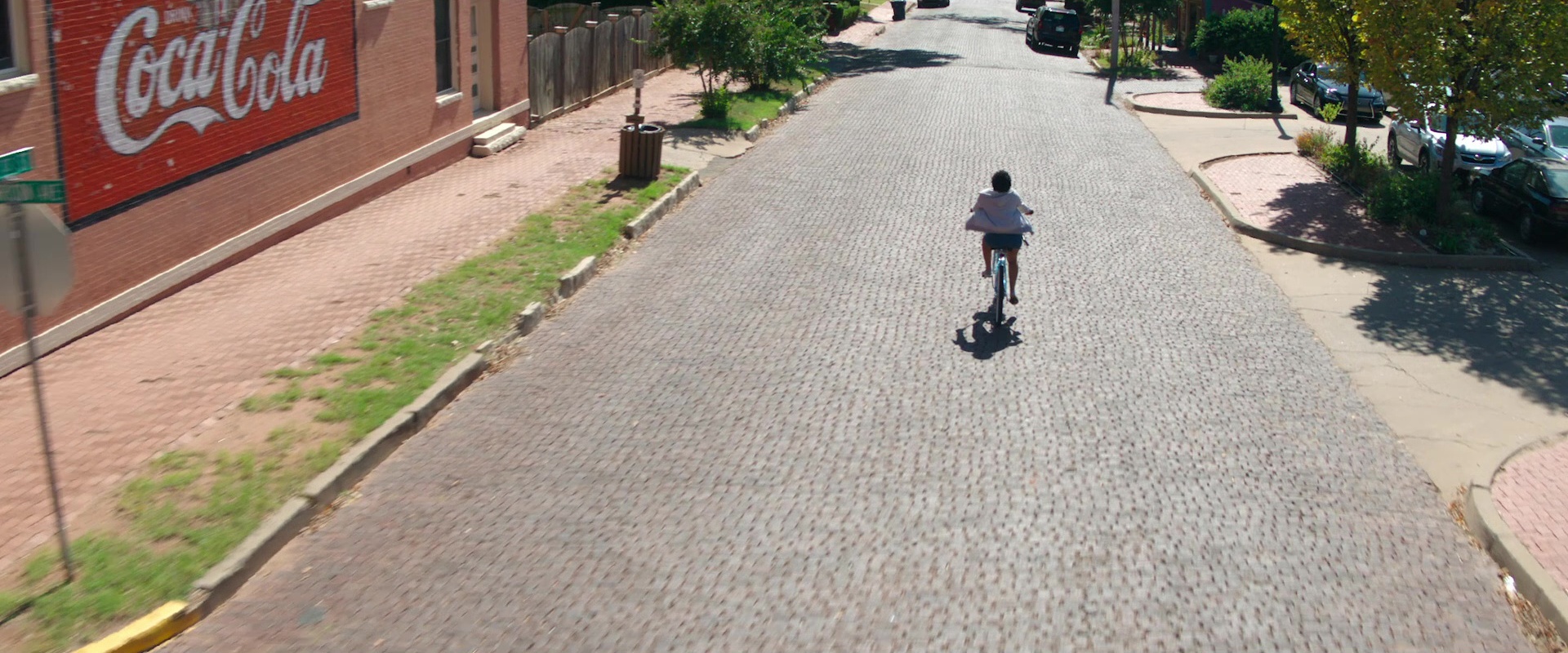
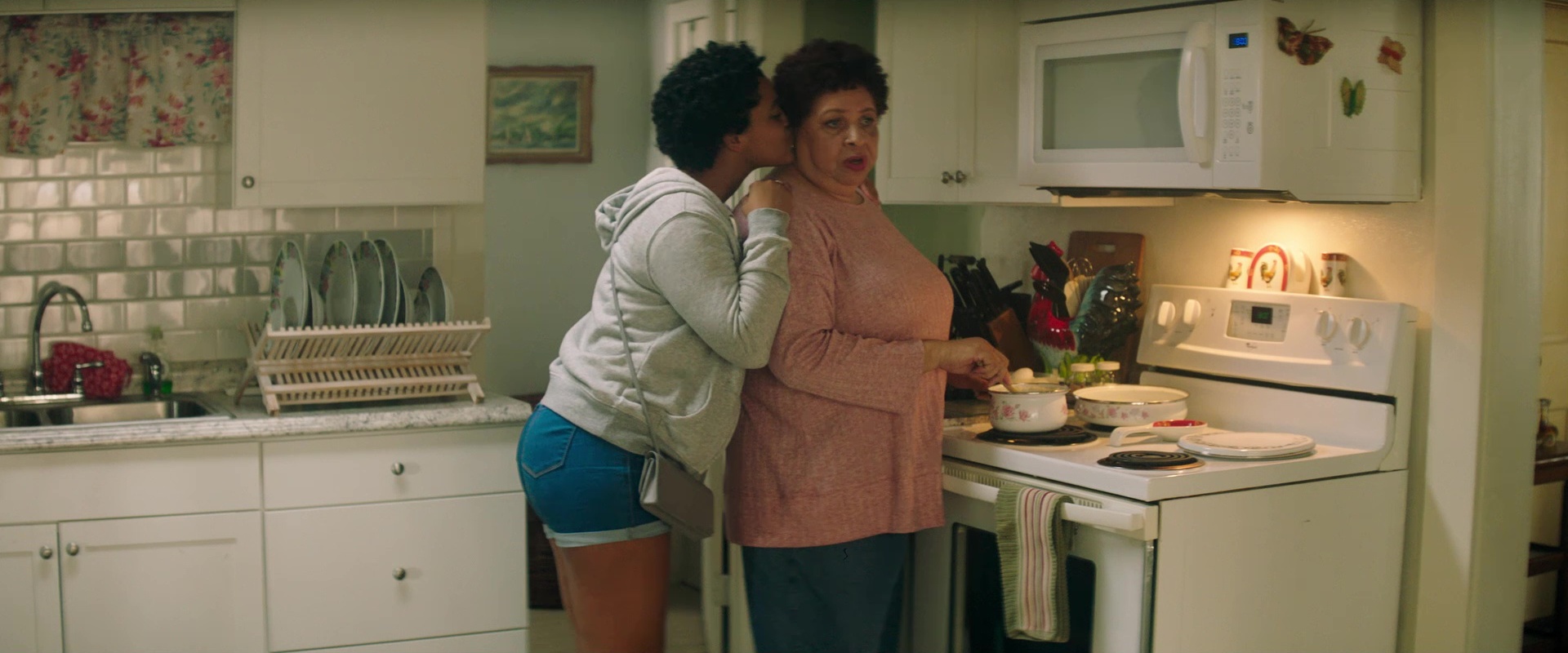
Asking for It (2022)
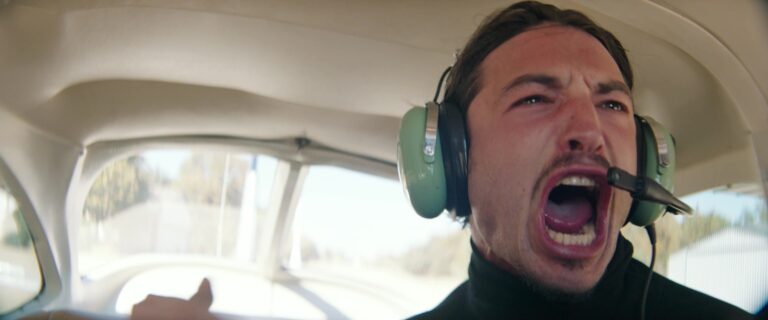
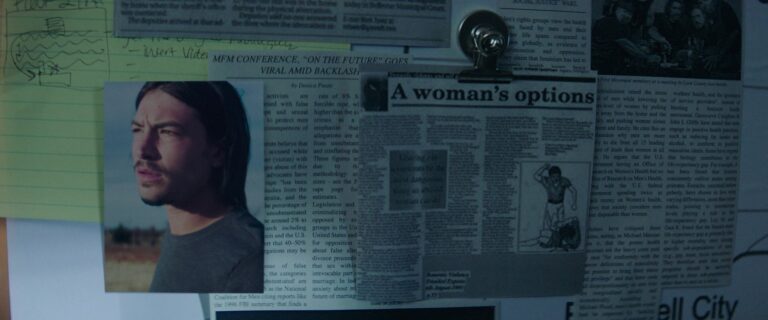
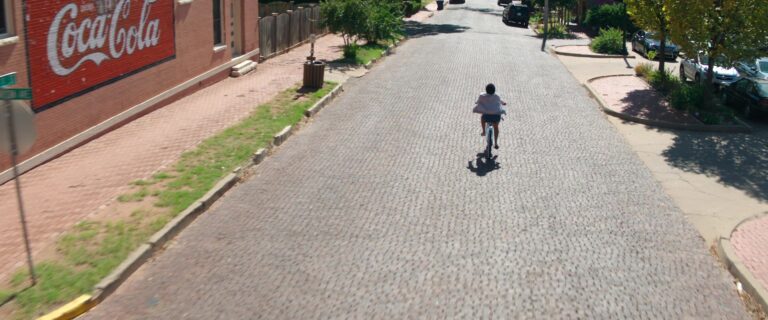
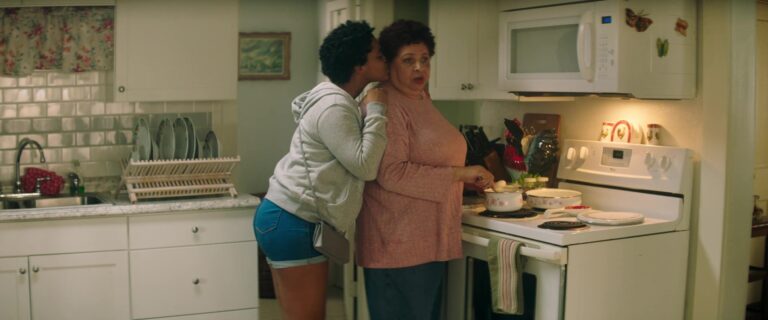
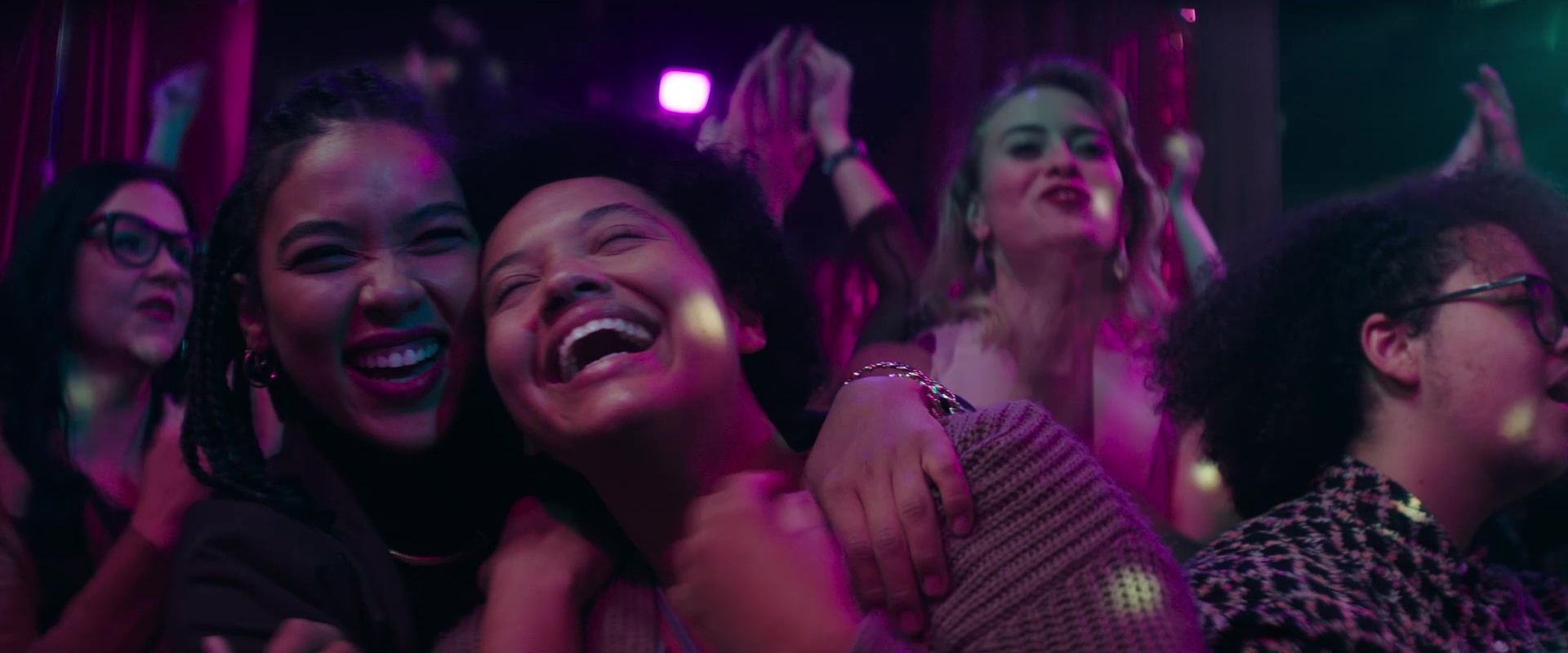
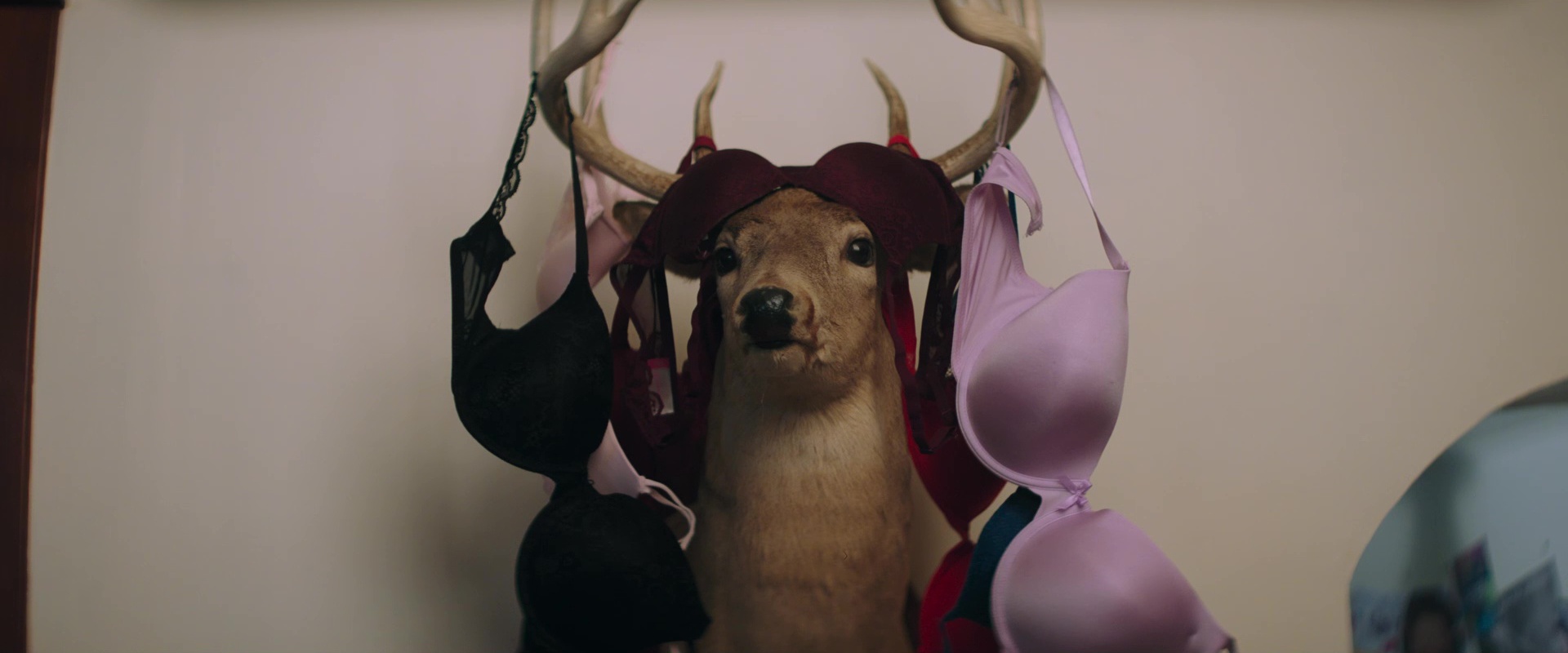
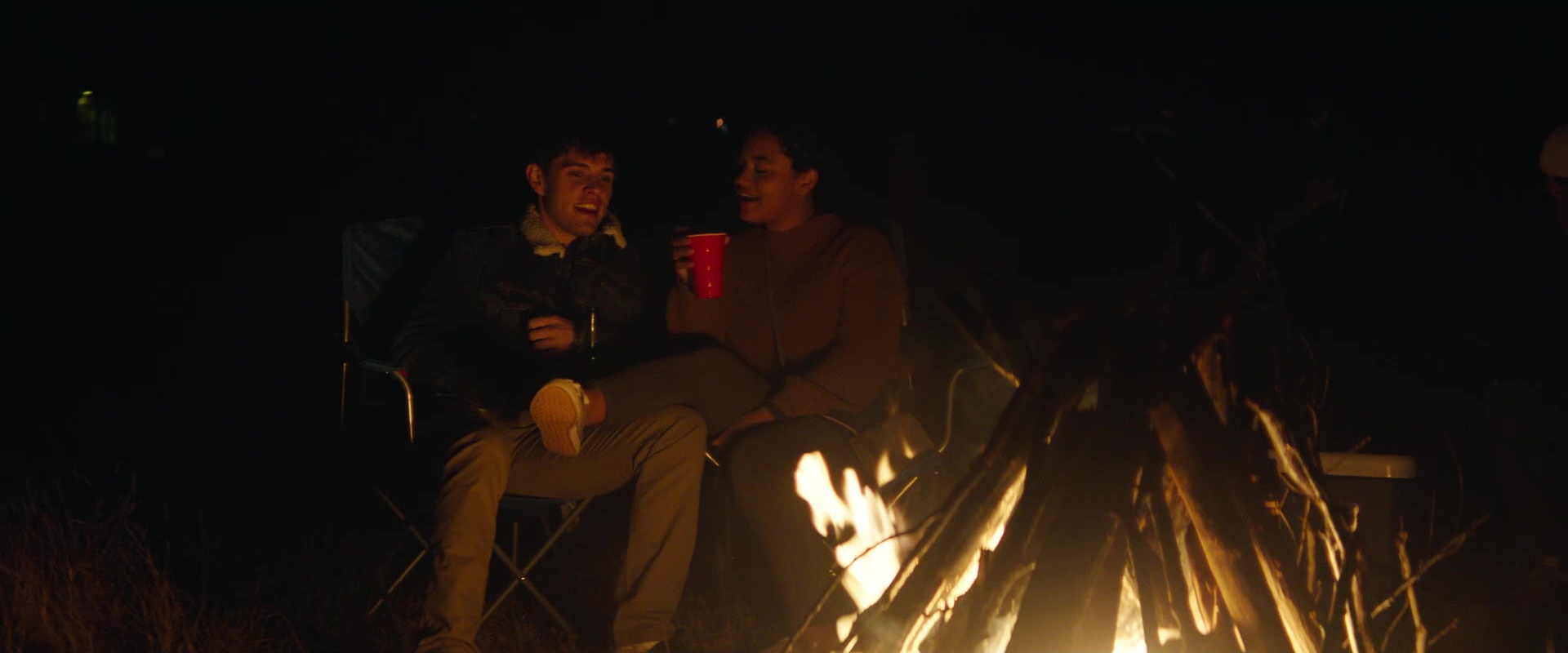
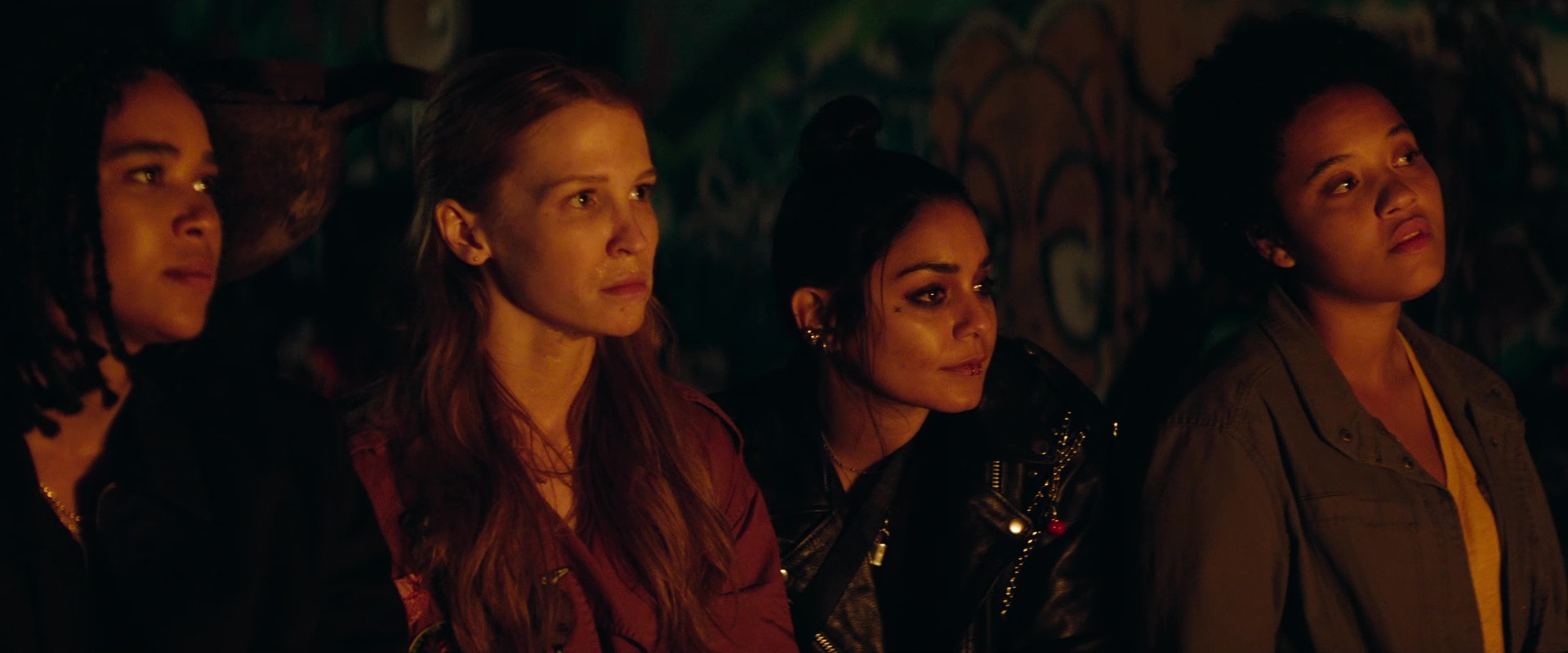
After surviving a sexual assault that goes unpunished, a young woman becomes involved with a vigilante group of women who target and punish abusers. As she’s drawn deeper into their world, what begins as a pursuit of justice turns increasingly complex and morally ambiguous. The group’s actions escalate, forcing her to confront the cost of revenge and the line between justice and violence.
O’Rourke and cinematographer Cory Fraiman-Lott shoot Asking for It with a stylized, indie-grindhouse aesthetic, using neon lighting, bold color contrasts, and music-driven sequences to heighten its tone. The film mixes naturalistic settings with heightened visual flair—turning its revenge narrative into something more performative and genre-inflected, where style amplifies its themes of rage and retribution.


FILM SPOTLIGHT
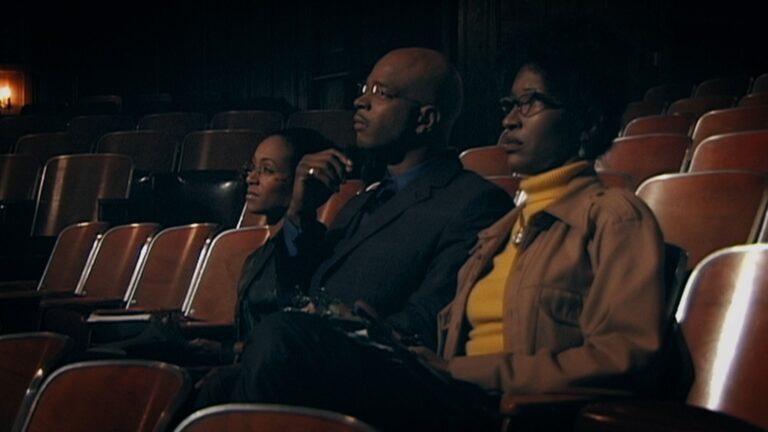
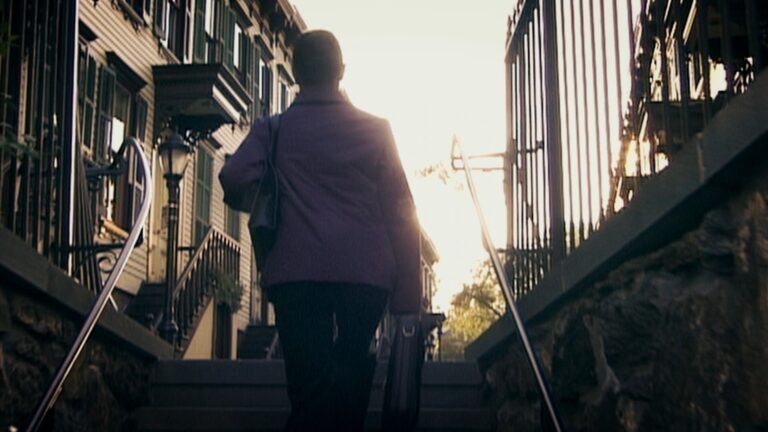
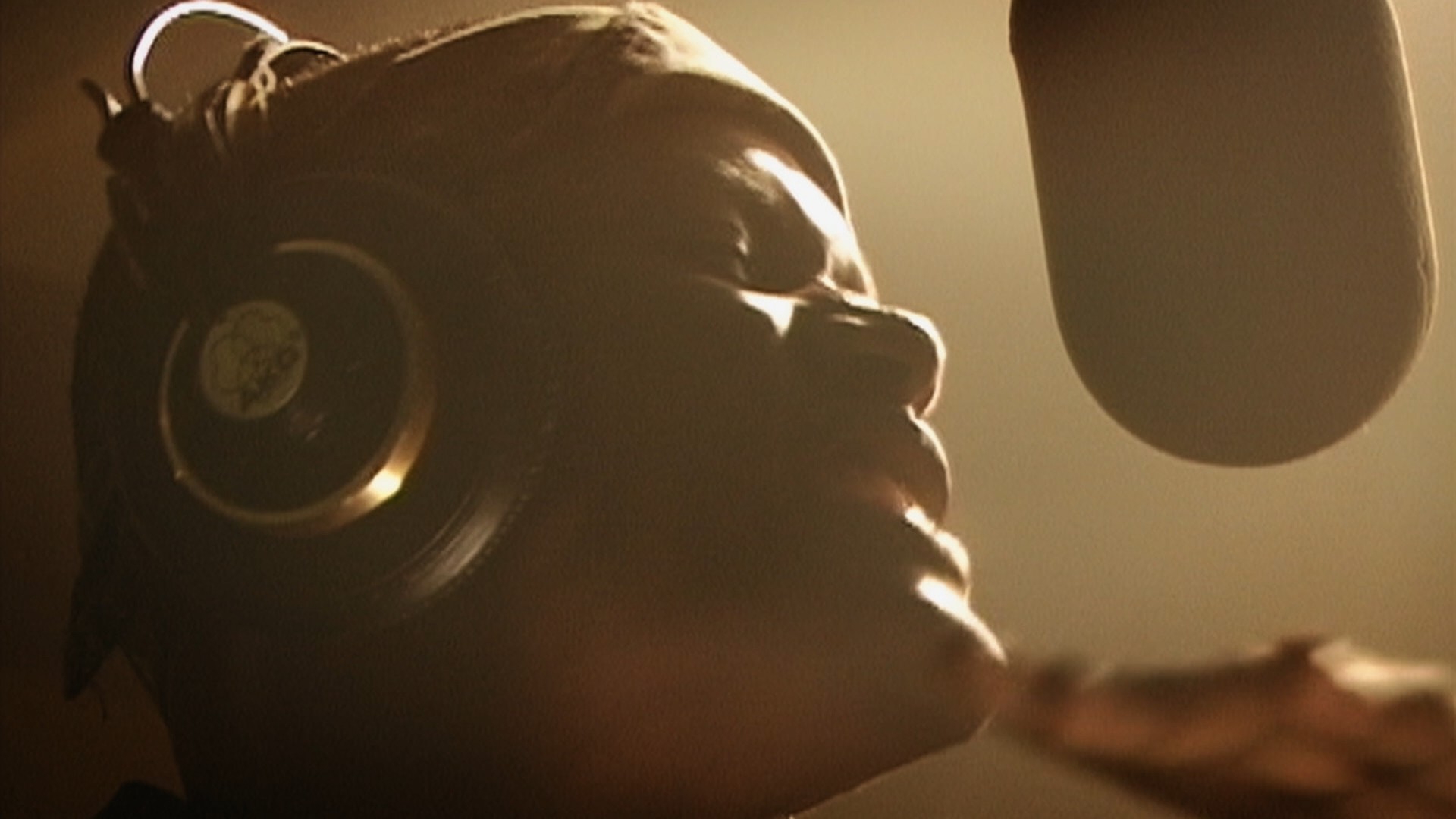
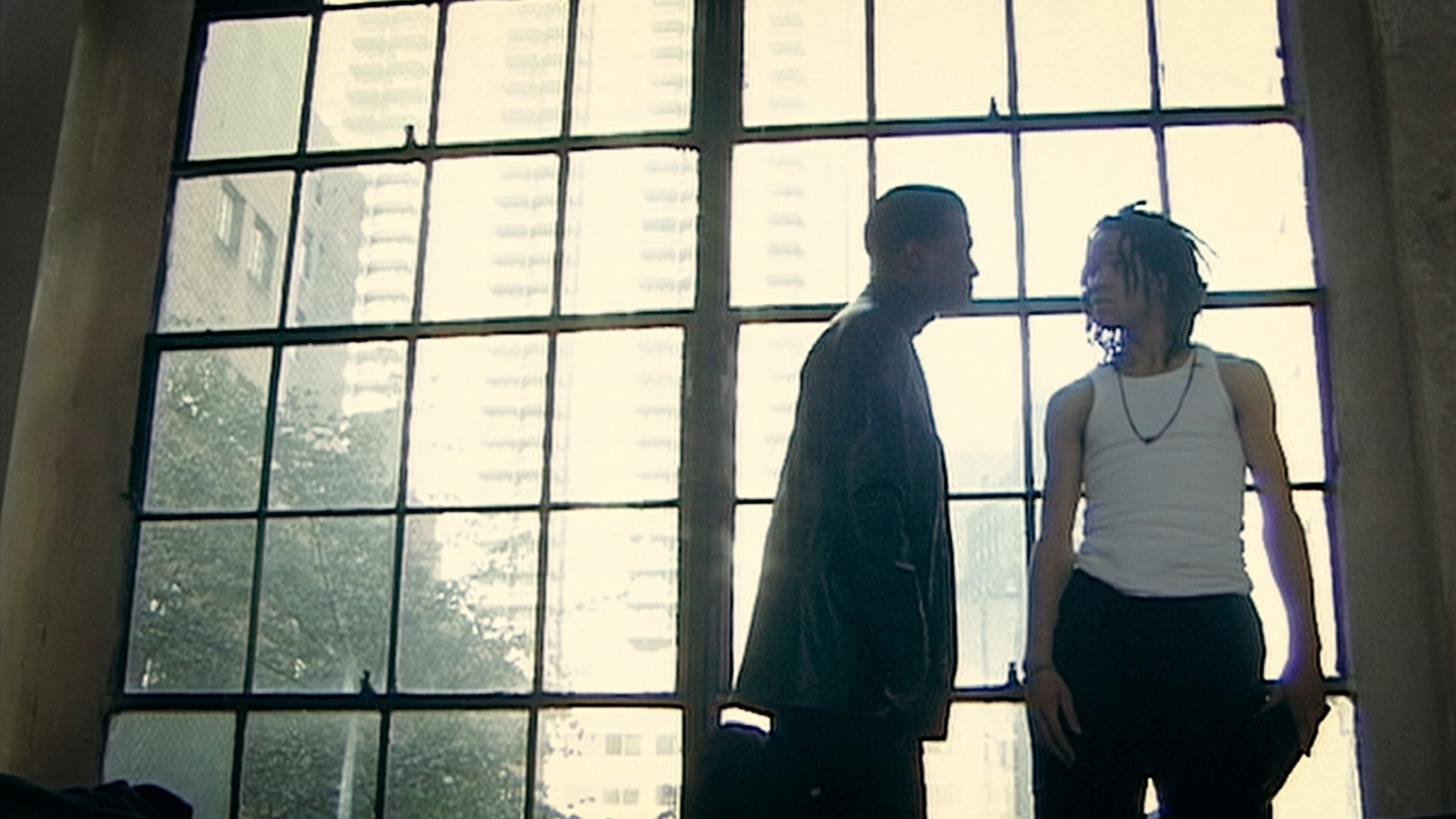
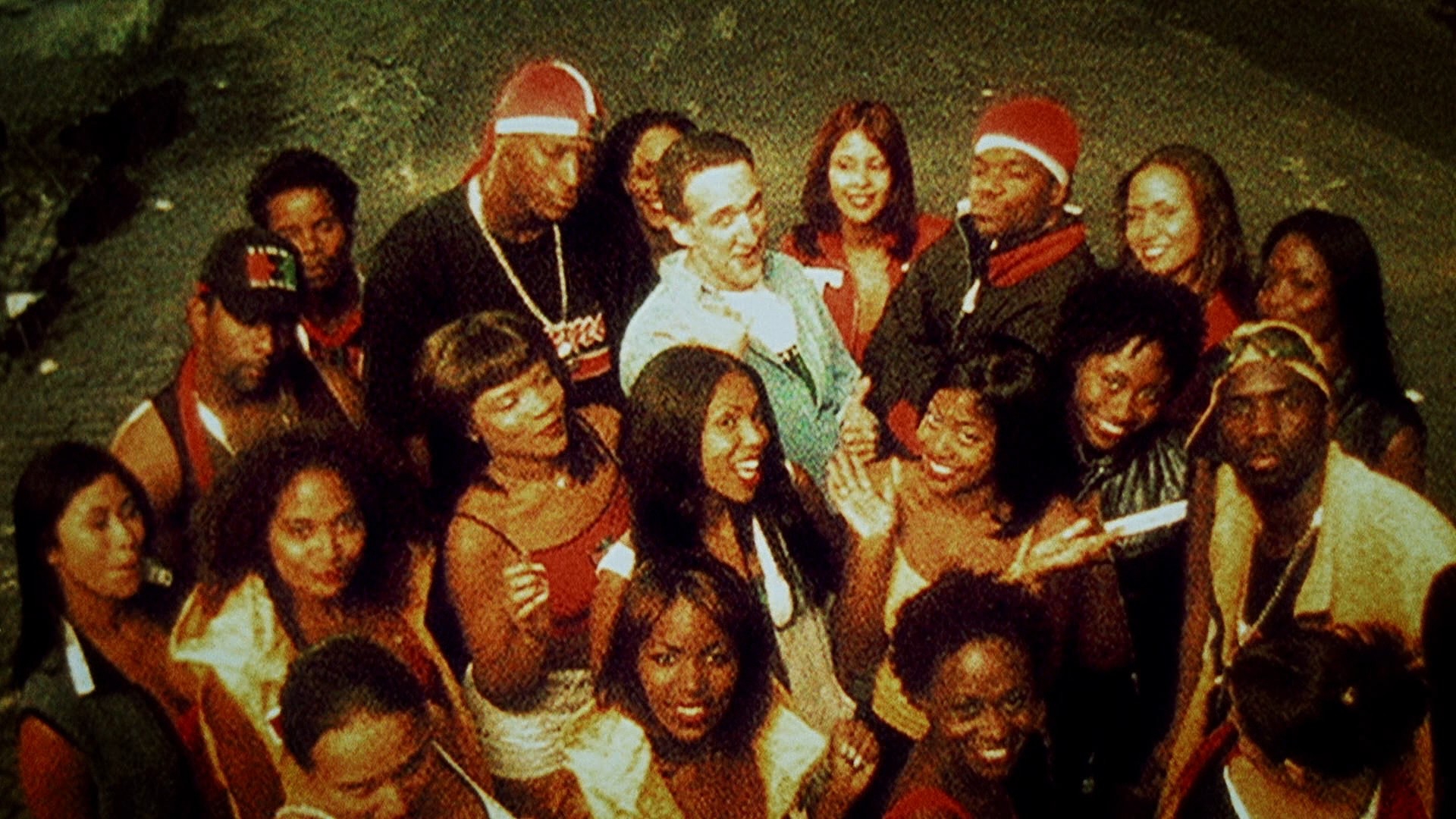
Bamboozled (2002)
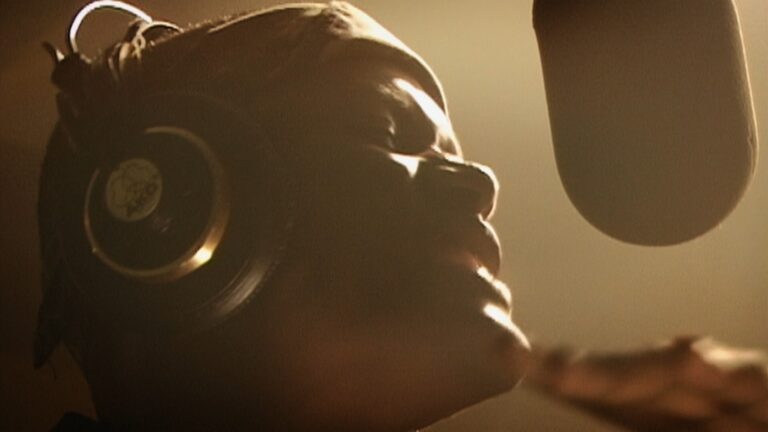
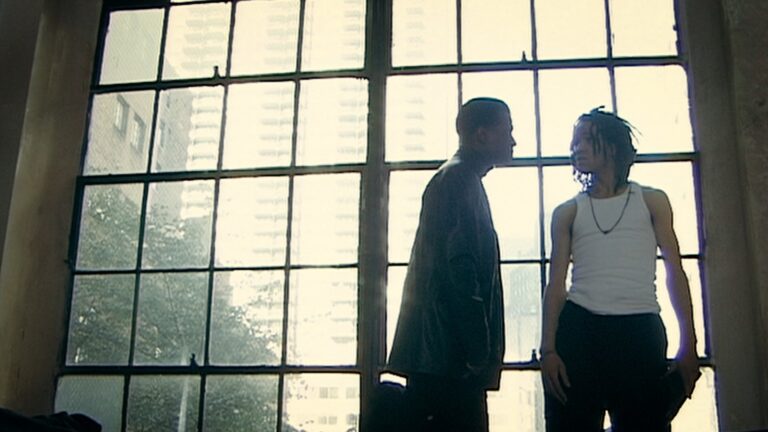
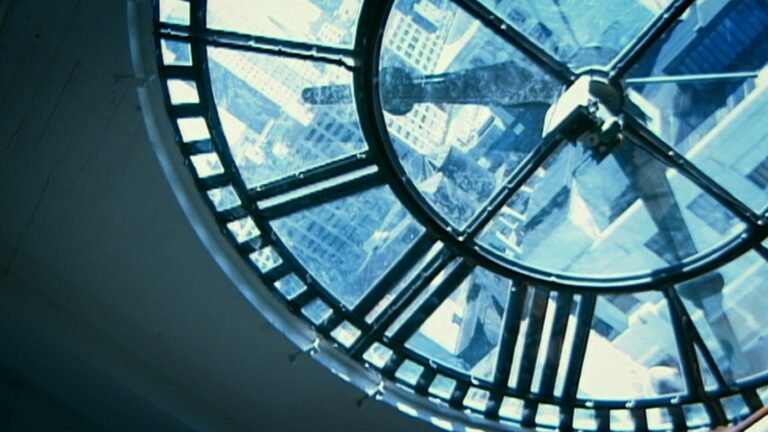
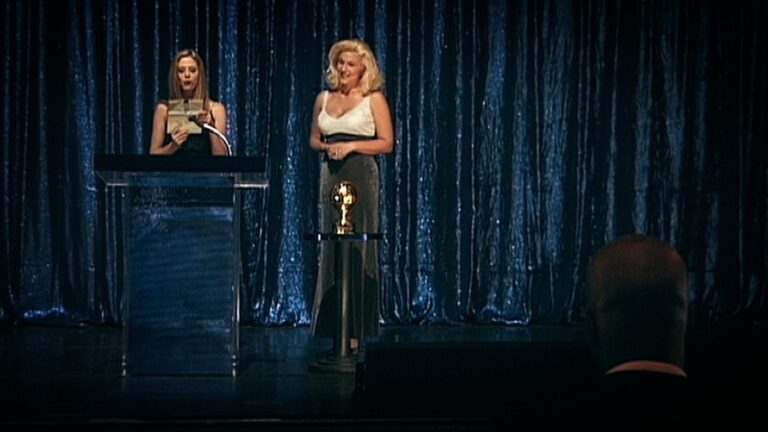
A frustrated television writer creates a modern-day minstrel show as a satirical protest against the entertainment industry’s racism—only for it to become an unexpected hit. As the show’s popularity grows, its offensive imagery and cultural implications spiral beyond his control. The film becomes a biting critique of media, representation, and the commodification of Black identity.
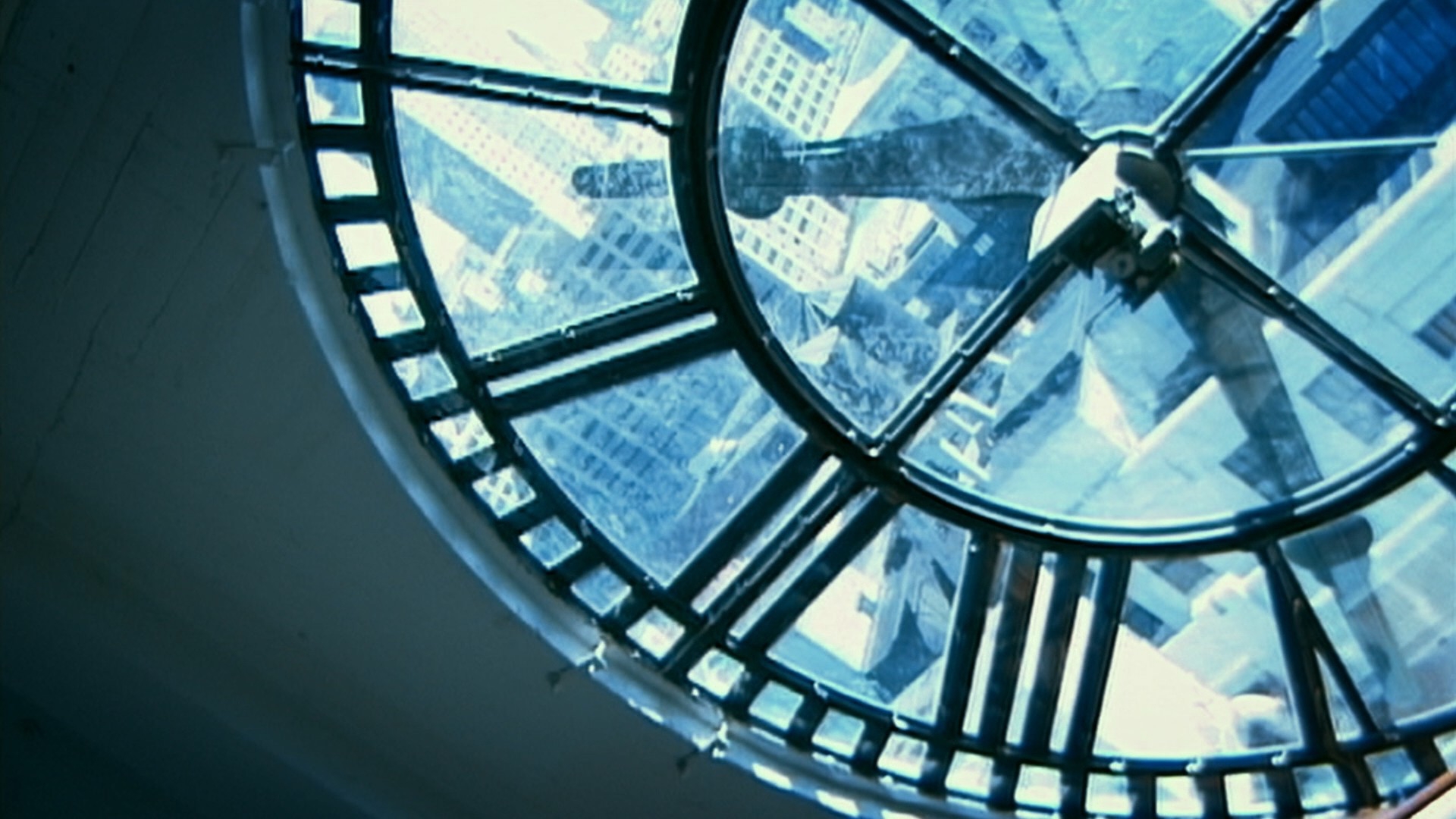
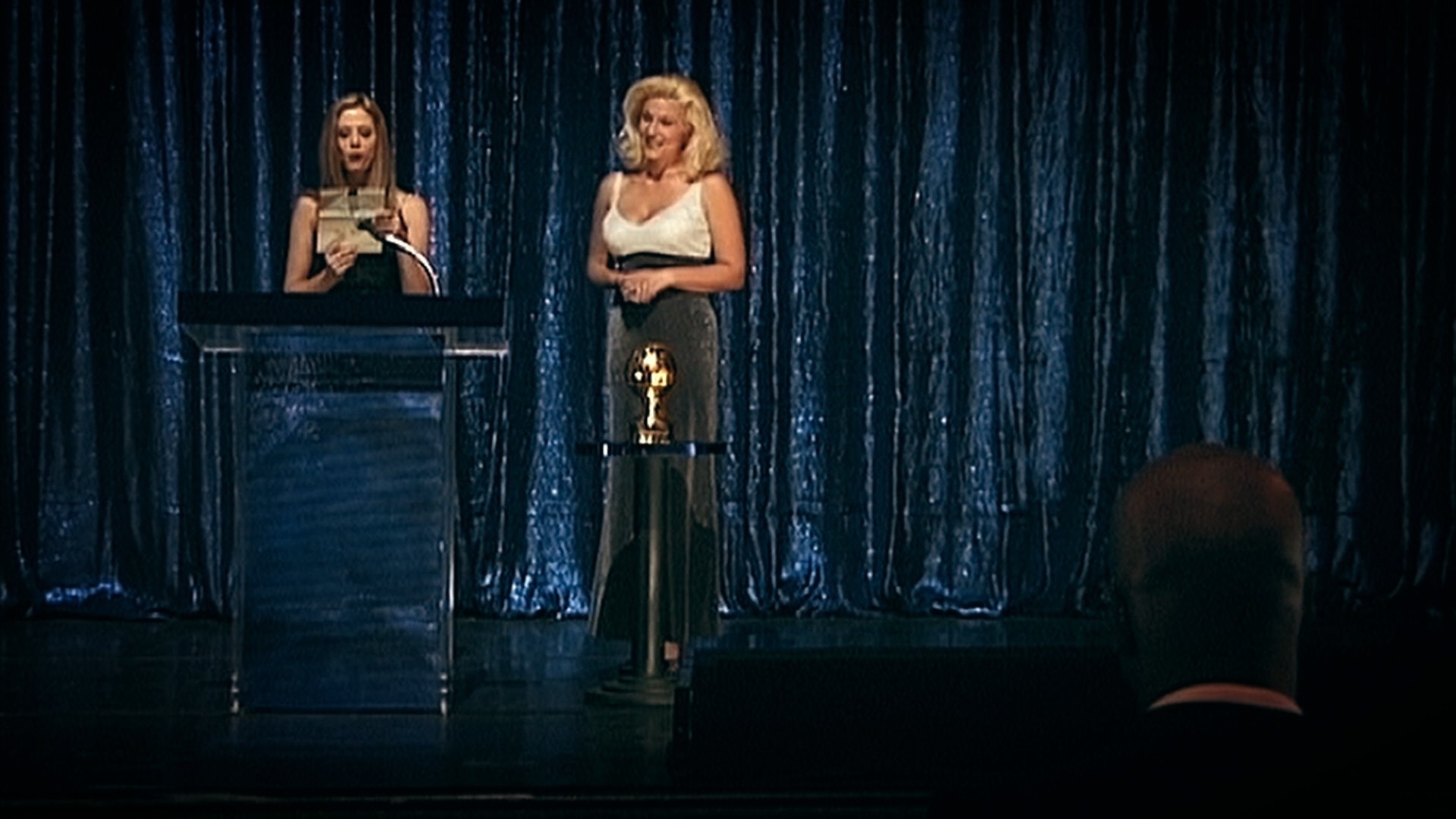
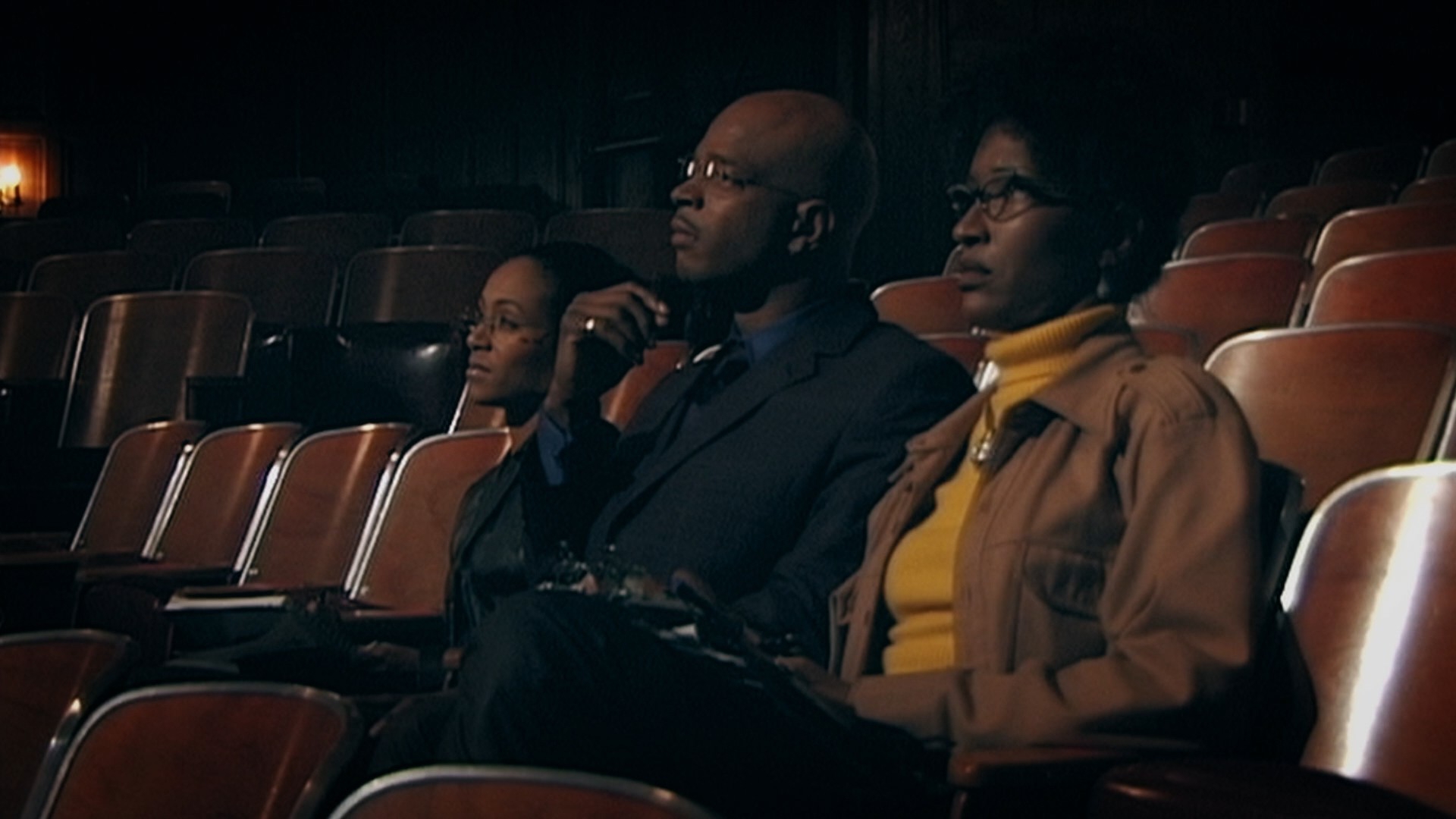
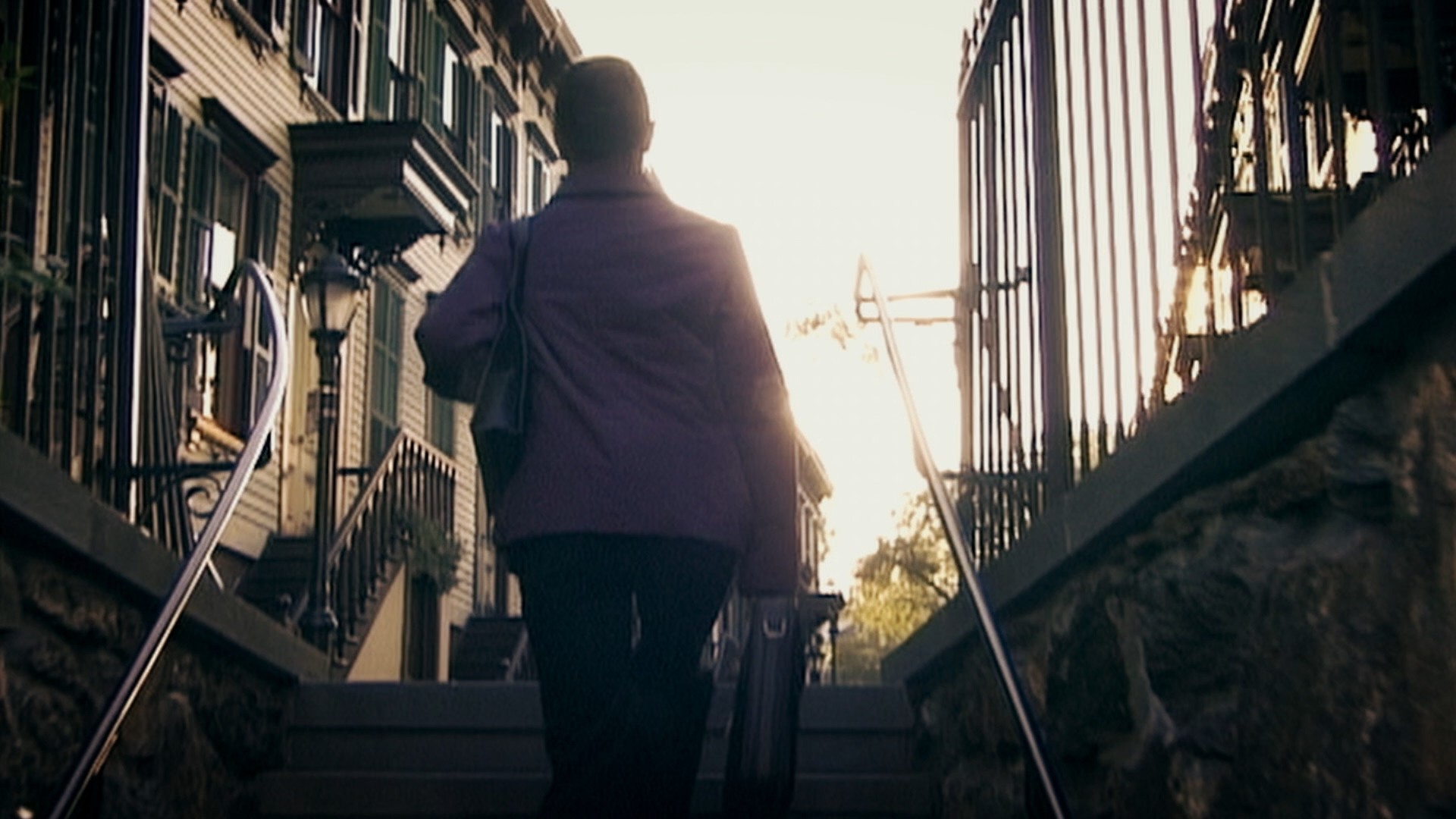
Lee and cinematographer Ellen Kuras shoot Bamboozled largely on early digital video, embracing its harsh, low-resolution texture to give the film a raw, confrontational immediacy. This is contrasted with sequences shot on 16mm and Super 16—particularly the minstrel performances—creating a jarring visual divide that mirrors the film’s themes of performance versus reality, and spectacle versus critique.





FILM SPOTLIGHT
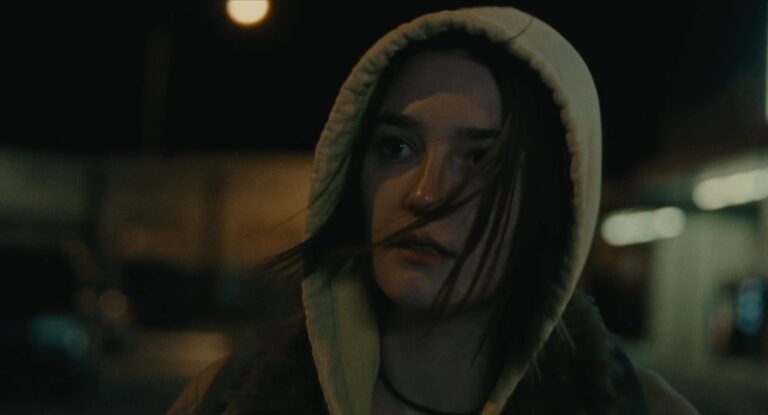
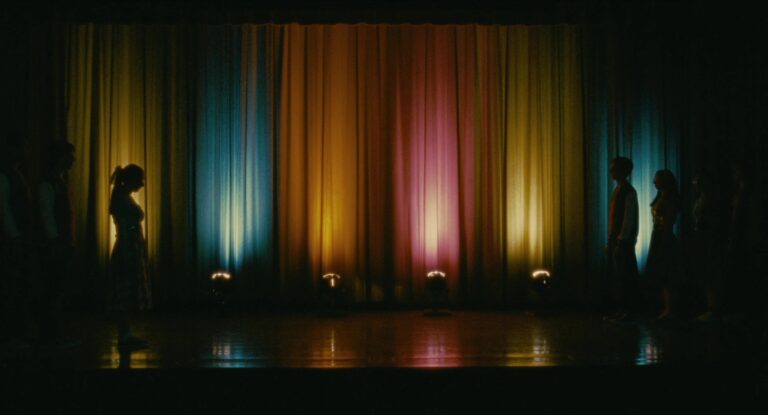
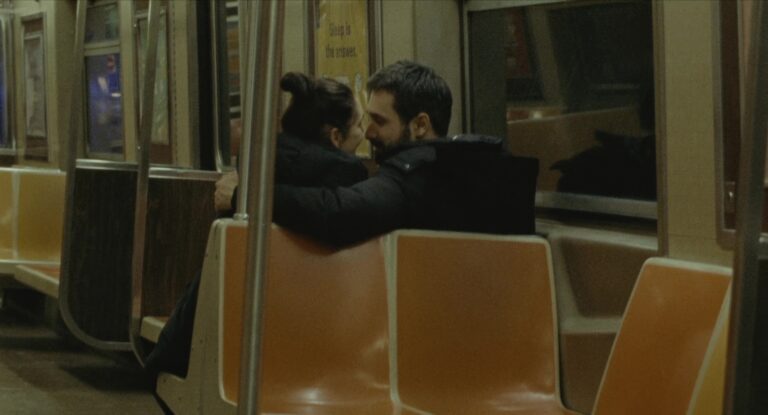
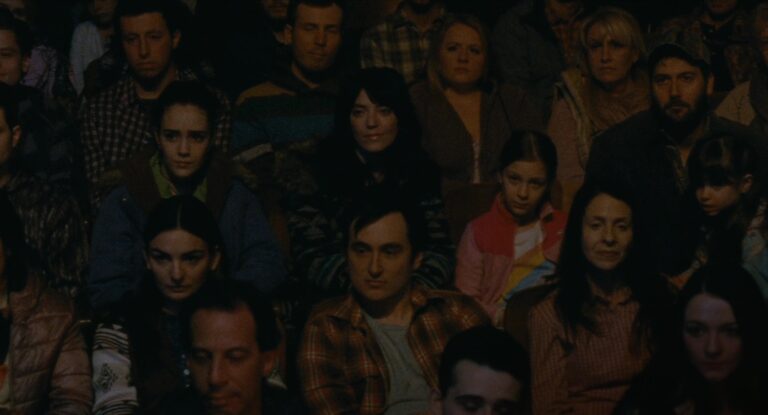
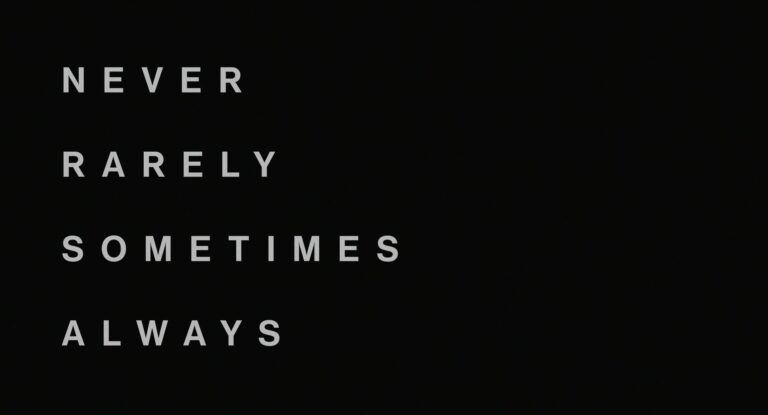
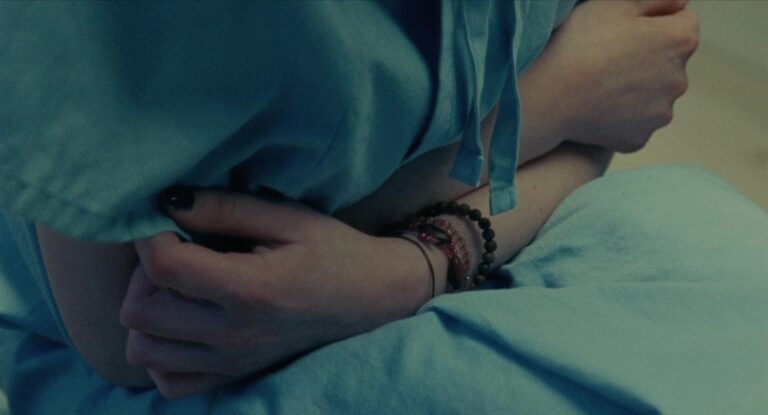
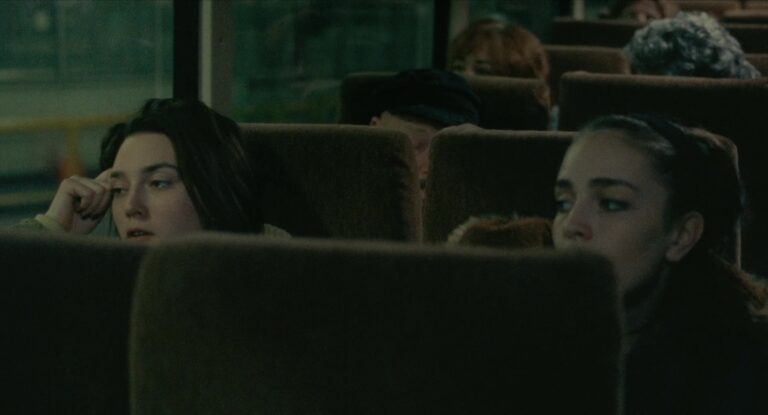
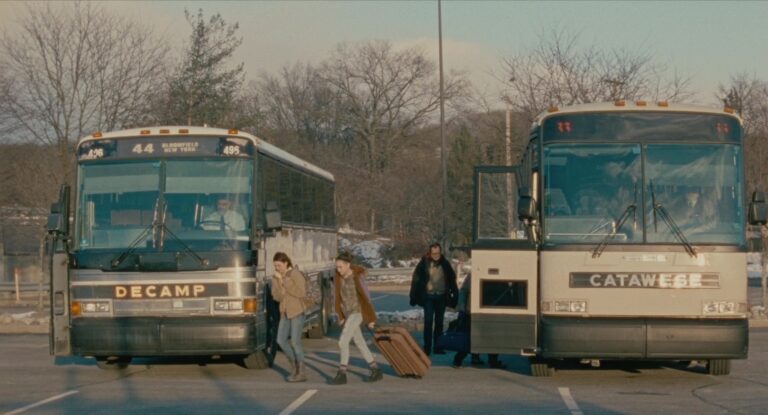
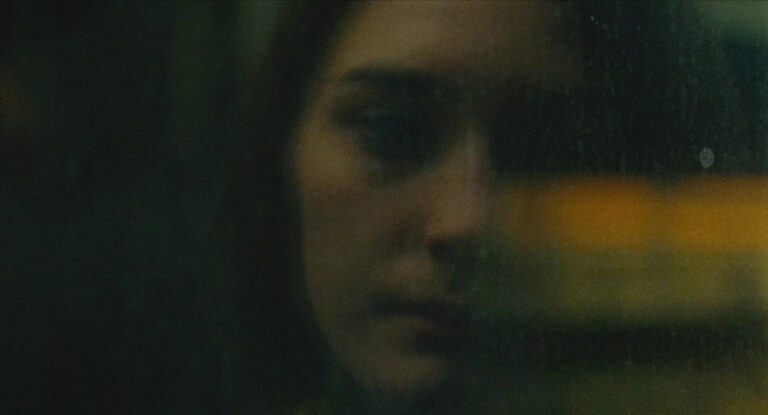
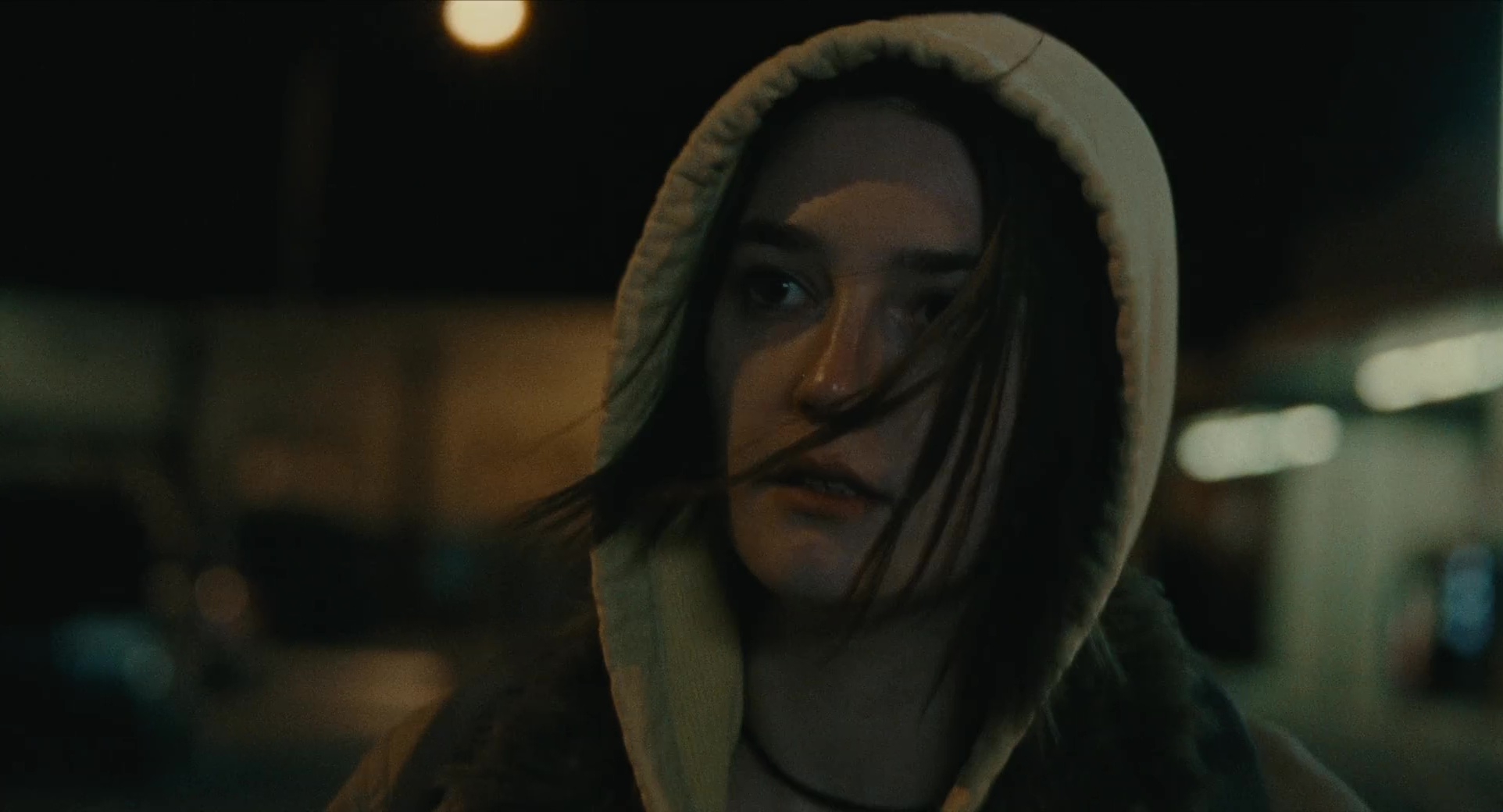
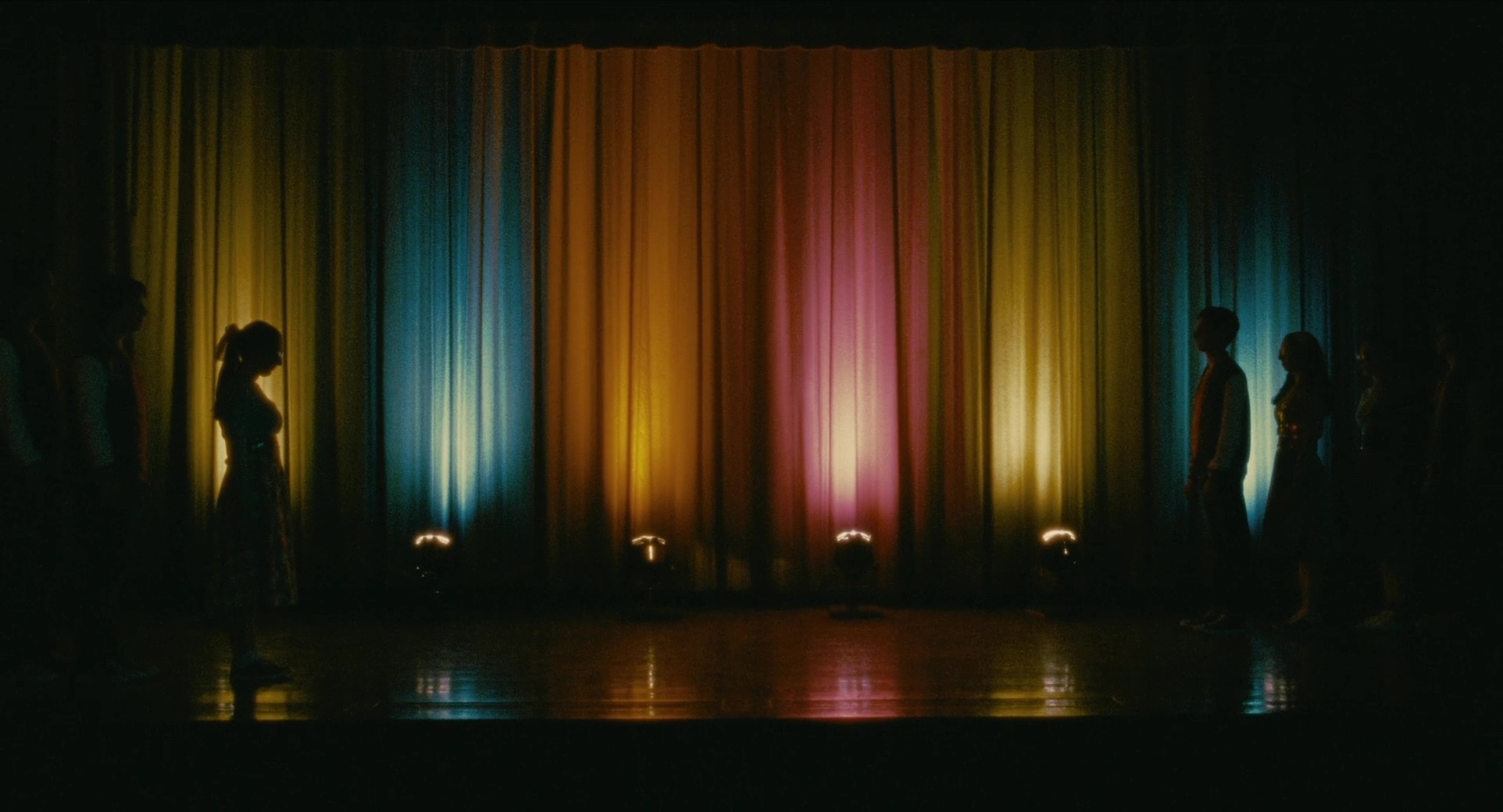
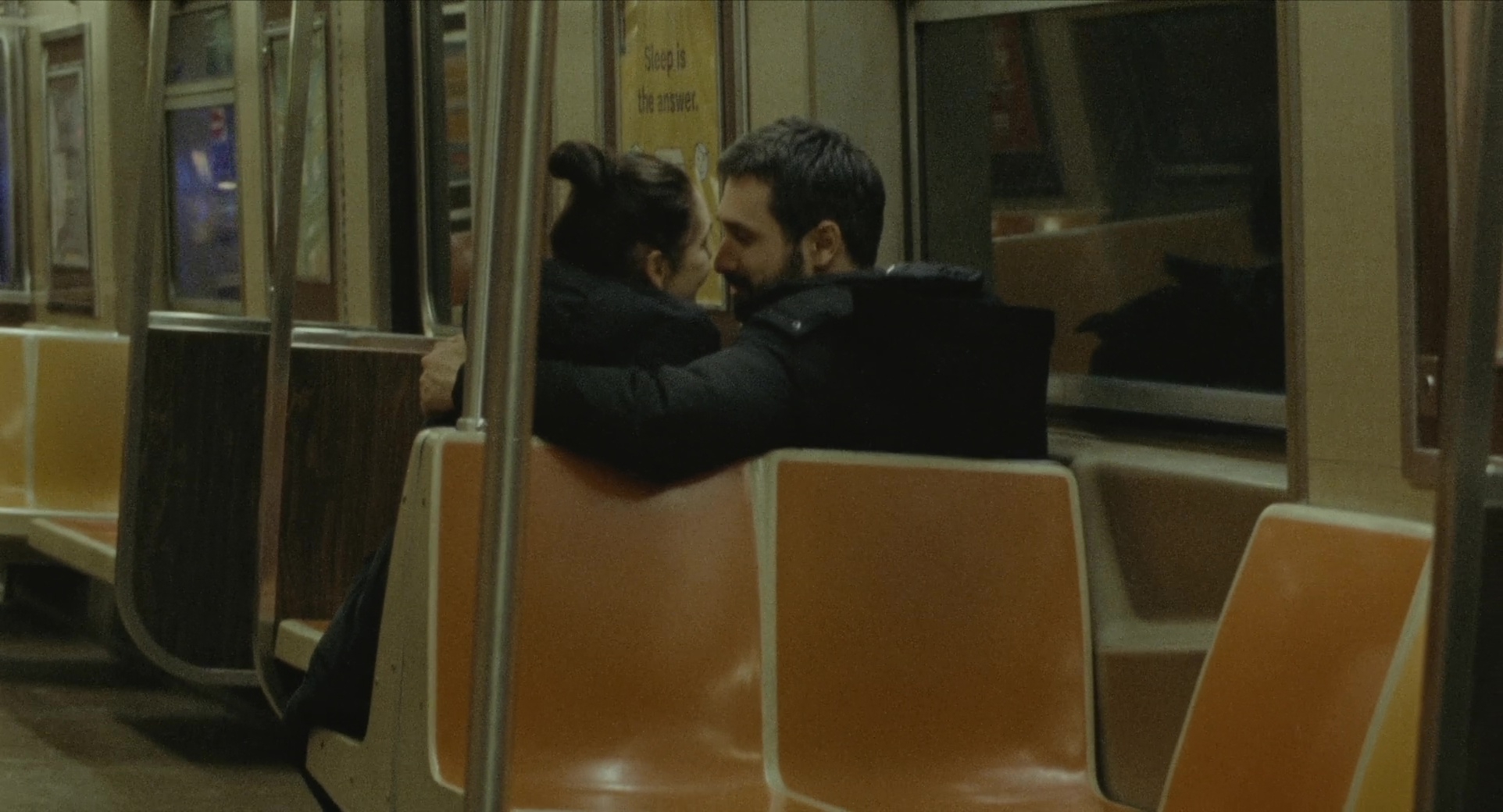
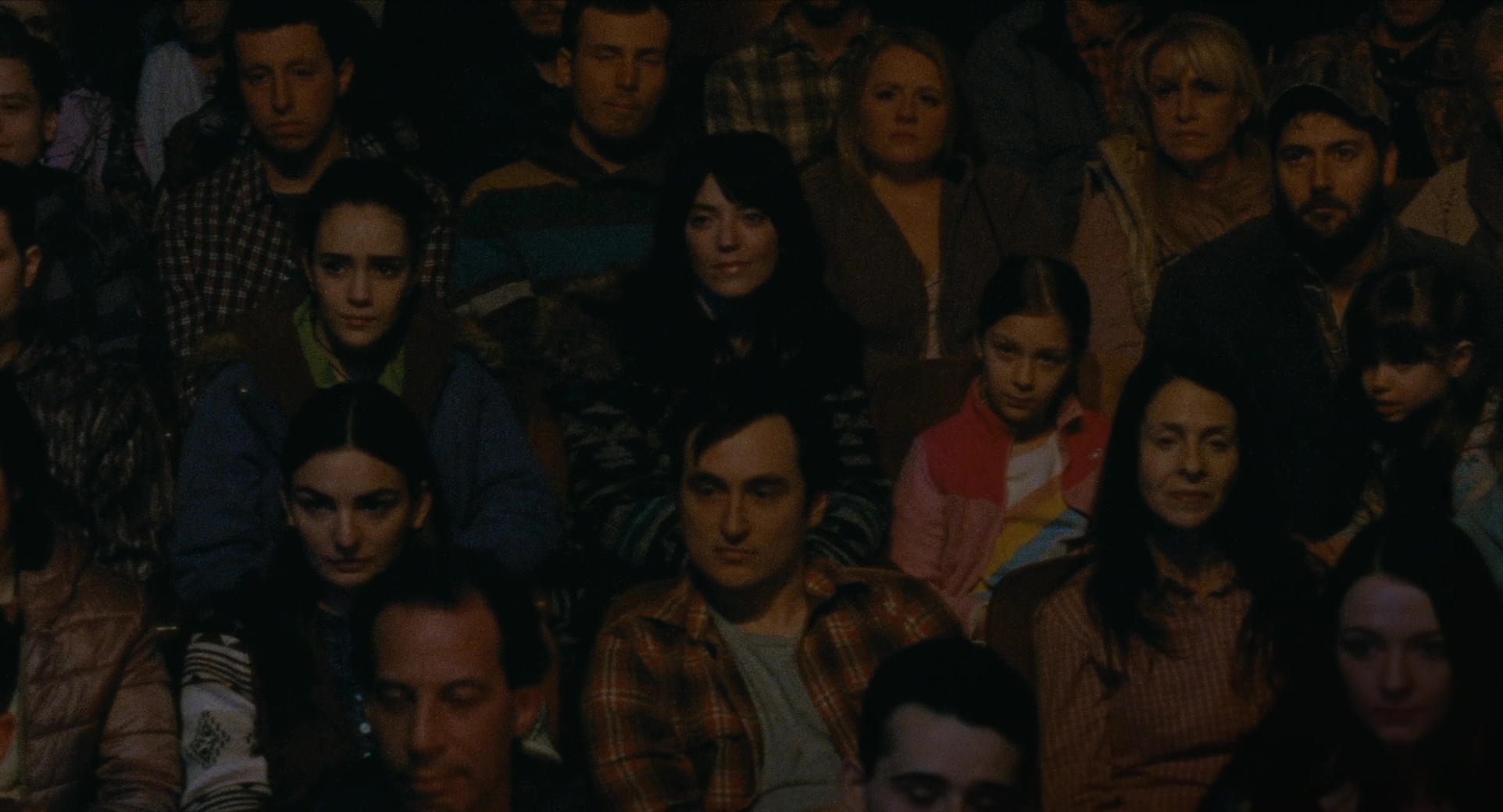
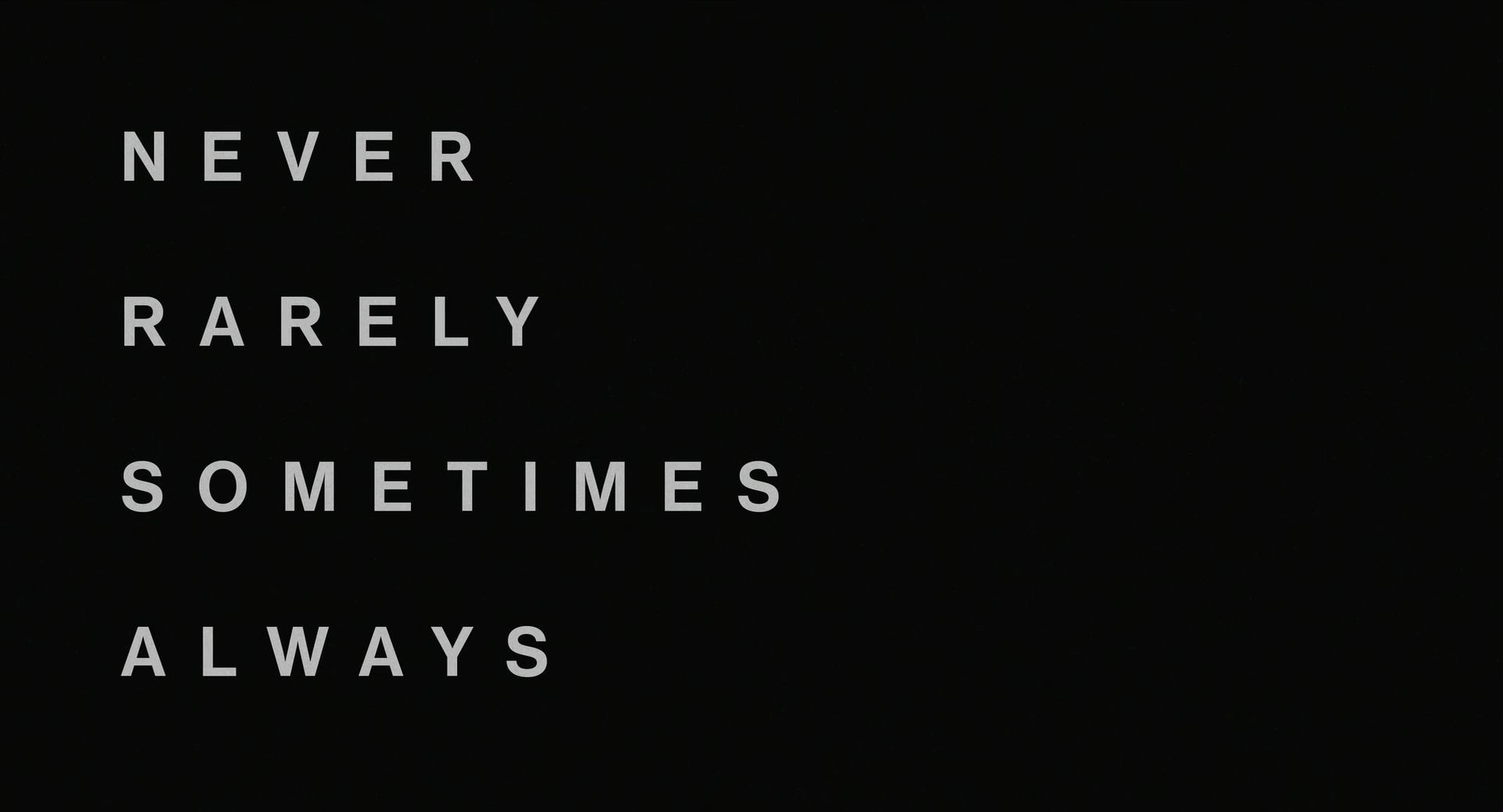
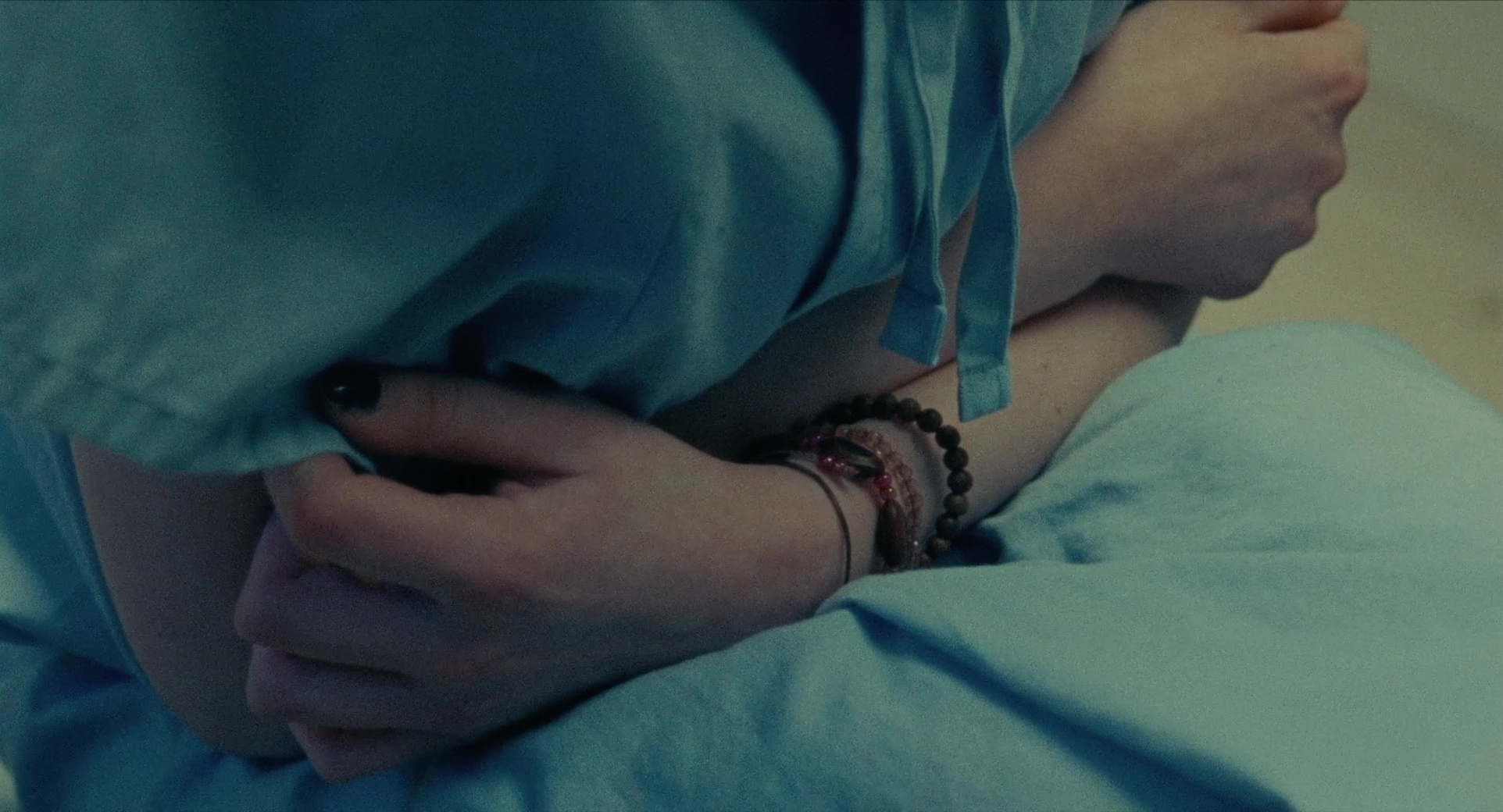
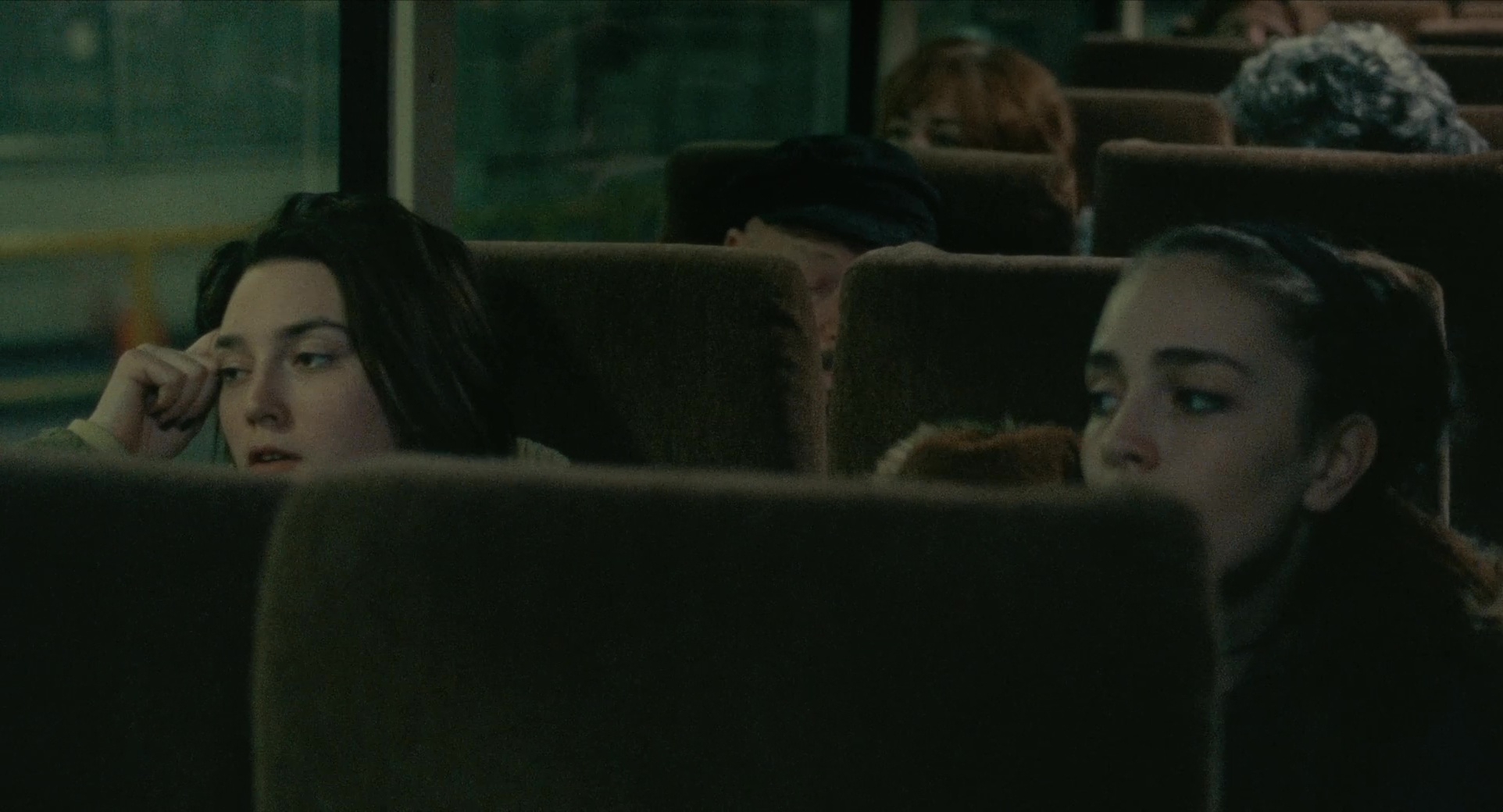
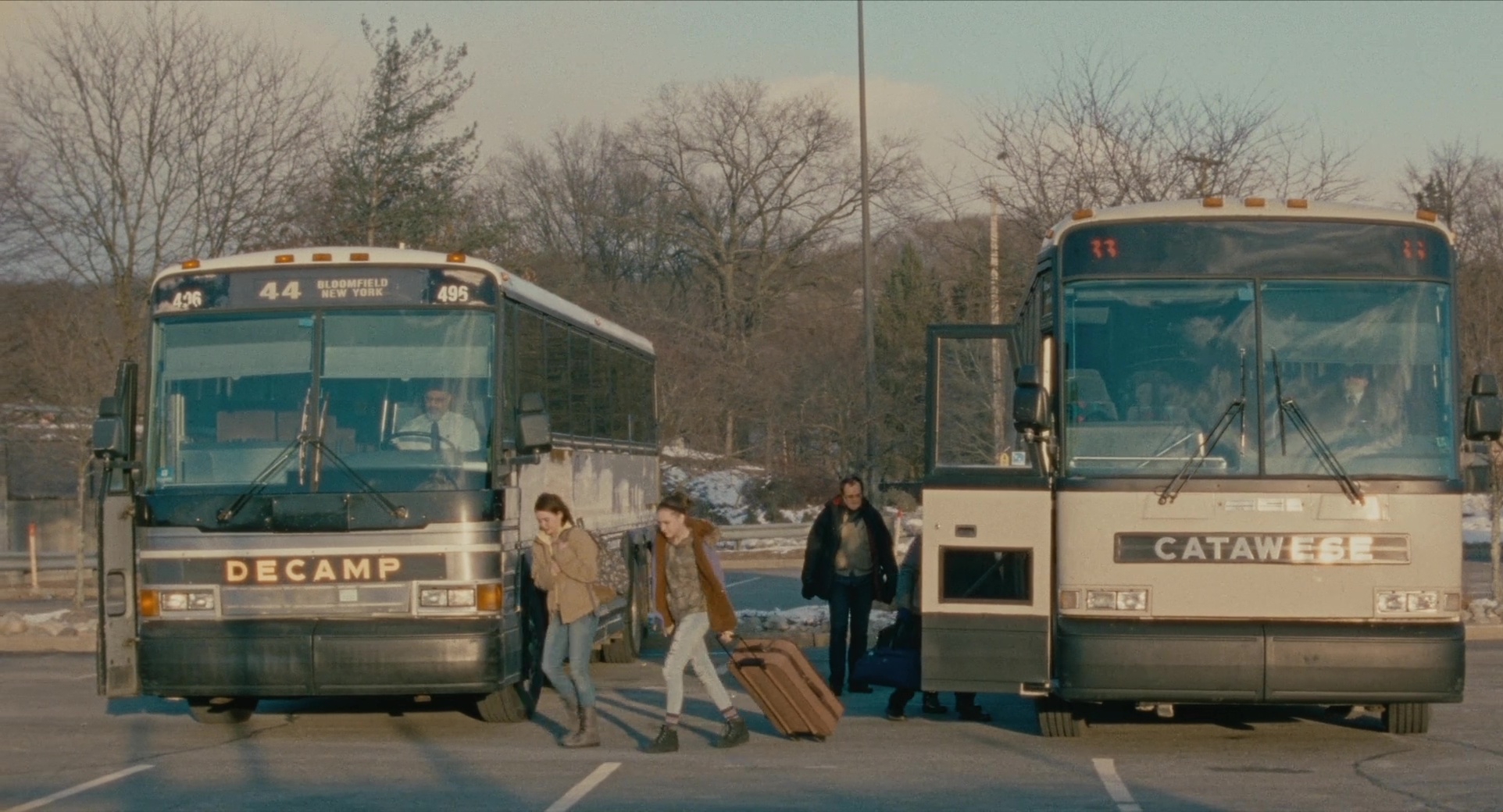
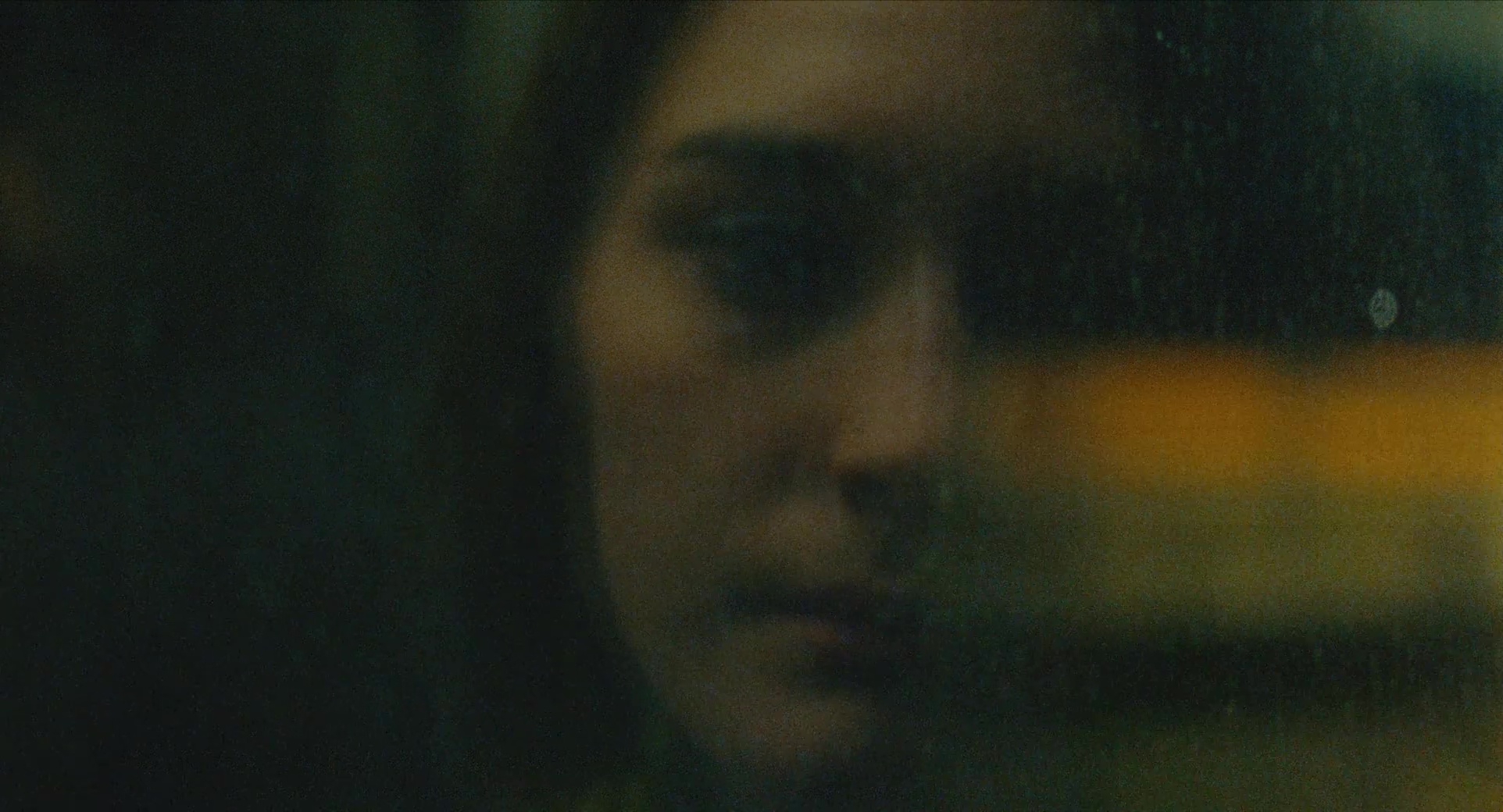
Never Rarely Sometimes Always (2020)
A teenage girl from rural Pennsylvania travels to New York City with her cousin to obtain an abortion, navigating legal barriers and limited resources along the way. As they move through unfamiliar spaces, small acts of support and moments of vulnerability shape their journey. The film unfolds as a quiet, intimate portrait of resilience, autonomy, and the challenges of access.
Hittman and cinematographer Hélène Louvart shoot the film with a restrained, observational naturalism, using handheld camerawork, soft light, and close framing to stay tightly aligned with the protagonist’s perspective. The muted palette and unobtrusive camera emphasize duration and presence—most notably in the film’s extended close-ups, where stillness and performance carry the full emotional weight.
FILM SPOTLIGHT
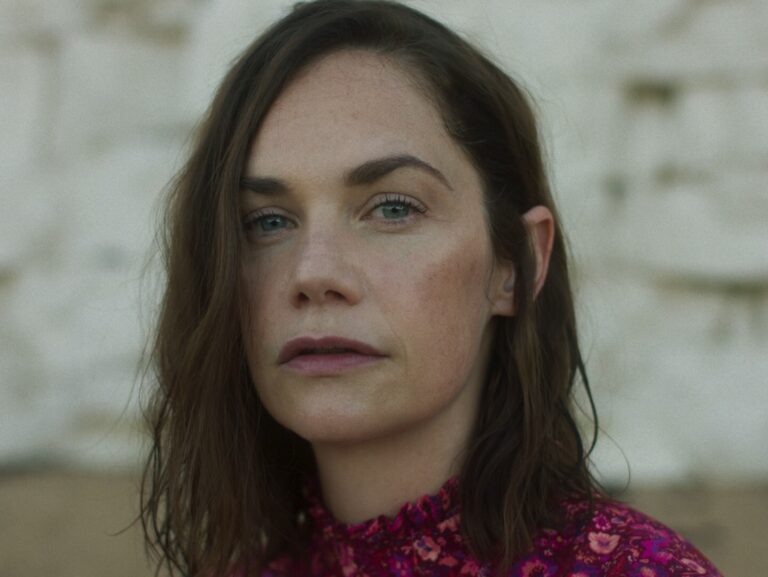
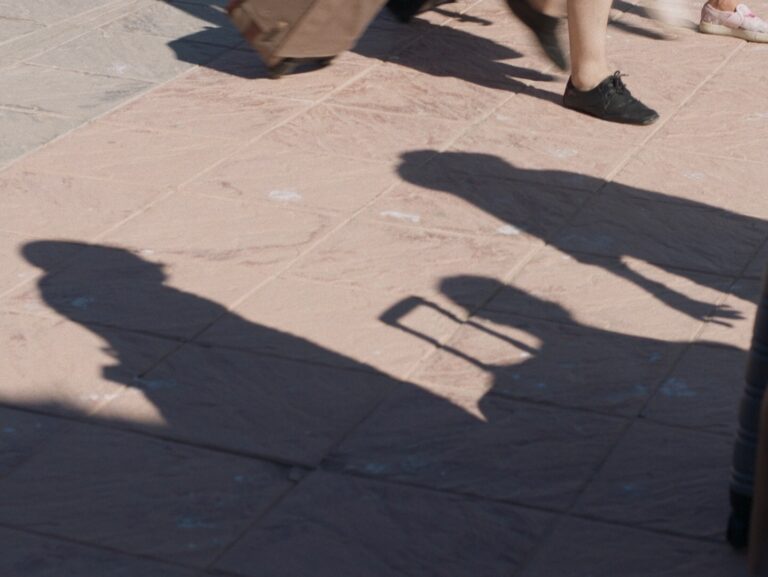
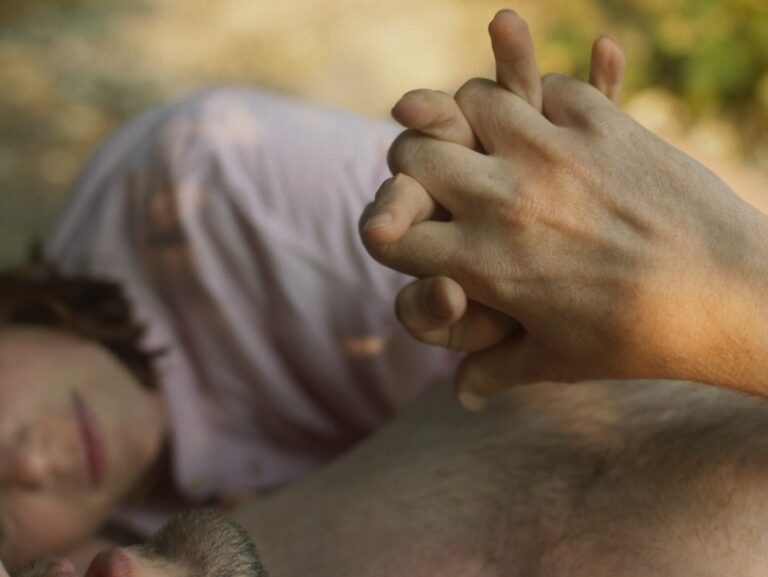
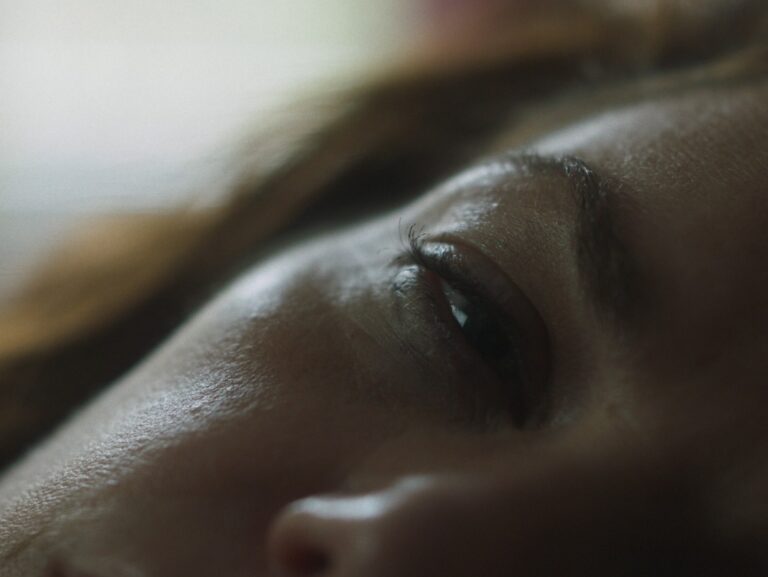
True Things (2022)
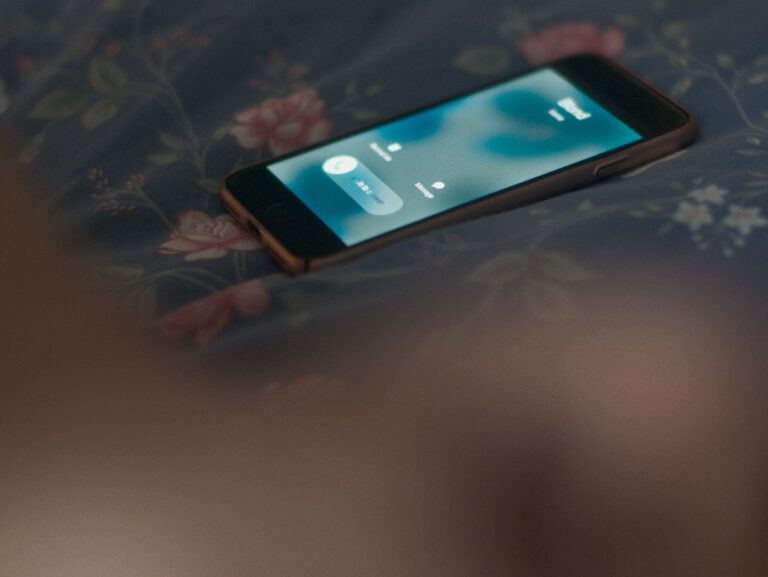
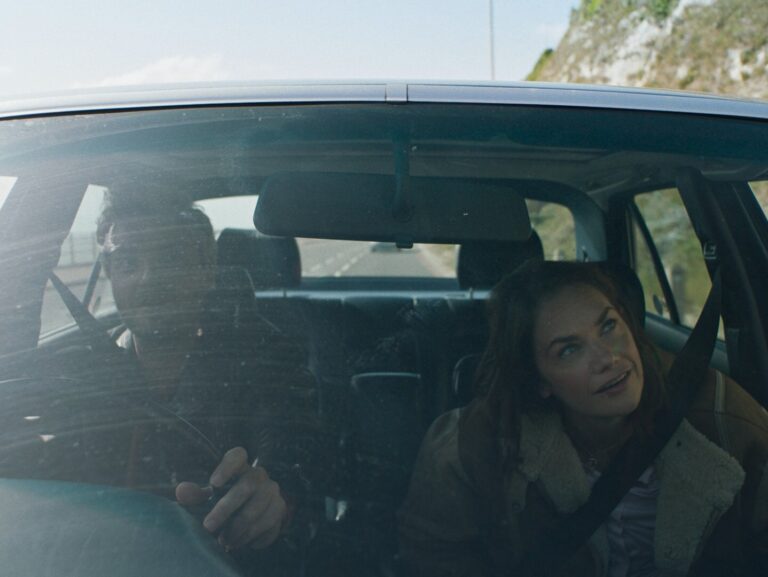
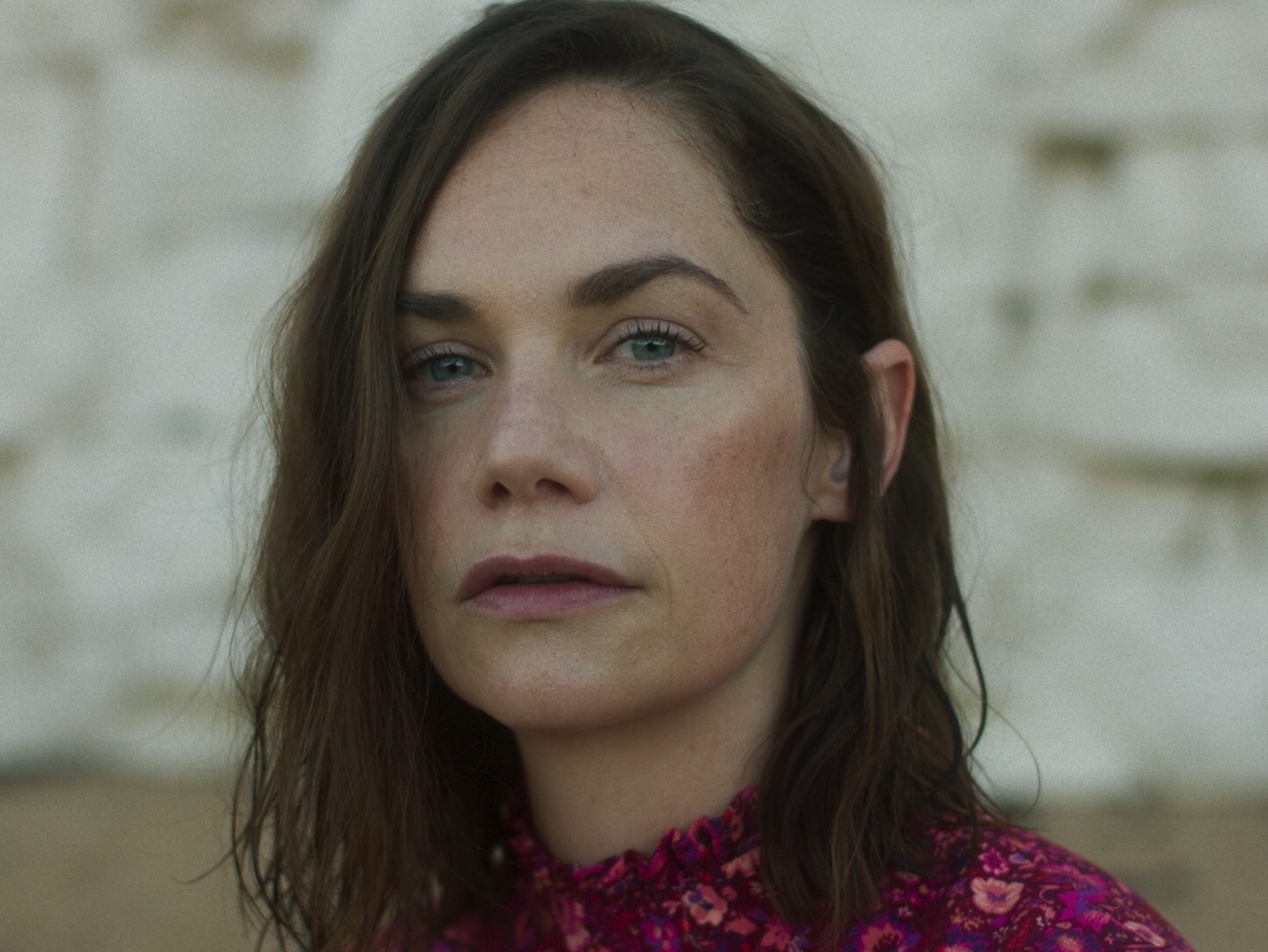
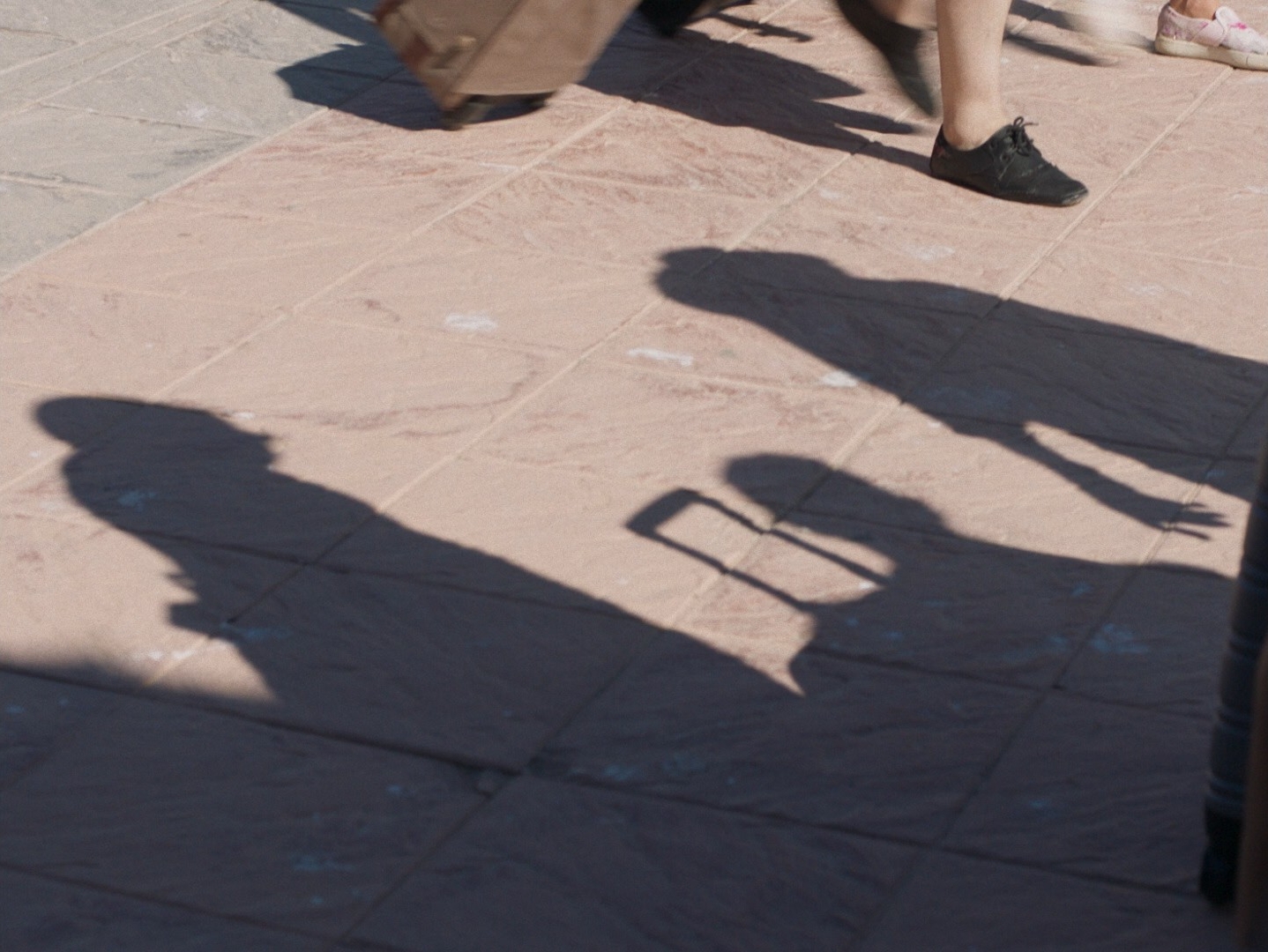
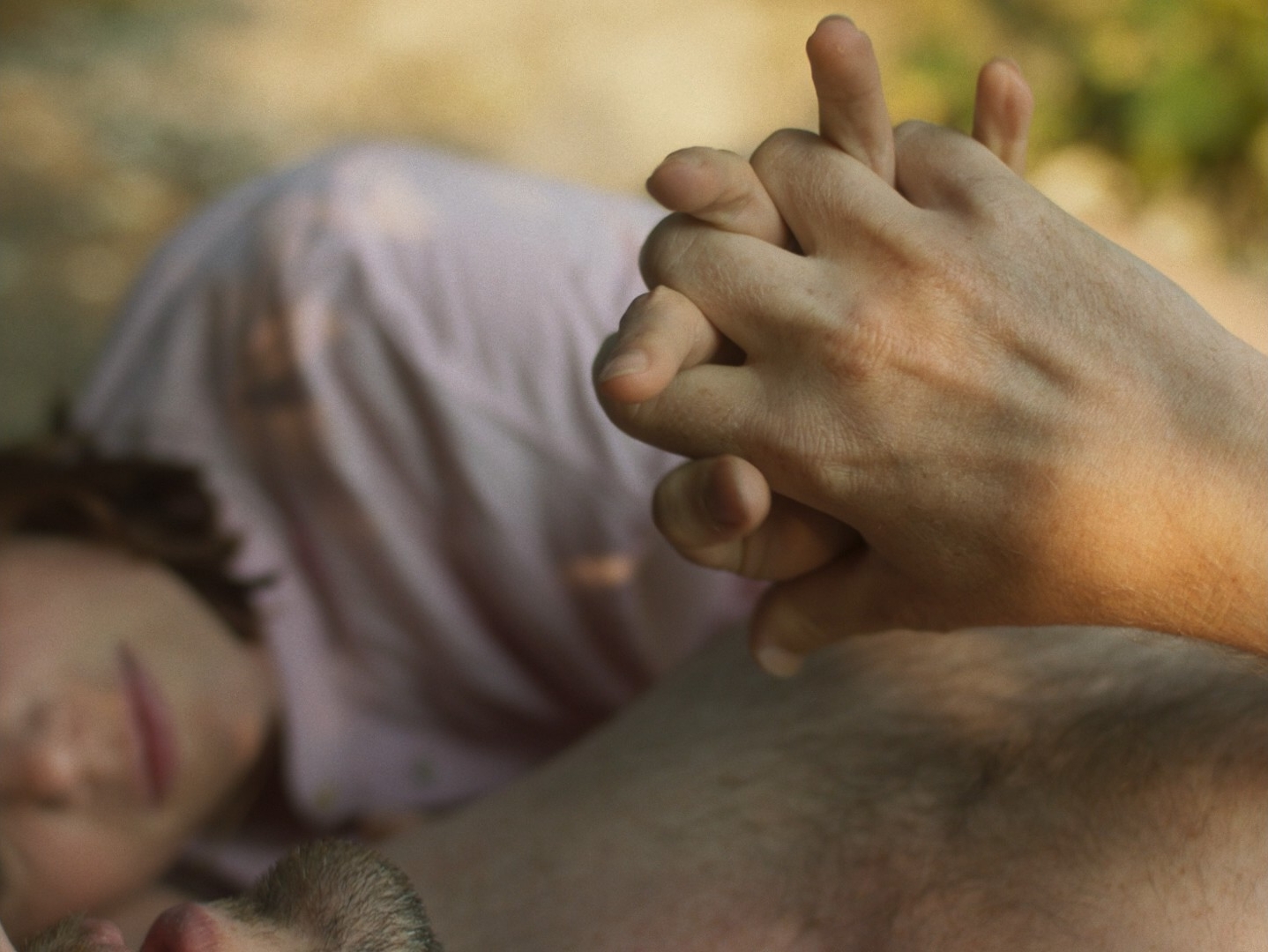
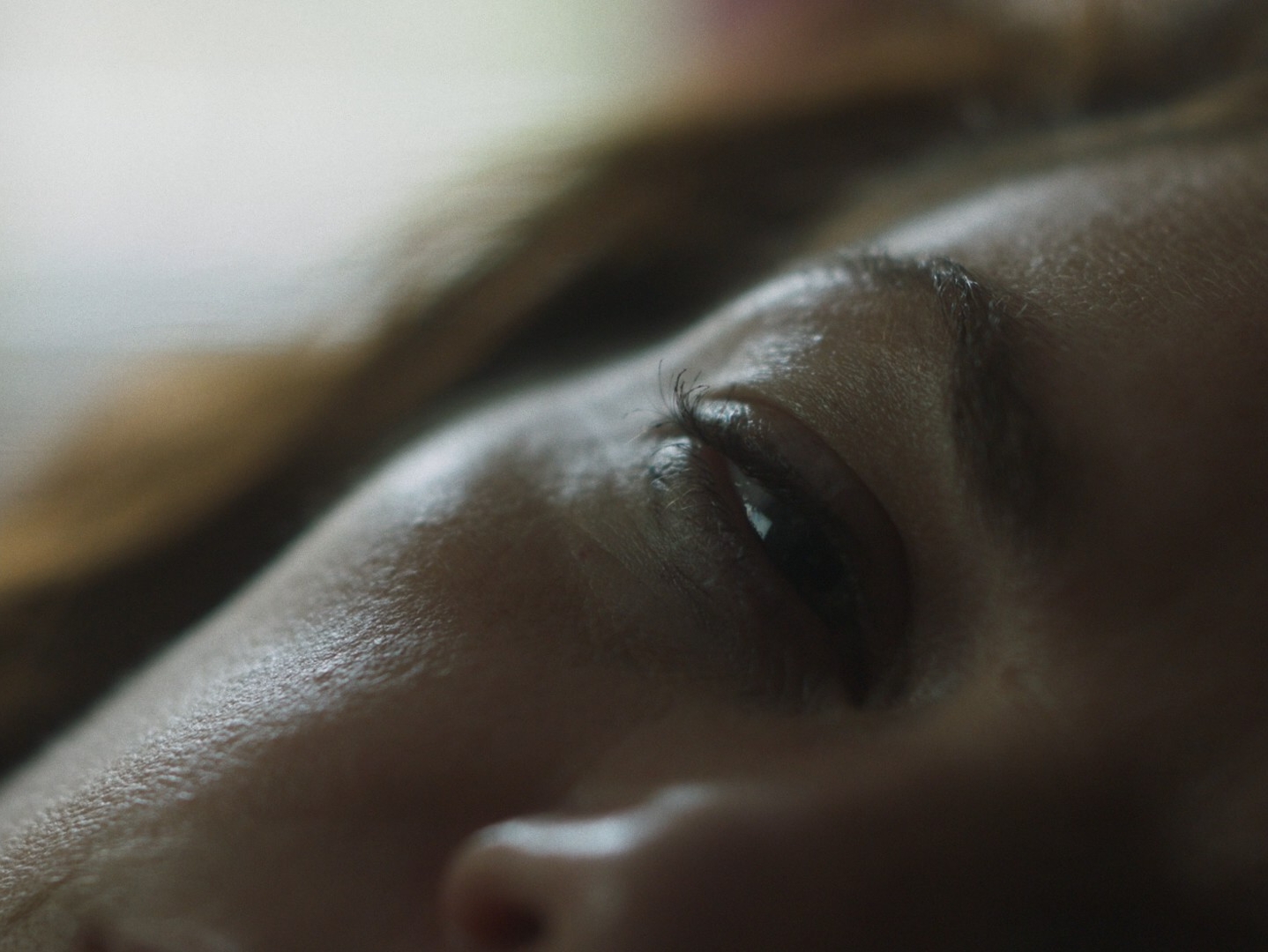
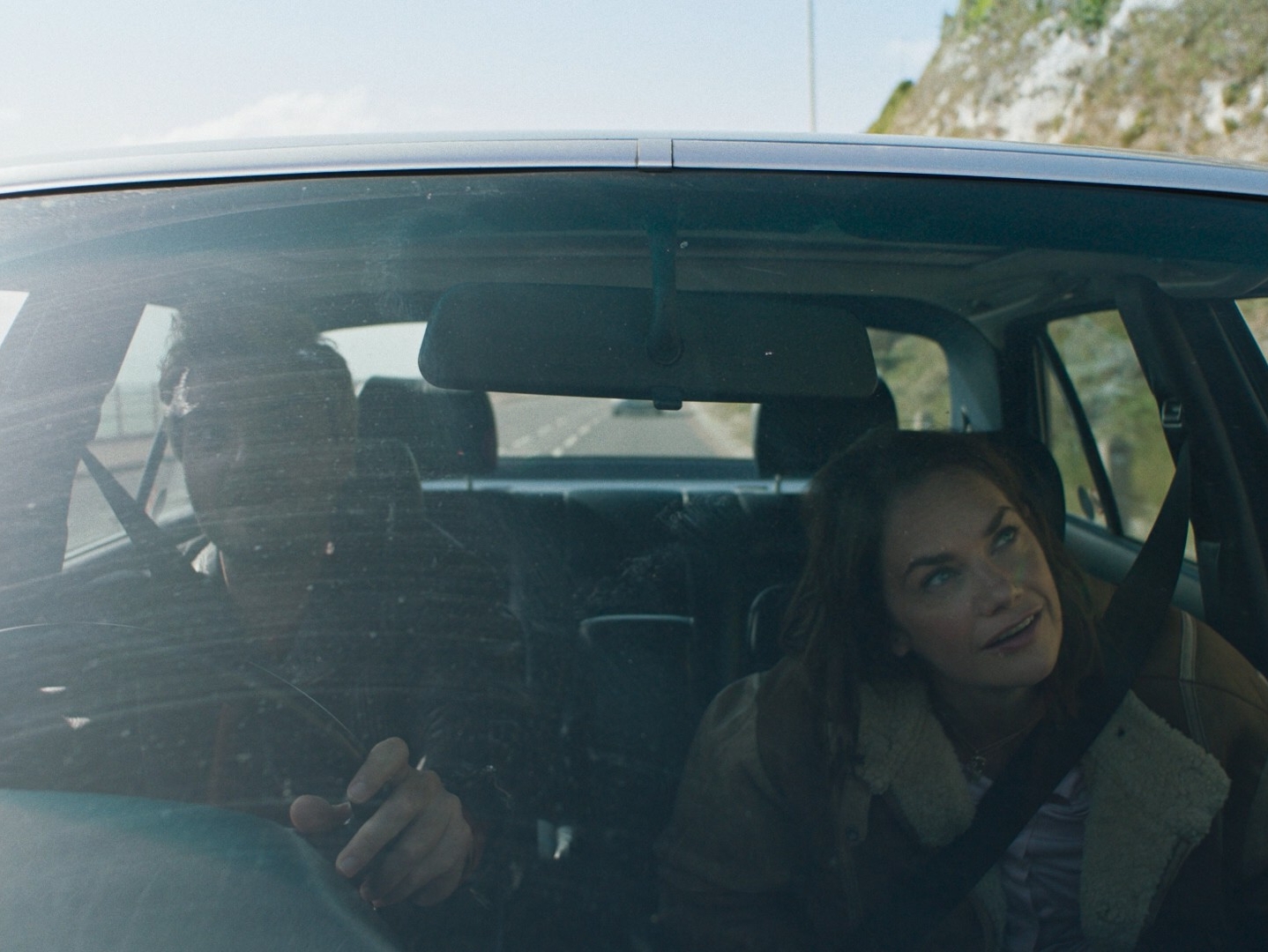
Kate, a bored and emotionally adrift benefits officer, becomes entangled in a volatile relationship with a charismatic ex-convict. What begins as an intoxicating escape from her routine quickly turns into an obsessive and destabilizing attachment. As the relationship deepens, she struggles to maintain control over her life and sense of self.
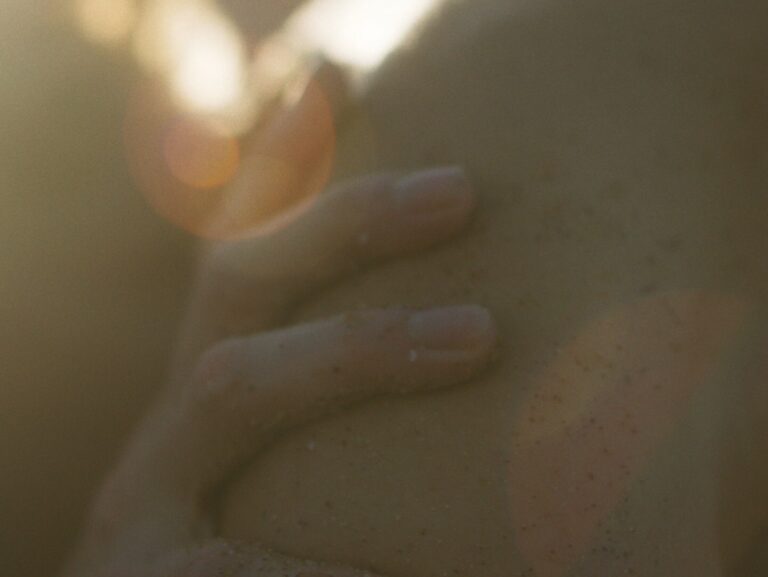
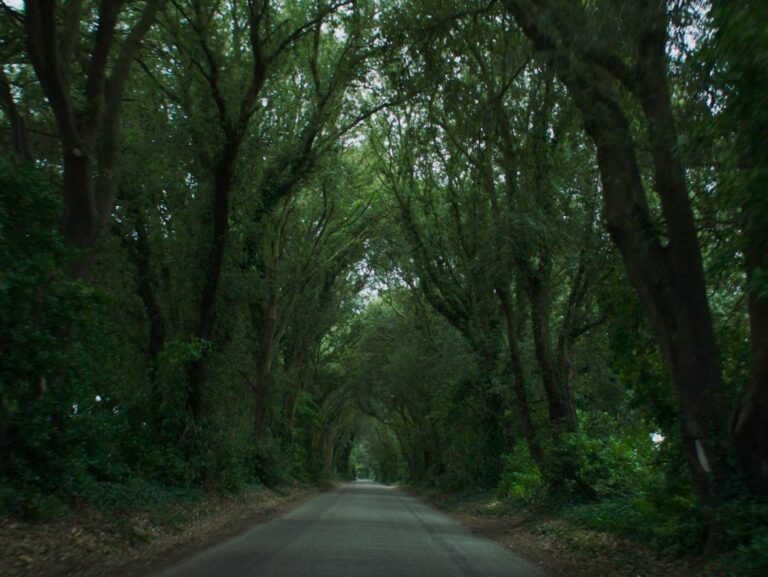
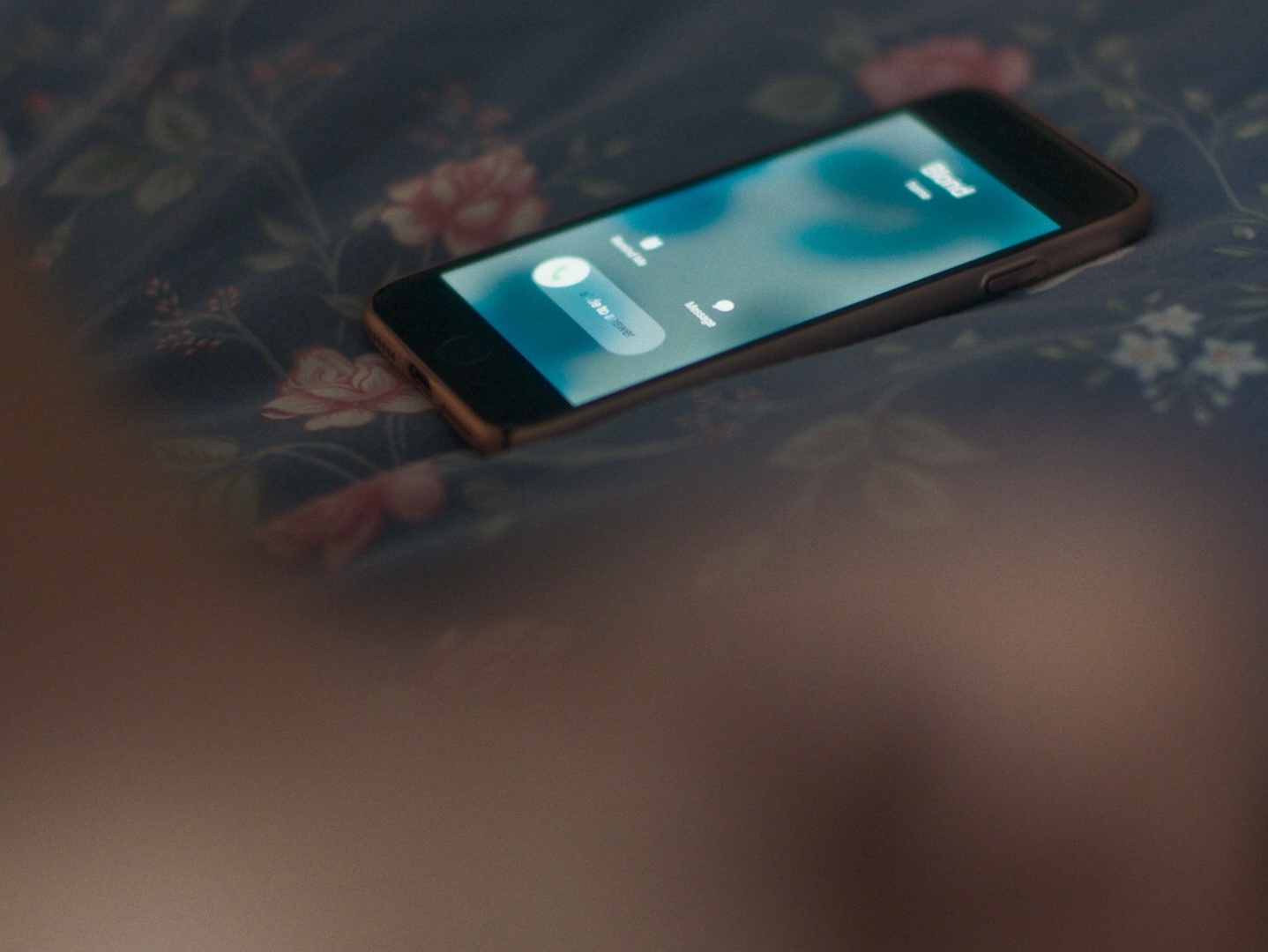
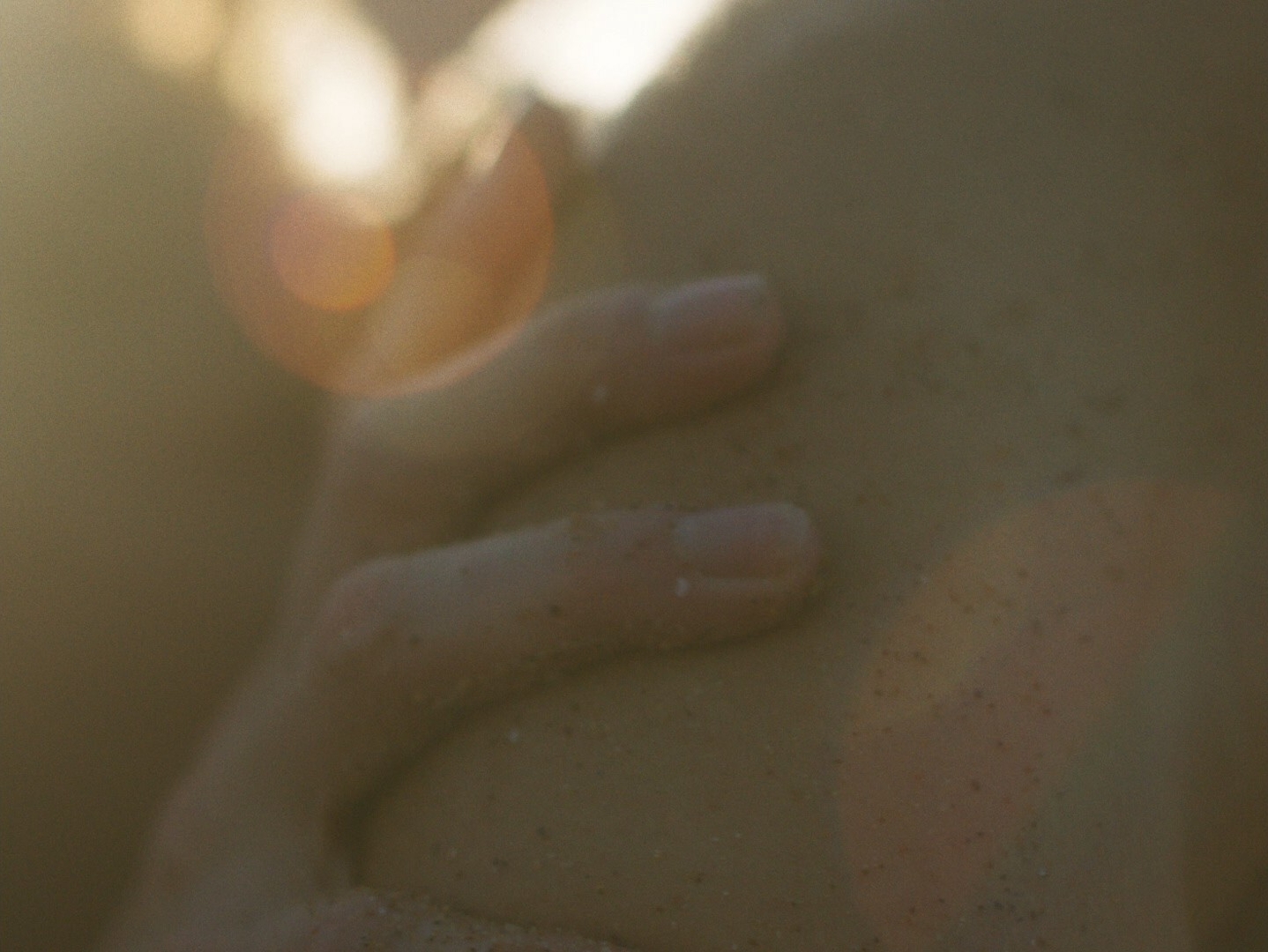
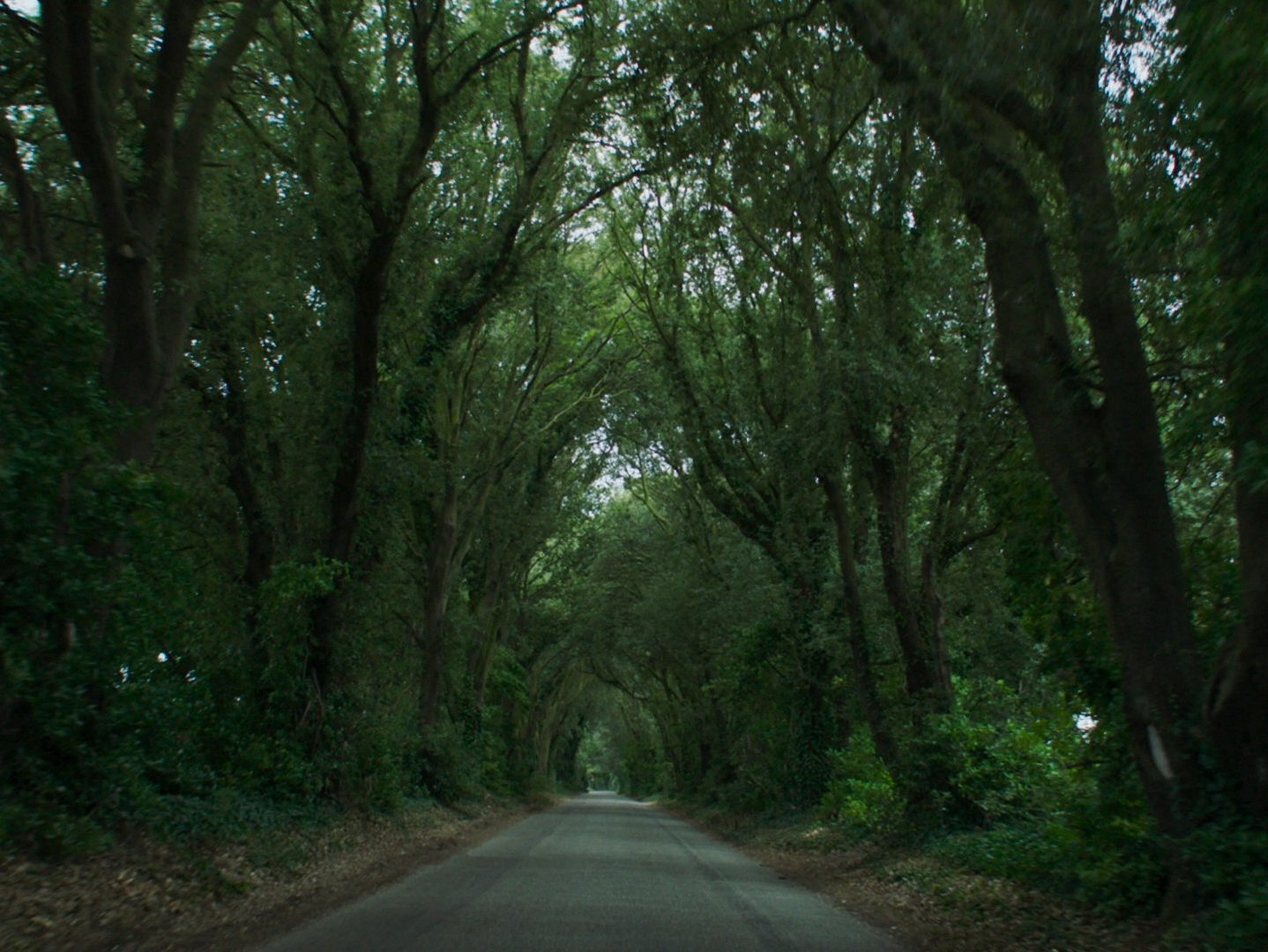
Wootliff and cinematographer Ashley Connor shoot True Things with a tactile, intimate naturalism, using handheld camerawork, shallow depth-of-field, and available light to stay closely tethered to Kate’s emotional state. The film’s soft, hazy textures and frequent close-ups blur the edges of space—turning subjectivity into the visual language, where desire and disorientation feel inseparable.
FILM SPOTLIGHT
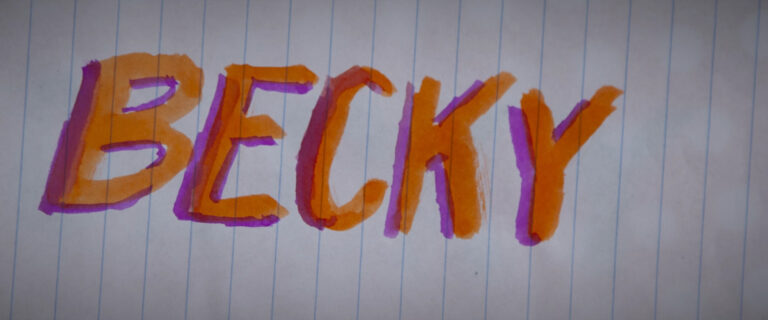
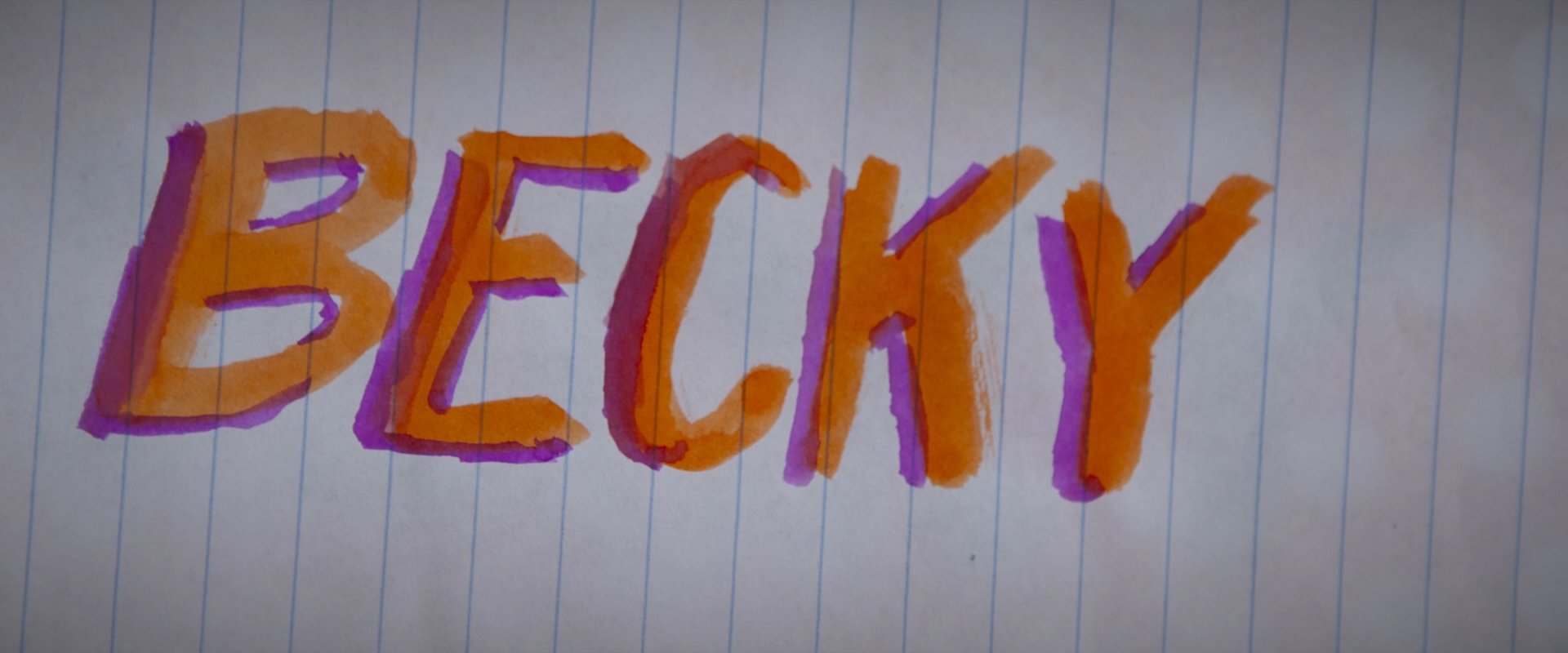
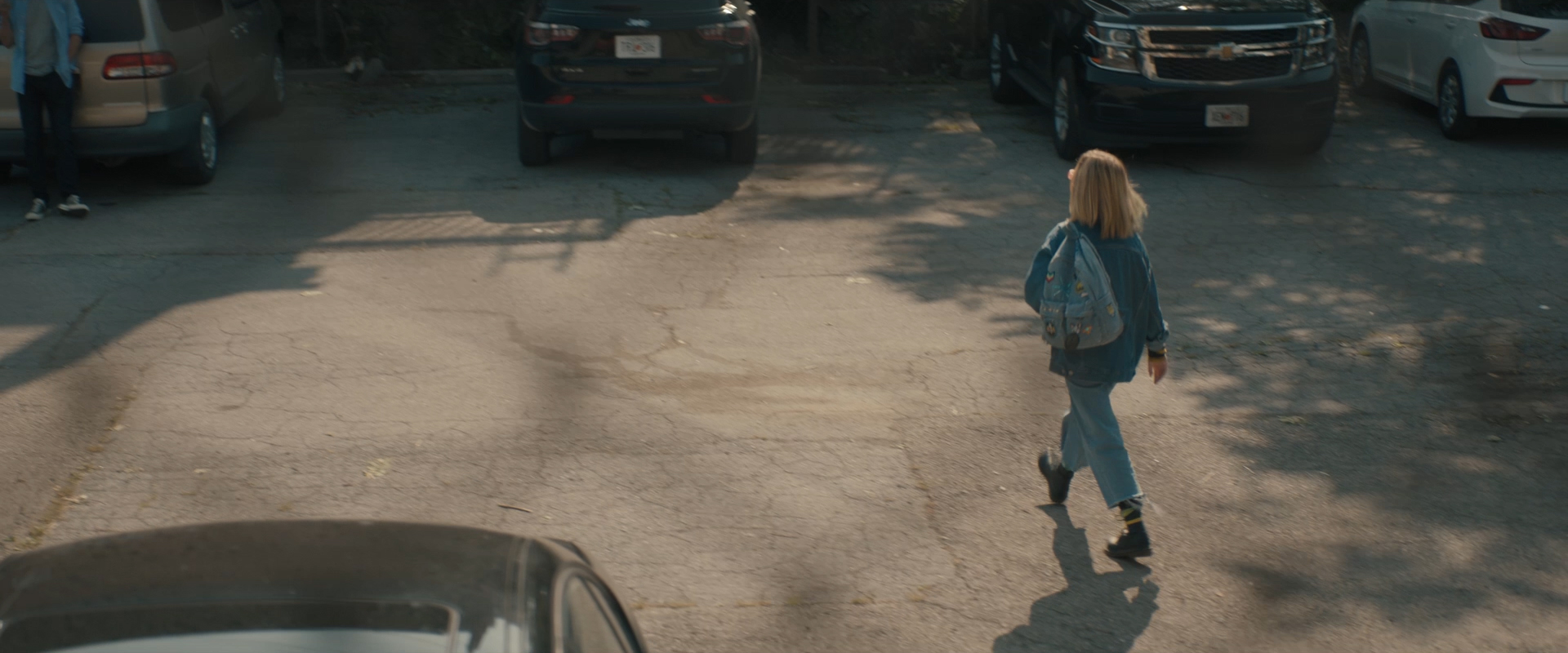
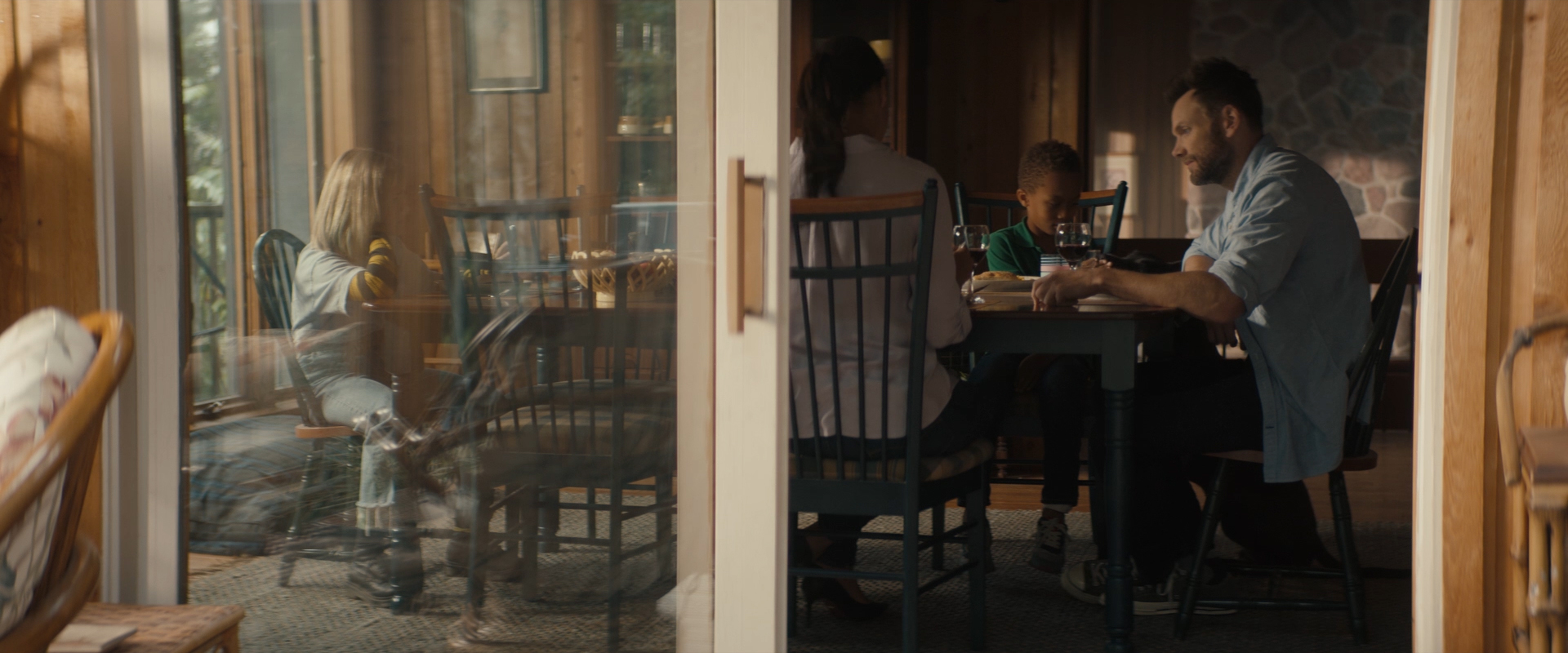
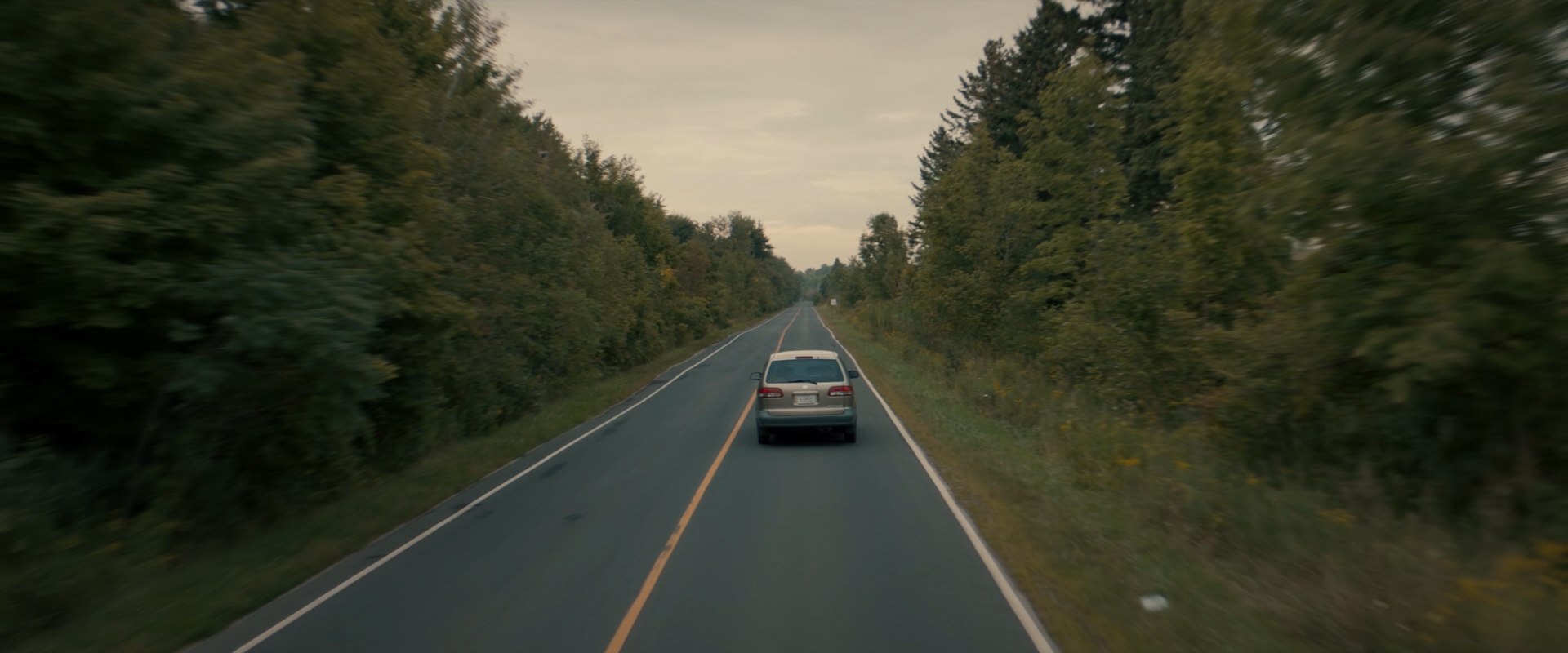
Becky (2020)
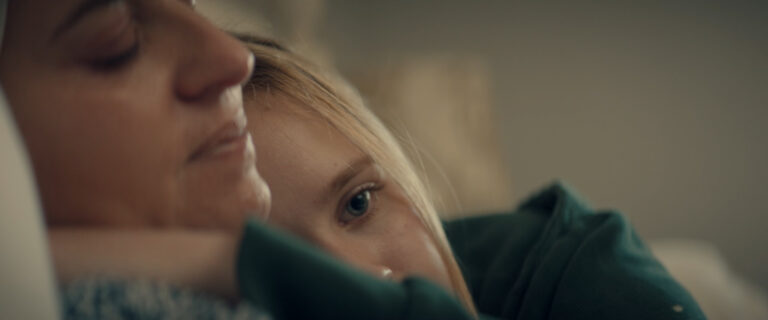
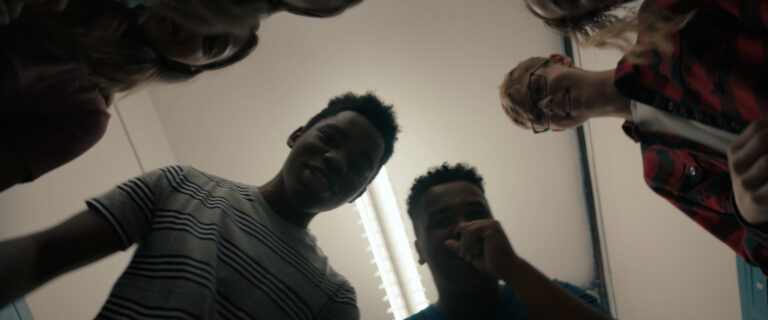
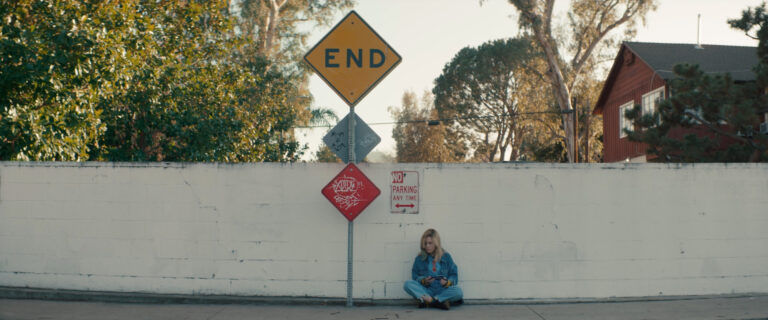
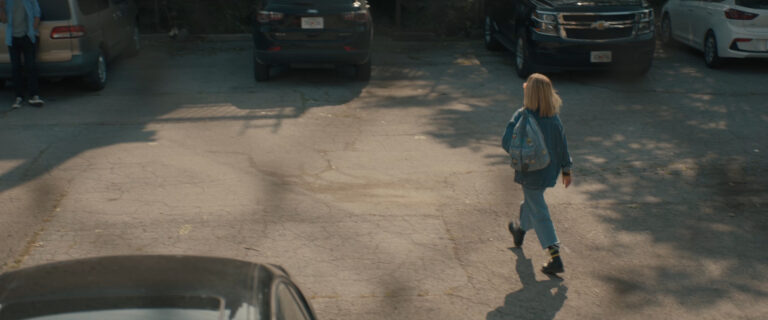
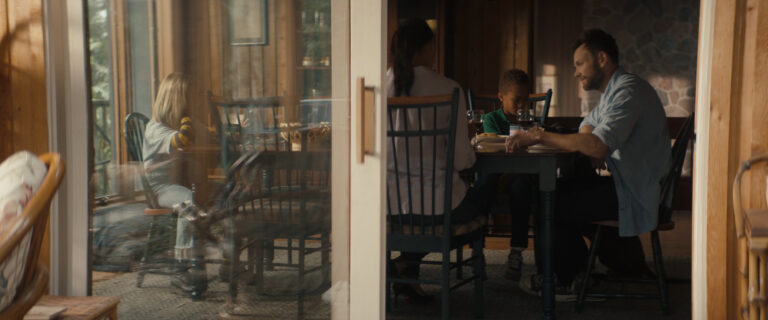
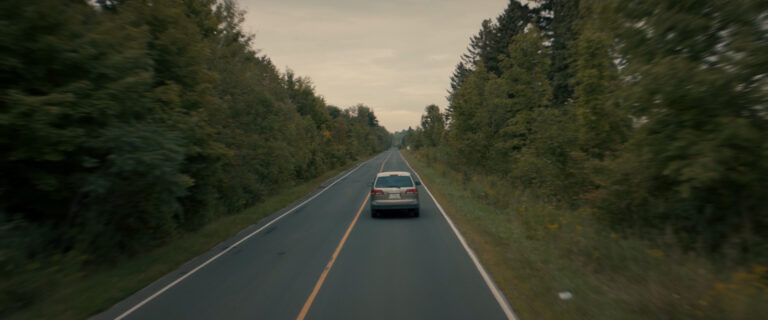
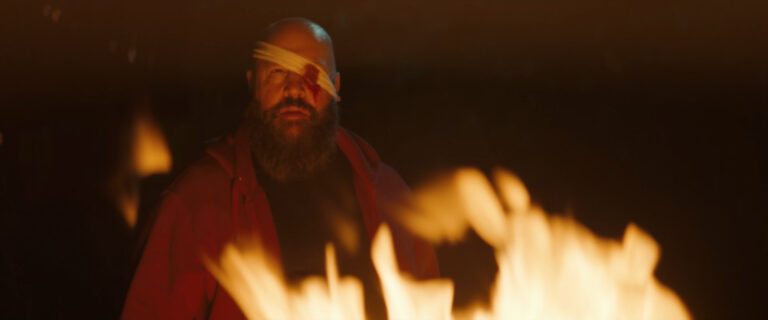
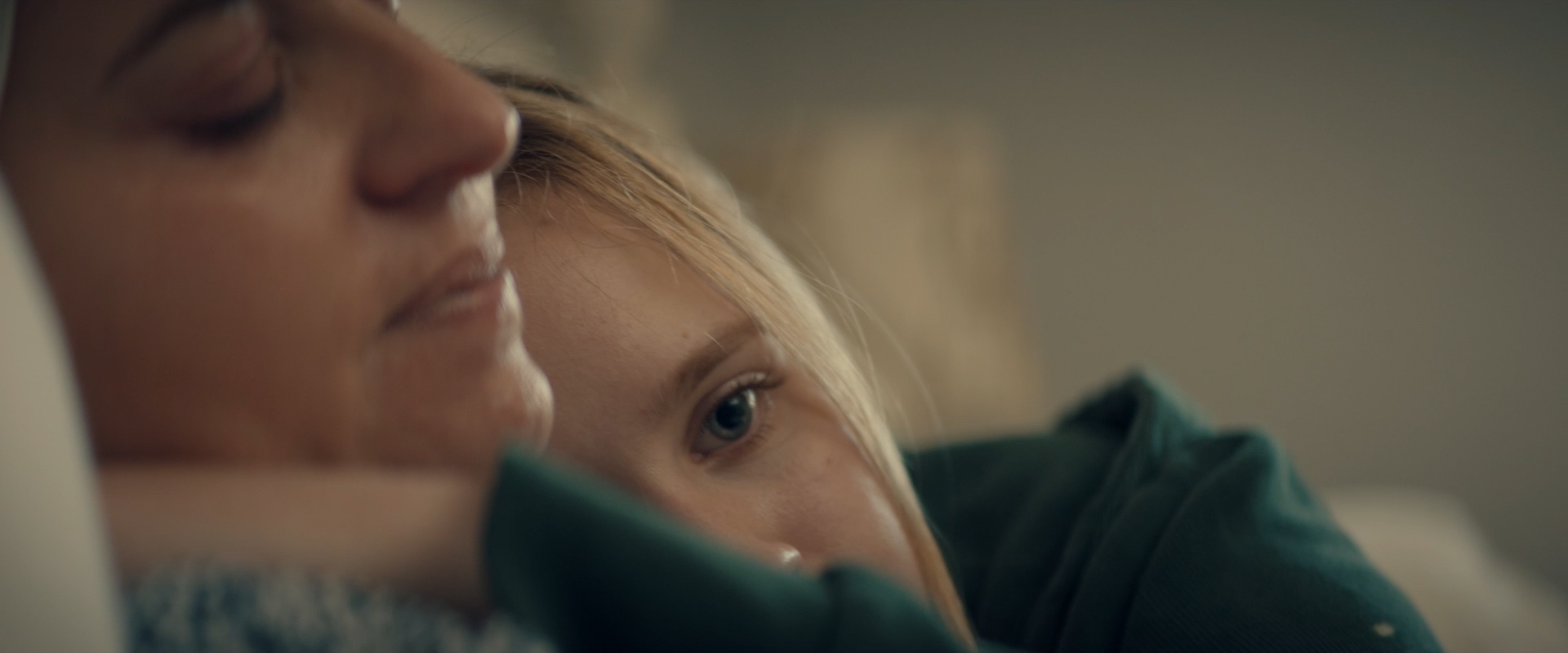
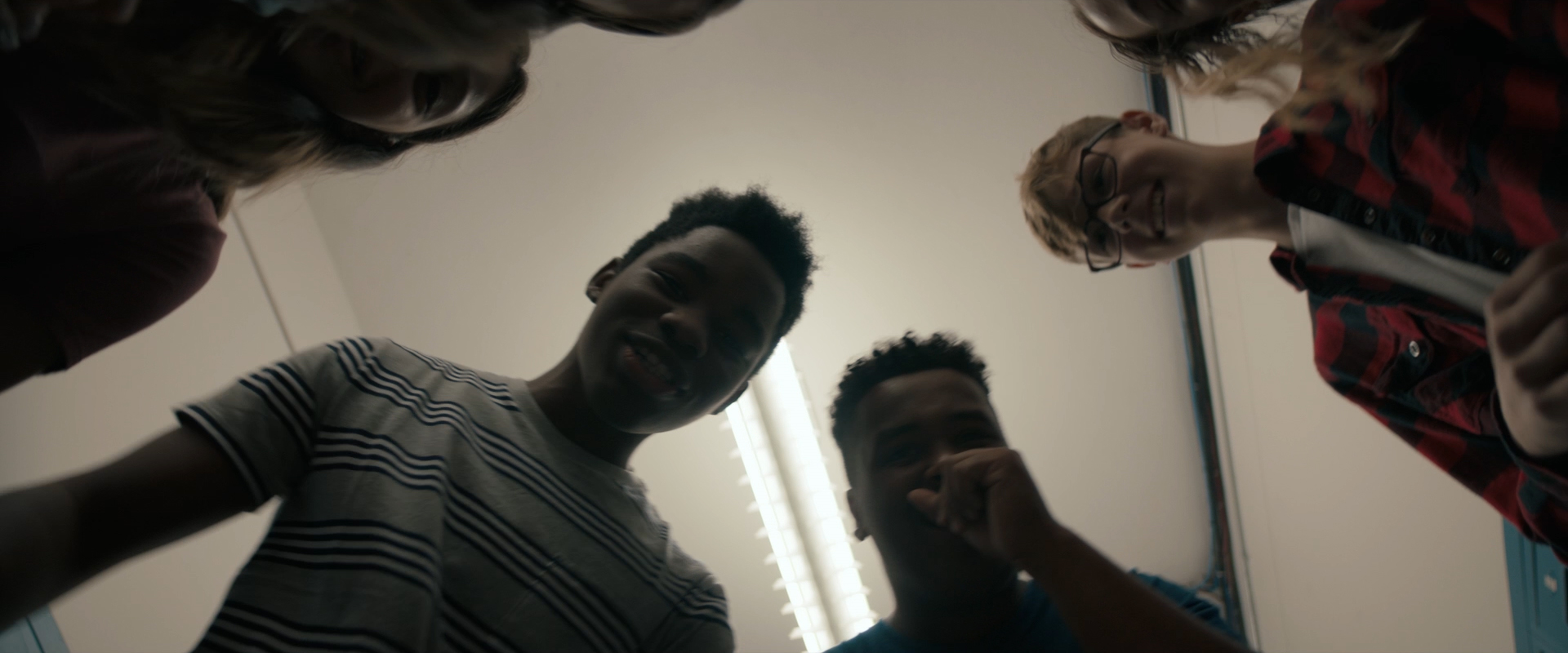
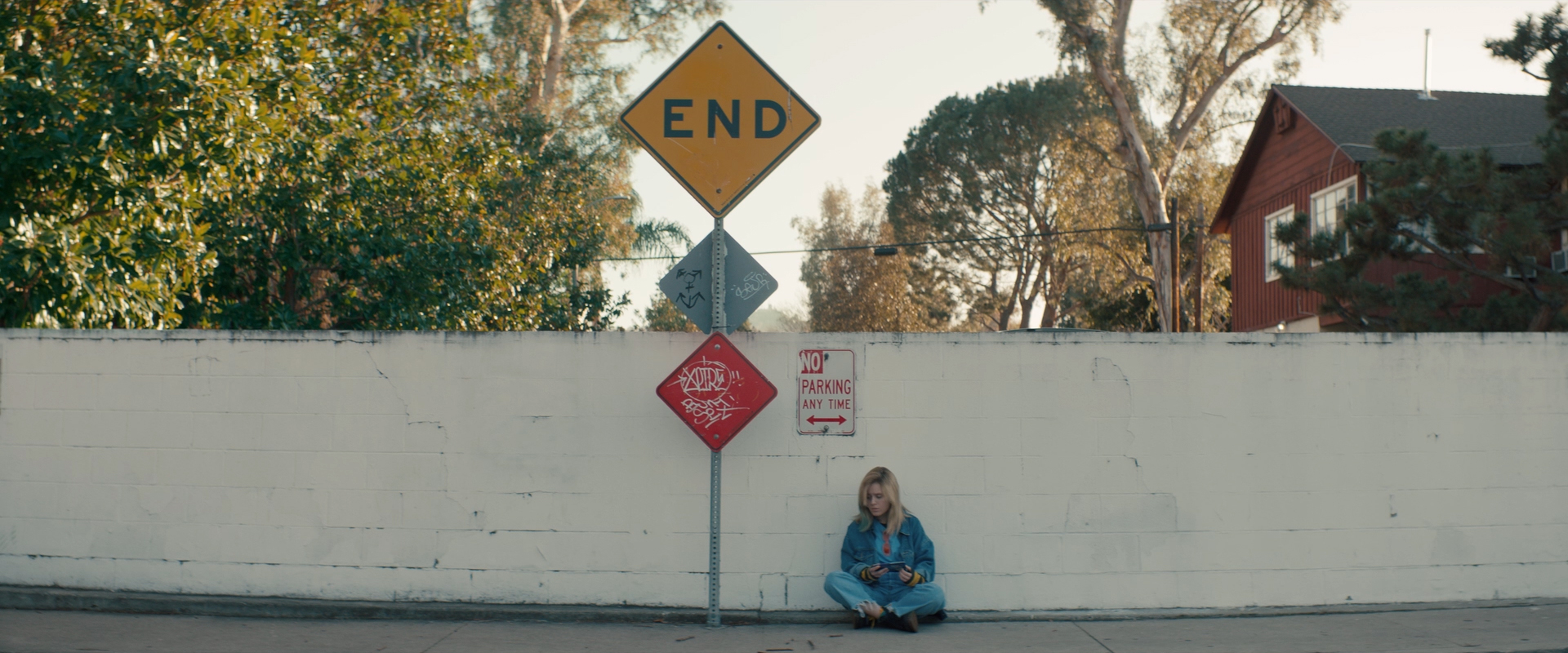
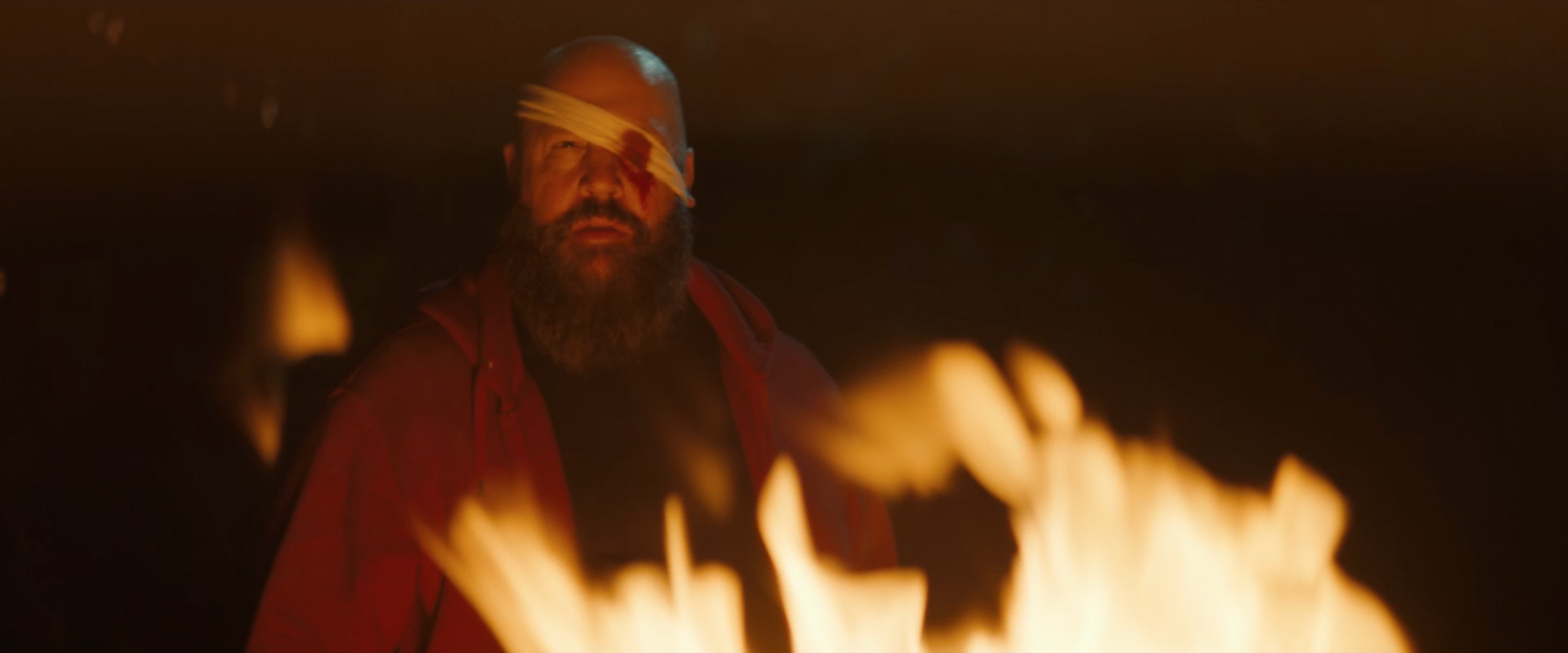
A rebellious teenage girl named Becky retreats to a lake house with her father in an attempt to reconnect after personal loss. Their trip is violently interrupted when a group of escaped convicts, led by a ruthless neo-Nazi, invade the home in search of a mysterious key. As the situation escalates, Becky becomes an unexpected and relentless force of resistance.
In Becky, Murnion and Milott contrast serene, sunlit natural settings with bursts of brutal, close-quarters violence, using handheld camerawork and tight framing to heighten immediacy. The film’s bright, almost idyllic palette makes the violence feel more jarring—turning the wooded environment into a deceptive space where calm and chaos collide.


TELEVISION SERIES
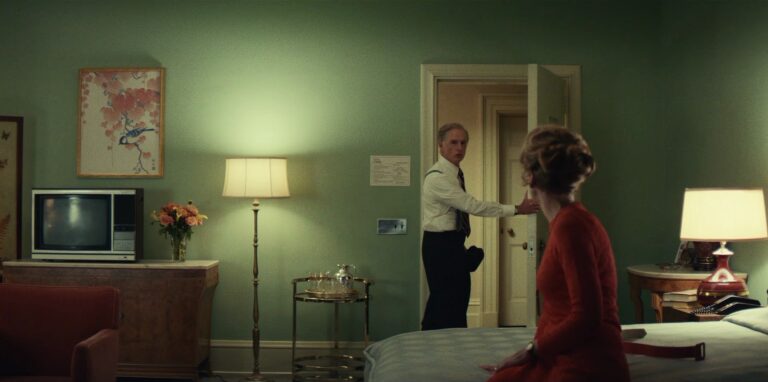
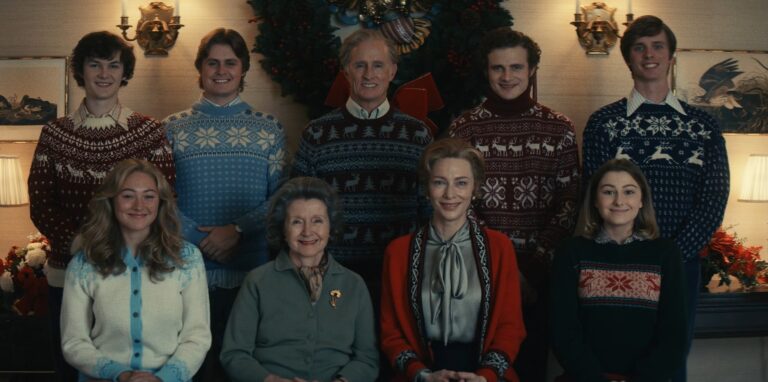
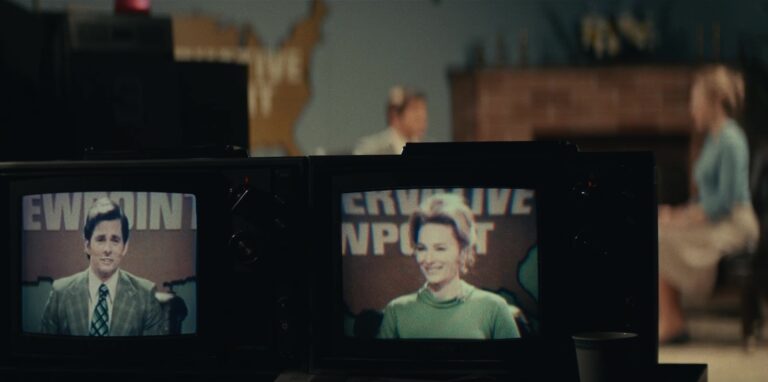
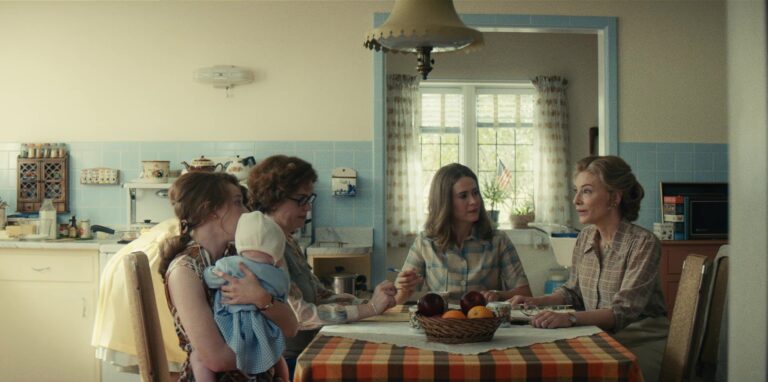
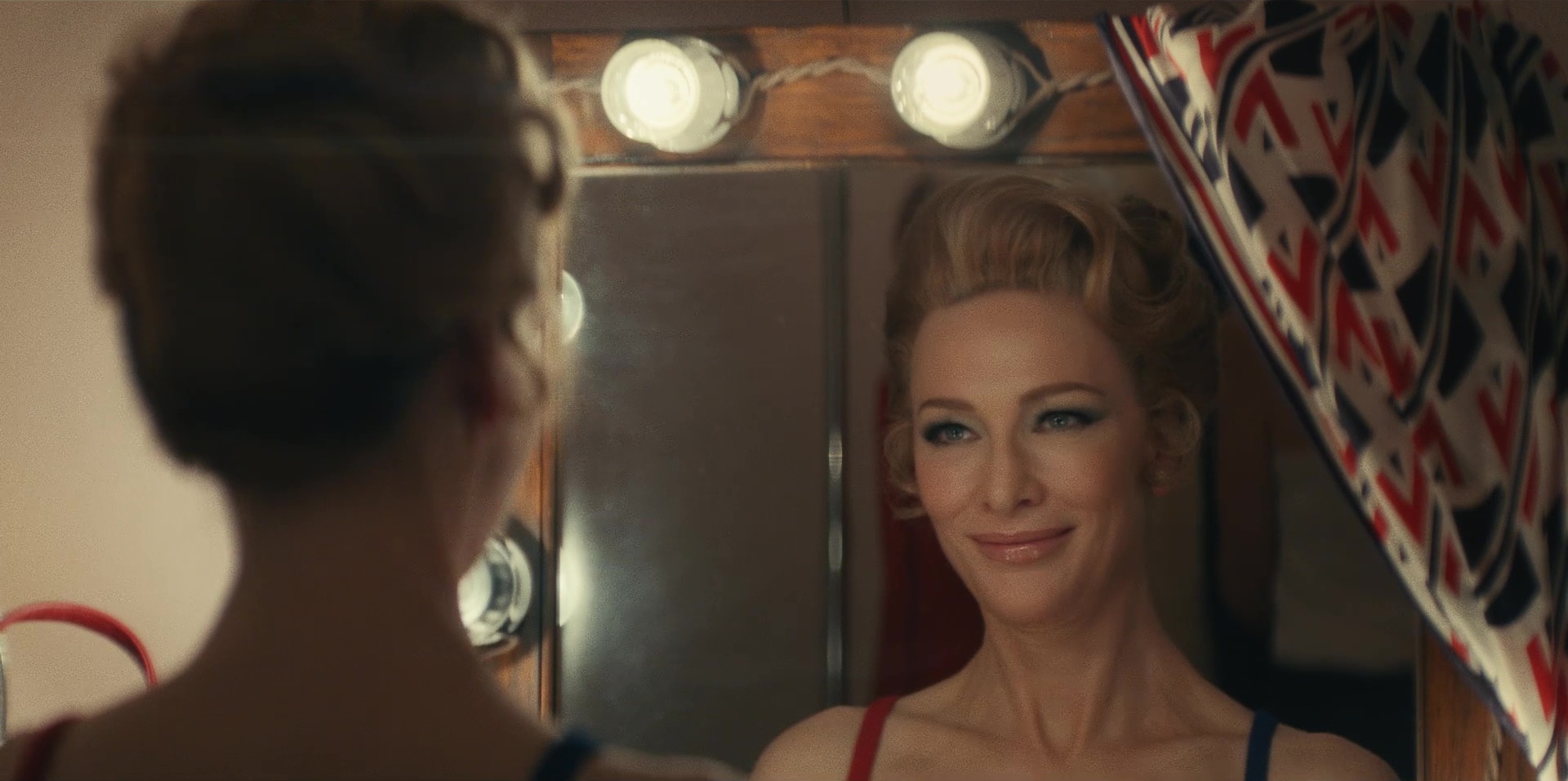
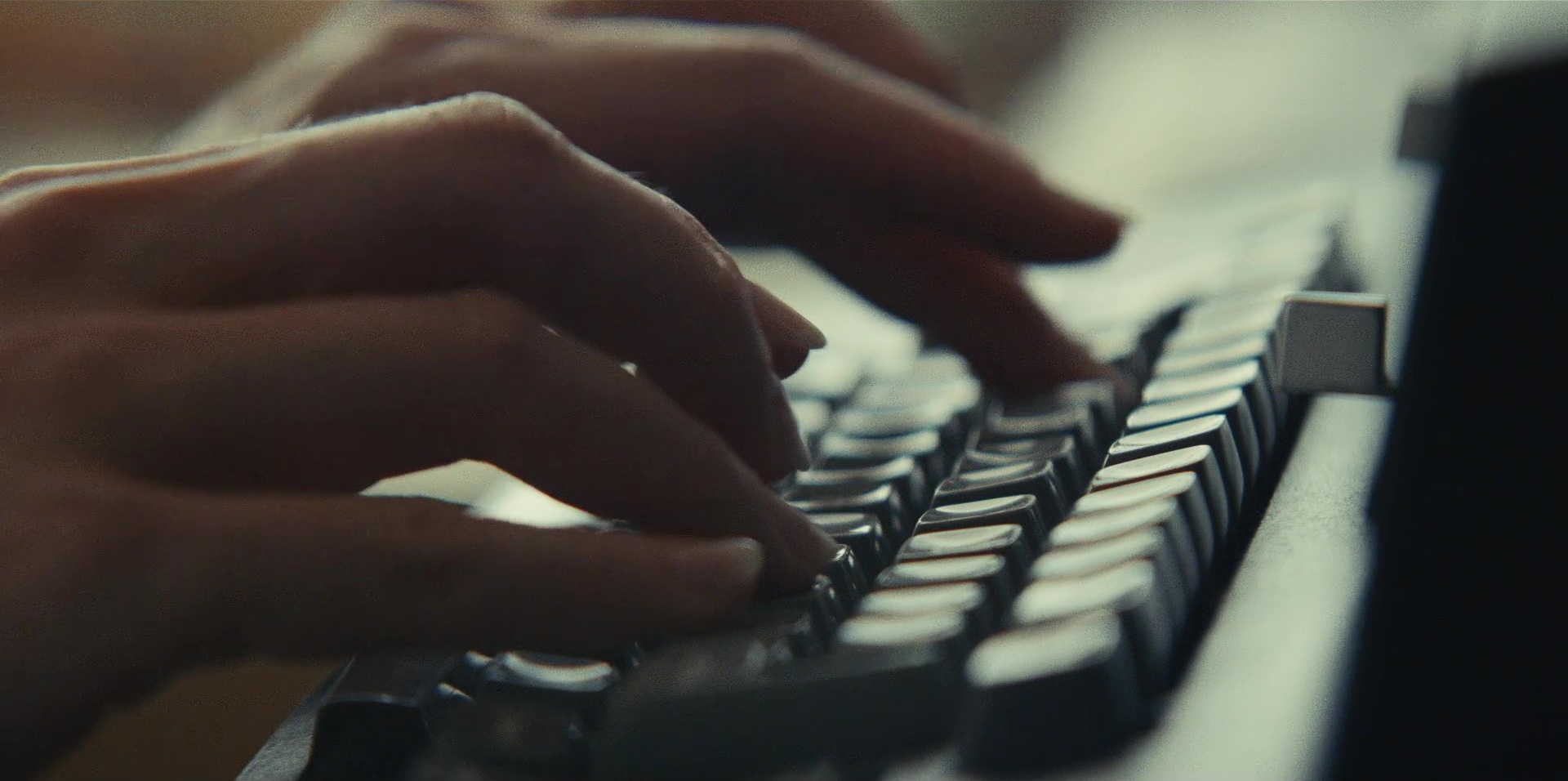
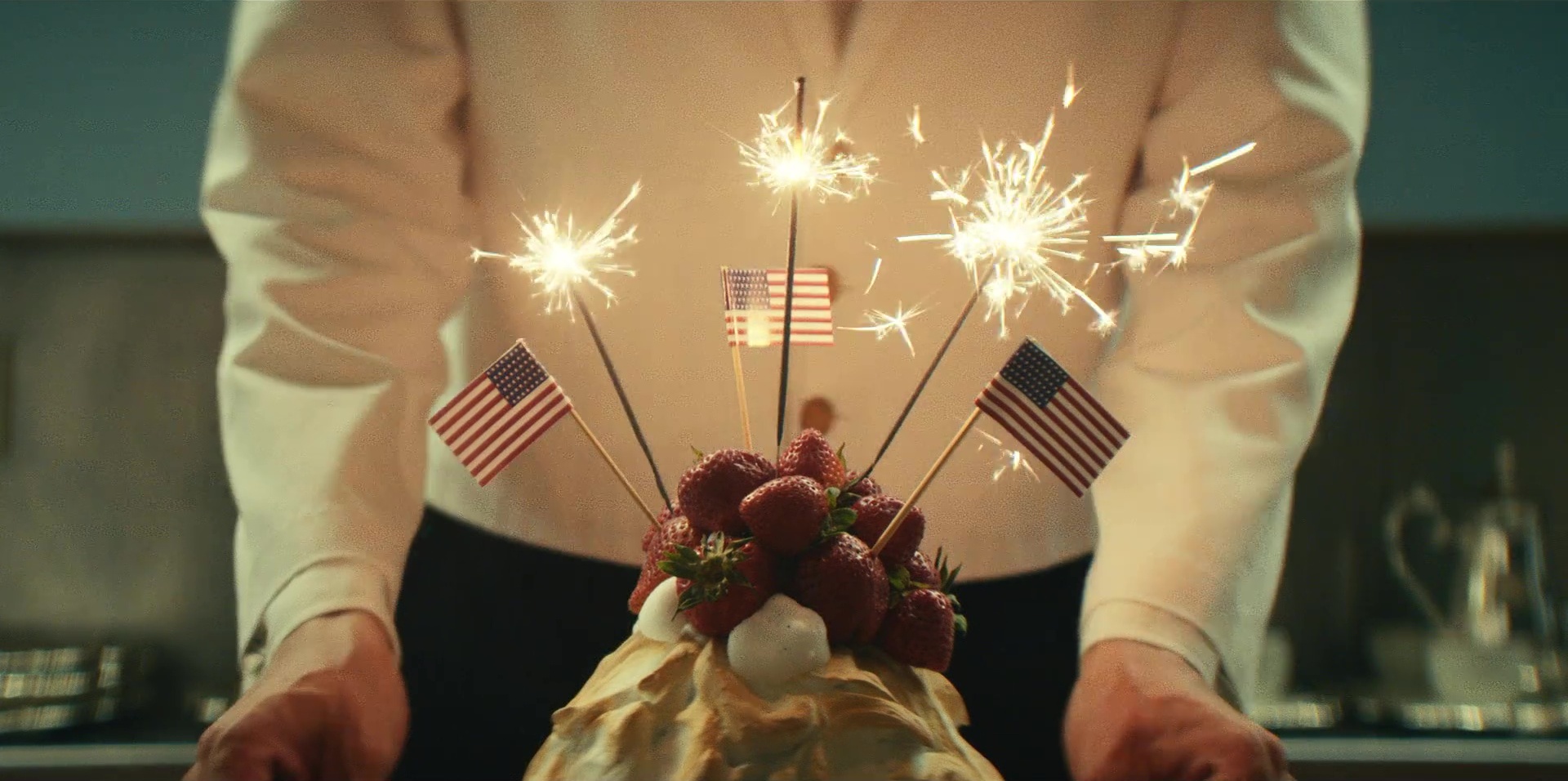
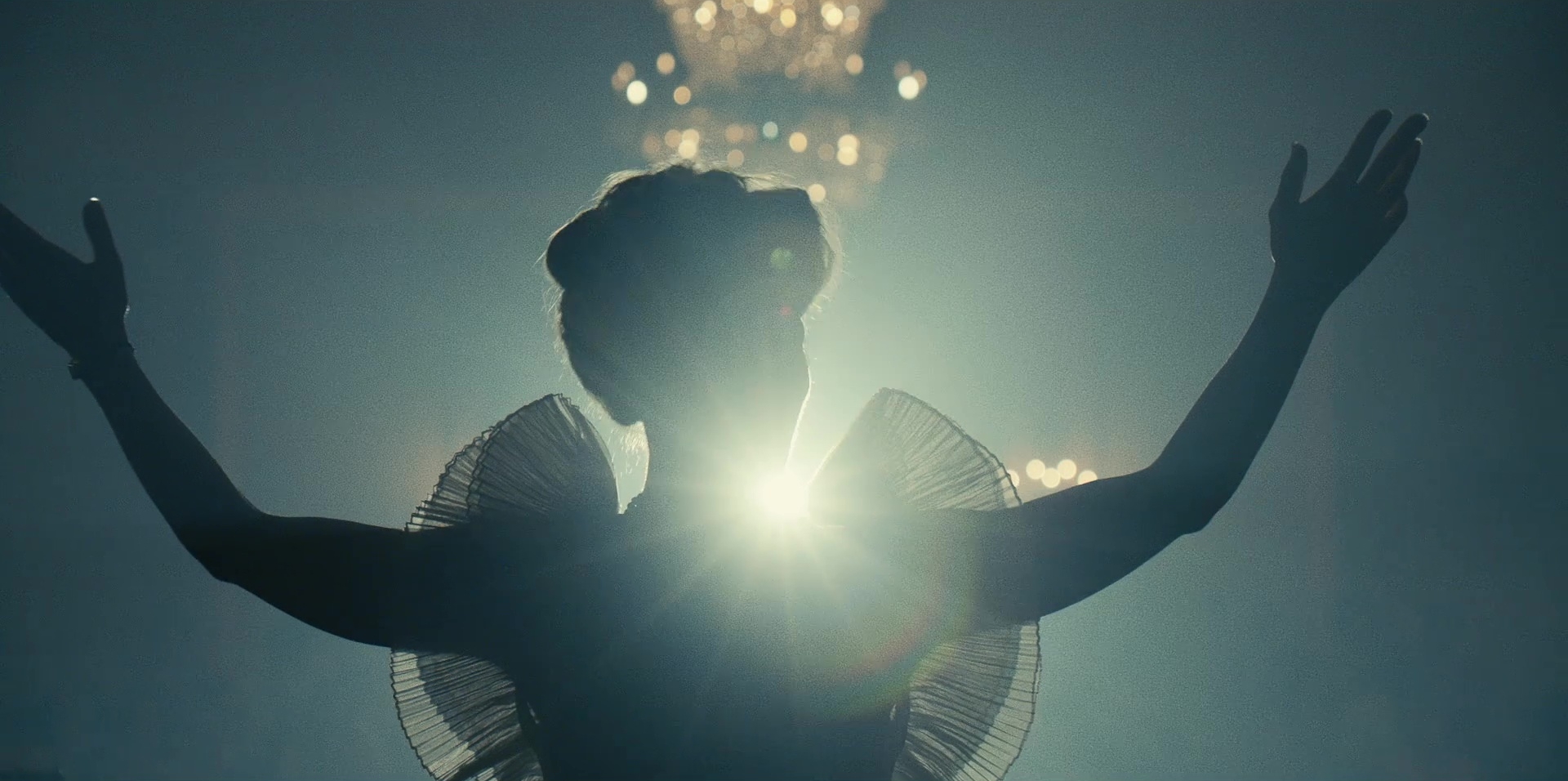
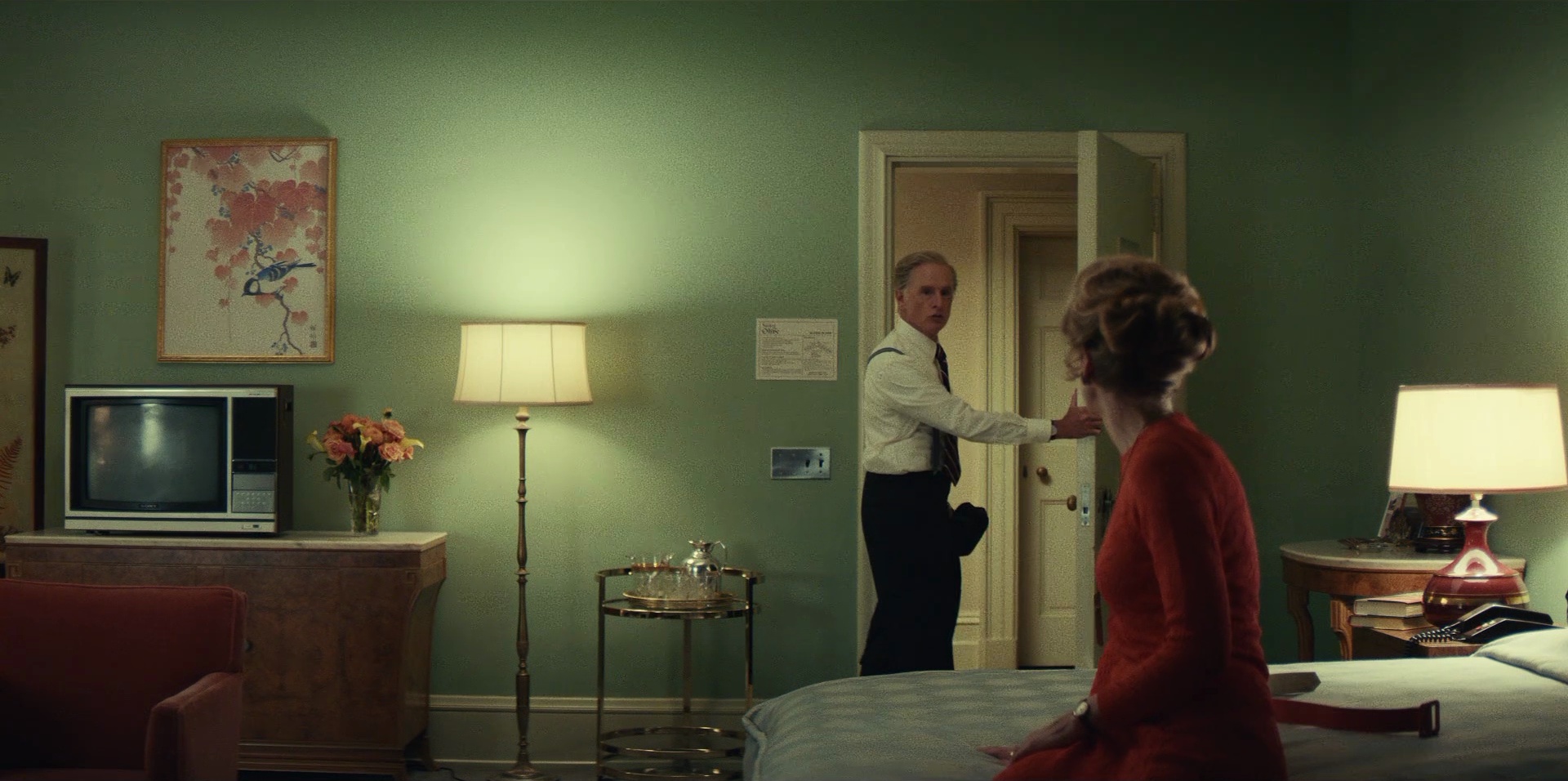
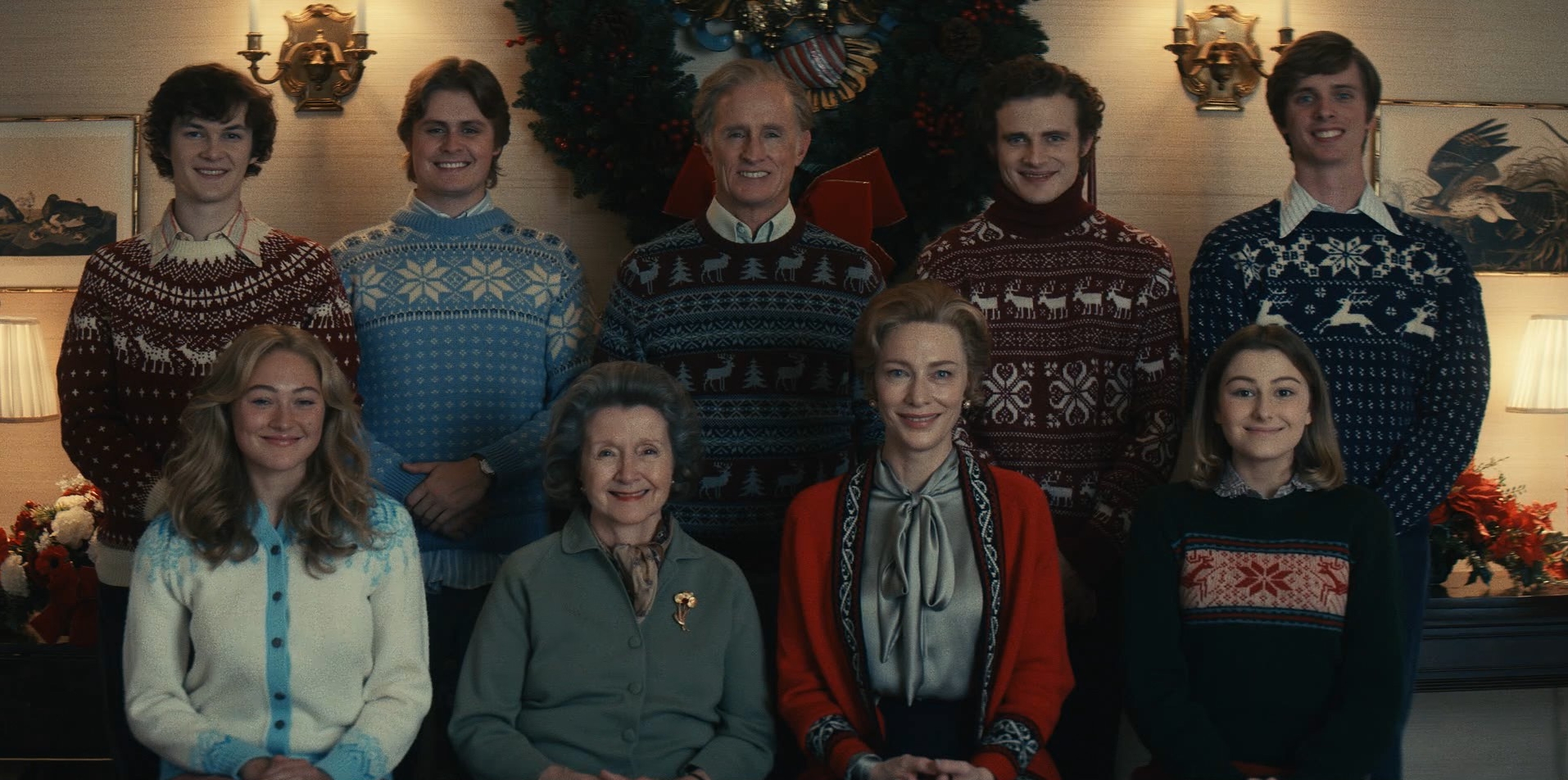
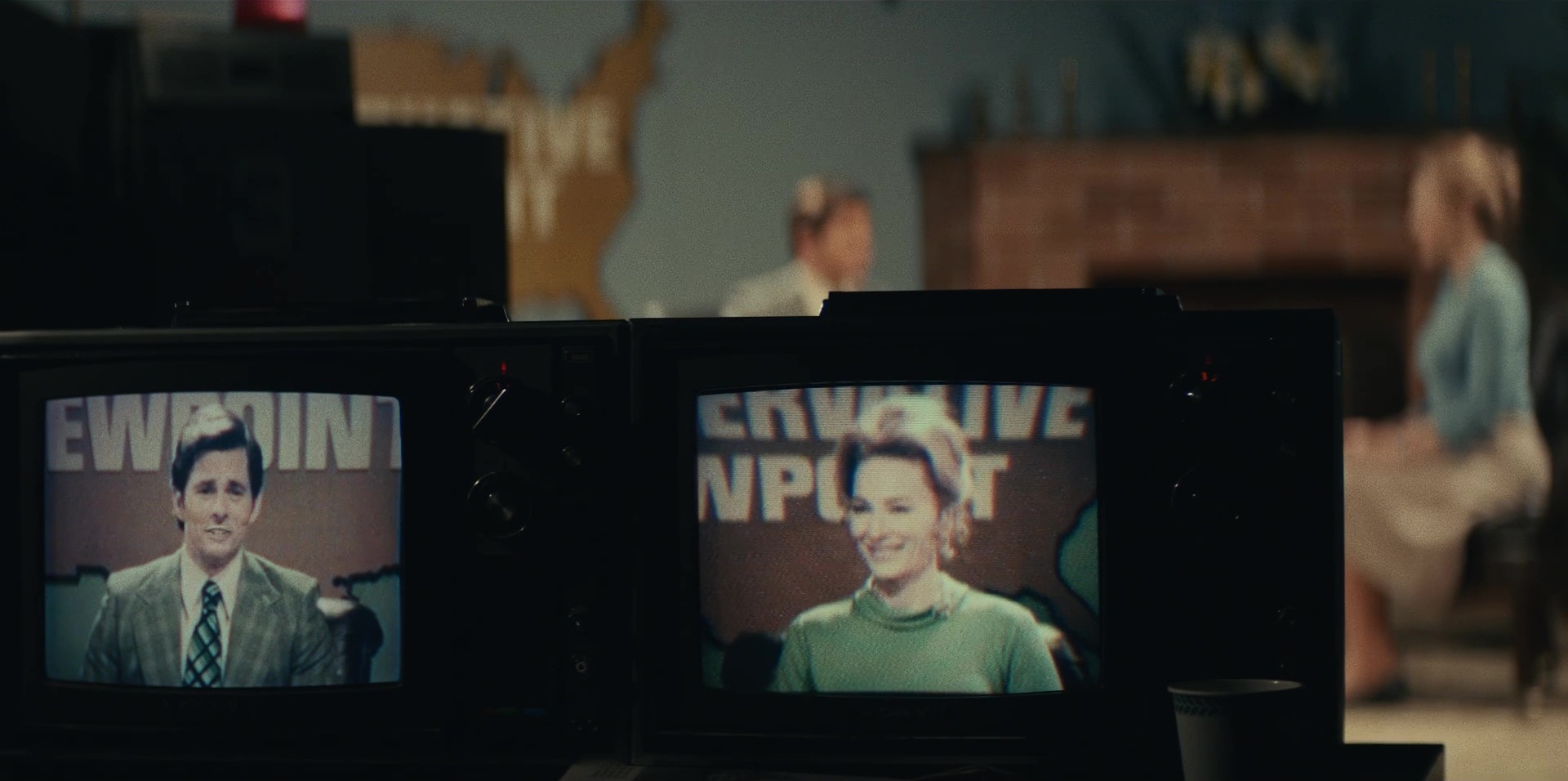
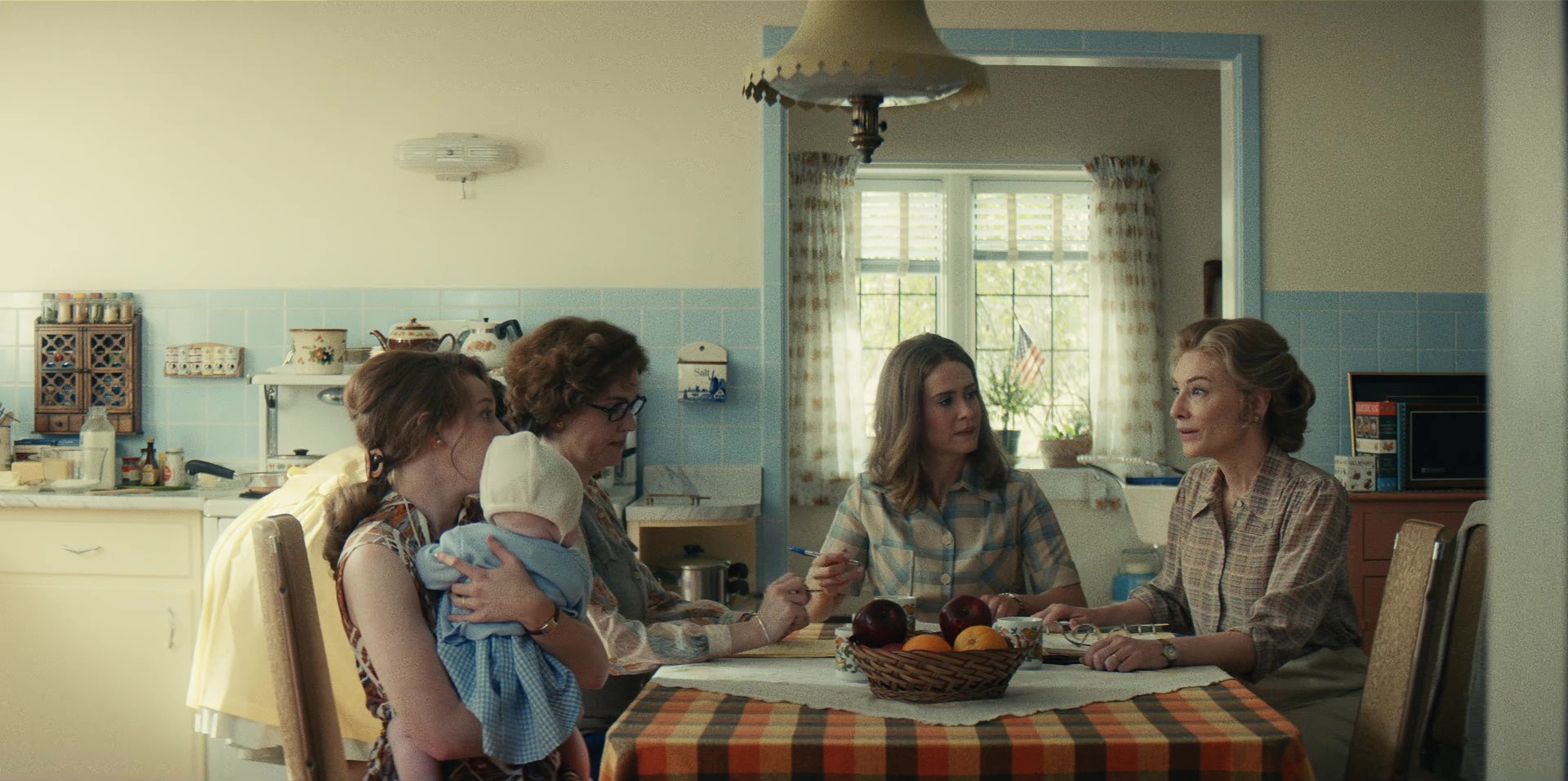
Mrs. America: Season 1 (2020)
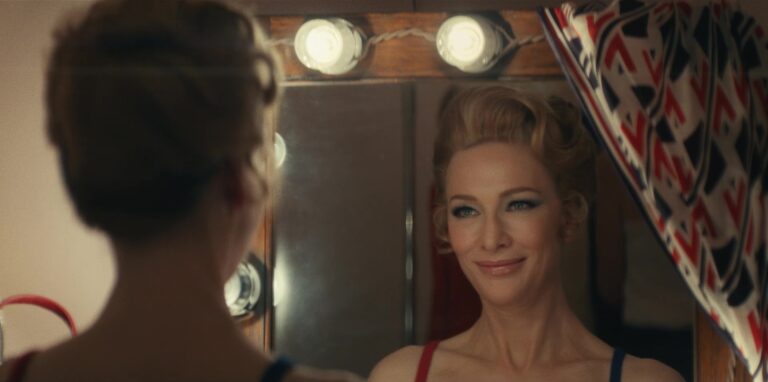
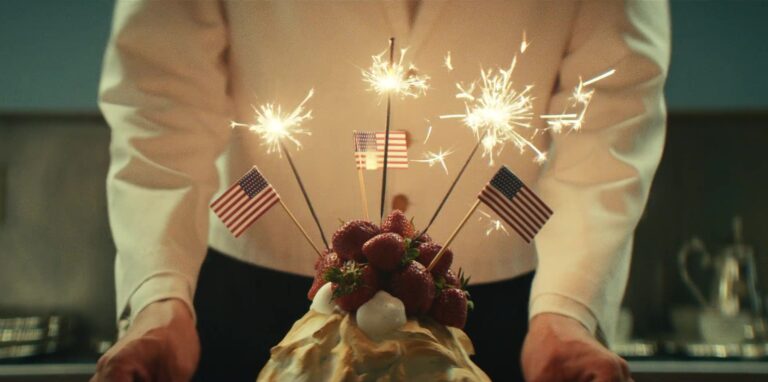
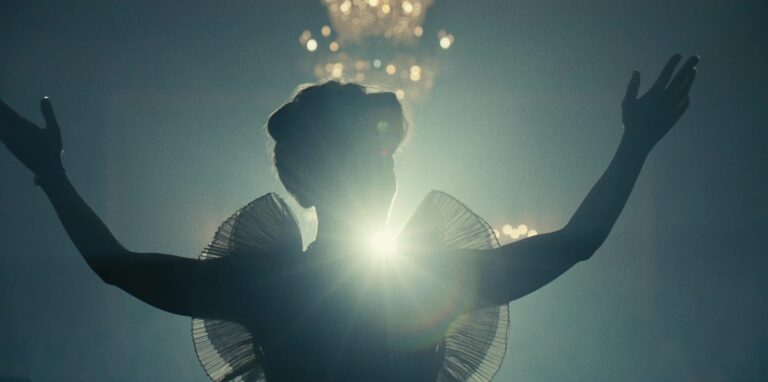
The series dramatizes the political battle over the Equal Rights Amendment (ERA) in the 1970s, told through the perspectives of both its supporters and its most formidable opponent, conservative activist Phyllis Schlafly. As feminist leaders organize for equality, Schlafly mobilizes a grassroots movement to stop the amendment’s ratification. The story unfolds as a complex portrait of ideology, power, and the women on both sides of the cultural divide.
The series adopts a polished period aesthetic, with cinematographers like Chris Teague and Jesse Peretz using warm, era-specific color palettes and carefully composed interiors to evoke 1970s America. Subtle visual distinctions—costume, color, and framing—differentiate political spheres and personalities, turning spaces like kitchens, offices, and convention halls into arenas of ideological conflict where image quietly reinforces power dynamics.



FILM SPOTLIGHT
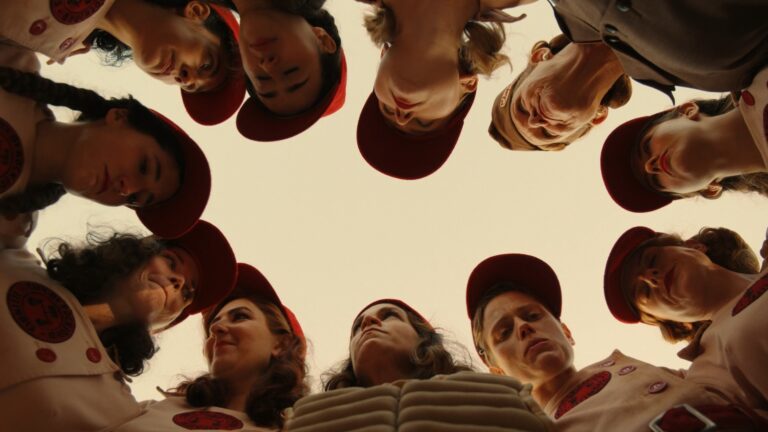
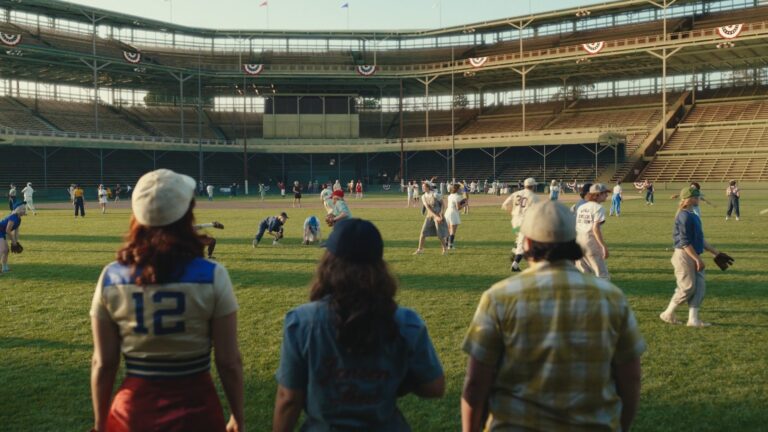
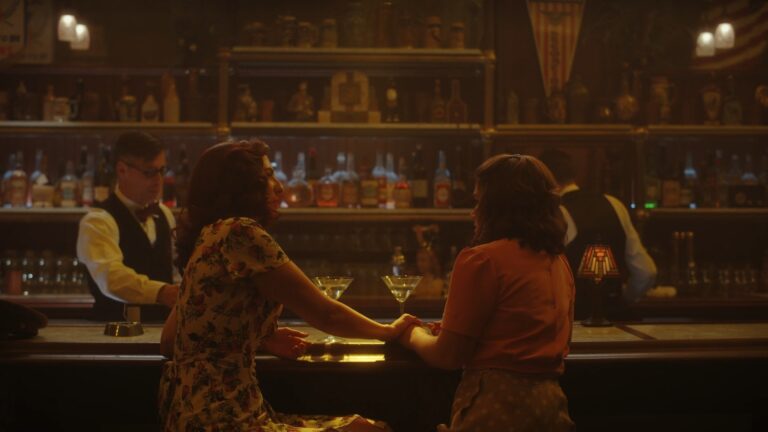
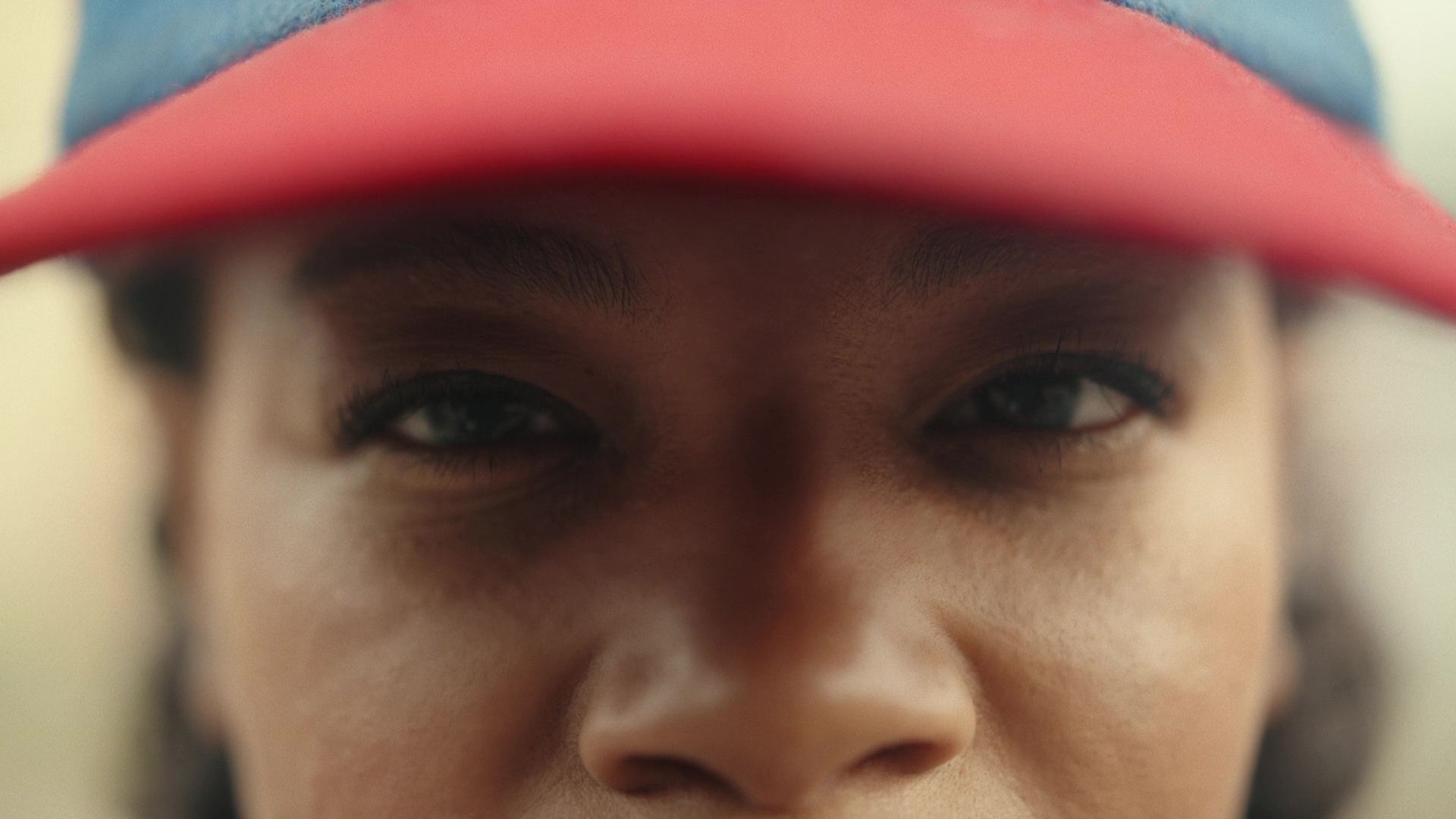
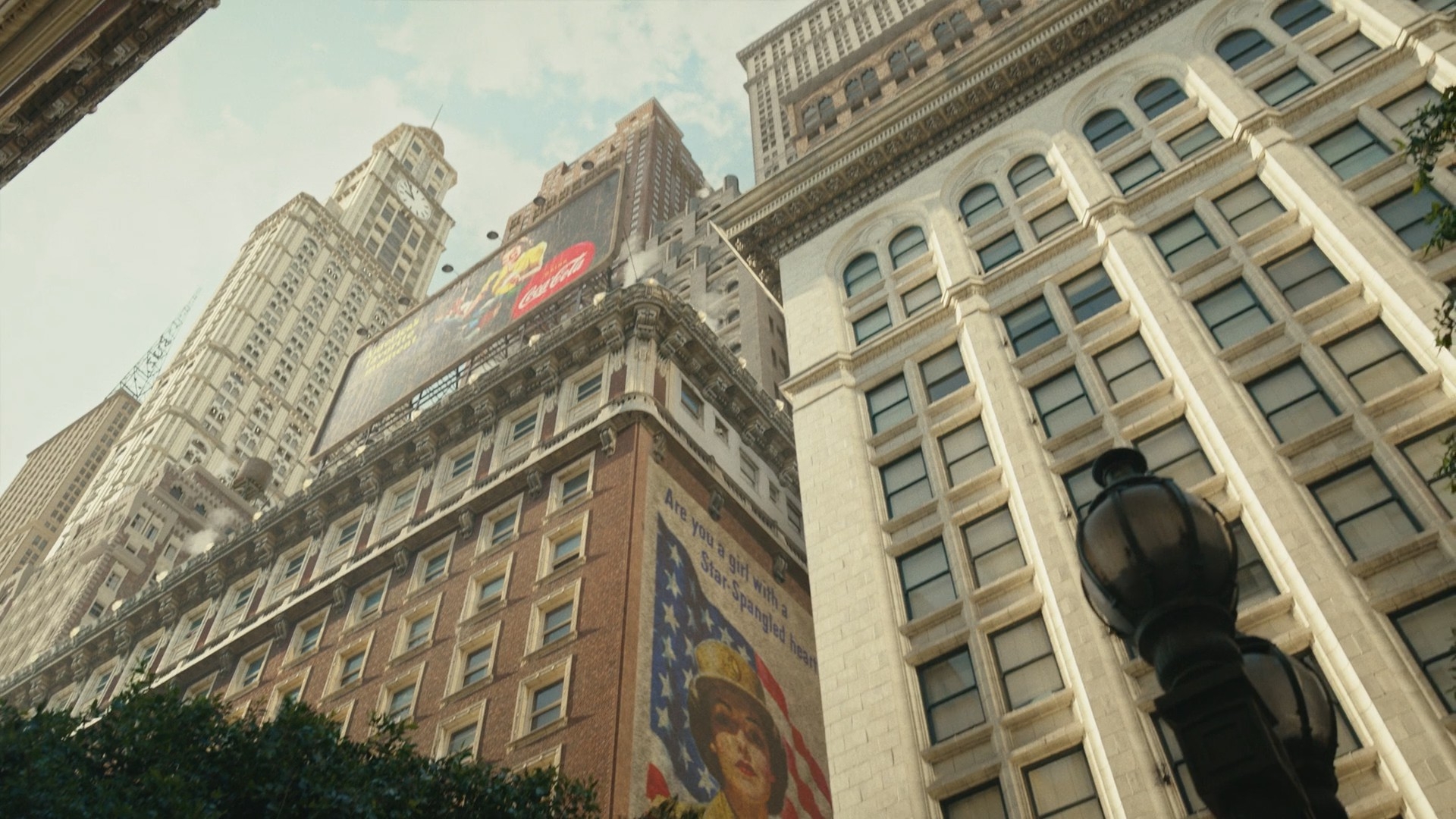
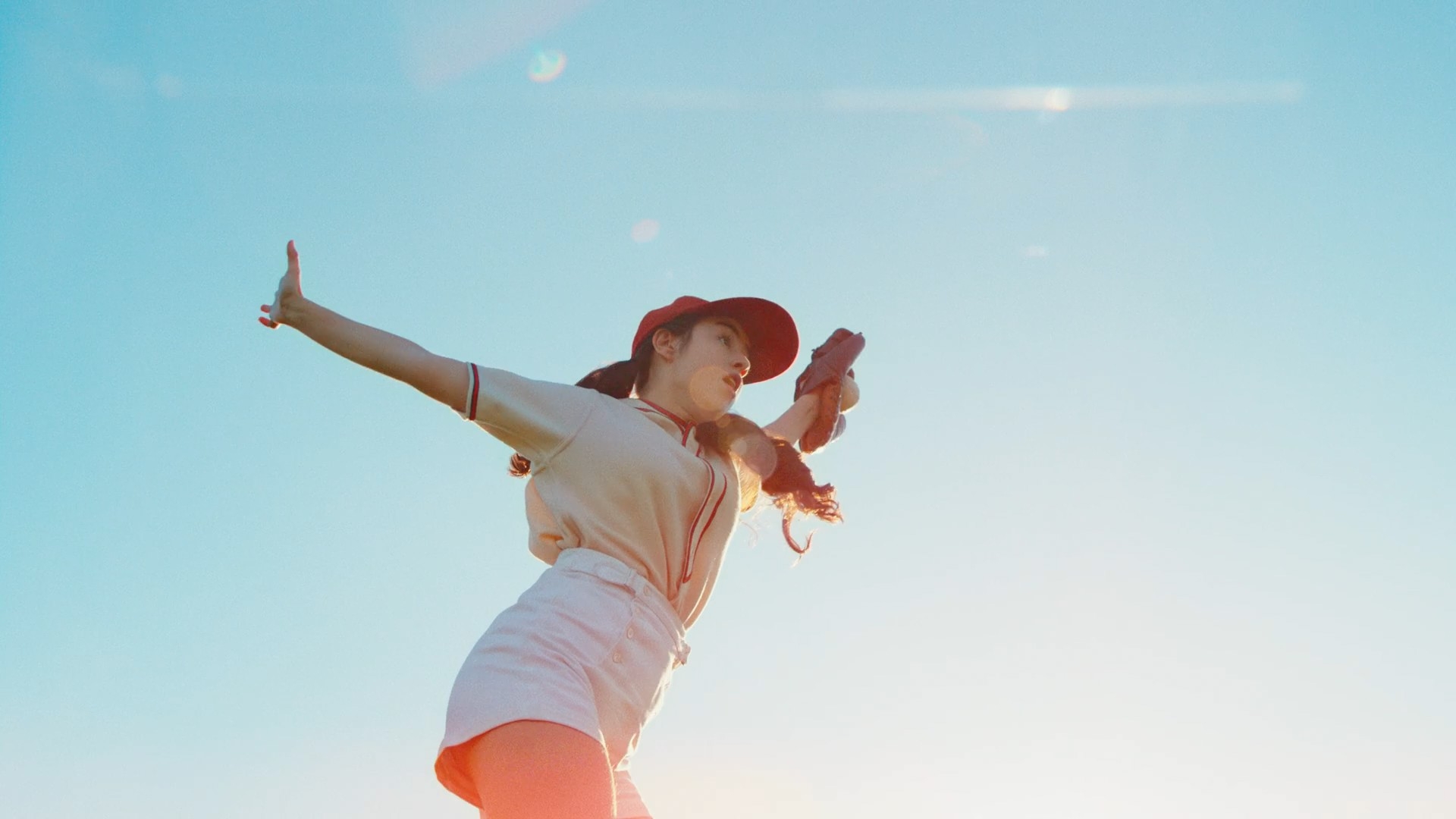
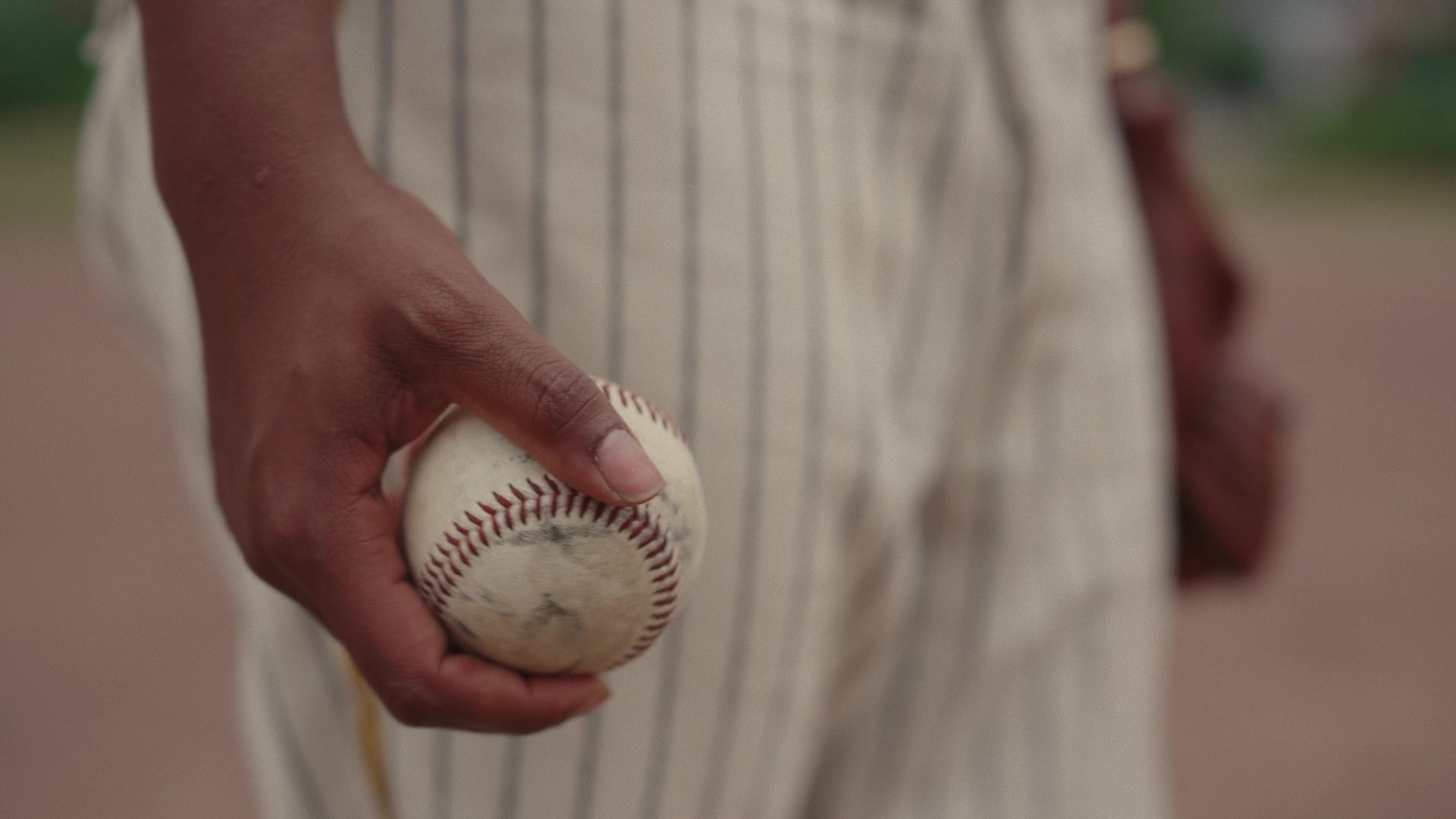
A League of Their Own: Season 1 (2022)
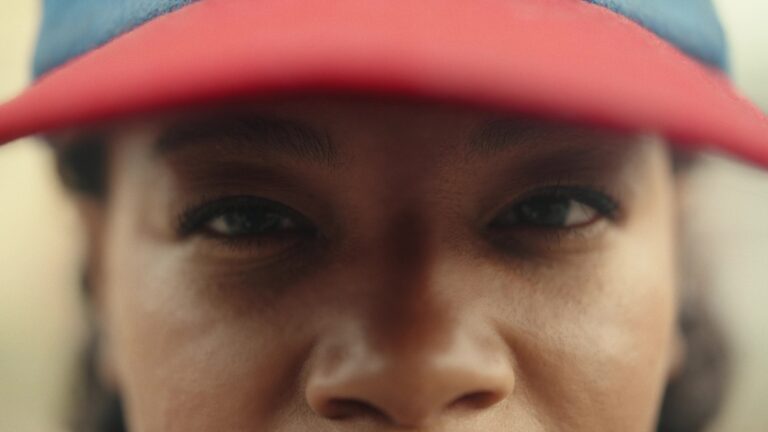
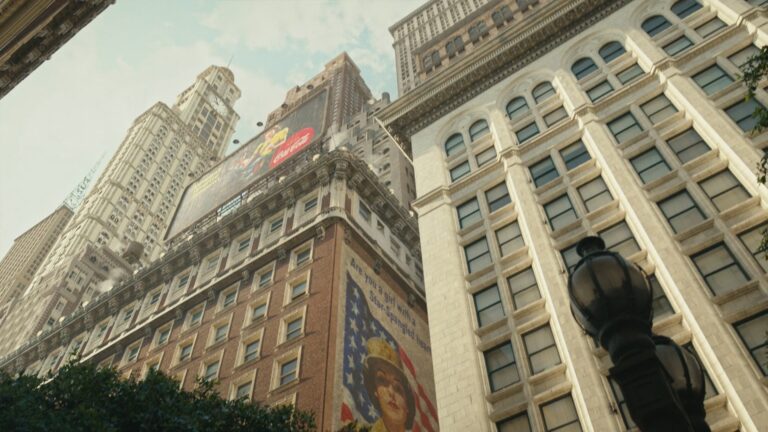
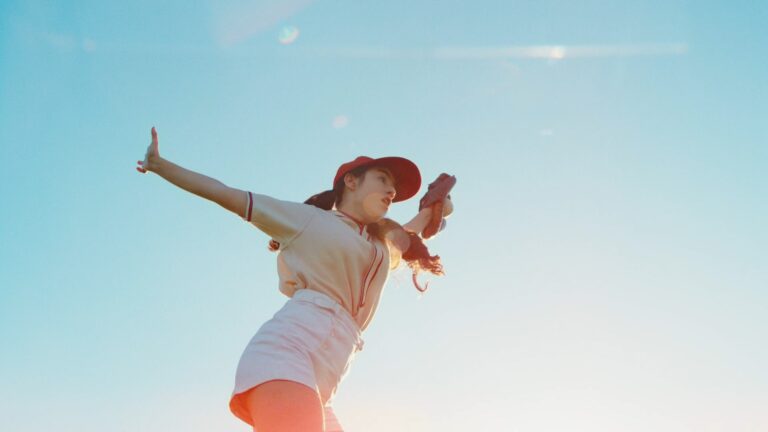
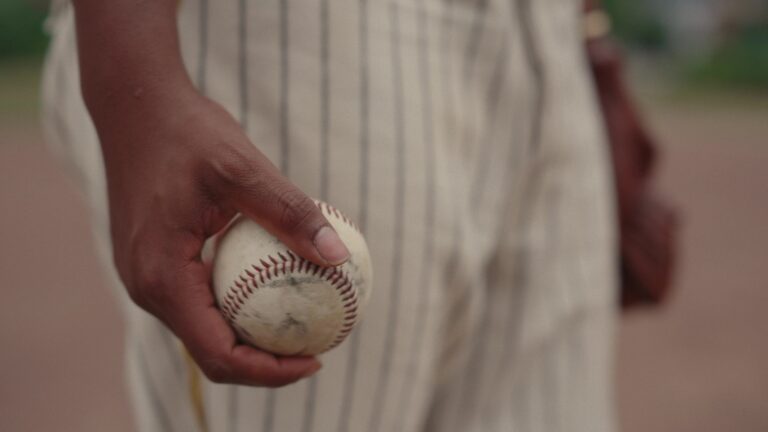
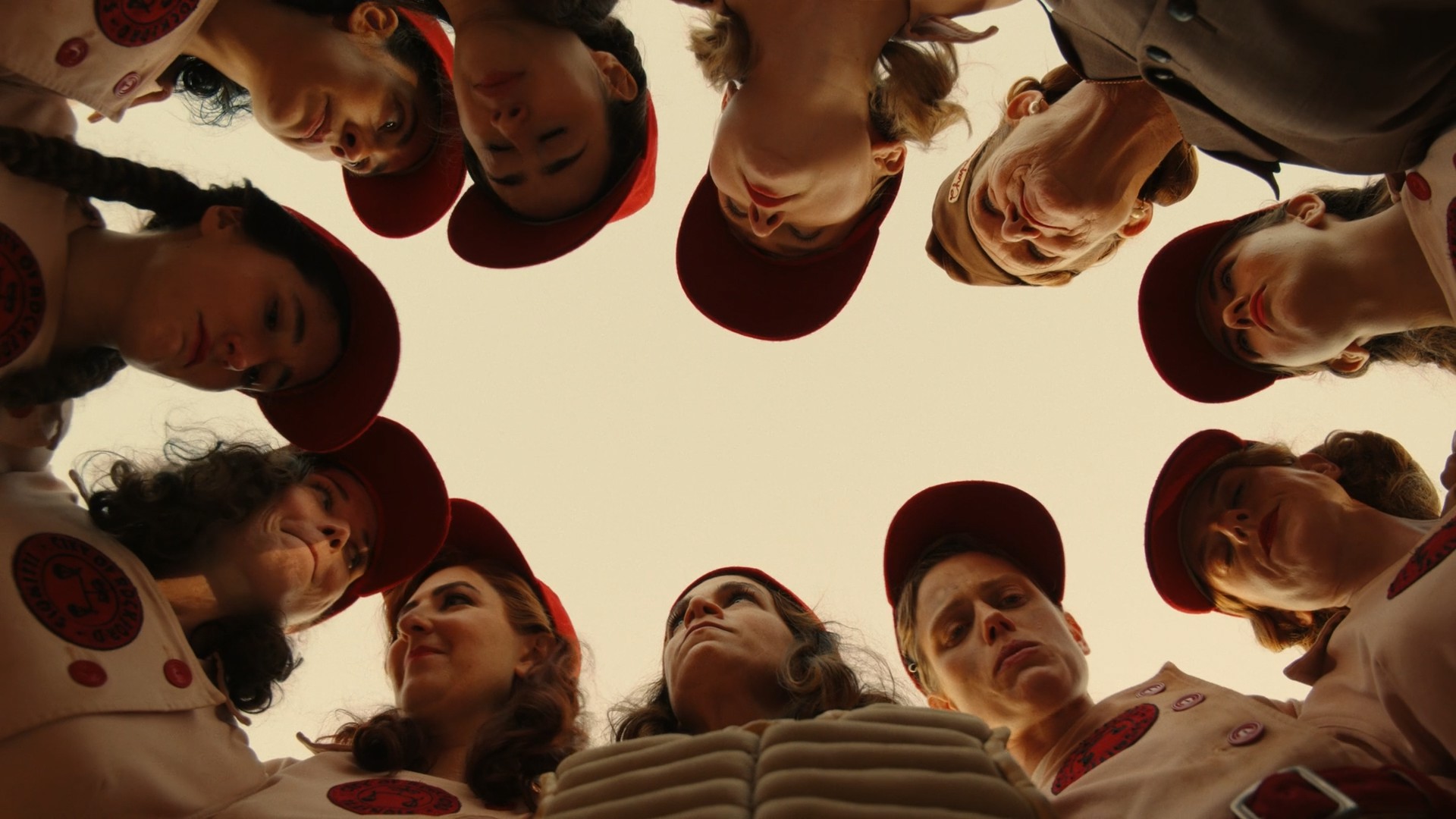
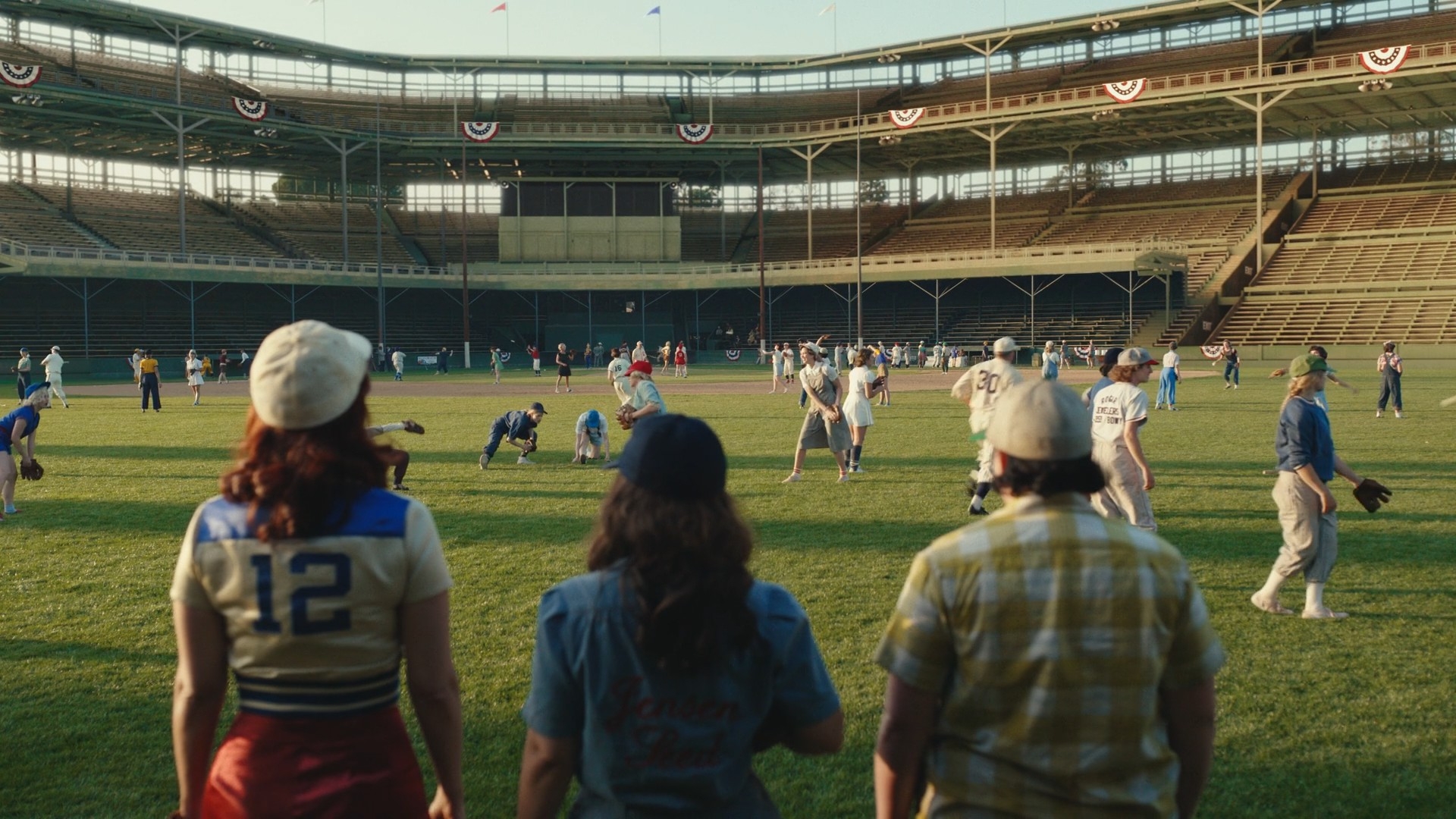
Inspired by the 1992 film, the series follows a new ensemble of women who join the All-American Girls Professional Baseball League during World War II. As they pursue baseball dreams, they also navigate issues of identity, sexuality, race, and belonging in a restrictive era. The story expands beyond the field, weaving together personal journeys that challenge the boundaries placed on them.
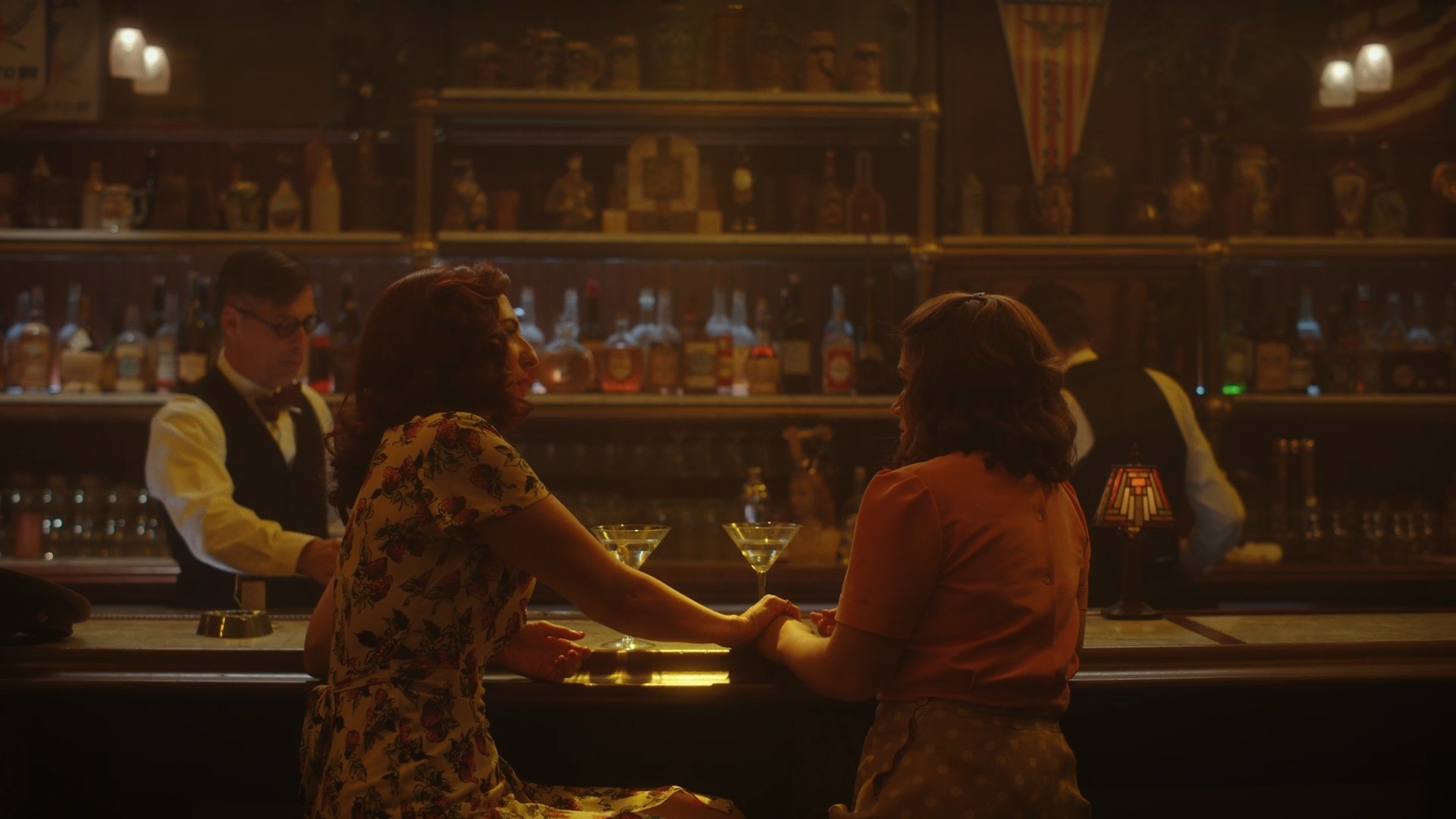
Season 1 leans into a warm, nostalgic period aesthetic, with cinematographers like Carmen Cabana using soft, sunlit tones and naturalistic lighting to evoke 1940s Americana. The series balances this with more intimate, character-driven framing—especially in interiors—where close-ups and gentle camera movement foreground emotional connection, turning both the baseball field and private spaces into sites of self-discovery.