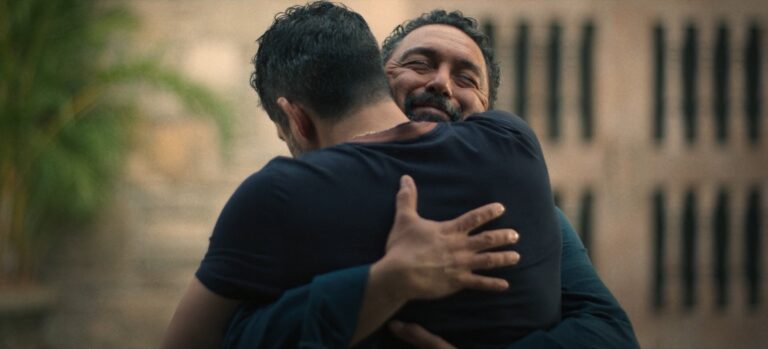
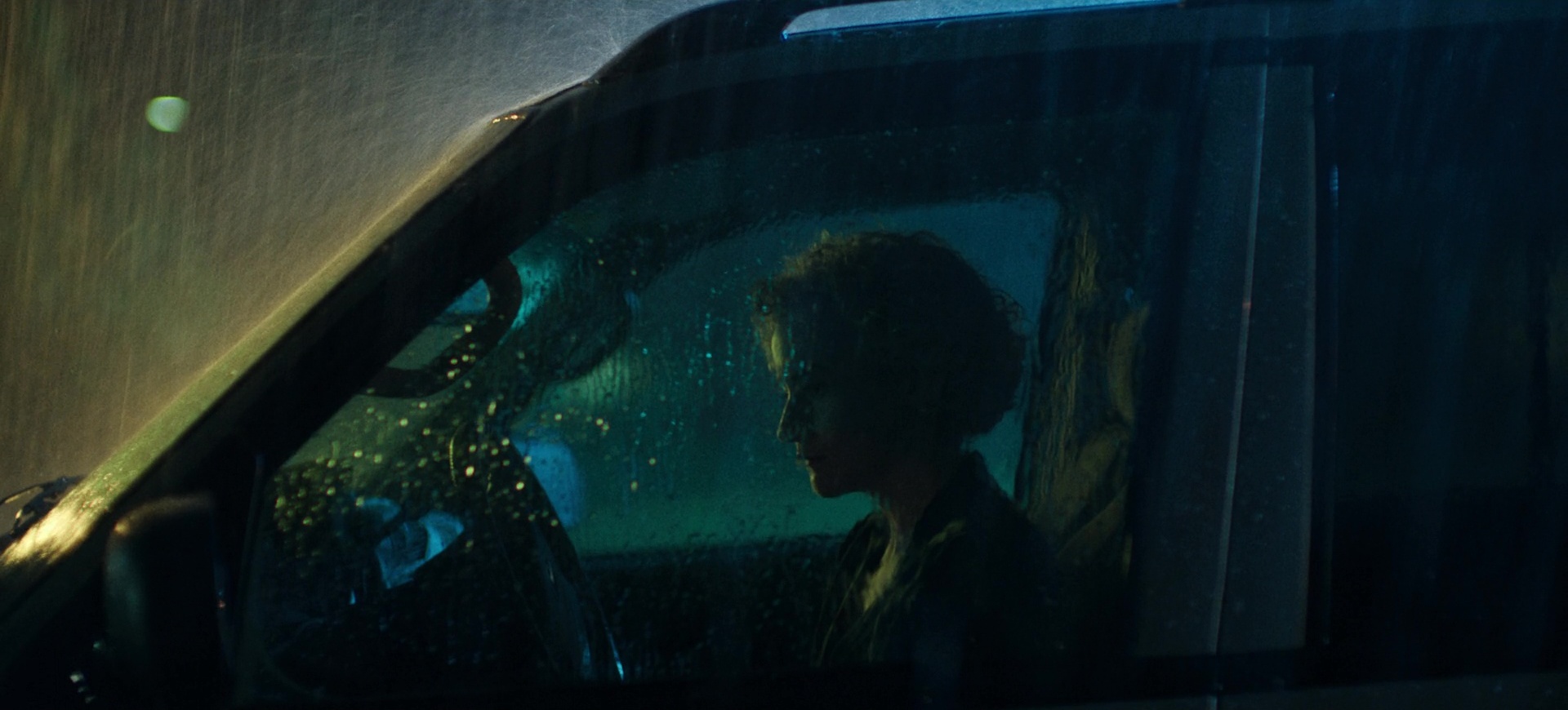
New Shots: Babylon, The Whale, and more Film Screencaps
Get your Decks ready ShotDeck Community! We’re dropping some great new shots this week, as well as an article exploring the collaborations between Director Kelly Reichardt and DP Christopher Blauvelt. Remember you can always request titles for future drops by clicking here!
FILM SPOTLIGHT
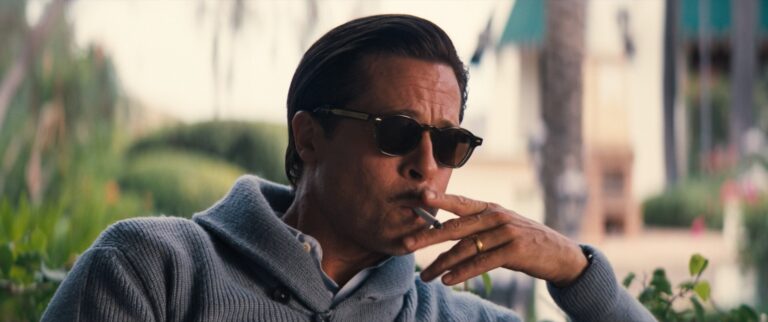
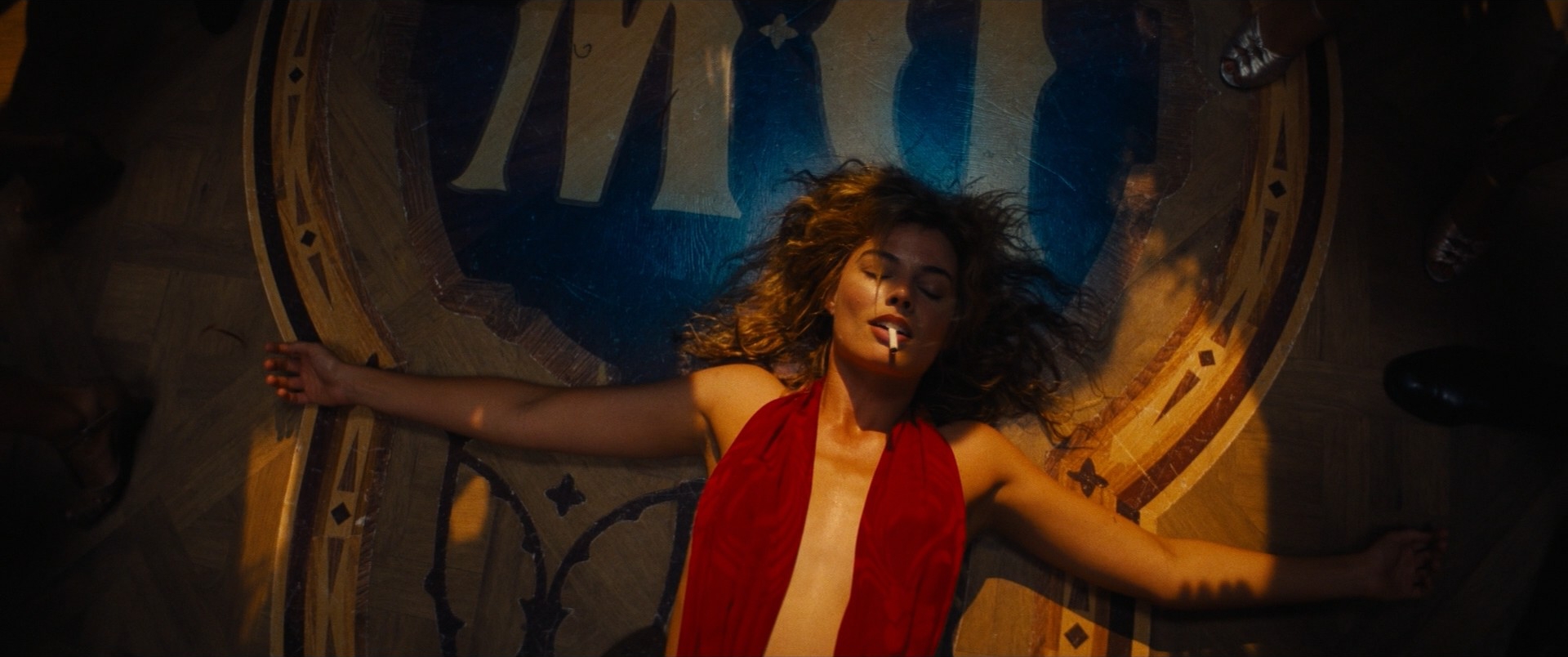
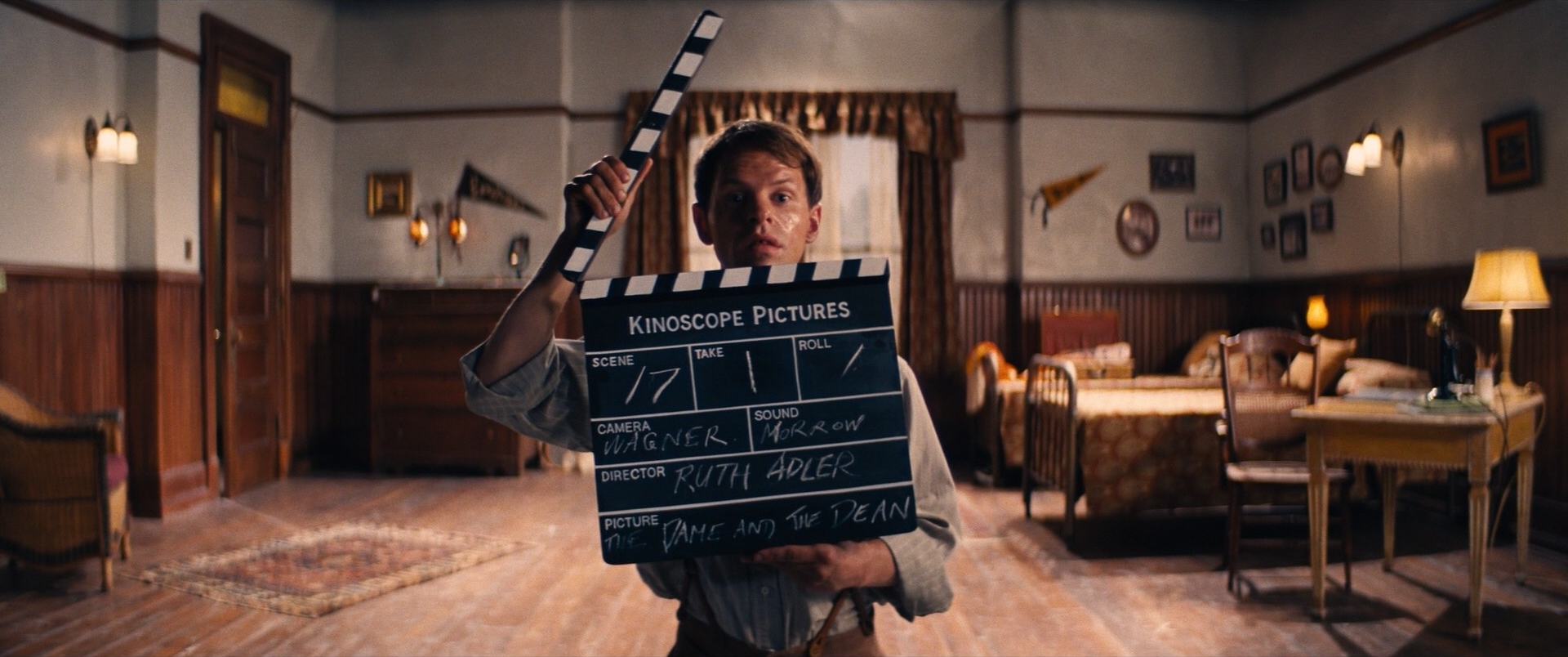
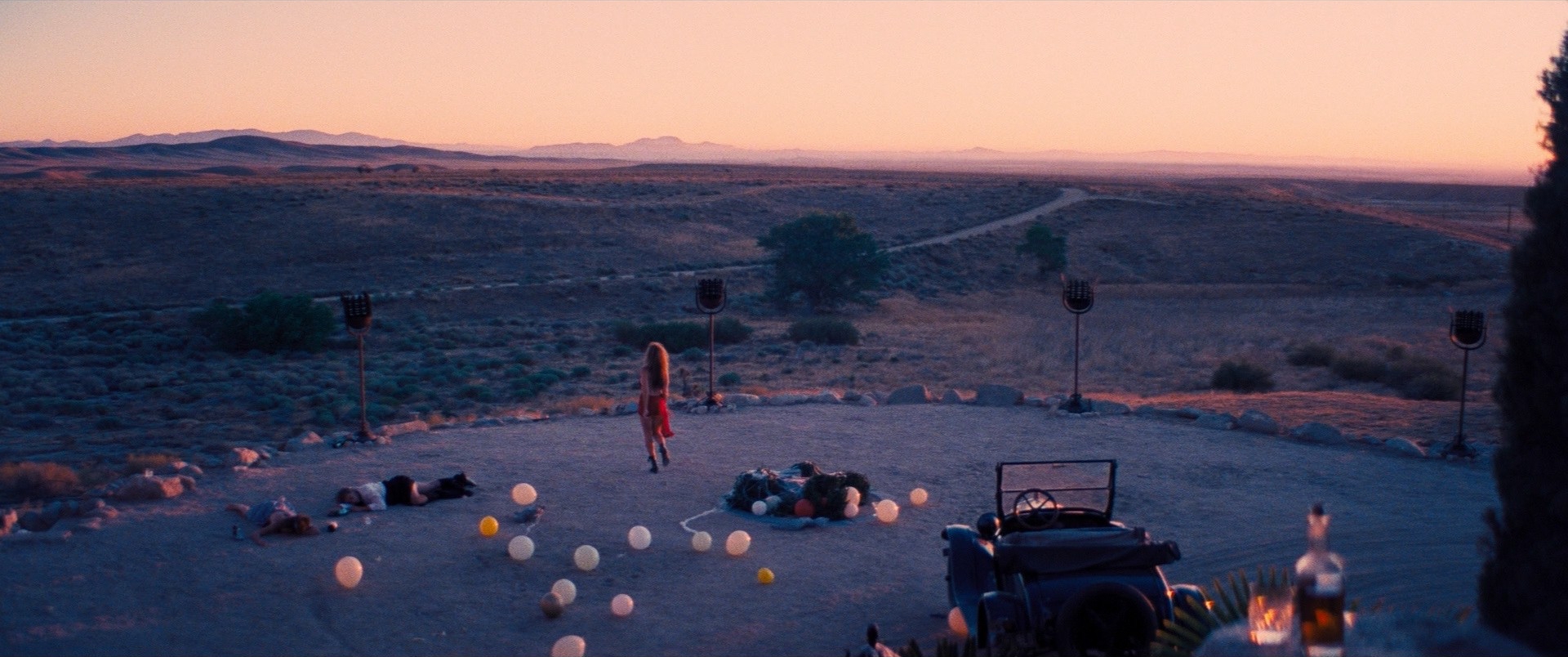
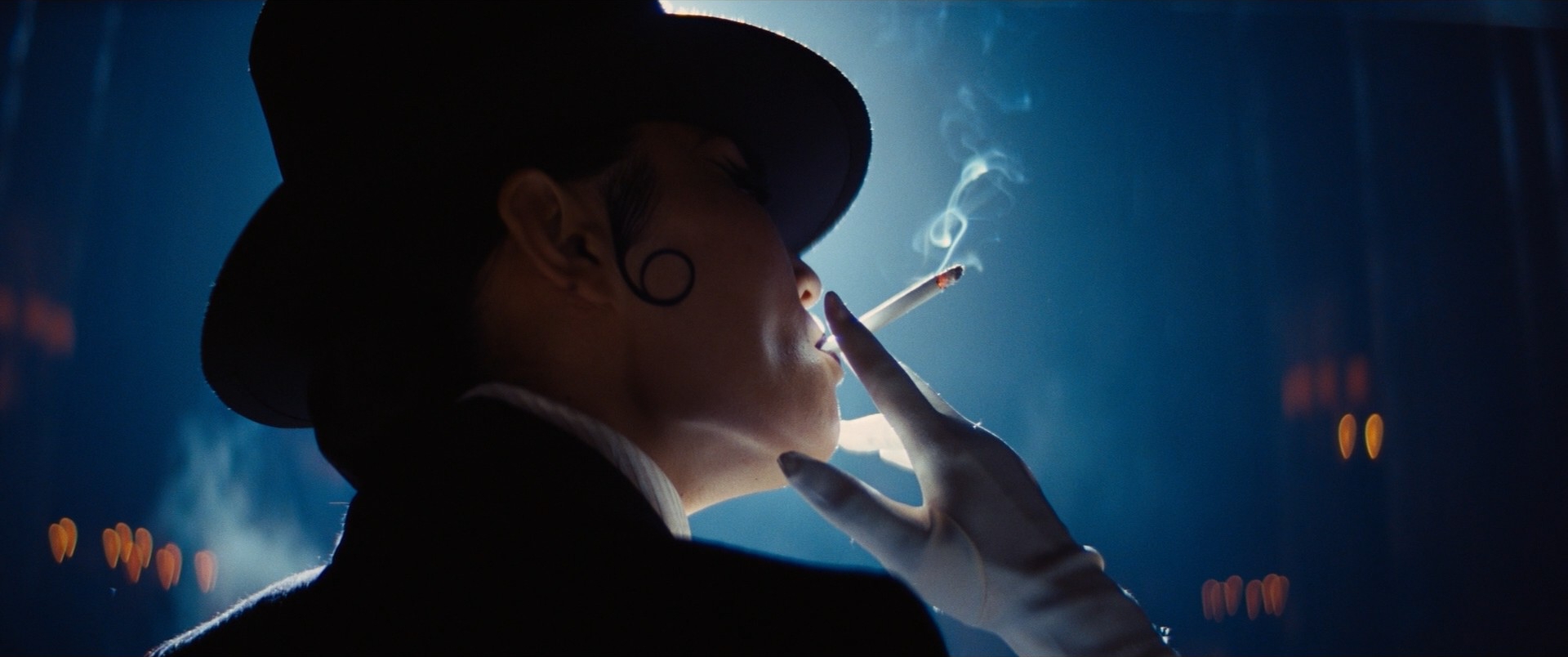
Babylon (2022)
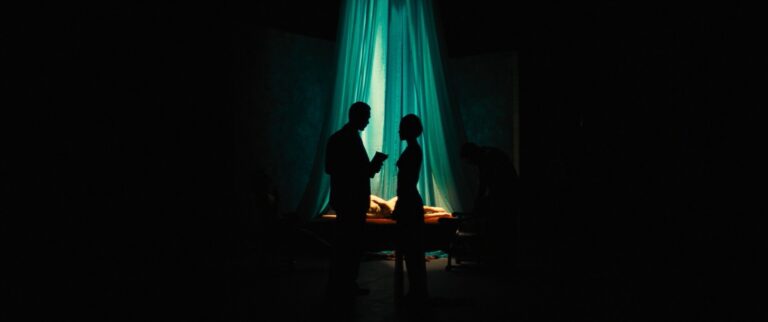
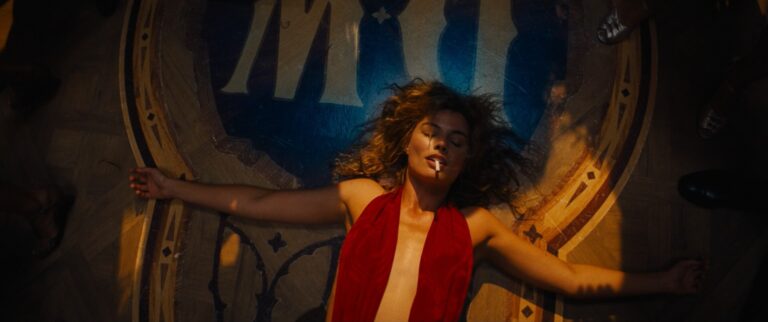
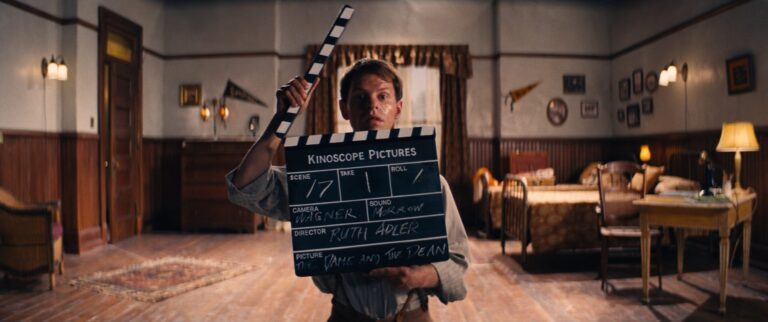
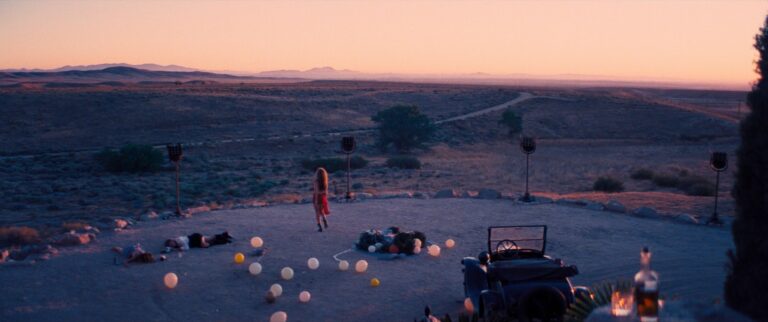
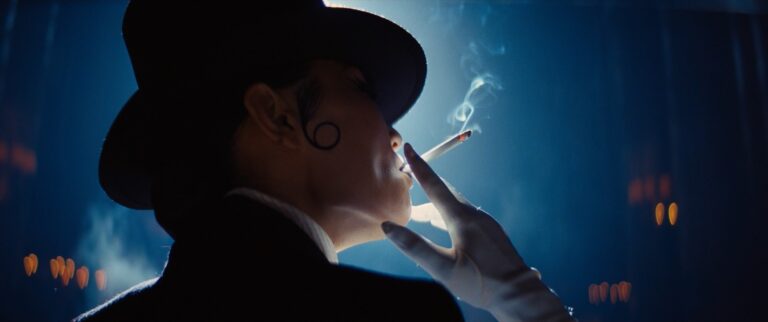
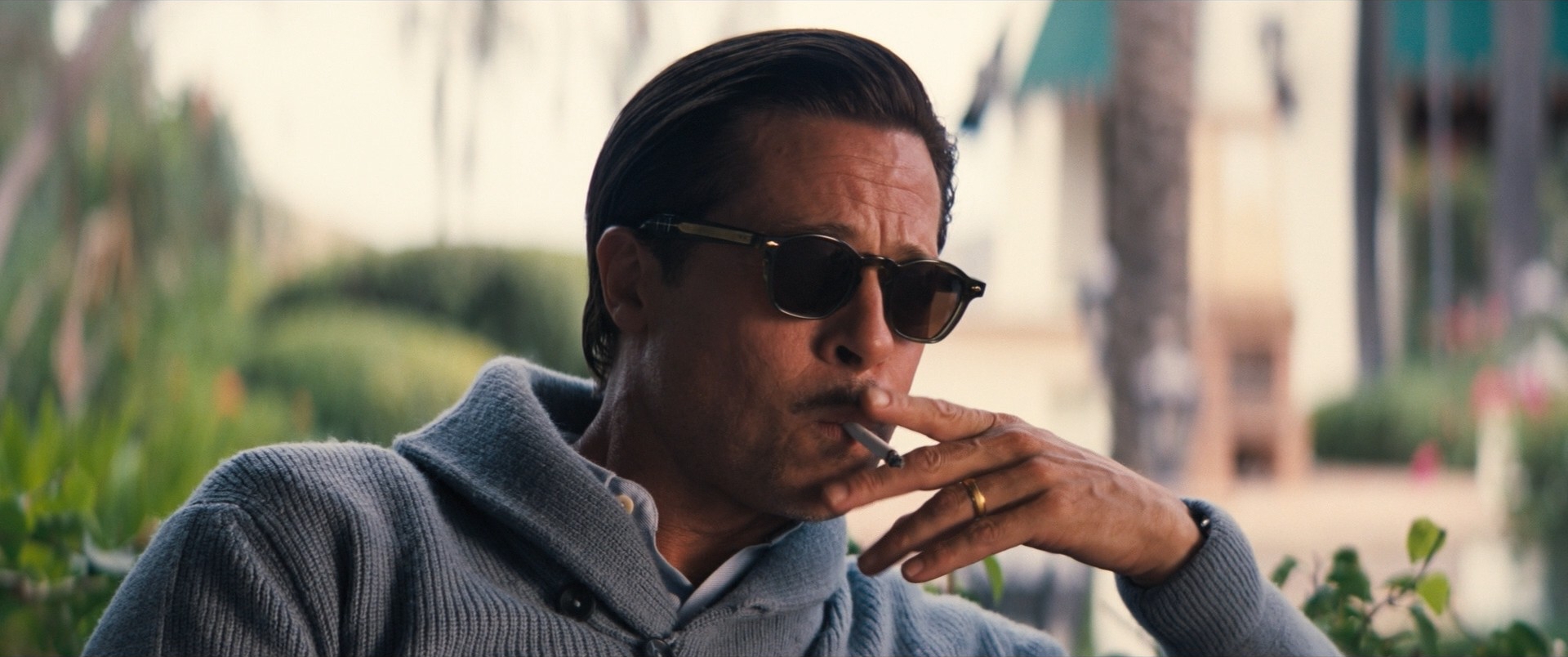
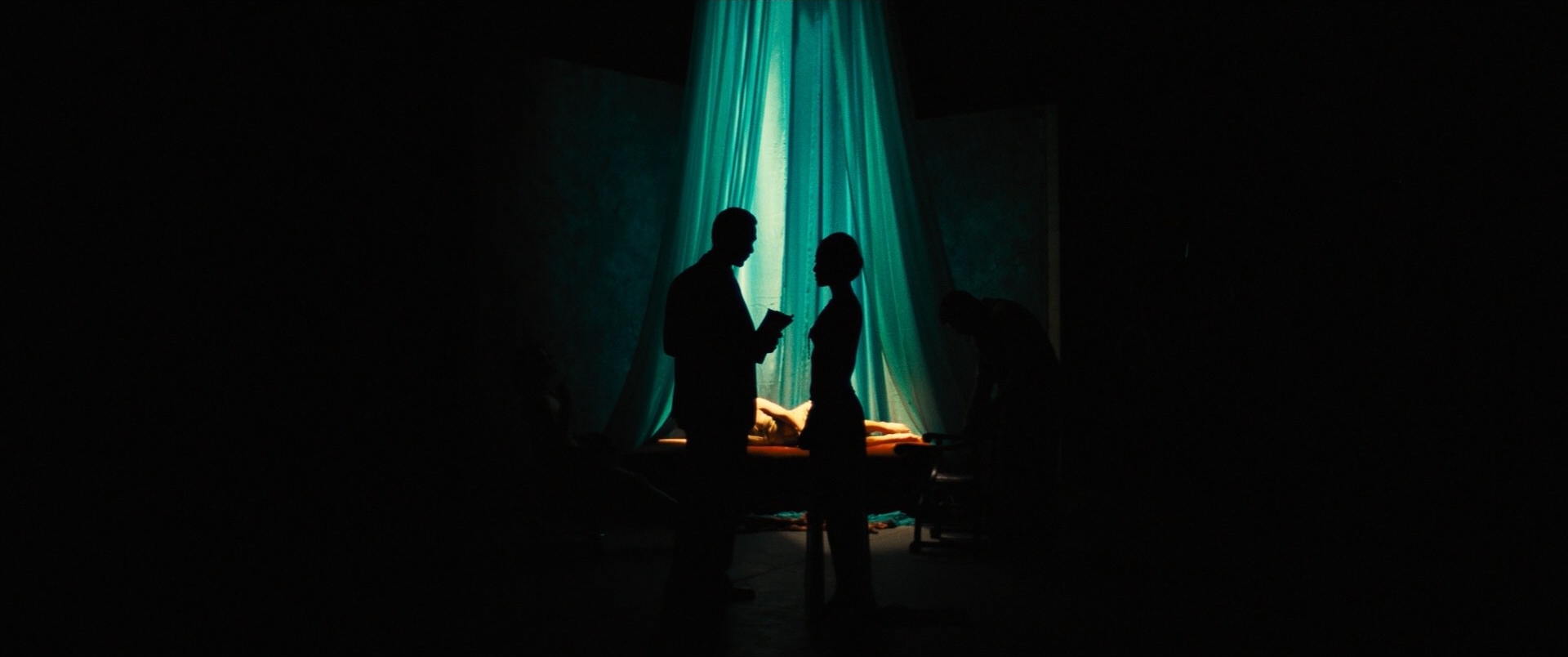
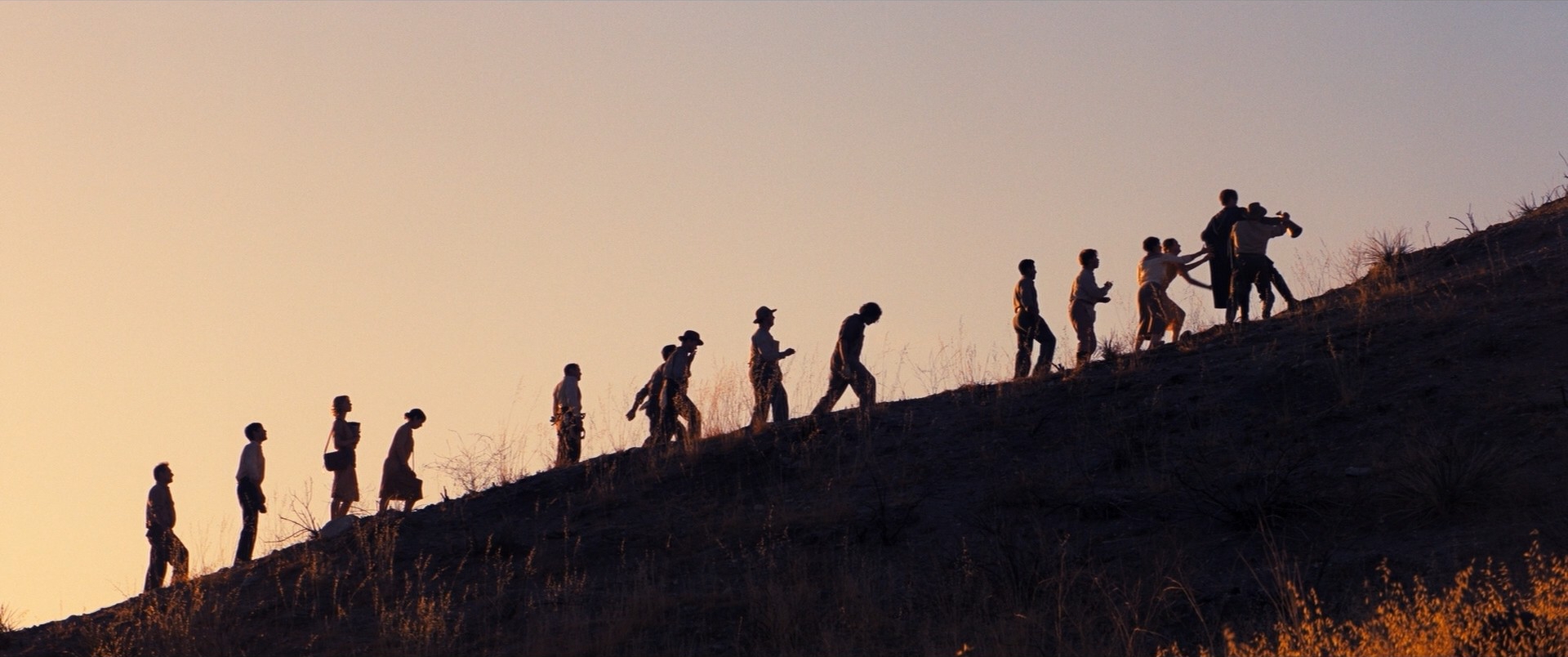
Set during Hollywood’s transition from silent films to sound, Babylon follows a group of aspiring artists and established stars navigating the excess, ambition, and upheaval of the industry. As careers rise and fall, the arrival of “talkies” reshapes the landscape, leaving some behind while elevating others. The film becomes a sprawling portrait of fame, decadence, and the cost of chasing dreams in early cinema.
Chazelle and cinematographer Linus Sandgren shot Babylon on 35mm, using sweeping camera moves, long takes, and elaborate choreography to capture the chaos and scale of early Hollywood. The film’s bold, saturated palette and kinetic “oner” sequences—especially in its opening party and studio scenes—turn filmmaking itself into spectacle, where movement, bodies, and camera collide in a relentless, operatic visual rush.


FILM SPOTLIGHT
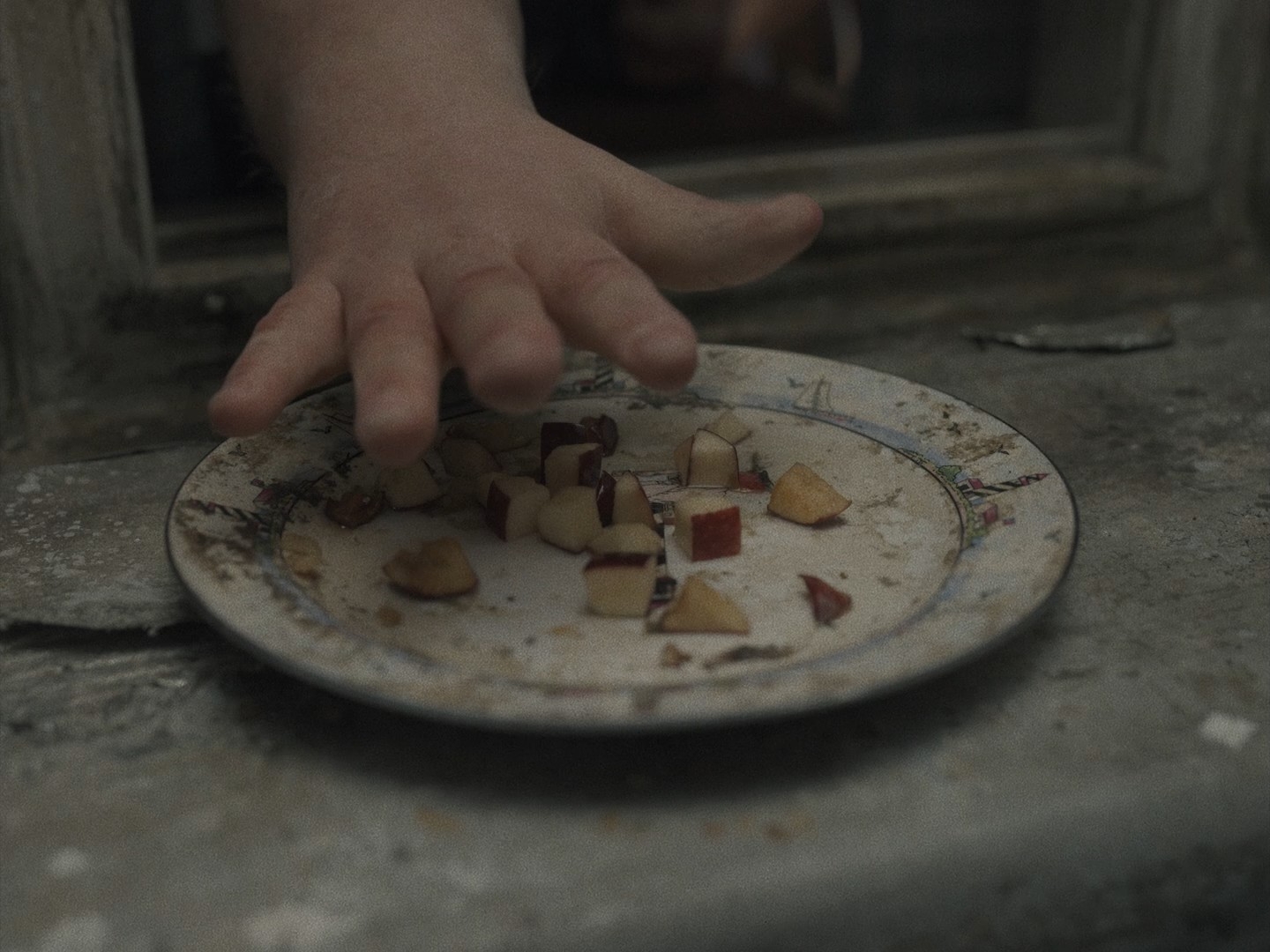
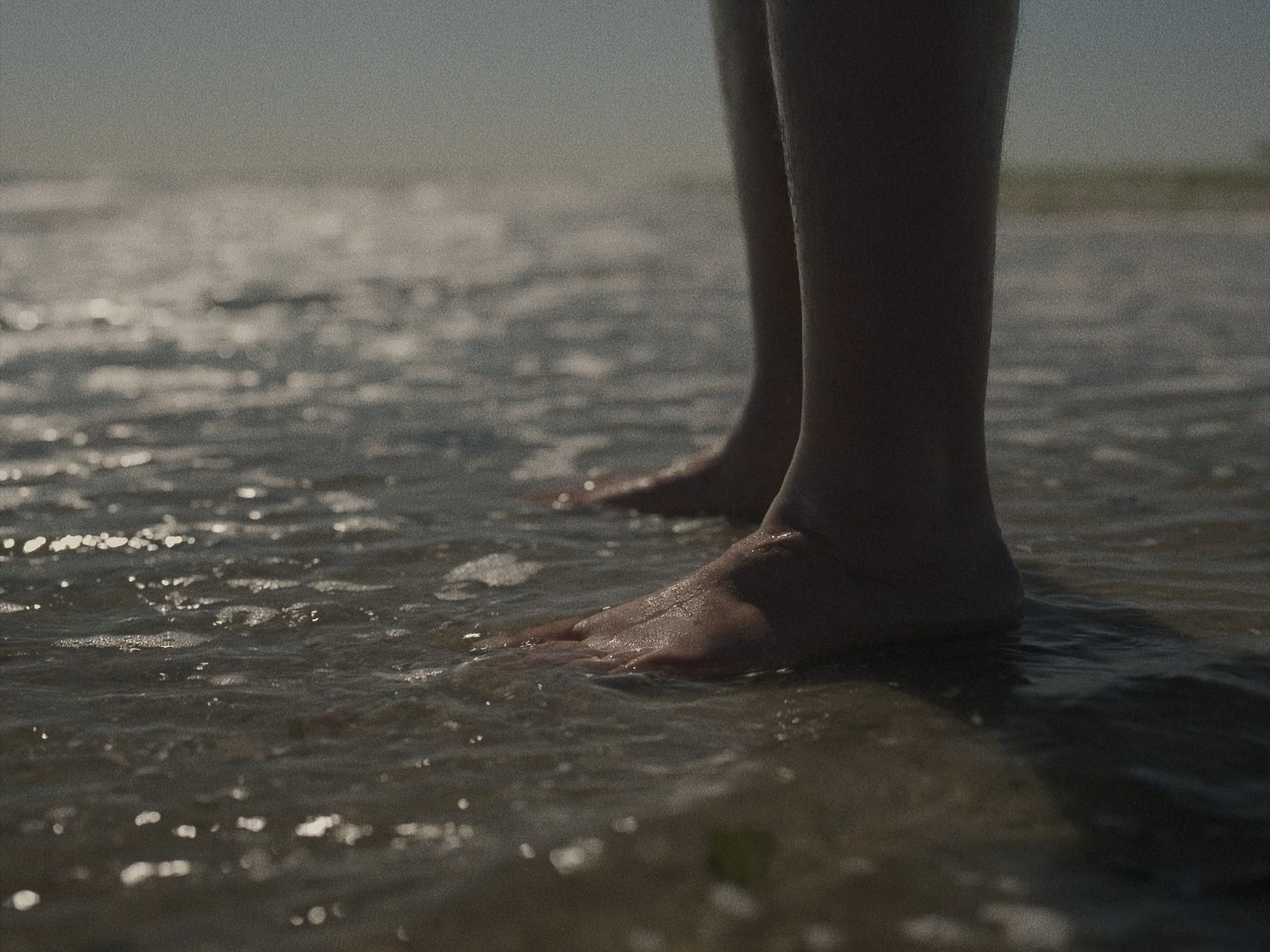
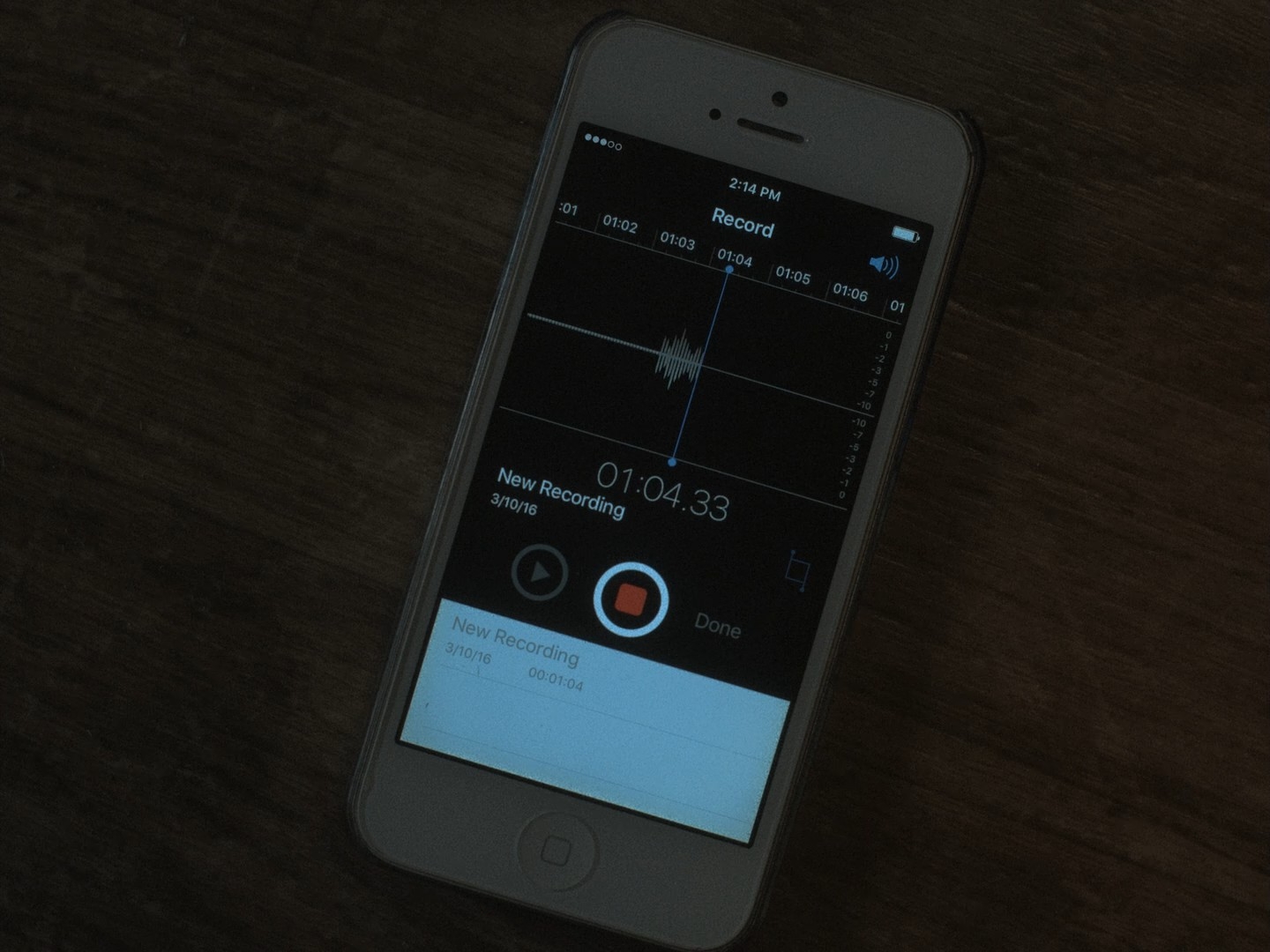
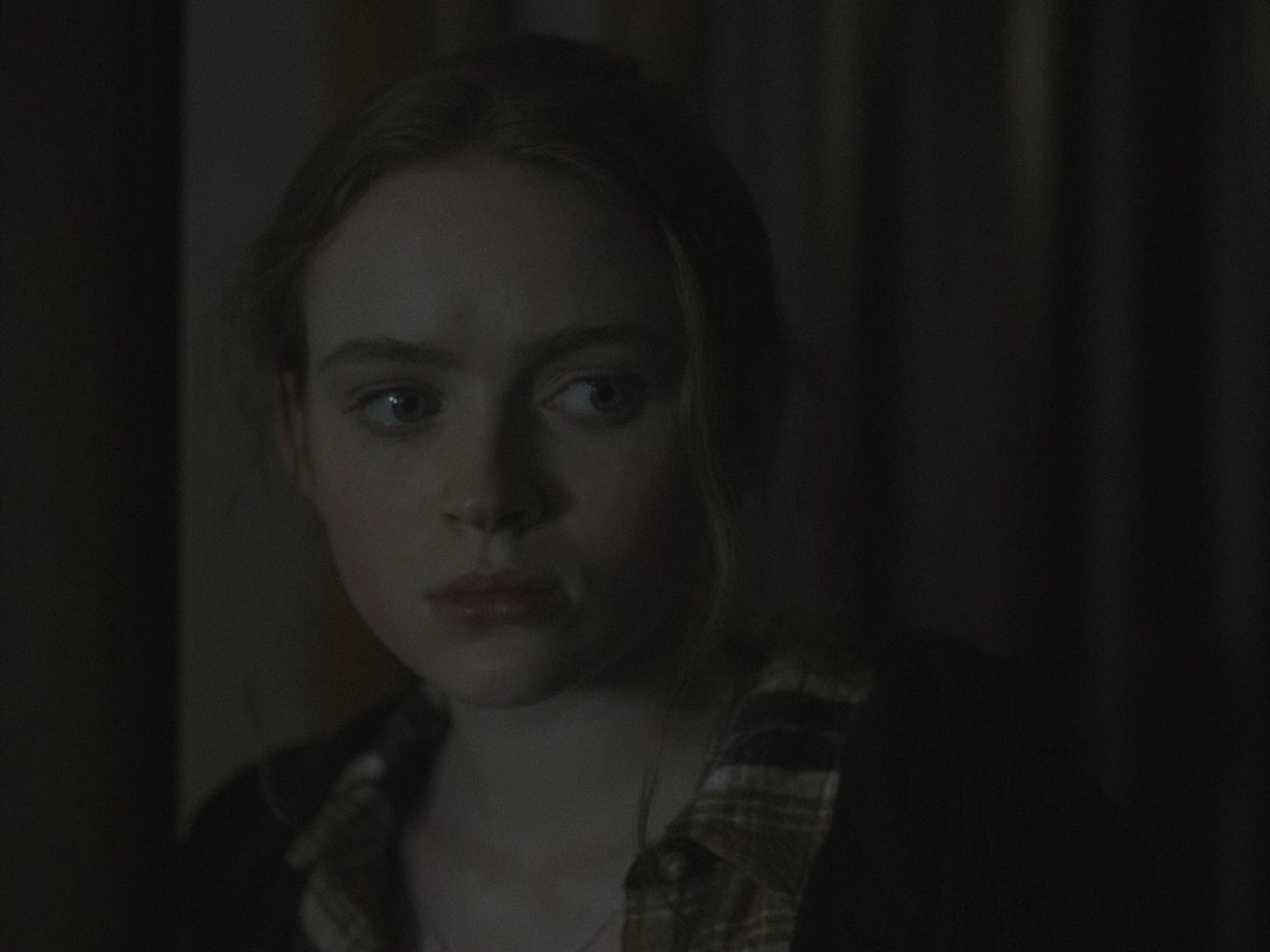
The Whale (2022)
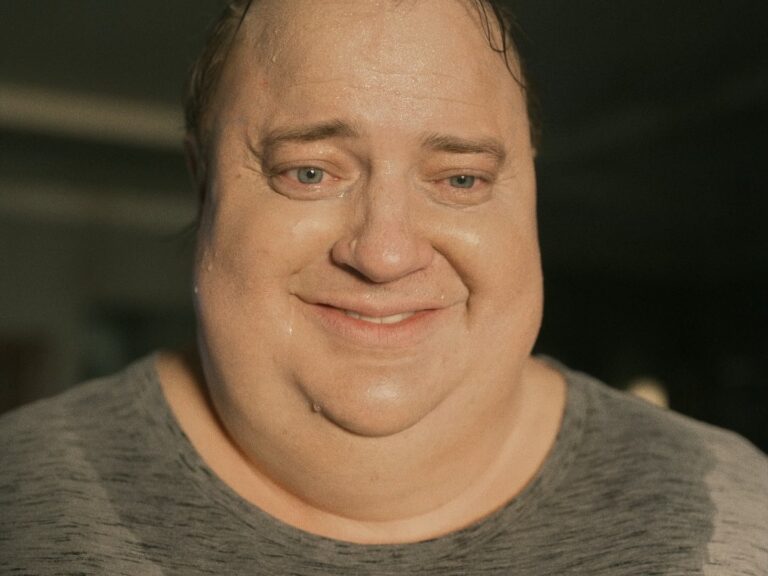
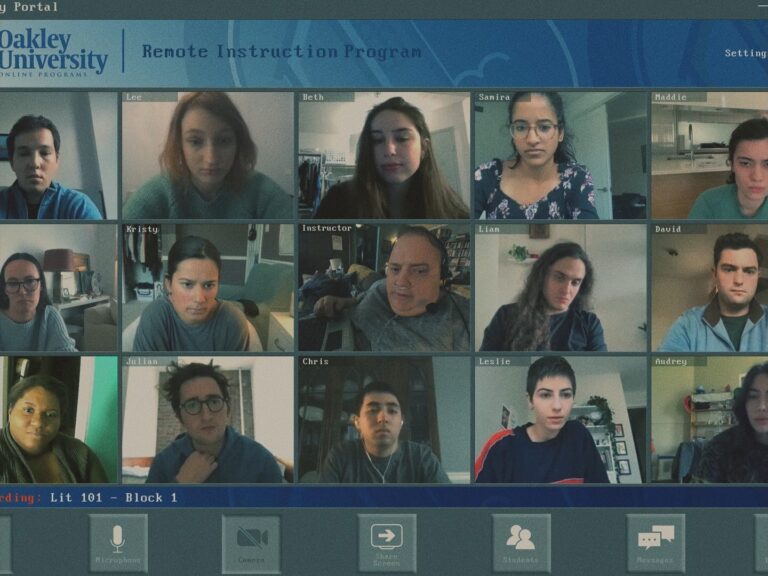
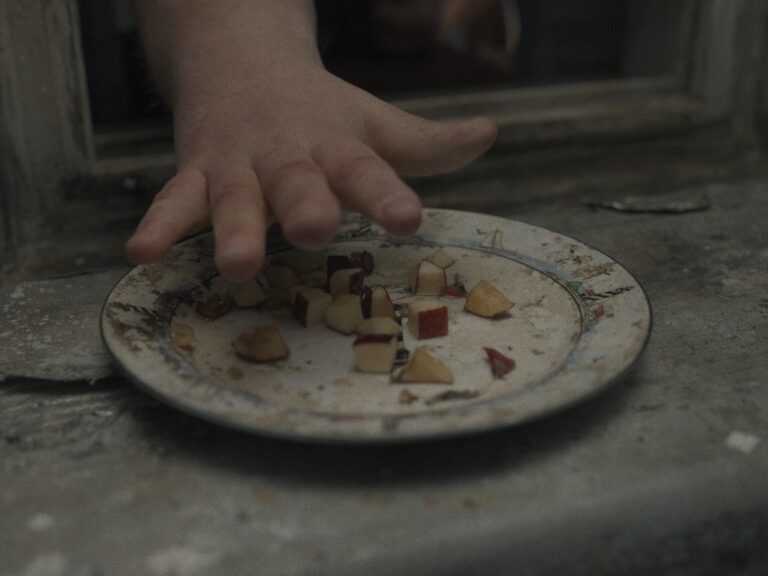
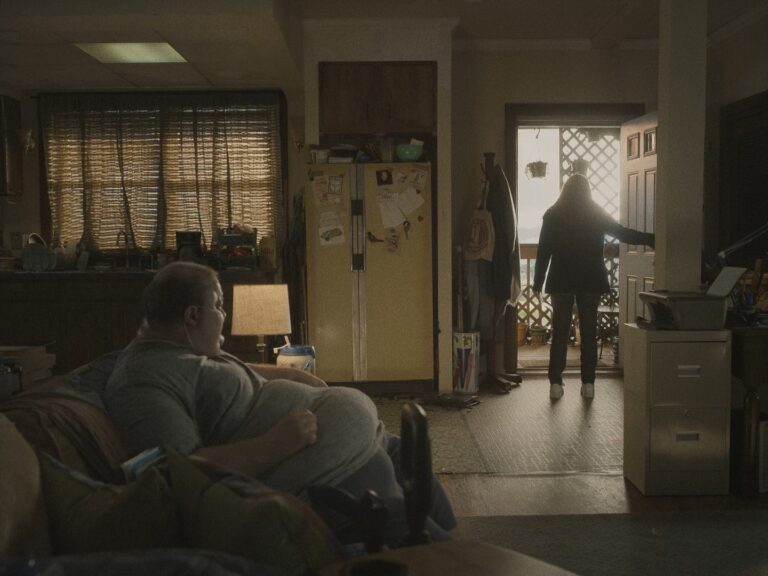
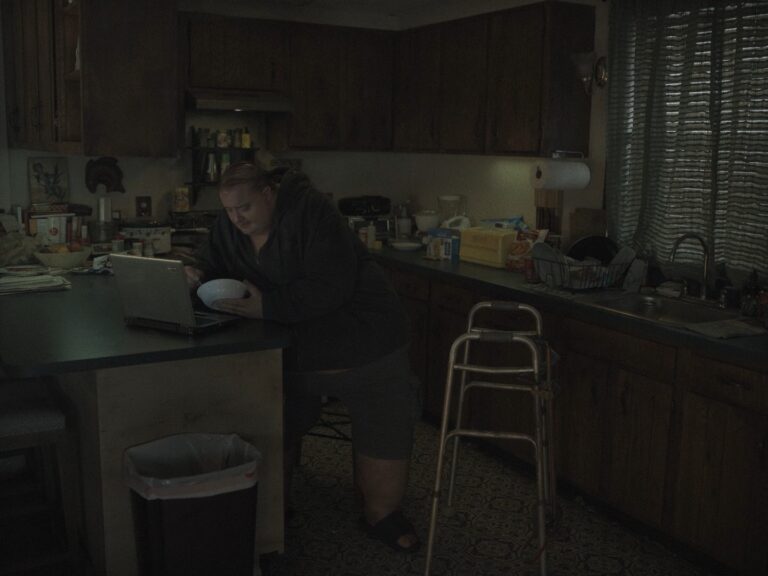
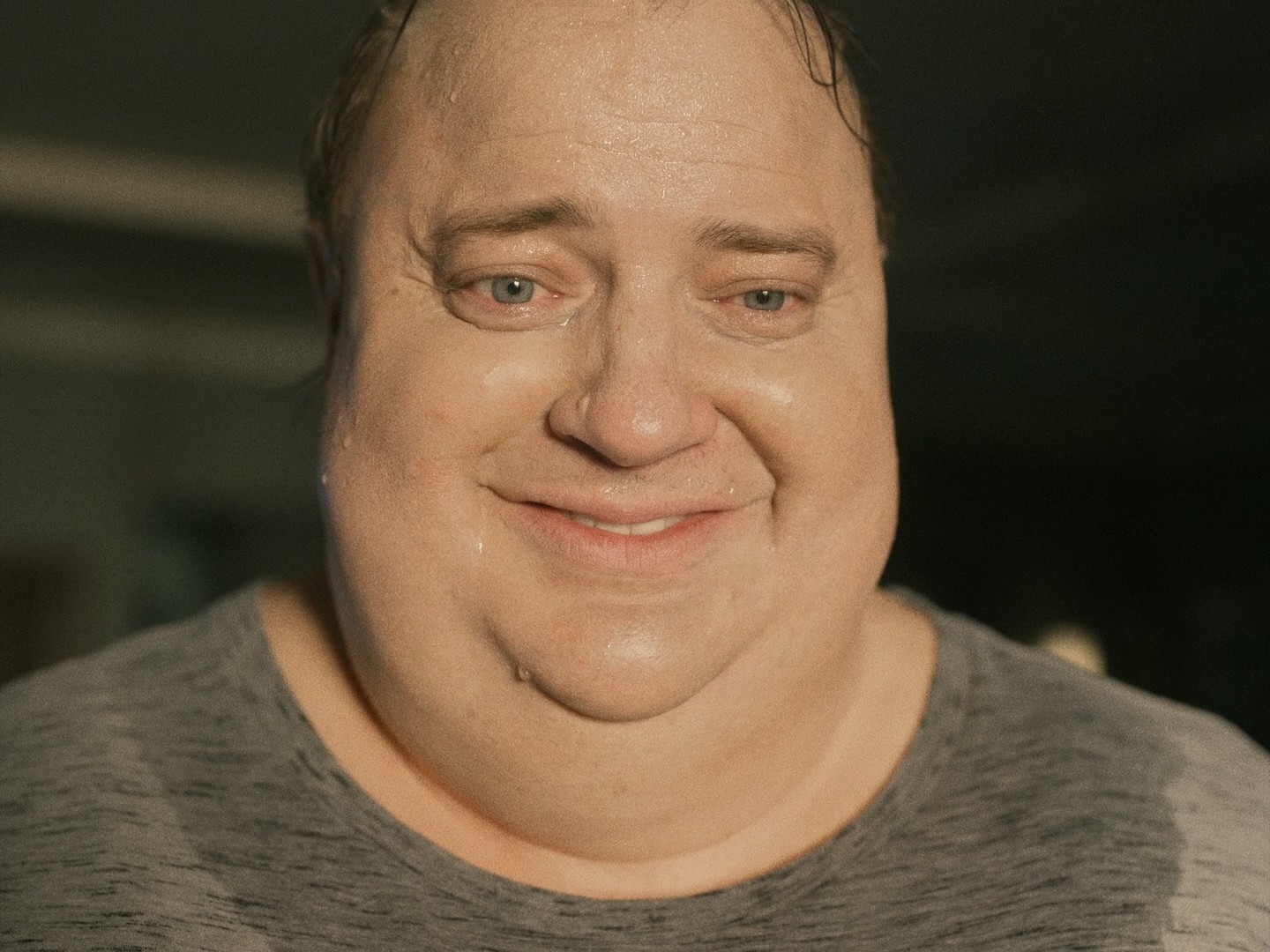
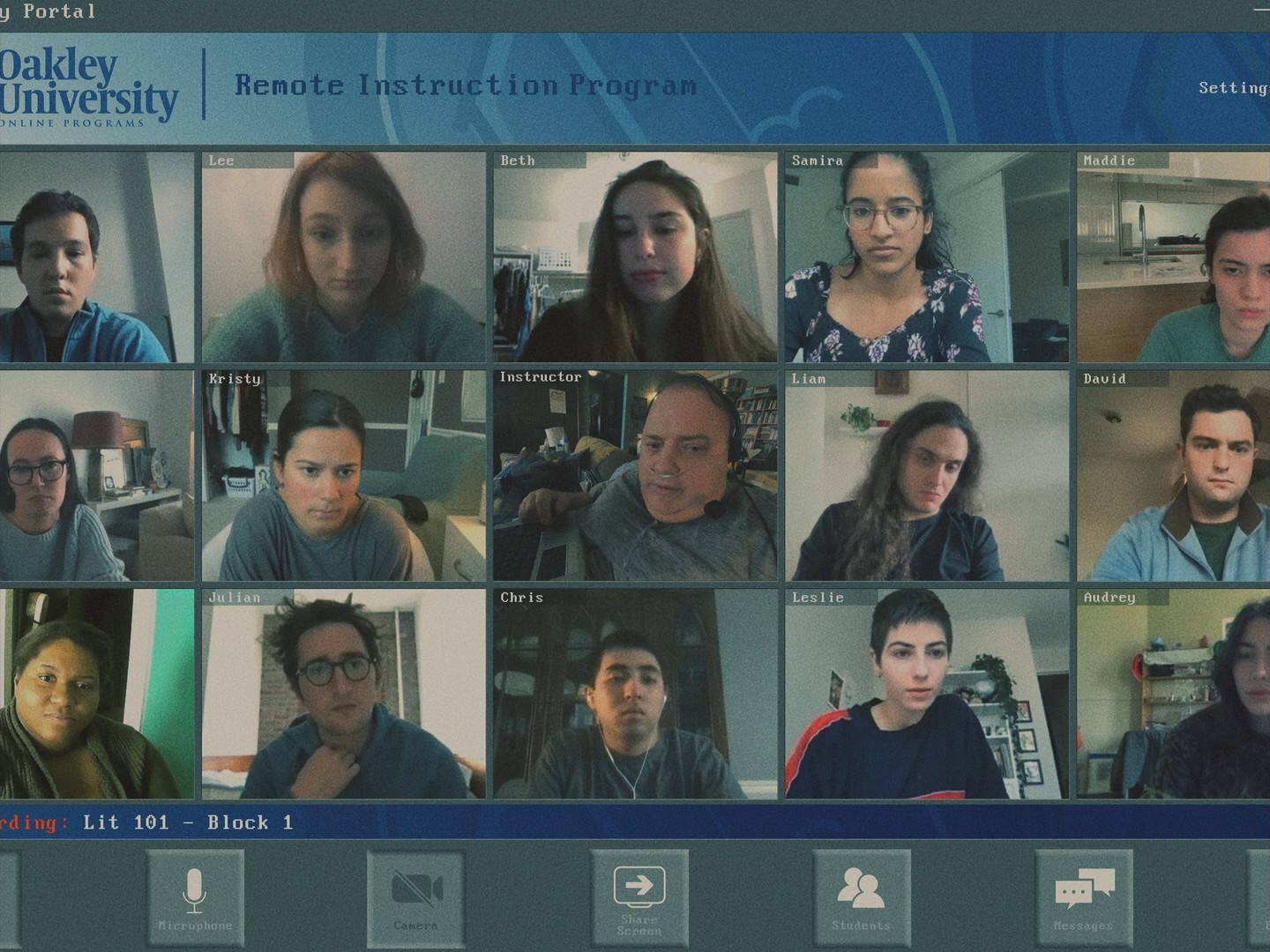
Charlie, a reclusive English teacher living with severe obesity, attempts to reconnect with his estranged teenage daughter before his health deteriorates further. Confined almost entirely to his apartment, he navigates visits from a small circle of people who each carry their own conflicts and concerns. As time runs out, he seeks redemption, understanding, and a final chance at connection.
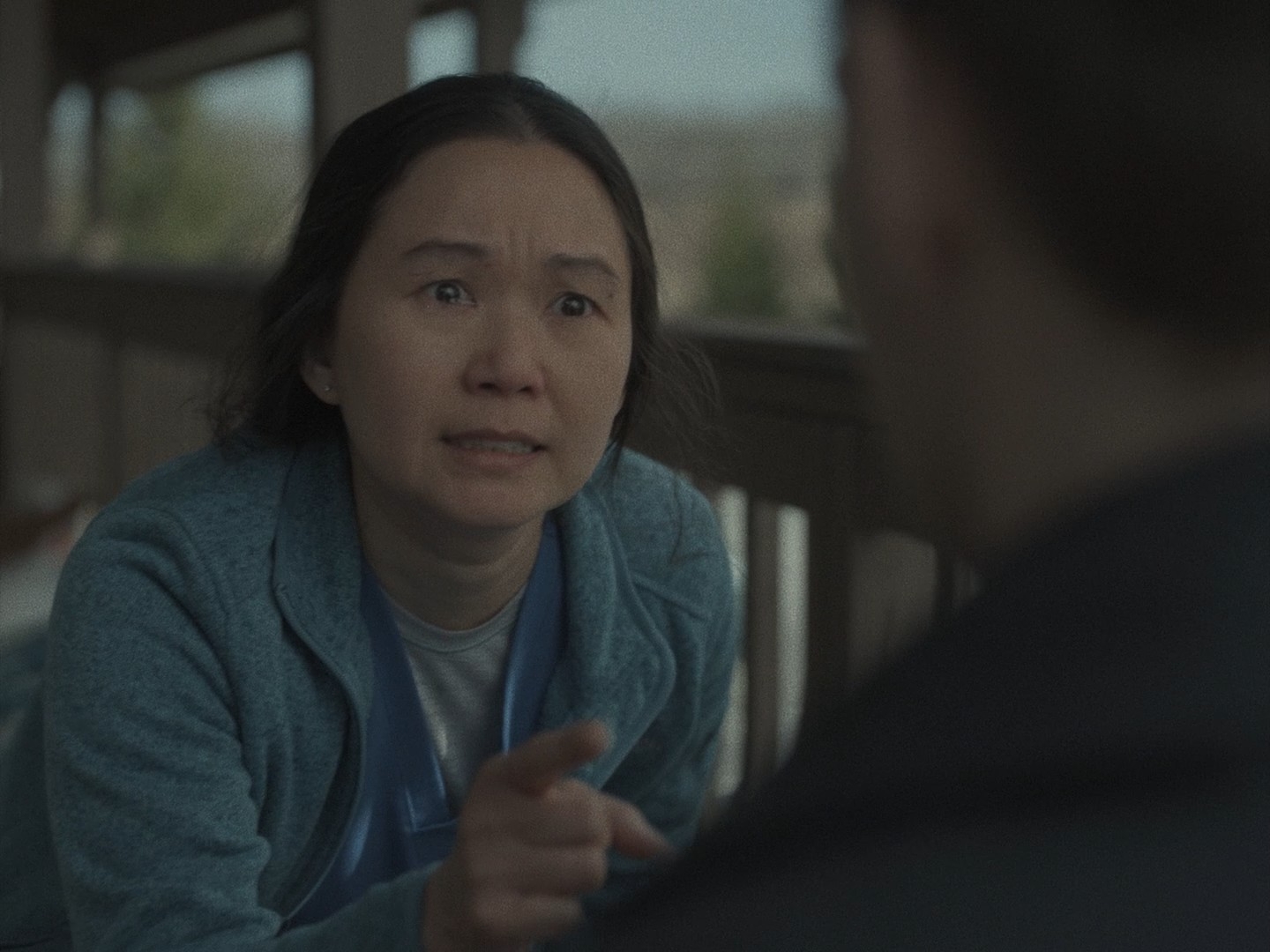
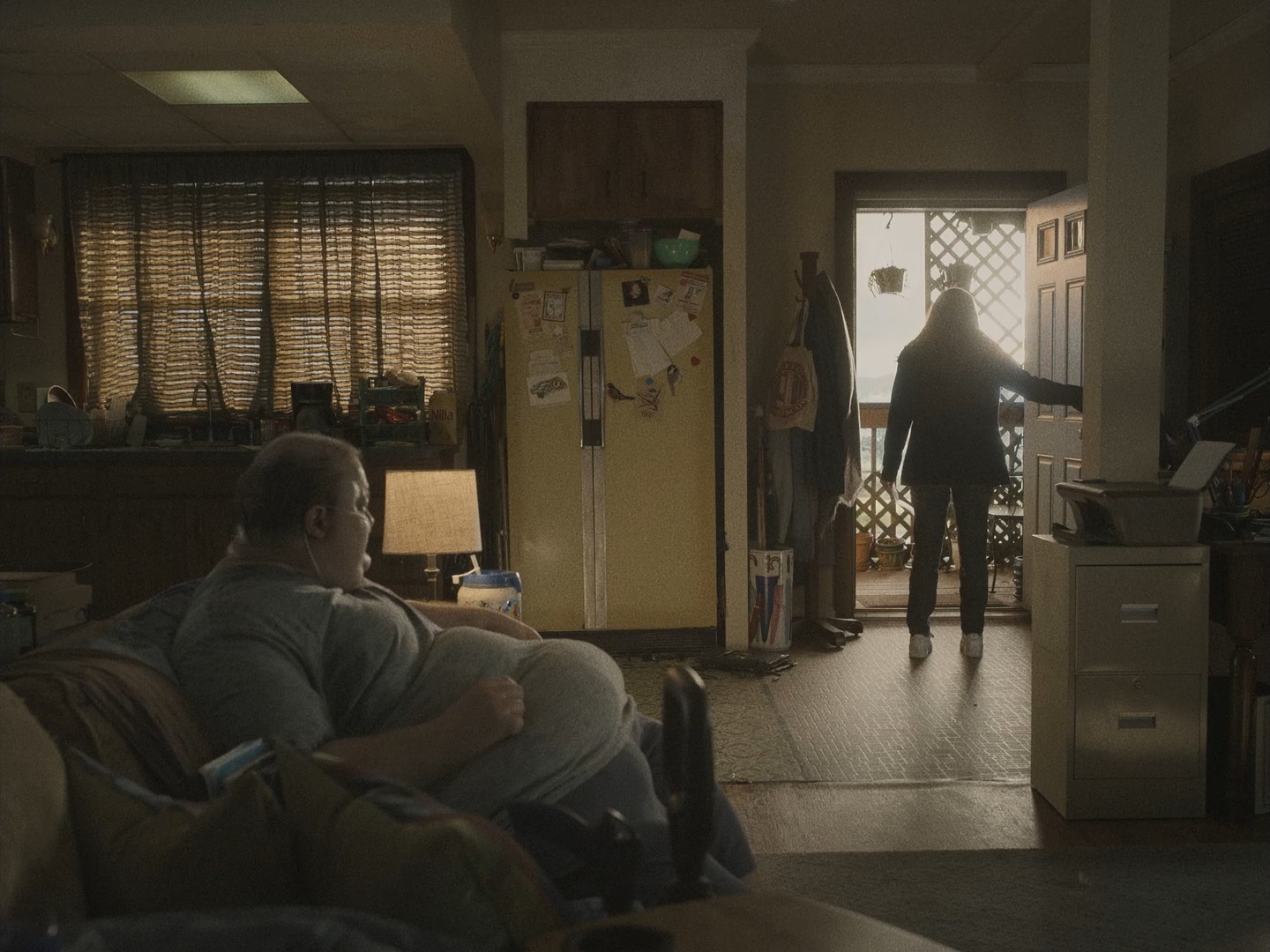
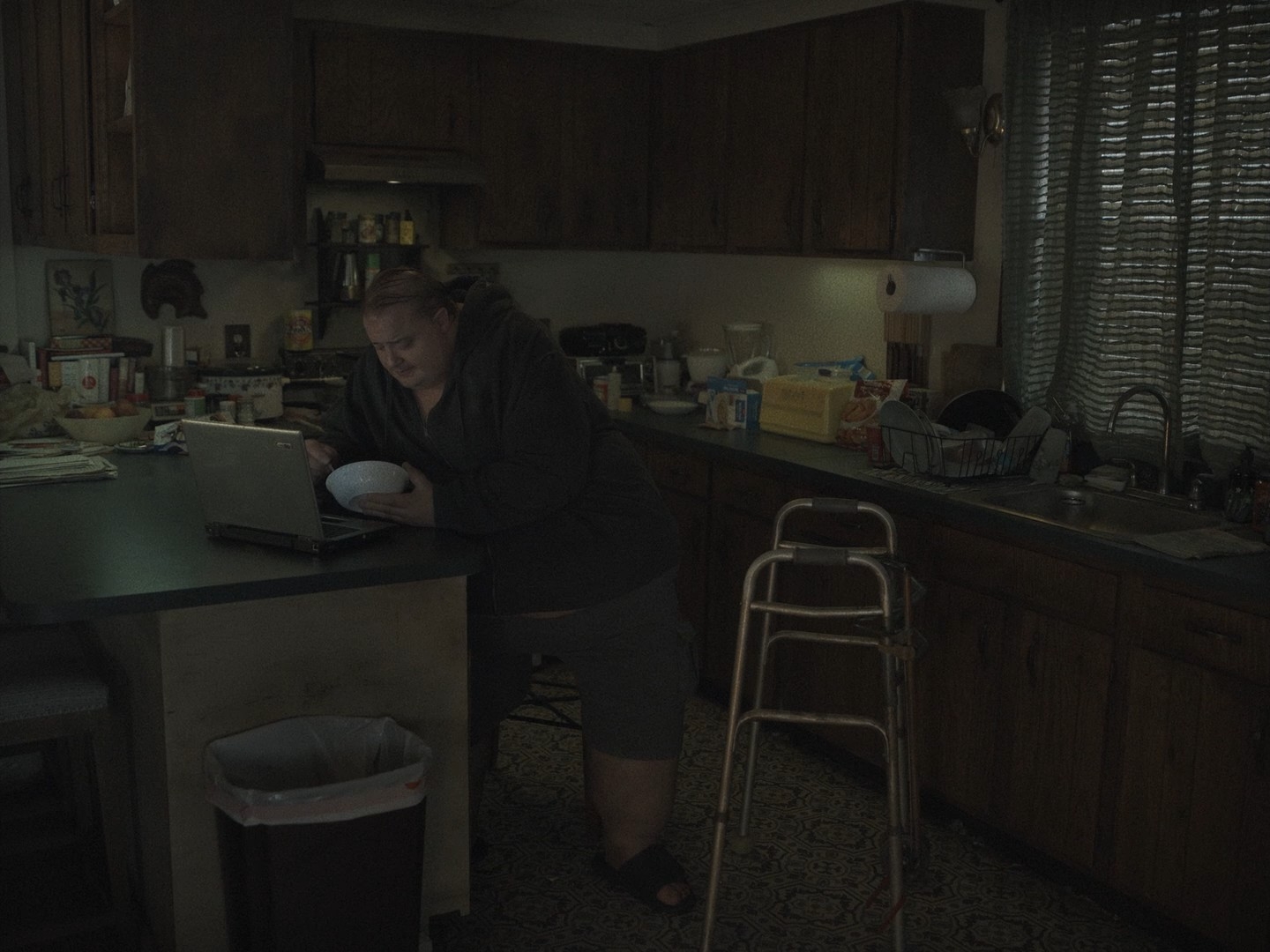
Aronofsky and cinematographer Matthew Libatique shoot The Whale in a nearly square 1.33:1 aspect ratio, using tight framing and shallow depth-of-field to confine Charlie within the limits of his space. The film’s soft, diffused lighting and minimal camera movement turn the apartment into an emotional pressure cooker—where proximity, stillness, and performance drive the visual intensity.
FILM SPOTLIGHT
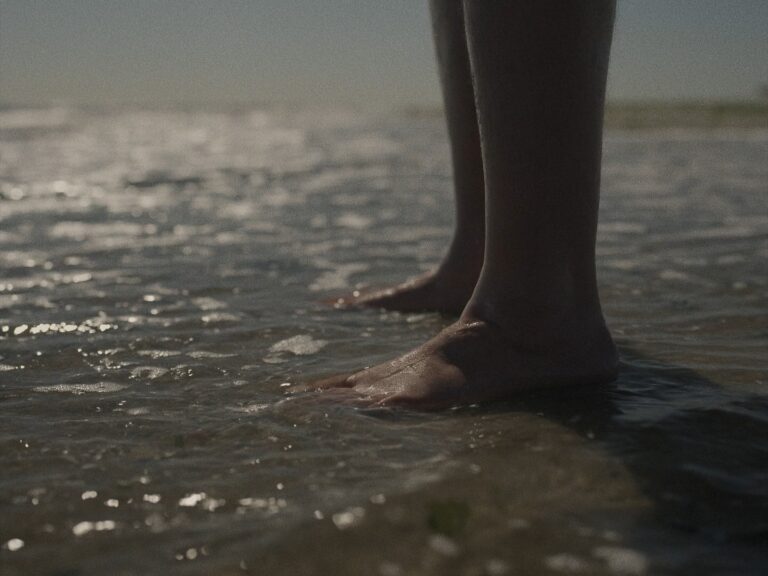
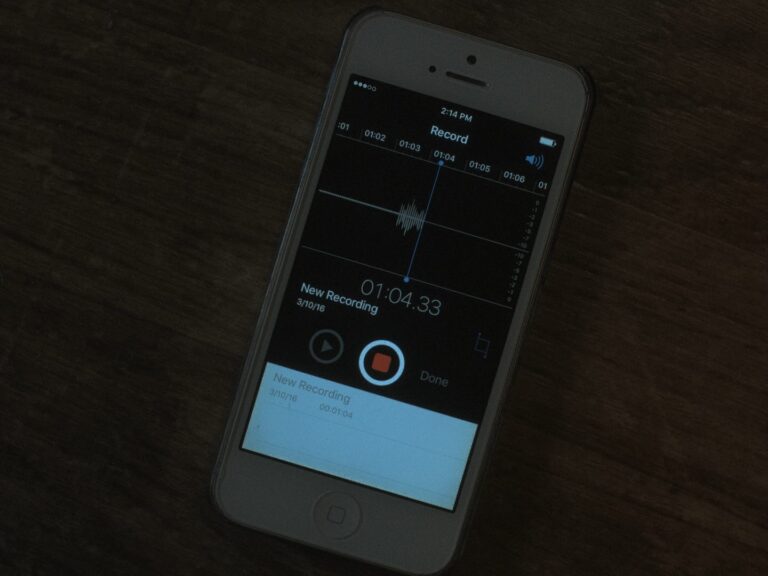
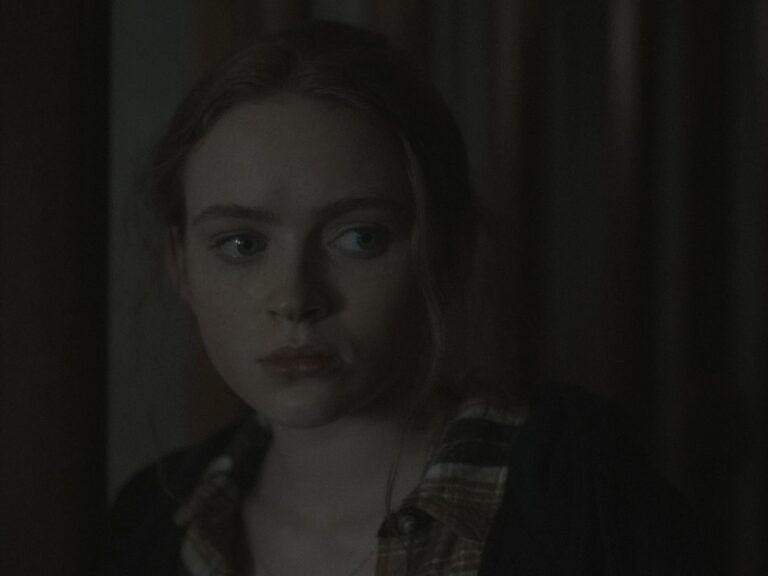
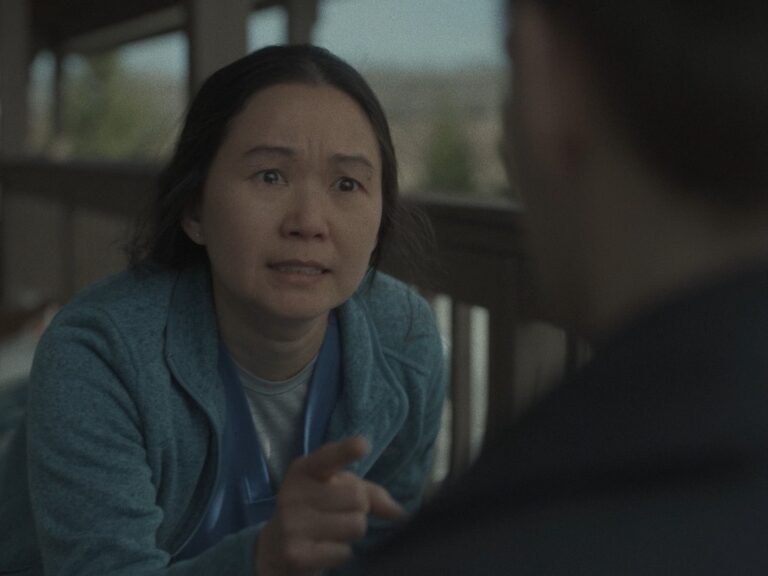
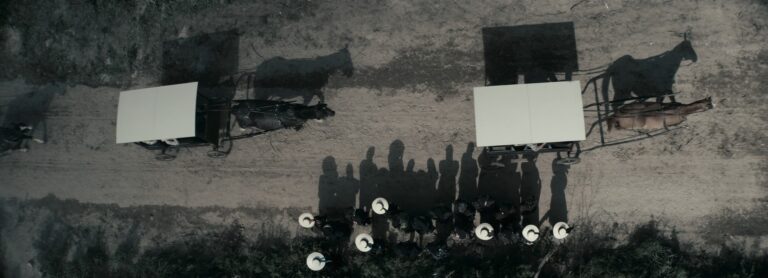
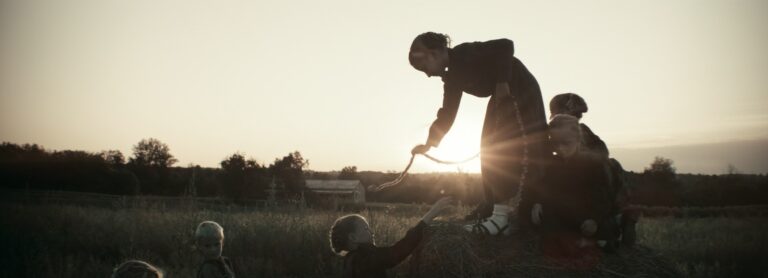
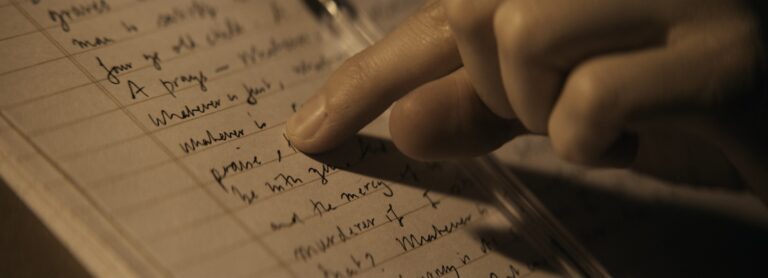
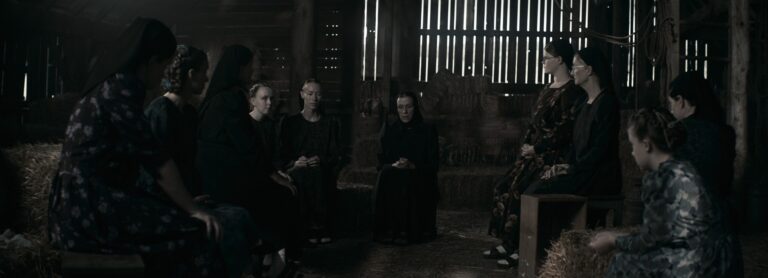
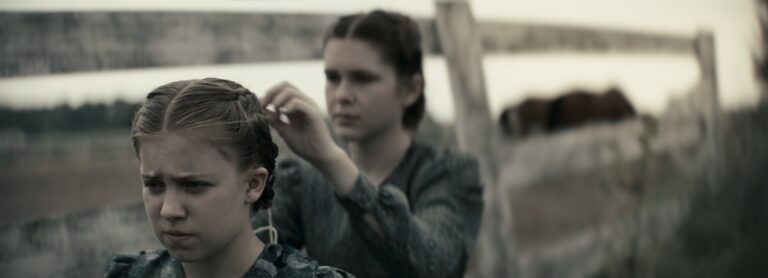
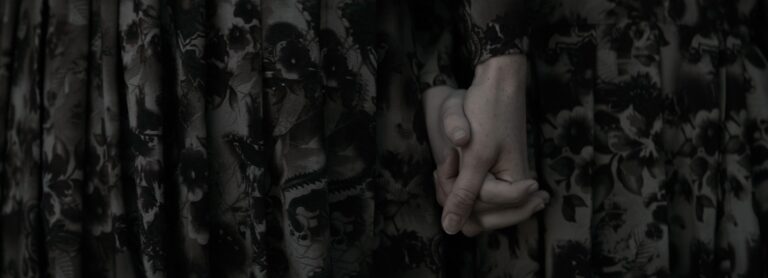
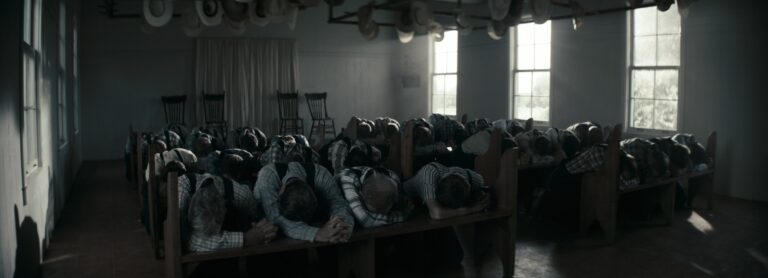
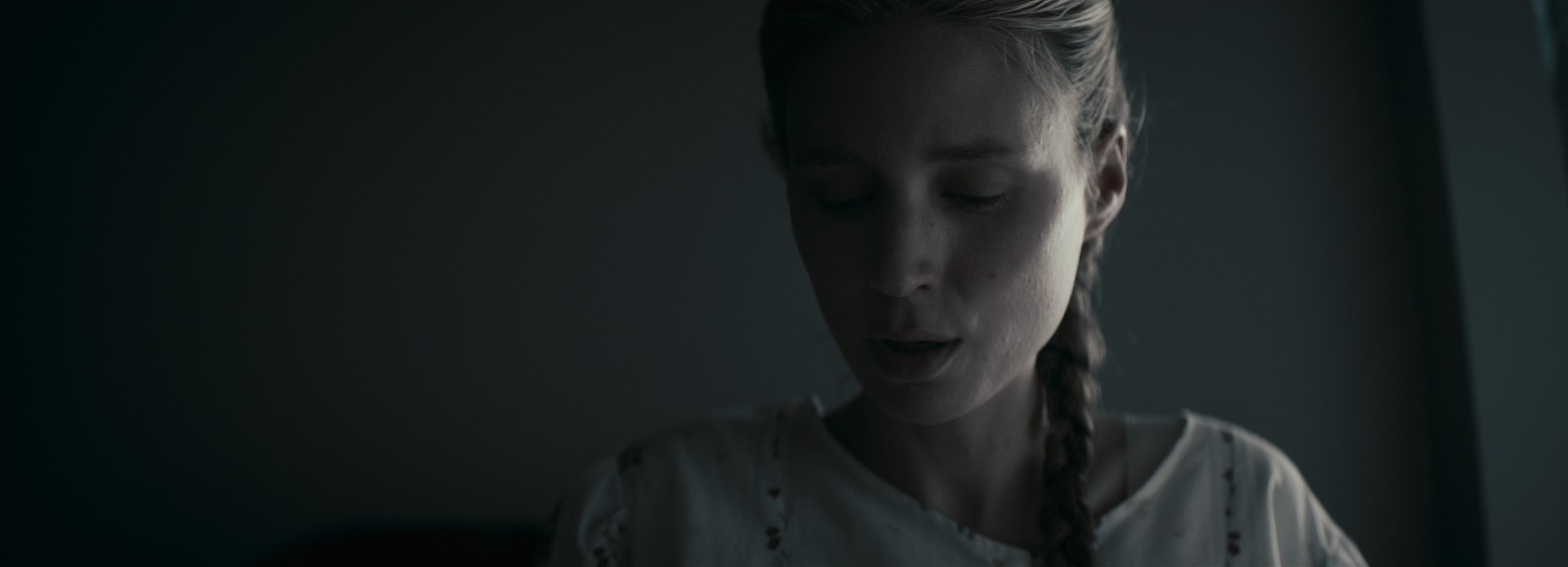
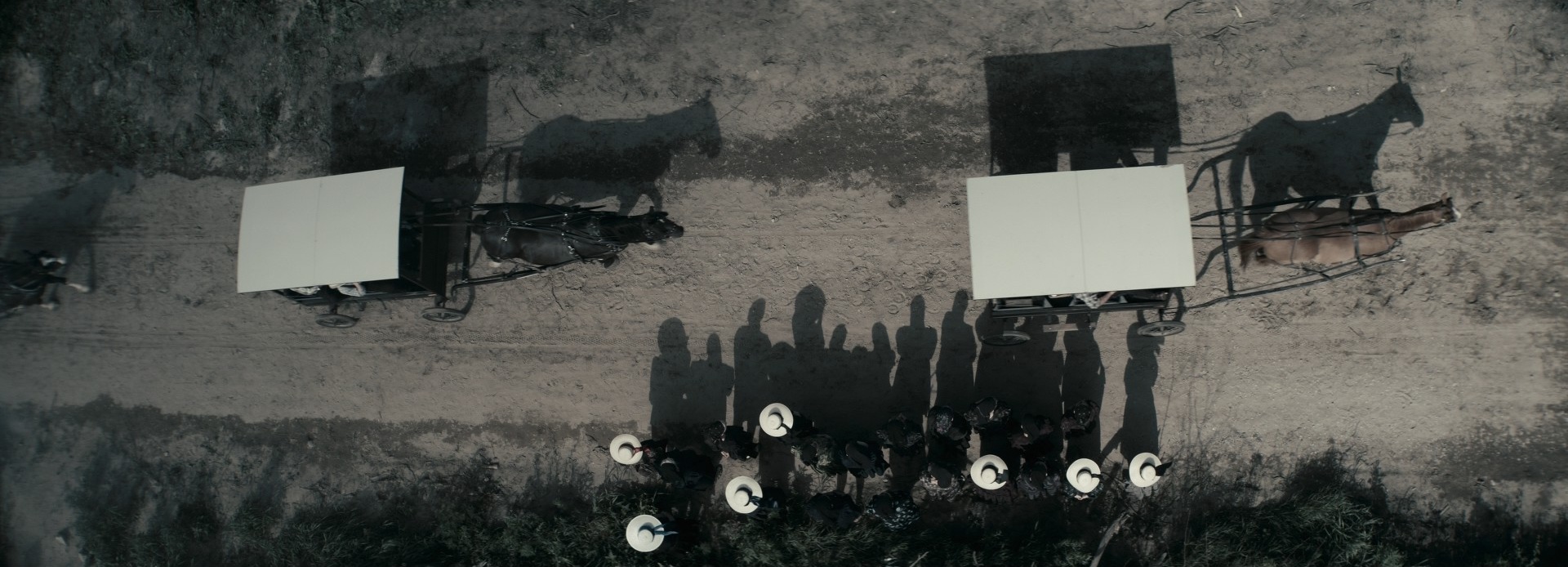
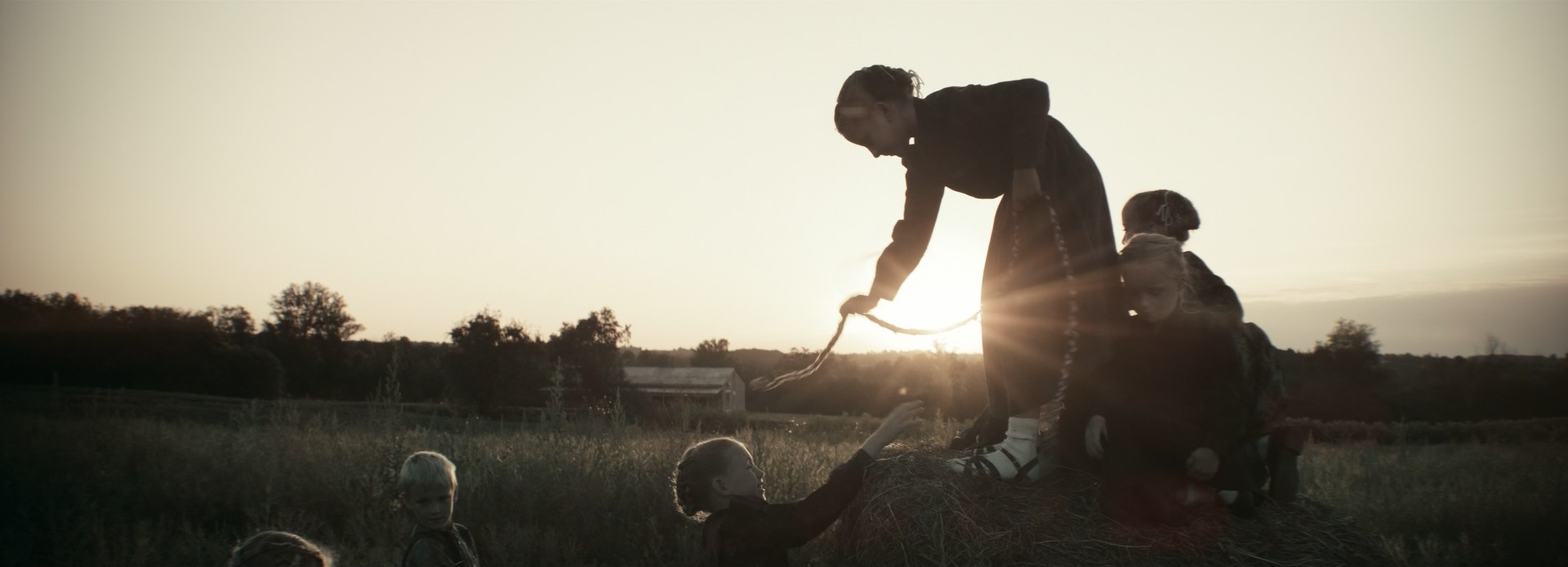
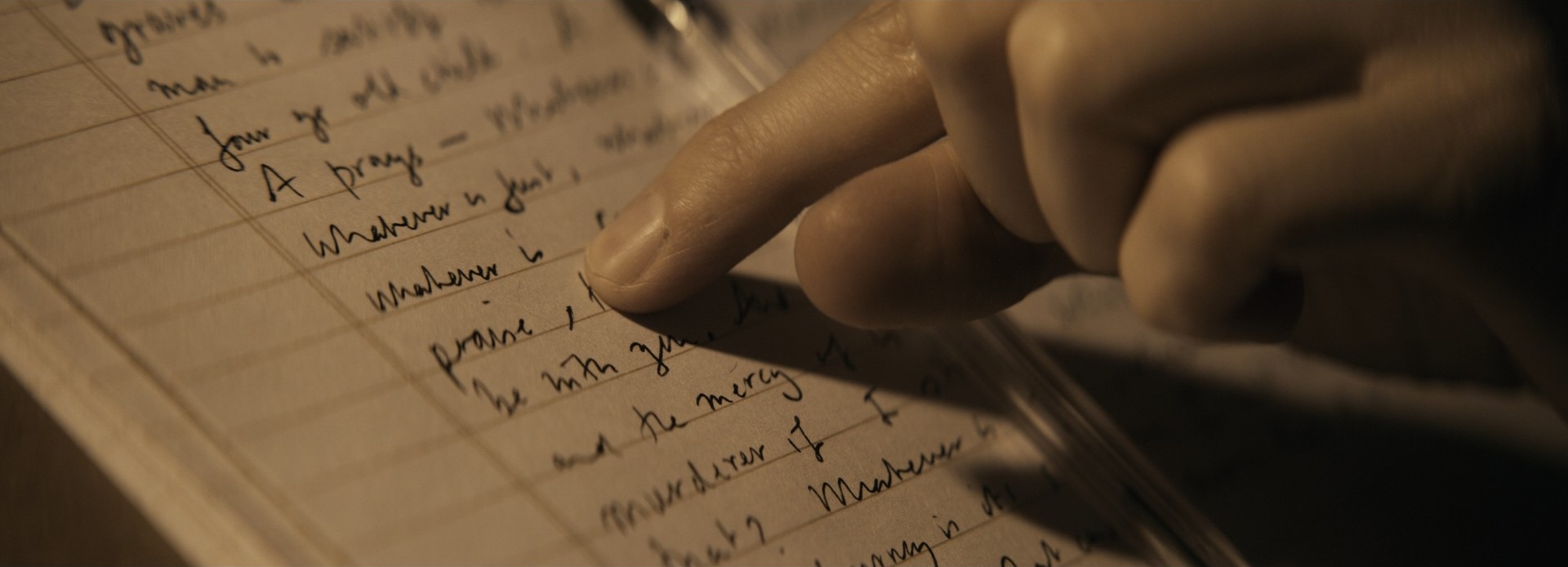
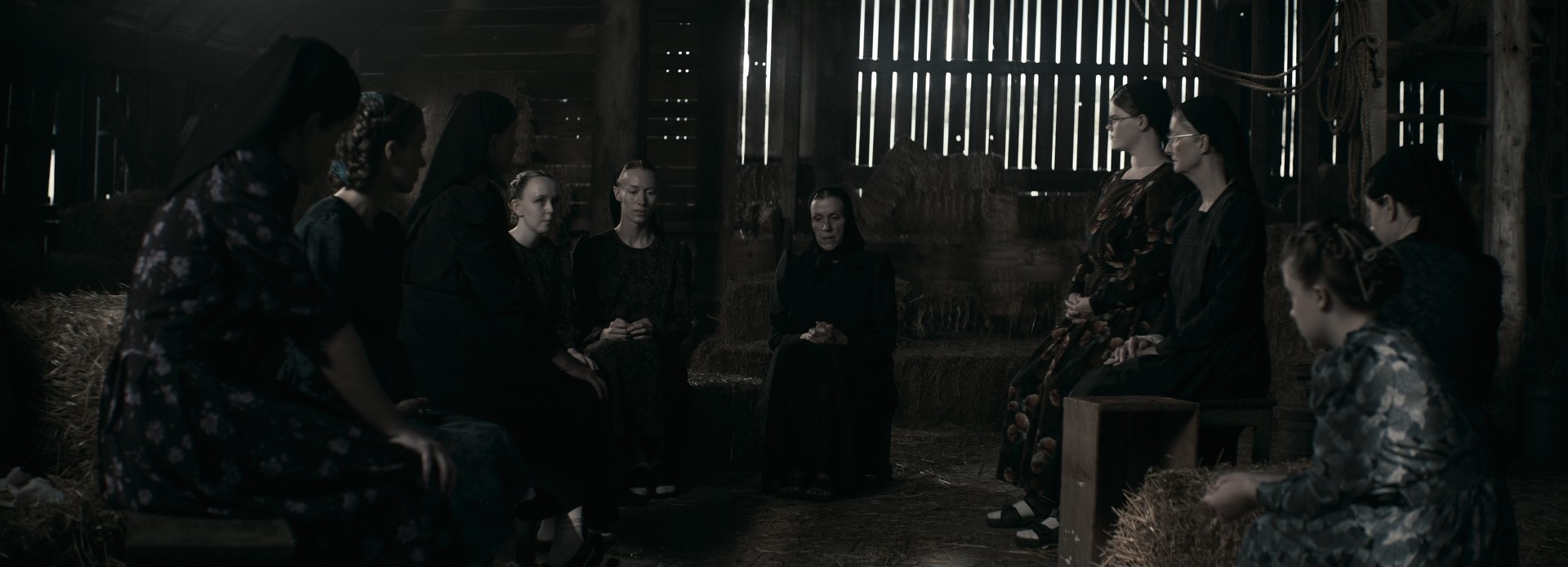
Women Talking (2022)
In an isolated religious colony, a group of women gather to decide their future after uncovering a pattern of abuse perpetrated against them. With the men absent, they debate whether to stay and fight, leave, or do nothing, weighing faith, justice, and survival. The conversation becomes a collective reckoning, shaping the course of their lives and community.
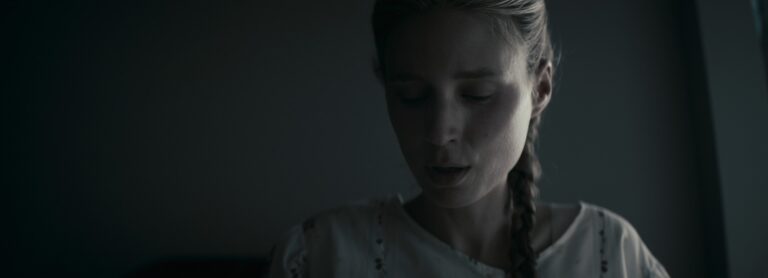
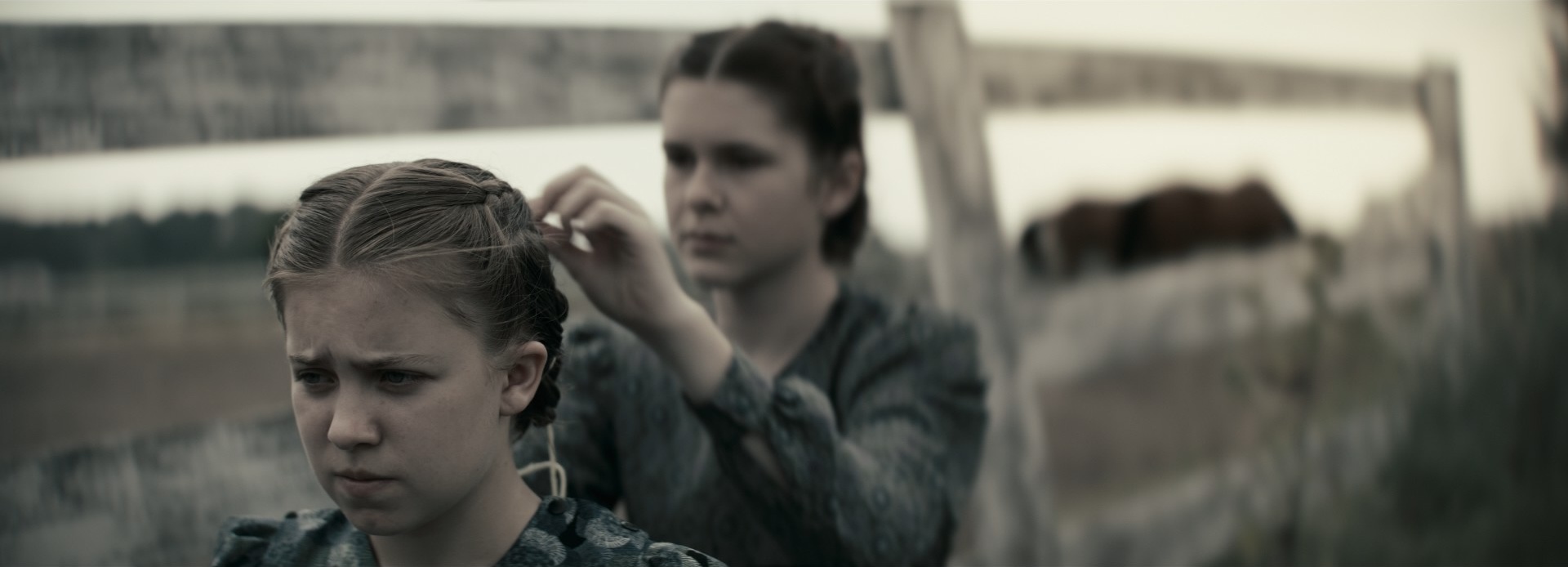
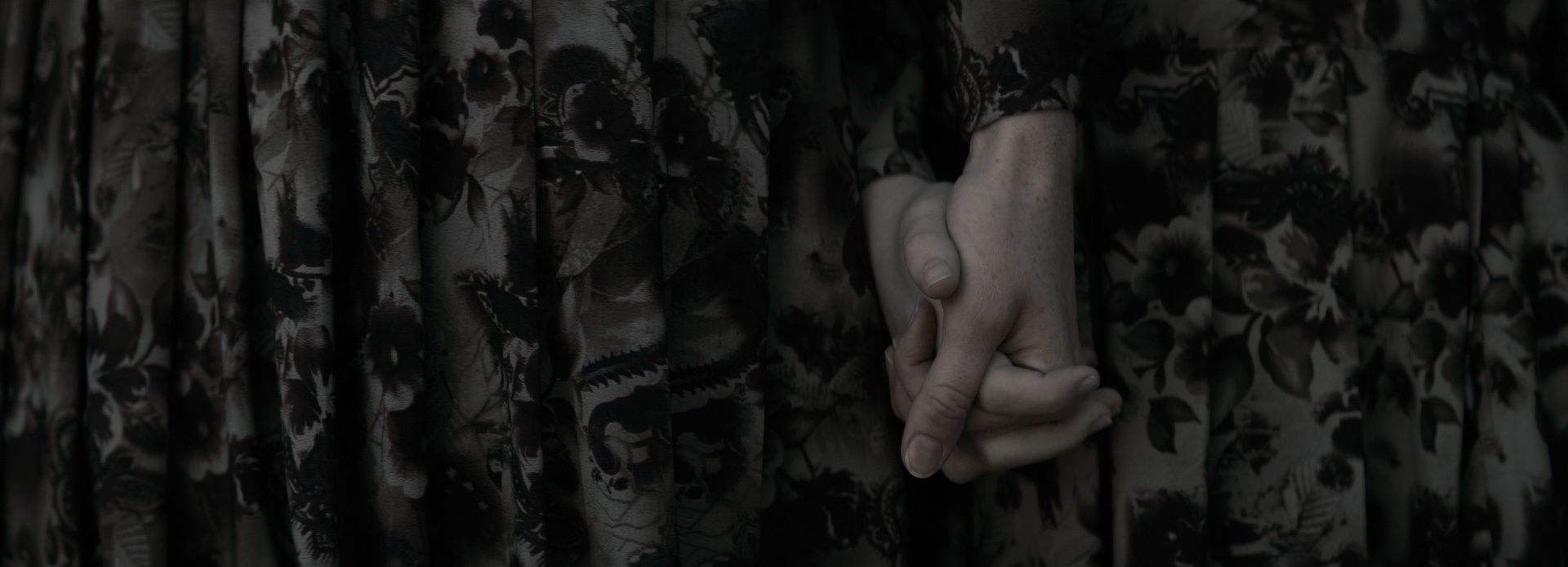
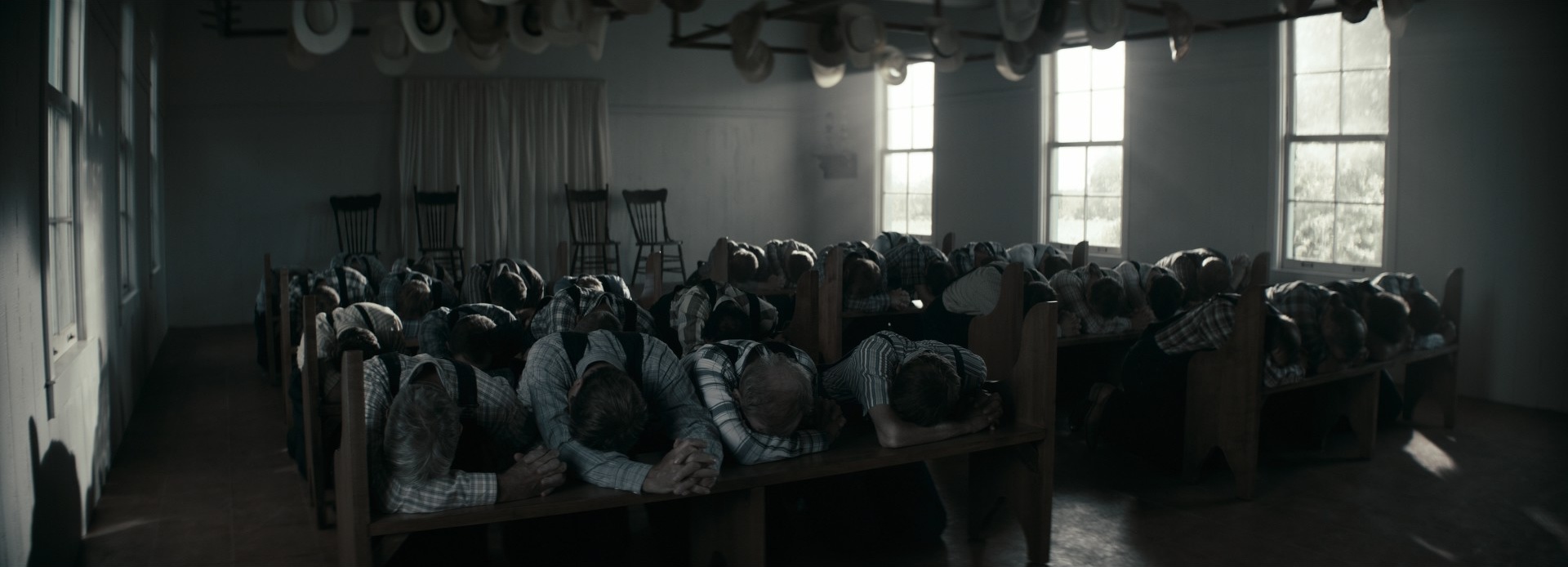
Polley and cinematographer Luc Montpellier shoot Women Talking with a deliberately desaturated, almost drained palette, muting color to reflect the women’s constrained world. The film’s soft, diffused light and restrained camera keep the focus on faces and dialogue—turning the barn into a contained, contemplative space where composition and proximity emphasize the gravity of each voice.


FILM SPOTLIGHT
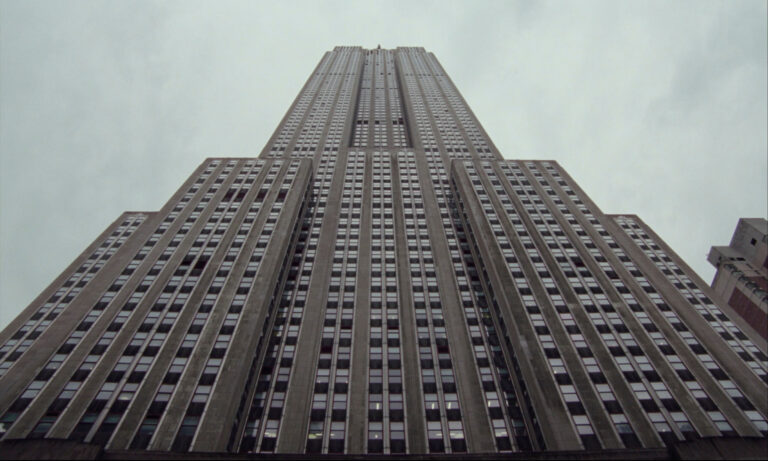
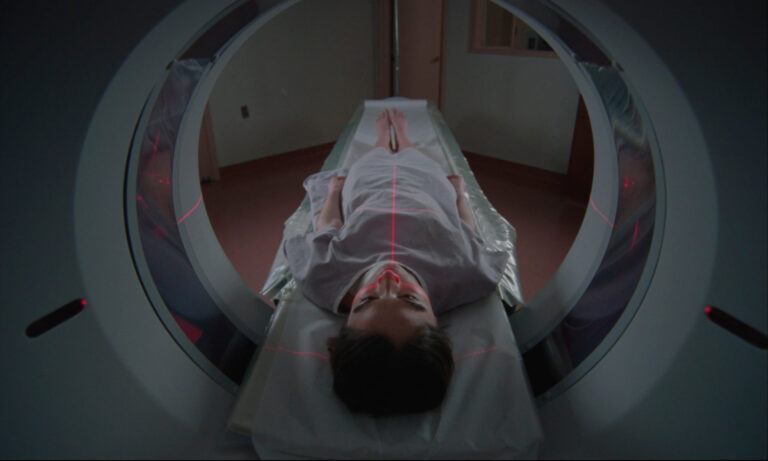
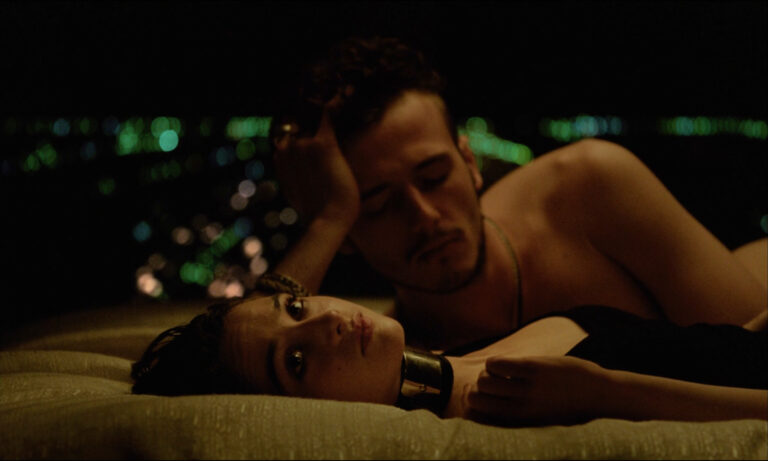
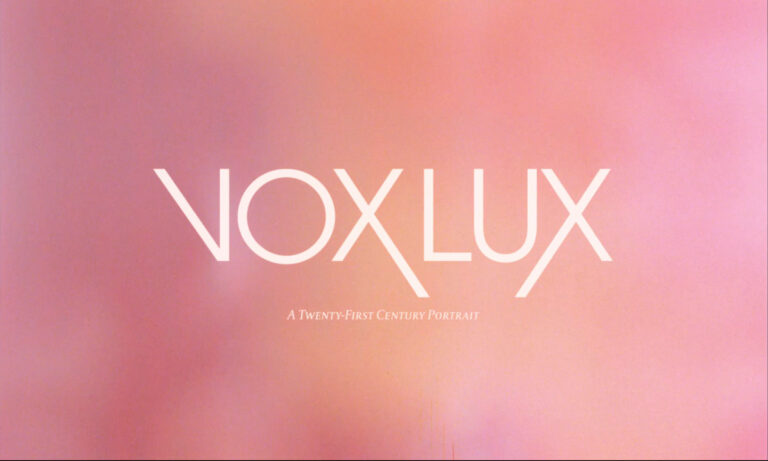
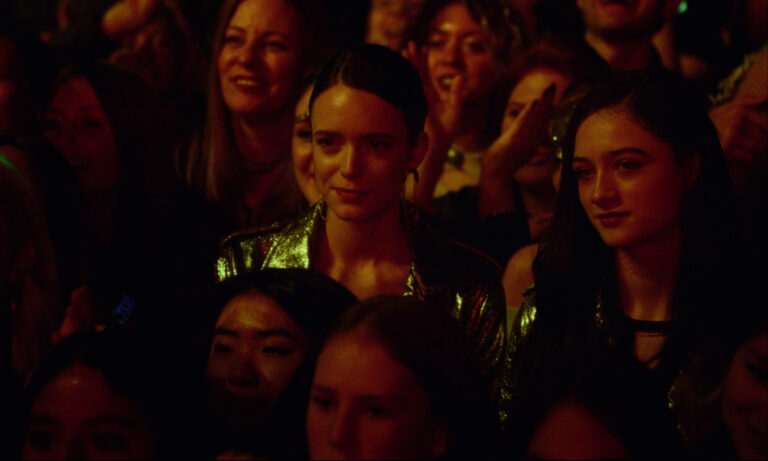
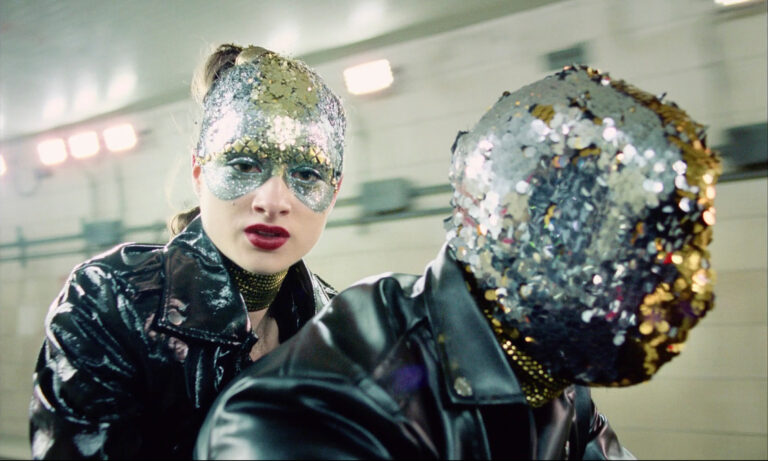
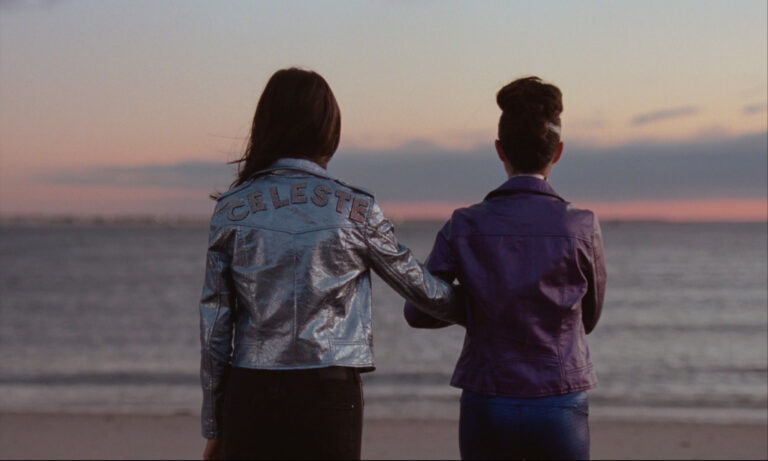
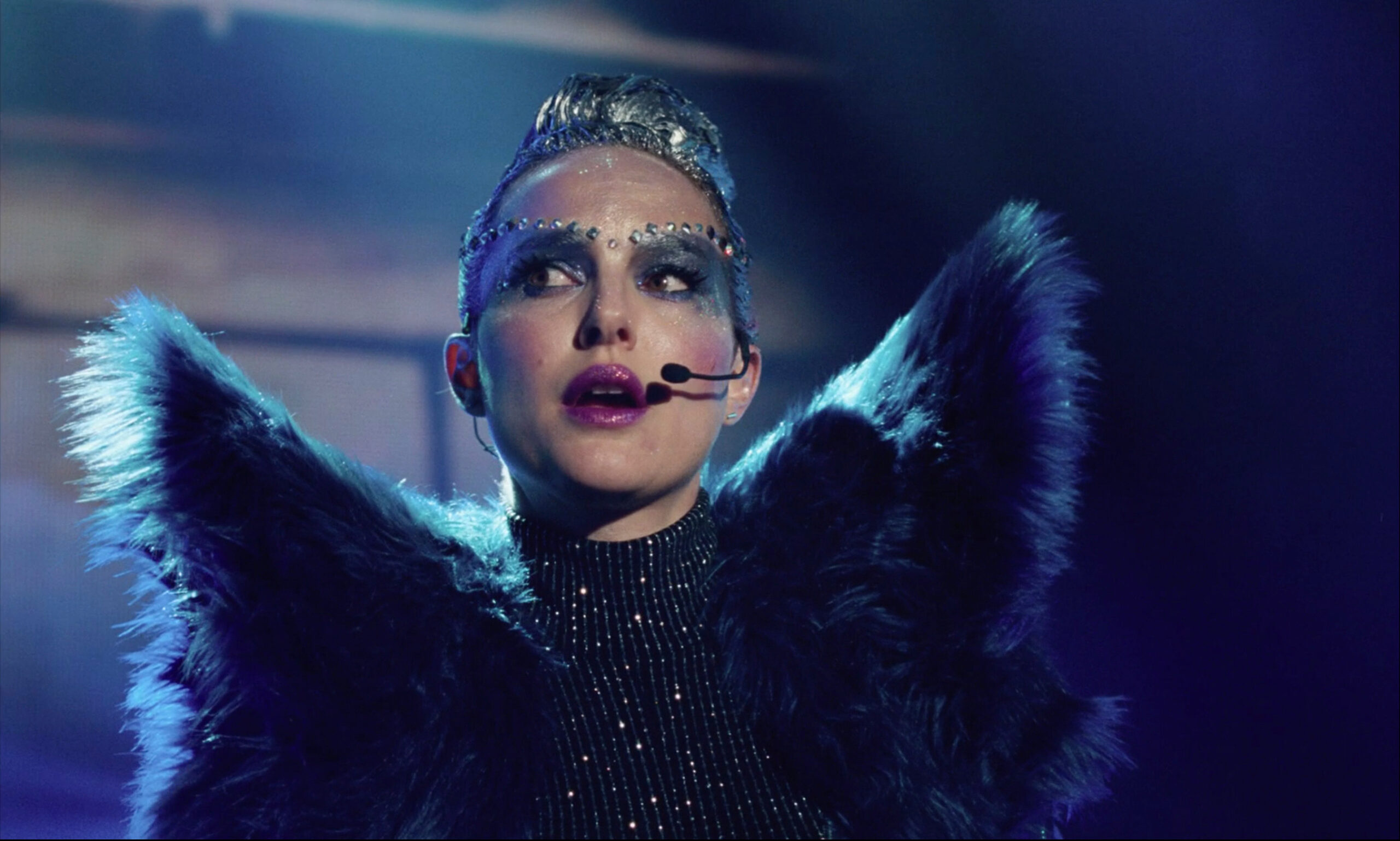
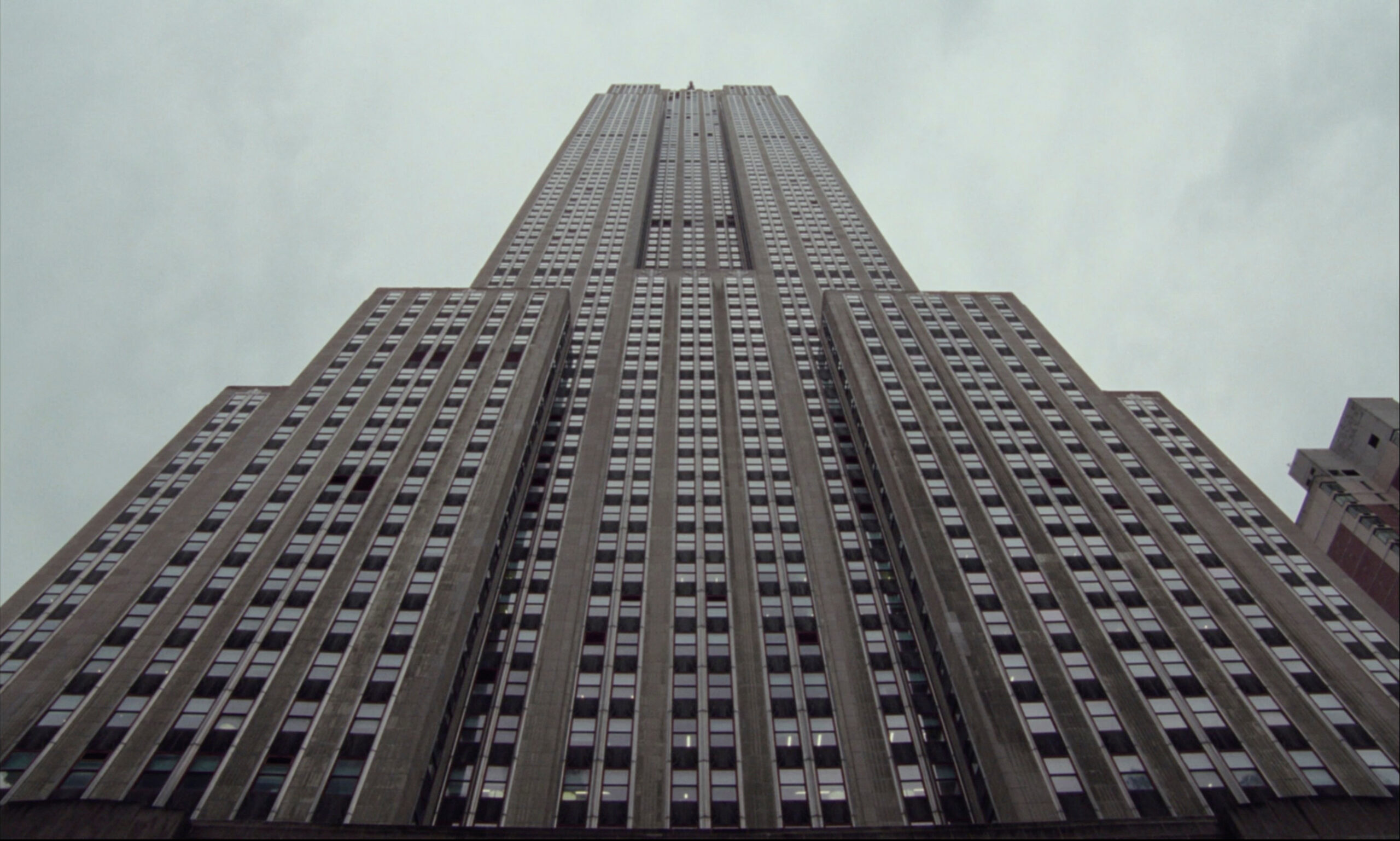
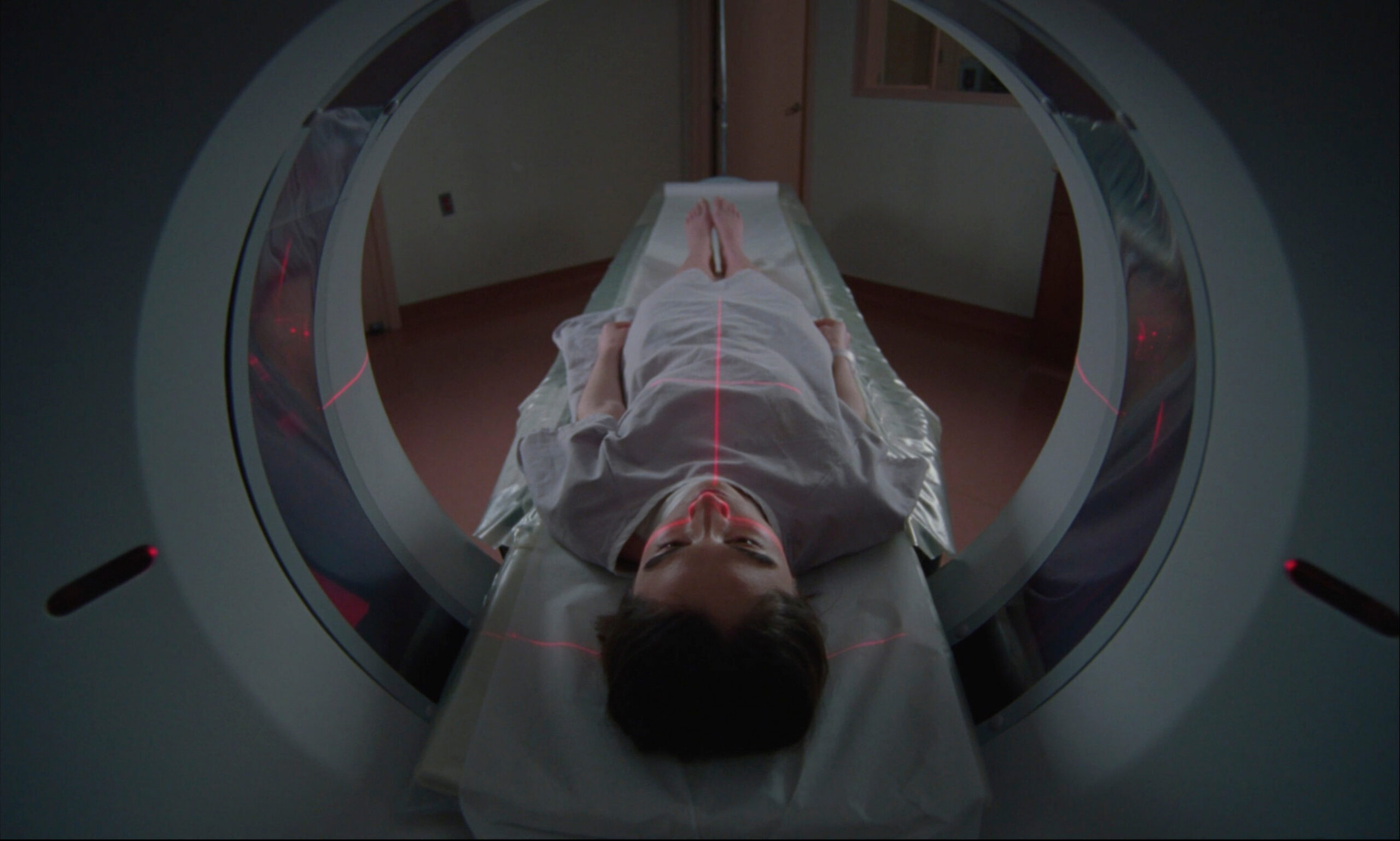
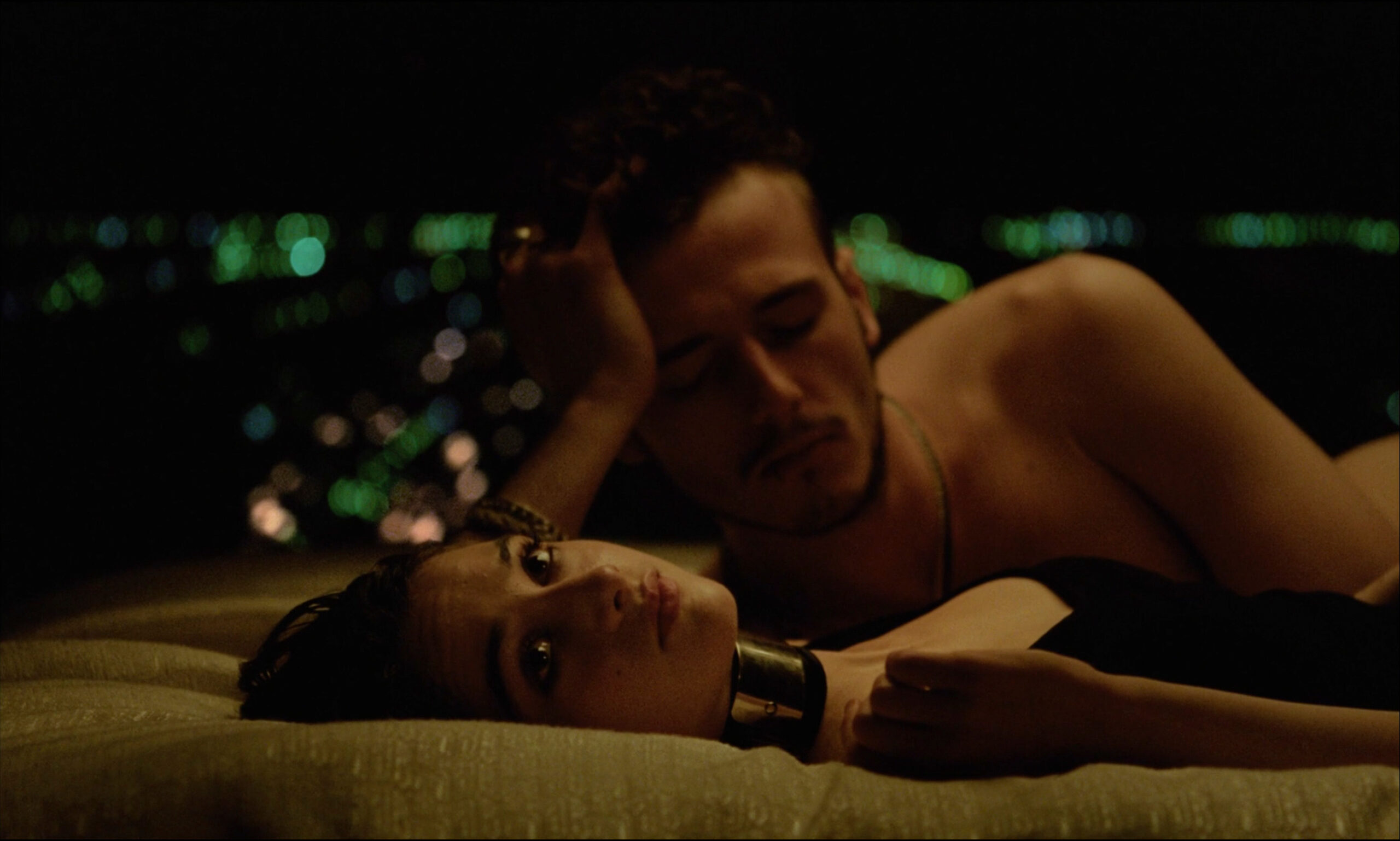
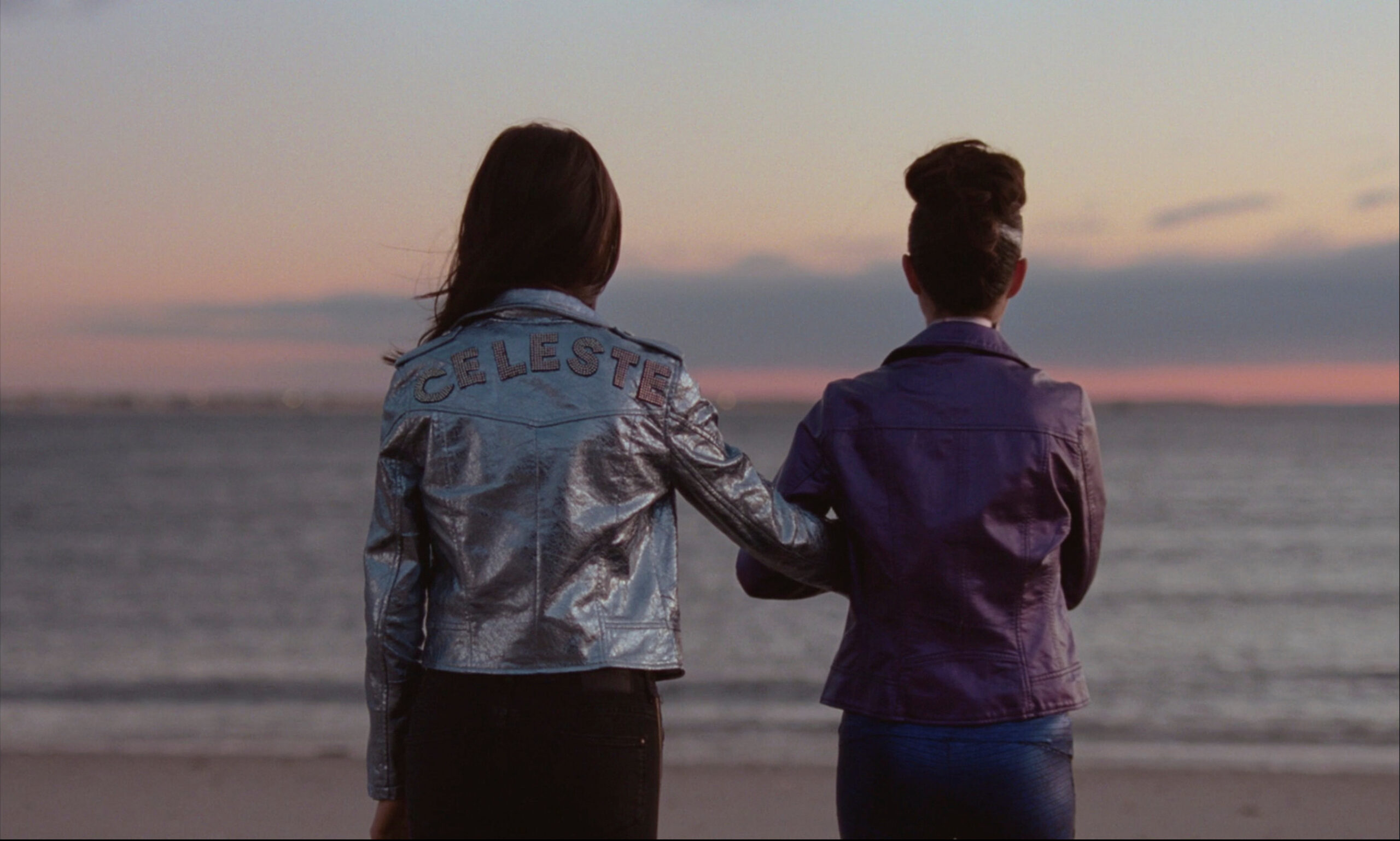
Vox Lux (2018)
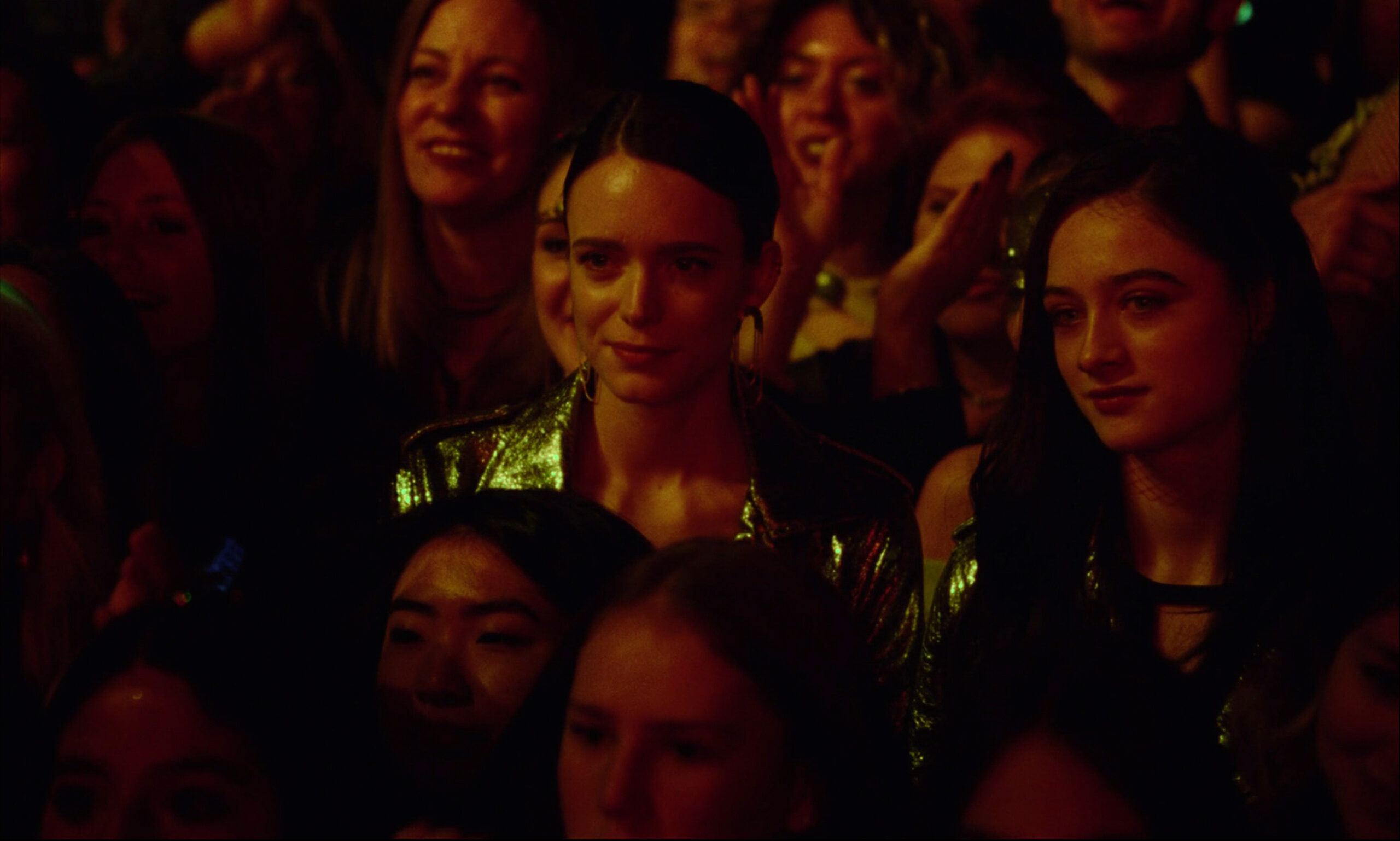
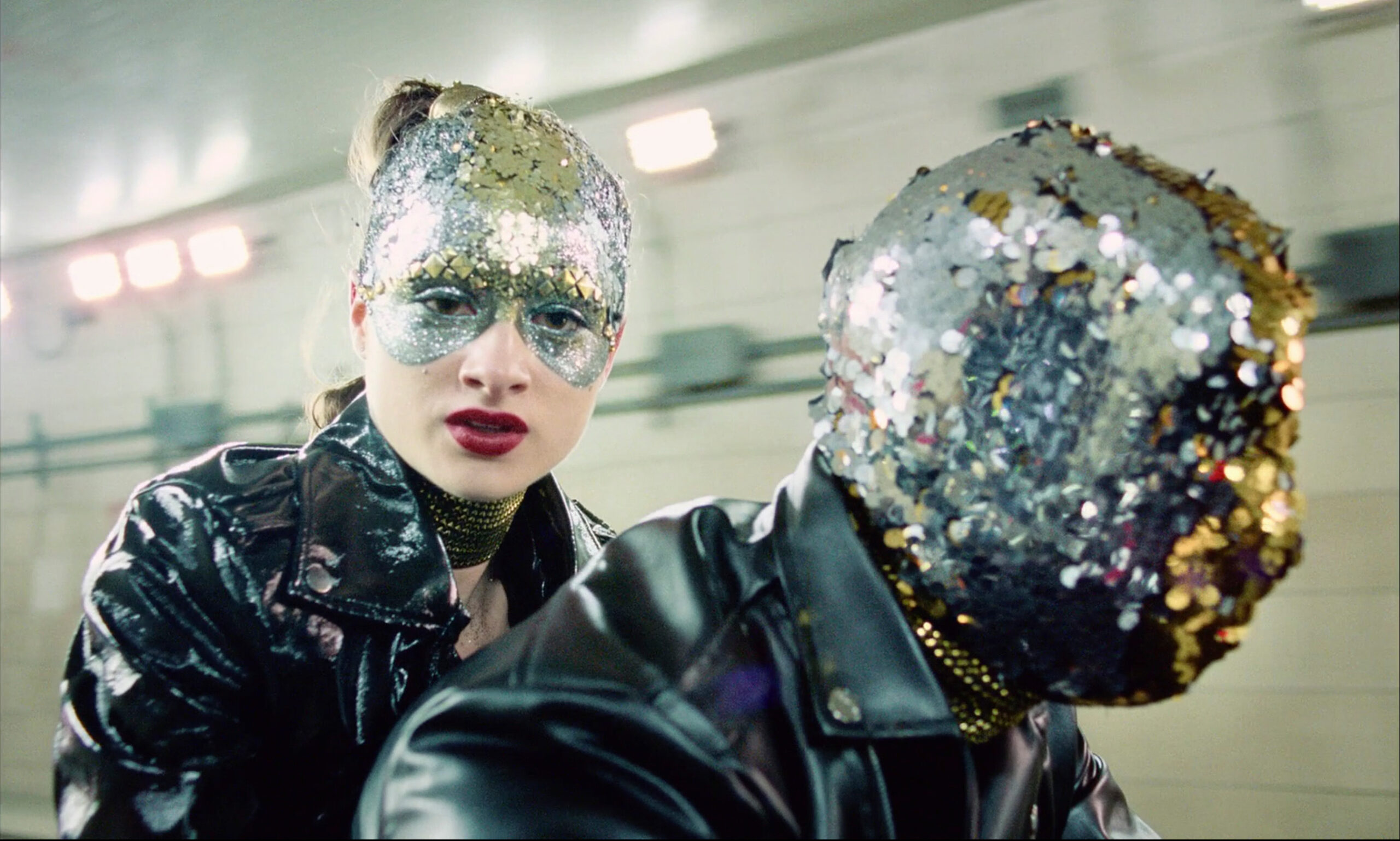
After surviving a traumatic school shooting, a teenage girl named Celeste rises to fame as a pop star, her career shaped by tragedy and media attention. Years later, now an established but troubled celebrity, she struggles to navigate fame, identity, and personal demons. Her story unfolds as a reflection on the intersection of violence, culture, and the making of modern icons.
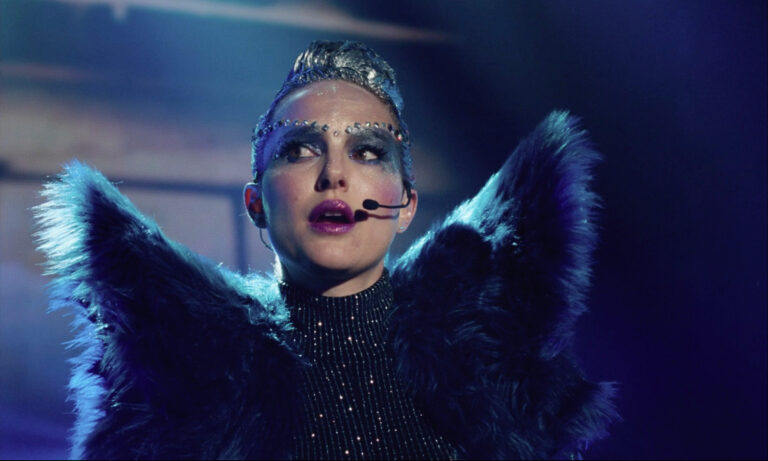
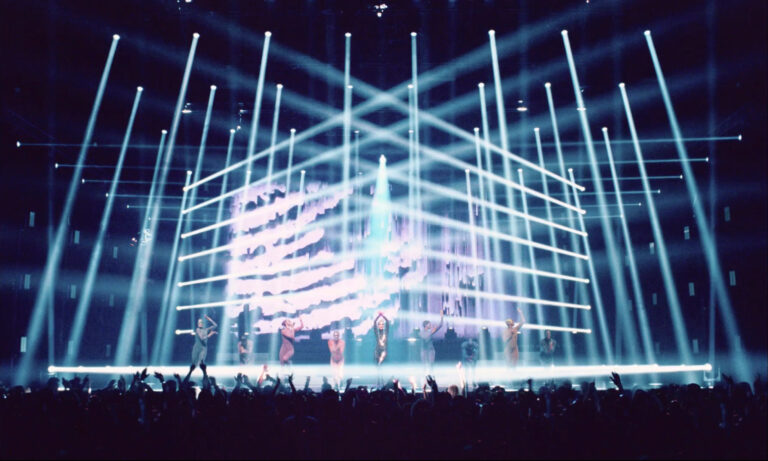
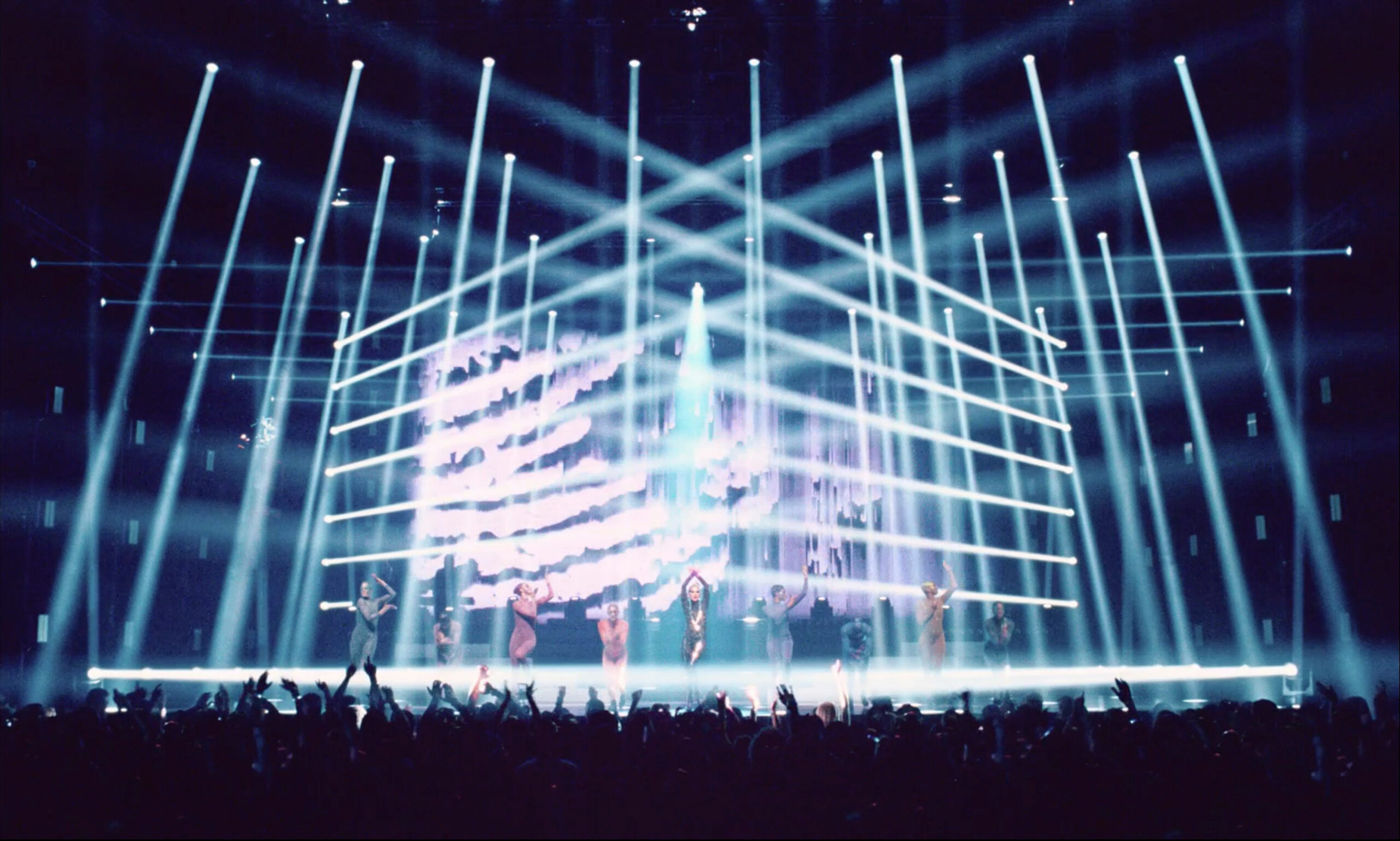
Corbet and cinematographer Lol Crawley divide Vox Lux into distinct visual chapters, using different textures and camera approaches to separate youth from adulthood—grainier, more immediate imagery giving way to colder, more controlled compositions. The film’s climactic concert sequence—shot with bold lighting, widescreen framing, and choreographed spectacle—turns pop performance into something monumental, where image and sound fuse into pure iconography.
FILM SPOTLIGHT
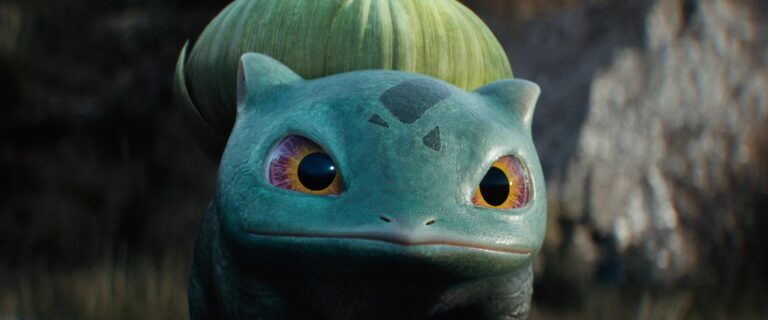
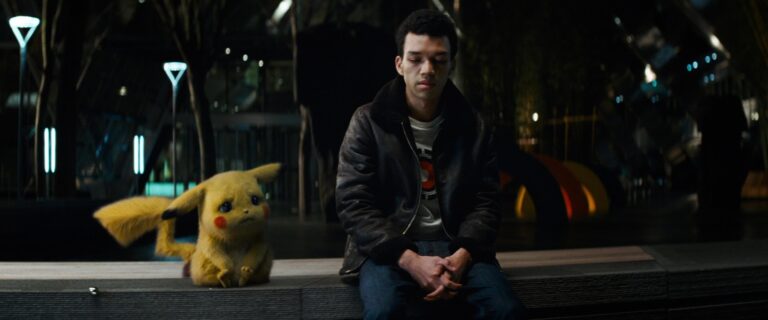
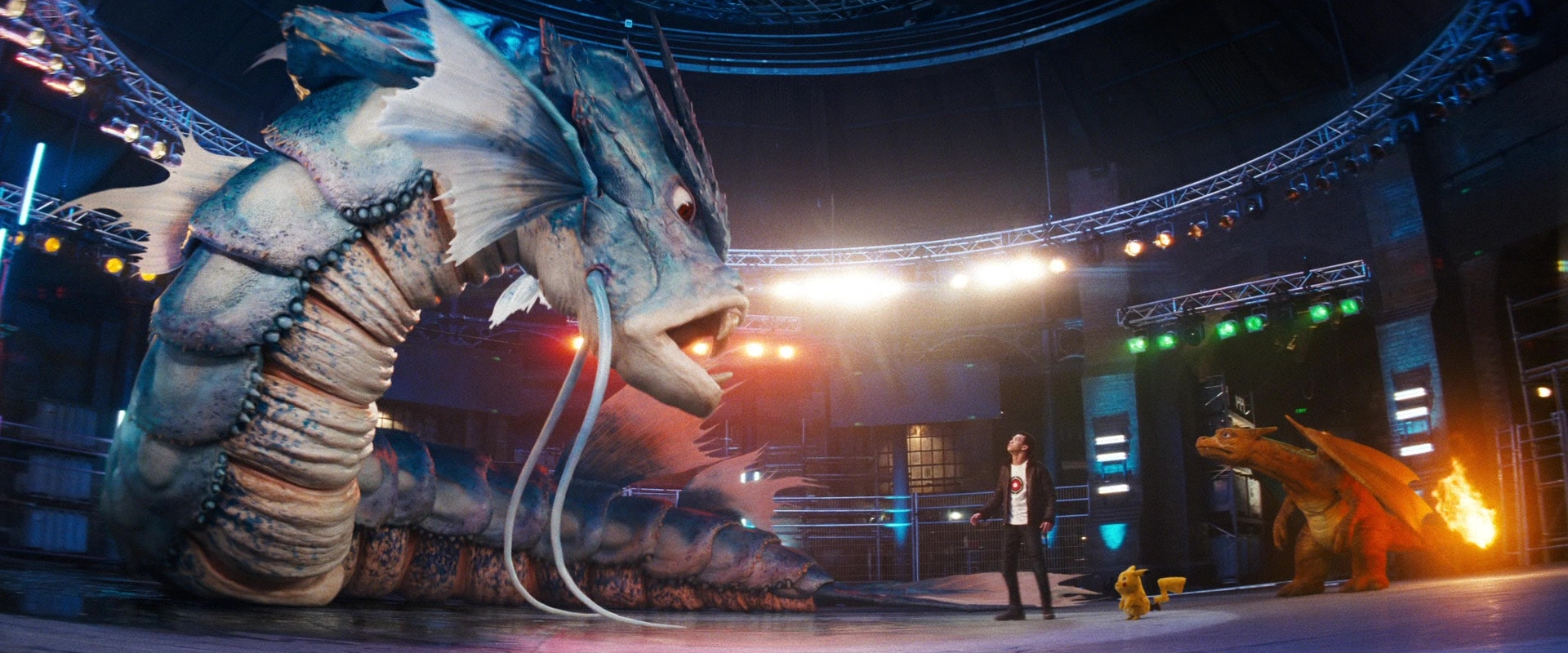
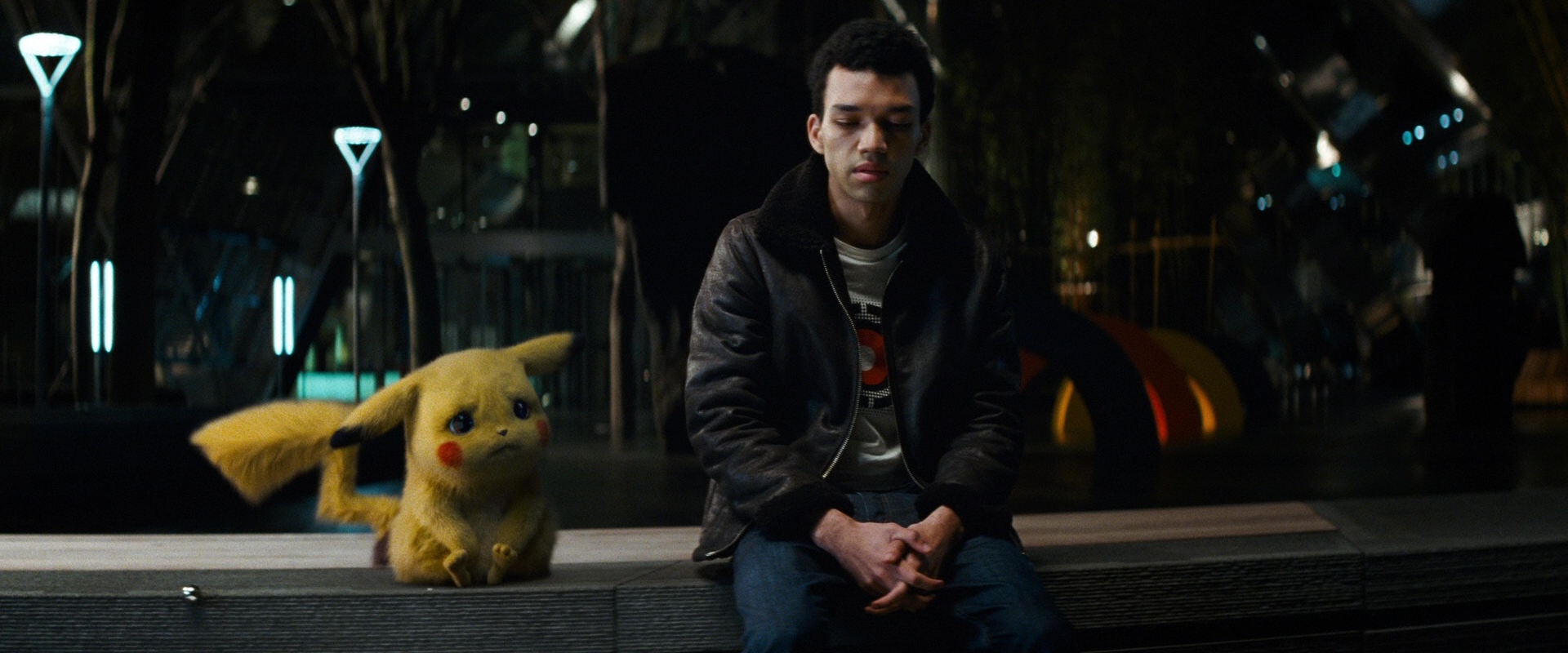
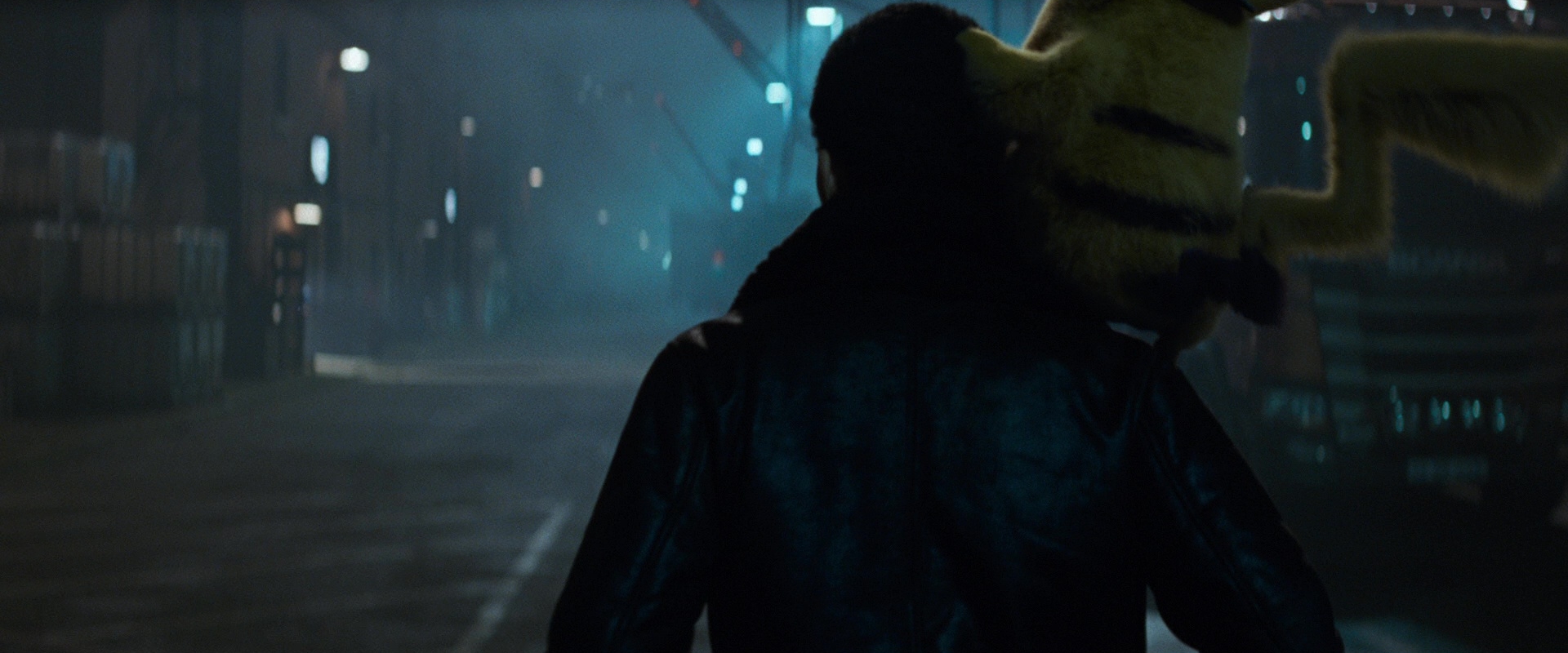
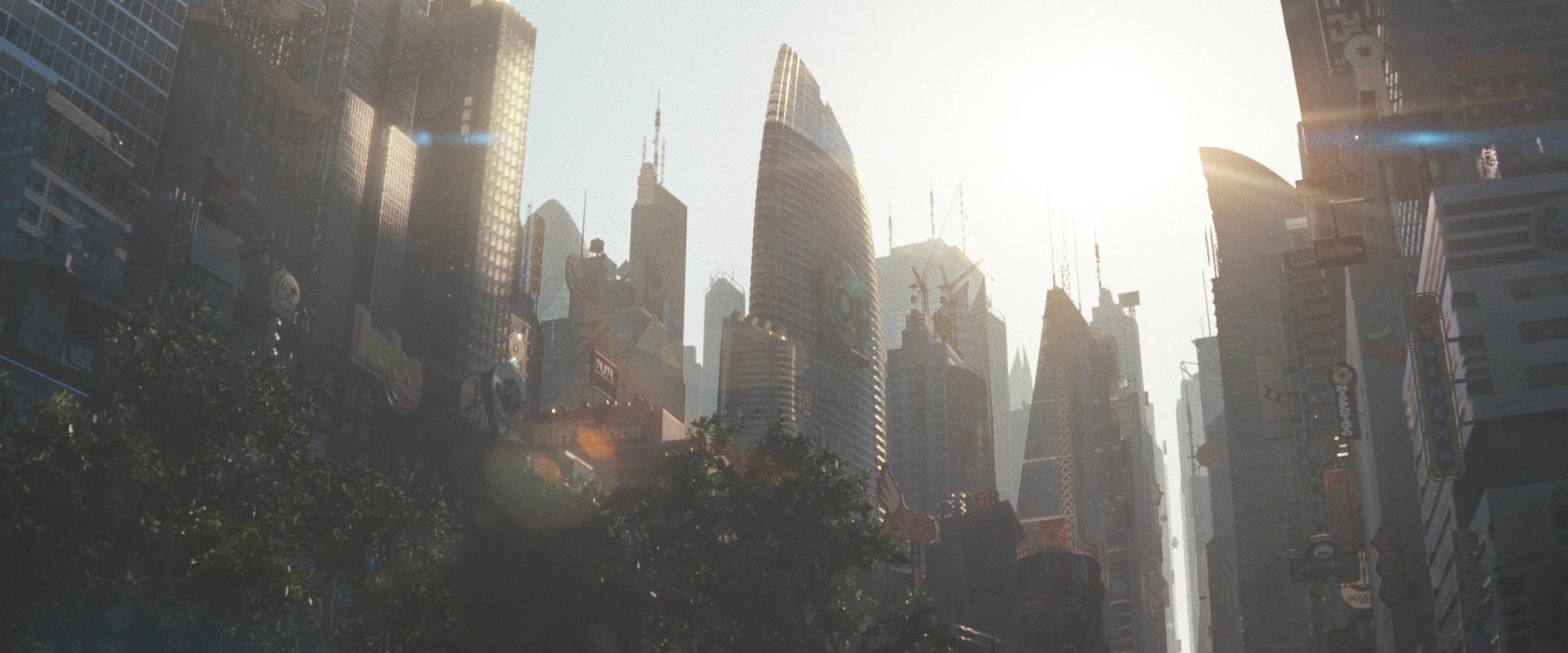
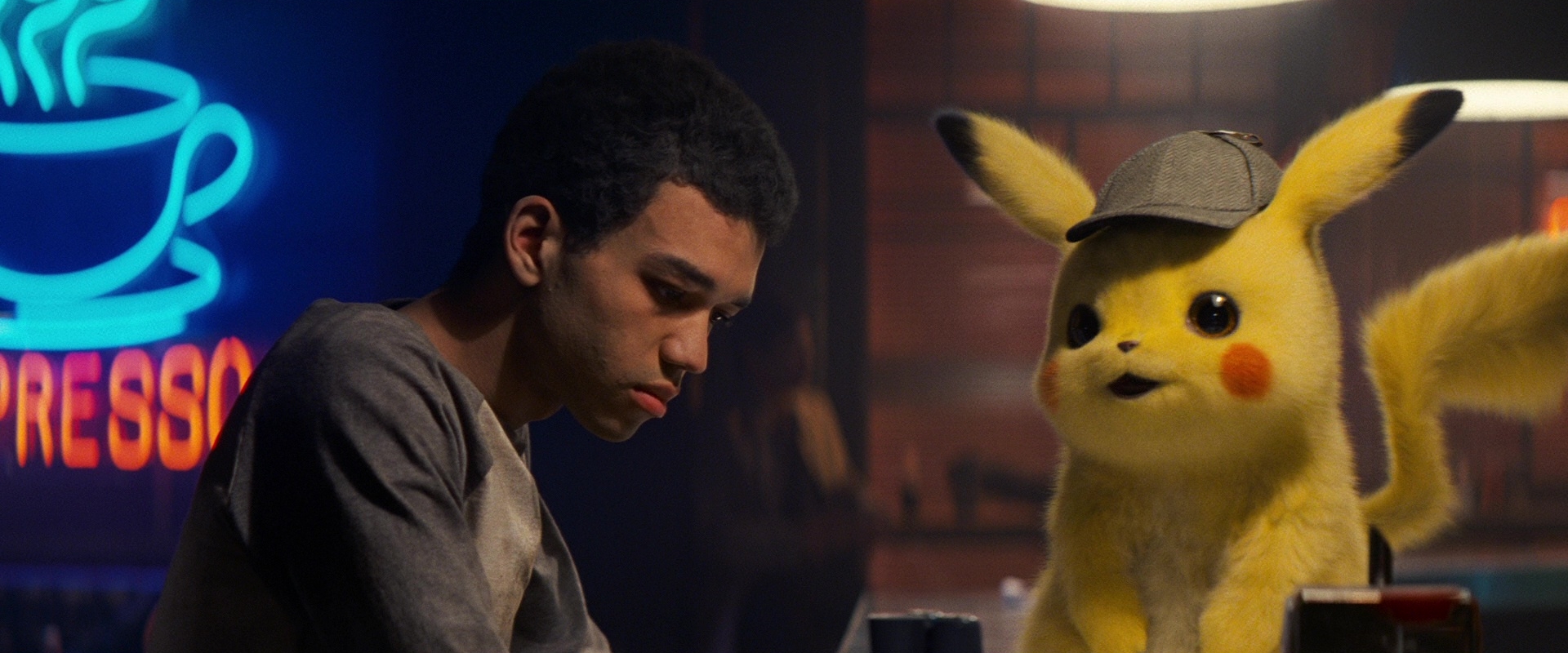
Pokémon Detective Pikachu (2019)
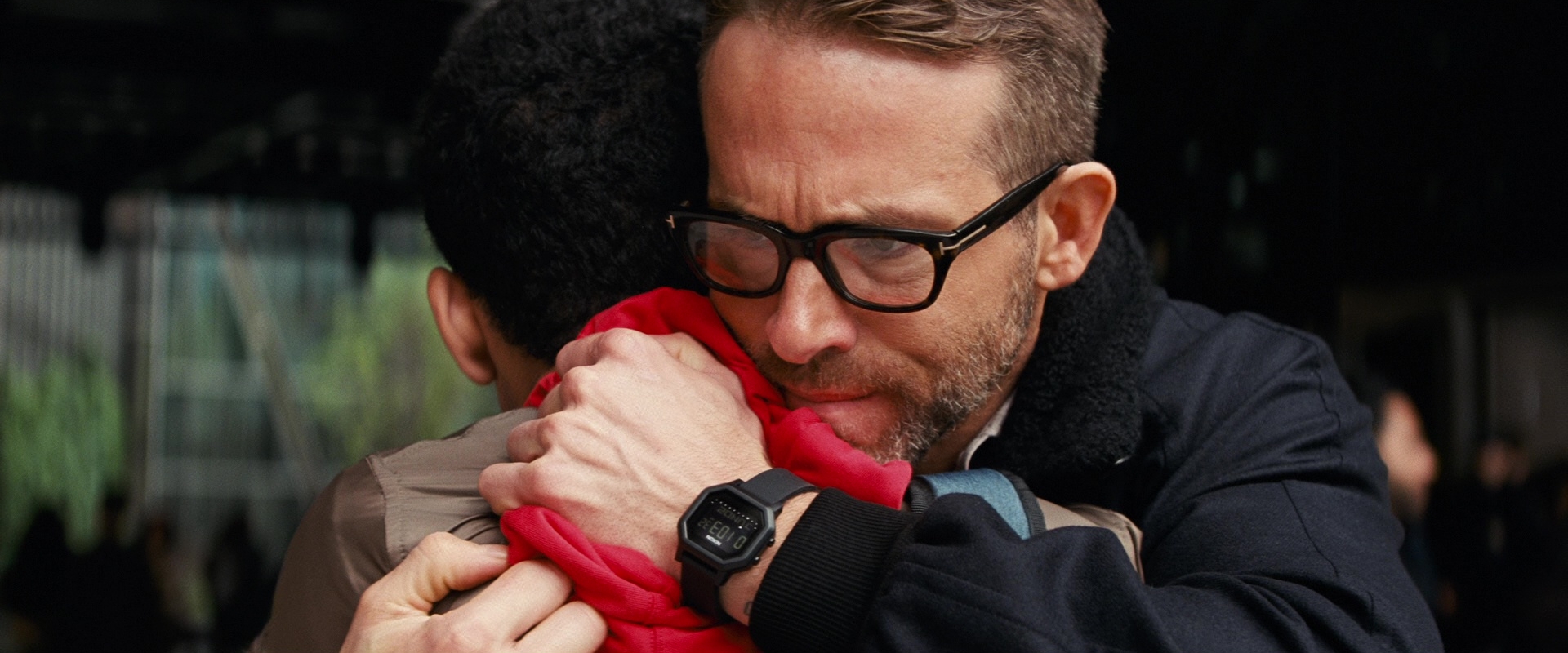
After the disappearance of his father, a young man travels to Ryme City and teams up with a wisecracking, amnesiac Pikachu who claims to be a detective. As they investigate the mystery, they uncover a larger conspiracy involving the coexistence of humans and Pokémon. Their journey becomes both a search for truth and a rediscovery of connection and purpose.
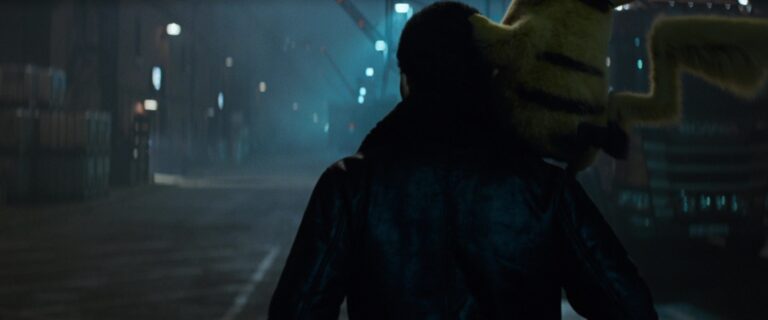
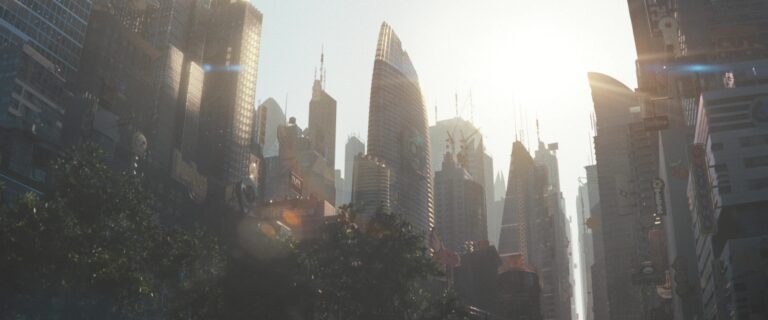
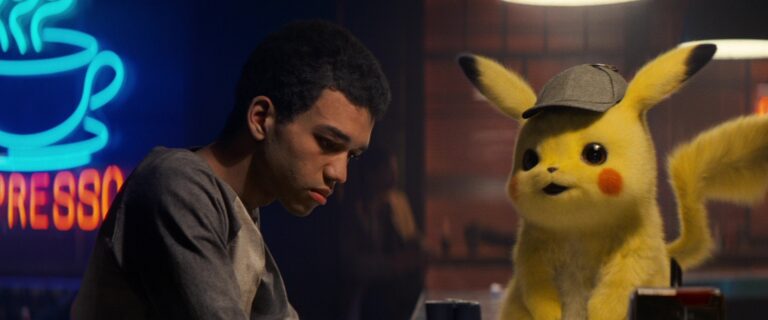
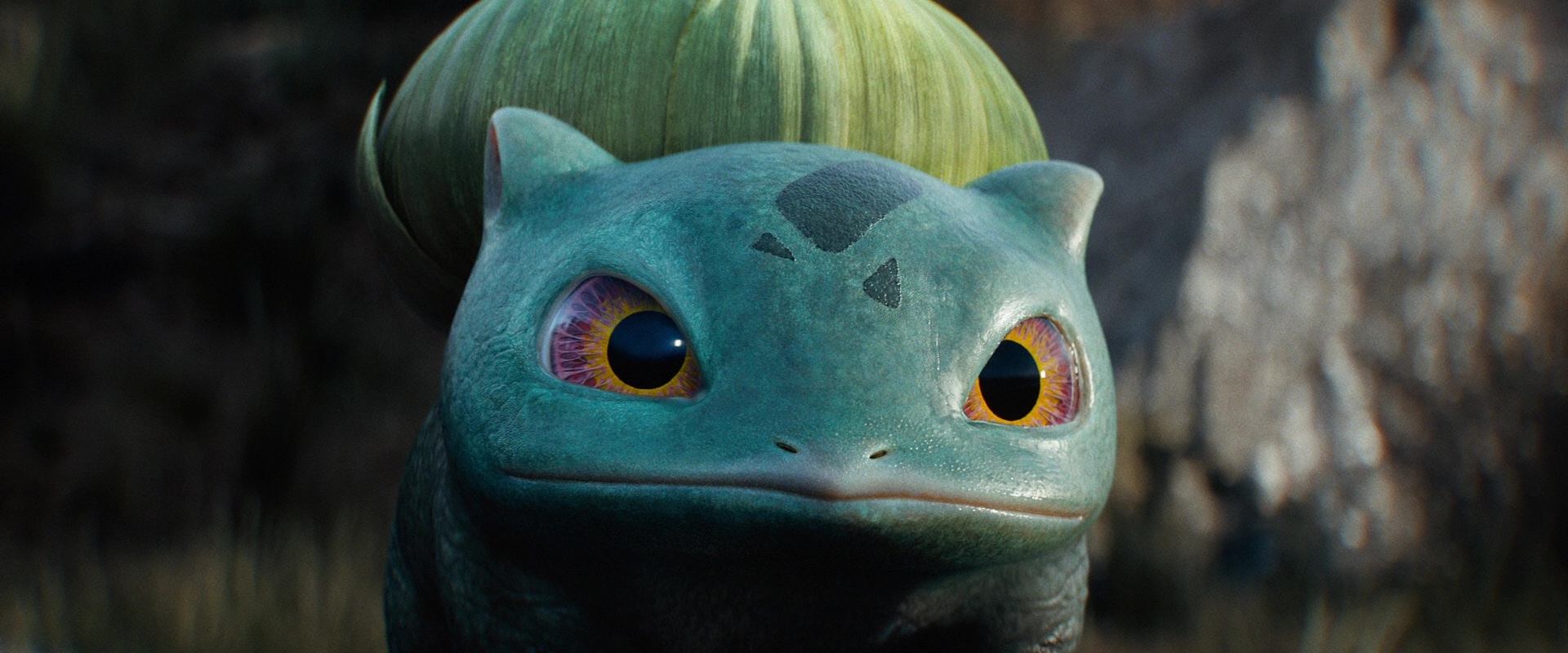
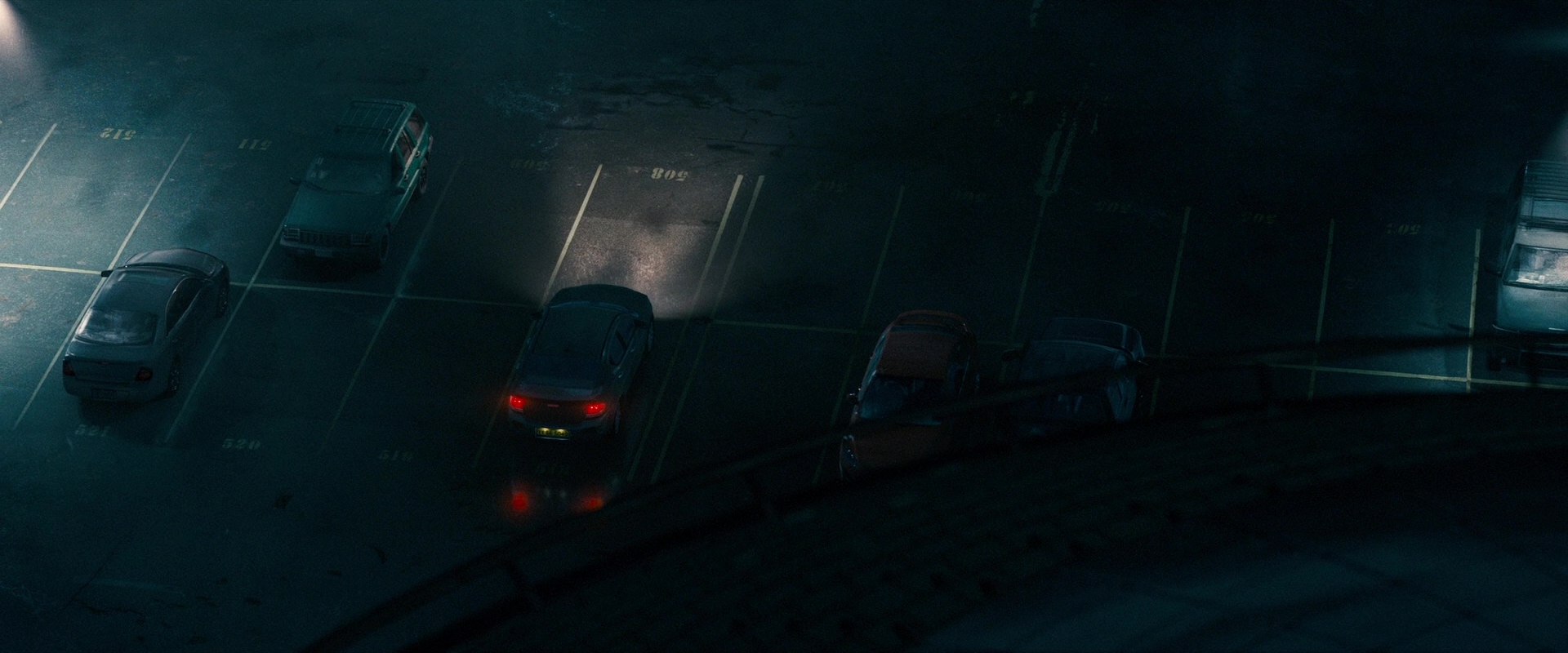
Letterman and cinematographer John Mathieson ground Detective Pikachu in a neo-noir aesthetic, using moody lighting, rain-soaked streets, and a muted palette to give the CG-heavy world a tactile realism. The film’s standout achievement is its creature integration—rendering Pokémon with fur, texture, and weight so they feel physically present, turning VFX into something lived-in rather than purely fantastical.

FILM SPOTLIGHT
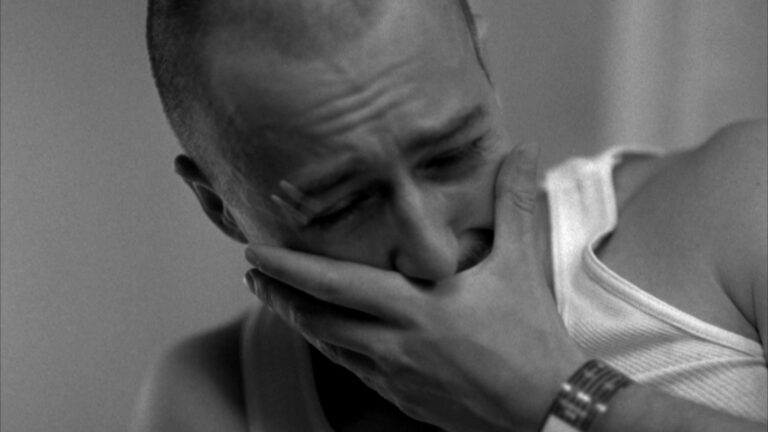
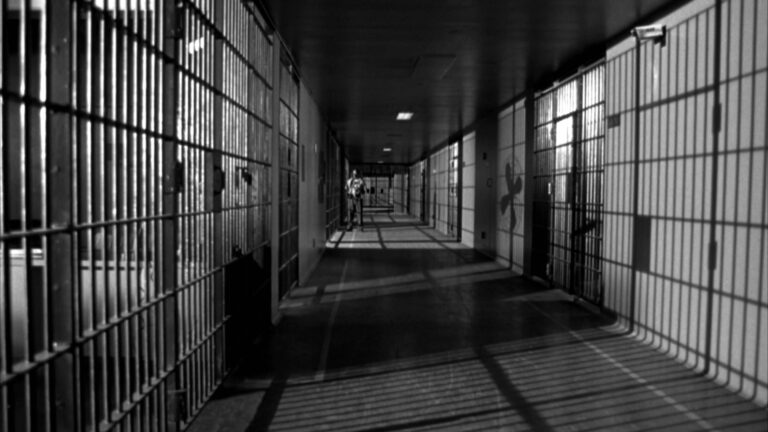
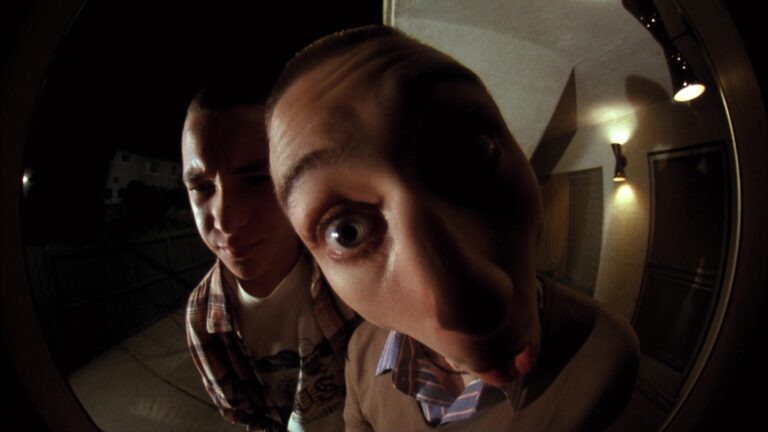
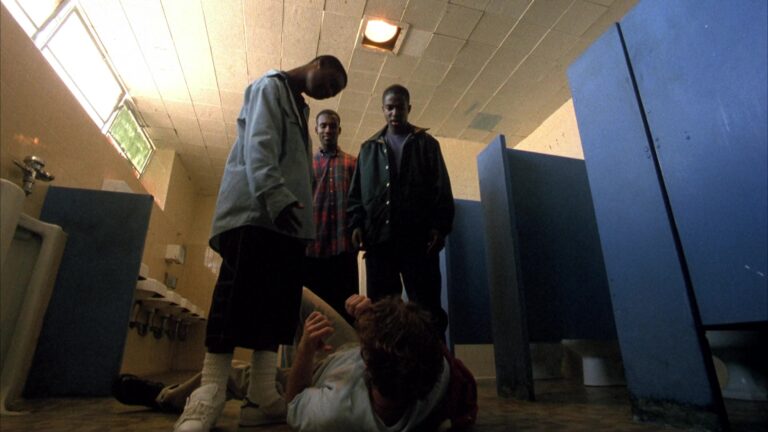
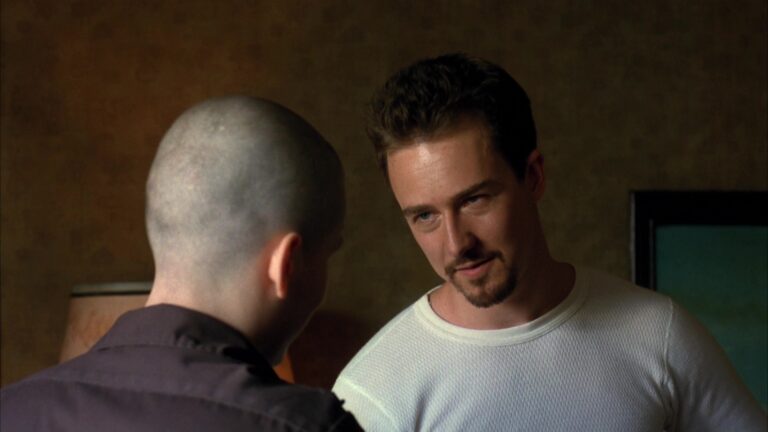
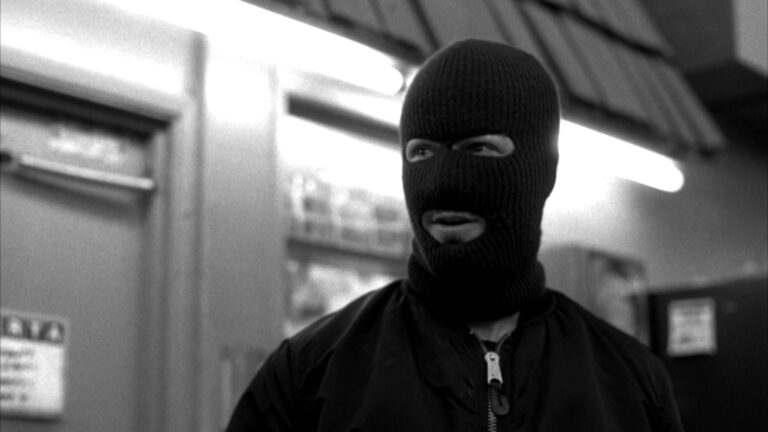
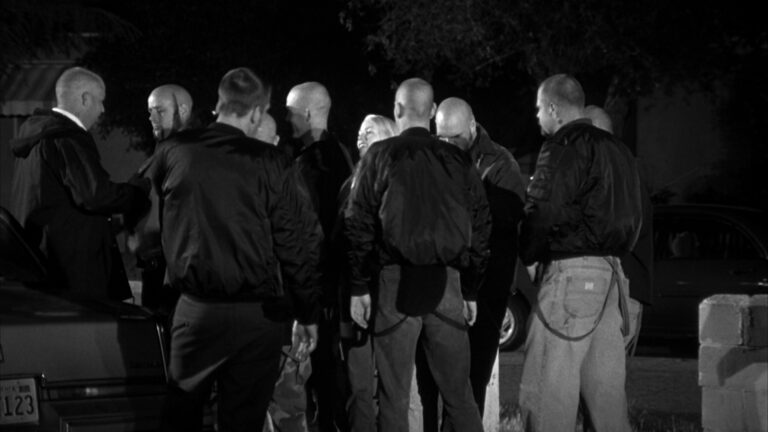
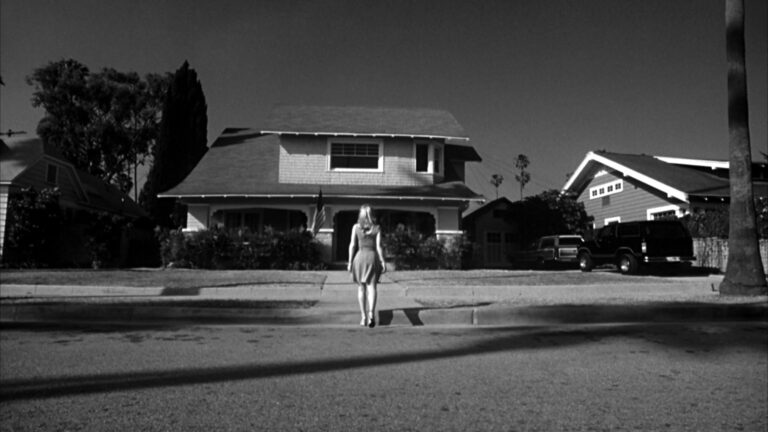
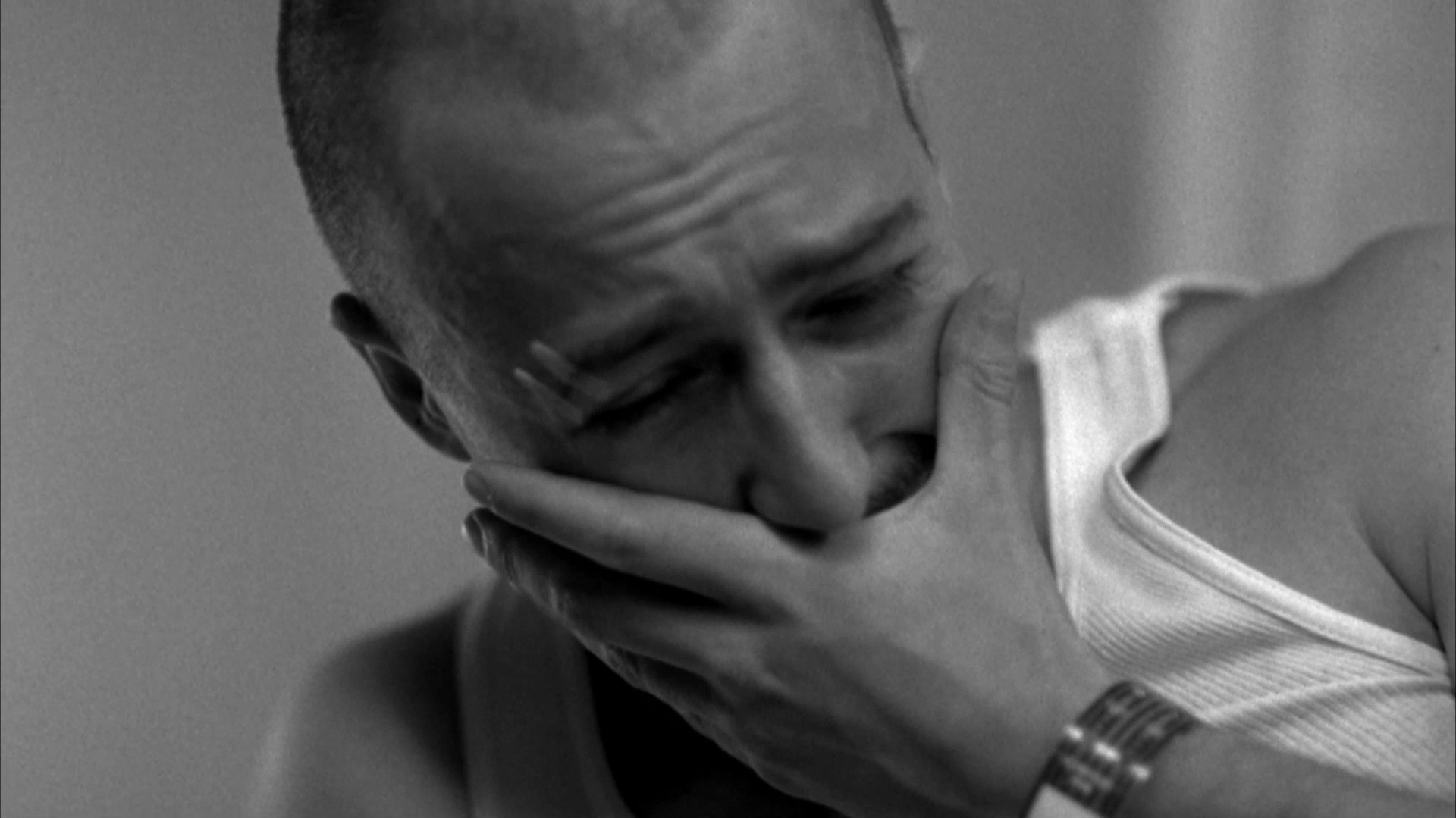
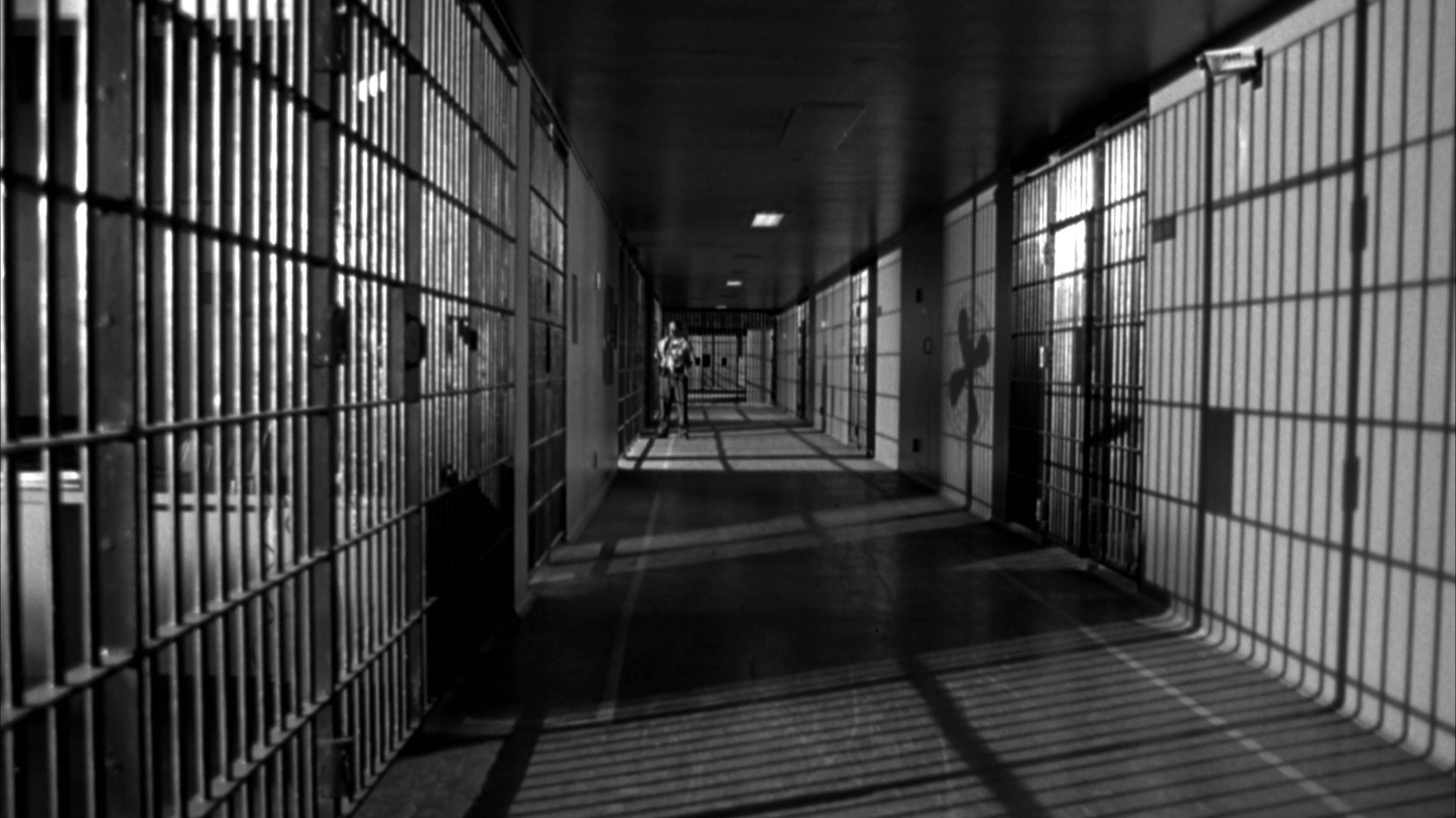
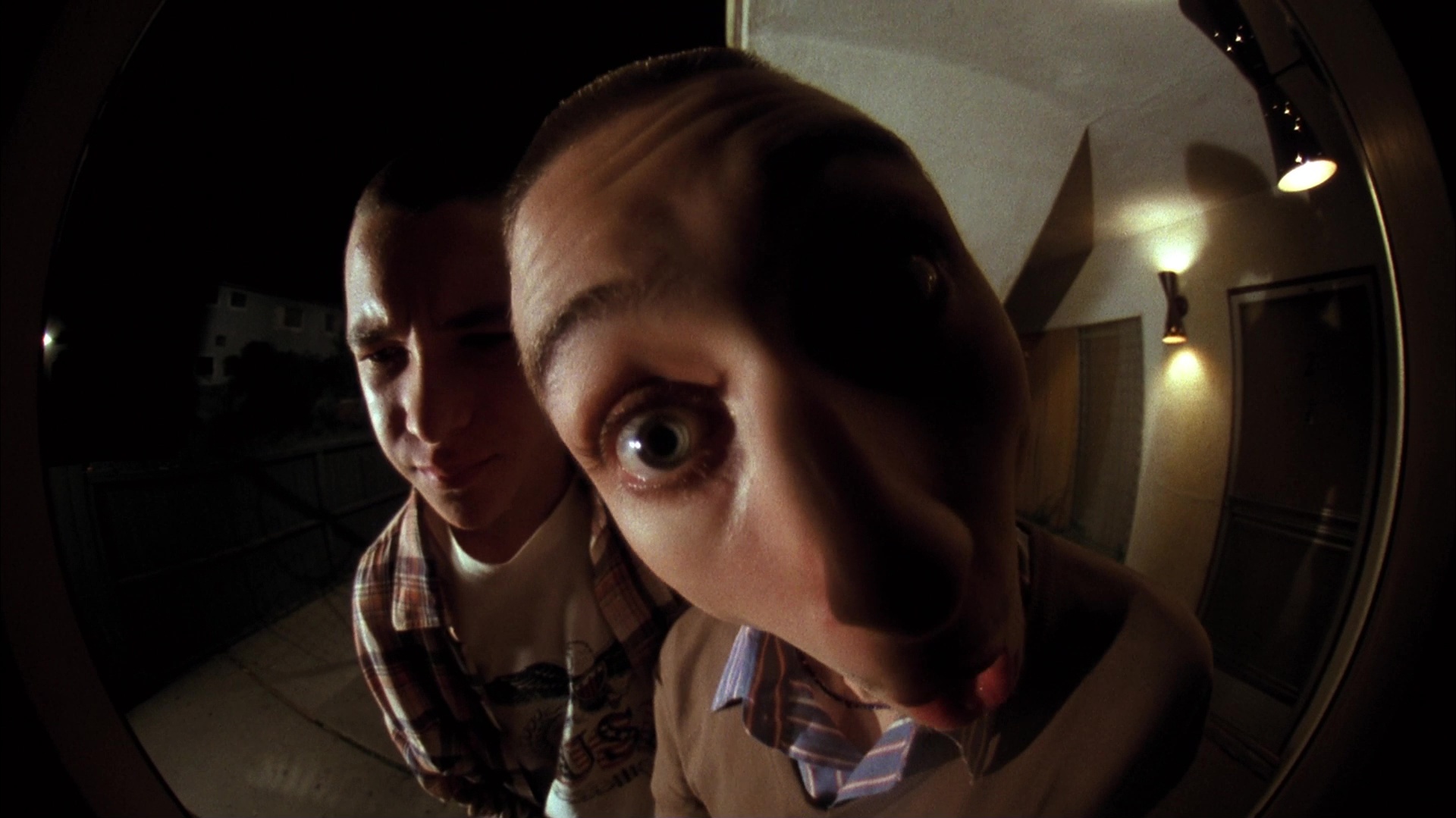
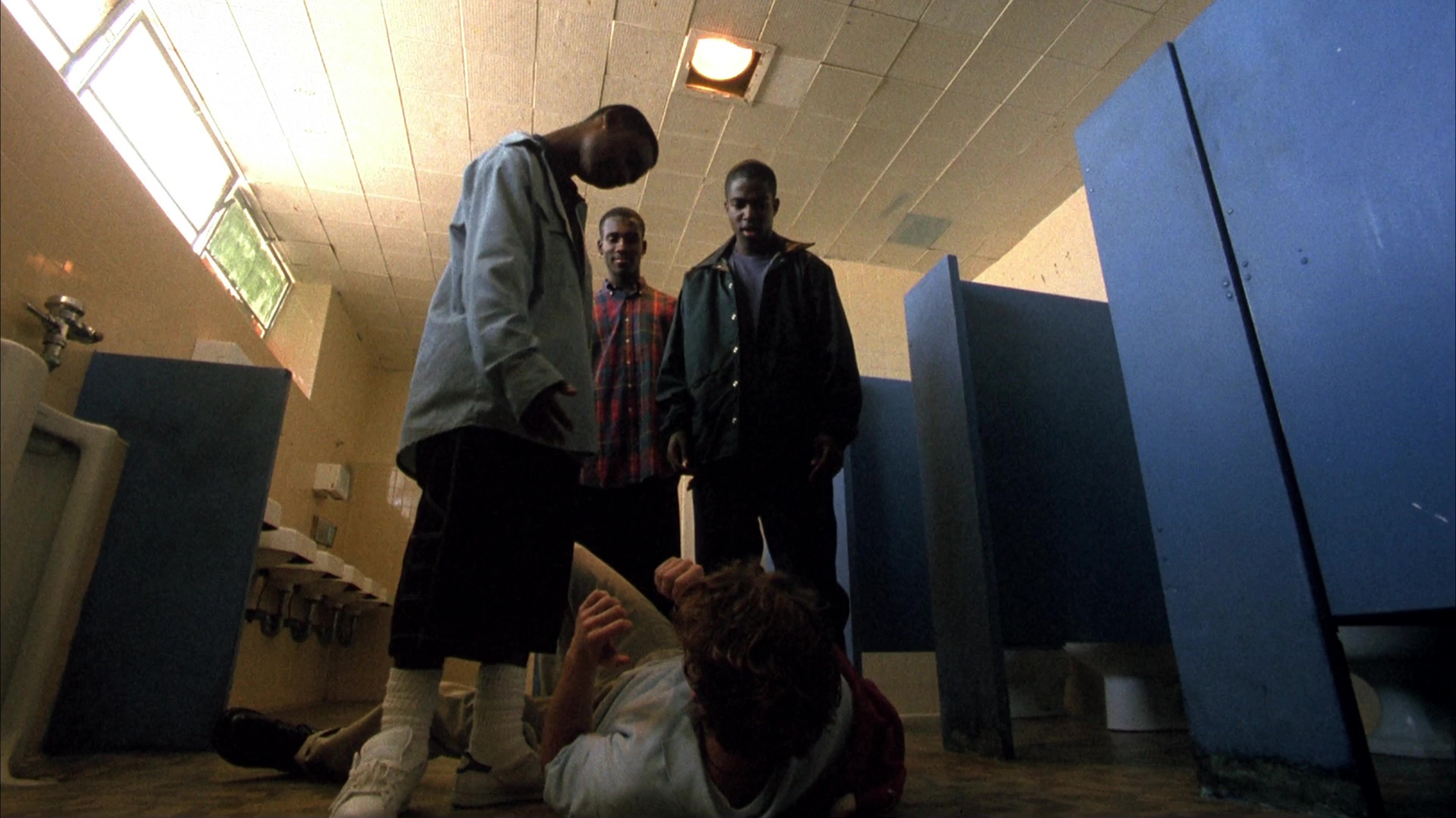
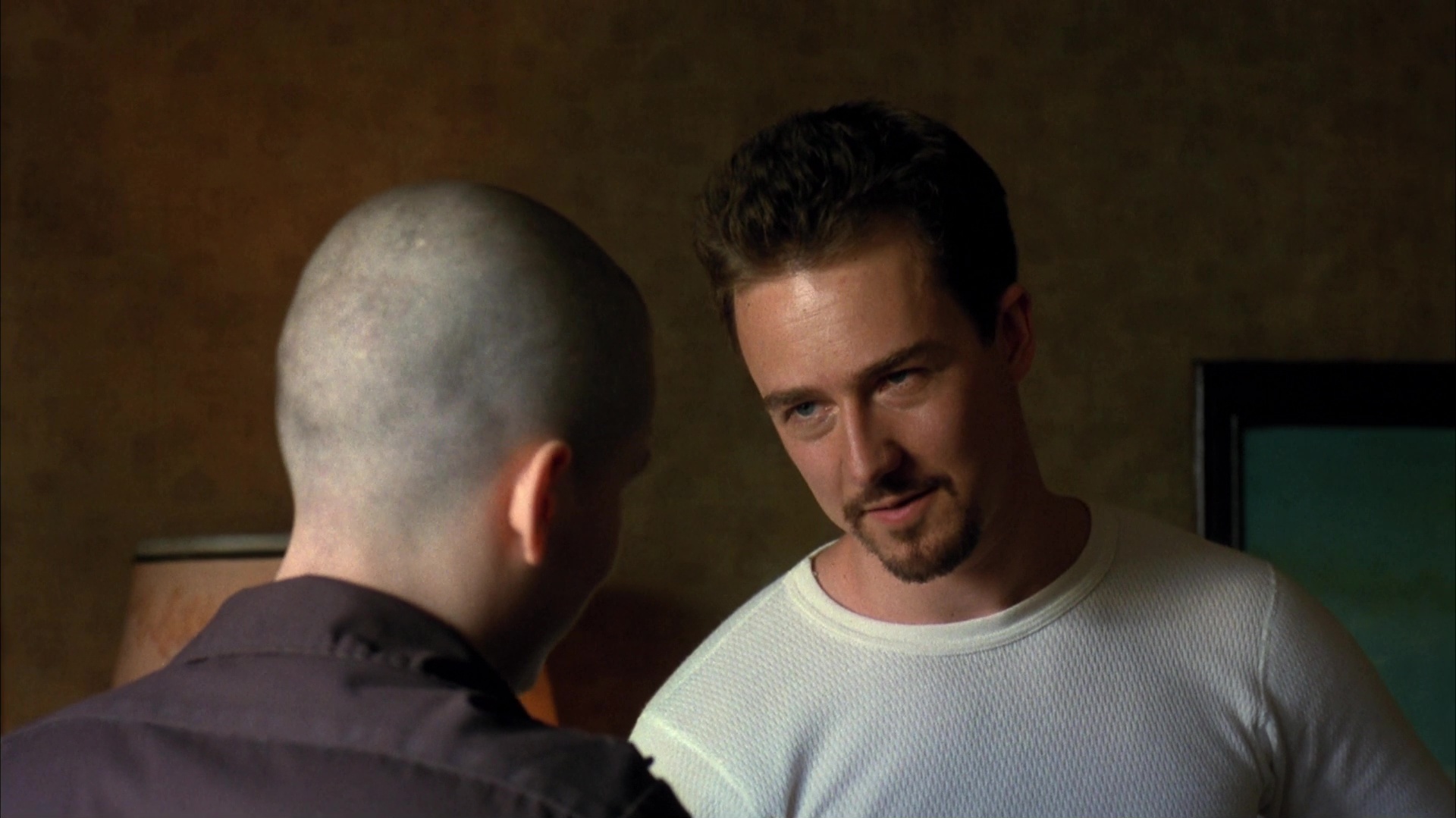
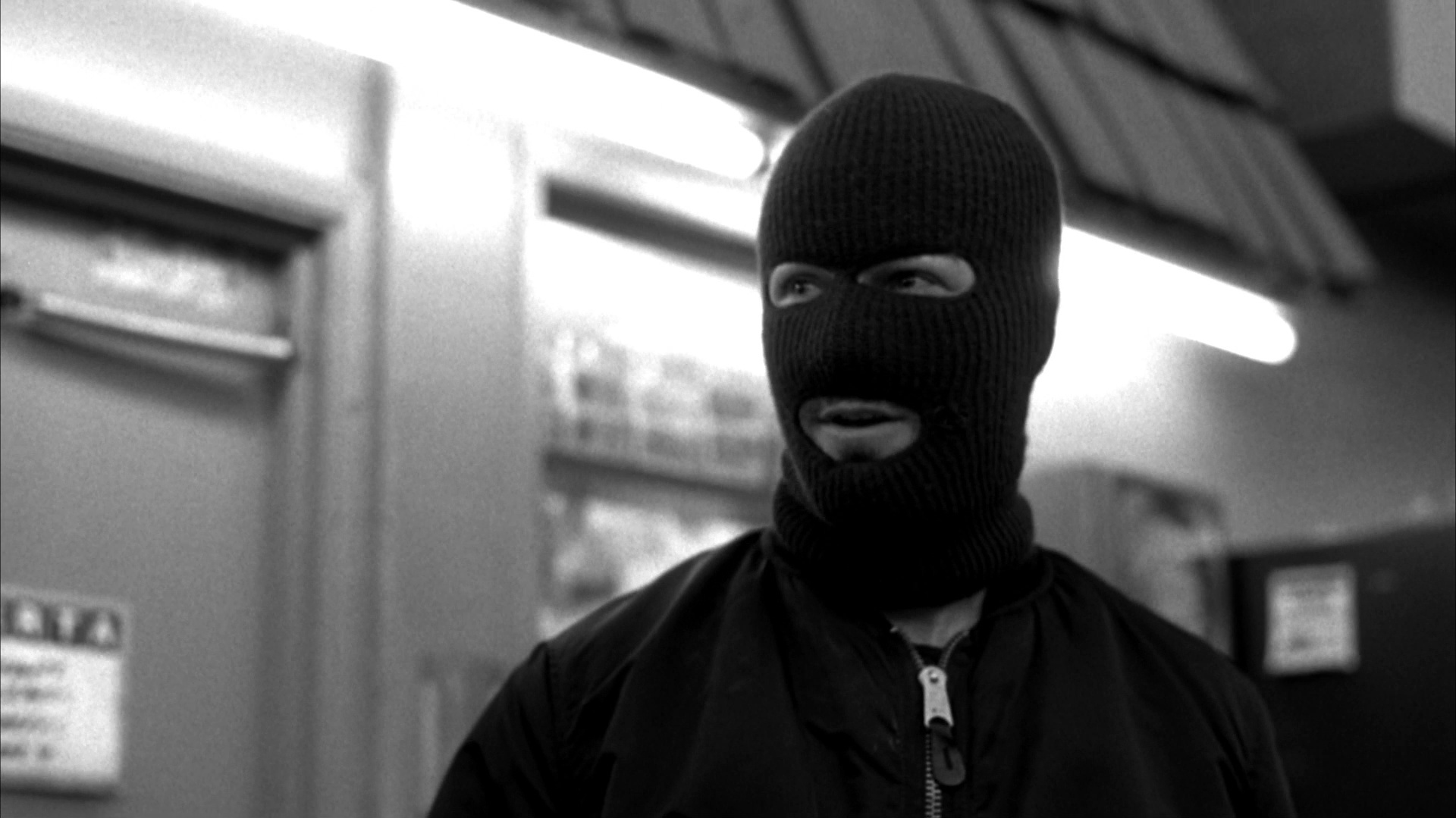
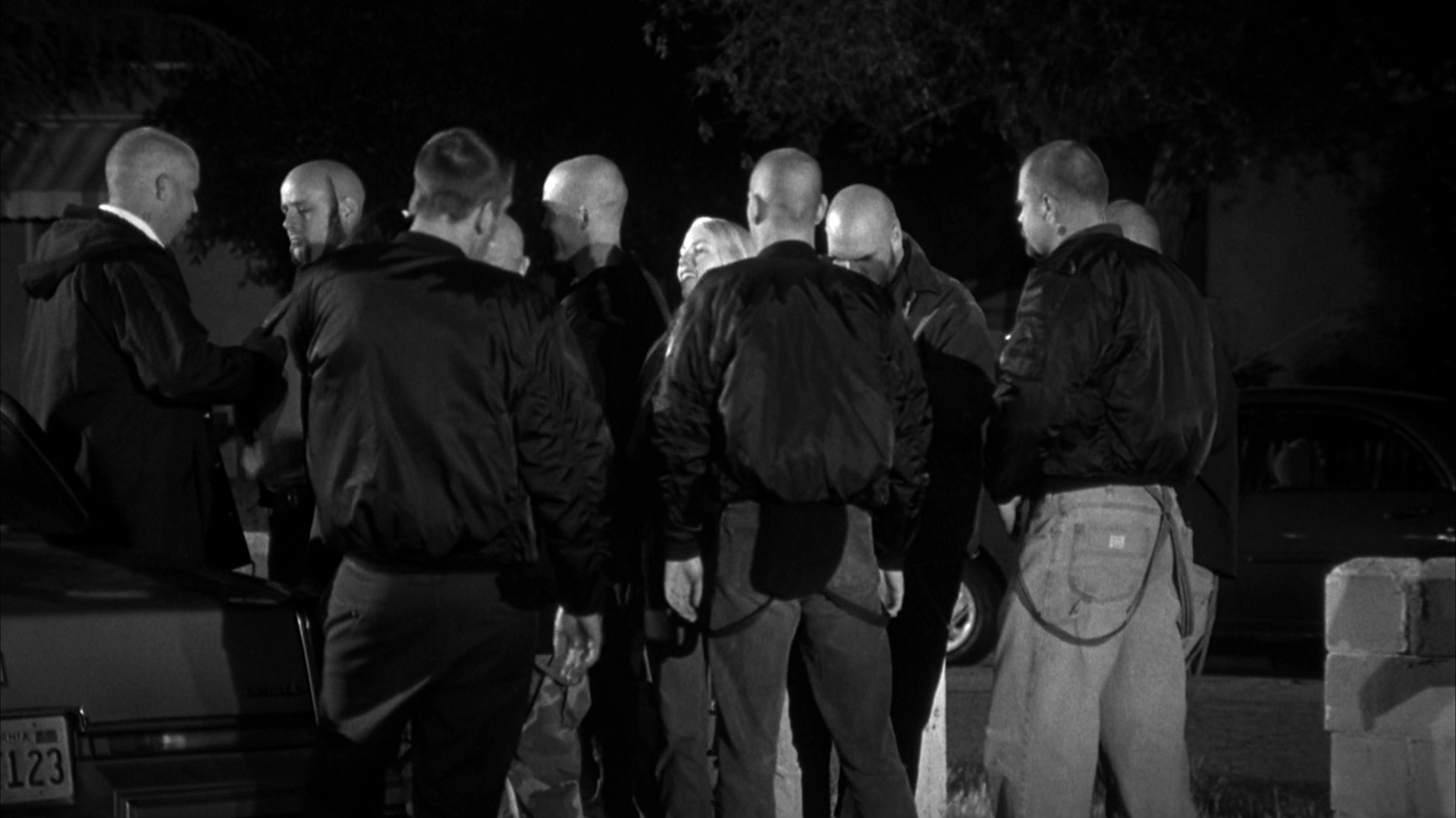
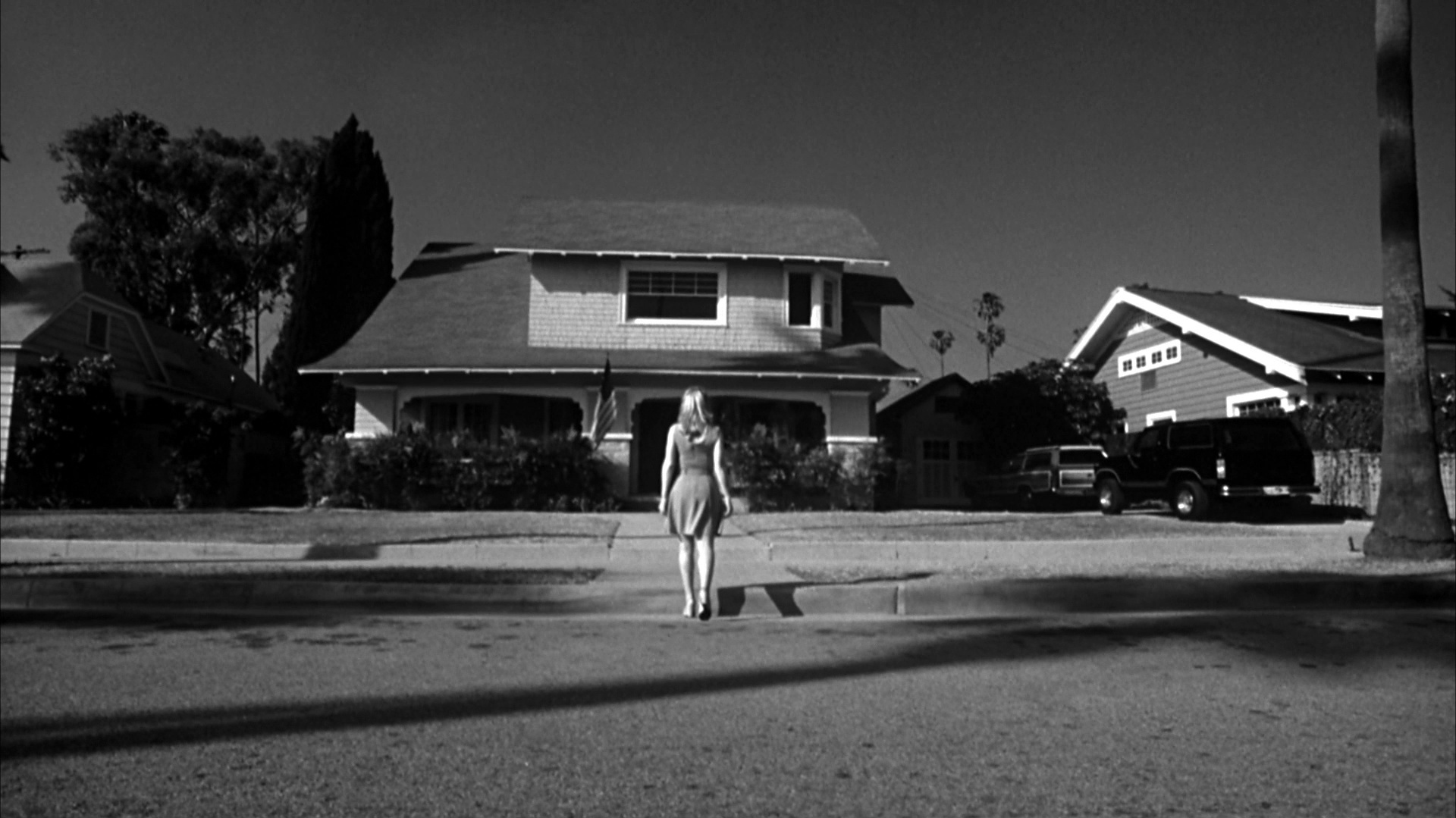
American History X (1998)
Derek Vinyard, a former neo-Nazi leader, is released from prison after serving time for a violent crime and returns to his family determined to change his life. Meanwhile, his younger brother Danny has begun following in his footsteps, drawn into the same ideology. As Derek attempts to steer him away from hate, the film explores the roots and consequences of extremism, redemption, and personal transformation.
Kaye and cinematographer Tony Kaye (uncredited work also shaped by Edward Norton’s involvement) construct American History X around a stark visual contrast—using high-contrast black-and-white for the past and color for the present. The film’s aggressive close-ups, wide lenses, and hard lighting give its imagery a confrontational edge—turning faces and moments into something raw and unflinching, where visual form reinforces the brutality and urgency of its themes.
FILM SPOTLIGHT
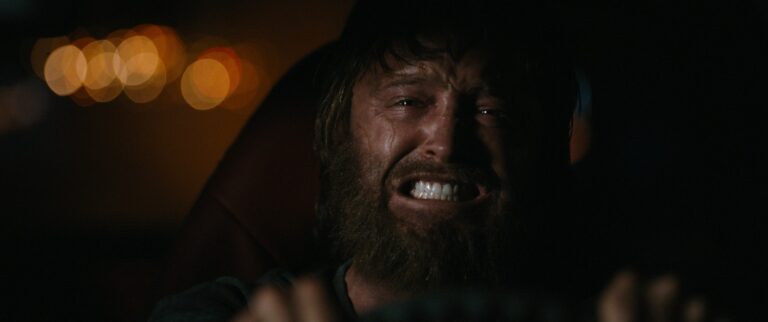
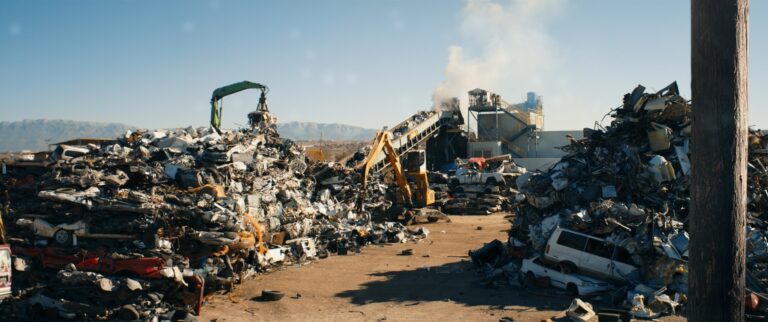
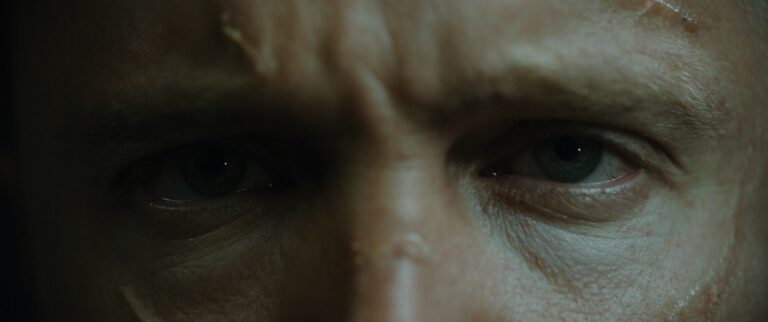
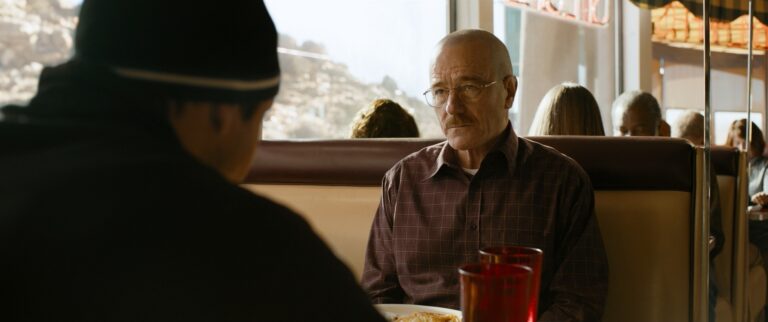
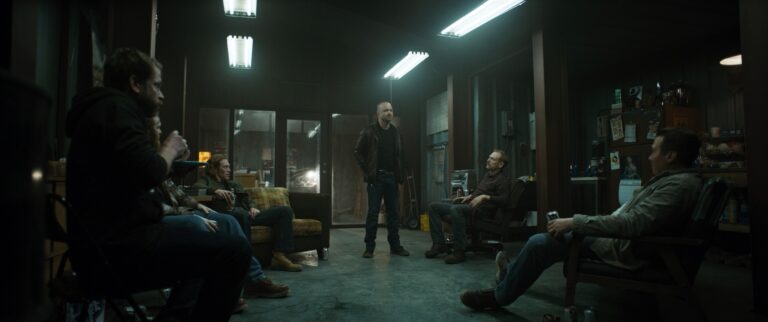
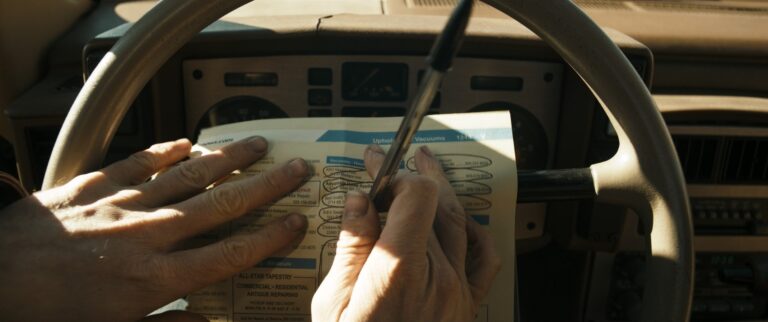
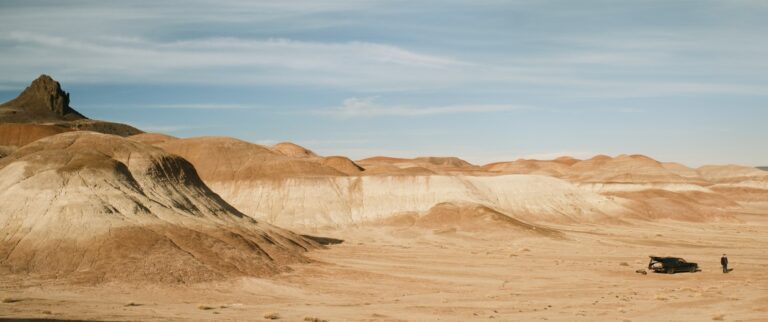
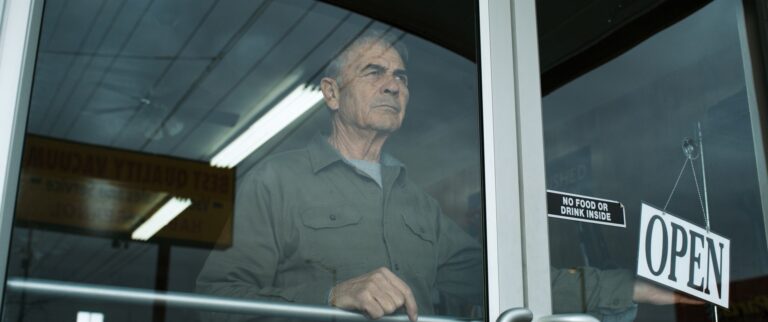
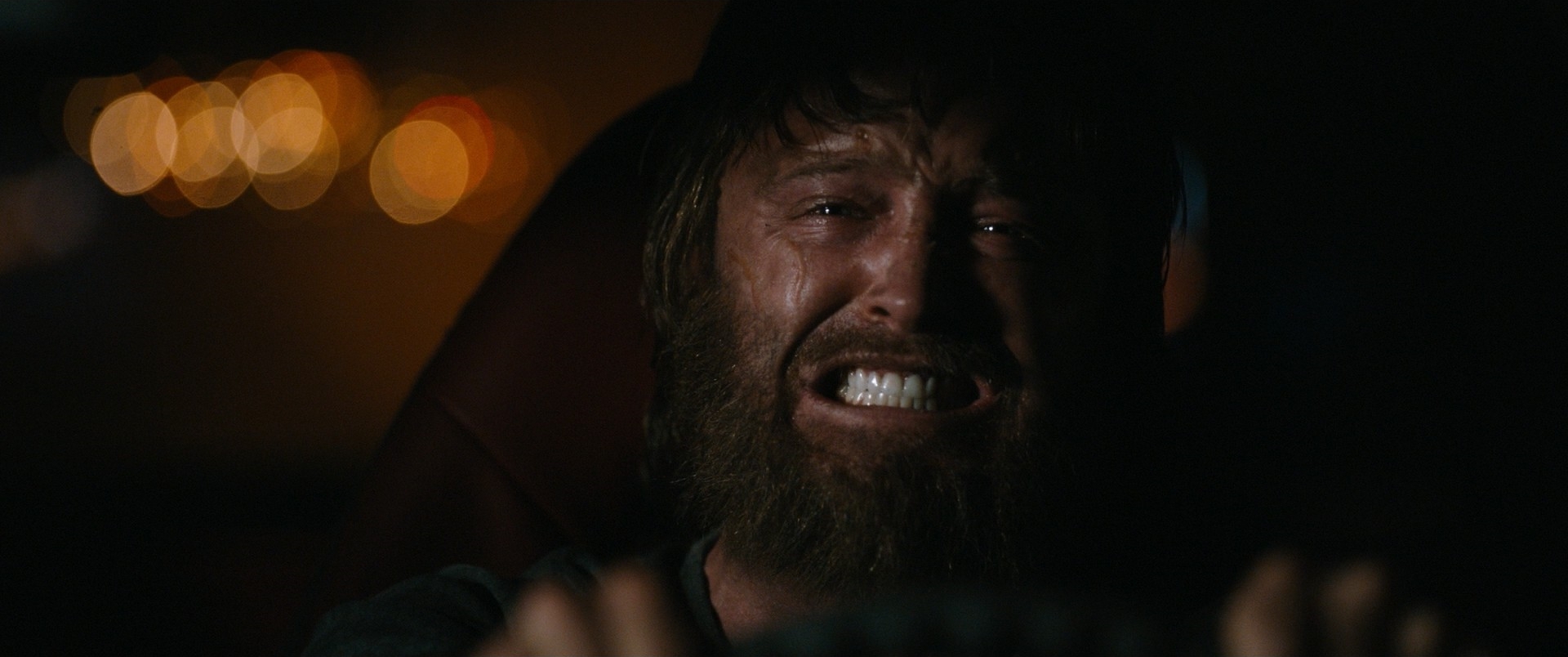
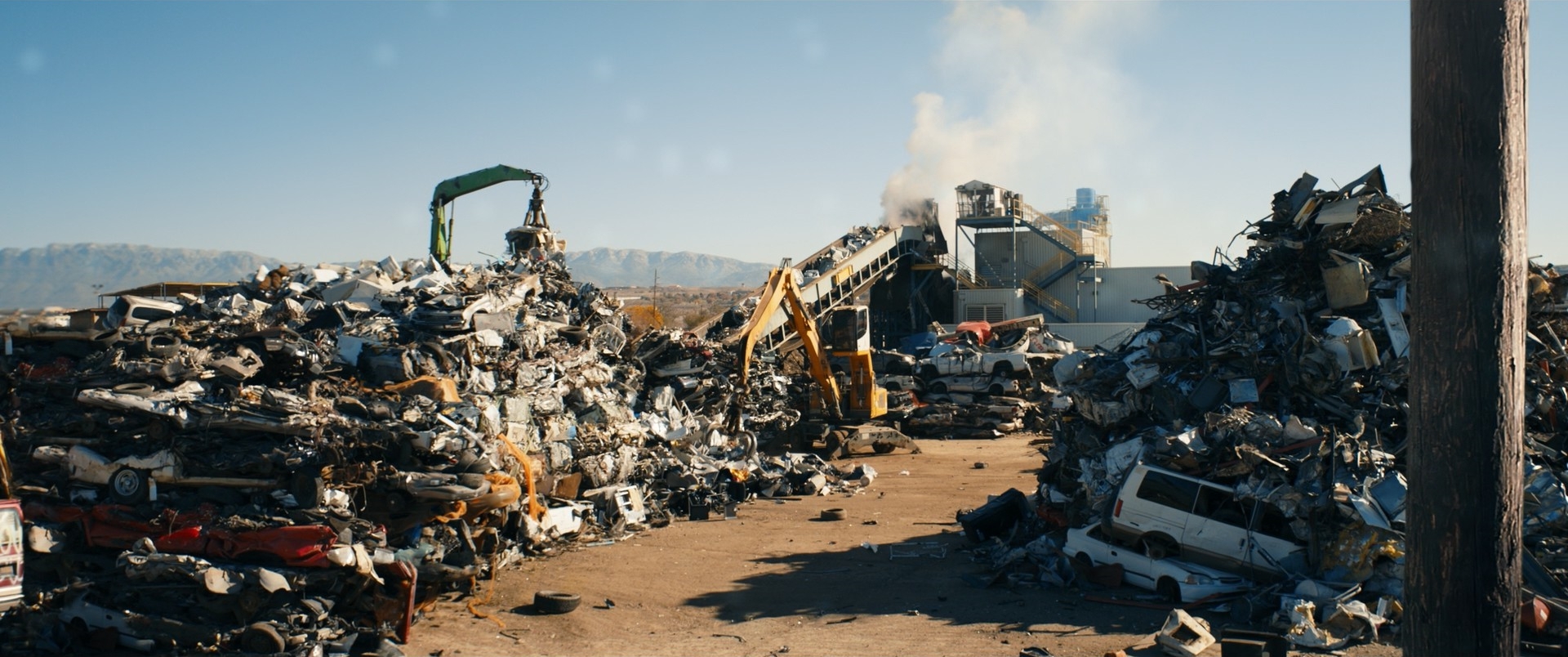
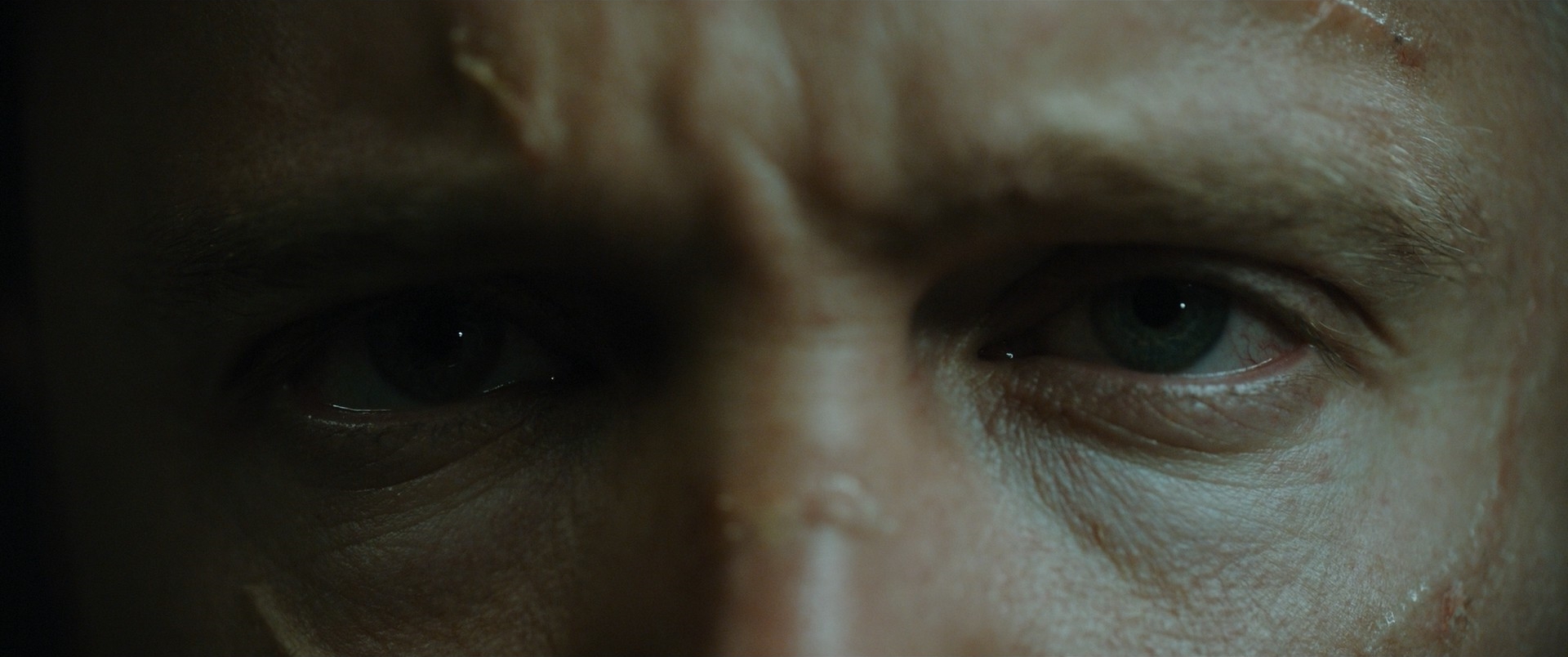
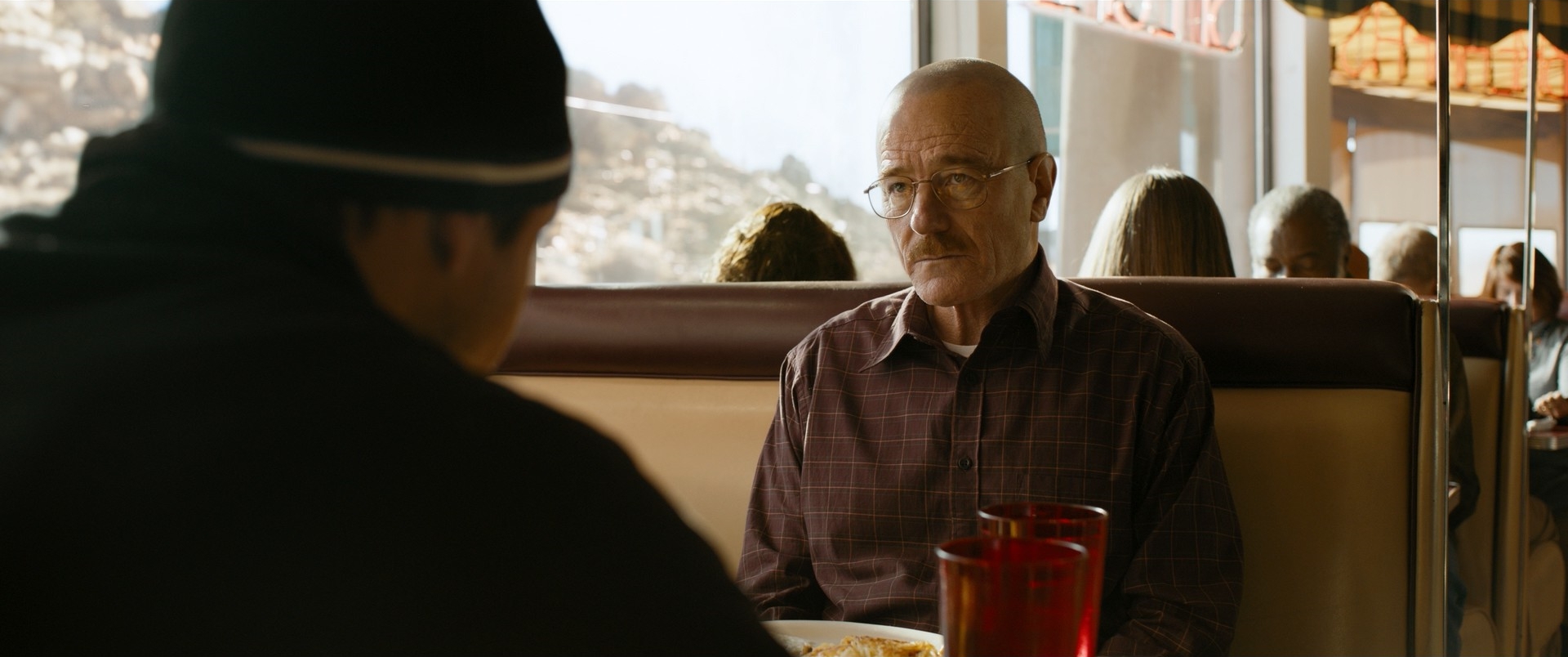
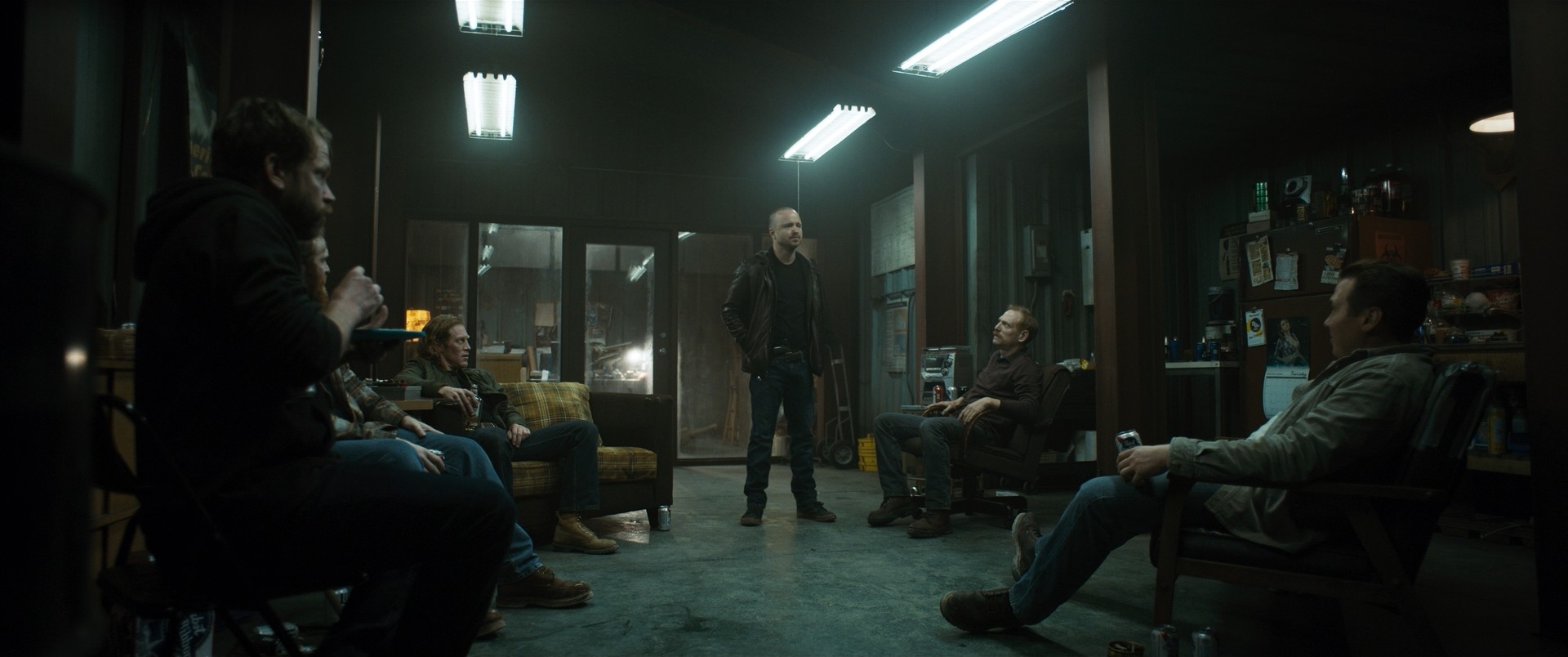
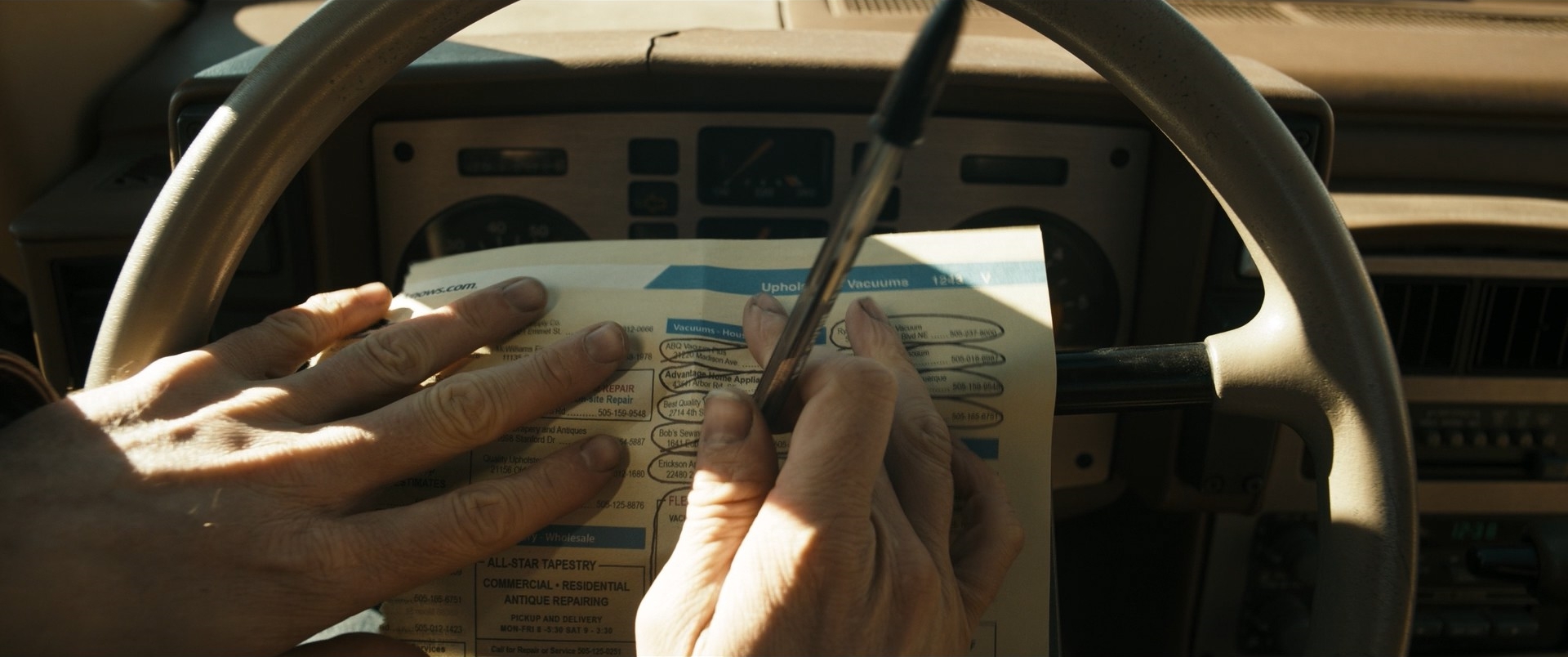
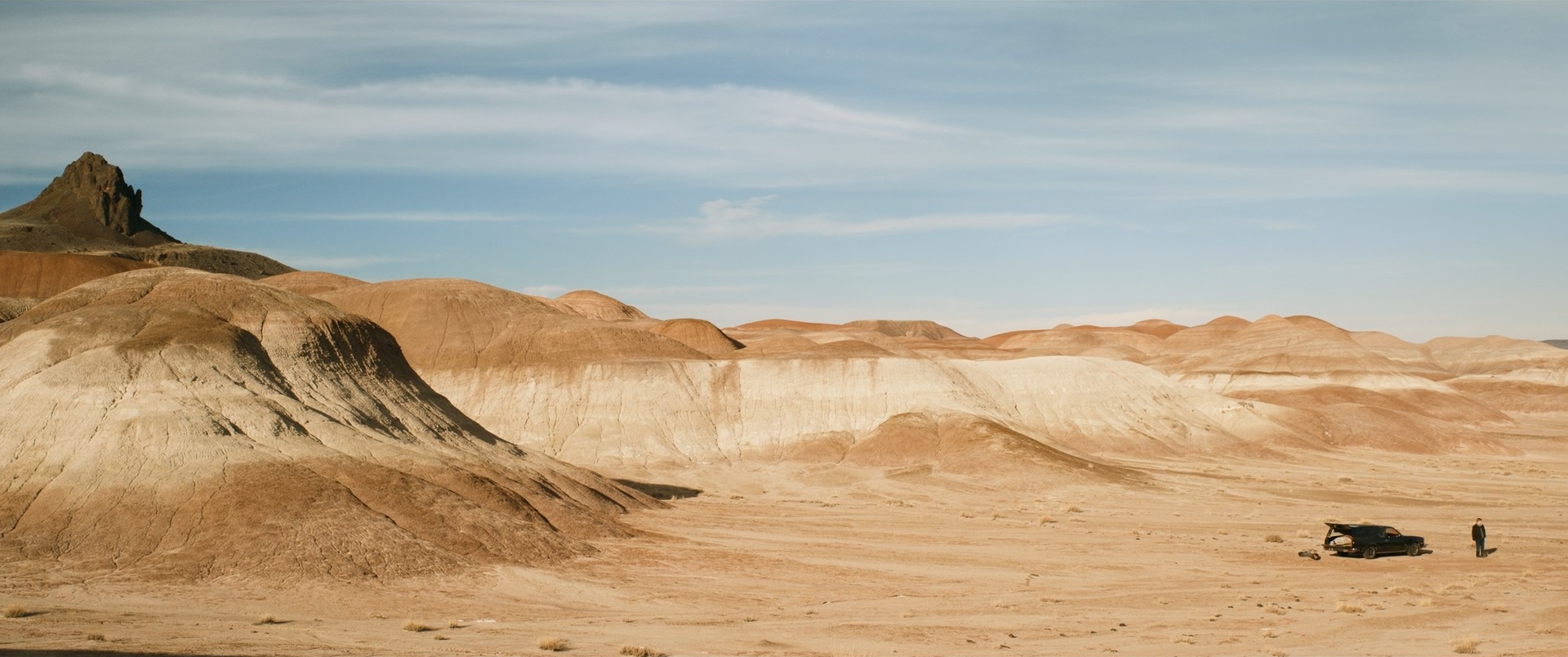
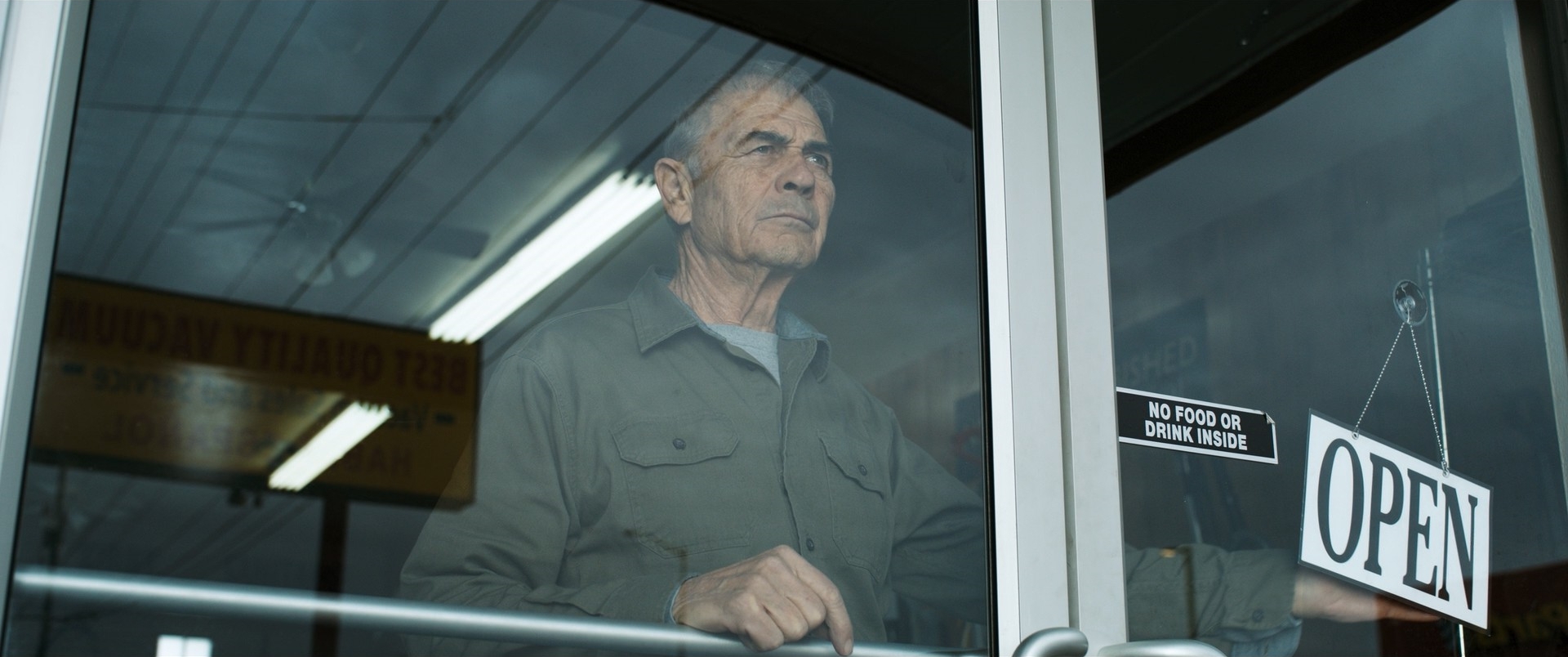
El Camino: A Breaking Bad Movie (2019)
Picking up immediately after the events of Breaking Bad, Jesse Pinkman escapes captivity and goes on the run, seeking a way to start a new life. As he evades both law enforcement and lingering threats from his past, flashbacks reveal the trauma he endured and the relationships that shaped him. His journey becomes a final reckoning with his past and a search for freedom.
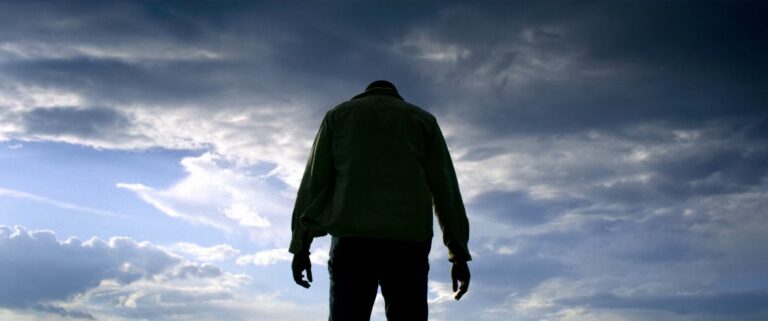
In El Camino, Gilligan and cinematographer Marshall Adams carry over the show’s precise visual language, using controlled compositions, naturalistic lighting, and wide New Mexico landscapes to ground Jesse’s story. The film’s deliberate pacing and clean framing give each moment weight—turning stillness, silence, and environment into a visual extension of Jesse’s internal state.


FILM SPOTLIGHT
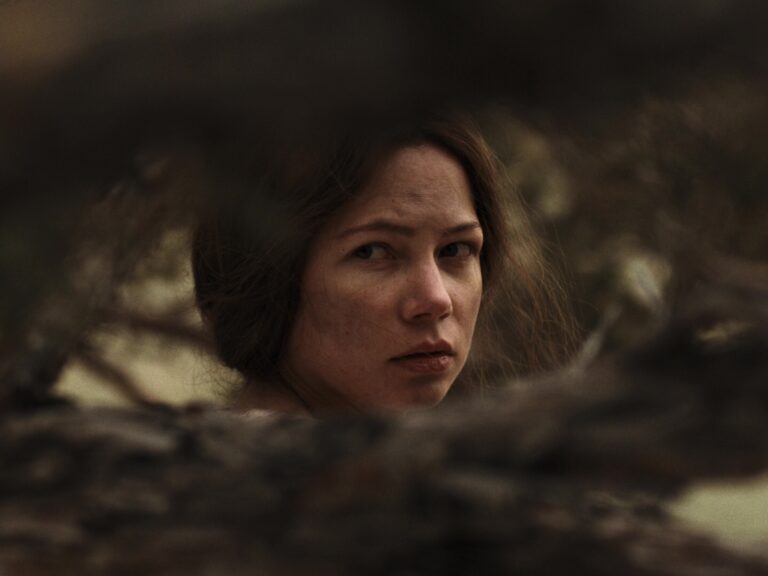
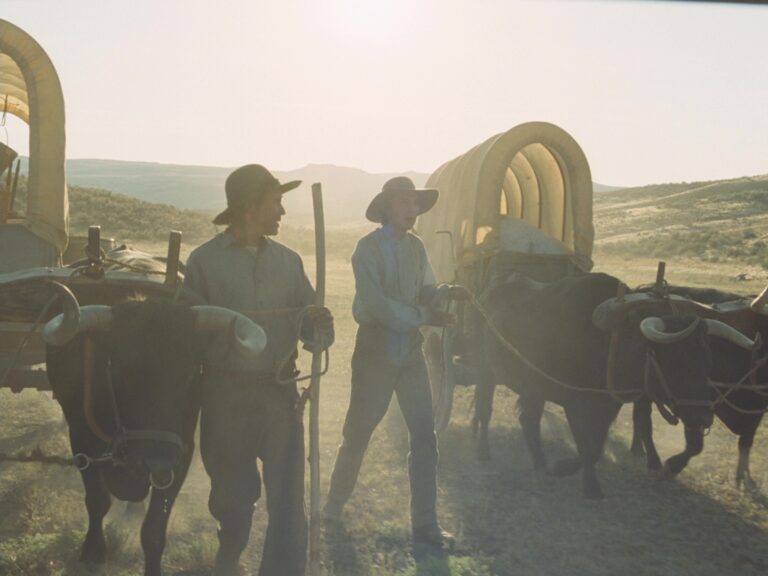
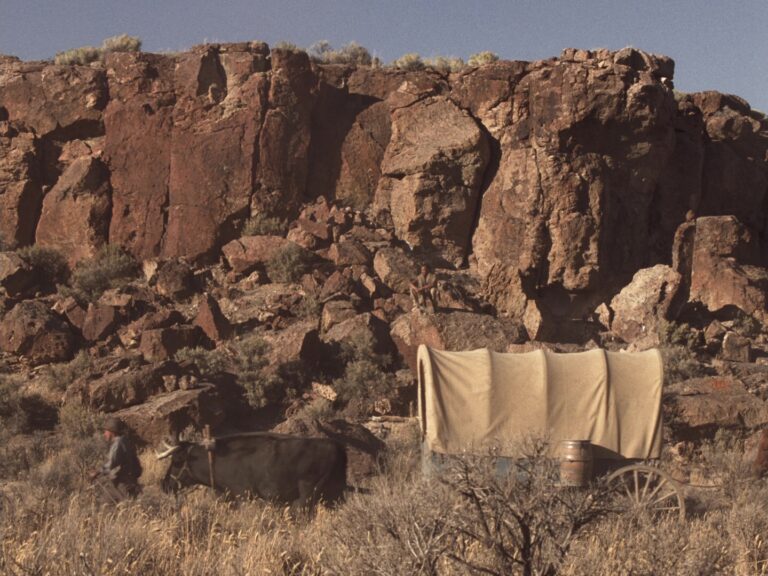
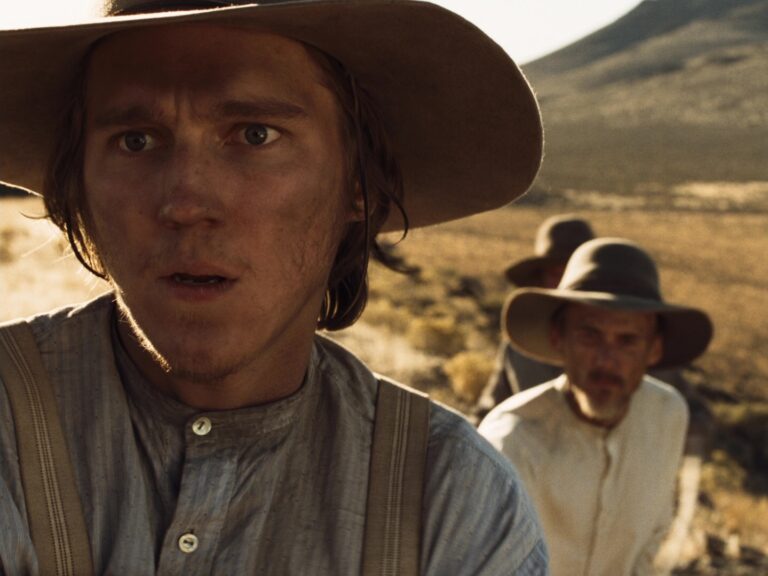
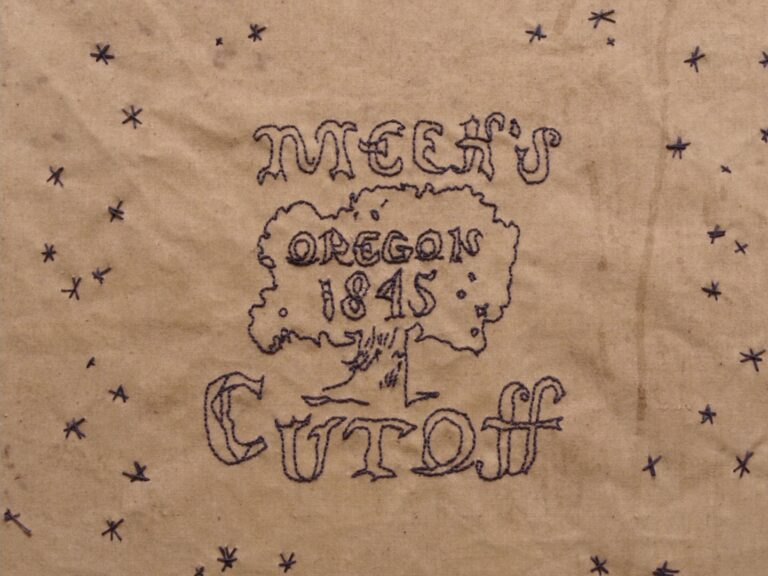
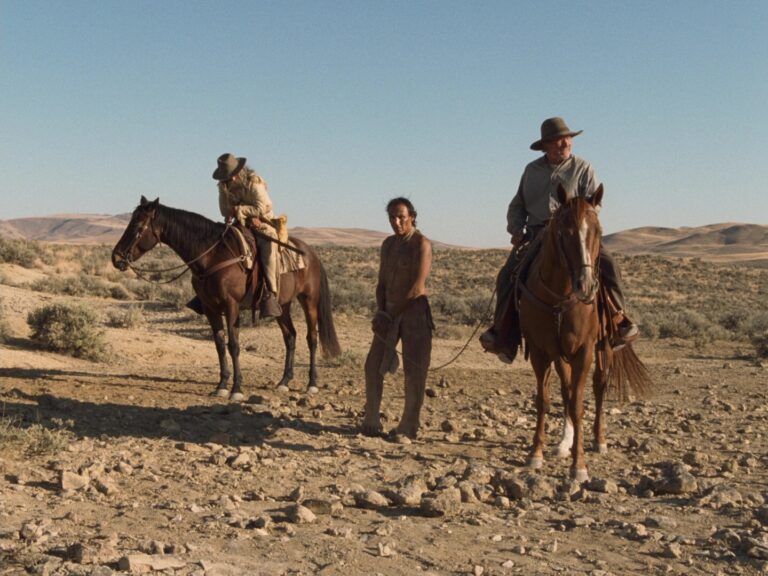
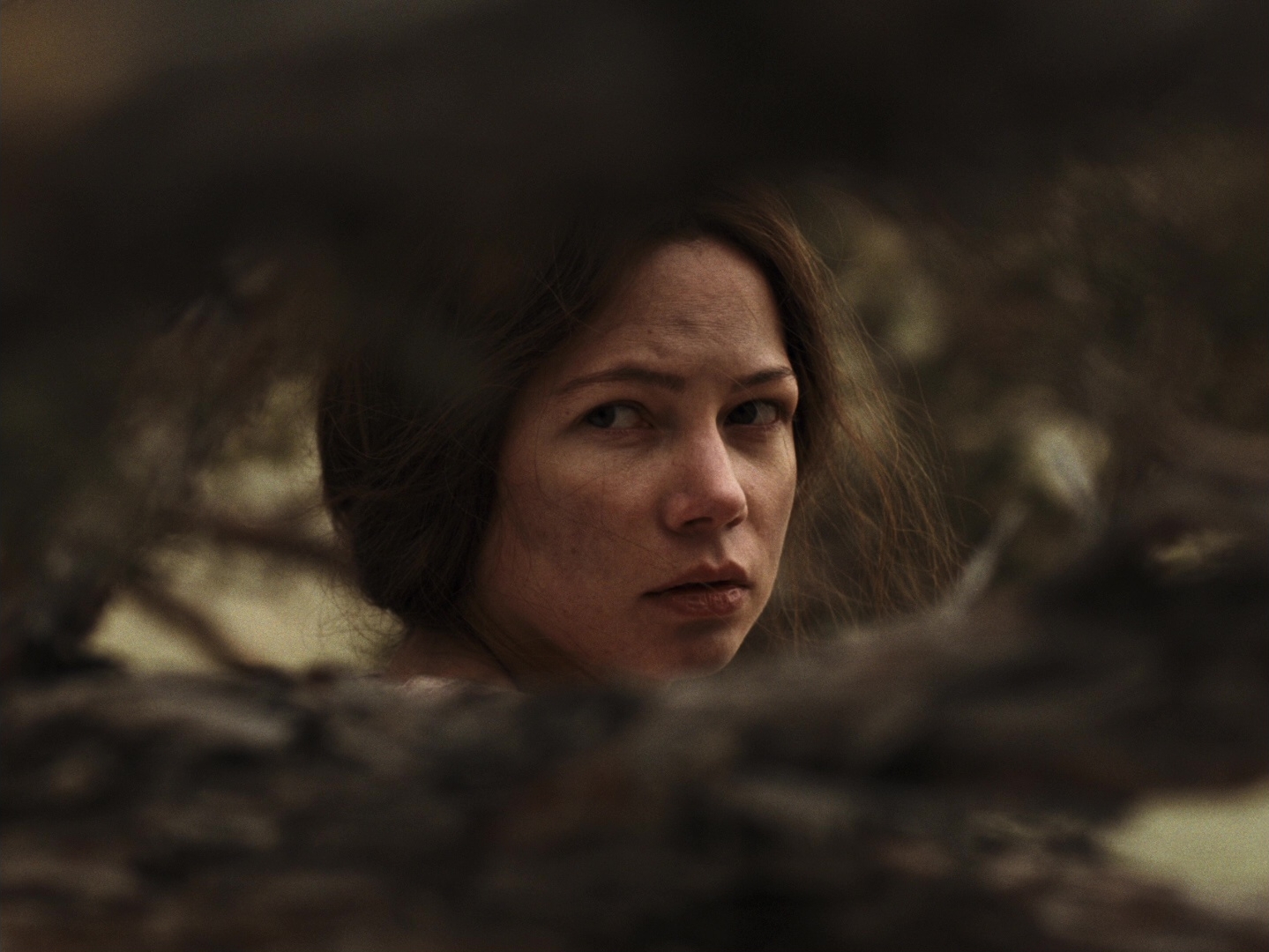
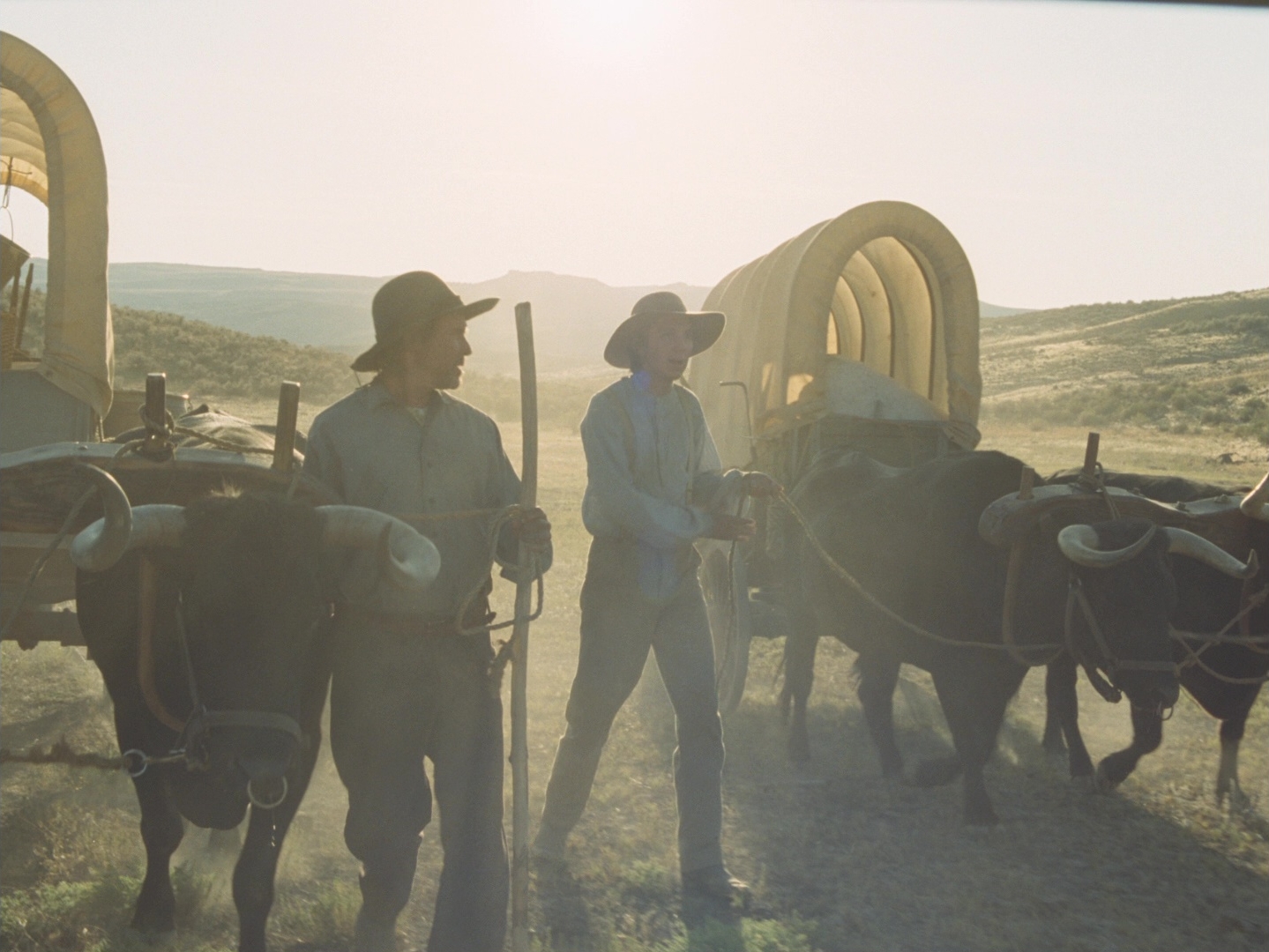
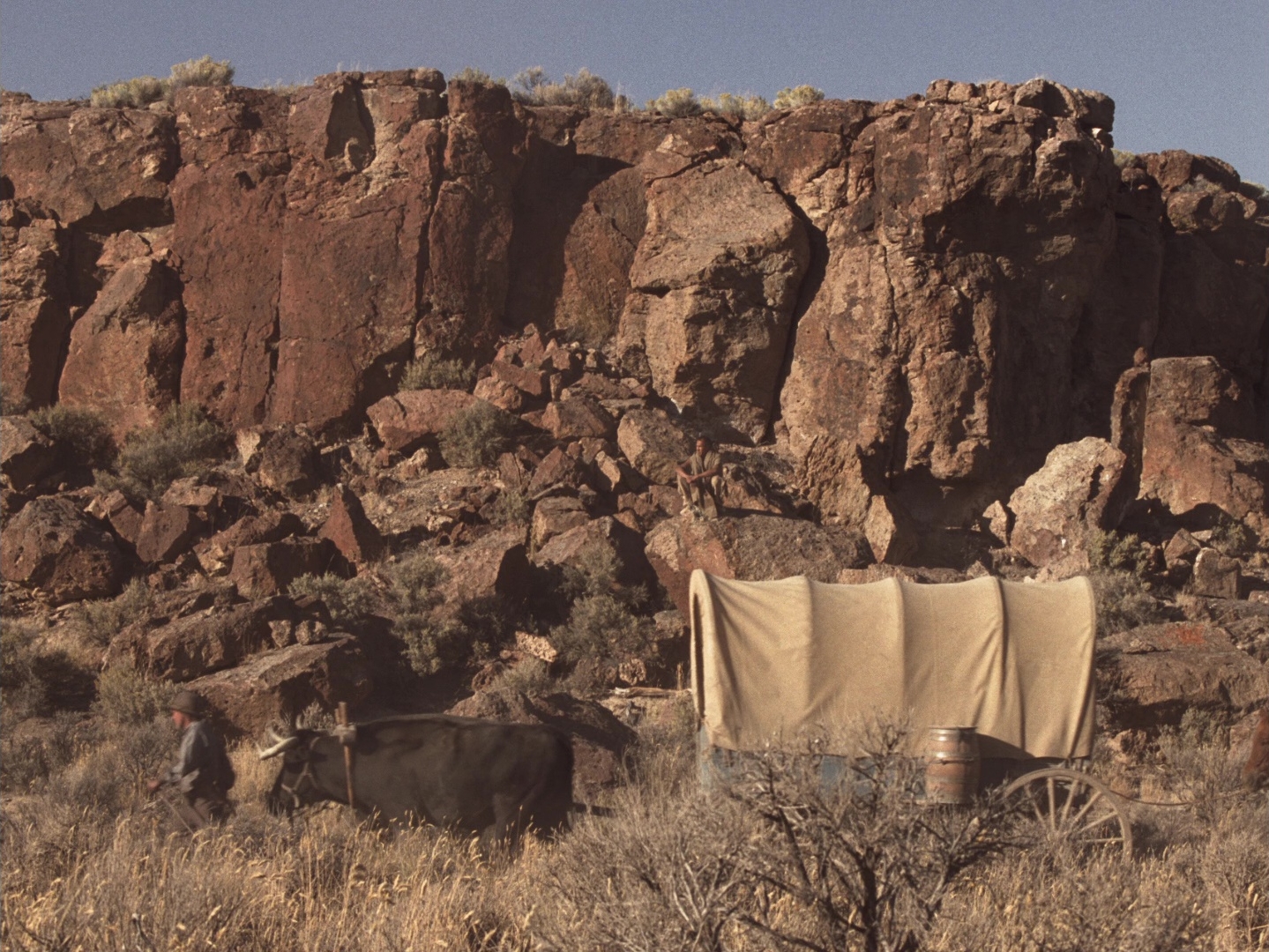
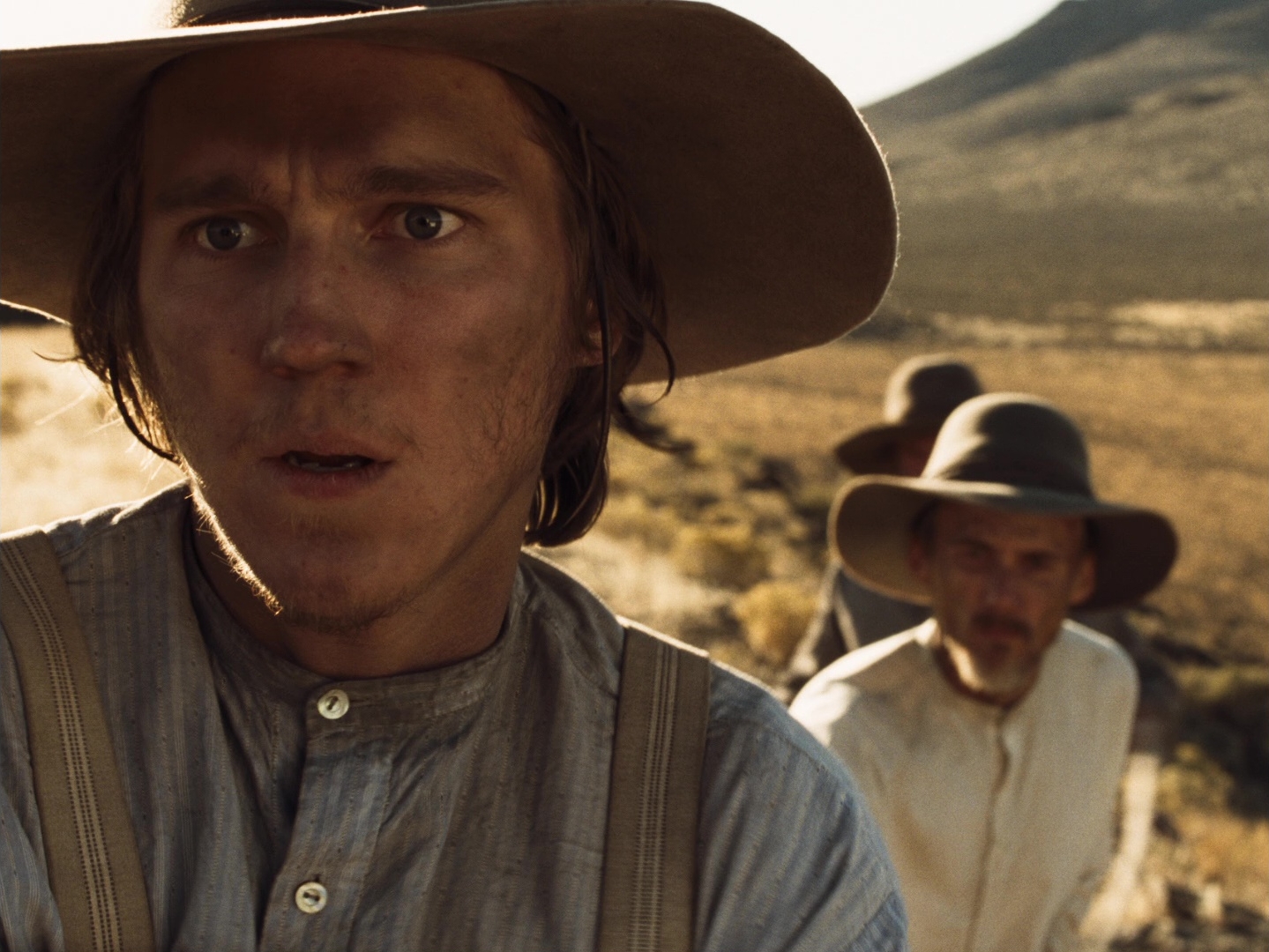
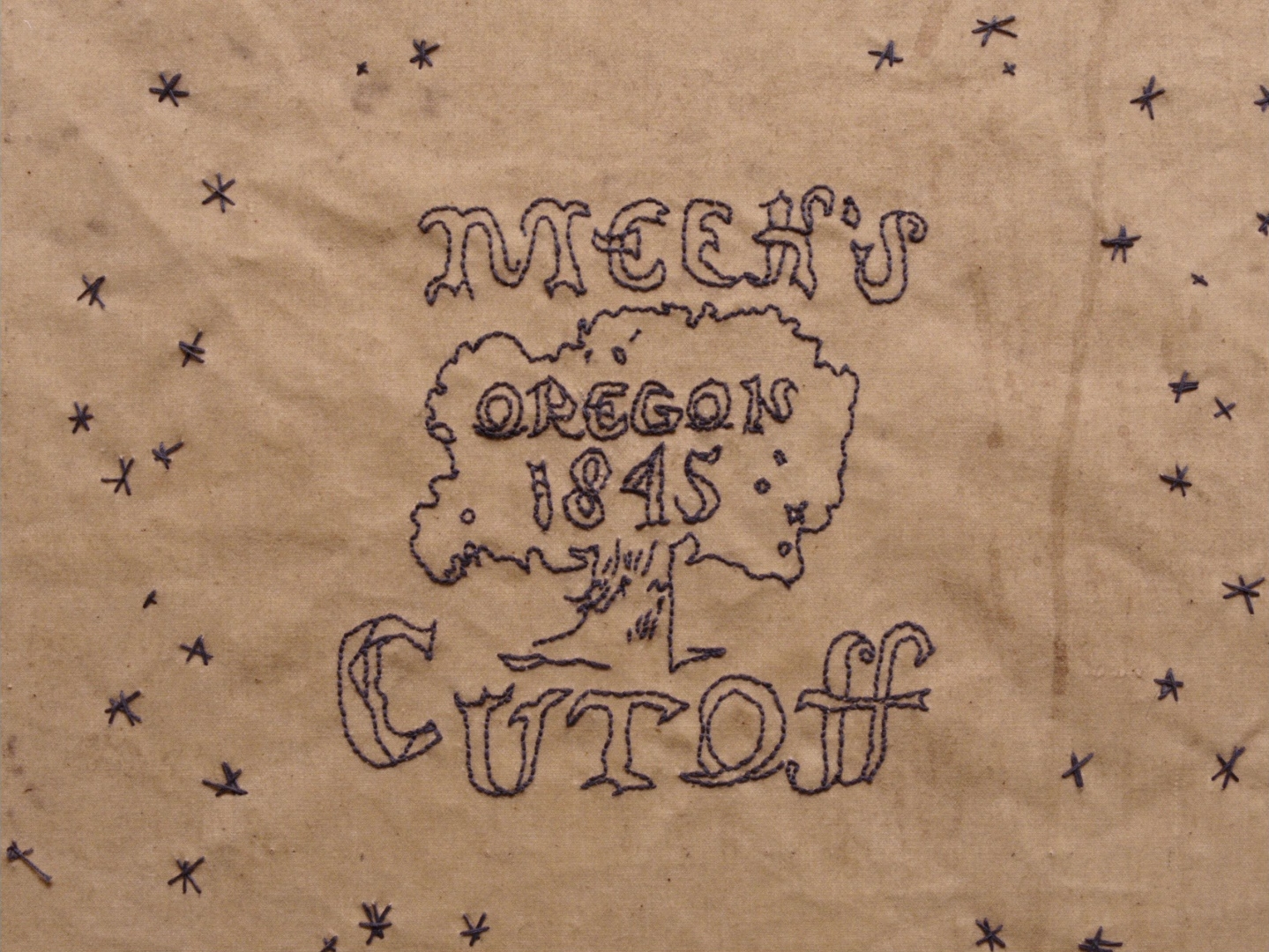
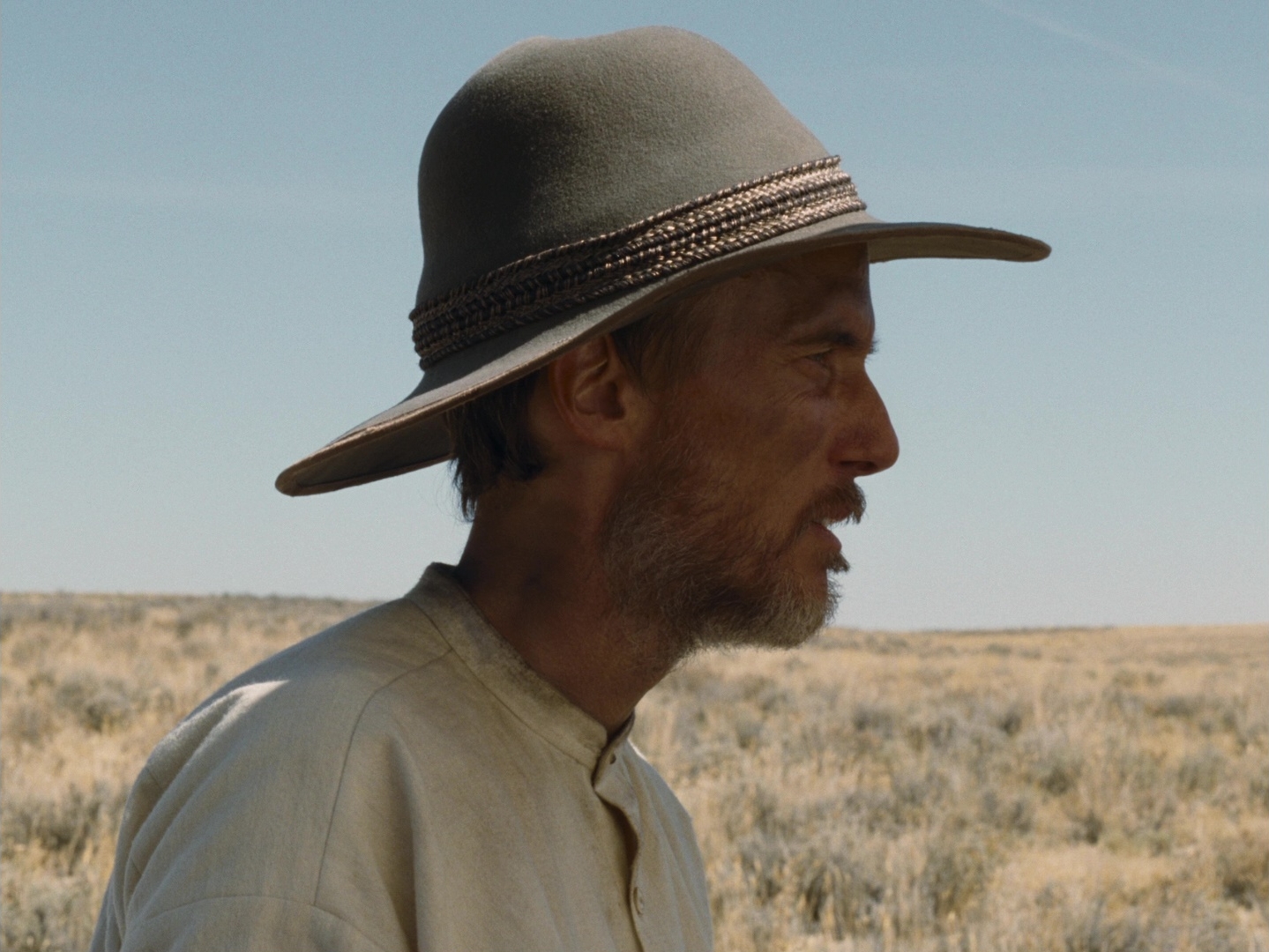
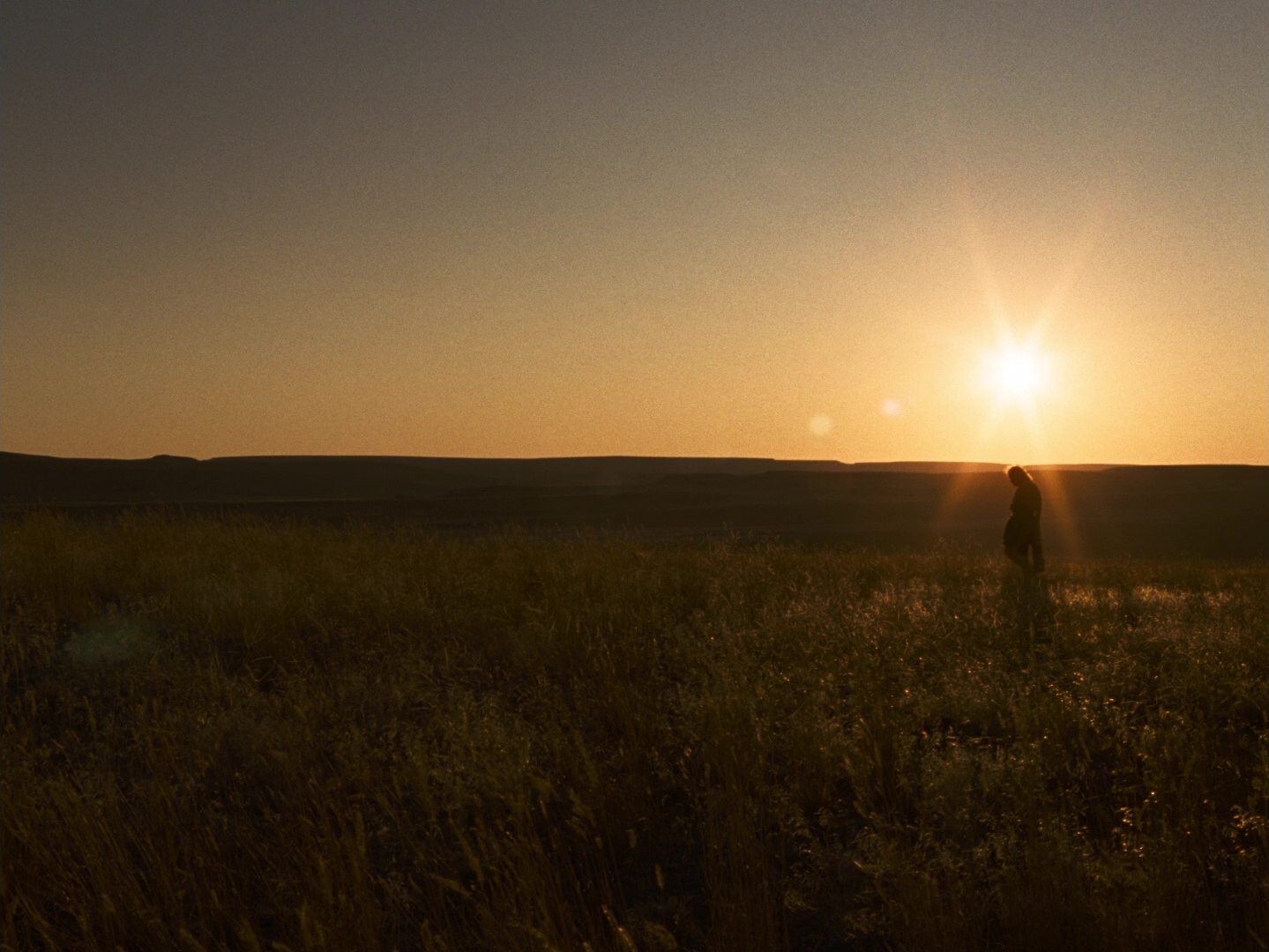
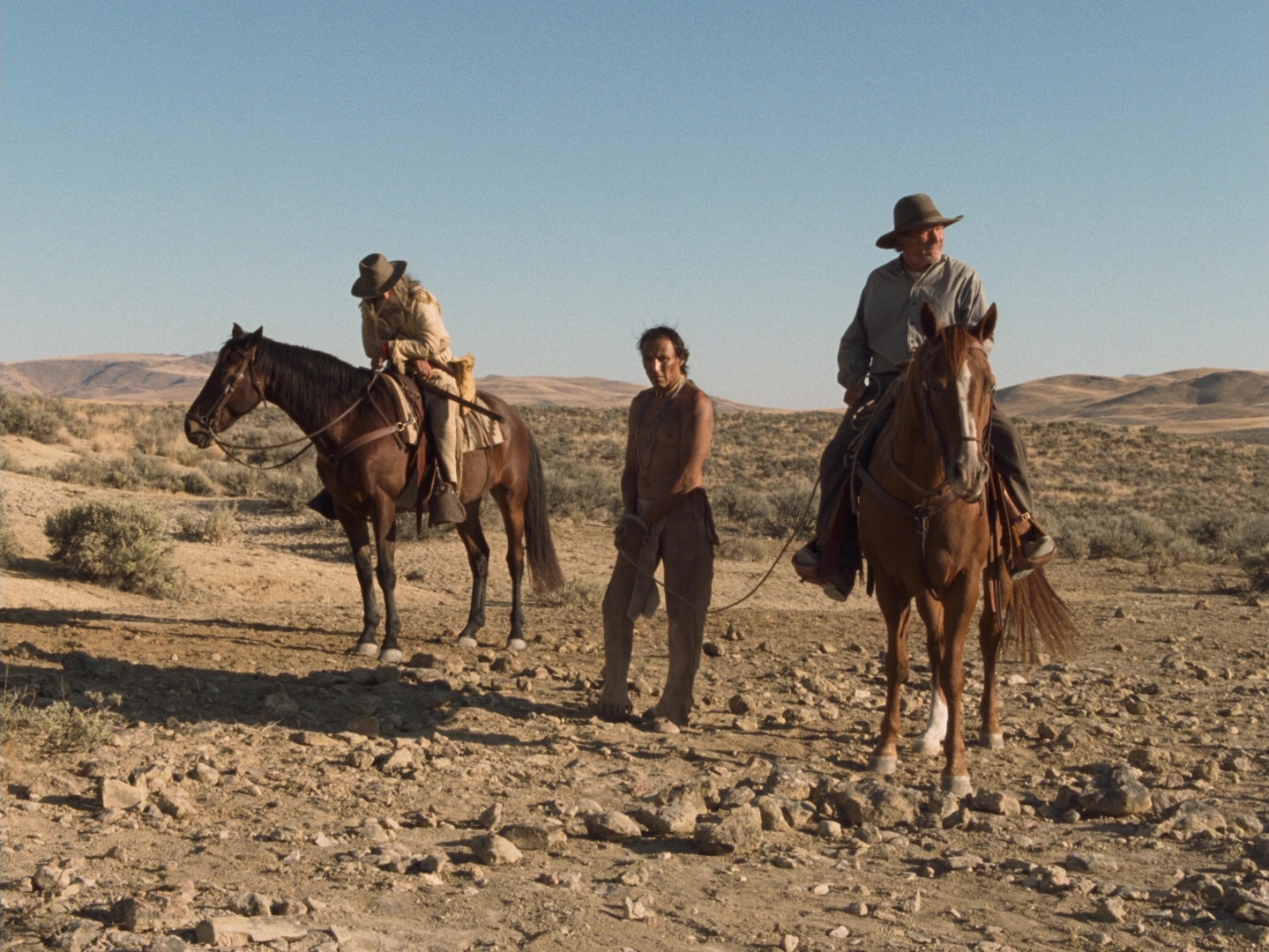
Meek’s Cutoff (2010)
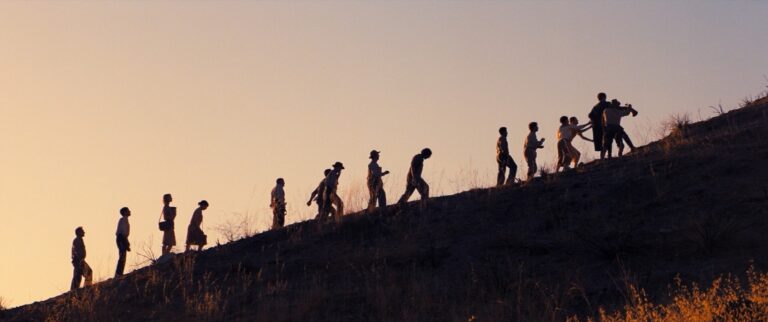
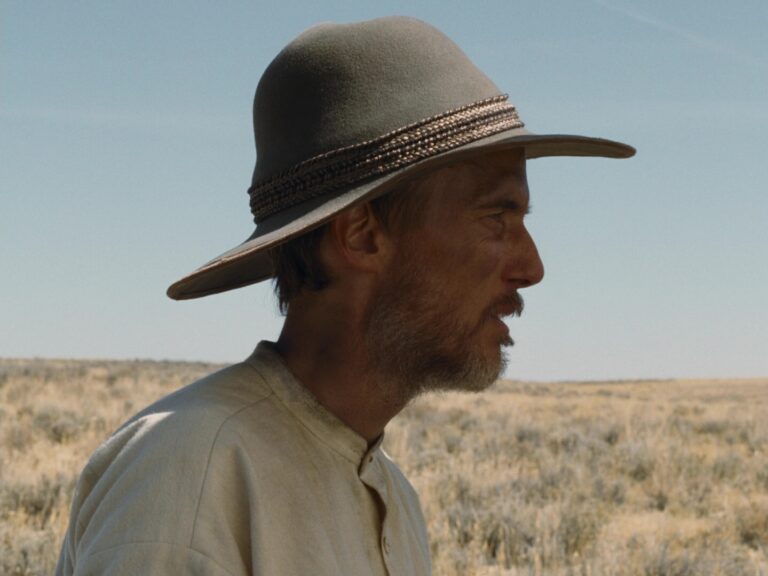
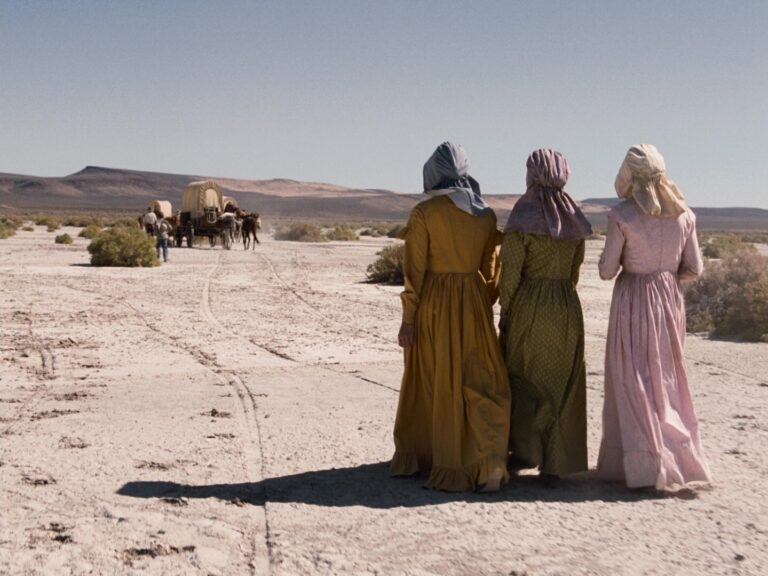
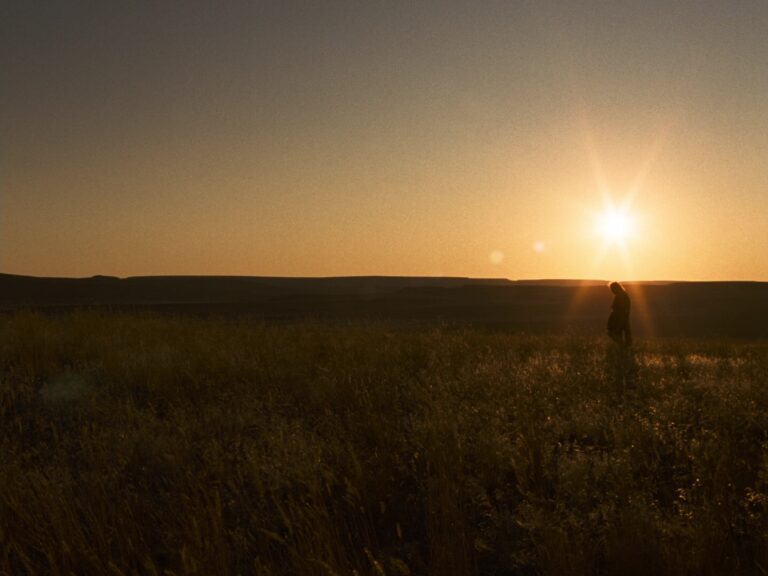
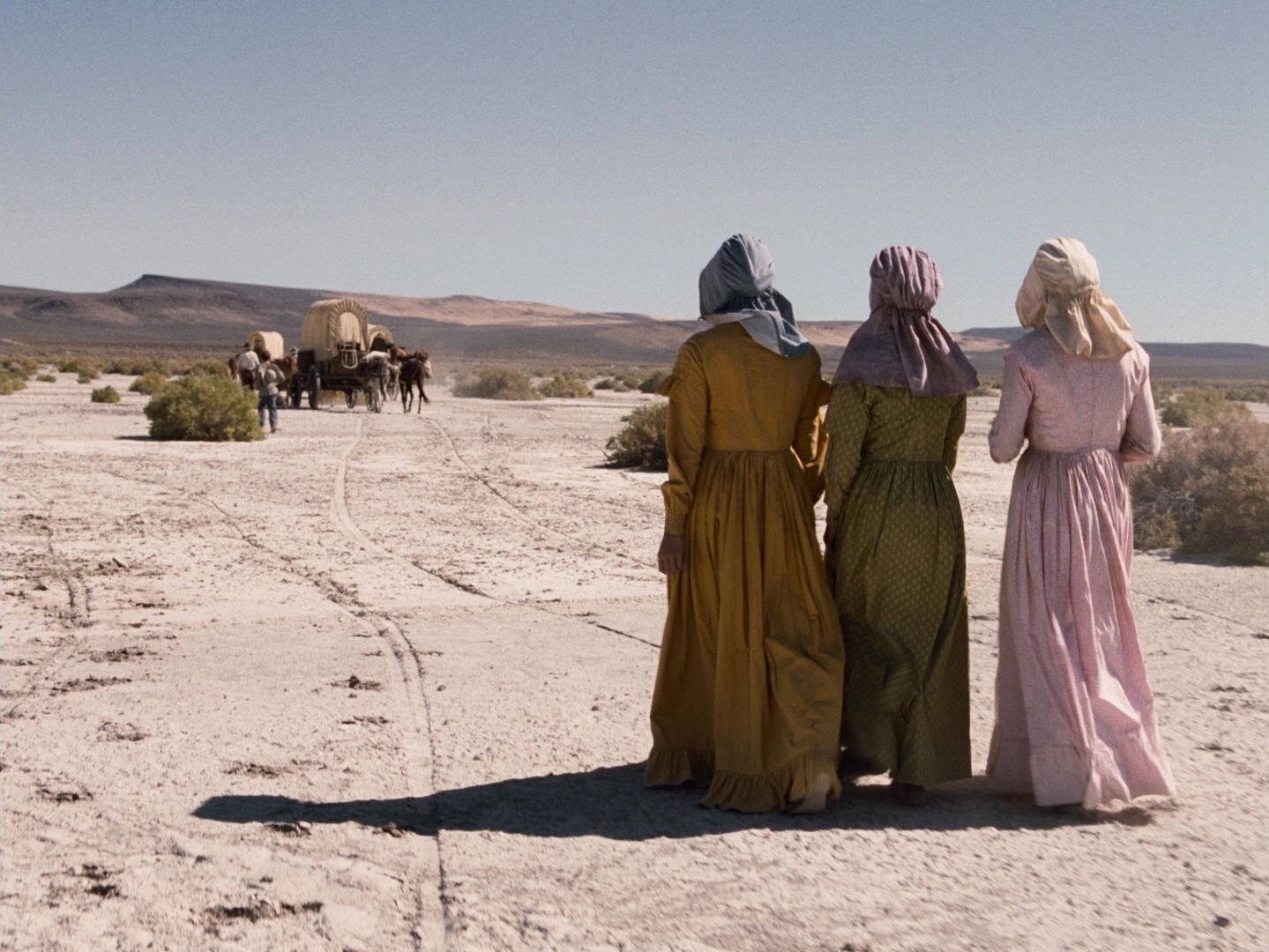
Set in 1845, a small group of settlers traveling the Oregon Trail hires a mountain man, Stephen Meek, to guide them across the high desert. As supplies dwindle and uncertainty grows, the group begins to question whether Meek knows the way. Their journey becomes a tense struggle for survival, trust, and control in an unforgiving landscape.
Reichardt and cinematographer Christopher Blauvelt shot Meek’s Cutoff in the nearly square 1.33:1 aspect ratio, using it to restrict the horizon and limit the viewer’s sense of direction. The film’s natural light, long takes, and off-screen space turn the environment into a source of disorientation—where what you can’t see becomes as important as what you can.
FILM SPOTLIGHT
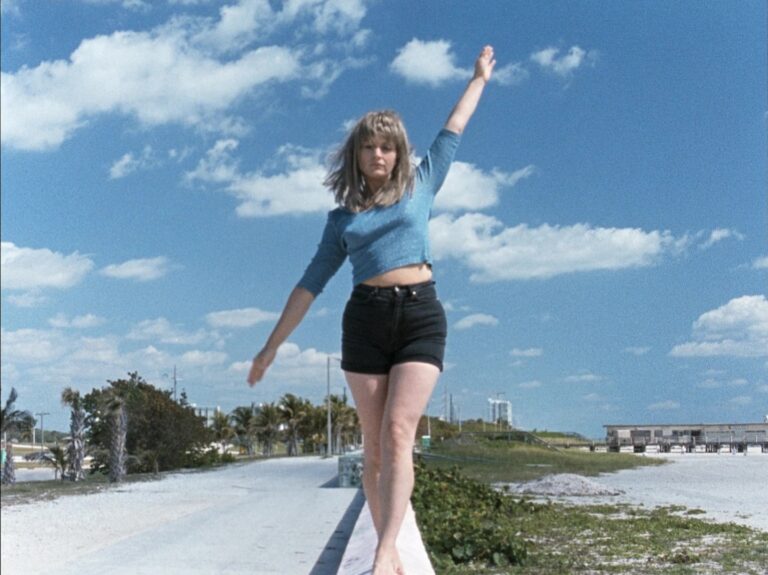
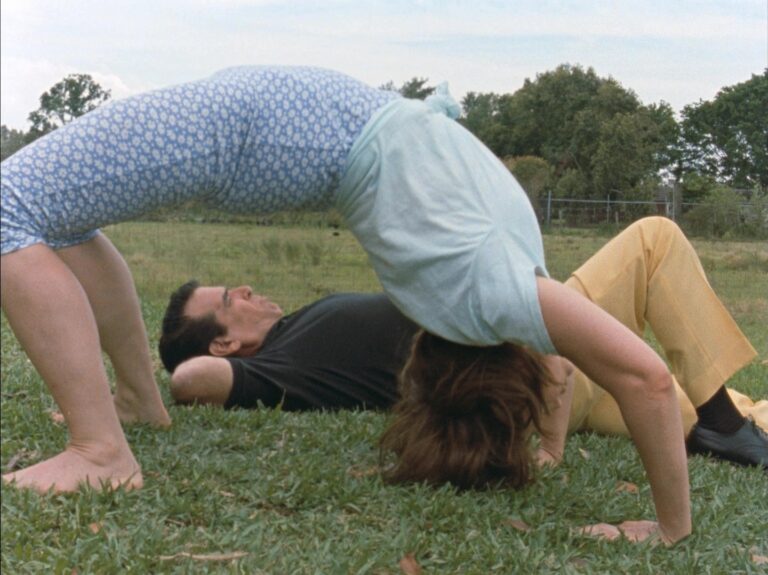
River of Grass (1995)
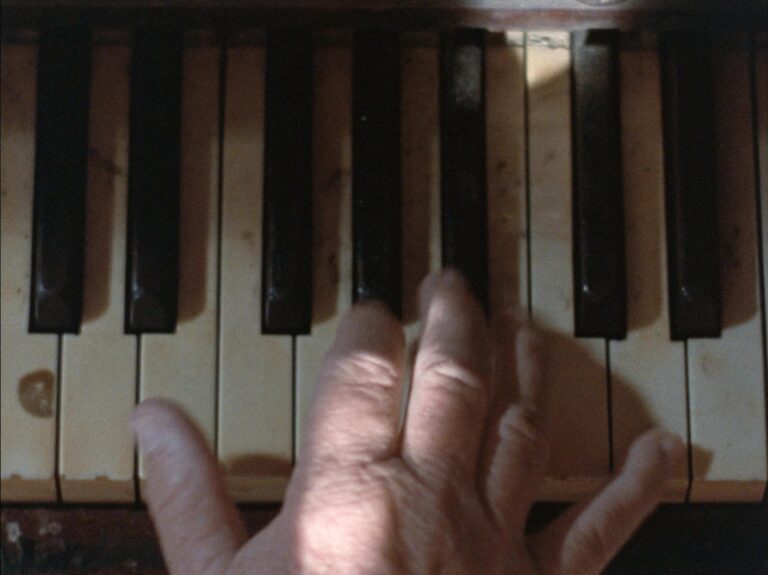
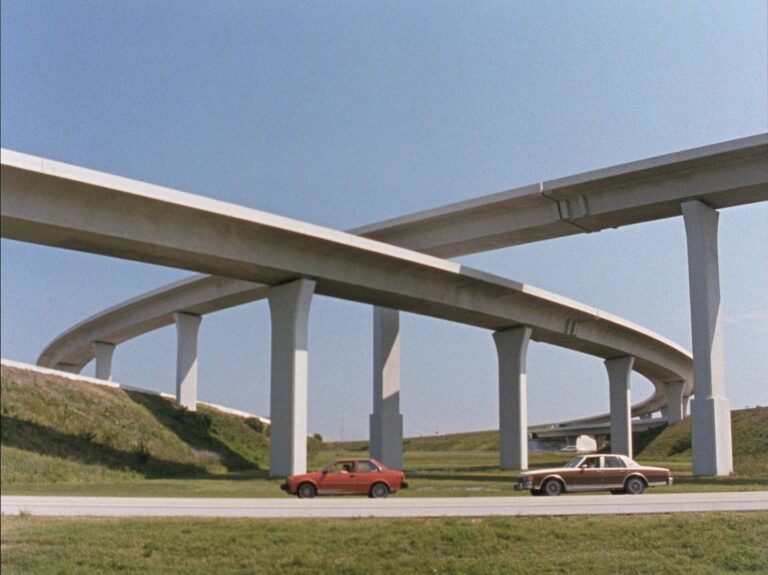
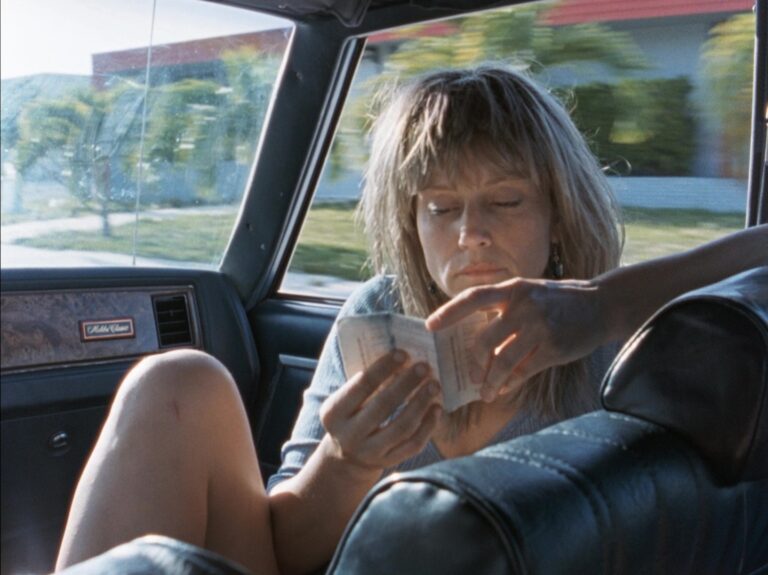
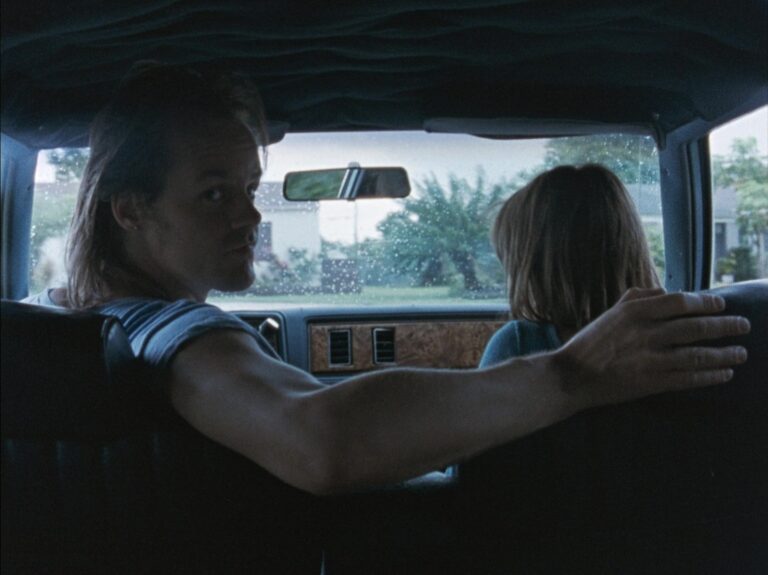
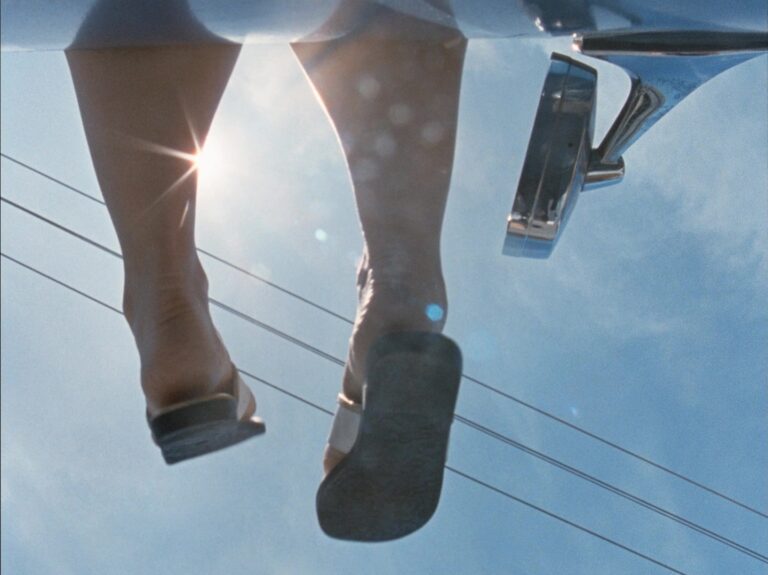
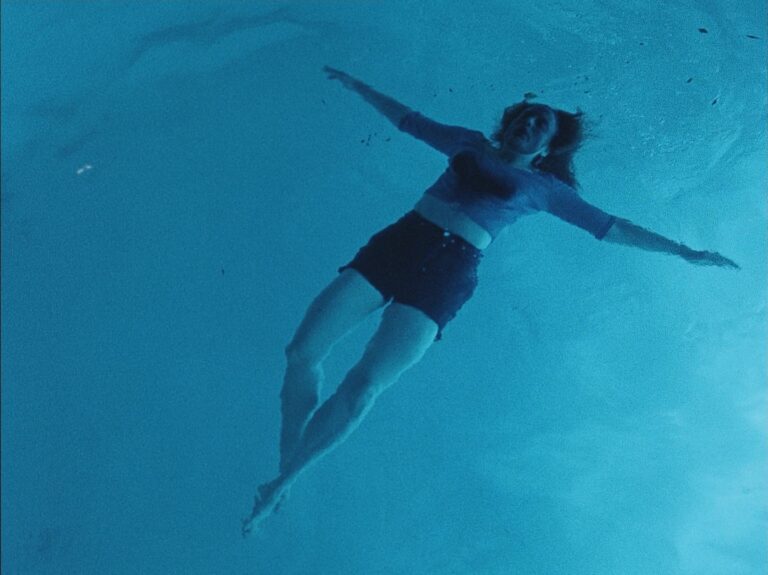
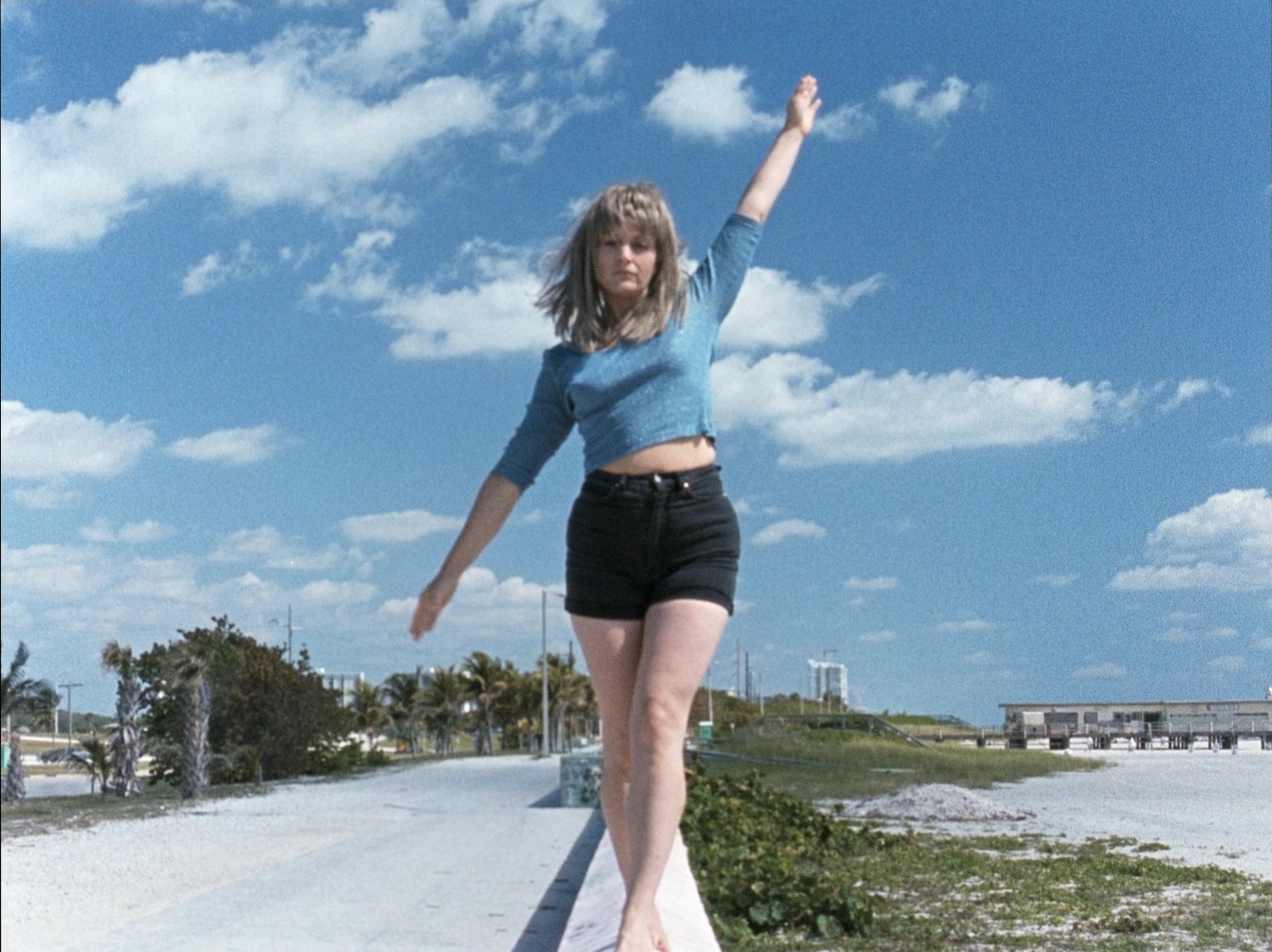
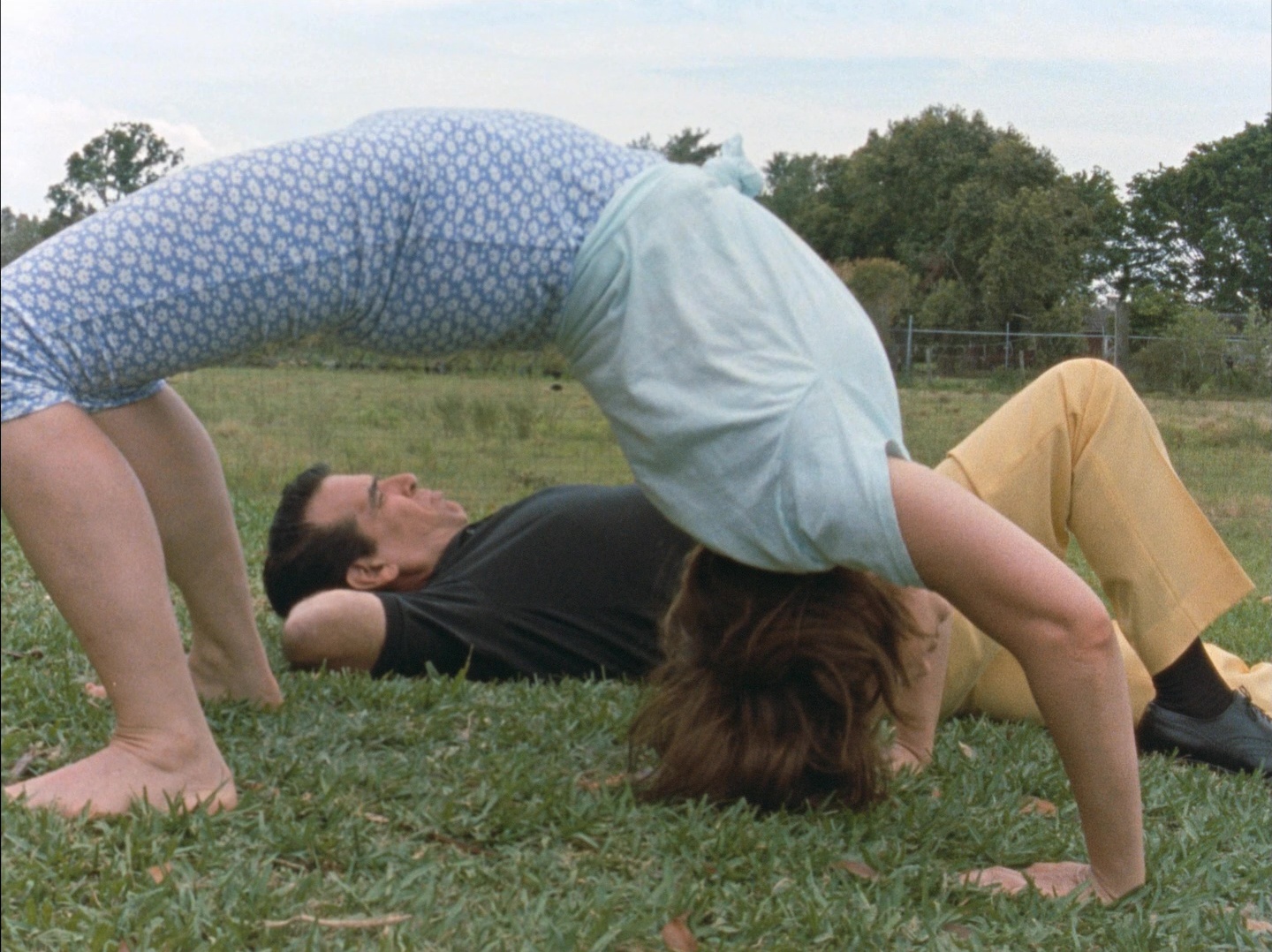
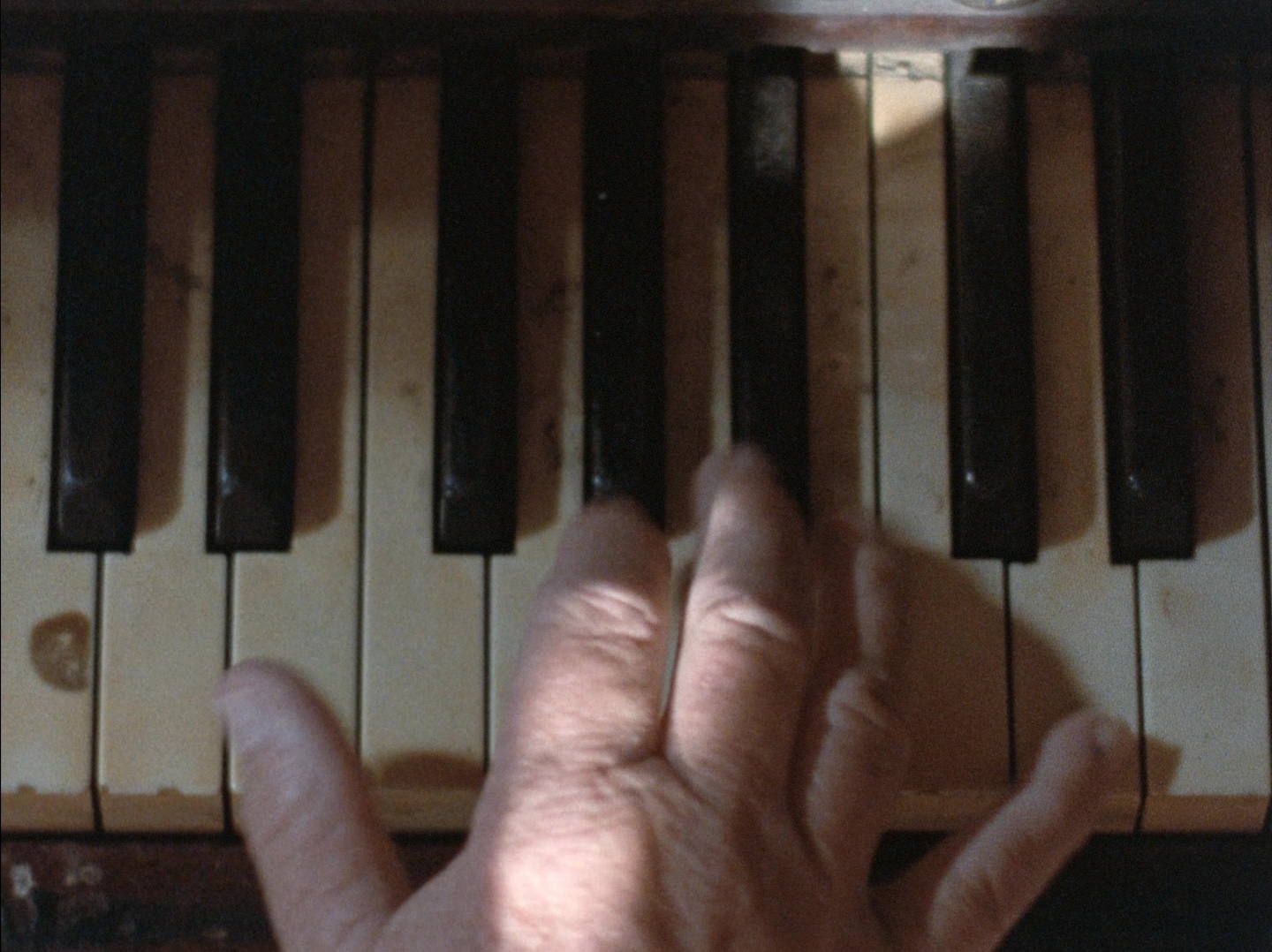
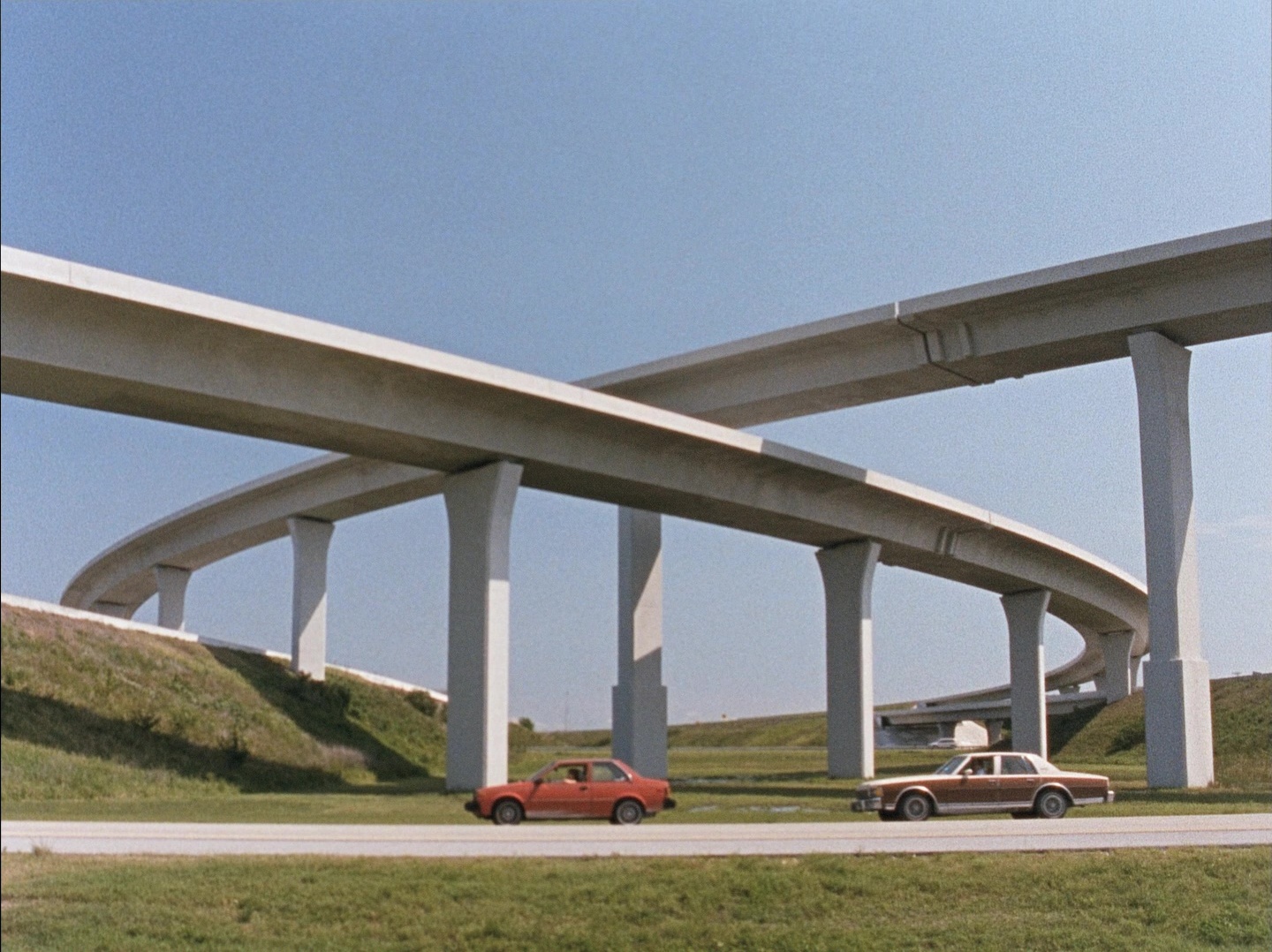
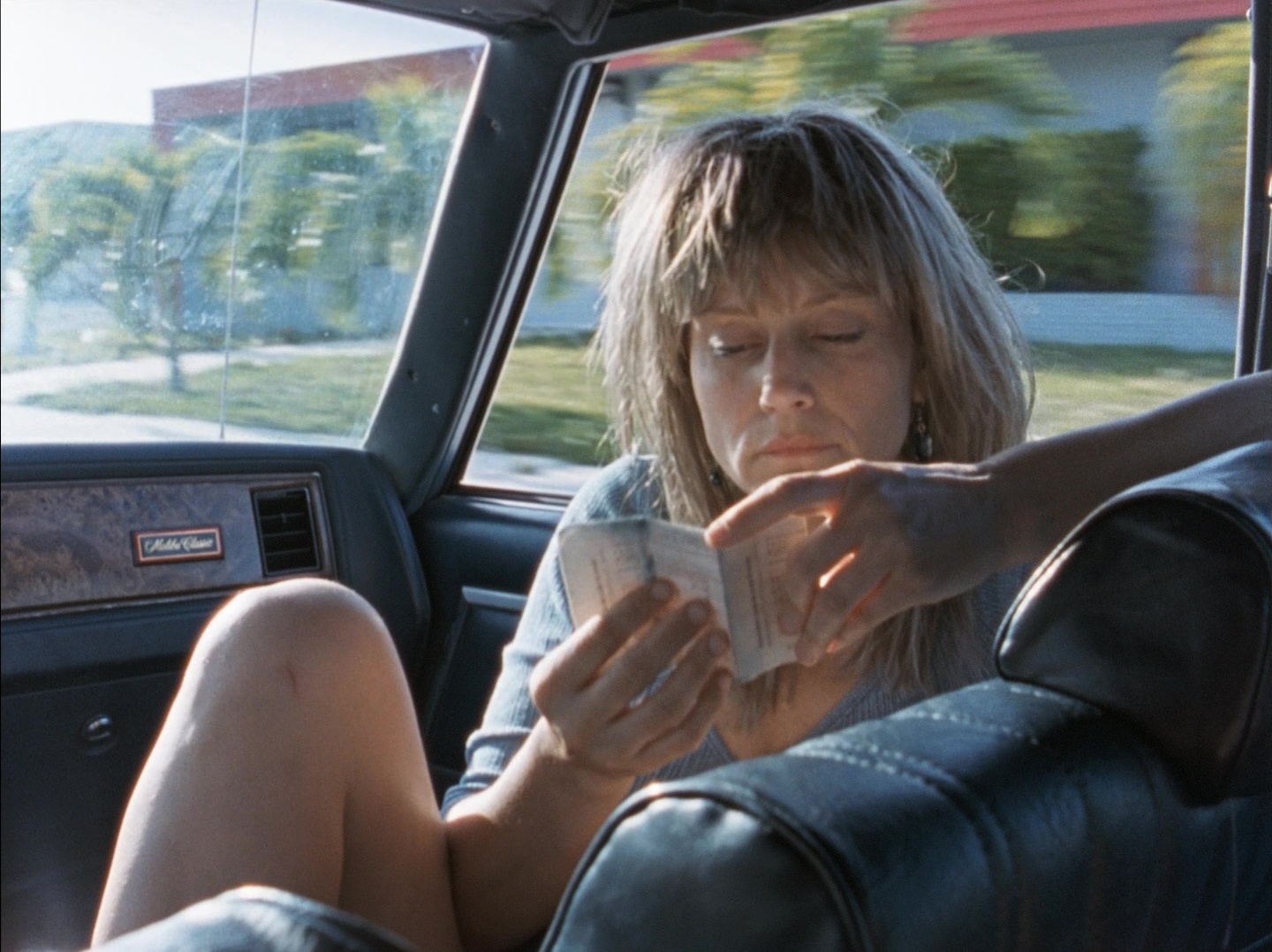
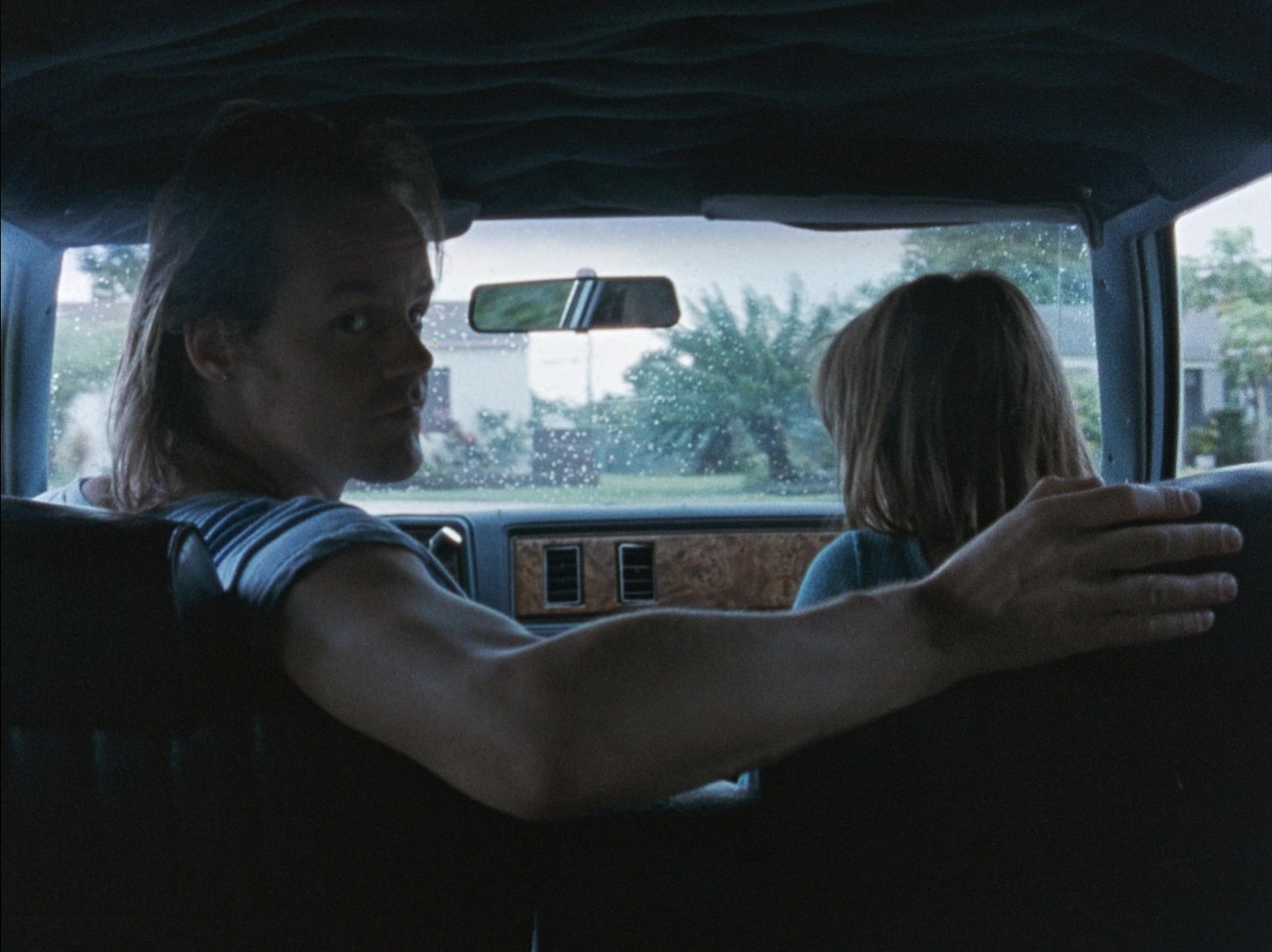
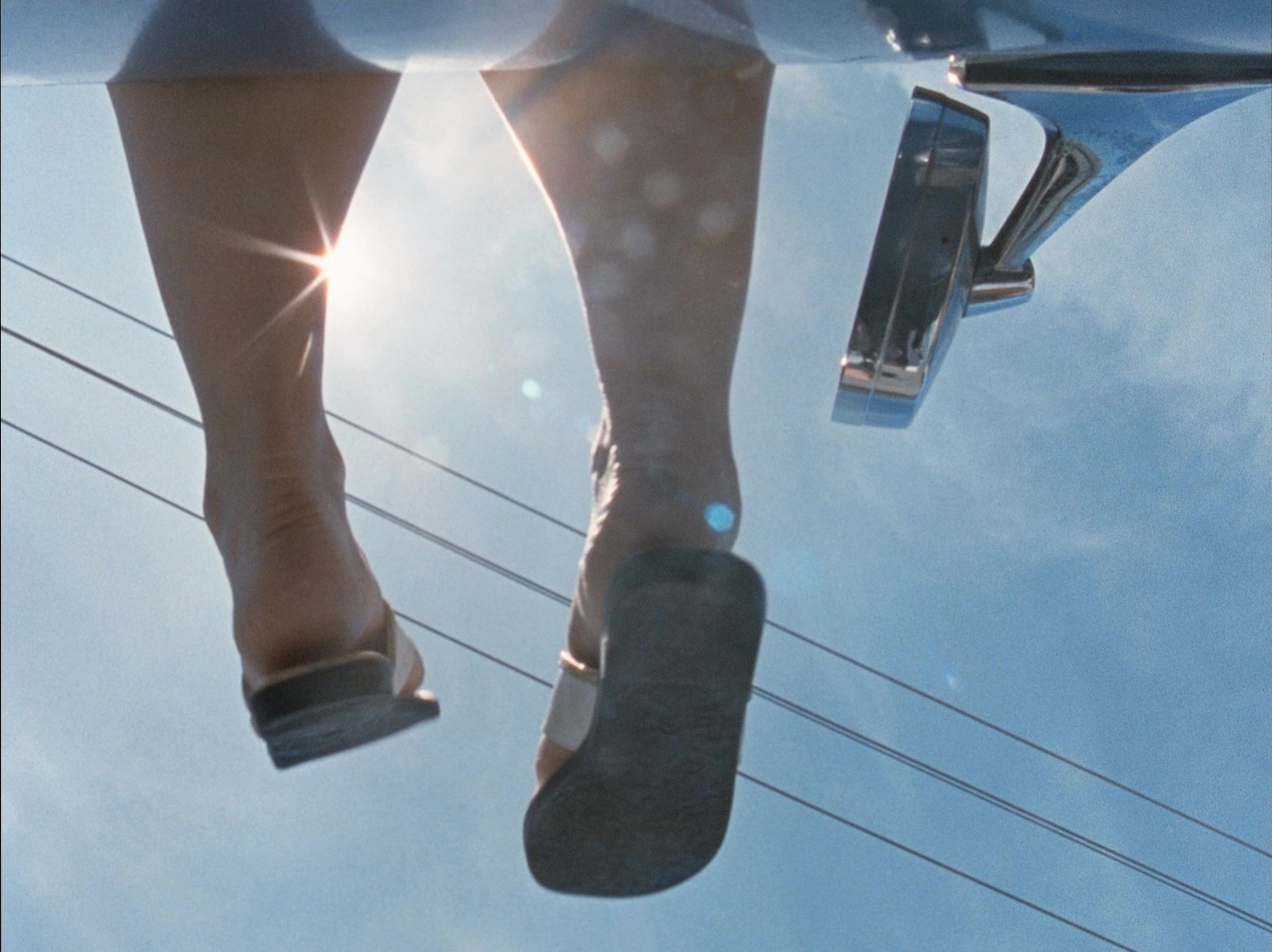
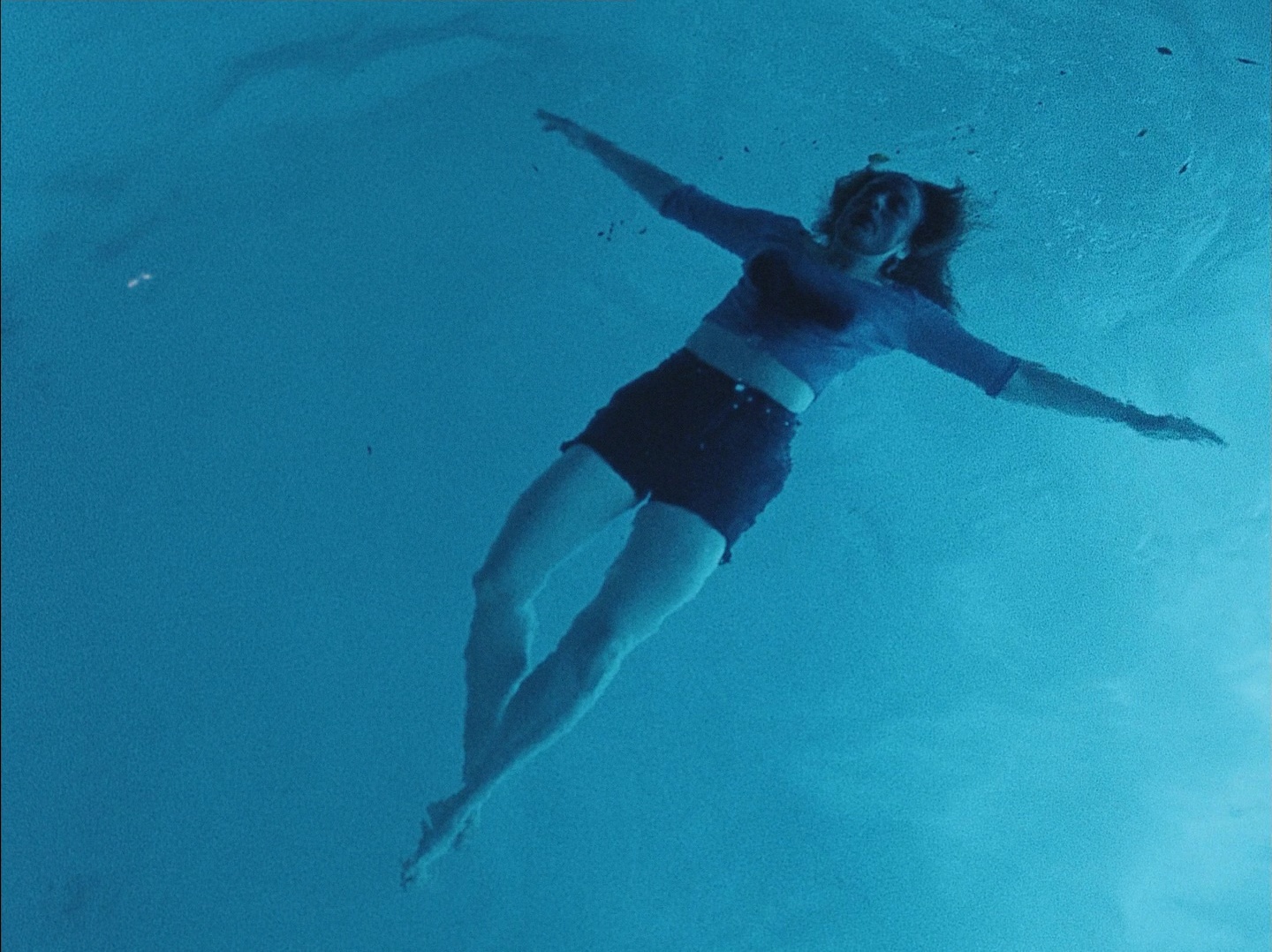
Cozy, a disaffected housewife in suburban Florida, falls into a listless relationship with Lee, an aimless drifter who fantasizes about a life of crime. After a chance incident convinces them they’ve committed a serious offense, the two go on the run—despite lacking the urgency or competence of real fugitives. Their journey becomes a meandering, deadpan exploration of boredom, escapism, and misplaced rebellion.
Reichardt and cinematographer Jim Denault shoot River of Grass with a stripped-down, lo-fi naturalism, using flat lighting and unglamorous suburban locations to emphasize its anti-romantic tone. The film’s static framing and dry visual style undercut the idea of outlaw mythology—turning Florida’s banal sprawl into a landscape of inertia rather than adventure.
FILM SPOTLIGHT
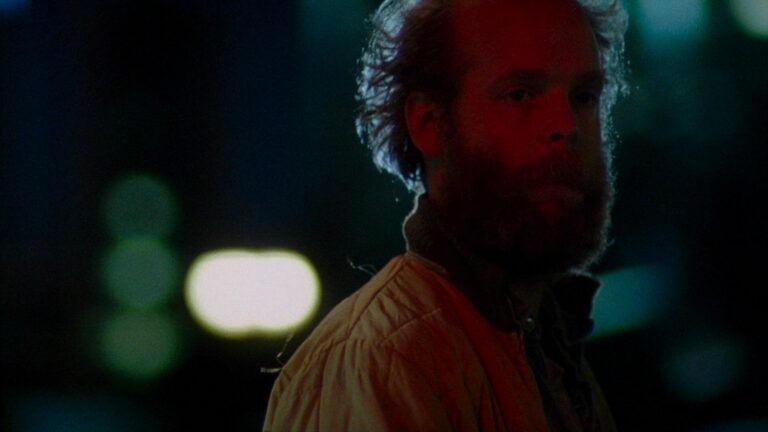
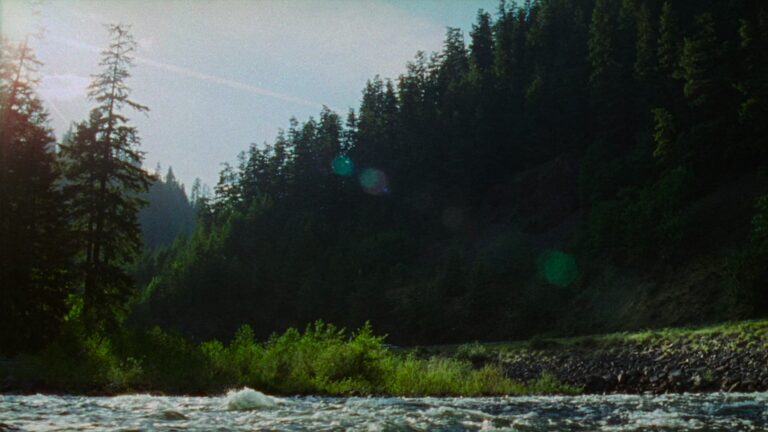
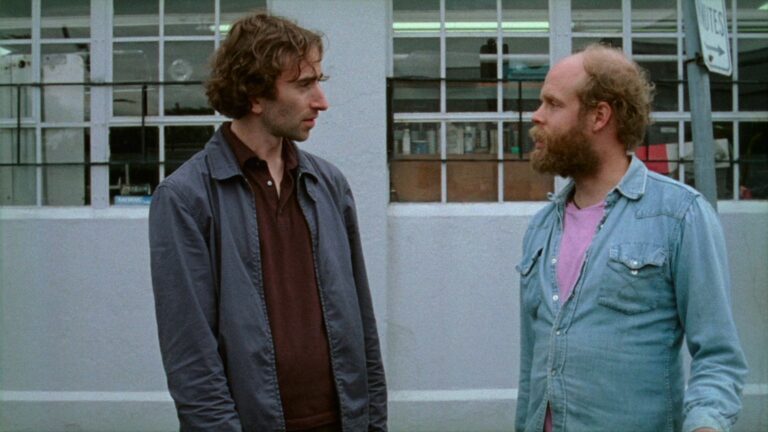
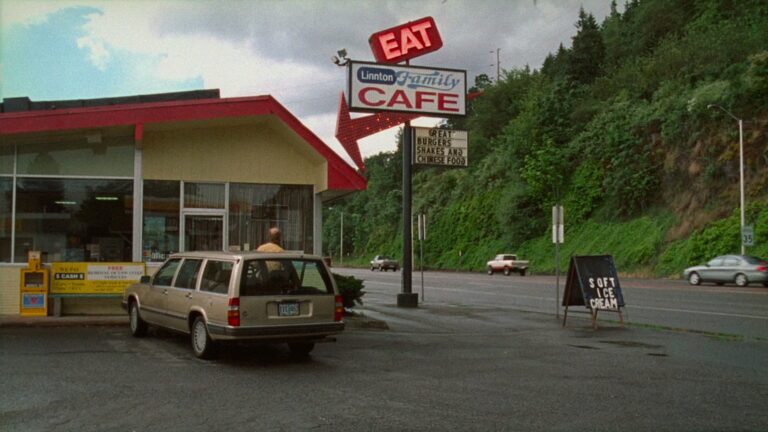
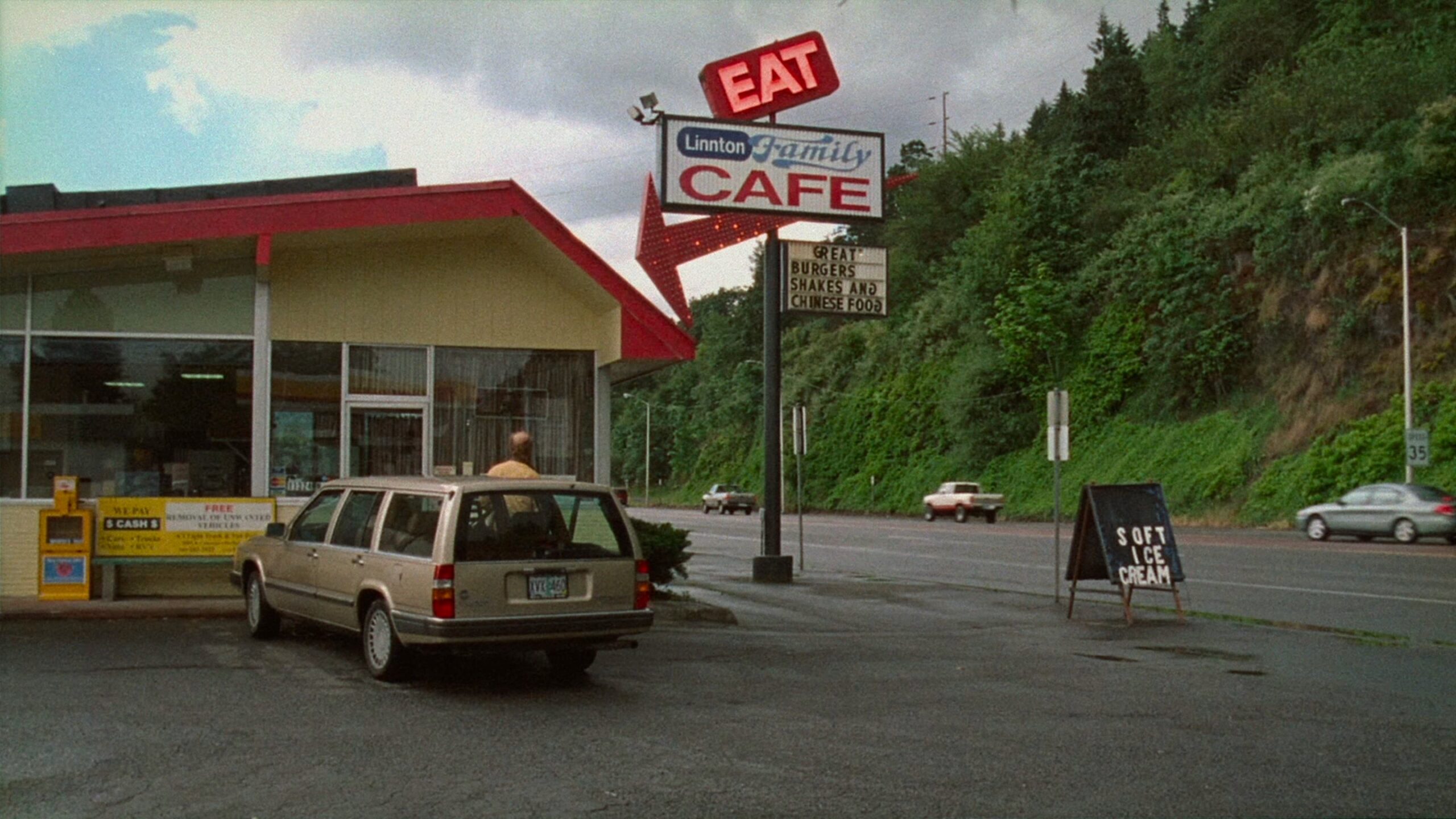
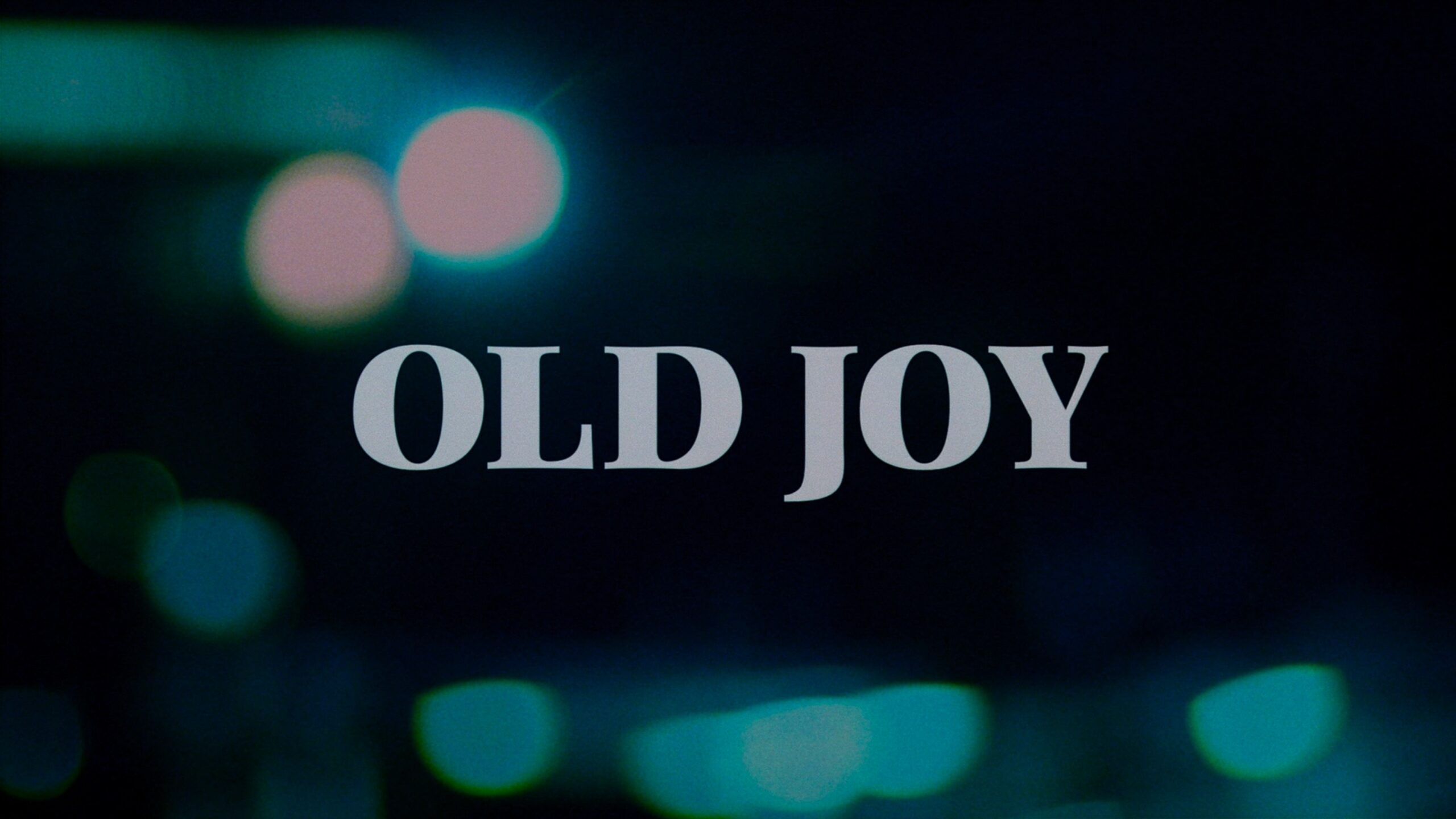
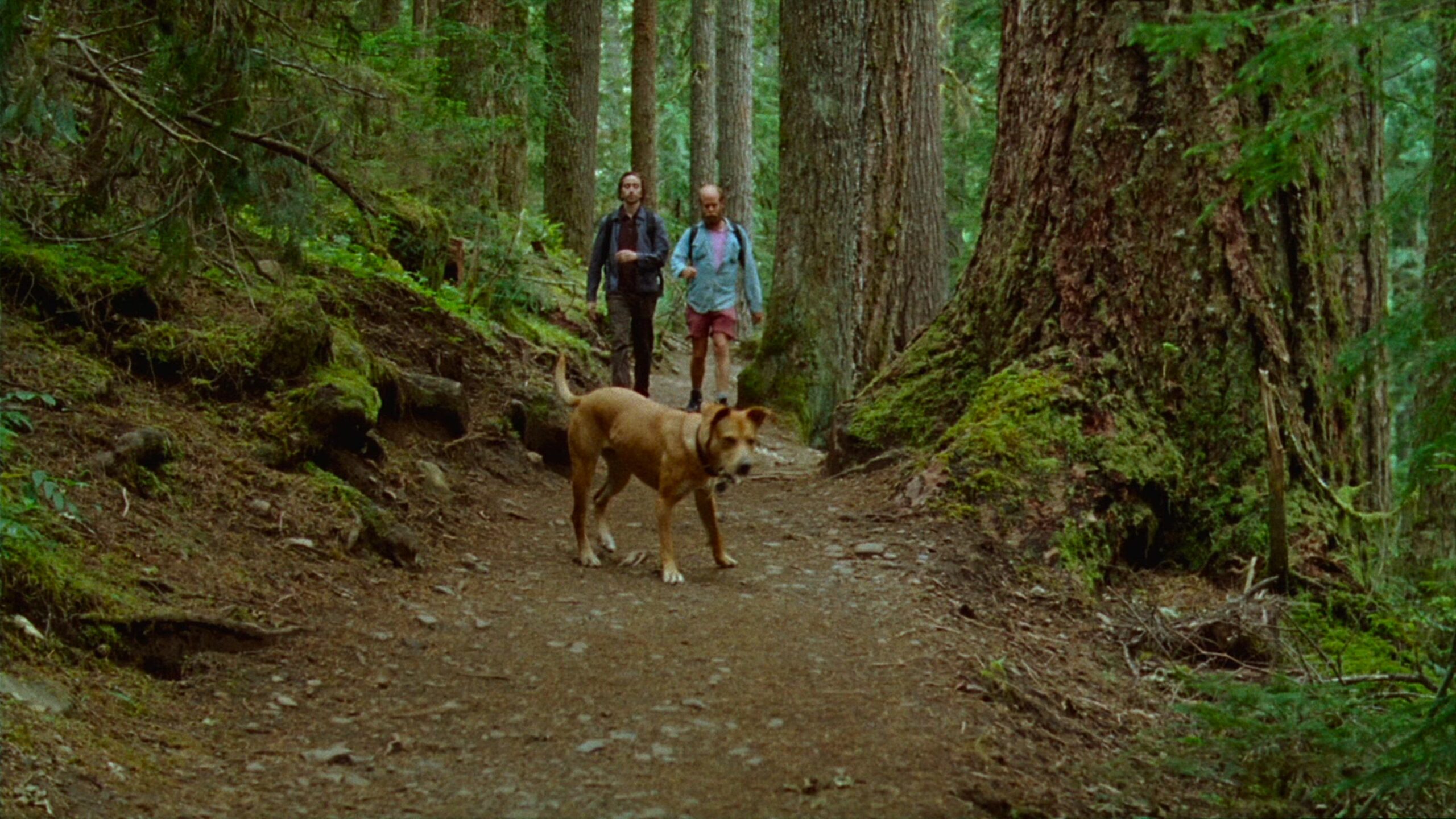
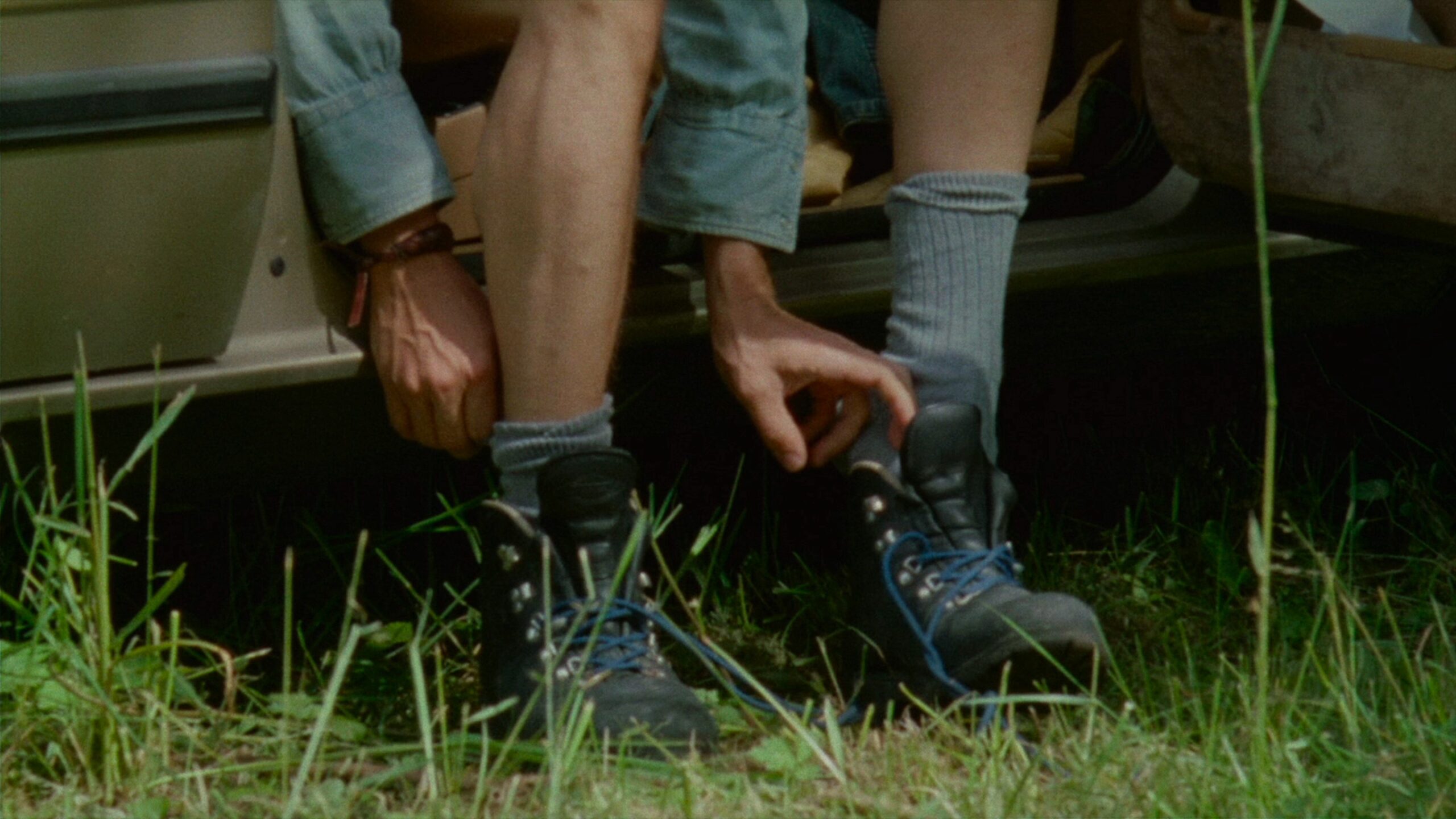
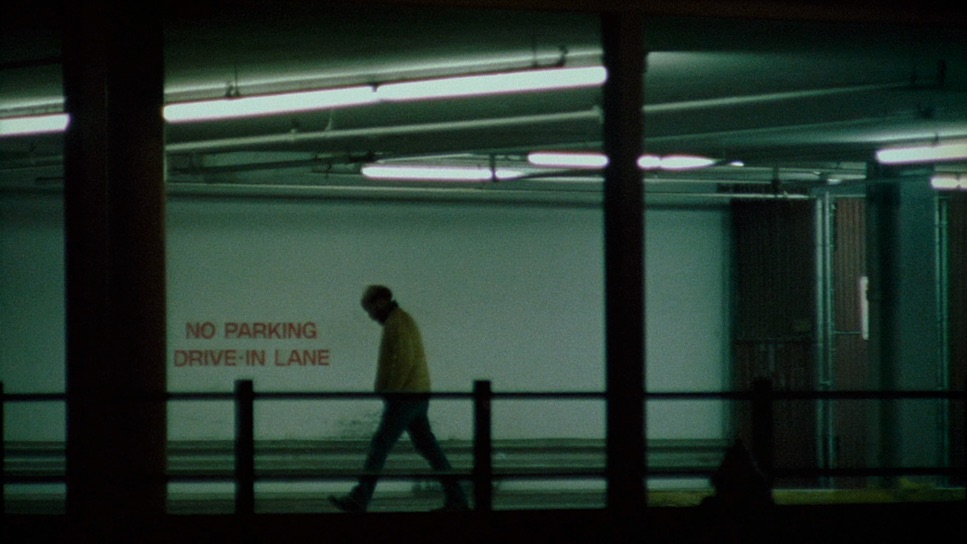
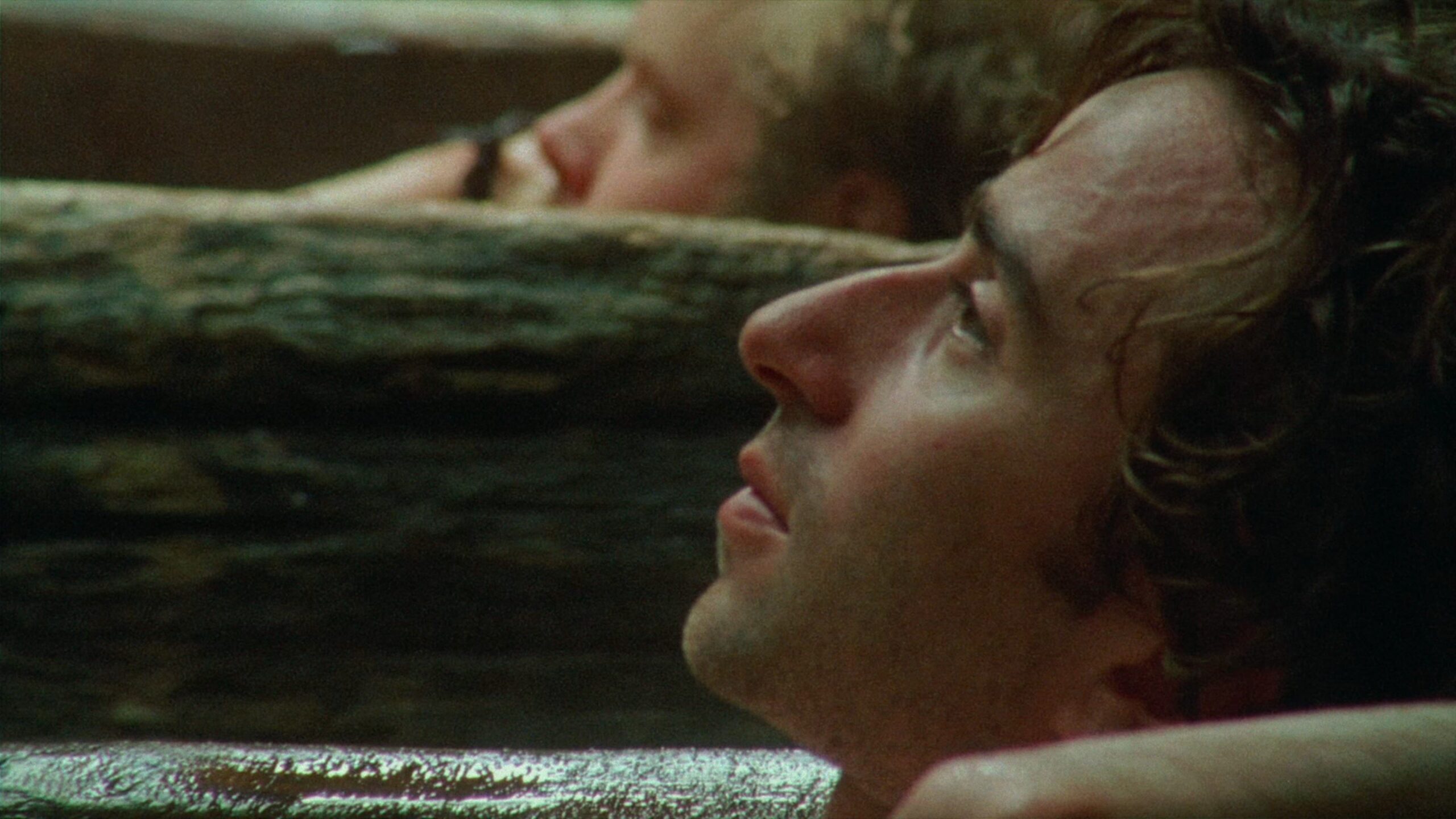
Old Joy (2007)
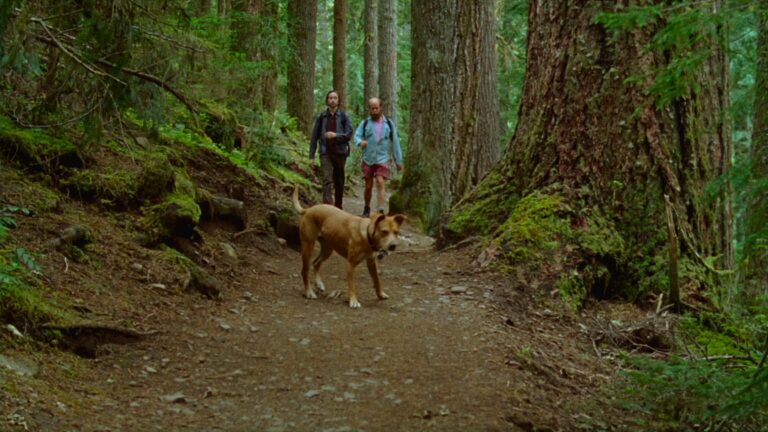
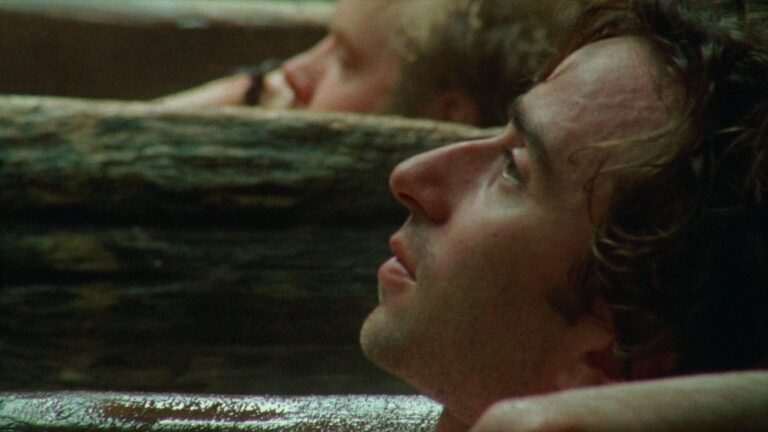
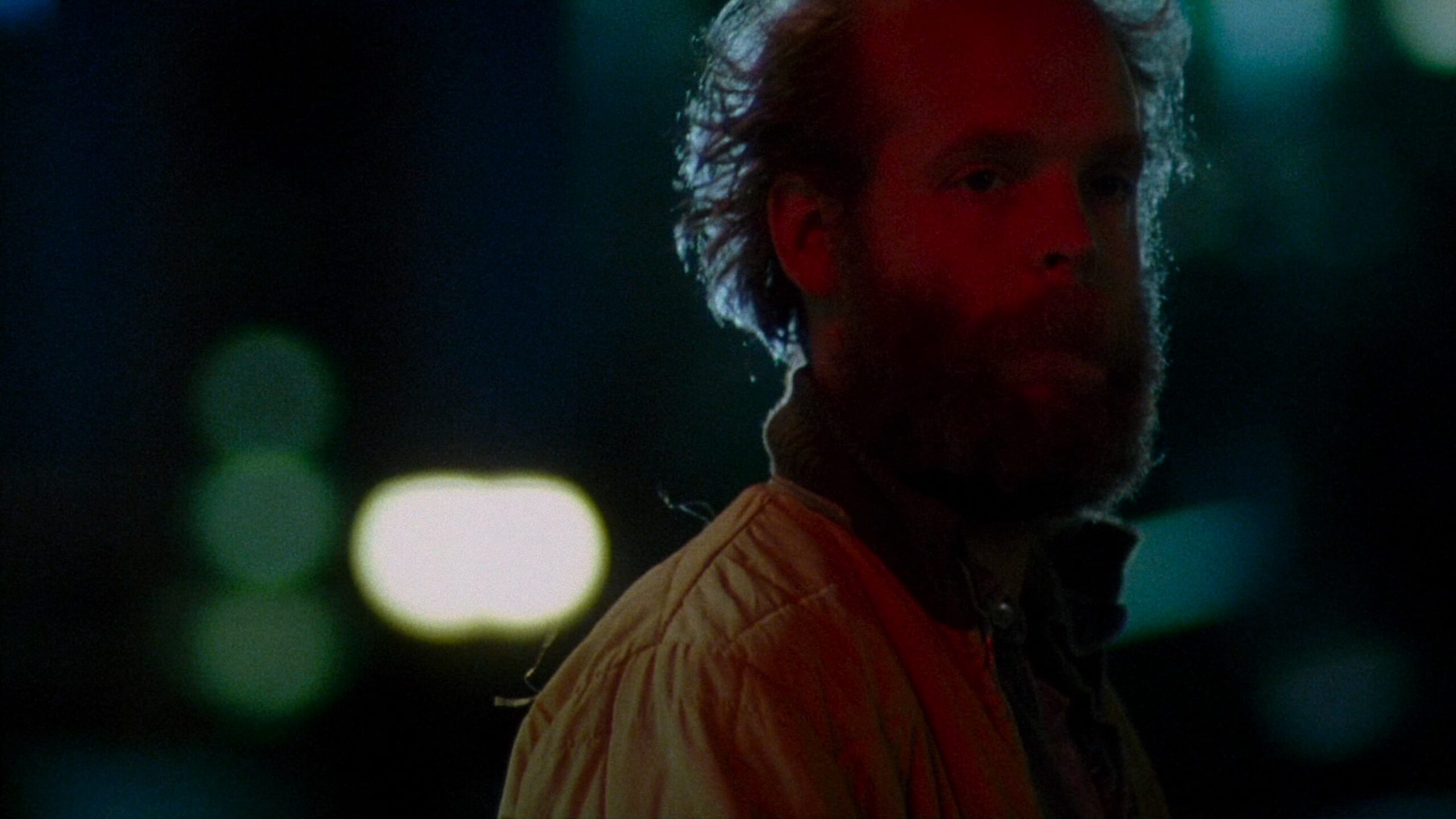
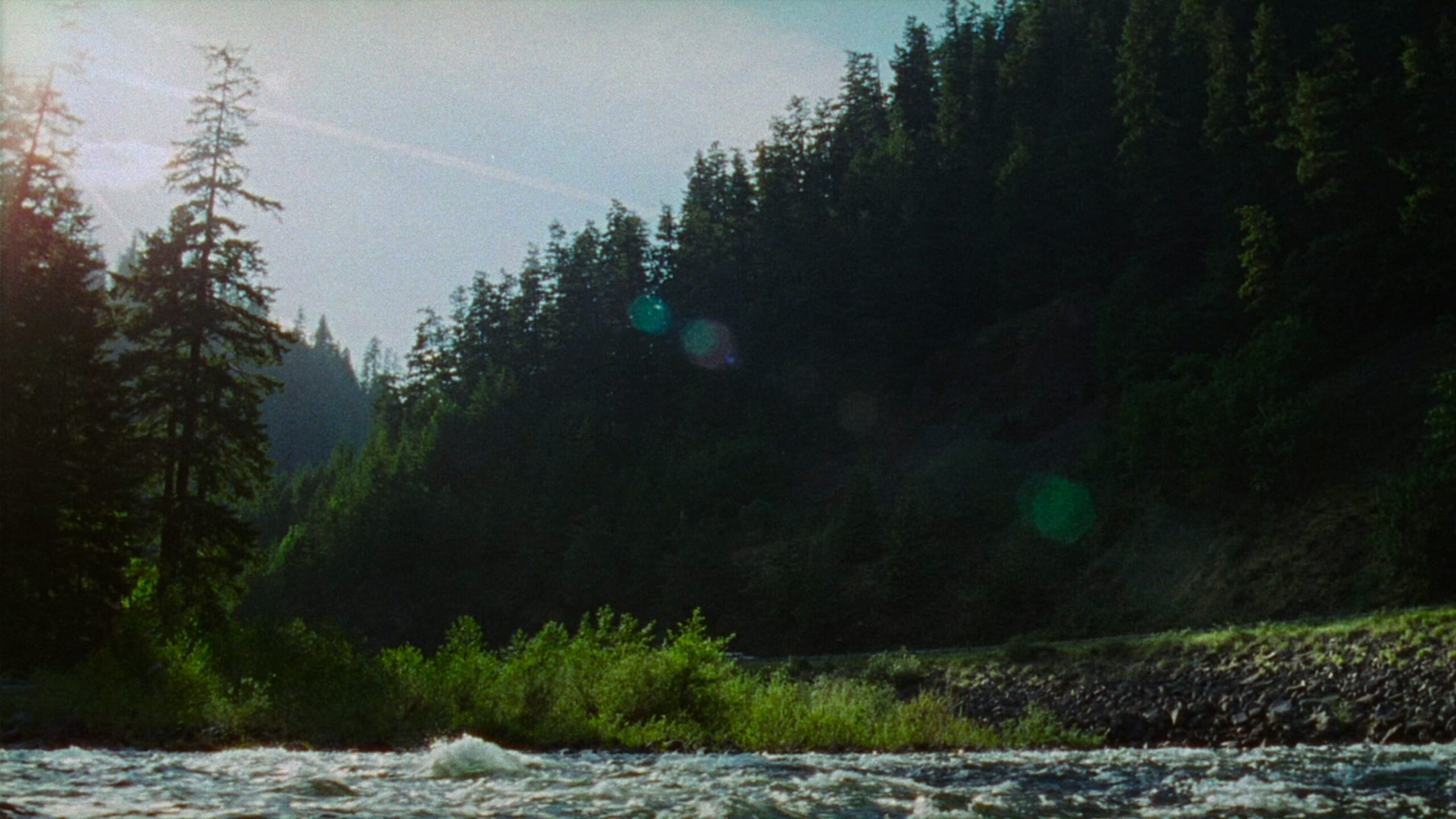
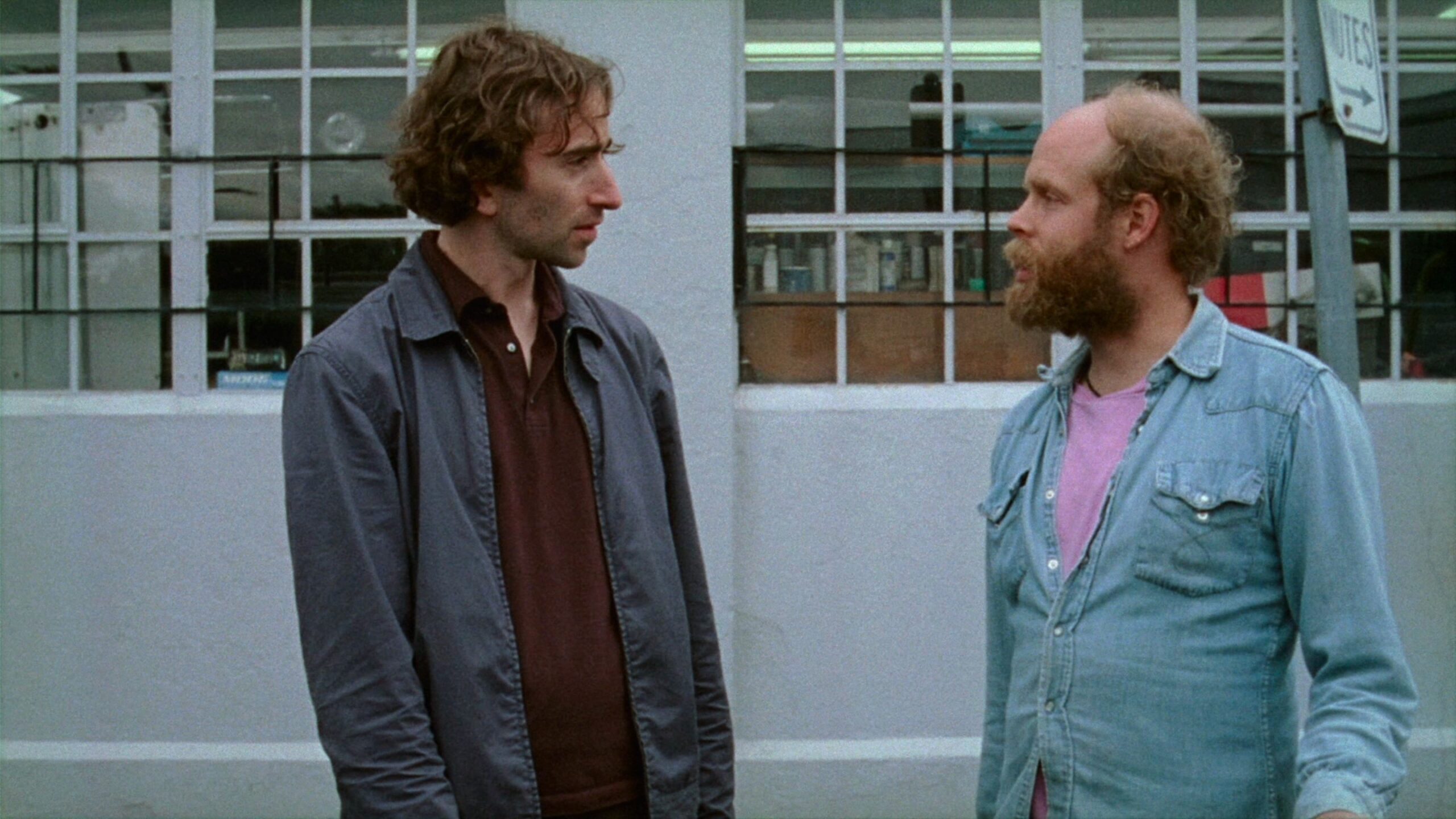
Two old friends, Mark and Kurt, reunite for a weekend camping trip in the Oregon wilderness, hoping to reconnect after years apart. As they hike, talk, and soak in a remote hot spring, underlying tensions and differences in their lives begin to surface. The trip becomes a quiet meditation on friendship, time, and the subtle ways people grow apart.
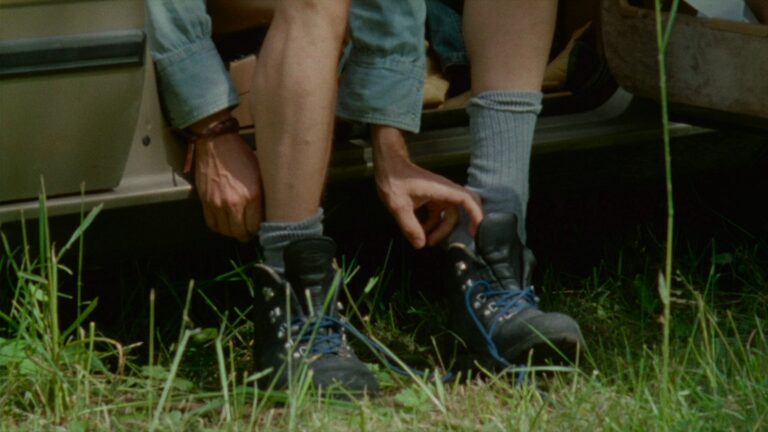
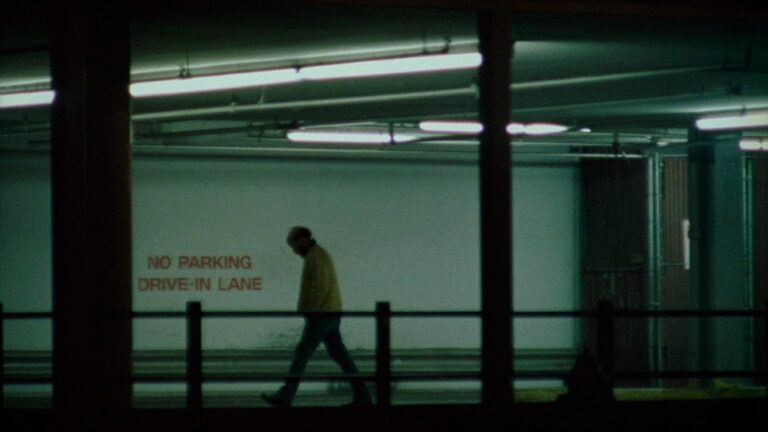
Reichardt and cinematographer Peter Sillen shoot Old Joy on 16mm, using natural light and soft, grainy textures to embed the film in the damp, wooded landscape of the Pacific Northwest. The film’s static compositions and ambient soundscape let environment take the lead—turning rustling trees, fog, and silence into the primary visual and emotional language.
FILM SPOTLIGHT
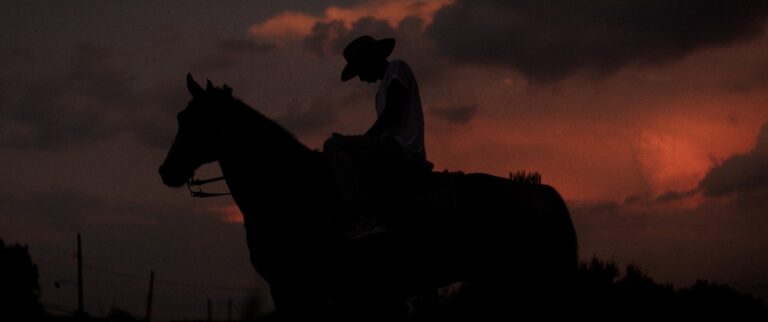
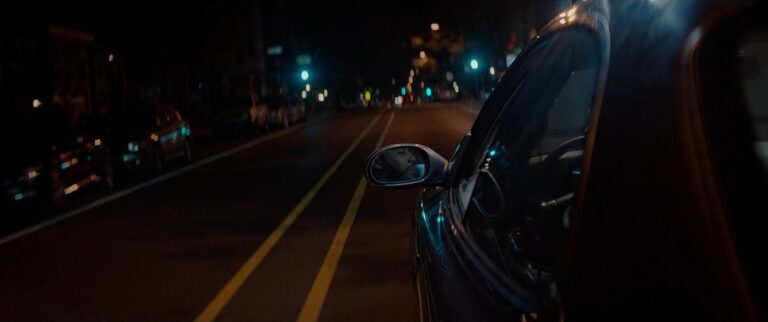
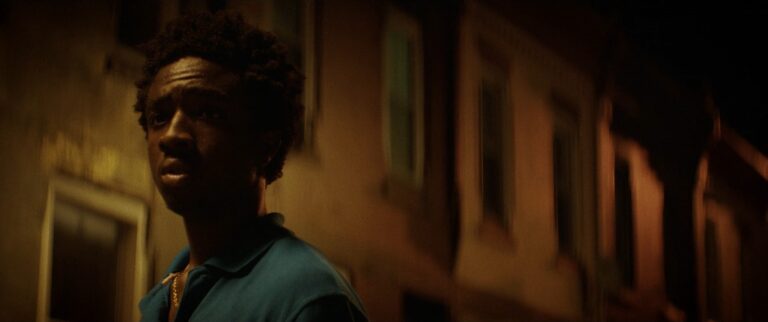
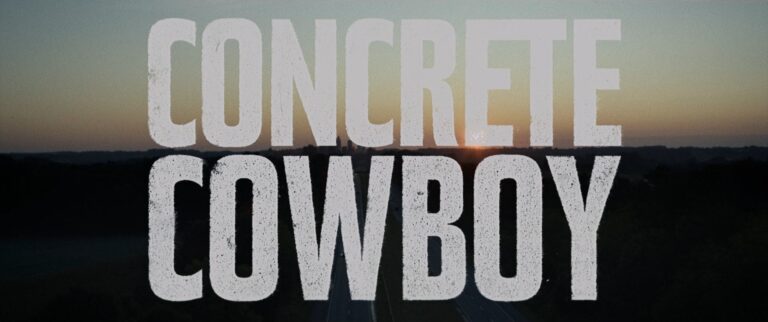
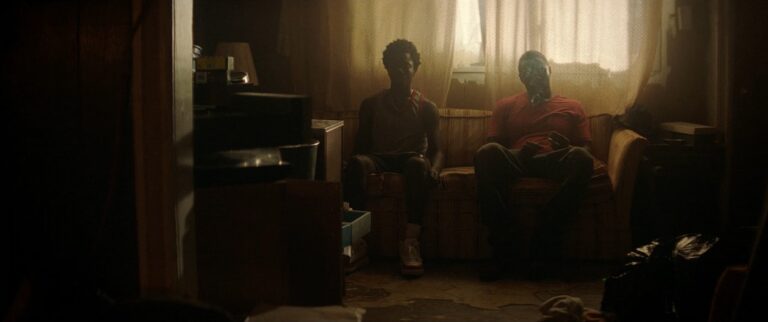
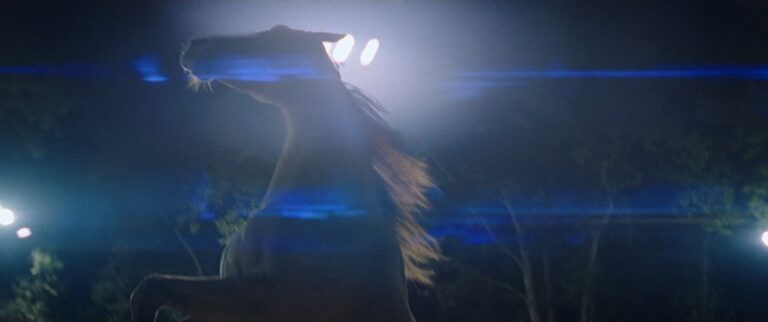
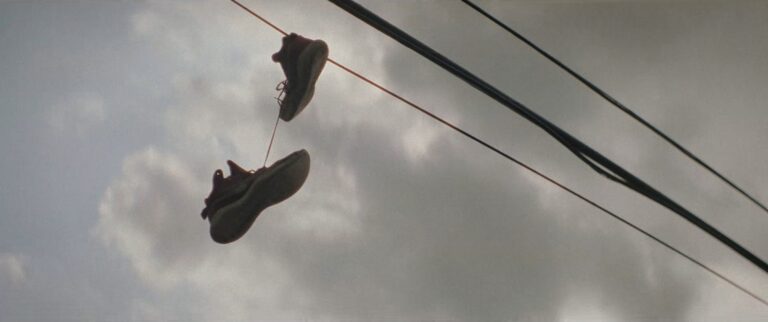
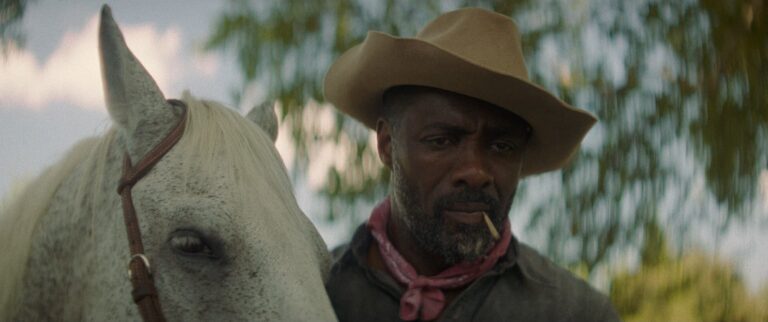
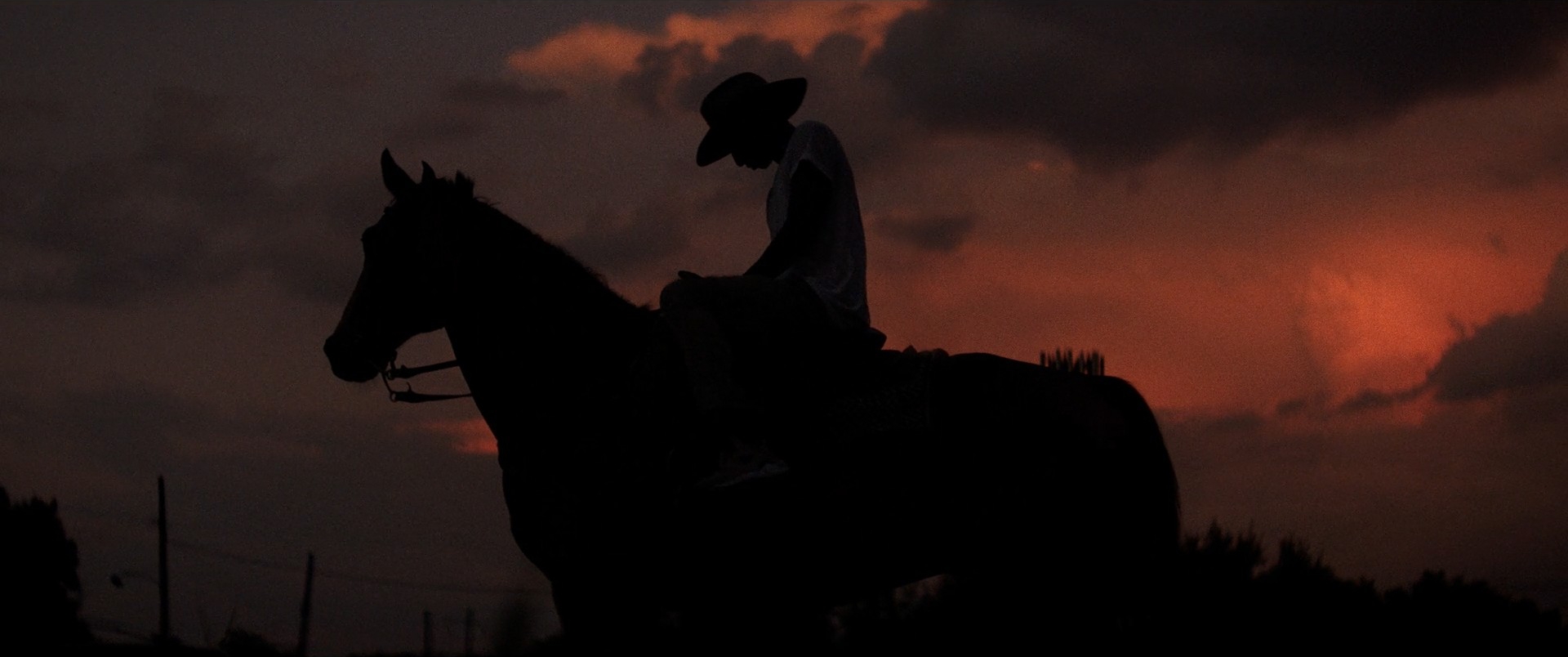
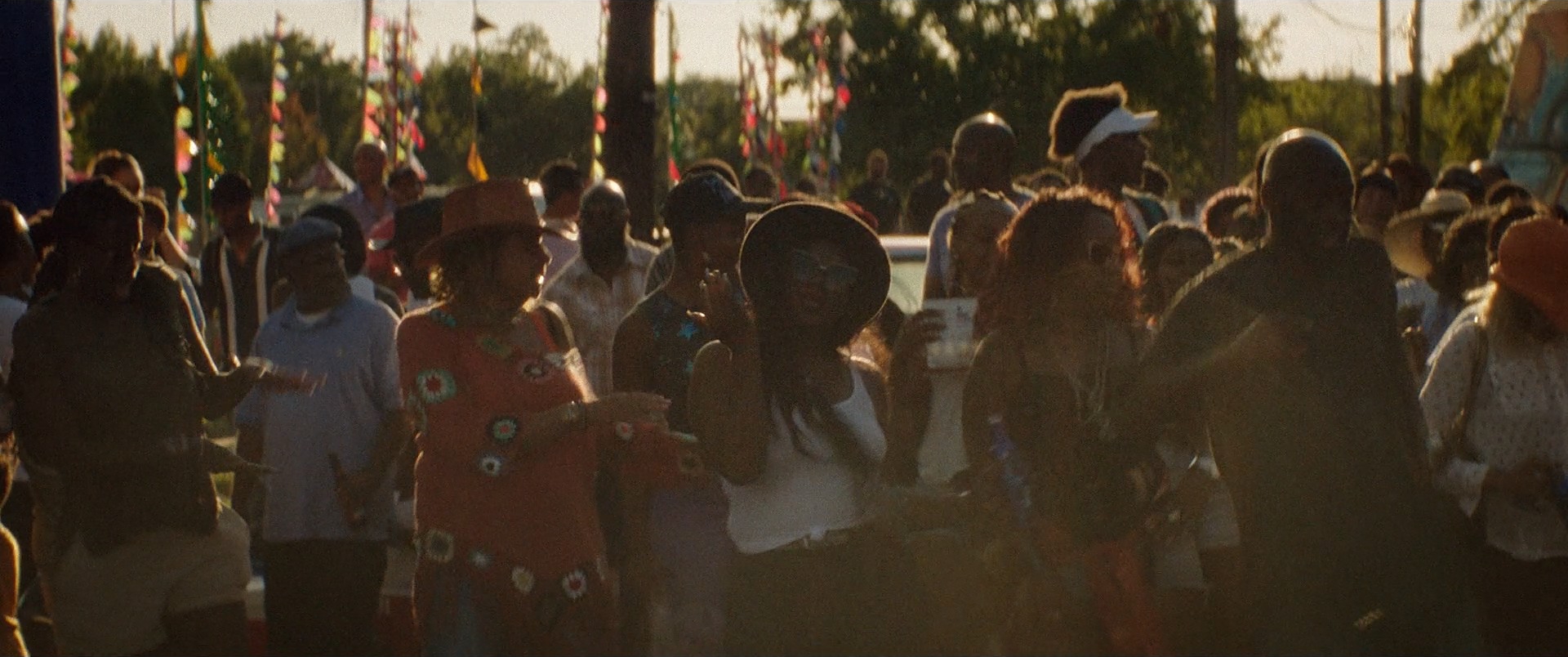
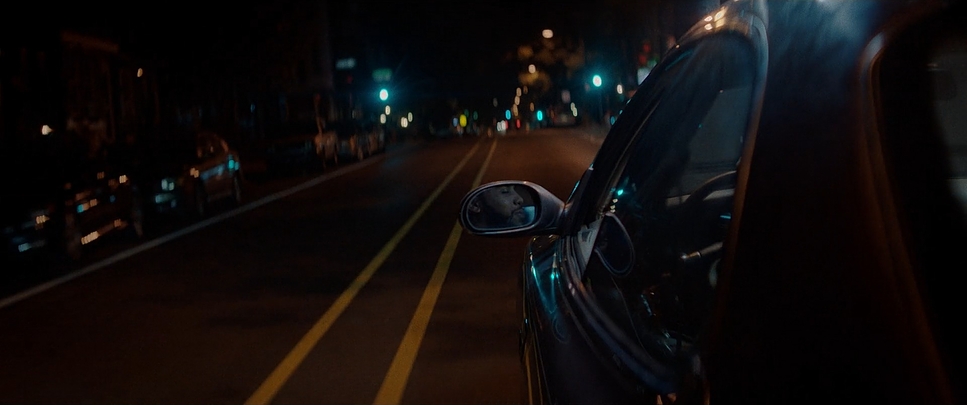
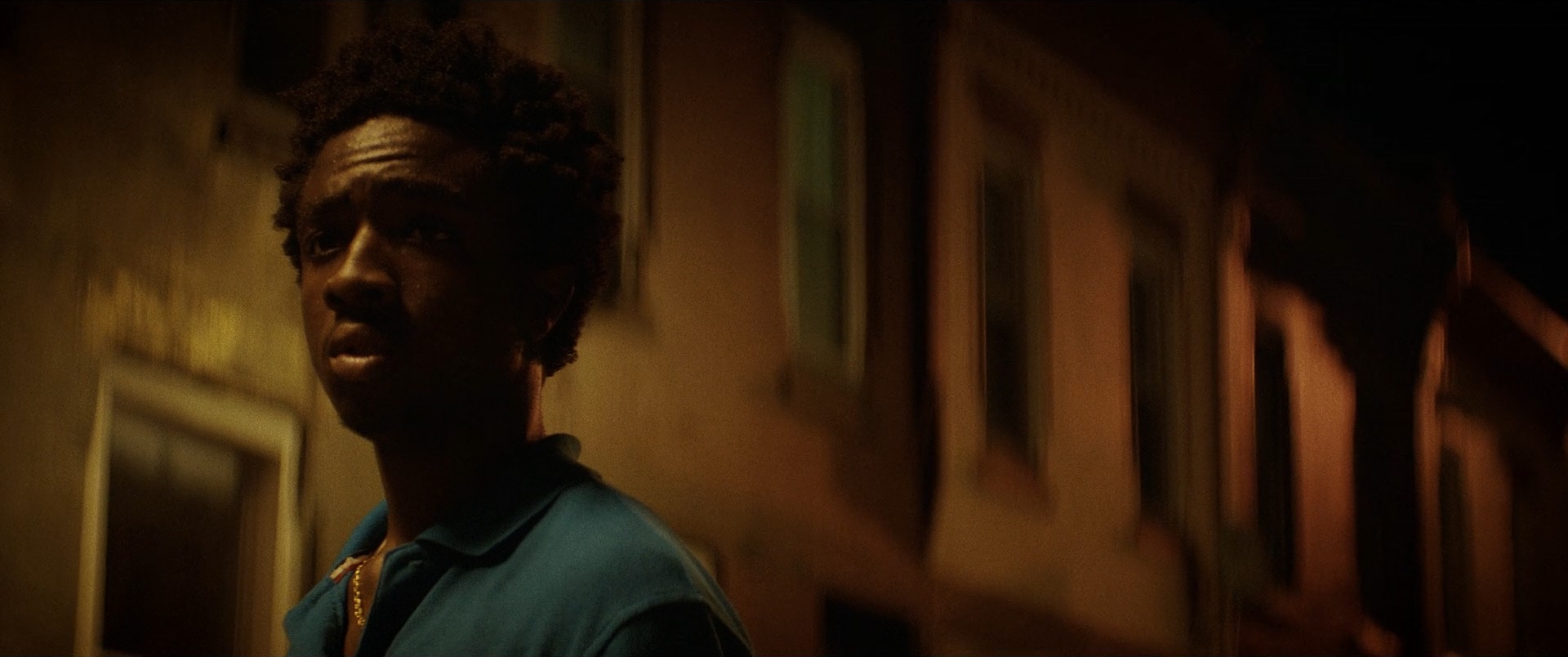
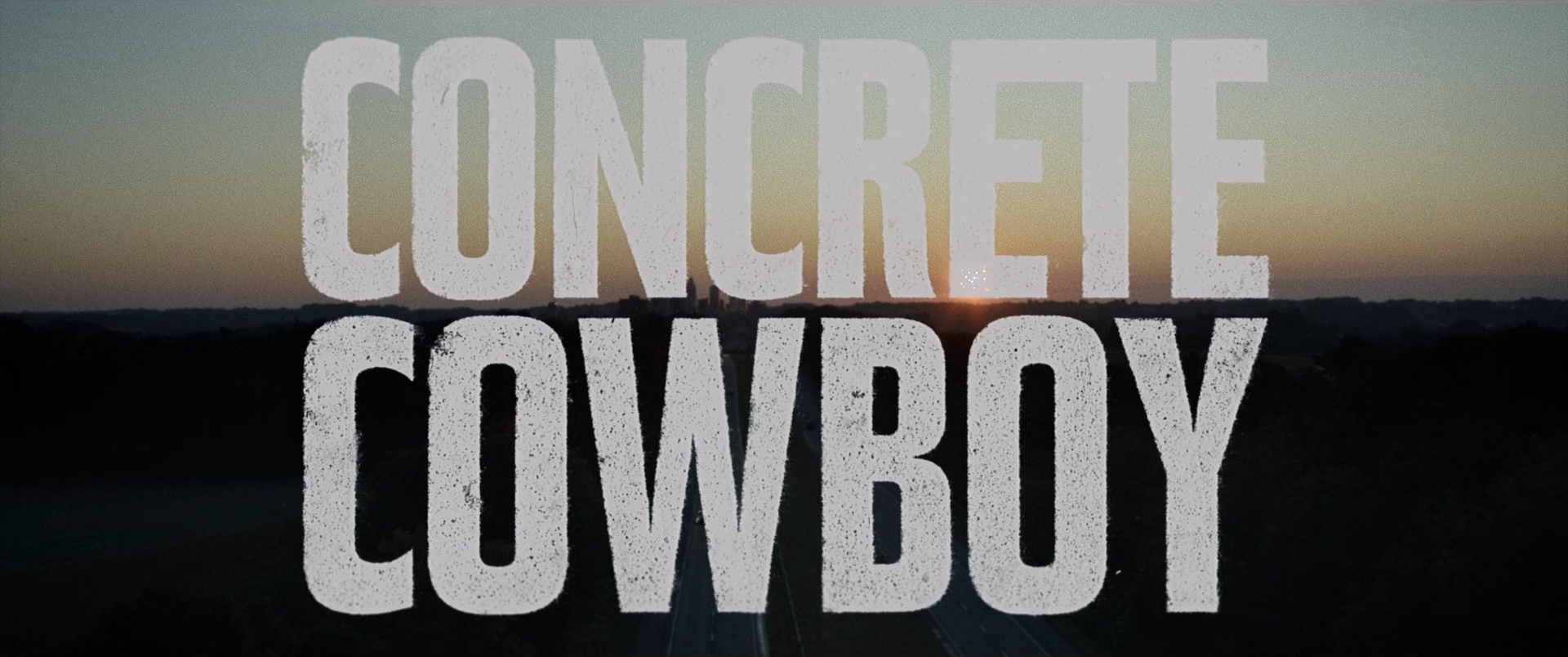
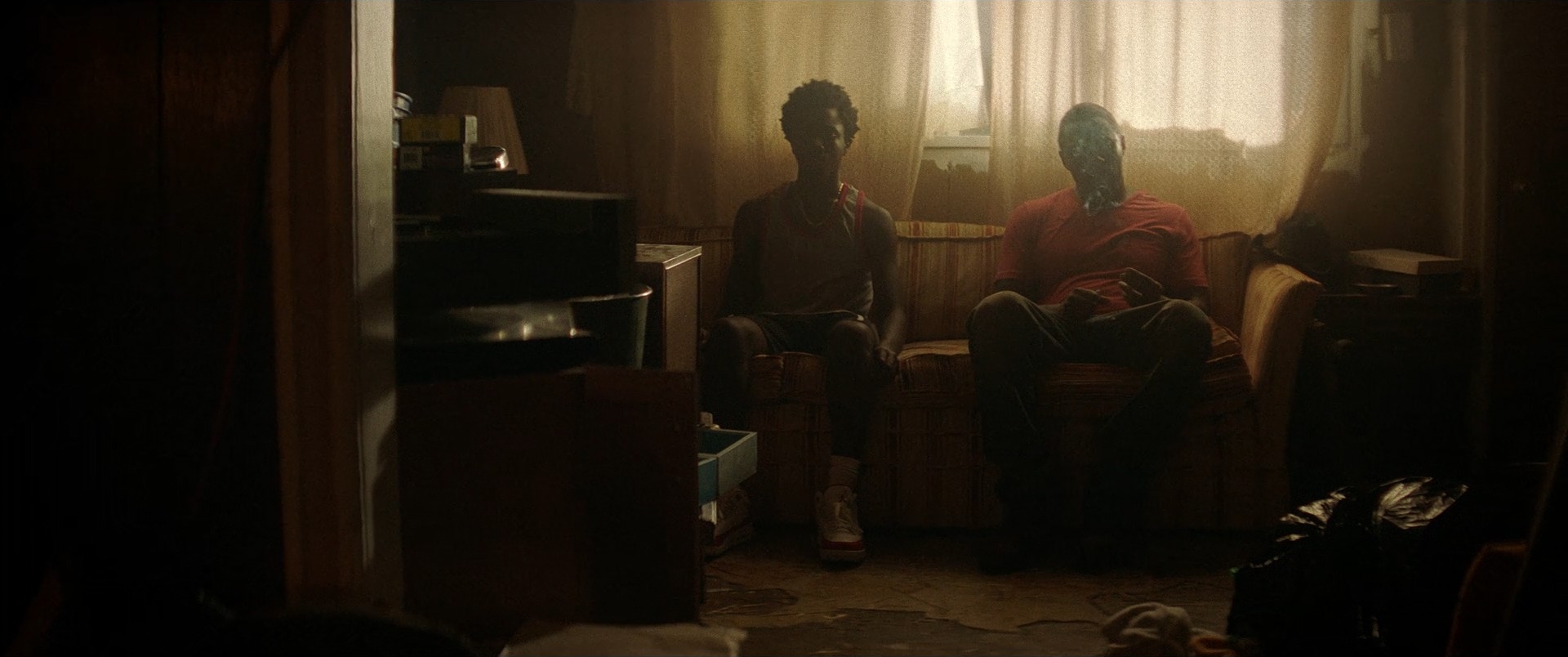
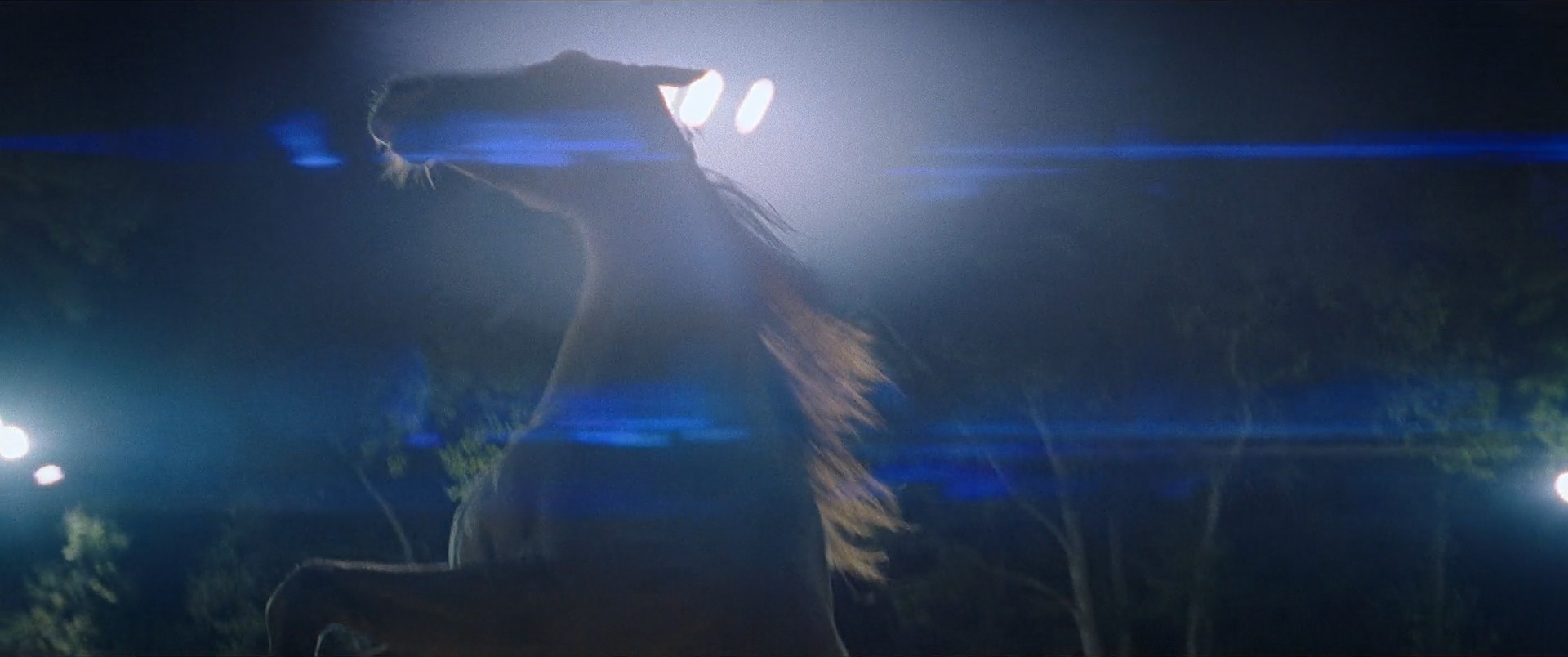
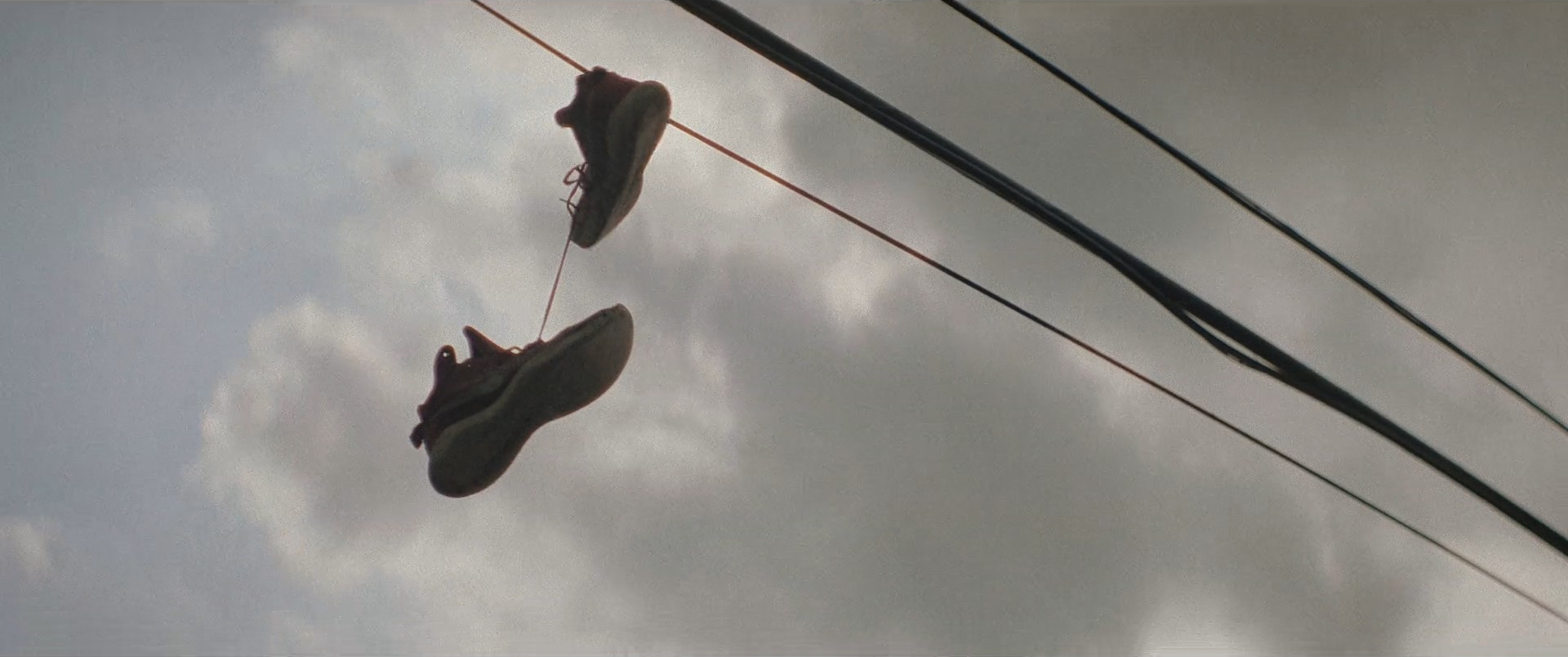
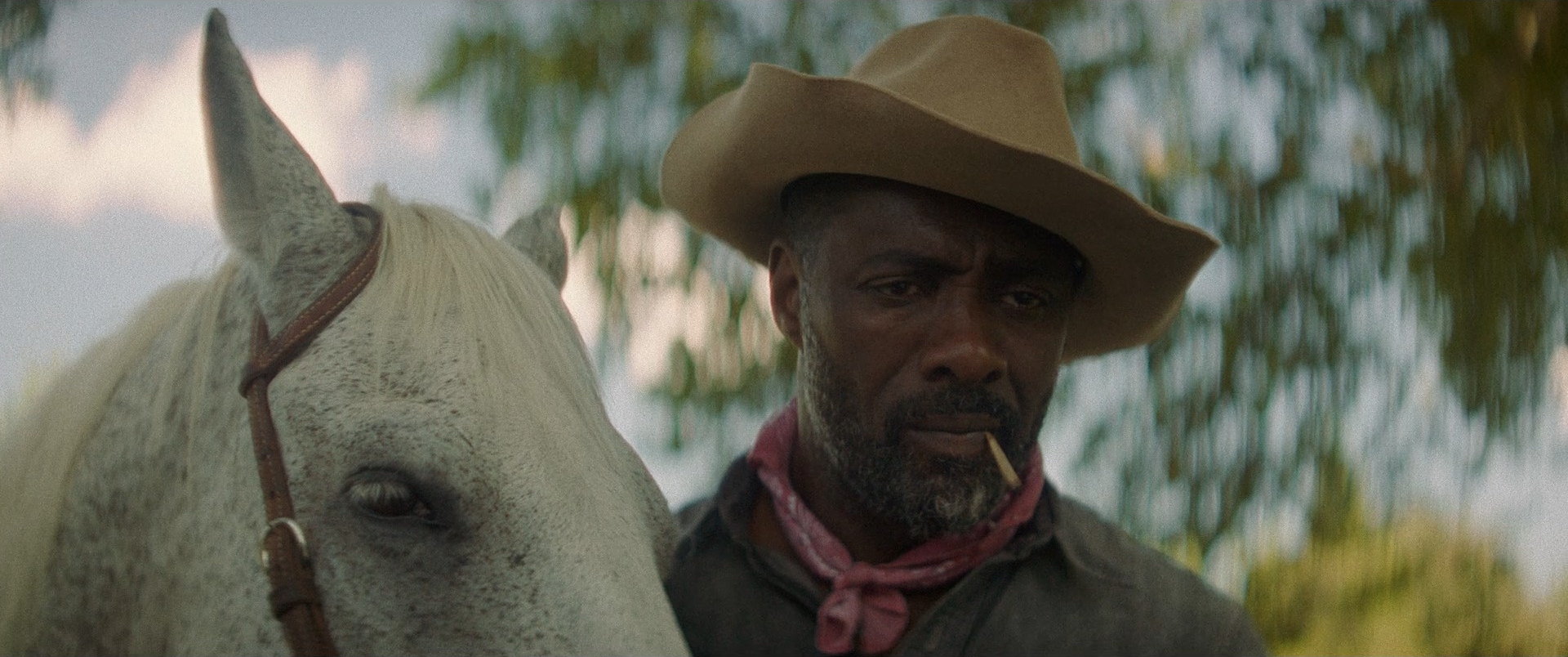
Concrete Cowboy (2020)
A rebellious teenager is sent to live with his estranged father in North Philadelphia, where he discovers a tight-knit community of urban Black cowboys. As he navigates this unfamiliar world, he is pulled between the lure of street life and the discipline and tradition of horseback riding. His journey becomes one of identity, belonging, and reconciling with his past.
Staub and cinematographer Minka Farthing-Kohl shoot Concrete Cowboy with a grounded, street-level naturalism, using handheld camerawork and available light to root the film in Philadelphia’s texture. The striking juxtaposition of horses against urban landscapes—captured in wide, observational frames—turns the imagery into something quietly mythic, where tradition and modern life coexist within the same visual space.
FILM SPOTLIGHT
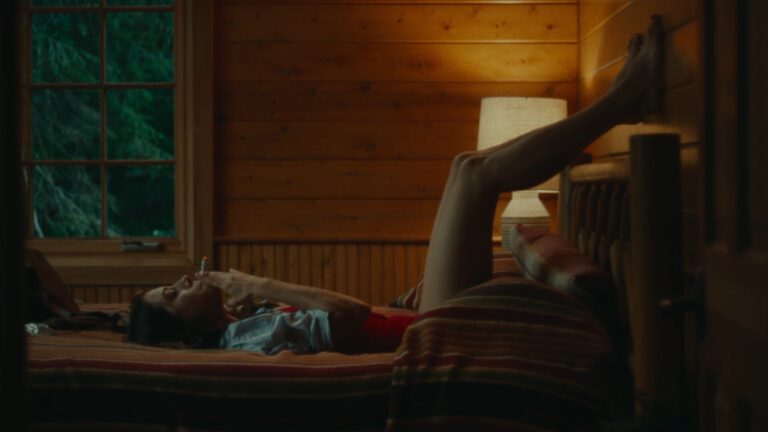
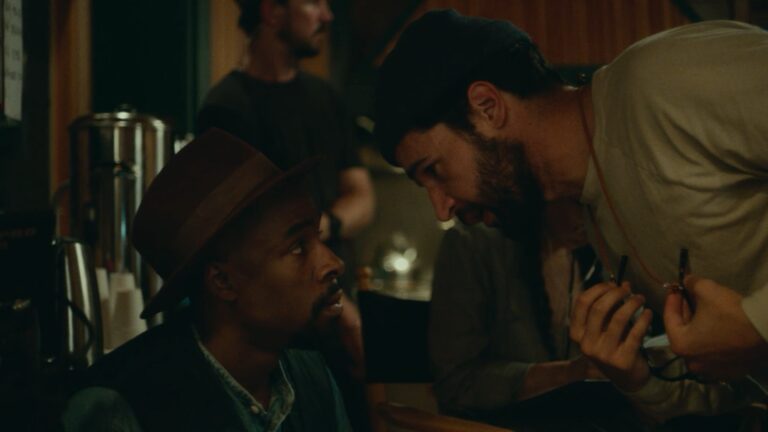
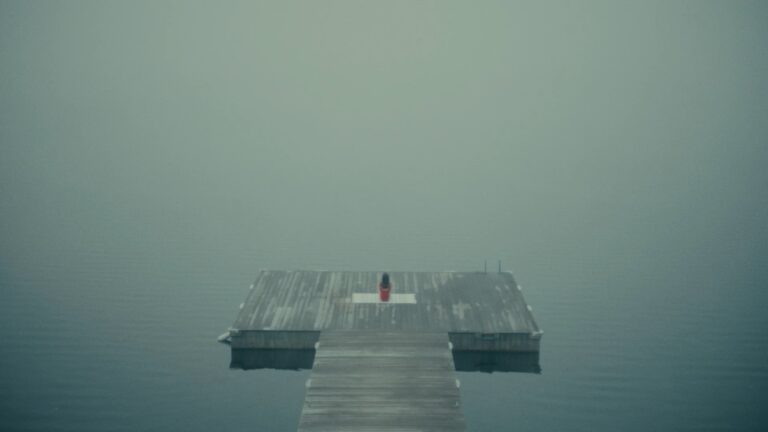
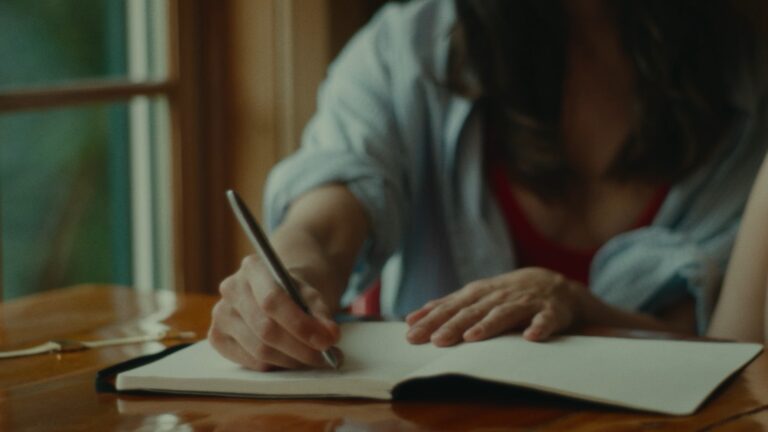
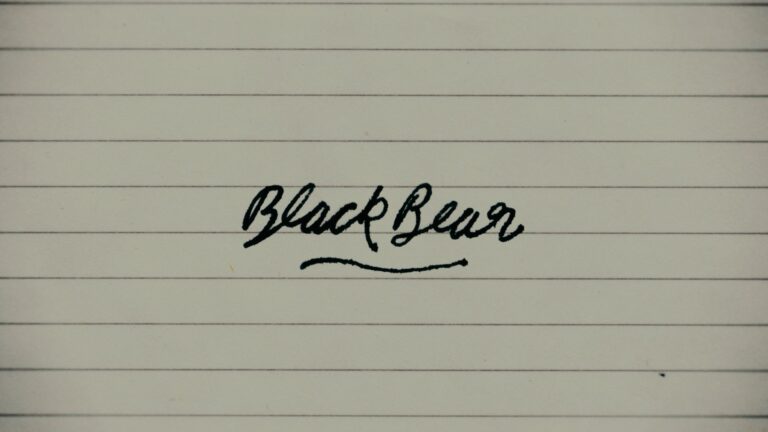
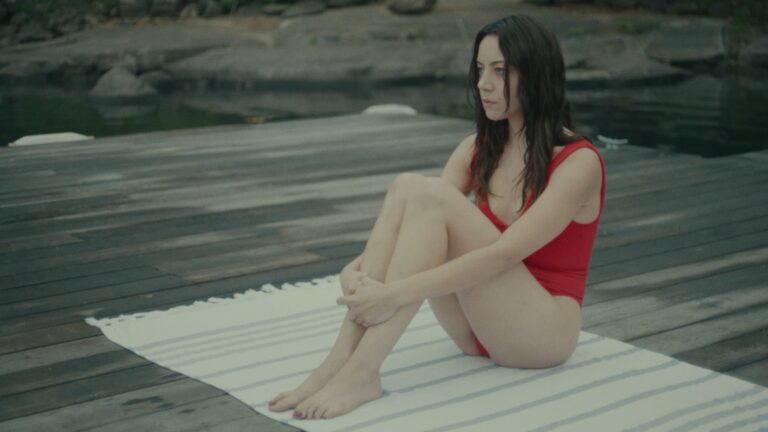
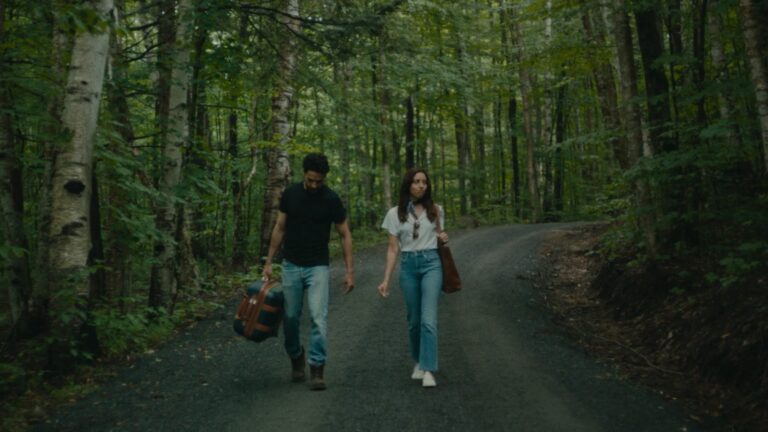
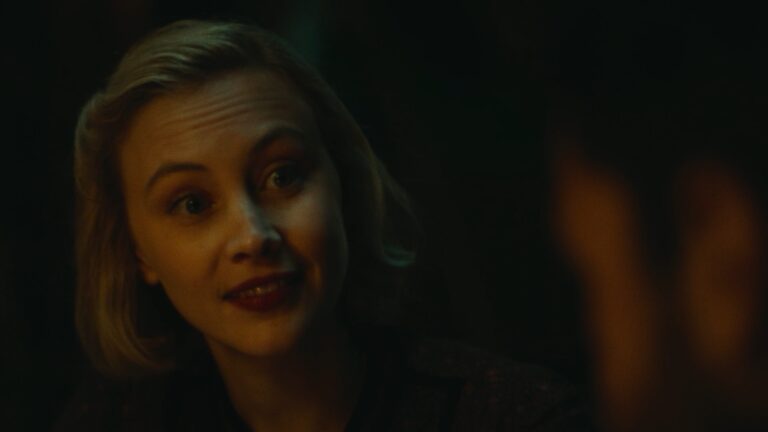
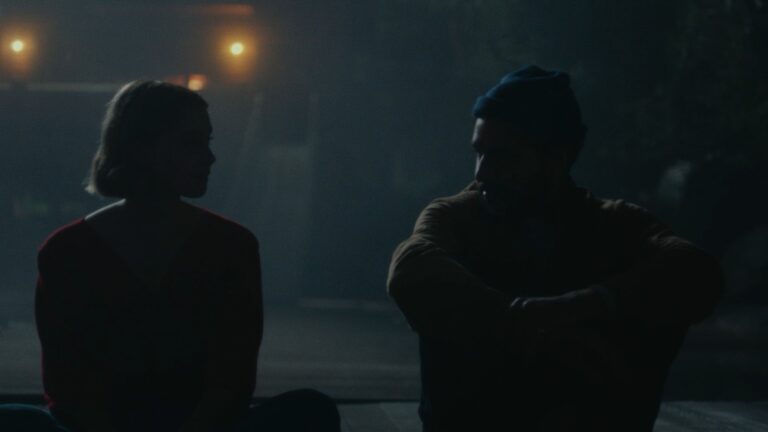
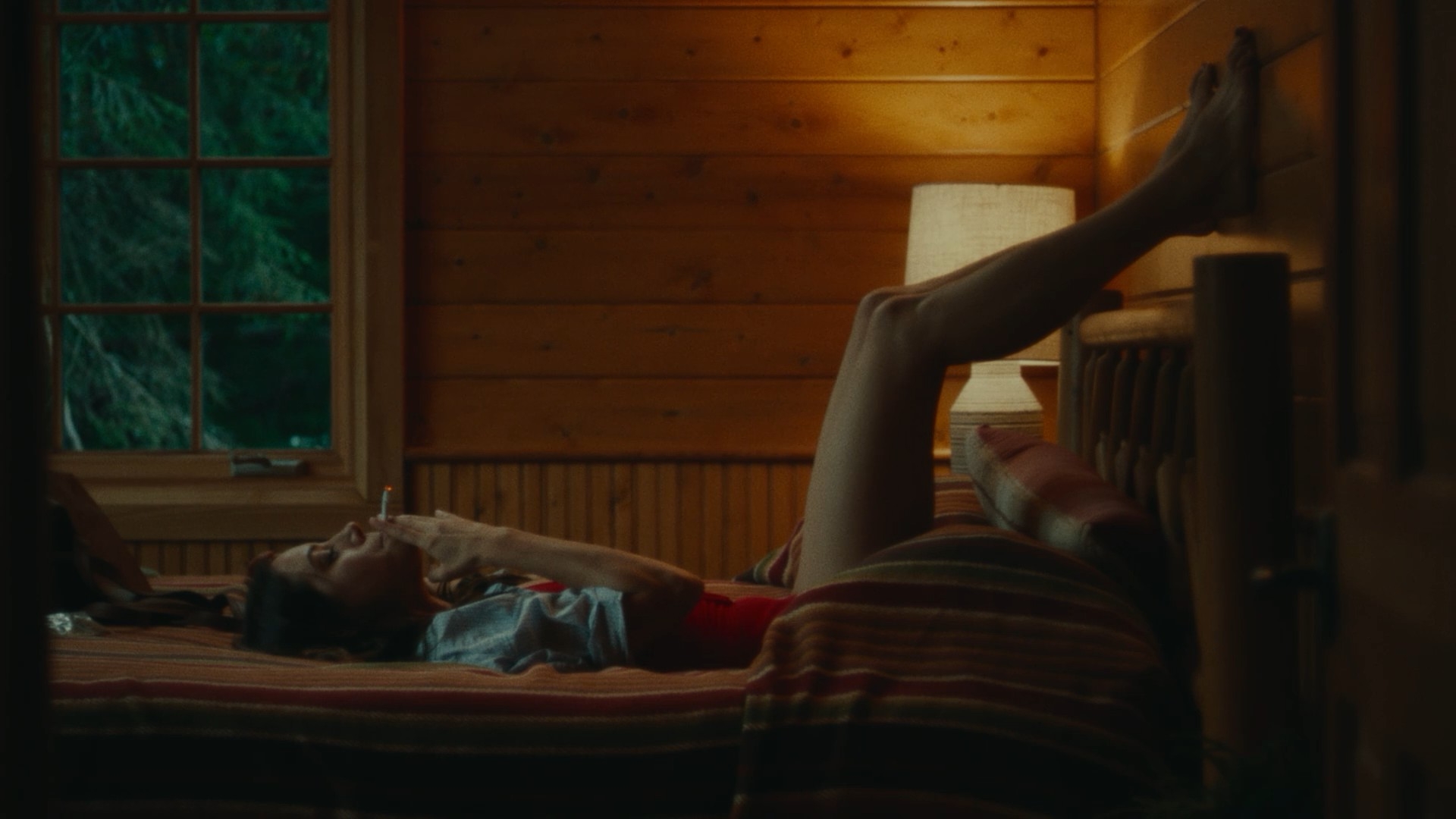
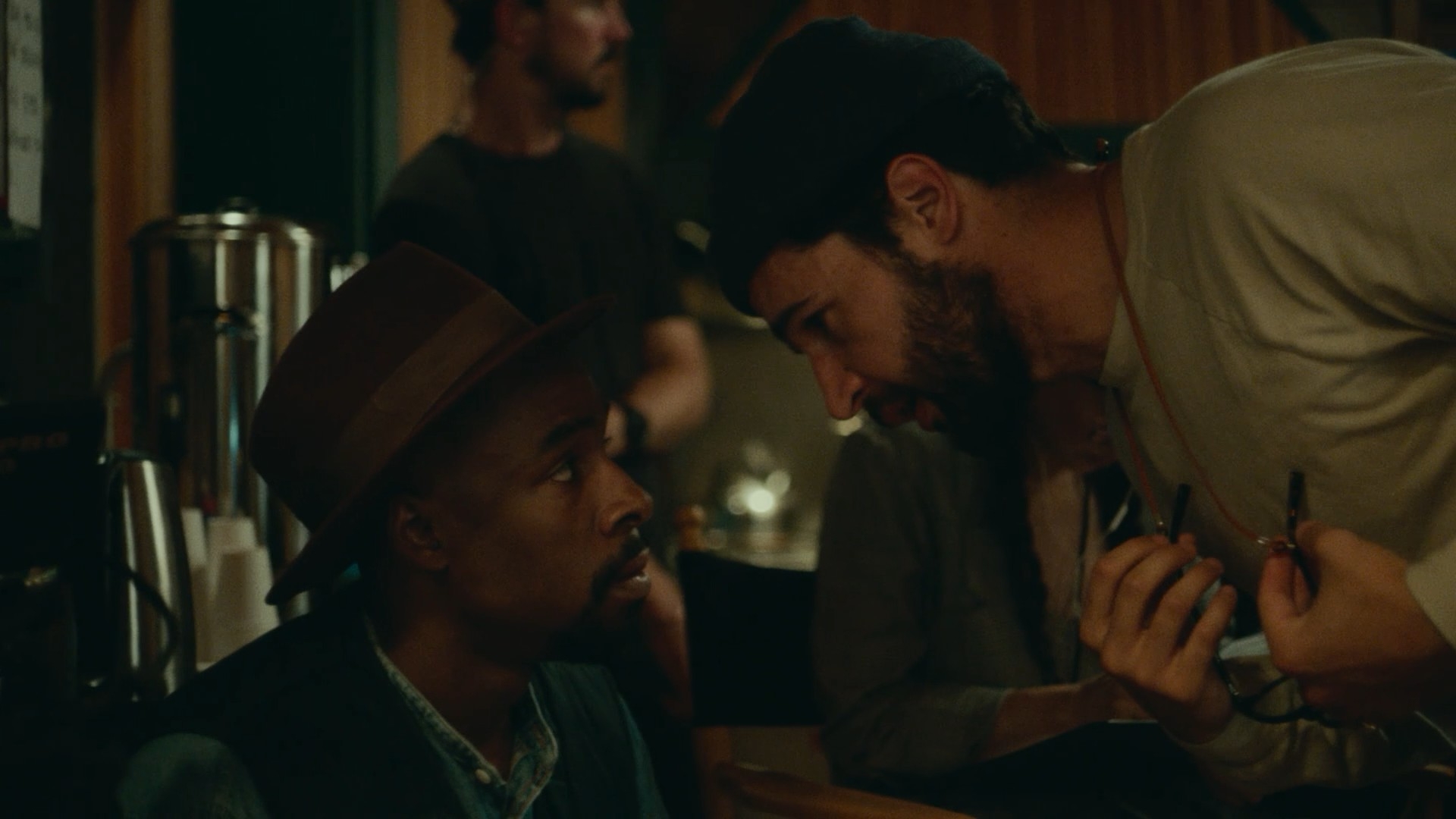
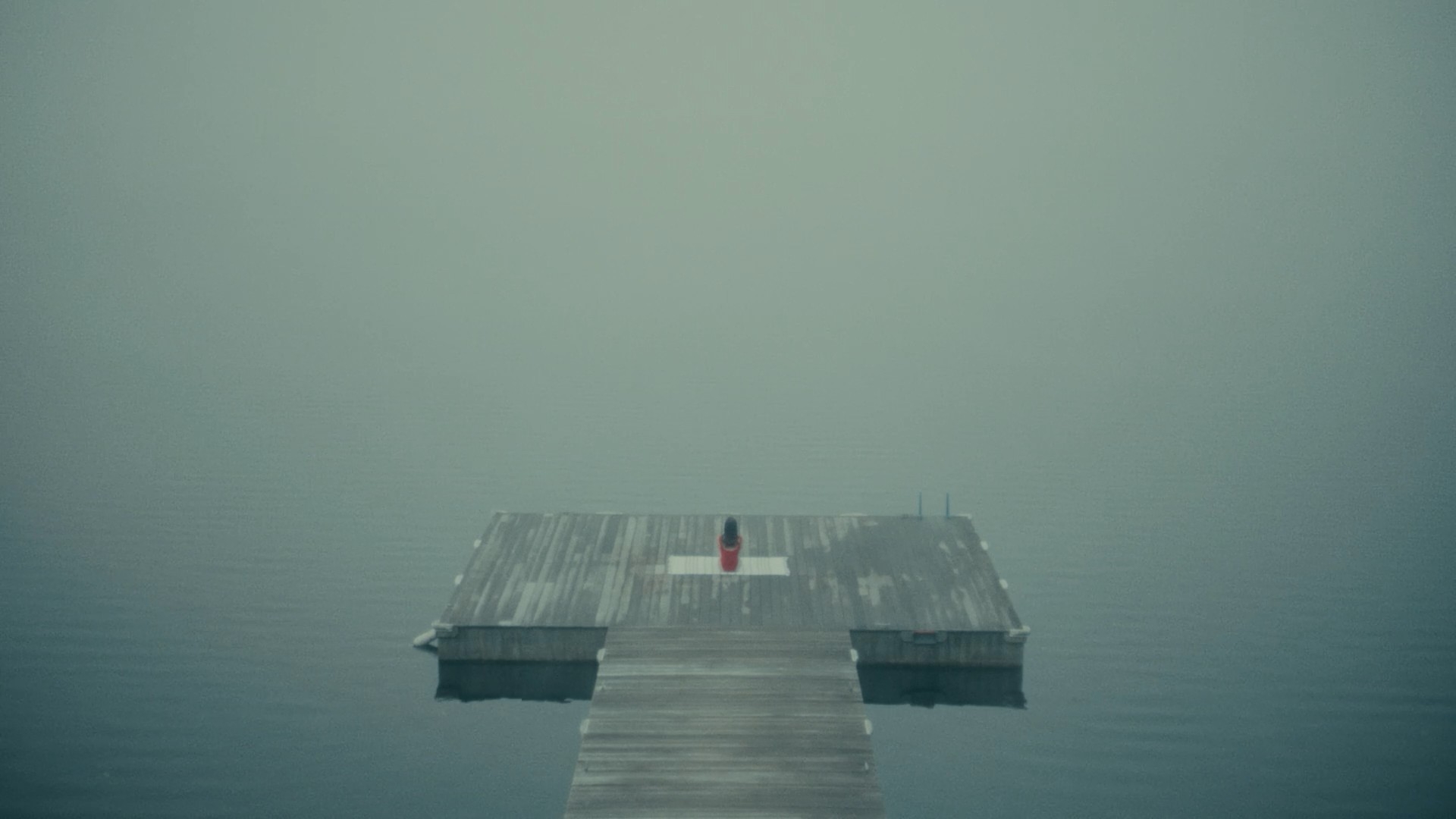
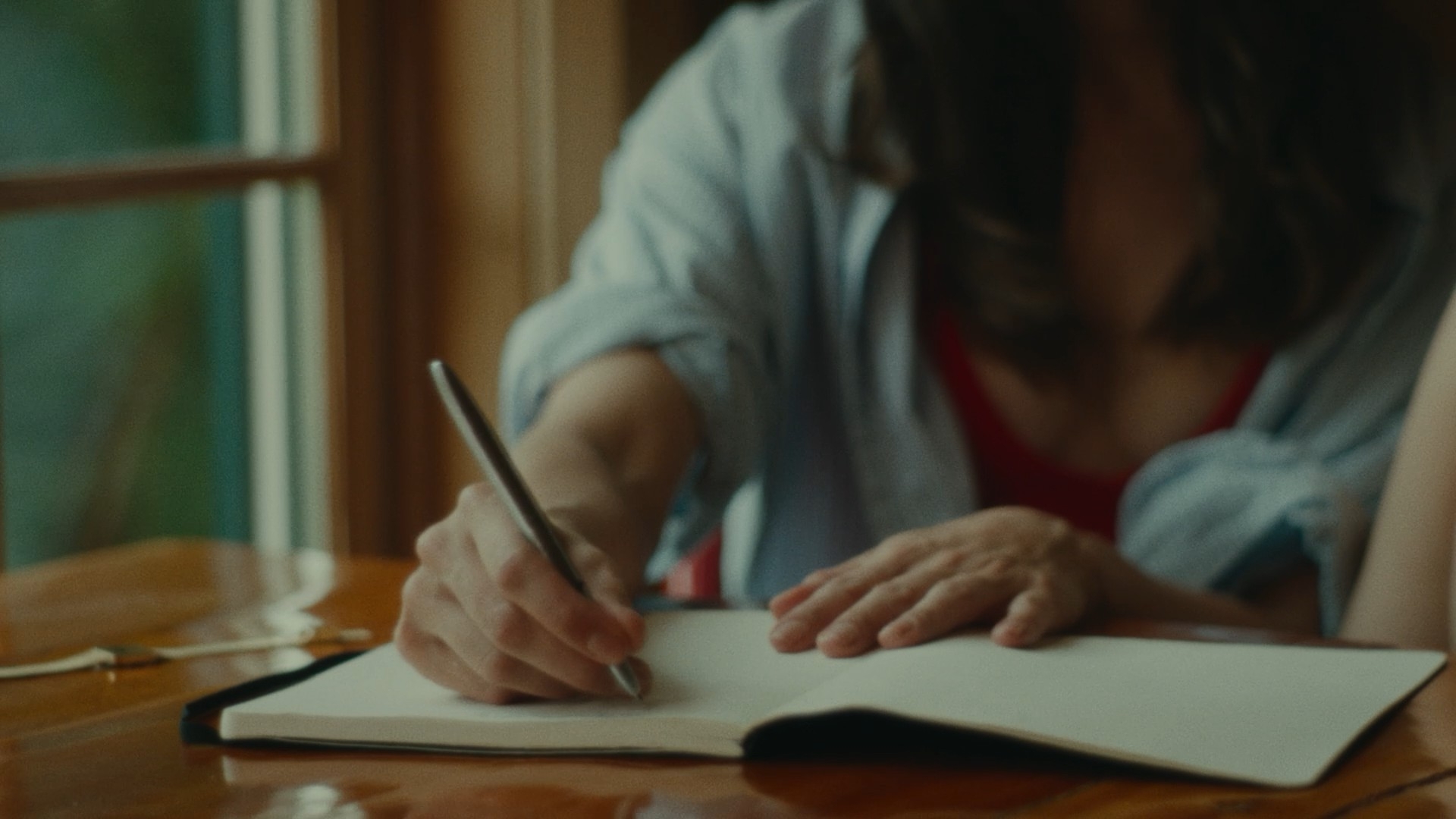
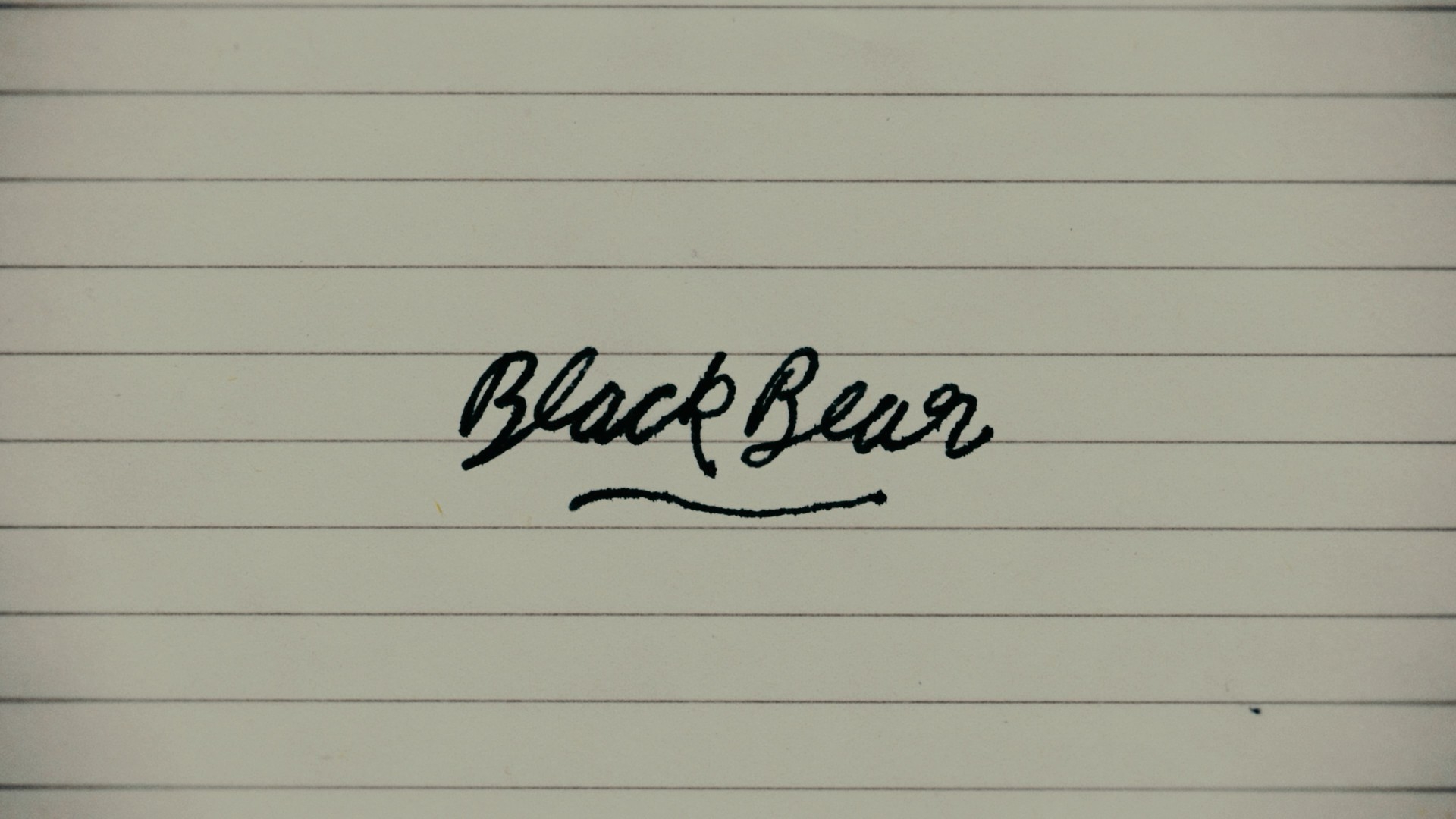
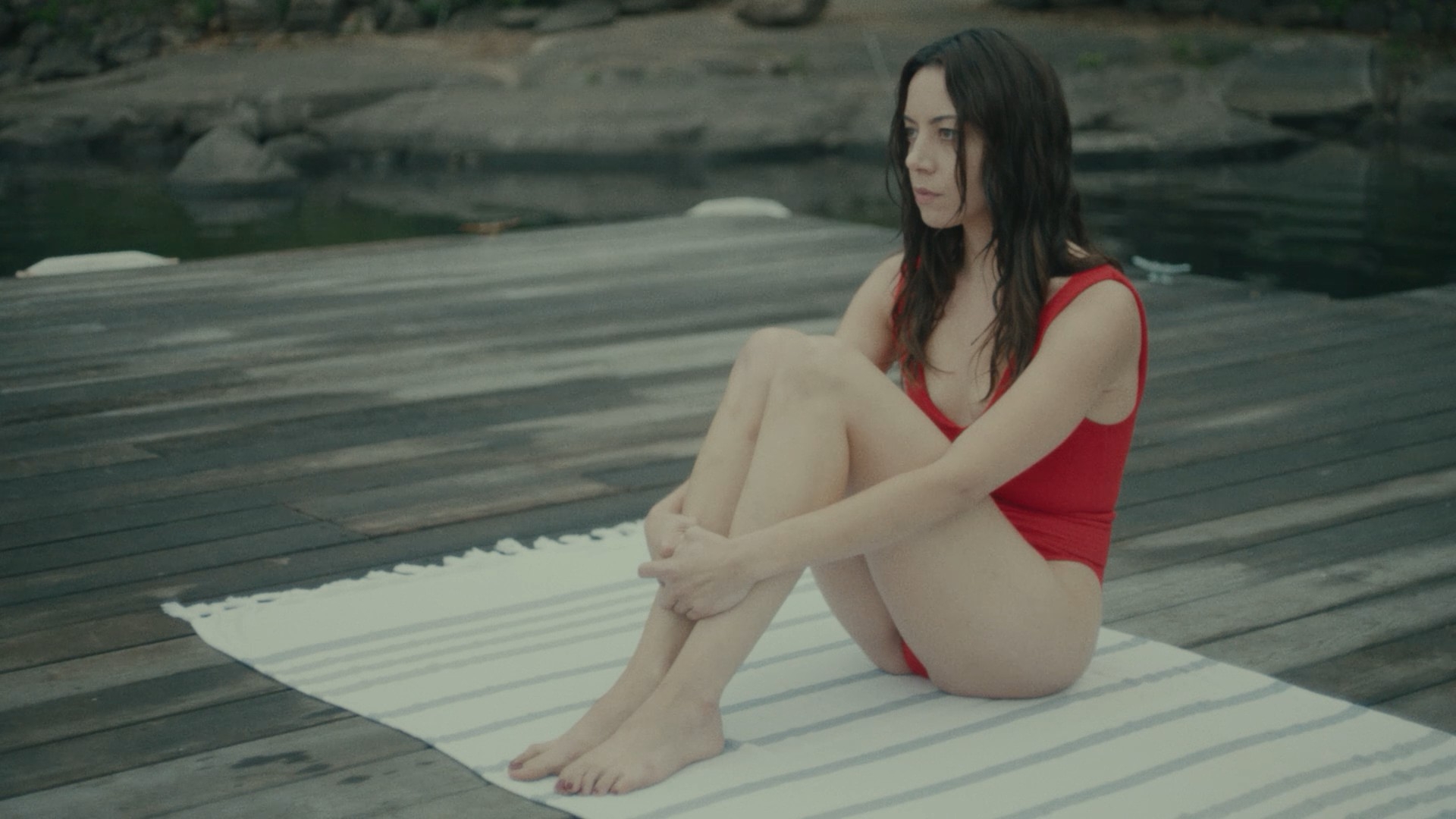
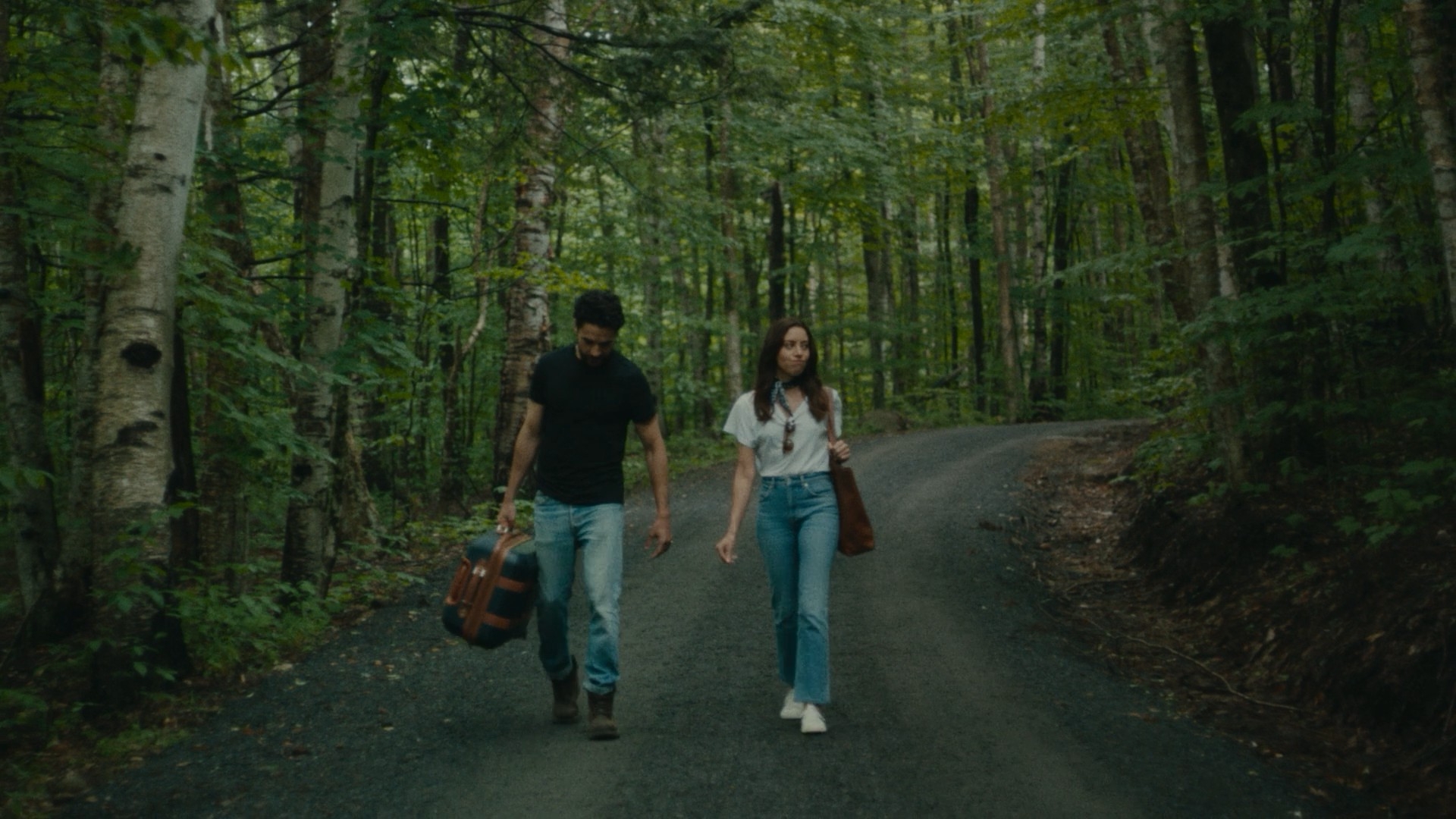
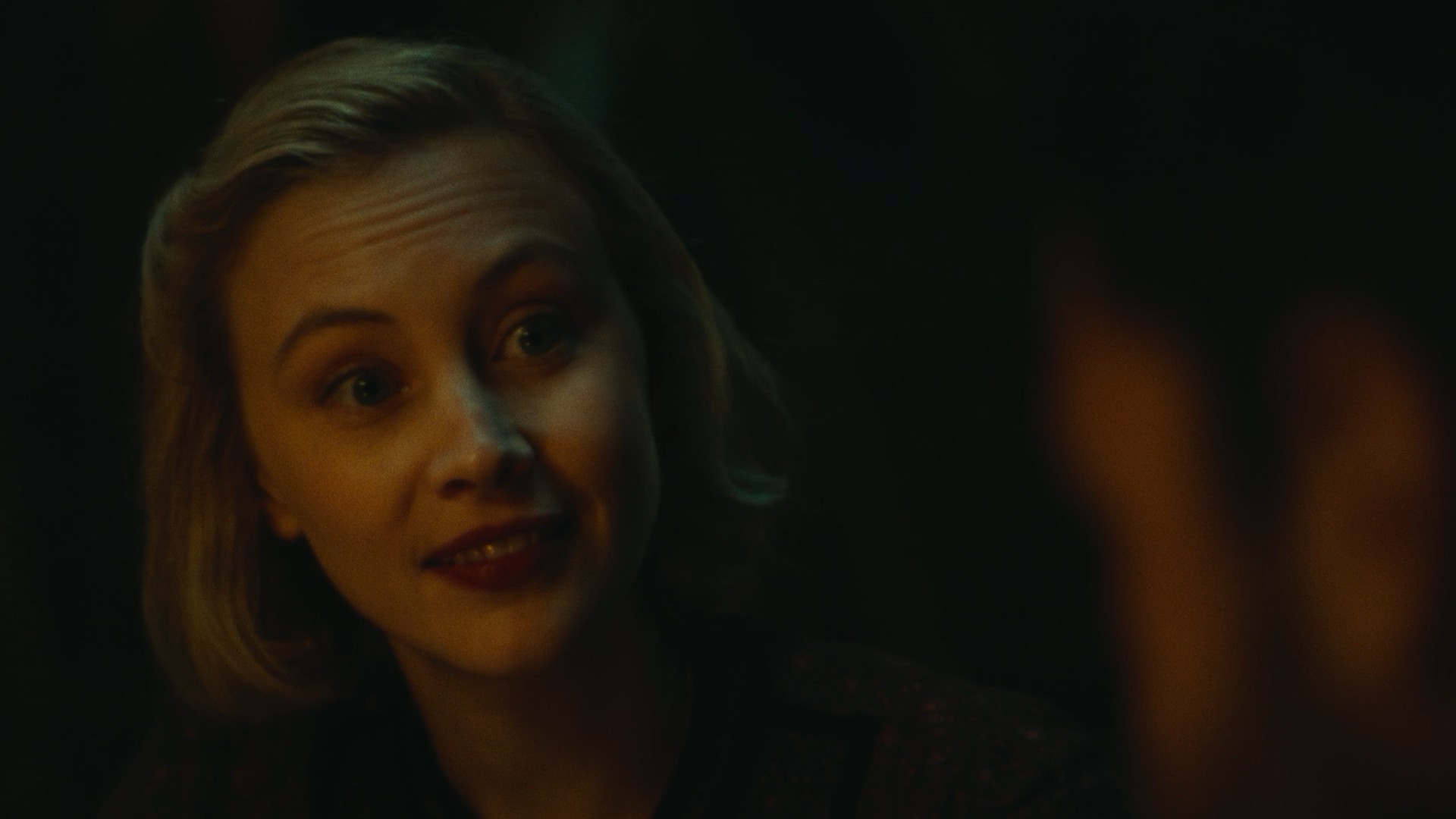
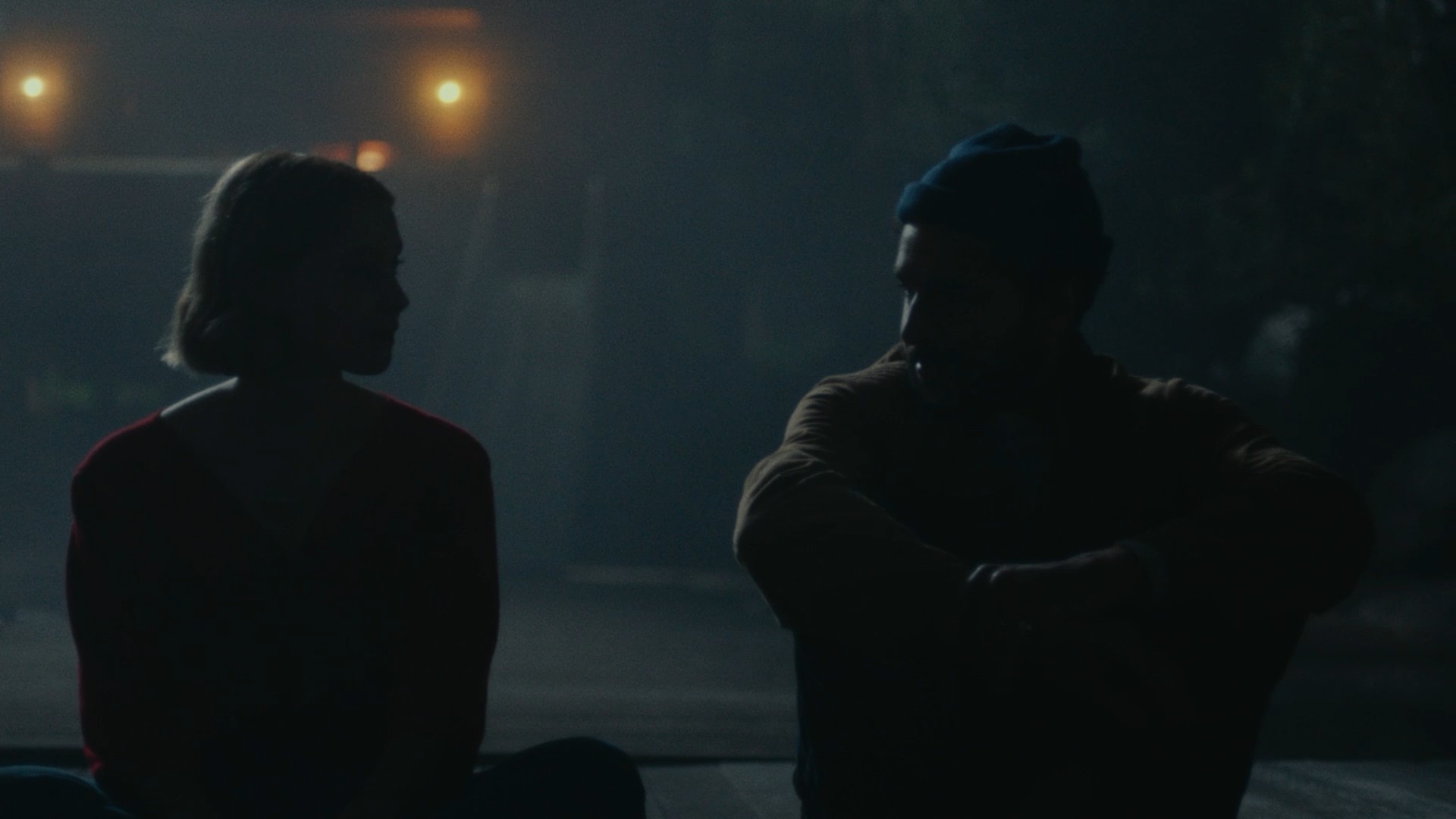
Black Bear (2020)
A filmmaker retreats to a remote lake house to find inspiration, becoming entangled in a volatile relationship with the couple hosting her. As tensions rise, the story fractures into multiple perspectives, blurring the line between reality and fiction. The film evolves into a layered exploration of creative process, control, and emotional manipulation.
Levine and cinematographer Robert Leitzell construct Black Bear with a clean, controlled visual style, using natural light and composed framing to ground its shifting narrative. As the film pivots, subtle changes in camera movement, blocking, and tone reframe the same space—turning performance and perspective into the primary visual device, where meaning shifts without the environment ever changing.
FILM SPOTLIGHT
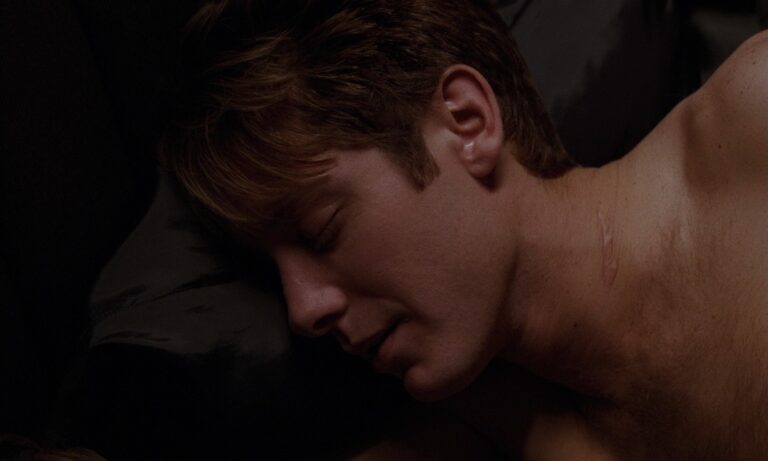
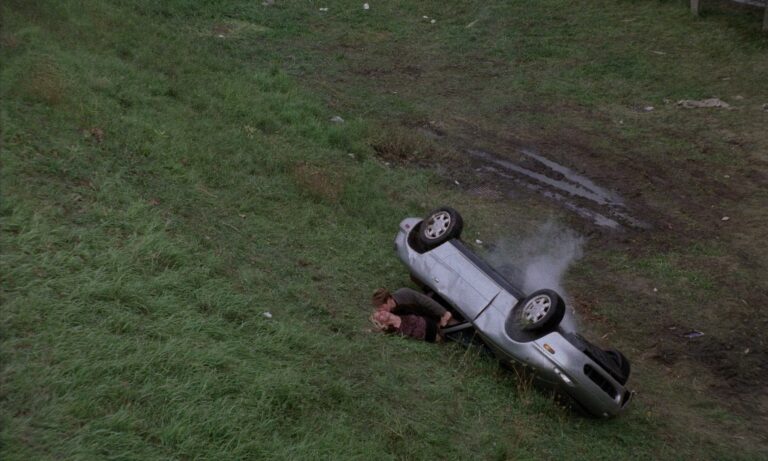
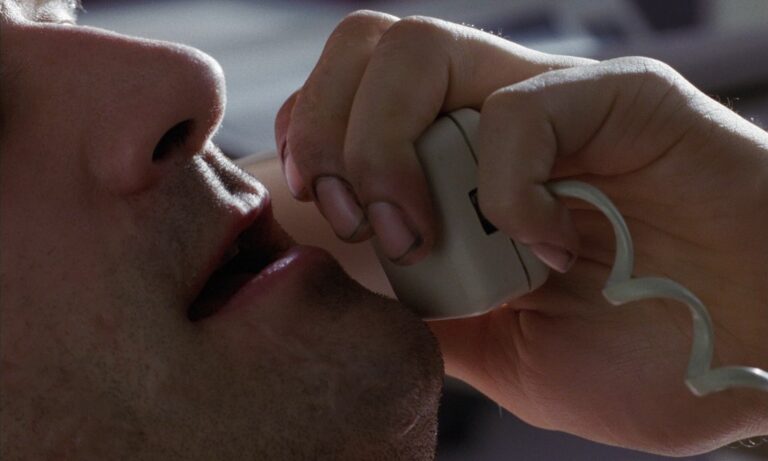
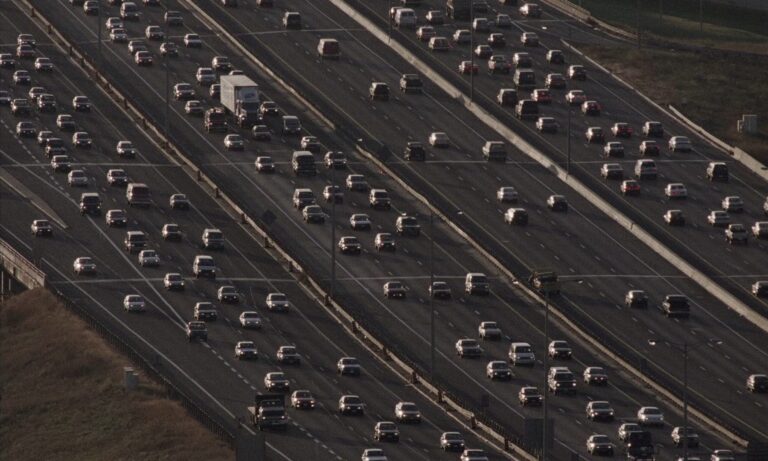
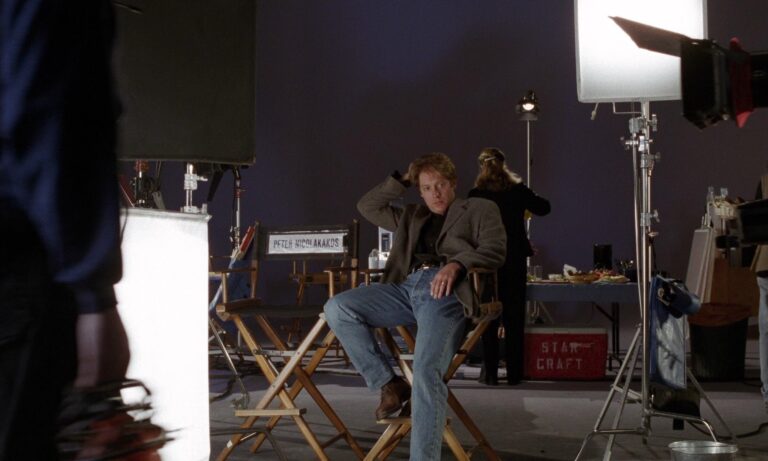
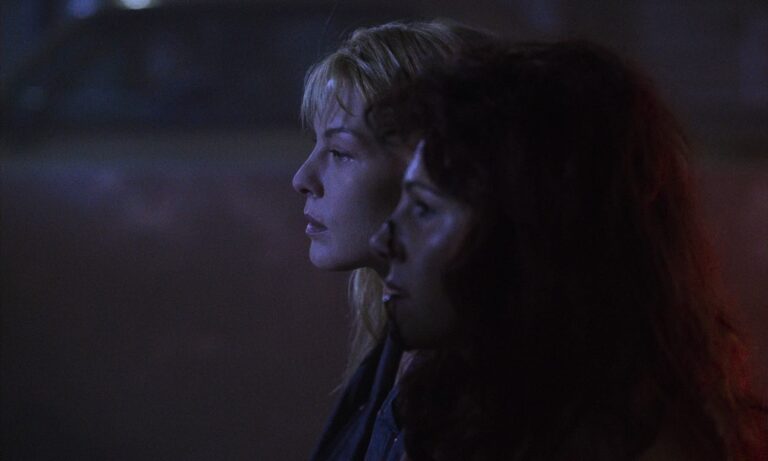
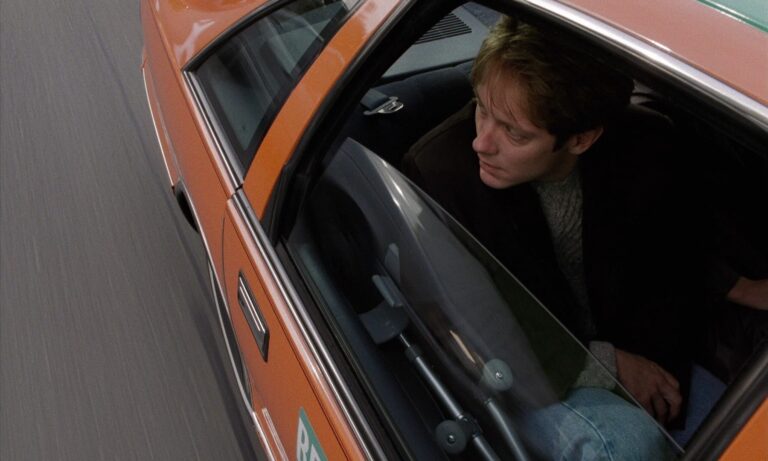
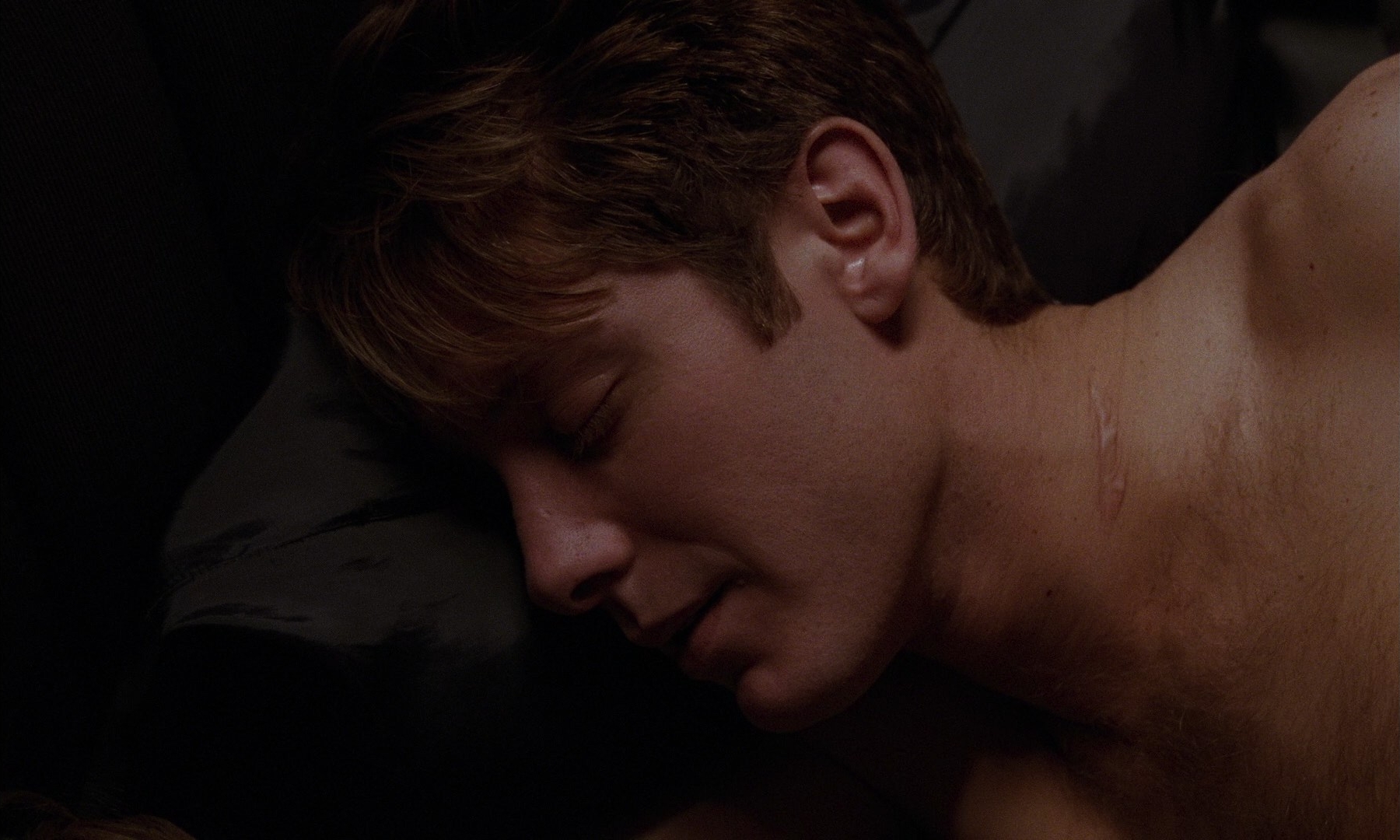
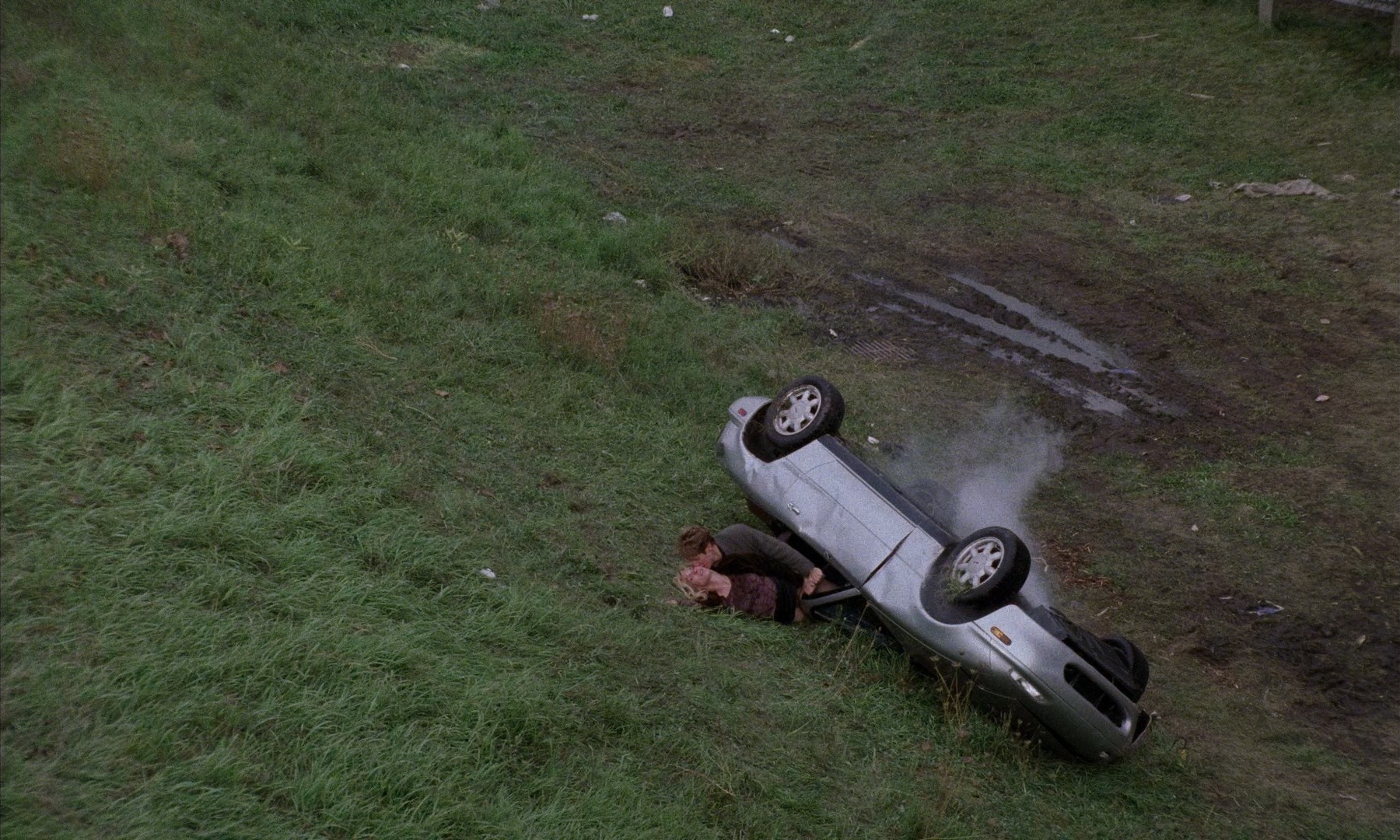
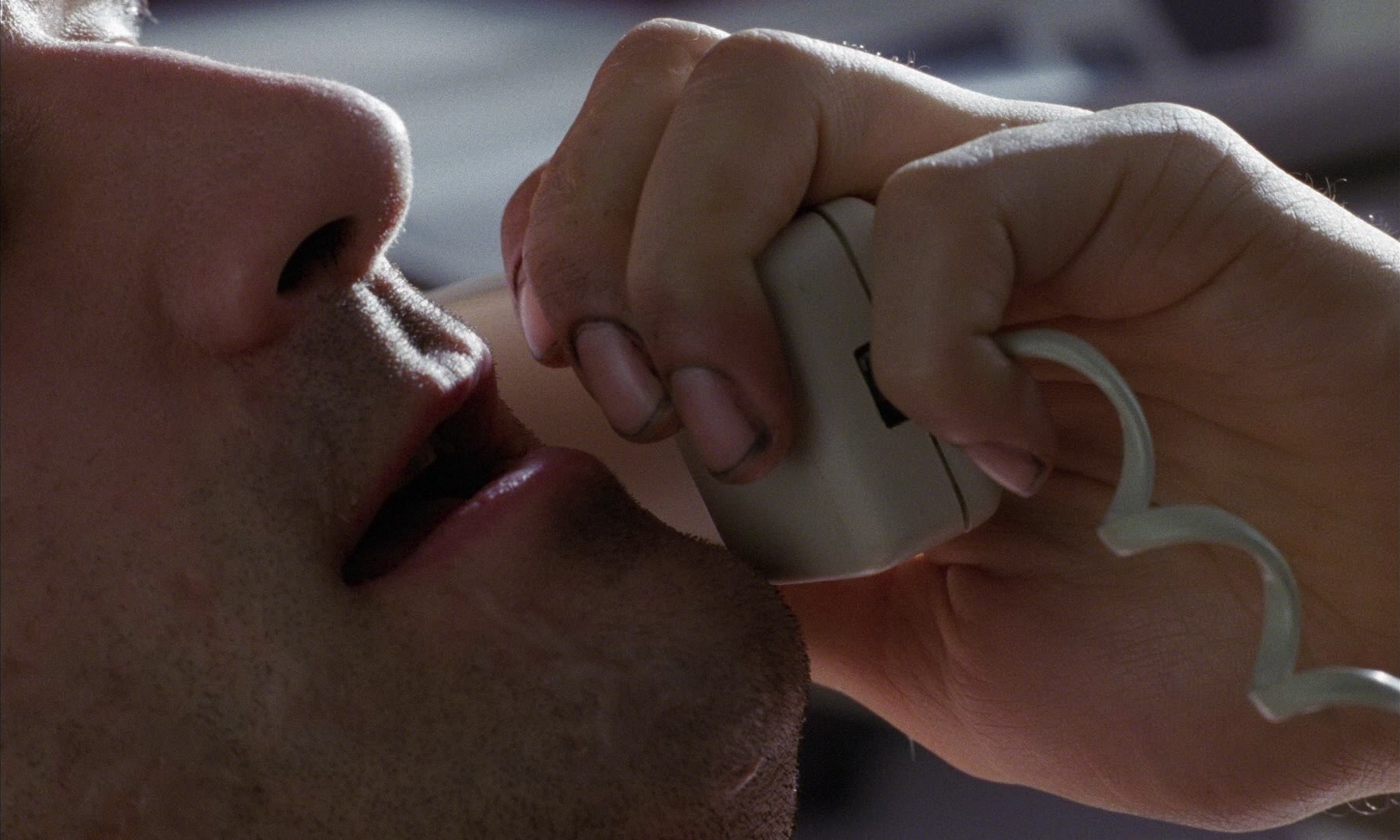
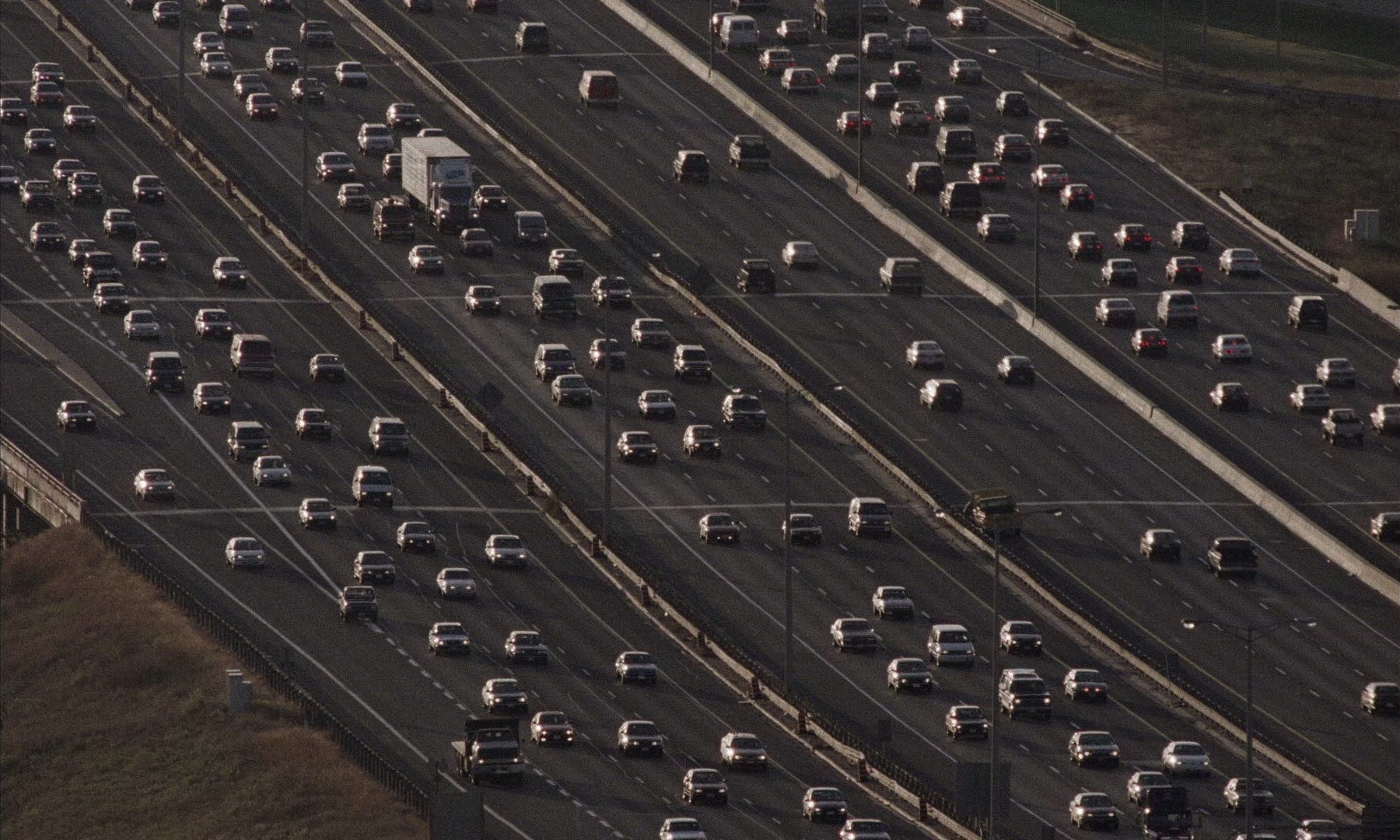
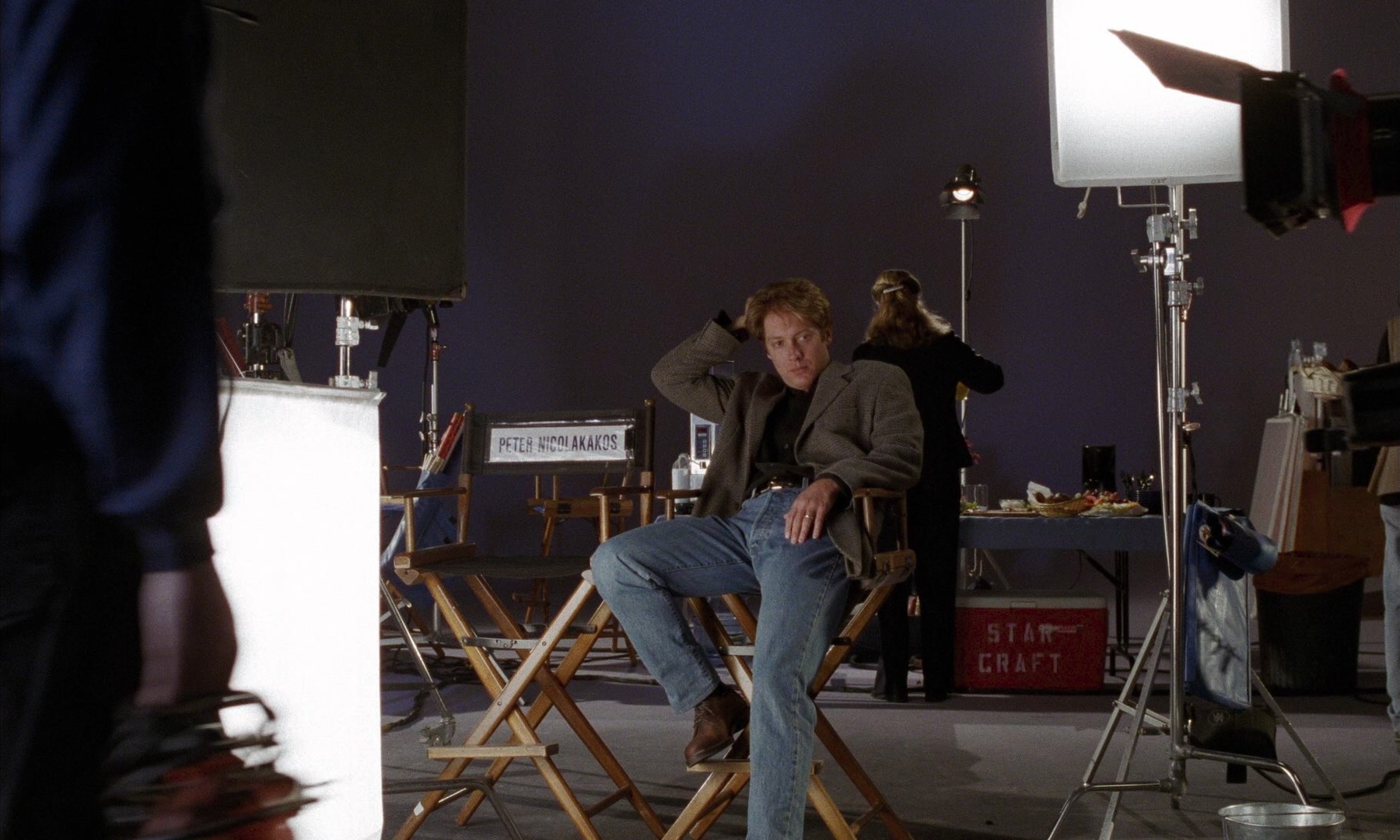
Crash (1996)
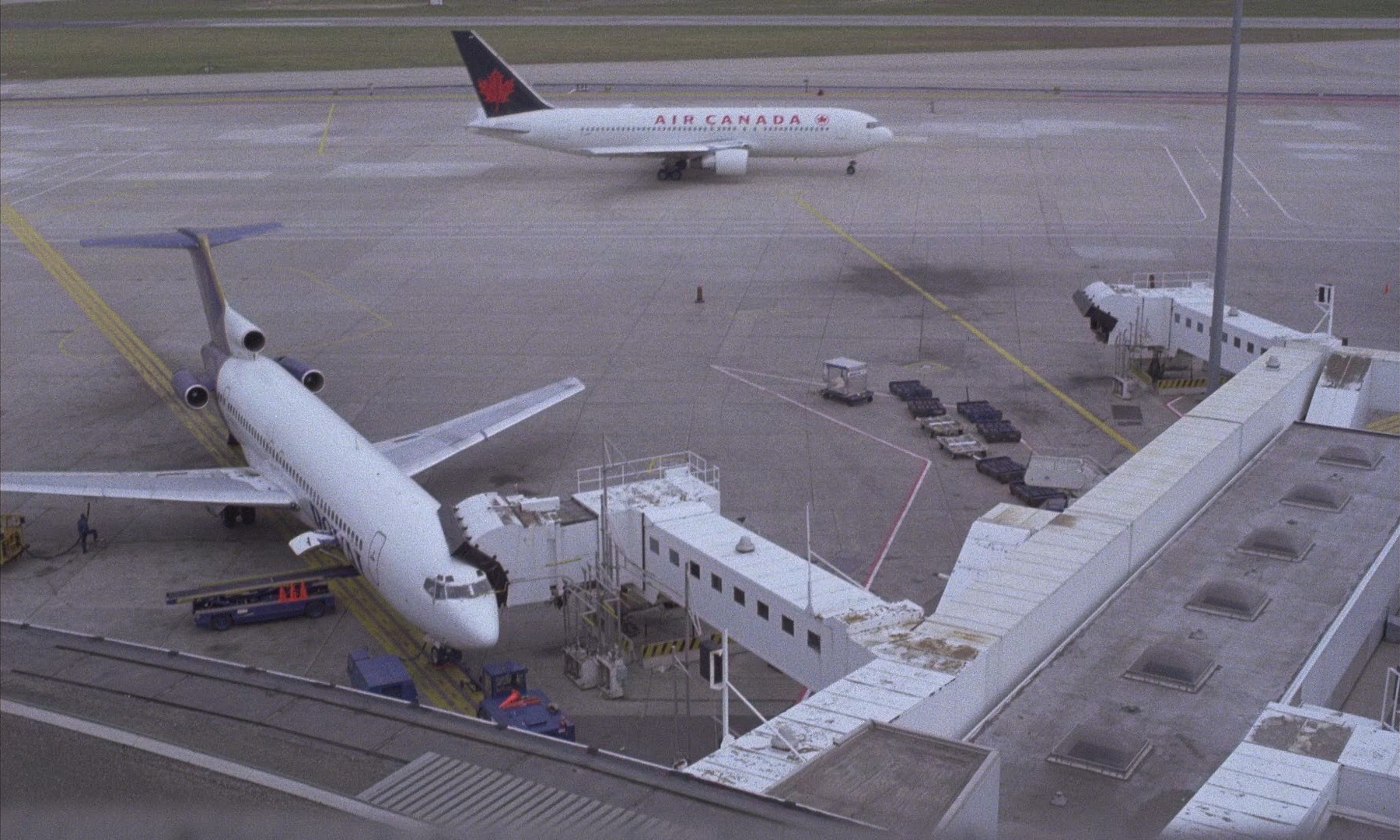
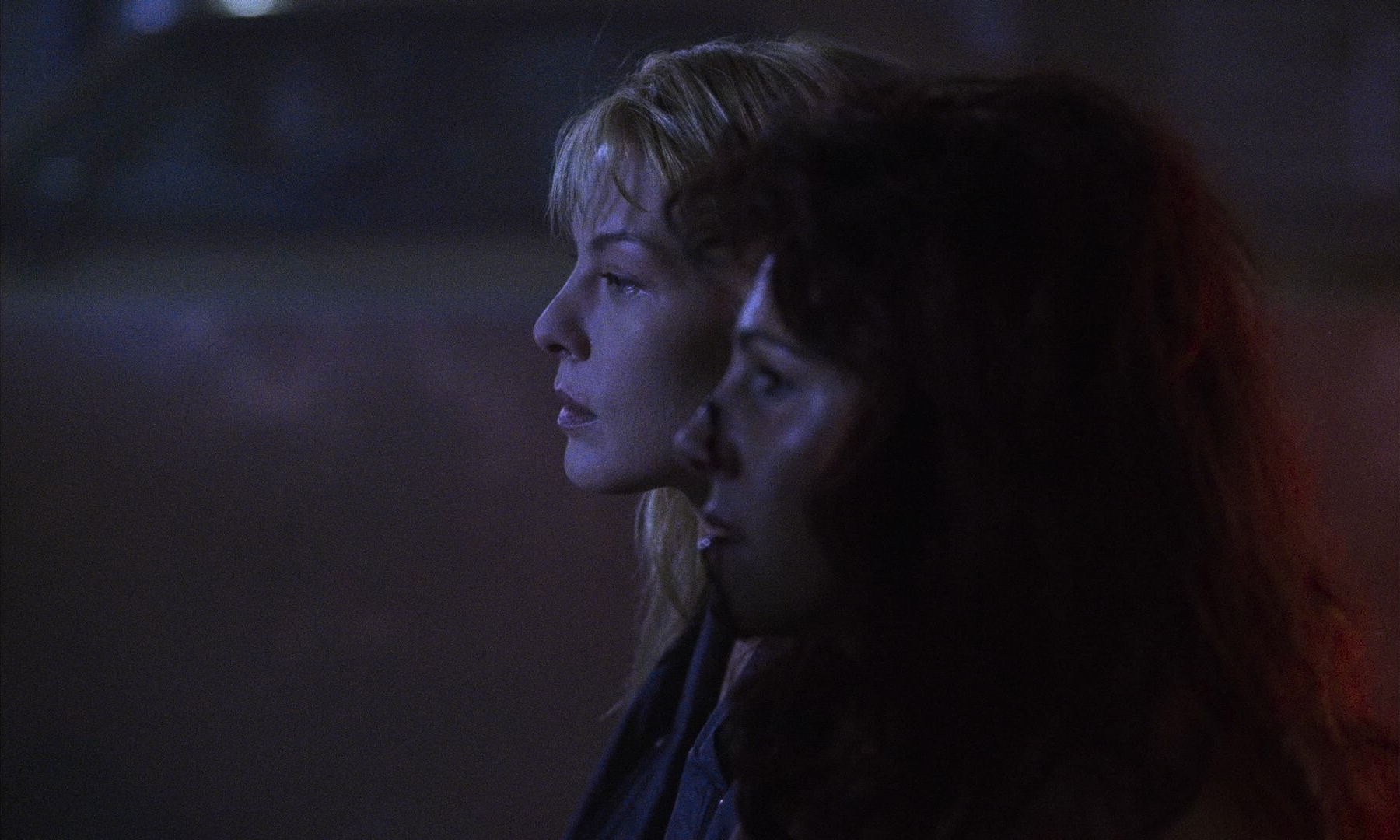
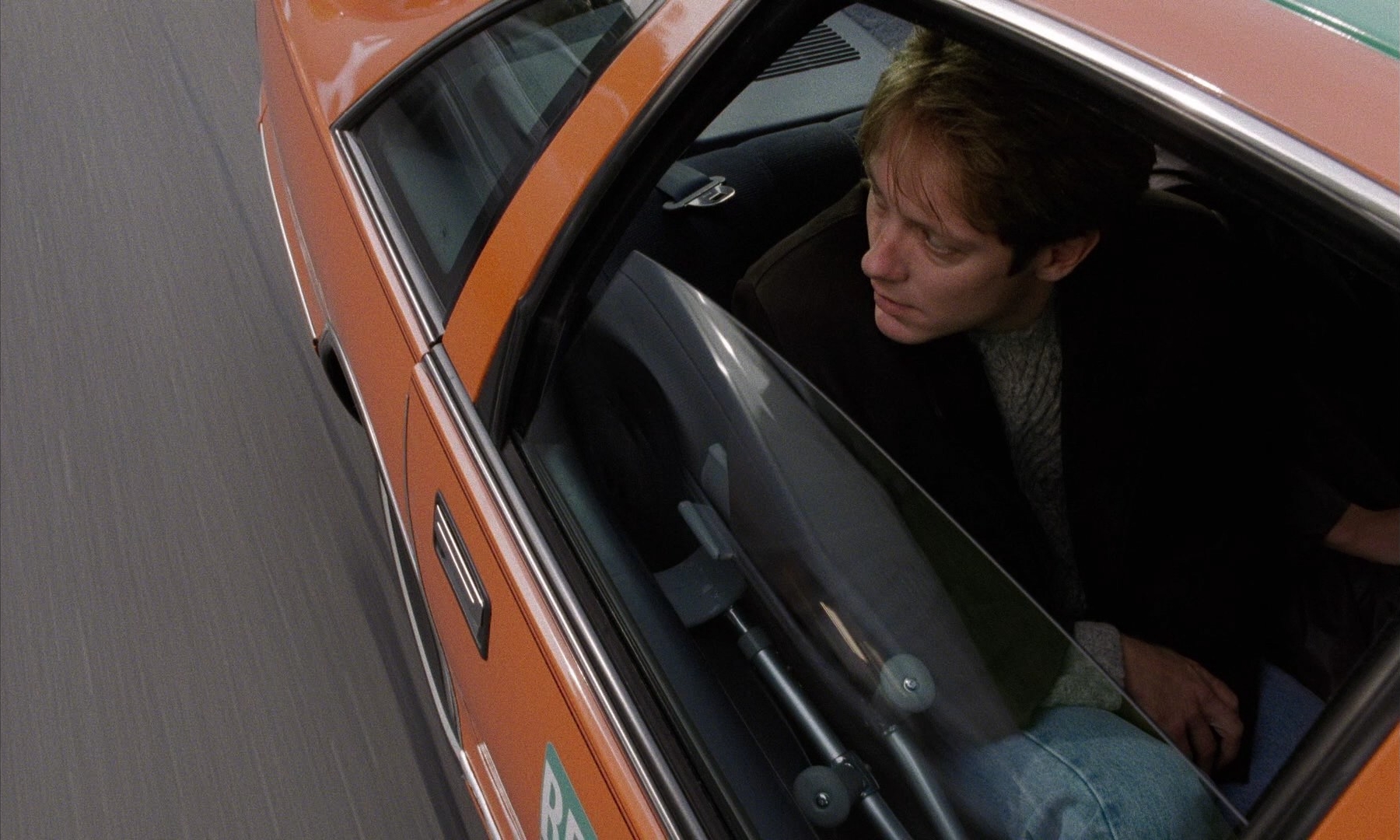
After surviving a car accident, a man becomes drawn into a subculture of individuals who are sexually aroused by car crashes and the injuries they produce. As he and his partner immerse themselves deeper into this world, their relationship and sense of normalcy begin to erode. The film explores the intersection of technology, desire, and the human body in increasingly transgressive ways.
Cronenberg and cinematographer Peter Suschitzky shoot Crash with a cool, detached precision, using controlled lighting, smooth camera movement, and a muted palette to strip the material of sensationalism. The film’s clinical compositions and reflective surfaces—metal, glass, skin—turn bodies and machines into parallel textures, creating a deliberately unemotional visual tone that makes its subject matter feel even more unsettling.

FILM SPOTLIGHT
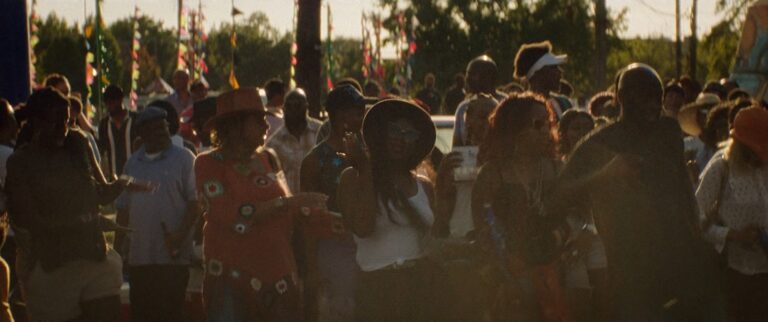
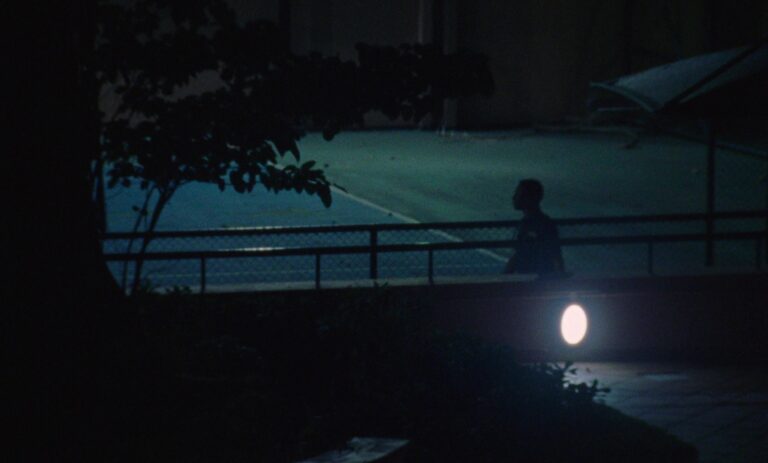
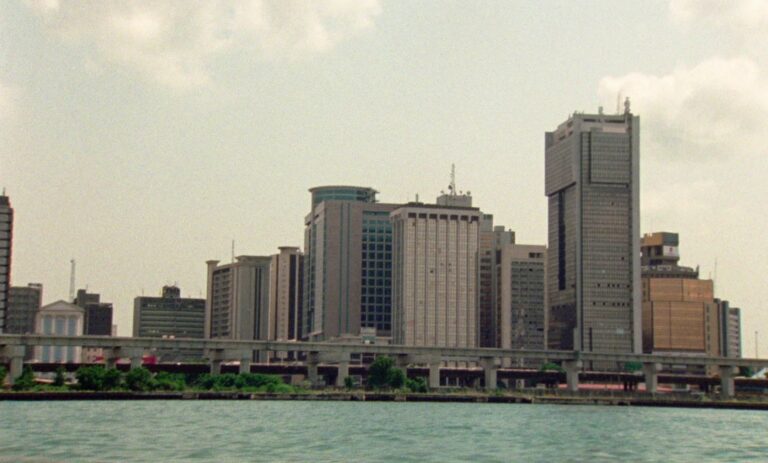
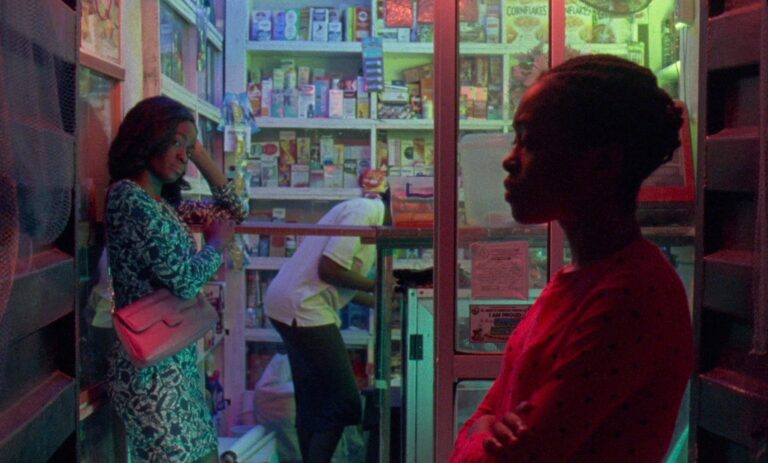
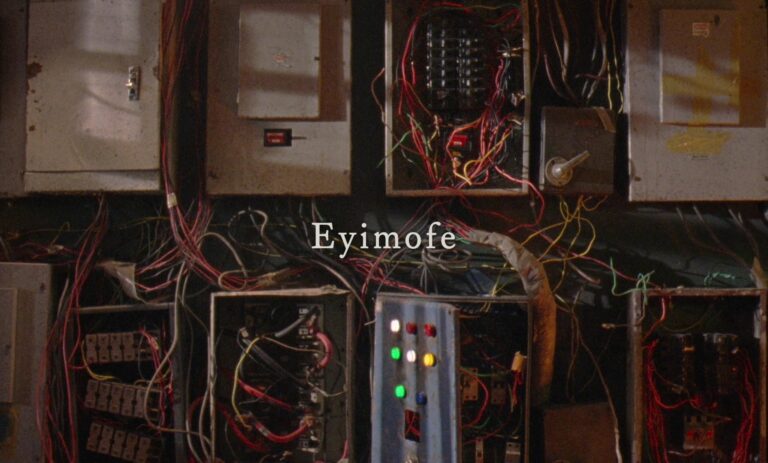
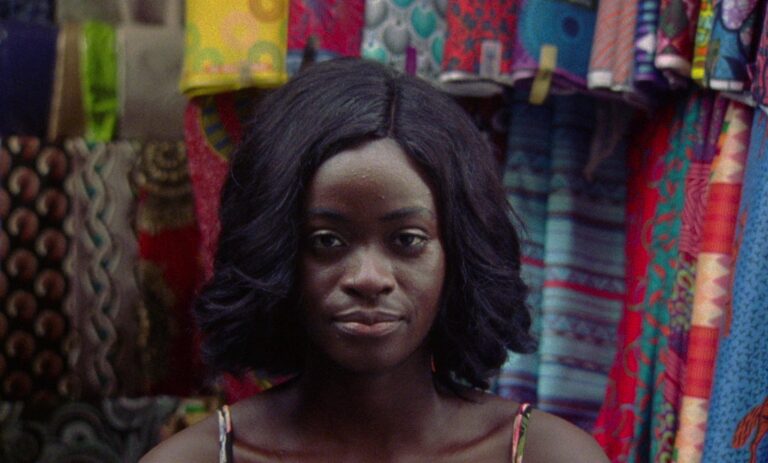
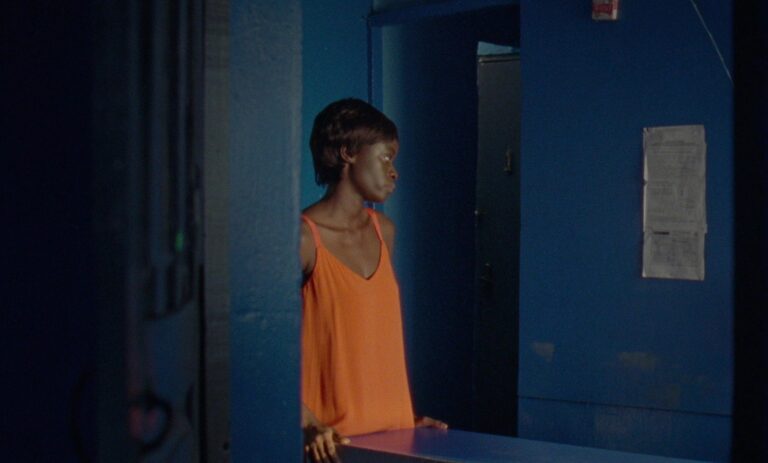
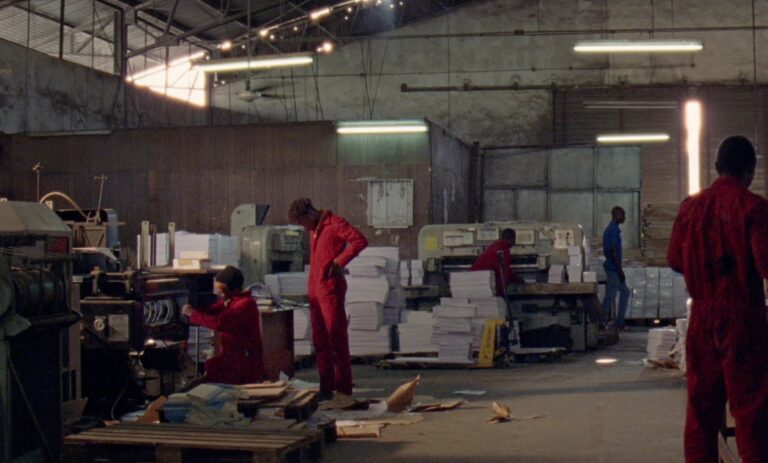
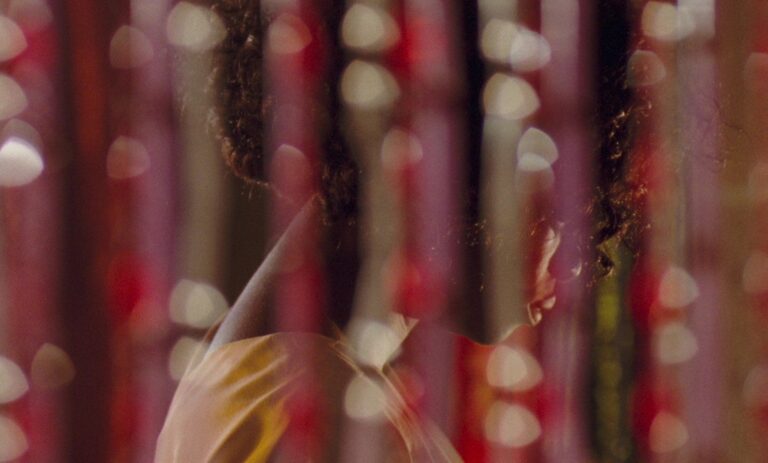
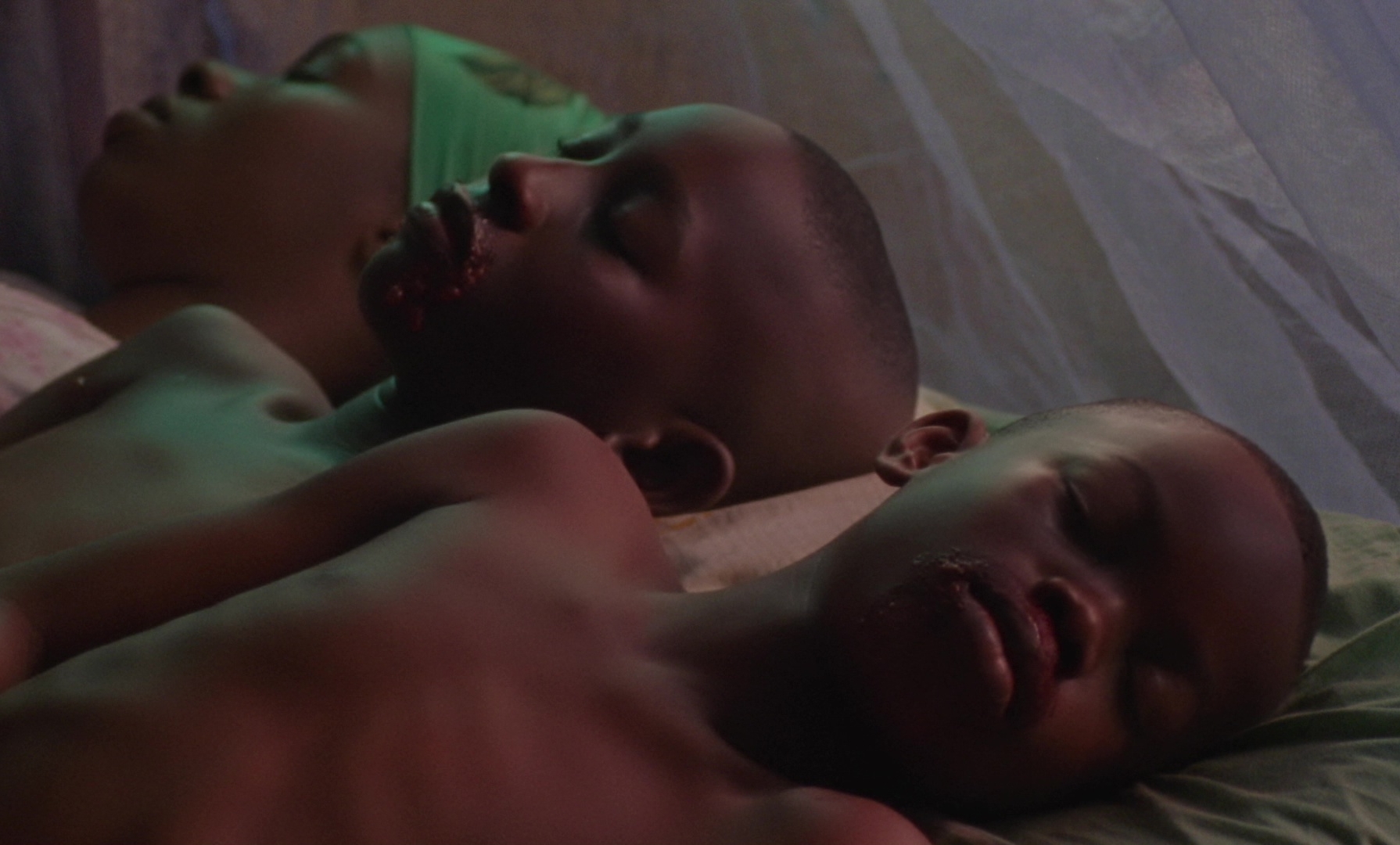
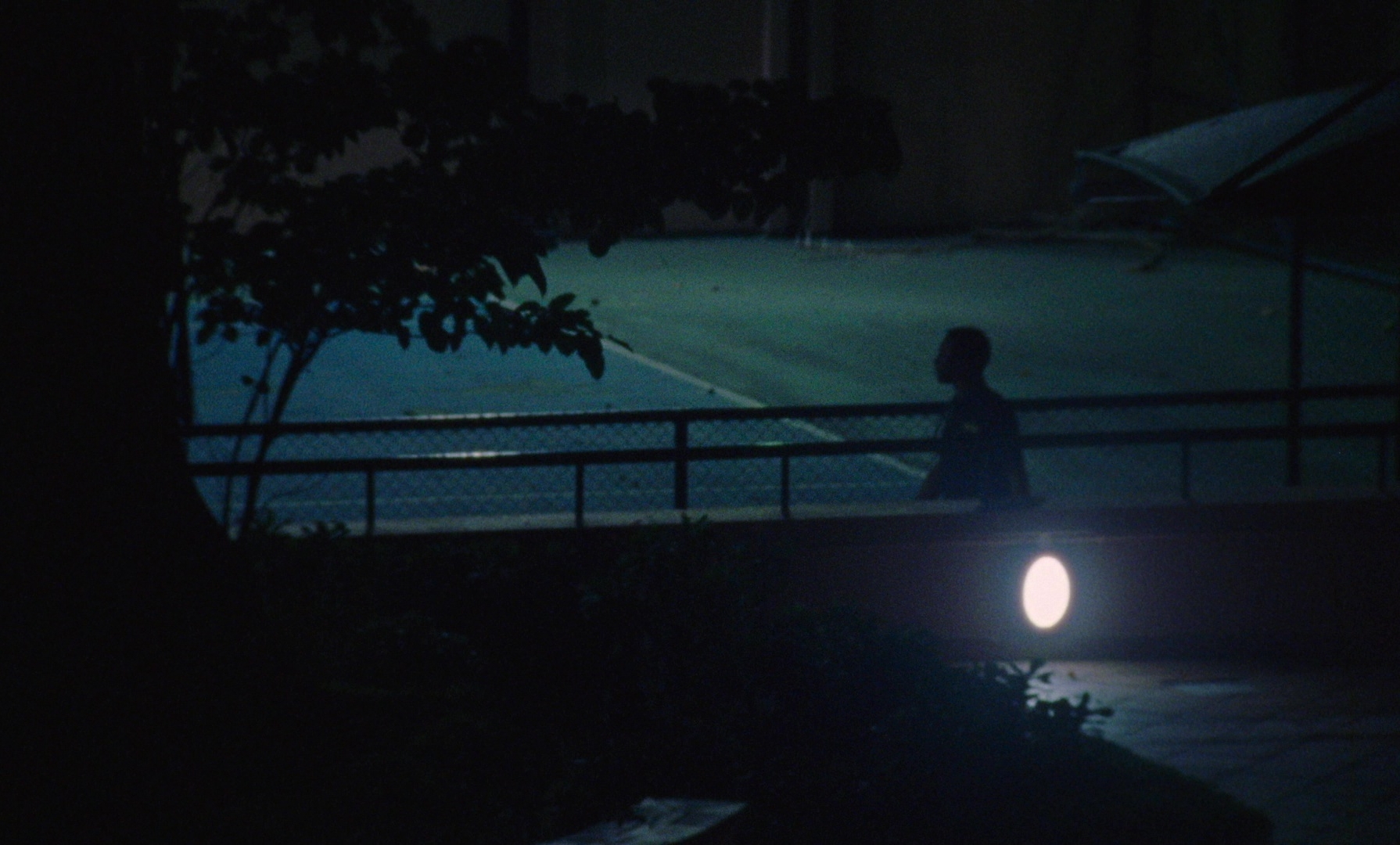
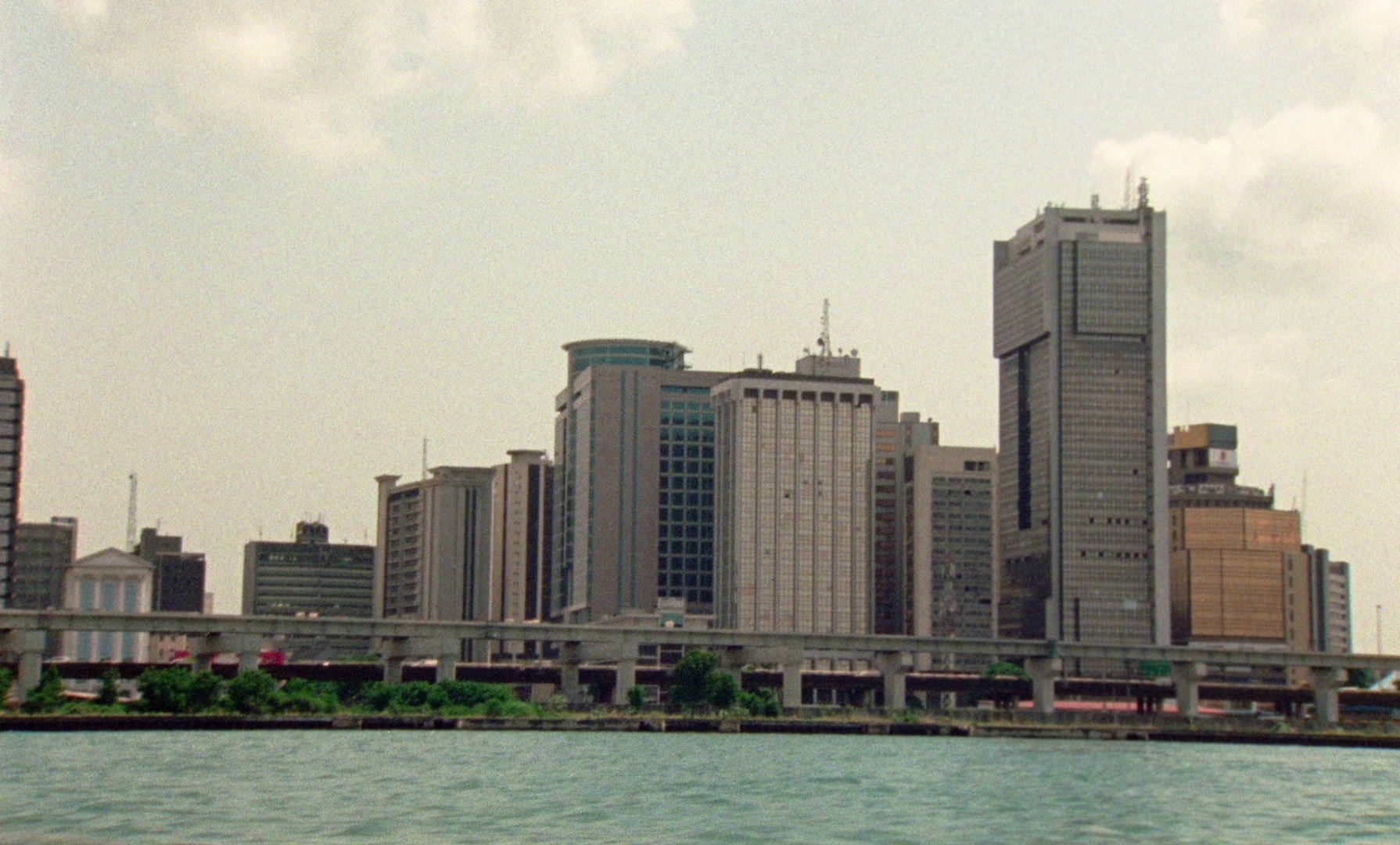
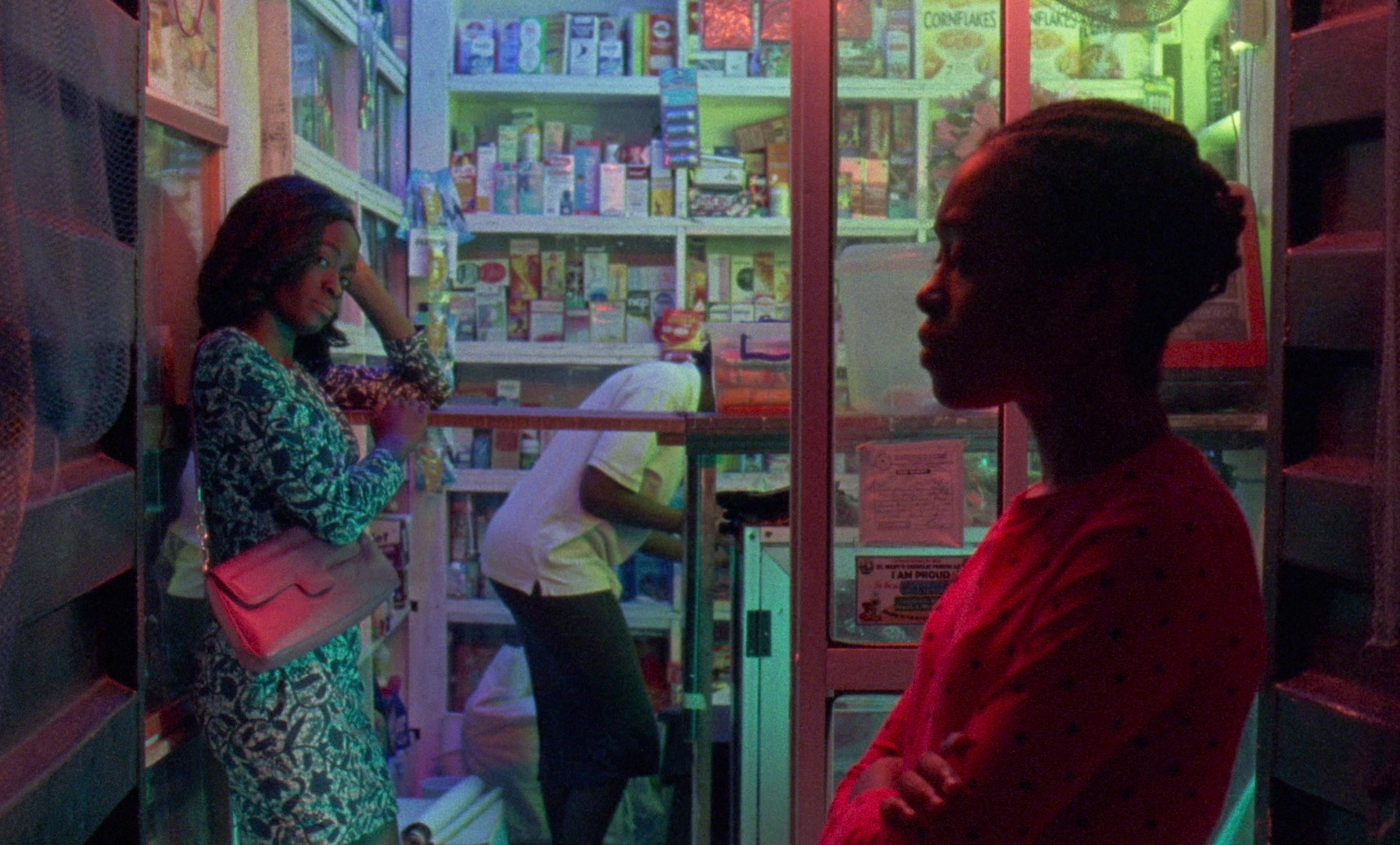
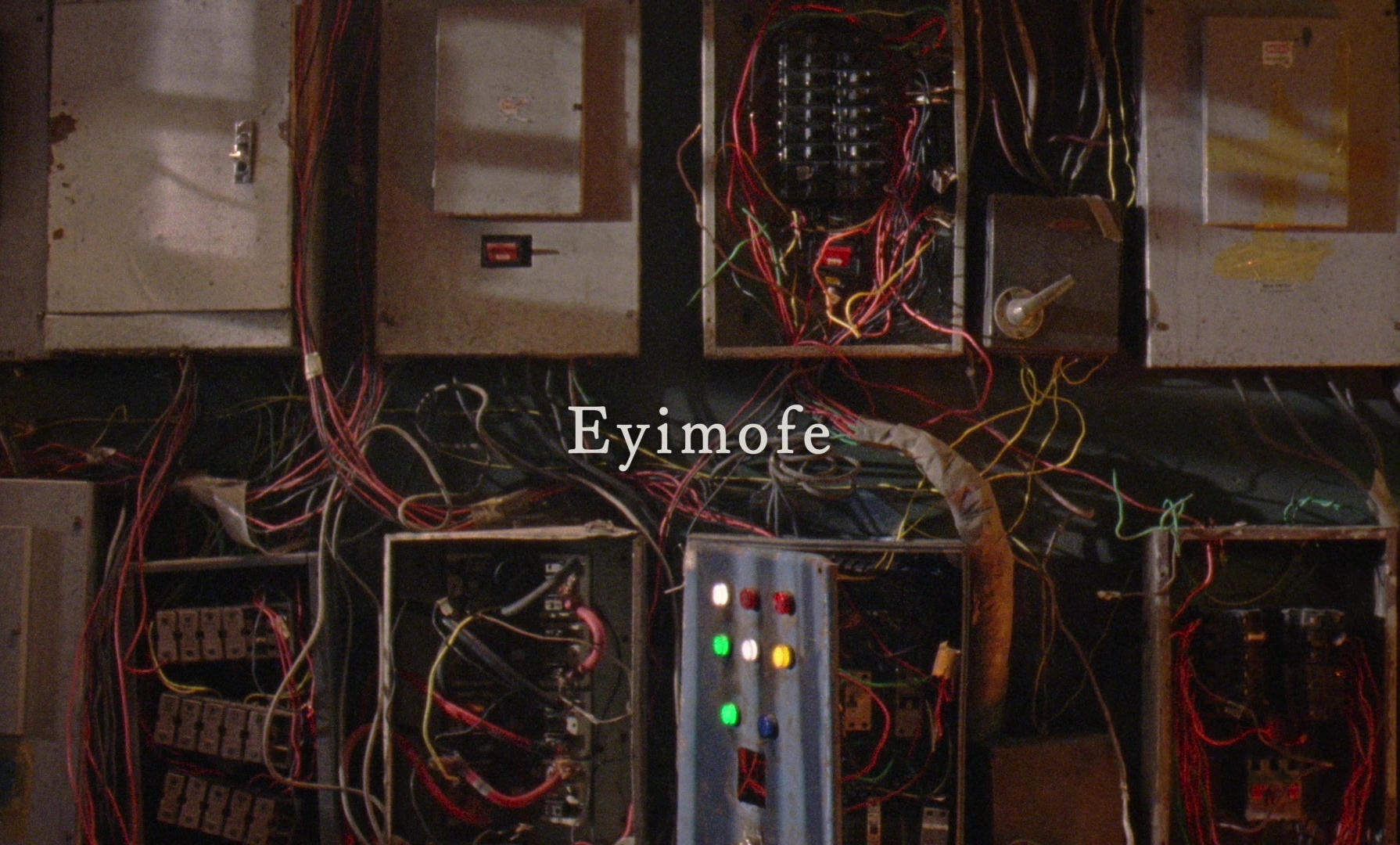
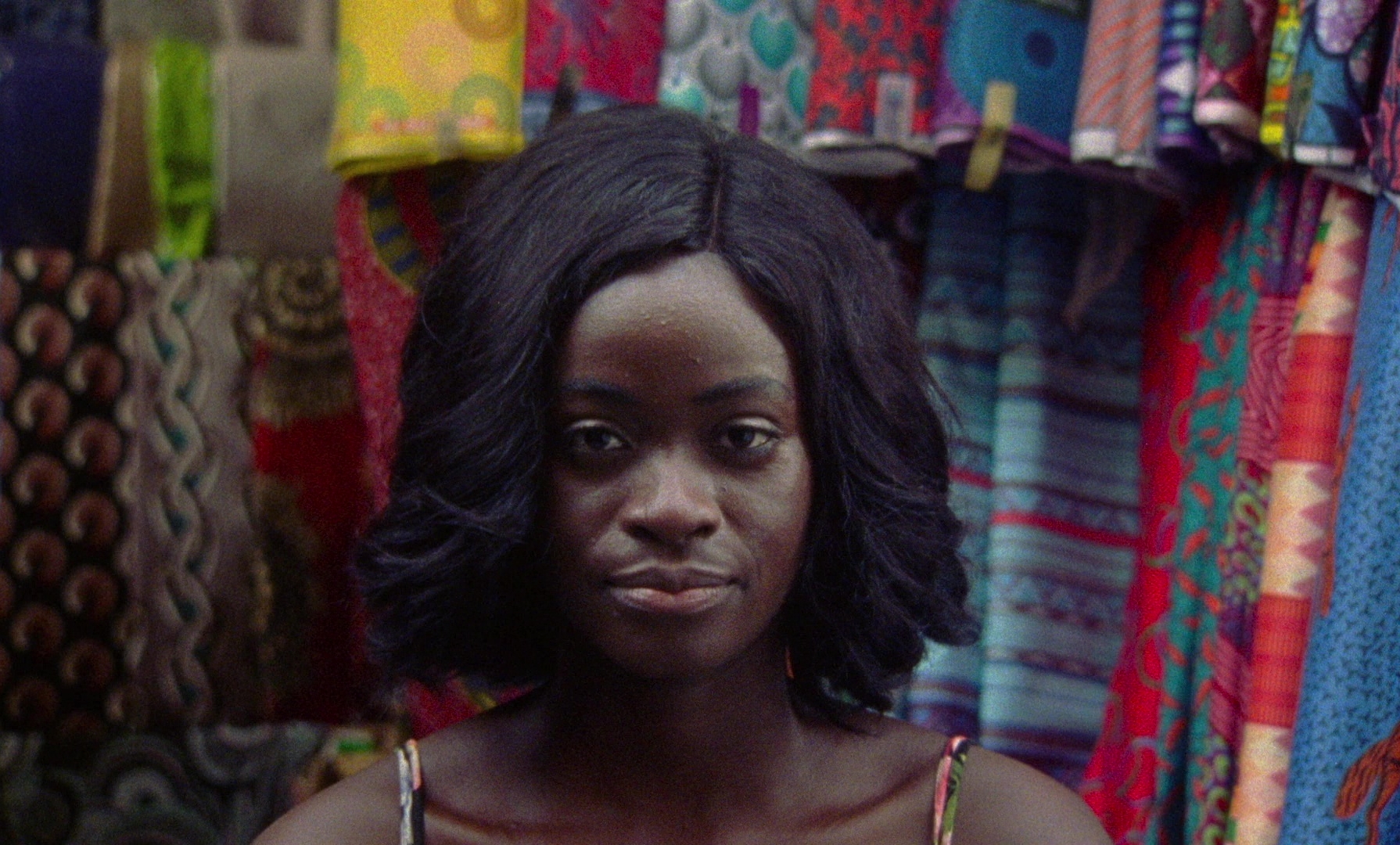
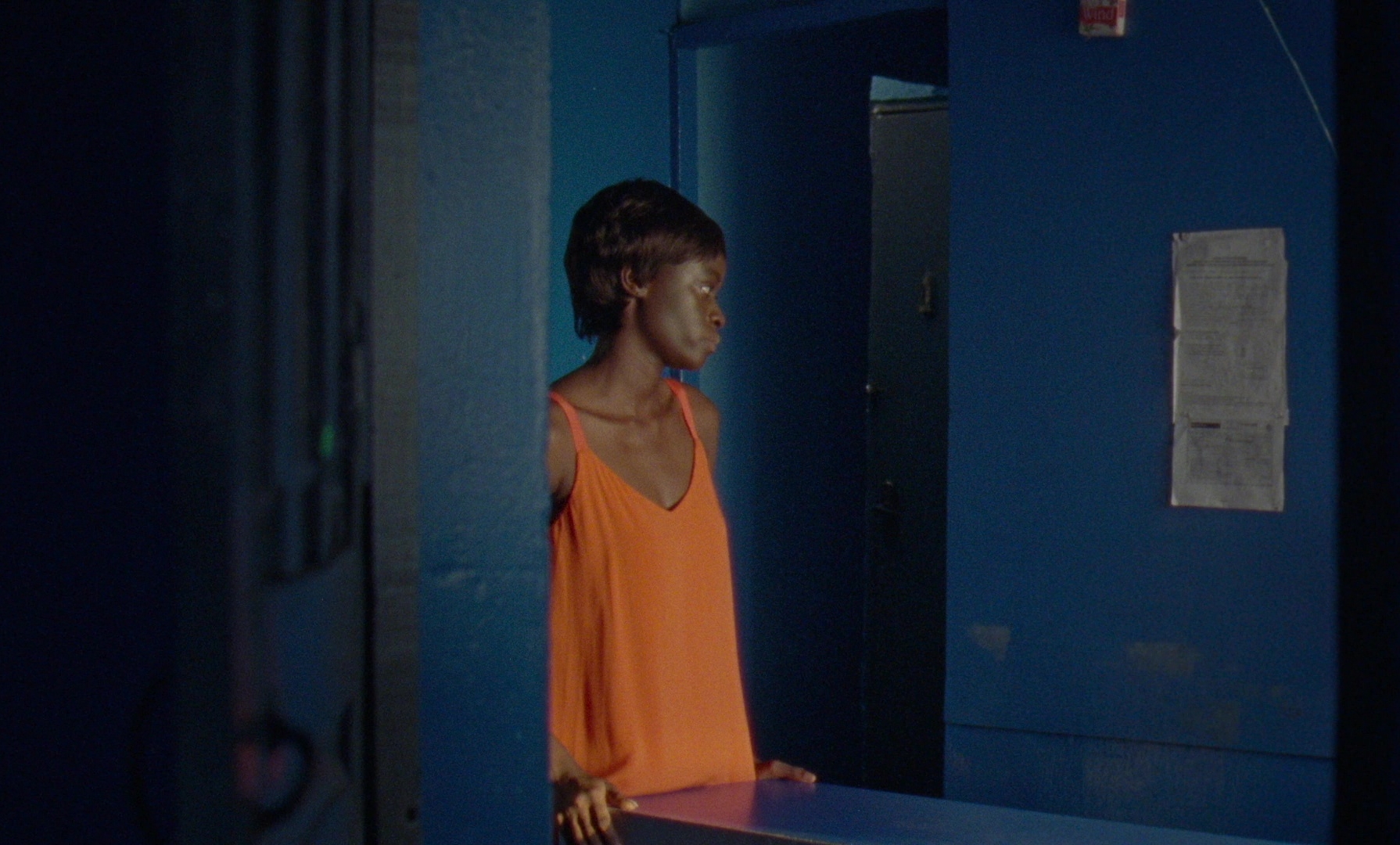
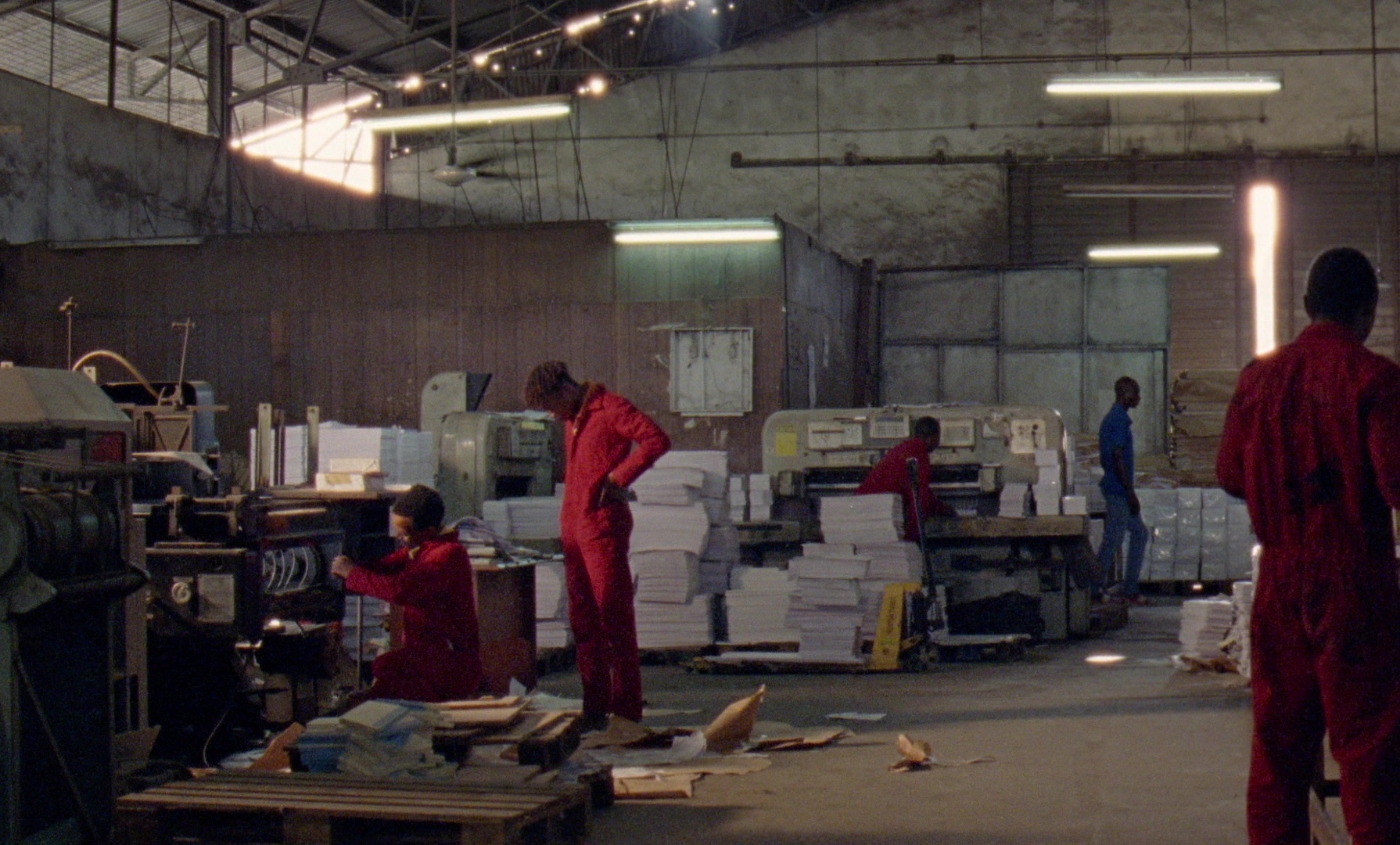
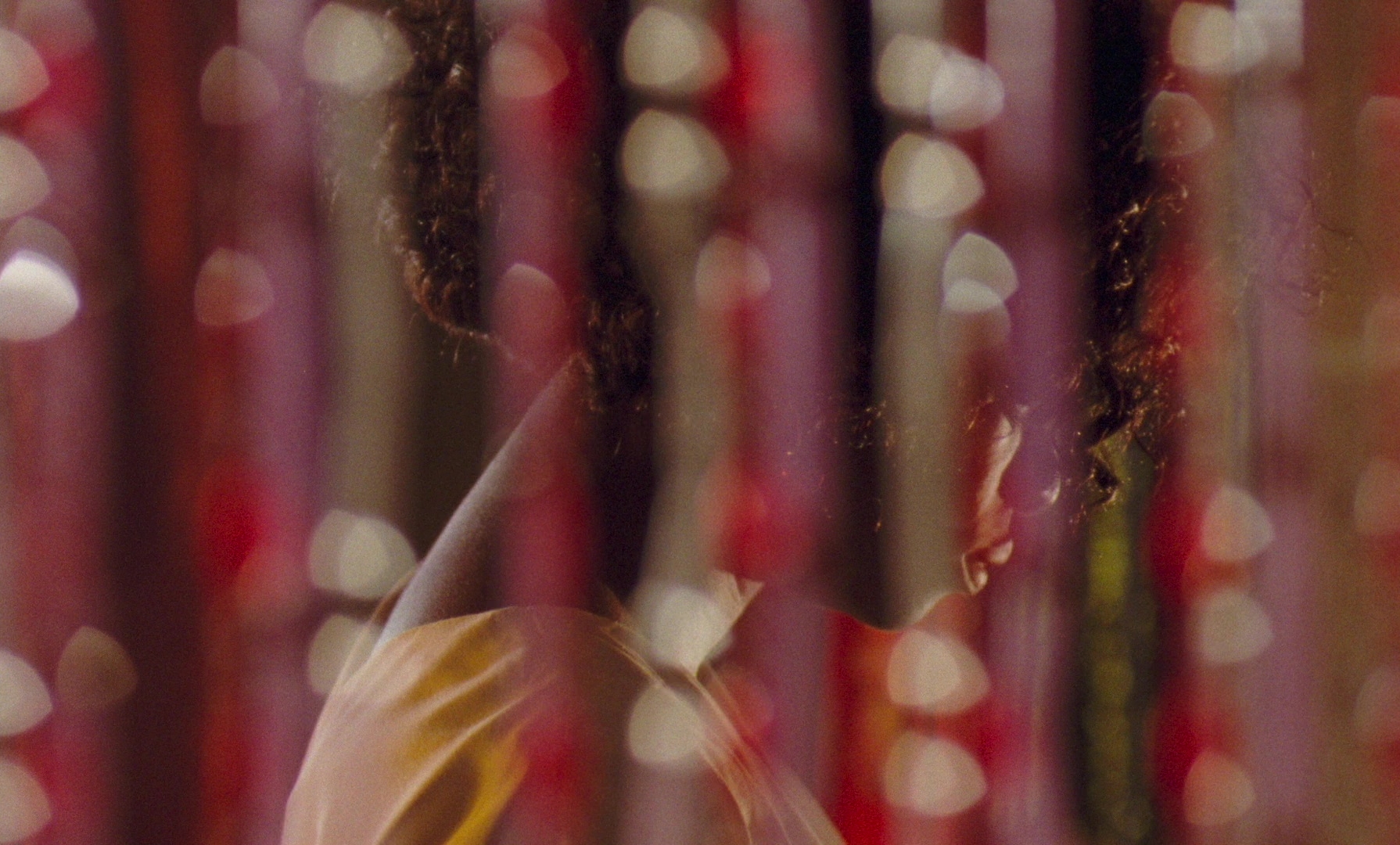
Eyimofe (This is My Desire) (2021)
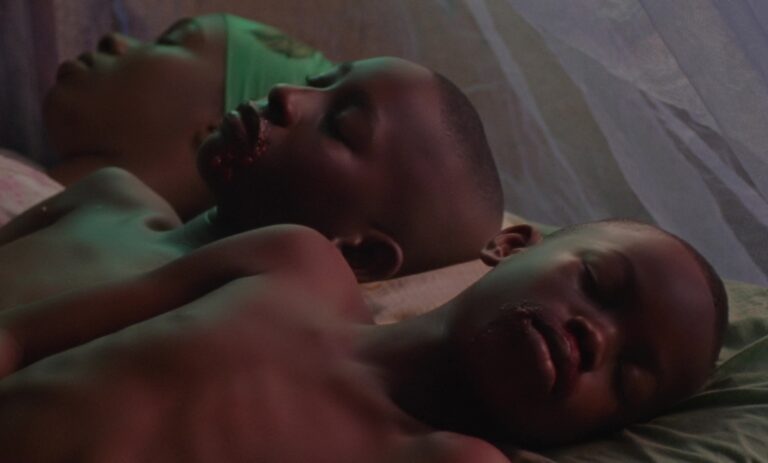
Set in Lagos, the film follows two individuals—a factory worker and a hairdresser—each striving to build a better life amid economic hardship. As they pursue opportunities to leave Nigeria, unexpected obstacles disrupt their carefully laid plans. Their parallel journeys become a quiet reflection on resilience, migration, and the unpredictability of fate.
The Esiri brothers and cinematographer Arseni Khachaturan shoot Eyimofe on 16mm, using natural light and textured, handheld framing to embed the film in the rhythms of Lagos. The grainy image, warm palette, and observational compositions turn everyday spaces—homes, streets, workplaces—into lived-in environments, where duration and detail quietly shape the film’s emotional weight.
FILM SPOTLIGHT
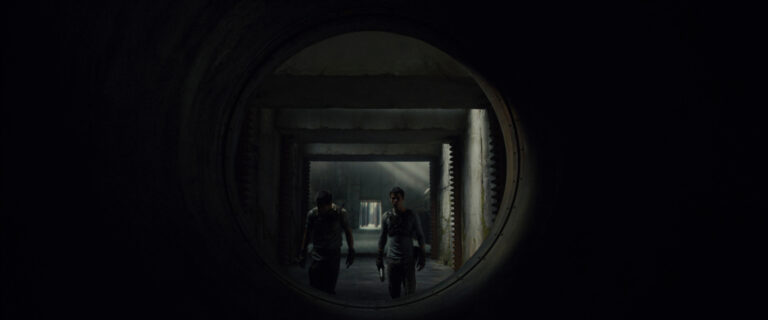
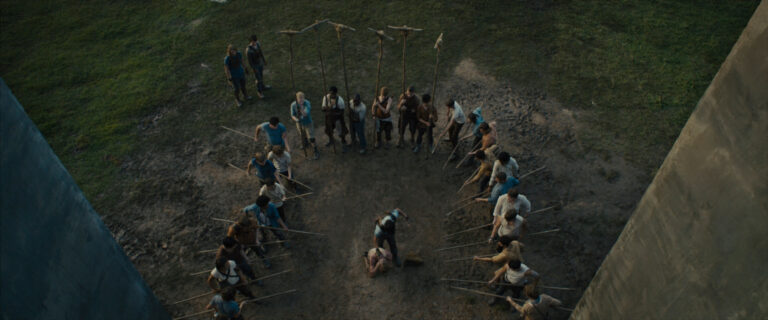
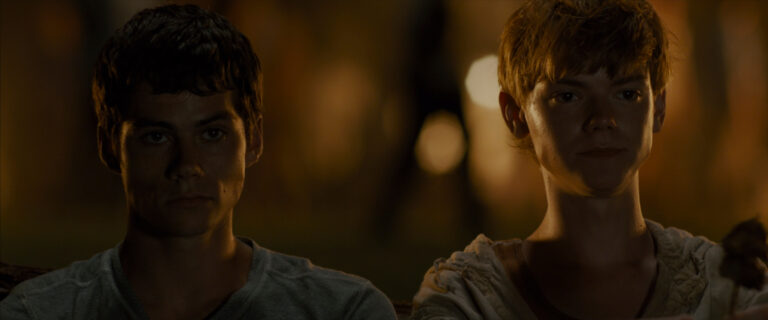
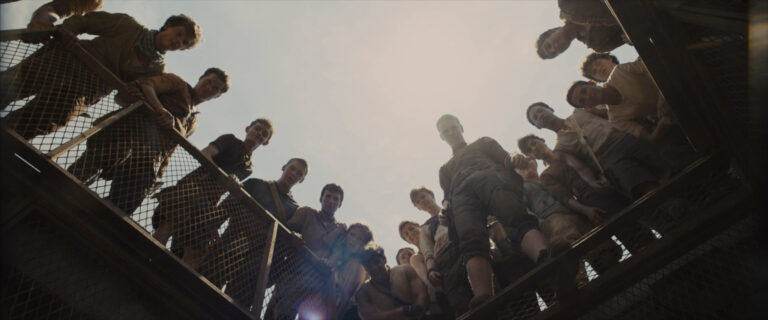
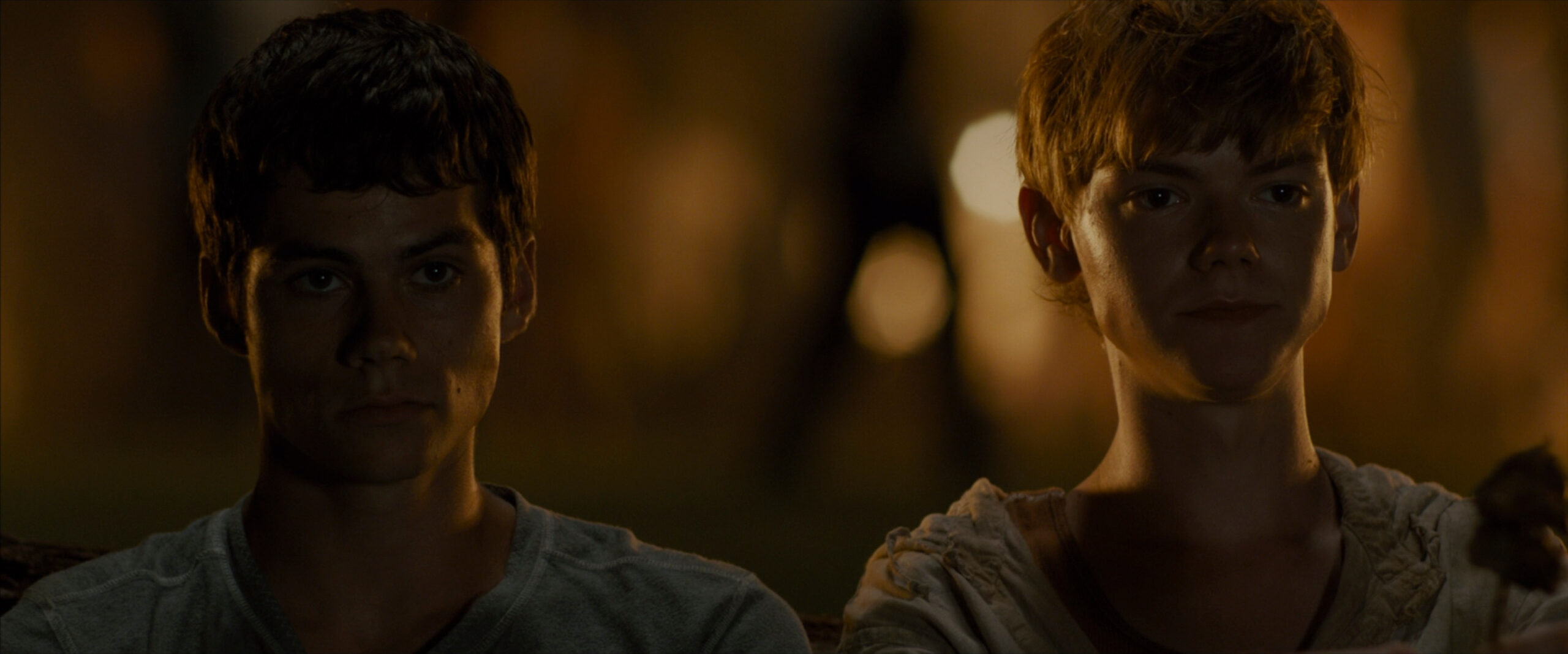
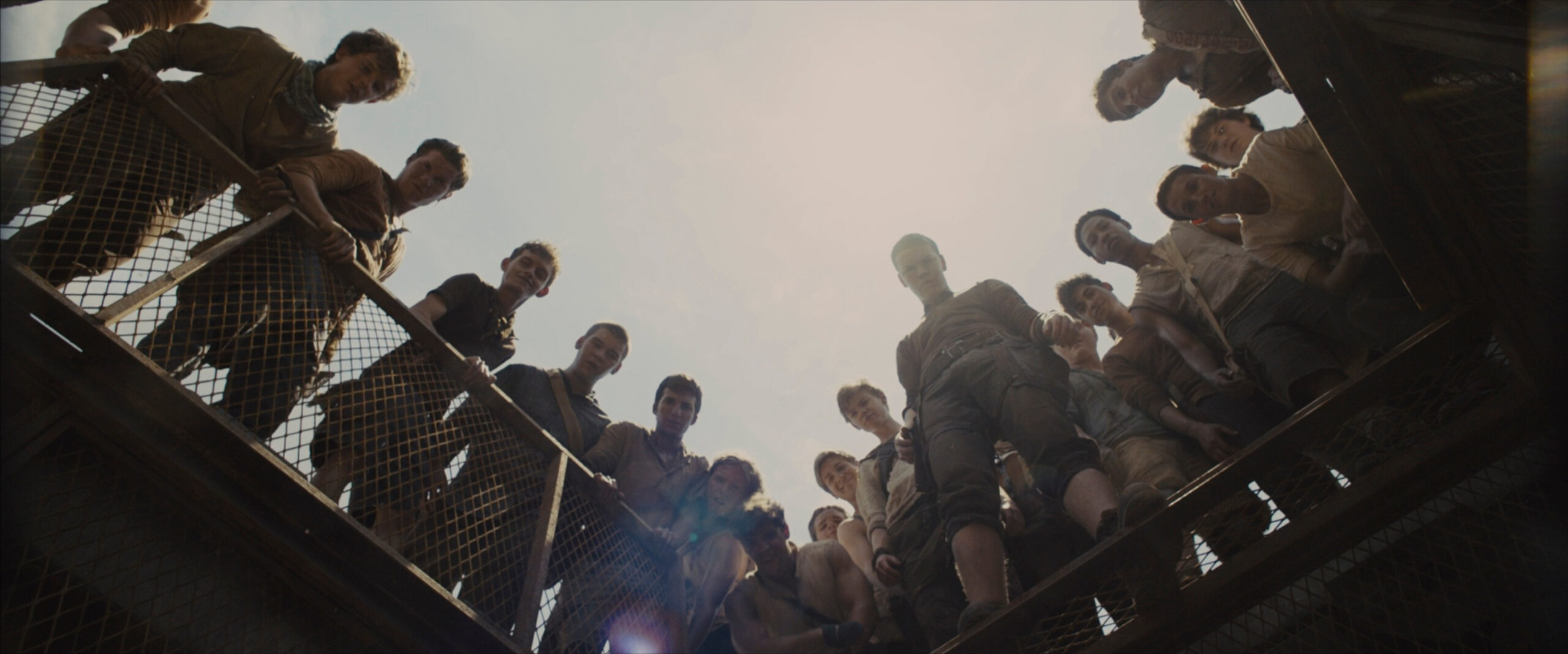
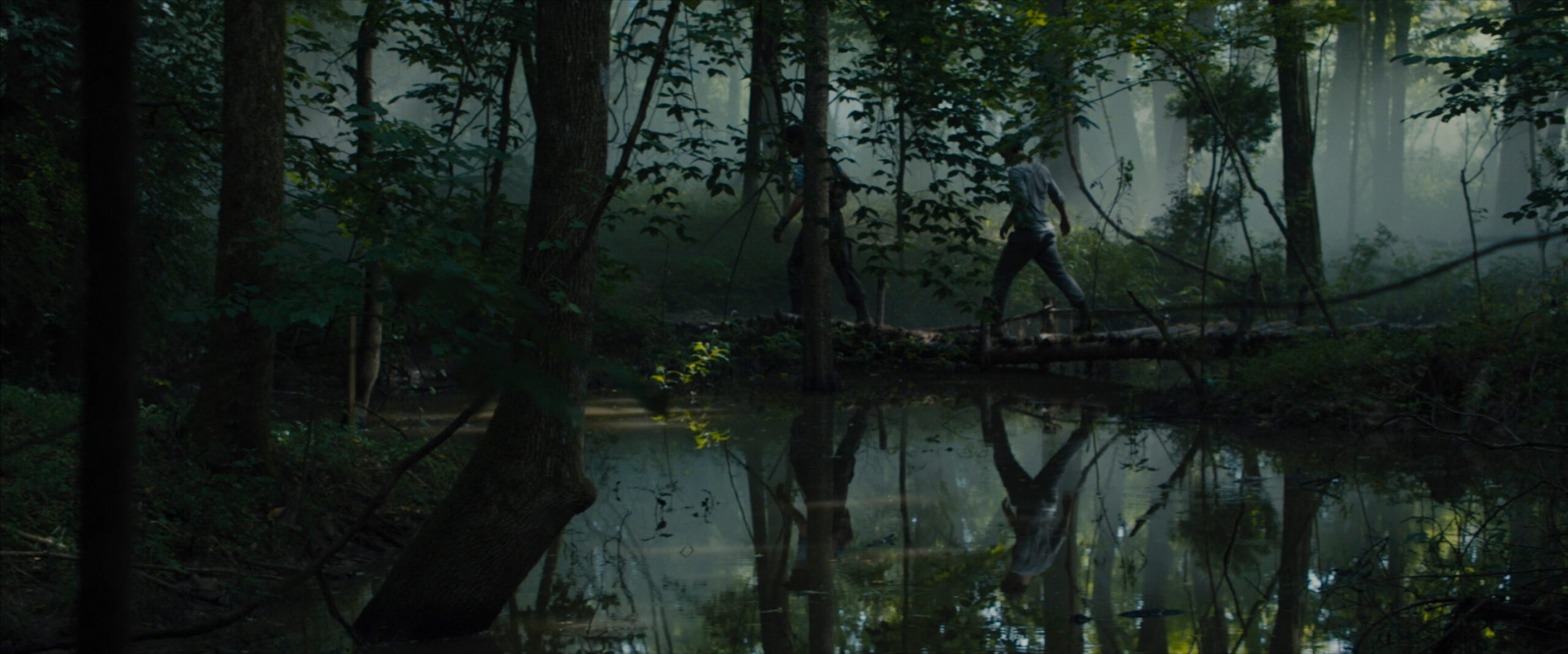
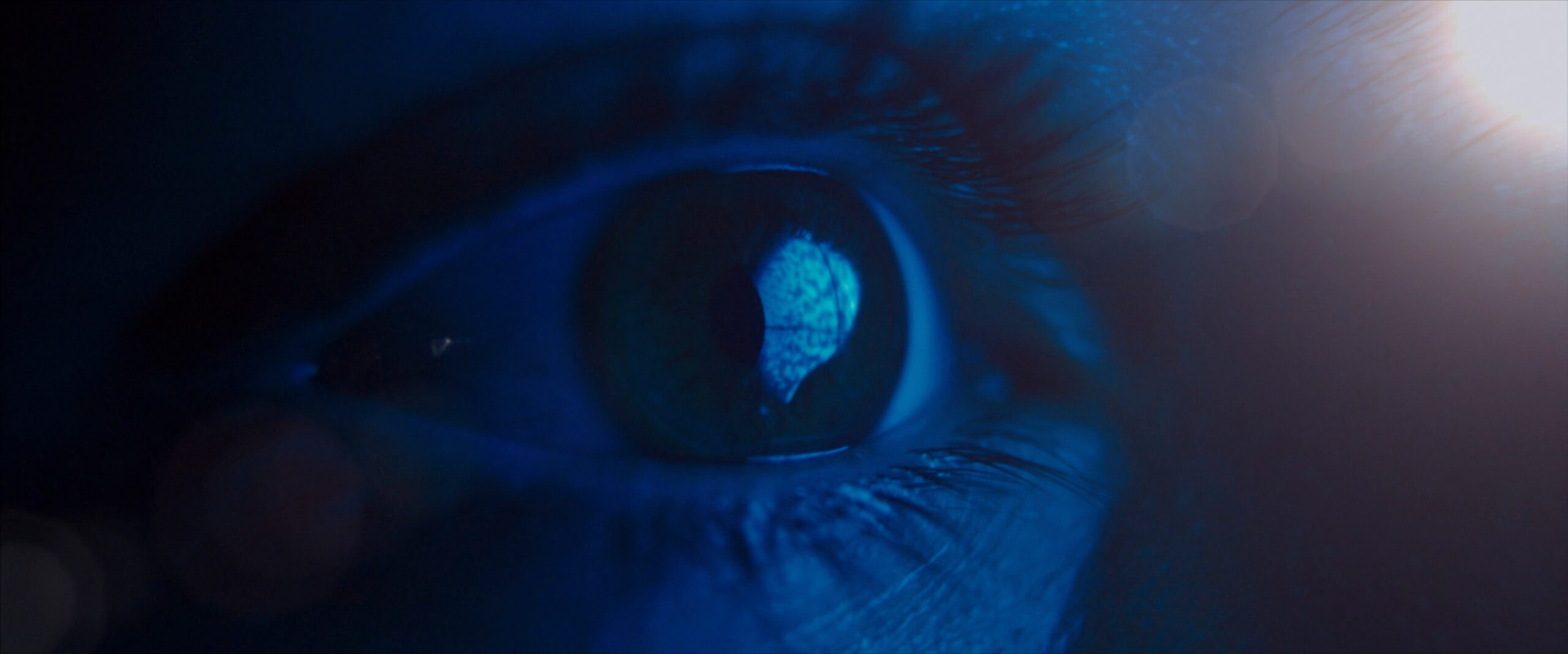
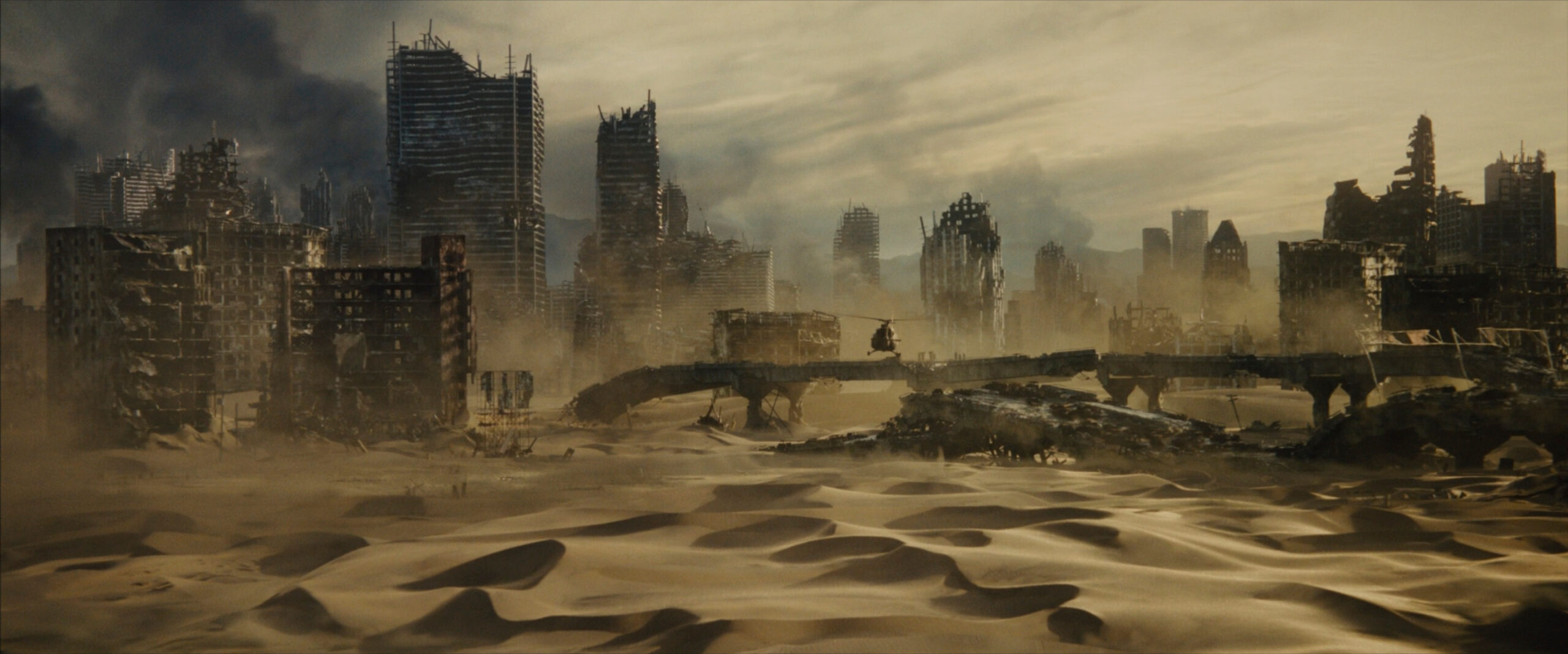
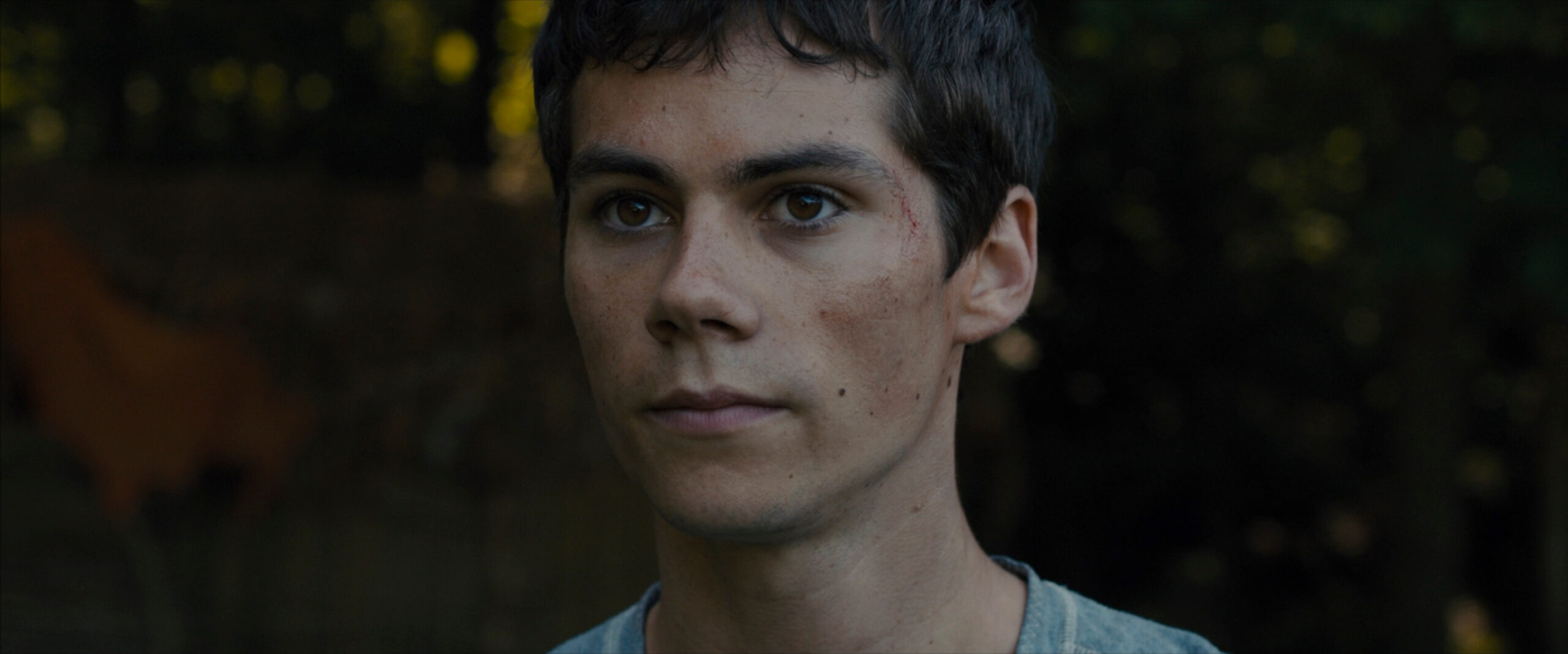
The Maze Runner (2014)
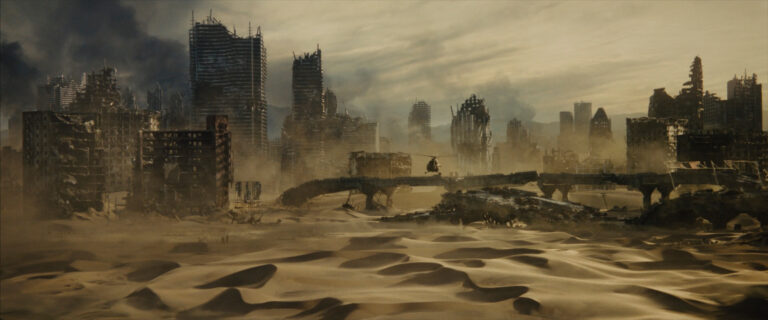
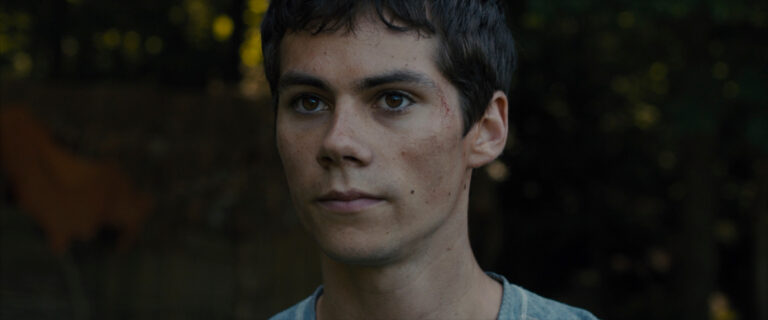
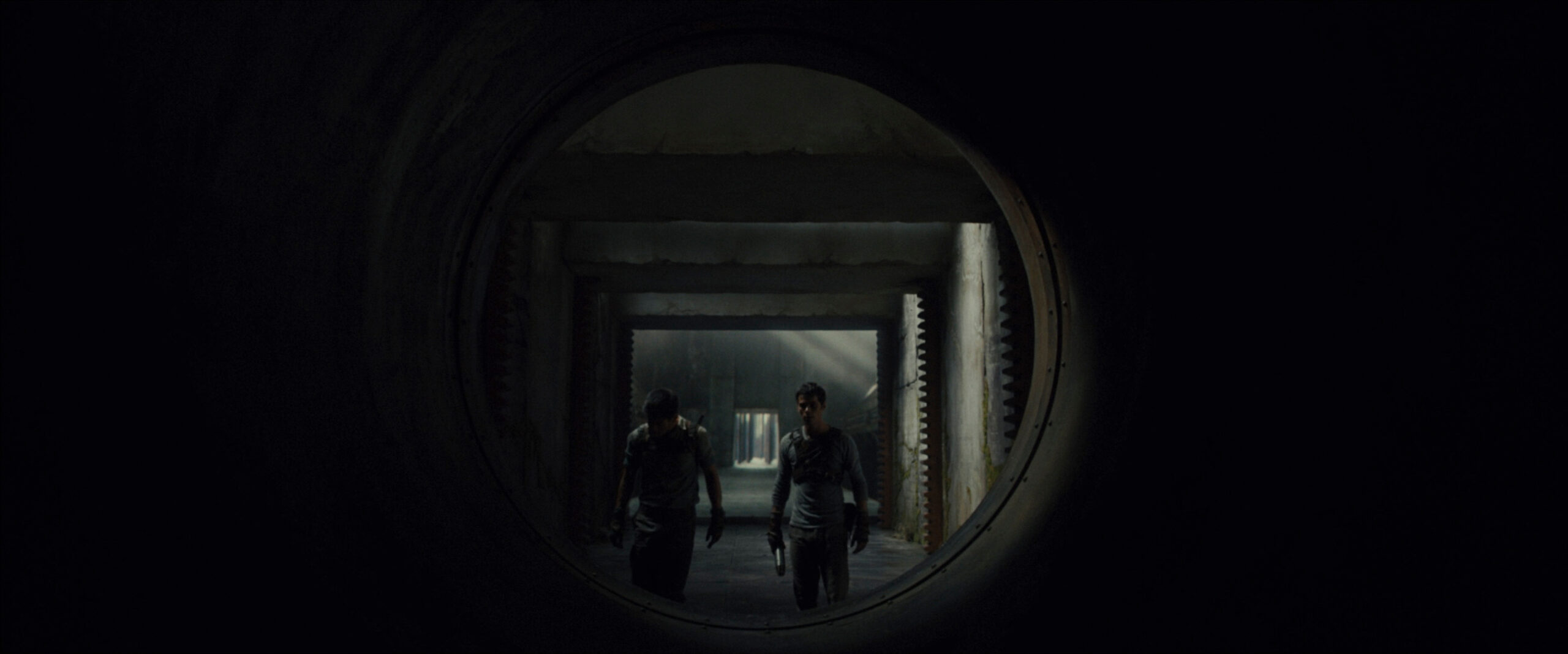
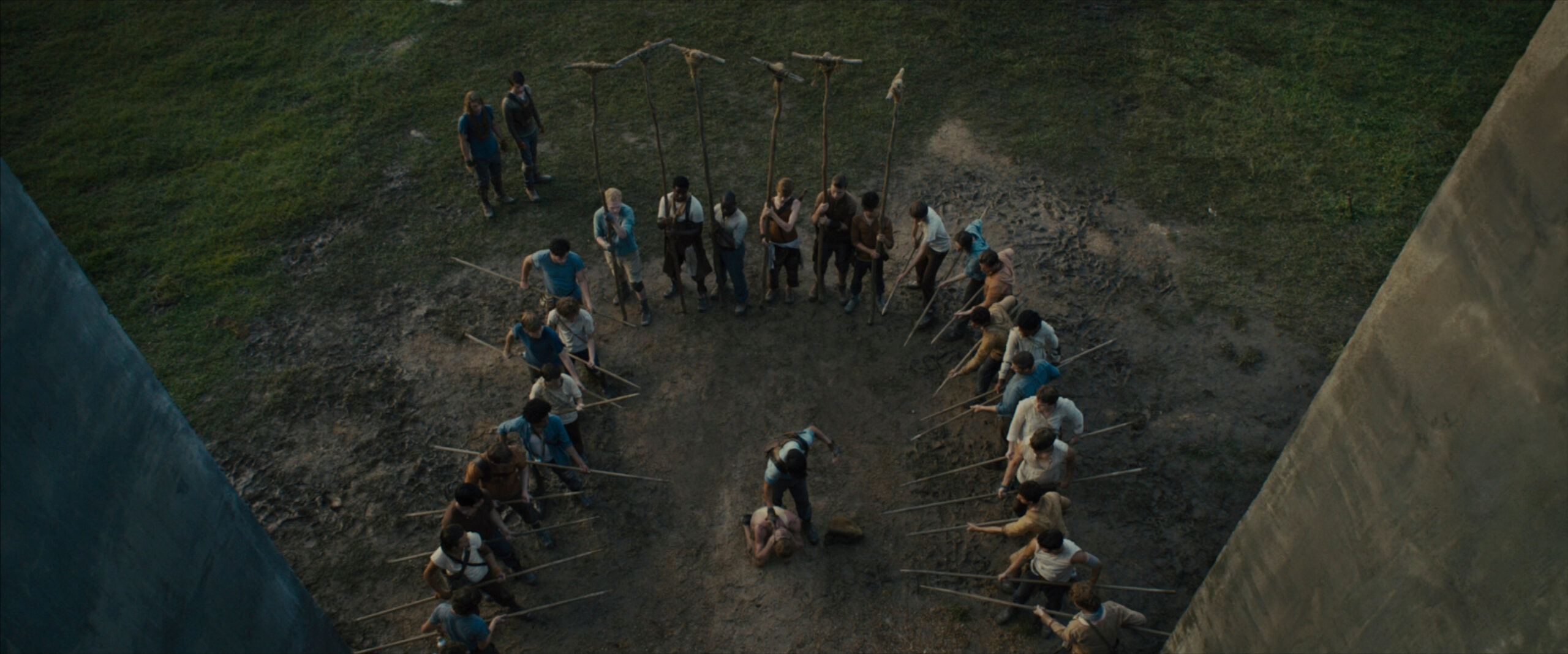
A teenage boy wakes up in a mysterious, enclosed environment known as the Glade with no memory of his past. Surrounded by other boys who have built a small society, he learns they are trapped within a massive, ever-changing maze filled with deadly creatures. As he begins to question the rules and search for escape, his arrival sets off a chain of events that could change everything.
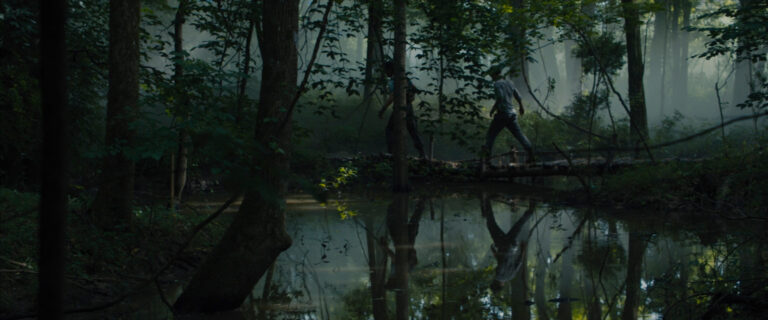
Wes Ball and cinematographer Enrique Chediak ground The Maze Runner with a gritty, naturalistic palette, using handheld camerawork and earthy tones to make the Glade feel tactile and lived-in. The towering maze walls—real sets augmented with VFX—are framed with wide lenses and vertical compositions, turning scale into a constant visual pressure that reinforces the characters’ confinement.
FILM SPOTLIGHT
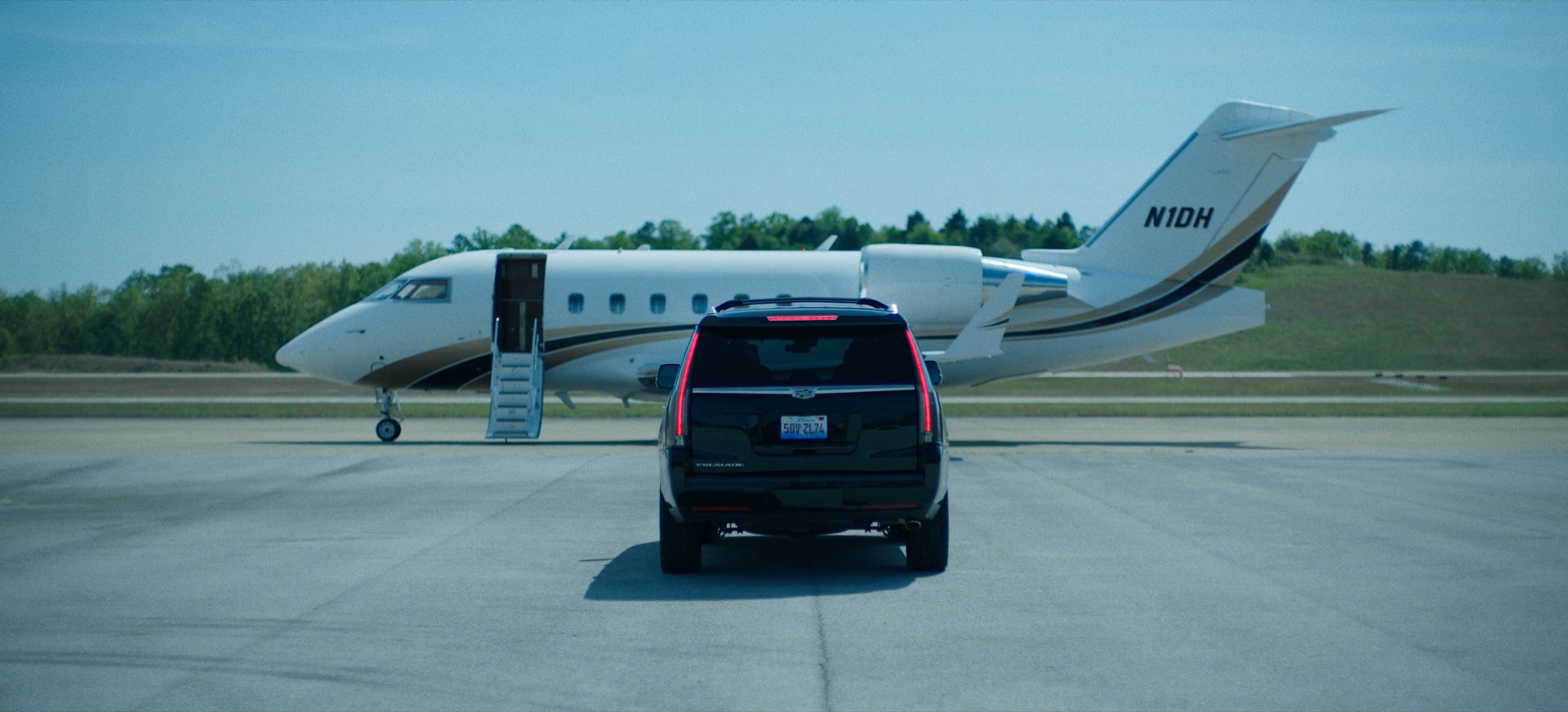
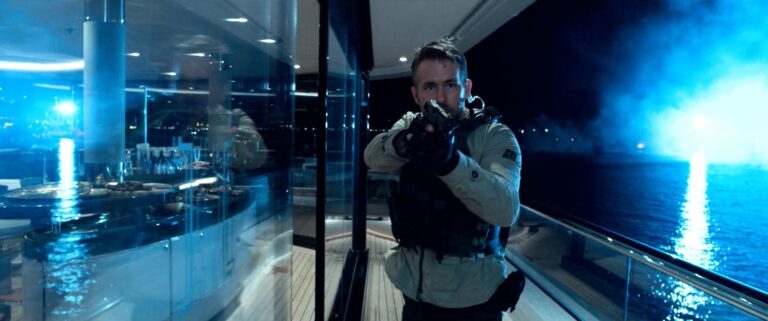
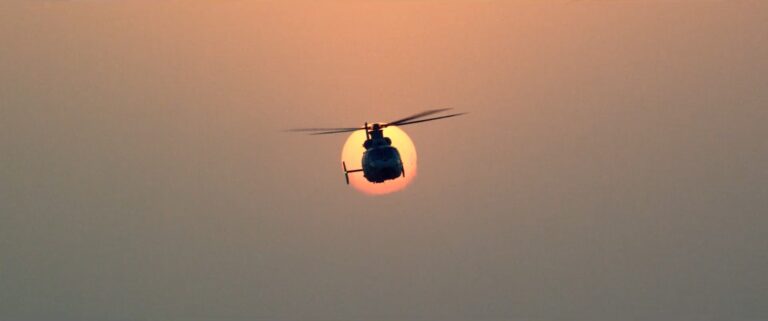
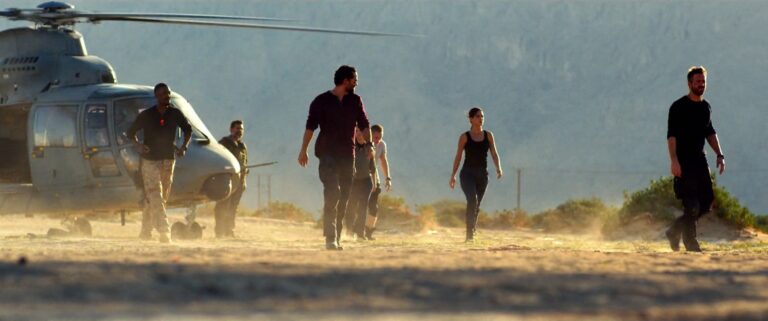
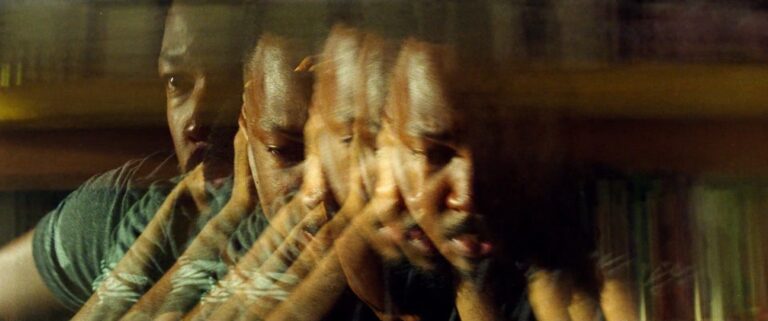
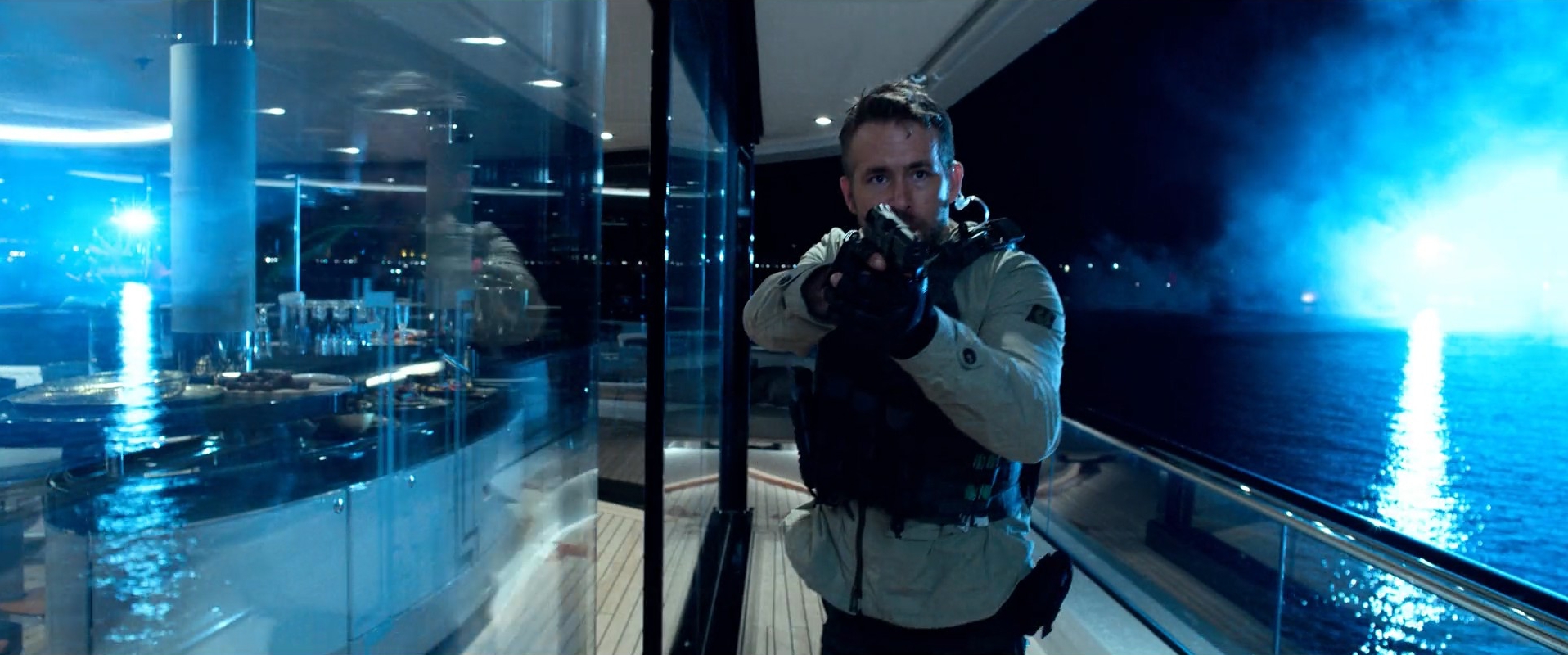
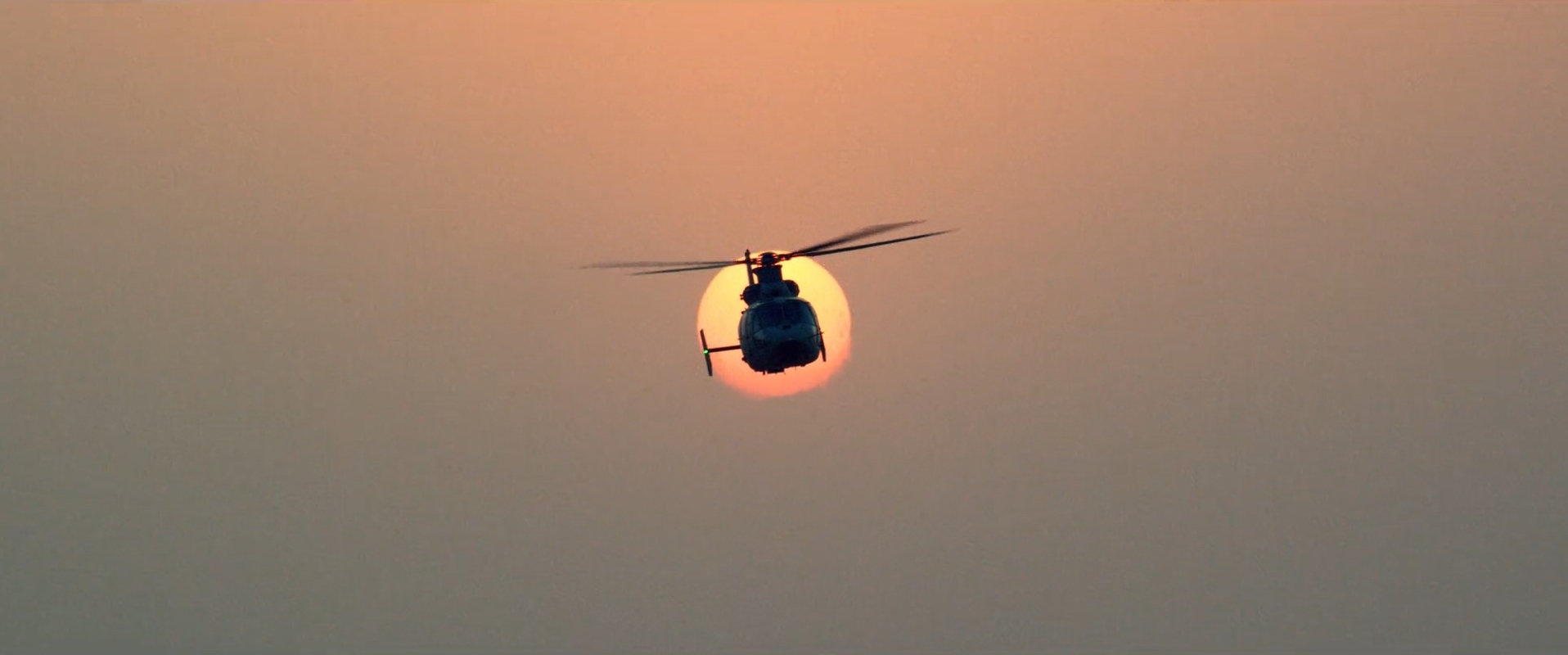
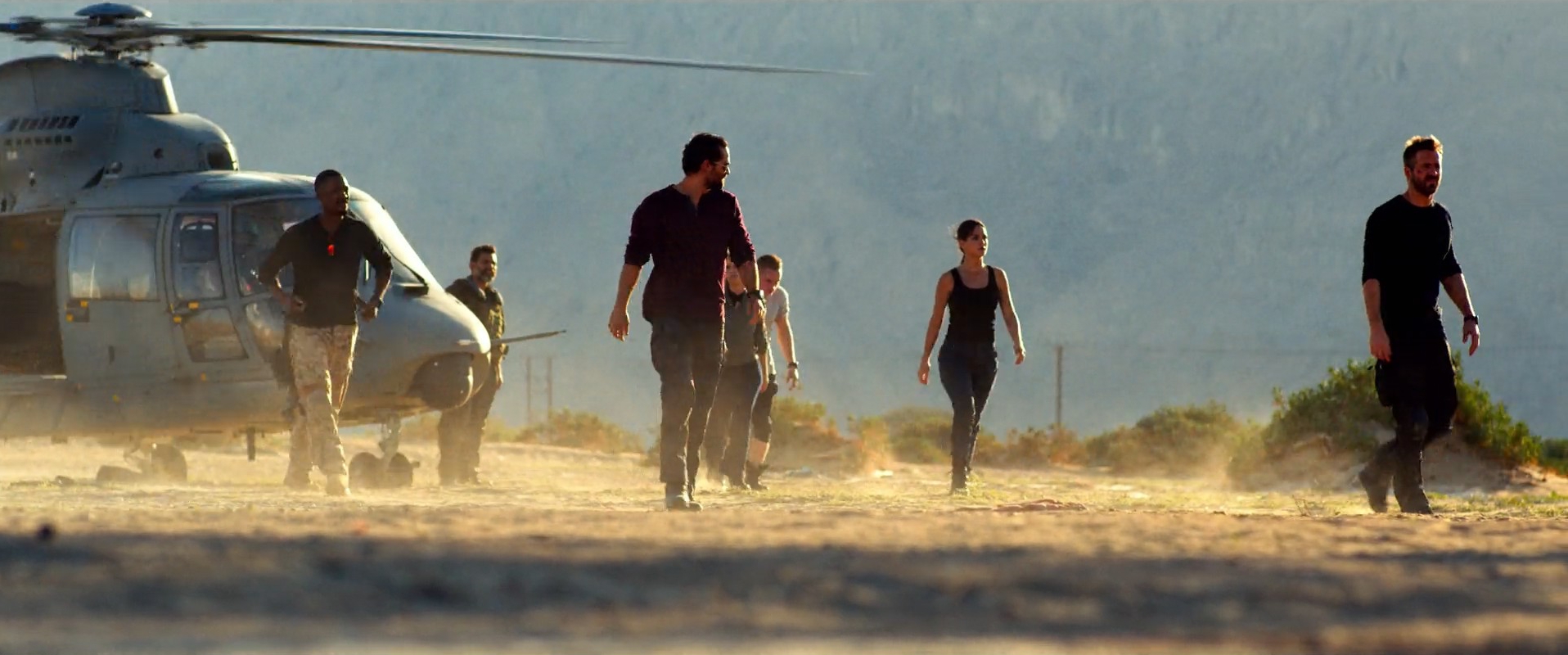
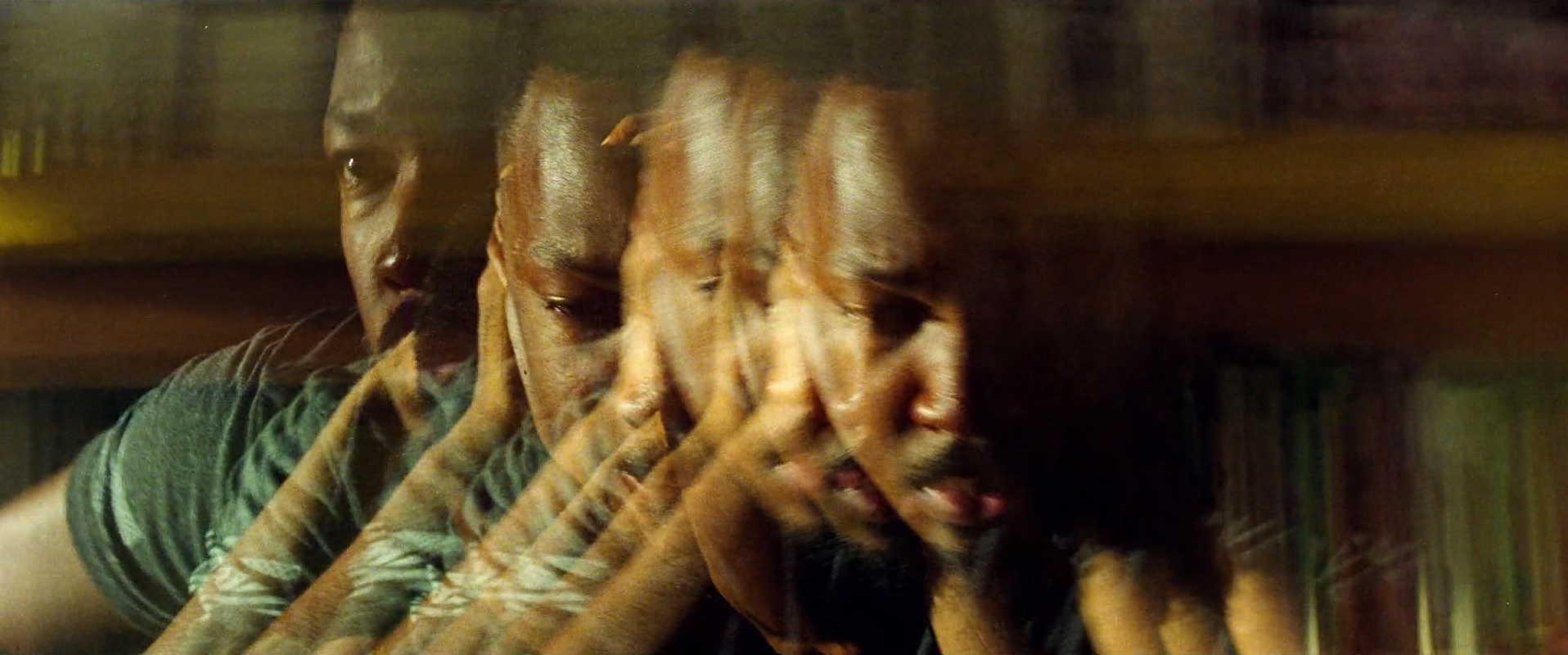
6 Underground (2019)
A billionaire fakes his own death and recruits a team of skilled operatives to take down dangerous criminals and corrupt regimes around the world. Operating off the grid, the group carries out high-risk missions with no identities and no accountability. As they target a brutal dictator, their unconventional methods are put to the ultimate test.
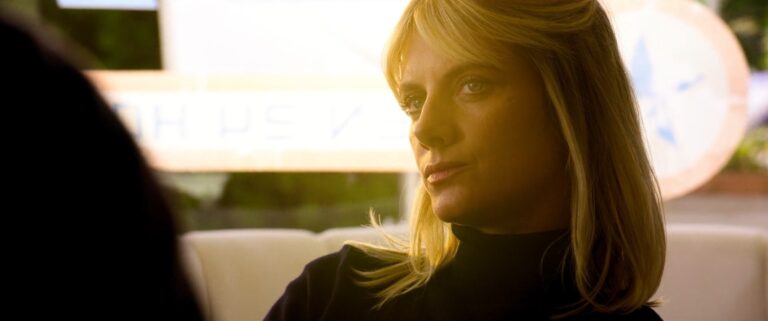
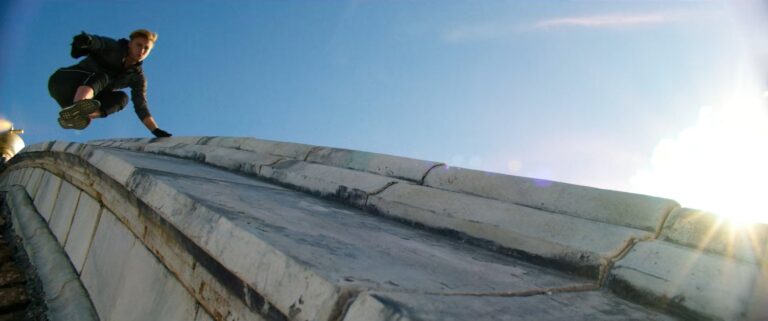
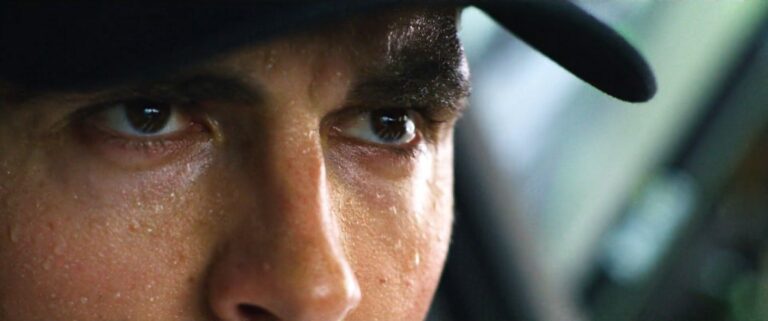
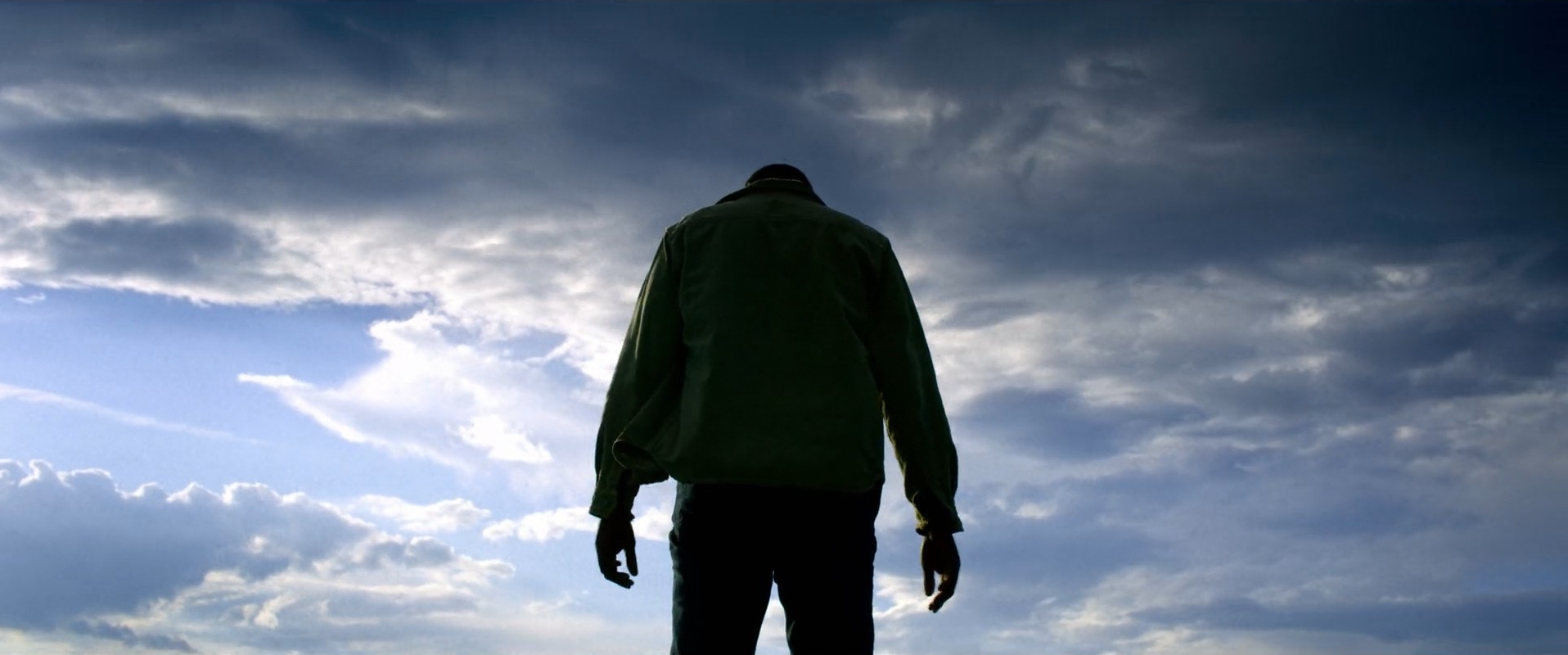
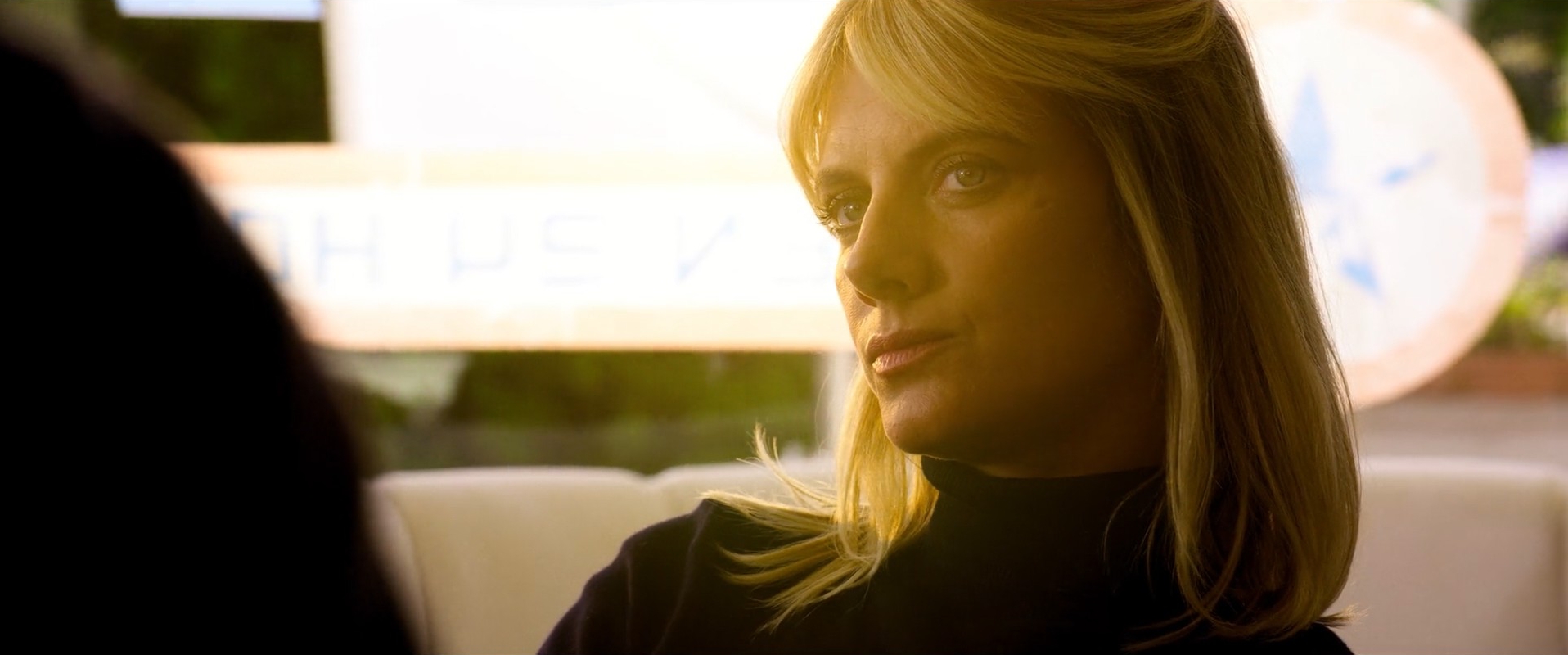
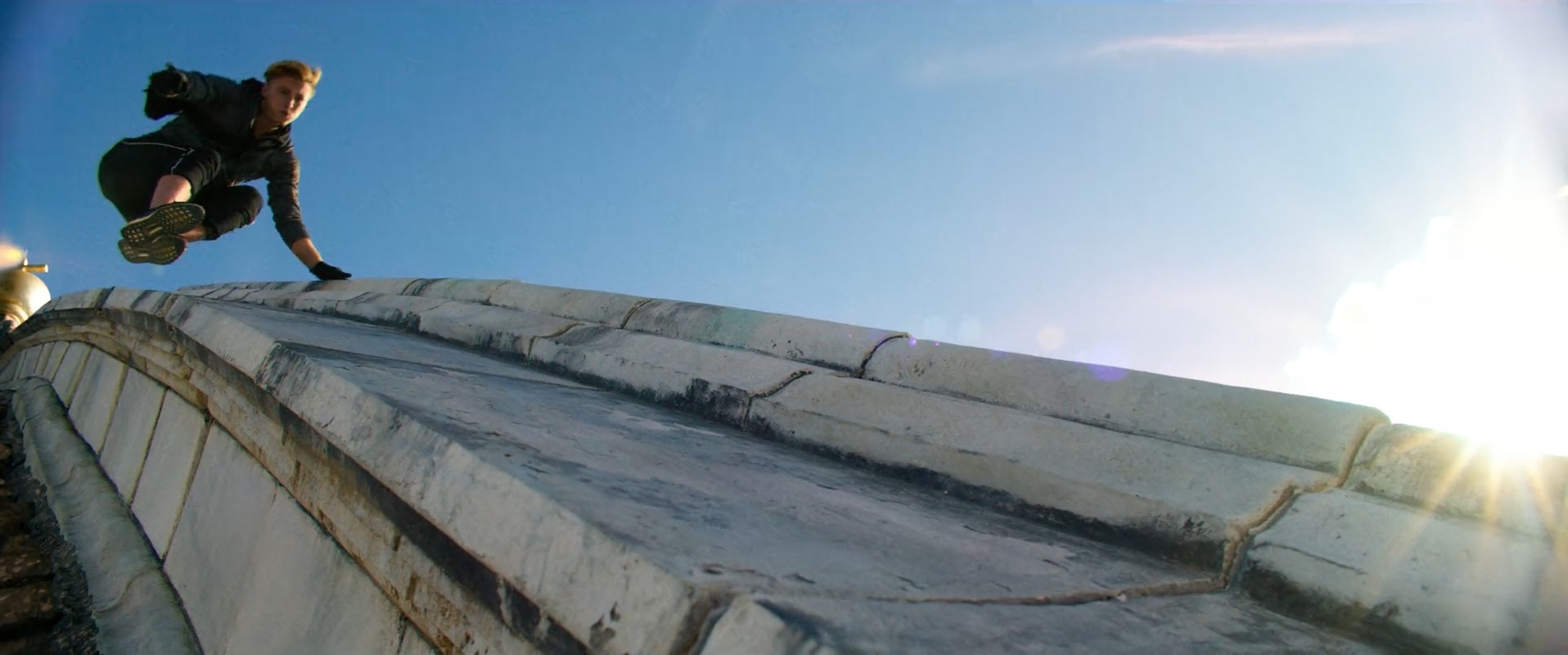
In 6 Underground, Bay and cinematographer Bojan Bazelli push the film into full hyper-stylization, shooting on large-format digital cameras with aggressive wide lenses, rapid camera movement, and glossy, high-contrast lighting. The film’s signature look—fast push-ins, whip pans, drone shots, and saturated color—turns every action beat into sensory overload, where motion and scale drive the visual experience as much as narrative.
TELEVISION SERIES
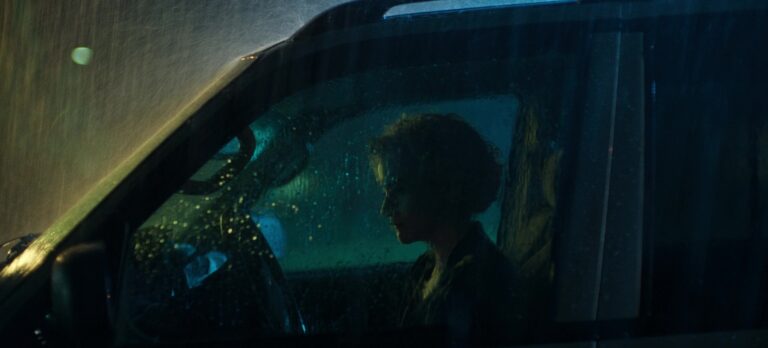
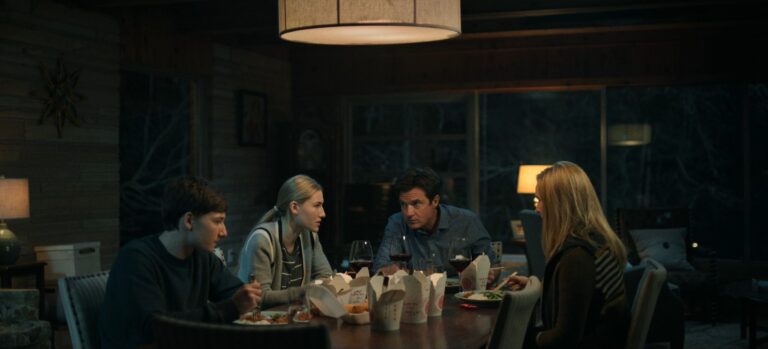
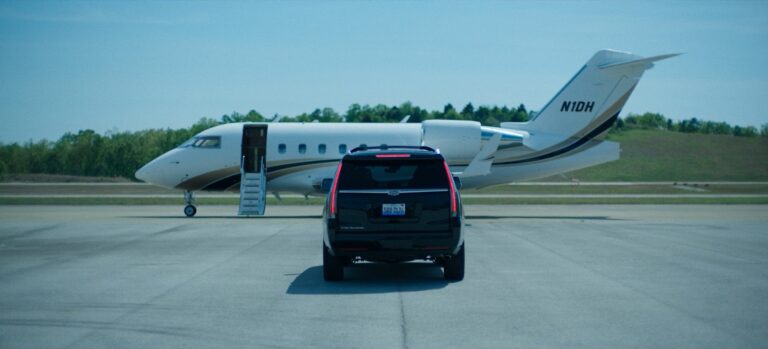
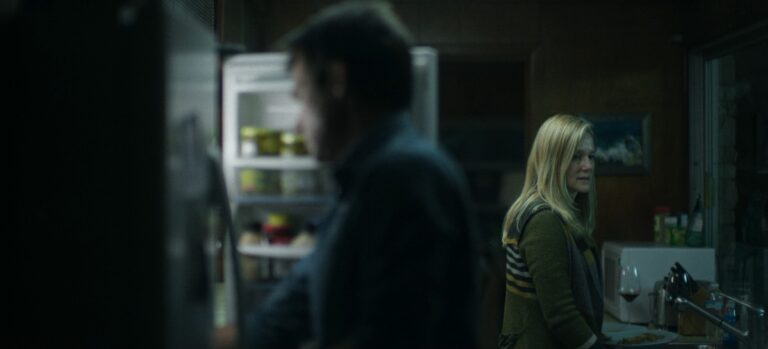
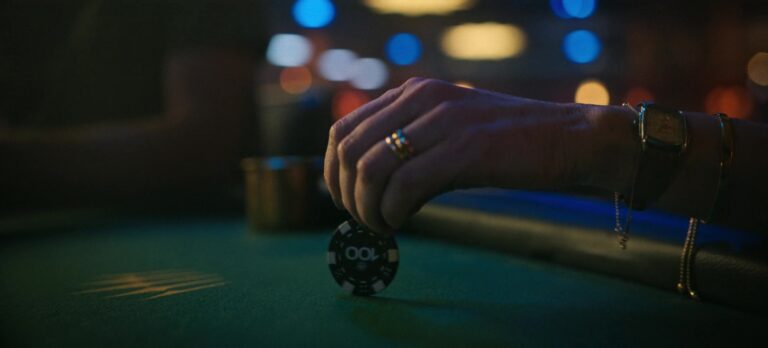
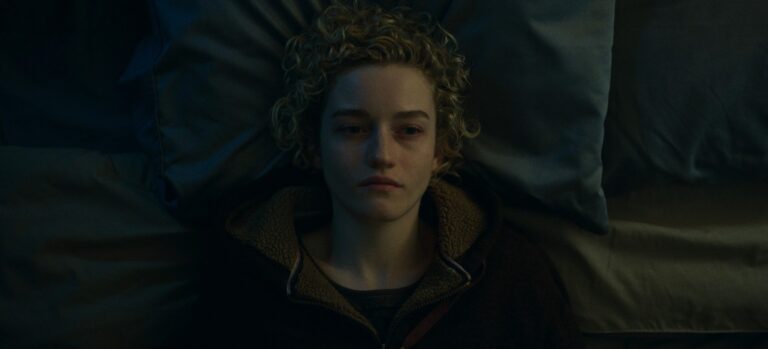
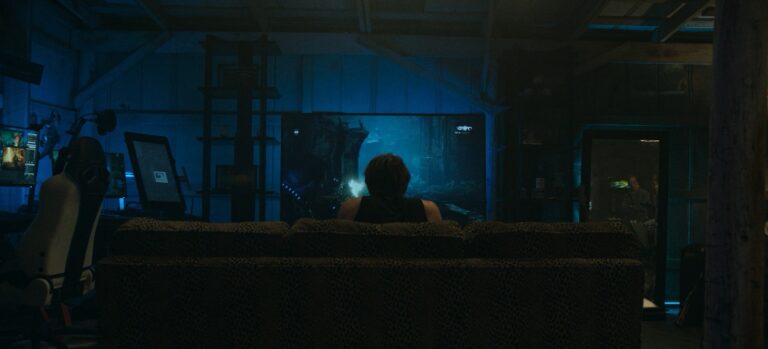
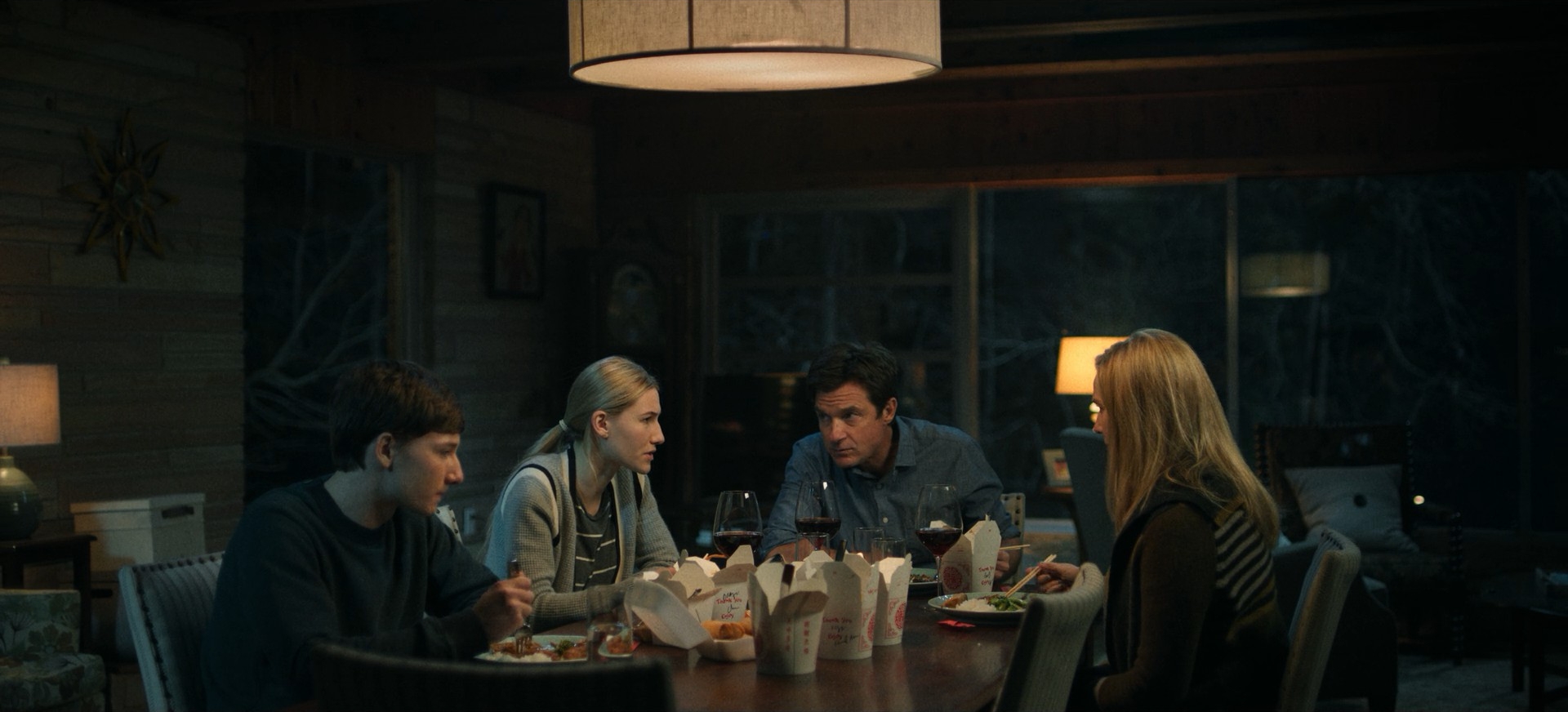
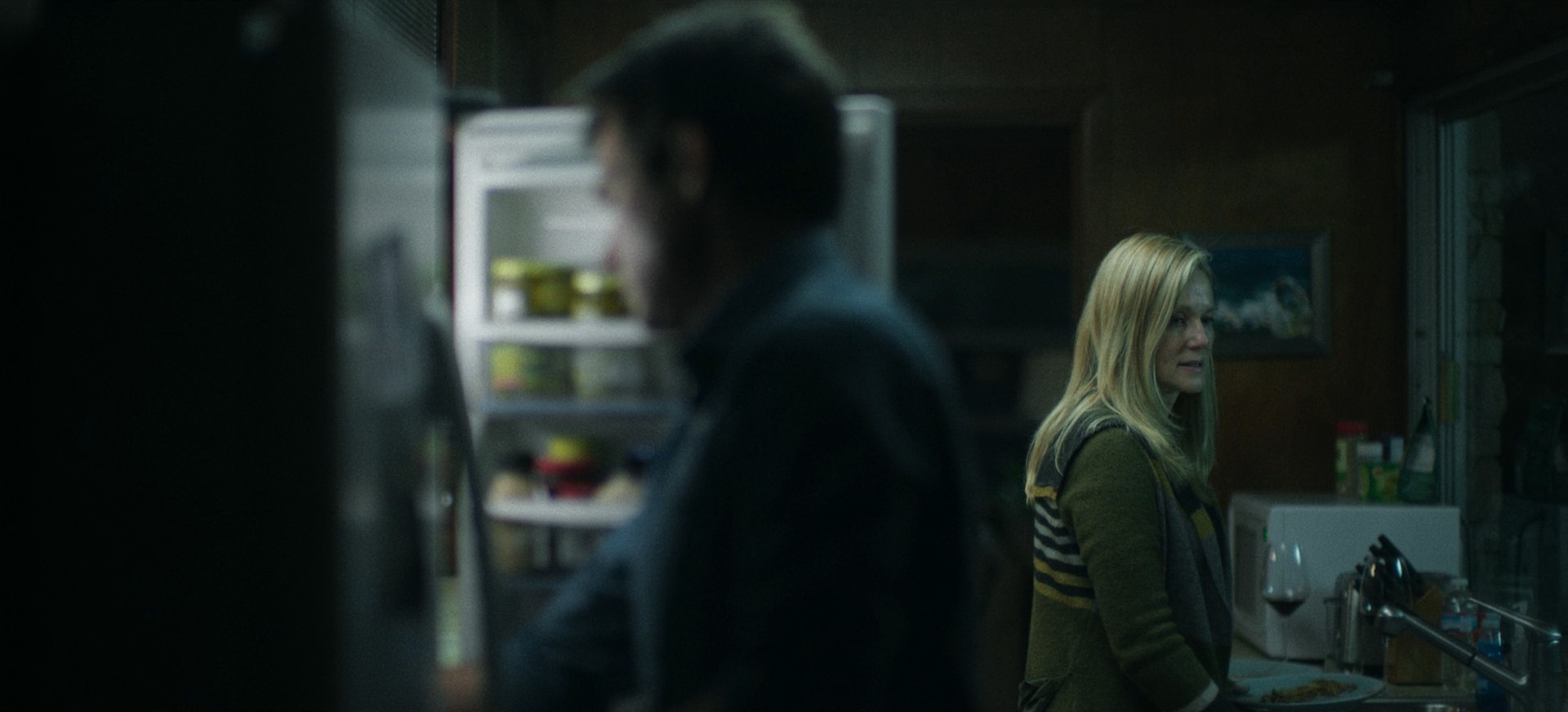
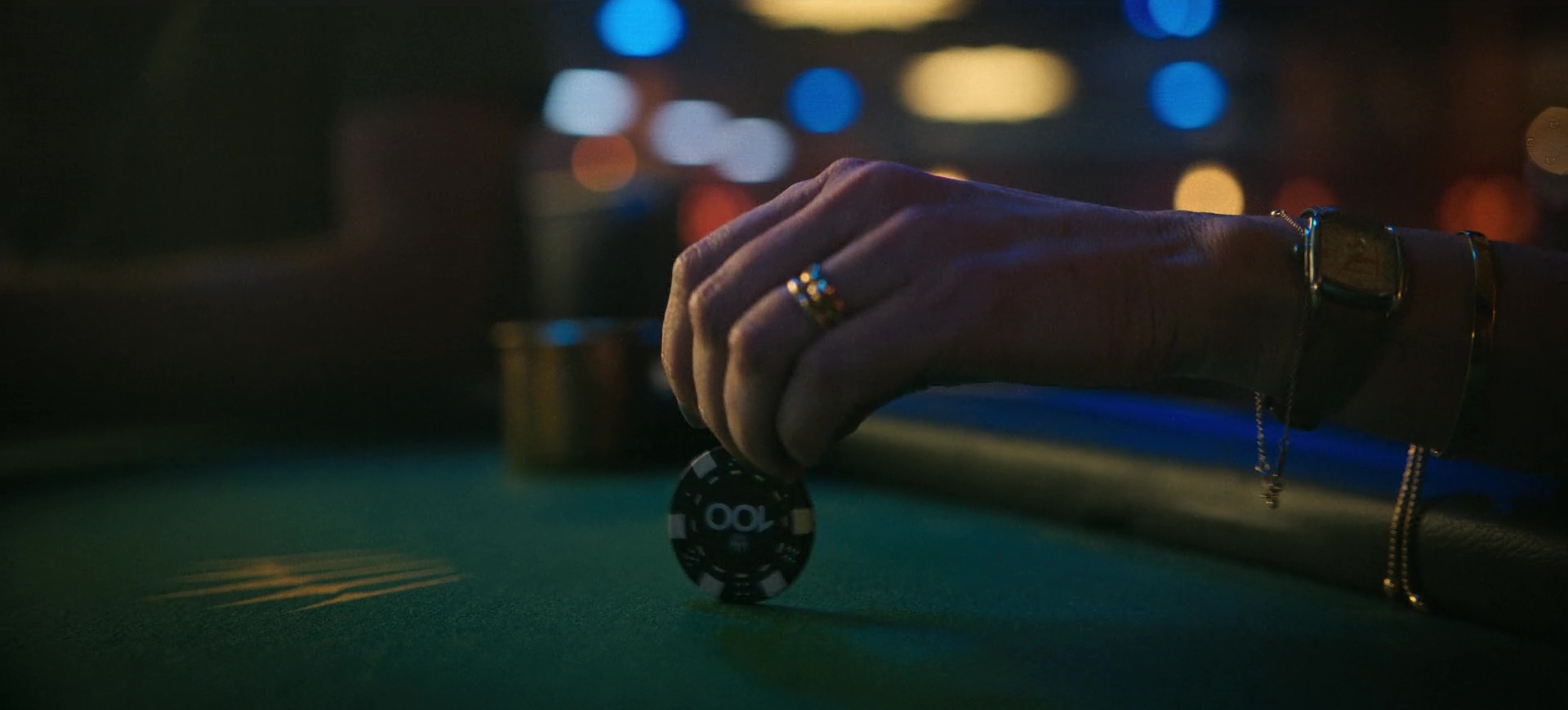
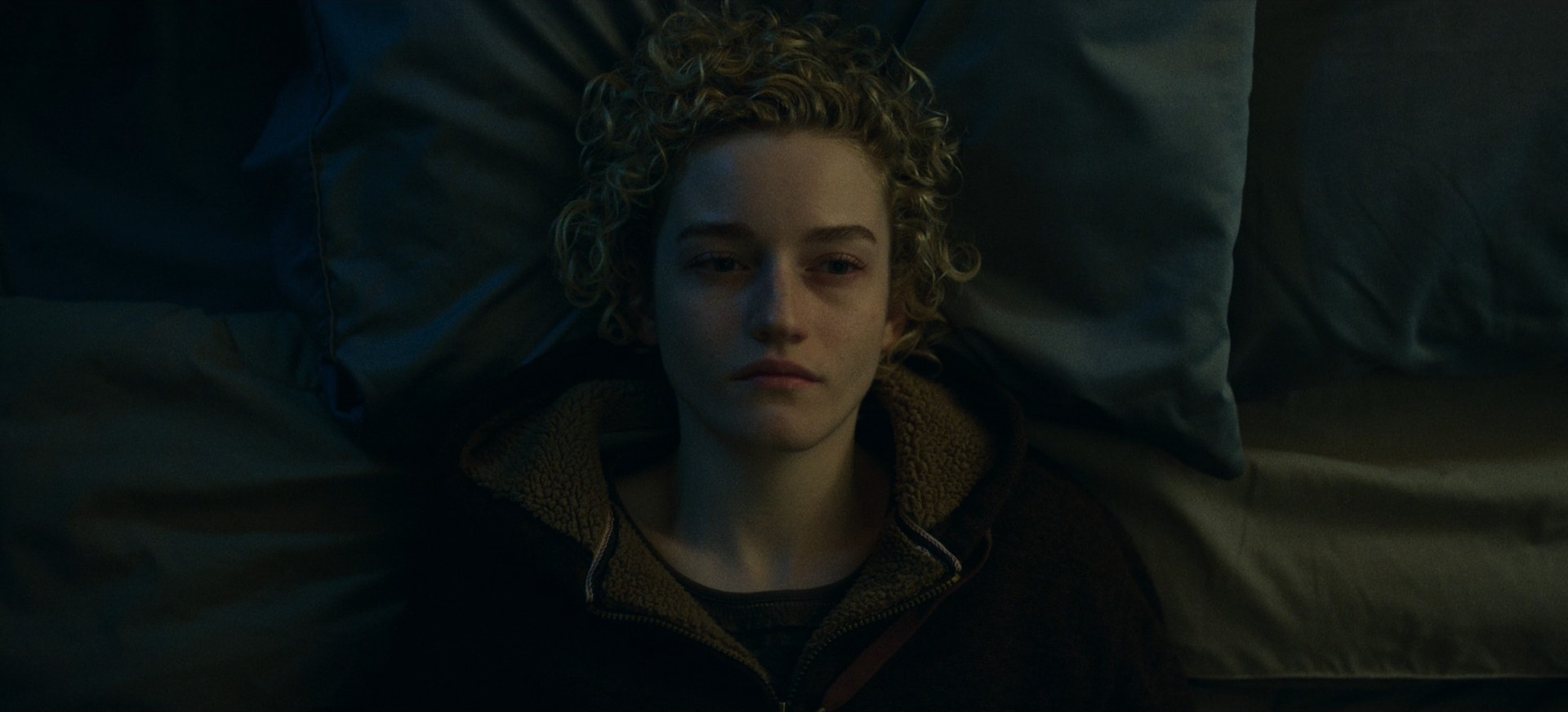
Ozark: Season 4 (2022)
In the final season, Marty and Wendy Byrde attempt to secure their escape from the cartel while tightening their grip on power in the Ozarks. As alliances shift and new threats emerge, the stakes escalate on both the criminal and personal fronts. The story builds toward a tense conclusion, where survival comes at an increasingly steep cost.
Season 4 continues the show’s signature dark, blue-toned palette, with cinematographers like Armando Salas and Frank G. DeMarco using low-key lighting and heavy shadow to create a constant sense of dread. The controlled, often static compositions and dim interiors turn every space into a pressure chamber—where darkness isn’t just aesthetic, but a visual extension of the characters’ moral descent.