Taylor Clemens is a cinematographer whose love for skate and surf videos became a backdoor into filmmaking.
After a series of commercial credits with brands like Michelin, Segway and Hey Dude, Taylor teamed up with director Curry Barker to lens 2026’s record-breaking horror hit, Obsession.
Taylor sat down with Ben Oliphint to talk about the independent spirit behind the making of Obsession, trusting your gut, doing more with less, and the exciting plans for his and Curry’s follow-up, Anything But Ghosts.
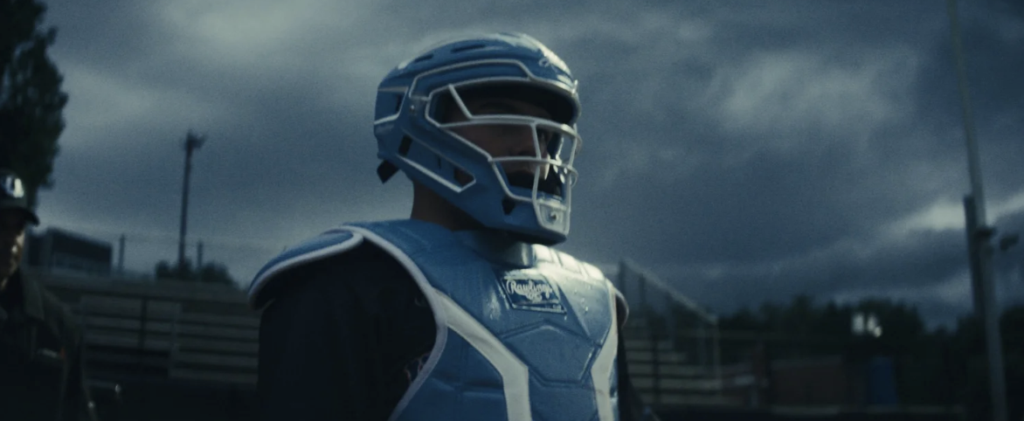
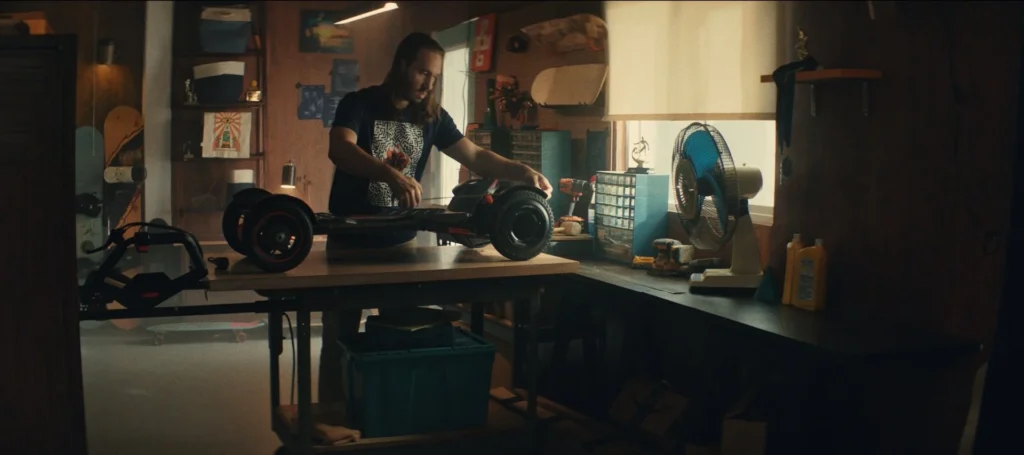
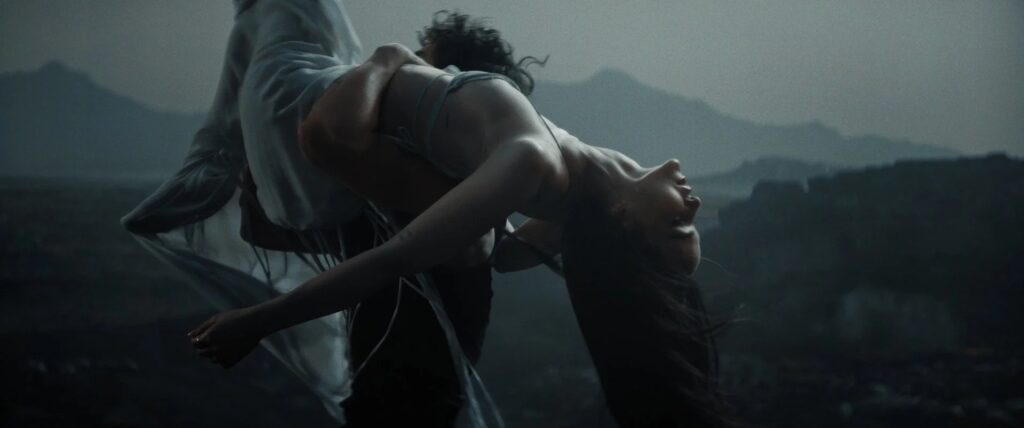
You can catch Taylor’s work on Obsession in theaters now, and find some of his select works below.
This article has been edited for clarity and length.
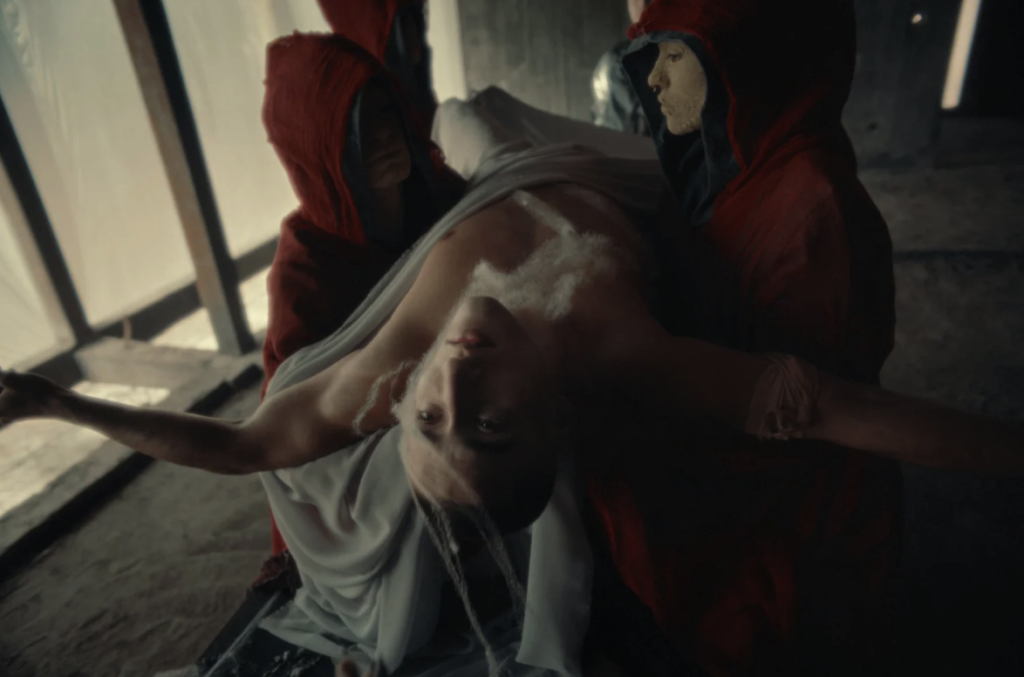
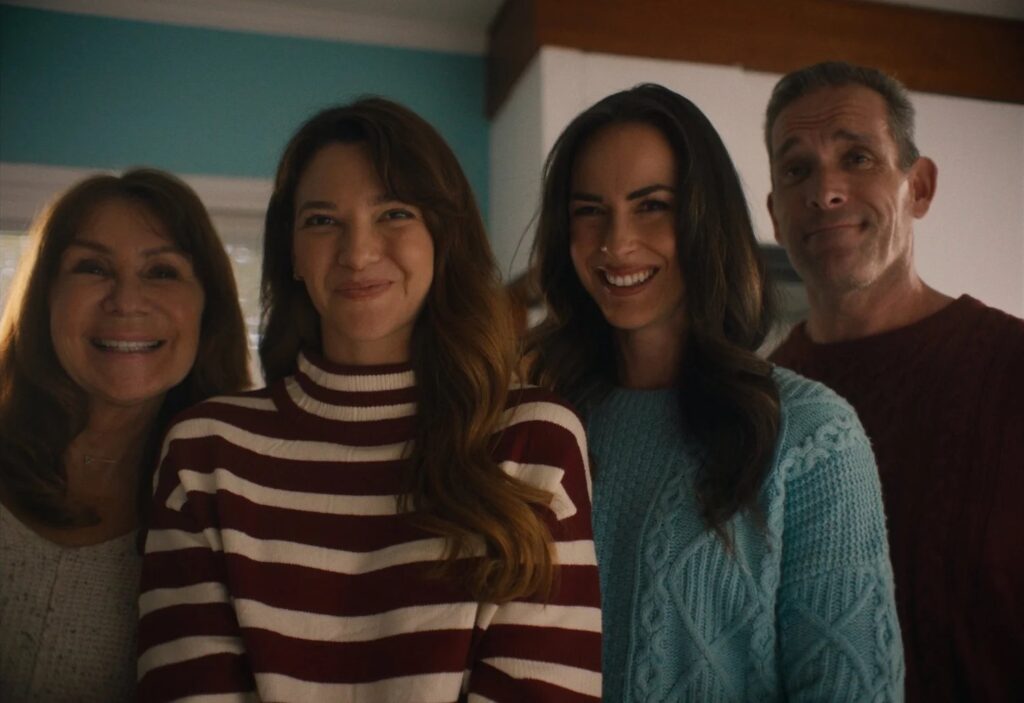
I’d love to know what your first film obsessions were.
I think The Land Before Time or The Brave Little Toaster. My mom still says, “you didn’t leave the room for weeks, man!”. I also remember Star Wars: The Empire Strikes Back and Hook. Once I got into something, I just would watch it endlessly.
Did these films make you want to become a filmmaker?
Honestly, no – I didn’t know that I would be a filmmaker for so long. My intro to filmmaking was through skateboarding. I wanted to be around skateboarders, but I wasn’t good enough to be a pro, so I used filmmaking to get closer to that world. Through the camera, I was able to hang out with them, which turned out to be important in my journey.
Were you also editing these skate videos?
Definitely. This would have been the late 90s, early 2000s, and I remember my dad bought us the first computer that we had in our house, which was a huge deal, and then he bought us a little handycam and an editing software.
I used them all the time. I had to do a book report for school, and I made this whole video book report that would just randomly cut to me doing a kickflip. The teacher was like, “I’ve never seen anything like this. This is so bizarre, but I guess I have to give you an A.” I was also filming all my friends’ “sponsor me” skating tapes at that time. But then I just kinda moved on. I didn’t really pick up a camera again until I was in my late twenties.
How did you come back to shooting?
To be honest, I was never a camera person, and I didn’t care too much about cameras or technology. My return to filming was through surfing in my late twenties. I had moved to the ocean, and I started to wonder if by making surf videos, I could get closer to people who were surfing really well and going on surf trips. That’s how I ended up with the camera back in my hands, doing these little scrappy videos and traveling around.
When I found out that cinematography was a job I was like, “Oh, you can get paid for this? I was just doing this for fun.” Then I went down the rabbit hole of, “Why do these other videos look so much better than mine? Is it the camera? What is it?” Through that, I learned more about lighting, and that was it – I knew this is what I wanted to do forever.
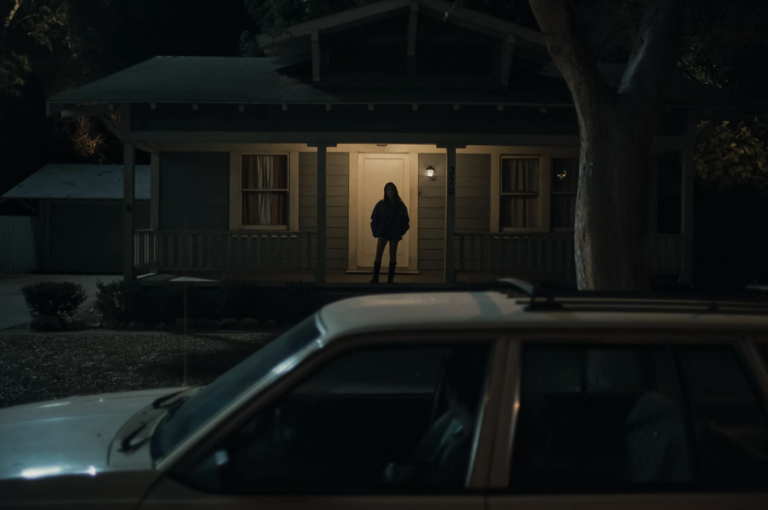
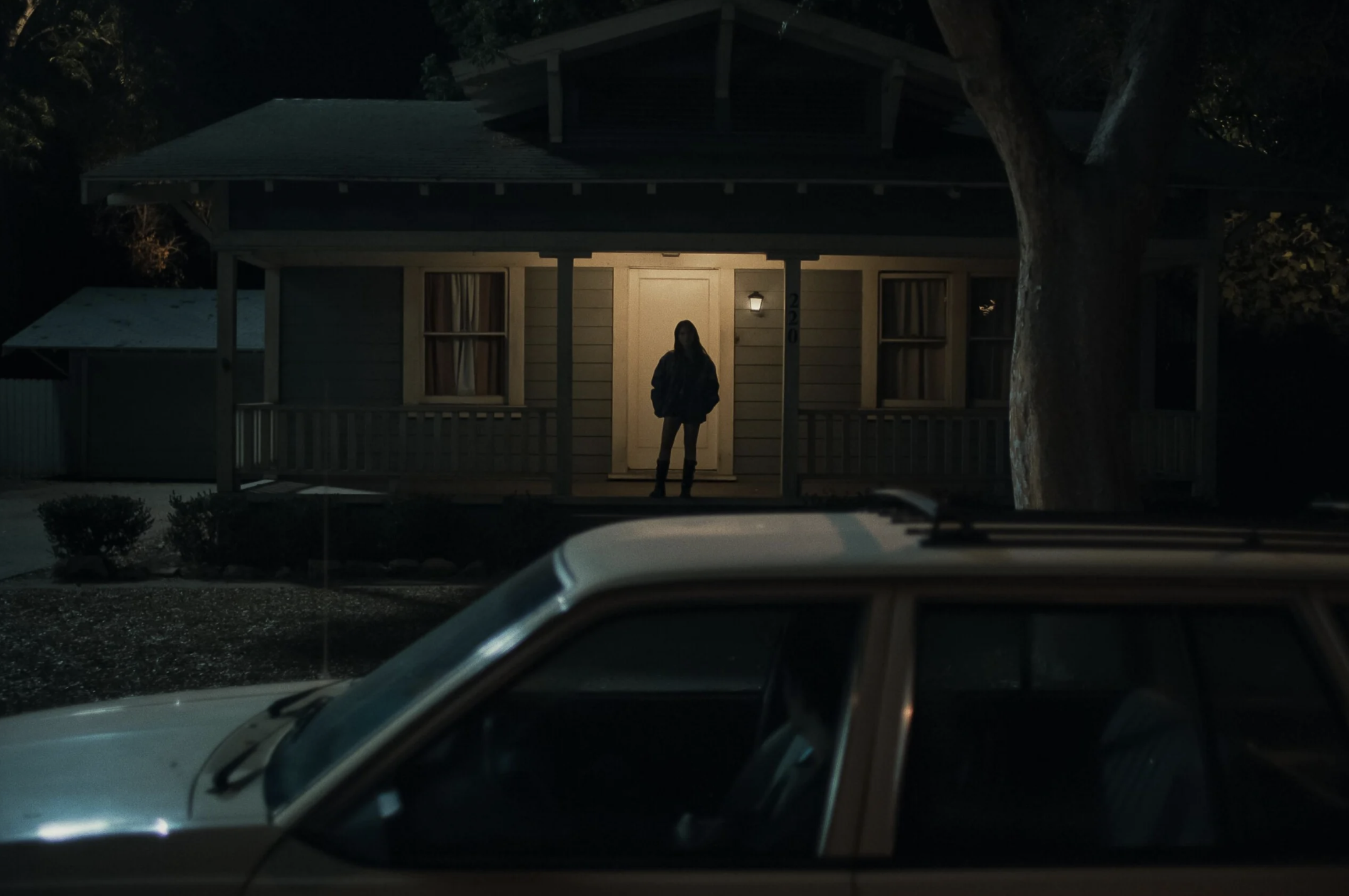
Fast forward, and you’re shooting Obsession. What was your entry point to the project?
I was very randomly selected for an interview. The producer told me that he found me on Instagram. We didn’t have any mutuals – I think he literally saw my page and was like, “I want to interview this person.” So I just got lucky. I didn’t have a huge portfolio of narrative work, but I did have one movie, and he watched it.
I was actually living on a sailboat in Mexico at the time, sailing from one part of Mexico all the way to Costa Rica on a whim, because it sounded like a cool adventure. I had to get off the boat to interview with Curry.
So when he called me, I said, “Hey, I’m in Mexico.” Curry was like, “Okay, but you can be in LA if you want, right?” Sure, I could be in LA. And then he asks, “Have you ever seen Hereditary?” I was like, “No. I’ve never seen Hereditary.” And he’s like, “You need to come to LA and watch this movie at my house.” Two or three weeks later, I flew to LA, went to Curry’s house, and we watched Hereditary. Then we watched Midsommar. I hadn’t seen anything like that. I did not consume any horror at the time.
What about your work convinced him you needed to be the DP for the movie?
I don’t even know if it had to do with my work, or if it was just our energies together. When he would talk about something, it would get me excited, and I would one up it, and then he would one up it, and it’s been like this since I met him. I think there’s something energetically or spiritually that aligns Curry and I in terms of what we like and don’t like.
Did watching Hereditary and Midsommar with Curry change things for you?
Yeah. Ari Aster is just the master. I love the way he tells stories through blocking, the intricate way in which he shoots – it seems so precise. I’ve been totally in sync with Curry since that day, and we just keep building and being excited about the same things, which is super rare. I’m very lucky for that.
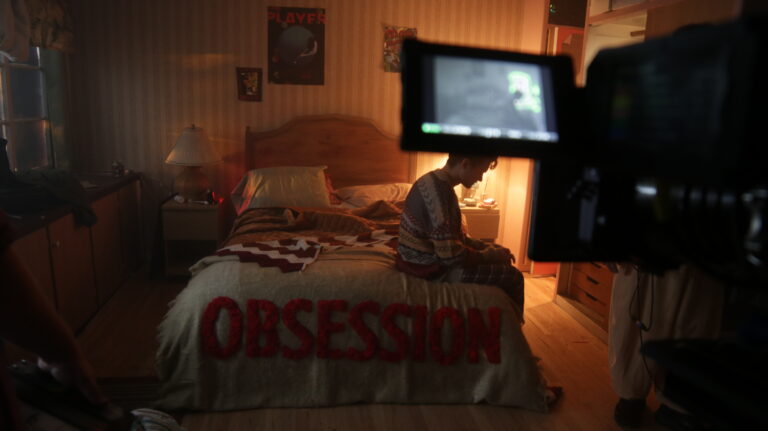
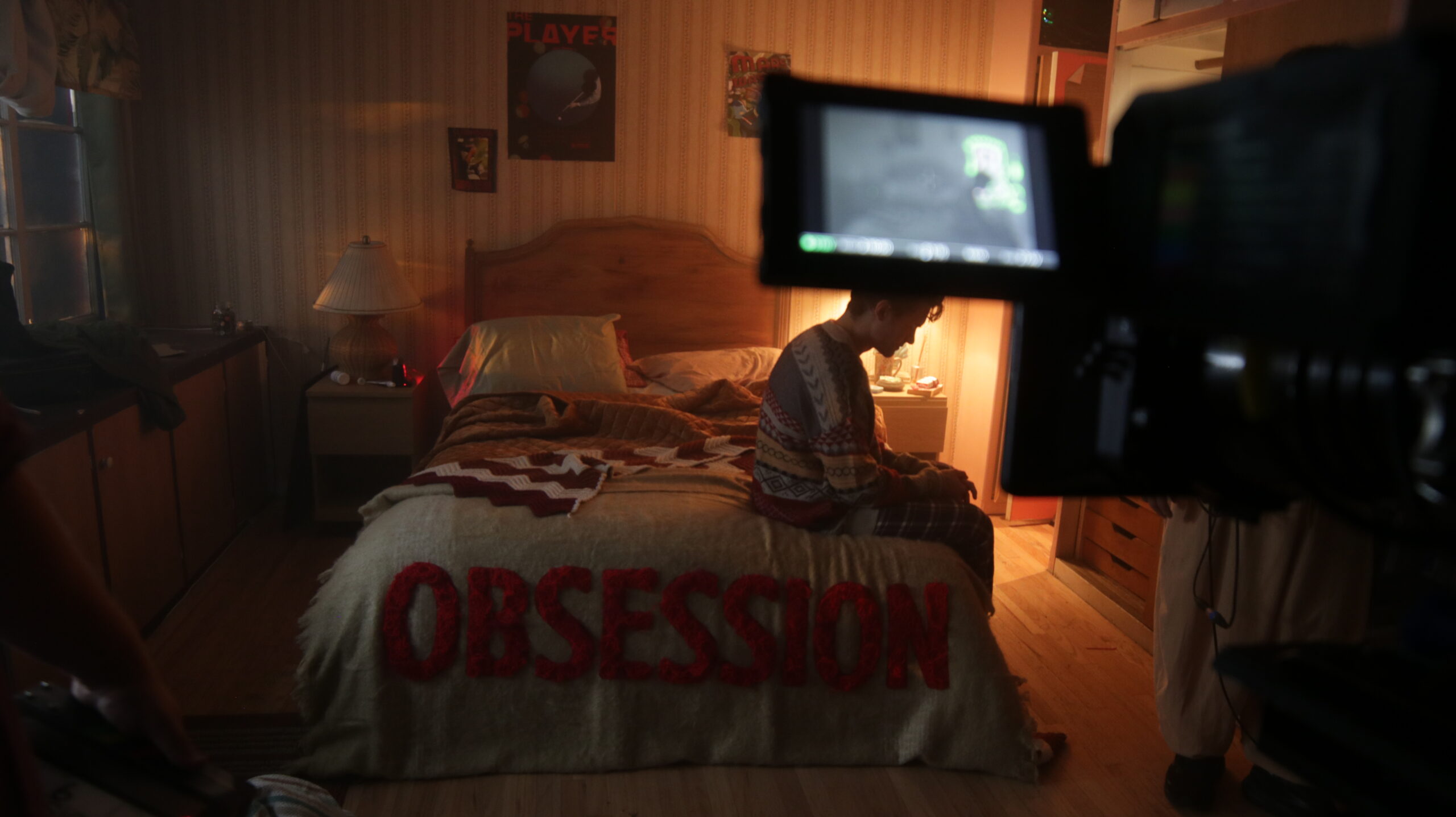
Were you familiar with Curry’s videos beforehand?
No, but I did watch The Chair, which made me realize I should take this guy seriously. Because you never really know – it’s a horror film from a YouTuber, I’ve never really watched horror, and I don’t know if I’m the right guy. I literally told him that in our first interview. I was like, “I do not watch horror at all, bro. I’m not the guy to shoot this, even though I think I understand it photographically”. He said “That’s exactly why I want you. So just come over, we’ll talk about it, and I’ll convince you from there.” Every single time I see a chair, even to this day, I immediately think of his short. That’s how good it is.
After watching Ari Aster’s films, were there any other references you pulled from? What helped create that shared language with Curry and the crew?
That’s a really good question. He never shared reference image imagery with me, nor did I ever make a pitch to him, which is super rare. I’m used to making pitches for every single thing I’ve ever worked on as a professional. But with Curry, I needed to understand the tone, because it’s a little different with him. This horror was not like what I was used to growing up.
From there, it was really apparent that we just needed to go scene by scene and talk about how the edit would work – the pace of it, the tone of it. Then we pretty much went to work. So it was kind of a unique process. He blew my mind about what genre can be.
The film was made for just $800K. Were there any DIY tricks or creative solutions you used to keep costs down?
The most important thing is having a director who knows what they’re going for. As a DP, if you have a sense of the edit, you can be more specific about how you’re going to shoot things, and you can craft beats with the director without thinking about shooting coverage. Even if we had all the money, I’m glad we did it the way we did, you know?
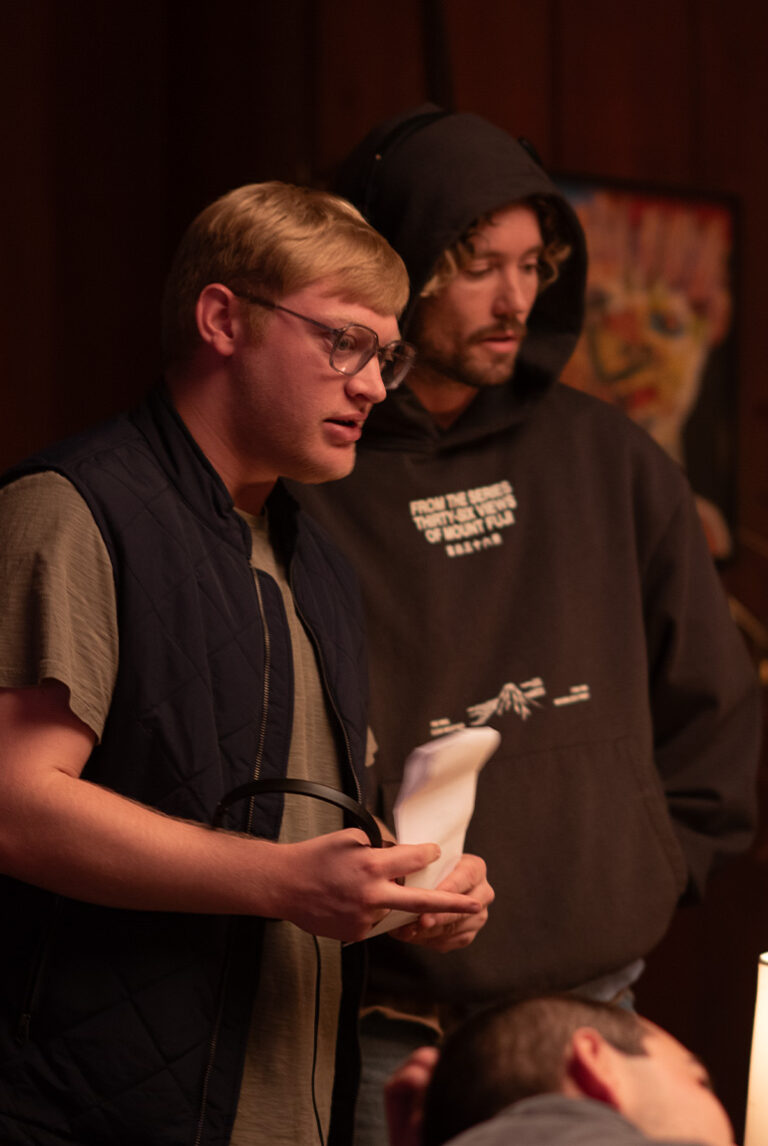
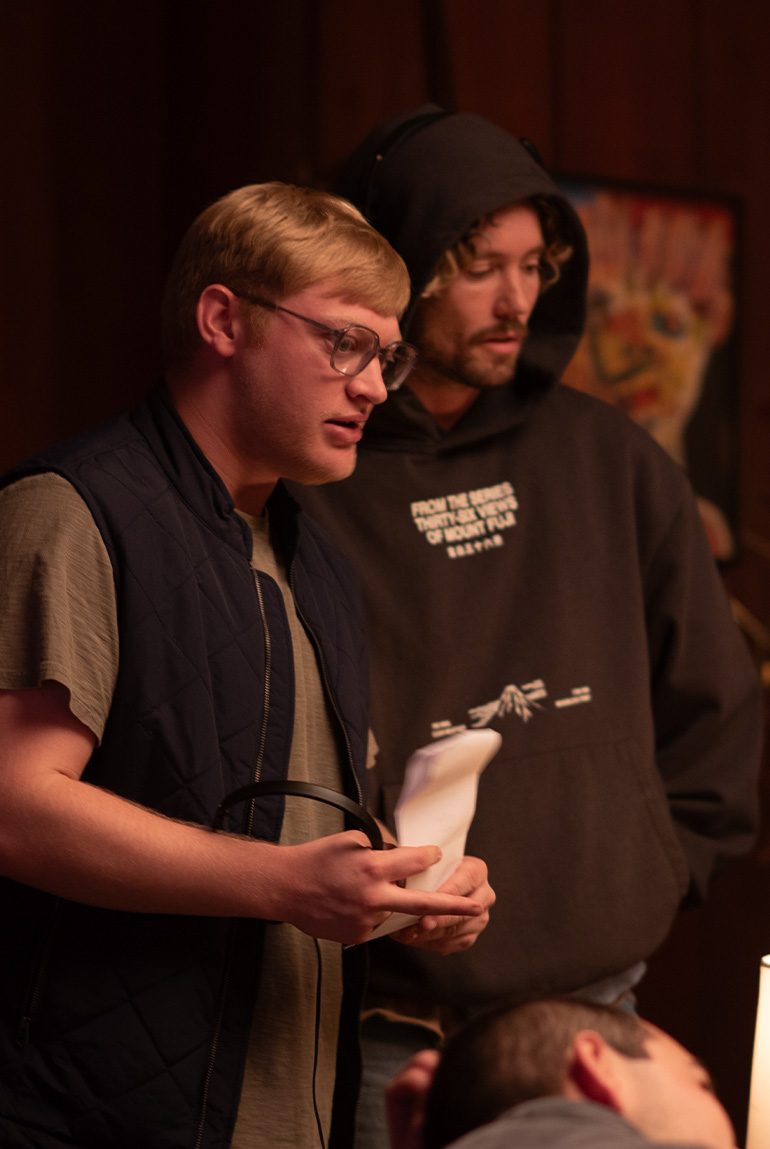
How many days was the shoot? (Note: Spoilers)
It was 20 days, and then we did a 3 or 4 day reshoot. The film was originally book-ended by the same camera move – so at the end, when the camera rotates down, that was also how it opened. The dead cat is there, and the camera tilts up on Bear crying. I think through the edit, Curry found that was not an acceptable arc. So he rewrote that scene, and we went and shot it. That was probably the make-or-break thing for him. It really shows his maturity, I think.
Do you need convincing when your director asks to reshoot something?
I guess I was biased because I was like, “He ended up right back where this whole thing started!” But in the end, that was just a cool idea. The story needed to come first, and he knew that.
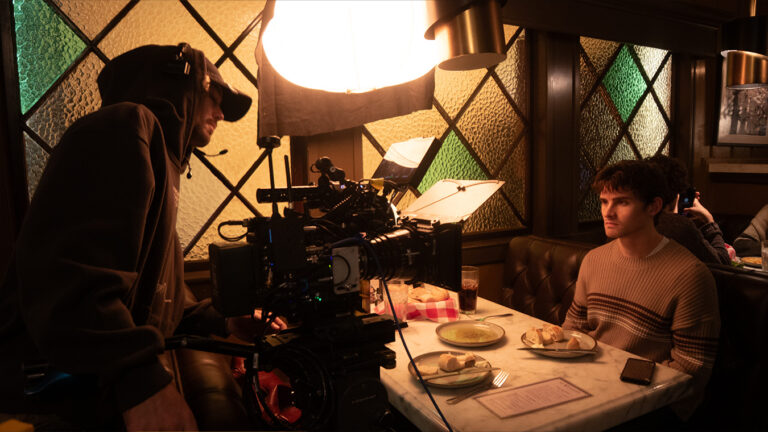
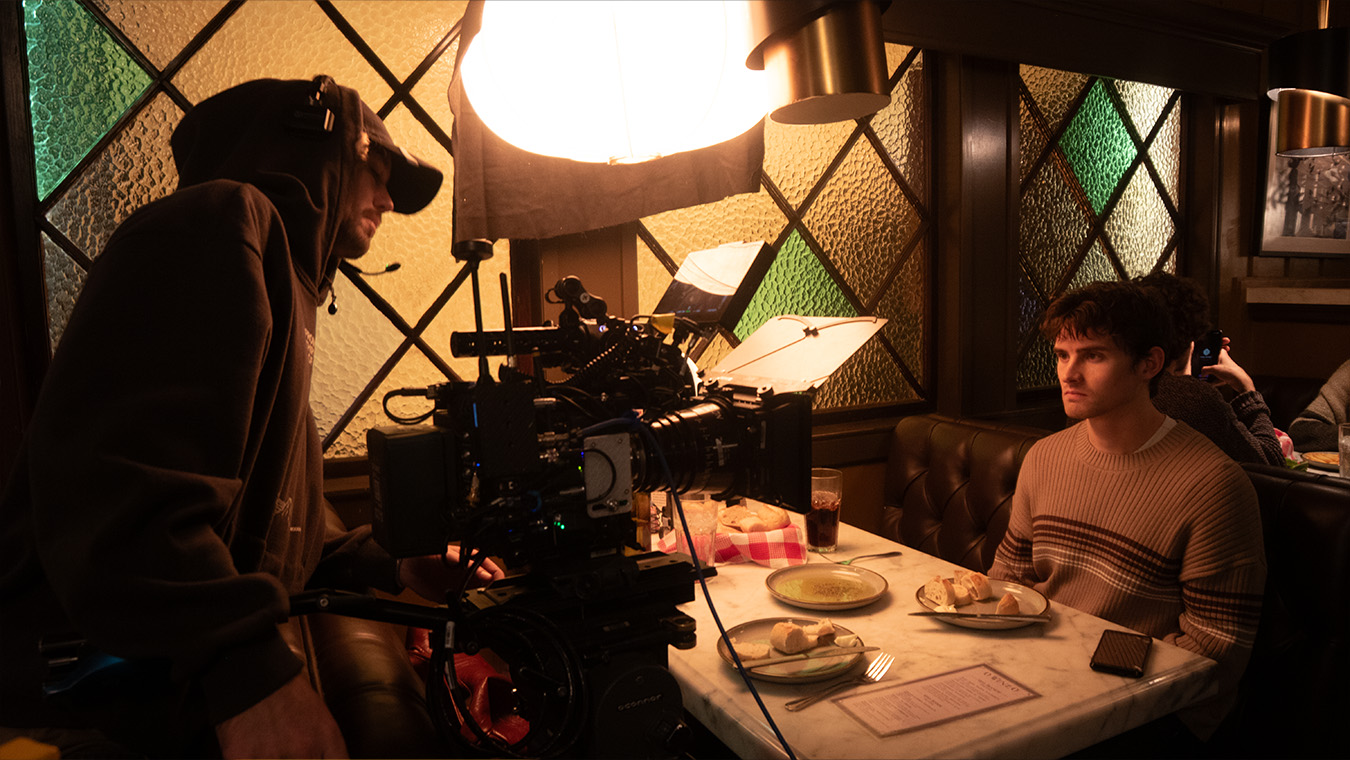
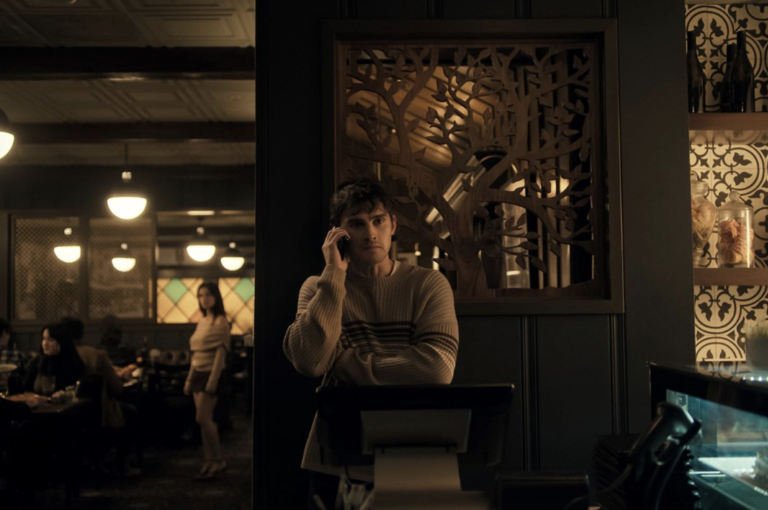
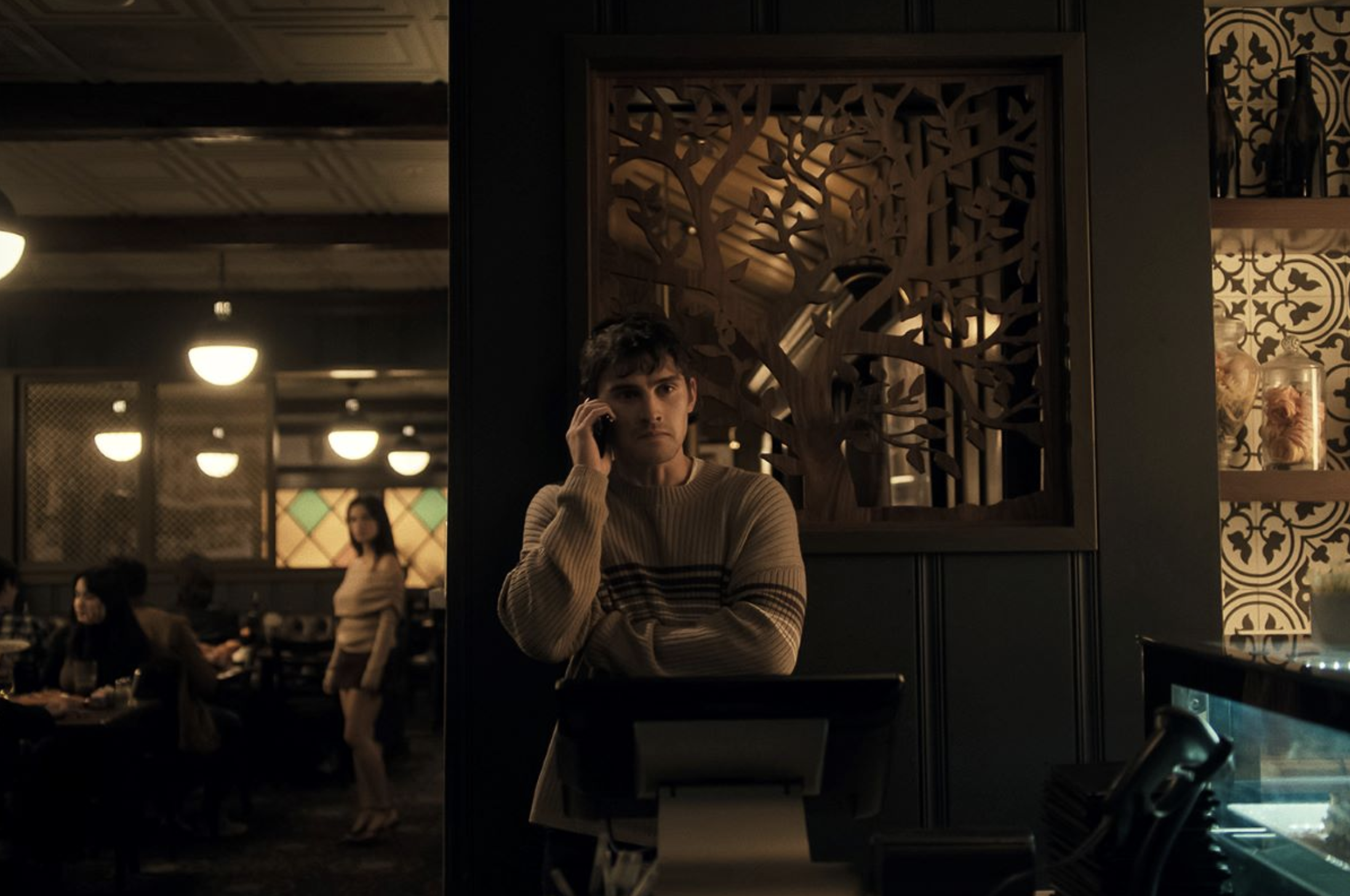
The reshot opening scene at the diner features a lot of centrally composed shots that give the characters quite a bit of headroom. Was that an early parameter you guys set for yourselves?
The biggest thing with Curry and I was to never just generally cover or capture anything. The center composition stuff was Curry’s taste – he just really liked it. I tried to stay true to that because it was something that he brought up right away.
We already have another movie in the bag now, and I have come to a fully new understanding of how to use those techniques. Some of those preferences we’re just carrying around as people. My job is to understand what those are and to try to facilitate them in the best way that serves the story, and doesn’t become too limiting.
How big was your team on Obsession?
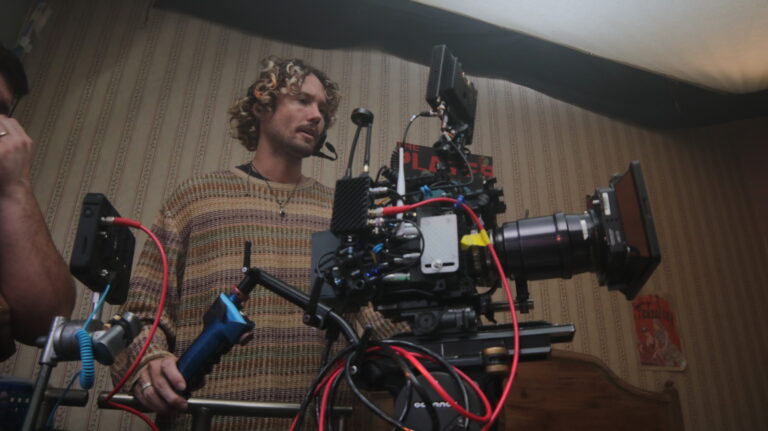
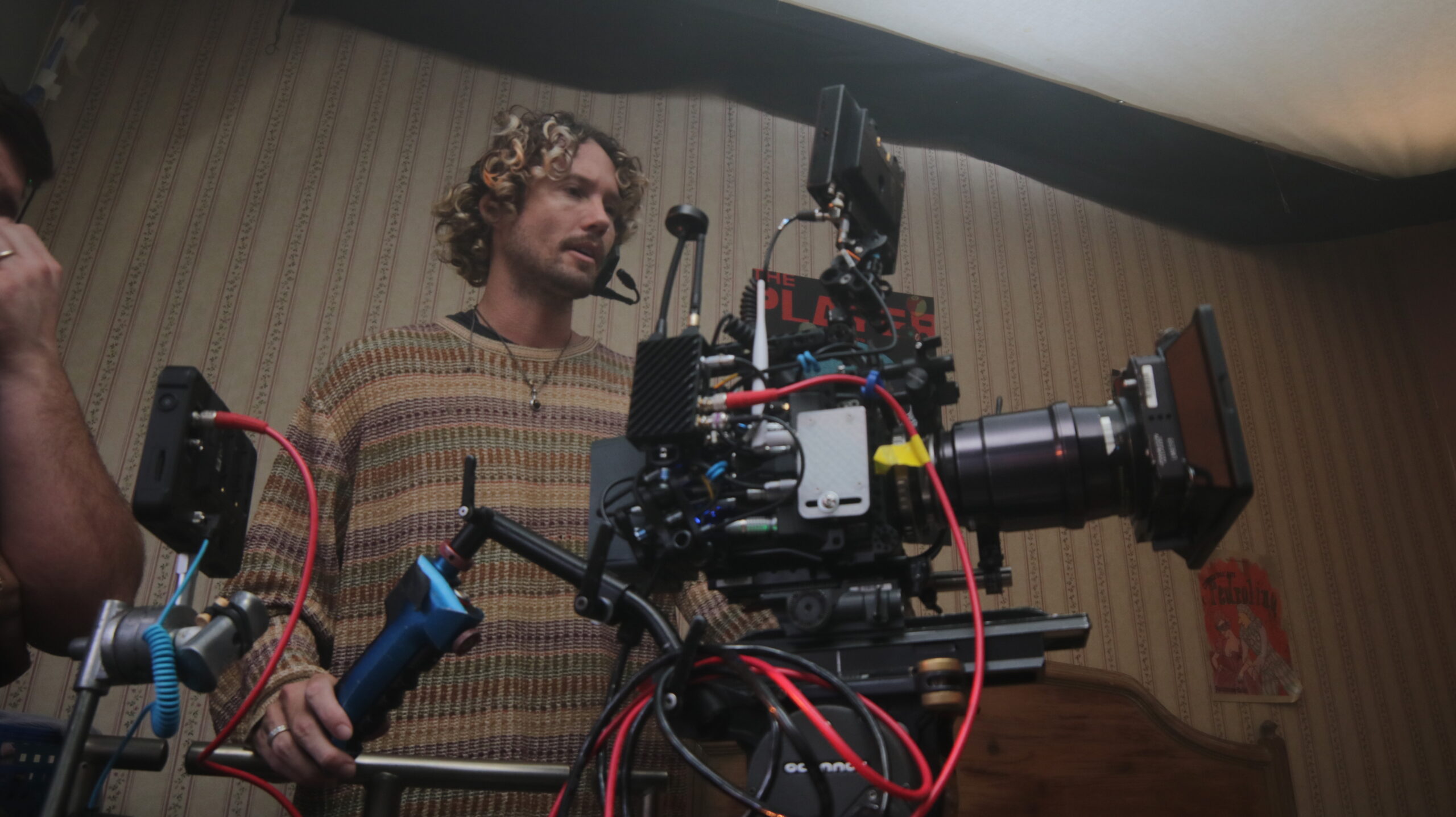
Pretty small. We pulled every favor in the book, I’ll tell you that. It was me, a 1st AC, a 2nd AC. We had a Key Grip and a couple of Grips, and the Electricians had a Gaffer and a Best Boy. We did have complicated night work, but mostly, it was pretty small scale interiors. We would have all hands on deck pre-rigging the house, but once we’d get to work, not that many people could fit inside. It was very small.
What went into achieving a readable exposure during the night scenes?
We had that whole house tented off. I realized that to make those scenes work without killing everybody, I had to turn the house into a stage, even though it wasn’t. That definitely dictated the look in many ways. It also took me down the path of lighting practically inside, because there were many times when we were mixing temperatures and colors and trying new strategies that I’ve never done, which was really fun.
The film features breakout performances from Michael Johnston and Inde Navarette. What did they unlock for you as a DP?
I knew we were making something special right away. Michael and Inde are just phenomenal. As soon as they stepped in front of the camera, they may made my job easy. There weren’t any egos involved in this movie, which was the coolest thing ever – and there’s some pretty vulnerable, tricky scenes. It’s all fun and games when you watch it in the theater – well, it’s also horrific when you watch it in the theater – but filming people trying to inhabit that space is pretty sensitive.
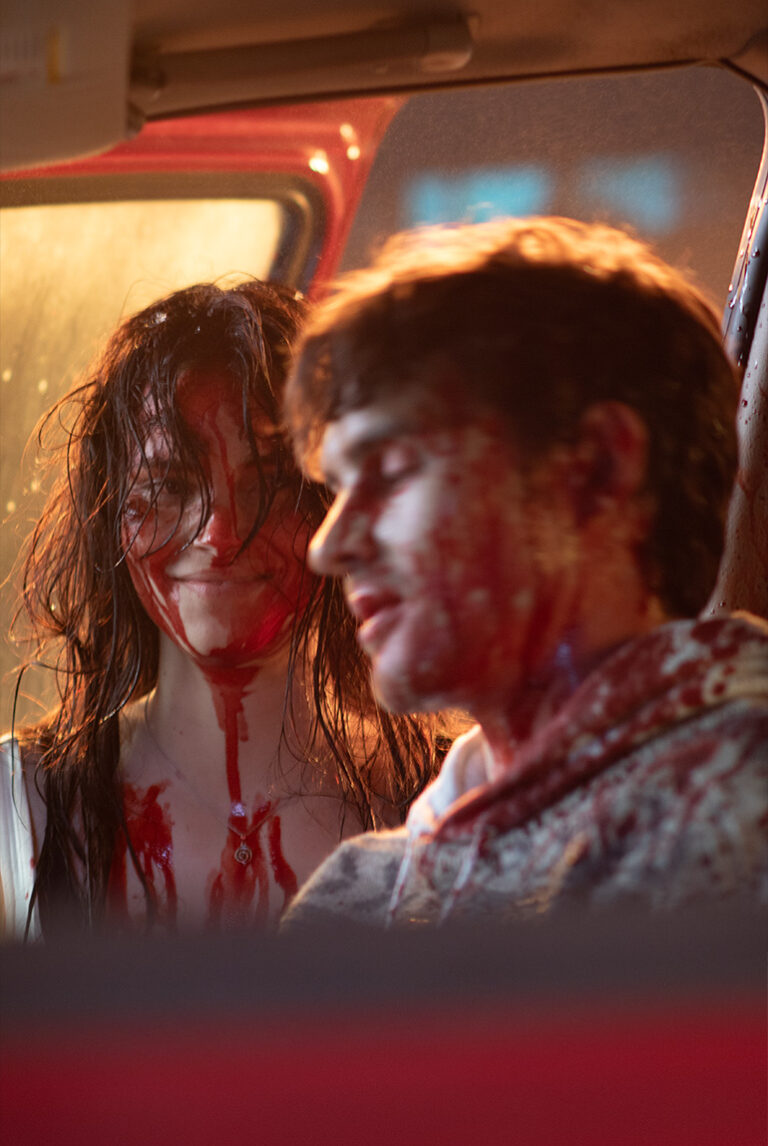
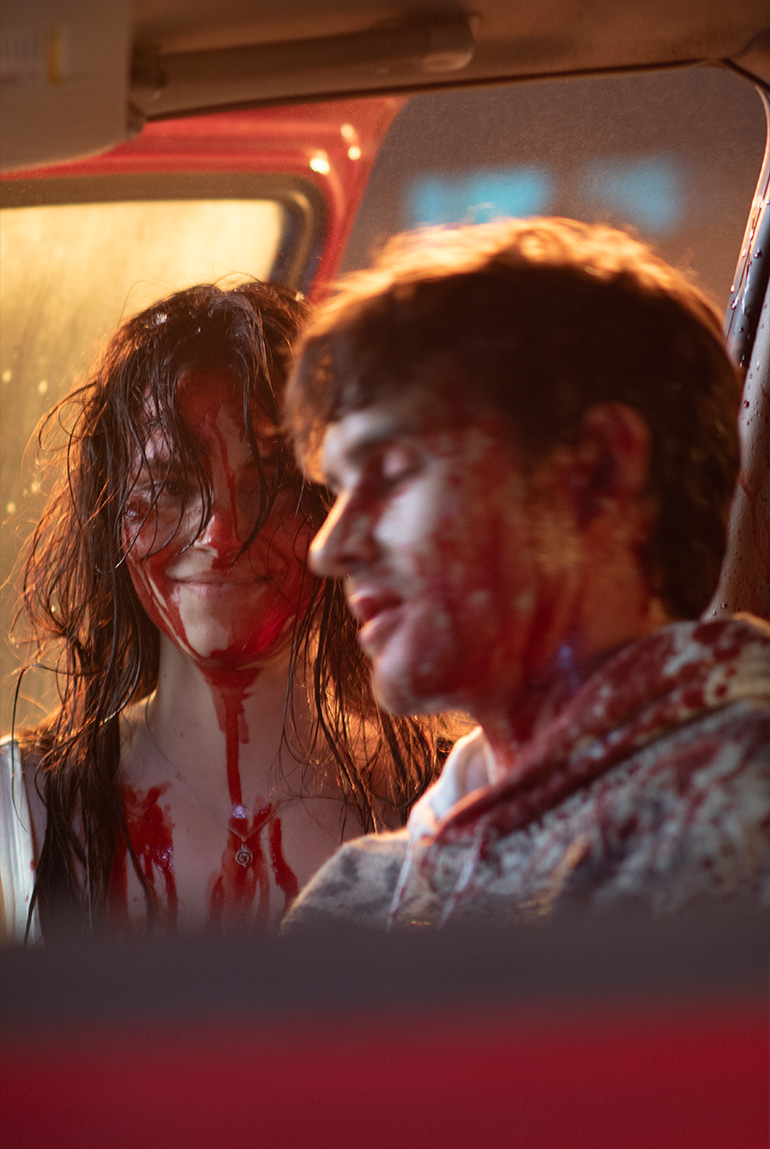
Do any scenes in particular jump to mind?
The intimate stuff – the bedroom scenes. The set changes during those scenes. Everything gets quieter and everybody starts tiptoeing. Then I’m just standing there with the camera, thinking, “I hope I’m in the right spot.” It was pretty heavy.
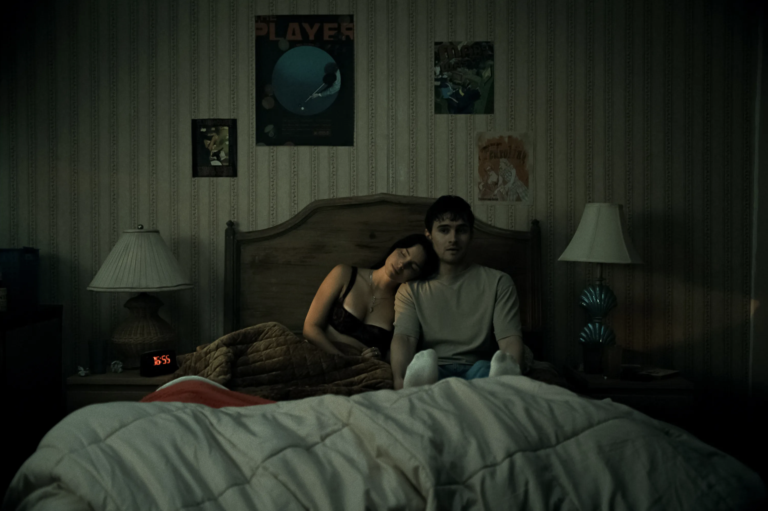
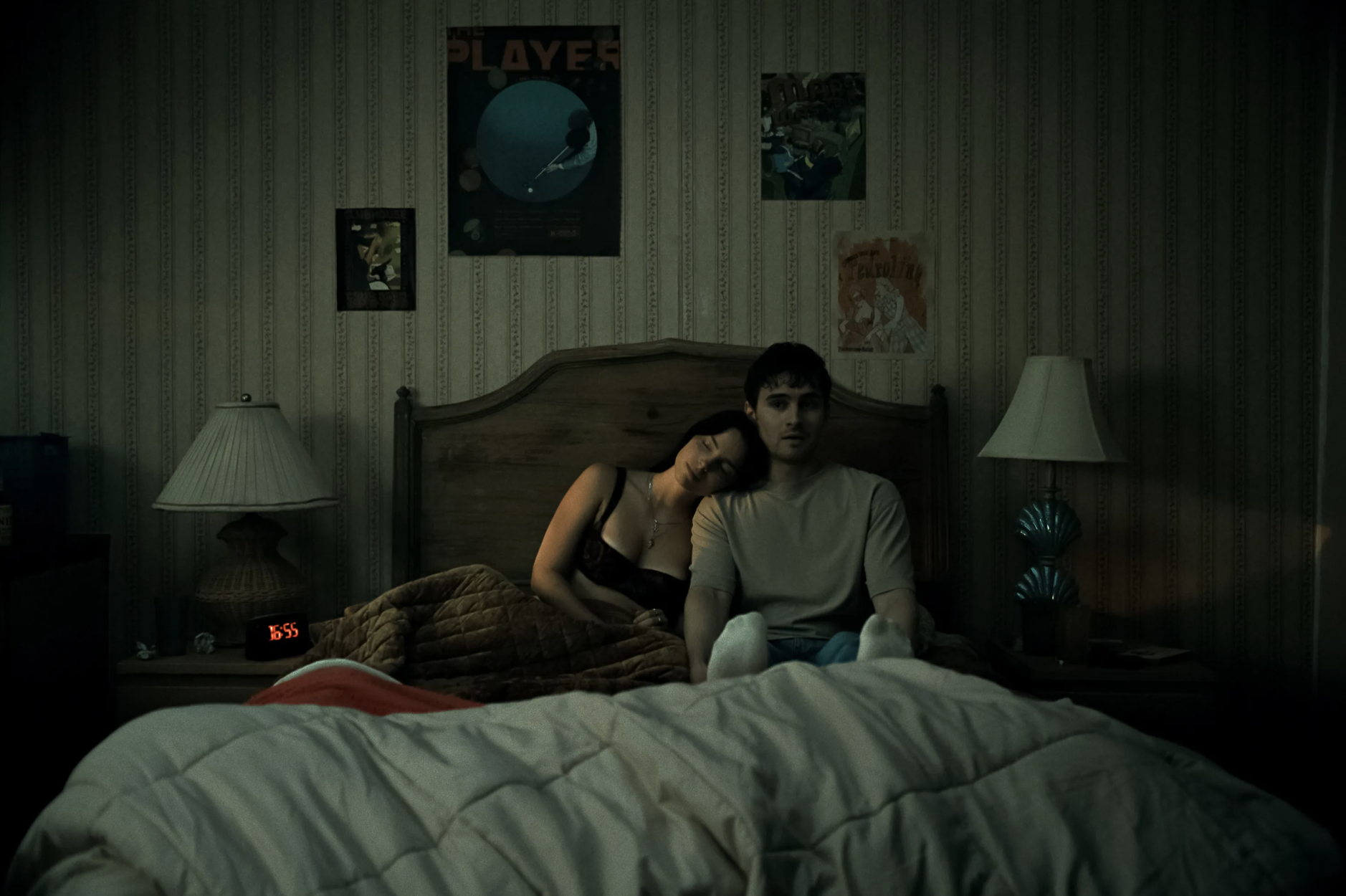
For Nikki, specifically, there’s a few recurring visual motifs throughout her arc, such as the double eyelight. (Note: Spoilers)
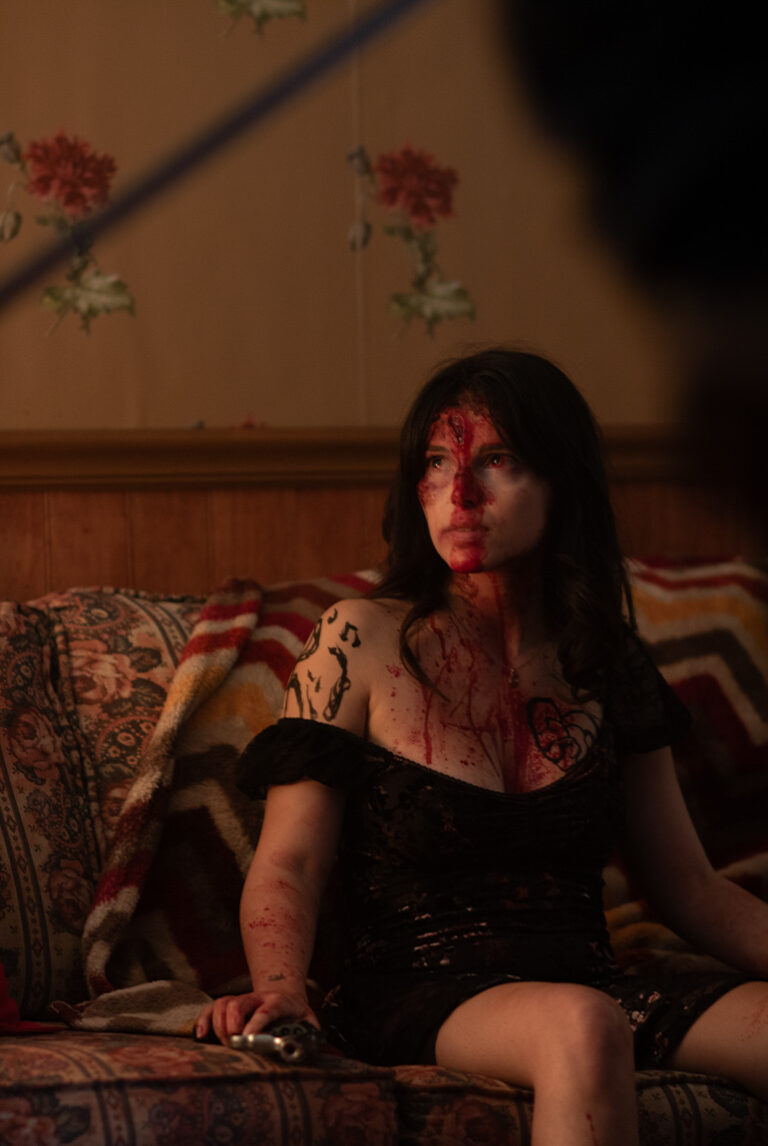
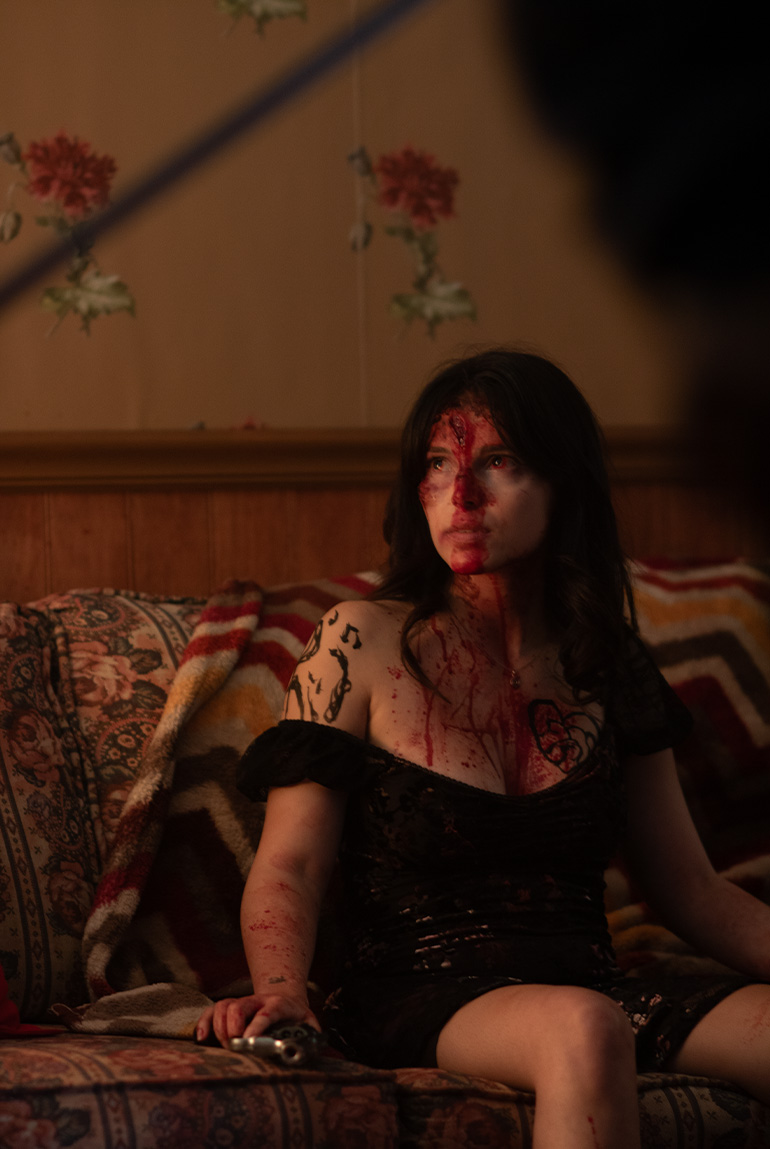
We found out pretty early on with some of the really dark scenes that we just needed a light attached to the camera at all times. My friend Peter Timberlake did the VFX, and we asked him to extend that effect, because we felt that it would create the unsettling look that everybody is now commenting on. That was the intention all along. Peter was able to make it stand out in a way that we wanted. Those seem to be the scenes that everyone loves, and is the simplest thing, you know? Silhouette with an eye light.
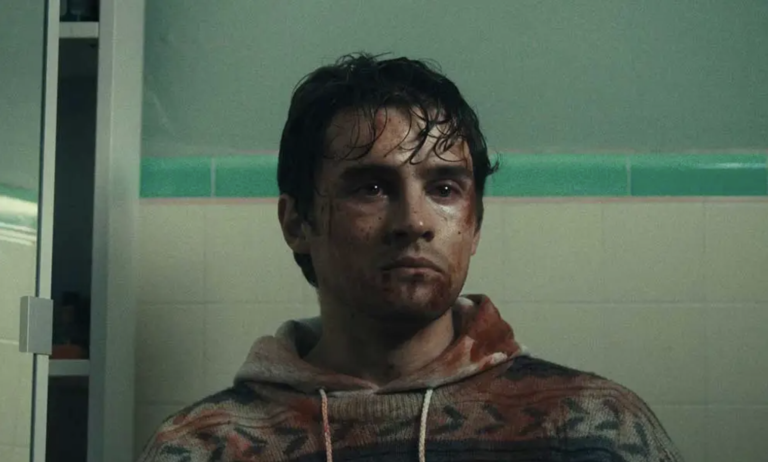
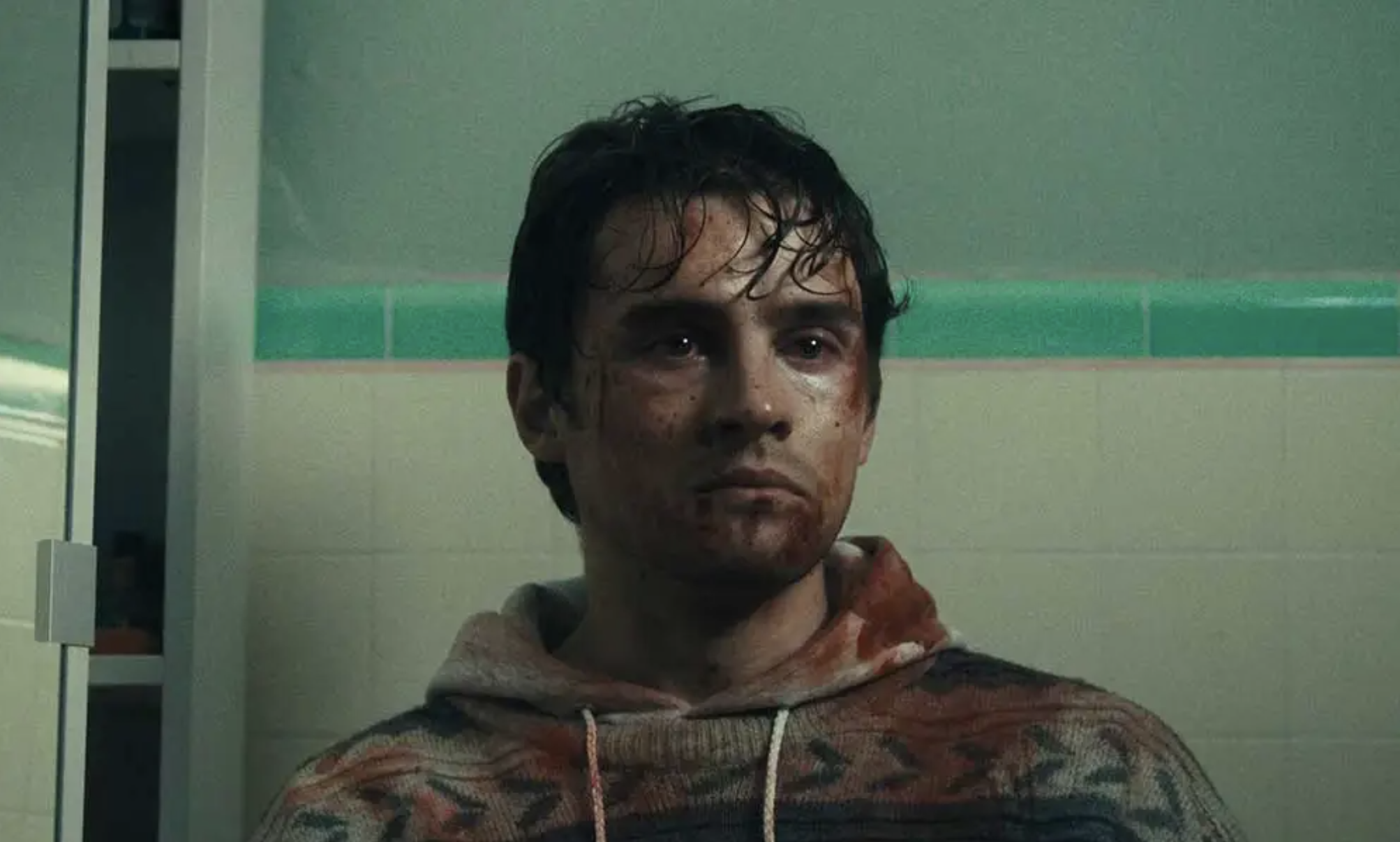
We actually went back and reshot one of those scenes. If you remember the close-up shot of her in the corner where it’s just her face as she’s standing there, we shot that from Bear’s POV, and the audience has to start searching because it’s so dark. That was one of the most fun shots, because the makeup team did an incredible job with the uncanny valley makeup. If we were to turn all the lights on, you’d see some crazy contouring extending parts of her face. But with mass underexposure, it just looks like her face is morphing. As far as I know, there’s no VFX there.
Did Obsession illuminate any habits you’ll leave behind, or take to the next project?
It’s interesting. I typically like to feel that the spaces are naturally lighting the people. But I think I’ve learned that not everything has to be that way. Staying away from being stylized is not necessarily the greatest thing all the time. I think being stylized helps.
Some of the habits that I was carrying got obliterated when I met Curry, because he’s like, “Why? Why does that matter?” And when I have to explain it, I realize, “Oh, that’s just something I’m carrying”. It’s fun to have somebody challenge you that way, and I think it puts you in a place of serving their story again. You come together, meld tastes, and find your way. And our next movie is way different too. So we’re growing with it.
When did you jump into Anything But Ghosts? Was there a period between films?
Yeah. We shot Obsession in October 2024. We just filmed Ghosts in January in Vancouver. So it’s been a while. Obsession feels pretty old to us. When I see it, I see a really old version of us making decisions.
It must be fun to see how far you’ve come. How did the process compare to Obsession?
It’s like a real movie, you know? You’re on the clock out there. You’re in an office. You’re prepping with all the departments. You’ve got very seasoned people and very limited time and incredibly crazy ideas, but you have the resources to do them too. Some of the stunt work and the night exterior work and just the set builds and stuff is stuff I had never seen. It’s incredible. Obsession feels like shooting a passion project with your homies compared to this.
What was it like shooting Curry as the lead actor?
Incredible. He is such an impressive person, because not only is he writing this with Cooper, but he’s also prepping it with me. We spent a lot of time together – in prep pre-visualizing, as well as shooting and editing. On top of that, he’s working with Aaron Paul and Bryce Dallas Howard, and he’s also performing. So he can hold a lot. I was mostly in a support role to kinda flag things.
Now that you’ve made another film, are there new lessons you’ve taken away?
That’s a good question. I think more than anything, to trust your instincts. Your instincts will get you through all of the problems you have to solve. No one else can really give you feedback in those moments, I think, because it’s just too taste-based and specific. Your only option is to lean into what you think is best, explore that fully, and then go for it.
Make mistakes, go back to the drawing board, see what was successful, and keep trusting yourself. Go with your gut every time. Don’t do everything safe. It’s not gonna be extraordinary if you do.
Were there any other fun stories that came from making Obsession?
At the end of reshoots, we needed to pick up the scene where the One Wish Willow phone call happens in the car. When we finished shooting, Curry handed me the keys and said “This is yours now.” Then I drove it away from set. It’s not a very good car – it was stalling and stalling. Cursed car.
What excites you most about this group of YouTube to Hollywood filmmakers like Curry, Markiplier or Kane Parsons?
They’re the new wave. It’s breeding talent in a way that is so cool to watch, and very unexpected for me, because I didn’t realize how experienced Curry was. I thought I was bringing a level of experience to the film because I’ve been on set a lot. But he’s been editing, writing, shooting, directing, and acting every day for years. So in some ways, I think he’s more experienced than even the most seasoned directors I know. Everyone should watch out for these kids. They are monsters in the making.
Finally, if you had a One Wish Willow, is there any change you would wish for in the film industry?
Oh, man. That’s a deep question. I would wish that everyone would go out and make something with their friends and be the change that they want to see, and keep this independent stuff alive. It’s so important. The coolest thing about Obsession is that so many of my friends are like, “Holy cow. We can do it!” You actually can, and I think the more people that do that, the more cool stuff we get to watch, and the more new voices we get to see come into film via nontraditional paths. Even a lot of the big dogs are all singing the praises. So keep going!