New Shots: Barbarian, Bones and All, & more Movie Screengrabs
Get your Decks ready ShotDeck Community! We’re dropping some great new shots from films from two previous Cannes Palme d’Or winners, as well as an article diving into the legacy and influence left by Francis Ford Coppola‘s wildly inventive musical drama One from the Heart. Remember you can always request titles for future drops by clicking here!
FILM SPOTLIGHT
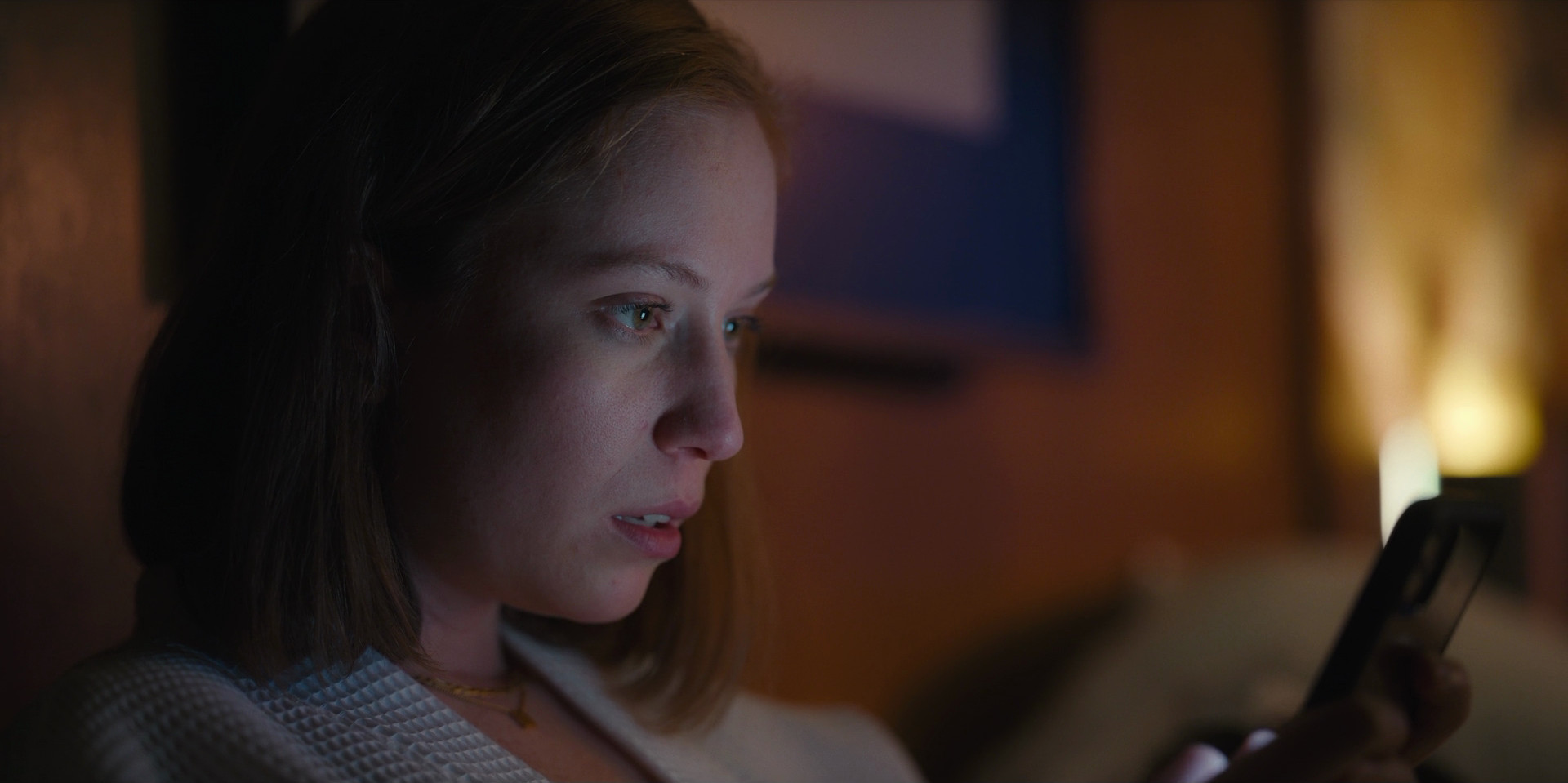
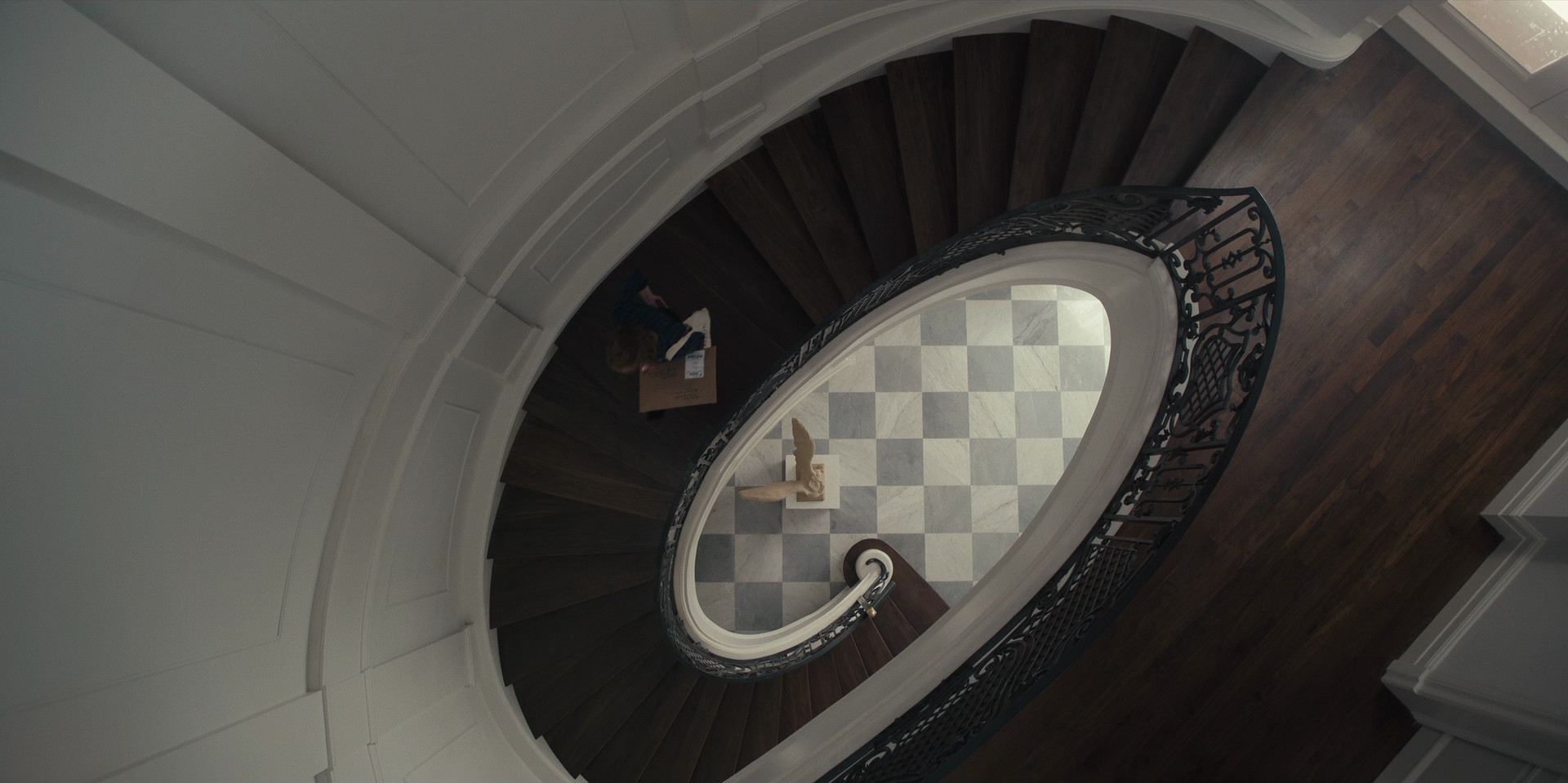
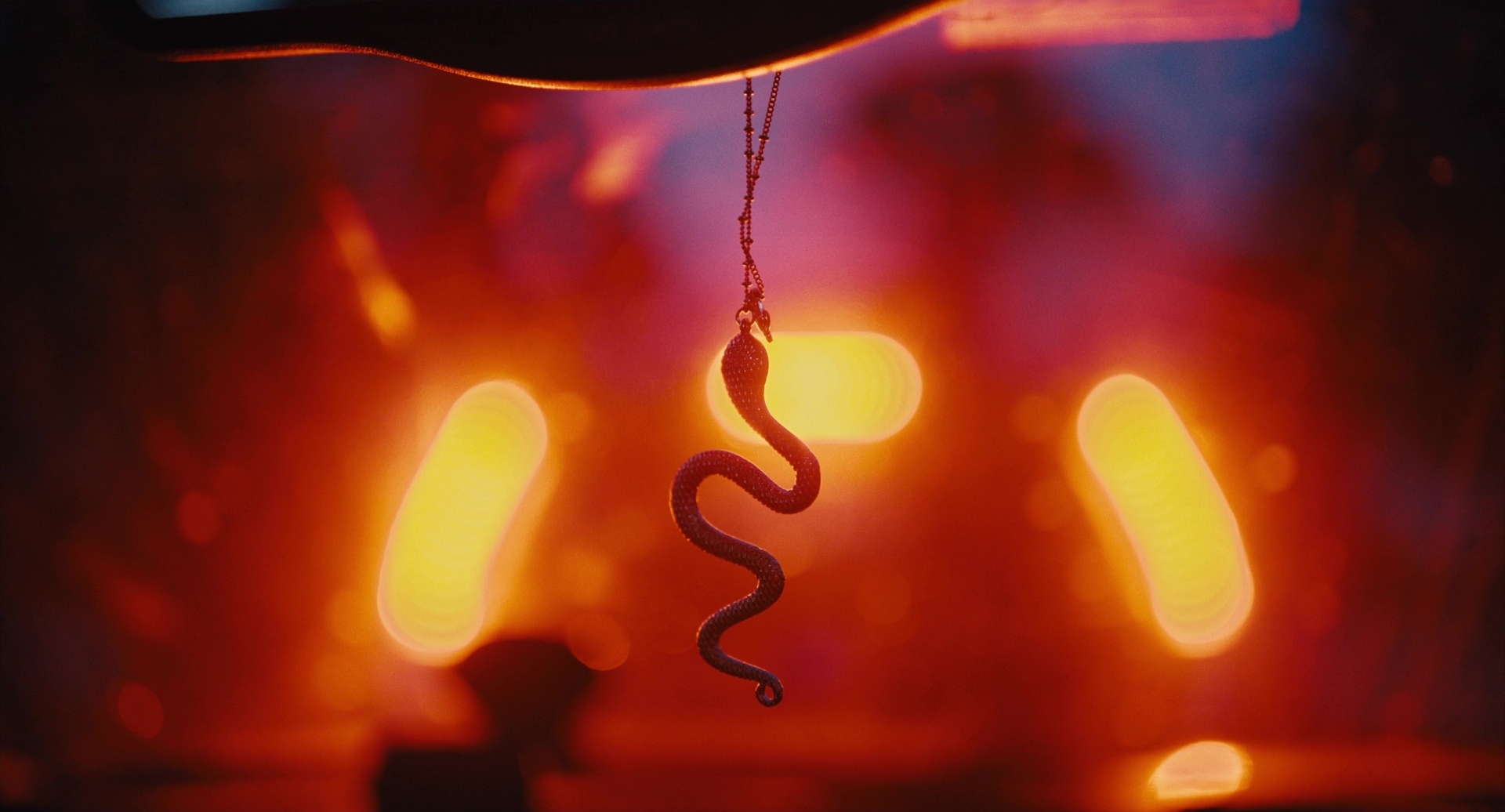
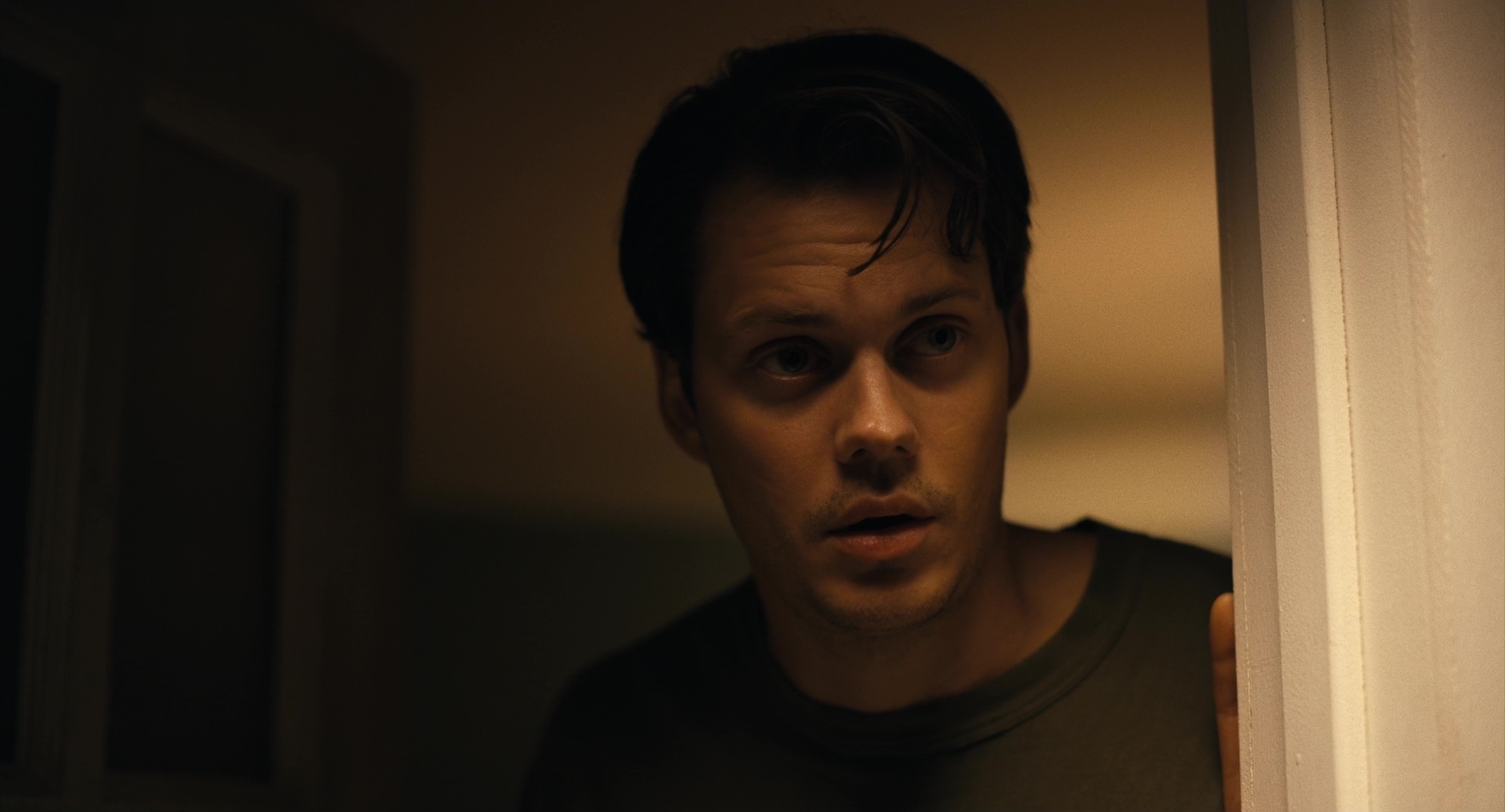
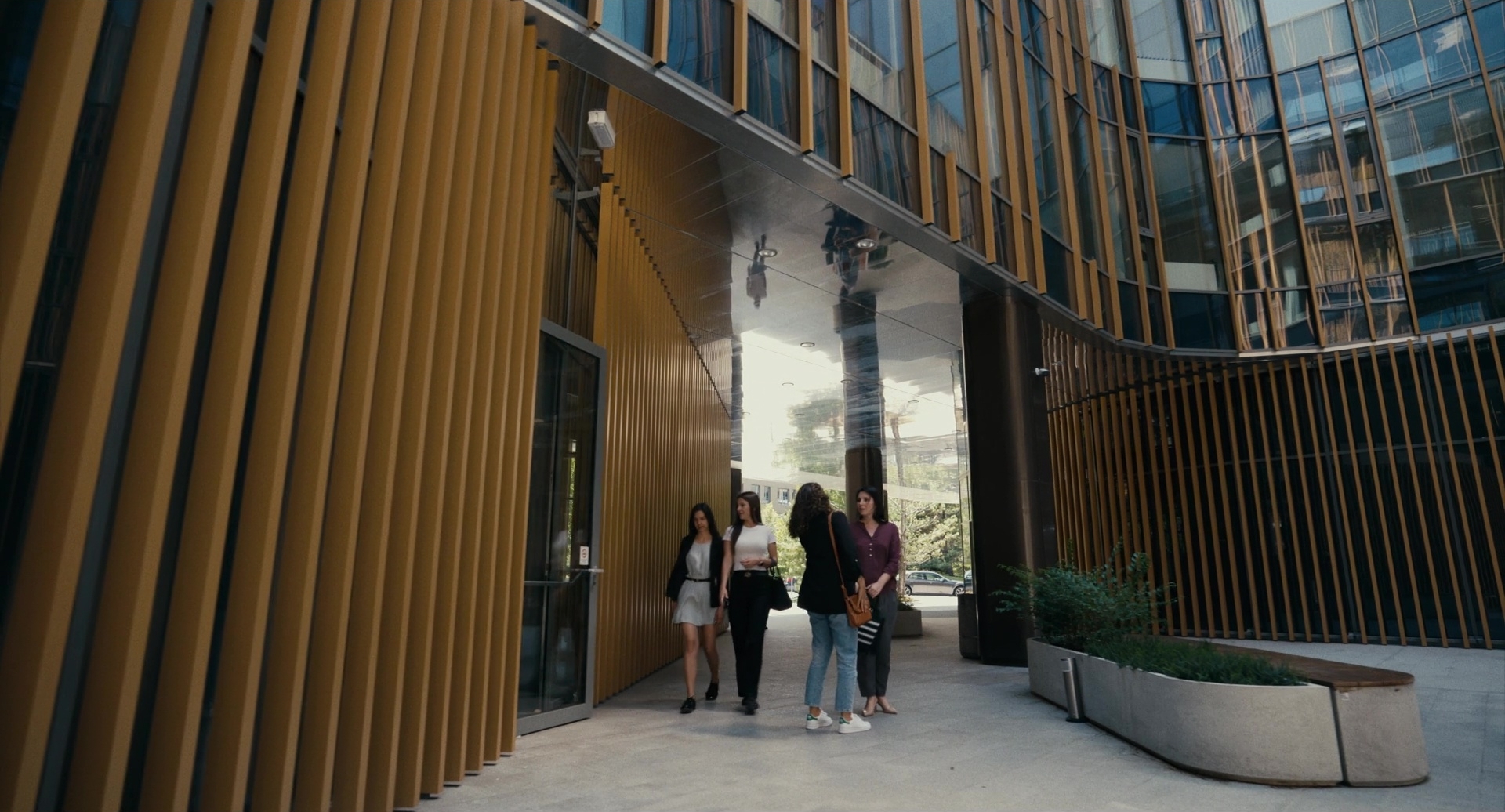
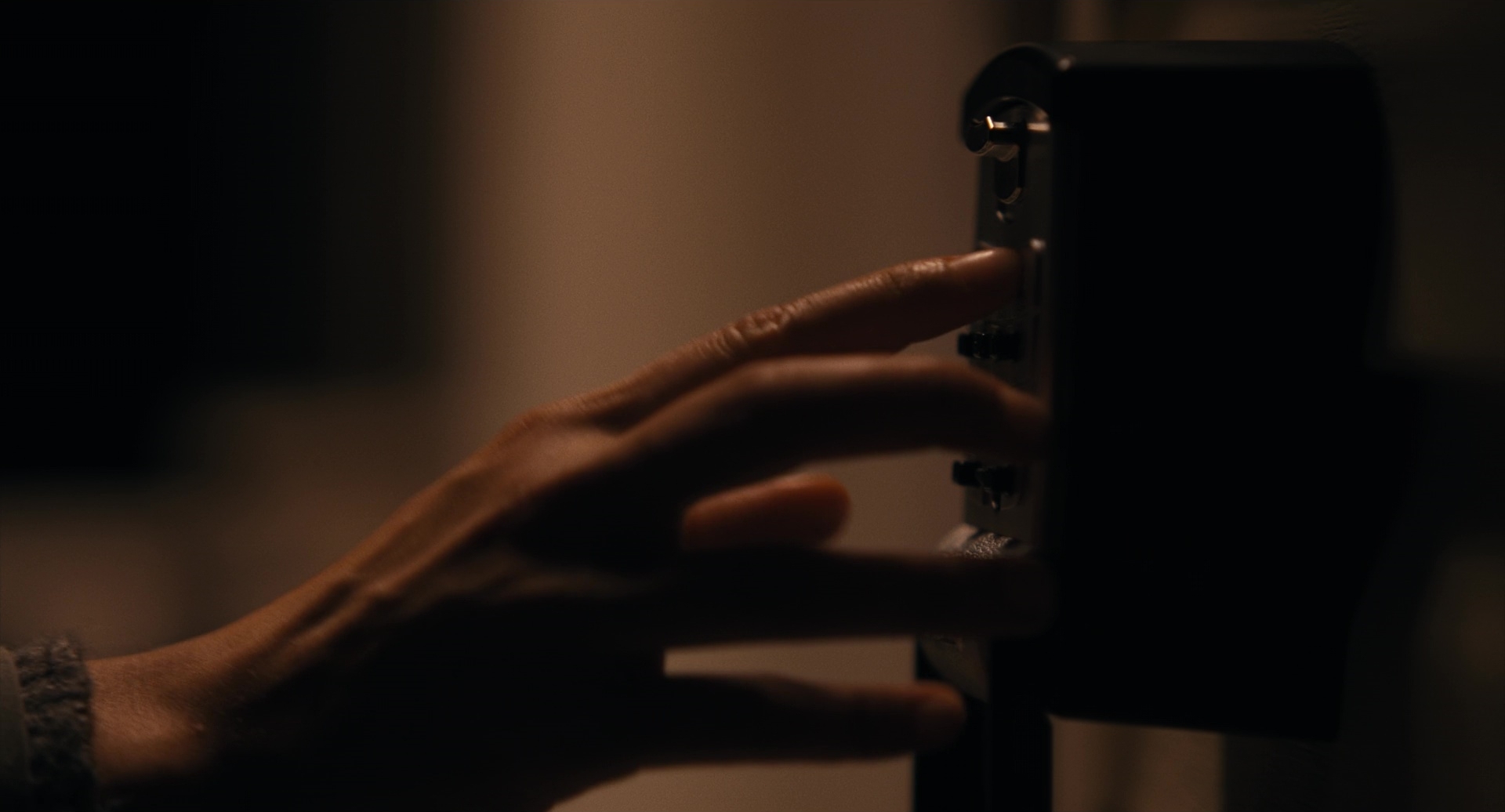
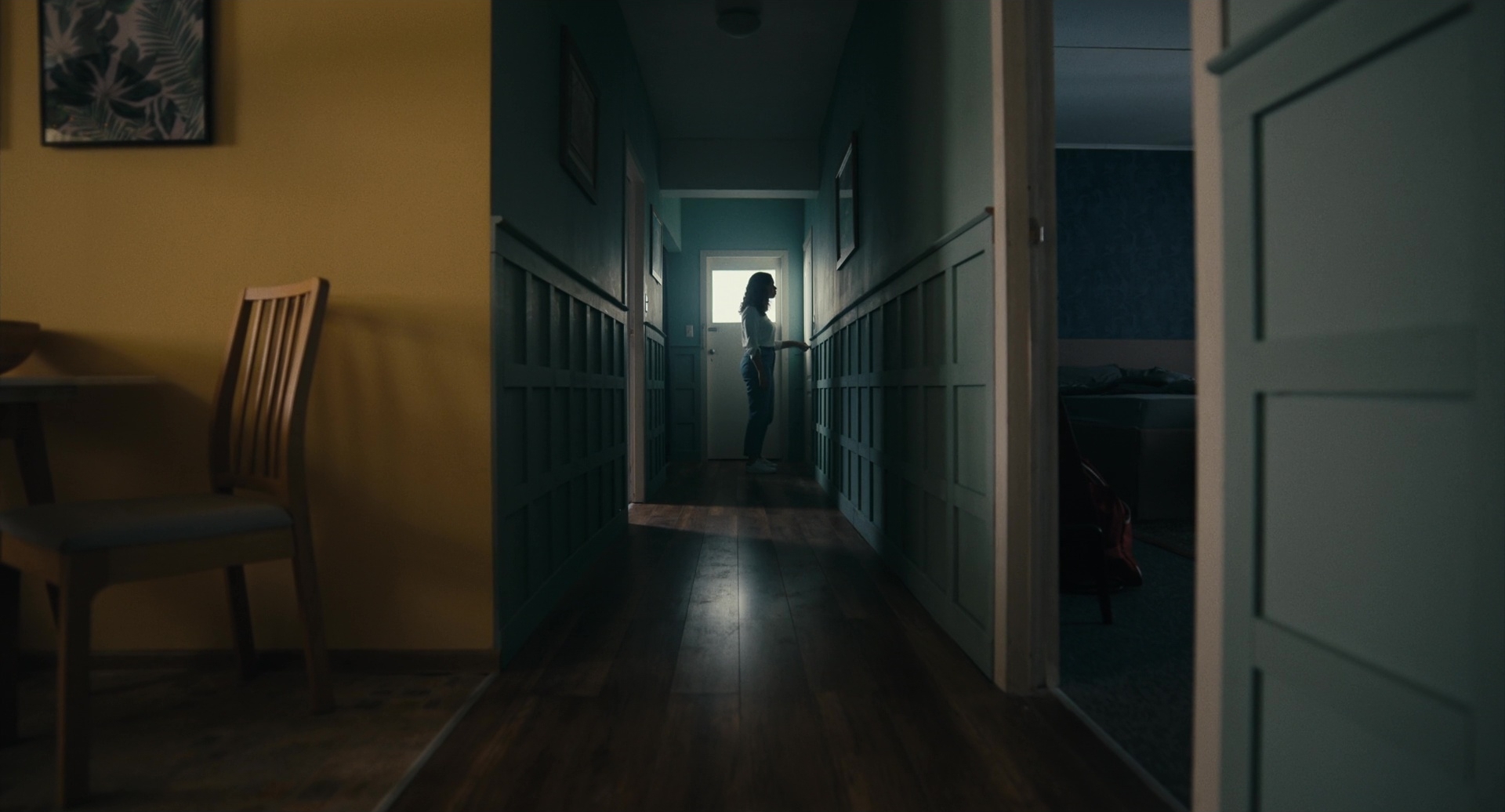
Barbarian (2022)
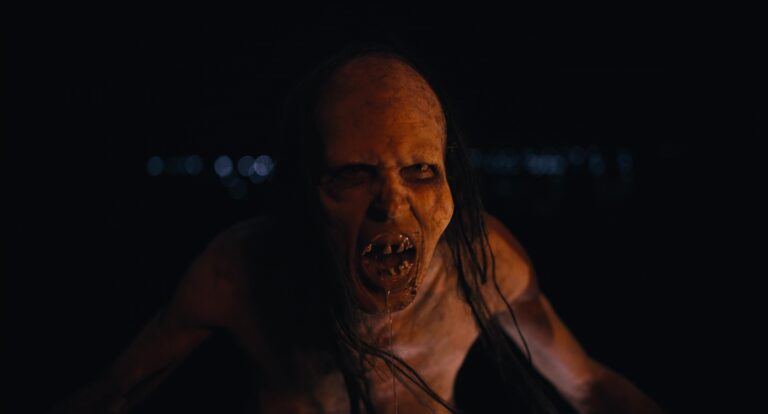
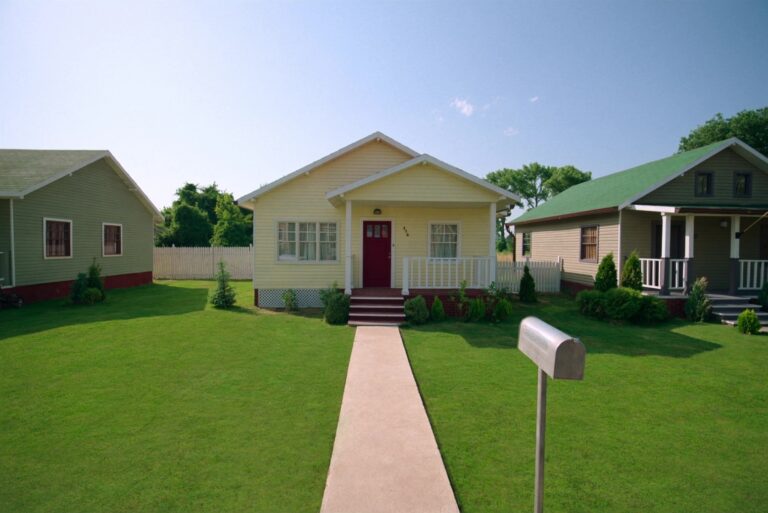
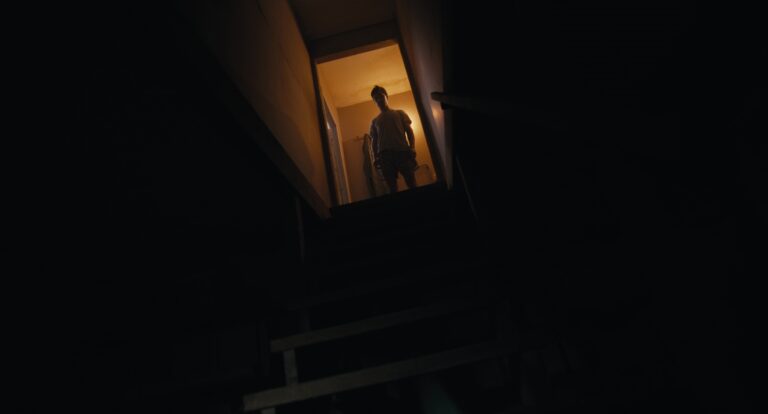
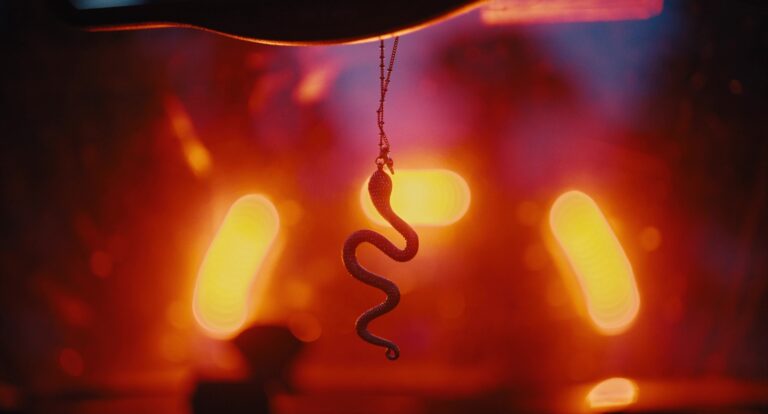
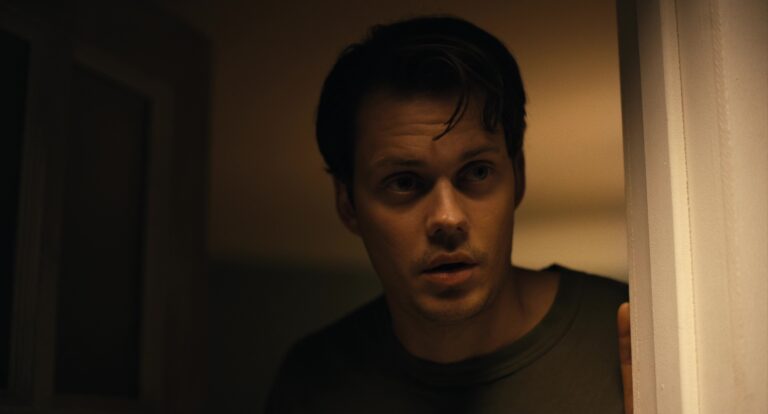
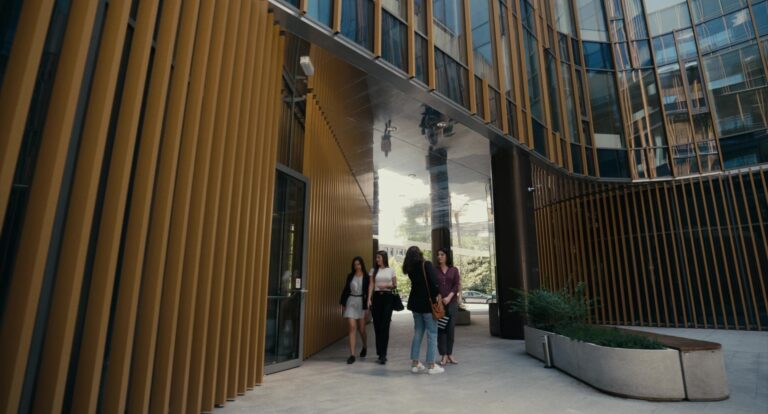
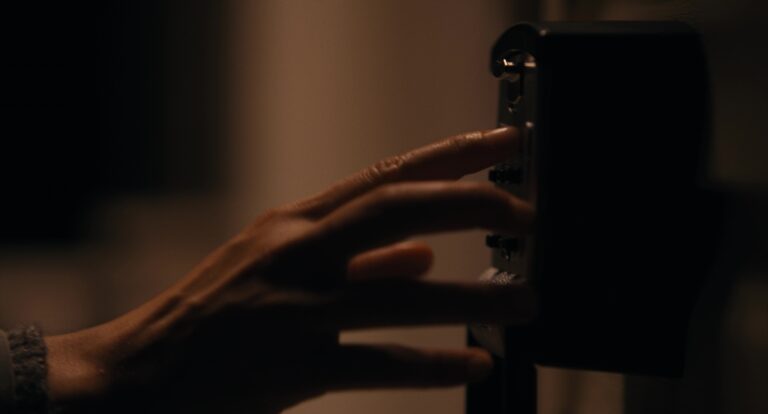
Arriving at a Detroit rental home late at night, a young woman discovers it has been double-booked with a stranger. Choosing to stay despite her unease, she soon uncovers disturbing secrets hidden beneath the house. As the story unfolds, shifting perspectives reveal a much darker and more complex horror lurking beneath the surface.
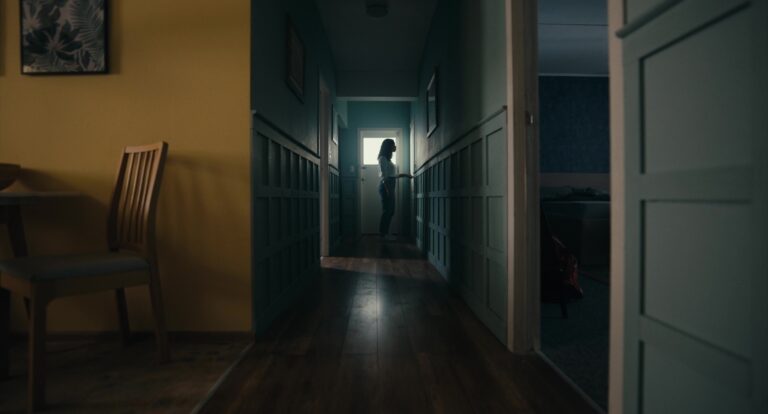
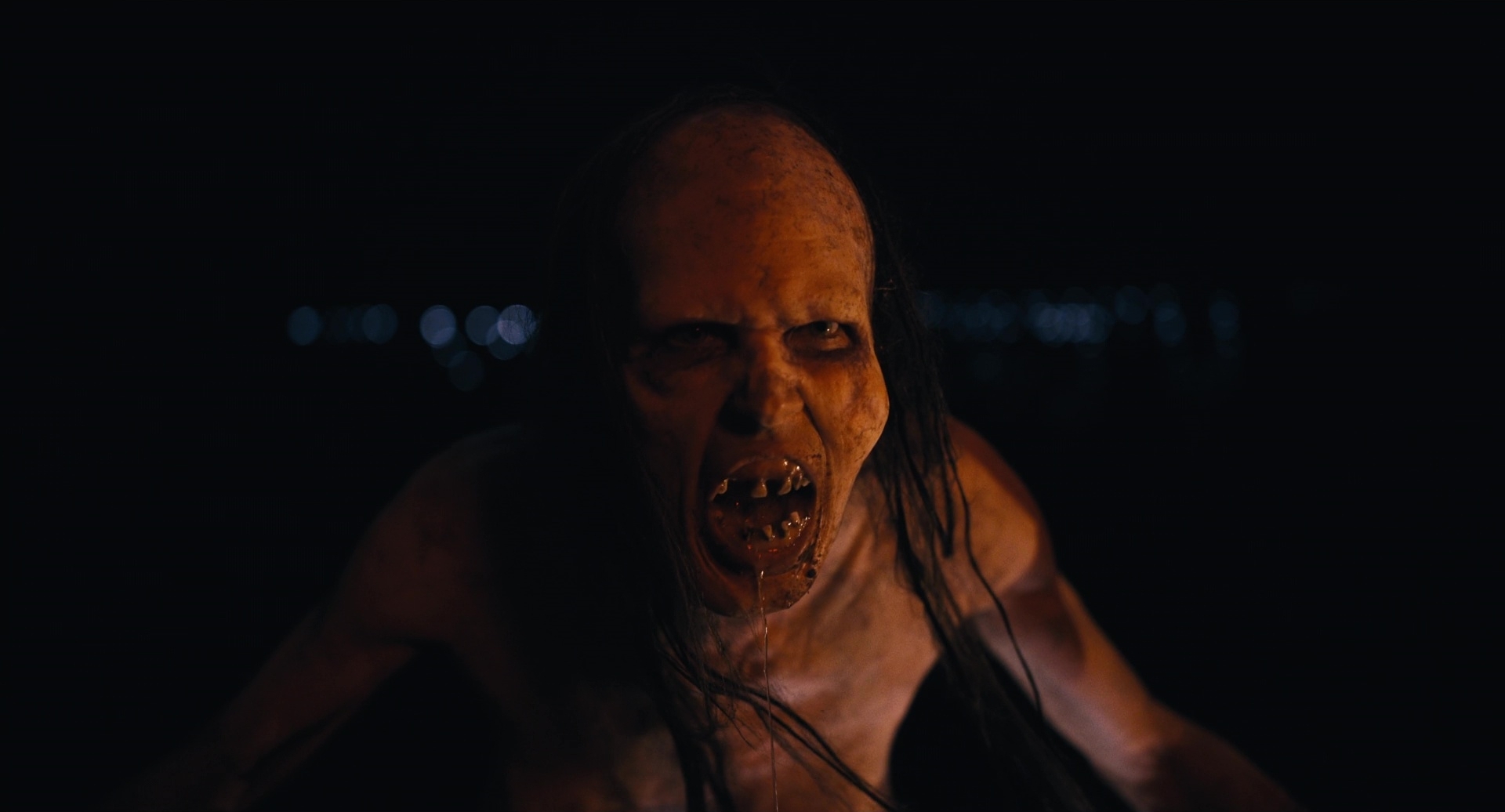
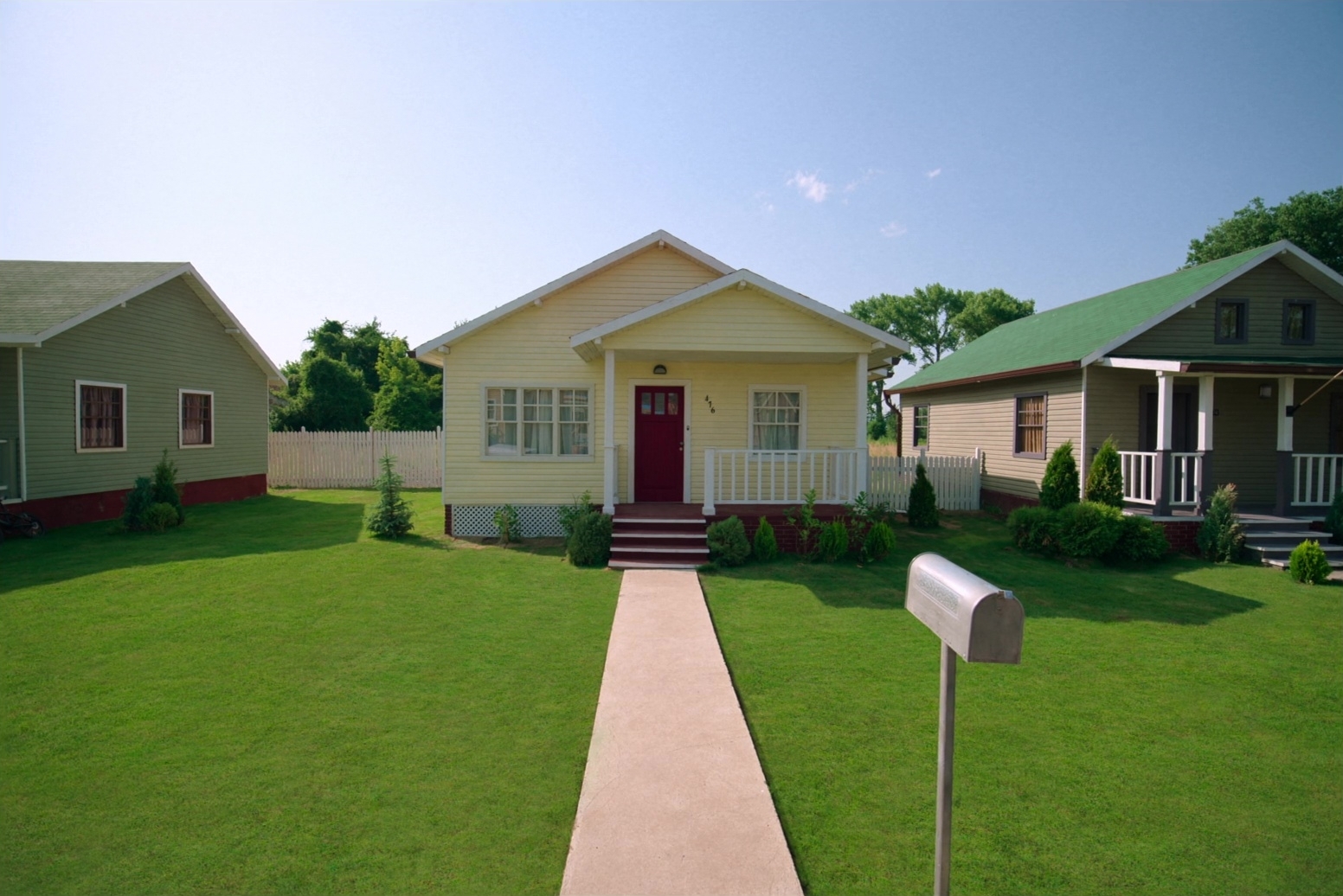
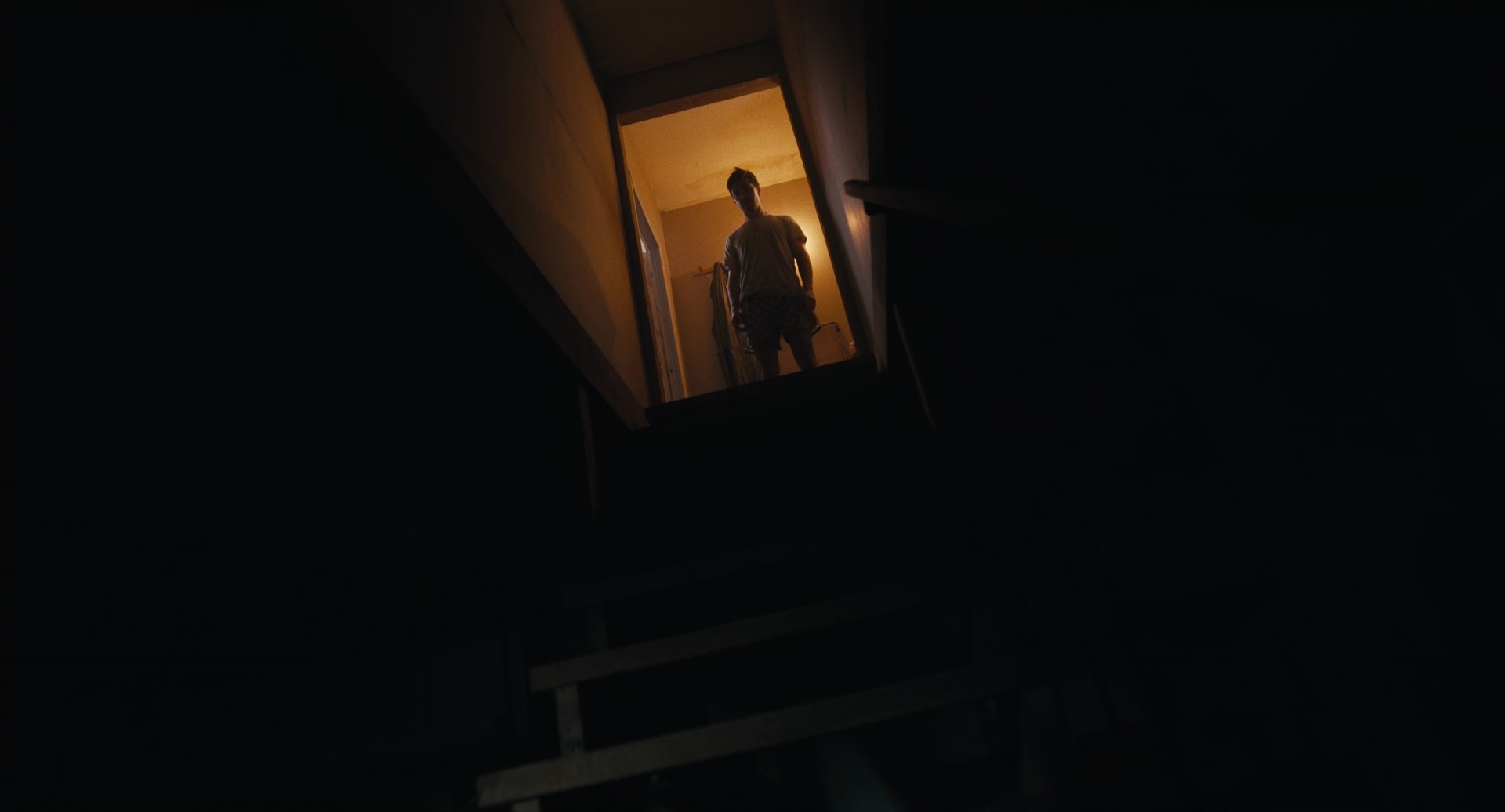
In Barbarian, Cregger and cinematographer Zach Kuperstein use wide lenses and deep shadows to turn the house into a constantly shifting space, where familiar rooms give way to disorienting, subterranean labyrinths. The film’s controlled lighting and sudden tonal pivots—moving from grounded realism to heightened horror—make the environment itself the central visual threat, with space and darkness doing as much work as any character.
FILM SPOTLIGHT
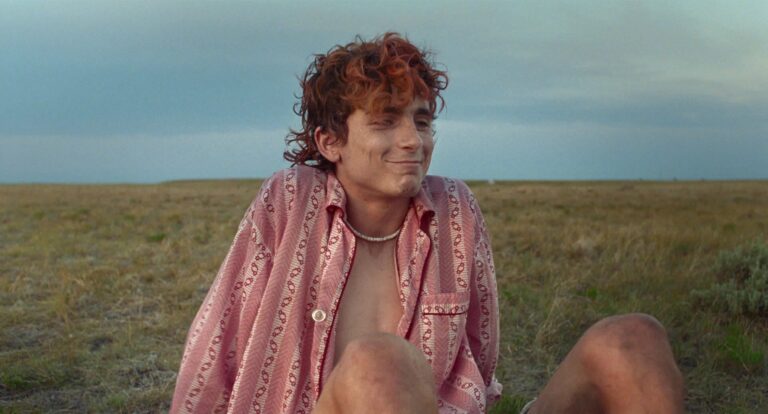
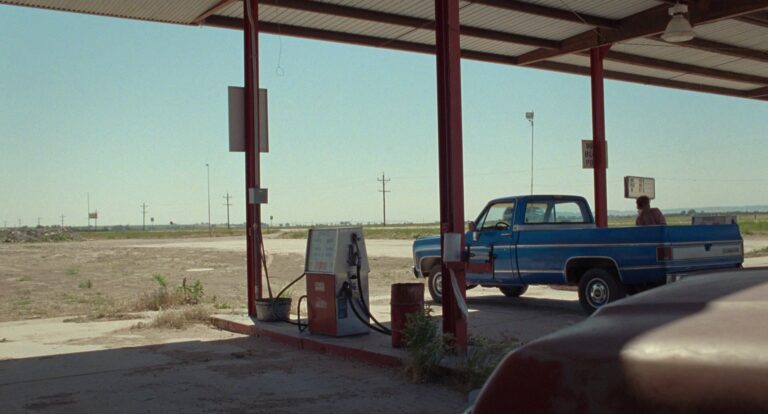
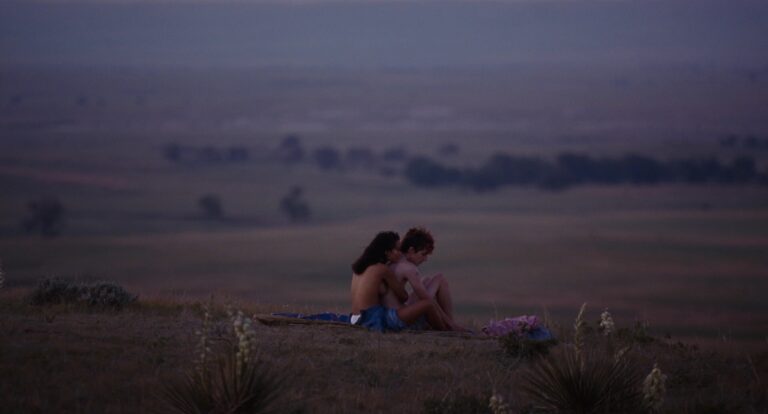
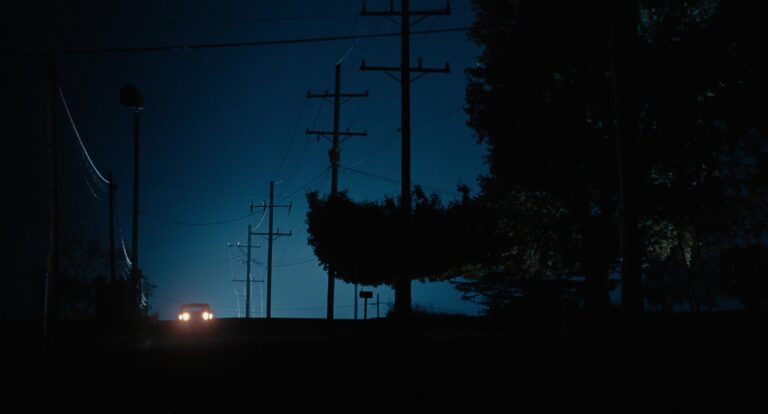
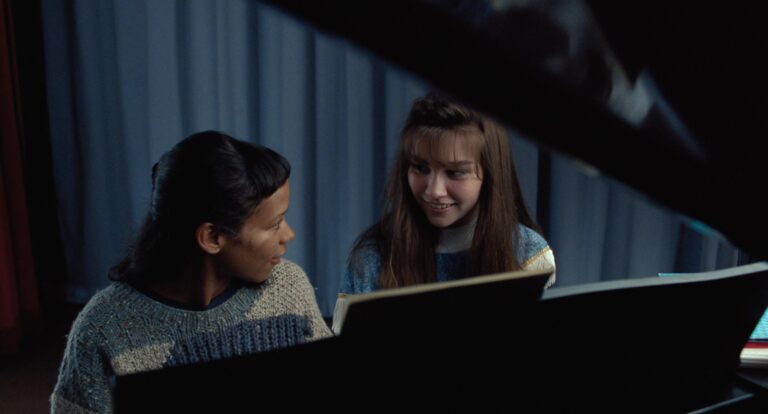
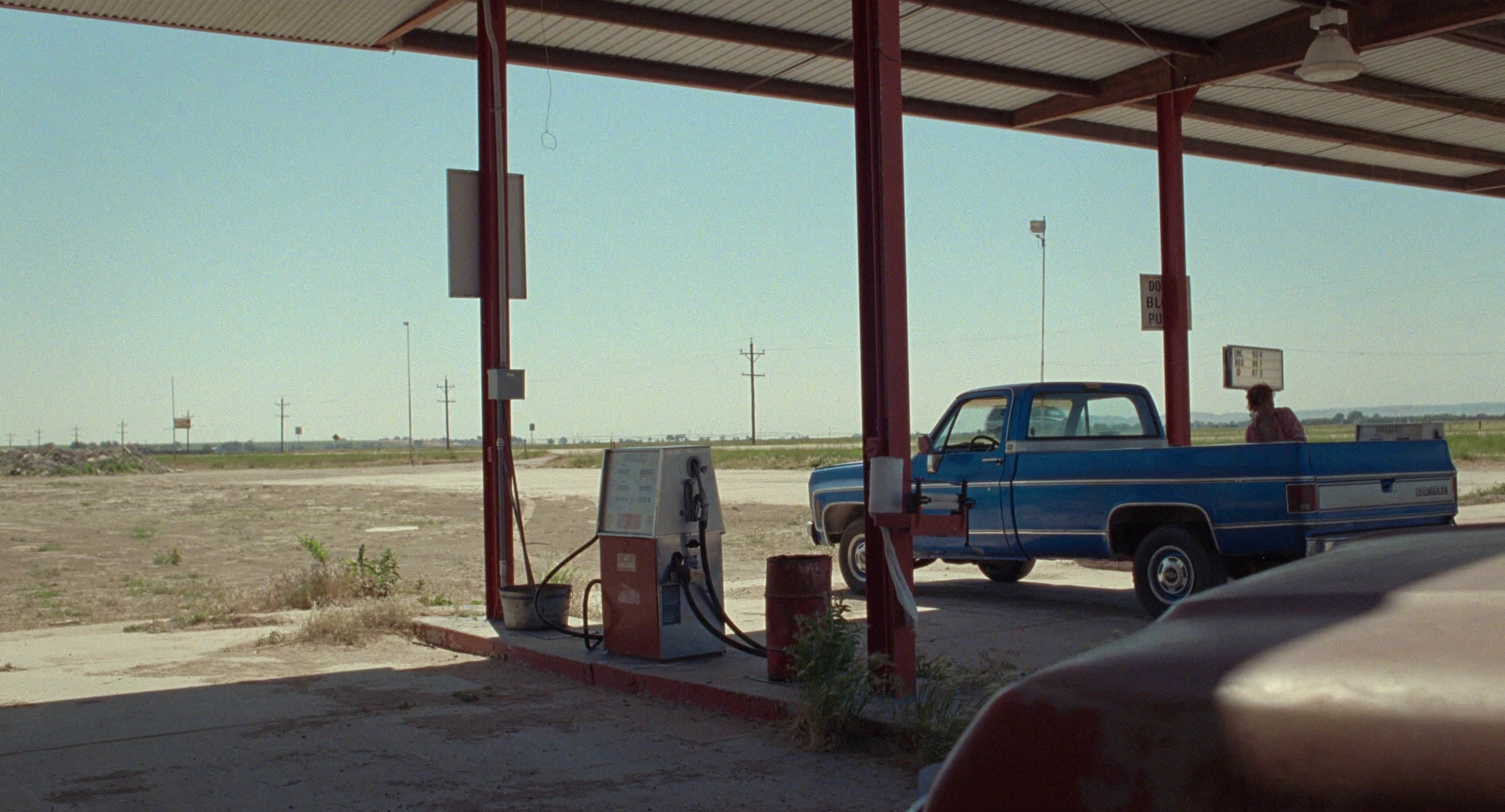
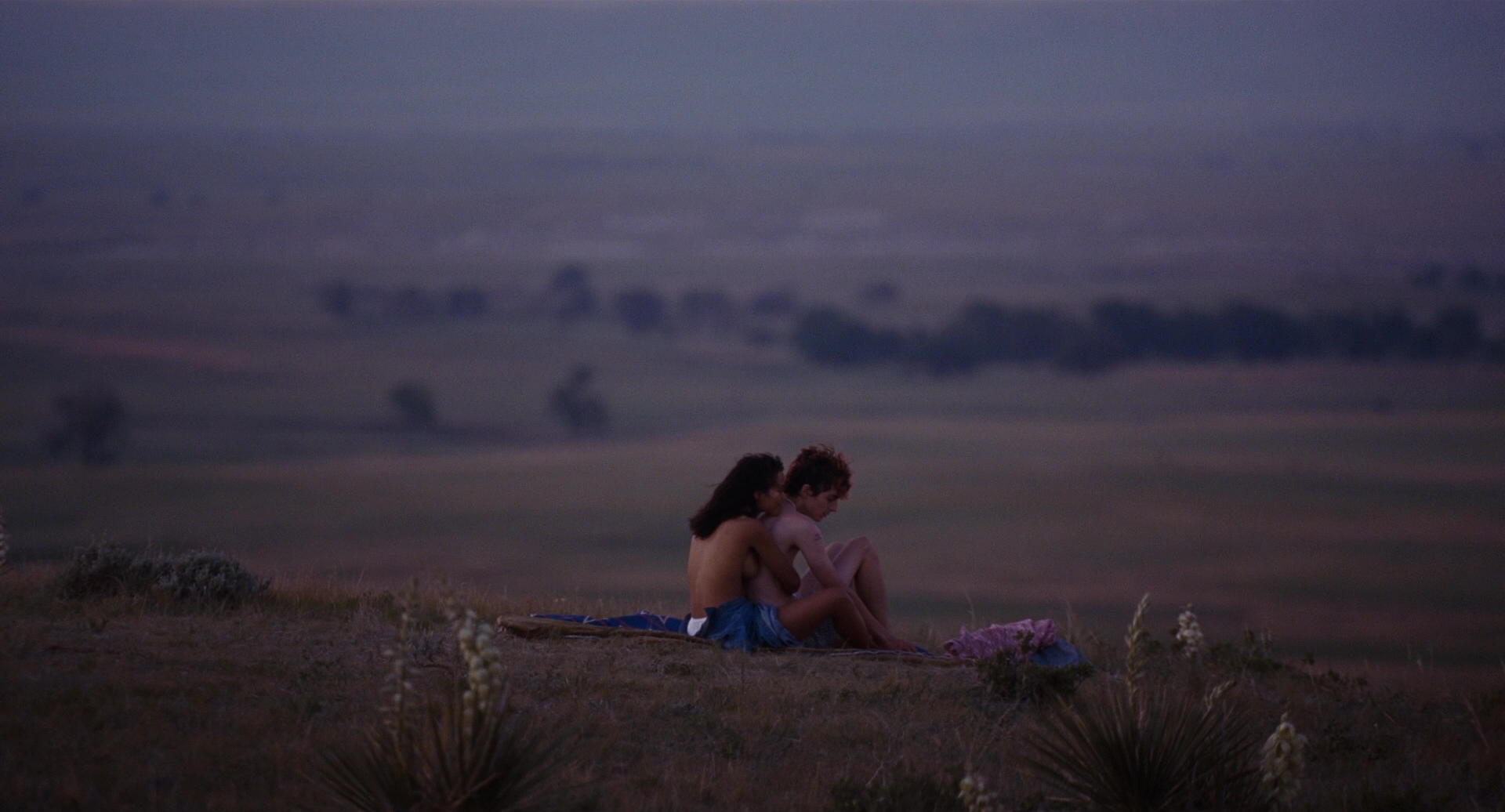
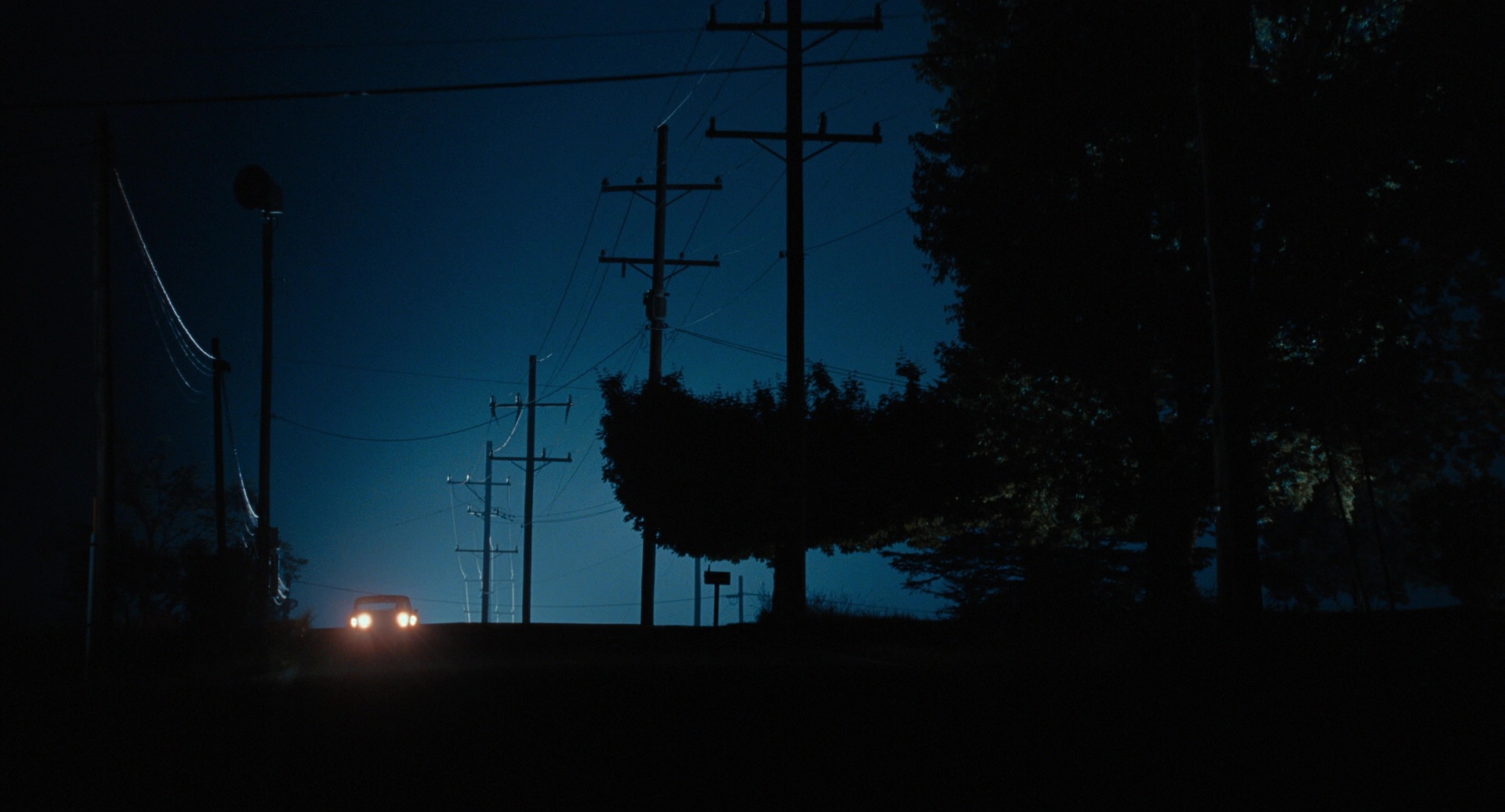
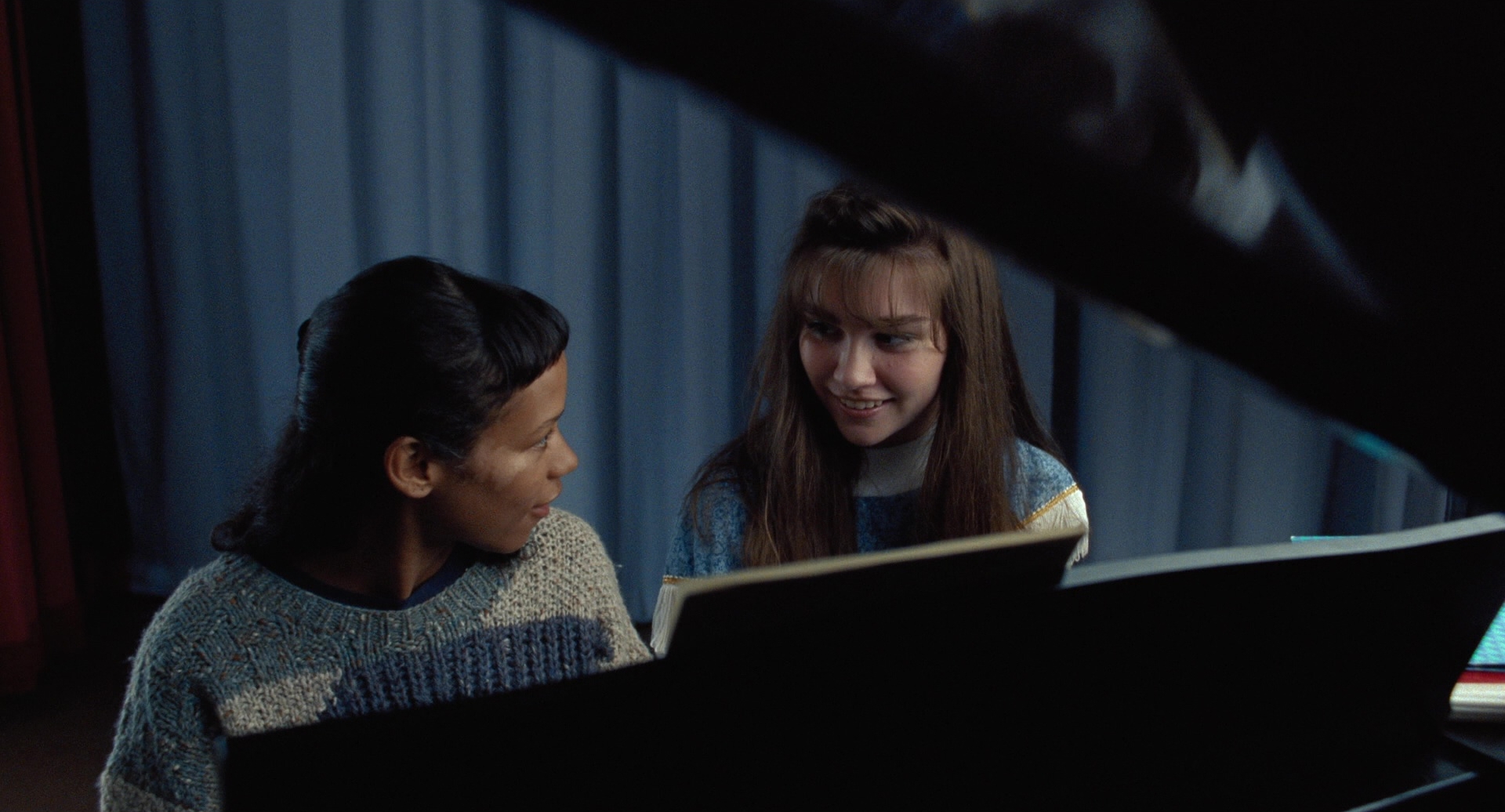
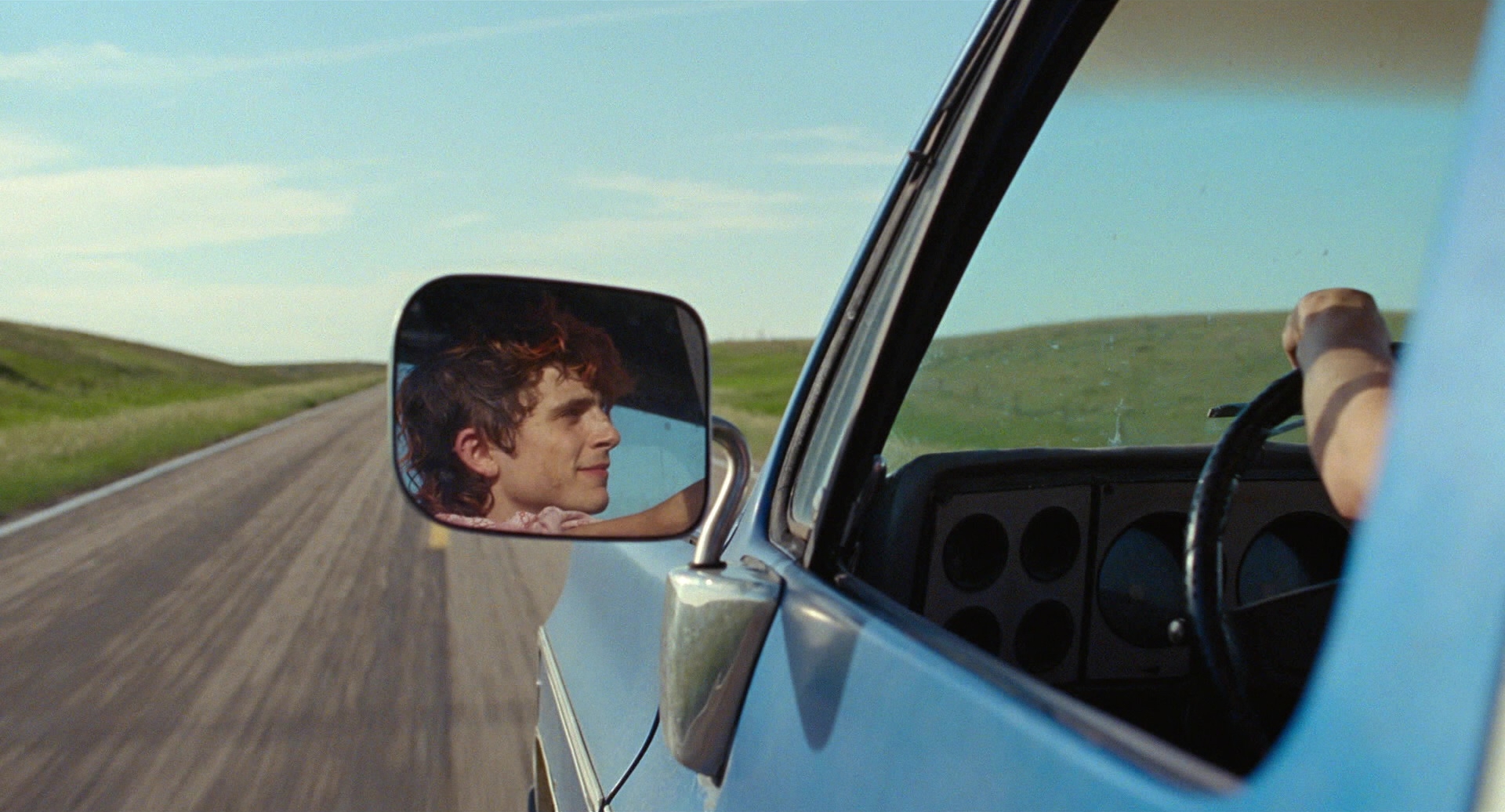
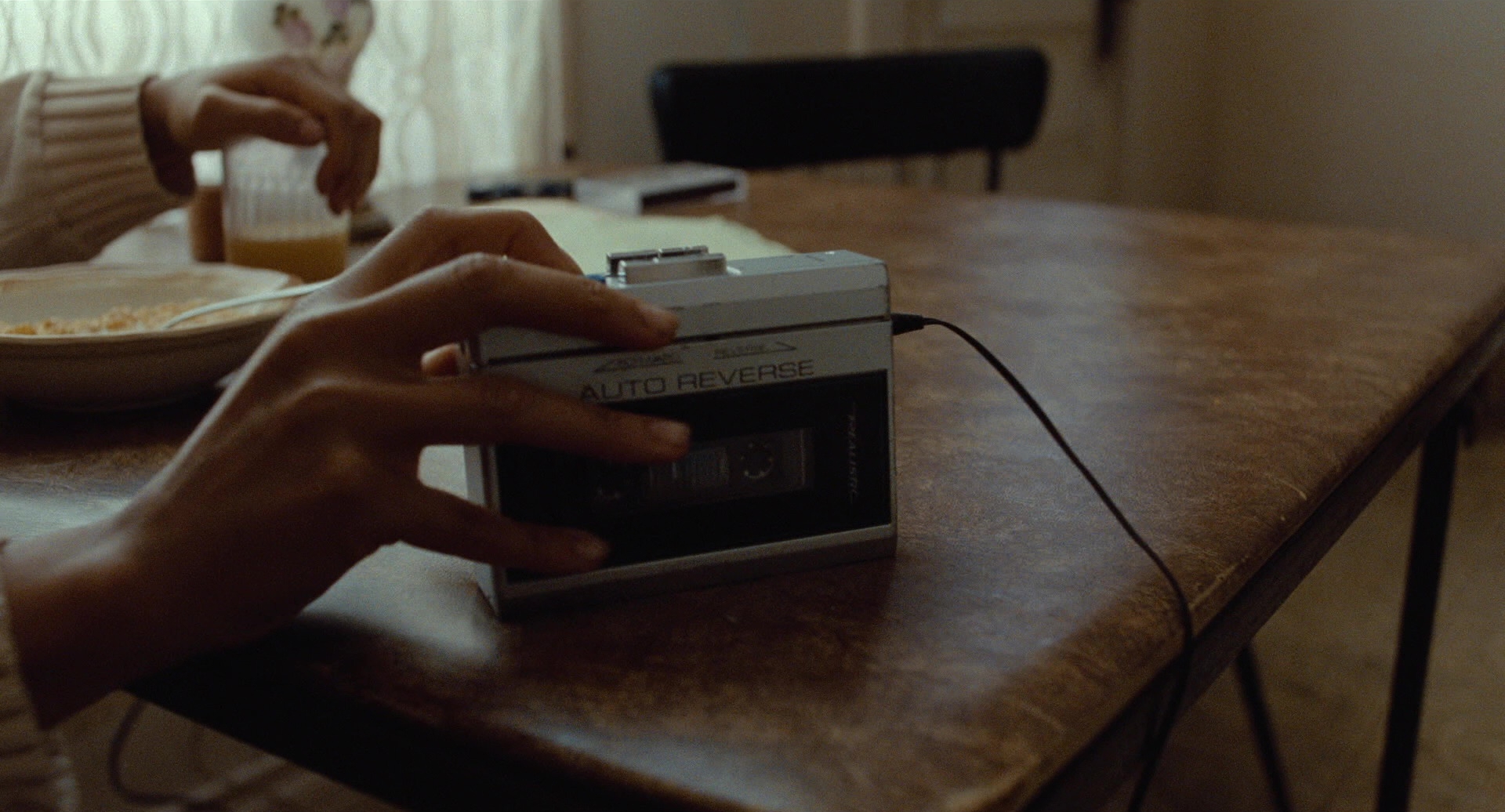
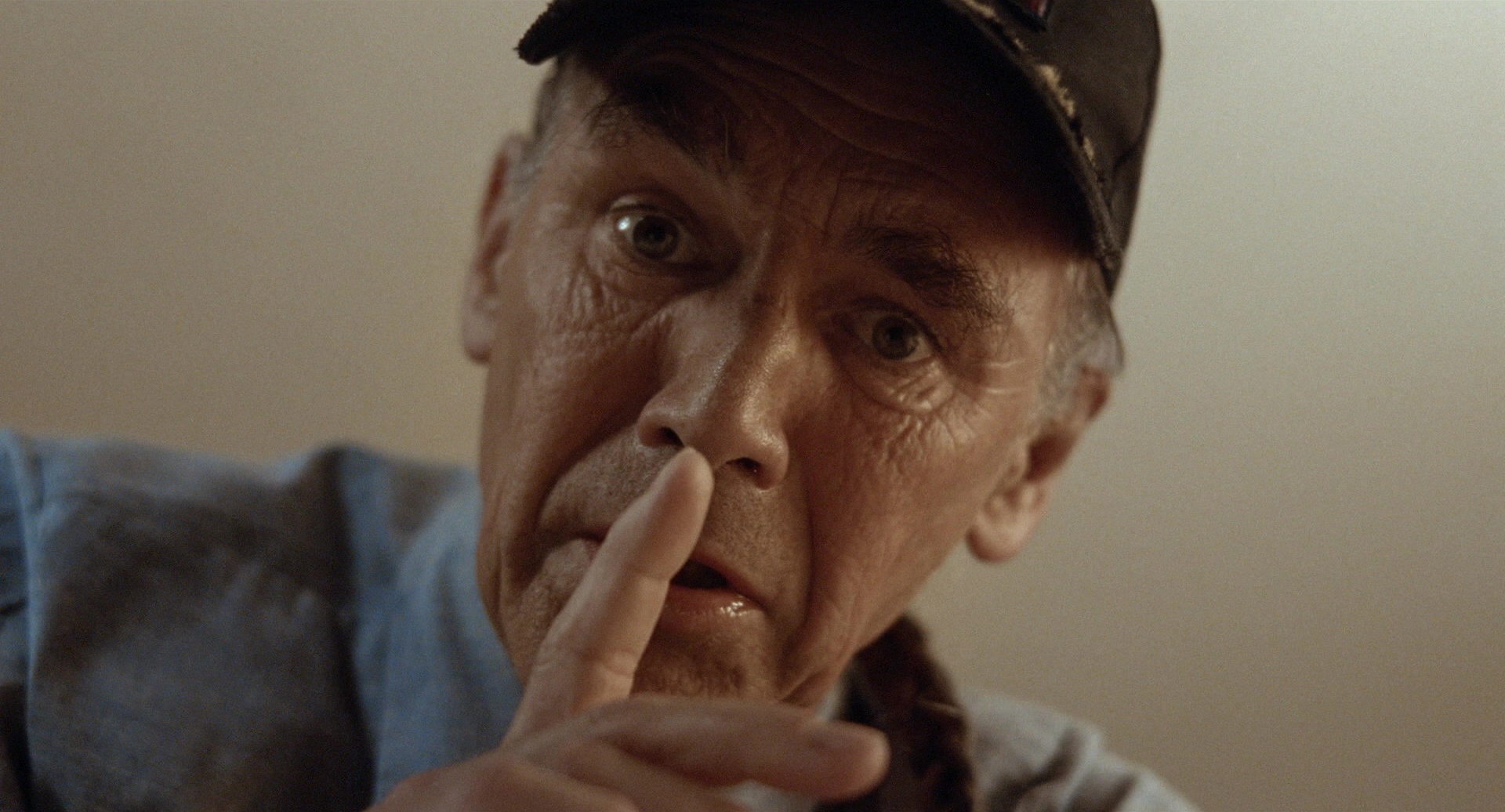
Bones and All (2022)
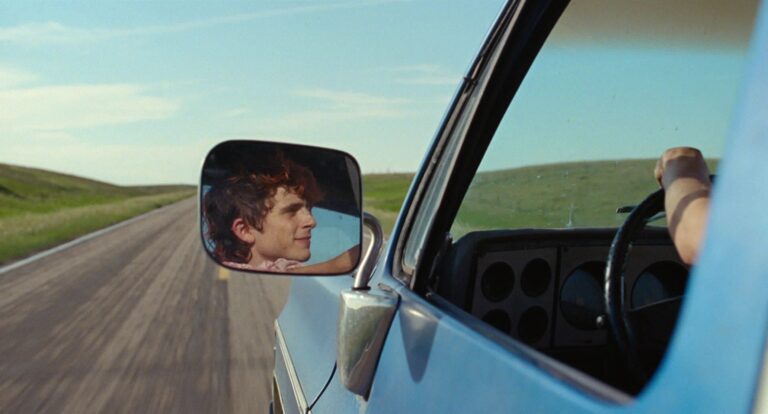
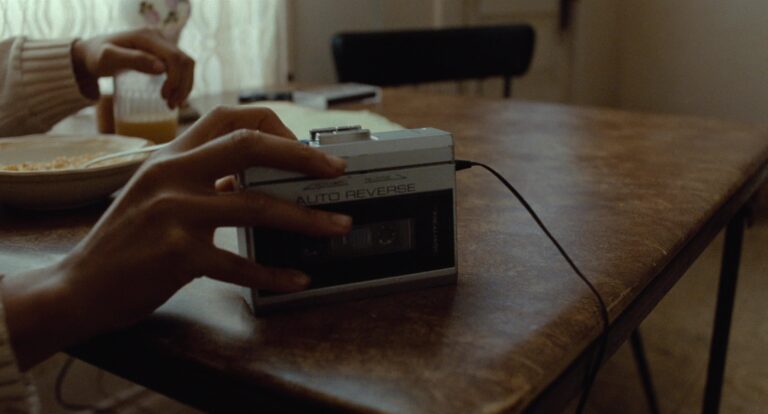
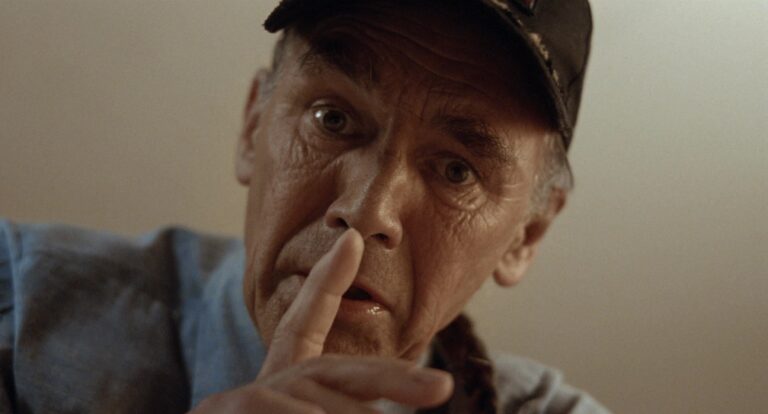
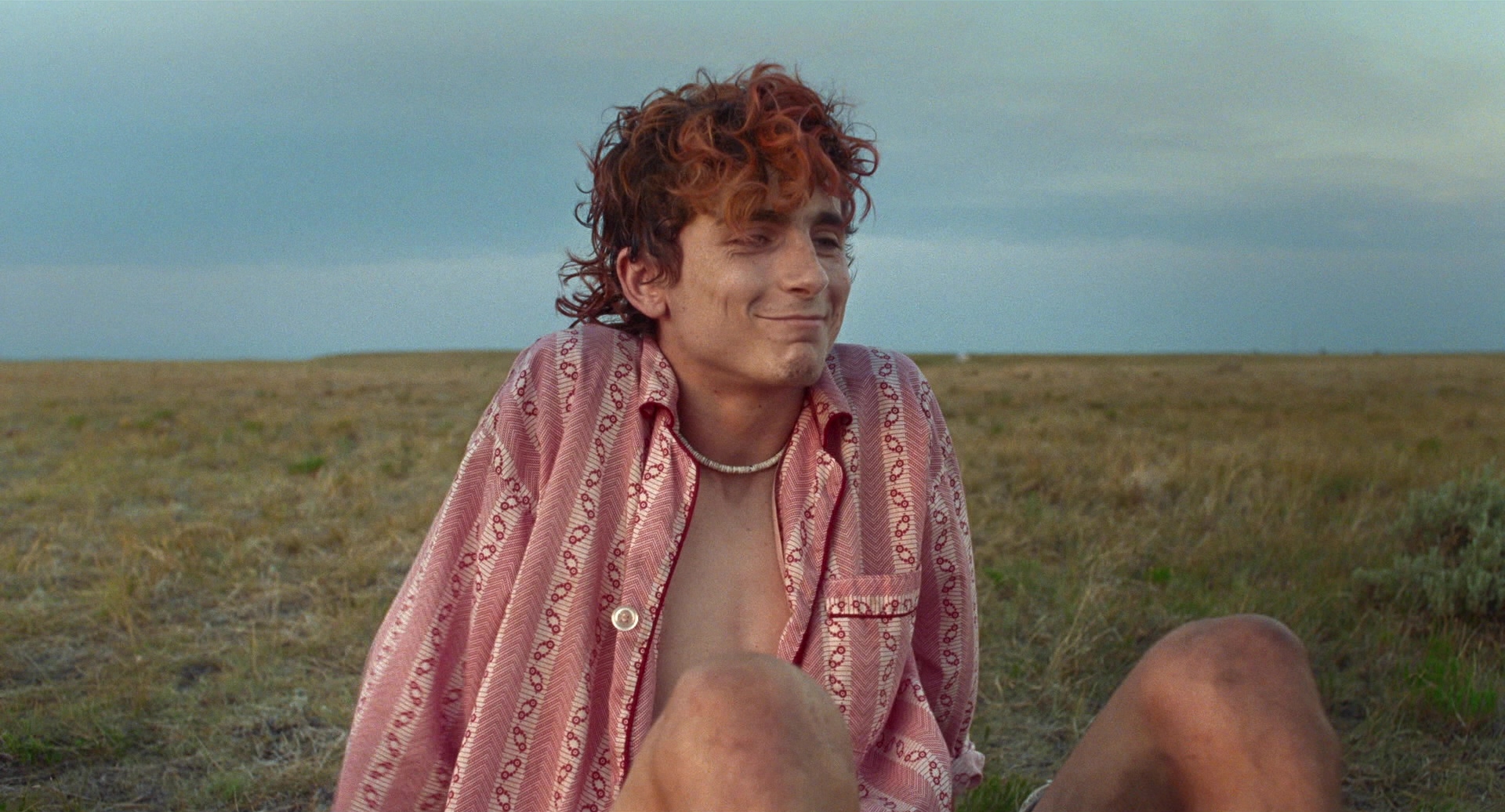
A young woman named Maren, struggling with a violent compulsion, sets out on a journey across America to understand her past and find a place where she belongs. Along the way, she meets Lee, a drifter with a similar condition, and the two form a deep, fragile connection. Their road trip becomes both a love story and a search for identity in a world that rejects them.
Guadagnino and cinematographer Arseni Khachaturan shoot Bones and All on 35mm, using natural light and expansive Americana landscapes to ground its story in a tactile, sun-faded realism. The film’s warm, earthy palette and fluid camera contrast its brutality—turning open roads and golden-hour light into something melancholic, where beauty and violence coexist in the same frame.
FILM SPOTLIGHT
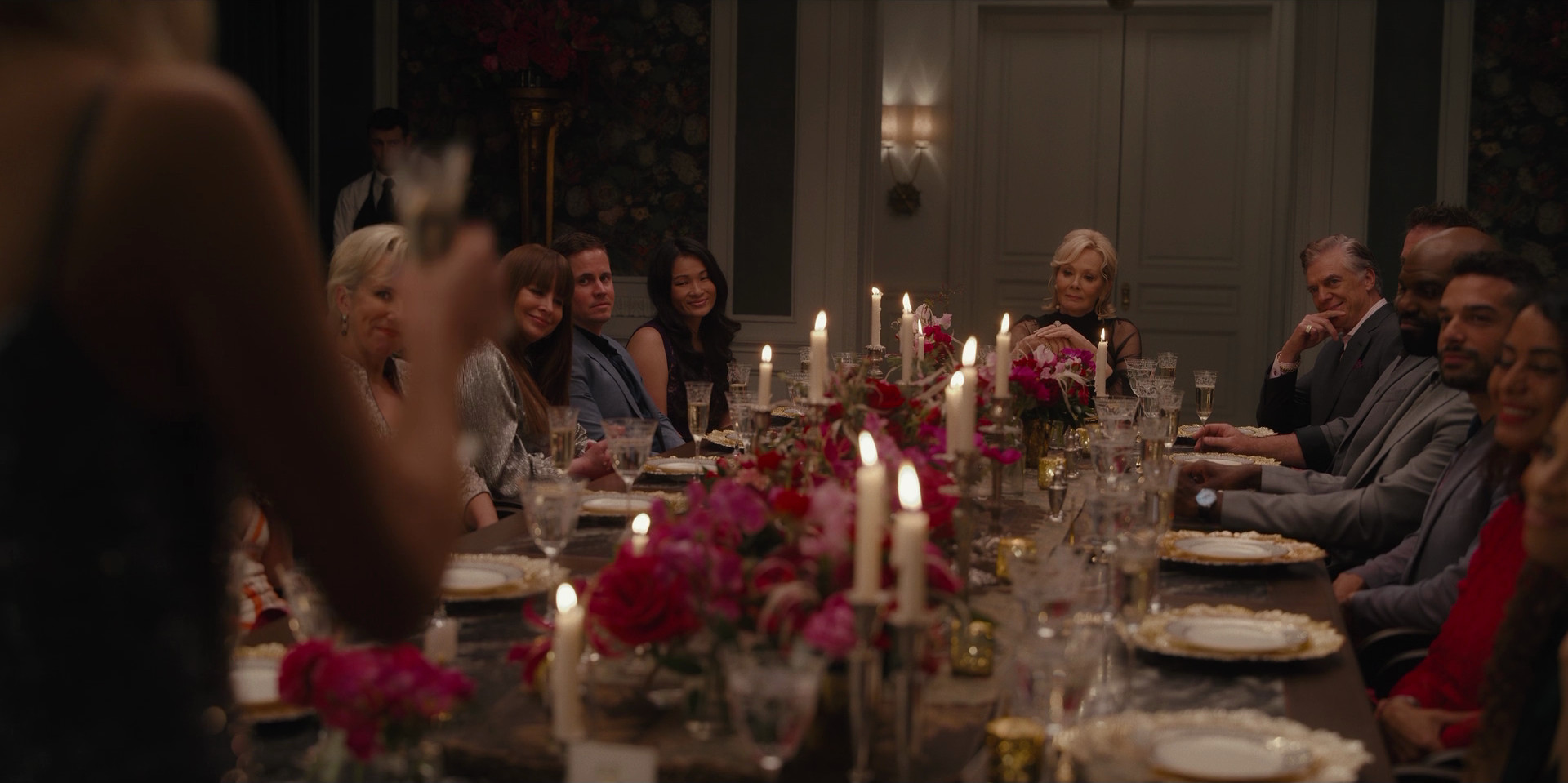
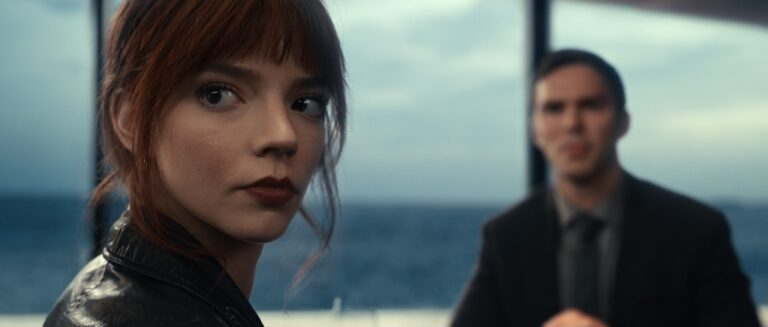
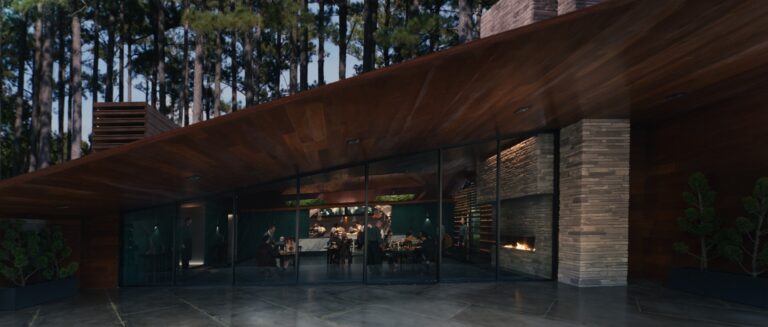
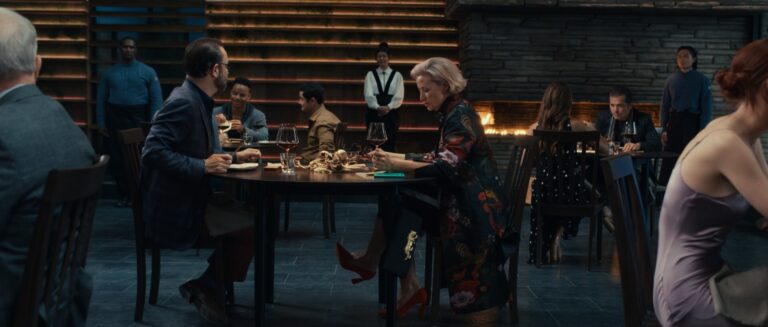
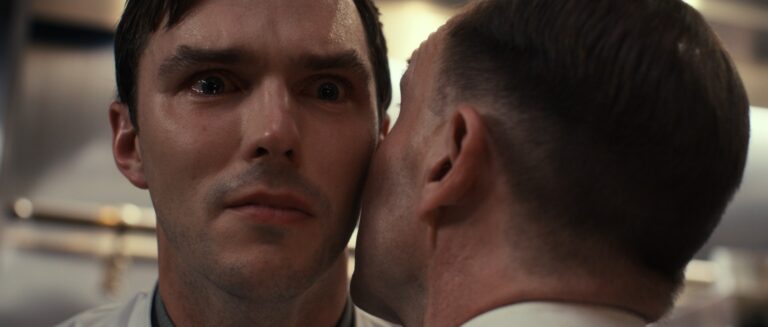
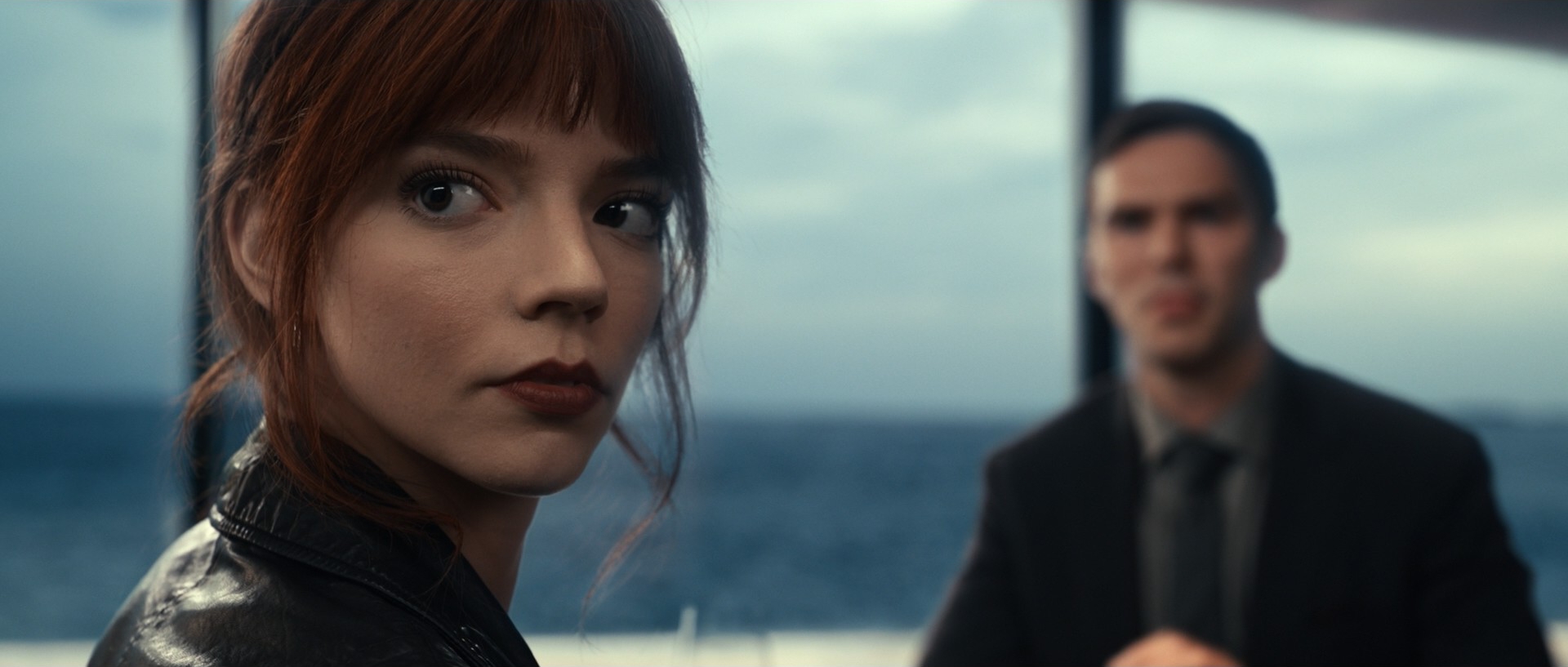
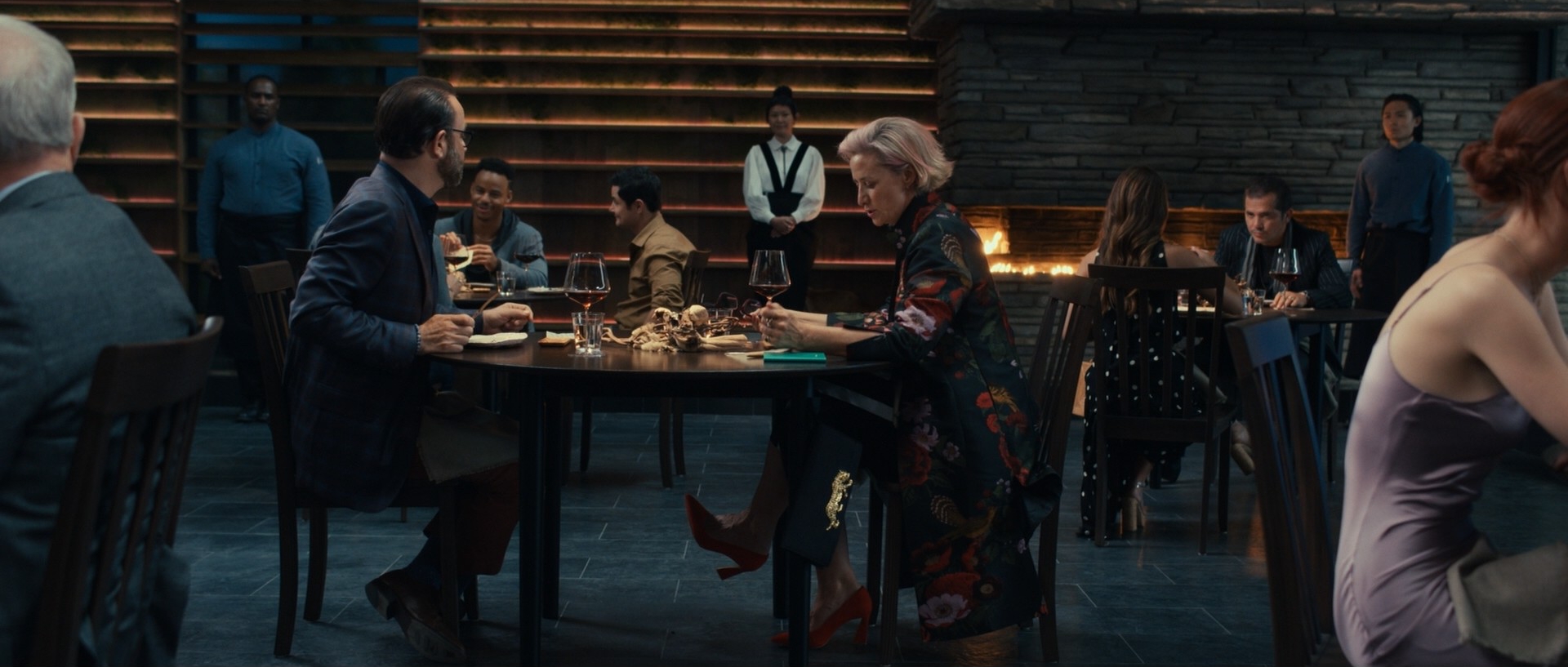
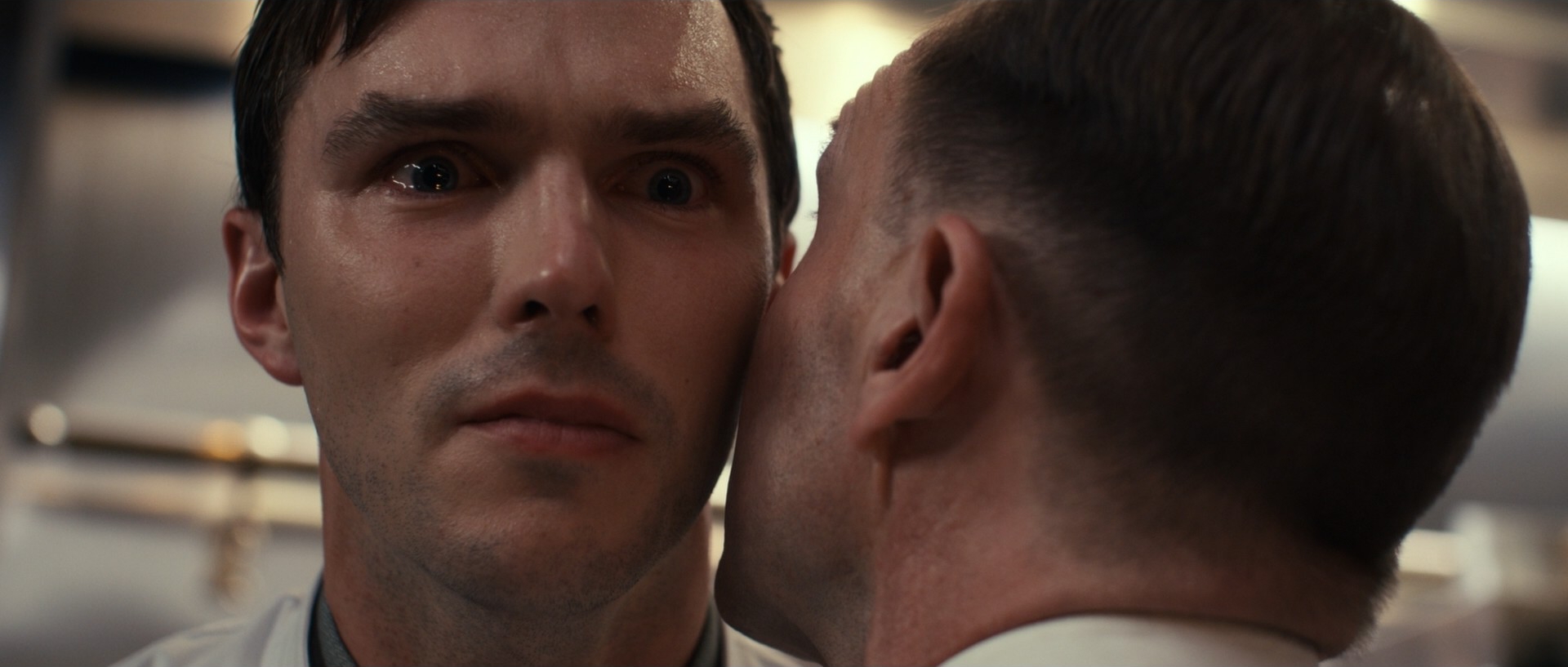
The Menu (2022)
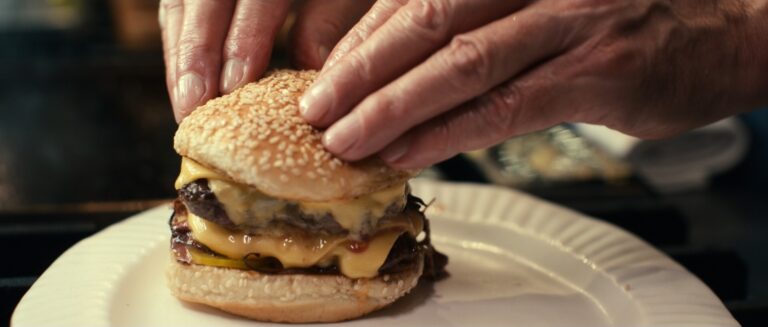
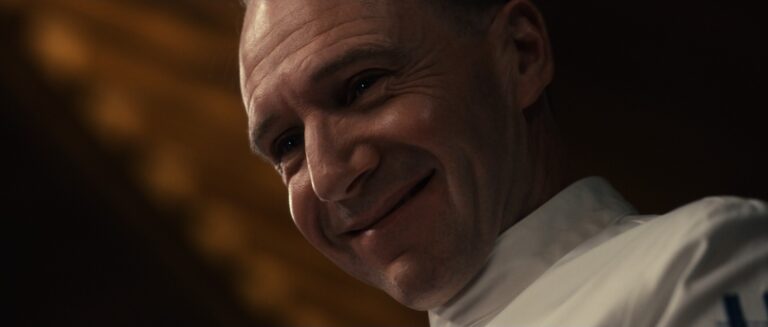
A young couple travels to a remote island to dine at an exclusive restaurant run by a renowned and enigmatic chef. As the evening unfolds, the meticulously curated tasting menu begins to take a dark and unexpected turn, revealing hidden intentions behind each course. What starts as a luxurious experience becomes a tense and unsettling confrontation between the guests and their host.
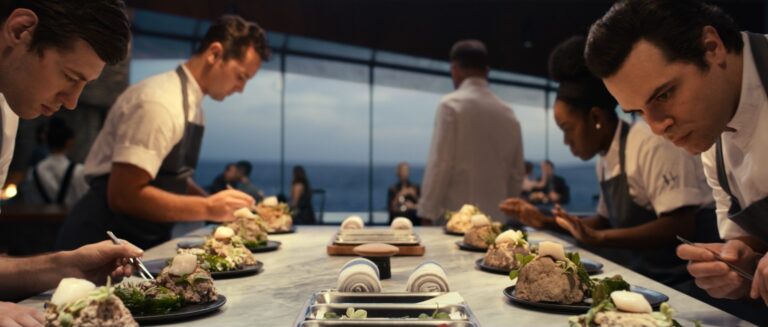
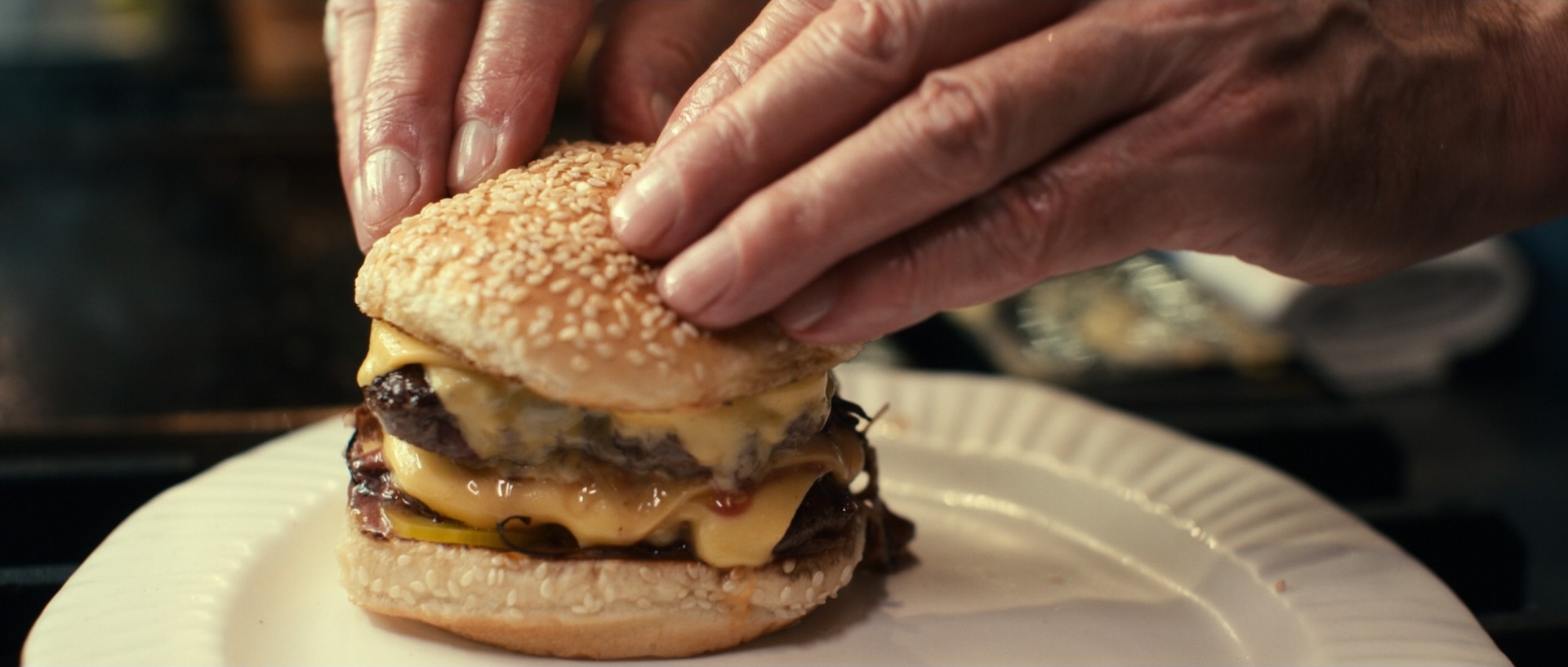
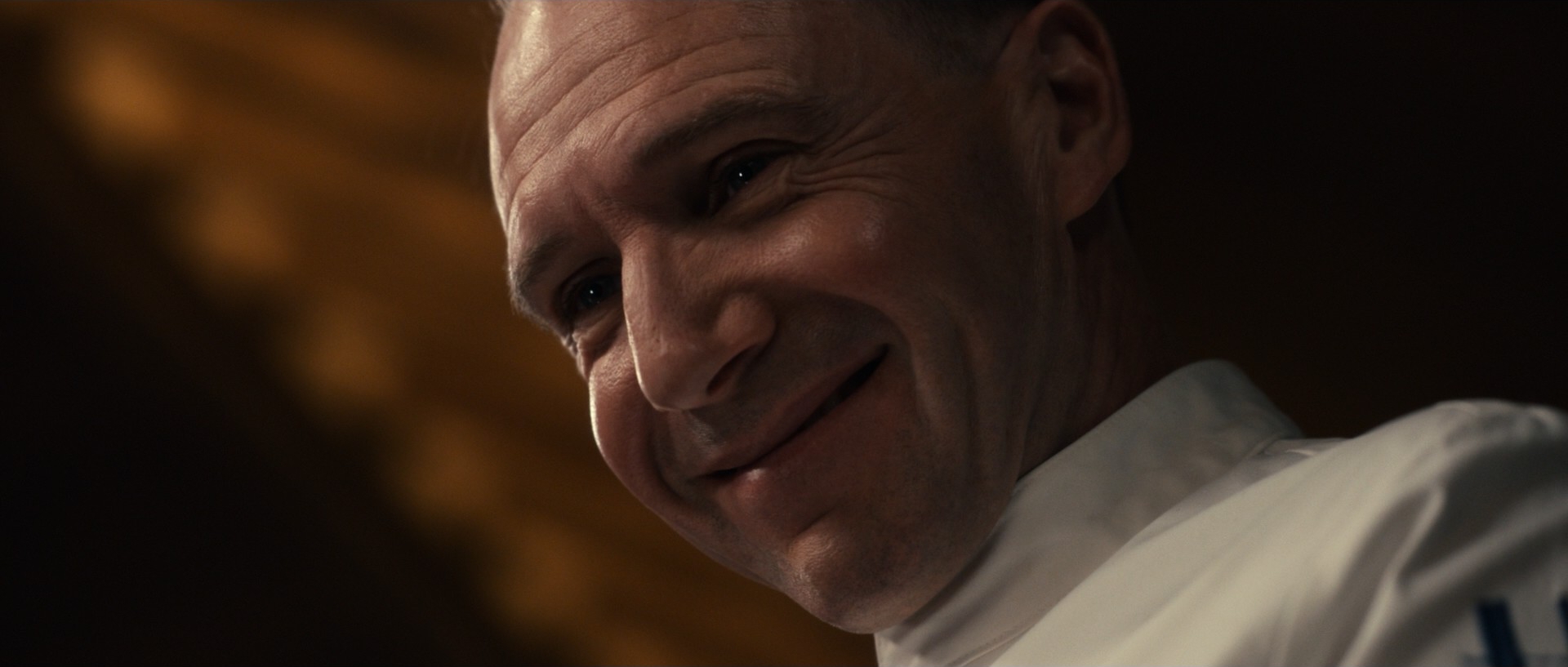
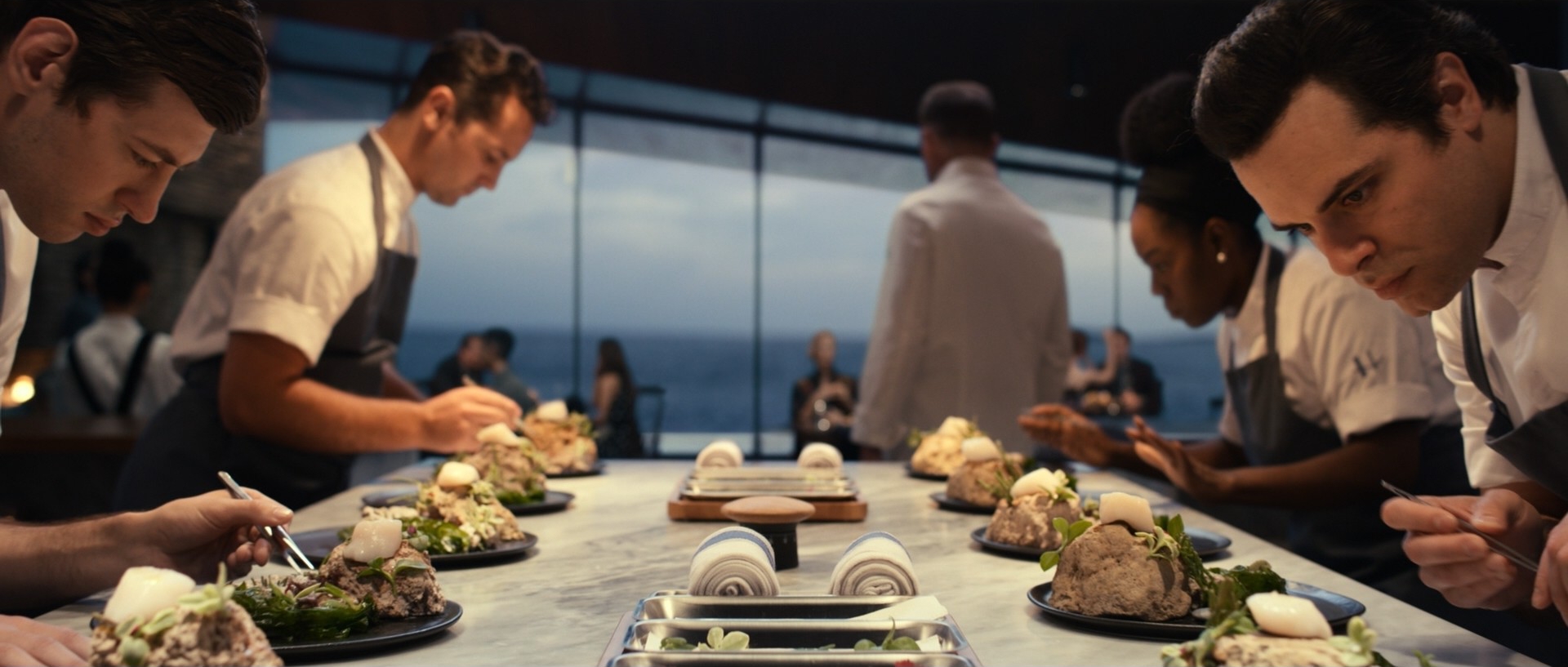
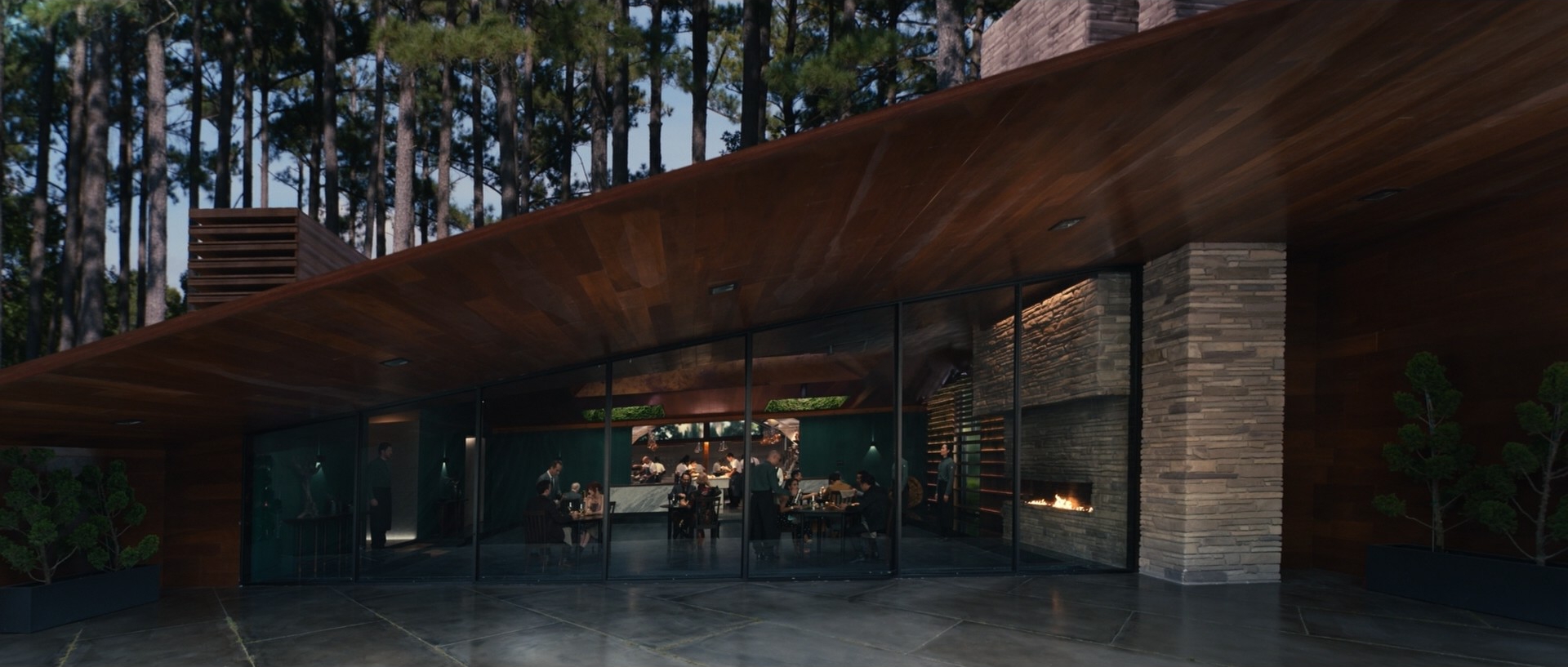
Mylod and cinematographer Peter Deming shoot The Menu with a pristine, almost clinical precision, using symmetrical compositions and controlled lighting to mirror the rigidity of fine dining culture. The film’s slow push-ins, centered framing, and carefully staged tableaus turn each course into a visual set piece—blending culinary presentation with psychological tension.




FILM SPOTLIGHT
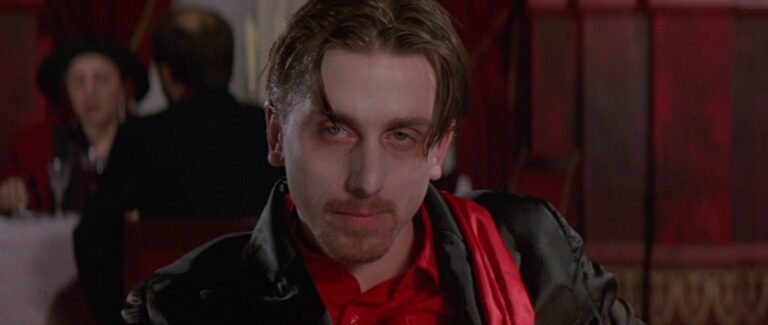
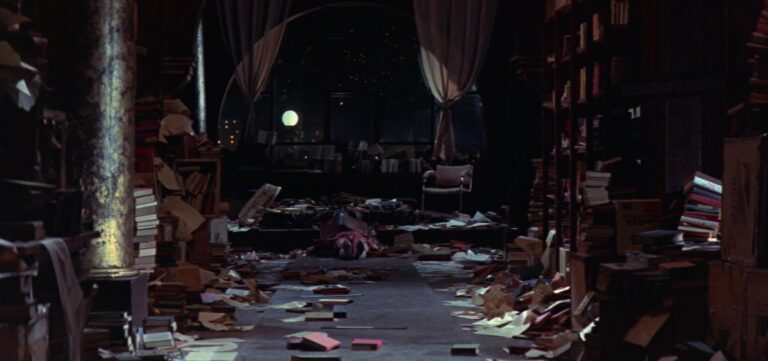
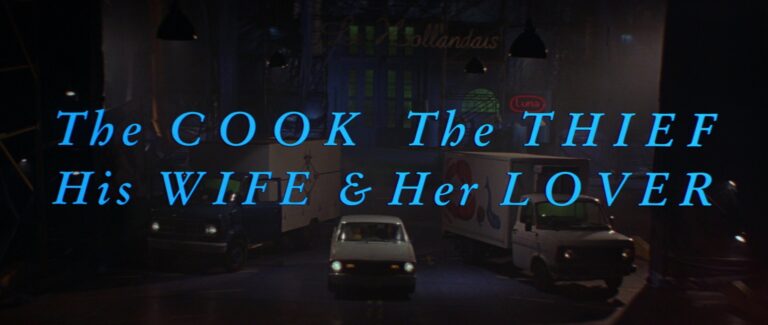
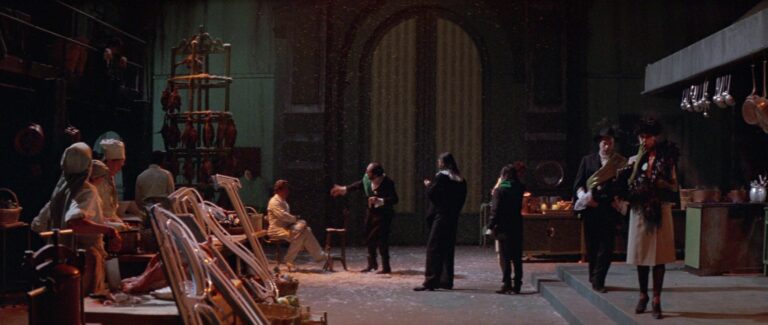
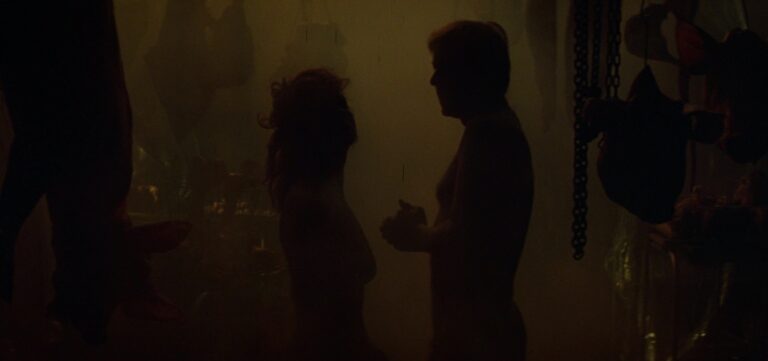
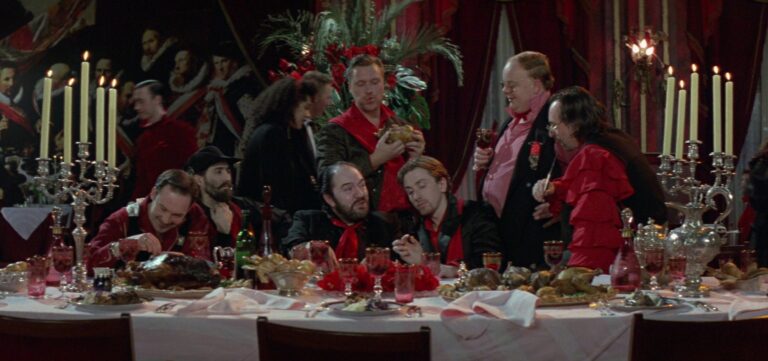
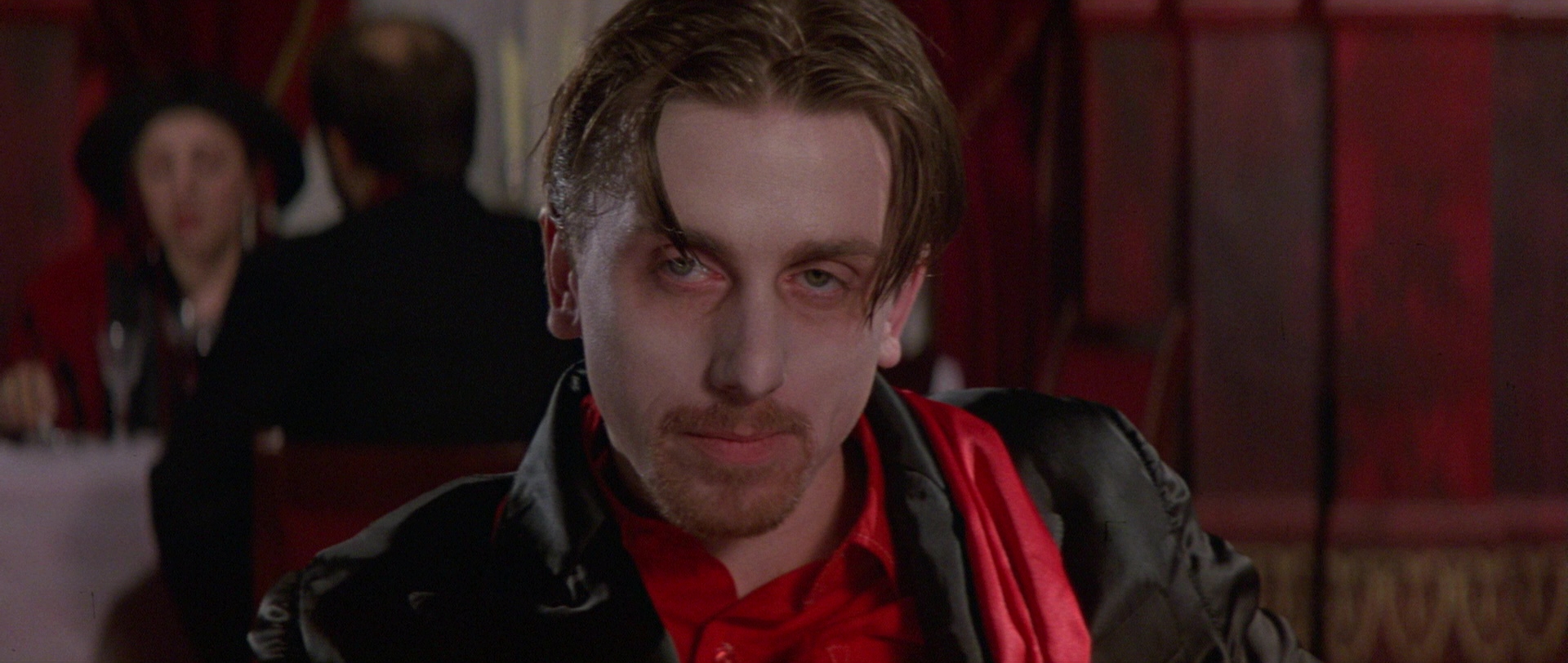
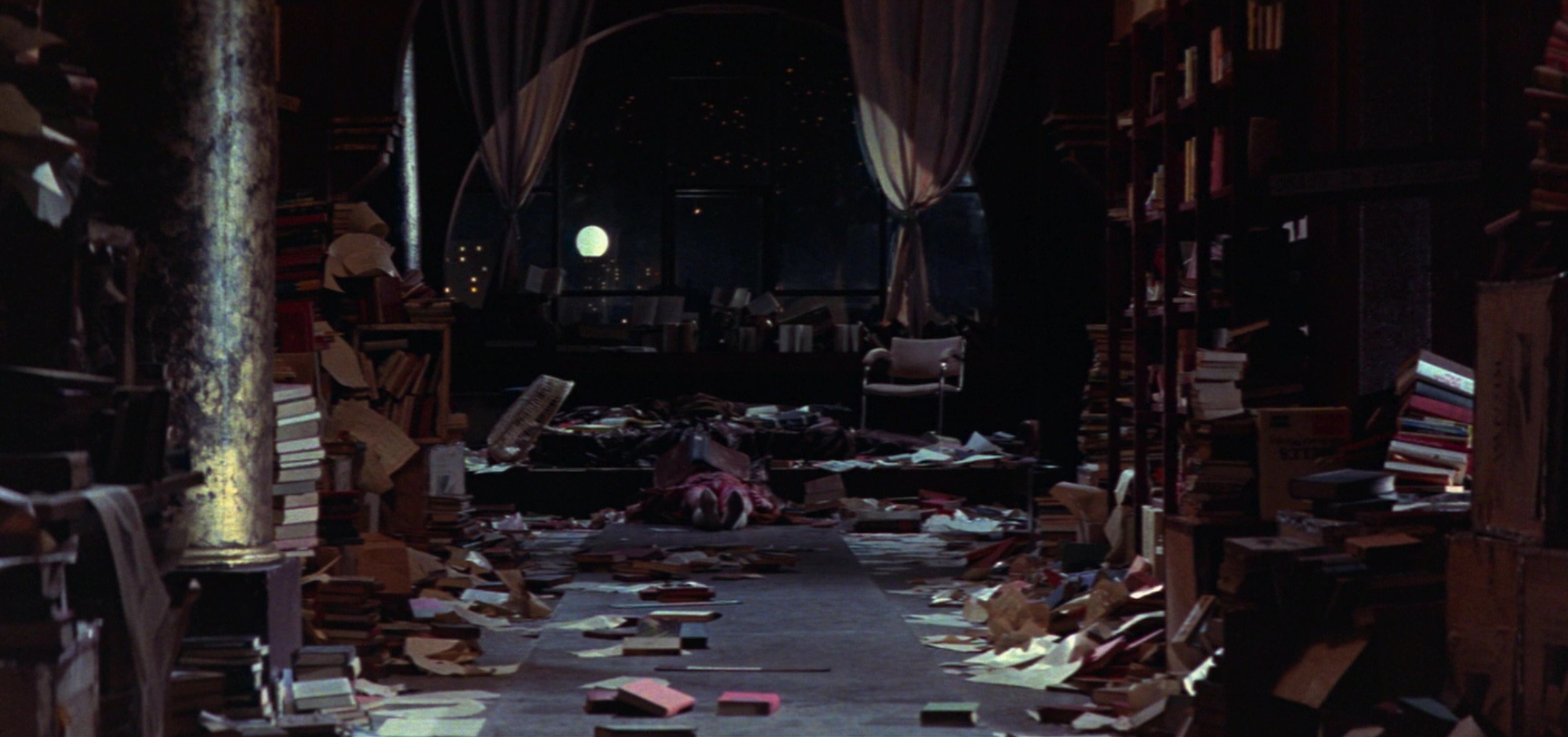
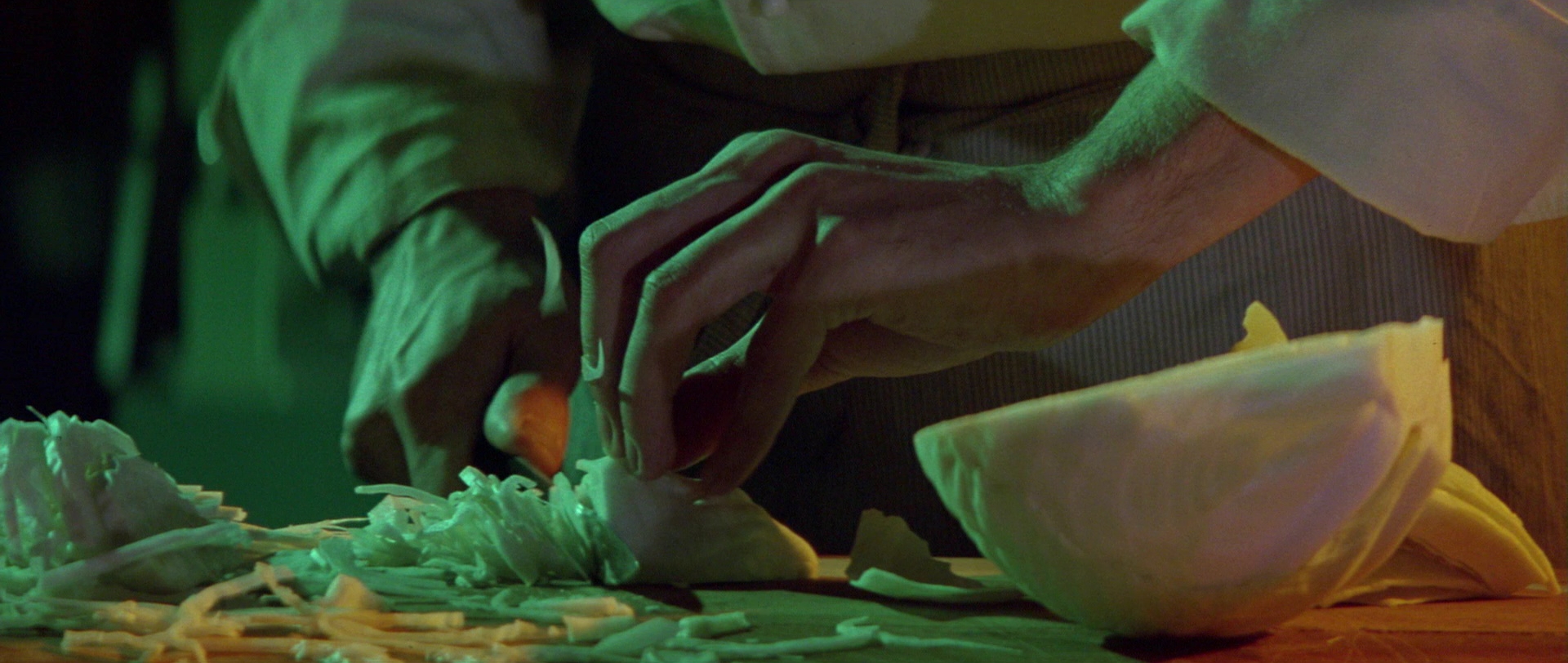
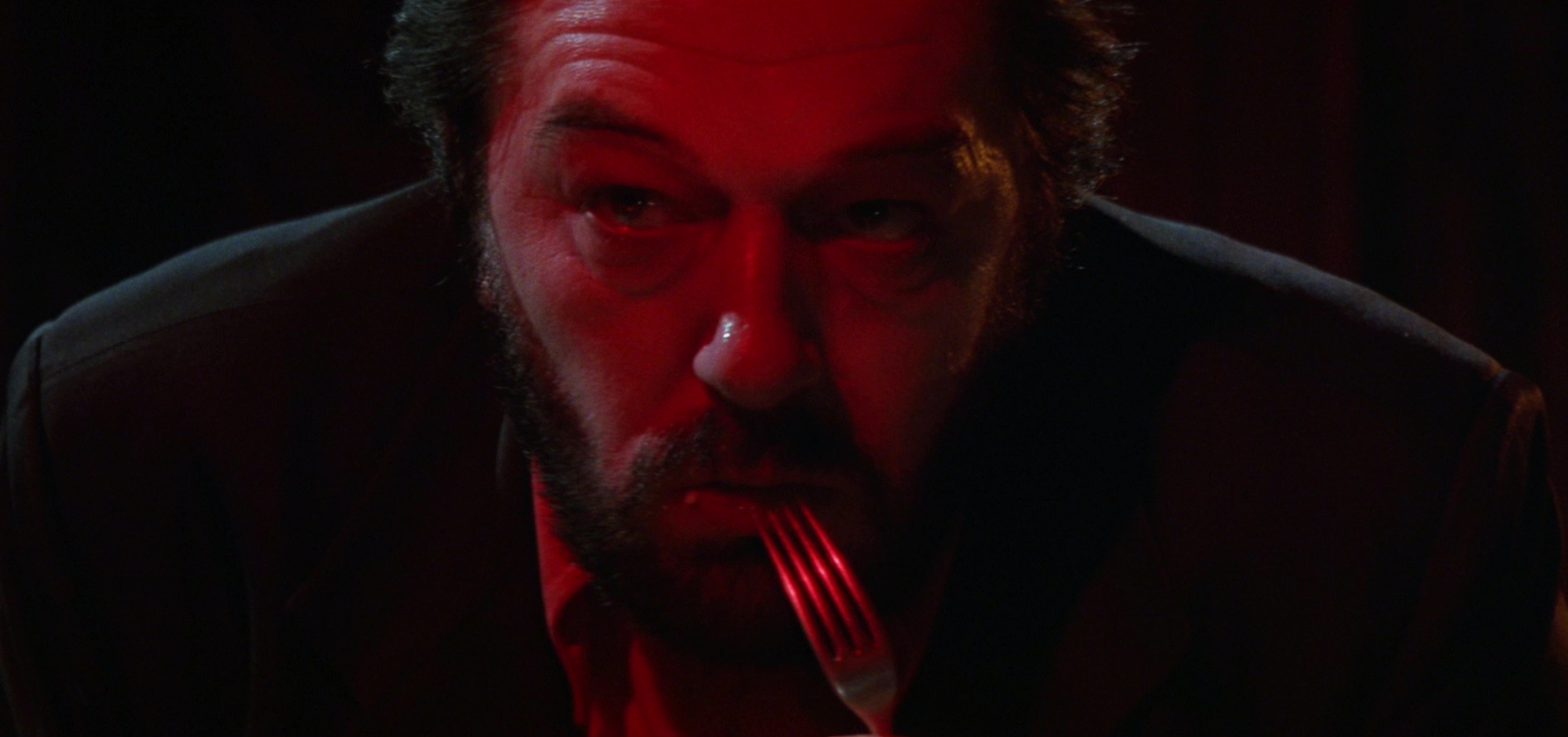
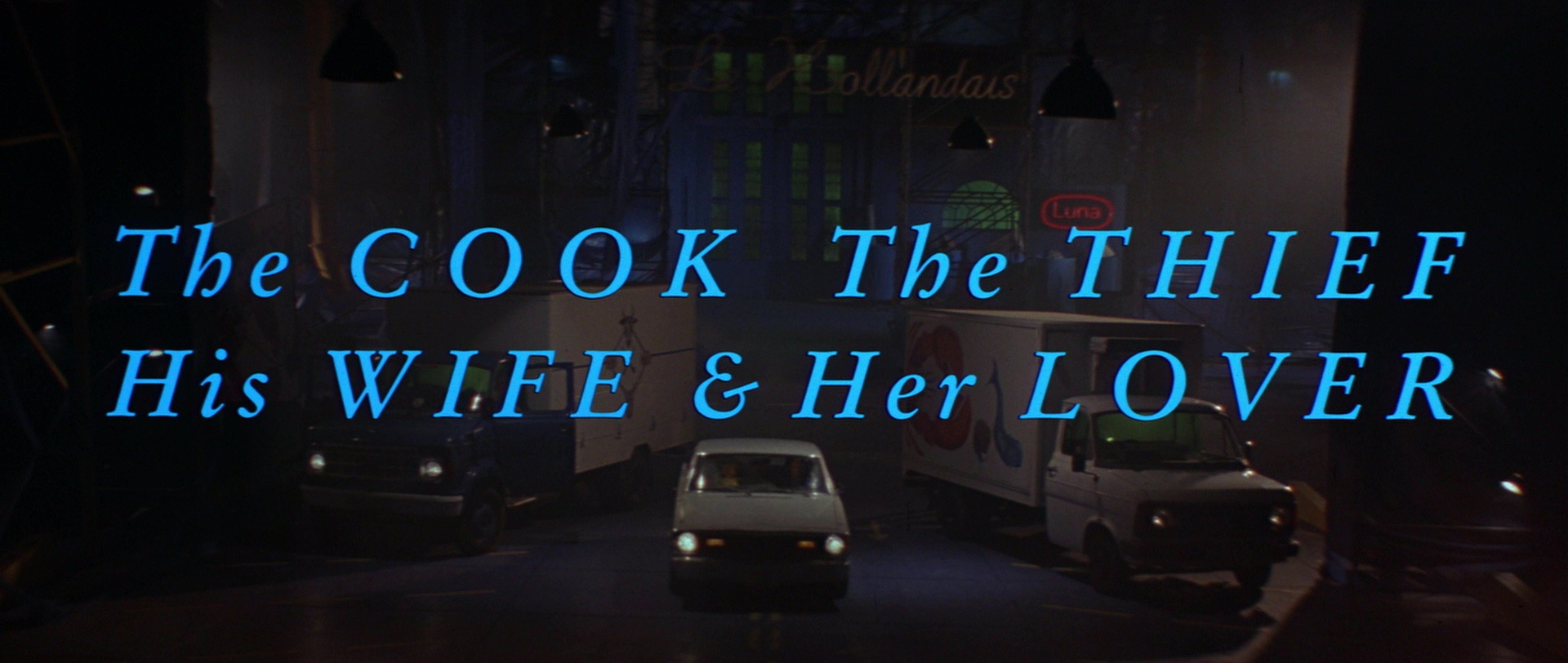
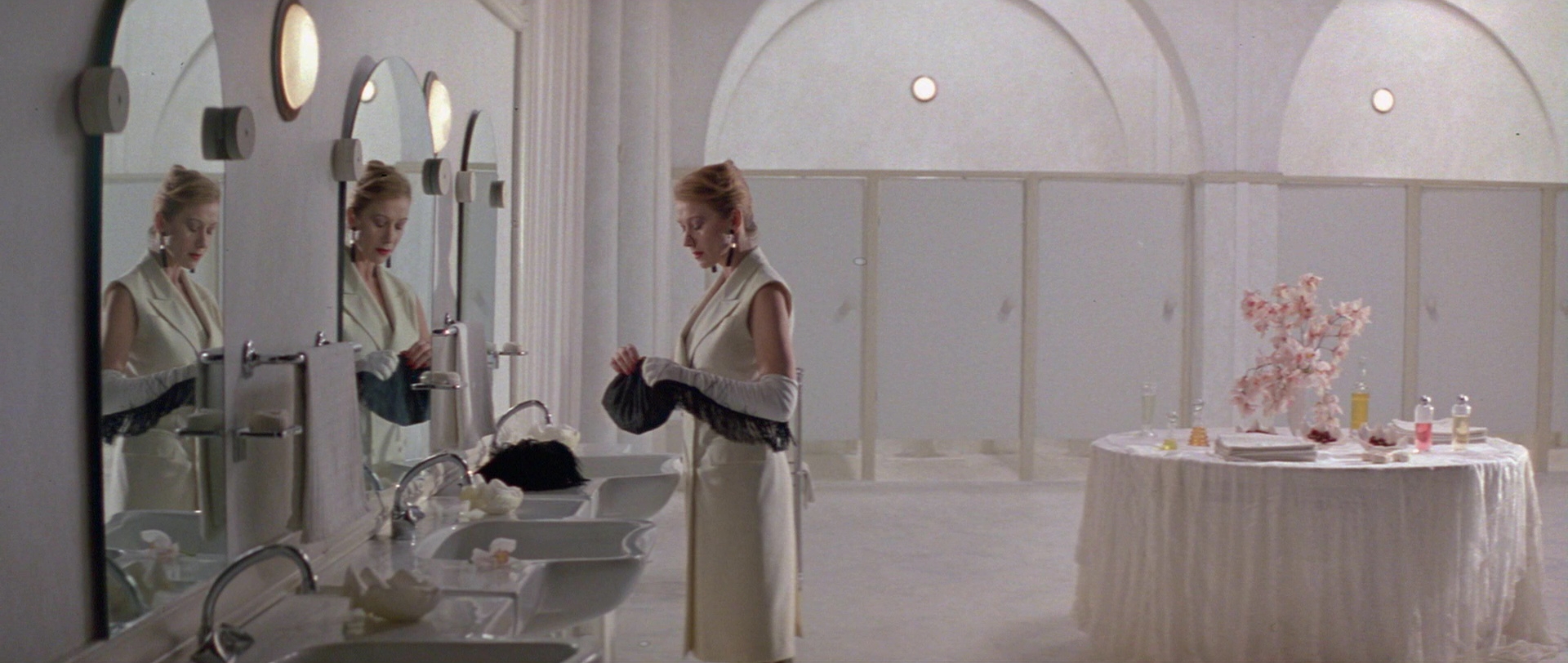
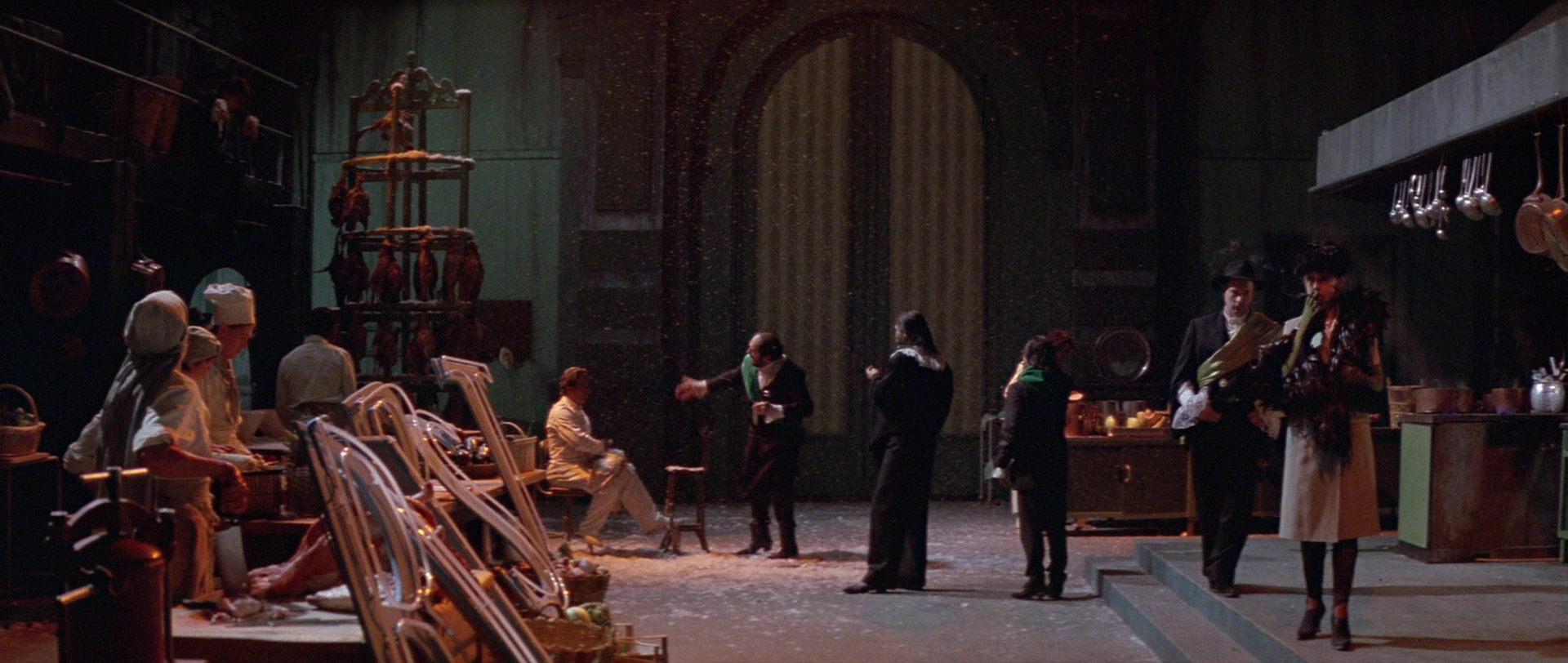
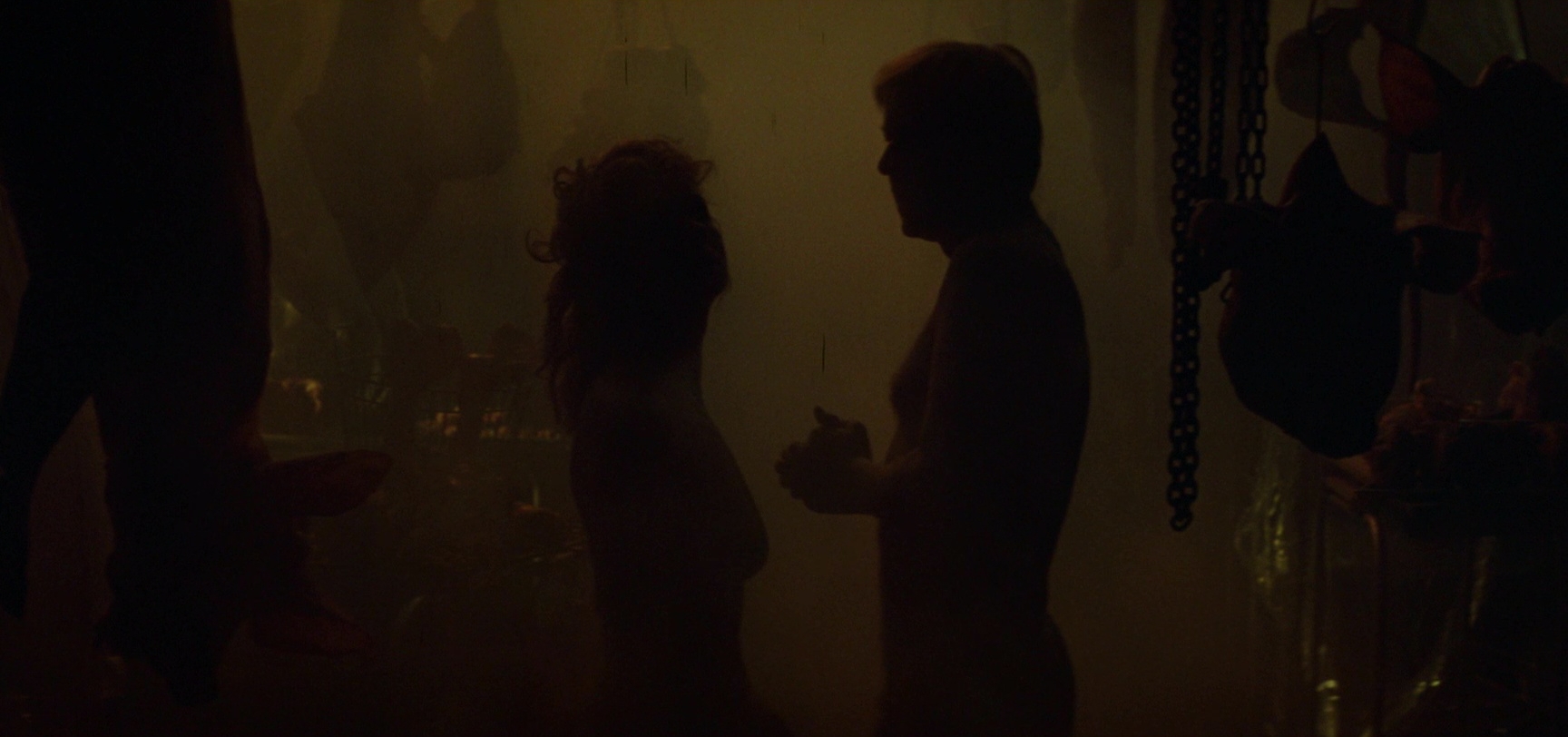
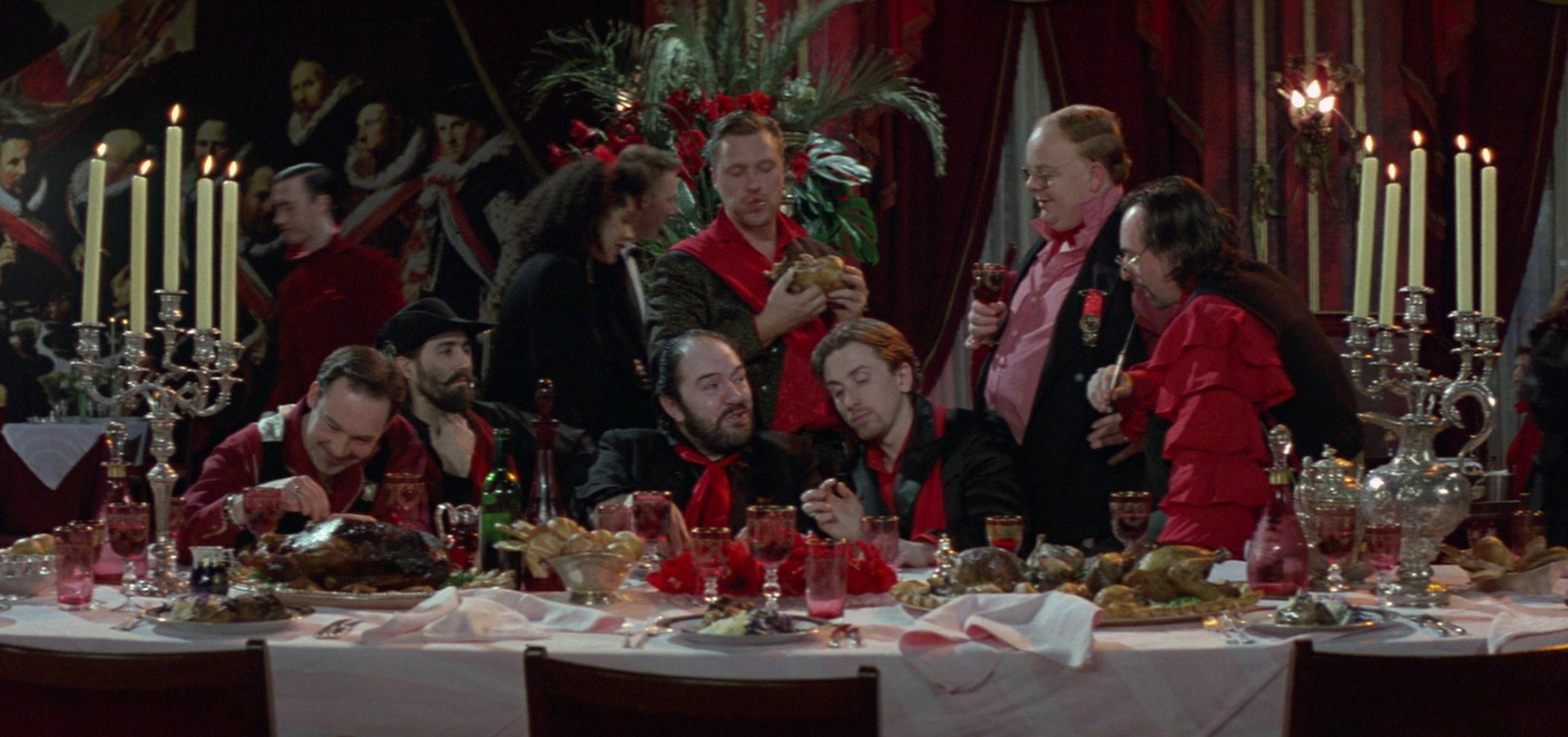
The Cook, The Thief, His Wife & Her Lover (1989)
Set almost entirely within an opulent restaurant, the film follows a brutal gangster who dines there nightly with his wife and entourage, indulging in excess and cruelty. As his wife begins a secret affair with a quiet patron, their relationship unfolds under the constant threat of discovery. The situation escalates into a dark and grotesque tale of revenge, power, and transgression.
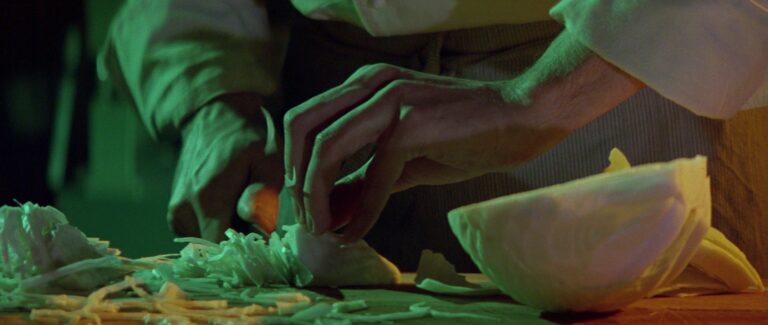
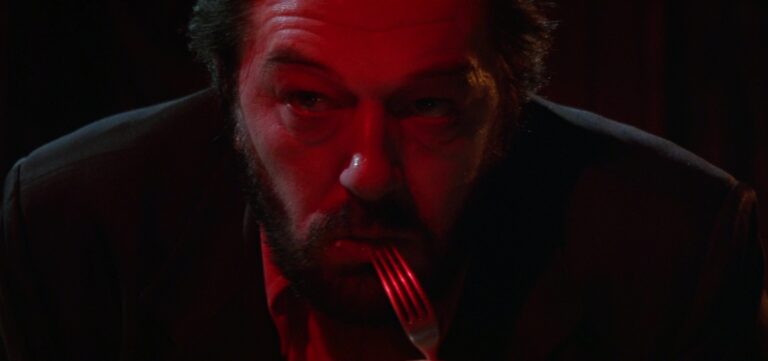
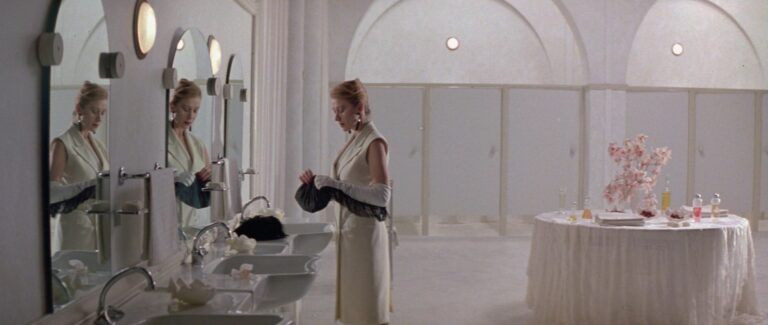
Greenaway and cinematographer Sacha Vierny construct the film as a series of meticulously choreographed tableaux, using long tracking shots and bold, color-coded lighting to define each space—red dining rooms, green kitchens, white bathrooms. Costumes shift color as characters move between rooms, turning production design and lighting into a rigid visual system—where movement through space becomes the film’s primary storytelling device.
FILM SPOTLIGHT
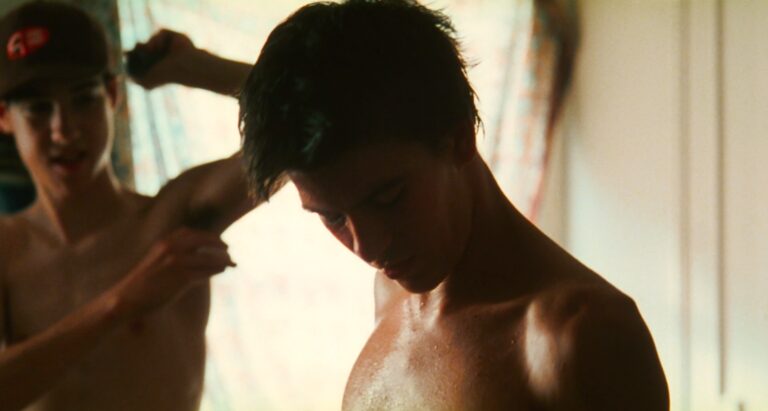
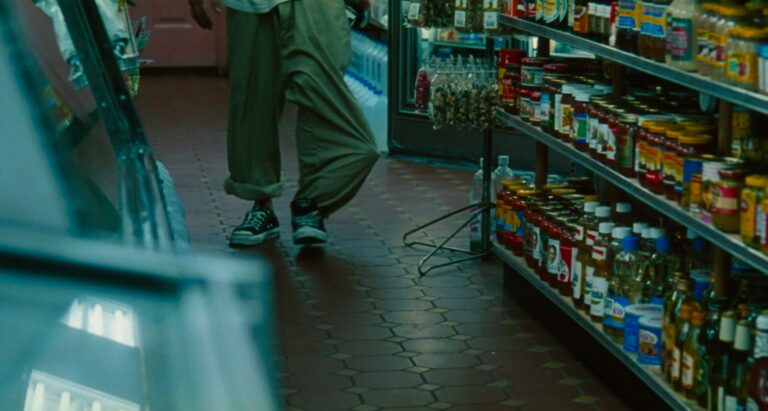
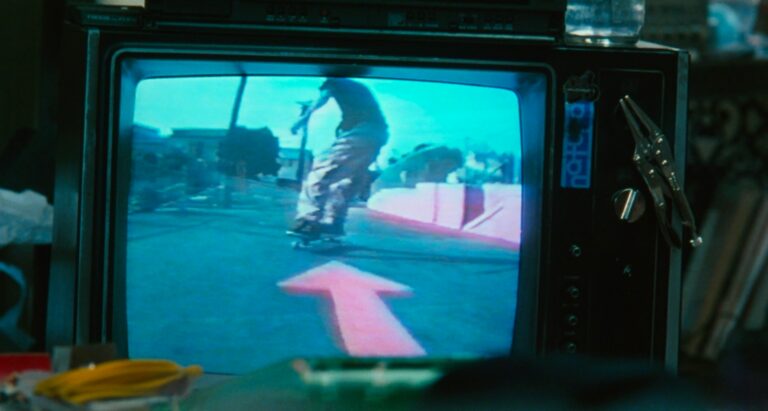
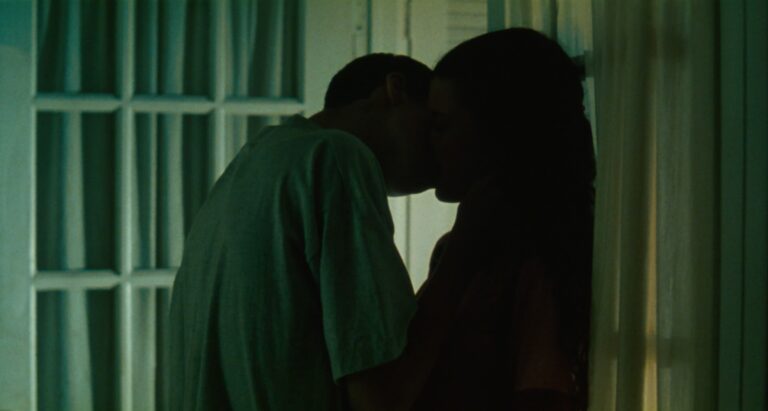
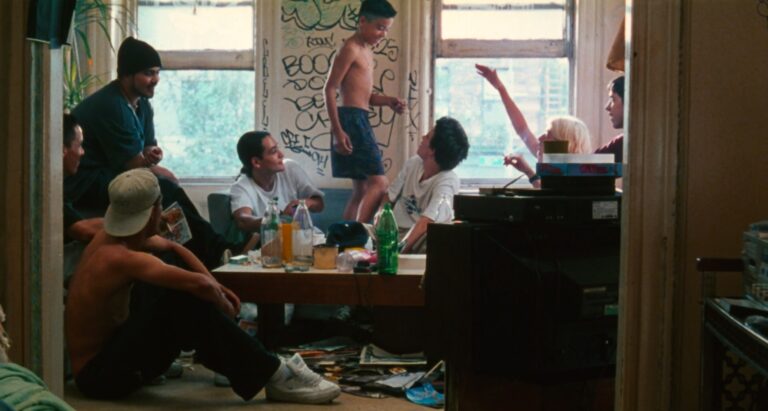
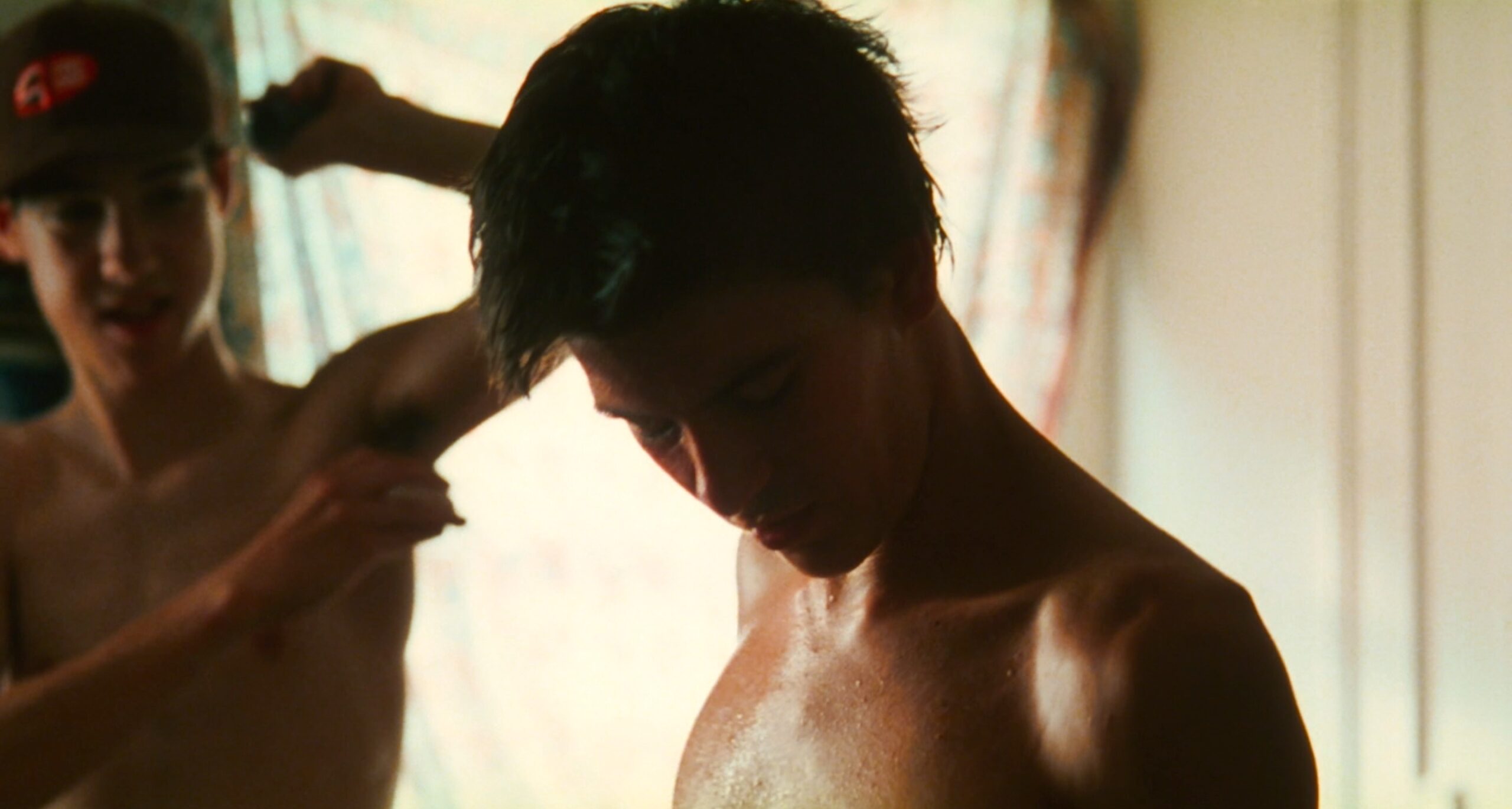
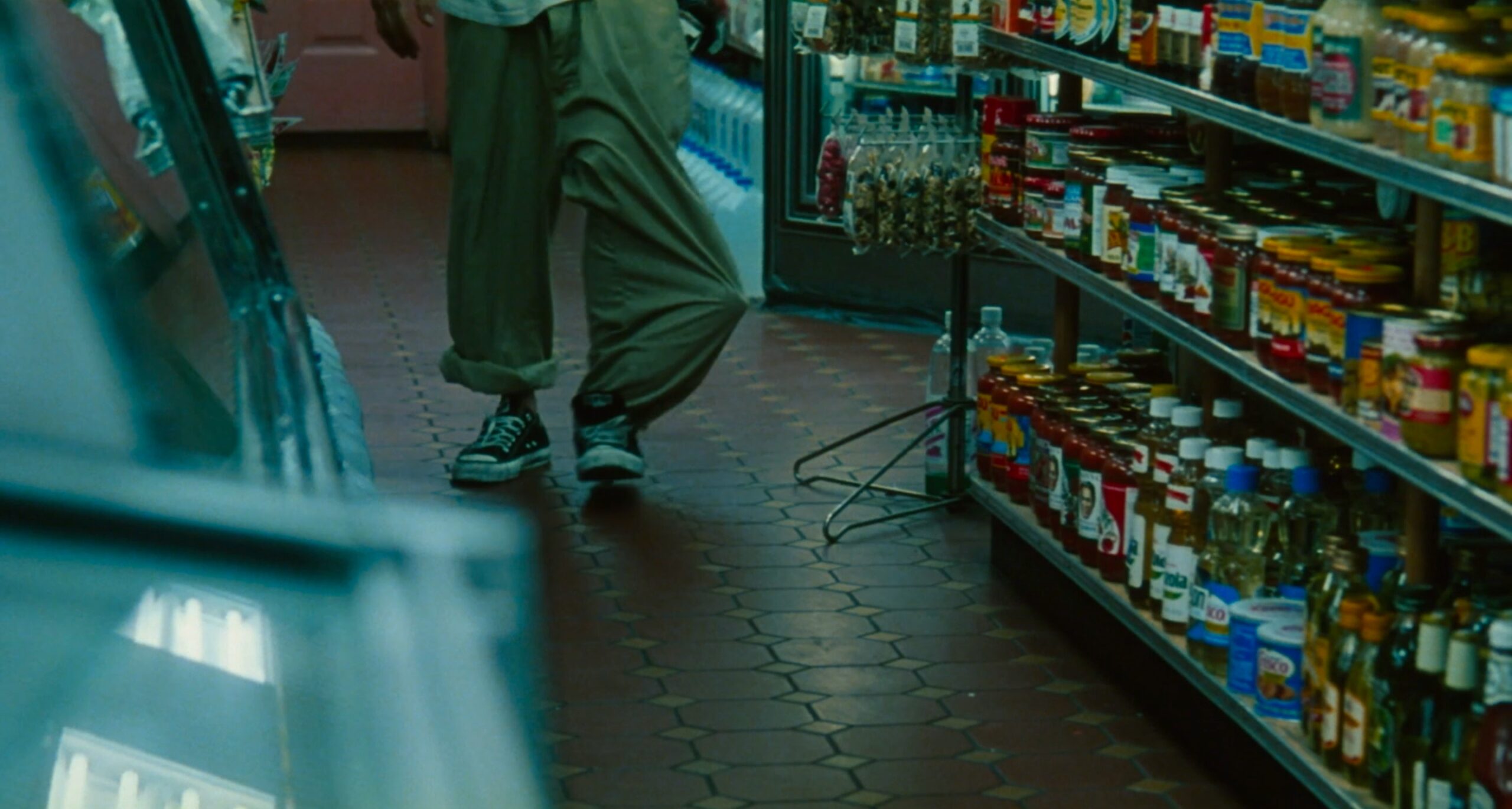
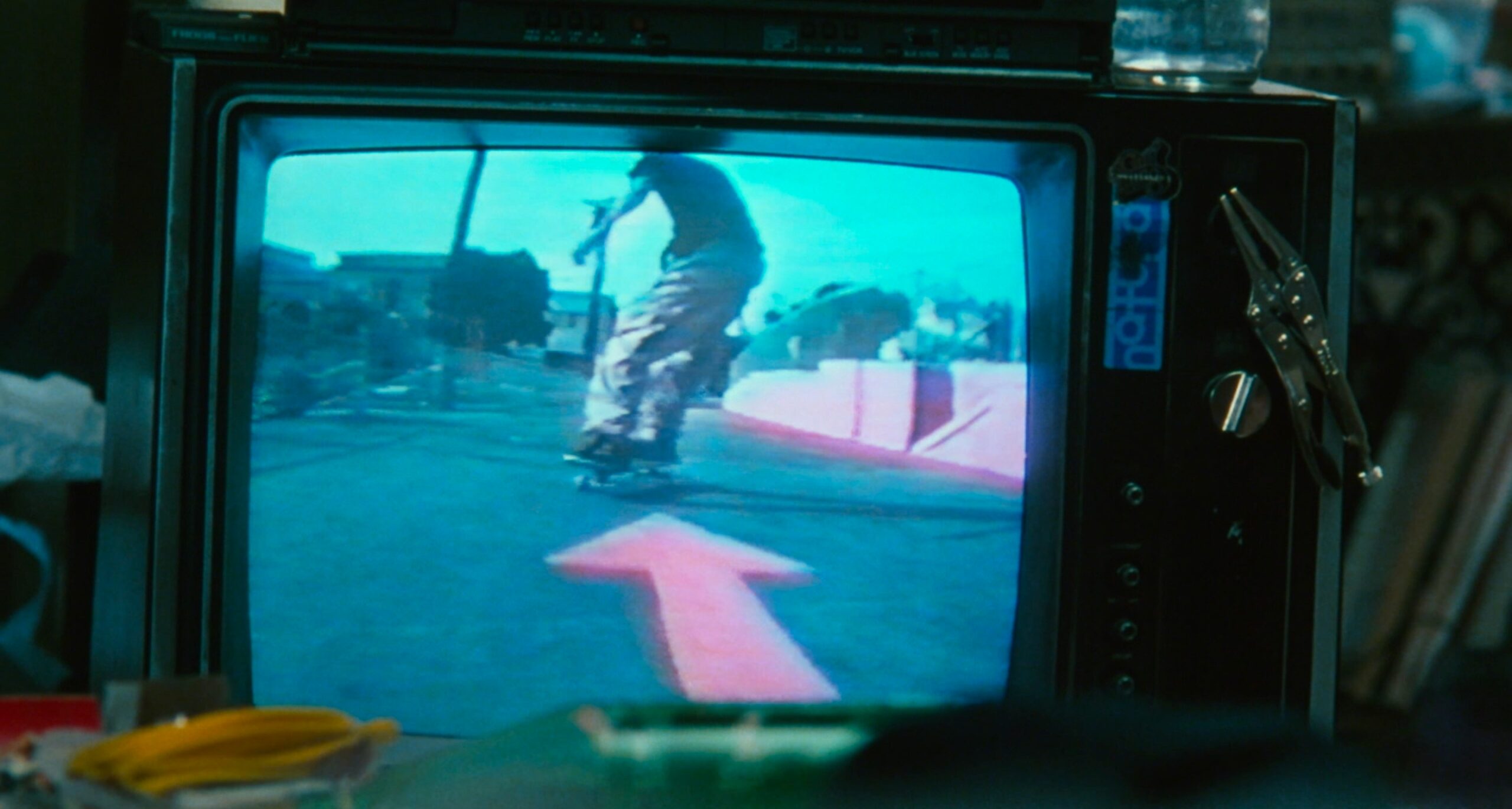
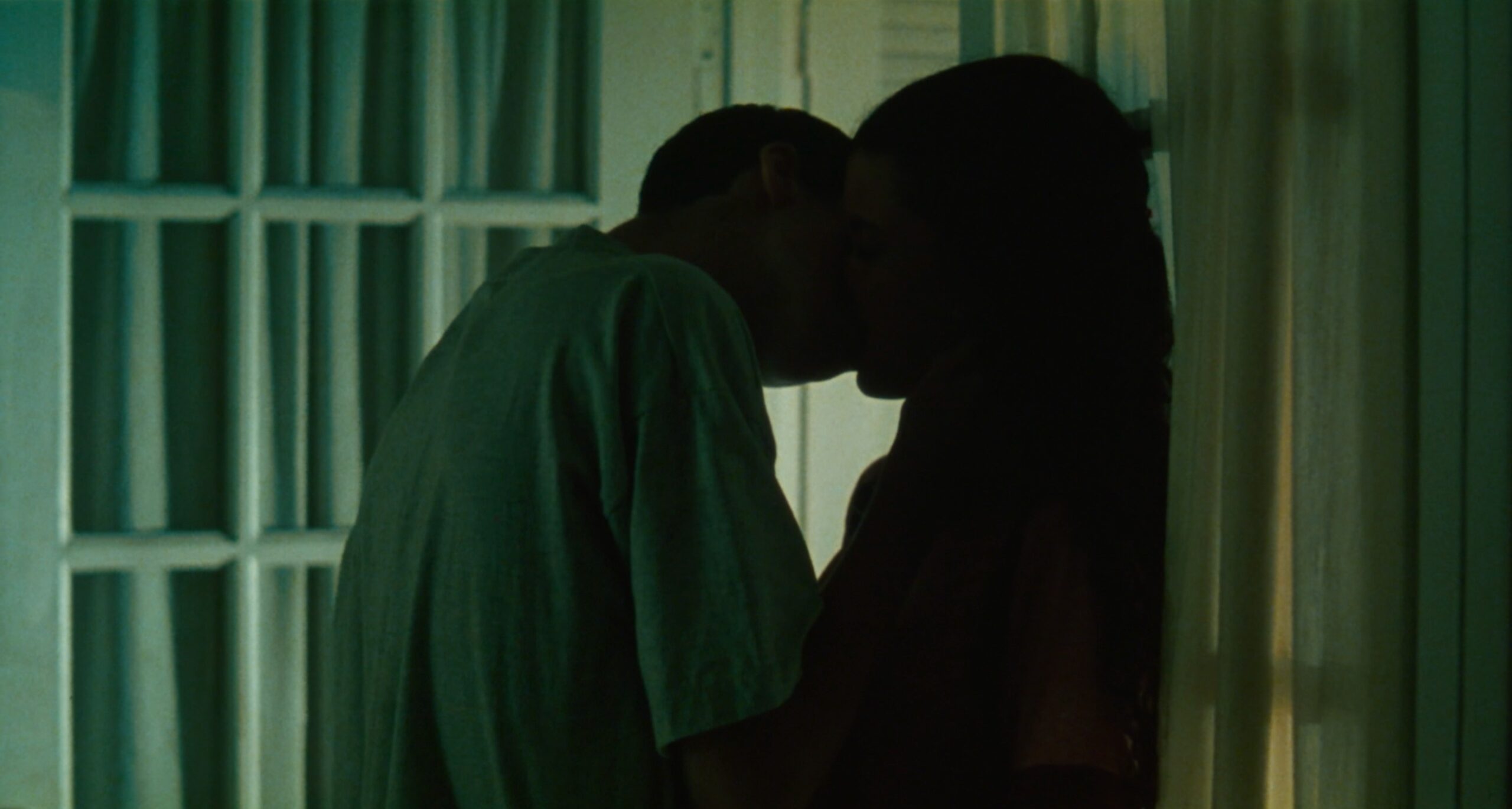
Kids (1995)
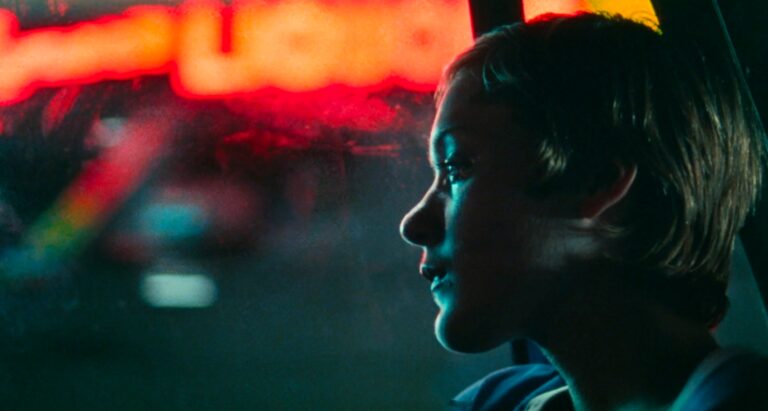
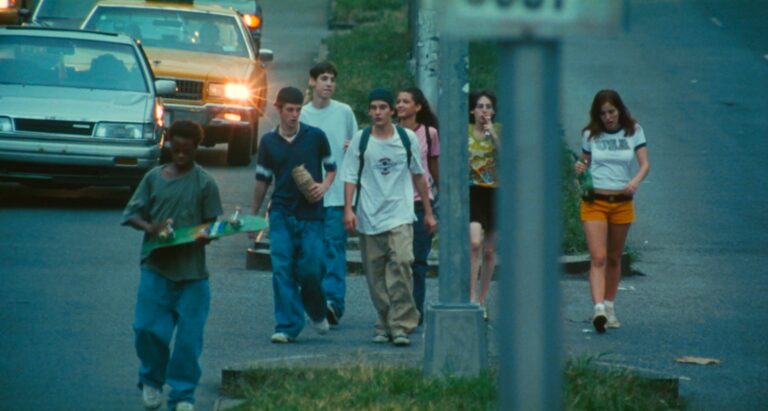
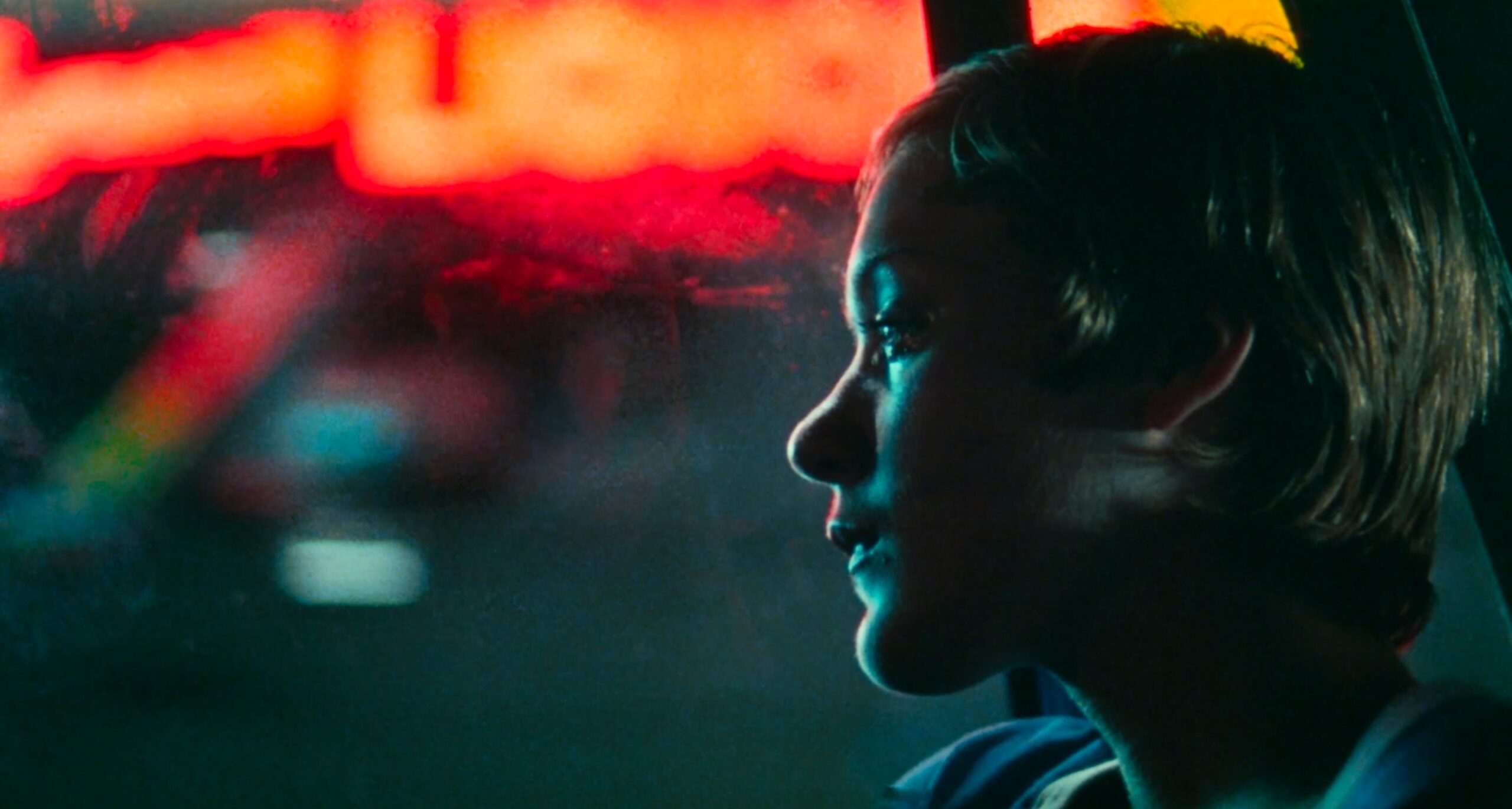
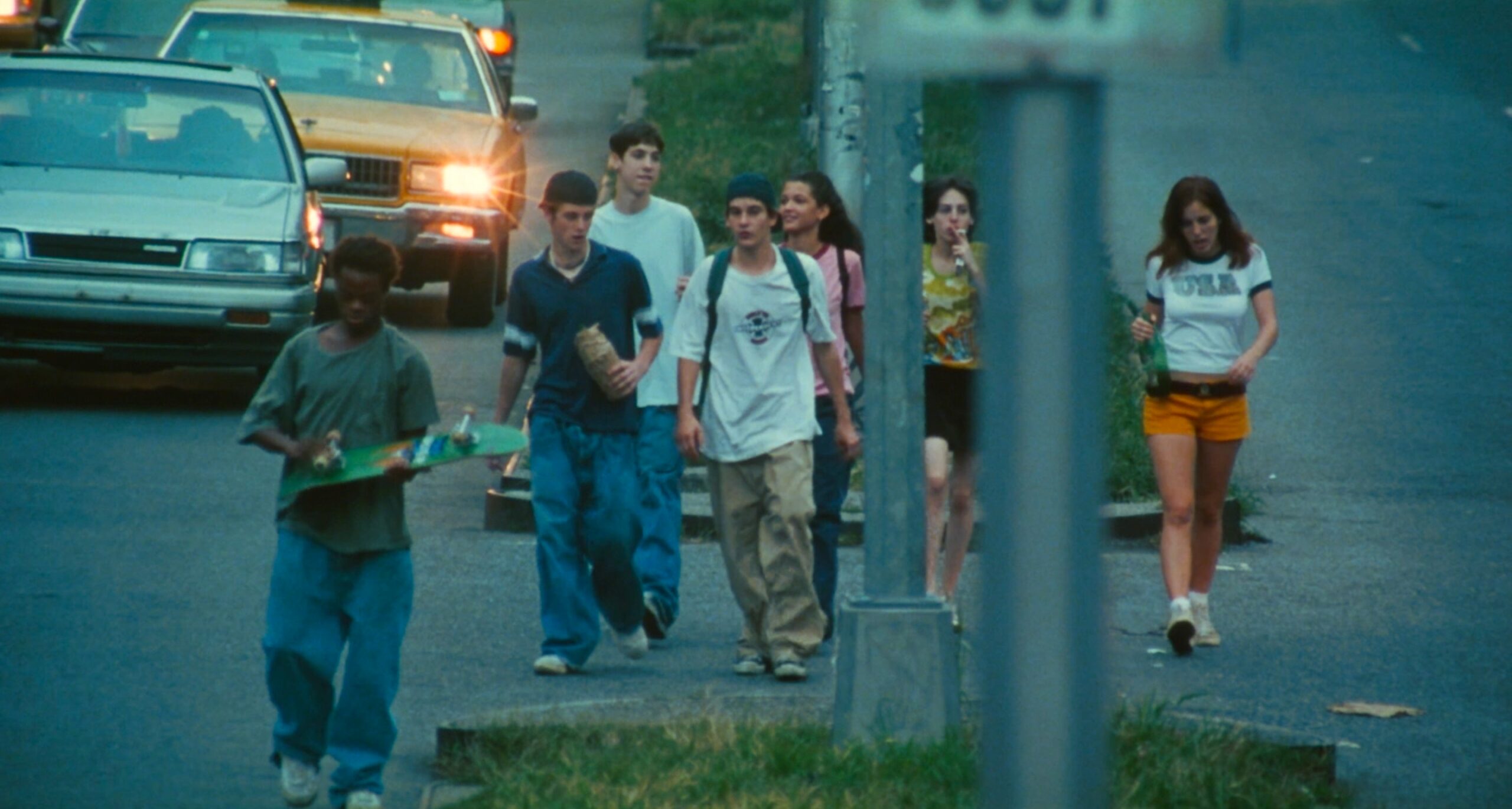
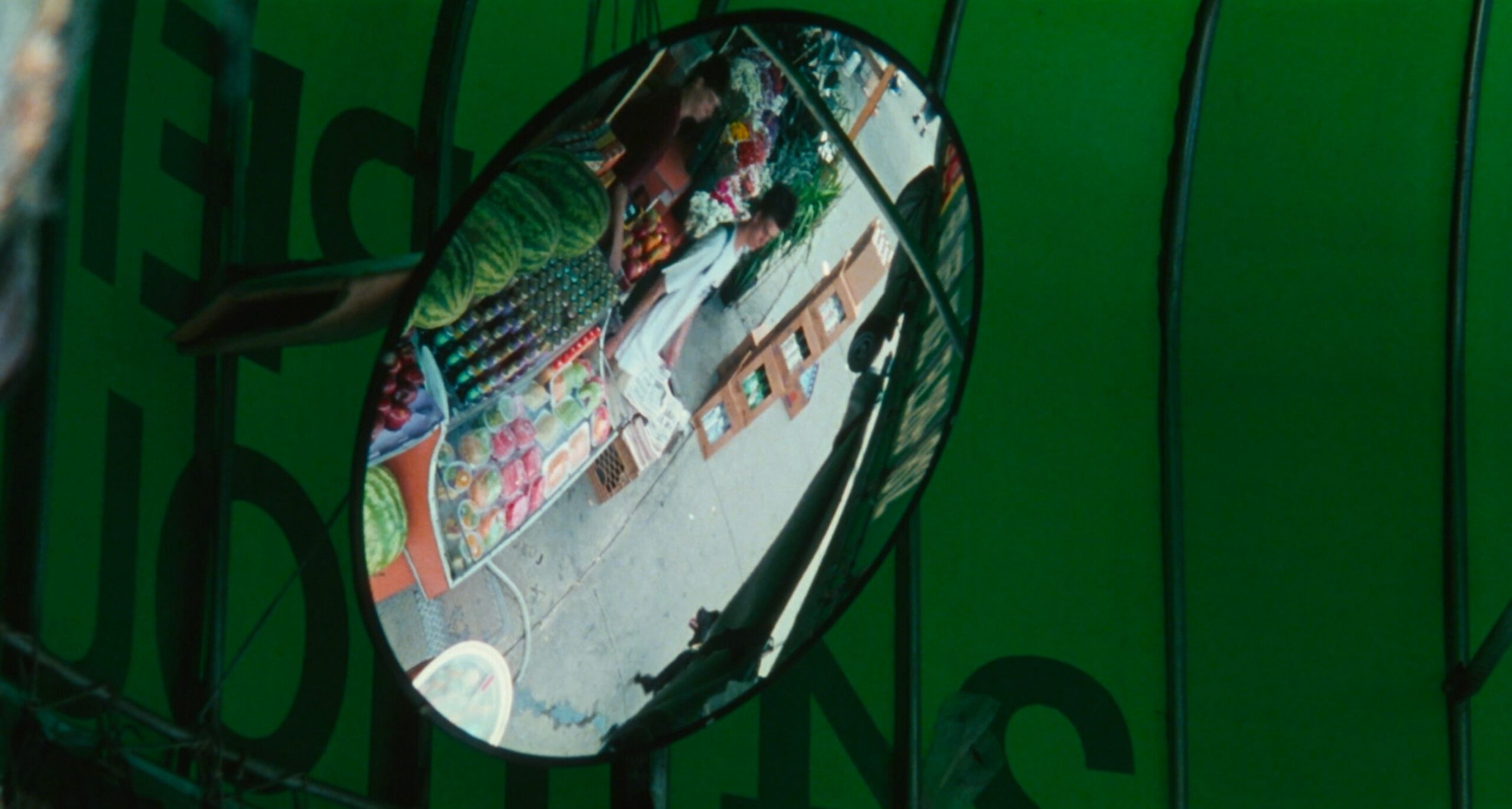
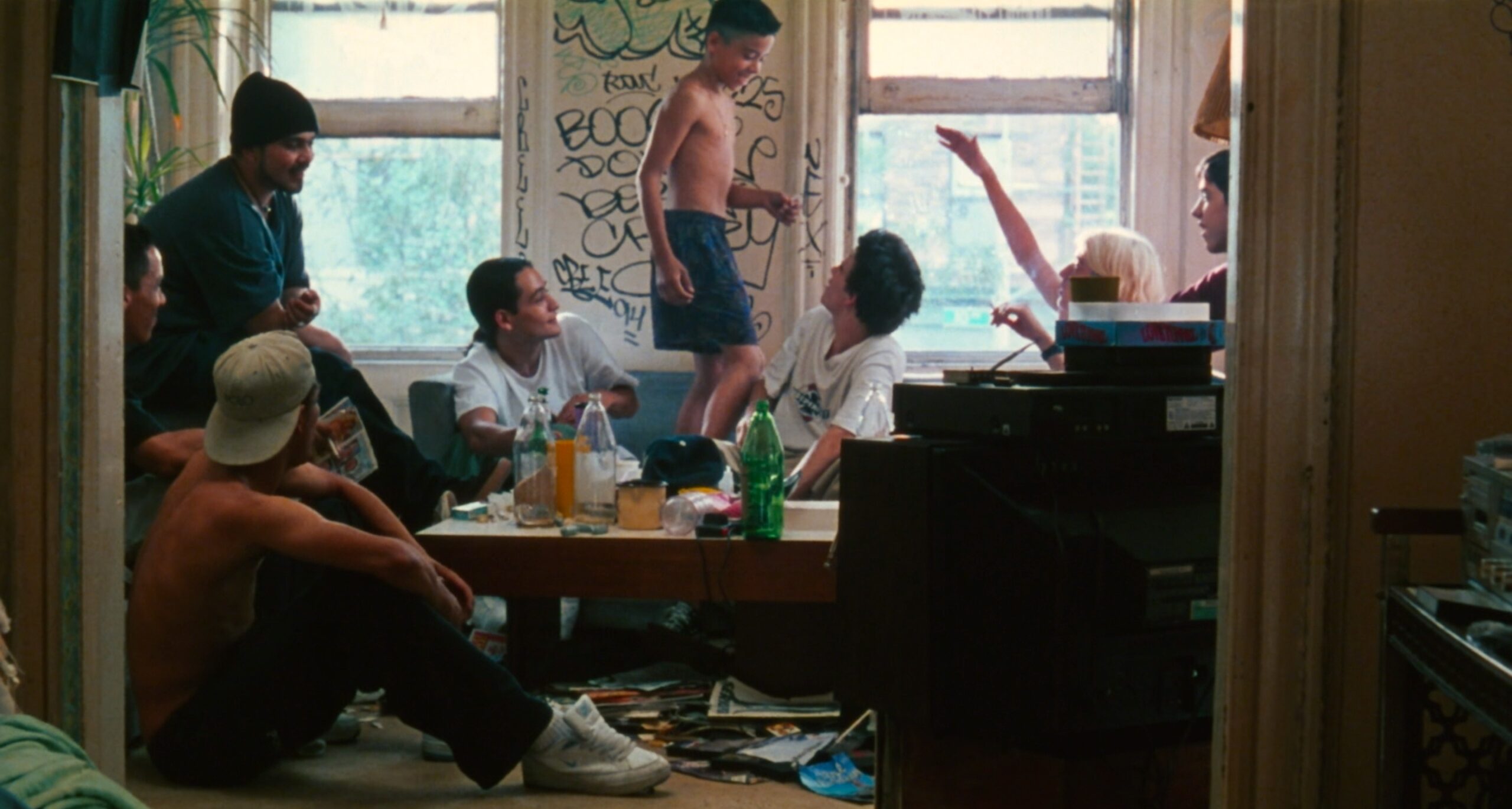
Set over the course of a single day in New York City, the film follows a group of teenagers drifting through sex, drugs, and skate culture with little regard for consequences. At its center is Telly, a young man obsessed with taking the virginity of girls, while an HIV-positive girl searches for him to warn him of the danger he poses. The narrative unfolds as a raw, unfiltered look at youth, recklessness, and the looming reality of disease.
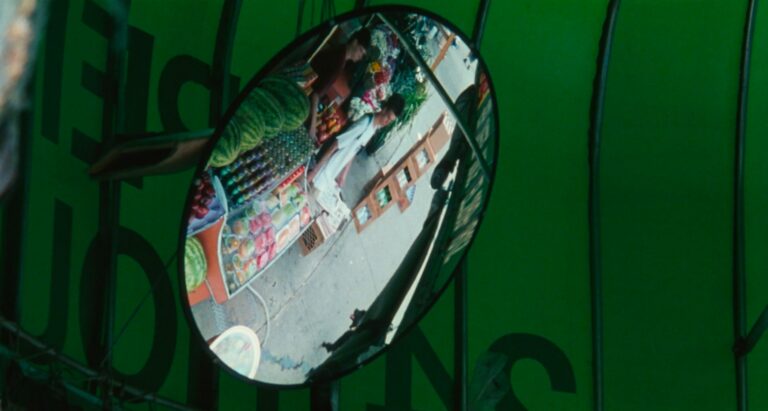
Clark and cinematographer Eric Edwards shot Kids with a raw, vérité style, using handheld cameras, natural light, and non-professional actors to blur the line between fiction and documentary. The film’s loose, observational framing and unpolished texture place the viewer directly inside its world—making the camera feel less like a storyteller and more like a witness.
FILM SPOTLIGHT
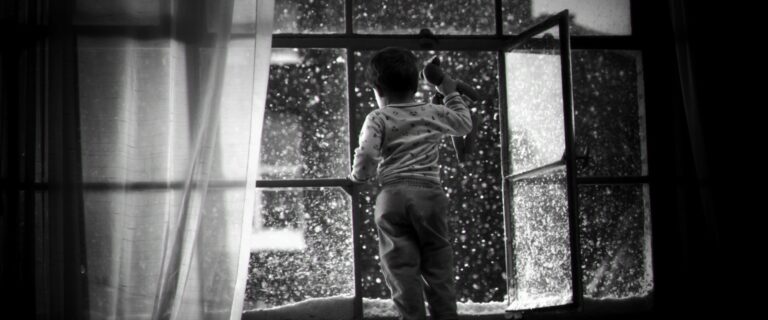
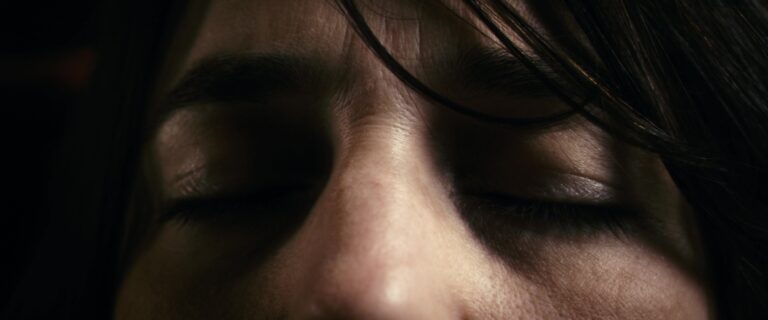
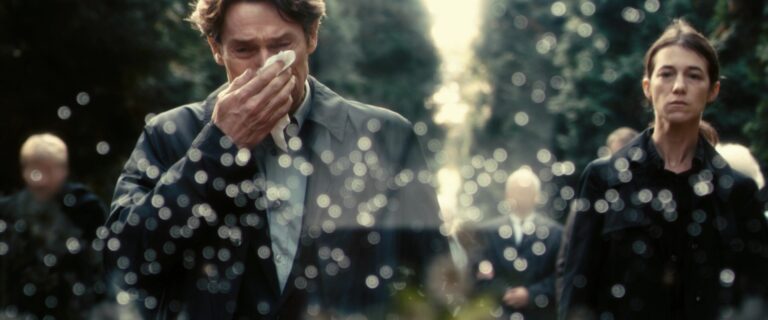
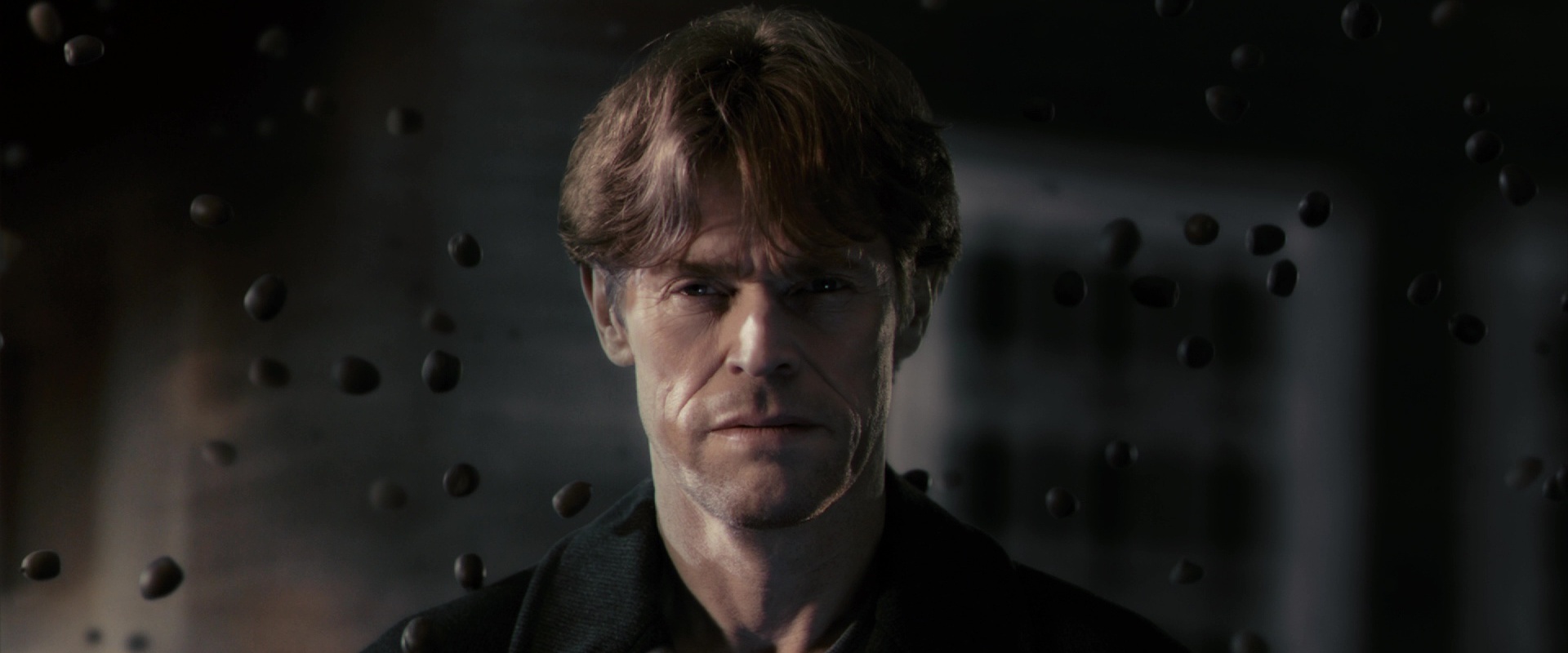
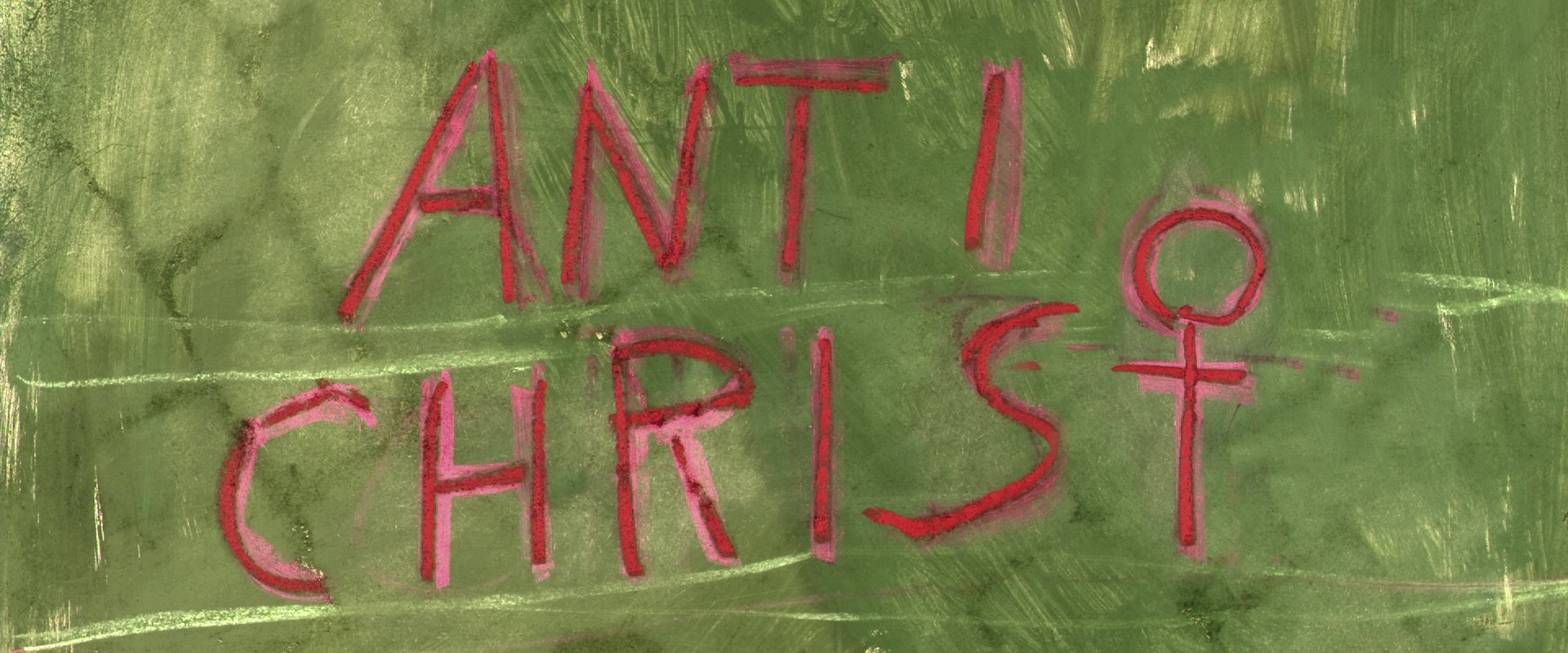
Antichrist (2009)
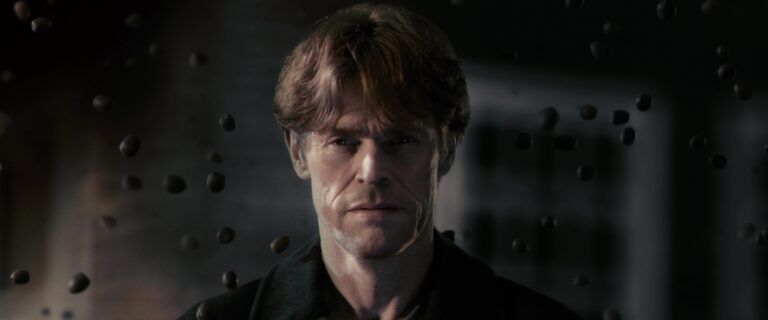
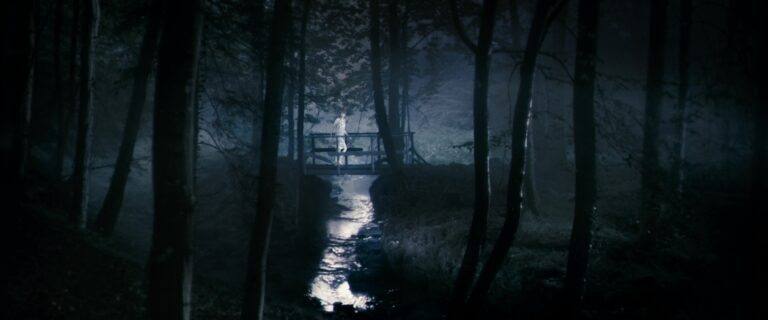
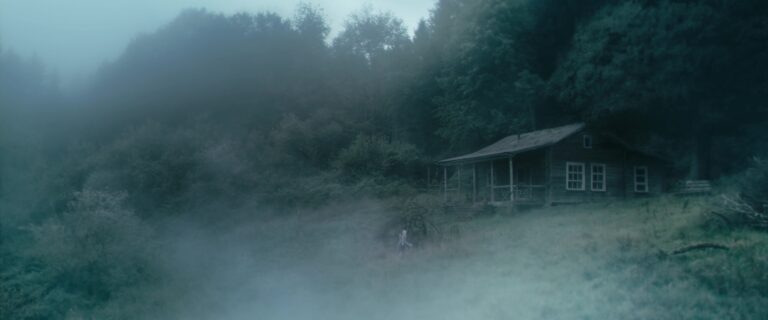
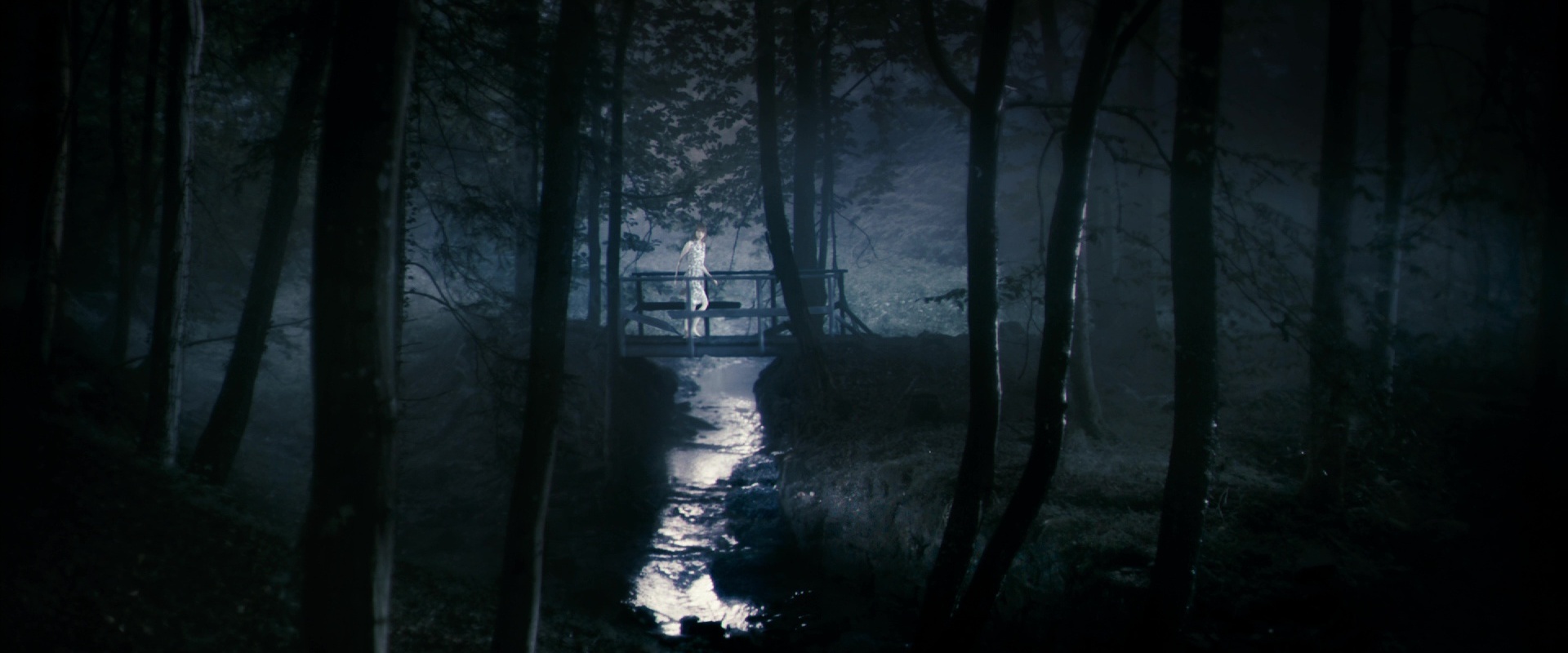
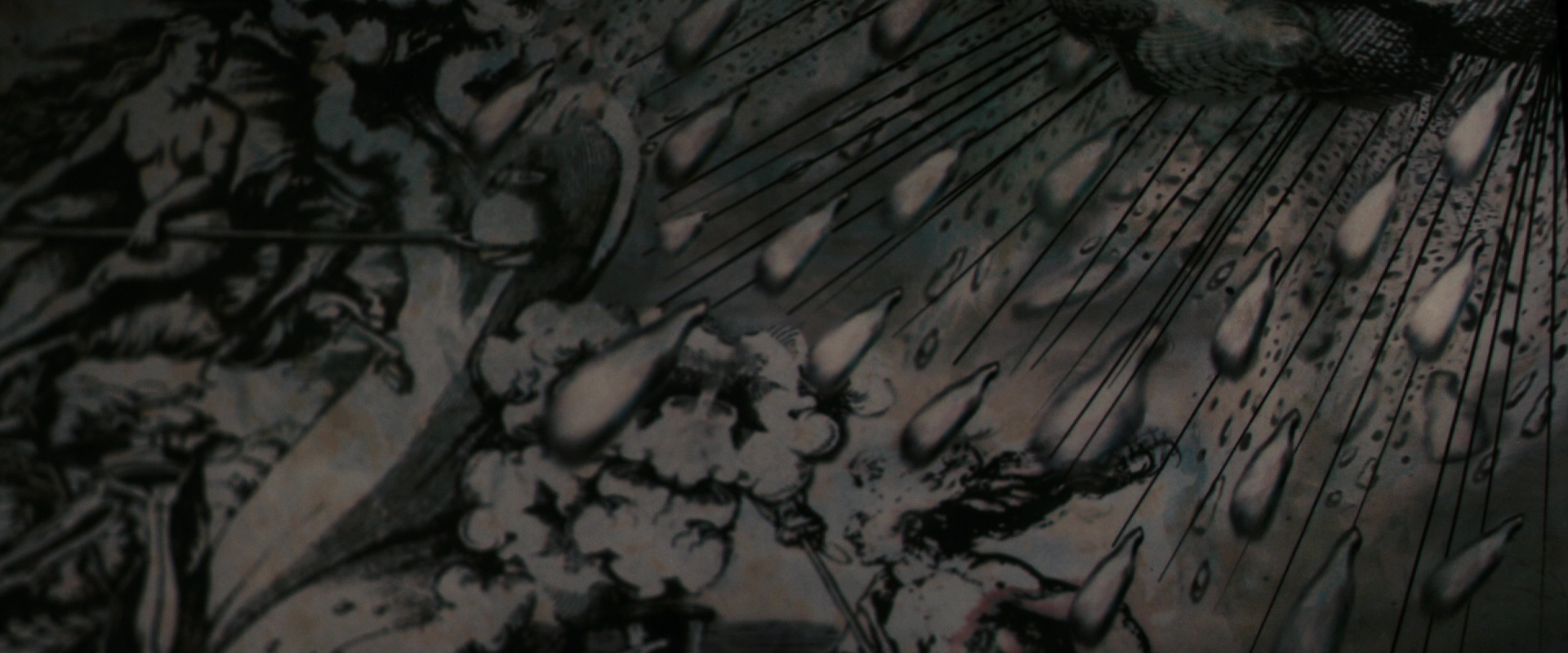
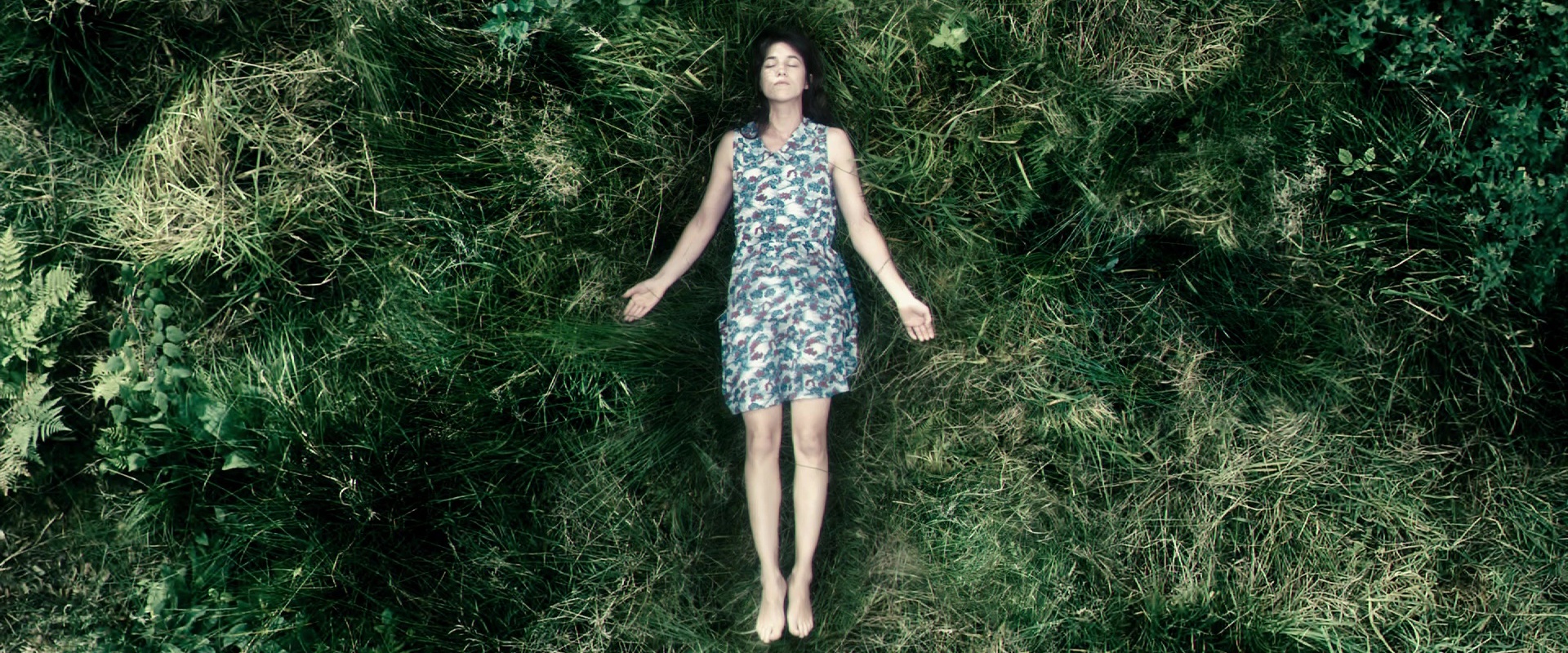
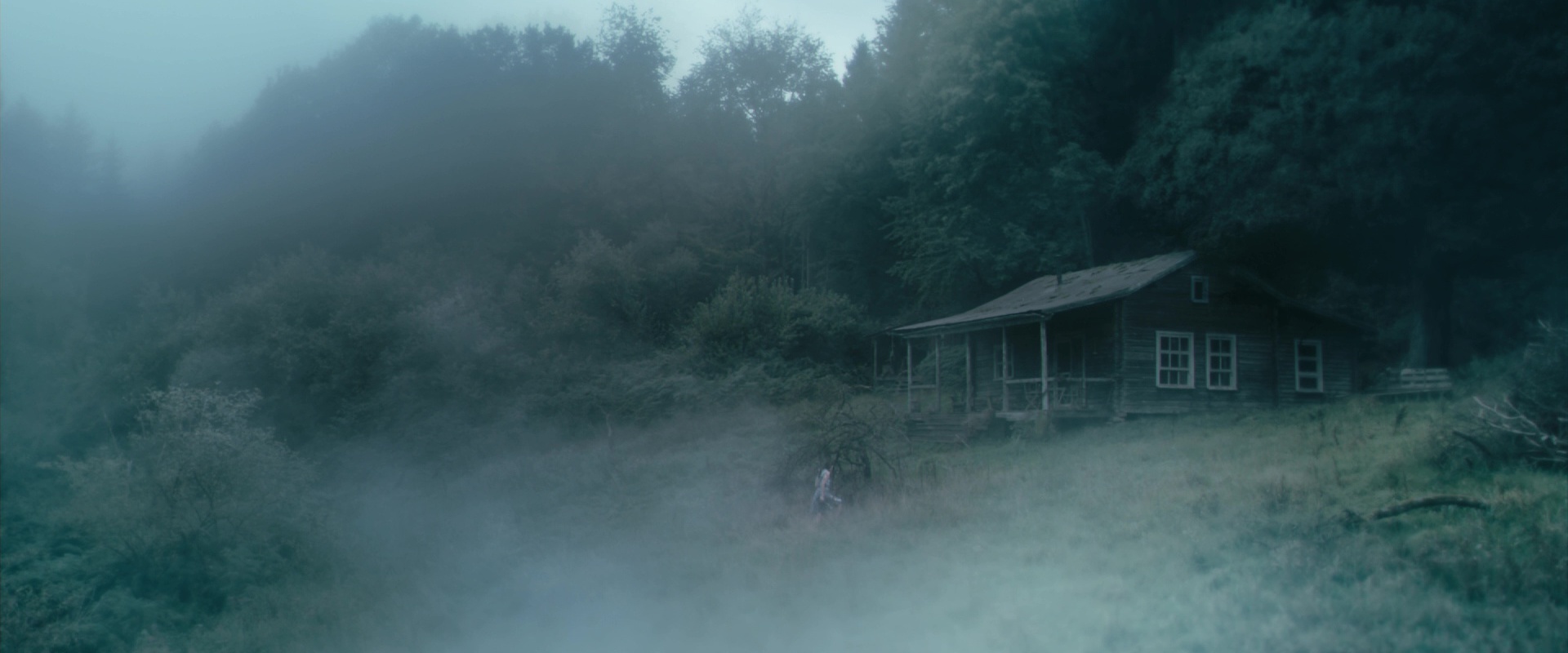
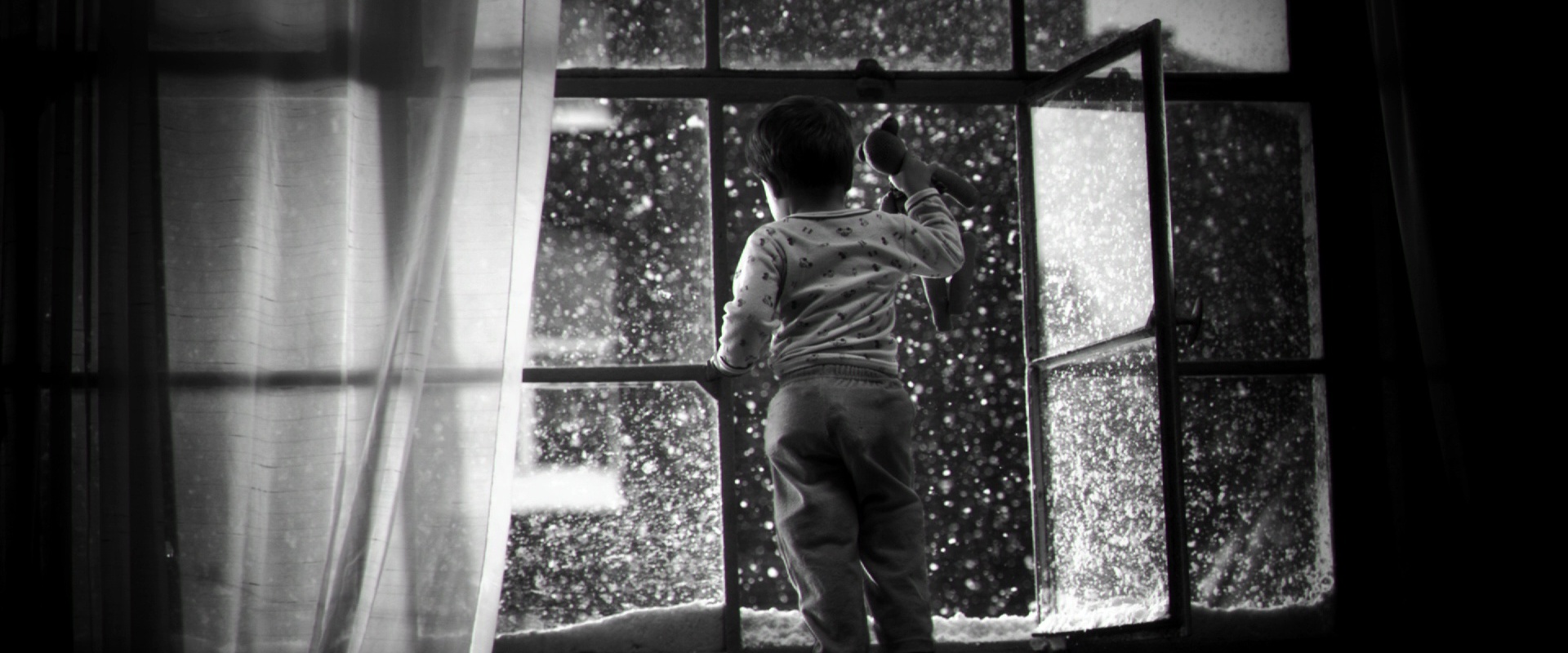
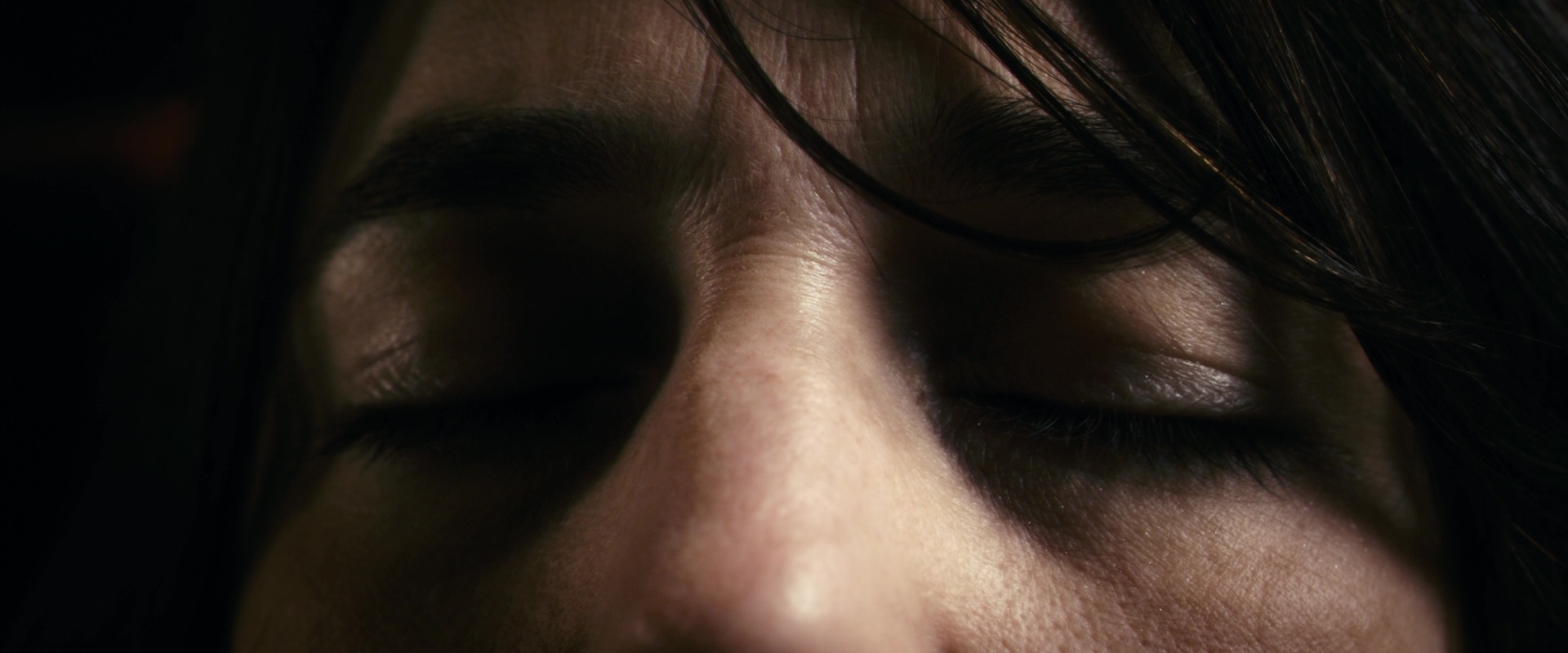
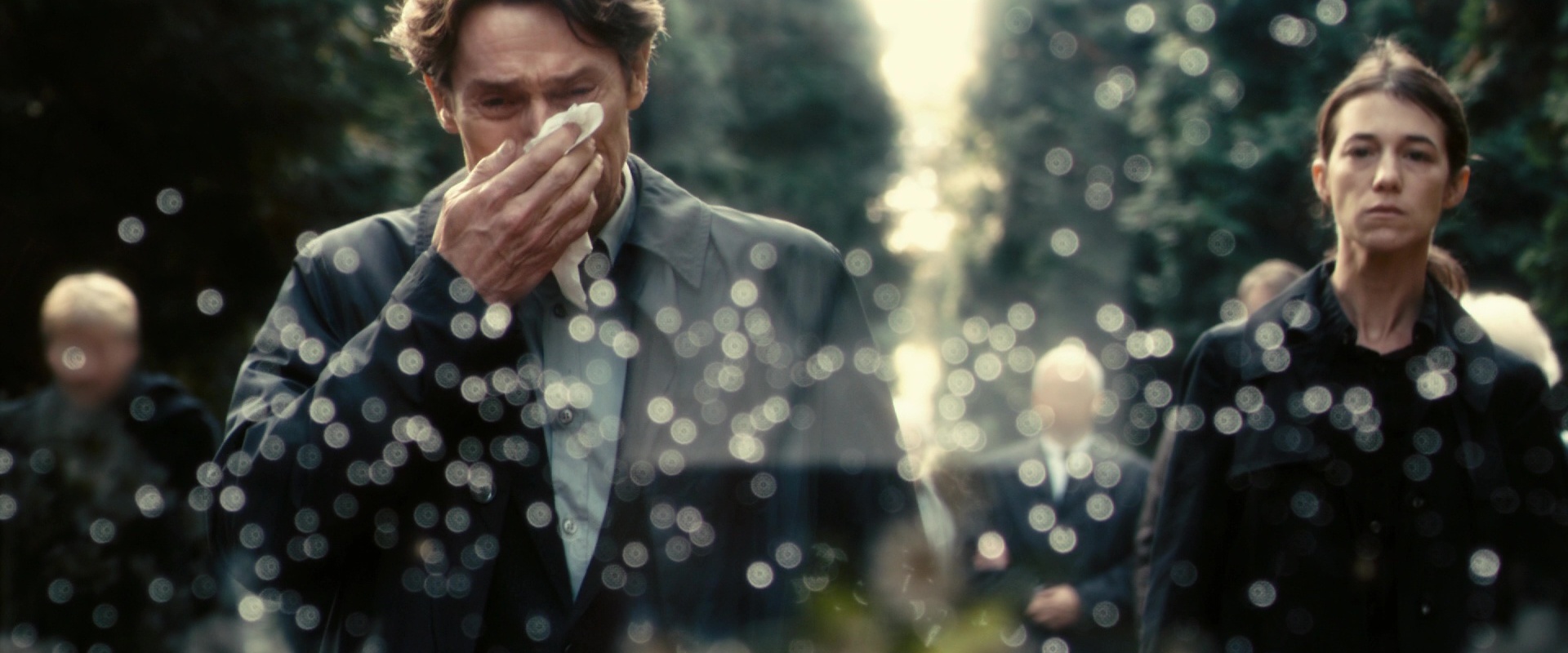
After the death of their young son, a grieving couple retreats to a remote cabin in the woods to cope with their loss. As the husband, a therapist, attempts to guide his wife through her trauma, their relationship deteriorates under the weight of guilt, fear, and psychological instability. The isolation of the forest begins to mirror their inner turmoil, leading to increasingly disturbing and violent consequences.
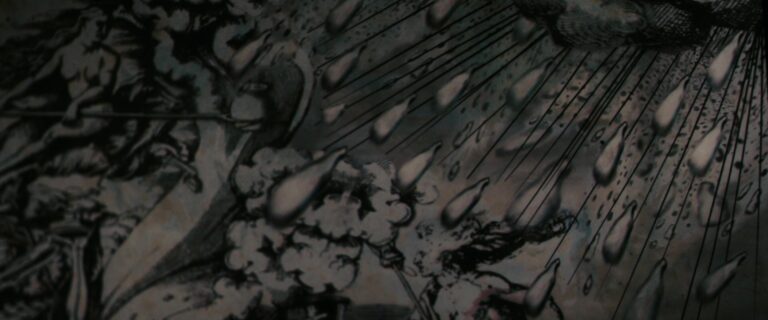
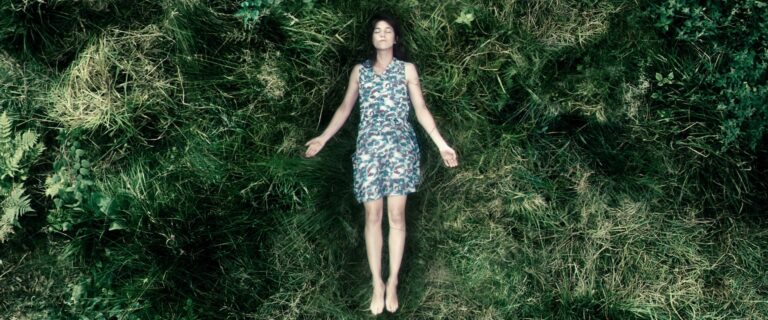
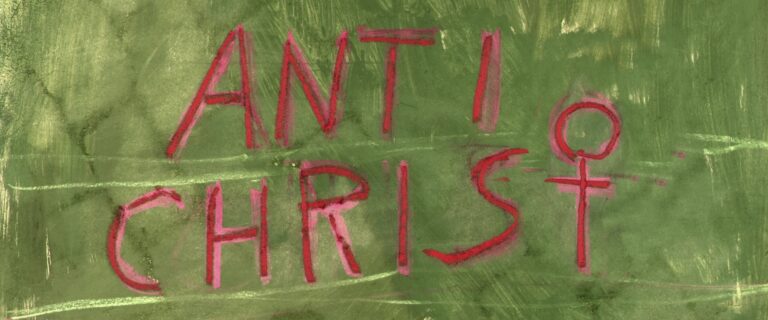
Von Trier and cinematographer Anthony Dod Mantle shot Antichrist using high-speed Phantom cameras alongside digital formats, creating stark contrasts between hyper-detailed slow motion and raw, handheld immediacy. The film’s tactile imagery—extreme close-ups, natural textures, and chiaroscuro lighting—turns the forest into a visceral, almost mythic space, where nature itself feels alive and threatening.
FILM SPOTLIGHT
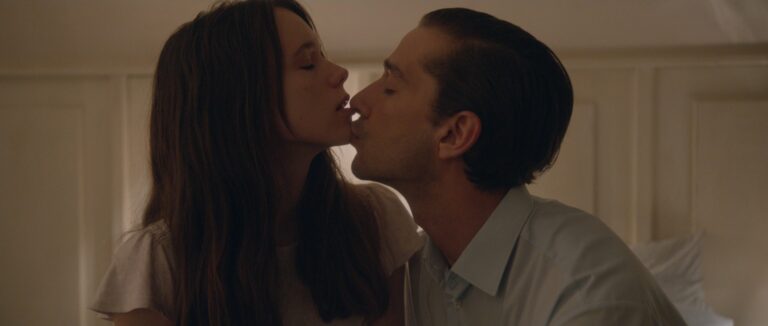
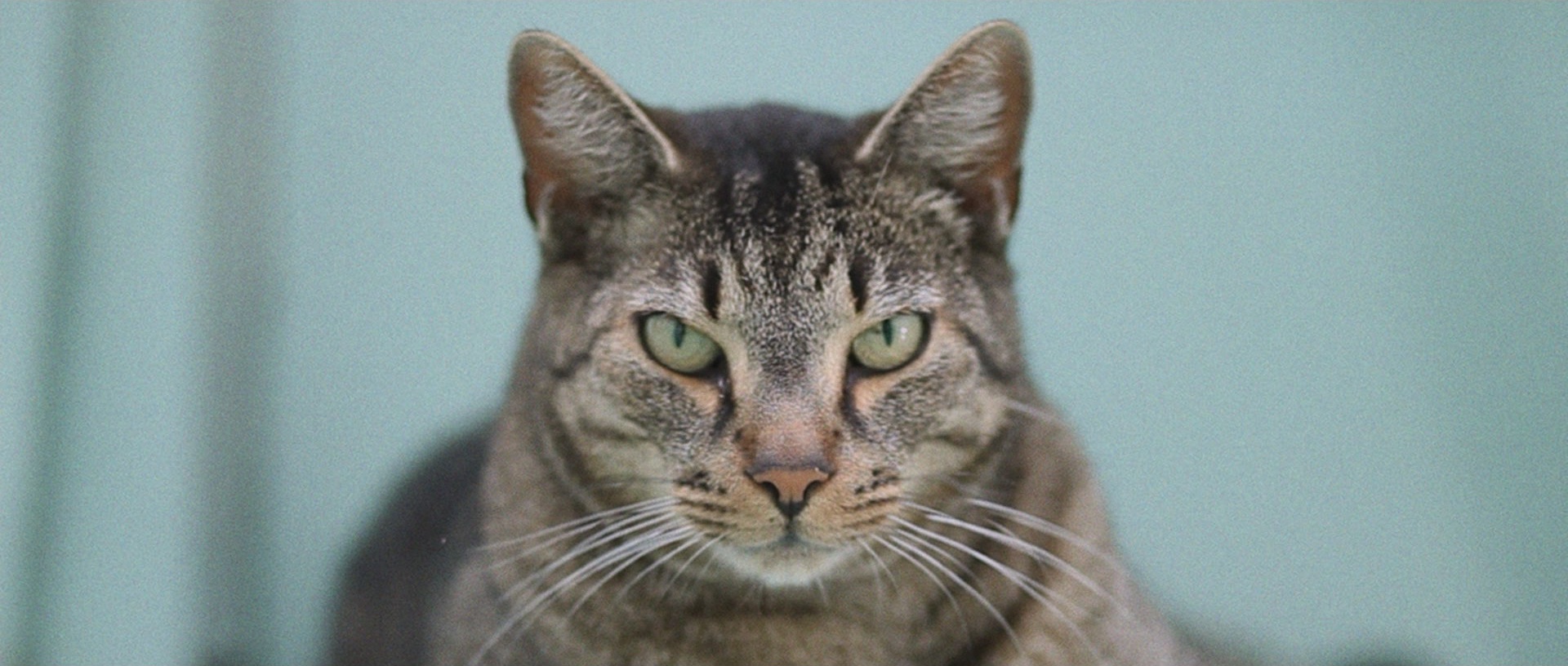
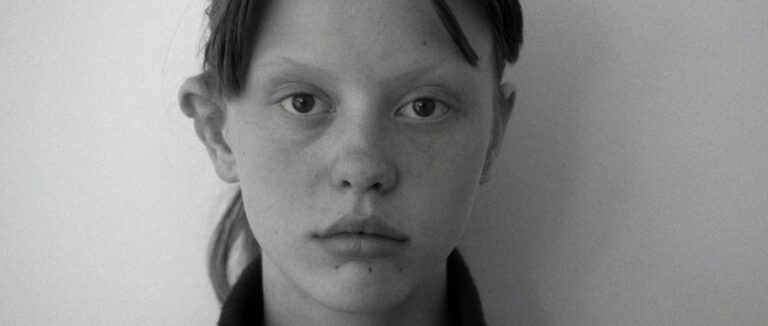
Nymphomaniac: Vol. I (2013)
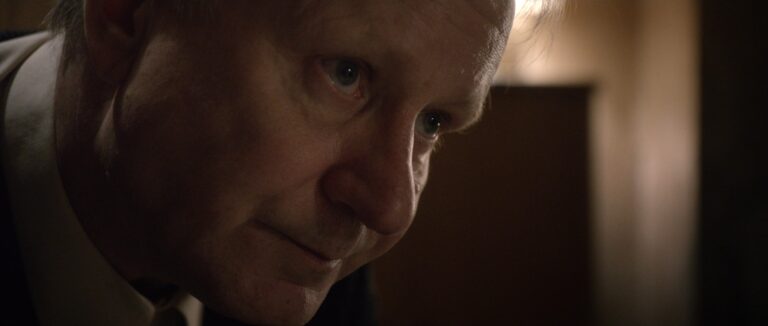
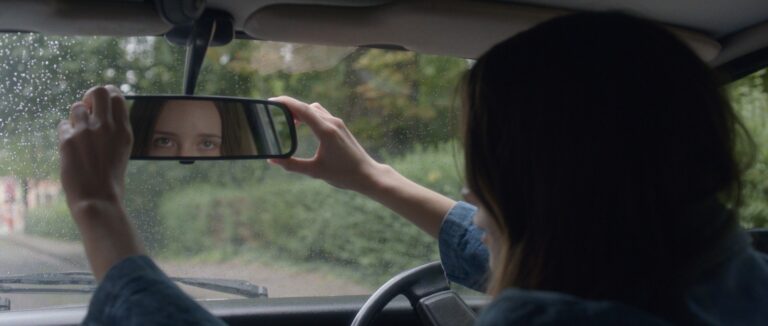
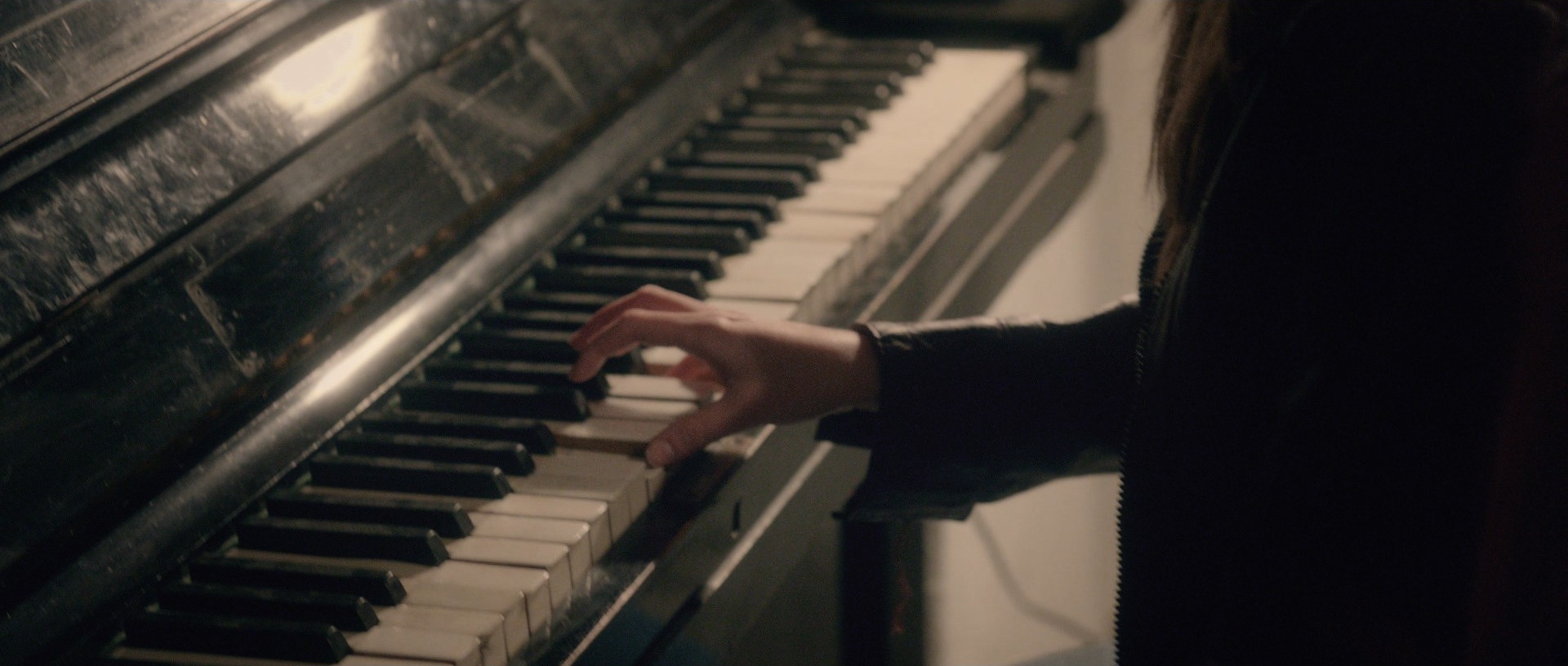
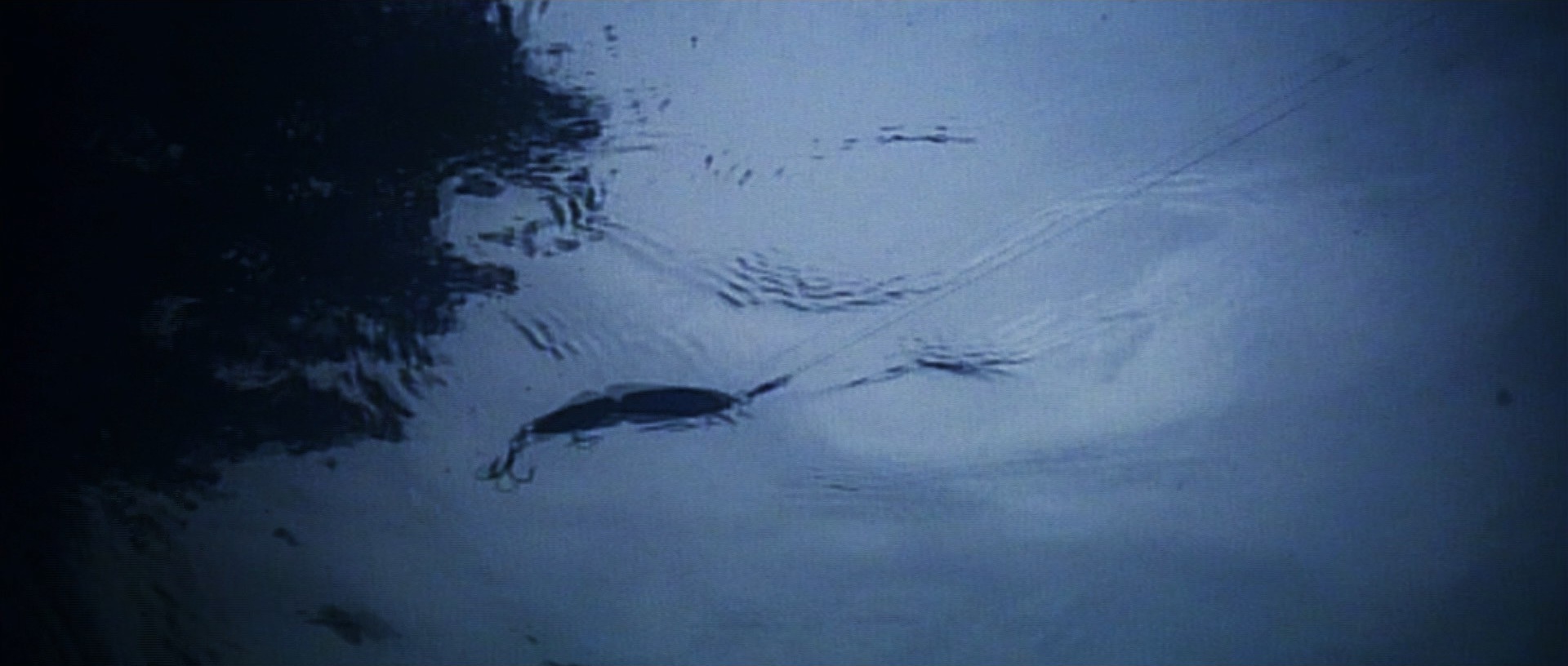
After being found beaten in an alley, a self-diagnosed nymphomaniac named Joe is taken in by a solitary man who listens as she recounts her life story. Through a series of episodic chapters, she describes her early sexual experiences and the development of her compulsions. As her past unfolds, the film explores desire, shame, and the nature of addiction through her candid perspective.
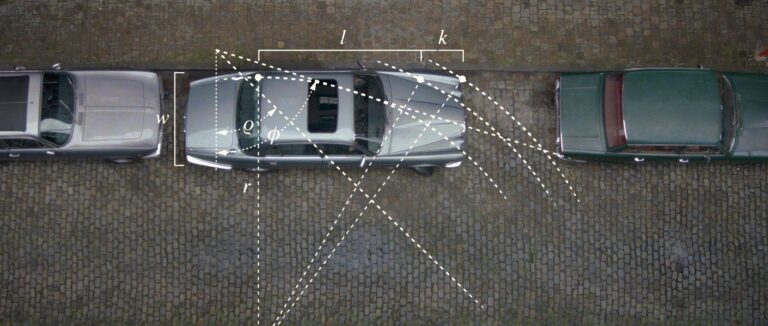
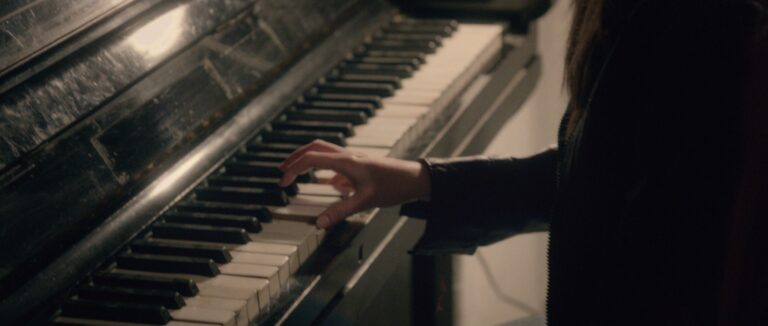
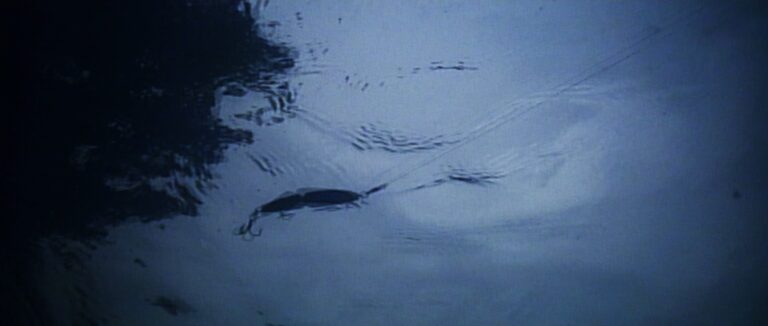
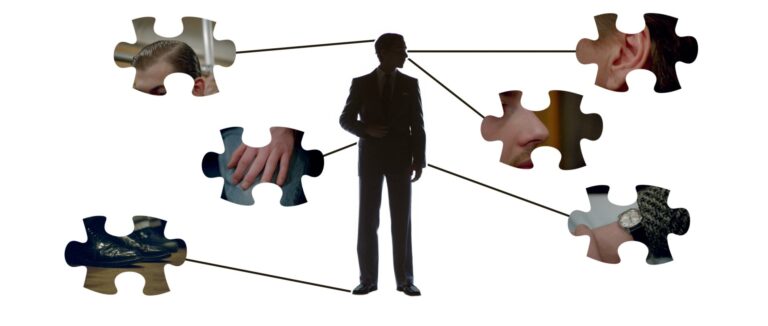
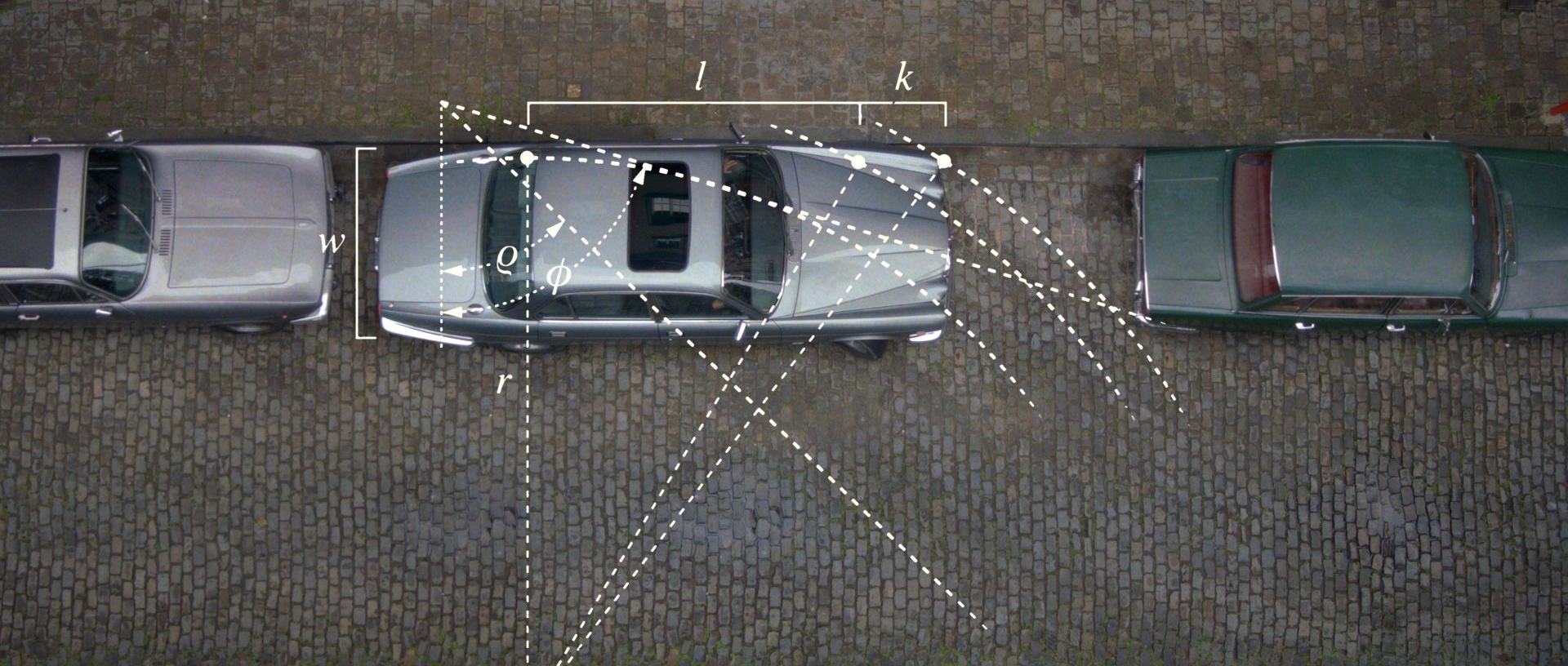
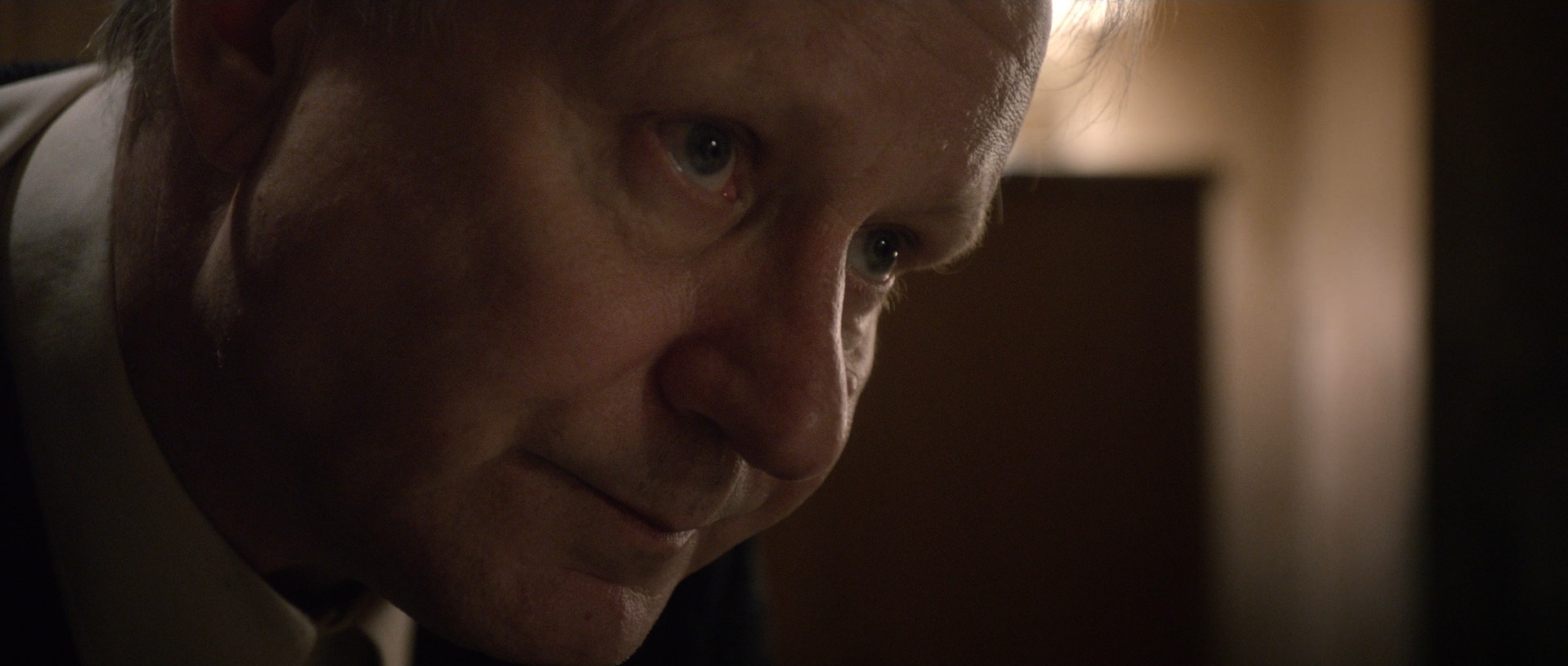
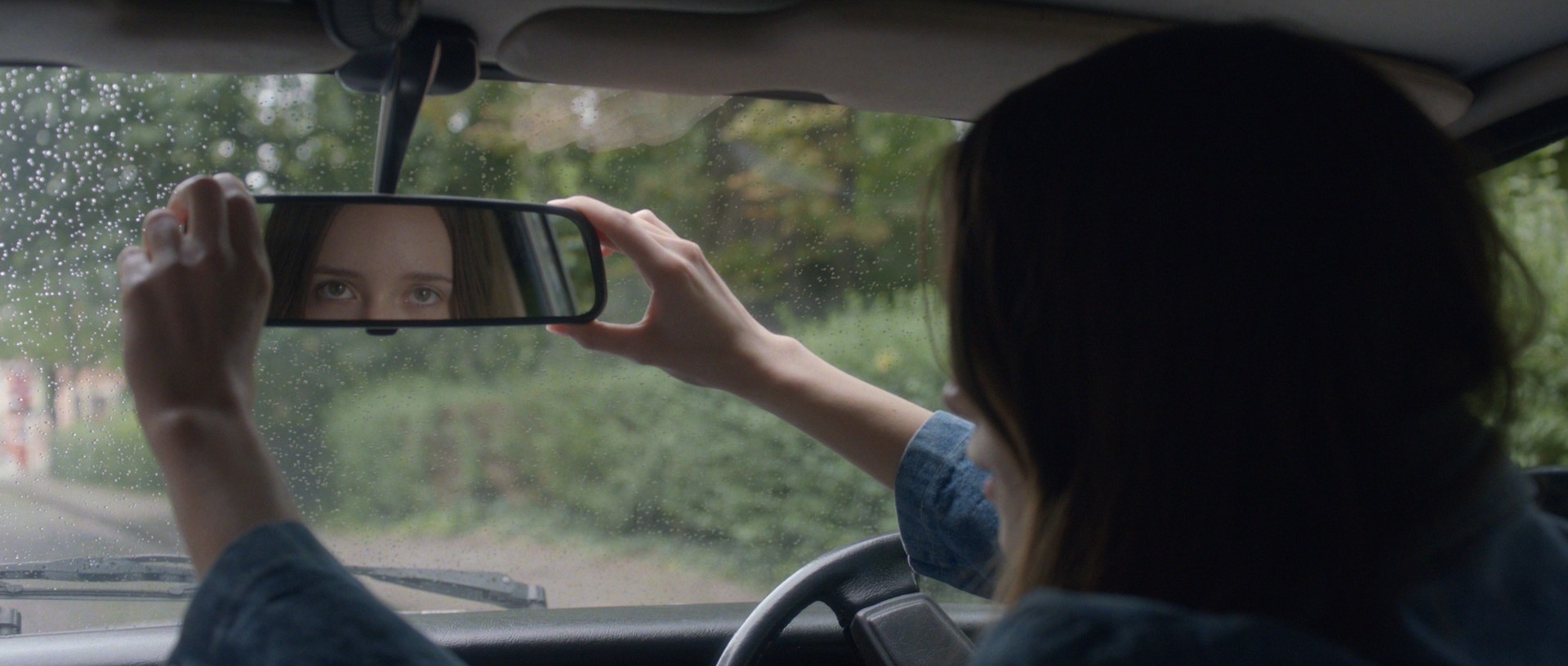
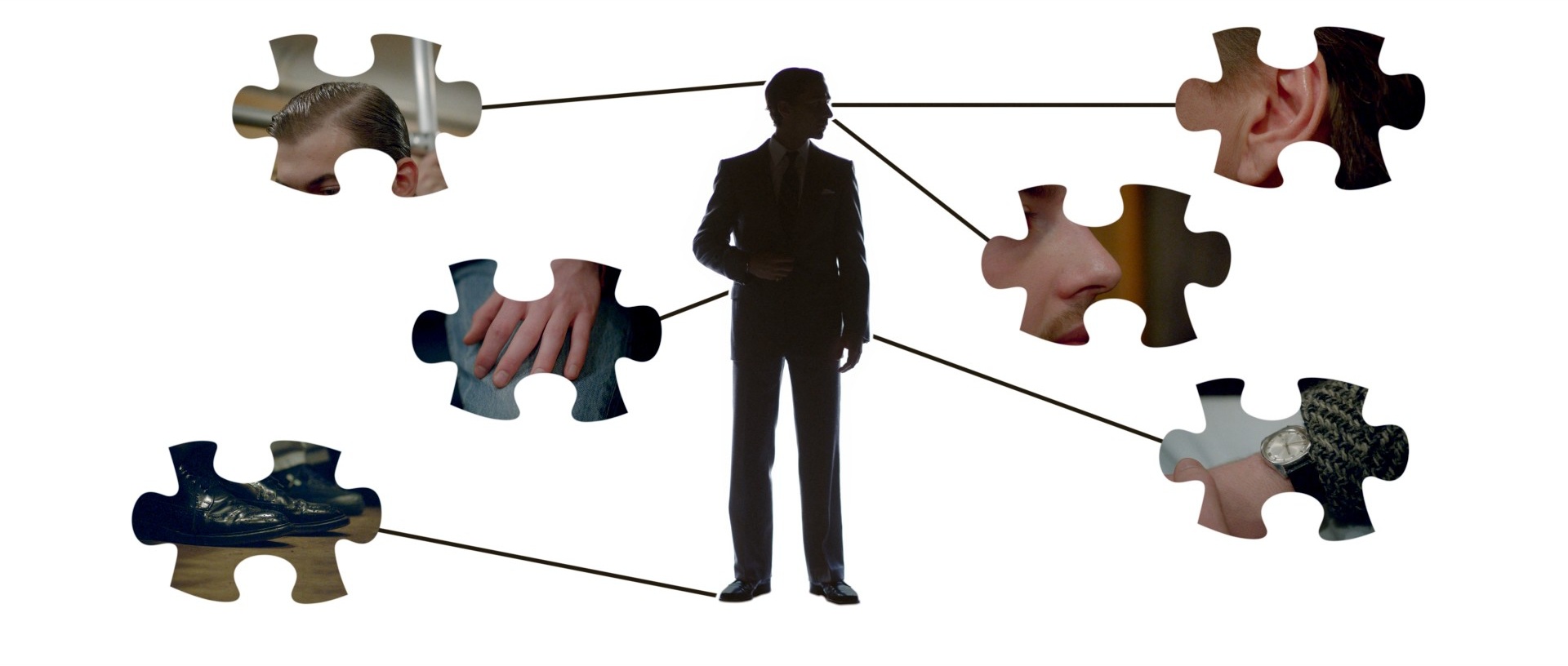
Von Trier and cinematographer Manuel Alberto Claro construct Nymphomaniac with a cool, controlled digital aesthetic, pairing clean compositions with diagrammatic inserts, split screens, and visual metaphors. The film’s structured, chapter-based presentation turns image into illustration—where graphics, overlays, and precise framing transform personal confession into something analytical and formally playful.

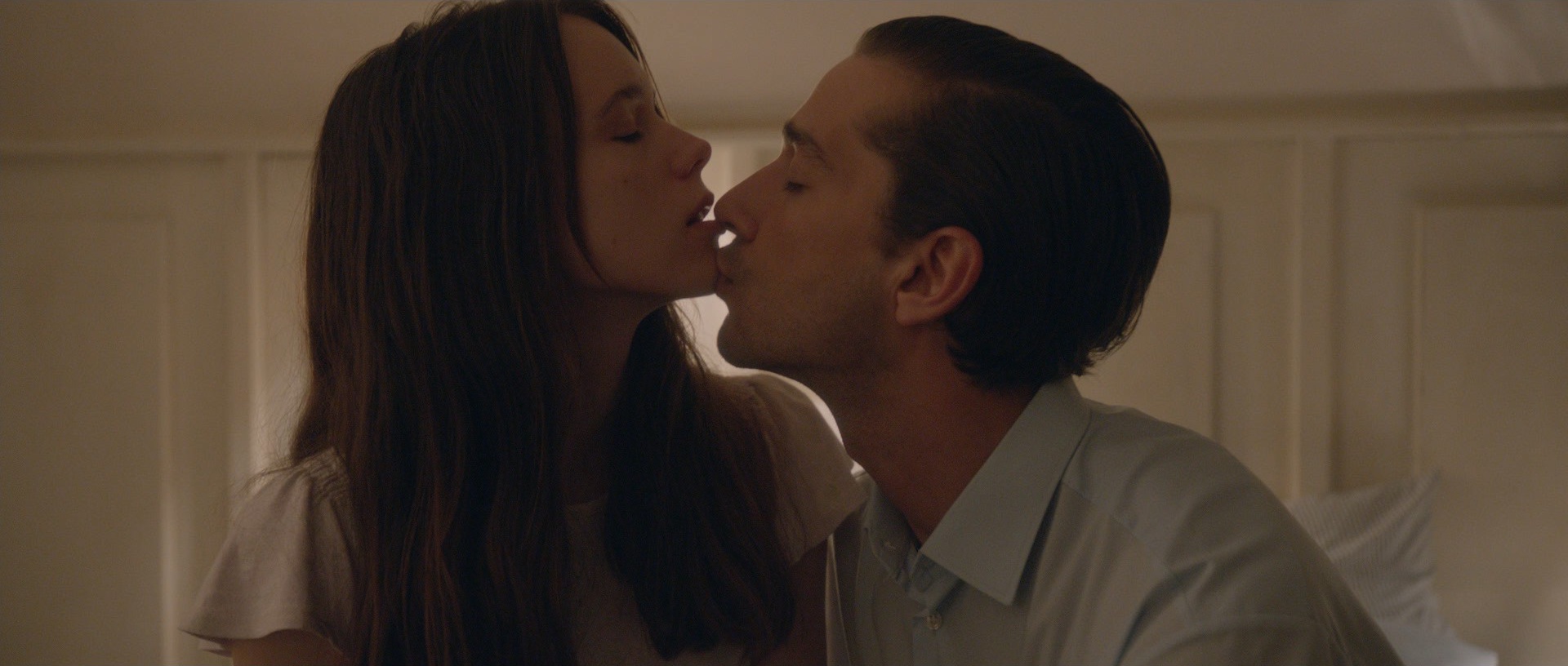
FILM SPOTLIGHT
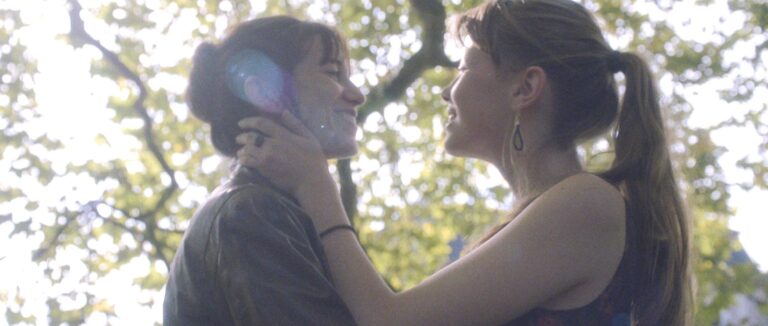
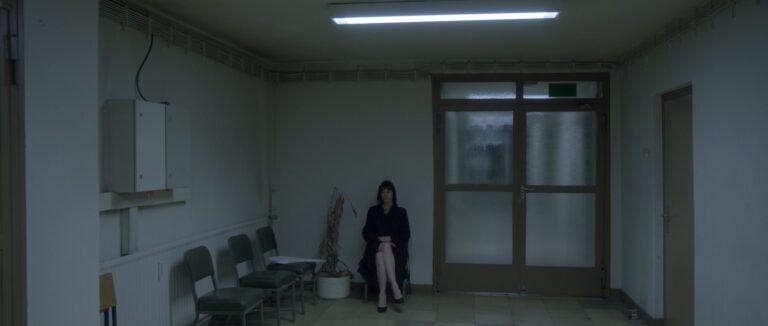
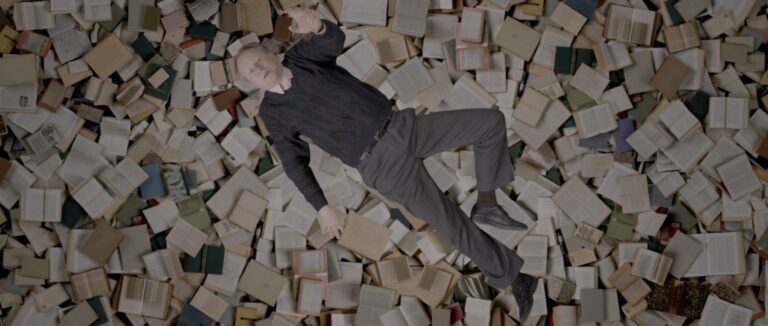
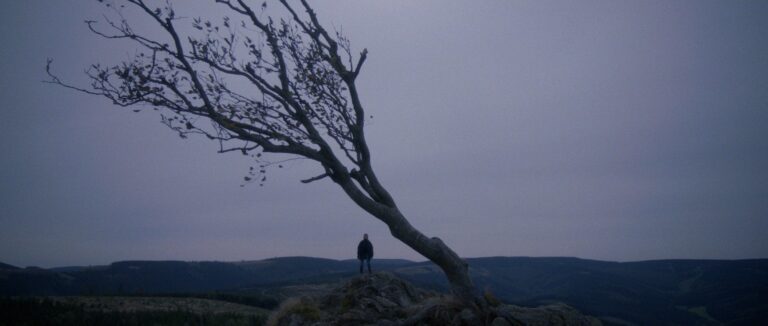
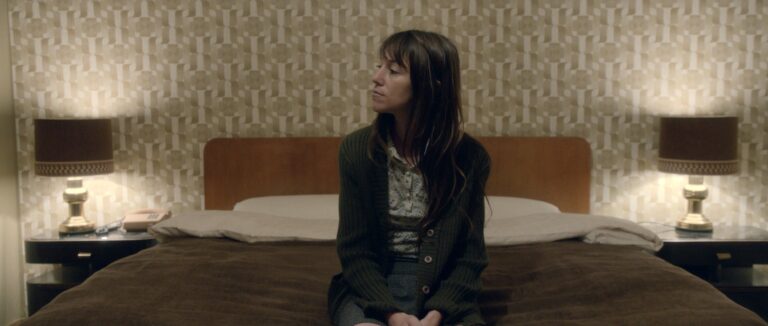
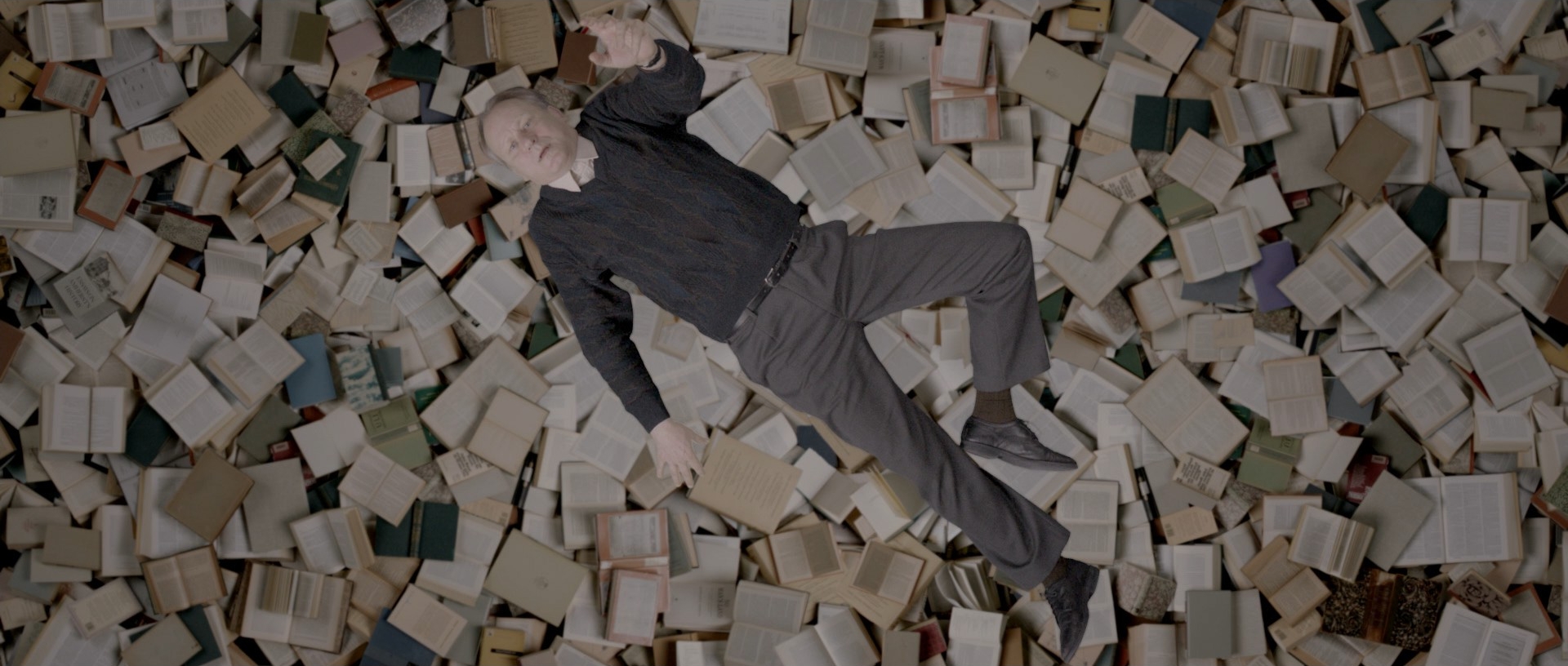
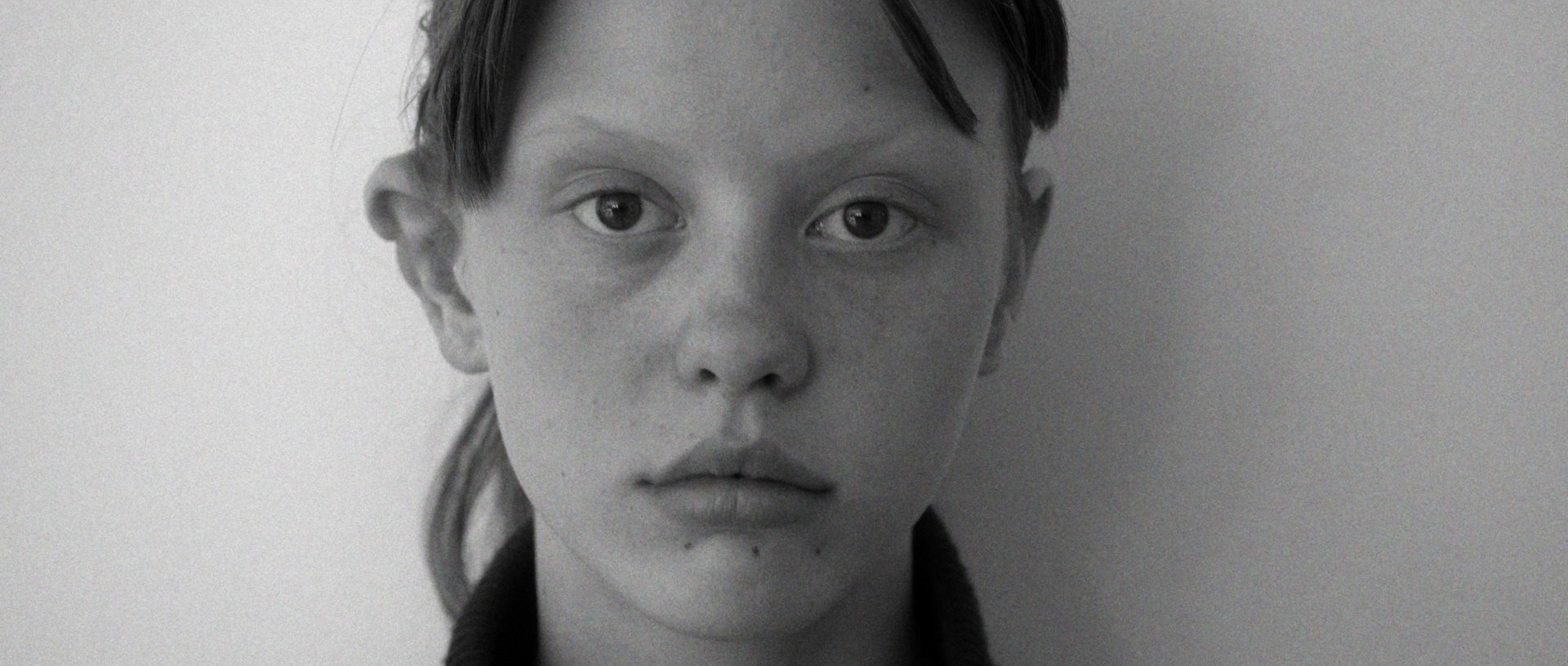
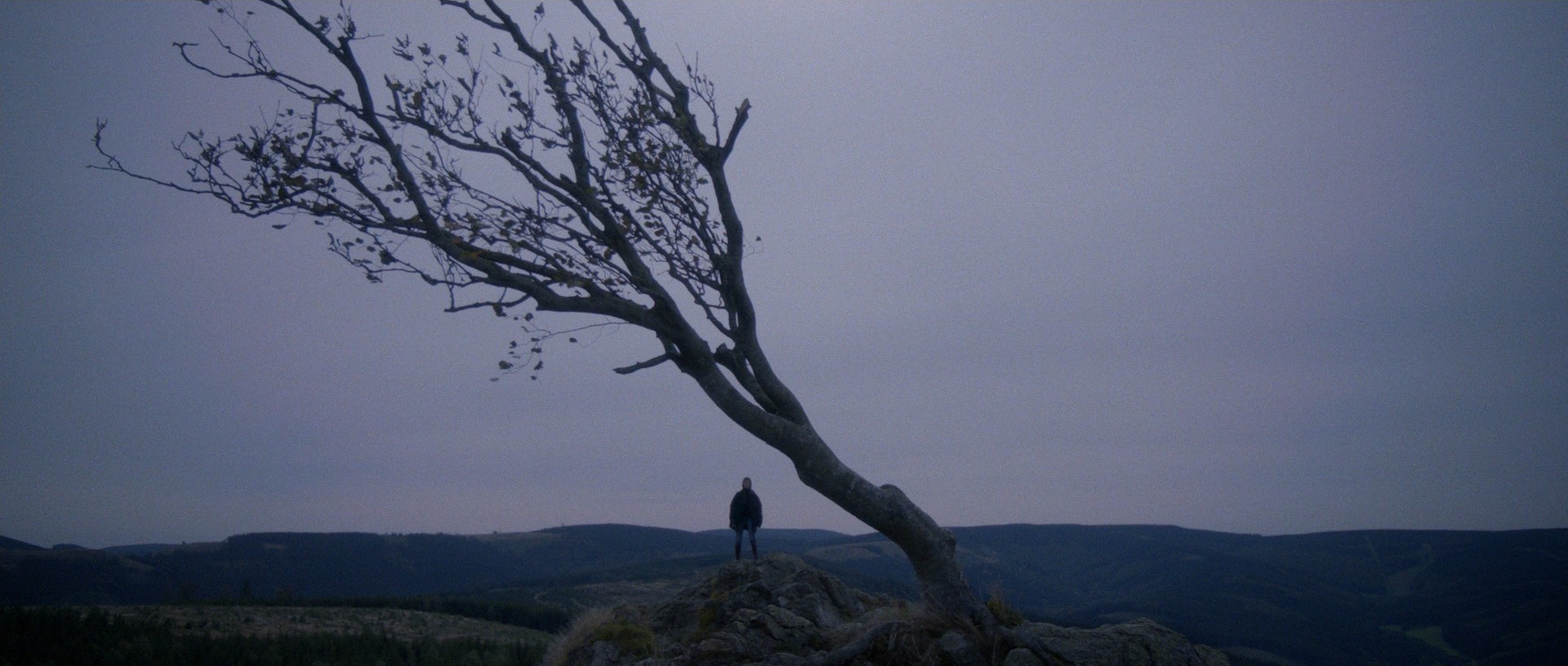
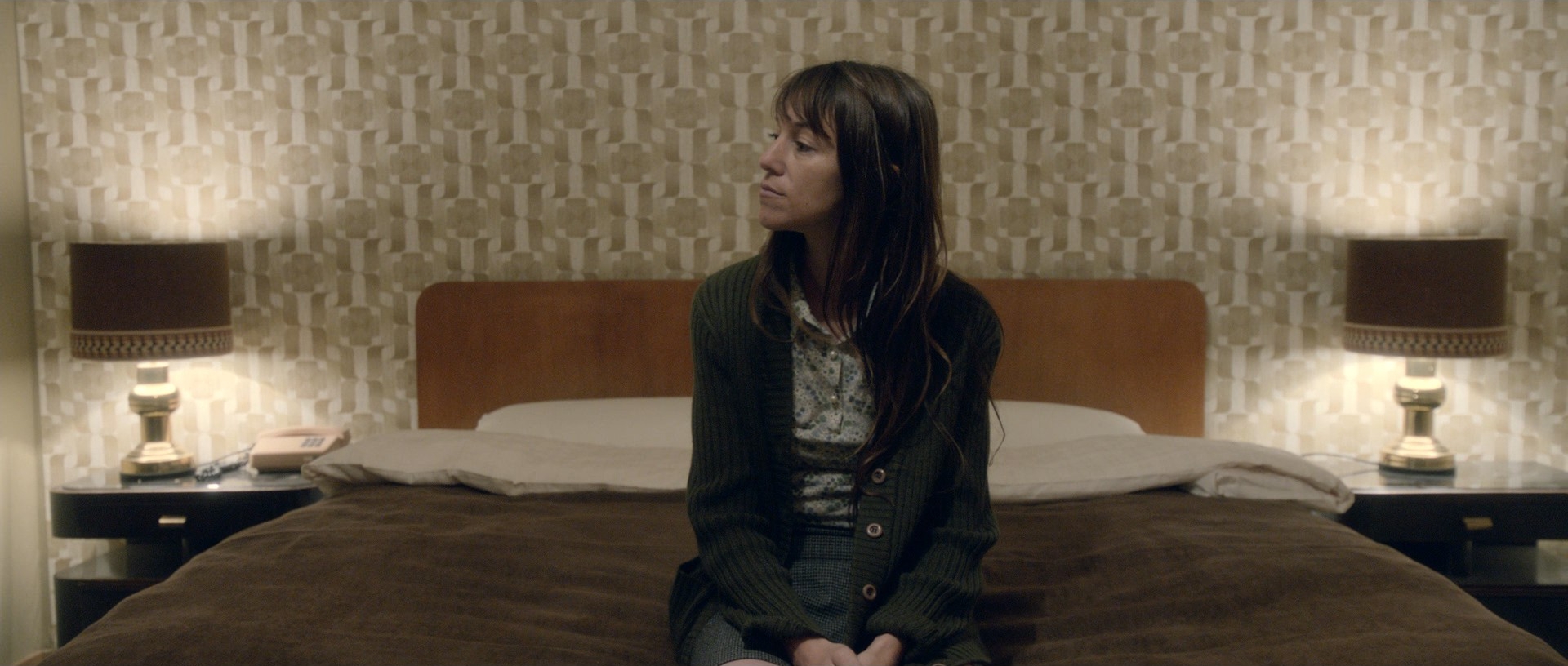
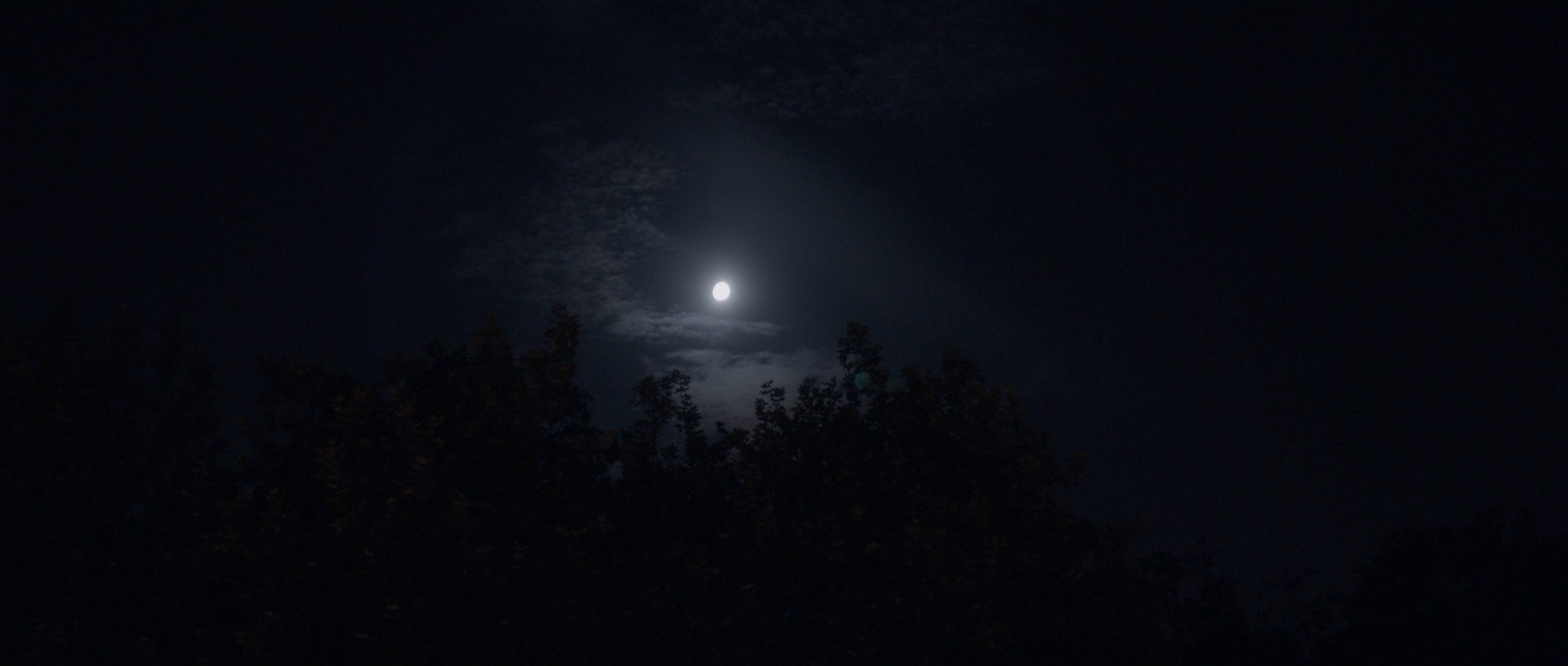
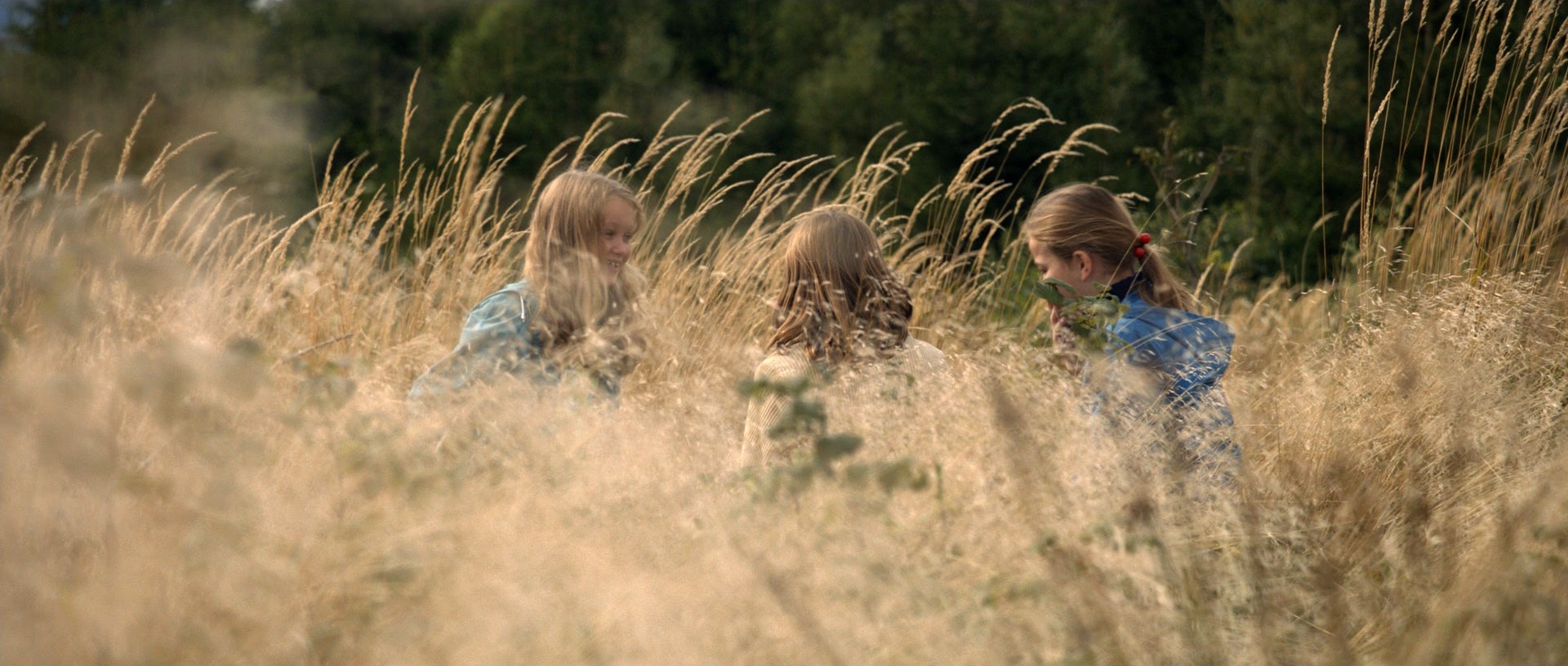
Nymphomaniac: Vol. II (2013)
Continuing Joe’s story, the film follows her descent into increasingly destructive sexual behavior as she struggles to regain control over her life. As her relationships deteriorate and her compulsions intensify, she turns to more extreme measures in search of sensation and meaning. The narrative builds toward a confrontation between her past and present, questioning morality, identity, and the limits of self-understanding.
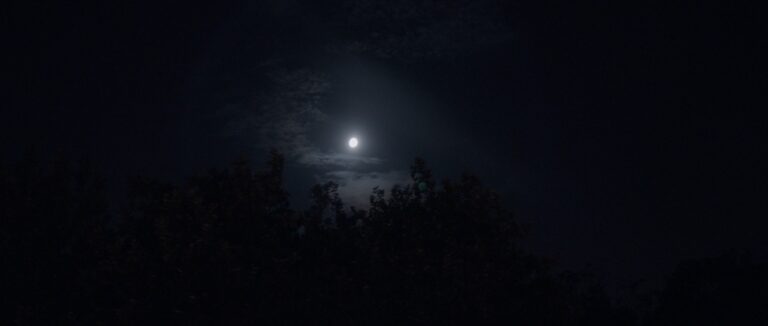
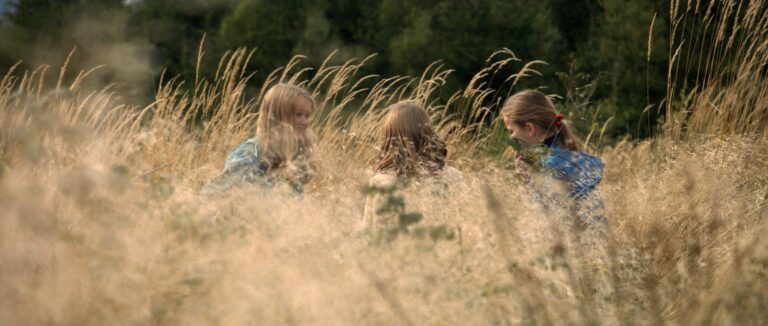
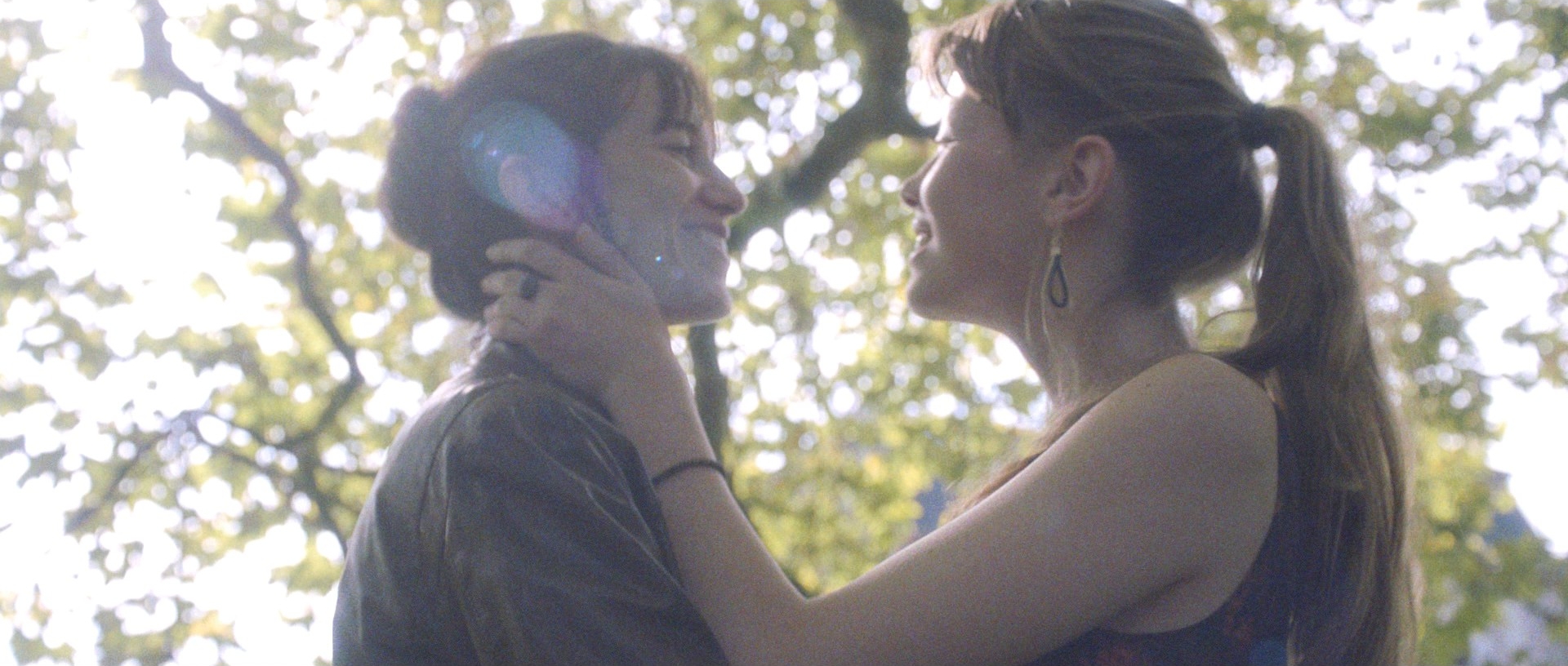
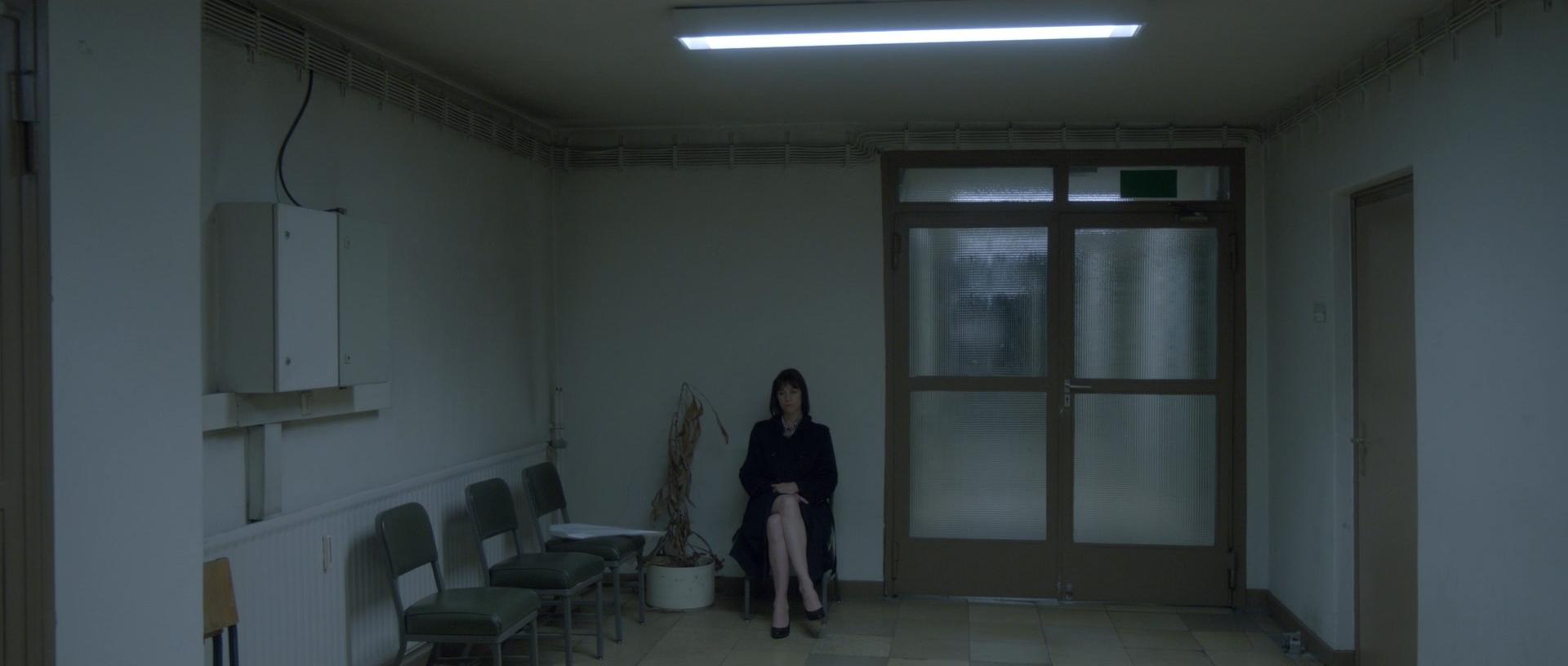
Von Trier and cinematographer Manuel Alberto Claro maintain the film’s clinical, structured visual approach, using stark digital imagery, diagrammatic inserts, and chapter-based framing to dissect Joe’s experiences. The colder palette and more fragmented editing reflect her psychological unraveling—pushing the film further into abstraction, where image and structure become tools of analysis as much as storytelling.
FILM SPOTLIGHT
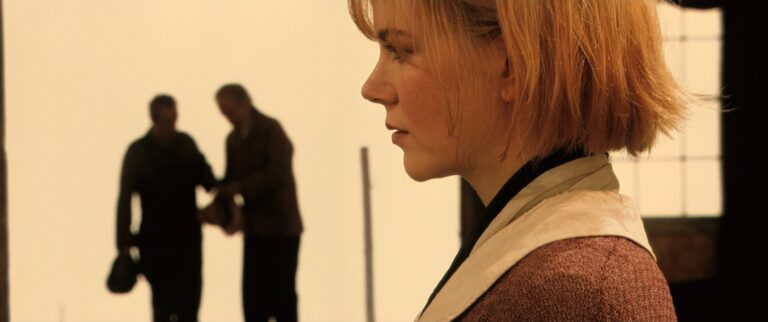
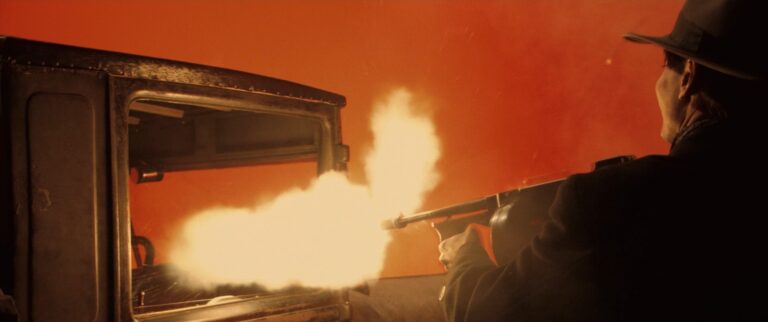
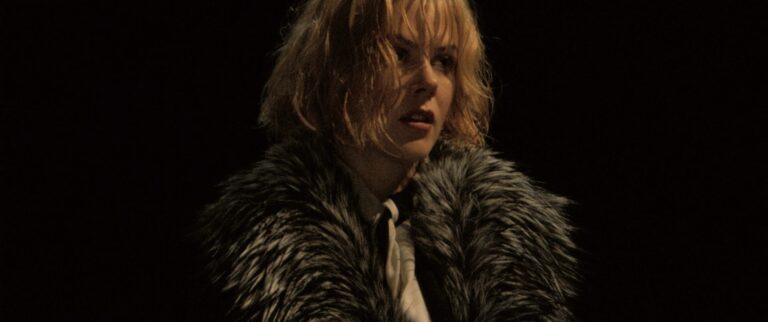
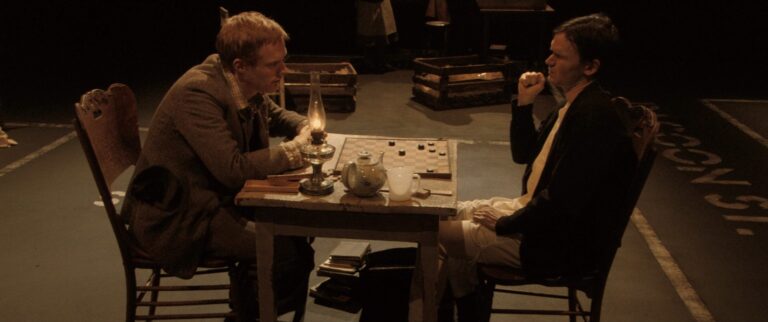
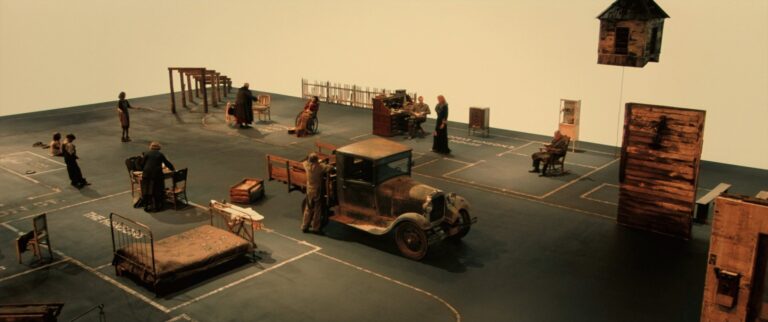
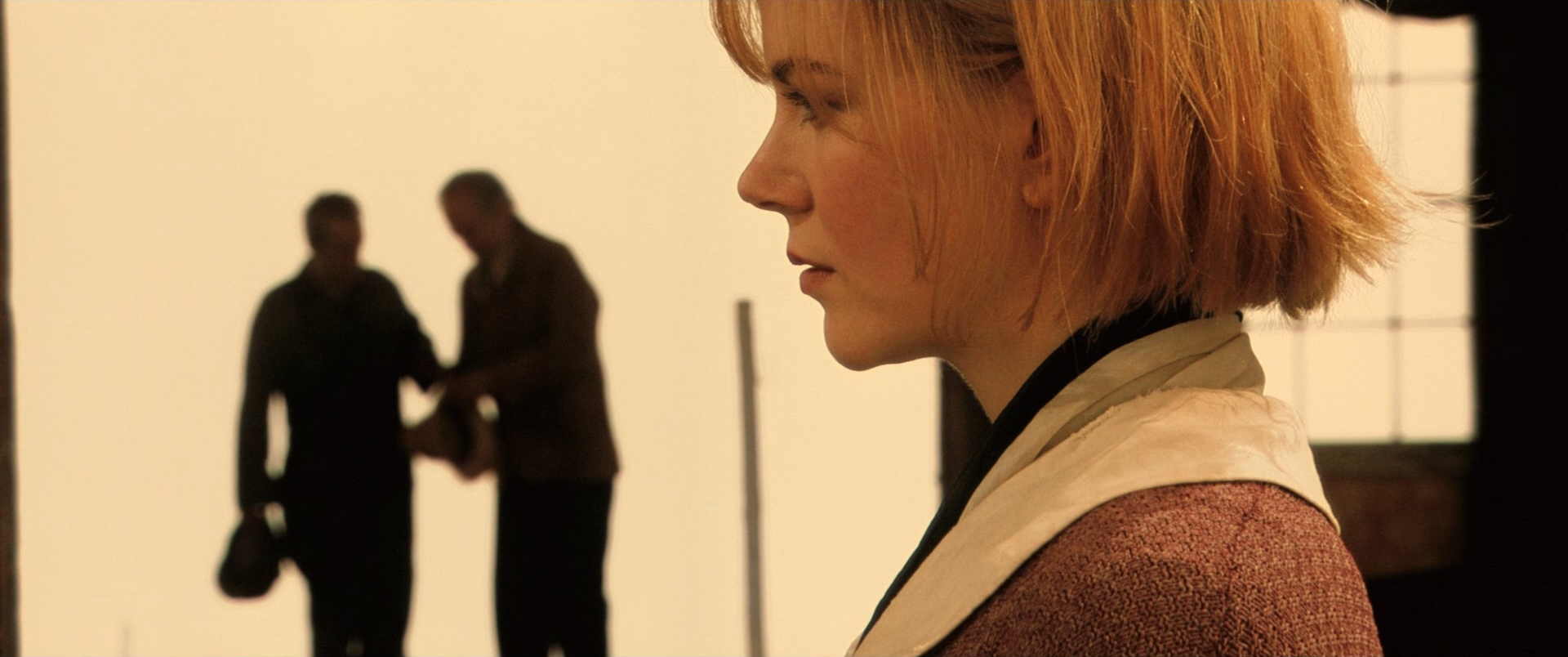
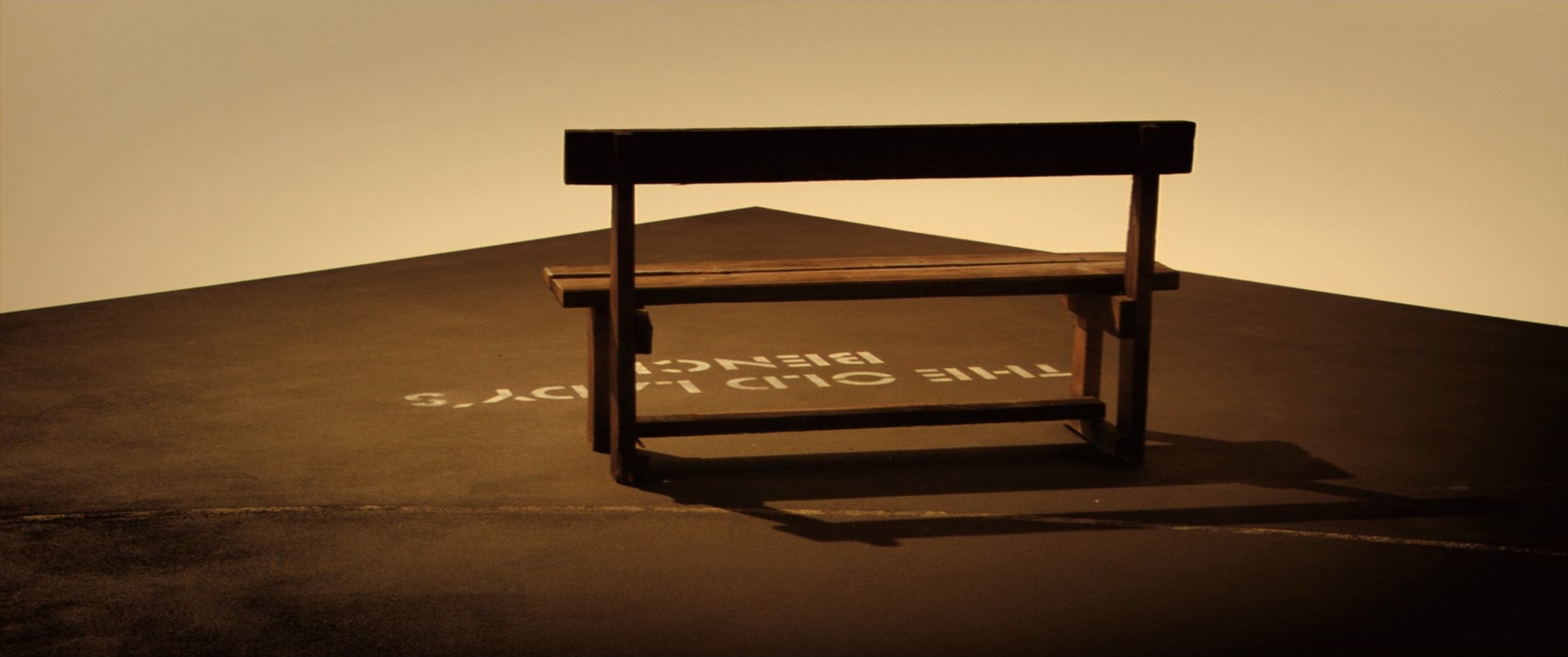
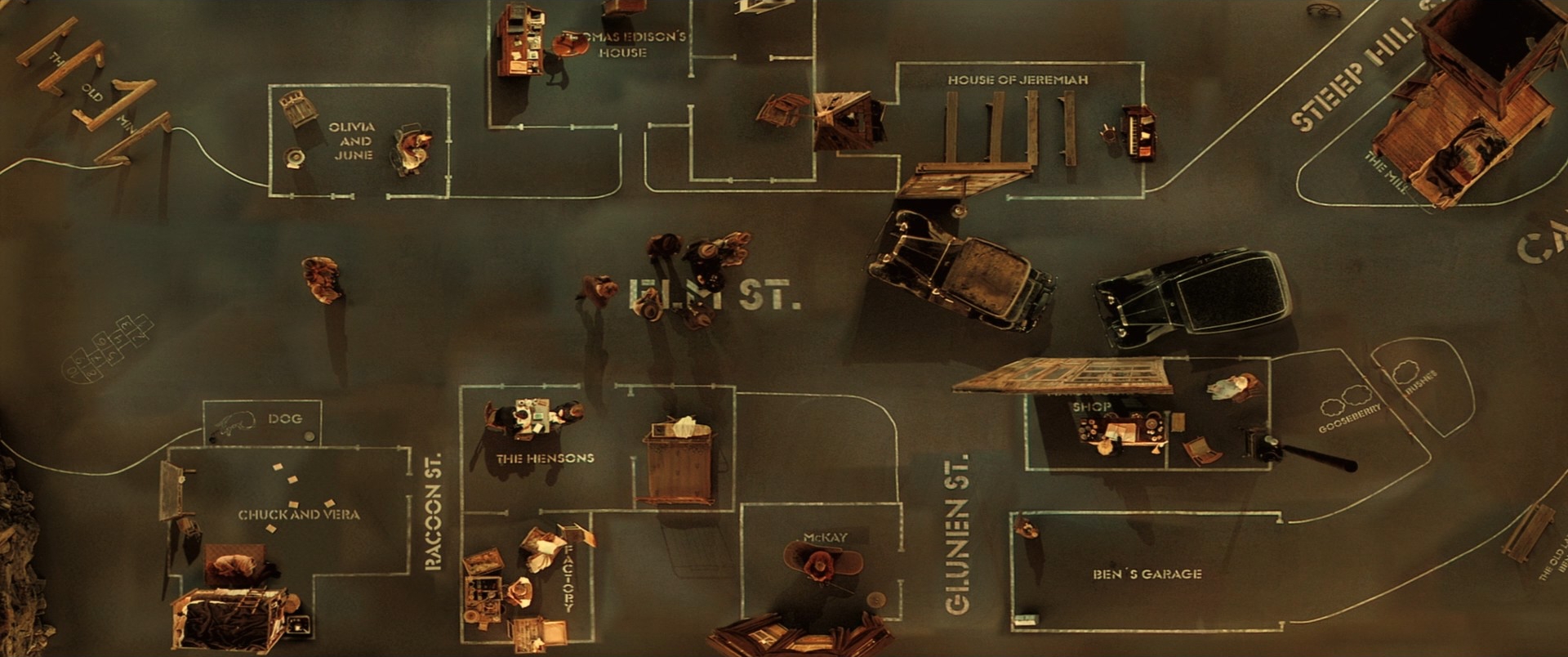
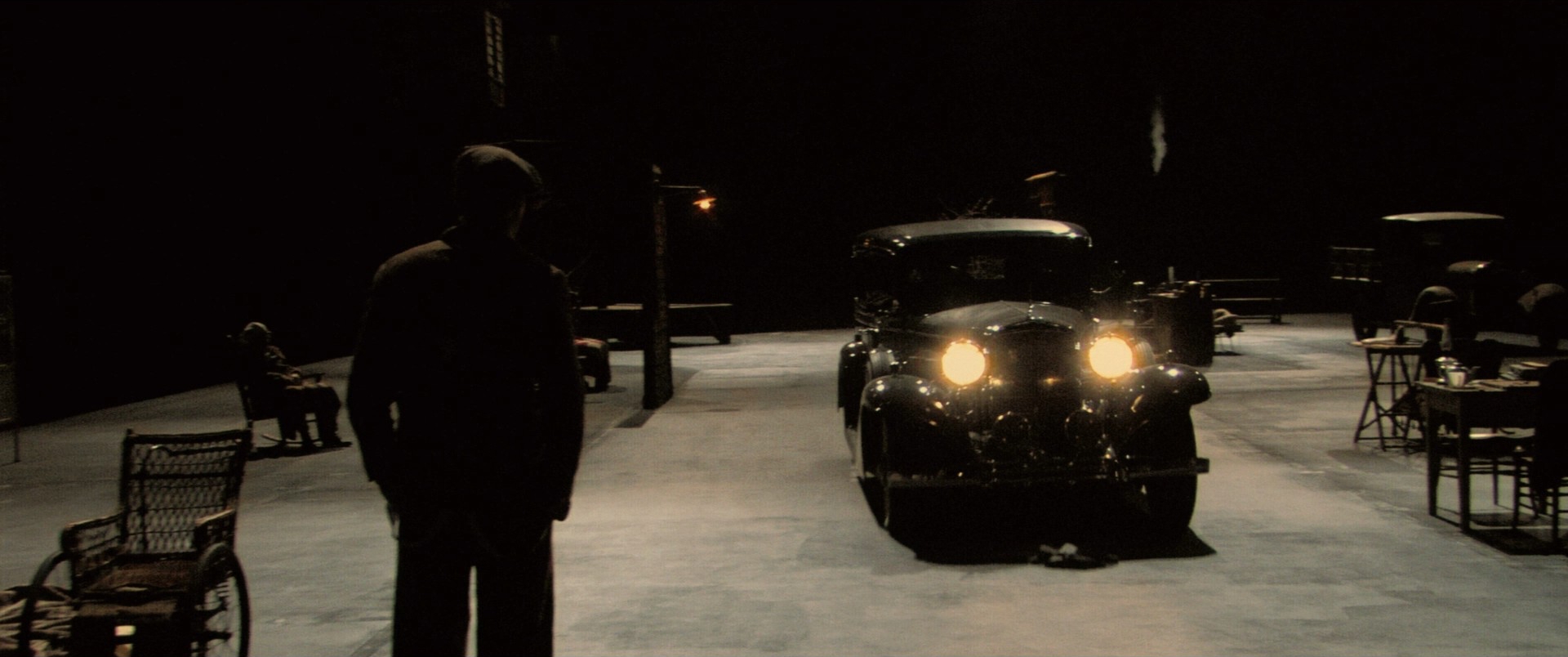
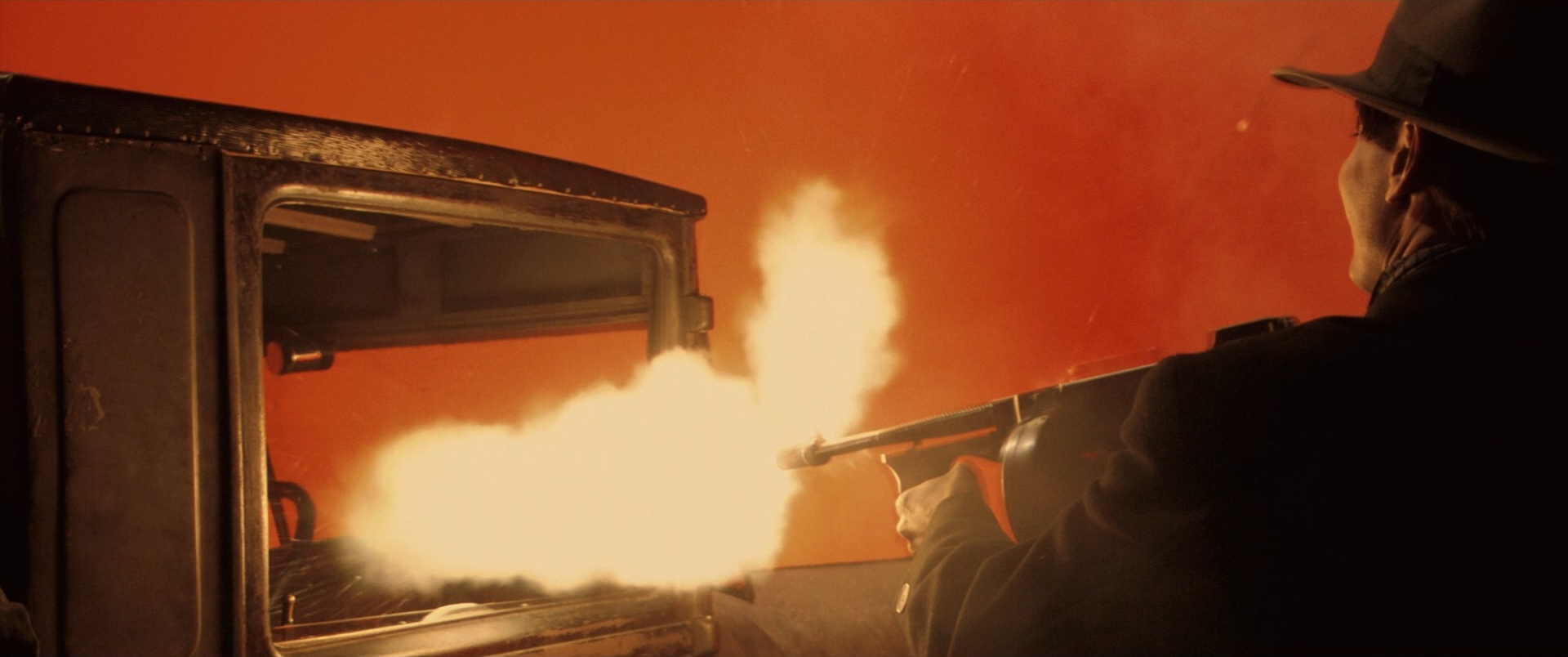
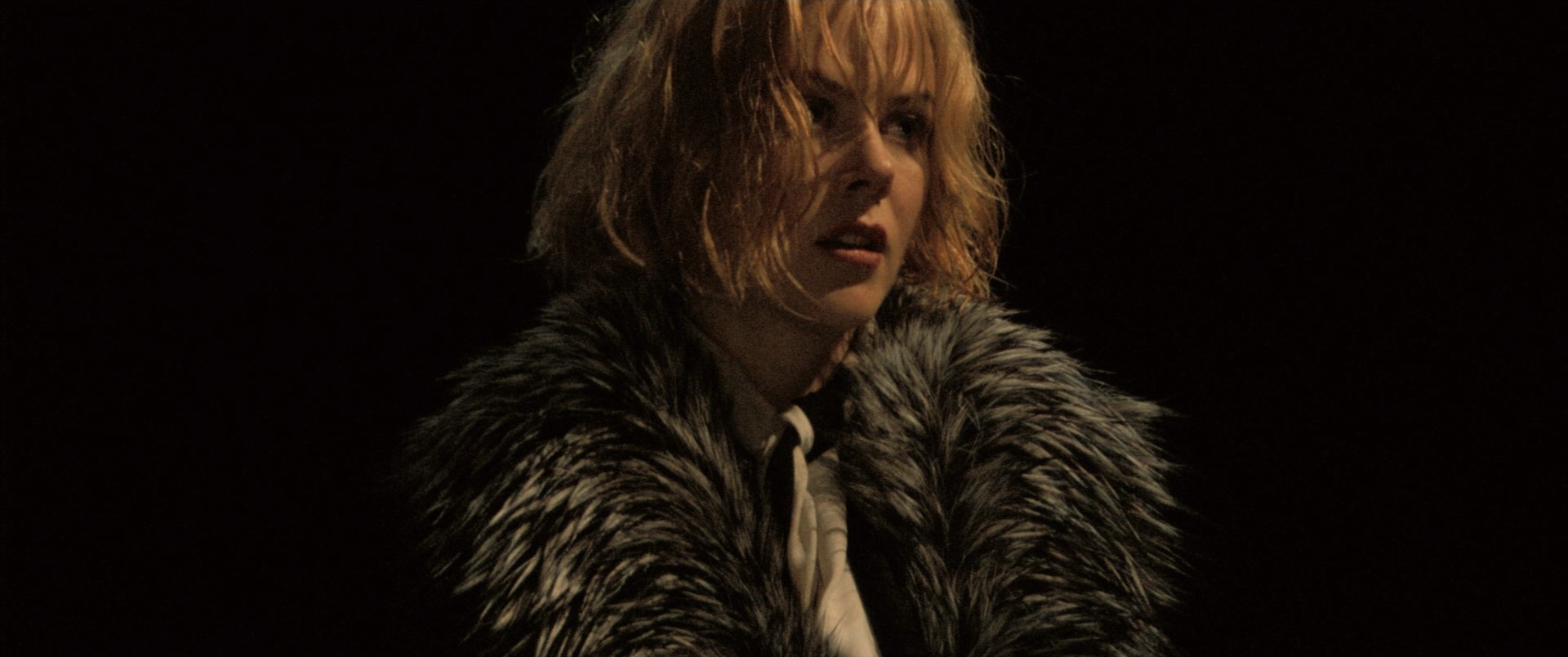
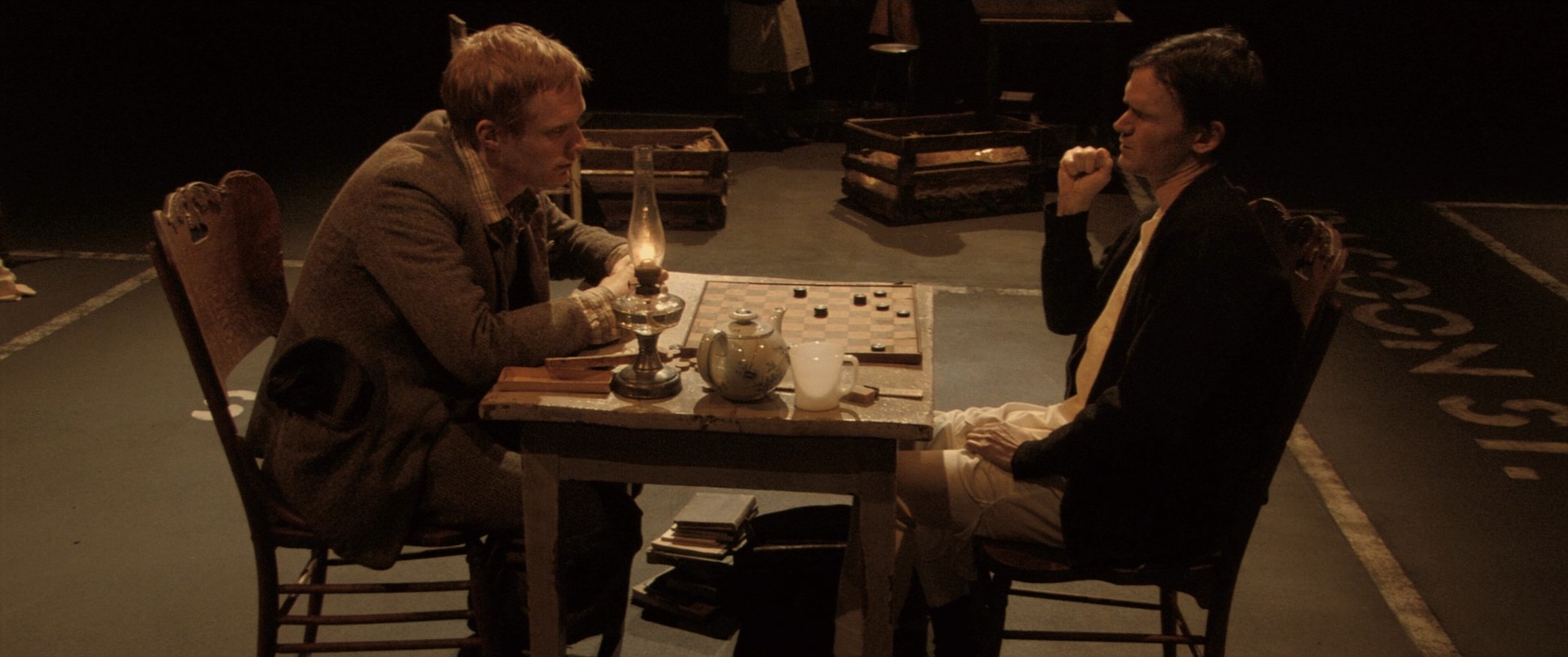
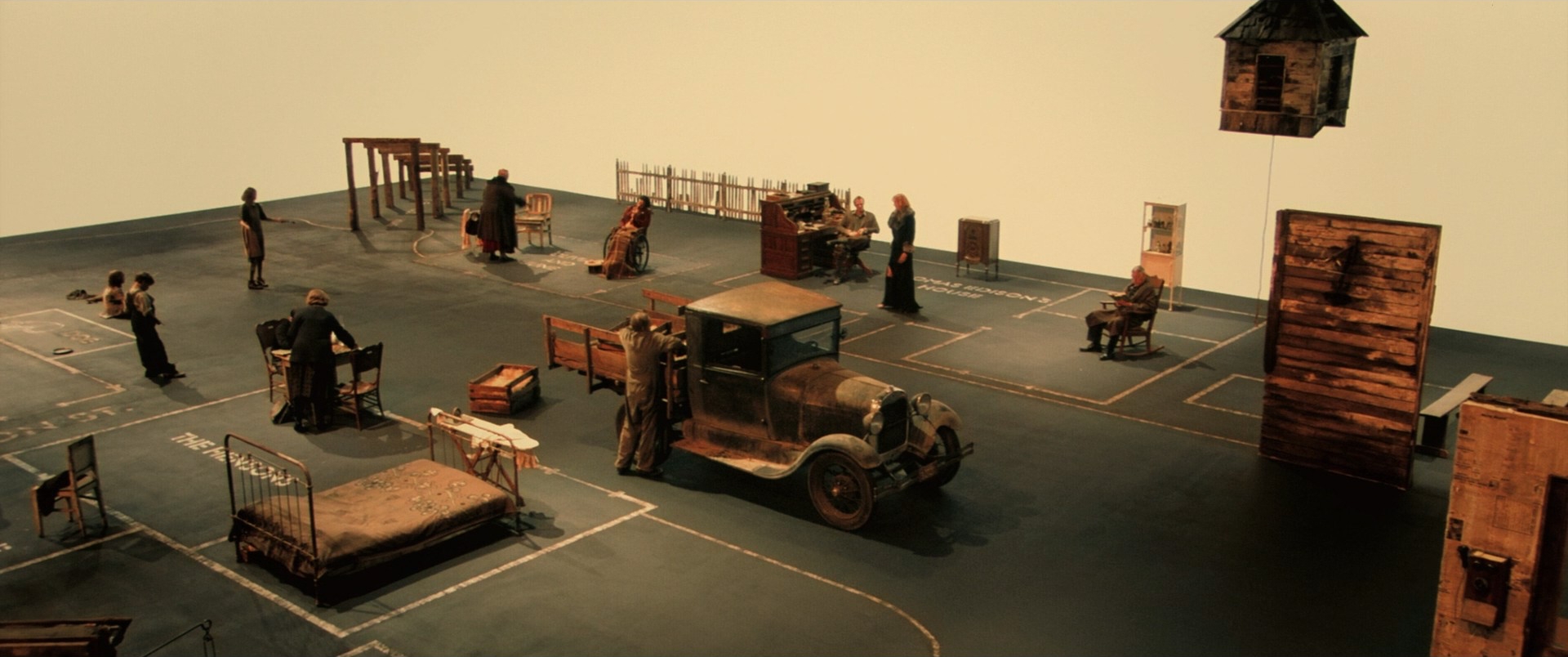
Dogville (2003)
A mysterious woman named Grace arrives in the small town of Dogville, seeking refuge from pursuing gangsters. The townspeople agree to hide her in exchange for labor, but as time passes, their demands grow increasingly exploitative and cruel. What begins as an act of kindness devolves into a disturbing examination of power, morality, and human nature.
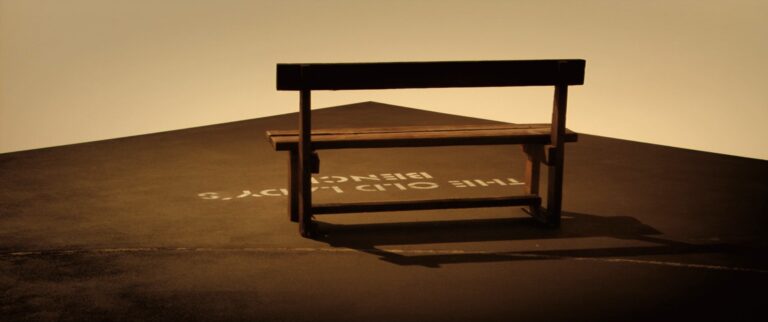
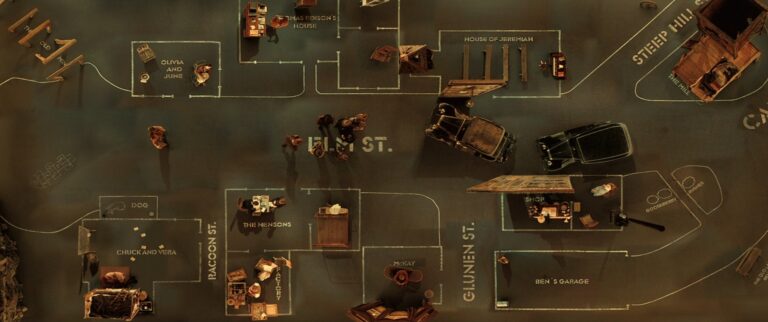
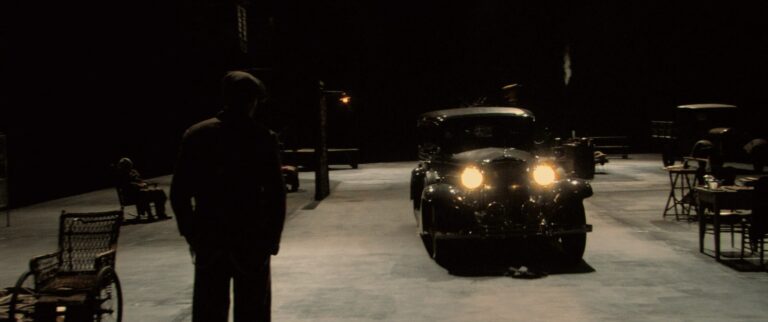
Von Trier strips Dogville down to a bare theatrical set, marking buildings with chalk outlines on a soundstage and eliminating traditional production design entirely. Shot with a roaming digital camera and minimal lighting, the film turns absence into its defining visual language—forcing performance, blocking, and spatial relationships to carry the full weight of the story.
FILM SPOTLIGHT
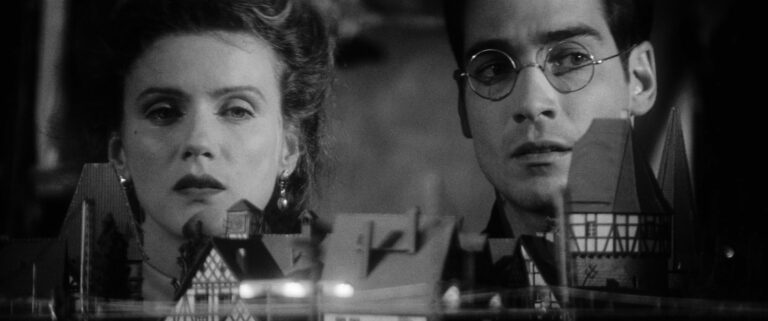
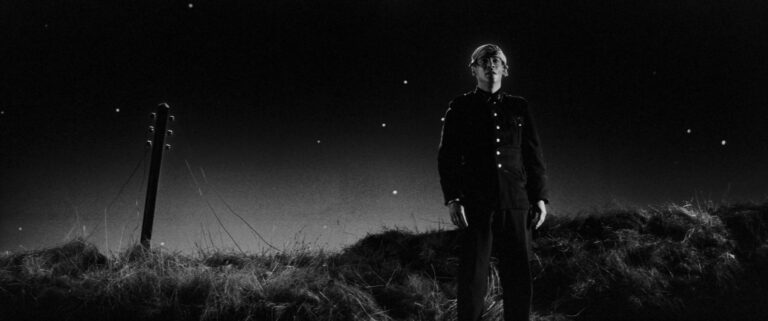
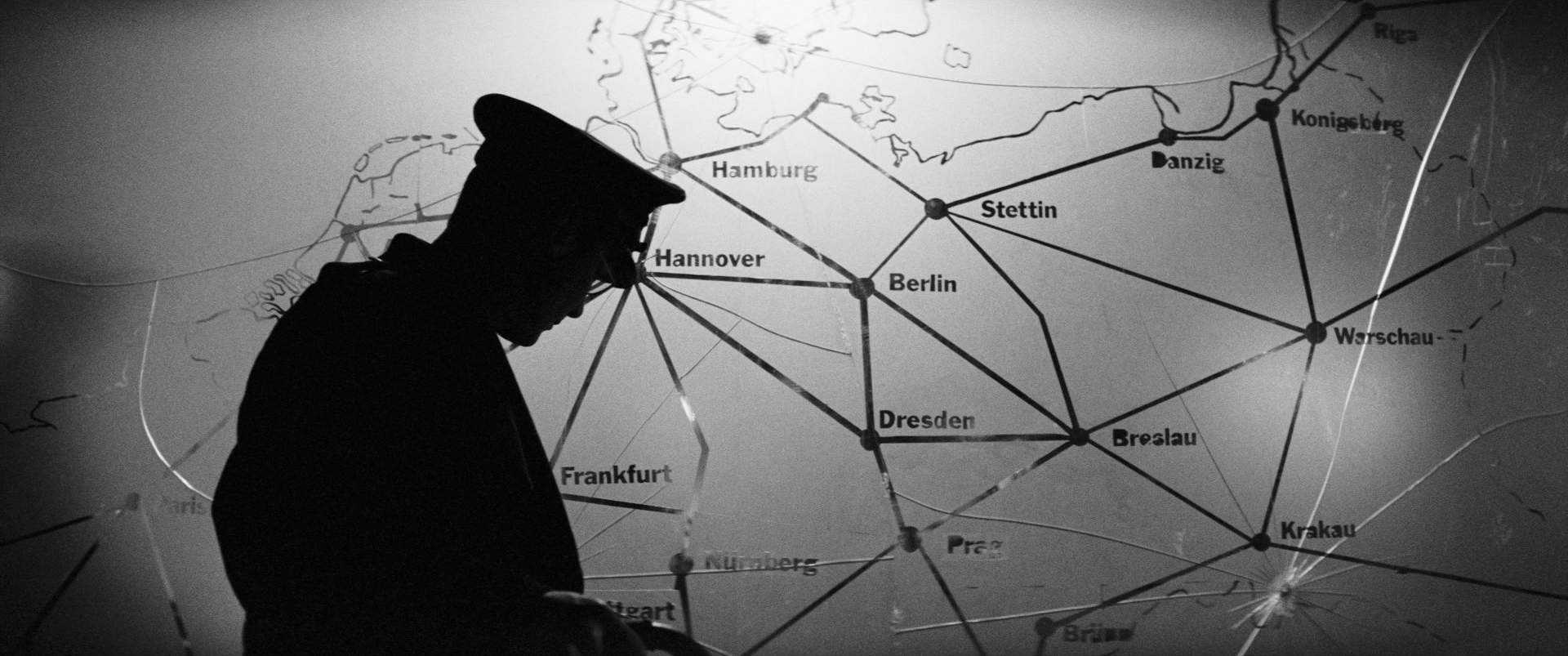
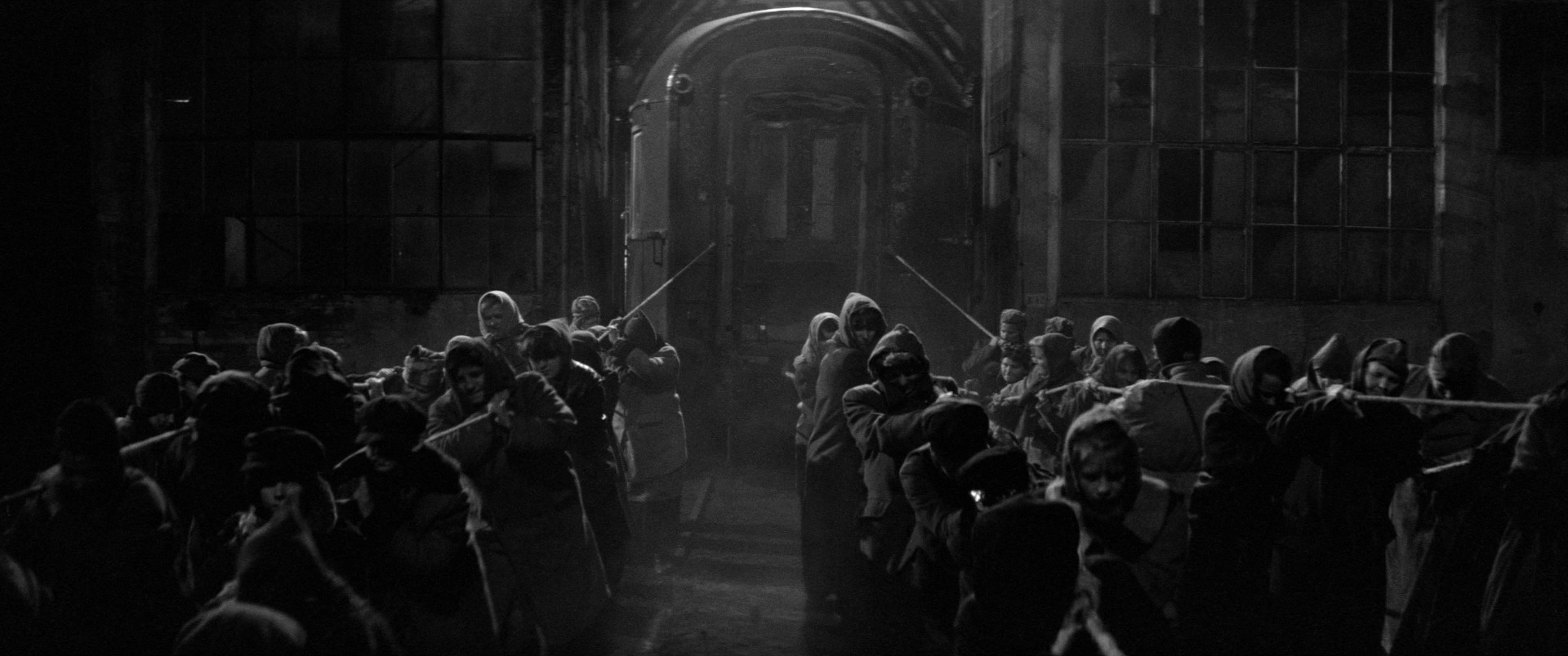
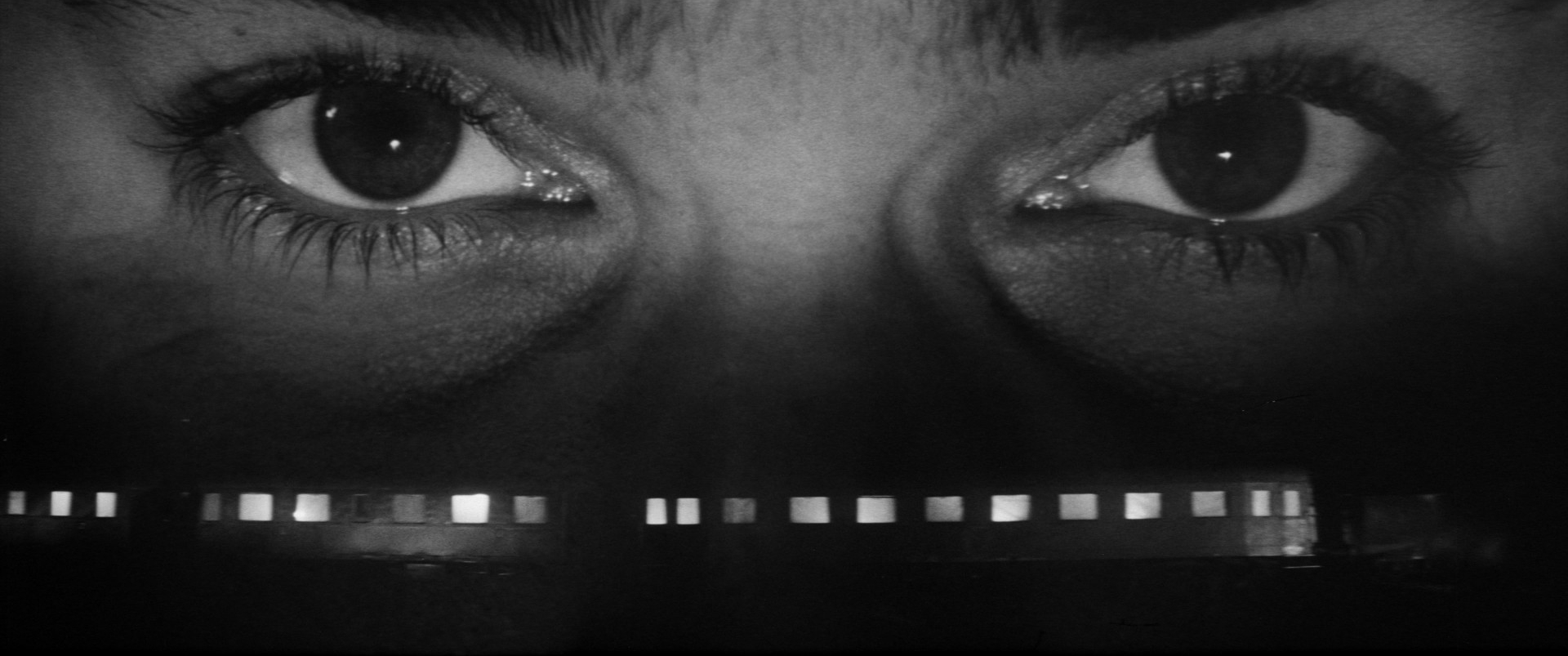
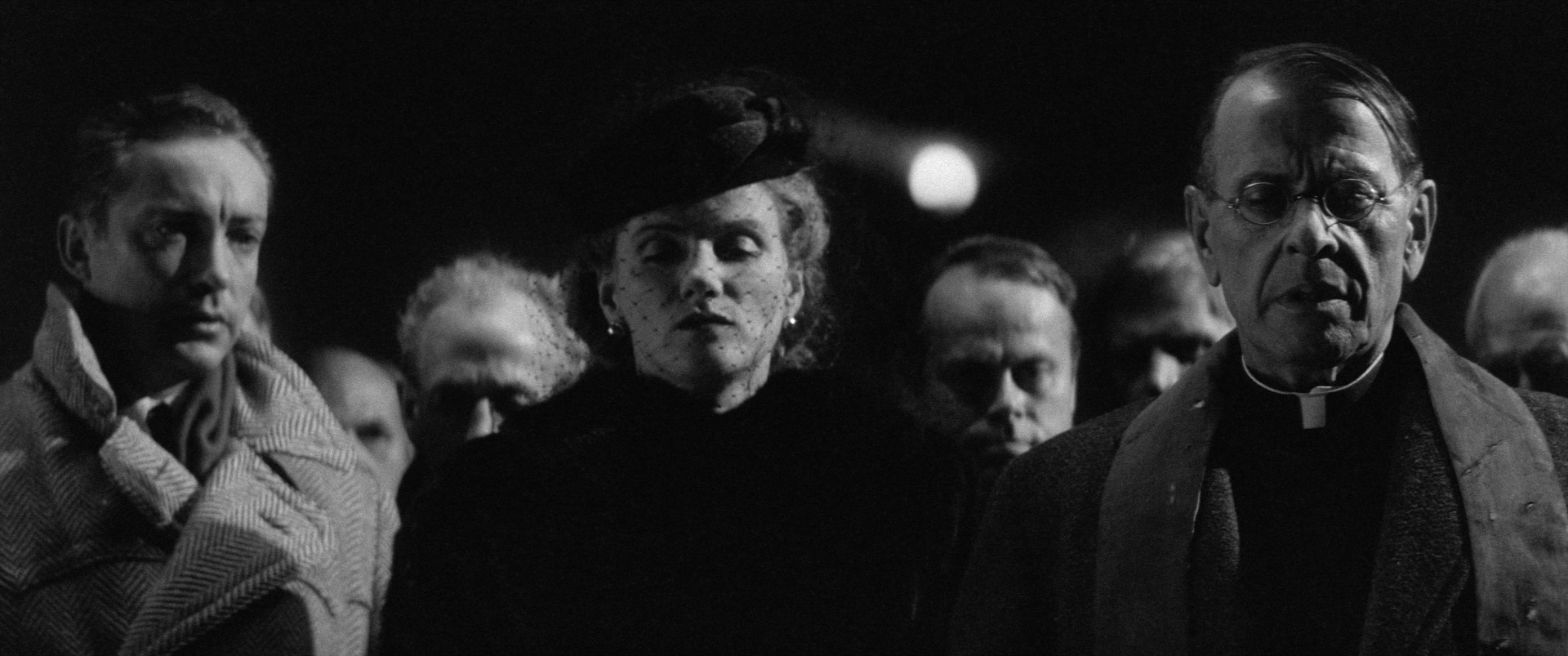
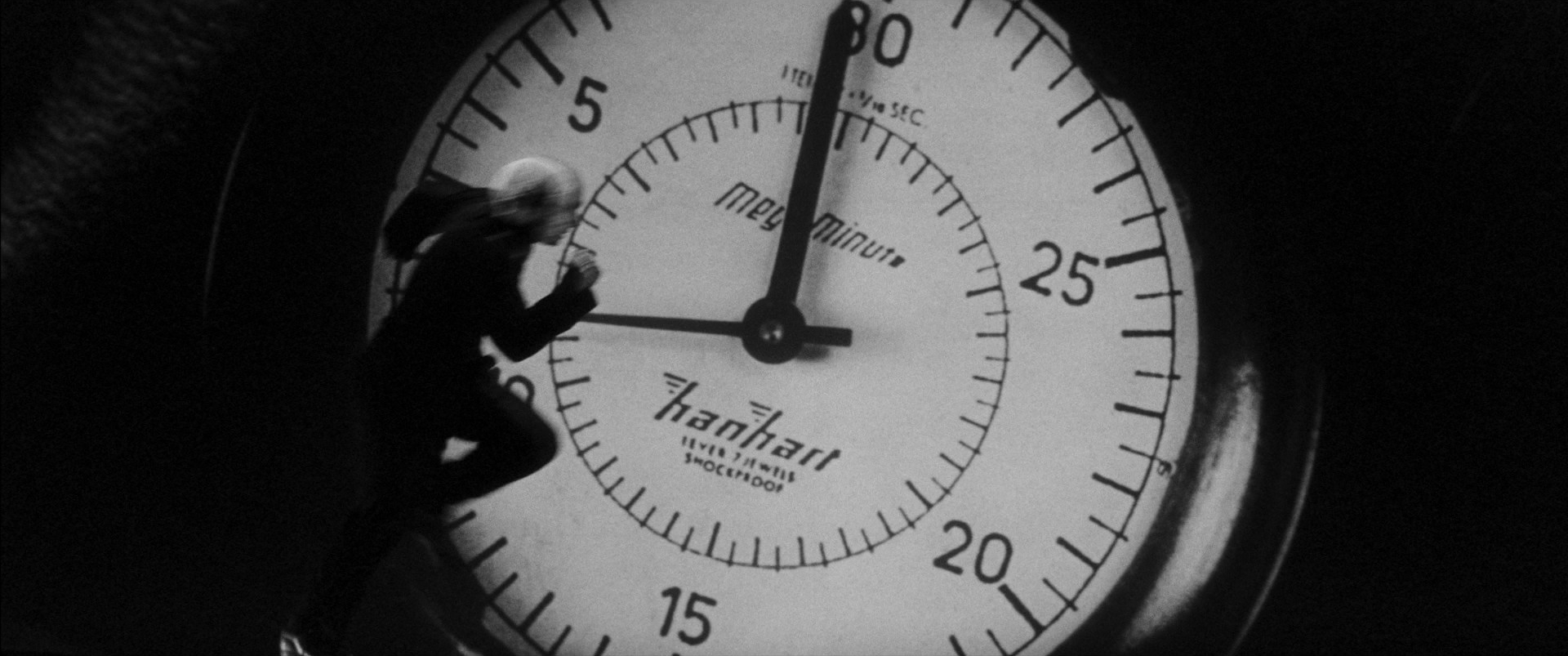
Europa (1991)
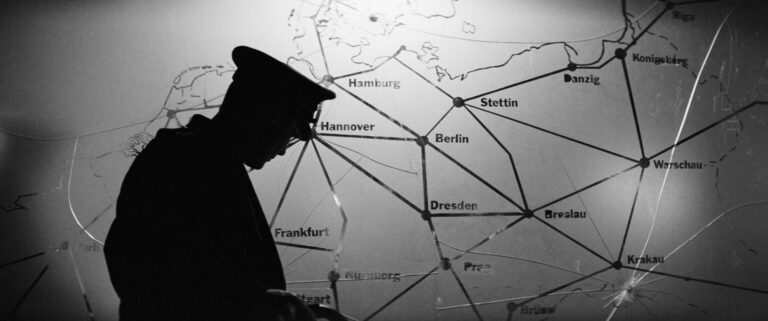
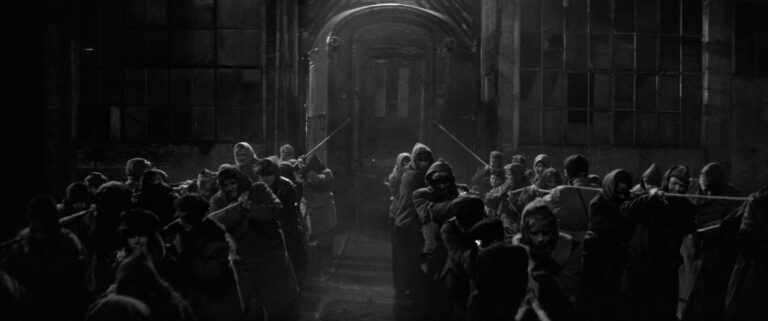
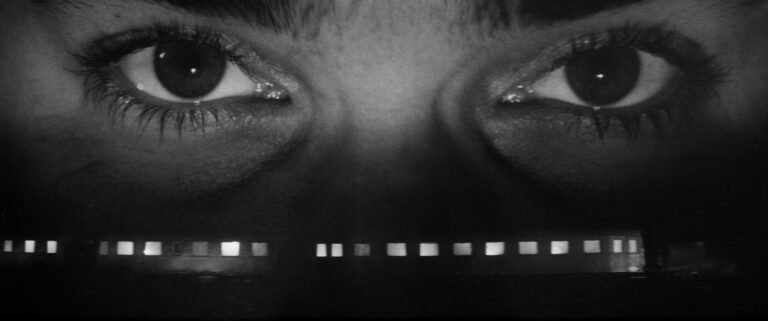
In the aftermath of World War II, an idealistic American travels to Germany to work as a train conductor, hoping to help rebuild the country. As he becomes entangled with a mysterious woman and the lingering remnants of the Nazi regime, his sense of morality and purpose begins to unravel. Drawn deeper into a web of intrigue and manipulation, he finds himself caught between innocence and complicity.
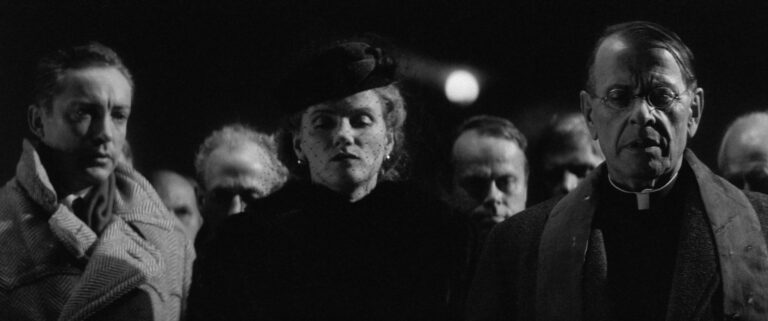
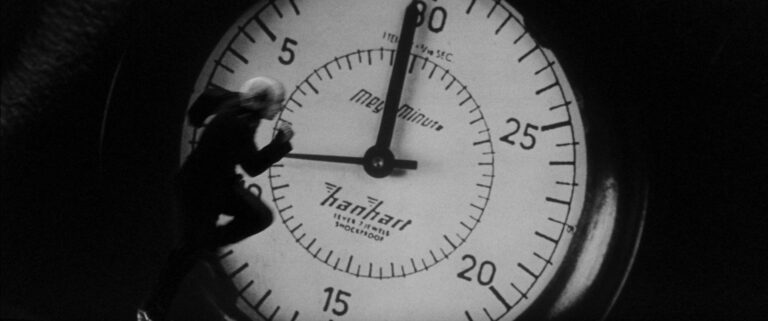
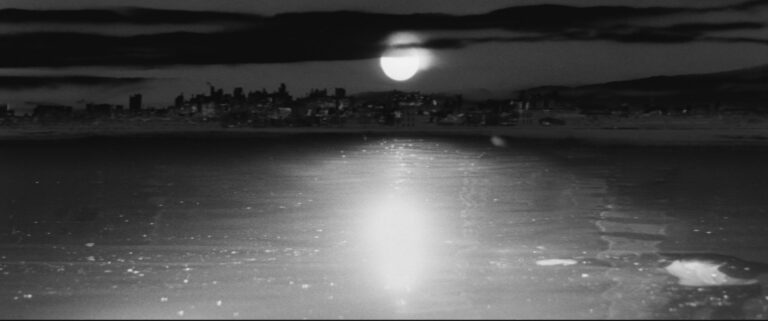
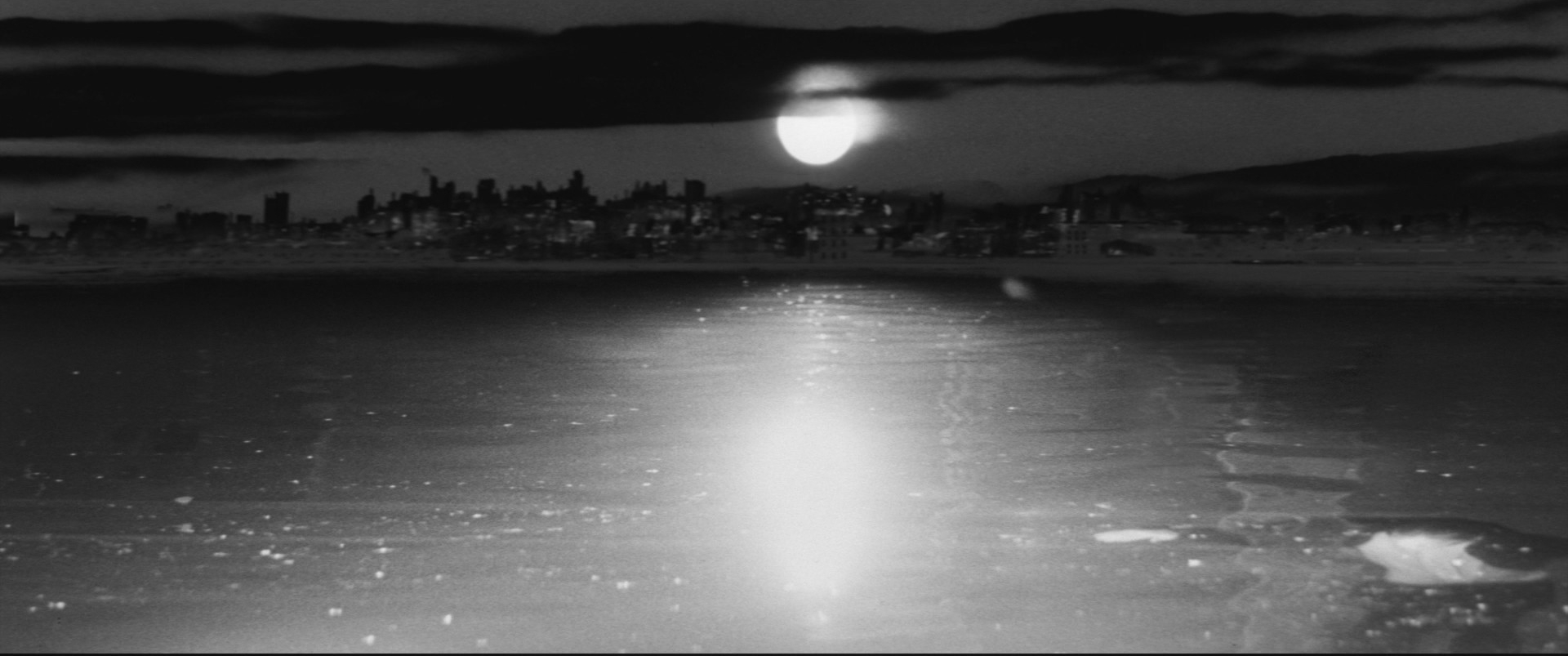
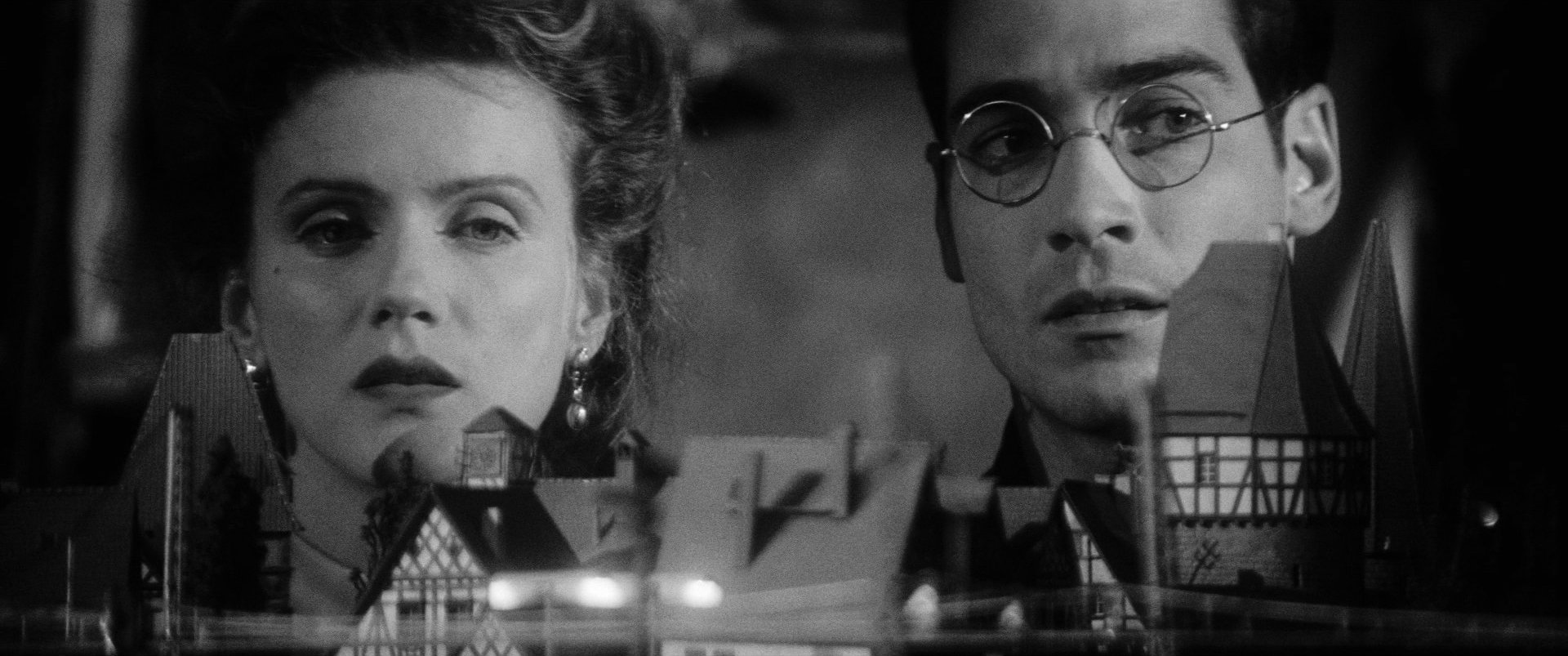
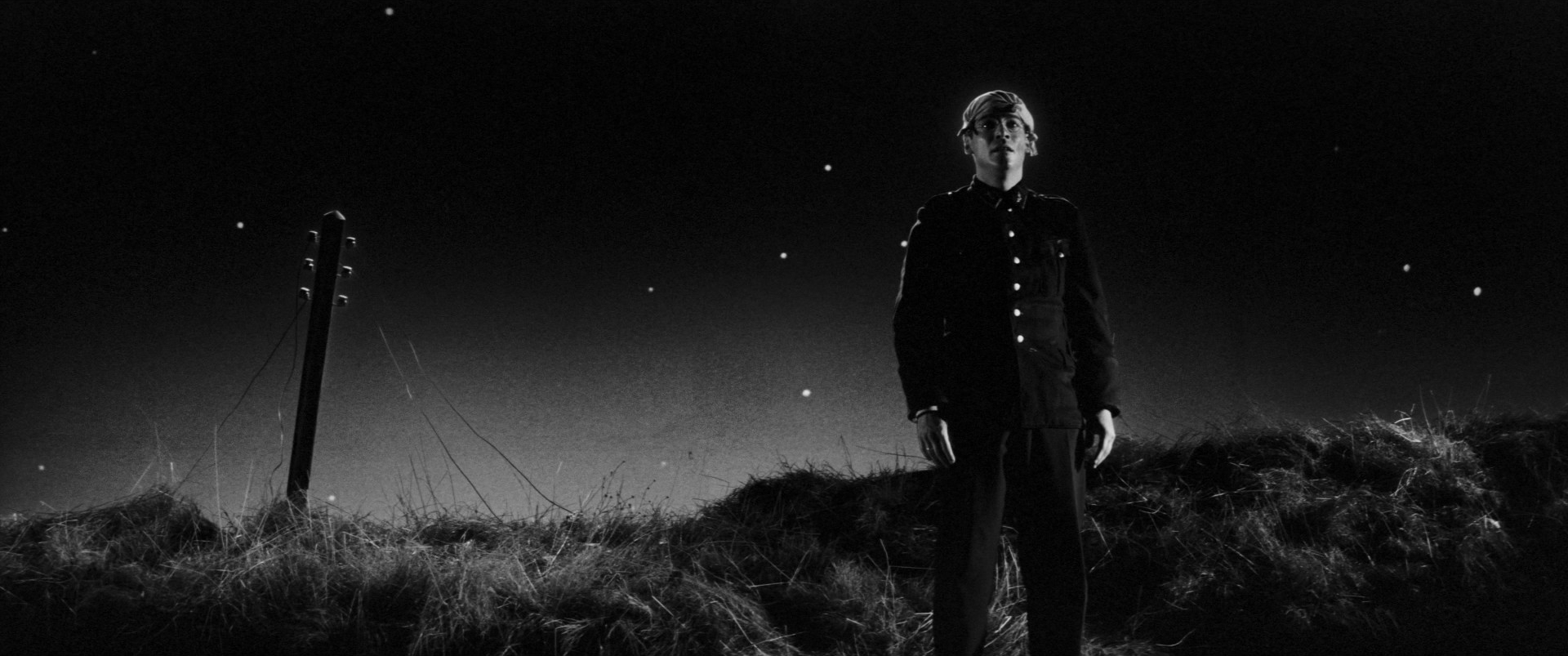
Von Trier and cinematographer Henning Bendtsen craft Europa with a striking hybrid style, combining black-and-white photography with selective color elements and rear projection to create a dreamlike, hypnotic atmosphere. The film’s fluid camera—gliding through sets and transitions—along with its layered compositing turns the image into a surreal, almost subconscious space, where history feels both real and unreal at once.
FILM SPOTLIGHT
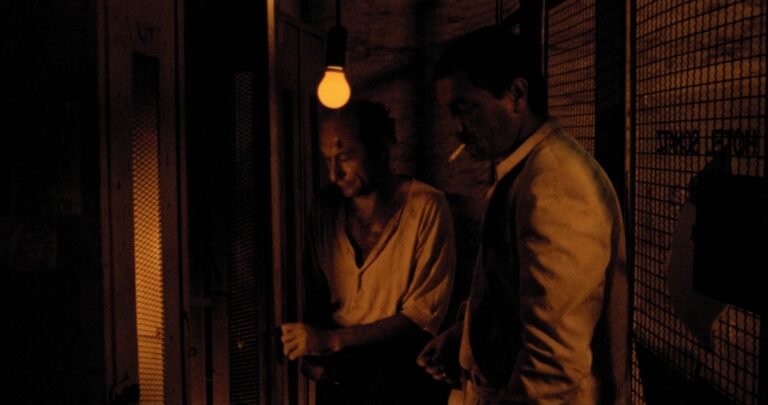
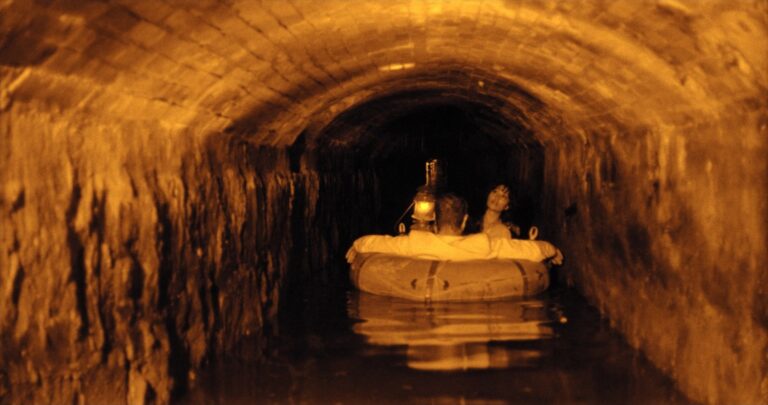
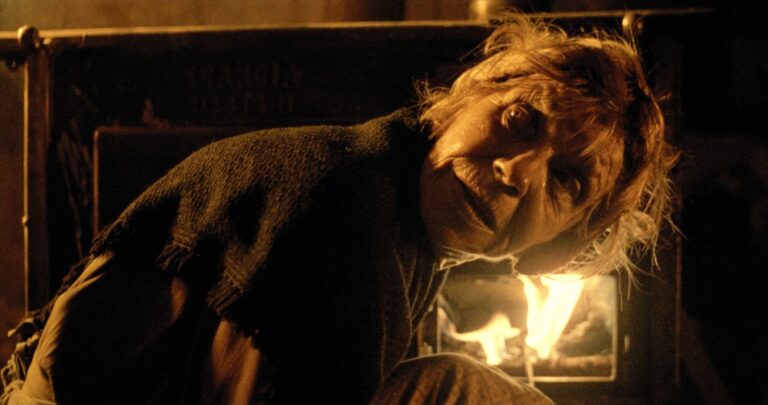
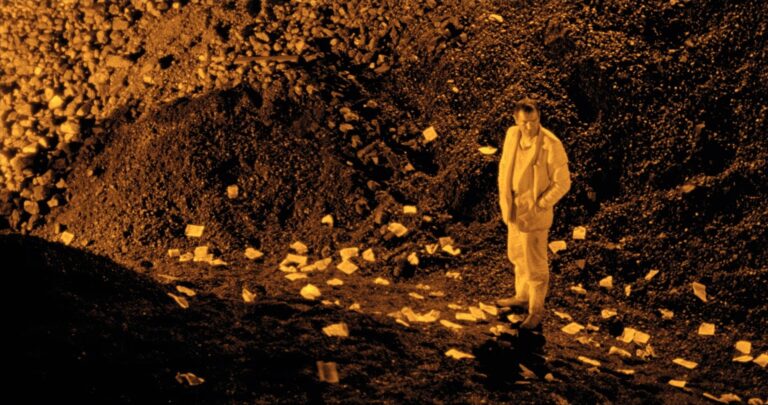
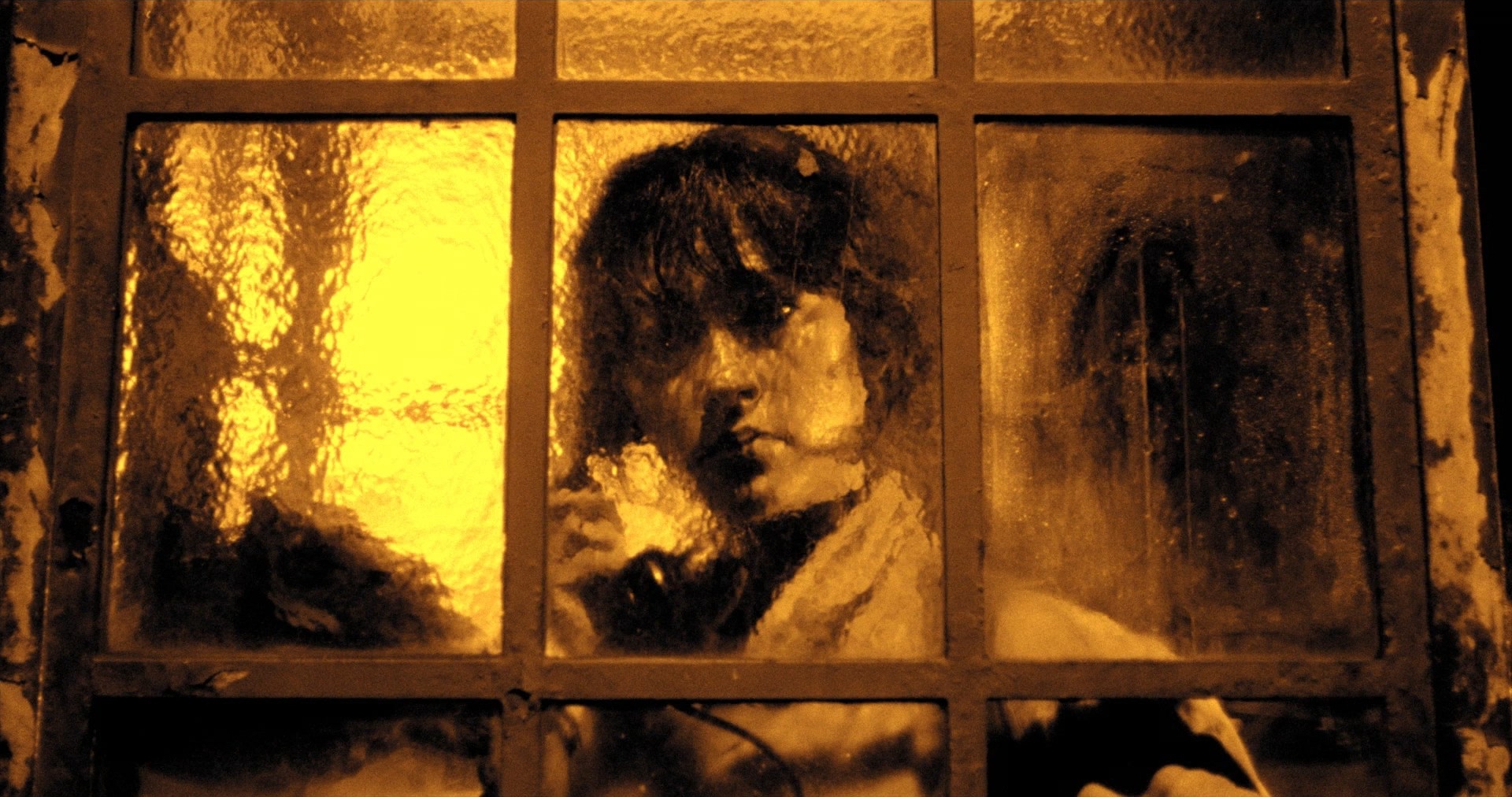
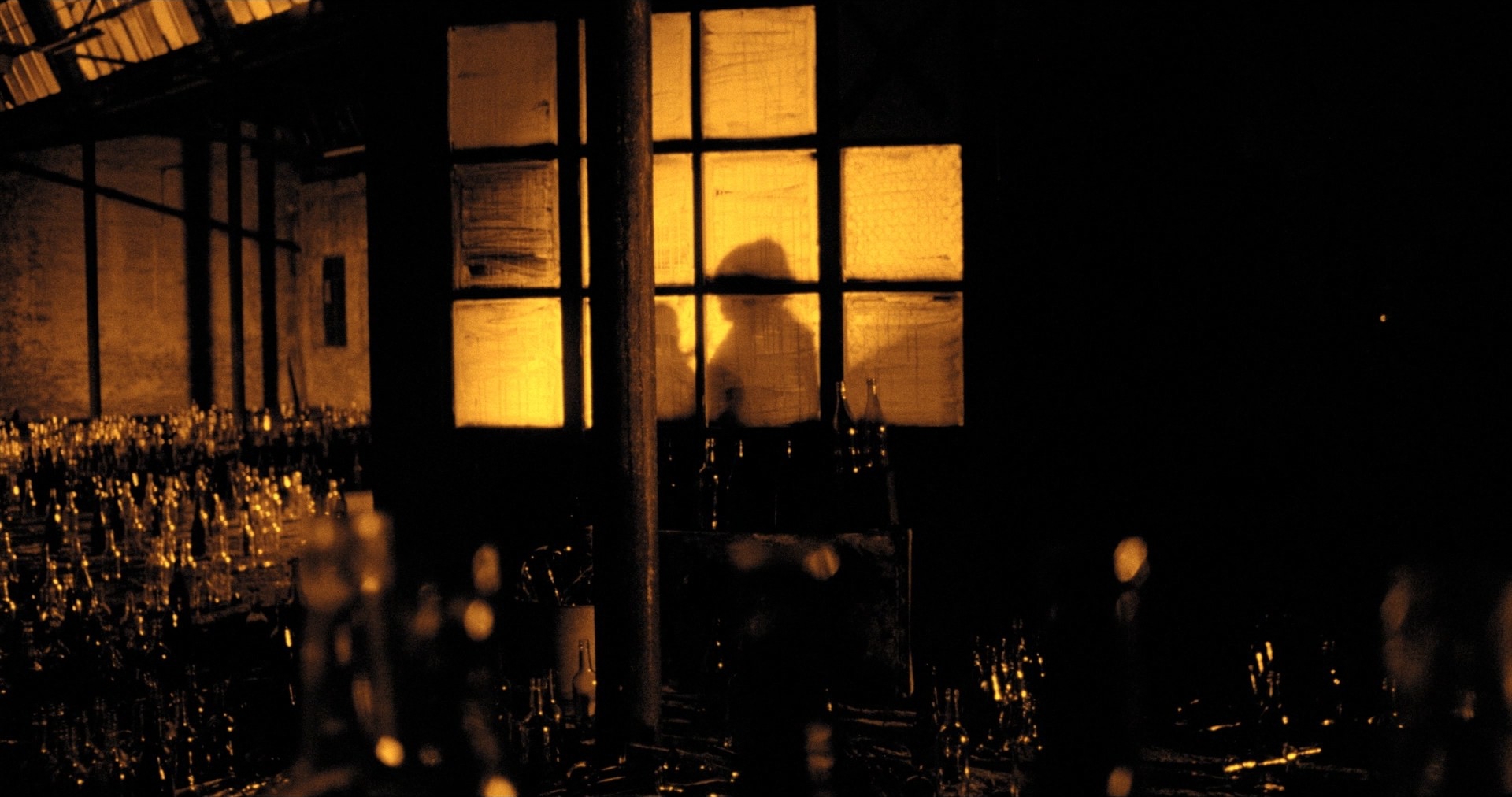
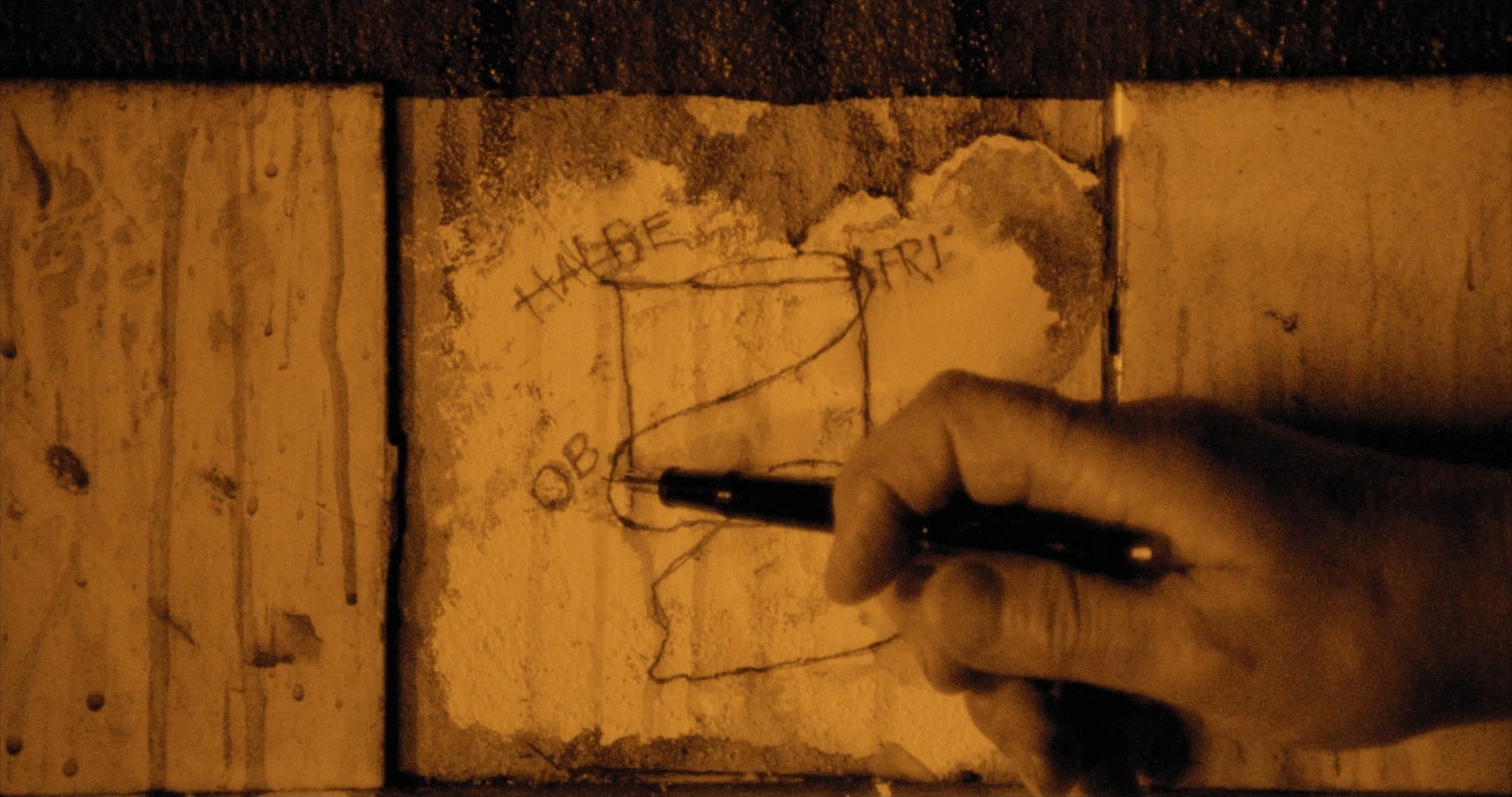
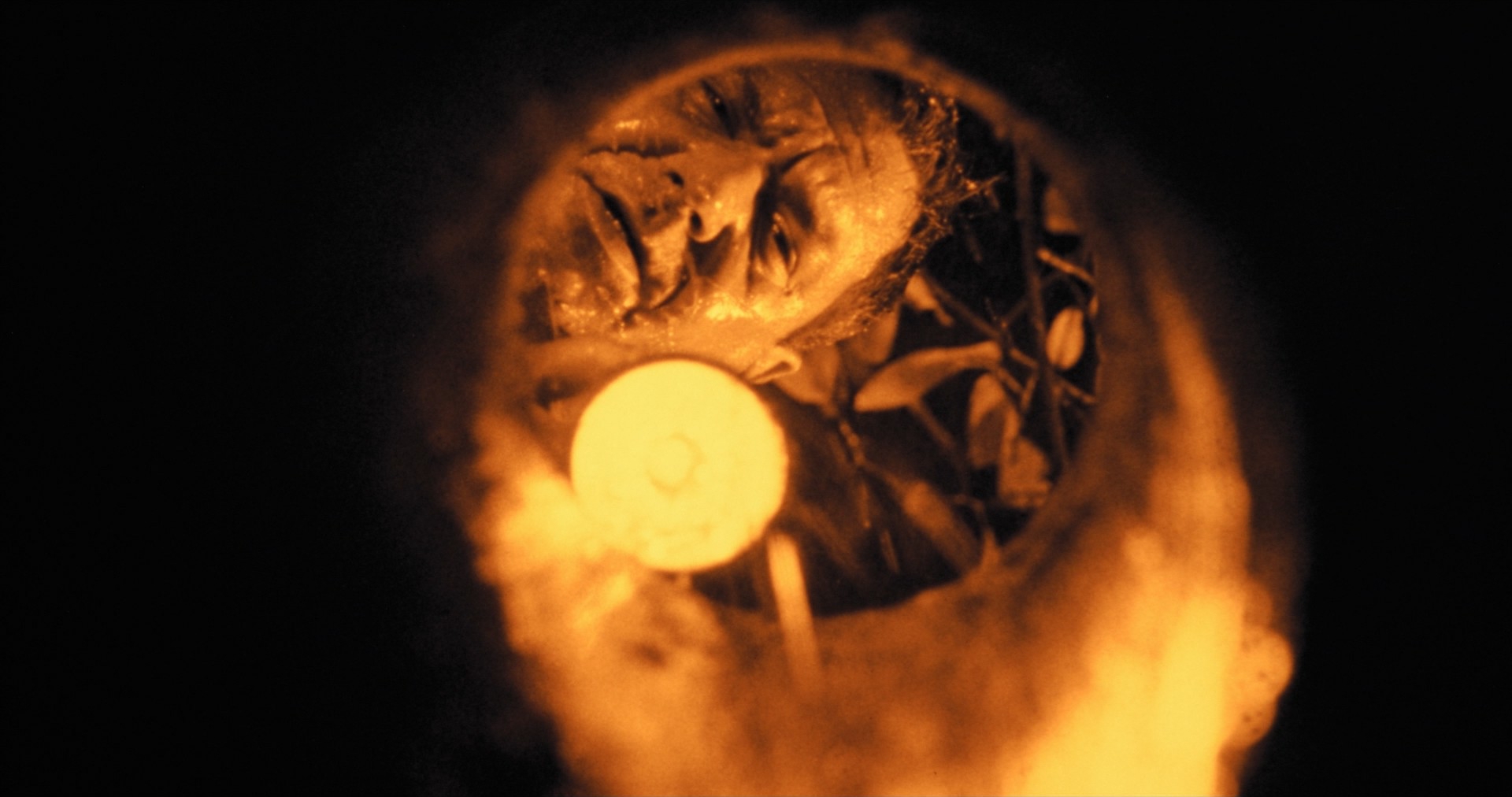
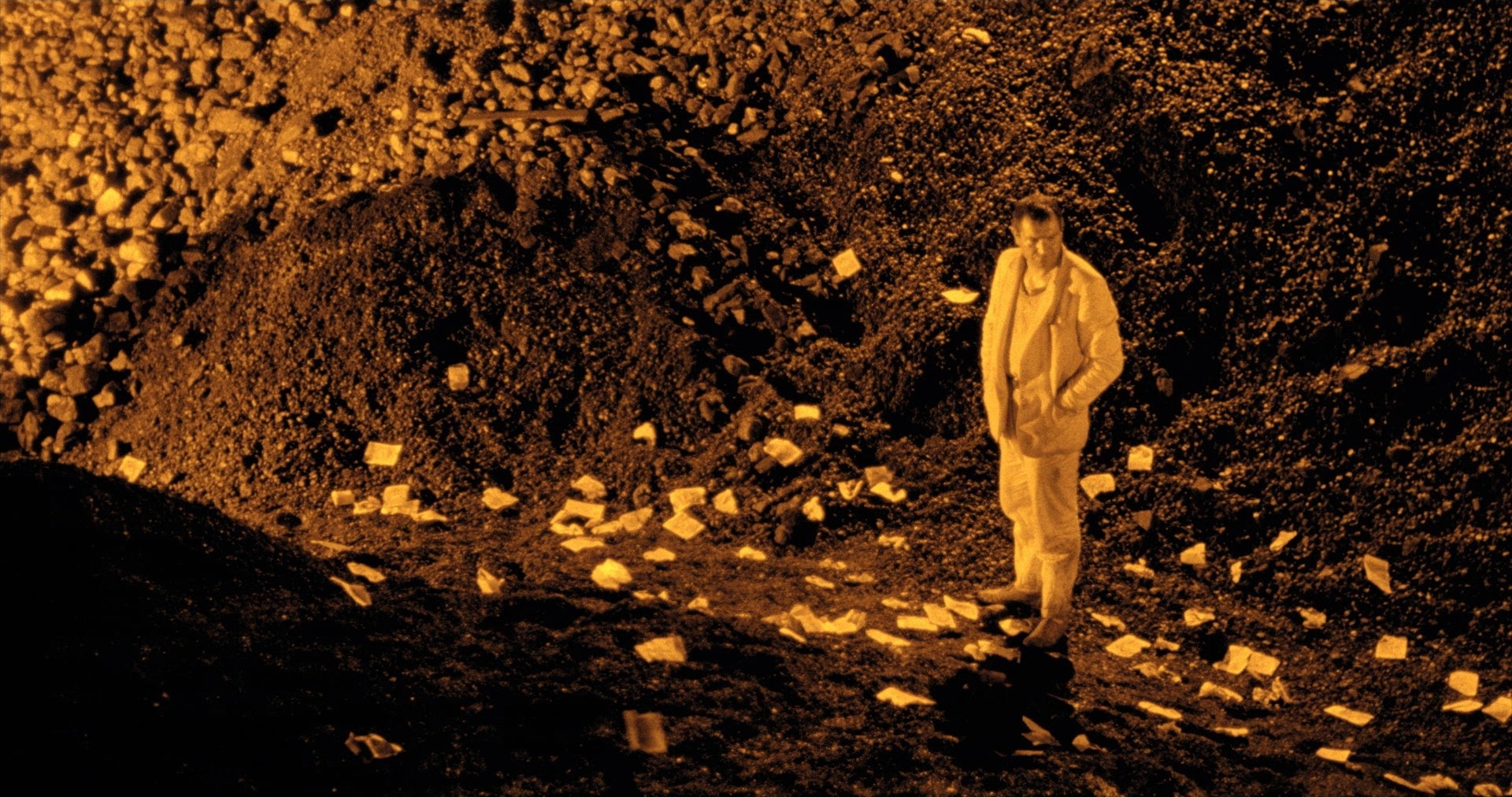
The Element of Crime (1984)
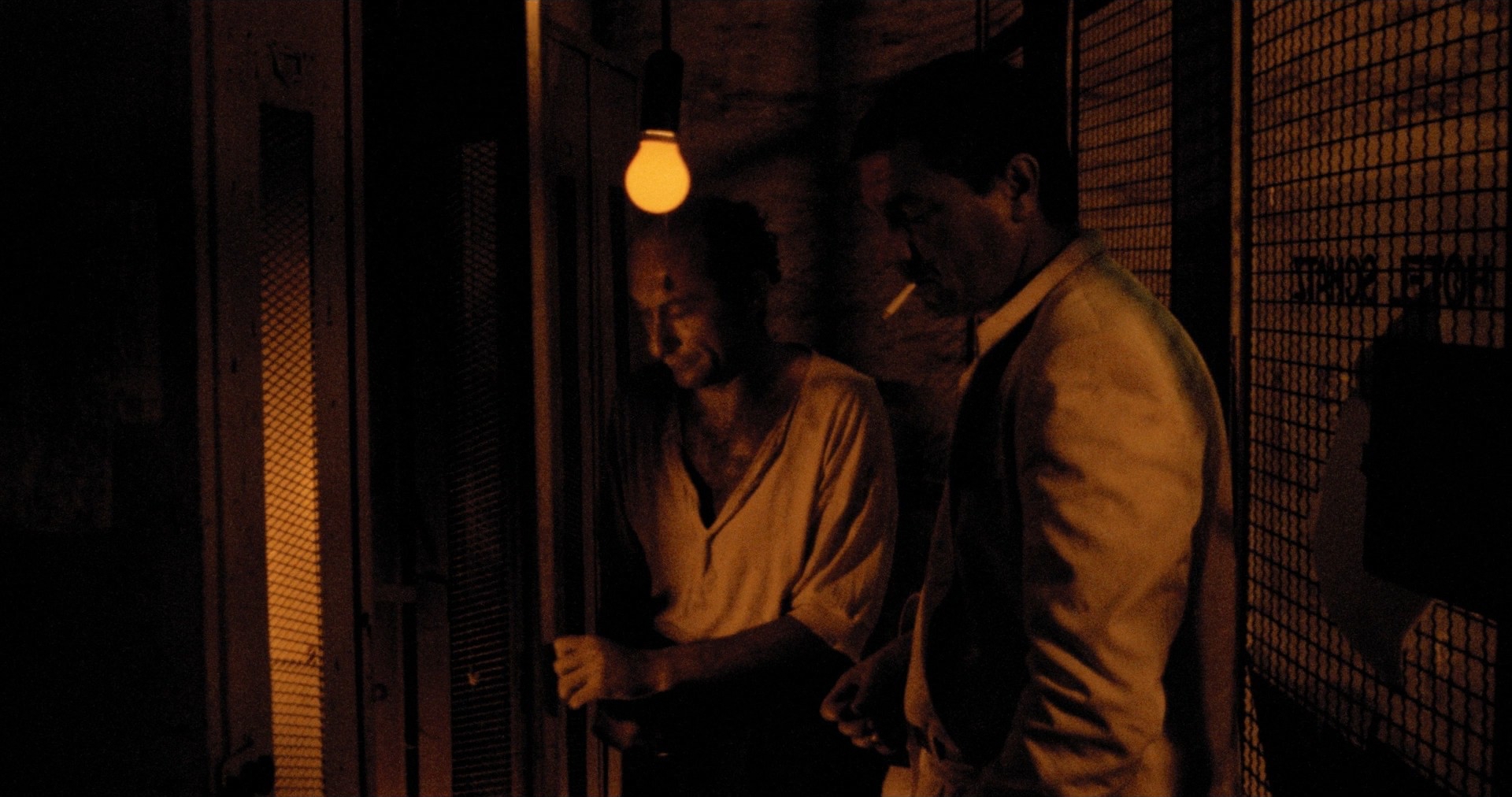
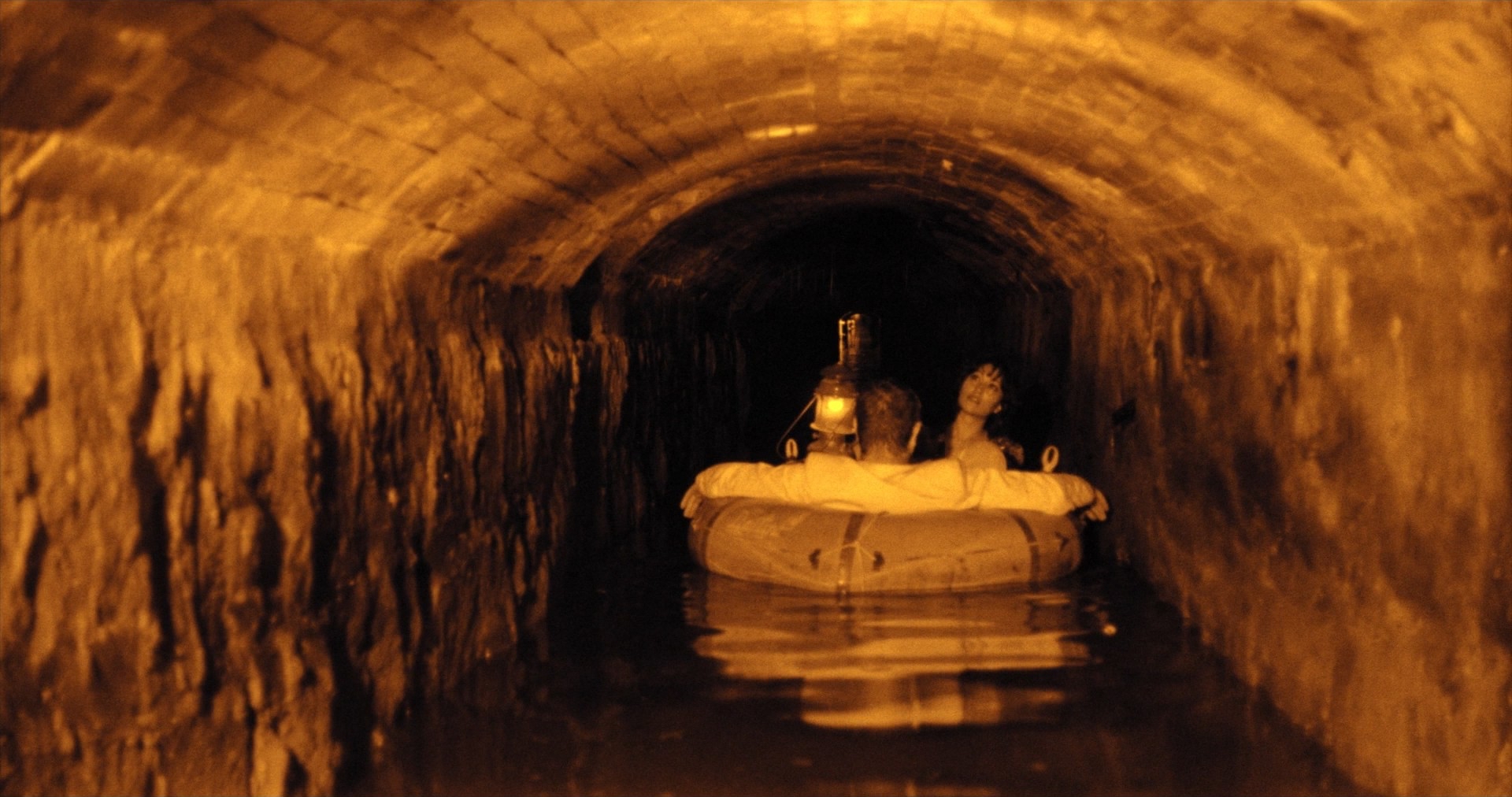
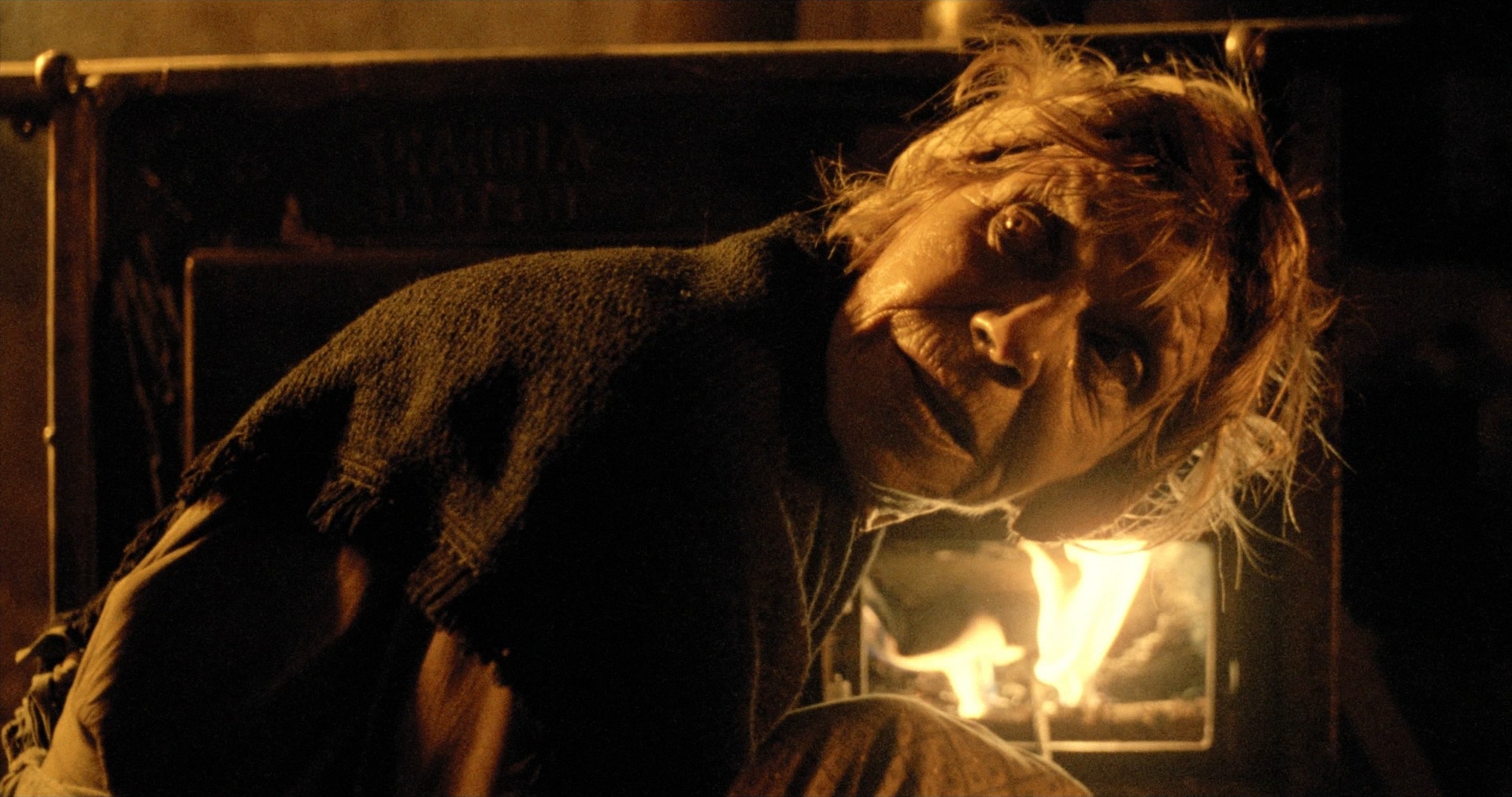
A detective, operating under hypnosis, recounts his investigation into a series of child murders across a decaying, post-apocalyptic Europe. Following the methods of a disgraced mentor, he immerses himself in the mind of the killer, blurring the line between hunter and hunted. As the case unfolds, his grip on reality deteriorates, leading him toward a disturbing conclusion.
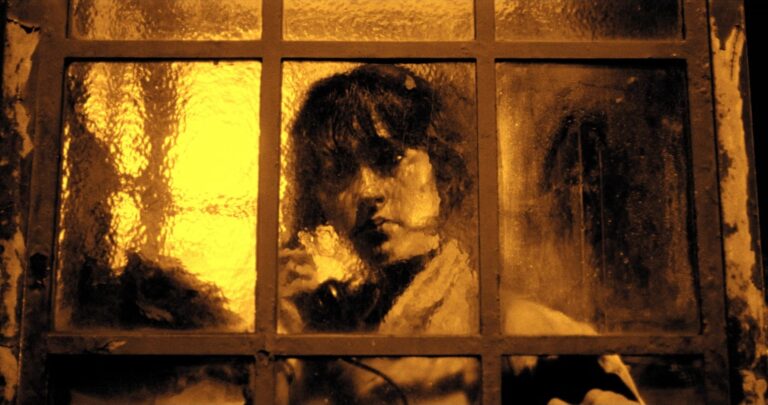
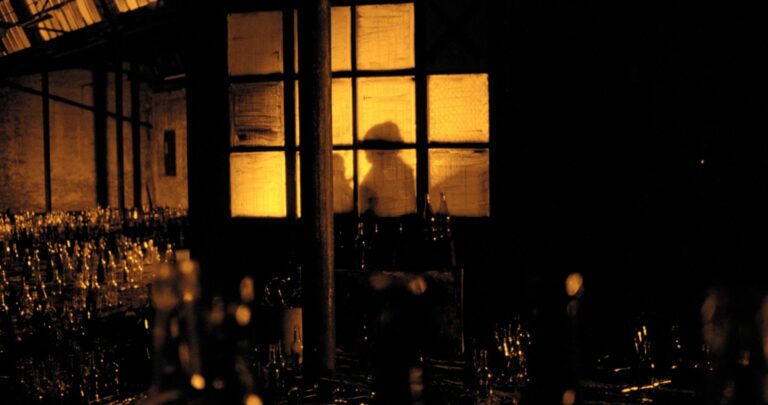
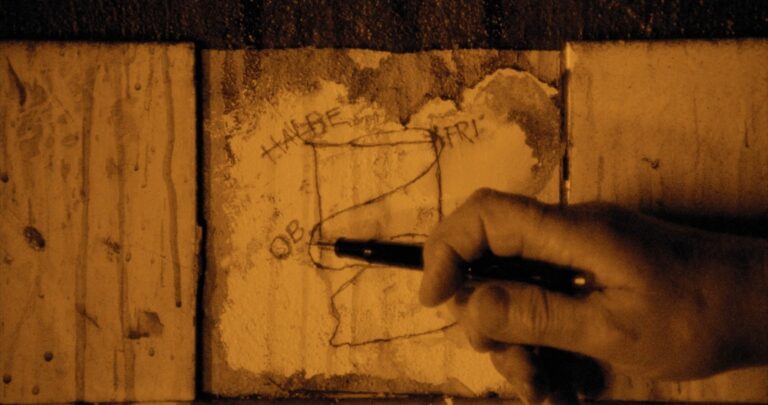
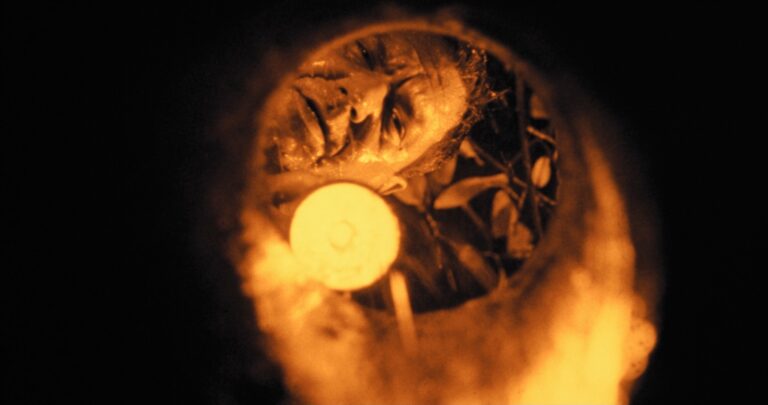
Von Trier and cinematographer Tom Elling bathe The Element of Crime in a monochromatic, sepia-toned palette, using sodium-vapor lighting and heavy filtration to create a world that feels perpetually nocturnal and decayed. The film’s slow, gliding camera and reflective surfaces—water, glass, metal—turn every frame into a murky, dreamlike space, where environment and psychology collapse into one.
FILM SPOTLIGHT
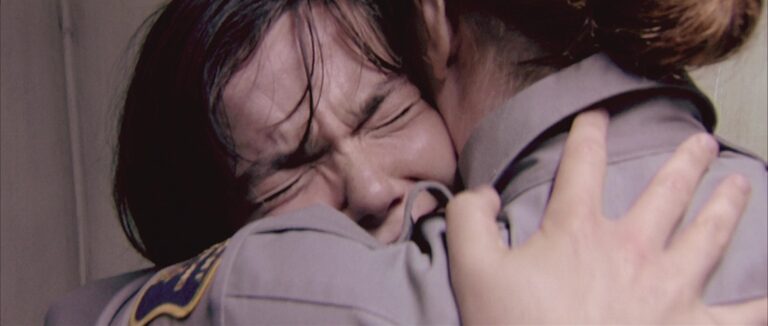
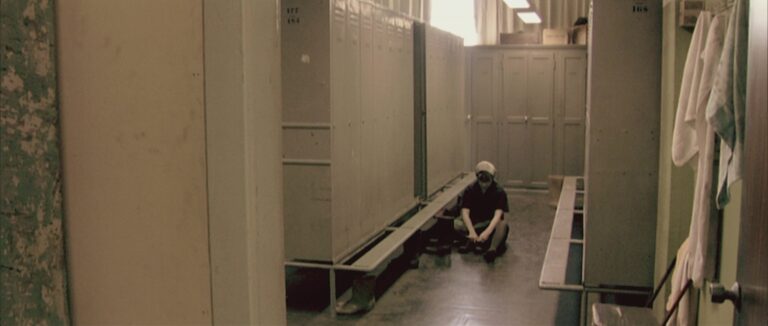
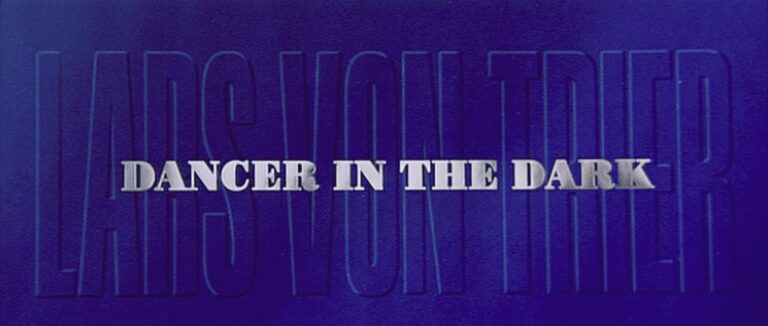
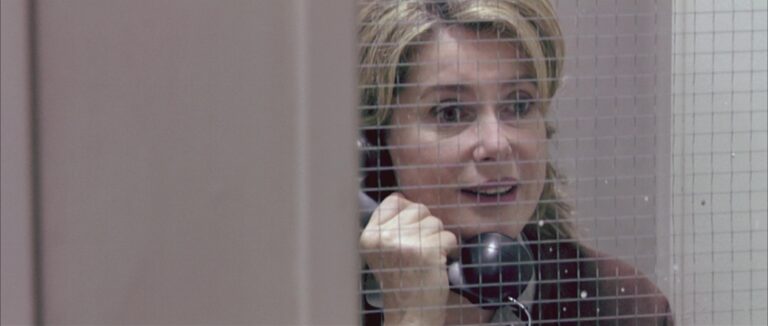
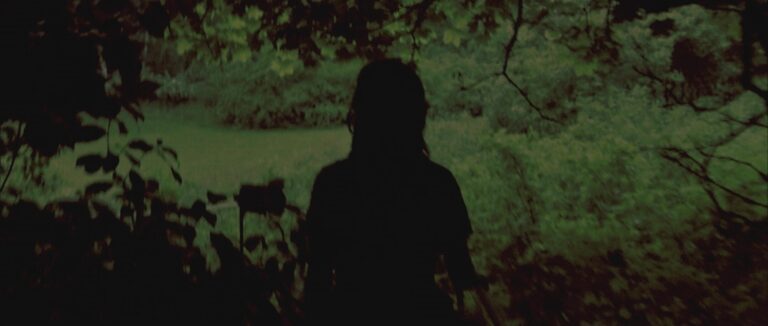
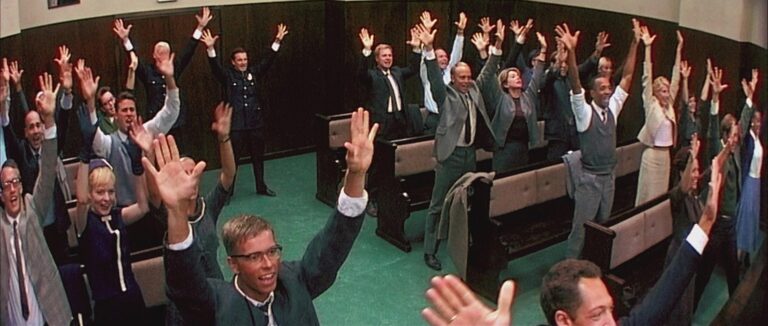
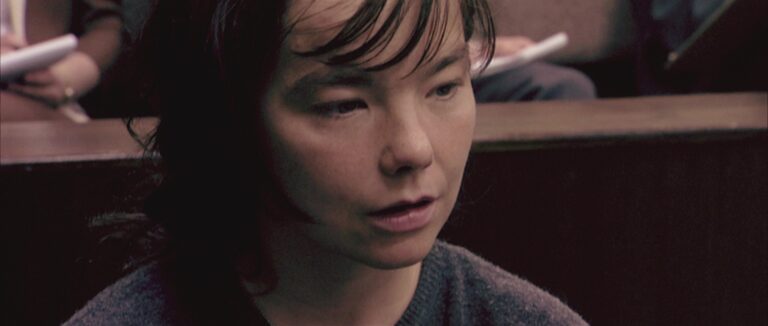
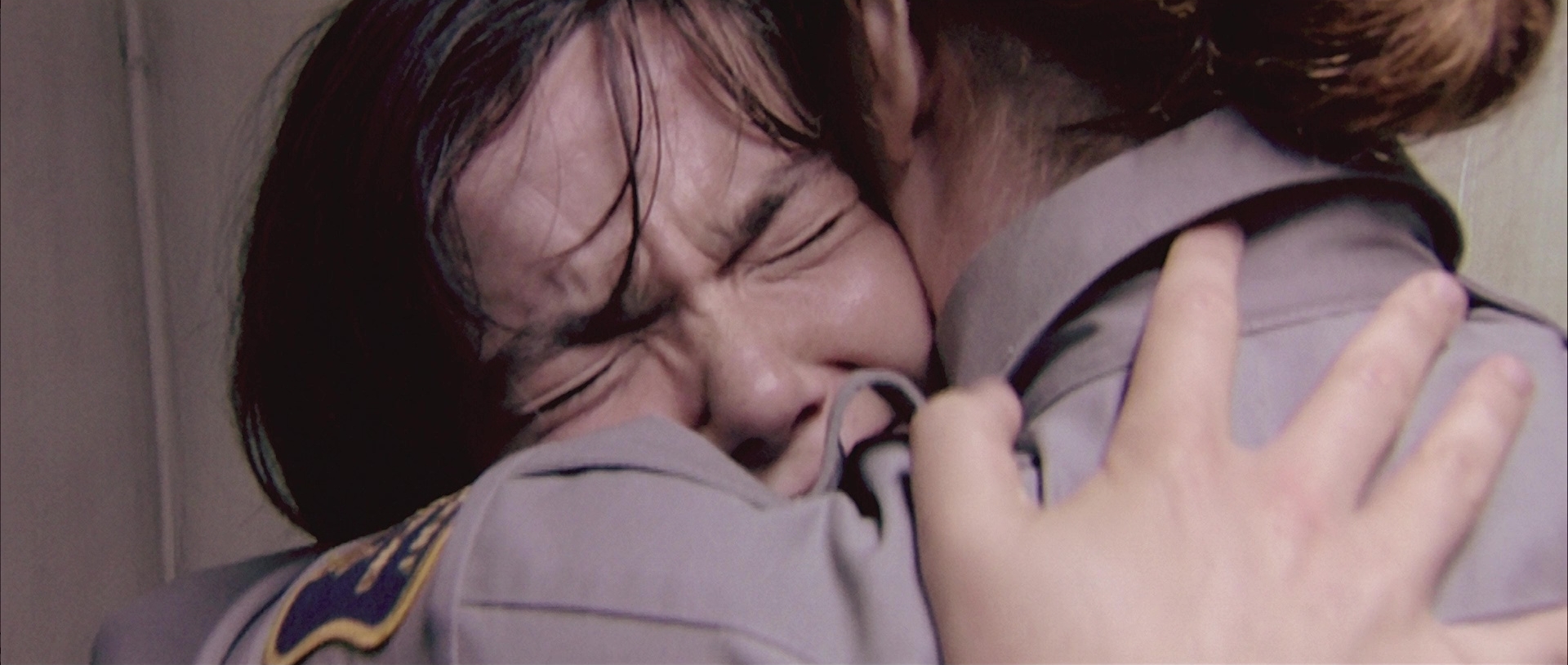
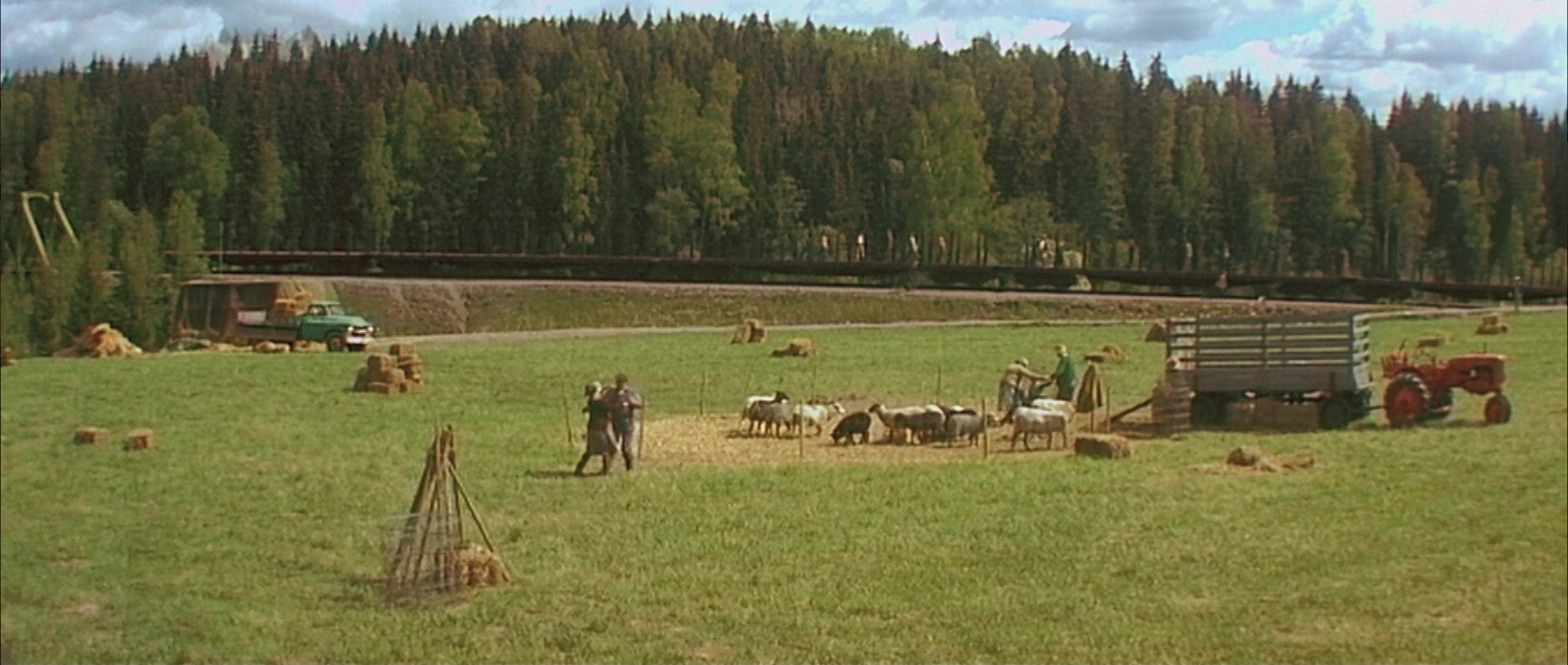
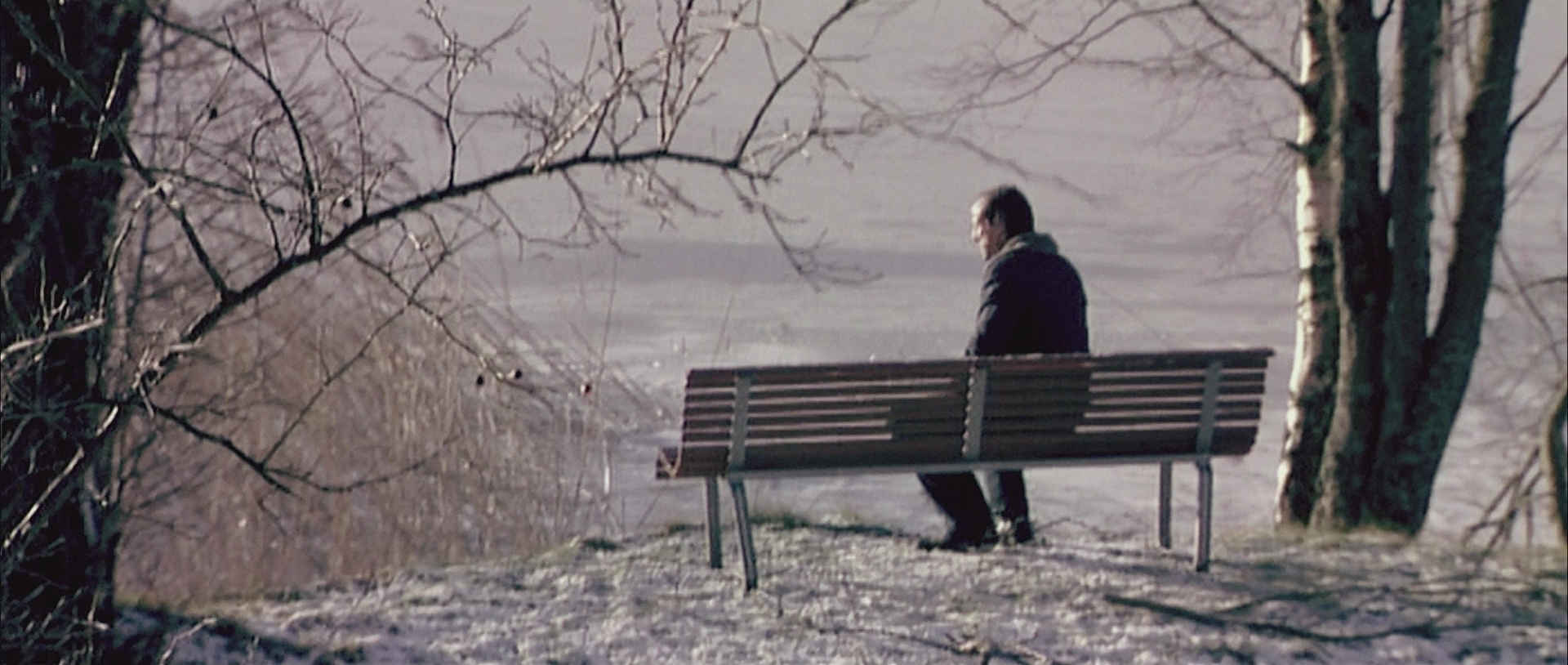
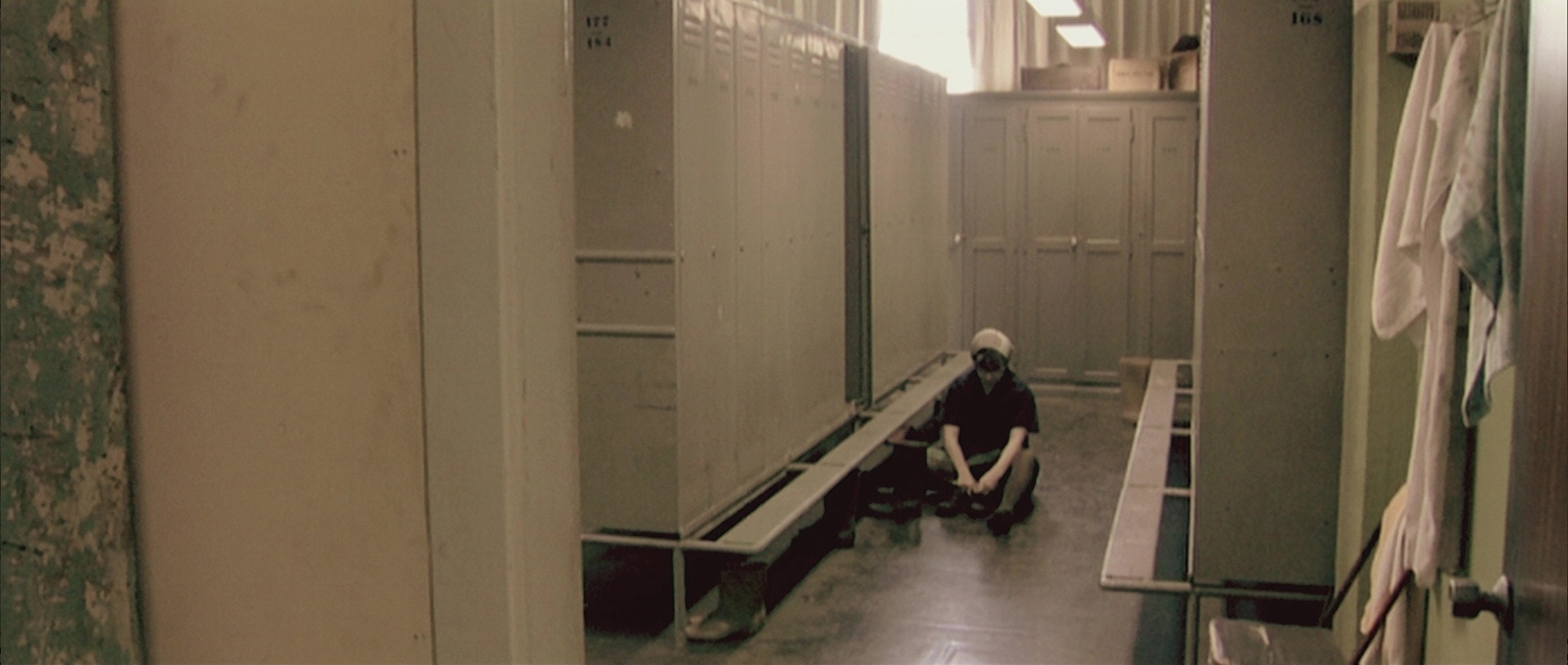
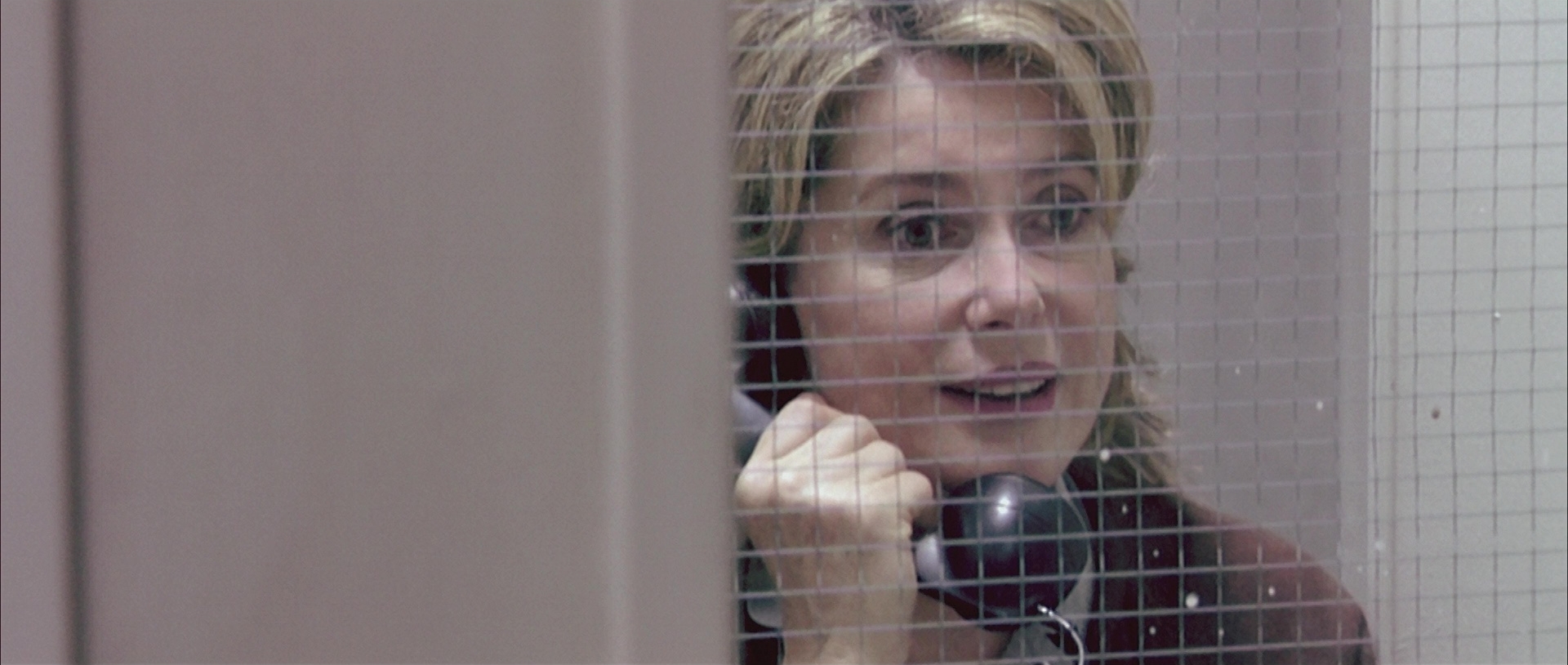
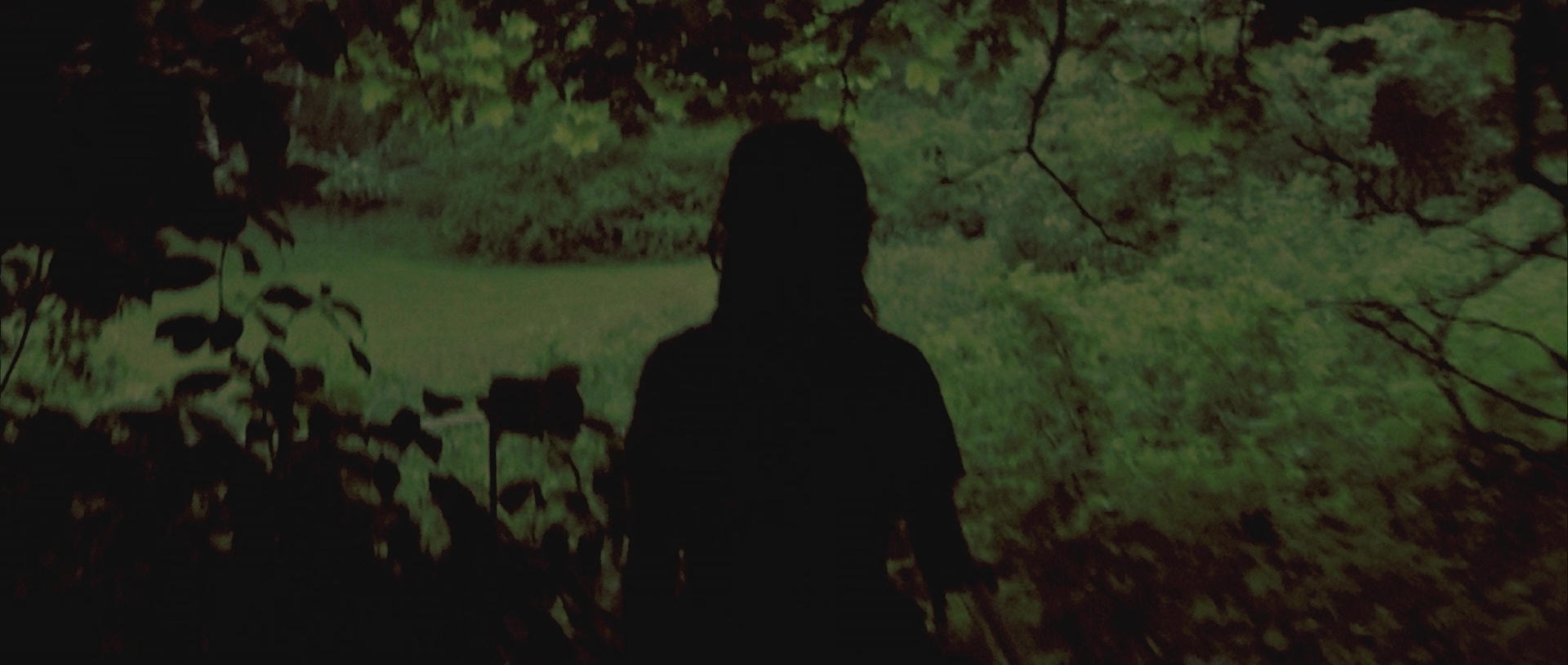
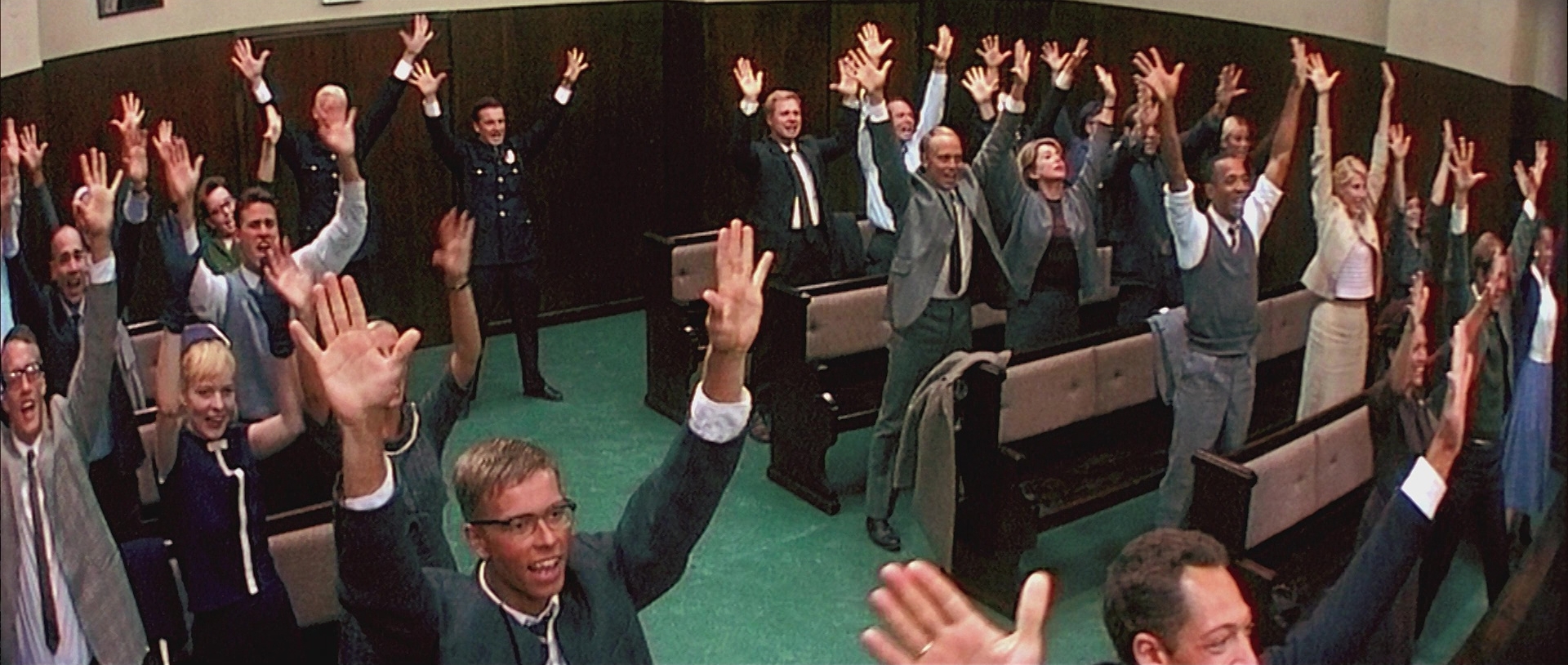
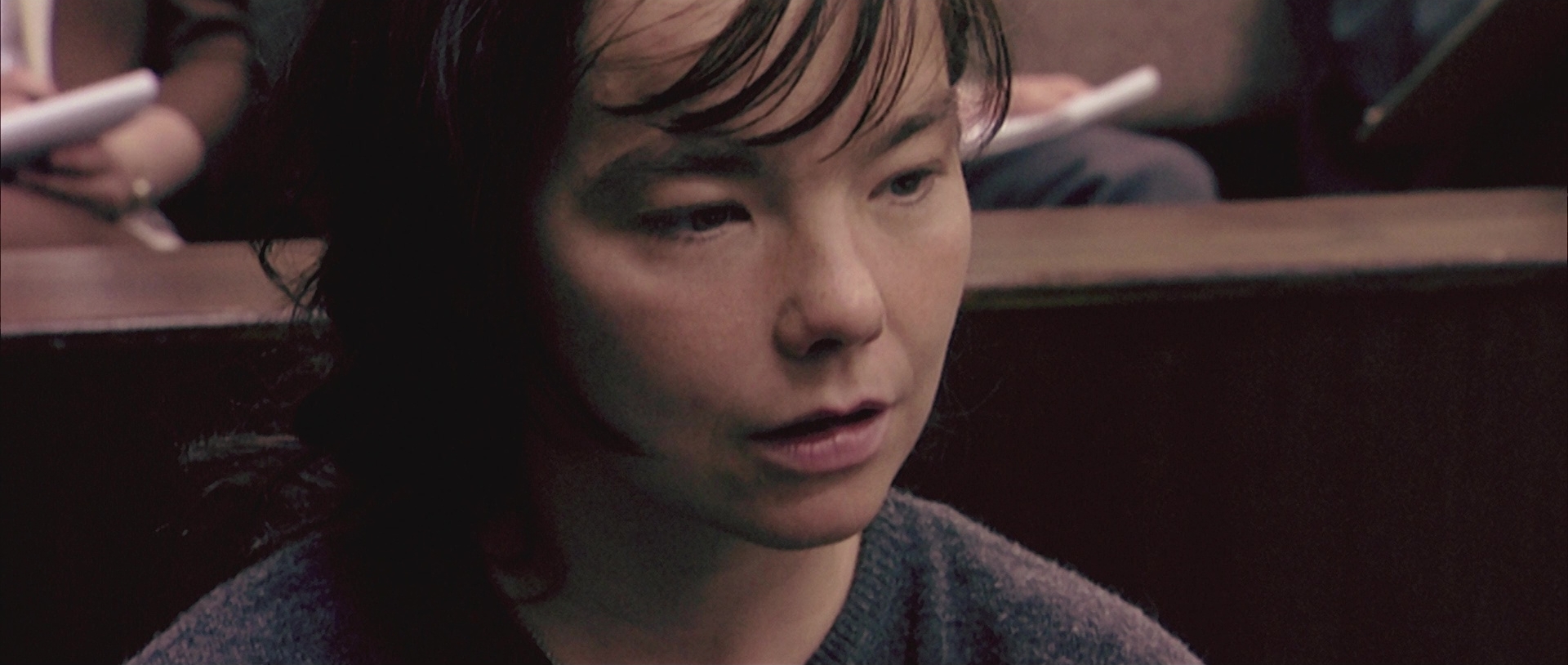
Dancer in the Dark (2000)
Dancer in the Dark is about Selma, a Czech immigrant working in a factory in rural America, who is slowly going blind while trying to save money for her son’s operation to prevent him from suffering the same fate. As her life becomes increasingly difficult, she retreats into elaborate musical fantasies inspired by the rhythms of her surroundings. A tragic series of events pushes her toward a devastating moral and emotional breaking point.
Von Trier and cinematographer Robby Müller shoot the “real world” with handheld digital cameras, embracing a raw, unstable texture, while the musical sequences shift to multi-camera setups with vibrant color and fluid choreography. This contrast—gritty realism versus heightened, almost artificial spectacle—turns Selma’s inner life into a visual escape, where the form itself reflects her need to transcend reality.
FILM SPOTLIGHT
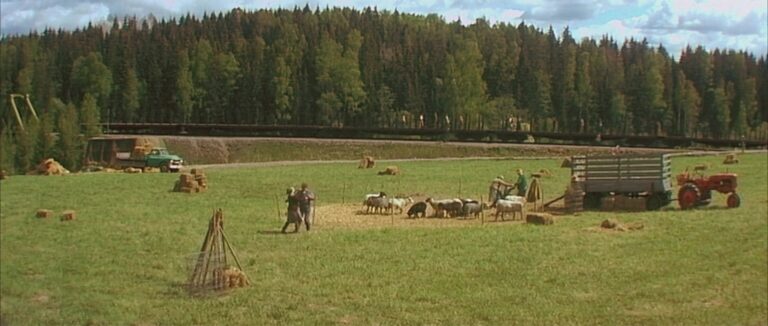
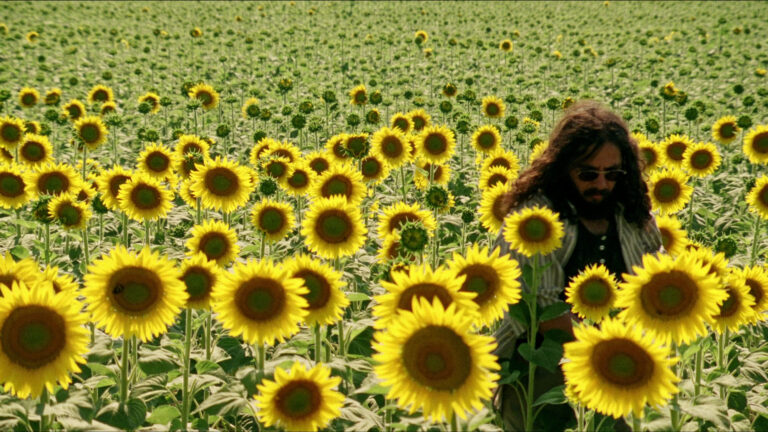
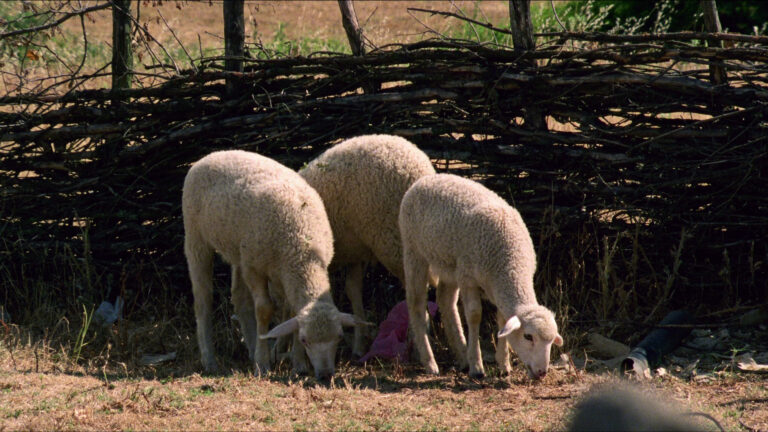
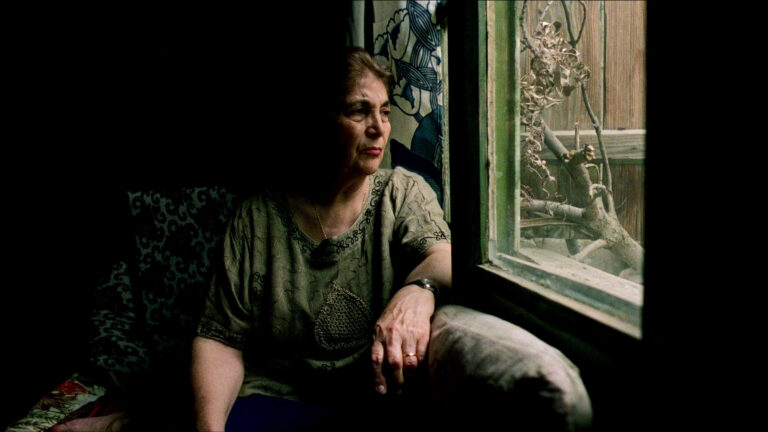
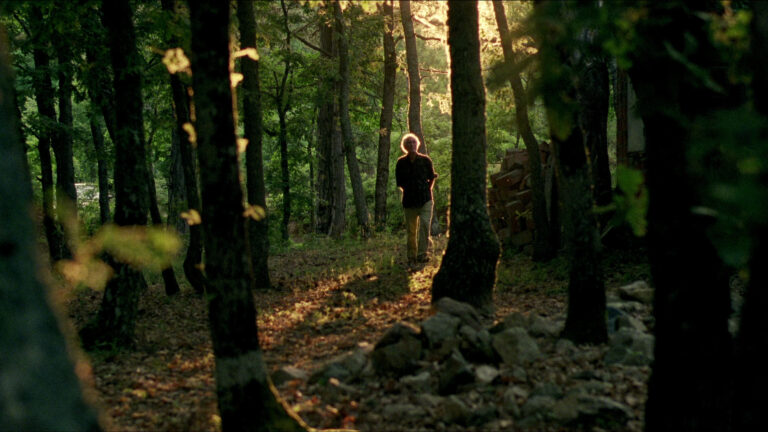
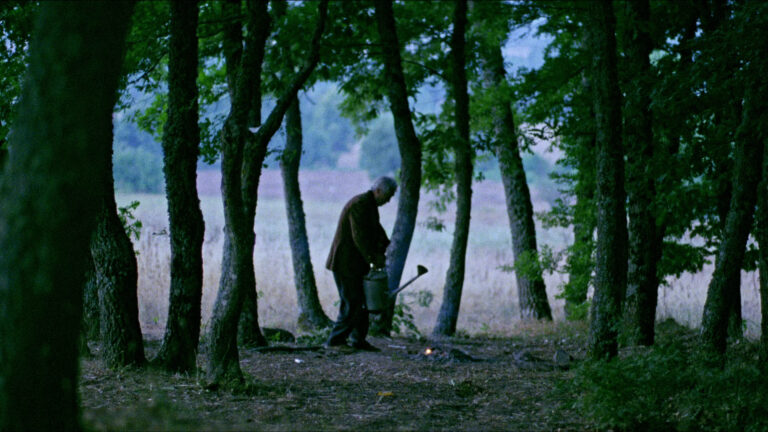
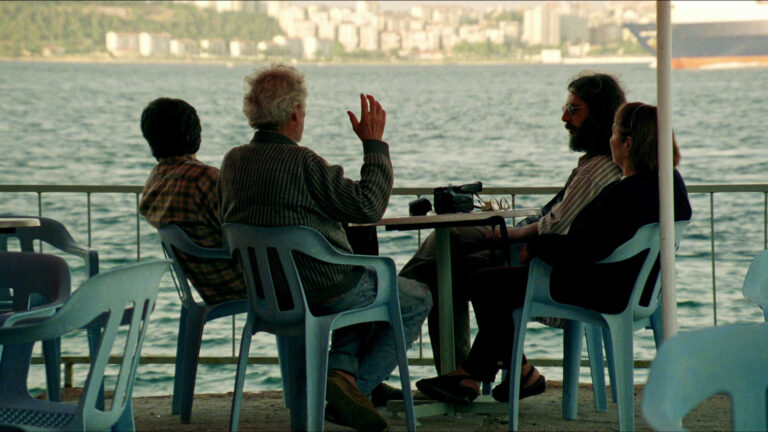
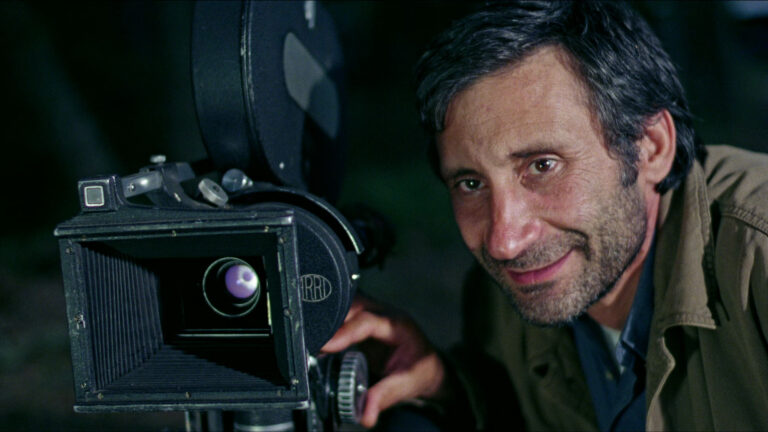
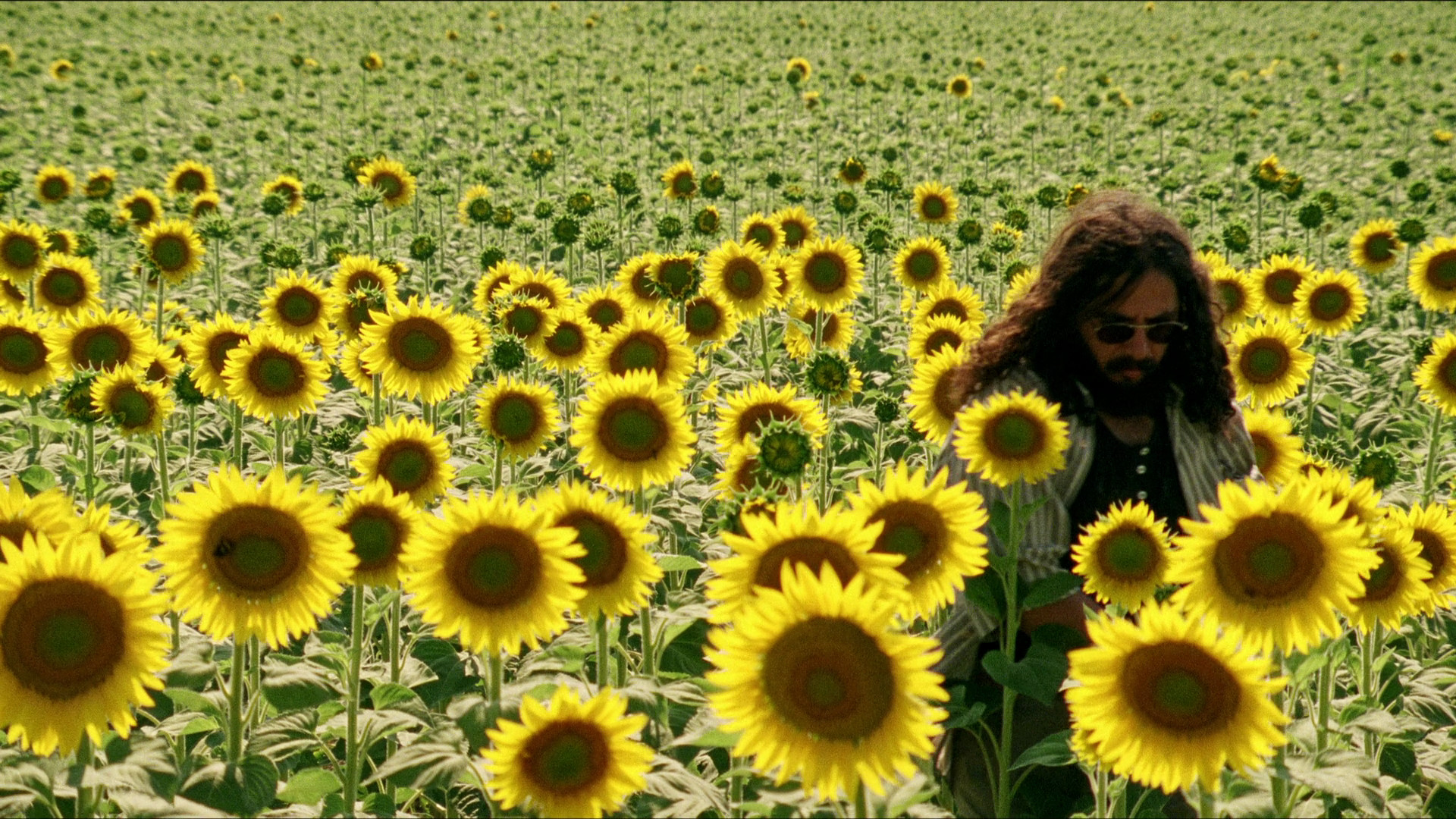
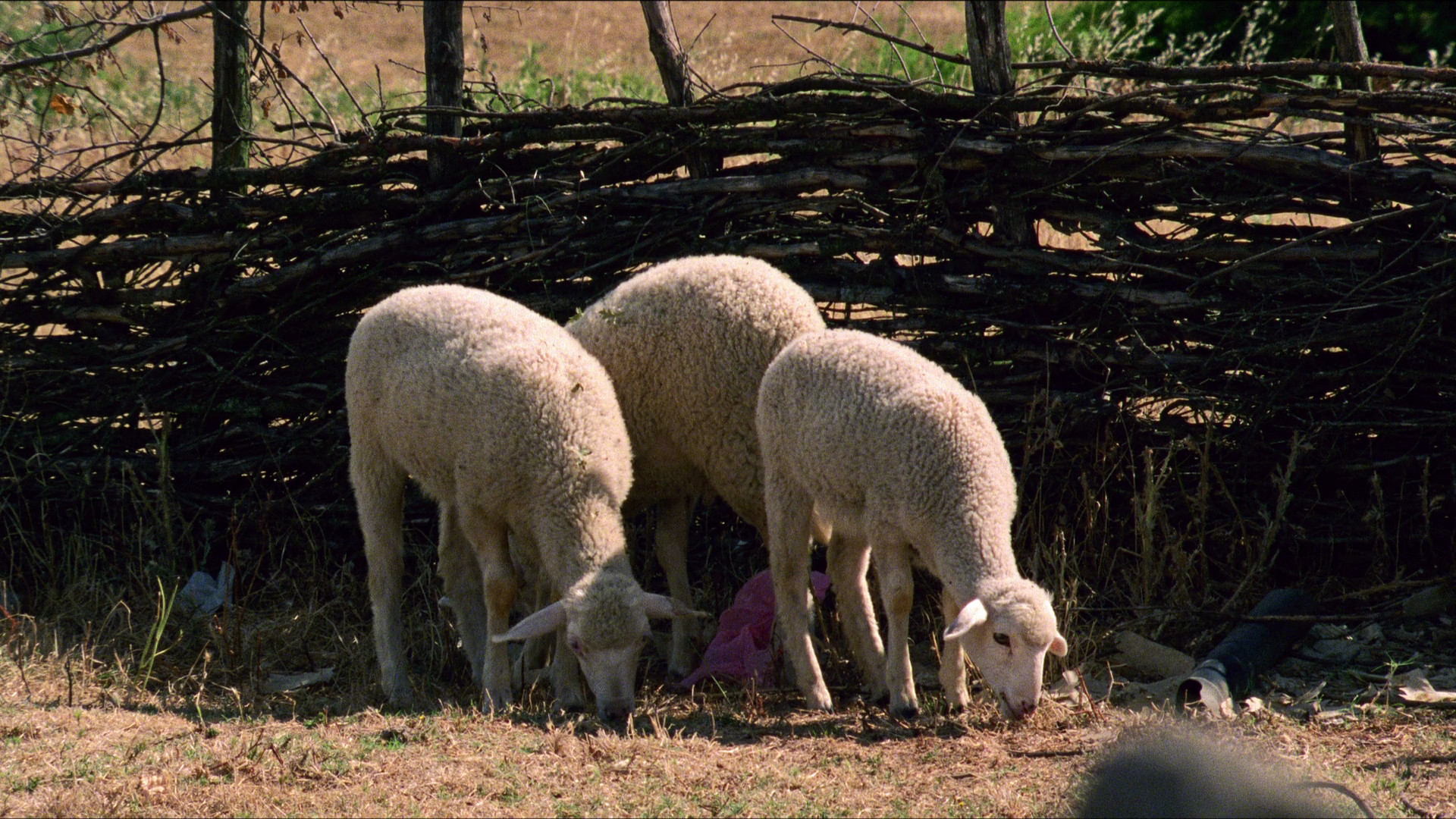
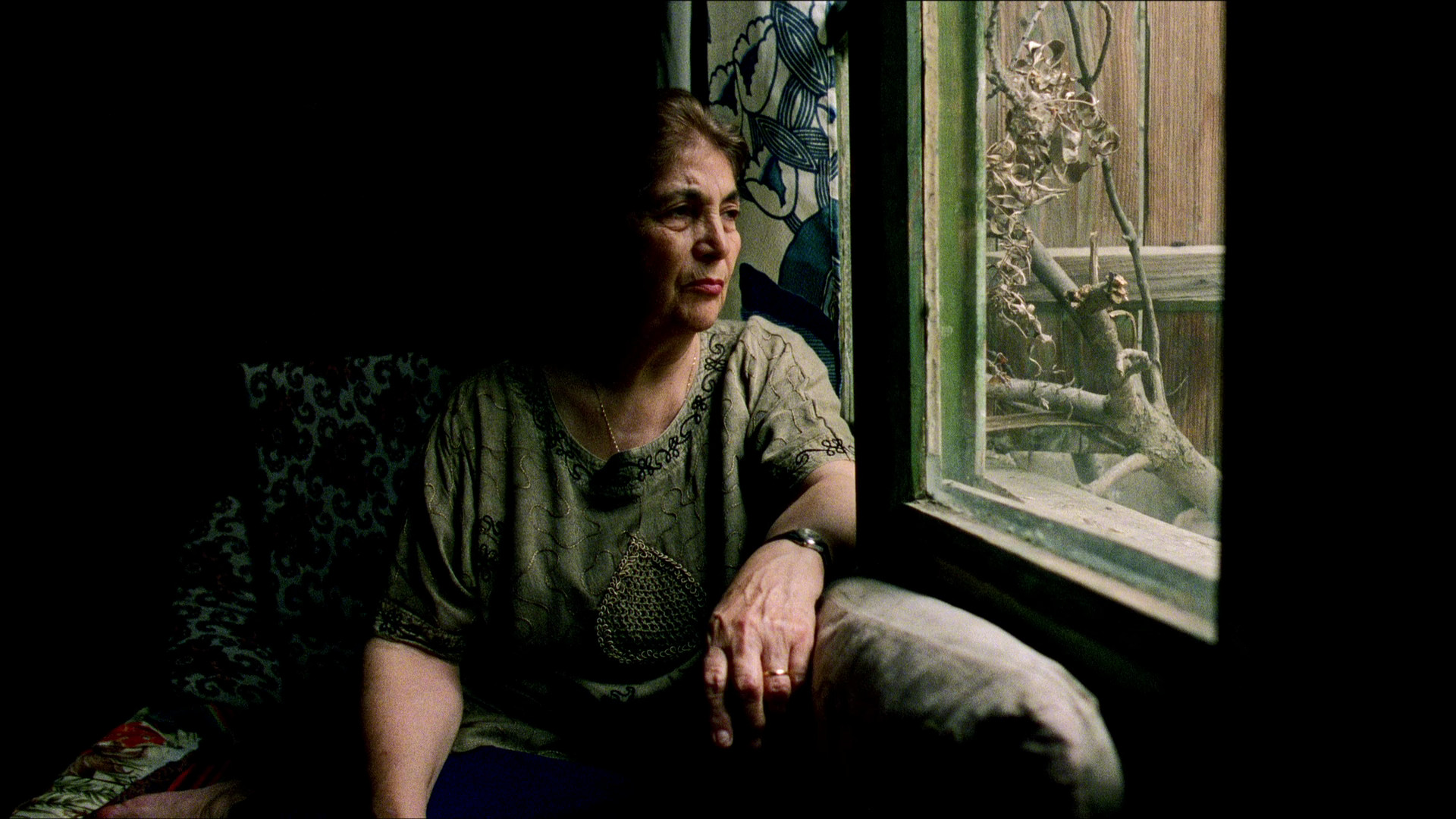
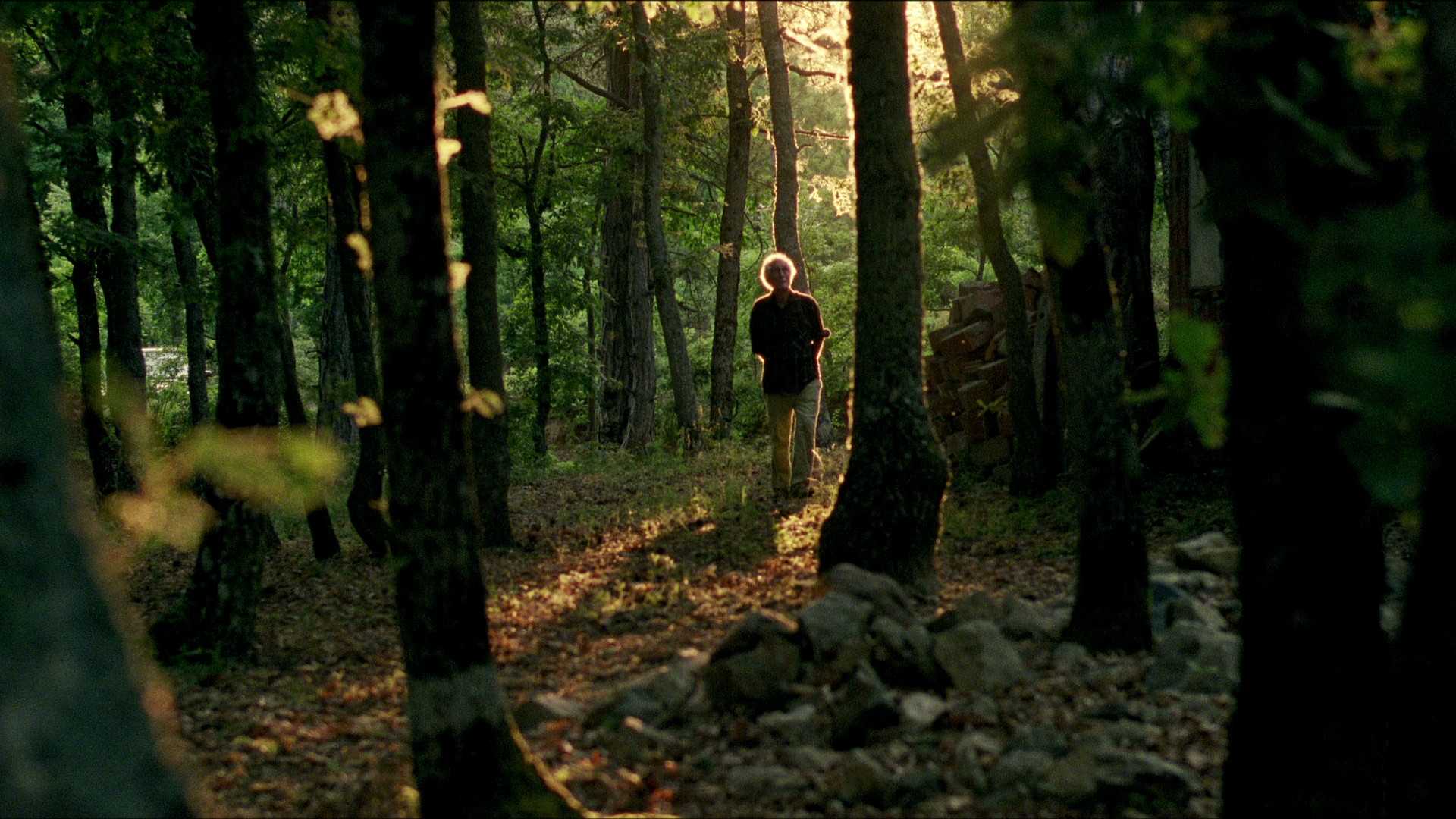
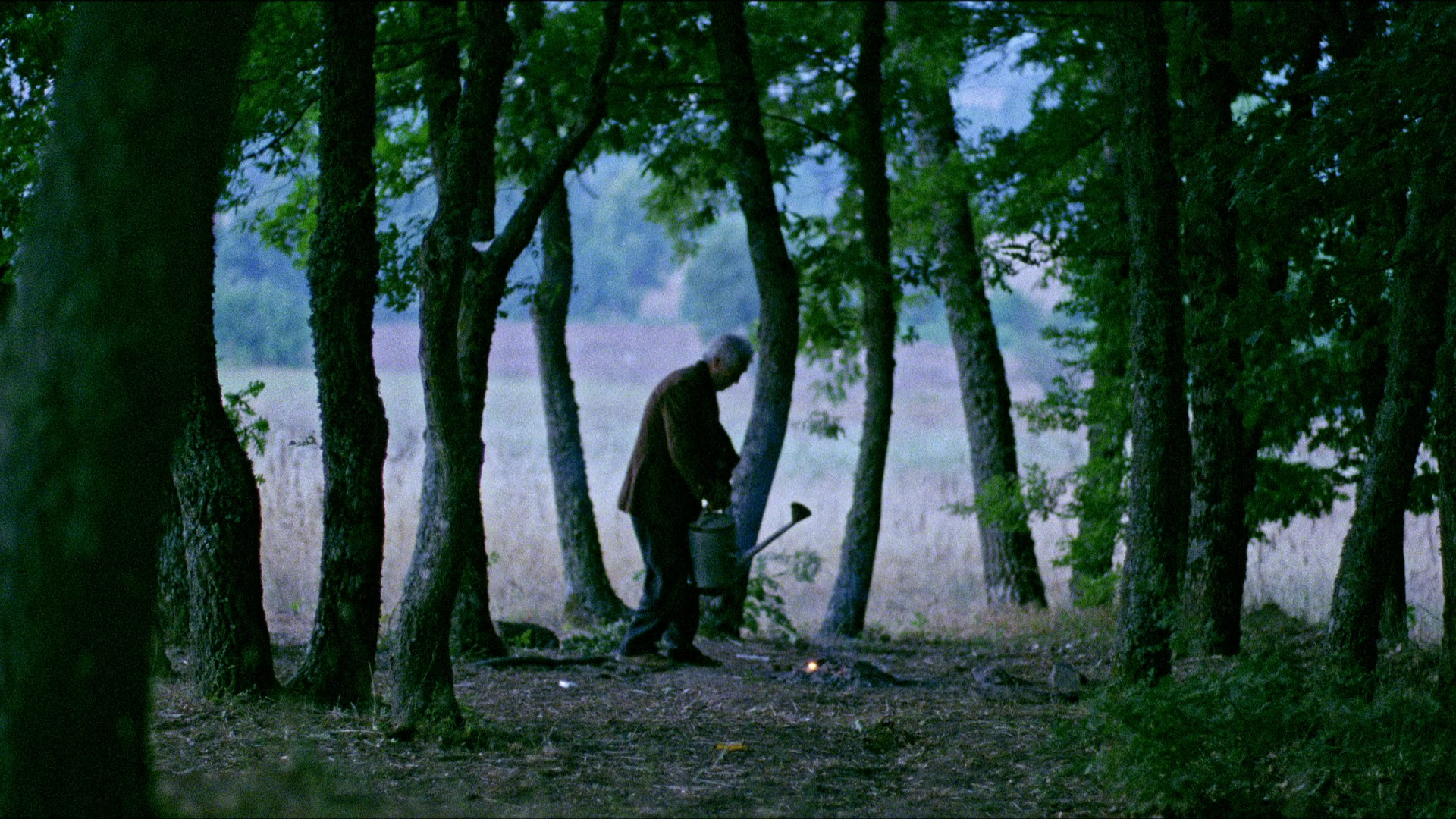
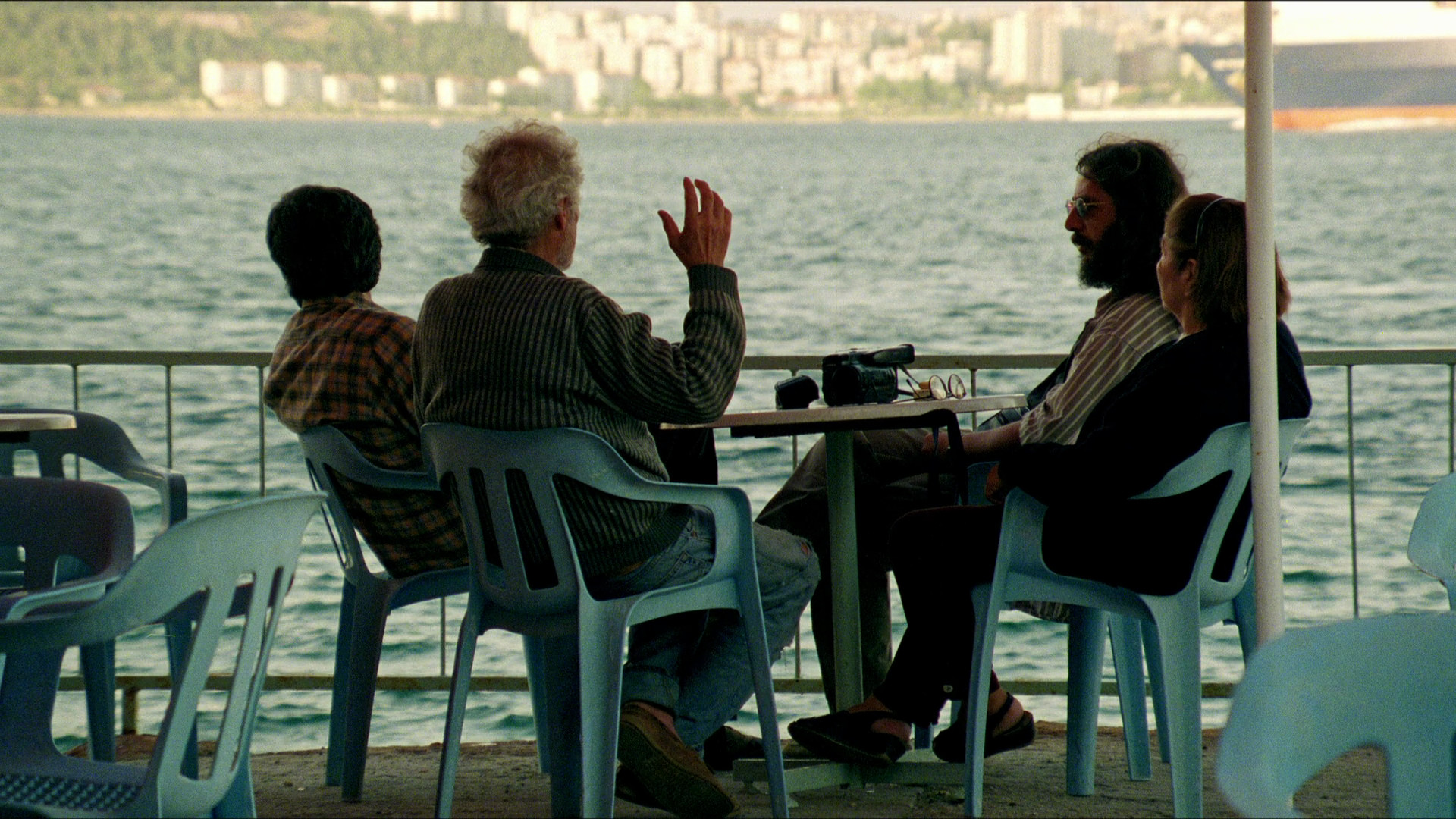
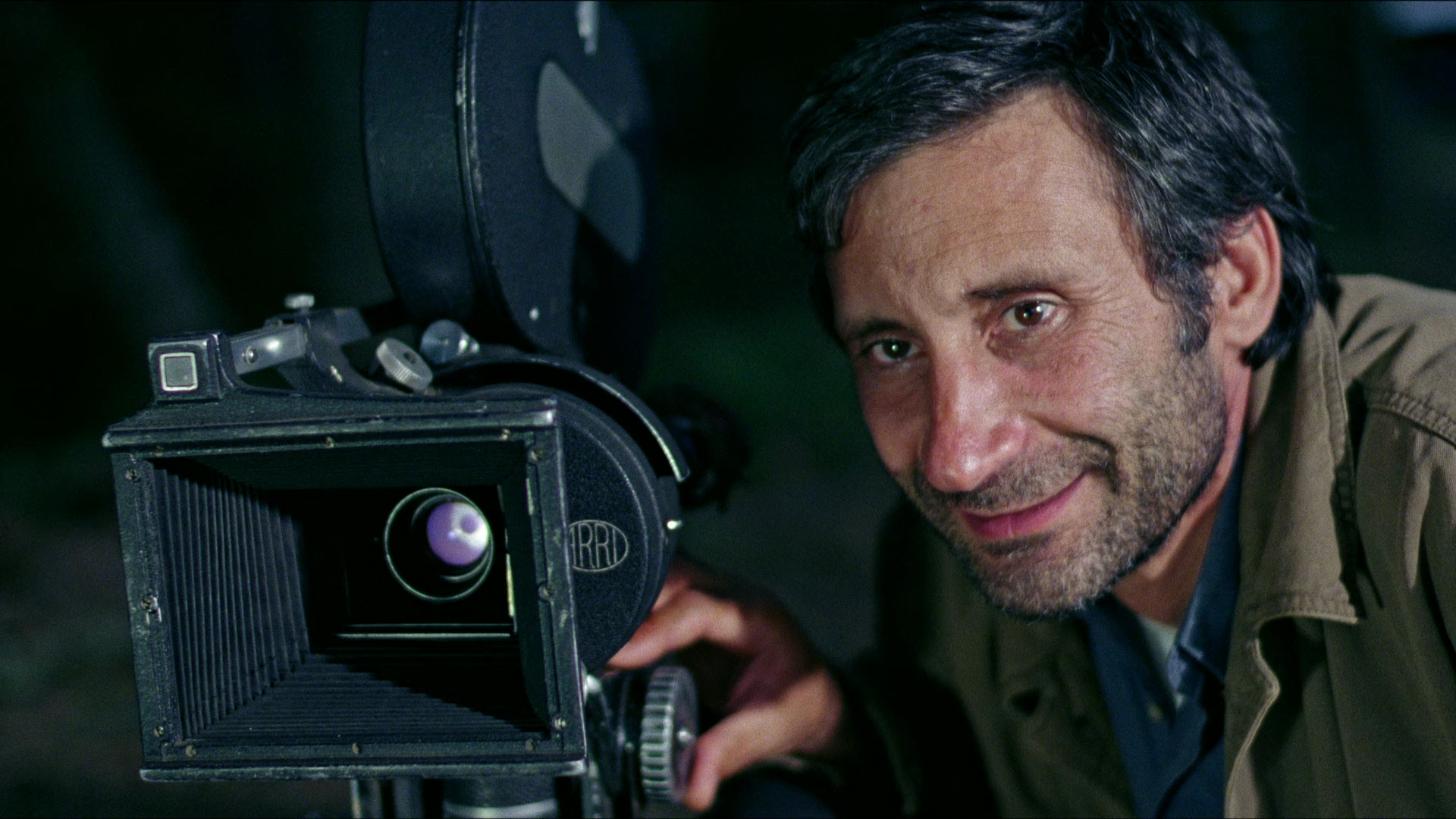
Clouds of May (1999)
A filmmaker returns to his rural hometown in Turkey, drawing inspiration from his family and surroundings for a new project. As he interacts with his parents and relatives, everyday moments begin to mirror the film he is trying to create. The boundary between life and art gradually blurs, forming a quiet reflection on memory, family, and the act of filmmaking itself.
Ceylan shot Clouds of May with a minimalist, observational style, using natural light and static compositions to capture the rhythms of rural life. The film’s patient framing and use of non-professional actors—often his own family—turn real spaces into lived-in images, where the camera quietly observes rather than constructs, blending documentary texture with narrative reflection.


FILM SPOTLIGHT
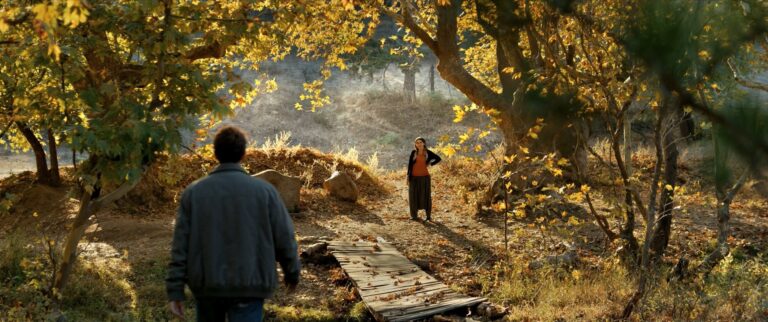
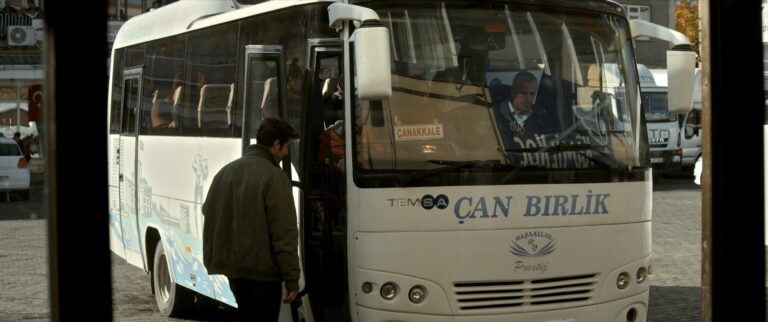
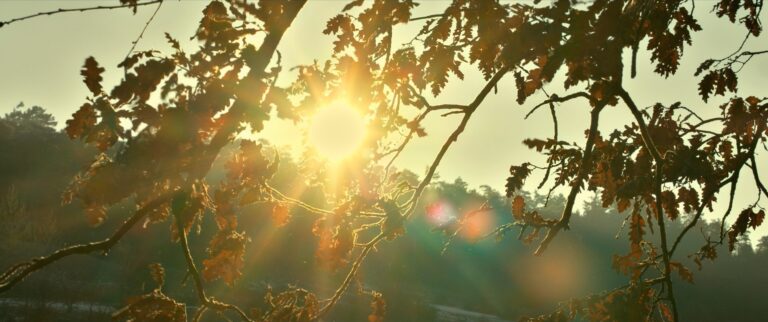
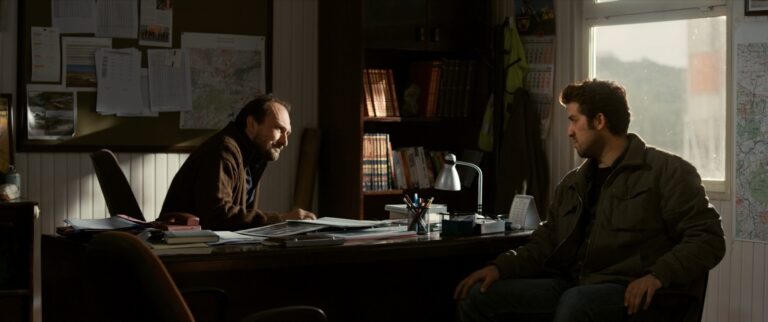
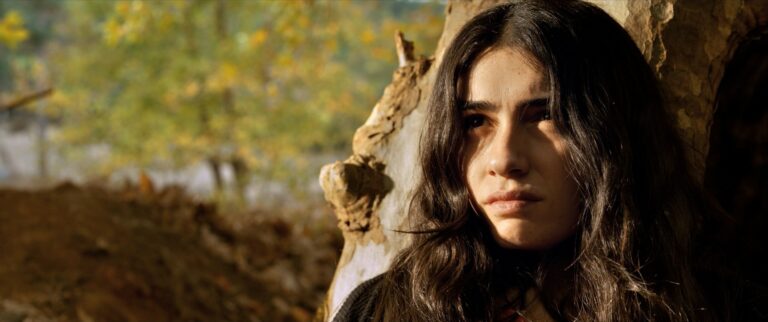
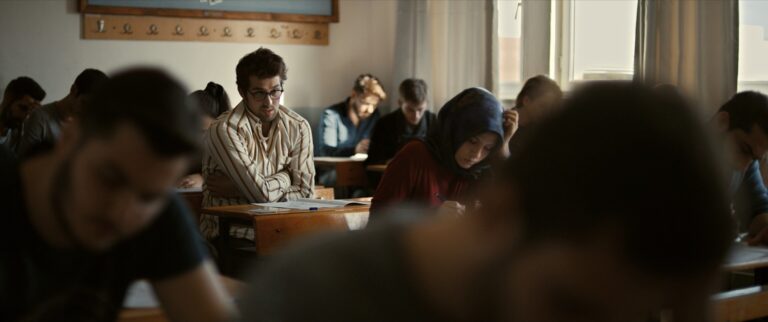
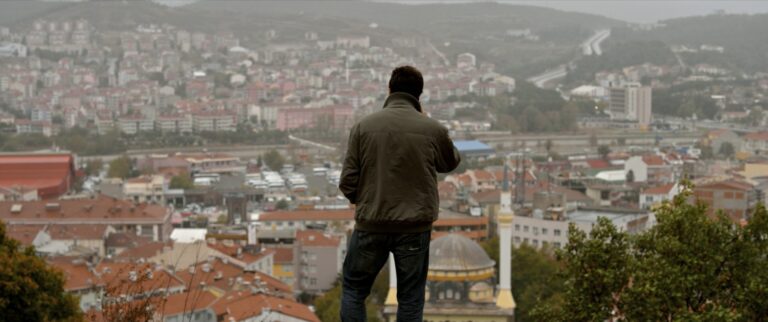
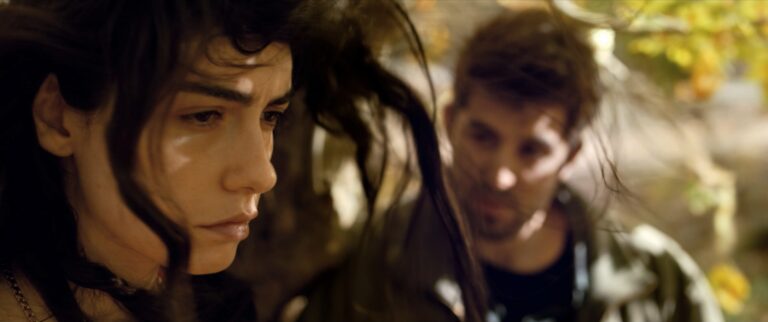
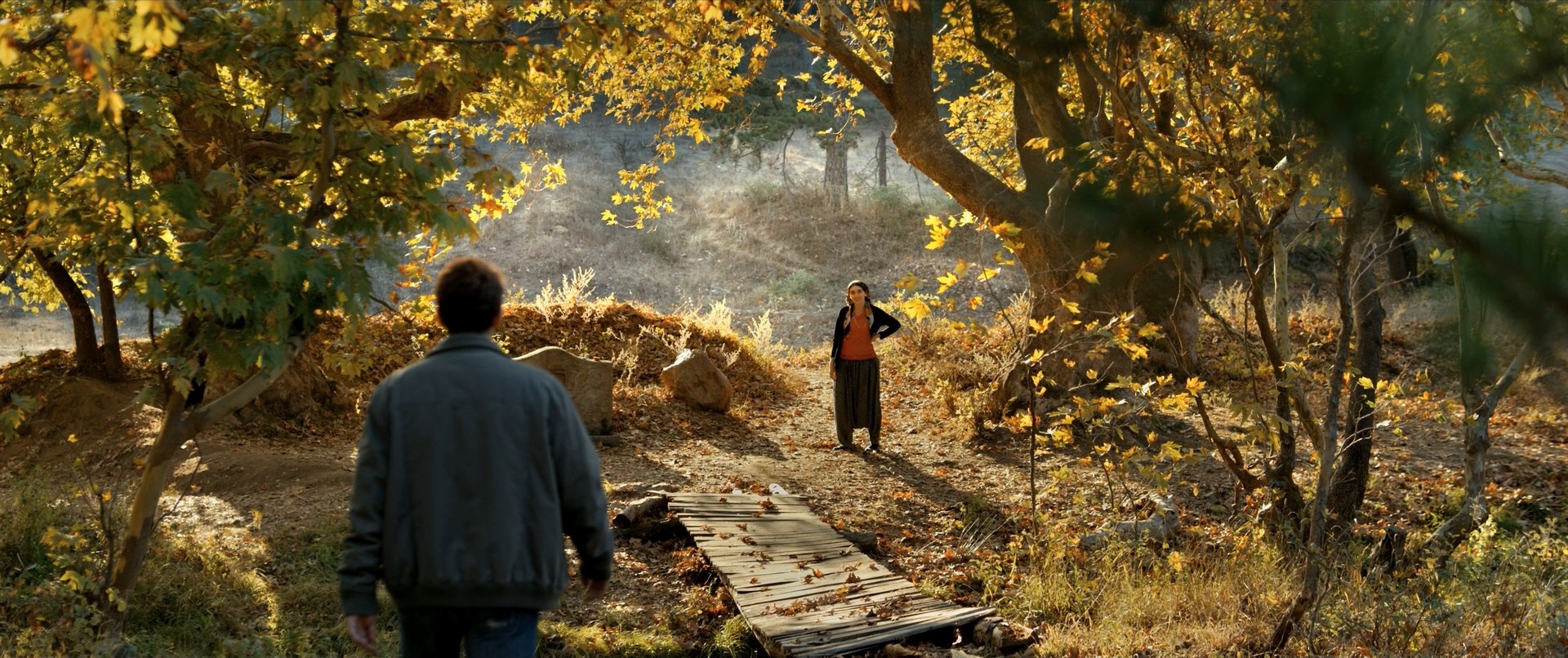
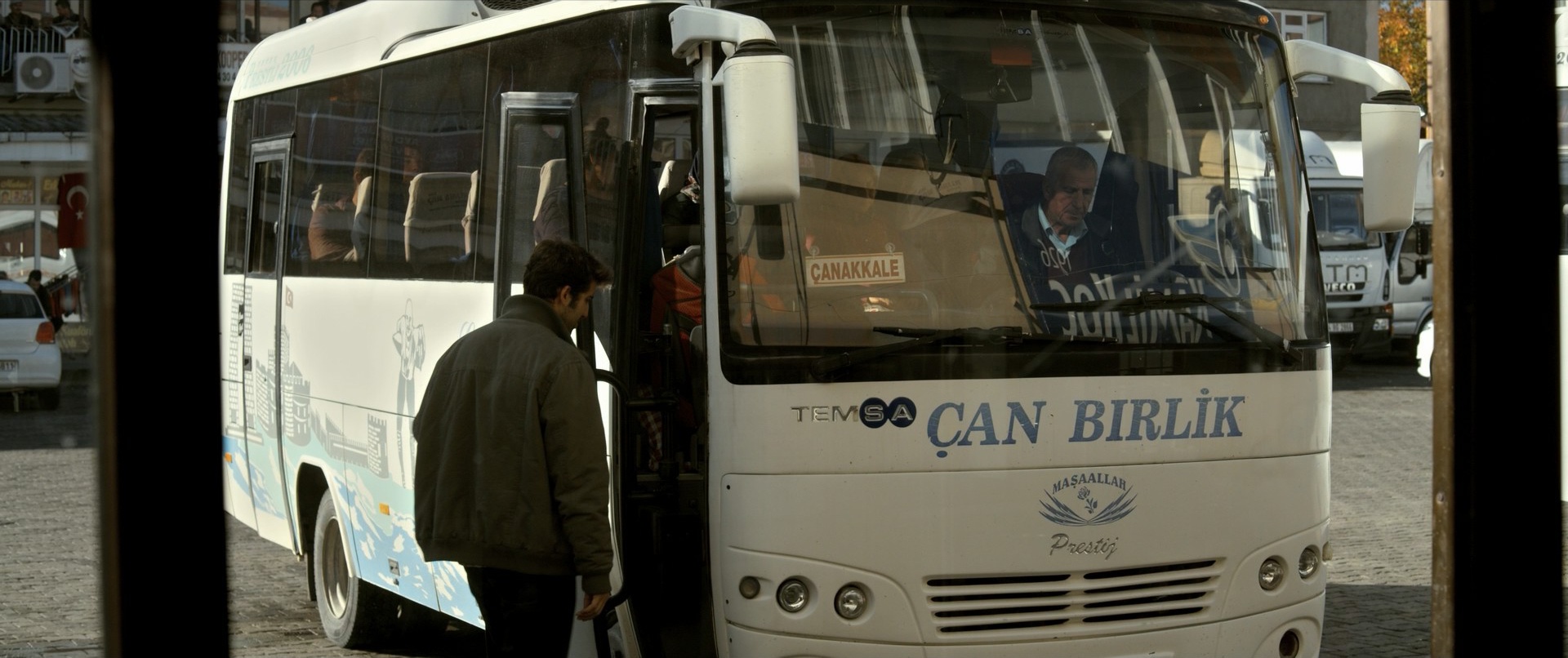
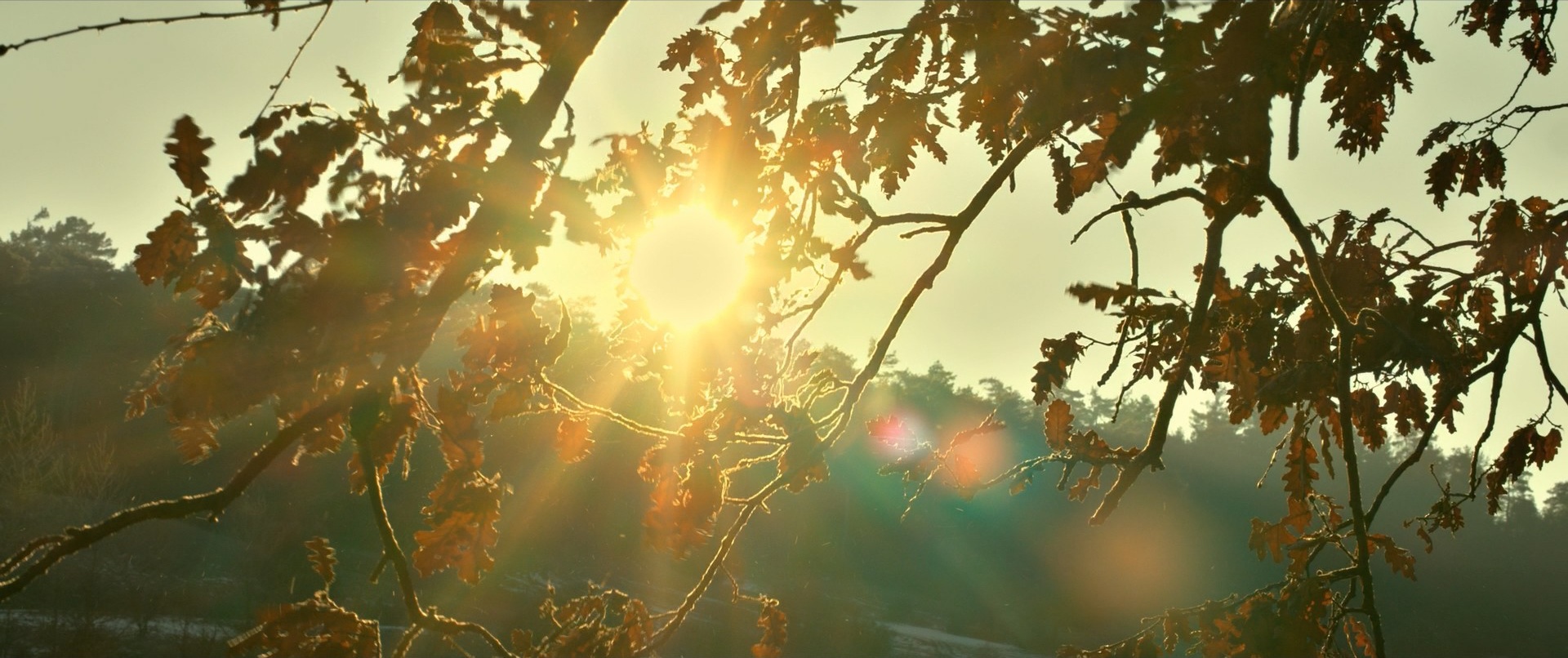
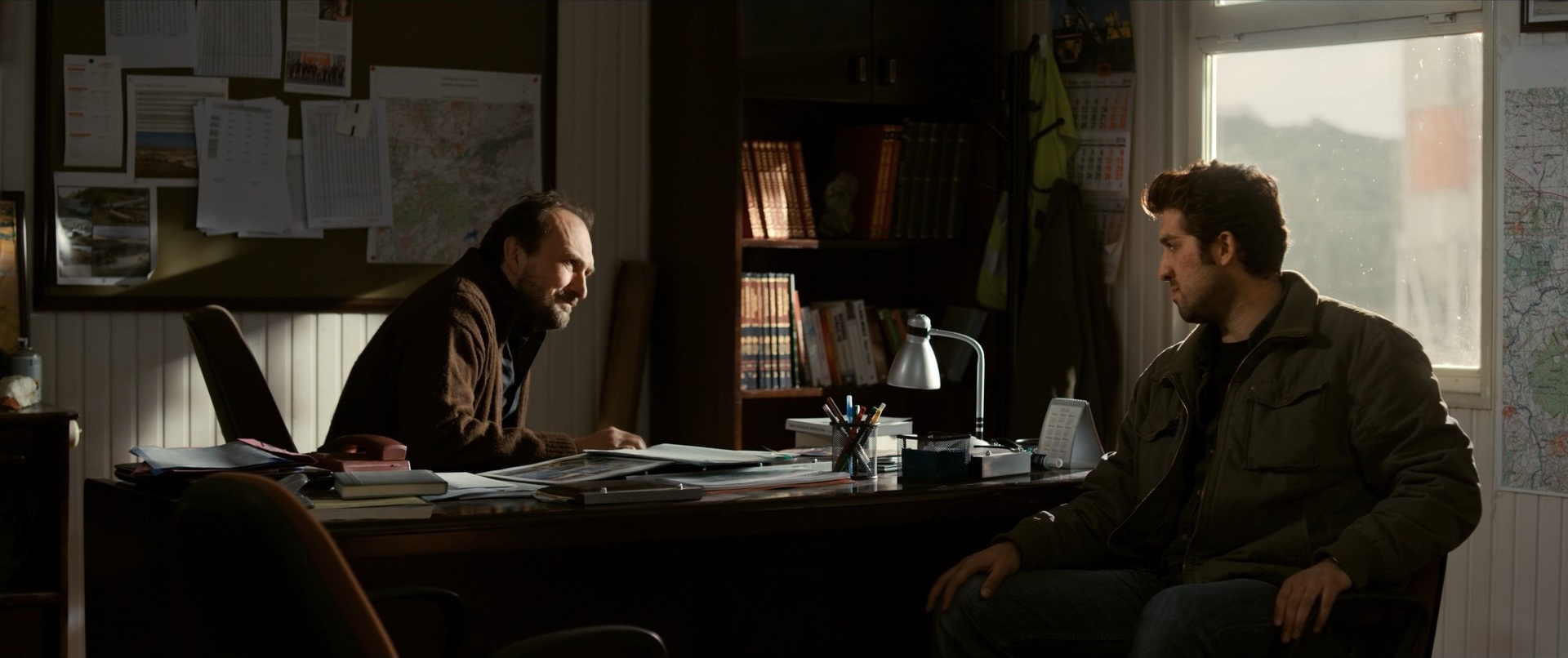
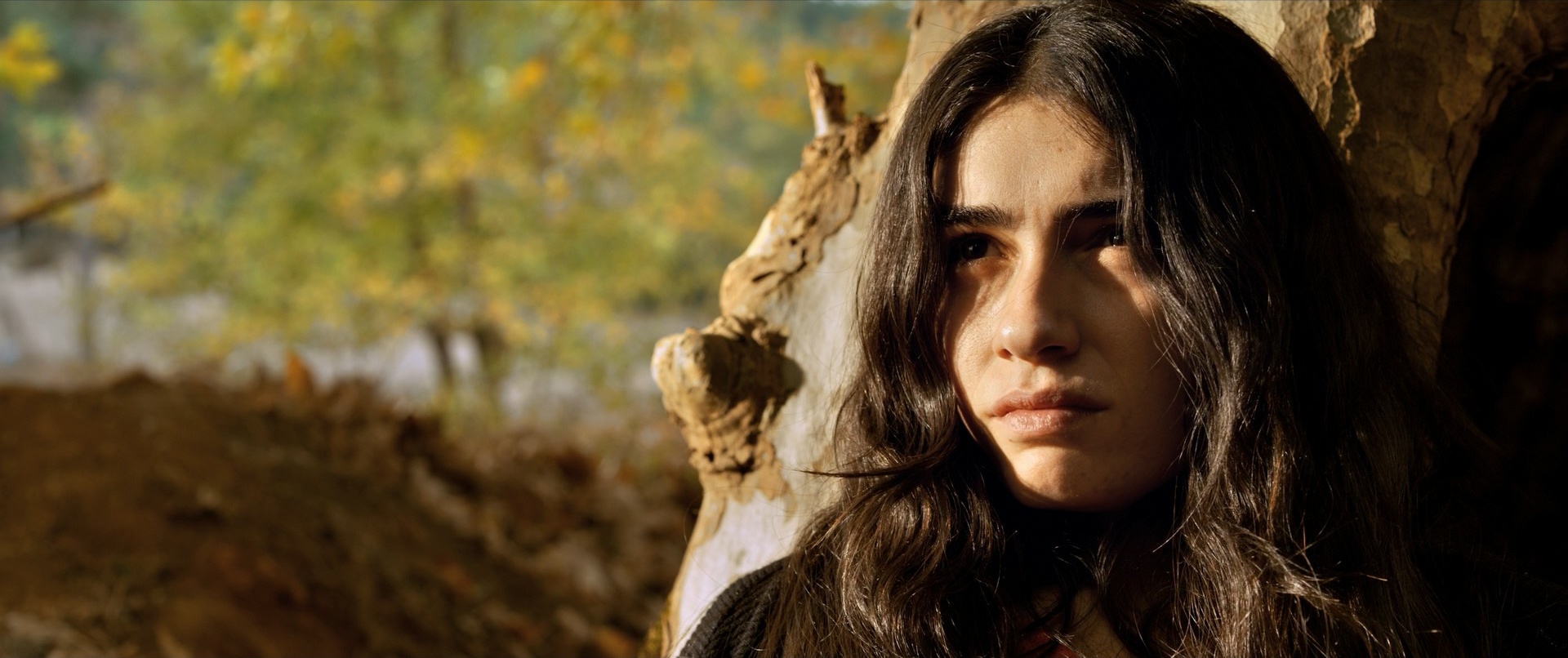
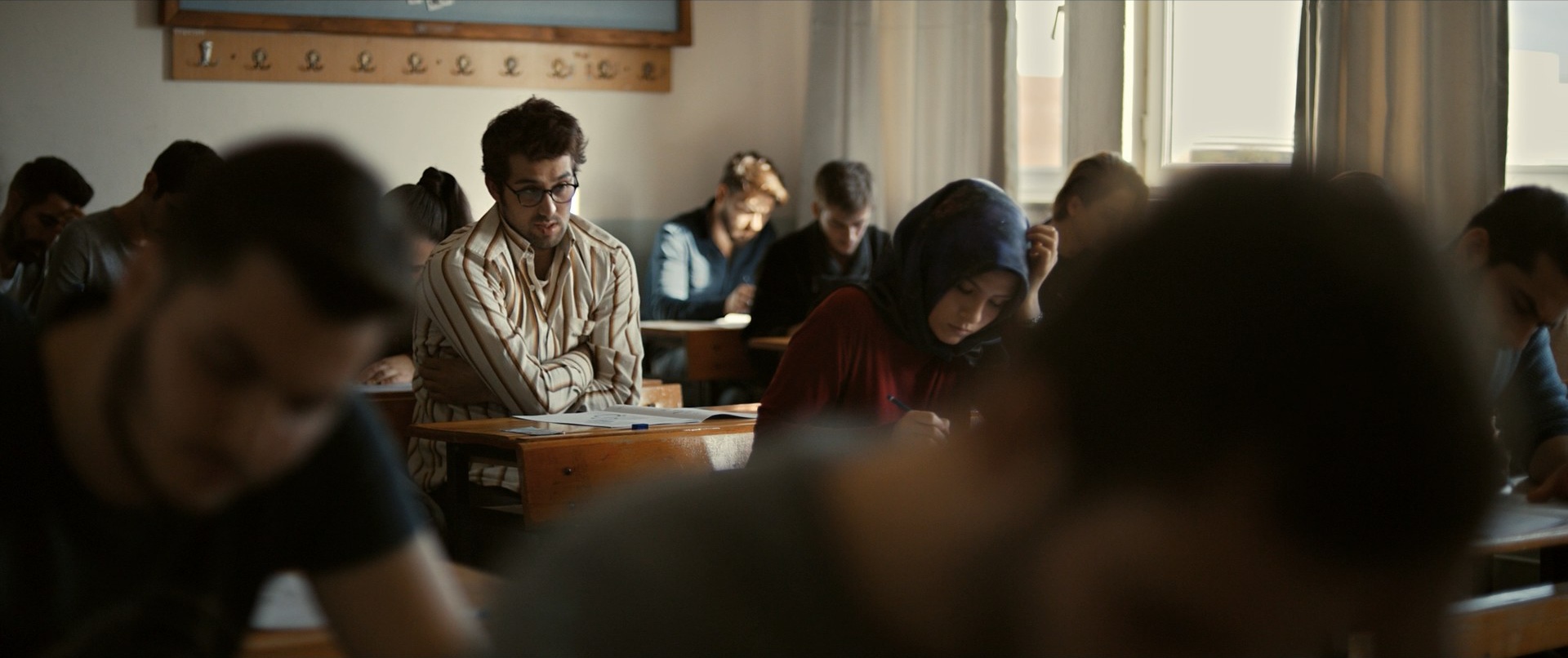
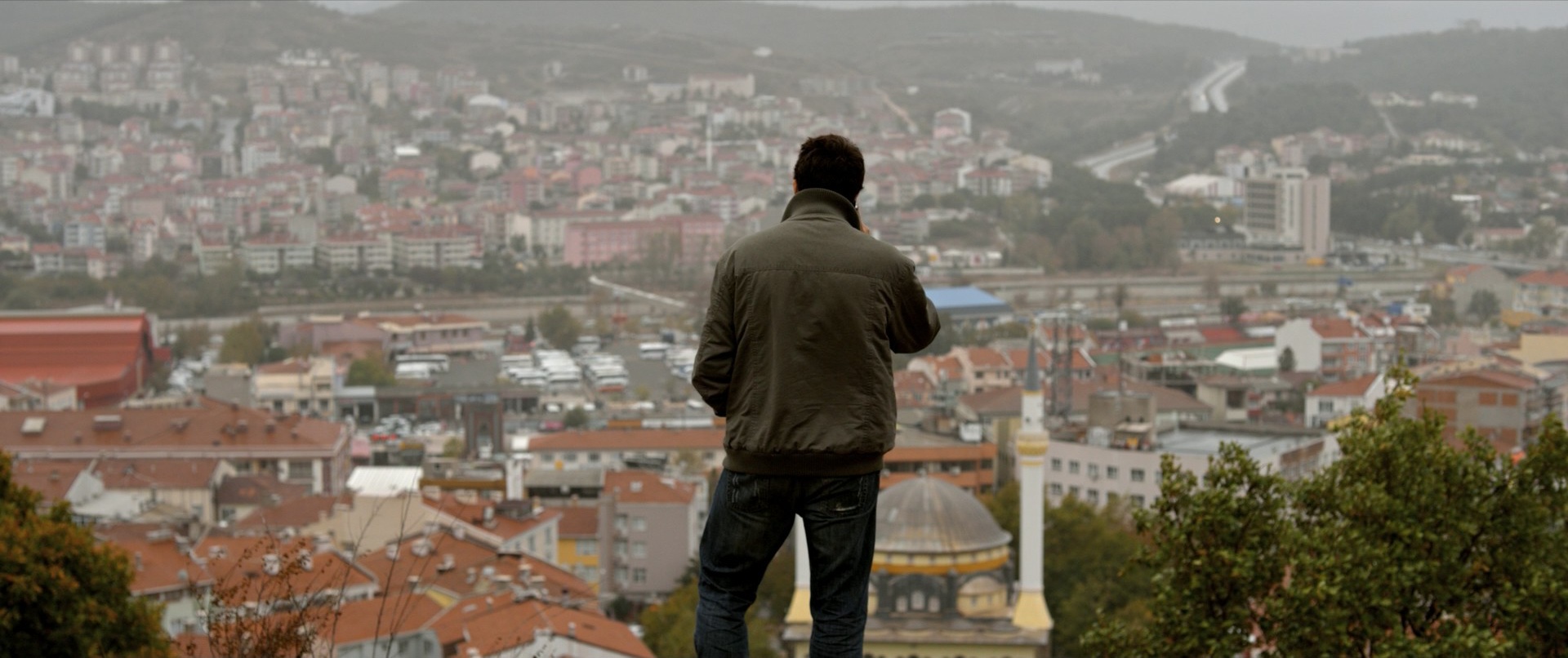
The Wild Pear Tree (2018)
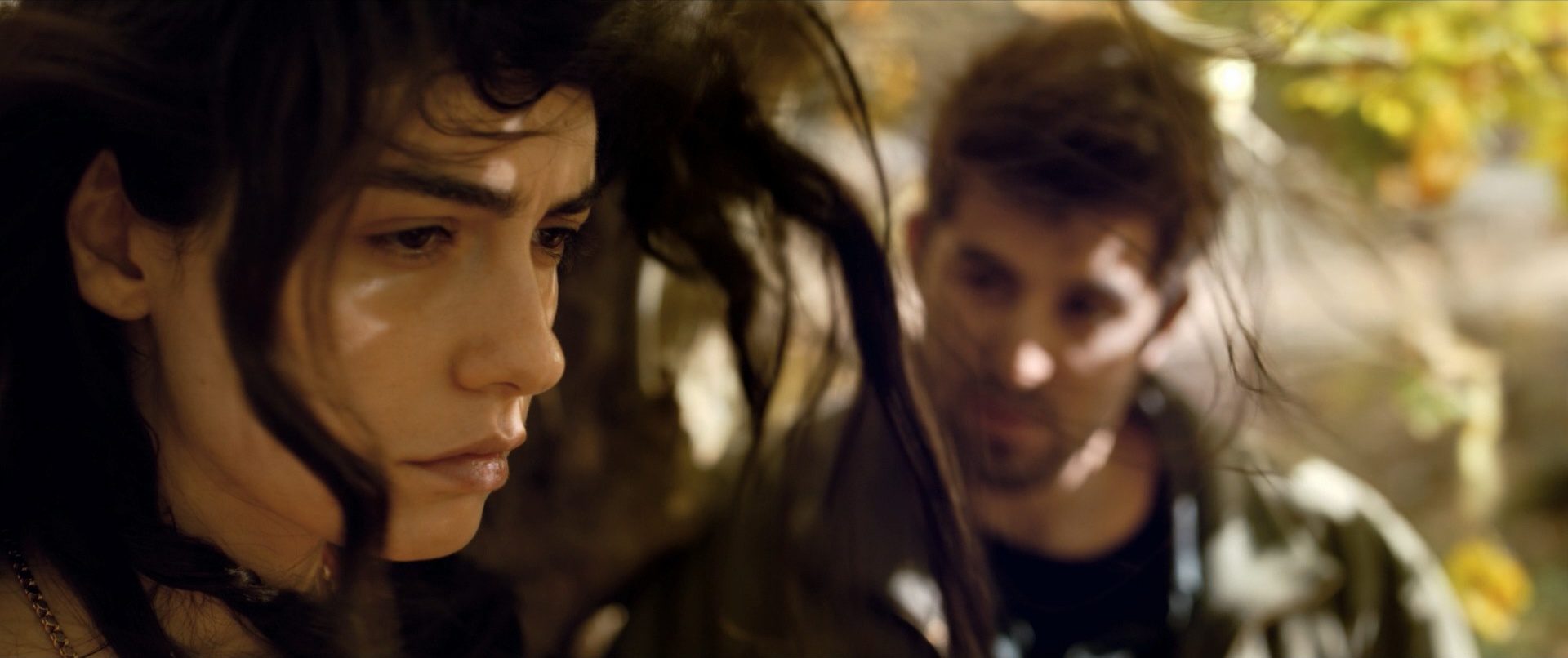
Sinan, a recent university graduate, returns to his rural hometown with dreams of becoming a writer. Struggling to find support for his first book, he reconnects with family and old acquaintances, confronting both personal disappointments and the weight of his father’s debts. His journey becomes a reflective exploration of ambition, identity, and generational conflict.
Ceylan and cinematographer Gökhan Tiryaki shoot The Wild Pear Tree with a contemplative, naturalistic style, using long takes and carefully composed wide frames to situate characters within expansive landscapes. The film’s soft, seasonal light and restrained camera movement turn conversations into visual events—where duration, space, and silence shape the emotional texture as much as dialogue.
FILM SPOTLIGHT
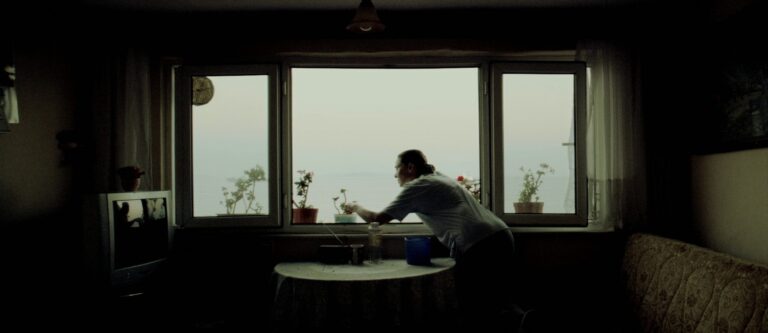
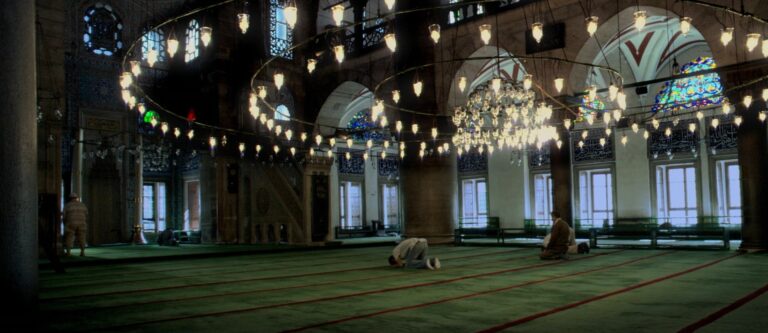
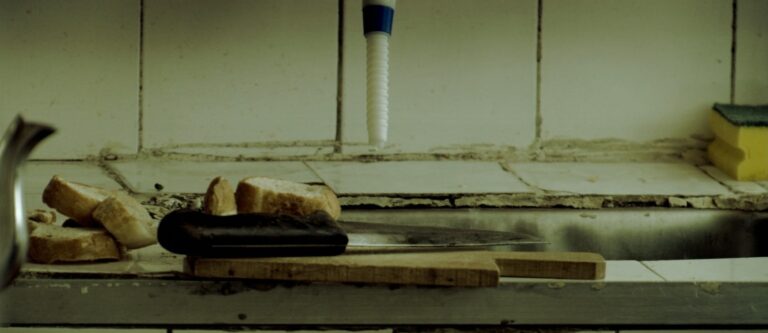
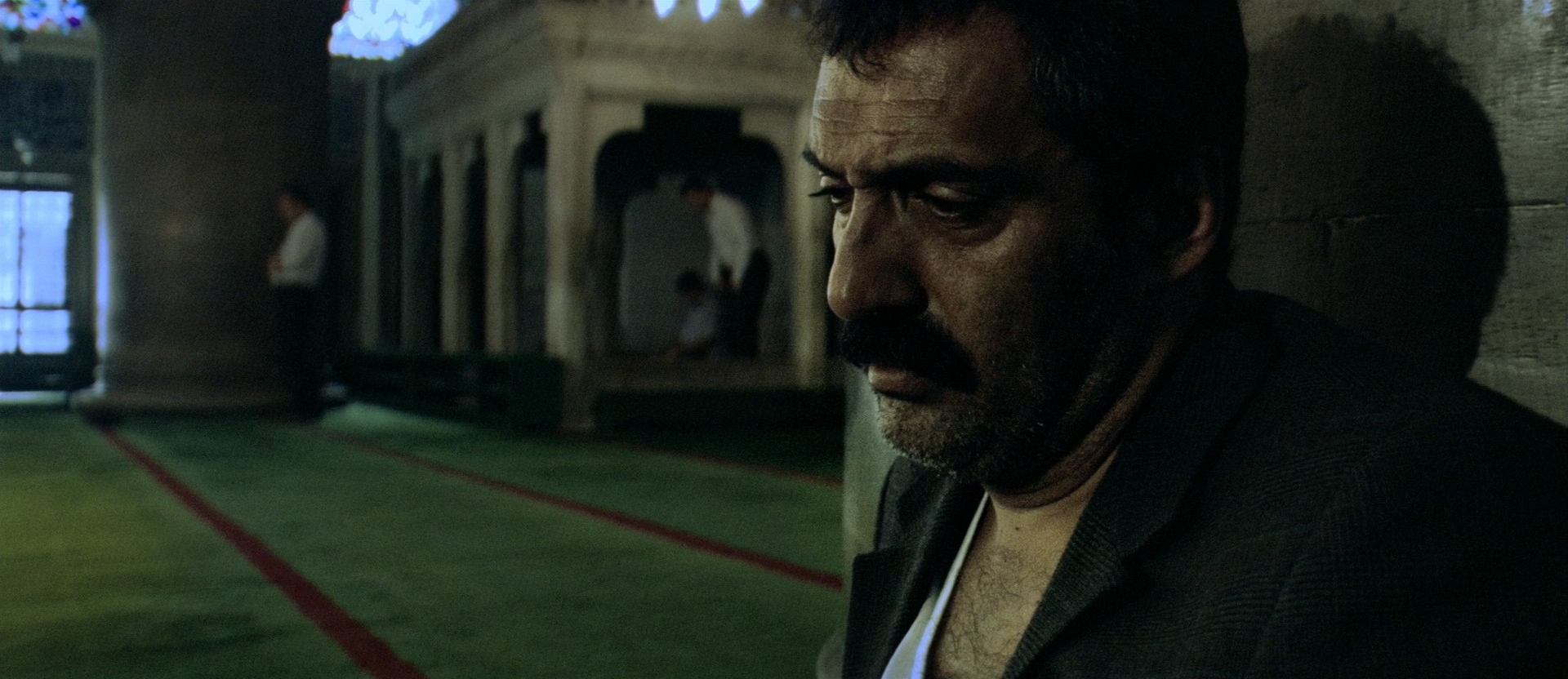
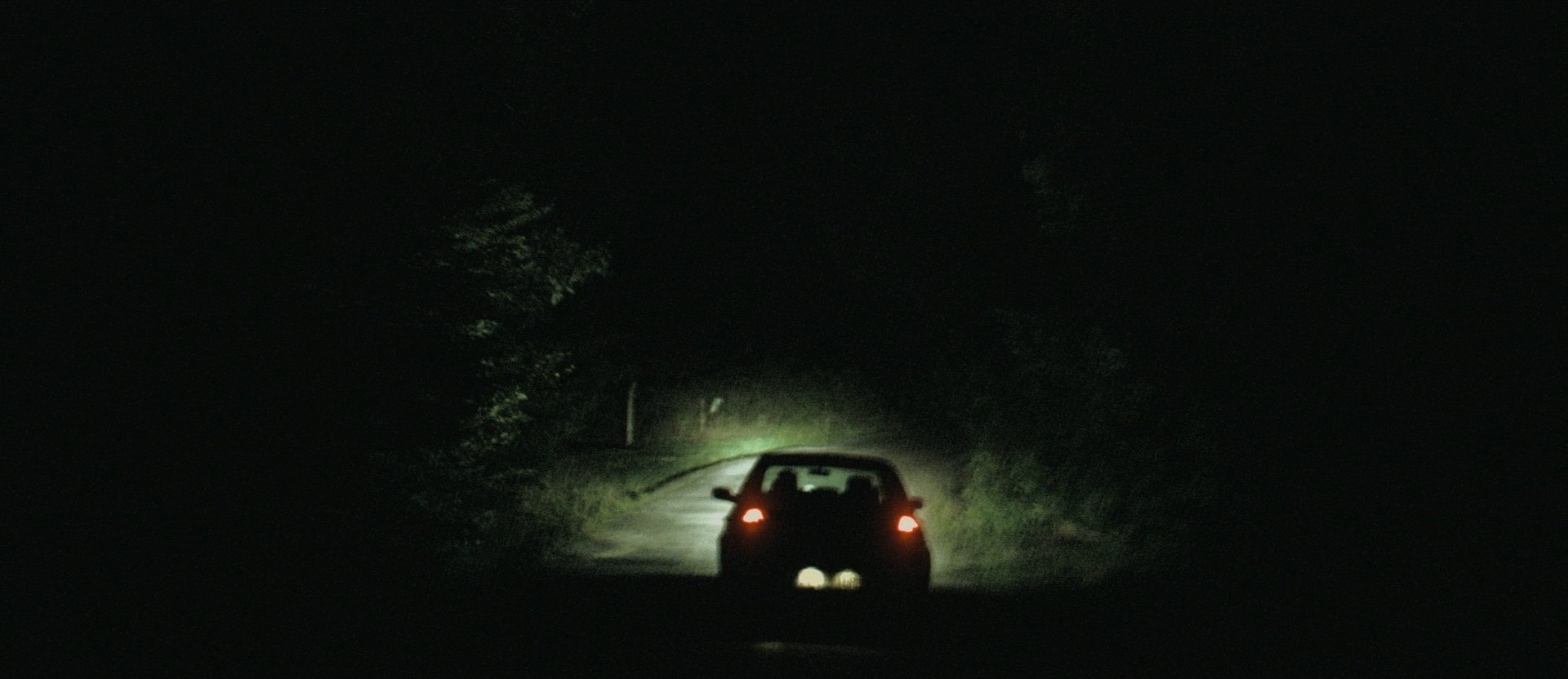
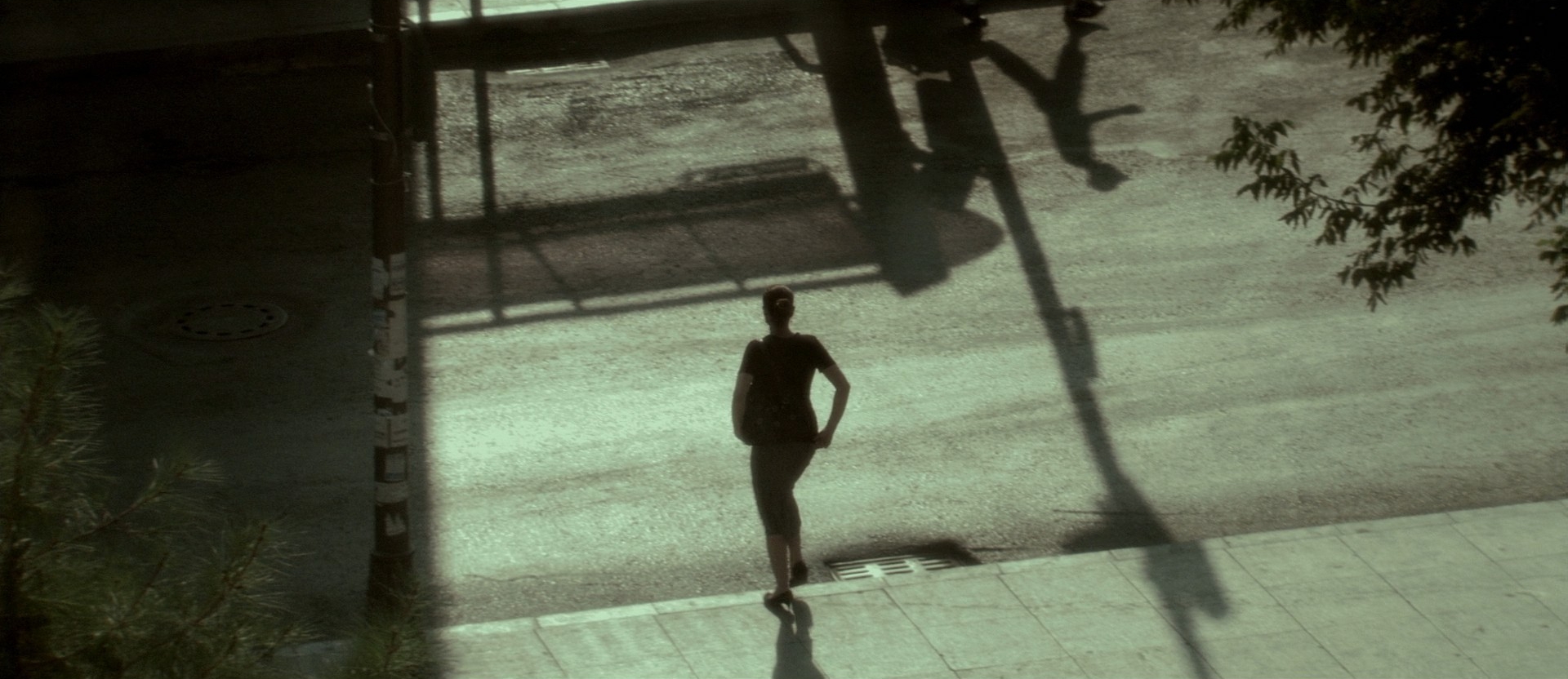
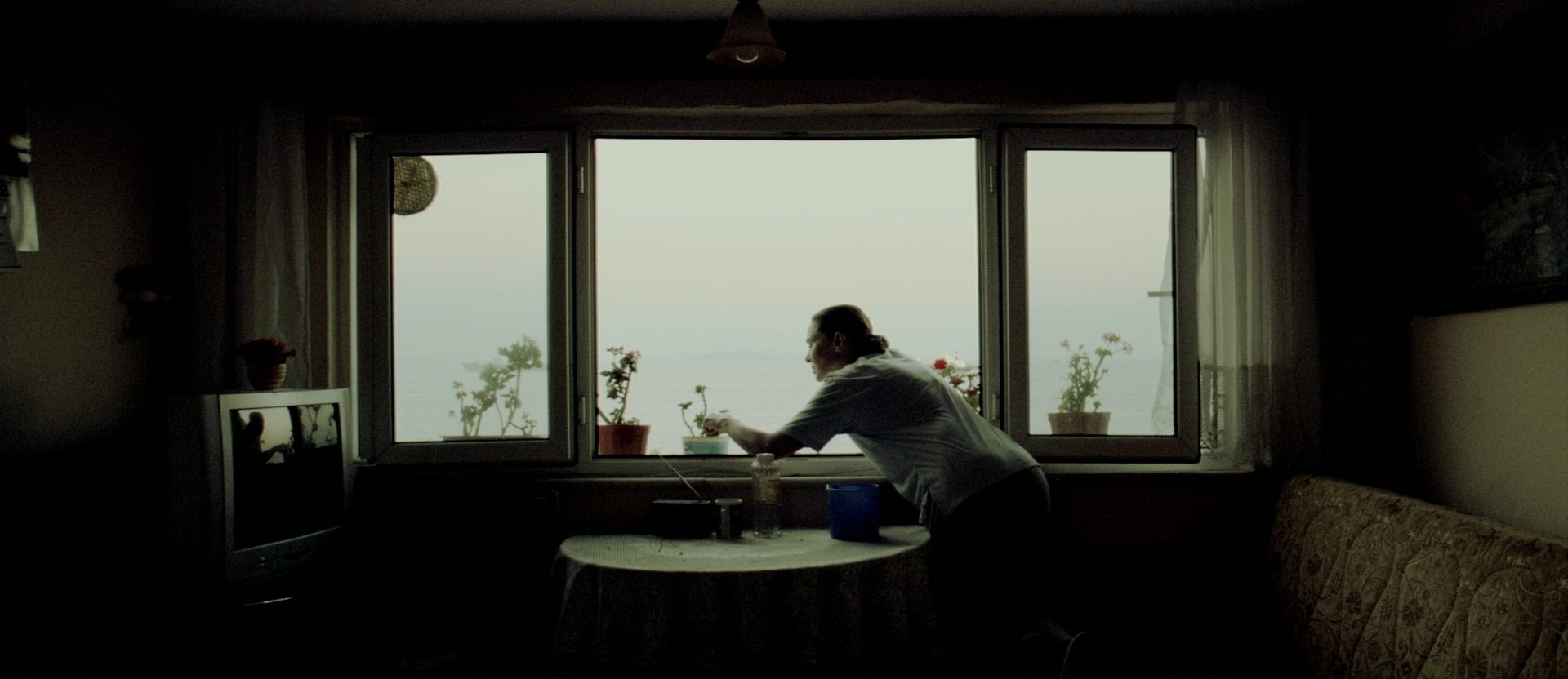
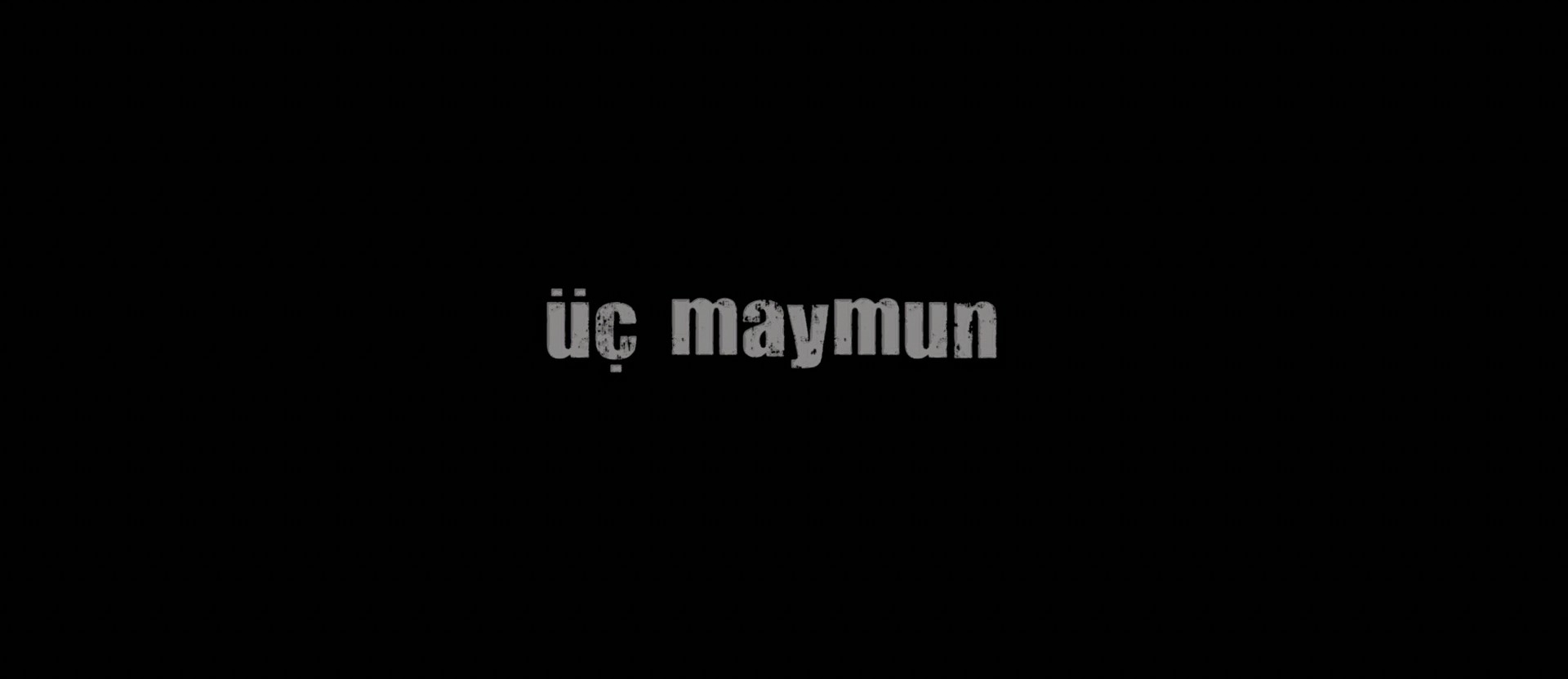
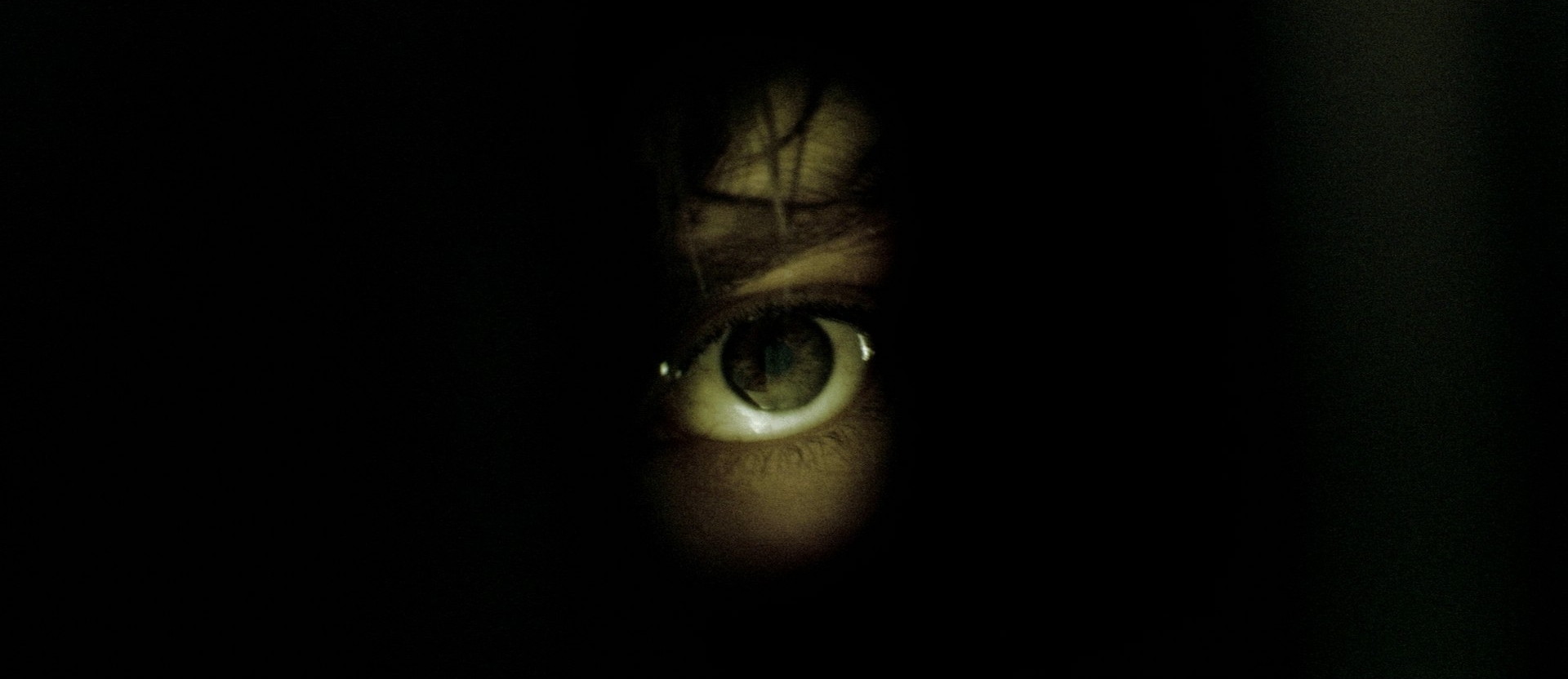
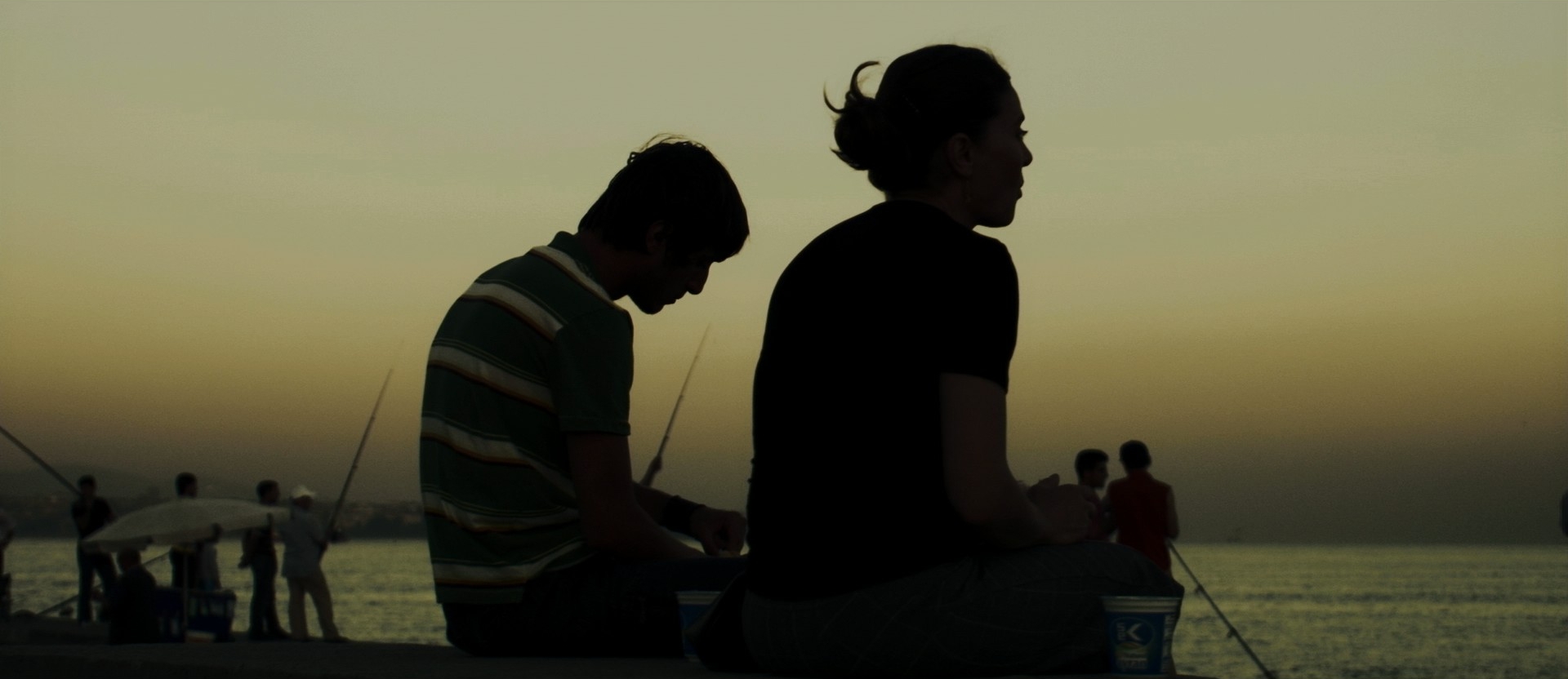
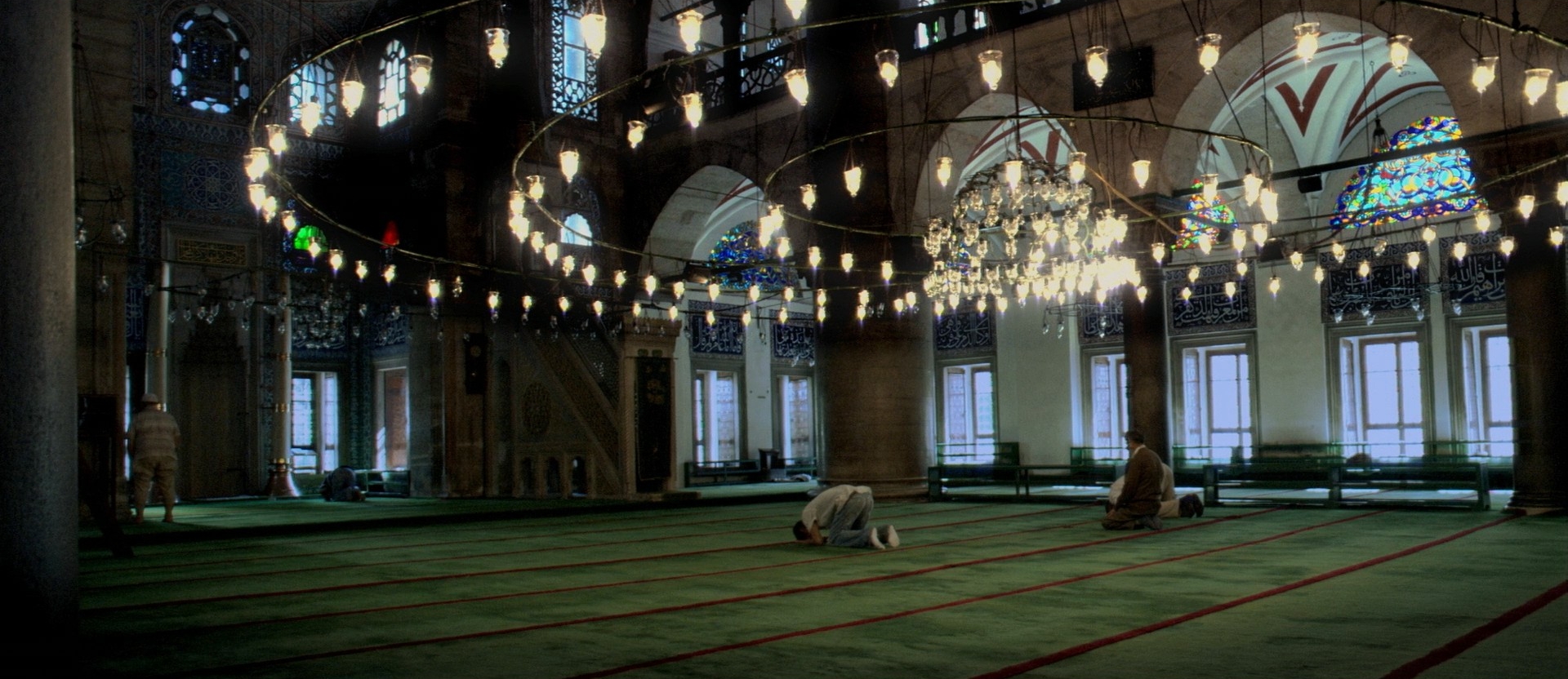
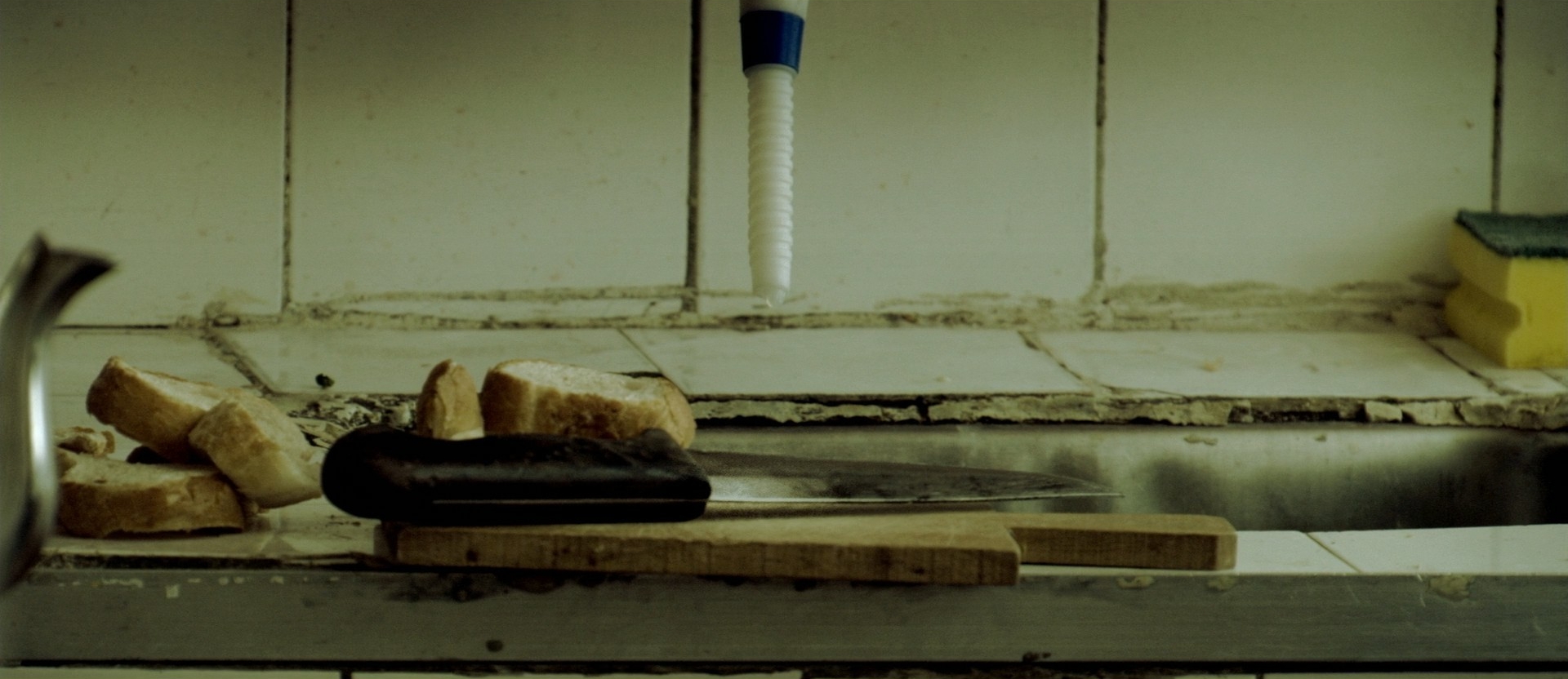
Three Monkeys (2008)
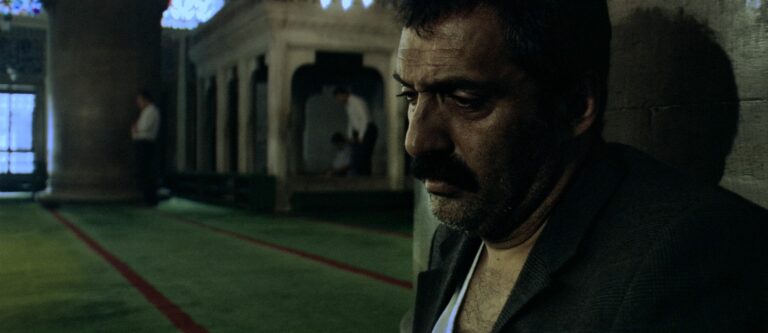
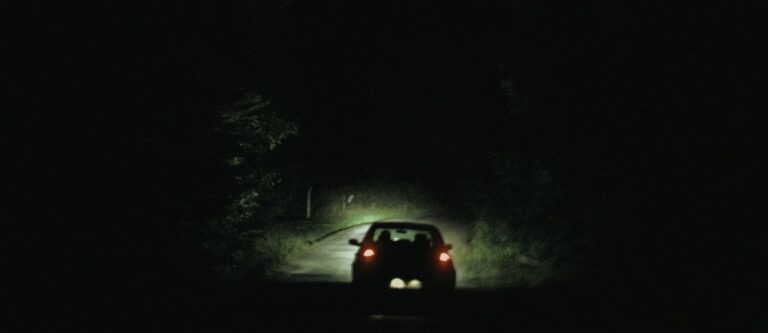
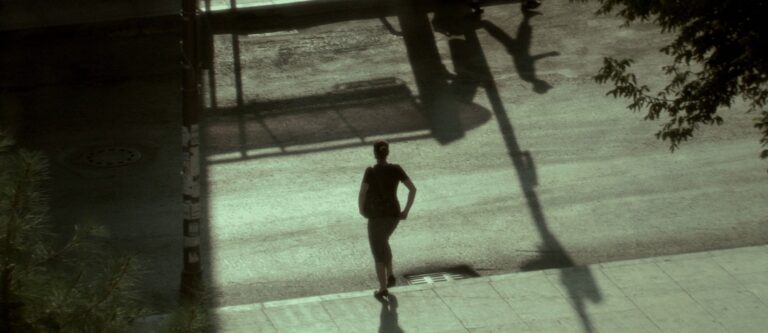
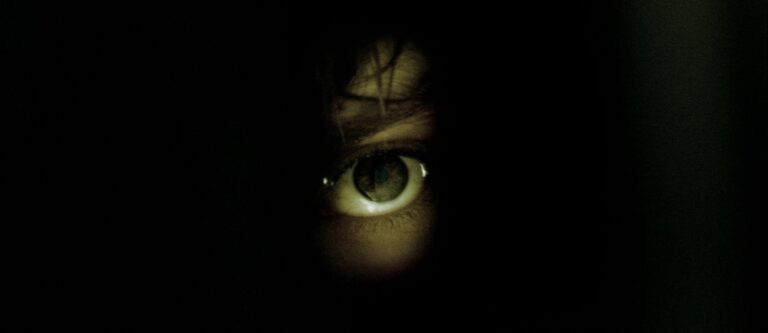
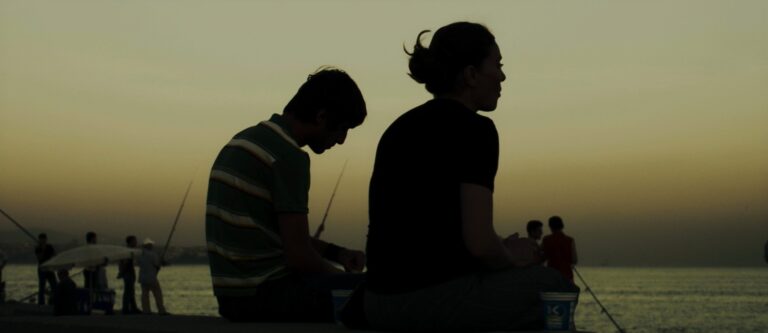
After a politician commits a hit-and-run, he persuades his driver to take the blame in exchange for financial compensation. While the driver is in prison, his family becomes entangled in a web of secrets, betrayal, and guilt that threatens to tear them apart. As tensions mount, the consequences of their choices ripple outward, exposing the fragility of trust and morality.
Ceylan and cinematographer Gökhan Tiryaki craft Three Monkeys with a moody, high-contrast palette, using stormy skies, dim interiors, and precise framing to create a suffocating atmosphere. The film’s controlled camera and sculptural lighting turn faces and spaces into emotional landscapes—where silence, shadow, and stillness carry as much weight as the drama itself.
FILM SPOTLIGHT
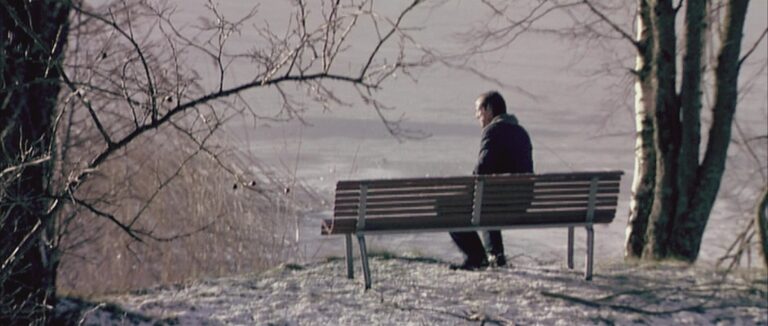
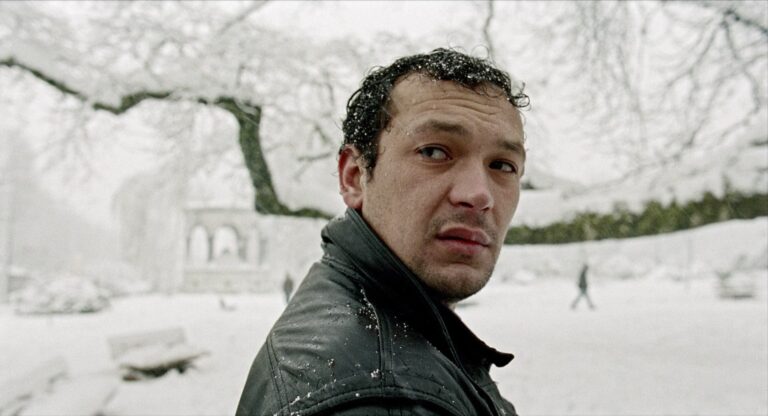
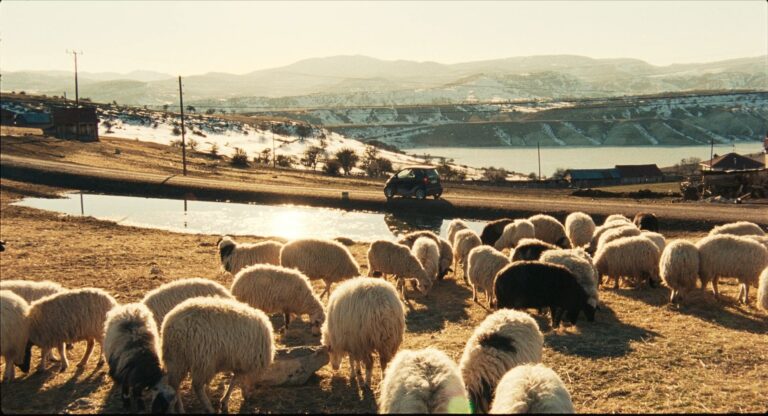
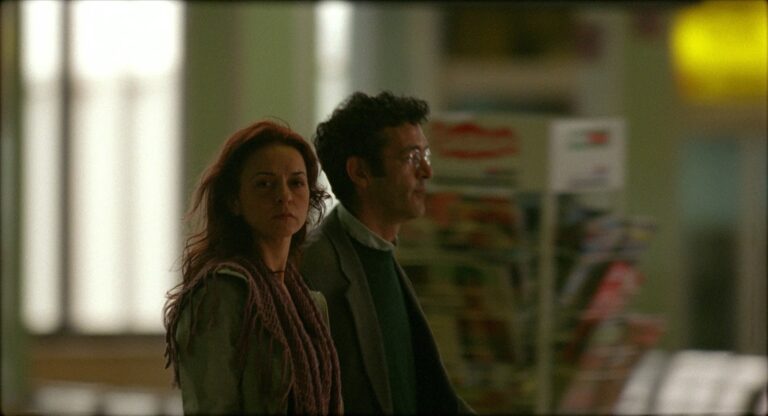
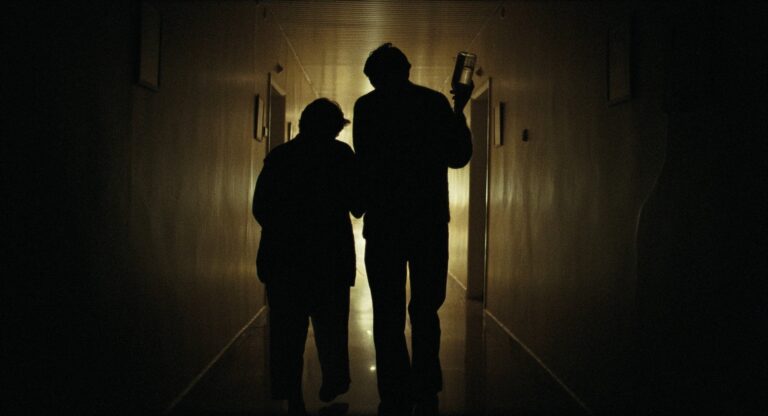
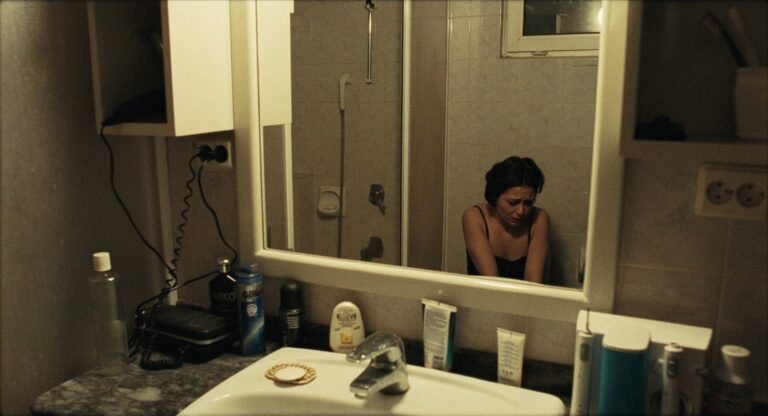
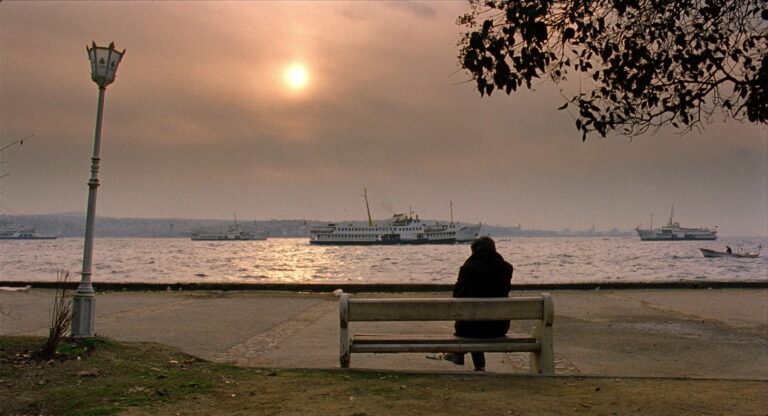
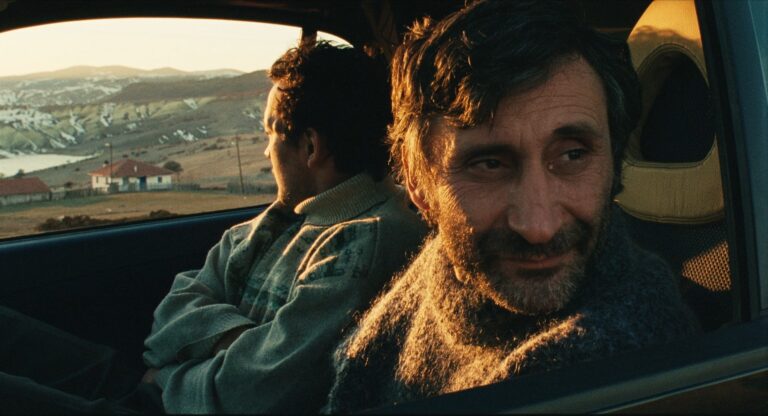
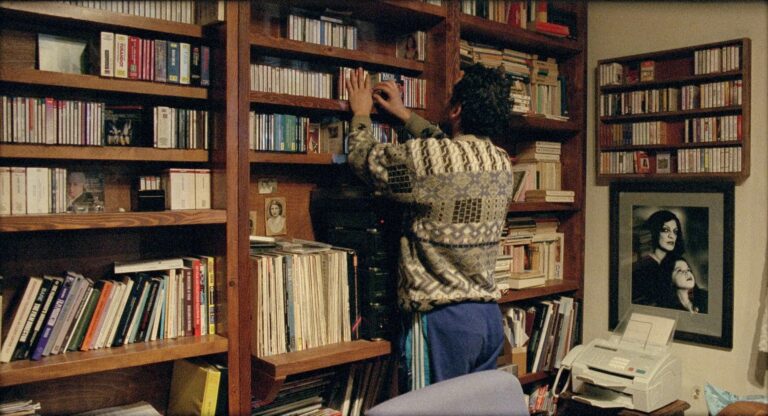
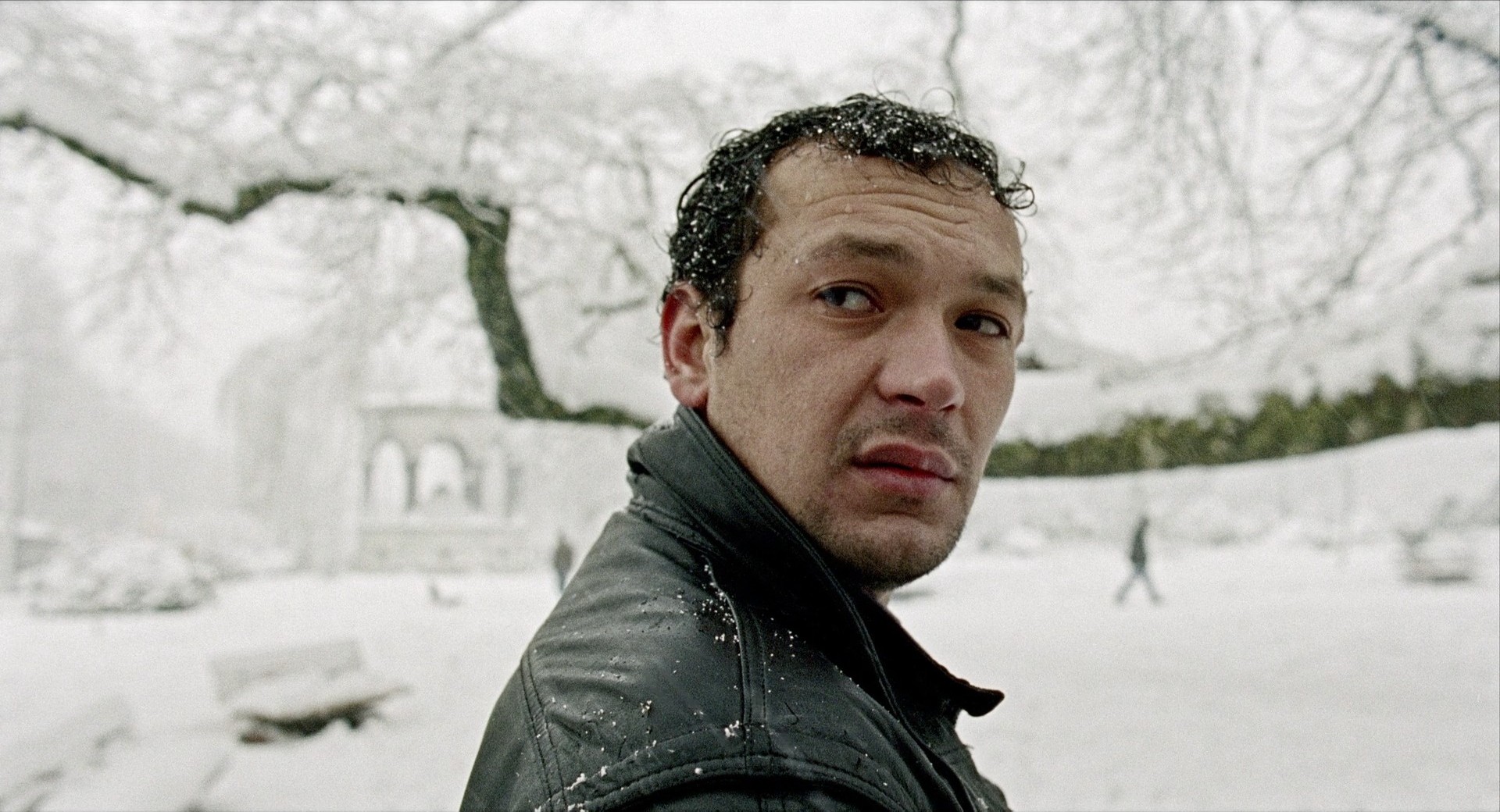
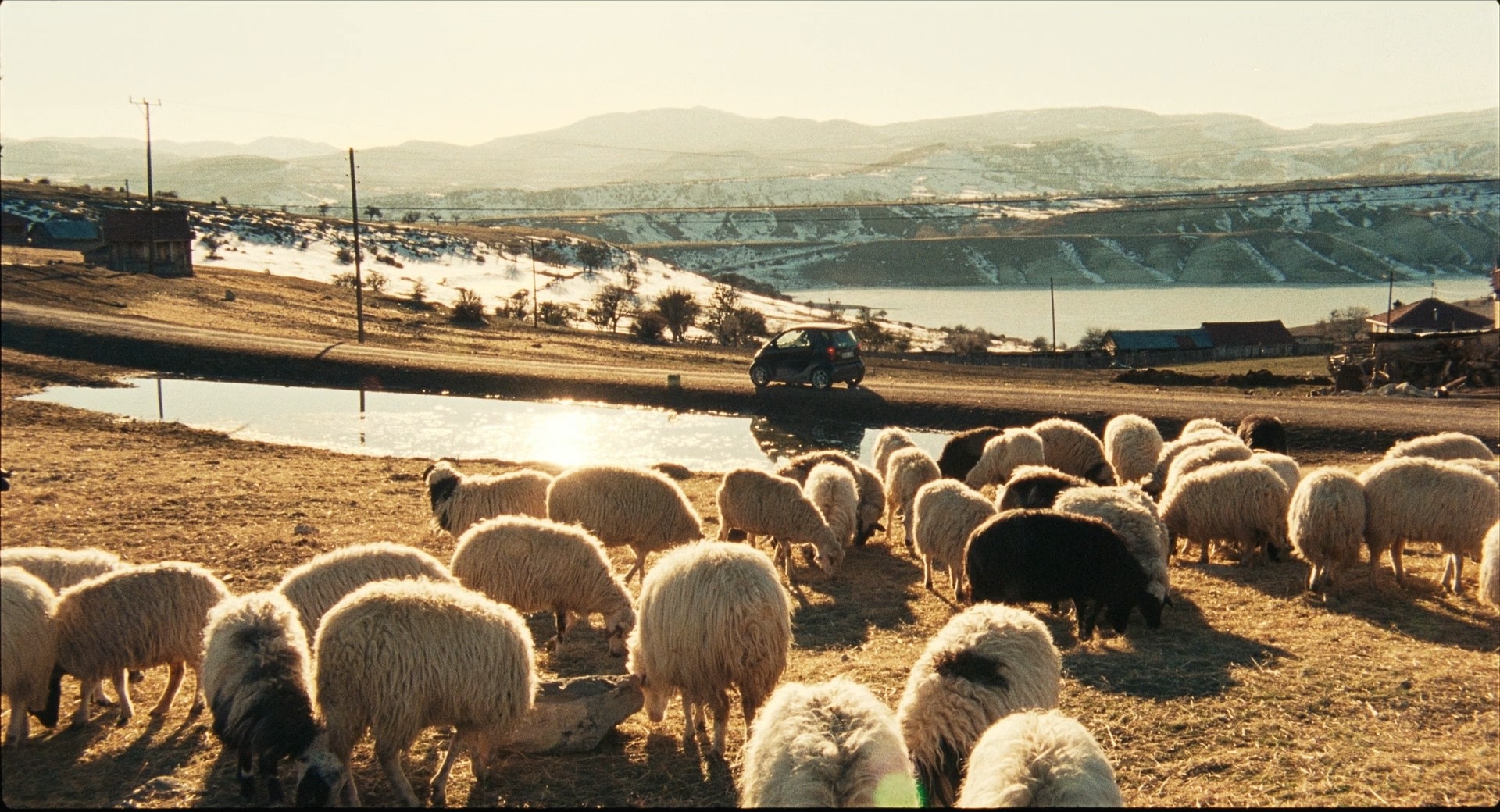
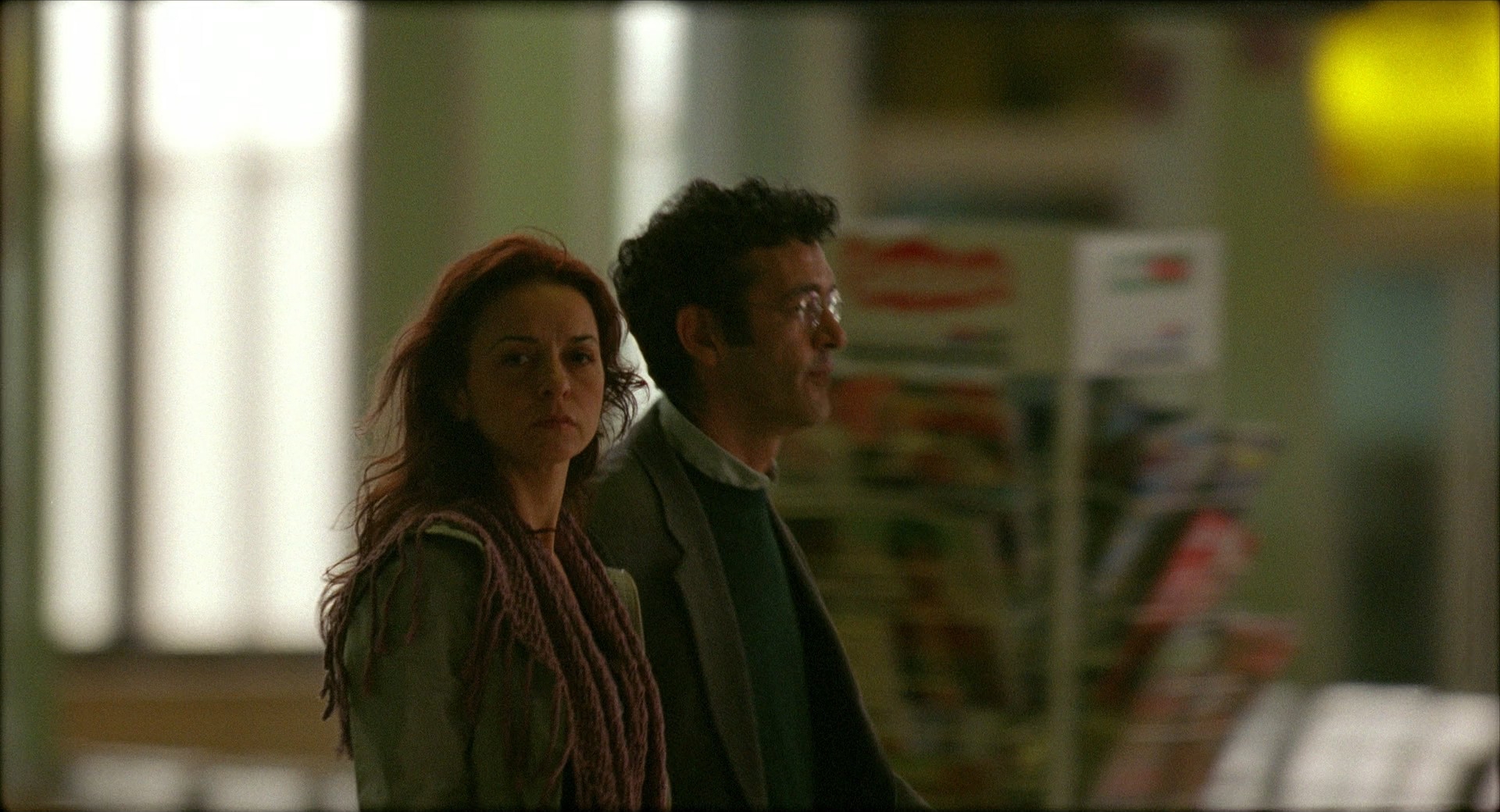
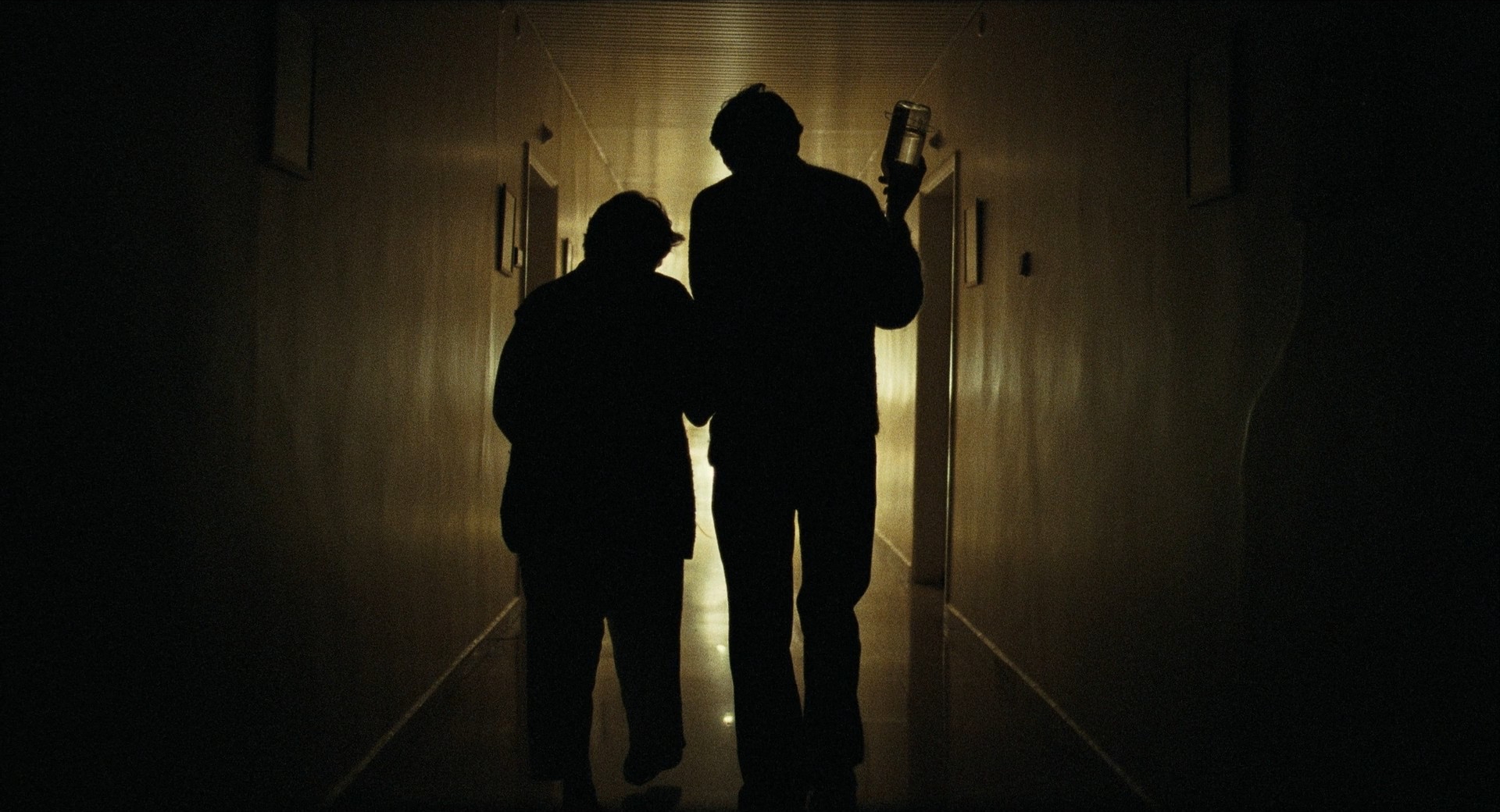
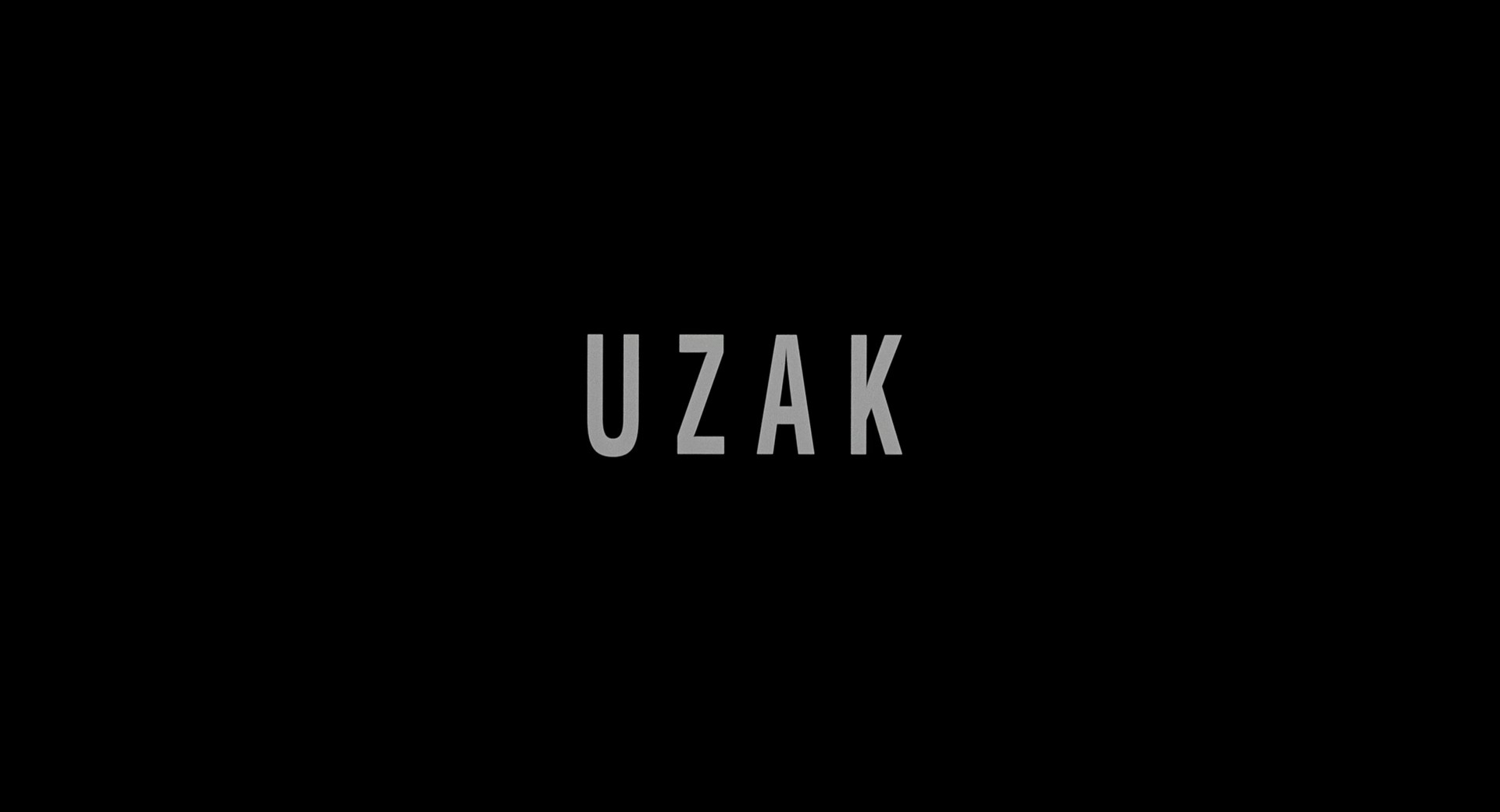
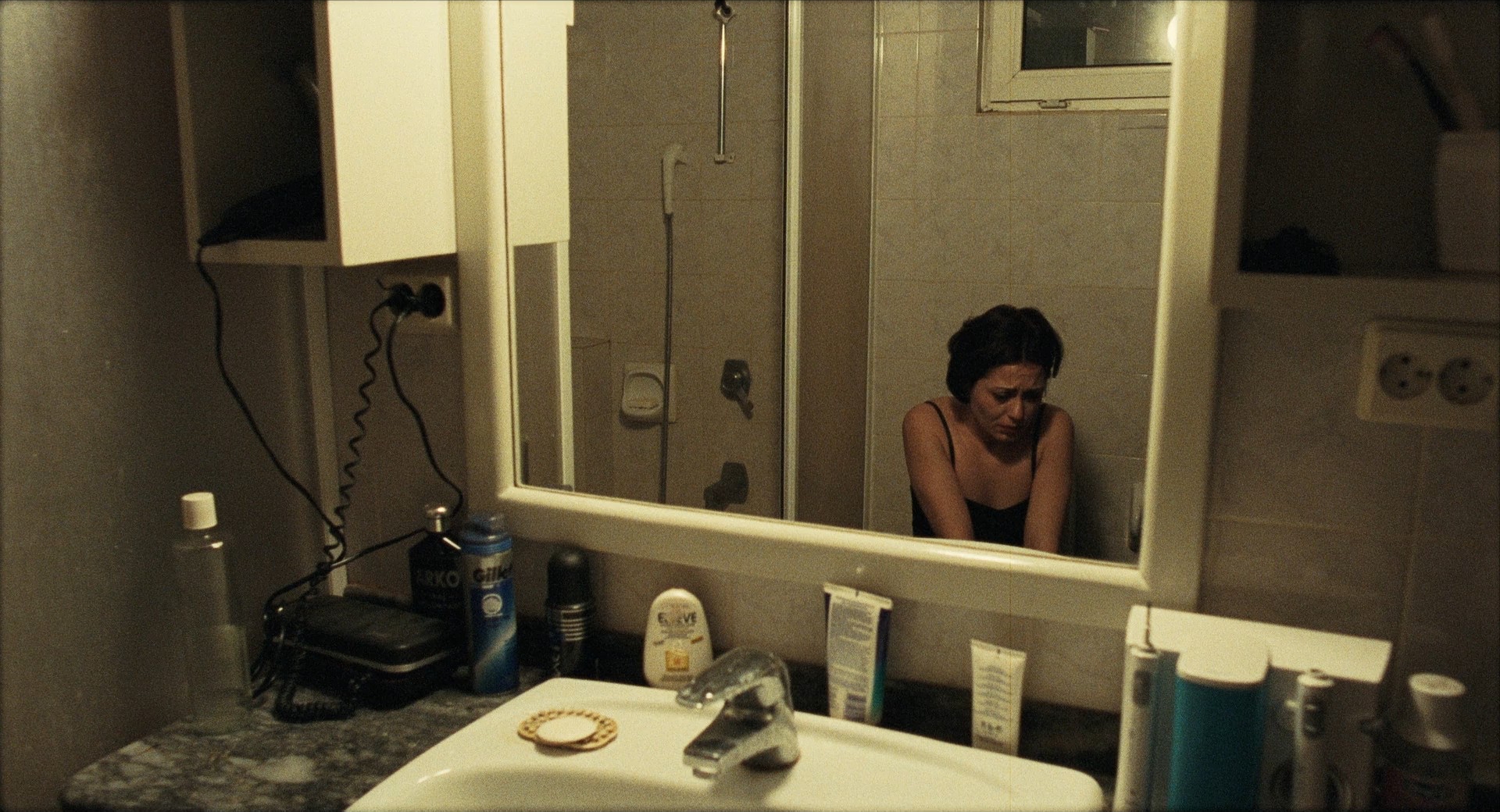
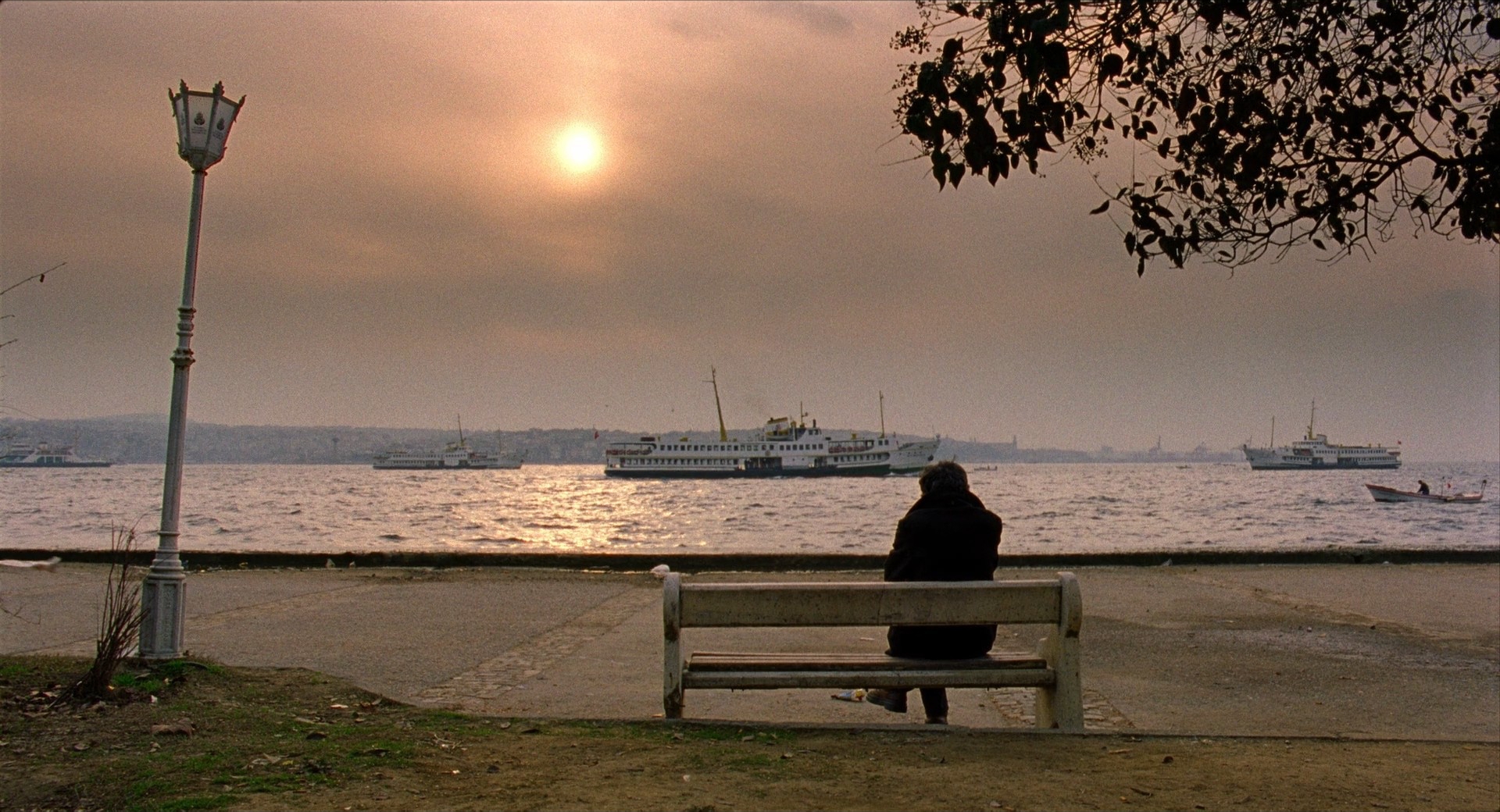
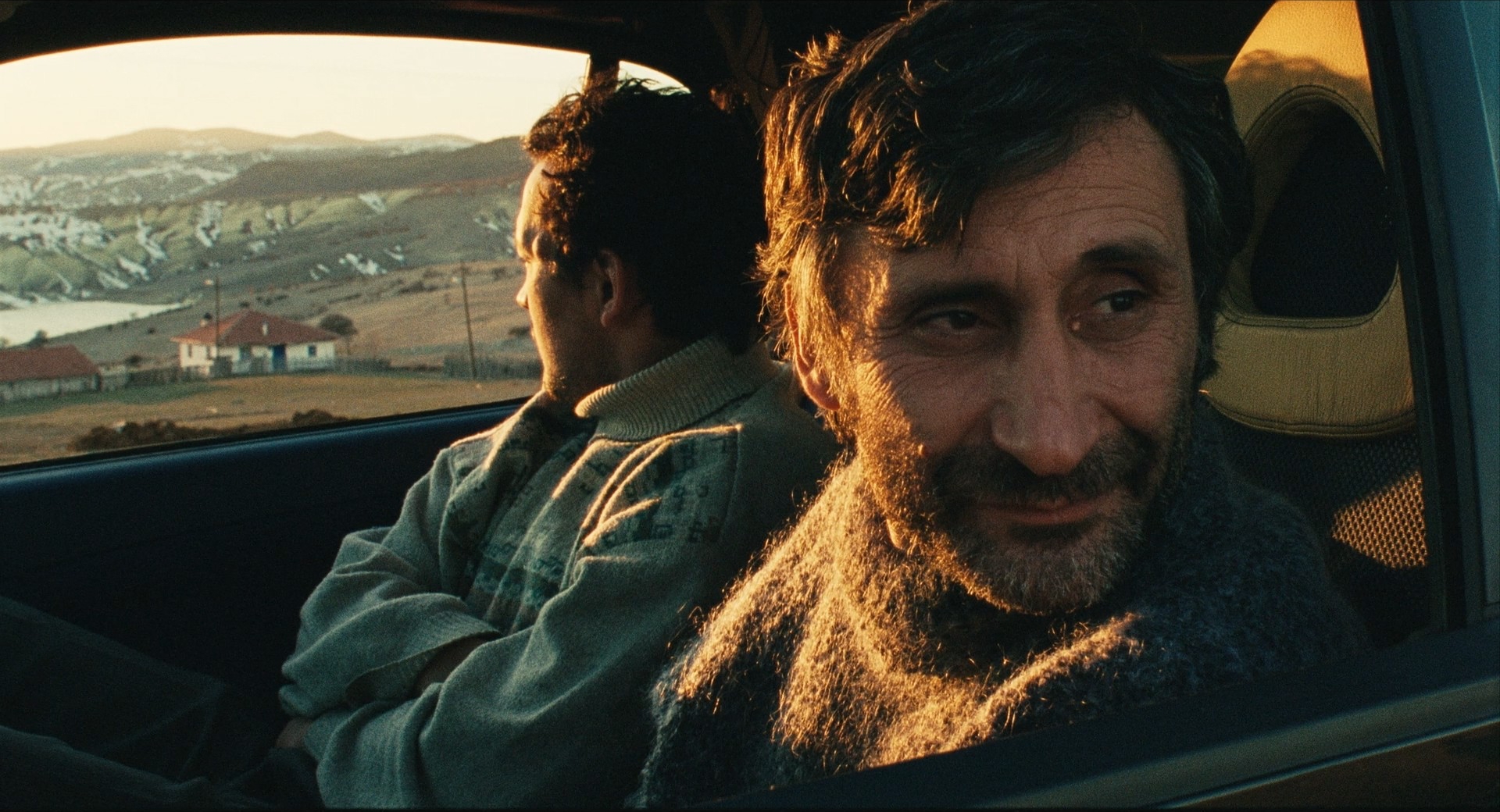
Distant (2002)
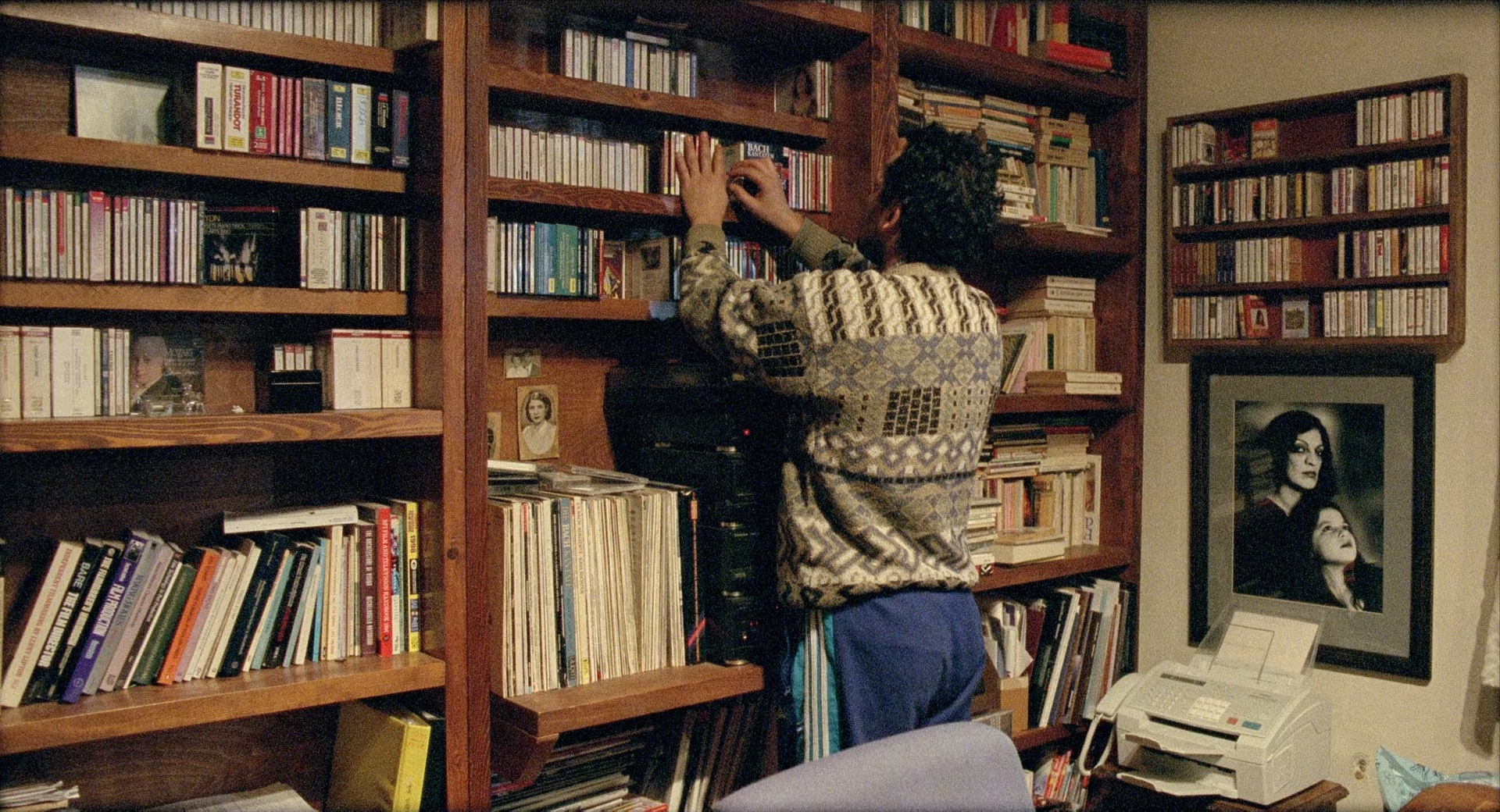
A middle-aged photographer living in Istanbul reluctantly takes in his unemployed cousin, who has come to the city in search of work. As they share the same space, their contrasting personalities and unspoken frustrations create a growing emotional distance between them. Their quiet coexistence becomes a meditation on loneliness, disconnection, and the subtle tensions of modern life.
Ceylan shot Distant with a stark, minimalist approach, using static wide frames, natural light, and wintry cityscapes to emphasize isolation. The film’s restrained compositions—often placing characters apart within the same frame—turn space into emotion, where silence and stillness define the visual rhythm as much as the performances.
FILM SPOTLIGHT
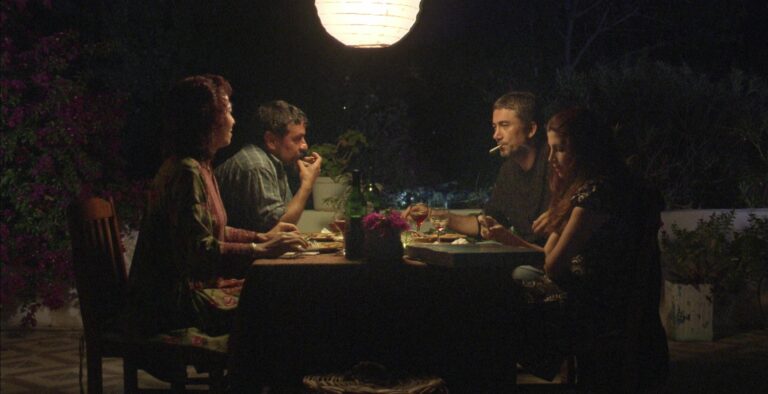
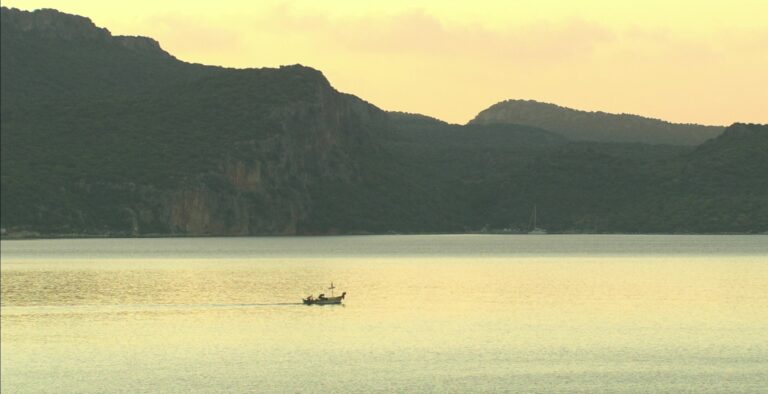
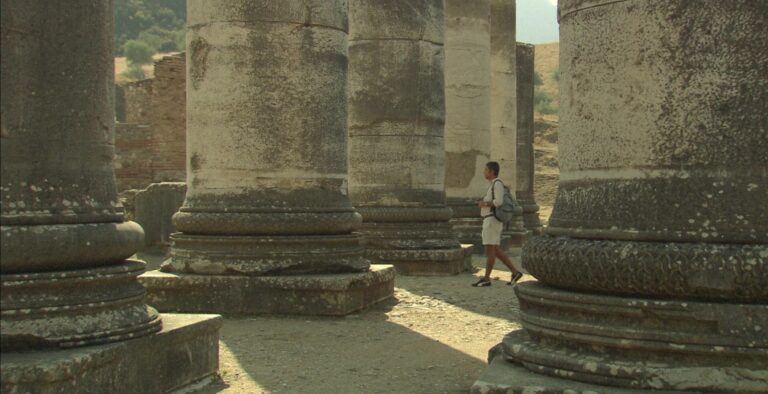
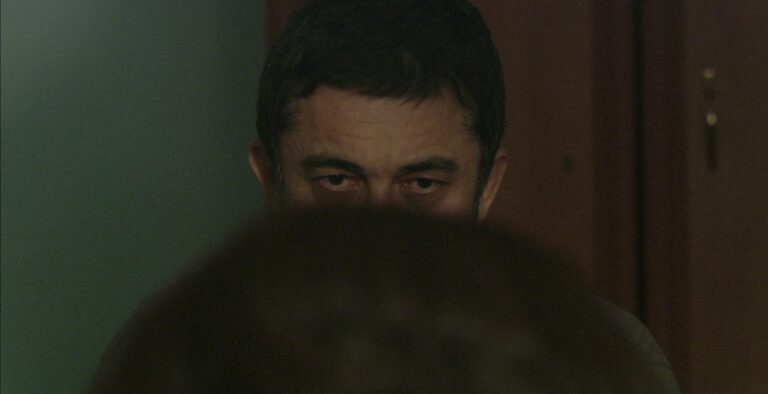
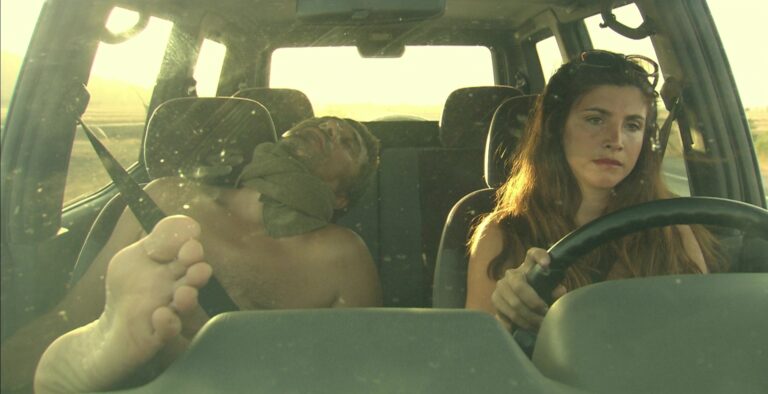
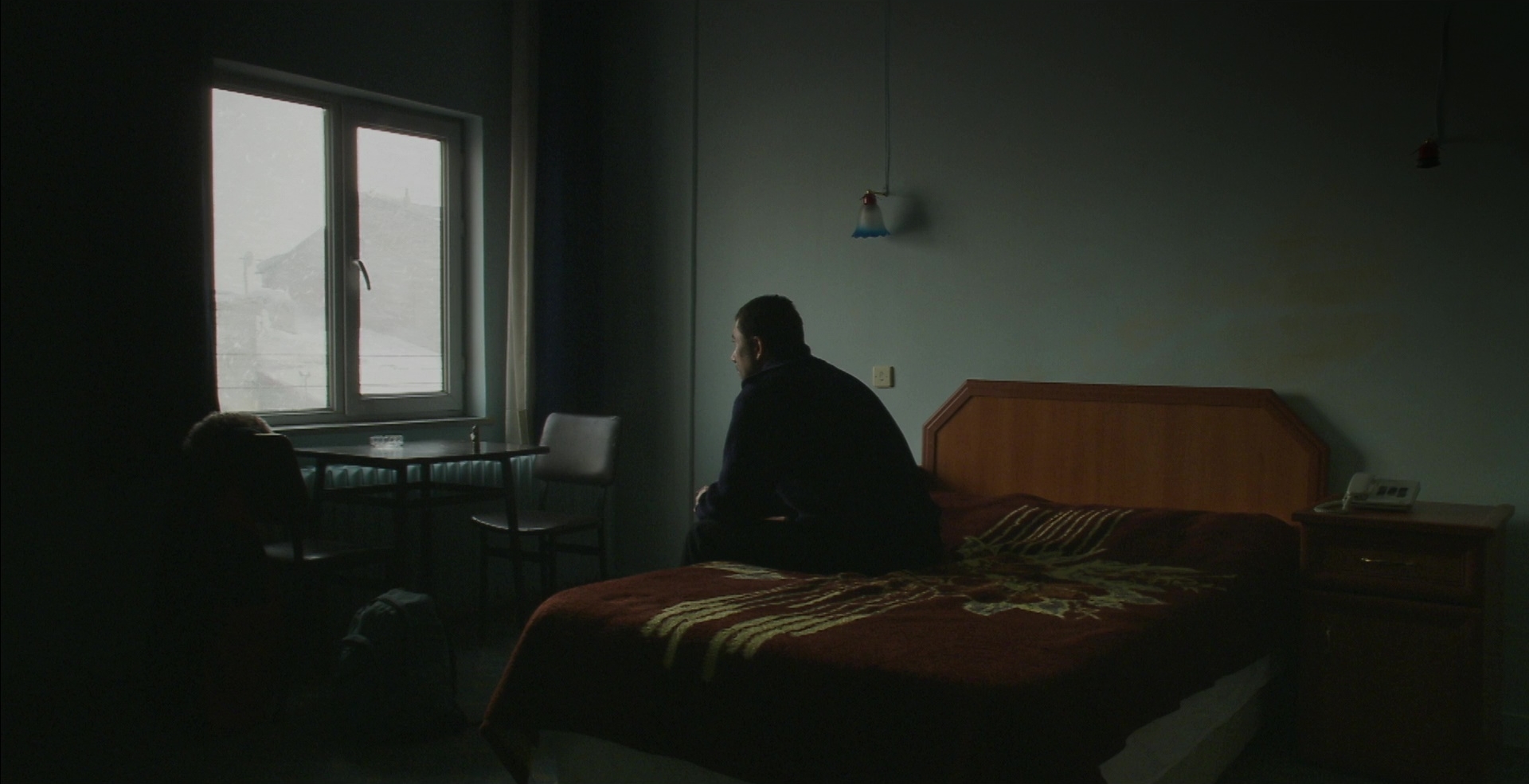
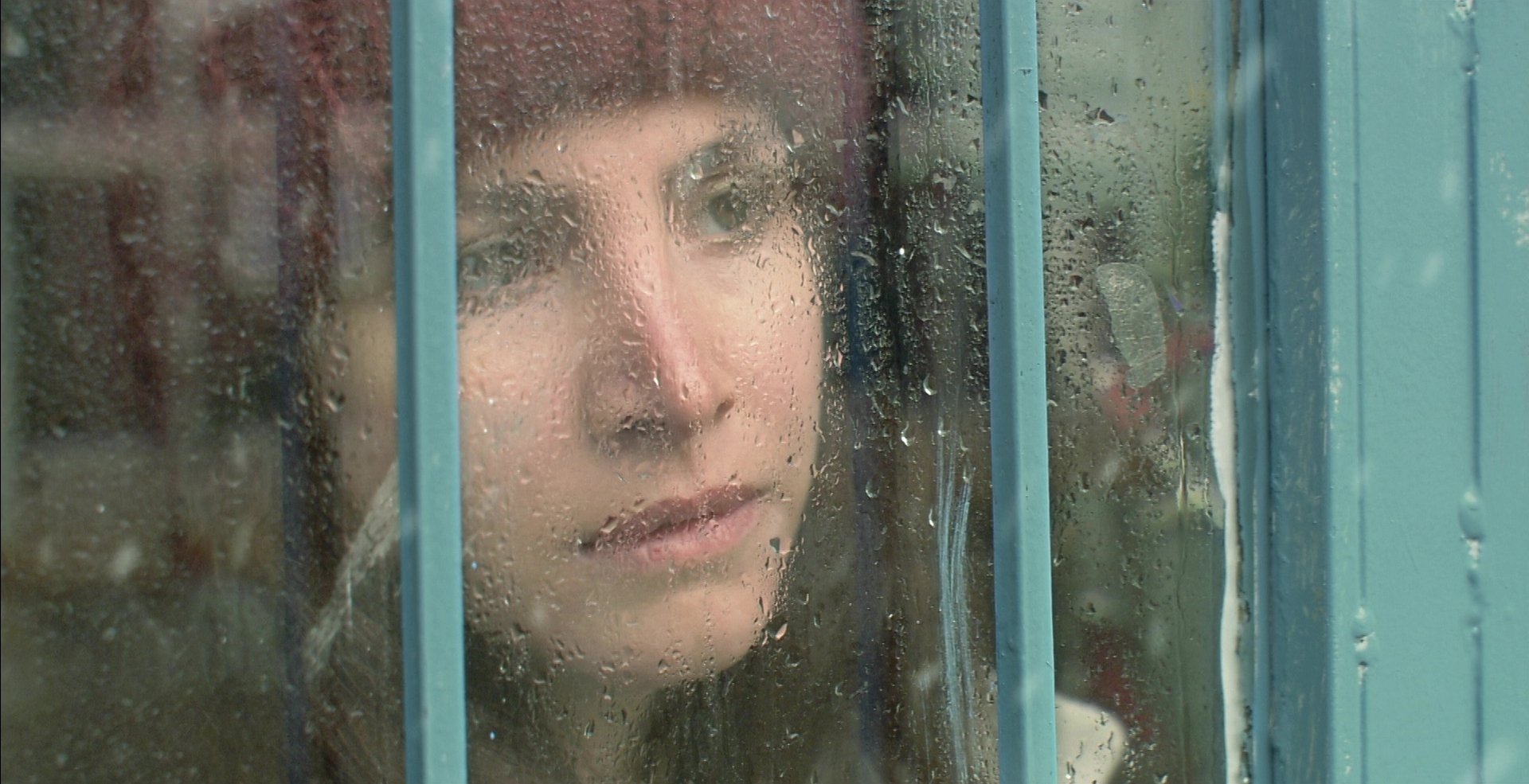
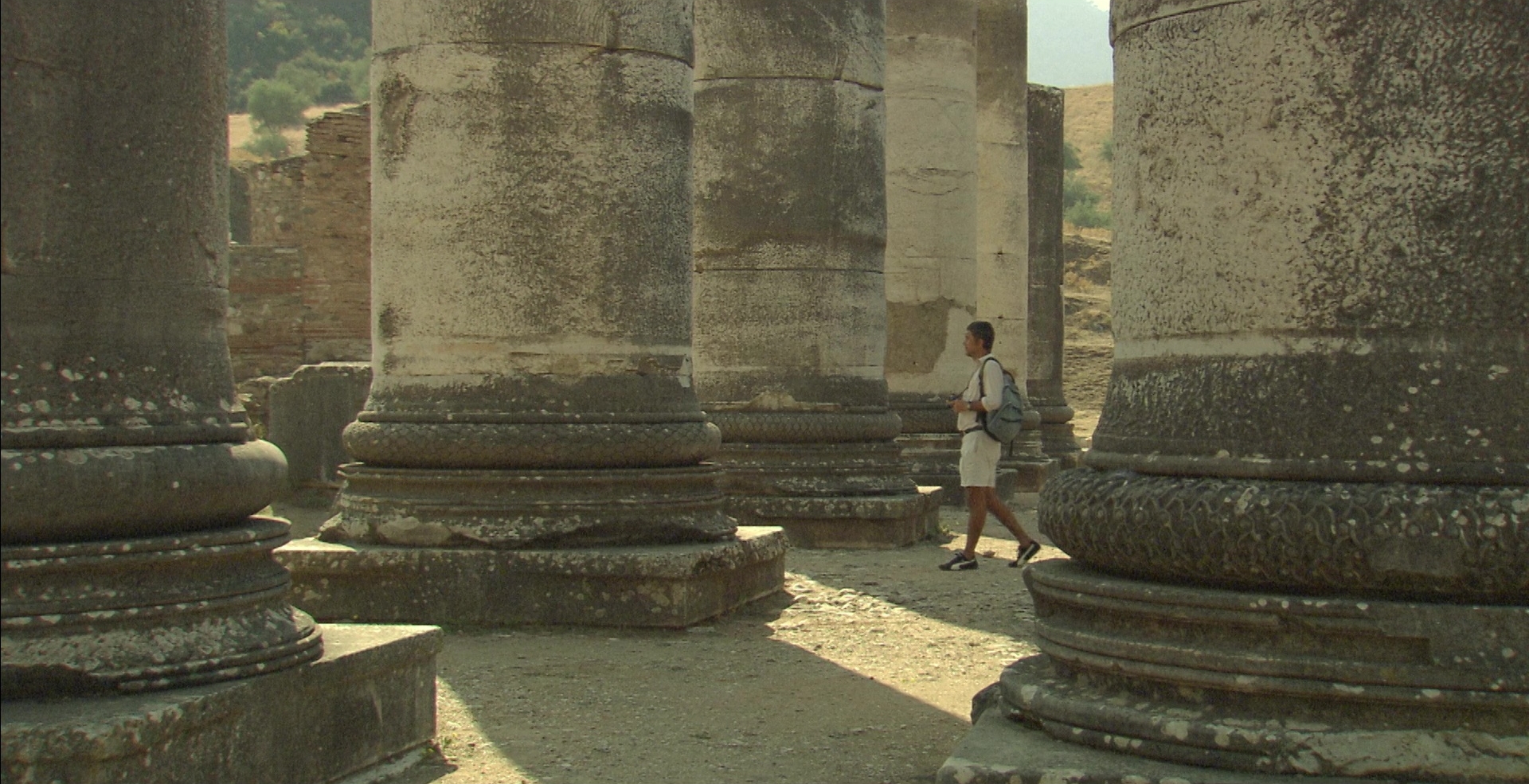
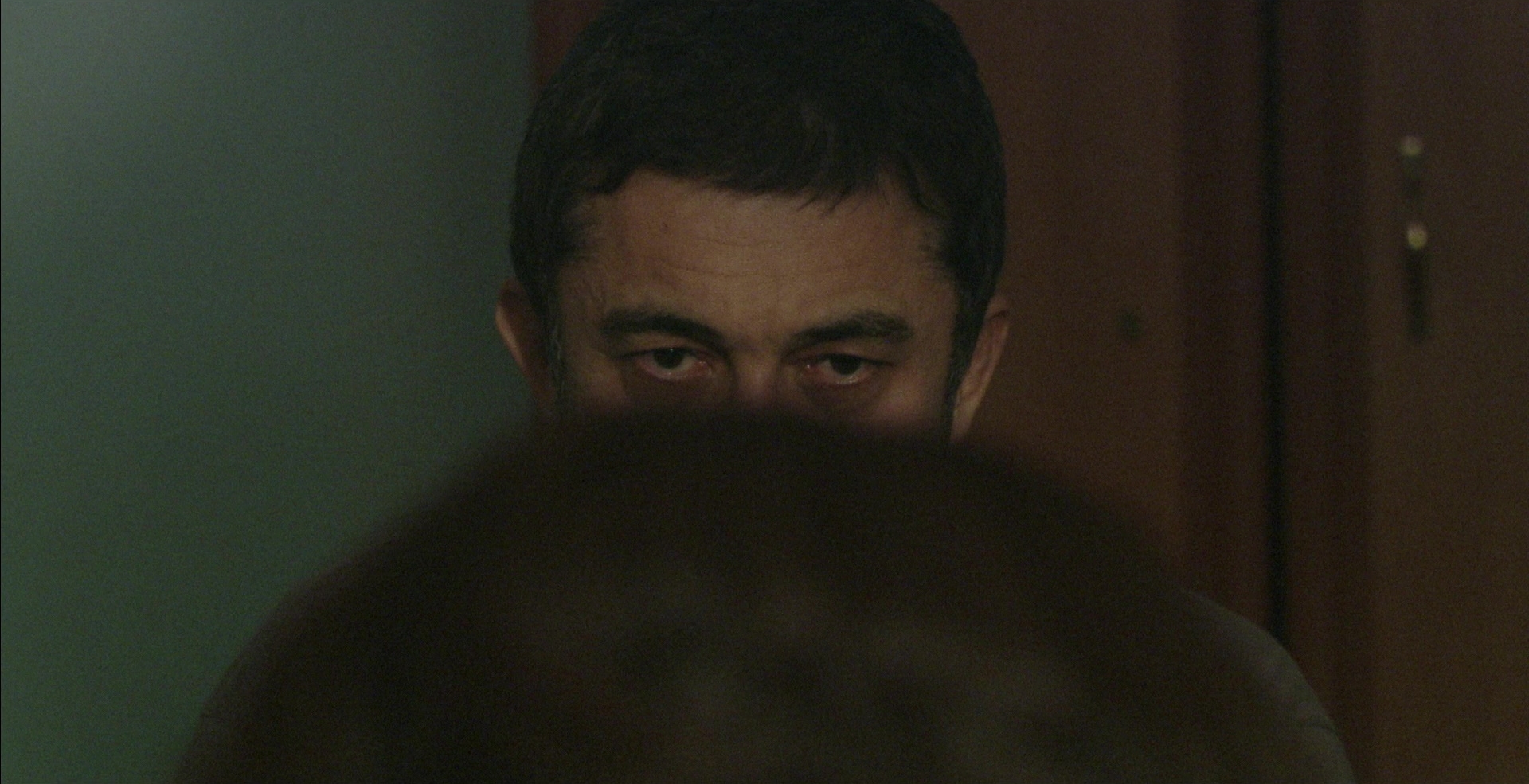
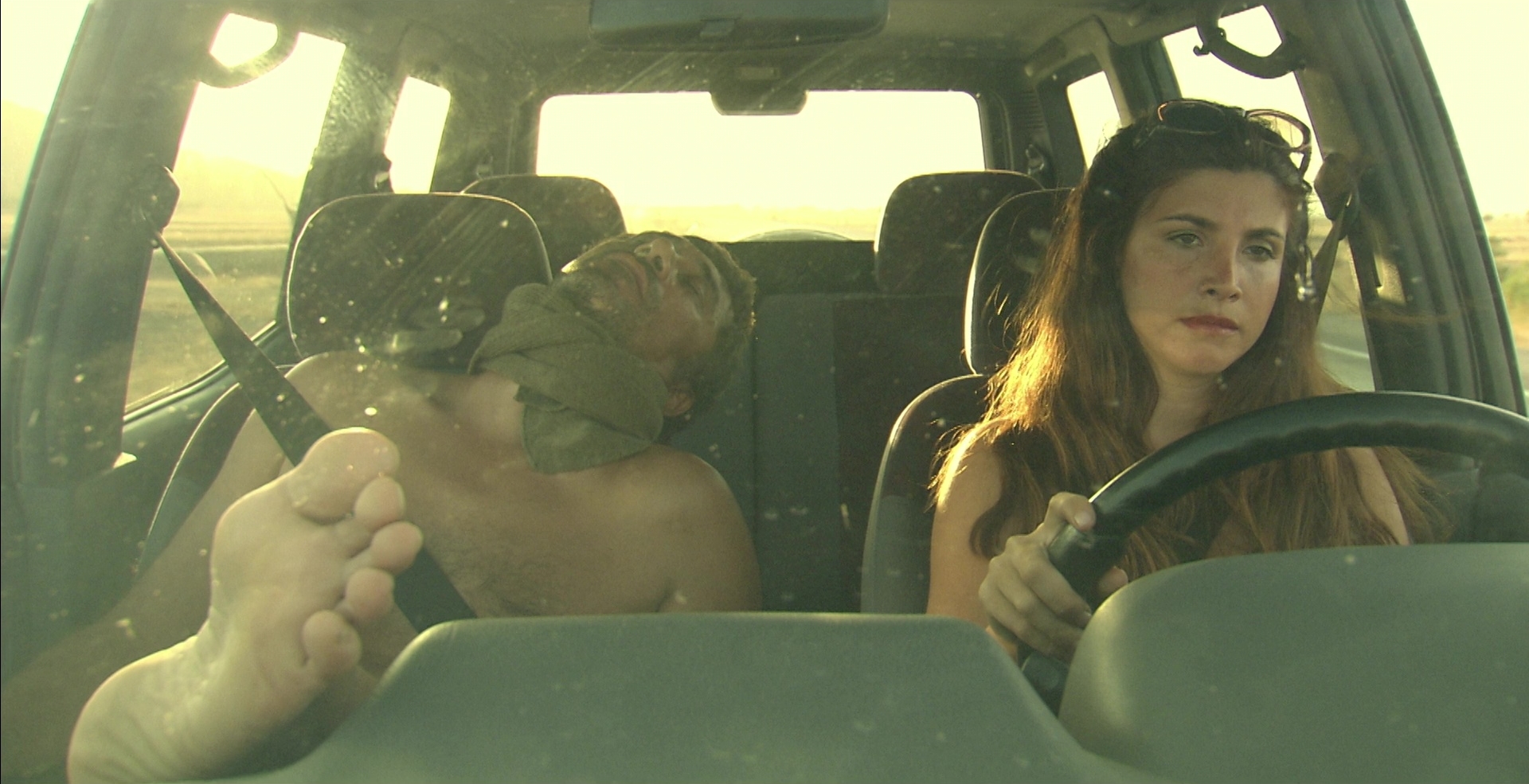
Climates (2006)
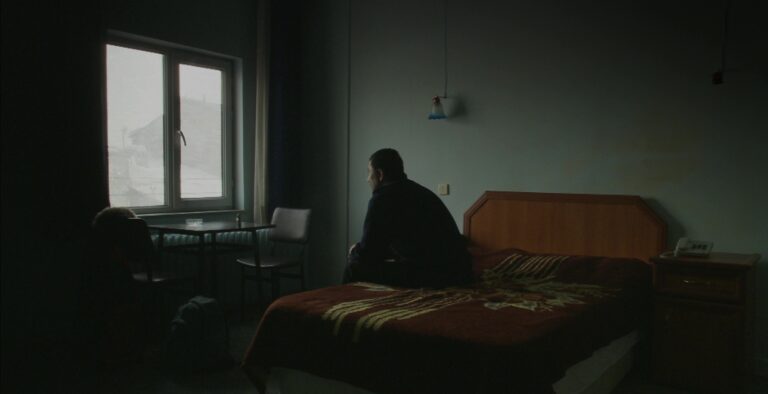
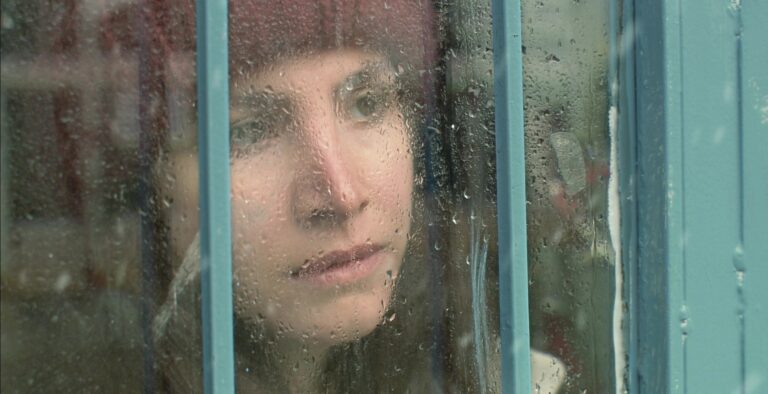
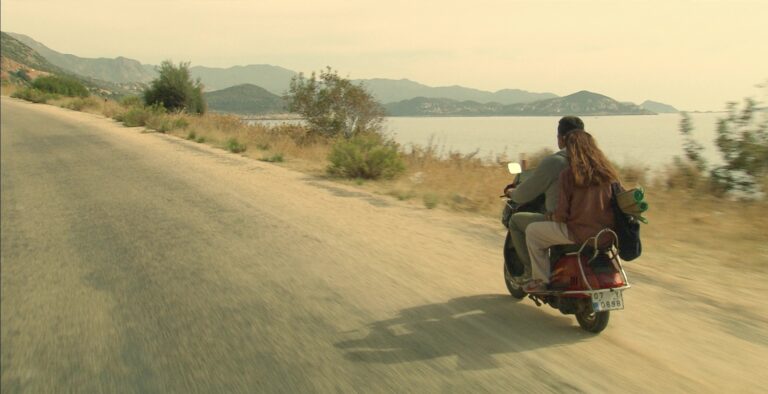
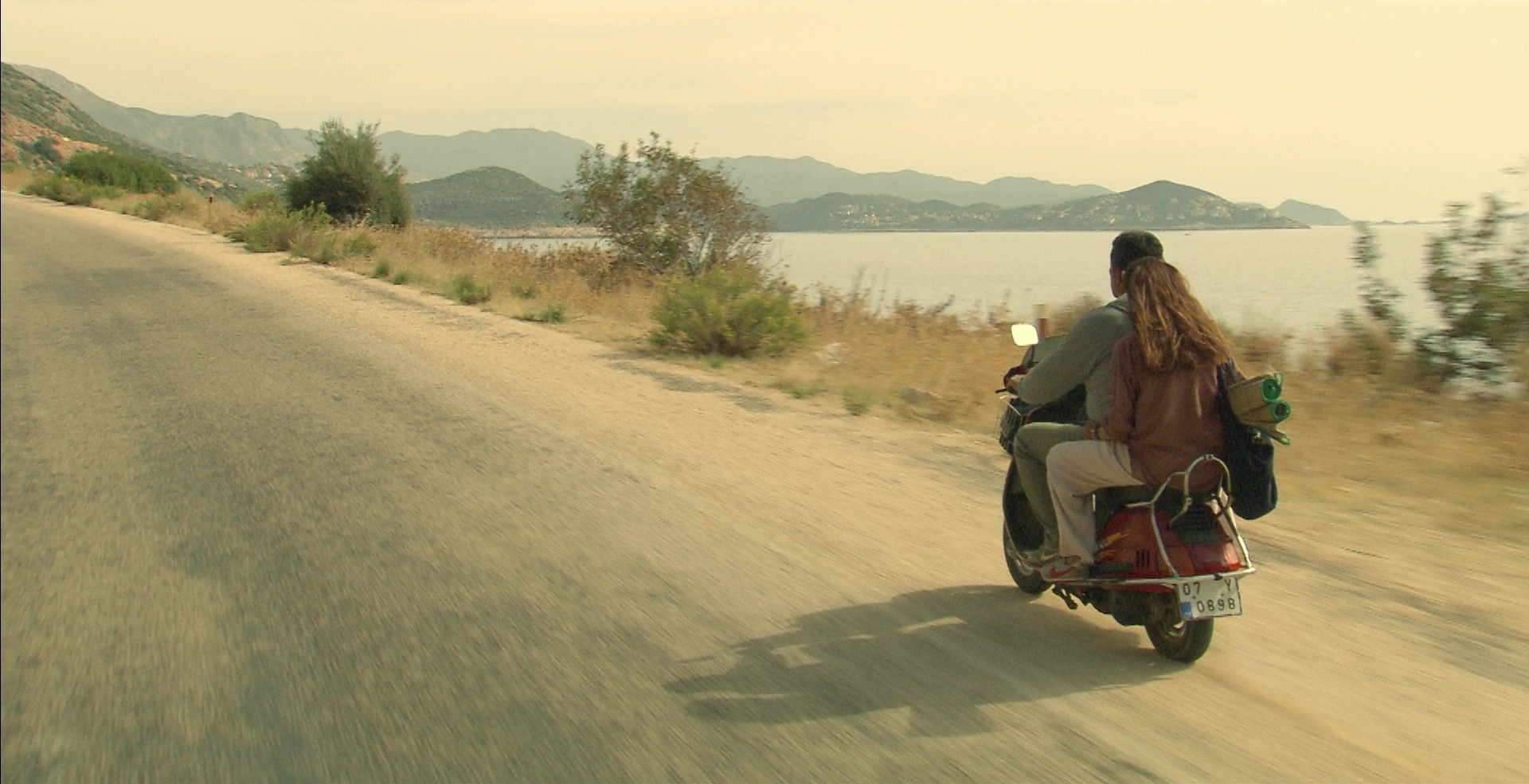
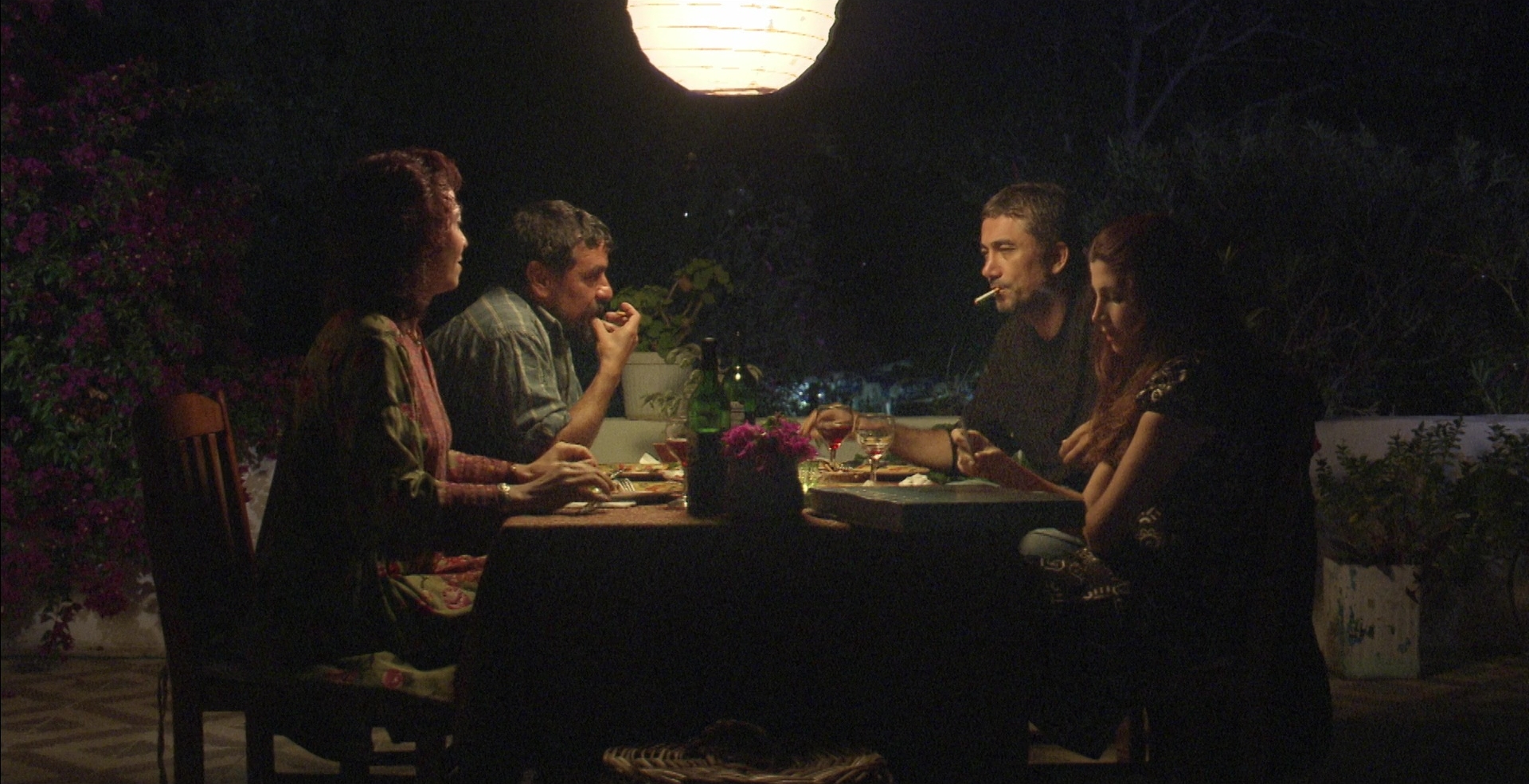
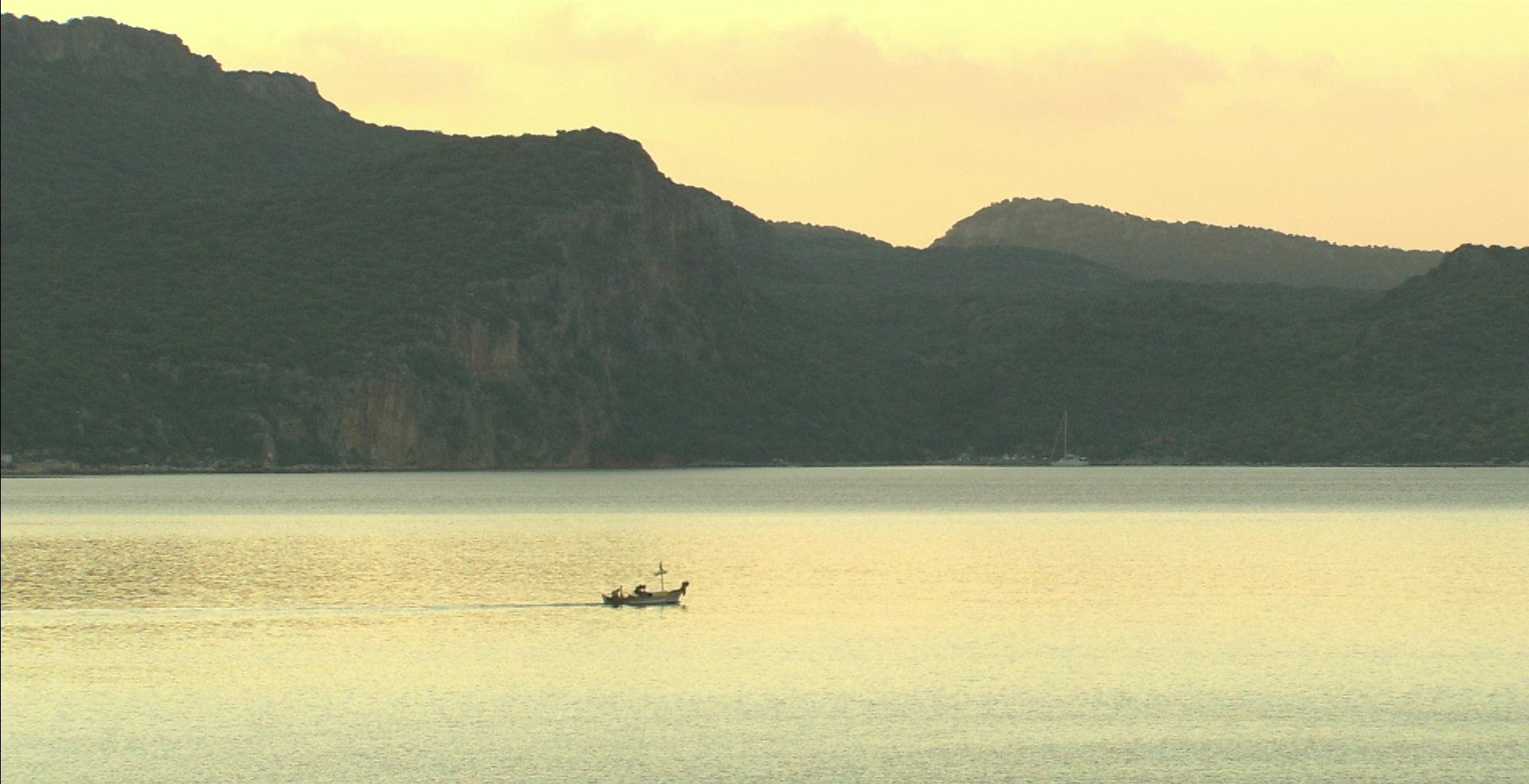
The film follows the deteriorating relationship between a university professor and his younger partner as they travel through different regions of Turkey. As their connection unravels, shifting seasons mirror their emotional distance and unresolved tensions. What begins as a quiet breakup evolves into a deeper exploration of loneliness, regret, and the difficulty of genuine intimacy.
Ceylan and cinematographer Gökhan Tiryaki shoot Climates with a stark, photographic precision, using digital still-camera aesthetics, natural light, and seasonal landscapes to map emotional states onto environment. The film’s use of close-ups—especially on faces—paired with vast, empty spaces creates a striking contrast, turning climate itself into a visual metaphor for internal disconnection.
FILM SPOTLIGHT
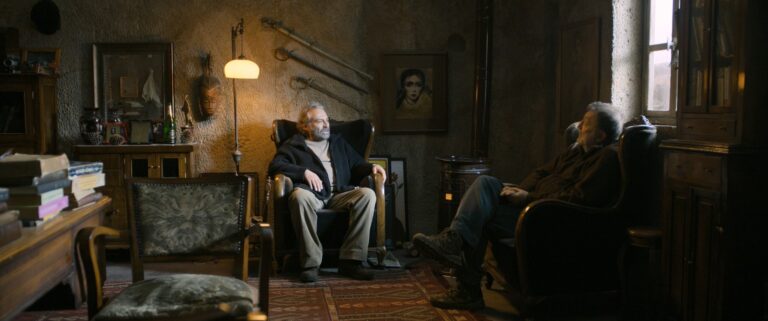
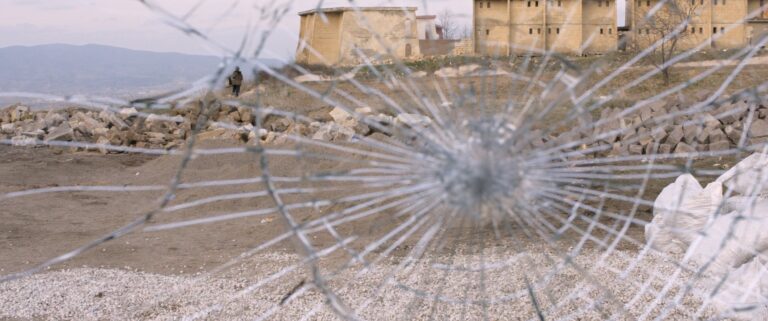
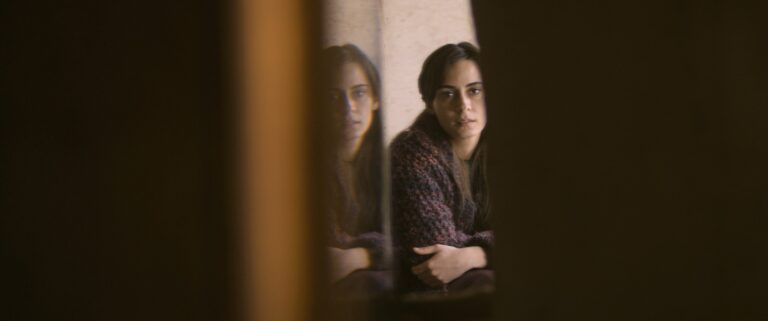
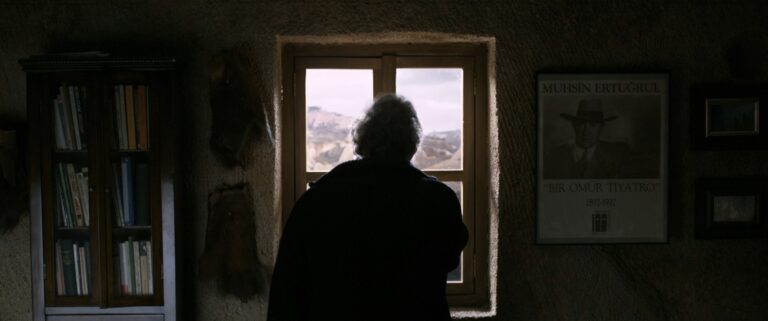
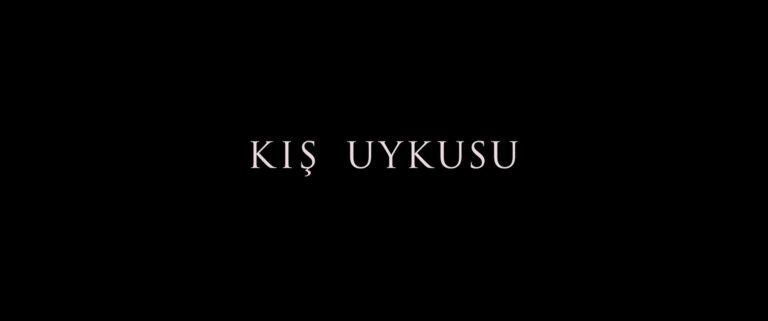
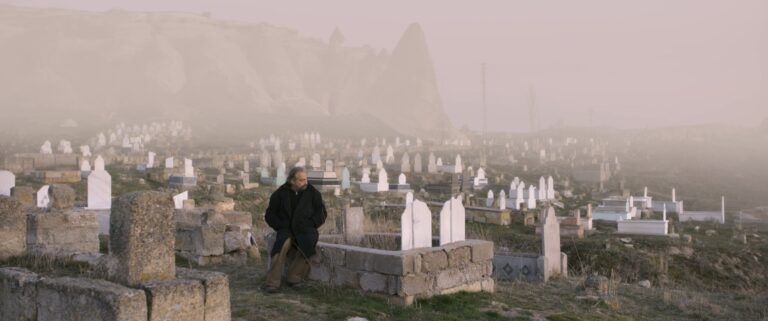
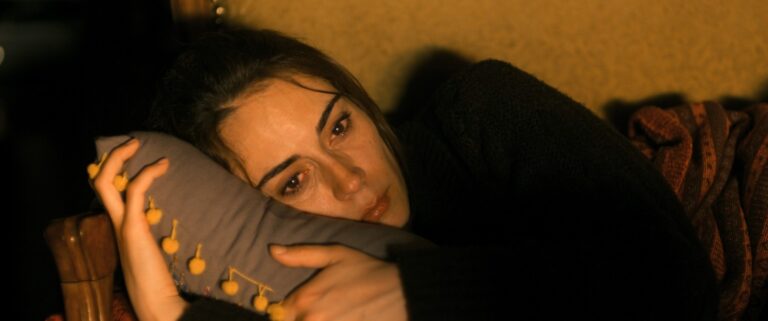
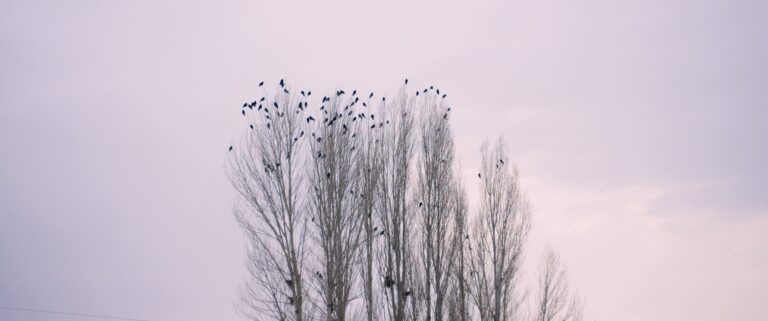
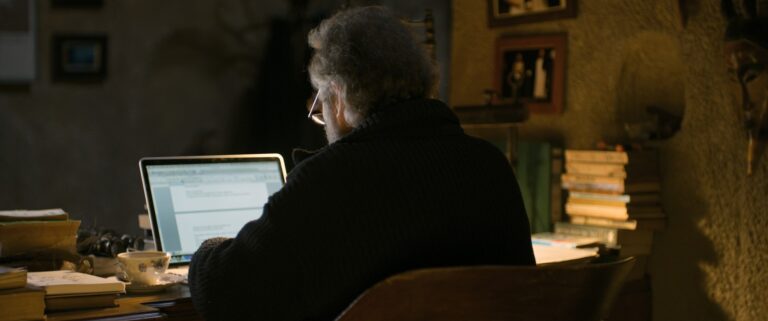
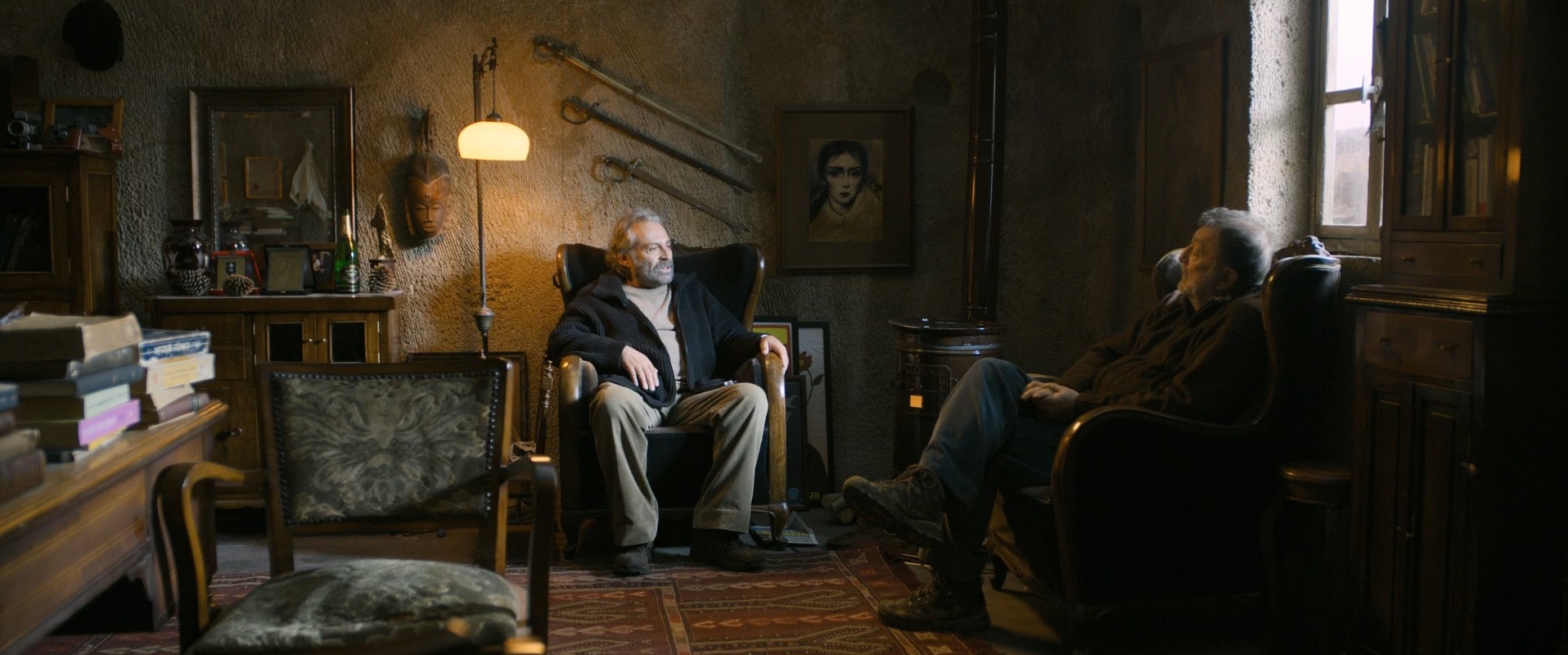
Winter Sleep (2014)
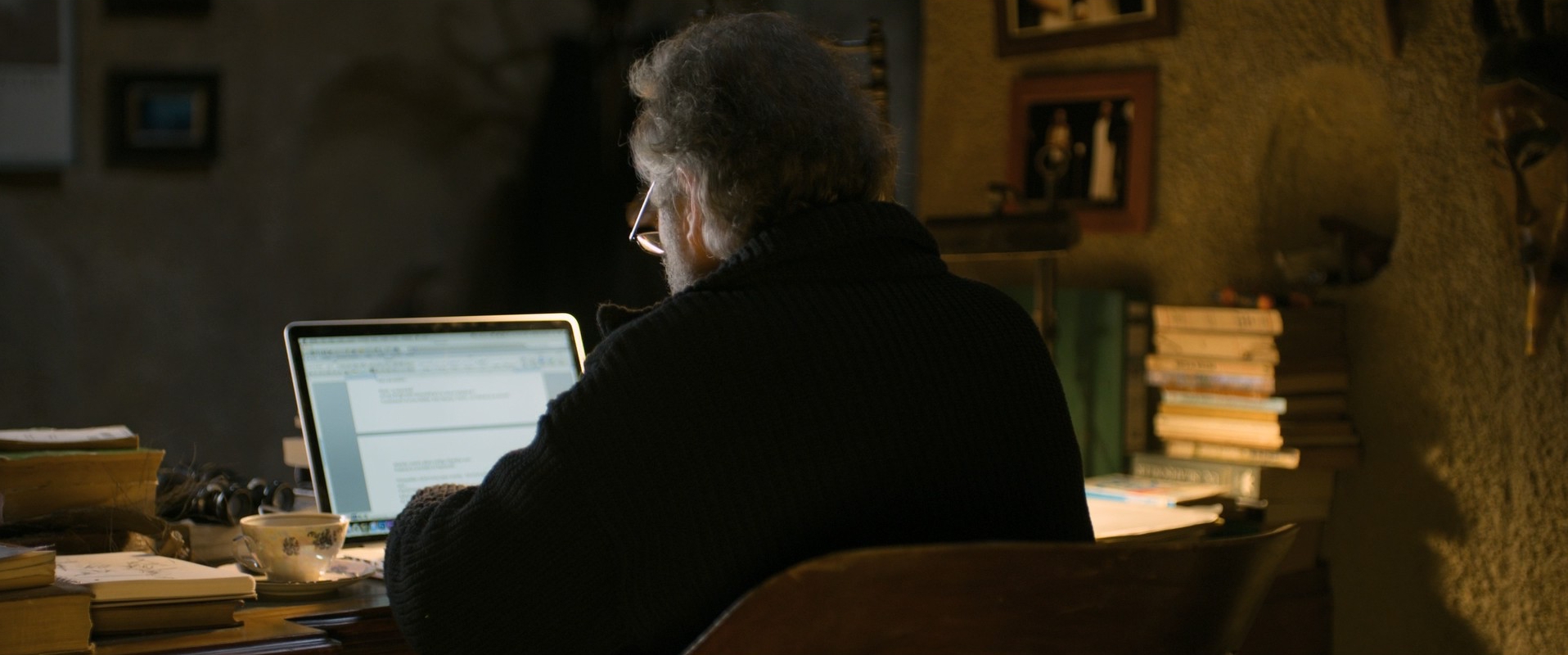
Aydın, a former actor turned hotel owner in rural Cappadocia, lives a comfortable but emotionally distant life with his younger wife and recently divorced sister. As winter sets in, long-simmering tensions within the household begin to surface, exposing resentment, moral complacency, and unresolved conflicts. Through a series of intense conversations, the film explores power, isolation, and the complexities of human relationships.
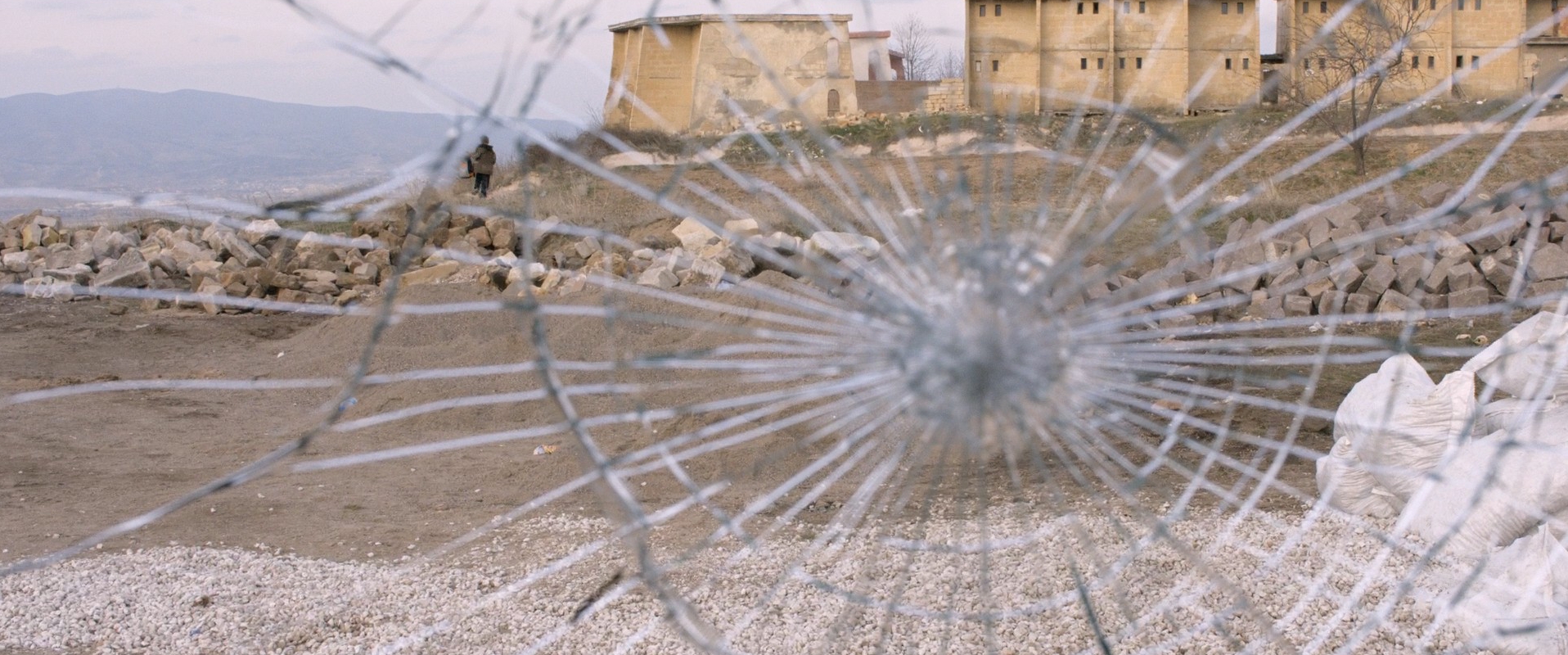
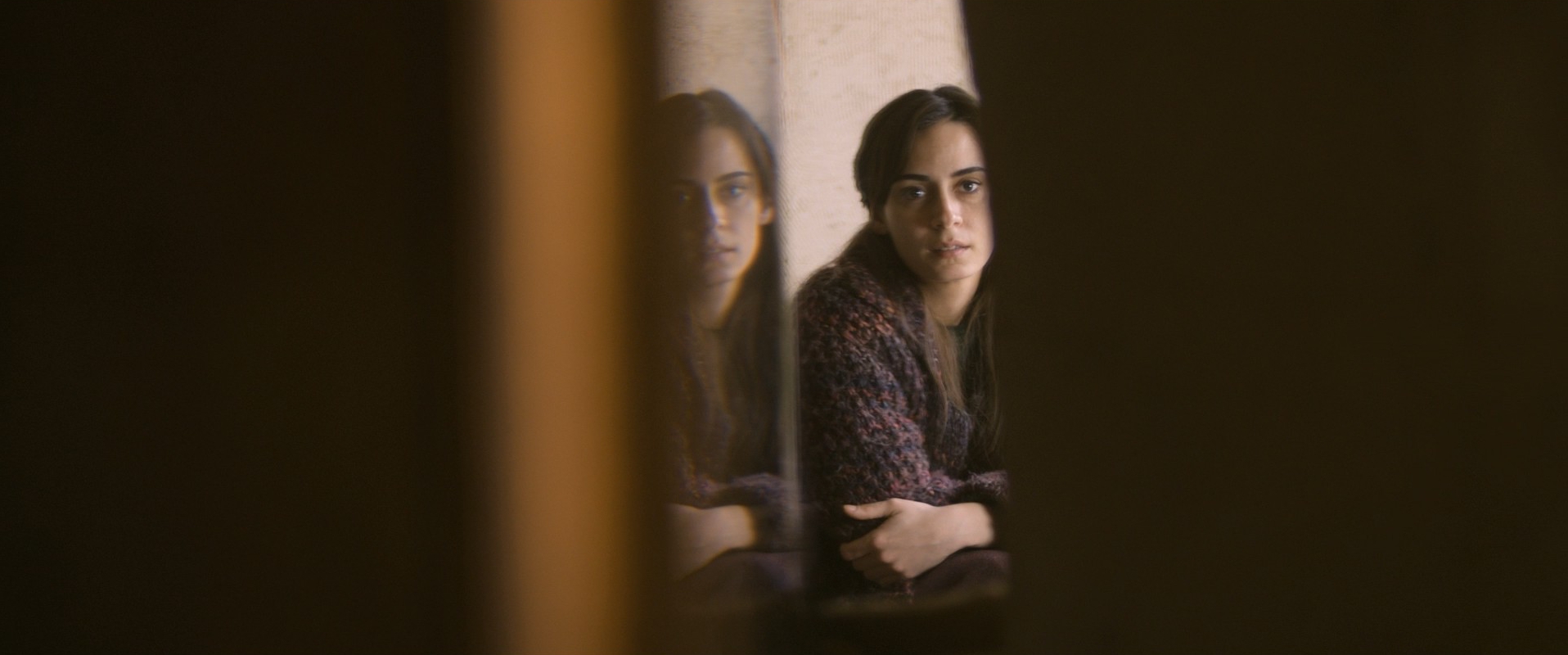
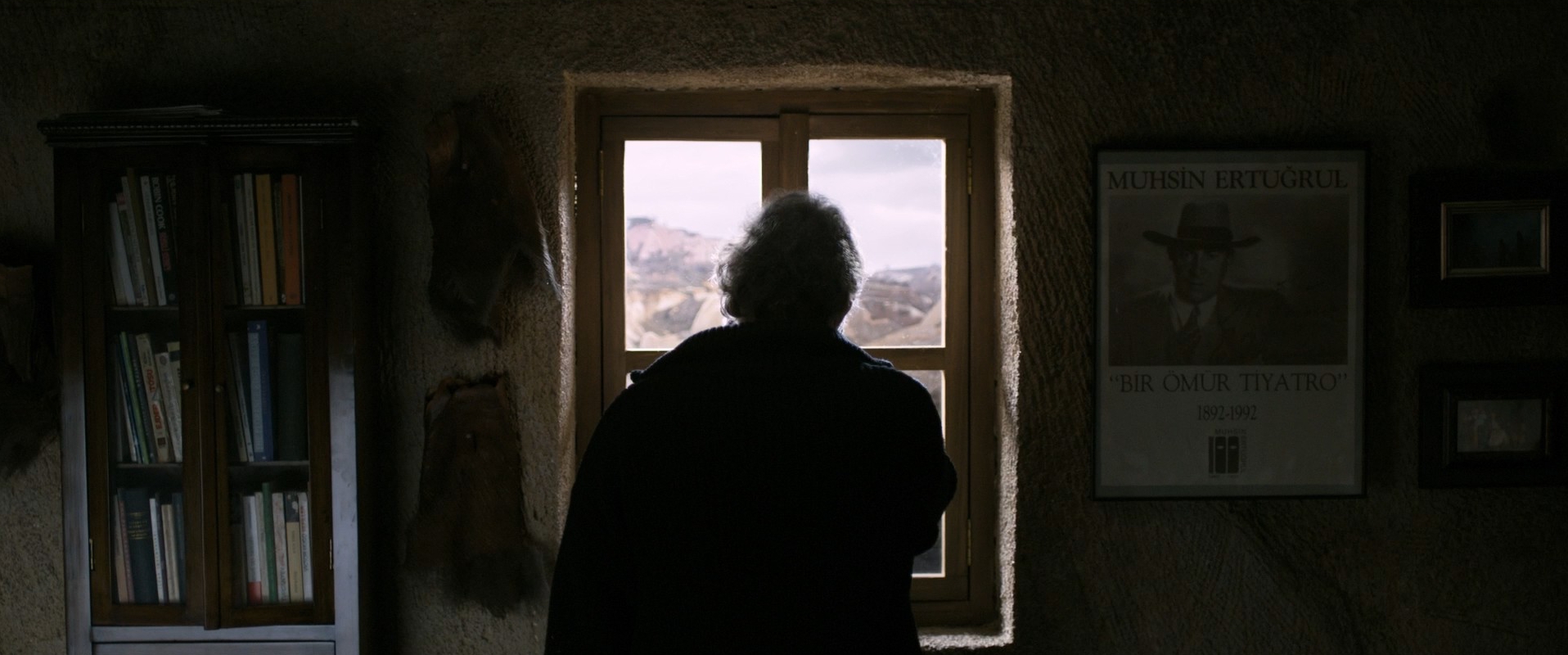
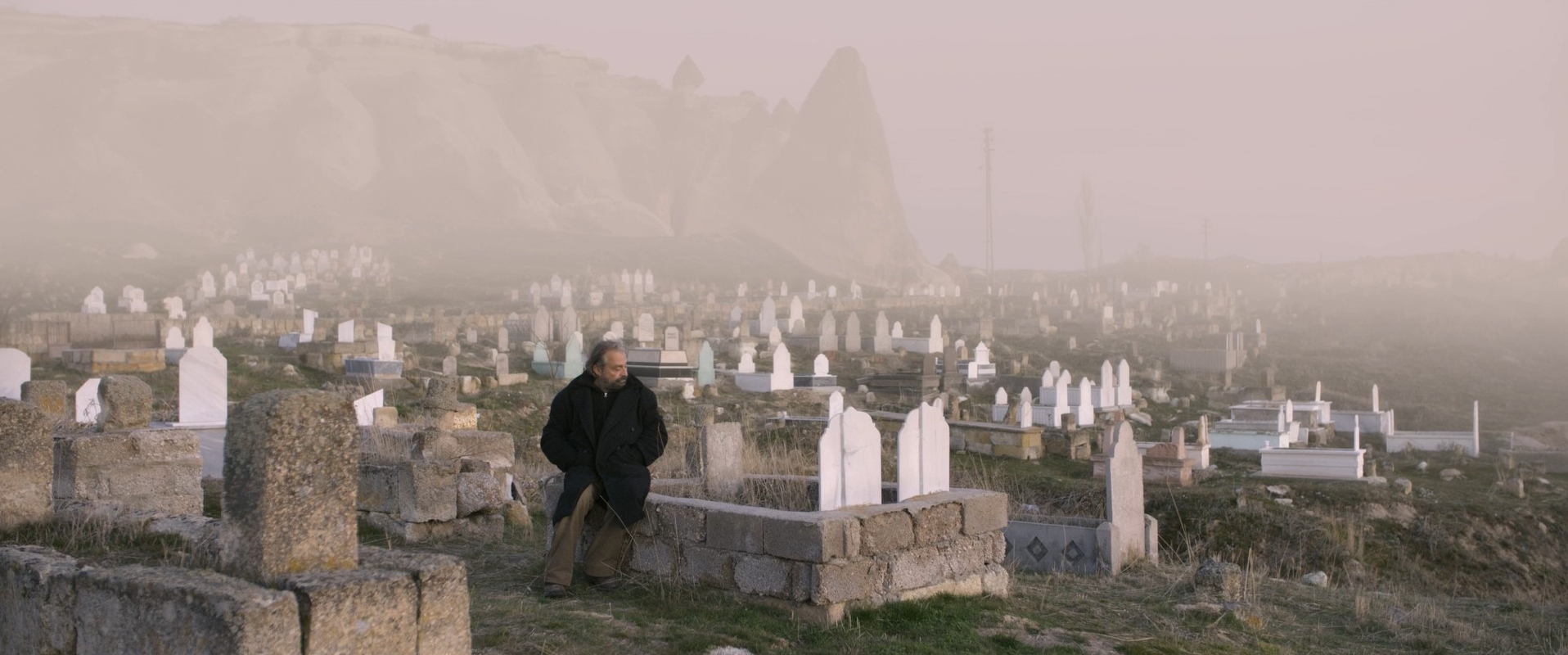
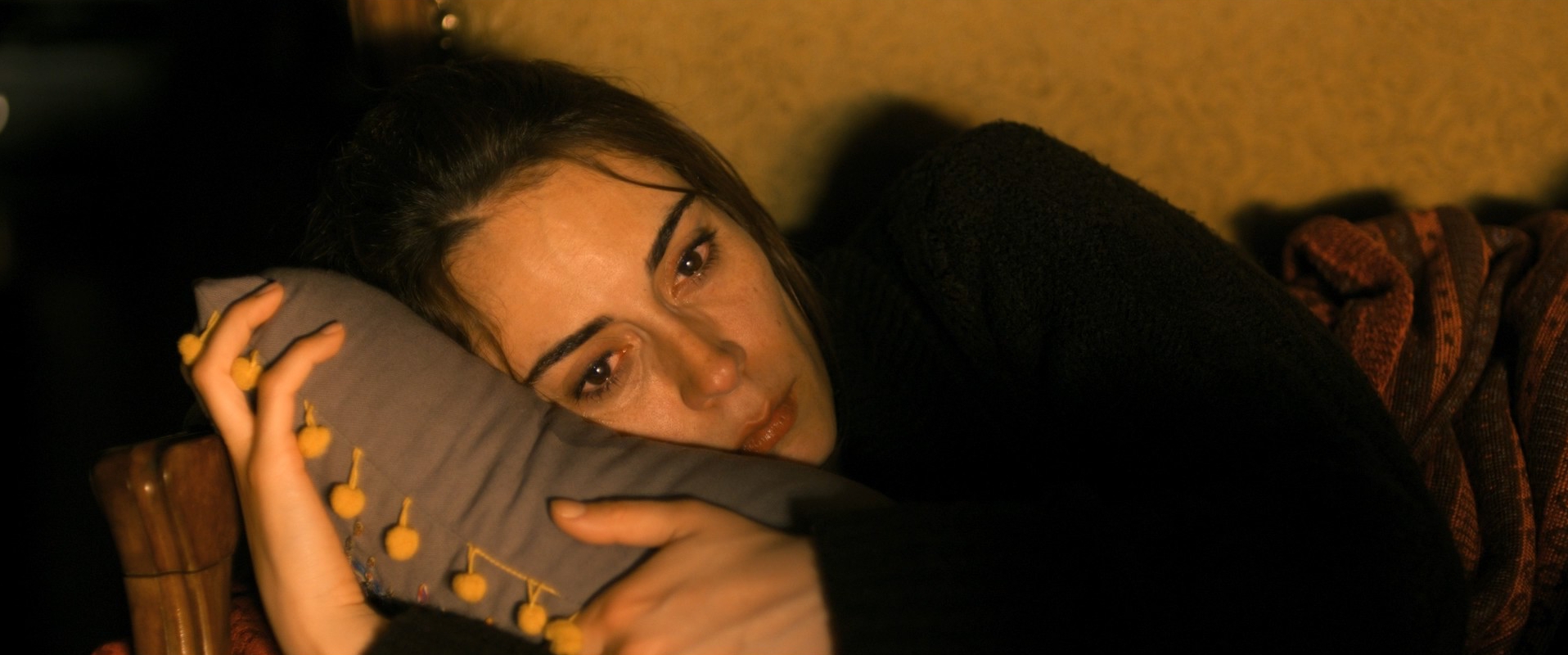
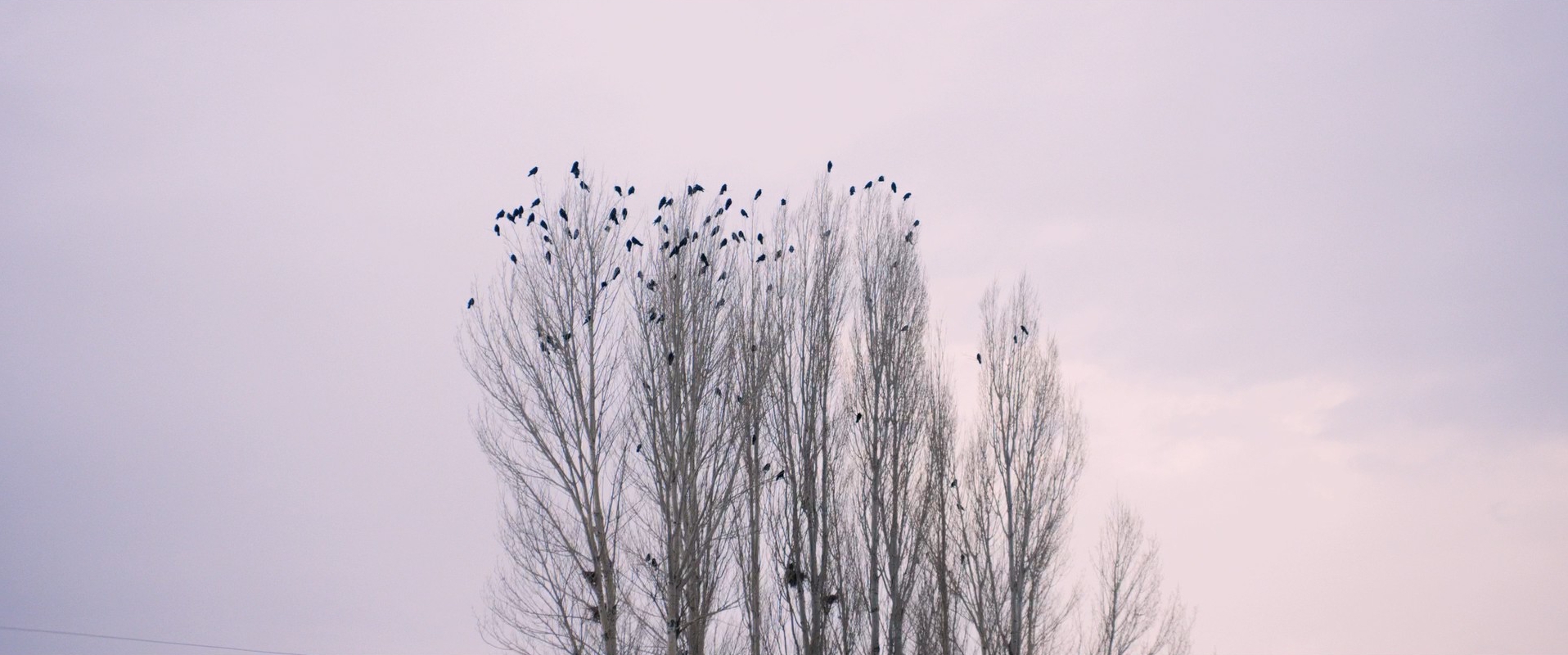
Ceylan and cinematographer Gökhan Tiryaki shoot Winter Sleep with a composed, painterly stillness, using natural light and carefully balanced interiors to frame extended dialogue scenes. The contrast between the cavernous, warmly lit interiors and the stark, snow-covered exteriors turns space into psychology—where environment mirrors the characters’ emotional isolation and control.
FILM SPOTLIGHT
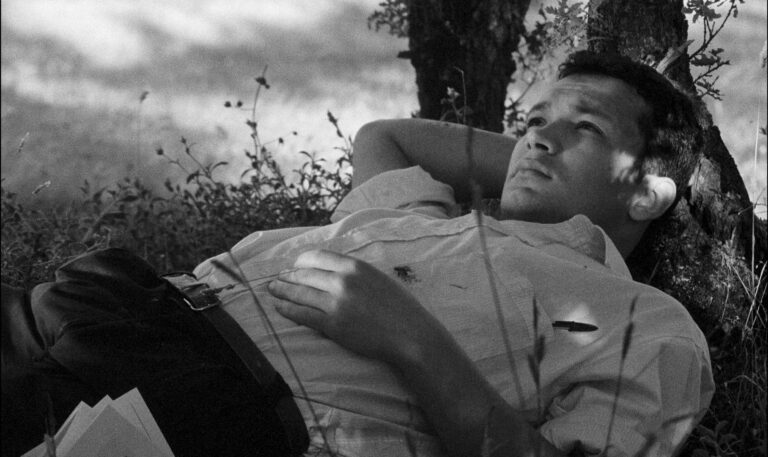
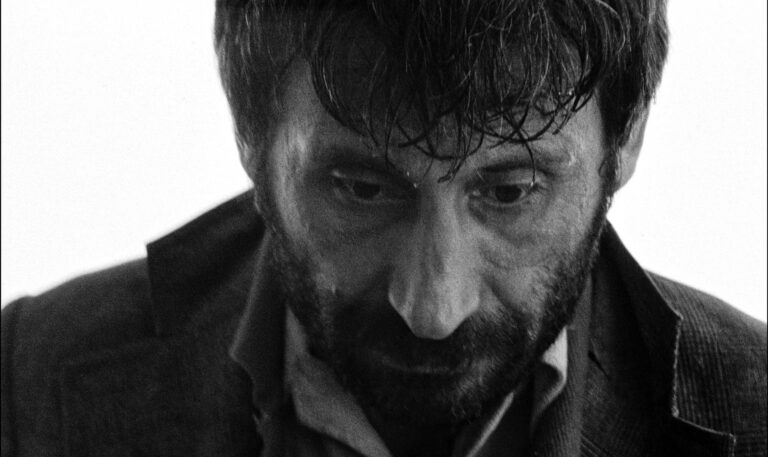
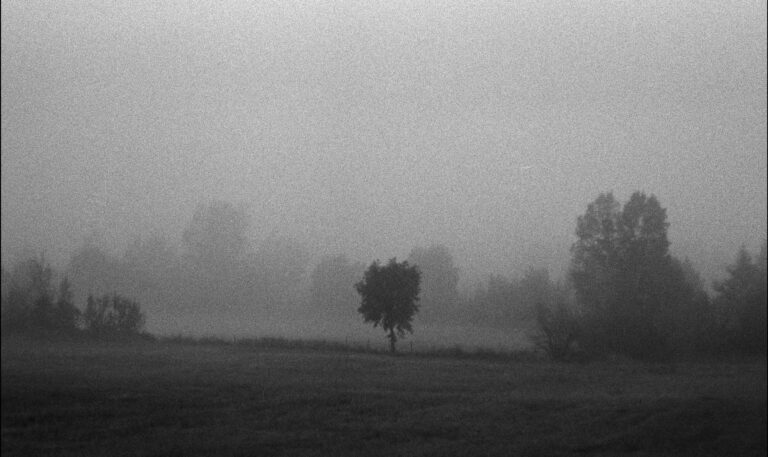
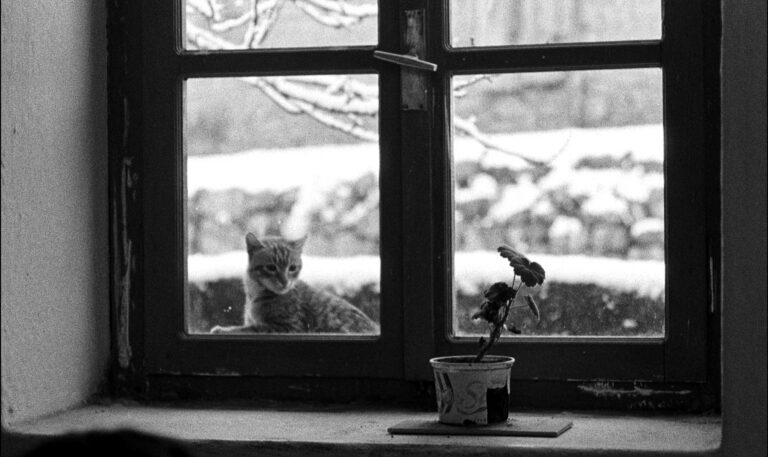
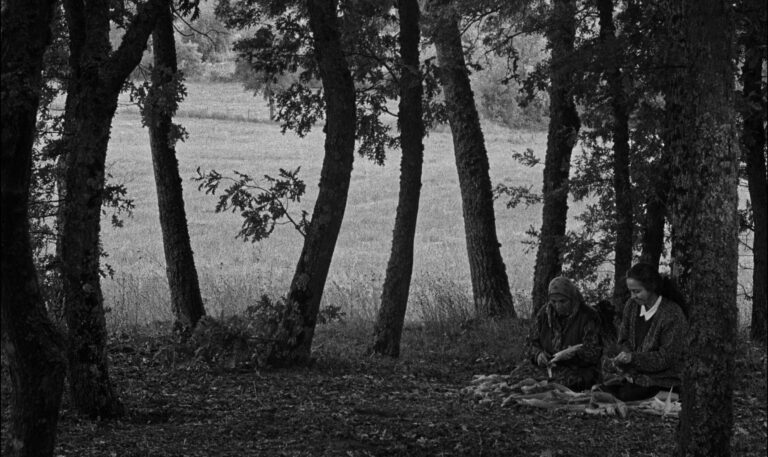
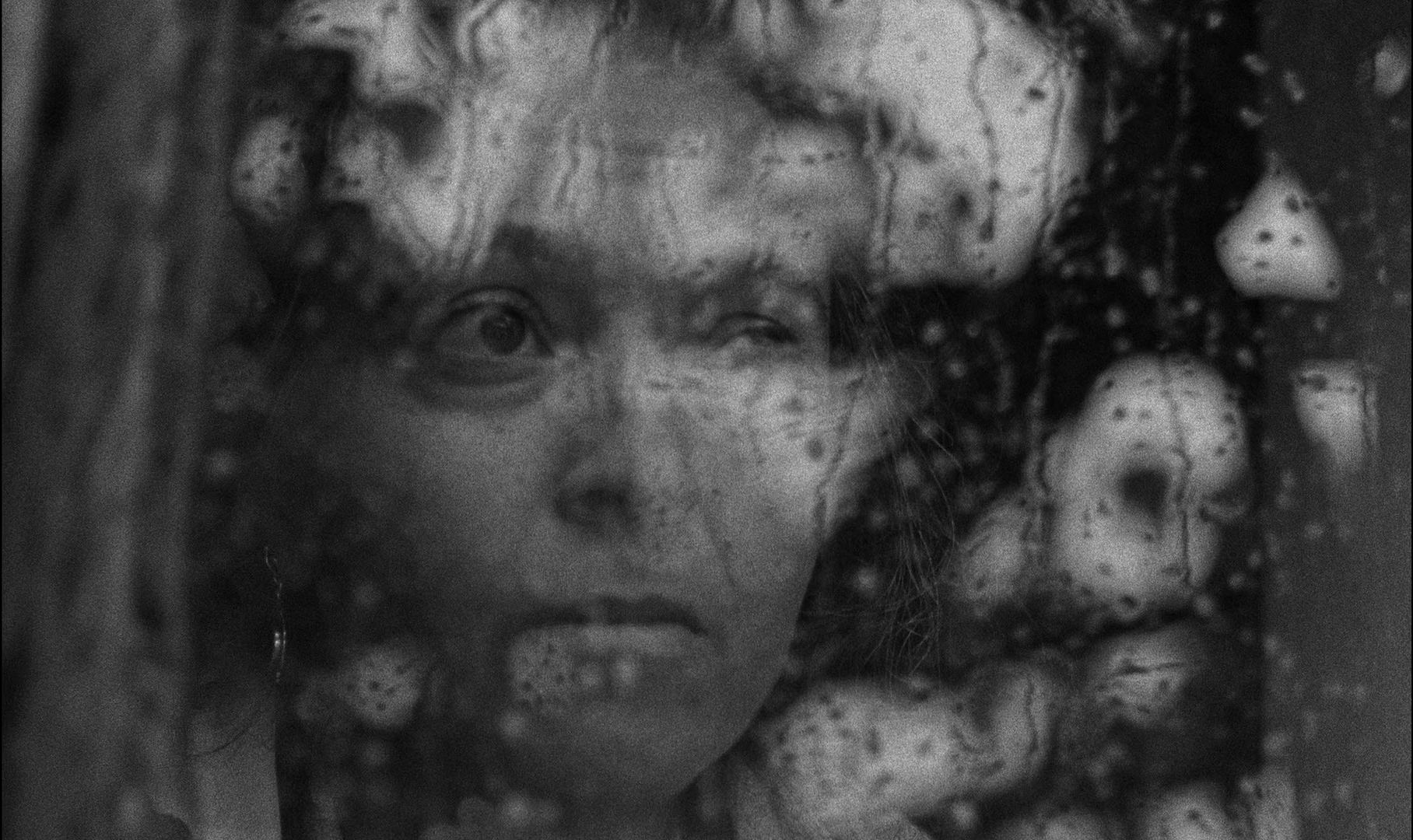
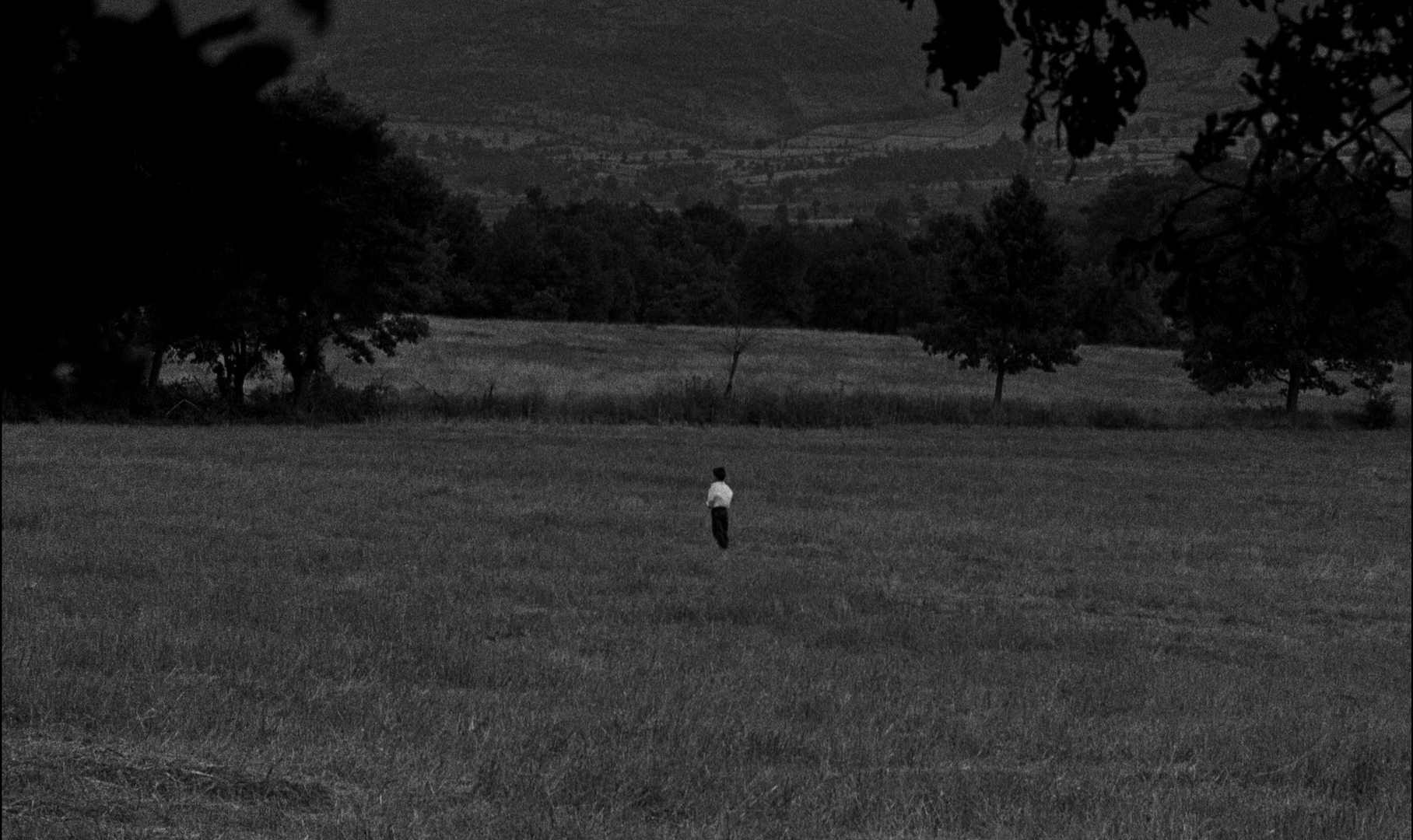
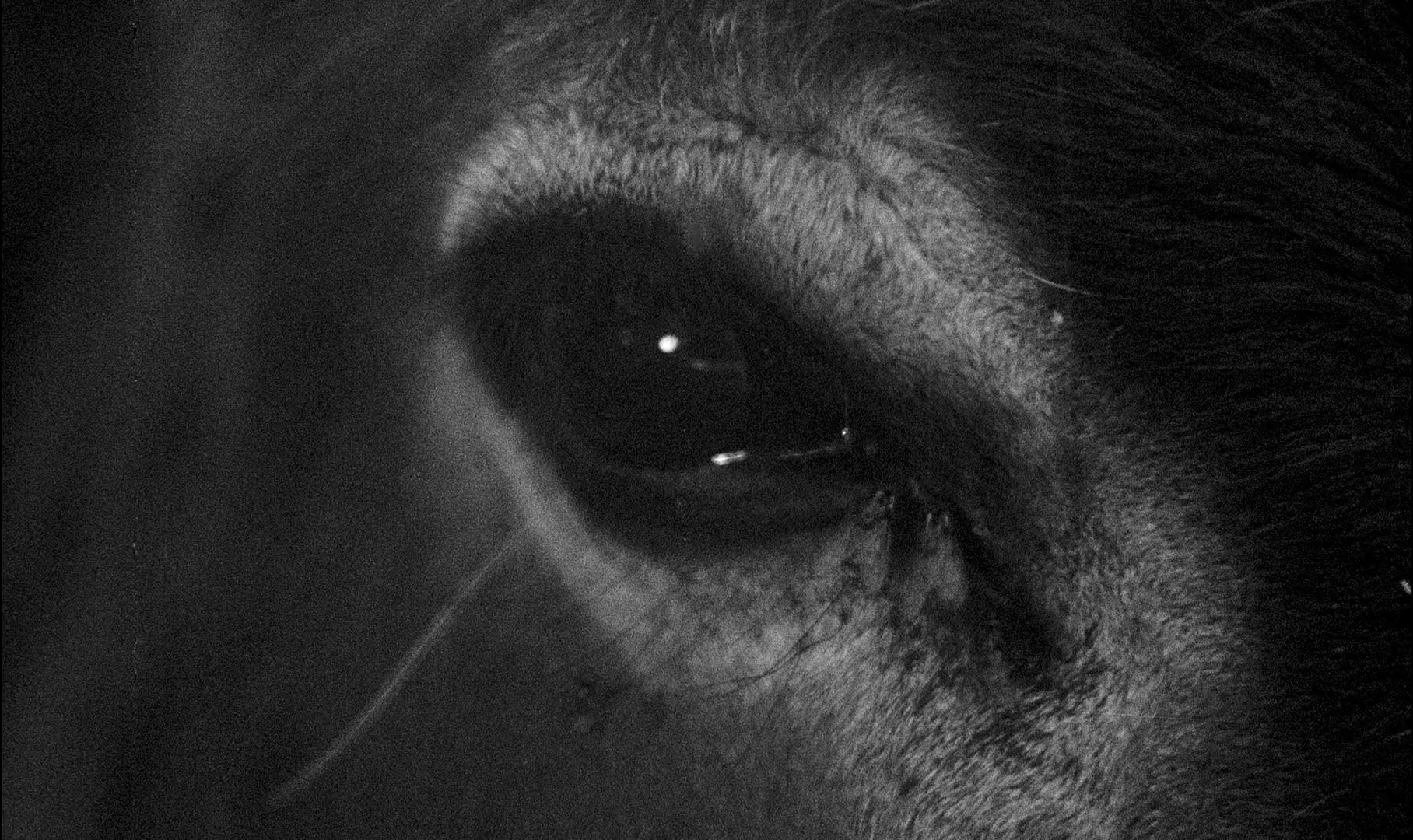
The Small Town (1997)
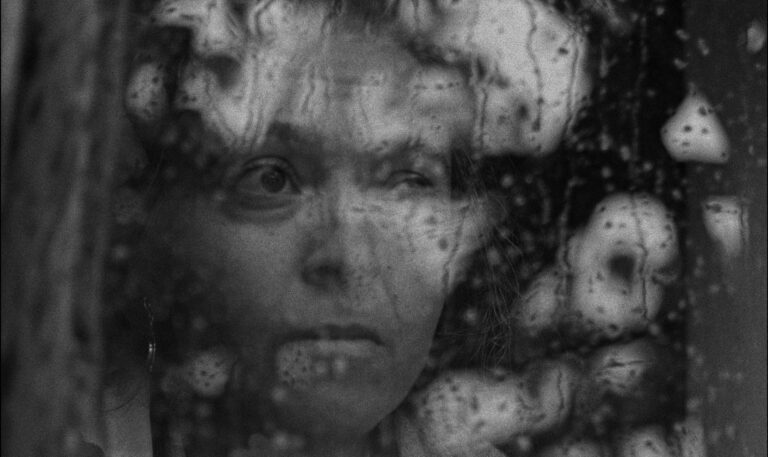
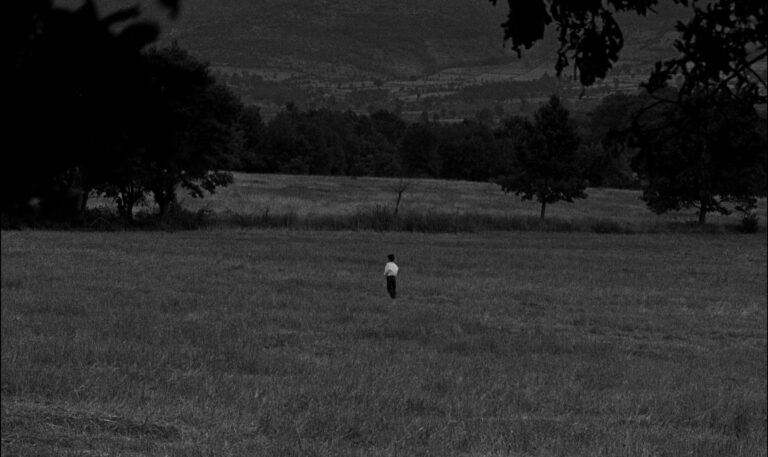
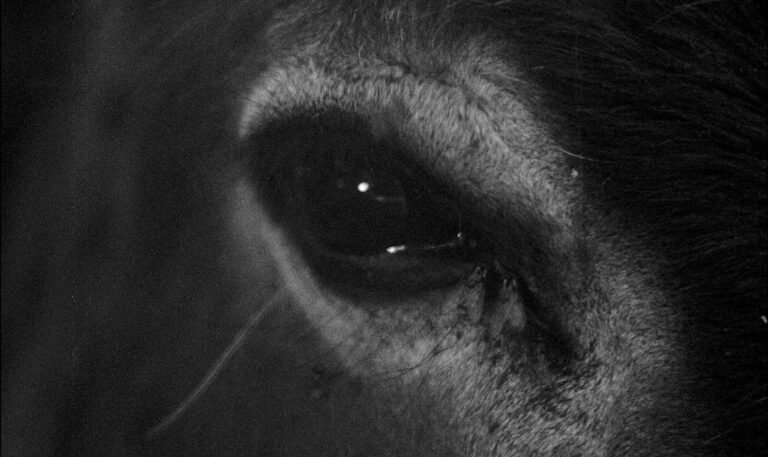
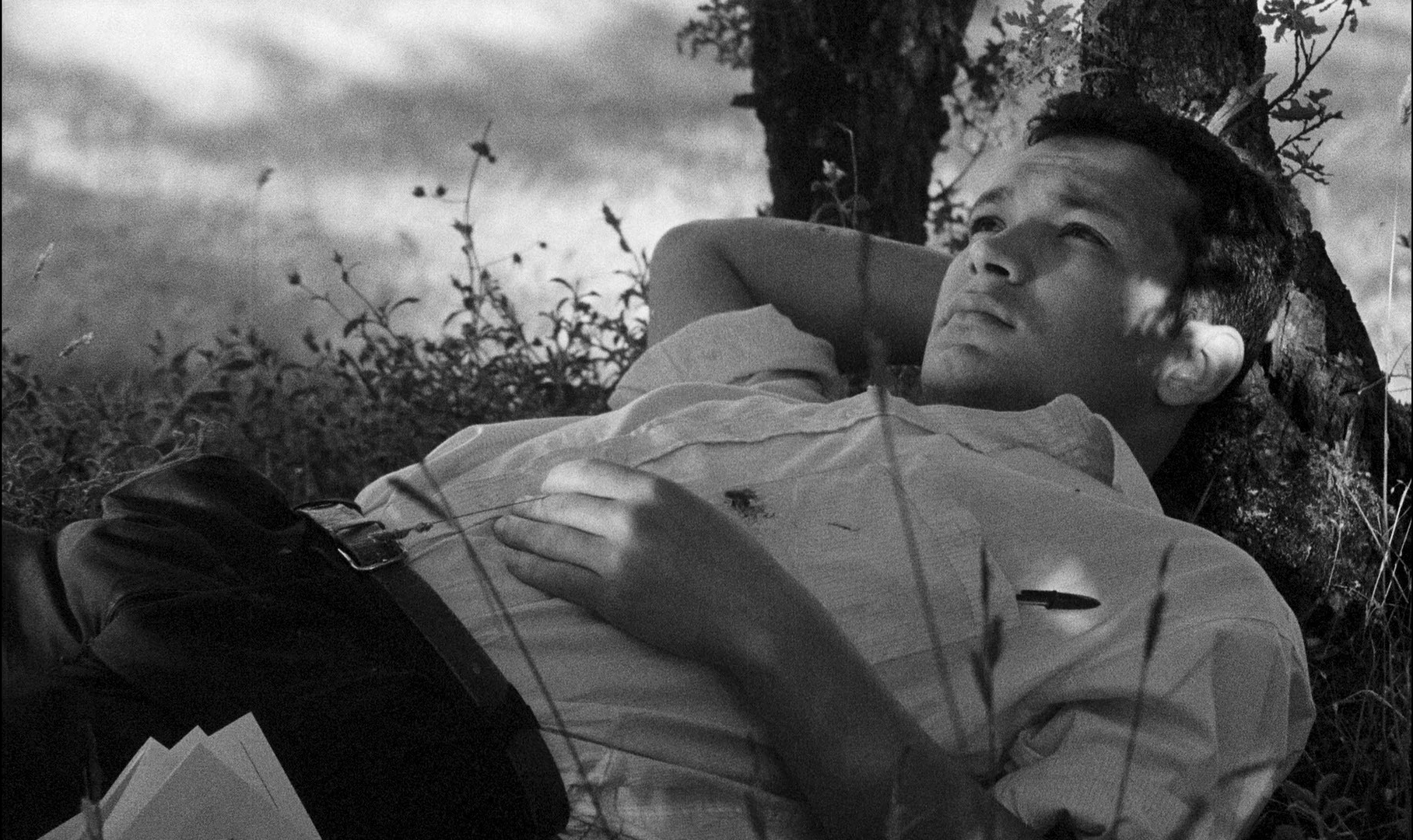
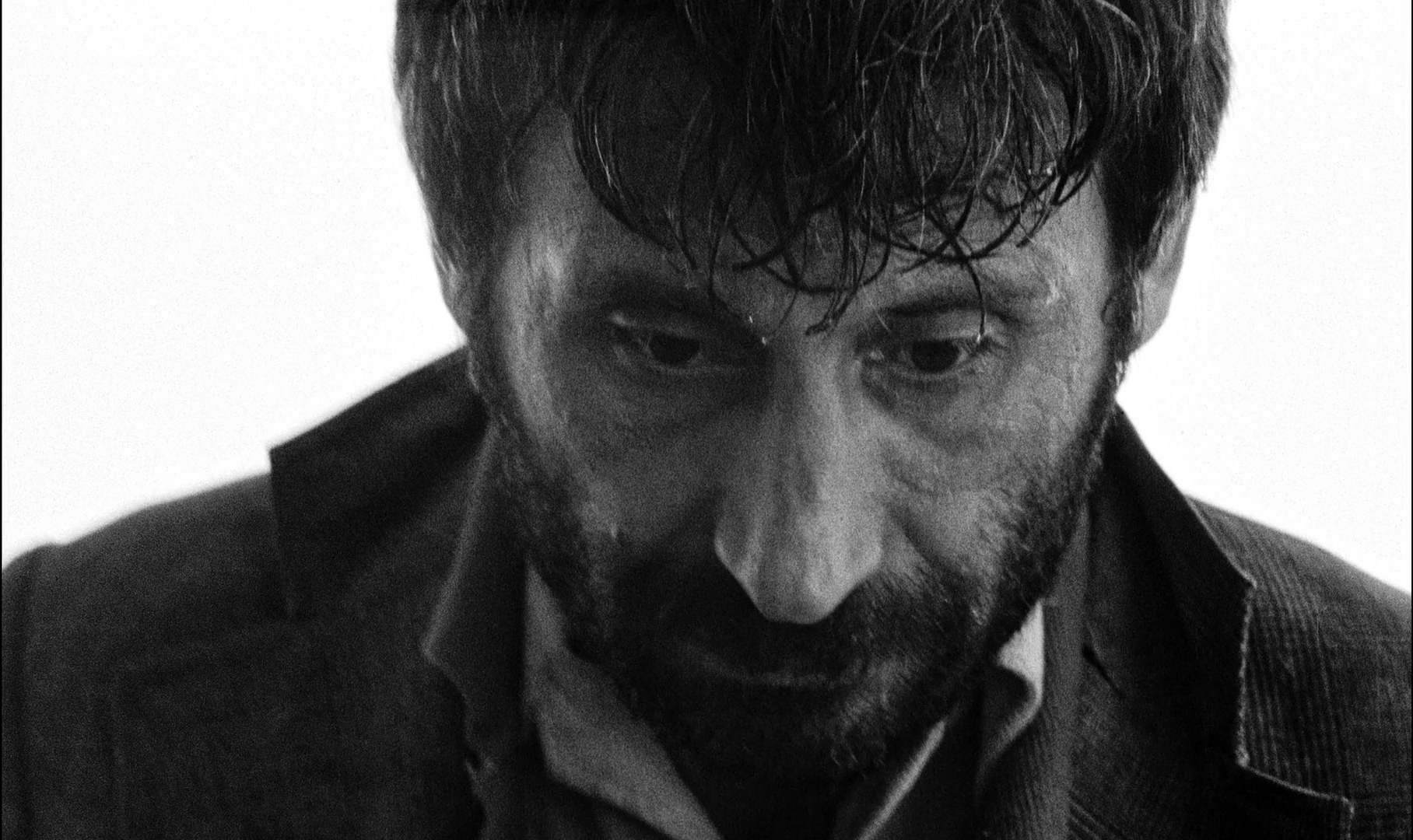
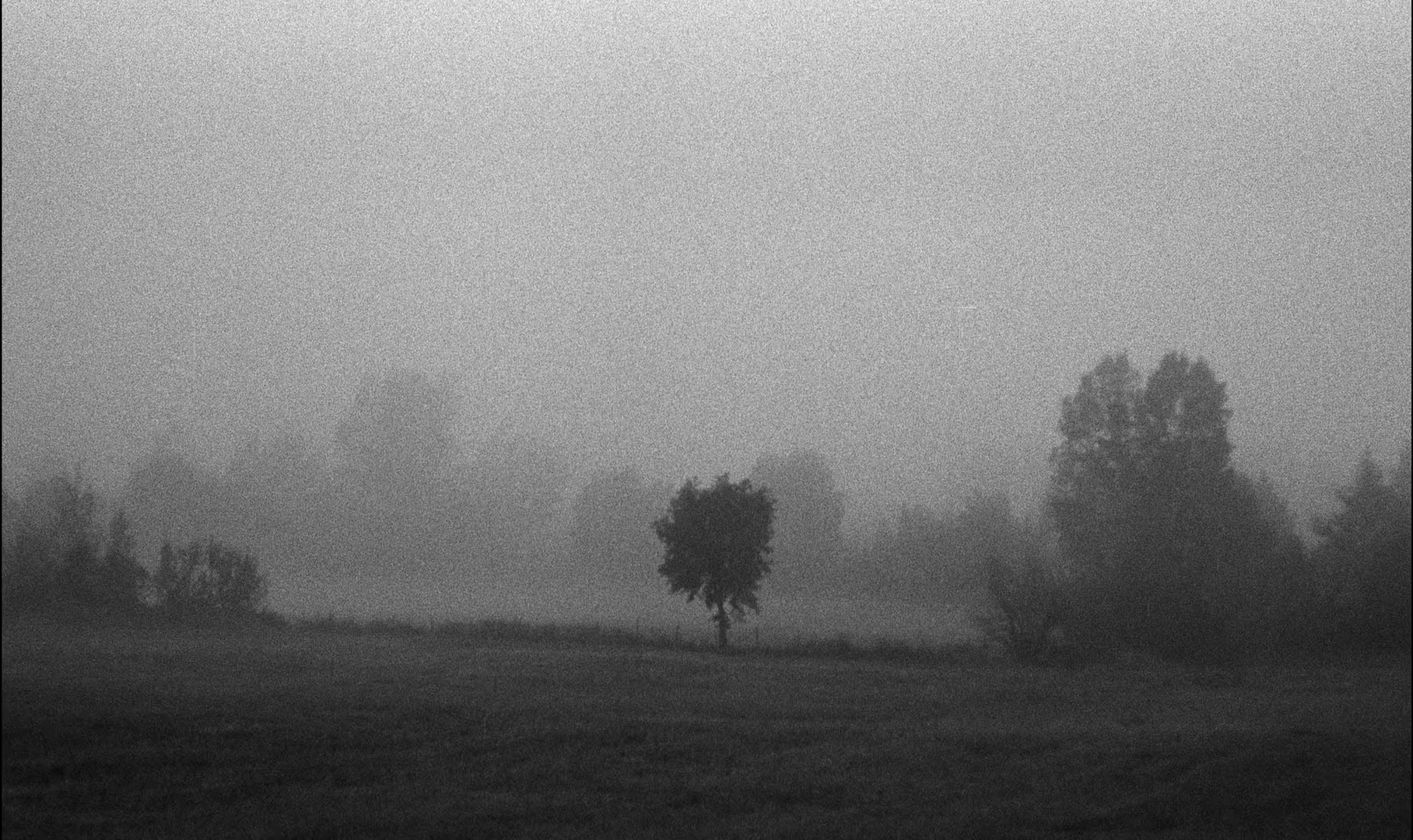
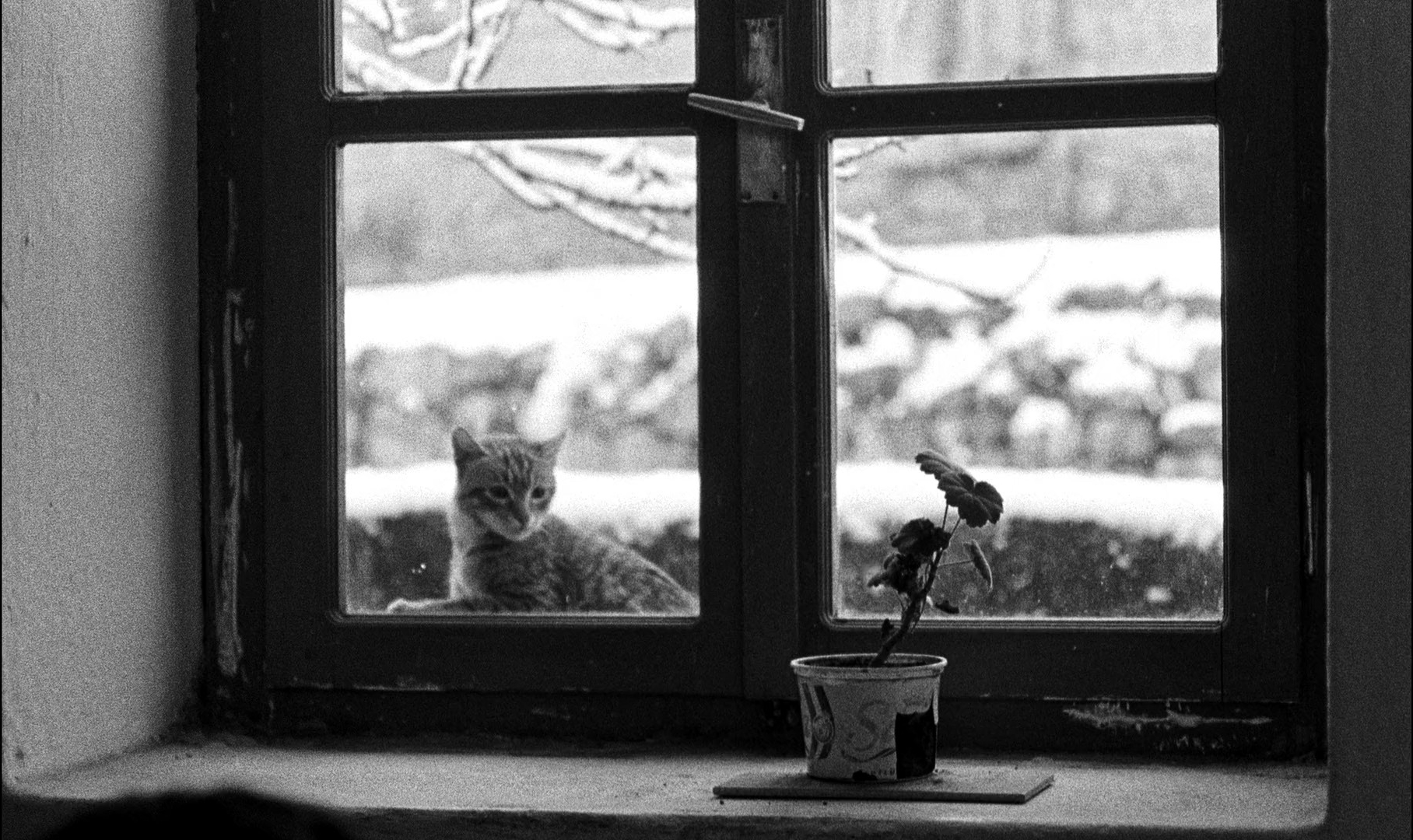
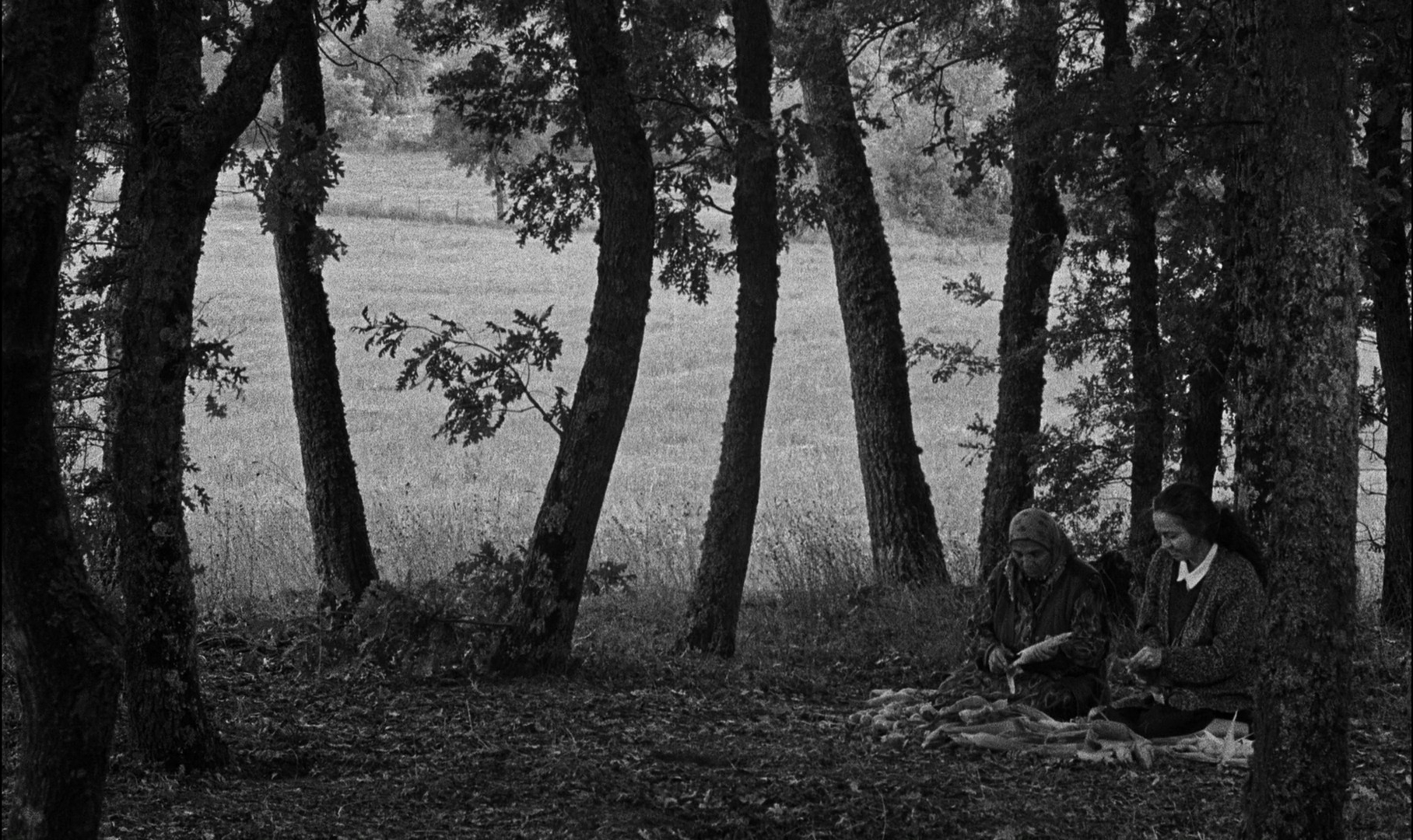
Set in a rural Turkish village, the film follows a family through the eyes of two young children as they experience school, home life, and the rhythms of their community. Across a series of loosely connected episodes, everyday moments unfold with quiet observation, revealing generational differences and the passage of time. The story becomes a gentle reflection on childhood, memory, and rural life.
Ceylan shot The Small Town in black-and-white with a minimalist, observational approach, using static compositions and natural light to capture the texture of village life. Working with non-professional actors—many from his own family—the film’s simple, carefully framed images turn everyday routines into something intimate and timeless, establishing the visual language that would define his later work.

TELEVISION SERIES
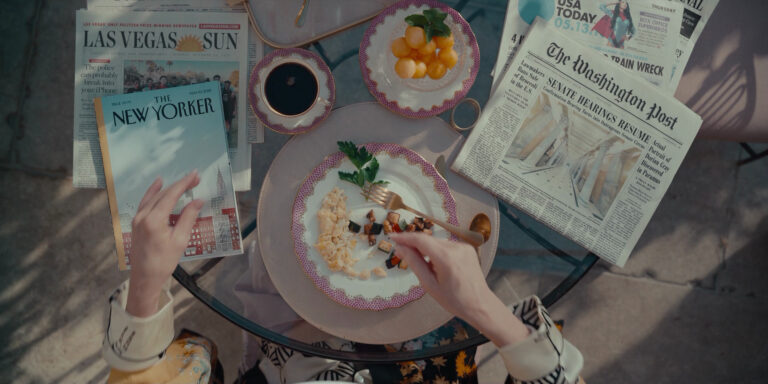
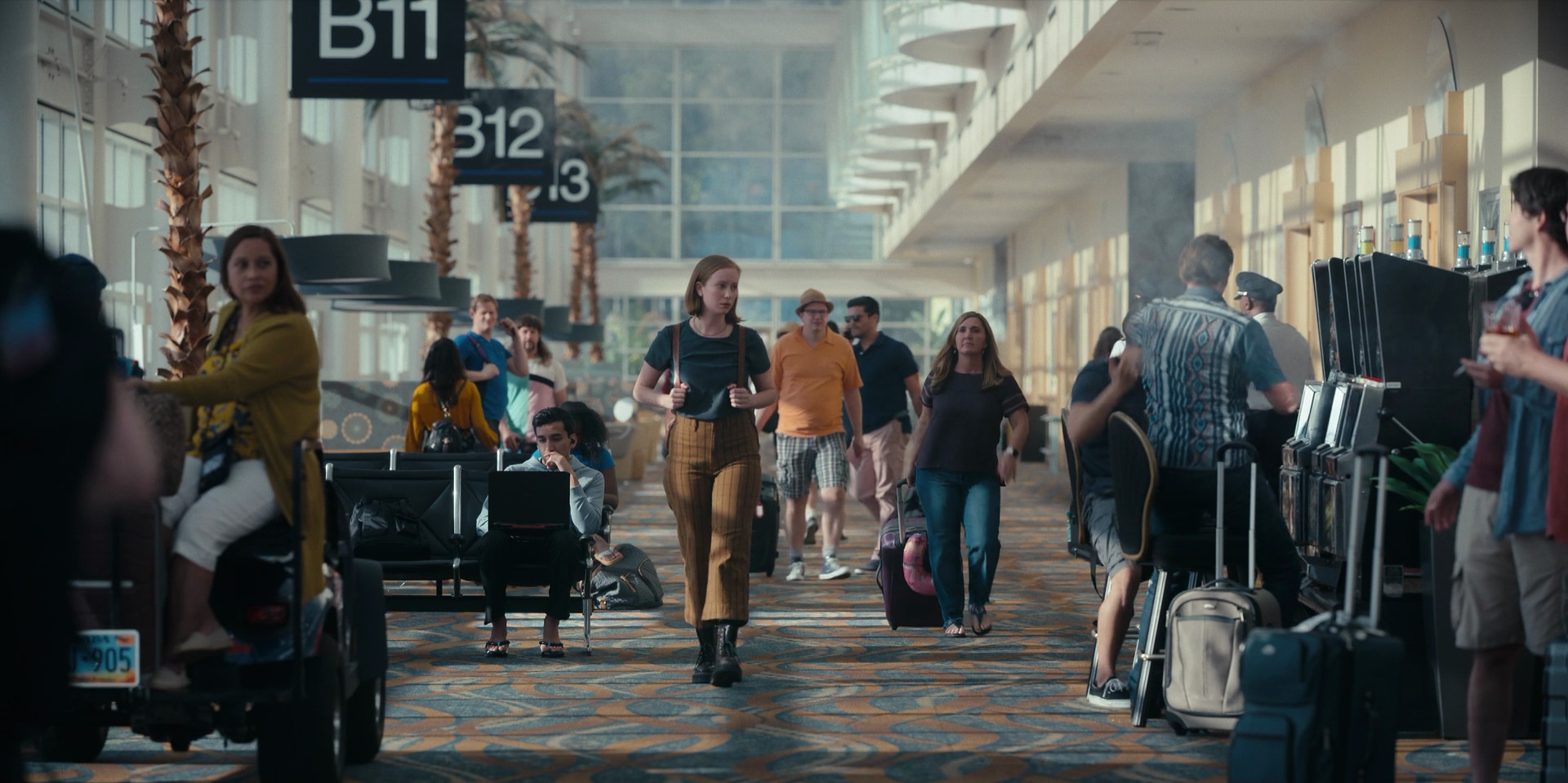
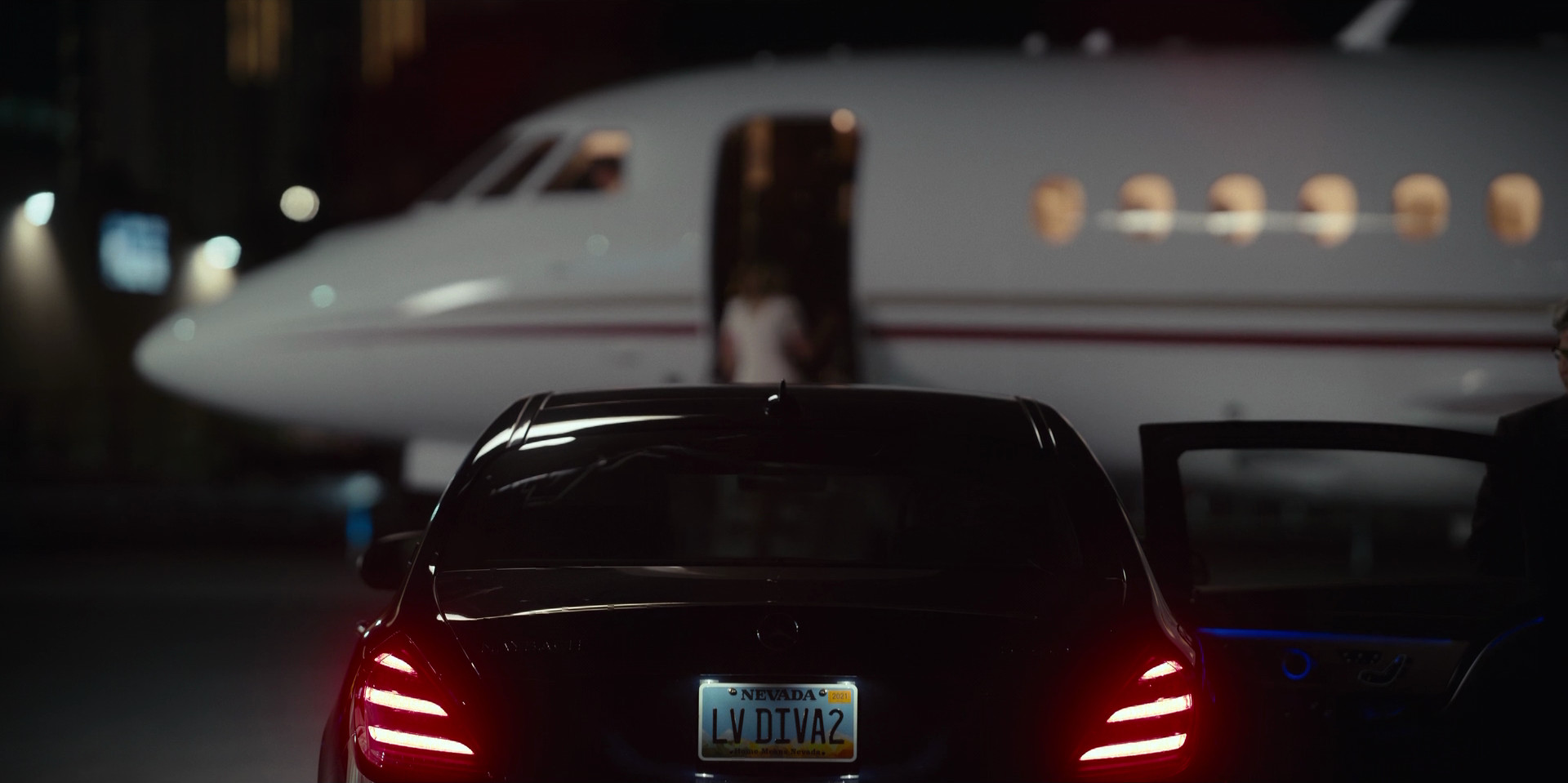
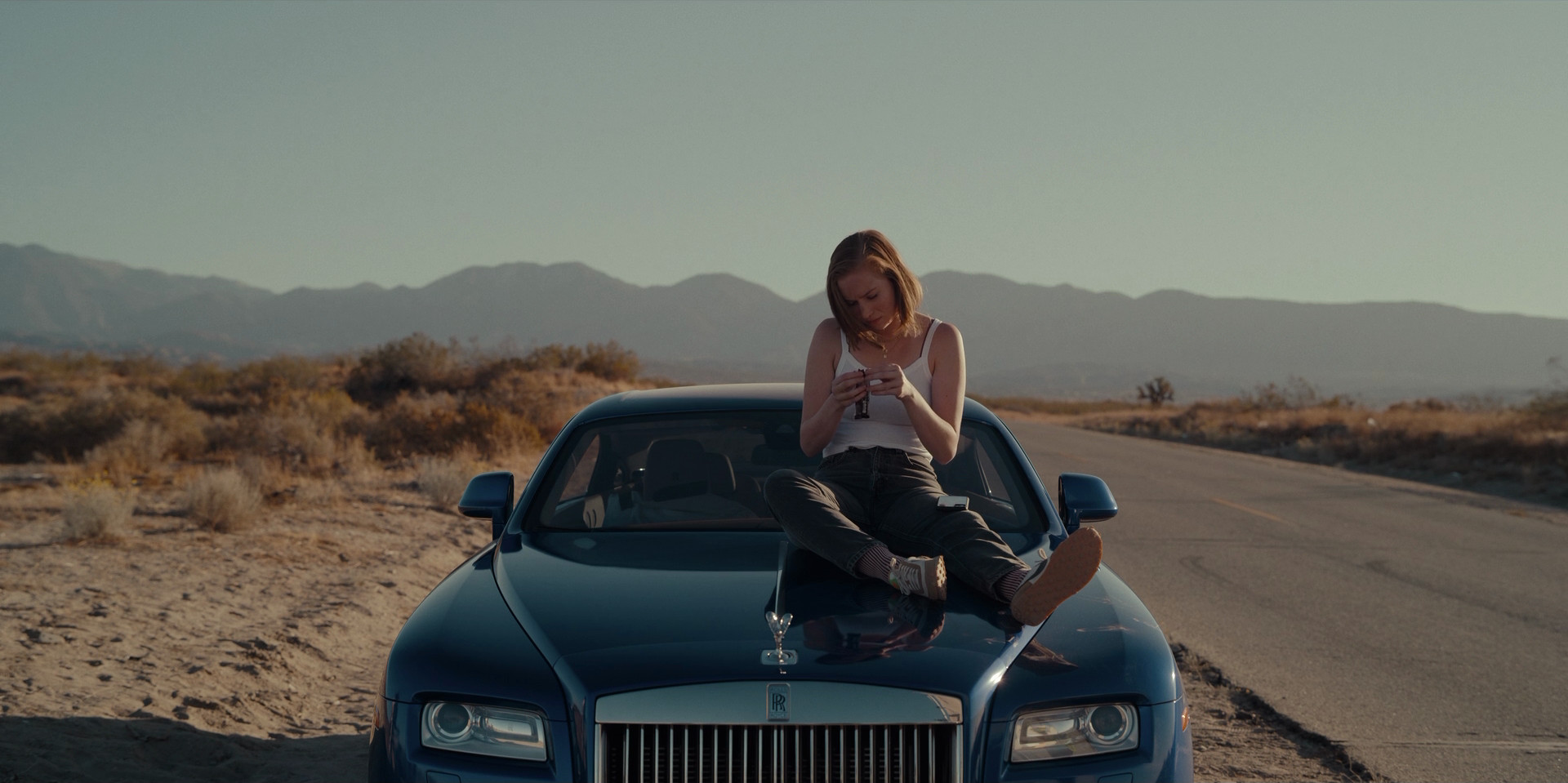
Hacks: Season 1 (2021)
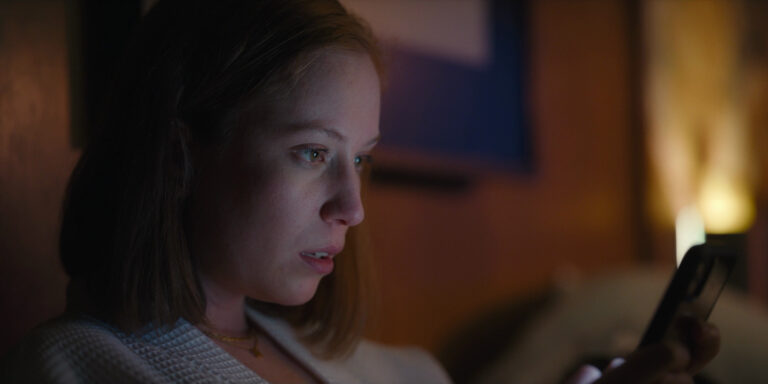
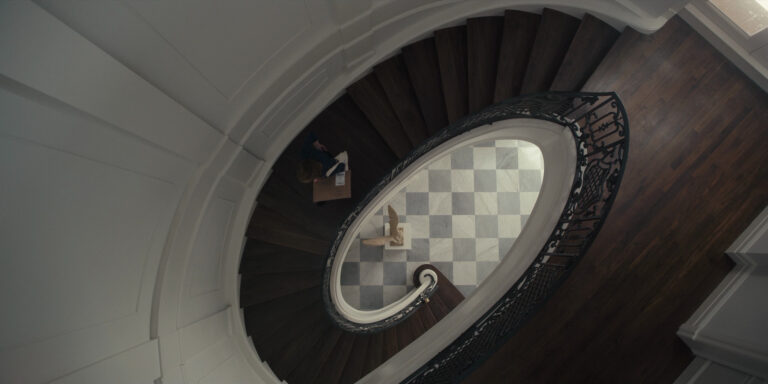
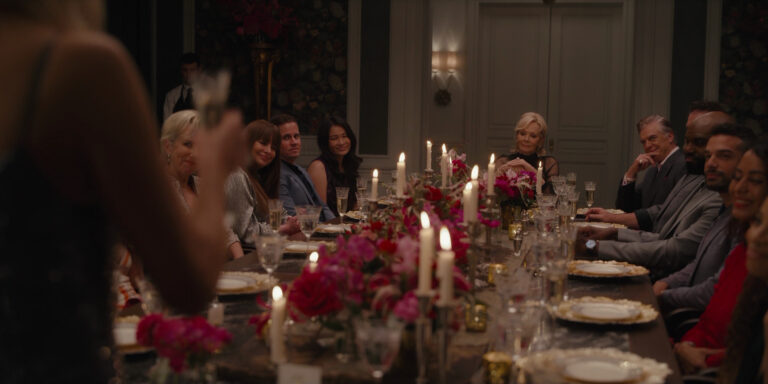
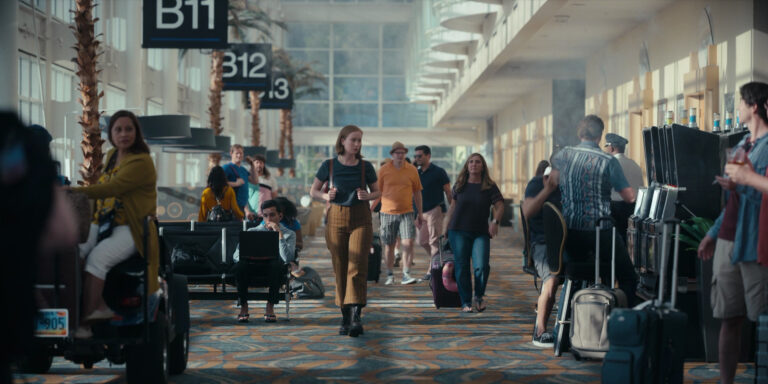
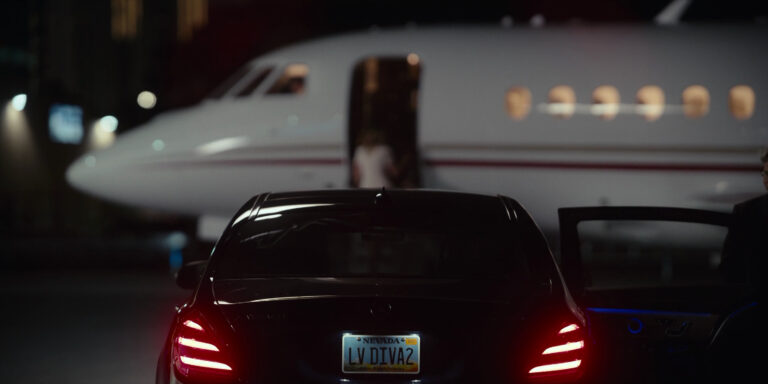
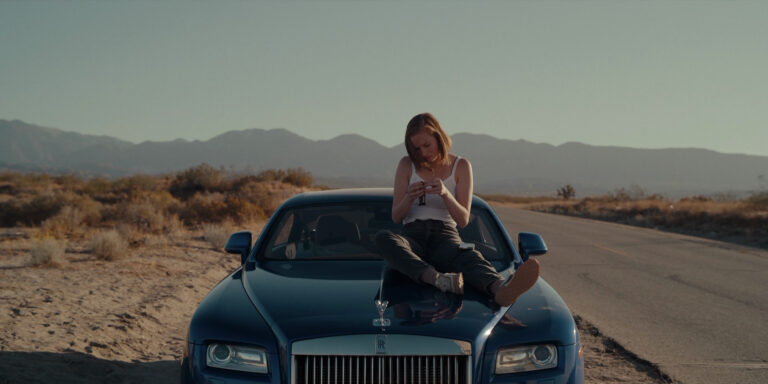
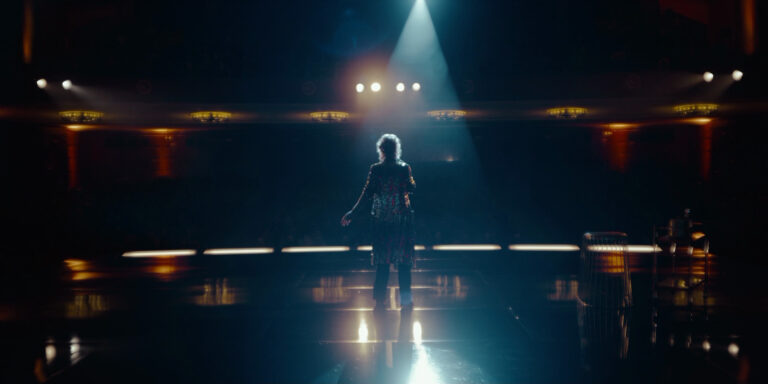
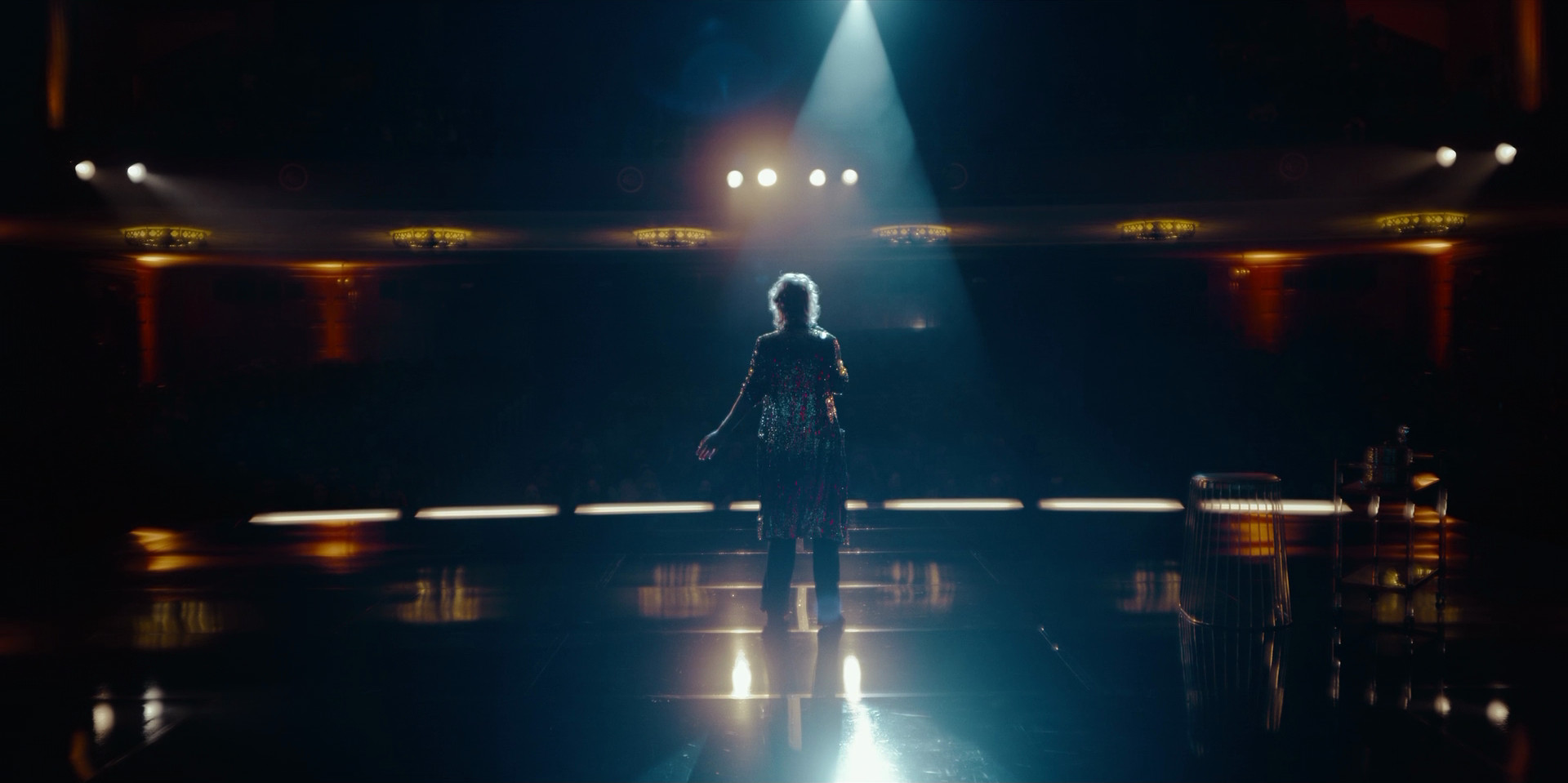
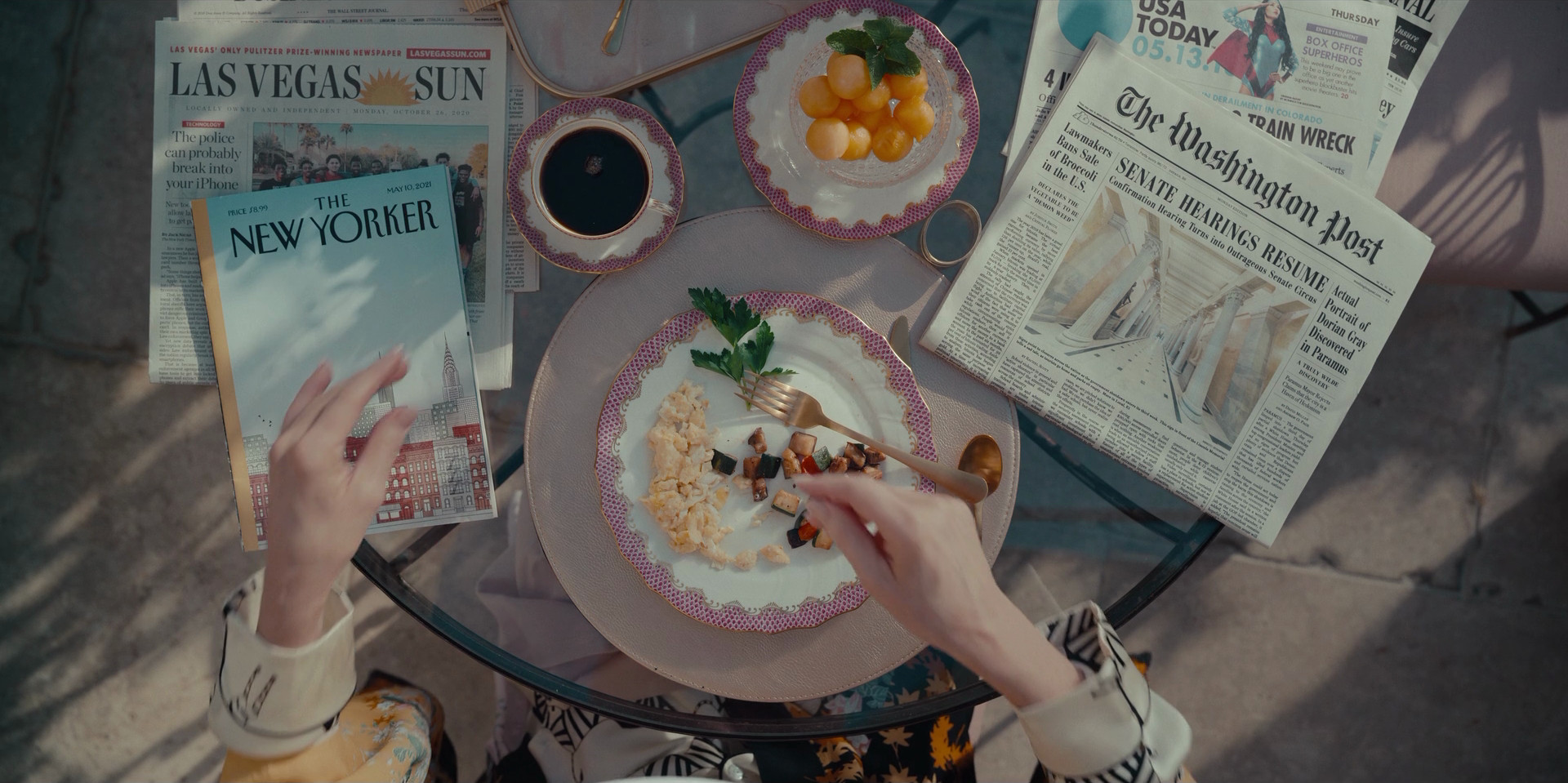
Legendary Las Vegas comedian Deborah Vance faces the threat of losing her long-running residency as her material grows stale. To revitalize her act, her management pairs her with Ava, a young comedy writer struggling to rebuild her career after a public scandal. As the two clash and gradually connect, their partnership evolves into a sharp, intergenerational exploration of ambition, identity, and reinvention.
Season 1 leans into a polished, contemporary comedy aesthetic, with cinematographers Adam Bricker and Eric Moynier using clean compositions and bright, high-key lighting to contrast Deborah’s glamorous stage persona with the more grounded reality offstage. The show’s fluid camera and sleek Vegas production design turn performance spaces into visual arenas—where framing and scale subtly track the power dynamics between its two leads.