New Shots: Baahubali, Dev. D, and more Indian Movie Screengrabs
Get your Decks ready ShotDeck Community! We’re dropping some great new shots from Indian films this week, as well as an article diving into the works that impacted S.S. Rajamouli’s films and pushed the technical possibilities of Indian epic cinema to new heights!. Remember you can always request titles for future drops by clicking here!
FILM SPOTLIGHT
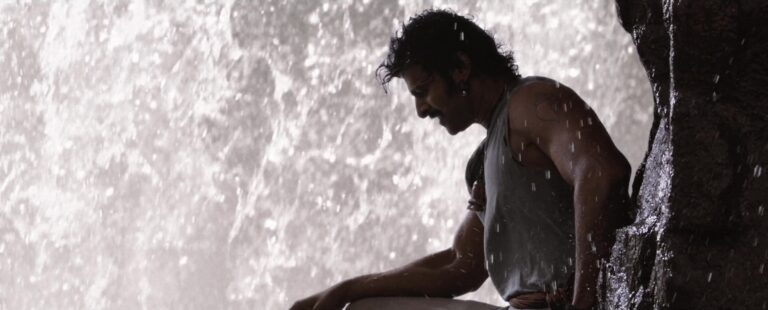
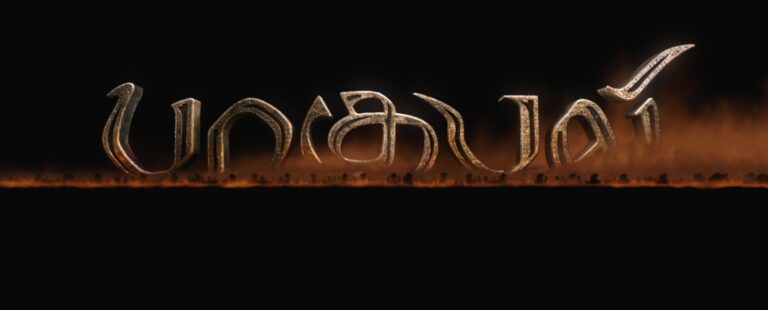
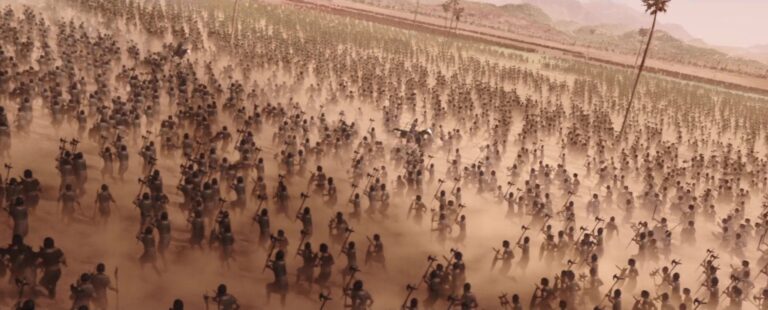
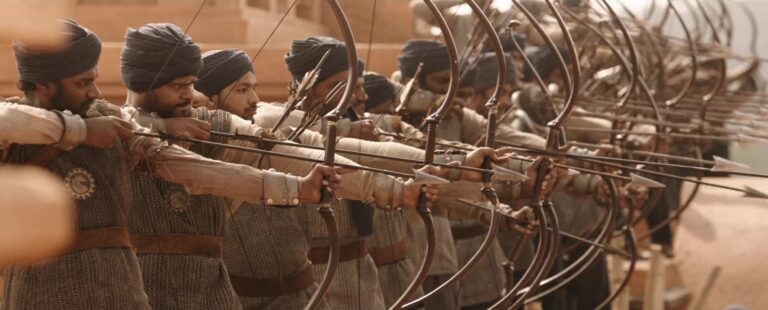
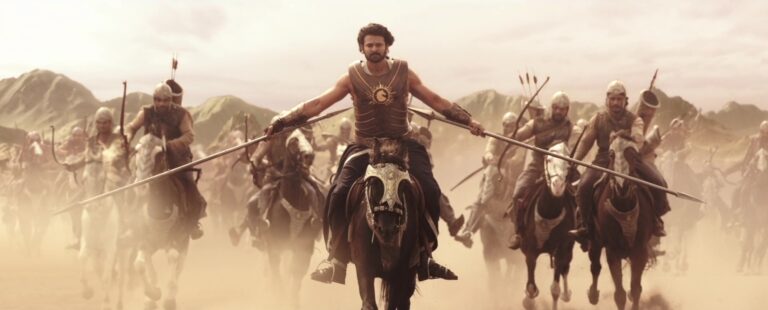
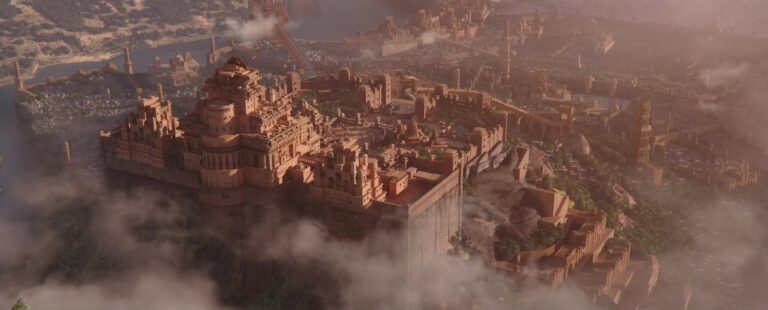
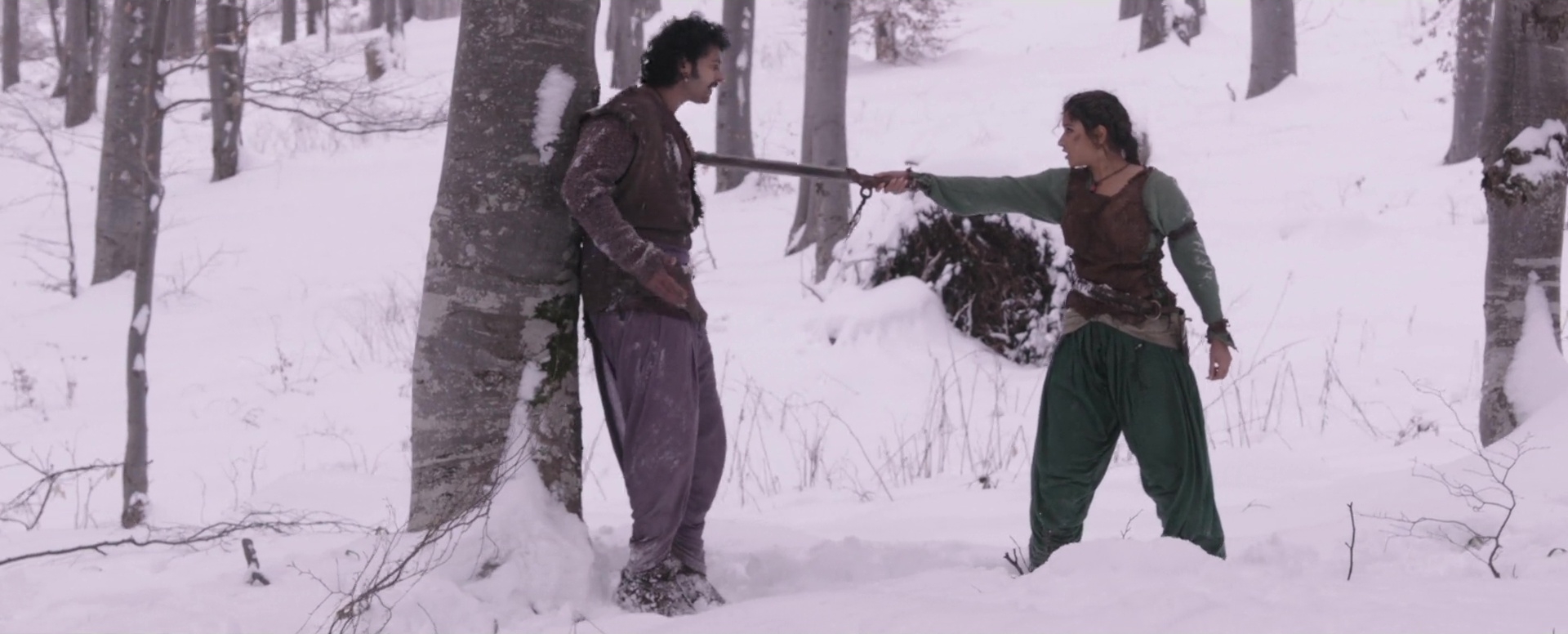
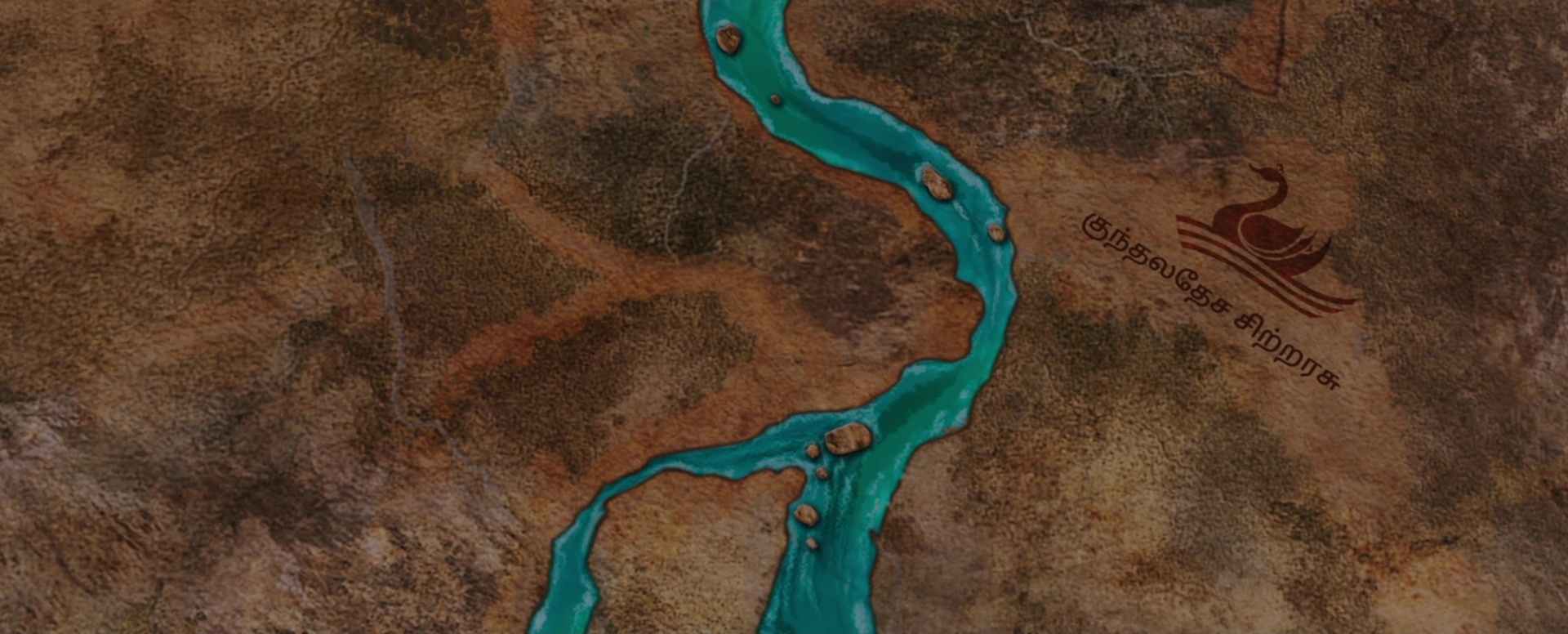
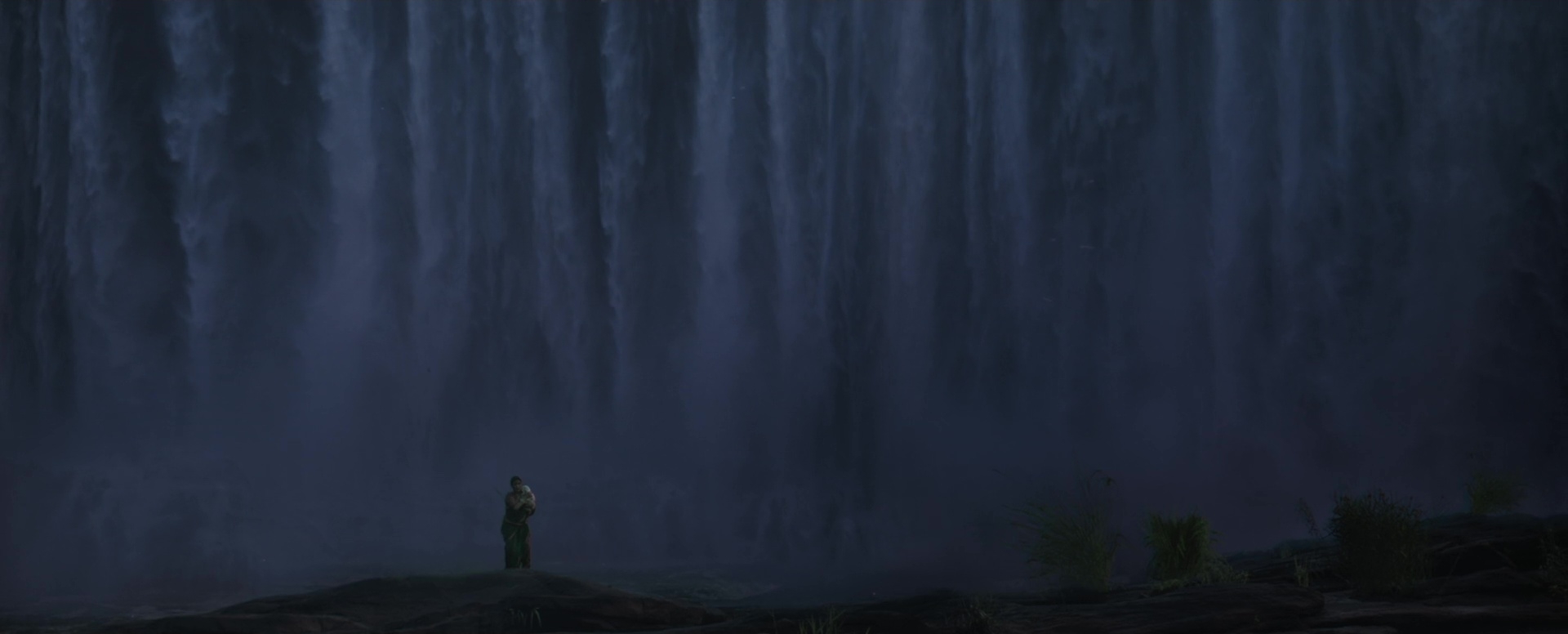
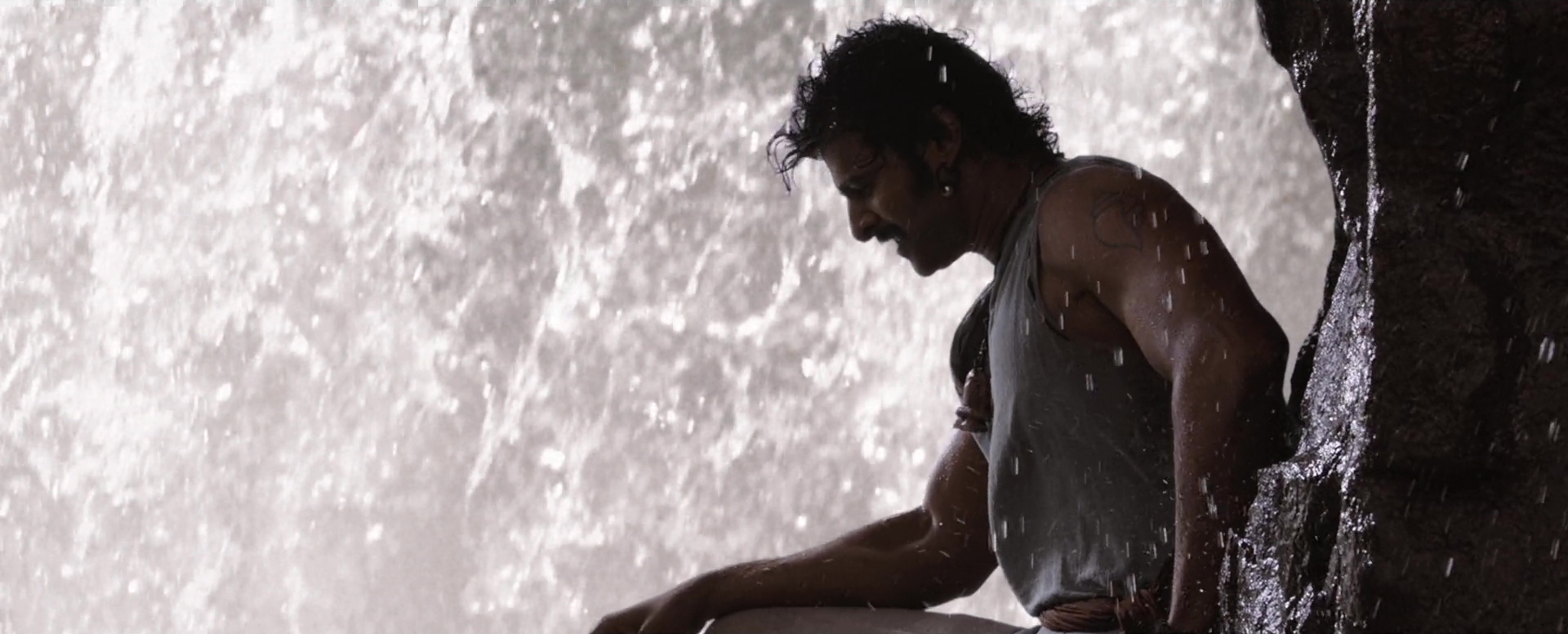
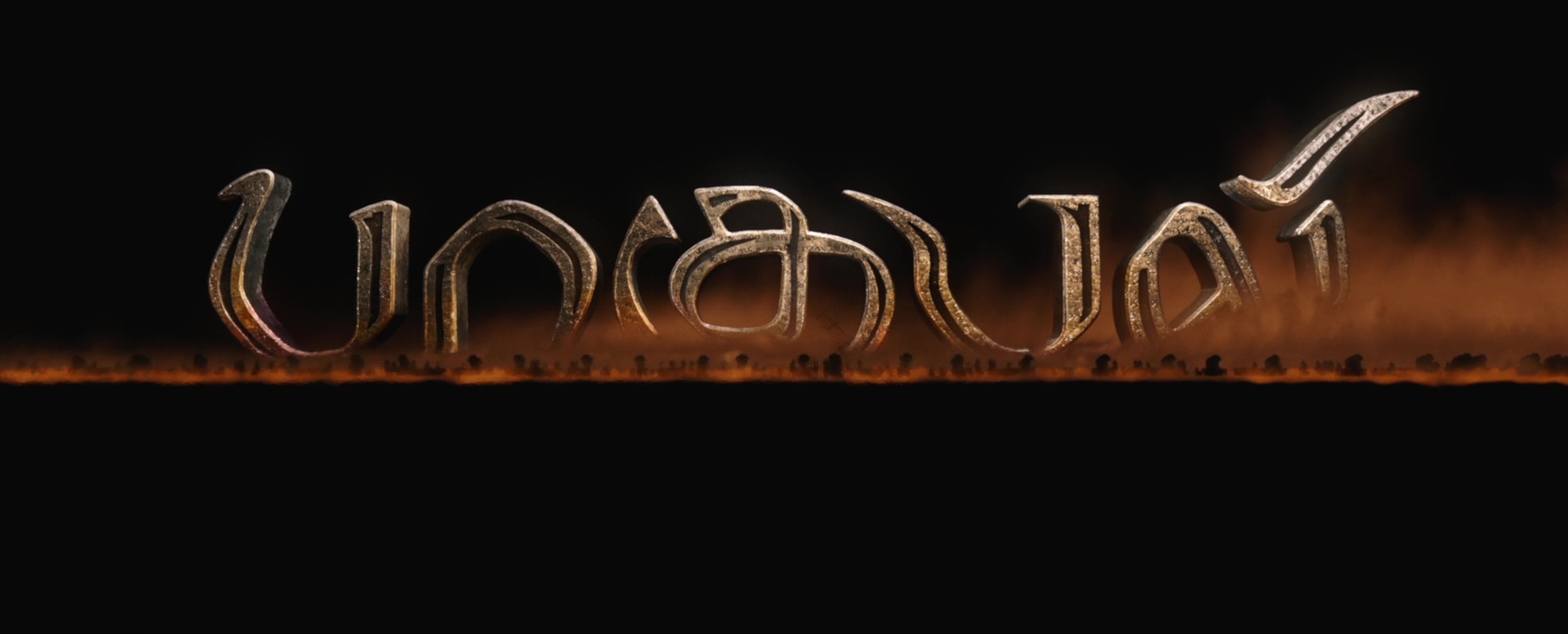
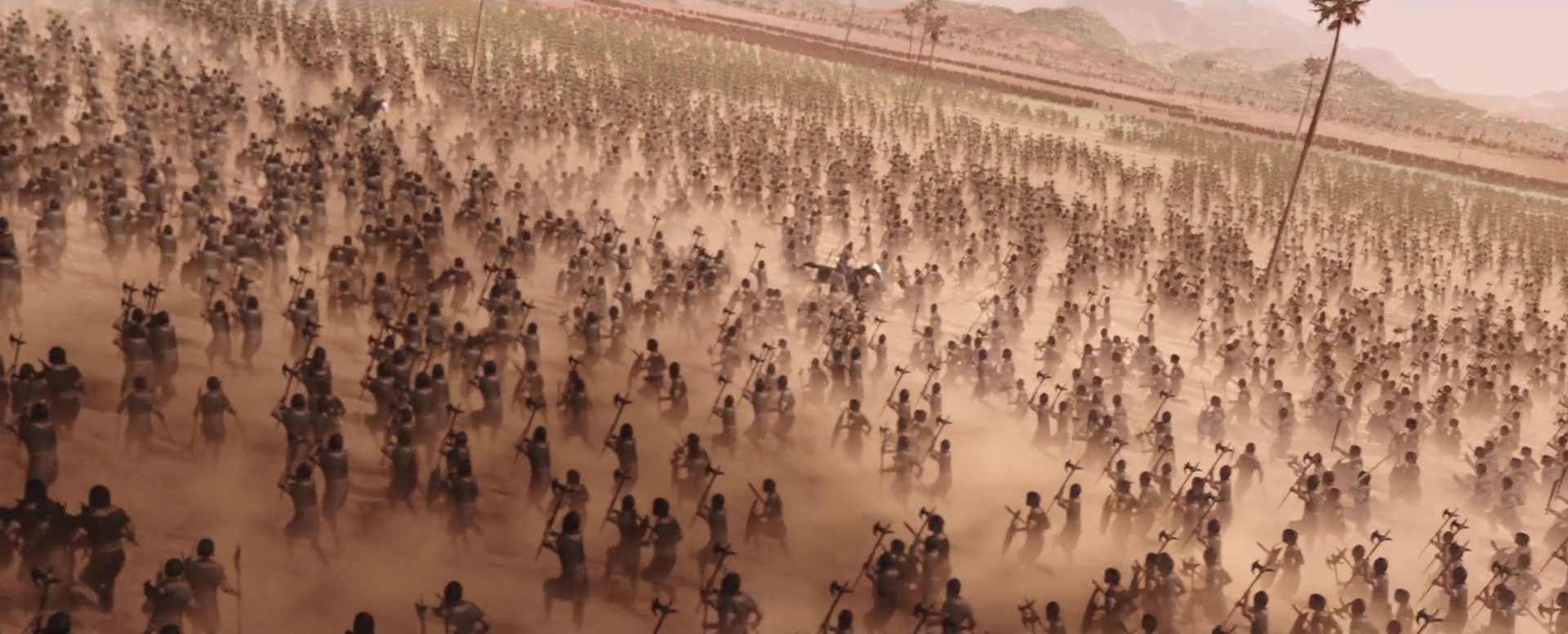
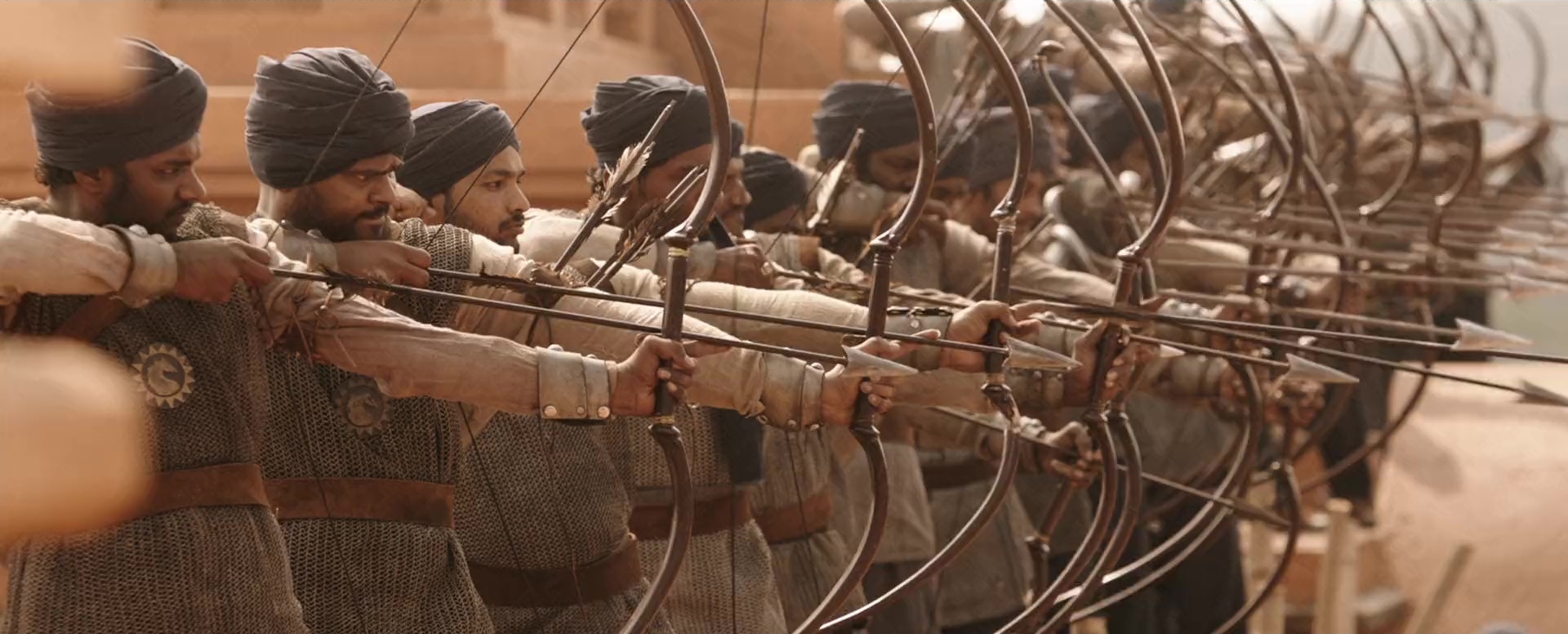
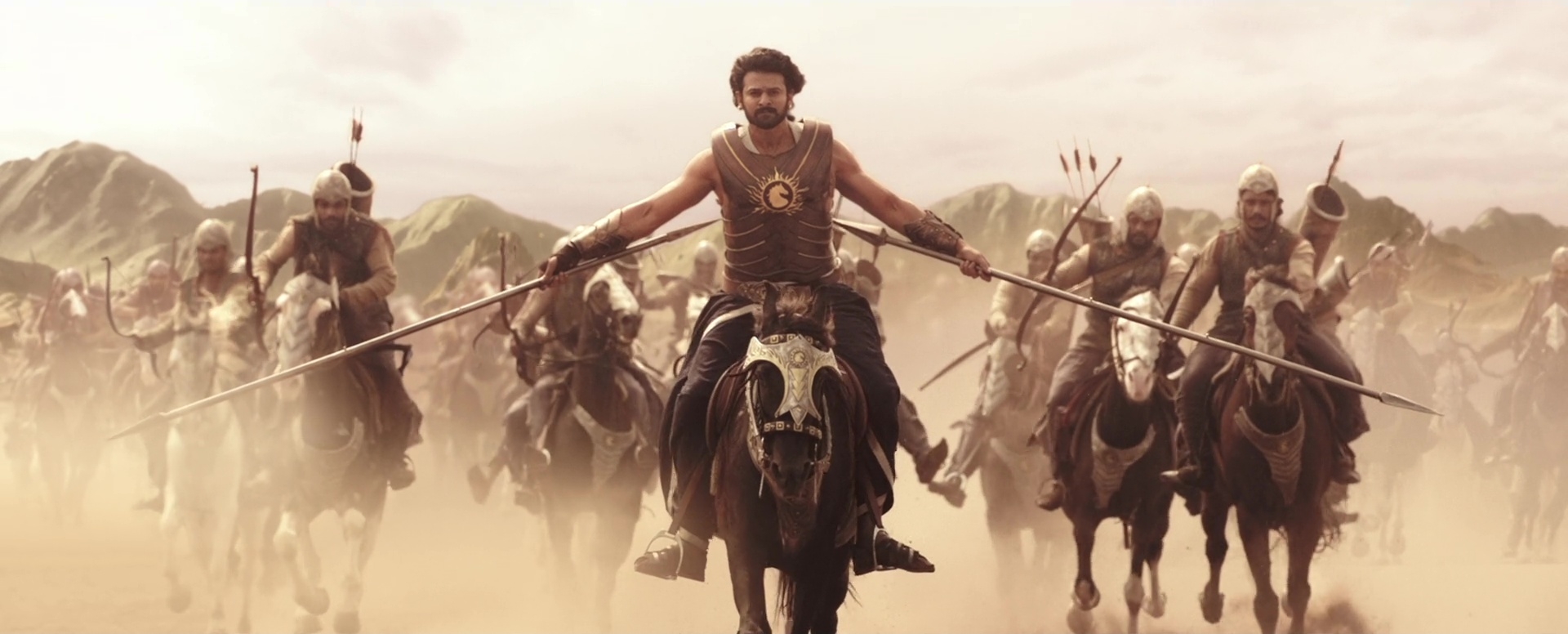
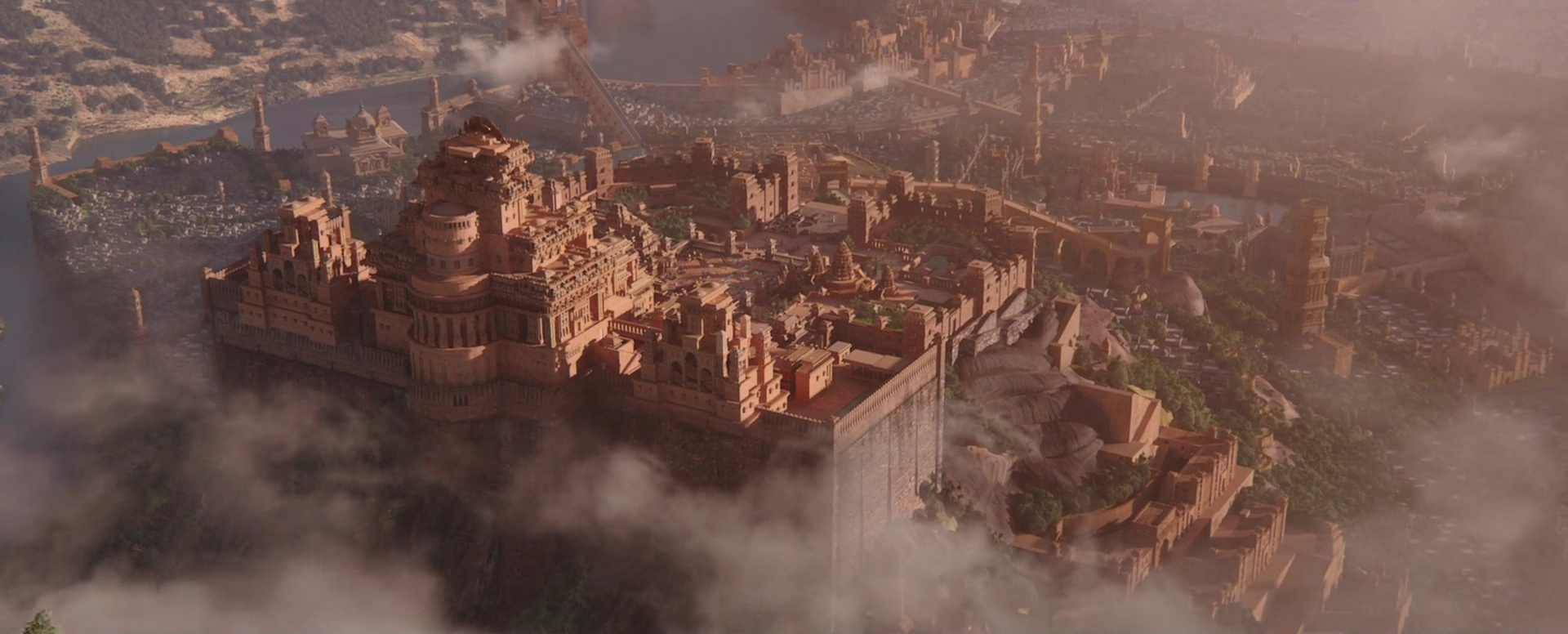
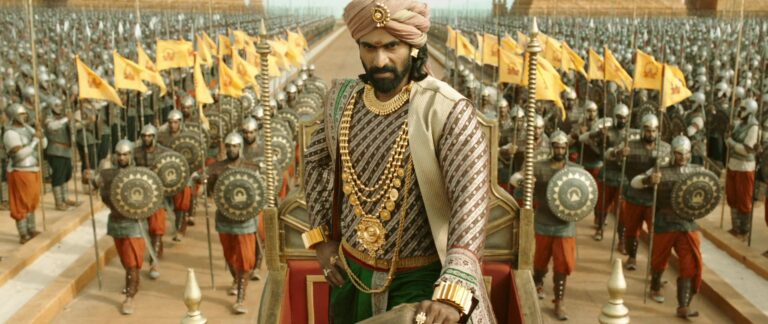
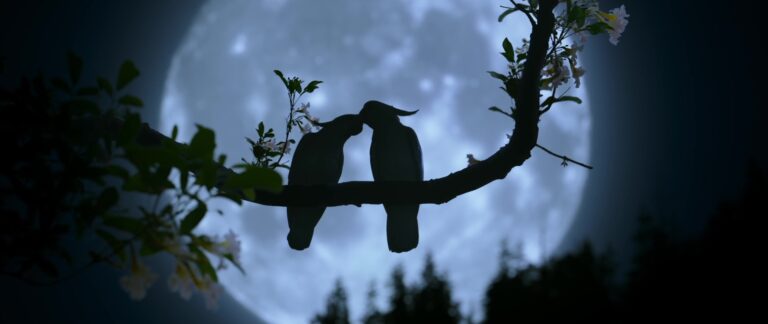
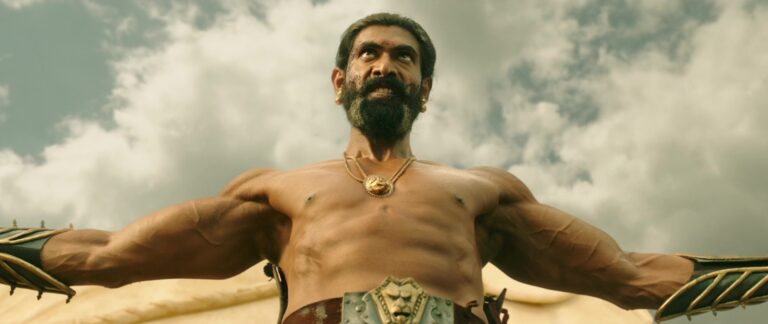
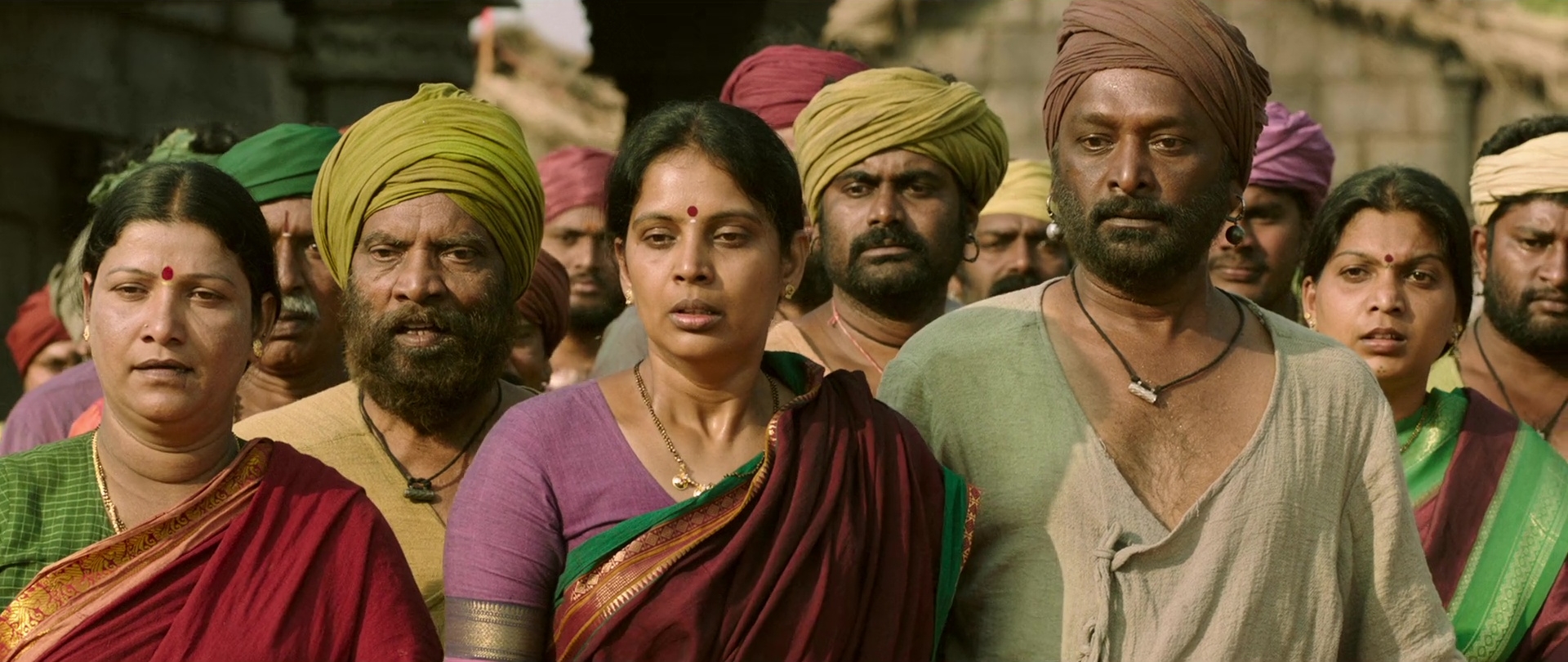
Baahubali: The Beginning (2015)
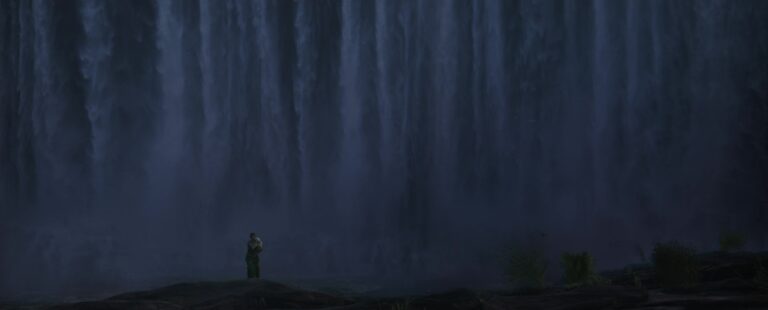
In the ancient kingdom of Mahishmati, a young man named Shivudu discovers his royal lineage and the legacy of his father, the legendary warrior Baahubali. As he ventures beyond his secluded upbringing, he becomes entangled in a larger conflict involving power, betrayal, and destiny. The story unfolds as an origin tale, setting the stage for an epic battle over the throne.
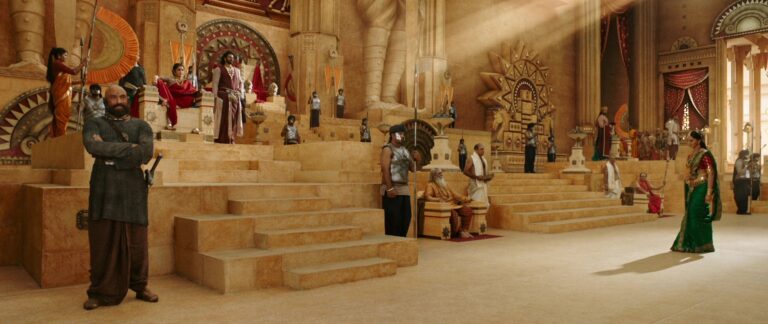
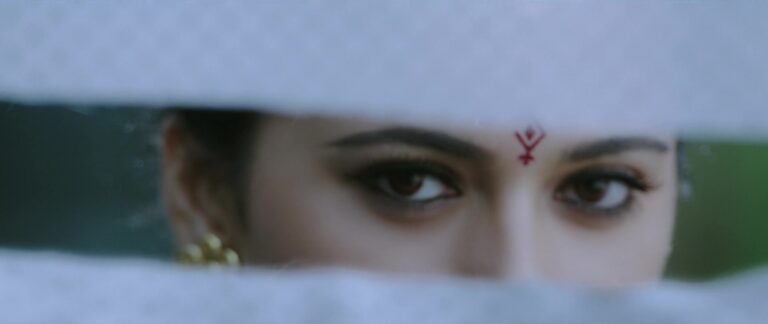
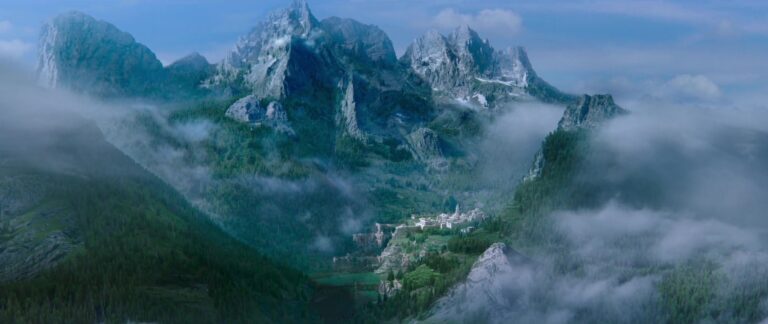
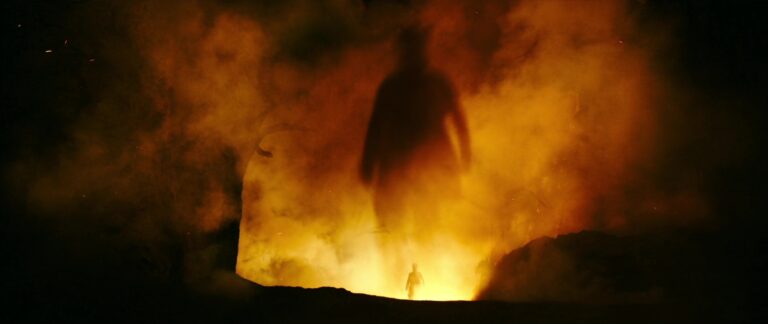
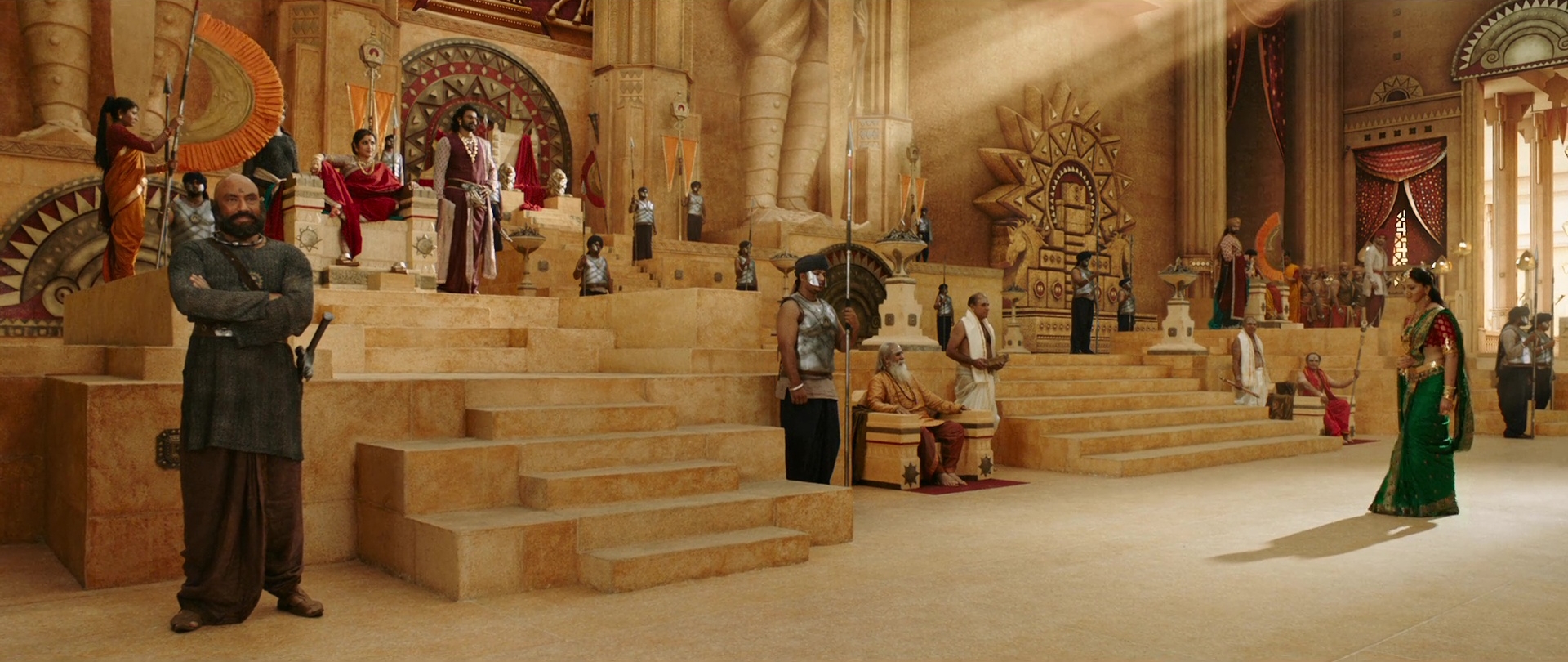
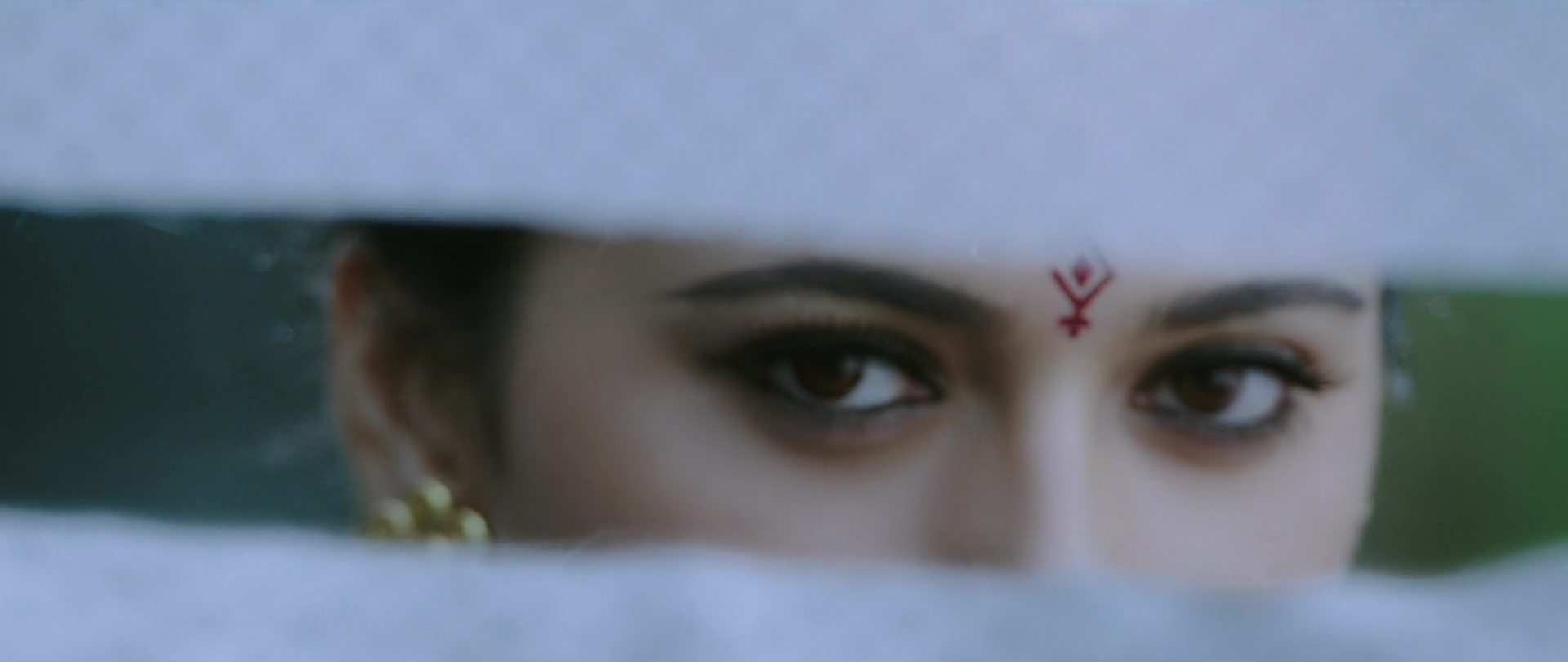
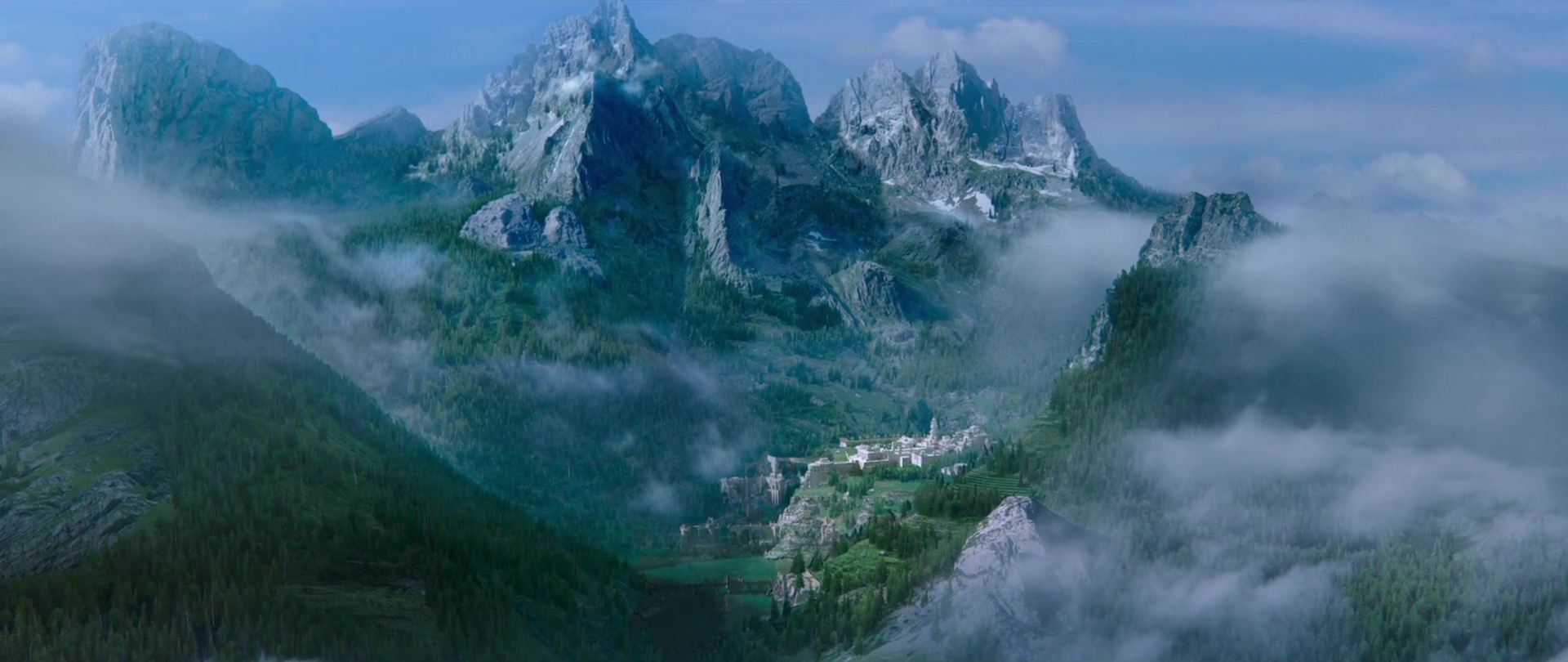
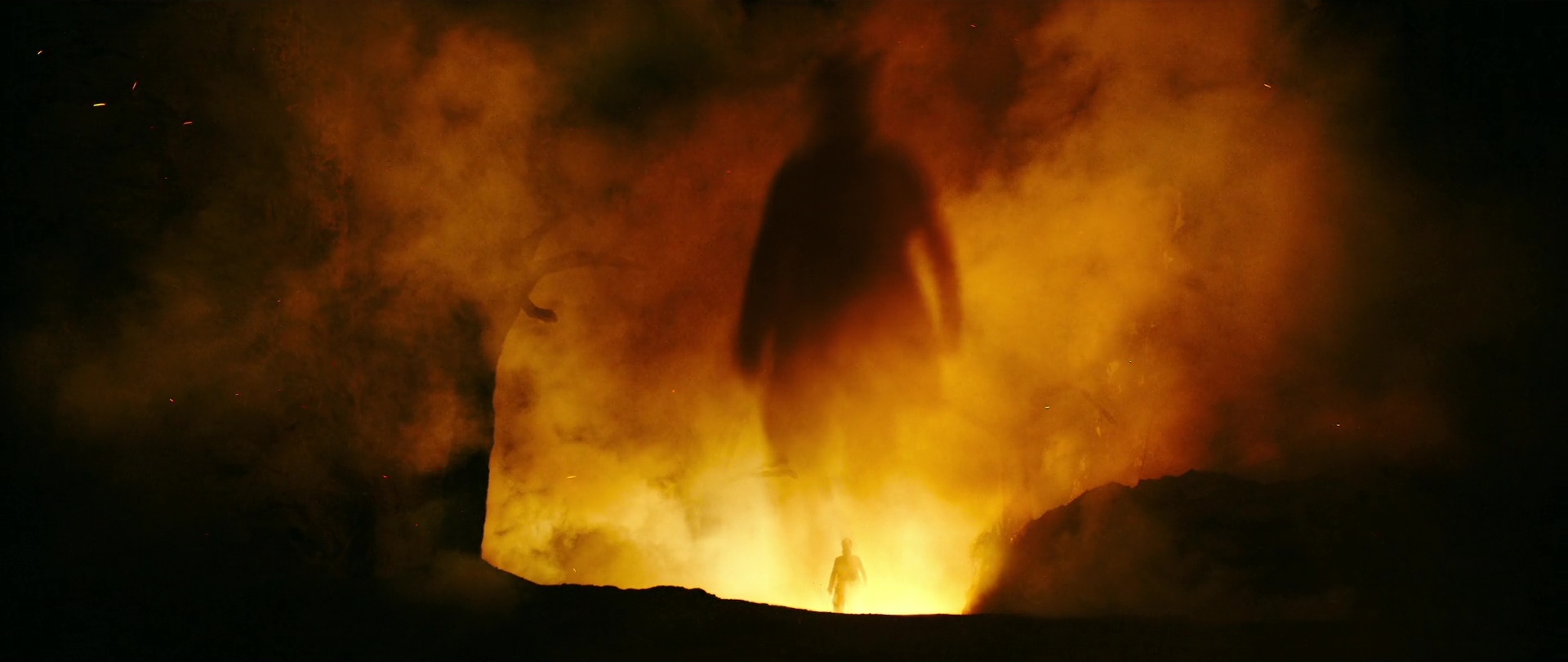
Rajamouli and cinematographer K. K. Senthil Kumar shoot Baahubali: The Beginning on a grand digital scale, combining massive practical sets with extensive VFX to build its mythic world. The film’s sweeping crane shots, saturated color palette, and larger-than-life compositions turn action into spectacle—embracing scale and movement to create a distinctly operatic visual language.

FILM SPOTLIGHT
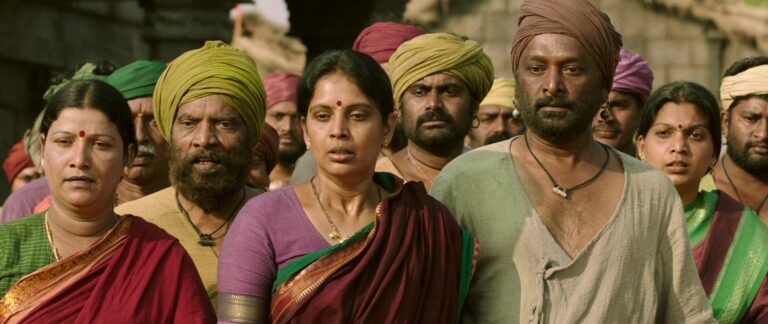
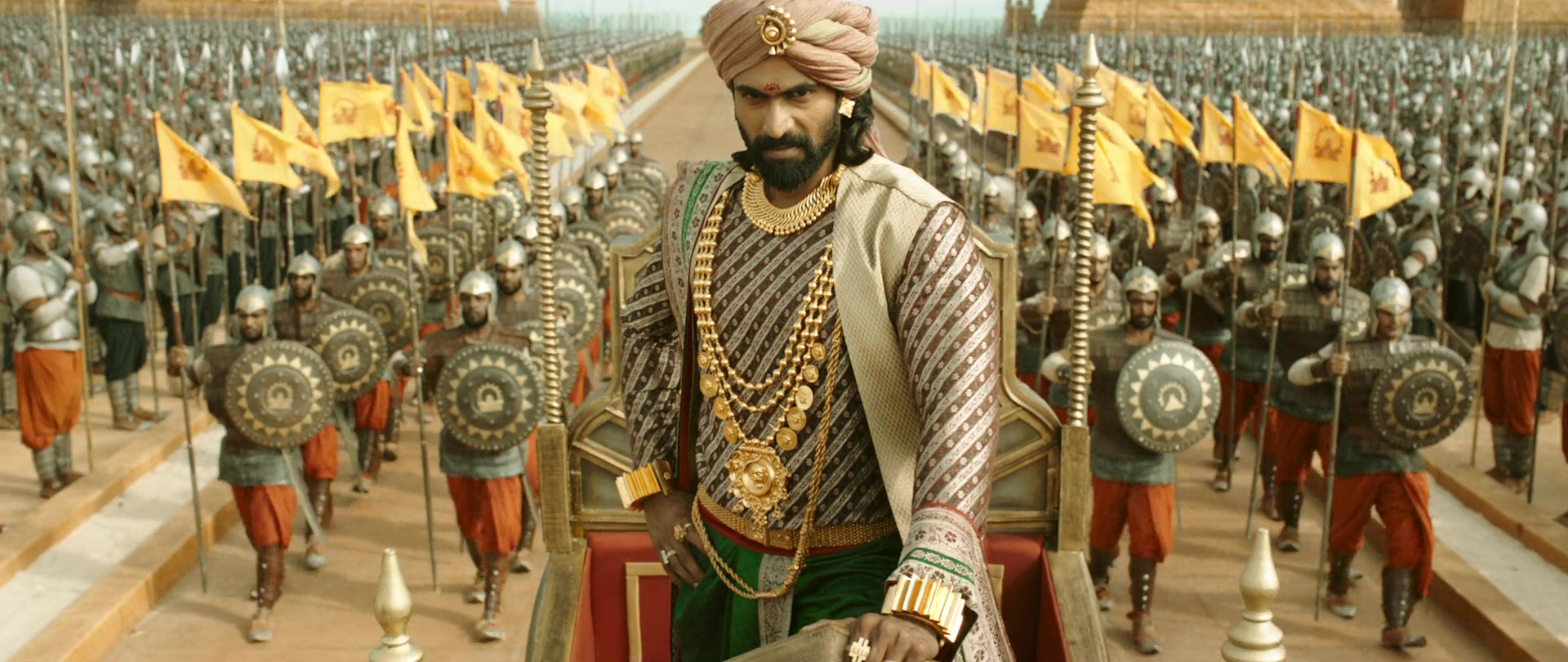
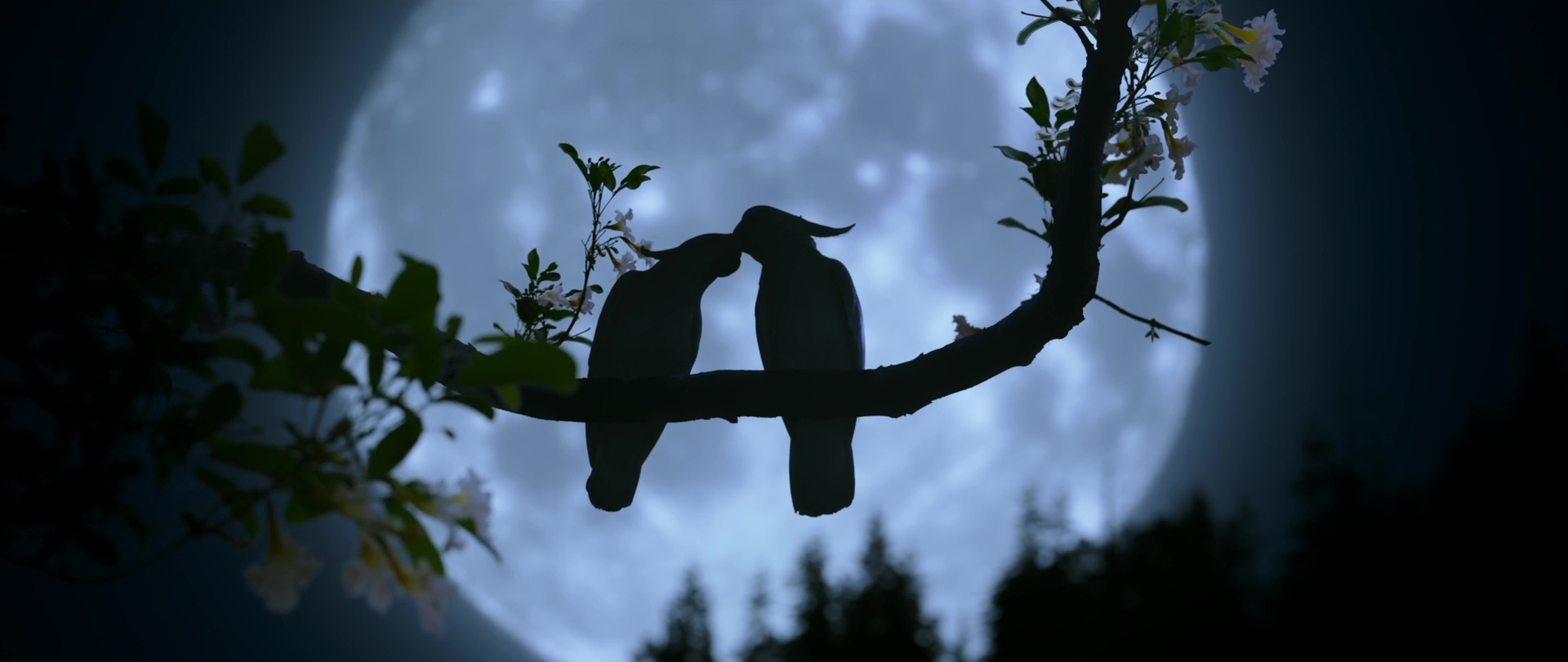
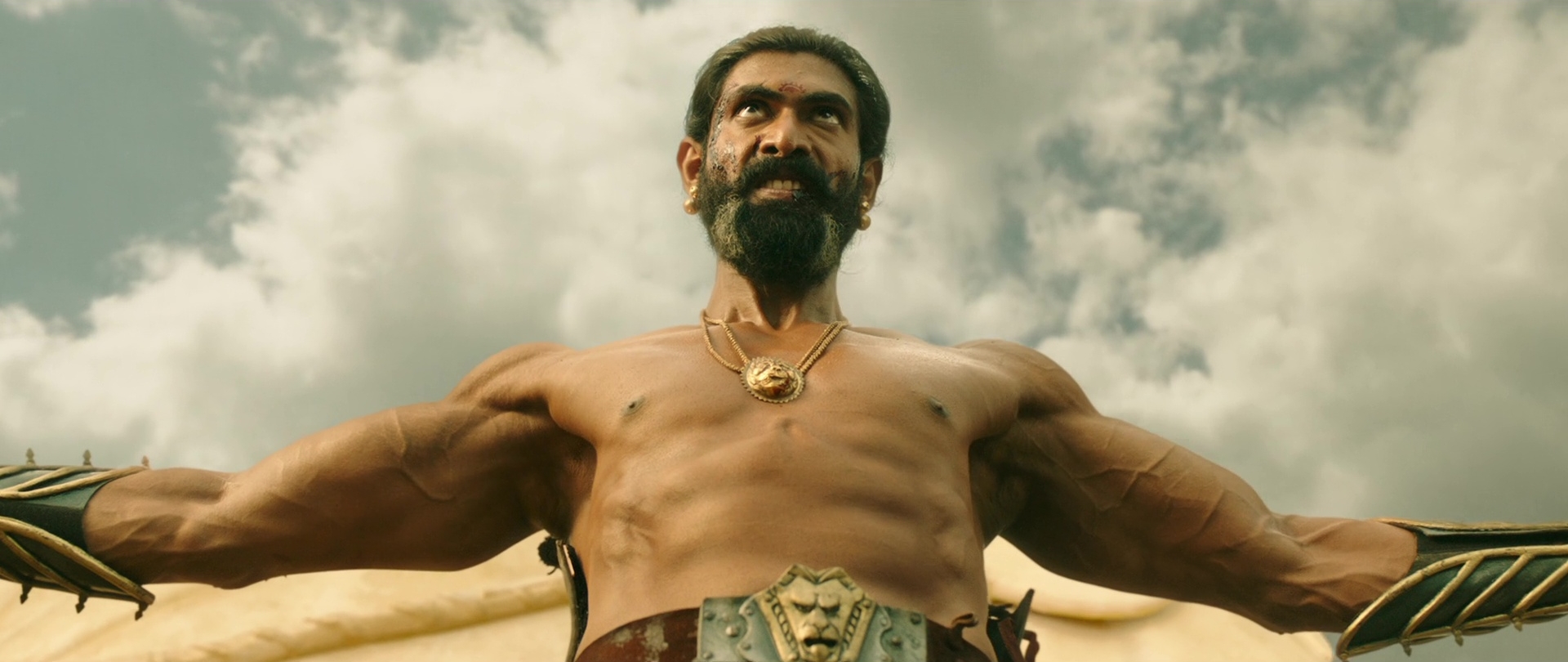
Baahubali 2: The Conclusion (2017)
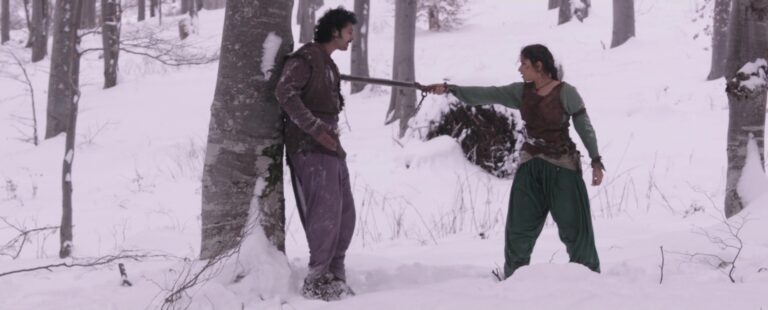
Continuing the epic saga, the film reveals the story of Amarendra Baahubali’s rise as a beloved king and the betrayal that led to his downfall. In the present, his son Mahendra Baahubali seeks to reclaim his rightful place and avenge his father. As past and present intertwine, the conflict builds toward a decisive battle for the throne of Mahishmati.
Rajamouli and cinematographer K. K. Senthil Kumar scale everything up in The Conclusion, using larger sets, denser VFX, and more elaborate choreography to push the film into full operatic spectacle. The film’s sweeping camera moves, heightened color, and gravity-defying action sequences turn myth into motion—where every frame is designed to feel monumental and iconic.


FILM SPOTLIGHT
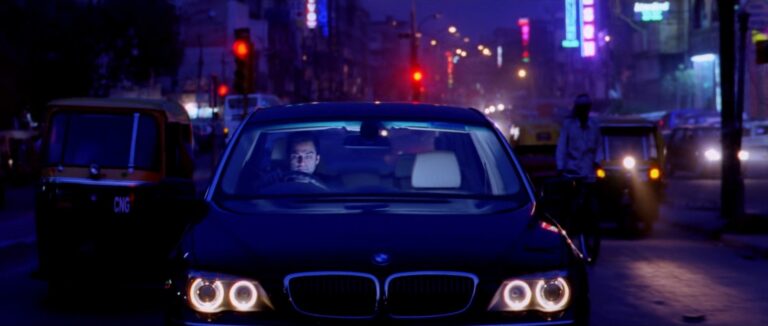
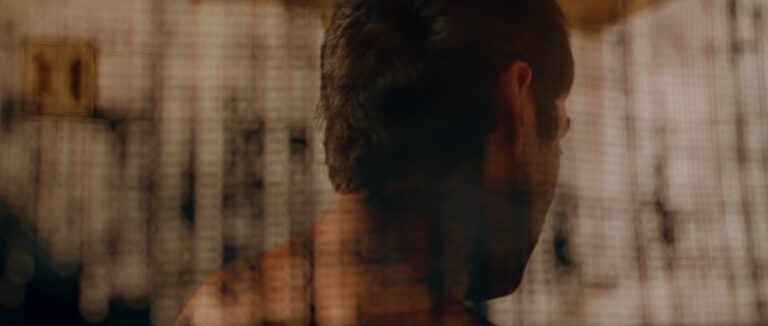
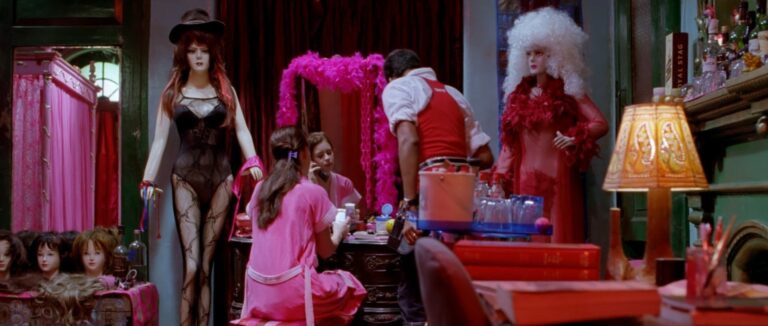
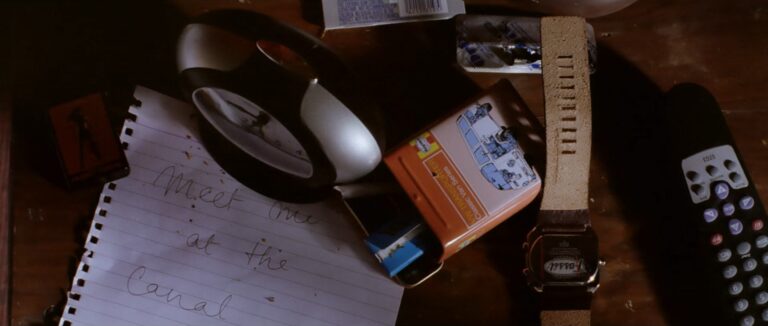
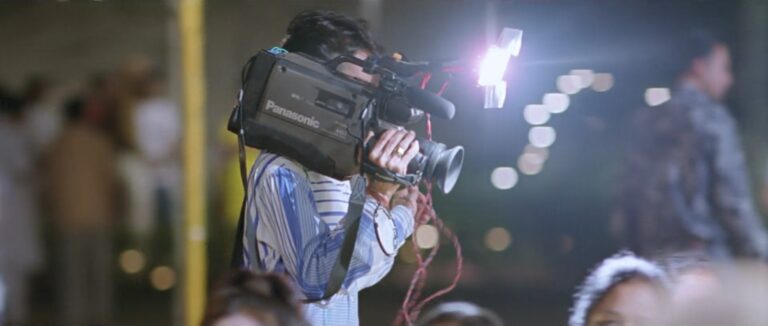
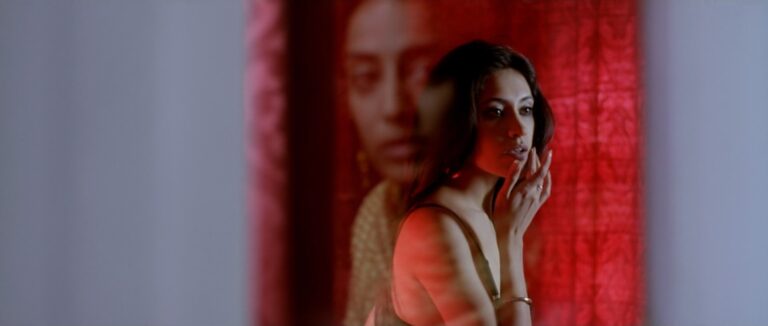
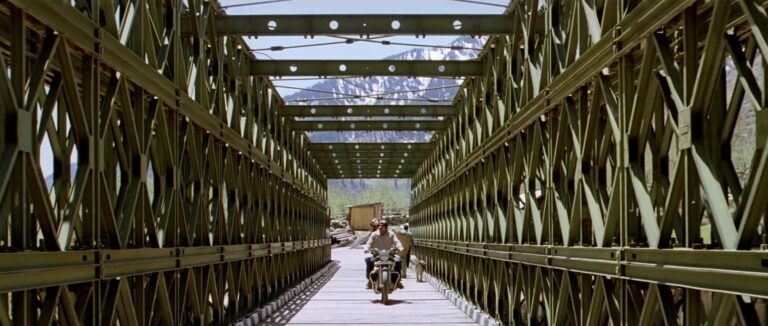
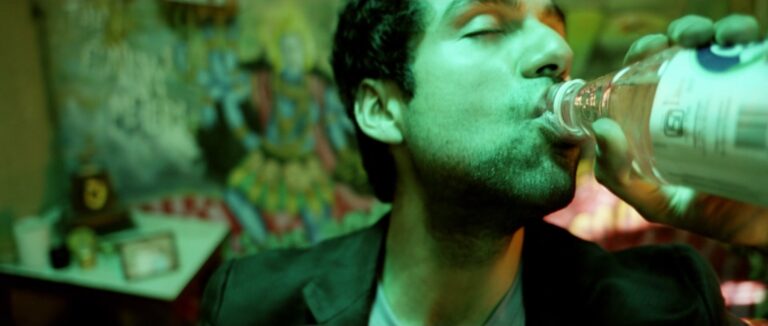
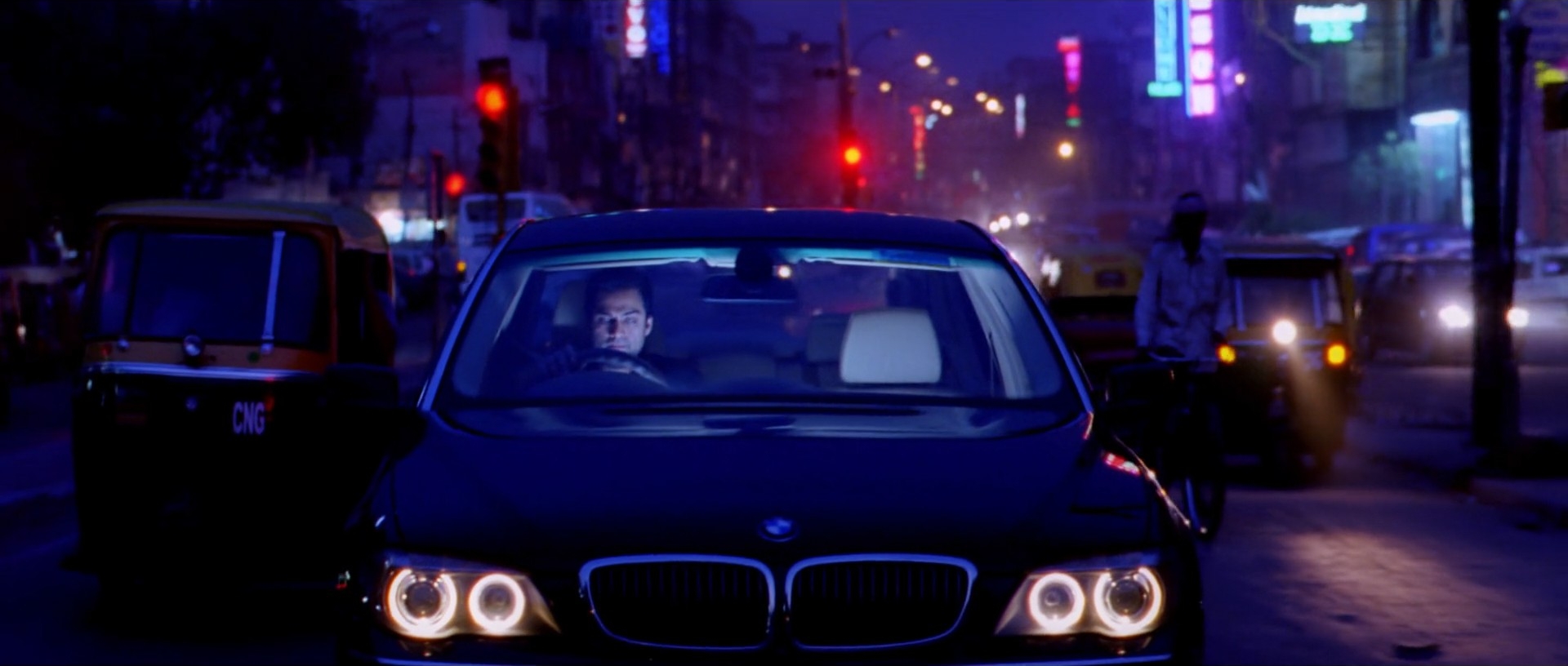
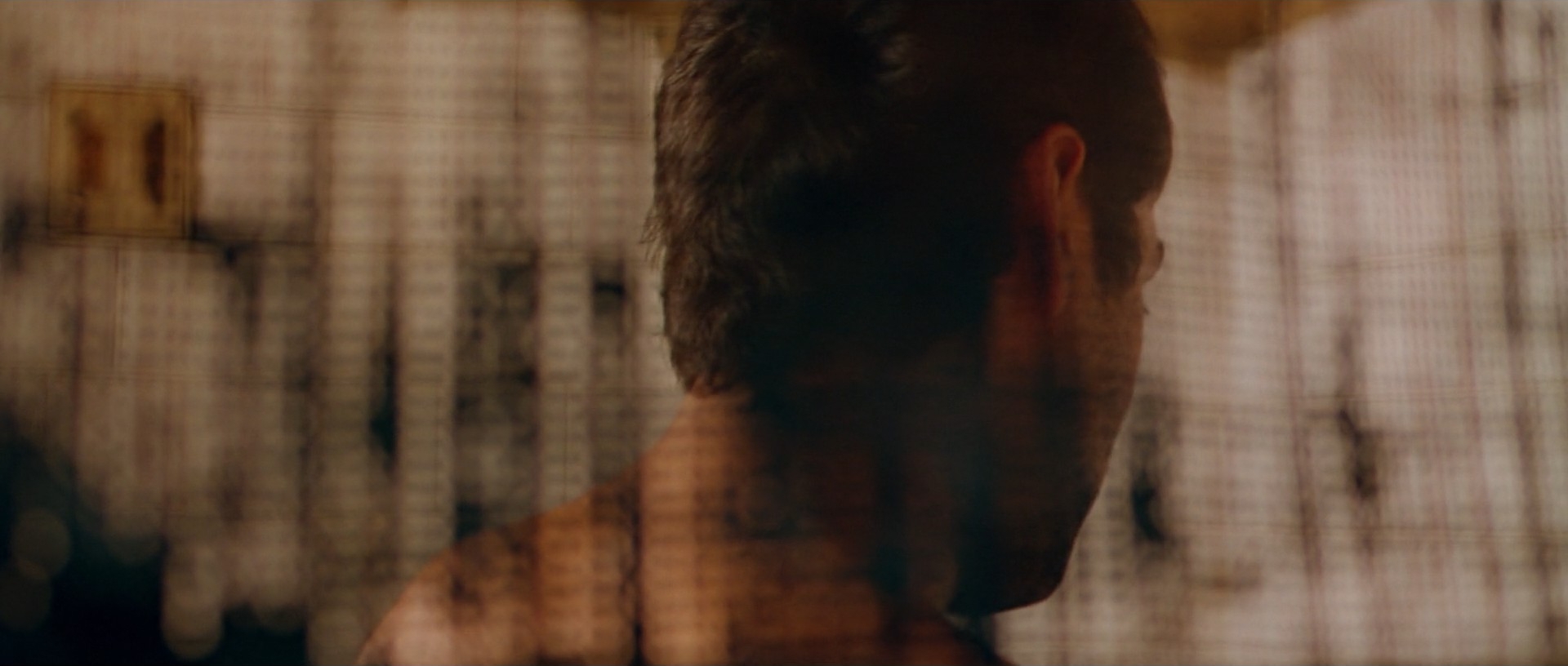
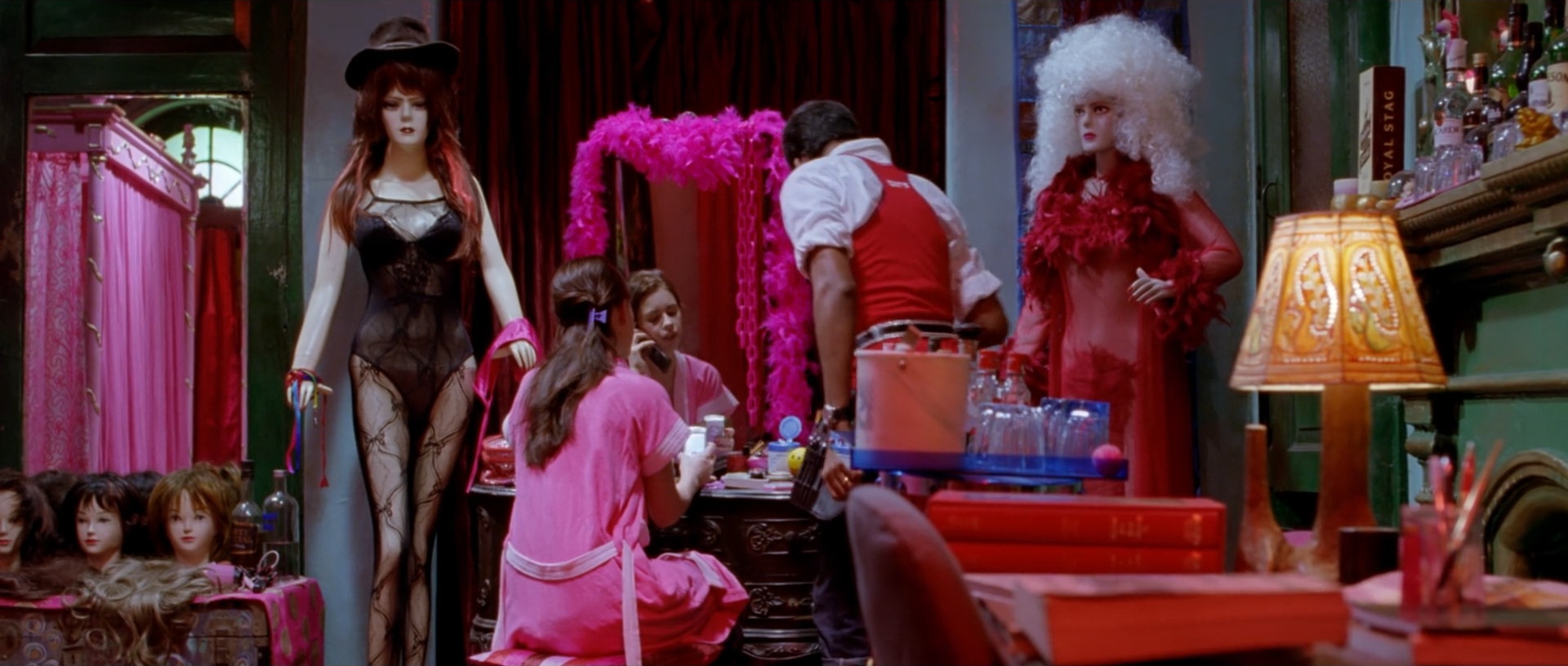
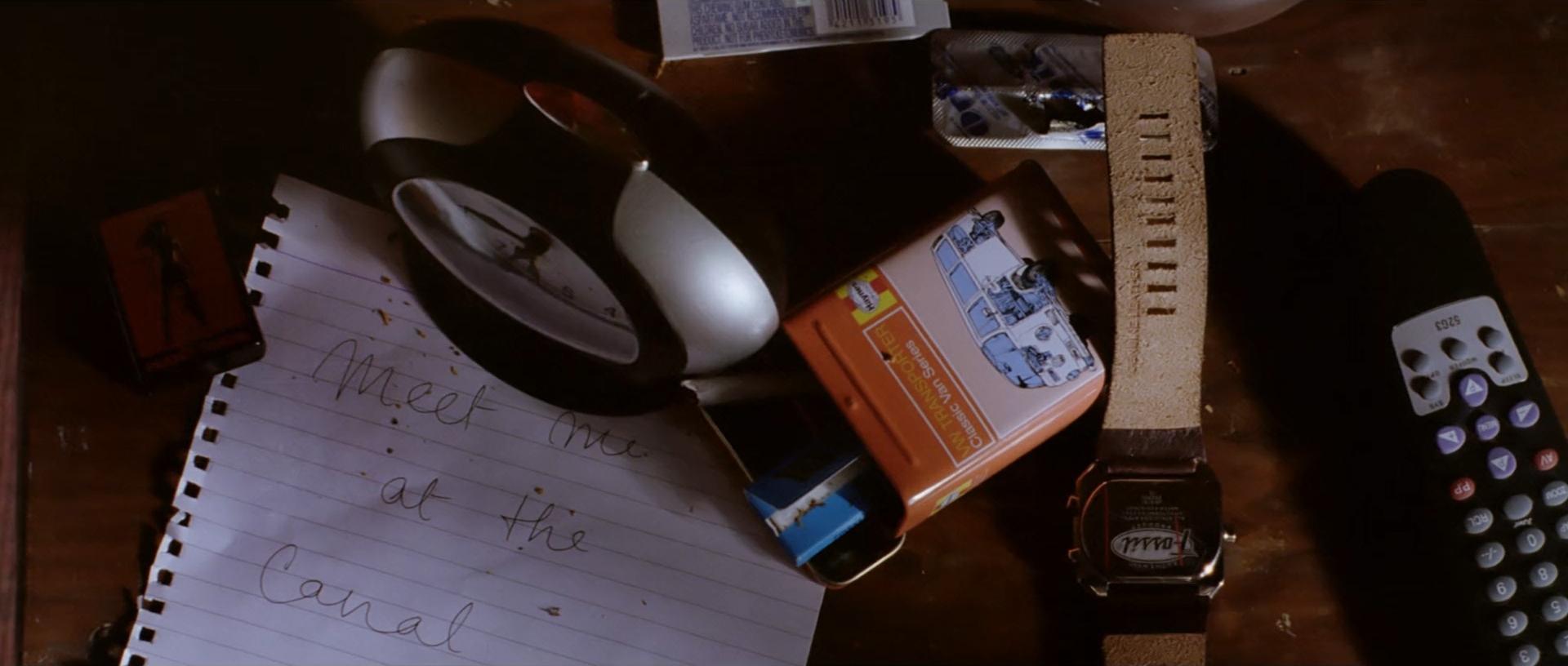
Dev.D (2009)
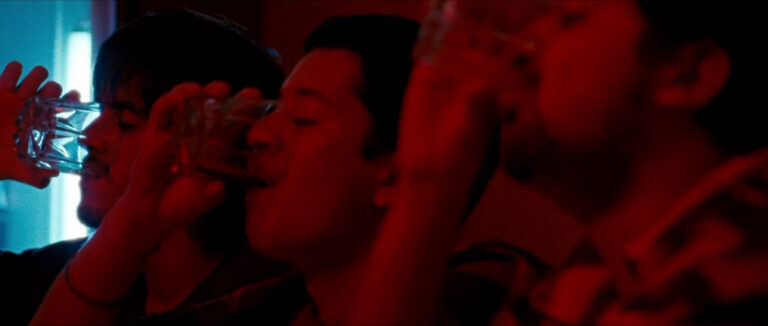
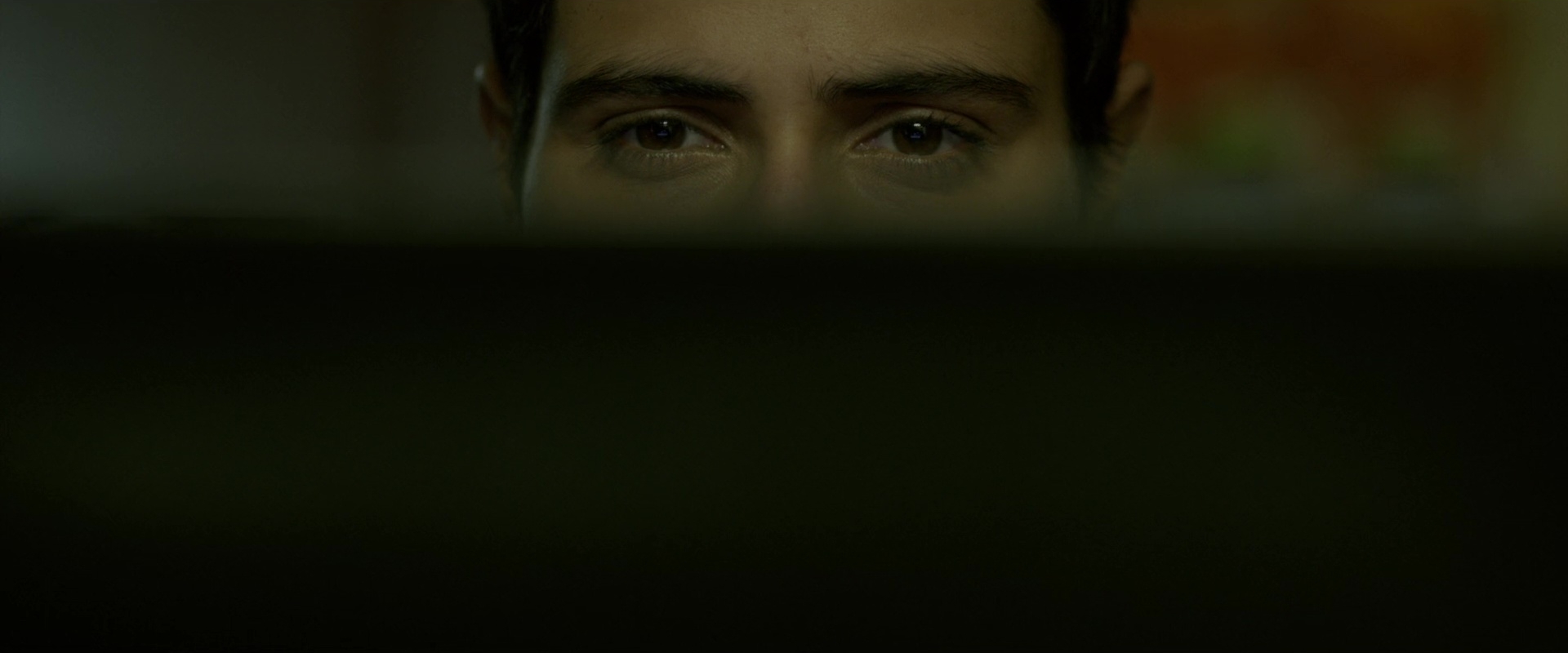
A modern reimagining of the classic Devdas, the film follows Dev, a privileged but self-destructive young man who spirals into substance abuse after losing his childhood love, Paro. As his life unravels, he crosses paths with Chanda, a sex worker with her own troubled past. Their intersecting journeys form a raw, contemporary portrait of love, guilt, and redemption.
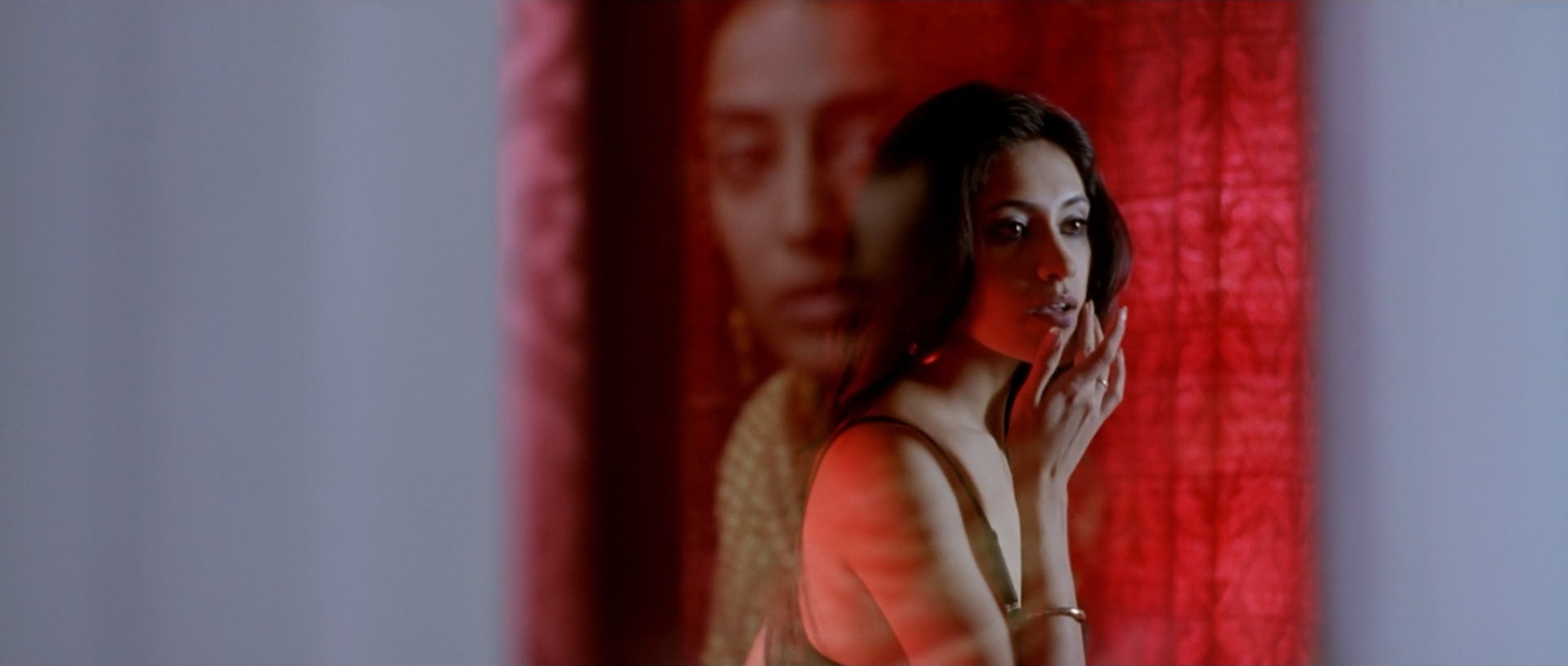
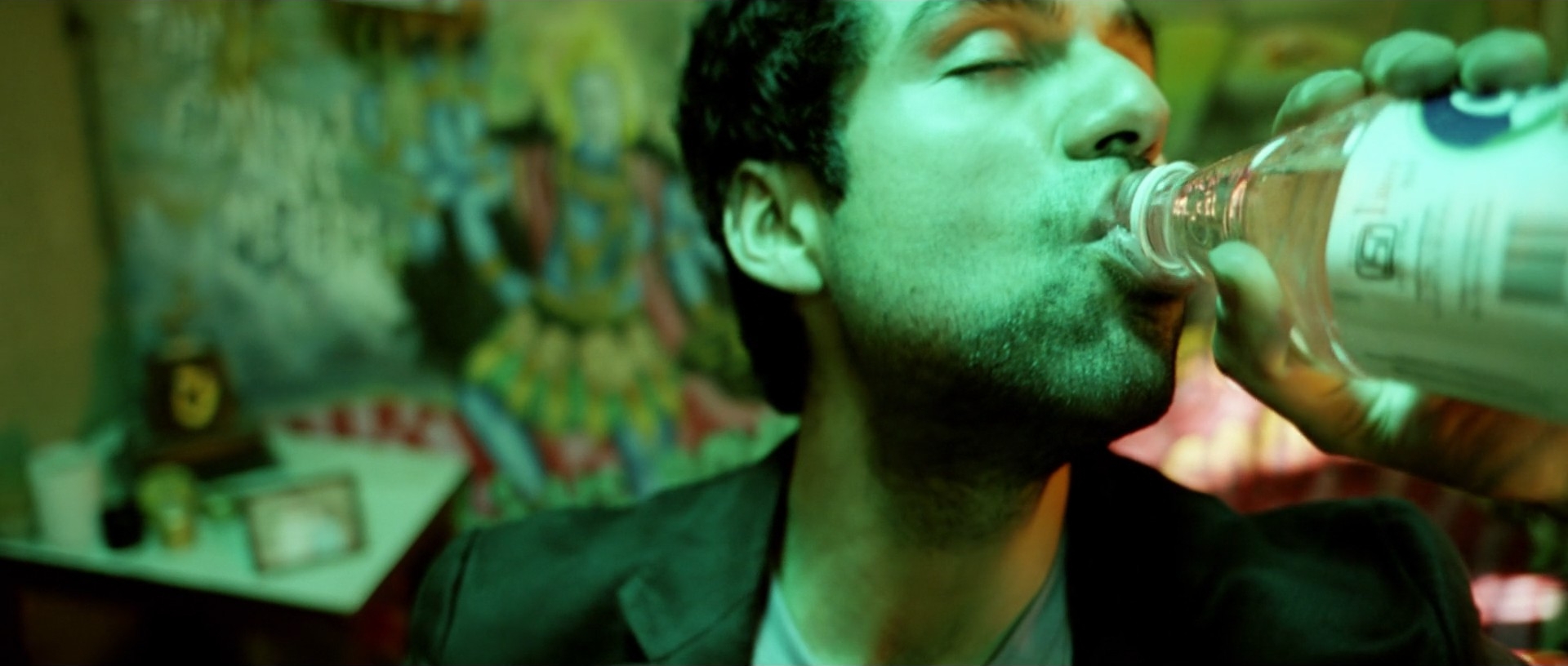
Kashyap and cinematographer Rajeev Ravi shoot Dev.D with a hyper-stylized, neon-soaked aesthetic, using bold color shifts, handheld energy, and experimental lighting to mirror Dev’s fractured psyche. The film’s music-driven montages and shifting visual textures—moving between gritty realism and heightened abstraction—turn intoxication and emotion into a constantly evolving visual language.

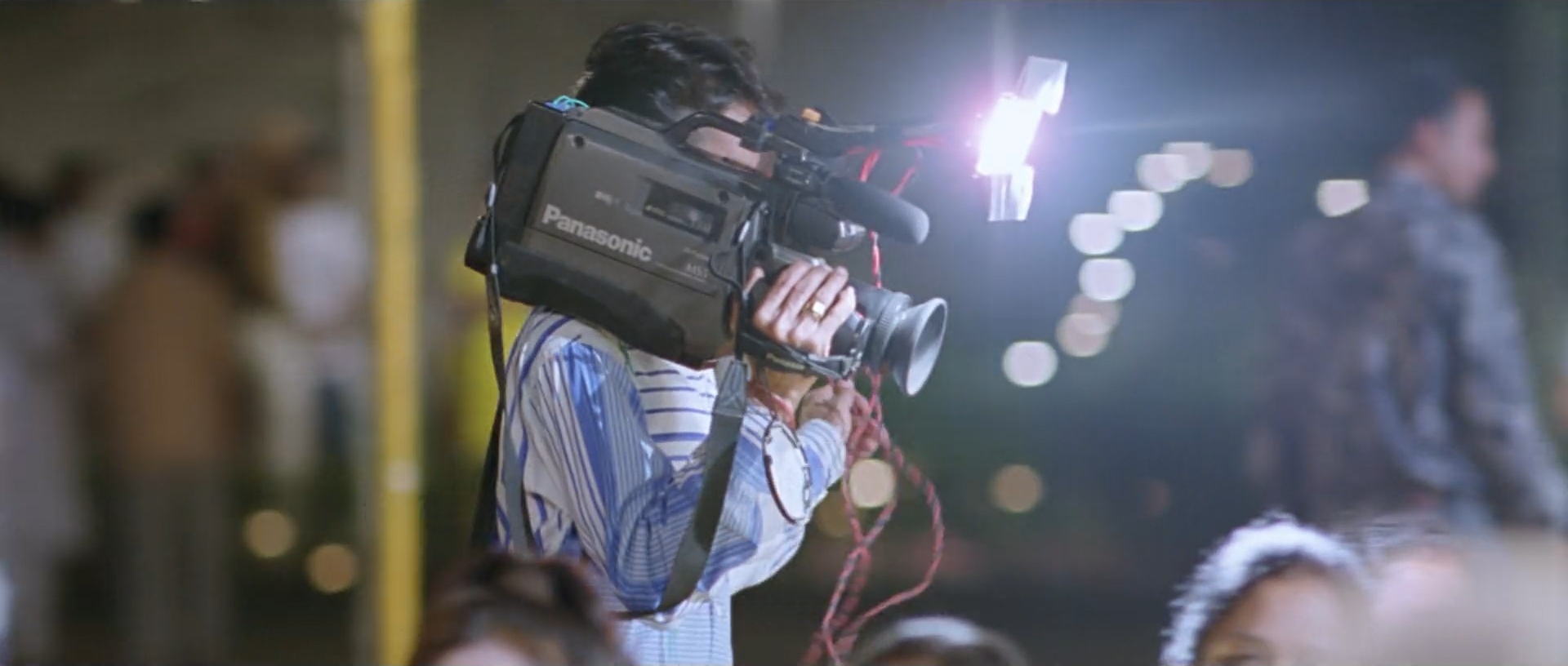
FILM SPOTLIGHT
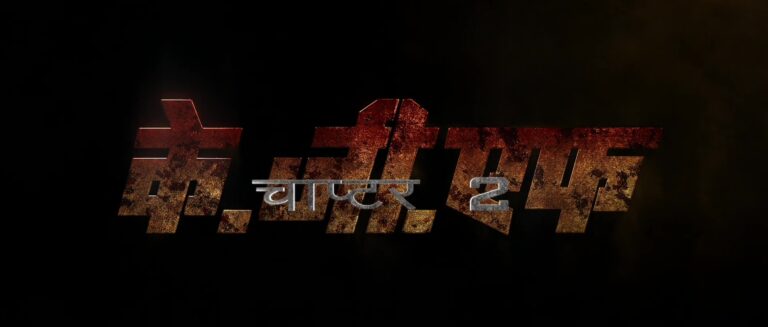
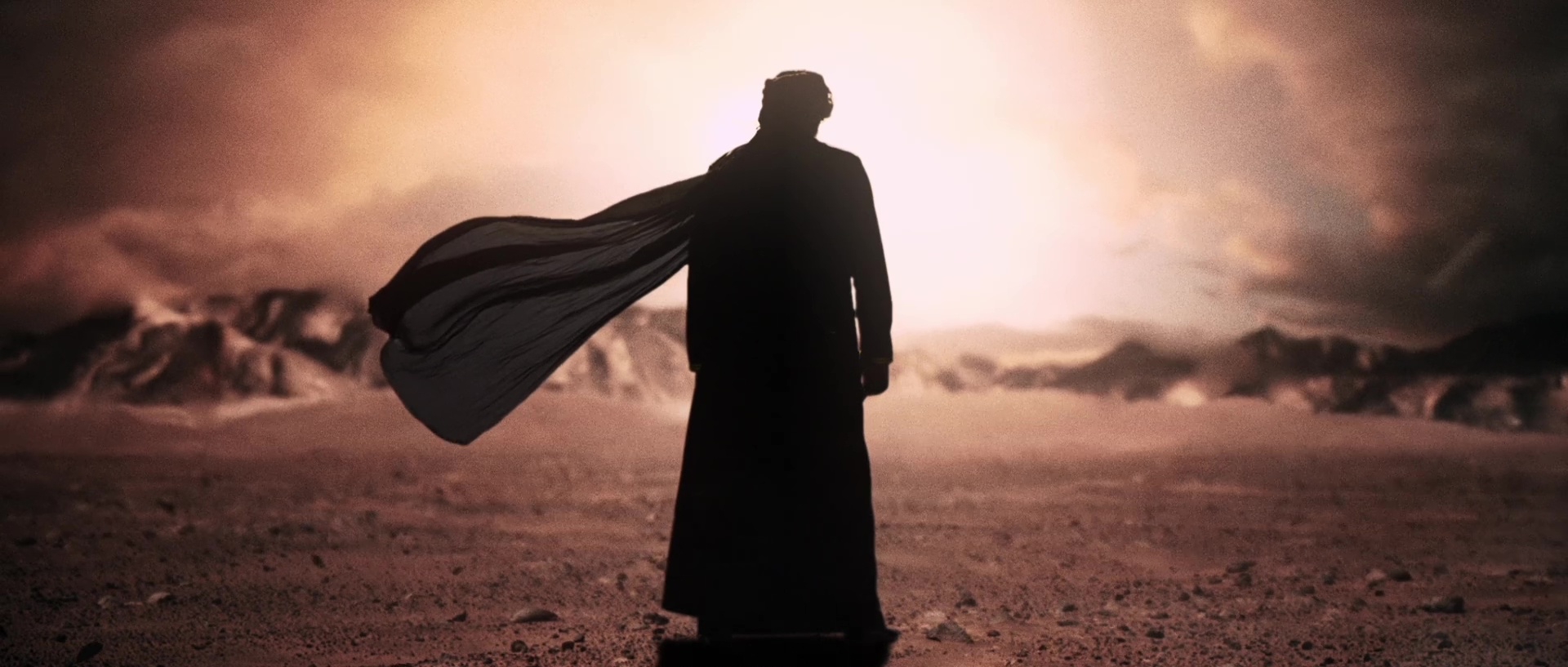
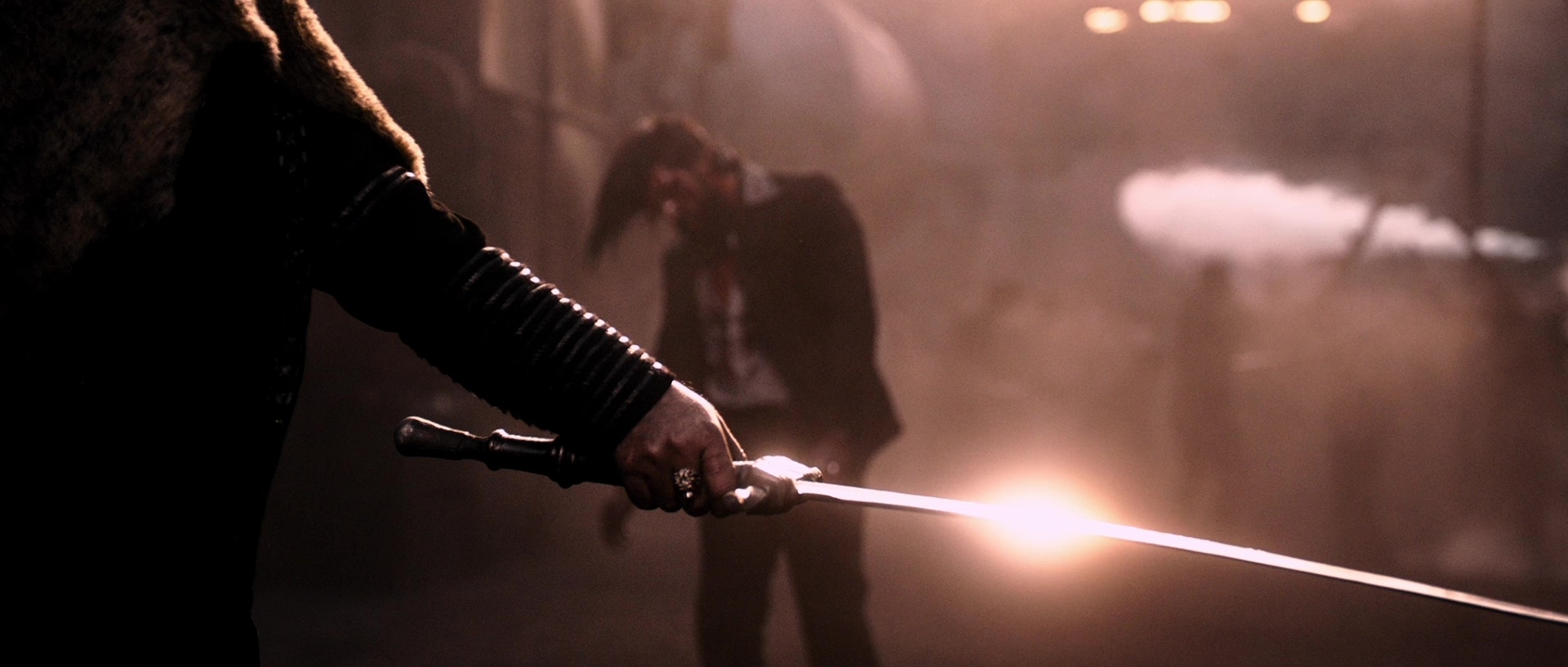
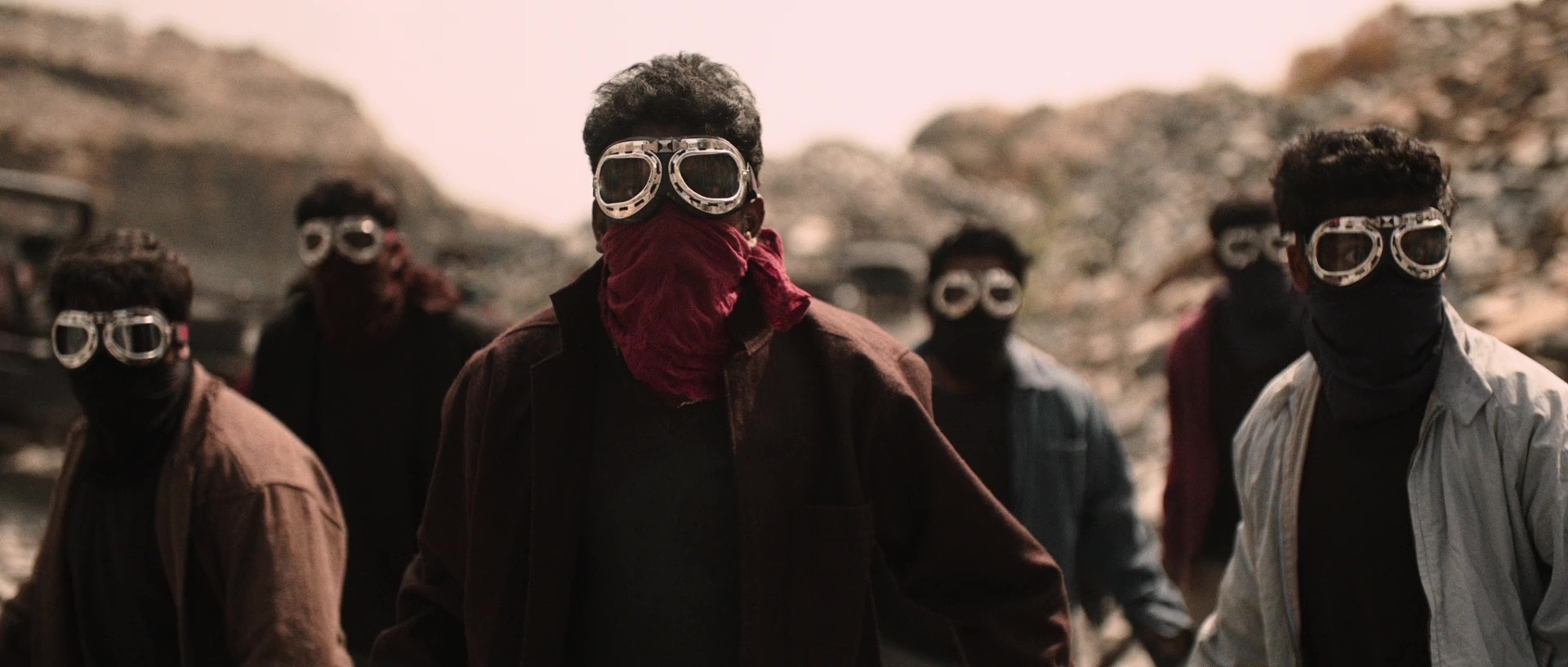
K.G.F.: Chapter 2 (2022)
Following his rise to power in the Kolar Gold Fields, Rocky consolidates his dominance while facing threats from both within and outside the empire. As new adversaries—including a ruthless political leader and a formidable crime boss—move against him, his quest for absolute power intensifies. The story expands his legend, building toward a larger-than-life clash that will determine his fate.
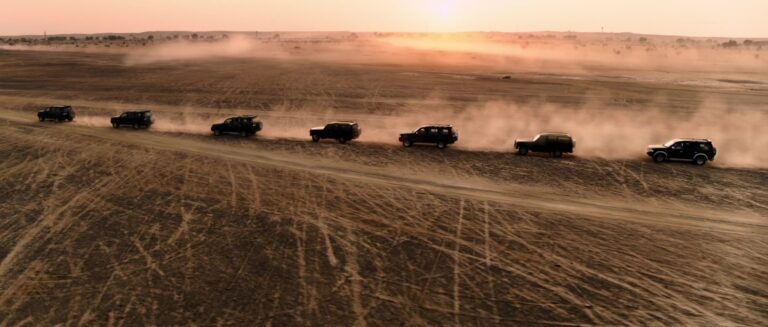
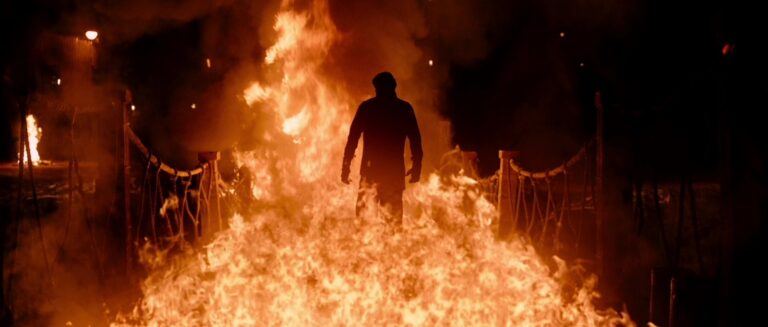
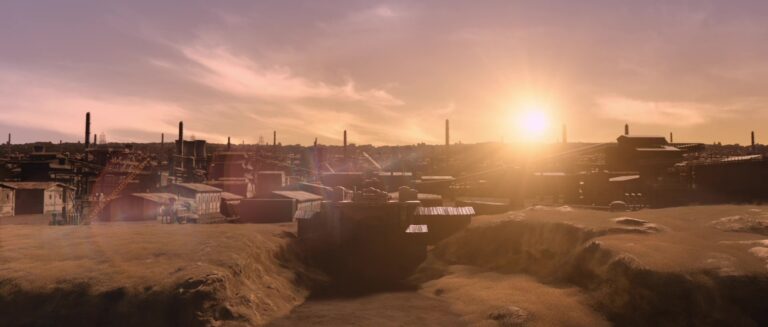
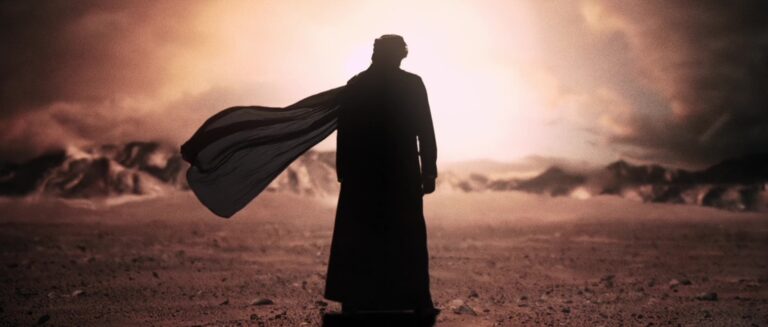
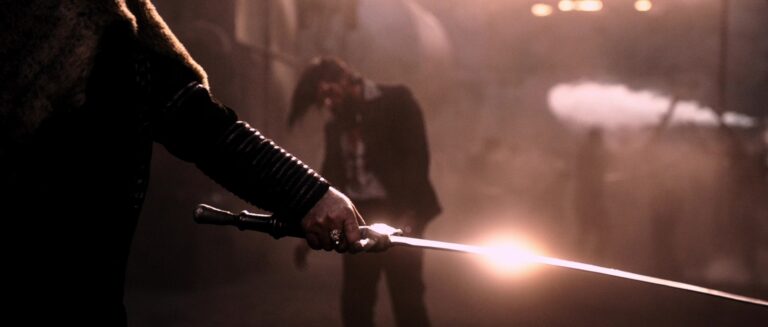
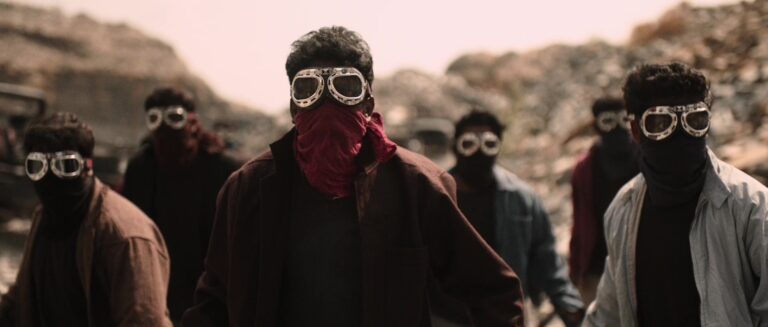
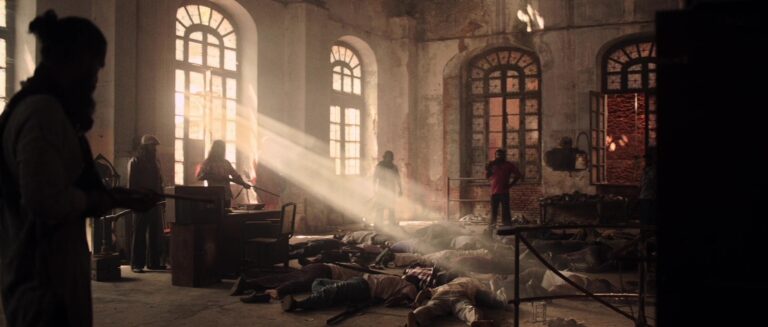
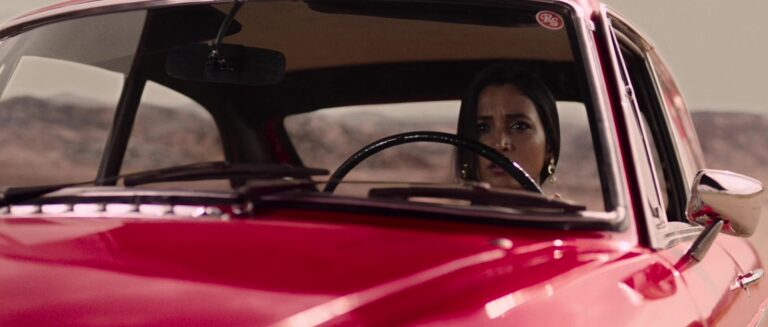
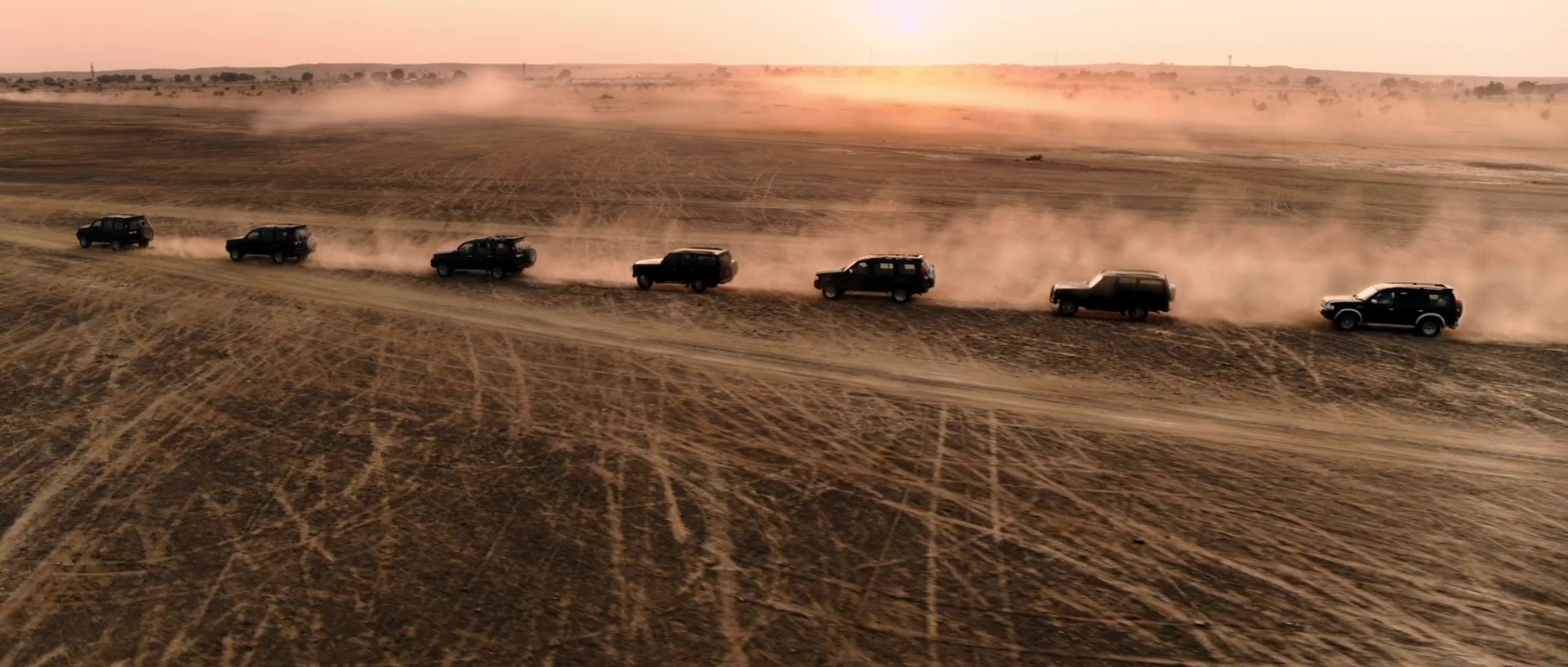
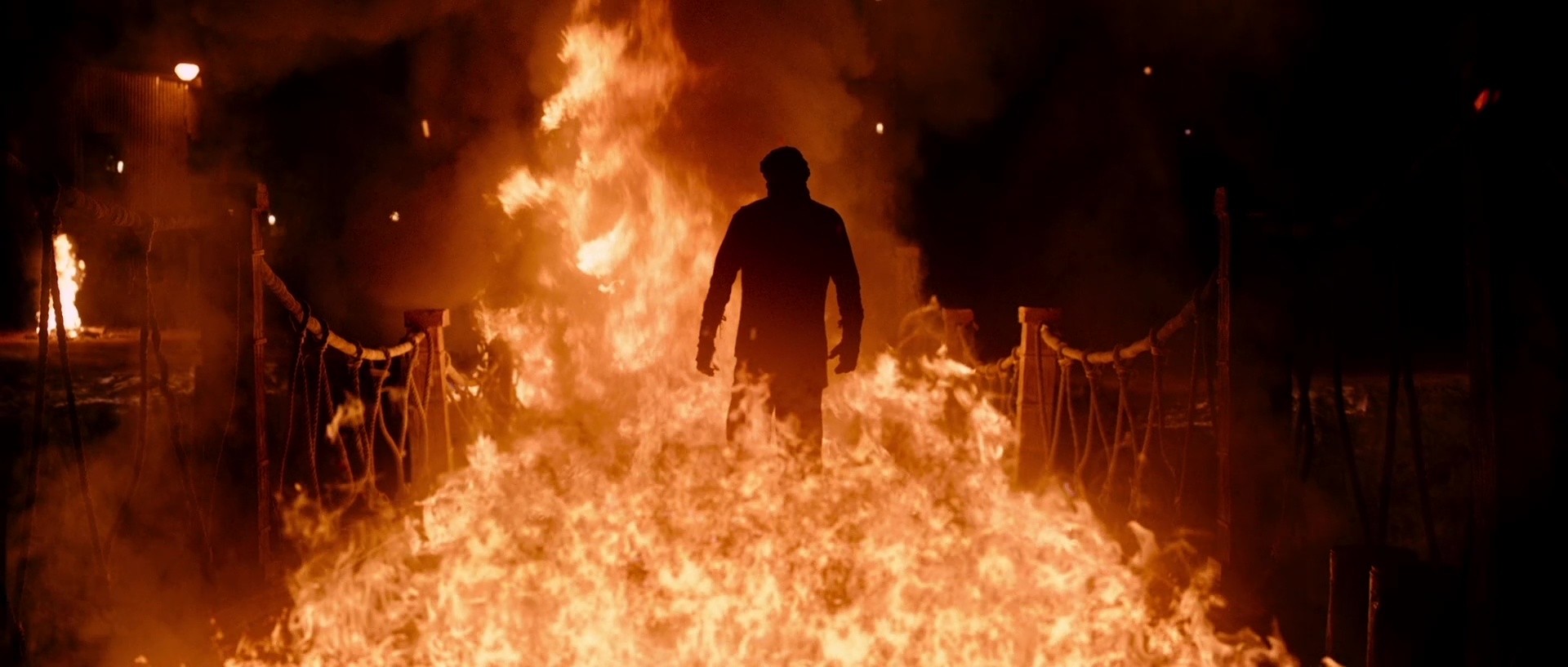
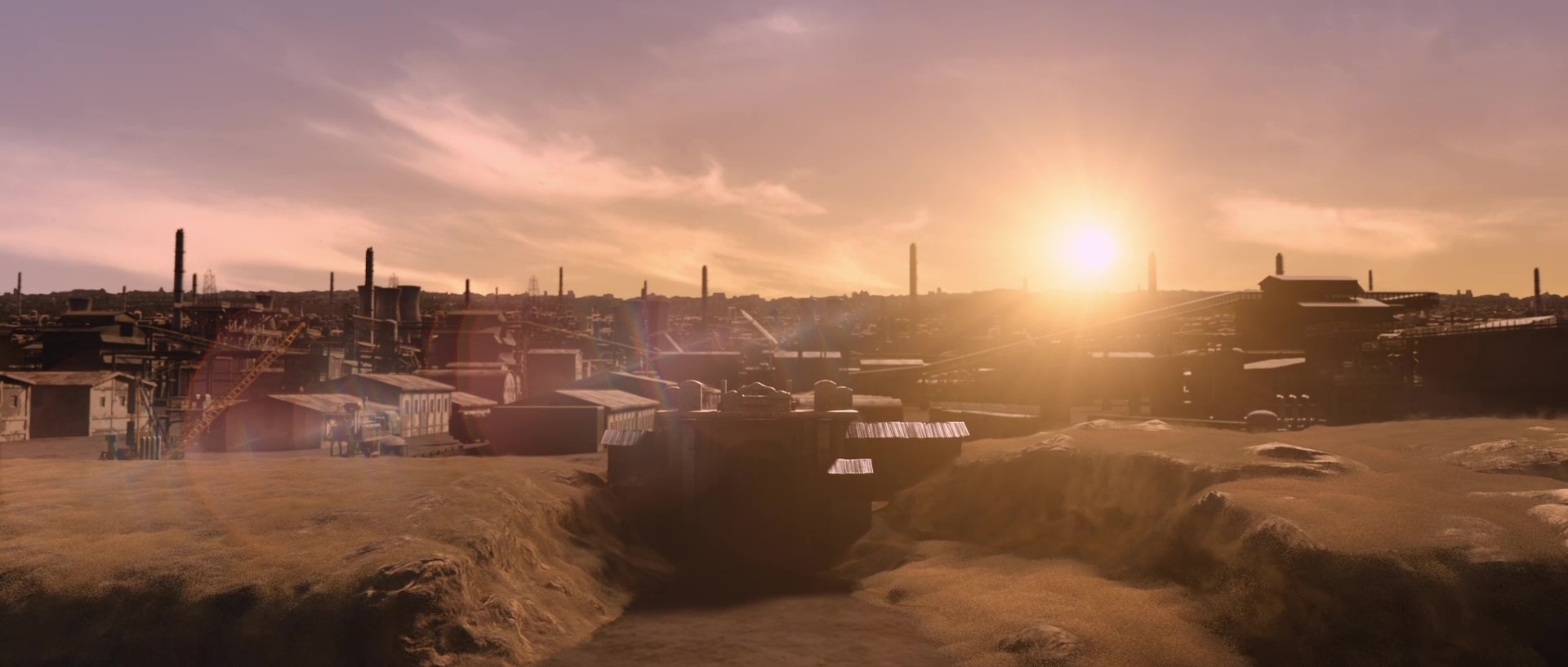
In K.G.F.: Chapter 2, Neel and cinematographer Bhuvan Gowda double down on the franchise’s signature look—using extreme contrast, heavy shadows, and a gold-and-black palette to mythologize Rocky as an almost superhuman figure. The film’s aggressive use of slow motion, stylized lighting, and rhythmic, impact-driven editing turns every entrance and action beat into a heightened, operatic moment—where image and sound combine to build pure cinematic swagger.
FILM SPOTLIGHT
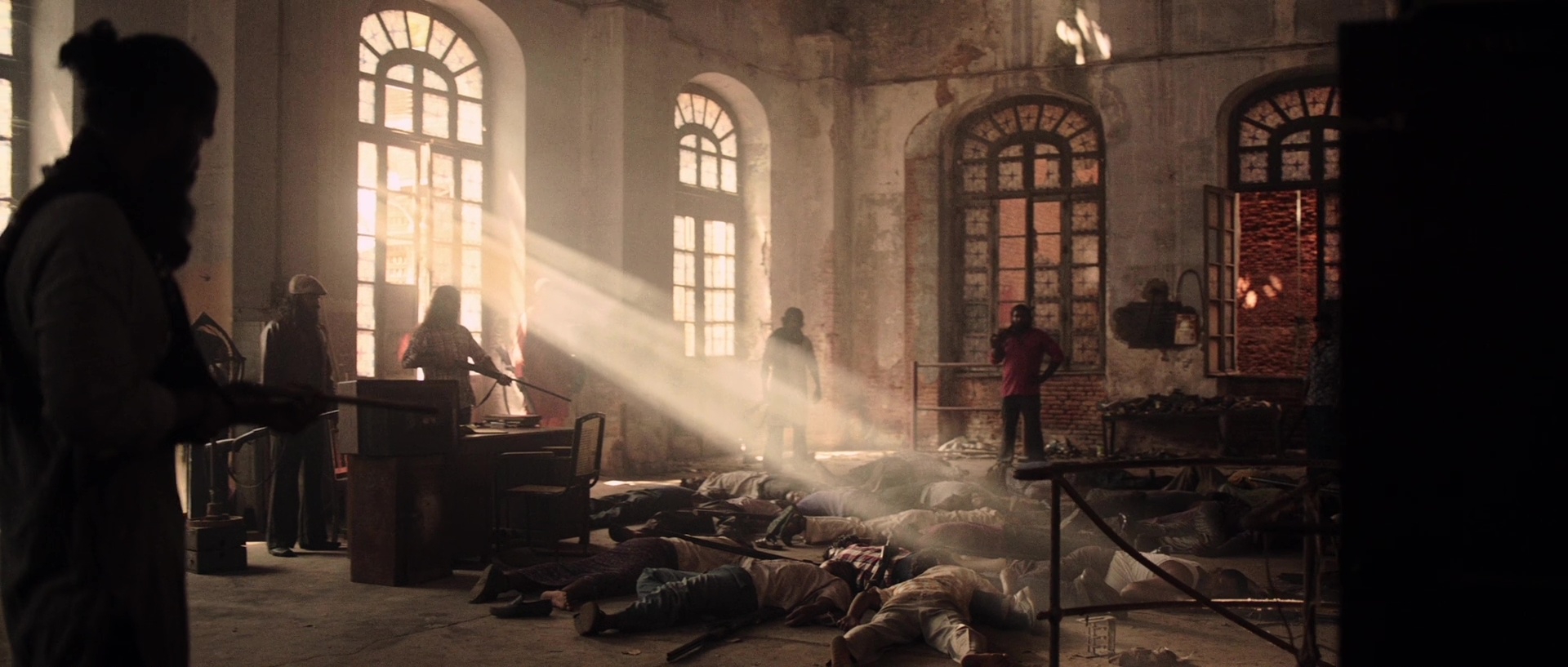
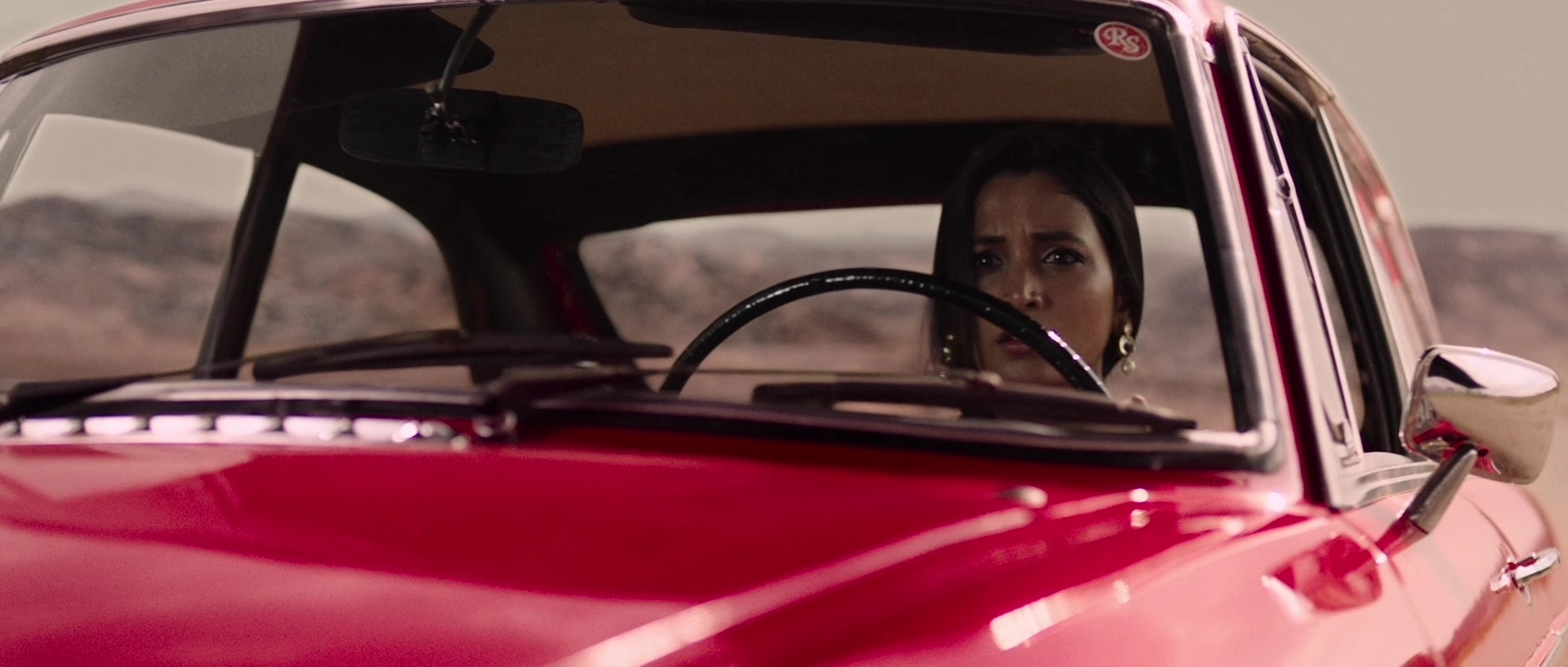
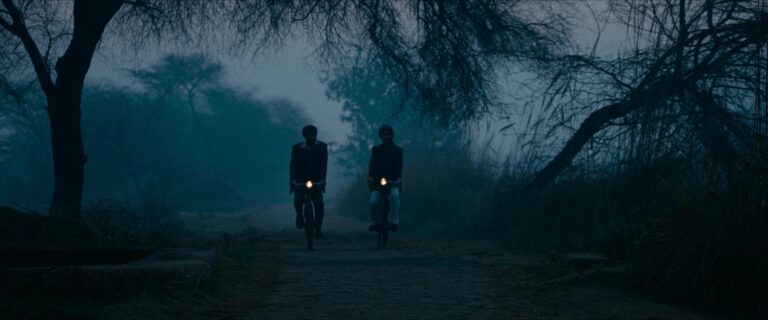
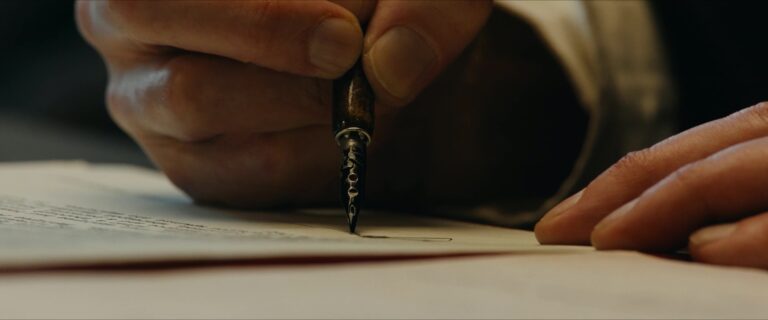
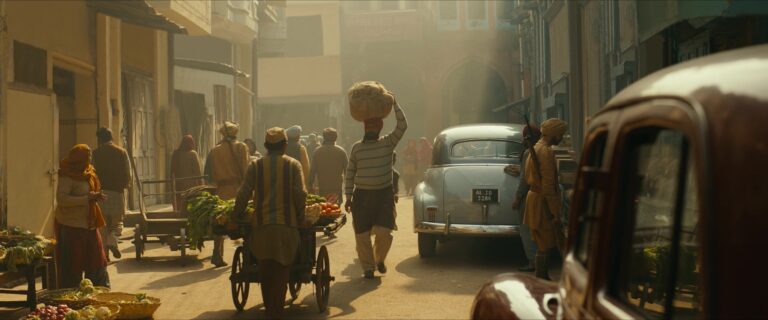
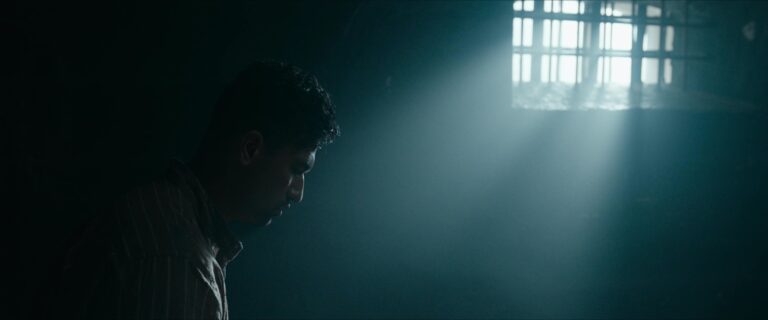
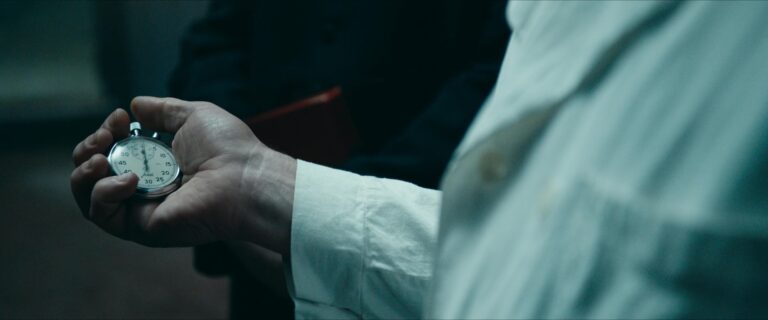
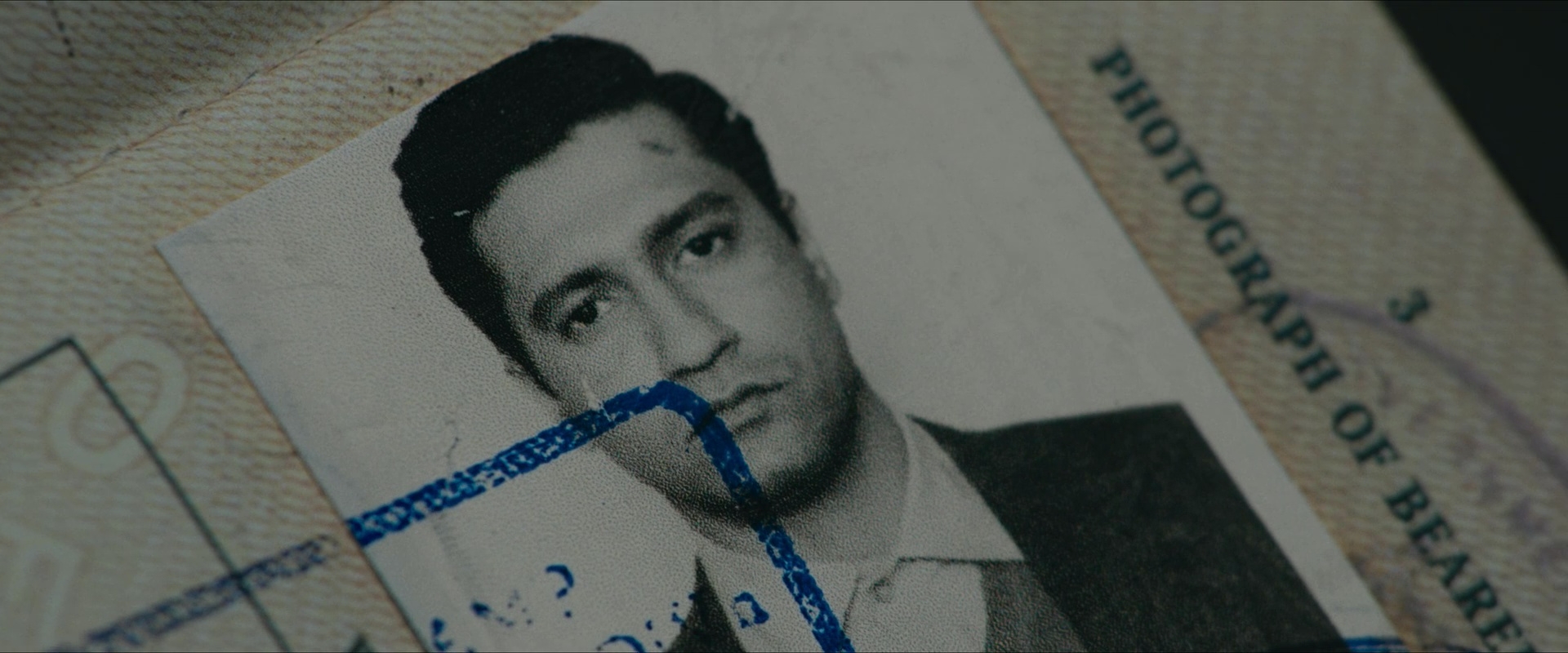
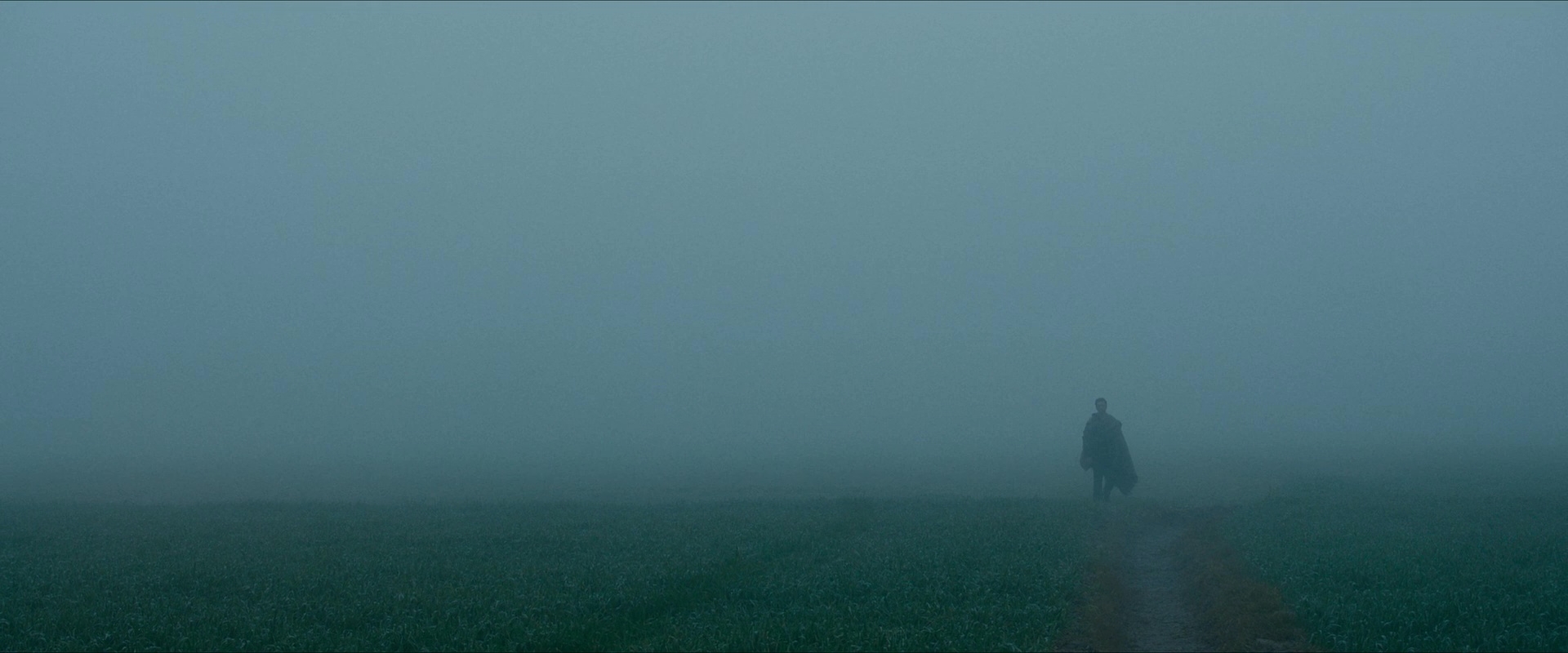
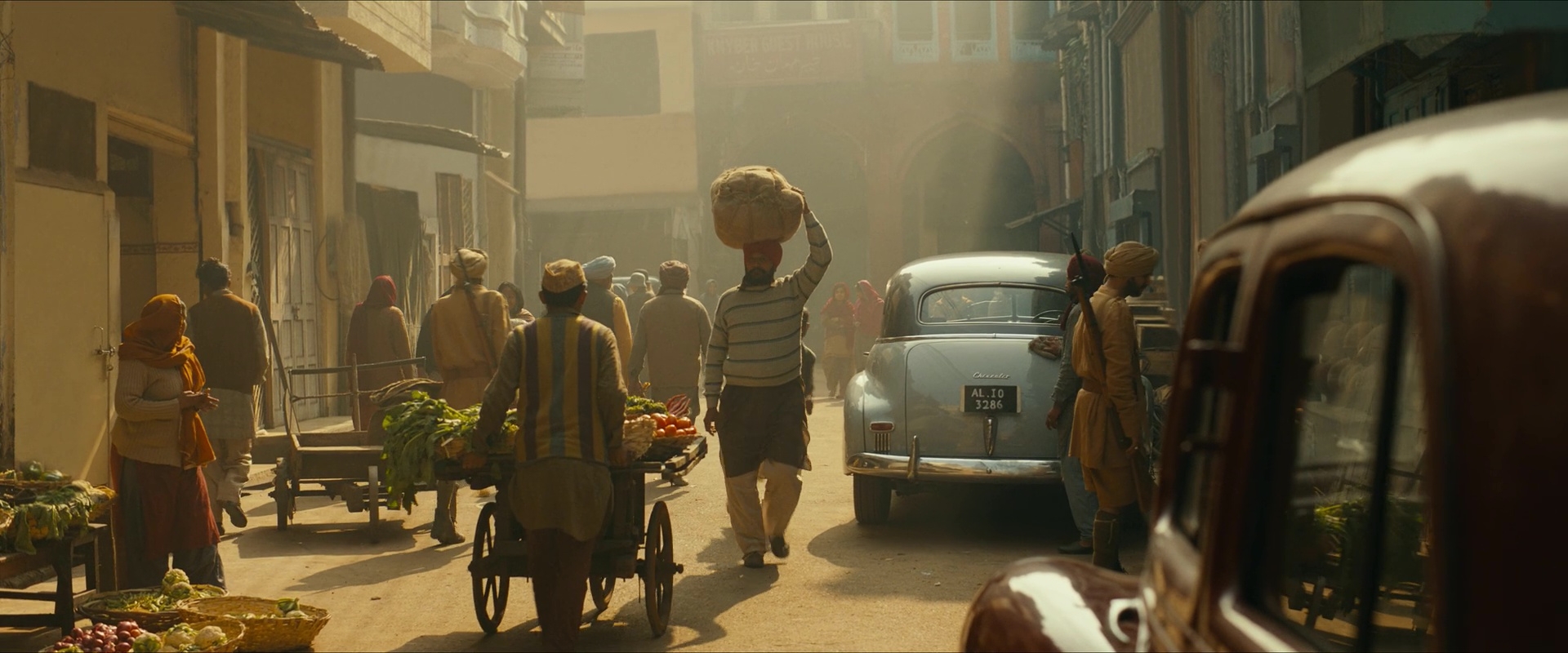
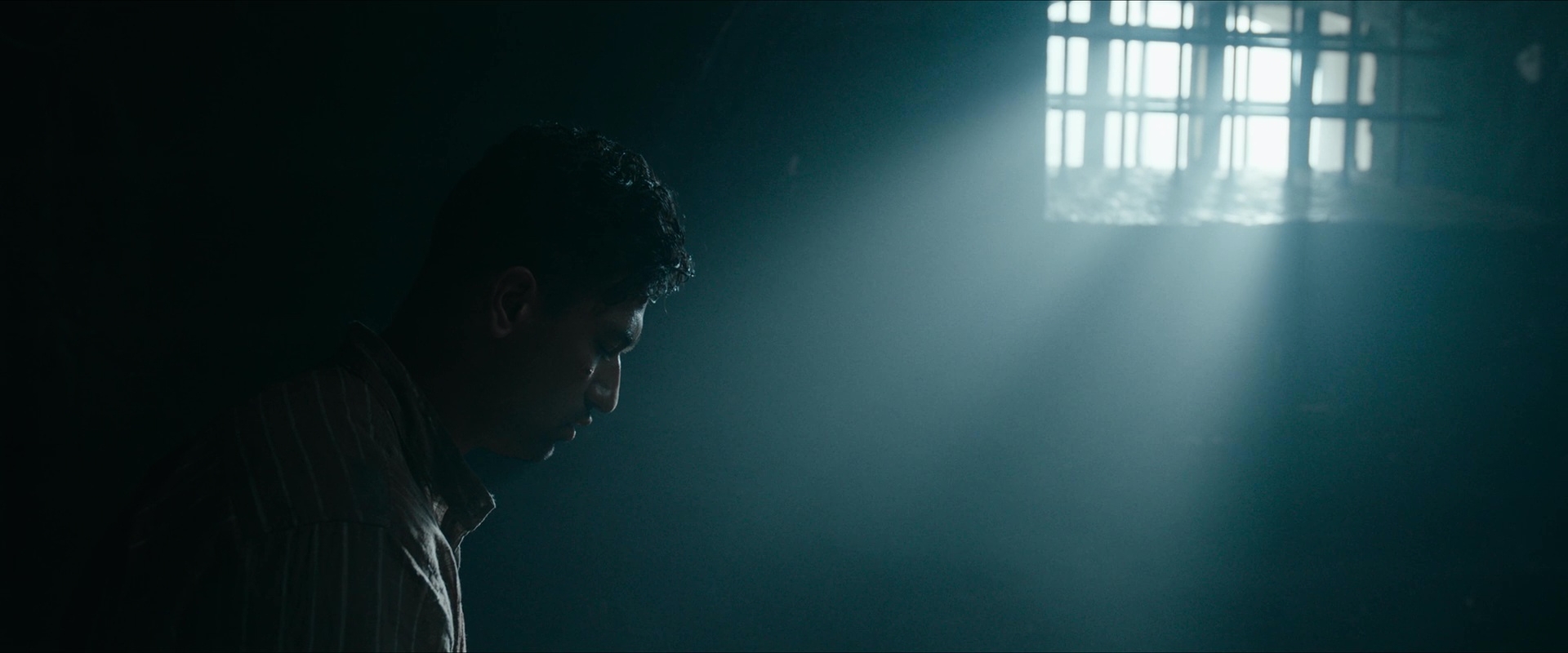
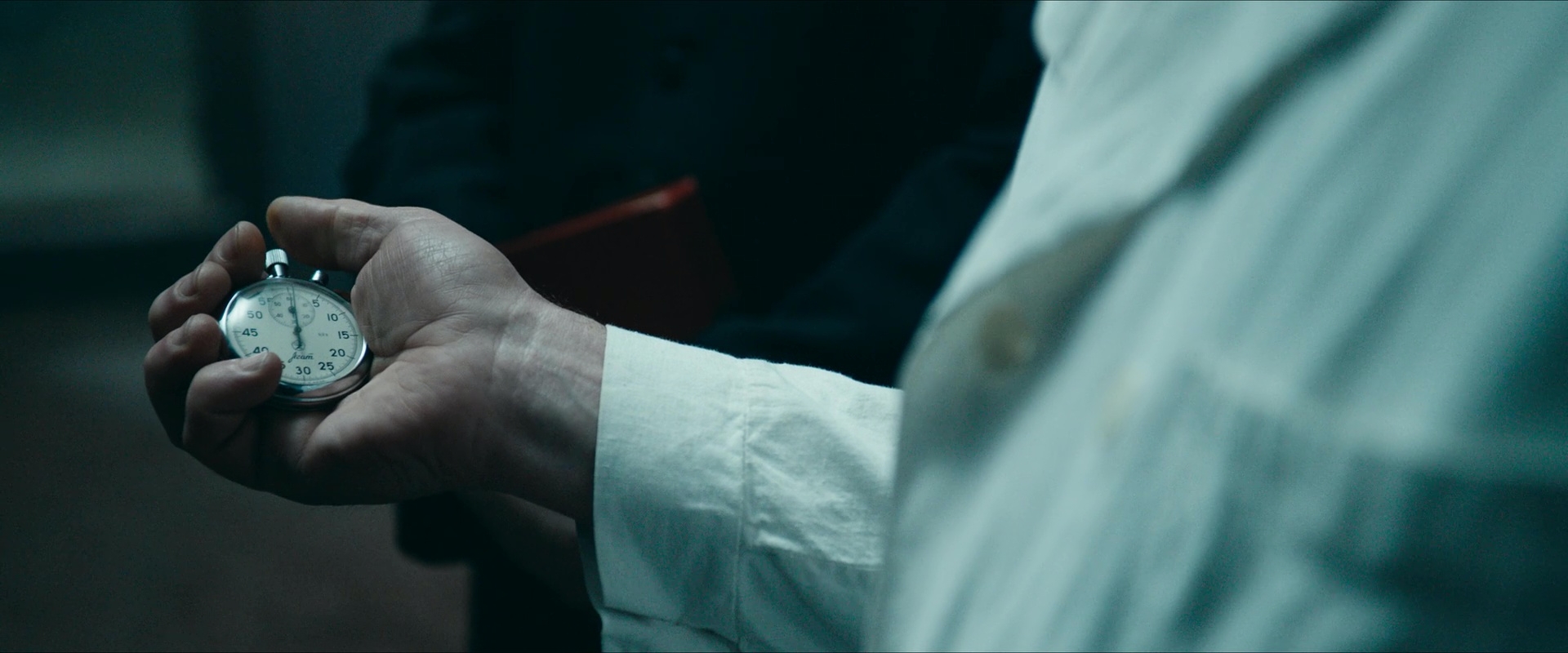
Sardar Udham (2021)
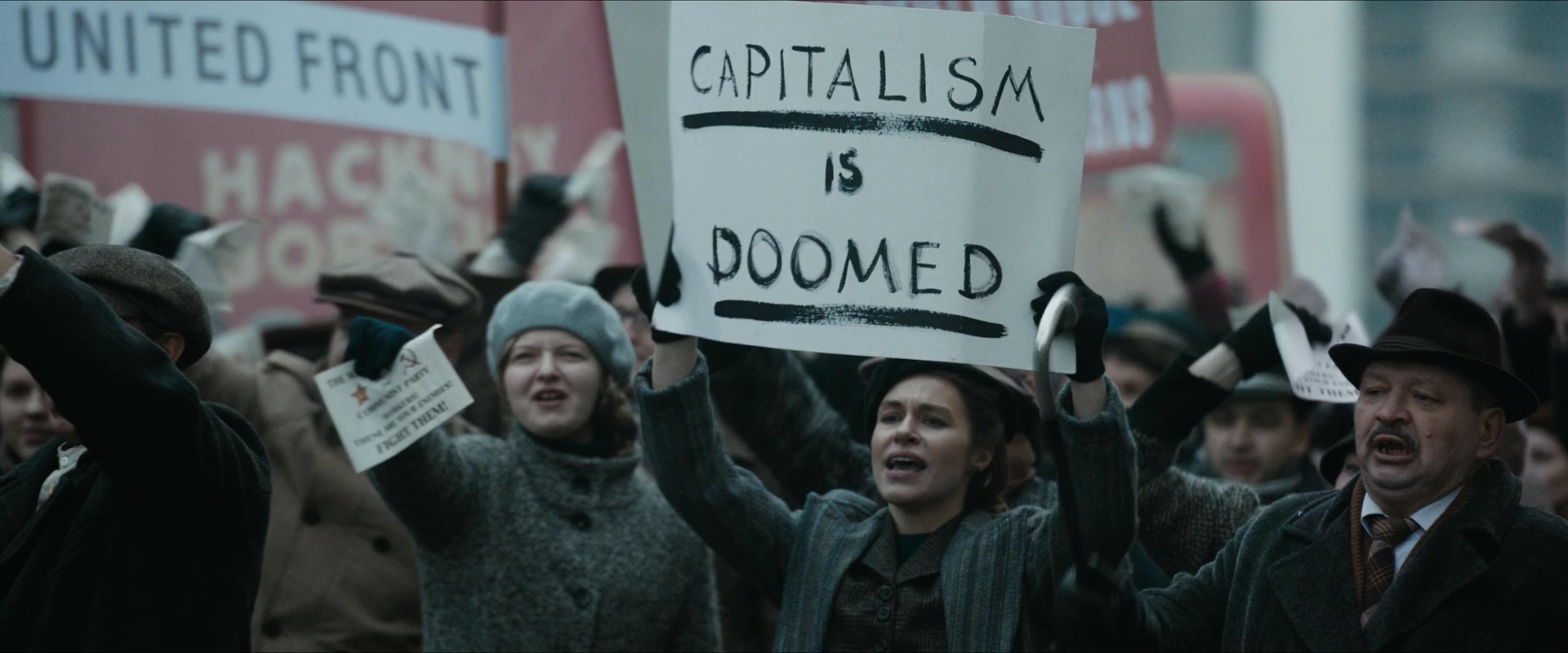
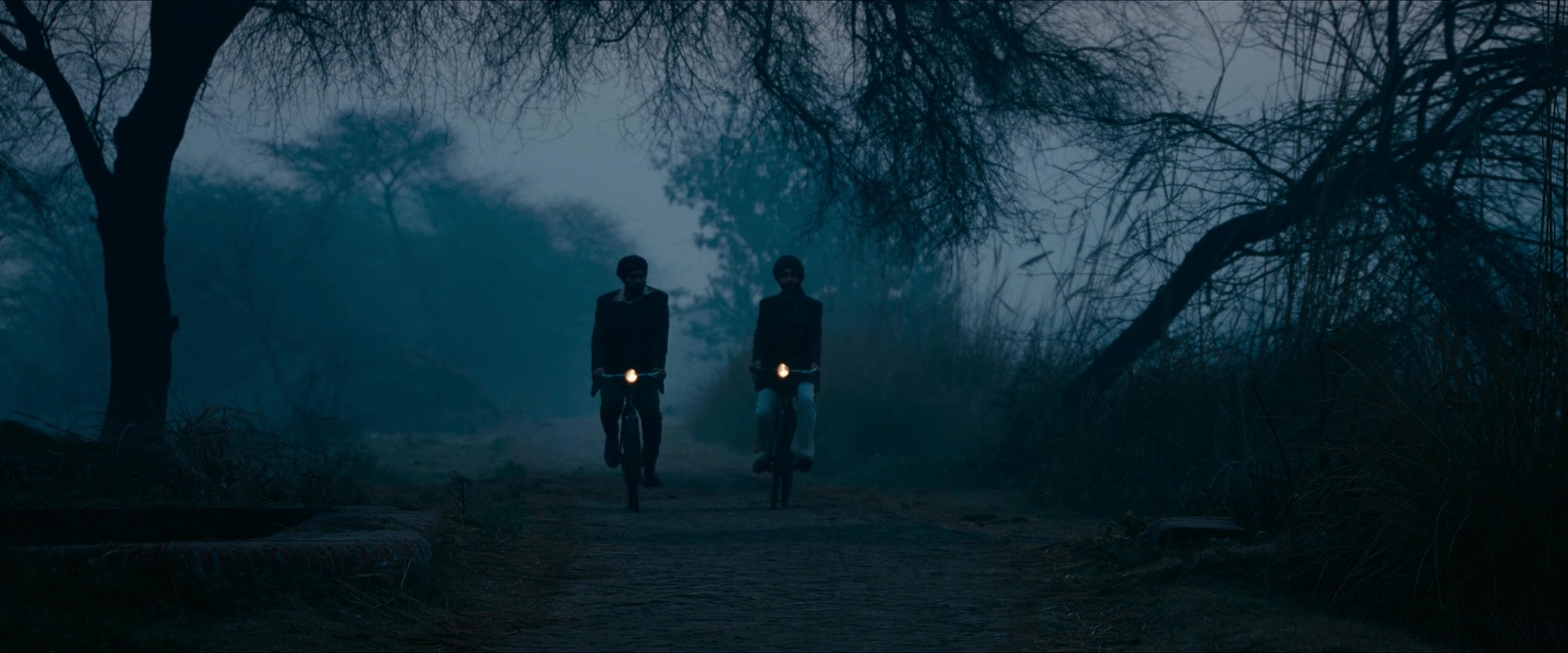
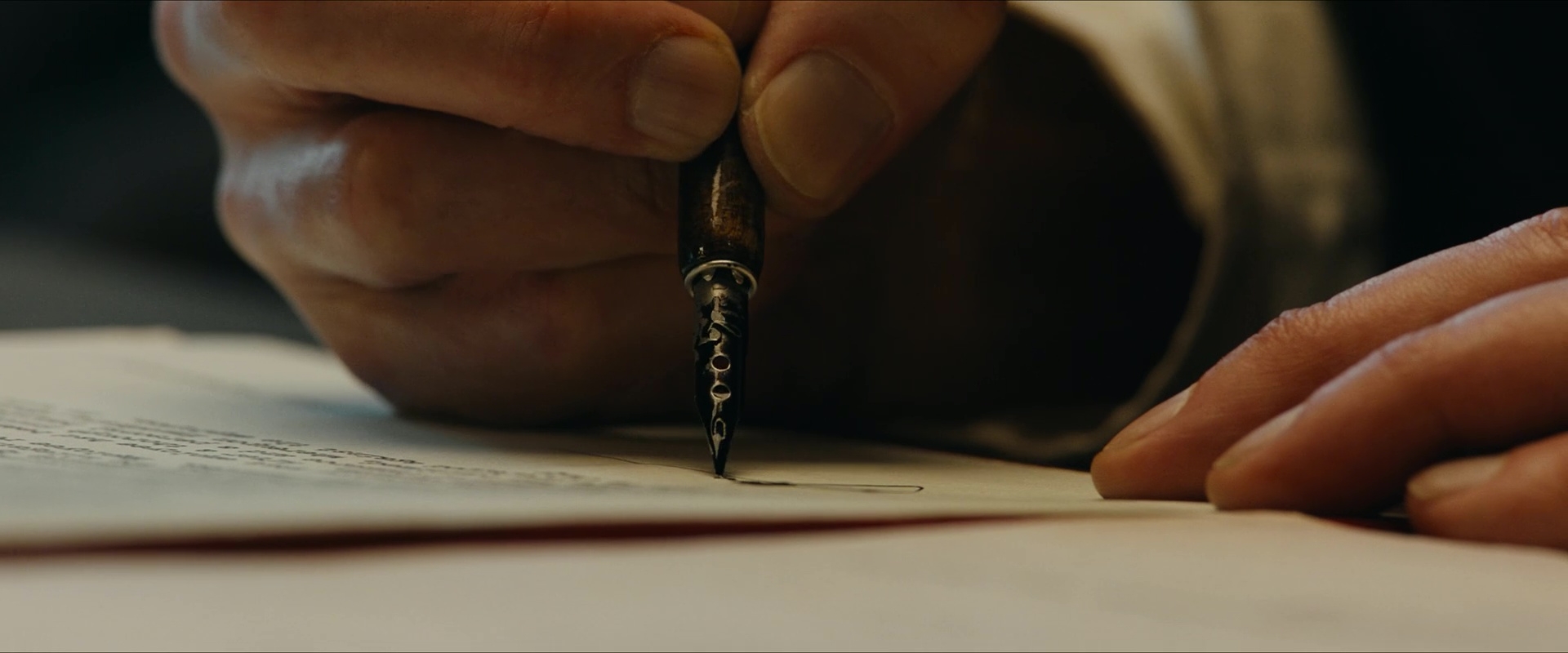
Sardar Udham follows Udham Singh, an Indian revolutionary driven by the trauma of the 1919 Jallianwala Bagh massacre. Years later, living under an assumed identity, he meticulously plans to assassinate Michael O’Dwyer, the British official responsible for the atrocity. As his mission unfolds, the film moves between timelines, revealing the depth of his grief, resolve, and the historical weight behind his act of vengeance.
Sircar and cinematographer Avik Mukhopadhyay craft Sardar Udham with a restrained, period-authentic visual language, using muted palettes, natural light, and precise framing to ground the story in realism. The film’s extended, immersive sequences—particularly the Jallianwala Bagh massacre—unfold in long, fluid takes, turning history into a lived, visceral experience rather than spectacle.

FILM SPOTLIGHT
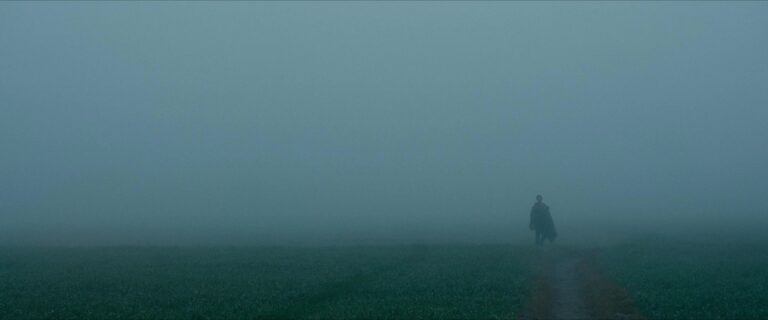
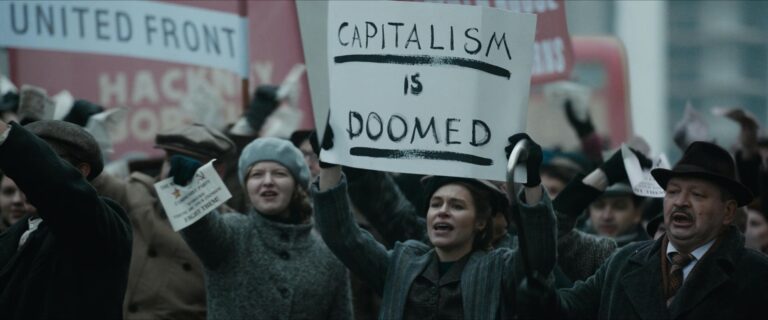
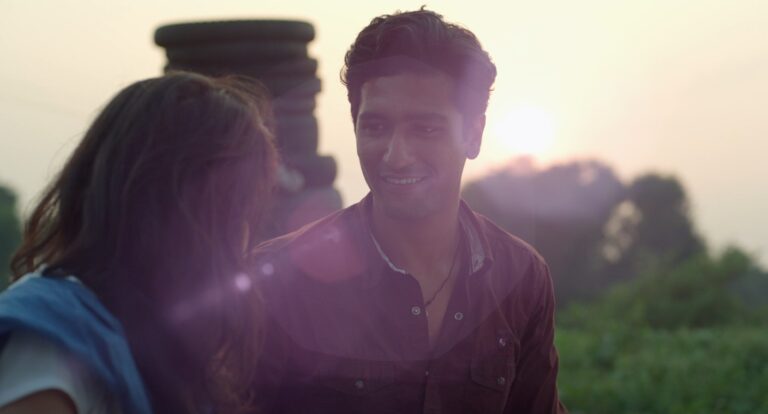
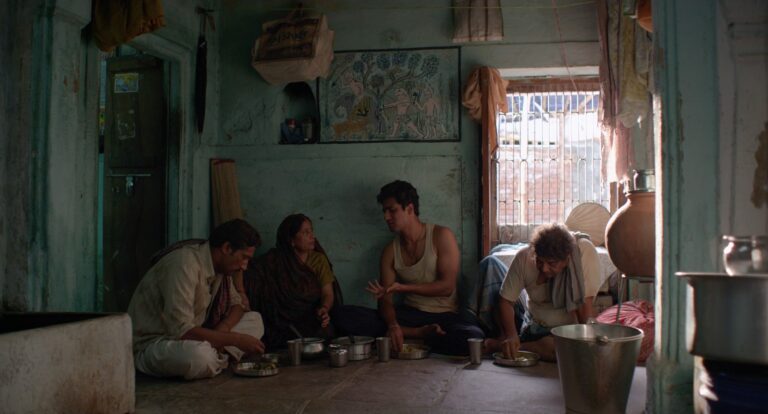
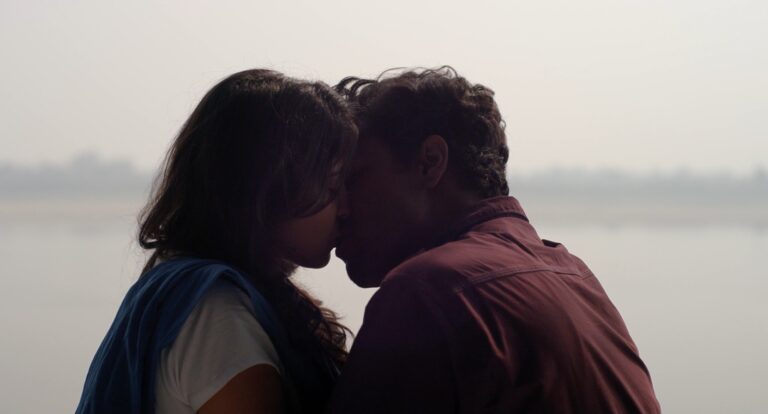
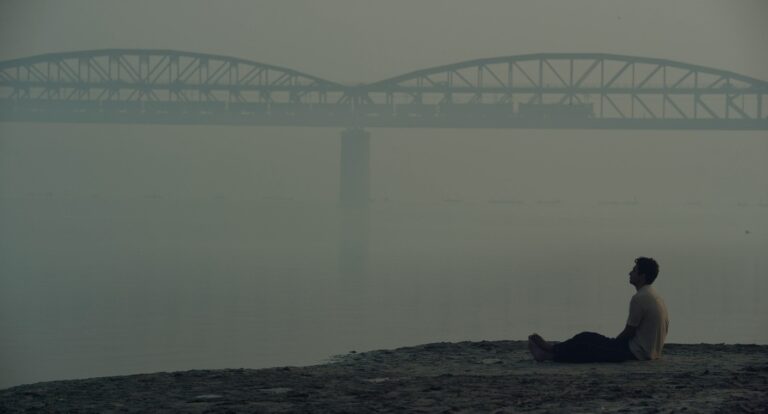
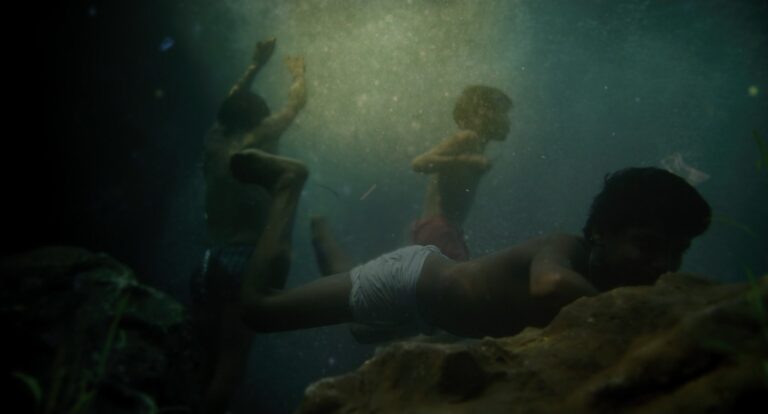
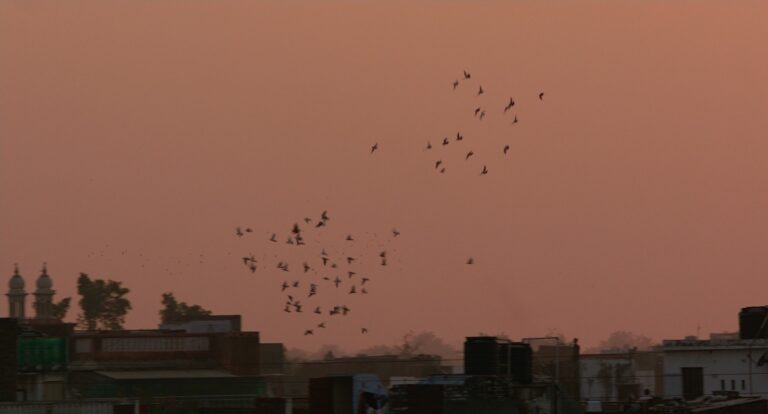
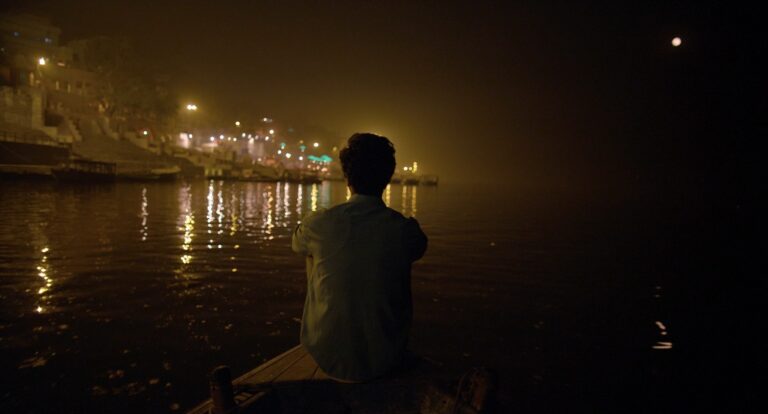
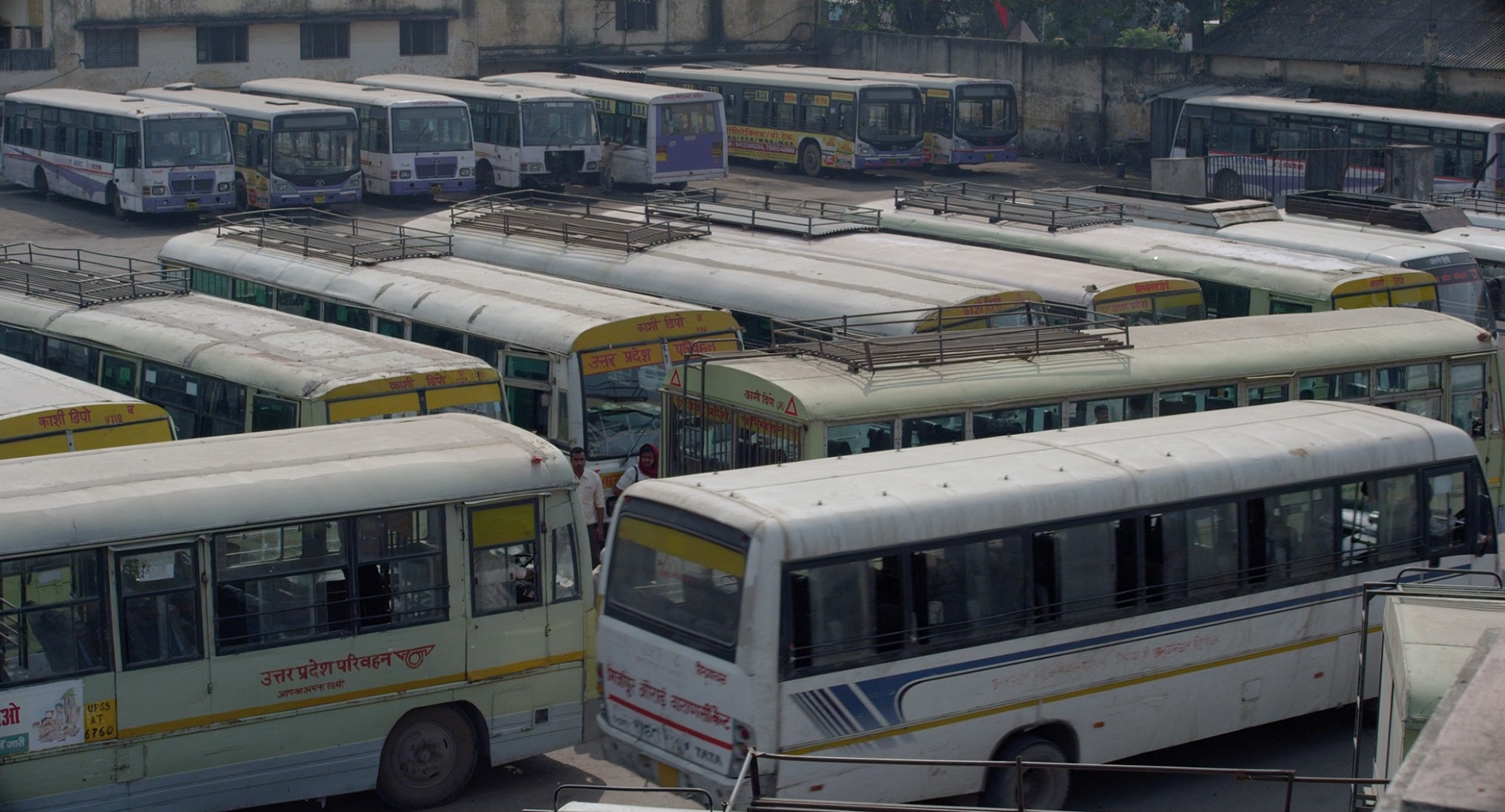
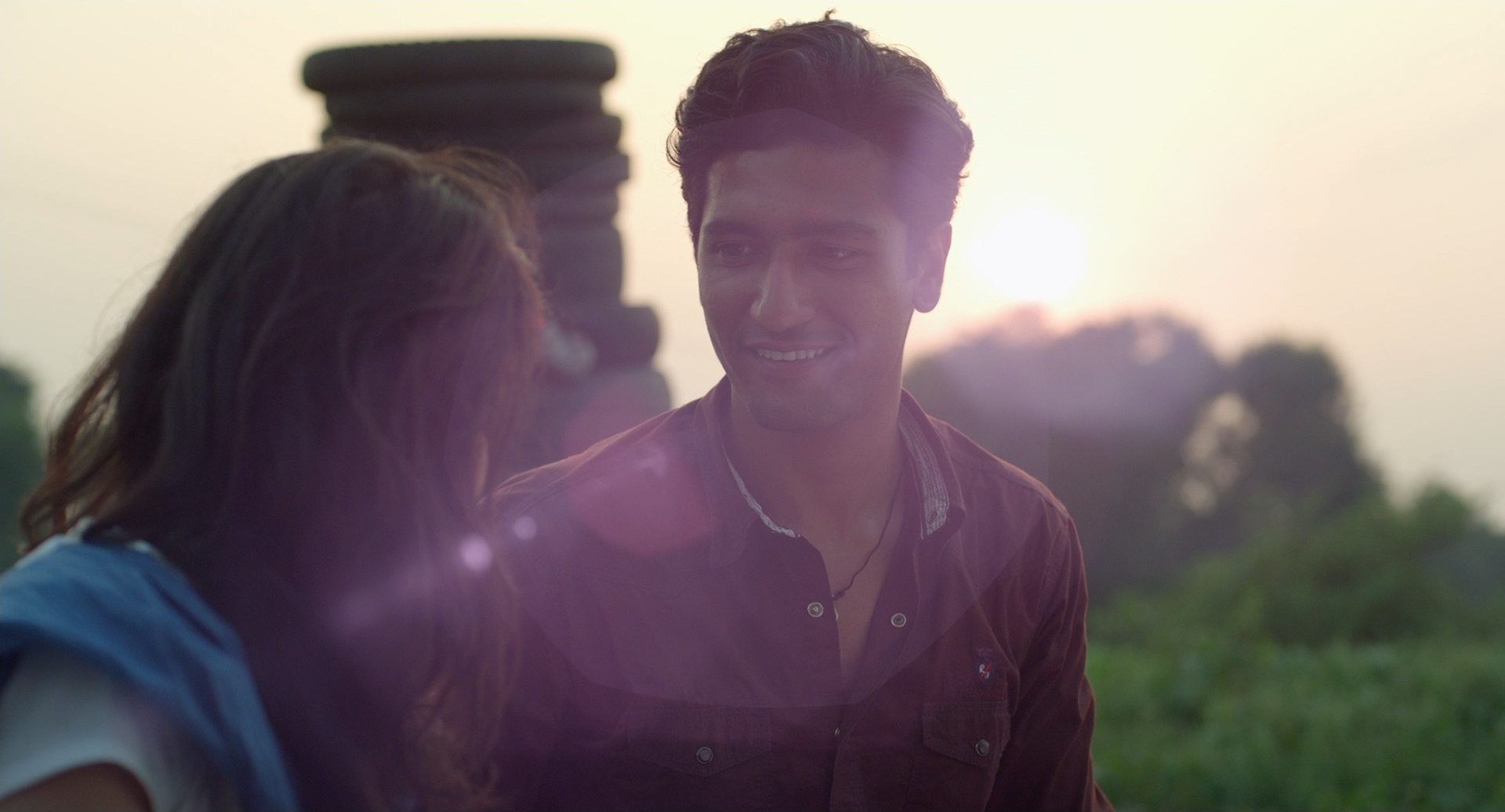
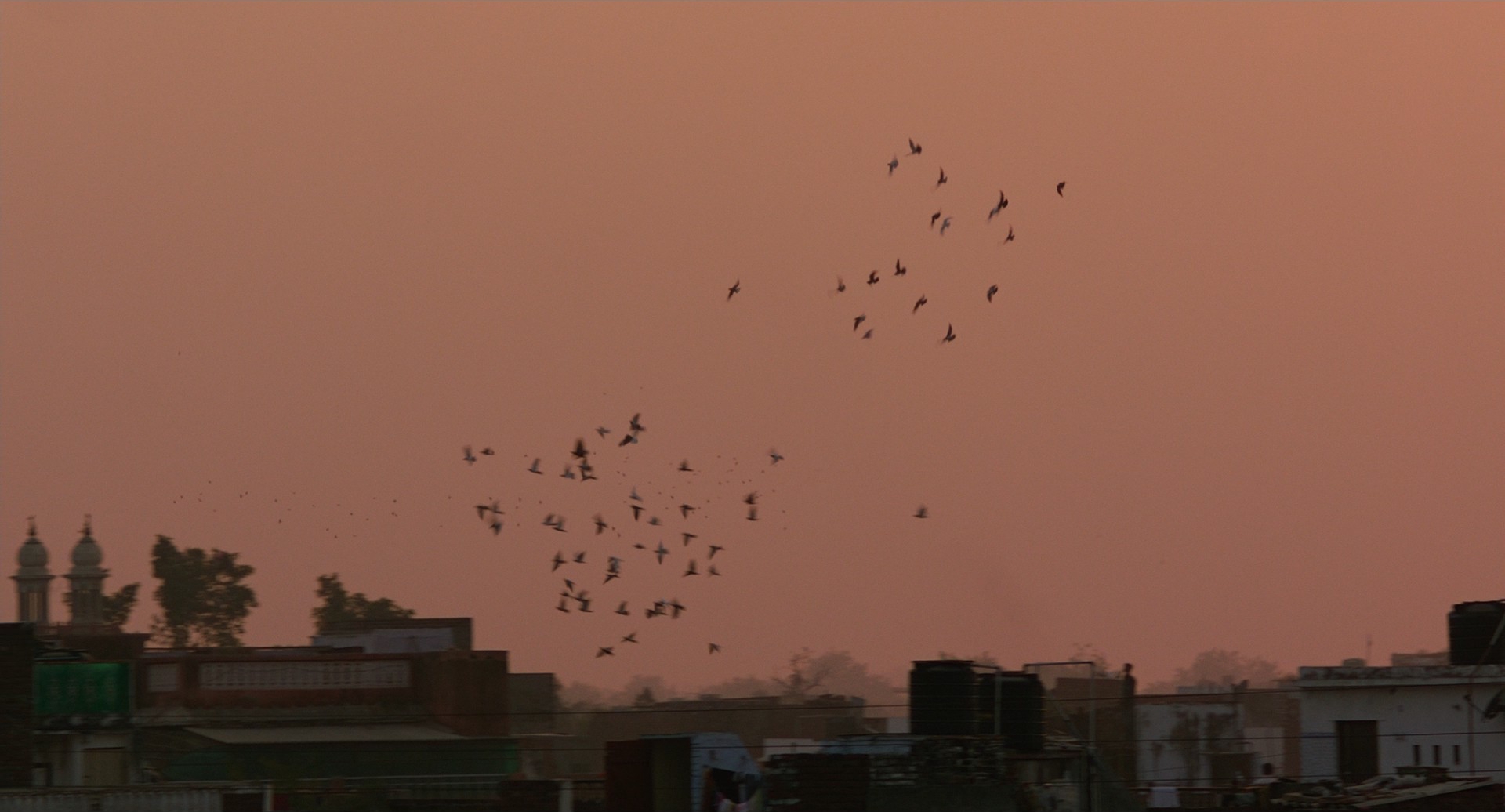
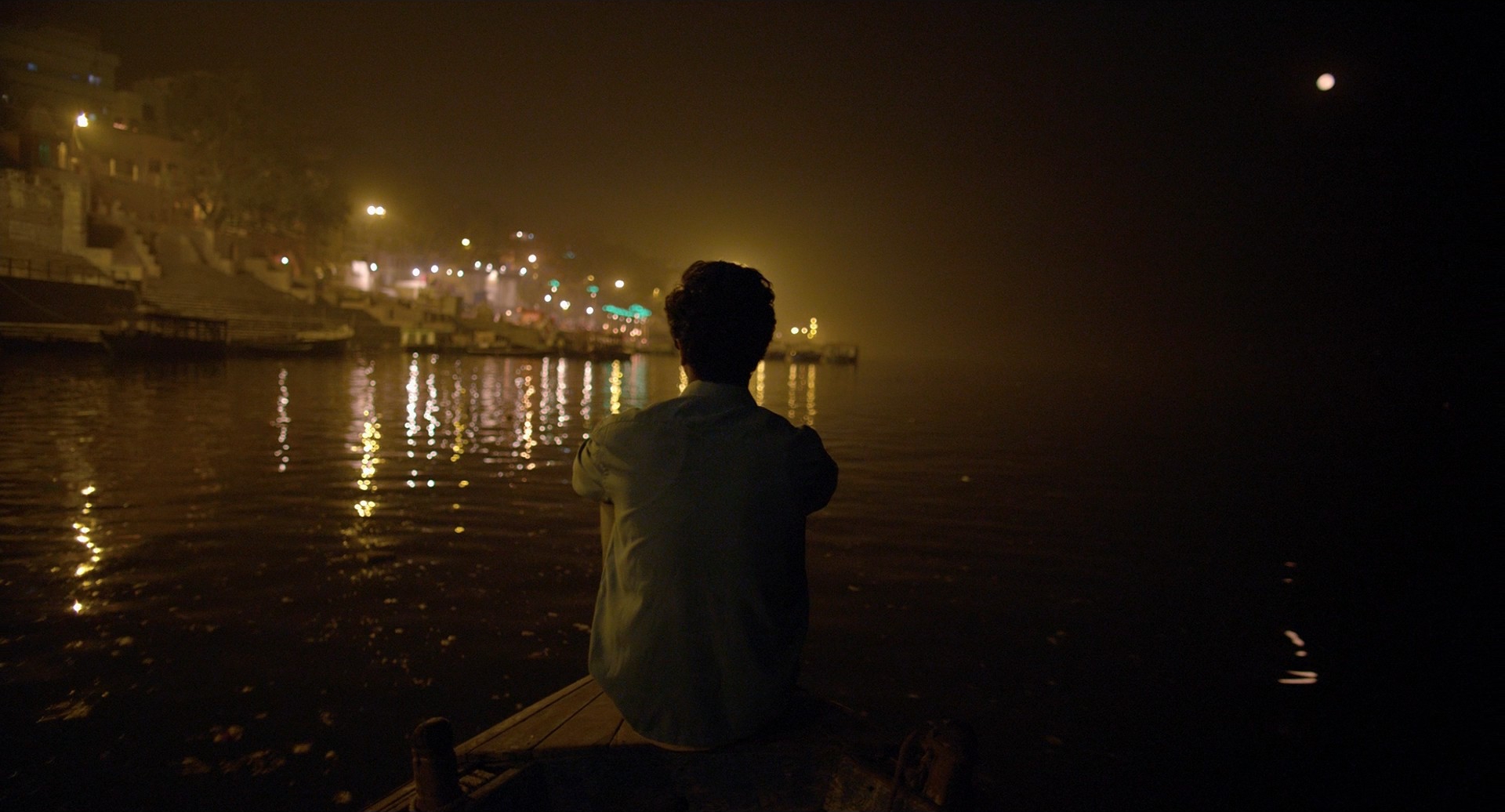
Masaan (2015)
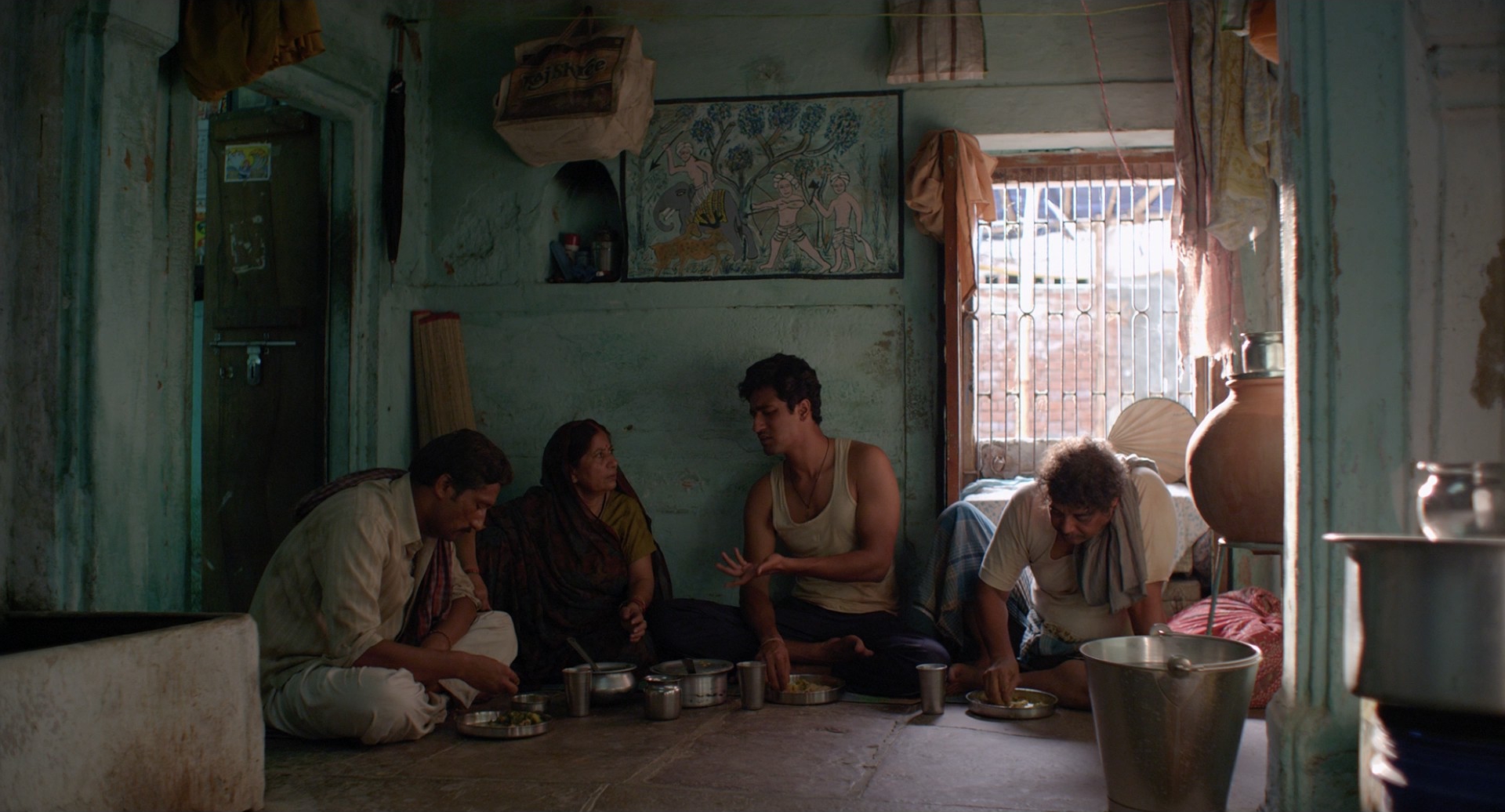
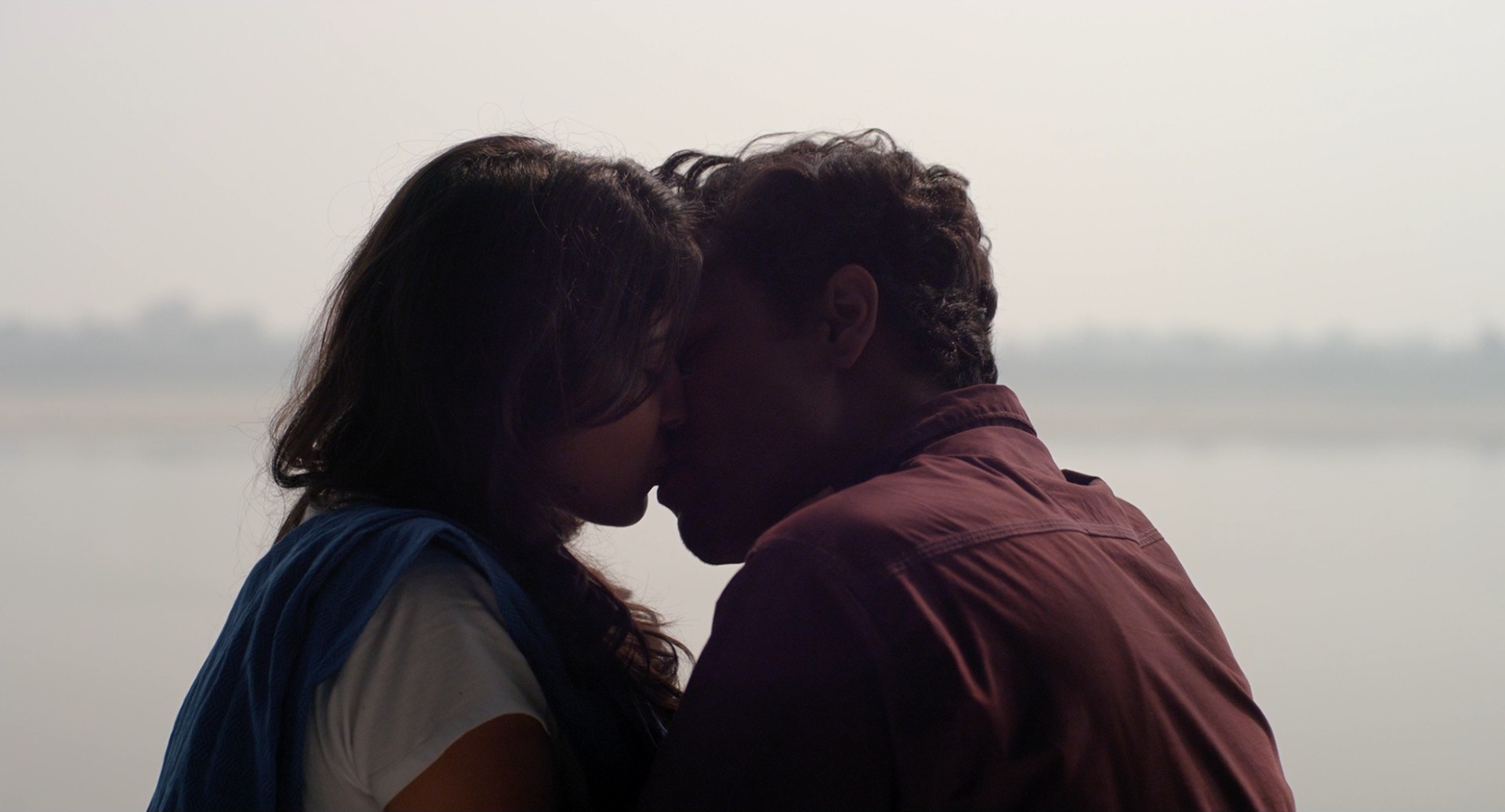
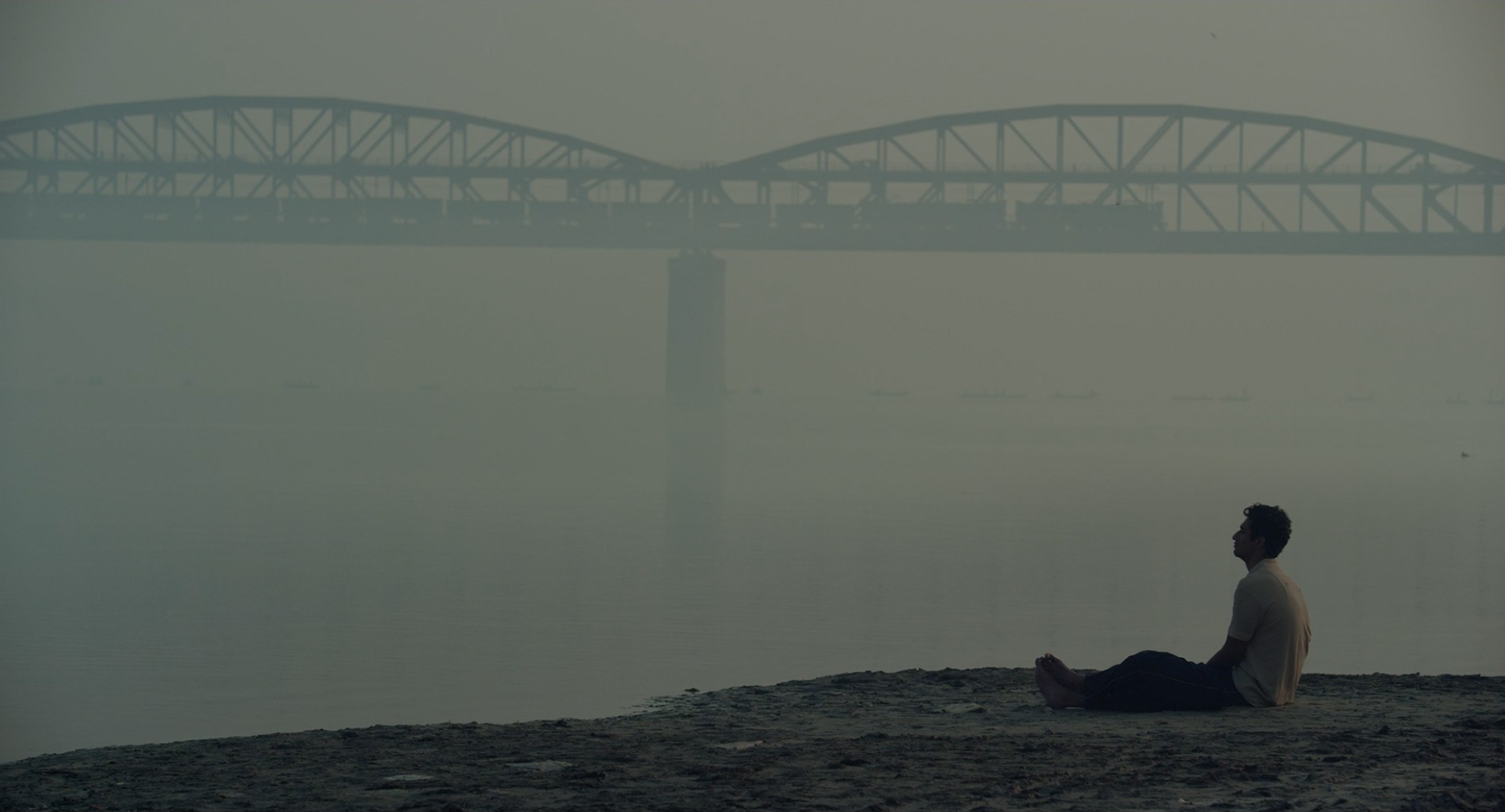
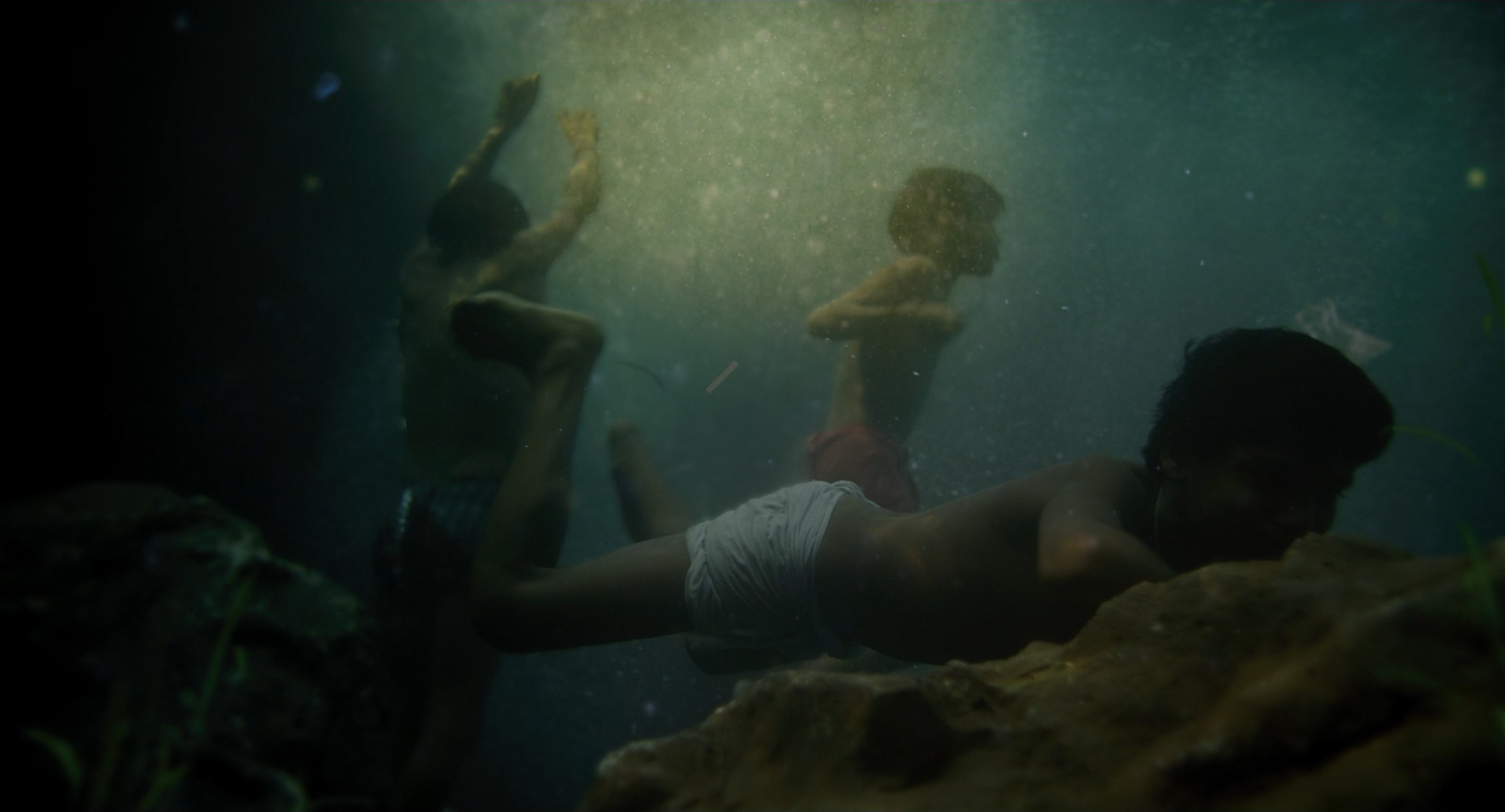
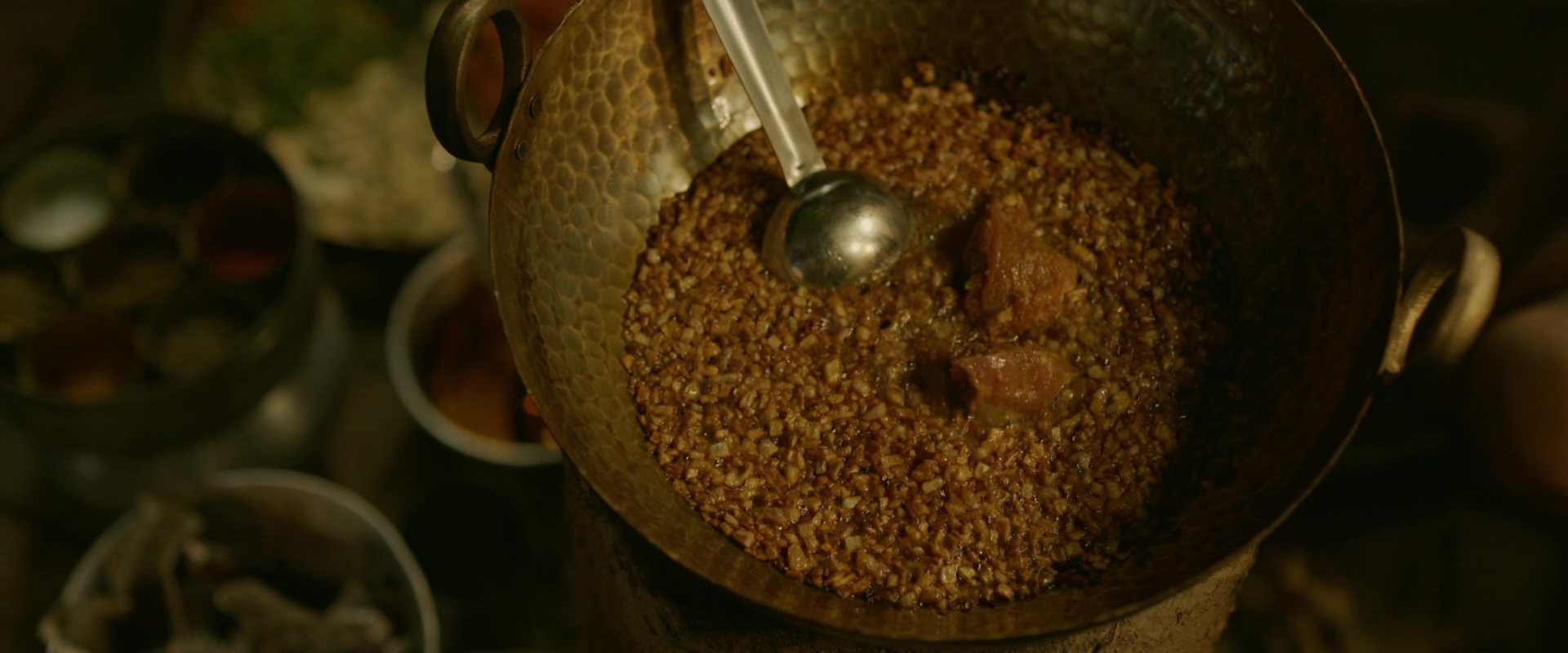
Set along the ghats of Varanasi, Masaan weaves together two parallel stories—one of a young woman grappling with guilt and societal judgment after a tragic incident, and another of a lower-caste boy navigating love and loss while working at a cremation site. As their lives unfold against the rituals of death and tradition, both seek a way forward in a world bound by rigid social structures. The film builds toward a quiet convergence, reflecting on grief, hope, and the possibility of change.
Ghaywan and cinematographer Avinash Arun shoot Masaan with a grounded, observational naturalism, using handheld camerawork and available light to embed the story within the textures of Varanasi. The film’s muted palette and reliance on real locations—especially the cremation ghats—turn environment into emotional context, letting smoke, fire, and river light shape the visual rhythm as much as the characters themselves.



FILM SPOTLIGHT
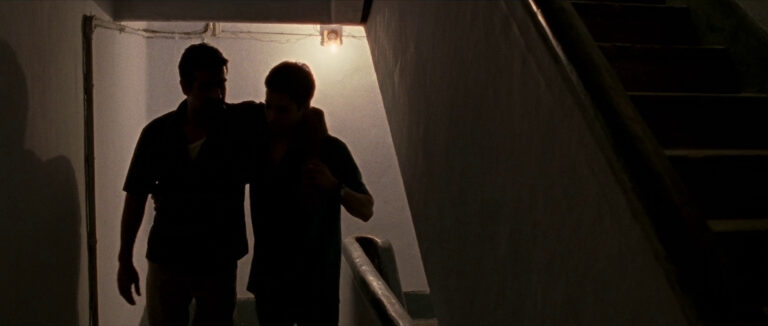
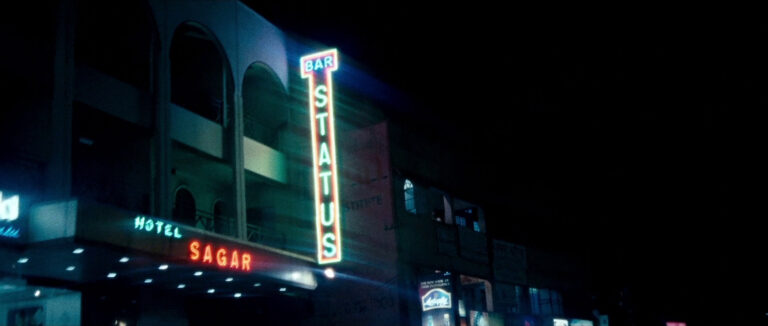
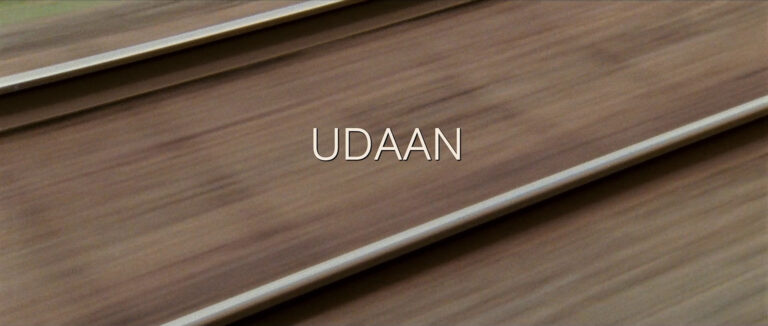
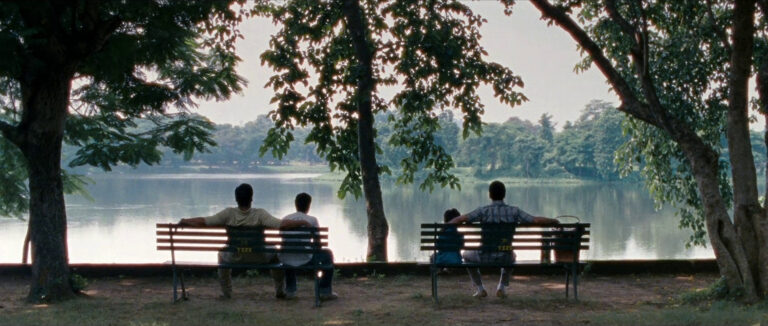
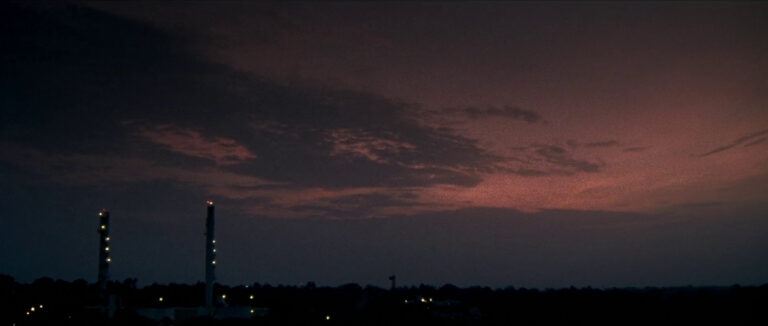
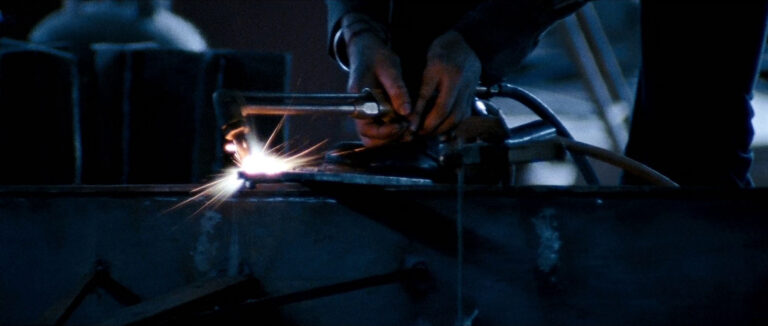
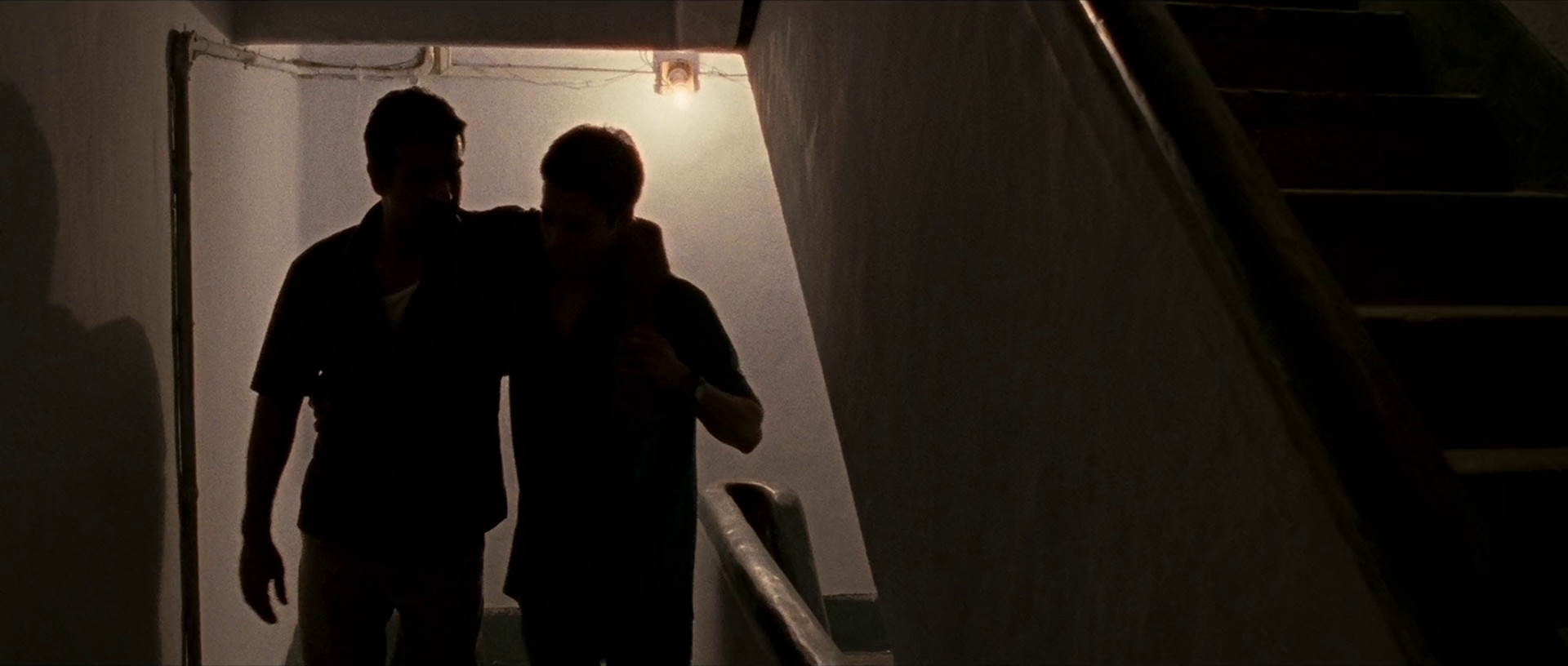
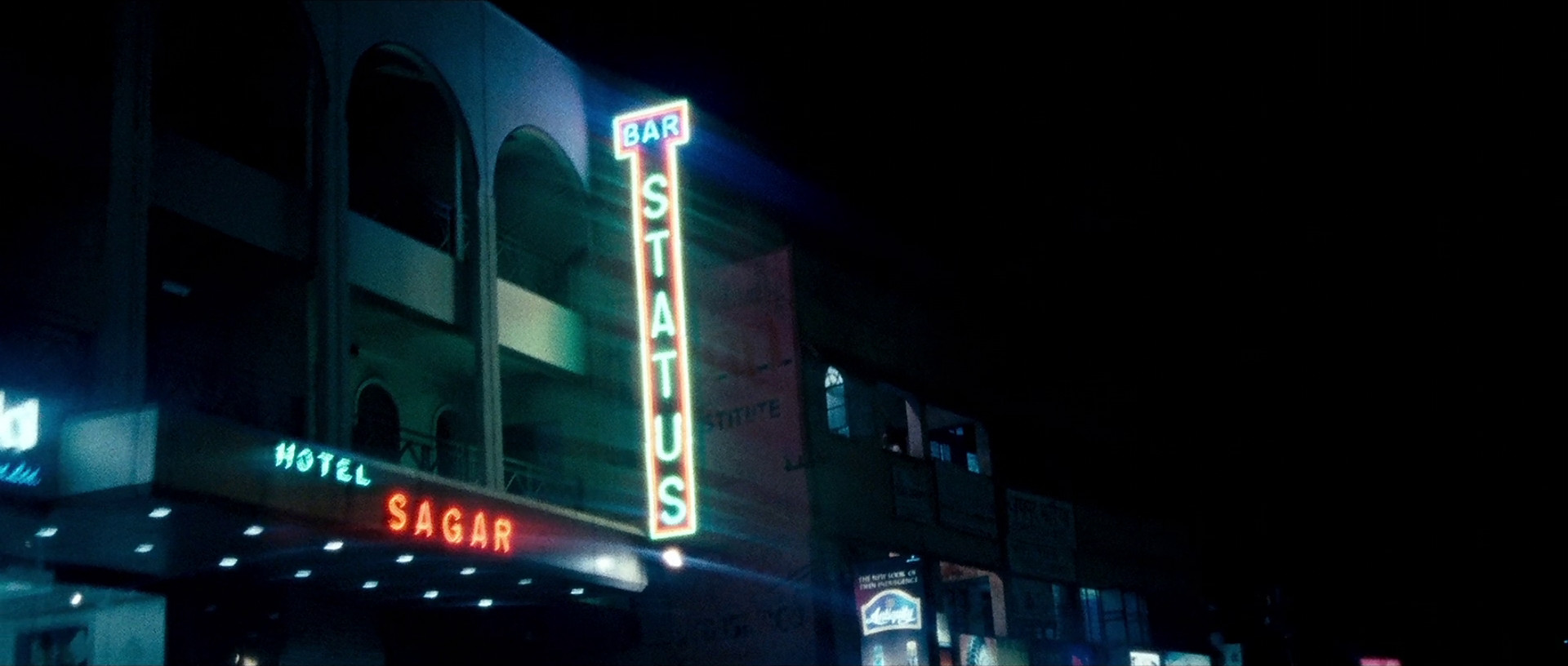
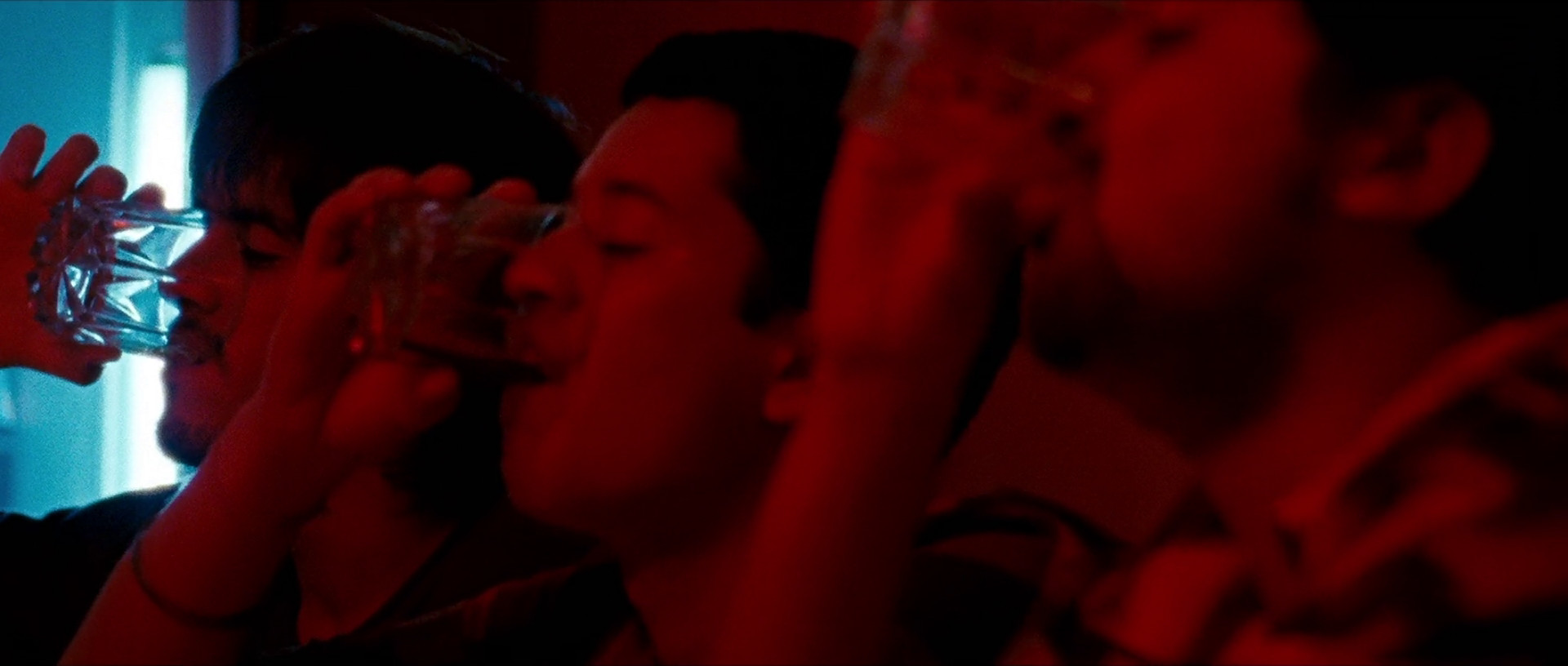
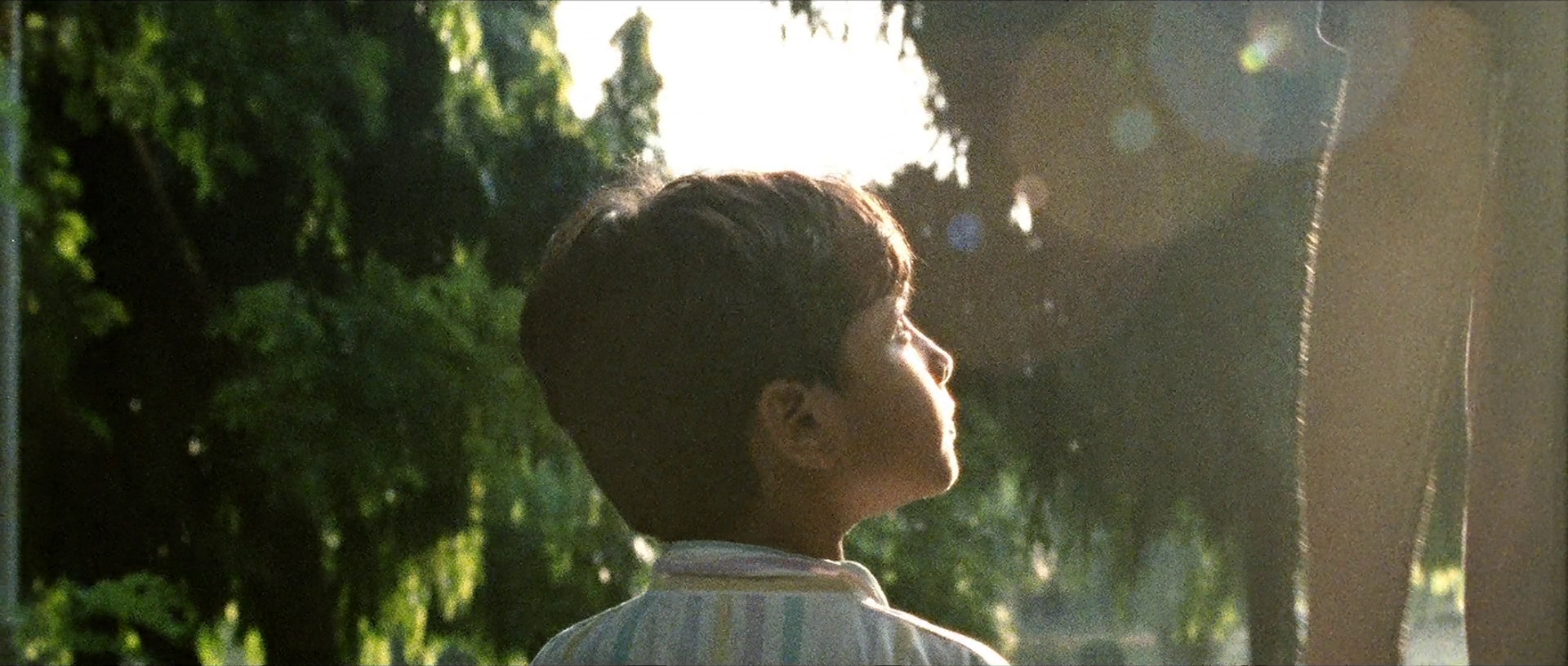
Udaan (2010)
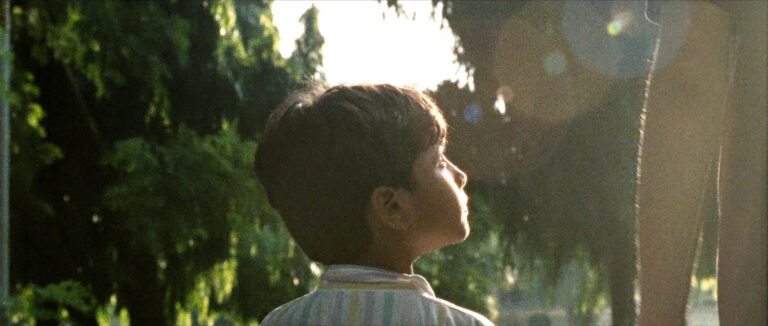
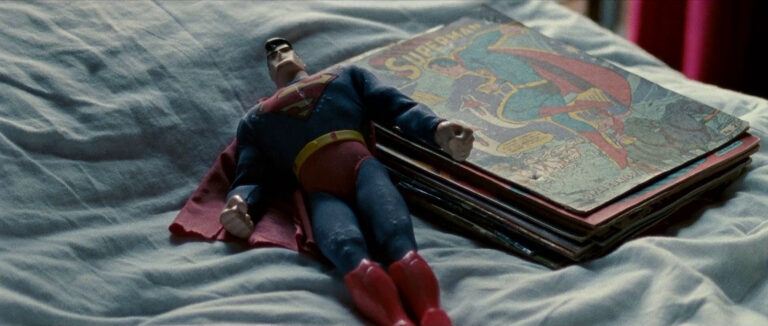
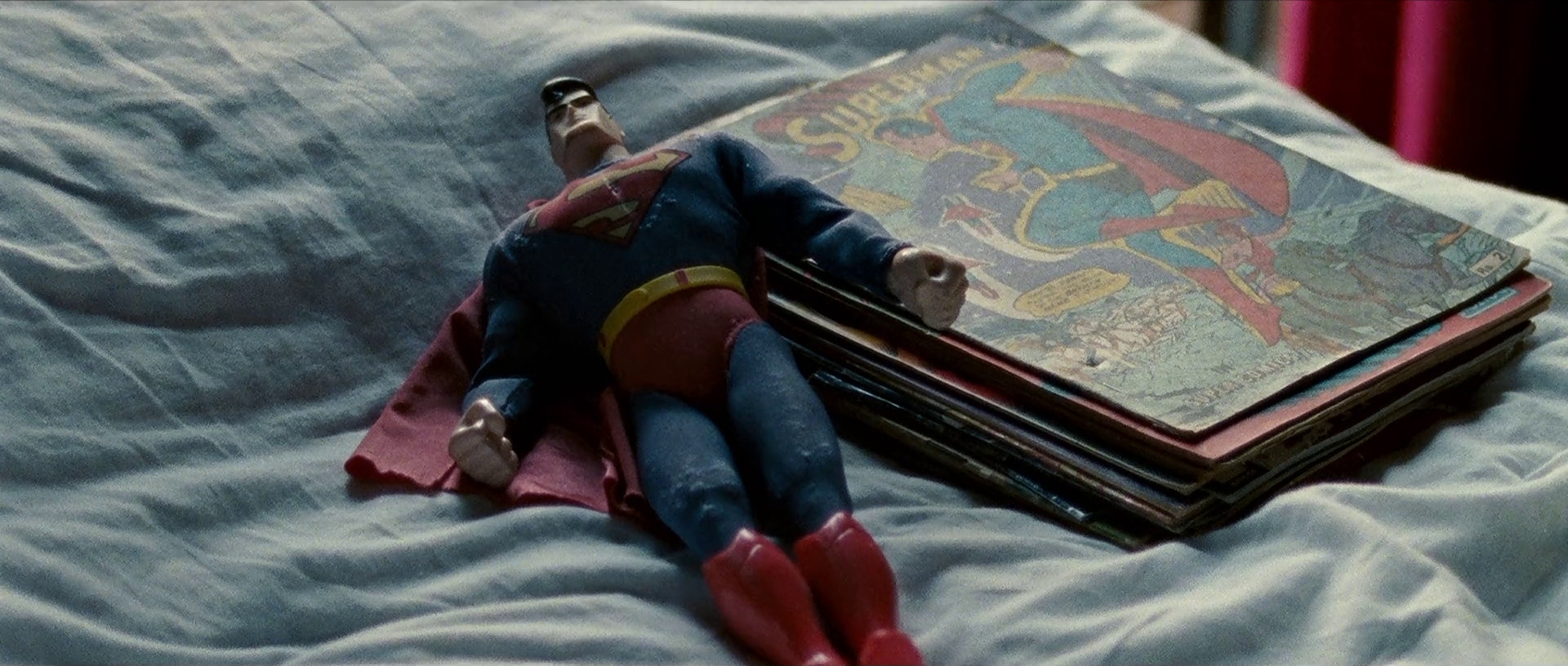
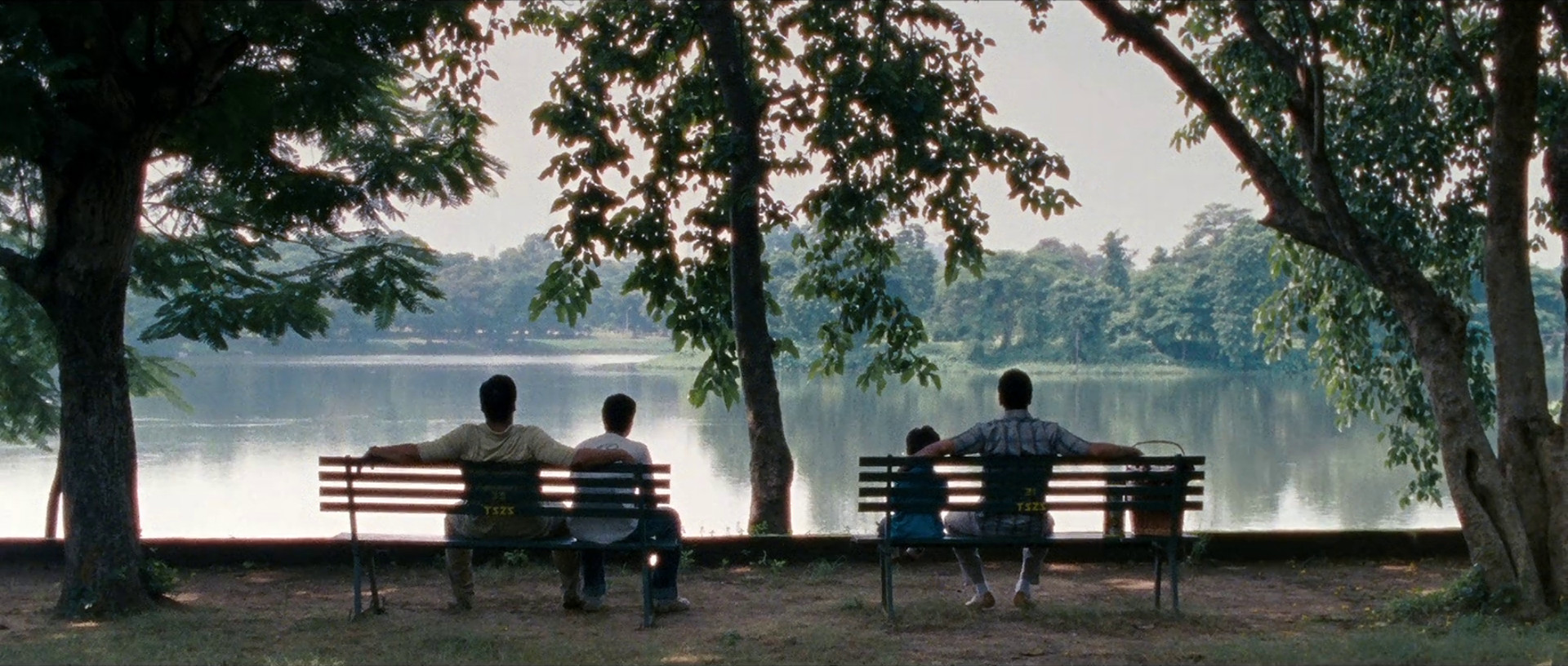
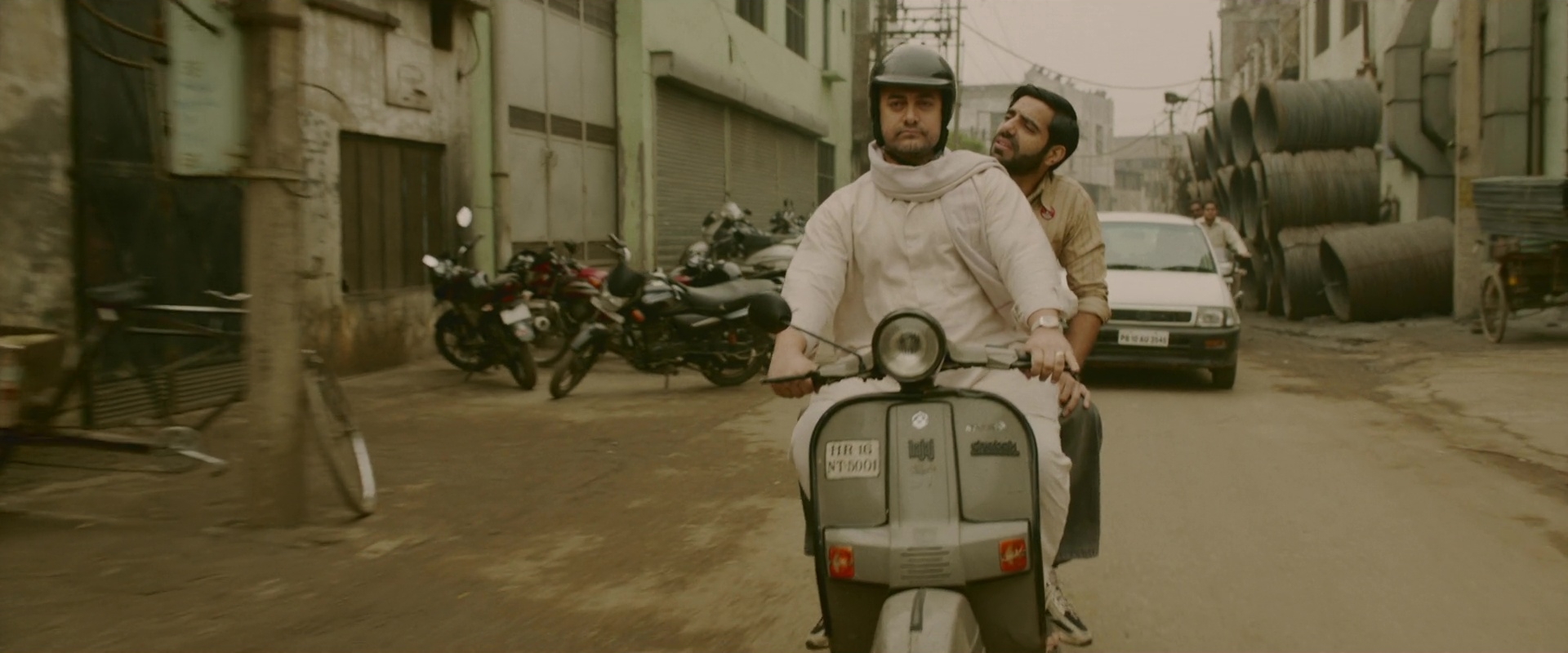
After being expelled from boarding school, a teenage boy returns home to an abusive and authoritarian father in an industrial town. Struggling to reconnect with a parent he barely knows, he forms a bond with his younger half-brother while secretly nurturing dreams of becoming a writer. As tensions escalate, he is forced to confront the constraints placed on his life and fight for his independence.
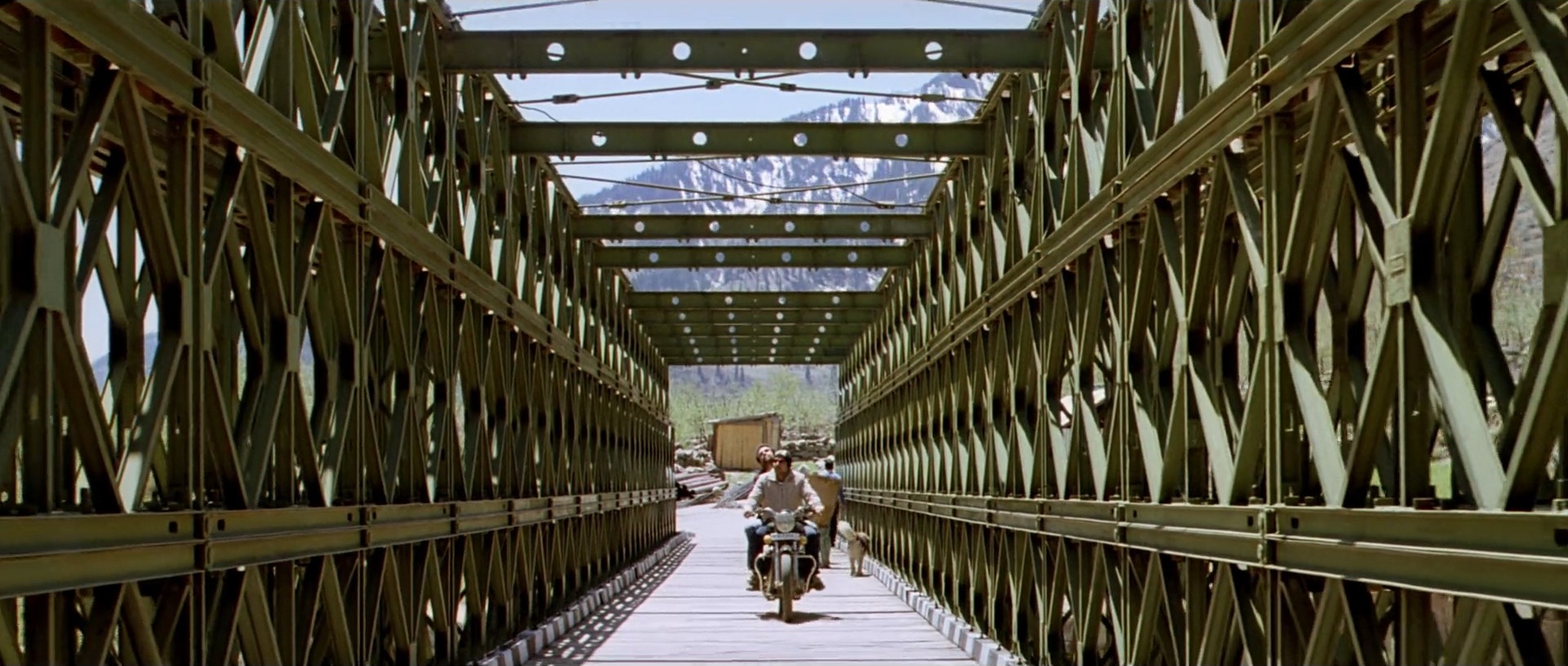
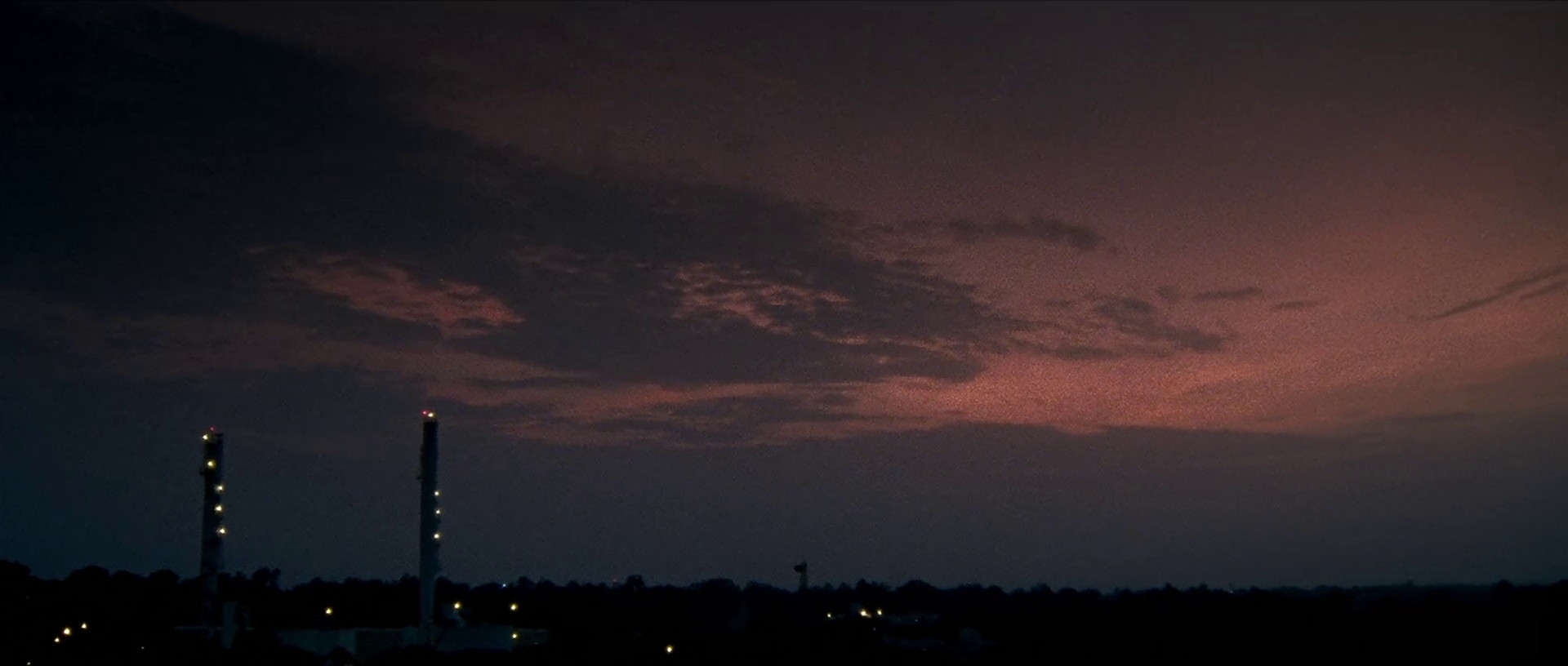
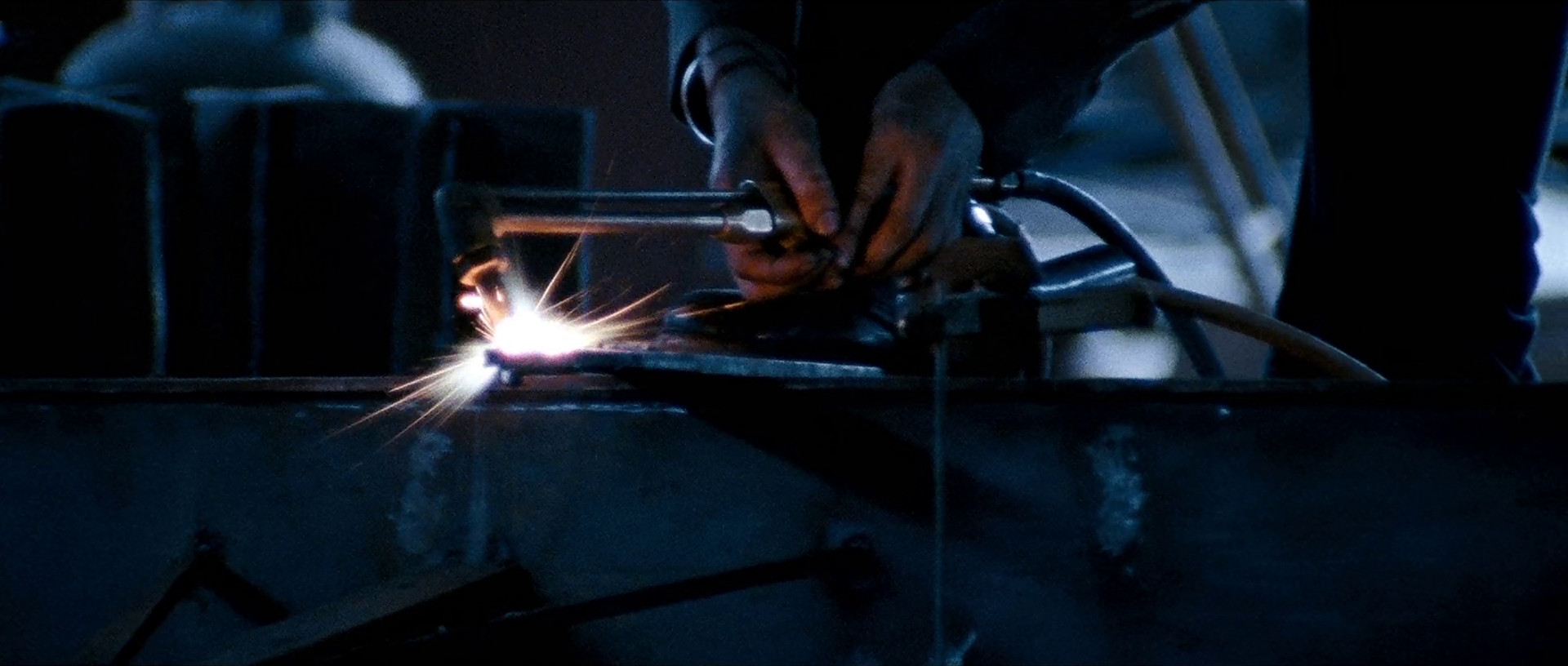
Motwane and cinematographer Mahendra J. Shetty ground Udaan in a stark, industrial realism, using natural light and muted tones to reflect the oppressive environment of the steel town. The film’s wide, often isolating compositions place the protagonist against rigid architecture and open skies—visually mapping his desire to break free from the confines of his world.
FILM SPOTLIGHT
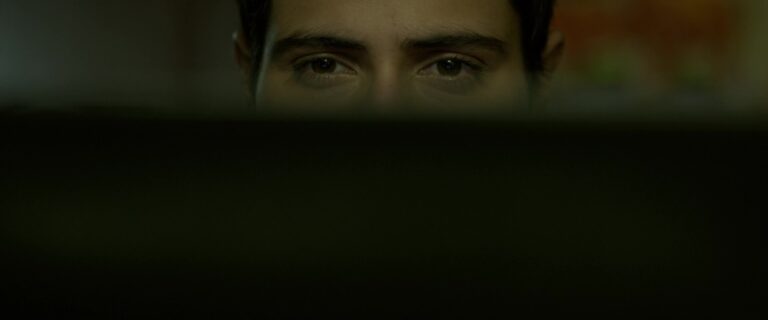
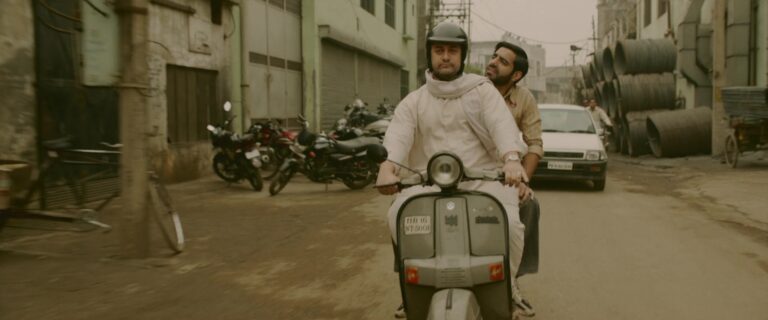
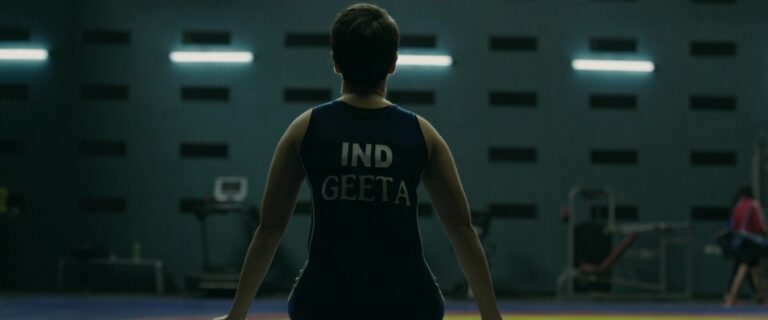
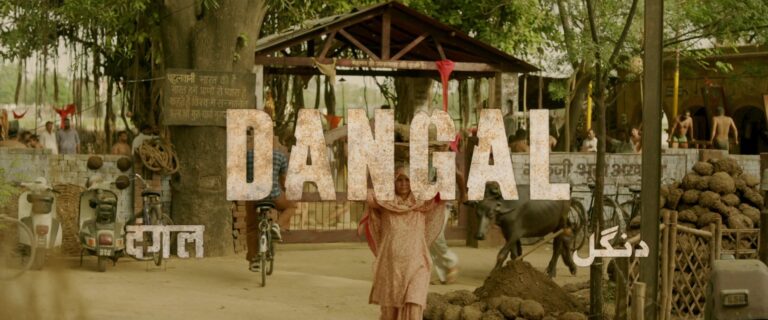
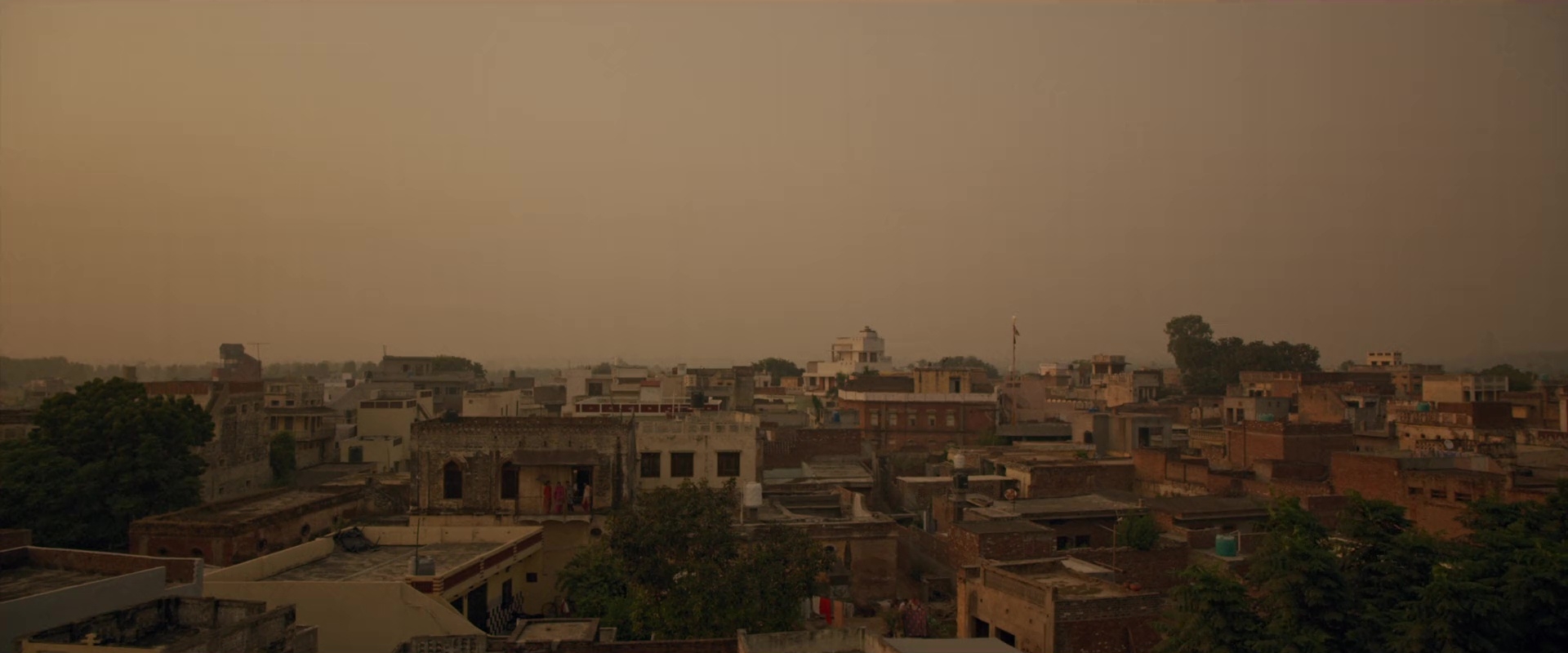
Dangal (2016)
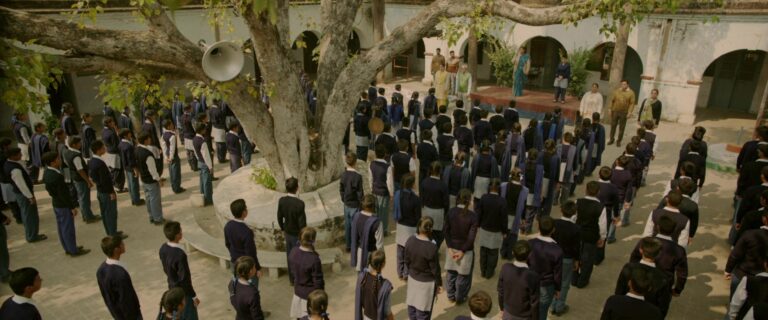
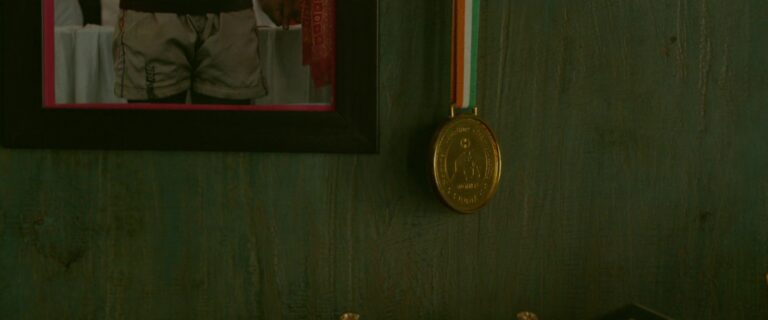
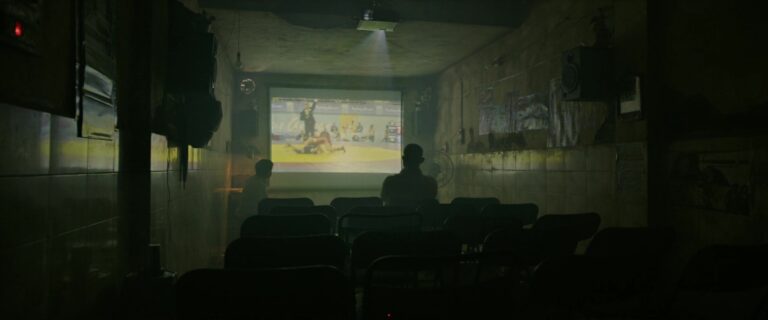
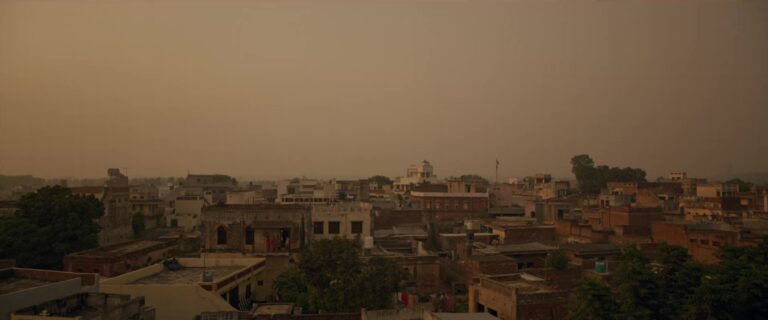
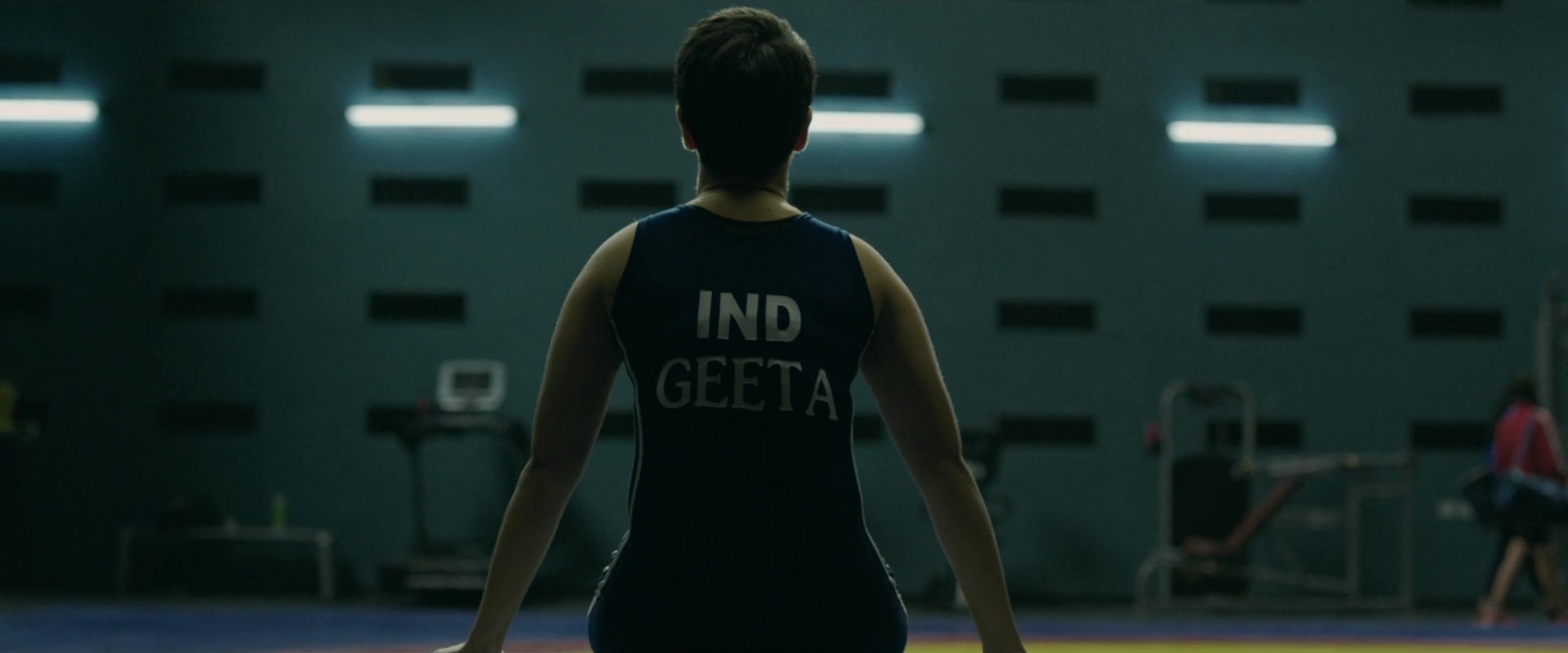
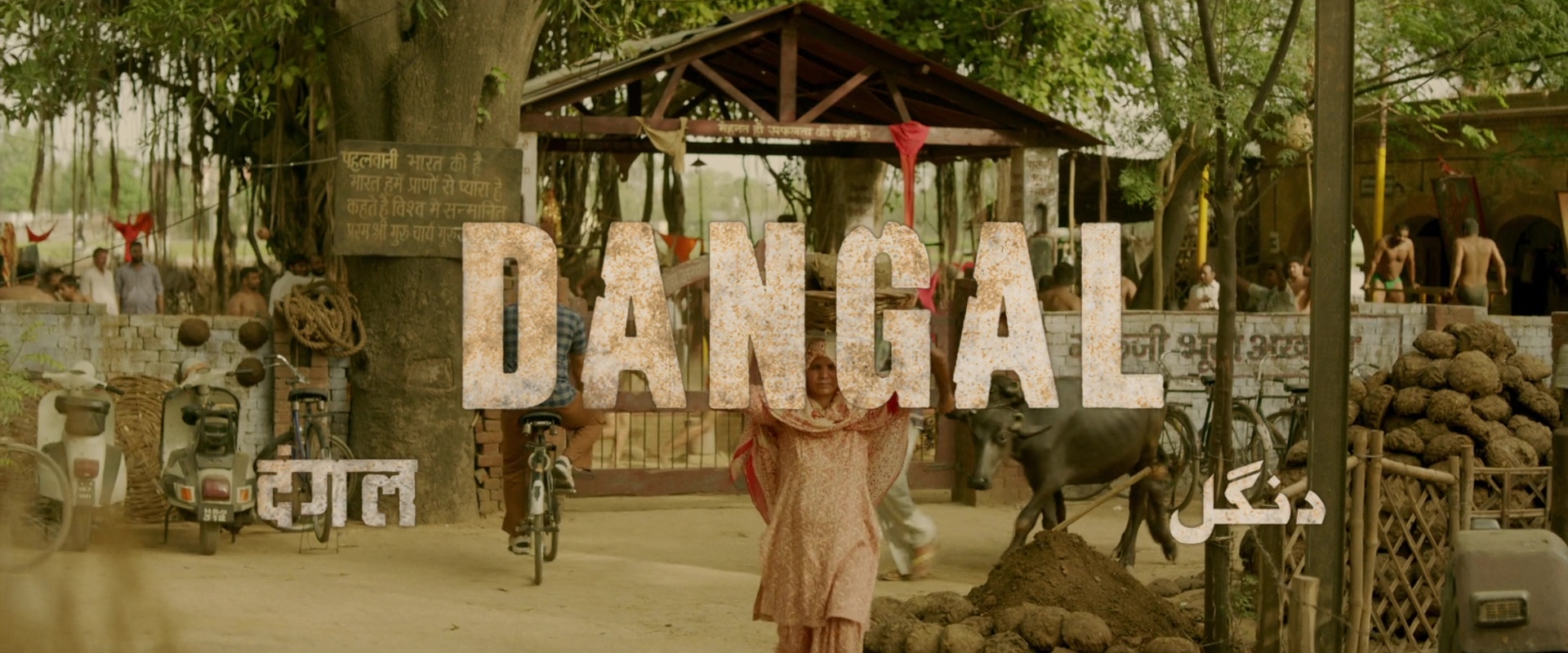
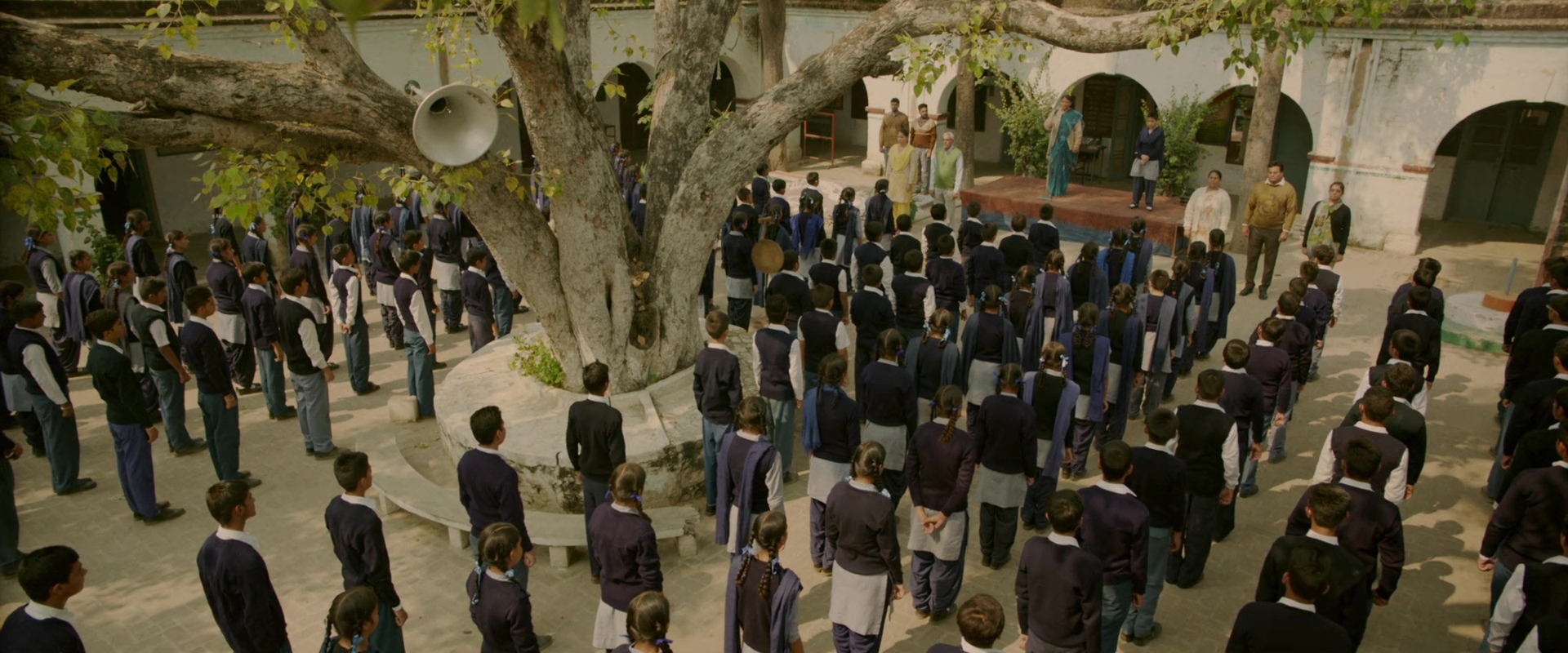
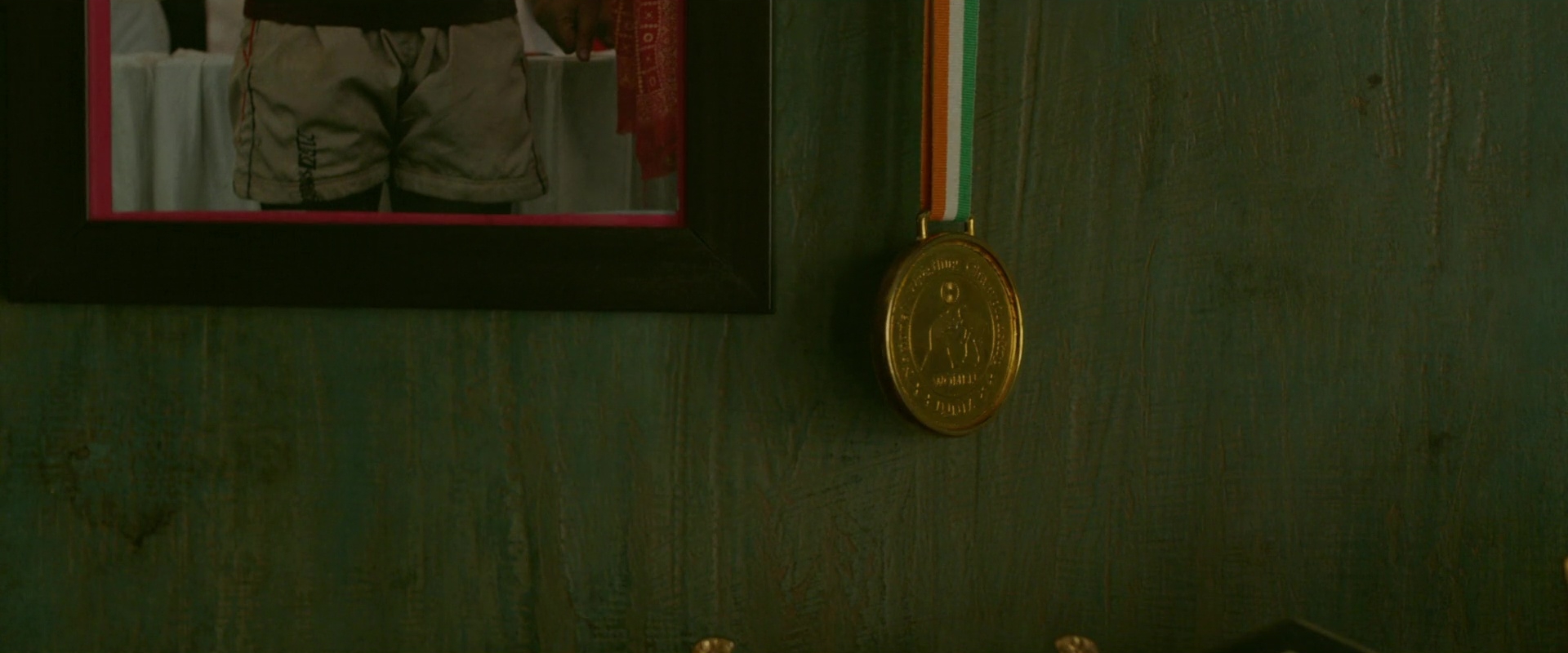
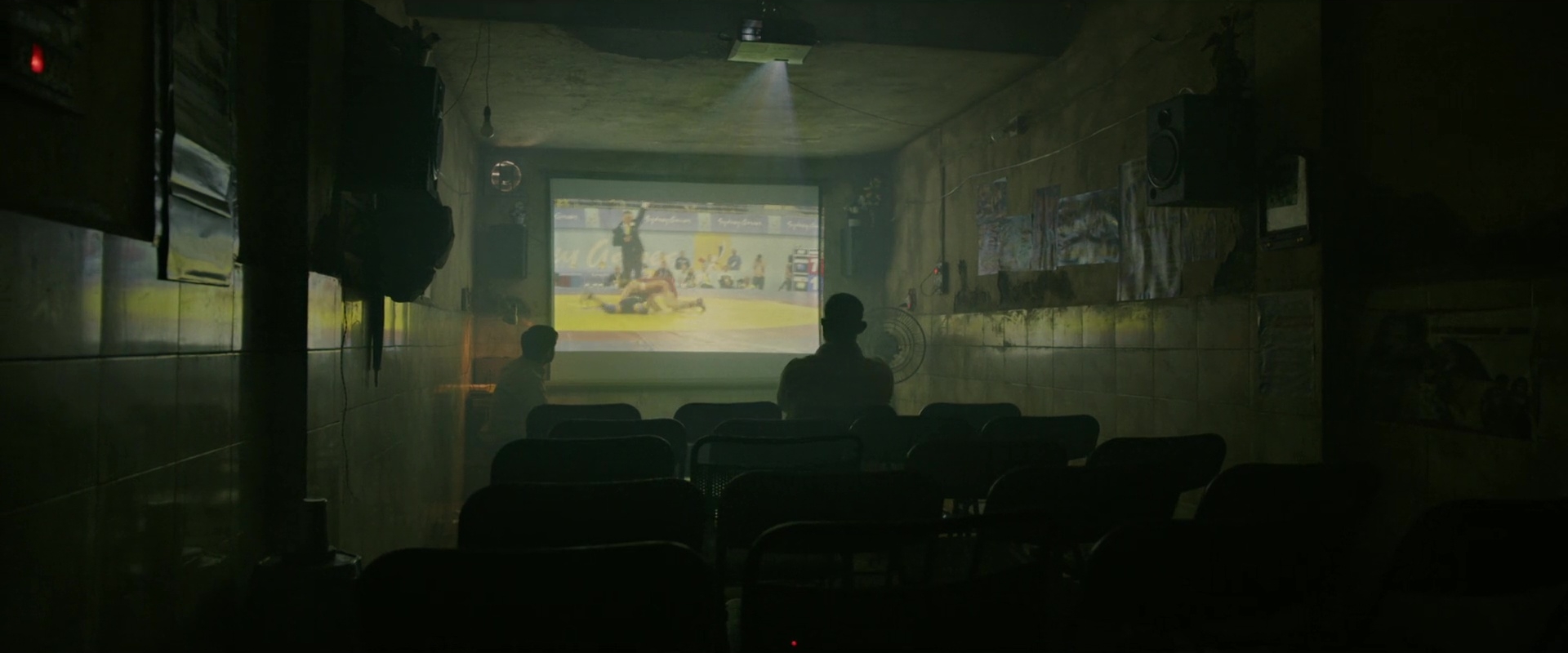
Based on a true story, Dangal follows former wrestler Mahavir Singh Phogat, who trains his daughters Geeta and Babita to become world-class wrestlers despite societal resistance. Pushing them through rigorous discipline, he challenges gender norms in rural India while preparing them for national and international competition. Their journey becomes one of perseverance, family, and breaking barriers.
Tiwari and cinematographer Satyajit Pande ground Dangal with a tactile realism, using handheld camerawork and natural light to bring the wrestling bouts up close and physical. The film’s earthy palette and tight, in-ring framing emphasize impact and strain—letting bodies, sweat, and movement drive the visual intensity rather than stylization.

FILM SPOTLIGHT
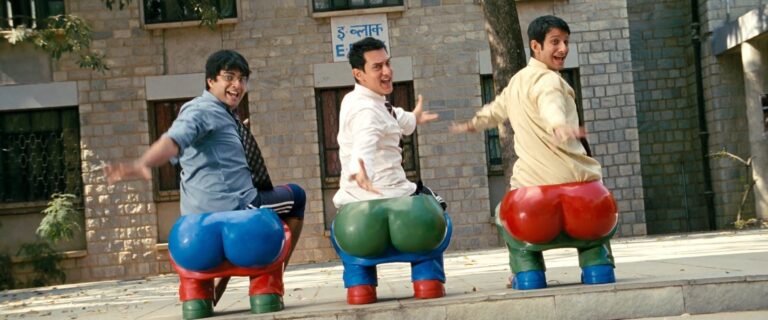
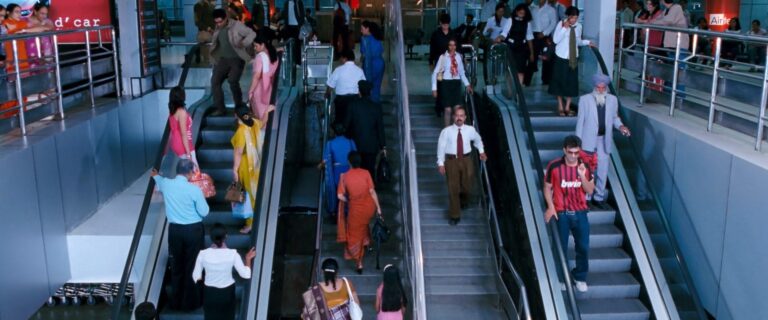
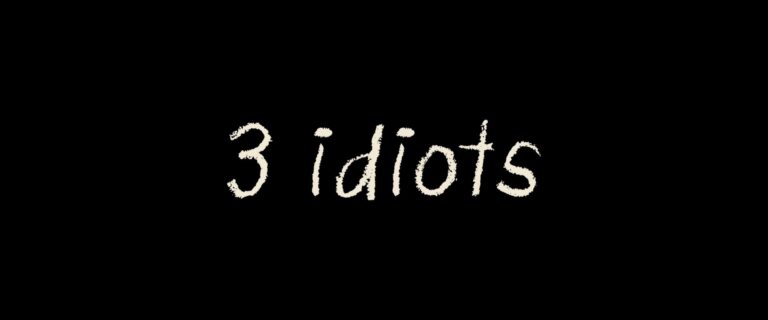
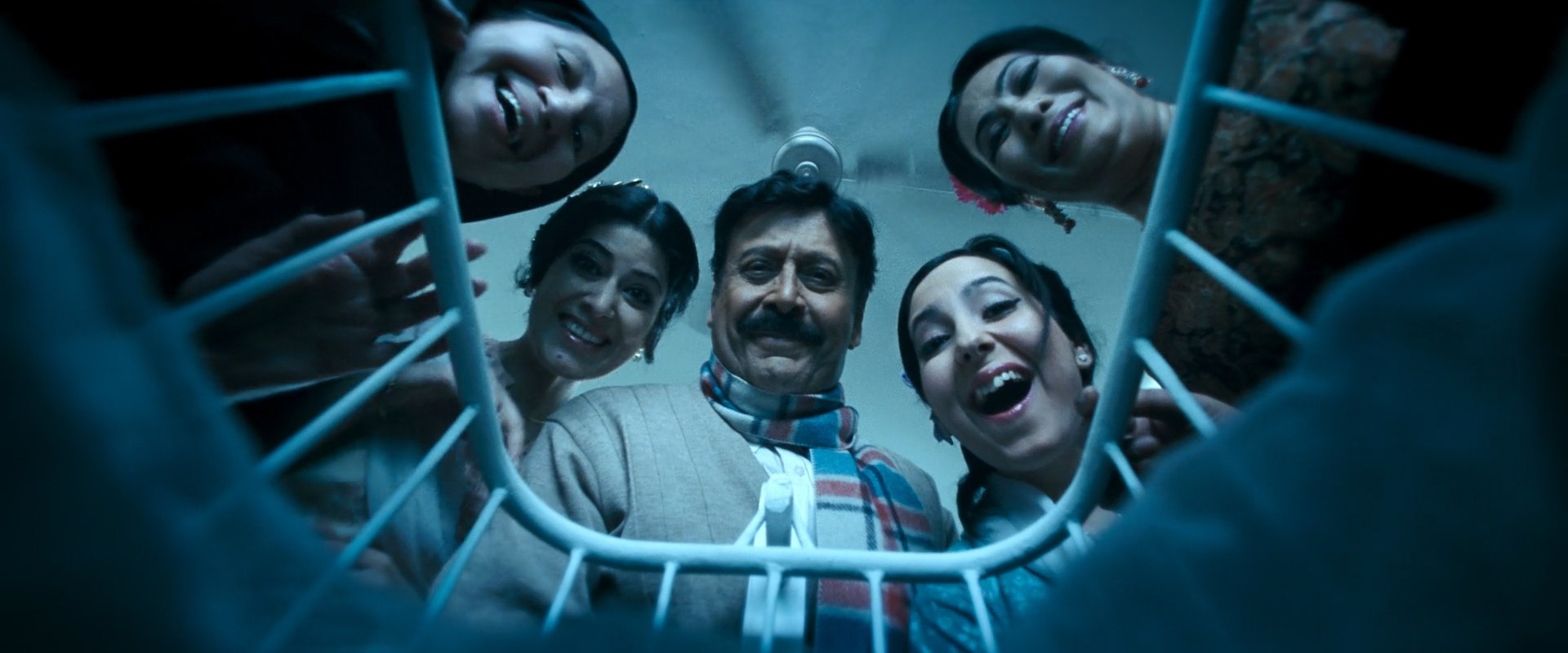
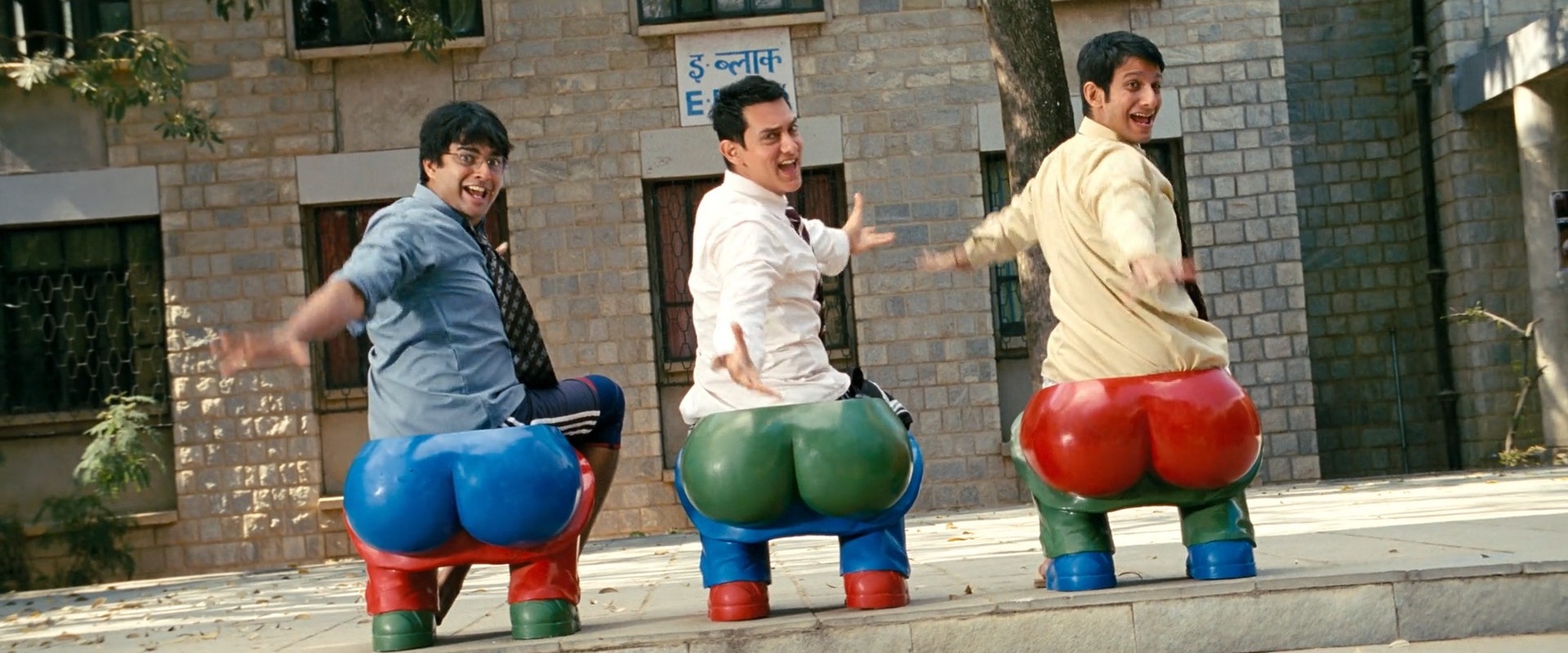
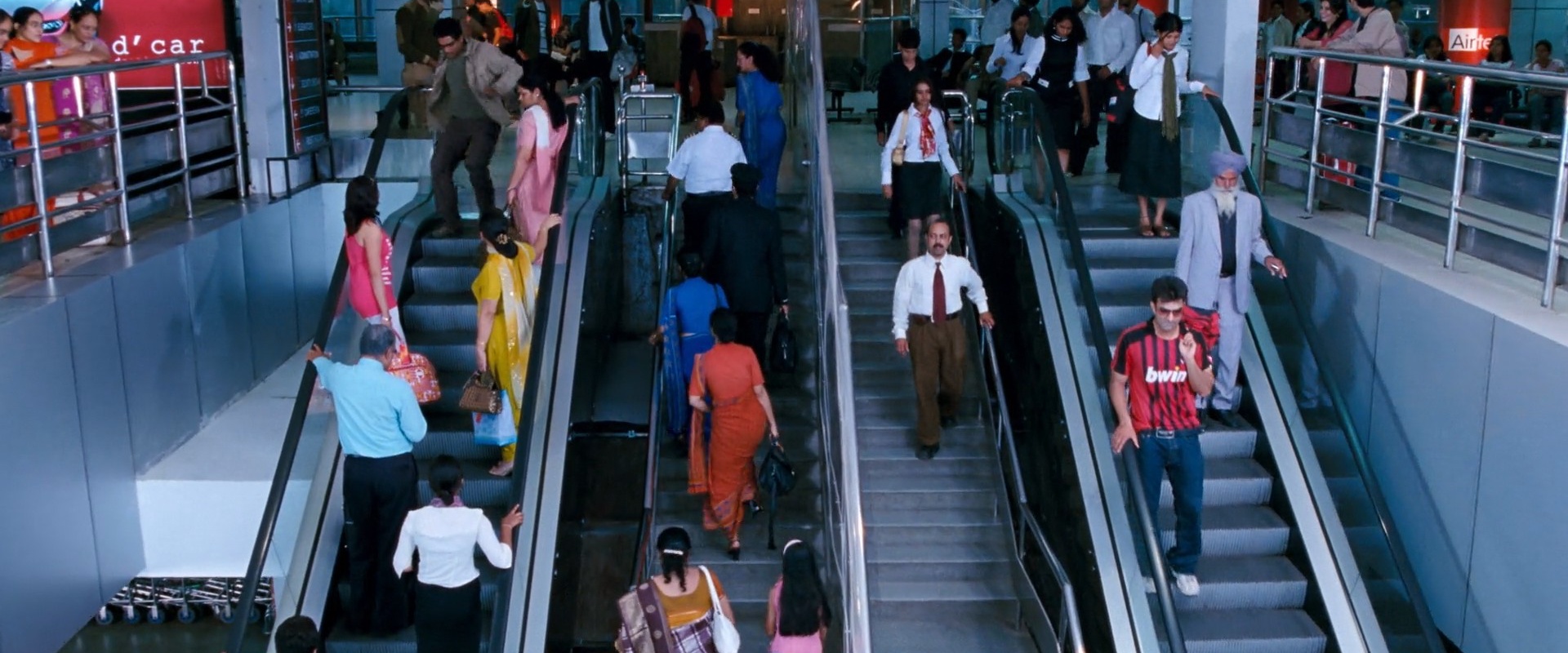
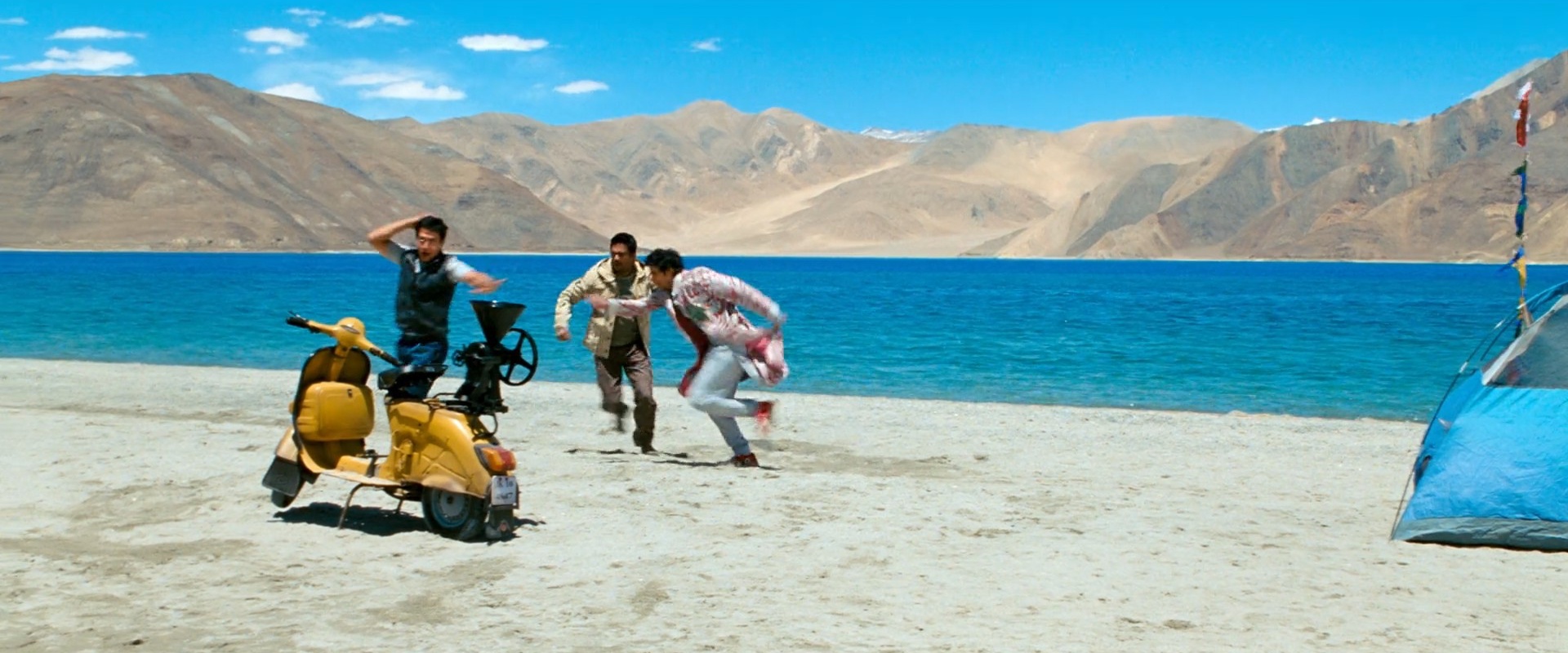
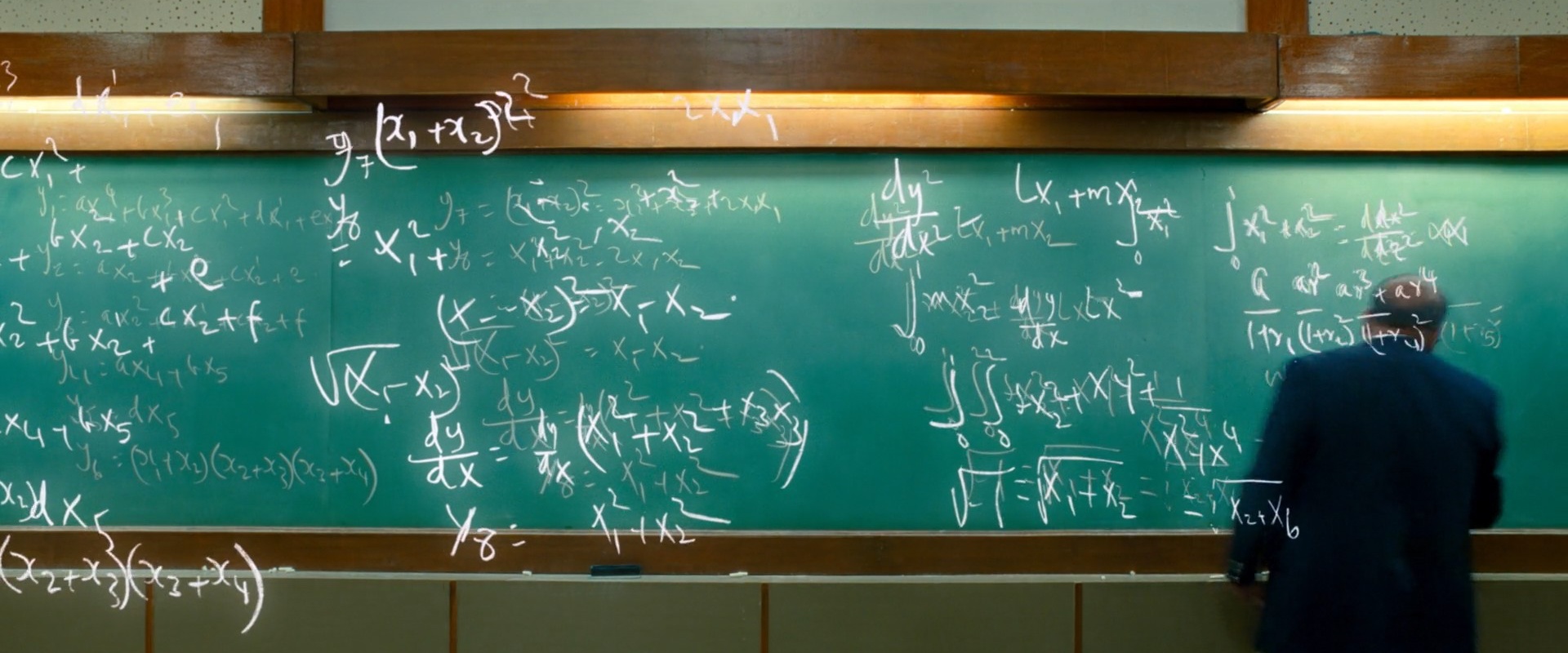
3 Idiots (2009)
Three engineering students—Rancho, Farhan, and Raju—navigate the pressures of an elite Indian college system that values conformity over creativity. While Rancho challenges authority with his unconventional thinking, his friends struggle with expectations from family and society. Years later, they reunite to uncover Rancho’s true identity, reflecting on how their lives were shaped by his influence.
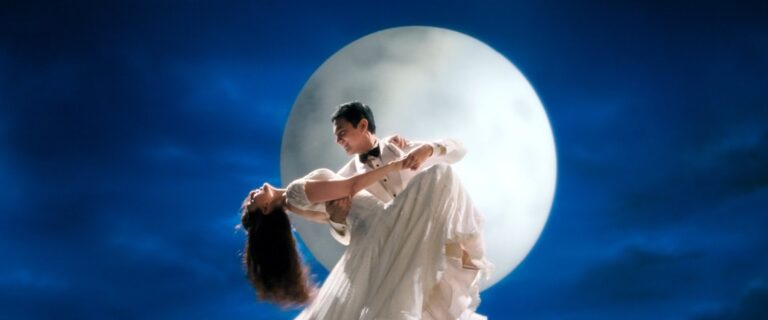
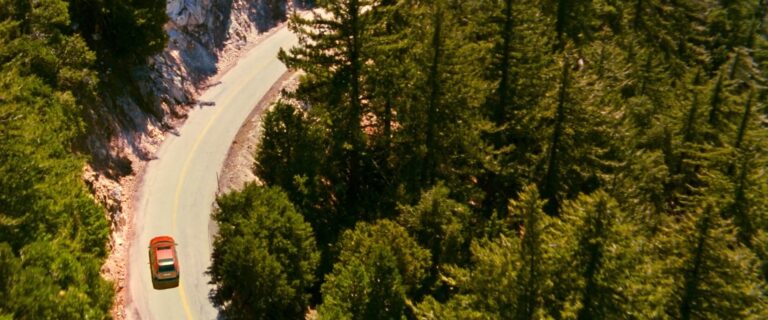
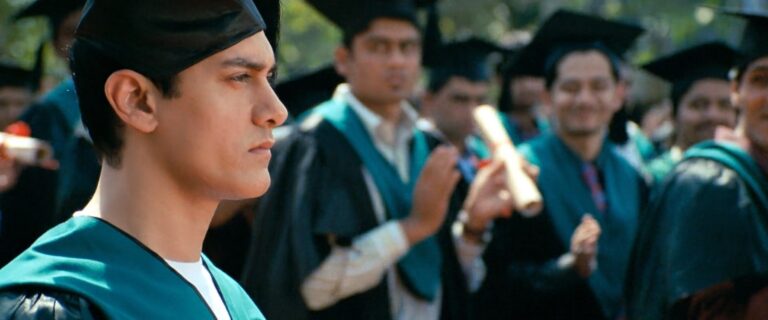
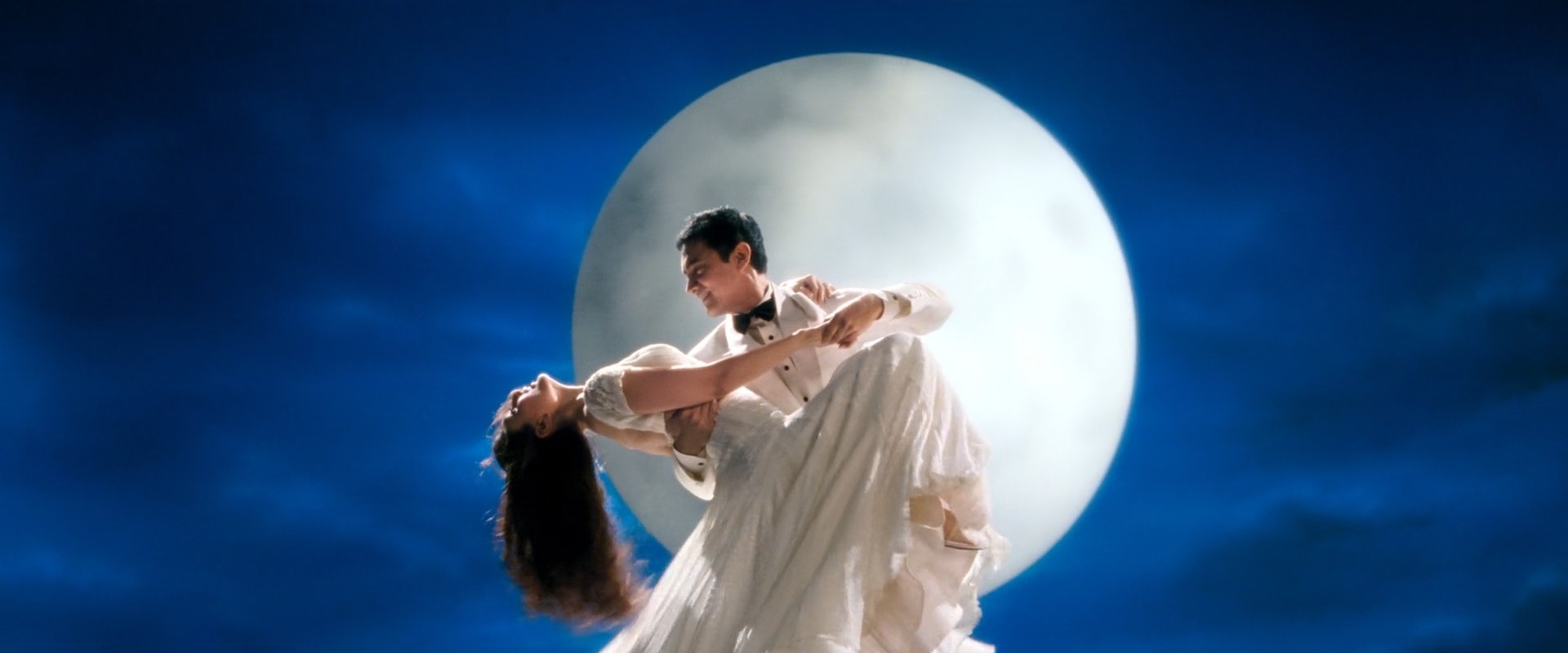
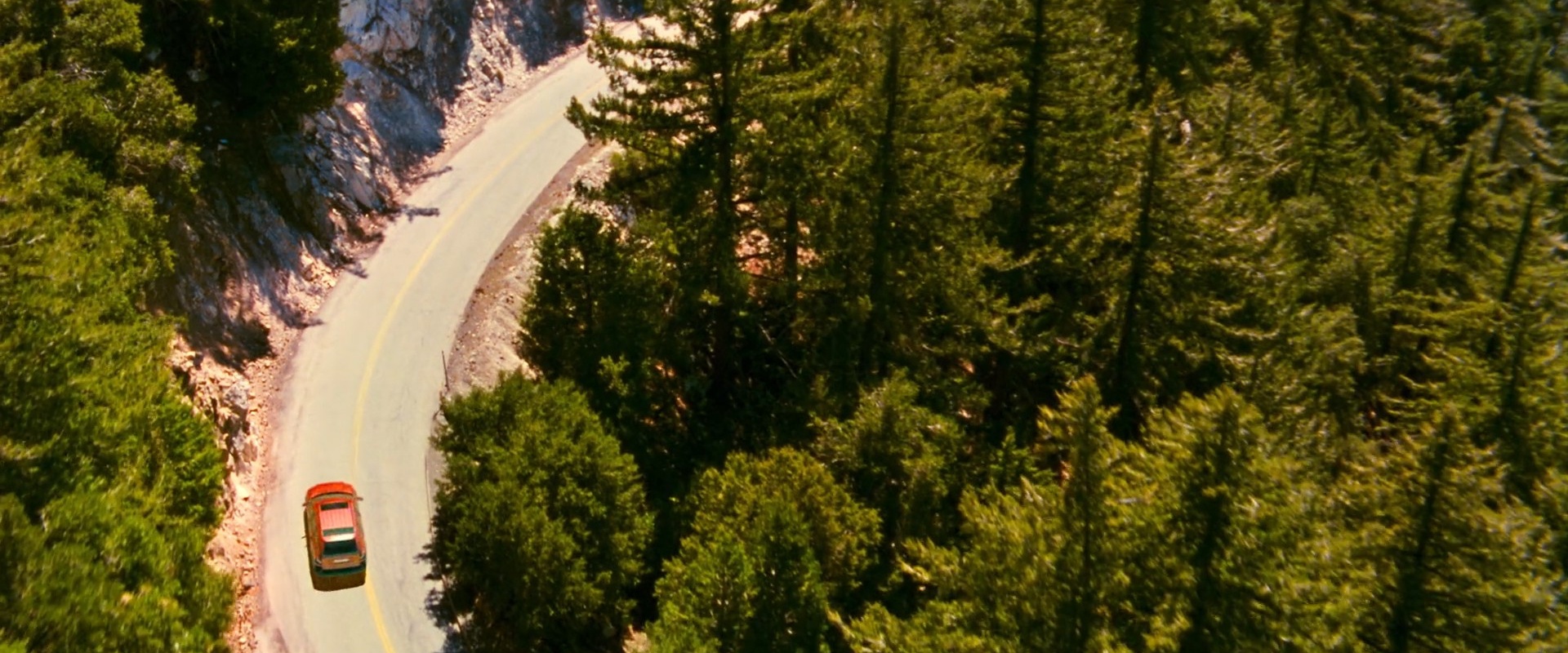
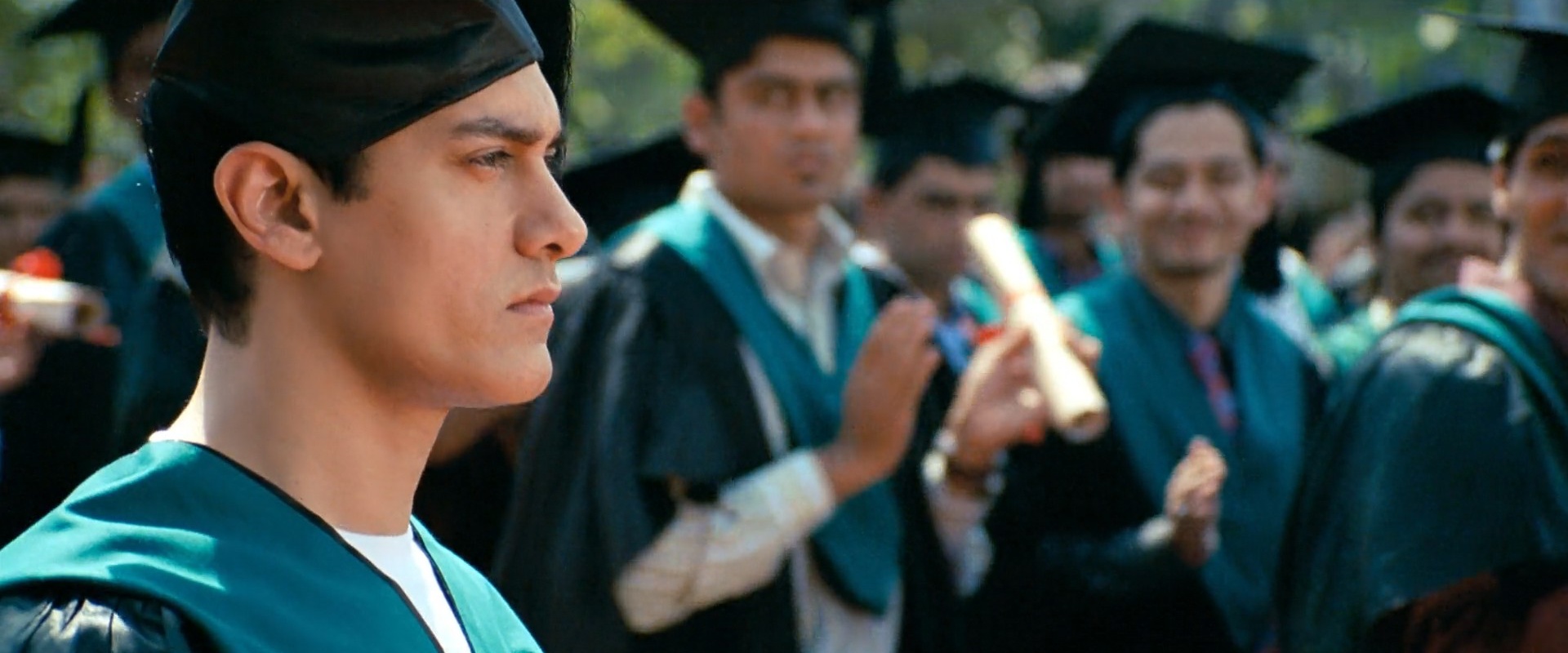
Hirani and cinematographer C.K. Muraleedharan shoot 3 Idiots with a bright, accessible visual style, using clean compositions and vibrant colors to balance comedy with emotional beats. The film’s use of expansive campus spaces and fluid camera movement keeps the tone energetic—while its occasional stylized sequences and transitions add a playful visual rhythm that mirrors Rancho’s disruptive spirit.


FILM SPOTLIGHT
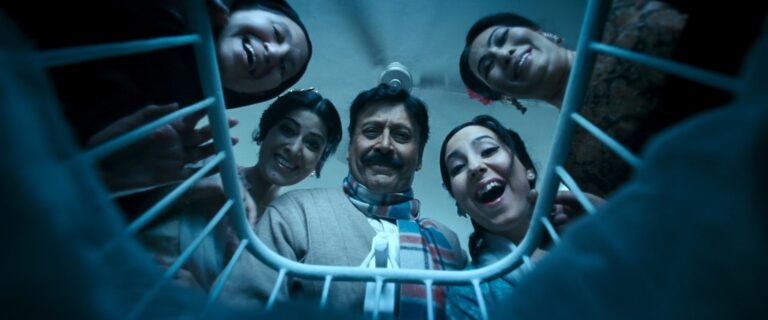
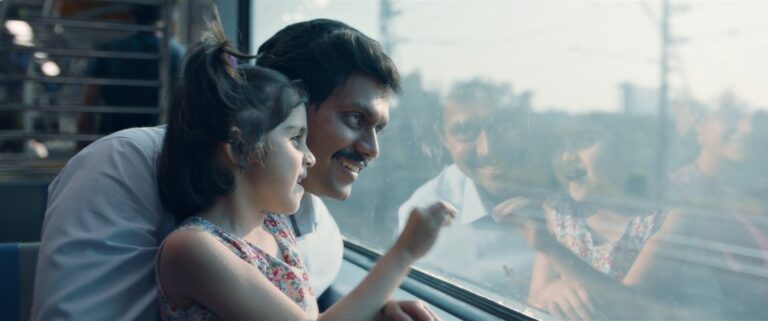
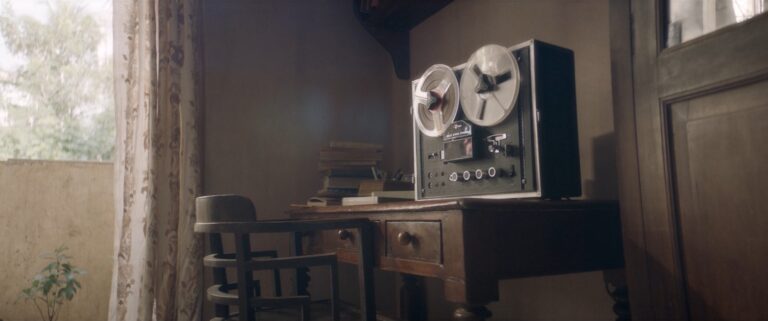
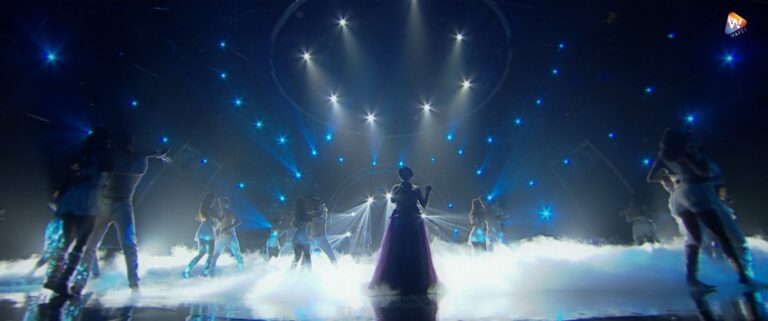
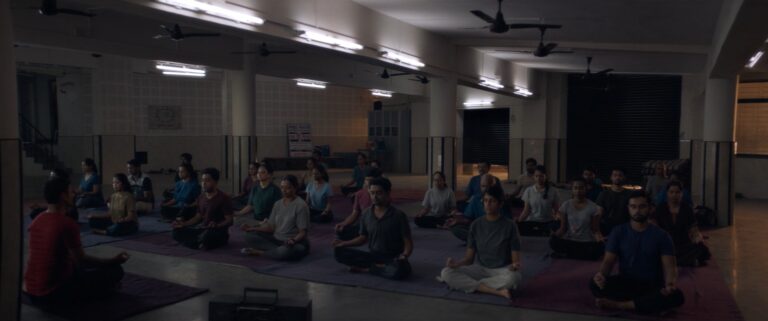
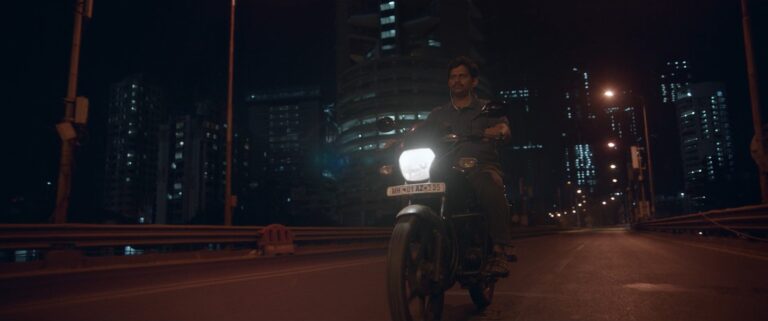
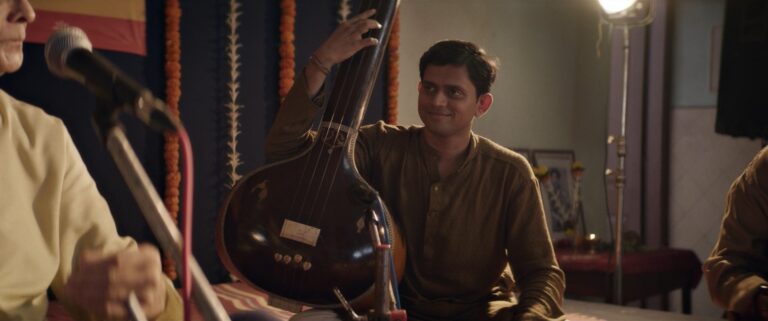
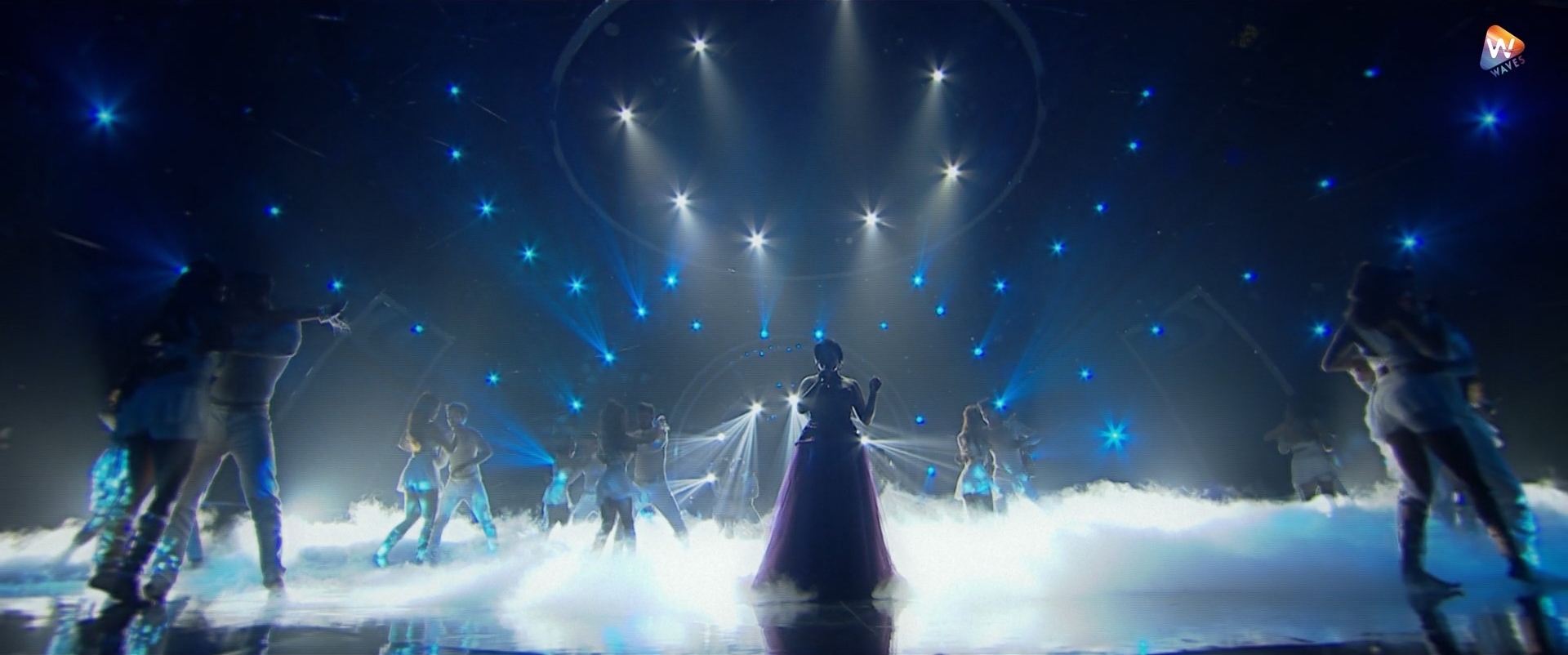
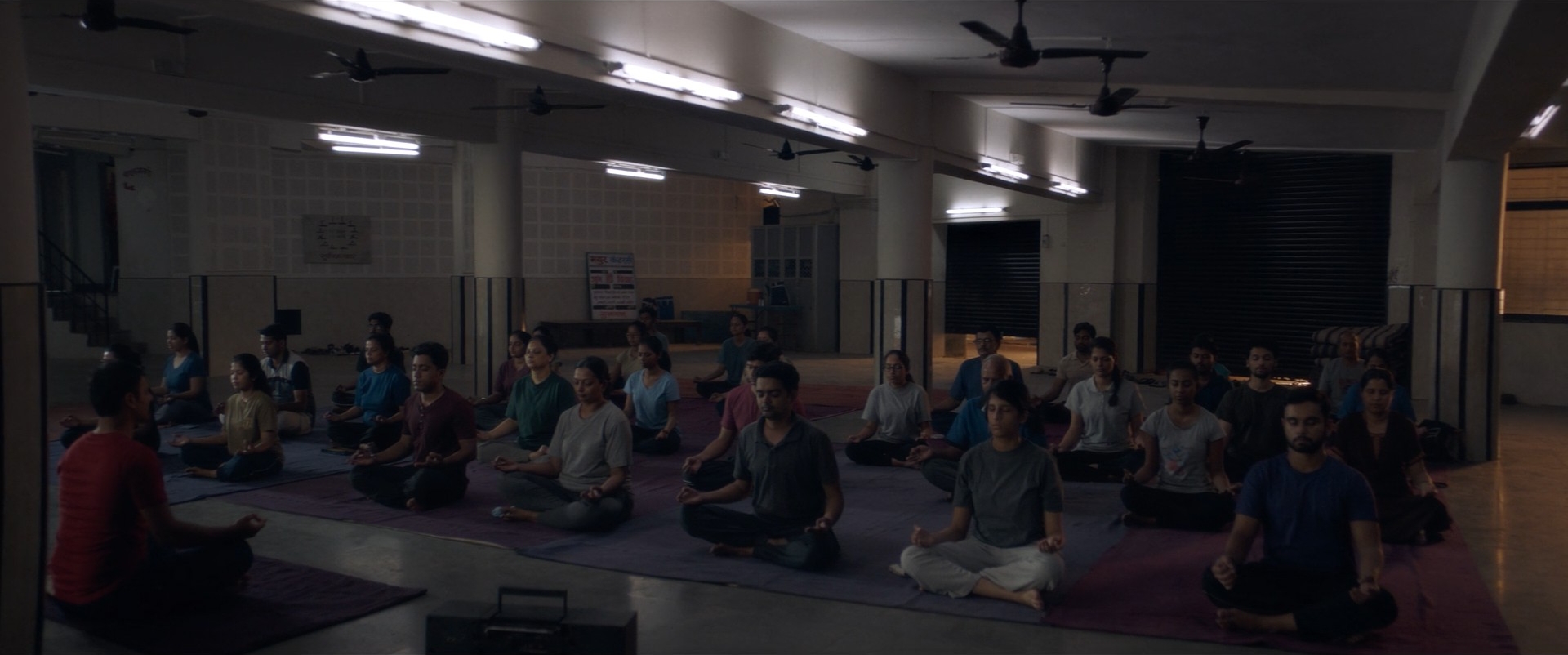
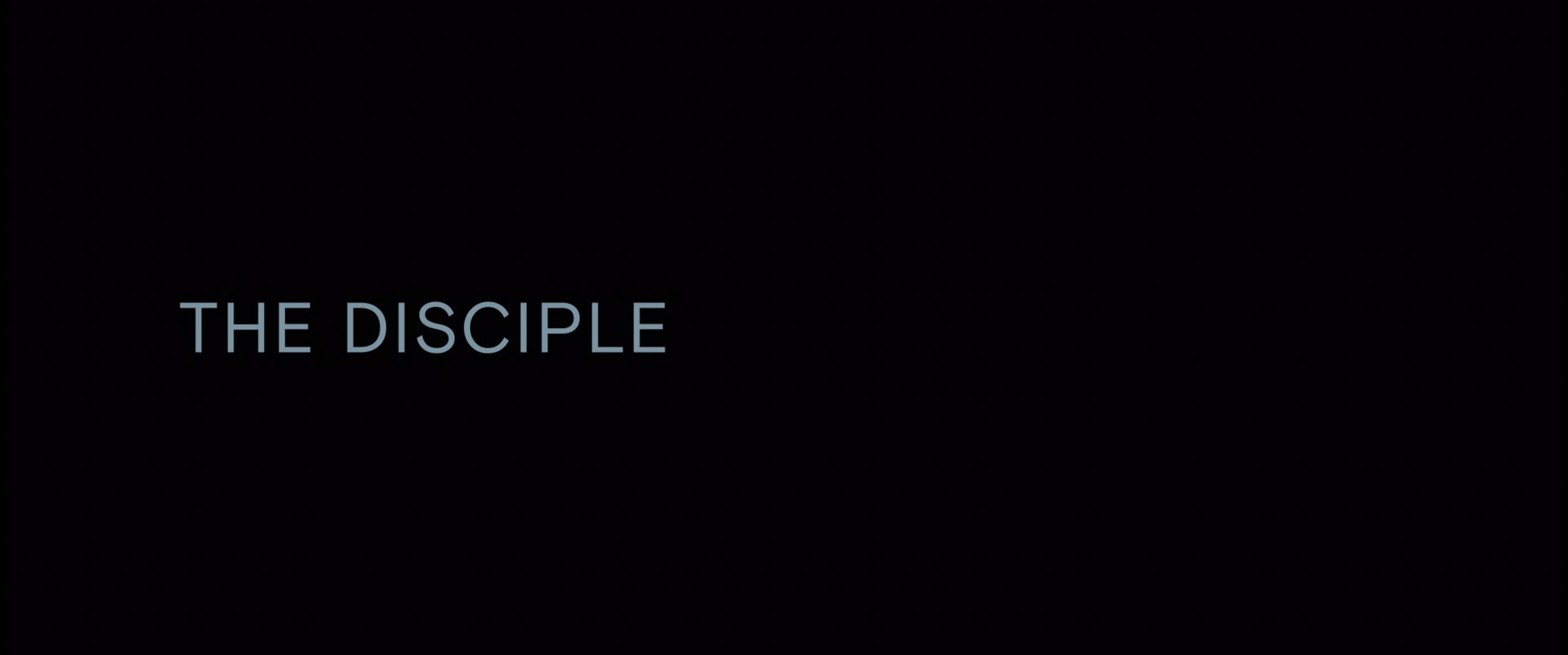
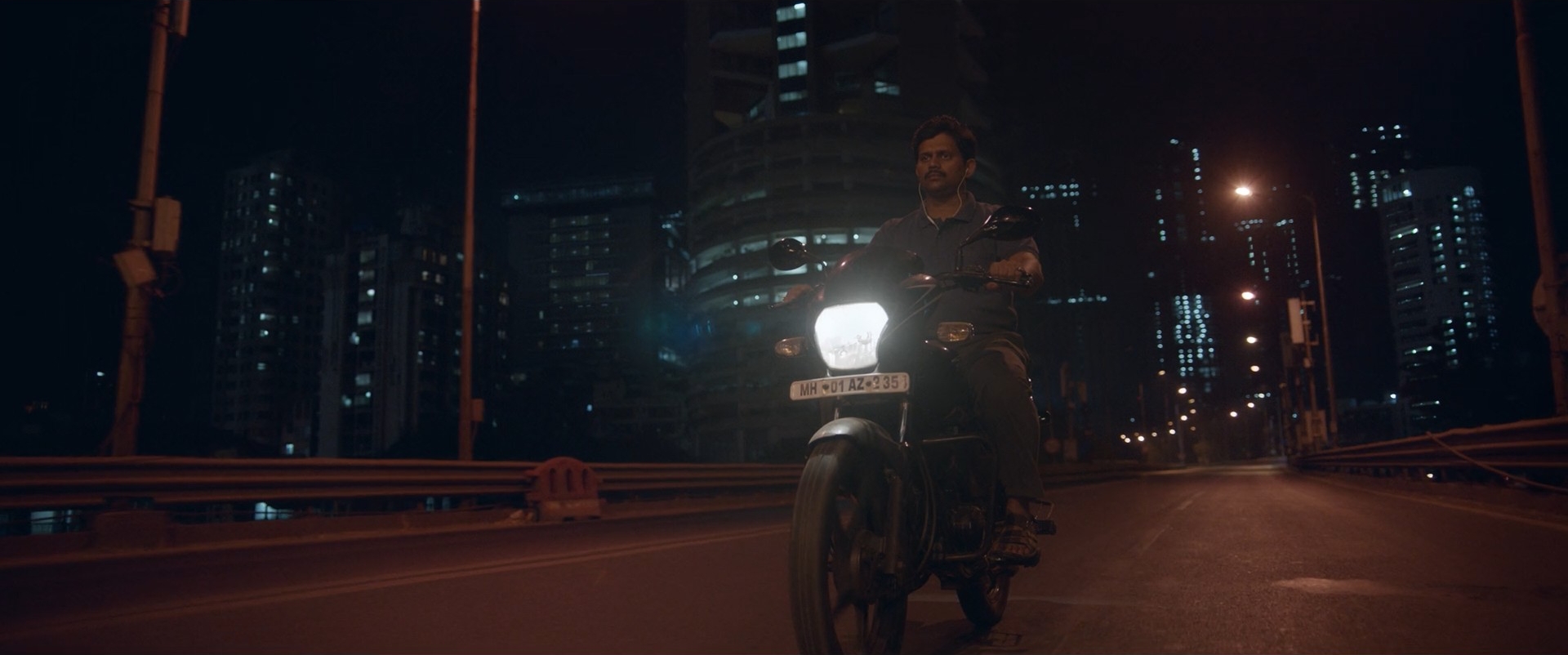
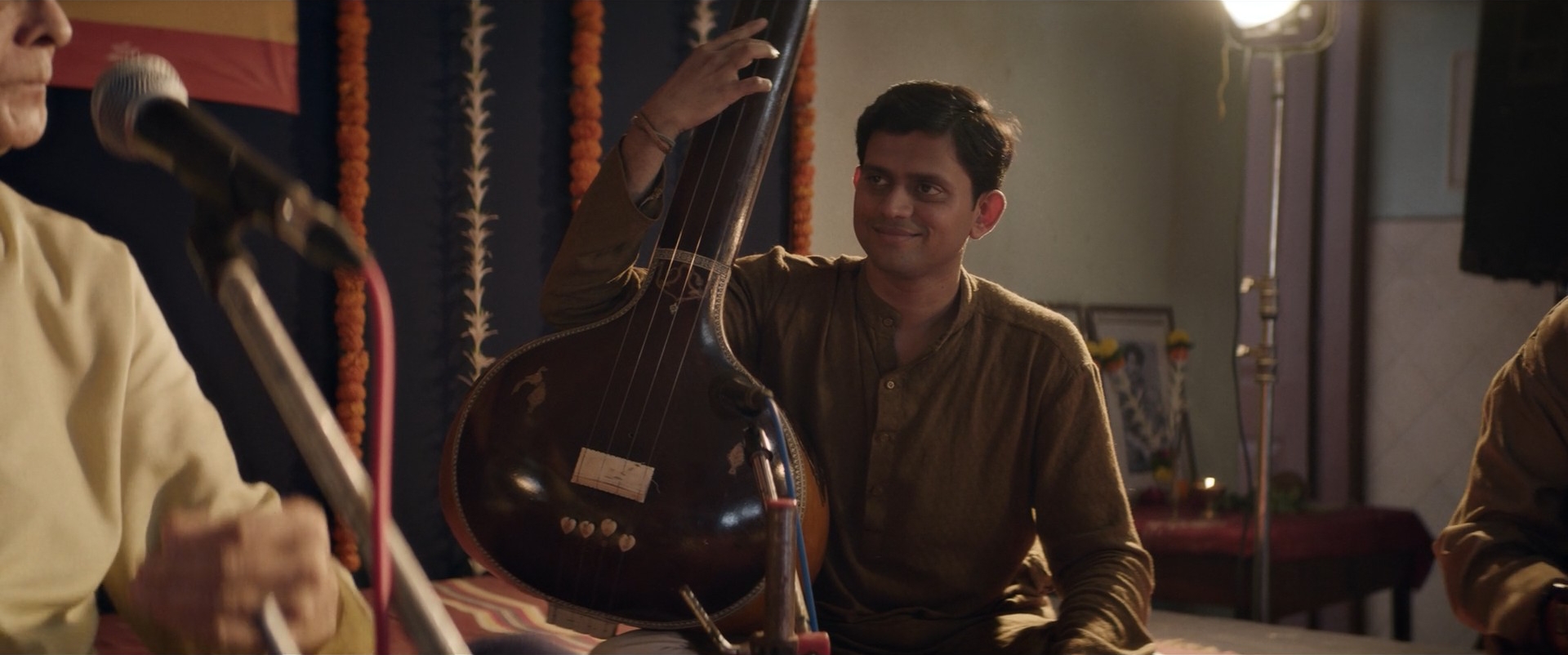
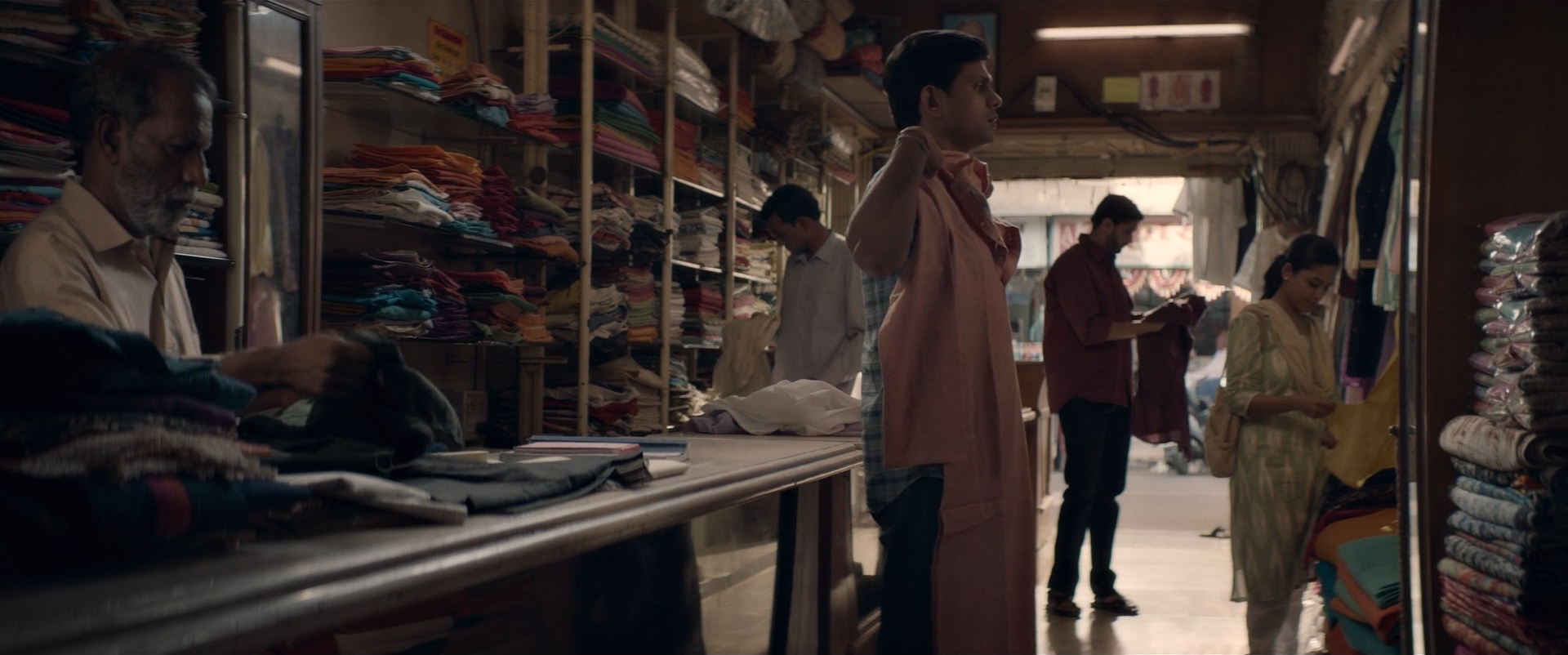
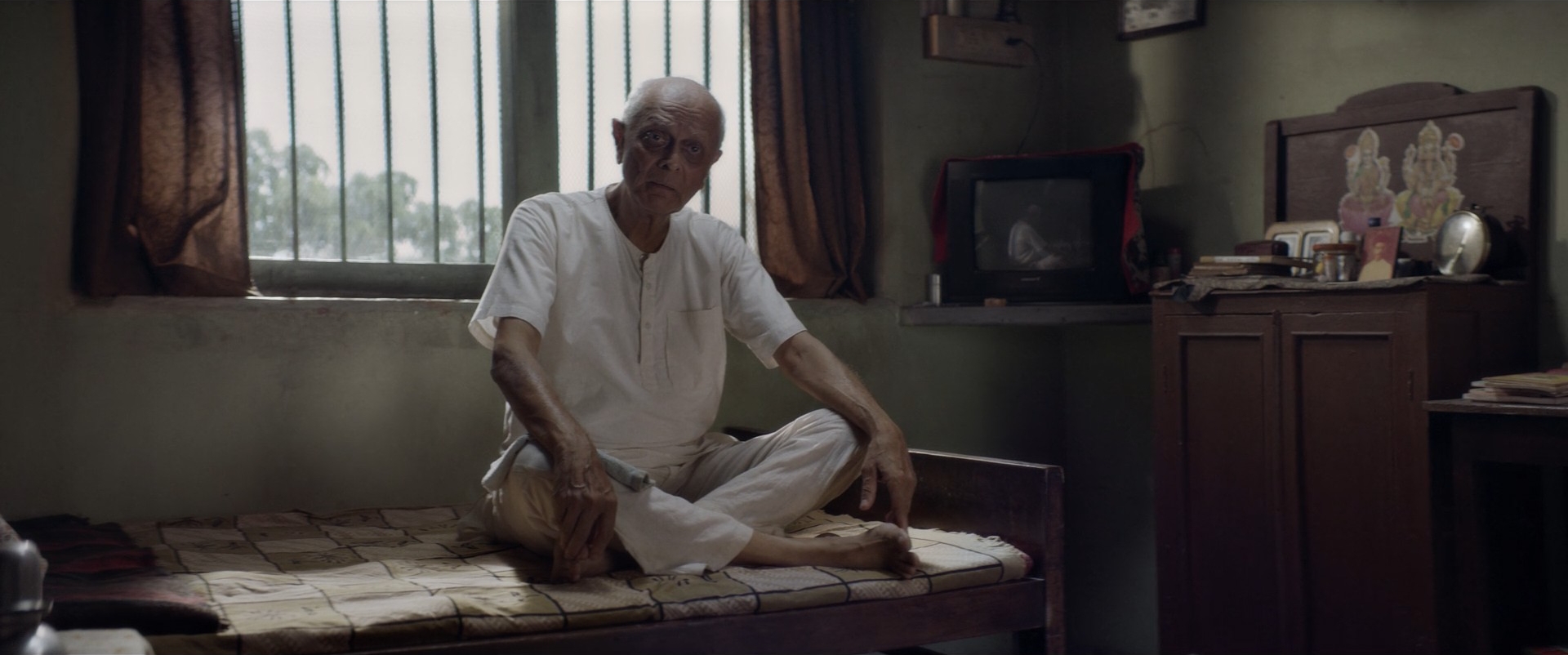
The Disciple (2020)
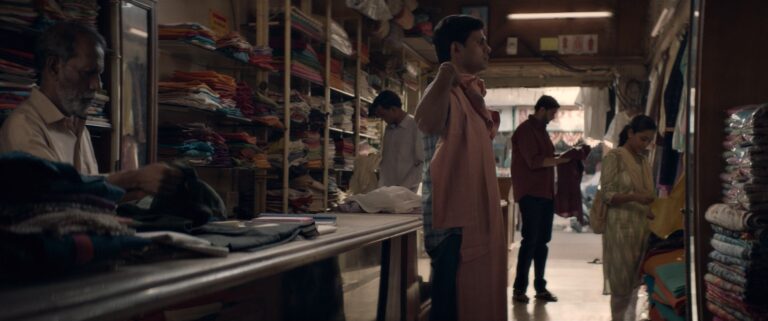
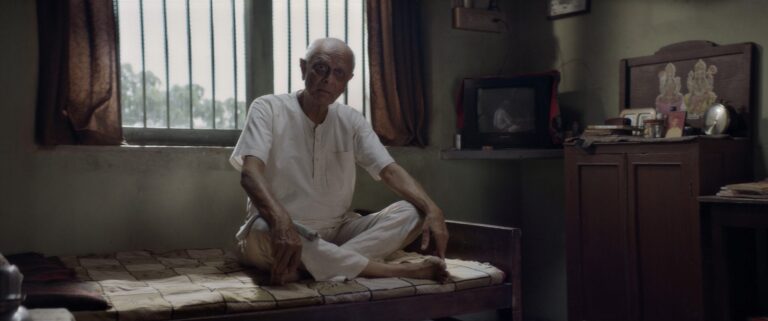
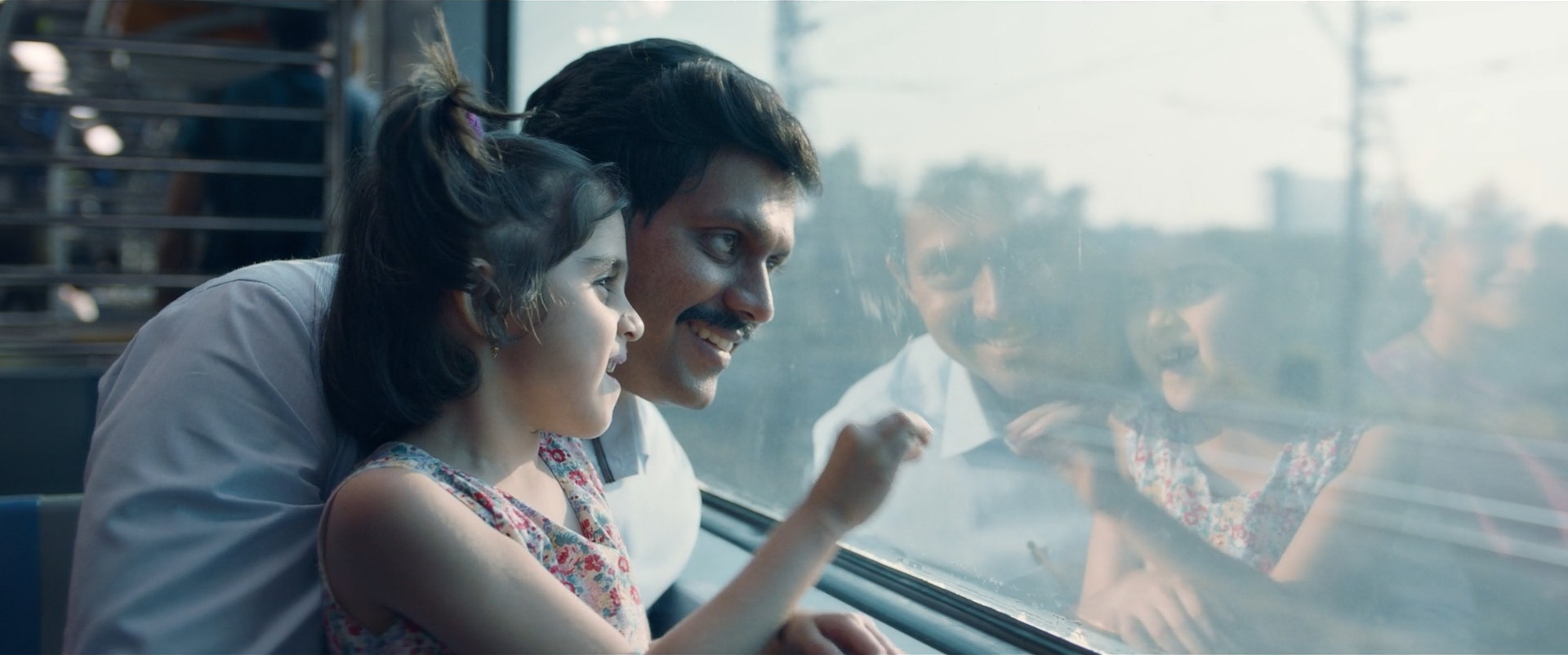
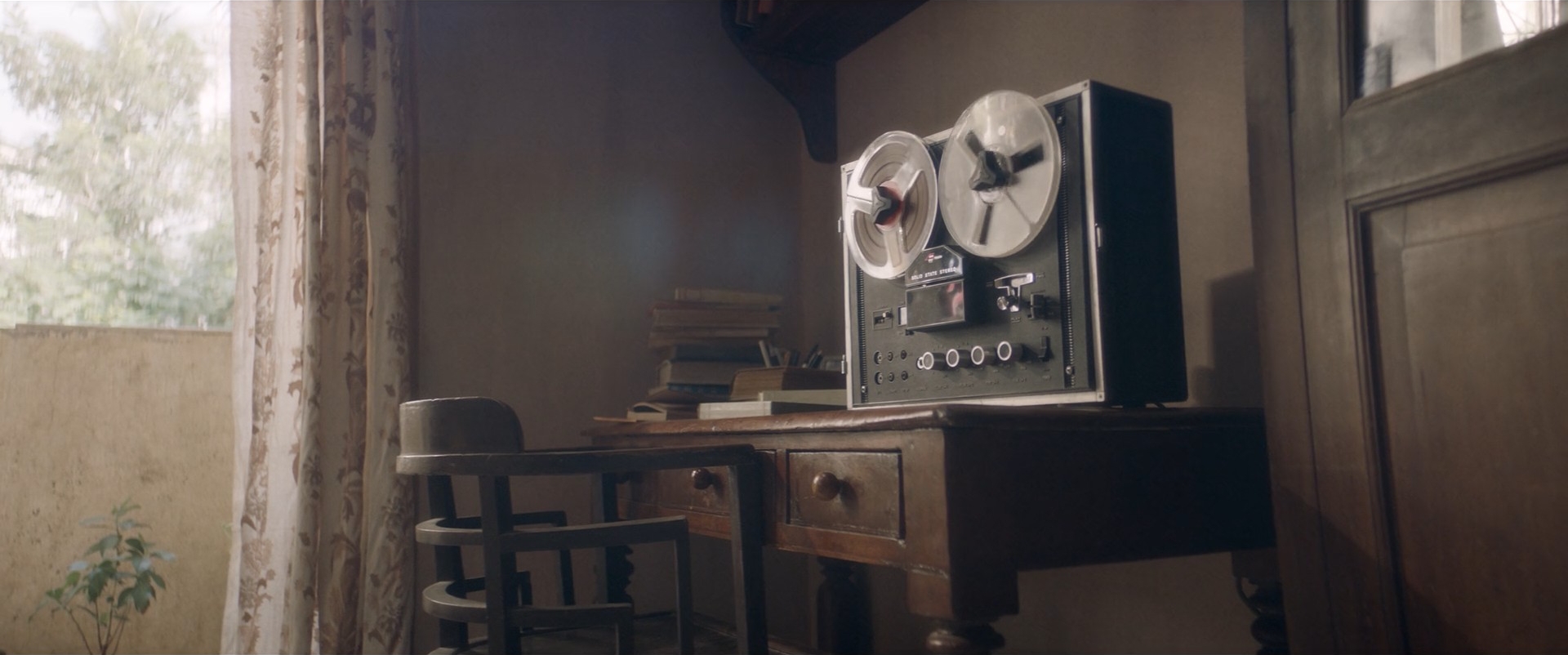
Sharad Nerulkar, a devoted student of Indian classical music, spends years rigorously training under his guru while chasing the elusive ideal of artistic purity. As he grows older, his unwavering dedication begins to clash with the realities of a changing world and his own limitations. His journey becomes a quiet, internal struggle between discipline, doubt, and the fading promise of greatness.
Tamhane and cinematographer Michal Sobociński shoot The Disciple with a restrained, contemplative stillness, using static frames and low, natural lighting to mirror the rigor and austerity of Sharad’s practice. The film’s muted palette and careful compositions turn performance into observation—where time, silence, and repetition shape the visual rhythm as much as music itself.
TELEVISION SERIES
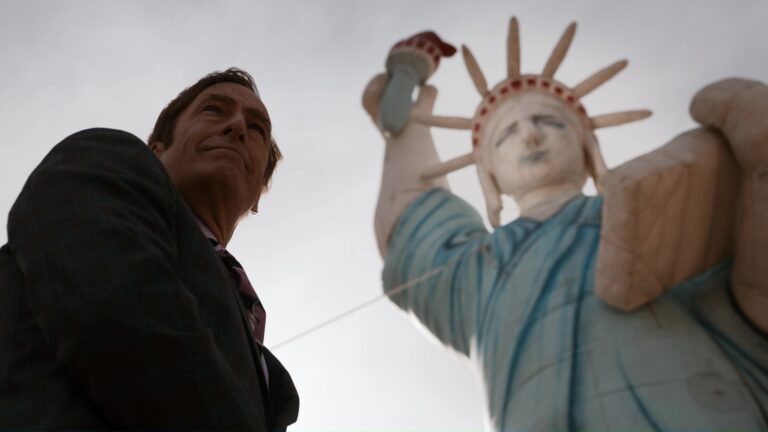
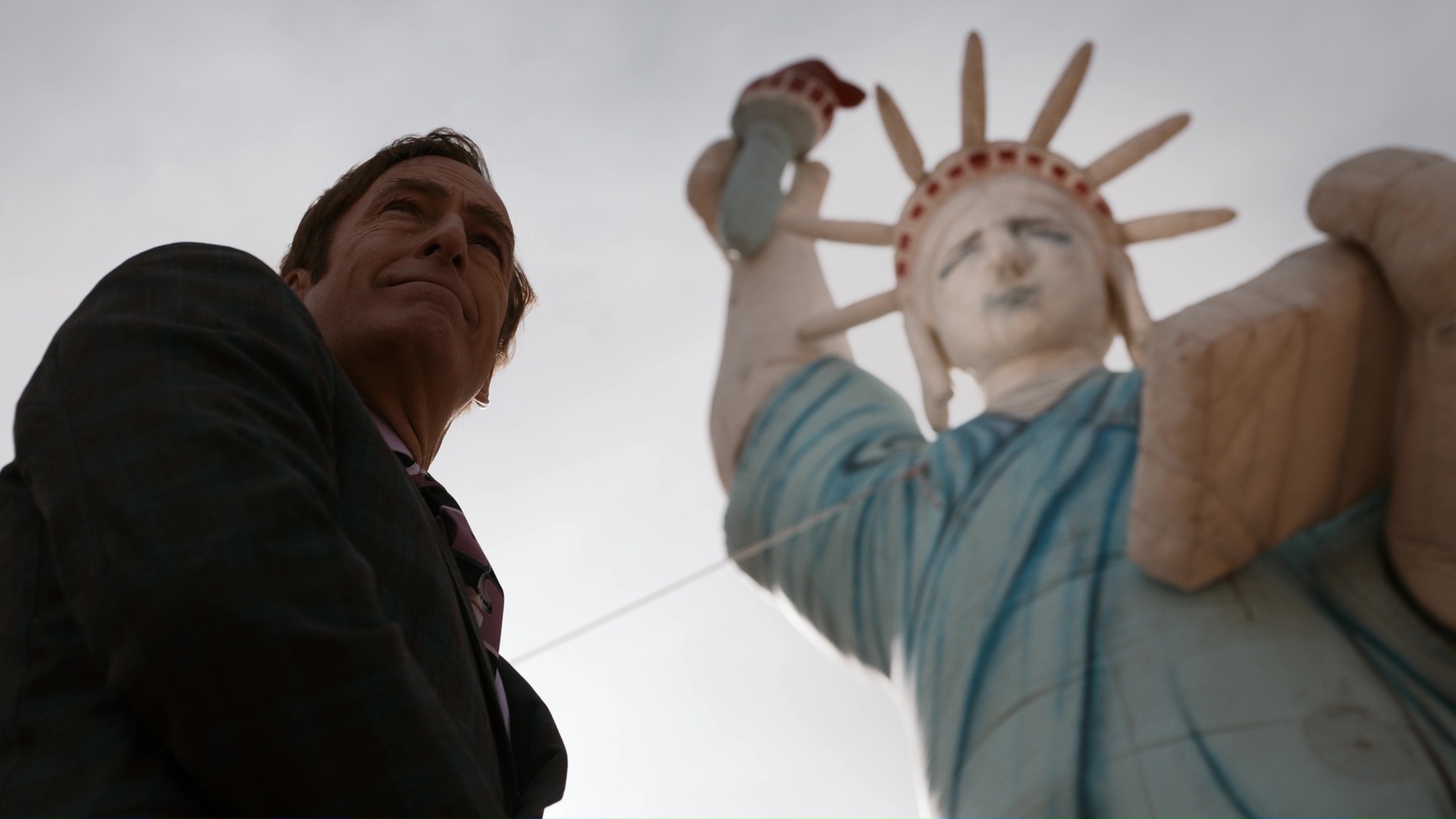
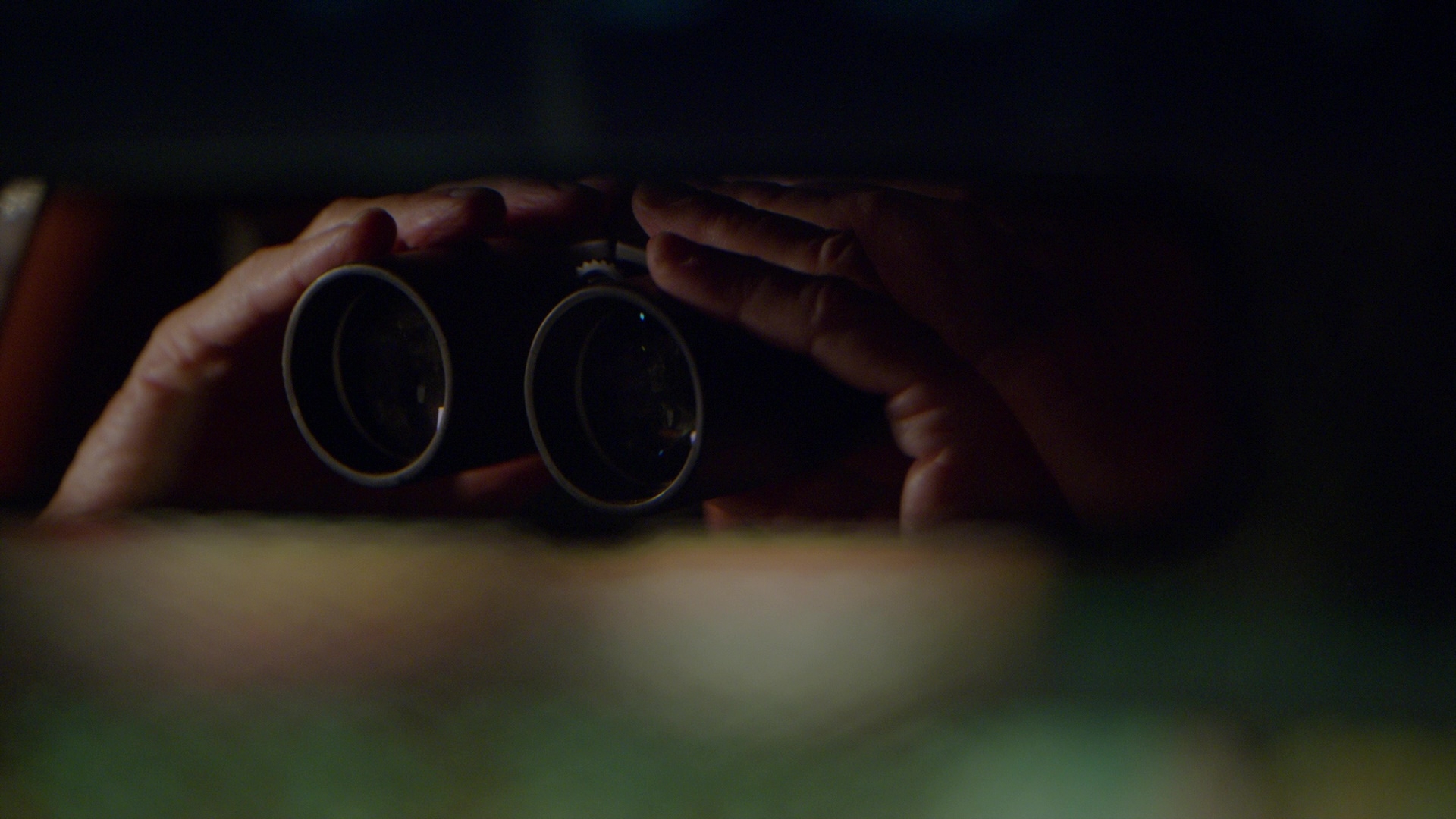
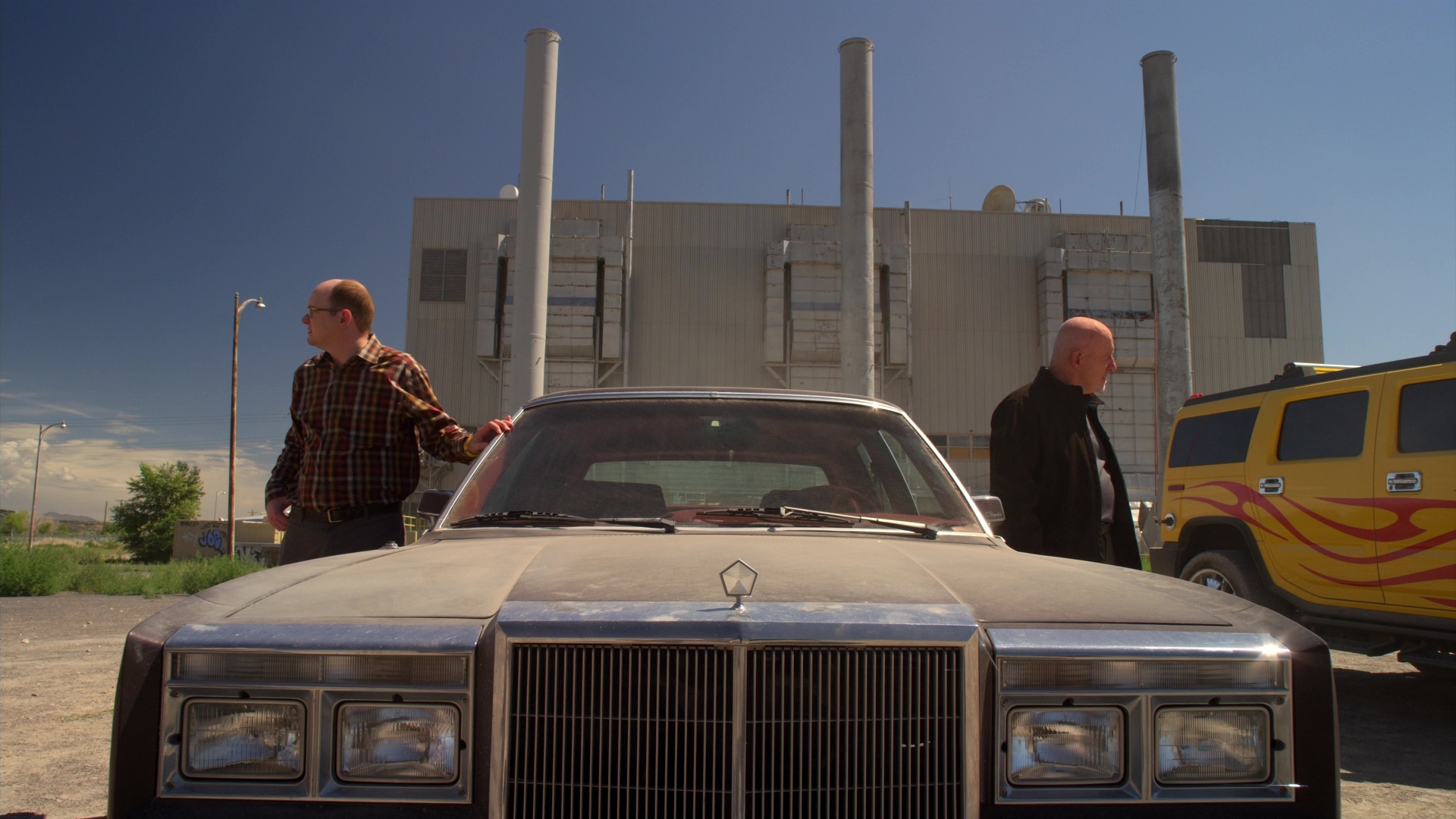
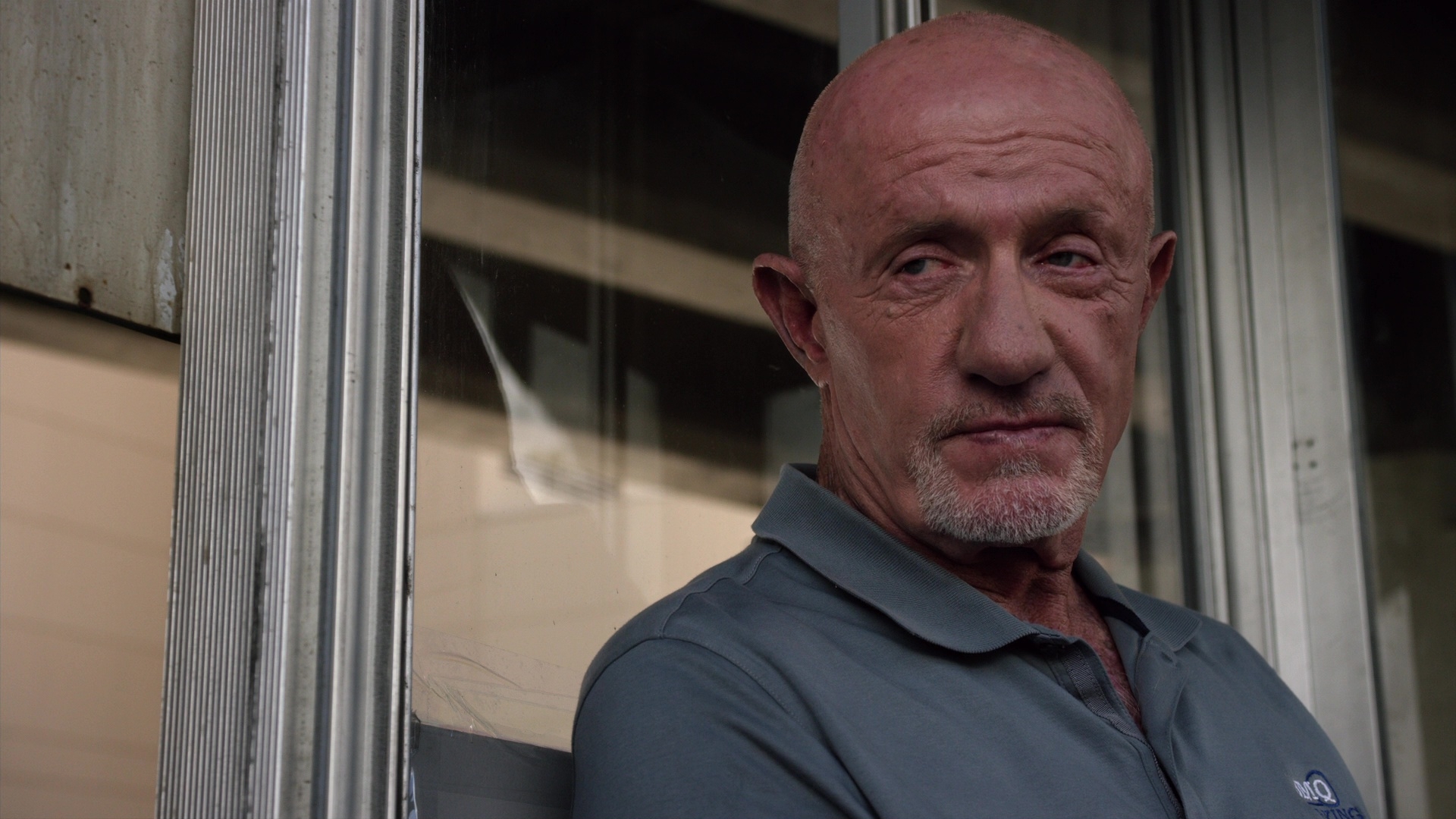
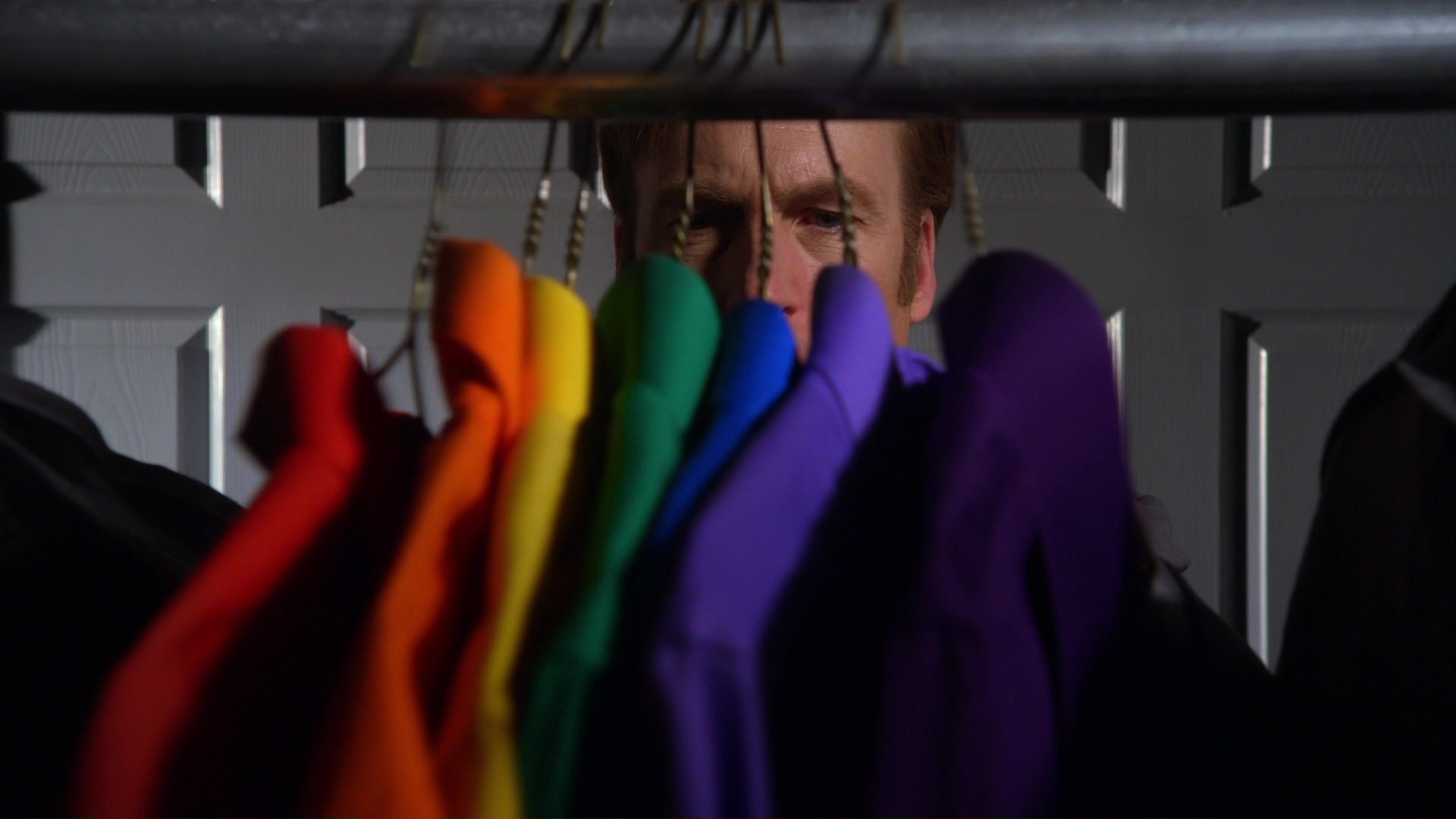
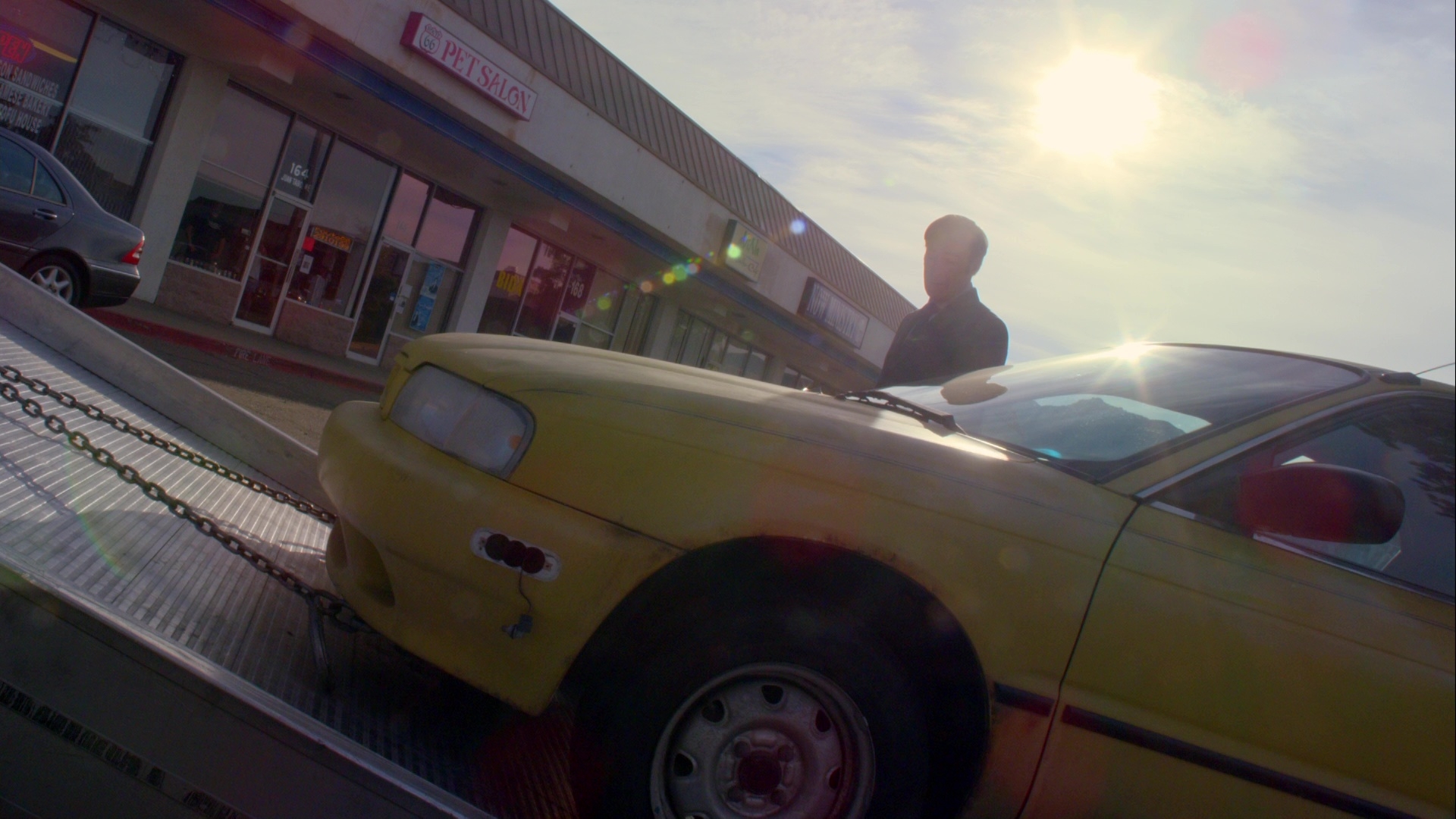
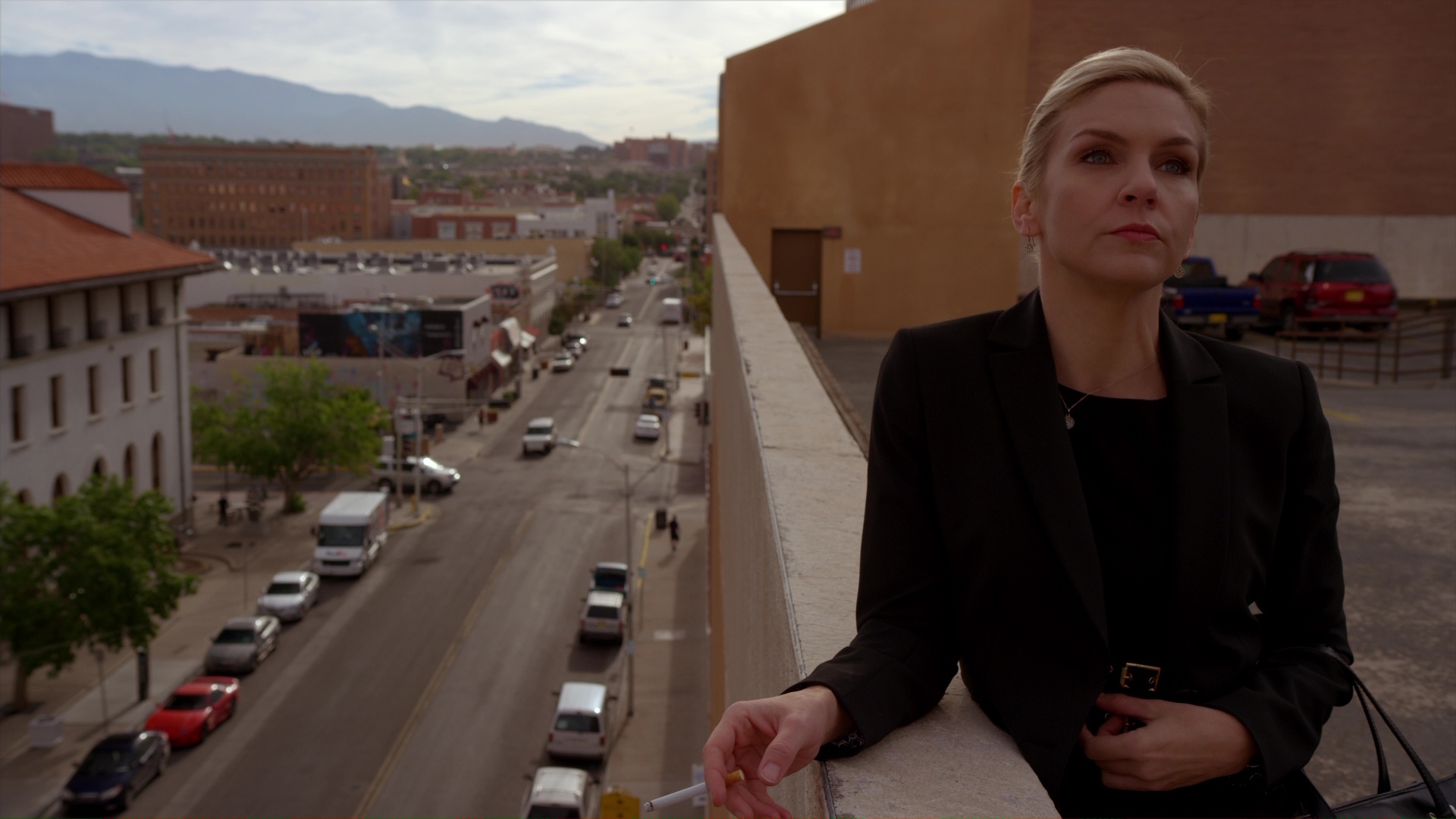
Better Call Saul: Season 2 (2016)
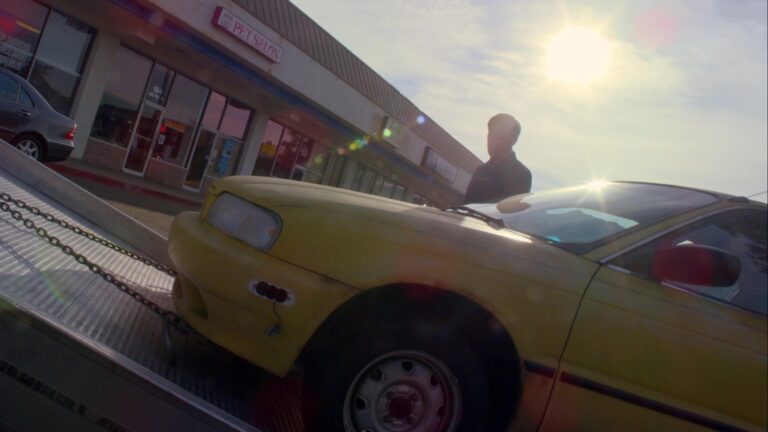
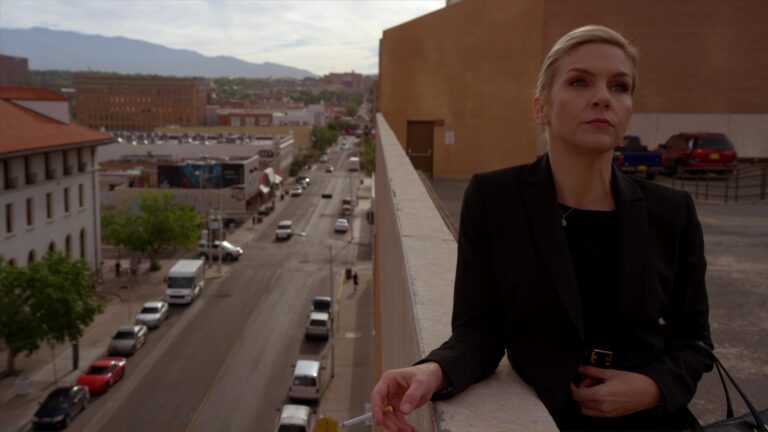
As Jimmy McGill attempts to build a legitimate legal career, he struggles to fit within the rigid structure of a corporate law firm. His relationship with Kim Wexler deepens, even as his instincts pull him toward morally questionable shortcuts. Meanwhile, Mike Ehrmantraut becomes increasingly entangled in the criminal underworld, setting larger forces into motion.
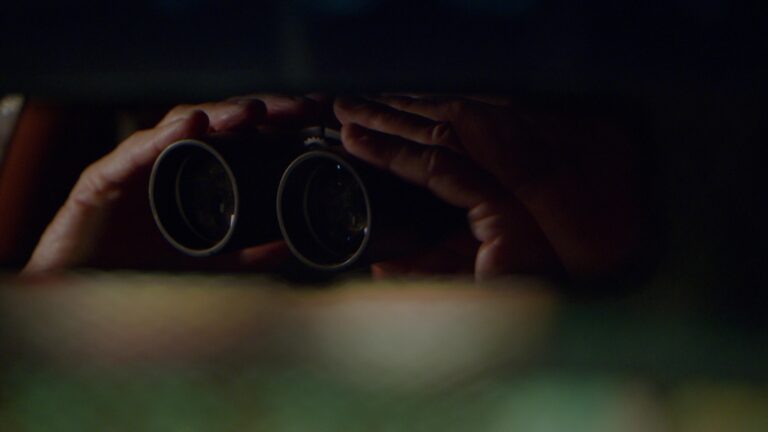
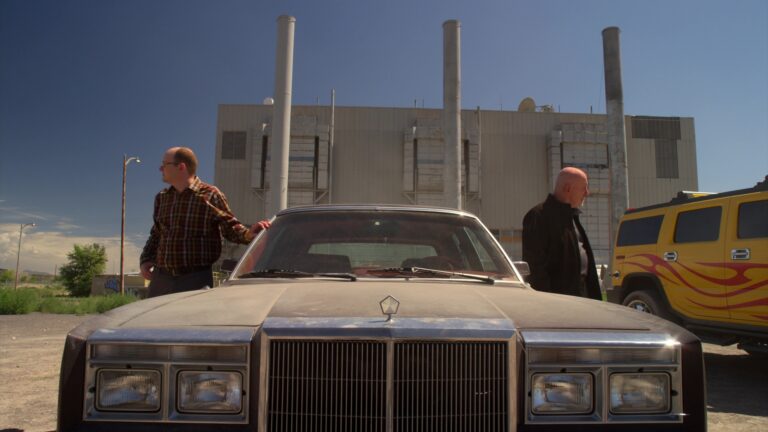
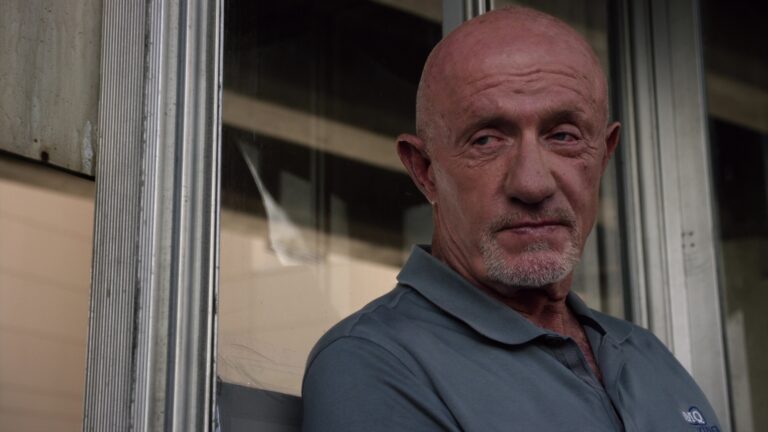
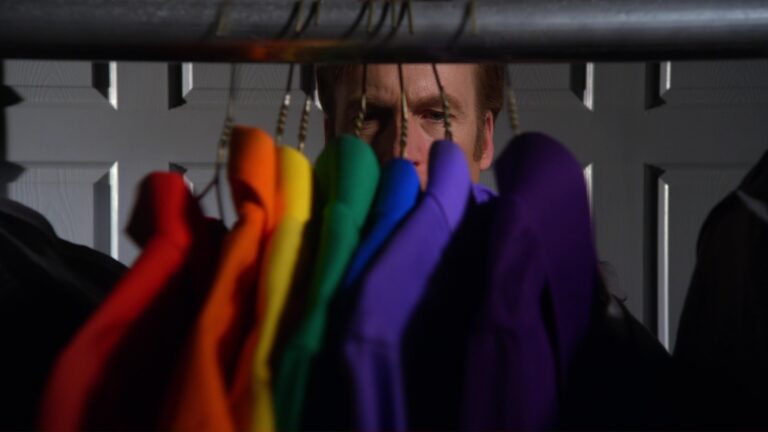
Season 2 further establishes the show’s meticulous visual grammar, with cinematographer Marshall Adams leaning into clean, architectural compositions and bold use of negative space. The series’ precise framing—often placing characters at the edges or behind barriers—turns environment into psychology, quietly visualizing Jimmy’s growing discomfort within systems he can’t fully inhabit.



TELEVISION SERIES
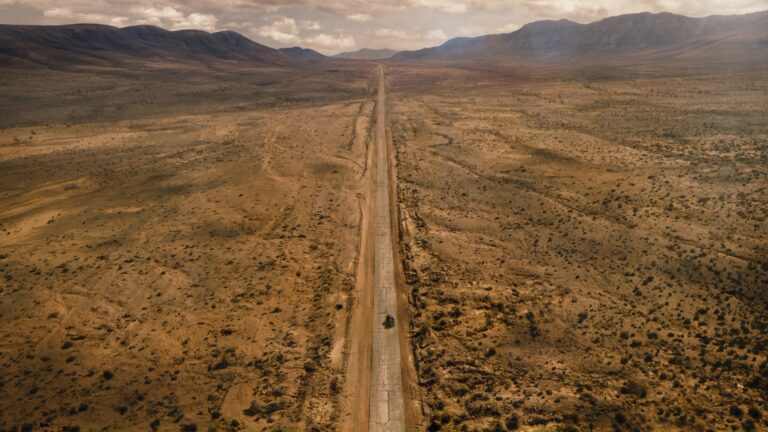
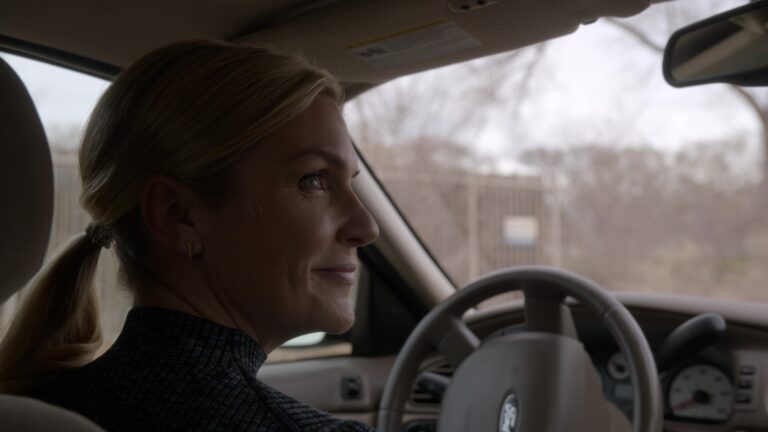
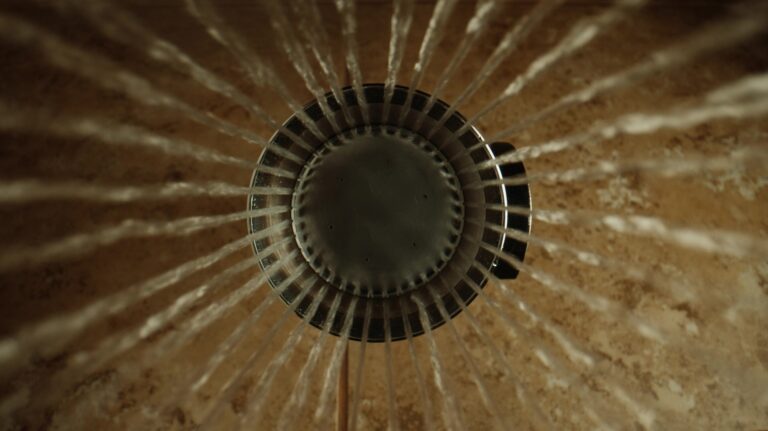
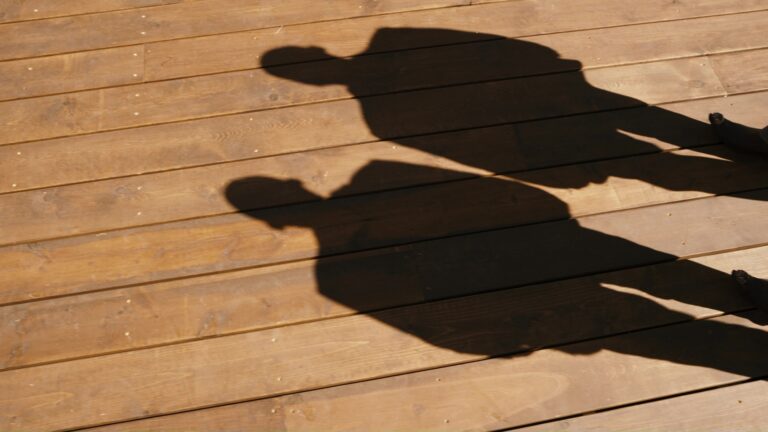
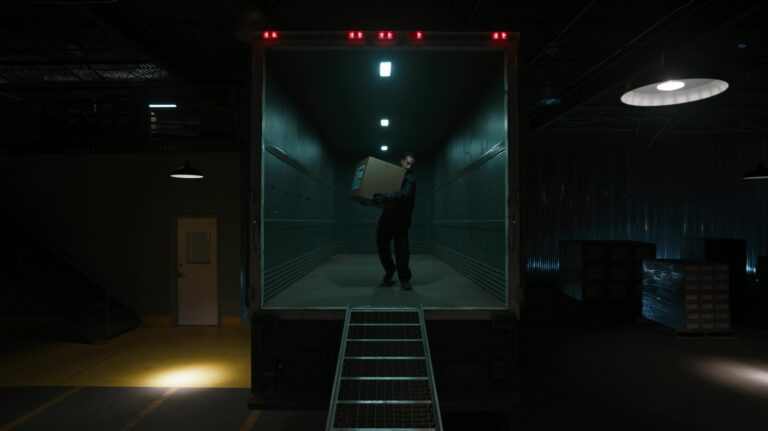
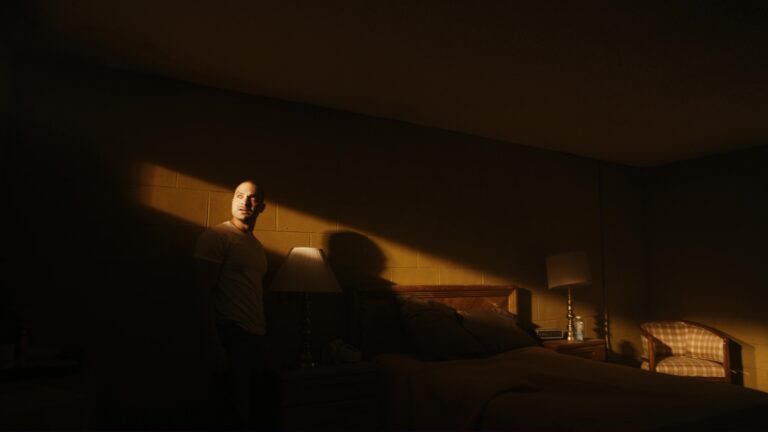
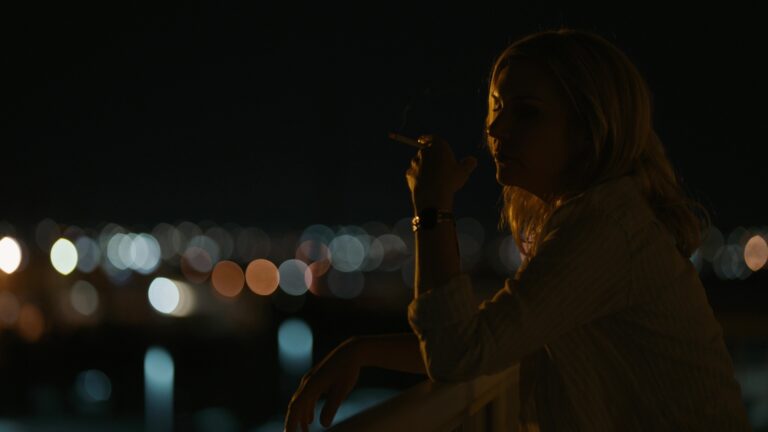
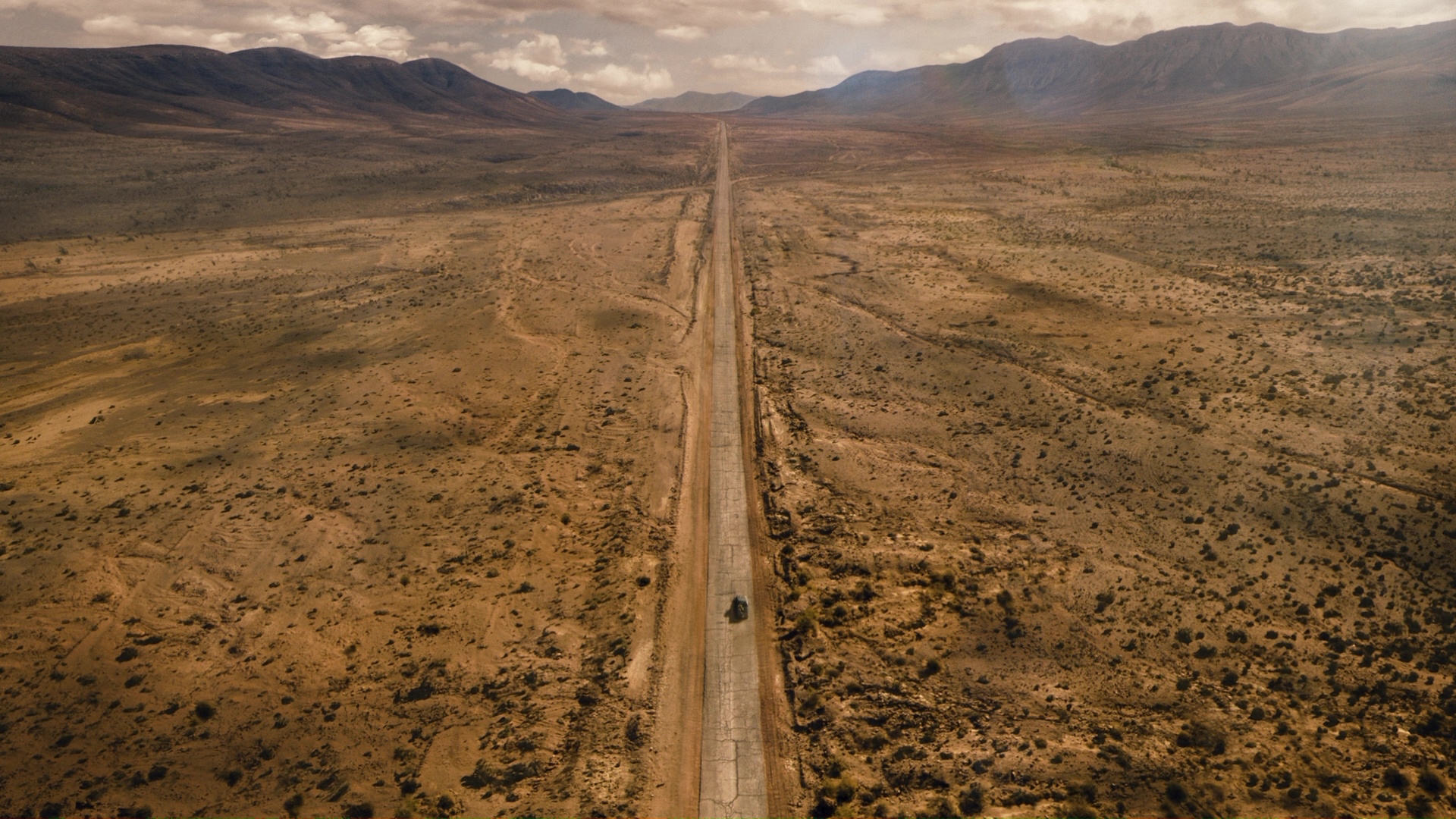
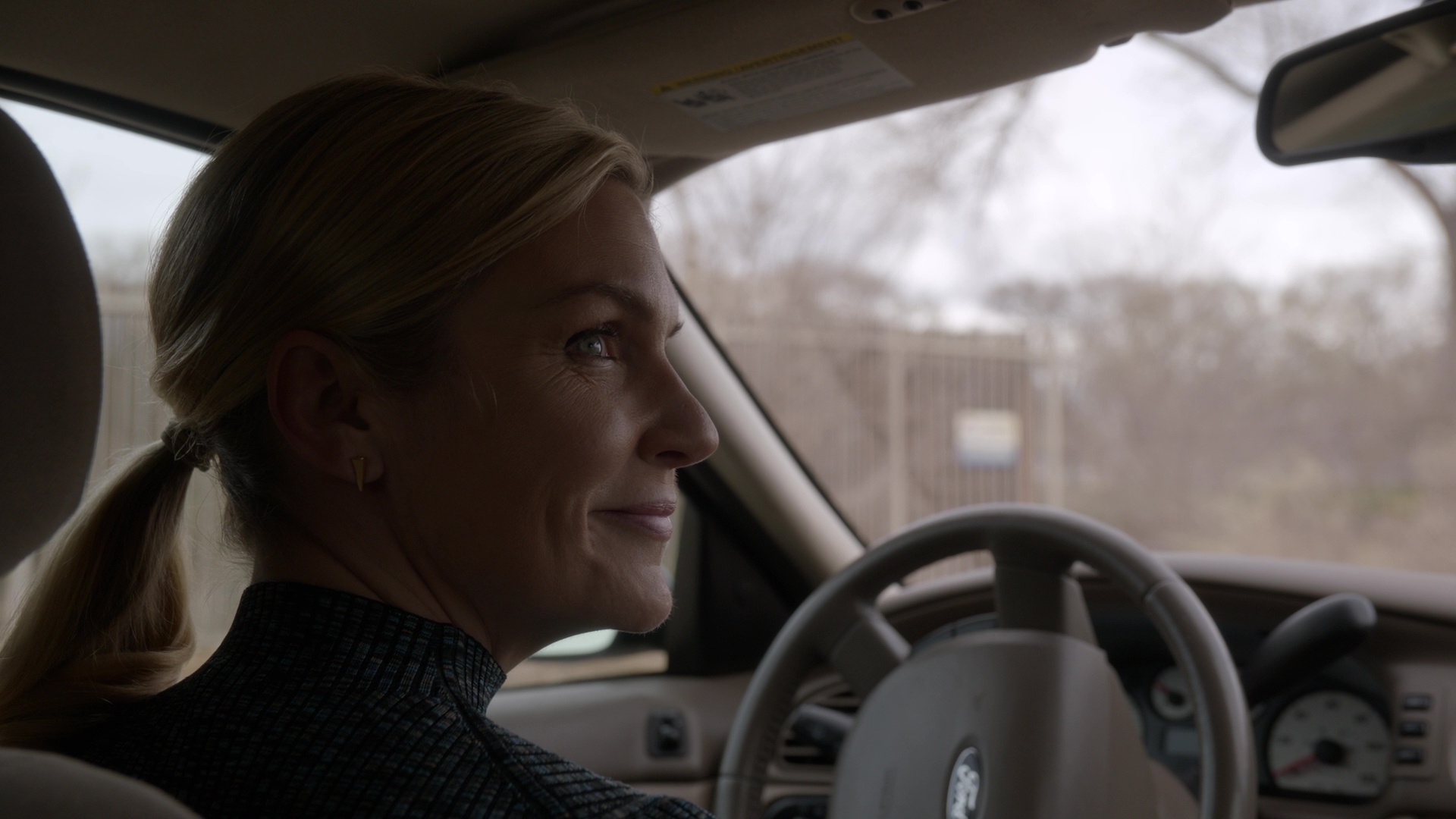
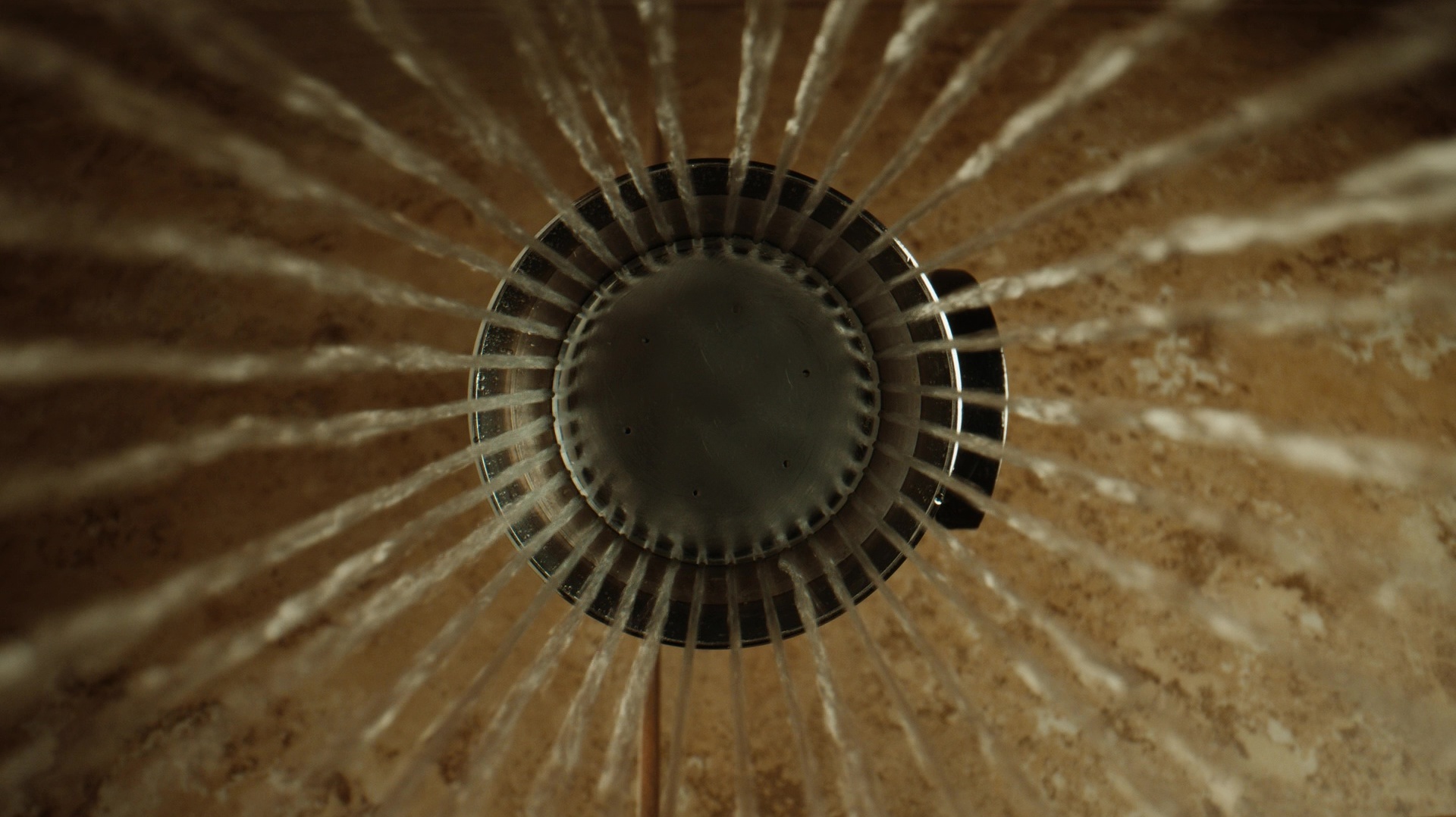
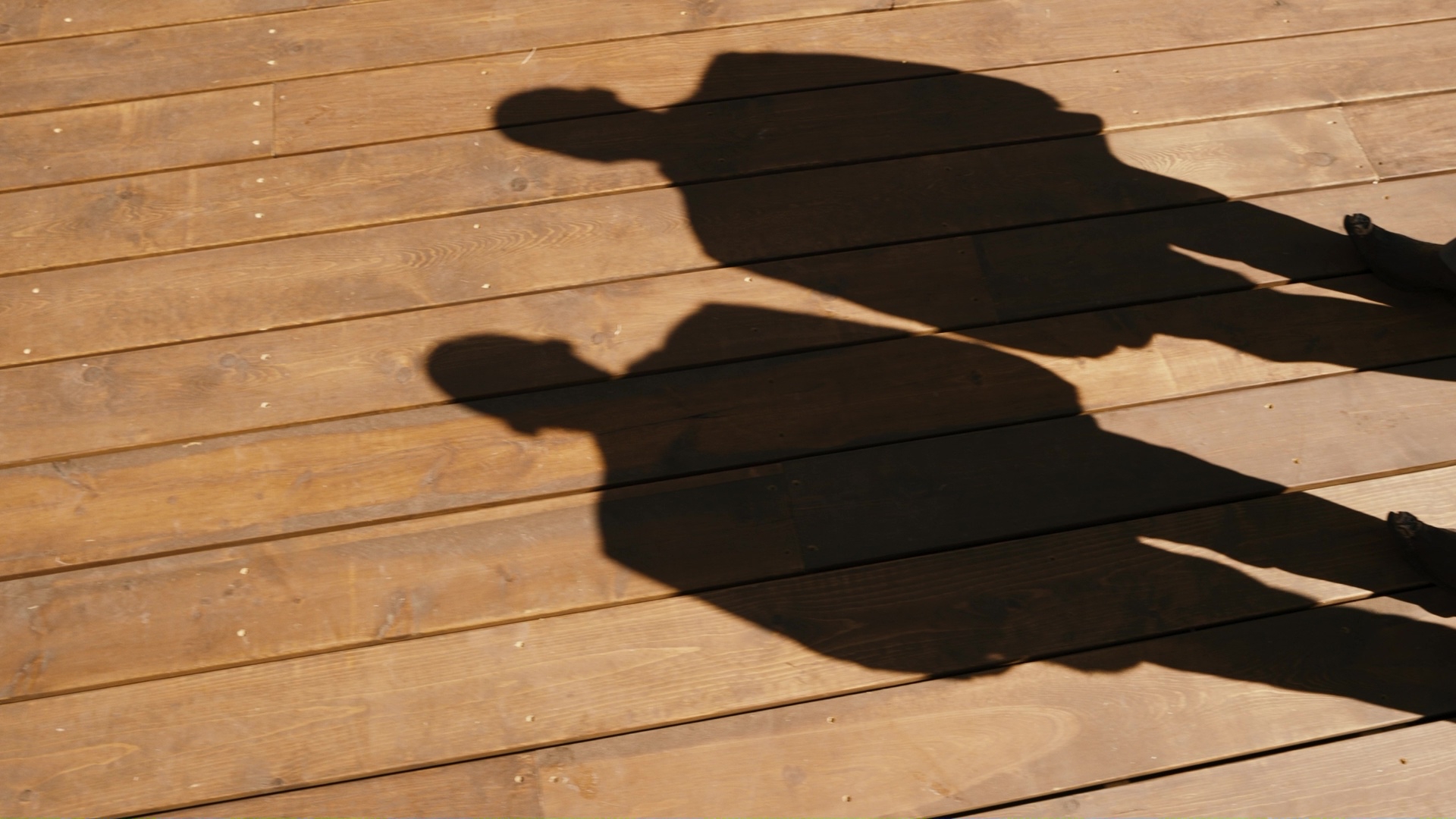
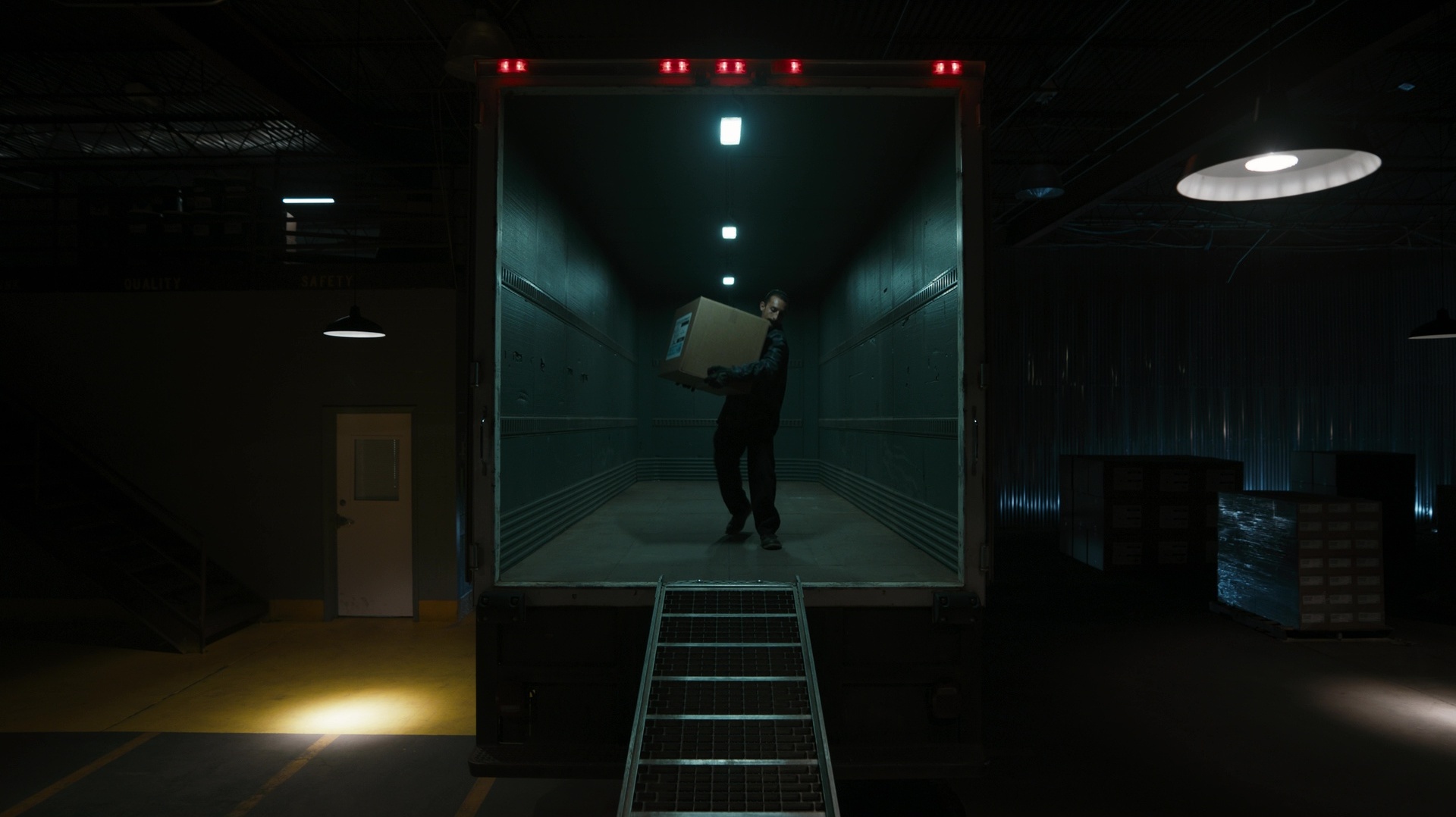
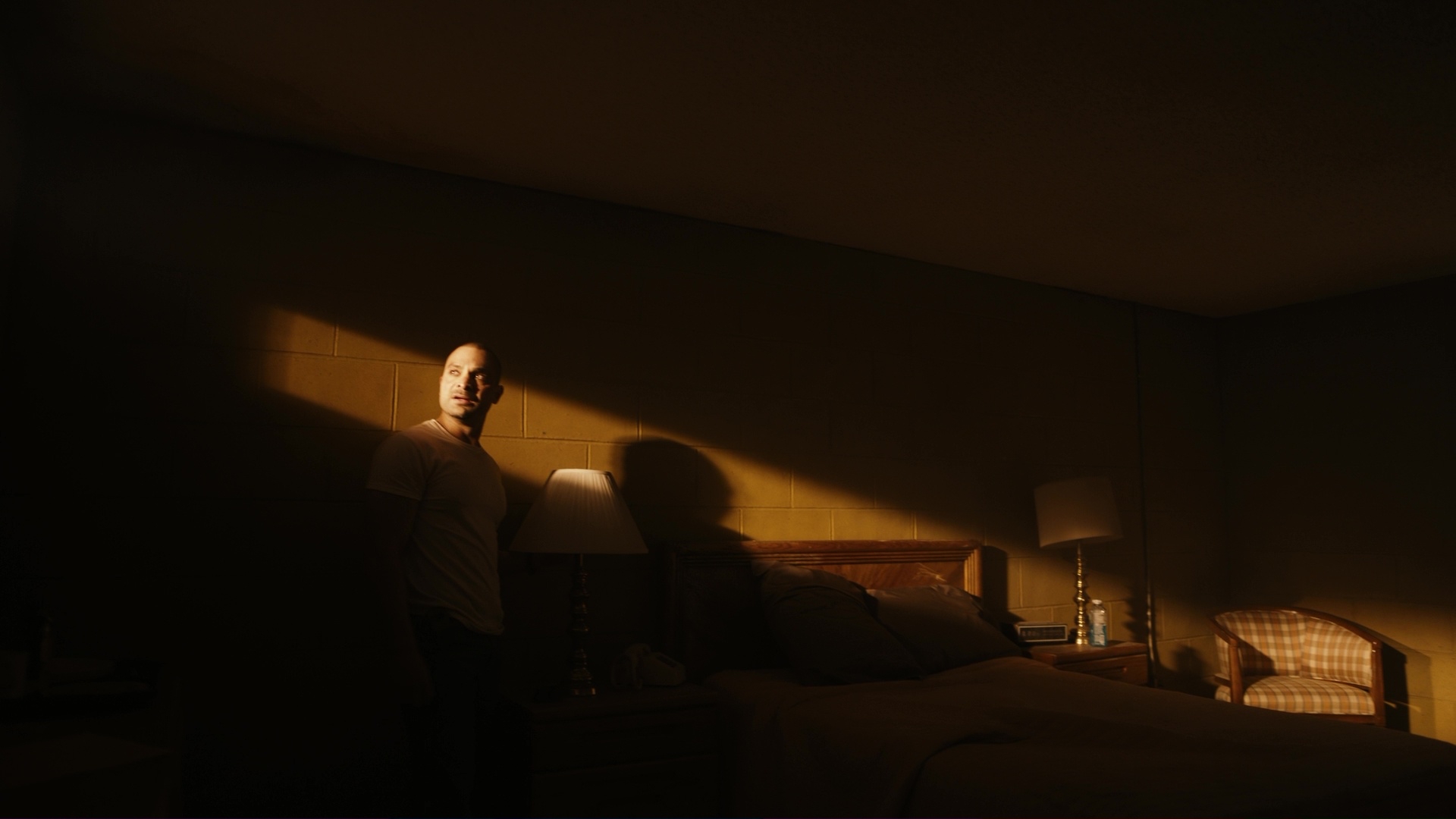
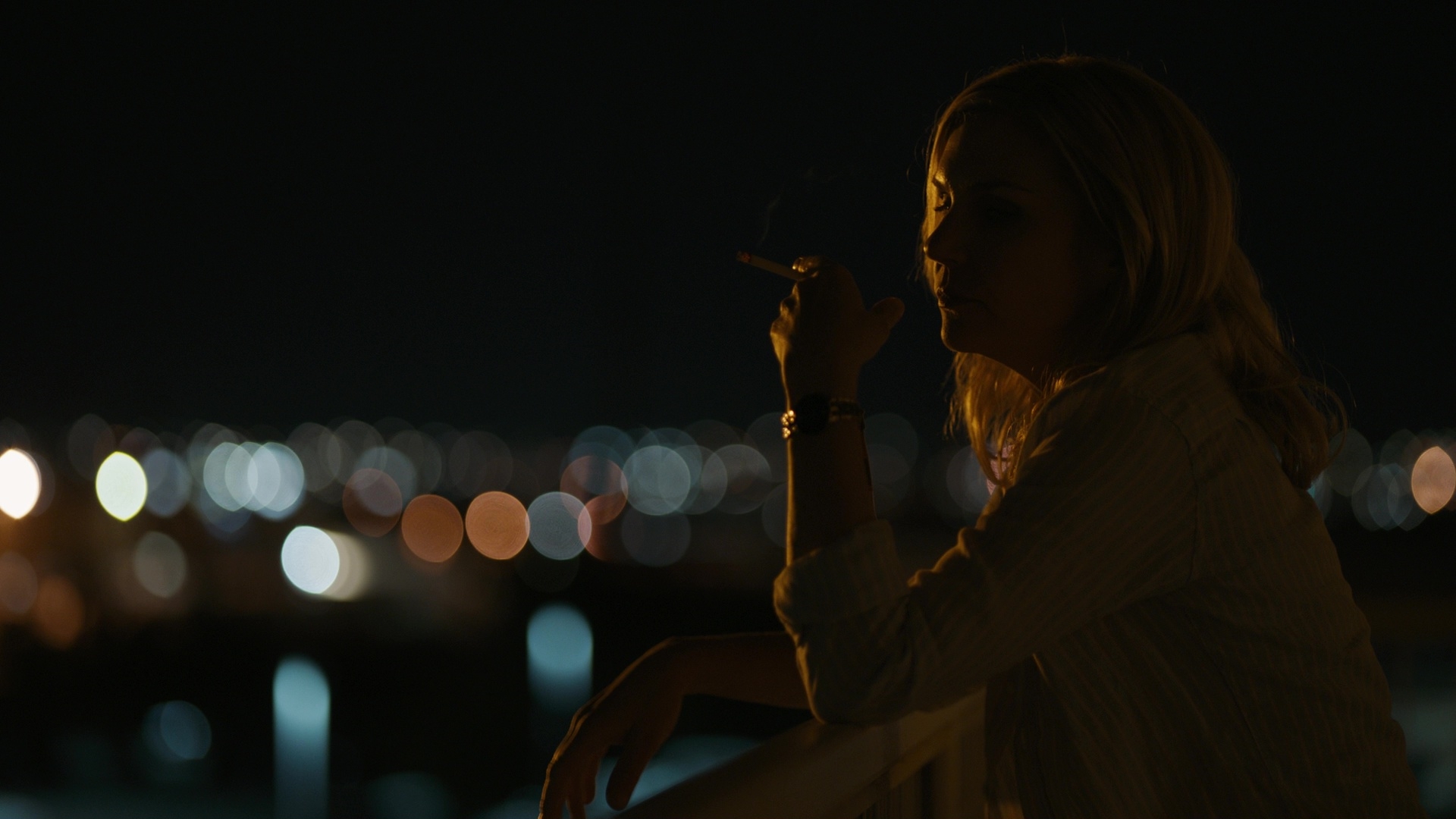
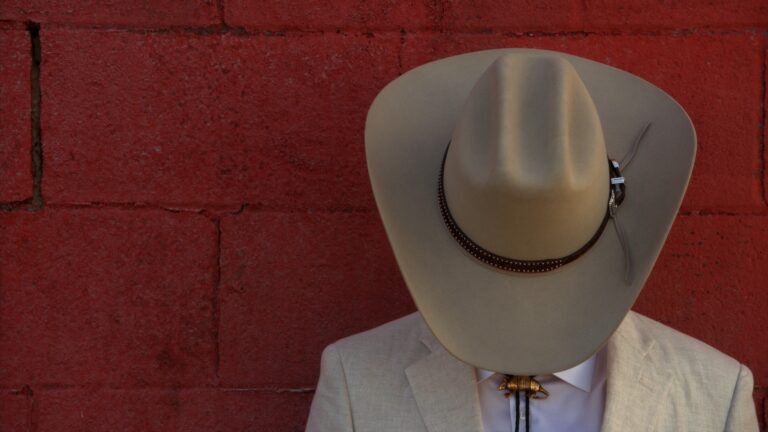
Better Call Saul: Season 6 (2022)
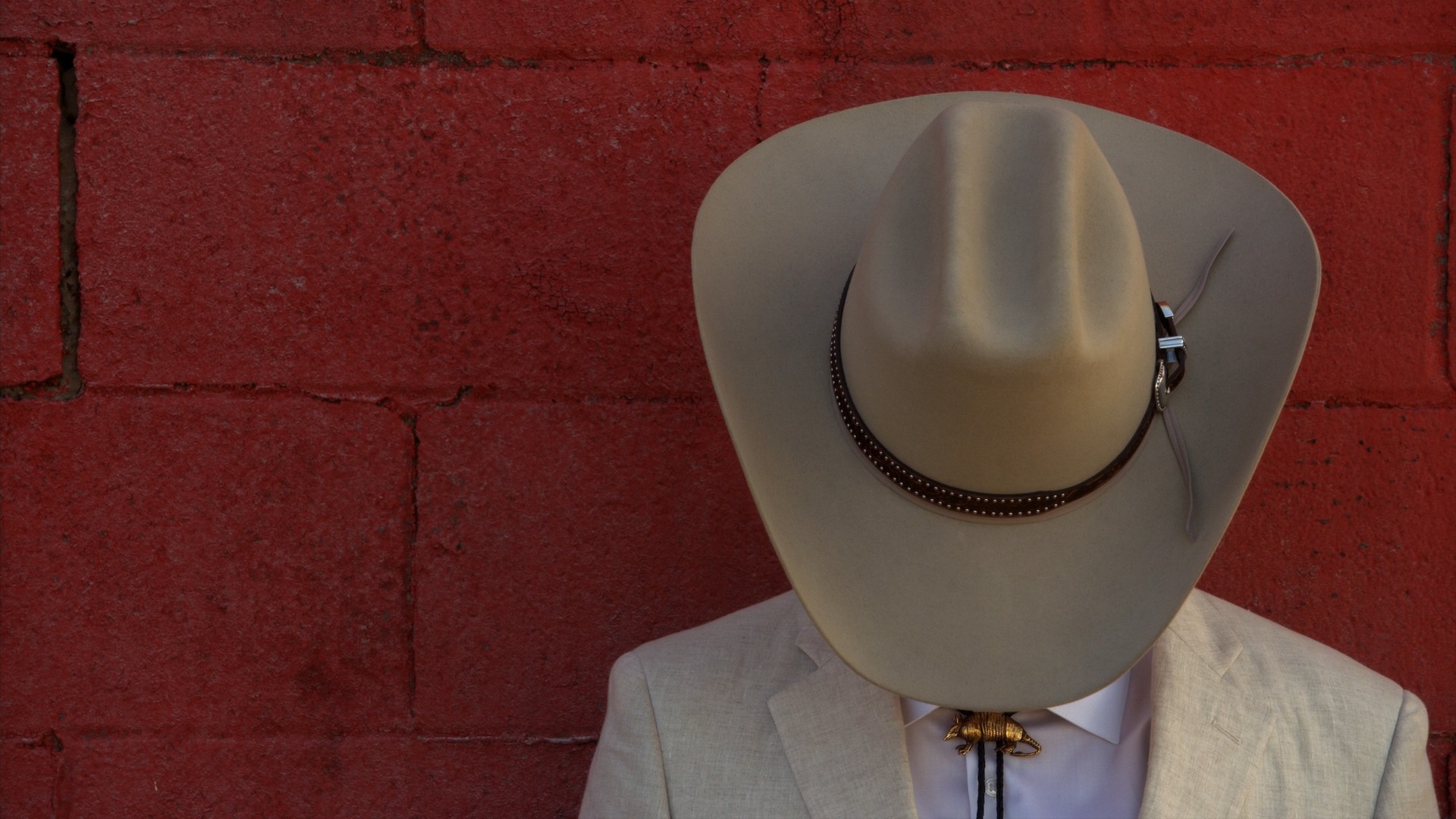
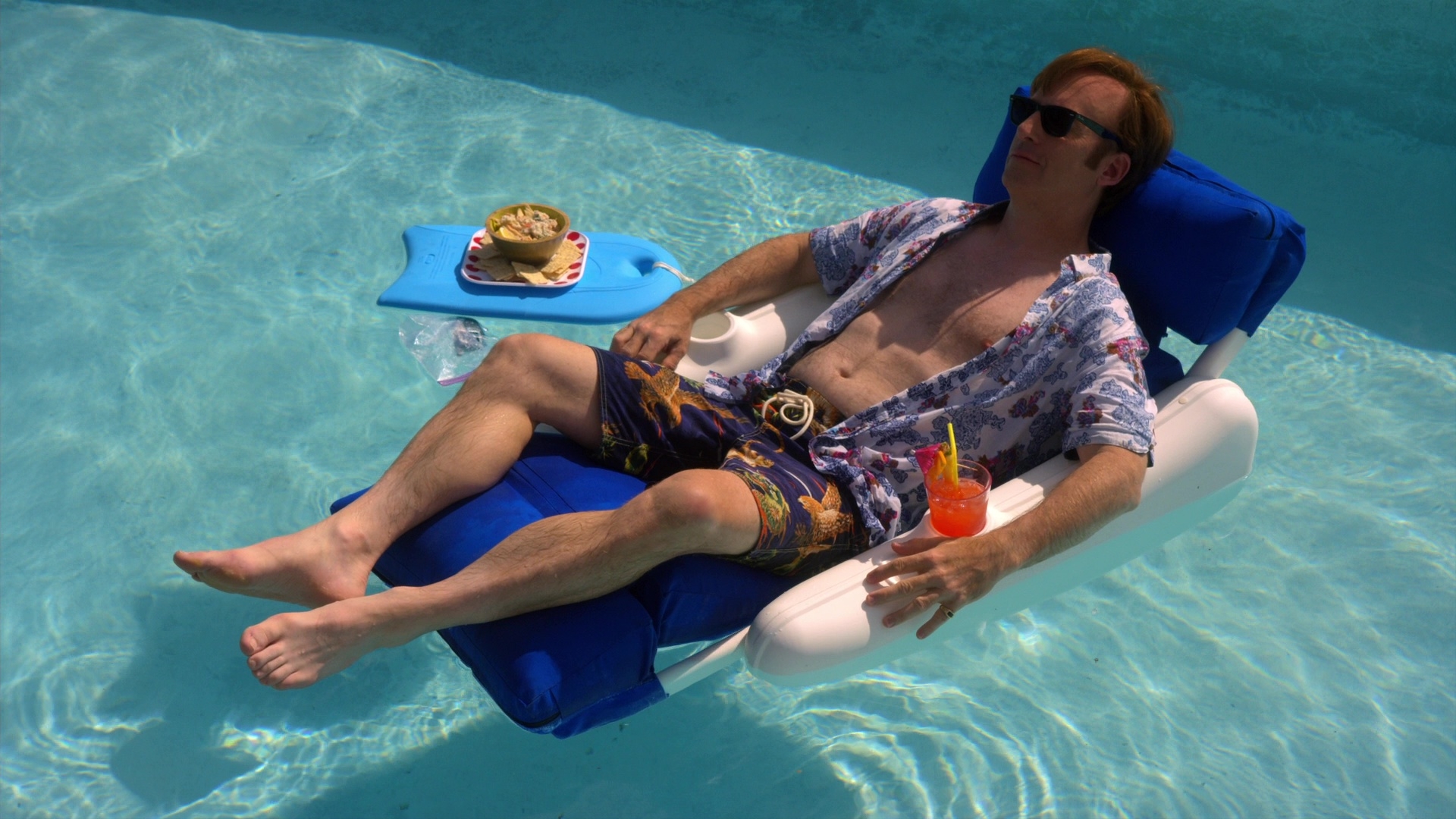
In its final season, Jimmy McGill fully embraces his transformation into Saul Goodman as his schemes with Kim escalate to dangerous heights. Their actions set off a chain reaction that draws in powerful and unpredictable forces, including the volatile Lalo Salamanca. As timelines converge with Breaking Bad, the story moves toward an inevitable reckoning, exploring the cost of choices made along the way.
Season 6 pushes the show’s visual precision to its peak, with cinematographers Marshall Adams and Paul Donachie using stark contrast, bold color blocking, and increasingly stylized compositions to signal the collapse of moral boundaries. The shift into the Gene timeline—shot in high-contrast black-and-white—turns absence of color into a narrative device, while the series’ controlled framing and deliberate pacing give its final moments a sense of inevitability and visual finality.