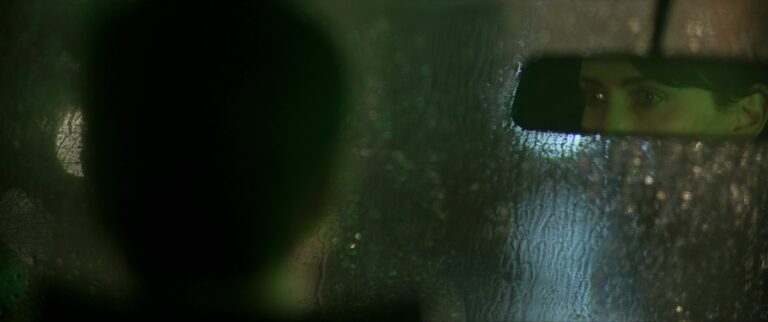
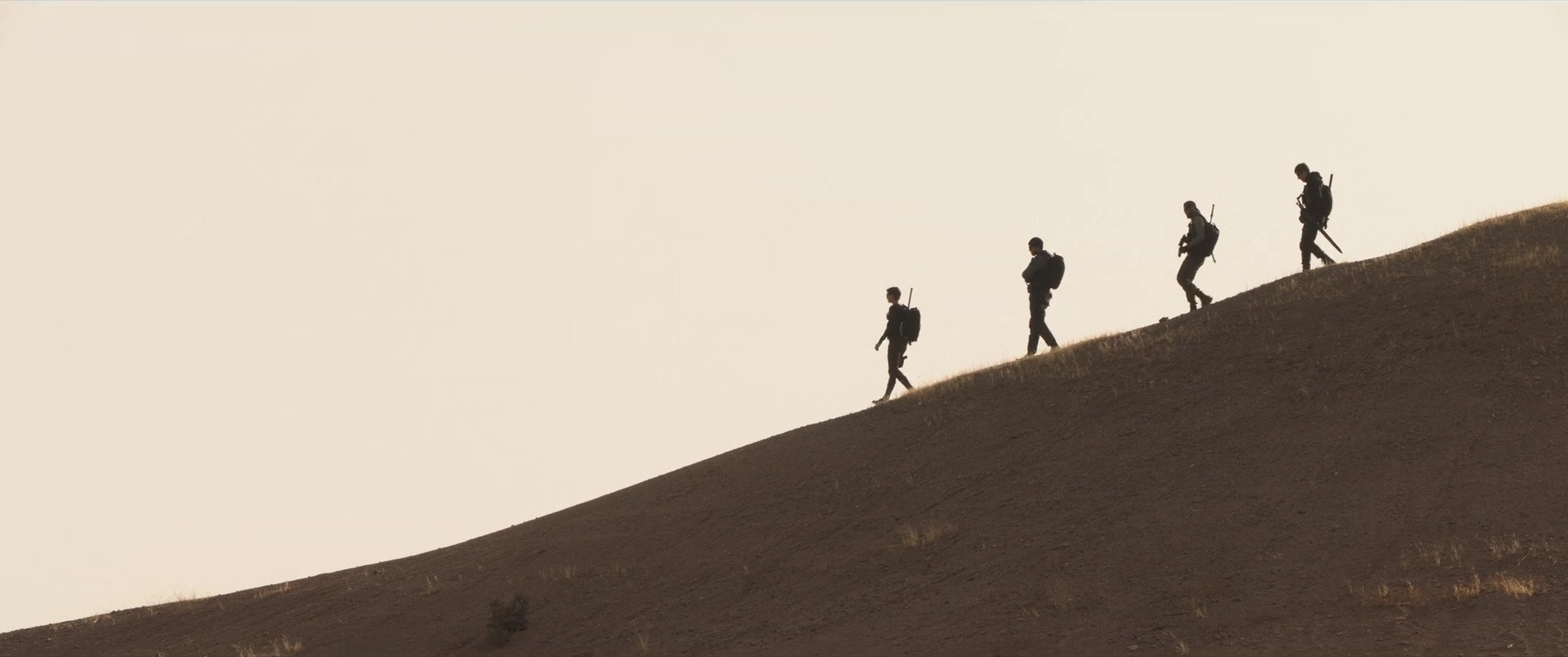
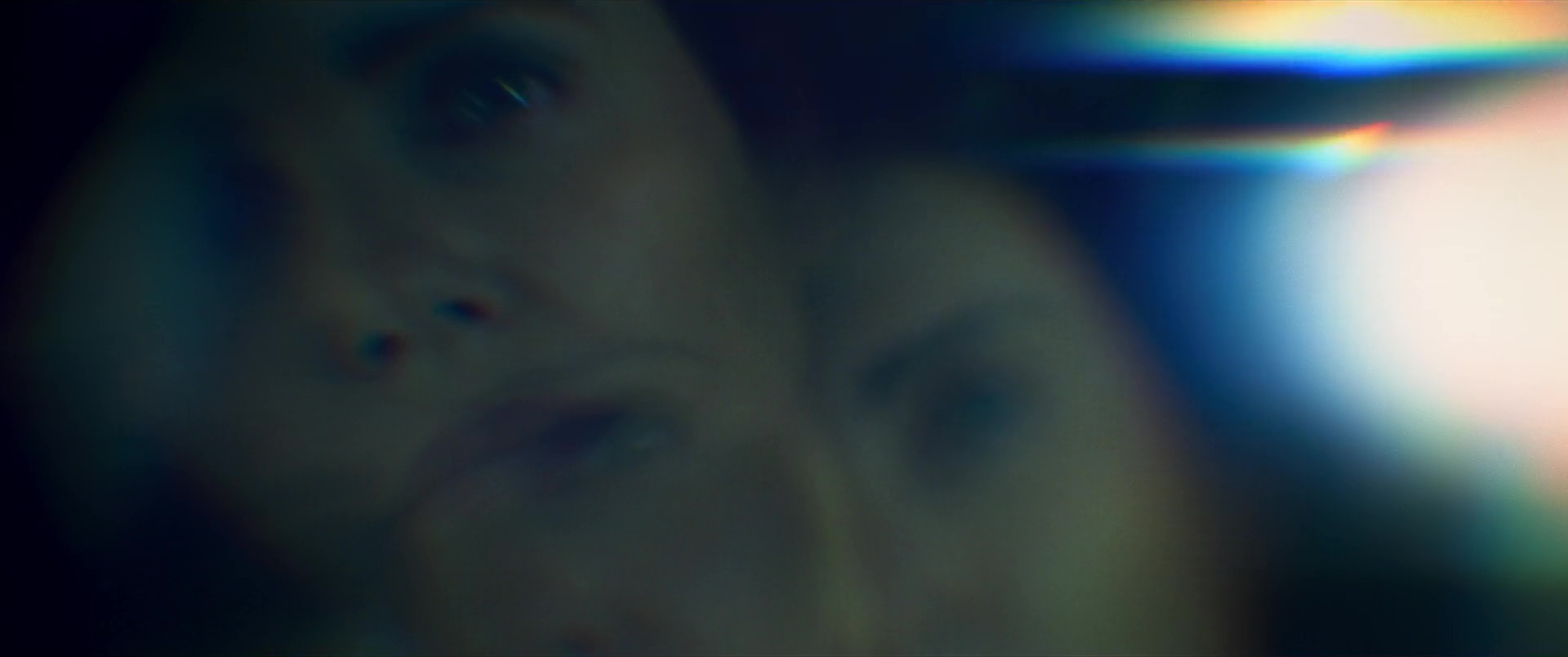
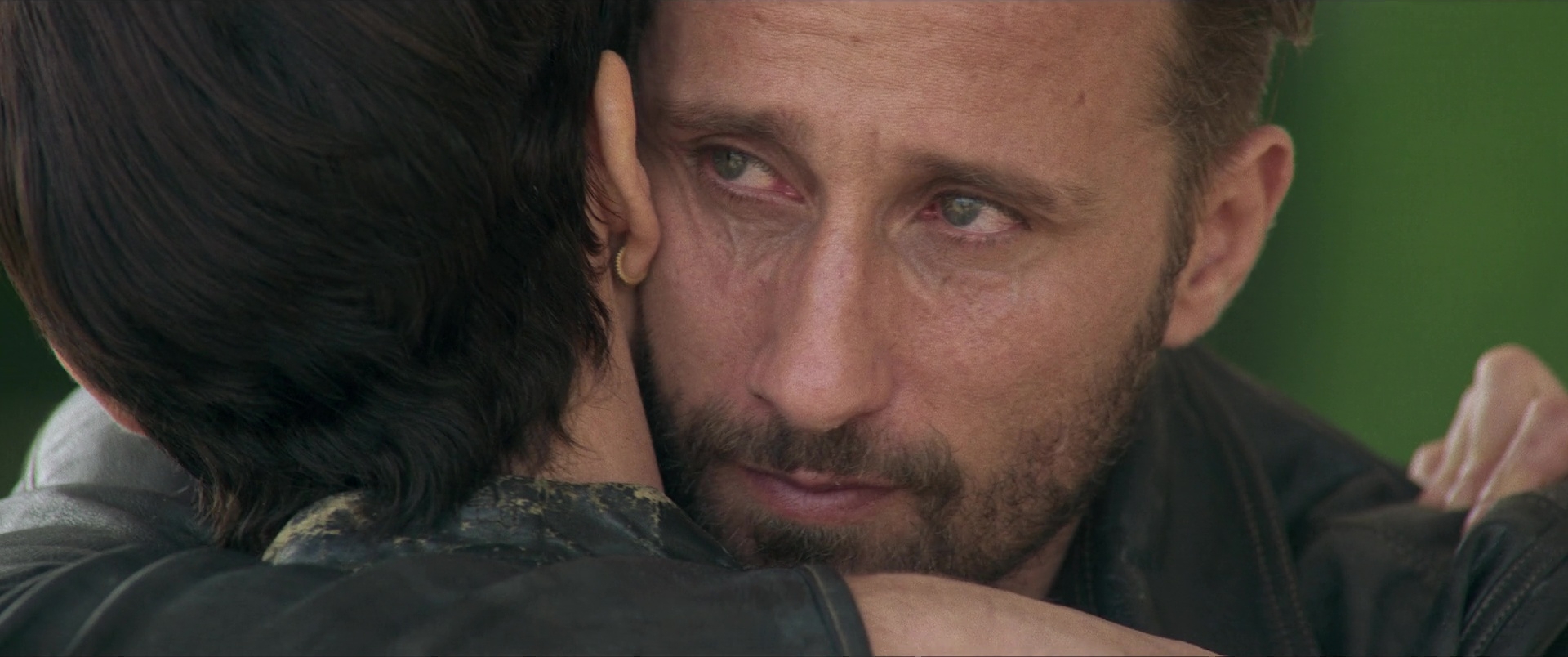
New Shots: Seconds, Aquaman, Badlands and More Film Screencaps
Get your Decks ready ShotDeck Community! We’re dropping some great new shots this weeek, as well as an article on James Wong Howe and his groundbreaking work on the psychological thrilles Seconds! Remember you can always request titles for future drops by clicking here!
FILM SPOTLIGHT
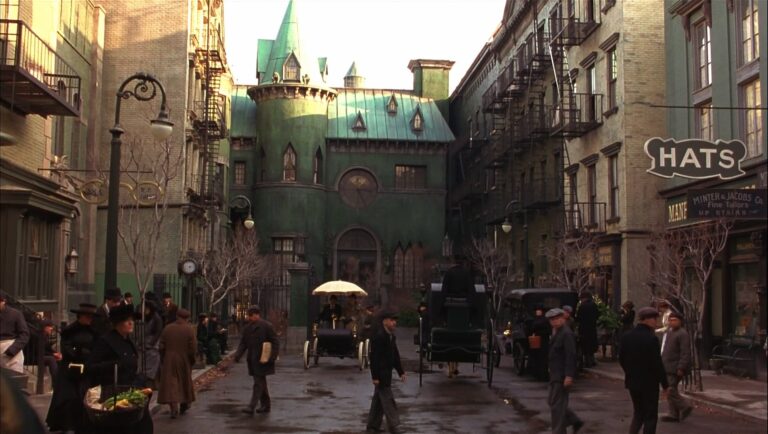
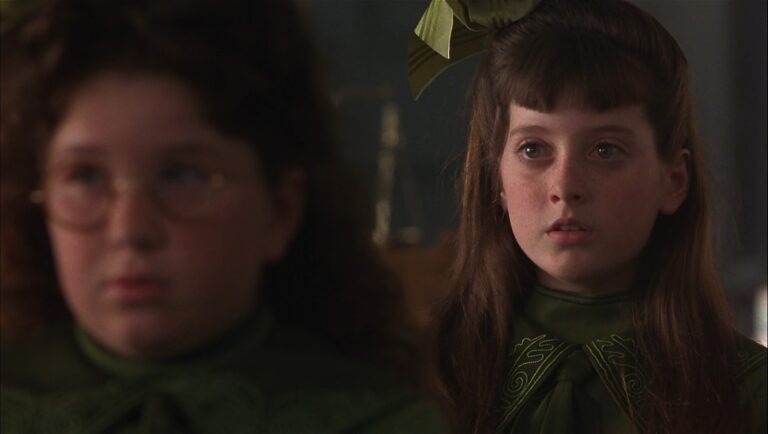
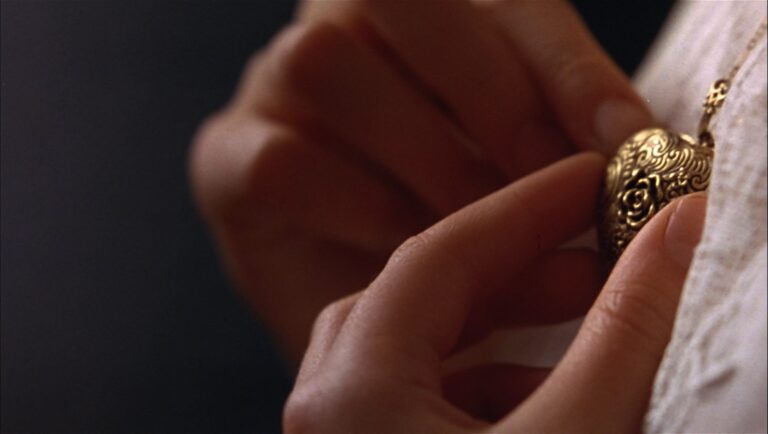
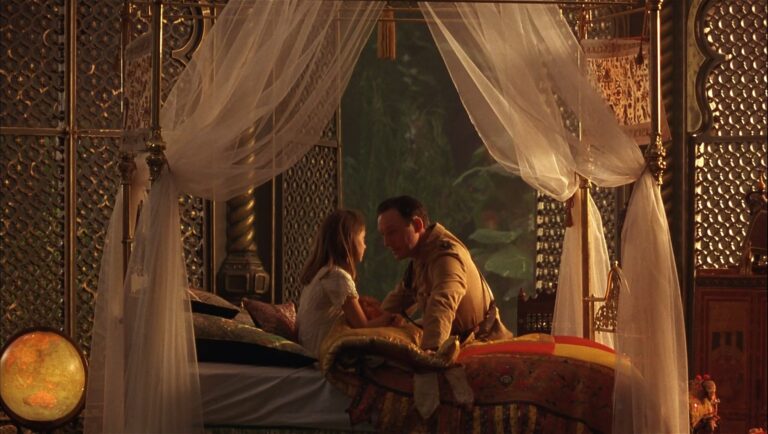
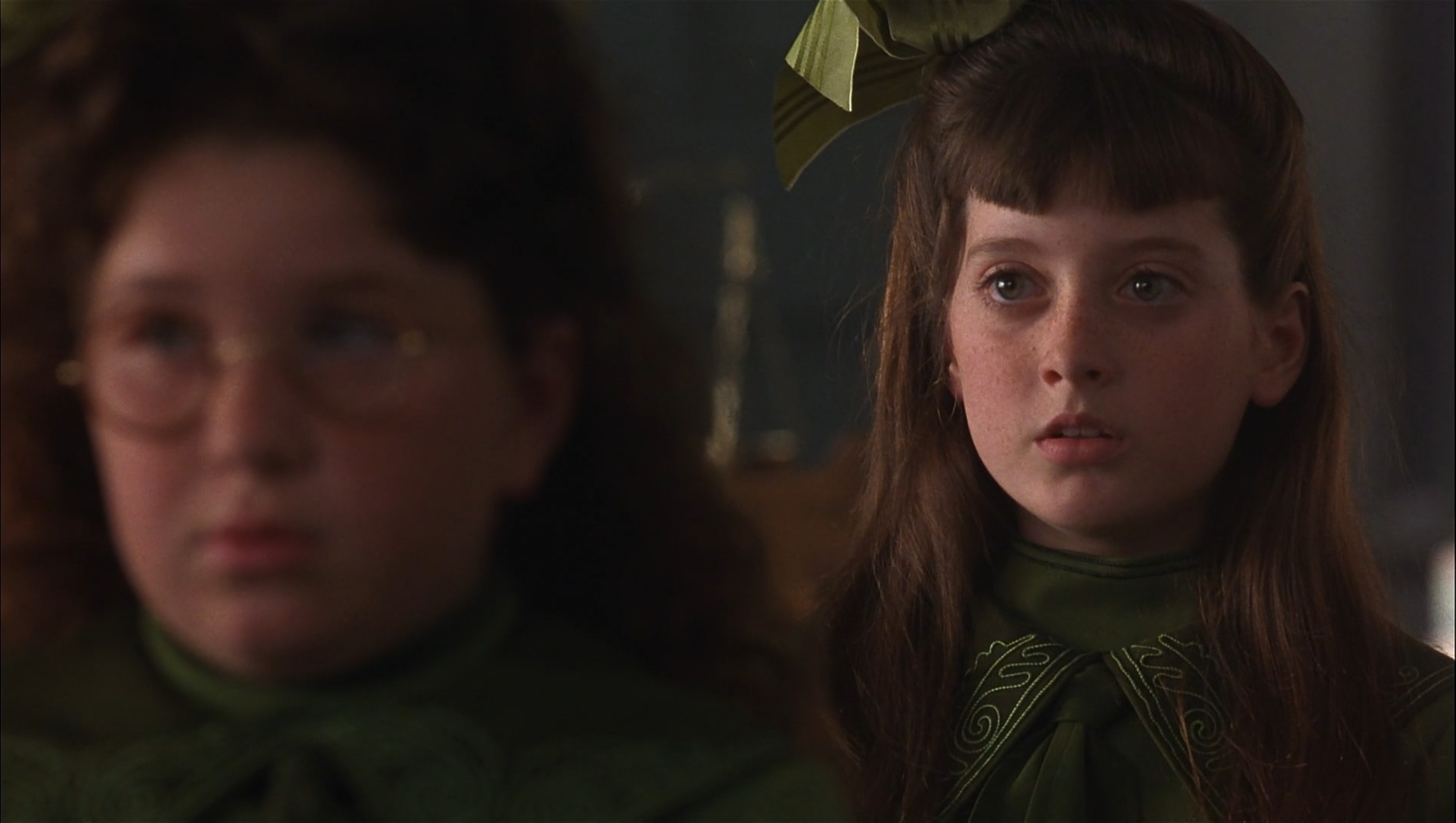
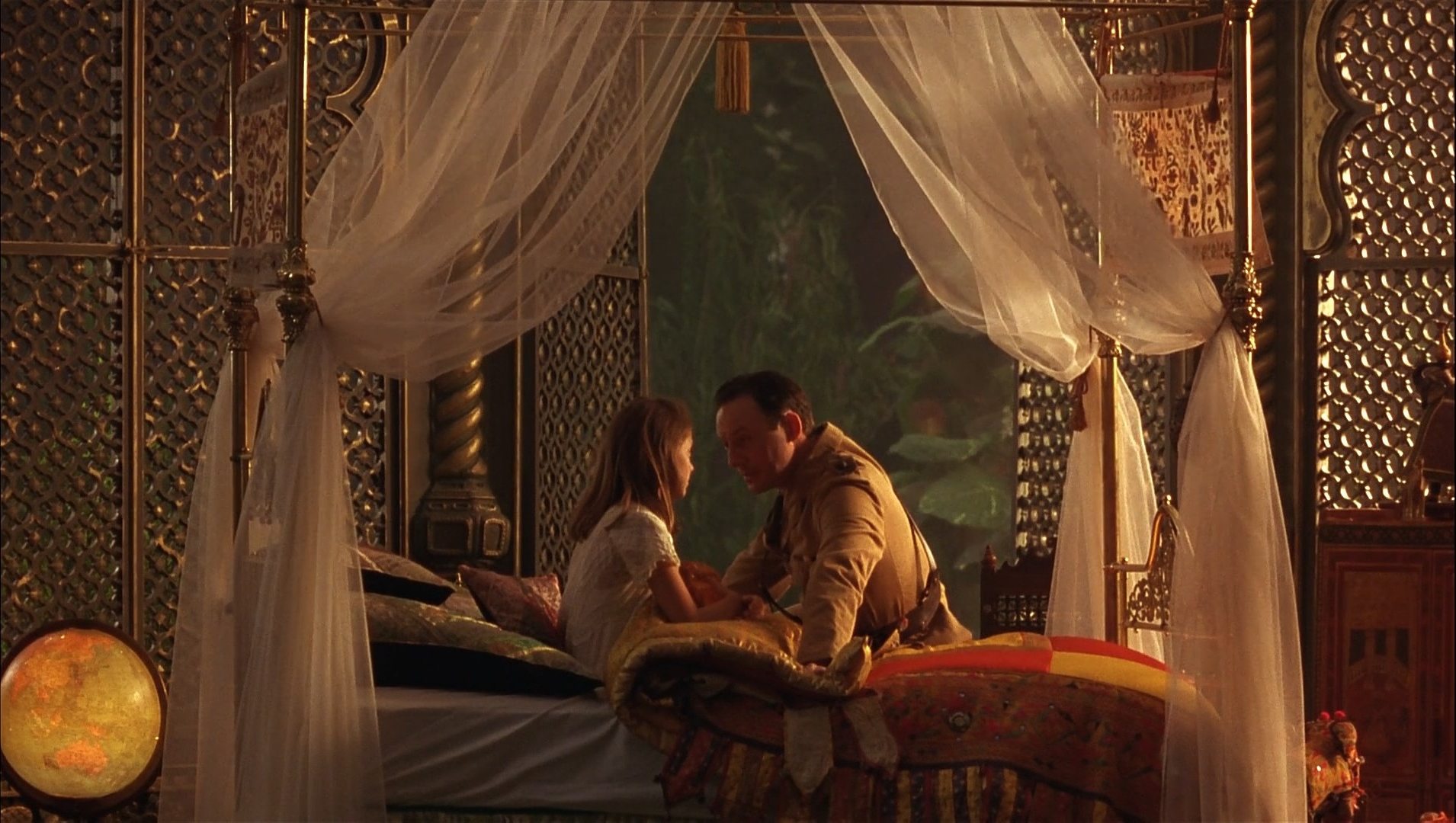
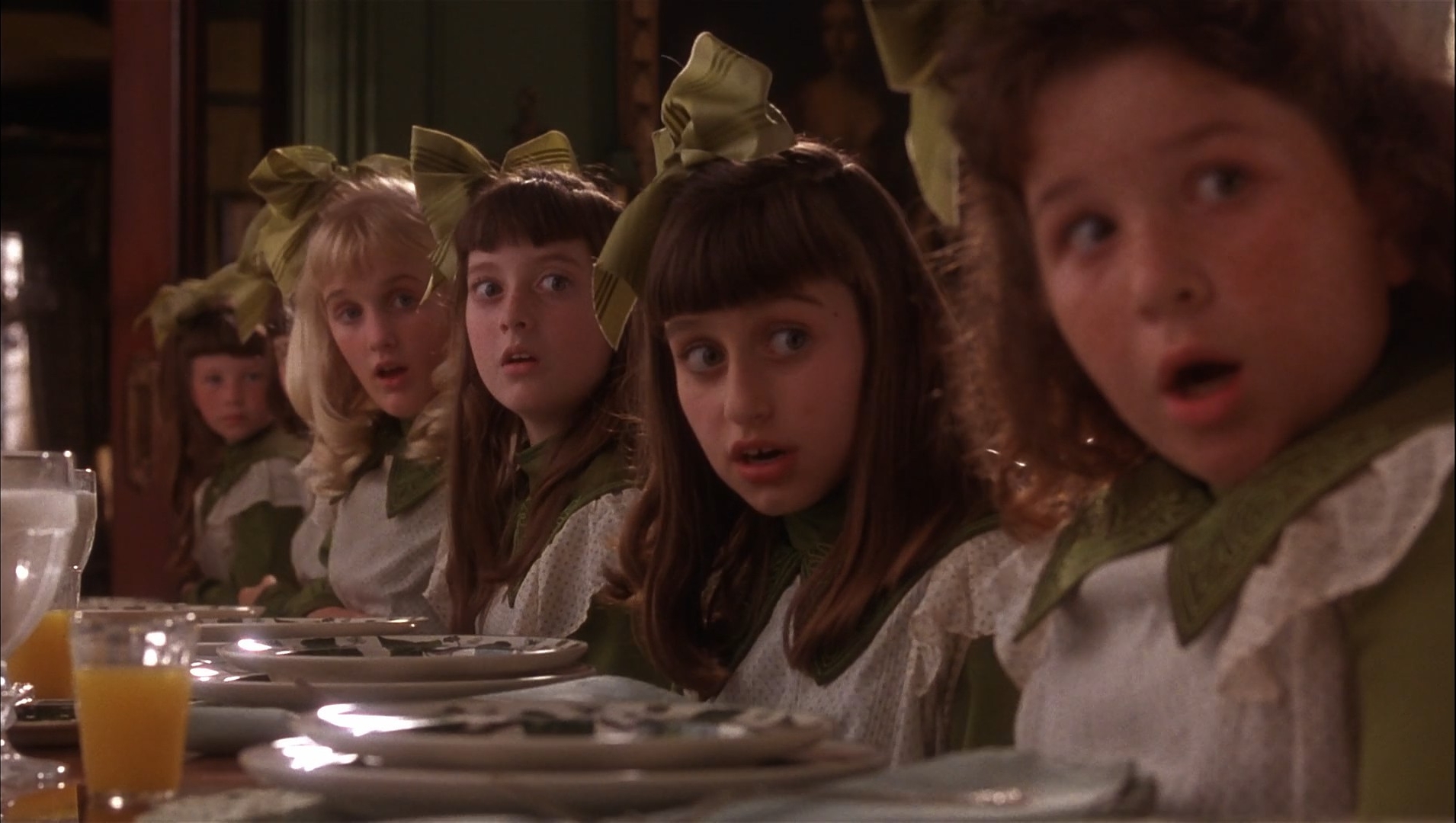
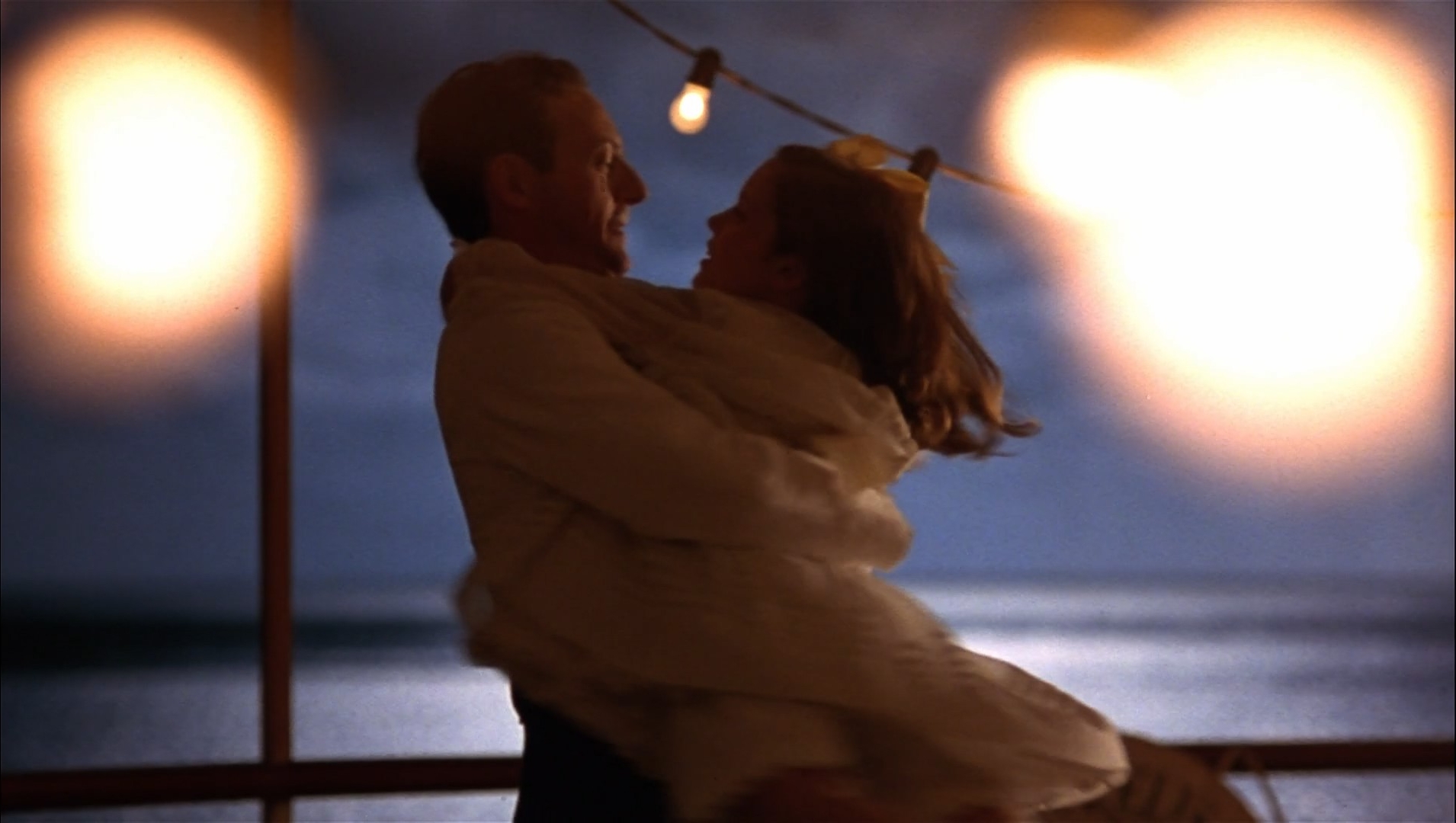
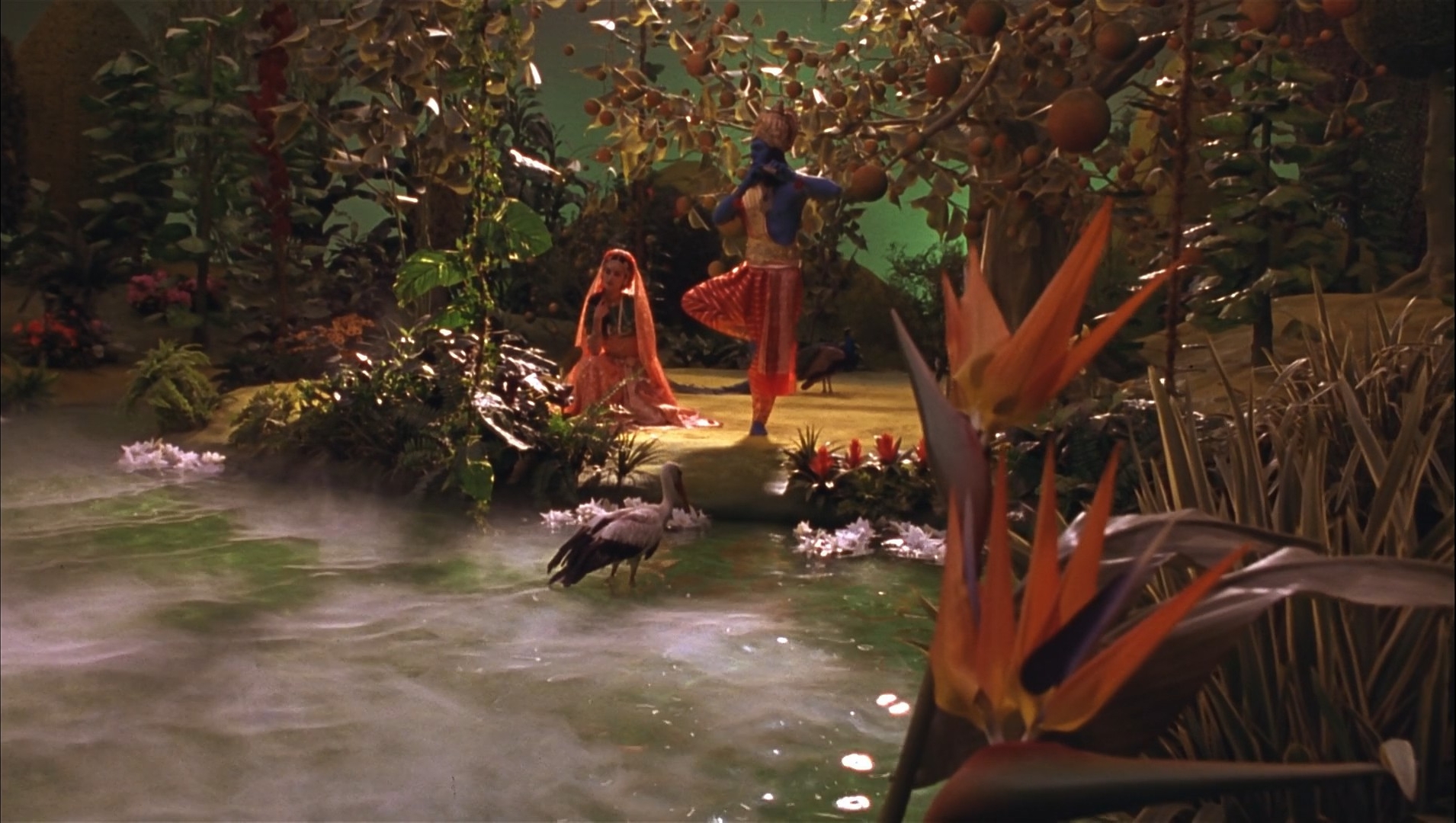
A Little Princess (1995)
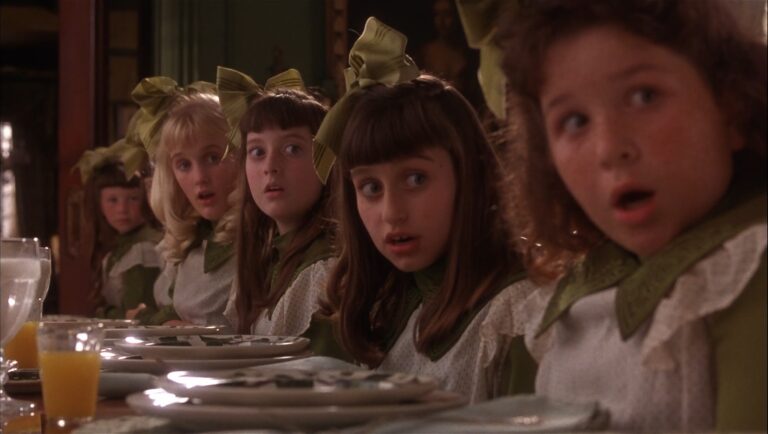
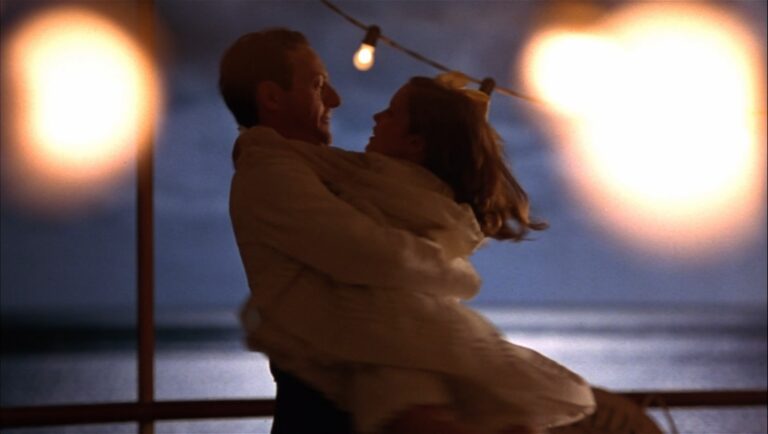
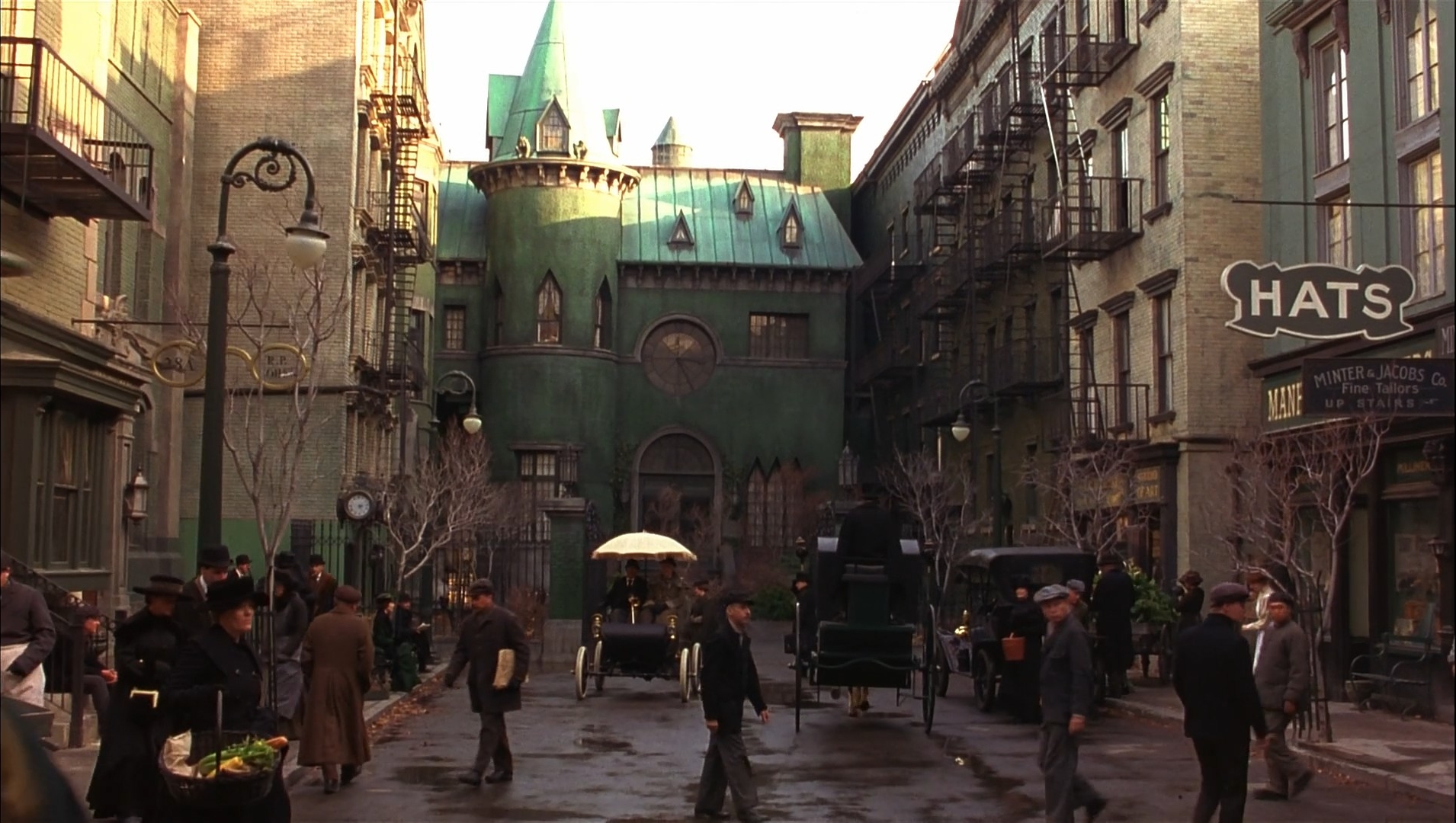
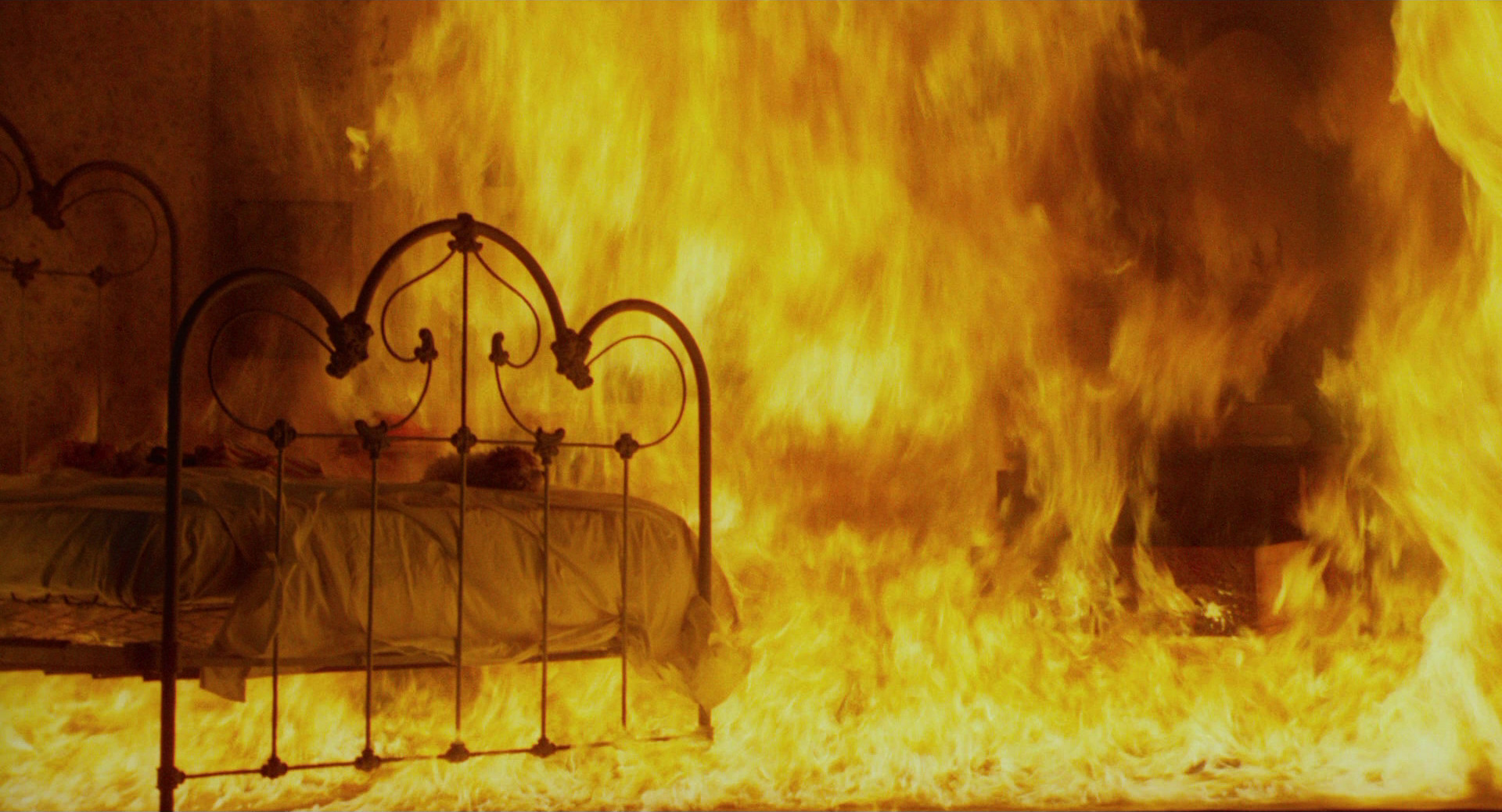
Sara Crewe, a young girl raised in privilege, is sent to a strict boarding school in New York while her father goes off to fight in World War I. When news arrives that he has been killed, Sara is stripped of her status and forced into servitude by the cruel headmistress. Clinging to her imagination and belief in kindness, she transforms her harsh reality into a world of wonder and hope.
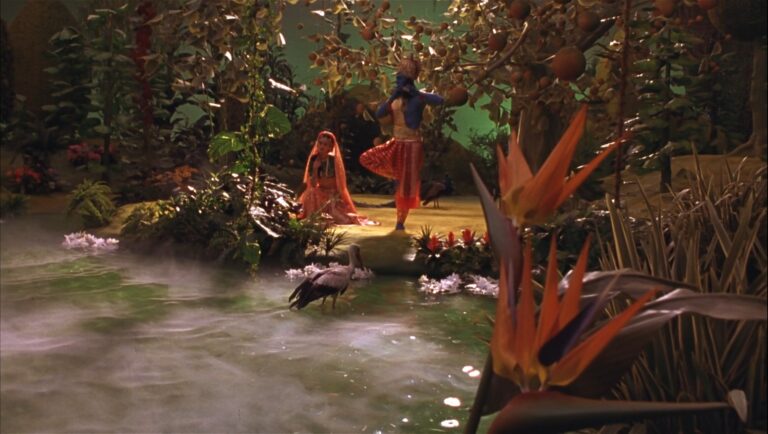
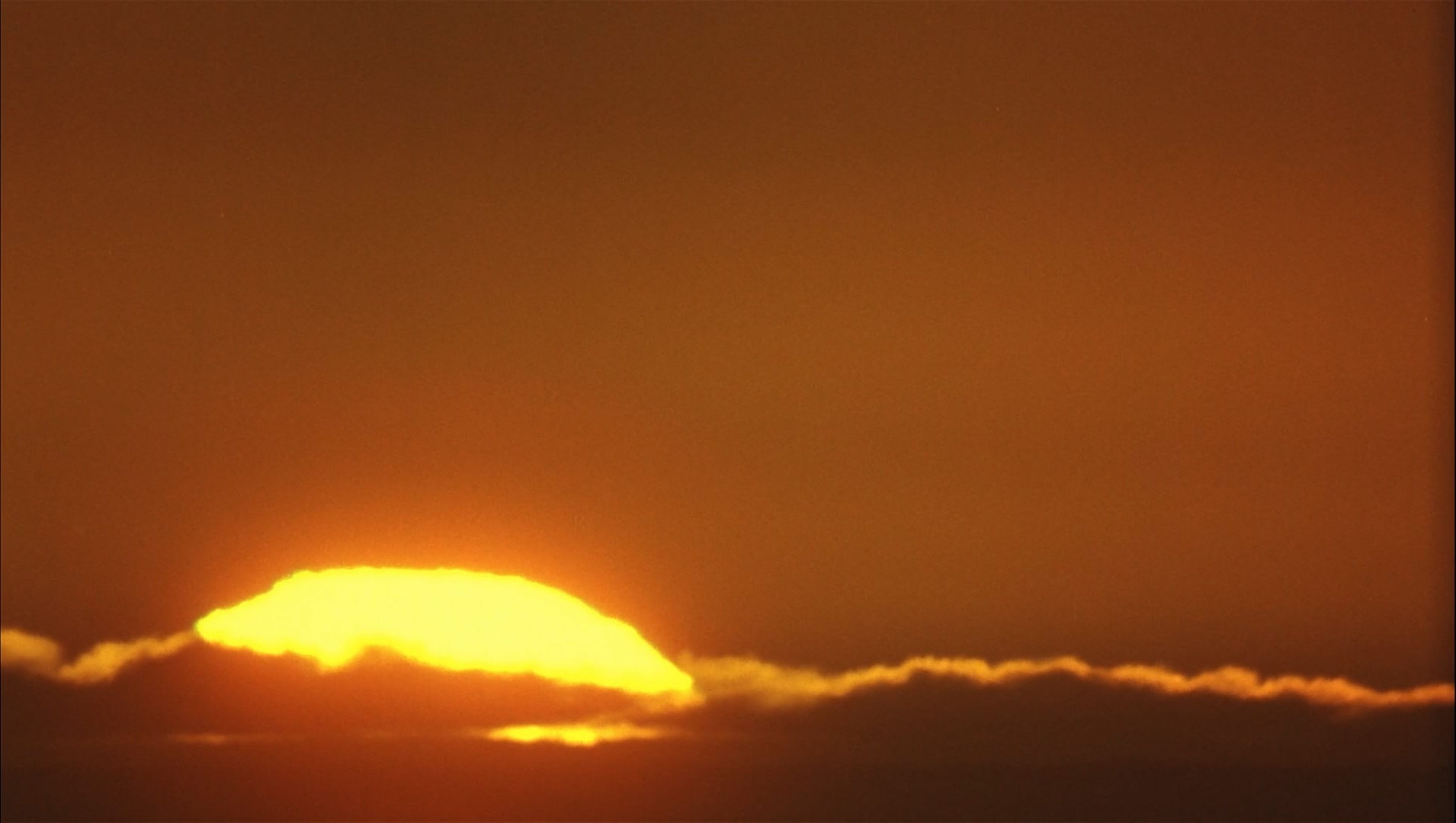
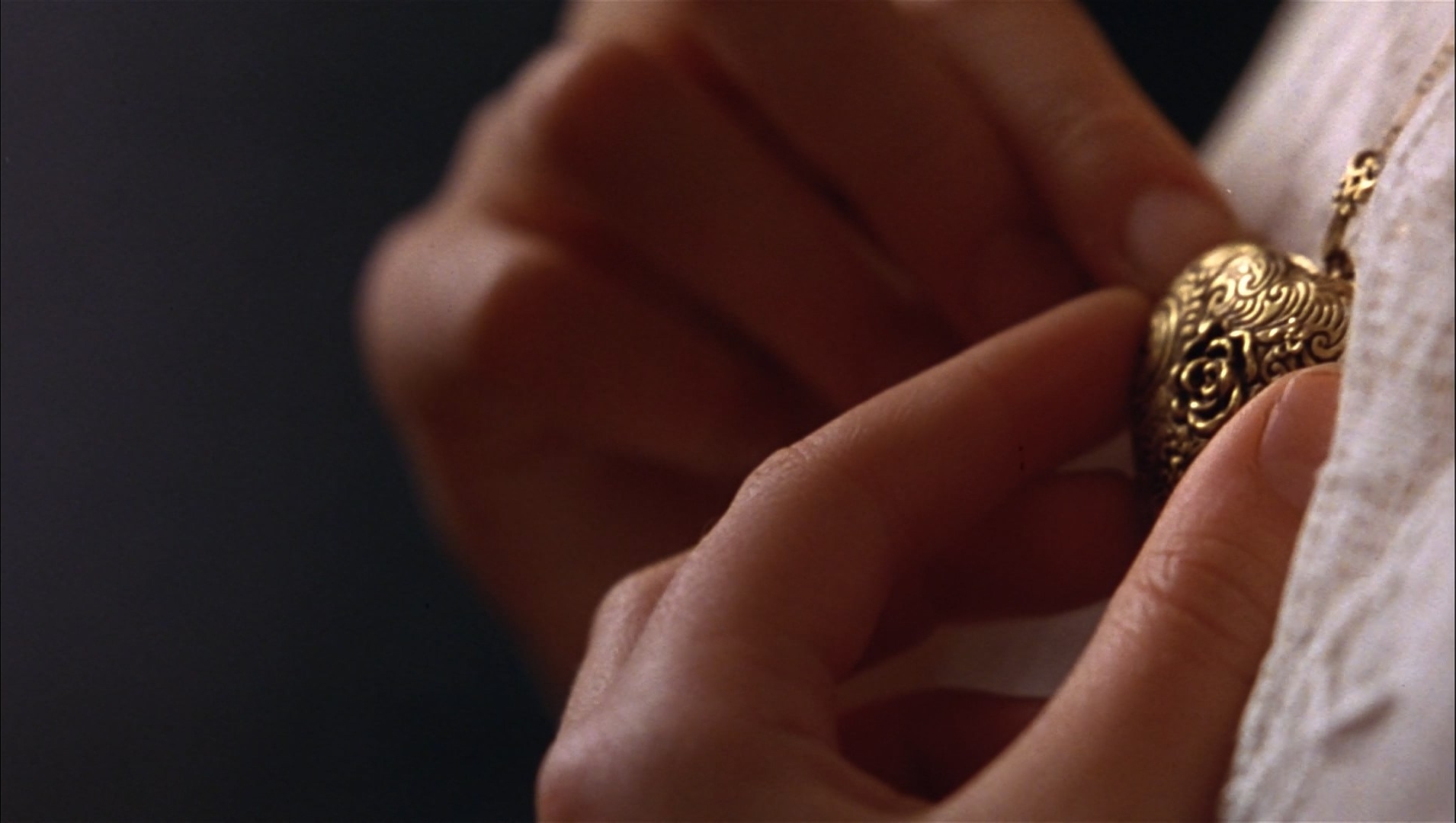
Cuarón and cinematographer Emmanuel Lubezki crafted A Little Princess with a richly stylized visual language, using fluid camera movement and warm, storybook lighting to contrast reality with imagination. Shot on 35mm, the film leans into bold color shifts—deep greens and golds giving way to cold blues—turning fantasy sequences into lush, immersive escapes that reflect Sara’s inner world.

FILM SPOTLIGHT
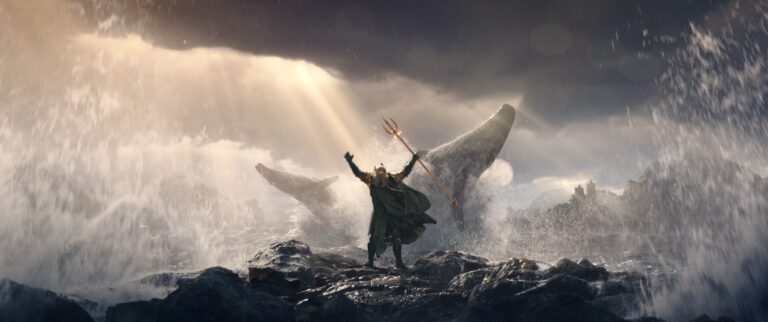
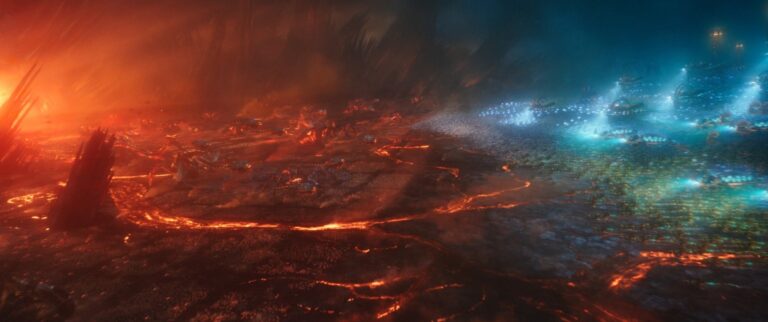
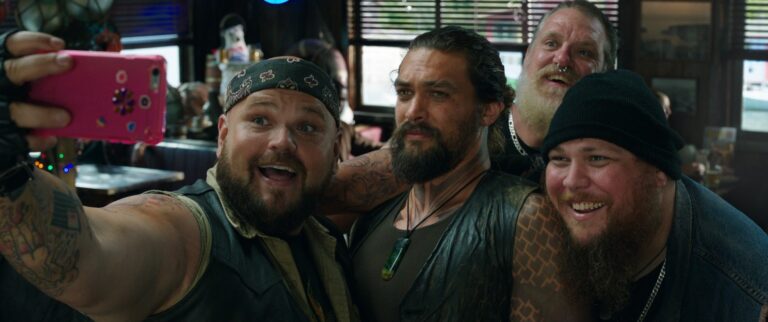
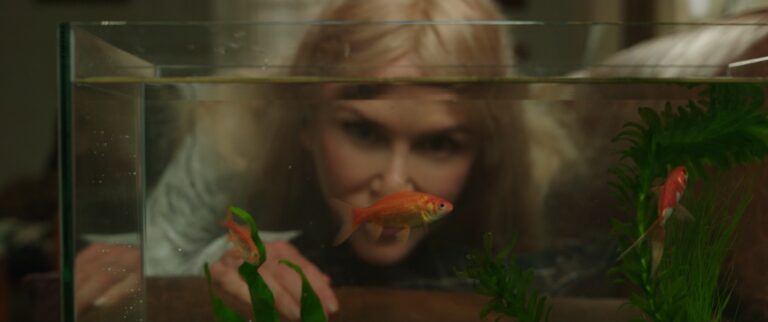
Aquaman (2018)
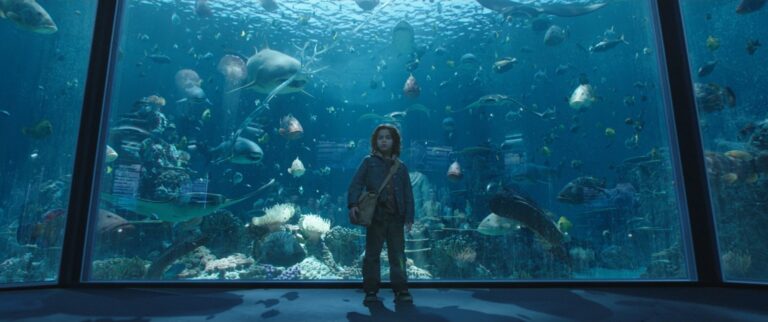
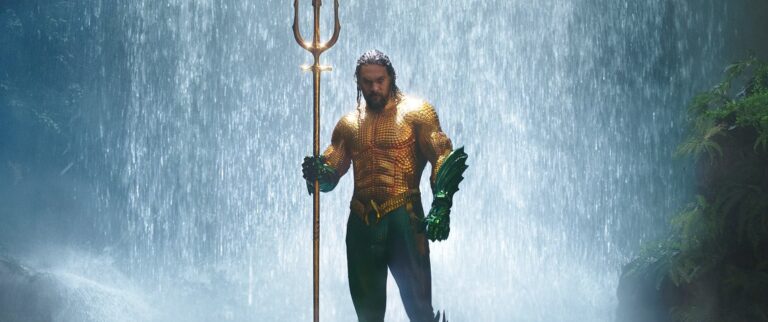
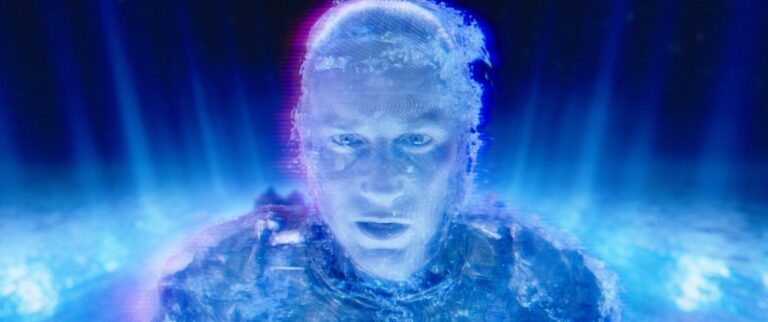
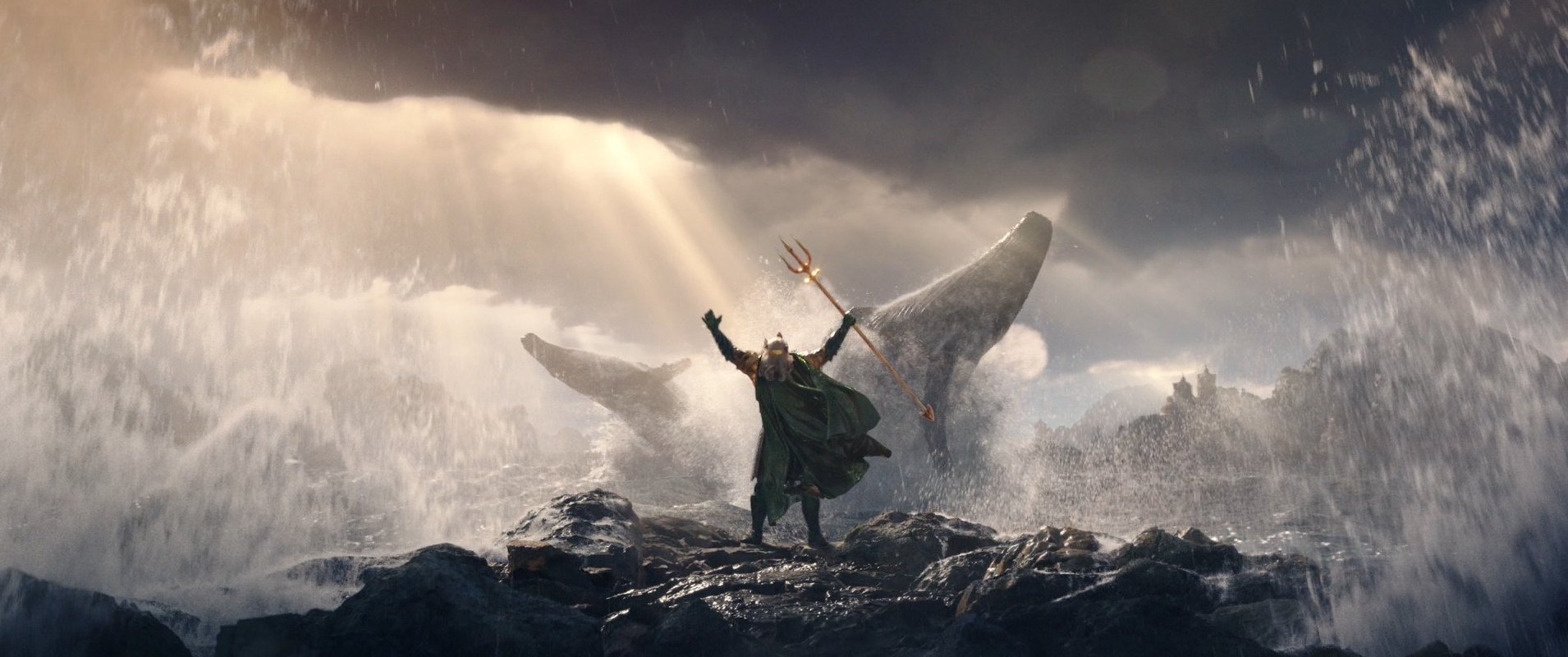
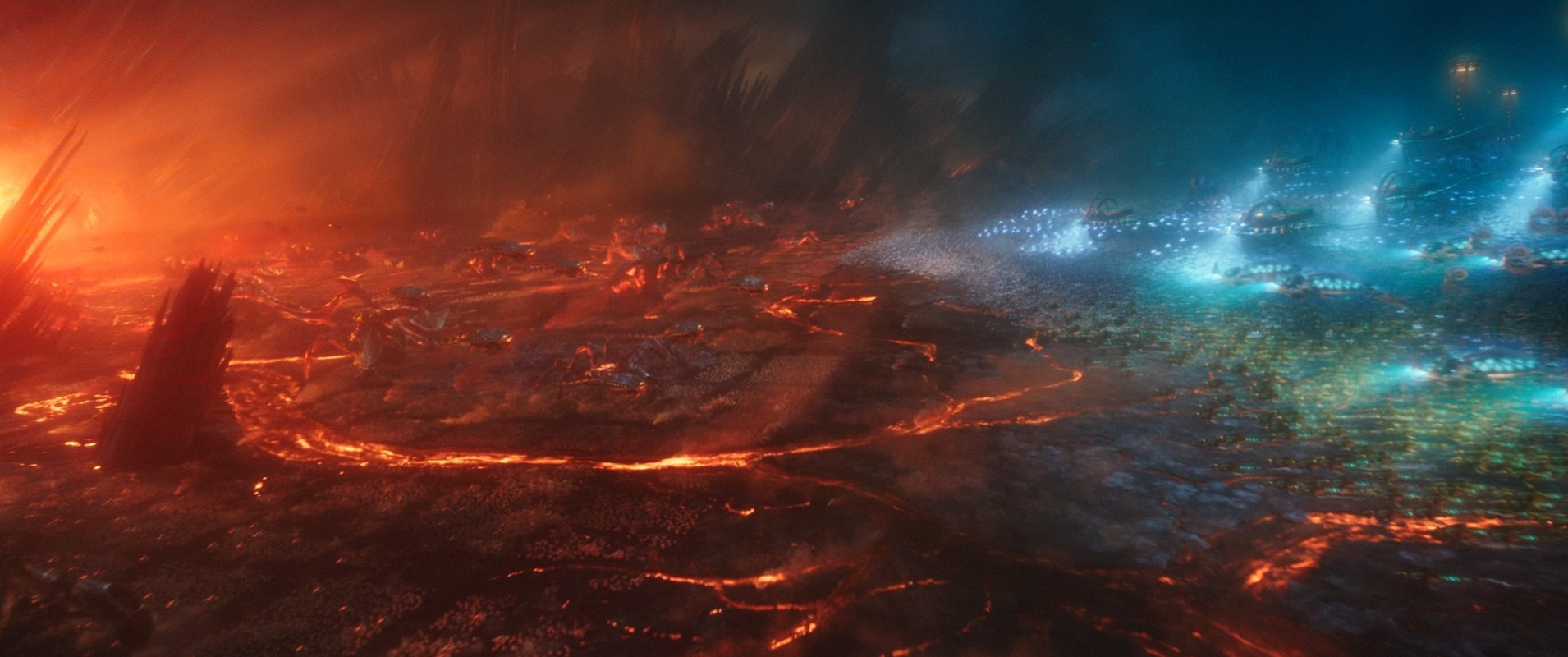
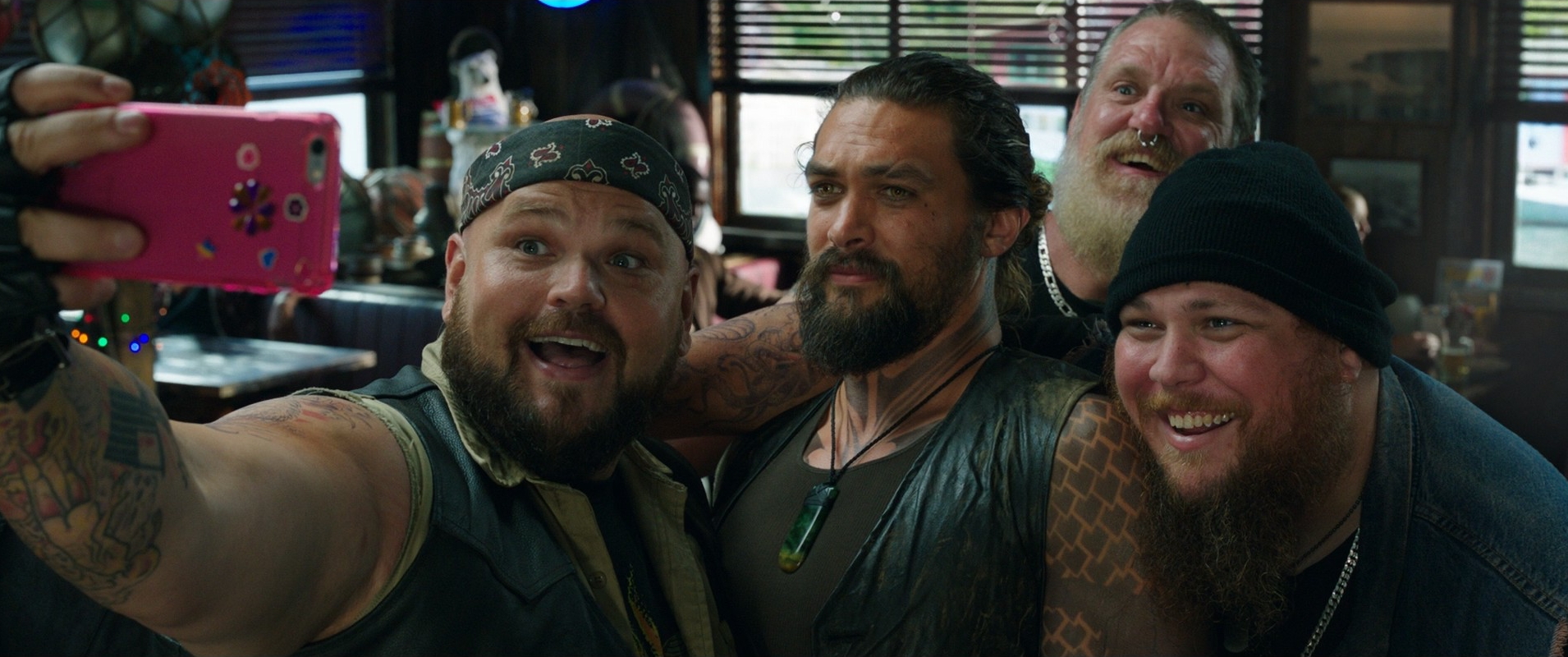
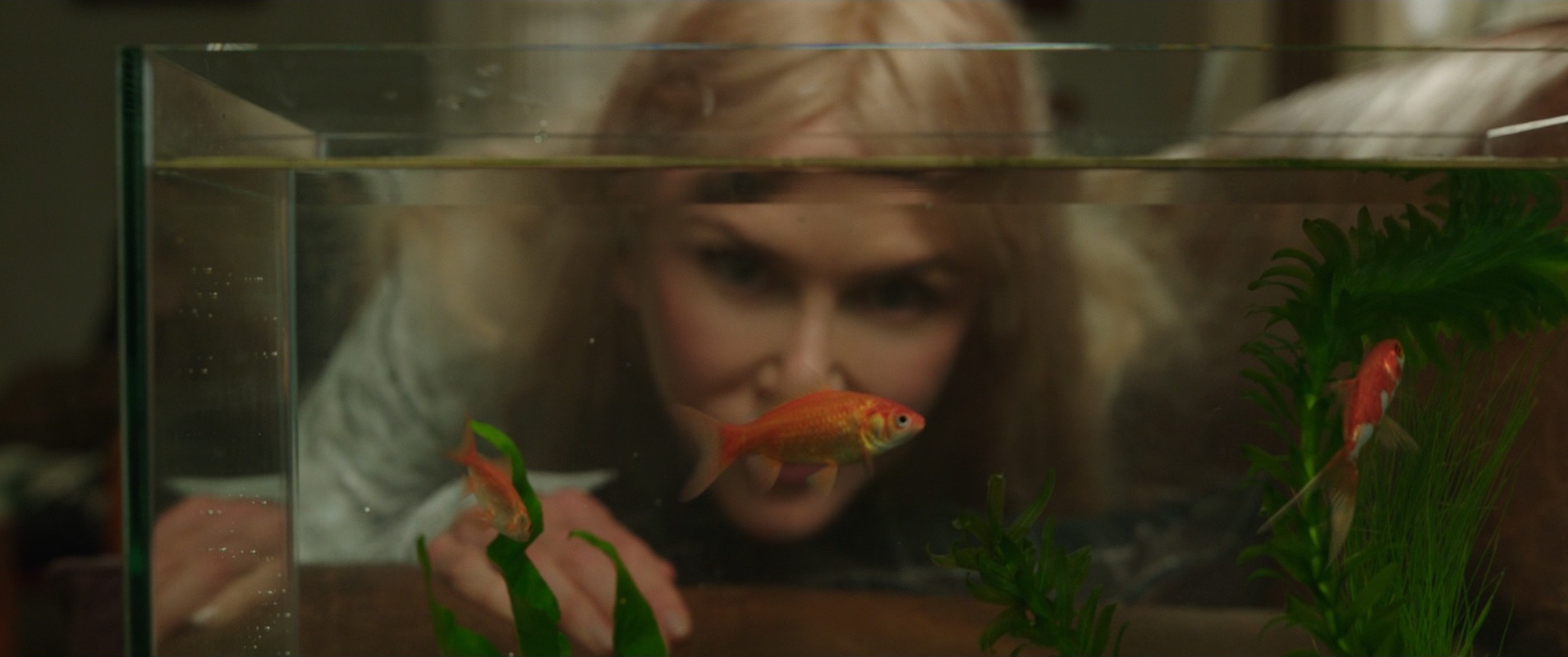
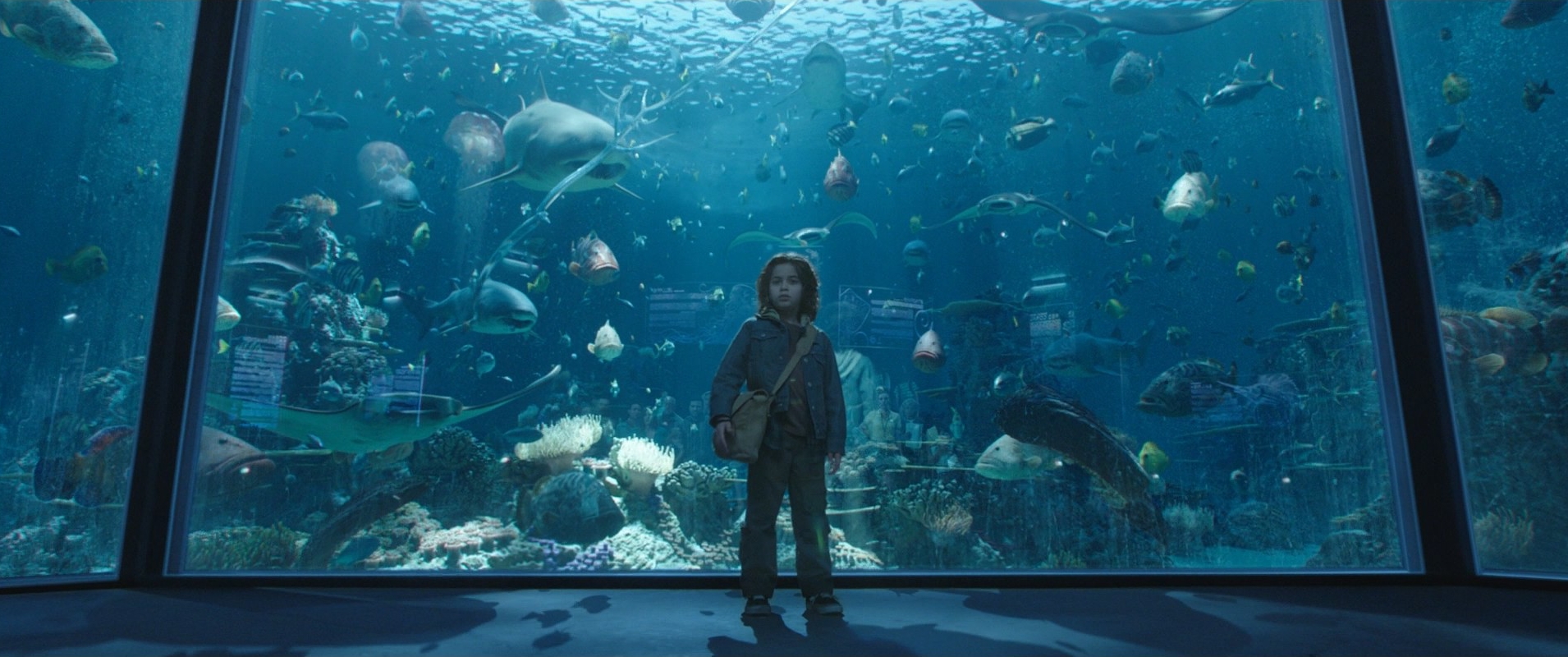
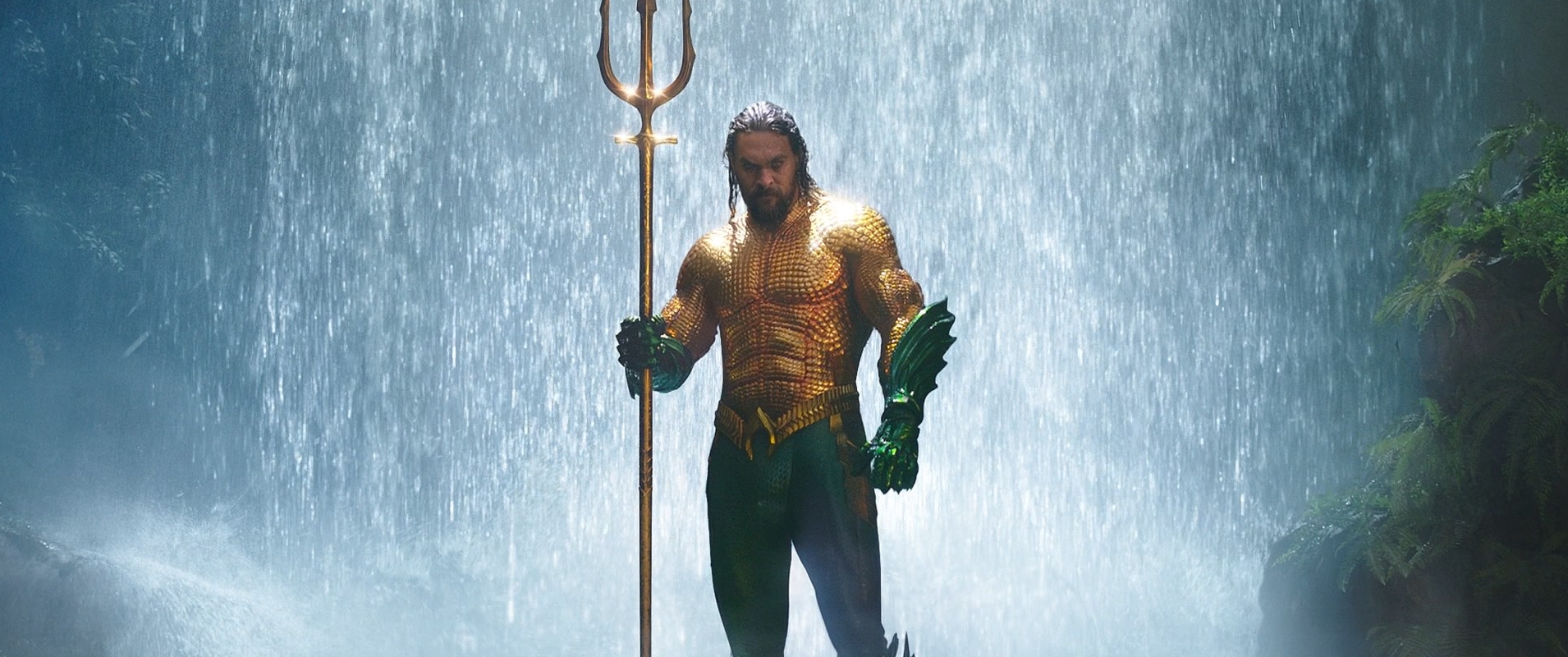
Aquaman follows Arthur Curry, the half-human heir to the underwater kingdom of Atlantis, is called upon to claim his birthright as tensions rise between the ocean and the surface world. As his half-brother Orm seeks to unite the underwater kingdoms to wage war against humanity, Arthur must embrace his identity and prove himself worthy of the throne. His journey takes him across vast oceans and hidden realms in a quest to prevent a global conflict.
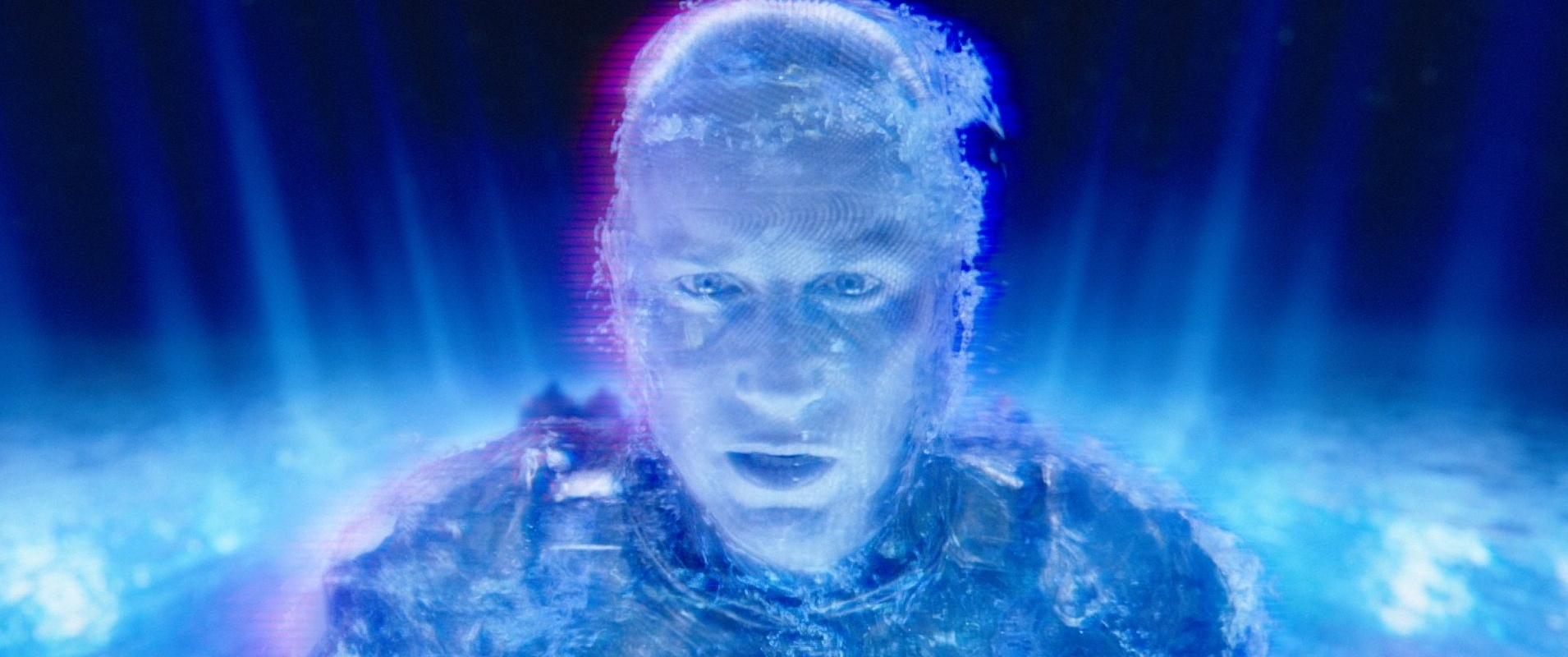
James Wan and cinematographer Don Burgess leaned heavily into digital world-building, using virtual camera movement and seamless VFX transitions to create the sensation of continuous motion underwater. The film’s saturated color palette and fluid, drifting camera give Atlantis a hyper-stylized, almost operatic feel—turning action sequences into weightless, swirling spectacles that fully embrace the fantasy of its setting.


FILM SPOTLIGHT
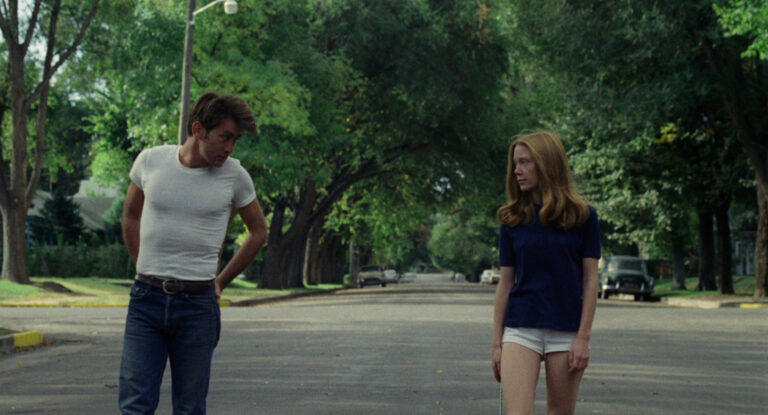
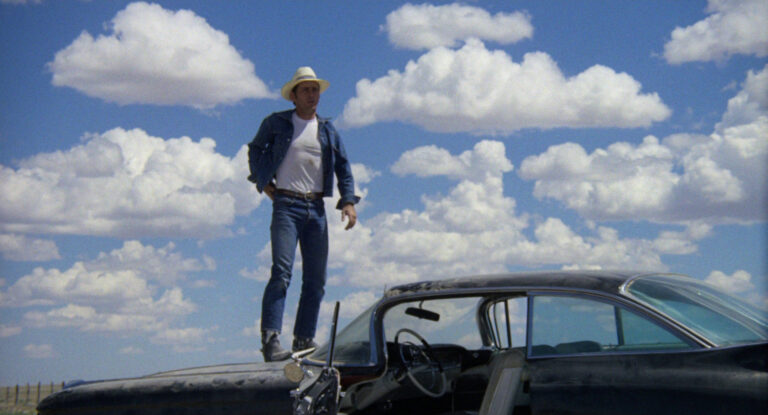
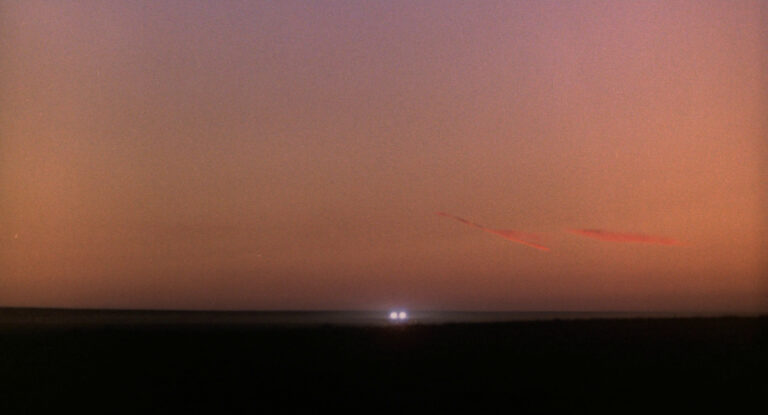
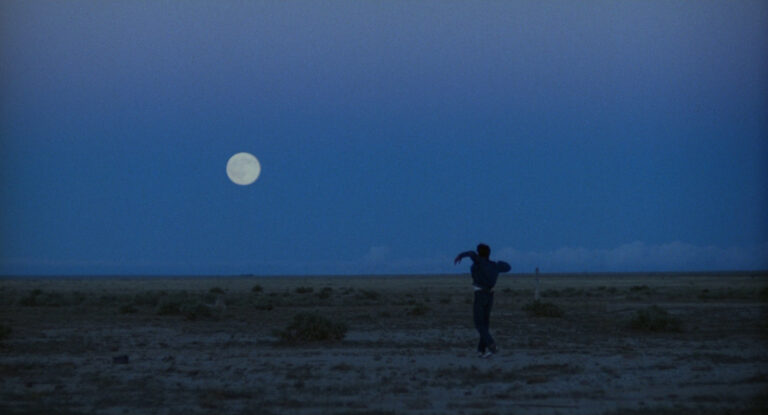
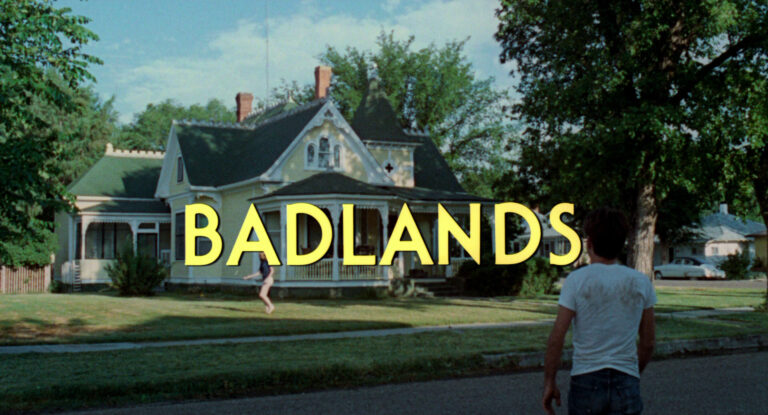
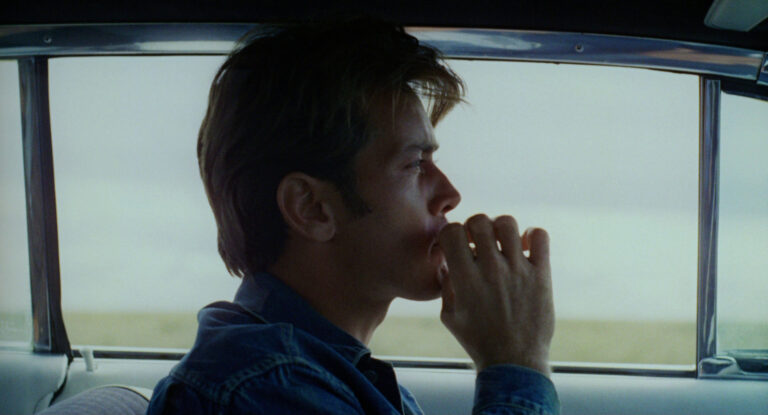
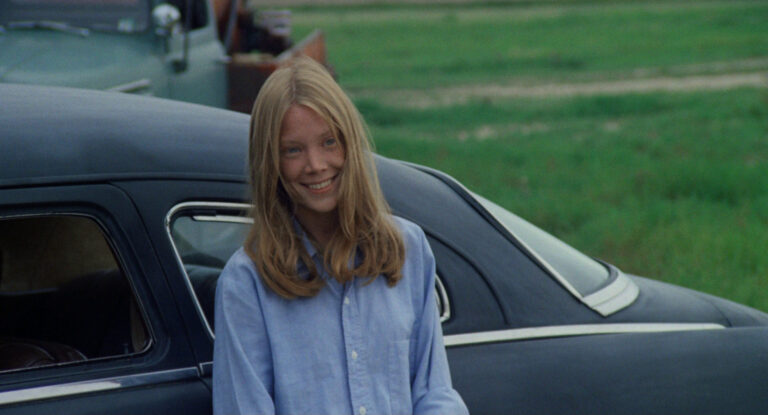
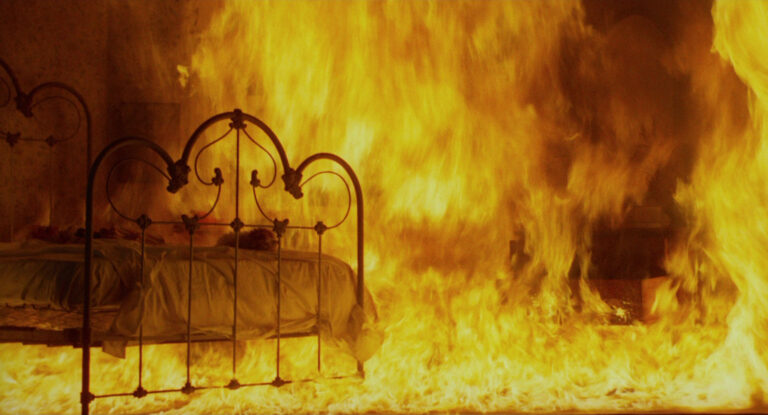
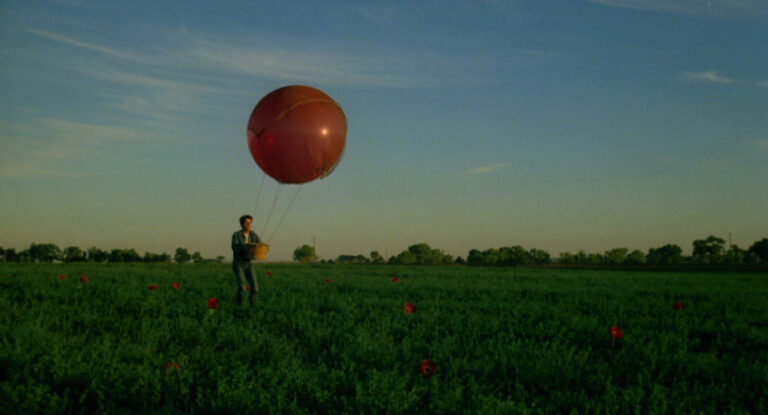
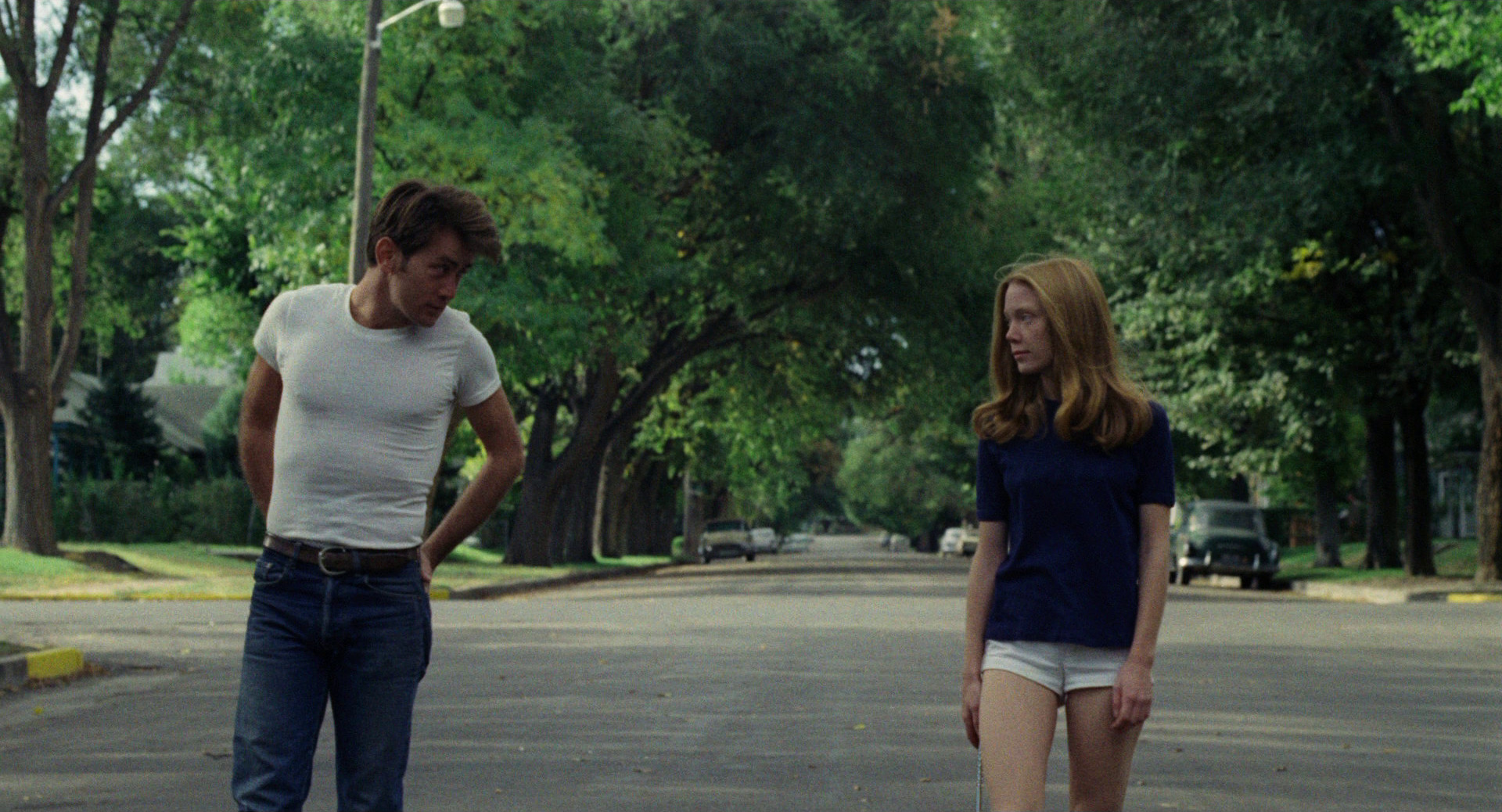
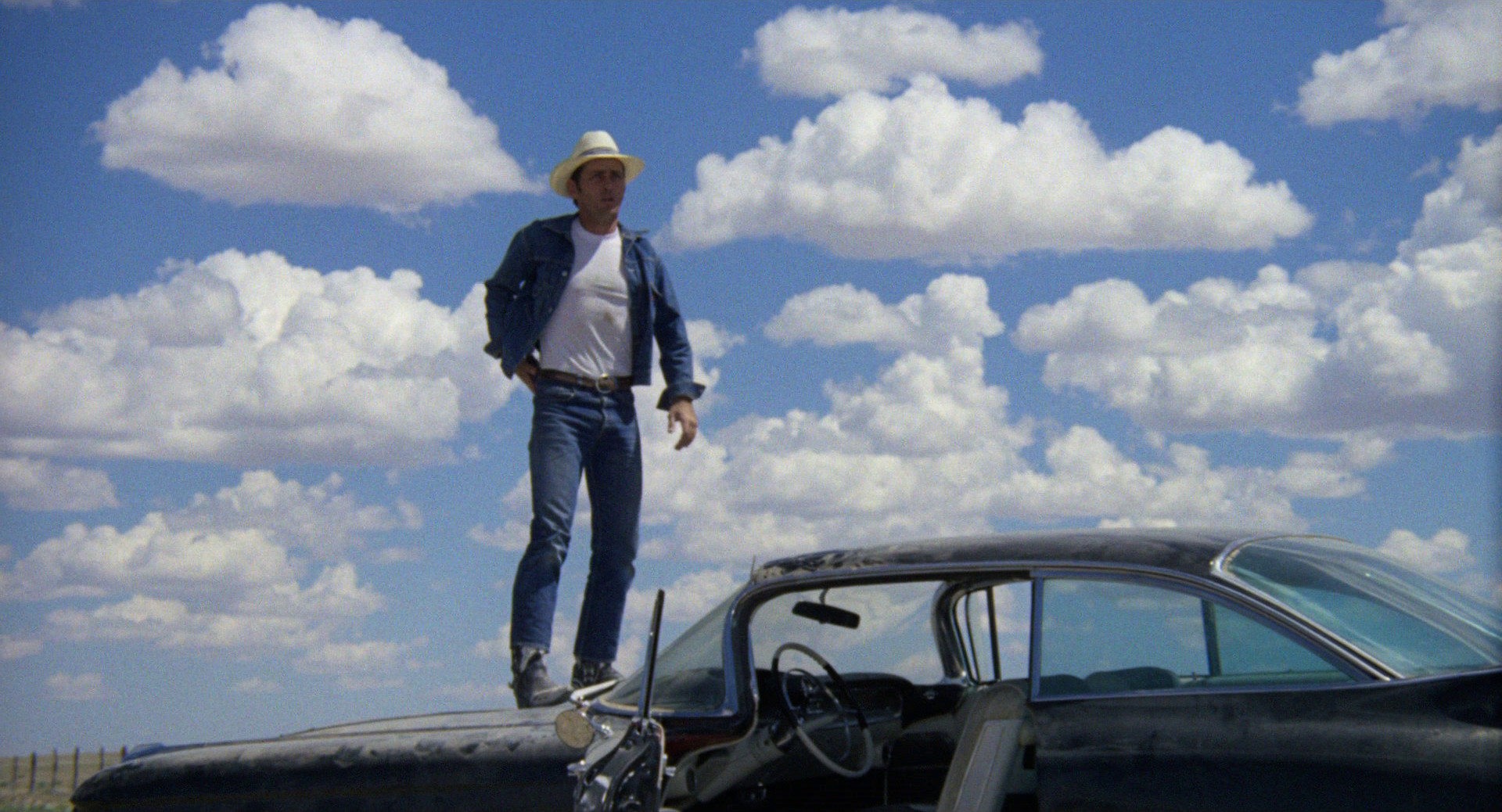
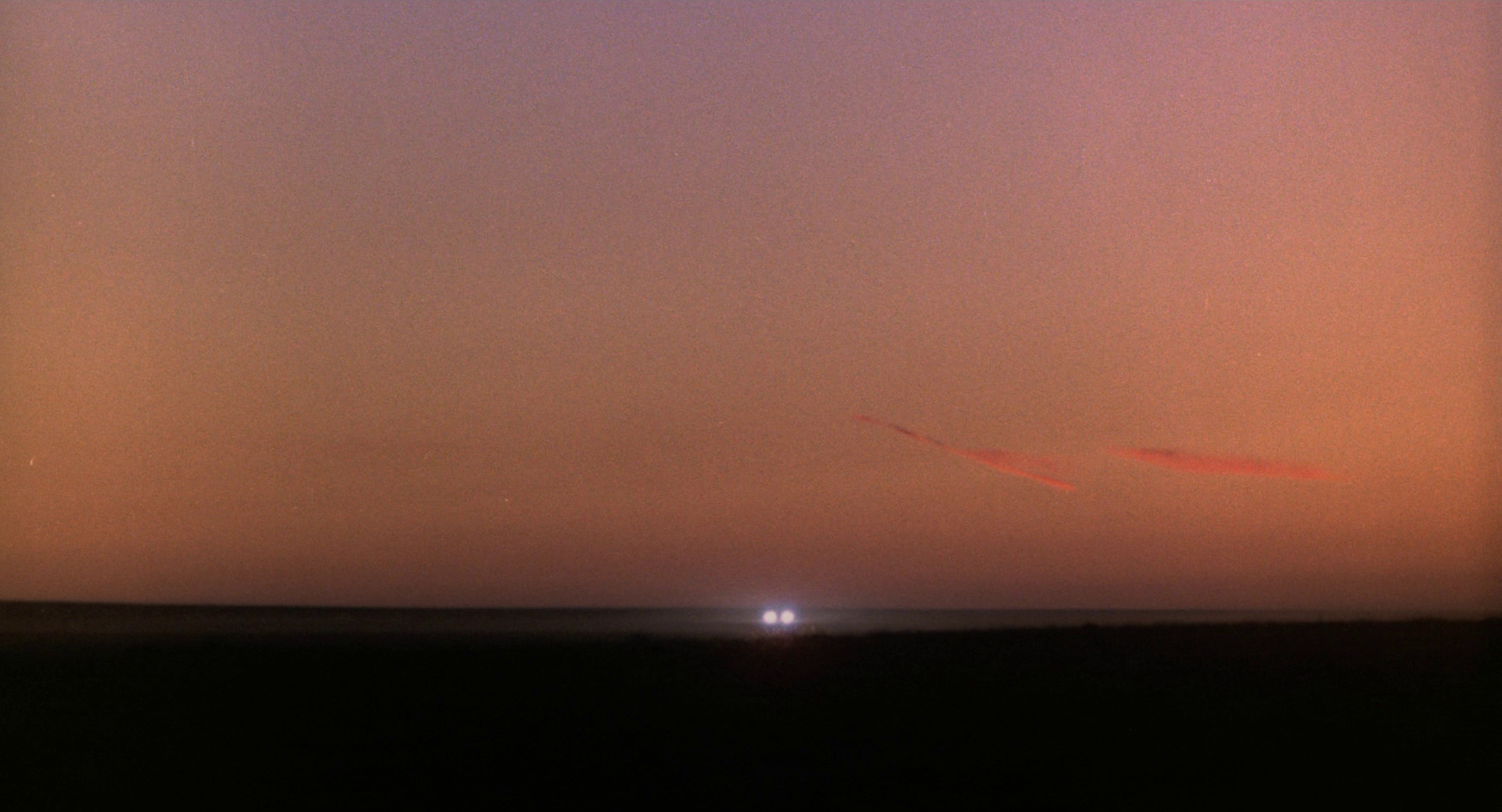
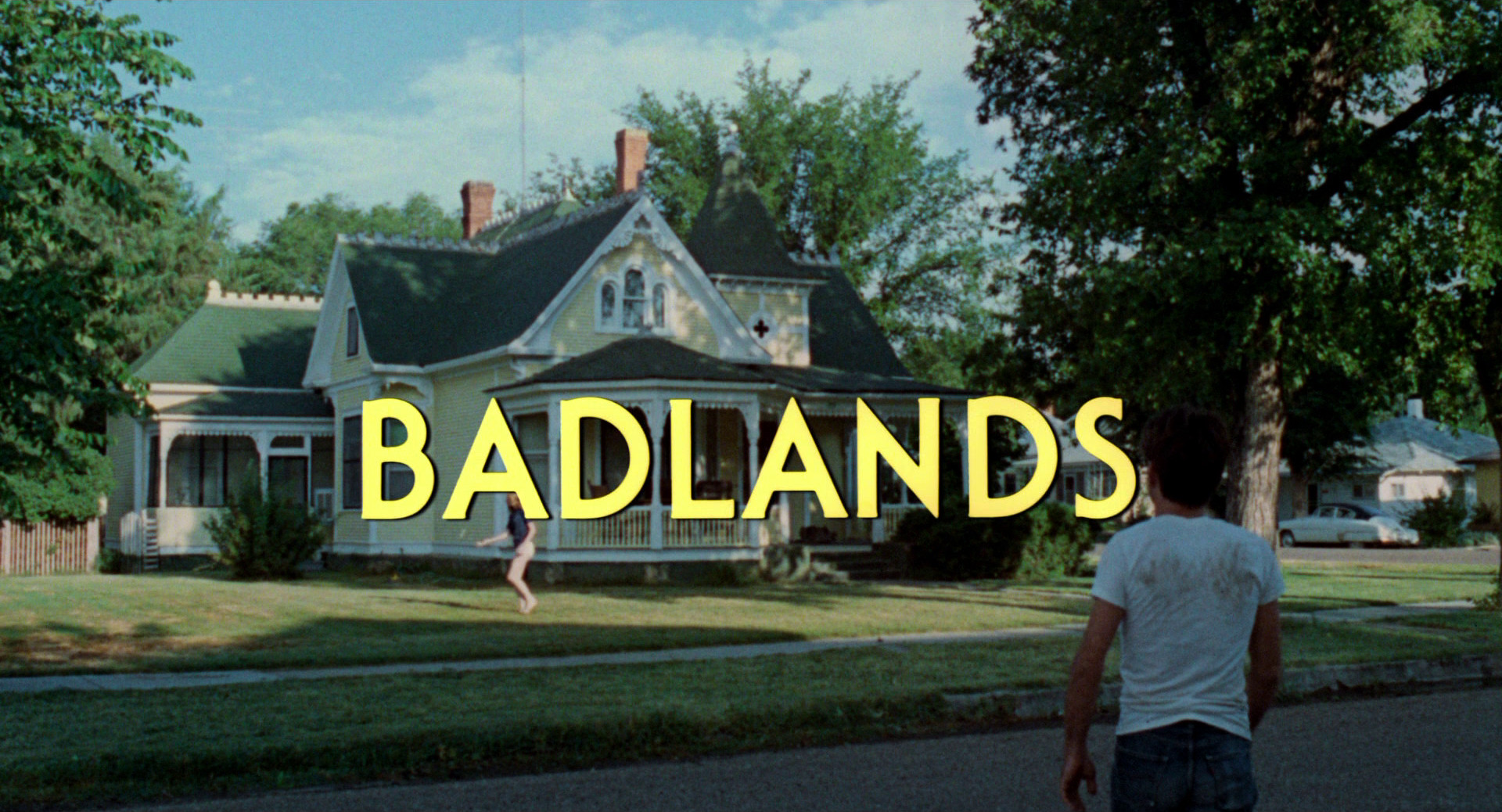
Badlands (1973)
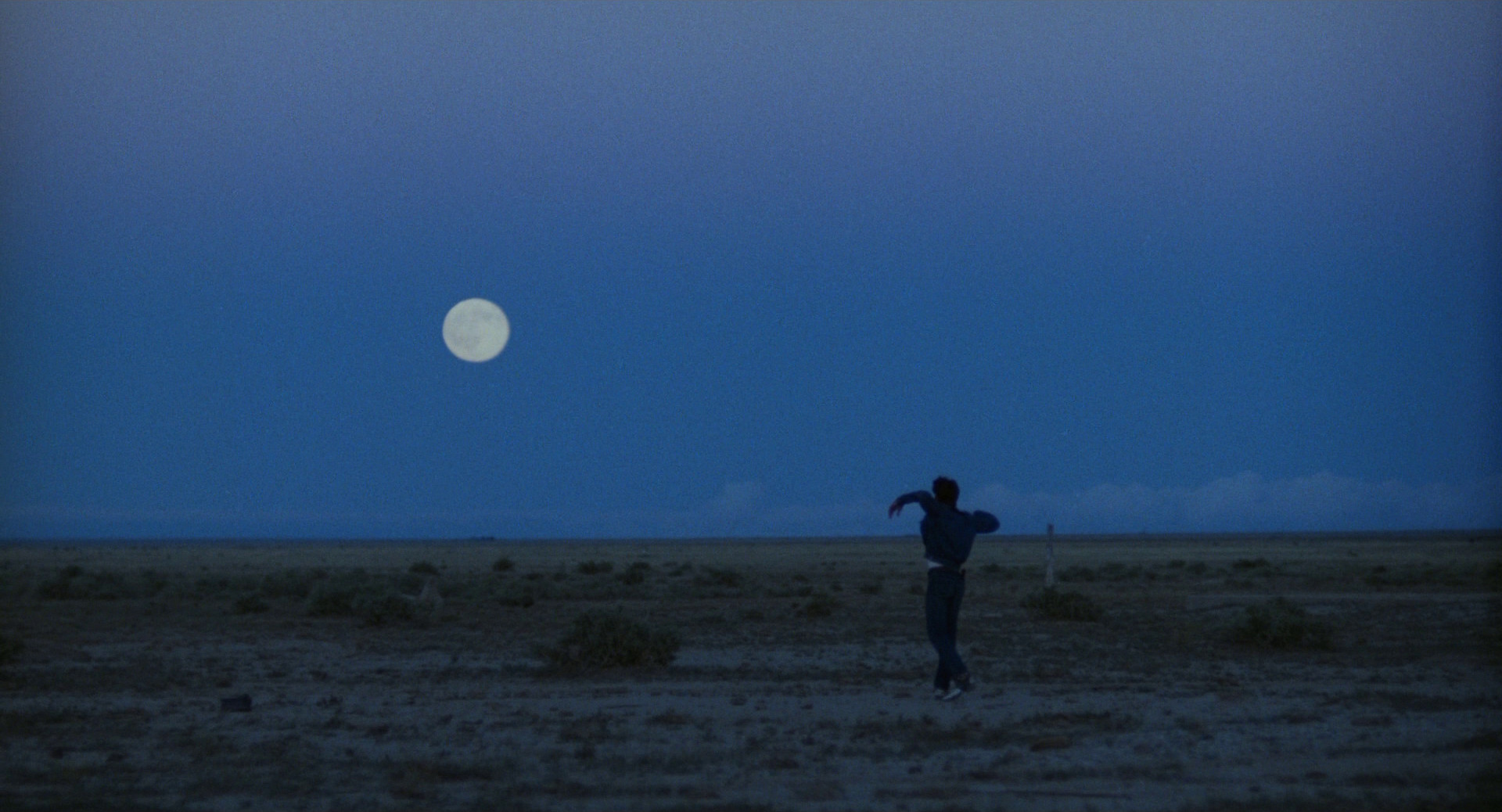
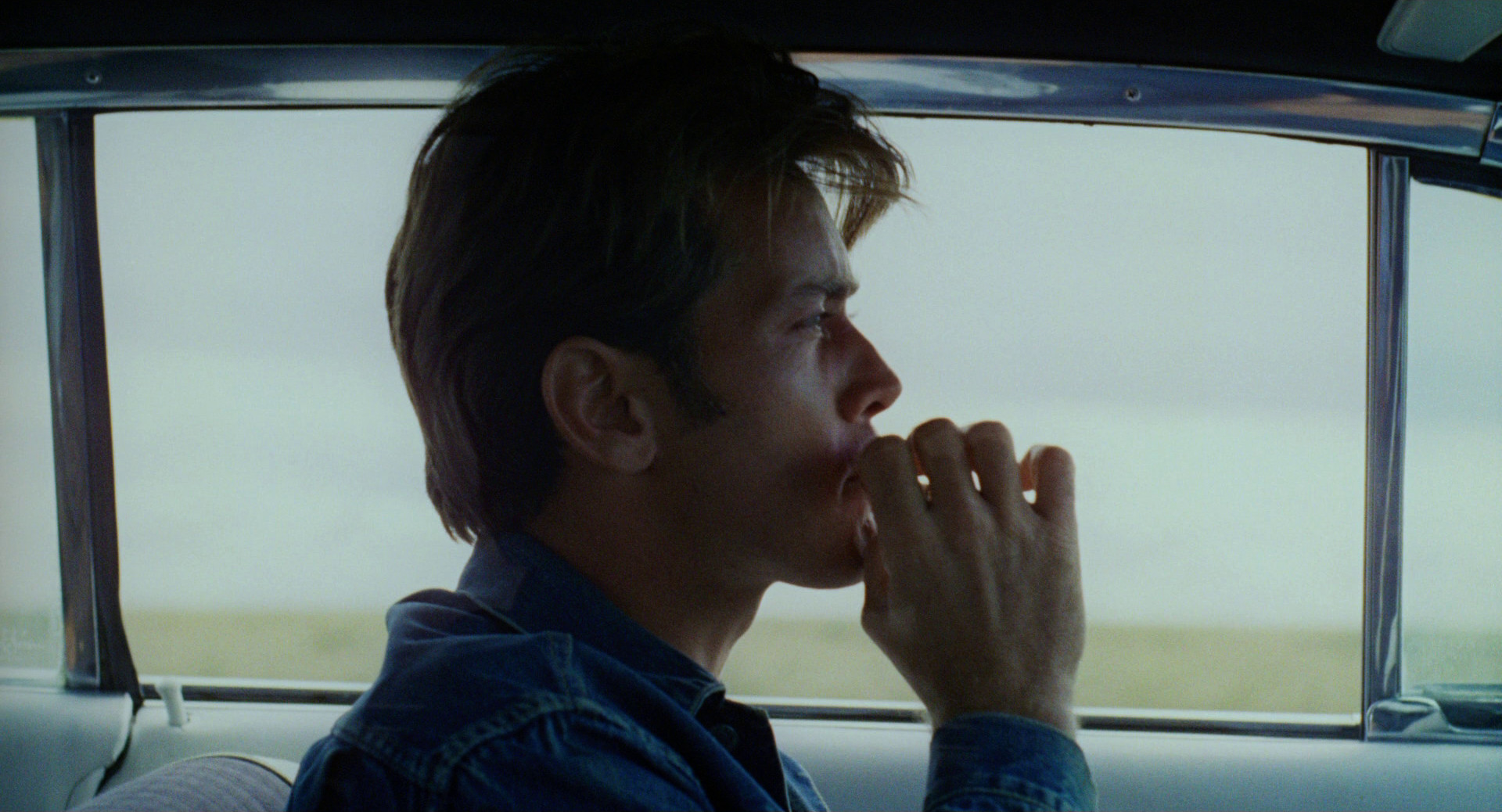
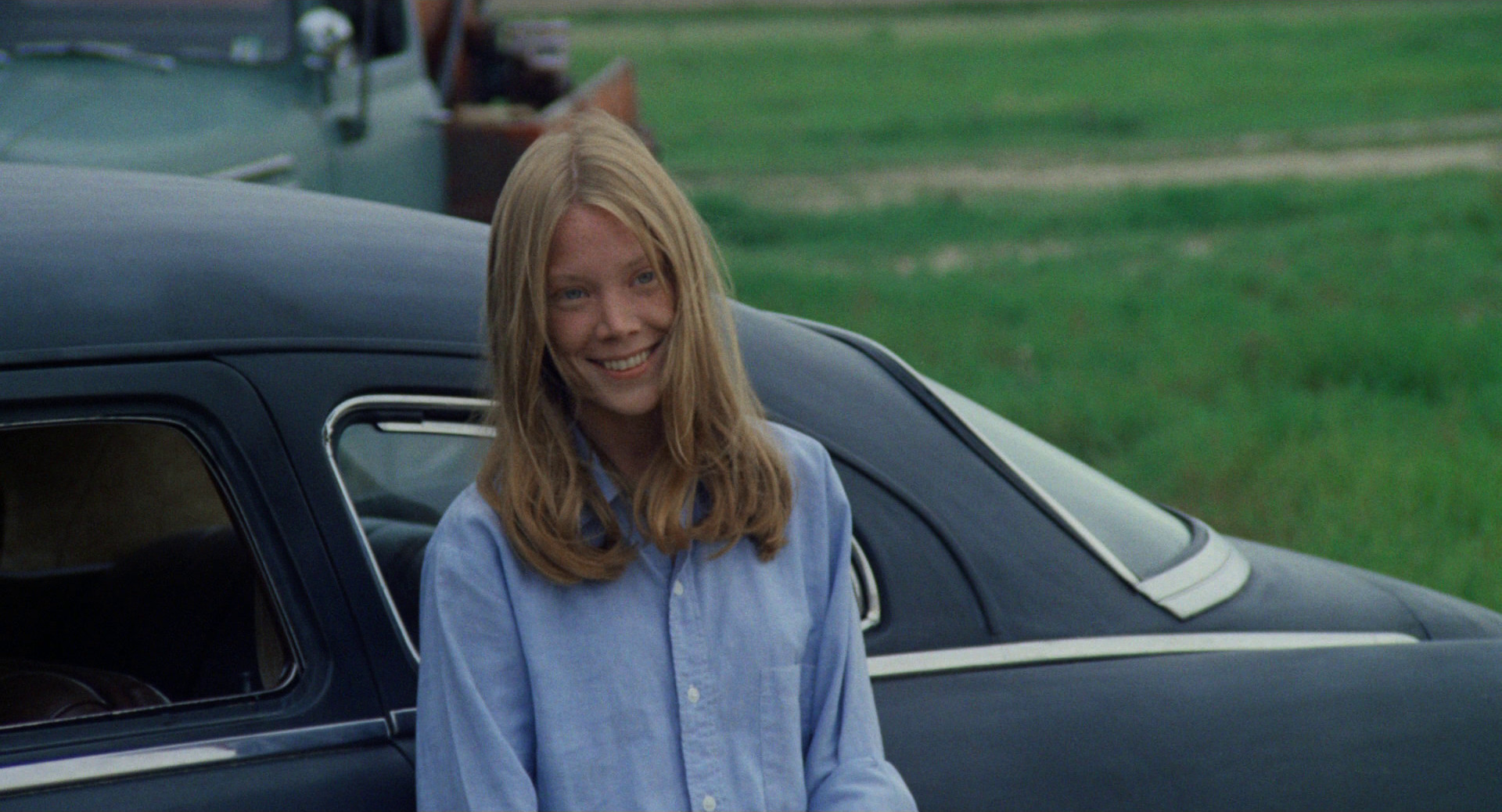
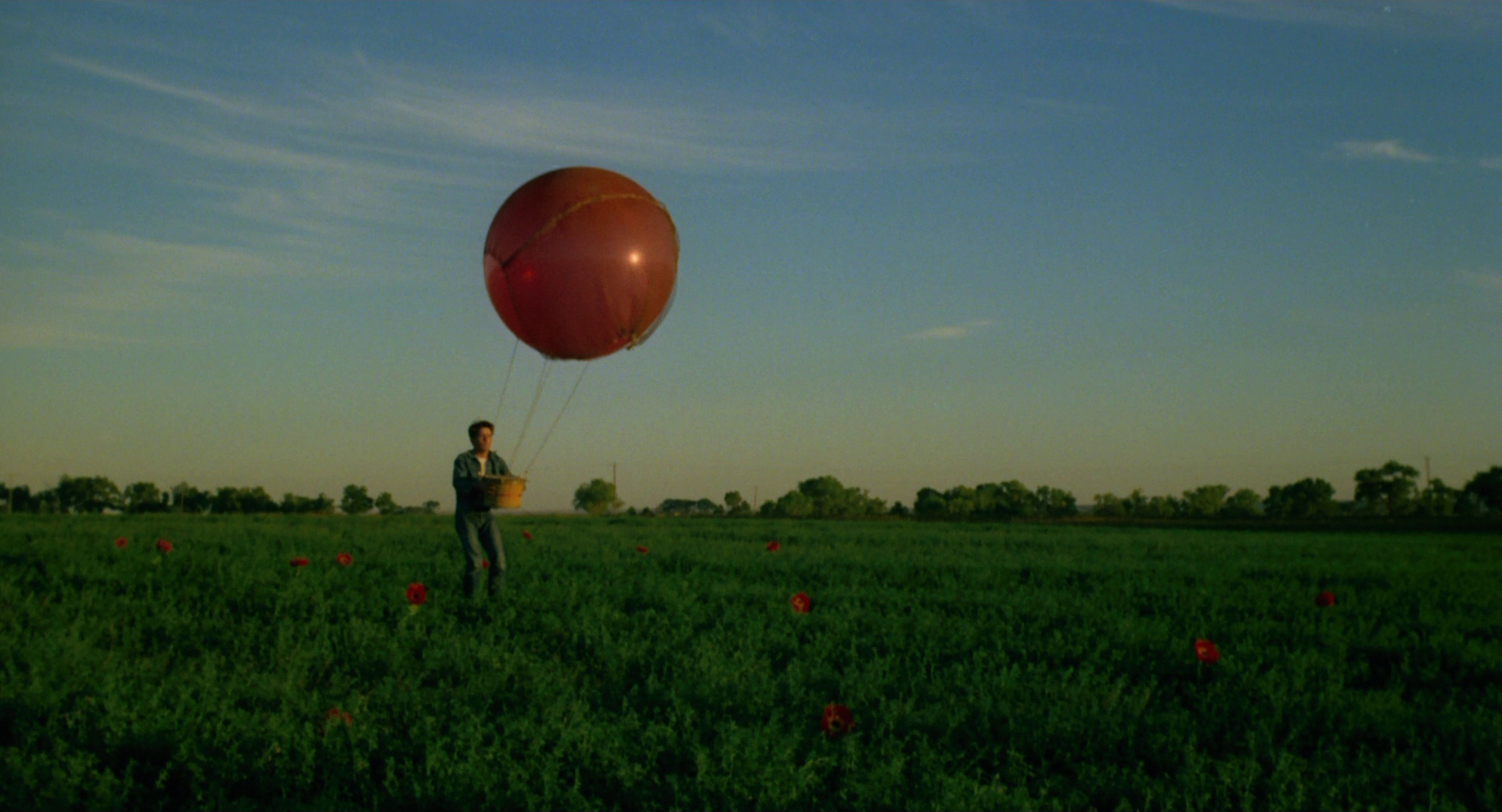
Inspired by true events, Badlands follows Kit, a restless young man, and Holly, a teenage girl, as they embark on a killing spree across the American Midwest. After murdering Holly’s father, the pair flee into the wilderness, drifting through a series of encounters while evading capture. Their journey unfolds with a detached, almost dreamlike calm, masking the violence at its core.
Malick and cinematographer Tak Fujimoto shot Badlands with a lyrical naturalism, using magic-hour light and wide, contemplative framing to turn the American landscape into a poetic backdrop. The film’s soft, painterly images—often at odds with the brutality of the story—create a haunting dissonance, redefining how violence could be visually represented on screen.
FILM SPOTLIGHT
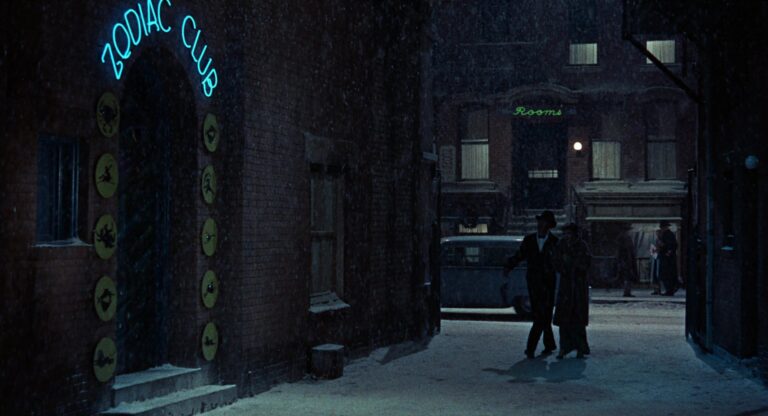
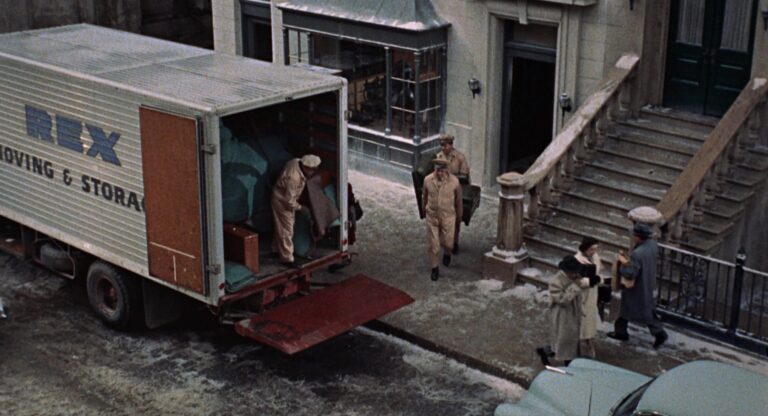
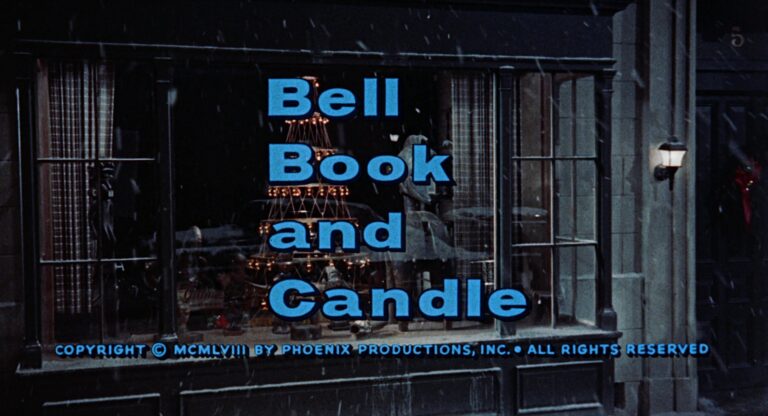
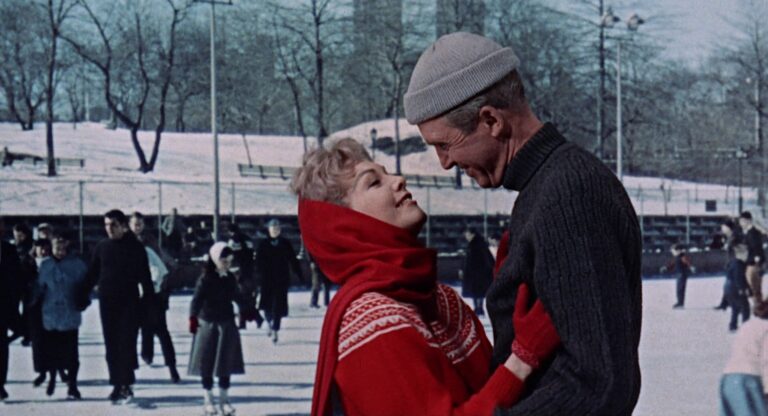
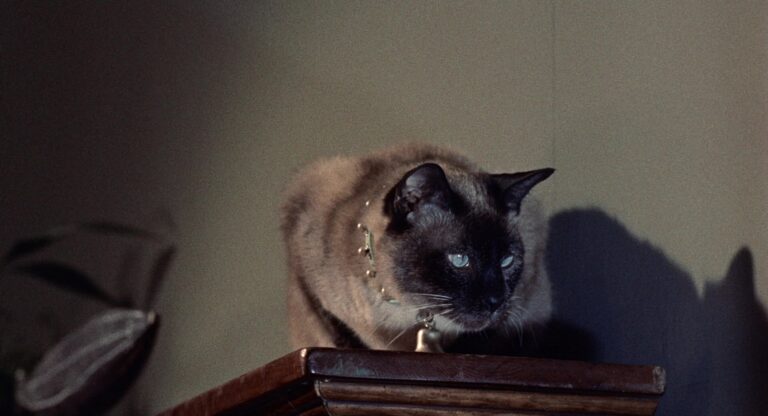
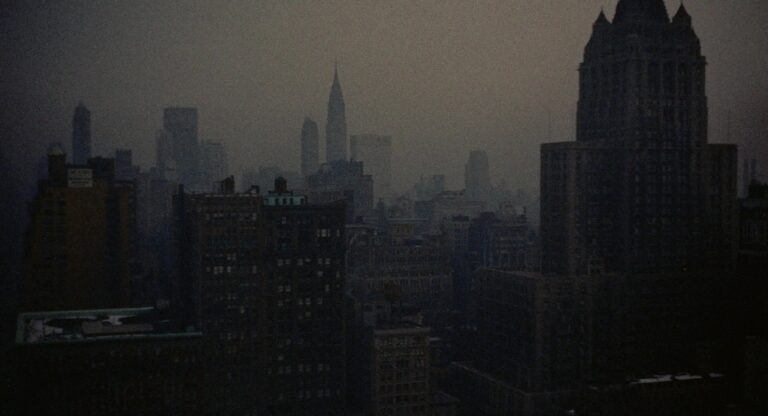
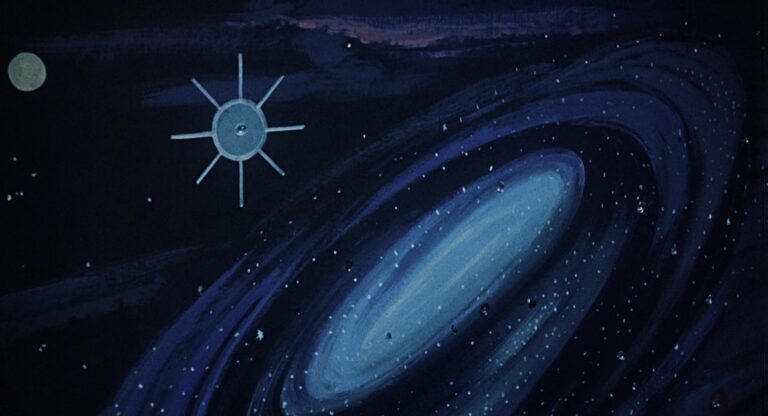
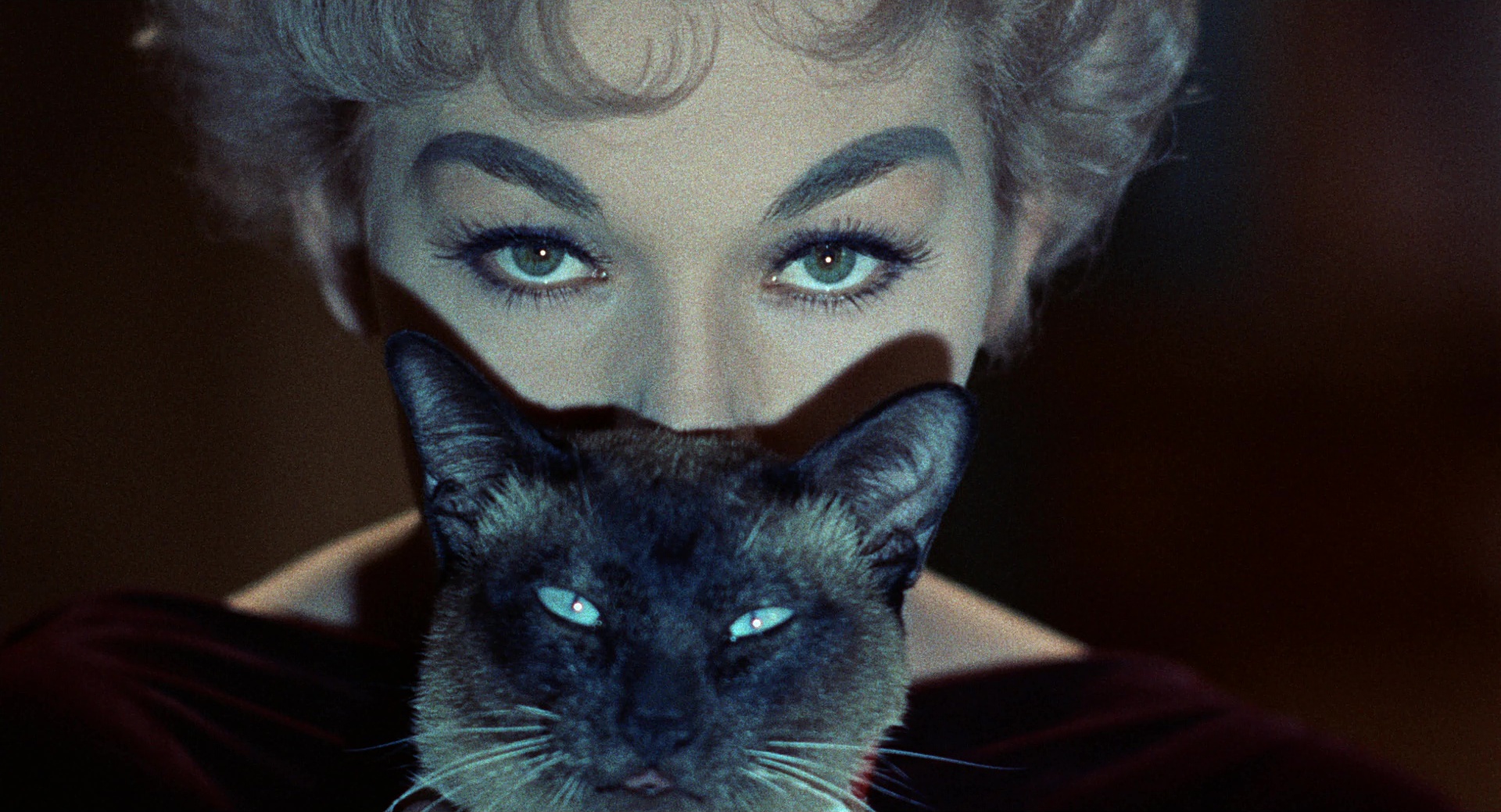
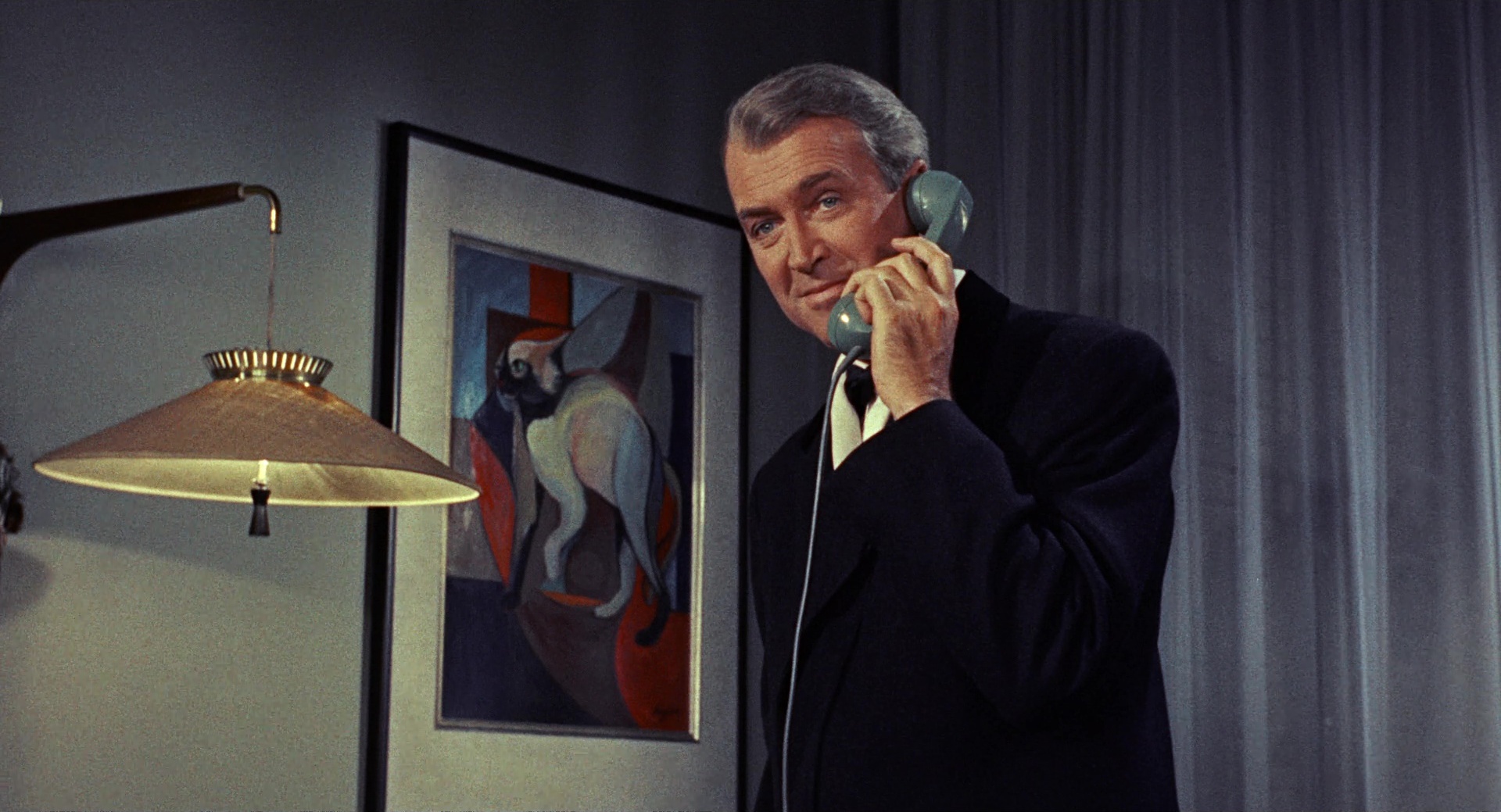
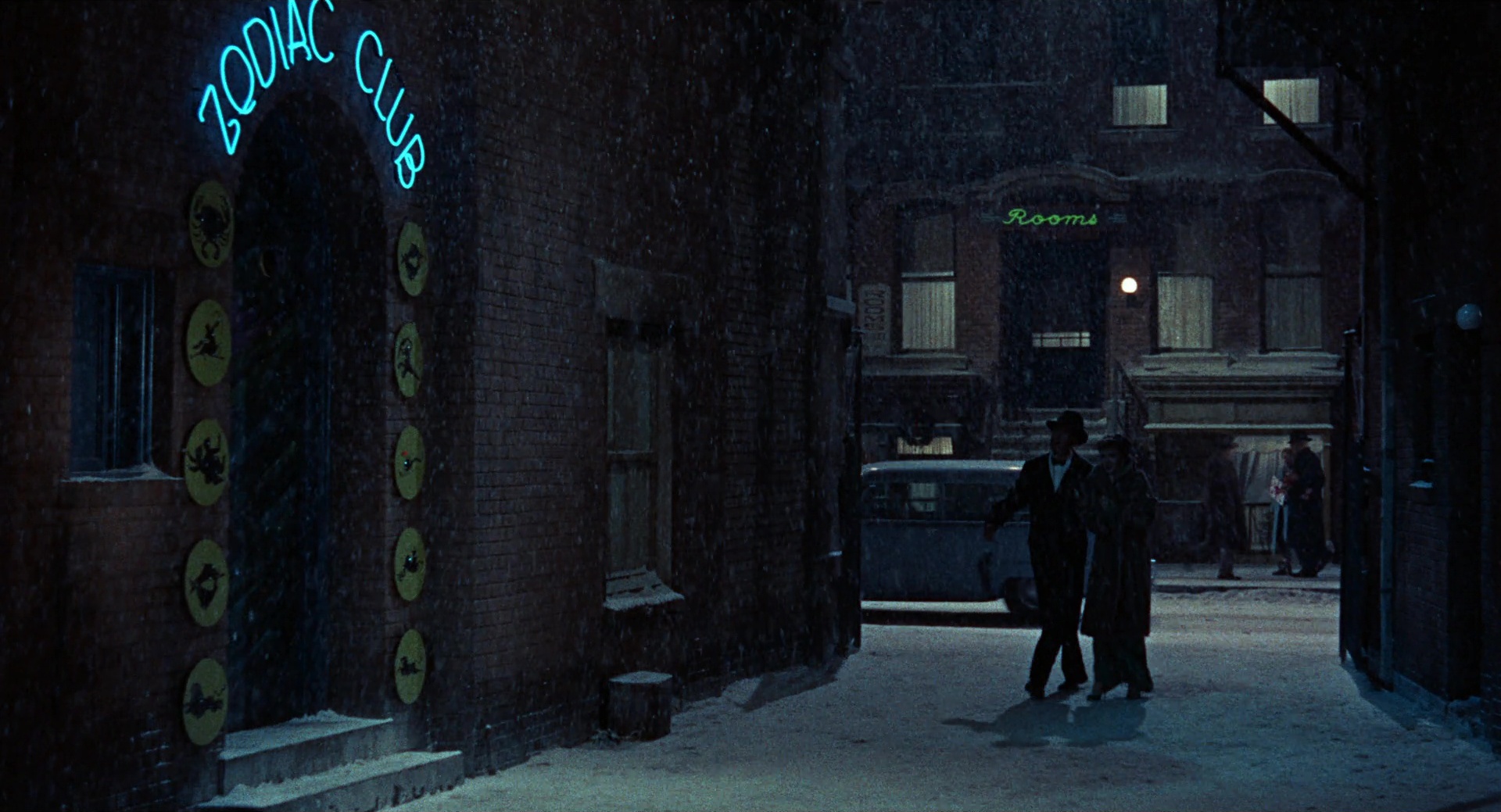
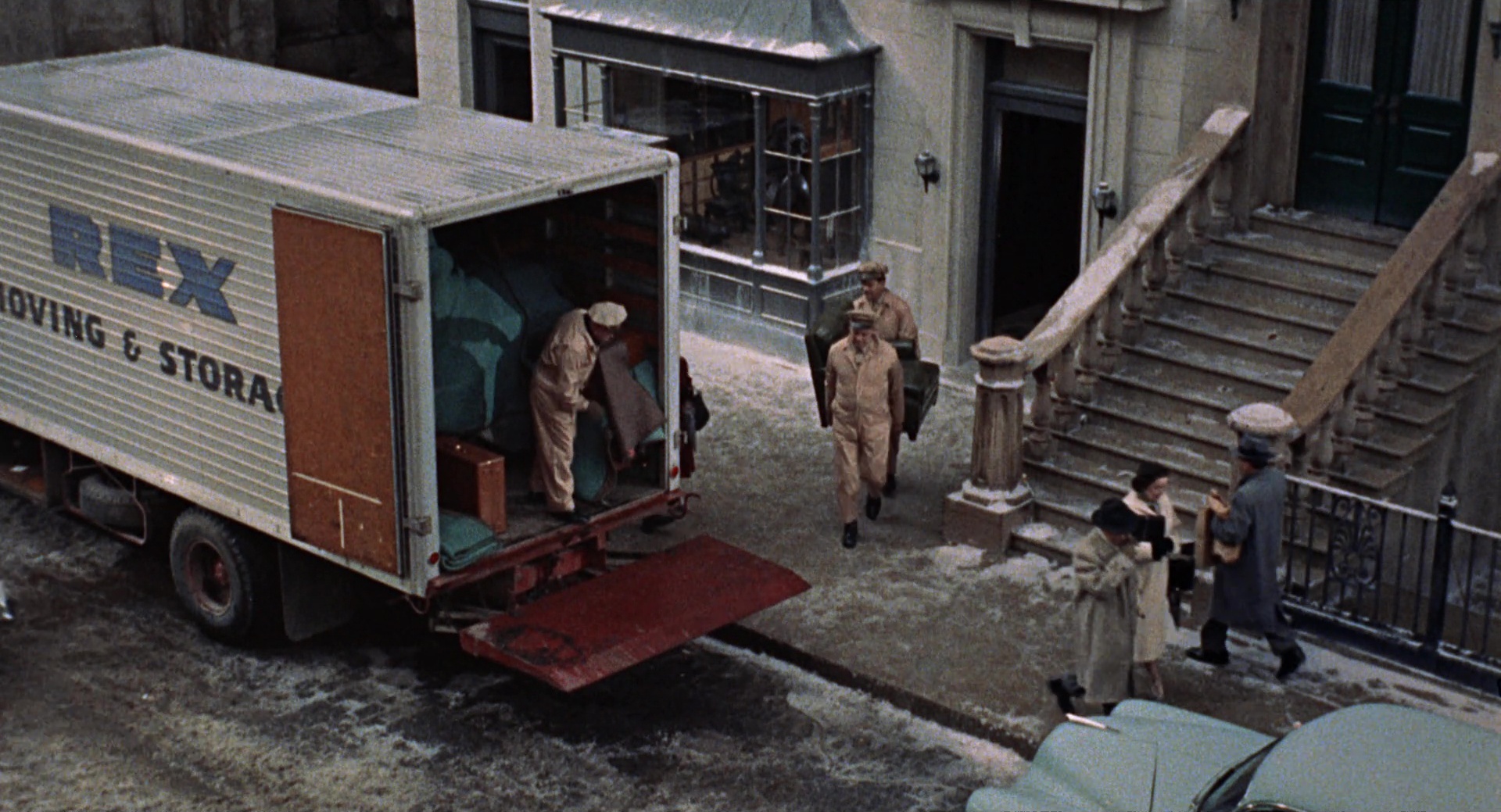
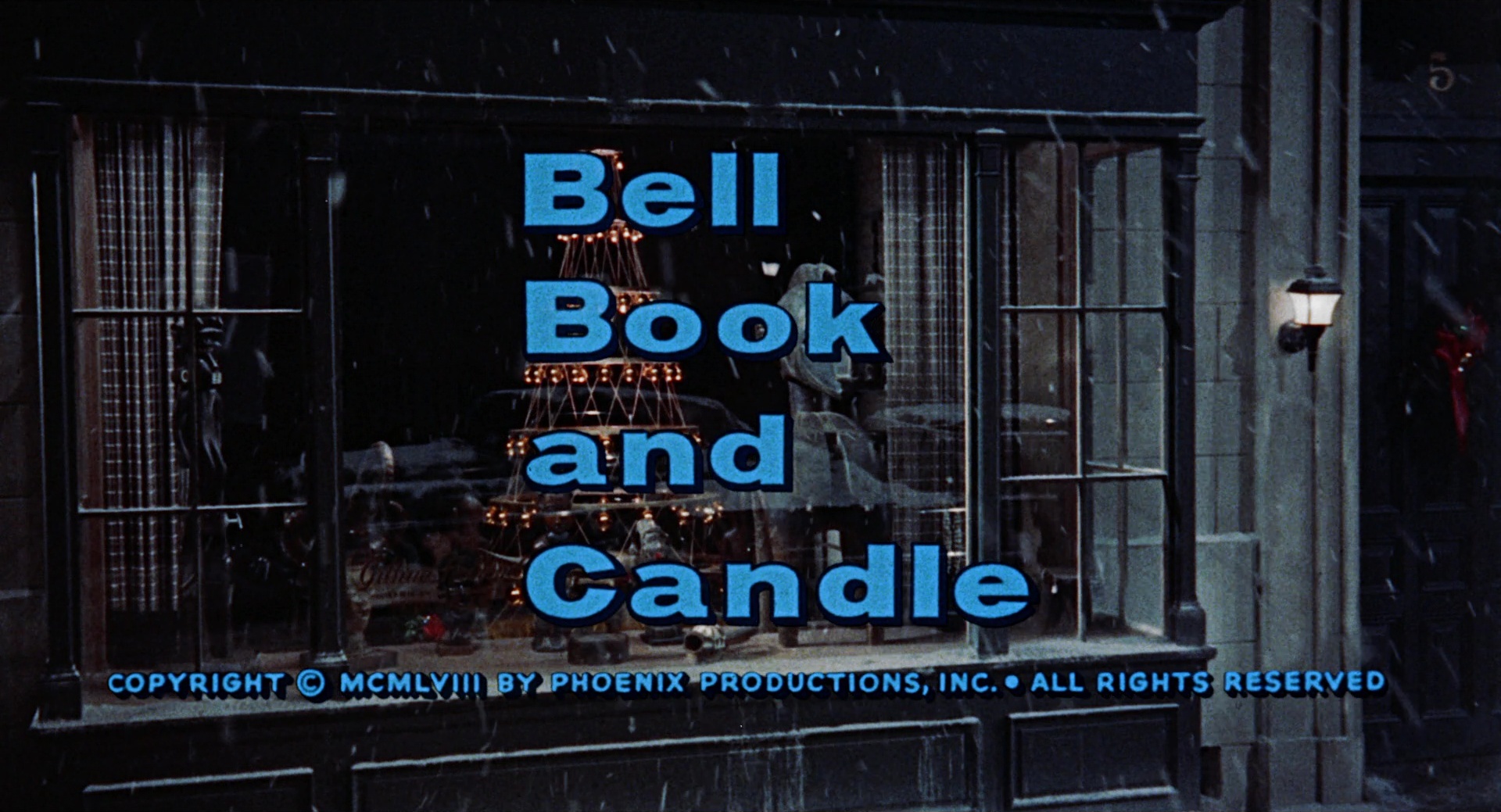
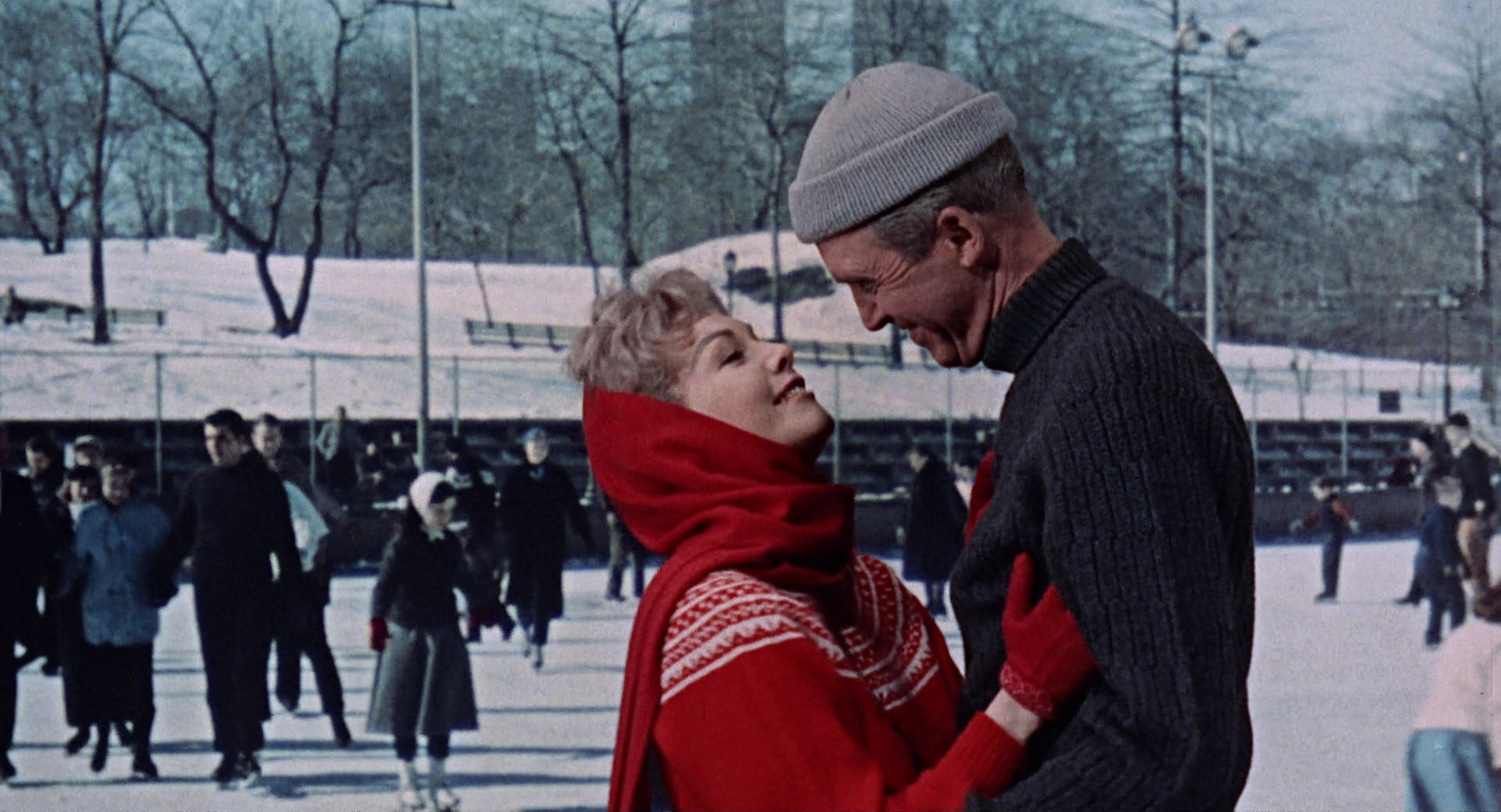
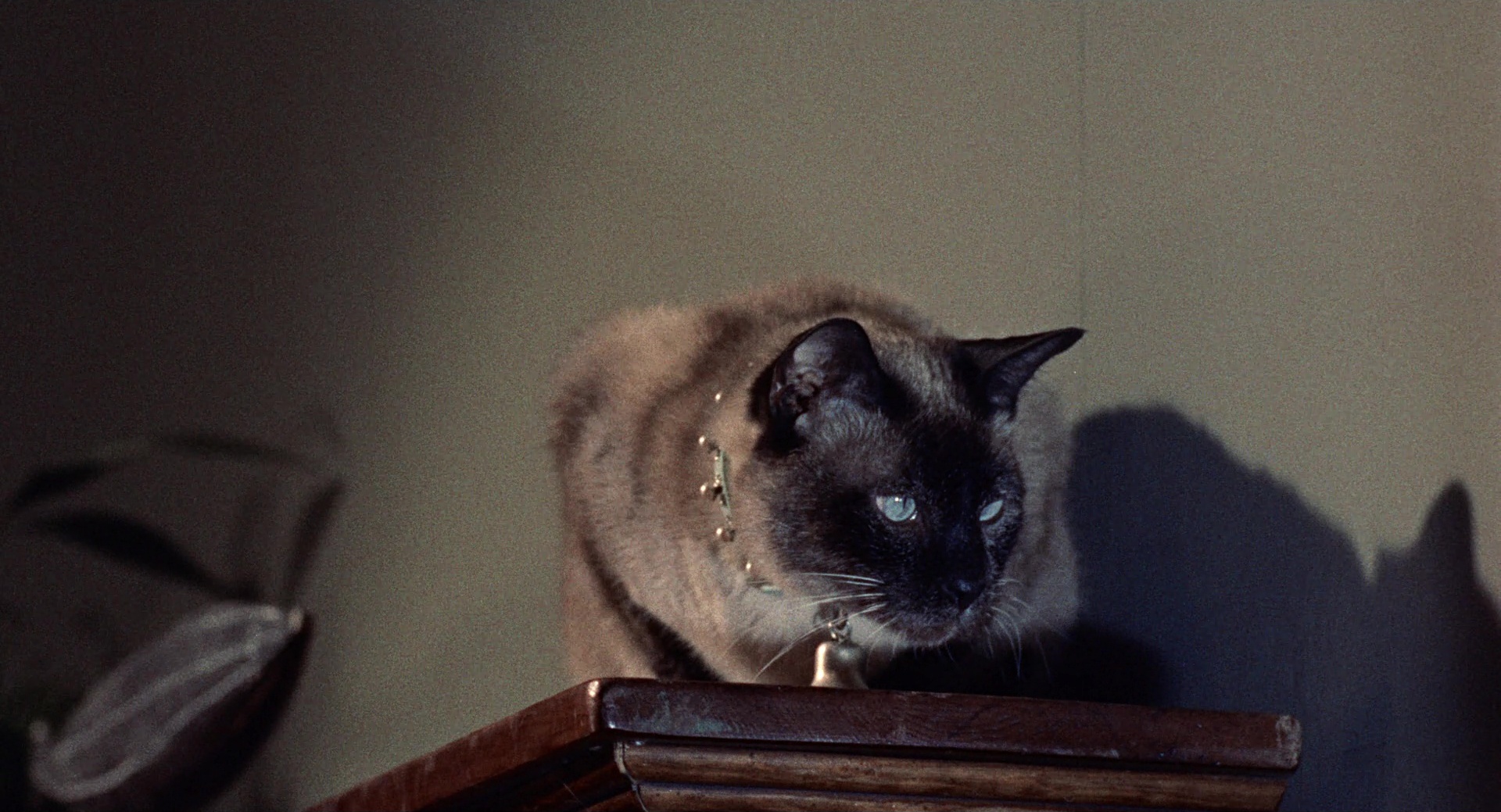
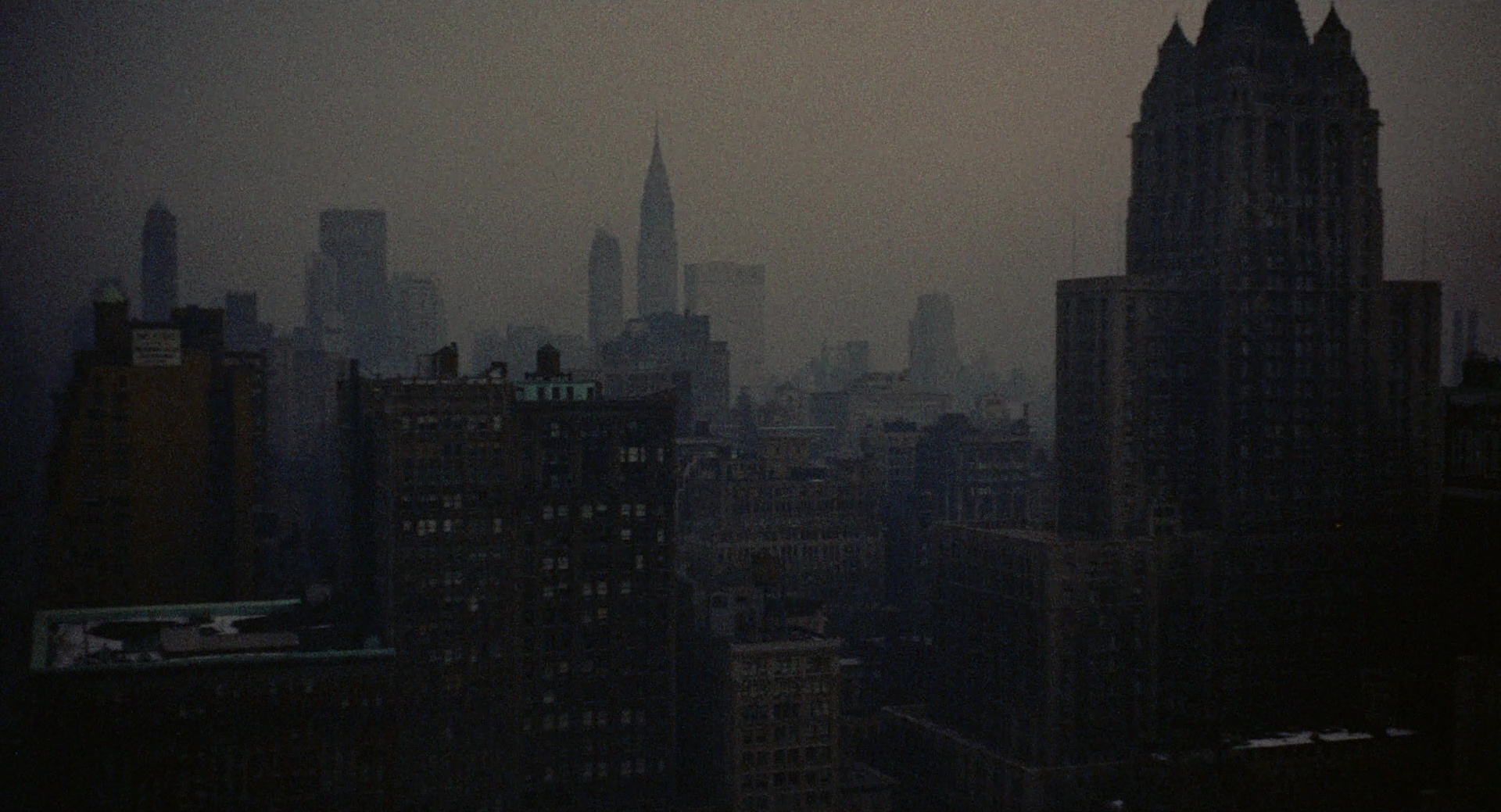
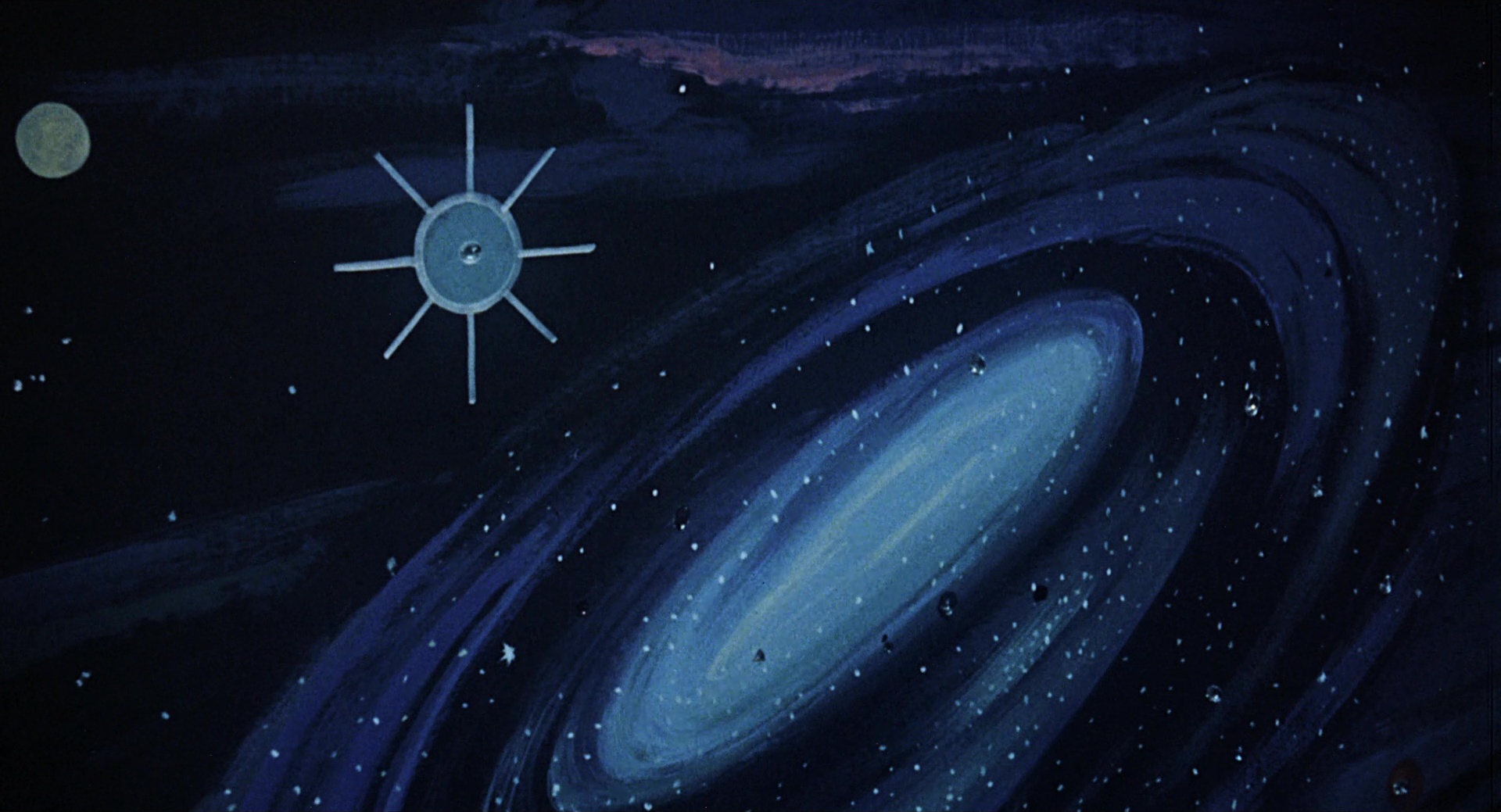
Bell, Book and Candle (1958)
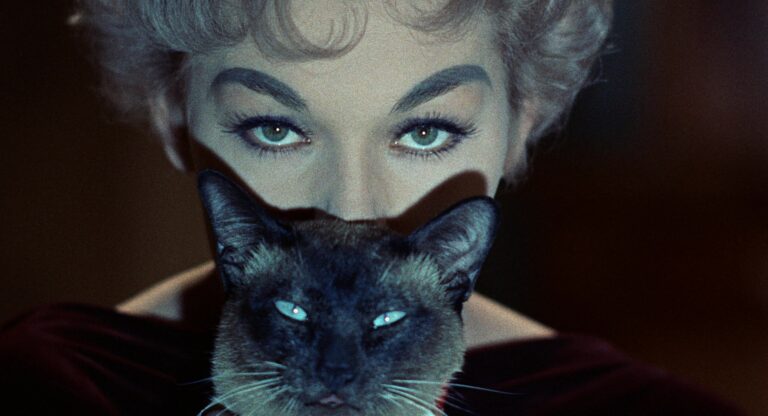
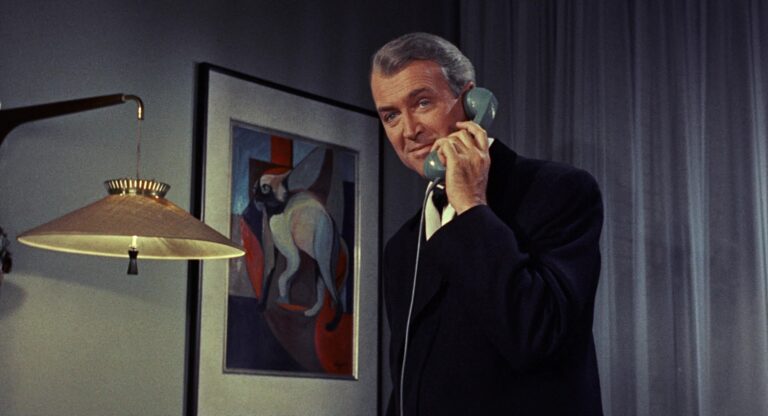
In New York City, a modern-day witch named Gillian Holroyd becomes infatuated with her upstairs neighbor, a straight-laced publisher engaged to be married. Using her powers, she casts a spell to make him fall in love with her—but as their relationship deepens, she finds herself confronting the difference between magic and genuine emotion. Her growing feelings begin to complicate both her powers and her place in the hidden world of witches.
Quine and cinematographer James Wong Howe shot Bell, Book and Candle with a sleek, color-driven palette, using bold greens and warm ambers to signal shifts between the magical and the everyday. The film’s stylized lighting and clean, modern interiors give it a sophisticated, almost graphic look—blending romantic comedy with a subtly heightened, supernatural visual tone.
FILM SPOTLIGHT
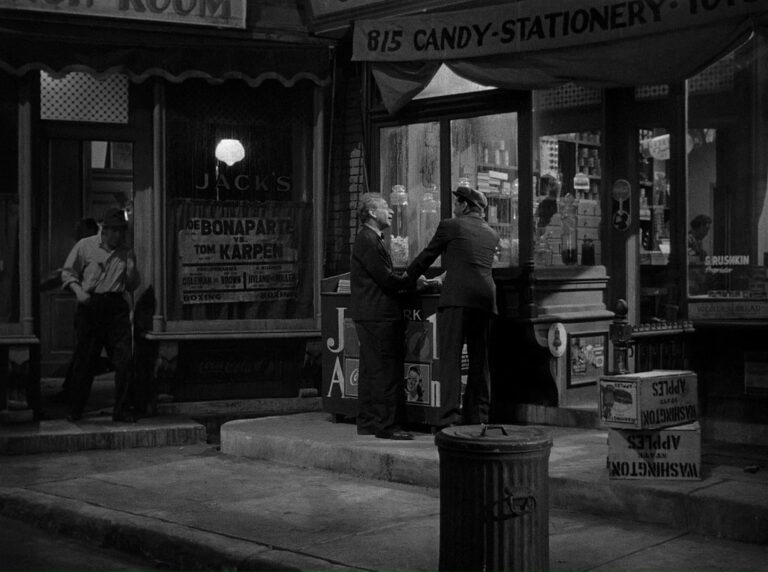
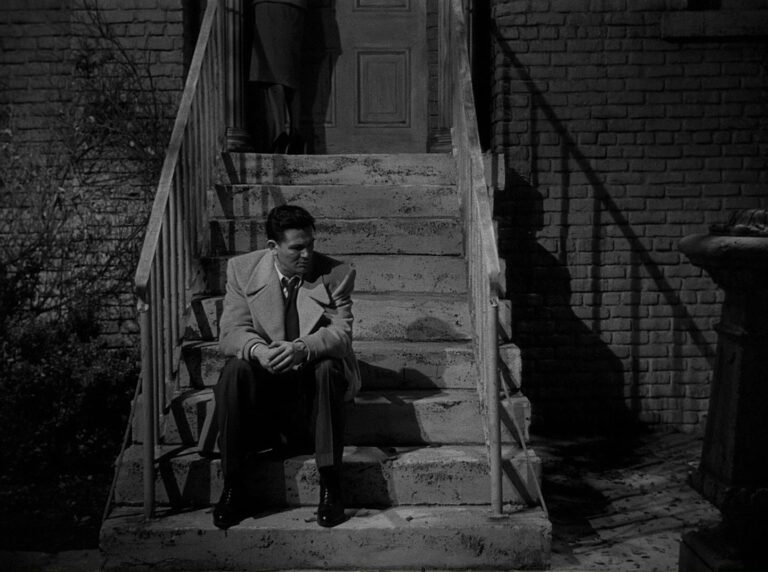
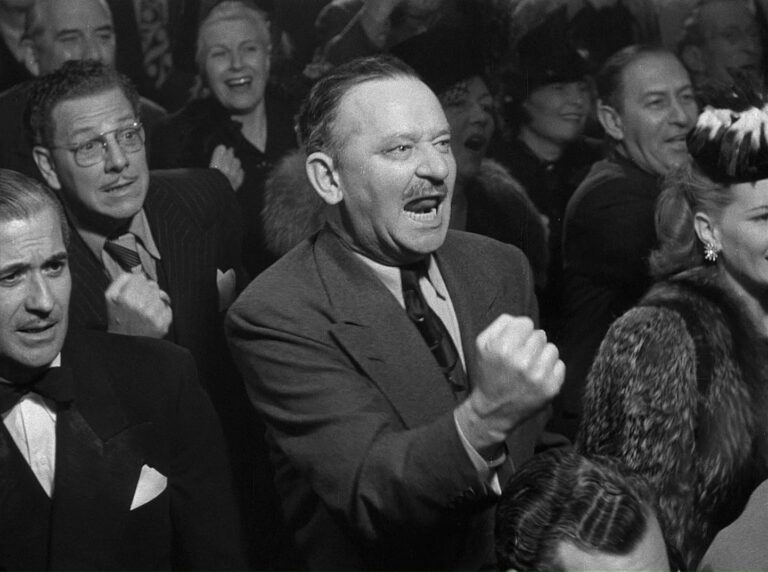
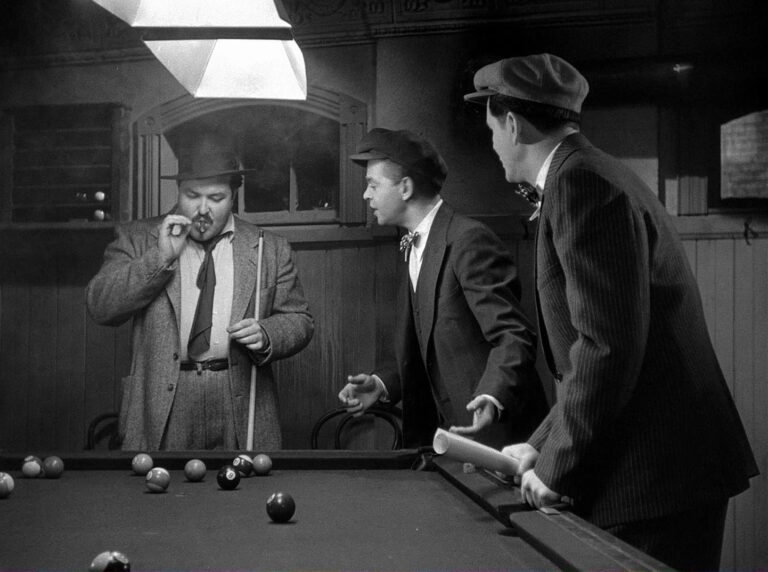
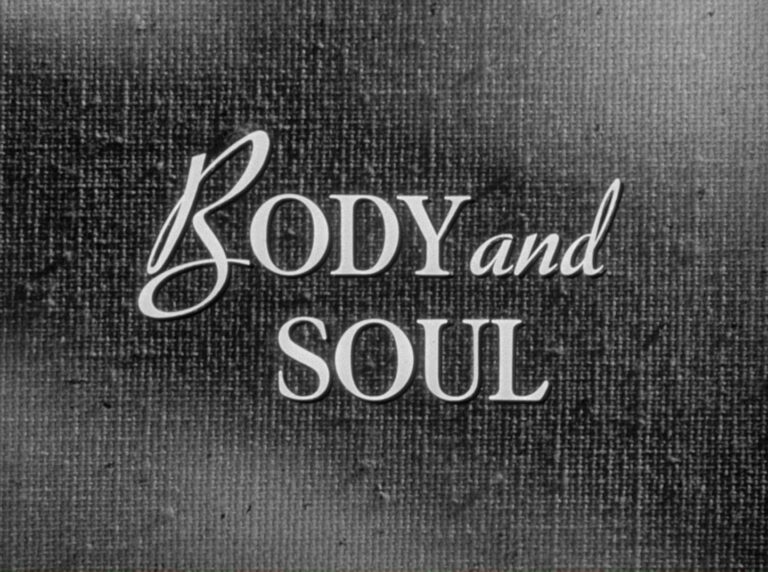
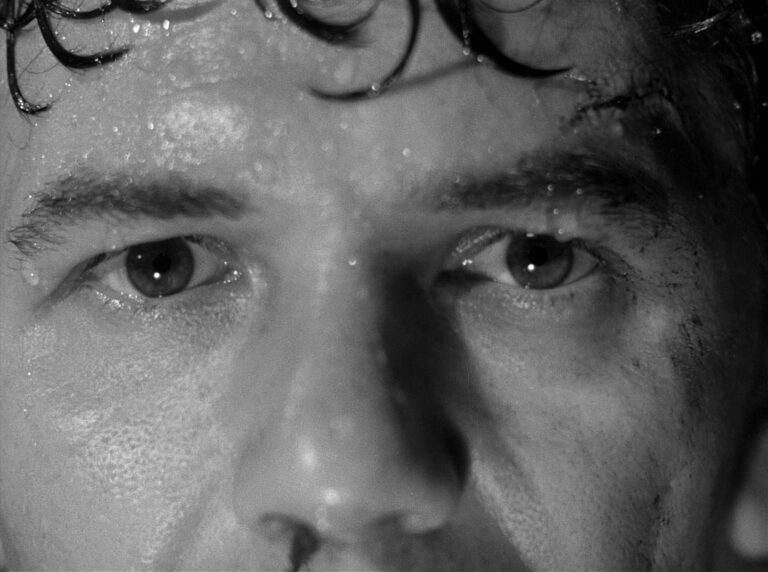
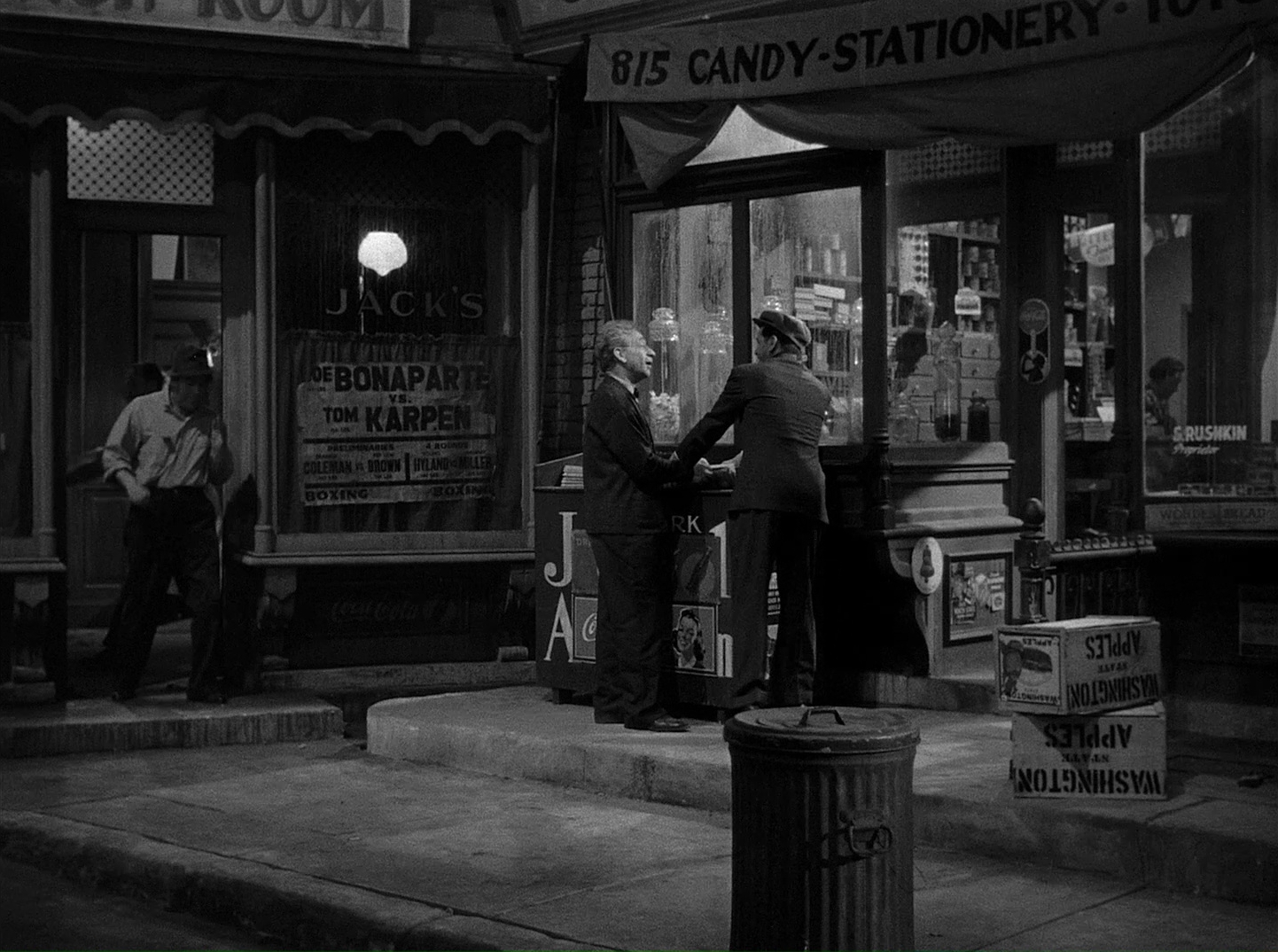
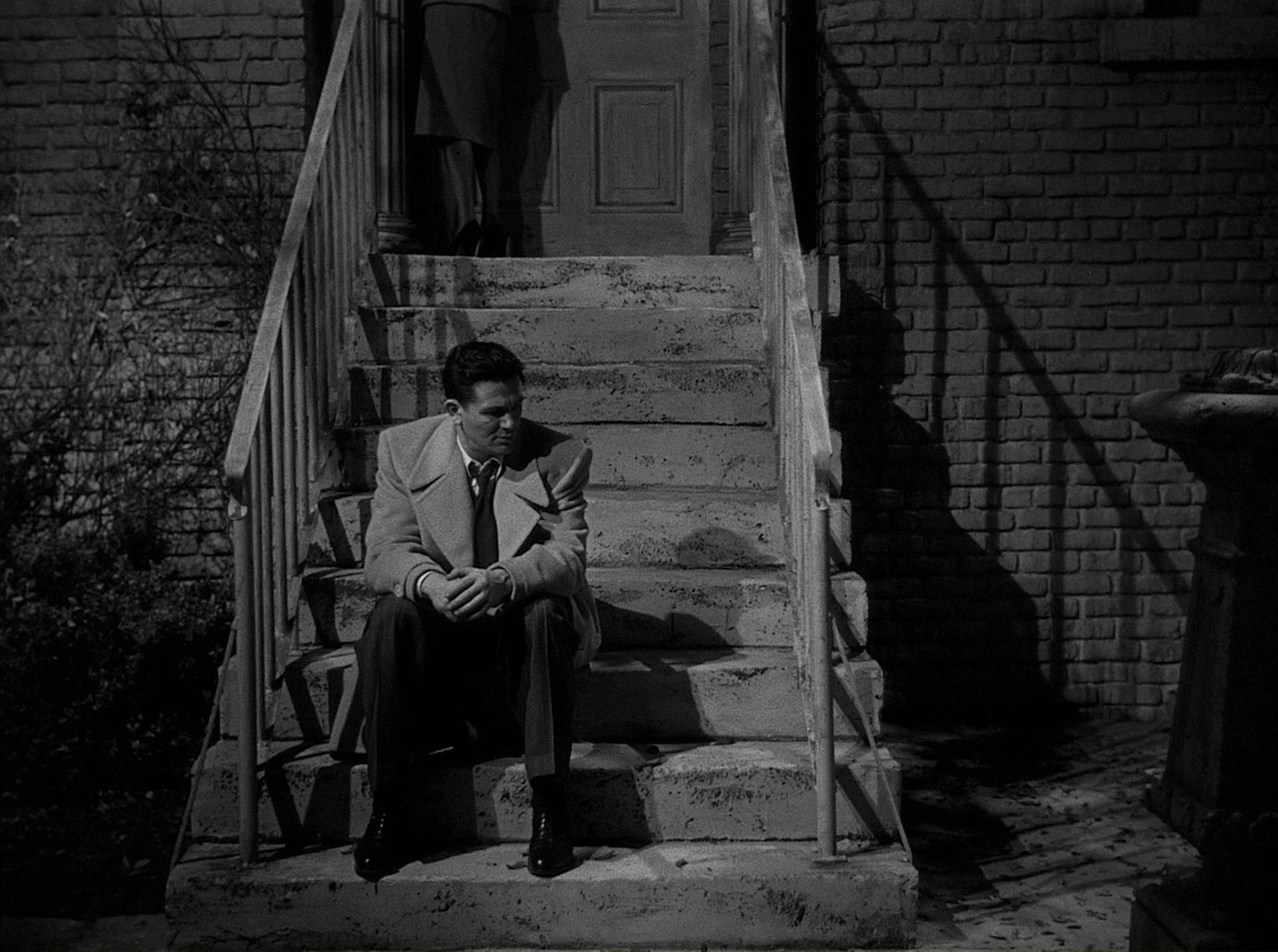
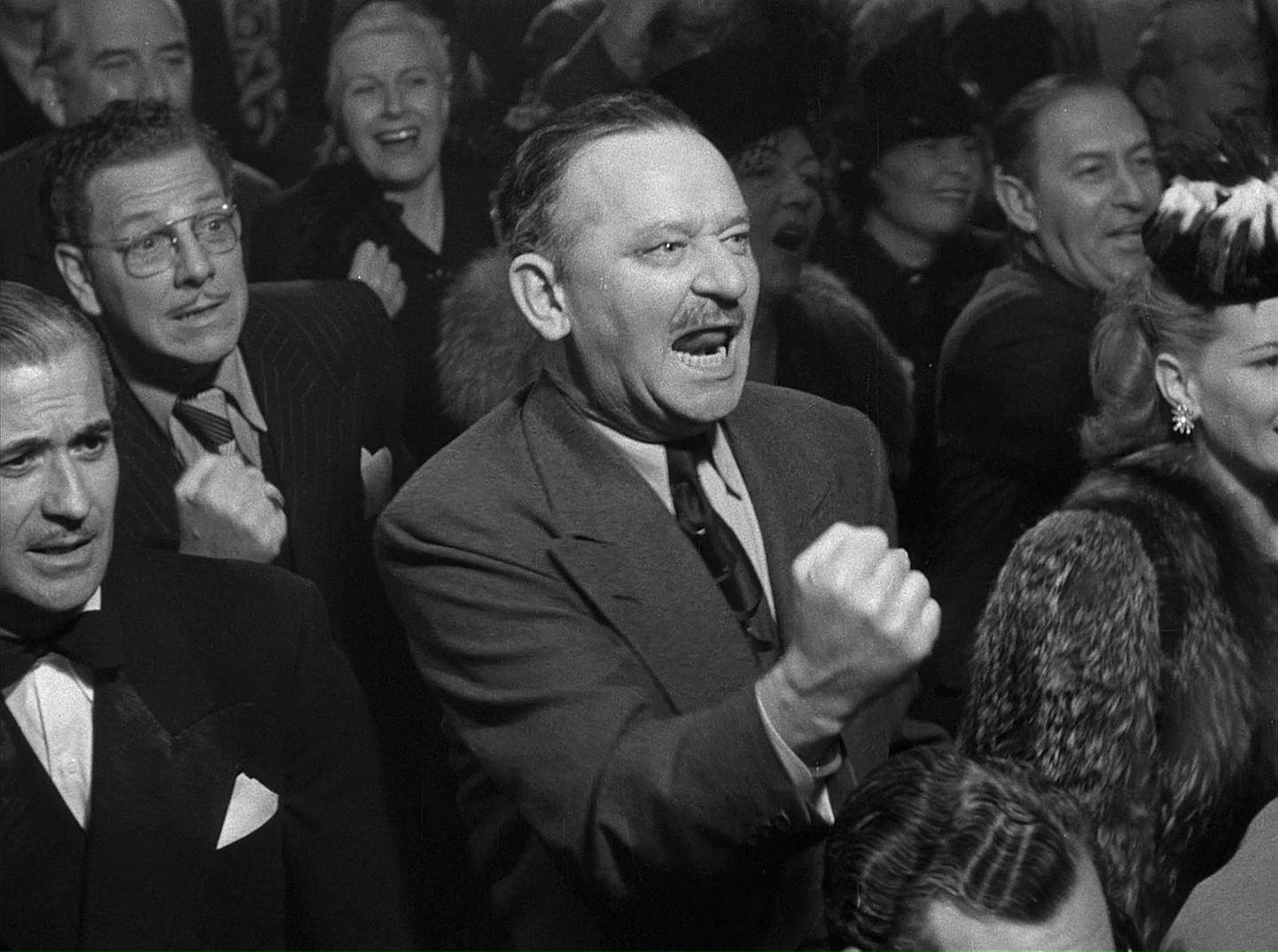
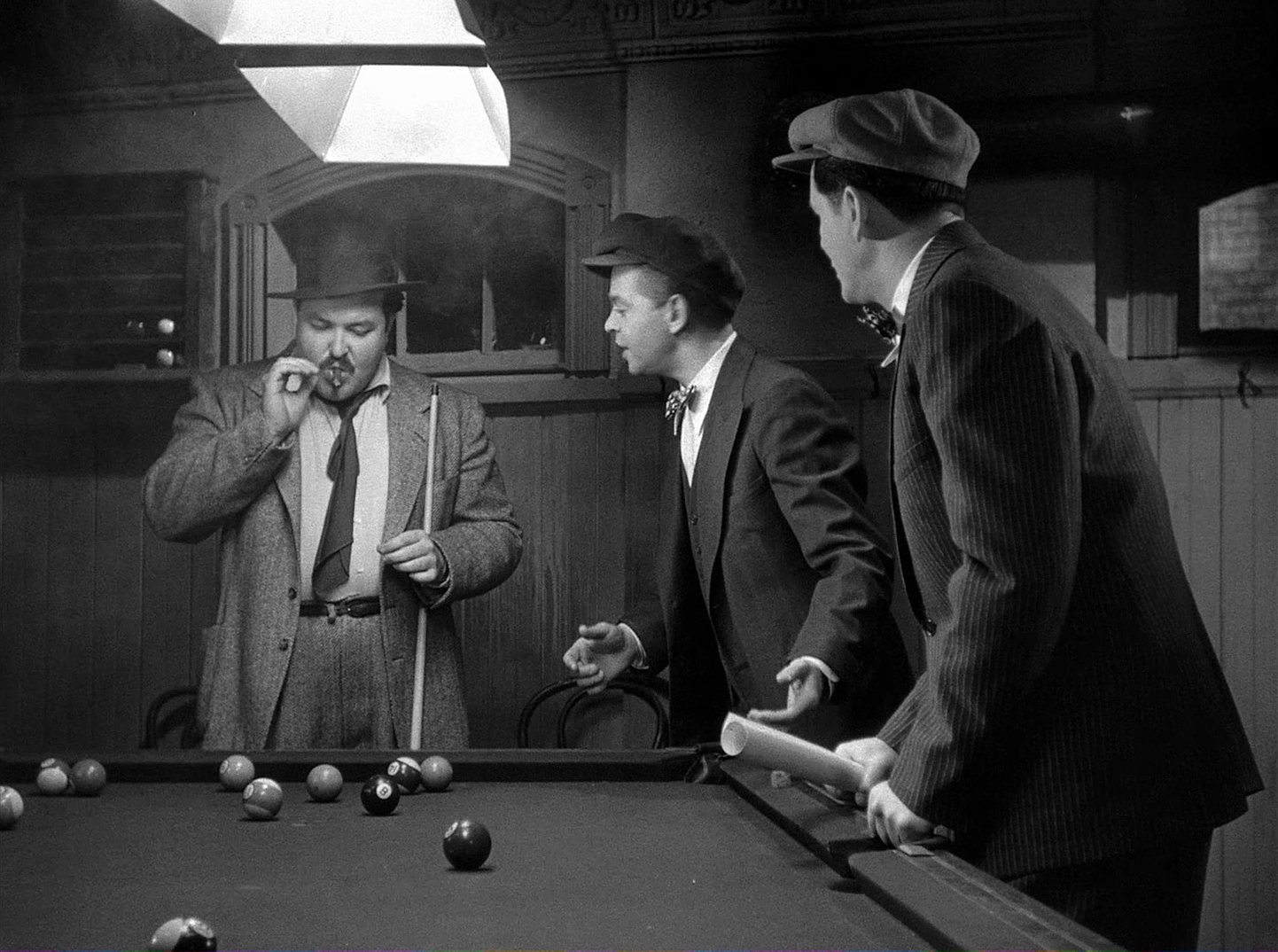
Body and Soul (1947)
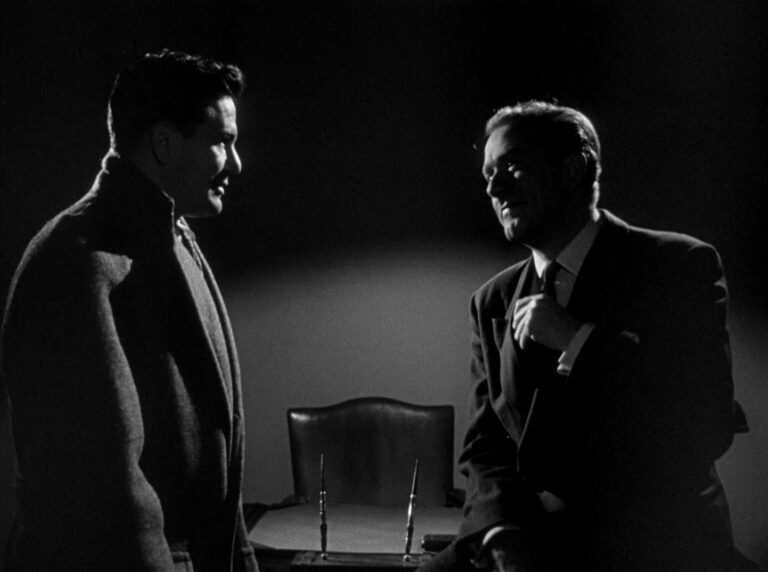
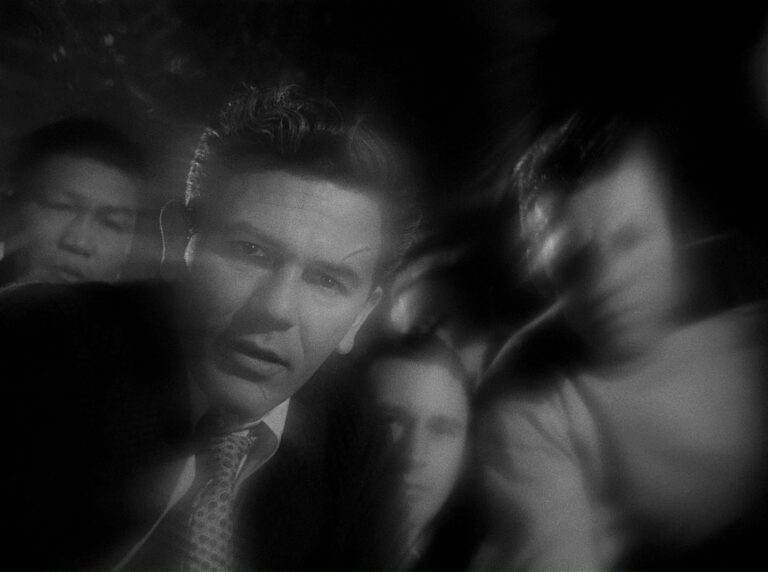
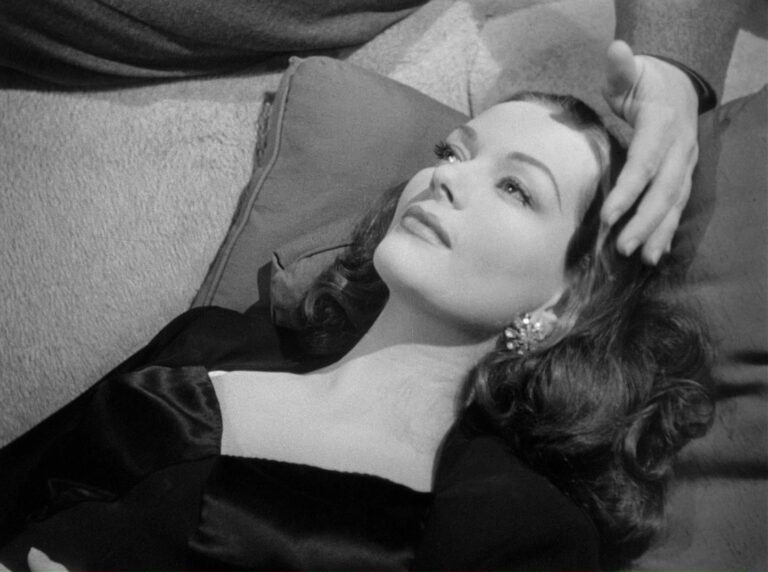
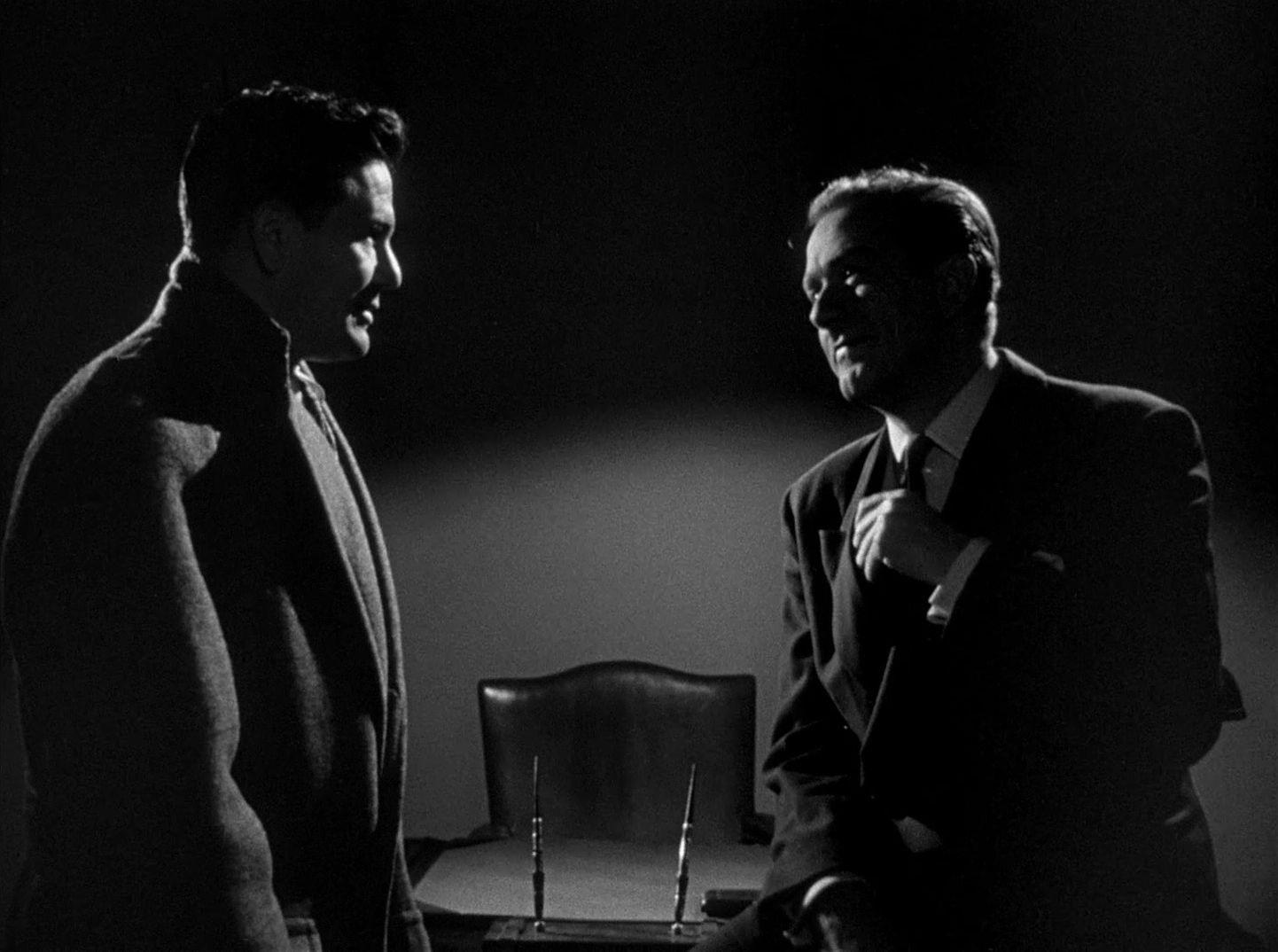
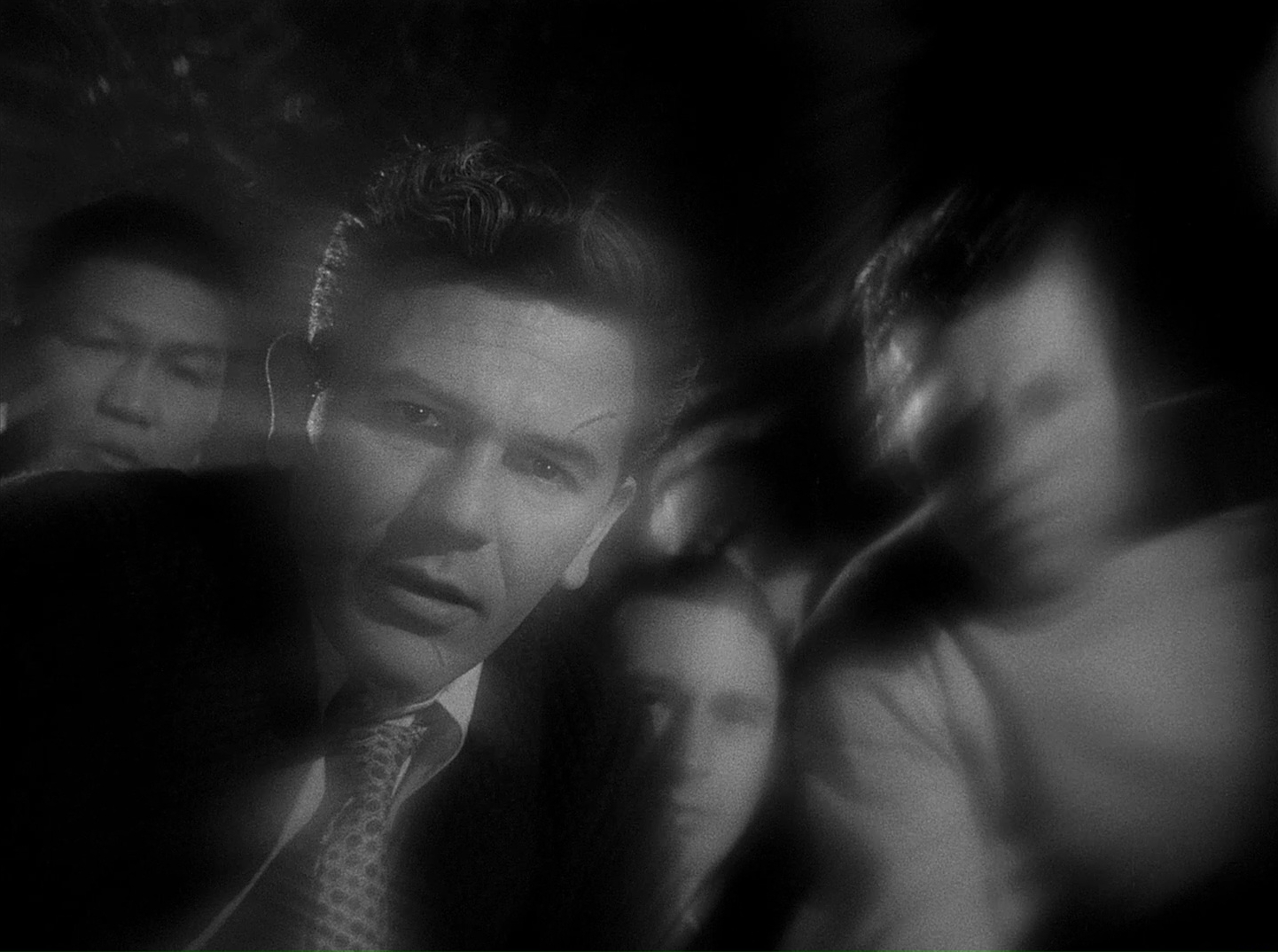
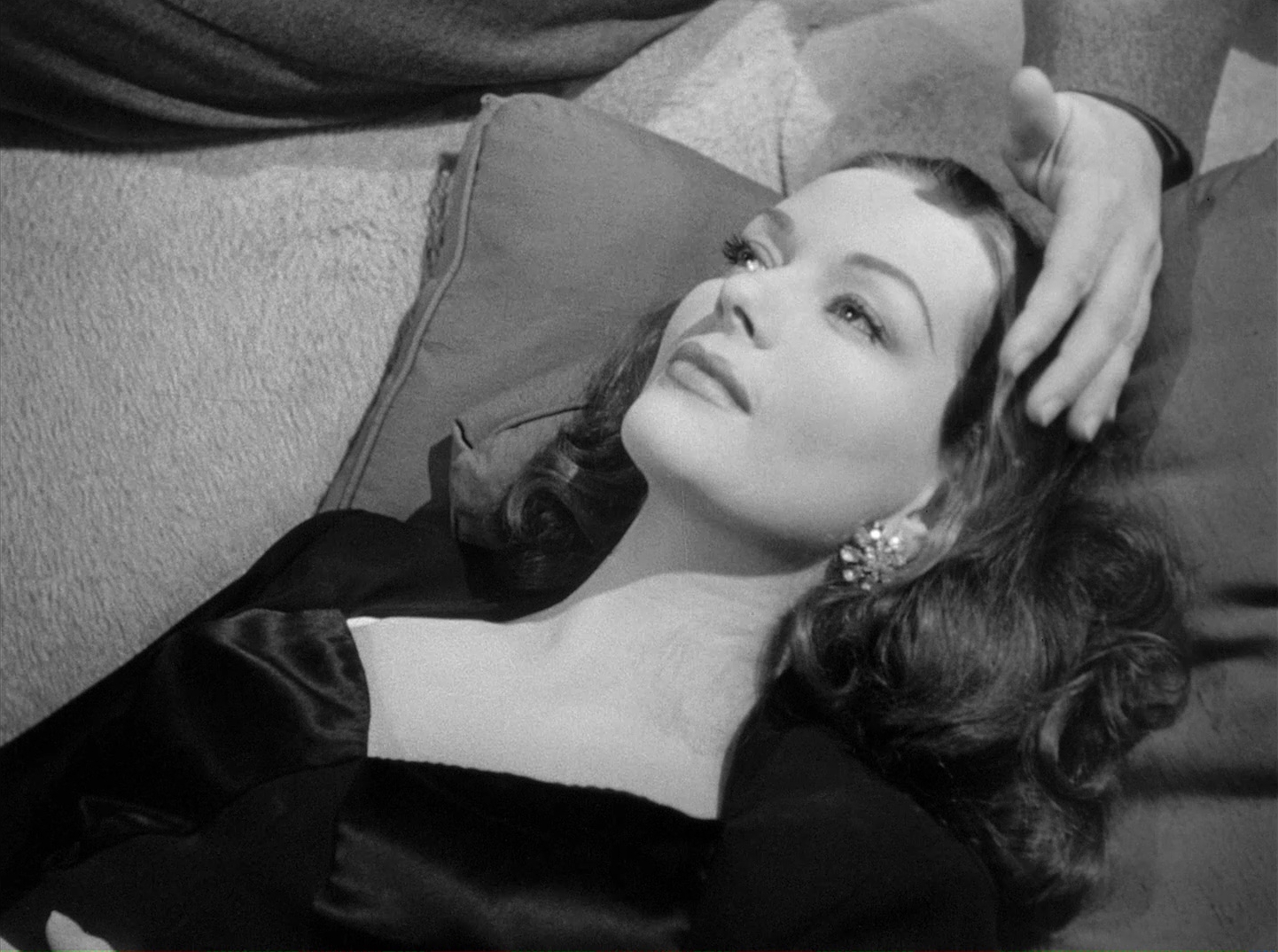
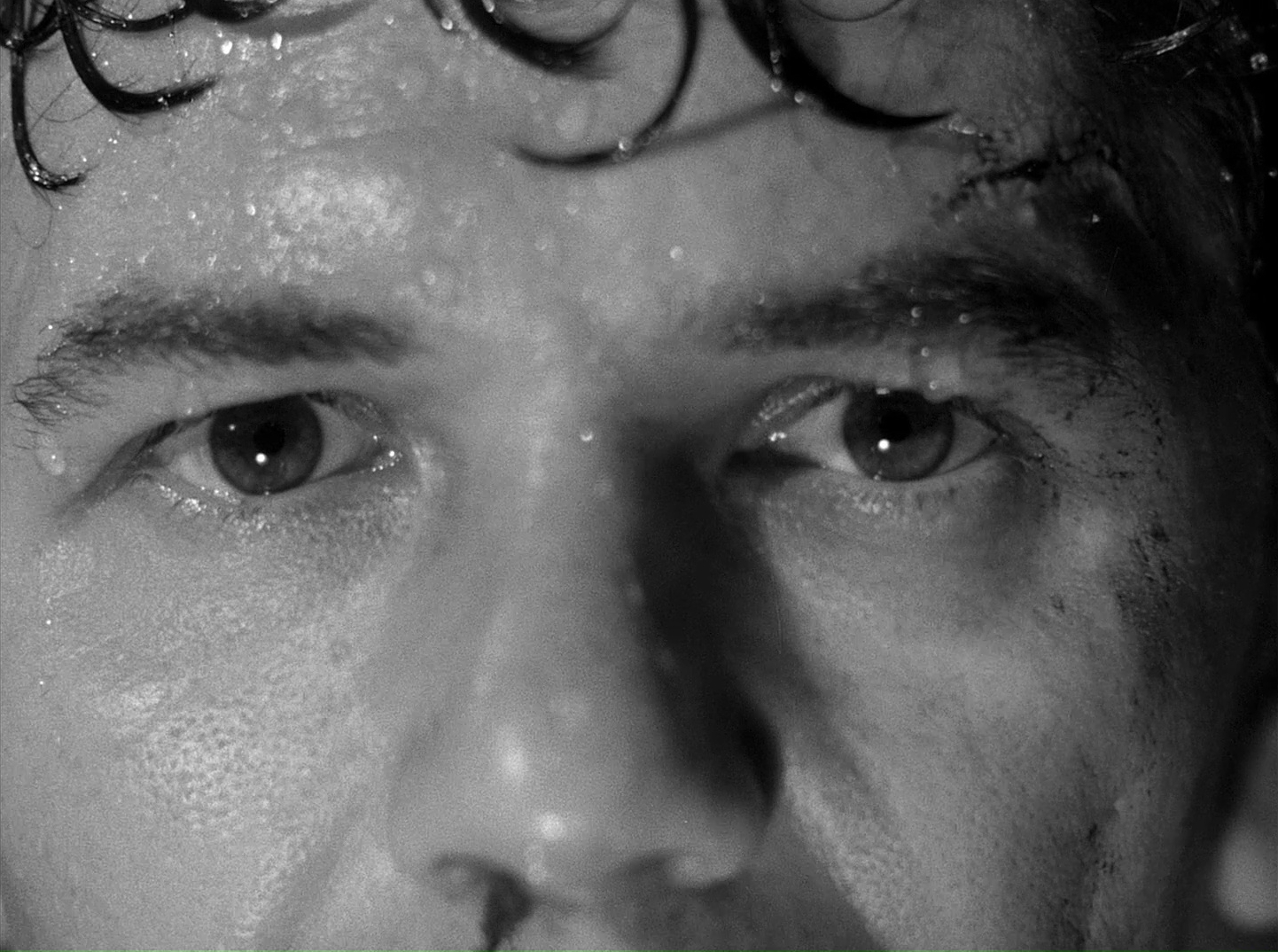
Charley Davis, an ambitious young boxer from a poor background, rises quickly through the ranks with the help of a savvy promoter. As success brings wealth and recognition, he becomes entangled in corruption and pressured to throw fights for profit. Torn between his integrity and the life he’s built, Charley must decide what kind of man he wants to be.
Cinematographer James Wong Howe shot Body and Soul with a visceral, inside-the-ring perspective, strapping the camera close to the action to capture the physical impact of each fight. The film’s high-contrast lighting and mobile camera work give the bouts a raw immediacy—pulling the viewer into the brutality of boxing in a way that would influence sports cinematography for decades.
TELEVISION SERIES
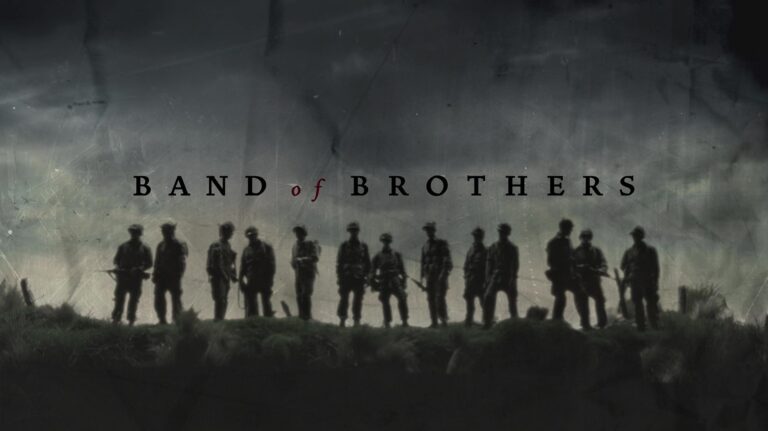
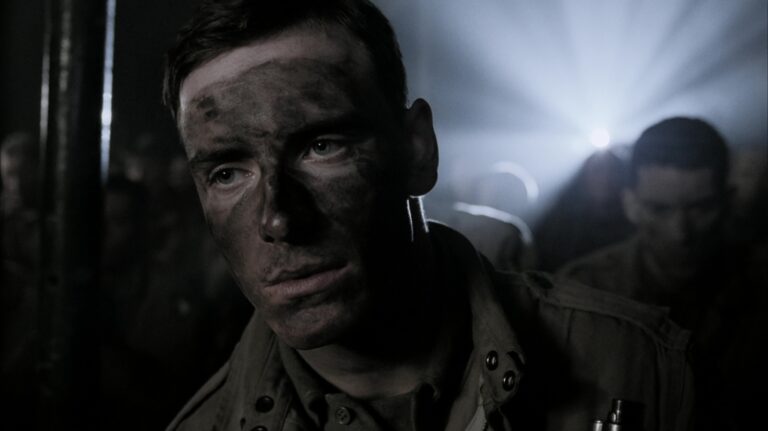
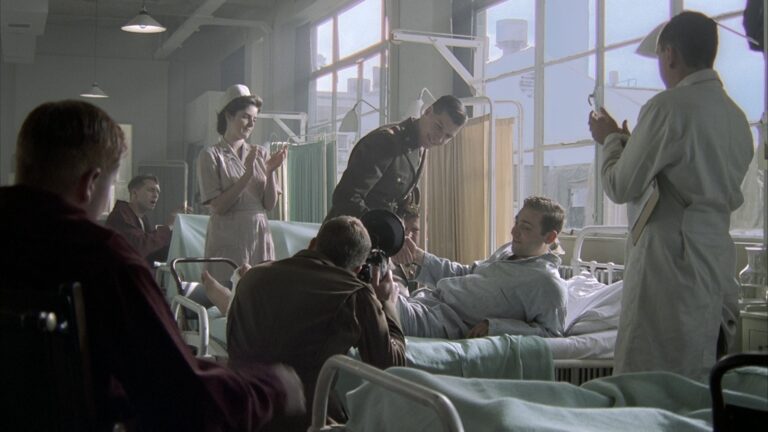
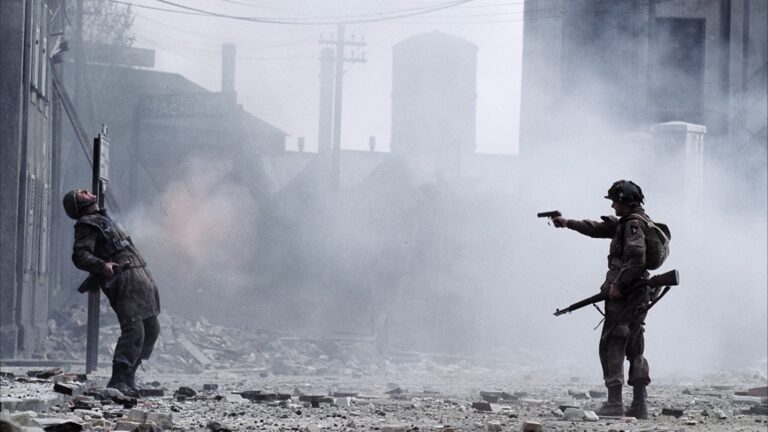
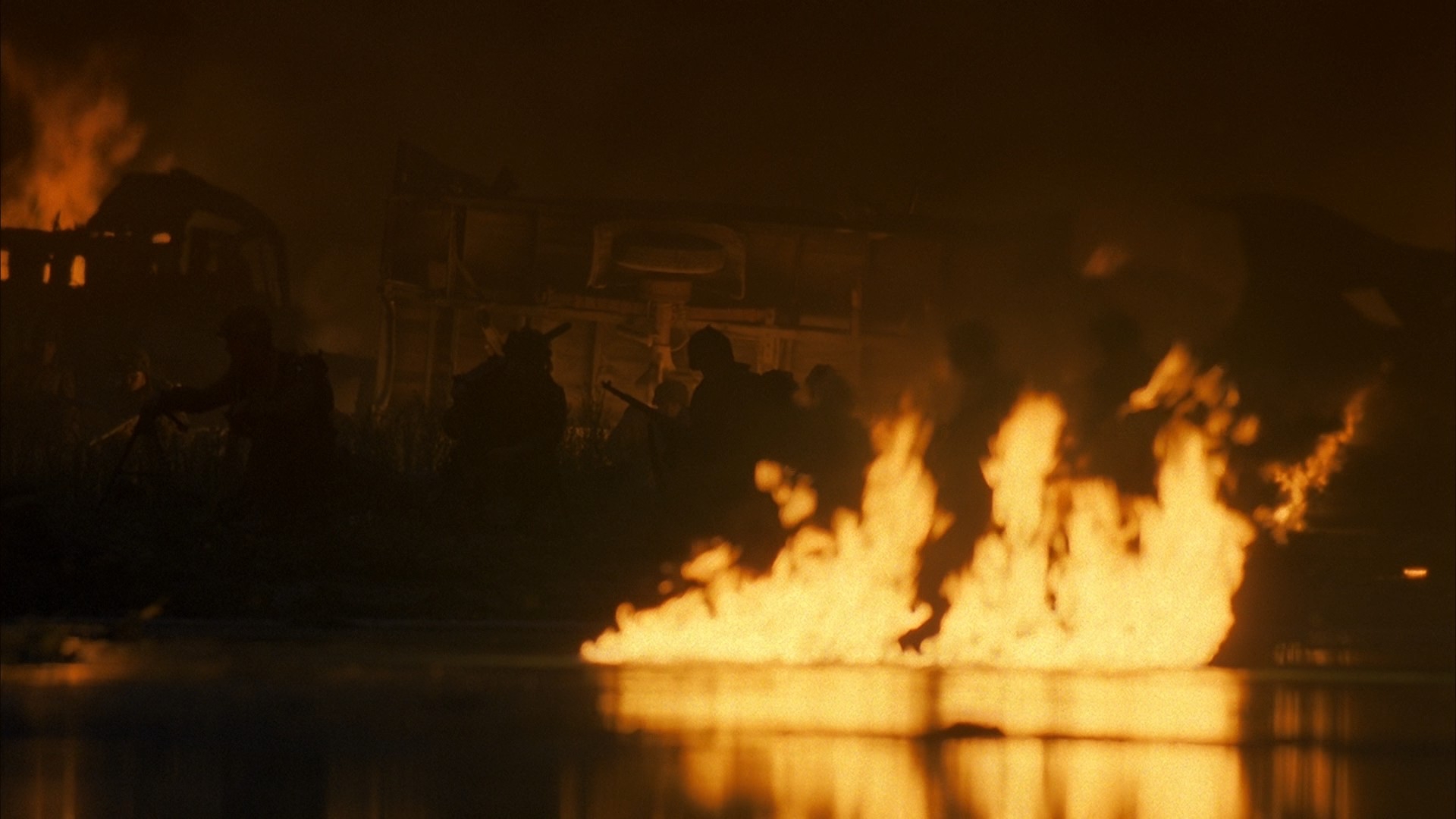
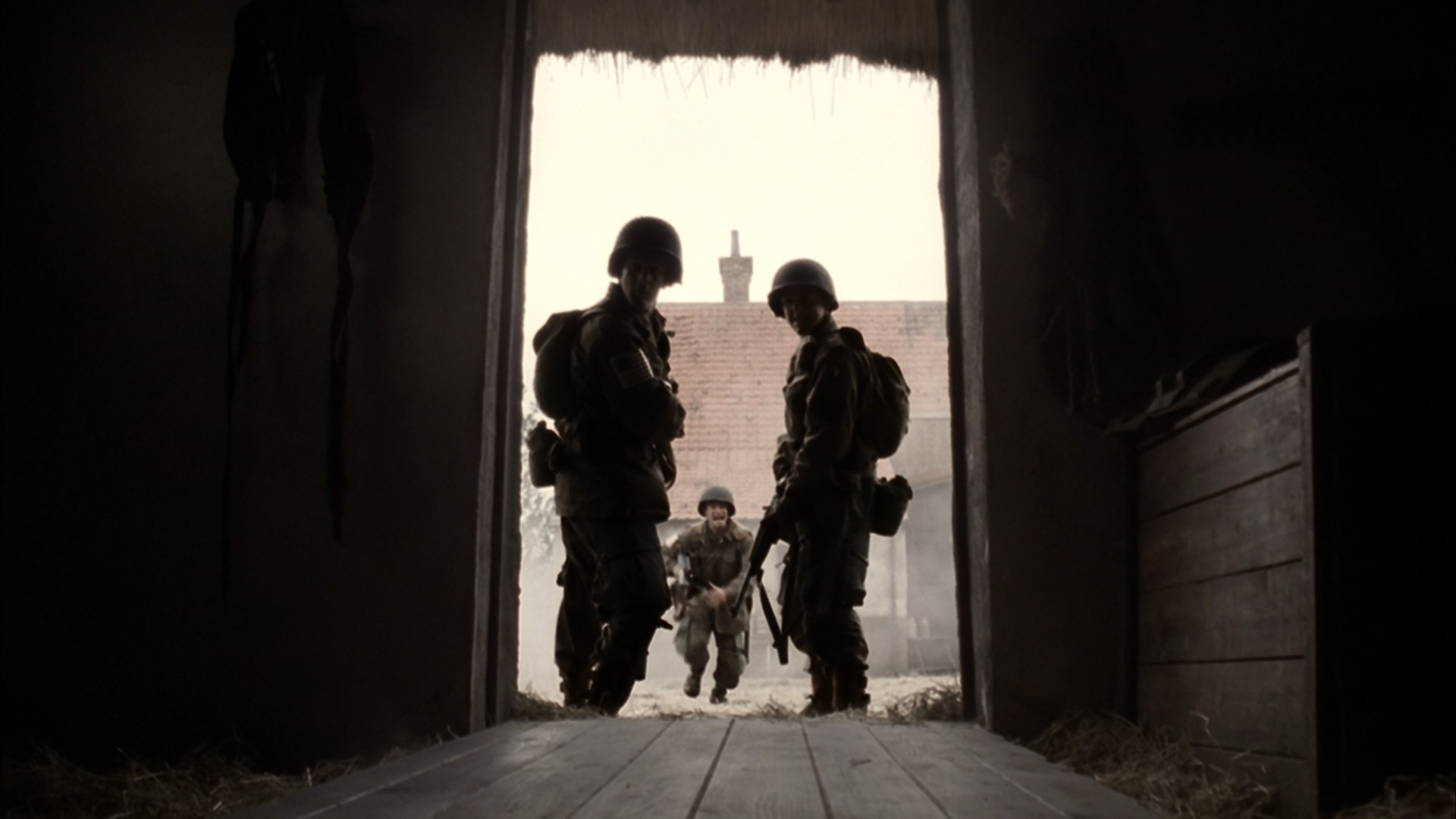
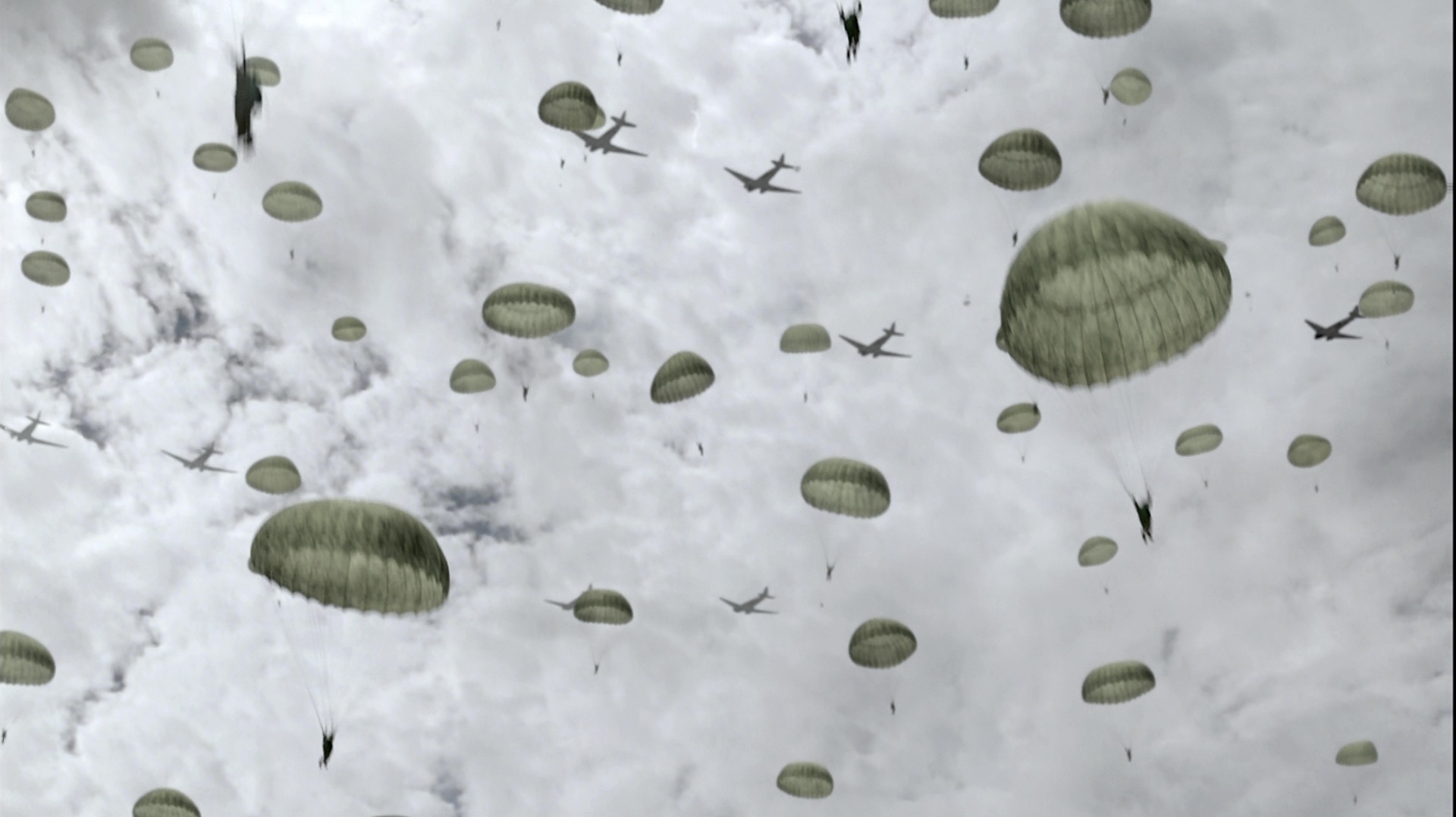
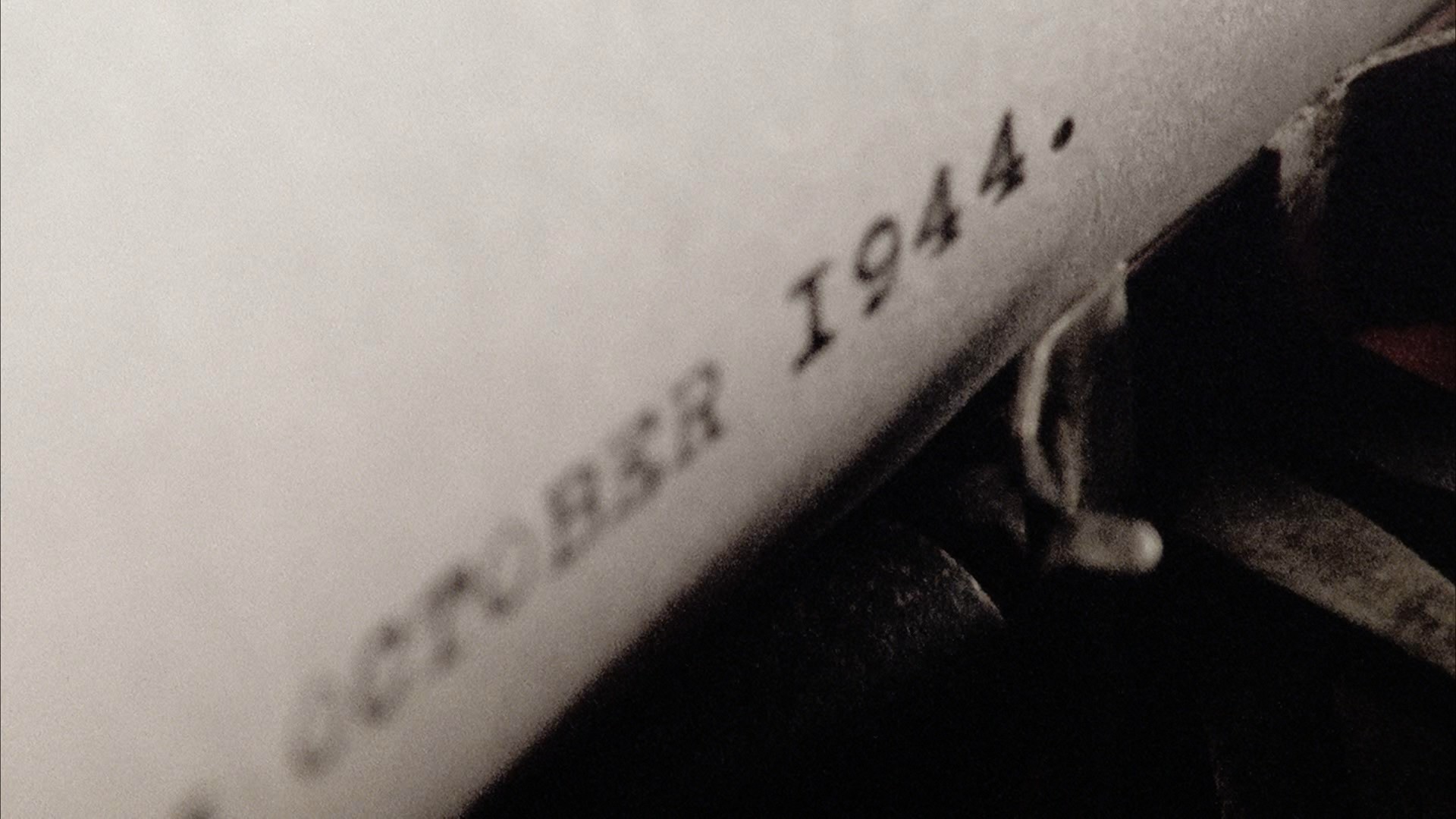
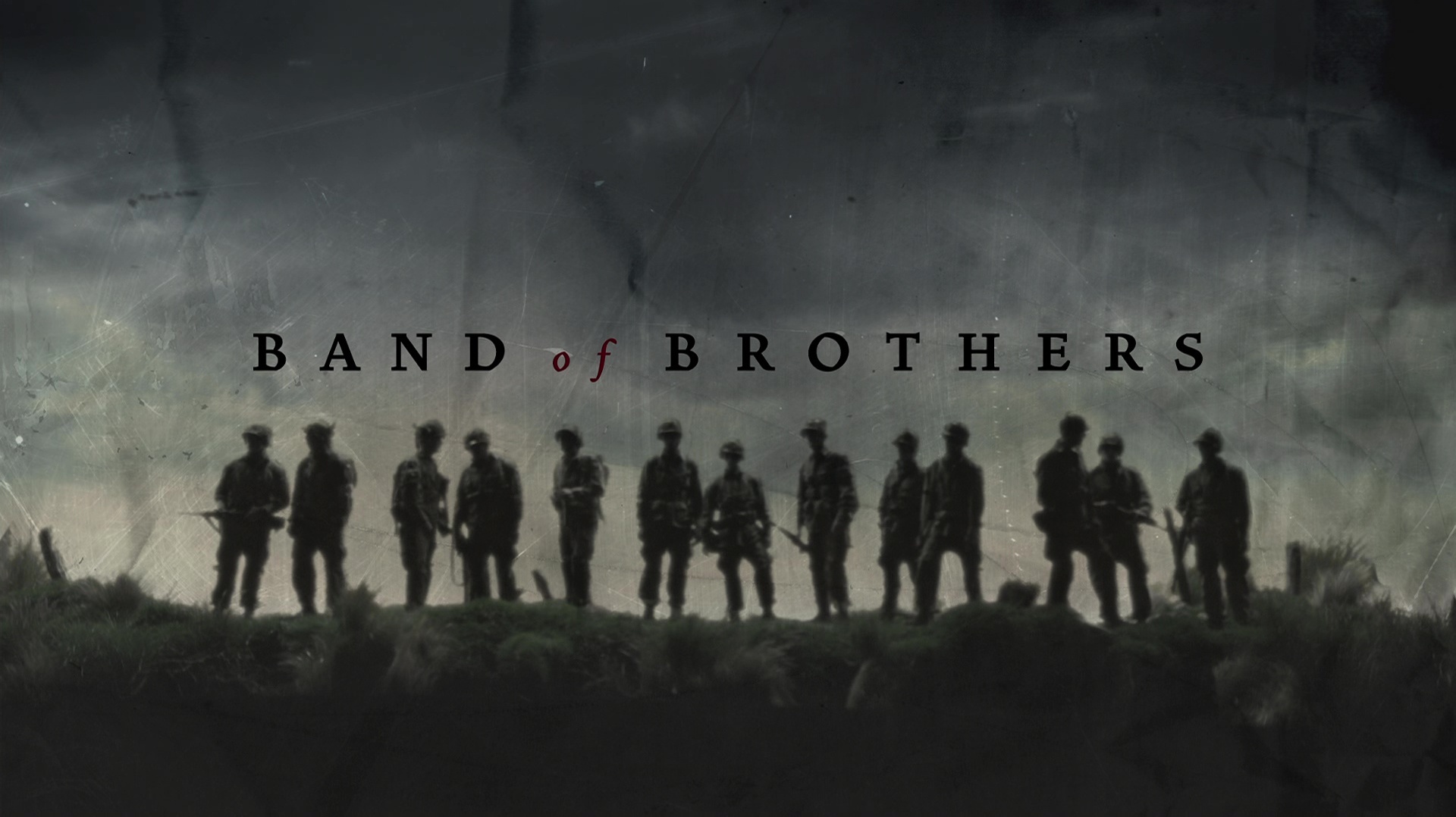
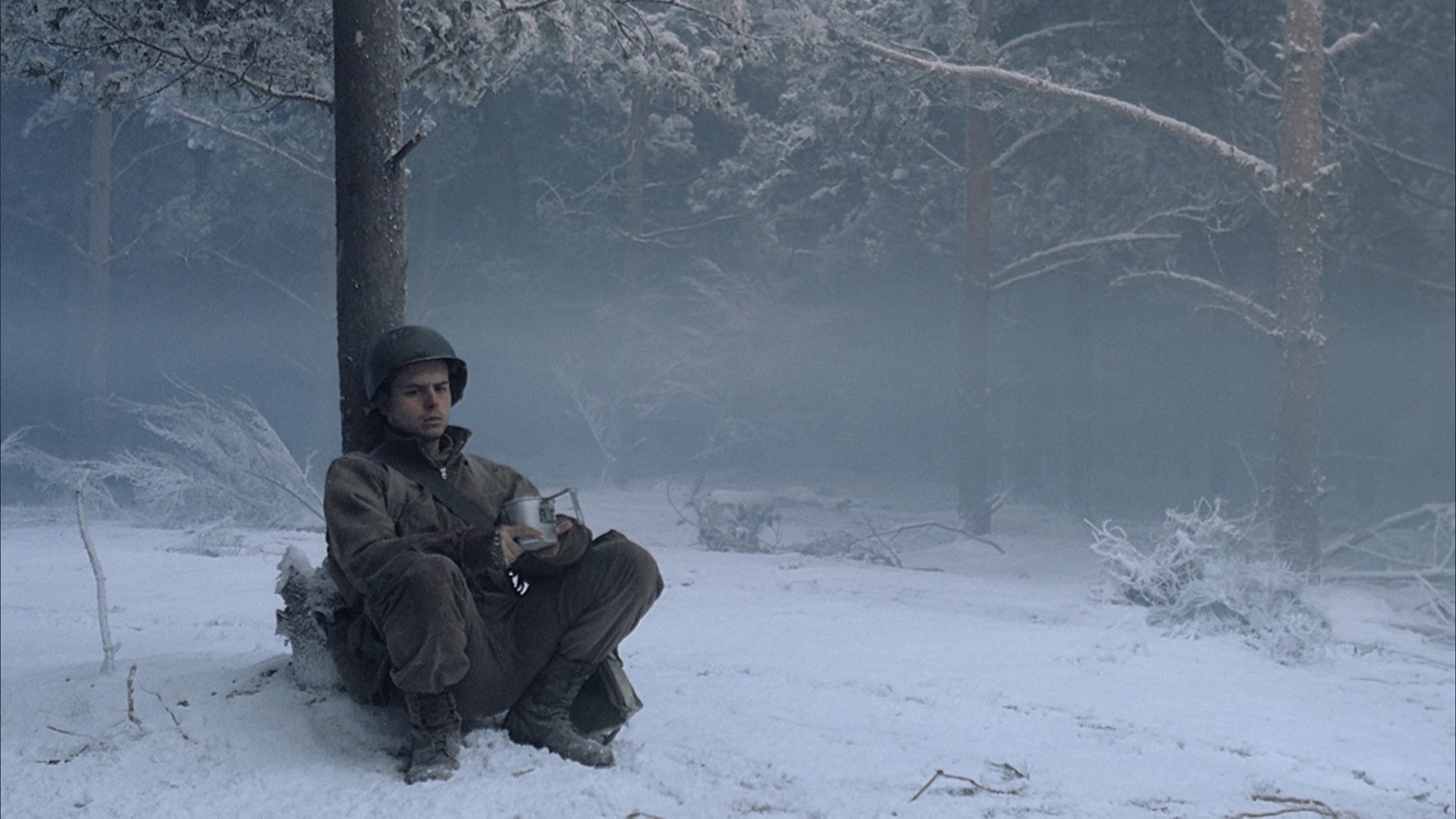
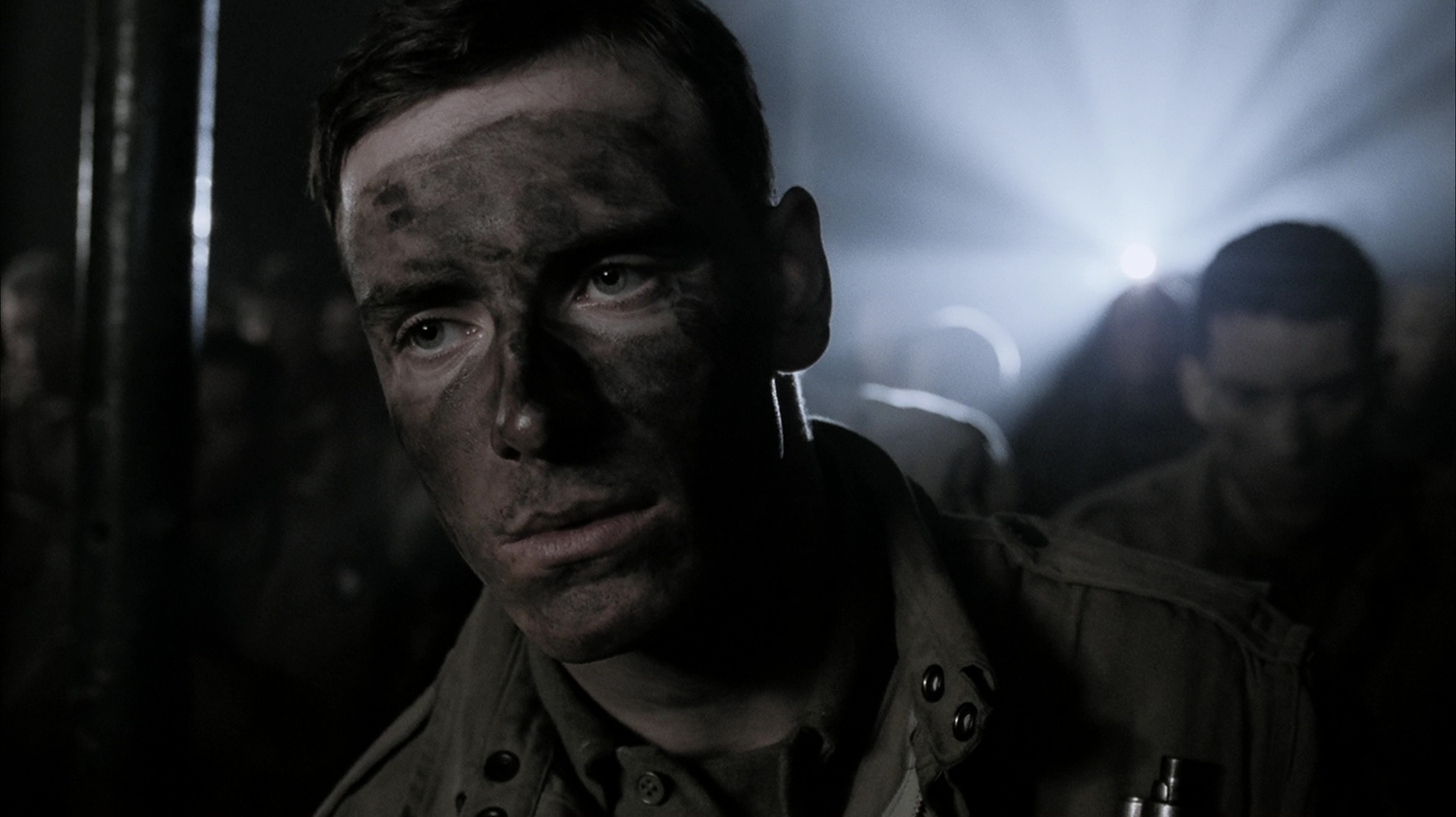
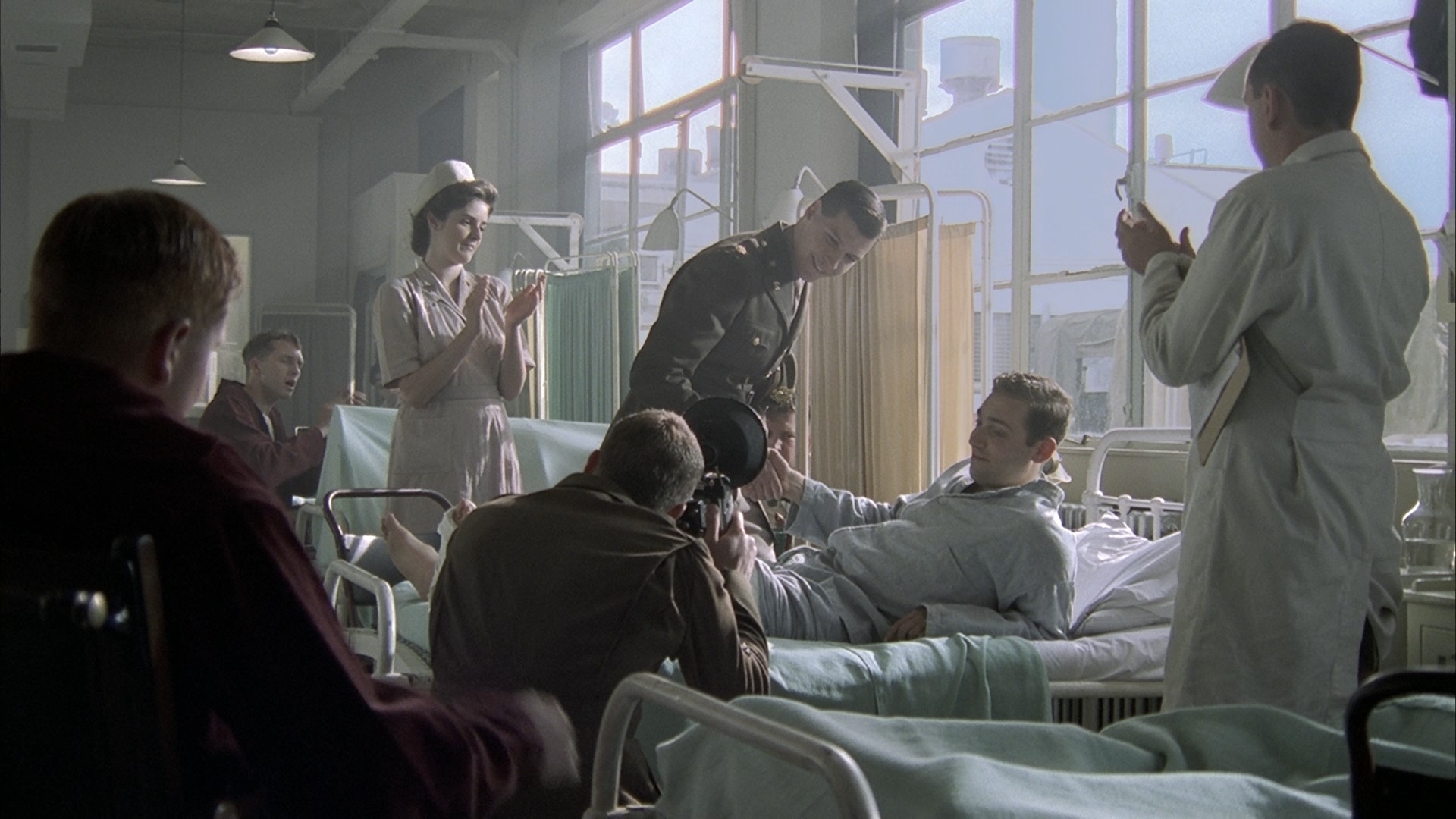
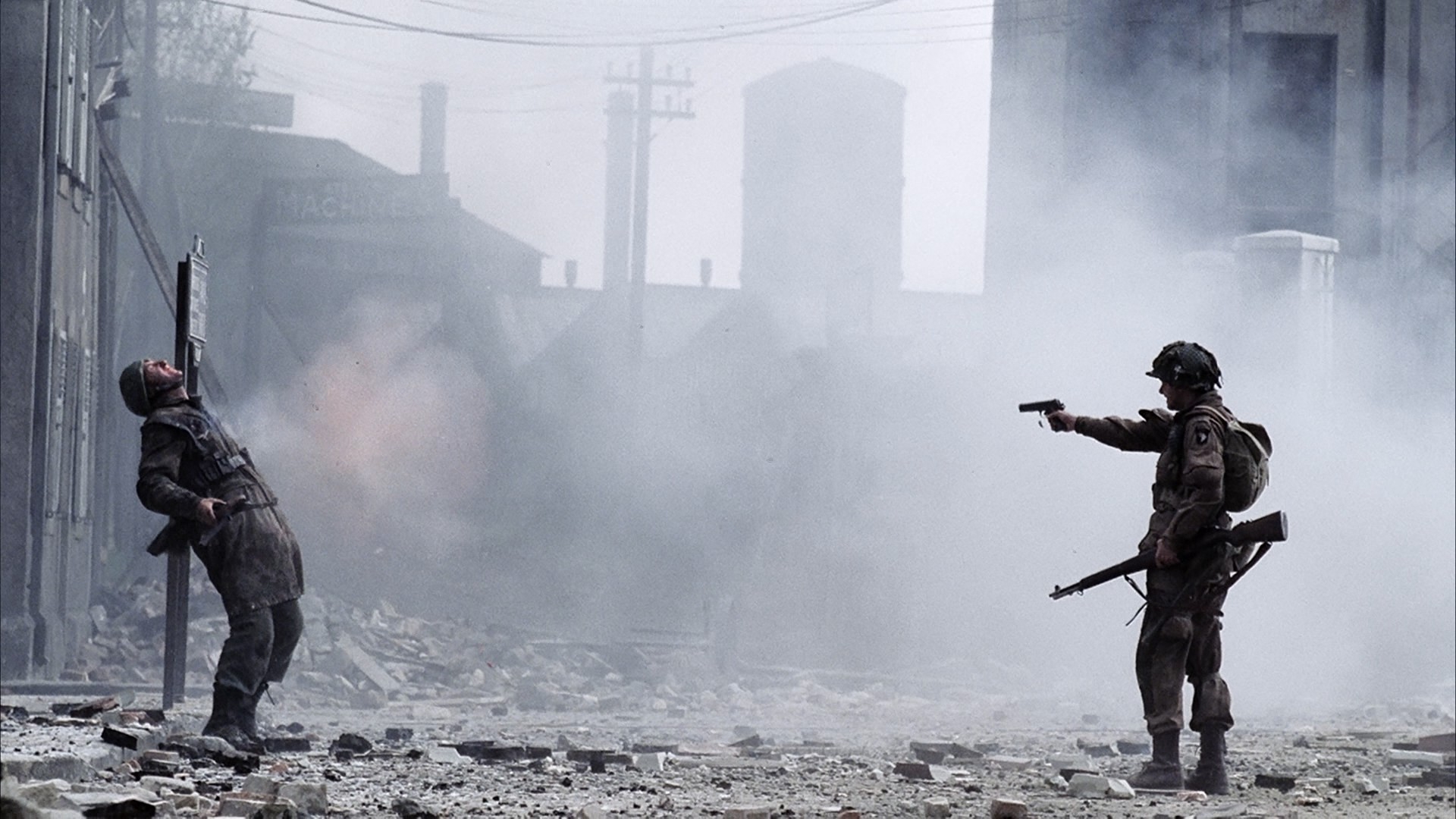
Band of Brothers – Season 1 (2001)
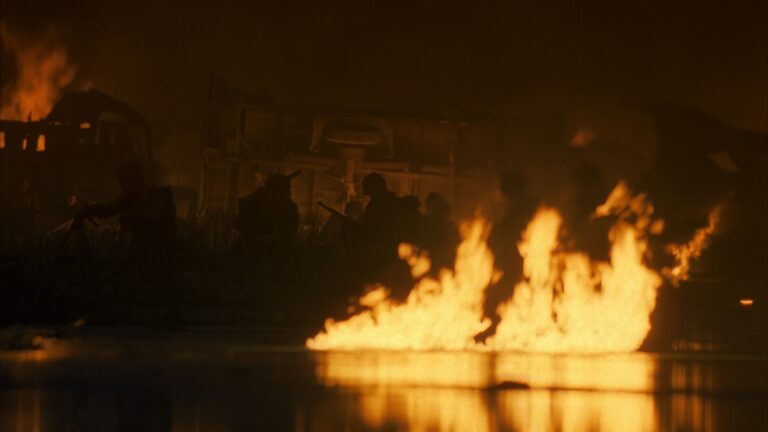
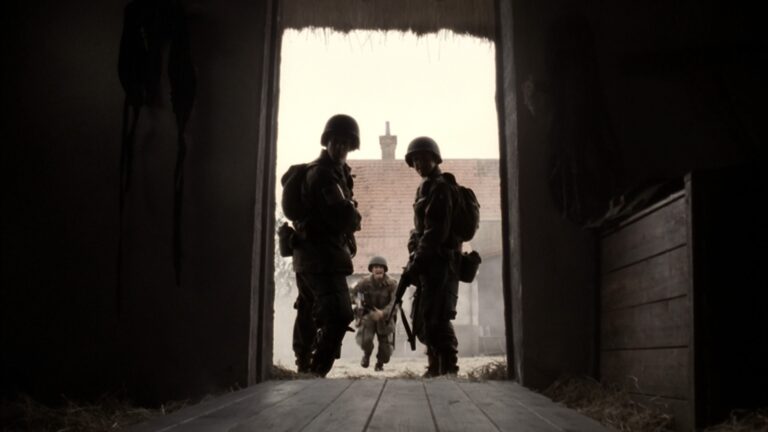
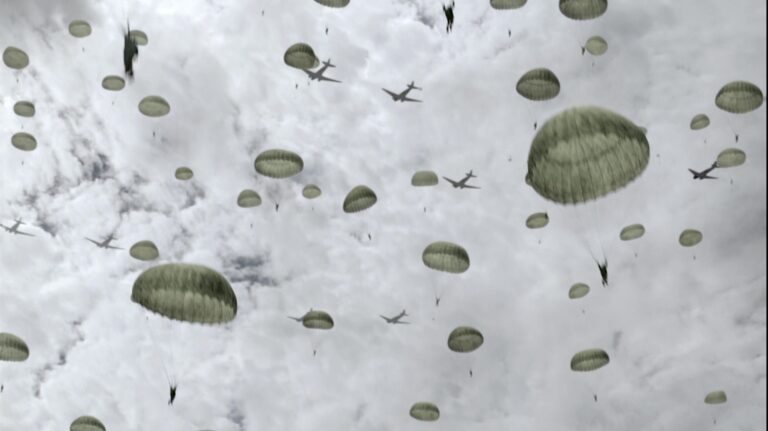
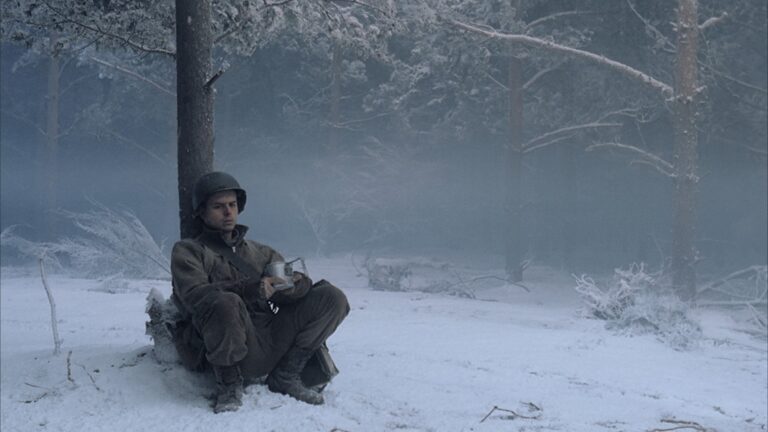
Based on real events, Band of Brothers follows Easy Company, a unit of the U.S. Army’s 101st Airborne Division, from their training through some of World War II’s most pivotal battles. From D-Day to the Battle of the Bulge and beyond, the soldiers endure extreme conditions, loss, and the realities of war. The story unfolds as a deeply human portrait of camaraderie, sacrifice, and survival.
Shot on 35mm by multiple cinematographers including Remi Adefarasin, Band of Brothers adopts a desaturated, almost documentary-like look, achieved through bleach bypass processing and handheld camerawork. The series’ chaotic, ground-level staging—especially in combat sequences—prioritizes immediacy and confusion, redefining how war could be depicted on television with a visceral, immersive realism.
FILM SPOTLIGHT
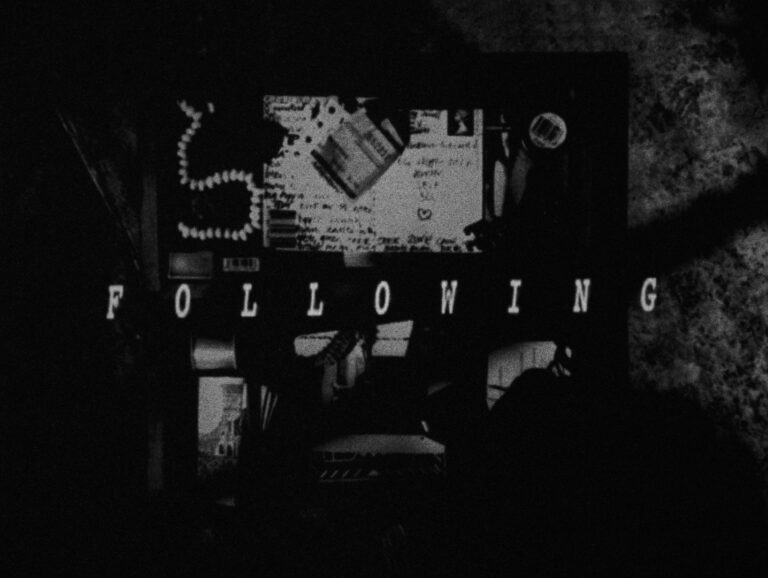
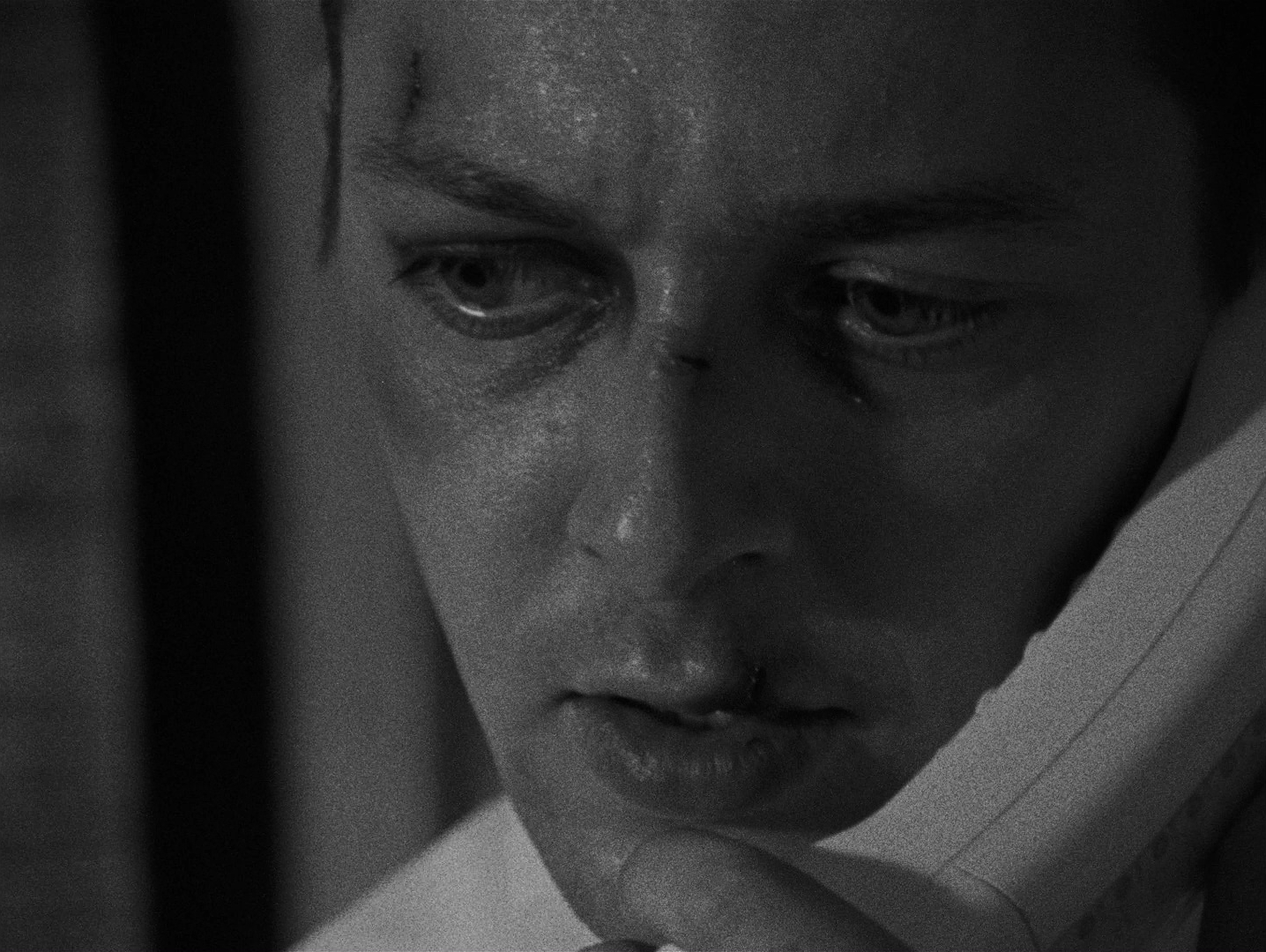
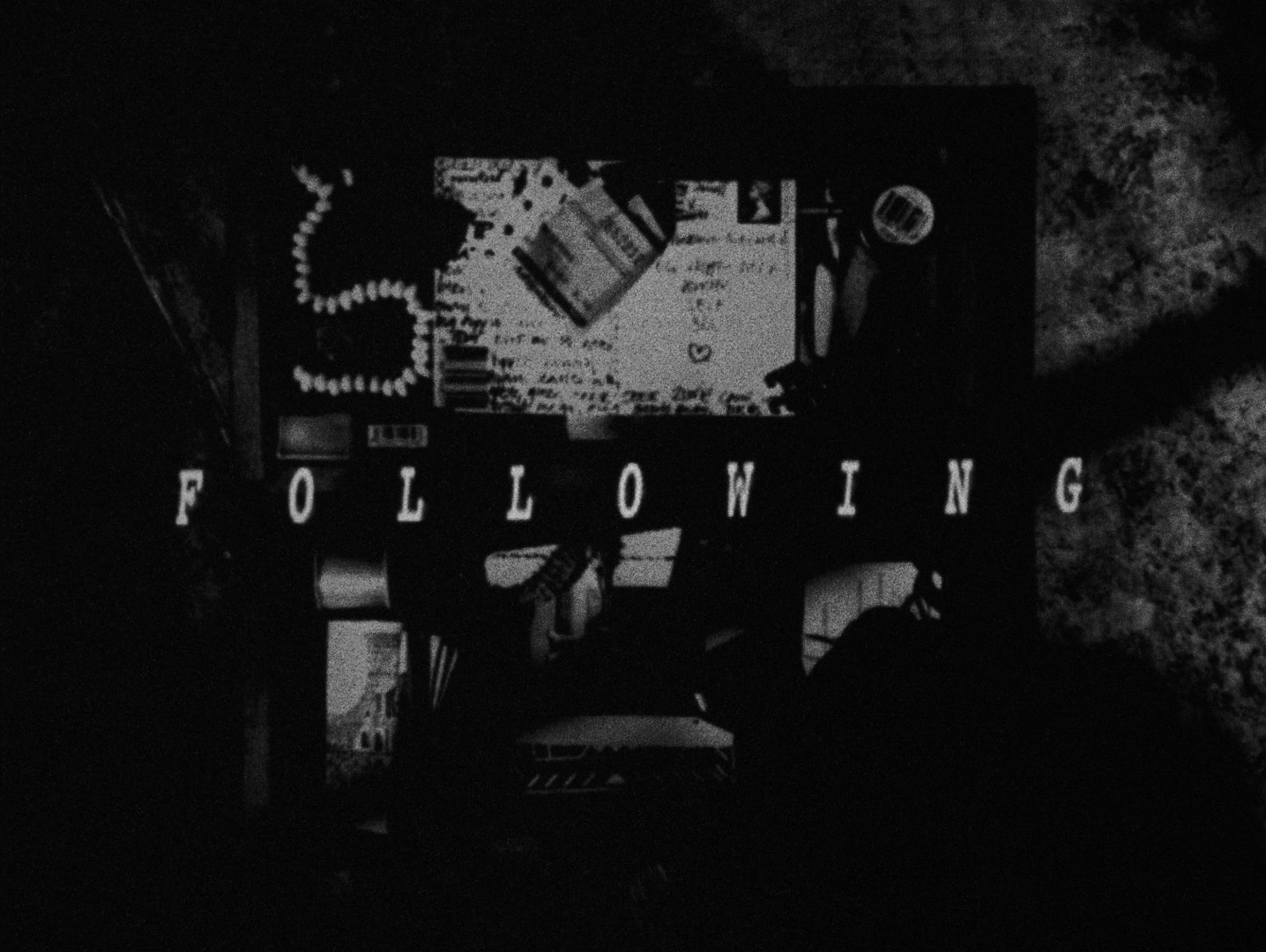
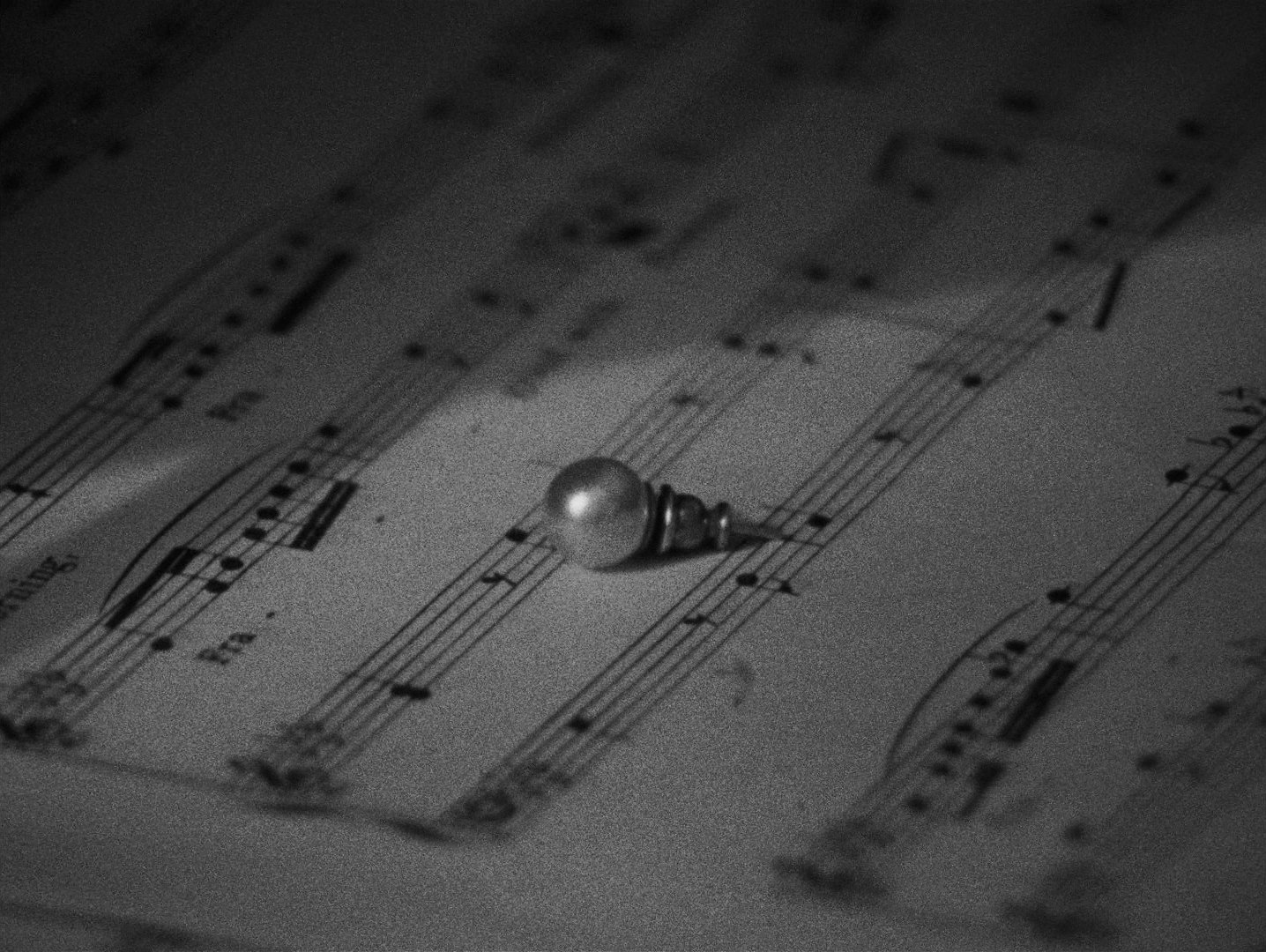
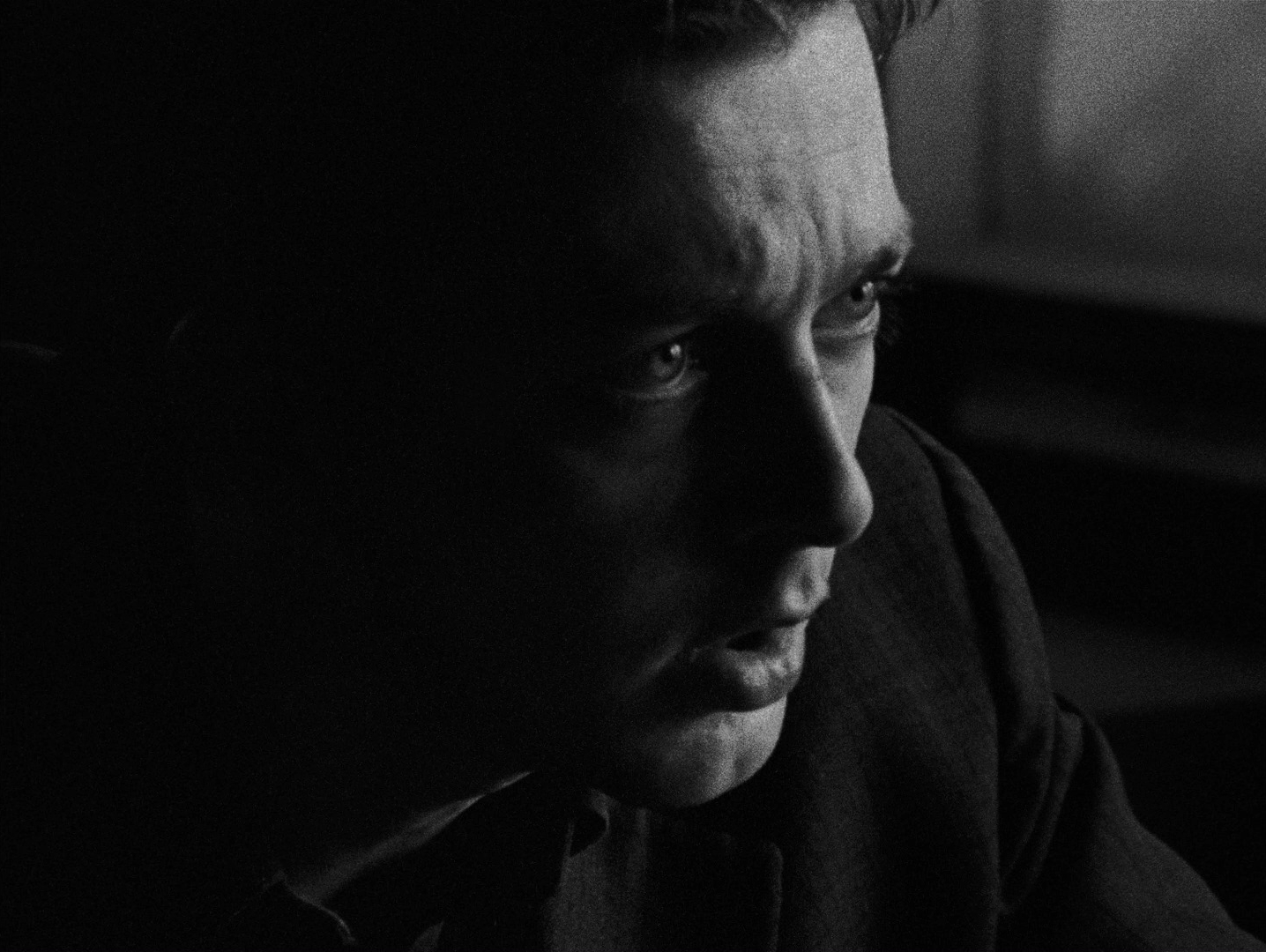
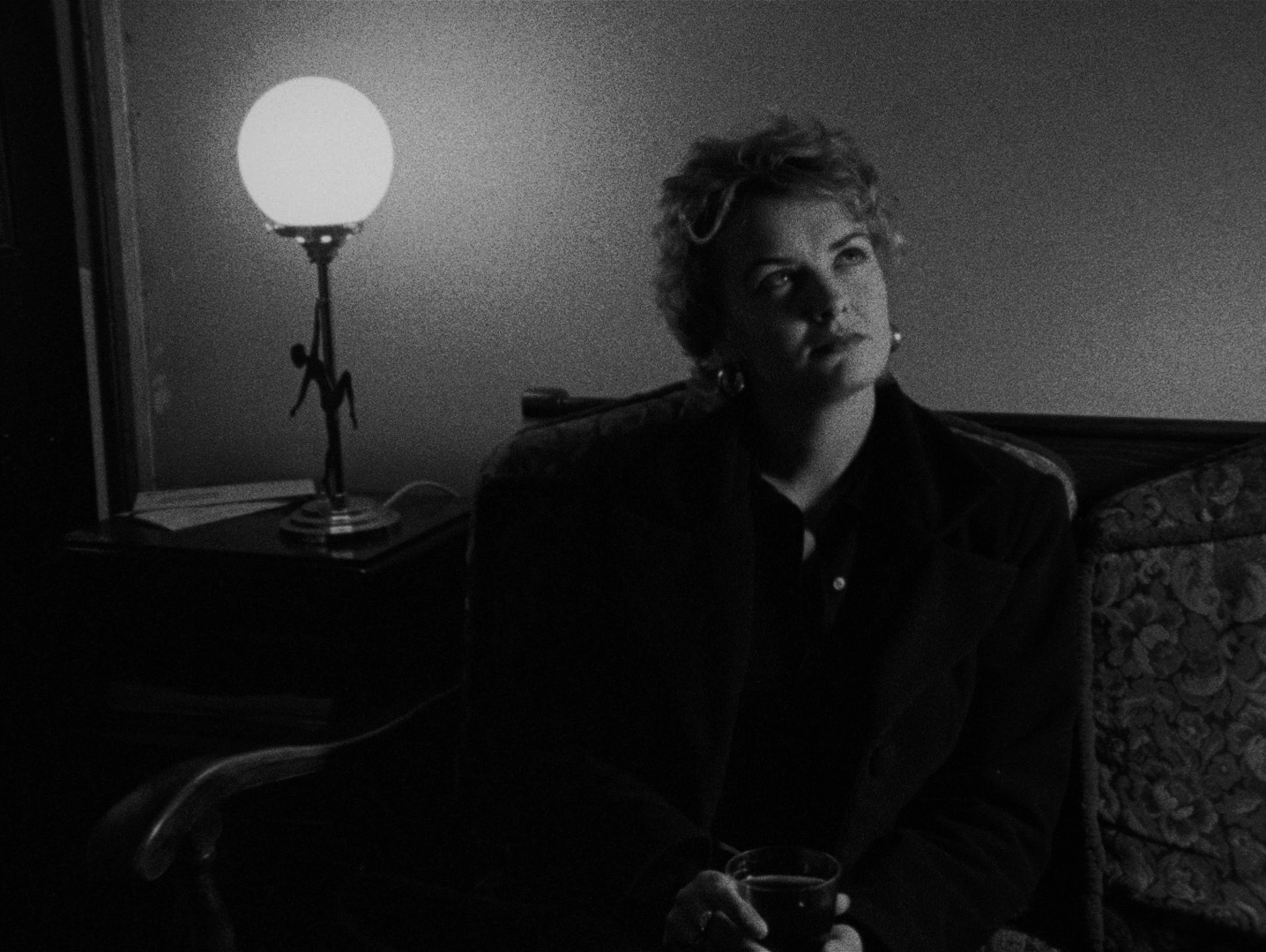
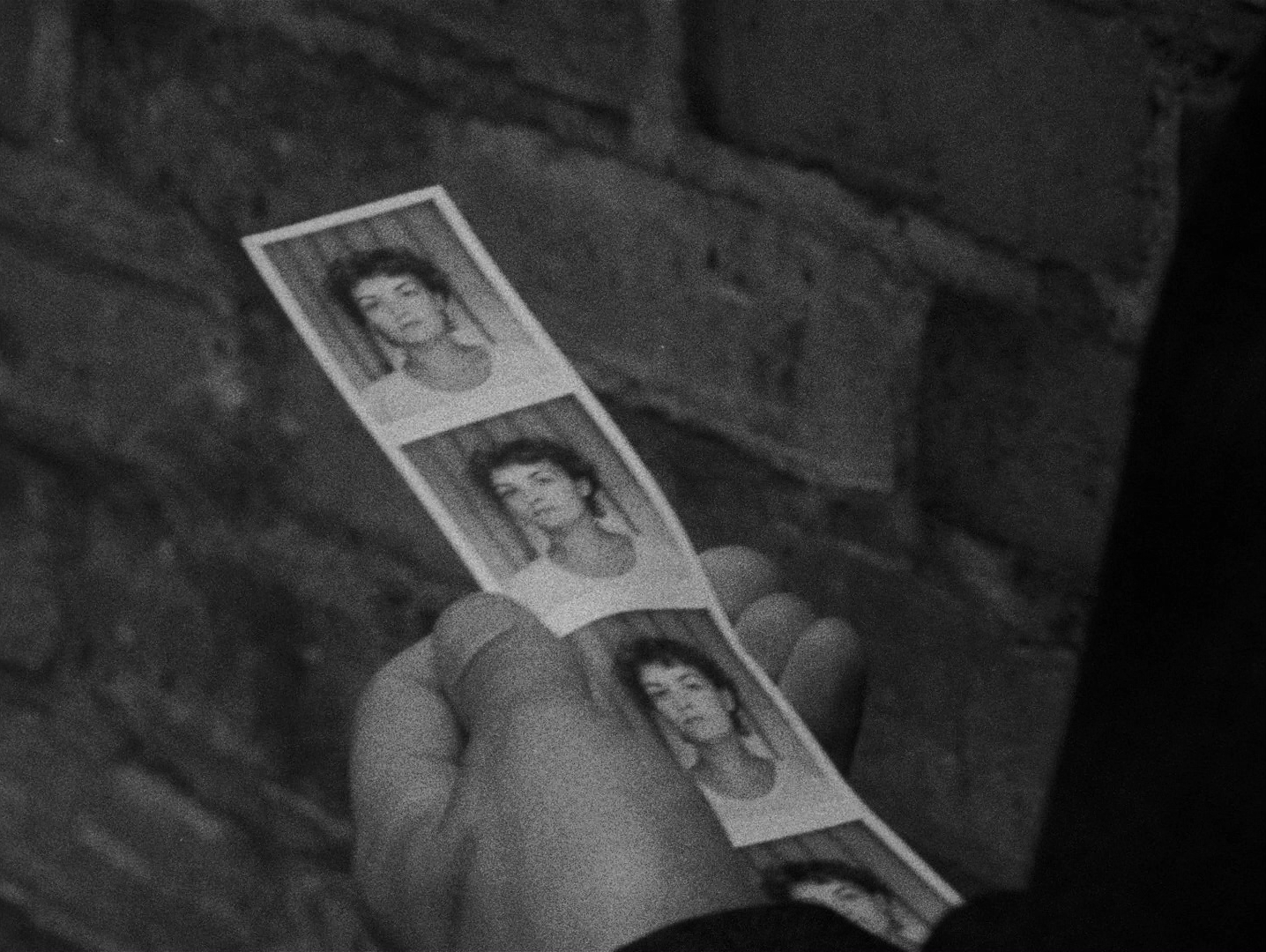
Following (1999)
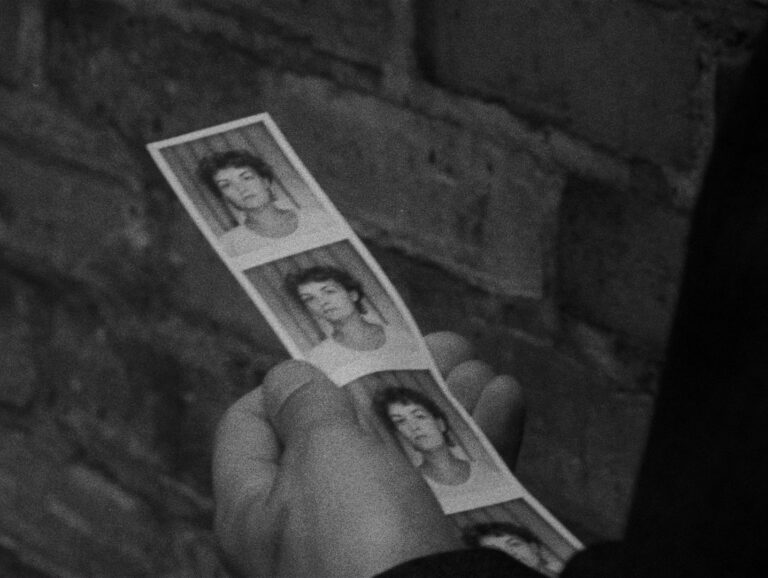
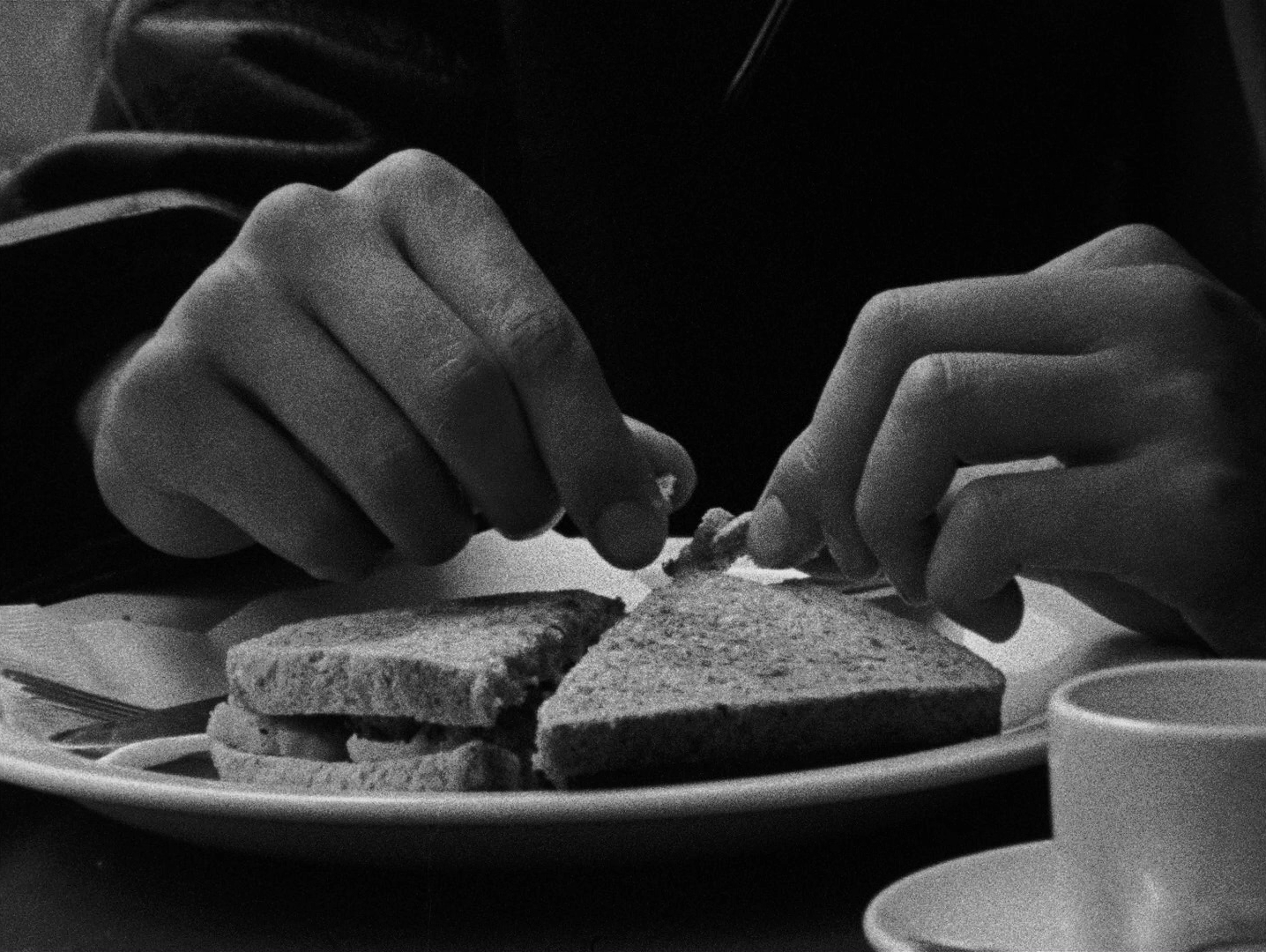
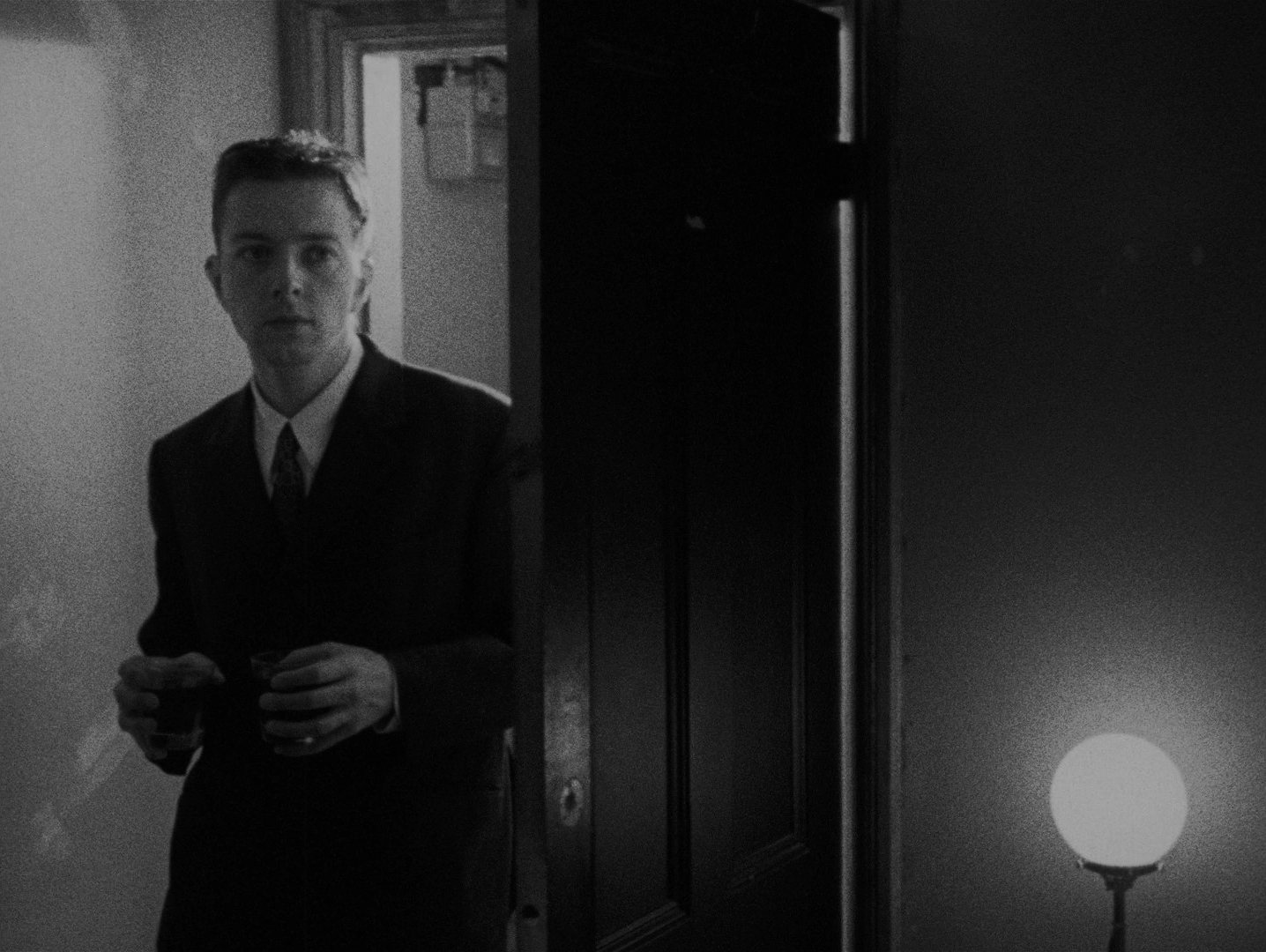
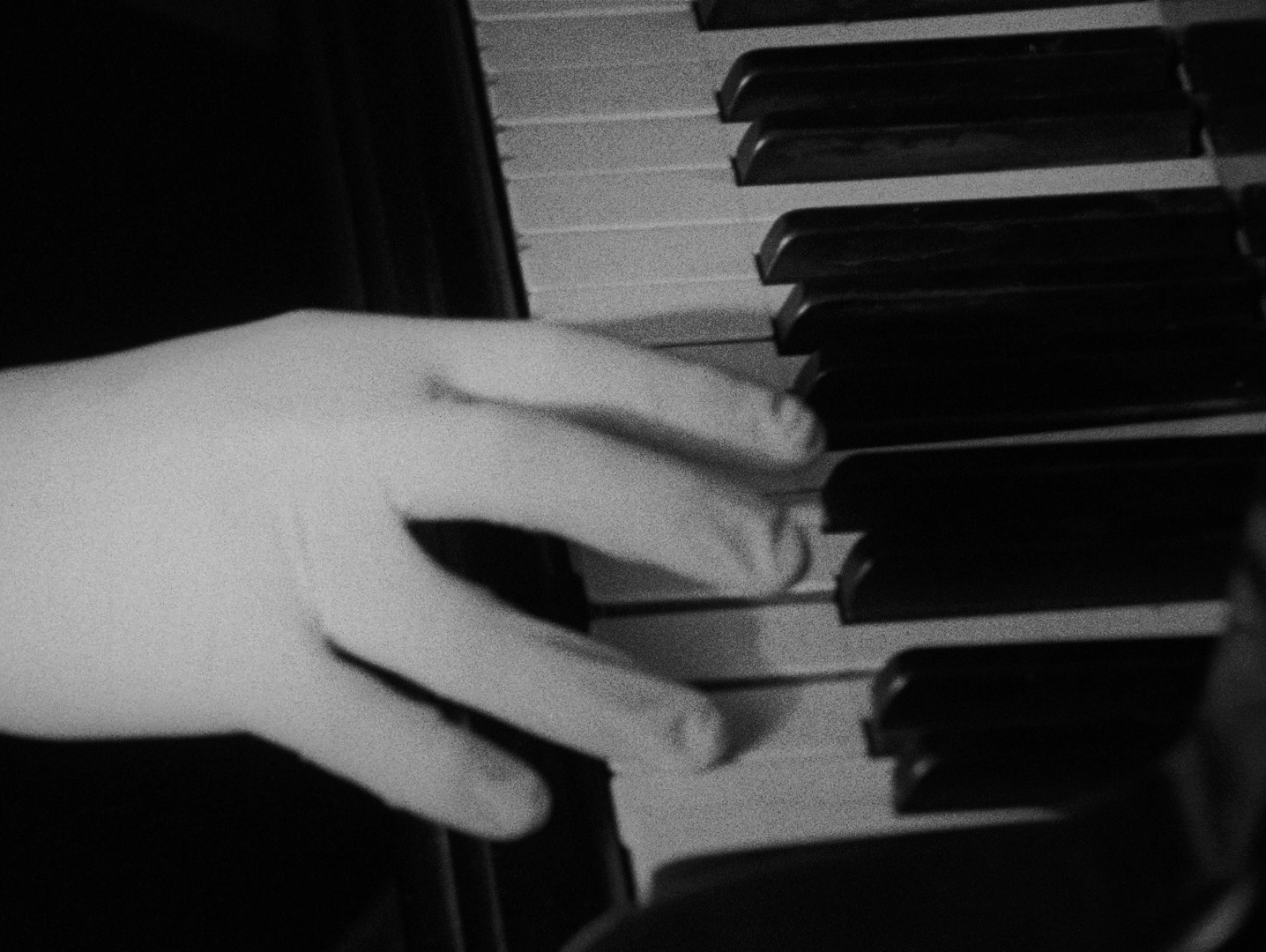
A struggling writer in London begins following strangers as a way to find inspiration, only to become entangled with a charismatic thief who introduces him to a world of burglary and manipulation. As their relationship deepens, the writer is drawn into a web of deceit involving a mysterious woman and shifting identities. The story unfolds through a nonlinear structure, gradually revealing the consequences of his choices.
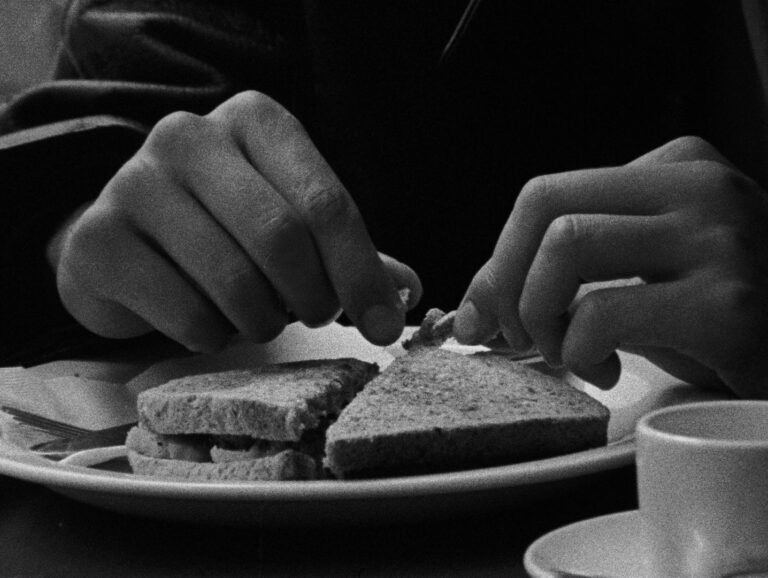
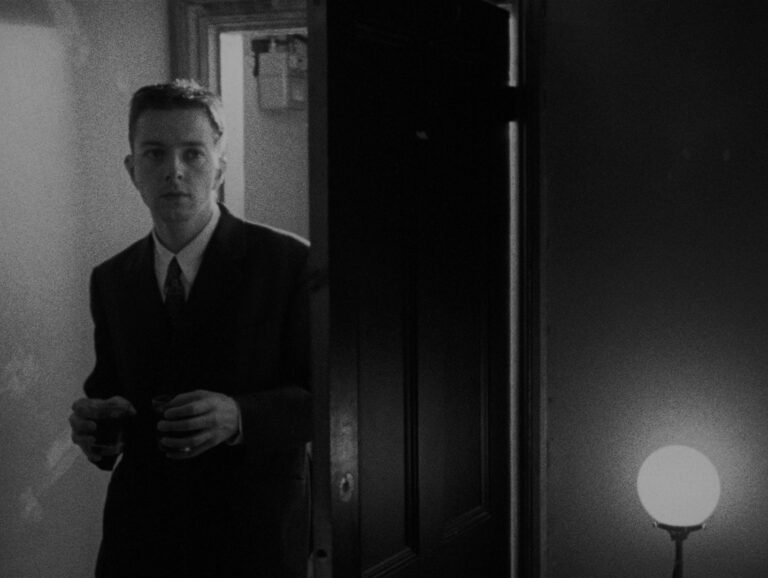
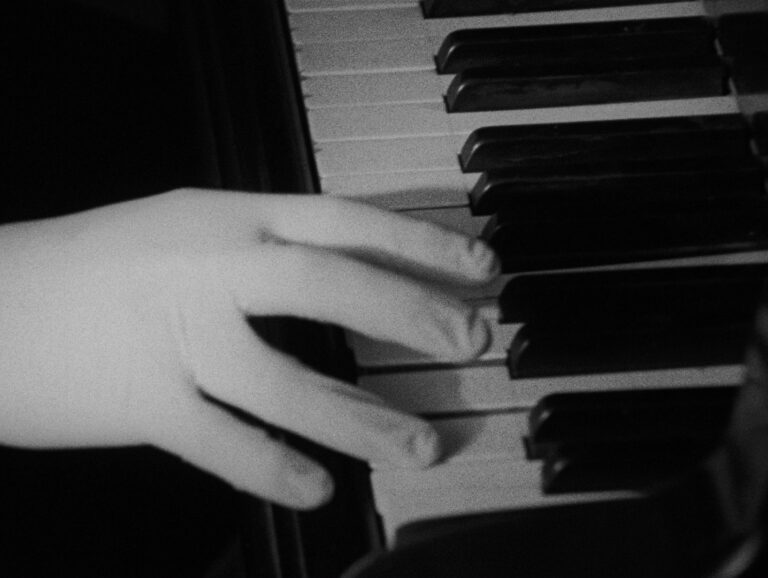
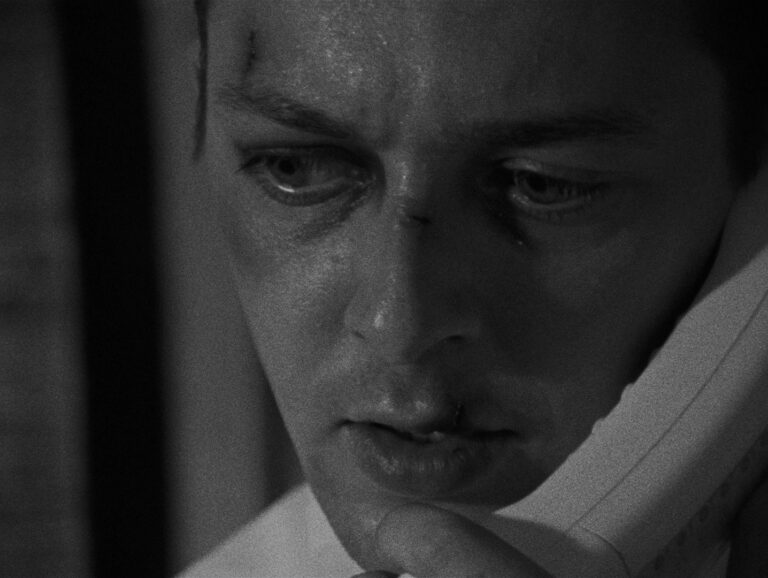
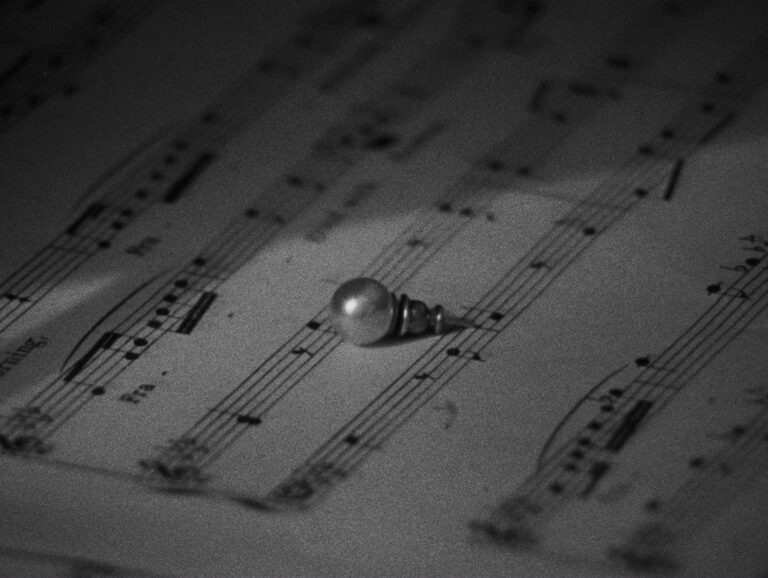
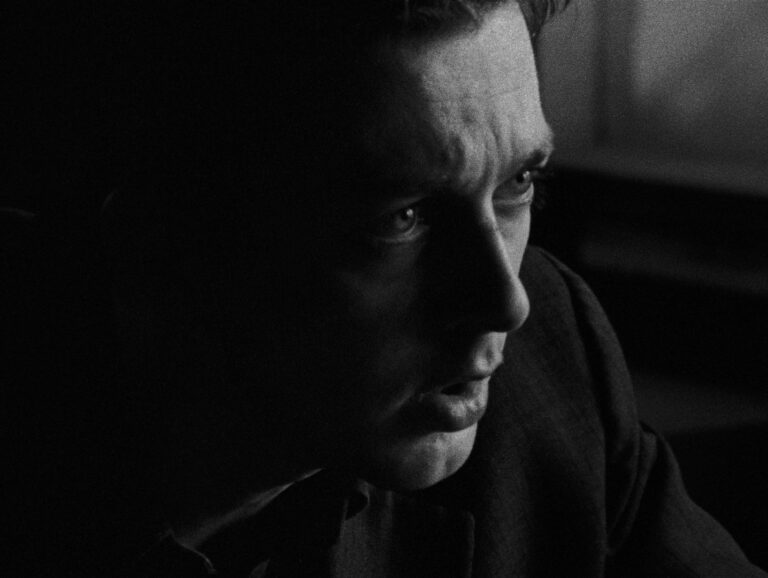
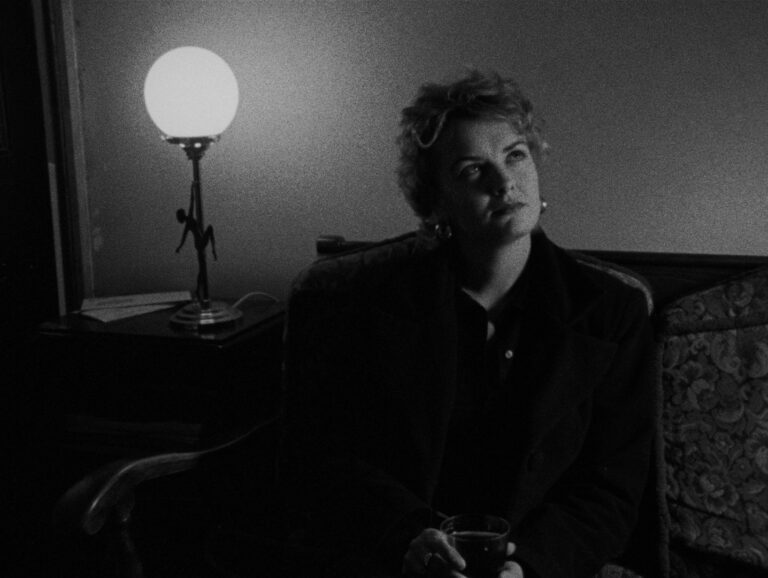
Shot on a shoestring budget on 16mm black-and-white film, Nolan designed Following around practical limitations—using natural light, real locations, and weekends to build its fragmented narrative. The high-contrast imagery and handheld immediacy give the film a raw, noir-like texture, turning constraint into a defining visual style that mirrors its fractured storytelling.
FILM SPOTLIGHT
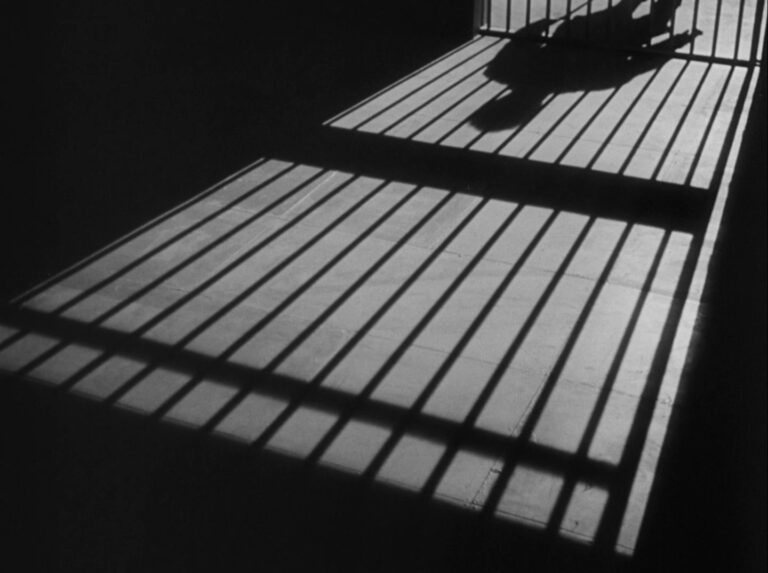
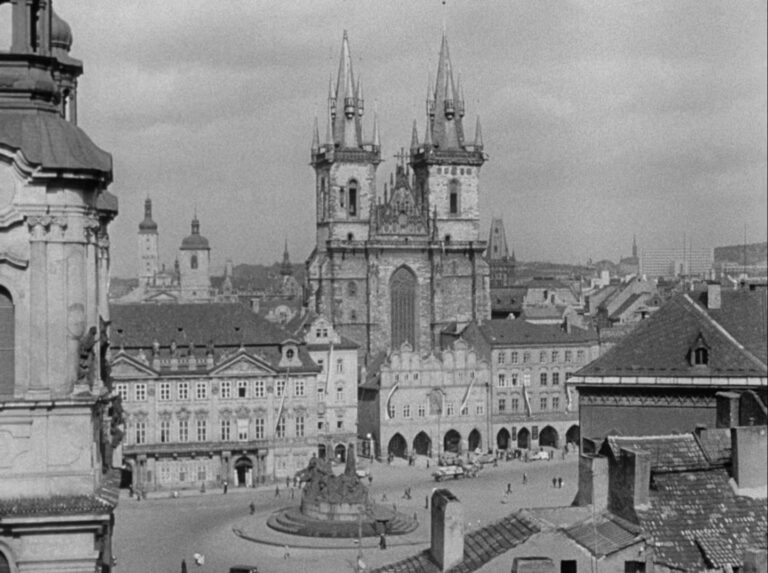
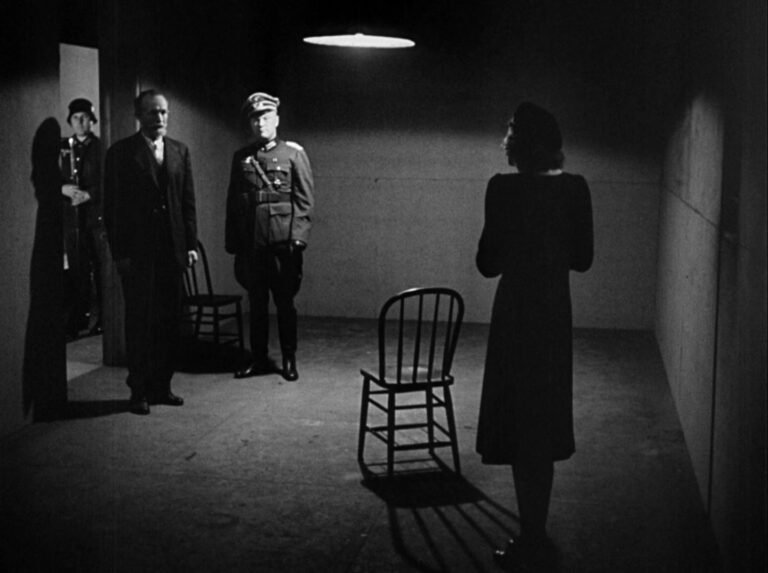
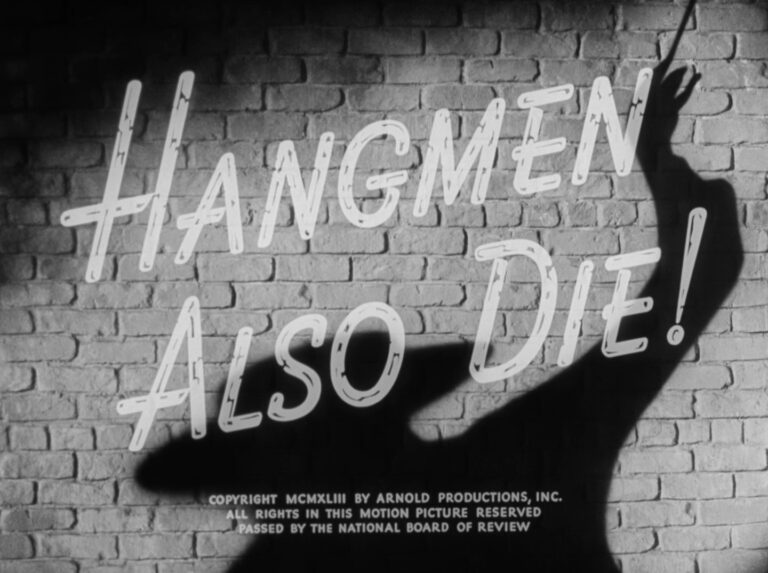
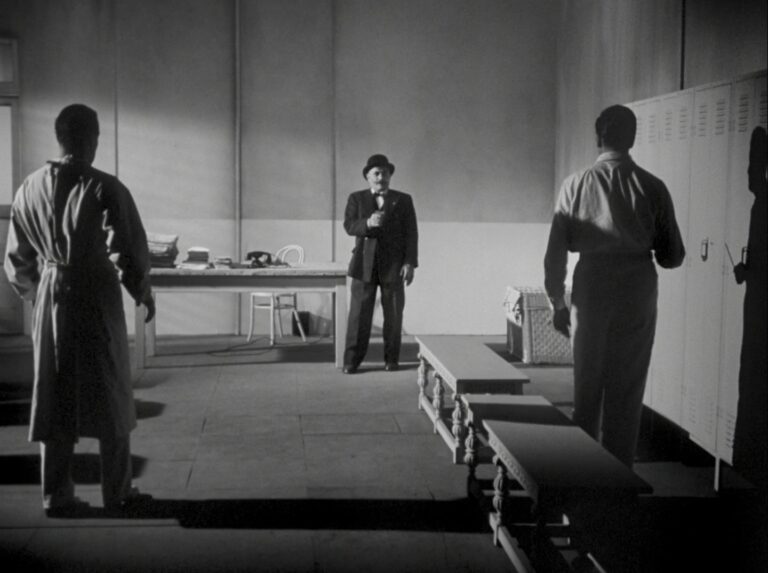
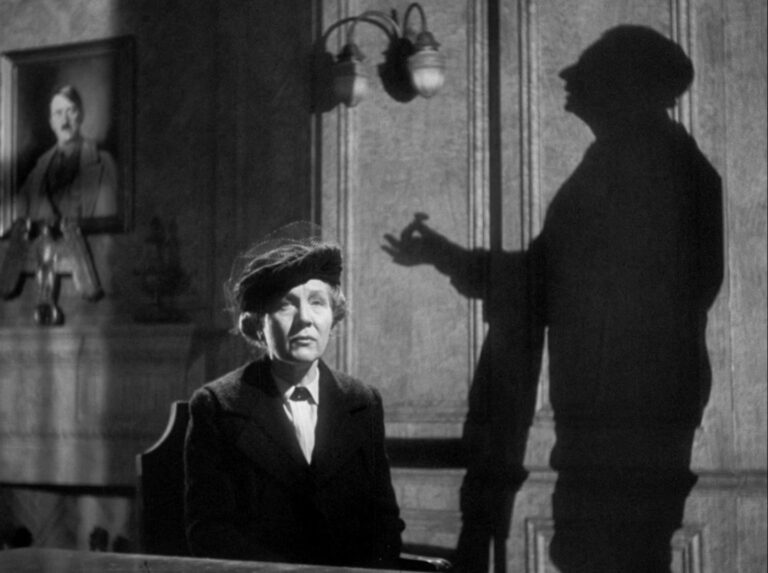
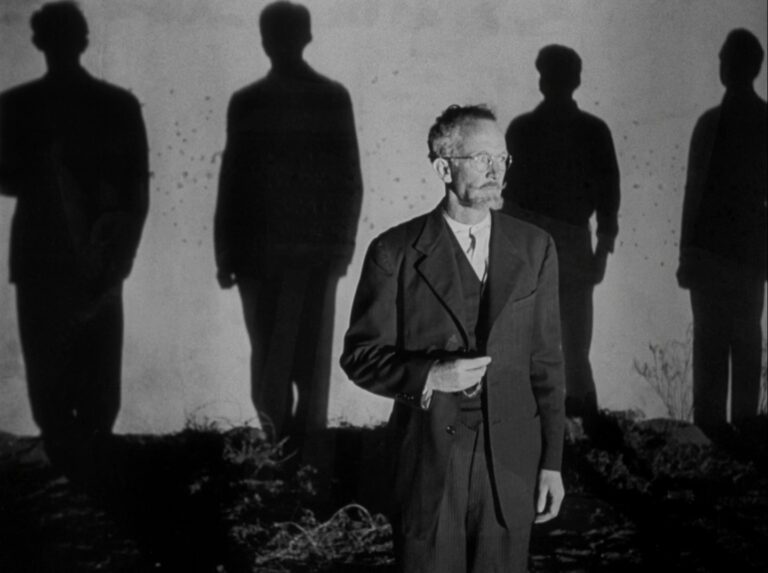
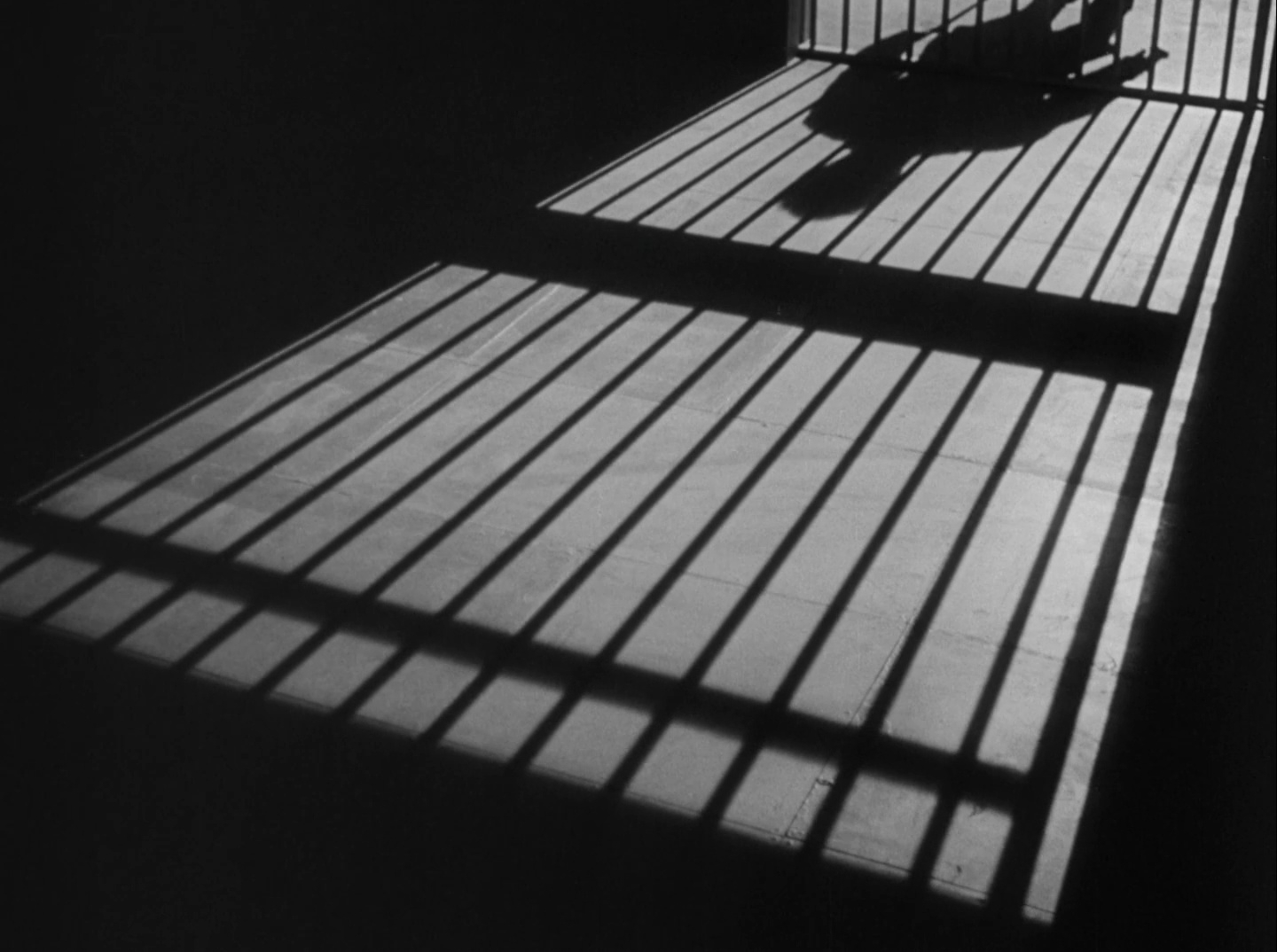
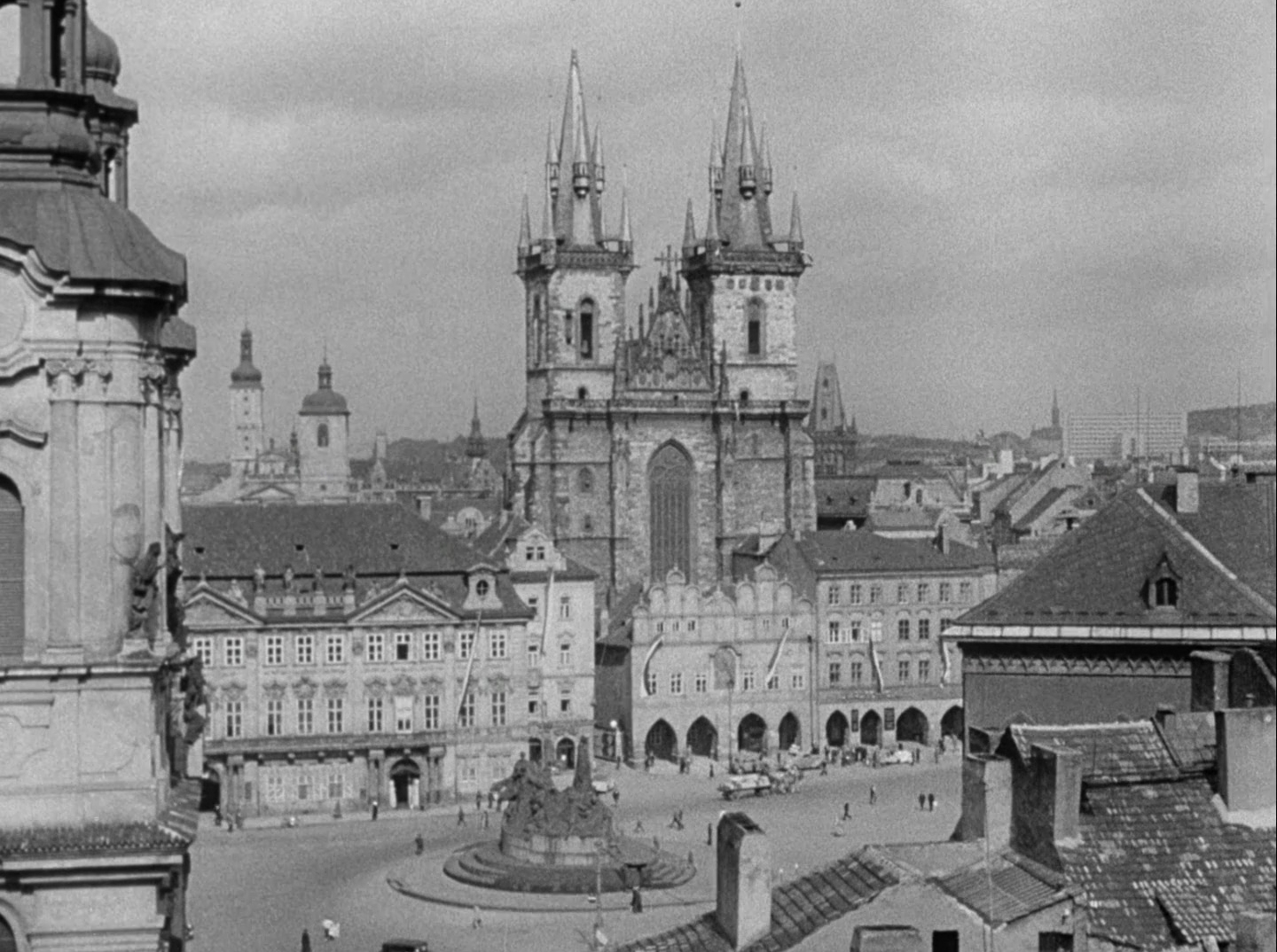
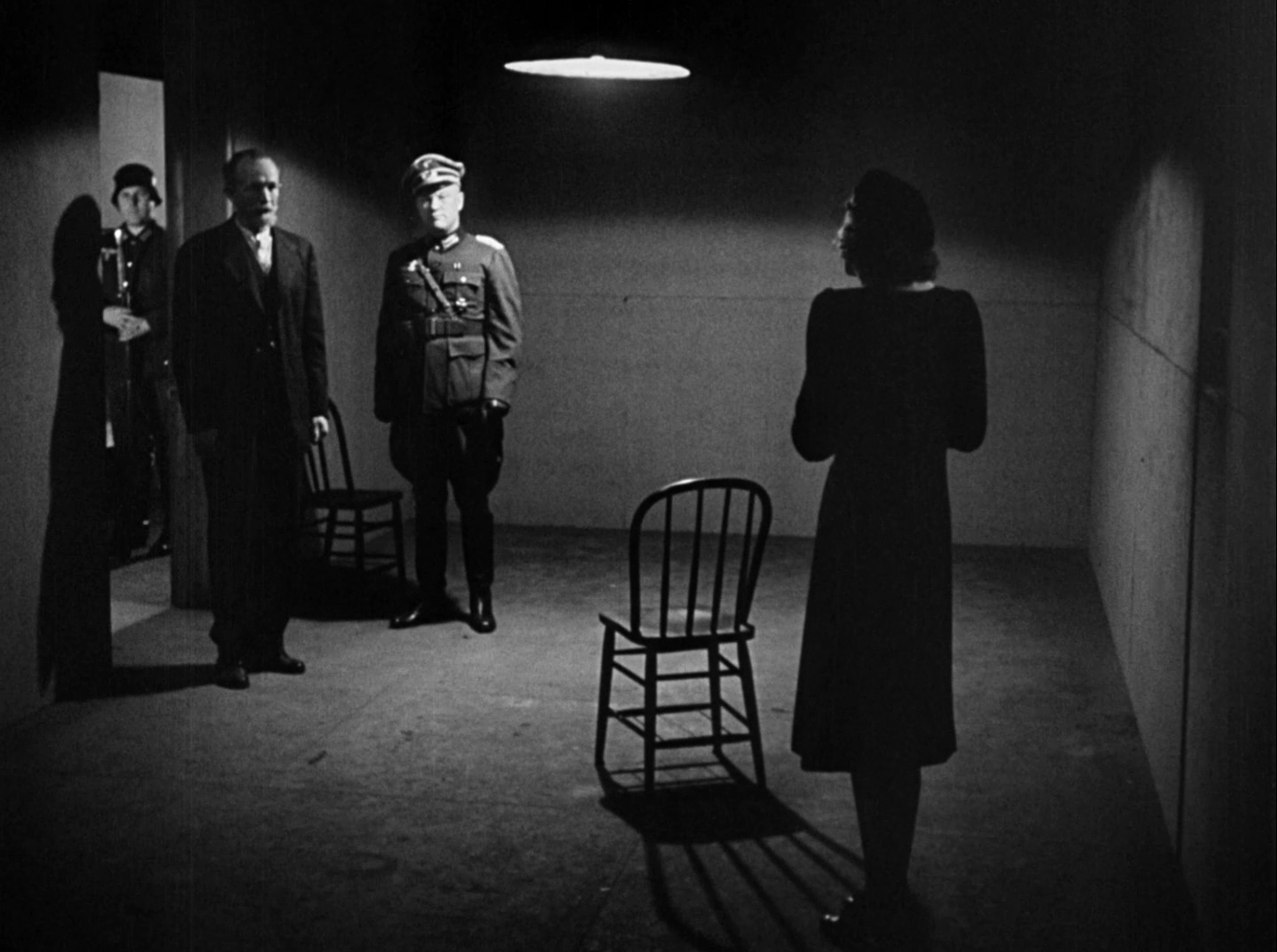
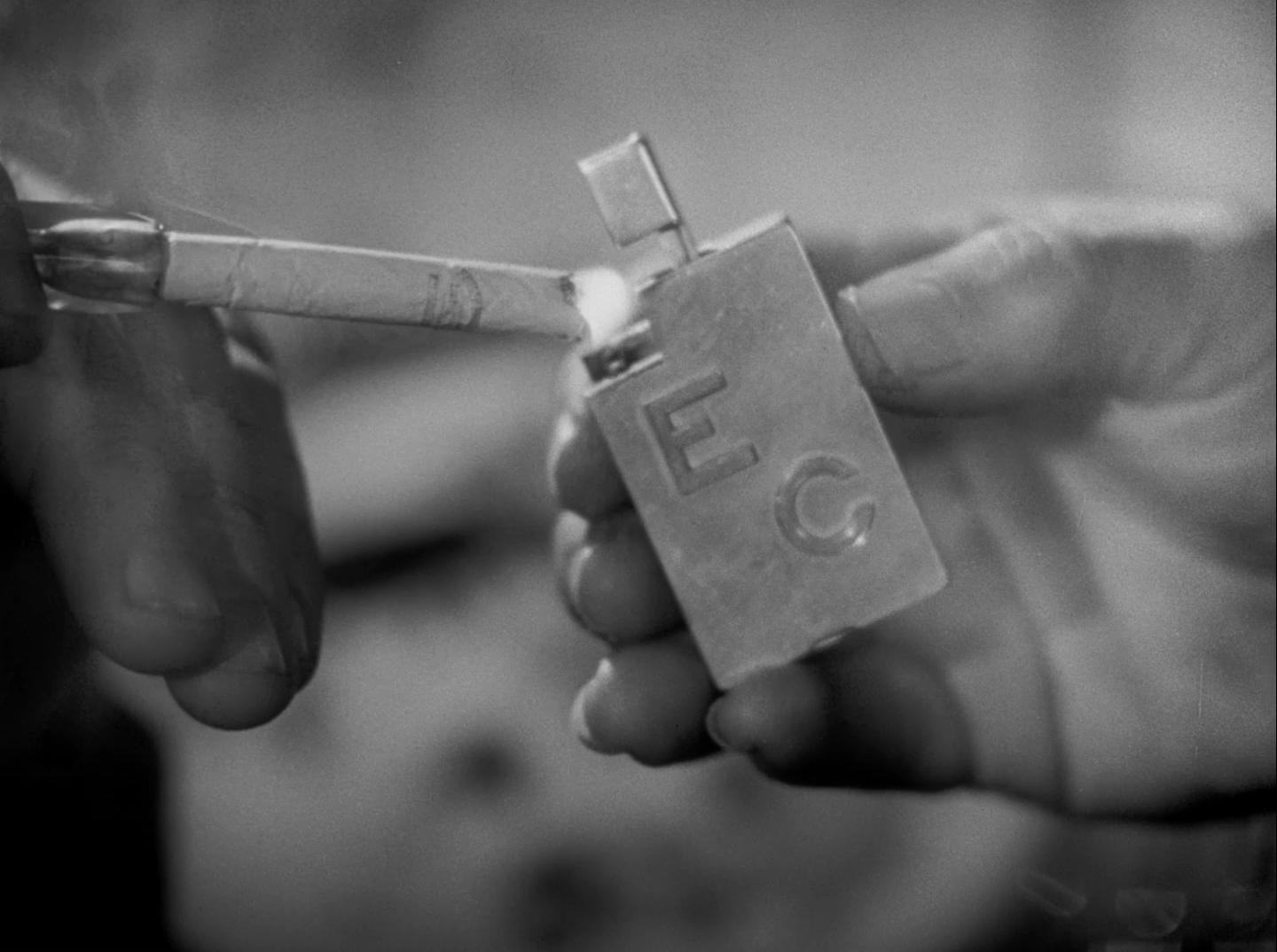
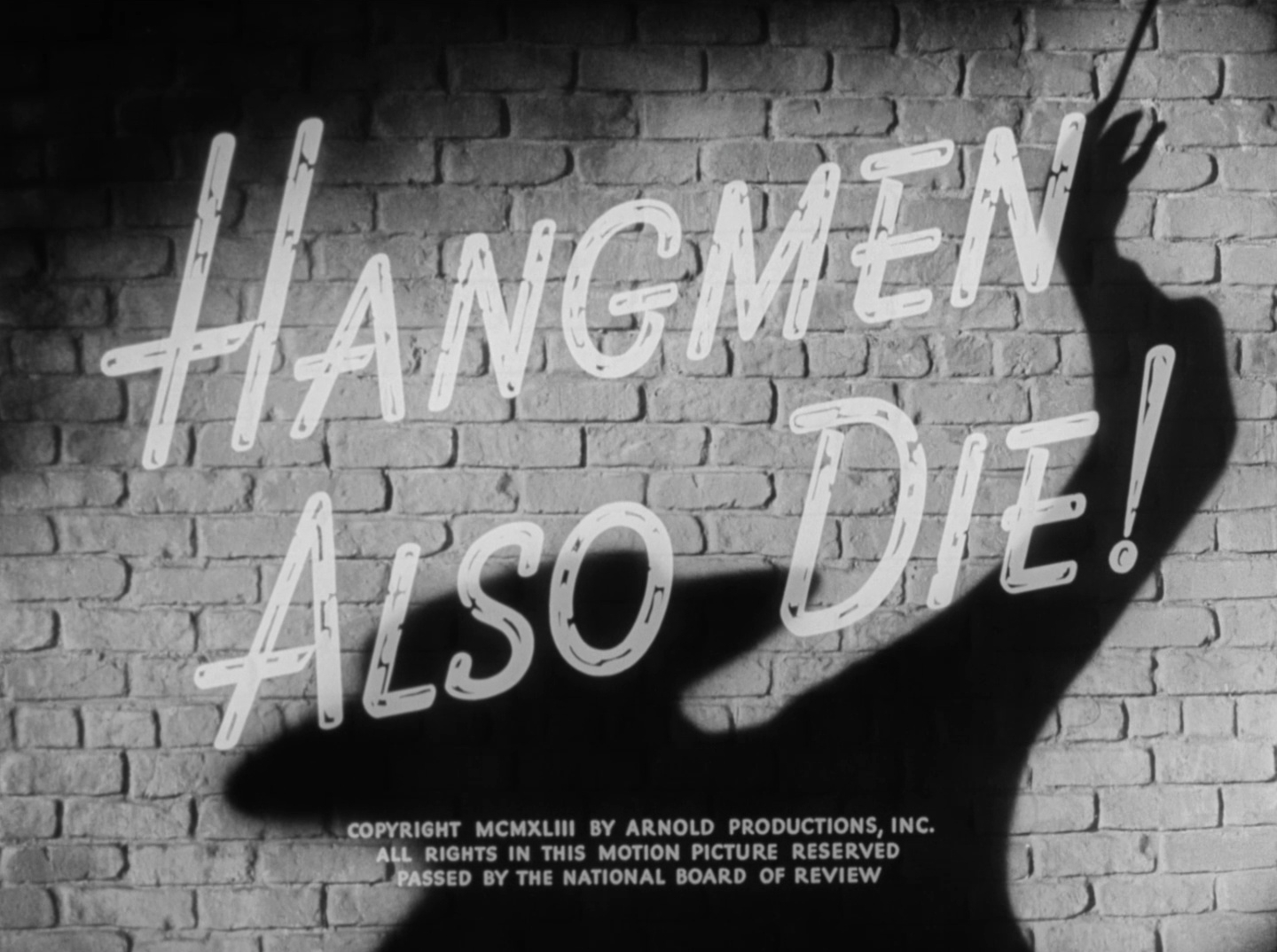
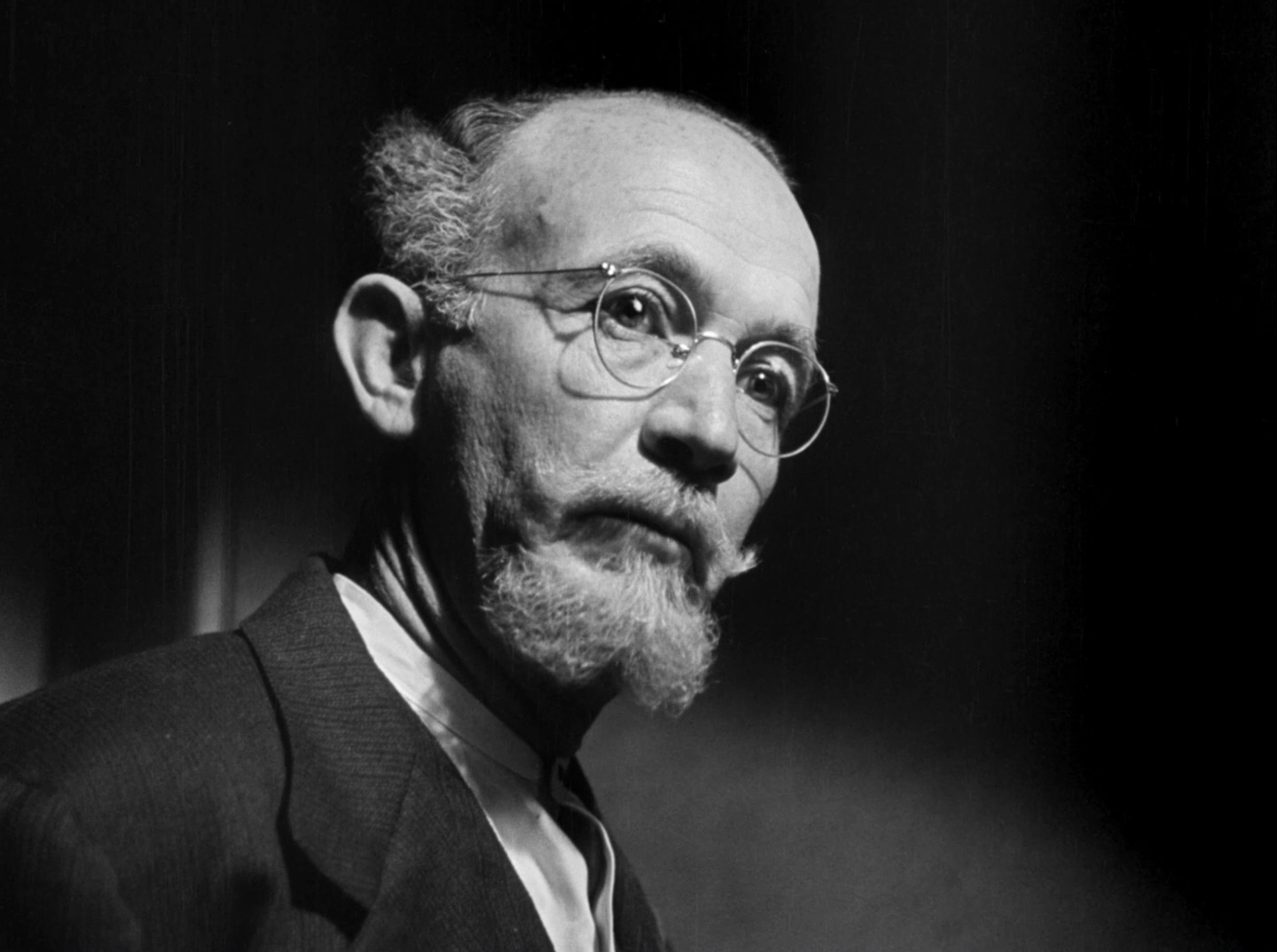
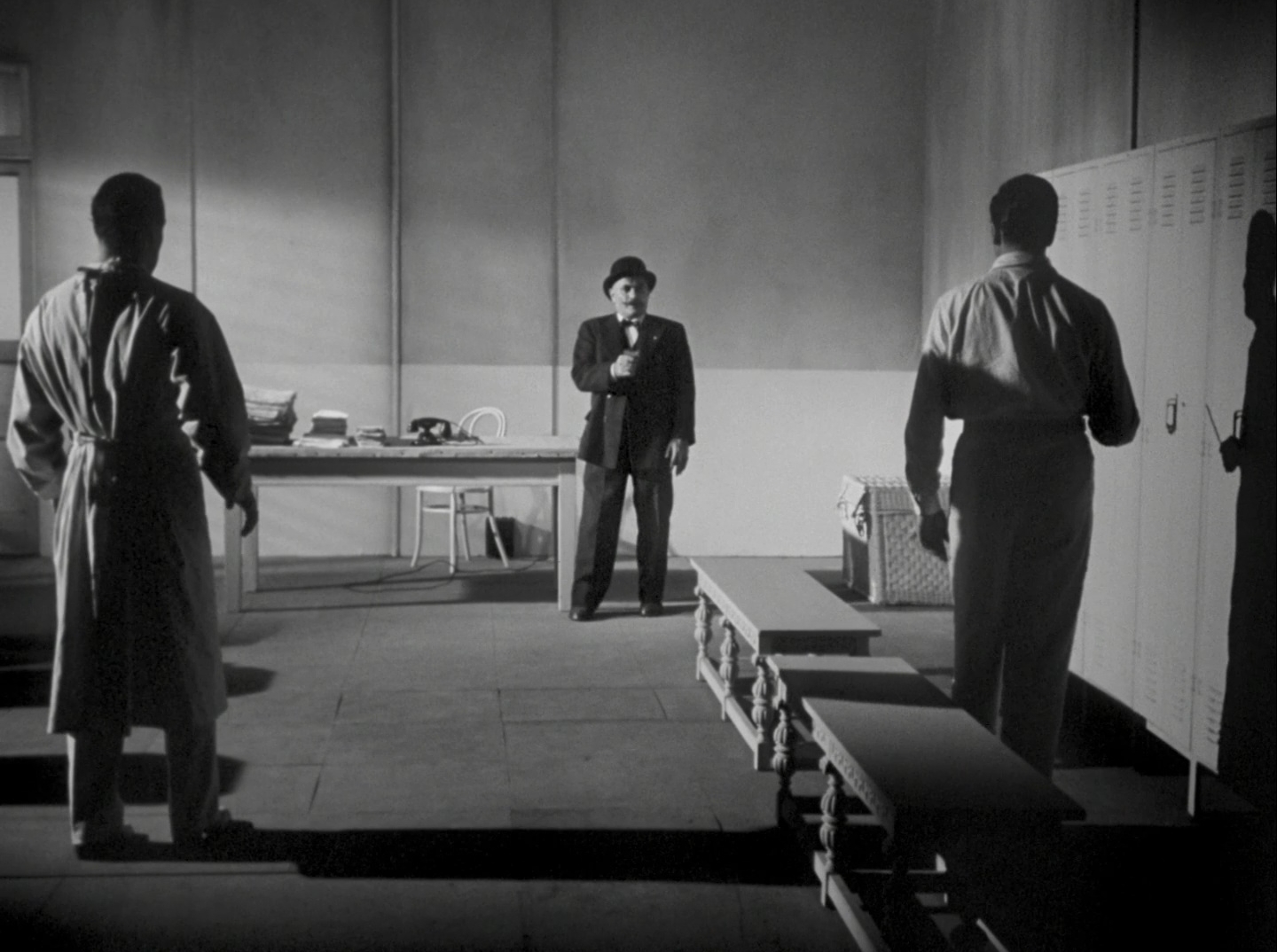
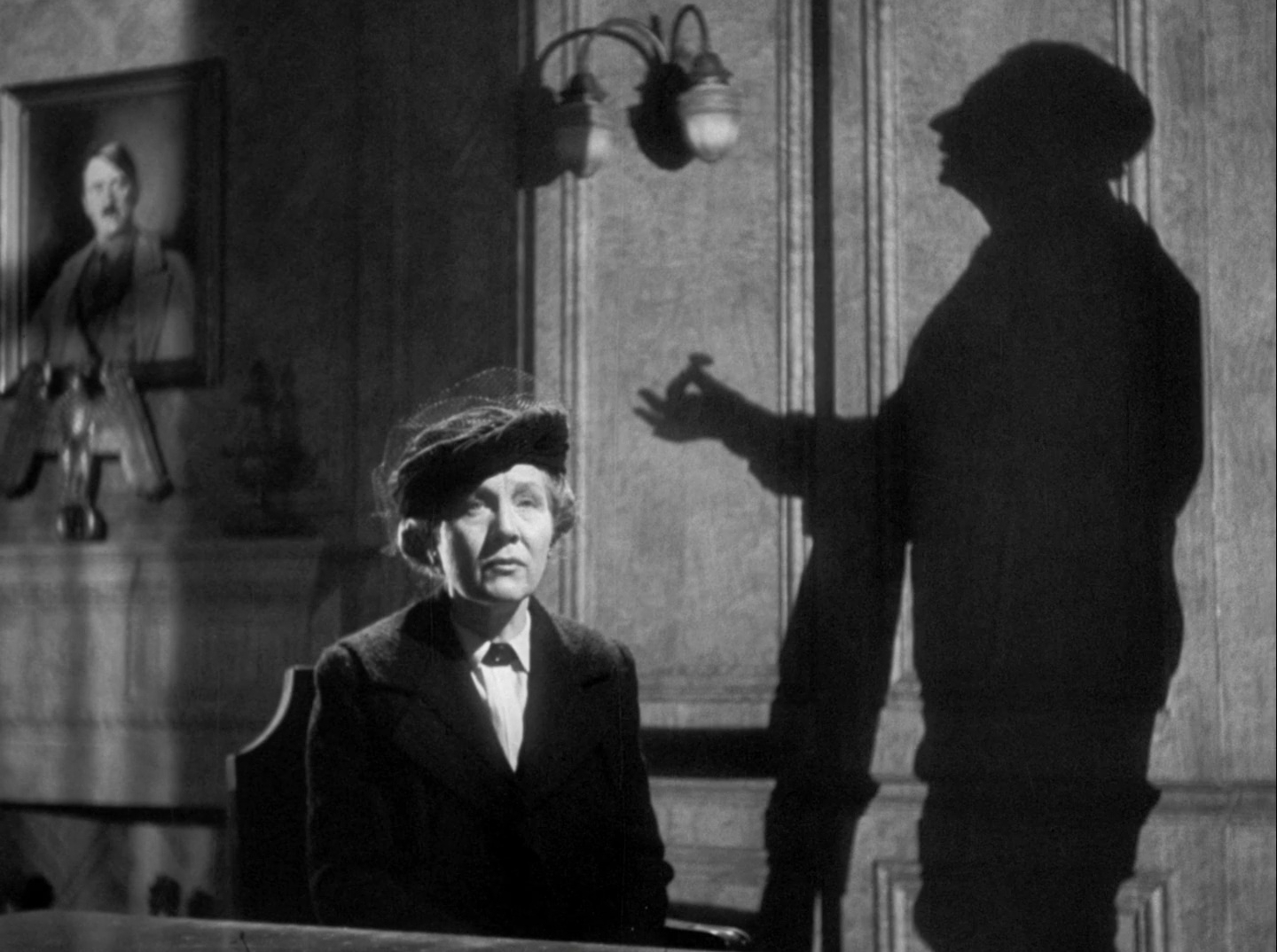
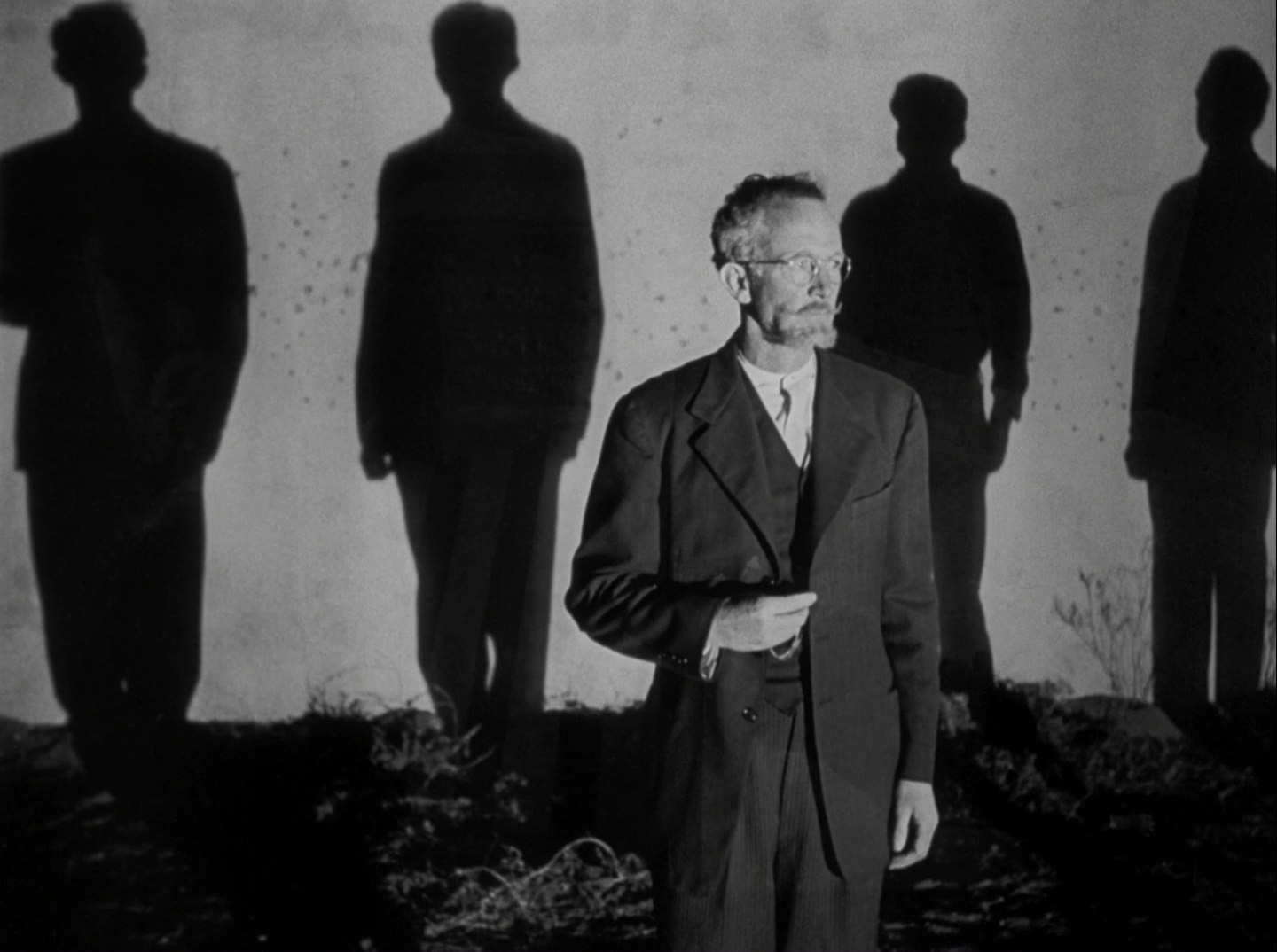
Hangmen Also Die! (1943)
After the assassination of a high-ranking Nazi official in occupied Prague, a resistance member goes on the run while the Gestapo launches a ruthless manhunt. As innocent civilians are rounded up and threatened with execution, the underground movement works to protect the assassin and outmaneuver the occupying forces. The tension builds toward a collective act of defiance against oppression and terror.
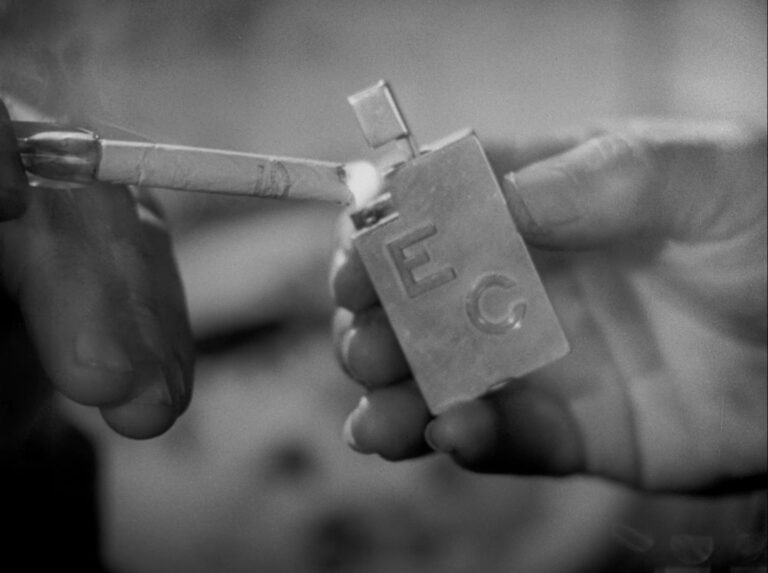
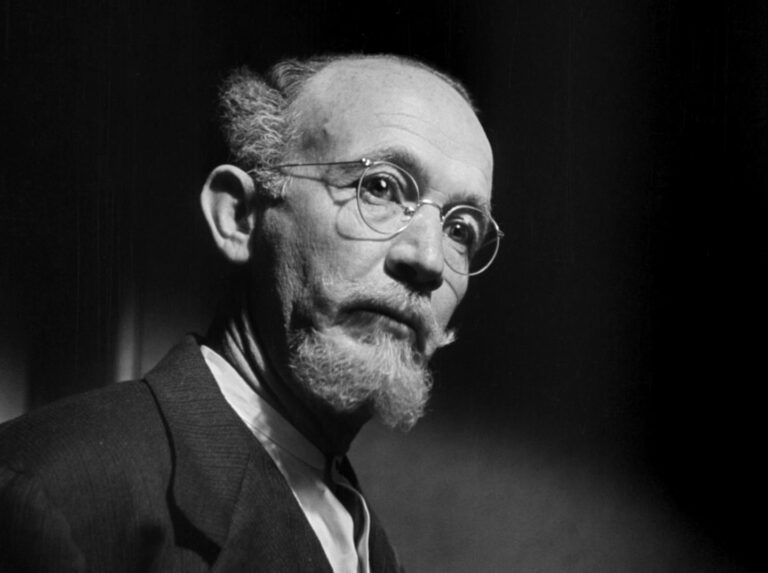
Lang and cinematographer James Wong Howe bring a noir-inflected expressionism to Hangmen Also Die!, using stark lighting, deep shadows, and crowded interiors to create a constant sense of surveillance and pressure. The film’s layered compositions—faces emerging from darkness, bodies packed into tight spaces—turn occupied Prague into a visual trap, where every frame feels watched and constricted.
FILM SPOTLIGHT
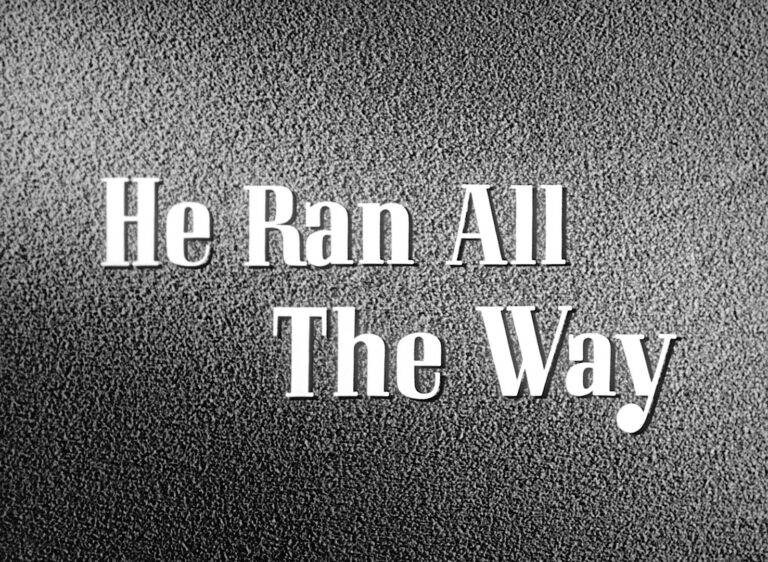
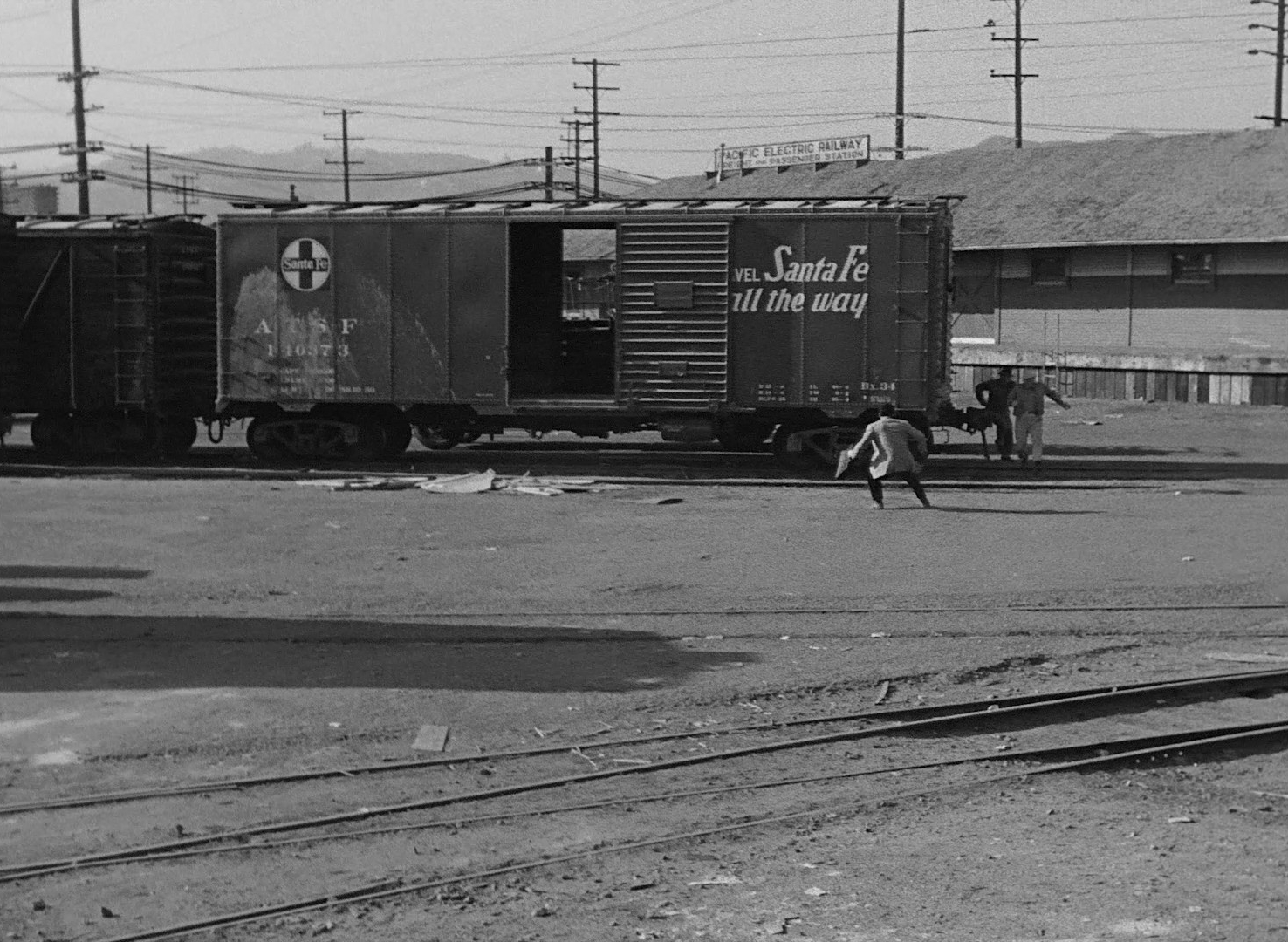
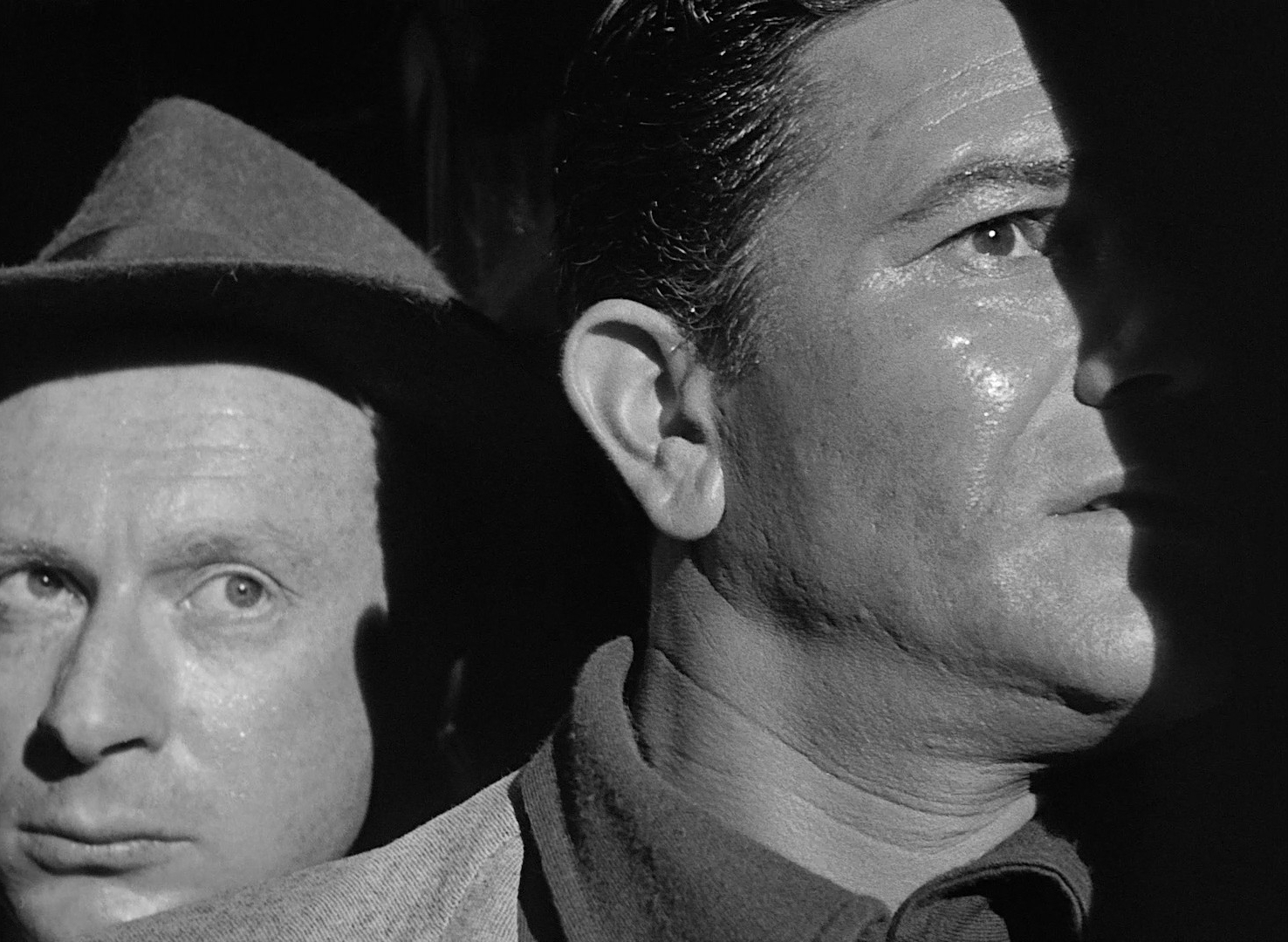
He Ran All the Way (1951)
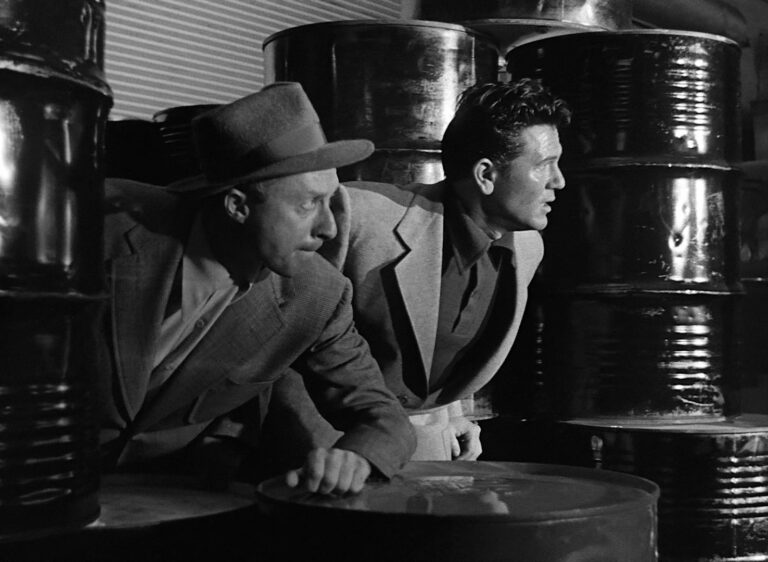
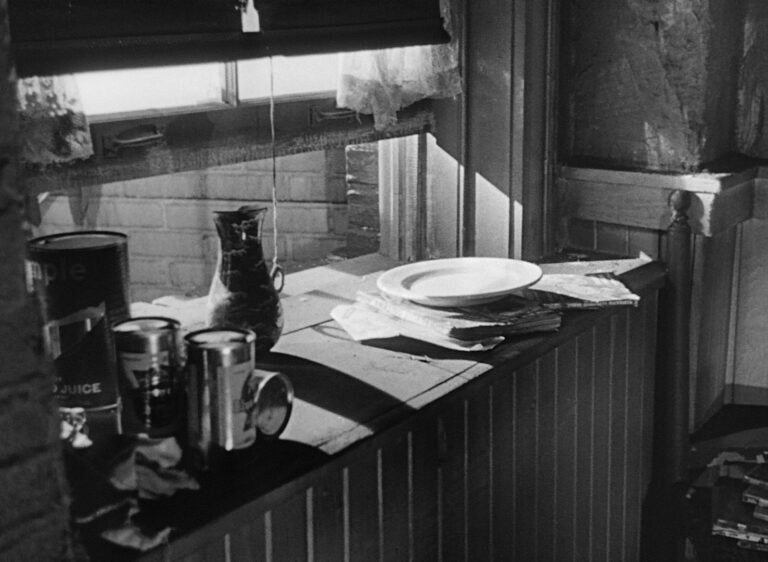
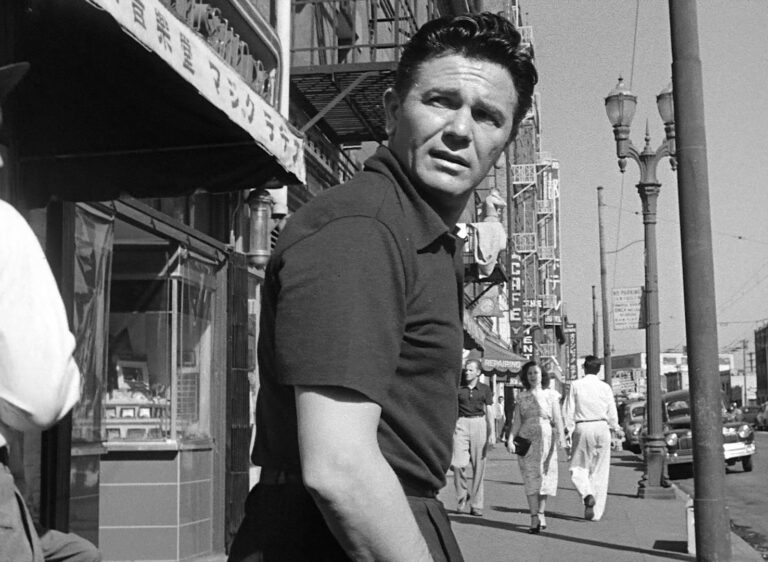
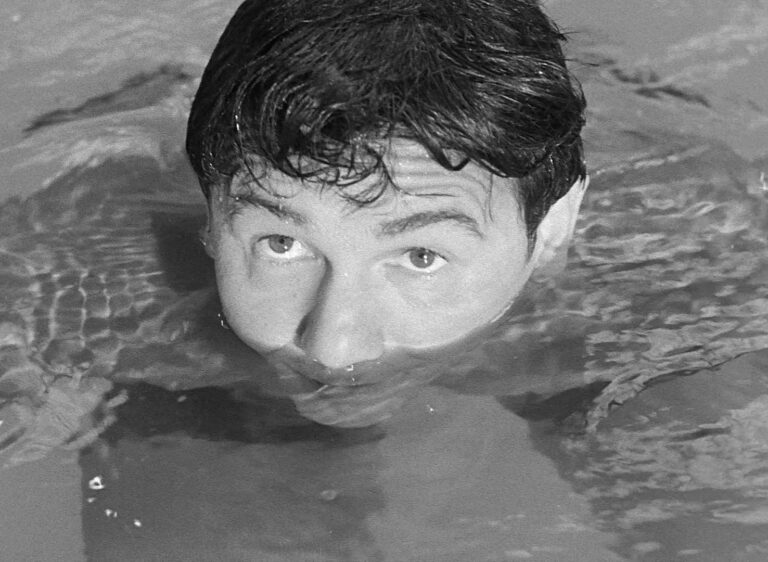
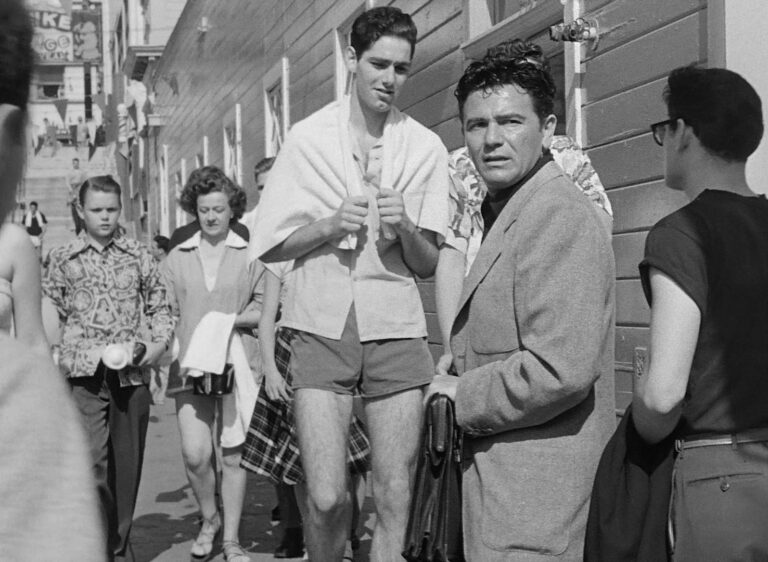
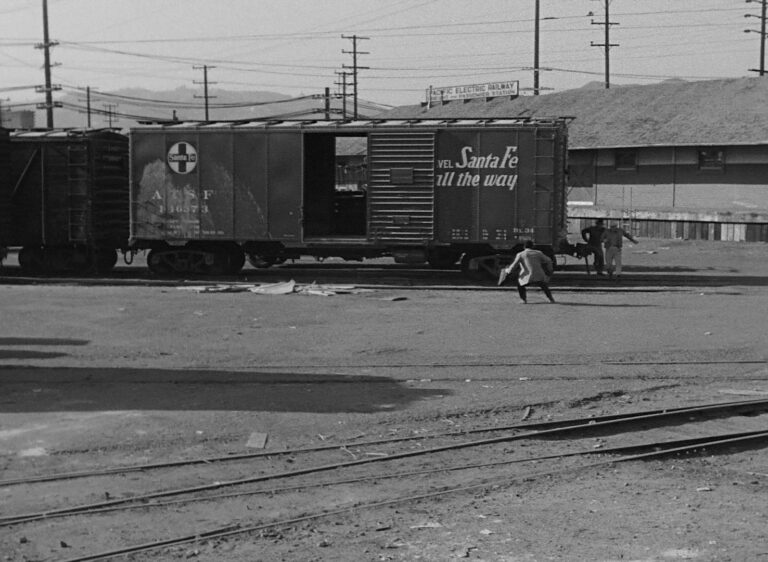
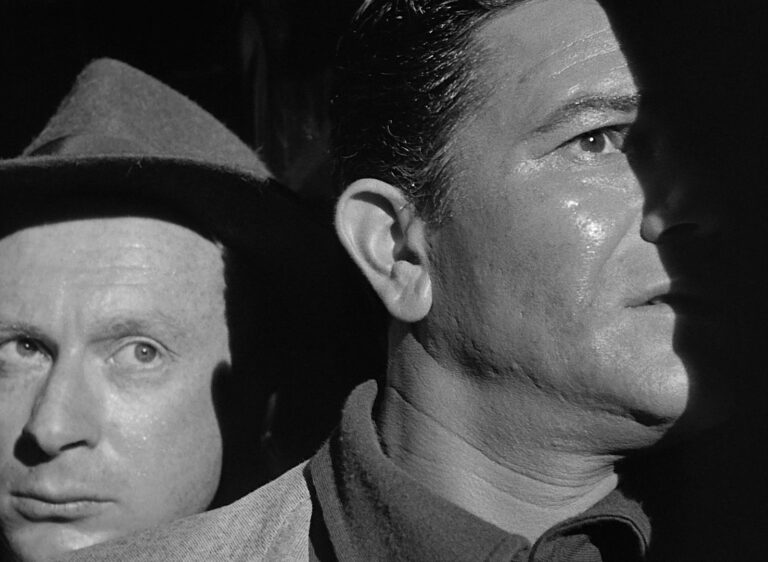
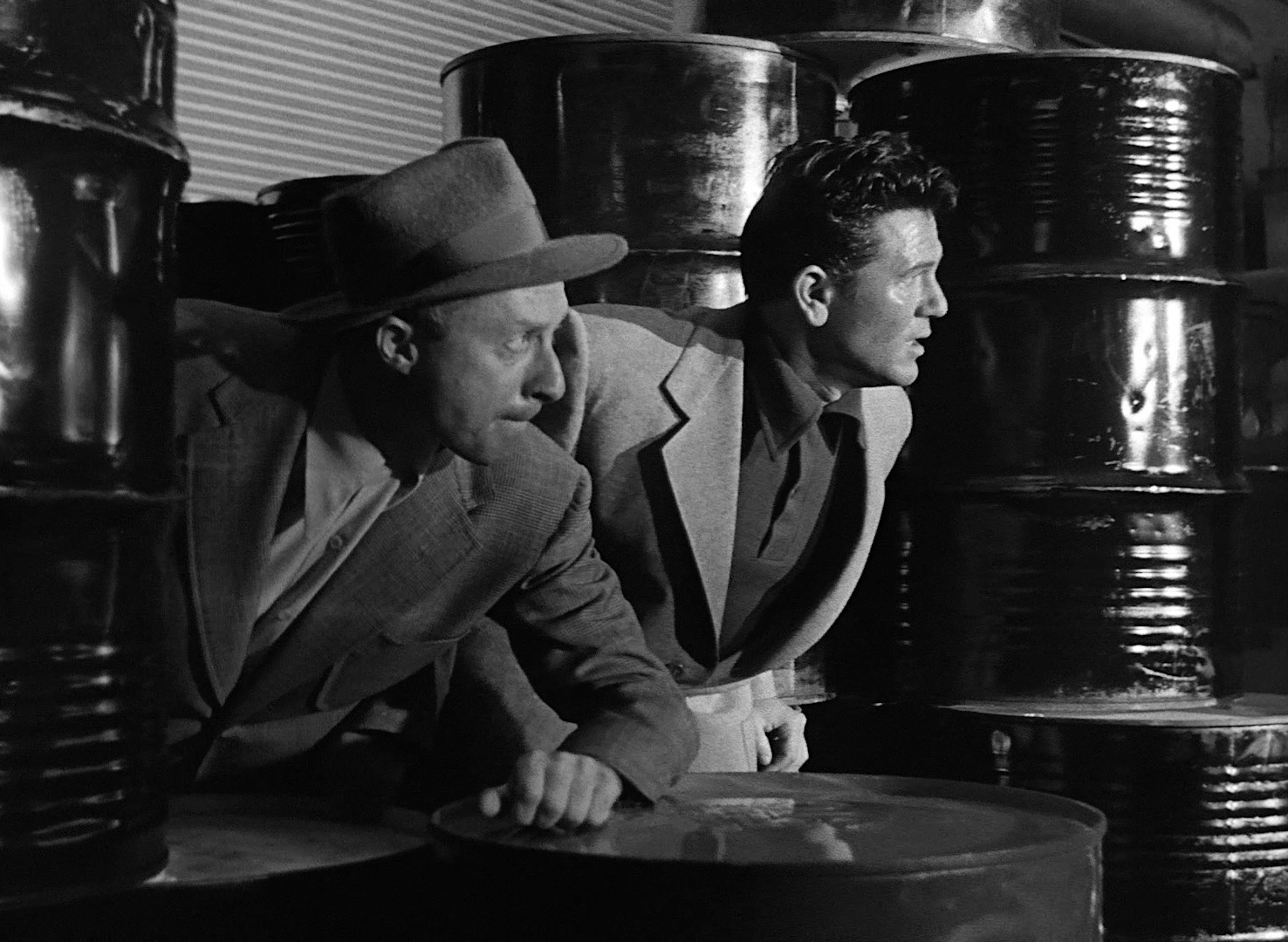
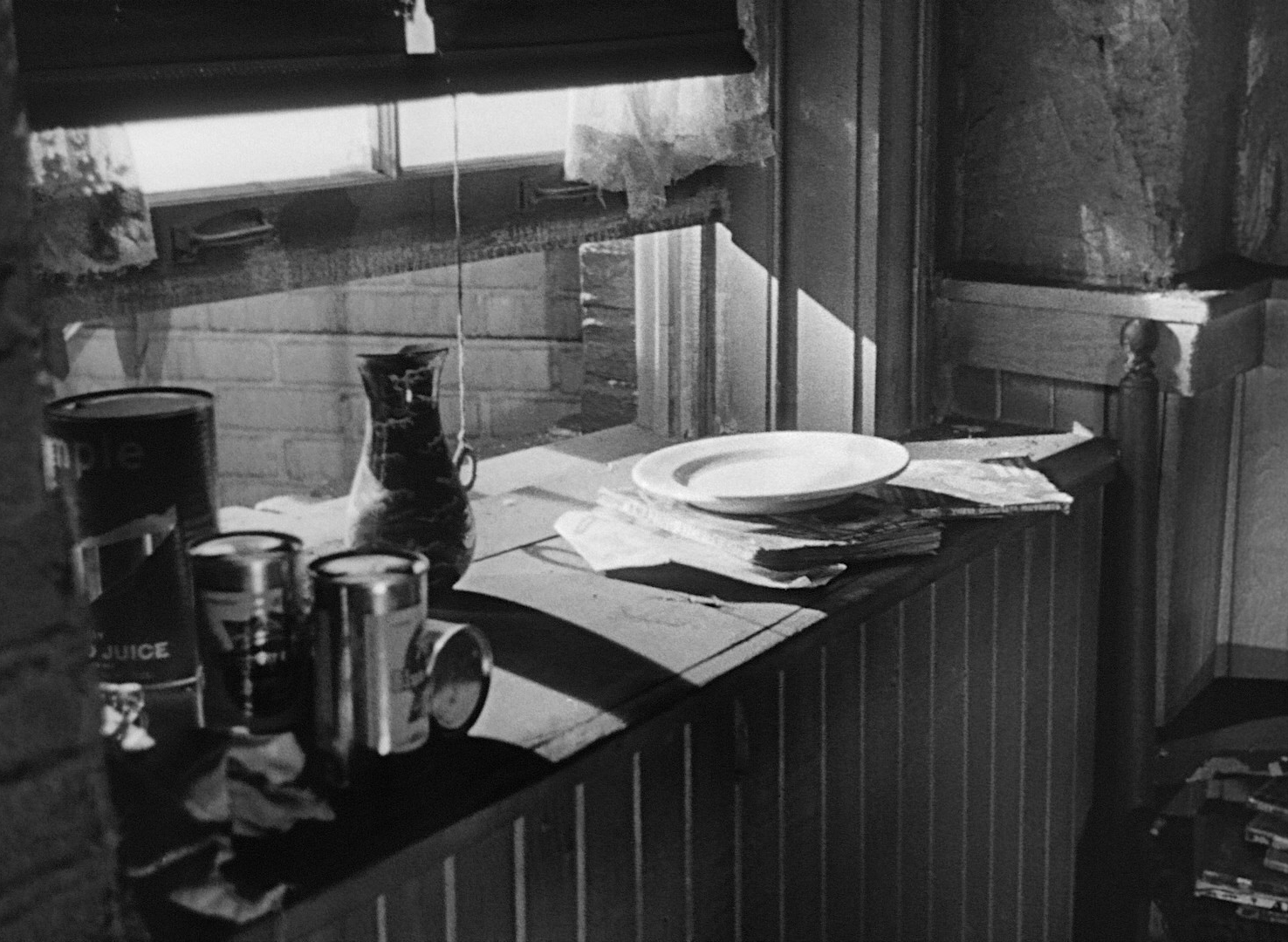
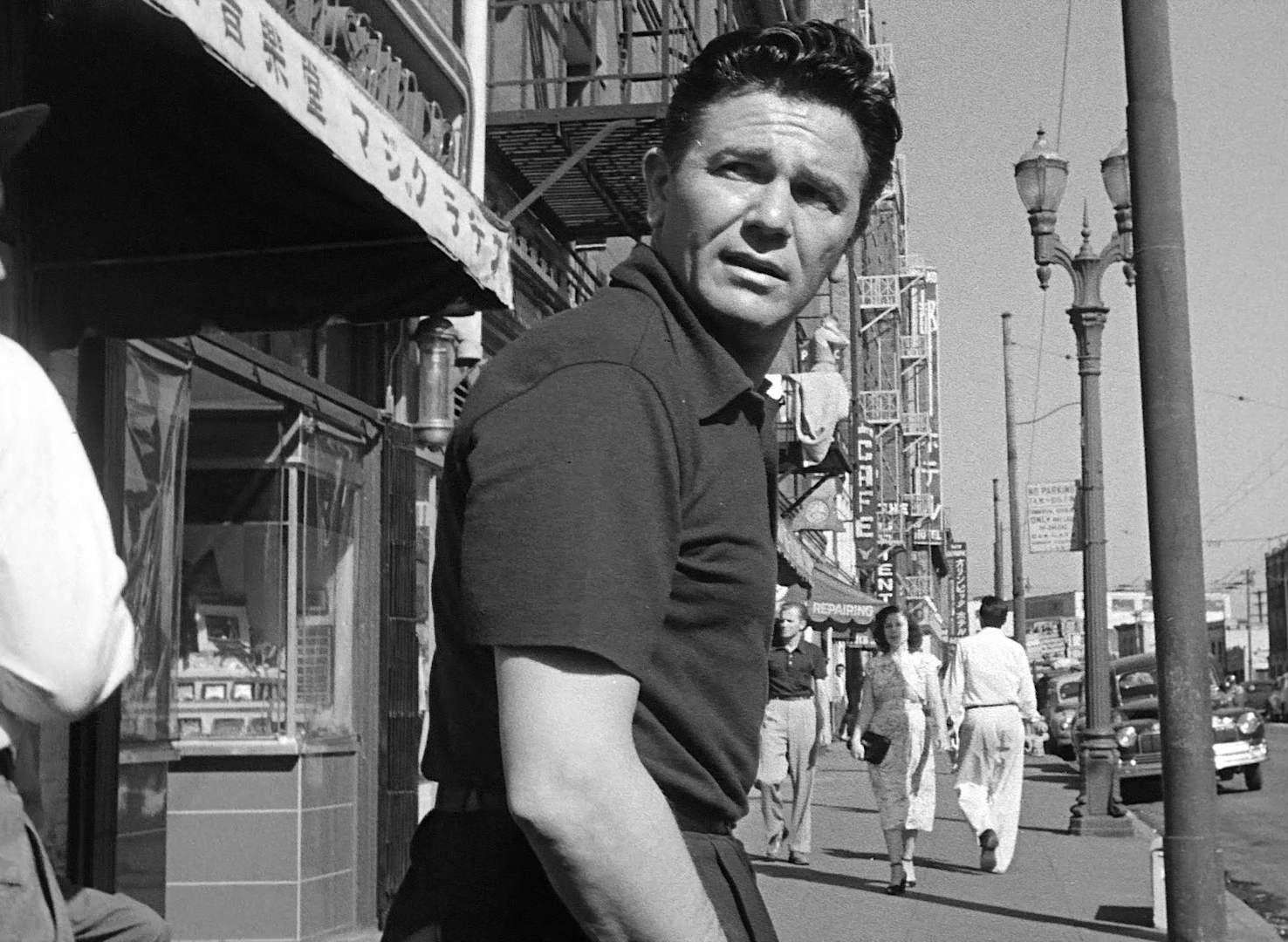
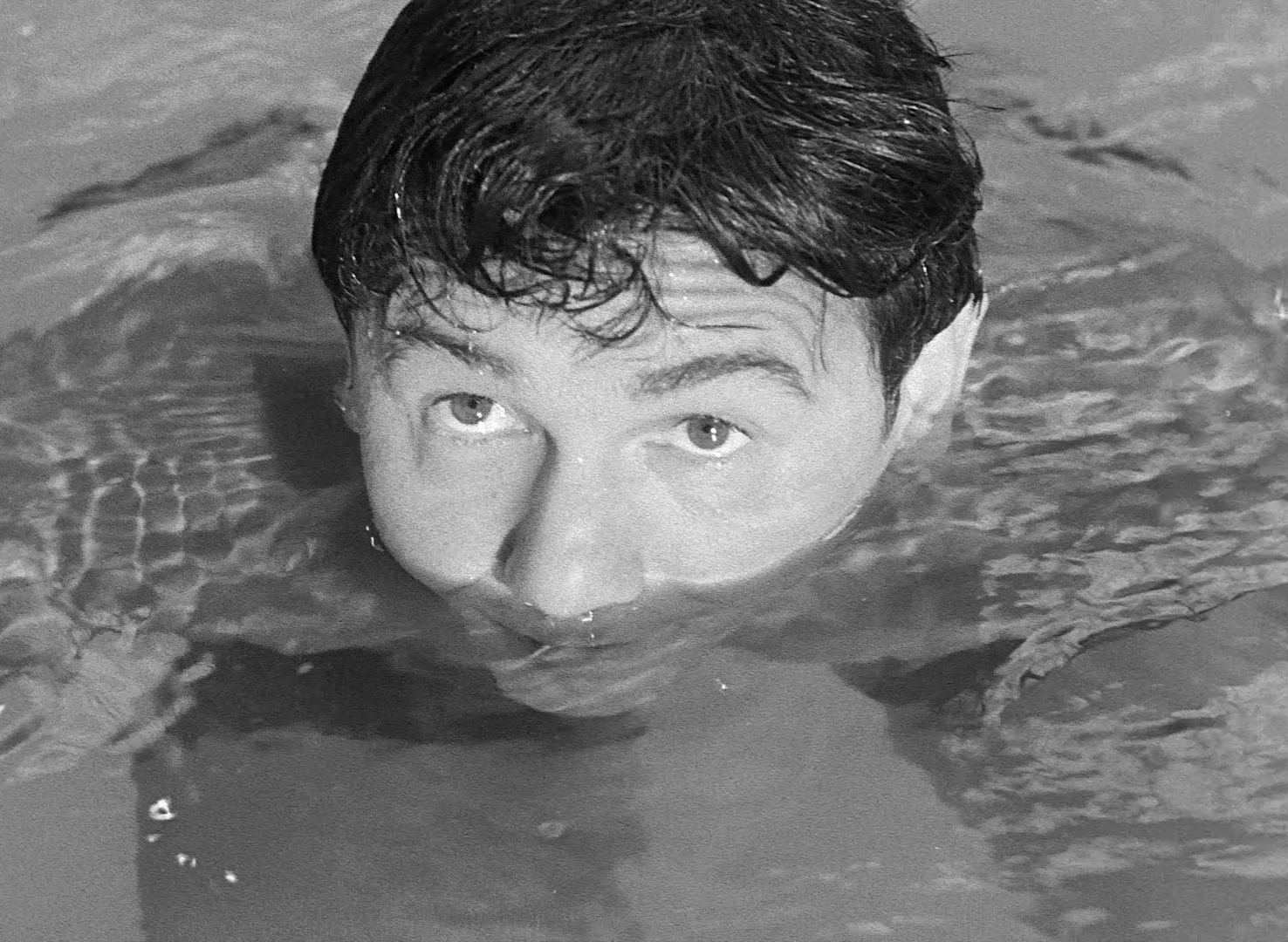
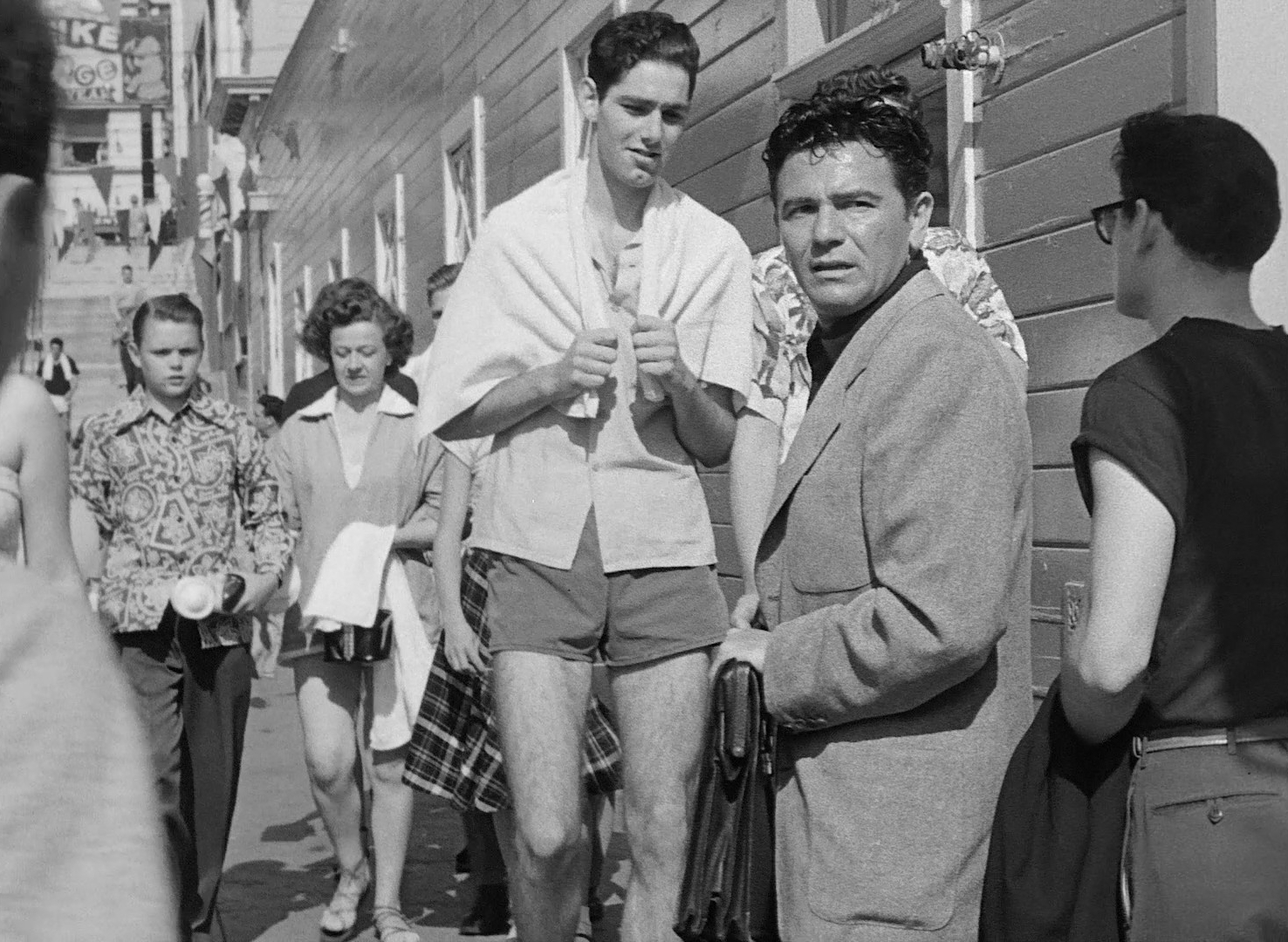
After a botched robbery leaves a police officer dead, small-time criminal Nick Robey goes on the run and takes refuge in the home of a young woman he recently met. As suspicion grows within the family and the police close in, Nick’s desperation escalates, turning the situation into a tense psychological standoff. What begins as chance encounter spirals into a claustrophobic battle of fear, control, and survival.
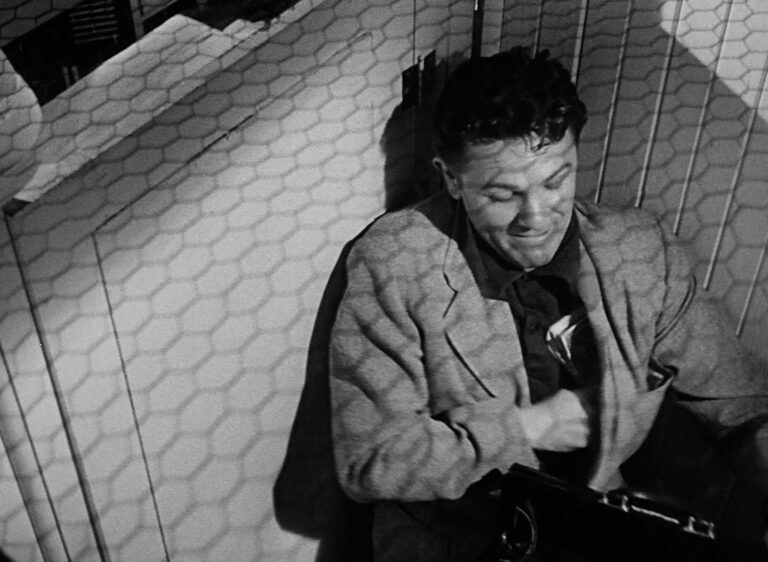
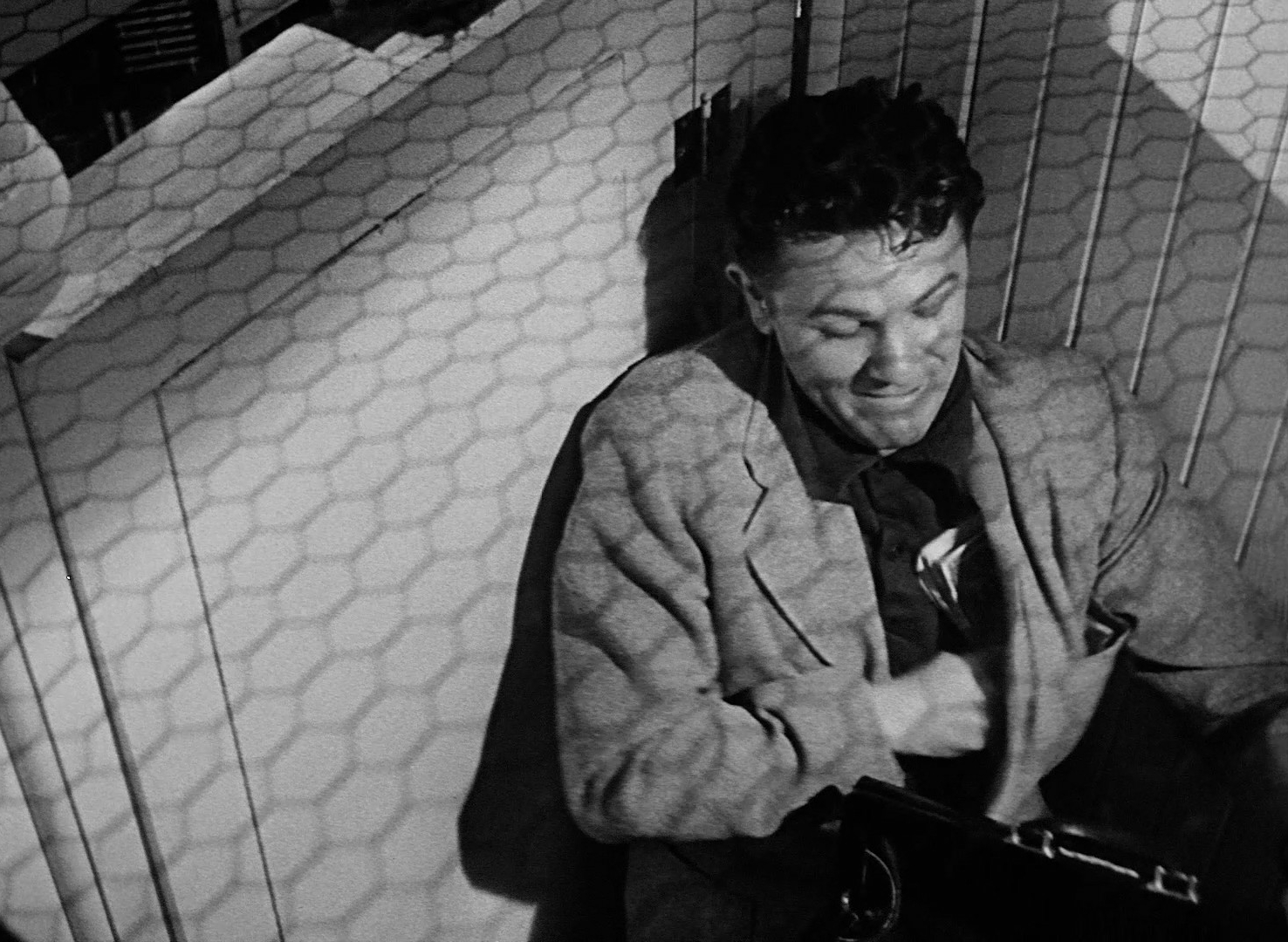
Cinematographer James Wong Howe brings a tight, noir-driven visual style to He Ran All the Way, using deep shadows, confined interiors, and expressive lighting to heighten the film’s sense of entrapment. The camera often boxes characters within doorways and corners—turning the apartment into a pressure cooker where tension builds through space as much as performance.
FILM SPOTLIGHT
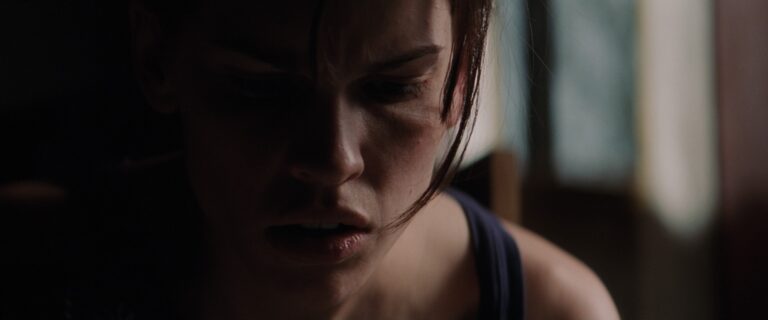
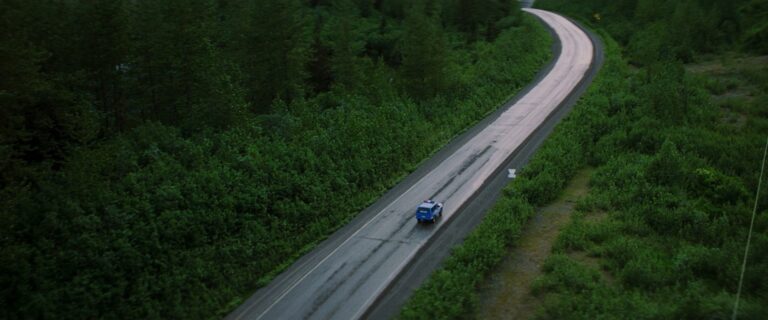
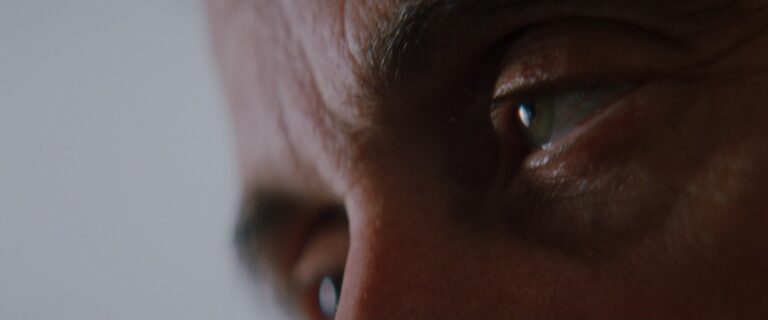
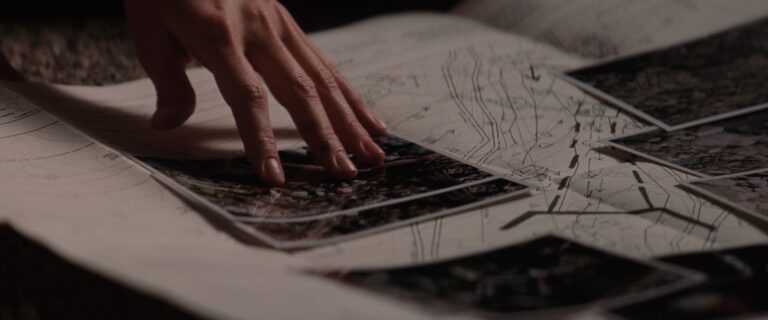
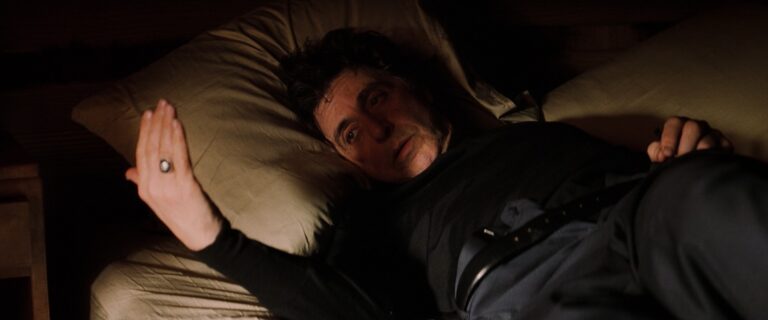
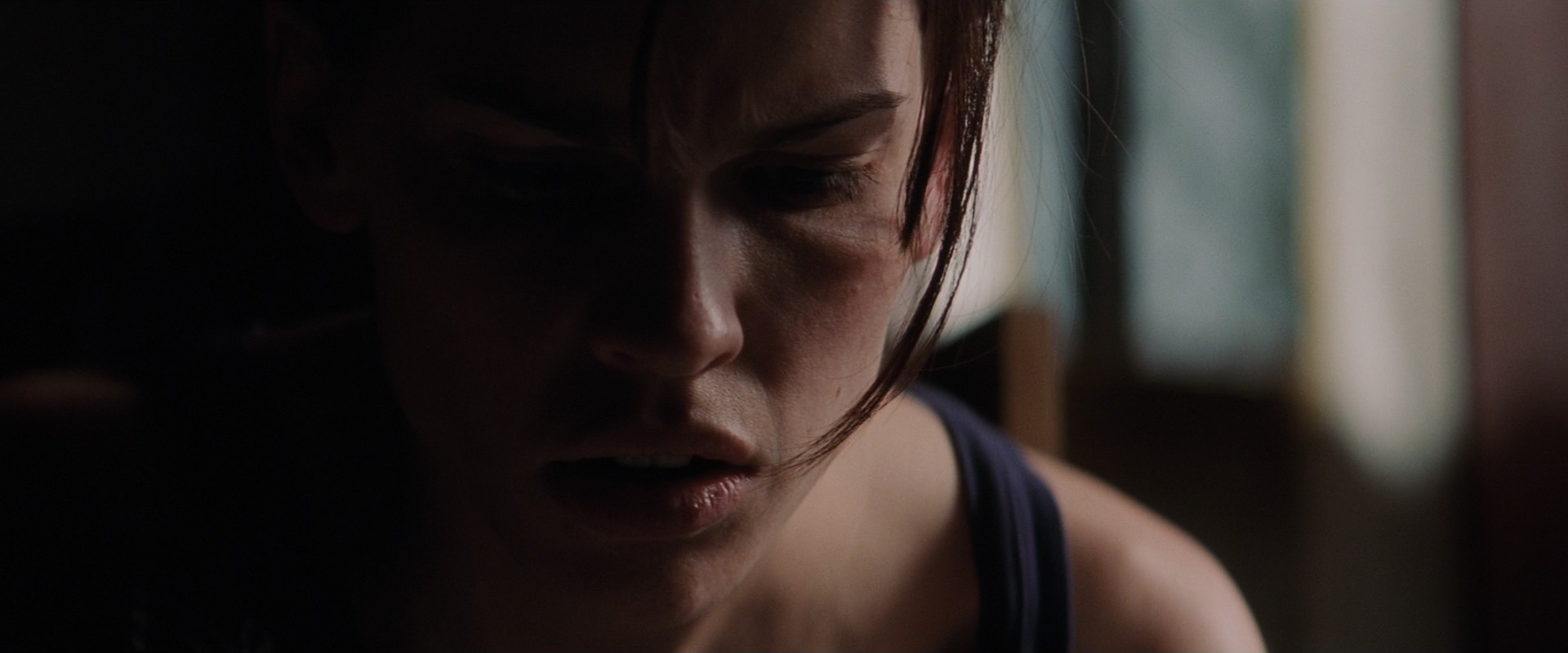
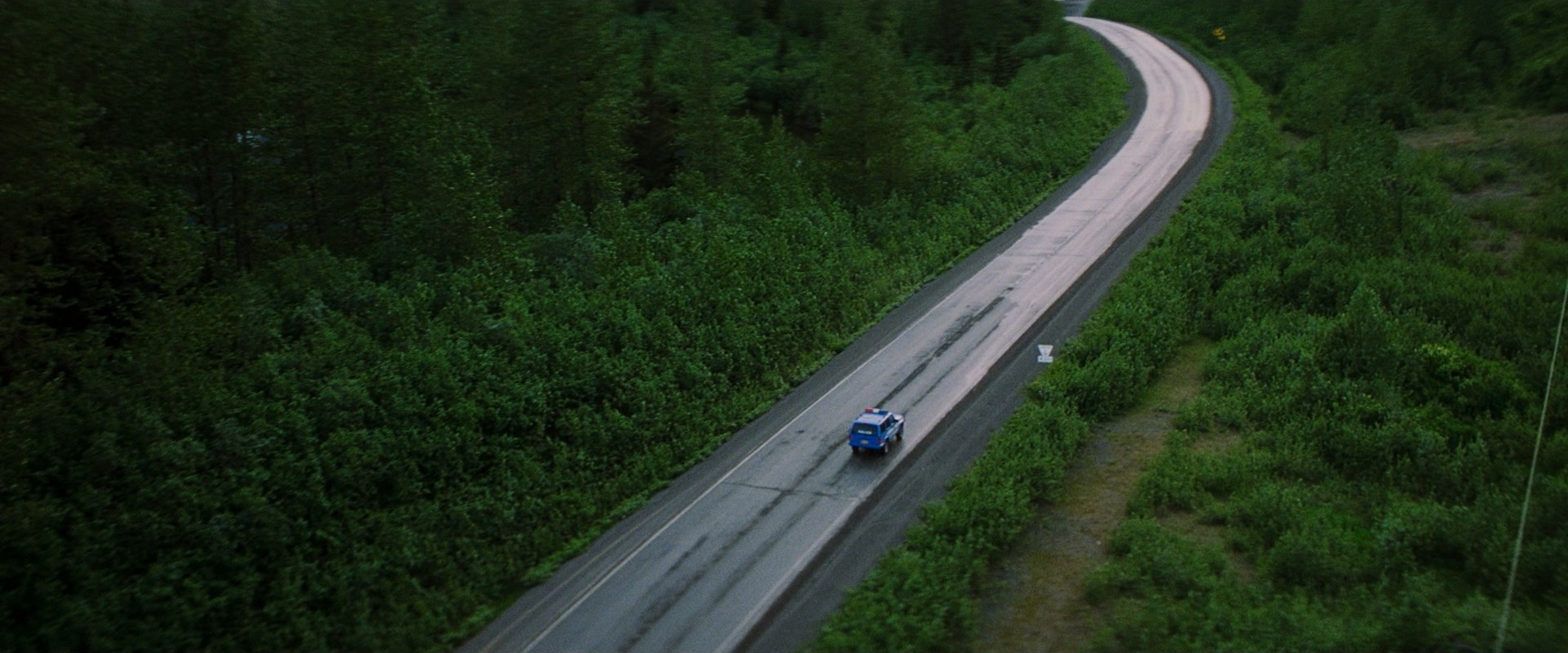
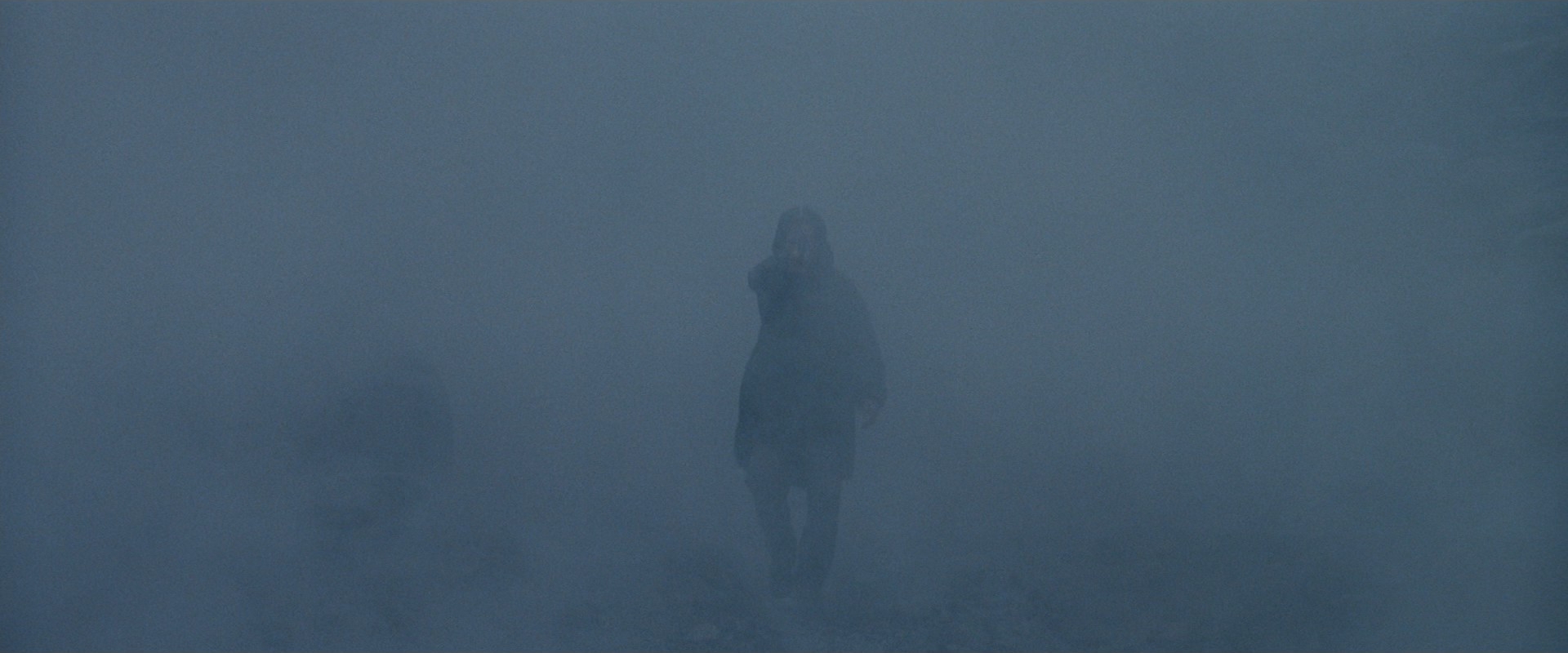
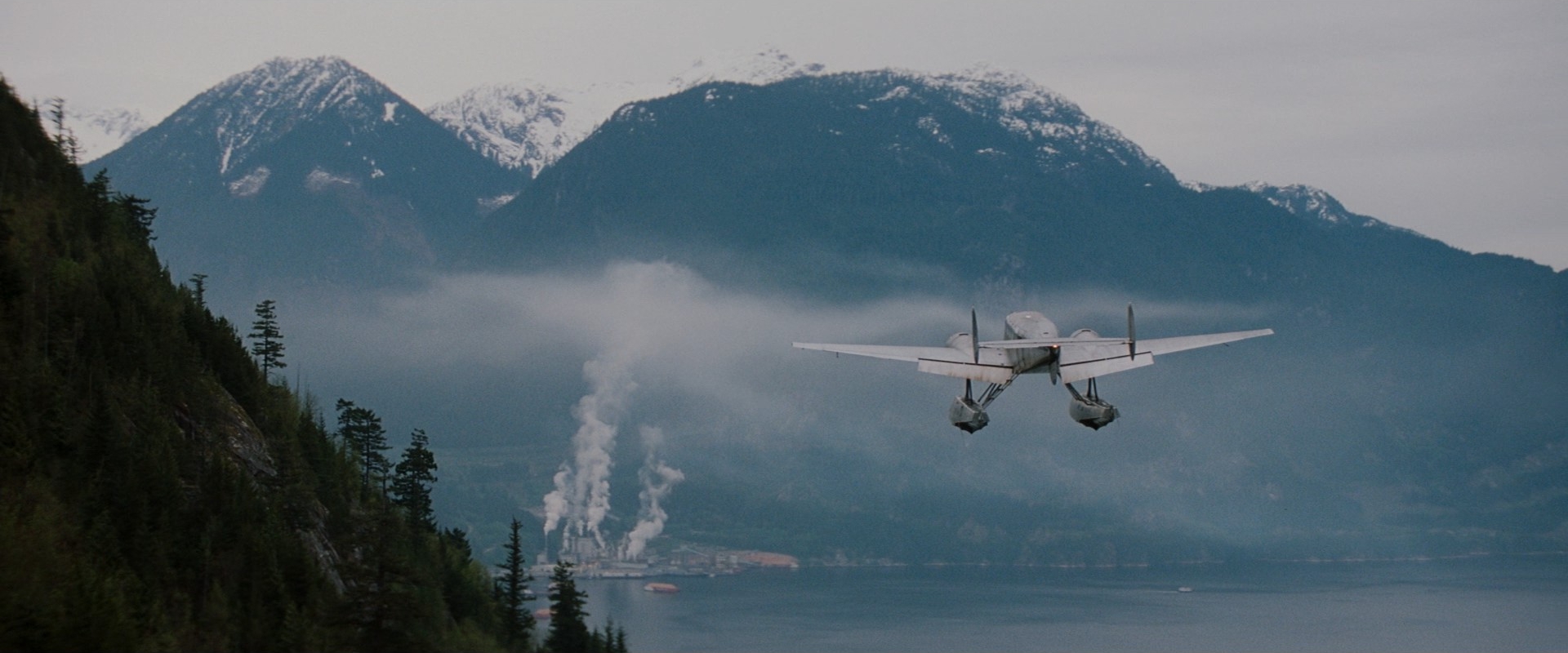
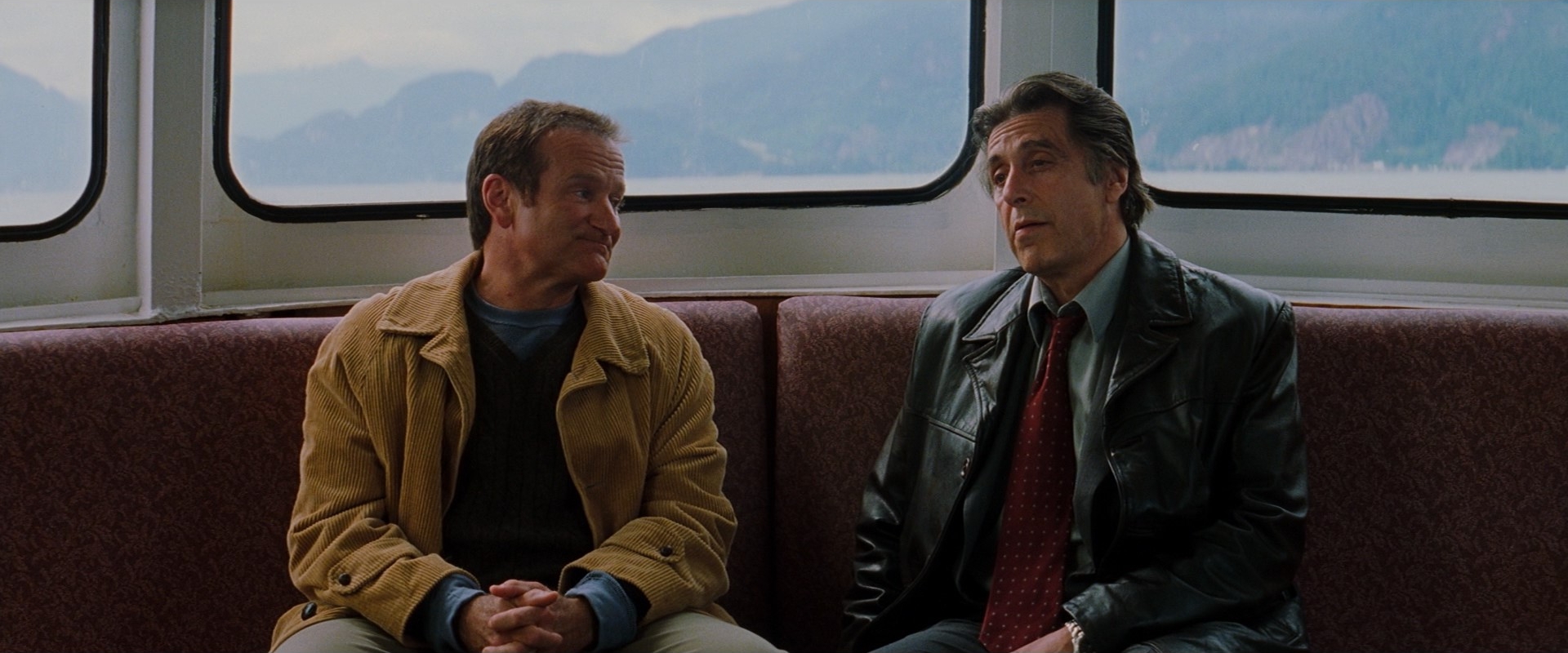
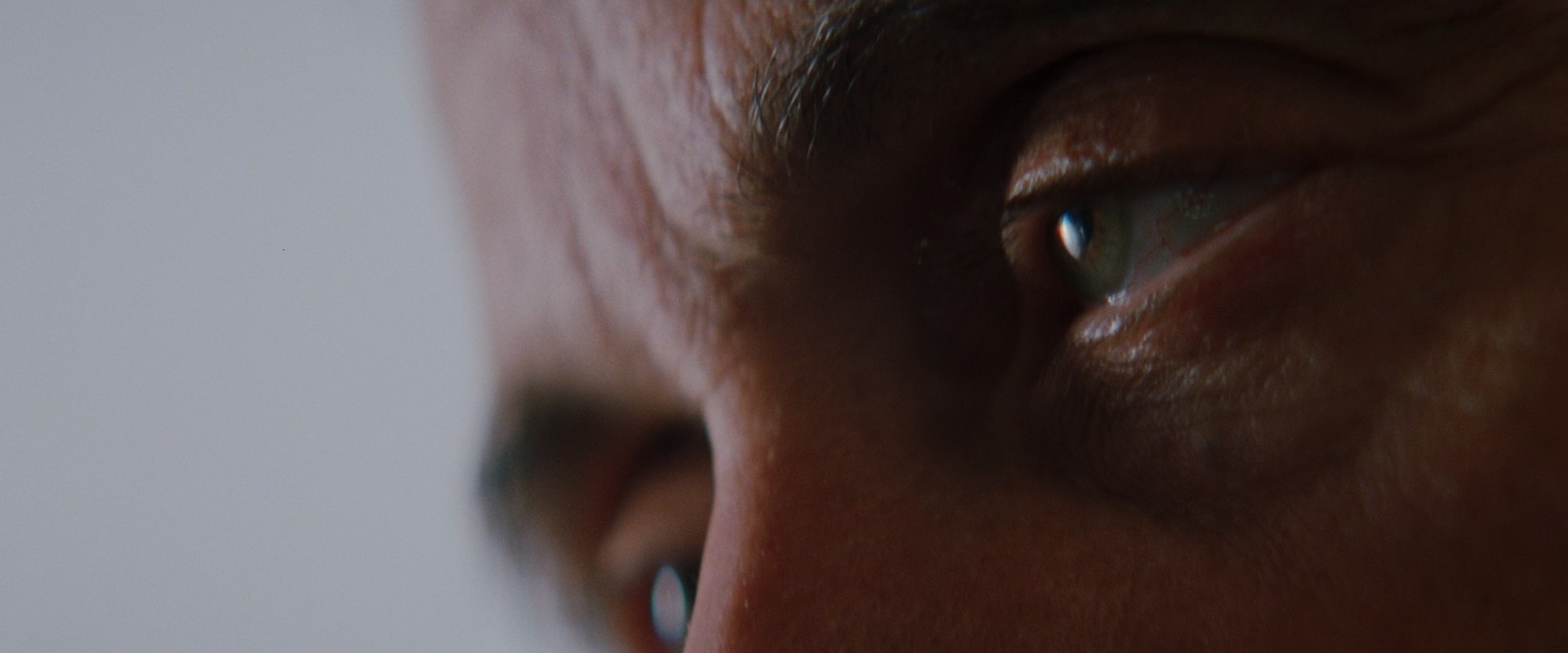
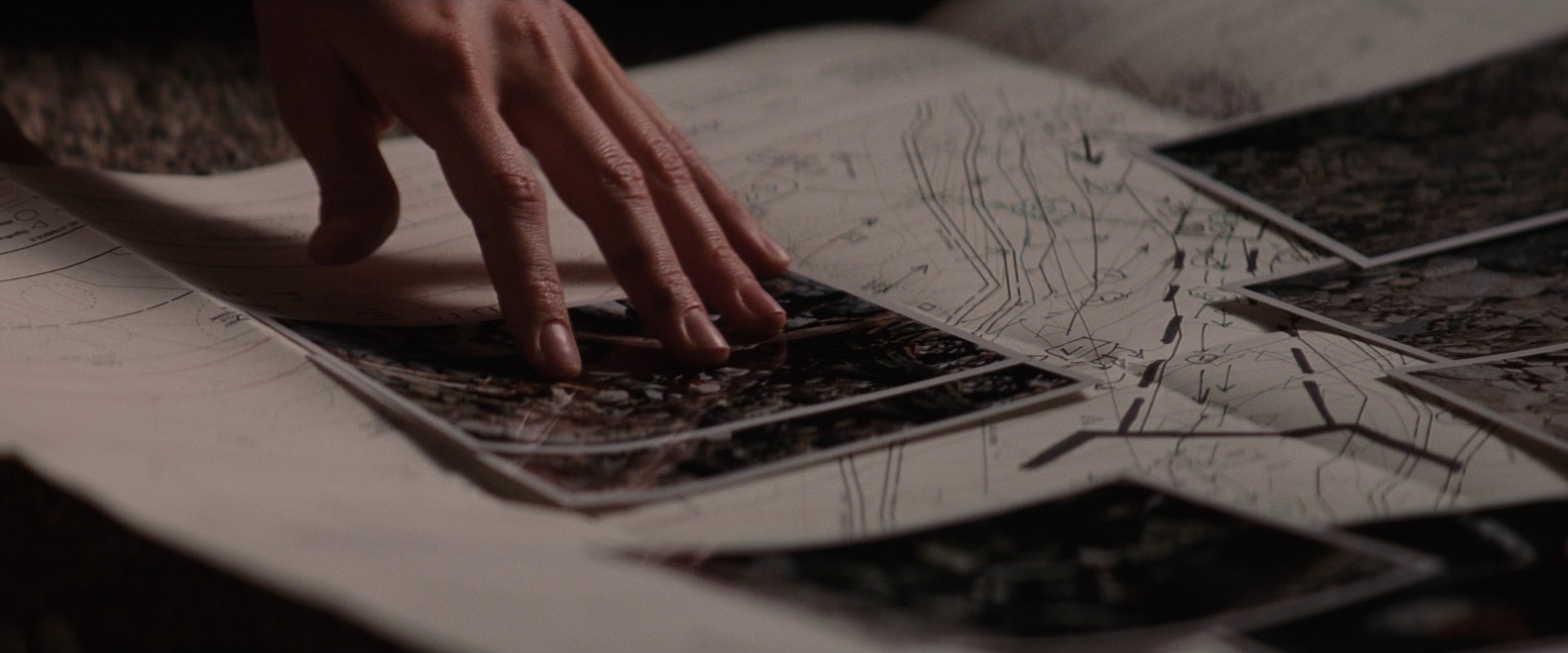
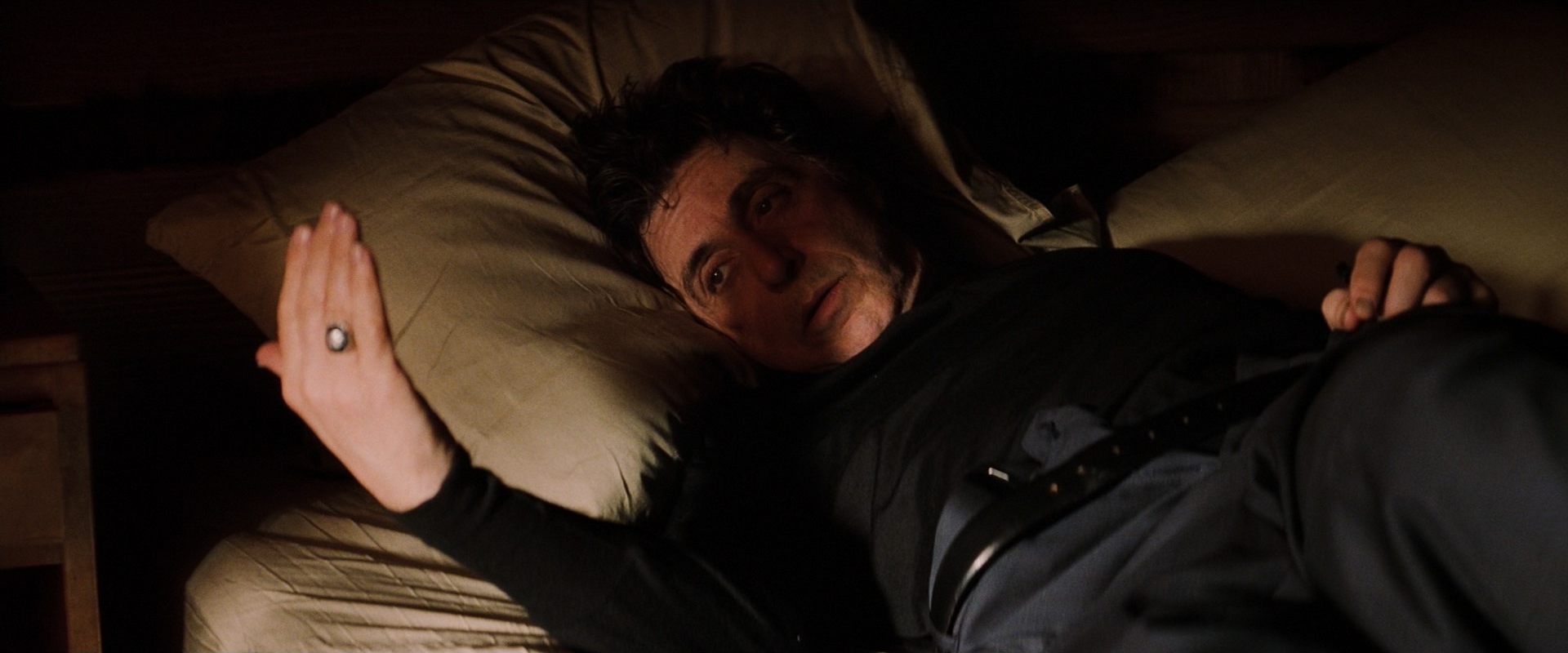
Insomnia (2002)
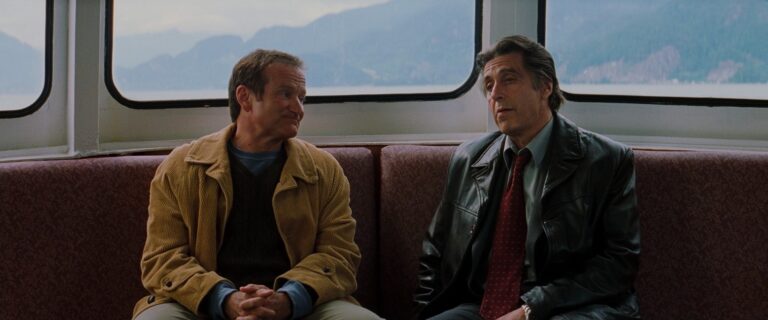
A seasoned Los Angeles detective is sent to a small Alaskan town to investigate the murder of a teenage girl. During the case, a tragic mistake entangles him in a psychological game with the prime suspect, who knows more than he should. As the relentless daylight of the Arctic summer robs him of sleep, the detective’s grip on reality begins to unravel.
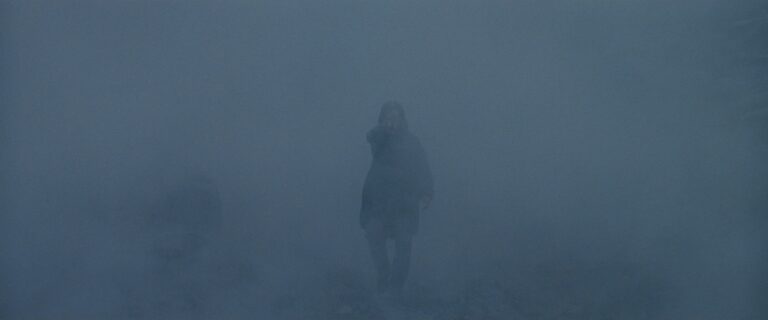
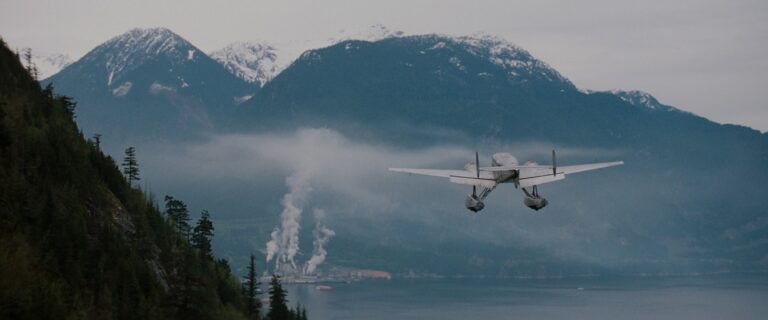
Nolan and cinematographer Wally Pfister shot Insomnia with a stark, high-key naturalism, using the constant daylight of Alaska to create unease instead of comfort. The film’s washed-out whites and foggy landscapes turn light into a source of pressure—visually mirroring the protagonist’s mental deterioration as there’s nowhere left to hide, even in broad daylight.
FILM SPOTLIGHT
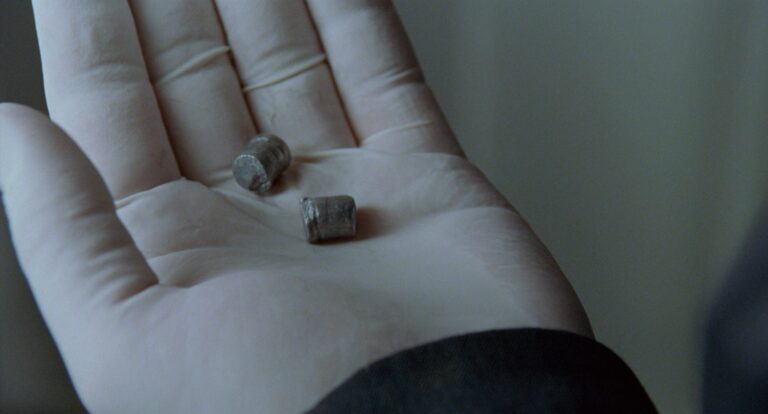
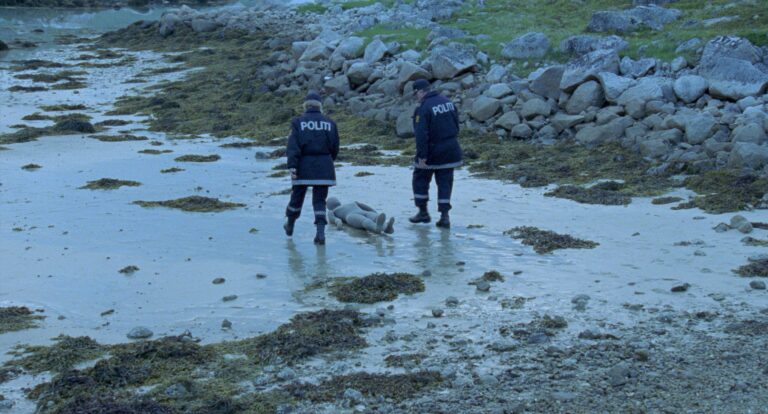
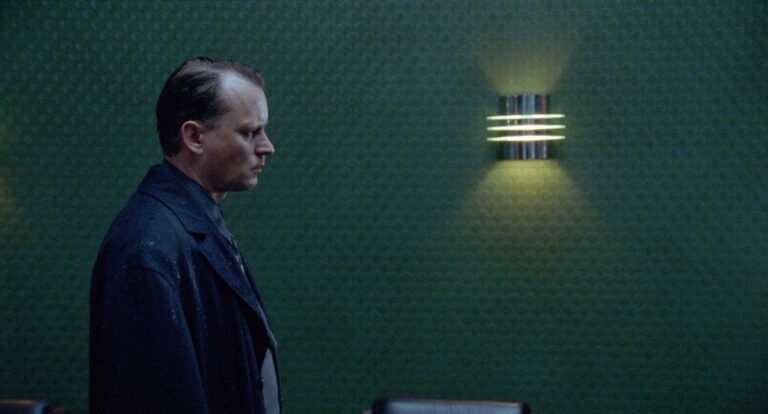
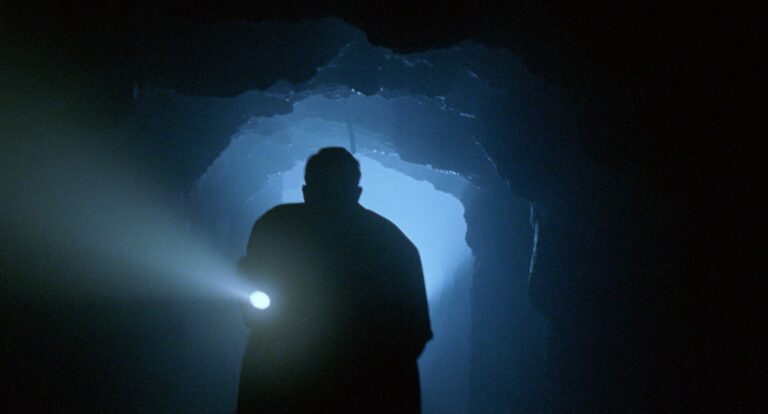
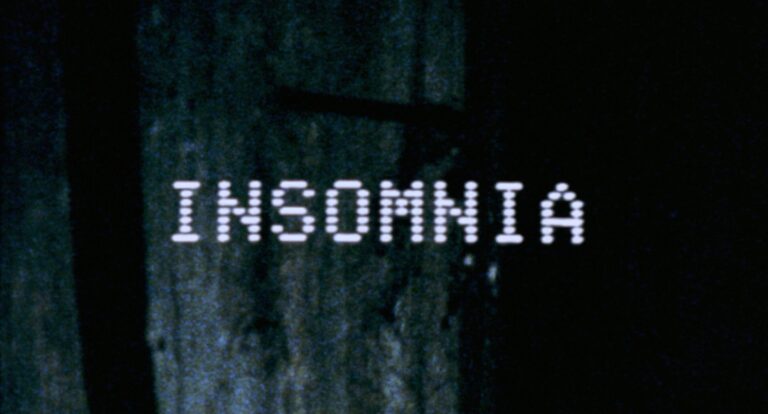
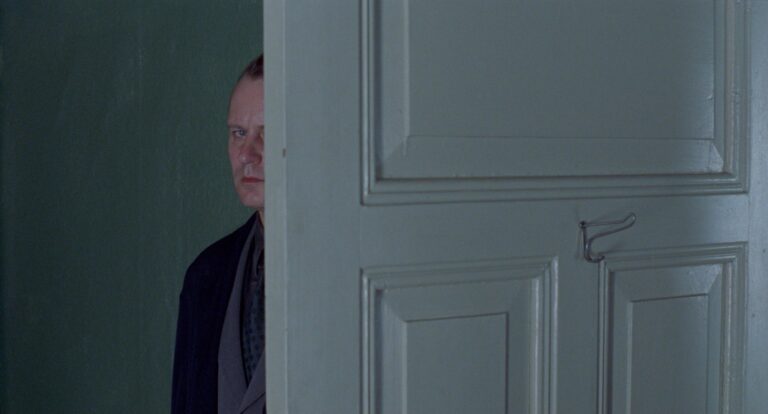
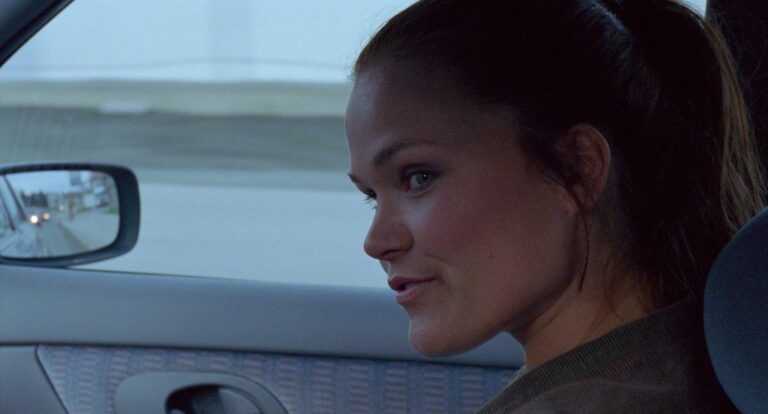
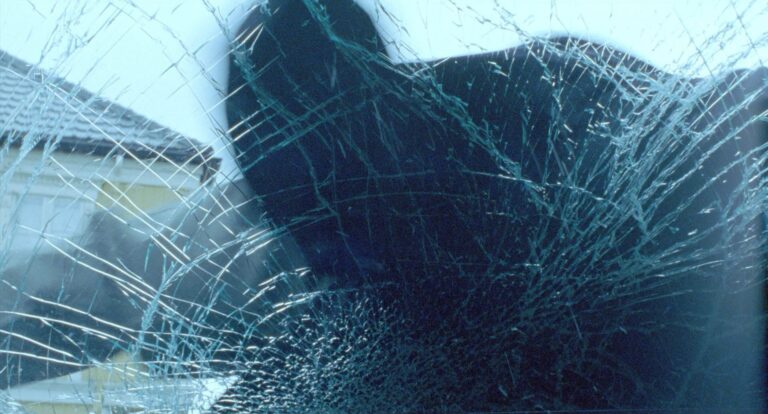
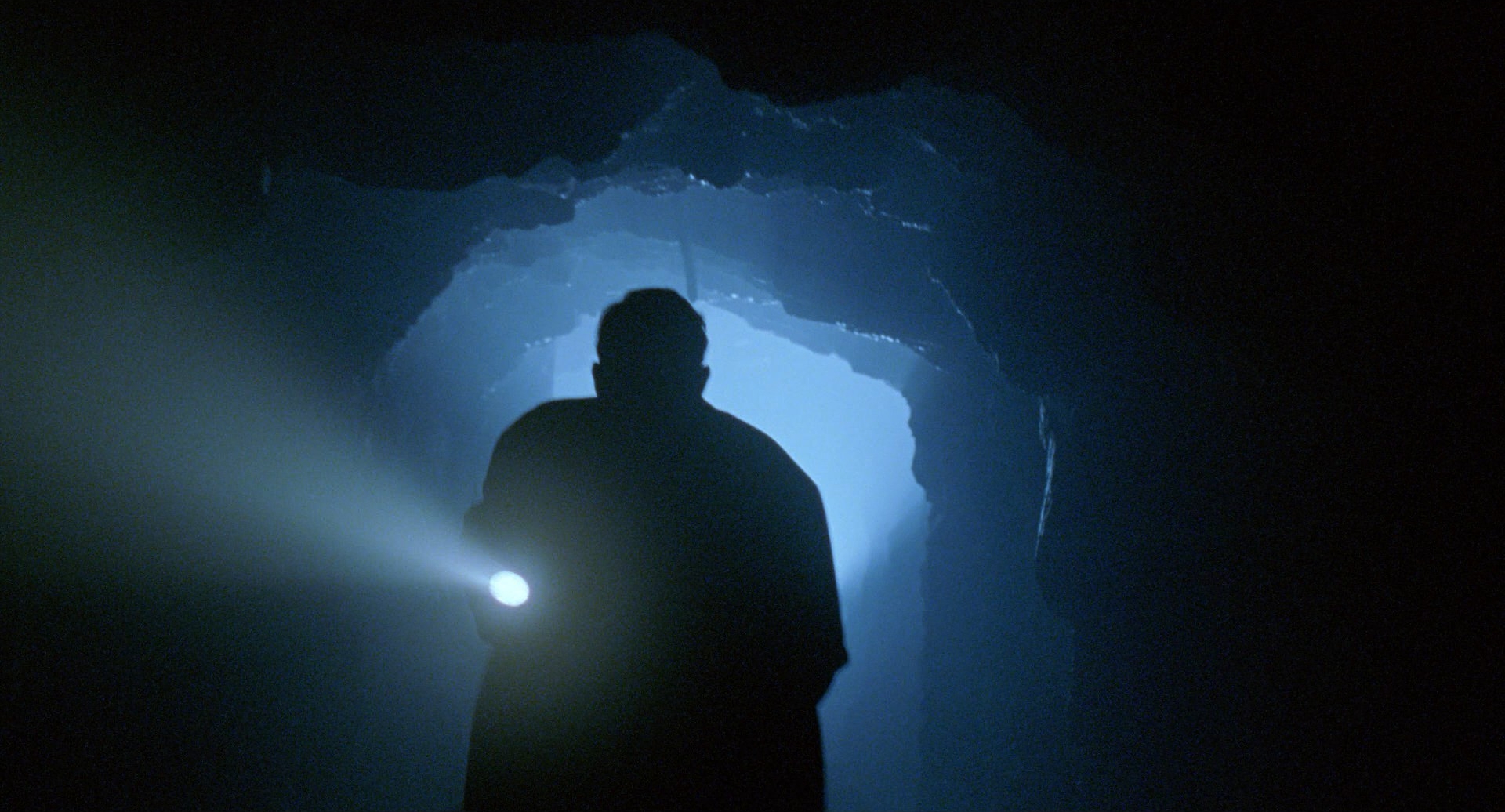
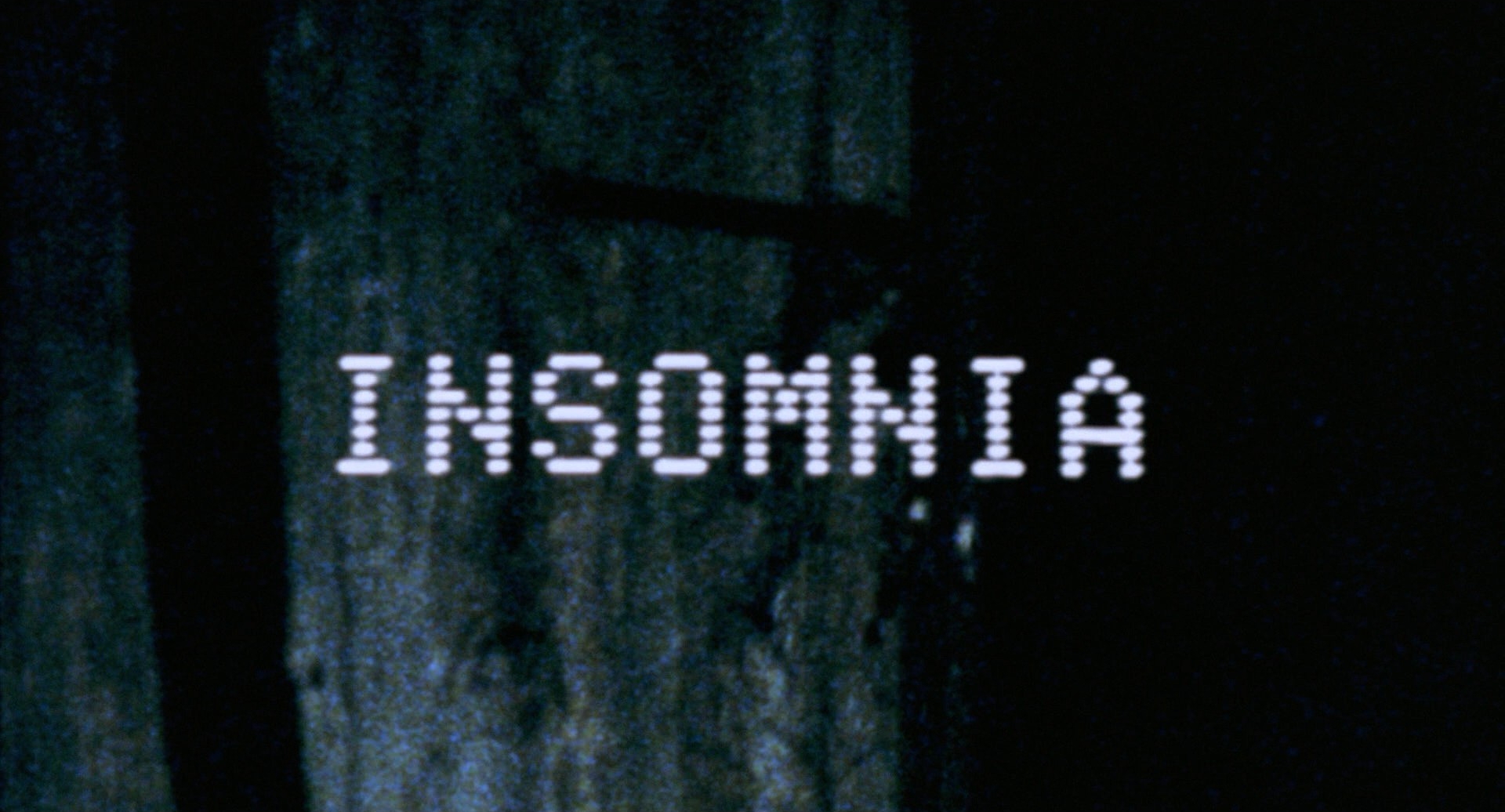
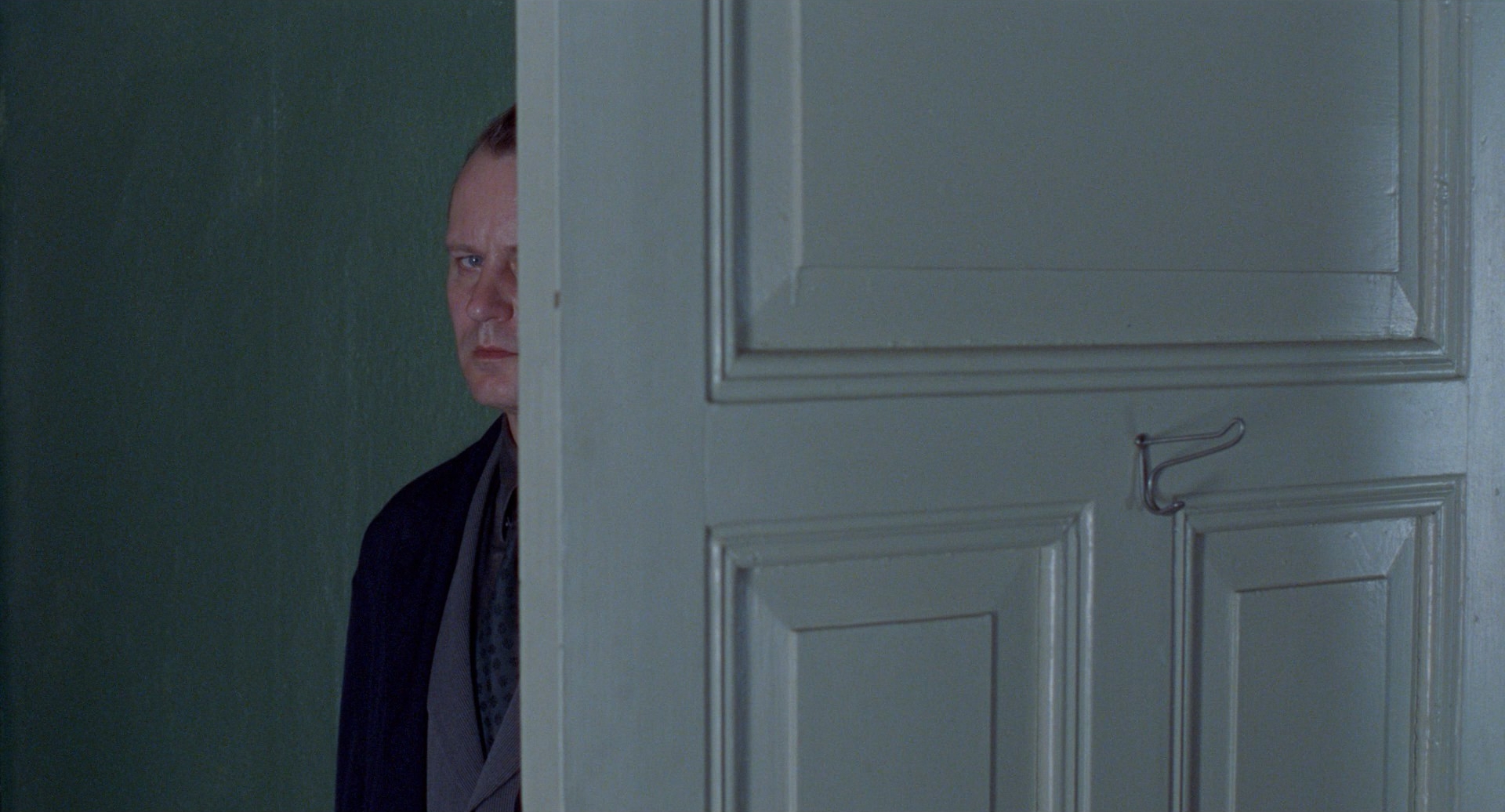
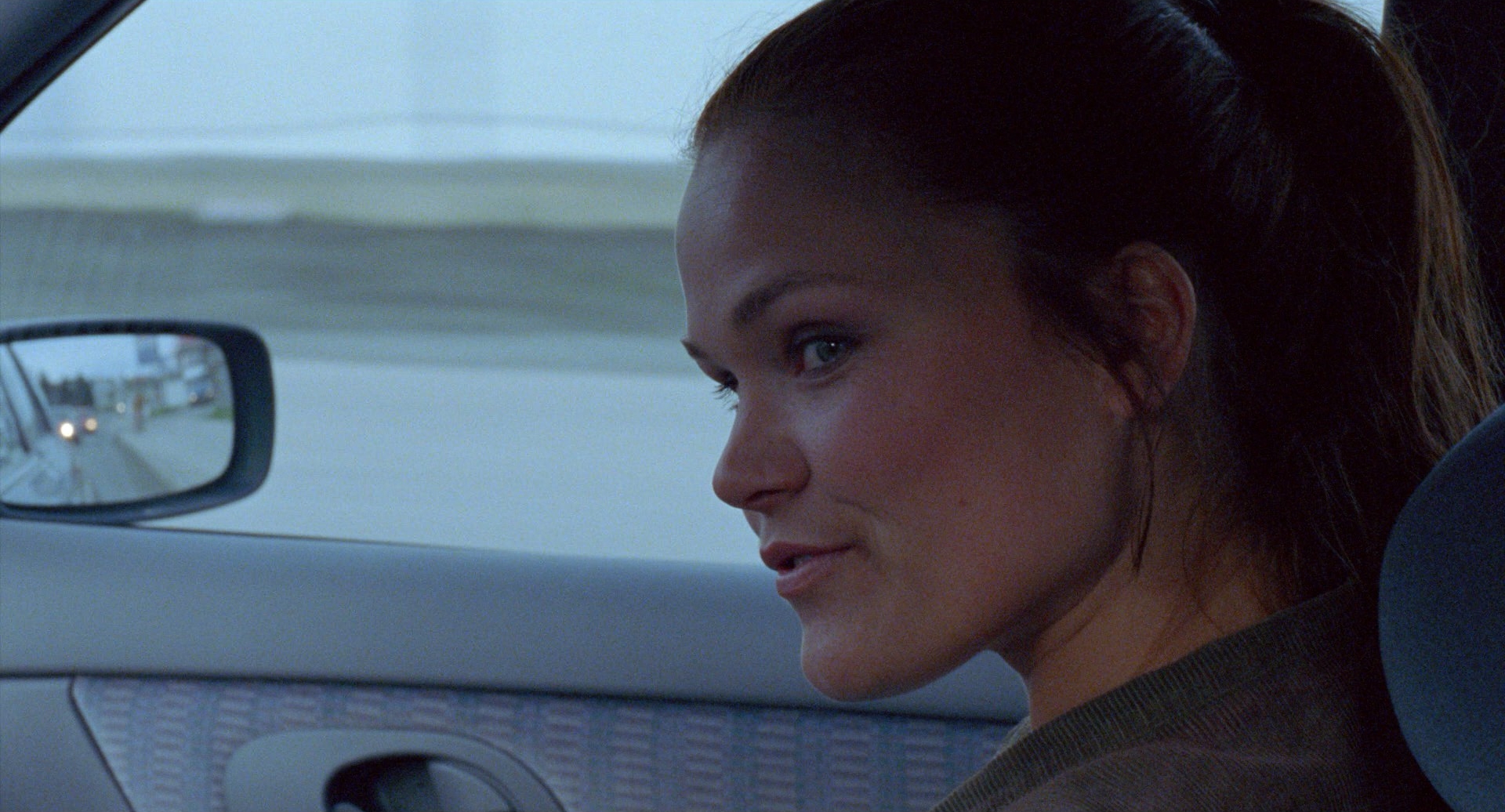
Insomnia (1997)
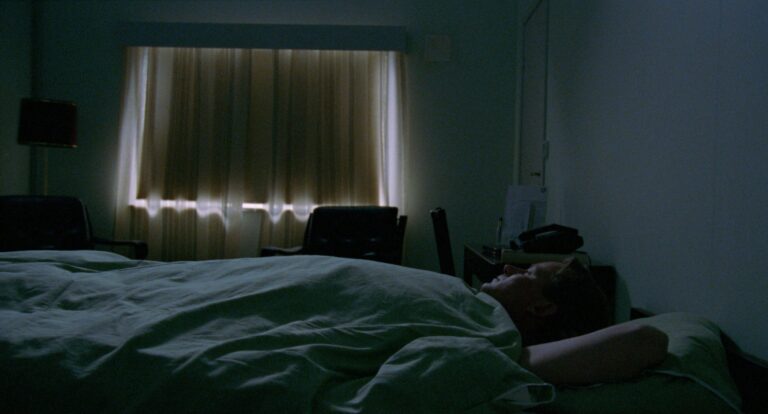
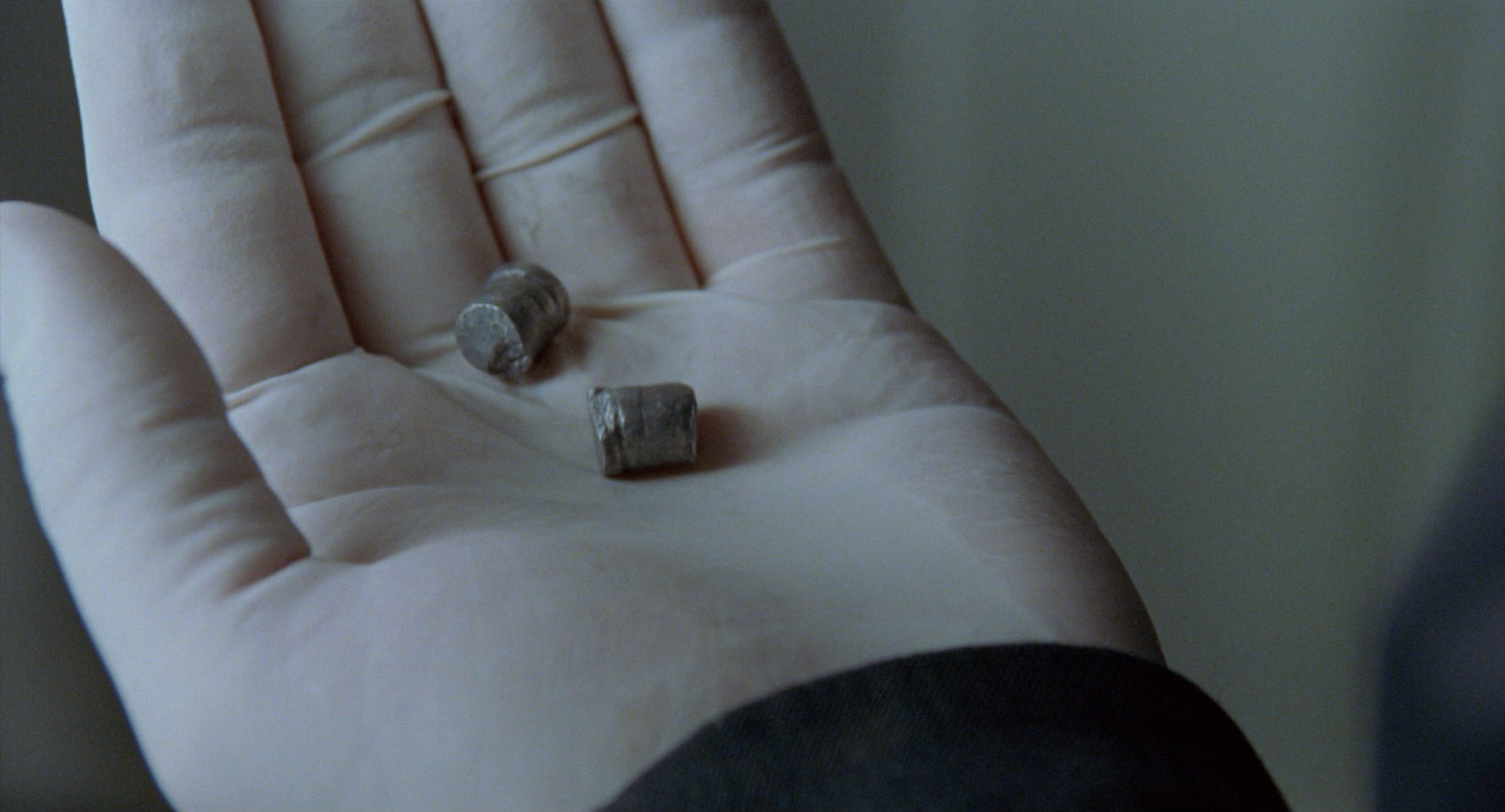
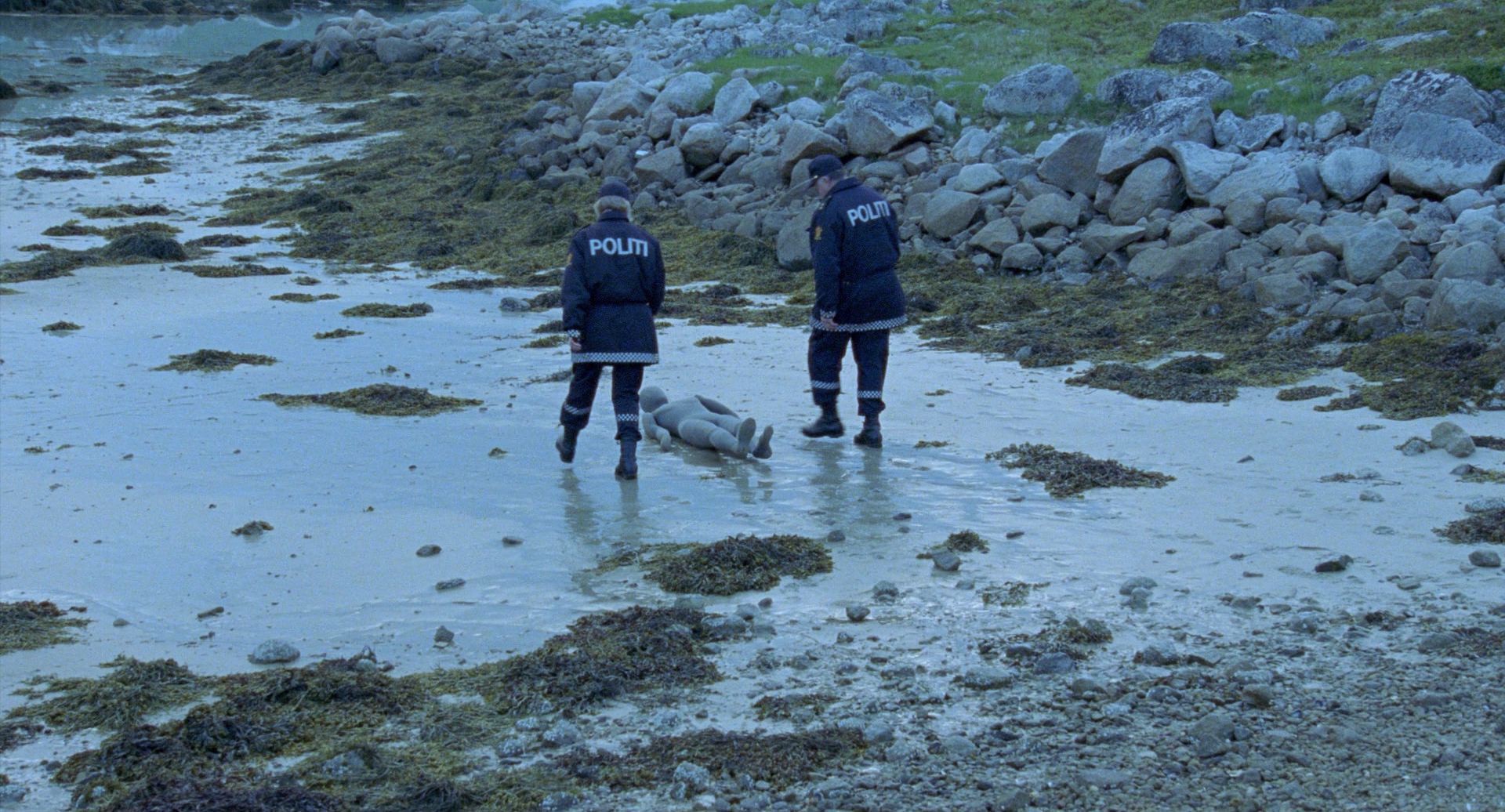
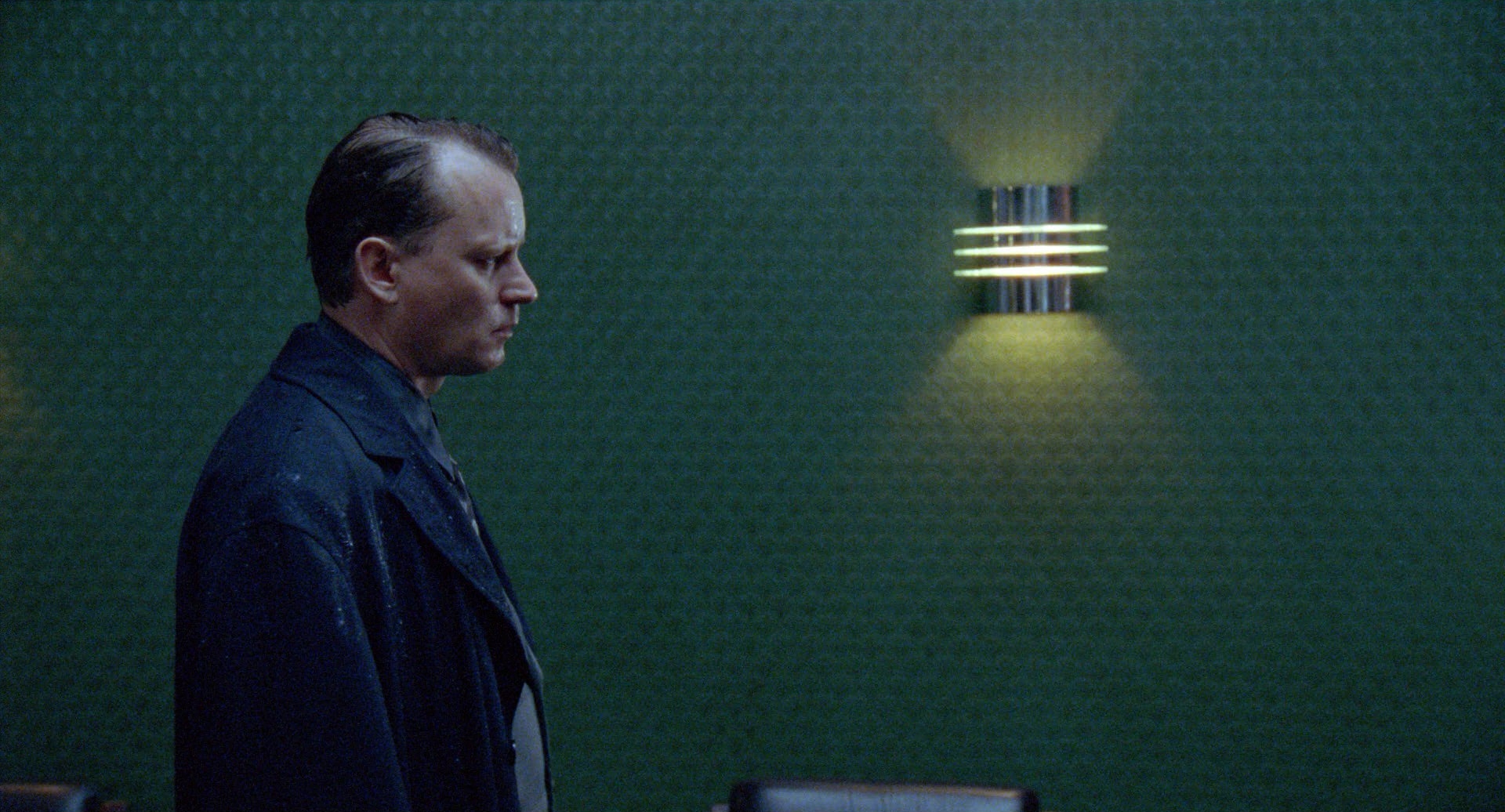
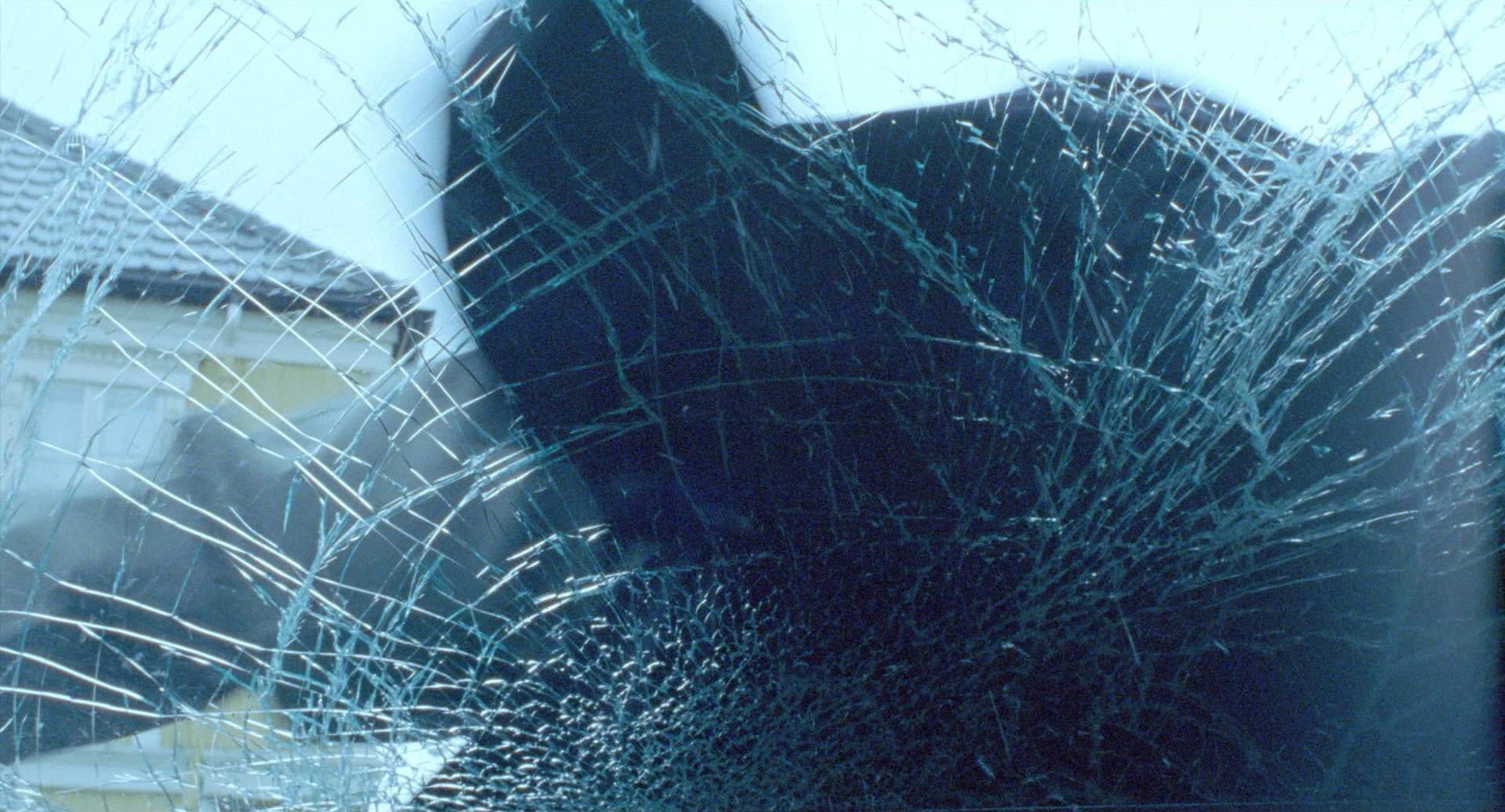
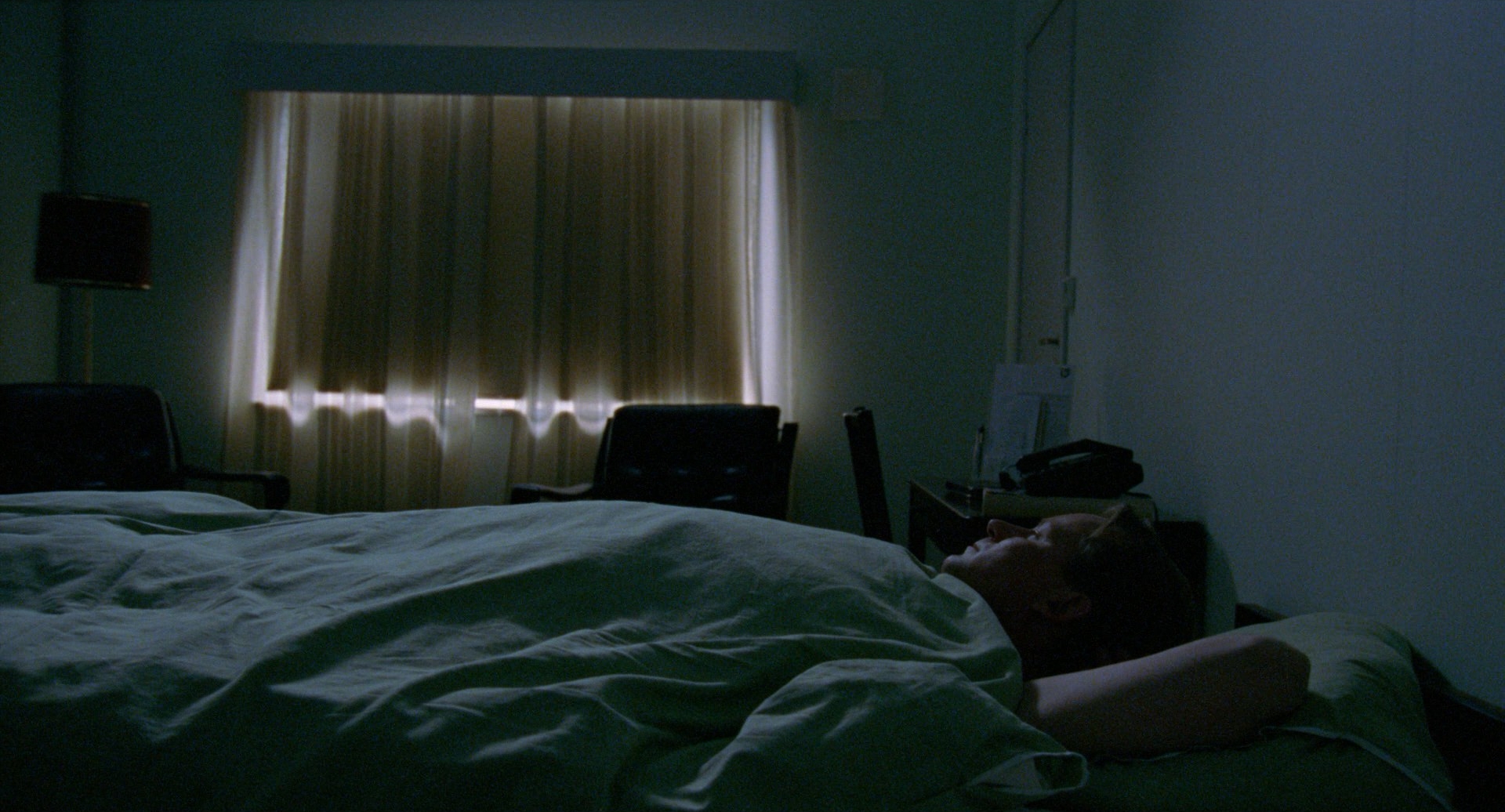
Insomnia is the story of a Swedish detective travels to a small Norwegian town to investigate the murder of a young girl. During a stakeout, he accidentally kills his partner and chooses to cover it up, becoming psychologically entangled with the prime suspect who knows the truth. As the endless Arctic daylight prevents him from sleeping, his guilt and paranoia begin to erode his sanity.
Skjoldbjærg and cinematographer Erling Thurmann-Andersen lean into the stark, oppressive quality of natural Arctic light, using overexposed whites and bleached landscapes to strip the image of comfort. The film’s minimal camera movement and clinical framing trap the protagonist in a world with no shadows—turning daylight itself into a relentless, psychological force.
FILM SPOTLIGHT
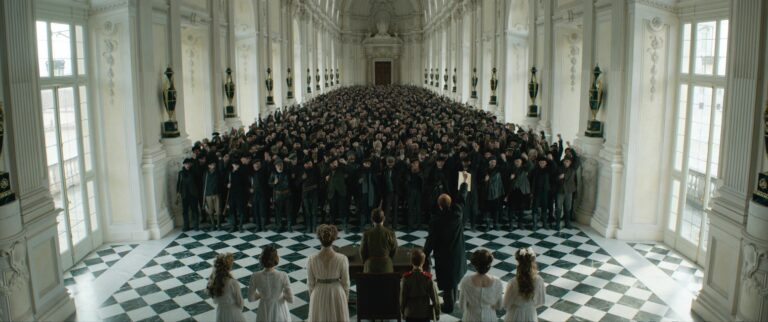
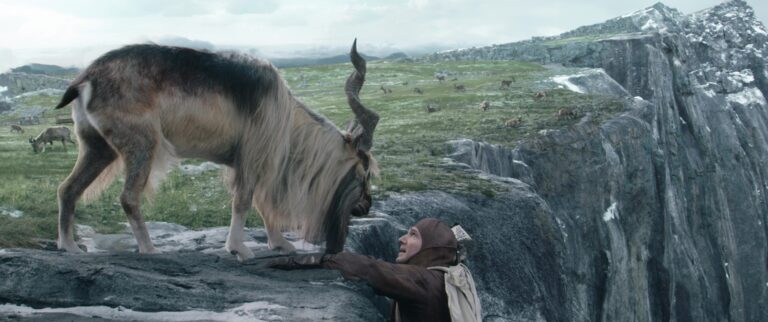
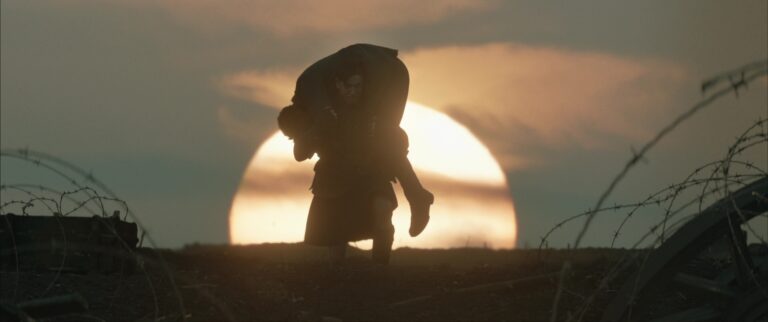
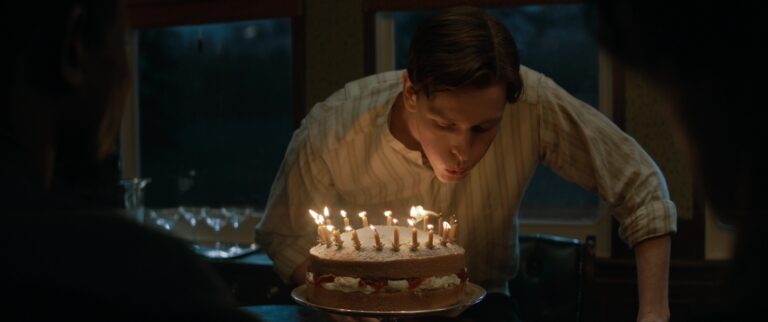
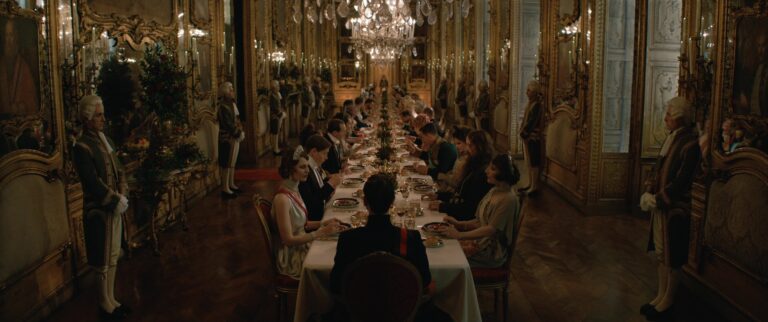
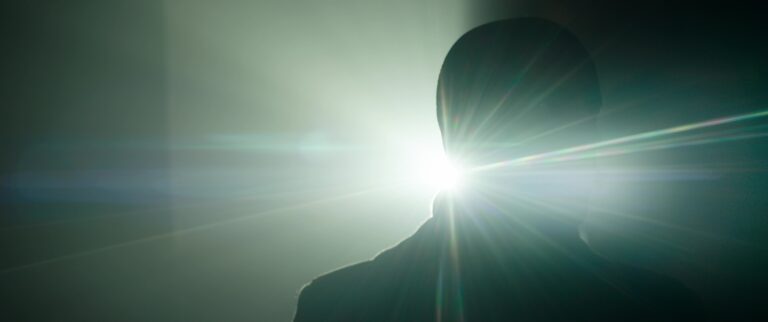
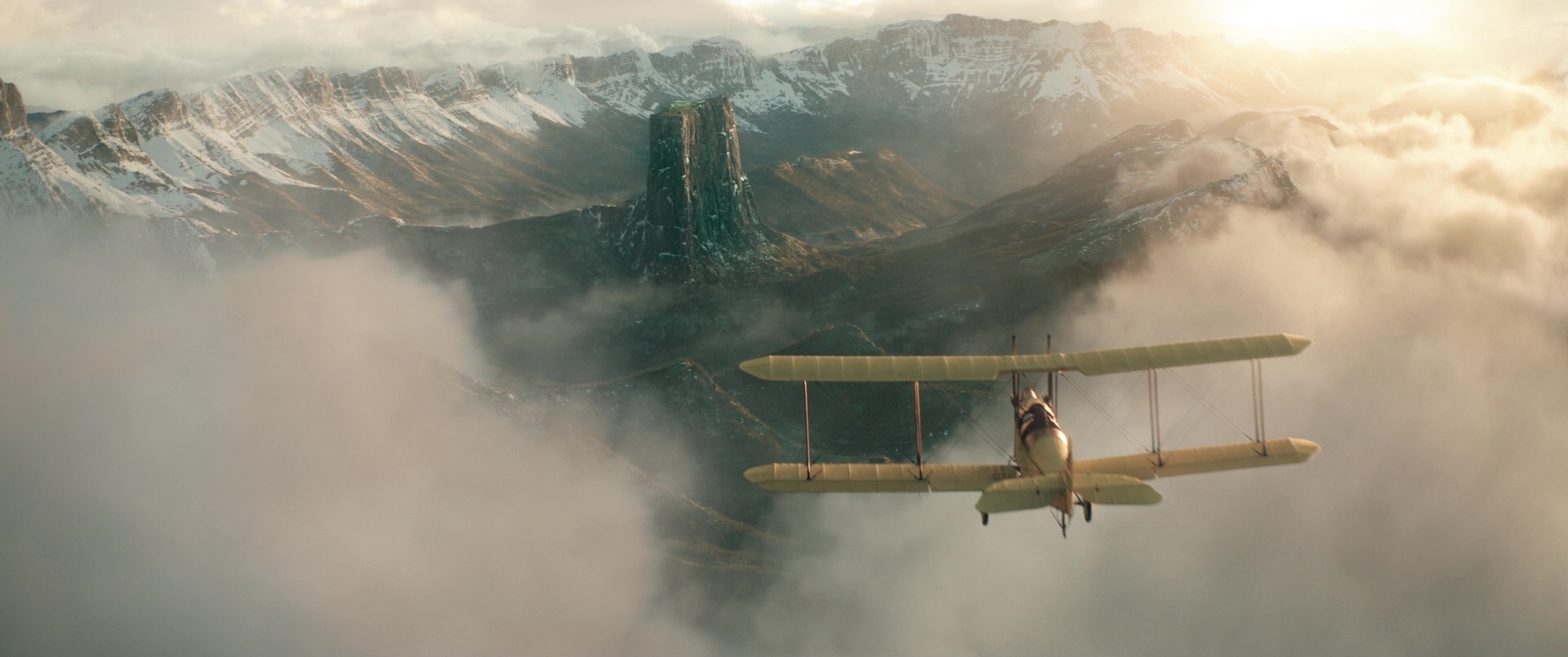
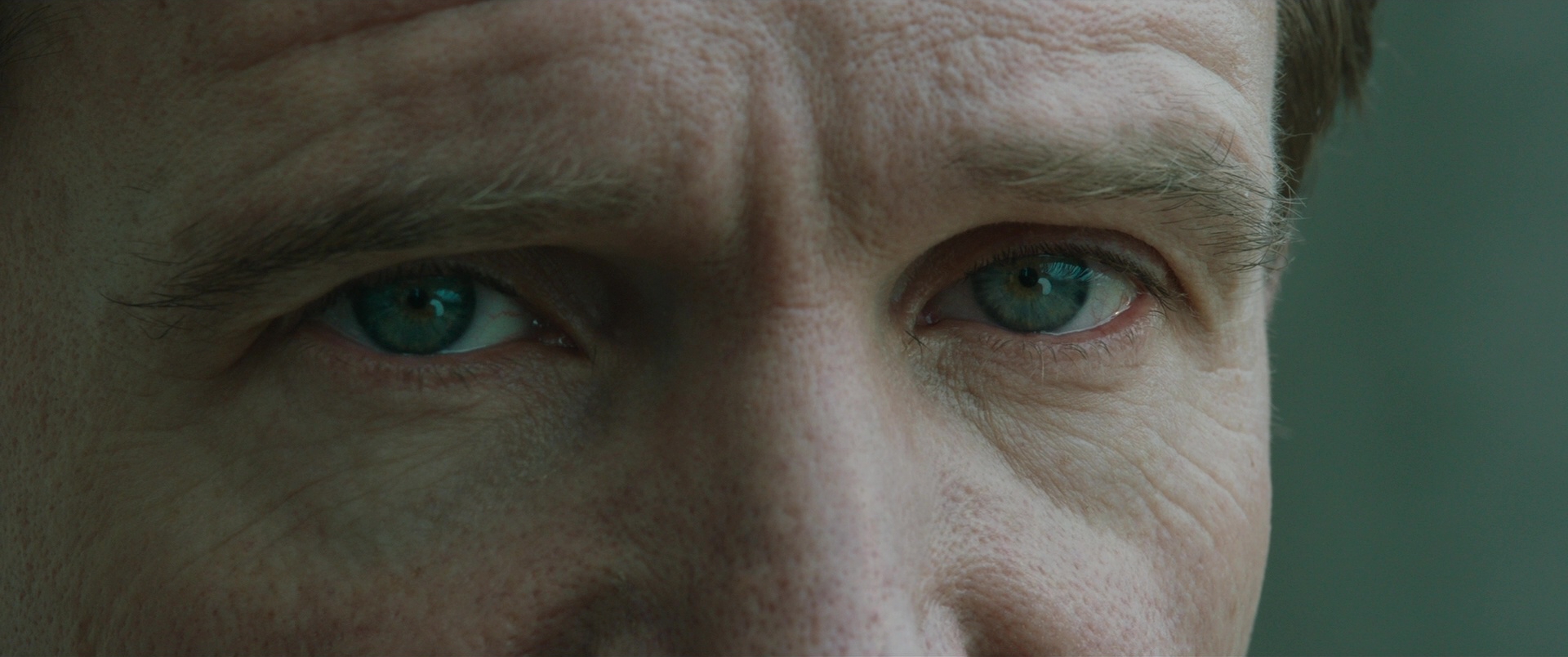
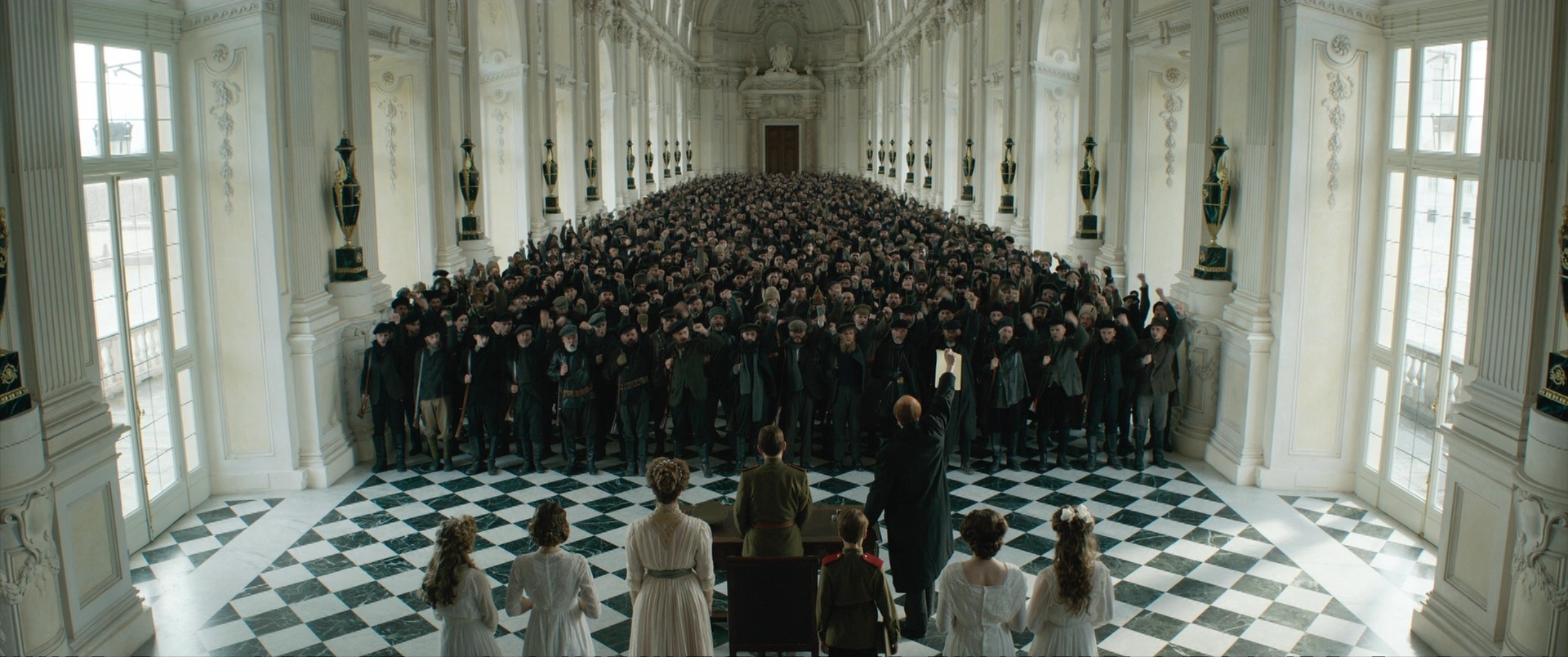
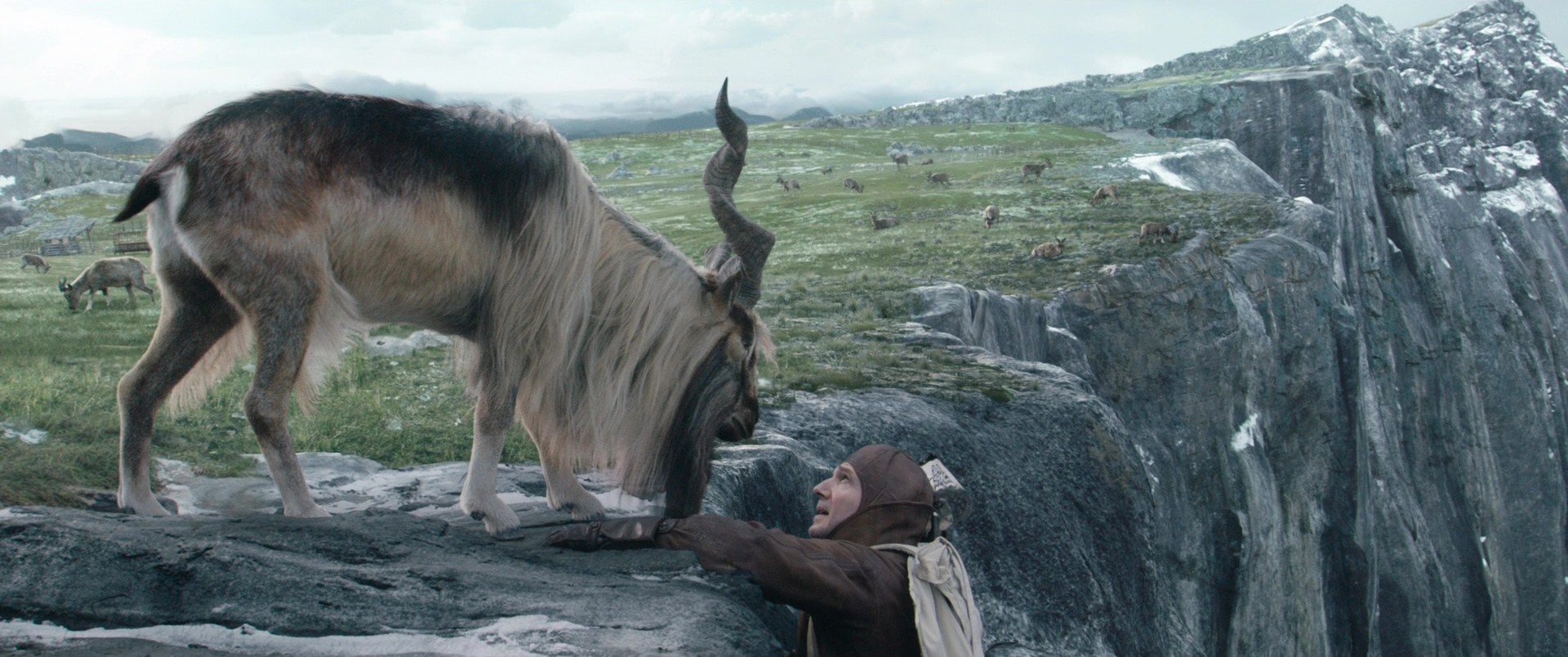
The King’s Man (2021)
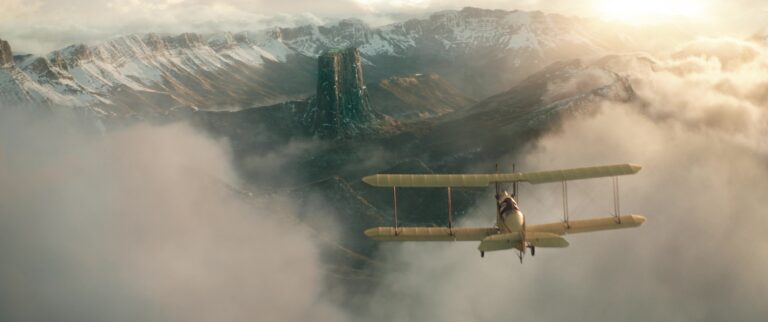
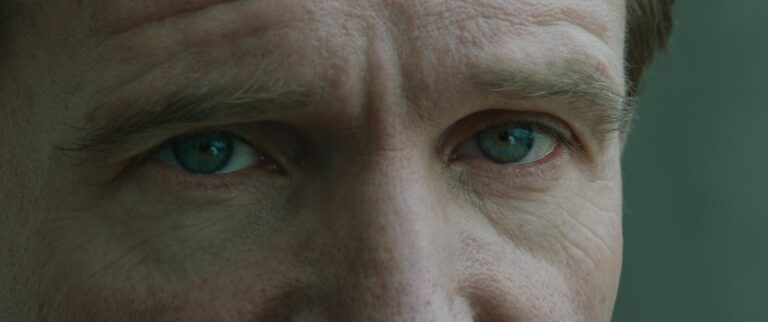
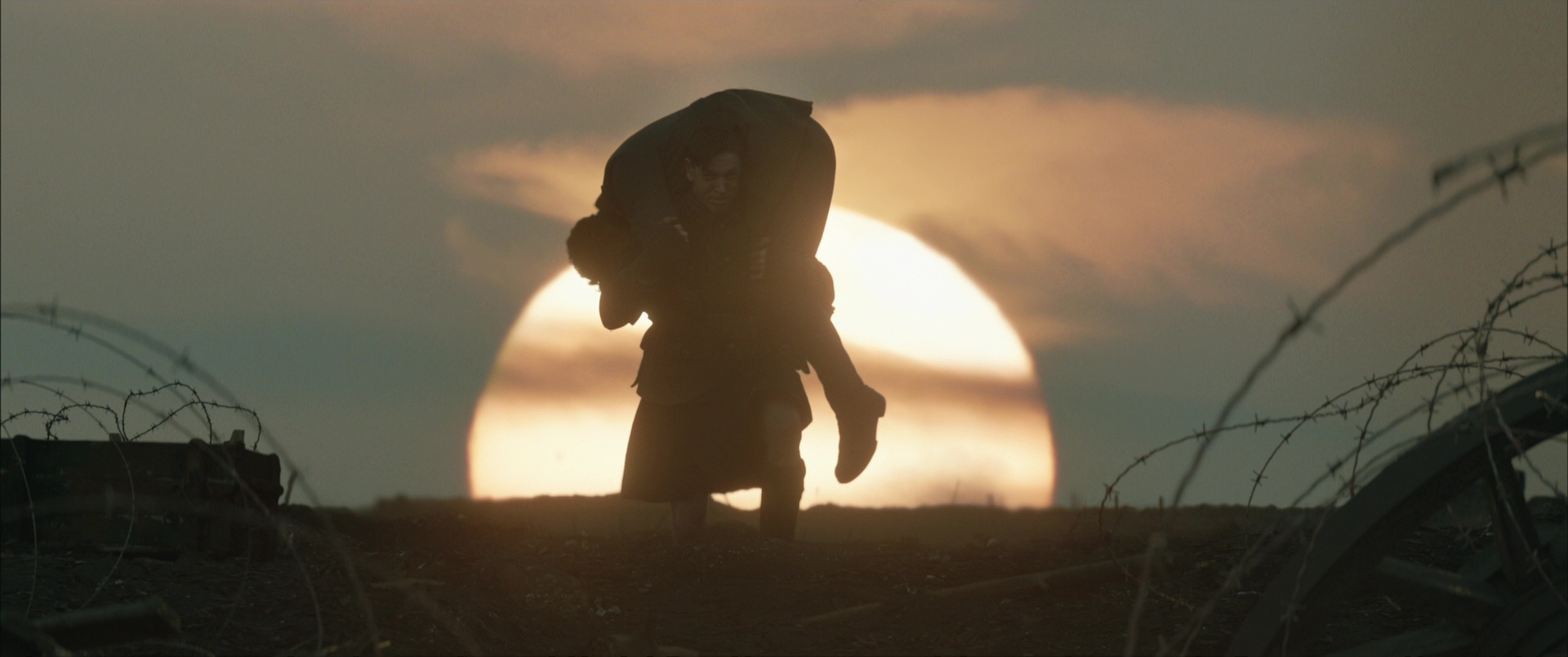
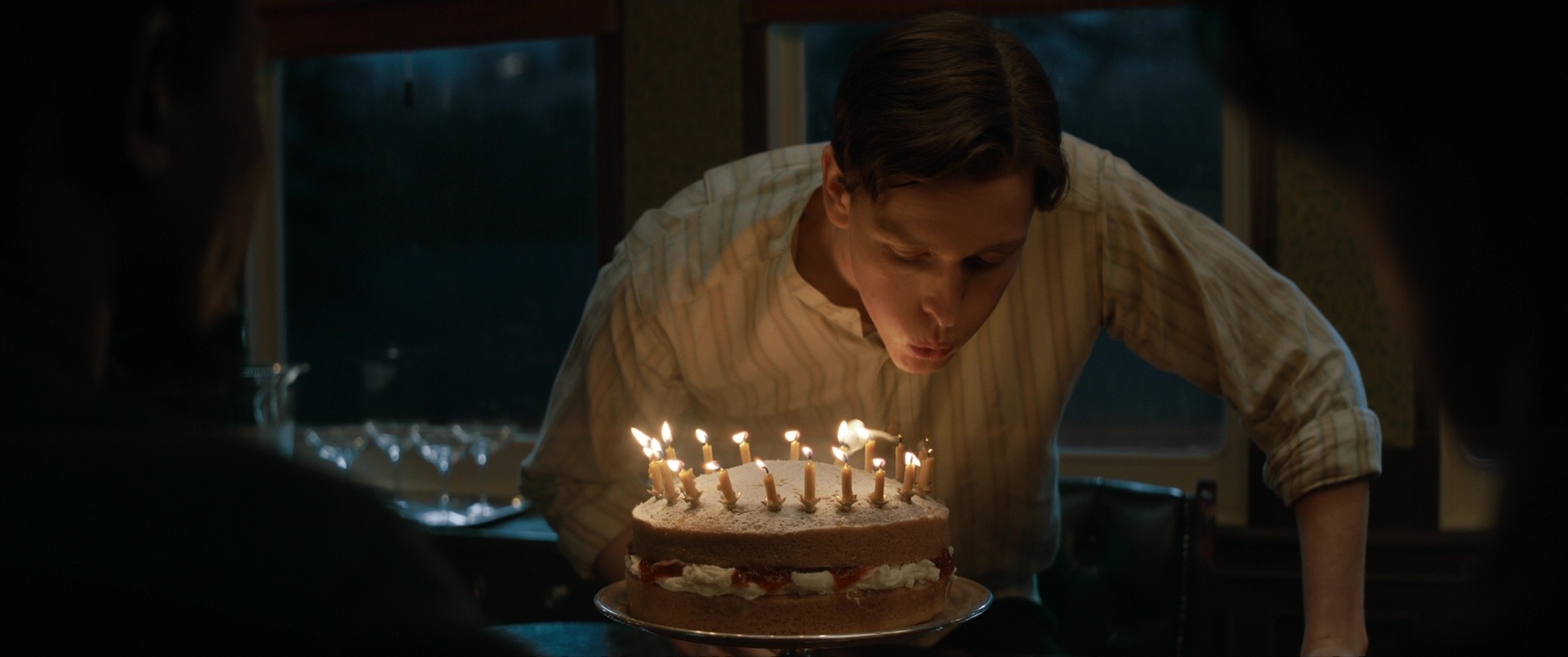
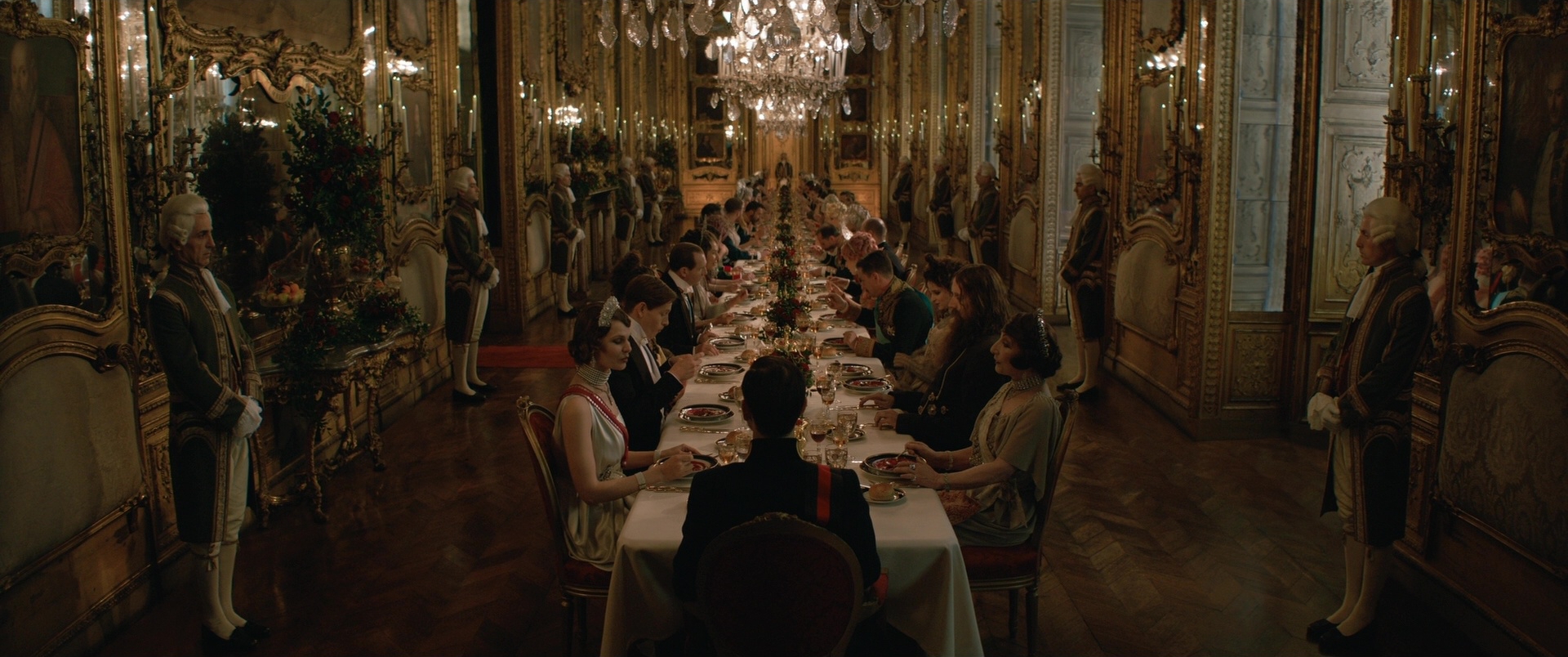
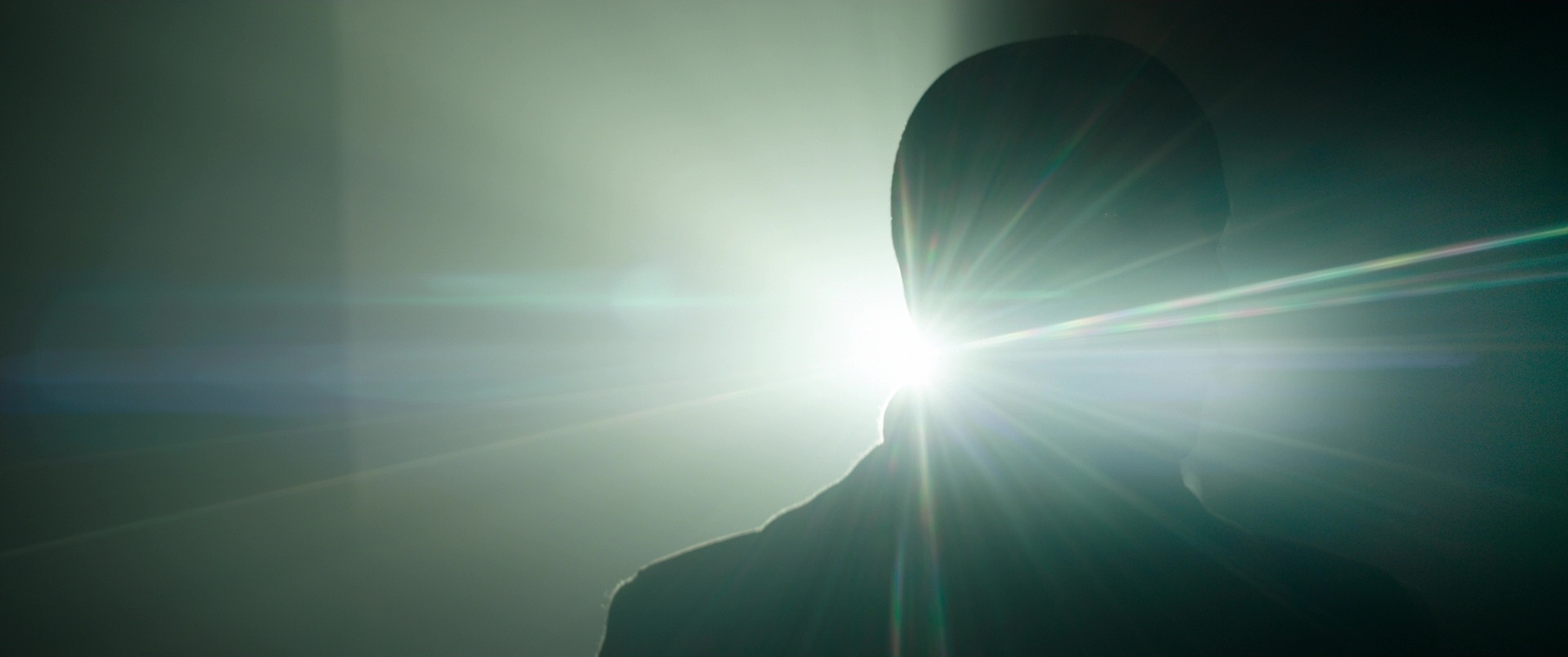
Set during the early 20th century, the film follows the origins of the Kingsman organization as a network of spies works to prevent a cabal of history’s worst tyrants from plunging the world into war. At its center is the Duke of Oxford, who must mentor his son through the realities of espionage and sacrifice. As global conflict looms, their mission becomes a race to stop a devastating conspiracy.
Vaughn and cinematographer Ben Davis shoot The King’s Man with a polished, stylized elegance, blending period detail with dynamic camera movement and choreographed action. The film’s sweeping wide shots and fluid “oners”—especially in its large-scale battle sequences—turn historical warfare into balletic spectacle, balancing classical composition with modern, kinetic energy.
FILM SPOTLIGHT
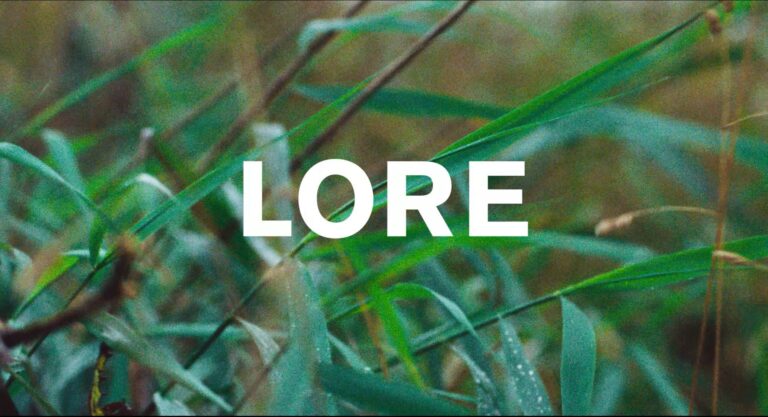
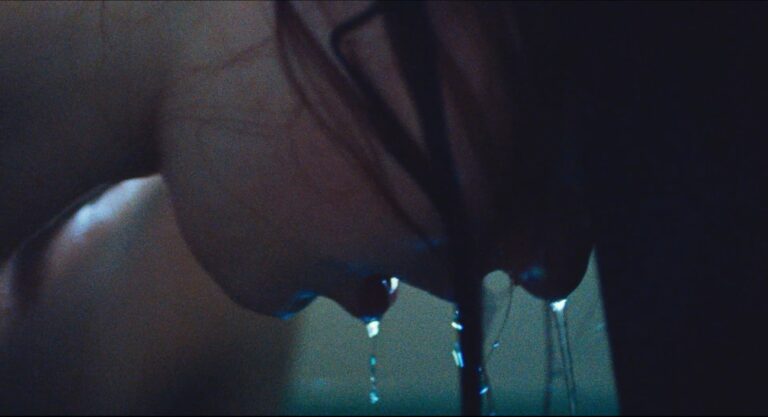
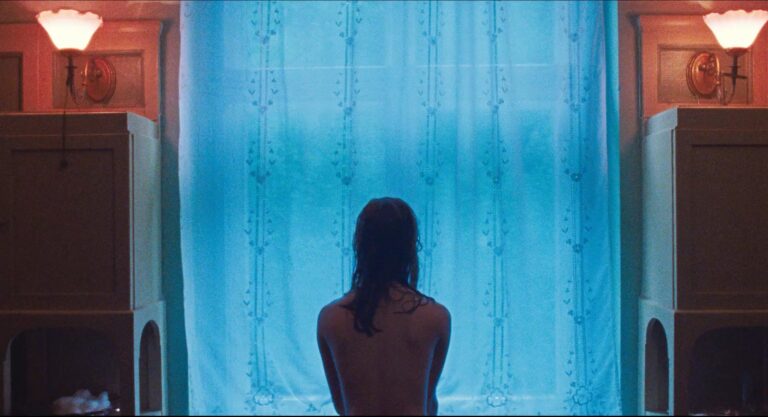
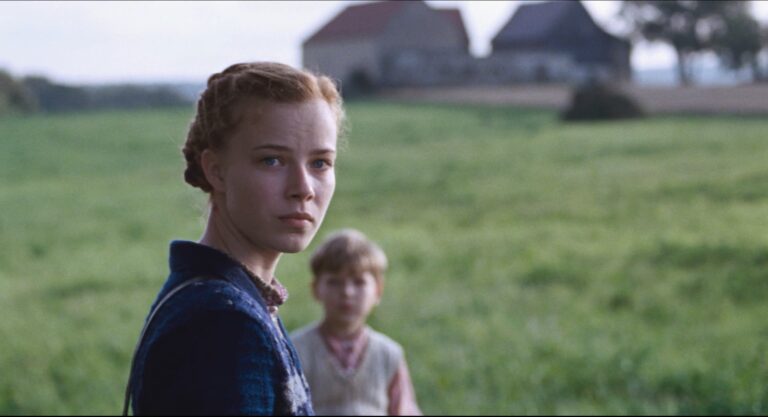
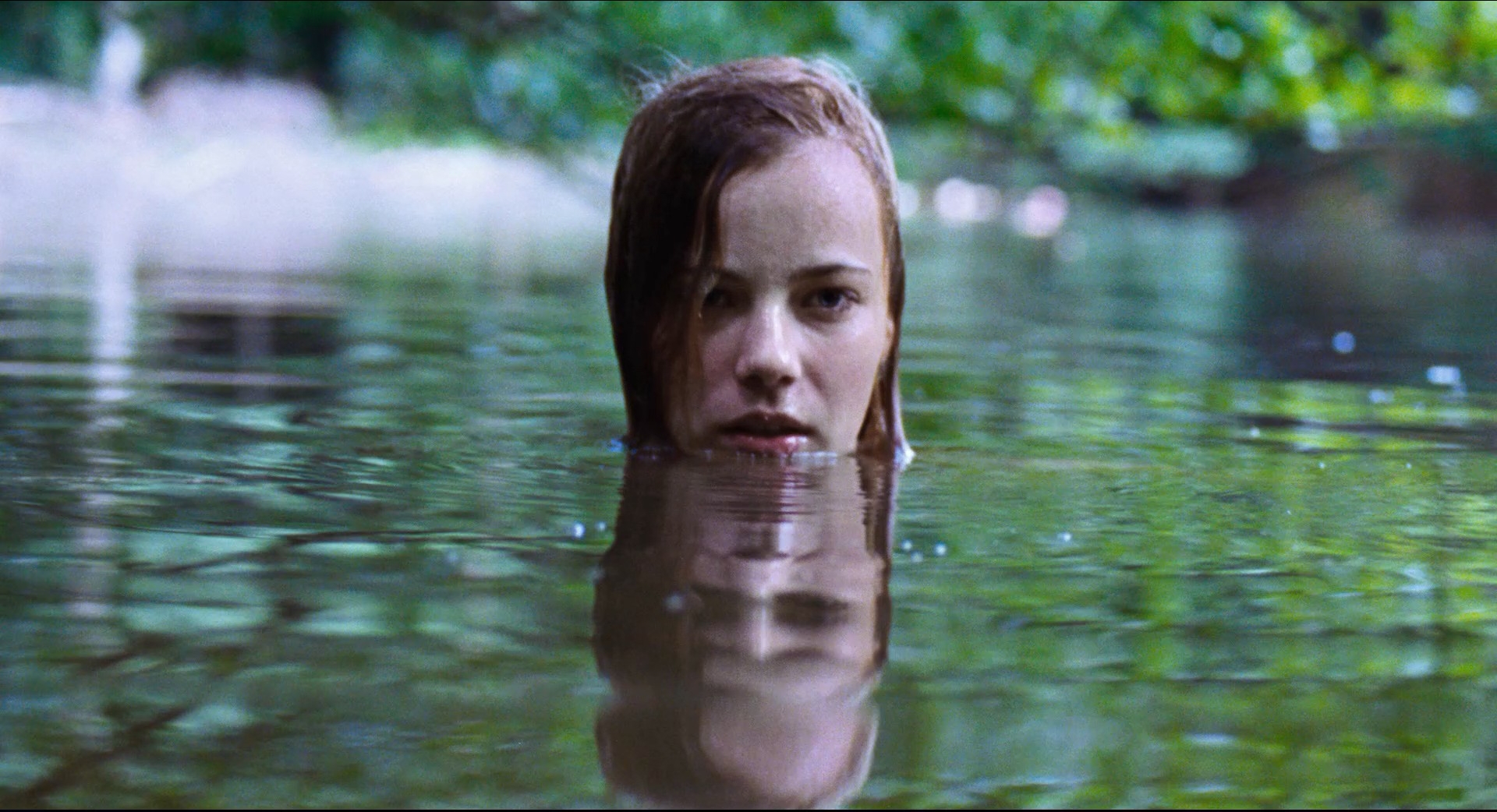
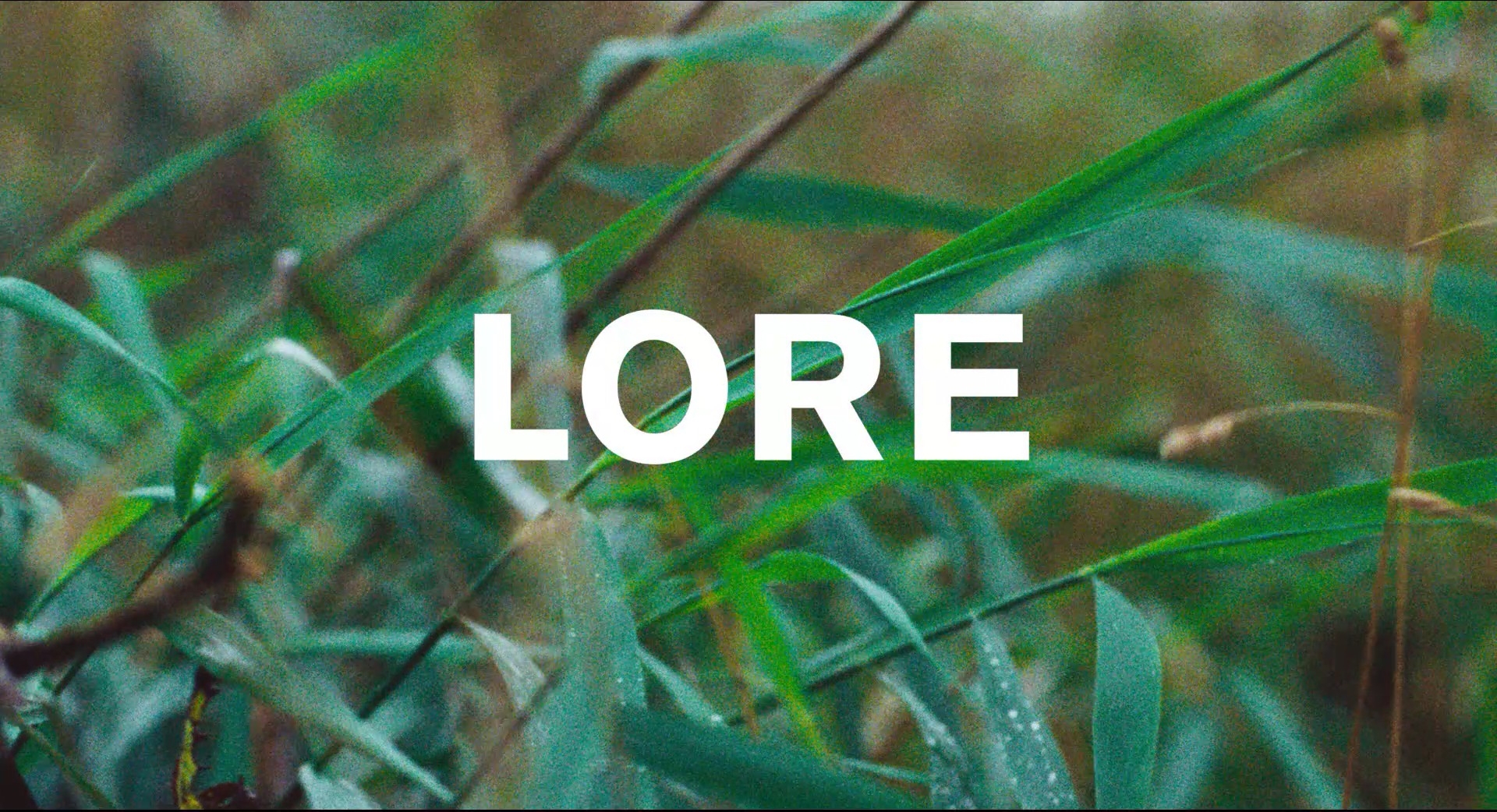
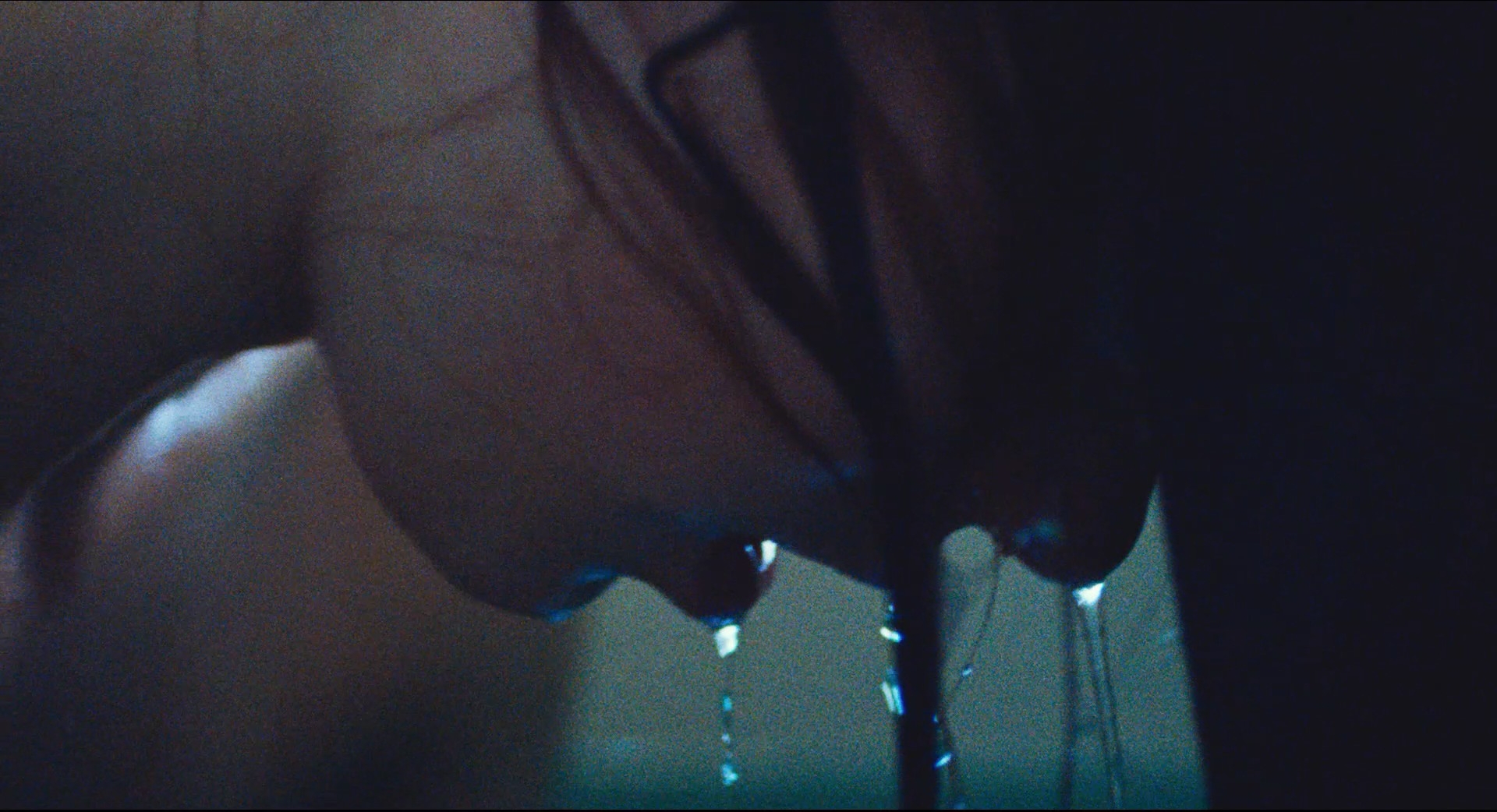
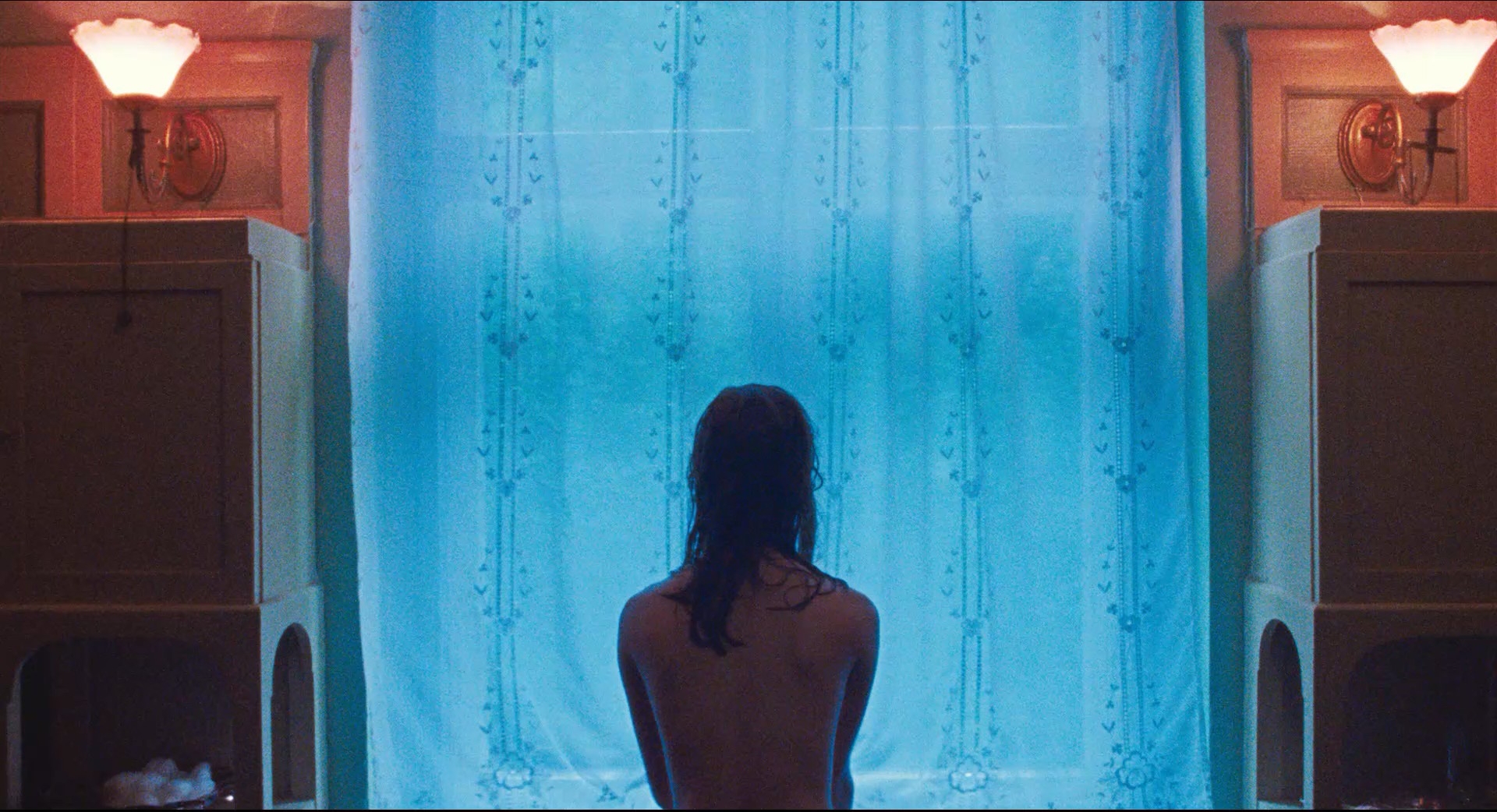
Lore (2012)
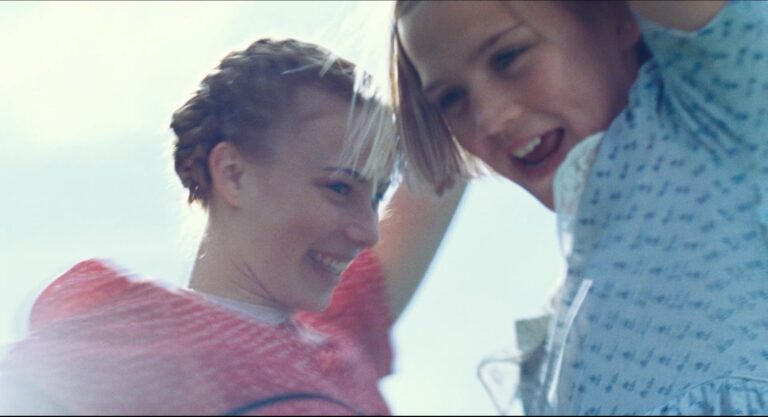
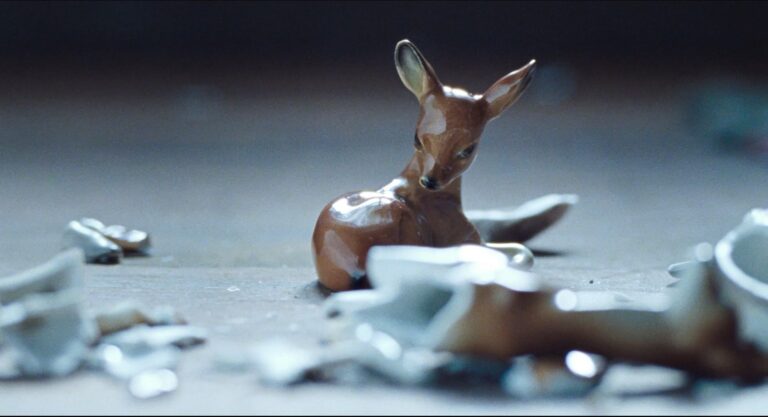
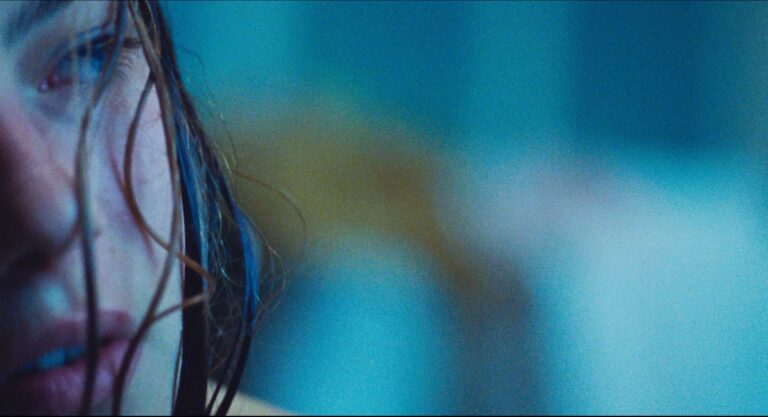
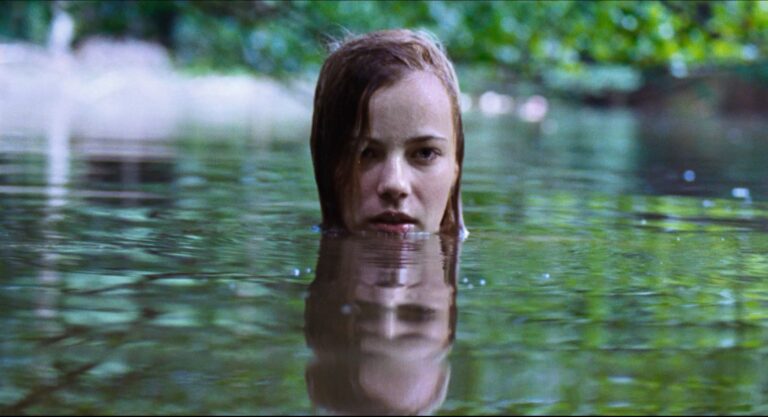
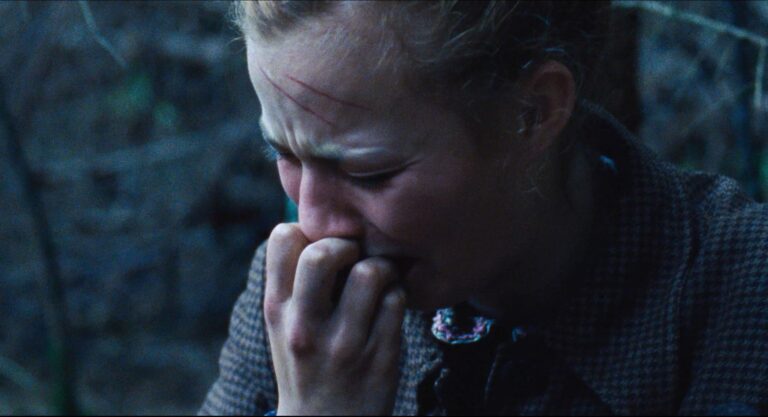
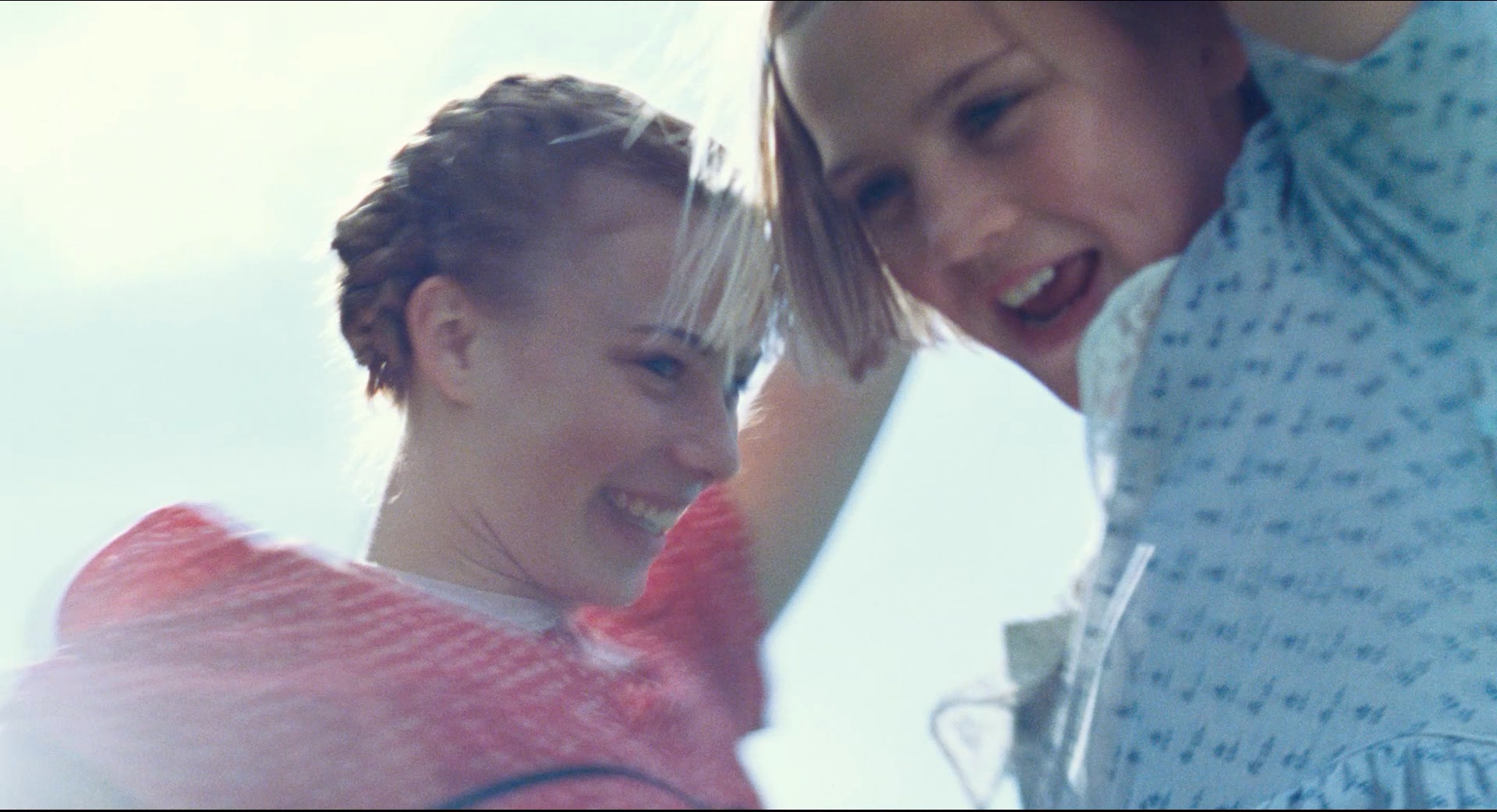
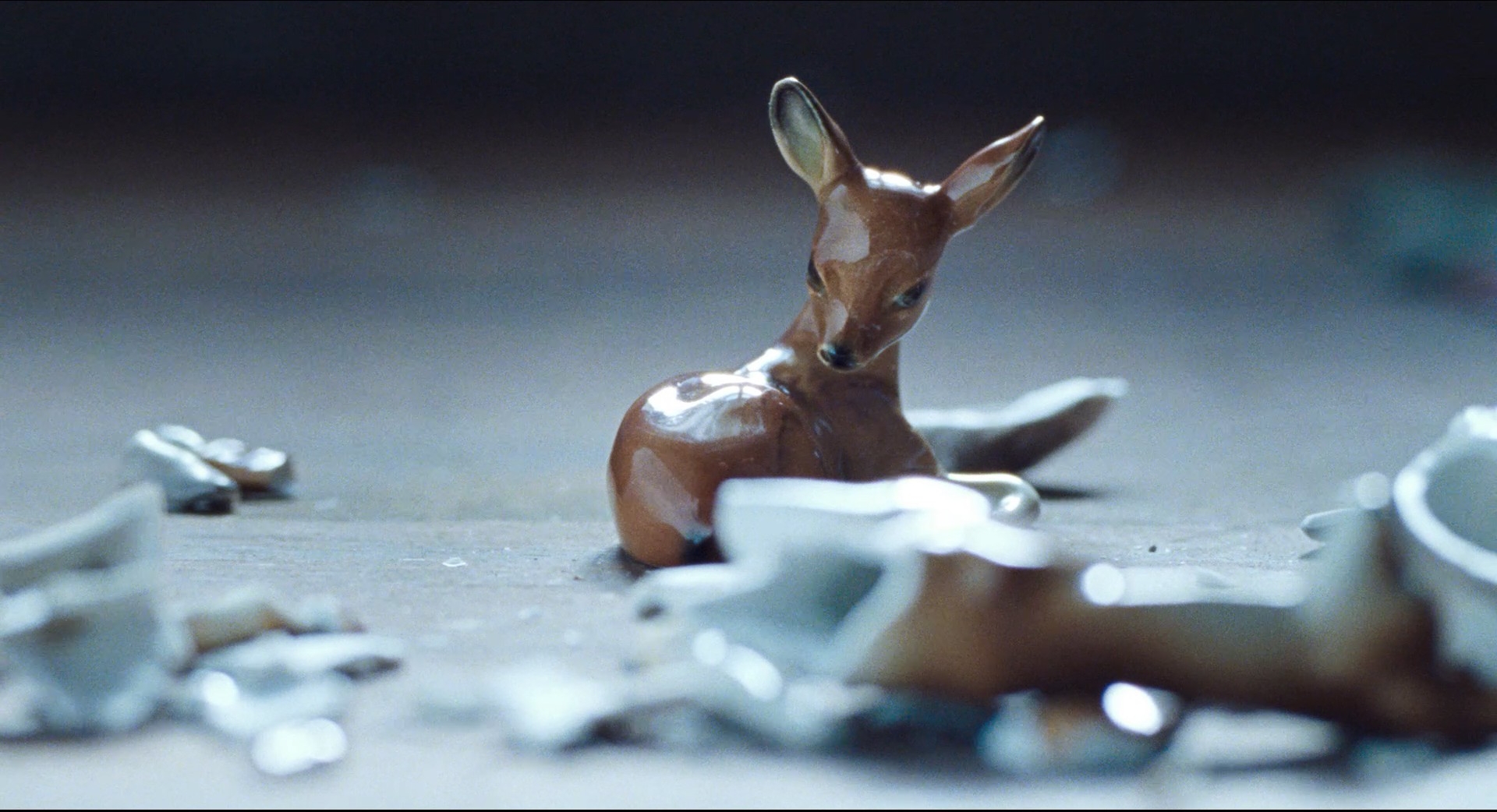
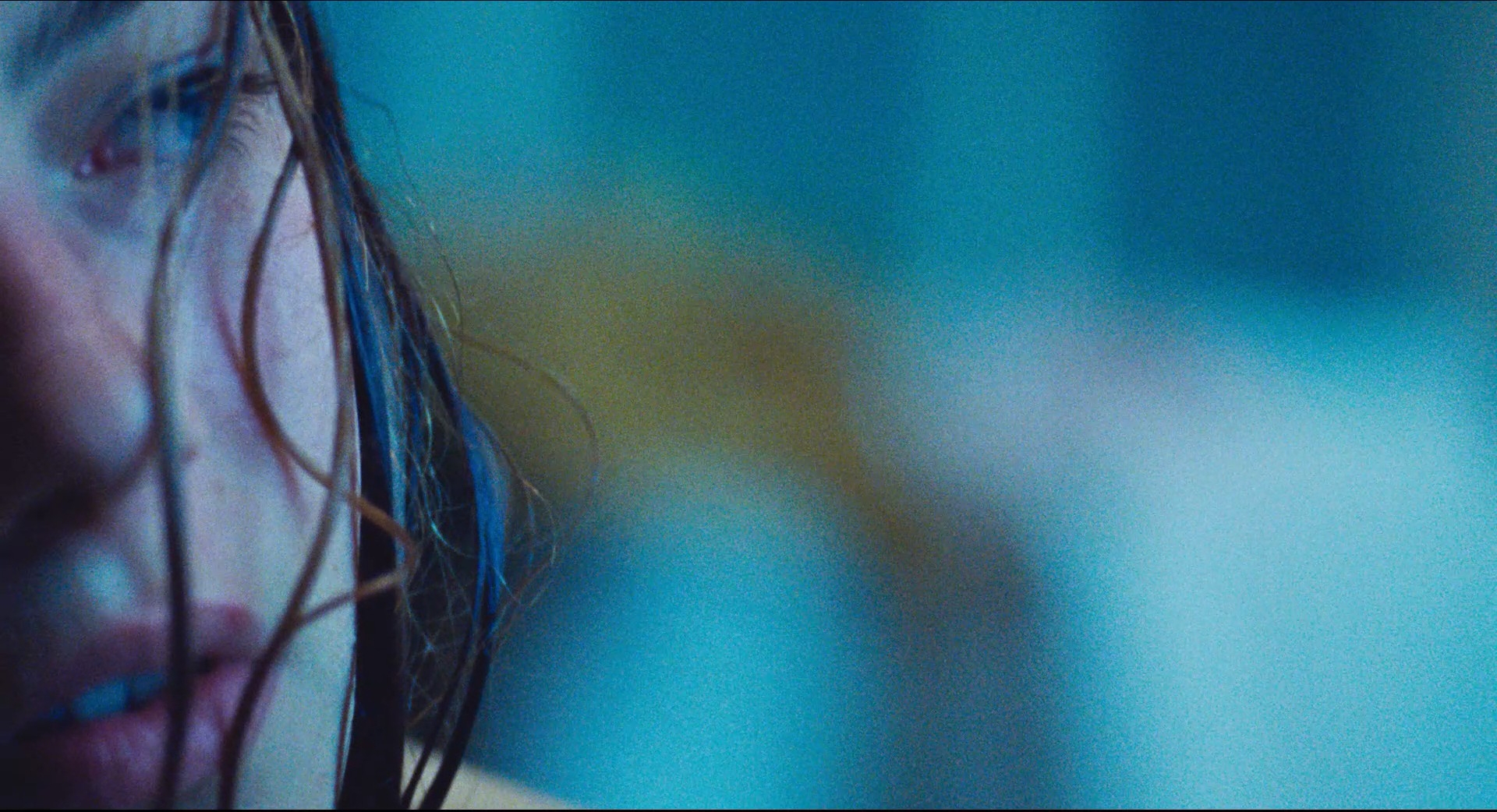
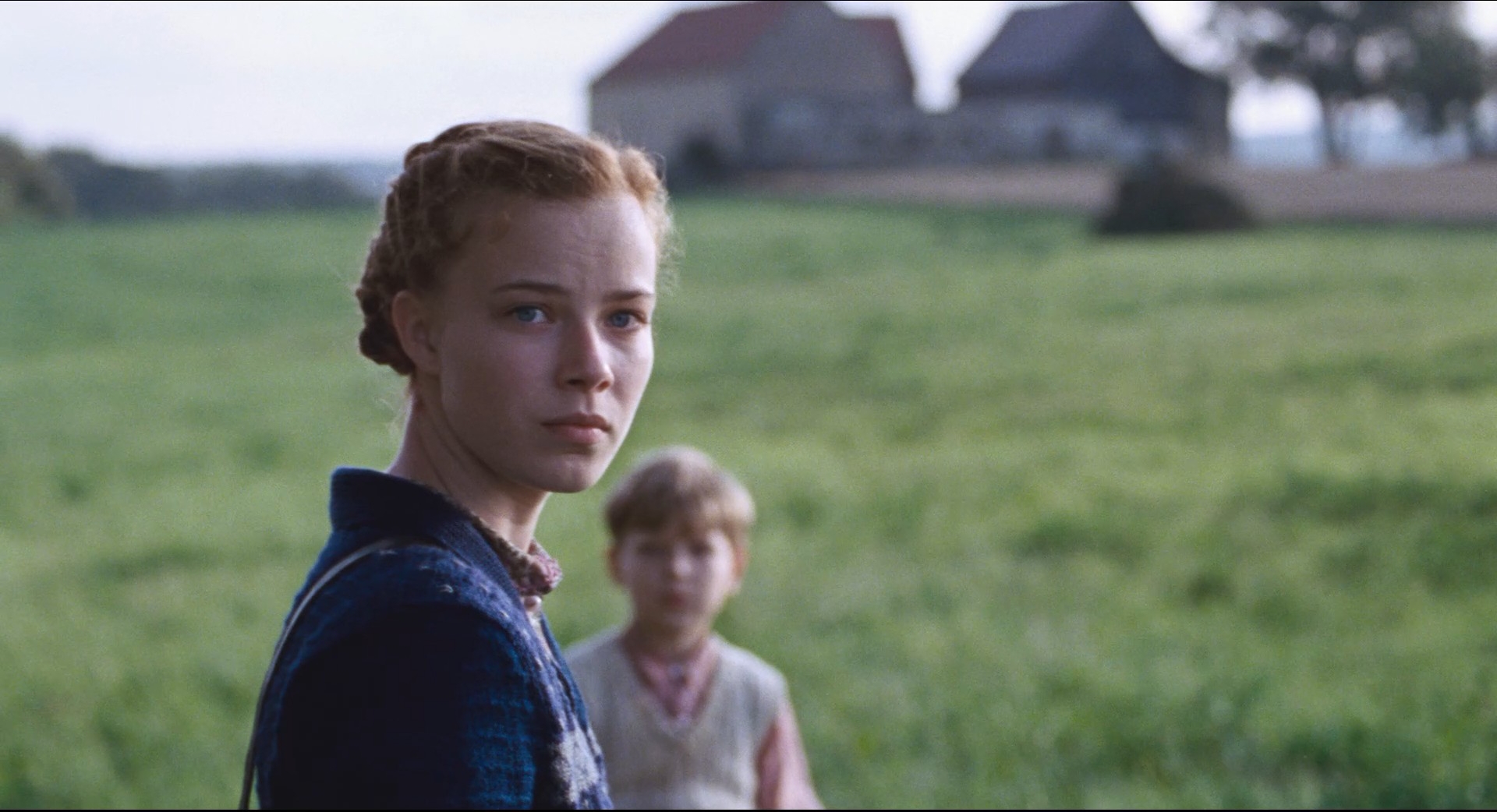
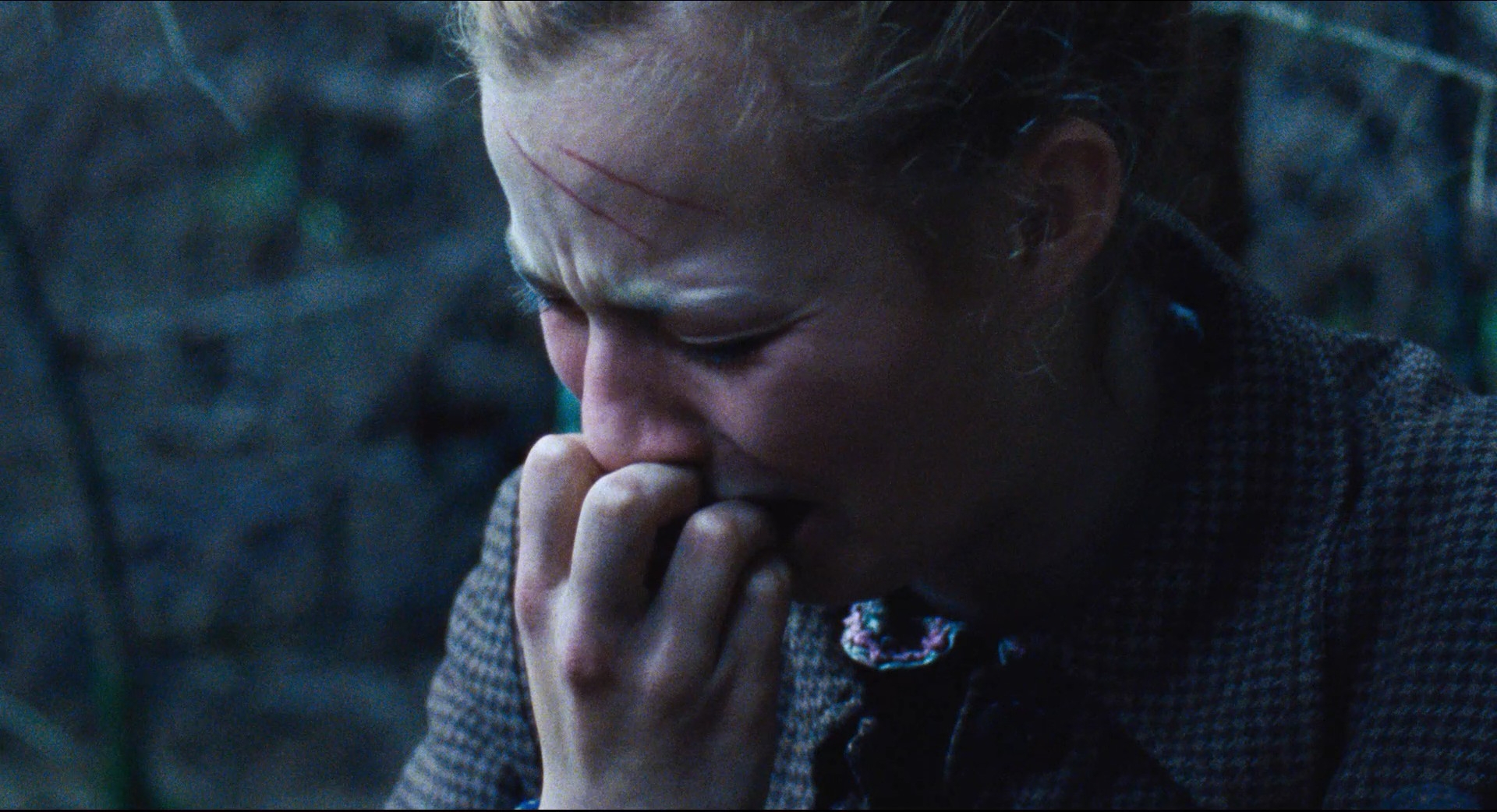
In the aftermath of World War II, five German siblings are left to fend for themselves after their Nazi parents are captured by Allied forces. Led by the eldest, Lore, they embark on a dangerous journey across a devastated landscape, forced to confront the collapse of everything they’ve been taught to believe. Along the way, their survival depends on an unlikely alliance that challenges Lore’s worldview and sense of identity.
Shortland and cinematographer Adam Arkapaw shot Lore with a tactile, immersive naturalism, using handheld camerawork and shallow depth-of-field to stay closely tethered to the children’s perspective. The film’s soft, desaturated palette and reliance on natural light create a raw, sensory experience—where texture, proximity, and environment pull the viewer directly into the uncertainty of their journey.
FILM SPOTLIGHT
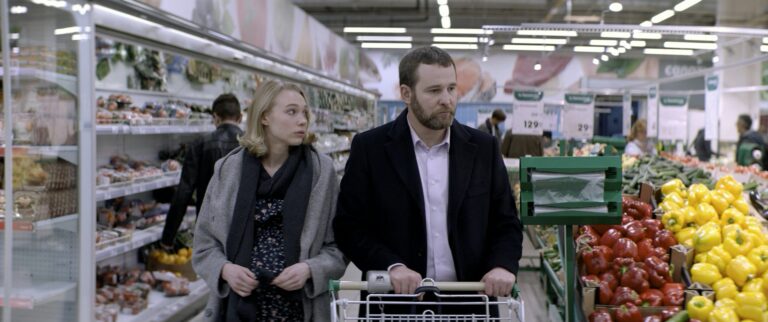
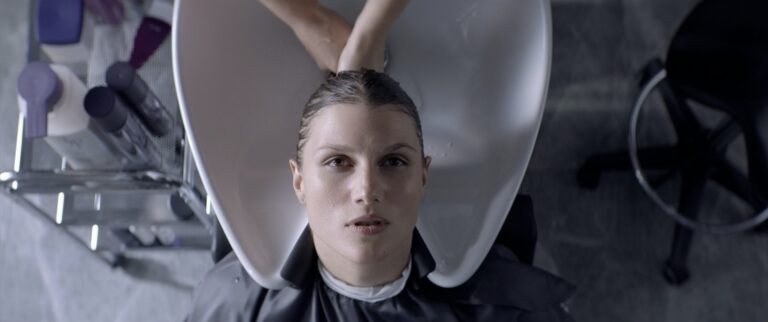
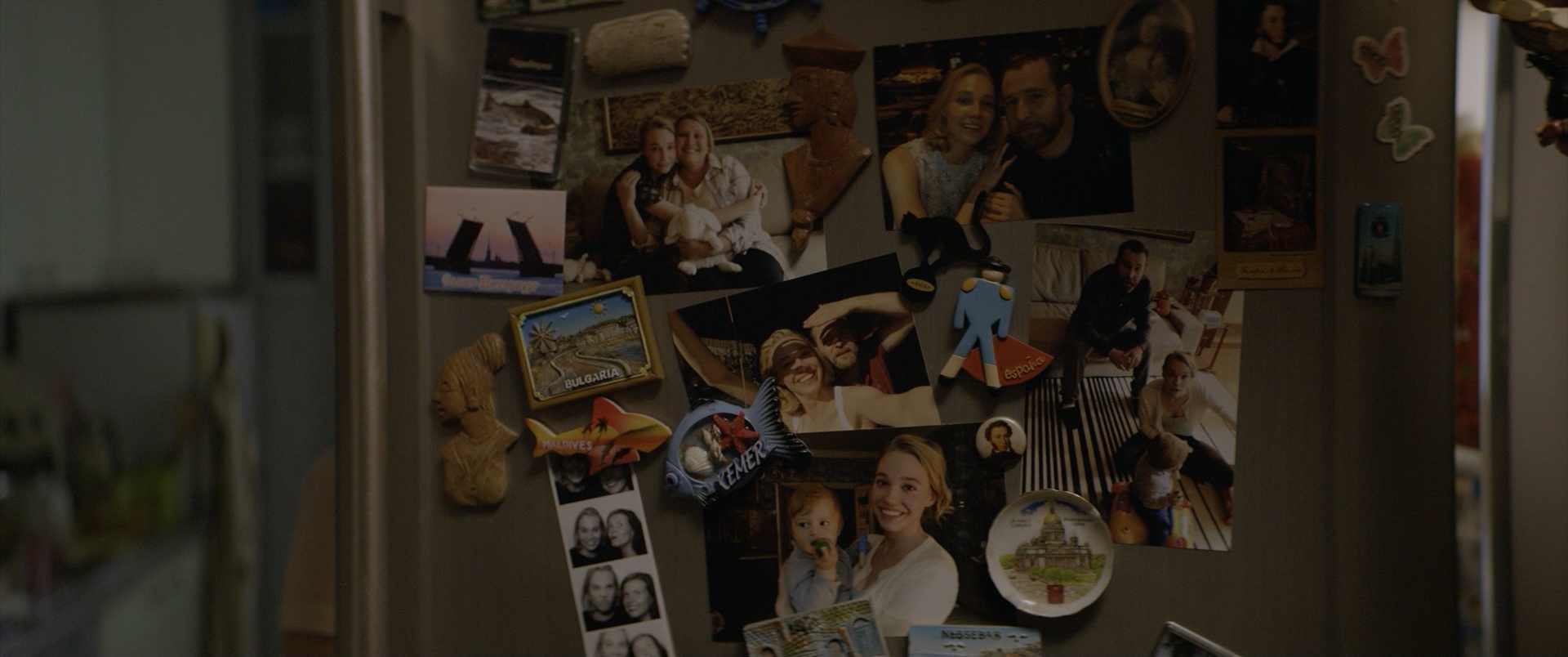
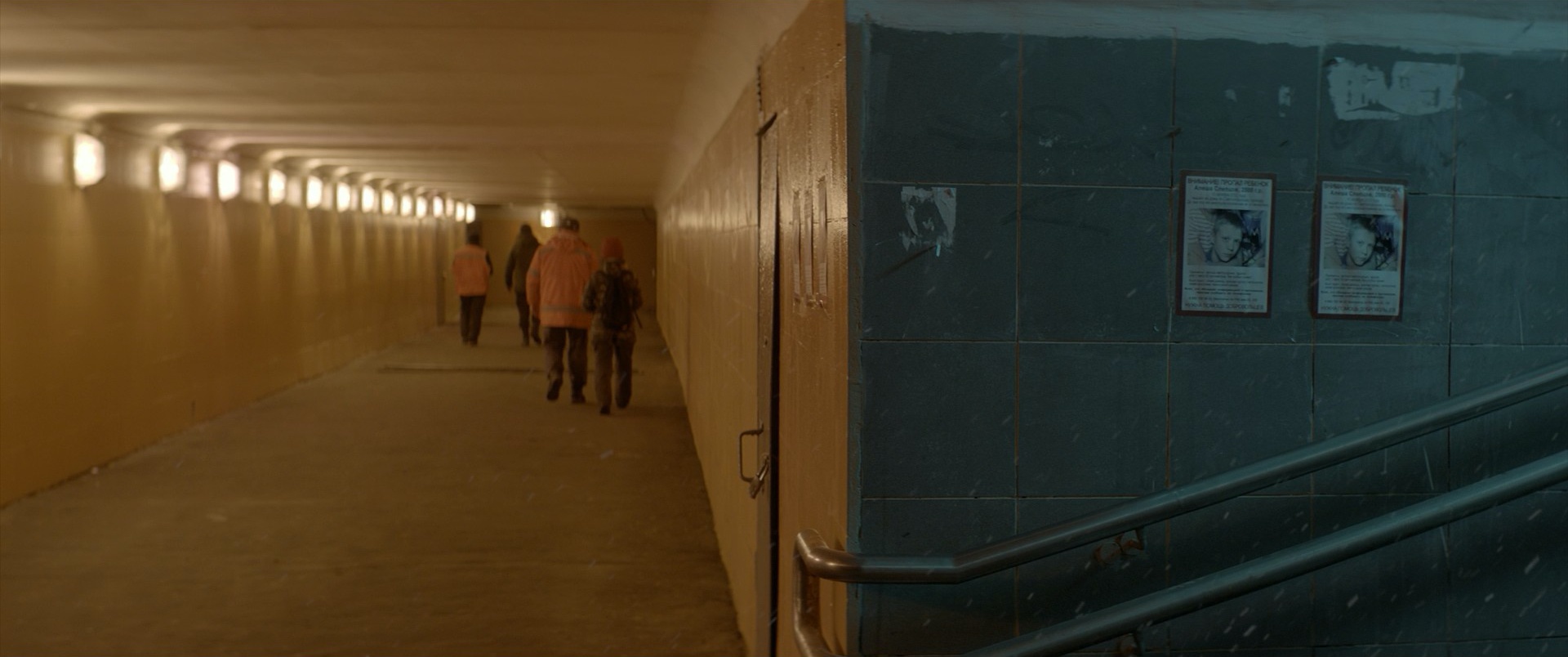
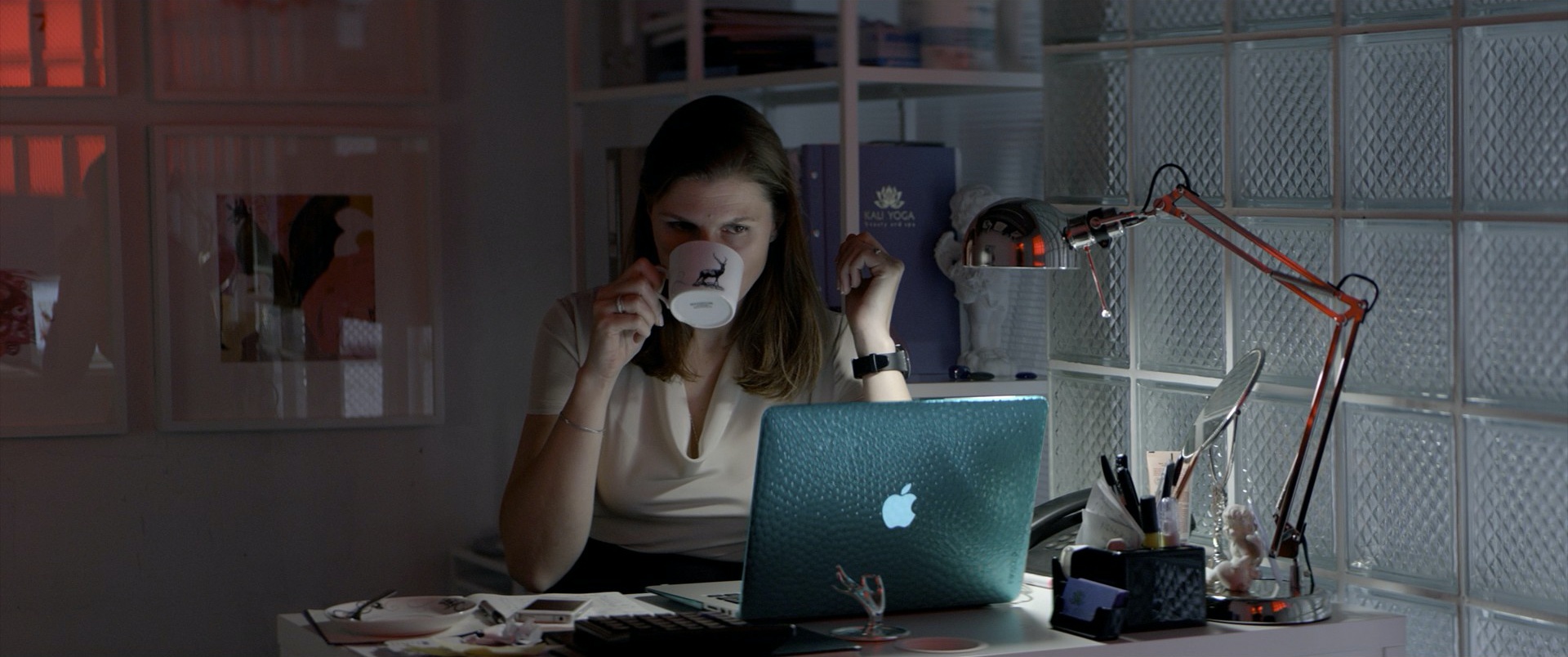
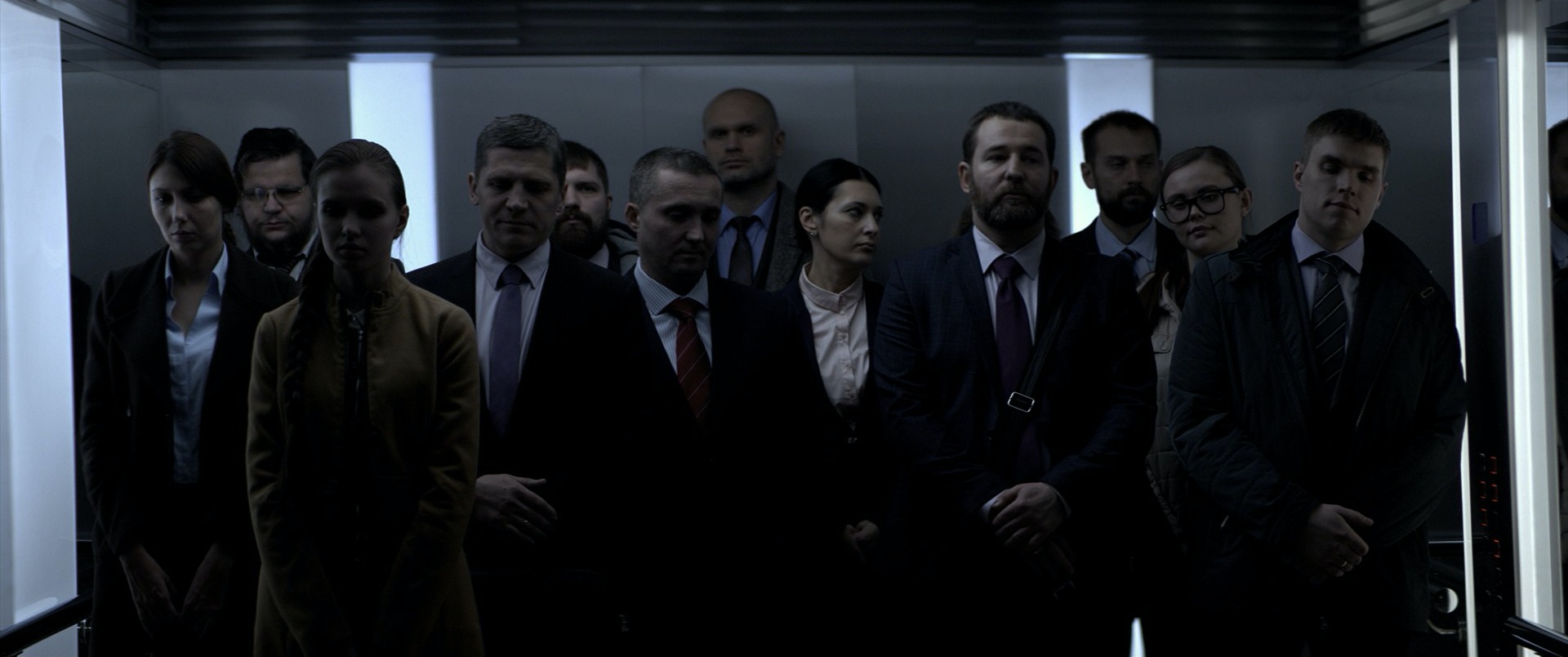
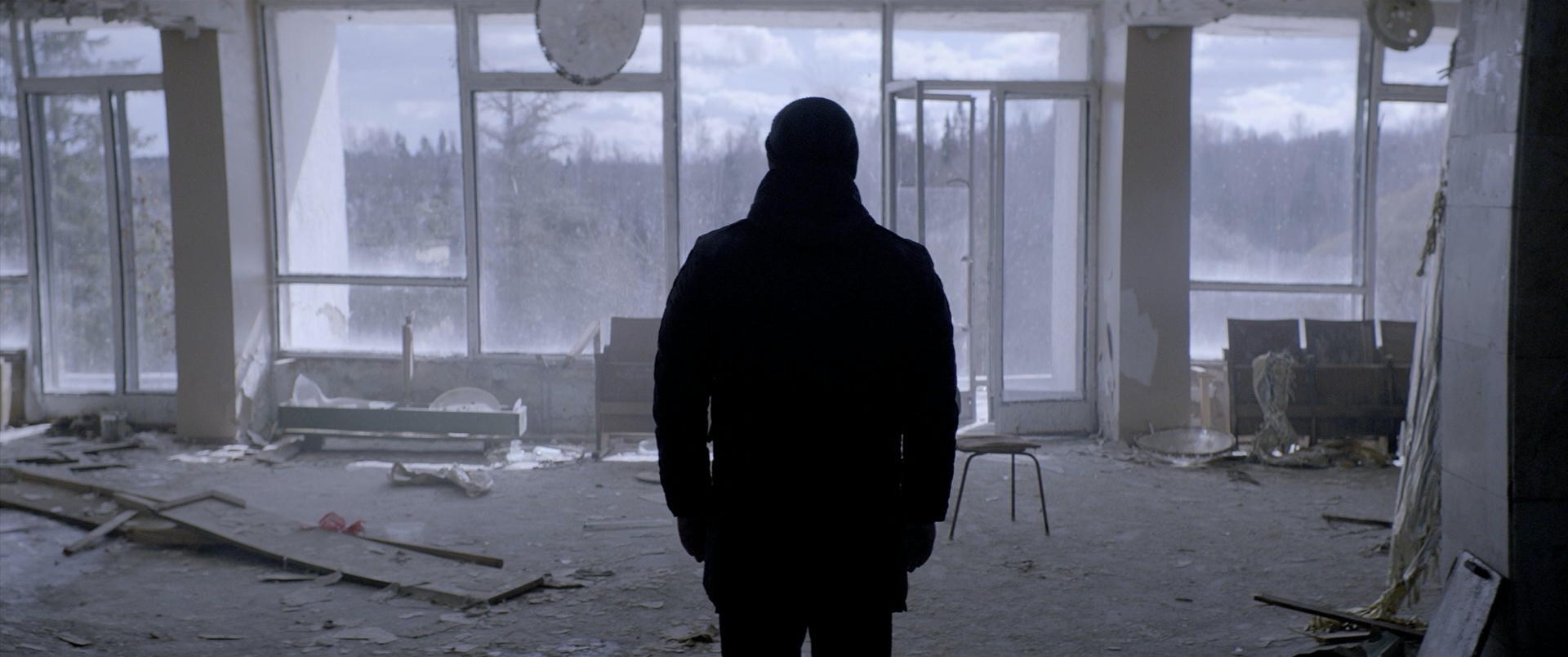
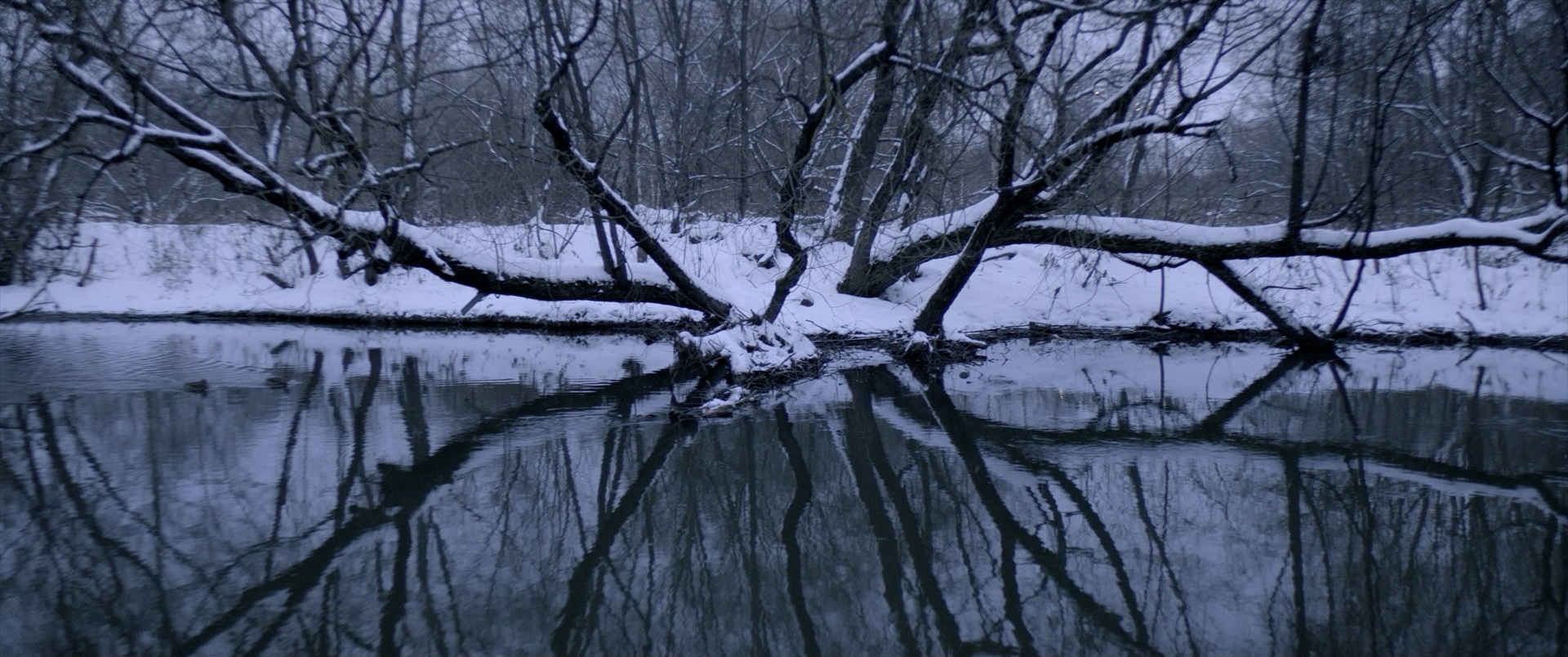
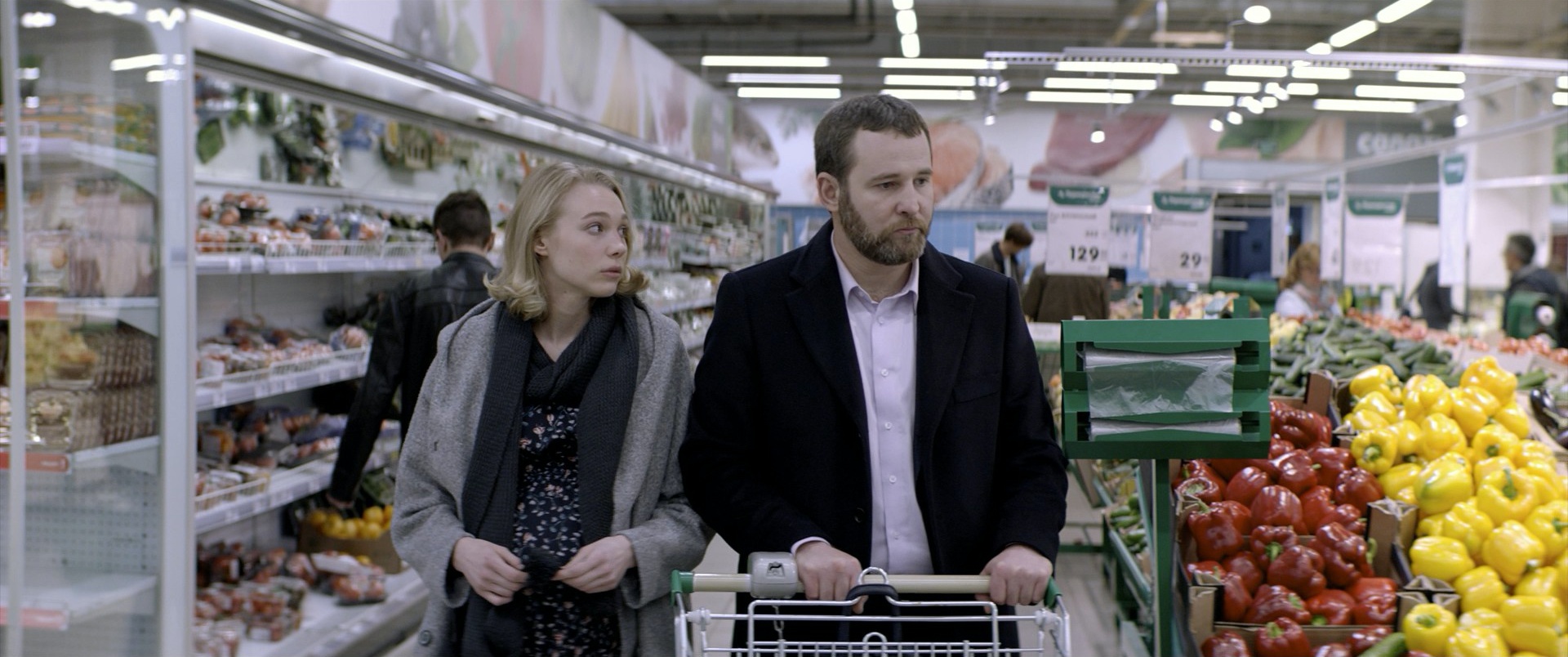
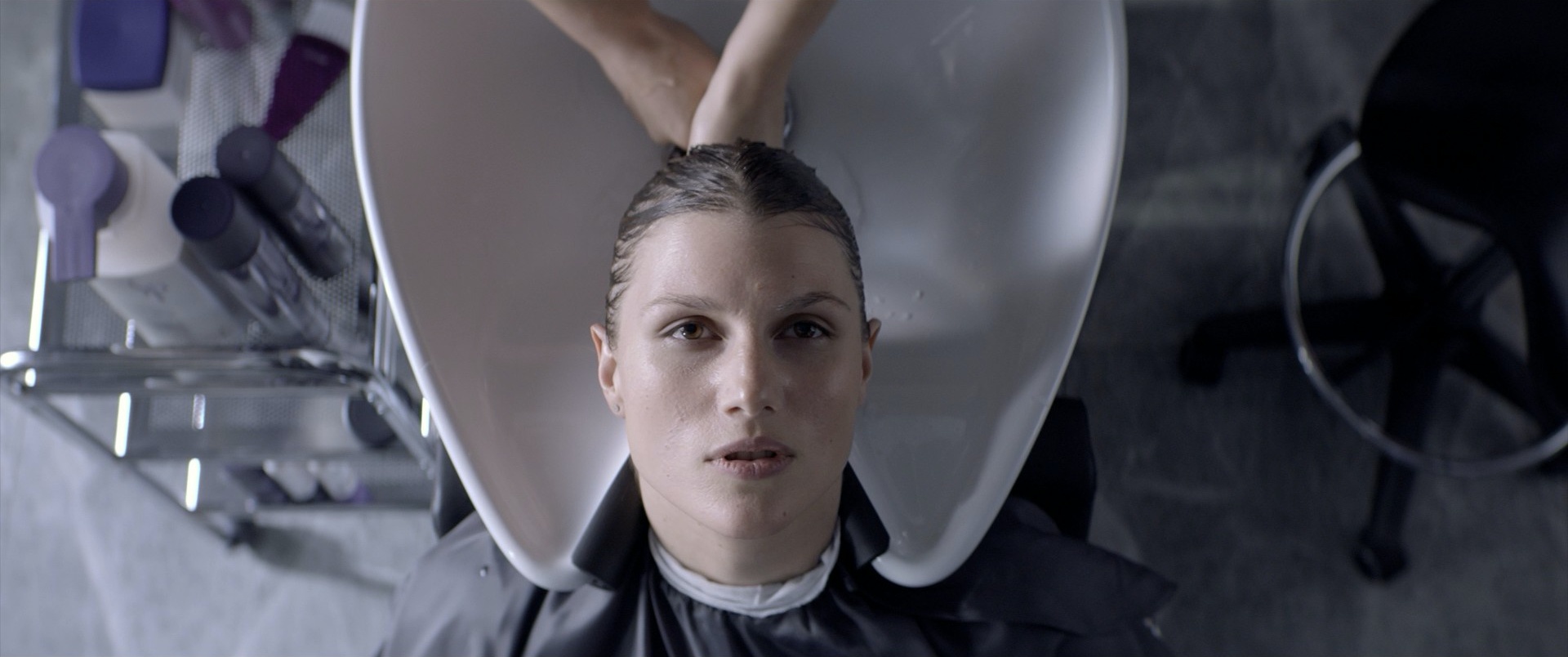
Loveless (2017)
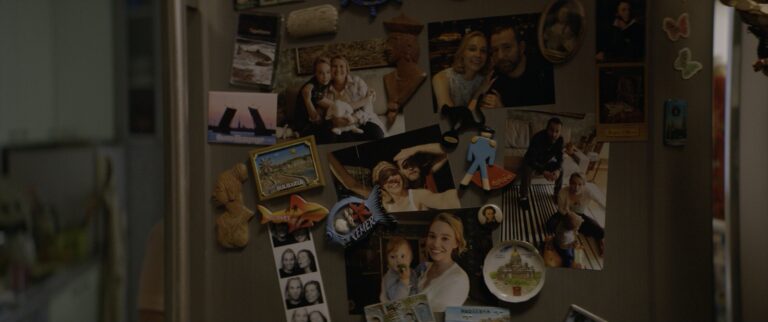
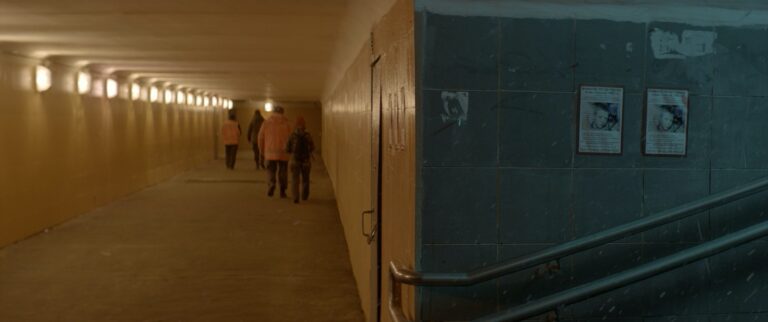
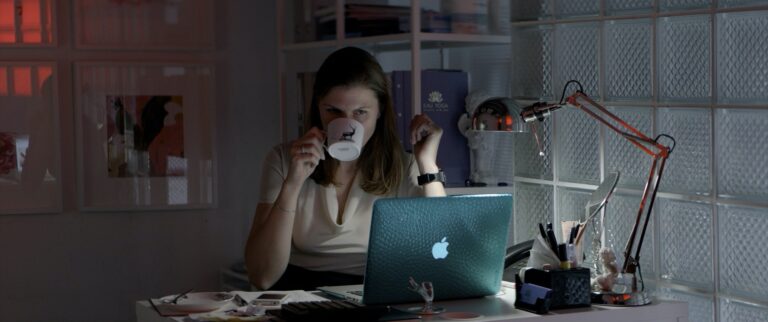
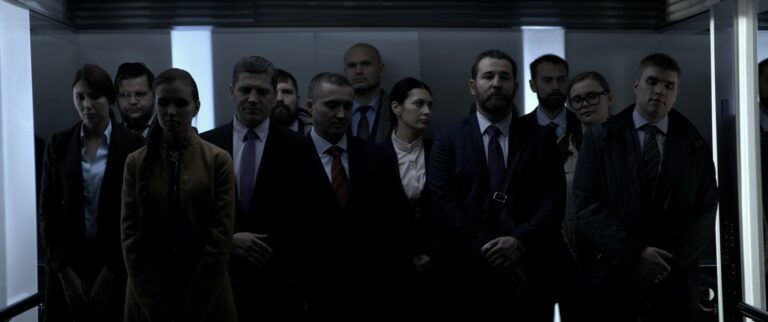
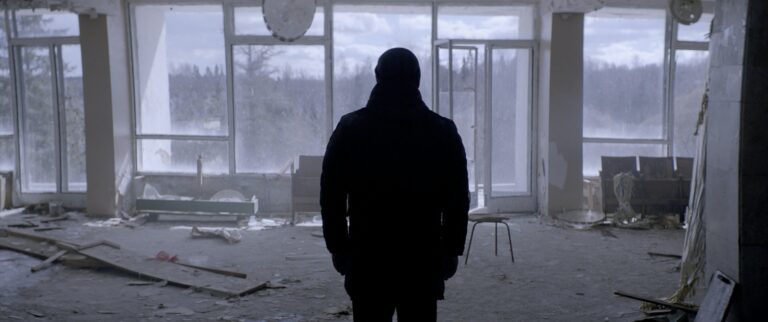
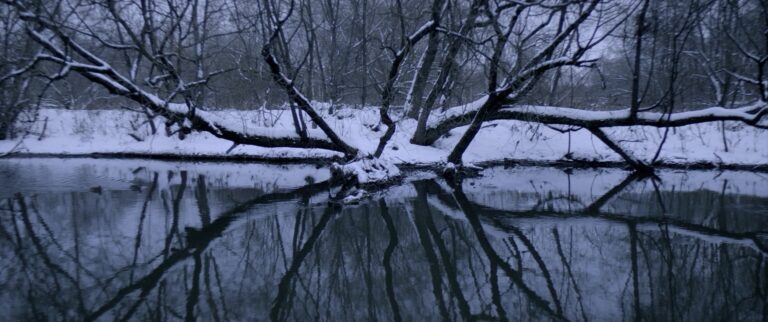
In contemporary Moscow, a couple locked in a bitter divorce find their young son has disappeared after overhearing one of their arguments. As search efforts intensify, their emotional detachment and selfishness come into stark relief. The investigation becomes less about resolution and more a portrait of fractured relationships and a society marked by indifference.
Zvyagintsev and cinematographer Mikhail Krichman compose Loveless with cold precision, using wide frames, muted winter palettes, and slow, deliberate camera movement to emphasize emotional distance. The film’s stark interiors and barren exteriors mirror each other—turning space into a reflection of absence, where characters feel dwarfed by an environment as indifferent as they are.


FILM SPOTLIGHT
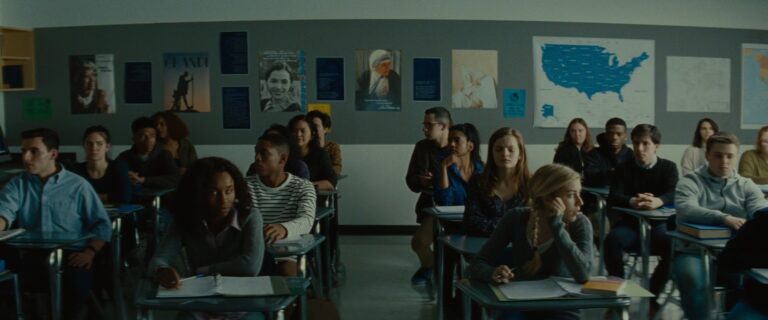
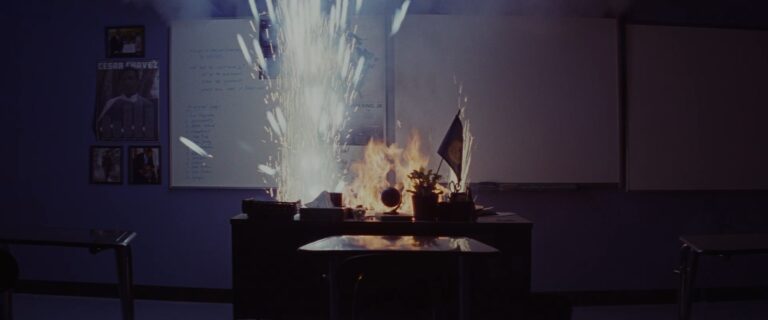
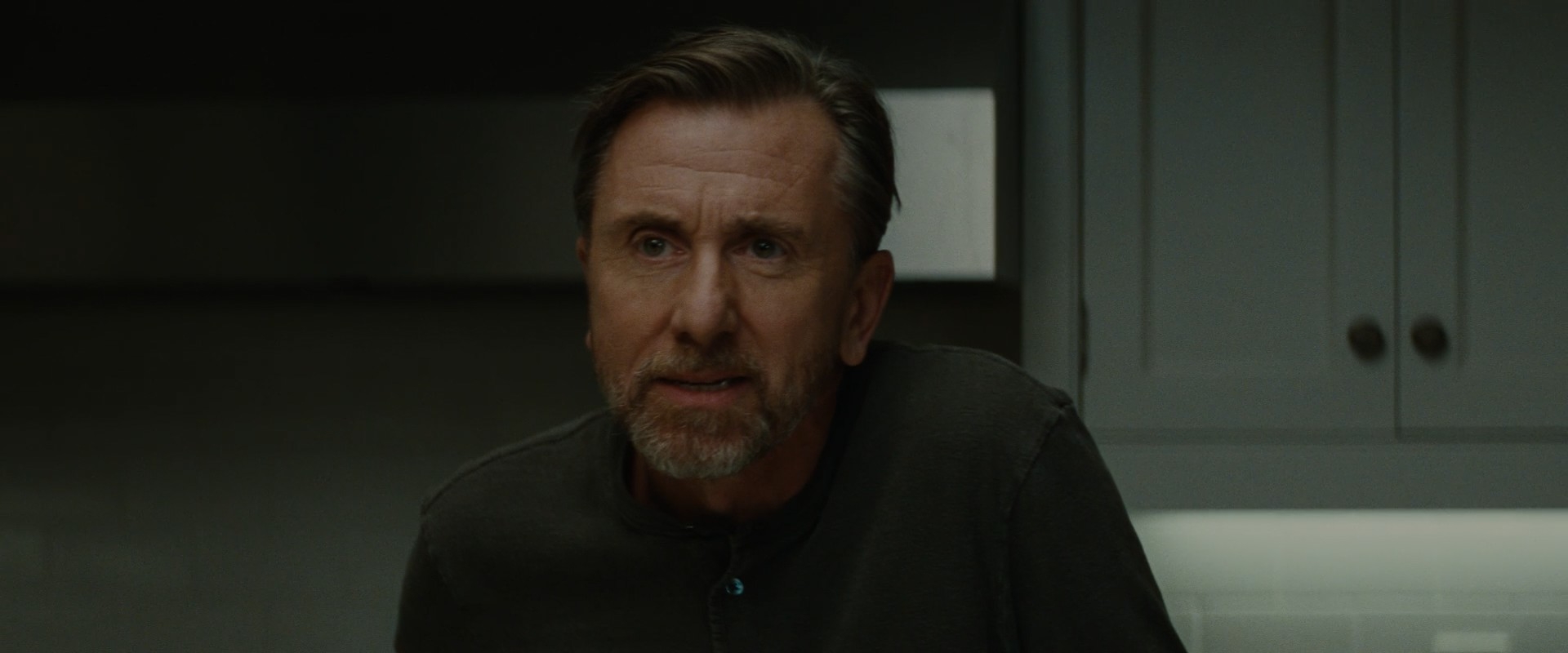
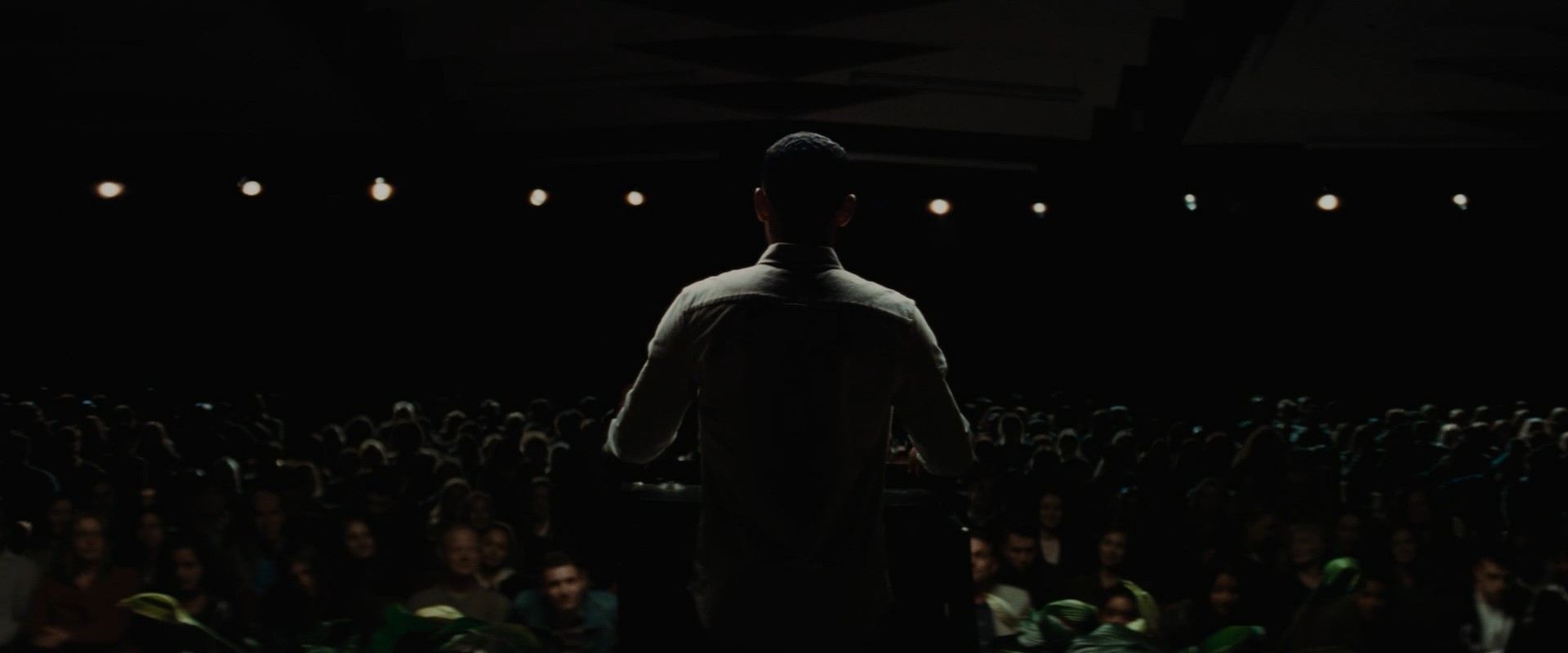
Luce (2019)
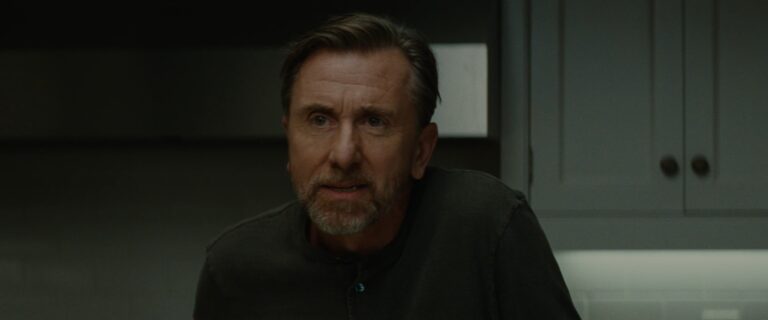
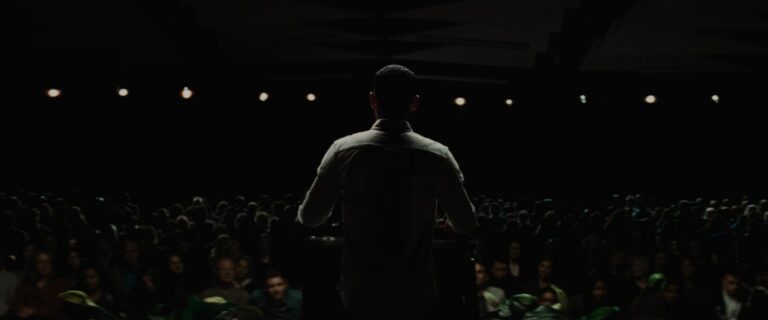
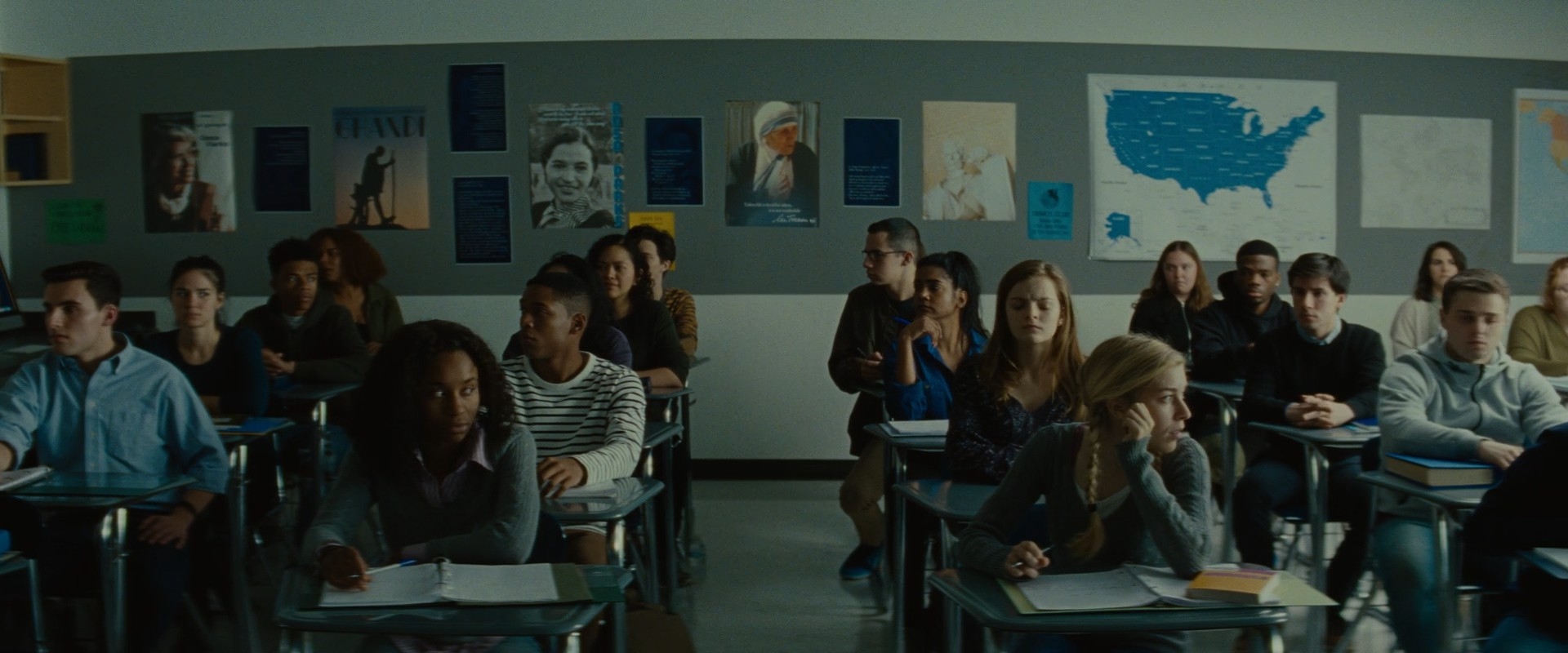
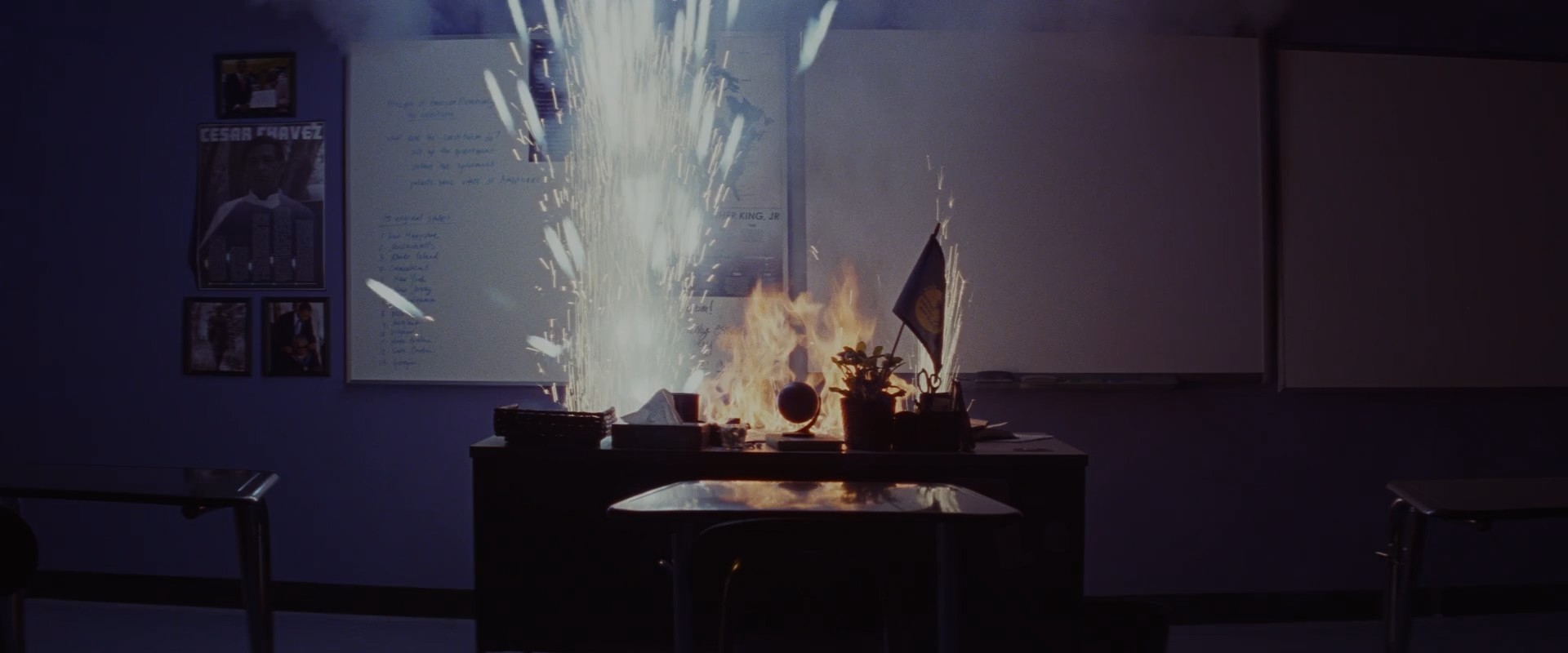
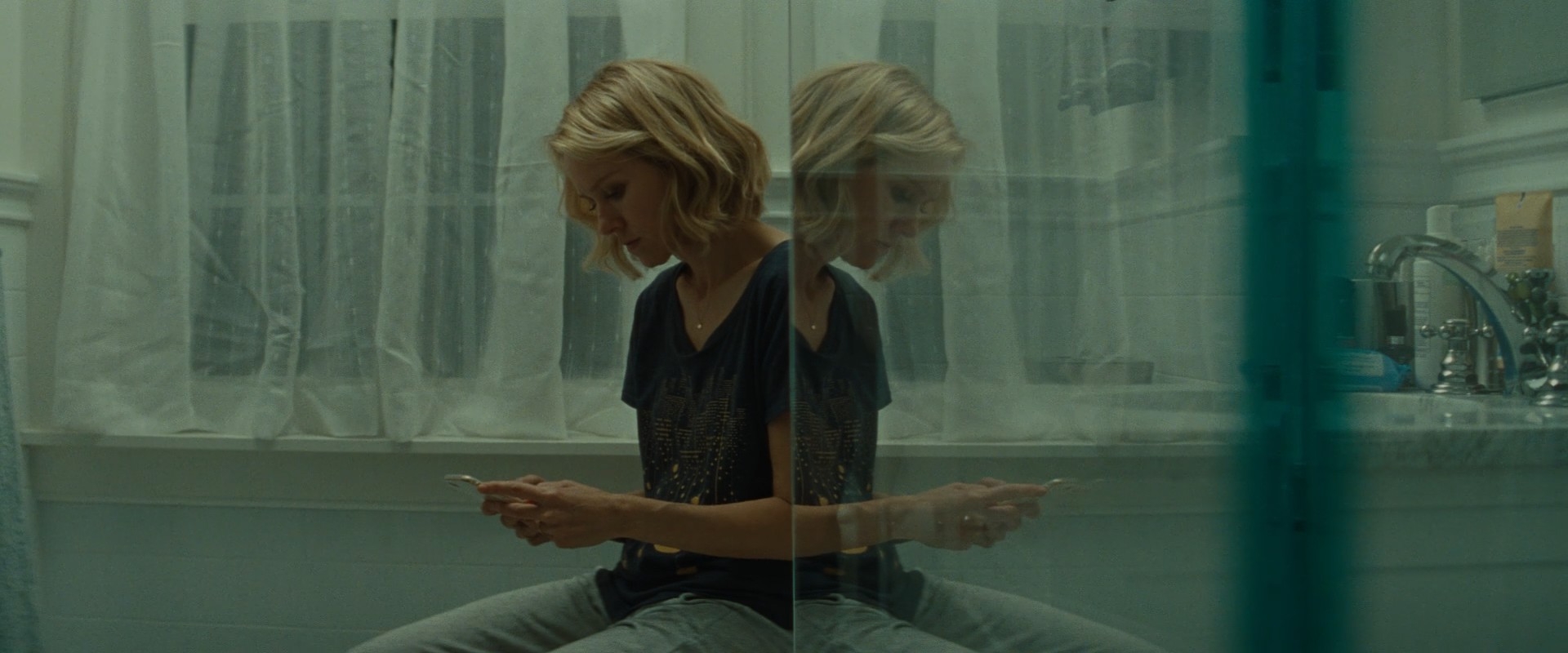
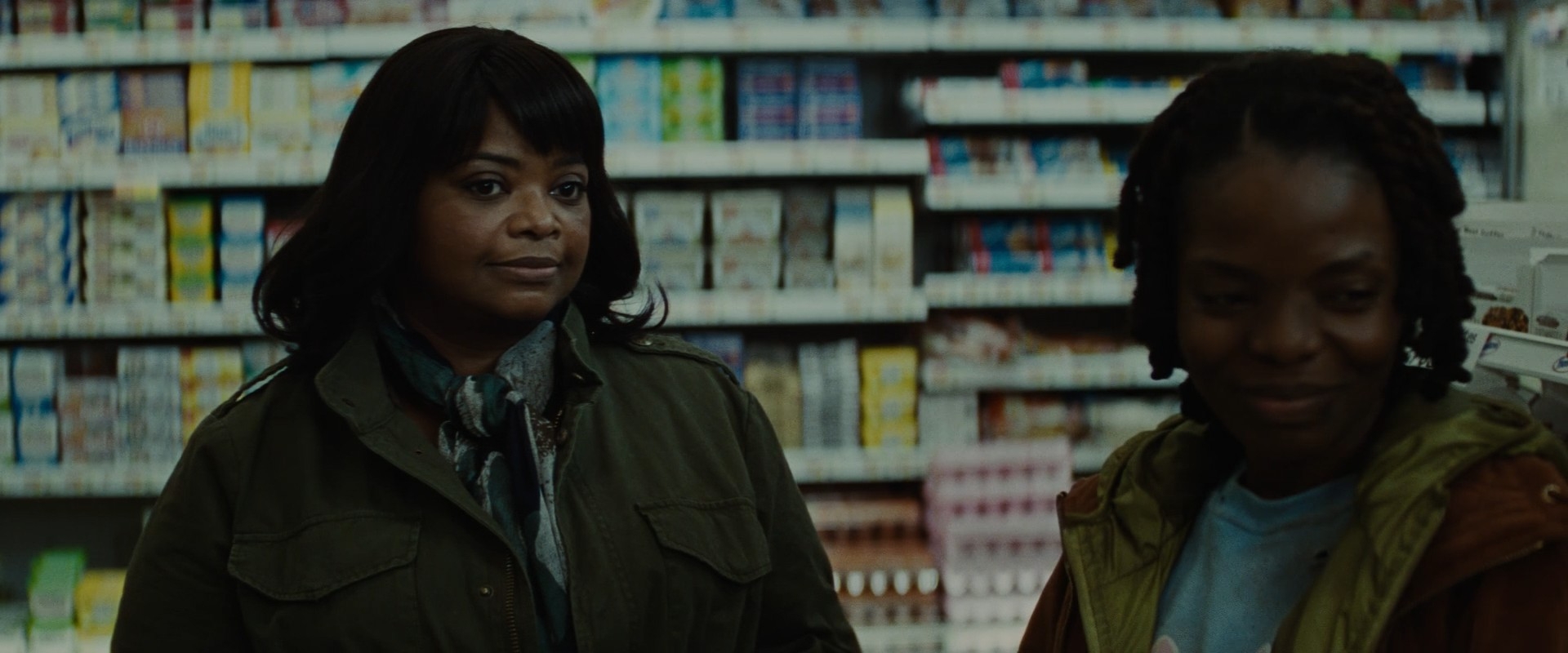
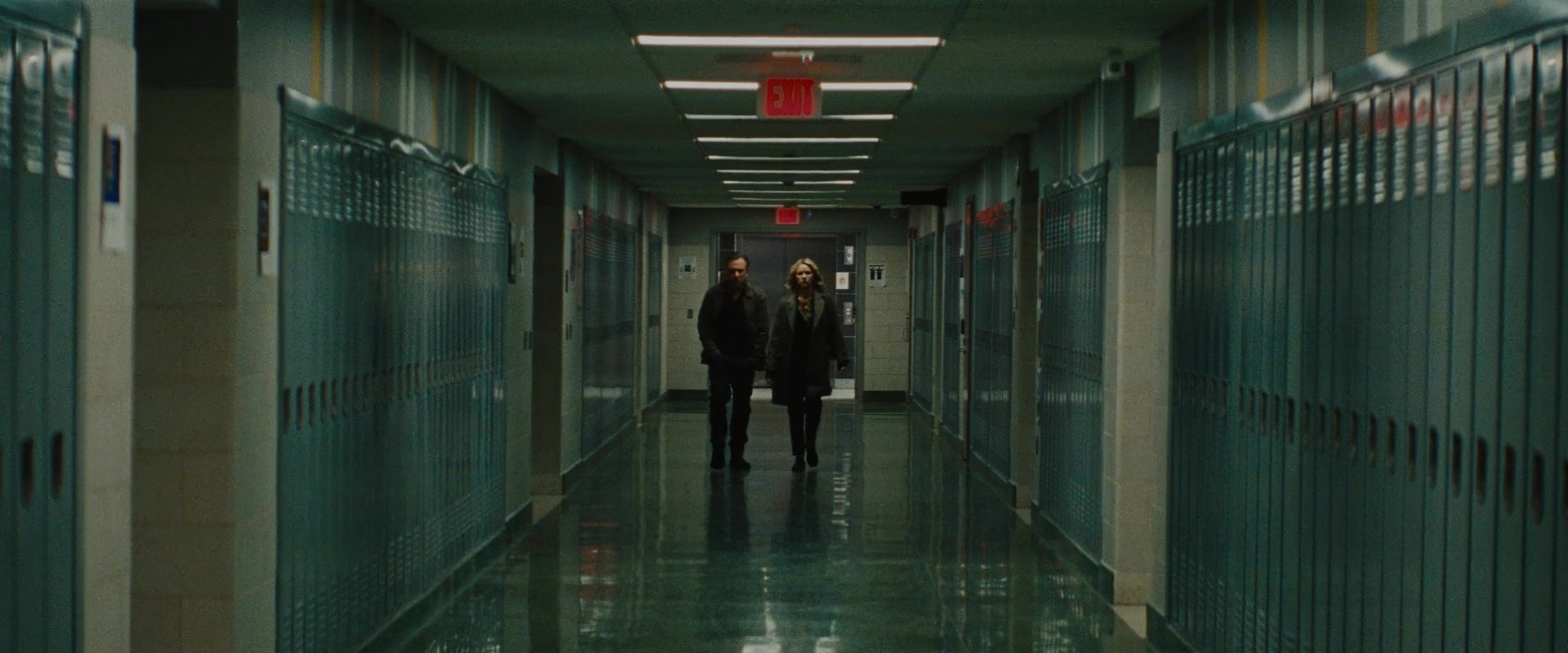
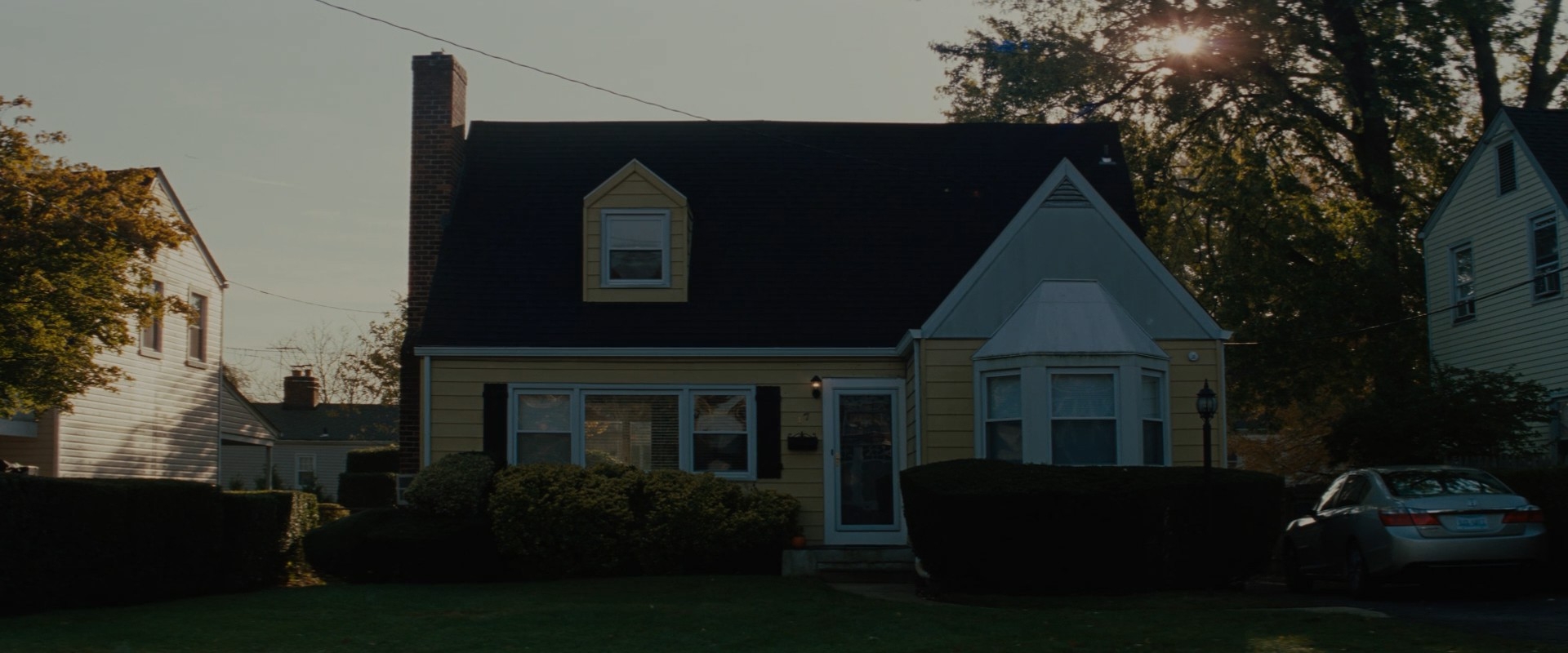
Luce Edgar, a brilliant high school student and former child soldier adopted by an American couple, is seen as a model of success—until a controversial essay raises troubling questions about his beliefs. As his teacher and parents begin to investigate, tensions rise and hidden truths start to surface. The situation spirals into a complex confrontation over identity, perception, and the limits of trust.
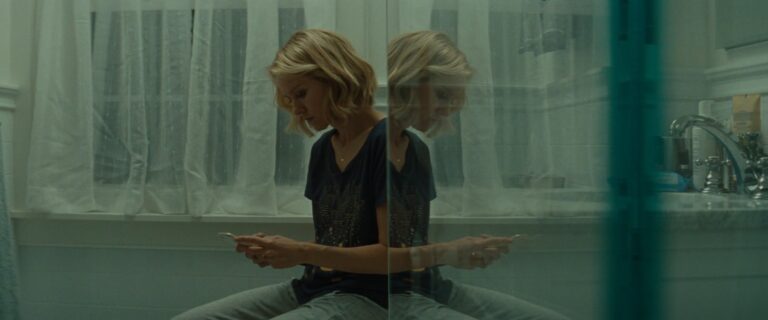
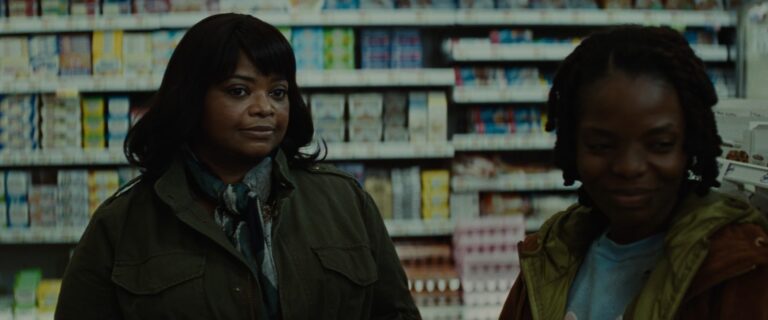
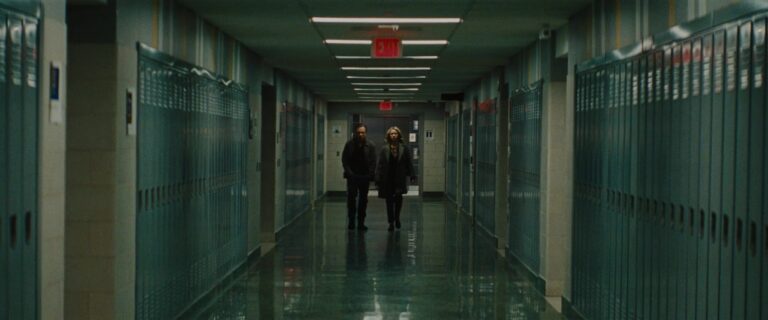
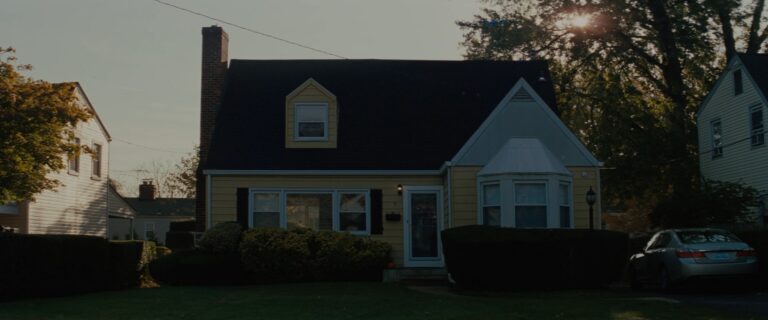
Onah and cinematographer Larkin Seiple give Luce a clean, controlled visual style, using symmetrical compositions and polished lighting to reflect the character’s carefully constructed image. The film gradually introduces subtle instability—through tighter framing and shifting perspective—turning pristine suburban spaces into arenas of psychological tension where nothing feels entirely secure.


FILM SPOTLIGHT
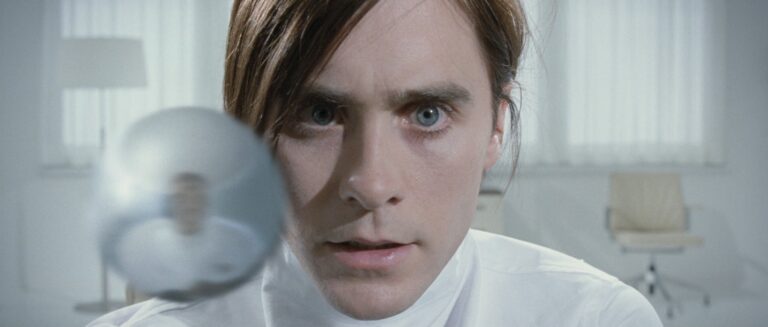
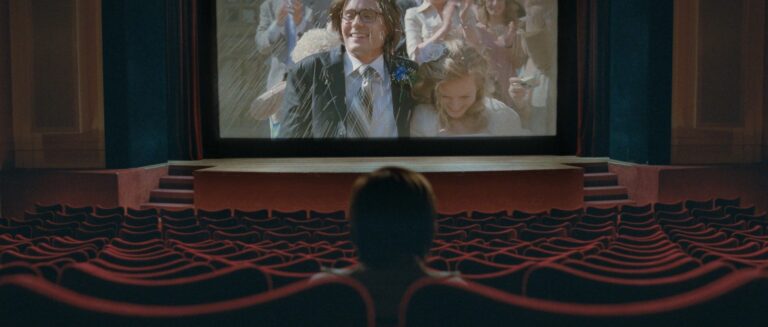
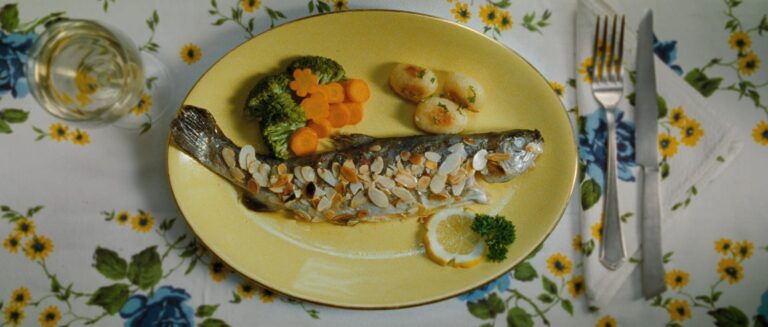
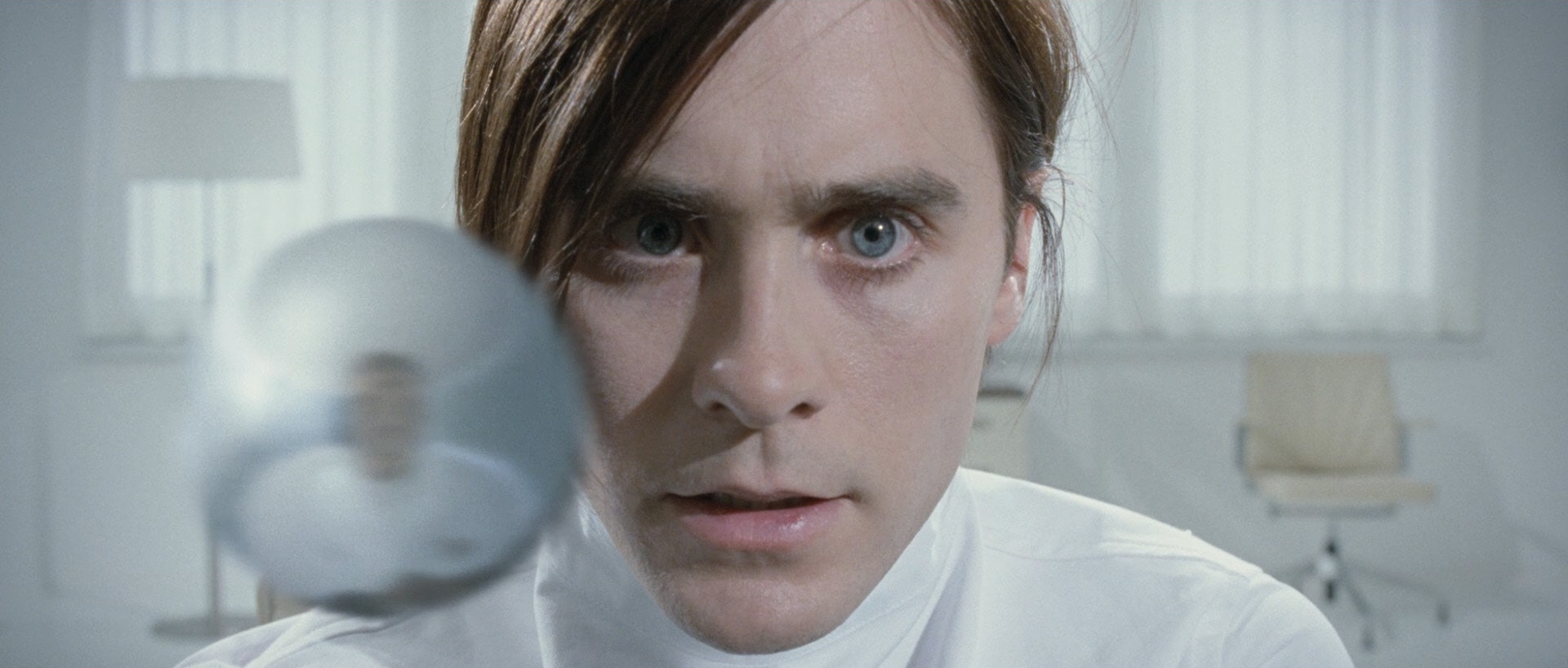
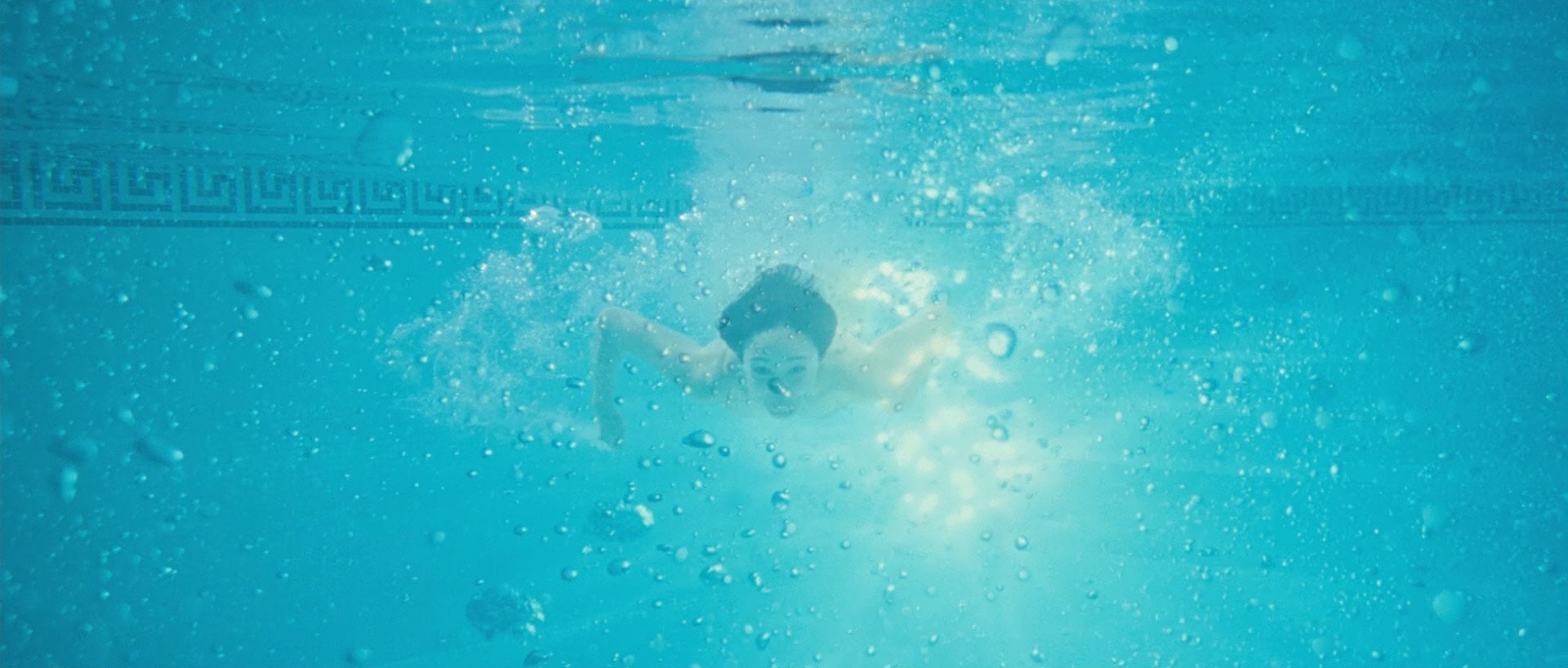
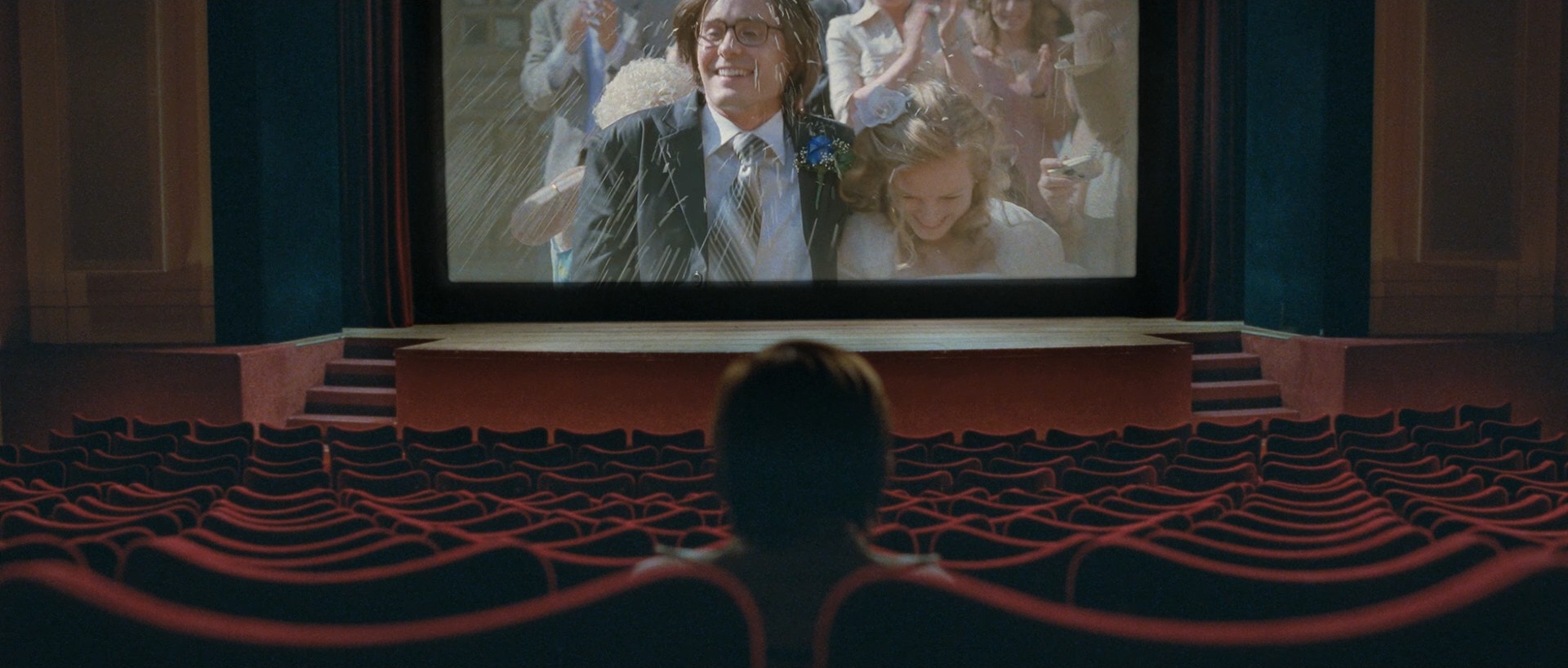
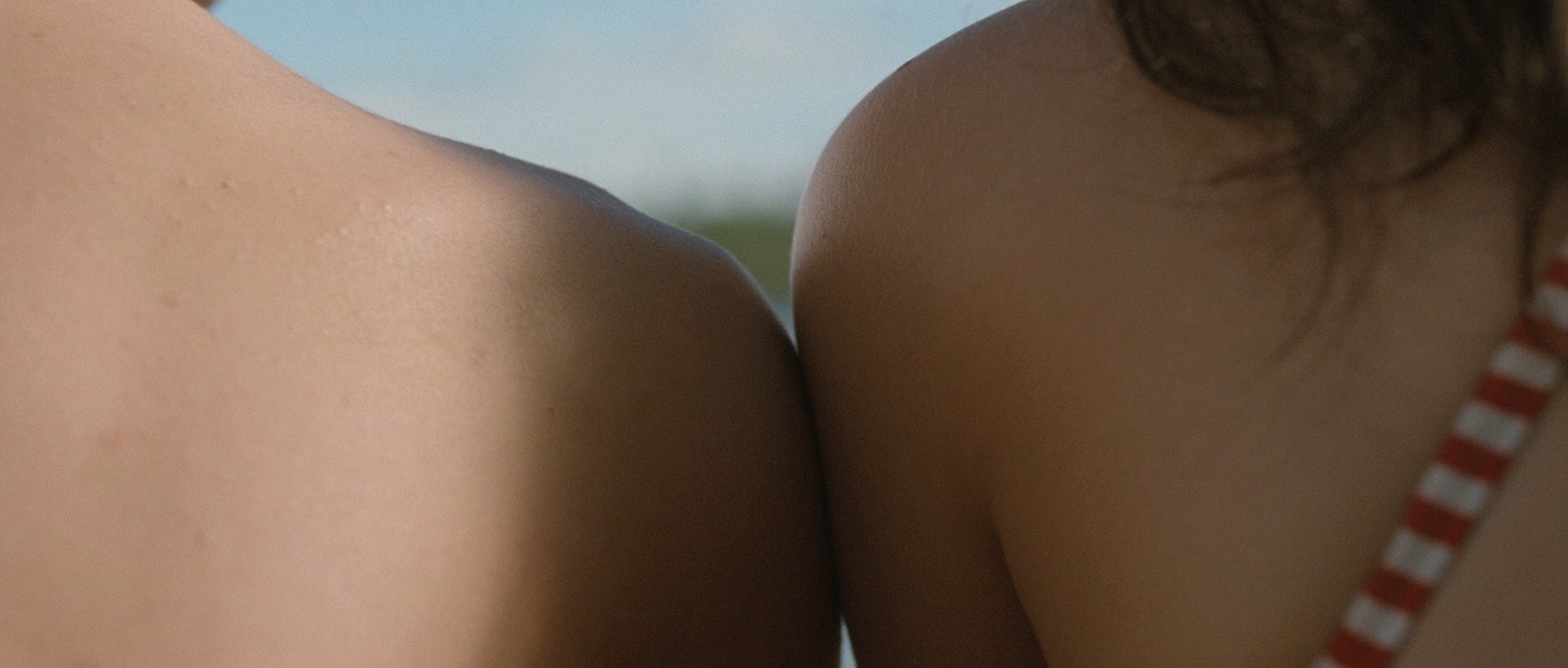
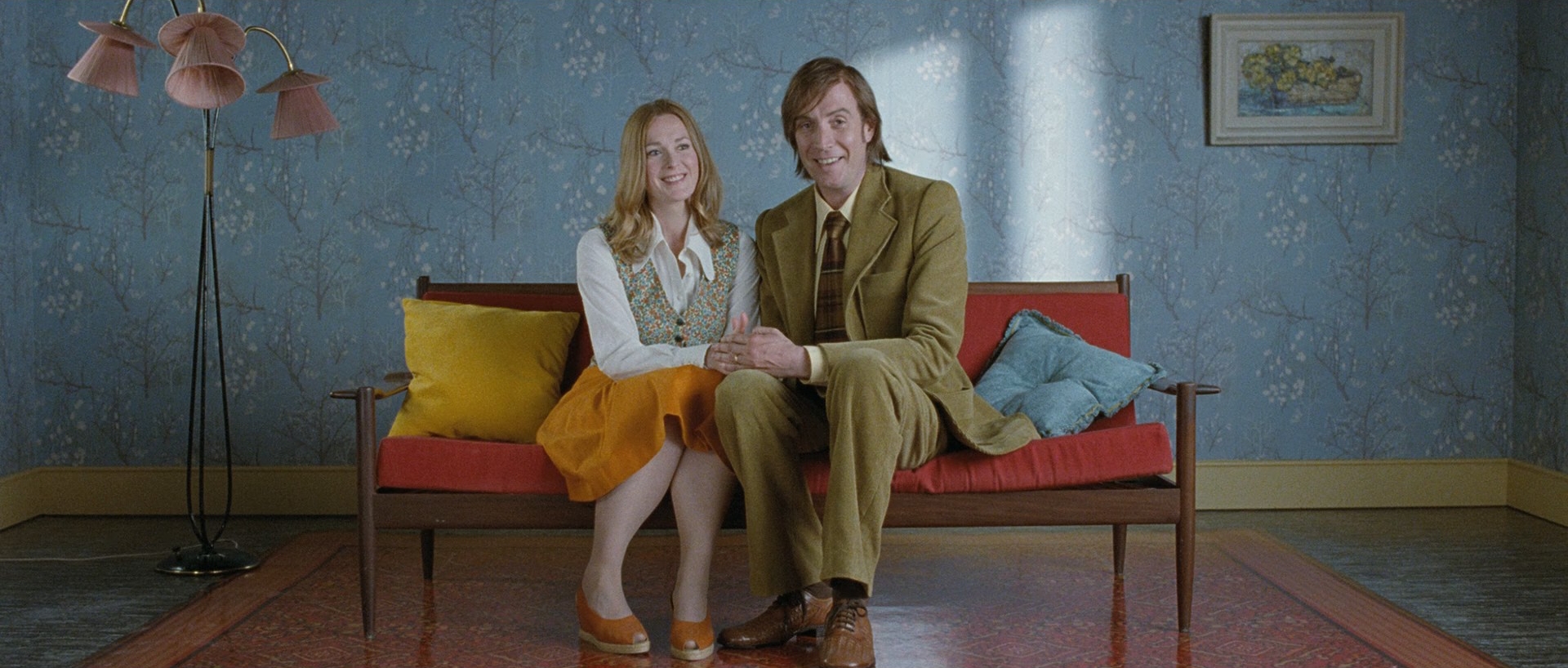
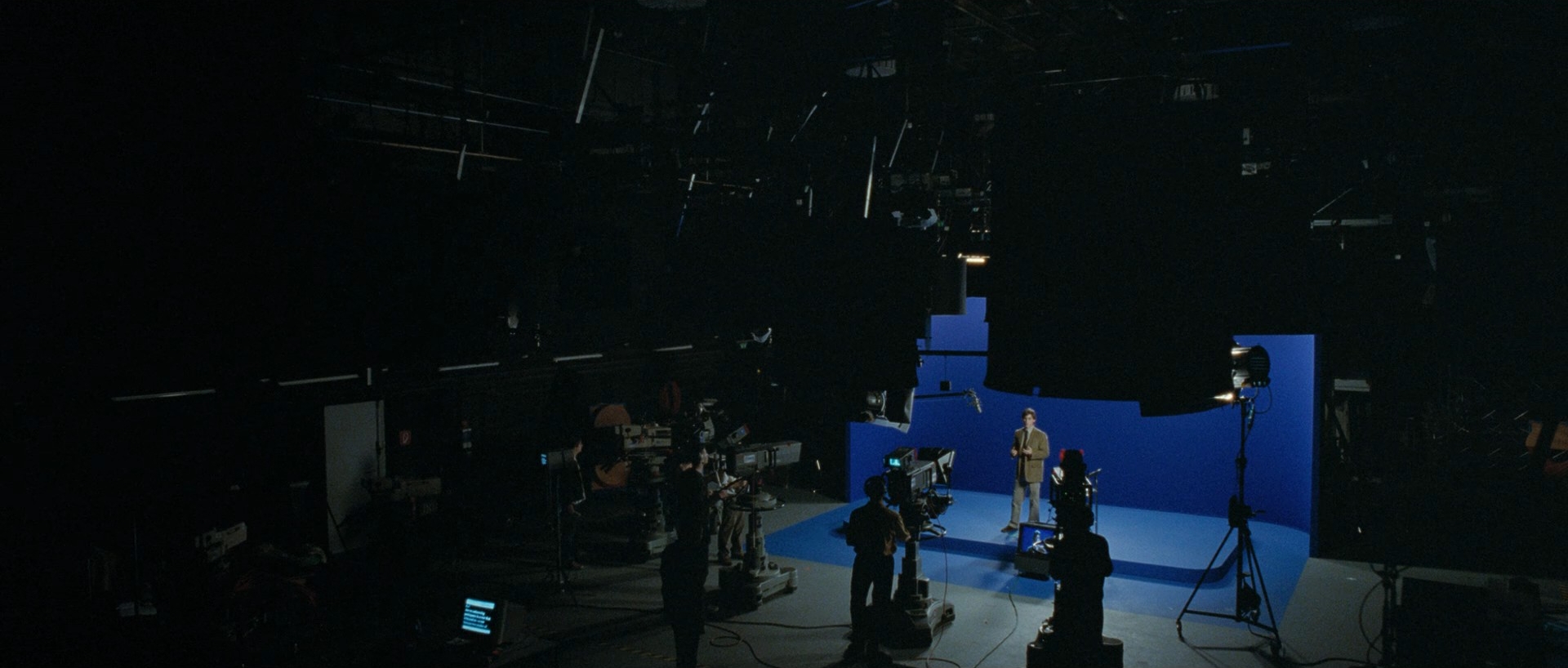
Mr. Nobody (2009)
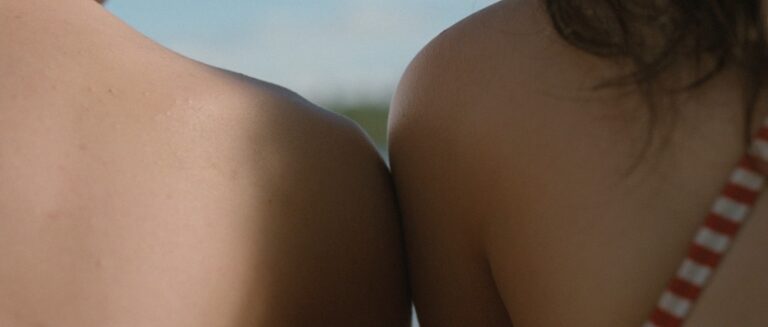
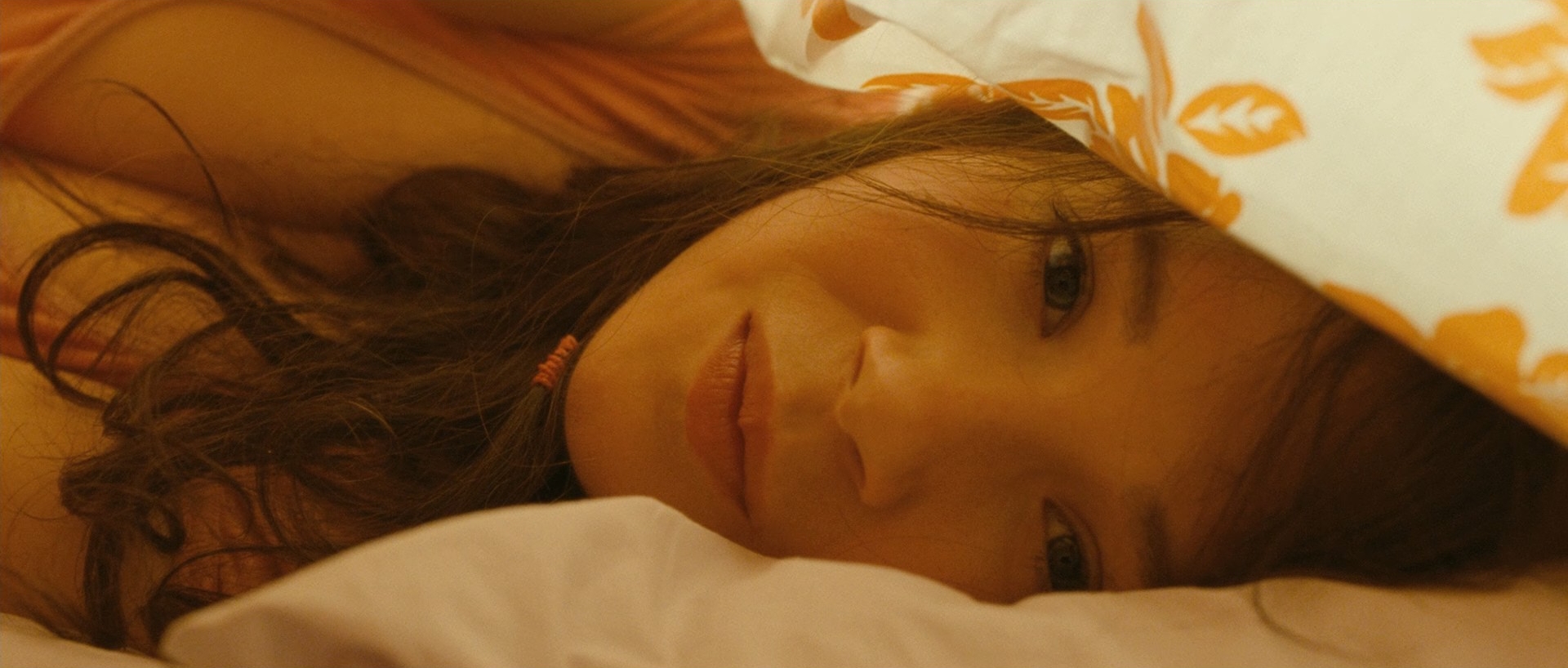
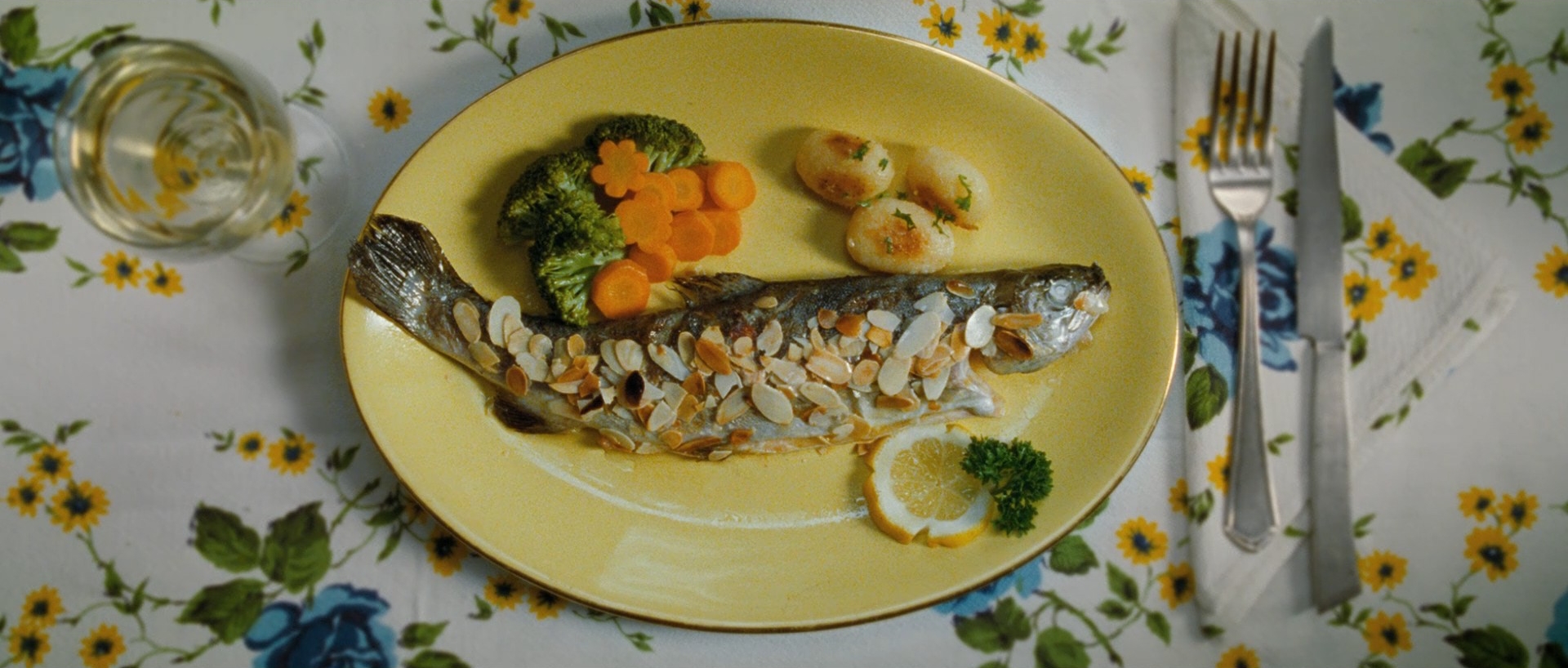
In a future where humanity has conquered death, Nemo Nobody—the last mortal man—recounts multiple versions of his life as he lies on his deathbed. His memories branch into alternate timelines shaped by different choices, particularly surrounding love, family, and identity. As these possibilities unfold, the film explores how a single decision can ripple into entirely different lives.
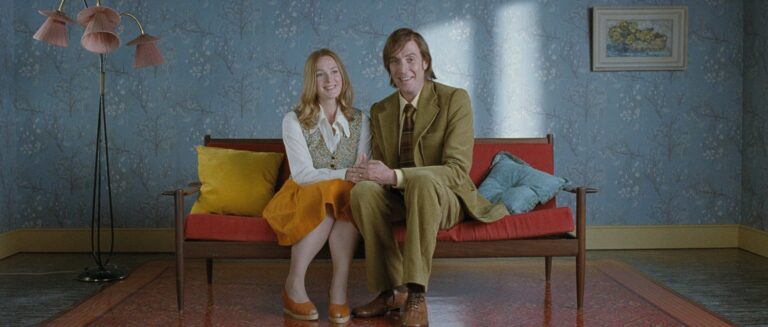
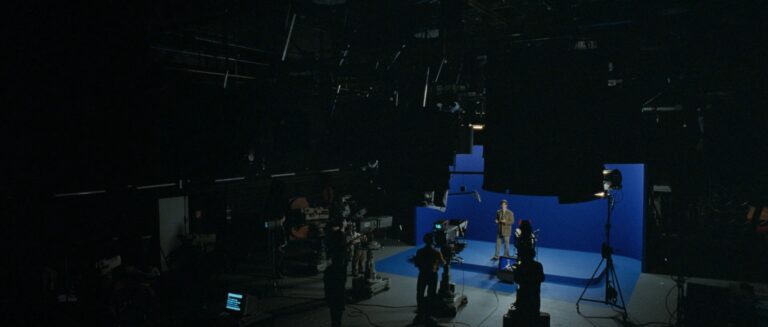
Van Dormael and cinematographer Christophe Beaucarne give each timeline in Mr. Nobody its own distinct visual identity, using shifting color palettes, aspect ratios, and camera styles to differentiate parallel lives. The film’s fluid transitions, stylized production design, and bold use of visual effects turn memory and possibility into something tangible—making structure itself a central visual device.


FILM SPOTLIGHT
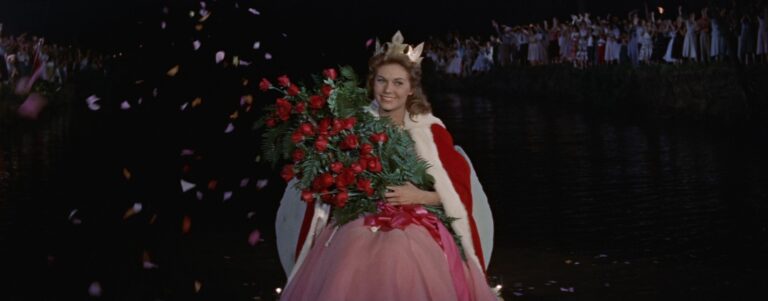
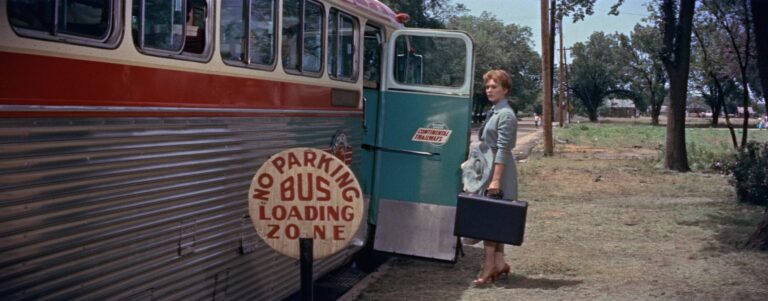
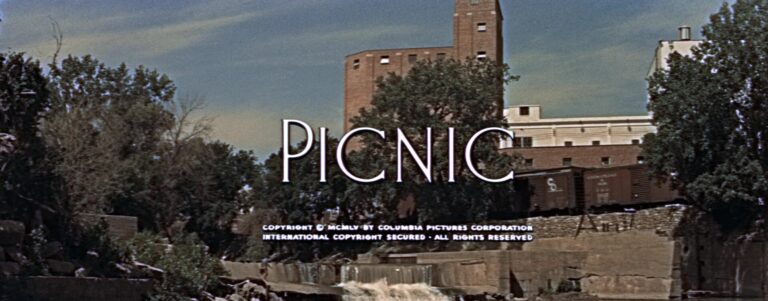
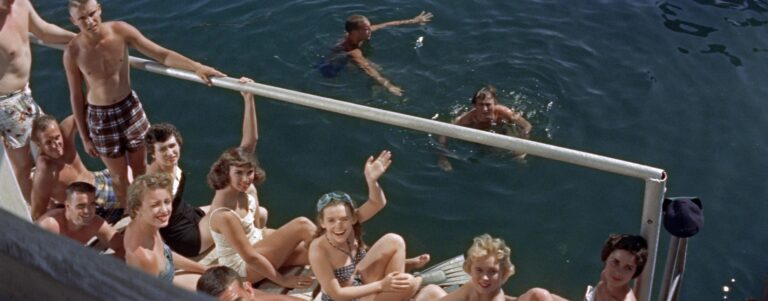
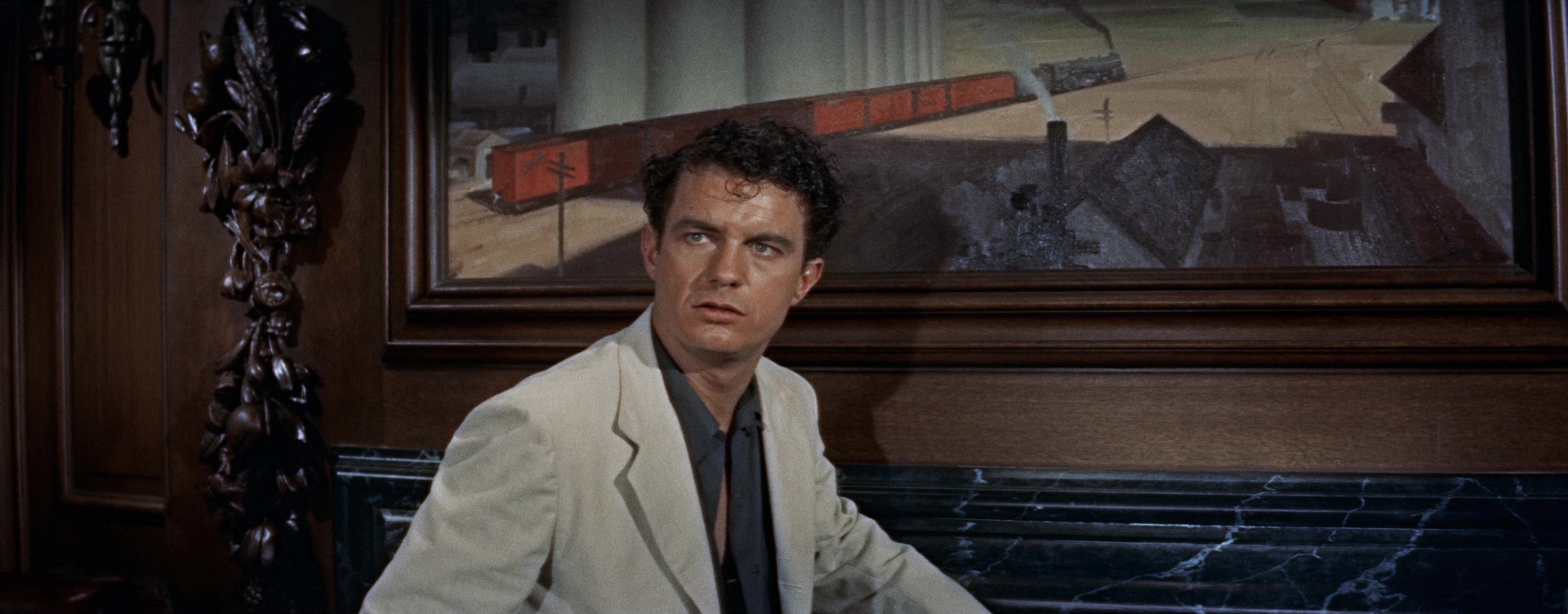
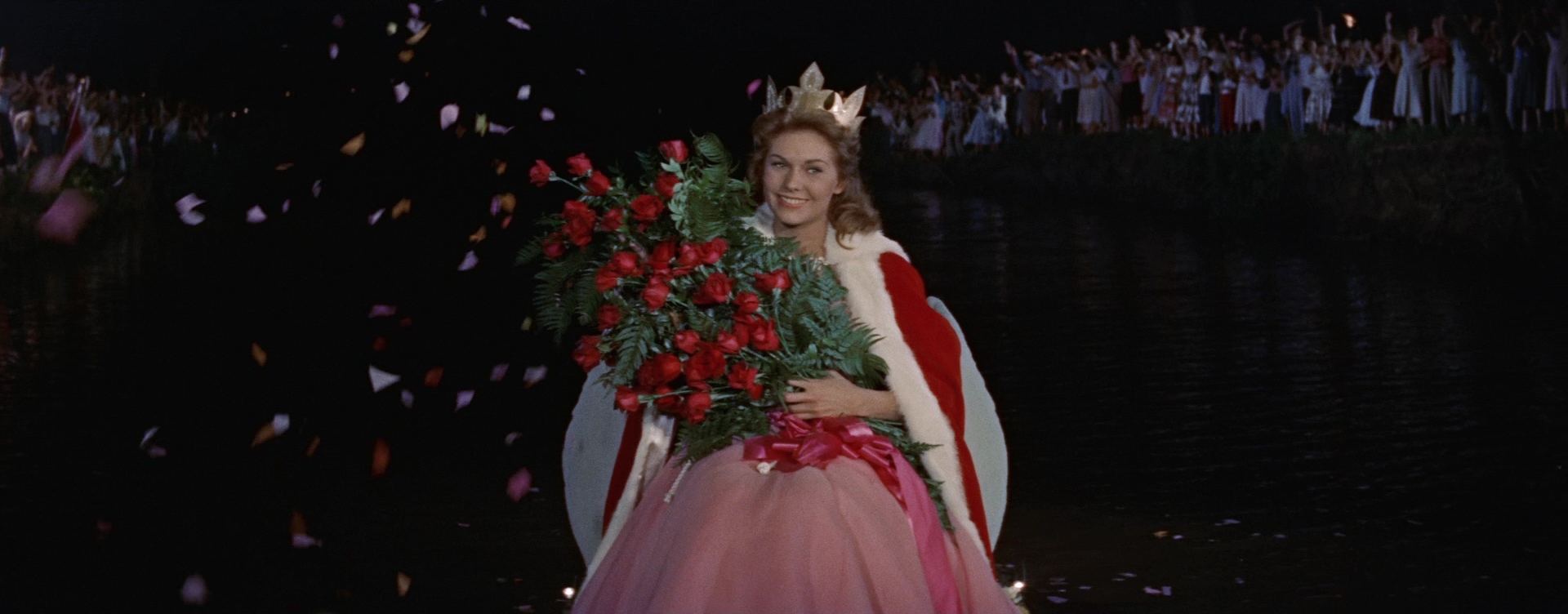
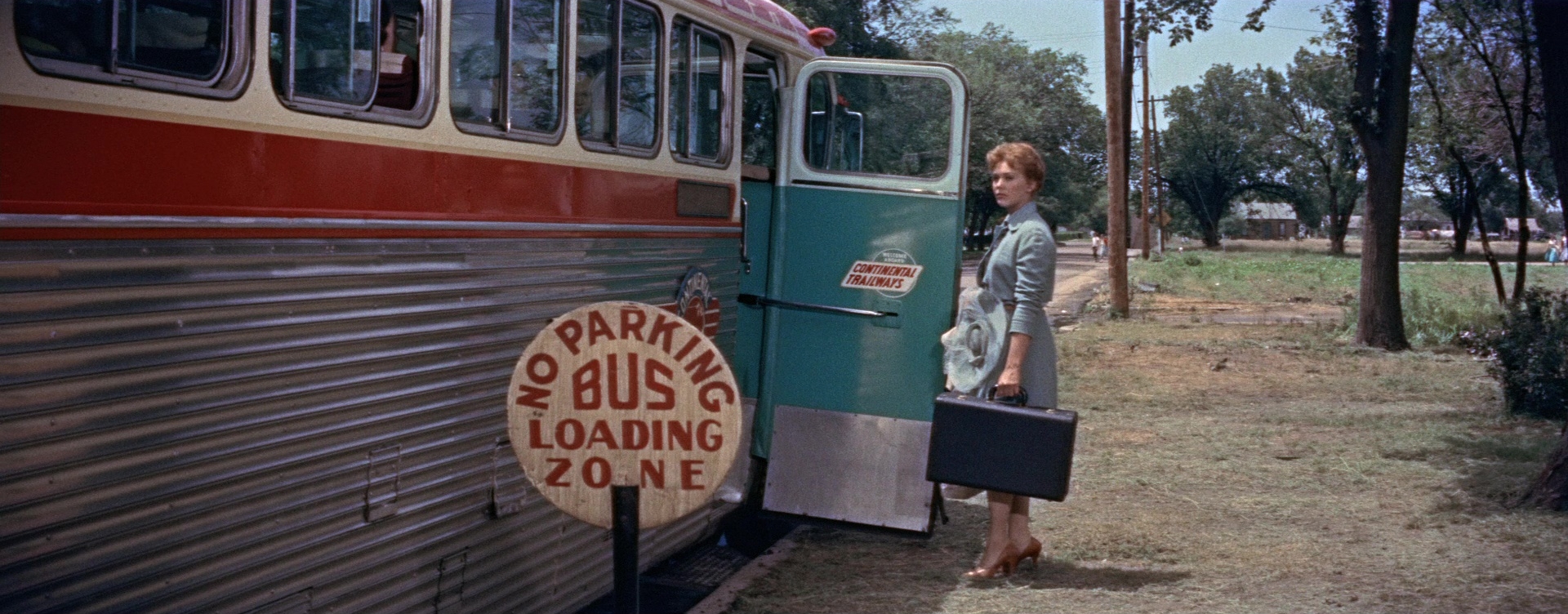
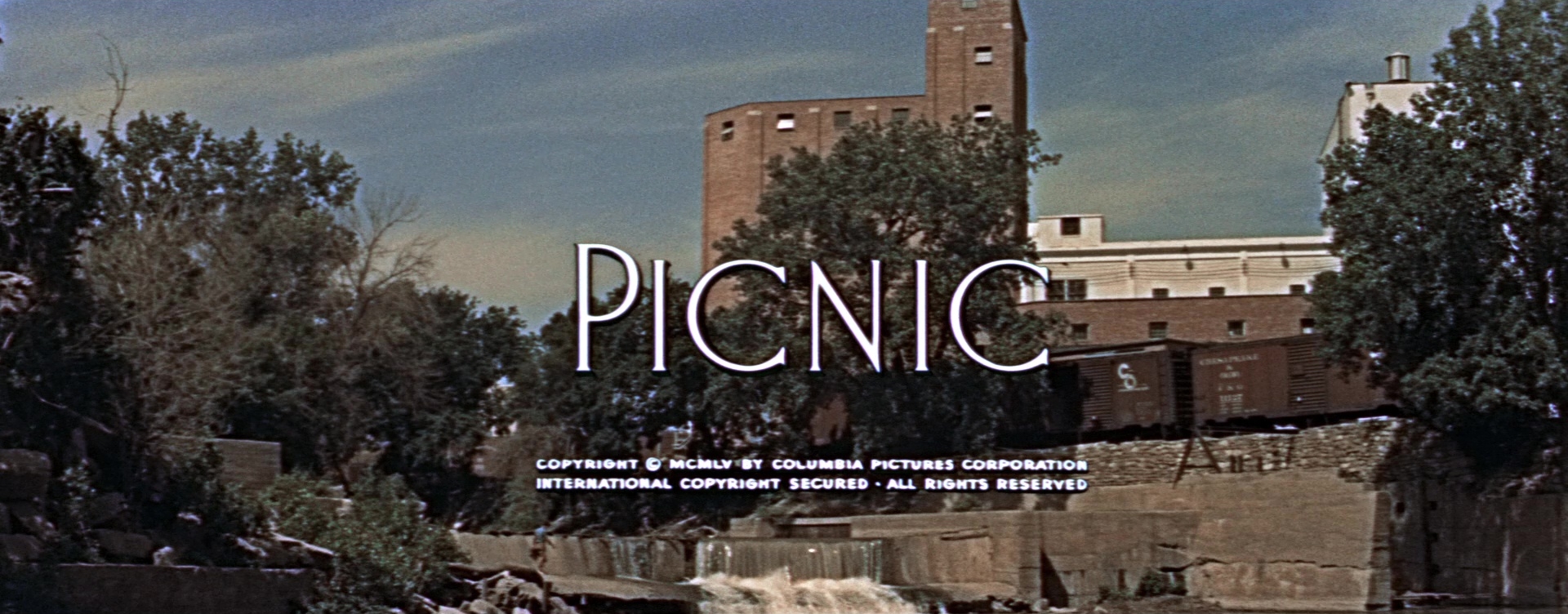
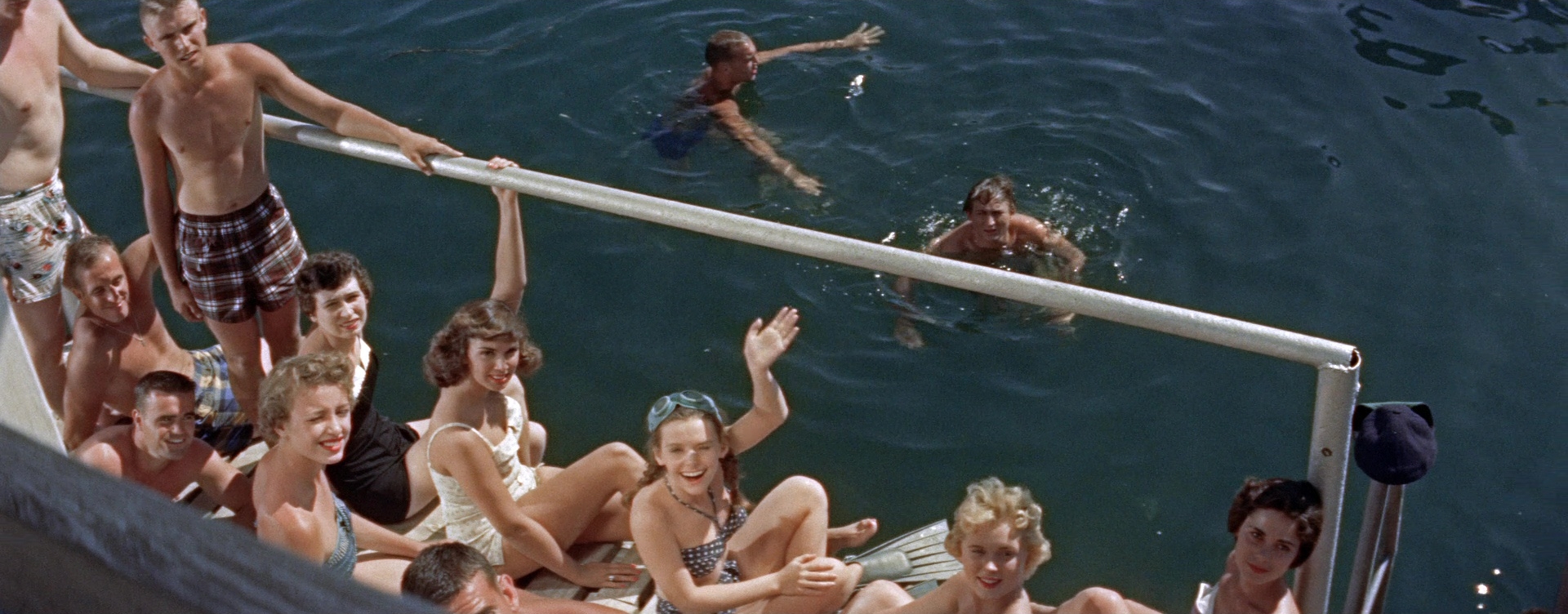
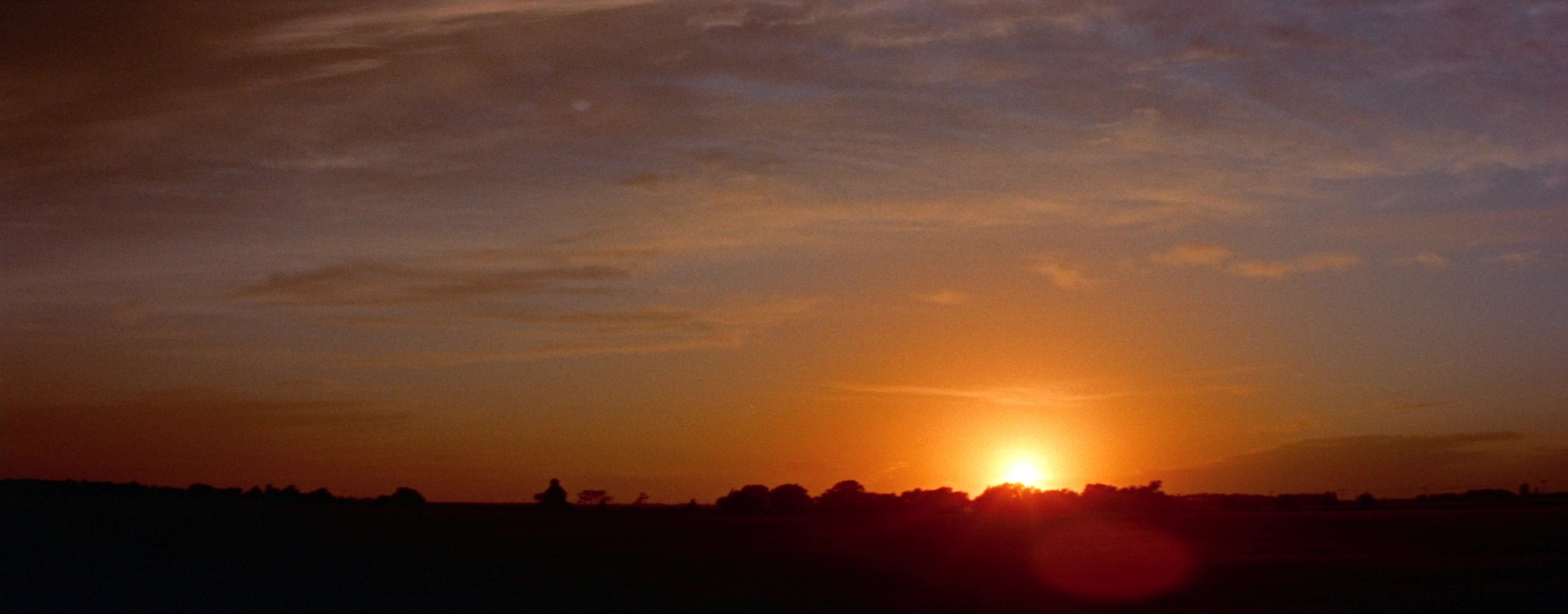
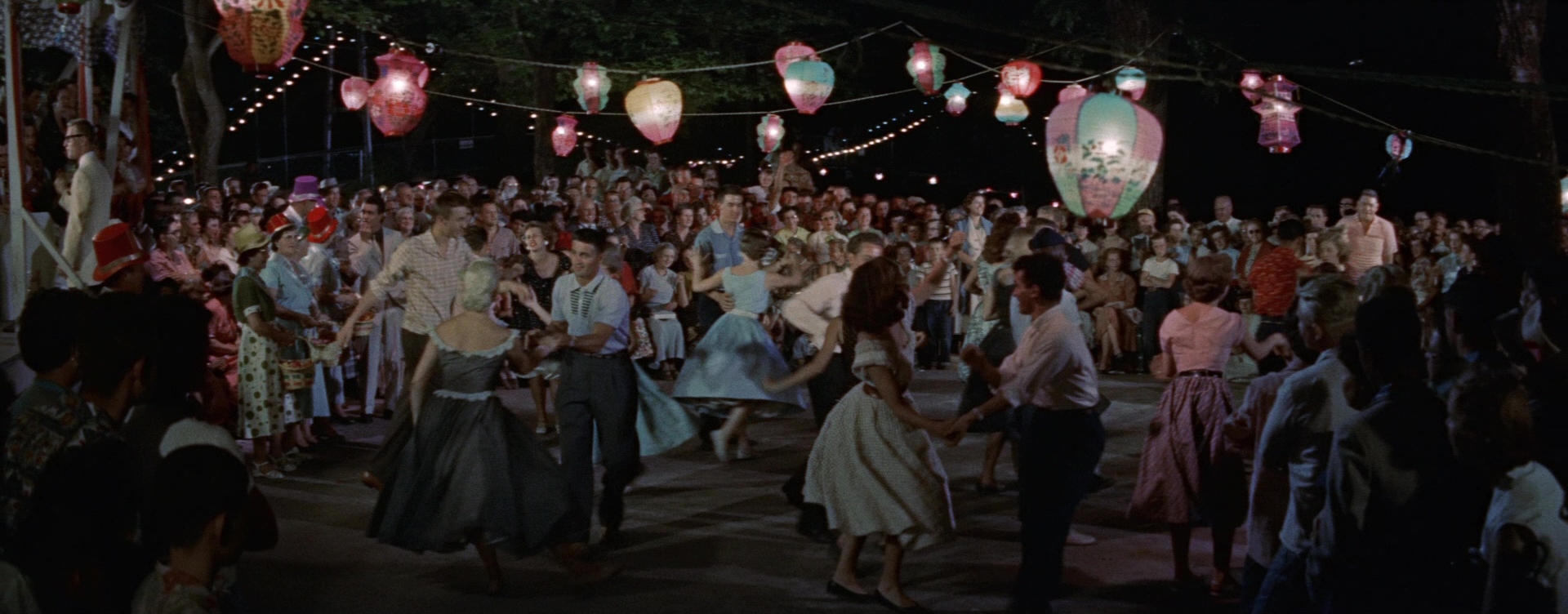
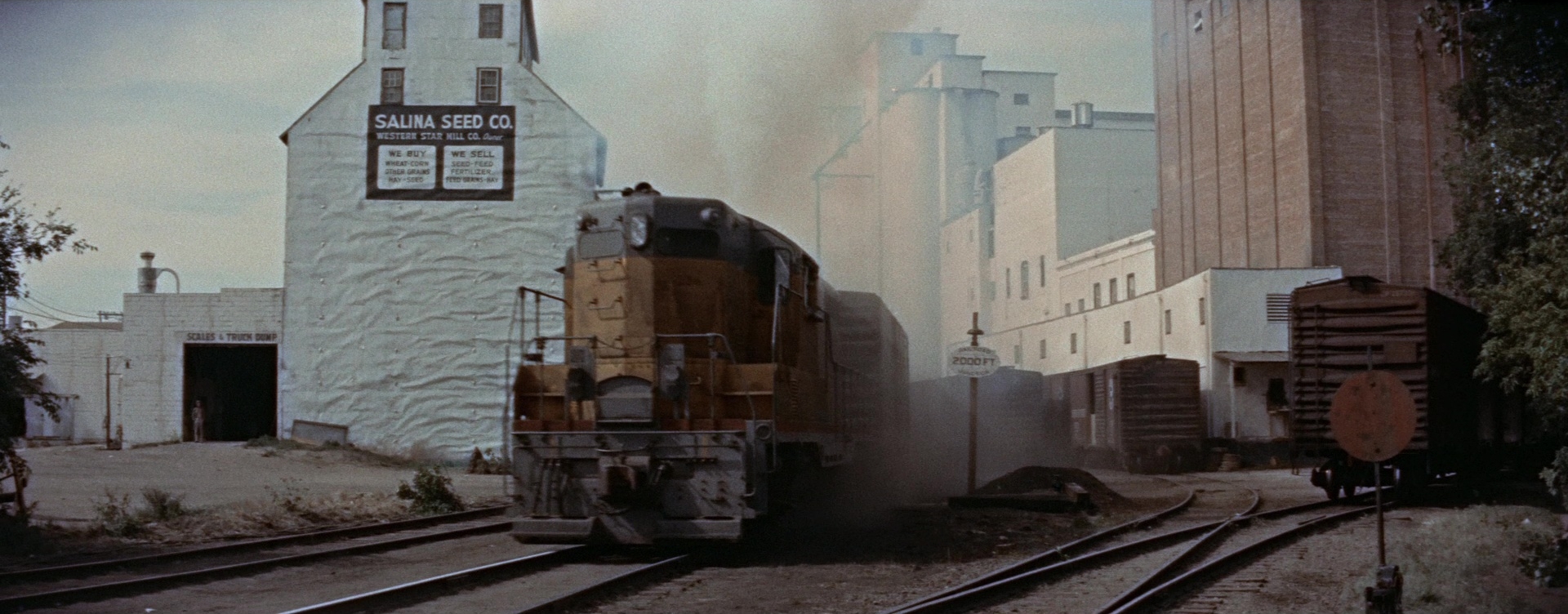
Picnic (1955)
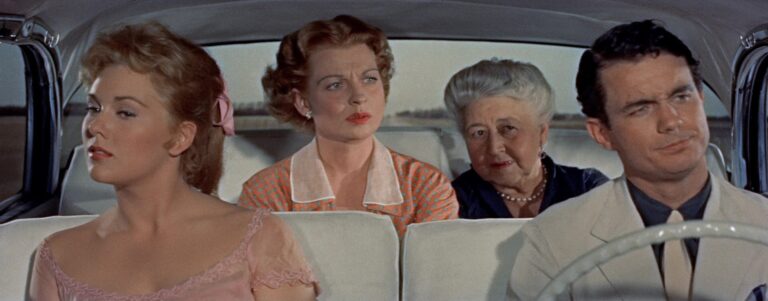
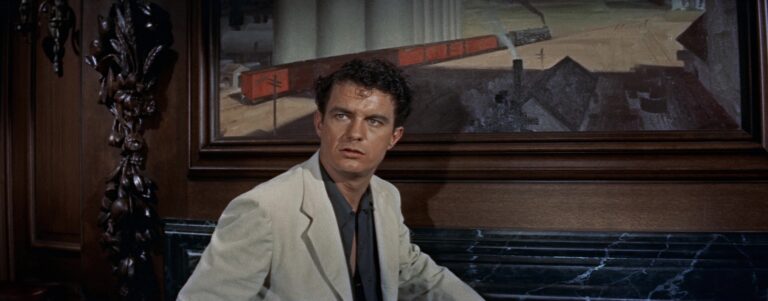
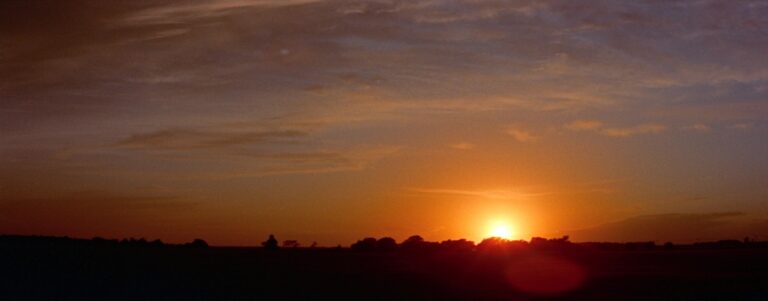
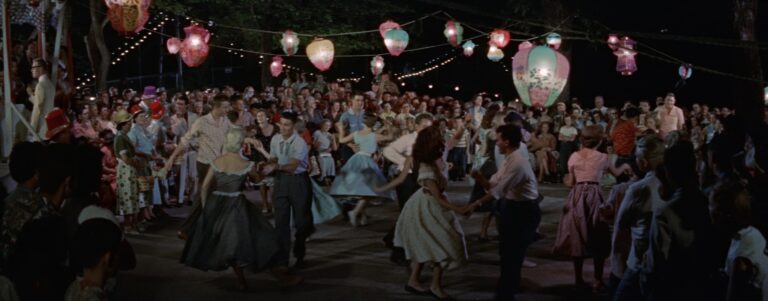
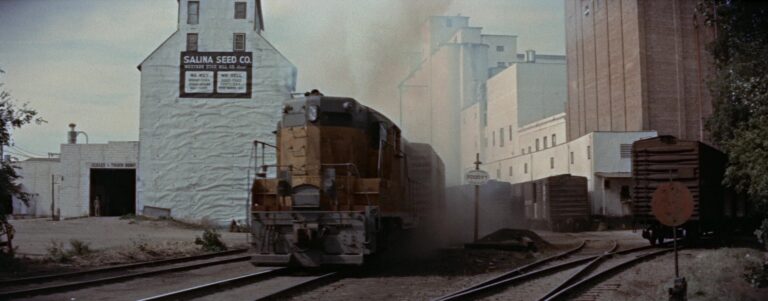
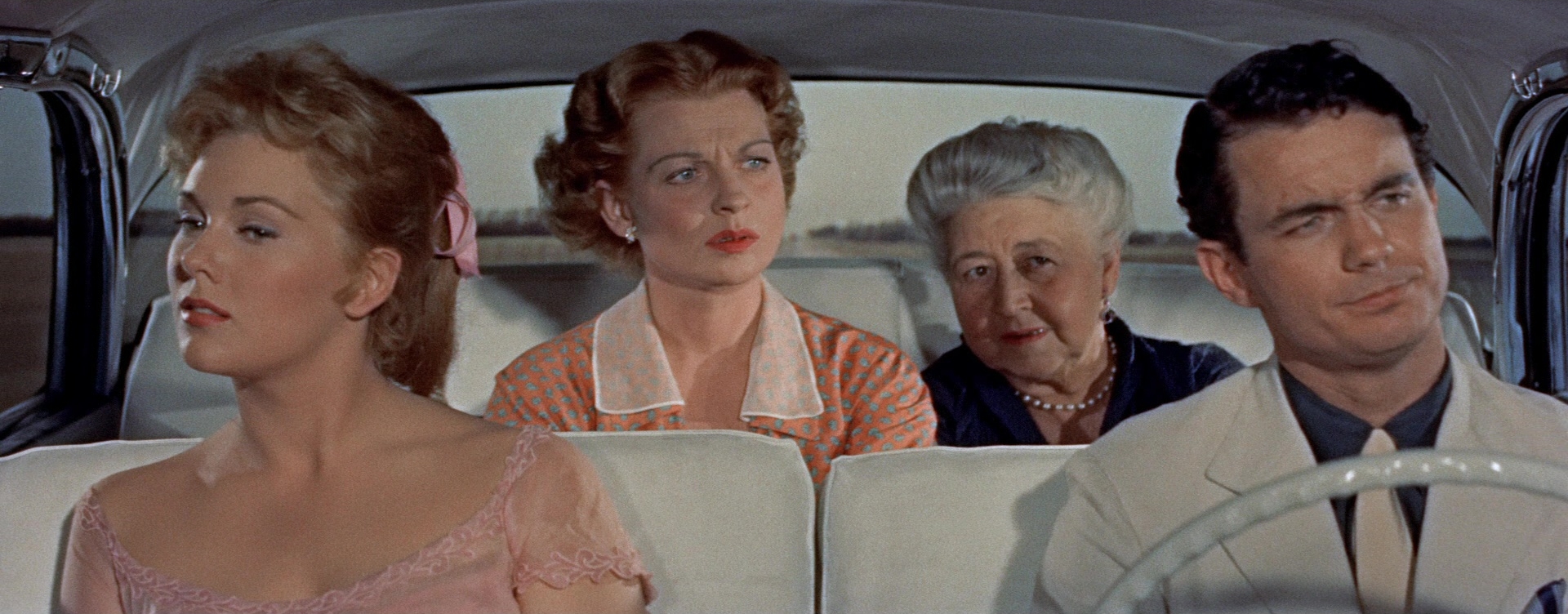
On Labor Day in a small Kansas town, the arrival of a drifter named Hal Carter disrupts the lives of several residents. His presence stirs desire, jealousy, and restlessness—particularly in Madge, a young woman expected to marry well rather than follow her own feelings. As the day unfolds, relationships are tested and long-suppressed emotions rise to the surface.
Cinematographer James Wong Howe shot Picnic in CinemaScope, using wide, sunlit compositions to contrast the openness of the landscape with the characters’ emotional constraints. The film’s fluid staging—especially during the iconic dance sequence—lets bodies move through space with a natural sensuality, turning blocking and performance into the primary visual expression of tension and desire.
FILM SPOTLIGHT
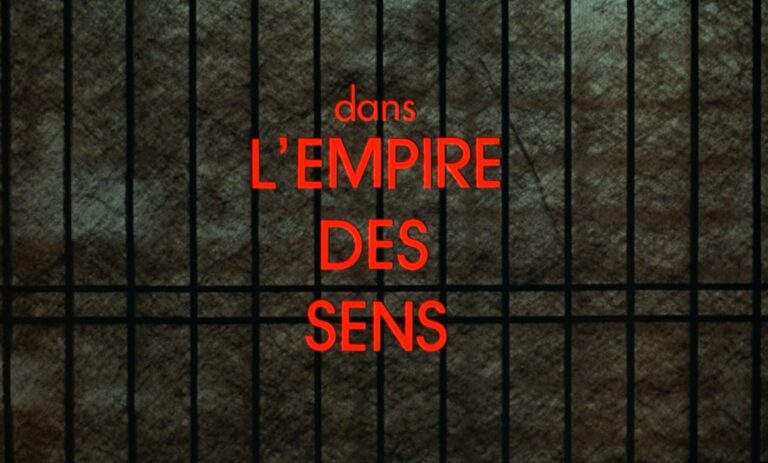
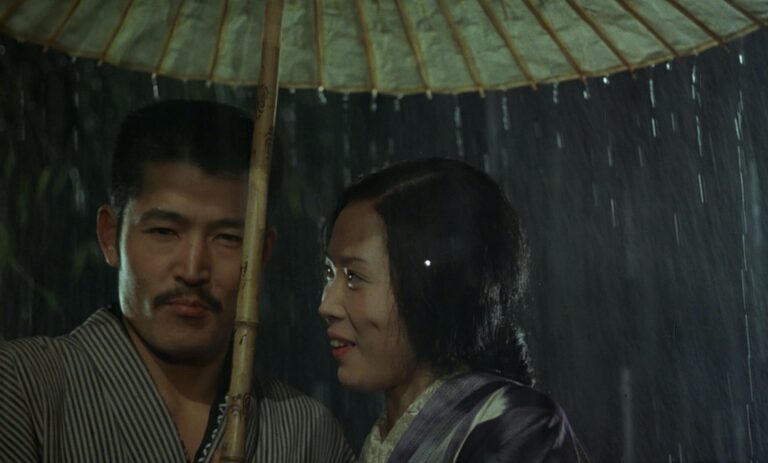
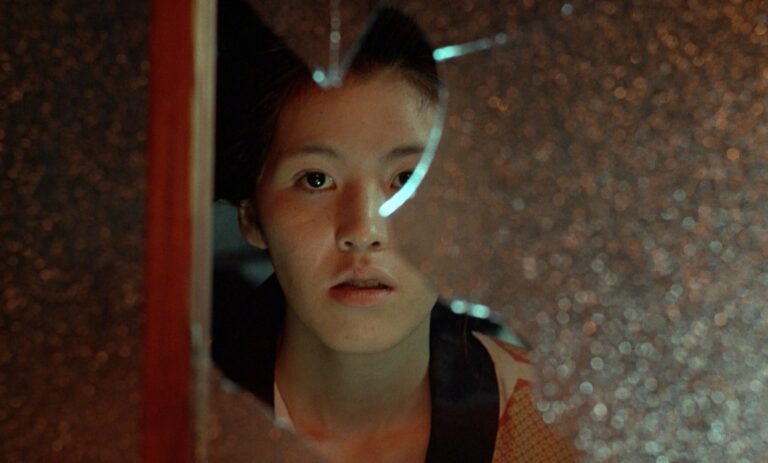
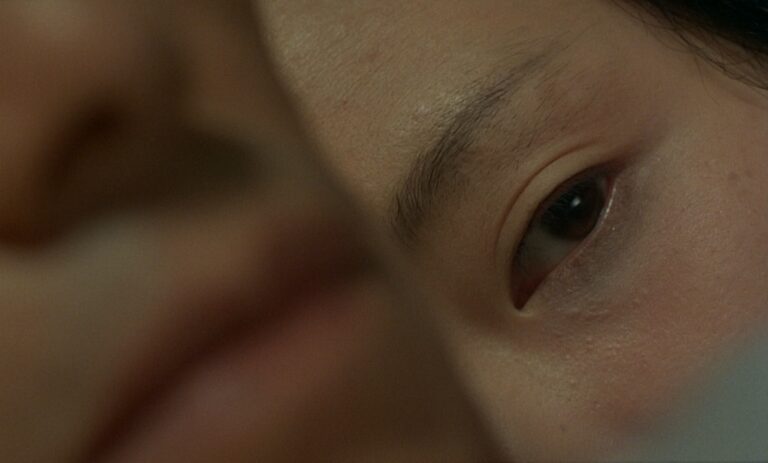
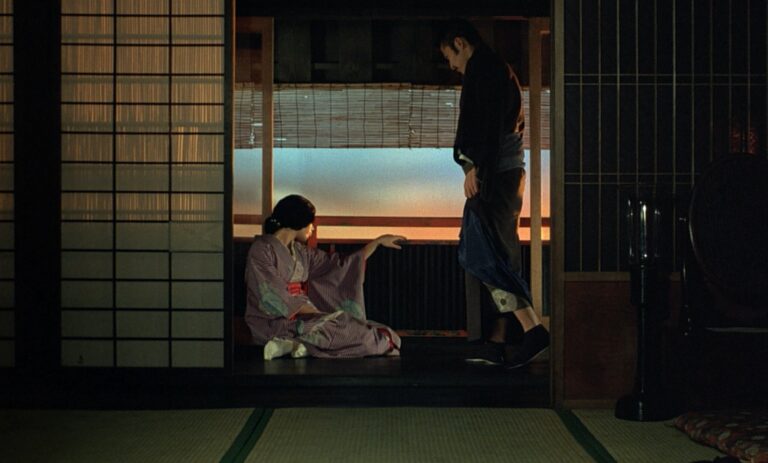
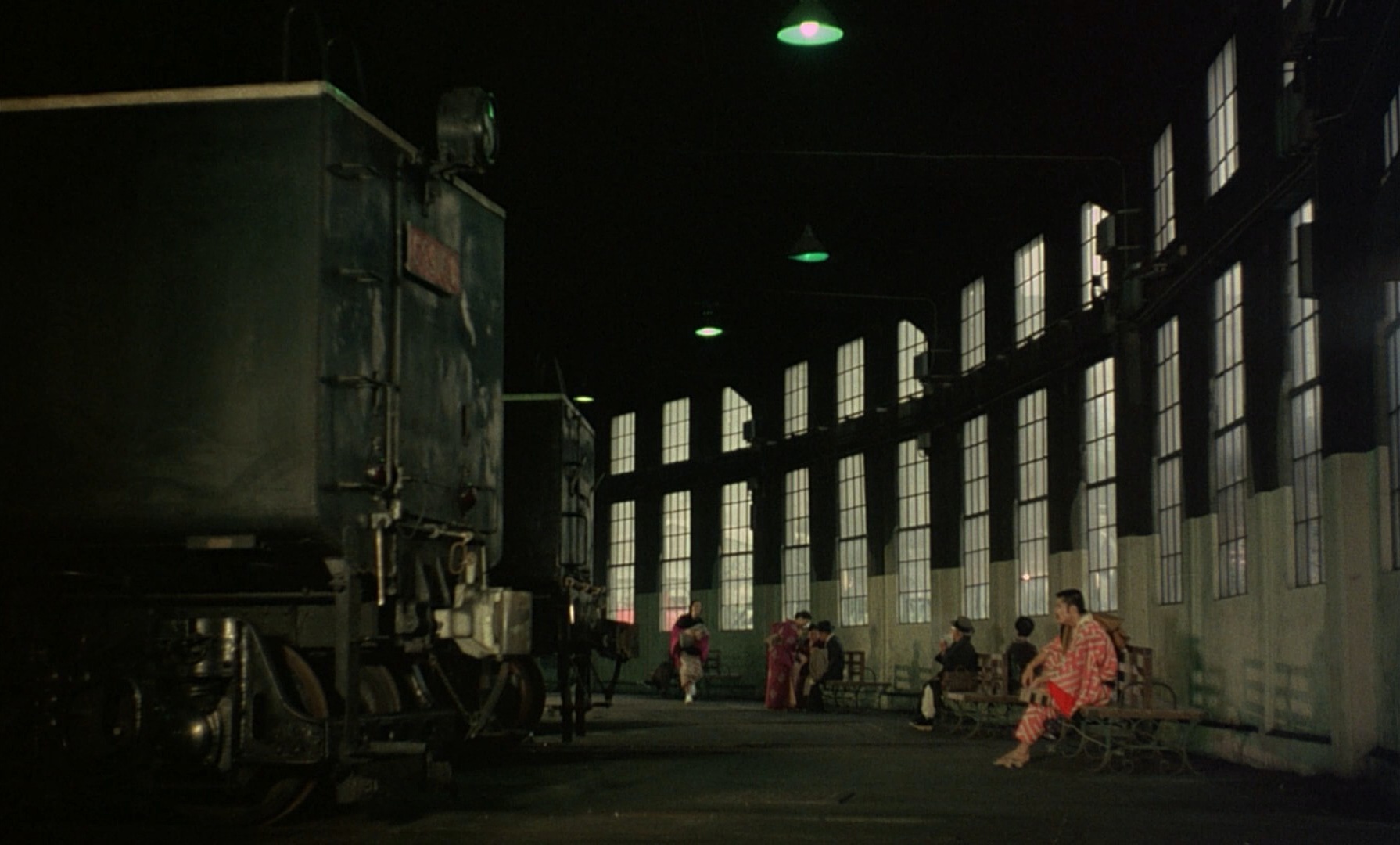
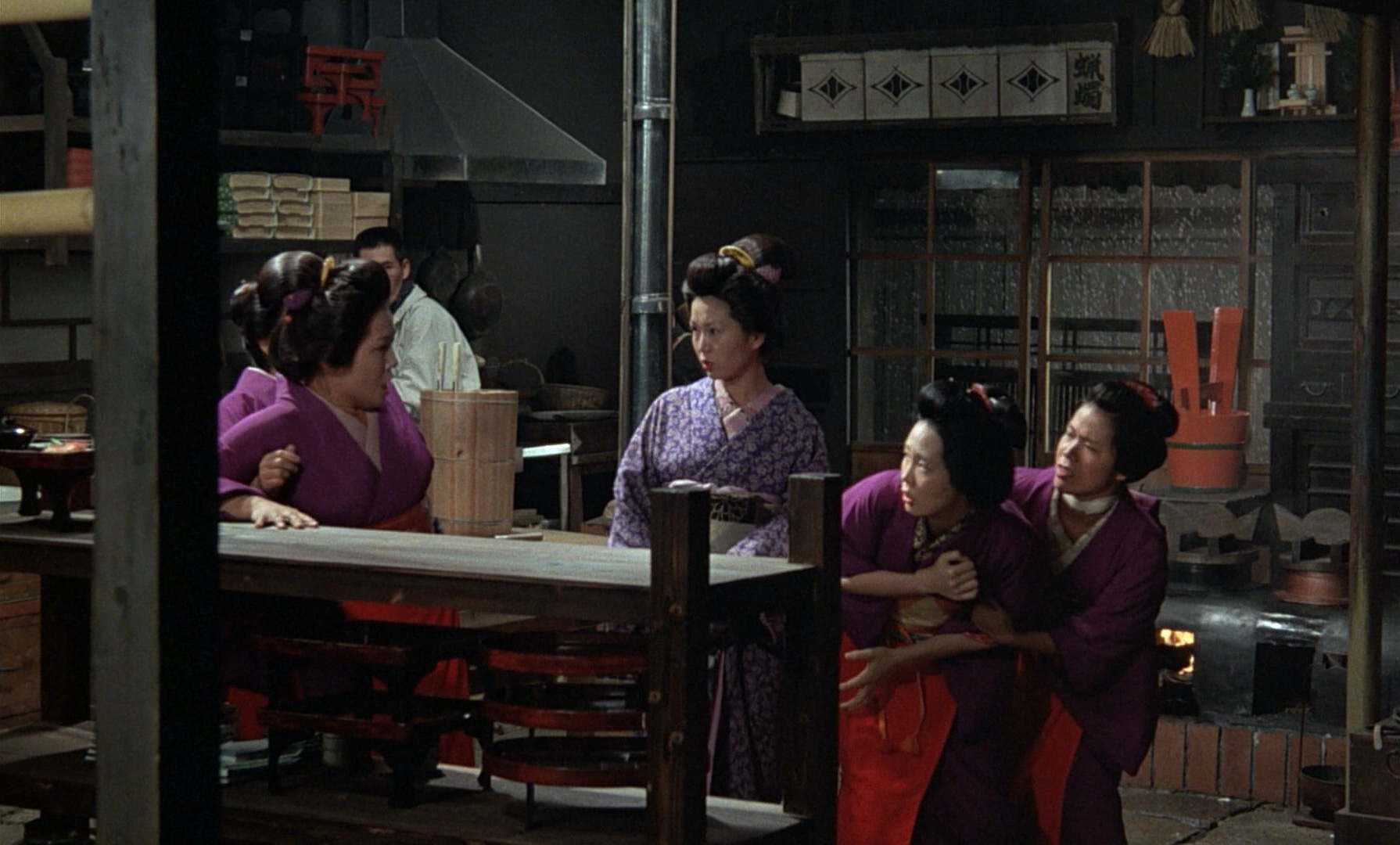
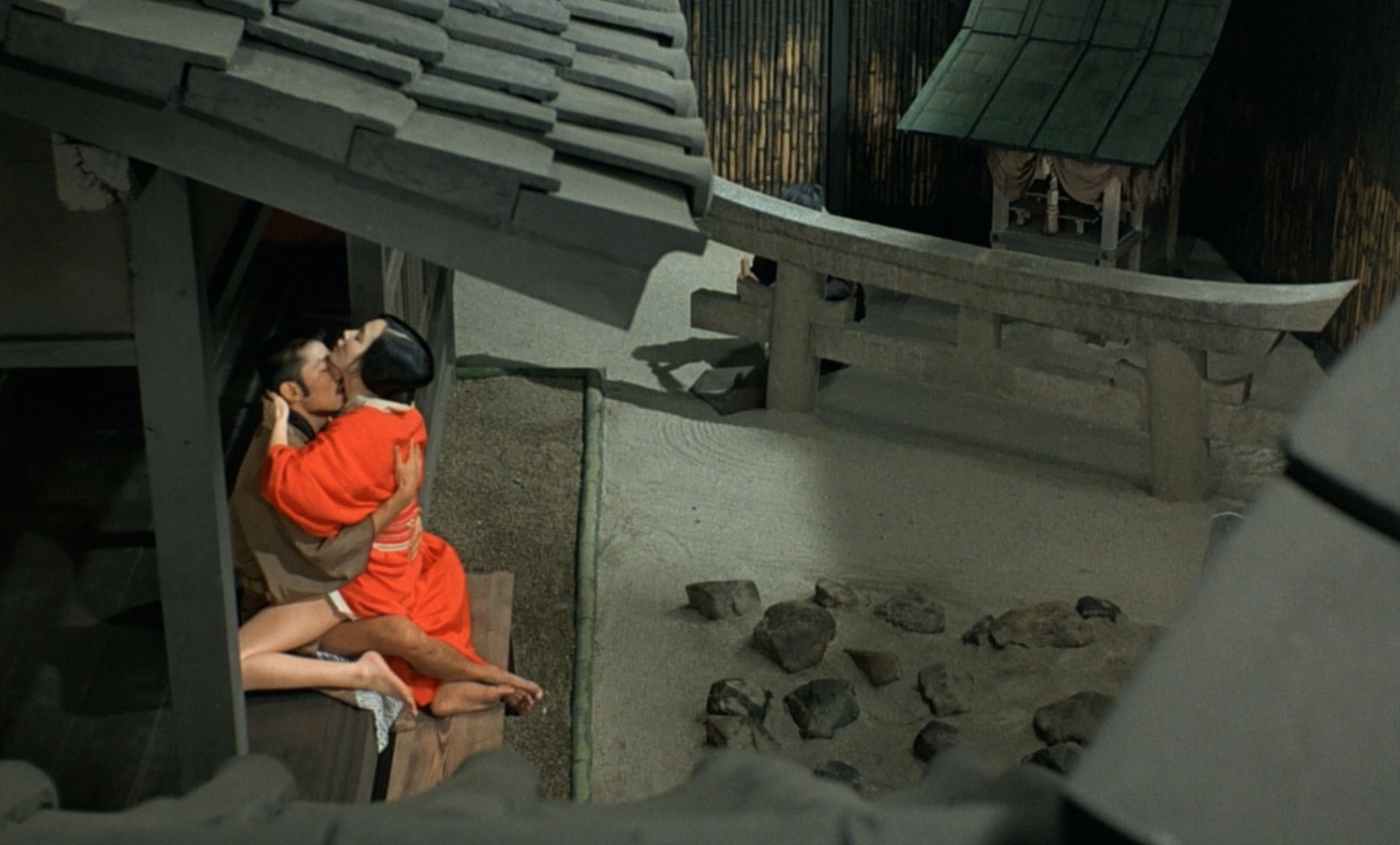
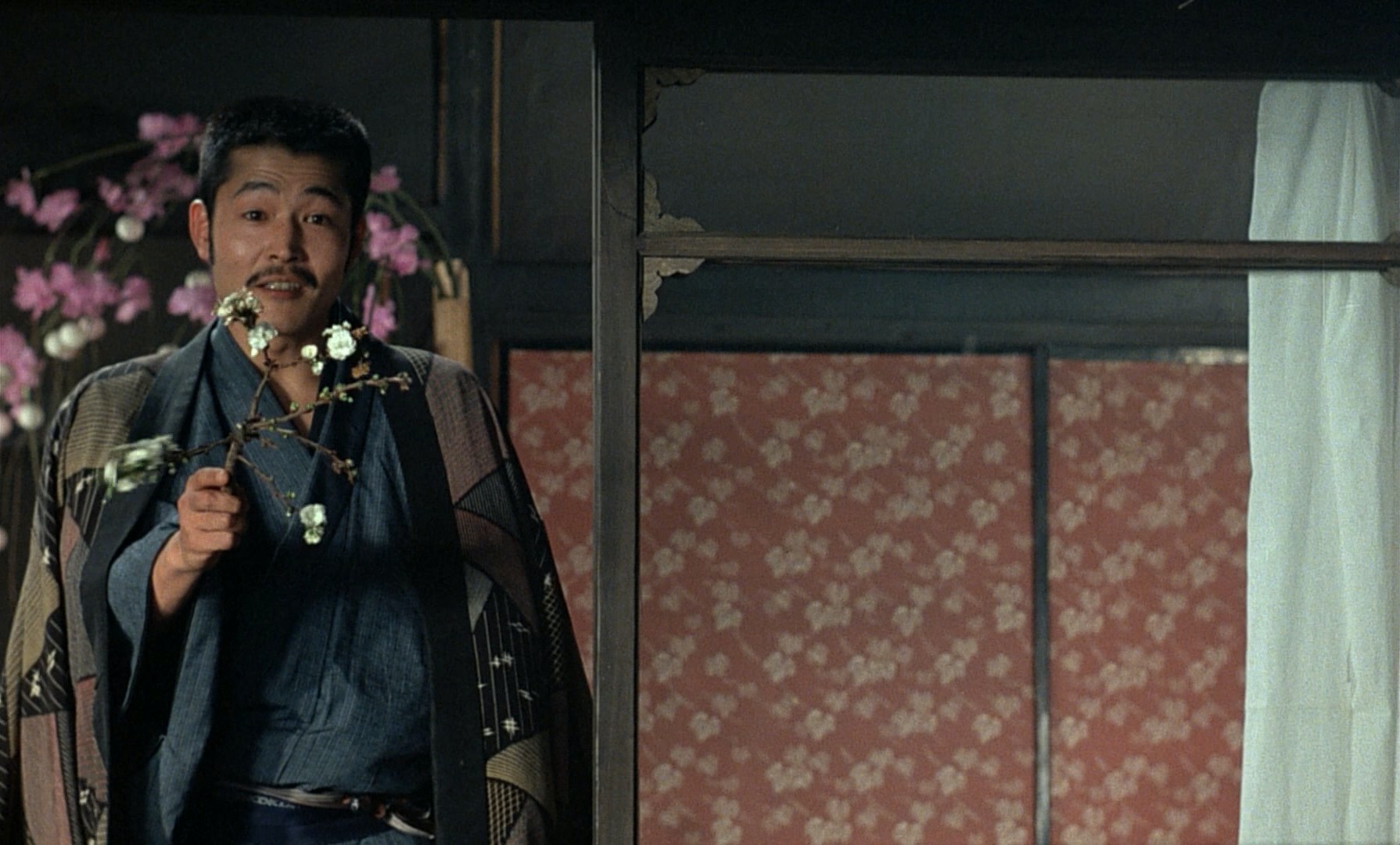
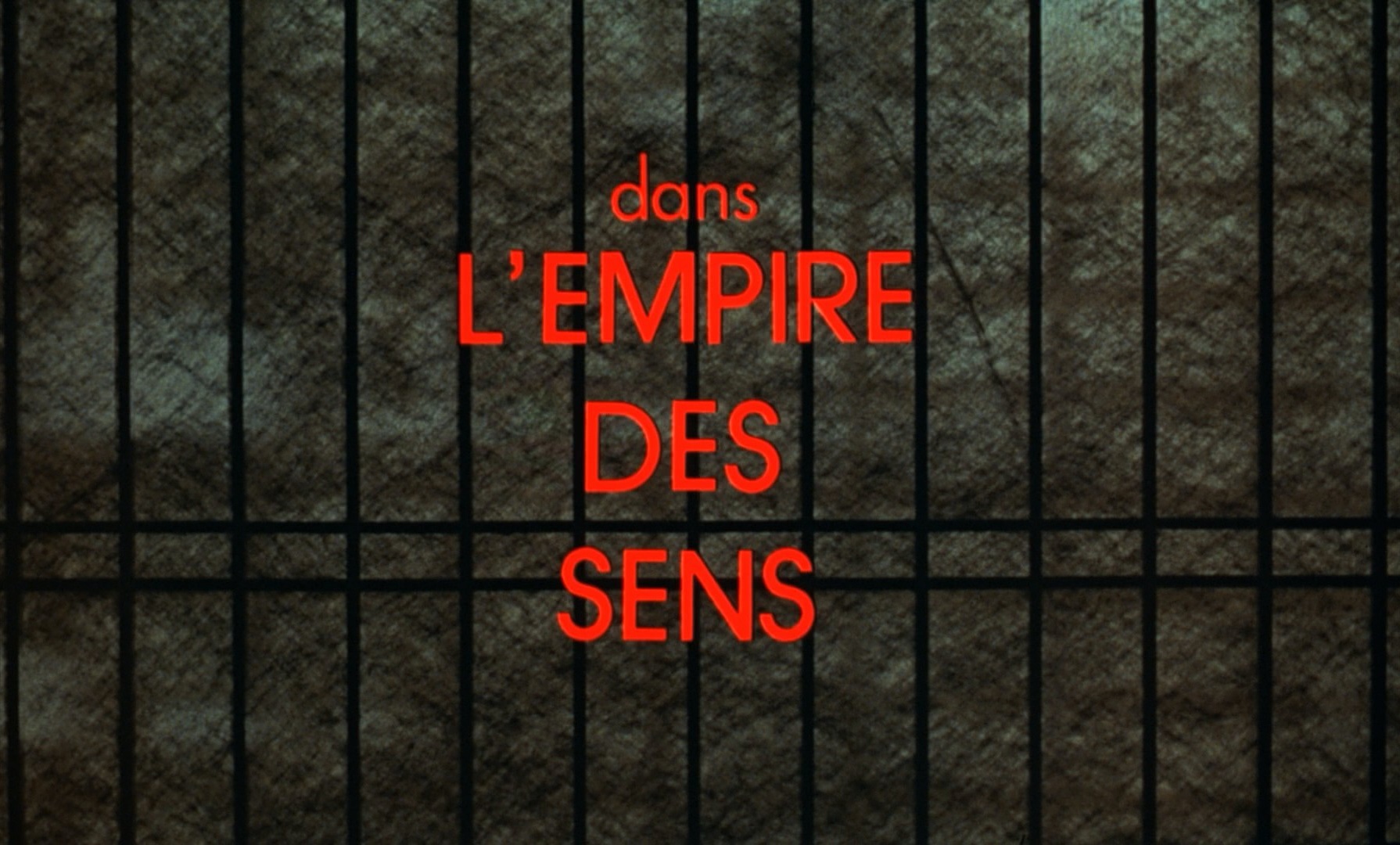
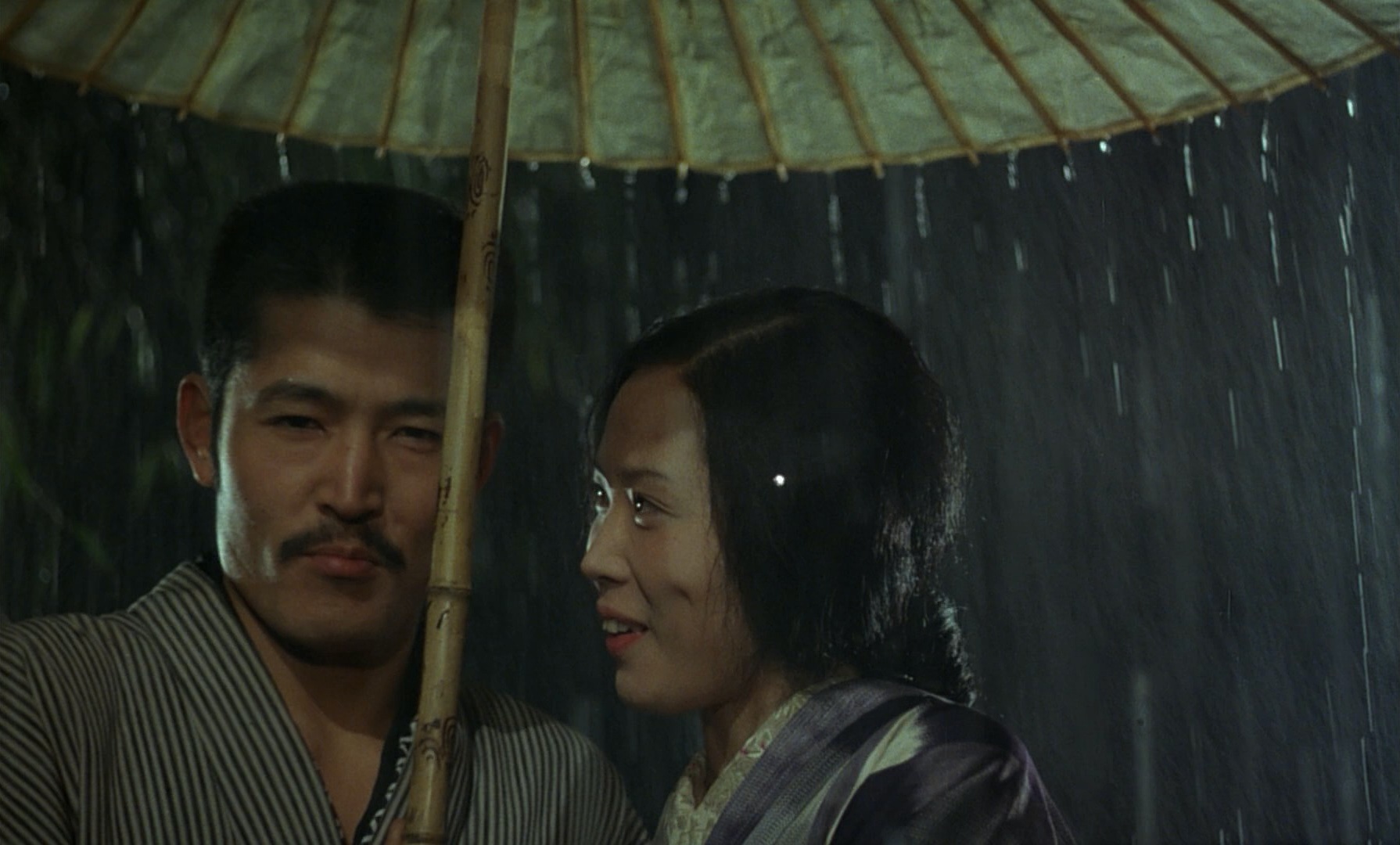
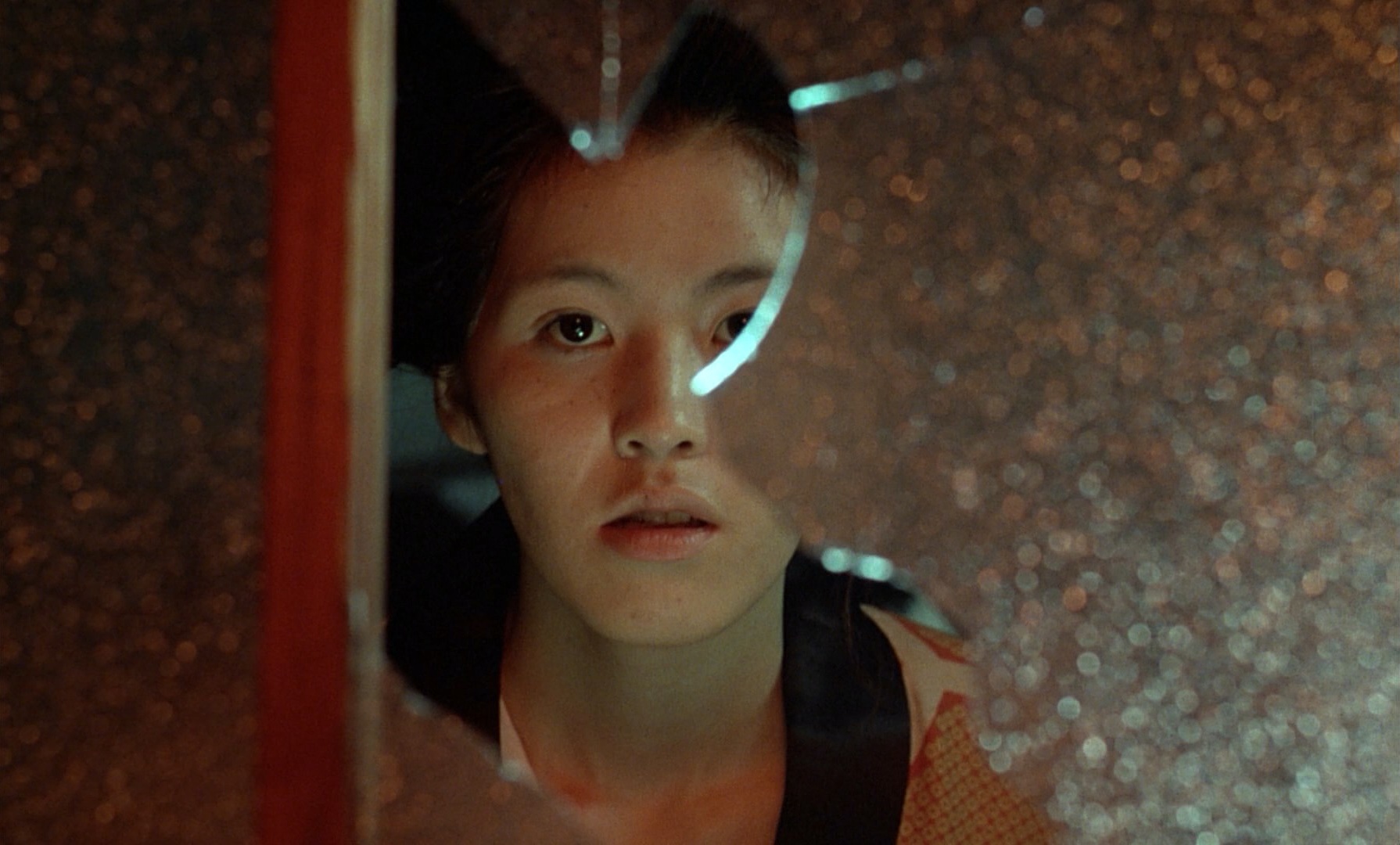
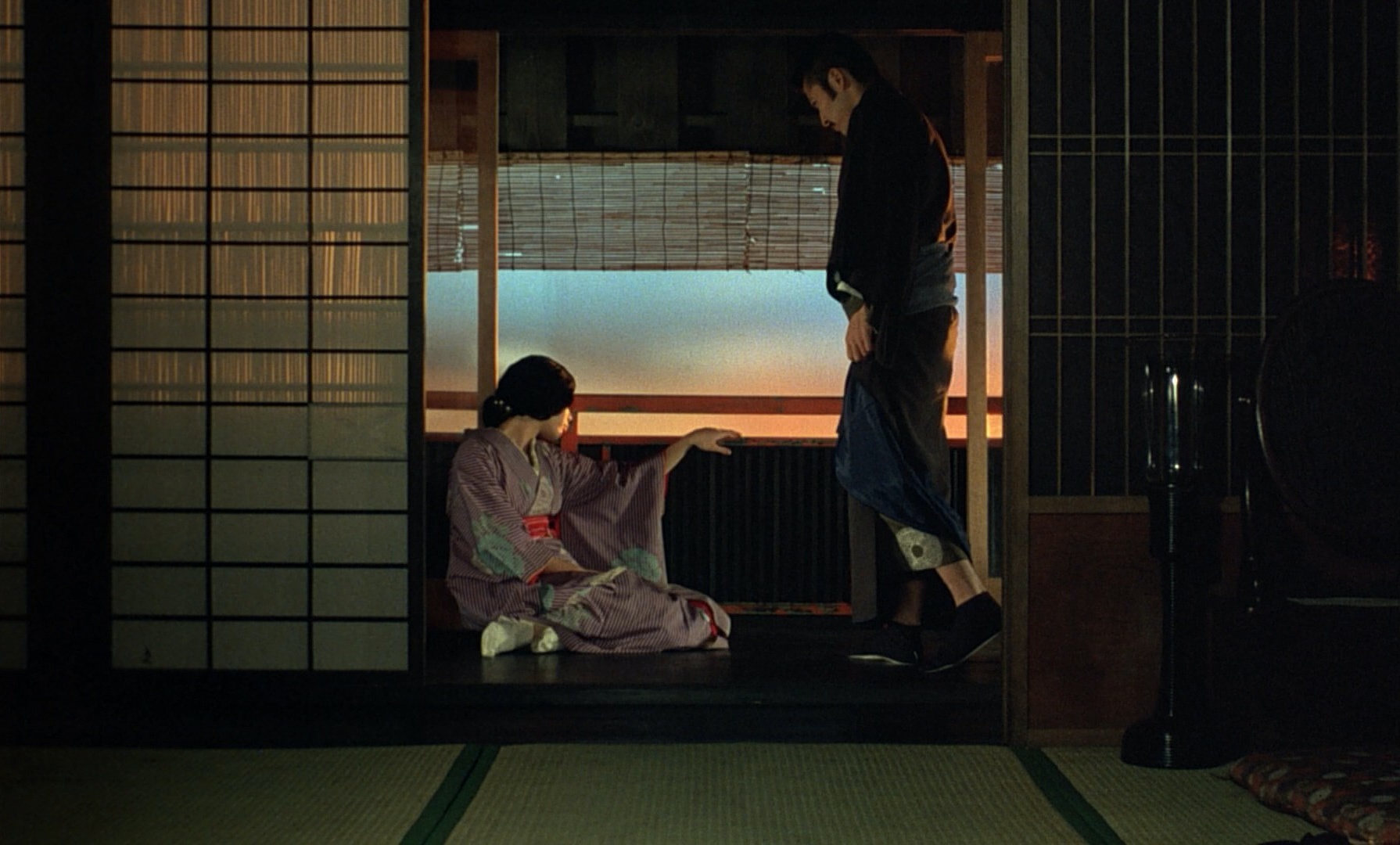
In the Realm of the Senses (1976)
Based on a true story set in 1930s Japan, the film follows the obsessive and increasingly consuming relationship between Sada Abe, a former prostitute, and her employer-turned-lover. As their affair intensifies, they withdraw from society, becoming wholly absorbed in each other. Their passion escalates toward a disturbing and tragic conclusion, blurring the line between love, control, and annihilation.
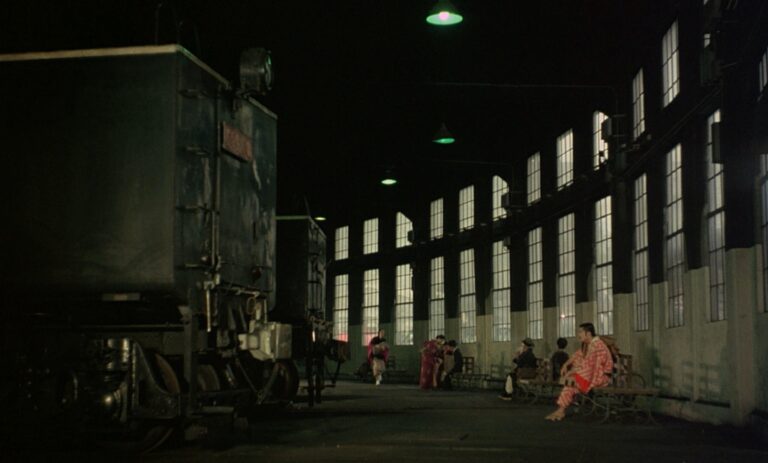
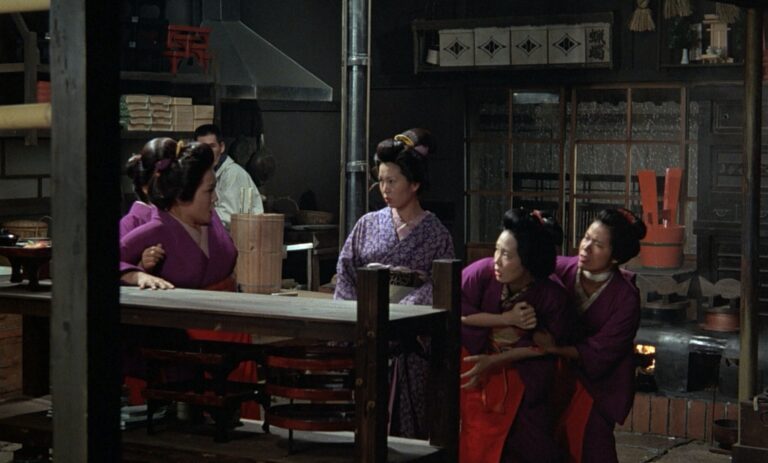
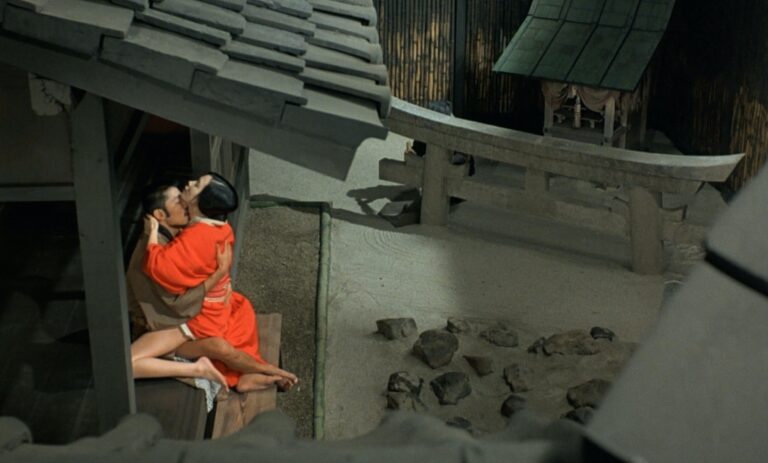
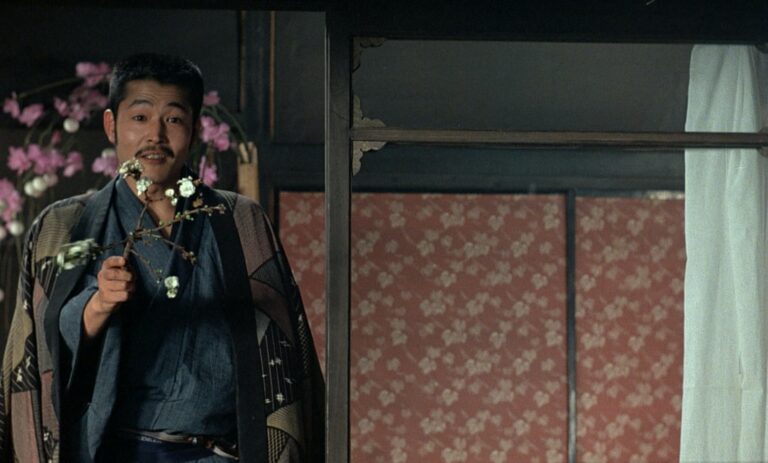
Ōshima and cinematographer Hideo Itō shot In the Realm of the Senses with a controlled, almost classical stillness, using carefully composed interiors and a restrained camera to ground its explicit subject matter. The film’s use of traditional Japanese architecture—sliding doors, layered spaces, and rich reds—creates a formal, composed visual frame that contrasts sharply with the escalating intensity of the performances.
FILM SPOTLIGHT
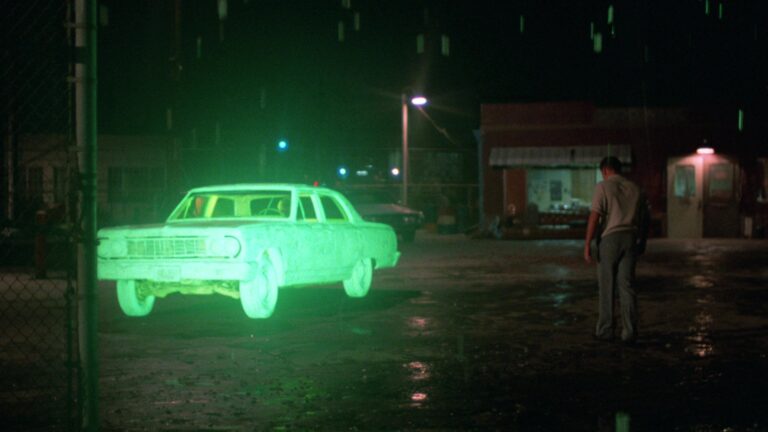
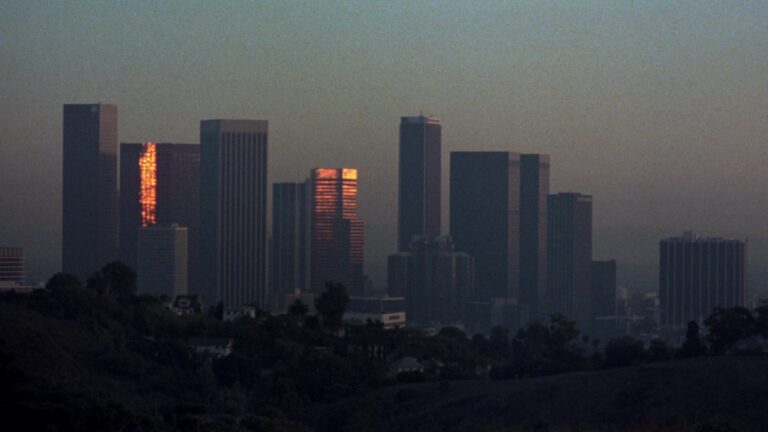
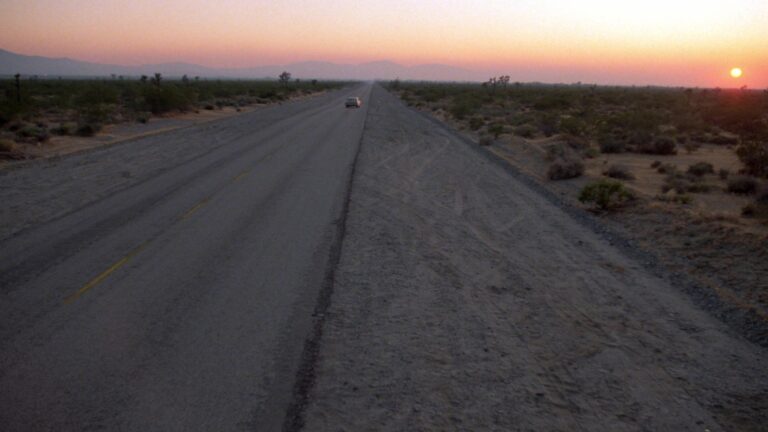
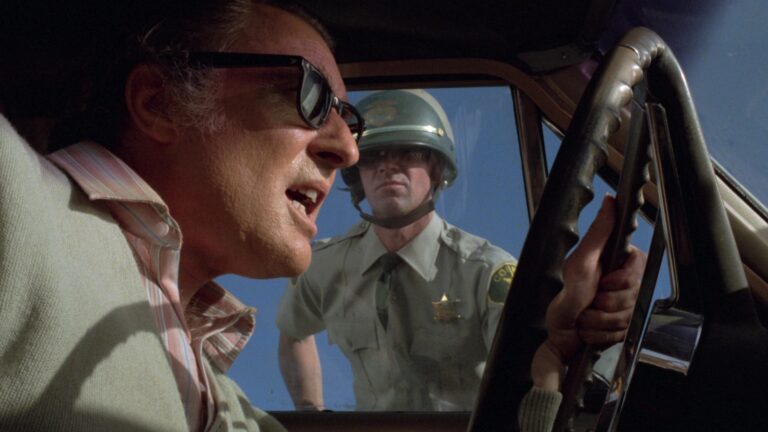
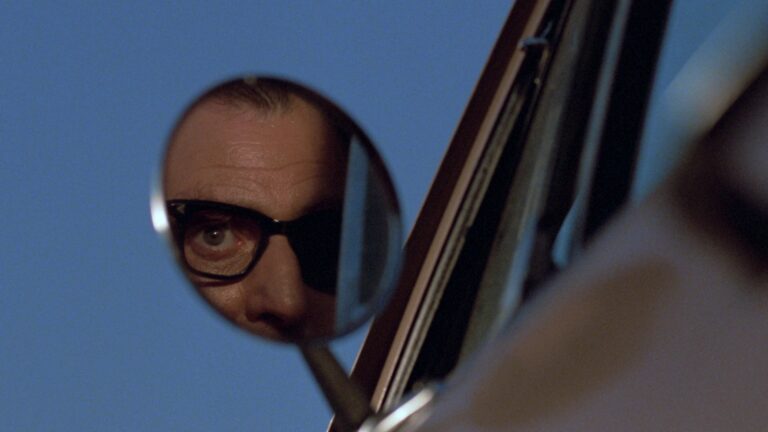
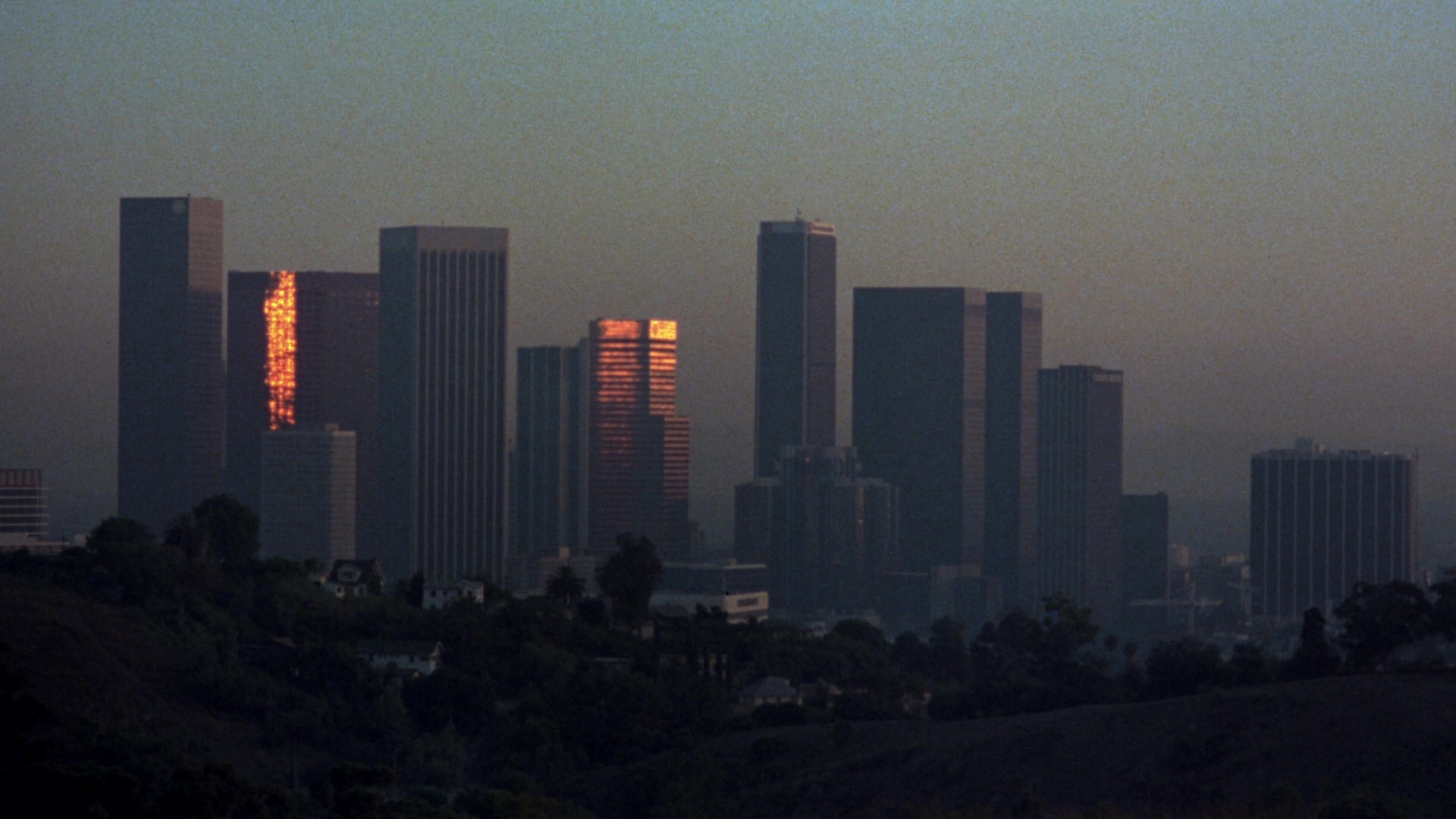
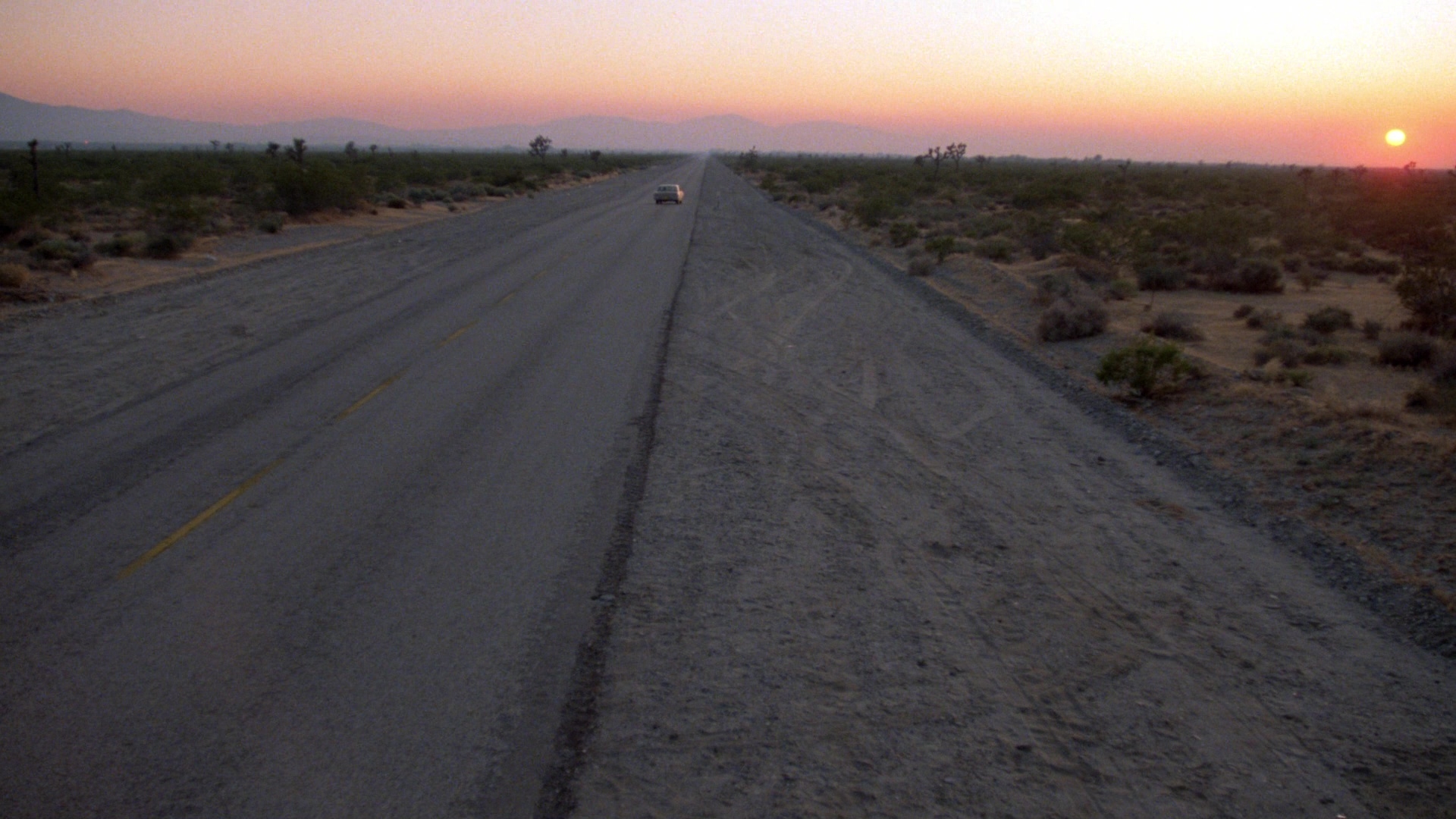
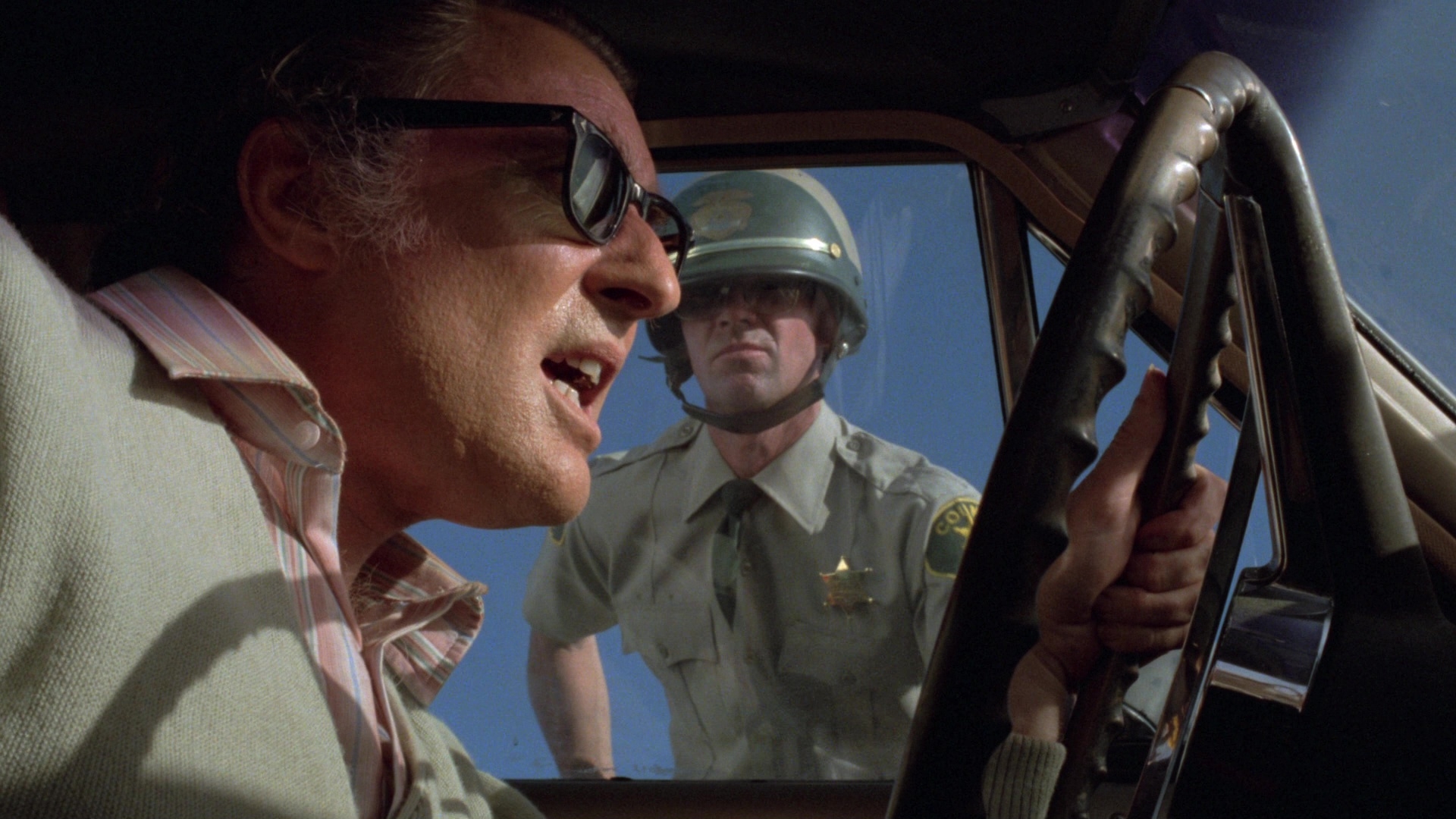
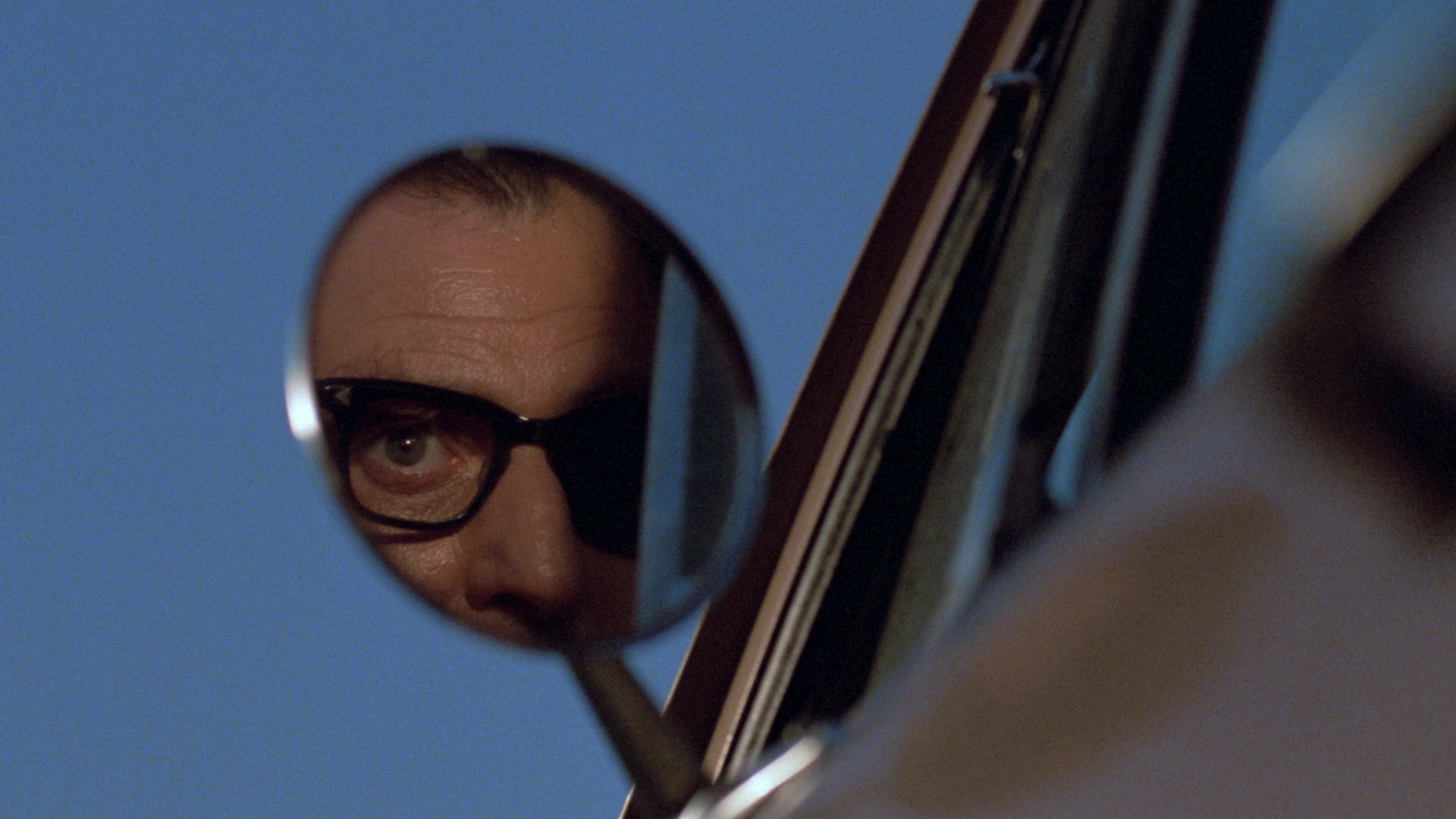
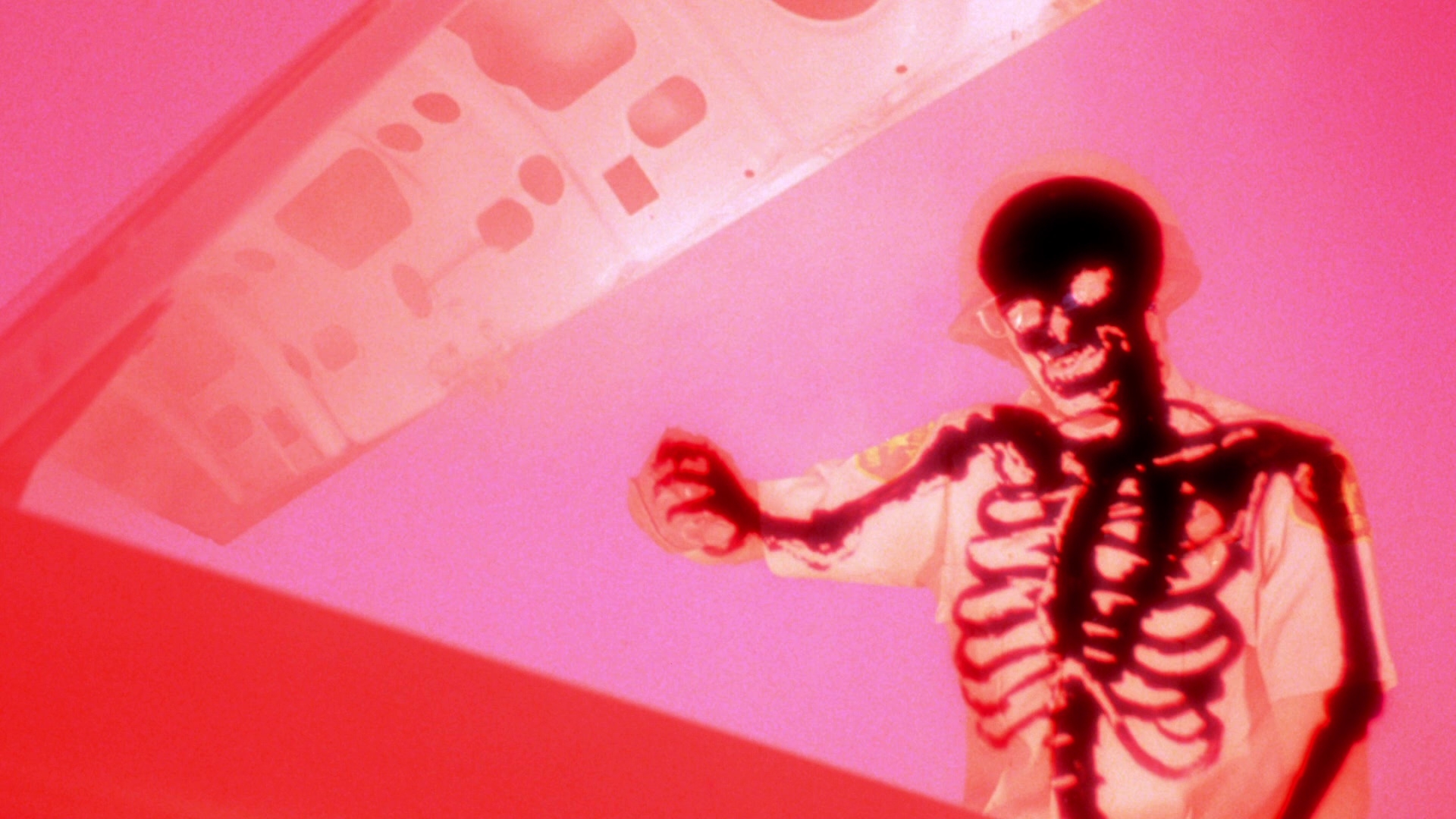
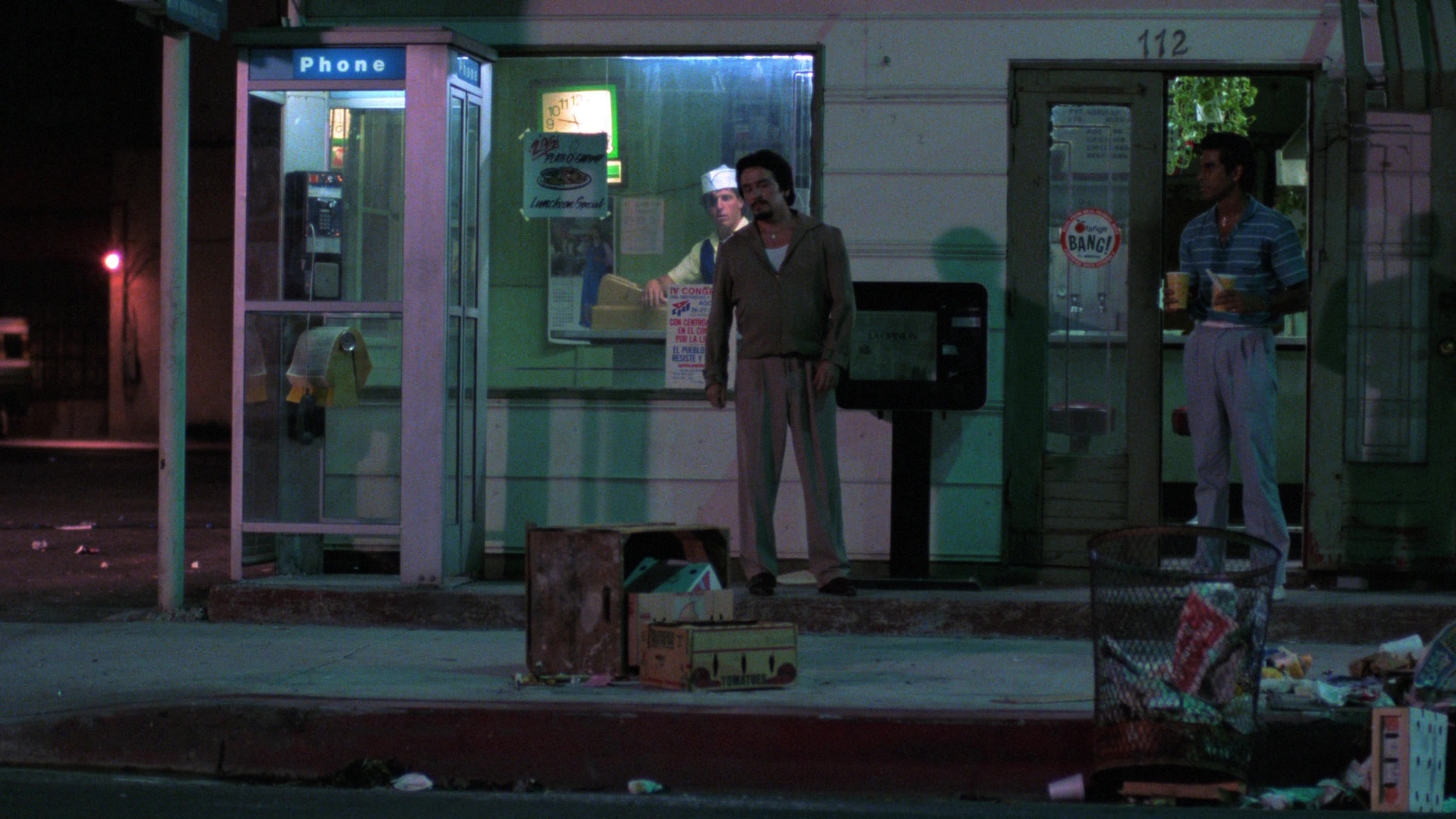
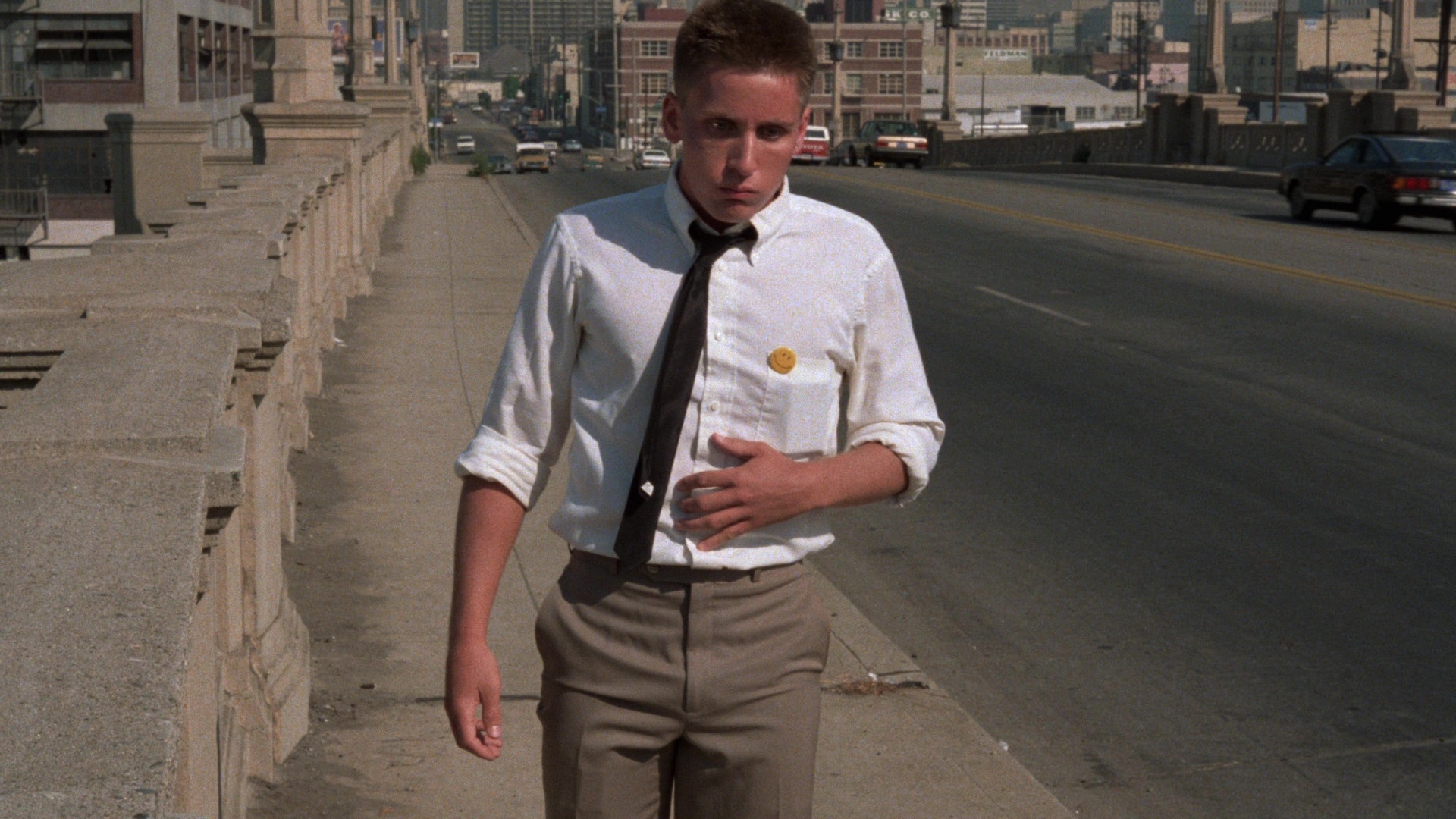
Repo Man (1984)
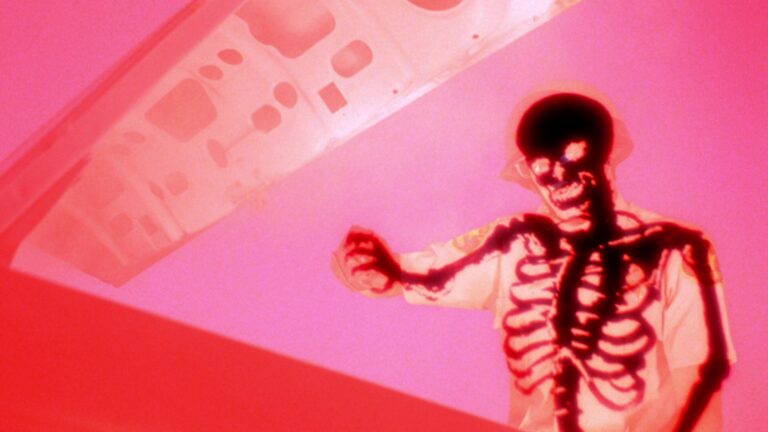
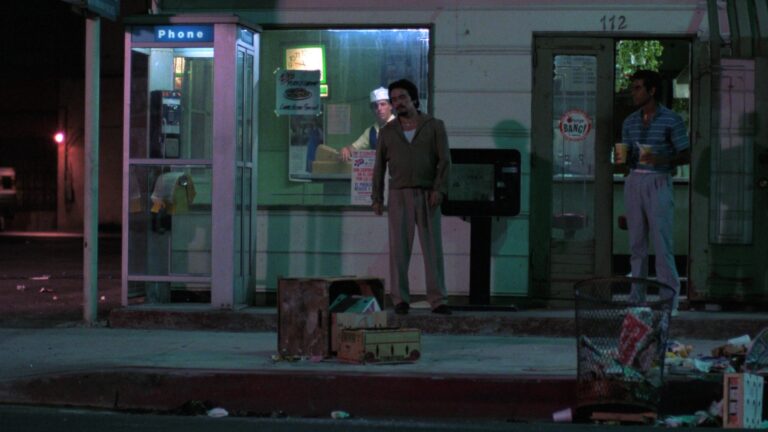
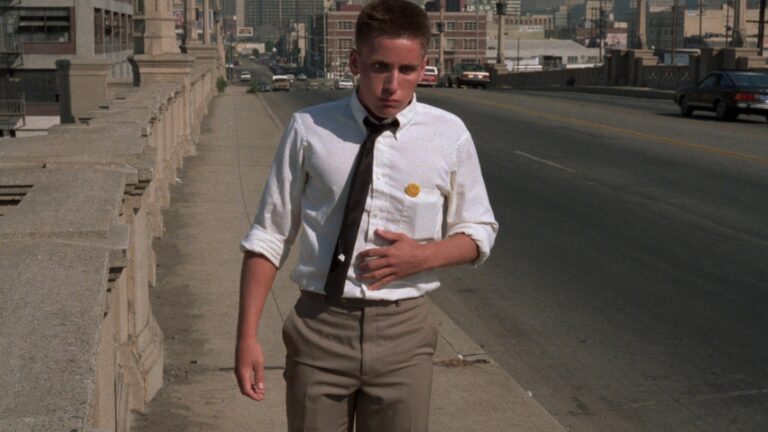
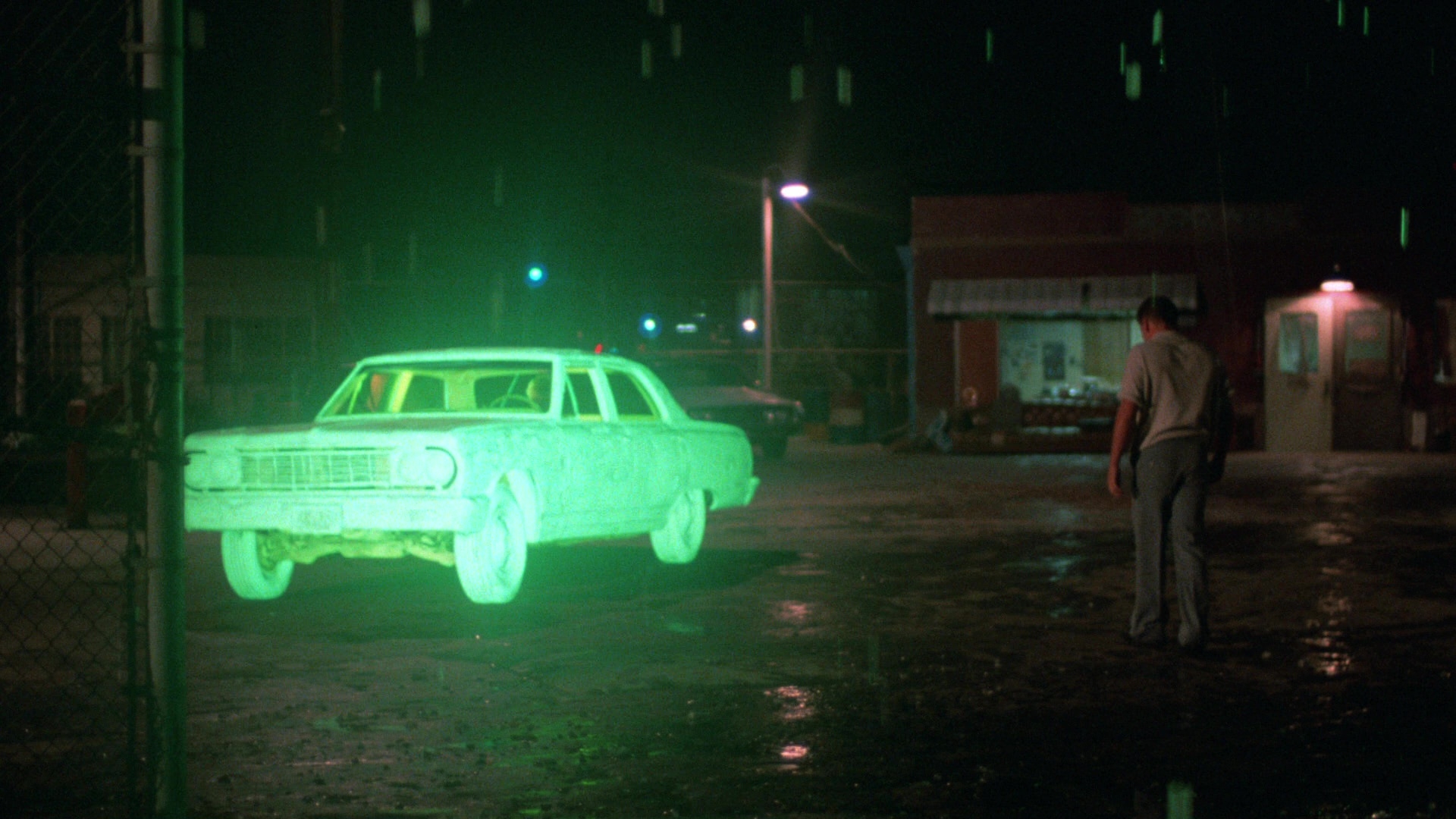
Otto, a disaffected punk living in Los Angeles, stumbles into a job repossessing cars, only to find himself caught up in a bizarre conspiracy involving a mysterious Chevrolet Malibu with a deadly secret in its trunk. As rival repo men, government agents, and eccentric characters close in, Otto navigates a surreal world where nothing is quite what it seems. The film blends sci-fi, satire, and punk attitude into an offbeat journey through Reagan-era America.
Cox and cinematographer Robby Müller give Repo Man a stripped-down, punk visual style, using flat lighting, wide lenses, and unpolished compositions to match its anarchic tone. The film’s deadpan framing and deliberately artificial touches—like generic product labels—turn the image into a satirical space, where everyday Los Angeles feels both mundane and strangely otherworldly.

FILM SPOTLIGHT
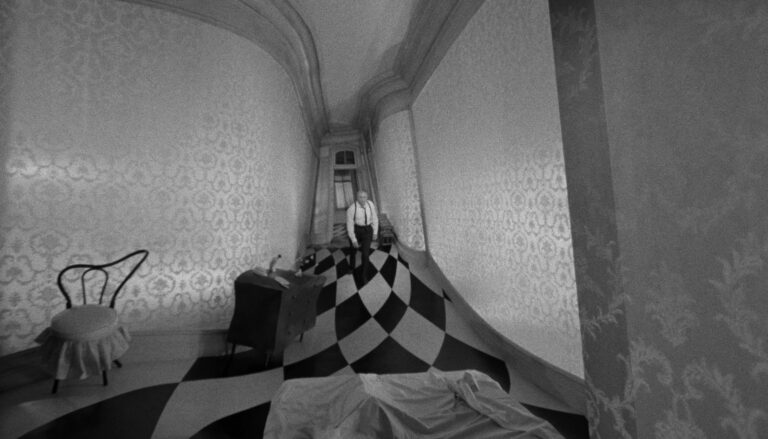
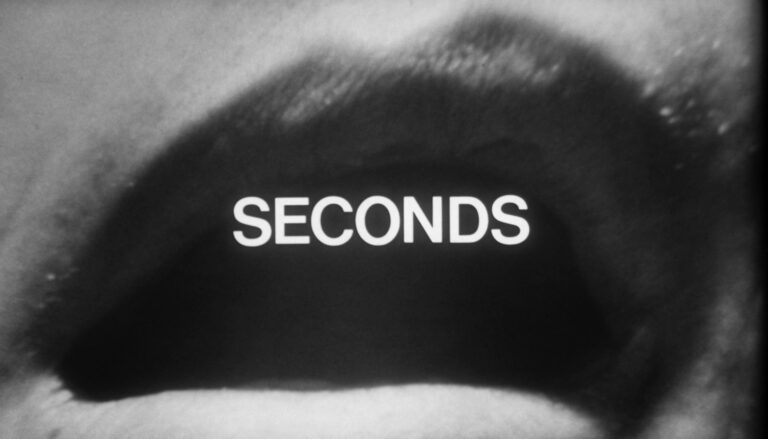
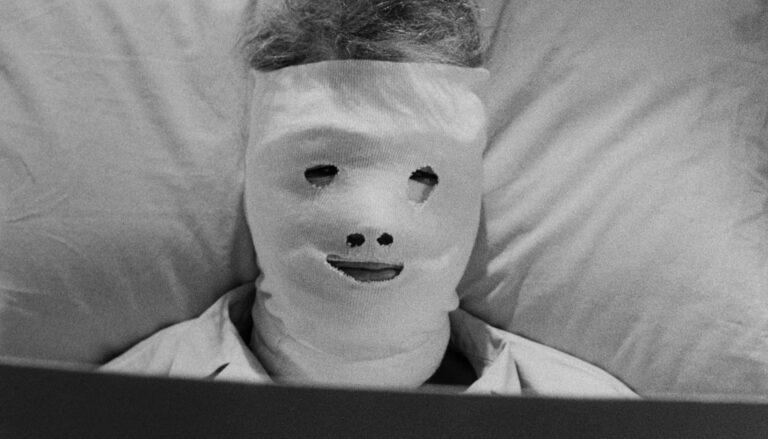
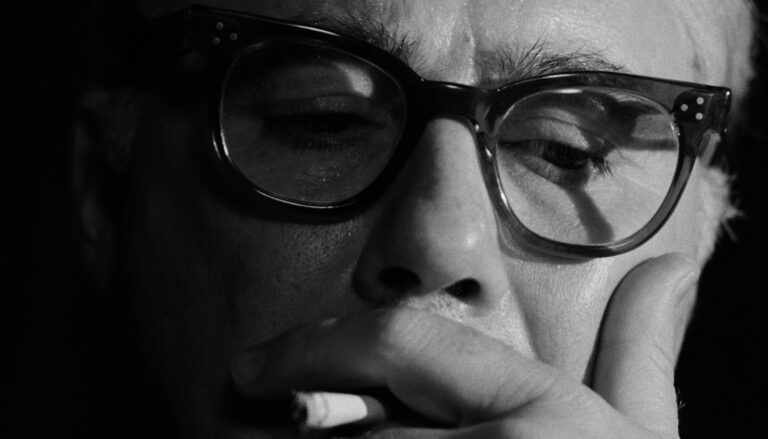
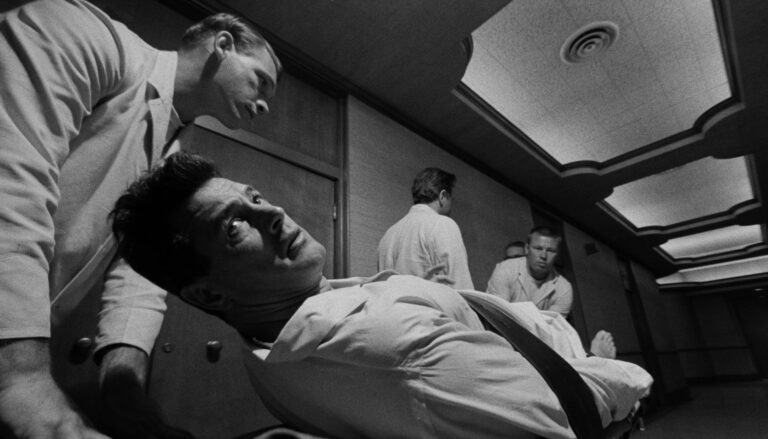
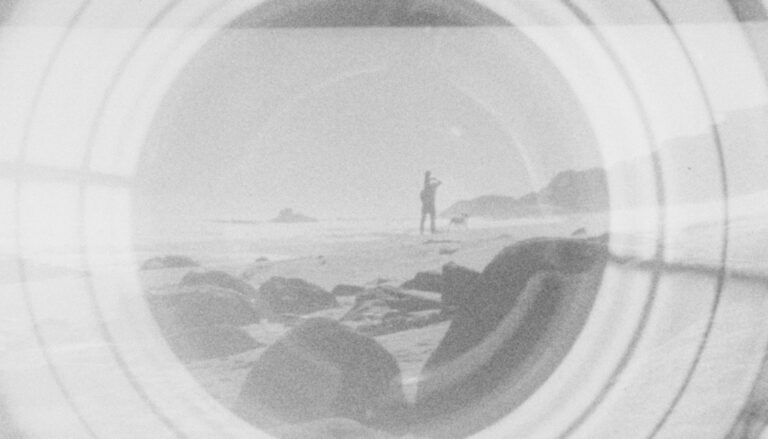
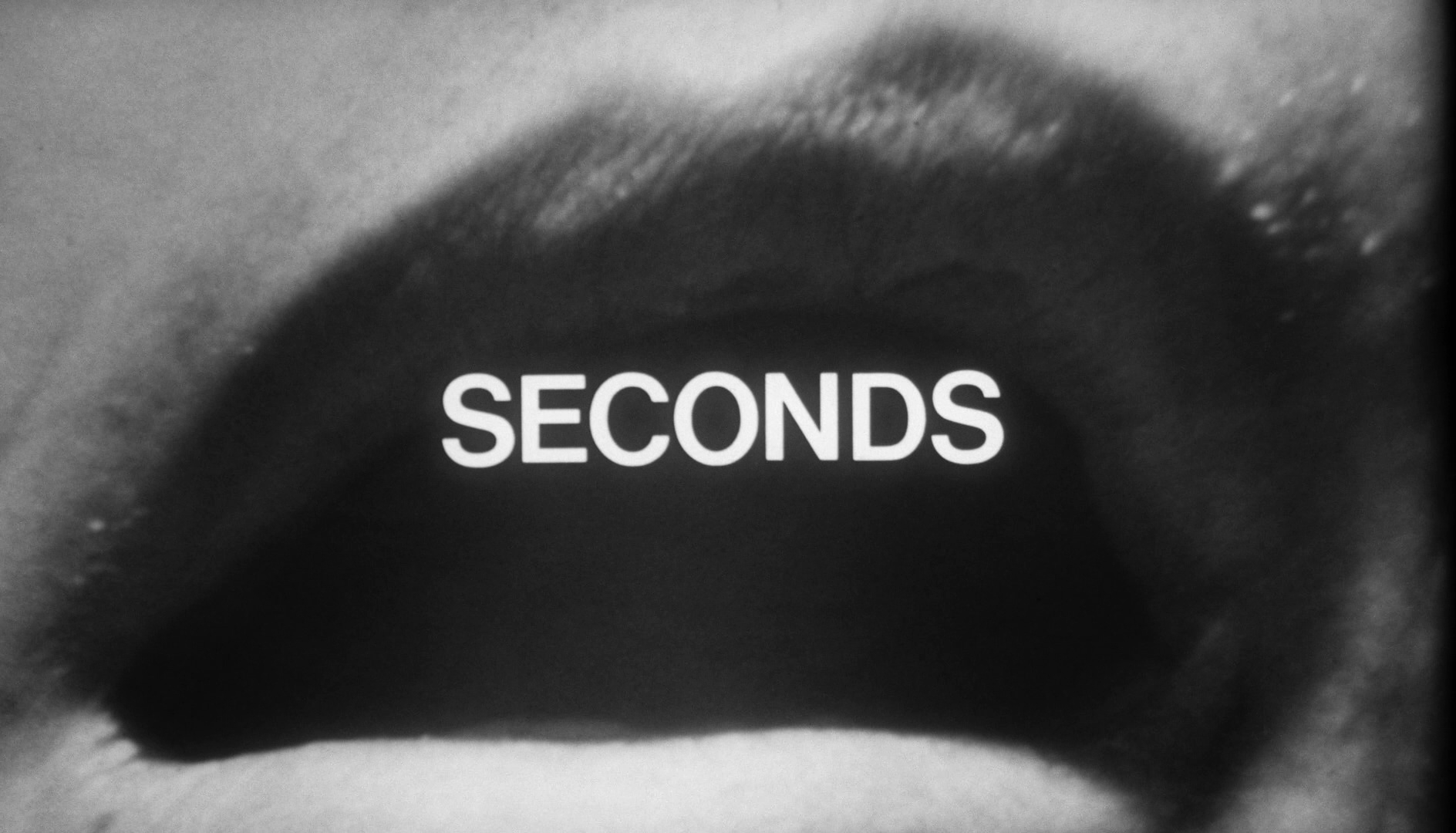
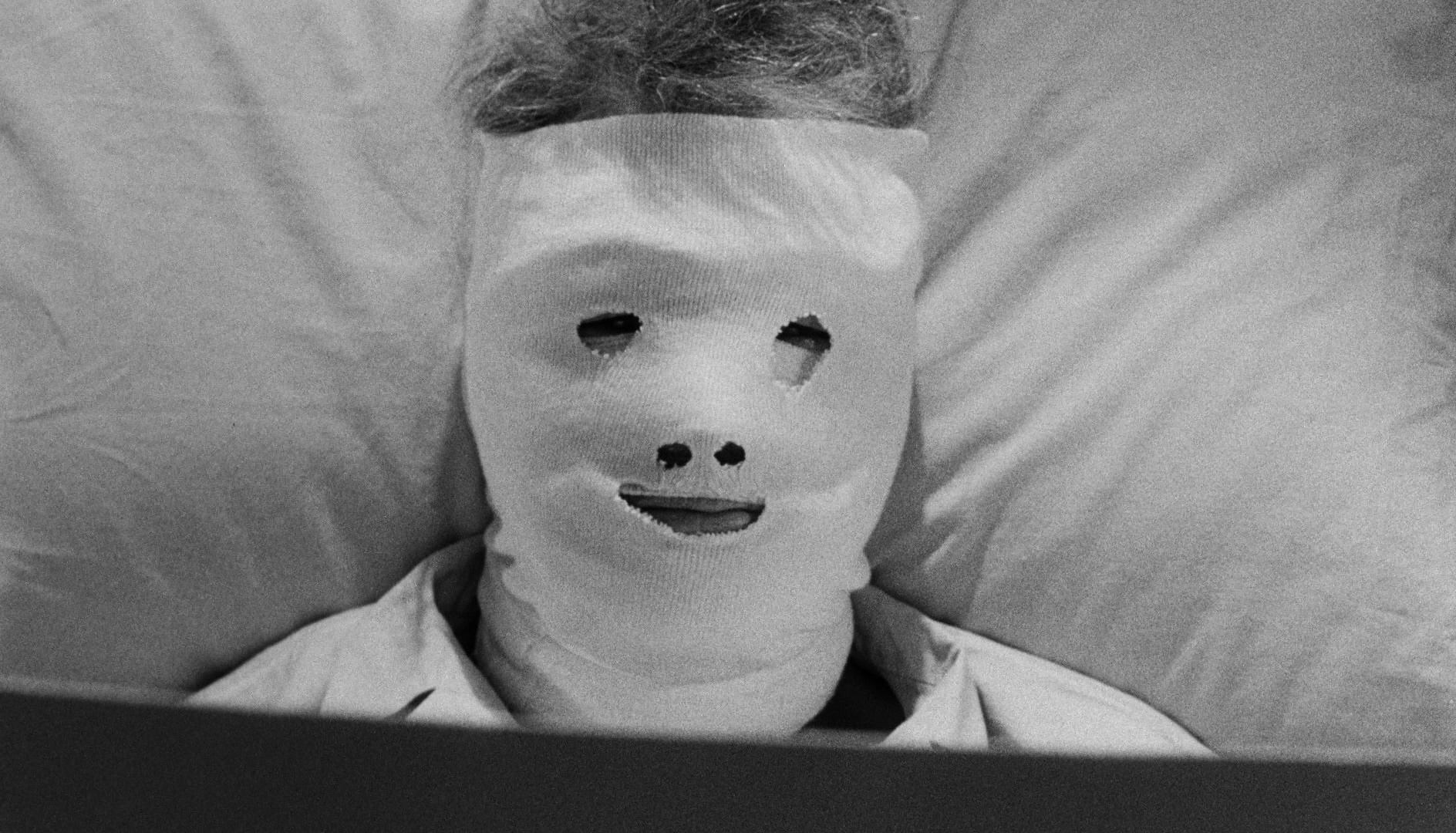
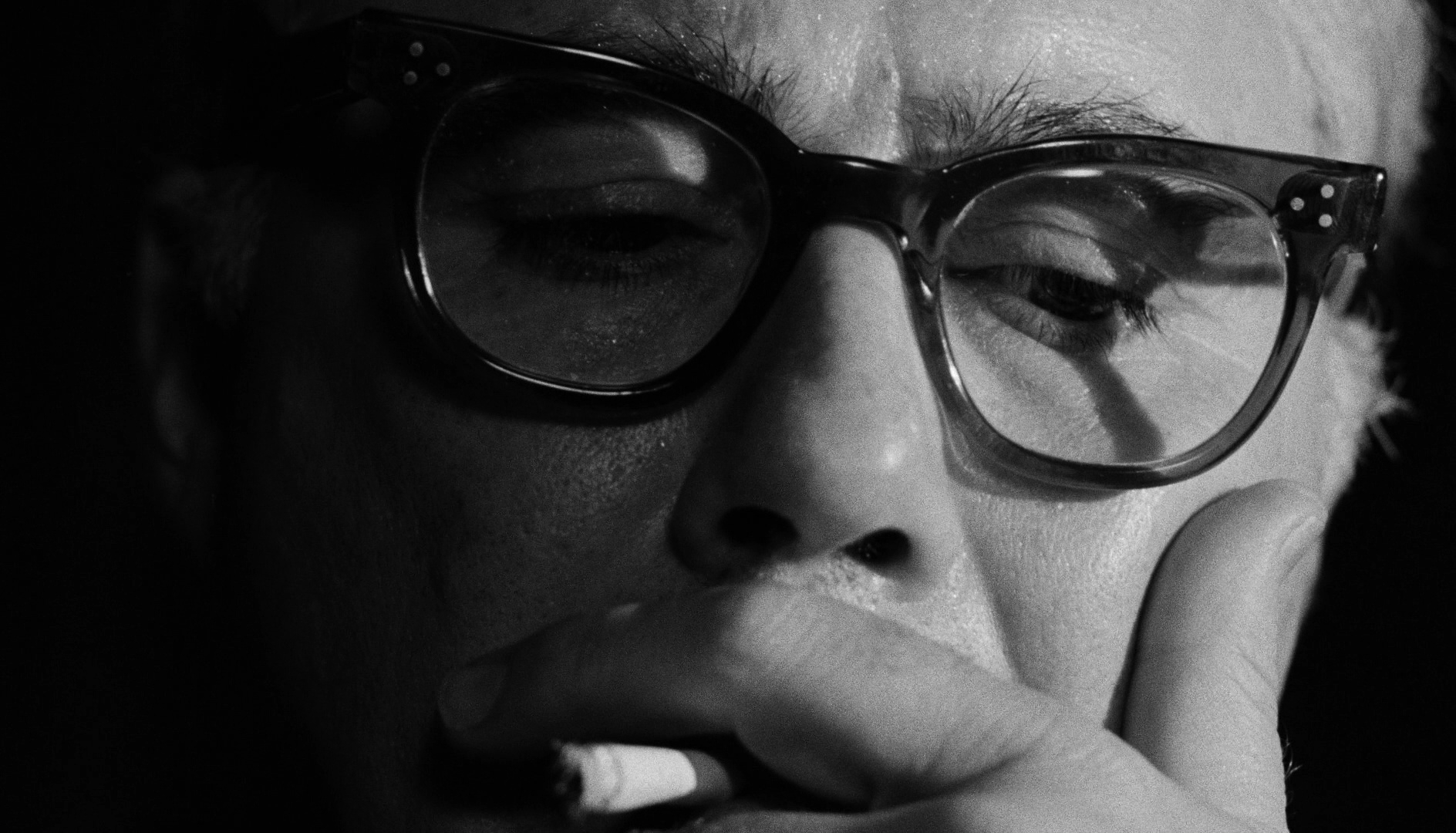
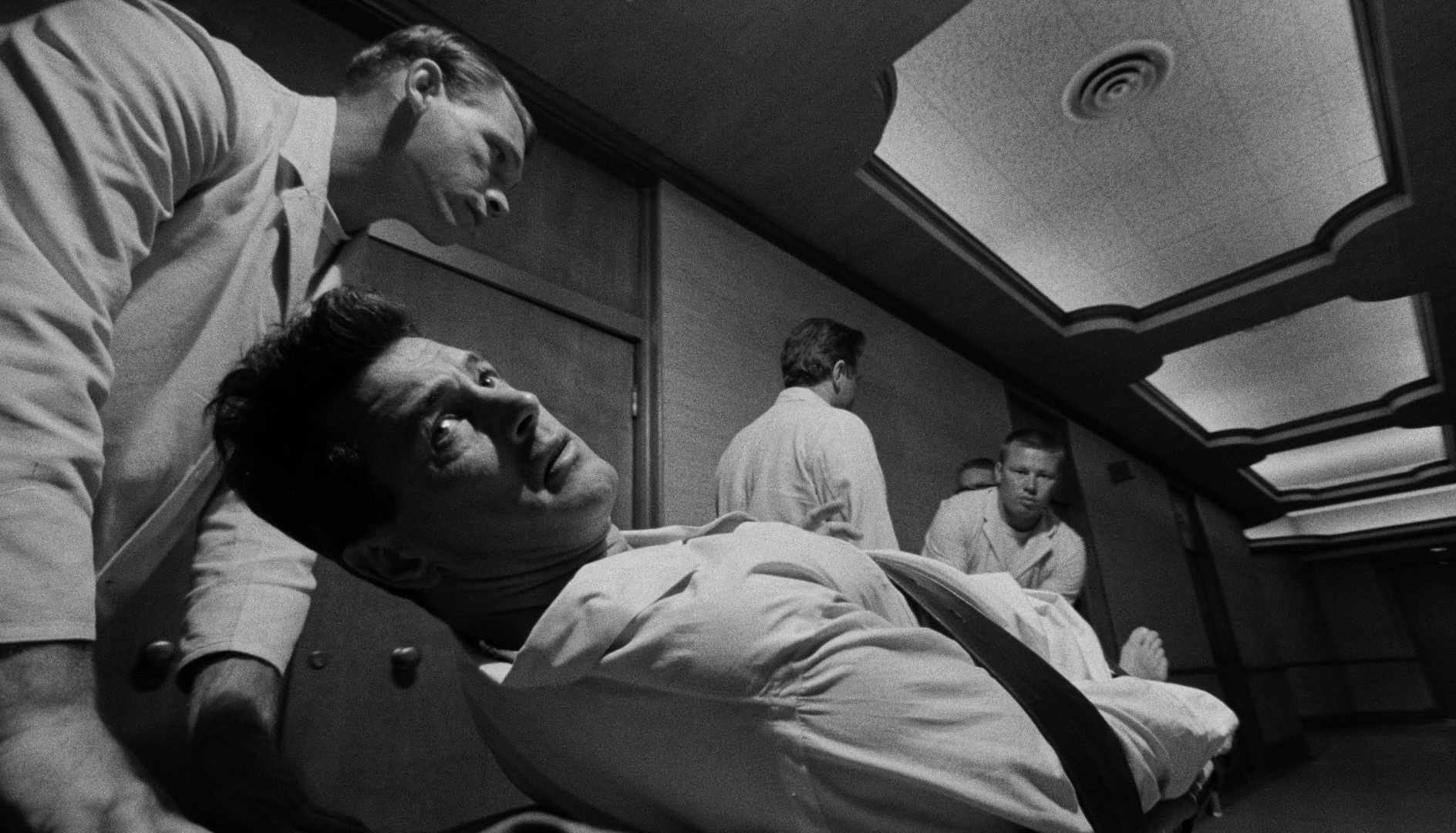
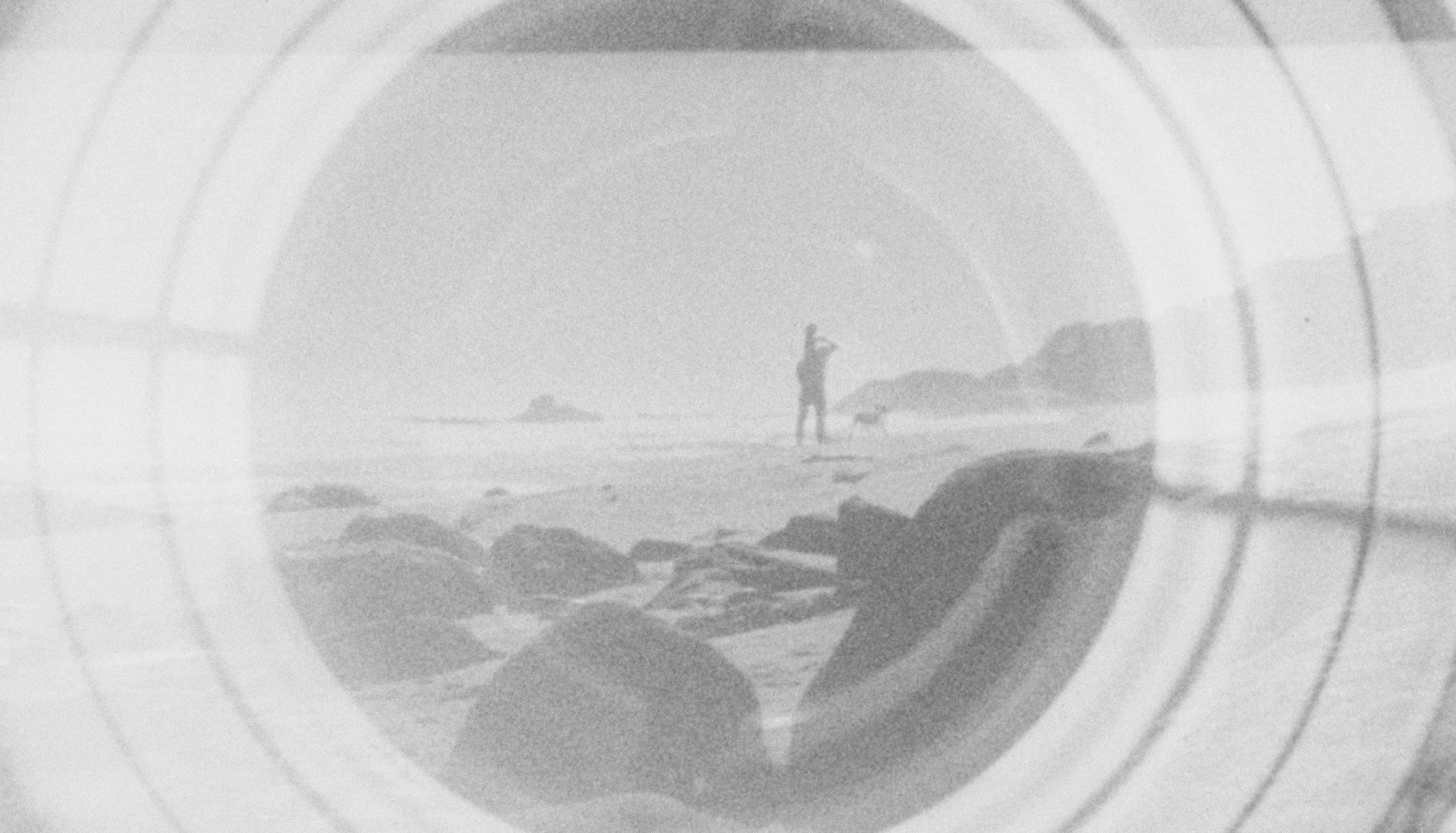
Seconds (1966)
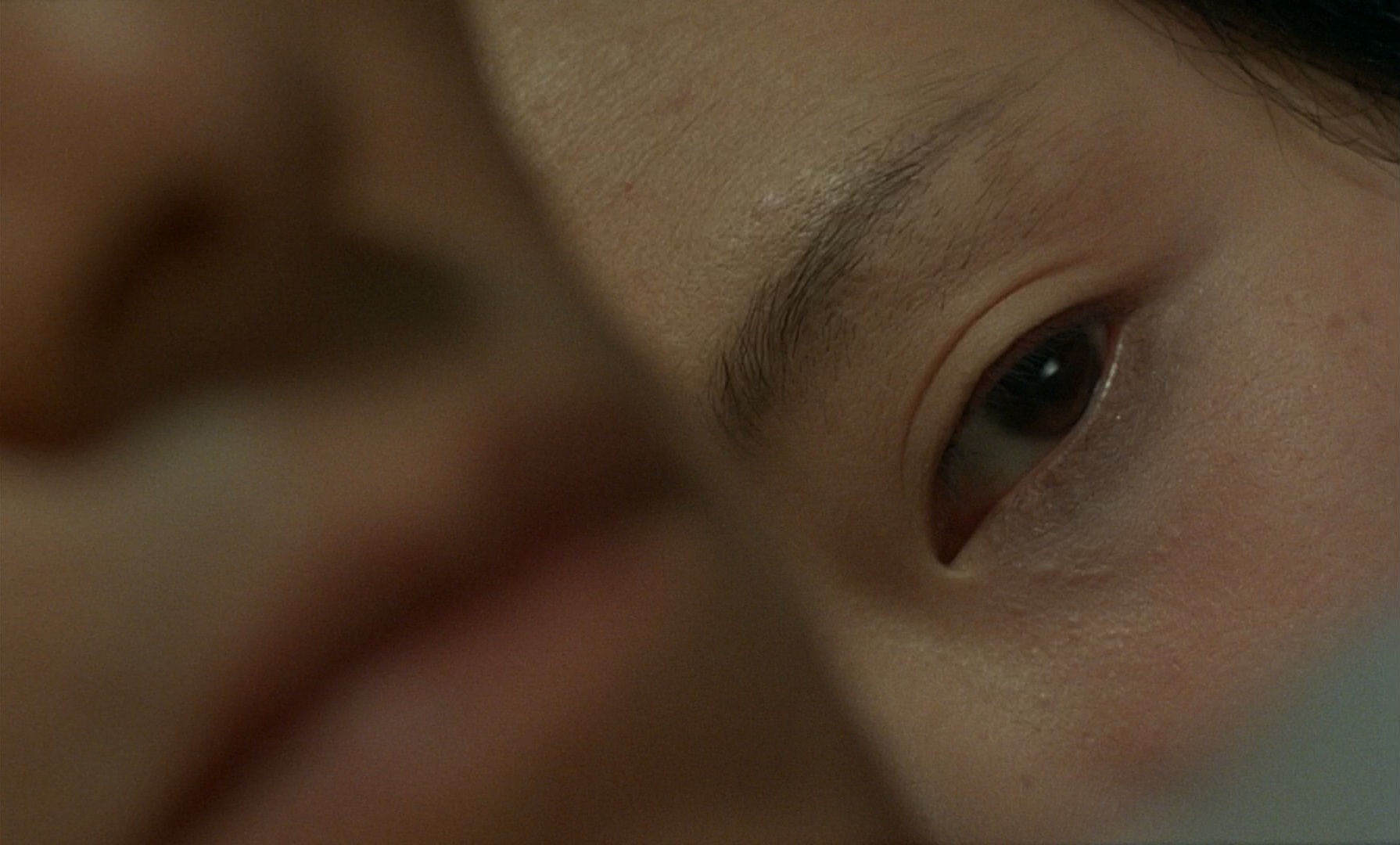
A middle-aged banker, disillusioned with his life, undergoes a radical procedure offered by a mysterious organization that fakes his death and gives him a new identity. Reborn as a younger man with a fresh start, he attempts to embrace his second chance, only to find the experience hollow and increasingly unsettling. As cracks begin to show, he realizes the cost of reinvention may be far greater than he imagined.
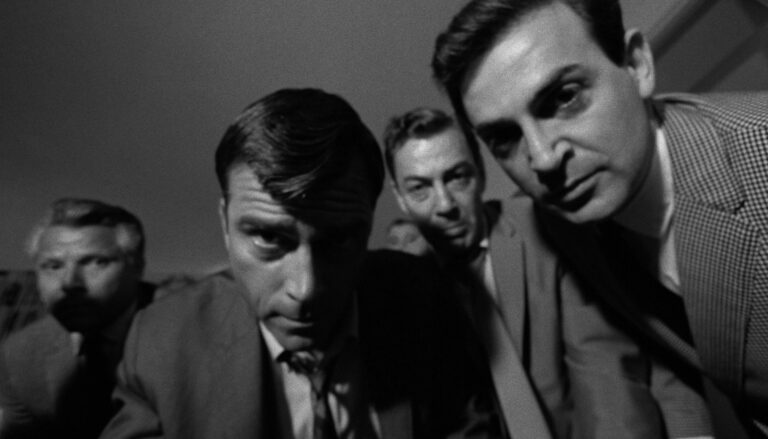
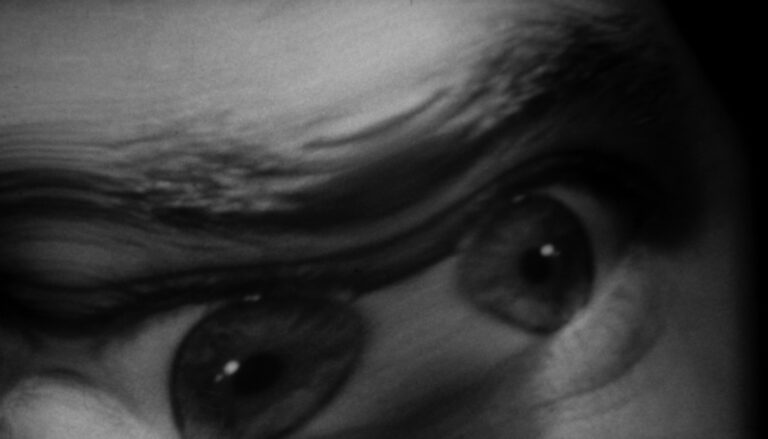
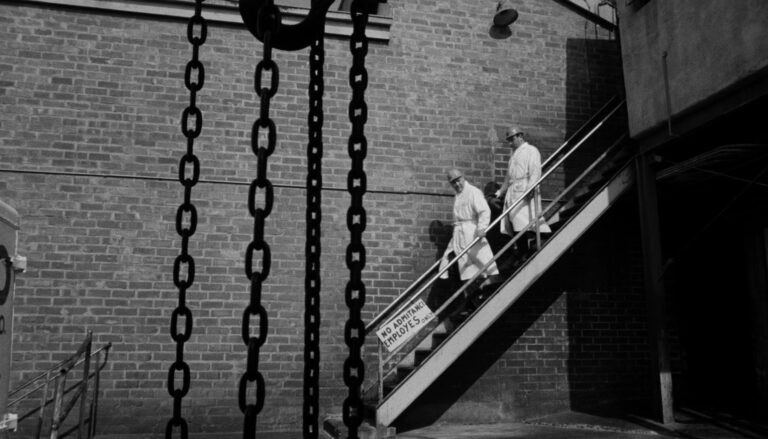
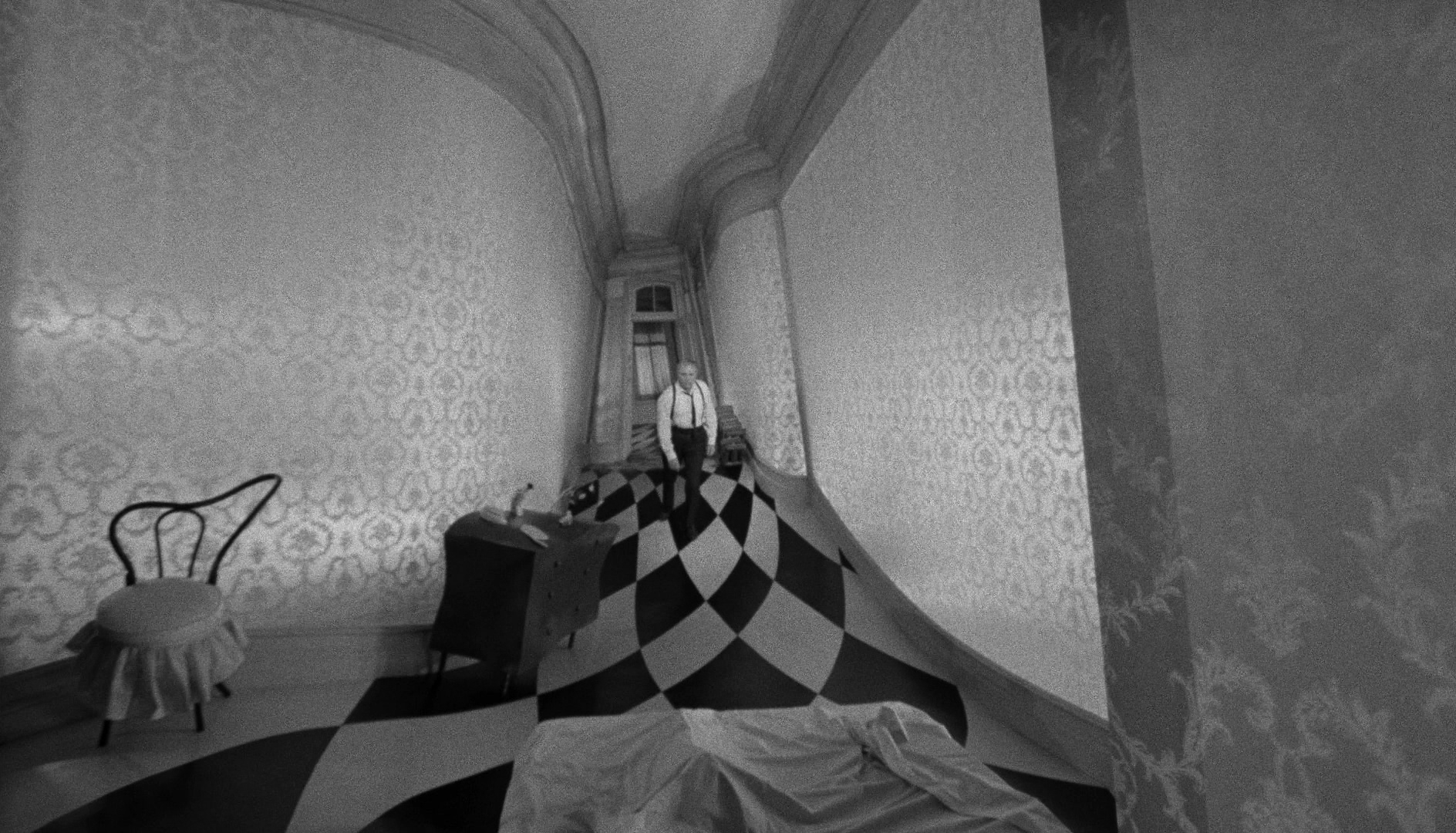
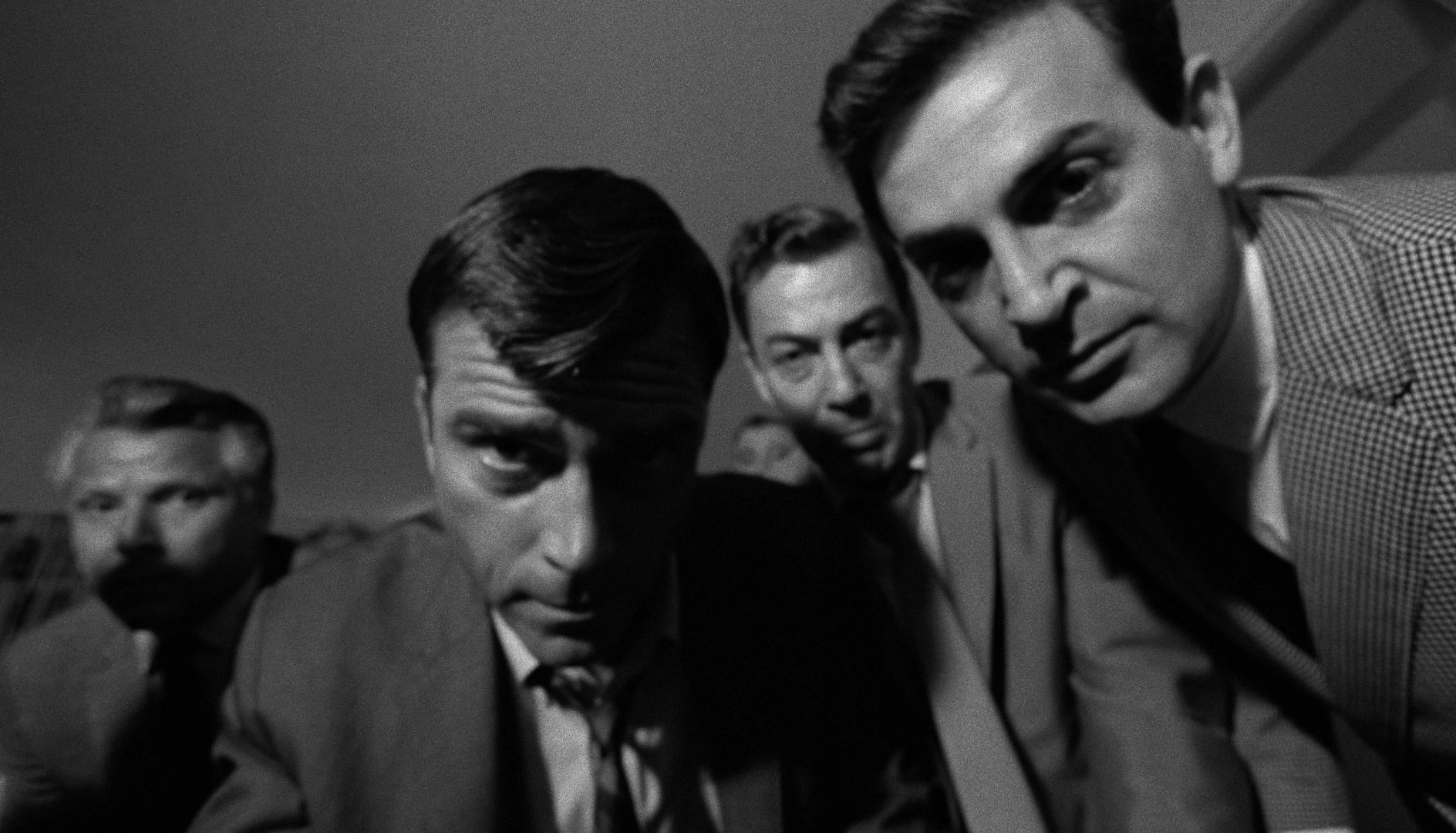
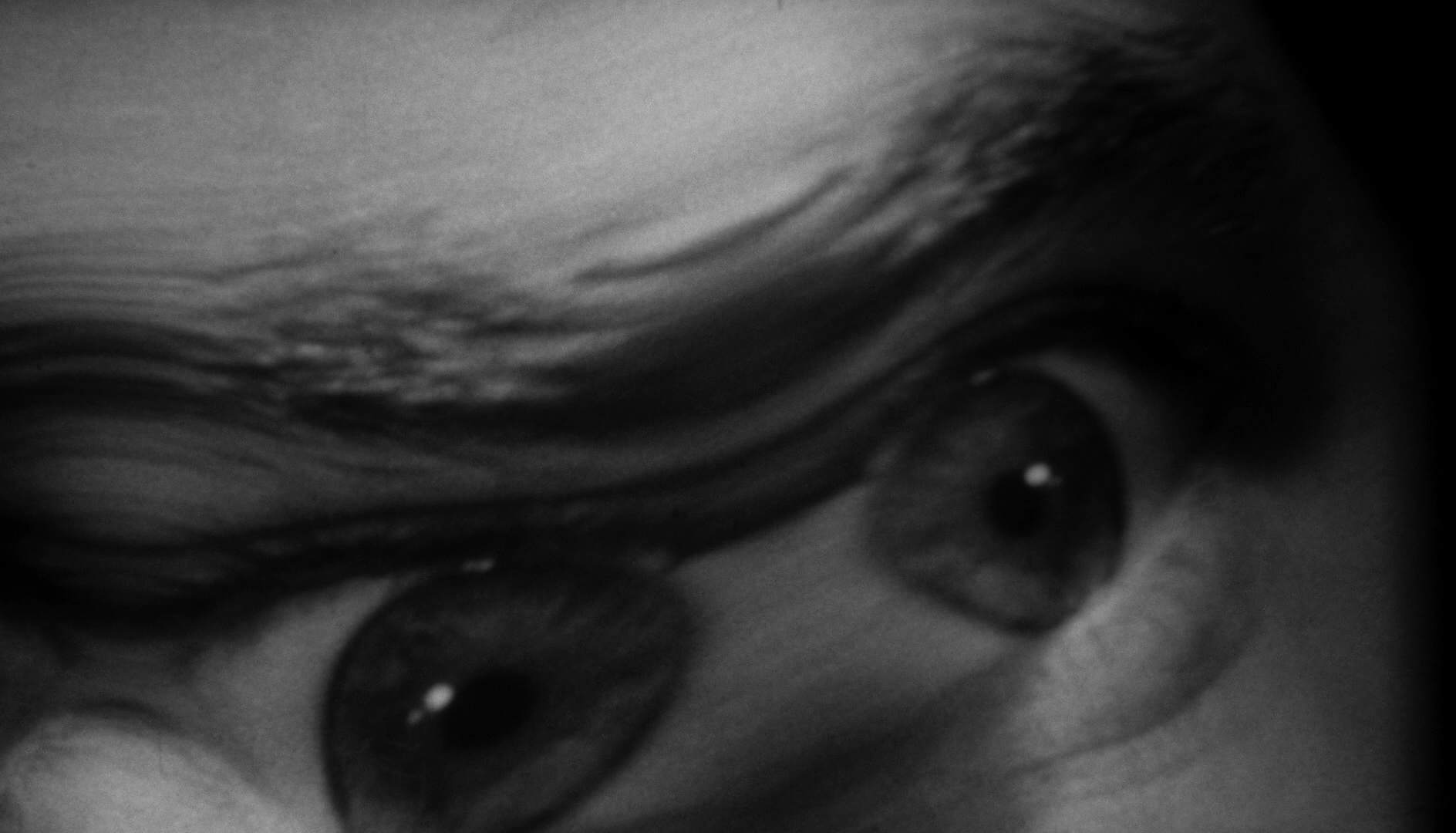
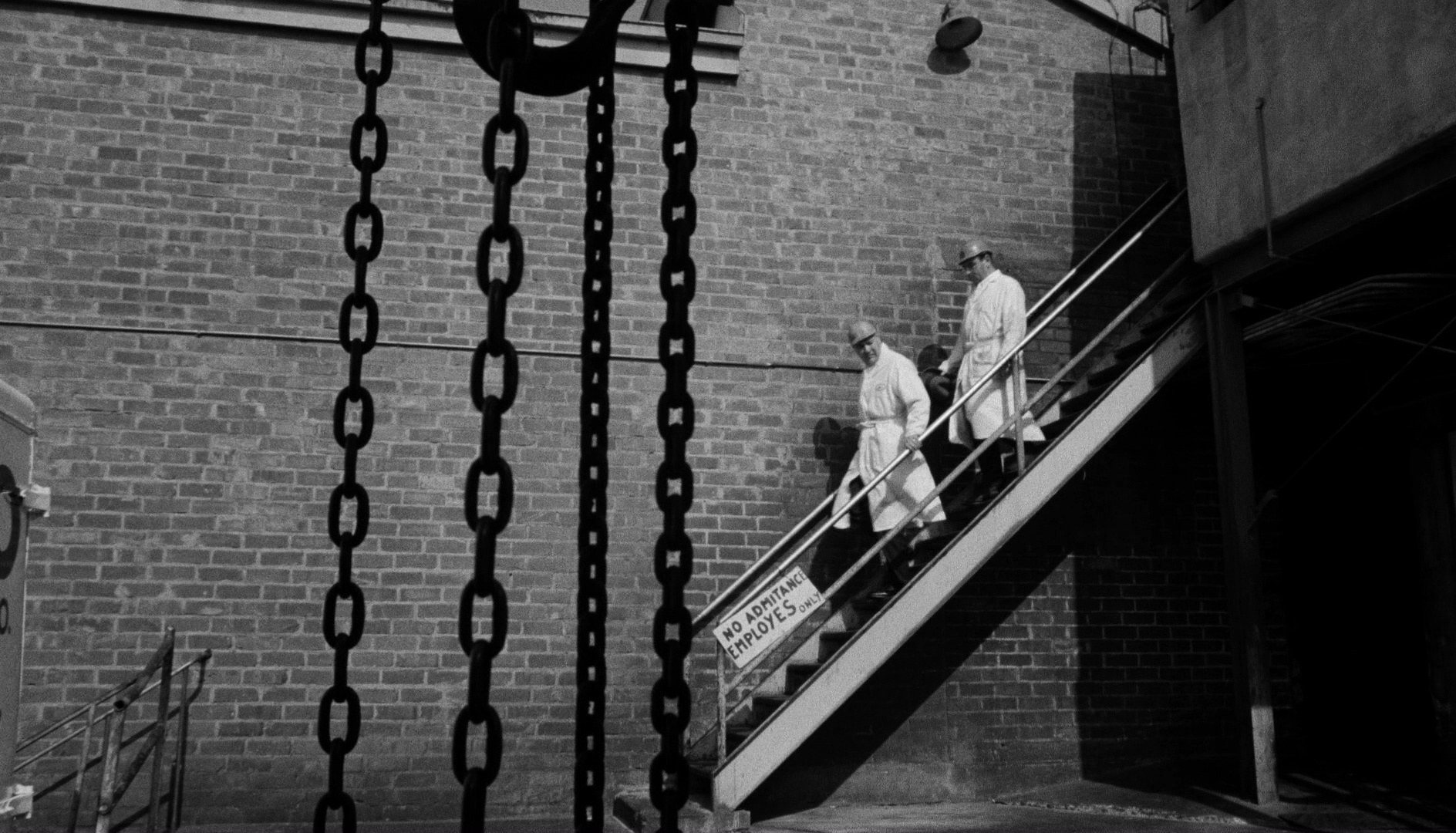
Frankenheimer and cinematographer James Wong Howe shot Seconds with extreme wide-angle lenses, often placing the camera uncomfortably close to faces to distort perspective and heighten unease. The film’s warped compositions, deep focus, and roaming camera turn space itself into something unstable—visually mirroring the protagonist’s growing sense of alienation within his “new” life.
FILM SPOTLIGHT
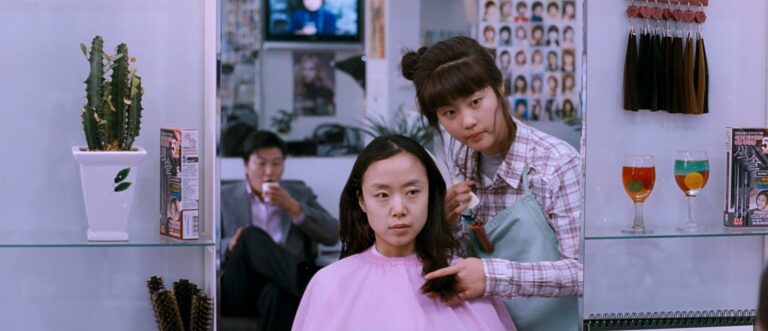
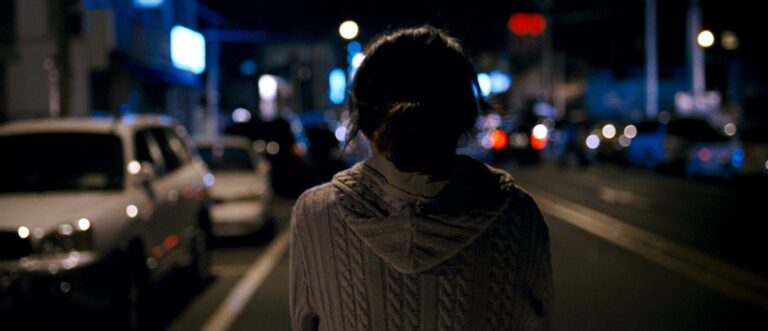
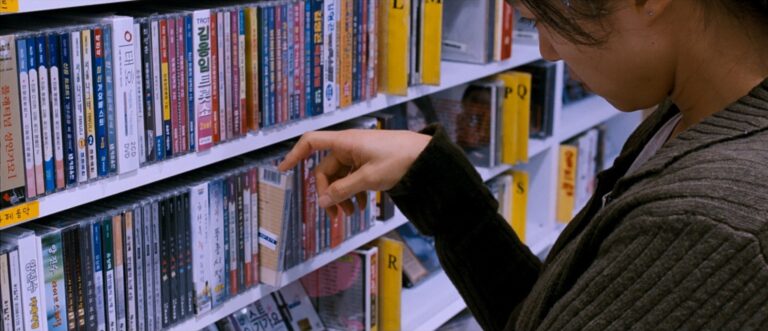
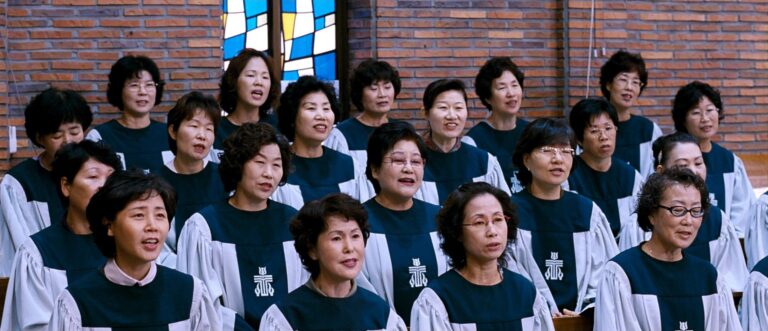
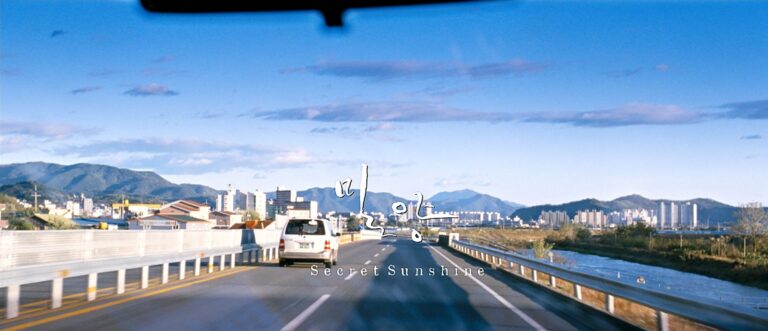
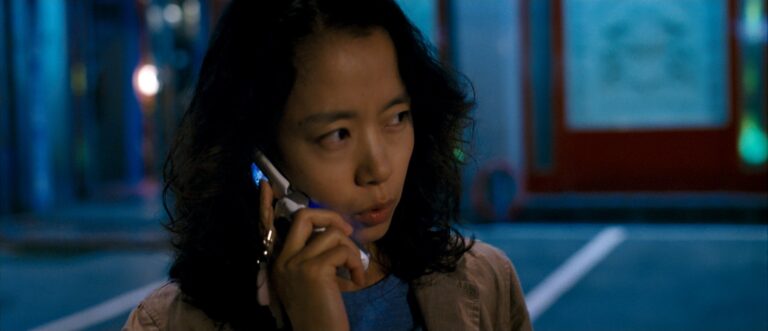
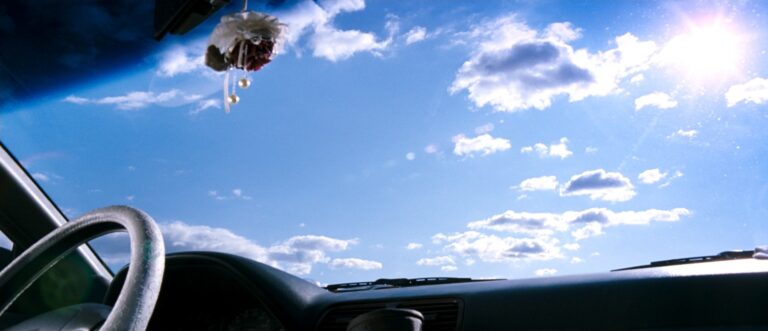
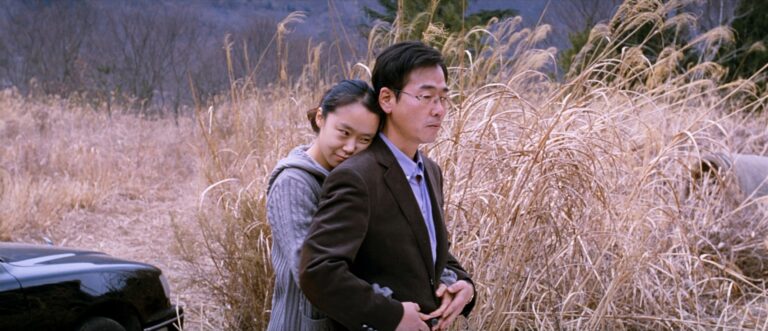
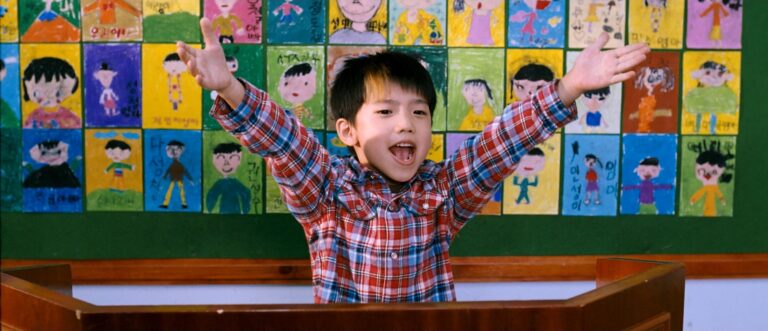
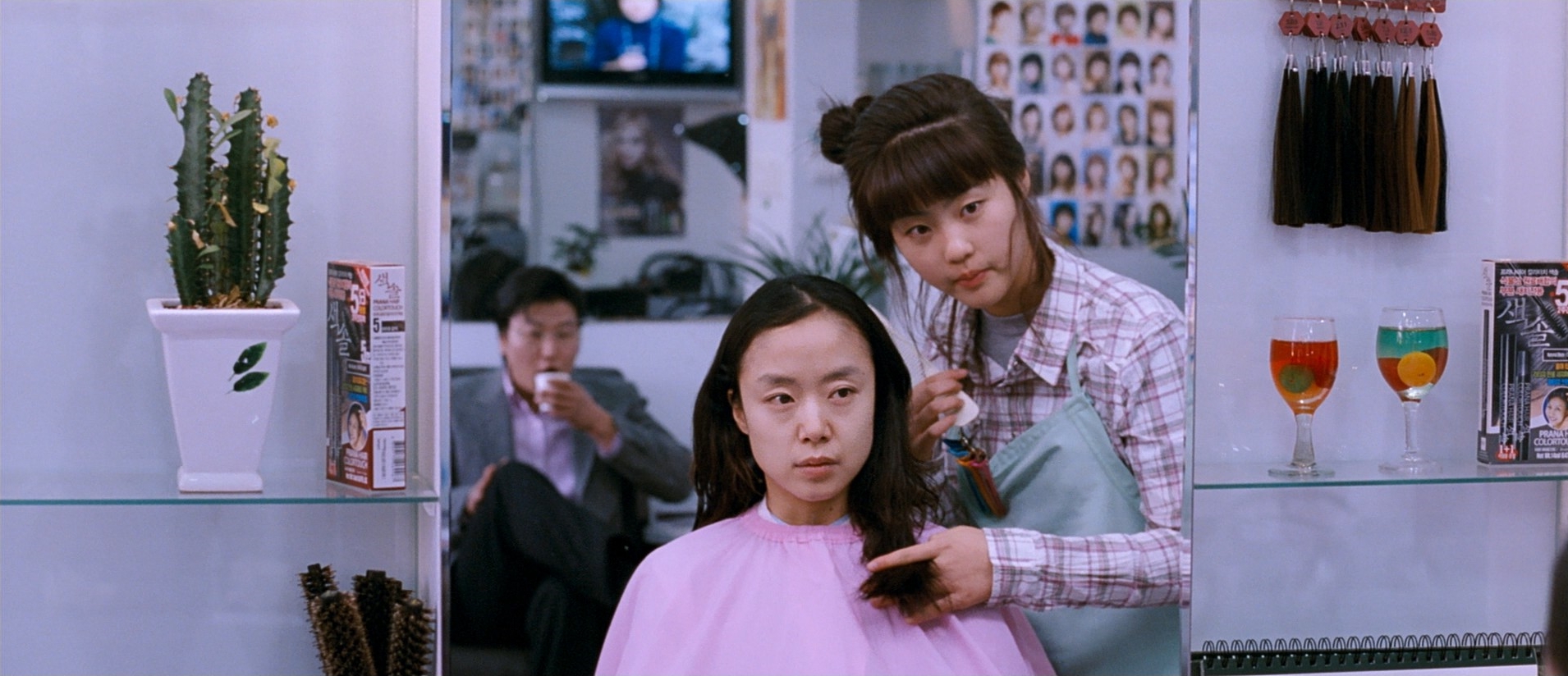
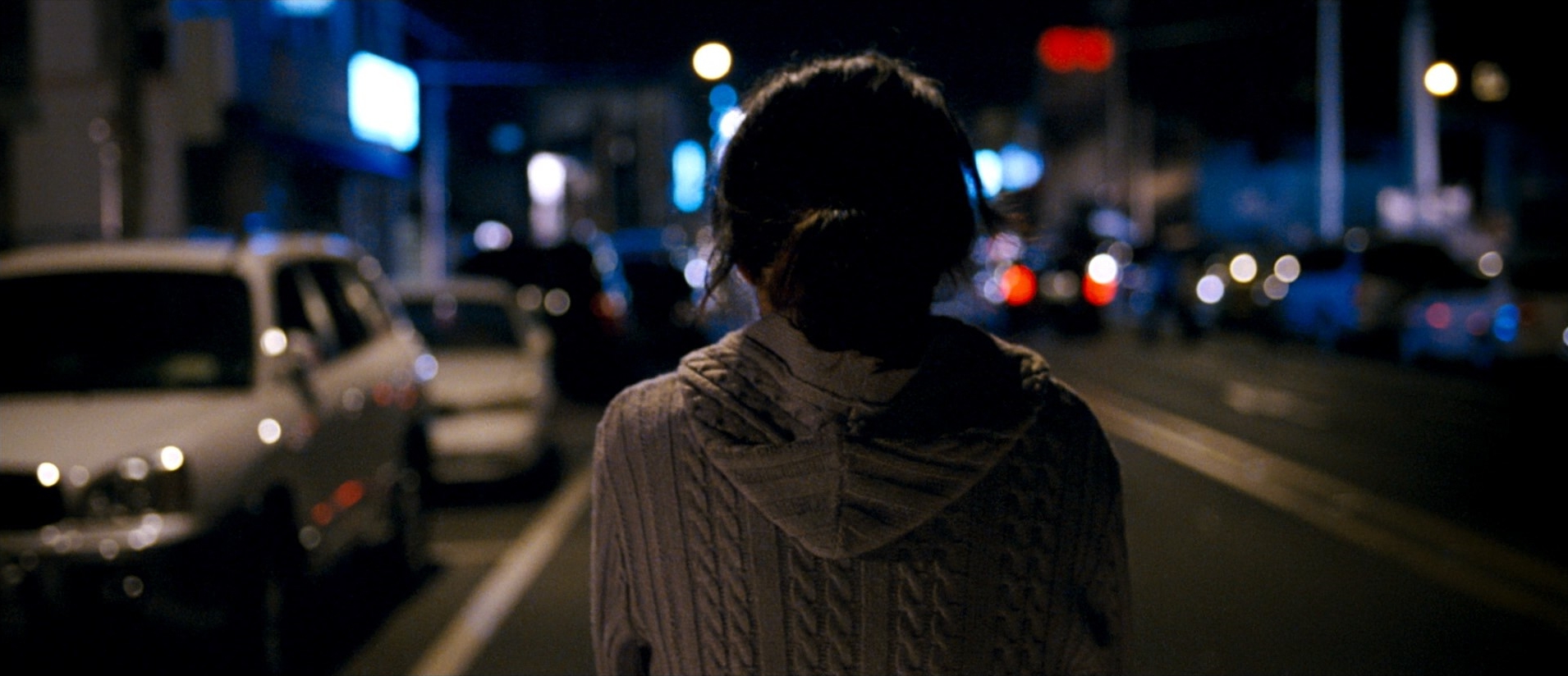
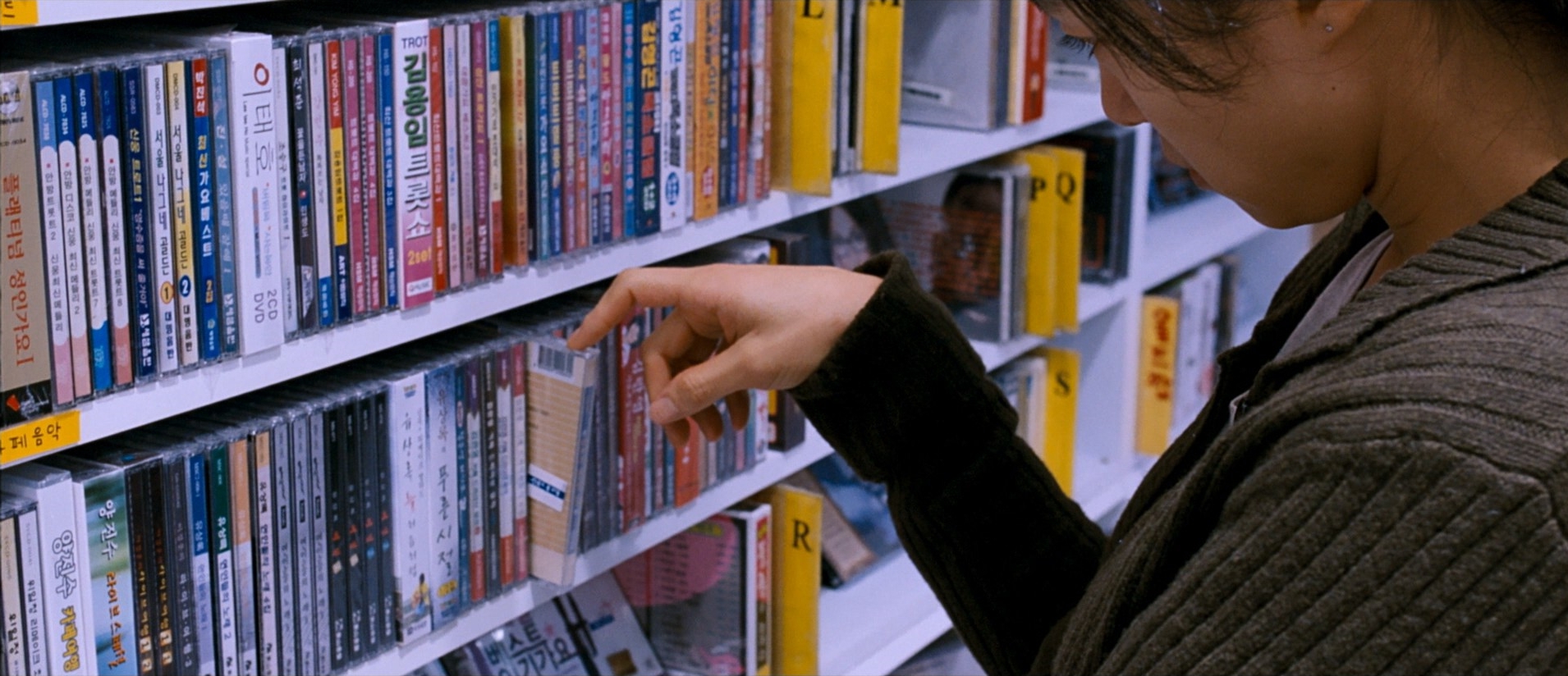
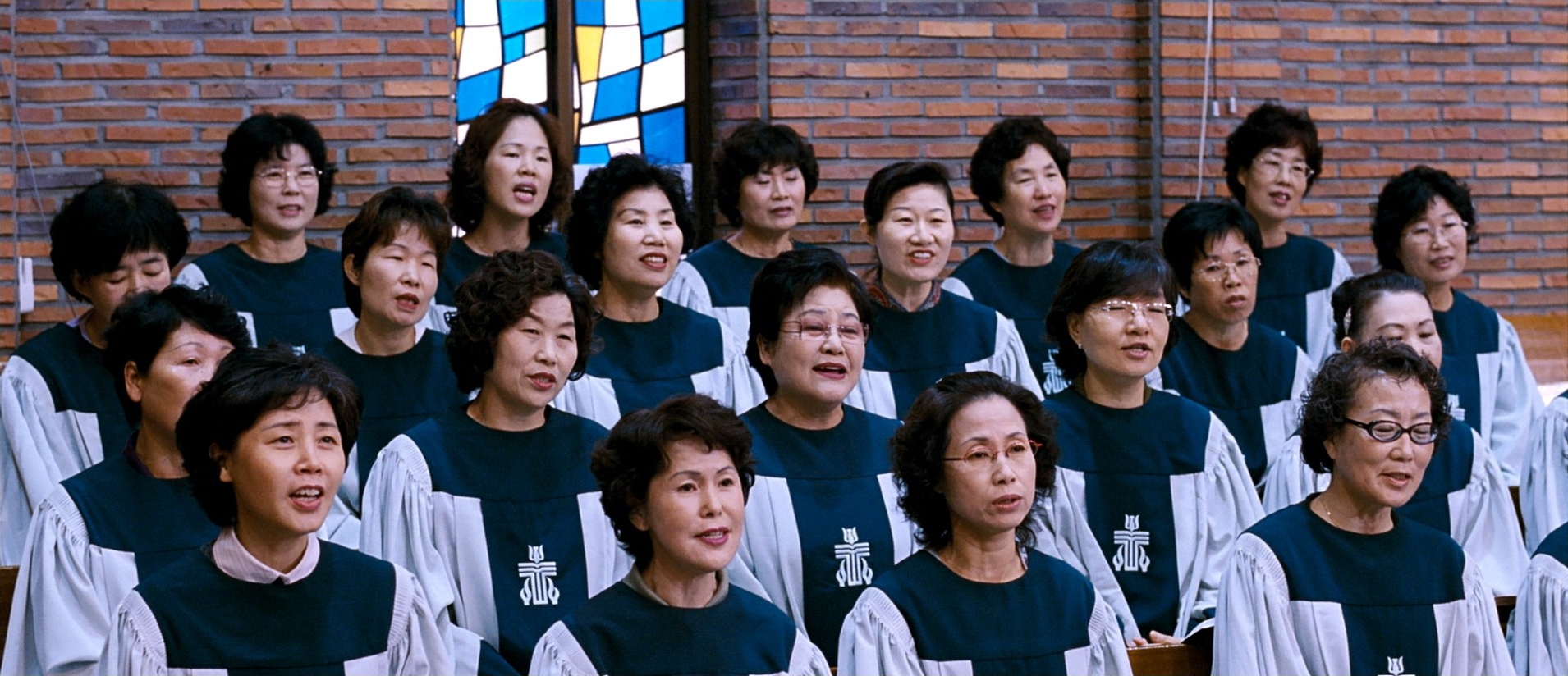
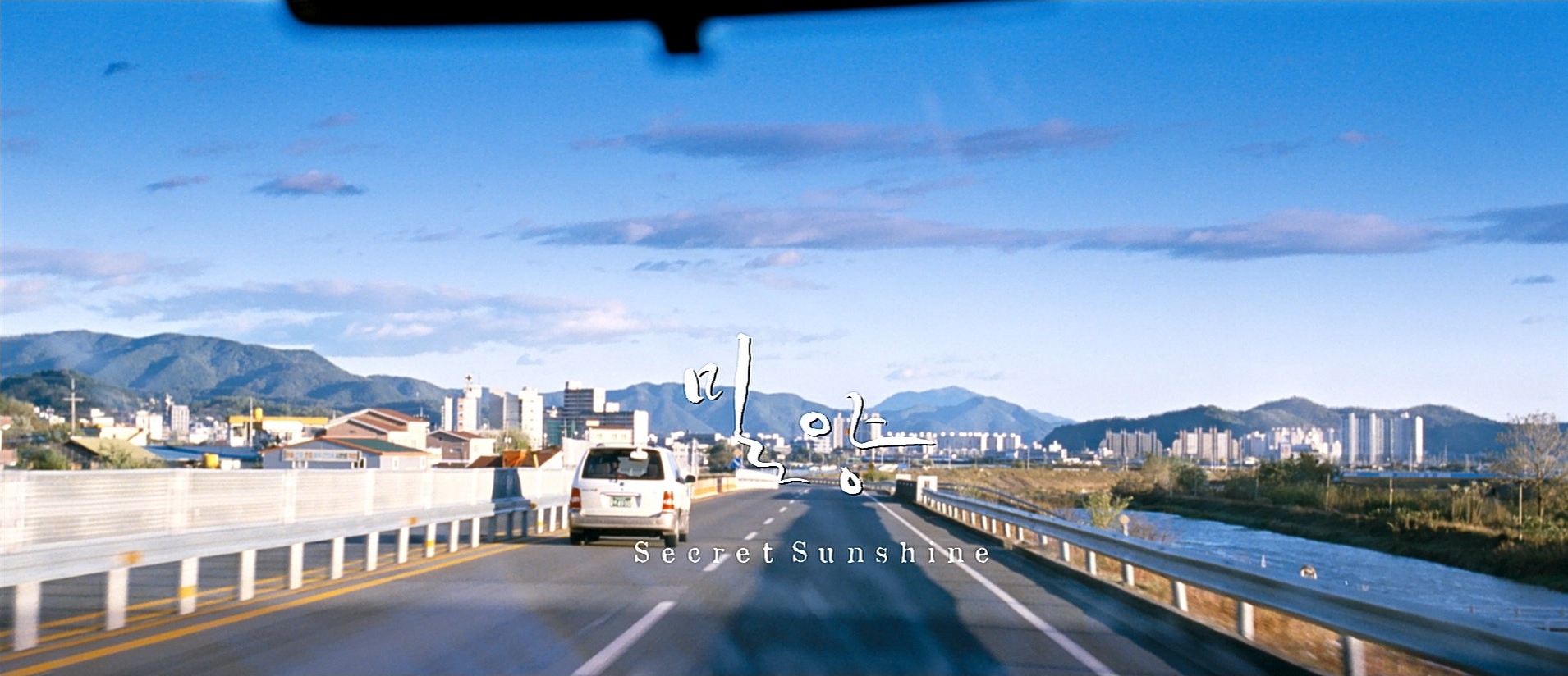
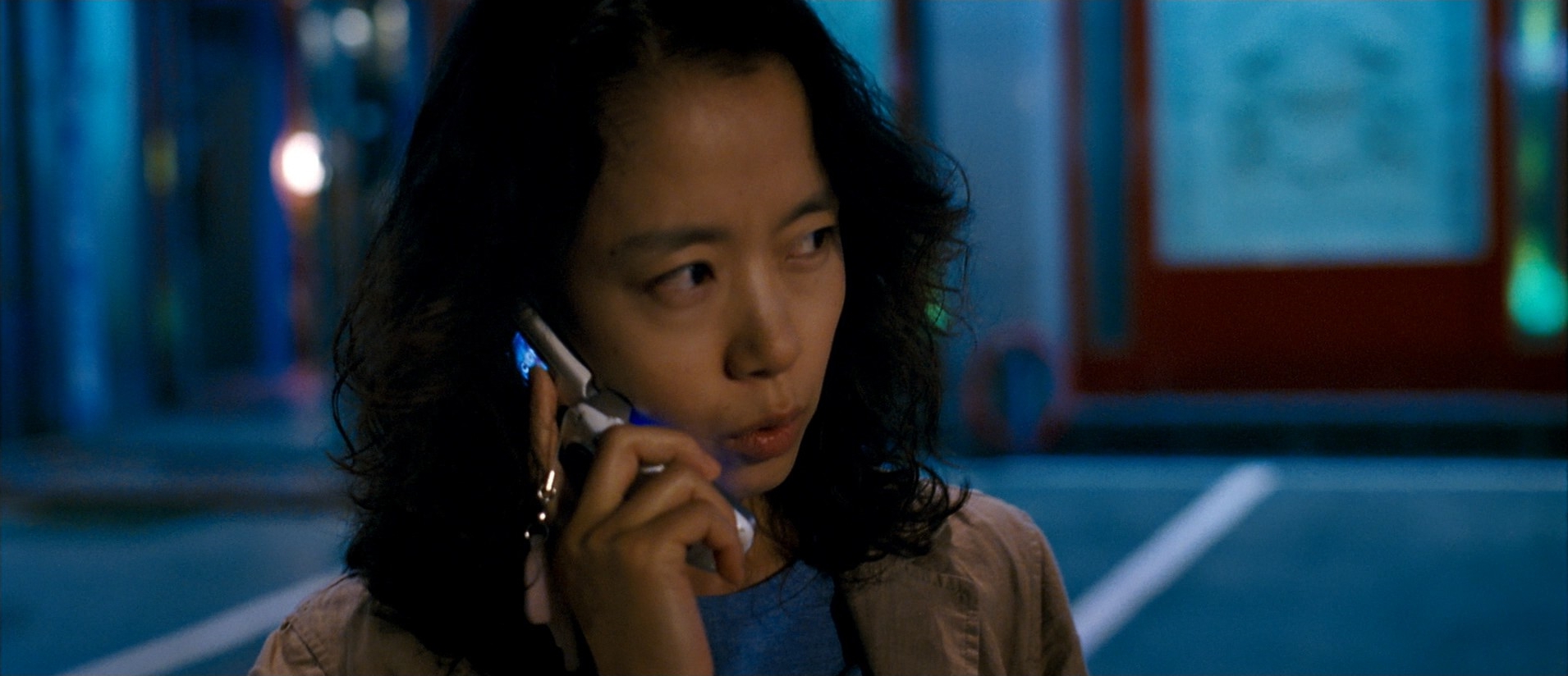
Secret Sunshine (2007)
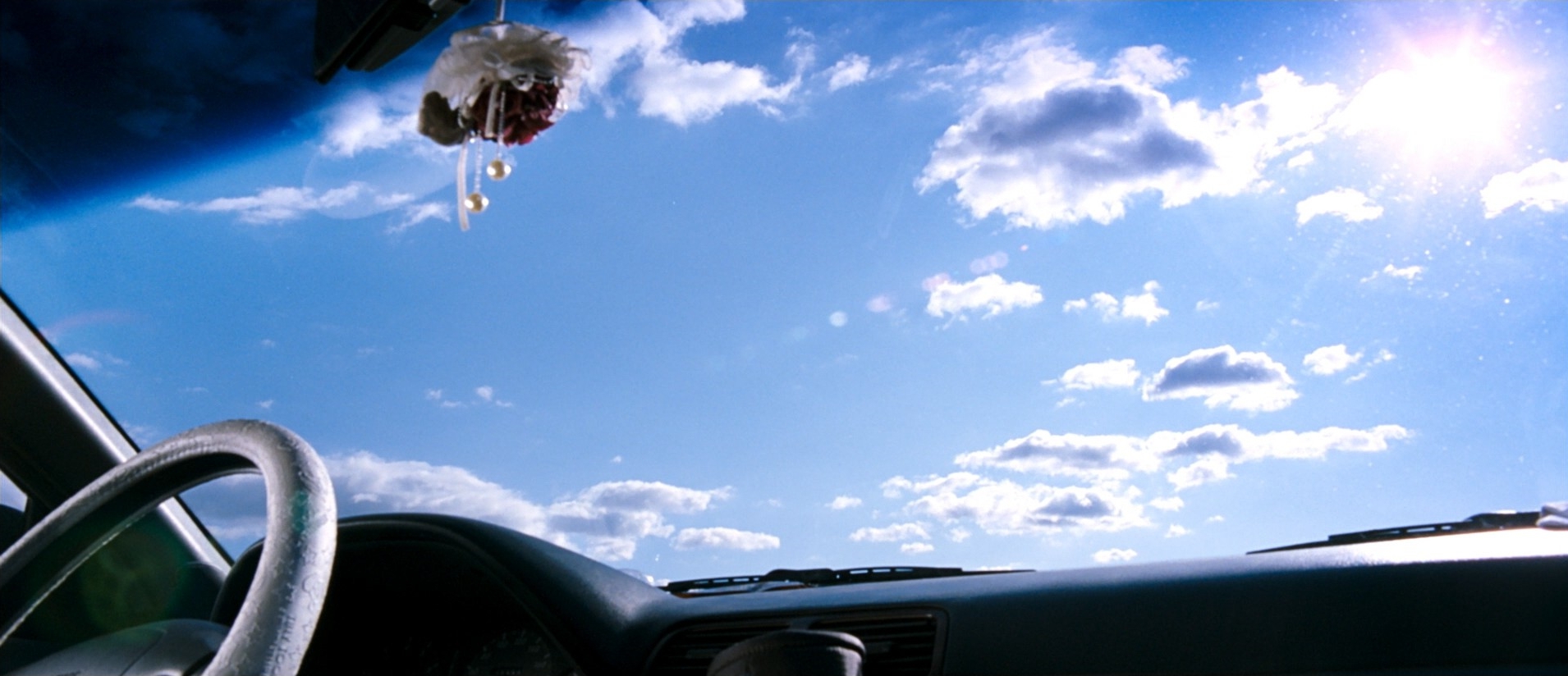
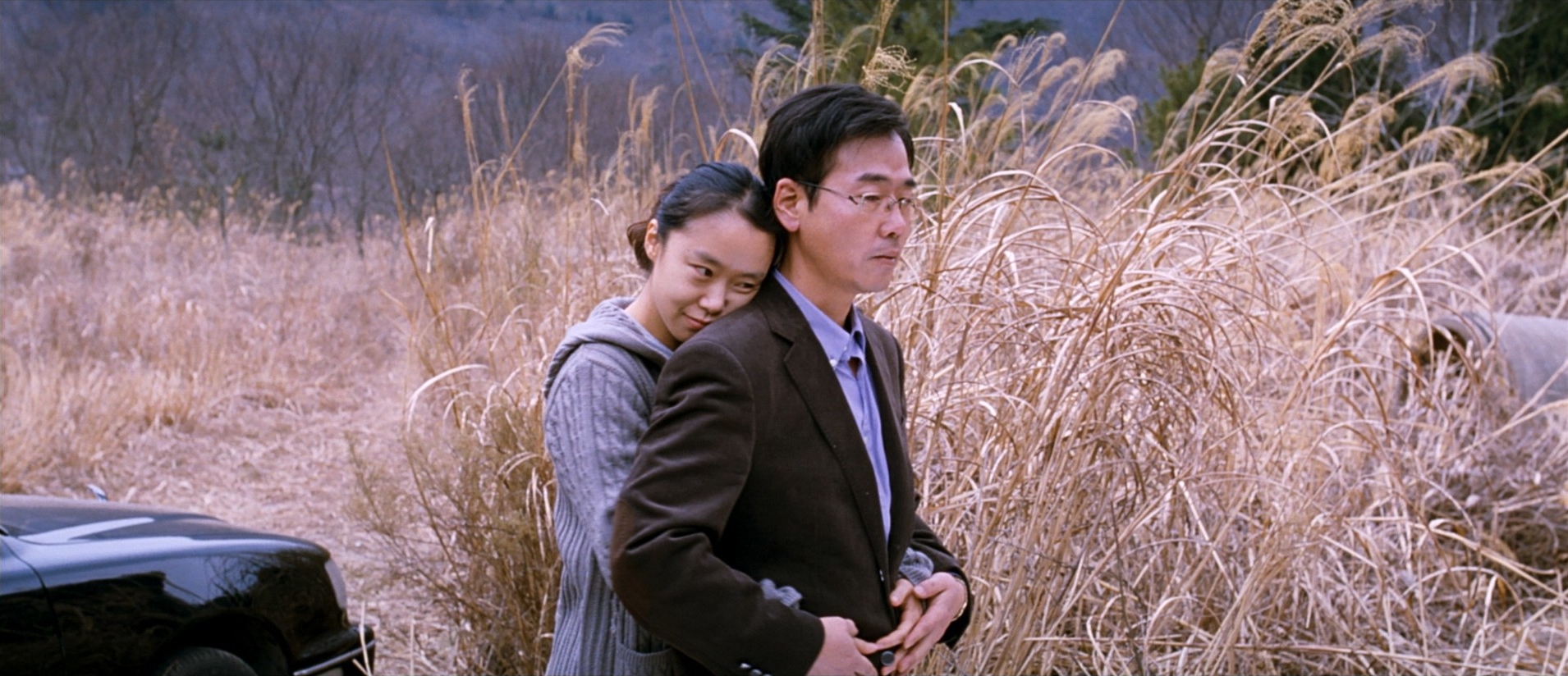
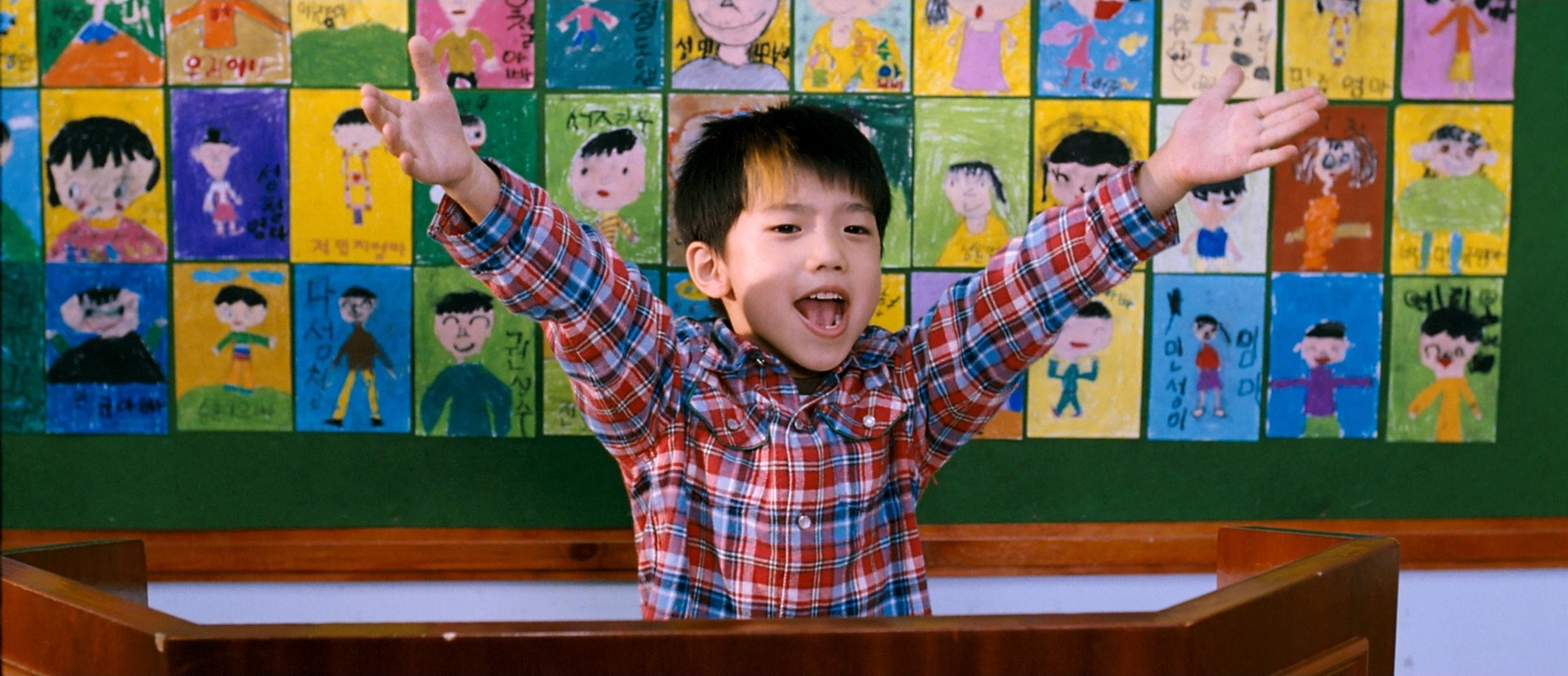
After the death of her husband, Shin-ae moves with her young son to his hometown, hoping to start over. As she attempts to rebuild her life, a devastating tragedy shatters her sense of stability and faith. In its aftermath, she turns to religion for solace, only to confront deeper questions about grief, forgiveness, and the limits of belief.
Lee Chang-dong and cinematographer Cho Yong-kyu approach Secret Sunshine with a restrained, observational style, using natural light and unadorned compositions to ground the film in everyday reality. The camera stays patient and unobtrusive—letting performance and duration carry the emotional weight, turning ordinary spaces into sites of profound internal struggle.
FILM SPOTLIGHT
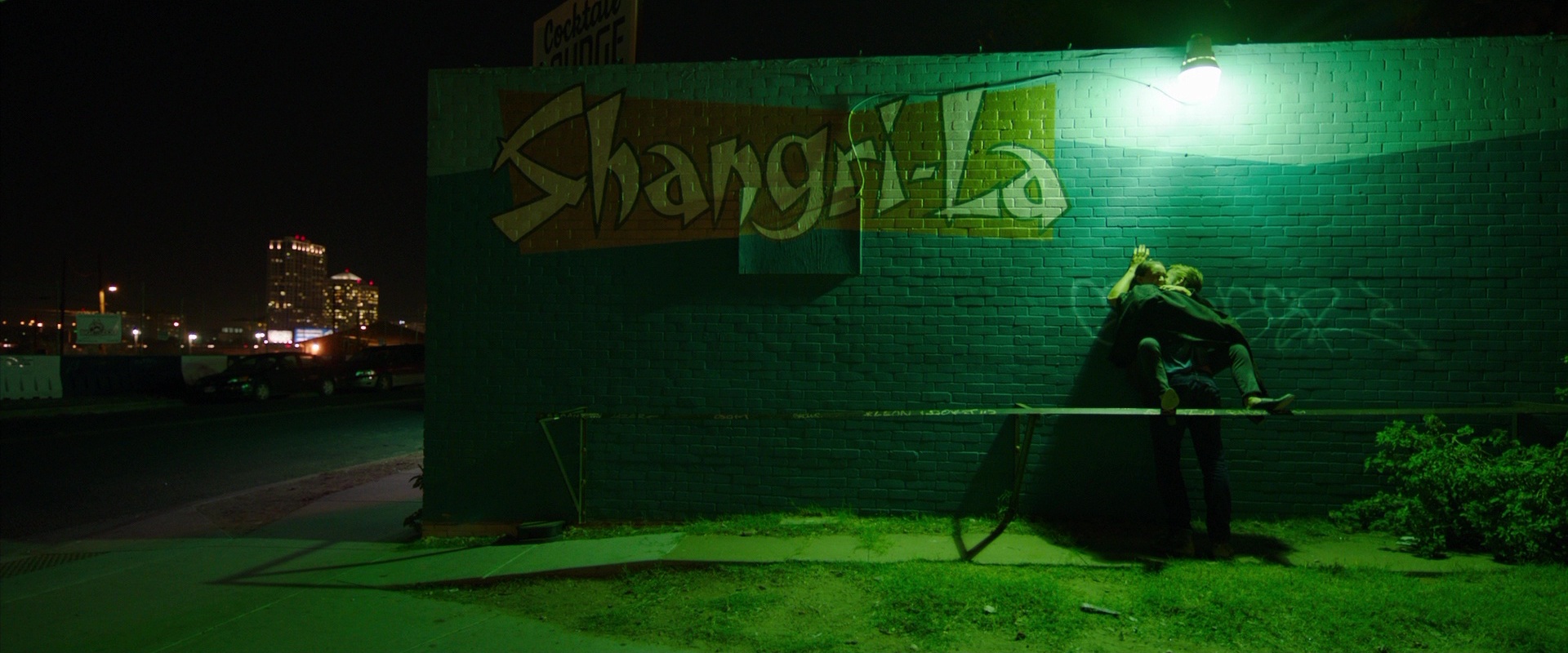
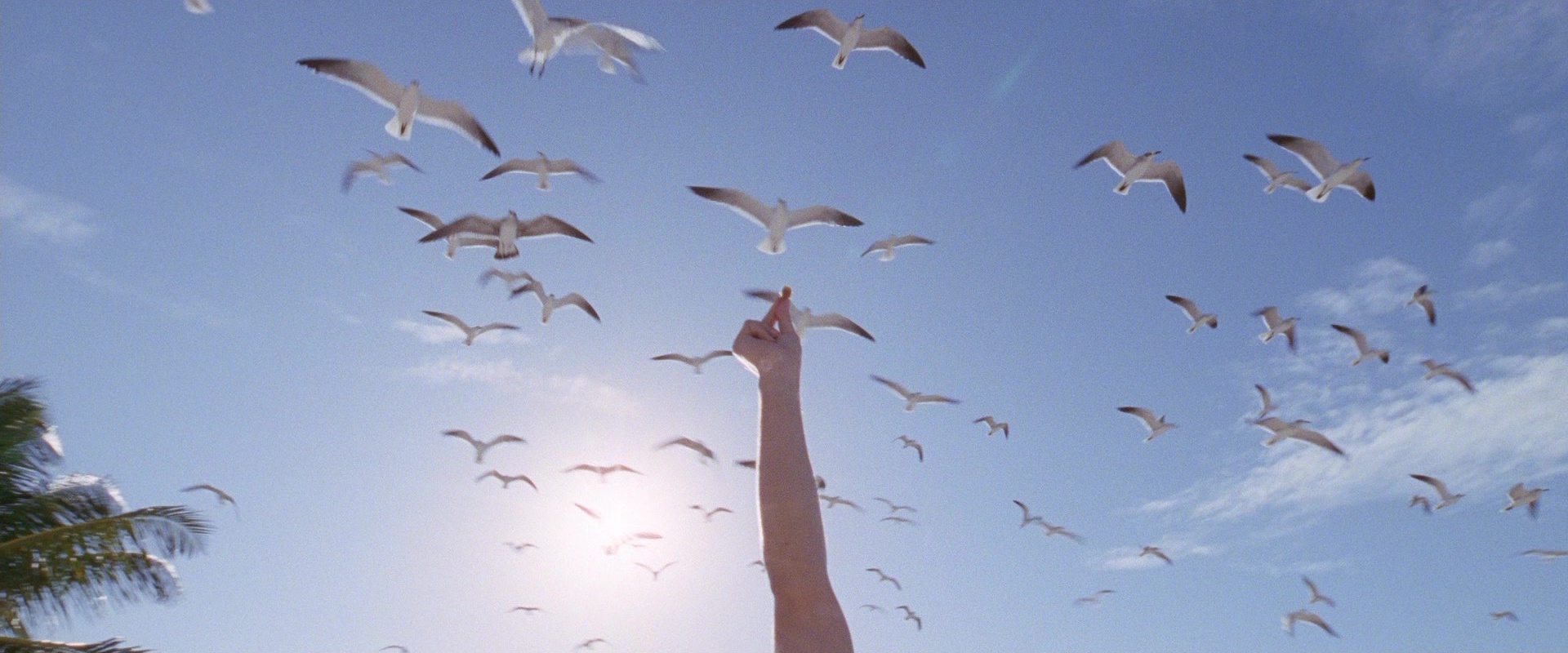
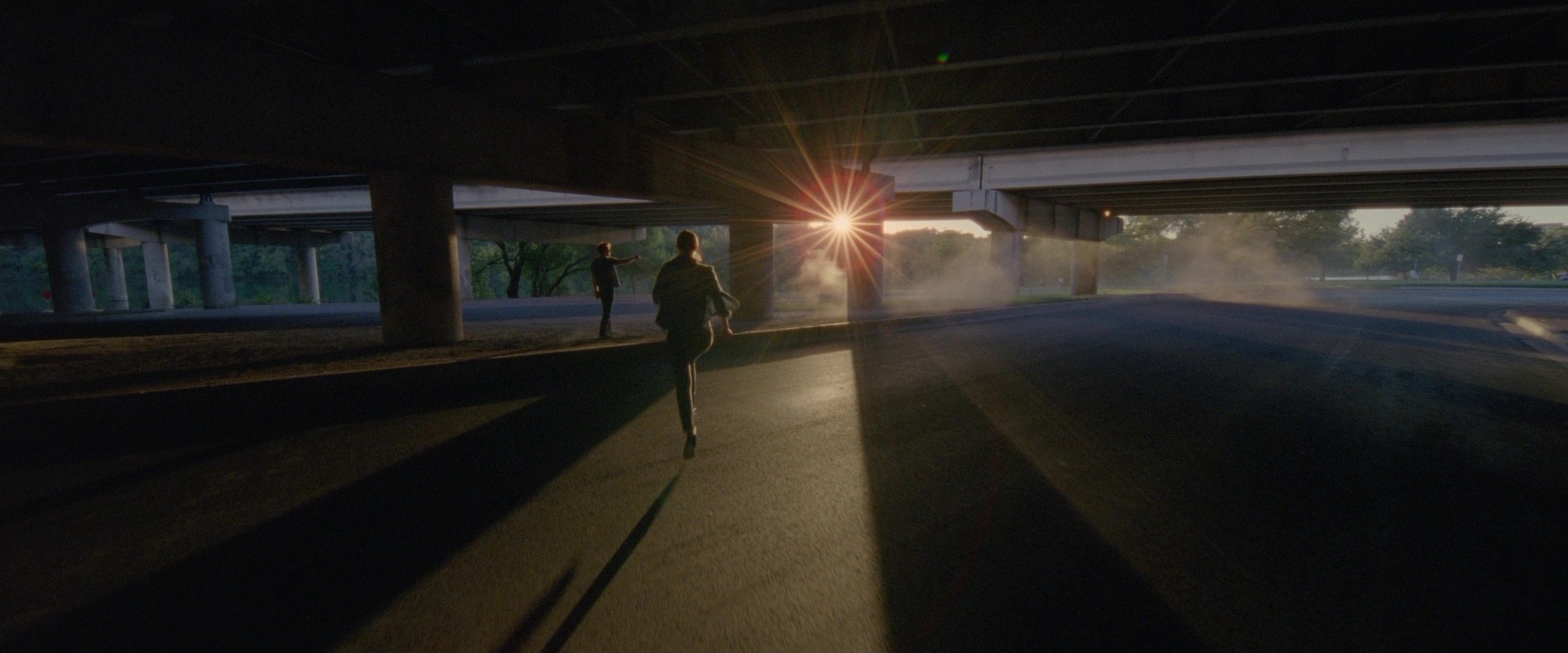
Song to Song (2017)
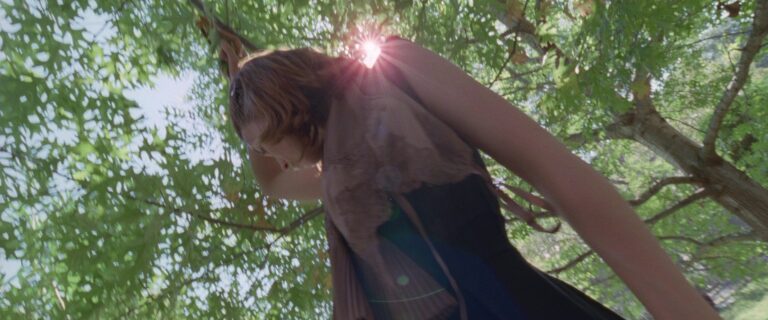
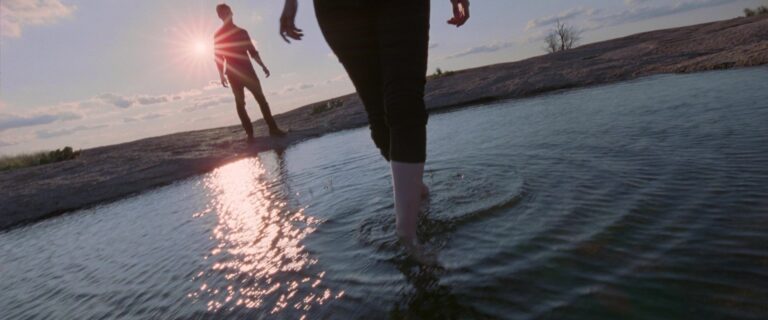
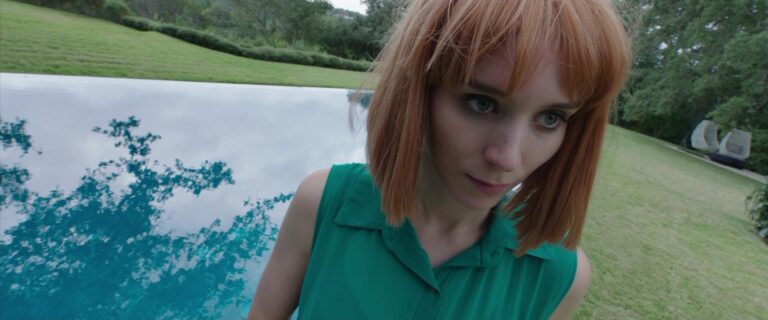
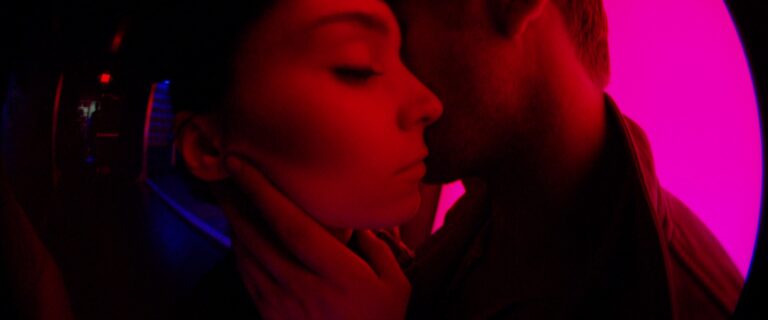
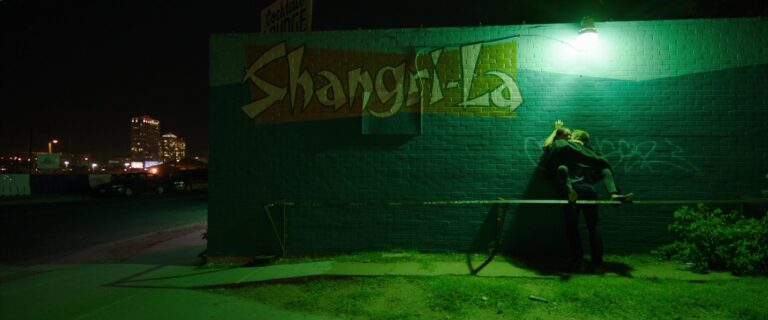
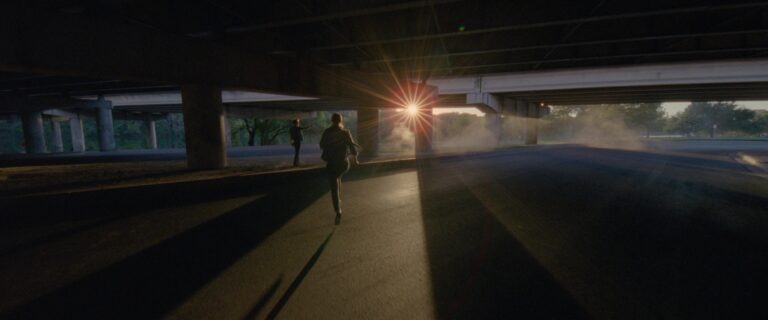
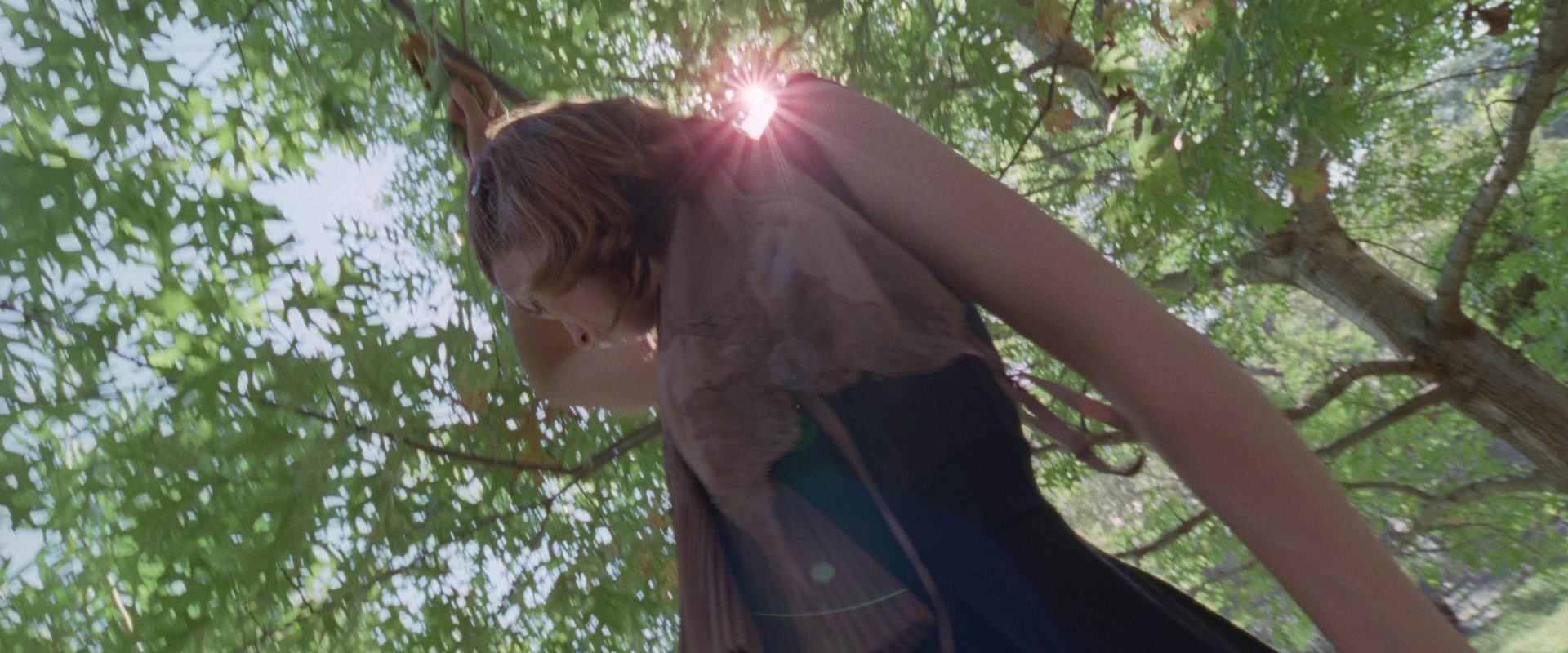
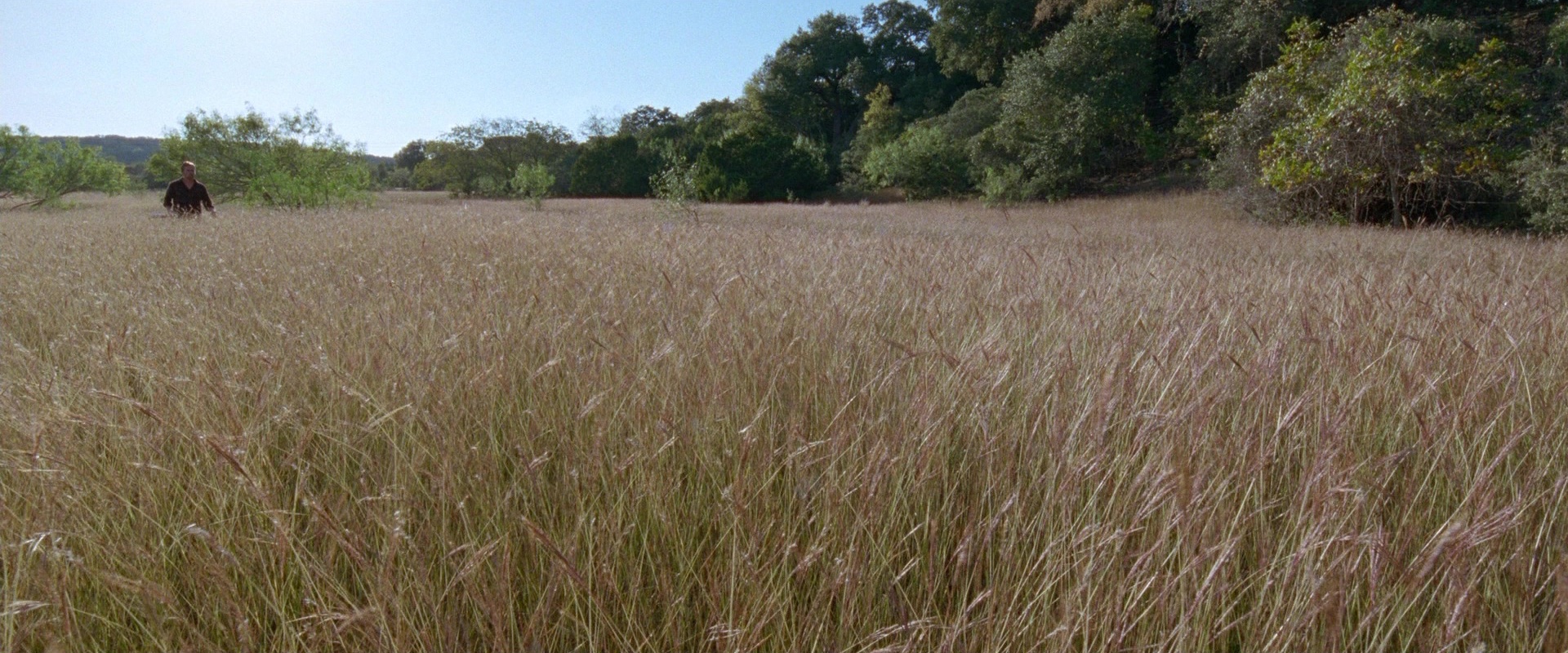
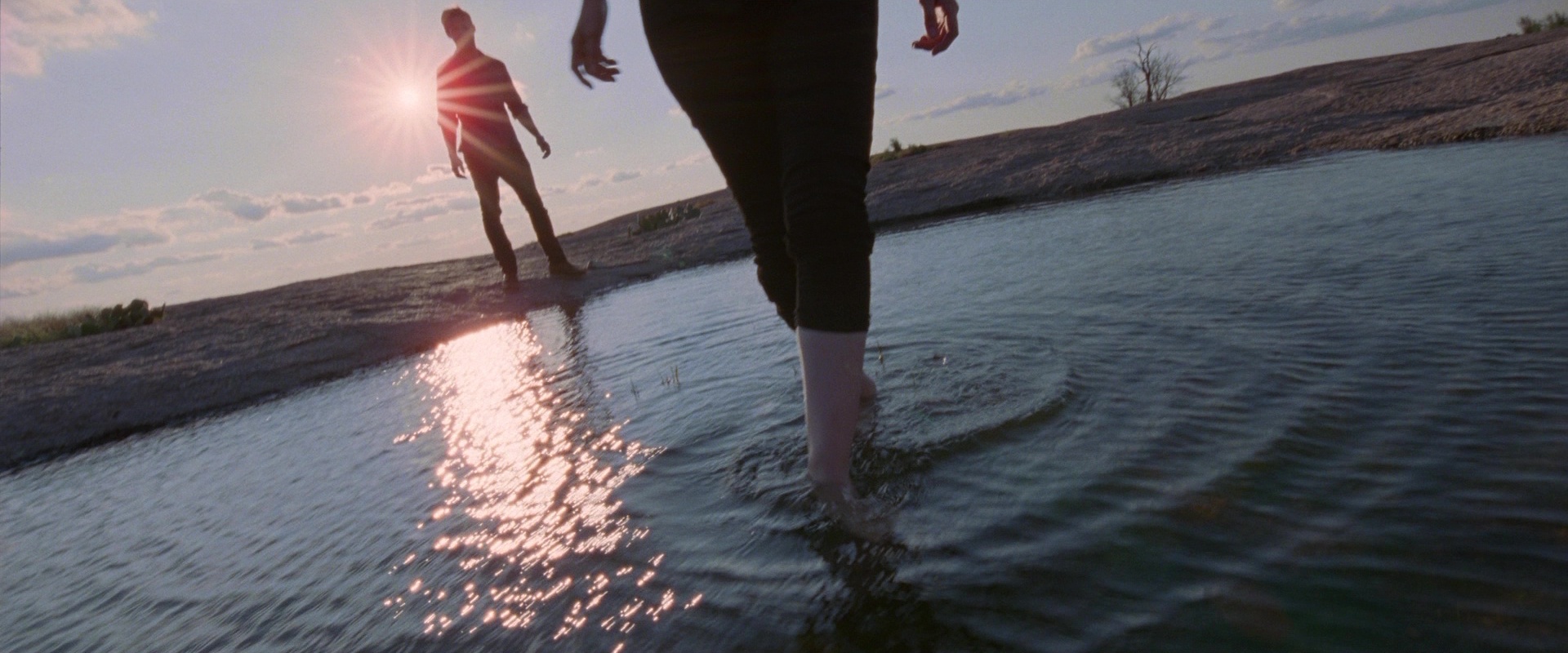
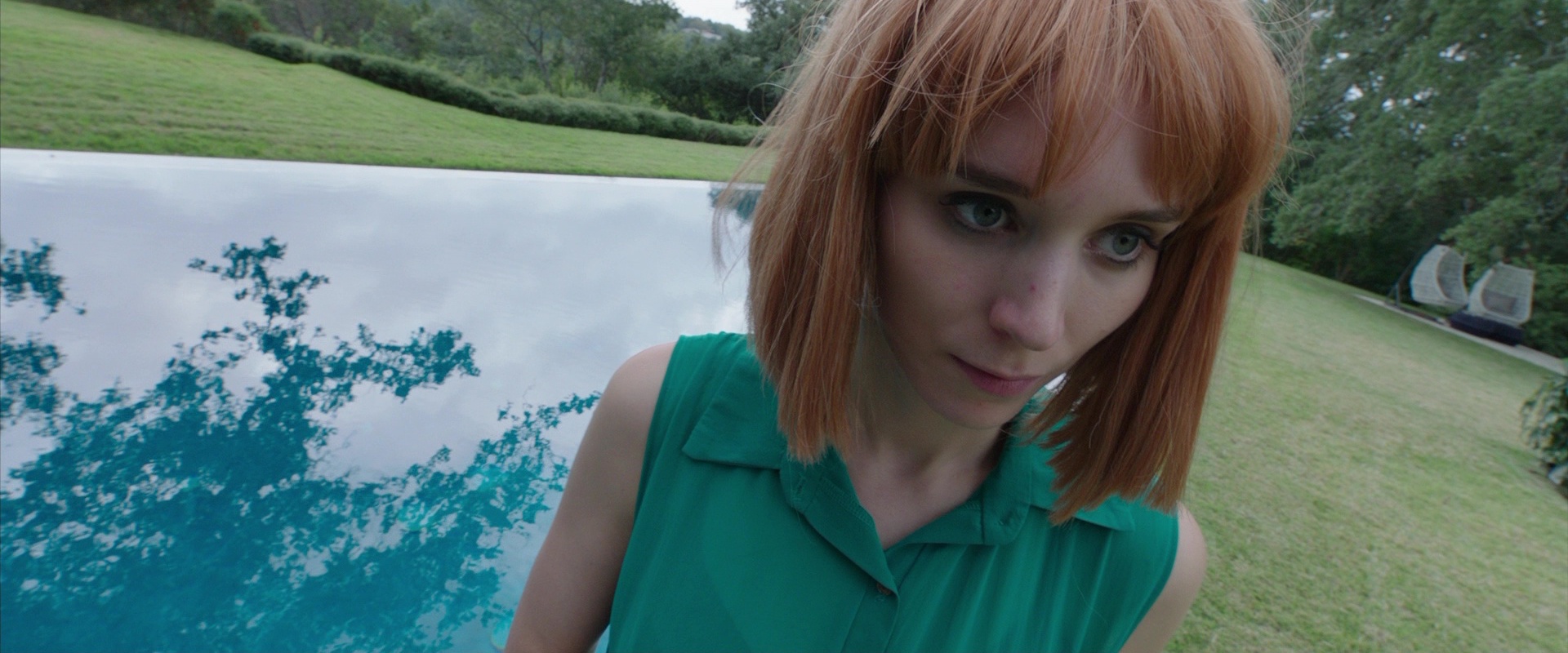
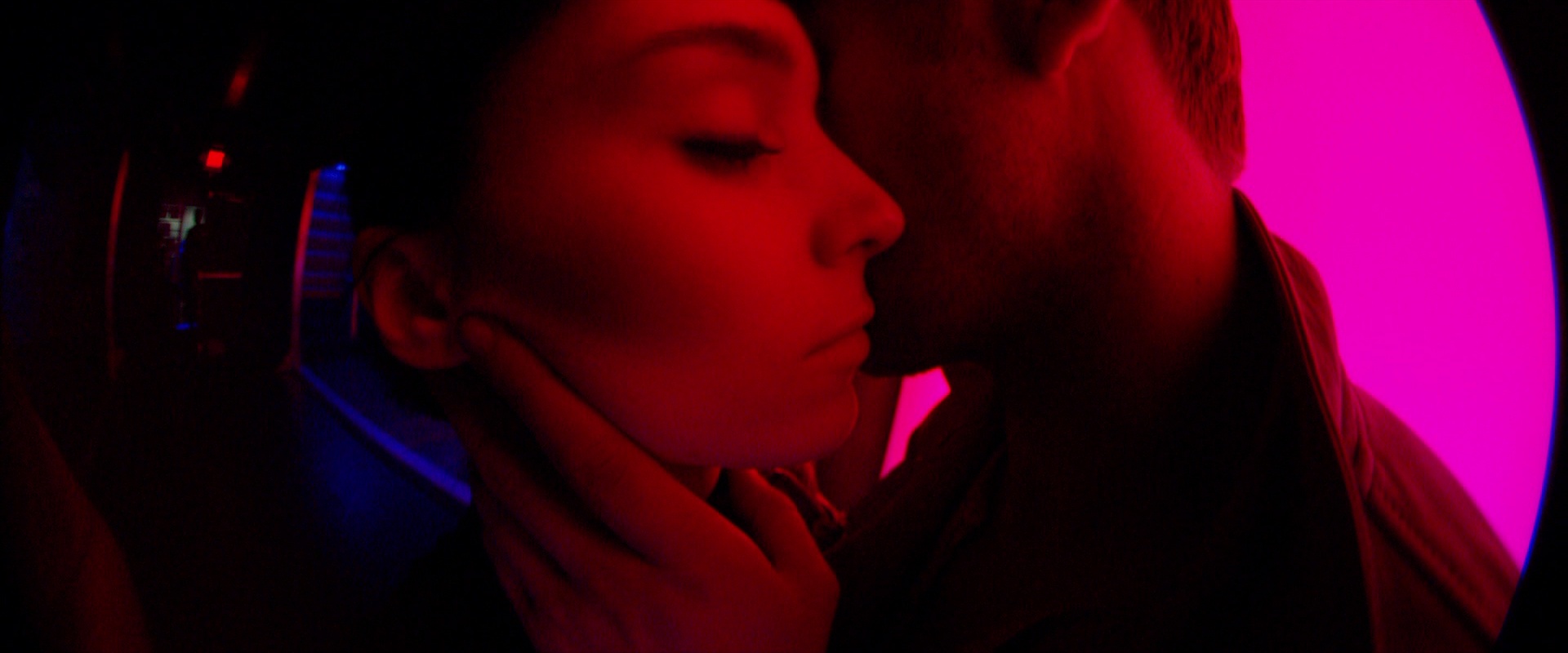
Set within the Austin music scene, the film follows intertwining relationships between musicians, producers, and outsiders navigating love, ambition, and betrayal. As careers rise and fall, the characters drift through parties, performances, and fleeting connections, searching for meaning and authenticity. The story unfolds as a loose, impressionistic portrait of desire and disillusionment.
Malick and cinematographer Emmanuel Lubezki shot Song to Song with a free-flowing, handheld style, using wide lenses and natural light to stay in constant motion around the characters. The film’s fluid camera—gliding, circling, and chasing moments—turns the image into a stream of consciousness, where light, bodies, and environment merge into a continuous, lyrical flow.


FILM SPOTLIGHT
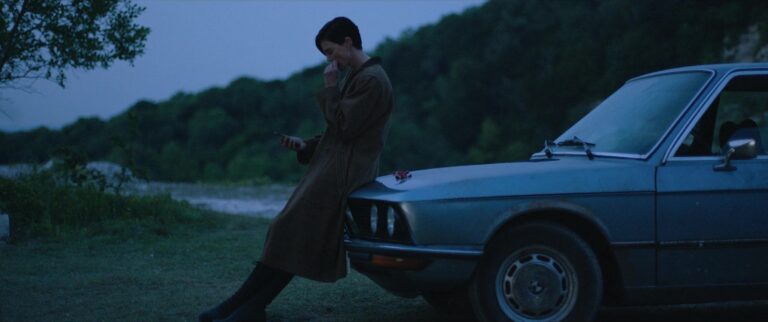
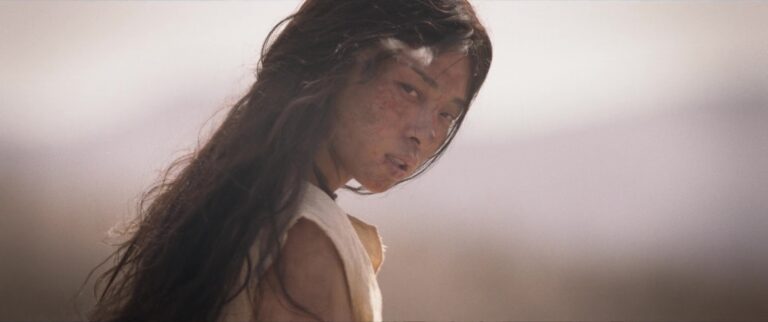
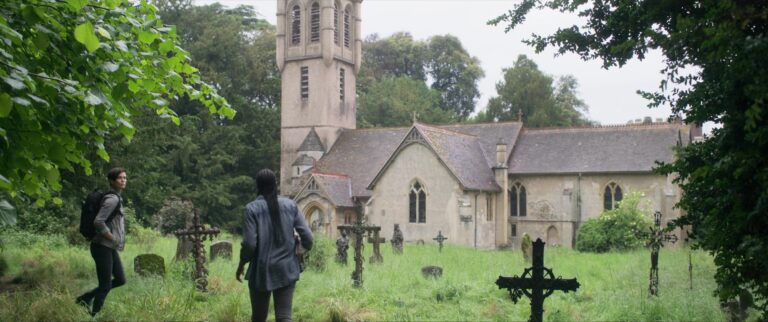
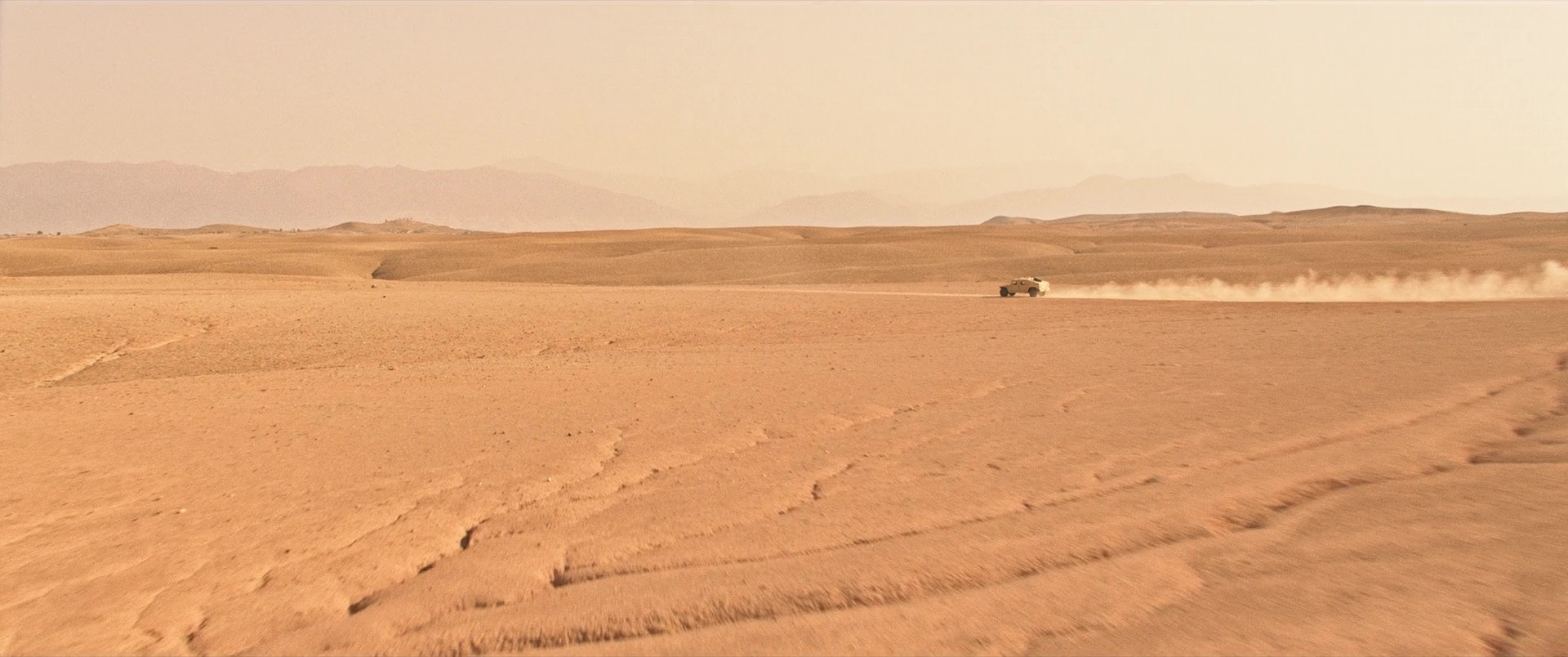
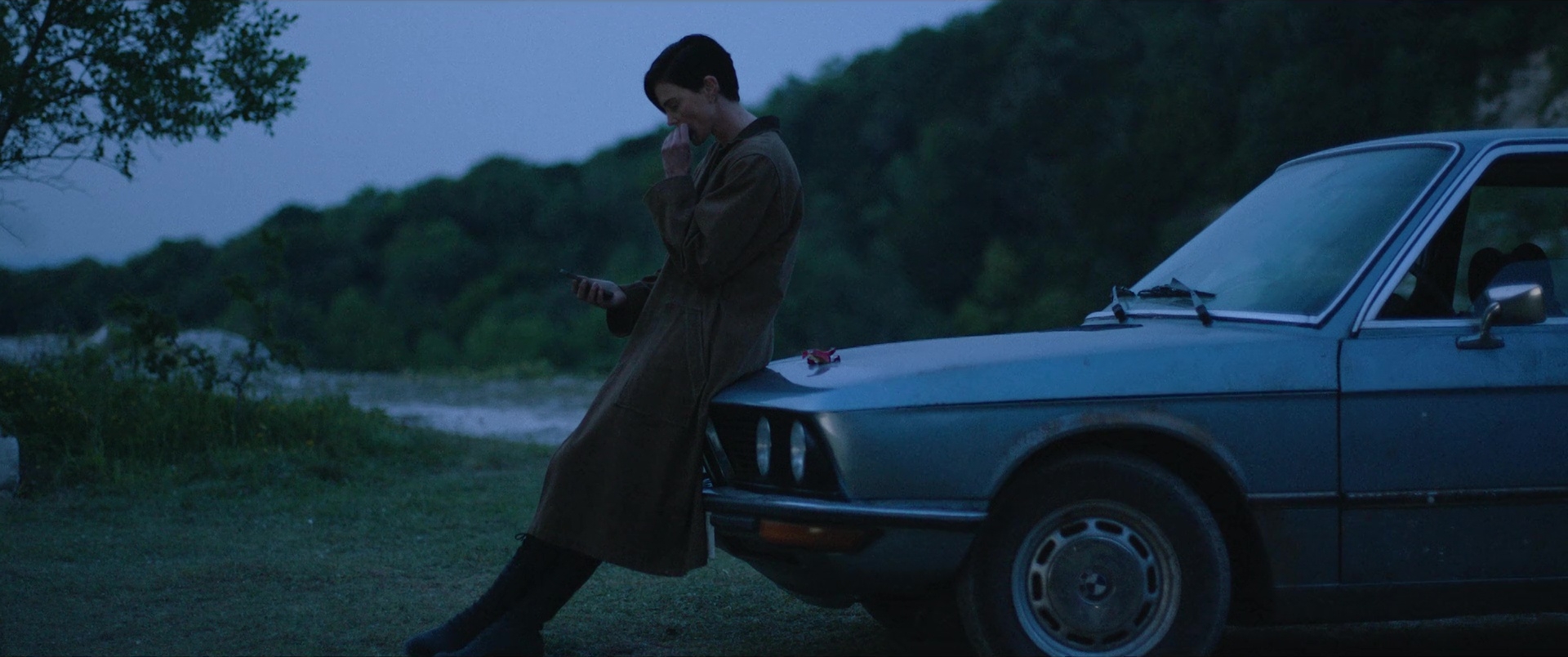
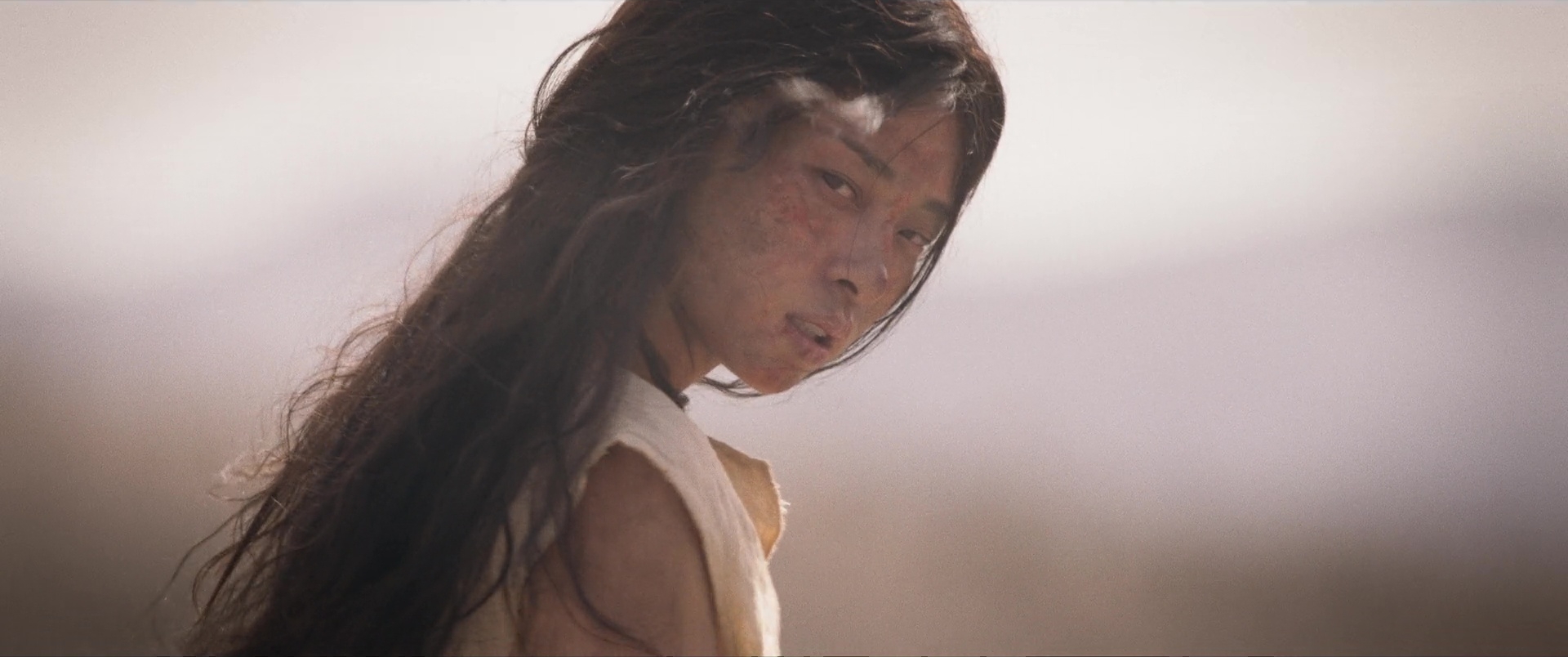
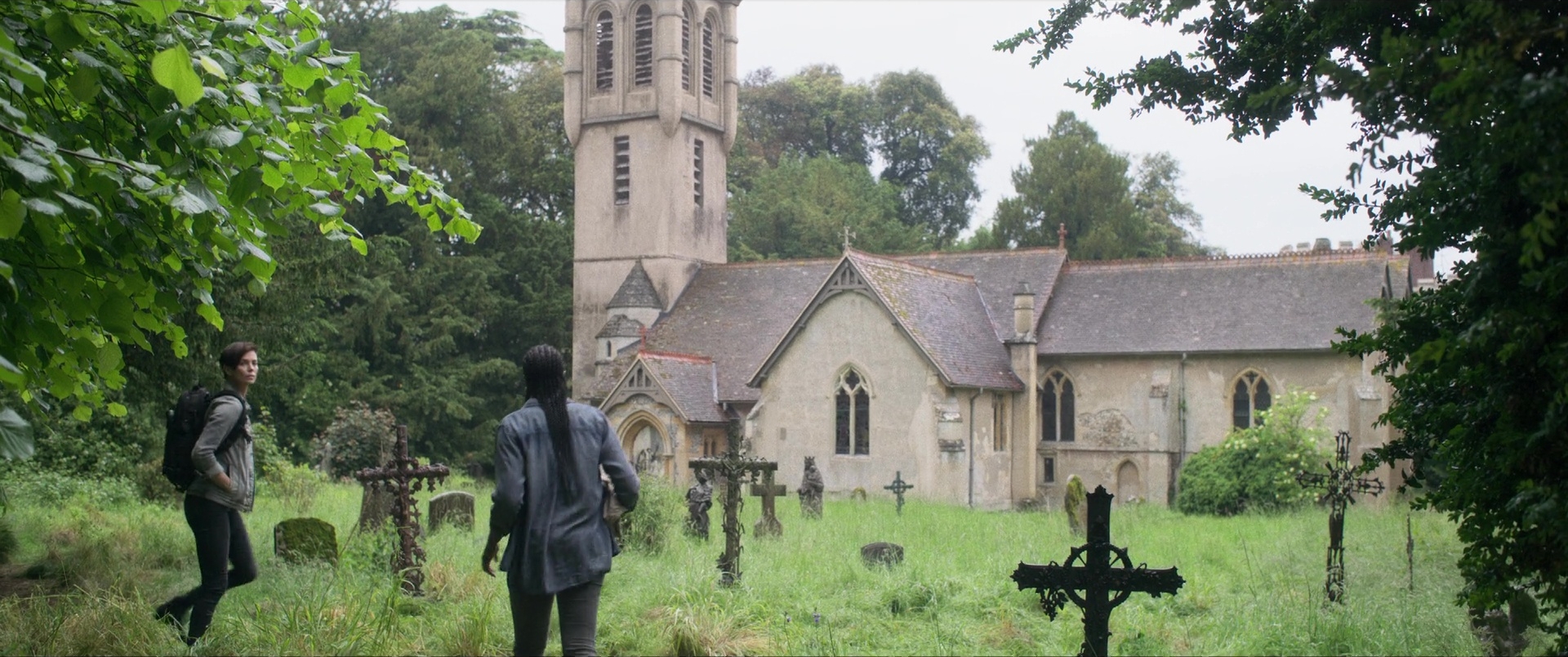
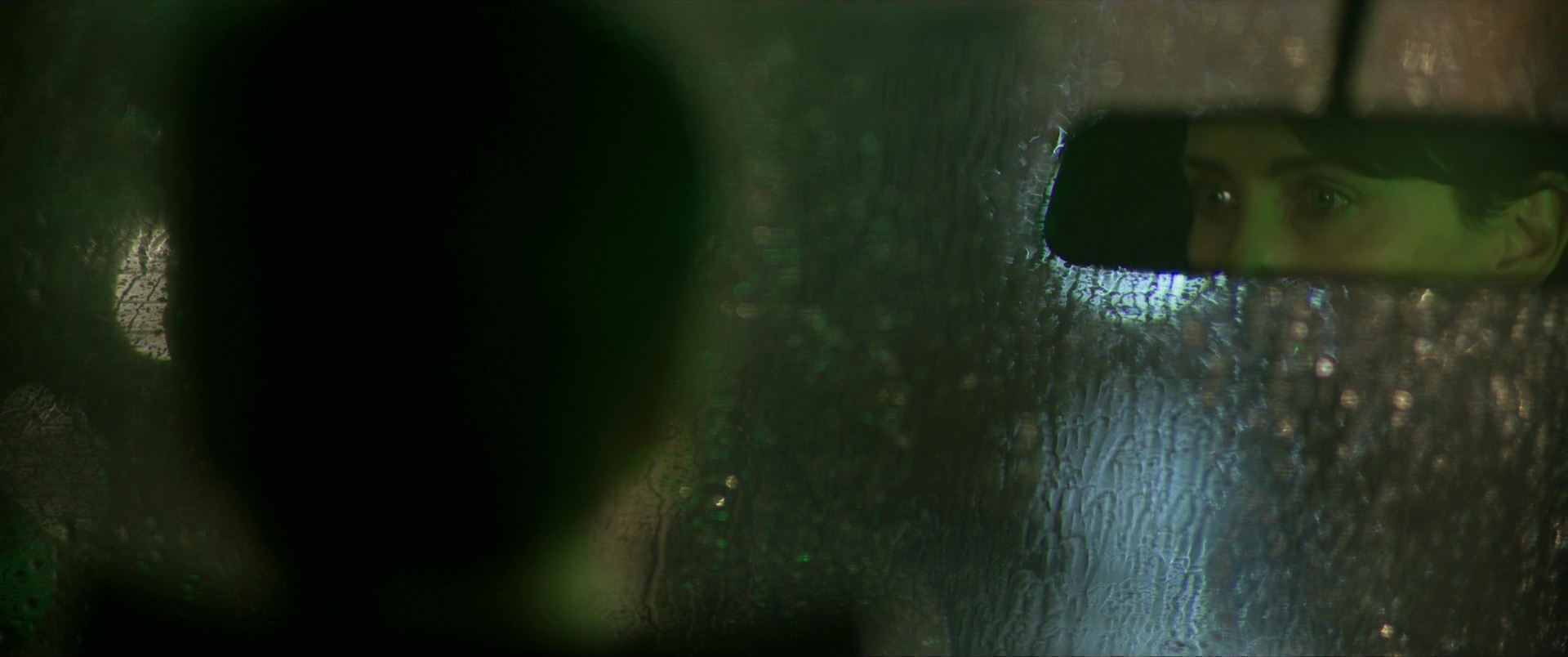
The Old Guard (2020)
A covert group of immortal mercenaries, led by the battle-hardened Andy, have secretly protected humanity for centuries. When their abilities are exposed, they become targets of a powerful corporation seeking to exploit their gift. As they fight to survive, a newly discovered immortal must come to terms with her place in this ancient, ongoing war.
Prince-Bythewood and cinematographer Tami Reiker ground The Old Guard with a clean, contemporary action style, using handheld camerawork and naturalistic lighting to keep the violence tactile and immediate. The film balances gritty realism with slick choreography—favoring clarity in its fight sequences so the immortals’ physicality and precision drive the visual impact.