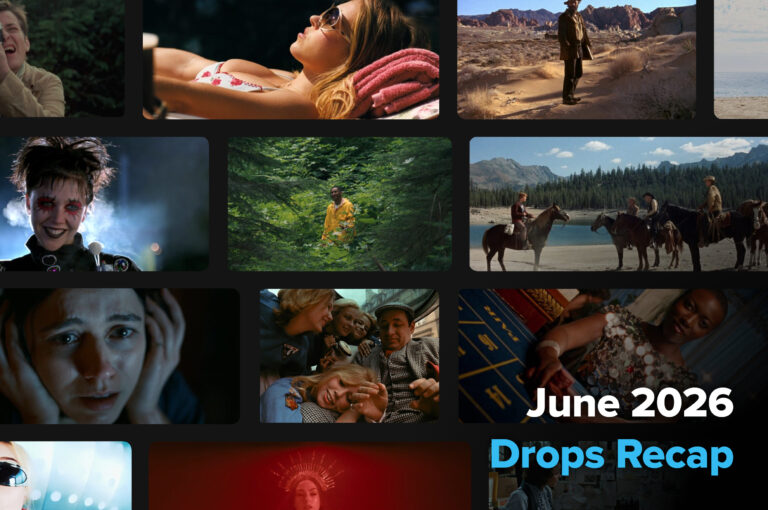
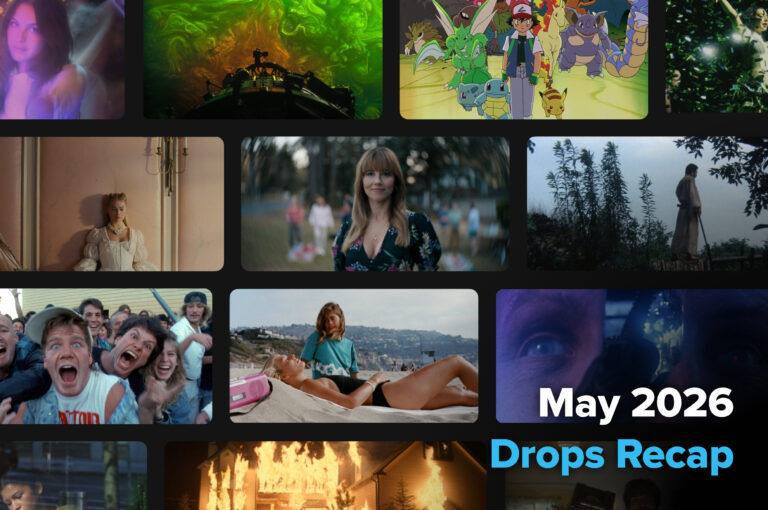
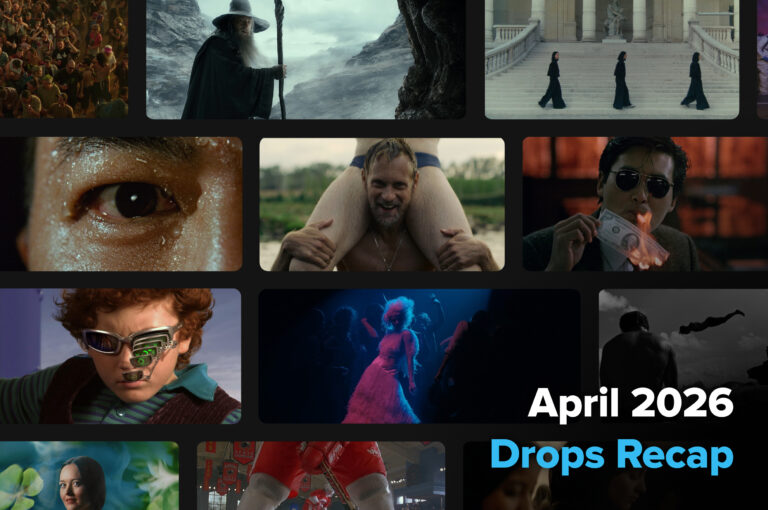
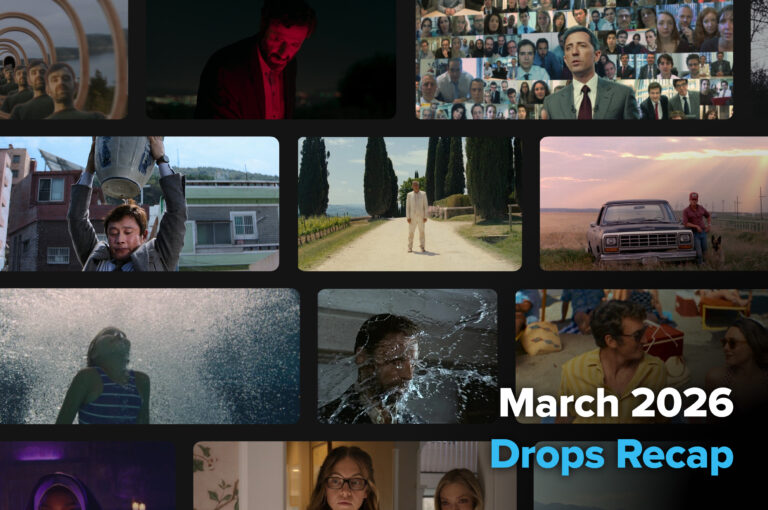
8,400+ New Shots: La Picada, Mothering Sunday, Stagecoach, and More Movie Screenshots
Get your Decks ready ShotDeck Community! We’re dropping some great new shots from famed Japanese director some Yasujirō Ozu films this week, as well as an article diving into the “frame within a frame” composition technique and the diverse ways that filmmakers have used it across cinema history! Synopses are courtesy of TMDB, and remember you can always request titles for future drops by clicking here!
FILM SPOTLIGHT
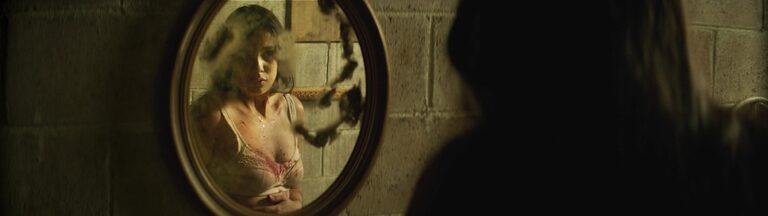
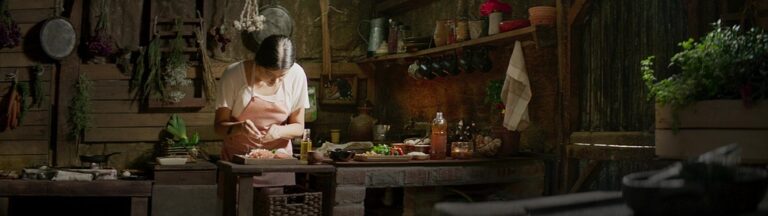
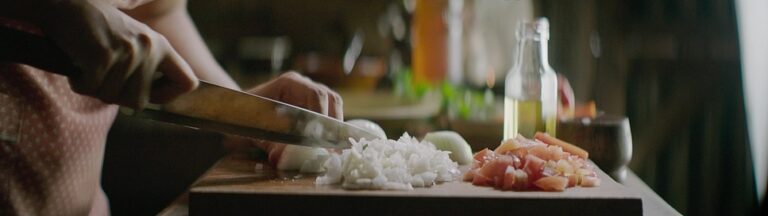
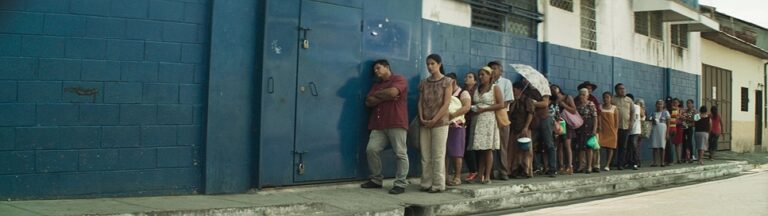
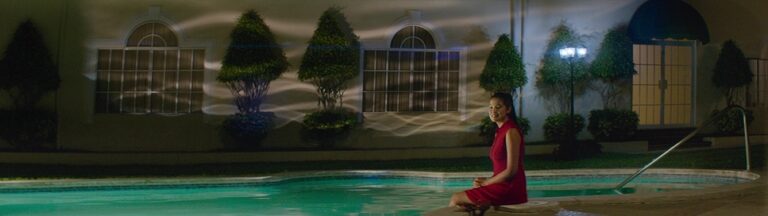
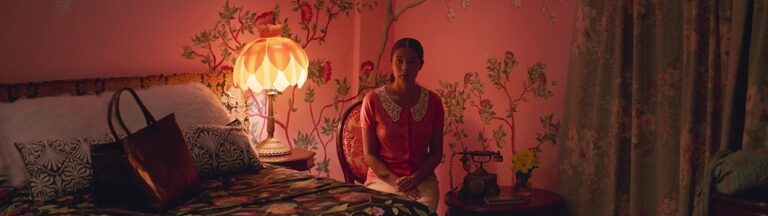
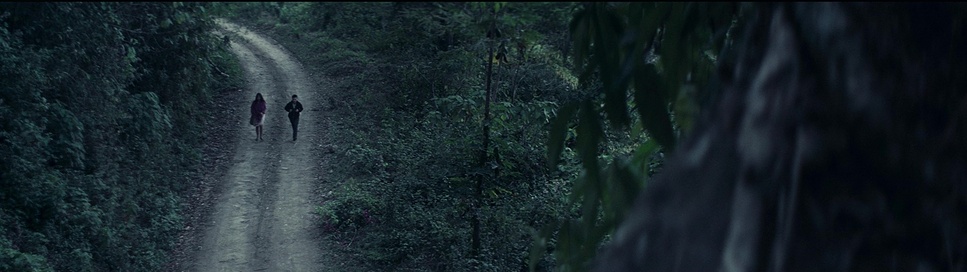
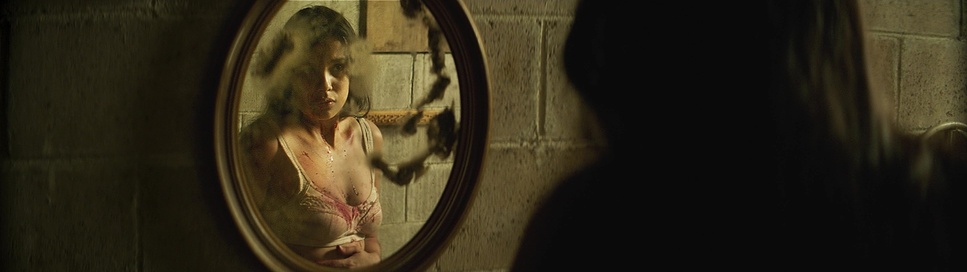
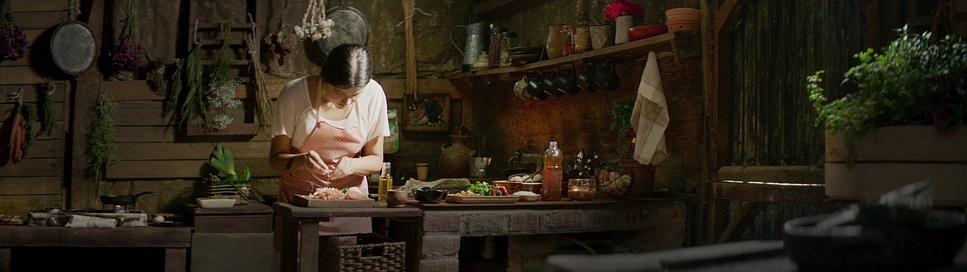
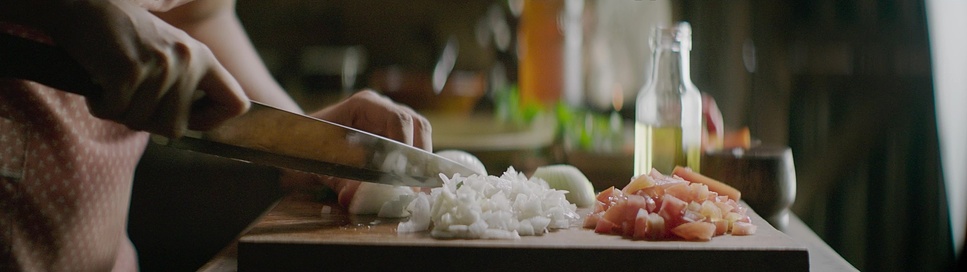
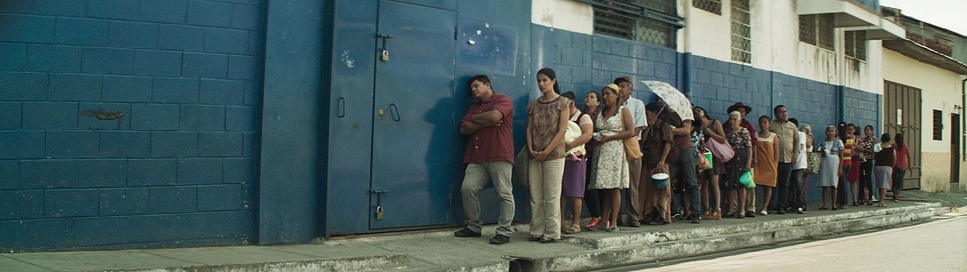
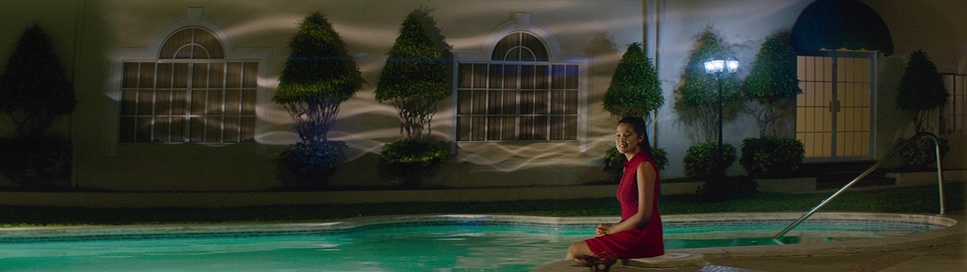
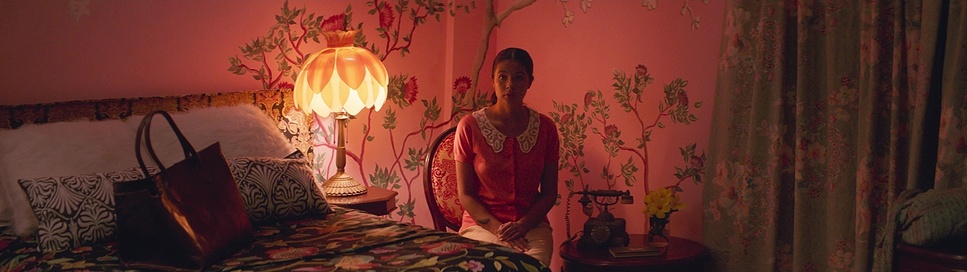
El Suspiro del Silencio (2021)
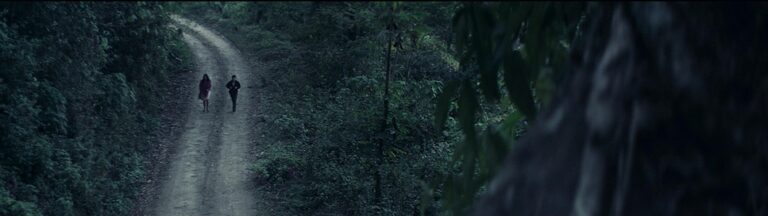
Set in the coffee fields of Latin America, the movie unfolds through the eyes of Josefina Moreno, an 18 year-old coffee picker, with a rare and amazing sense of smell.
Director Alfonso Quijada leans into natural light and intimate close-ups to ground El Suspiro del Silencio in a tactile, sensory world, using soft, earthy palettes and shallow focus to reflect Josefina’s heightened perception of smell. Shot largely on location in coffee-growing regions, the film builds its visual identity around texture—skin, soil, leaves—turning the landscape into an extension of the character’s inner life.




FILM SPOTLIGHT
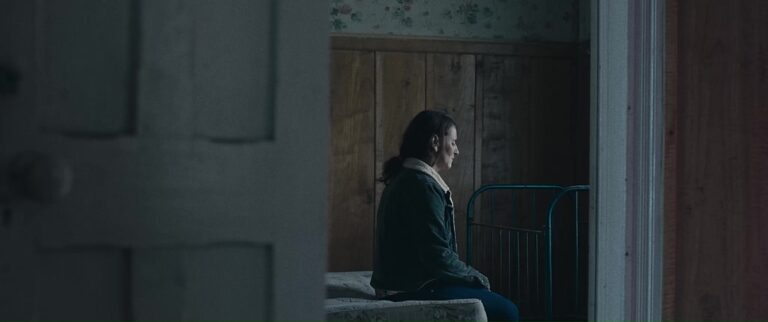
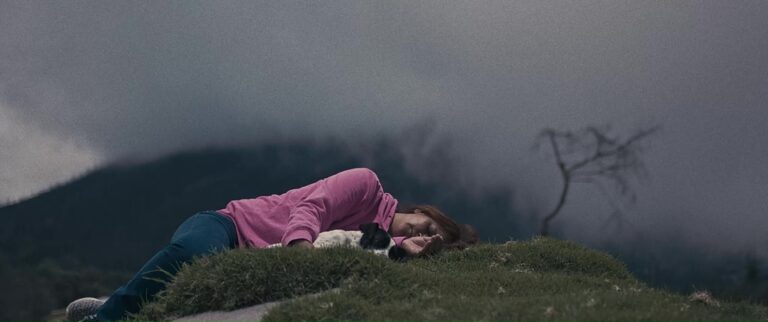
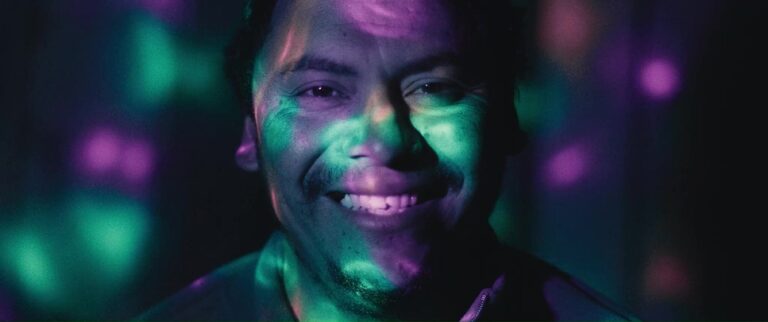
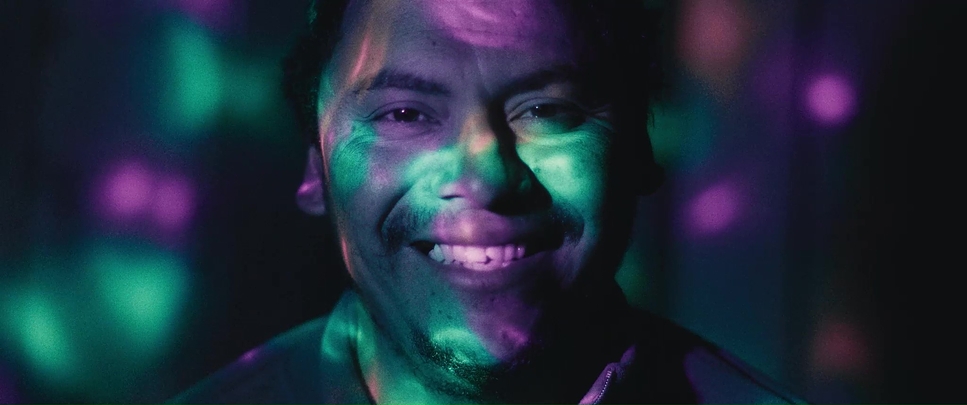
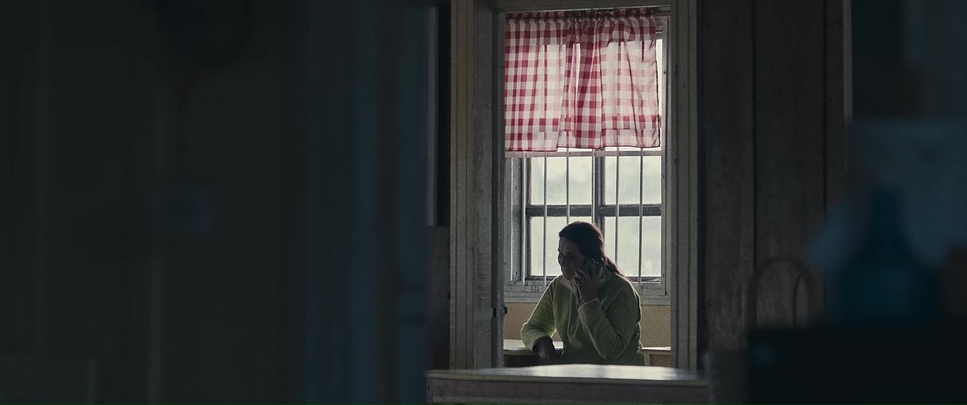
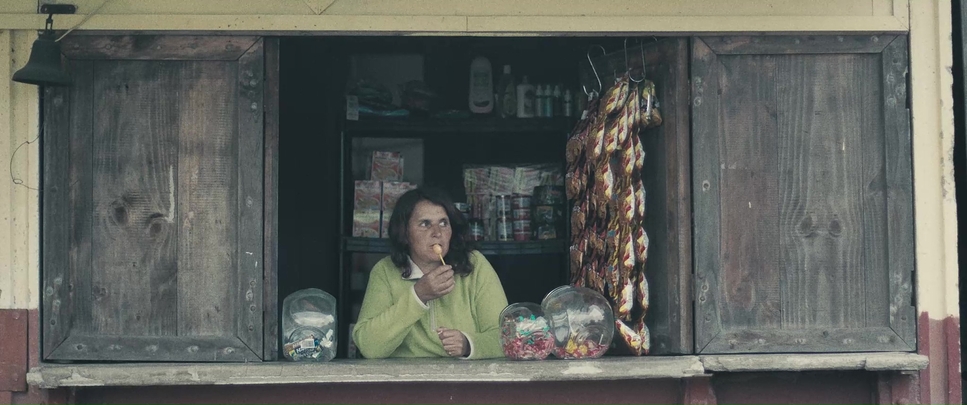
La Picada (2022)
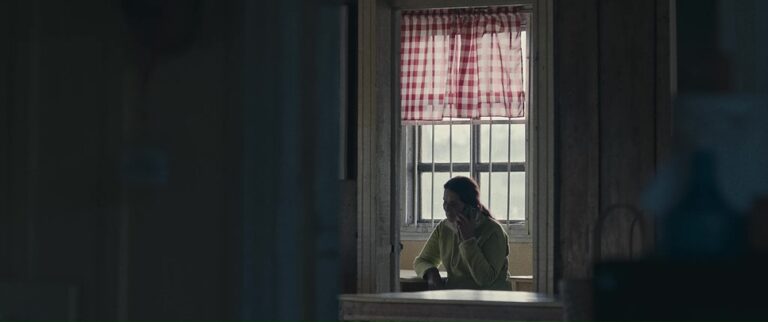
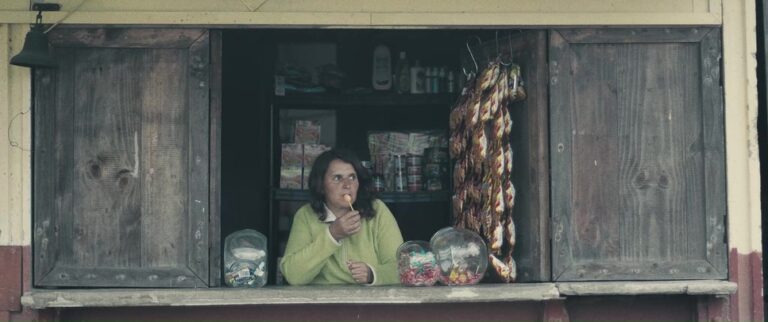
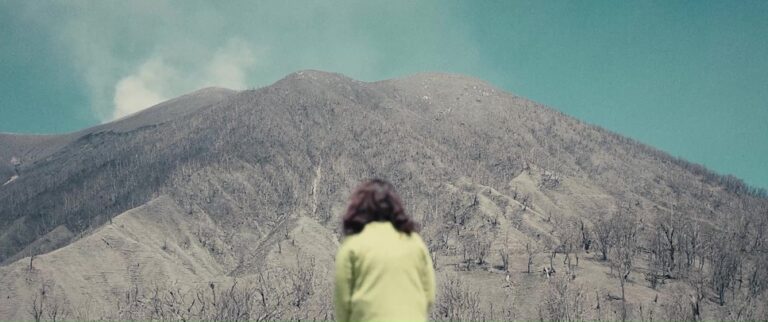
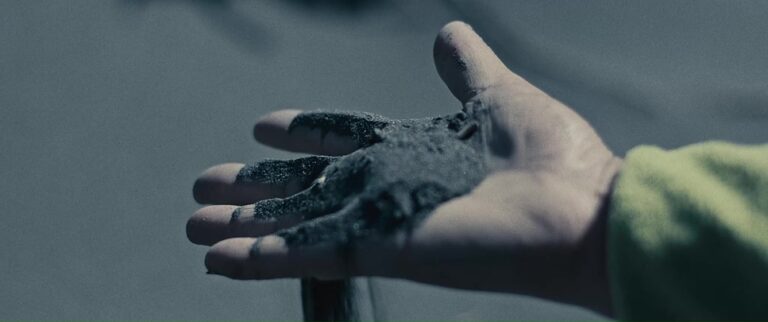
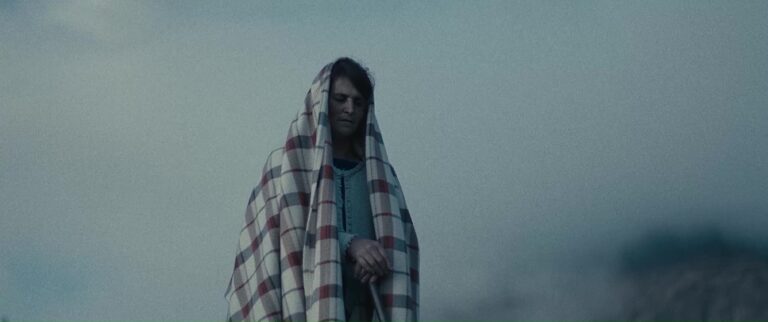
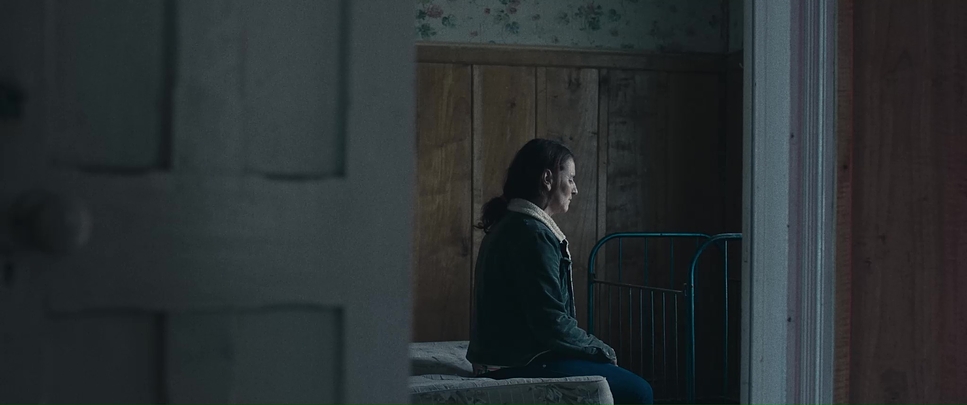
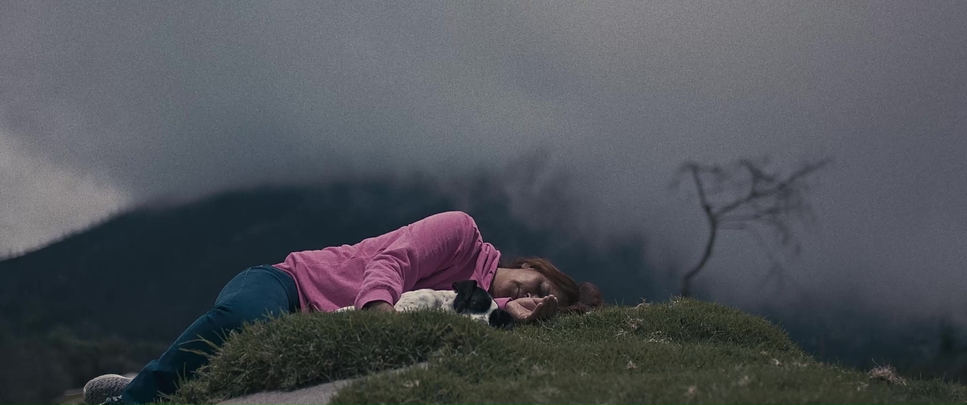
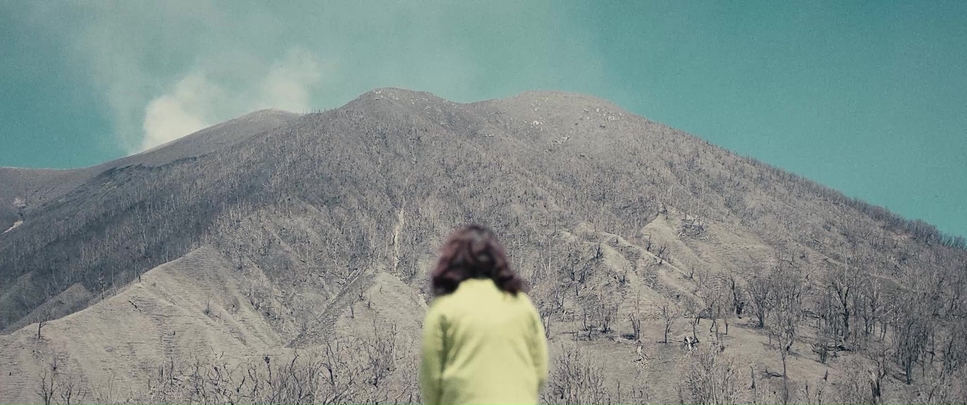
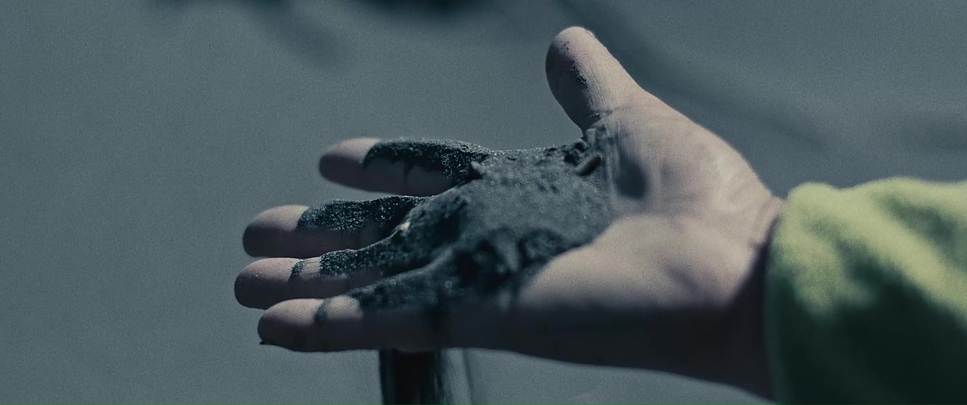
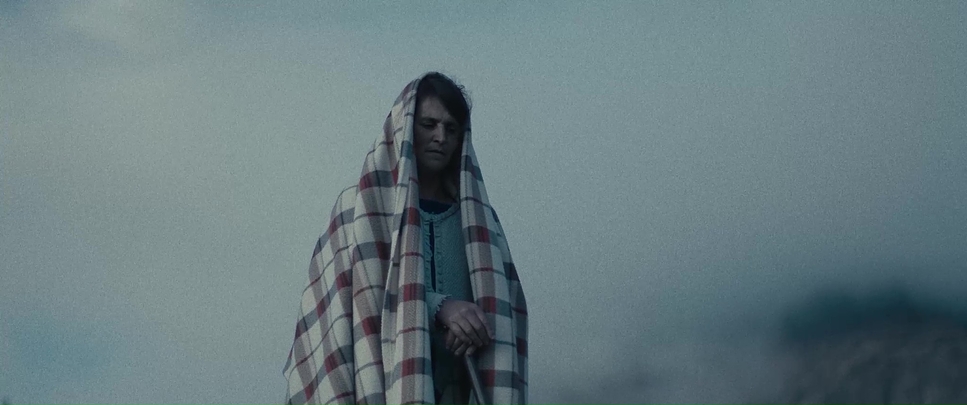
Rosmeri is the last inhabitant of a ghost town evicted by the constant eruptions of a volcano in Costa Rica. He has found a new way of life taking care of the animals that were left in the area and working in his cafeteria. The pressure from her family and the authorities is not enough to make her leave her home. Rosmeri says that the volcano is her friend and will keep her safe; and that relationship is the force that will help her resist.
Cinematographer Simone D’Arcangelo shot La Picada on the Alexa Mini LF, using wide lenses and stark natural light to emphasize the vast, unforgiving Patagonian landscapes against the smallness of its characters. The film’s restrained camera and desaturated palette create a cold, observational distance—turning each frame into a quiet indictment of the violence unfolding within it.
FILM SPOTLIGHT
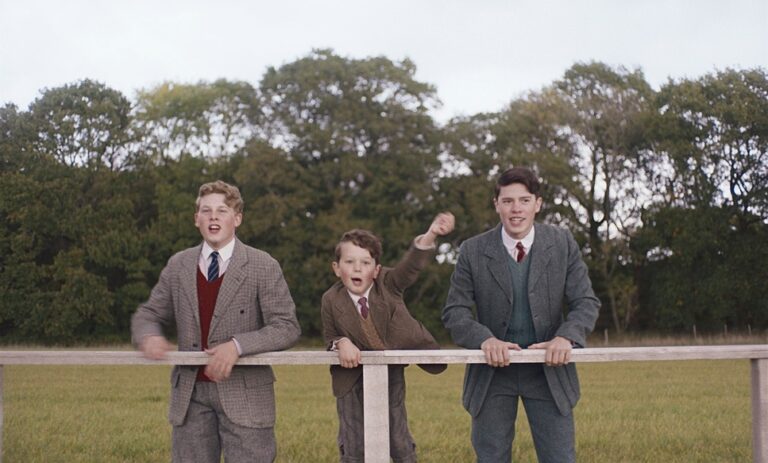
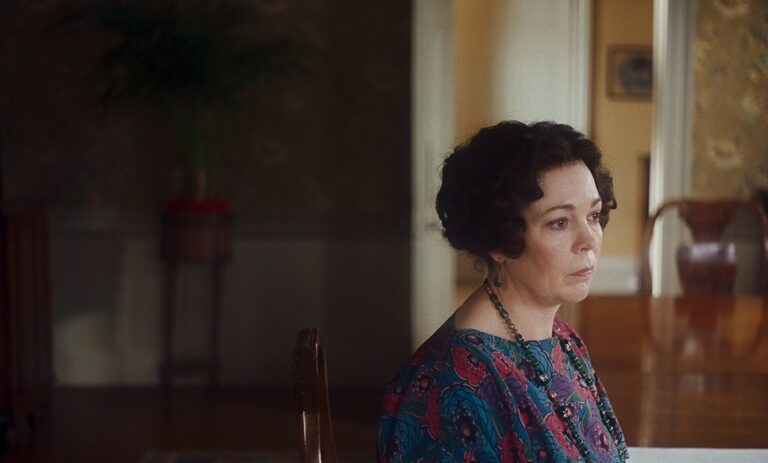
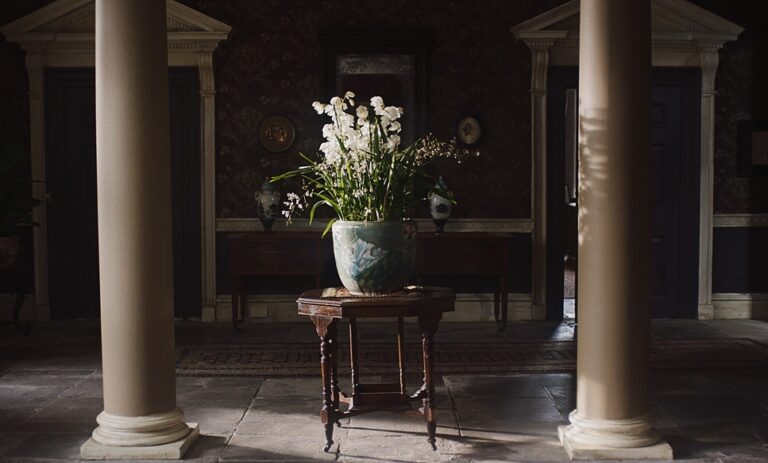
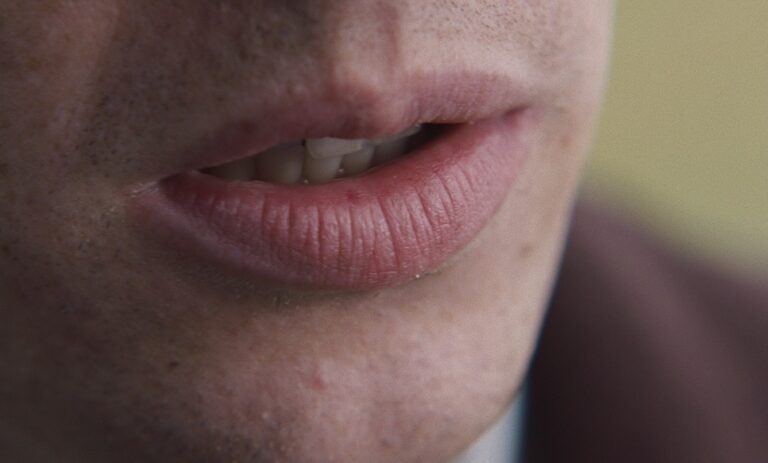
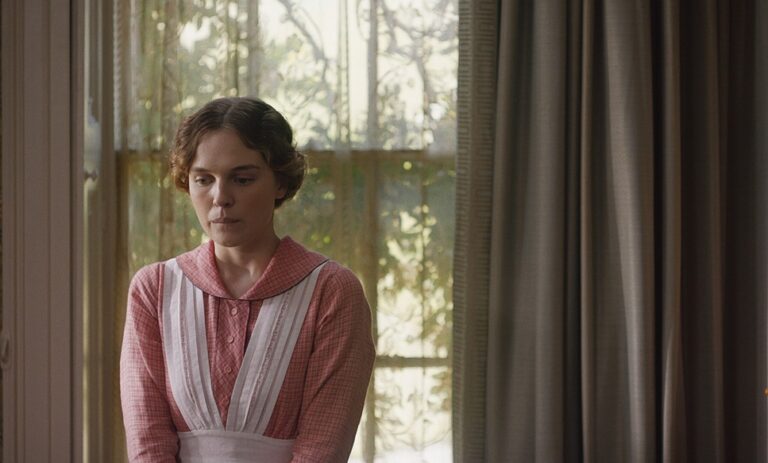
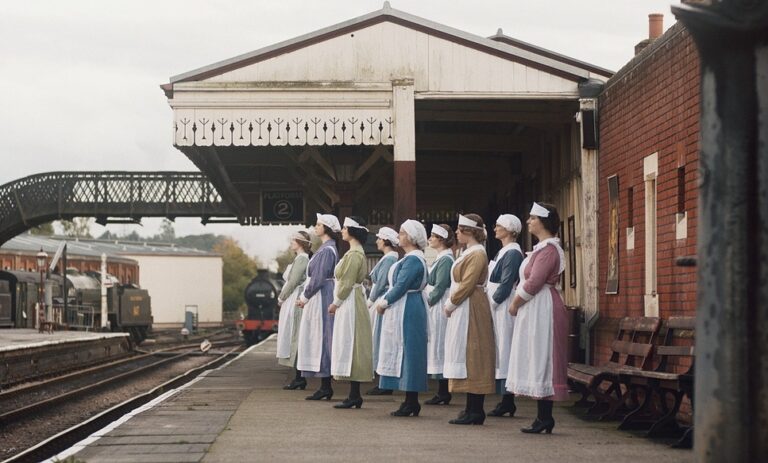
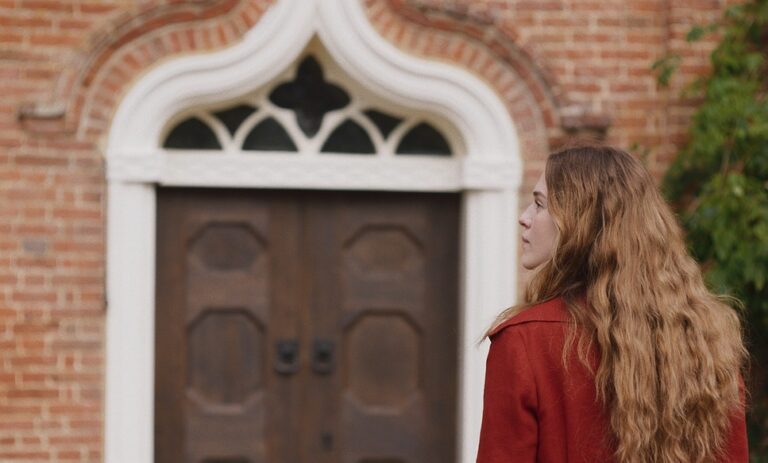
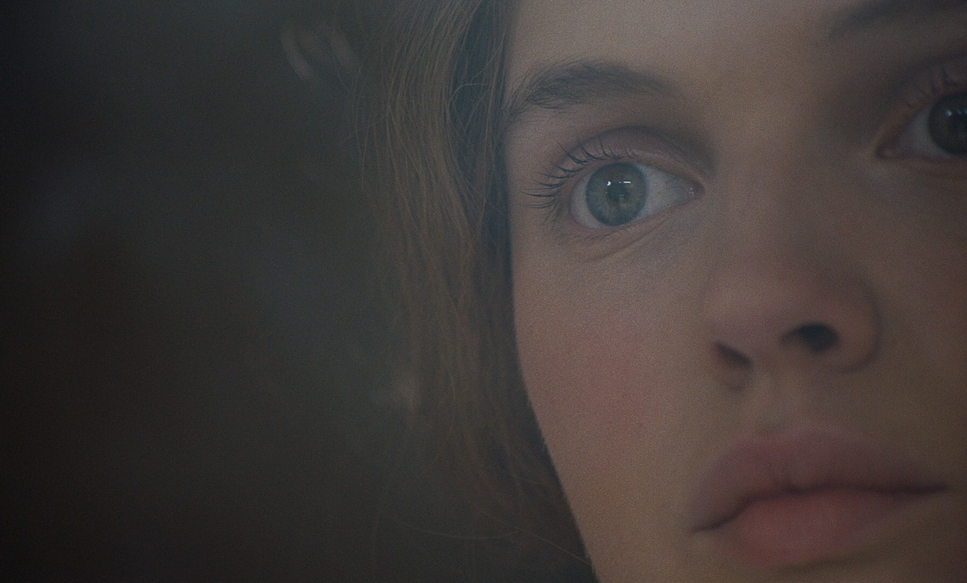
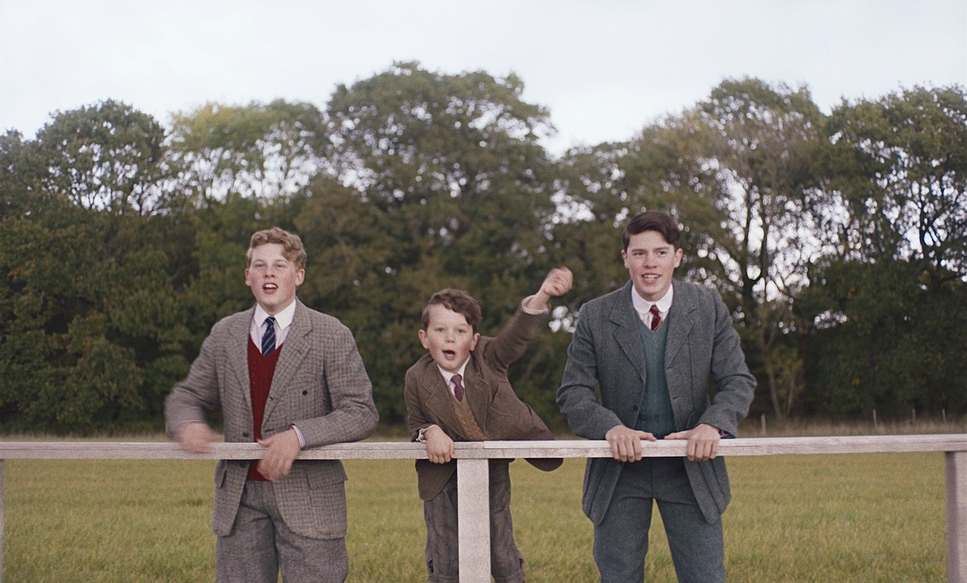
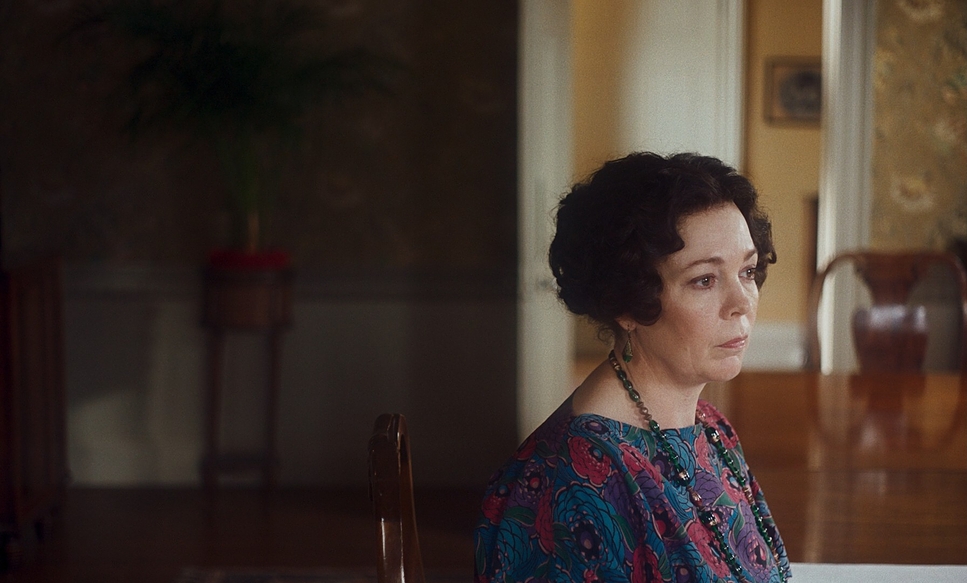
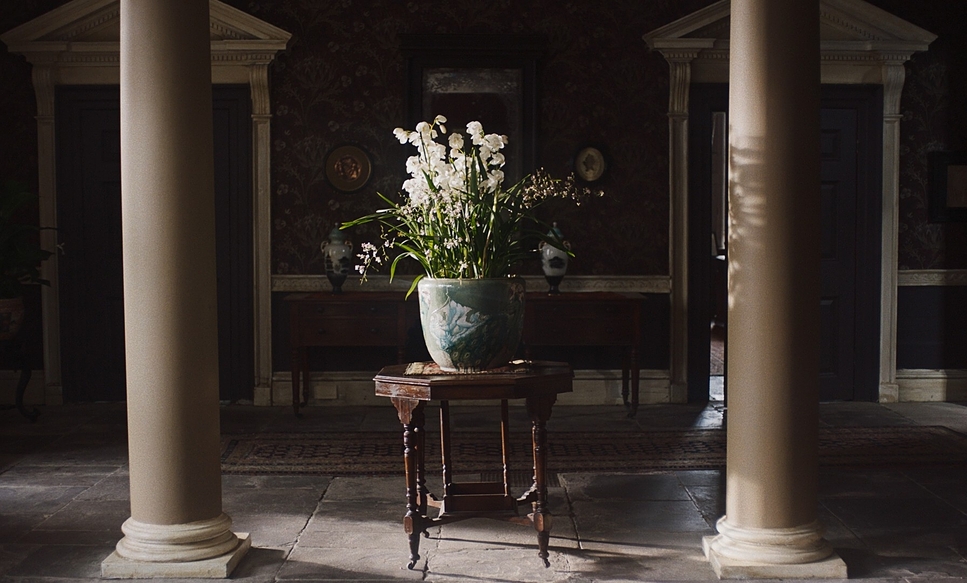
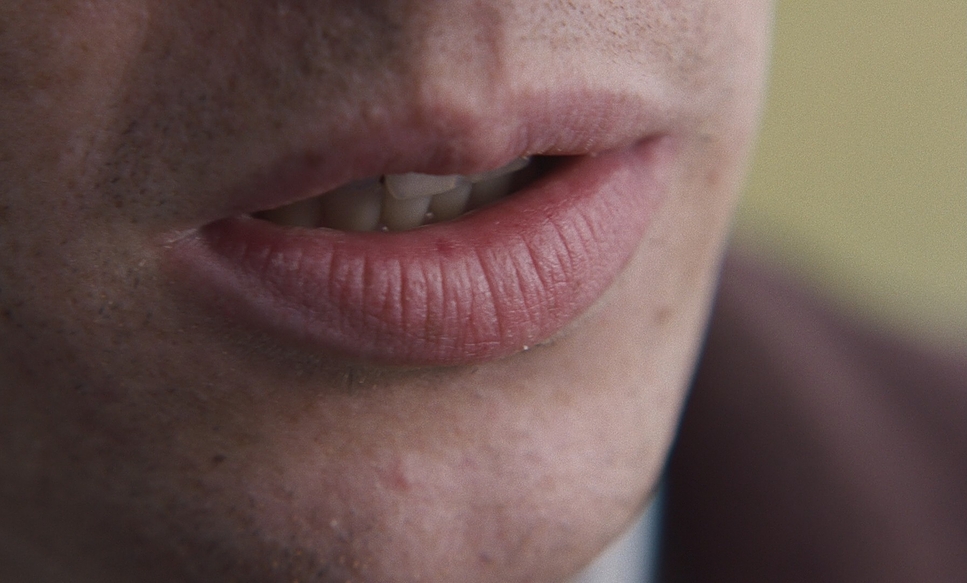
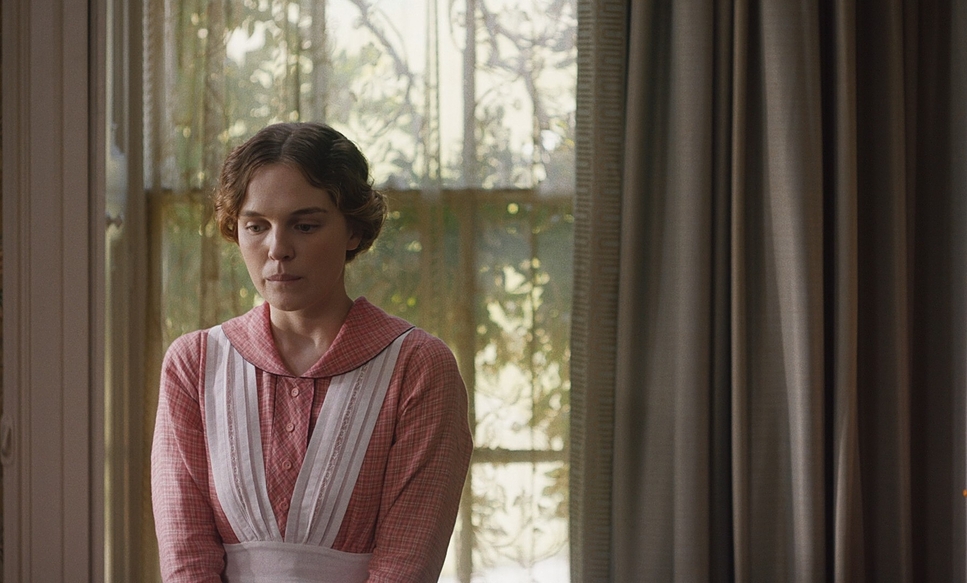
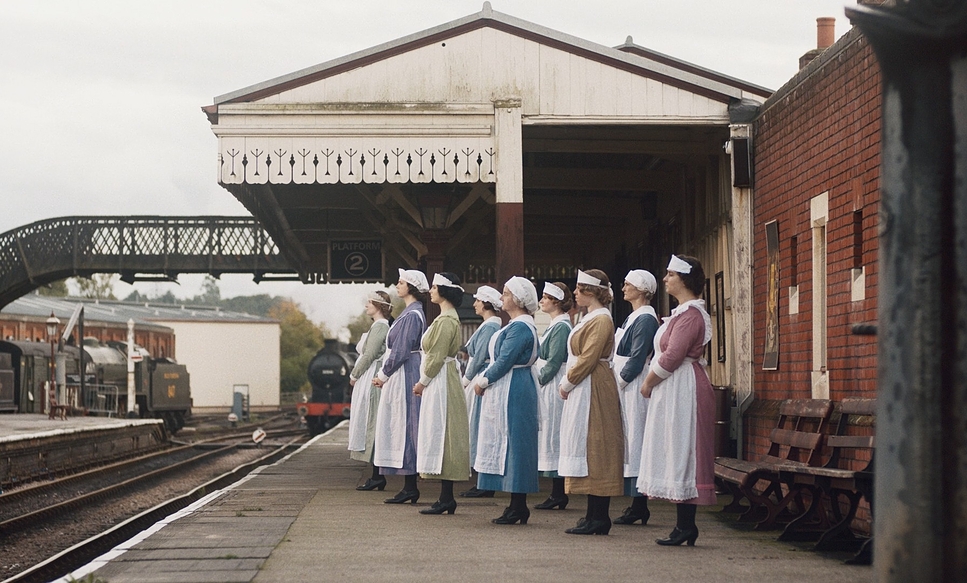
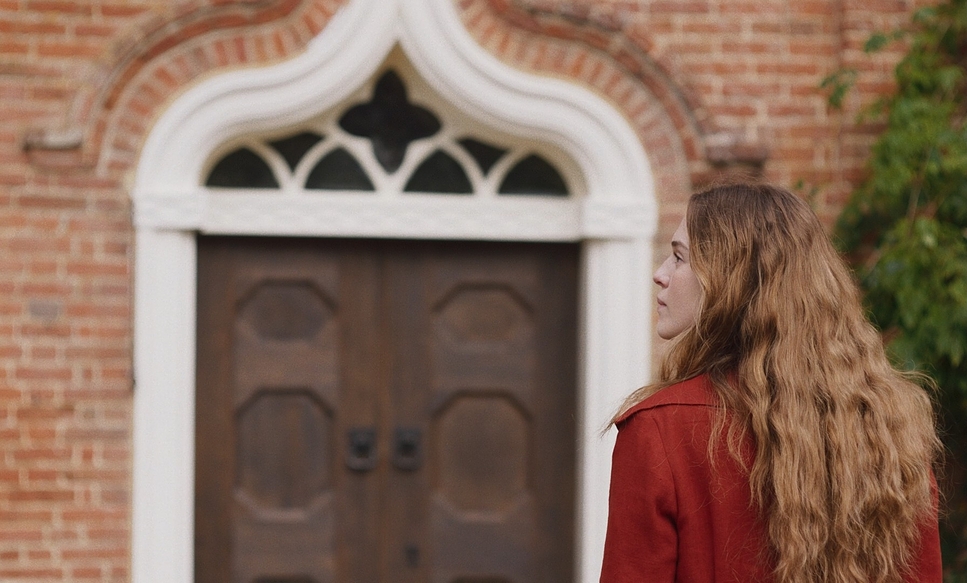
Mothering Sunday (2021)
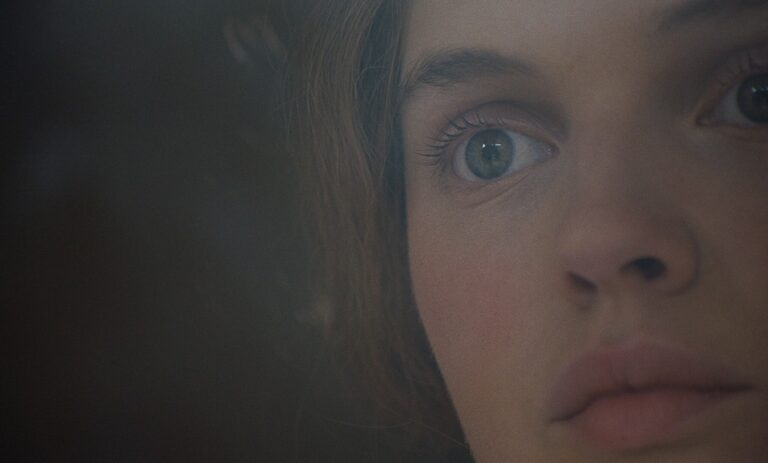
On a warm spring day in 1924, house maid and foundling Jane Fairchild finds herself alone on Mother’s Day. Her employers, Mr. and Mrs. Niven, are out and she has the rare chance to spend quality time with her secret lover. Paul is the boy from the manor house nearby, Jane’s long-term love despite the fact that he’s engaged to be married to another woman, a childhood friend and daughter of his parents’ friends. But events that neither can foresee will change the course of Jane’s life forever.
Cinematographer Jamie D. Ramsay shot Mothering Sunday on 35mm film, using soft natural light and fluid, impressionistic camera movement to blur the boundaries between memory and present experience. The film’s luminous textures and shifting temporal structure give it a dreamlike quality—turning fleeting moments of intimacy into something almost tactile and suspended in time.
FILM SPOTLIGHT
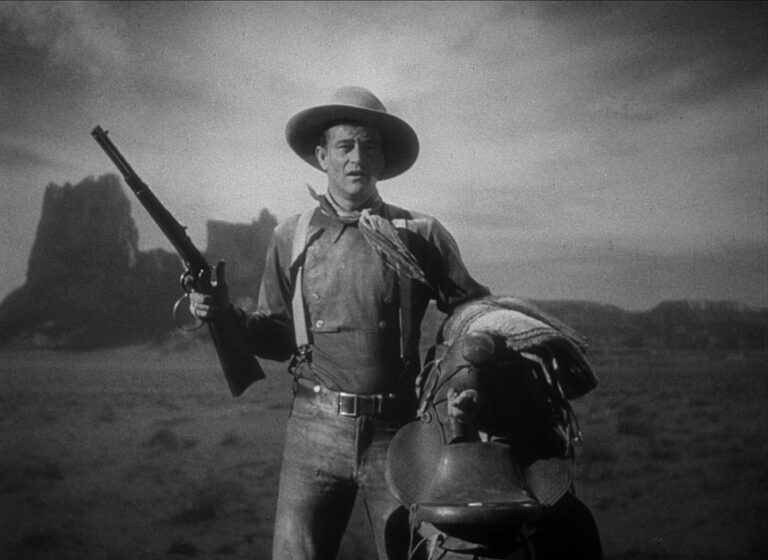
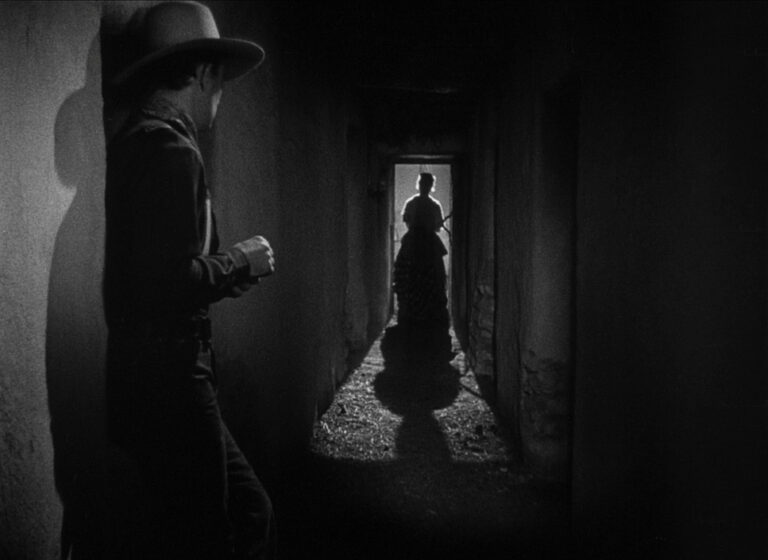
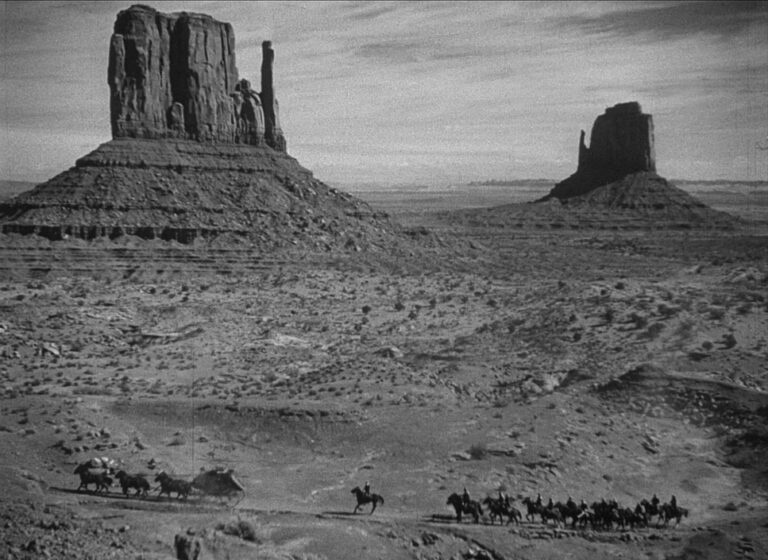
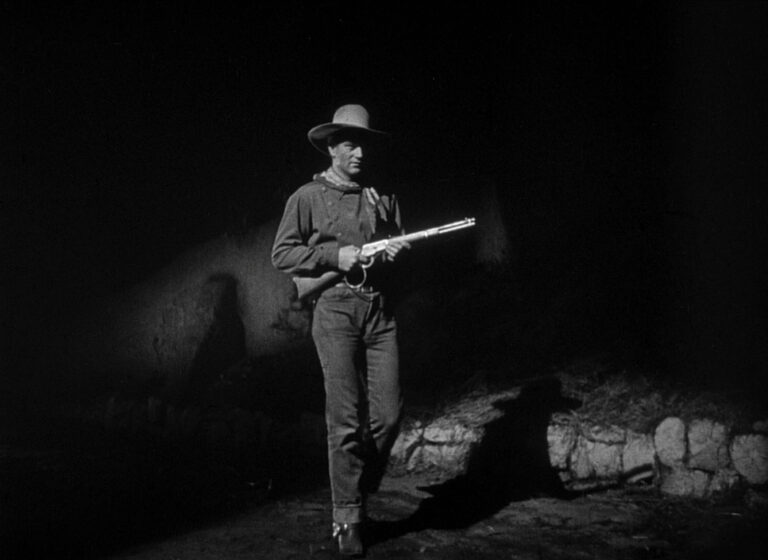
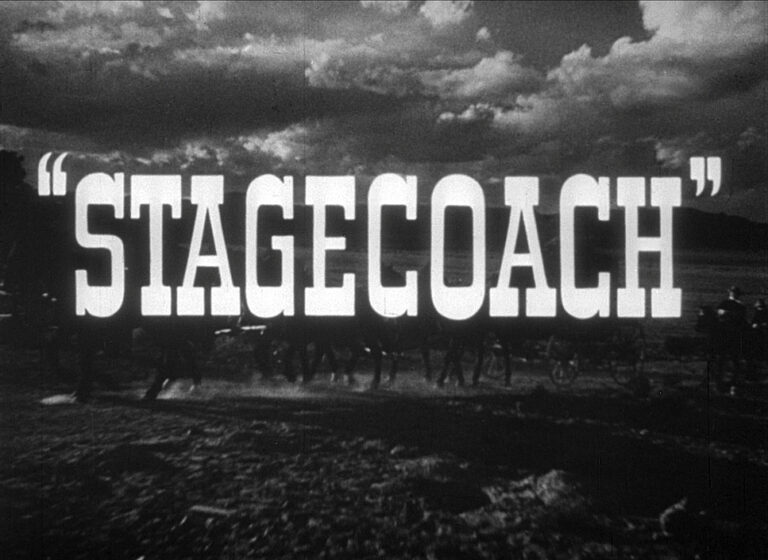
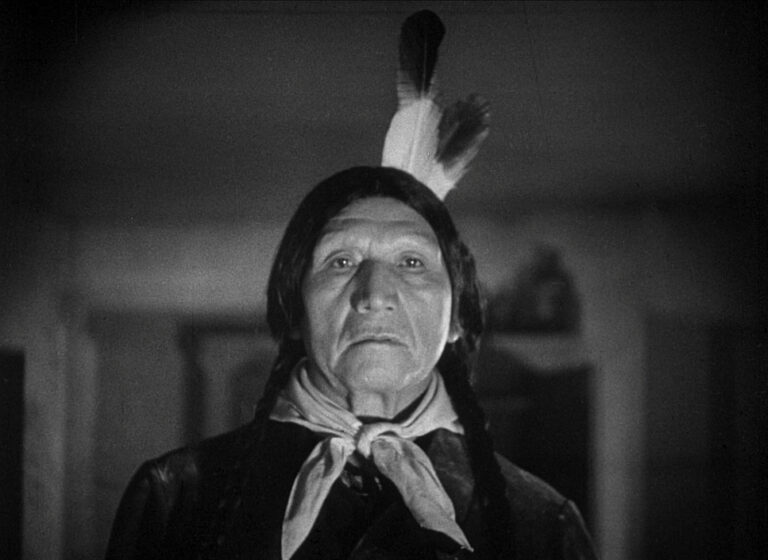
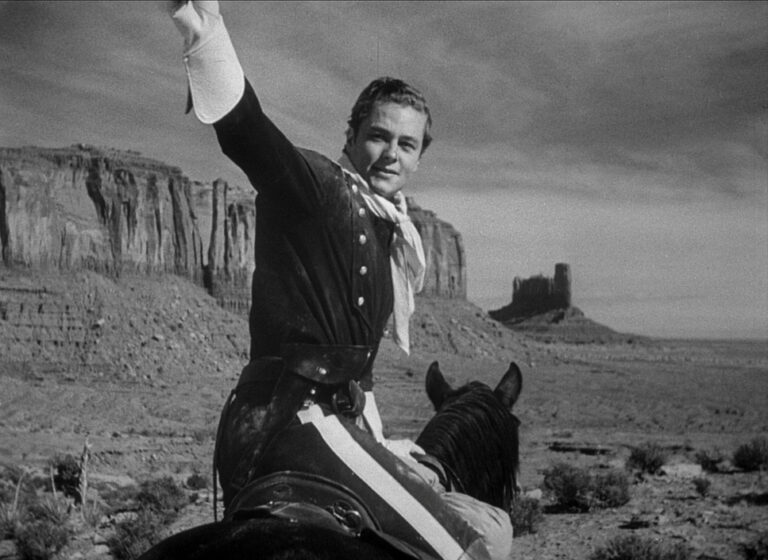
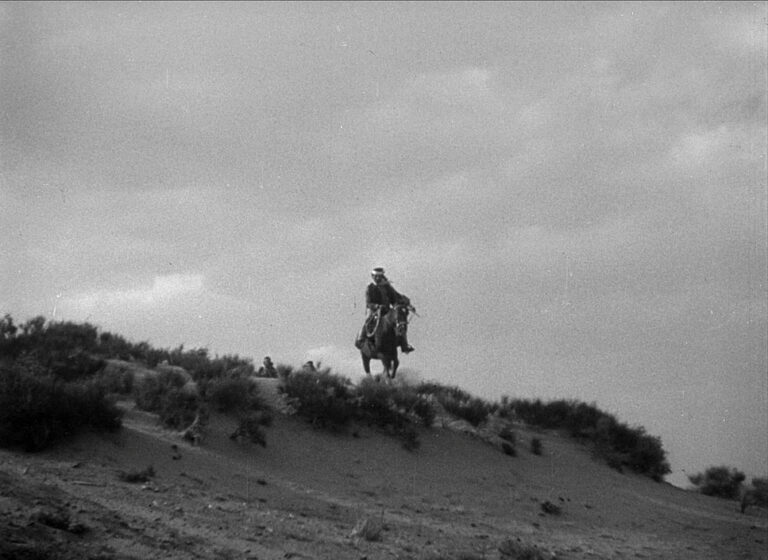
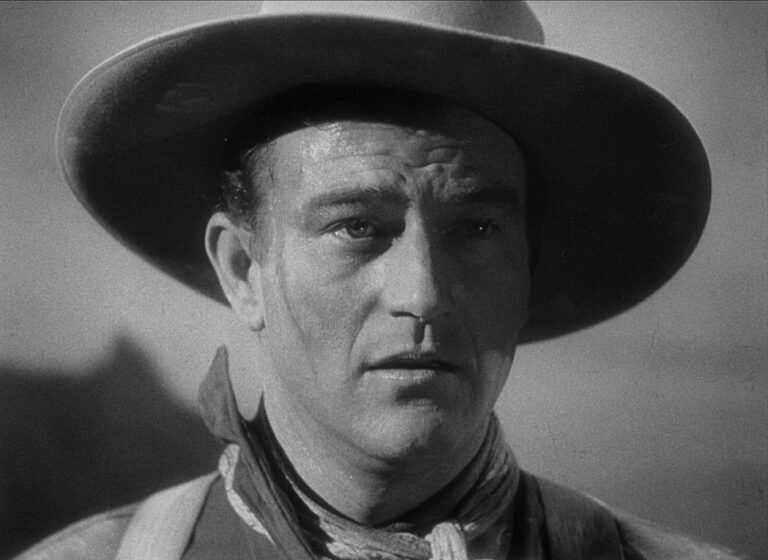
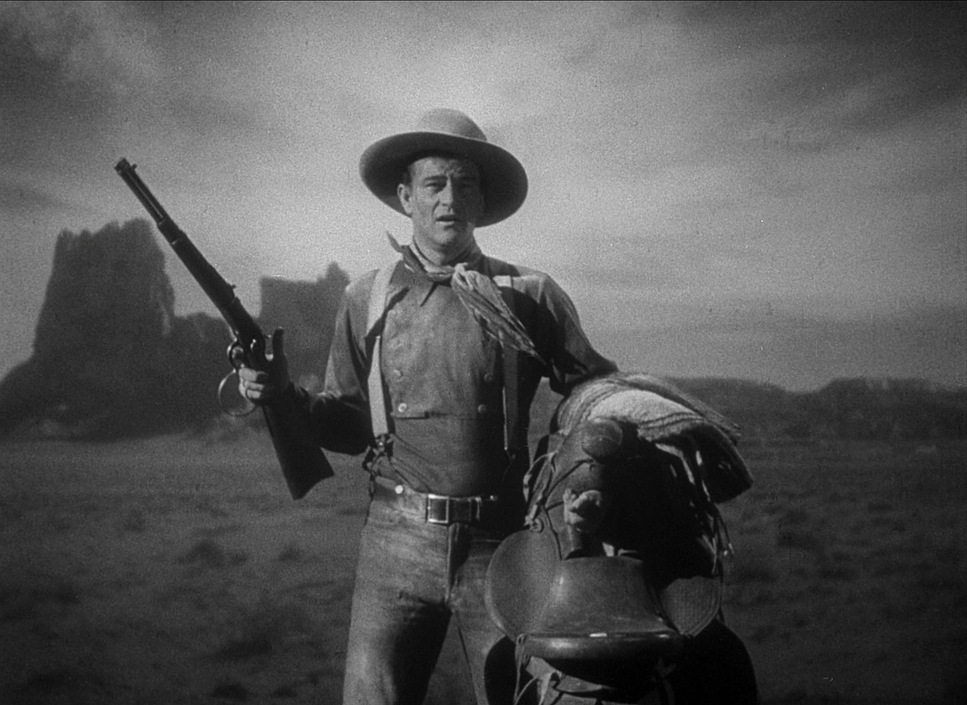
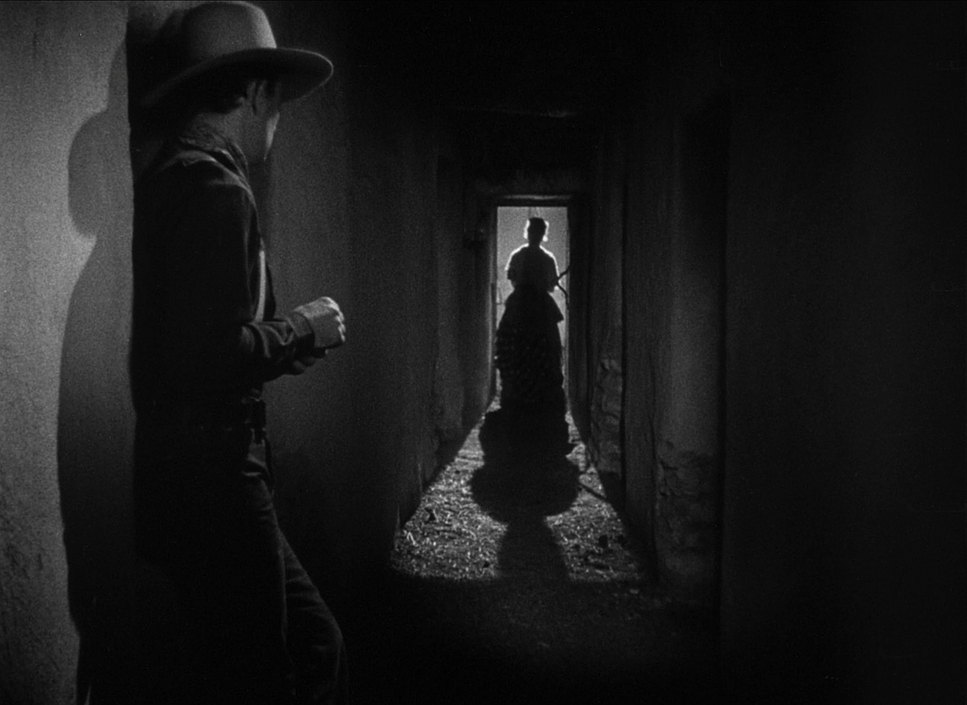
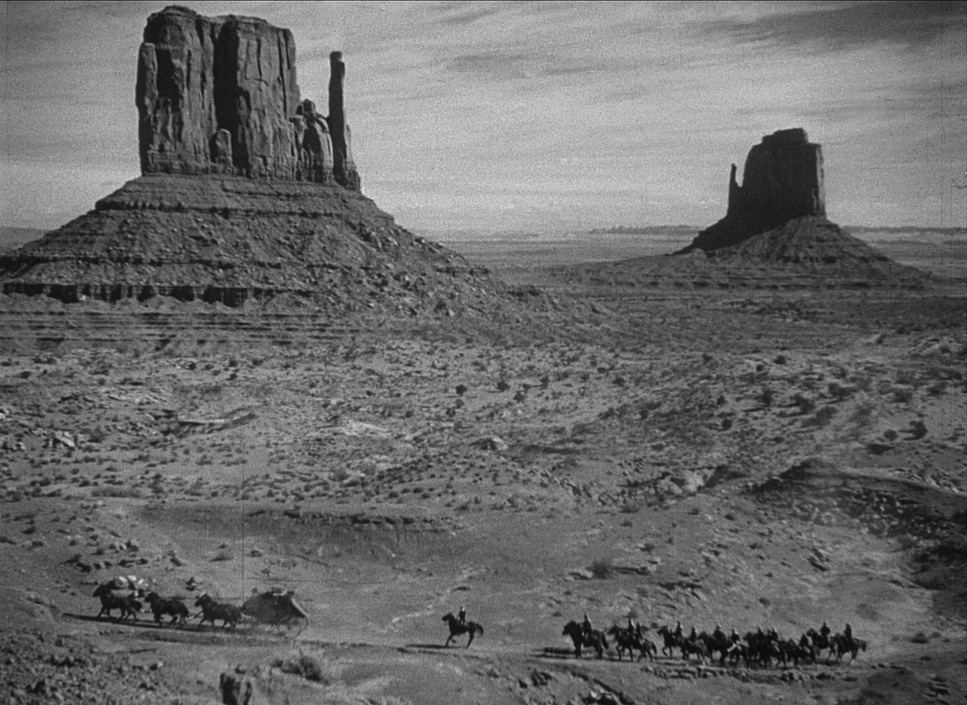
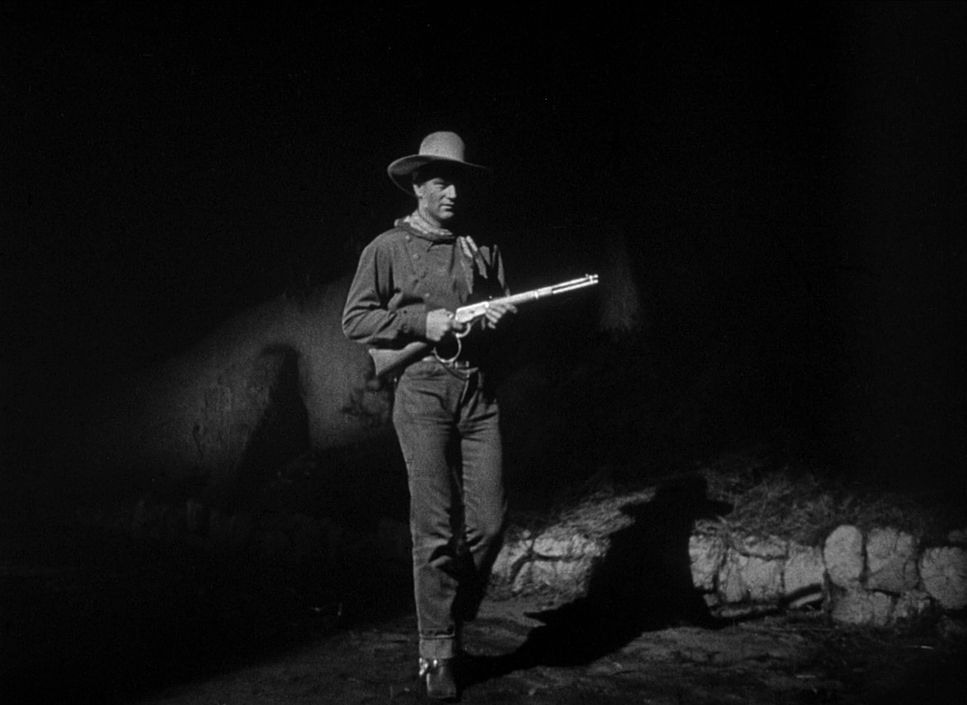
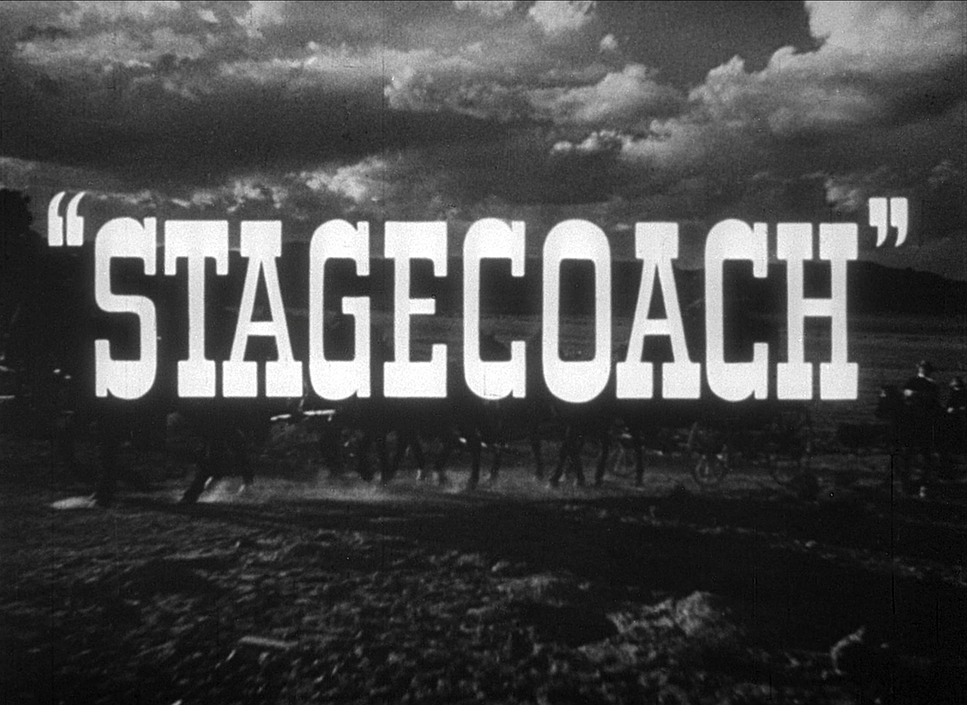
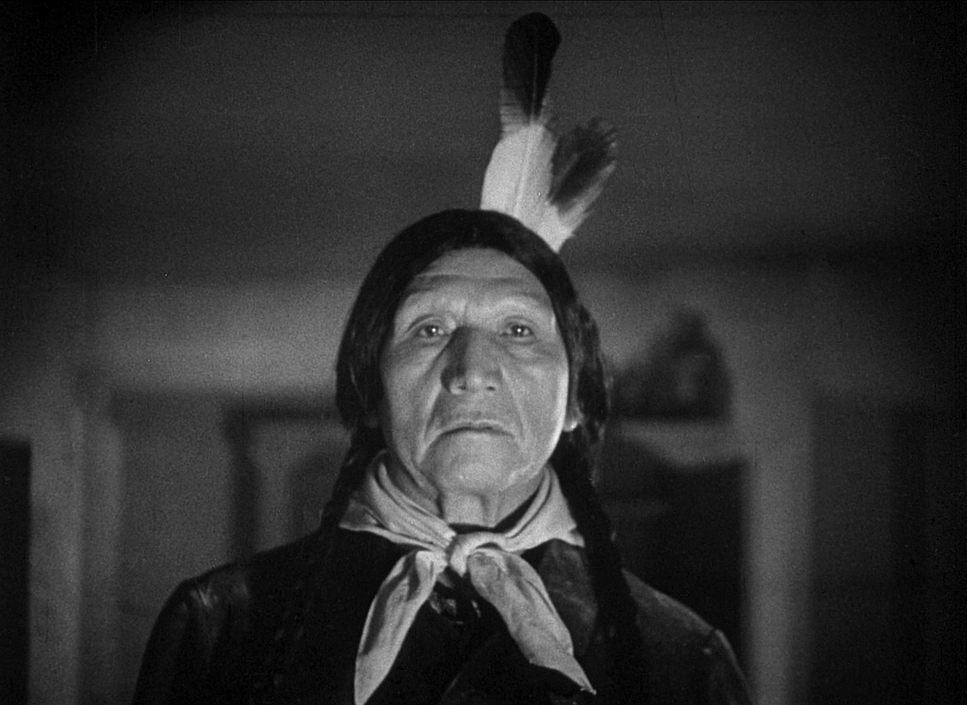
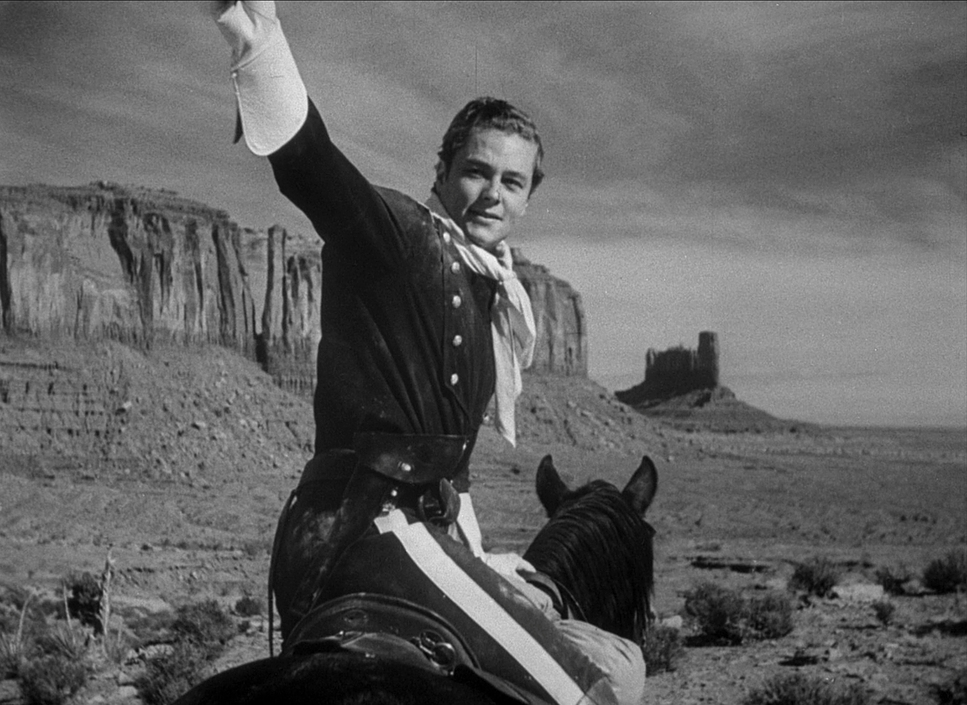
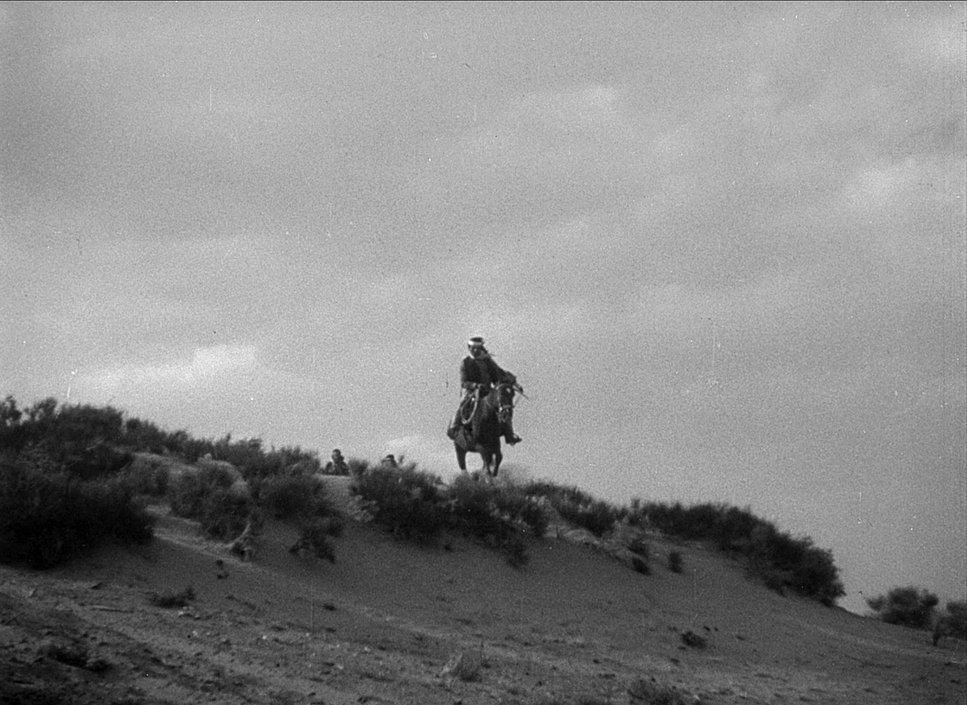
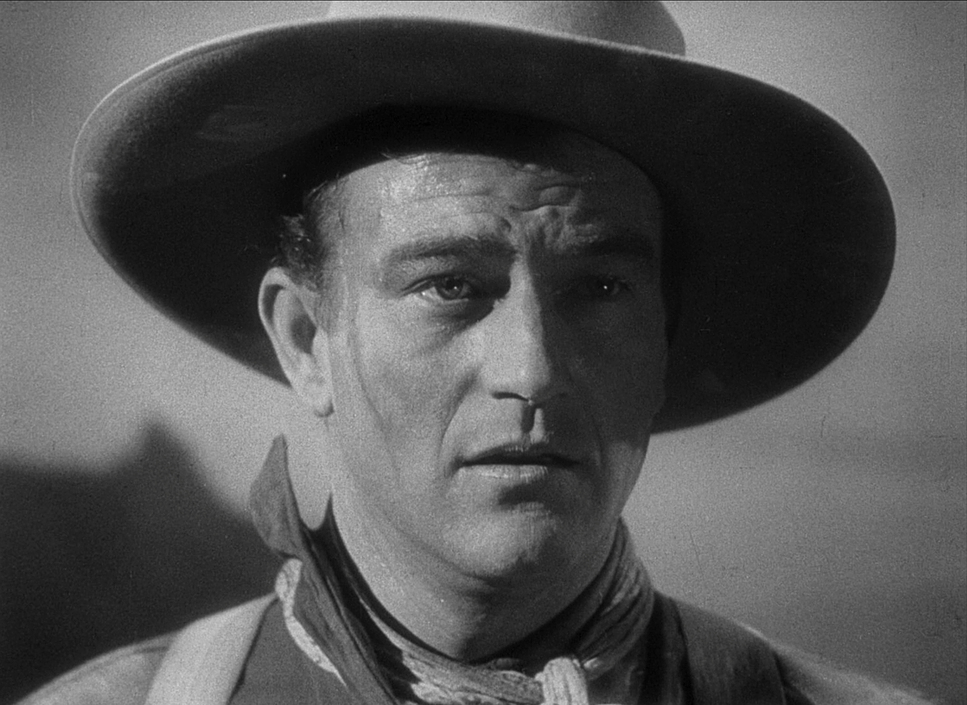
Stagecoach (1939)
A group of people traveling on a stagecoach find their journey complicated by the threat of Geronimo, and learn something about each other in the process.
John Ford and cinematographer Bert Glennon turned Monument Valley into one of cinema’s most iconic backdrops, using deep-focus compositions and wide framing to place characters against vast, mythic landscapes. The film’s dynamic staging—especially its groundbreaking moving camera work during the stagecoach chase—helped redefine how action and geography could be conveyed in the Western, setting a visual template the genre would follow for decades.
FILM SPOTLIGHT
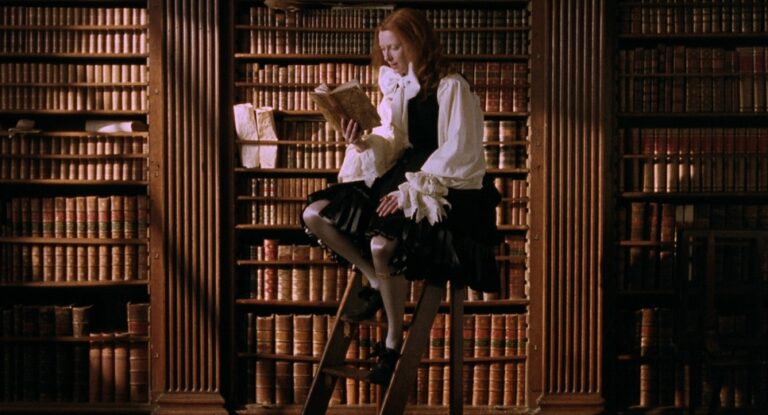
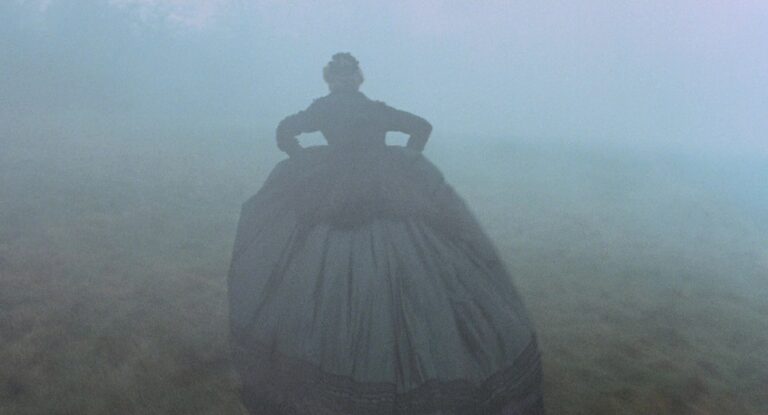
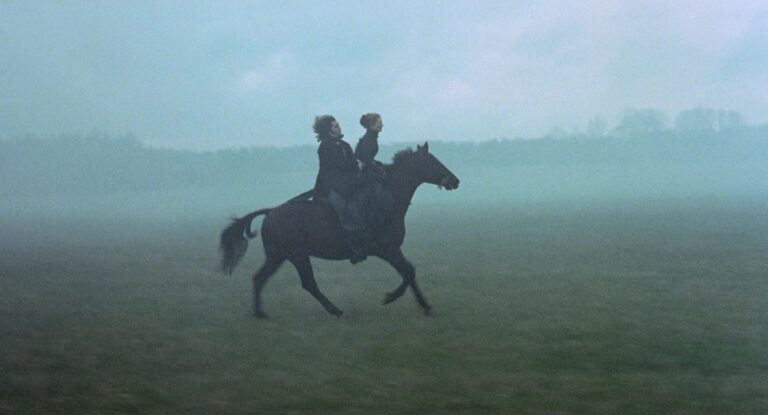
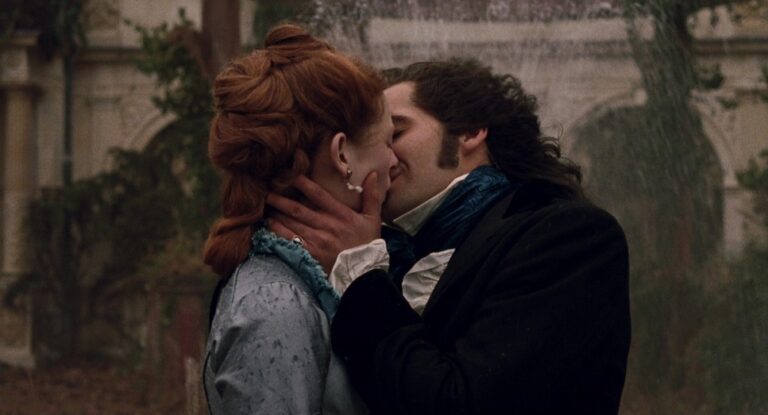
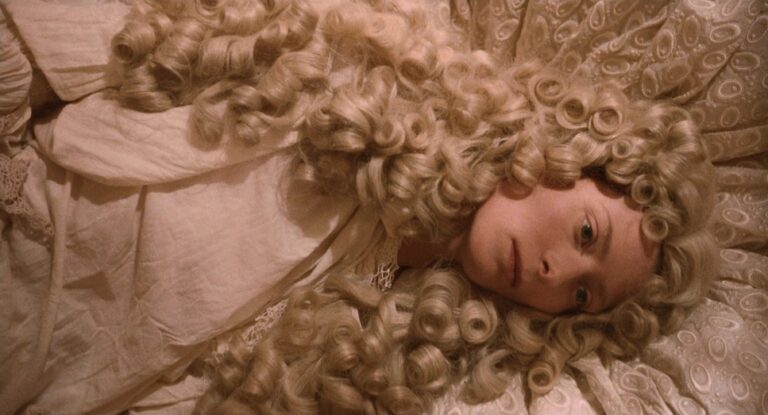
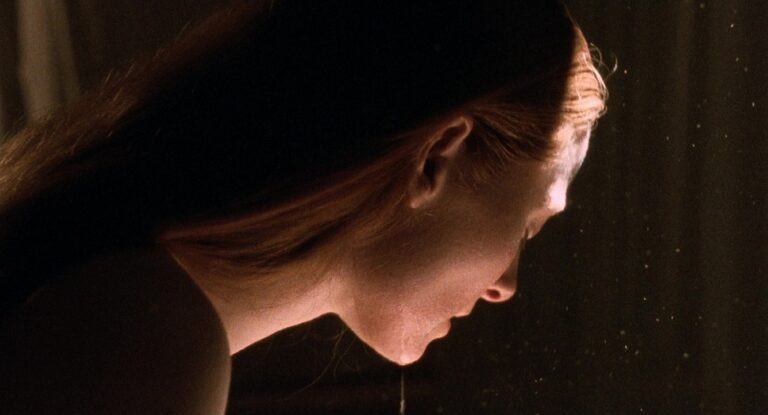
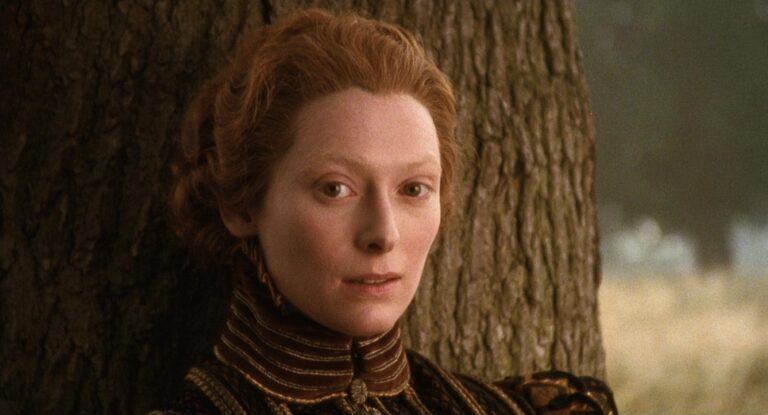
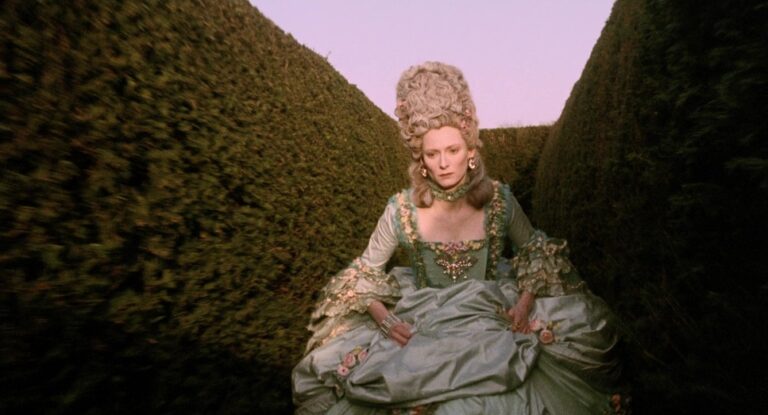
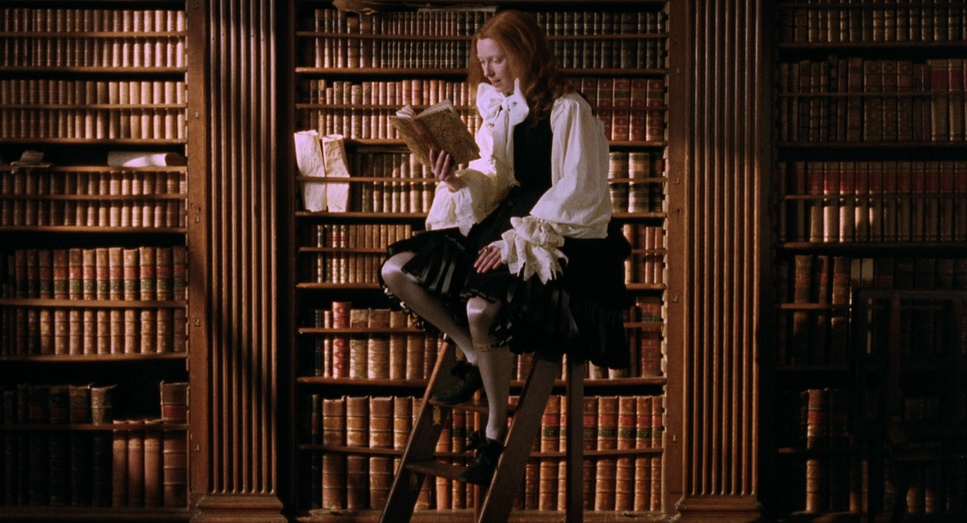
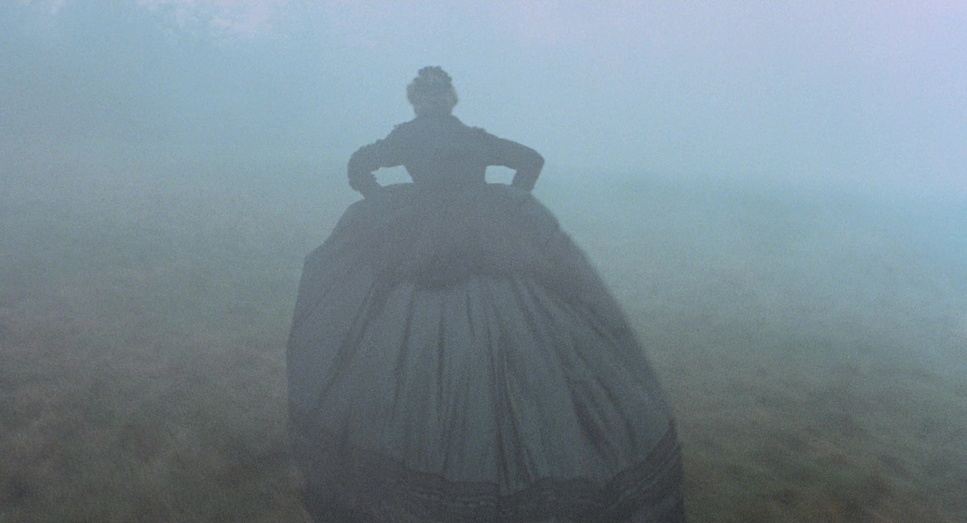
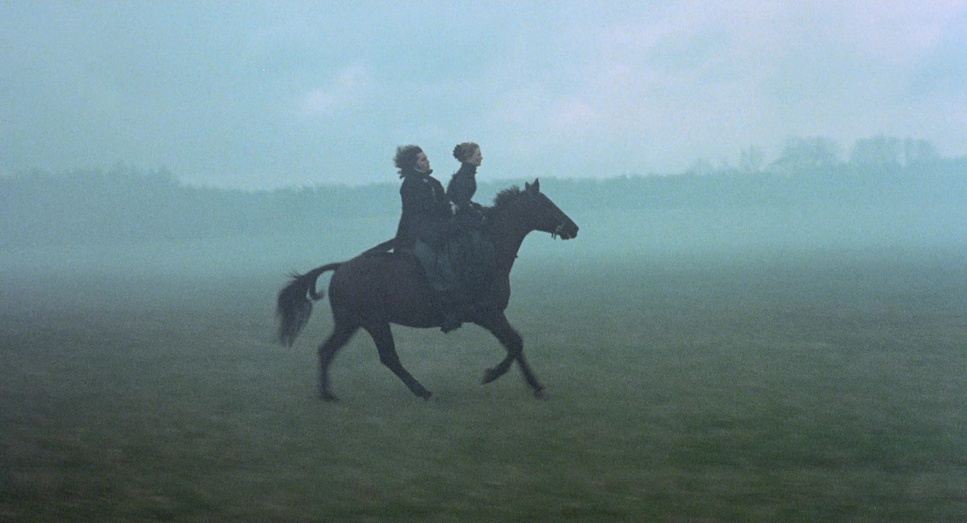
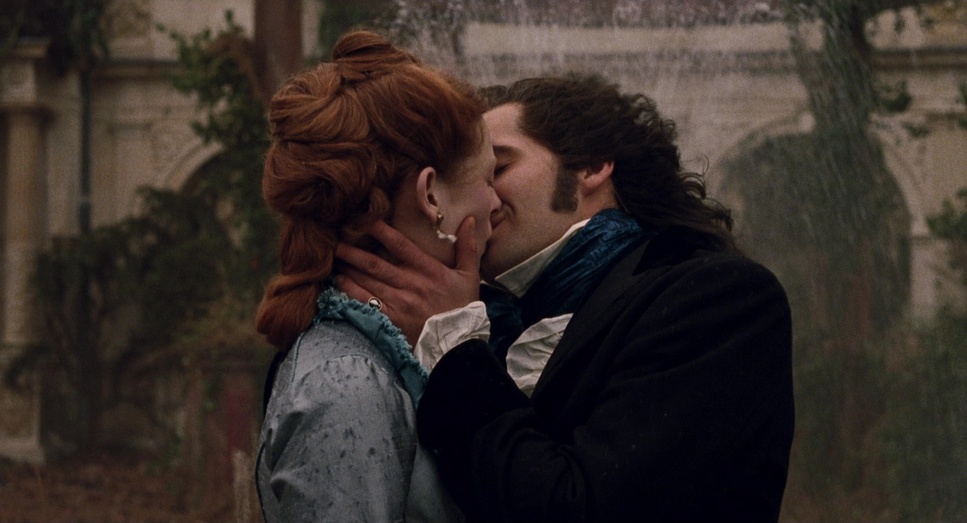
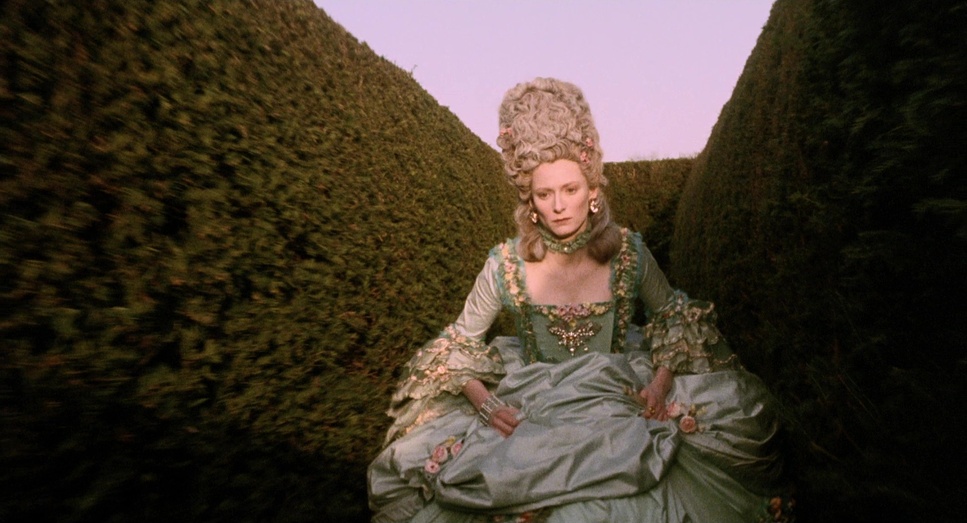
Orlando (1992)
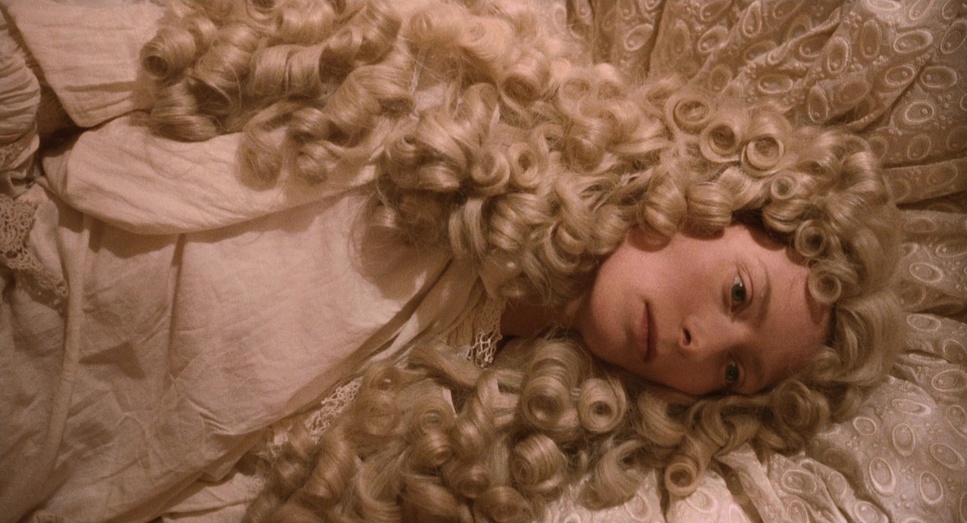
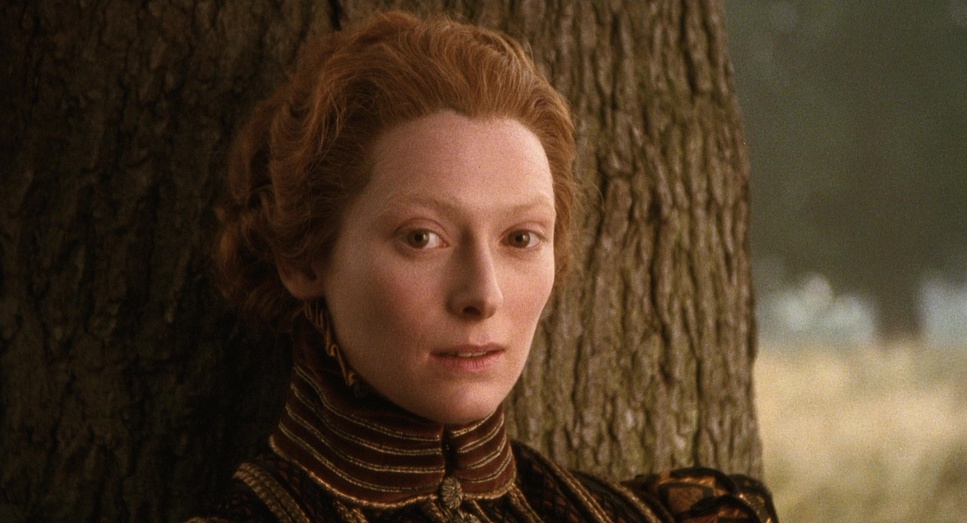
England, 1600. Queen Elizabeth I promises Orlando, a young nobleman obsessed with poetry, that she will grant him land and fortune if he agrees to satisfy a very particular request.
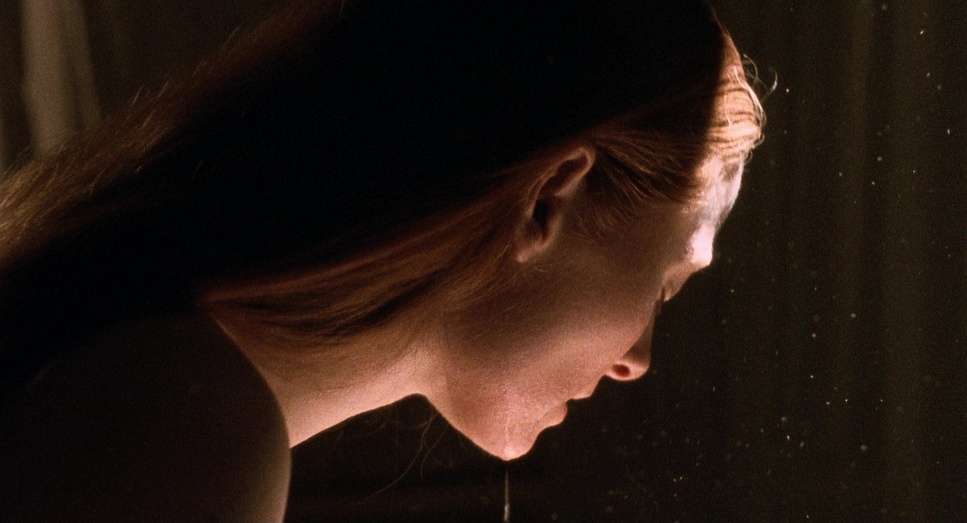
Director Sally Potter and cinematographer Aleksei Rodionov crafted Orlando with a painterly sensibility, drawing heavily from period portraiture and using symmetrical compositions and direct-to-camera gazes to collapse the distance between character and viewer. Shot across grand estates and natural landscapes, the film uses shifting color palettes and costume design to visually track time and identity—turning each era into a distinct, living tableau.
FILM SPOTLIGHT
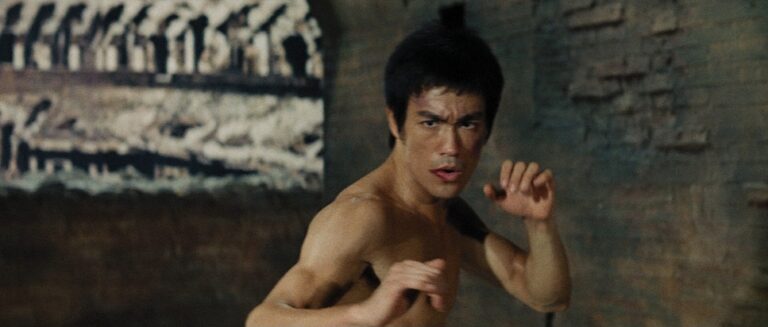
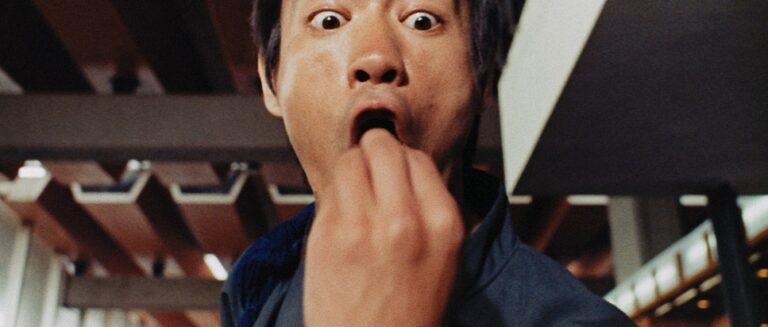
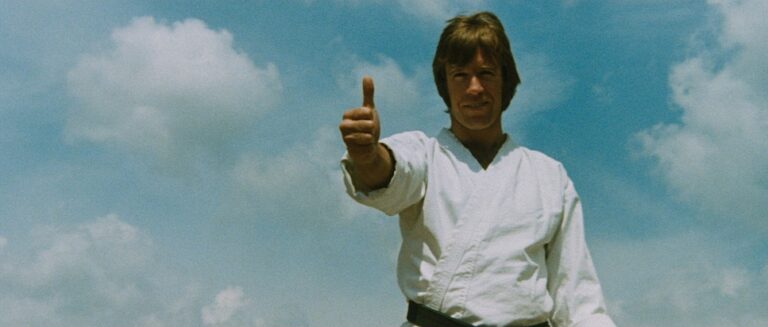
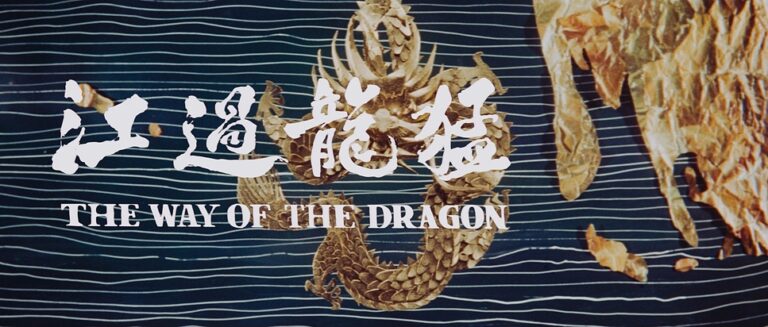
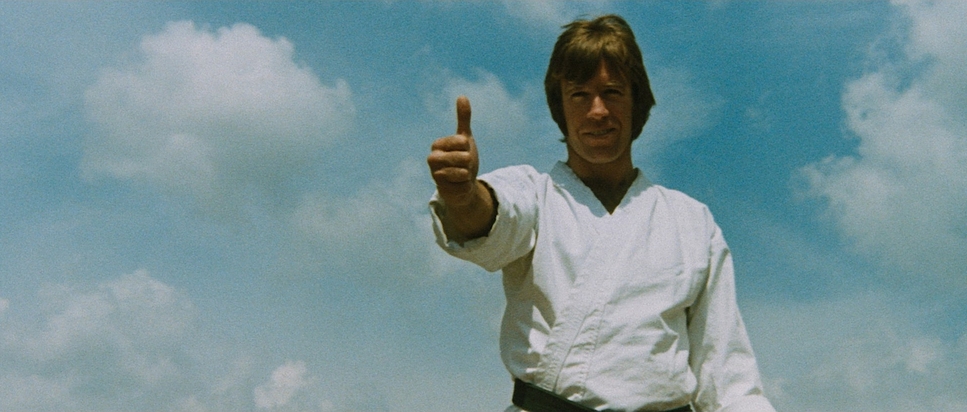
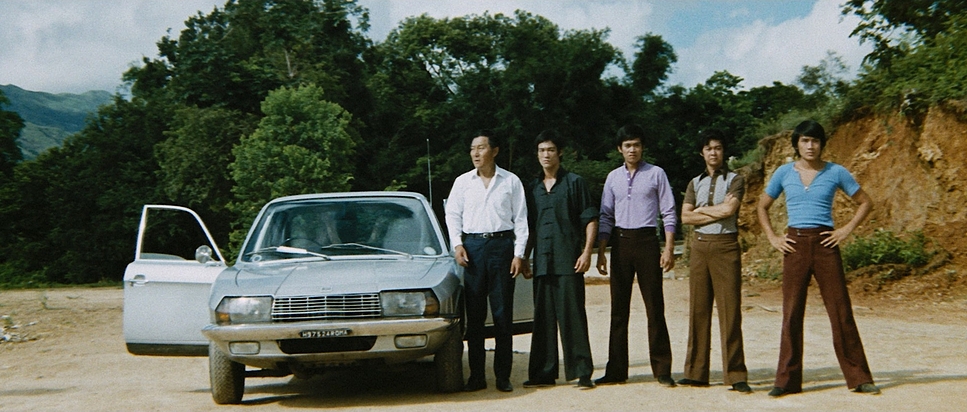
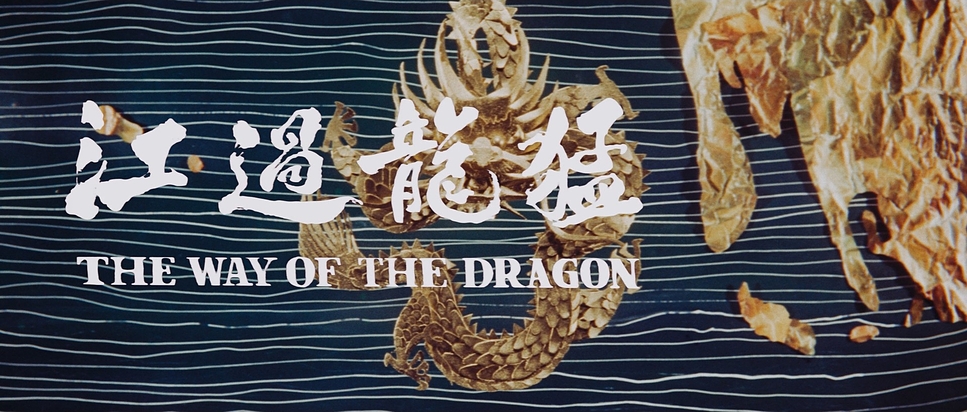
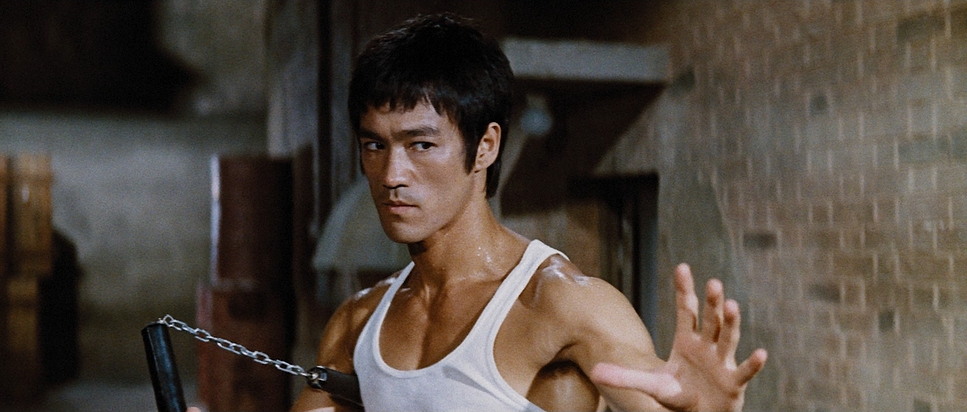
The Way of the Dragon (1972)
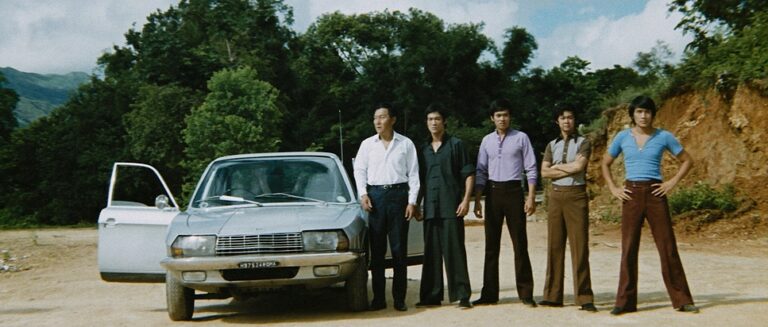
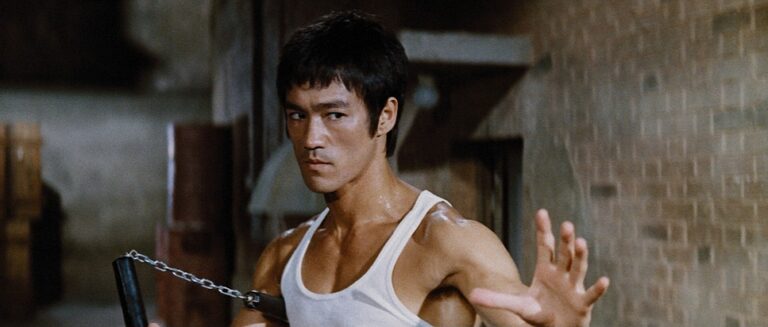
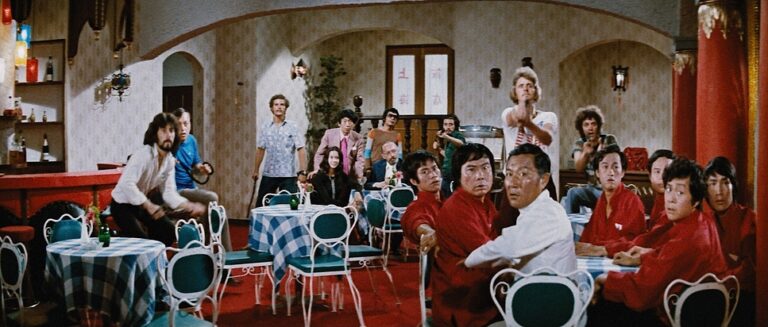
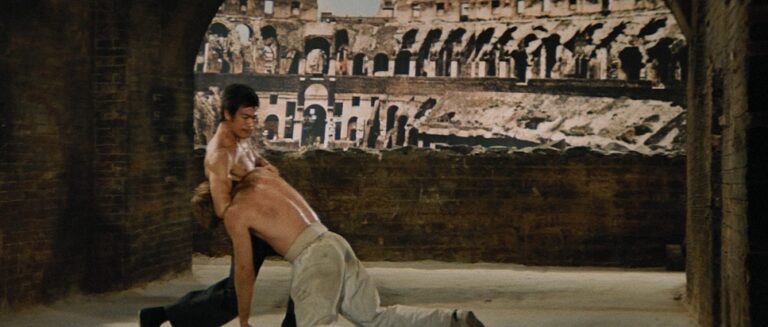
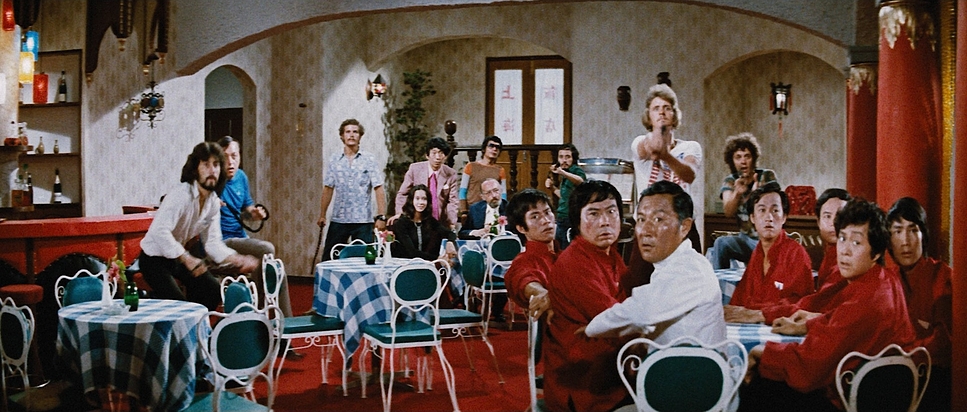
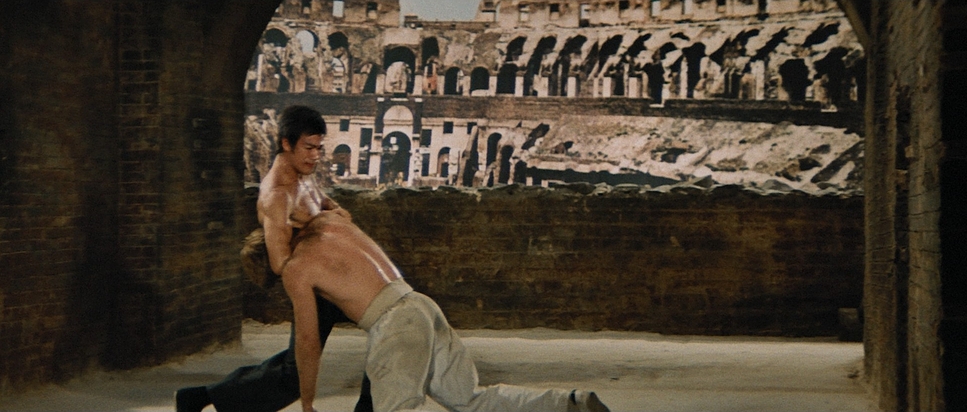
After a Chinese restaurant in Rome is threatened by the mafia, who will stop at nothing to acquire the property, the owner recruits a family friend in Hong Kong, kung fu expert Tang Lung, to help them defend their business.
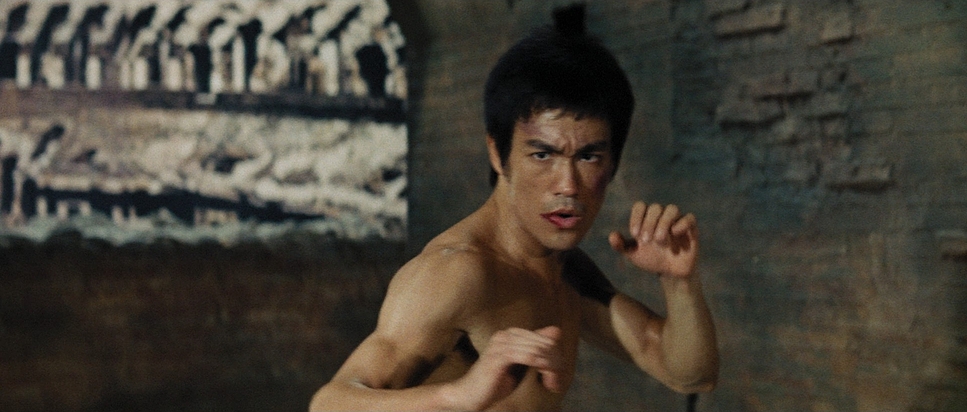
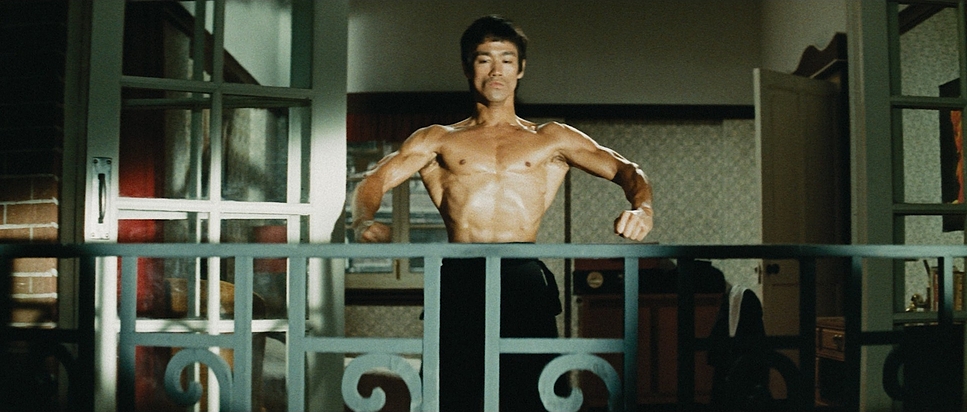
Bruce Lee directed The Way of the Dragon with a clean, performance-first visual style, favoring wide framings and minimal cutting to showcase the physical clarity of his fight choreography. The climactic Colosseum duel—shot with stark natural light and echoing sound design—strips the spectacle down to pure movement, turning the fight into a rhythmic, almost ritualistic display of skill that would define martial arts cinema going forward.
FILM SPOTLIGHT
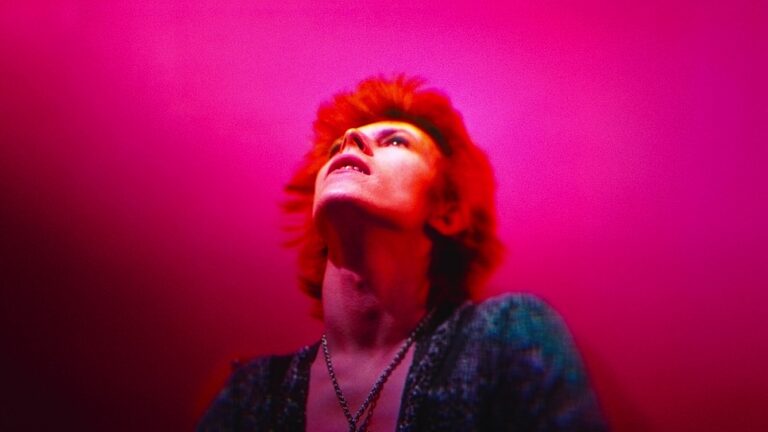
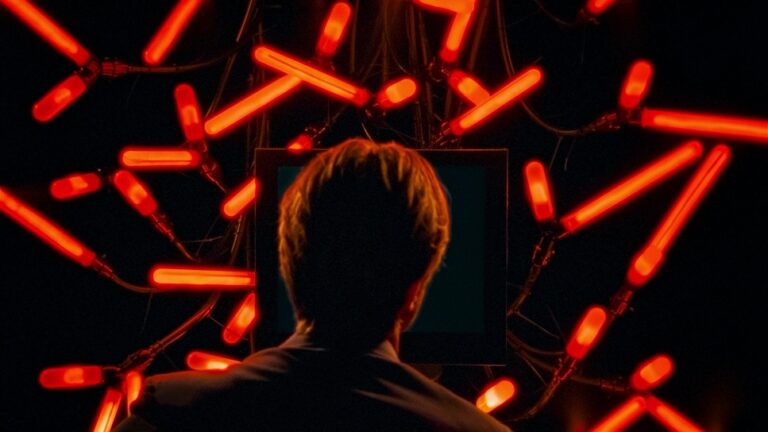
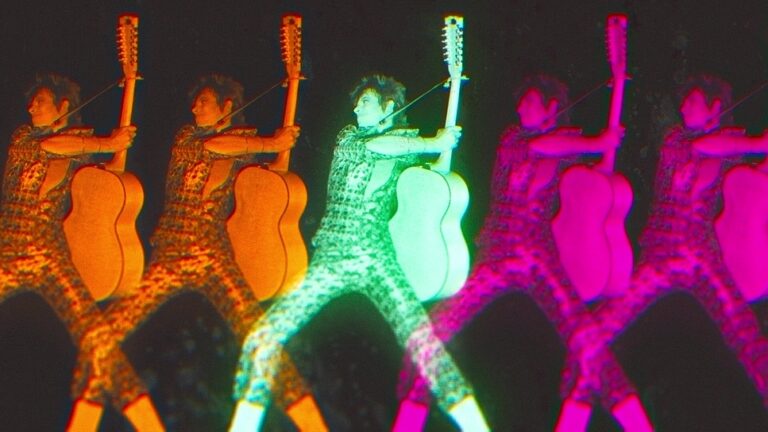
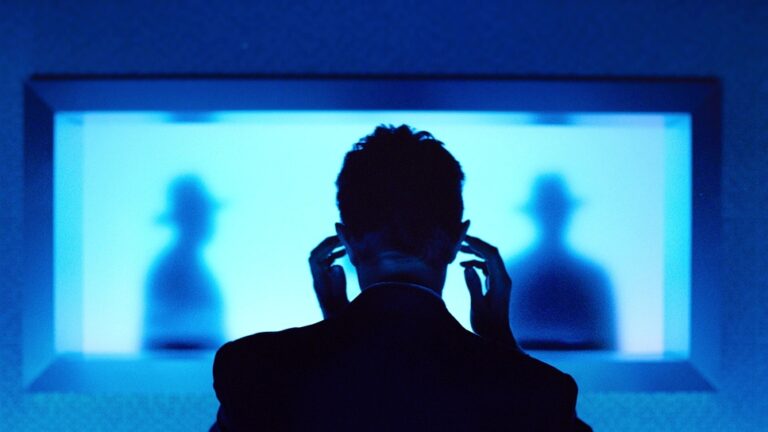
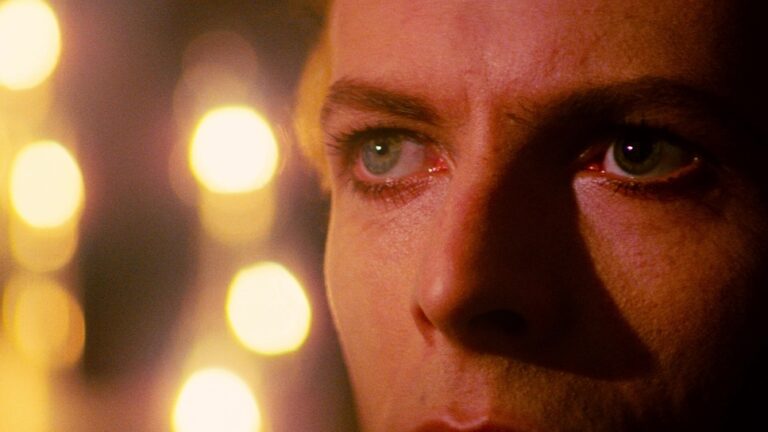
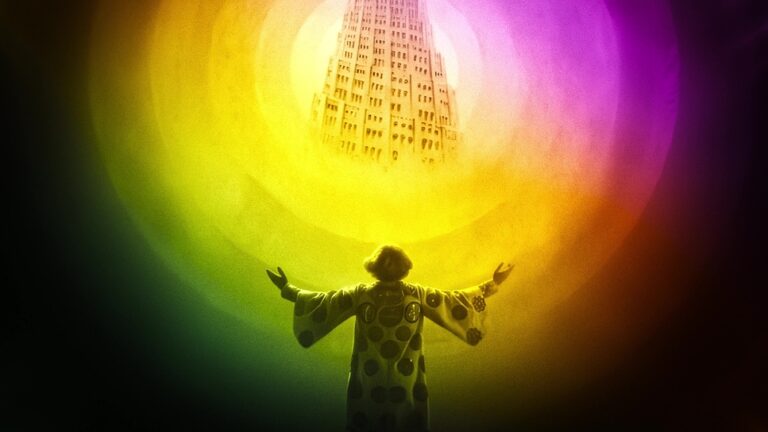
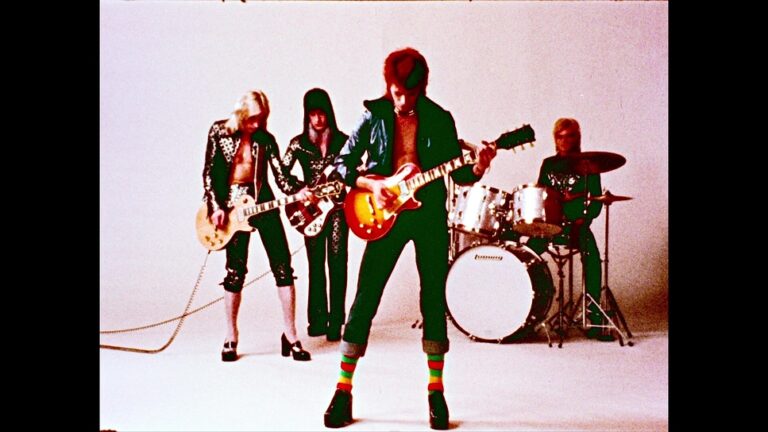
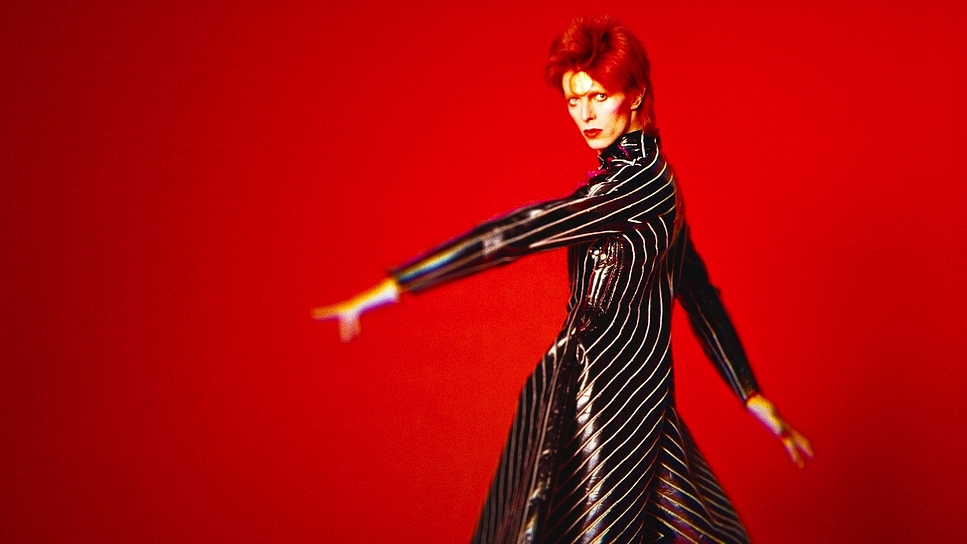
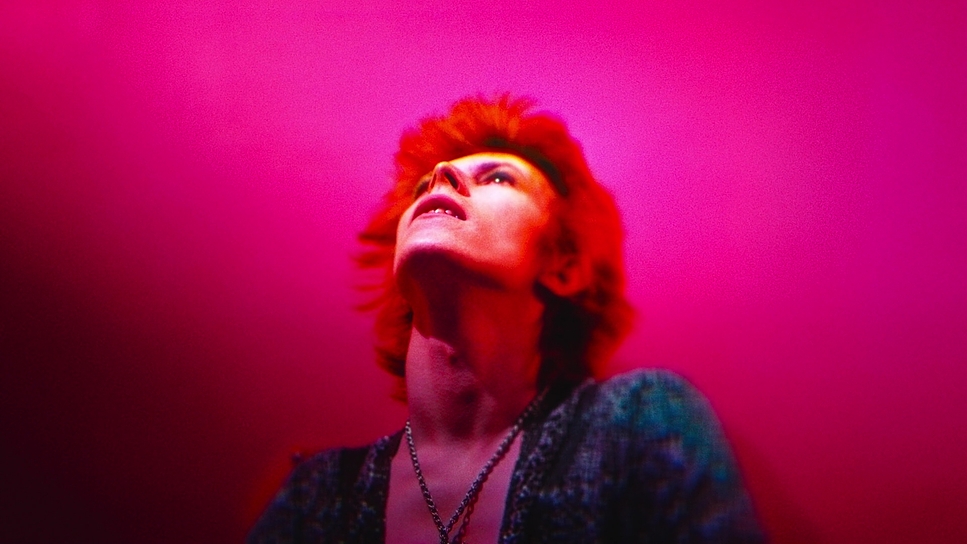
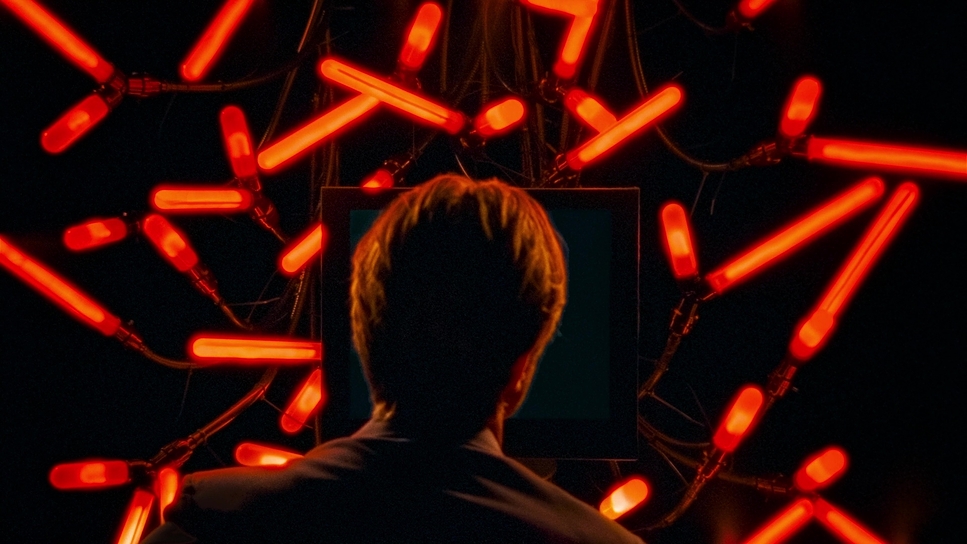
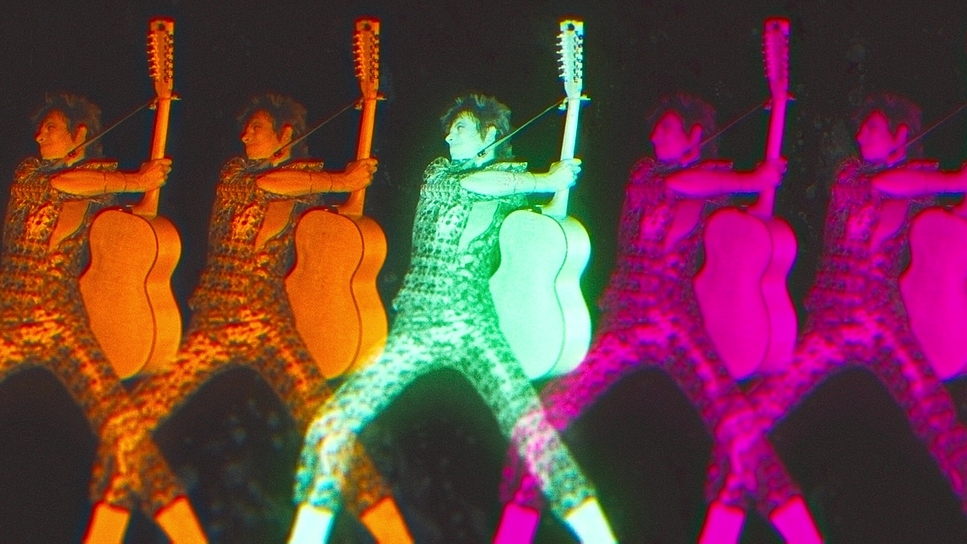
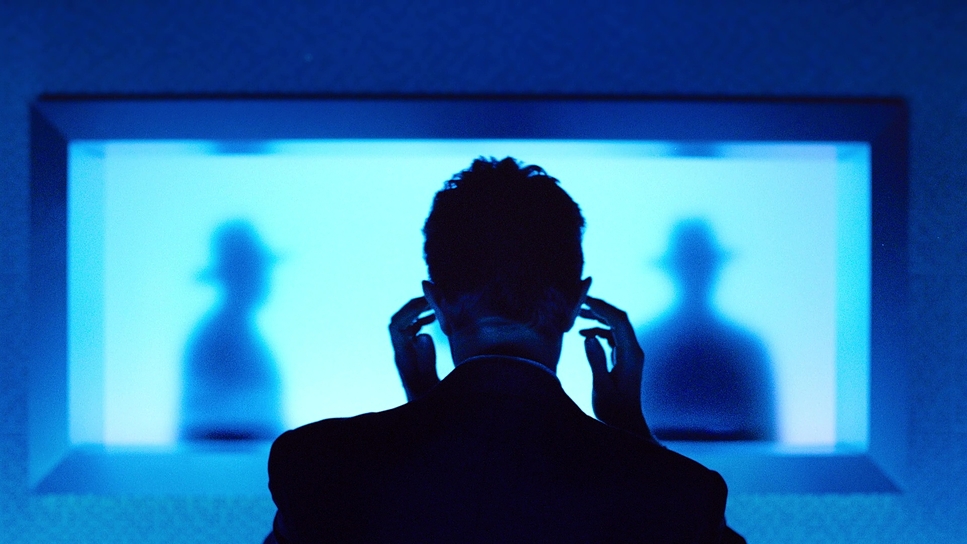
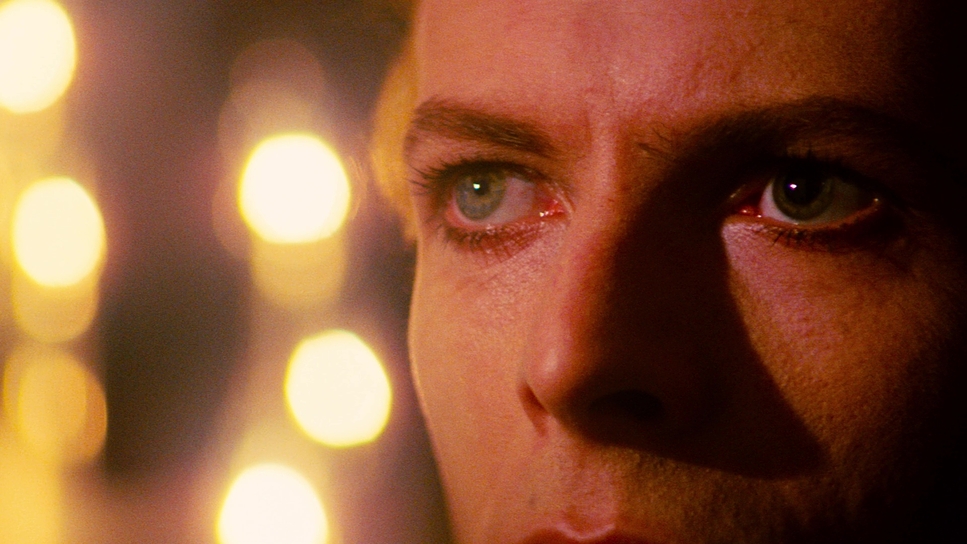
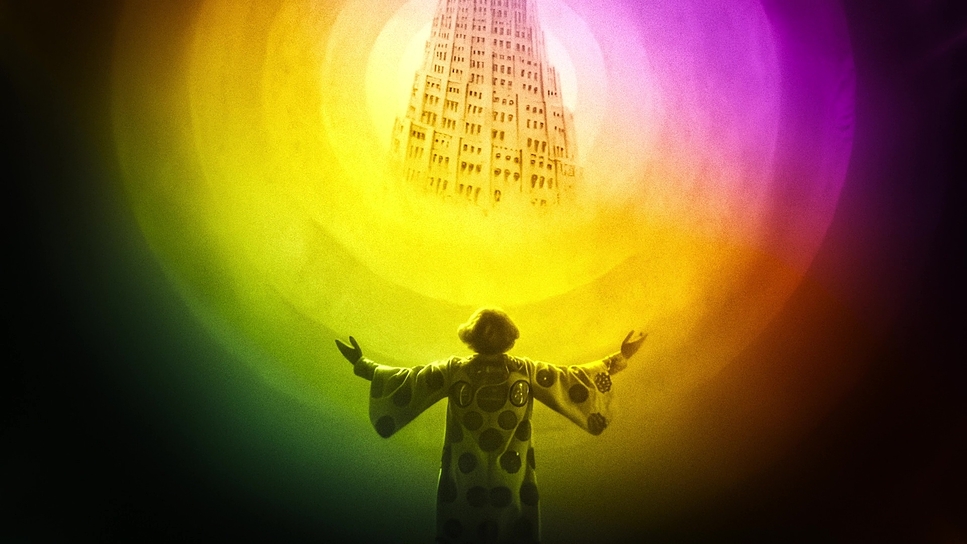
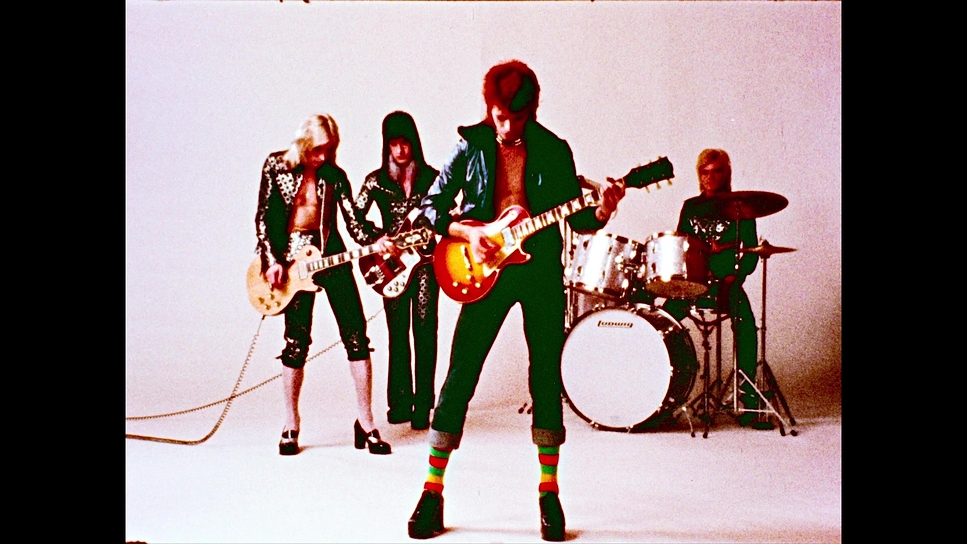
Moonage Daydream (2022)
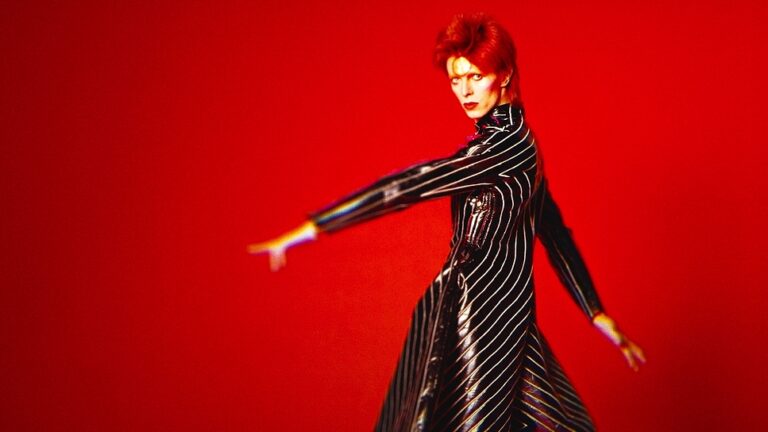
A cinematic odyssey featuring never-before-seen footage exploring David Bowie’s creative and musical journey.
Director Brett Morgen built Moonage Daydream from over five million assets of archival material, reformatting and restoring footage for IMAX to create an overwhelming, sensory-driven experience. Using rapid montage, layered imagery, and bold color grading, the film abandons conventional documentary structure—opting instead for a stream-of-consciousness visual language that mirrors Bowie’s own restless reinvention.
FILM SPOTLIGHT
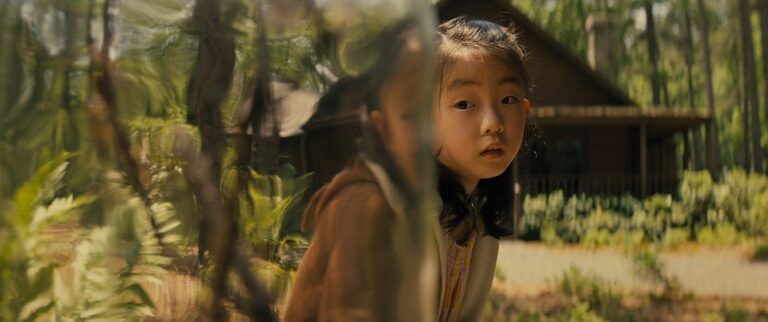
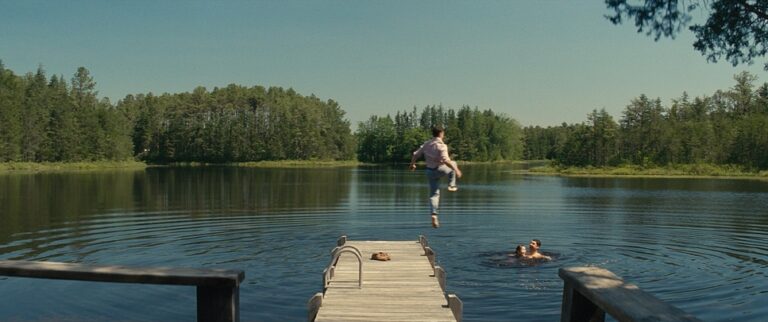
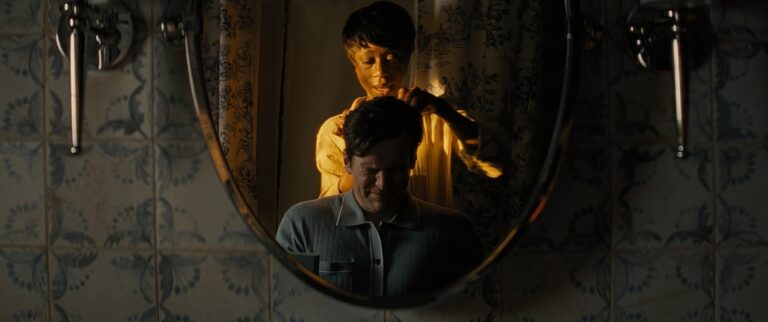
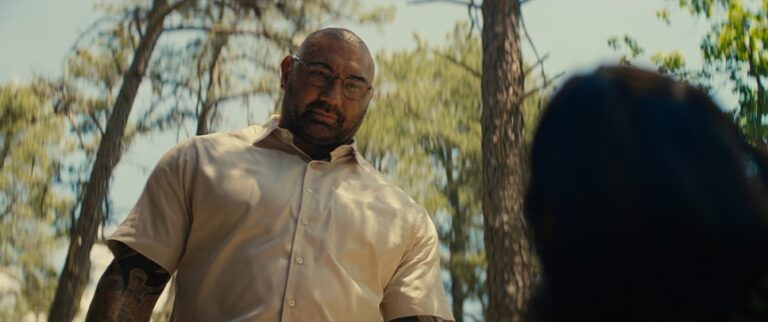
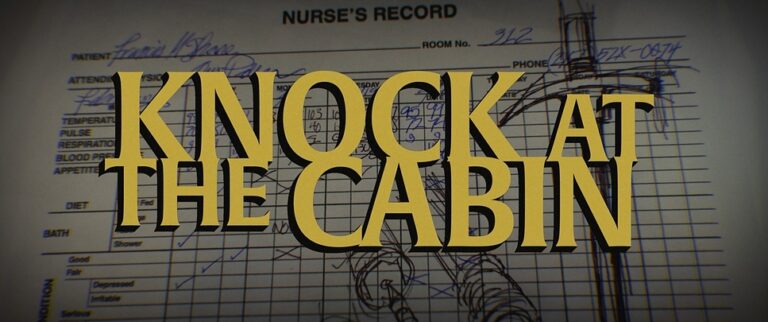
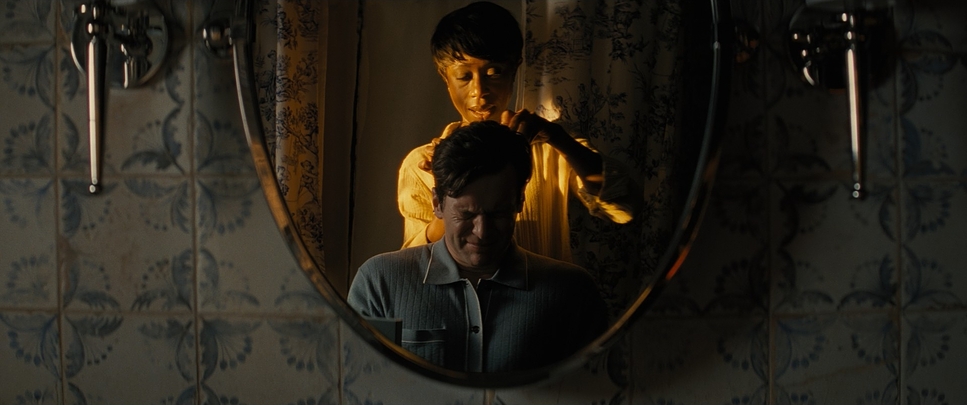
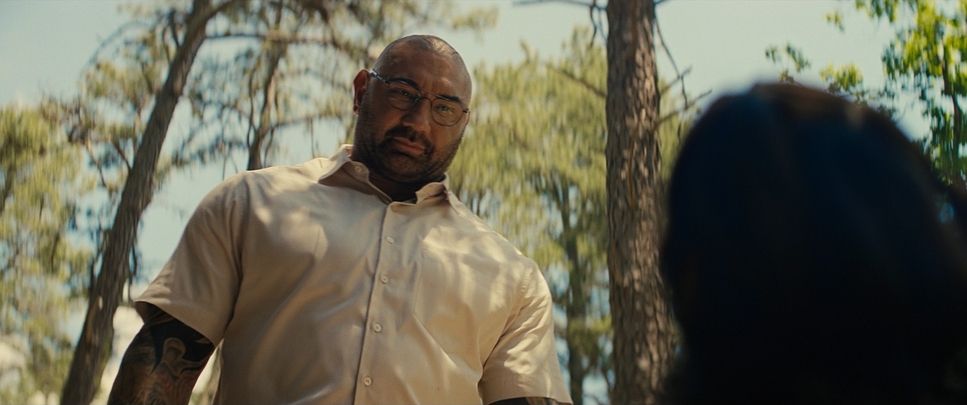
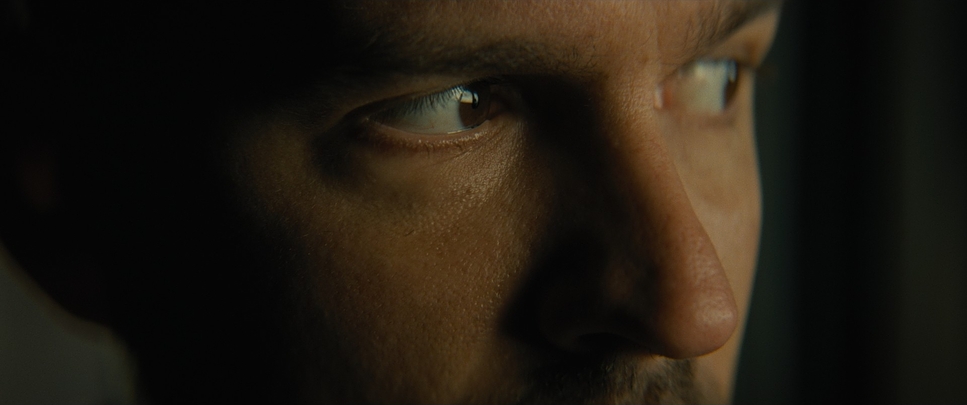
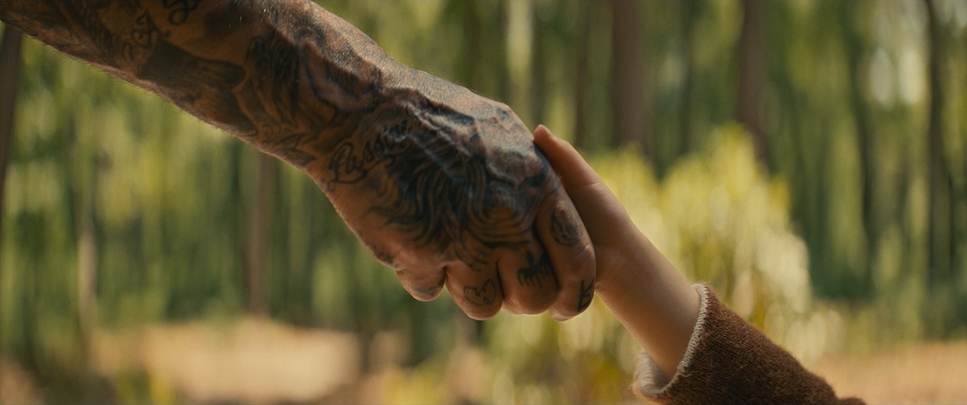
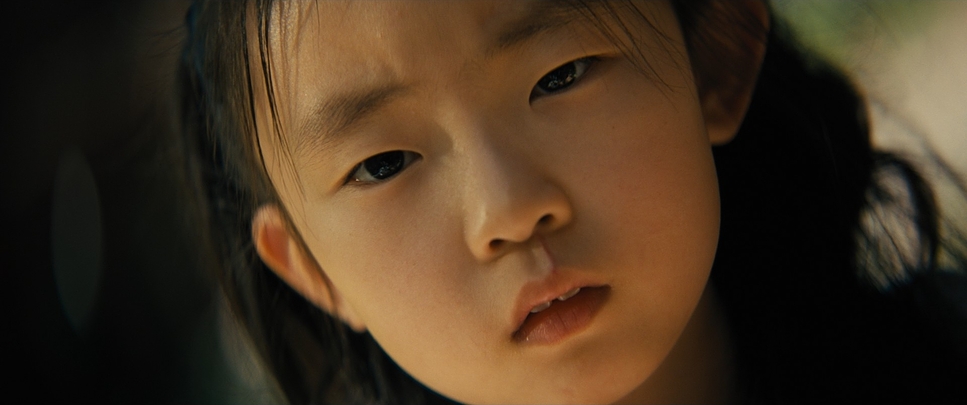
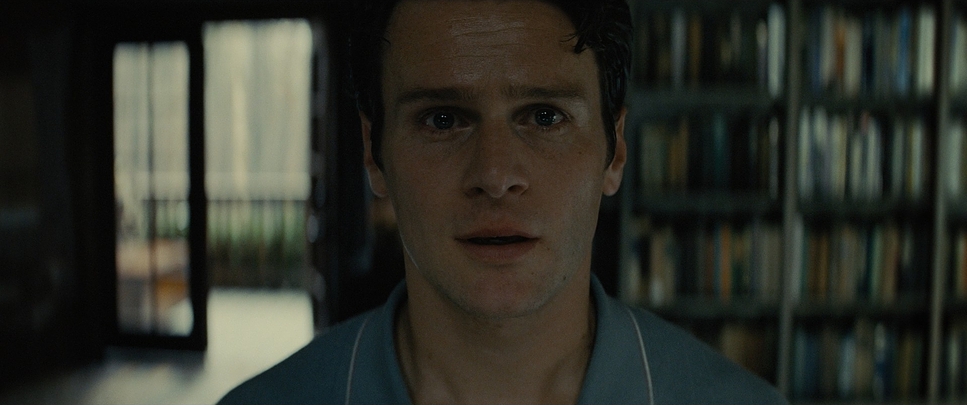
Knock at the Cabin (2023)
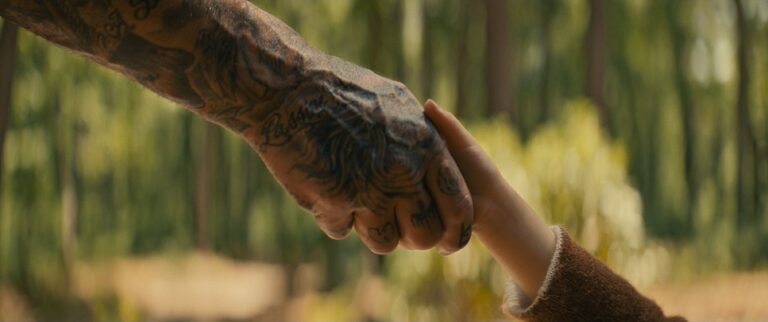
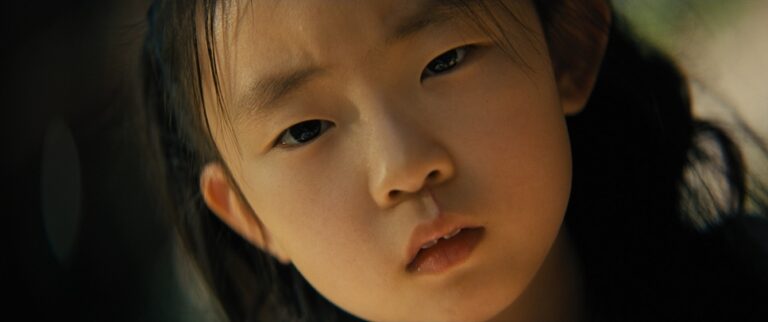
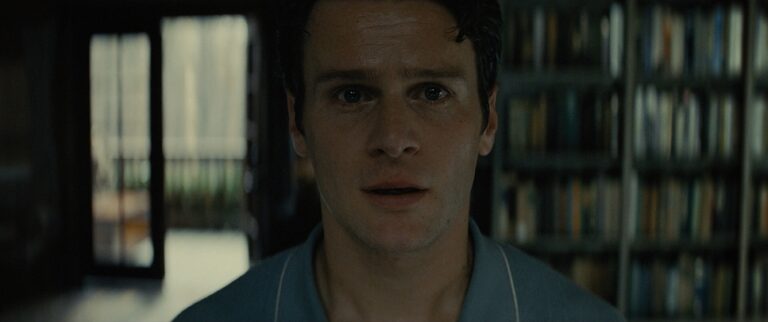
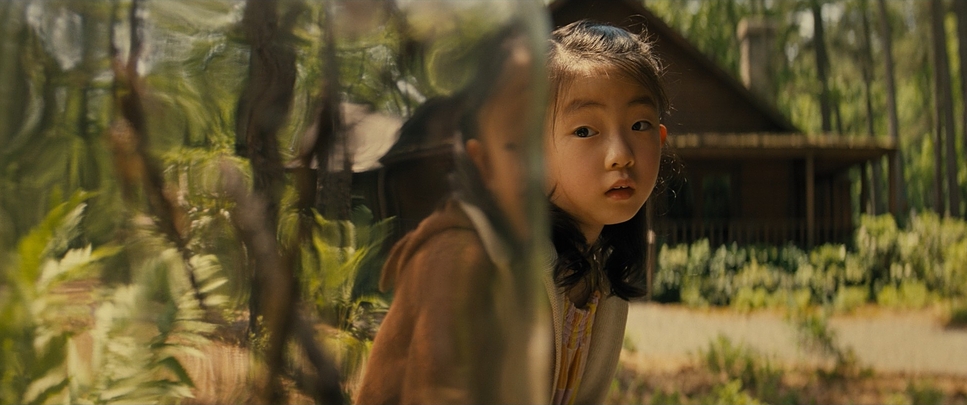
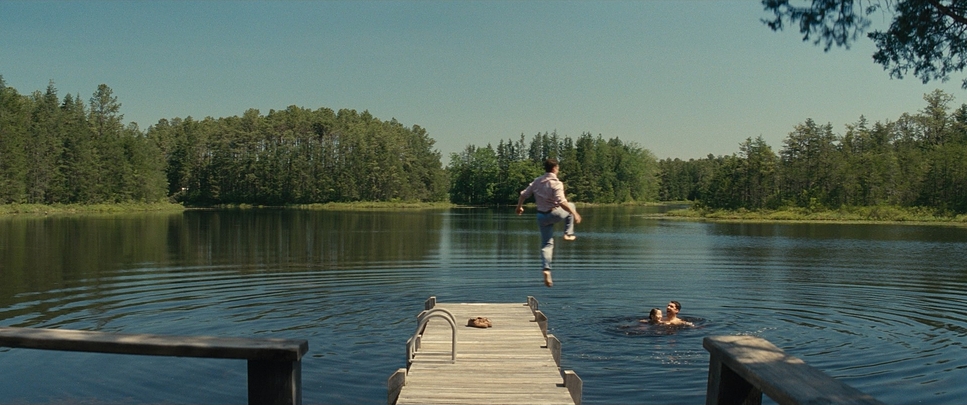
While vacationing at a remote cabin, a young girl and her two fathers are taken hostage by four armed strangers who demand that the family make an unthinkable choice to avert the apocalypse. With limited access to the outside world, the family must decide what they believe before all is lost.
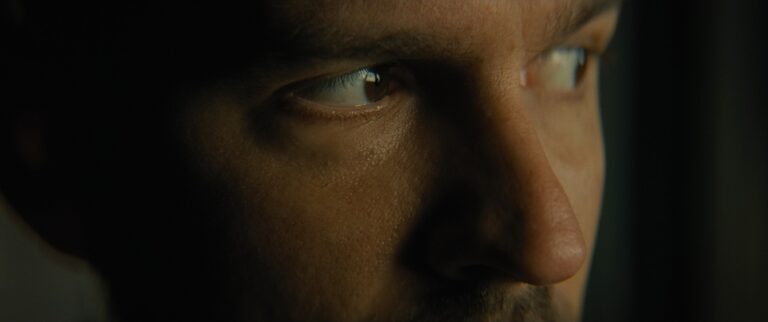
Shyamalan and cinematographer Jarin Blaschke shot Knock at the Cabin on 35mm, using wide-angle lenses pushed into extreme close-ups to distort faces and create a constant sense of unease within the confined space. The film’s shallow depth and tight framing turn the cabin into a pressure cooker—visually trapping characters in the frame while subtly warping perspective to keep the audience off balance.
FILM SPOTLIGHT
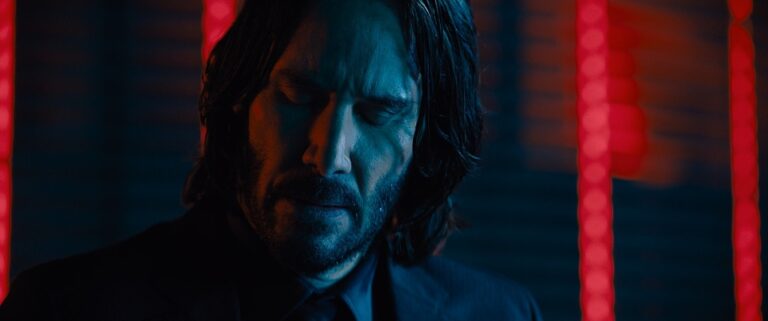
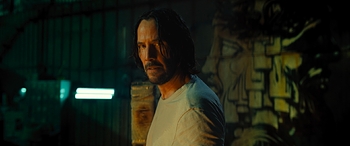
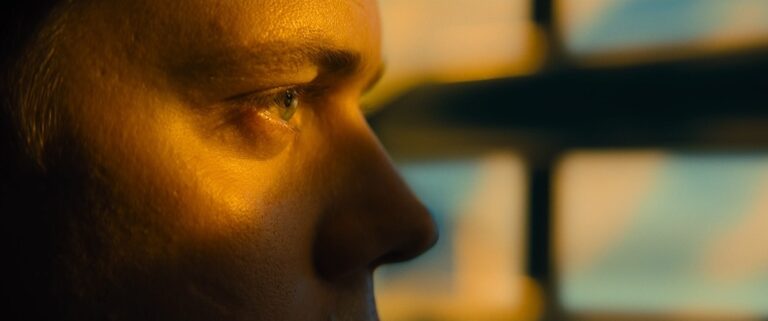
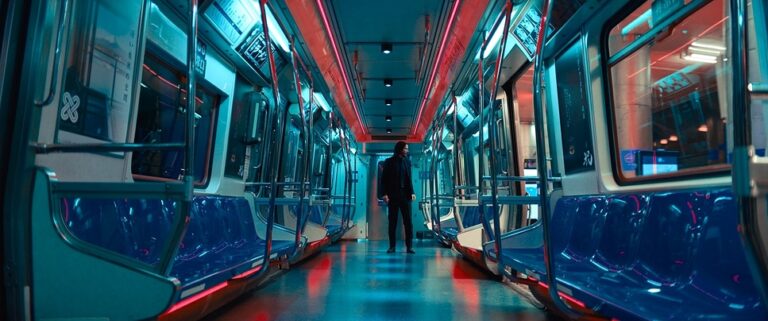
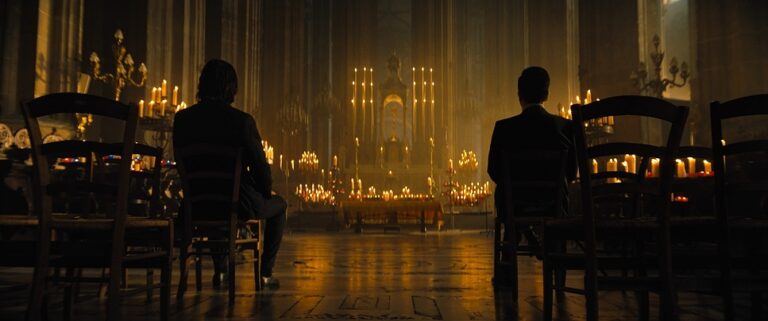
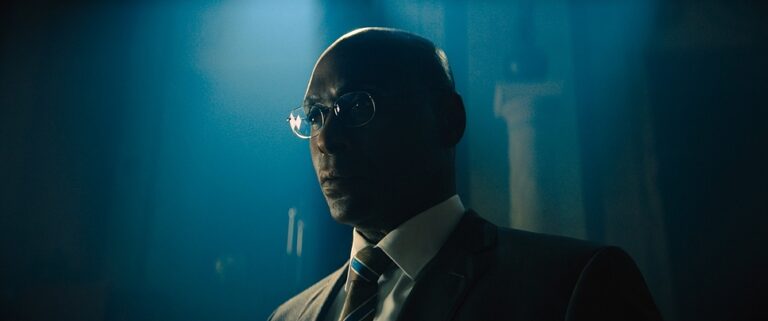
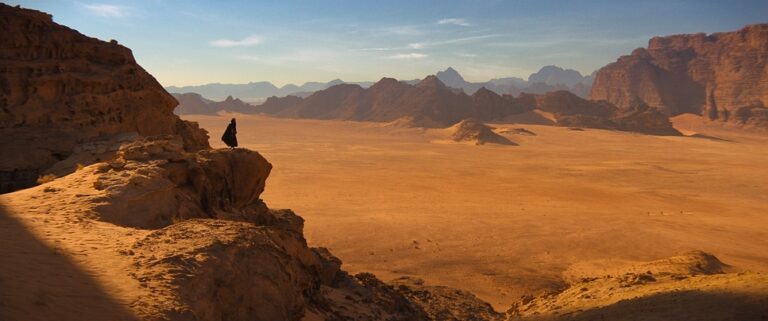
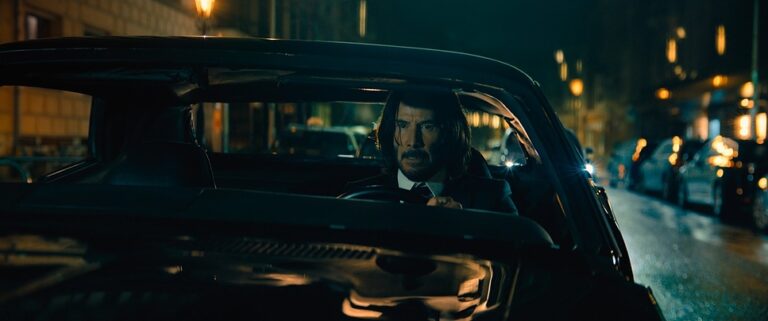
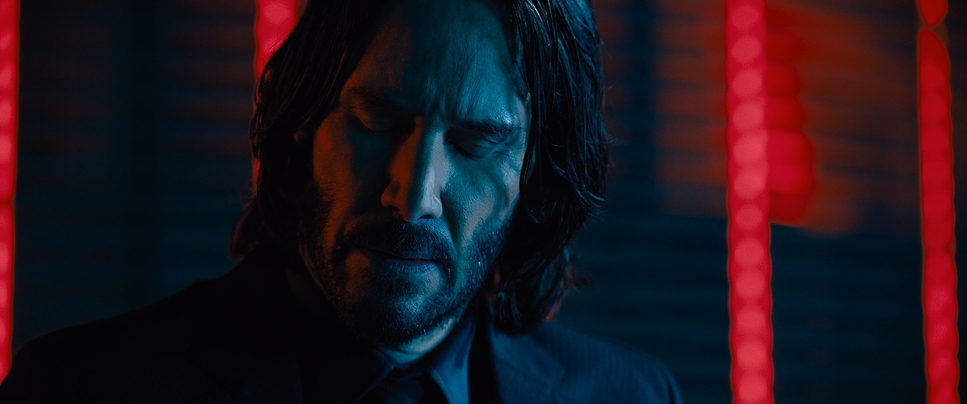
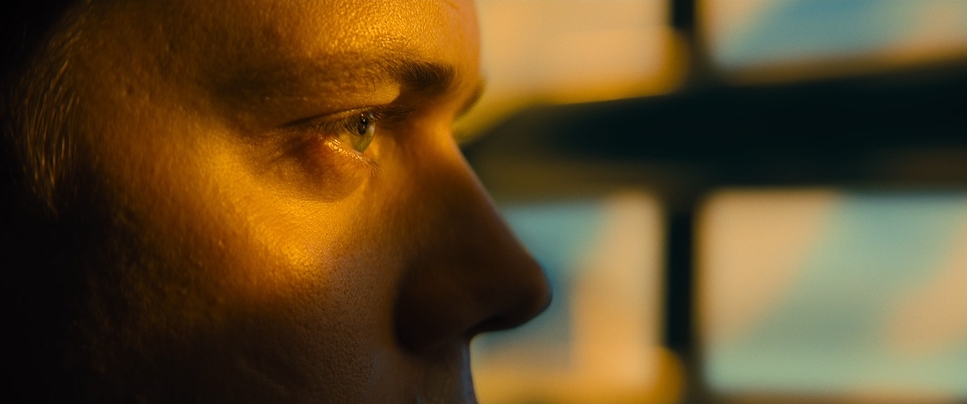
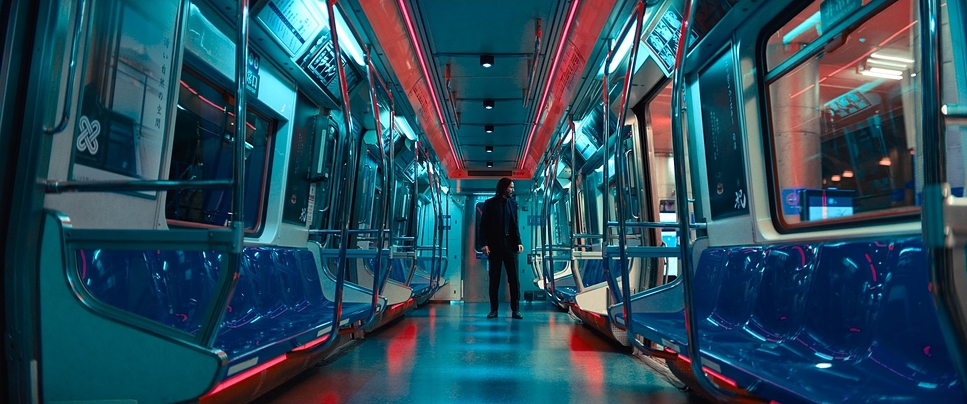
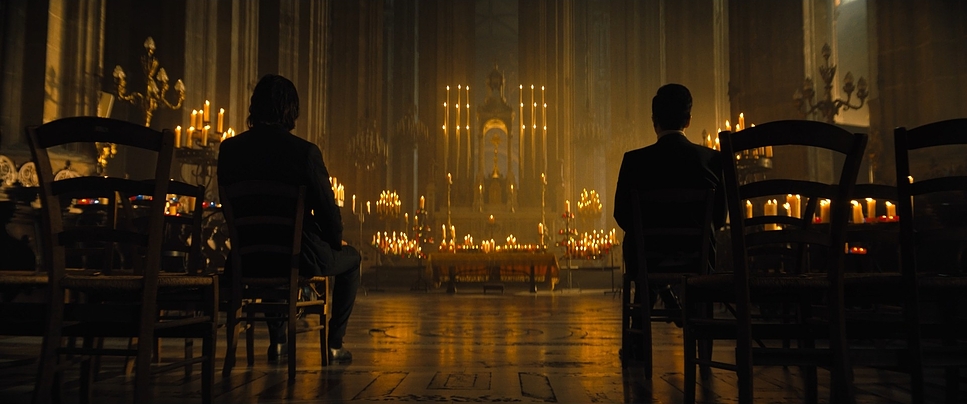
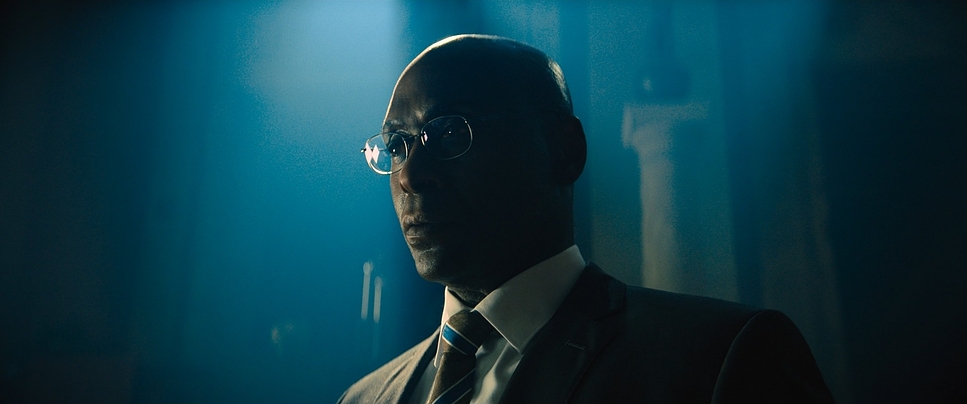
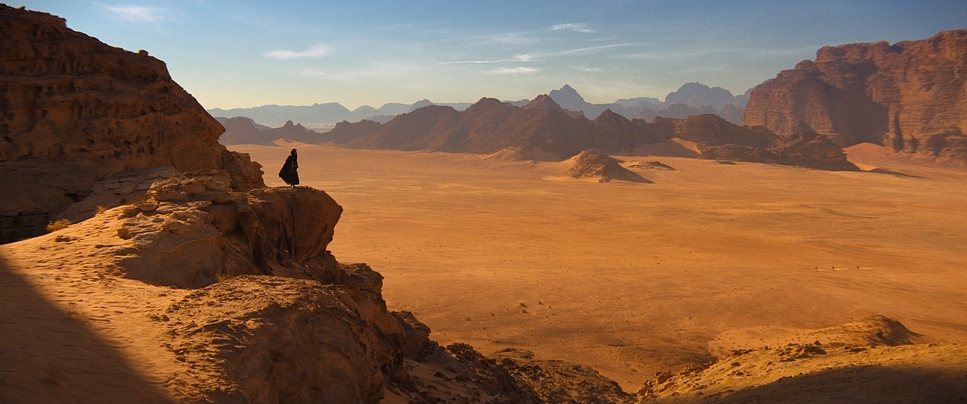
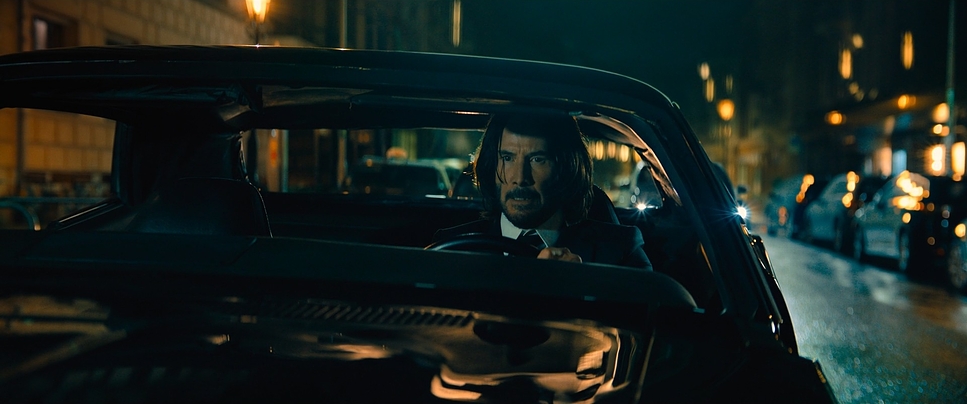
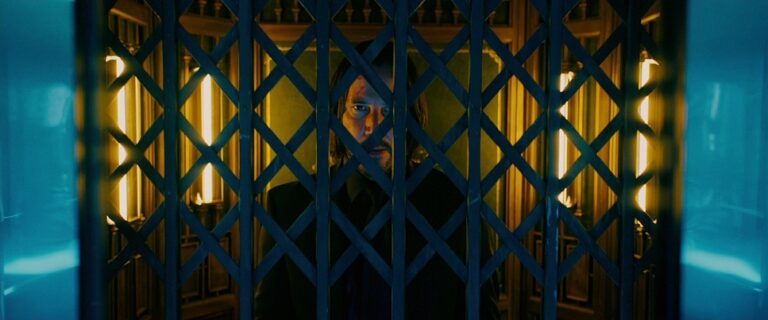
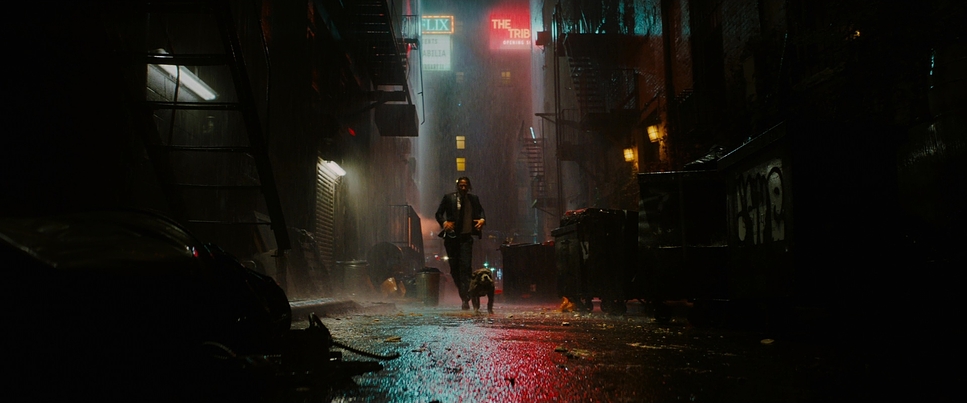
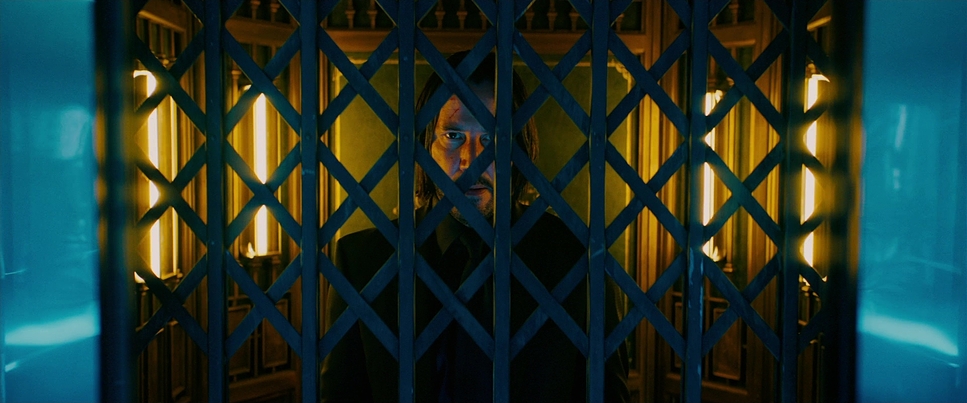
John Wick: Chapter 4 (2023)
With the price on his head ever increasing, John Wick uncovers a path to defeating The High Table. But before he can earn his freedom, Wick must face off against a new enemy with powerful alliances across the globe and forces that turn old friends into foes.
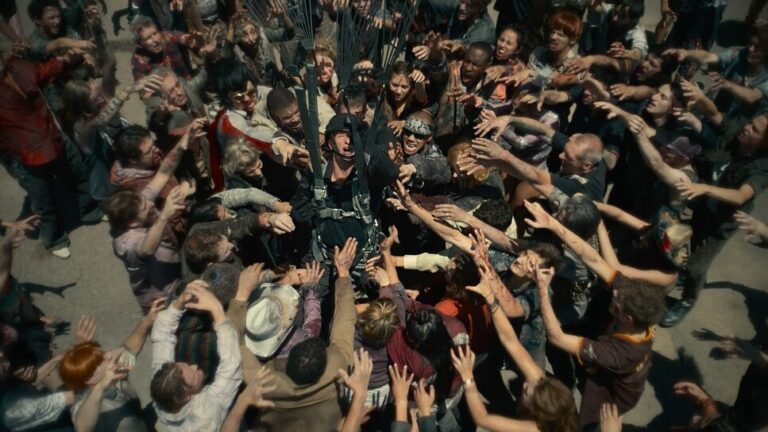
Director Chad Stahelski and cinematographer Dan Laustsen pushed John Wick: Chapter 4 toward a heightened, neon-drenched visual language, using bold color lighting and large-scale practical sets to stage extended, unbroken action sequences. From the top-down “oner” in the Paris apartment to the firelit night exteriors, the film leans into graphic composition and camera movement—turning each set piece into a meticulously choreographed, almost game-like visual spectacle.
FILM SPOTLIGHT
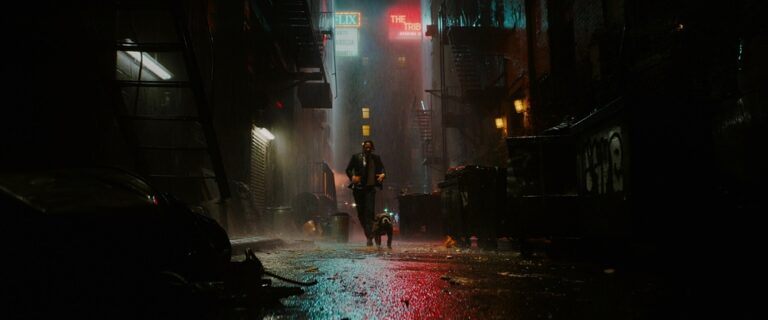
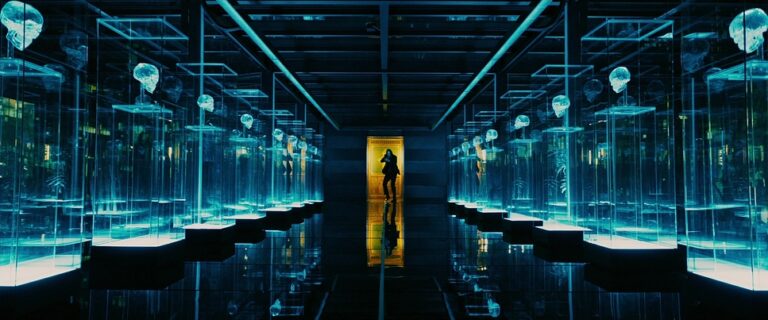
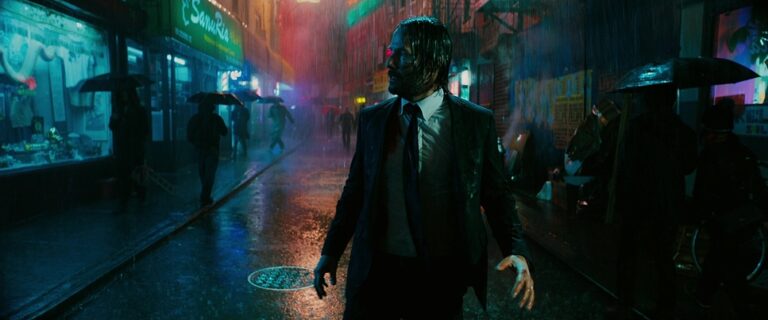
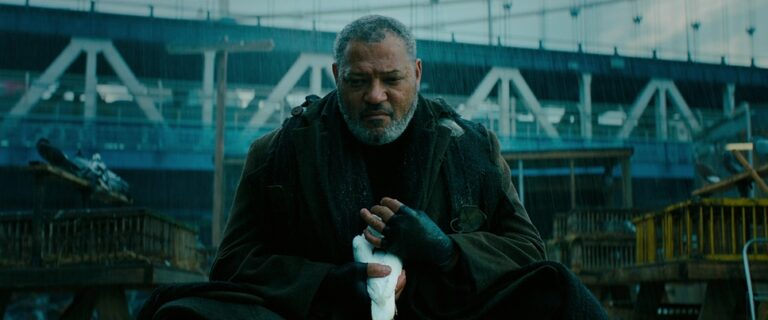
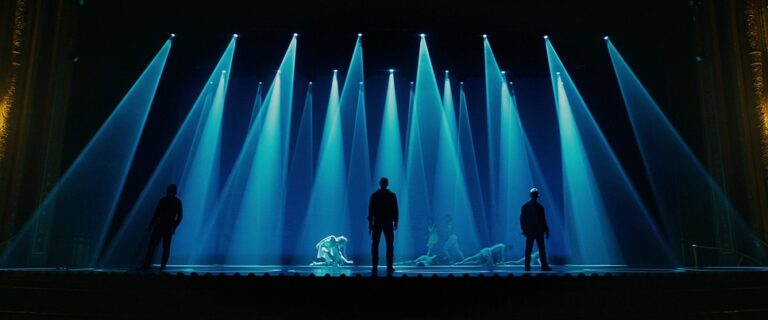
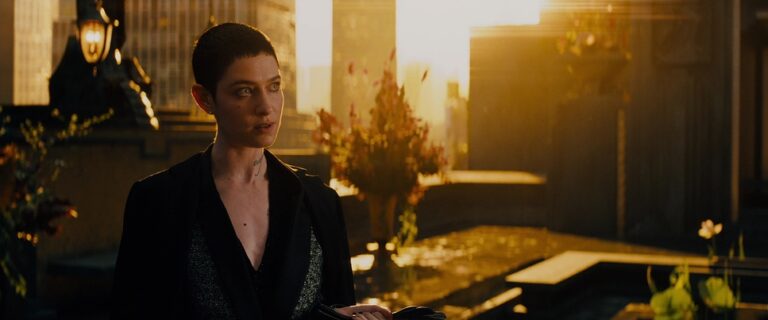
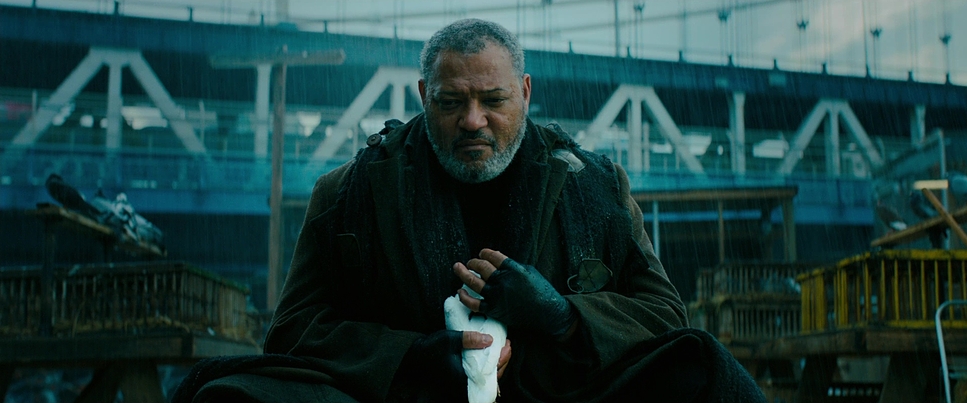
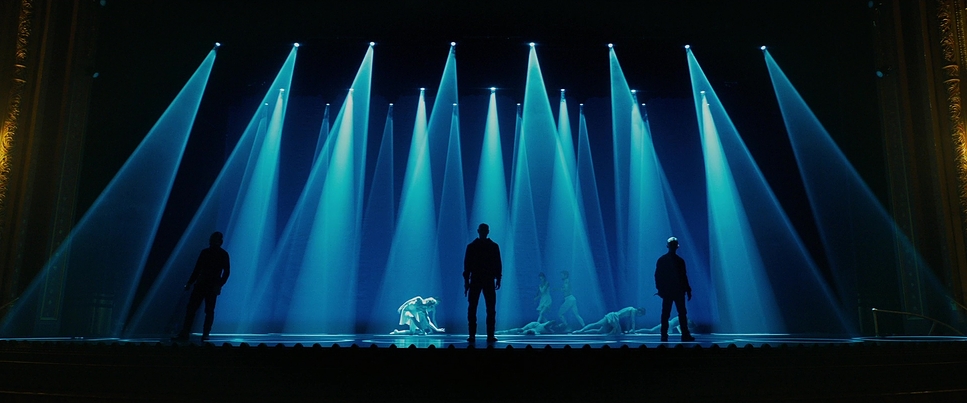
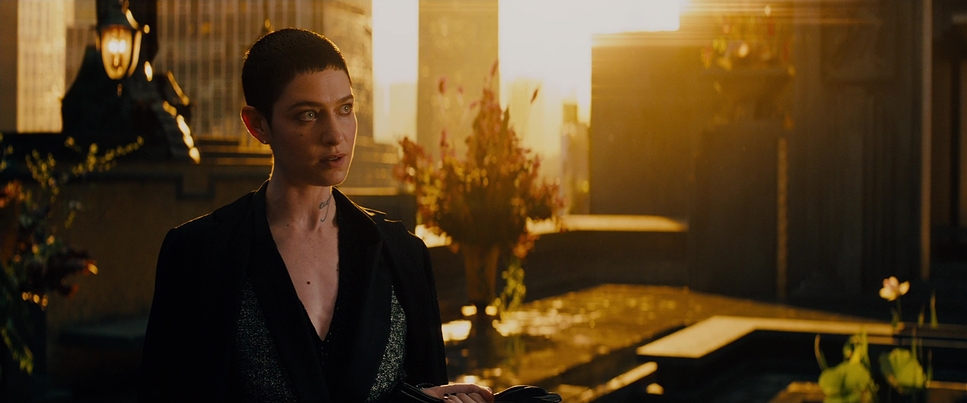
John Wick: Chapter 3 – Parabellum (2003)
Super-assassin John Wick returns with a $14 million price tag on his head and an army of bounty-hunting killers on his trail. After killing a member of the shadowy international assassin’s guild, the High Table, John Wick is excommunicado, but the world’s most ruthless hit men and women await his every turn.
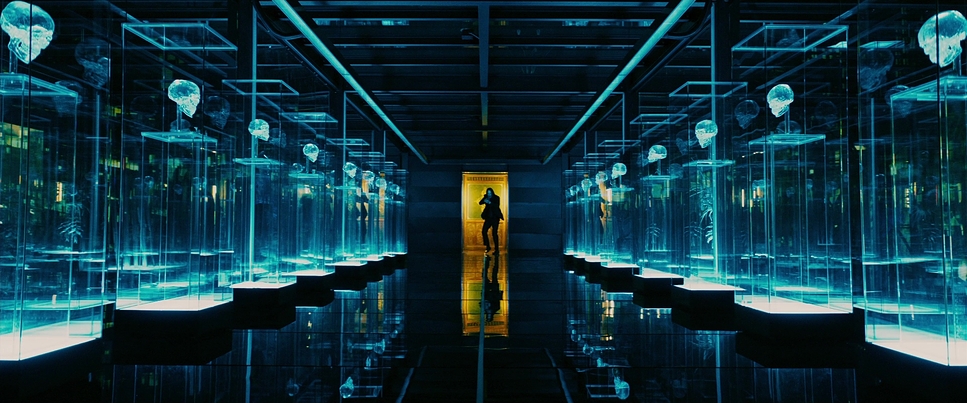
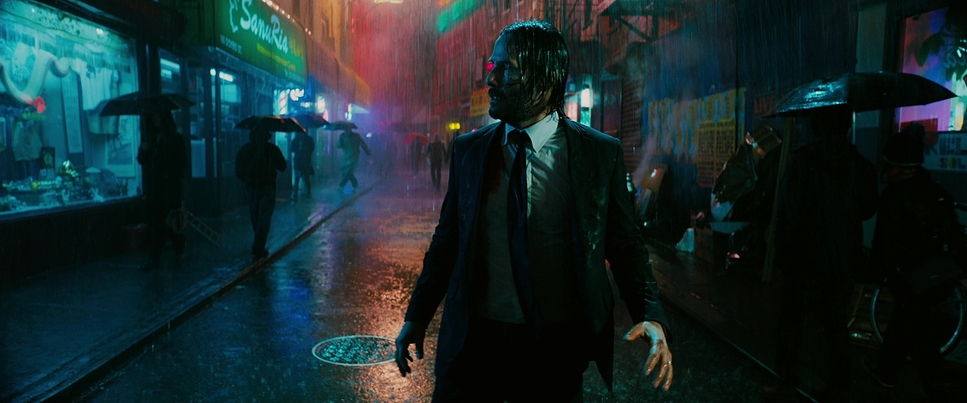
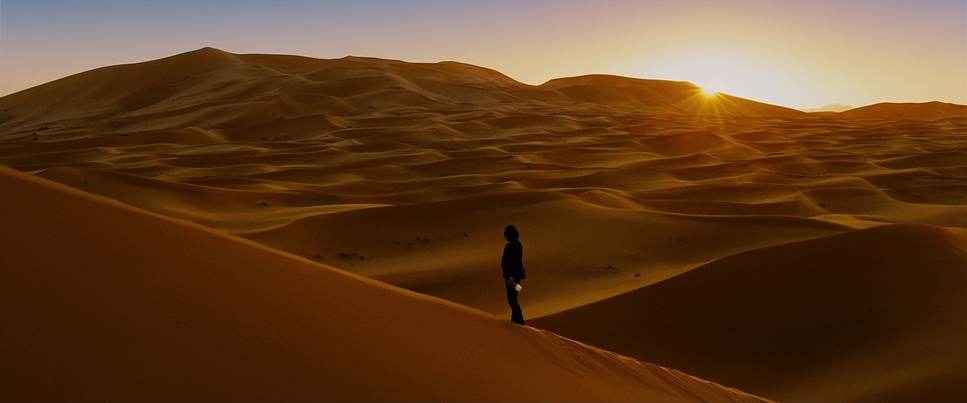
Stahelski and cinematographer Dan Laustsen expand the franchise’s visual language with hyper-stylized set pieces, using reflective surfaces, saturated lighting, and precise color design to elevate each fight into something almost operatic. From the glass-walled museum brawl to the rain-soaked neon streets, the film leans into symmetry and environmental choreography—turning action into pure visual rhythm.

TELEVISION SERIES SPOTLIGHT
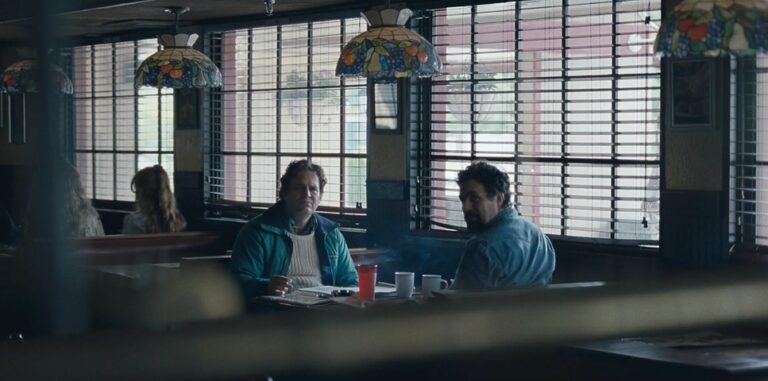
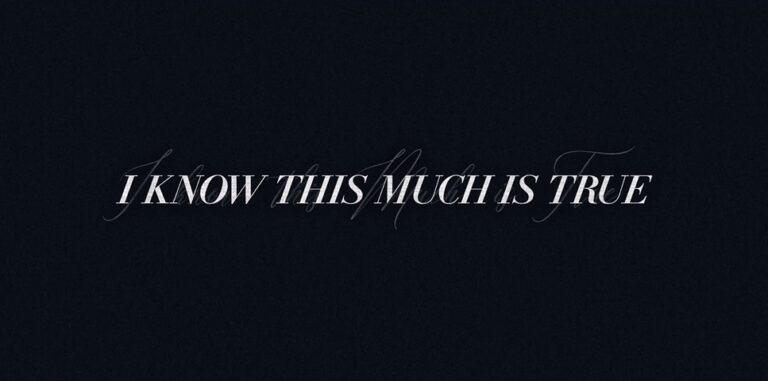
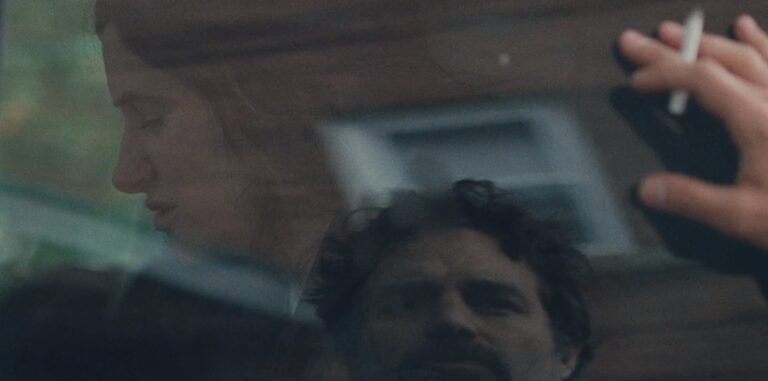
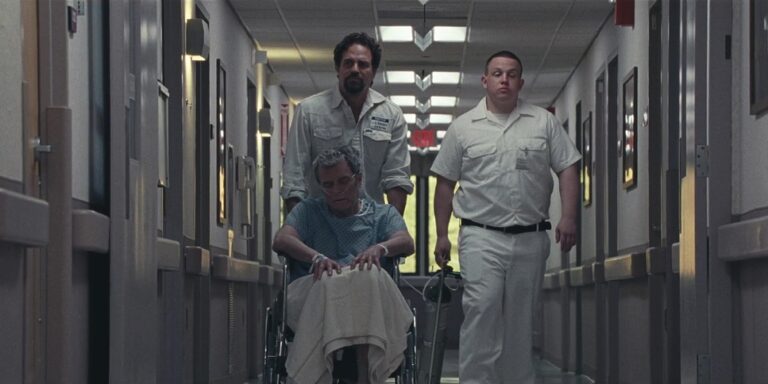
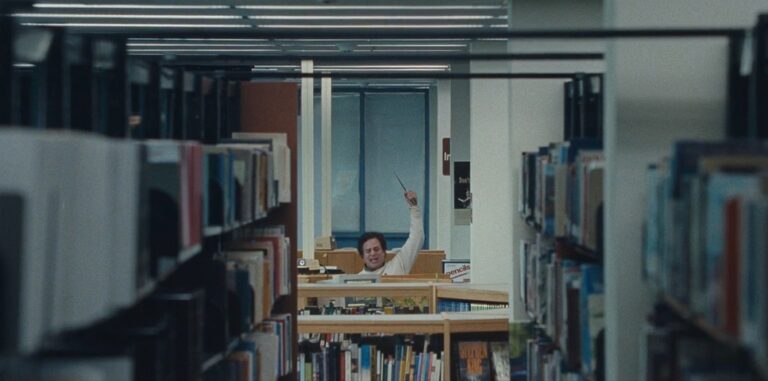
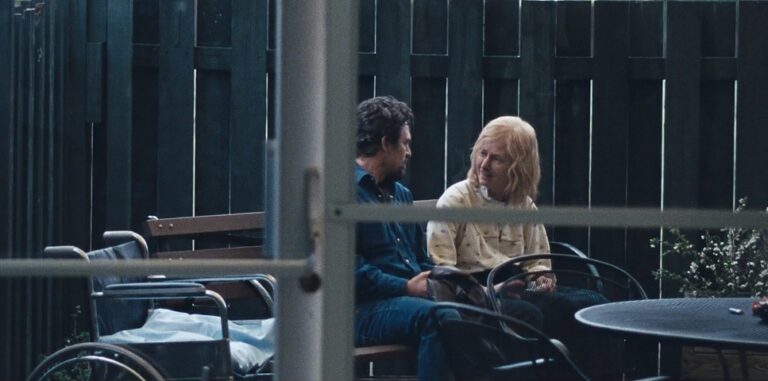
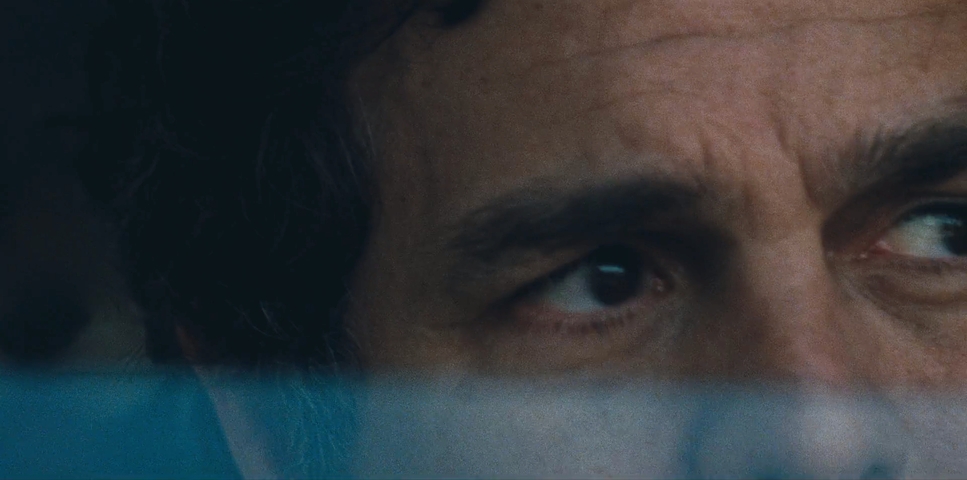
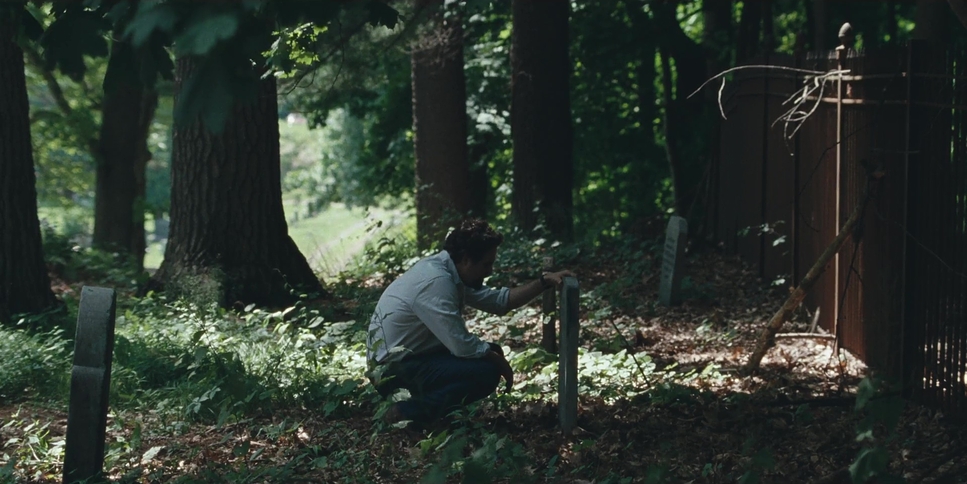
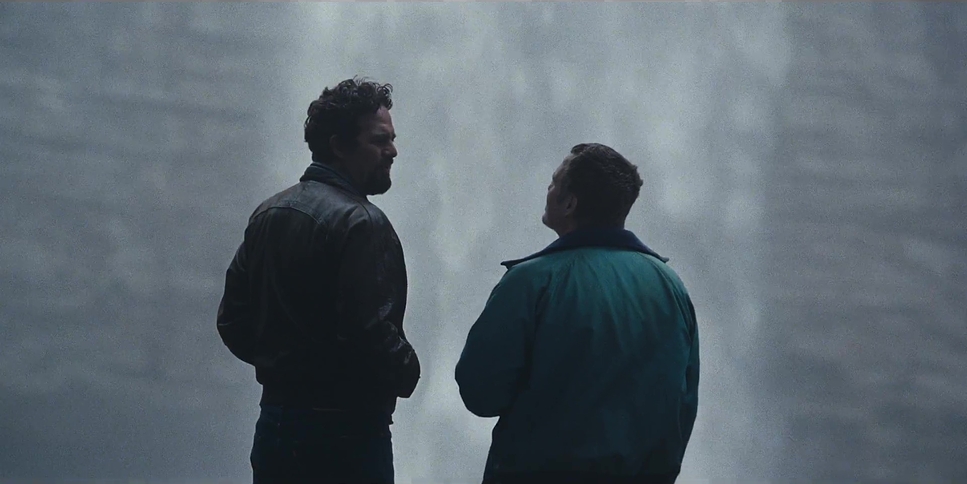
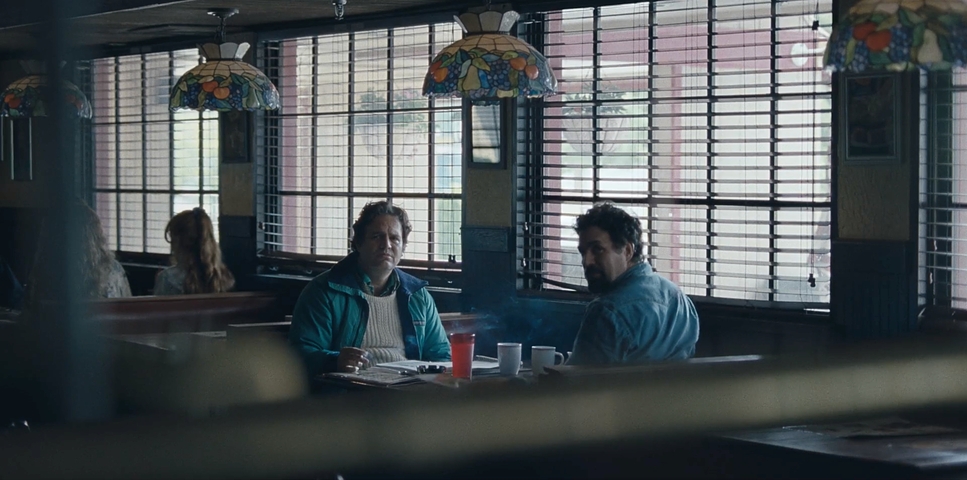
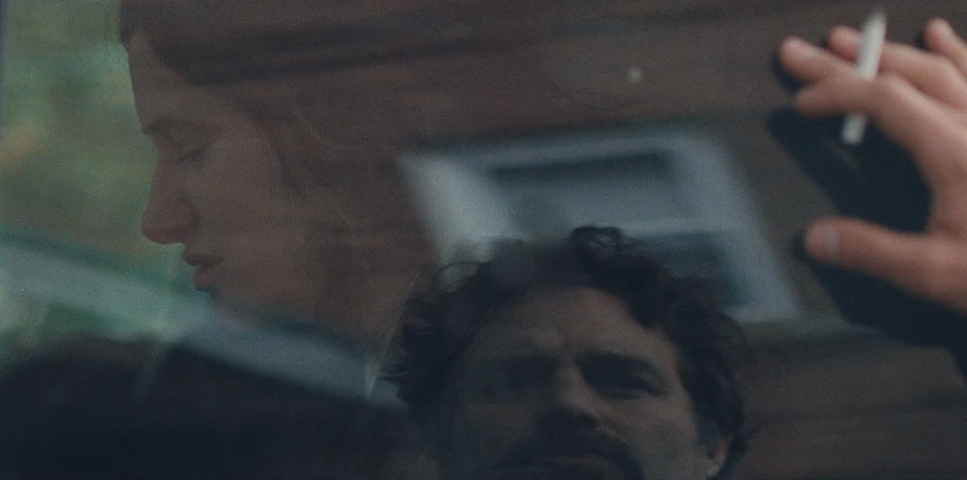
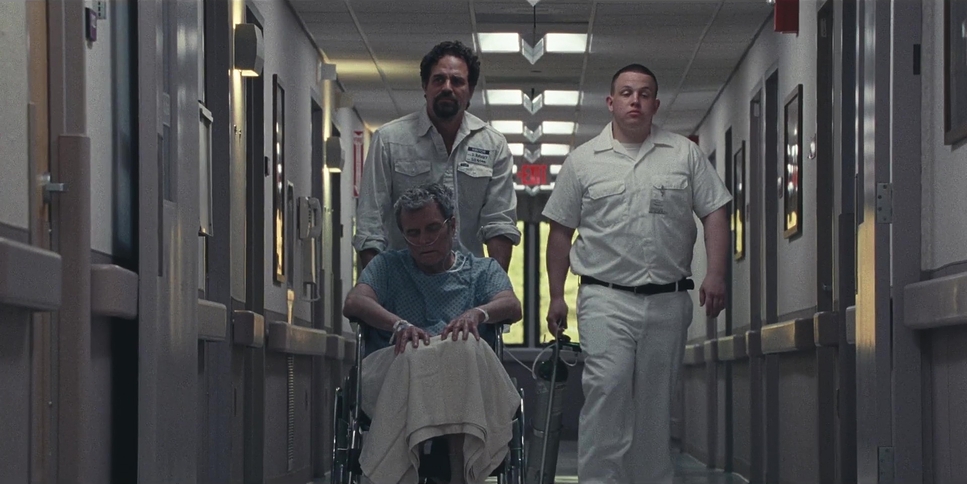
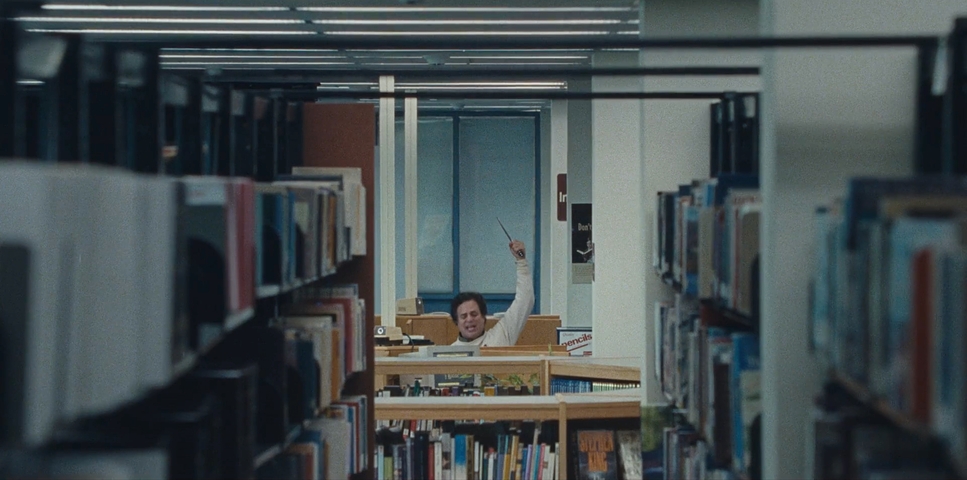
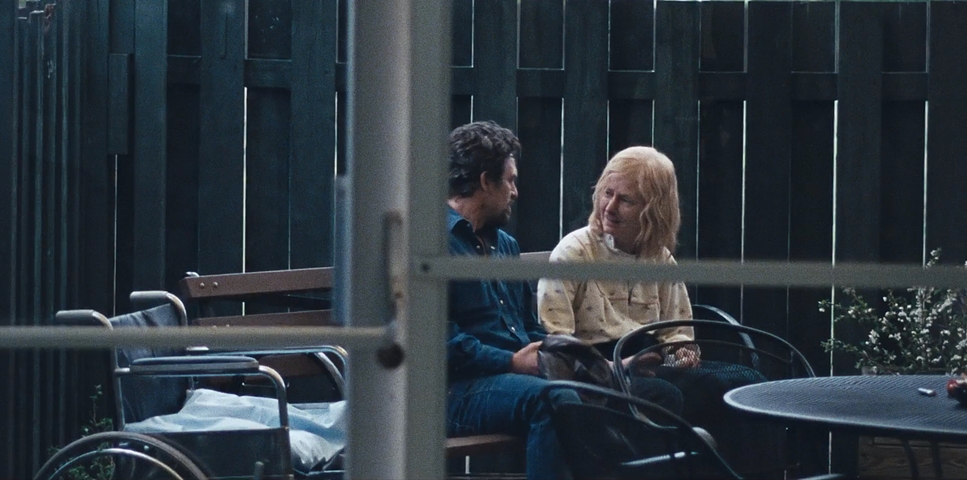
I Know This Much is True (2020)
Like all musicians in 2021, Nick Cave was unable to connect with his audience in person. He uses this concert film to break the vocal and instrumental silence, talk about himself and perform songs from “Ghosteen” and “Carnage”, with help from Warren Ellis.
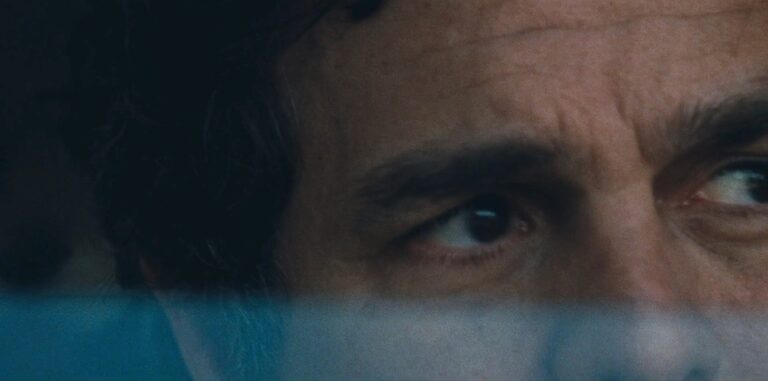
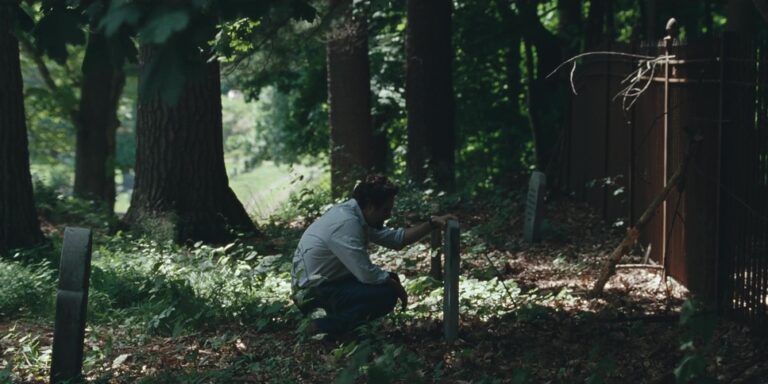
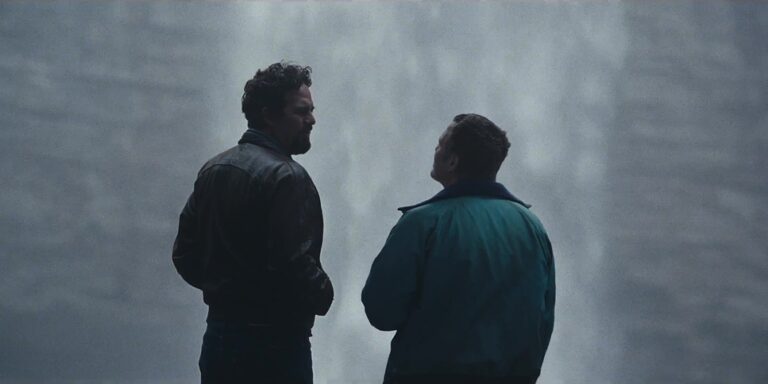
Director Derek Cianfrance and cinematographer Jody Lee Lipes shot the series on 35mm, using handheld camerawork and naturalistic lighting to create an intimate, almost documentary-like proximity to the characters. The shifting timelines are subtly differentiated through texture and color, grounding the story in a raw, tactile realism that mirrors Dominick’s emotional weight.
FILM SPOTLIGHT
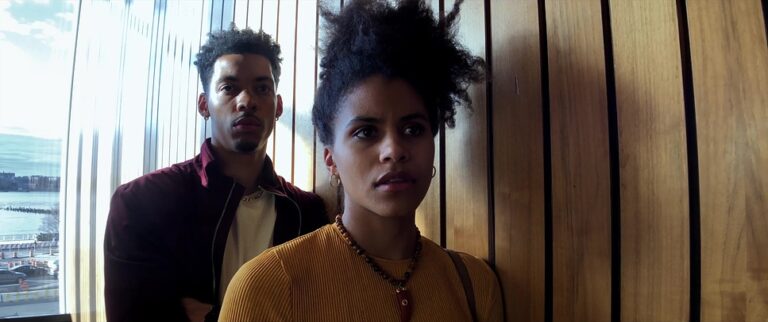
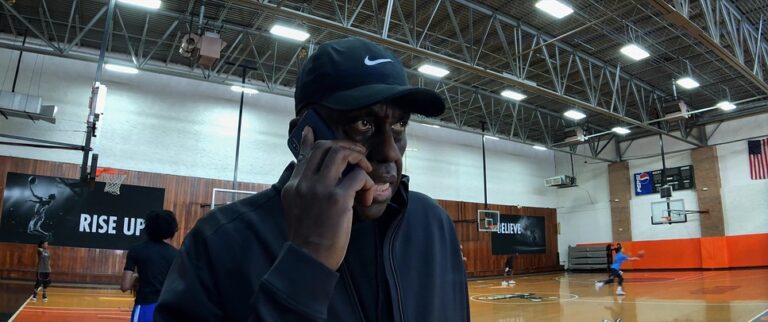
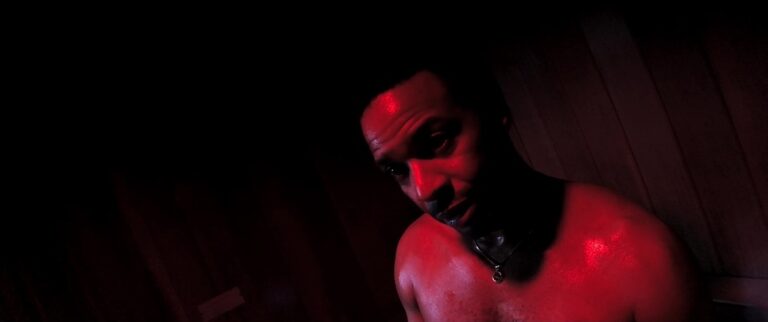
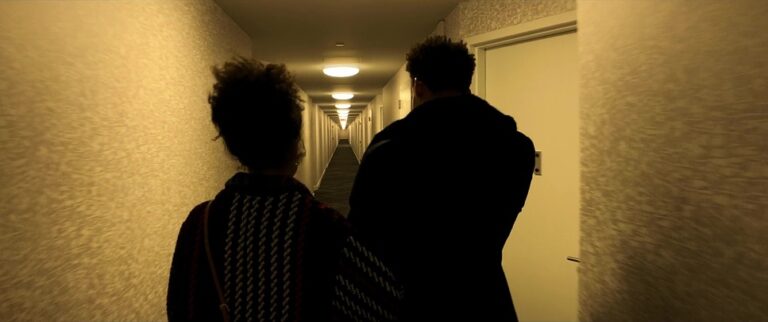
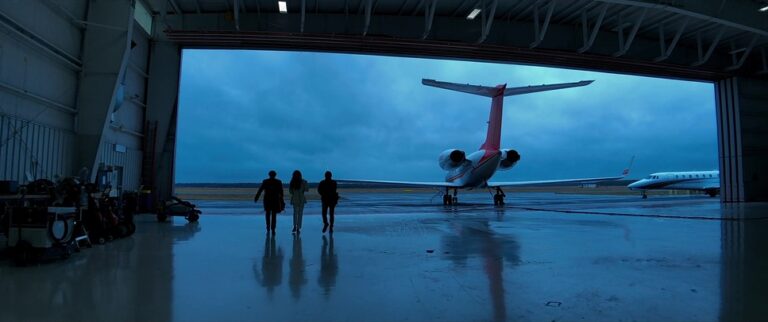
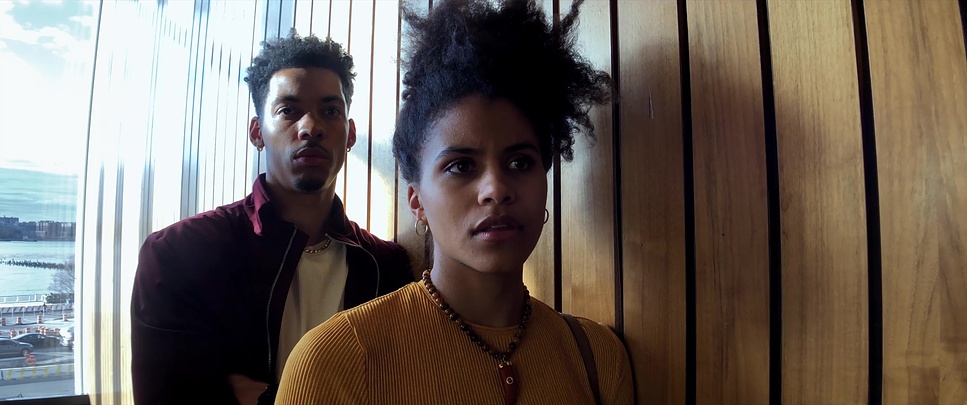
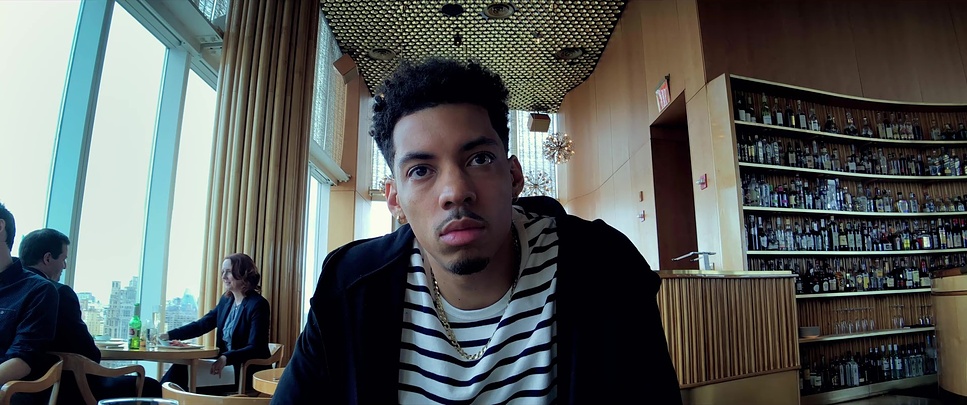
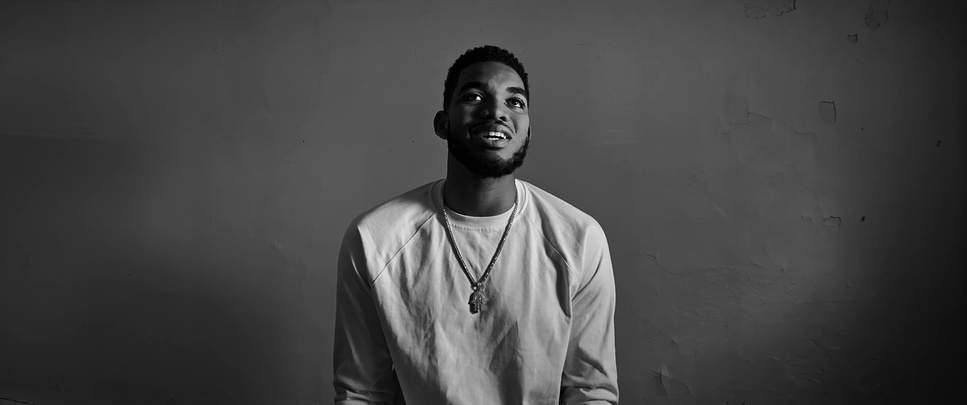
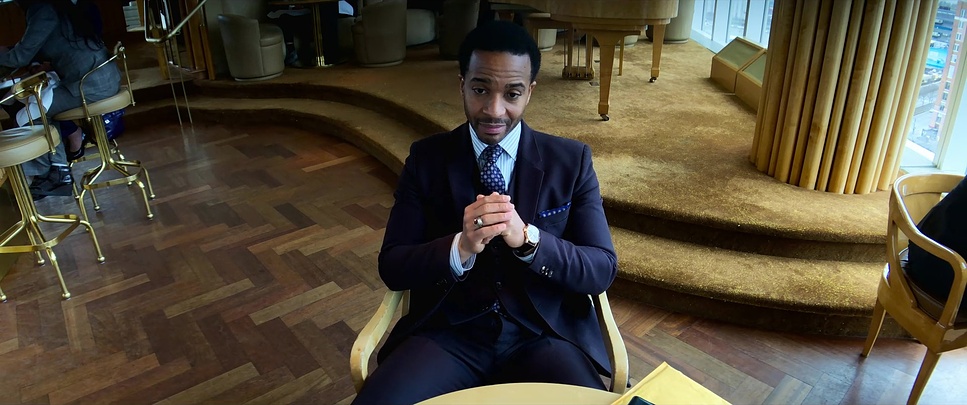
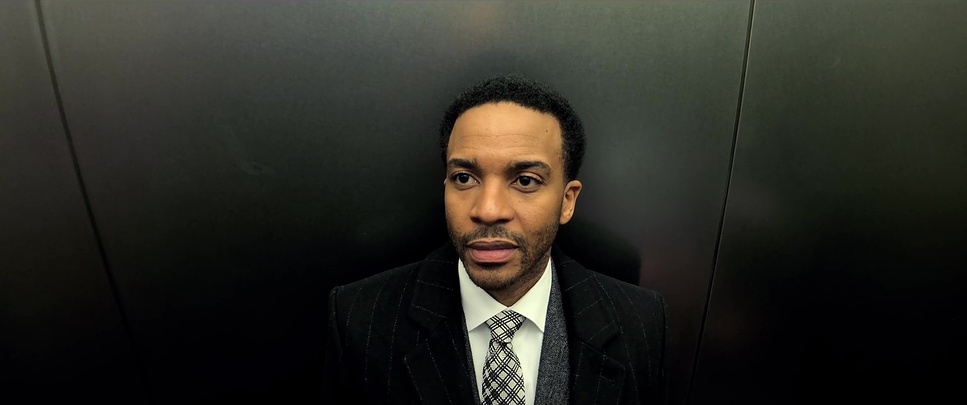
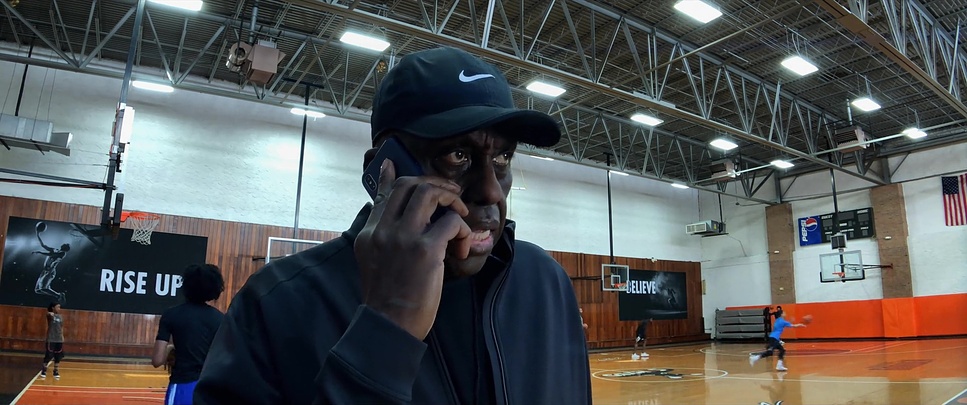
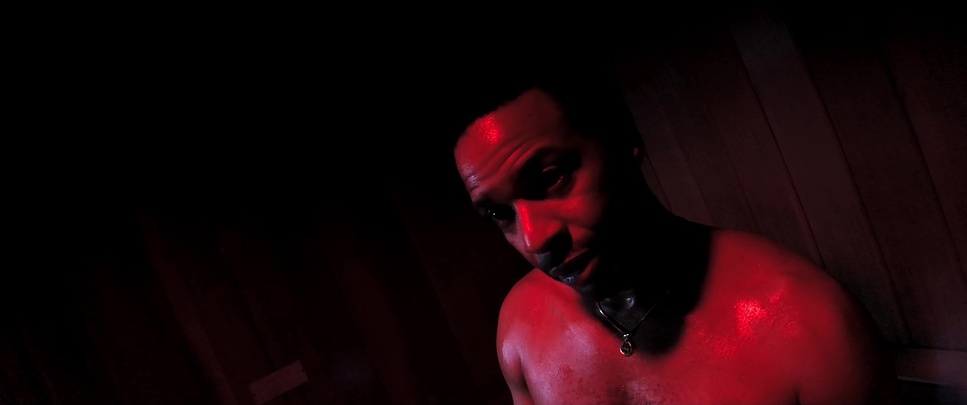
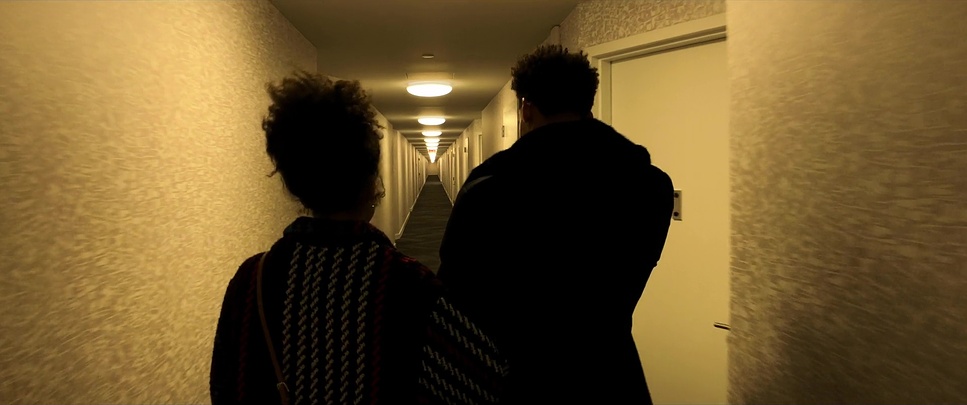
High Flying Bird (2019)
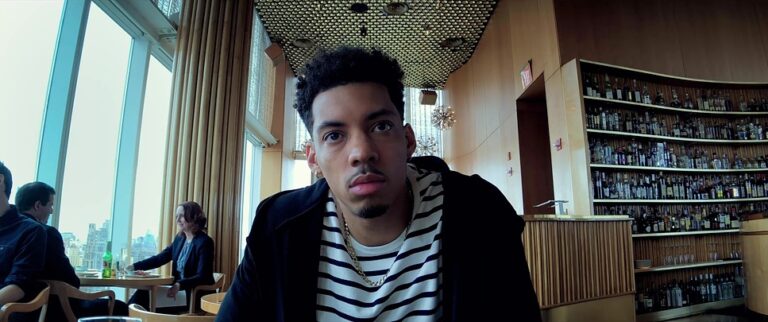
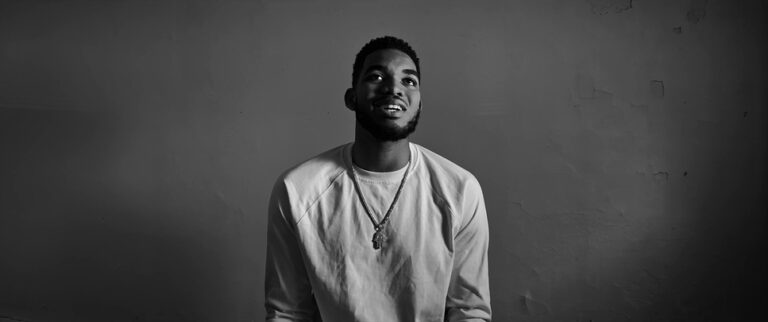
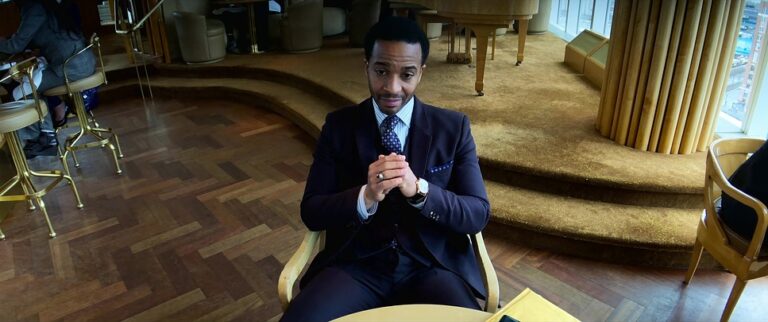
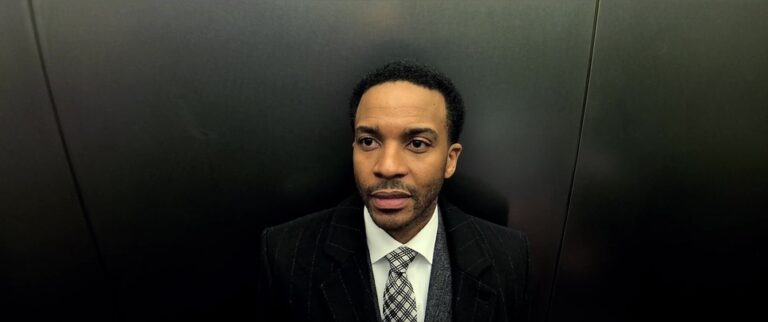
When an NBA lockout sidelines his big rookie client, an agent hatches a bold plan to save their careers — and disrupt the league’s power structure.
Soderbergh shot High Flying Bird entirely on an iPhone, embracing available light and stripped-down setups to create a fast, agile production that mirrors the film’s behind-the-scenes energy. The clean, digital image and fluid camera movement give the film a contemporary immediacy—blurring the line between polished drama and something closer to real-time reportage.
FILM SPOTLIGHT
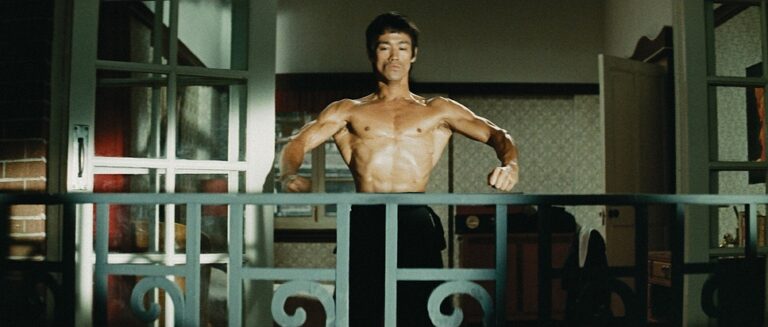
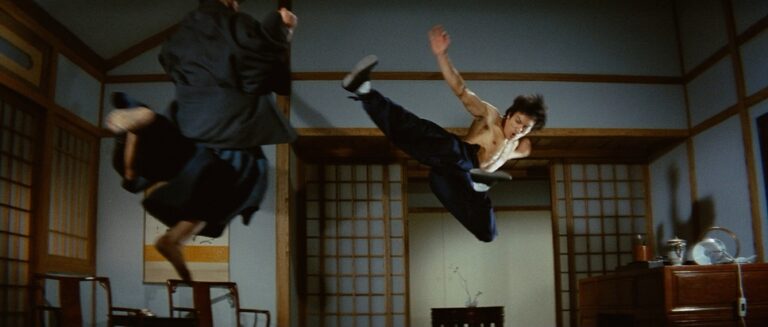
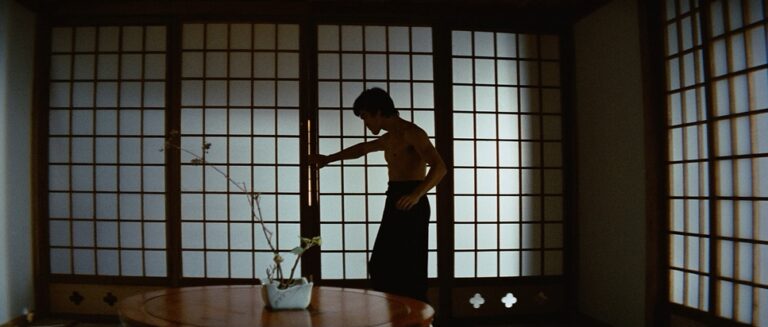
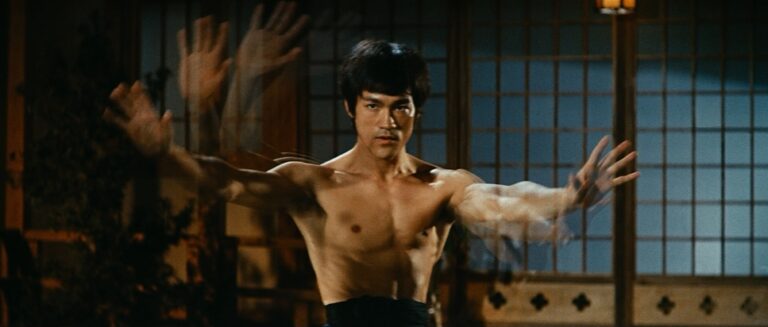
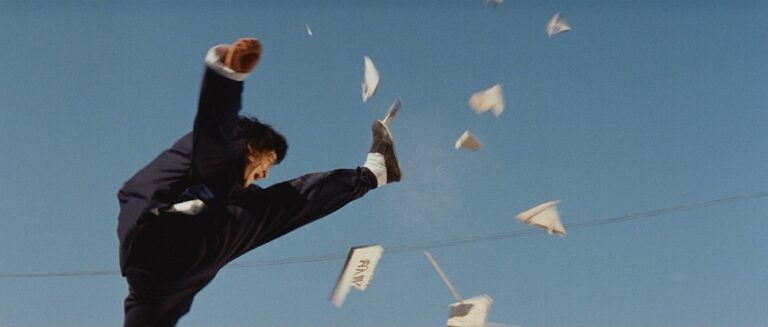
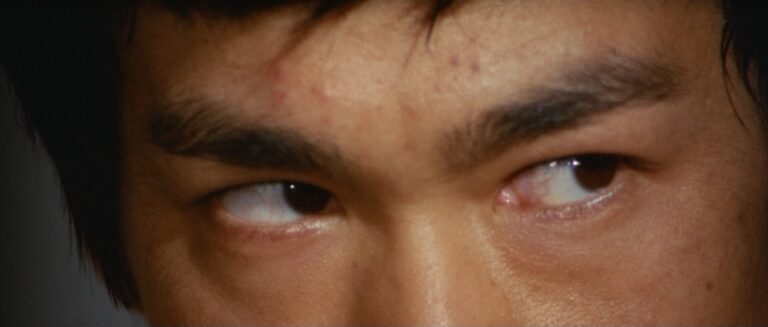
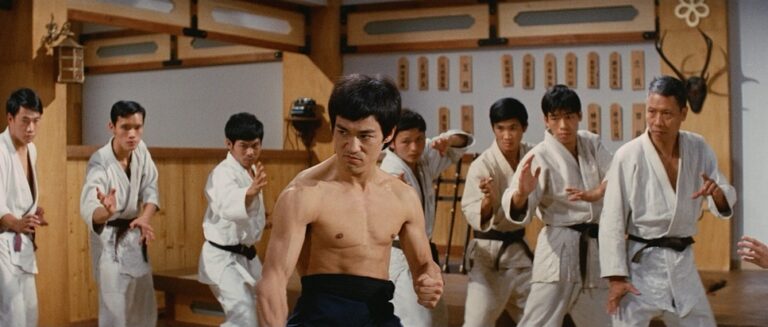
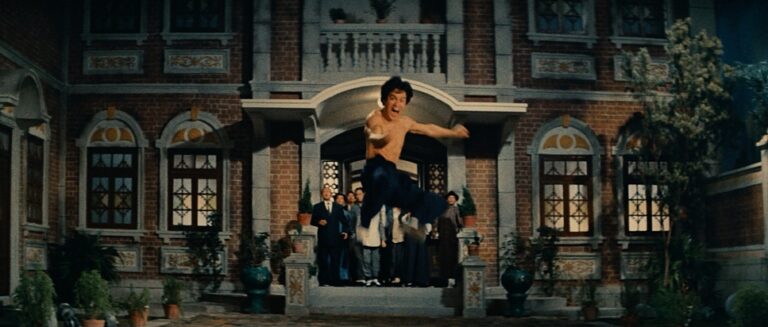
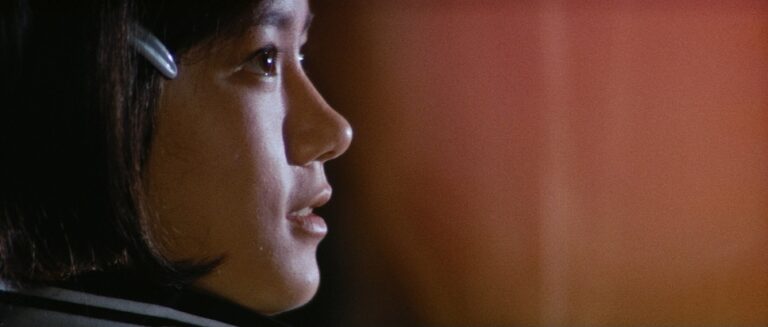
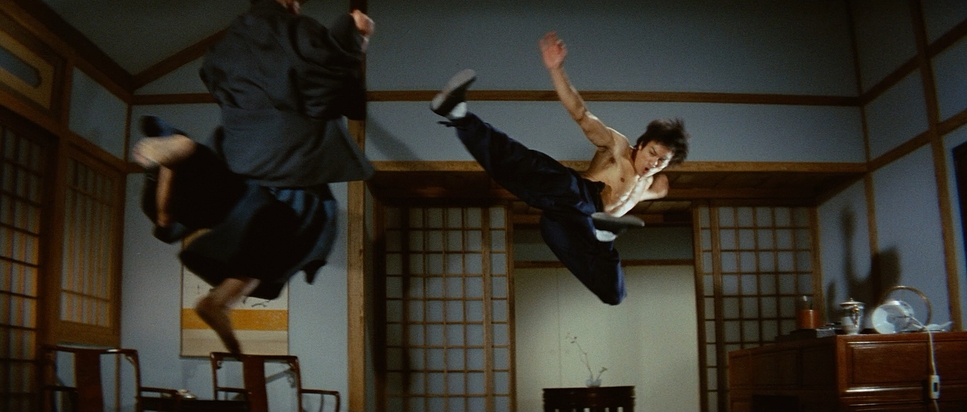
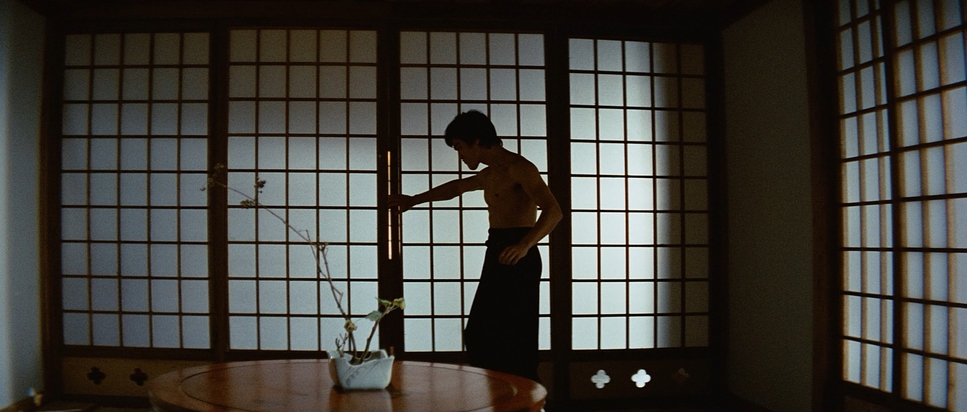
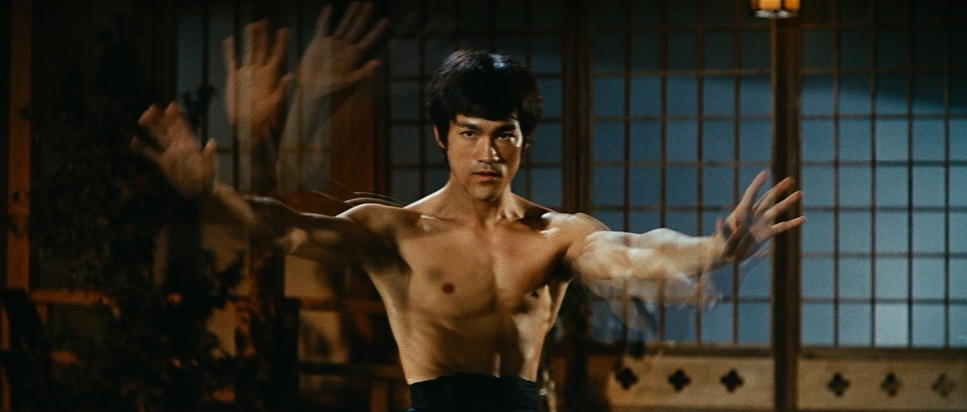
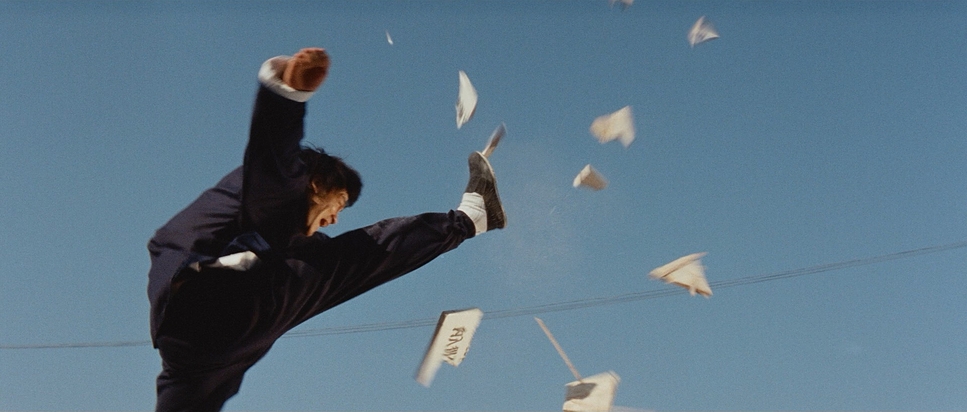
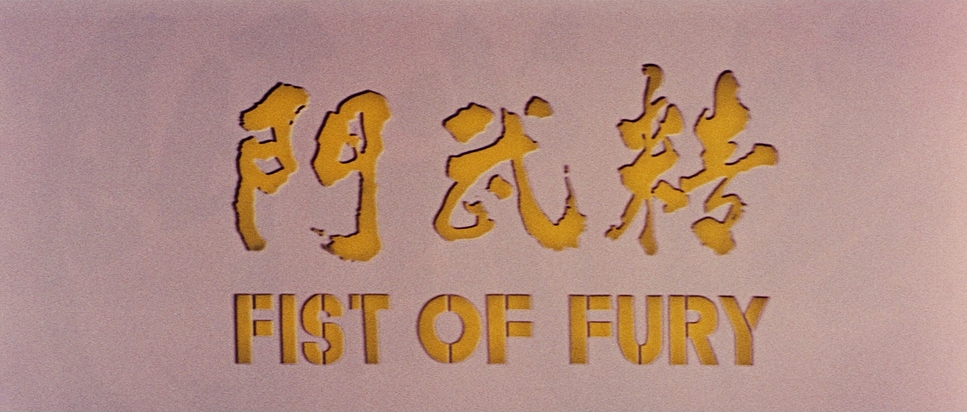
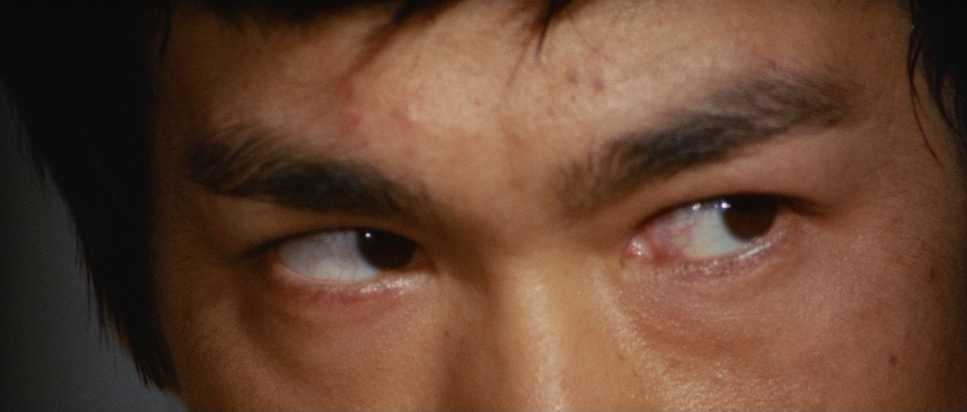
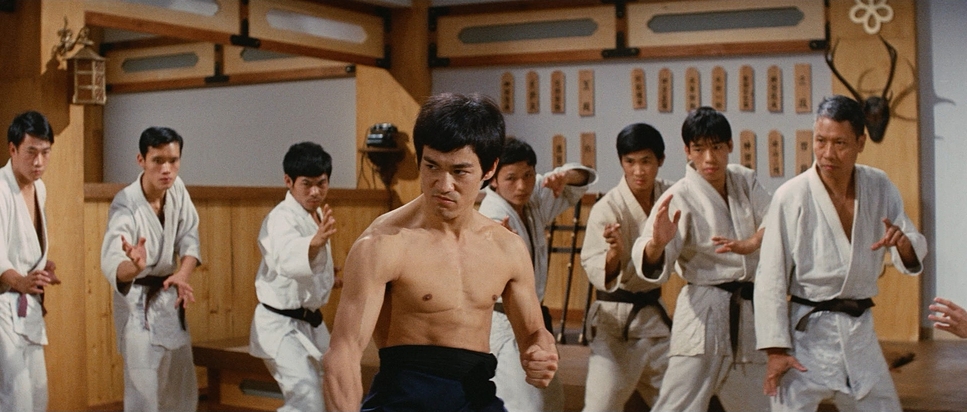
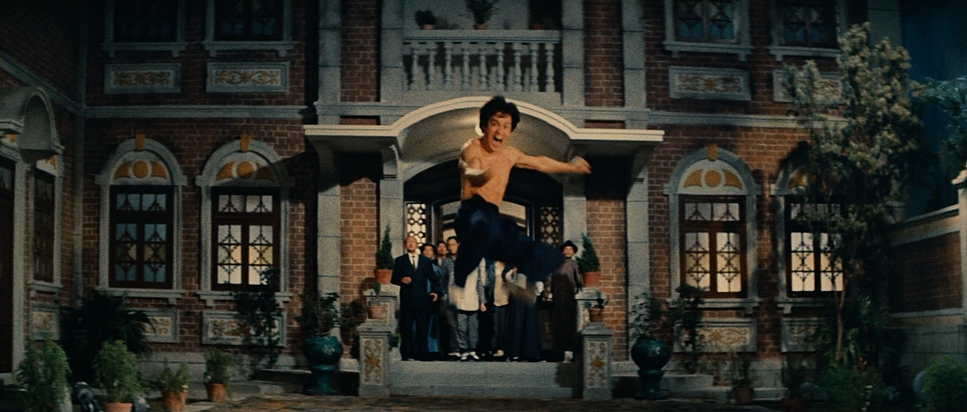
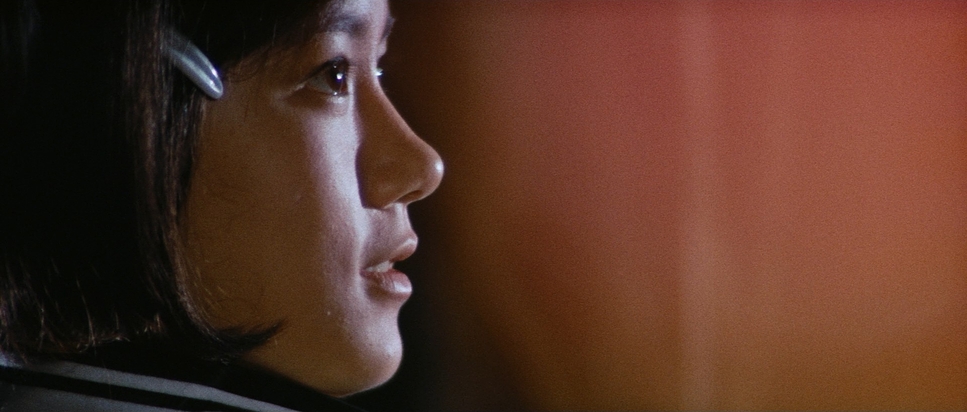
Fist of Fury (1972)
During the Japanese occupation of Shanghai, Chen Zhen, the star pupil of a recently-deceased martial arts teacher battles a Japanese dojo which seeks the demise of his fighting school.
Shot with a straightforward, kinetic style, Fist of Fury emphasizes Bruce Lee’s speed and precision through wider framings and carefully staged fight choreography that prioritizes clarity over cutting. Lee’s explosive physicality—captured in sharp, unbroken takes—became the film’s defining visual signature, helping redefine how martial arts action was presented on screen.
FILM SPOTLIGHT
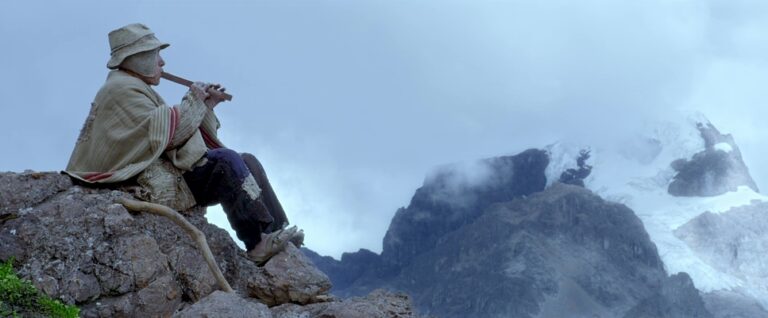
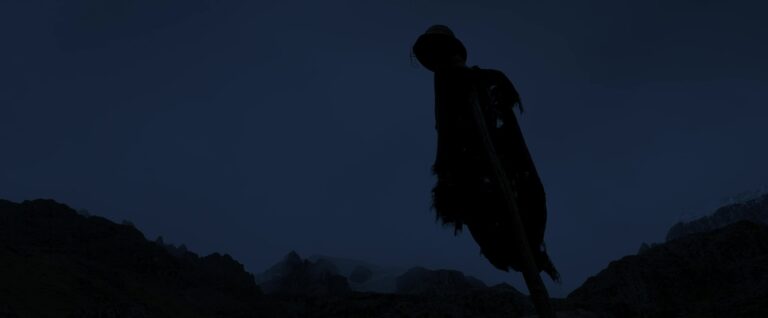
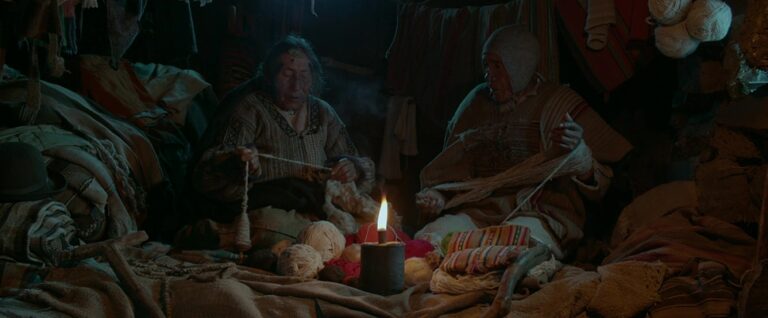
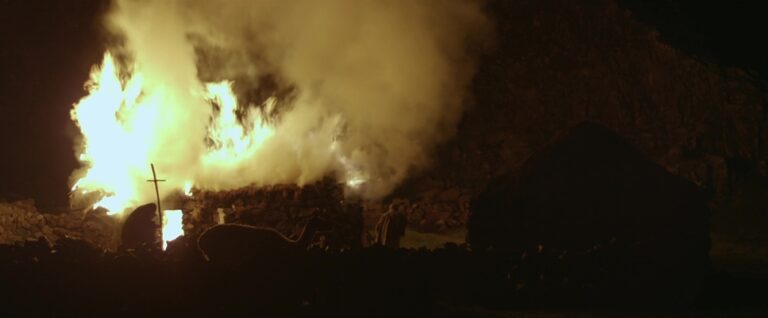
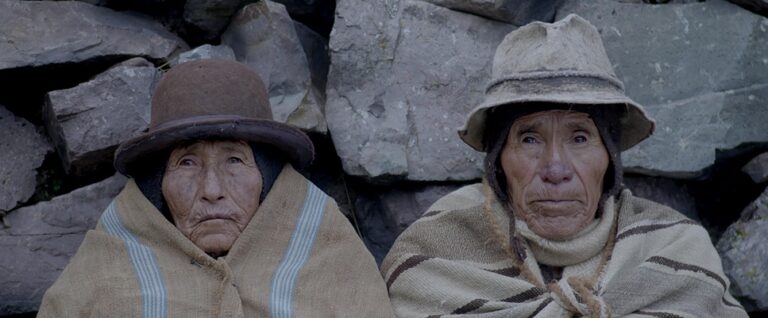
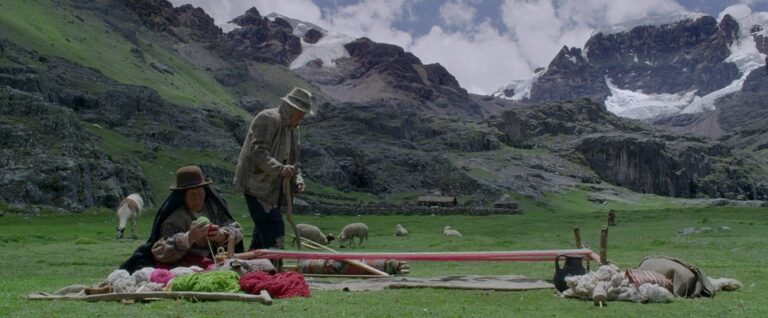
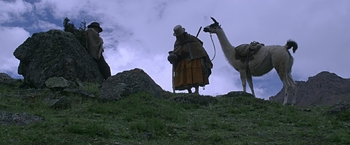
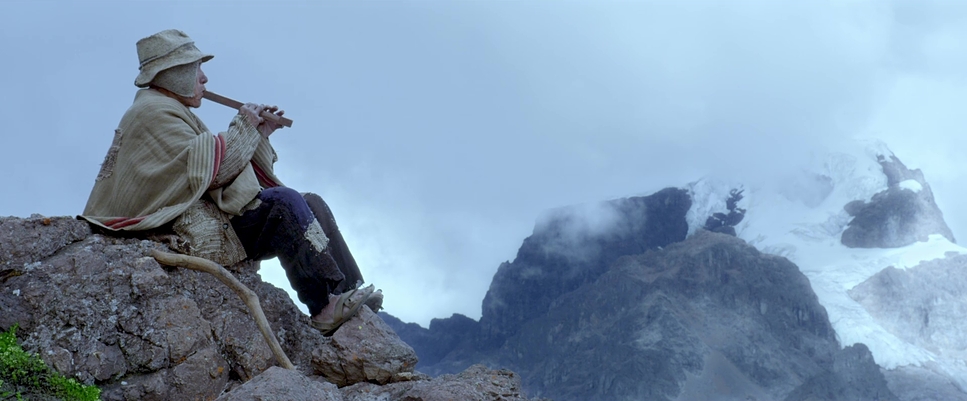
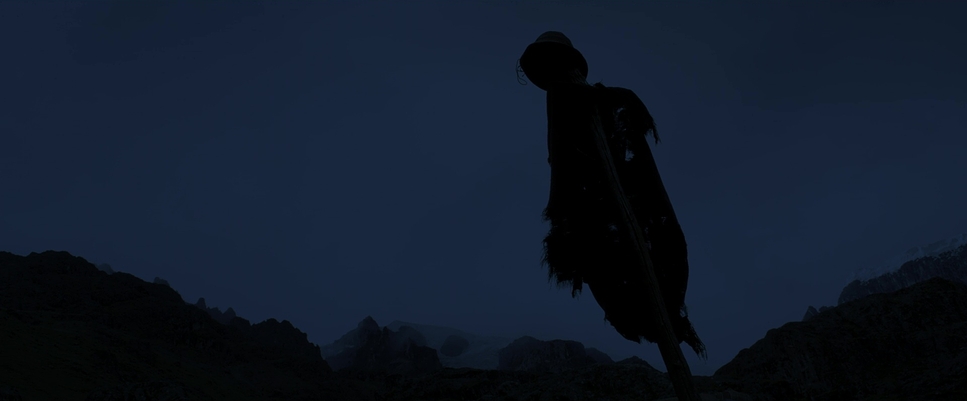
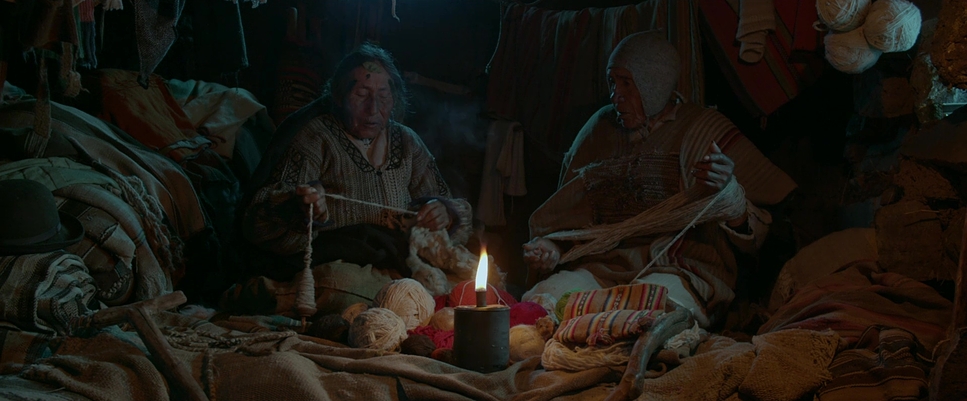
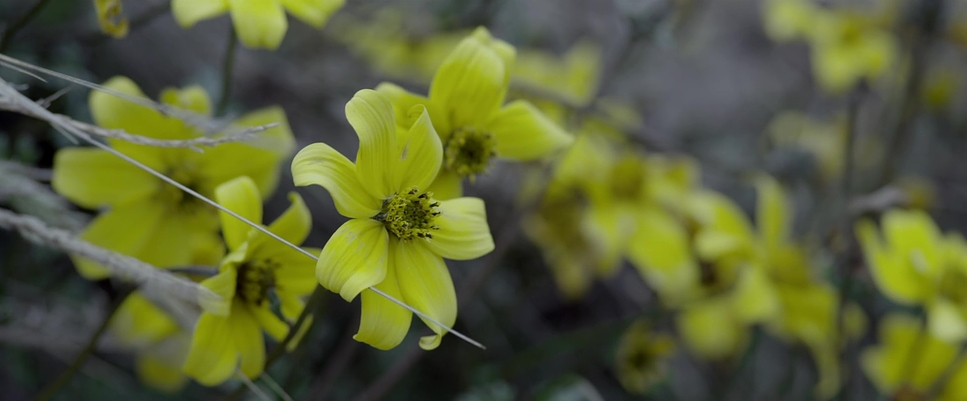
Eternity (2017)
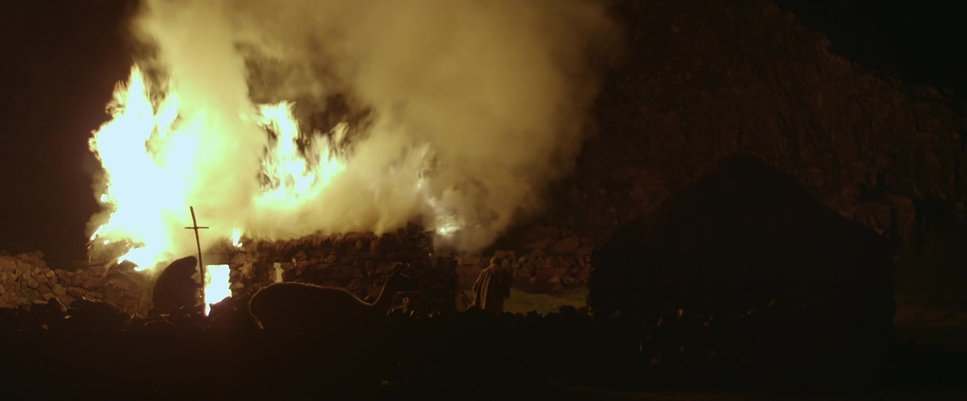
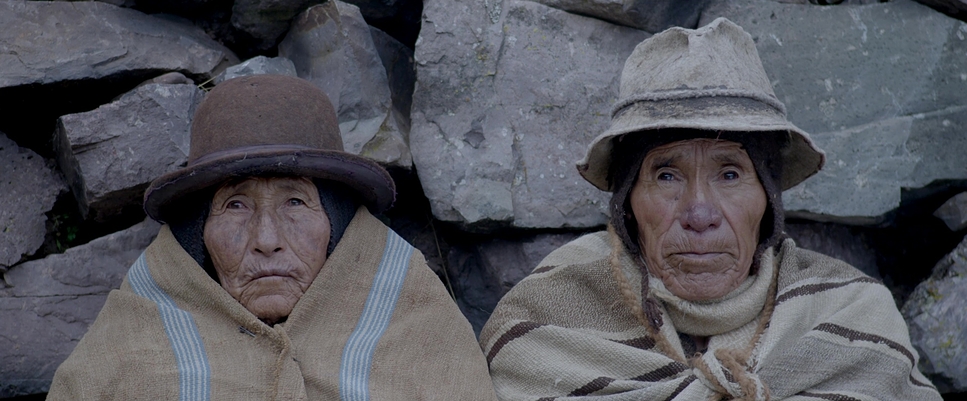
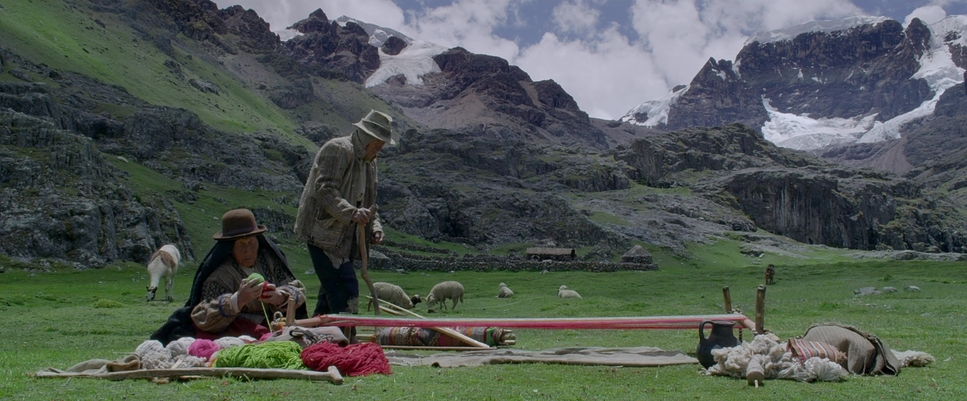
A couple of elderlies try to survive in Los Andes of Peru while they wait for their son.
Director Trần Anh Hùng and cinematographer Mark Lee Ping-Bin crafted Eternity with a luminous, impressionistic style, using natural light, flowing camera movement, and soft focus to create a sense of time slipping by. Shot with an almost painterly attention to texture and light, the film turns everyday moments—glances, gestures, sunlight through trees—into delicate visual fragments that feel suspended between memory and dream.

FILM SPOTLIGHT
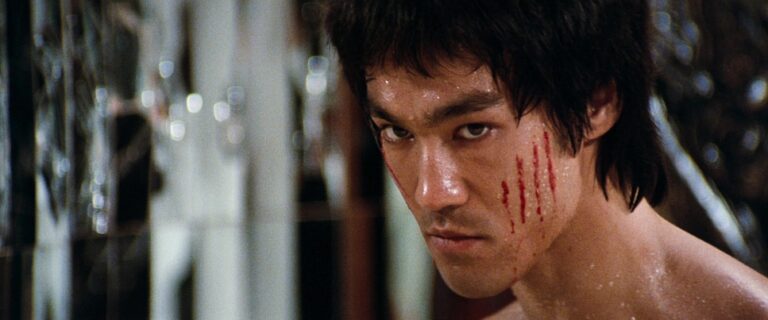
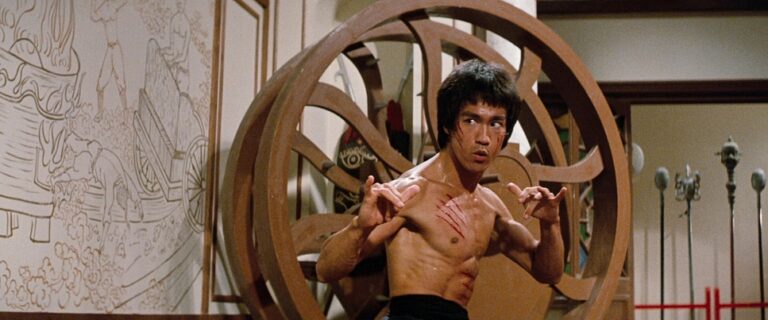
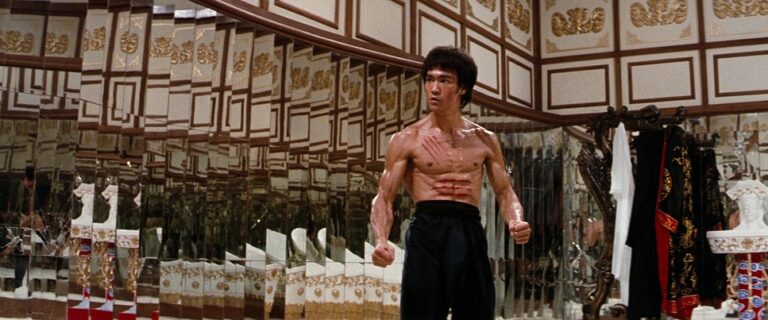
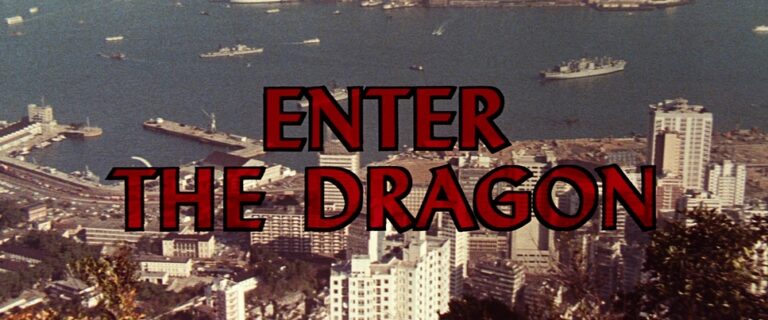
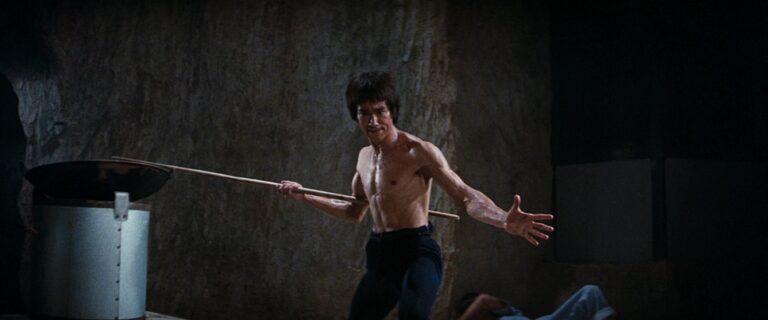
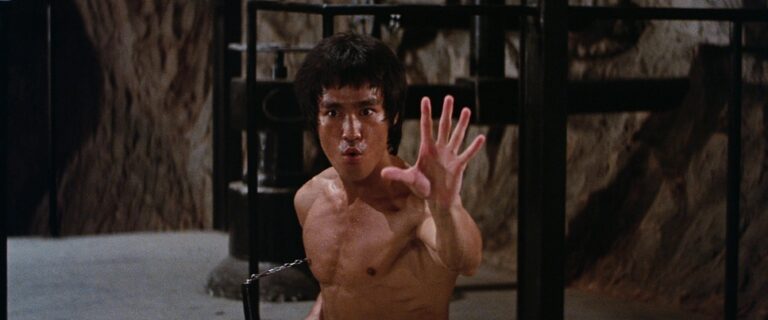
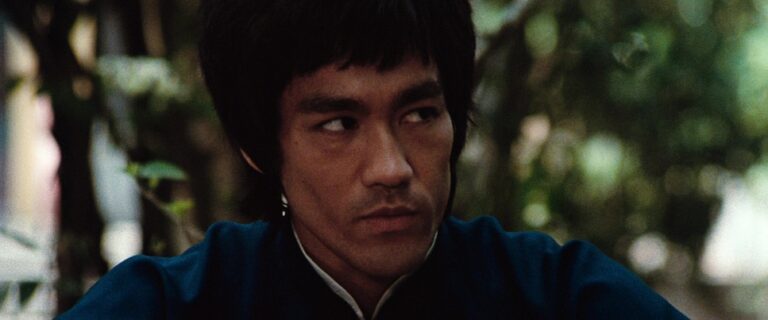
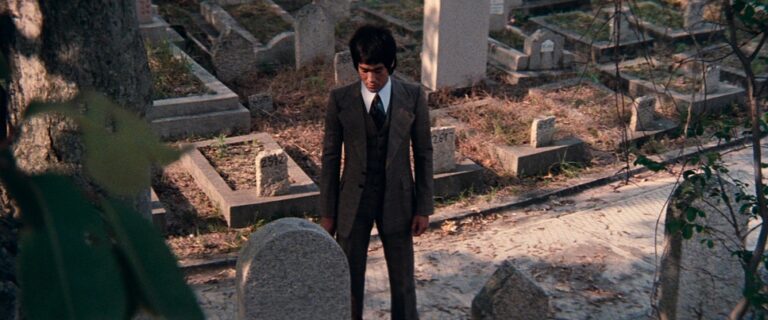
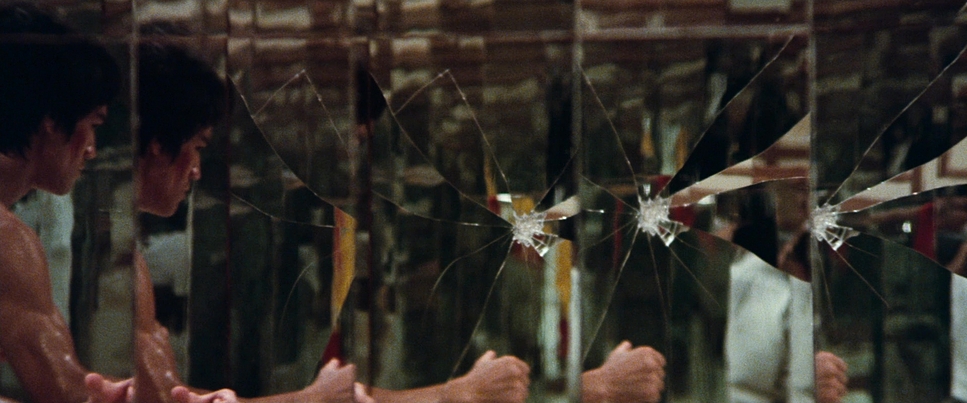
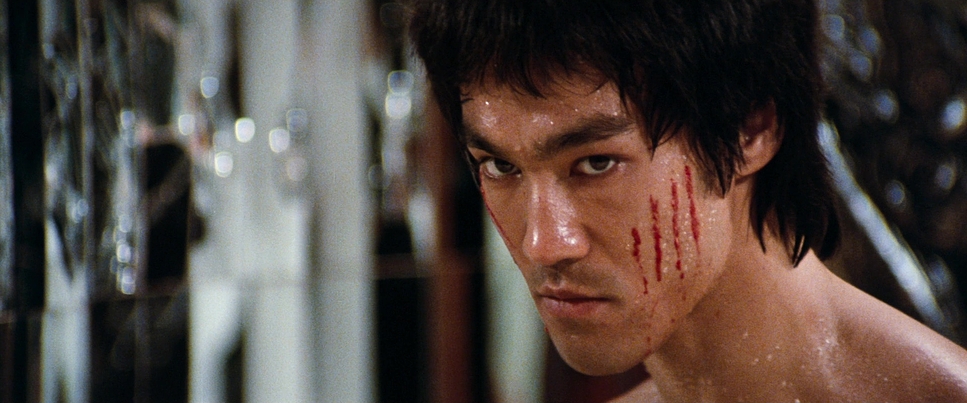
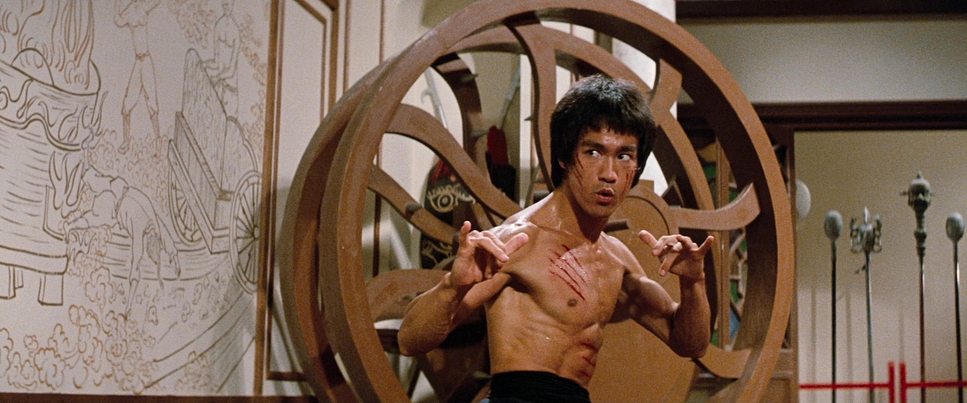
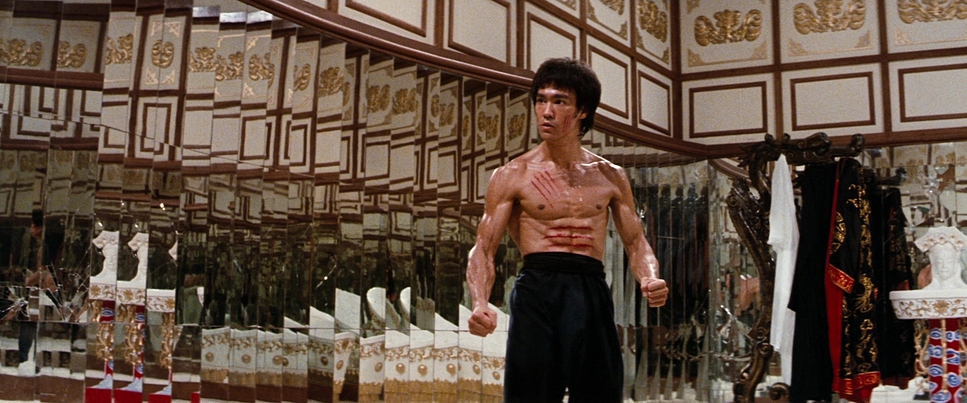
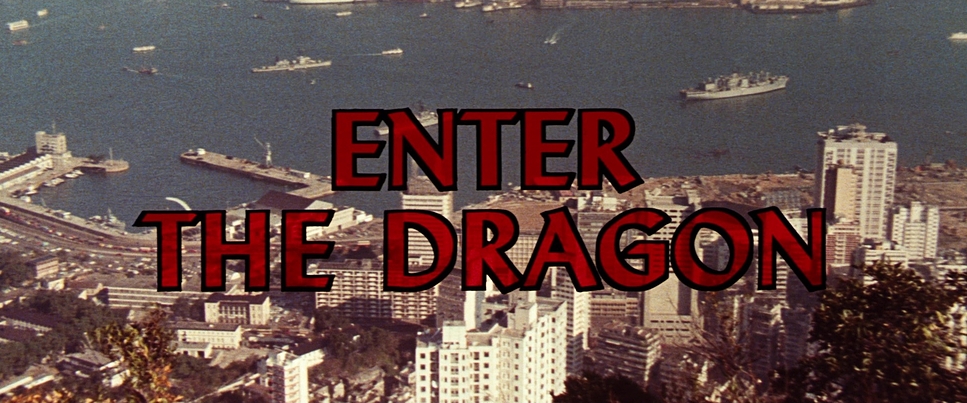
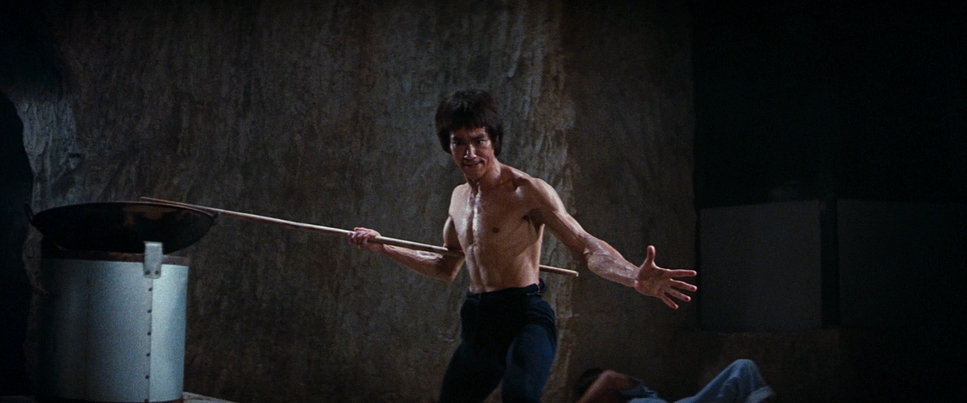
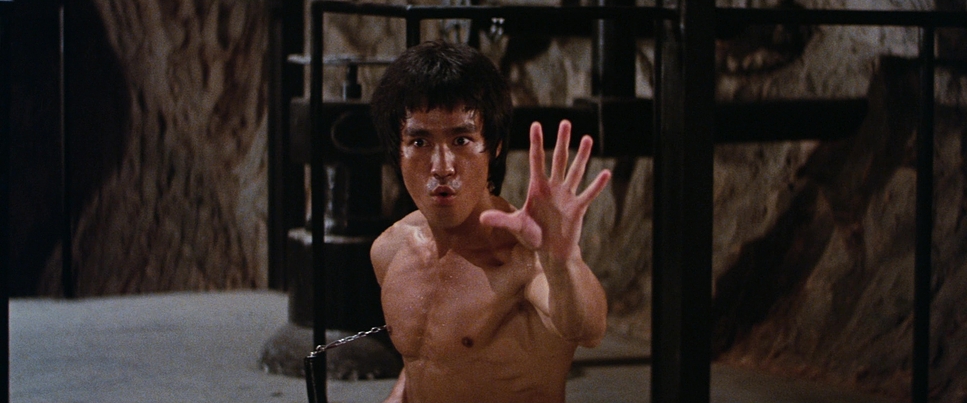
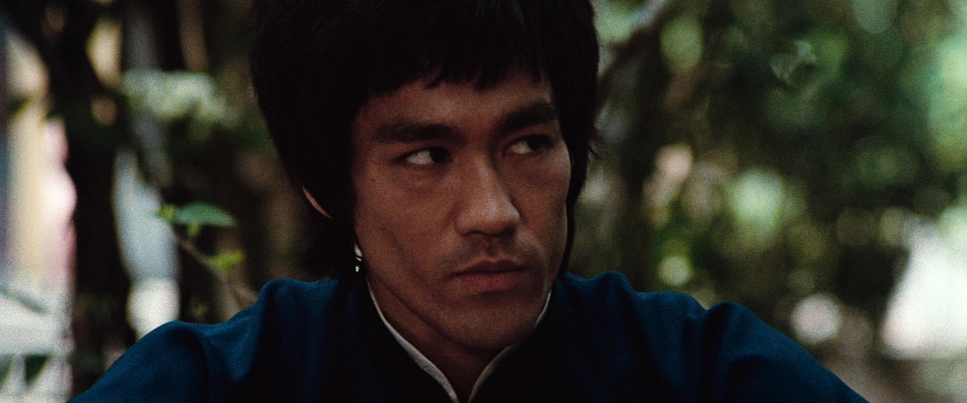
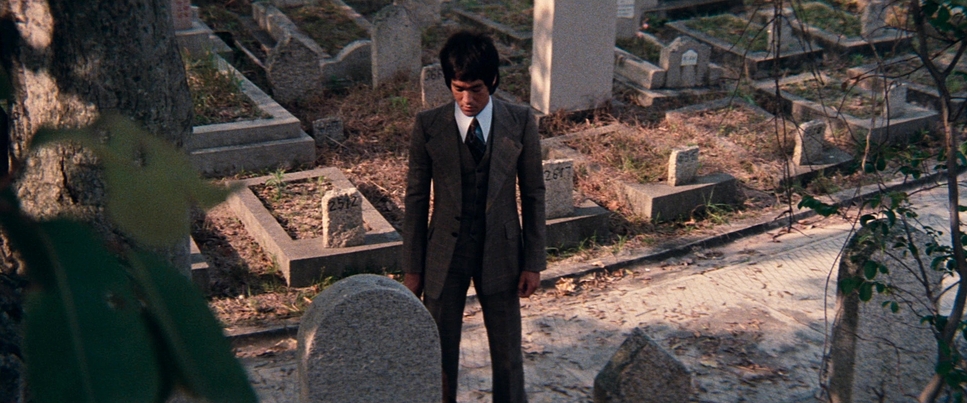
Enter the Dragon (1973)
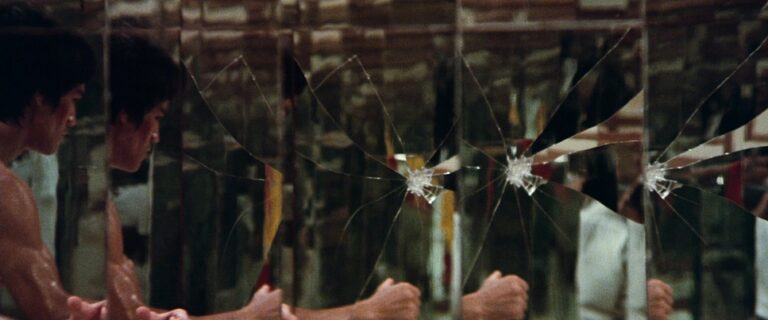
A martial artist agrees to spy on a reclusive crime lord using his invitation to a tournament there as cover.
Shot in Hong Kong with a cross-cultural production approach, Enter the Dragon blends classic studio lighting with location-driven texture, giving it a slick yet grounded visual identity. The film’s iconic mirror room finale—built around reflections, fragmentation, and spatial disorientation—turned a simple fight into a visual puzzle, cementing one of the most influential set pieces in action cinema.
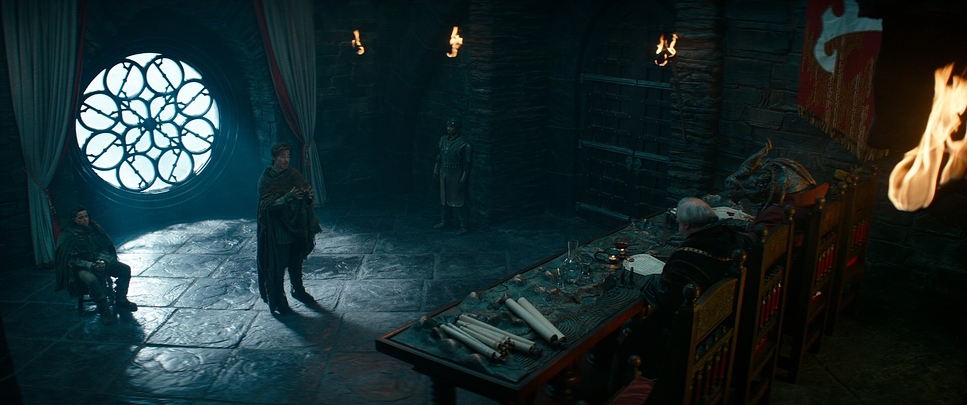
FILM SPOTLIGHT
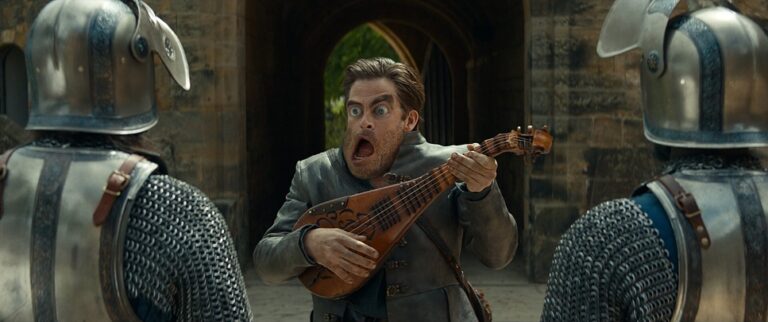
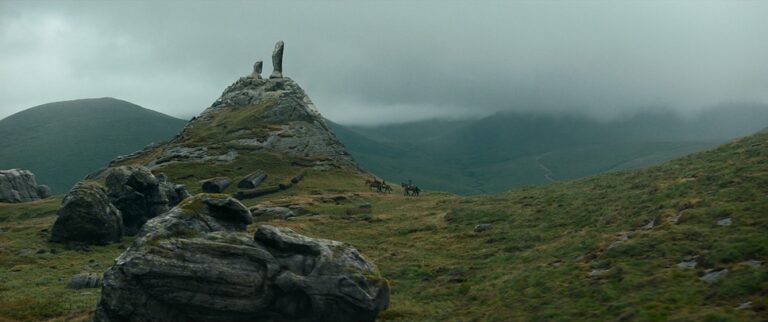
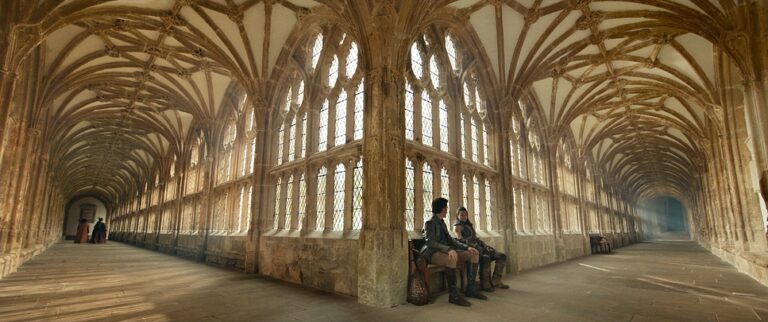
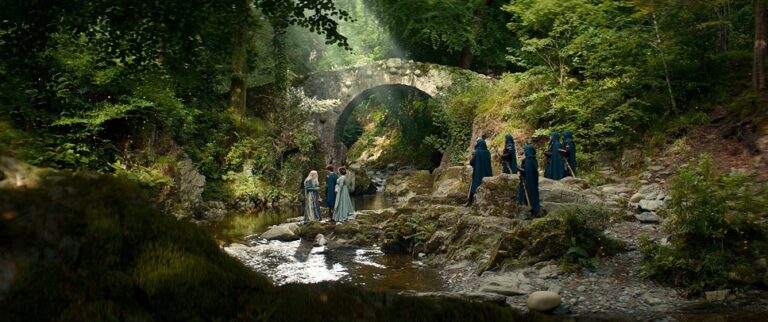
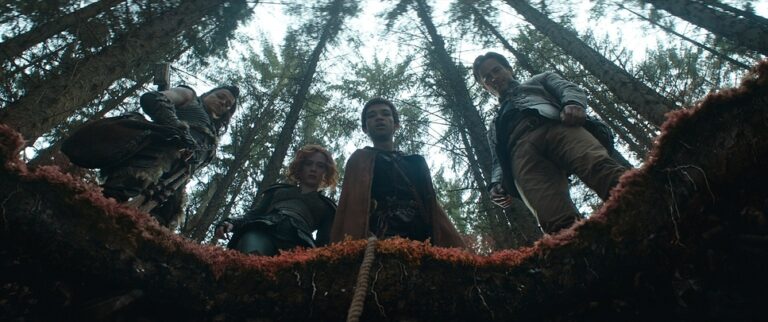
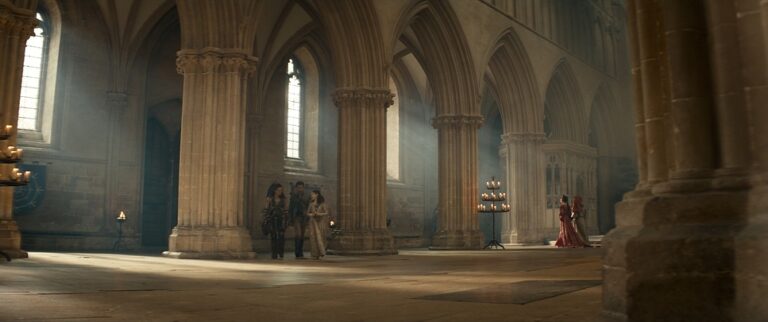
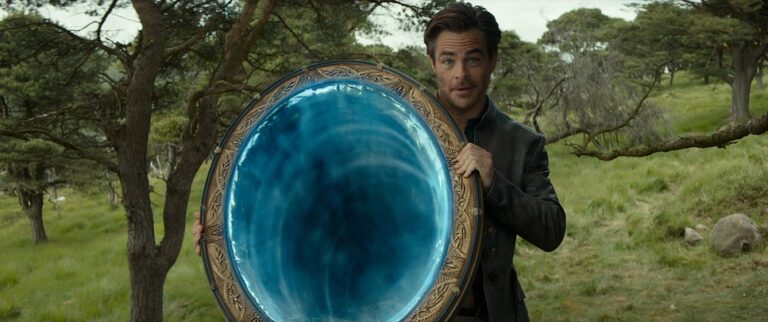
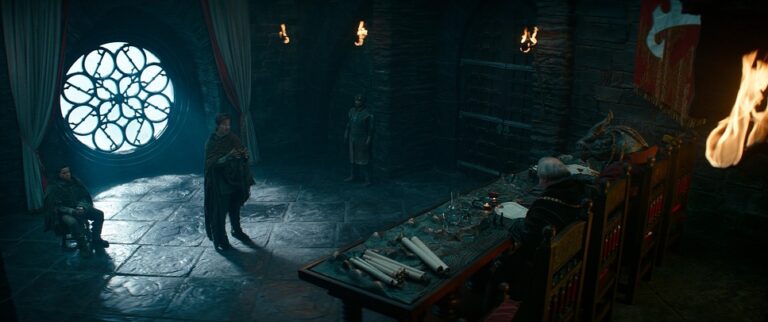
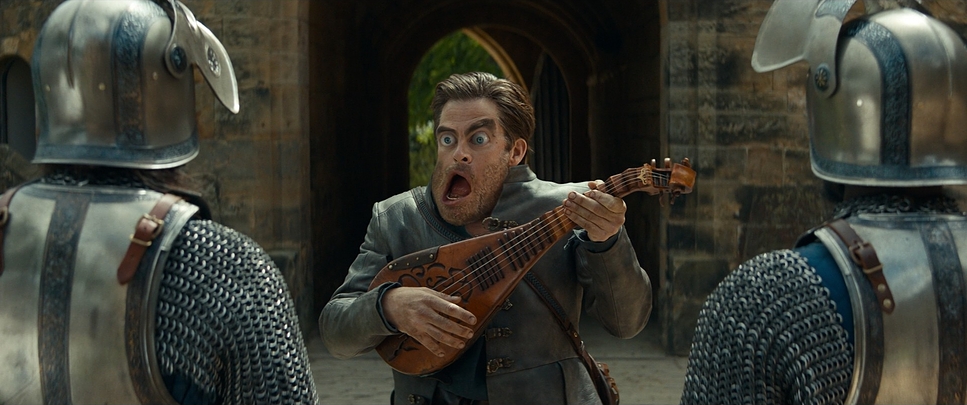
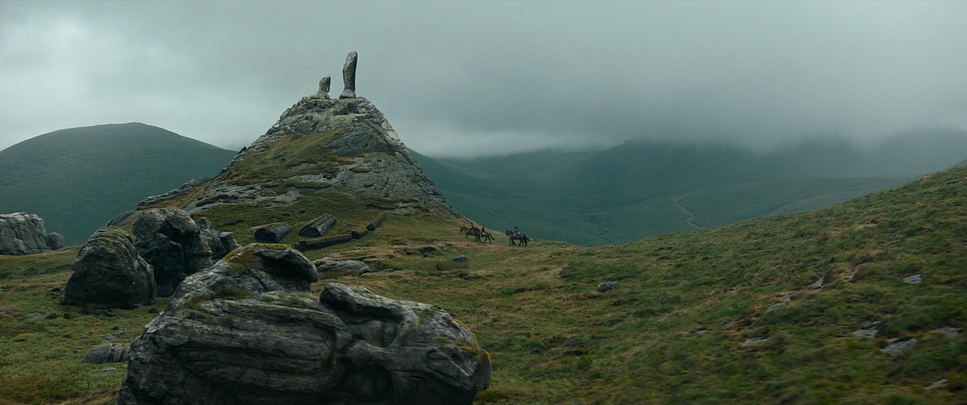
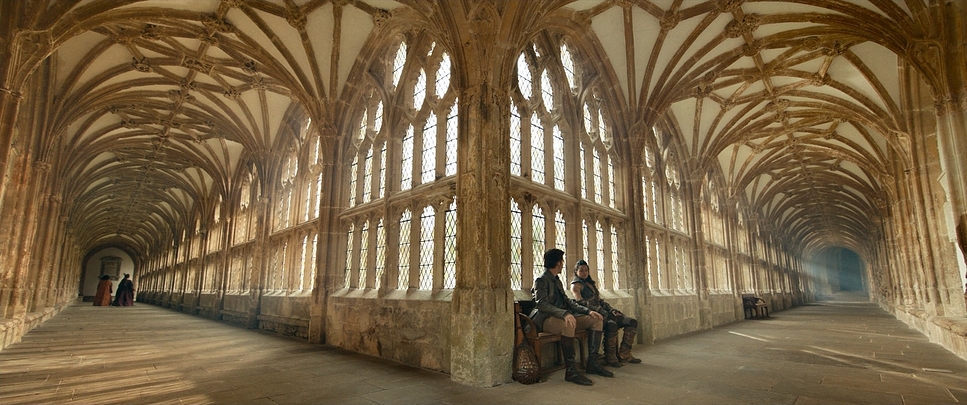
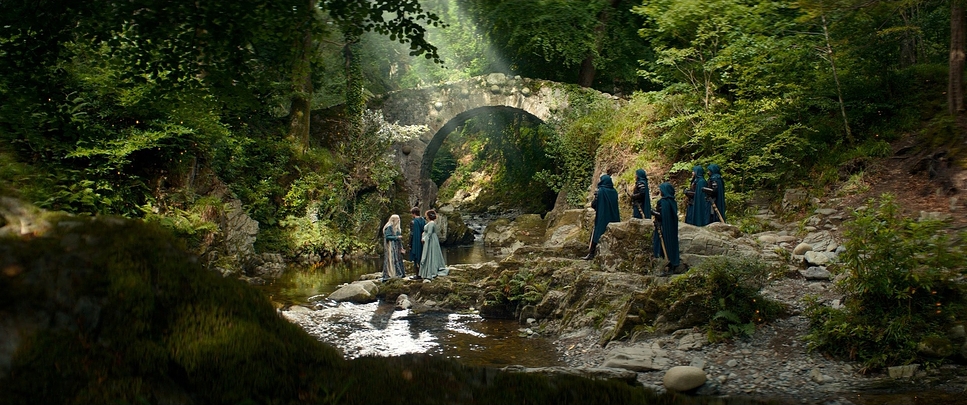
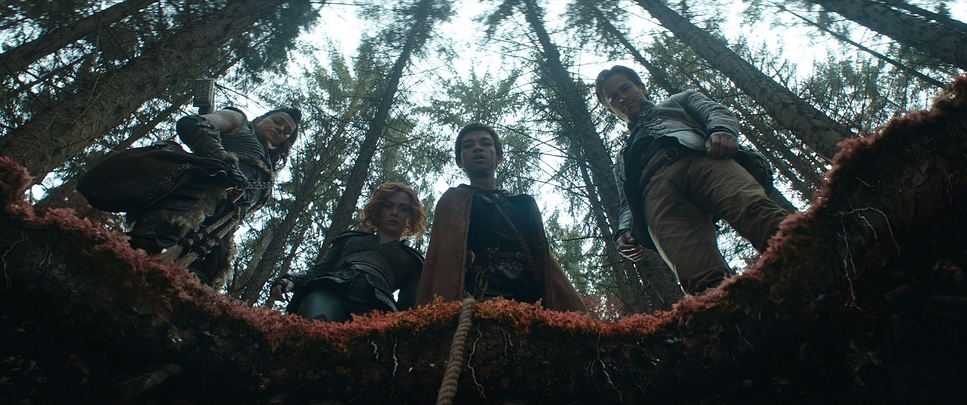
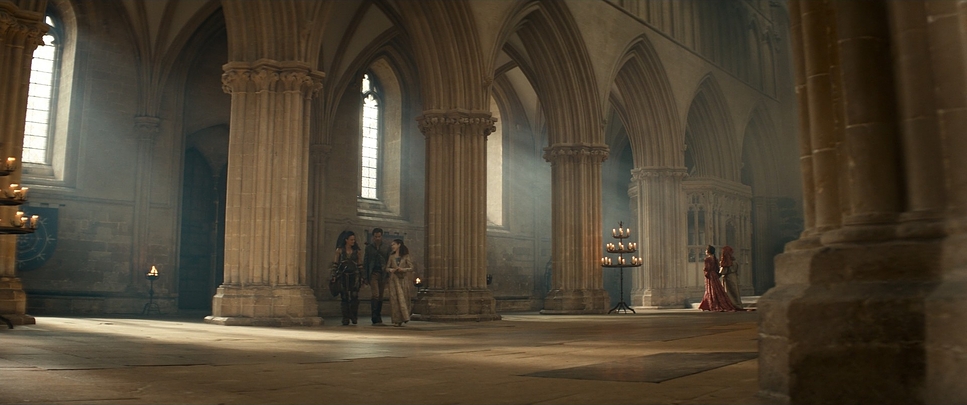
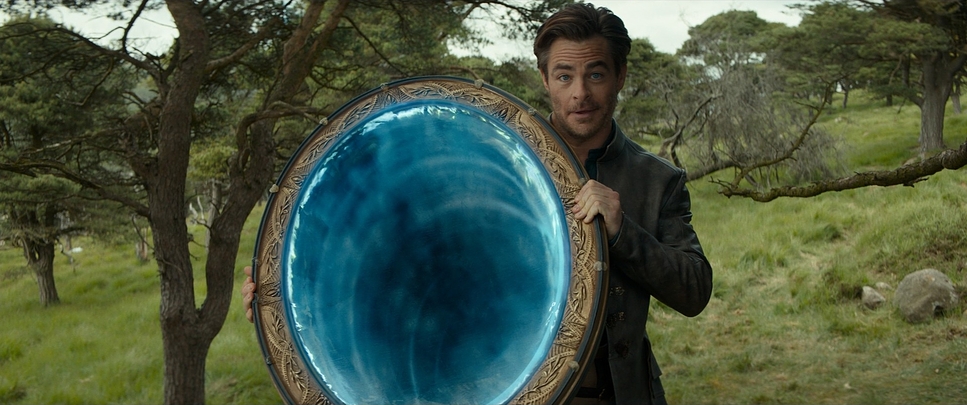
Dungeons & Dragons: Honor Among Thieves (2023)
A charming thief and a band of unlikely adventurers undertake an epic heist to retrieve a lost relic, but things go dangerously awry when they run afoul of the wrong people.
Daley and Goldstein leaned heavily on practical builds and in-camera effects, combining large-scale sets with animatronics and prosthetics to ground the film’s fantasy world in physical texture. Paired with fluid camera movement and seamless VFX integration, the film strikes a playful, tactile balance—giving its sprawling action and creatures a sense of weight often missing from fully digital fantasy.


FILM SPOTLIGHT
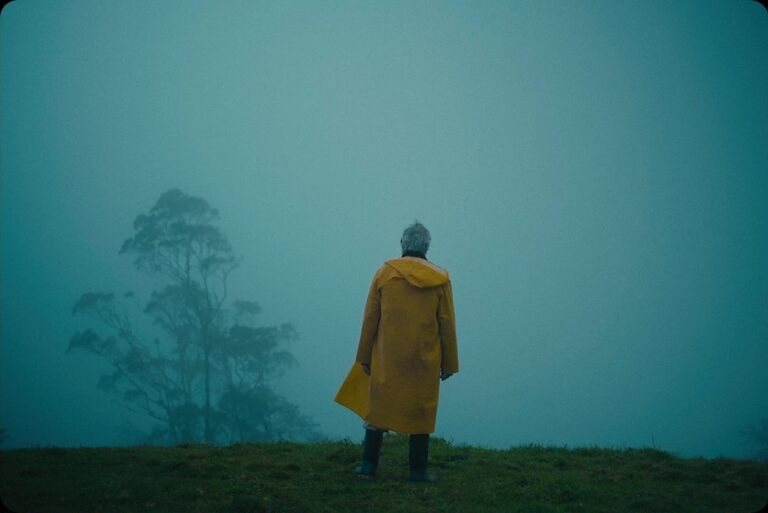
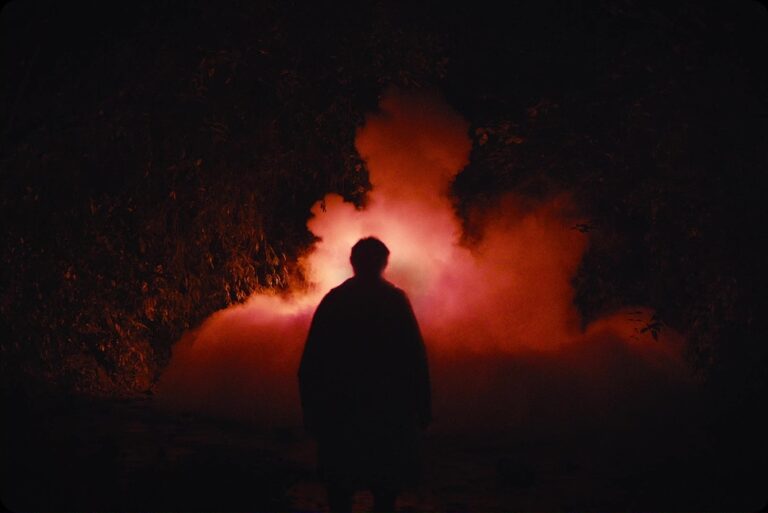
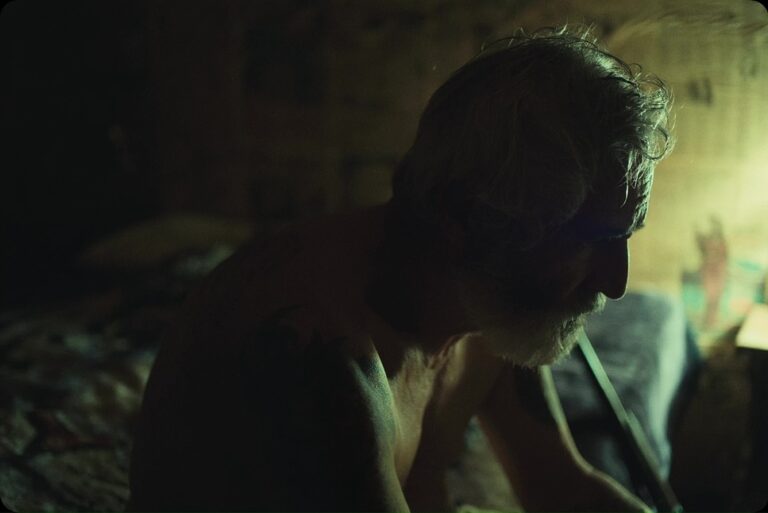
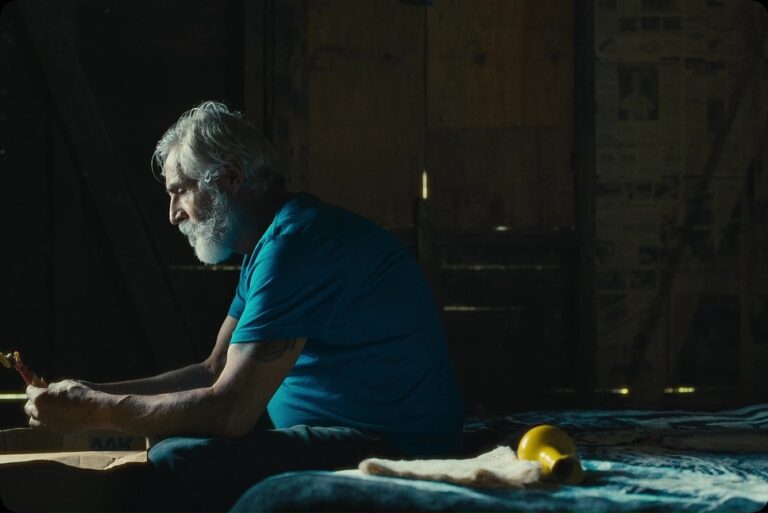
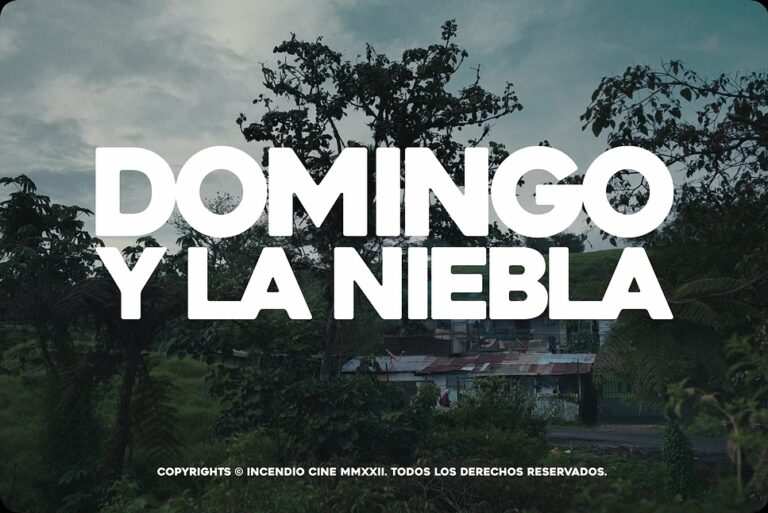
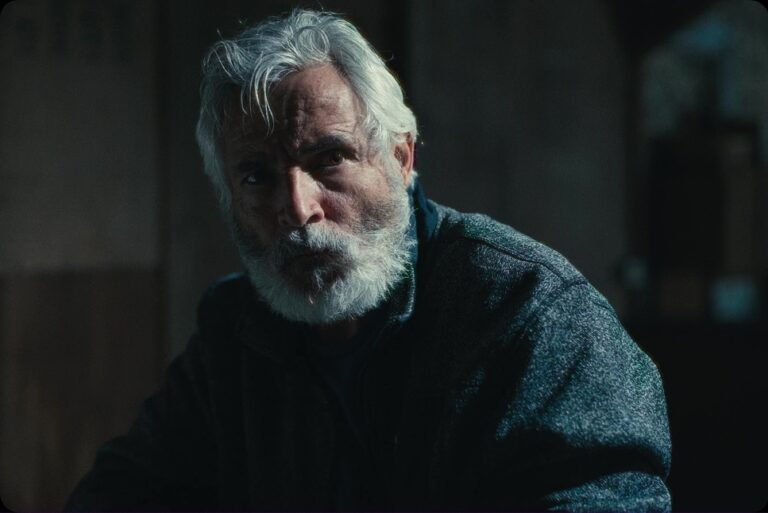
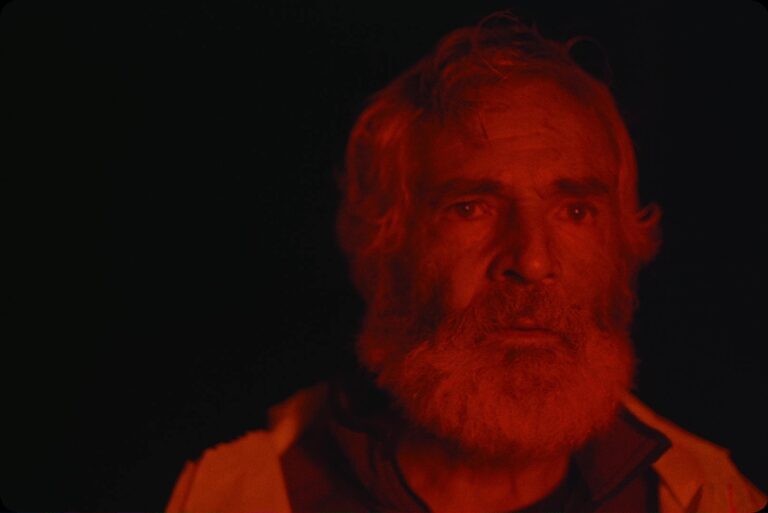
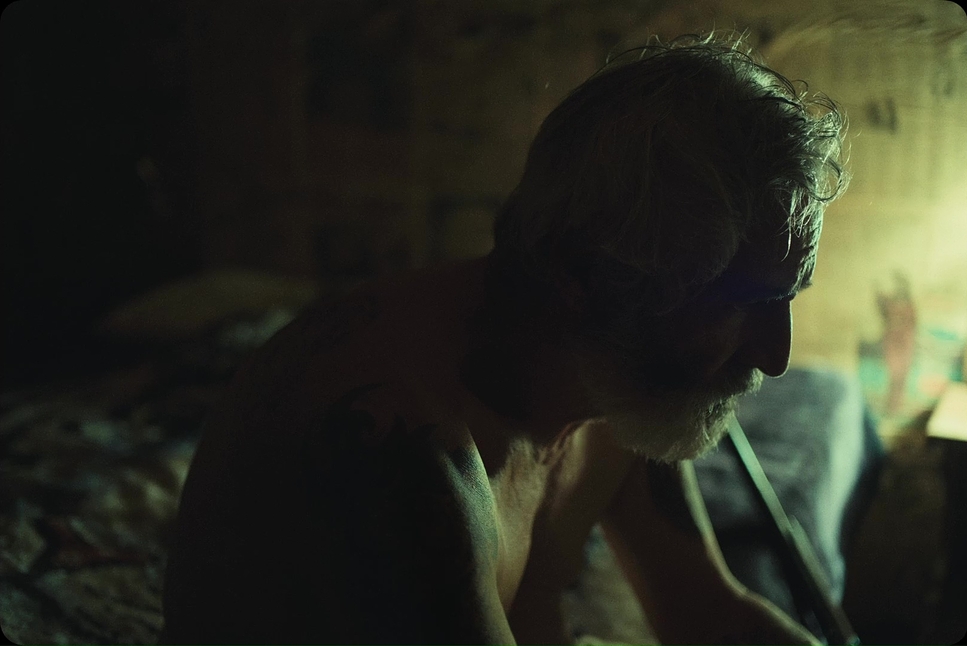
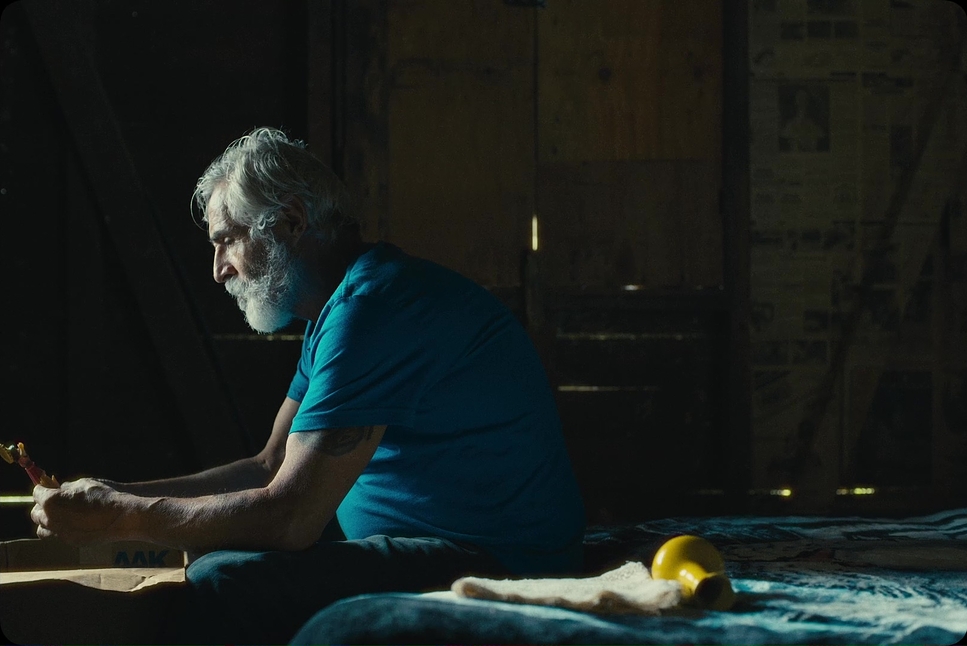
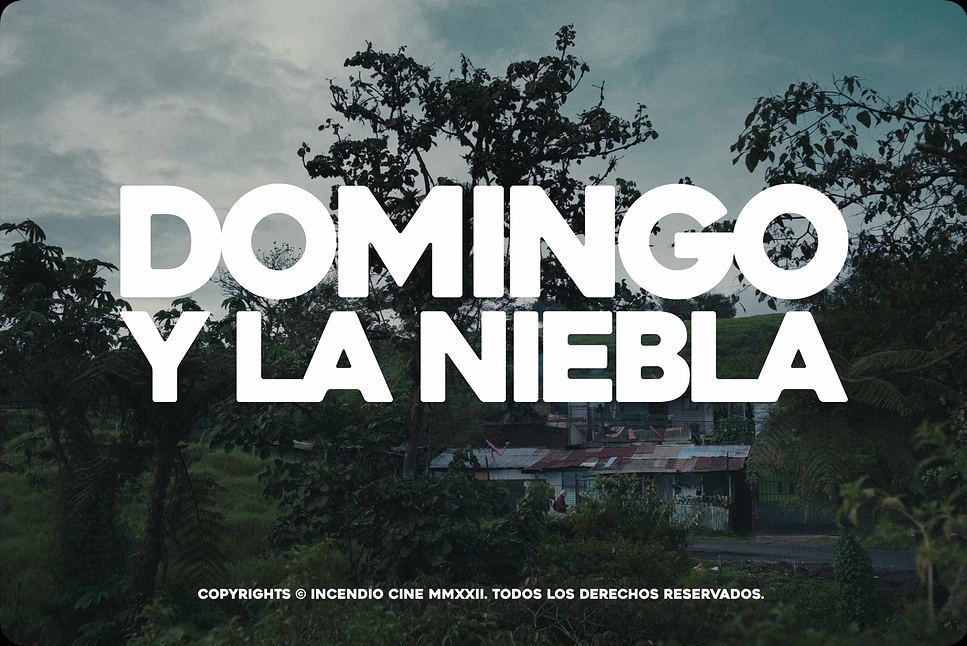
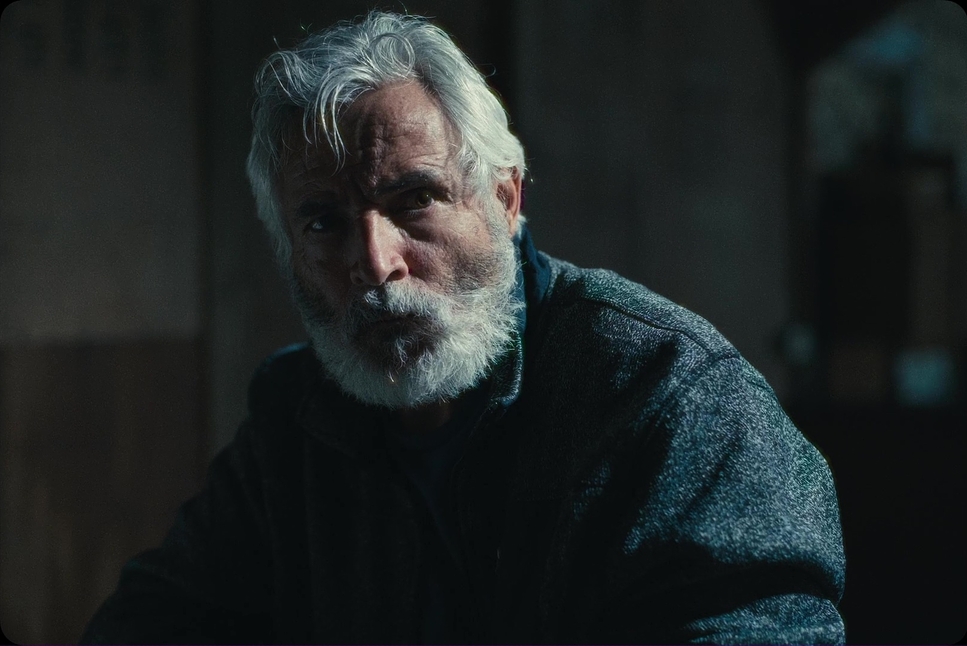
Domingo Y La Niebla (2022)
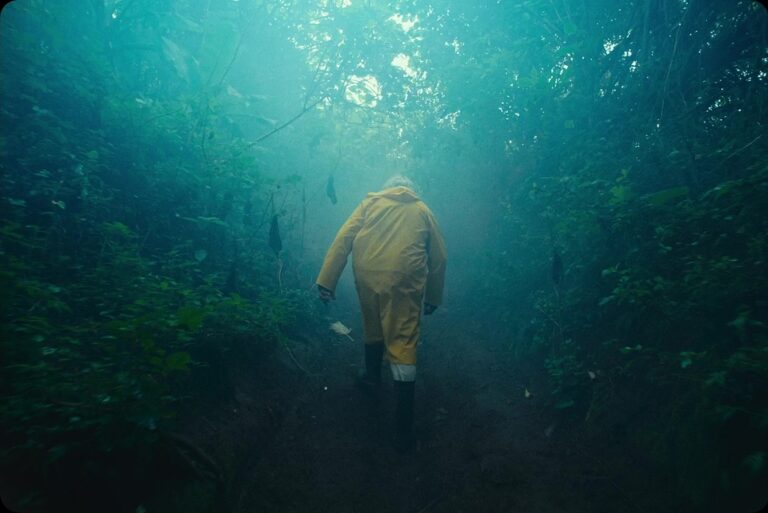
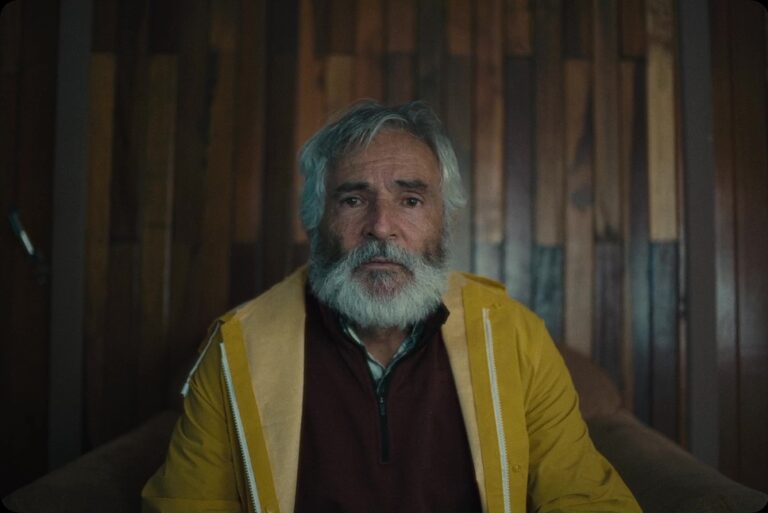
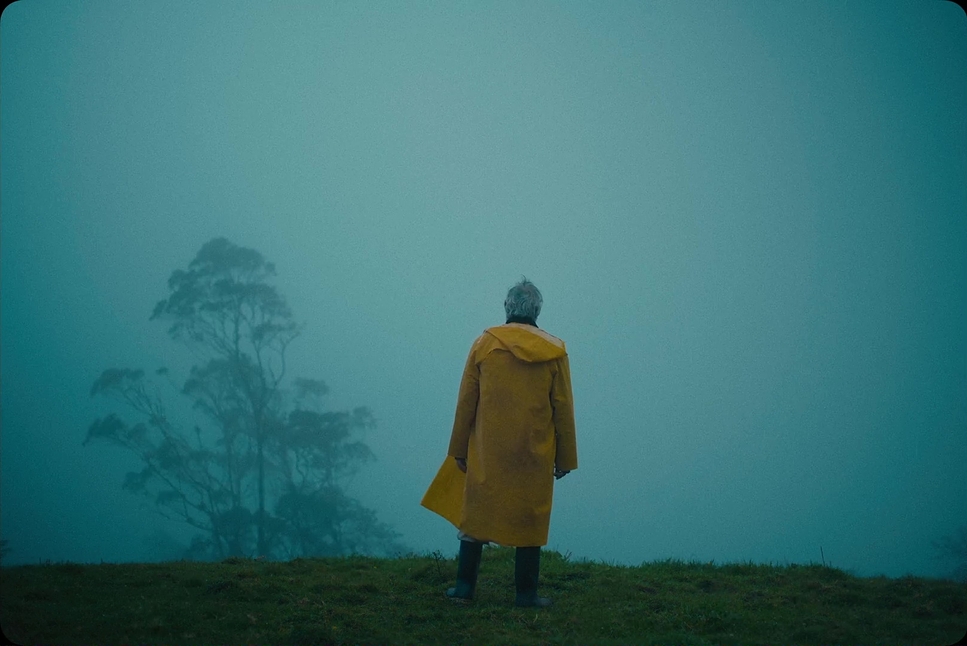
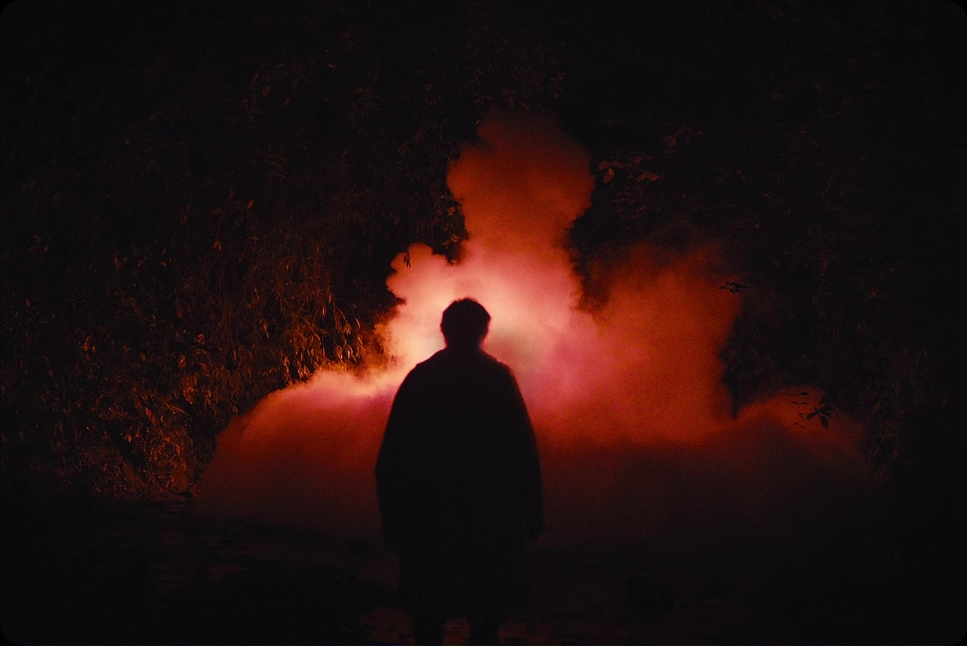
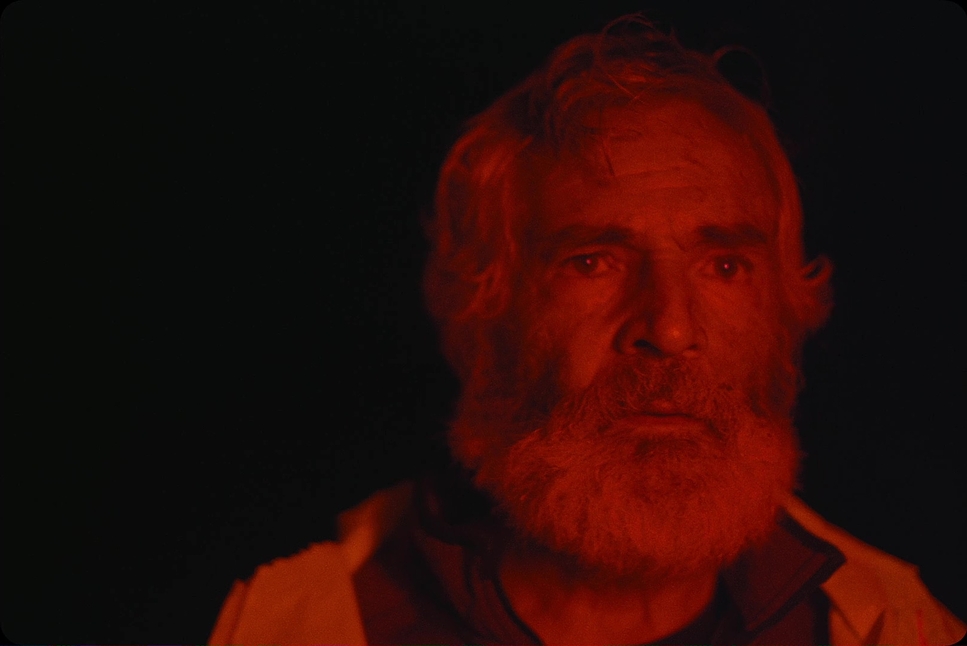
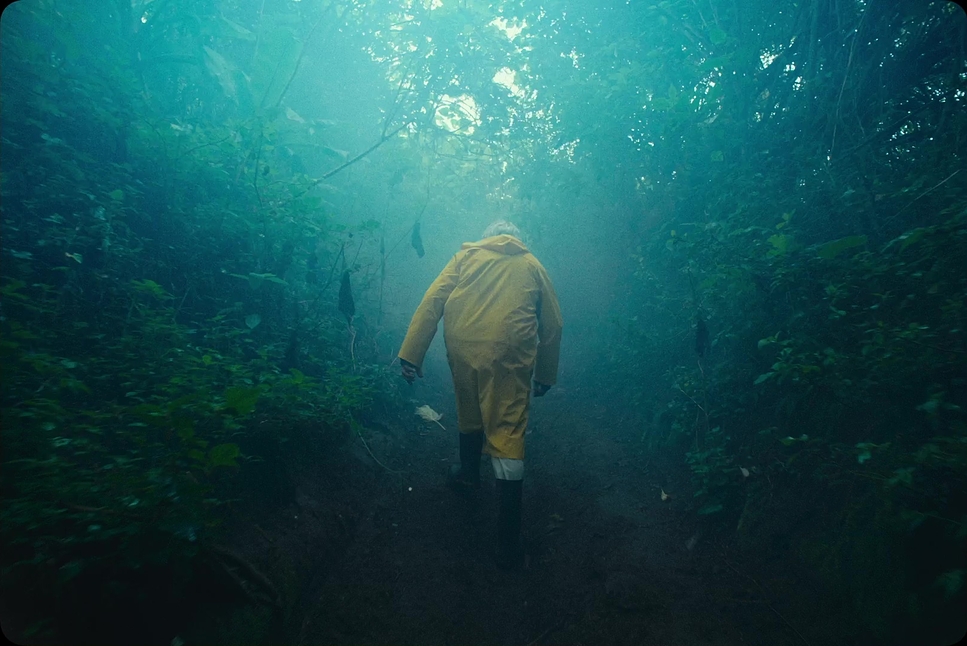
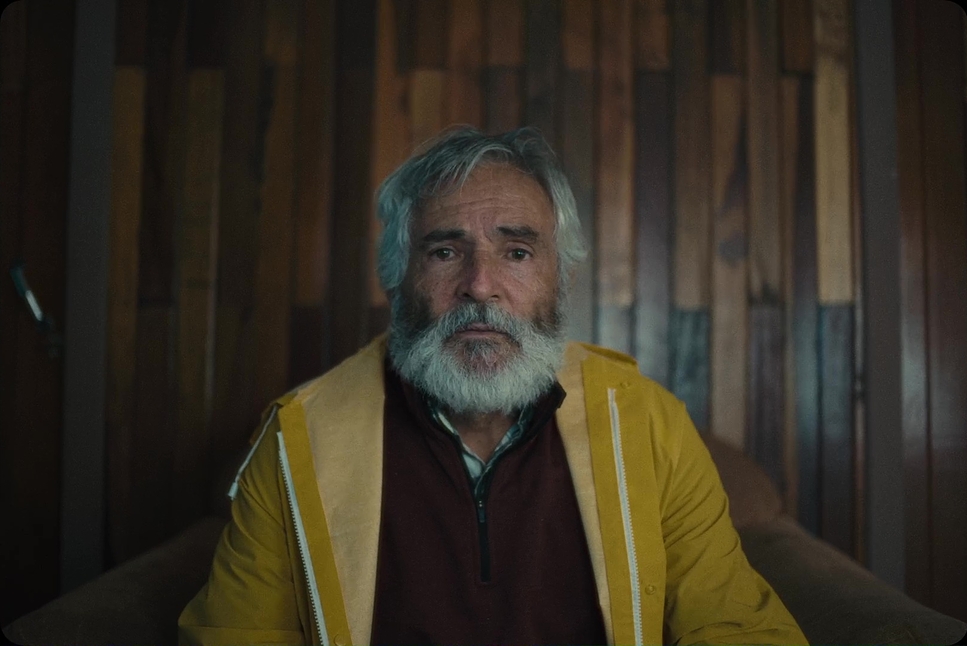
Domingo’s house in the Costa Rican mountains is about to be expropriated for the construction of a highway. But his land hides a secret: the ghost of his deceased wife visits him within the mist. Domingo is sure he will never give up his land, even if that means resorting to violence.
Director Ariel Escalante Meza and cinematographer Andrés Campos lean into atmosphere, using dense fog, low-contrast lighting, and slow, deliberate framing to let the landscape feel alive and encroaching. The film’s muted palette and patient camera create a creeping ambiguity—where the mist becomes both a visual motif and a narrative device, obscuring the line between memory, myth, and reality.
FILM SPOTLIGHT
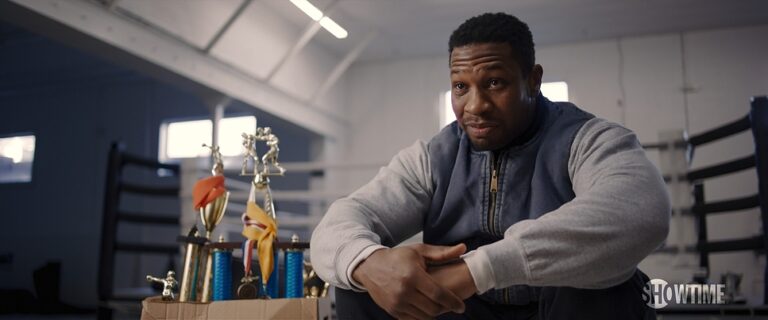
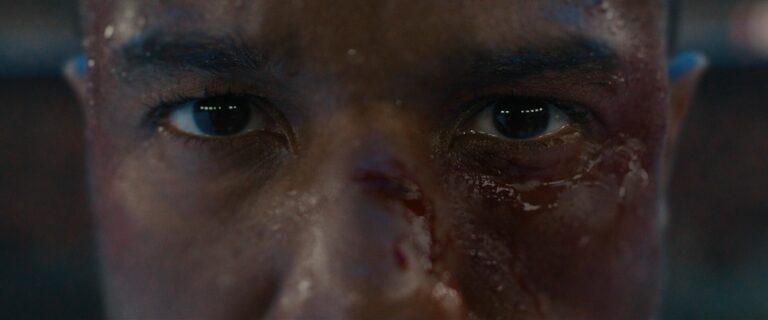
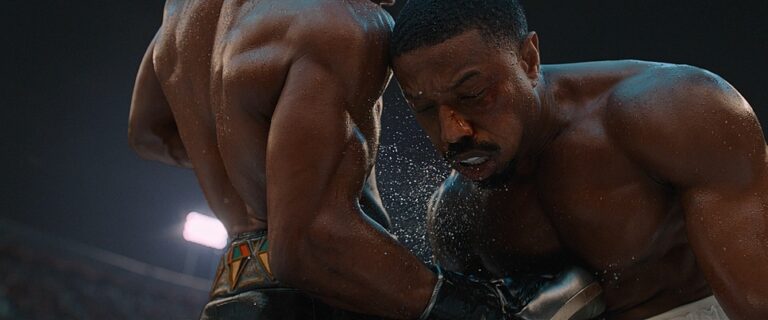
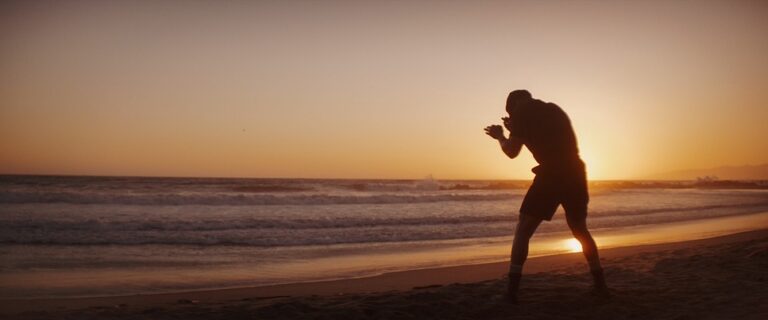
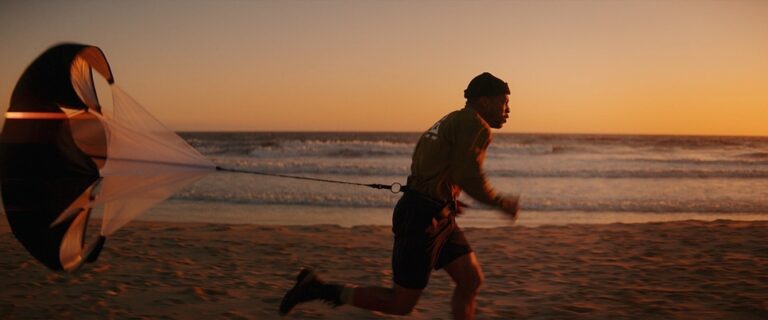
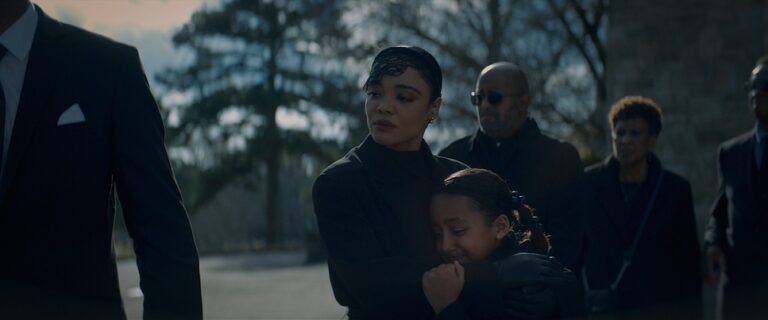
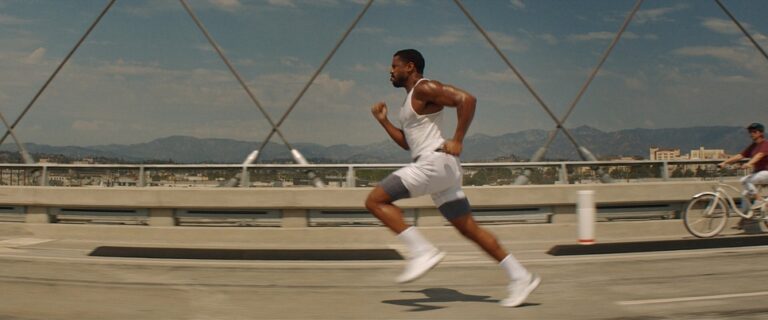
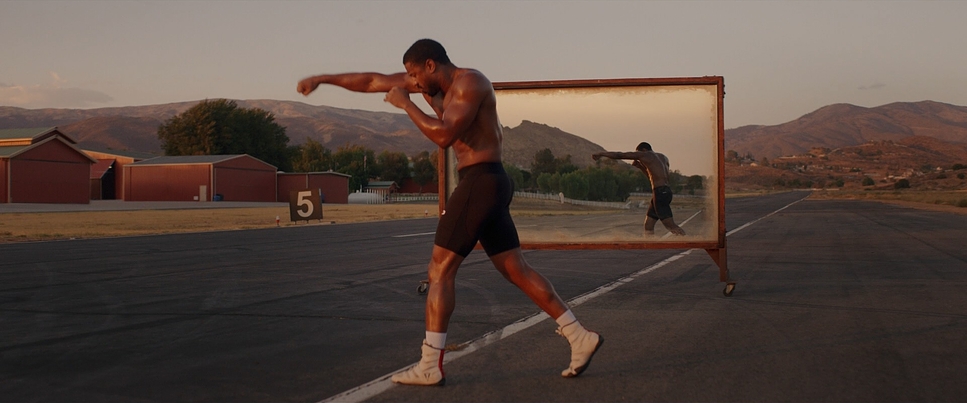
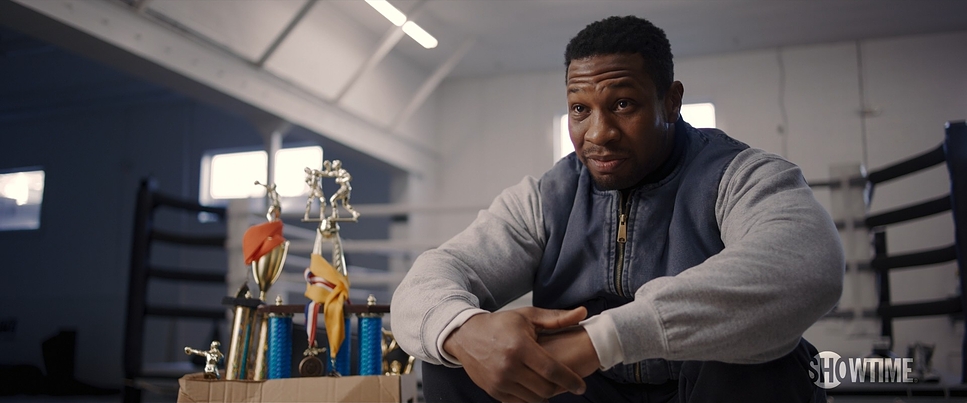
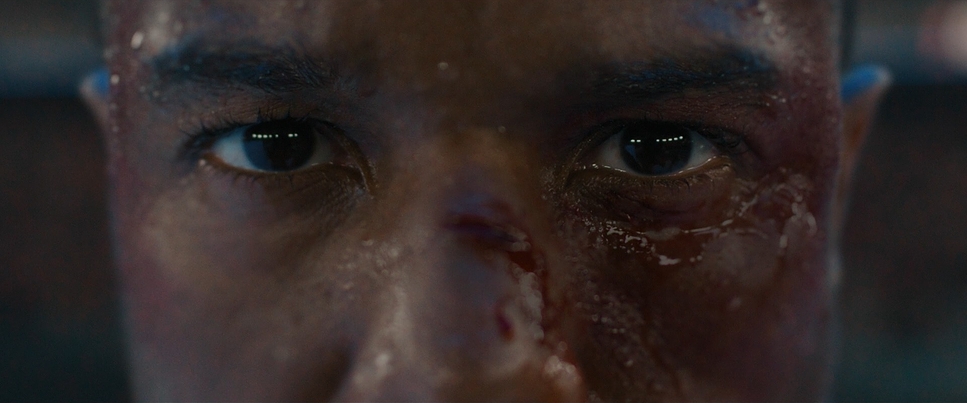
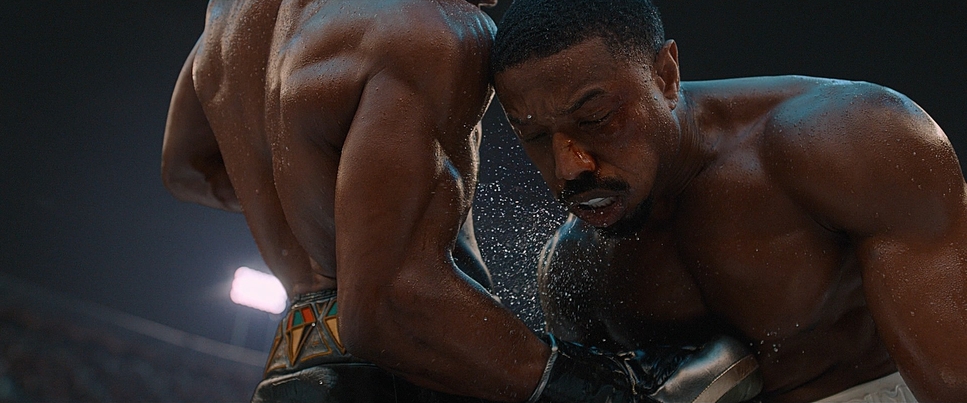
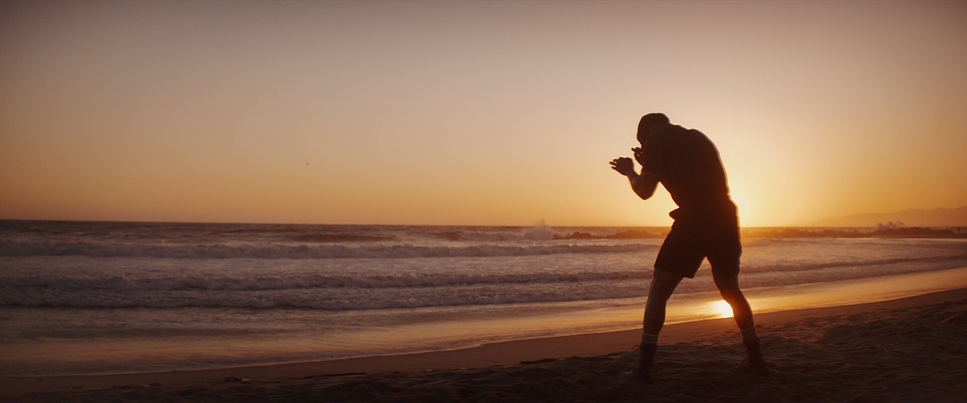
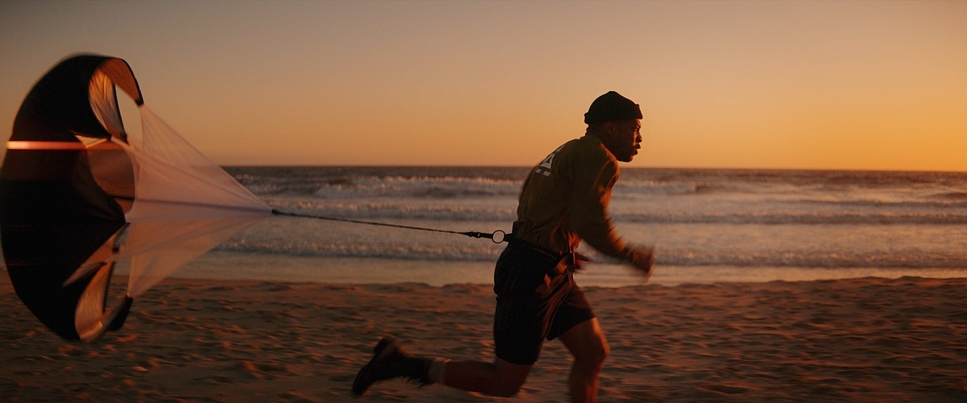
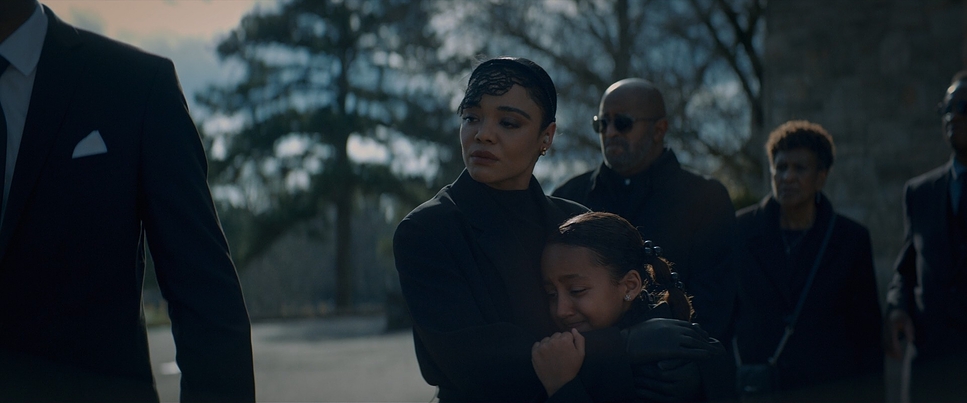
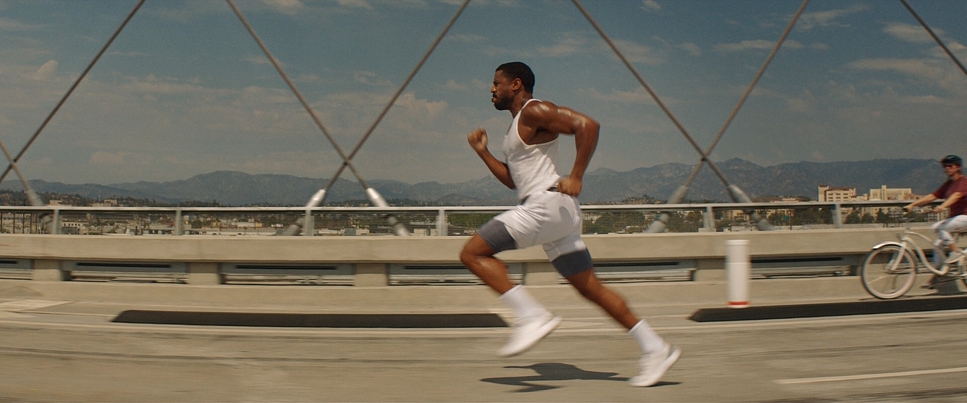
Creed III (2023)
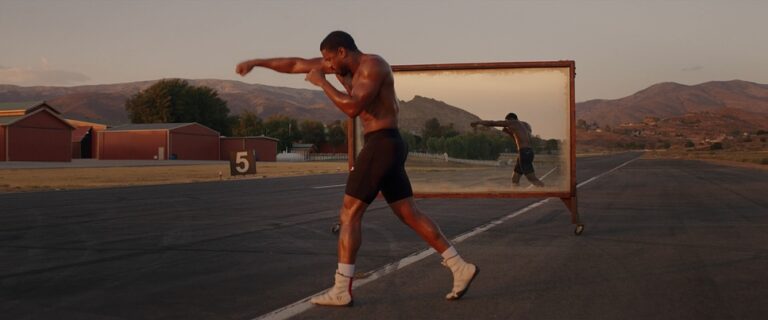
After dominating the boxing world, Adonis Creed has thrived in his career and family life. When a childhood friend and former boxing prodigy, Damian Anderson, resurfaces after serving a long sentence in prison, he is eager to prove that he deserves his shot in the ring. The face-off between former friends is more than just a fight. To settle the score, Adonis must put his future on the line to battle Damian — a fighter with nothing to lose.
Making his directorial debut, Michael B. Jordan collaborated with cinematographer Kramer Morgenthau to push the fight sequences into a more subjective, almost surreal space—isolating the ring and stripping away the crowd to visualize the fighters’ inner conflict. Drawing inspiration from anime, the bouts lean into heightened slow motion, stylized impacts, and shifting environments, turning each match into a psychological as well as physical clash.
FILM SPOTLIGHT
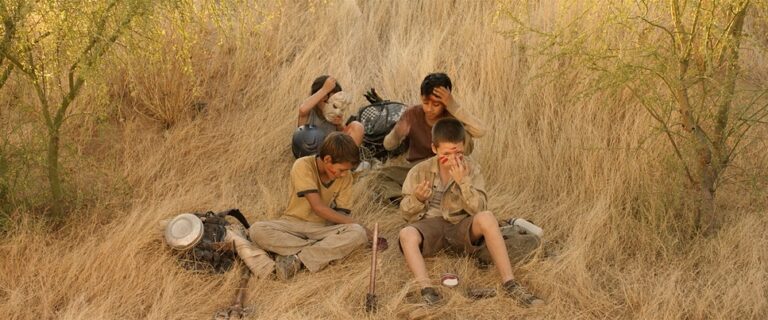
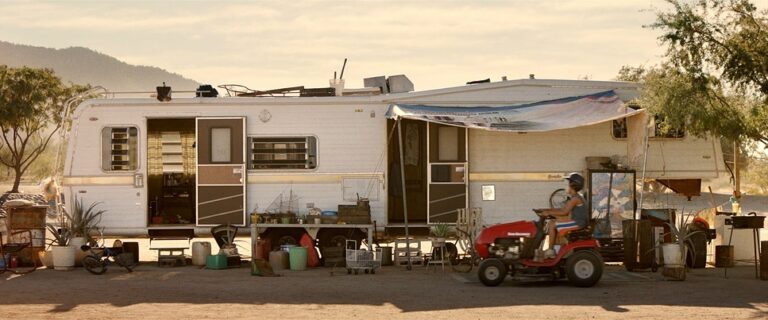
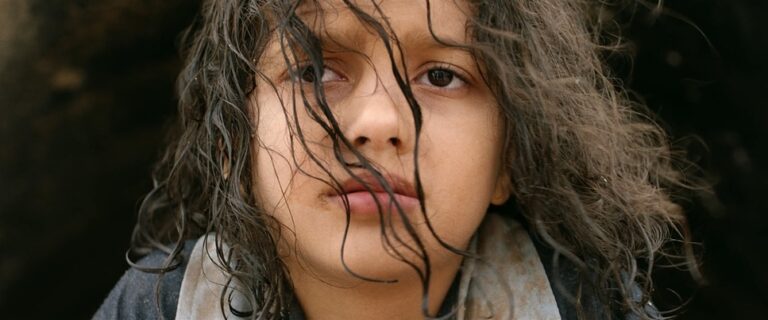
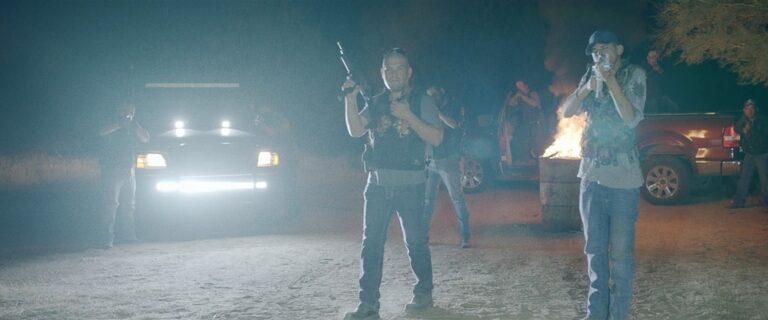
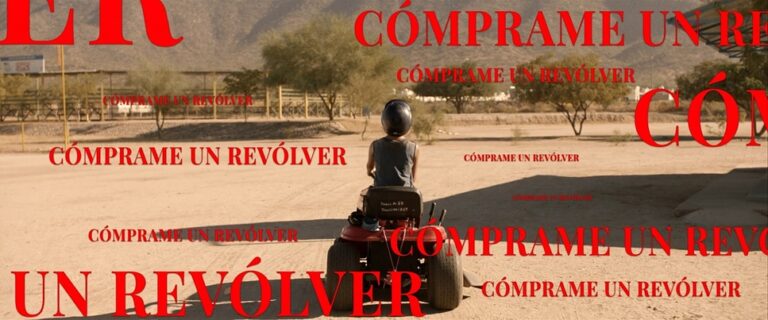
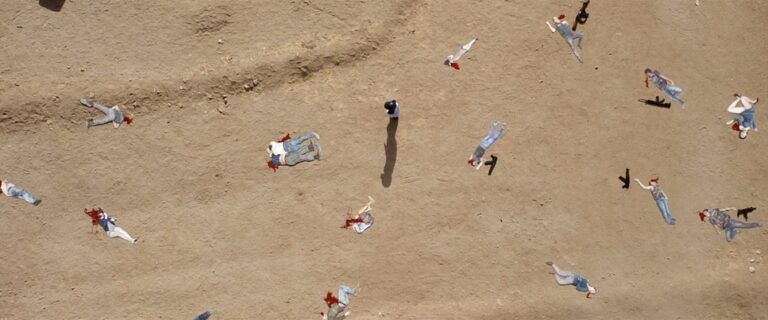
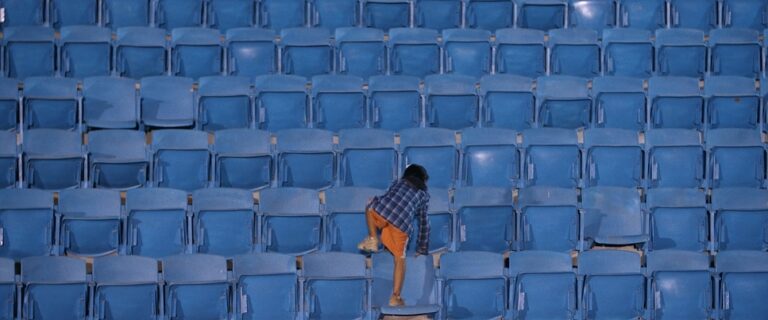
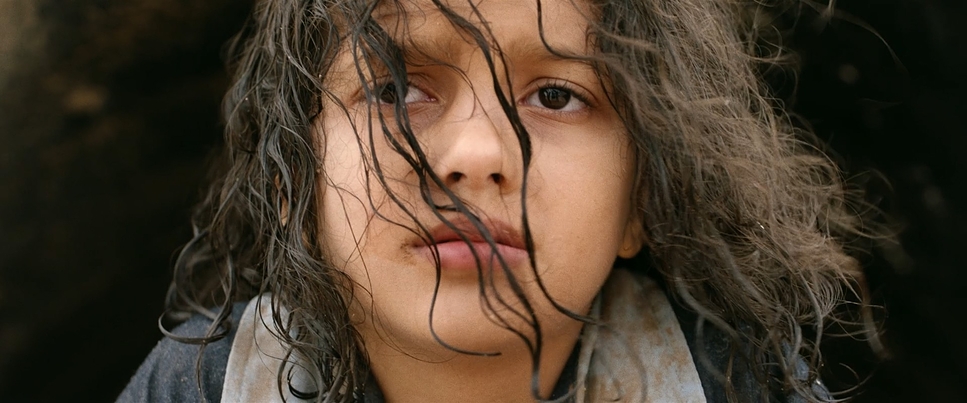
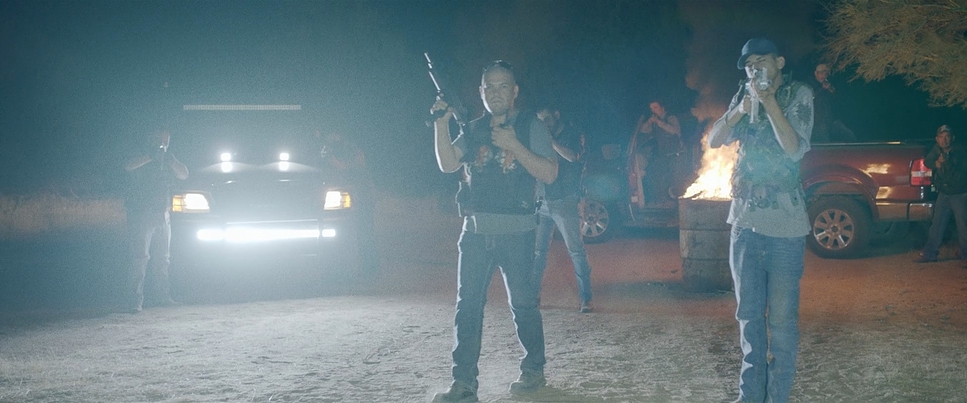
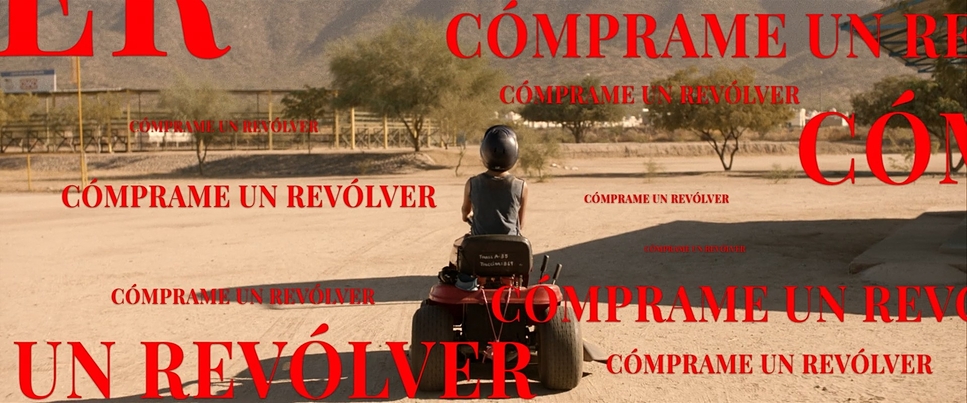
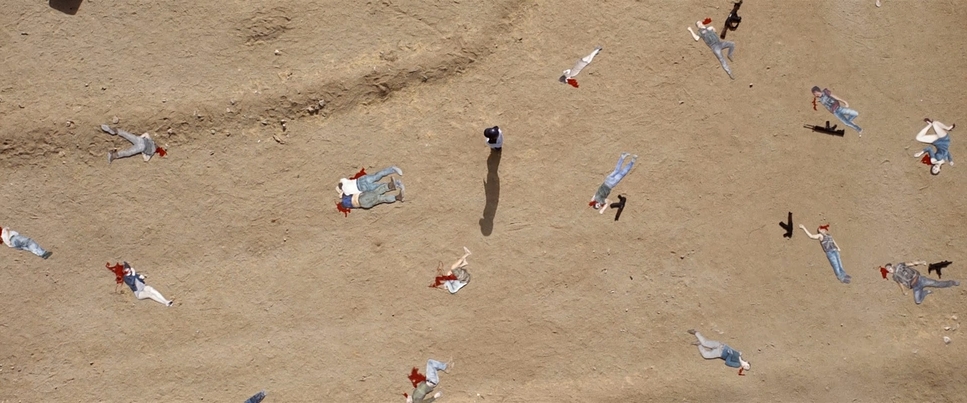
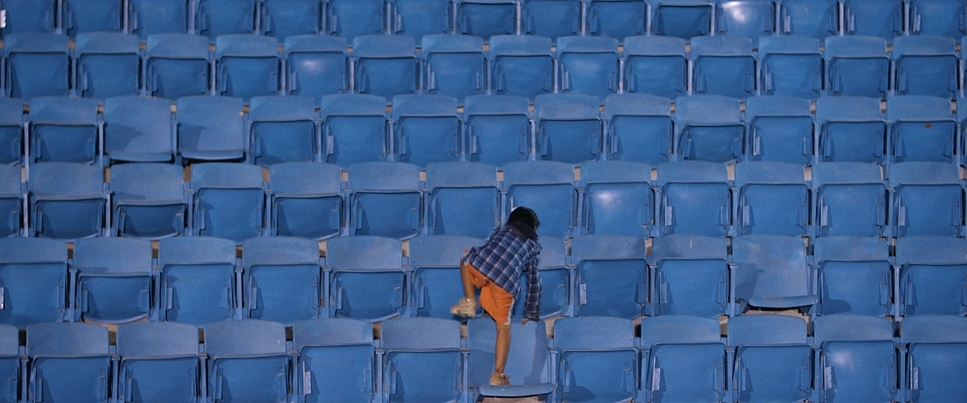
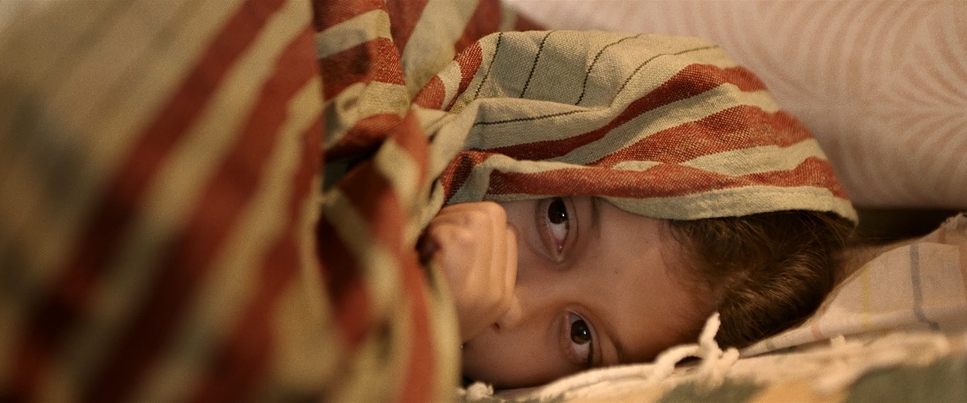
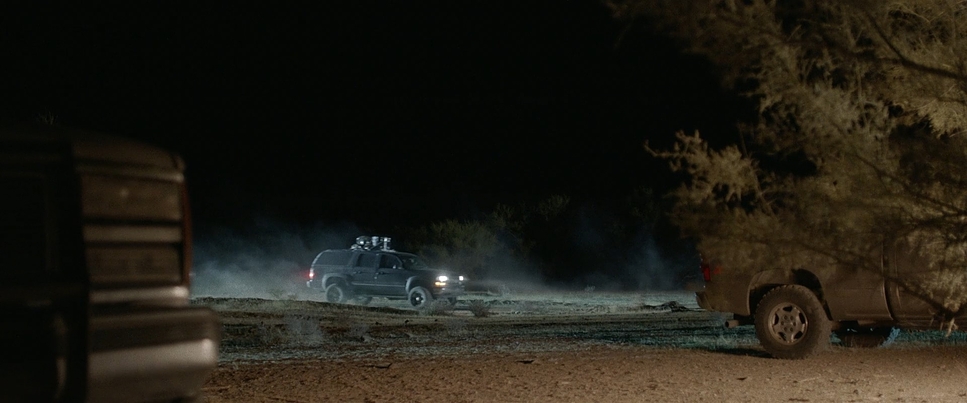
Buy Me a Gun (2018)
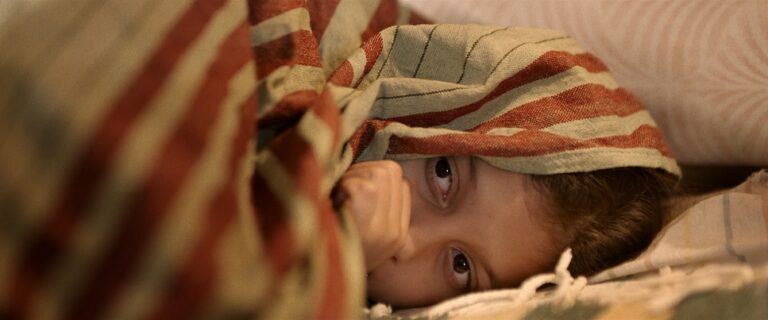
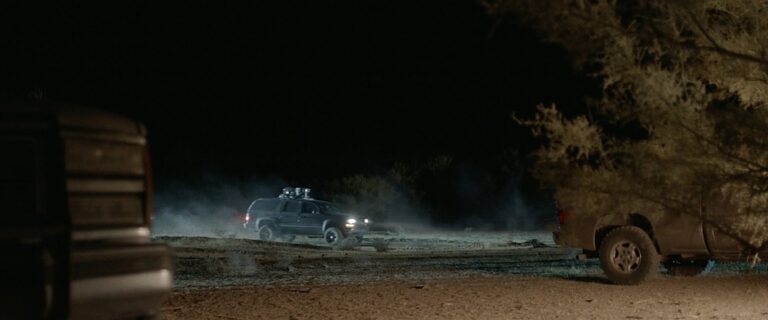
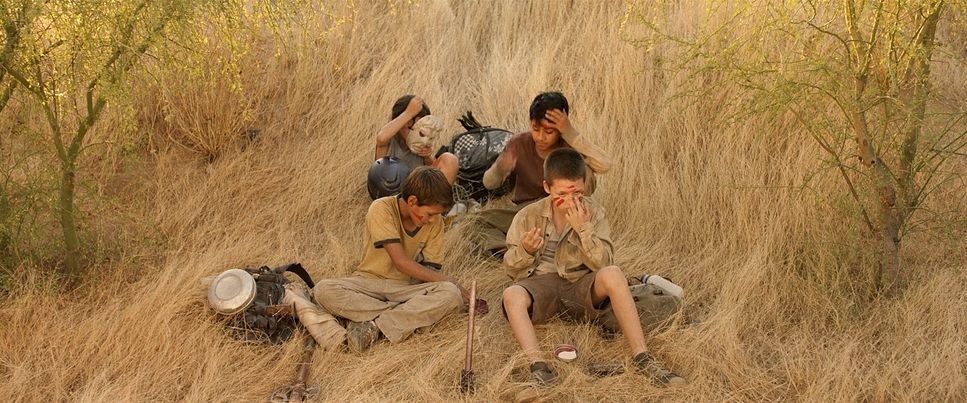
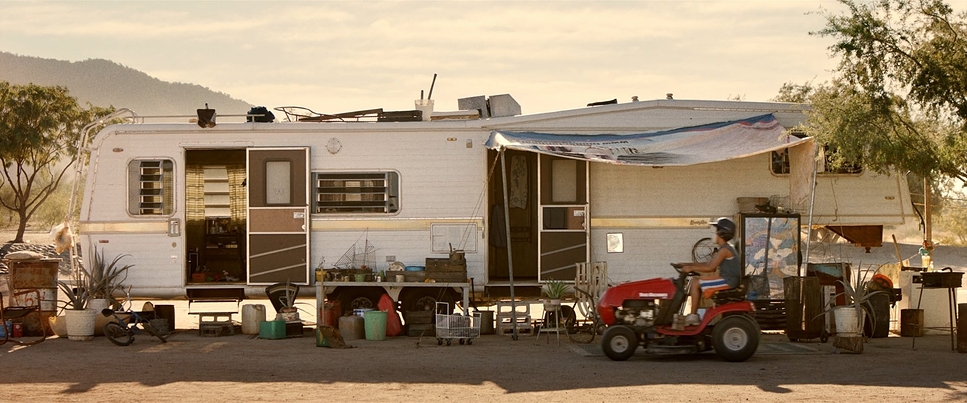
In a timeless México where women are disappearing, a girl helps her dad, a tormented addict, to take care of an abandoned baseball camp where the narcos gather to play.
Hernández Cordón and cinematographer María Secco shot Buy Me a Gun with a stark, sun-bleached palette, using wide desert vistas and minimal coverage to emphasize isolation and vulnerability. The film’s restrained camera and natural light create a raw, almost documentary-like texture—letting silence and negative space carry as much weight as the action itself.
TELEVISION SERIES SPOTLIGHT
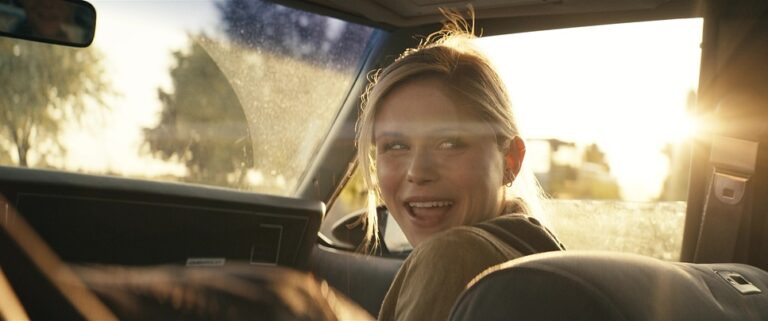
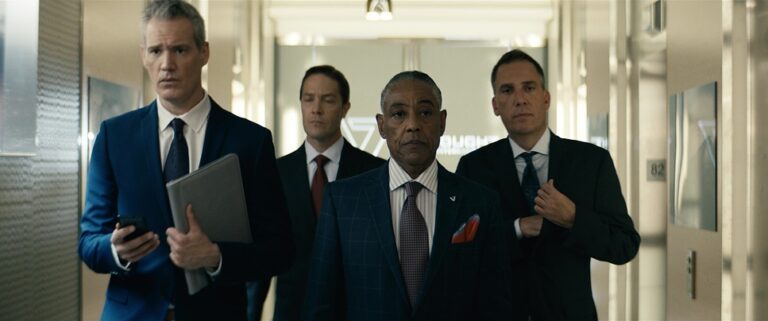
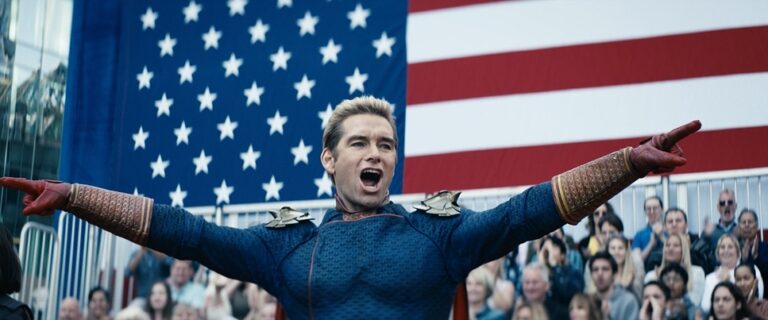
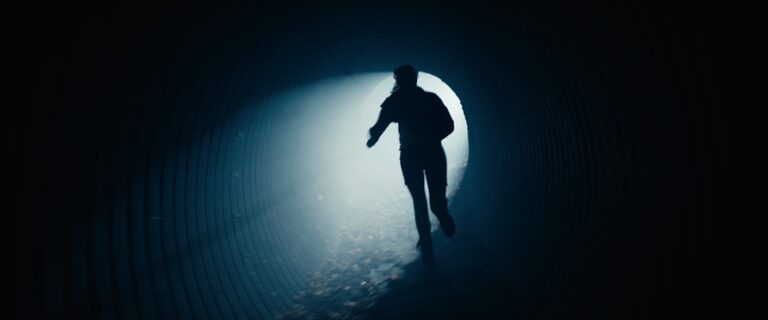
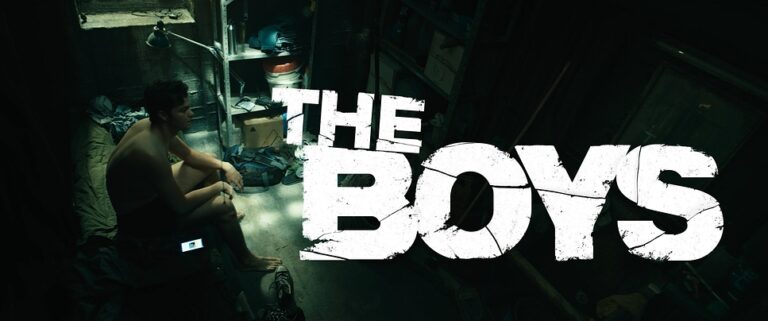
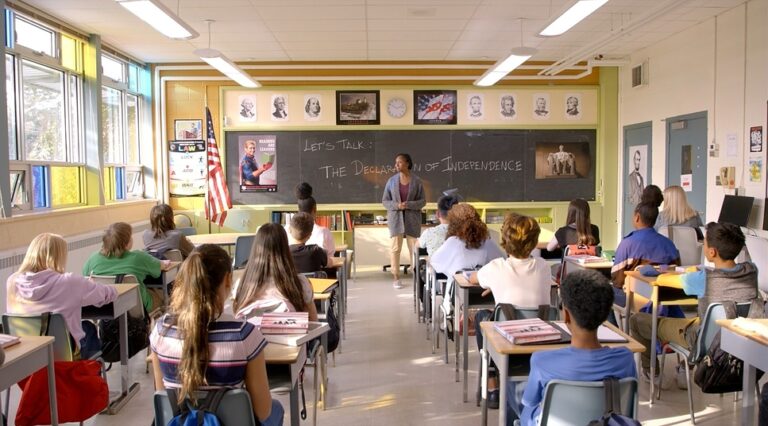
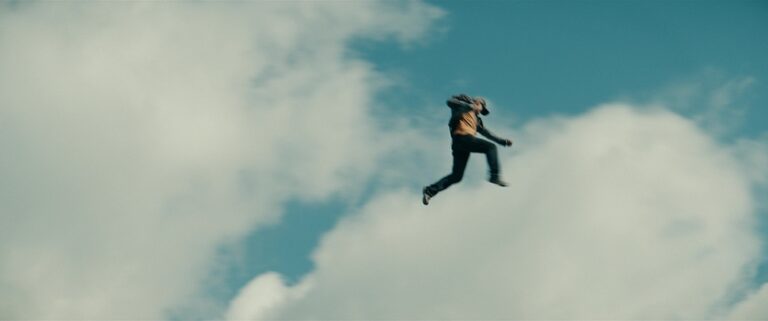
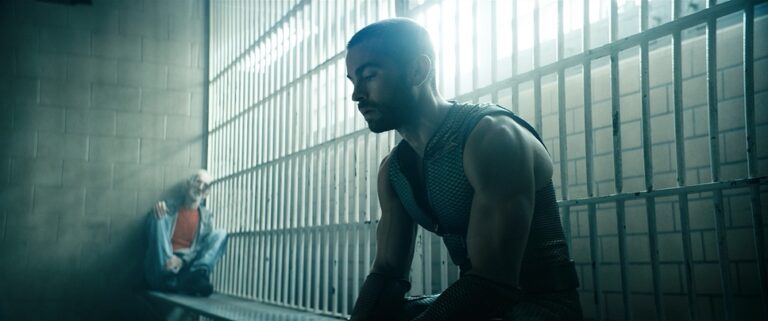
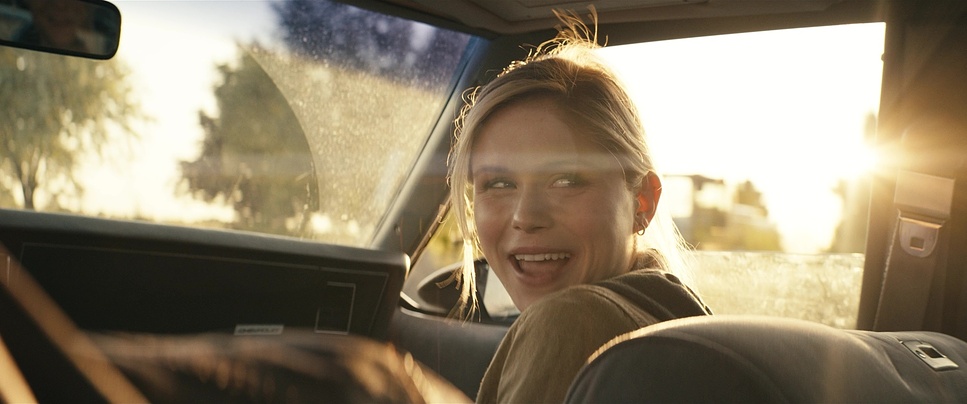
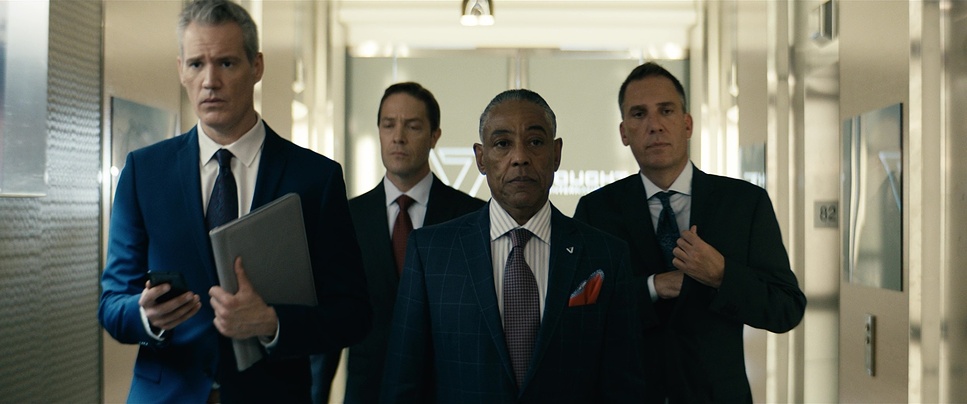
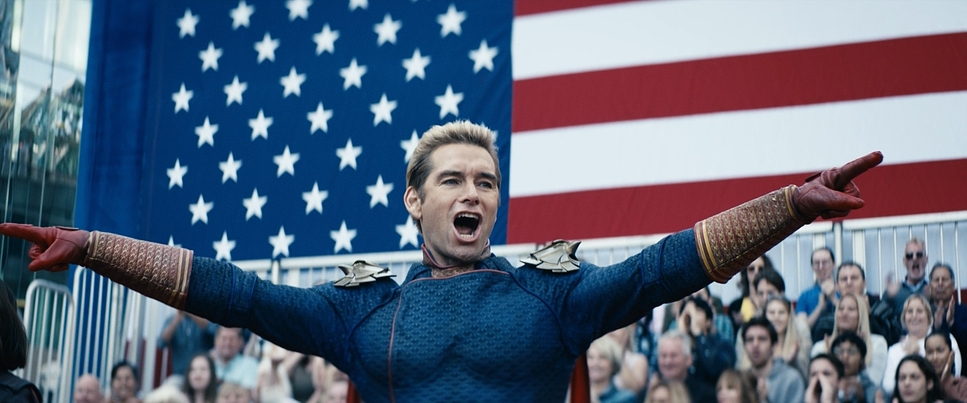
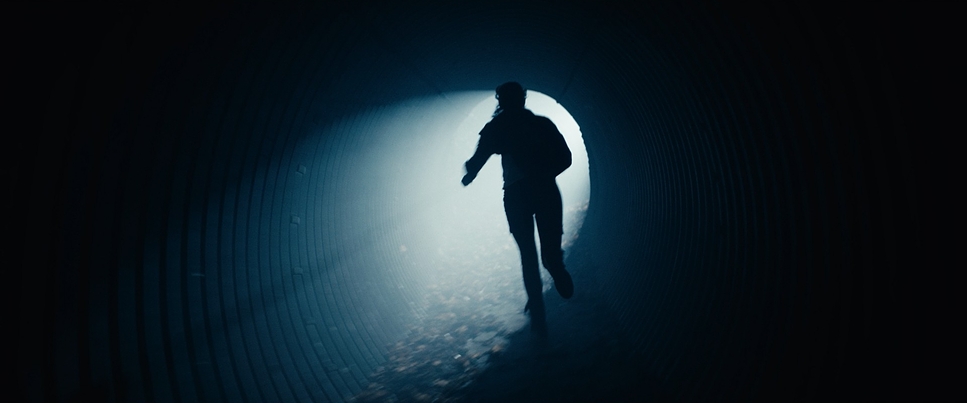
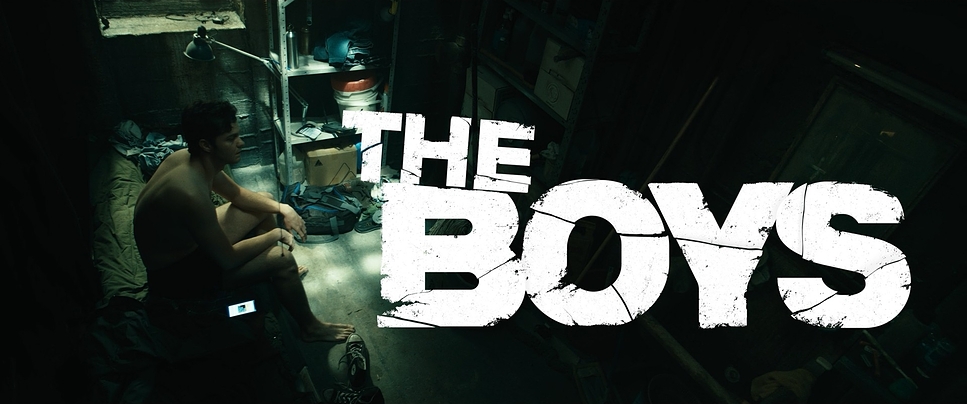
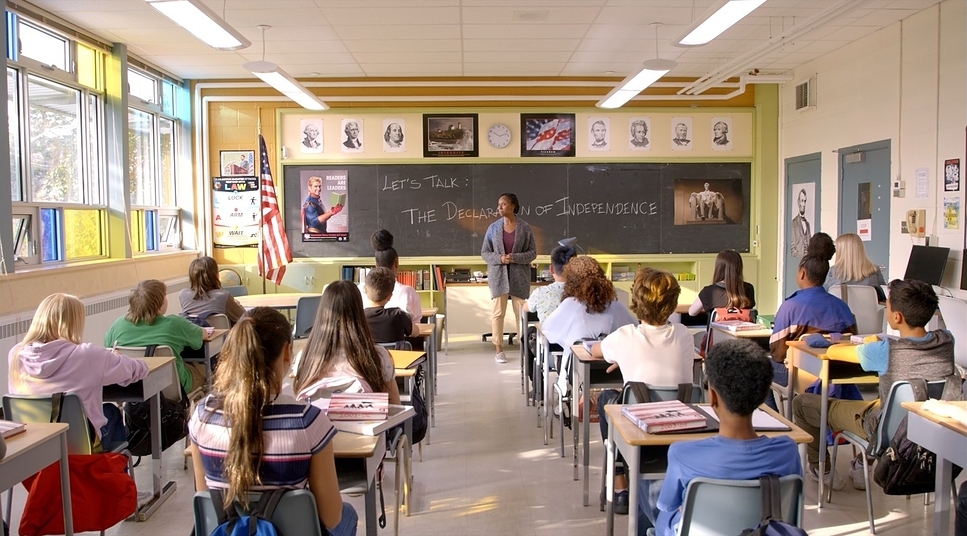
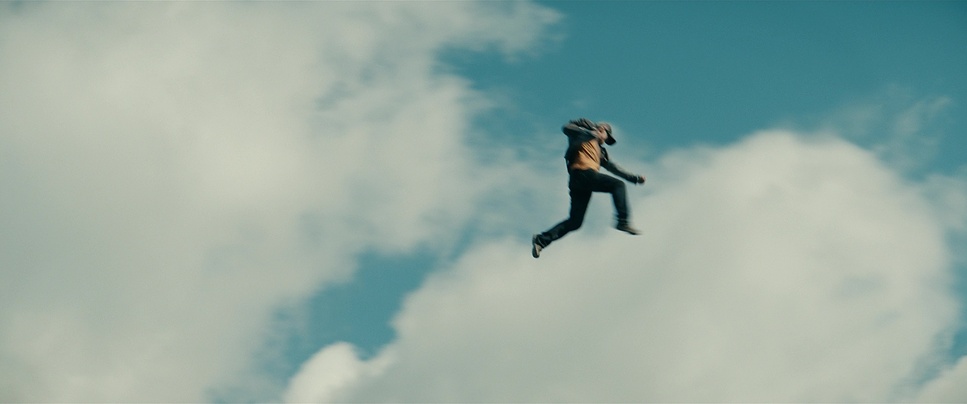
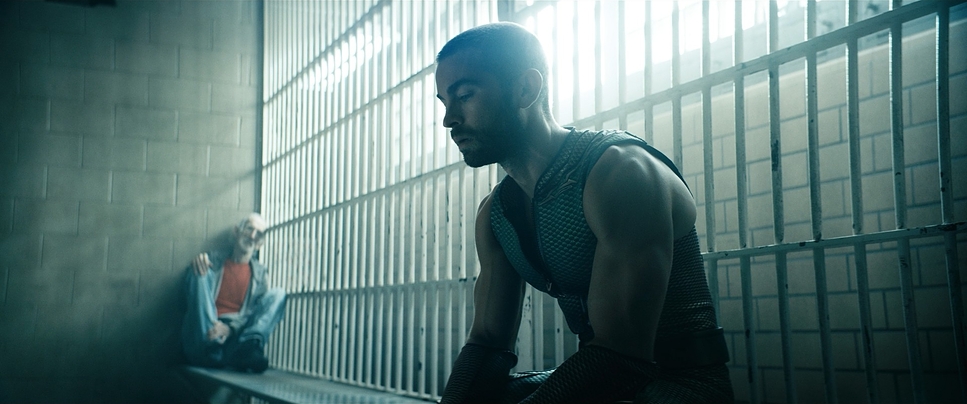
The Boys – Season 2
A group of vigilantes known informally as “The Boys” set out to take down corrupt superheroes with no more than blue-collar grit and a willingness to fight dirty.
Season 2 doubles down on the show’s glossy, hyper-saturated visual language, contrasting pristine, commercial-style lighting for the Seven with grittier, handheld textures for the Boys. The series leans into bold VFX and shock imagery, but it’s the clean, almost corporate framing of its “heroes” that does the real work—turning every heroic tableau into something just slightly off, and increasingly sinister.
FILM SPOTLIGHT
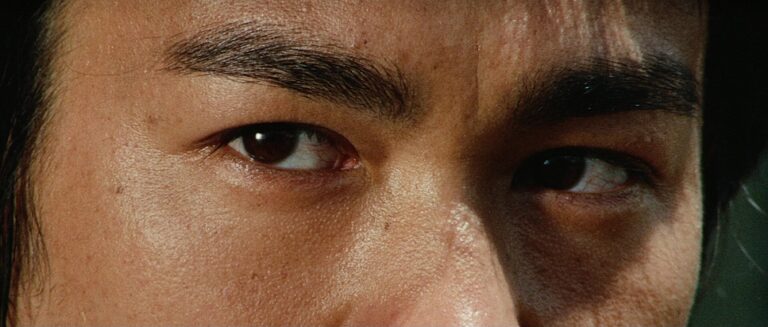
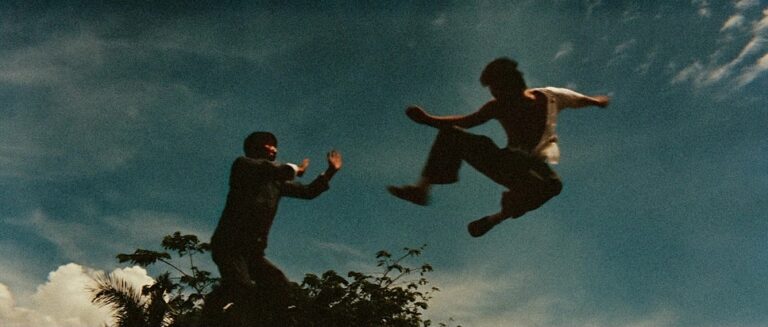
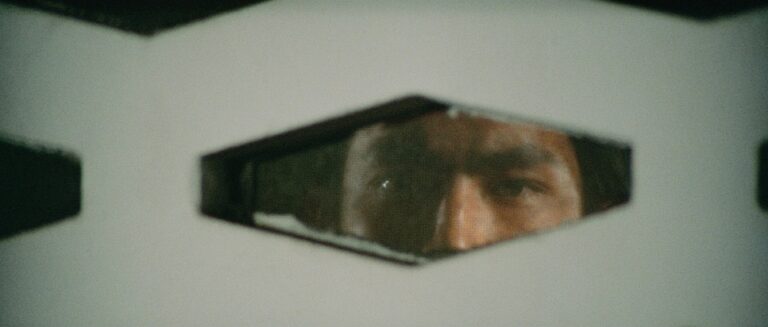
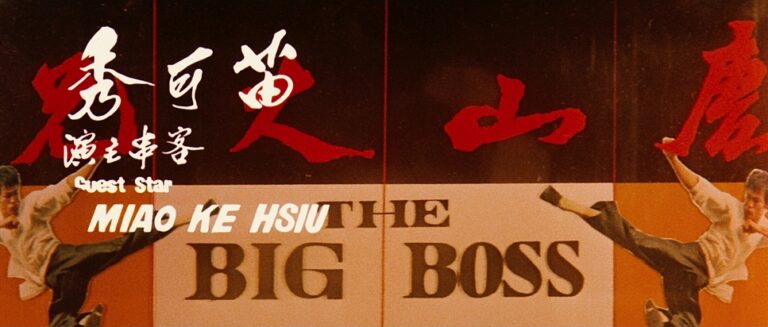
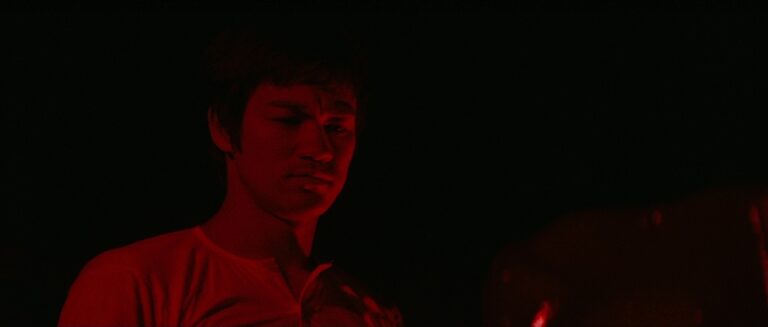
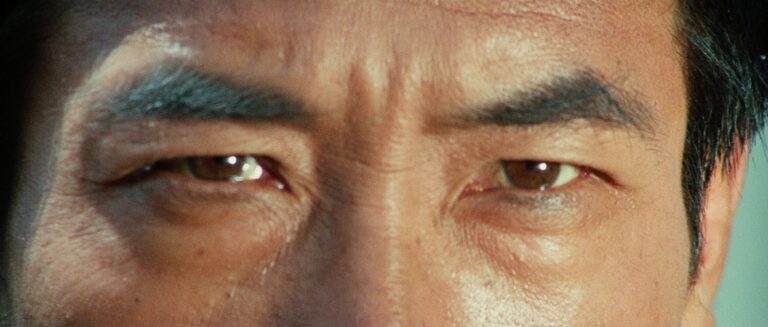
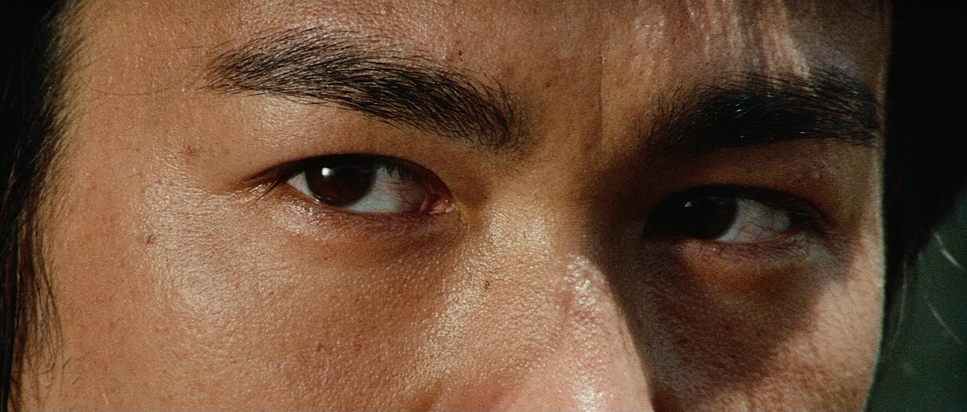
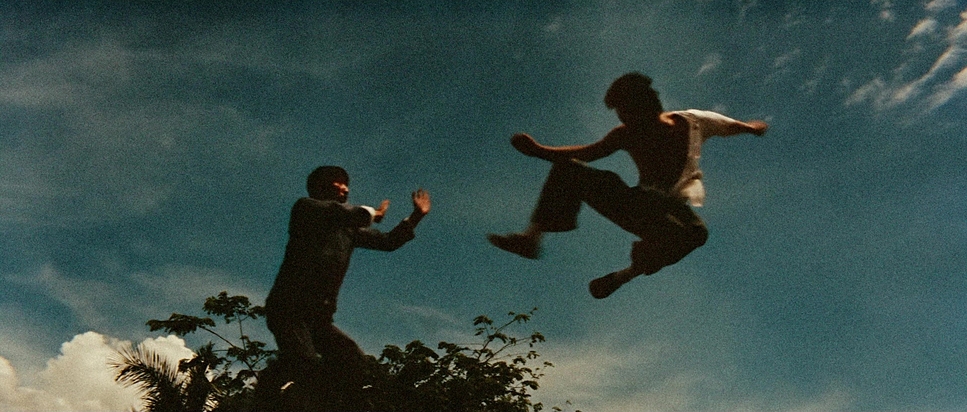
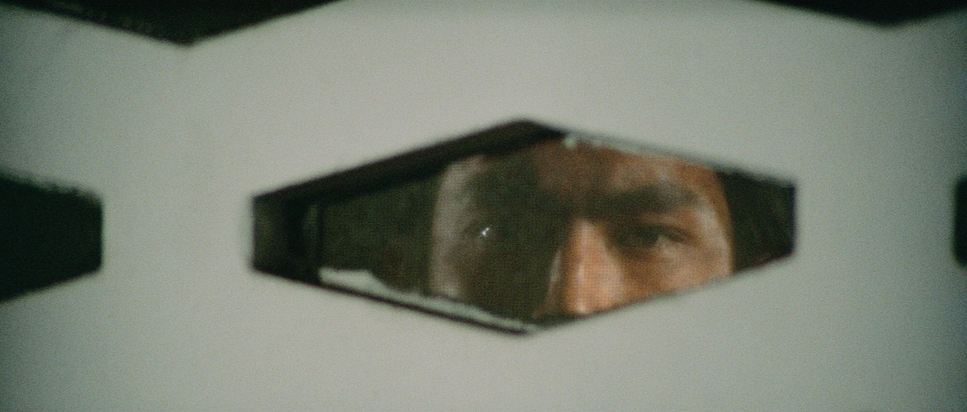
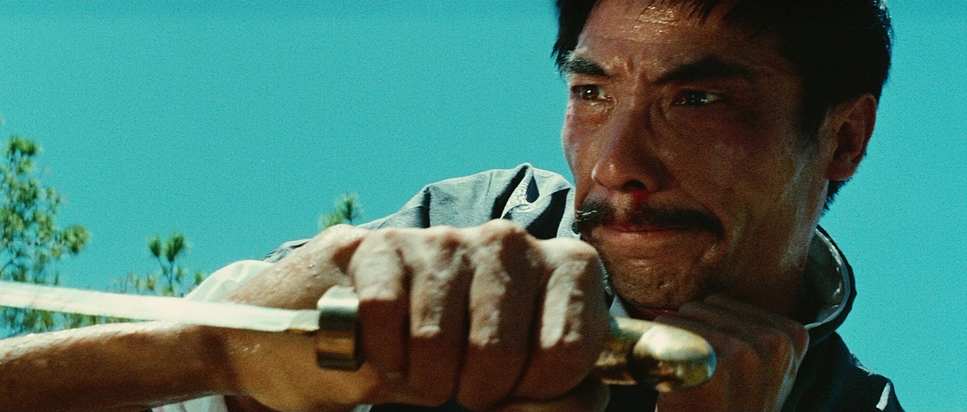
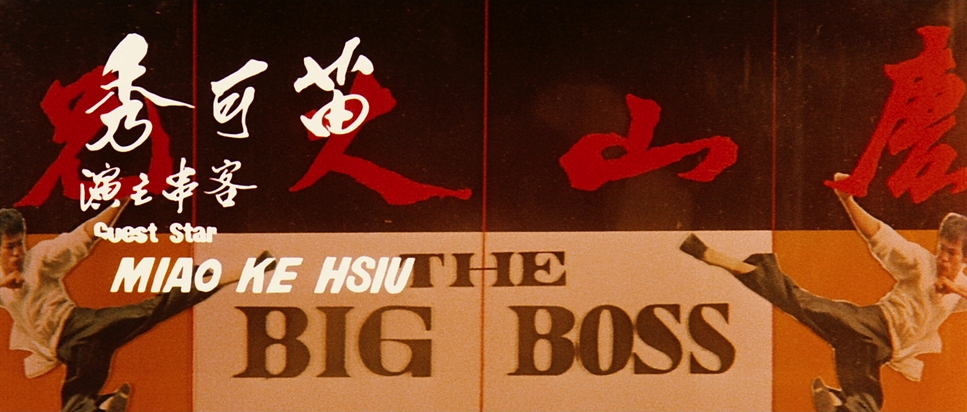
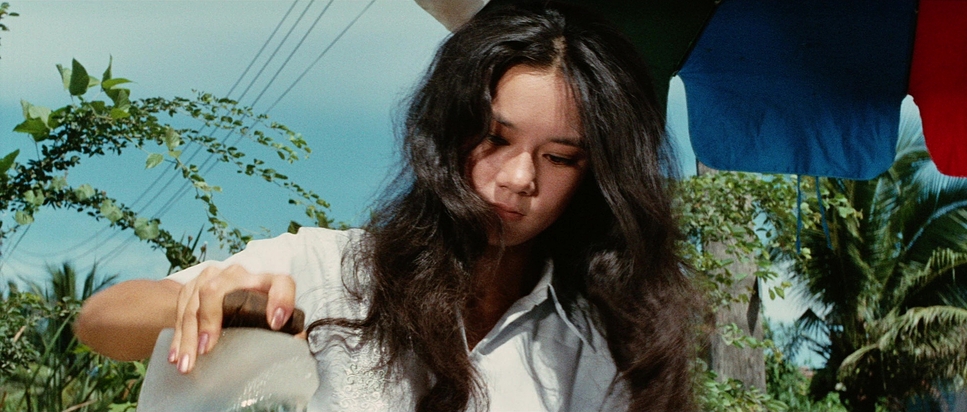
The Big Boss (1971)
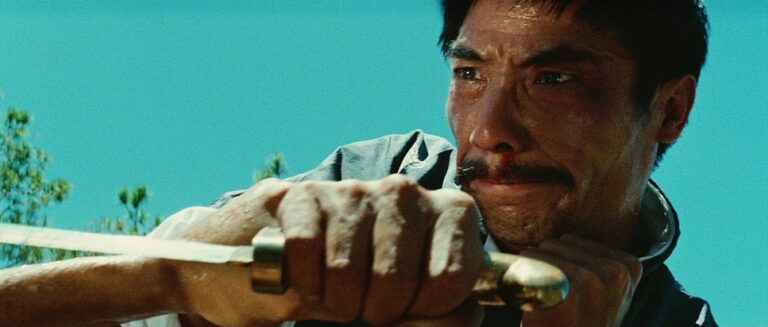
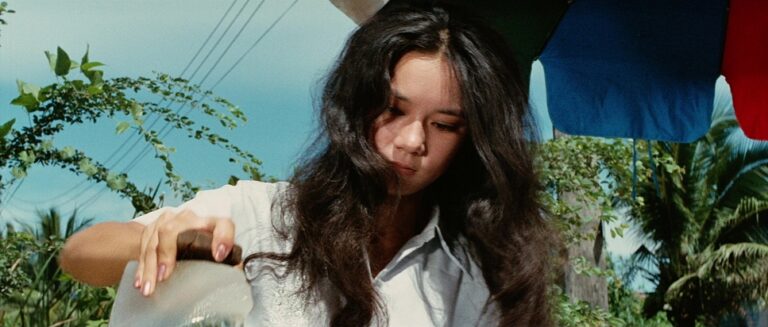
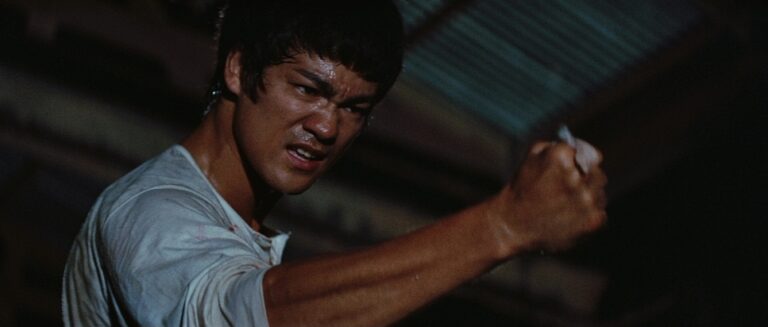
Cheng is a young Chinese mainlander who moves in with his expatriate cousins to work at an ice factory in Thailand. He does this with a family promise never to get involved in any fights. However, when members of his family begin disappearing after meeting the management of the factory, the resulting mystery and pressures force him to break that vow and take on the villainy of the Big Boss.
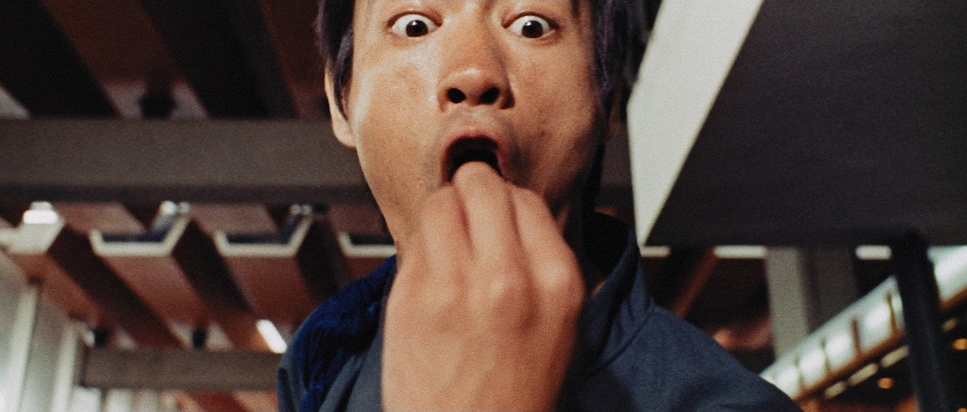
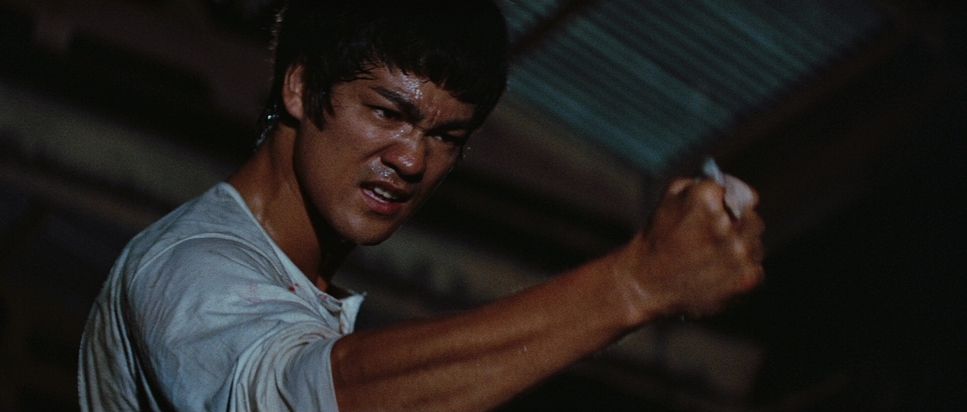
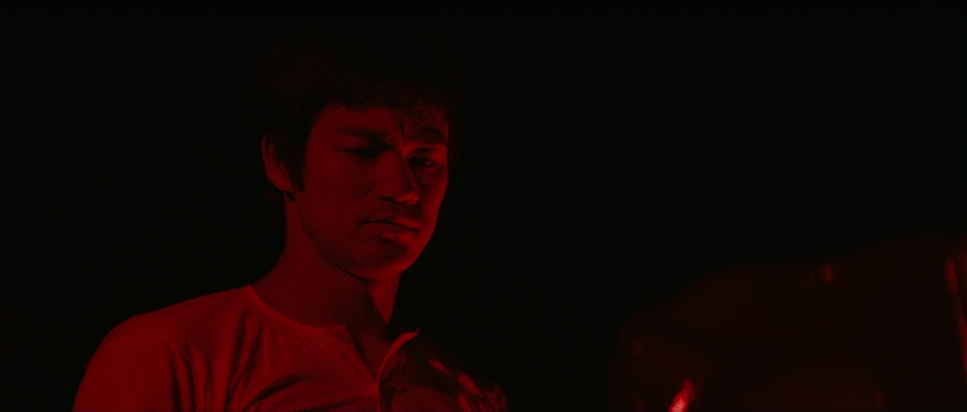
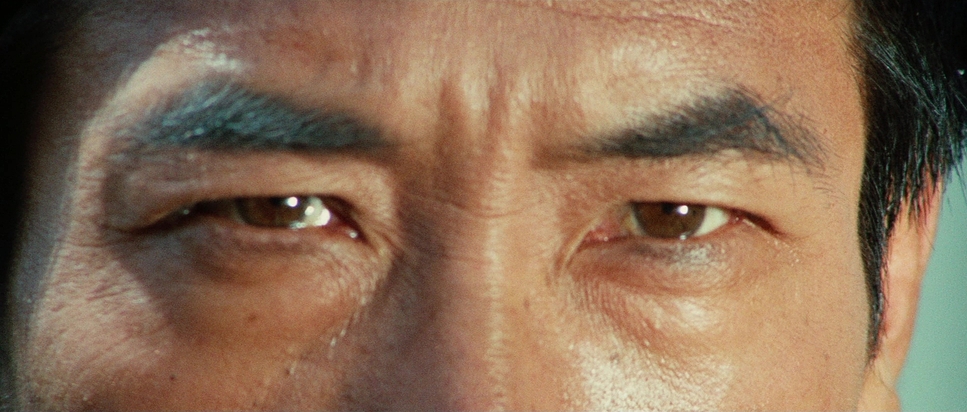
Shot on location in Thailand, The Big Boss uses natural environments and simple, wide framings to ground its action in a tangible, lived-in world. The film gradually reveals Bruce Lee’s physicality—holding back coverage early on—so that when the fights finally erupt, the camera lingers on his speed and power in longer takes, turning his presence into the film’s central visual event.
FILM SPOTLIGHT
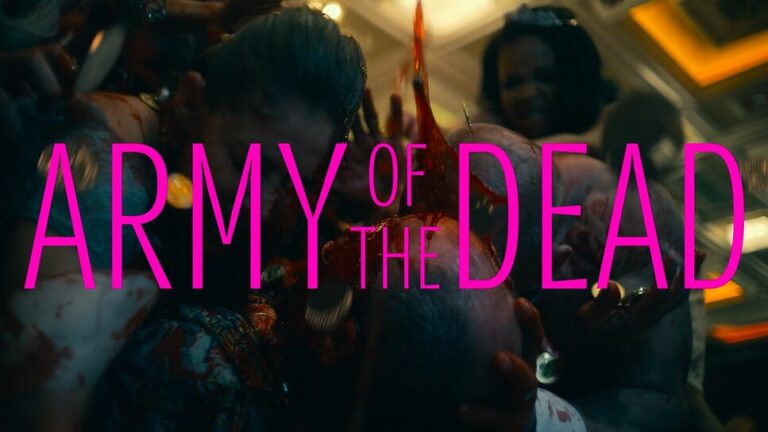
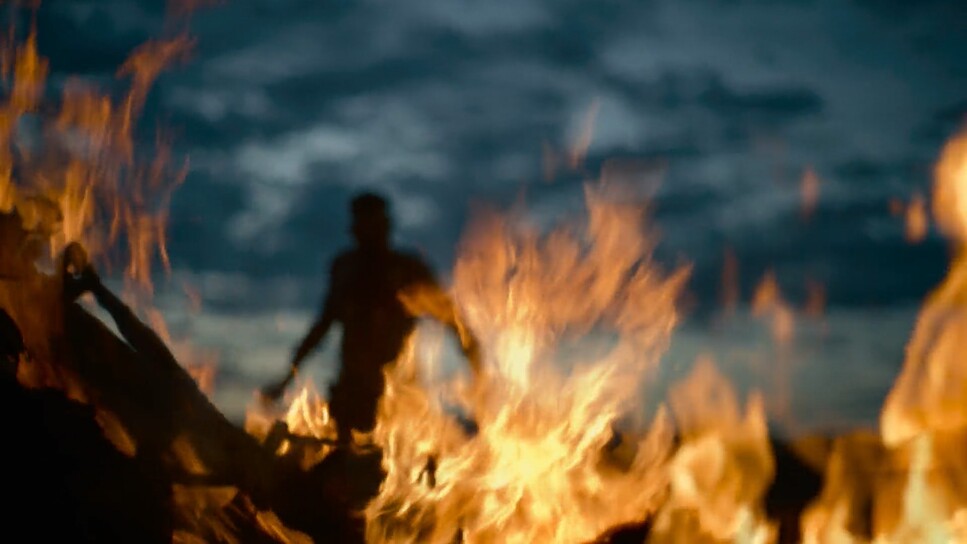
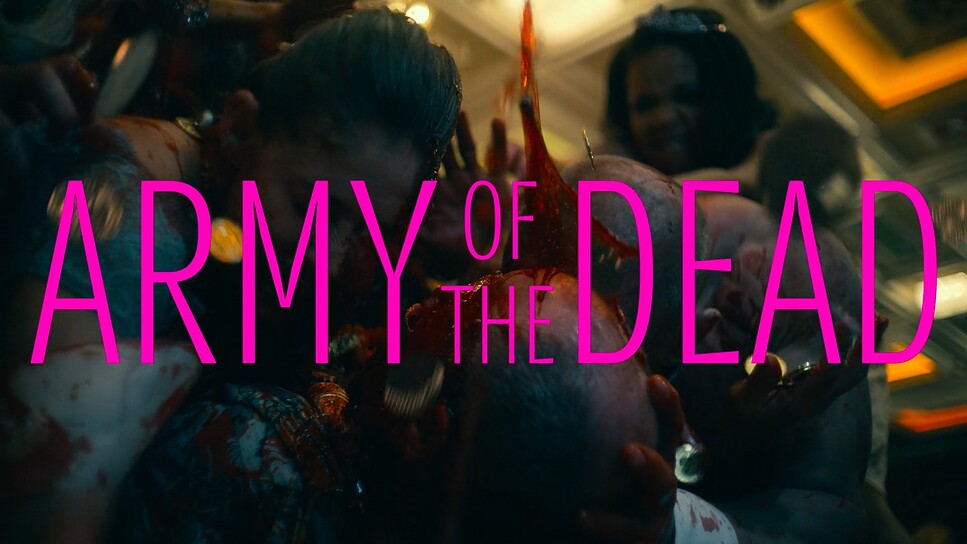
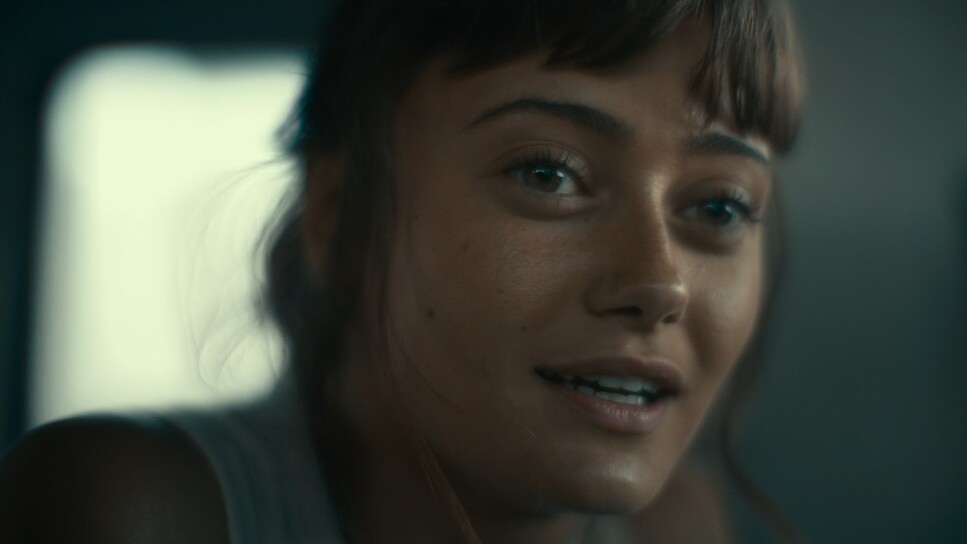
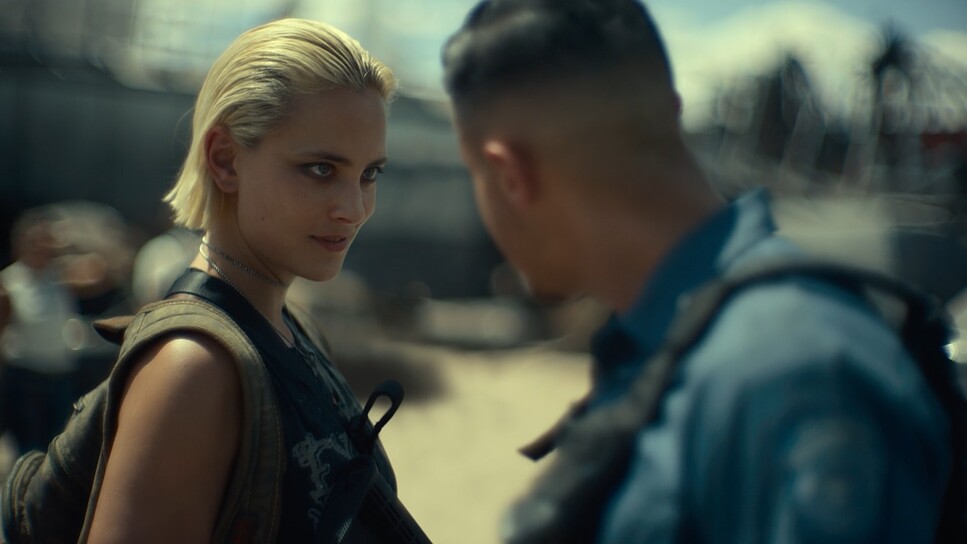
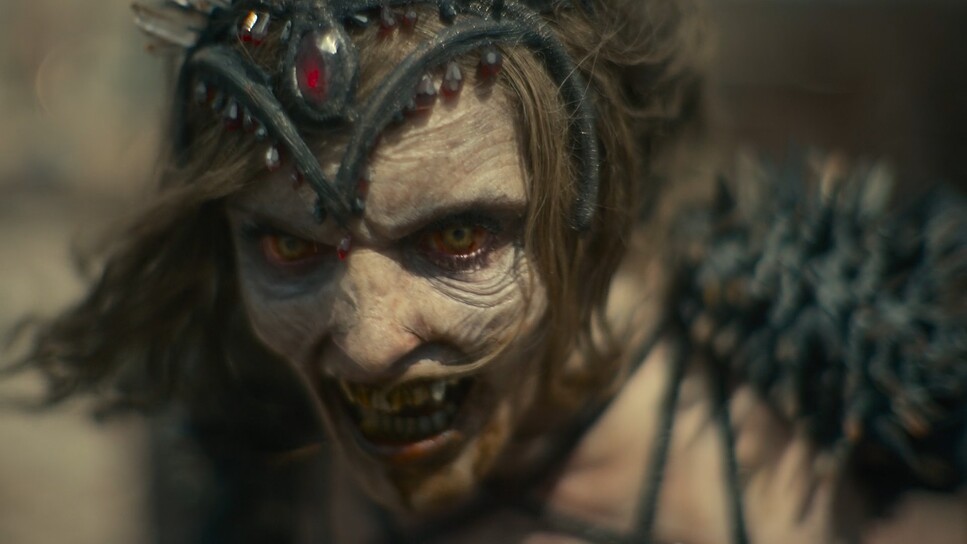
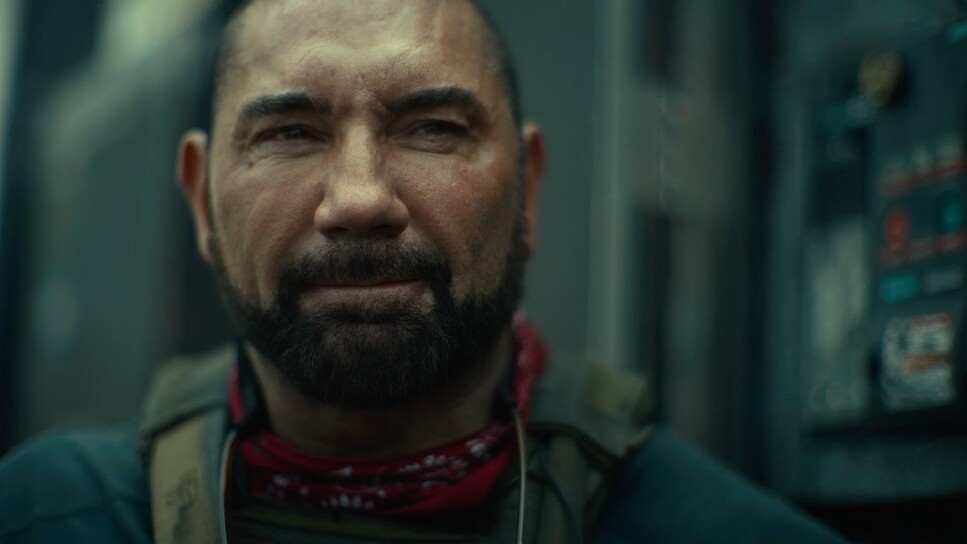
Army of the Dead (2021)
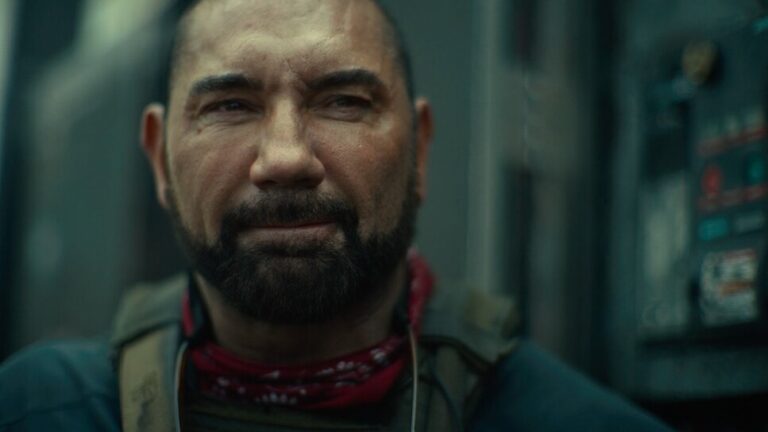
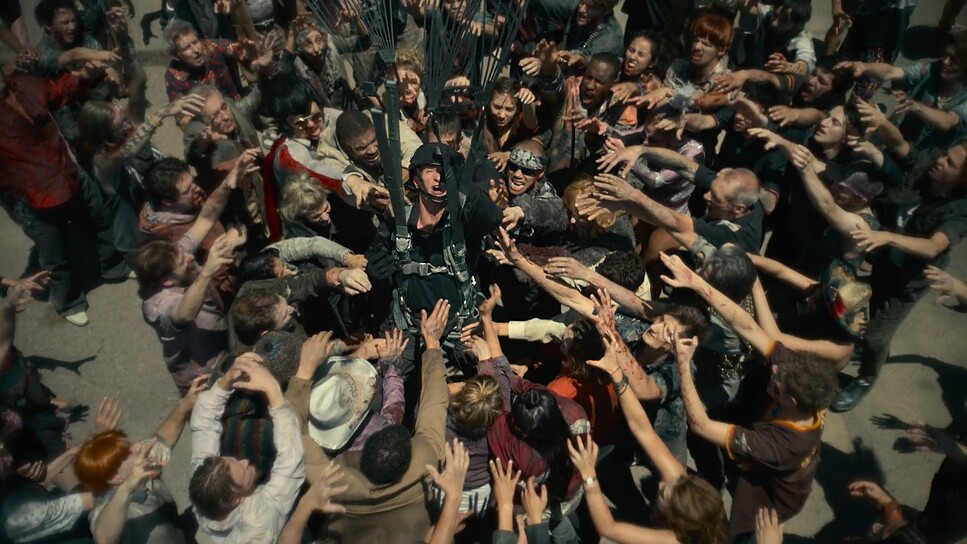
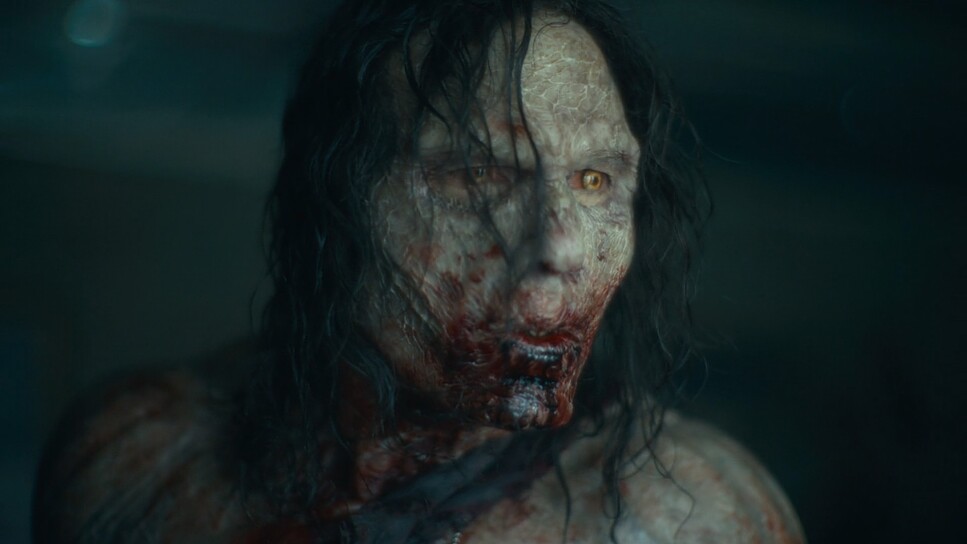
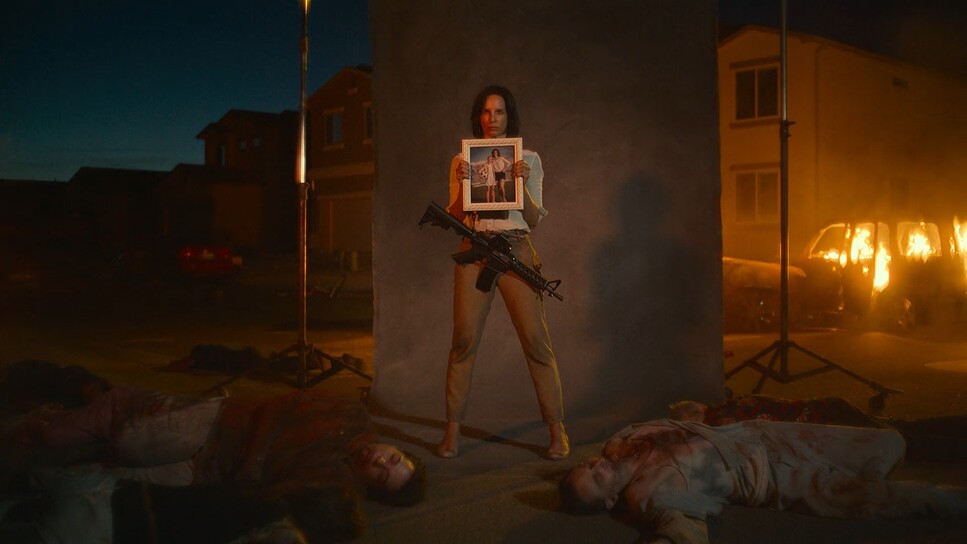
Following a zombie outbreak in Las Vegas, a group of mercenaries take the ultimate gamble: venturing into the quarantine zone to pull off the greatest heist ever attempted.
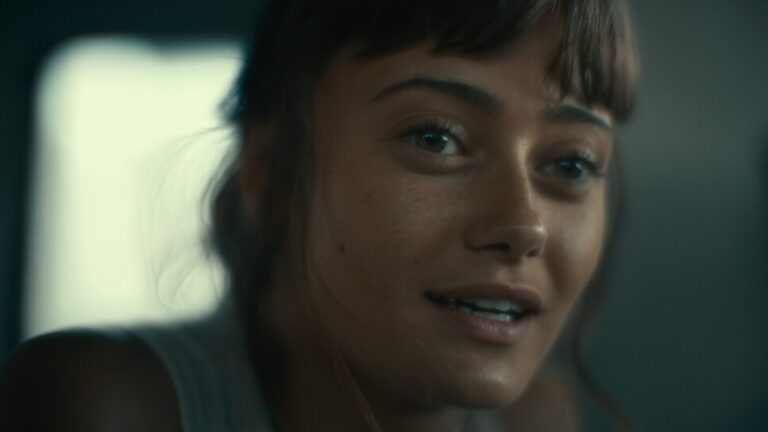
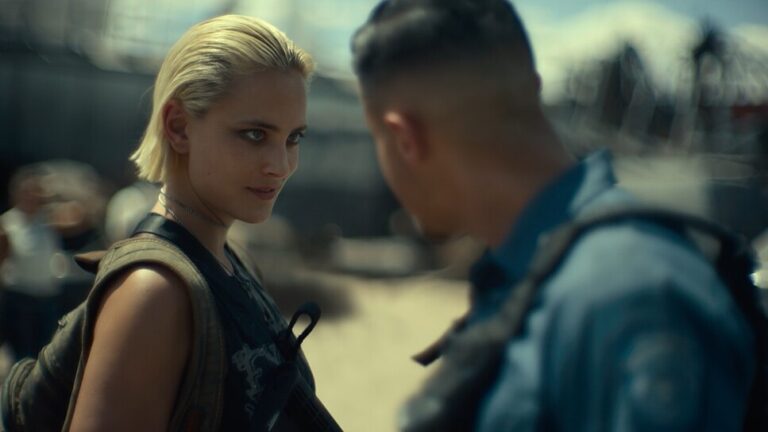
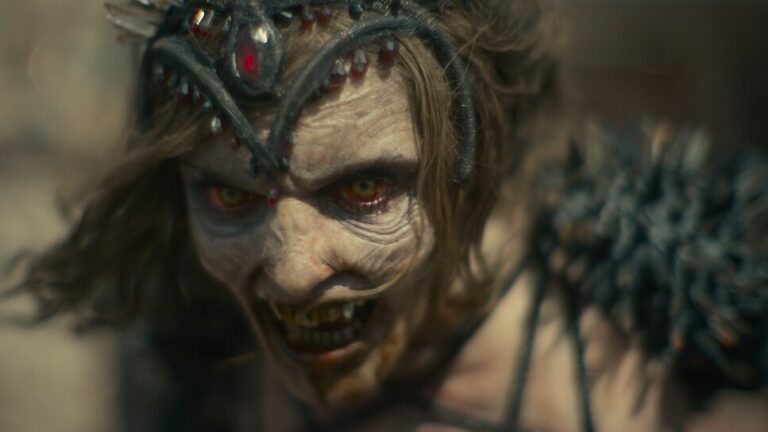
Zack Snyder served as his own cinematographer, shooting on the RED Monstro 8K with vintage Canon Dream Lenses—wide open—to create the film’s signature shallow depth-of-field and smeared bokeh. The result is a hazy, dreamlike Vegas, where sharp subjects float against blurred, glowing backgrounds—giving the apocalypse a strangely romantic, almost surreal visual texture.