The Tuesday Drop Series – 10 Essential Film Screenshots You Need
Today we’re so excited to bring you the inaugural ShotDeck Tuesday Drop! That’s right, from now on we will be releasing a big batch of amazing films EVERY TUESDAY. We’ve got so many good things in development and we’re grinding away day and night to keep it coming your way.
To start you off this week we’ve got 10 essential movies that we’ve been dying to have fully represented on the site. Make sure you and your friends are signed up for our newsletter so you never miss a Tuesday Drop!
FILM SPOTLIGHT
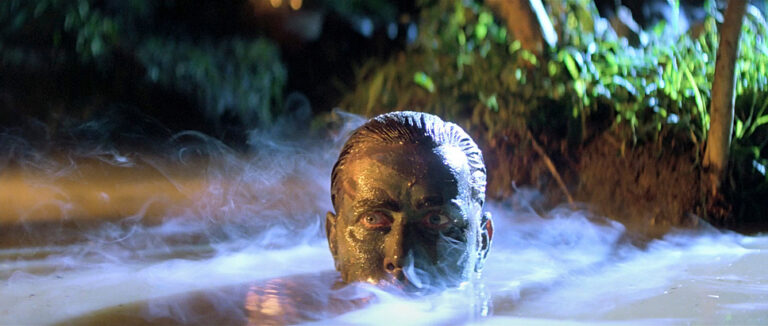
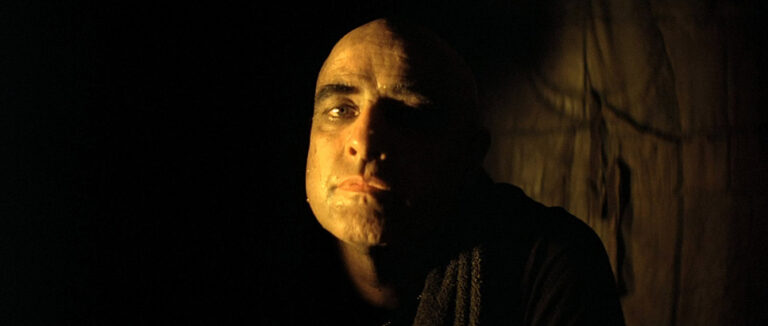
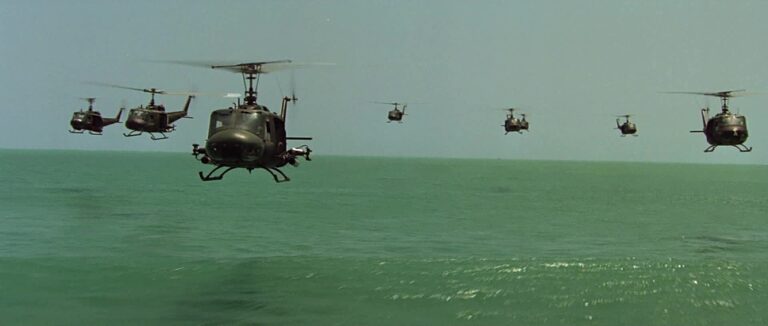
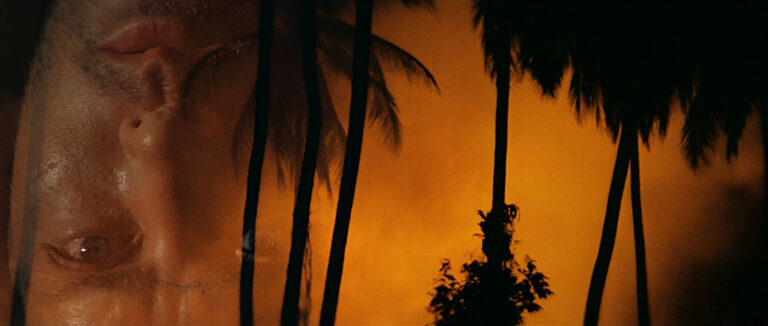
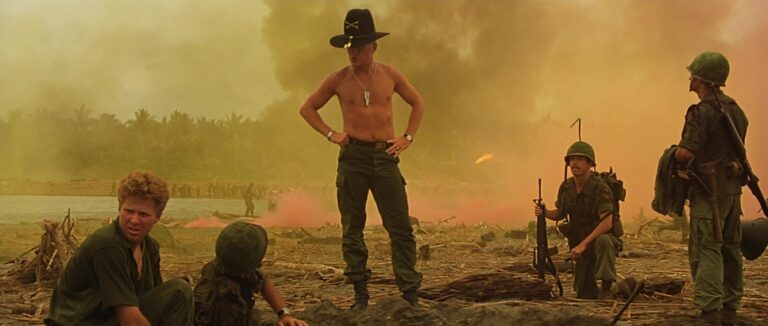
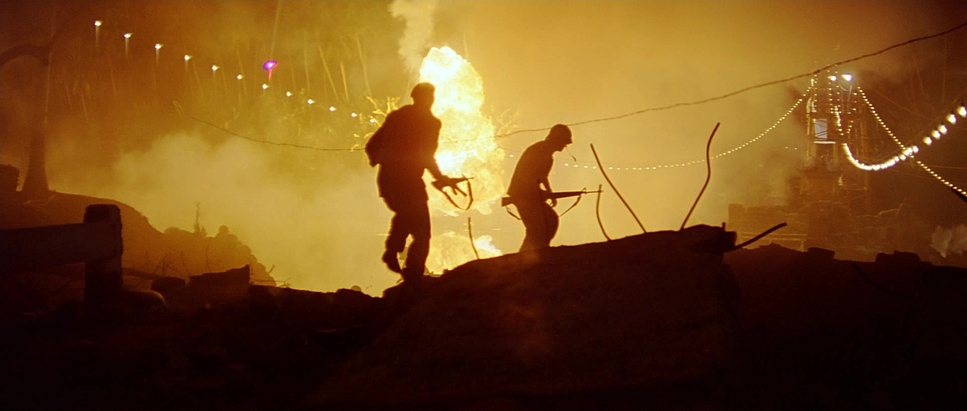
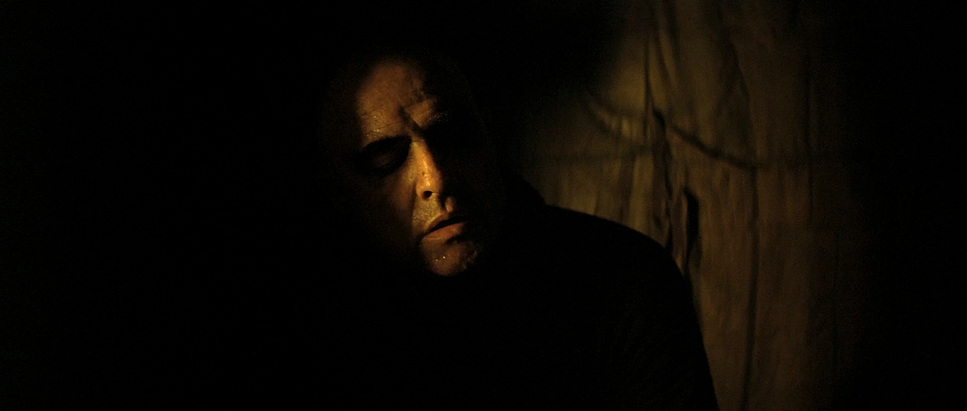
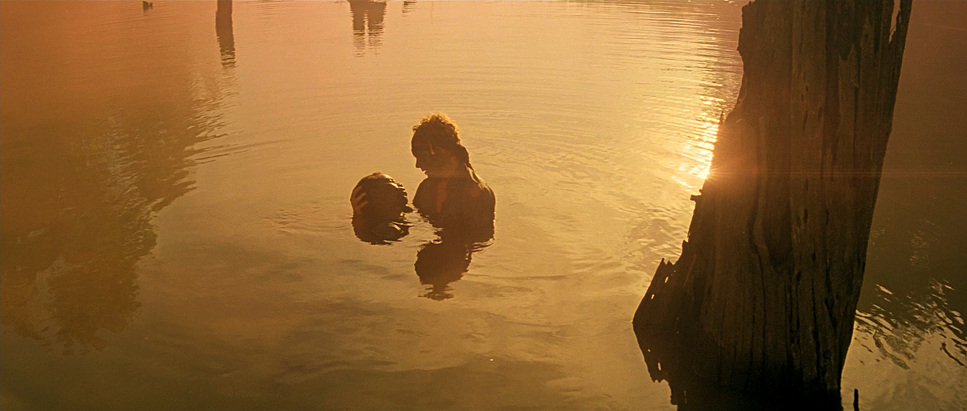
Apocalypse Now (1979)
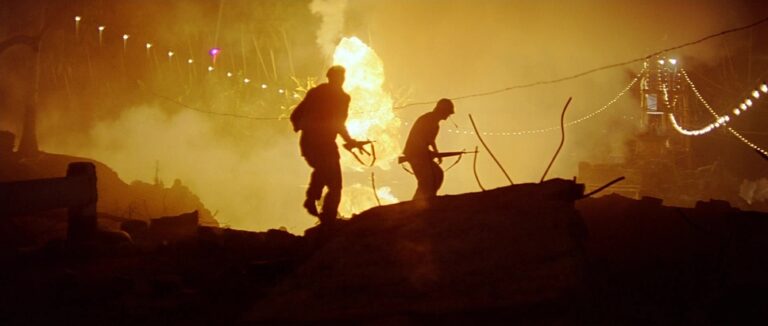
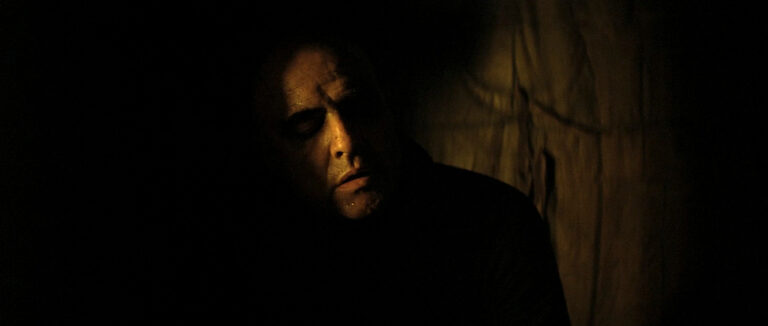
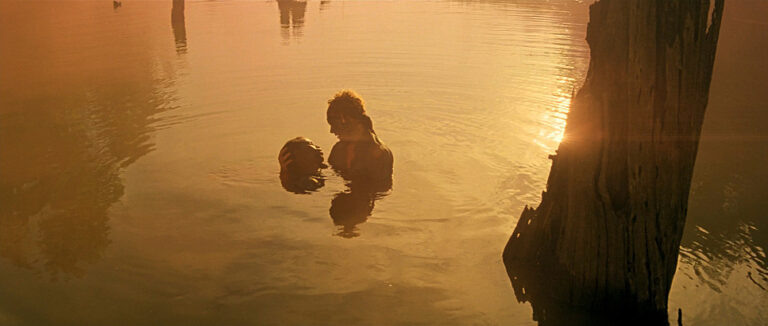
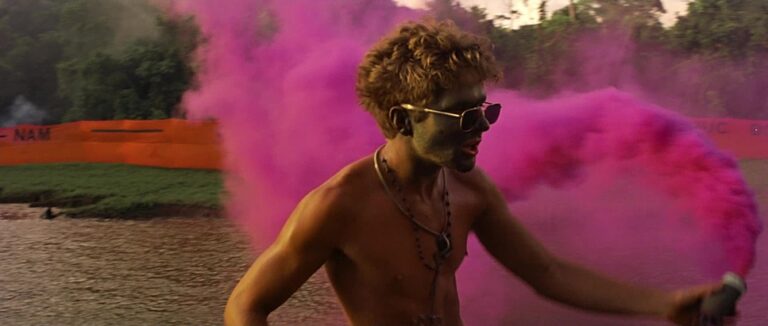
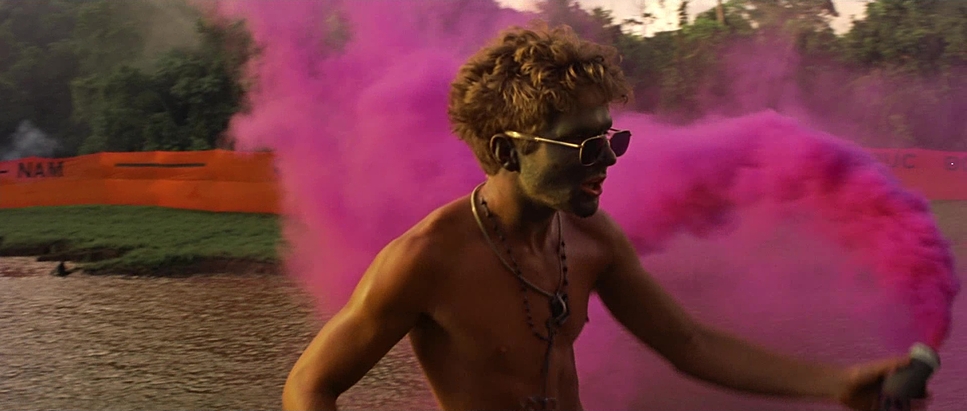
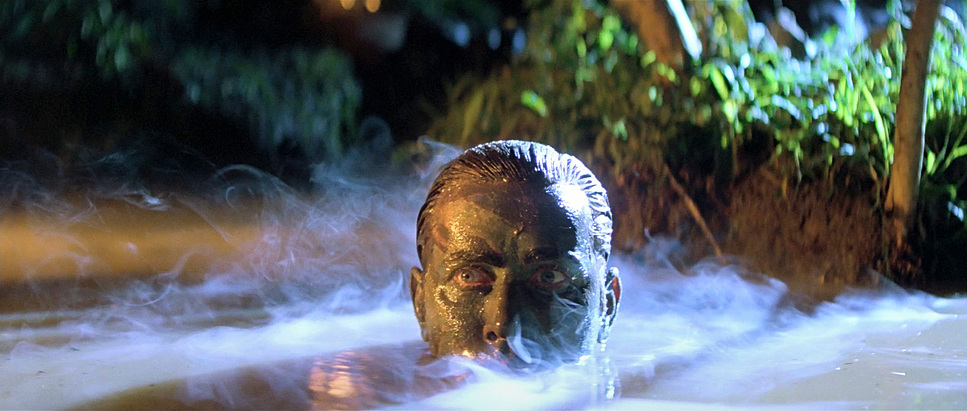
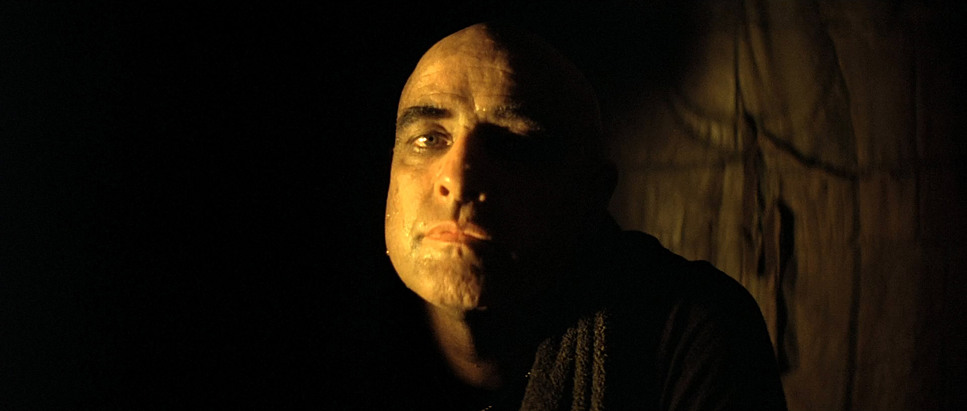
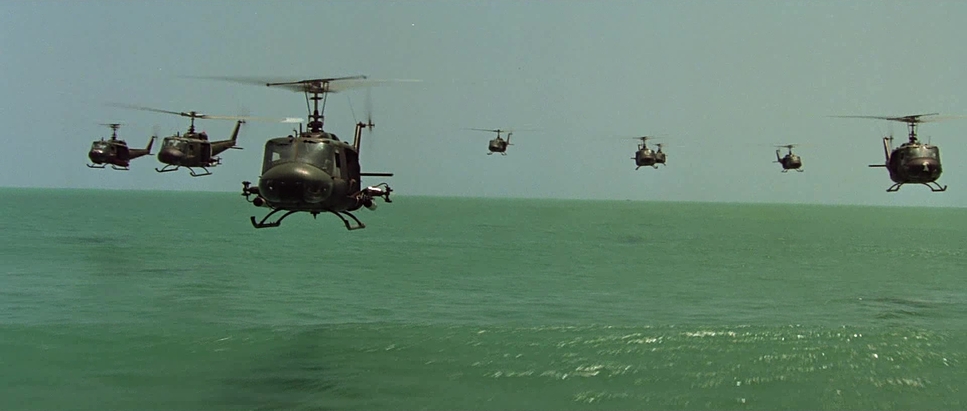
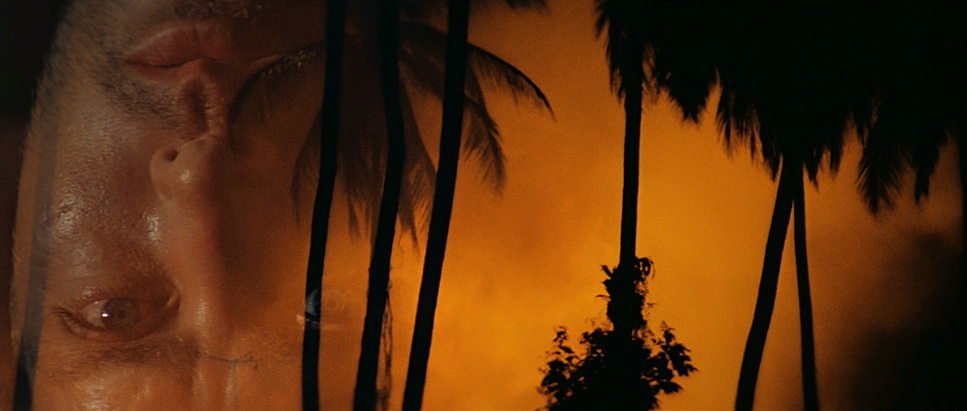
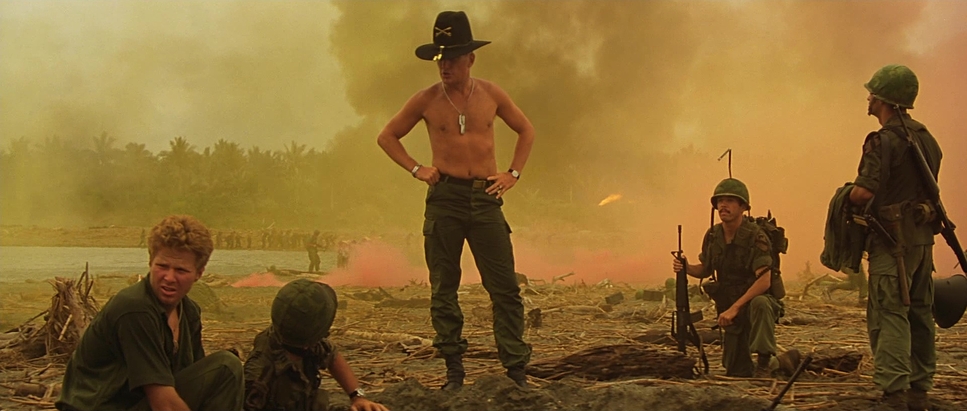
During the Vietnam War, Captain Willard is sent on a covert mission to travel upriver into Cambodia and assassinate Colonel Kurtz, a rogue officer who has established himself as a godlike figure among a local tribe. As Willard journeys deeper into the jungle, he encounters the chaos and moral ambiguity of war. The mission becomes a psychological descent, blurring the line between sanity and madness.
Coppola and cinematographer Vittorio Storaro craft Apocalypse Now with a hallucinatory, painterly style, using bold color, shadow, and firelight to transform the jungle into a surreal, mythic space. The film’s use of smoke, silhouettes, and chiaroscuro lighting—especially in Kurtz’s compound—turns imagery into something operatic and symbolic, where war is rendered as both spectacle and nightmare.
FILM SPOTLIGHT
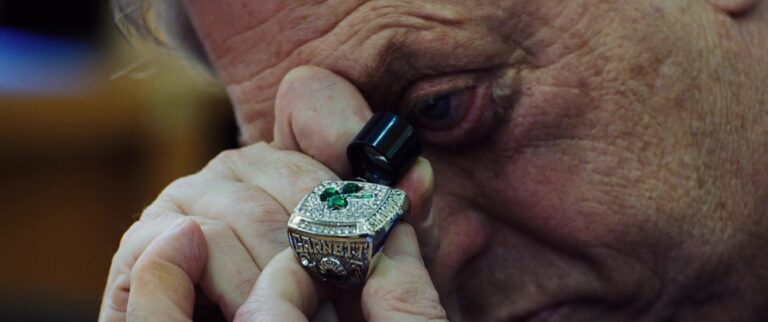
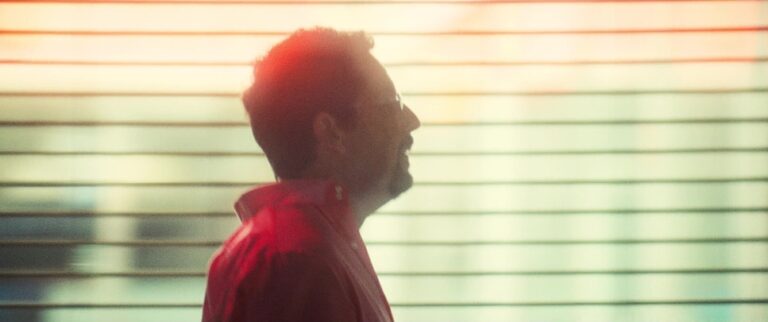
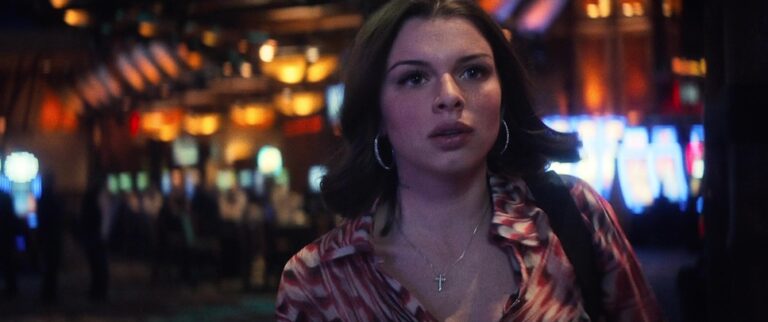
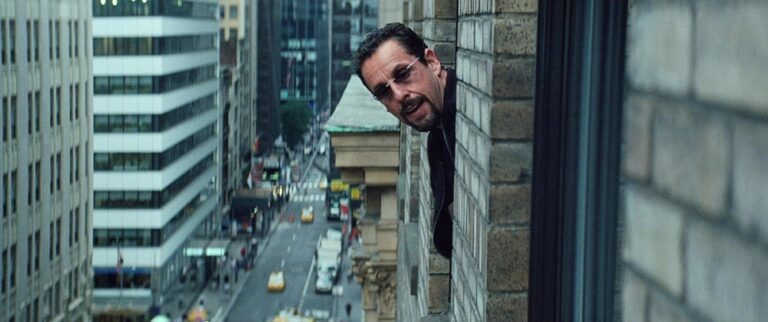
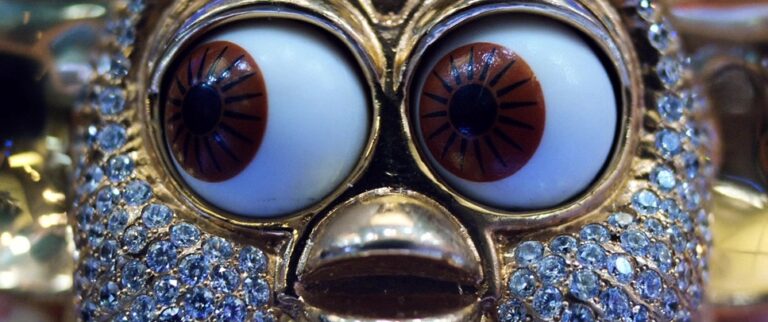
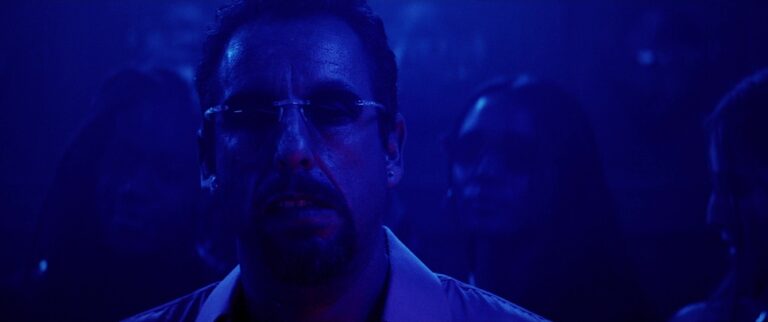
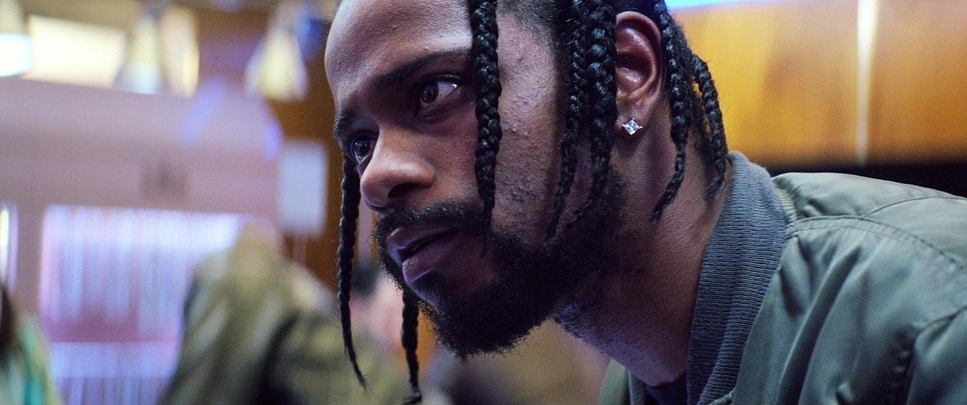
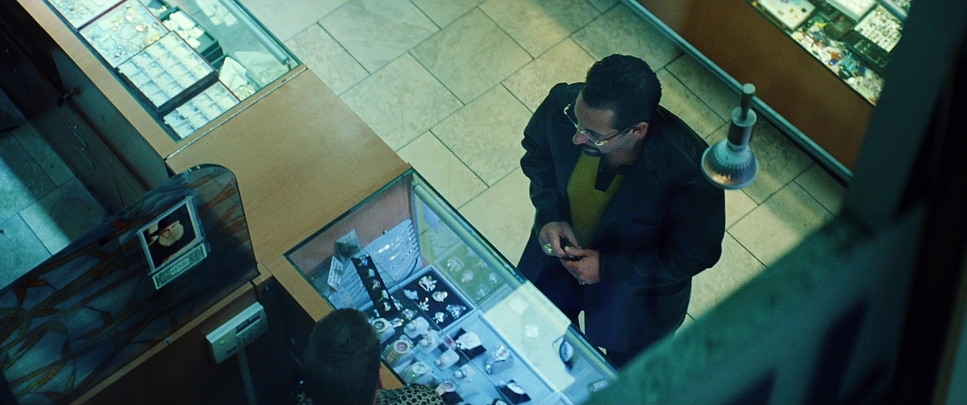
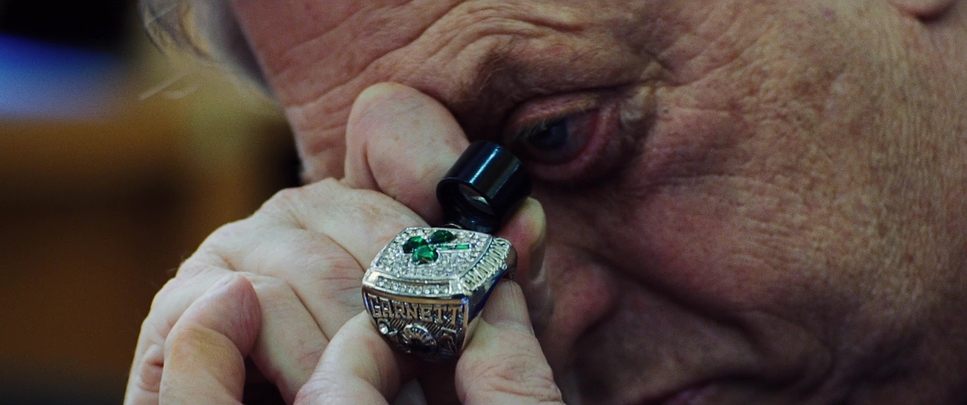
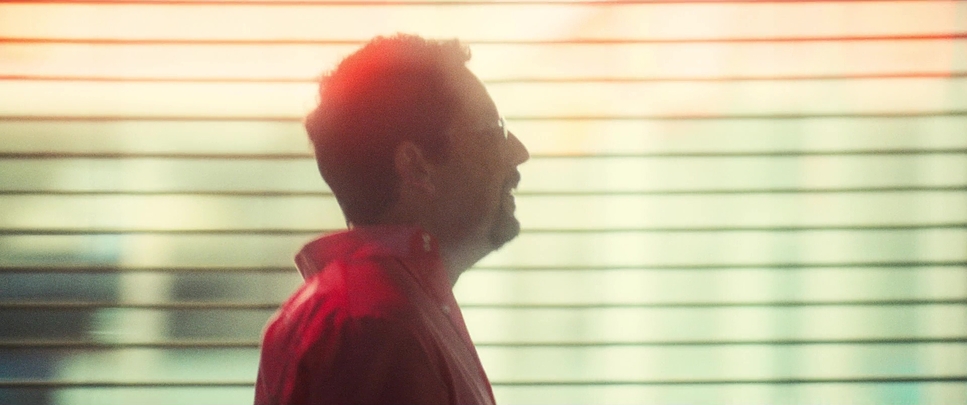
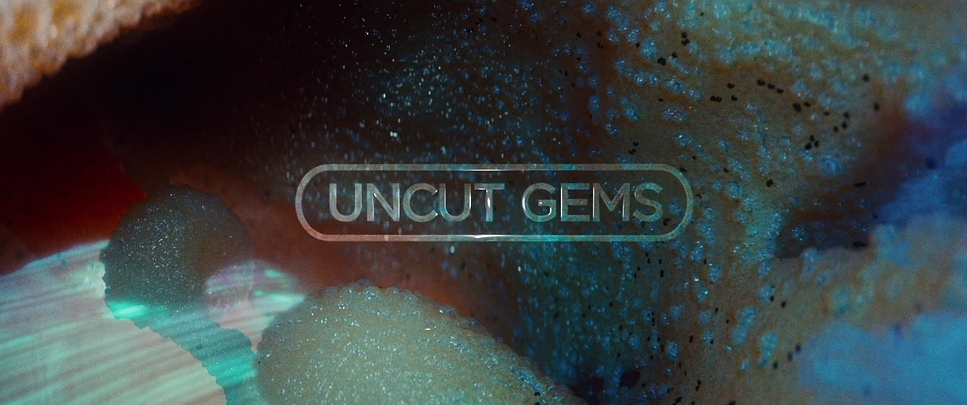
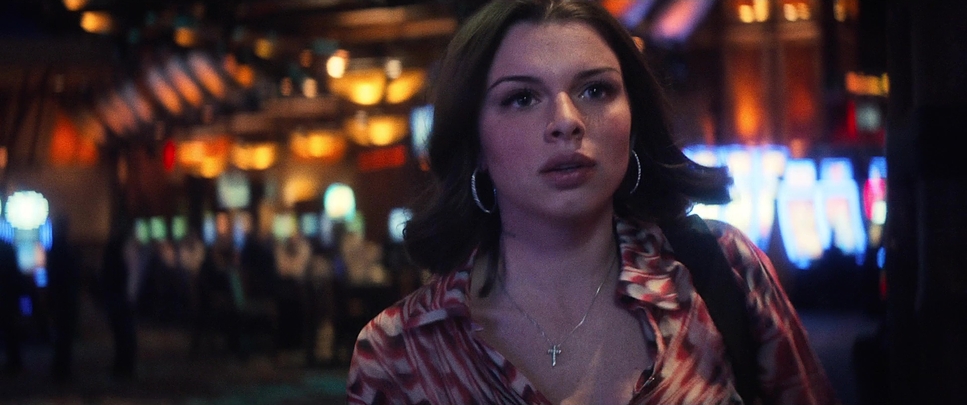
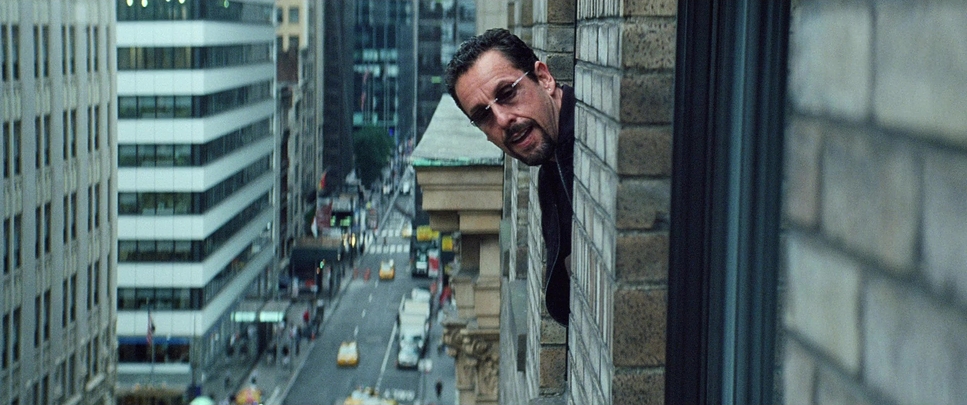
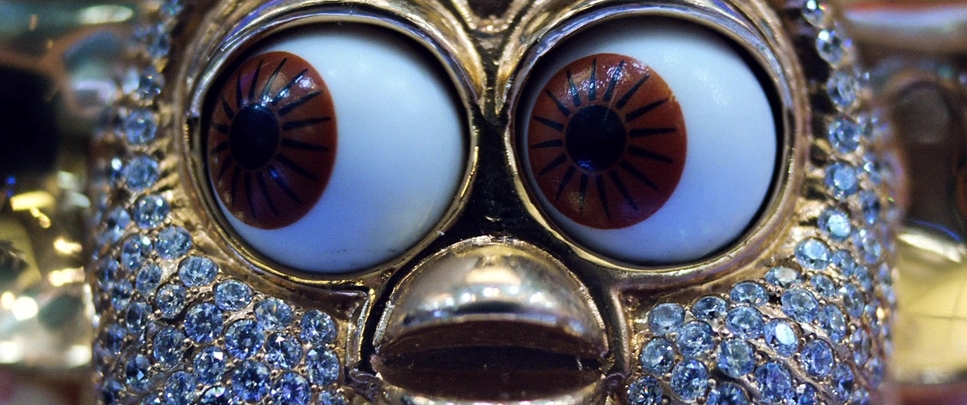
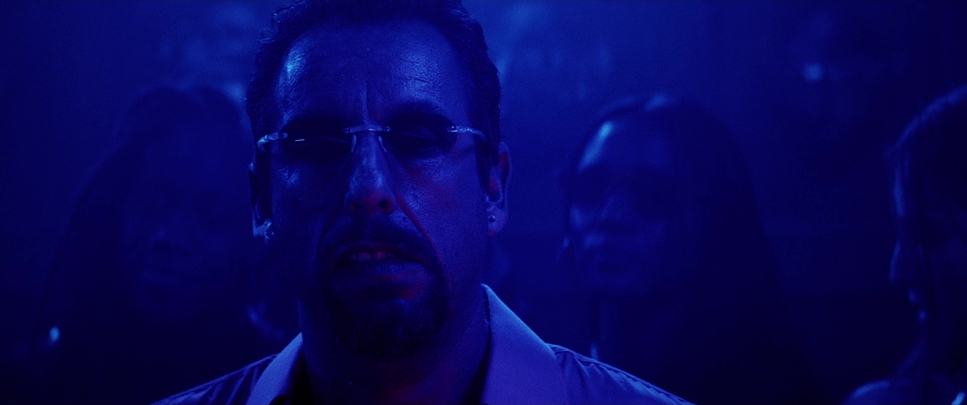
Uncut Gems (2019)
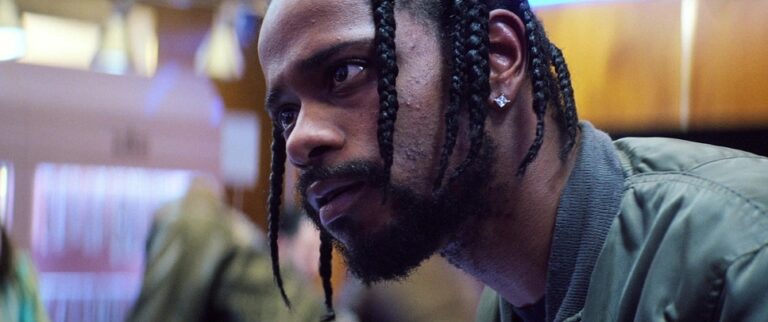
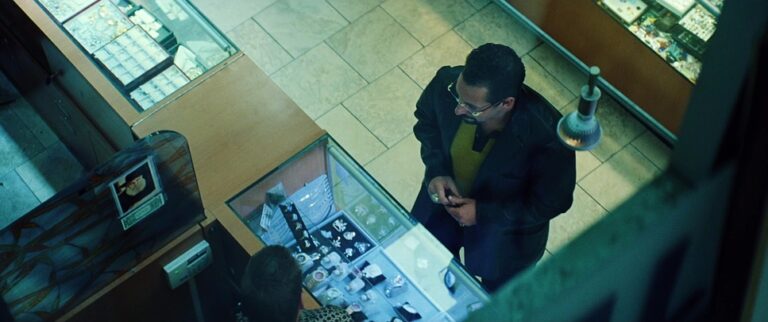
Howard Ratner, a charismatic New York jeweler with a compulsive gambling habit, chases a series of high-stakes bets in hopes of hitting it big. As debts pile up and pressure mounts from all sides—family, business associates, and dangerous creditors—he doubles down instead of backing out. His relentless pursuit of the next win drives him toward an inevitable breaking point.
The Safdies and cinematographer Darius Khondji create a hyper-anxious visual environment using long lenses, crowded frames, and constant camera movement to trap Howard within his world. Shot largely on 35mm, the film’s neon-lit interiors, reflective surfaces, and shallow focus turn New York into a dense, claustrophobic maze—where image, sound, and motion combine to sustain an almost unbroken sense of tension.

FILM SPOTLIGHT
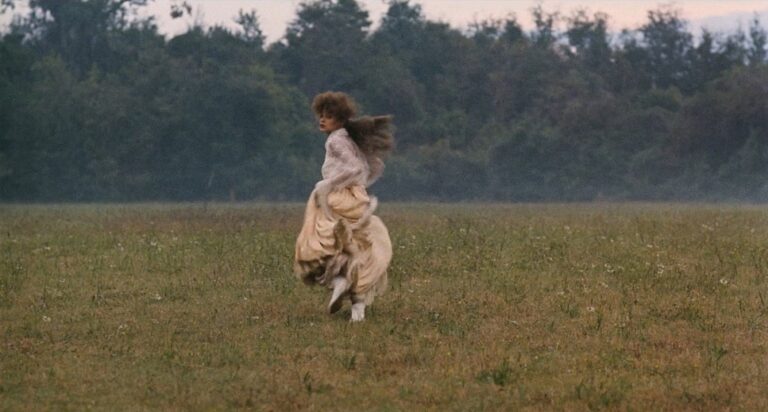
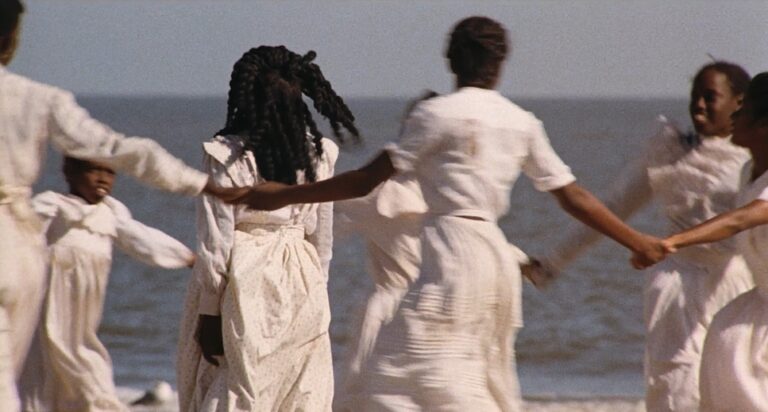
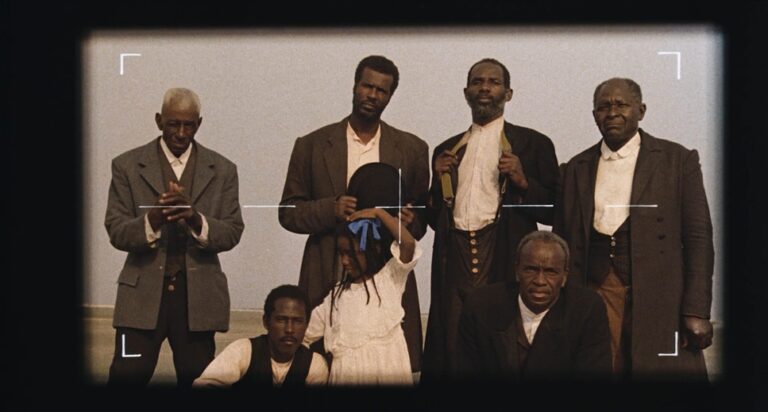
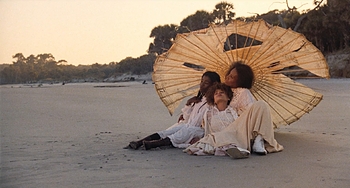
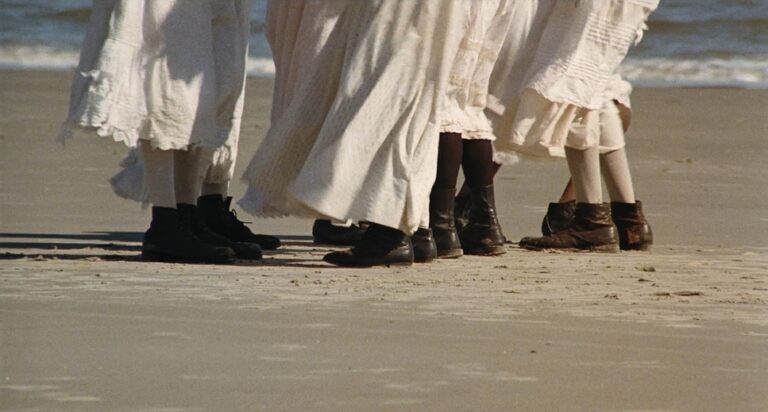
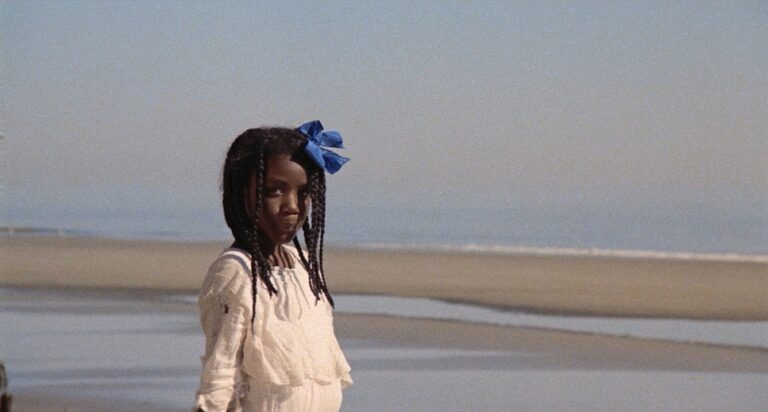
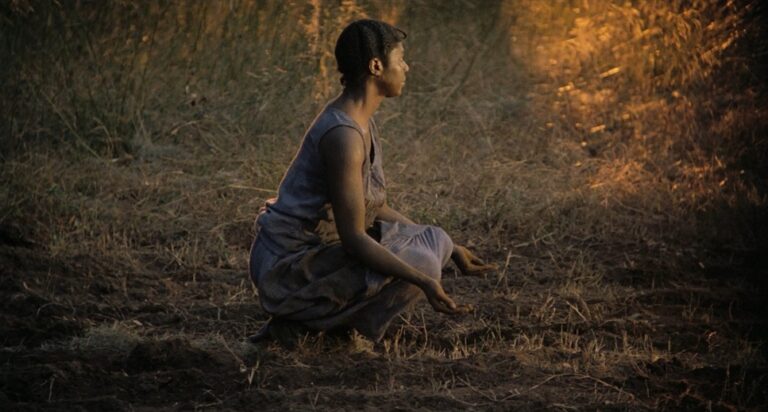
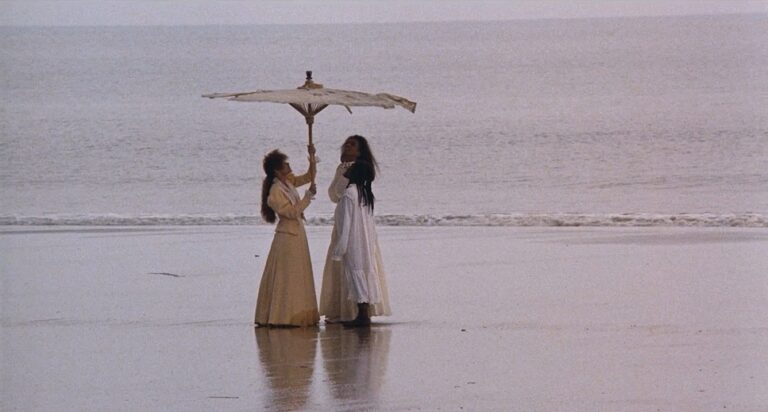
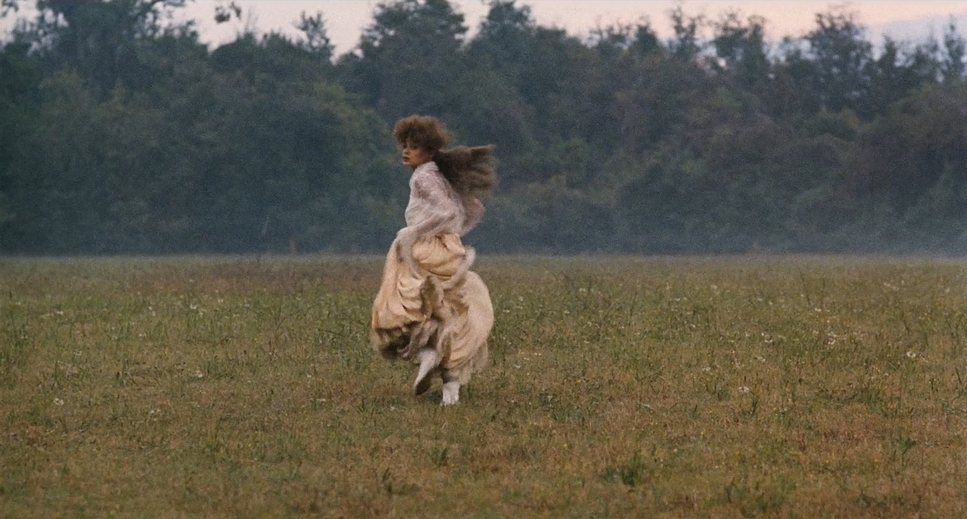
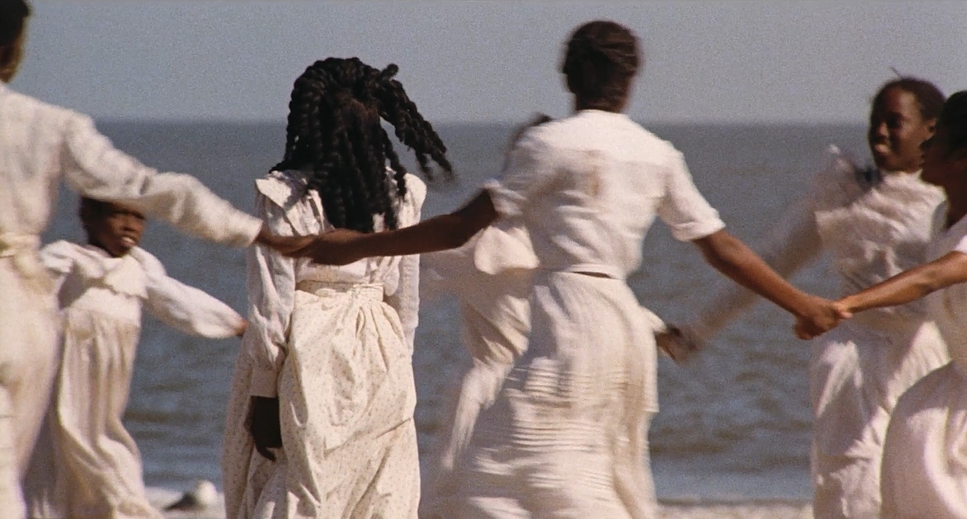
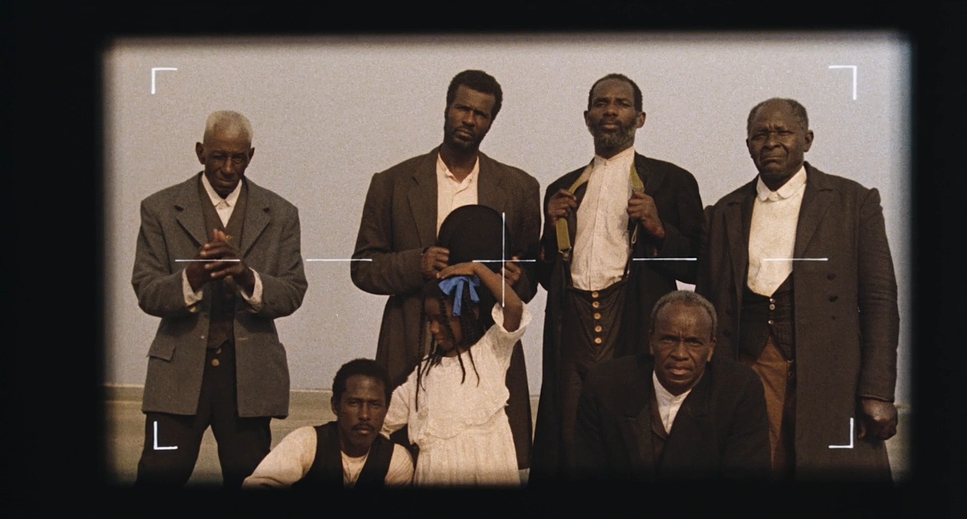
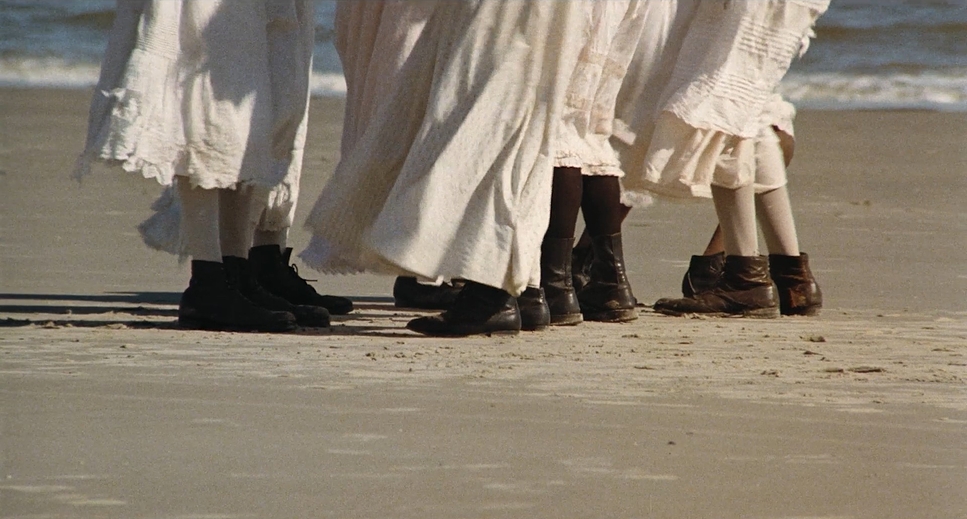
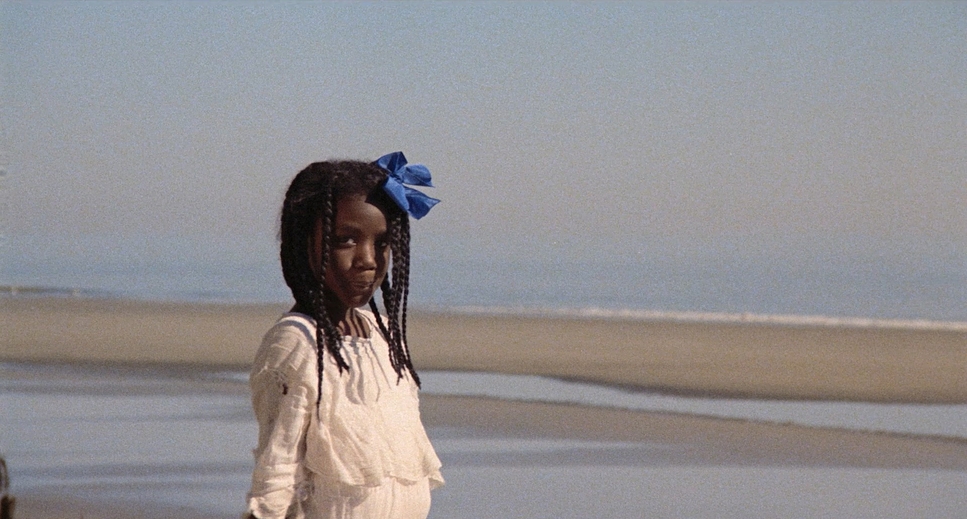
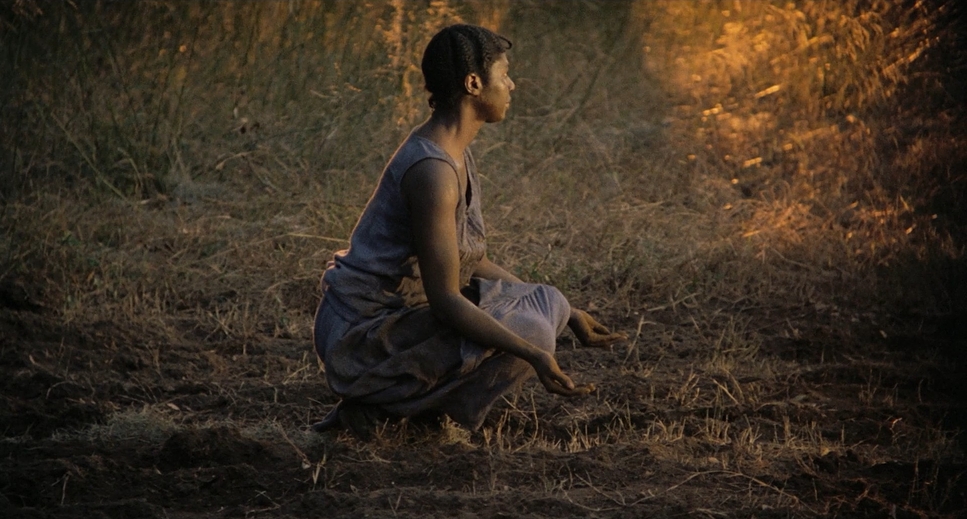
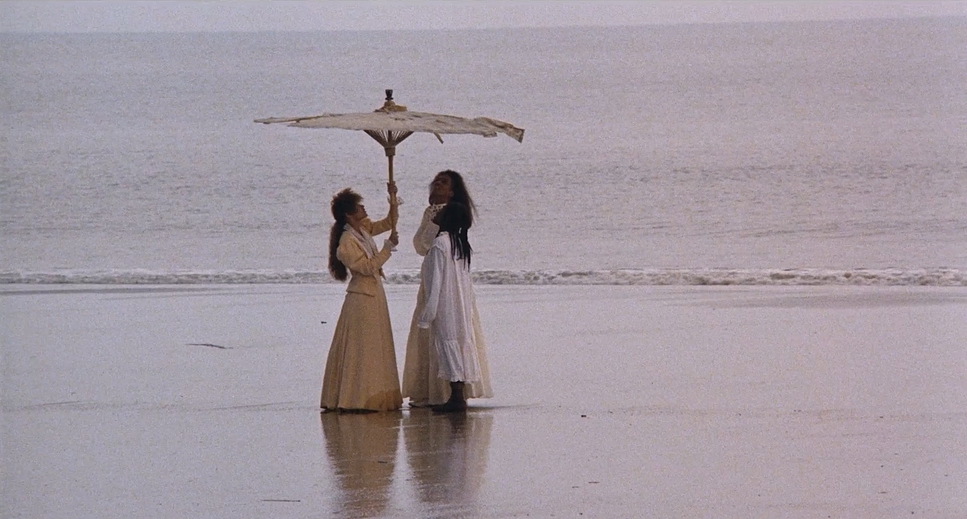
Daughters of the Dust (1992)
Set in 1902 on the Sea Islands off the coast of Georgia, the film follows three generations of Gullah women as their family prepares to migrate north. As they gather for a final day together, tensions arise between tradition and change, memory and future. The story unfolds through multiple perspectives, blending history, spirituality, and personal reflection.
Dash and cinematographer Arthur Jafa craft the film with a lyrical, non-linear visual language, using sun-drenched natural light, flowing fabrics, and coastal landscapes to evoke memory and ancestral presence. The film’s soft, painterly compositions—often framed in wide shots with layered depth—turn image into poetry, where movement, color, and texture carry cultural and emotional resonance as much as narrative.
FILM SPOTLIGHT
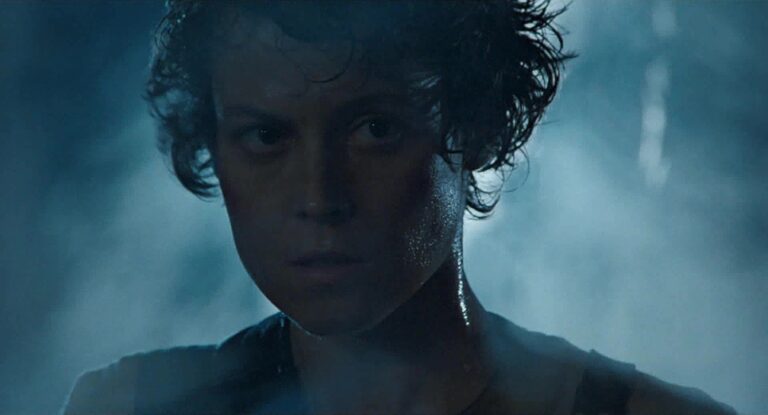
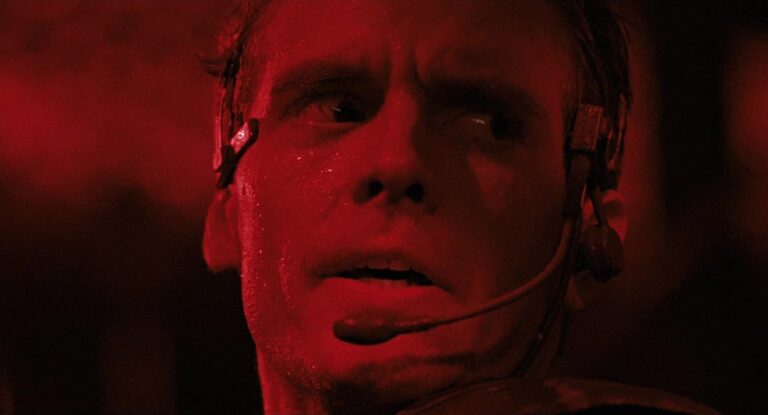
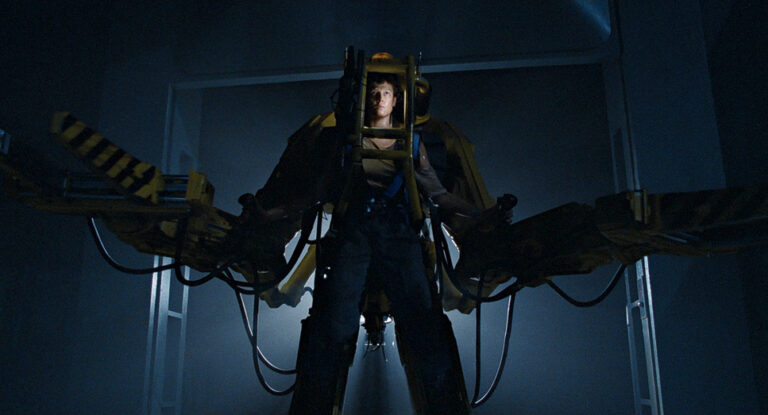
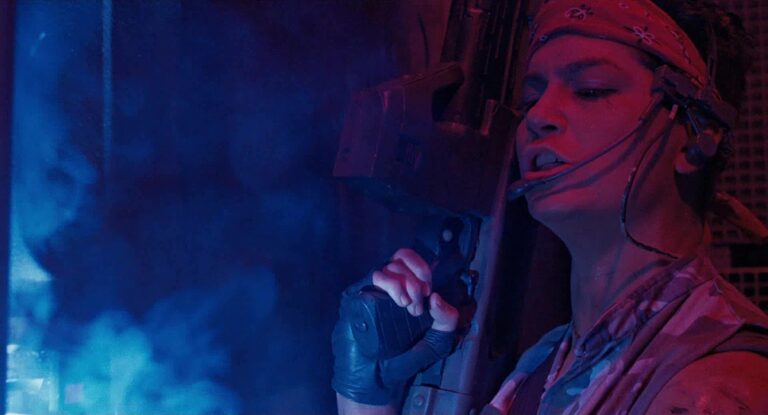
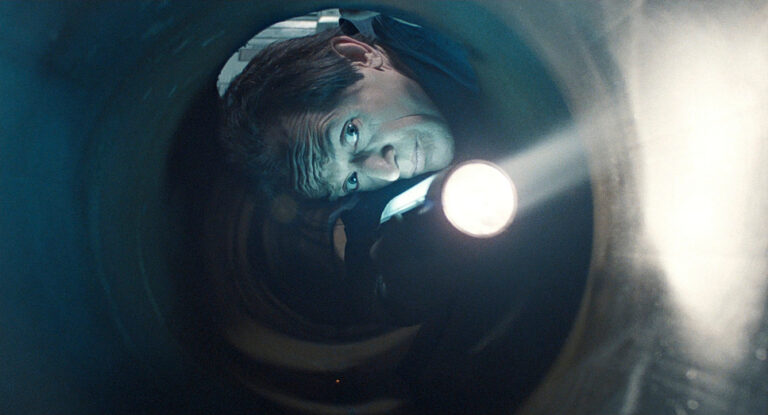
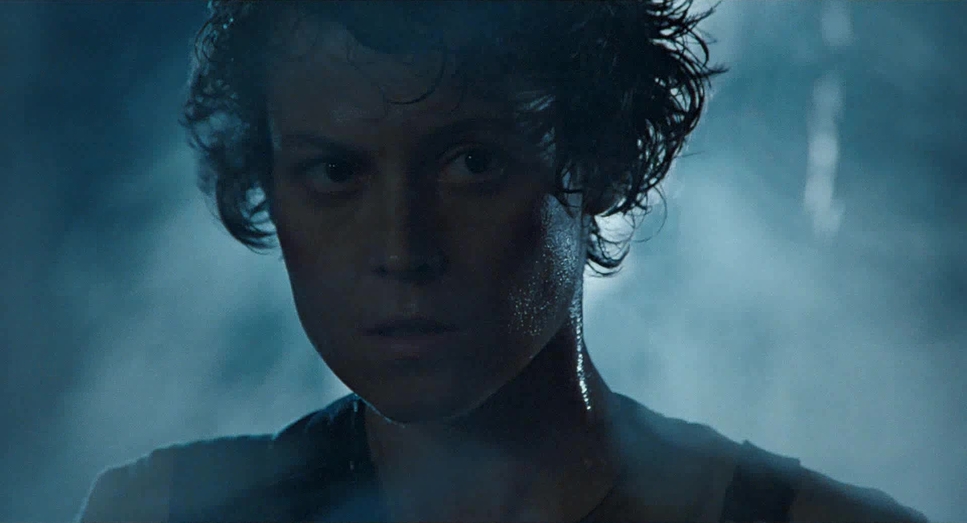
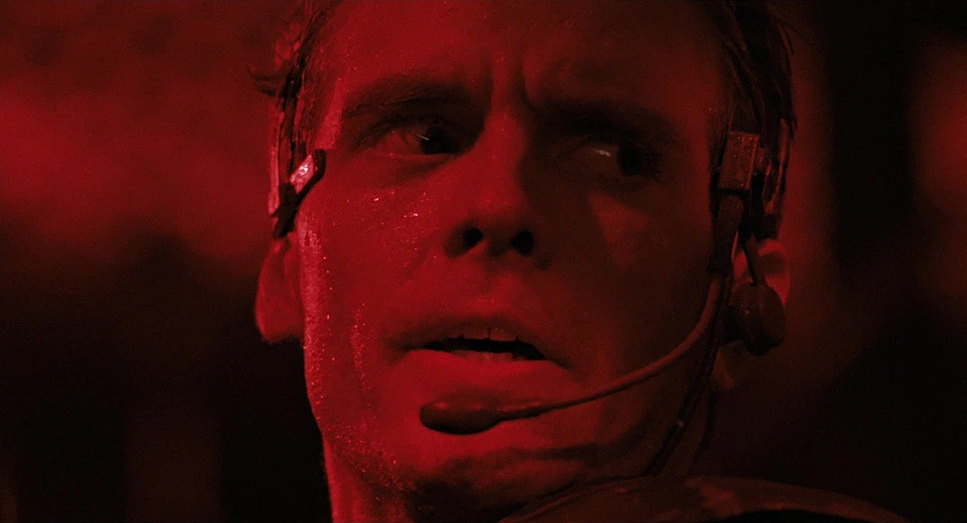
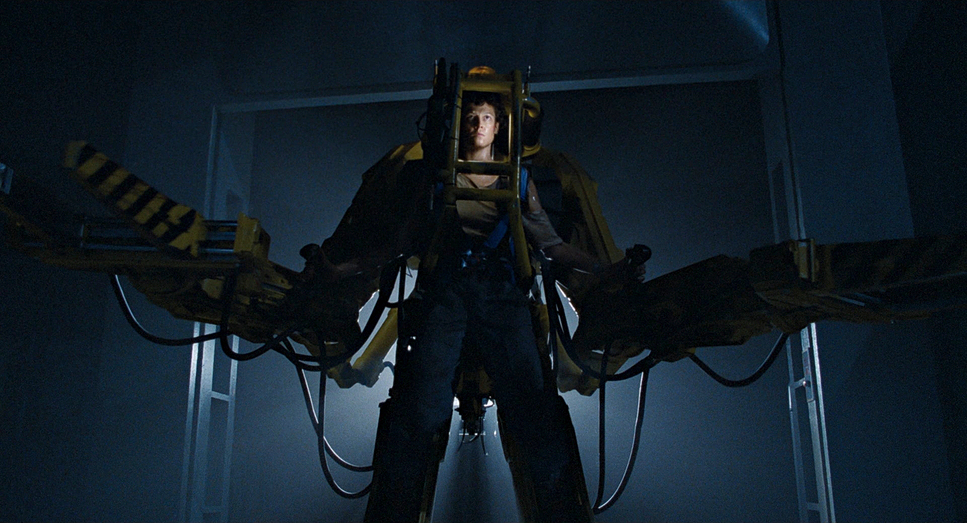
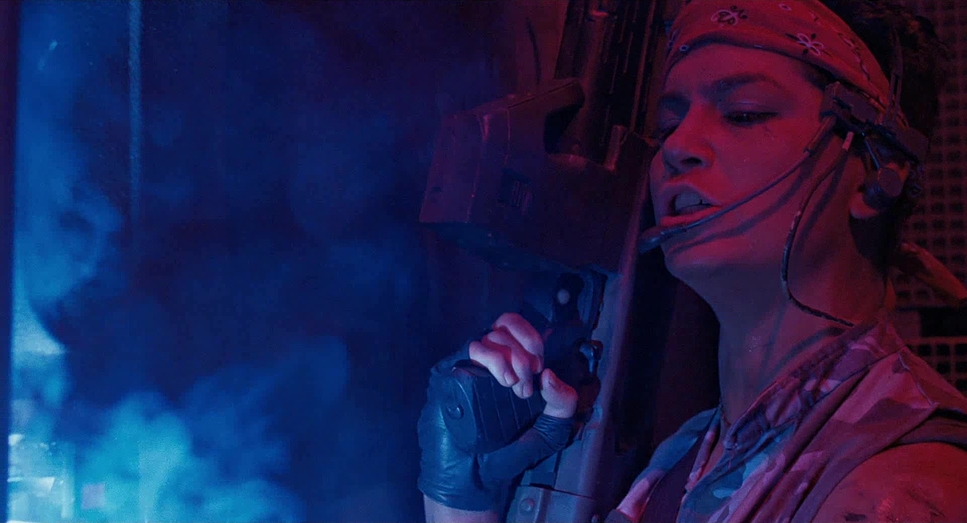
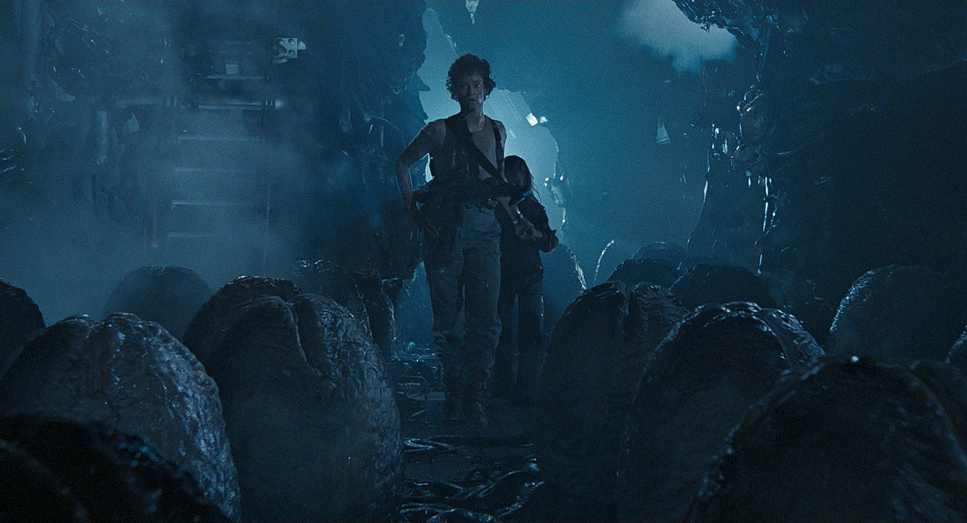
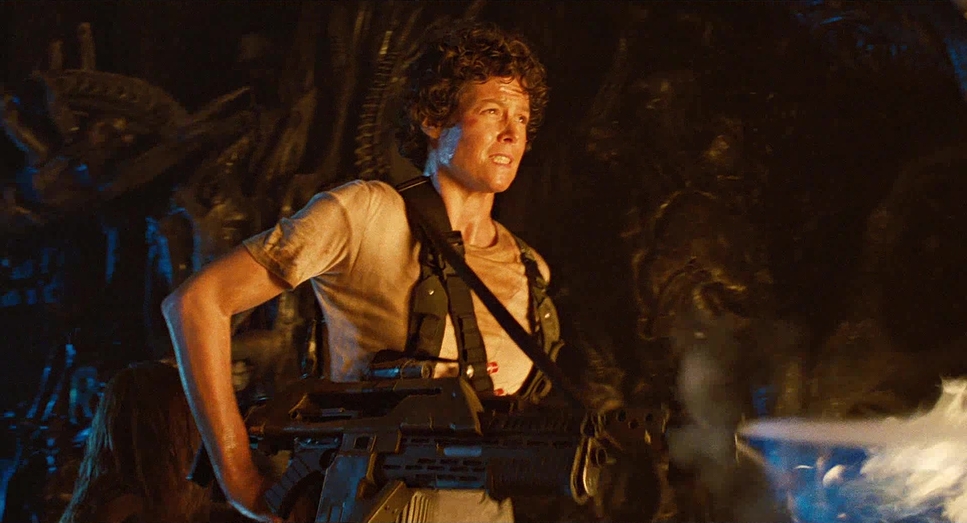
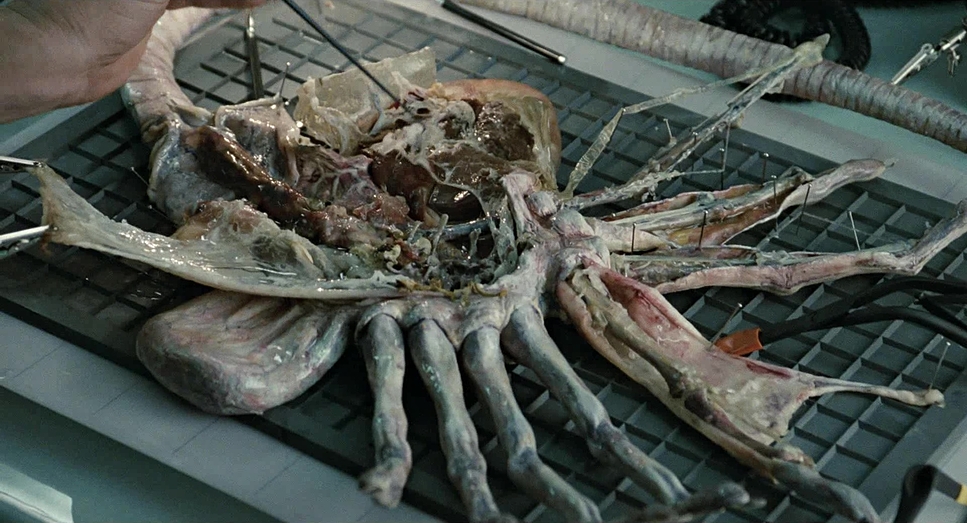
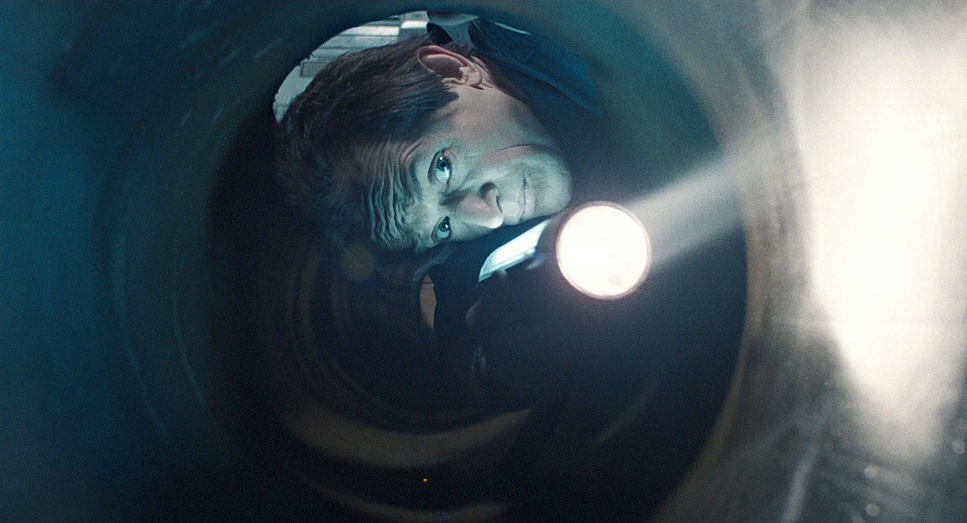
Aliens (1986)
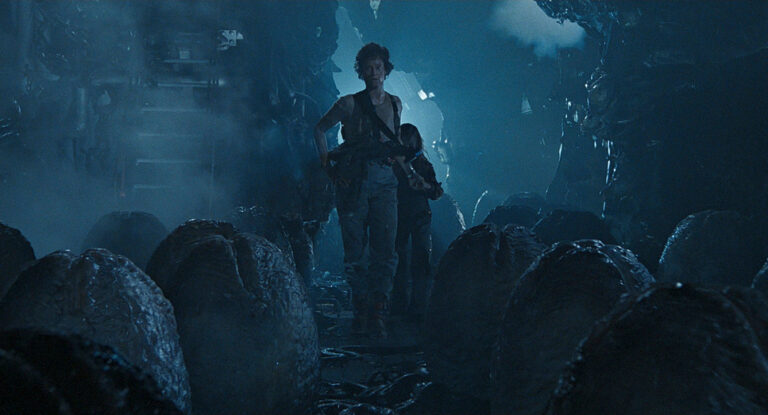
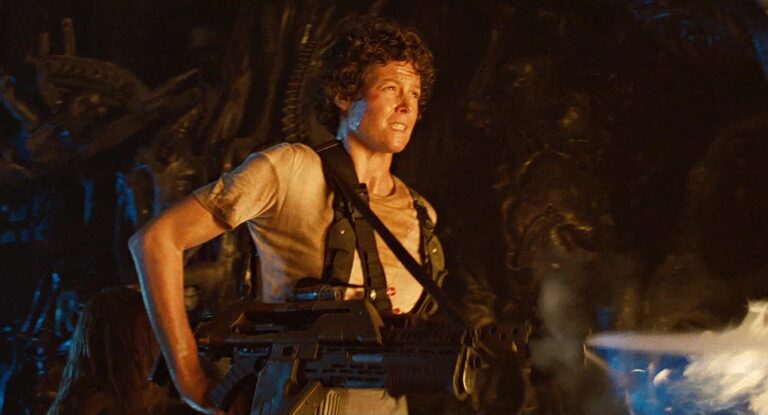
After drifting in space for decades, Ellen Ripley is rescued and debriefed about her encounter with a deadly alien species. When contact is lost with a colony on the same planet, she joins a squad of marines on a mission to investigate. What begins as a military operation quickly turns into a desperate fight for survival against overwhelming odds.
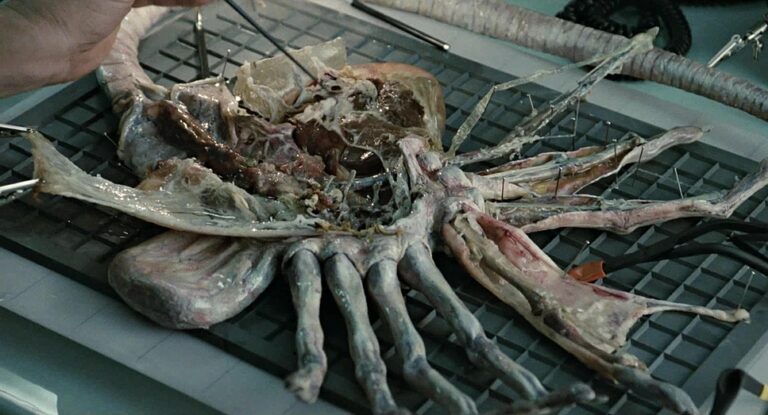
In Aliens, Cameron and cinematographer Adrian Biddle shift the original film’s horror into a more kinetic, action-driven style, using handheld camerawork, practical lighting, and heavy atmosphere—smoke, steam, flashing alarms—to create chaos and immediacy. The industrial production design, combined with blue-gray tones and strobing light, turns the colony into a claustrophobic war zone where space, darkness, and motion constantly obscure danger.
FILM SPOTLIGHT
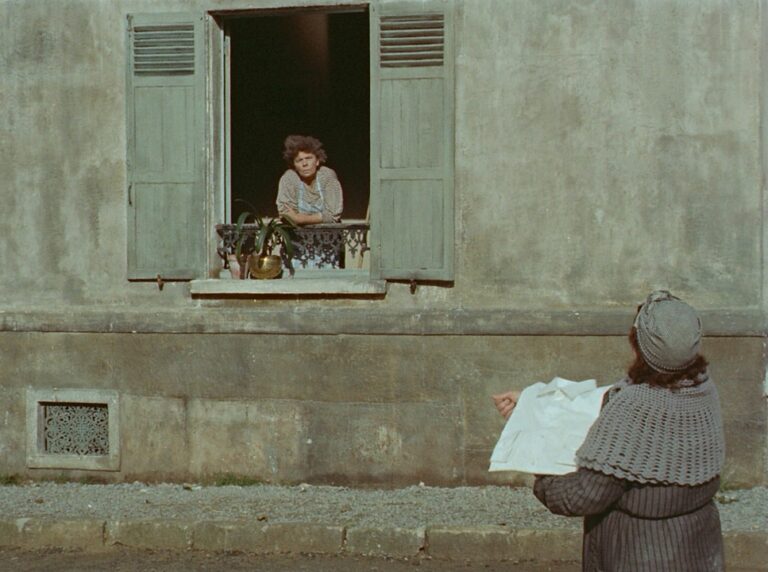
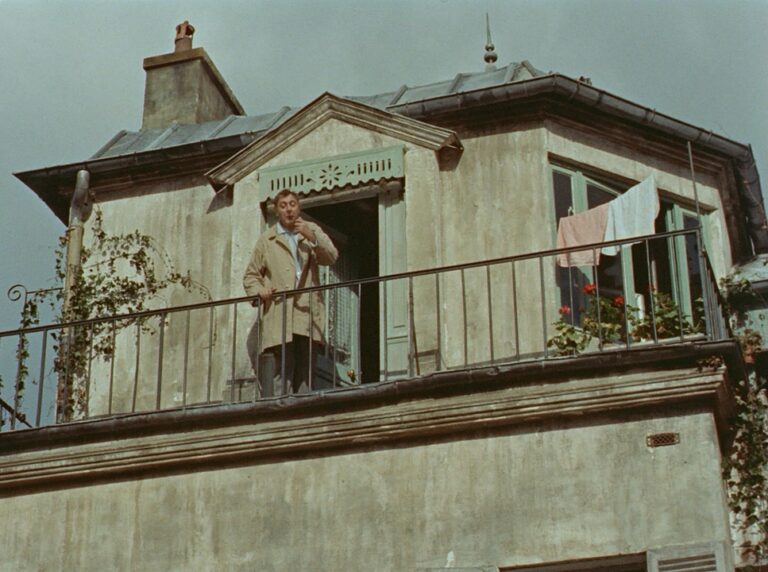
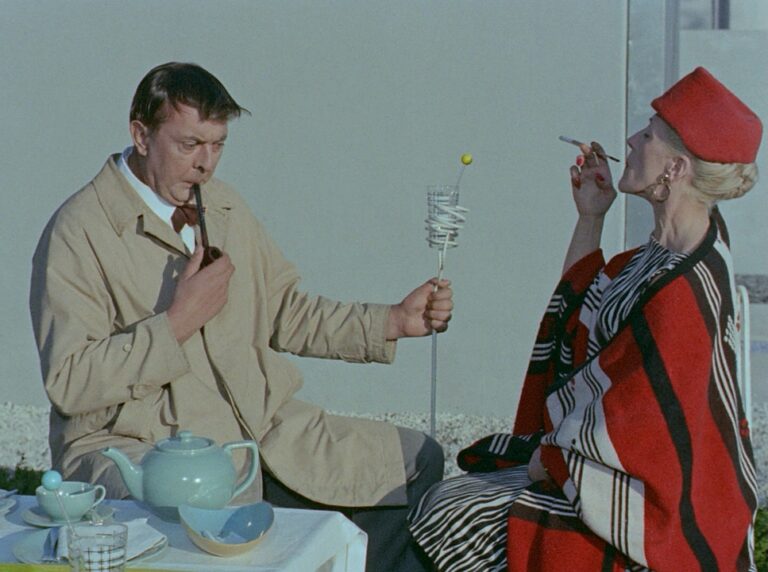
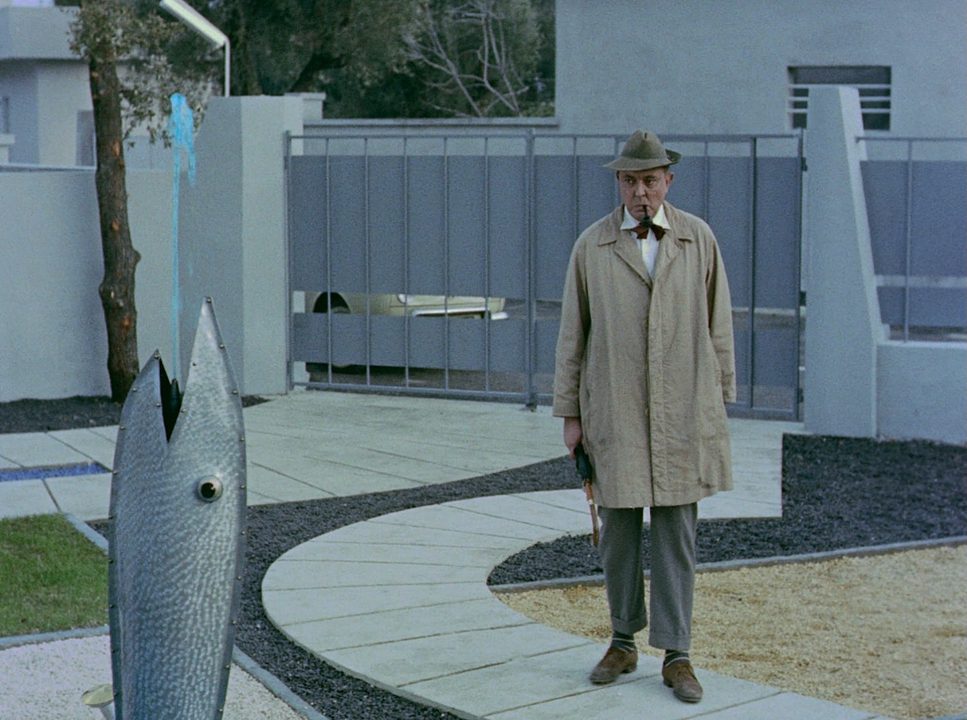
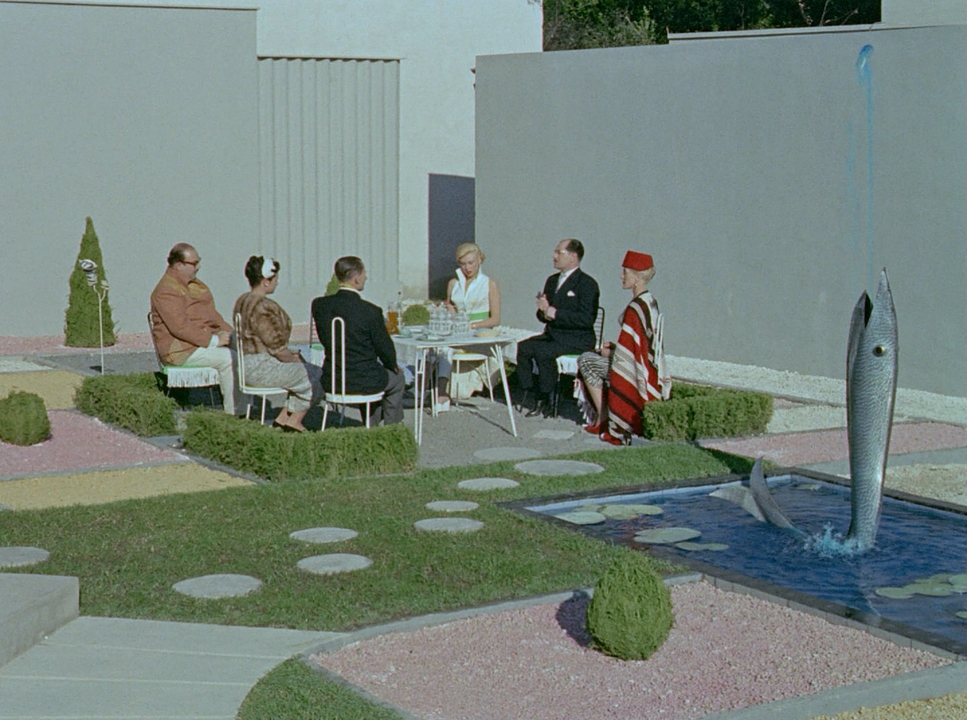
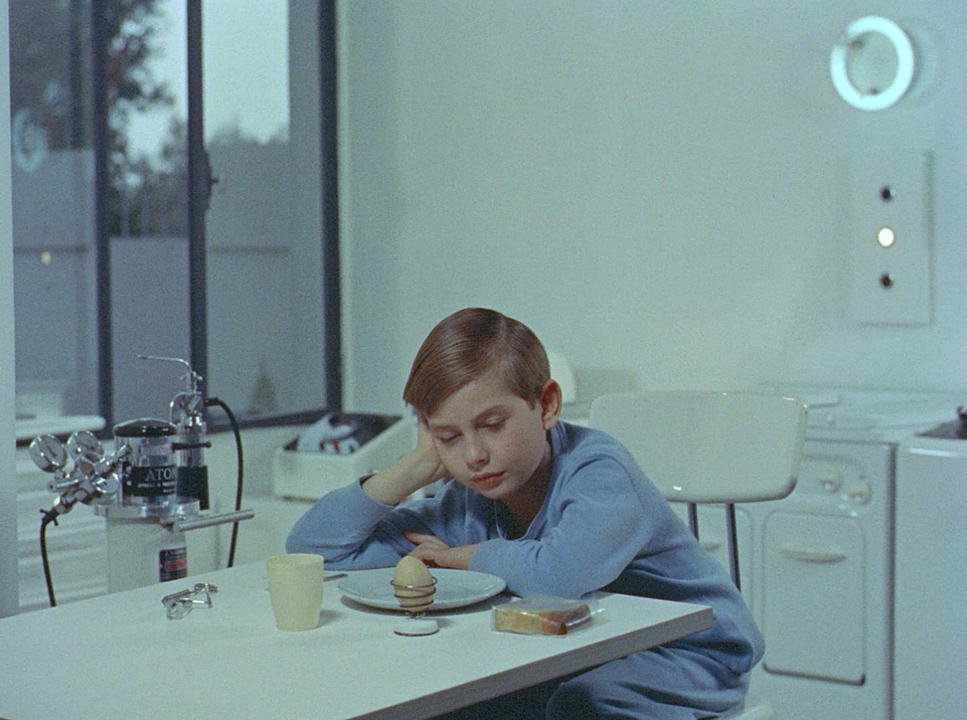
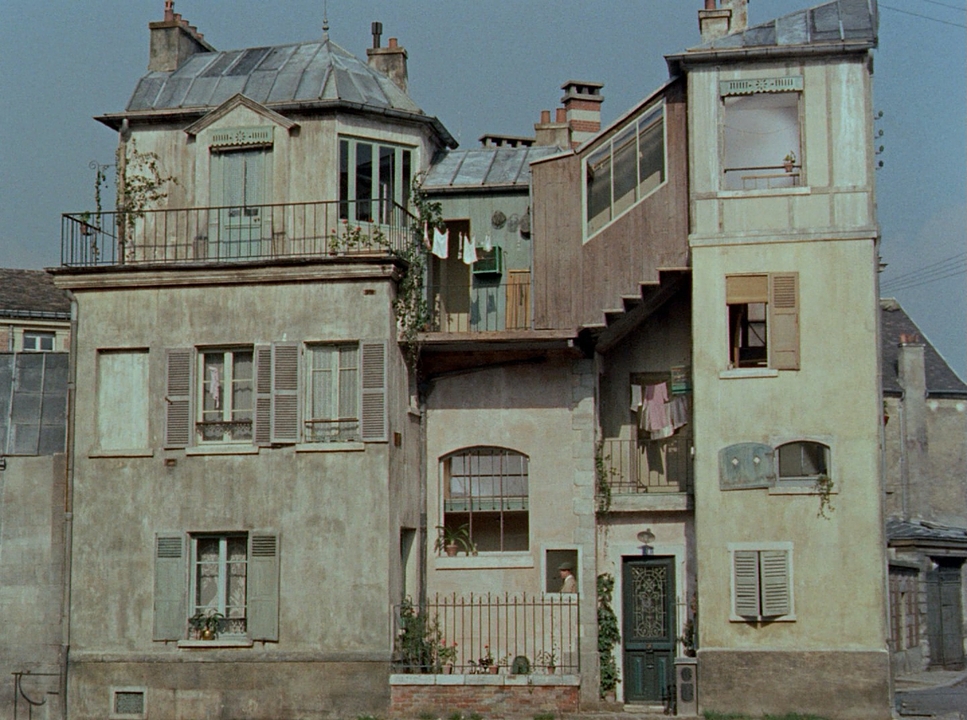
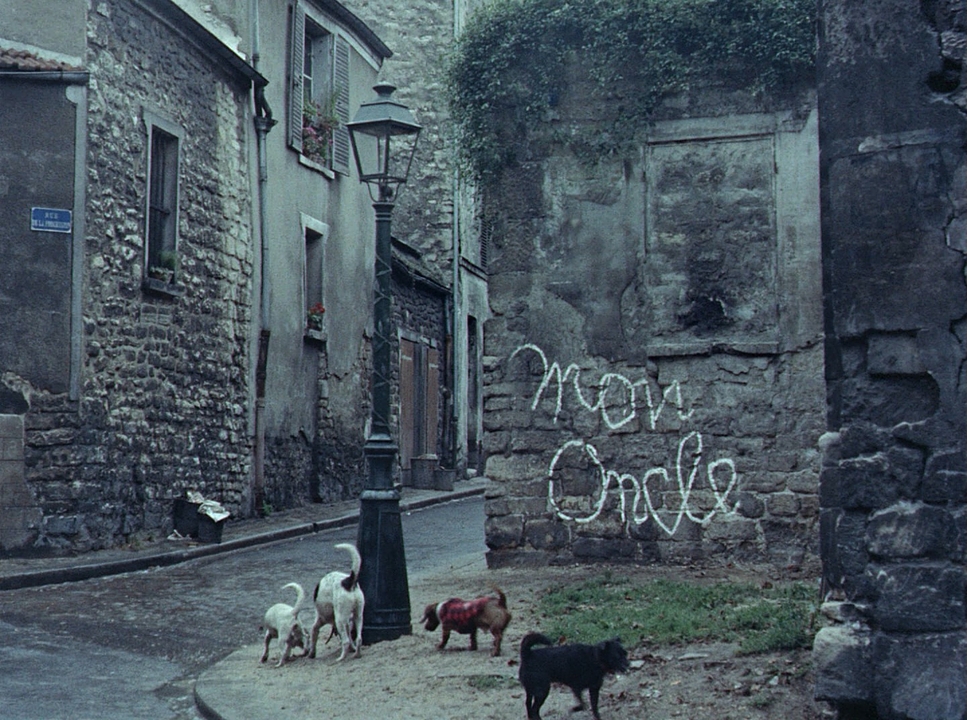
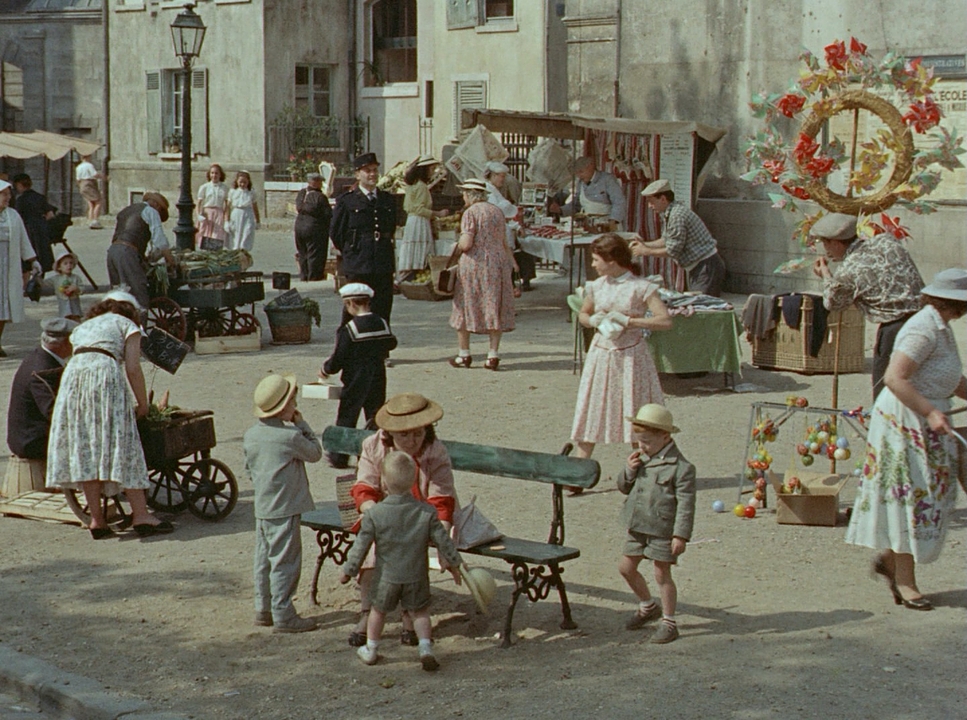
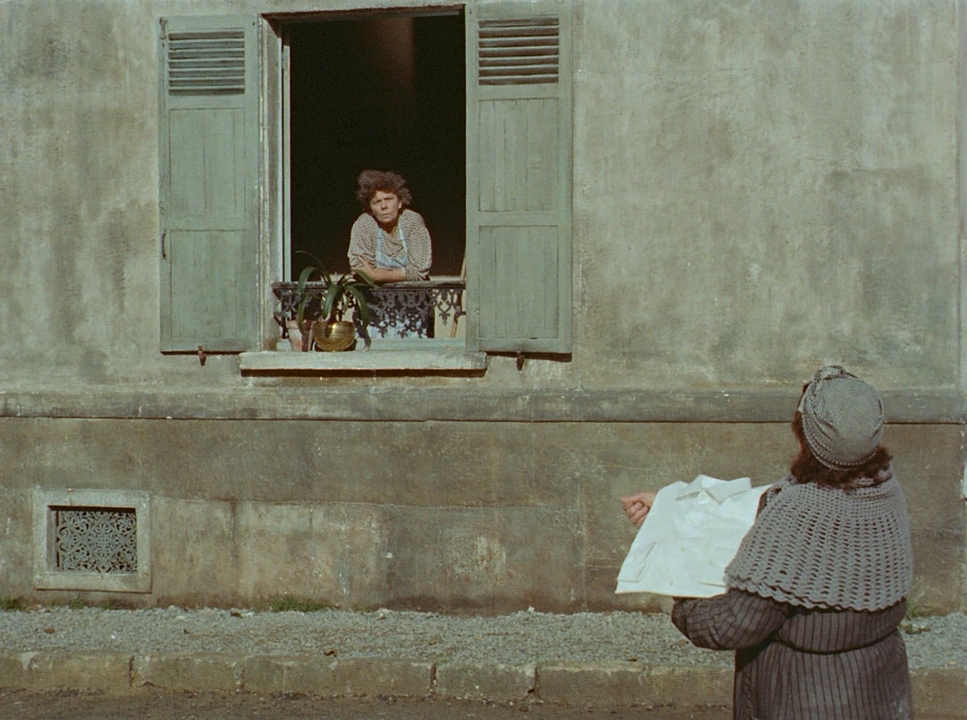
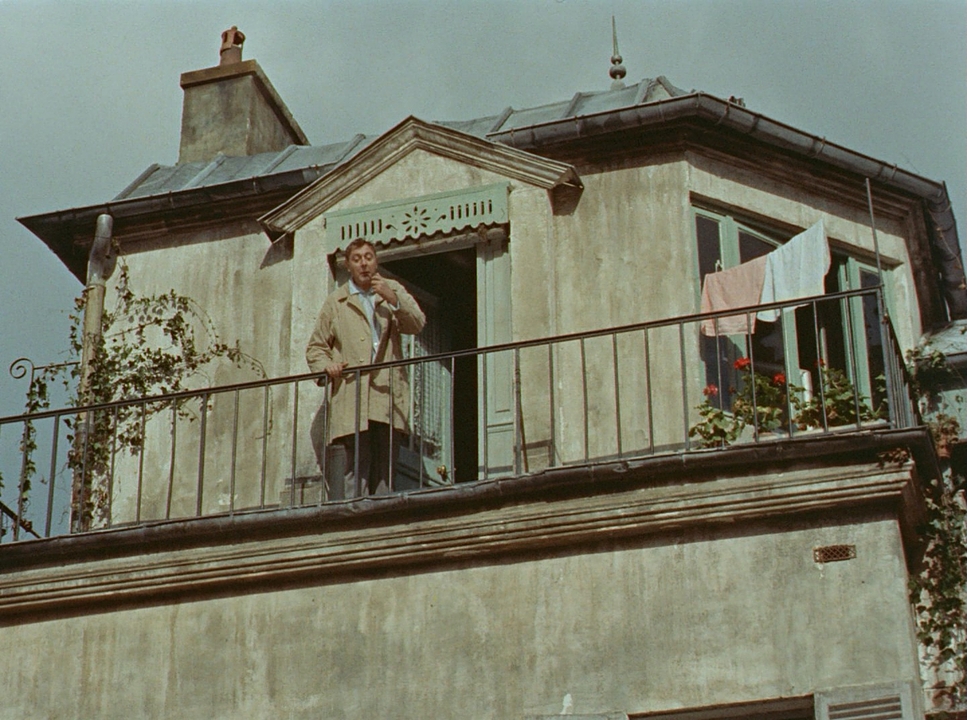
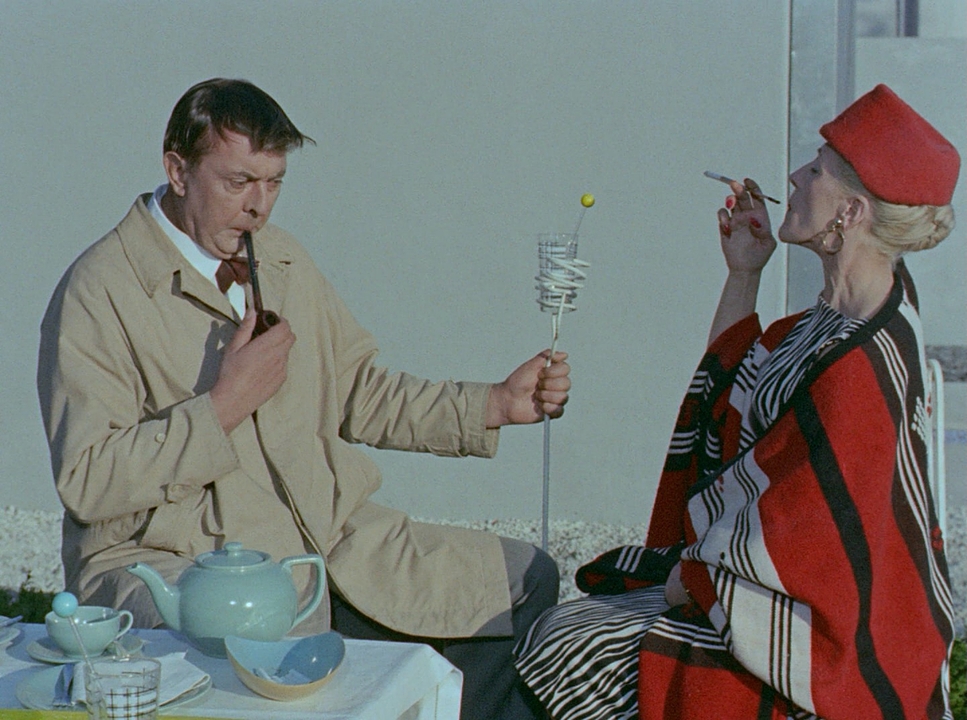
Mon Oncle (1958)
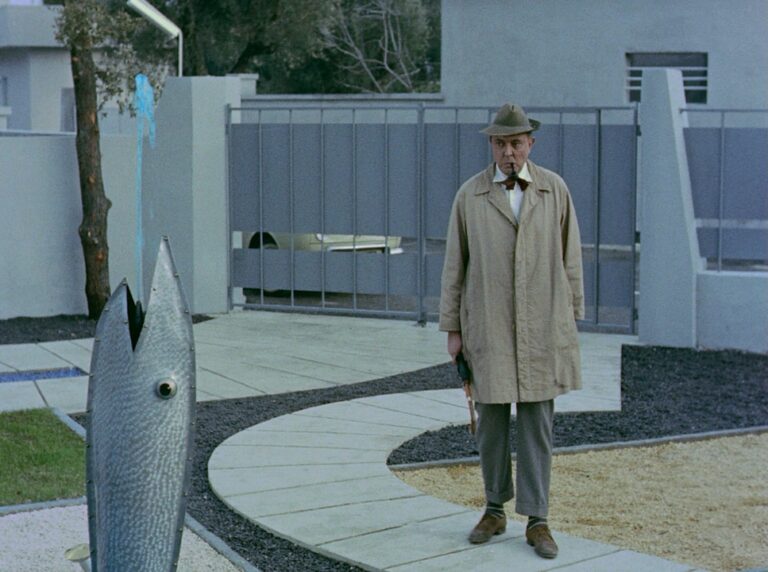
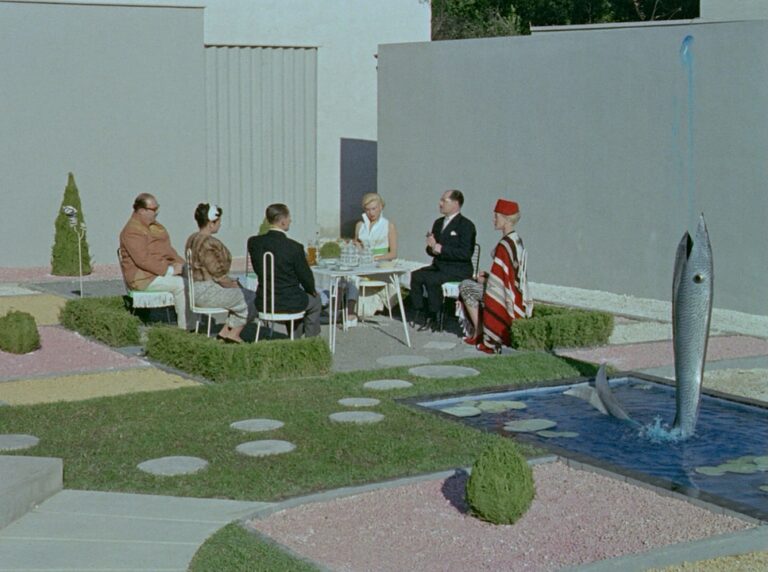
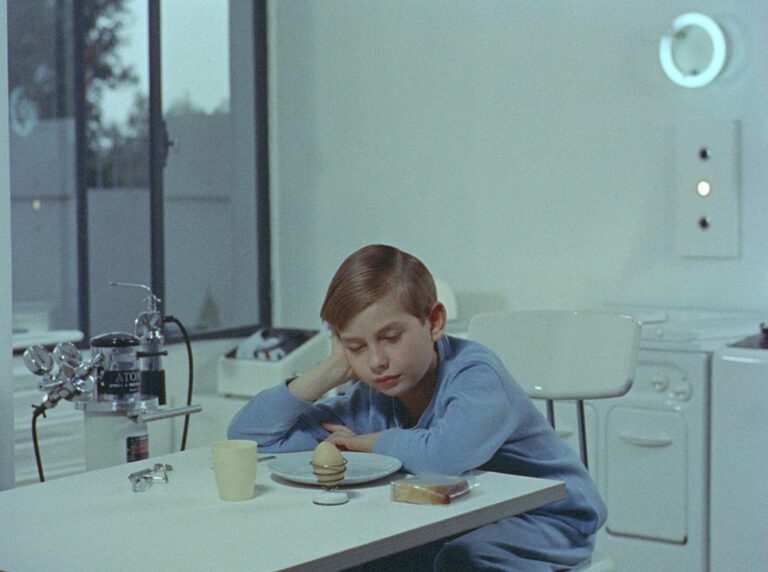
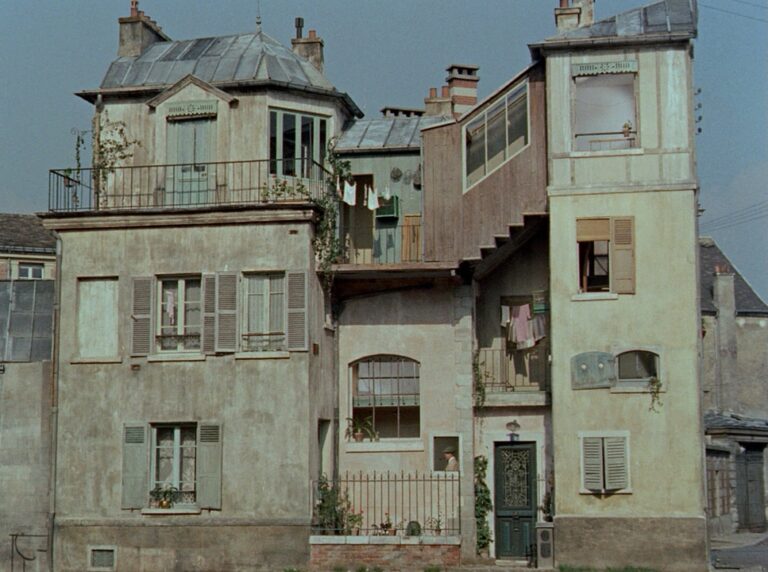
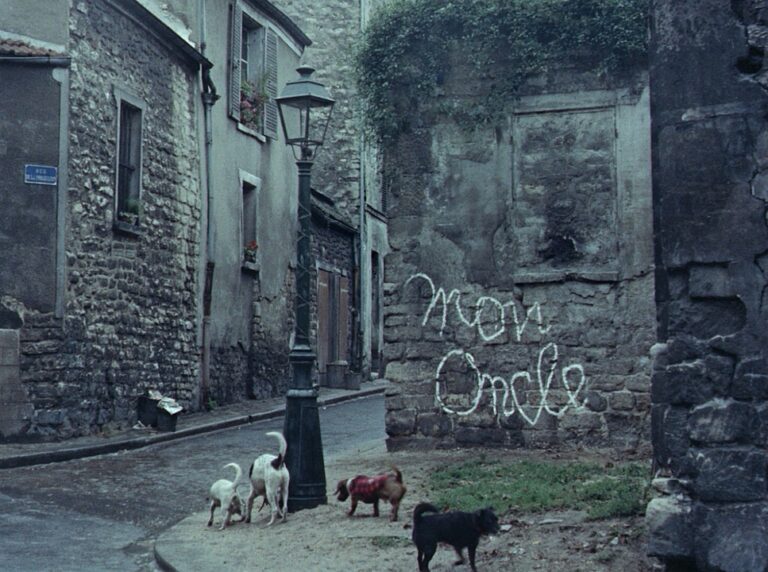
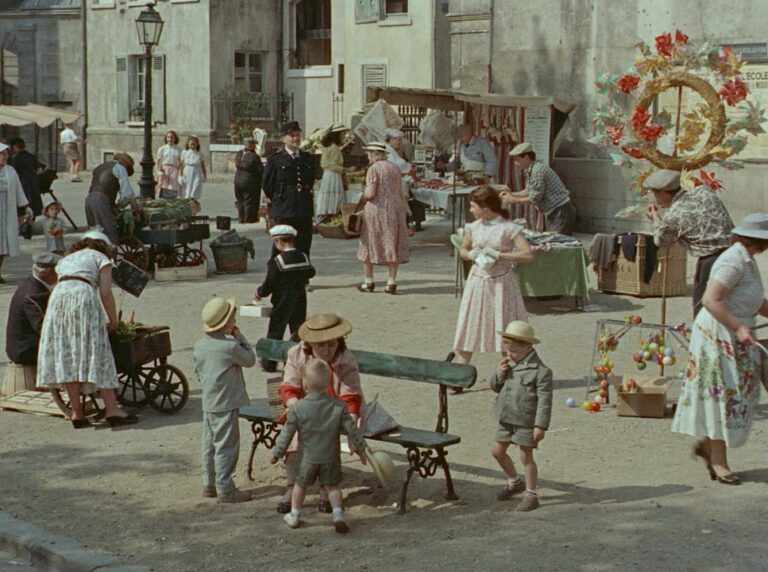
The gentle and carefree Monsieur Hulot disrupts the rigid, modern lifestyle of his sister and her husband, who live in a highly automated, ultra-modern home. As Hulot spends time with their young son, his playful, old-fashioned sensibility clashes with the sterile efficiency of contemporary design. The film unfolds as a series of comedic observations about technology, conformity, and everyday life.
Tati constructs Mon Oncle with a precise, architectural visual style, using wide, static frames and deep staging to let multiple gags play out simultaneously within the same shot. The contrast between the cold, geometric modern house and the warm, cluttered old neighborhood is expressed entirely through production design, color, and spatial organization—turning environment into the film’s primary comedic engine.
FILM SPOTLIGHT
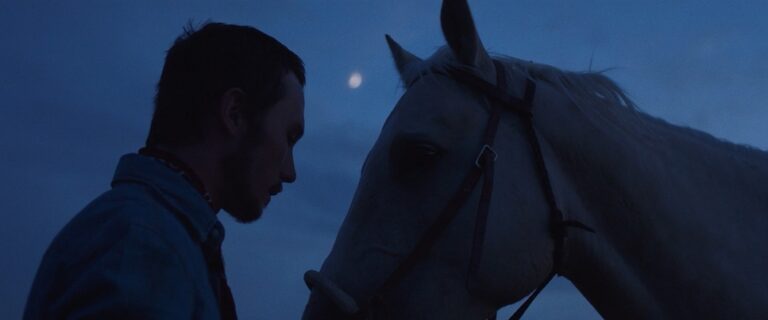
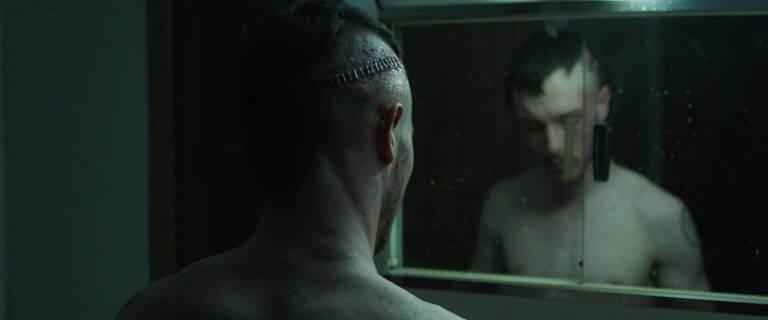
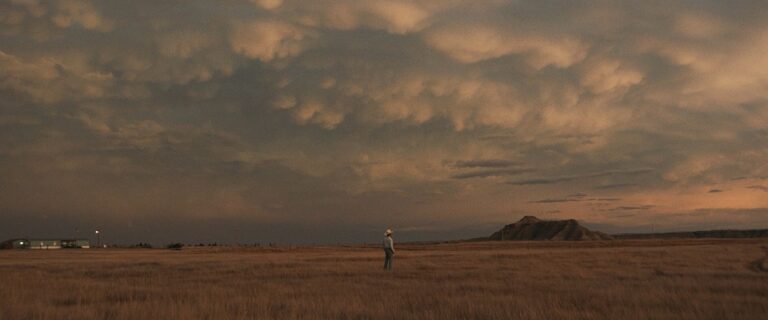
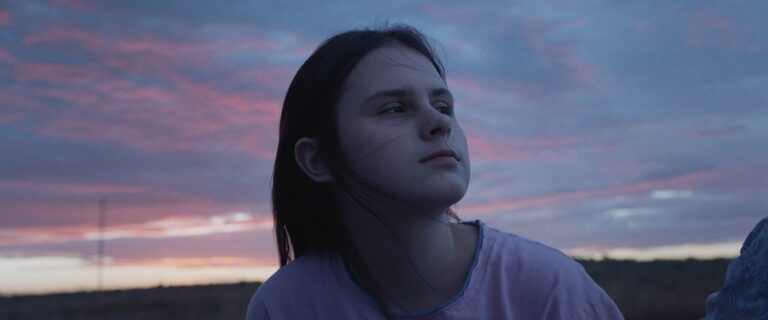
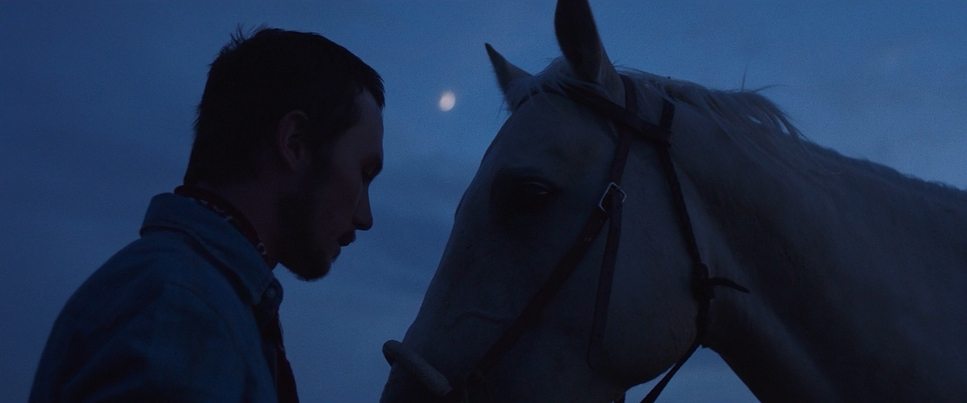
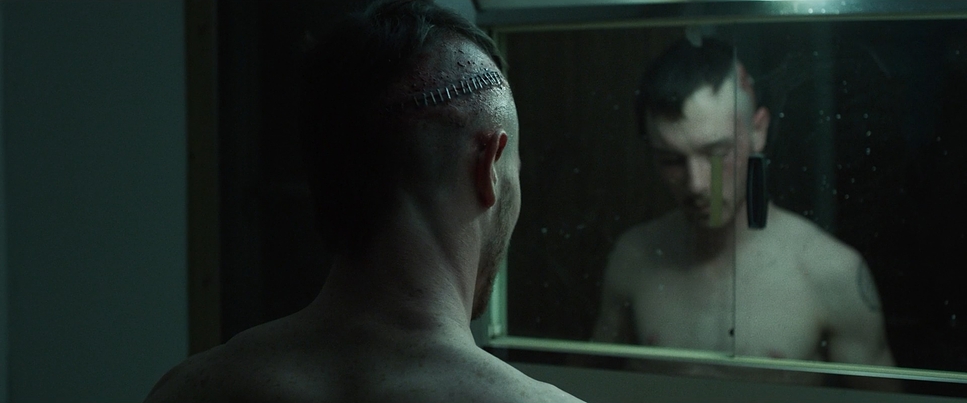
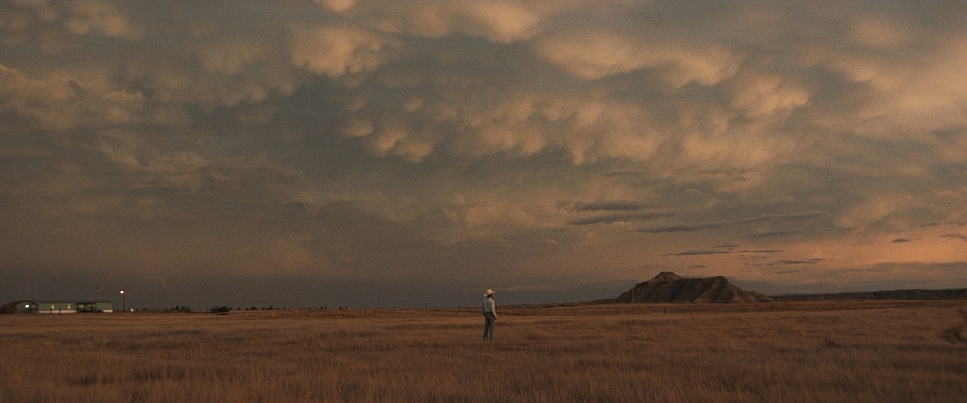
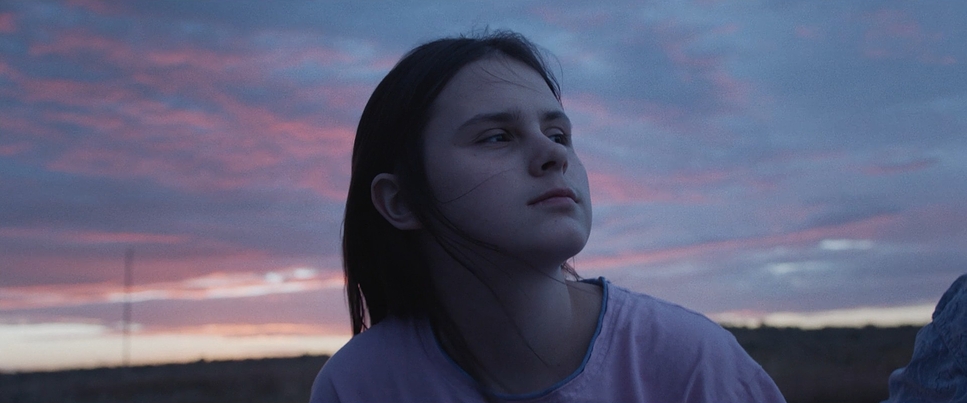
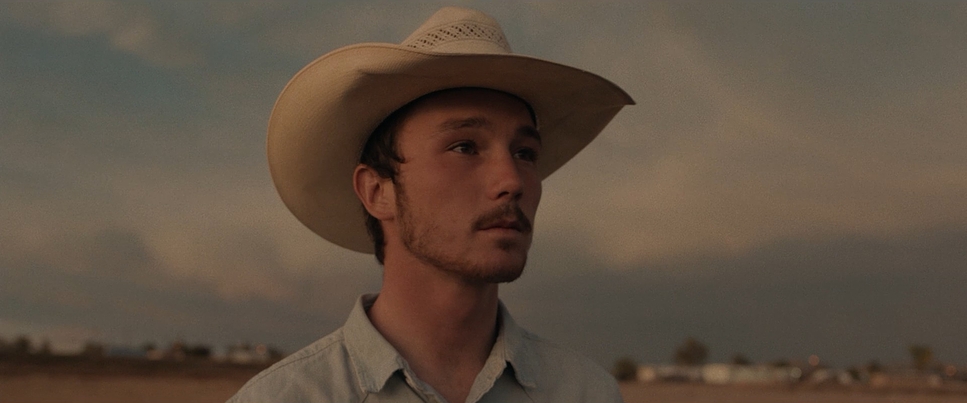
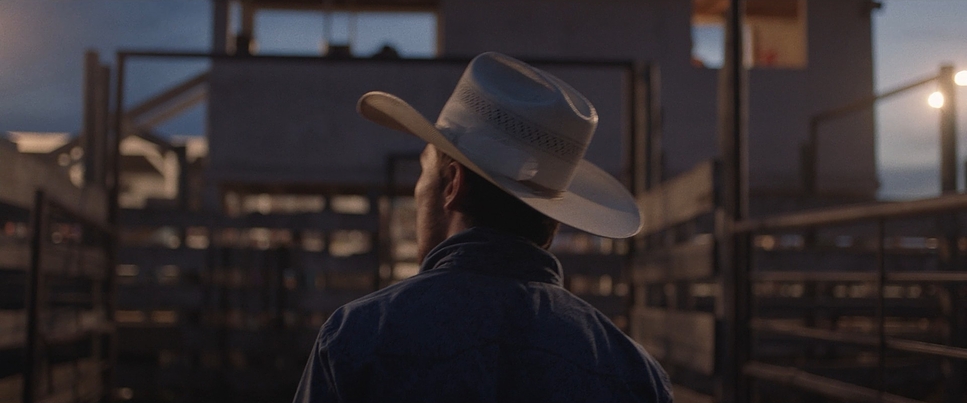
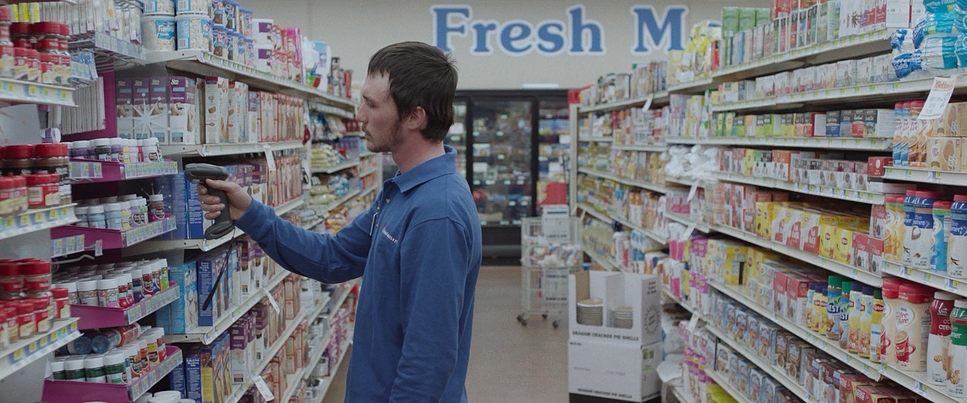
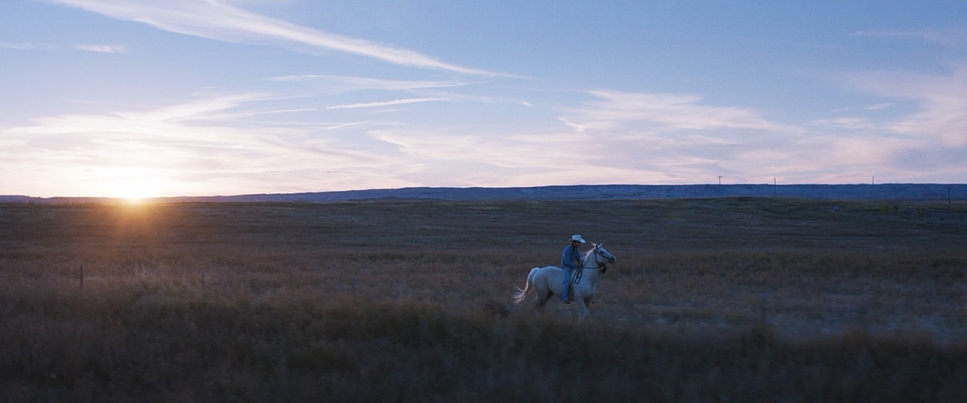
The Rider (2017)
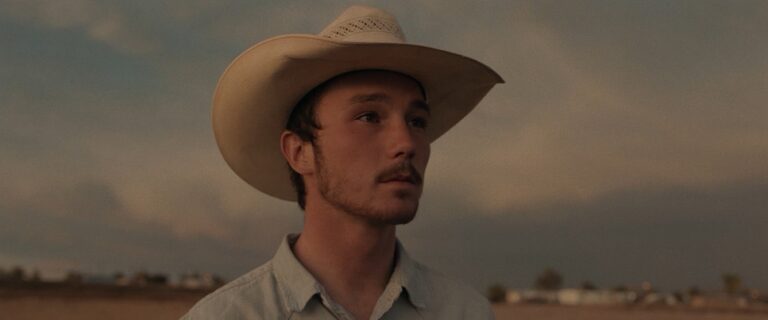
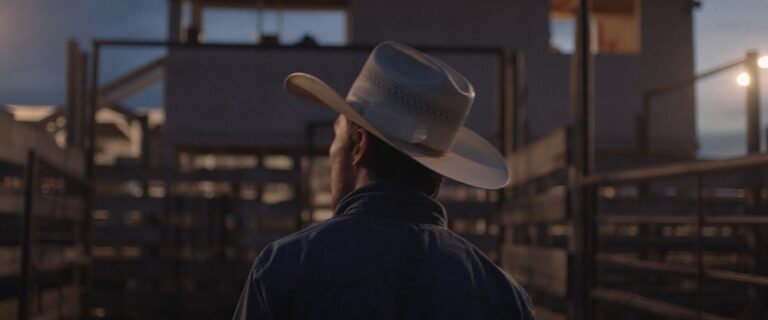
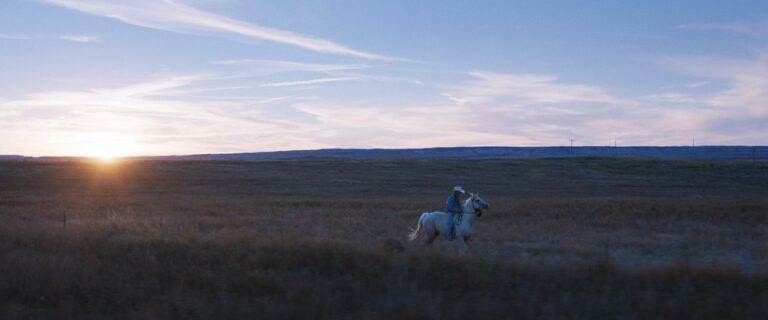
After a near-fatal rodeo accident, a young cowboy named Brady struggles to come to terms with the end of his riding career. Returning home to the Pine Ridge Reservation, he reconnects with family and friends while searching for a new sense of purpose. His journey becomes a quiet reflection on identity, masculinity, and what it means to let go of a way of life.
Zhao and cinematographer Joshua James Richards shoot The Rider with a lyrical naturalism, using golden-hour light, wide open plains, and non-professional actors playing versions of themselves. The film’s gentle camera movement and patient framing turn landscape into emotion—where horses, sky, and silence carry as much meaning as dialogue, grounding the story in an almost documentary-like authenticity.

FILM SPOTLIGHT
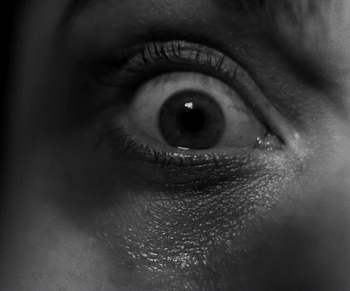
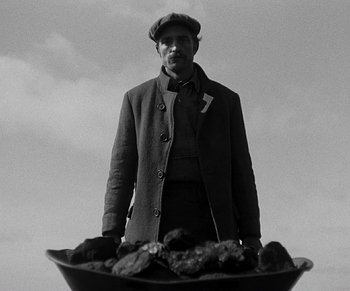
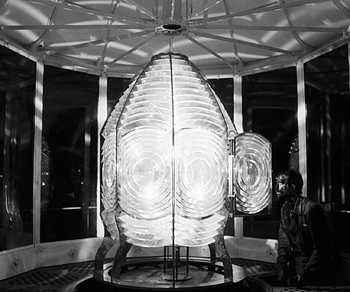
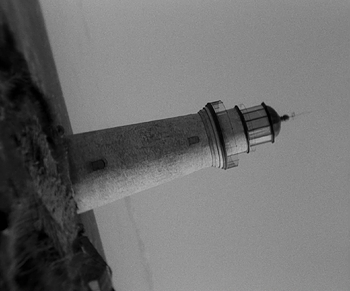
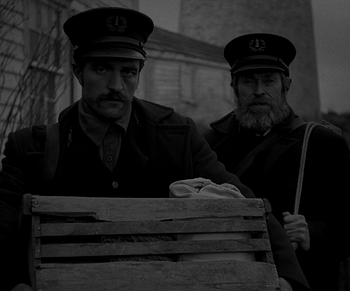
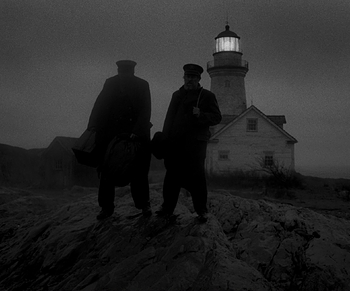
The Lighthouse (2019)
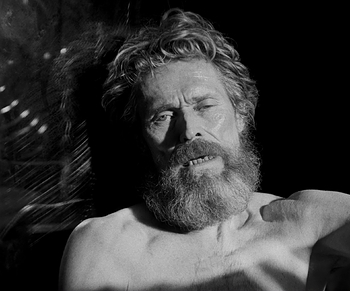
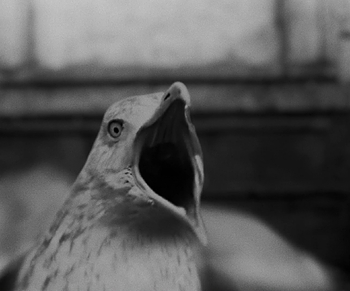
Two lighthouse keepers arrive on a remote, windswept island to tend the light, but their isolation quickly breeds tension and distrust. As storms trap them and reality begins to blur, their relationship devolves into paranoia, obsession, and madness. The descent becomes a mythic and psychological battle, where truth and delusion are indistinguishable.
Eggers and cinematographer Jarin Blaschke shoot The Lighthouse in stark black-and-white on 35mm, using a nearly square 1.19:1 aspect ratio to confine the frame. The film’s harsh, high-contrast lighting—often motivated by lanterns and fire—sculpts faces and textures into something primal, while its static compositions and crashing soundscape turn the environment into an oppressive, elemental force.
FILM SPOTLIGHT
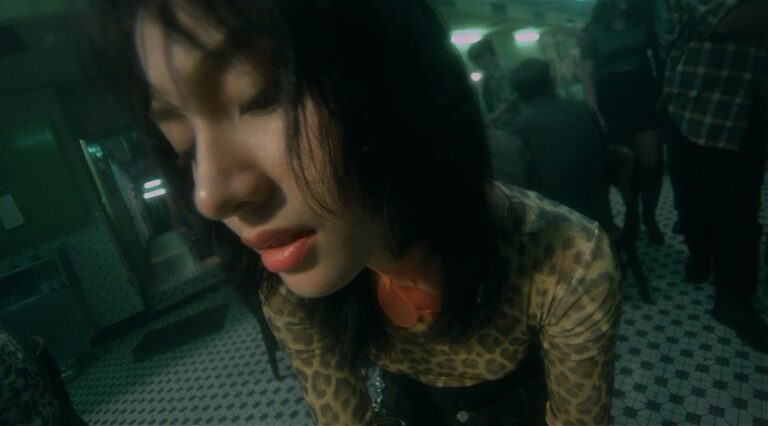
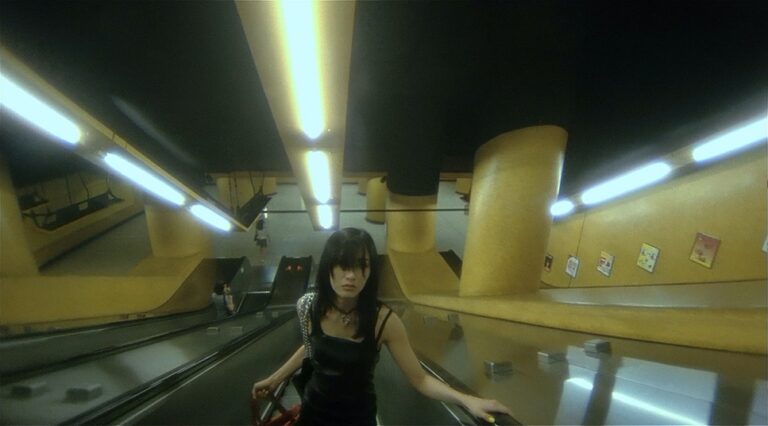
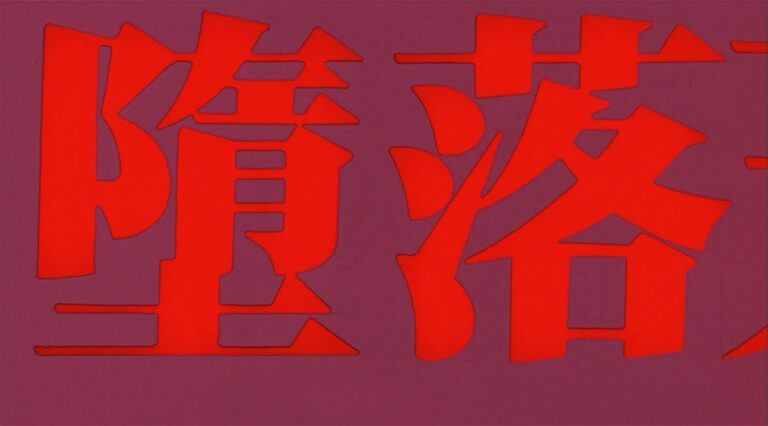
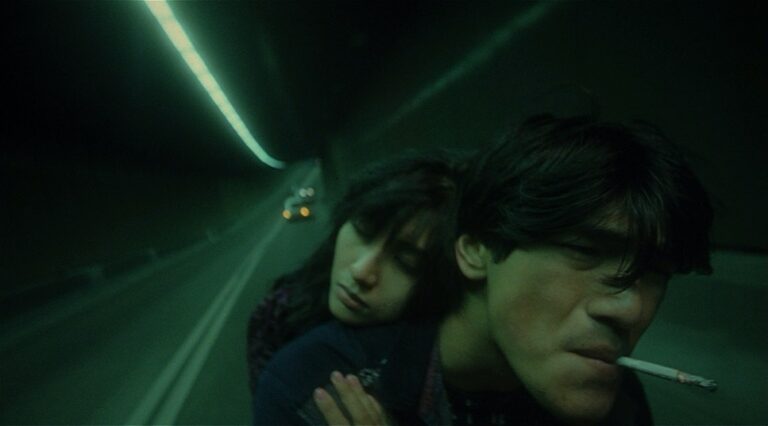
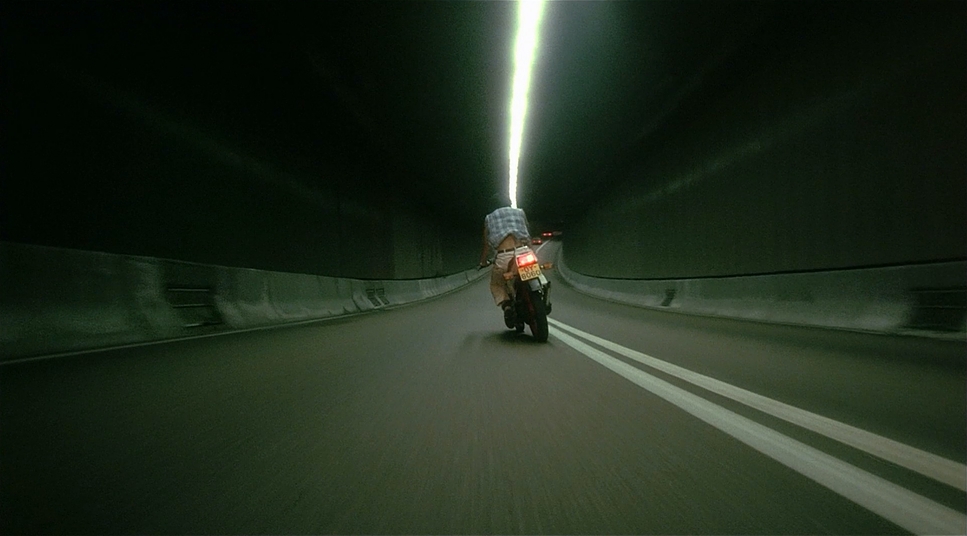
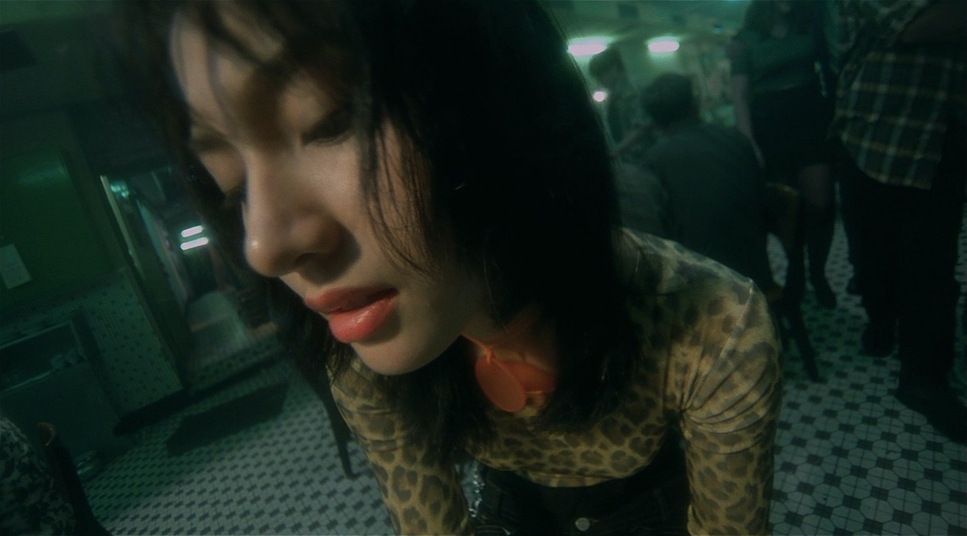
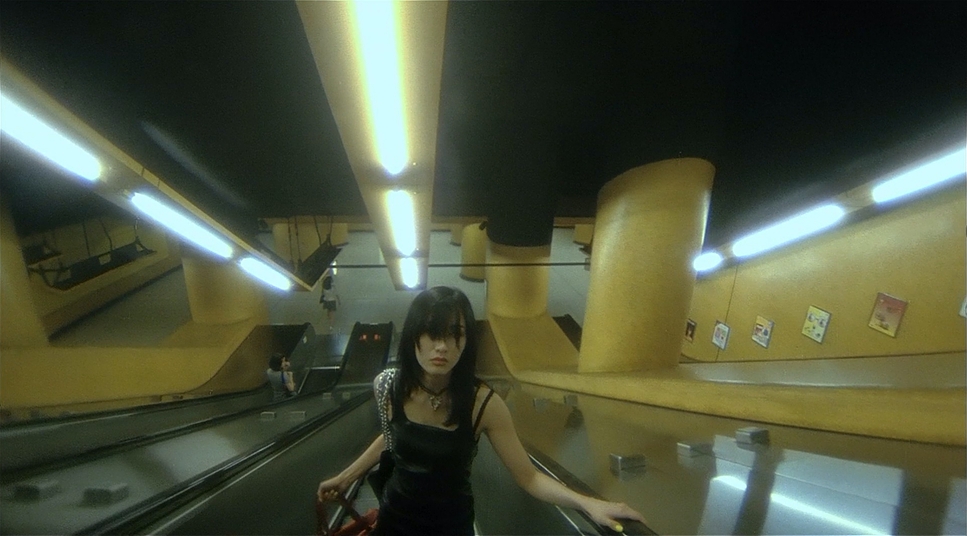
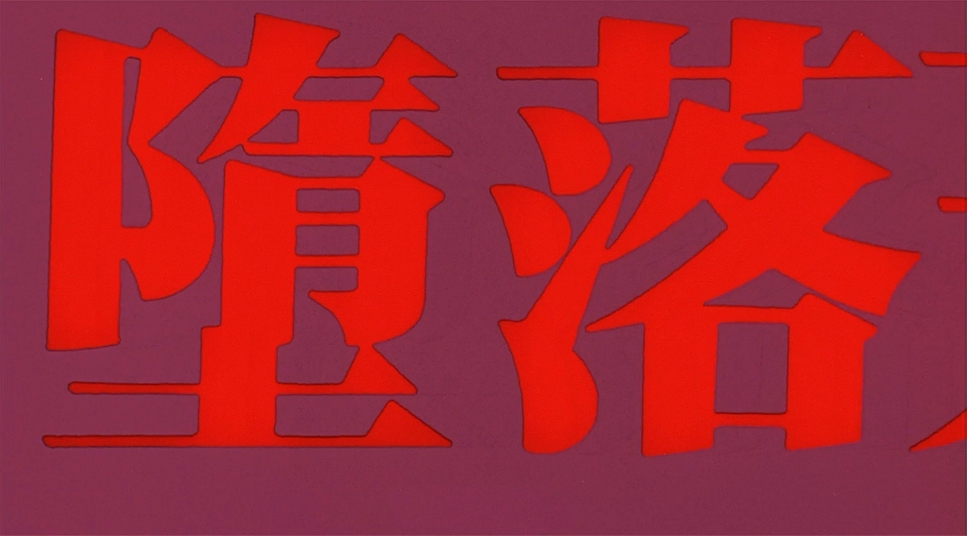
Fallen Angels (1995)
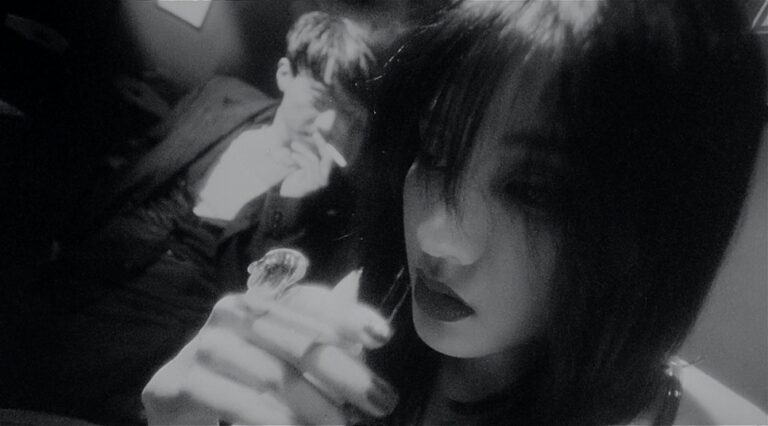
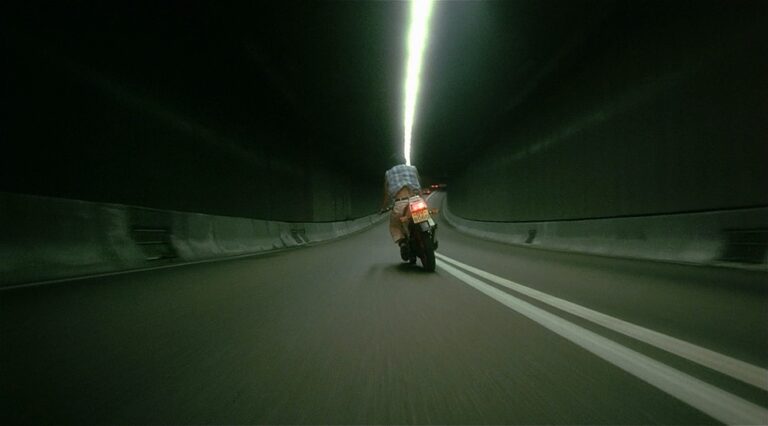
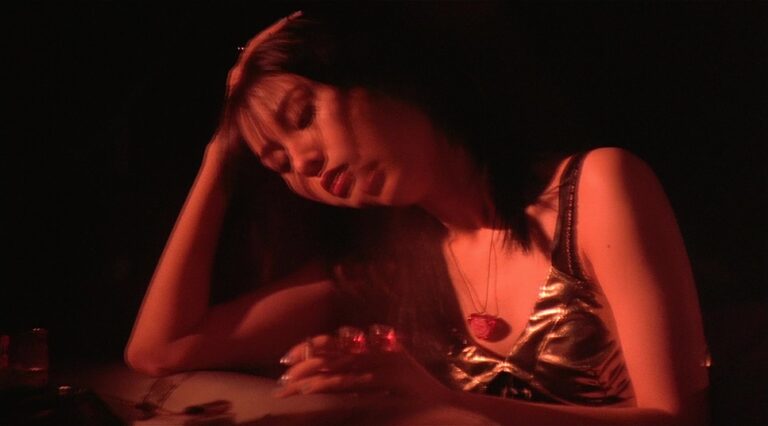
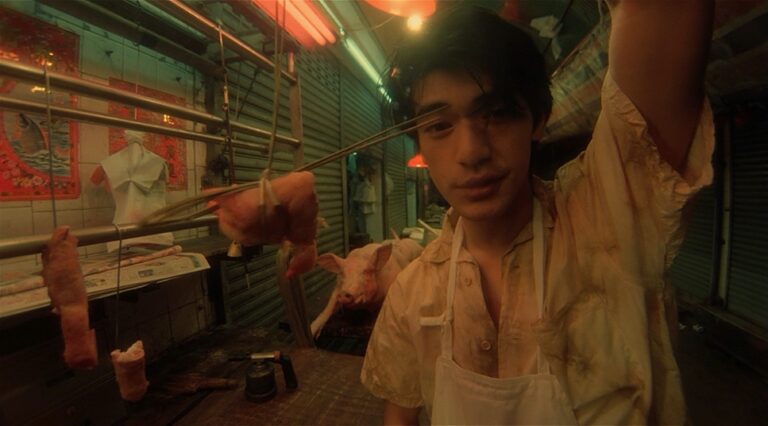
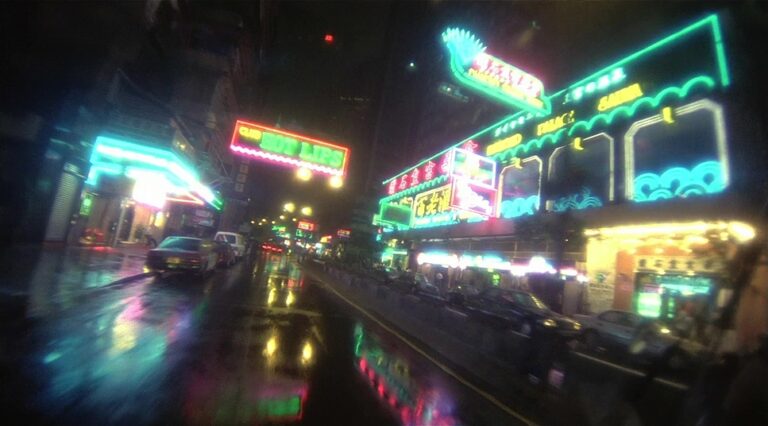
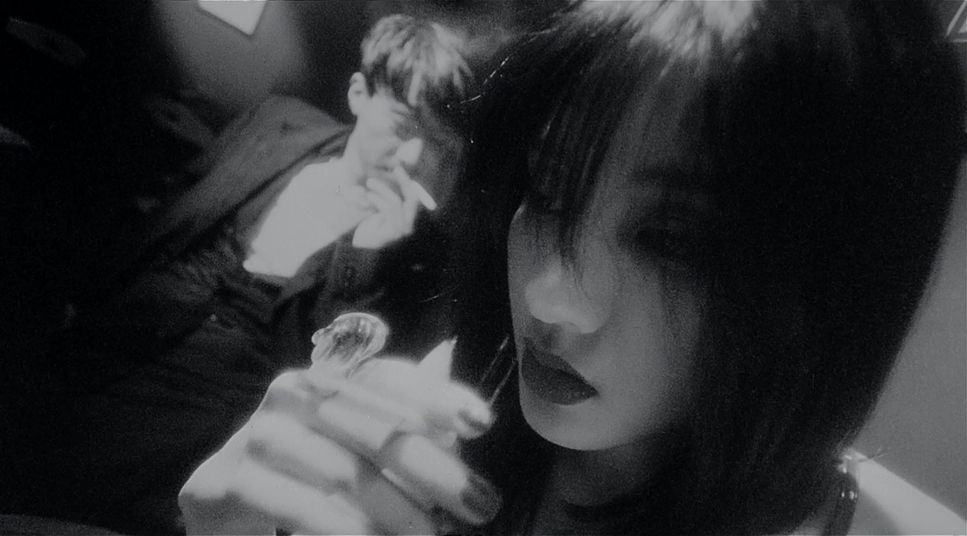
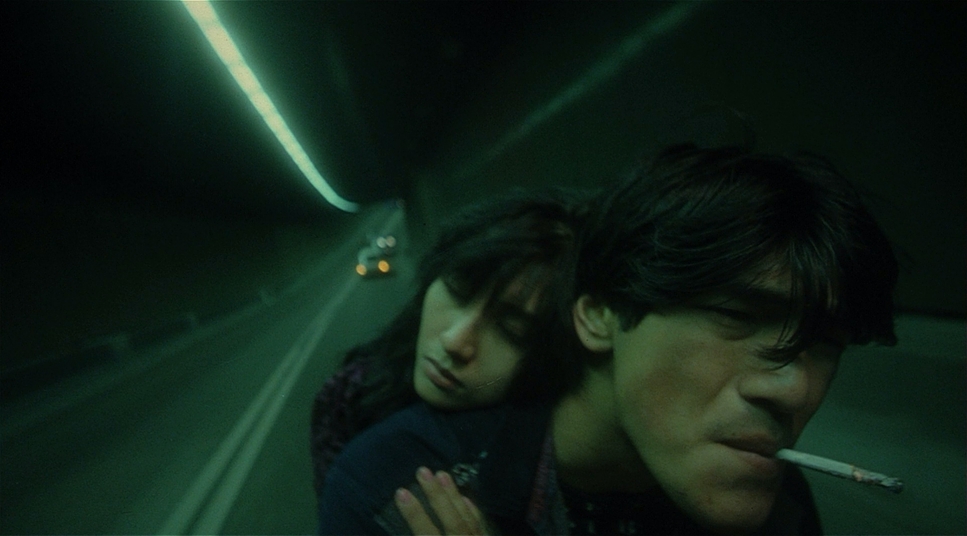
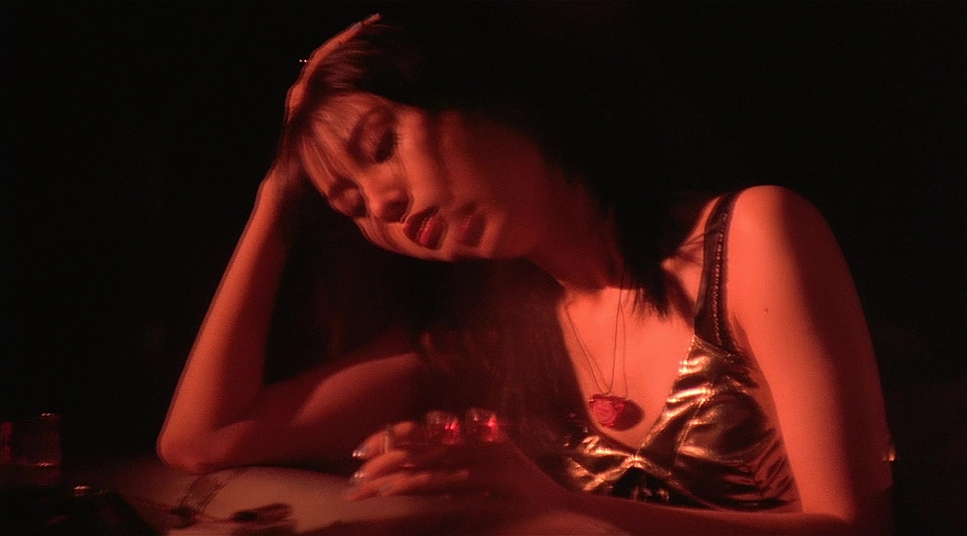
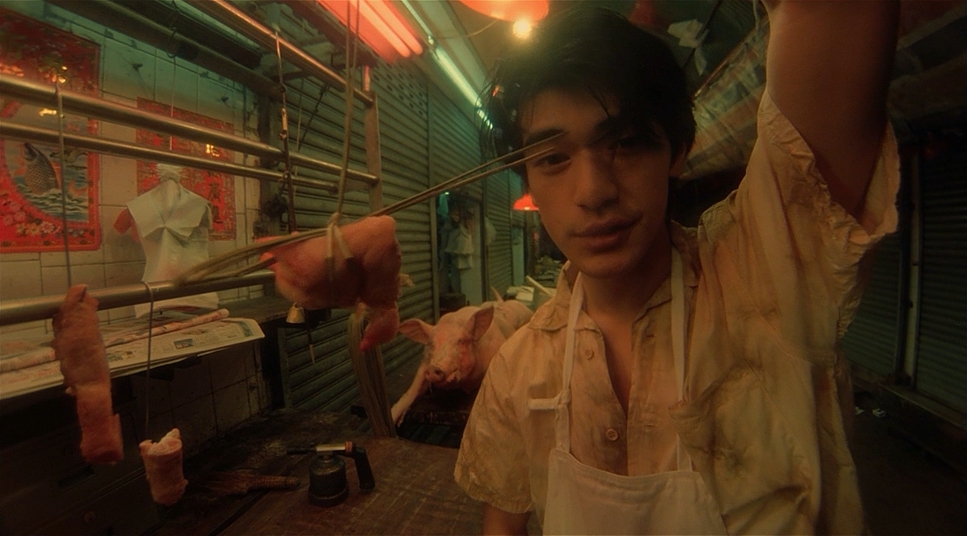
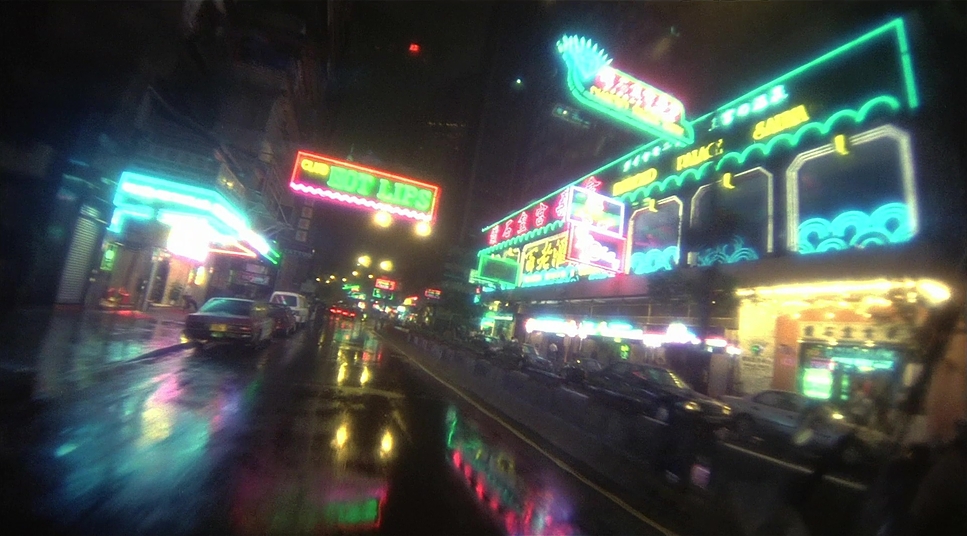
Set in nocturnal Hong Kong, the film follows a hitman considering retirement and the woman who manages his assignments, whose unspoken longing for him complicates their professional distance. Parallel to their story is a mute drifter who breaks into businesses at night, forming fleeting connections with those he encounters. Their lives intersect in a fragmented, melancholic portrait of loneliness, desire, and urban disconnection.
Wong and cinematographer Christopher Doyle push visual stylization to an extreme, using ultra-wide lenses, step-printing, and saturated neon lighting to distort space and time. The film’s canted angles, smeared motion, and reflective surfaces turn Hong Kong into a restless, dreamlike environment—where proximity feels invasive and distance feels emotional, making the city itself a psychological landscape.
FILM SPOTLIGHT
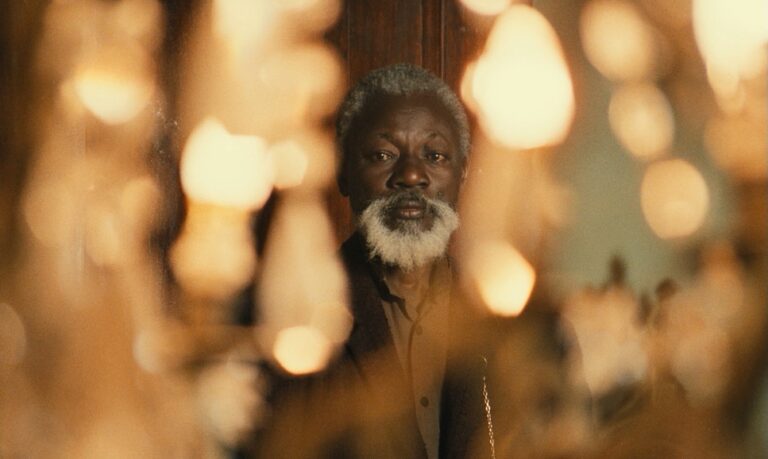
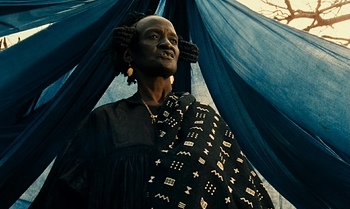
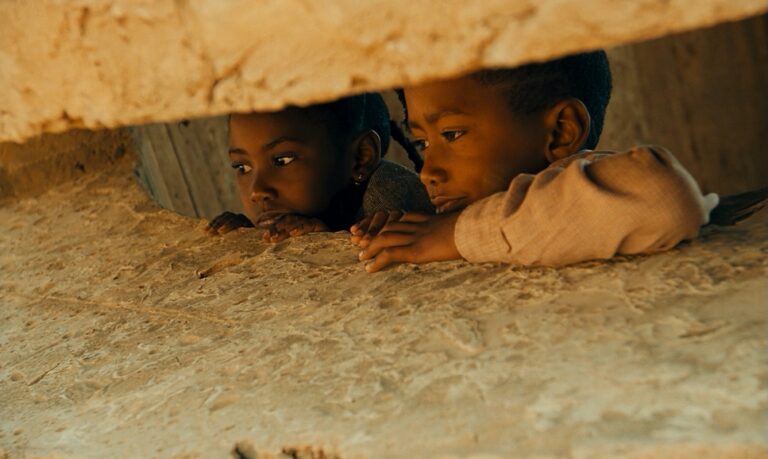
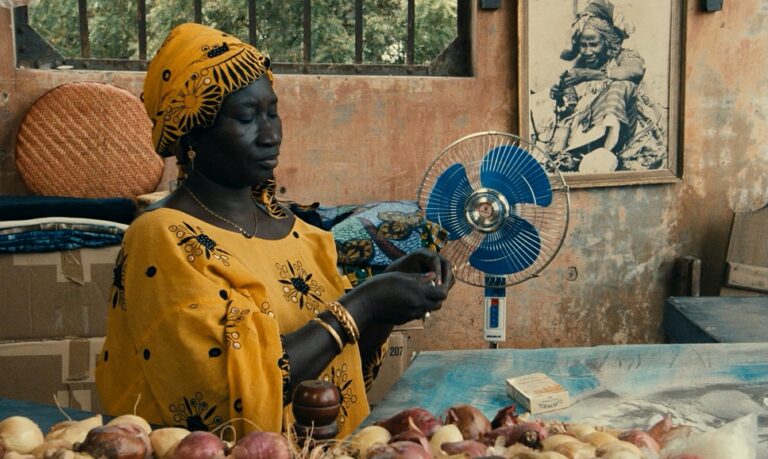
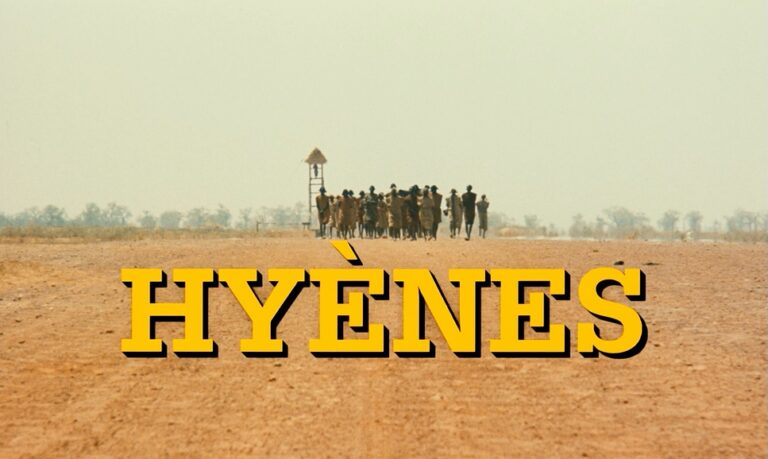
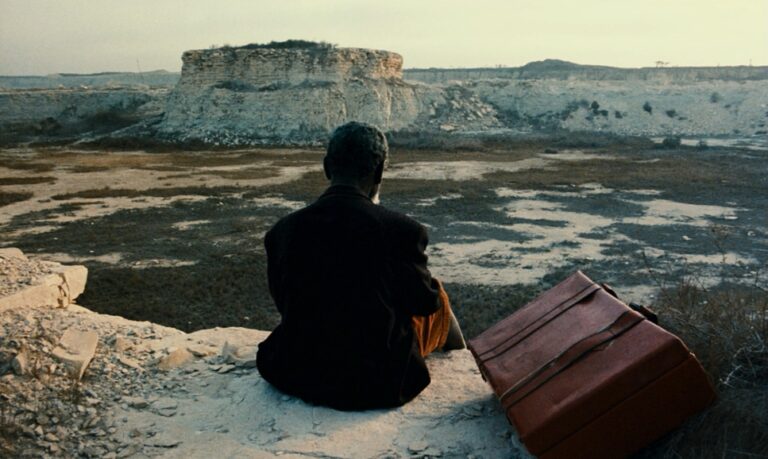
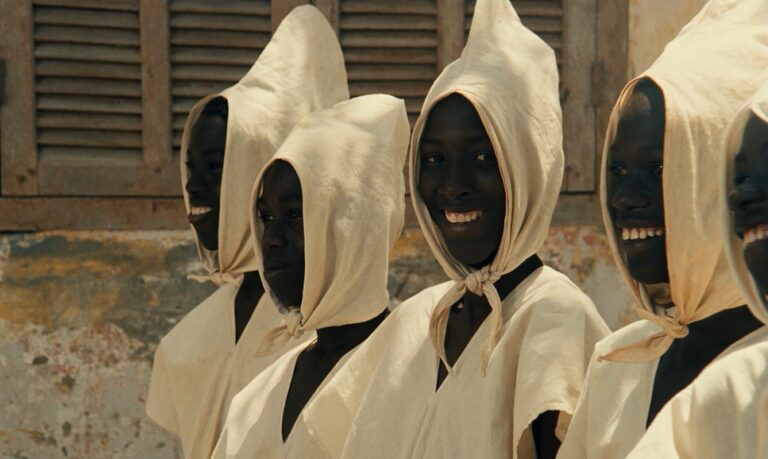
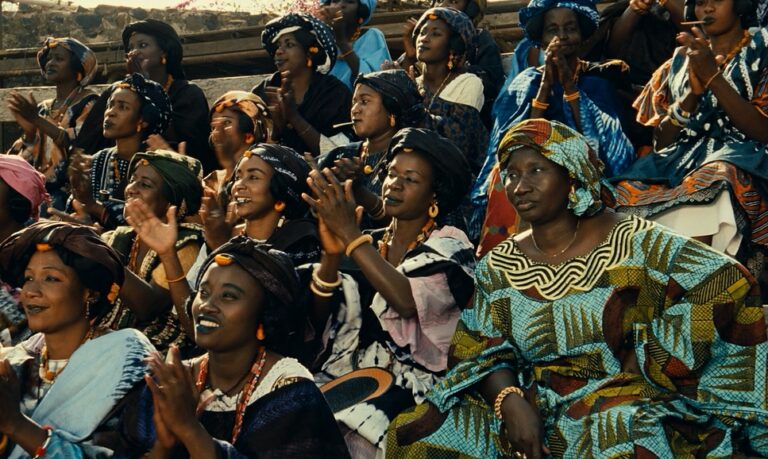
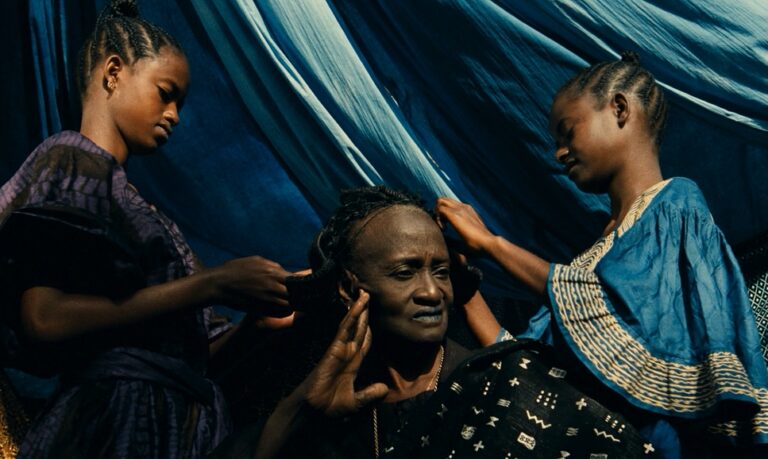
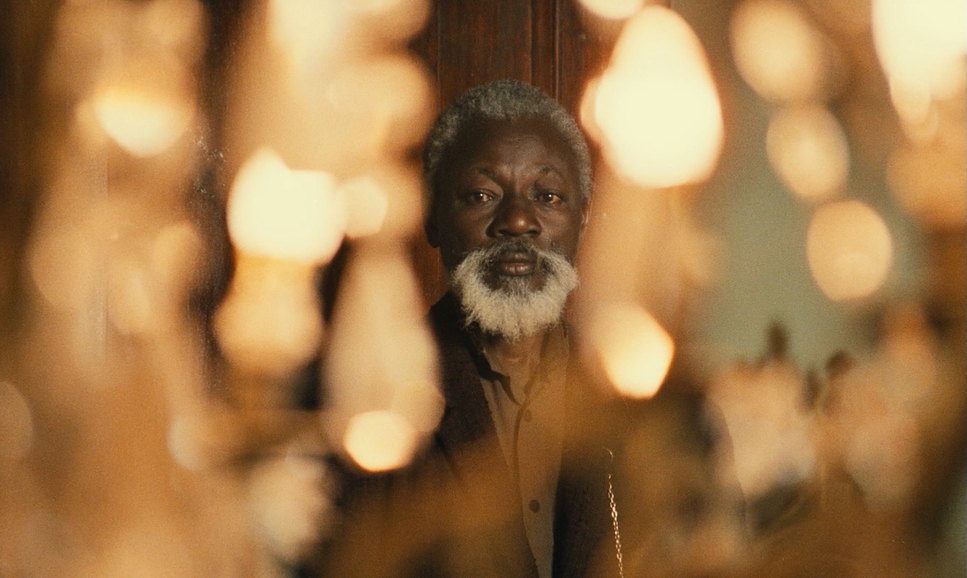
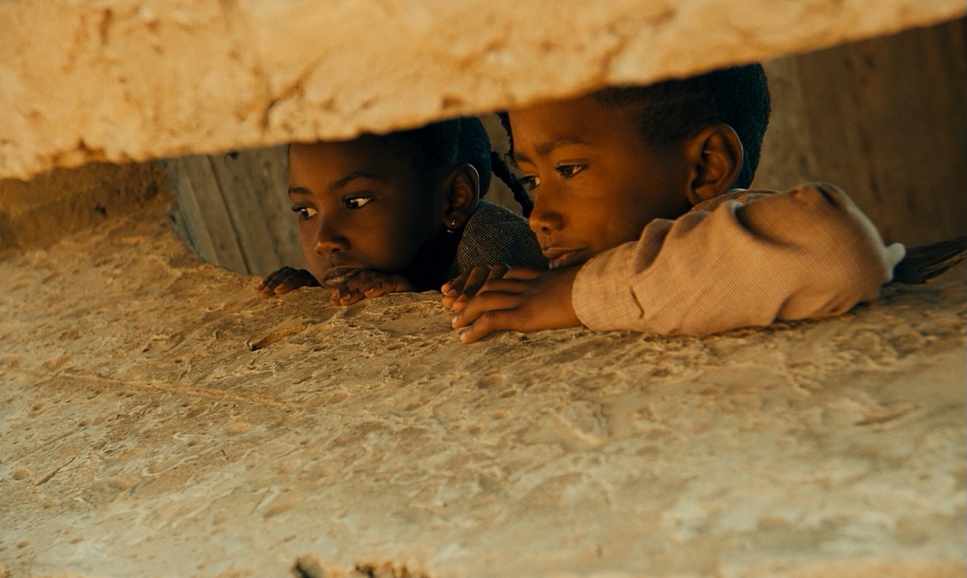
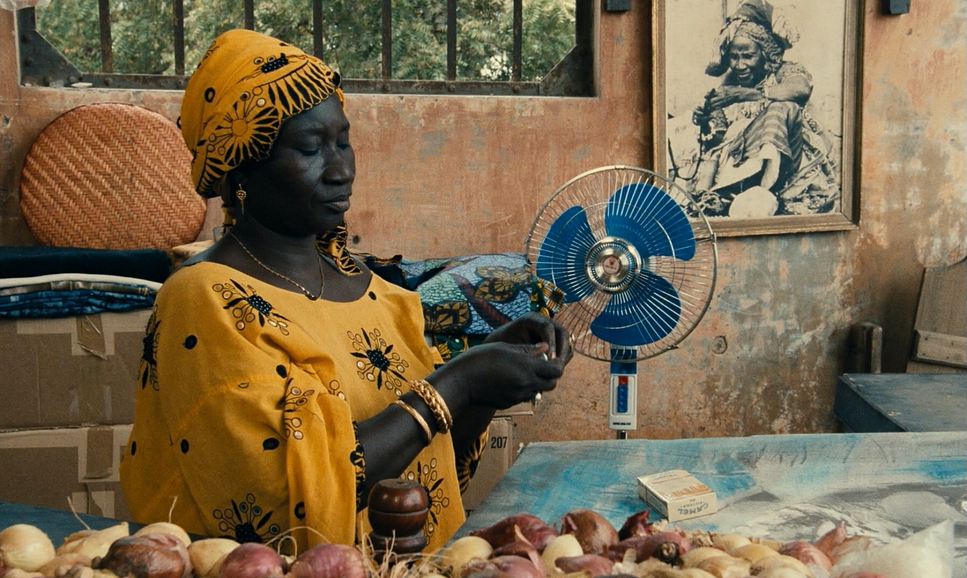
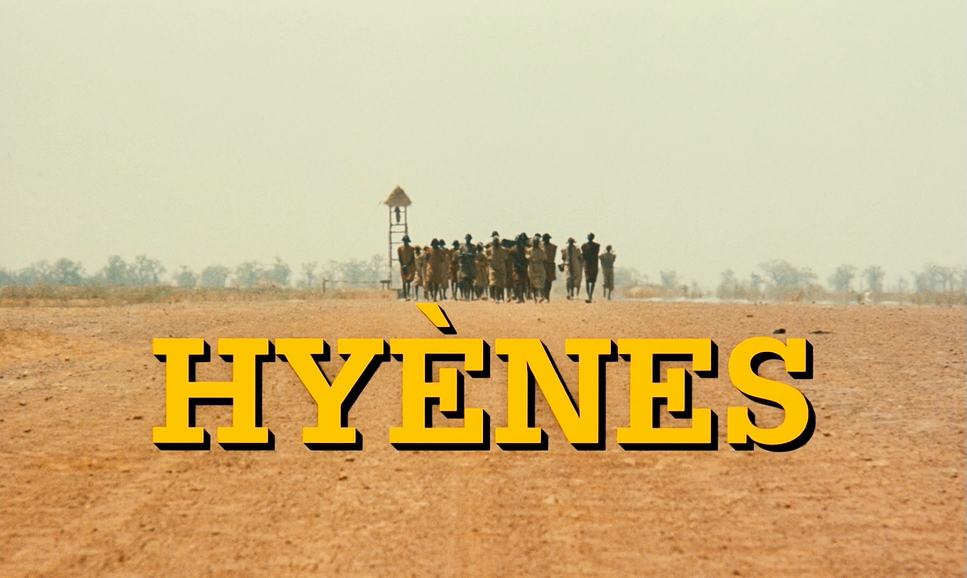
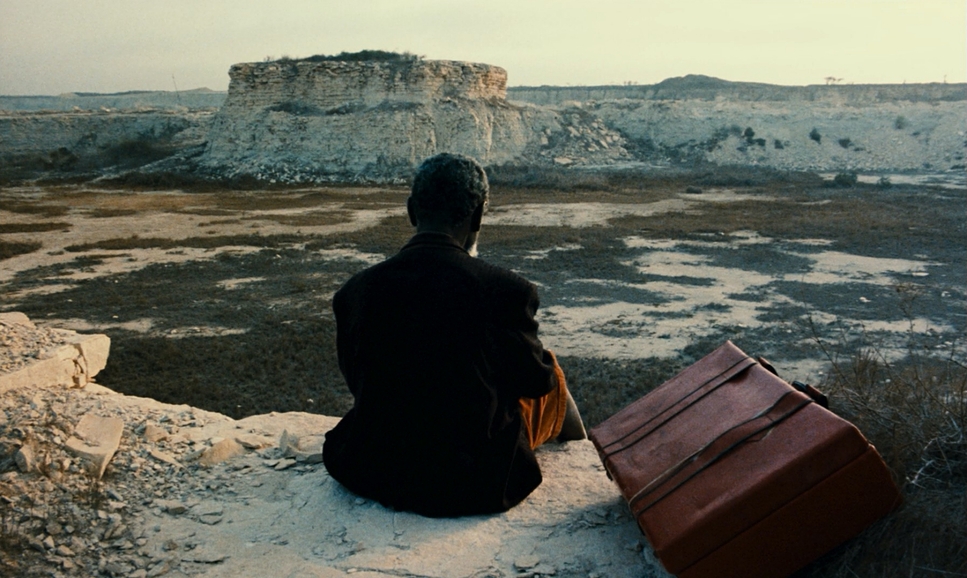
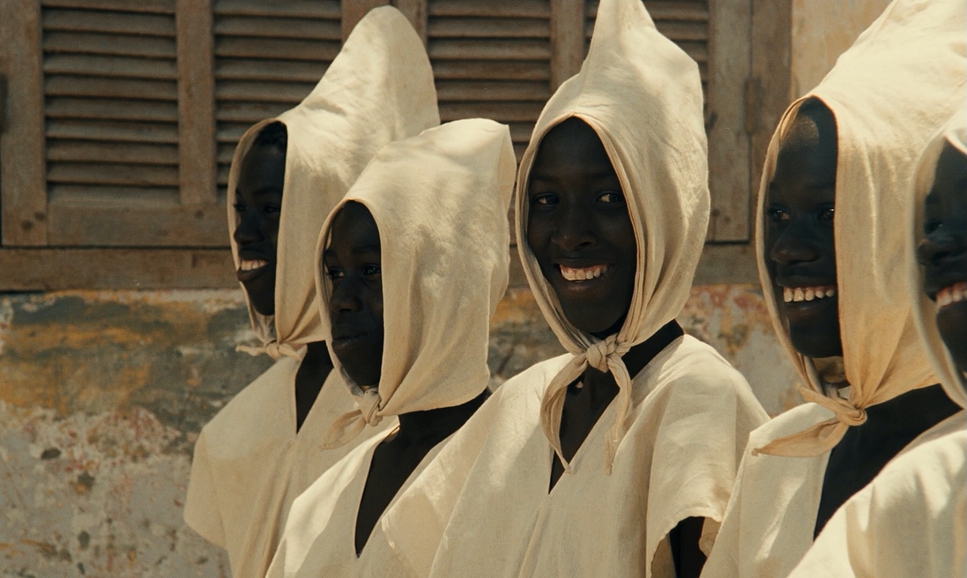
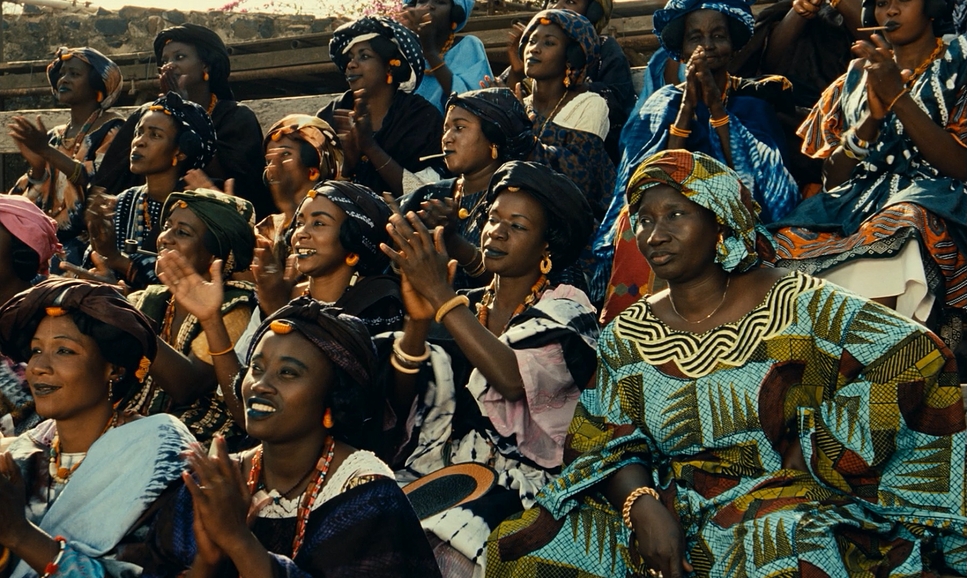
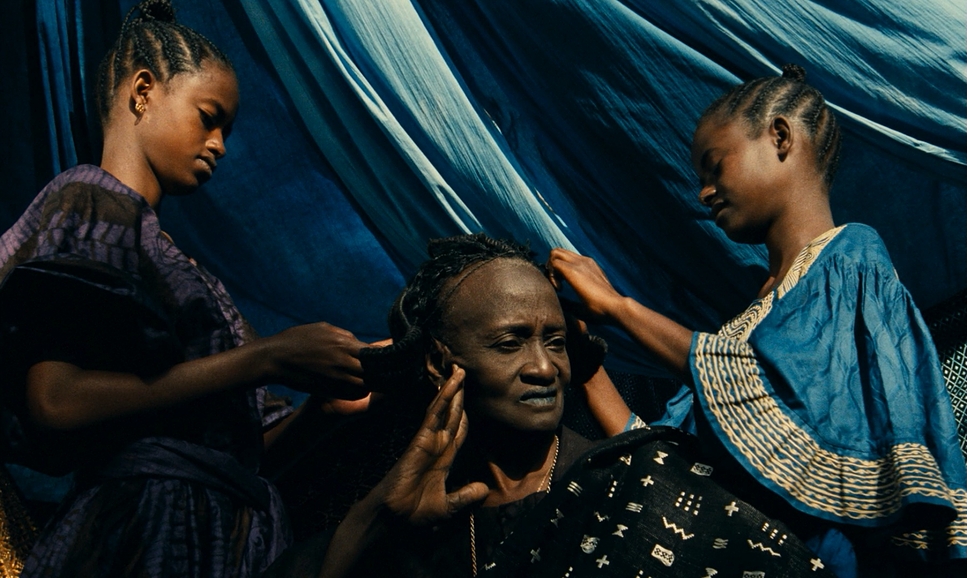
Hyenas (1992)
In a struggling Senegalese village, a wealthy woman returns after decades away, offering the townspeople immense riches on one condition: they must kill the man who once wronged her. As the community grapples with the moral weight of her proposal, their resistance slowly erodes under the lure of wealth. The story unfolds as a dark fable about greed, justice, and collective complicity.
Mambéty and cinematographer Tony Gatlif craft Hyenas with a bold, theatrical visual style, using saturated colors, stylized costumes, and carefully staged compositions to heighten its allegorical tone. The film’s use of repetition—objects, gestures, and spatial arrangements—turns the village into a symbolic arena, where visual patterns reflect the gradual moral decay of the community.
FILM SPOTLIGHT
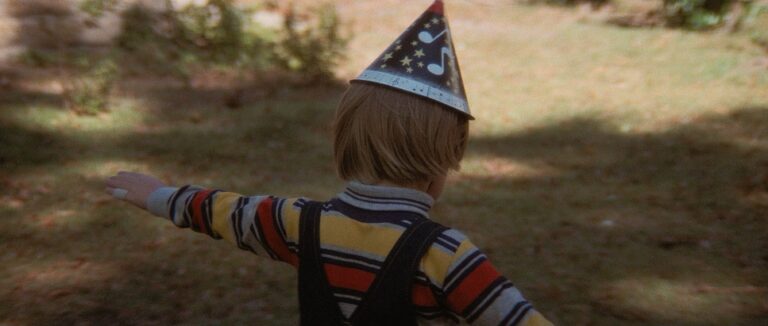
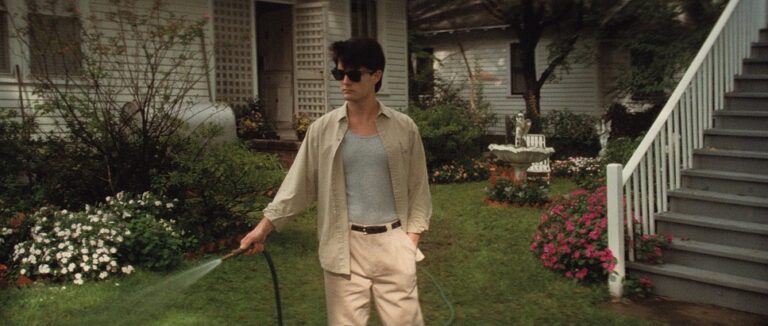
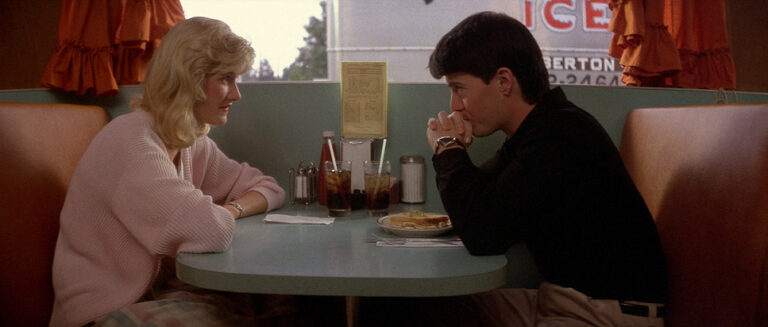
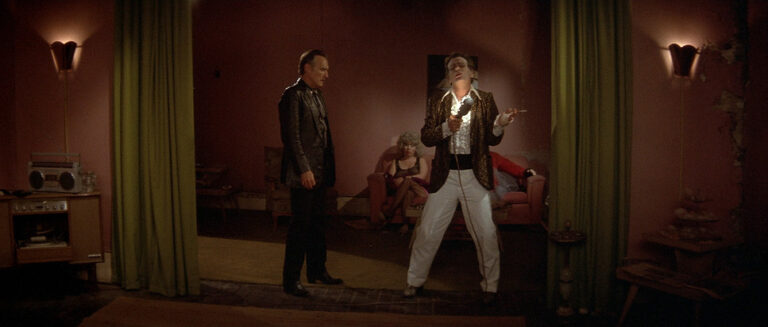
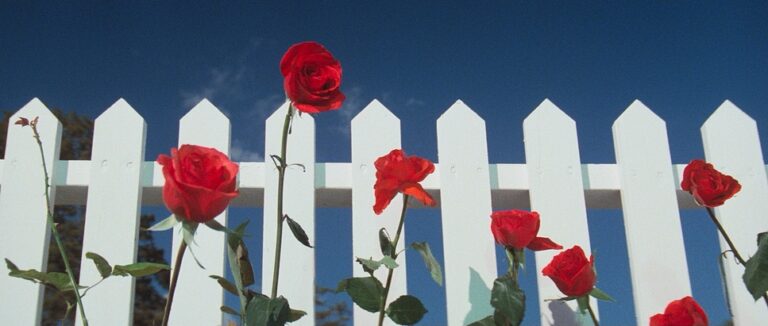
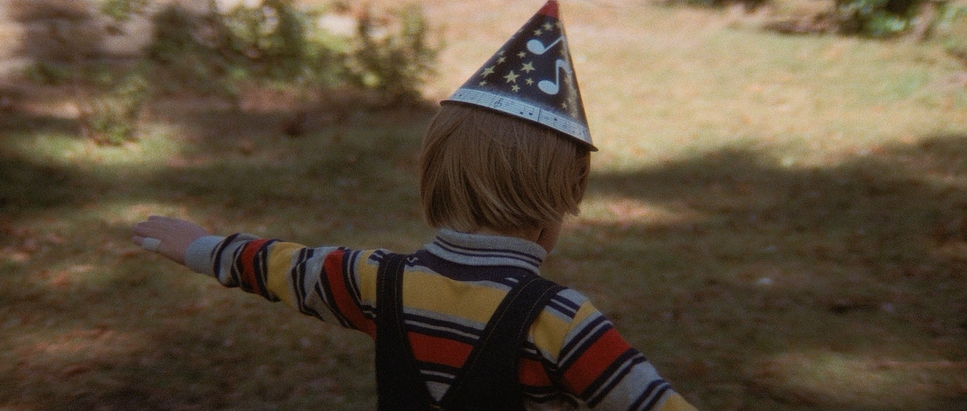
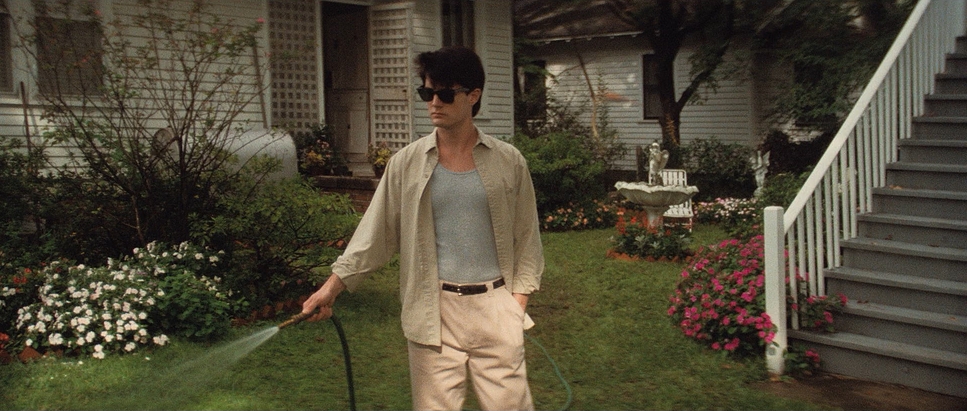
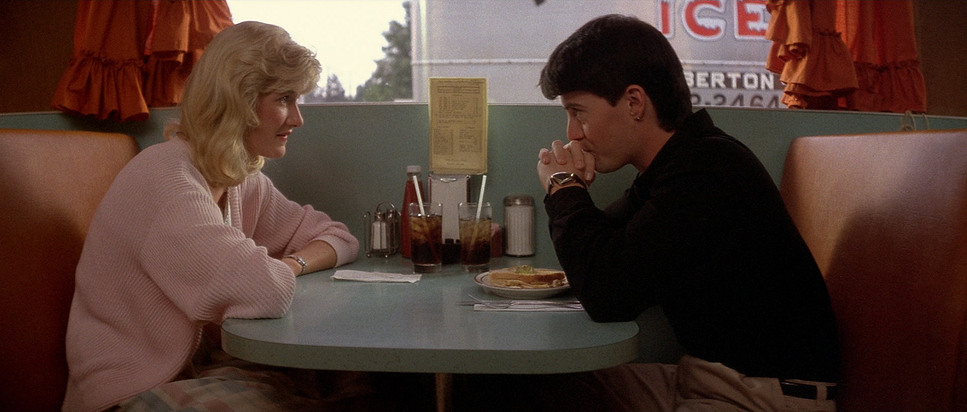
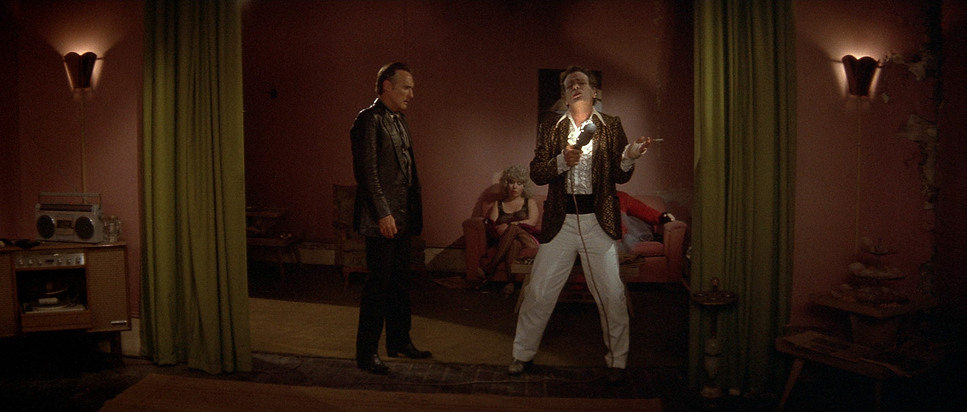
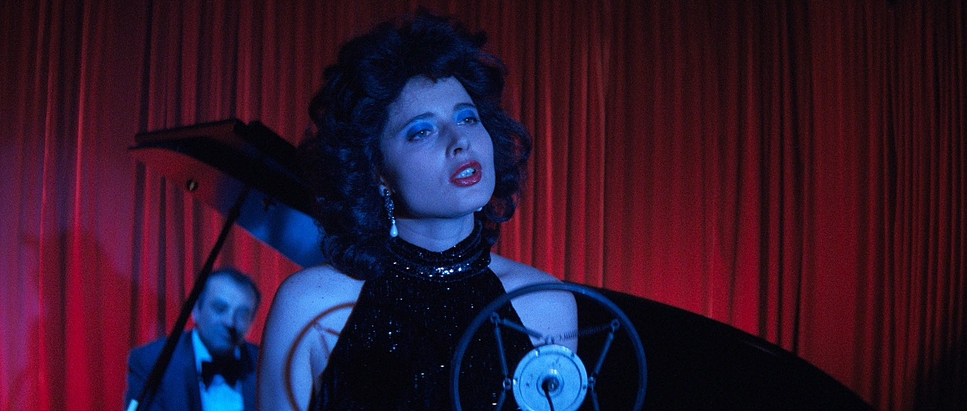
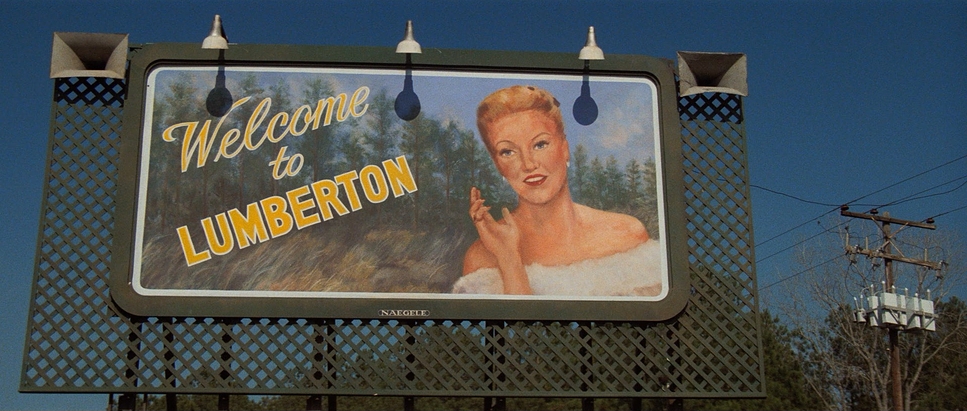
Blue Velvet (1986)
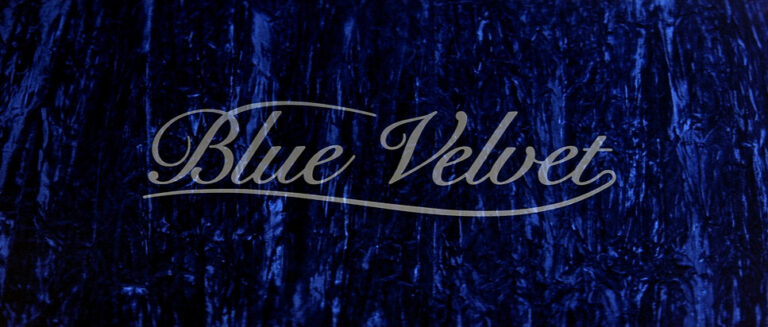
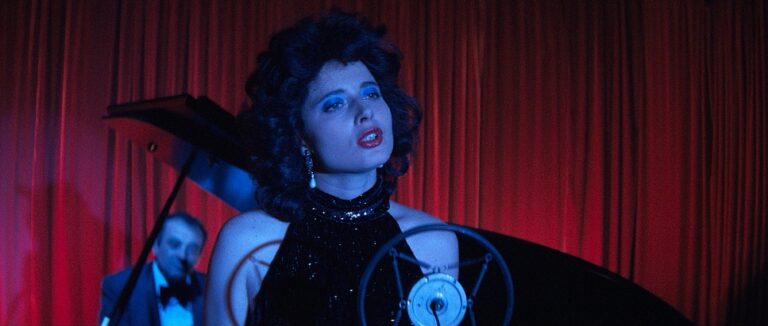
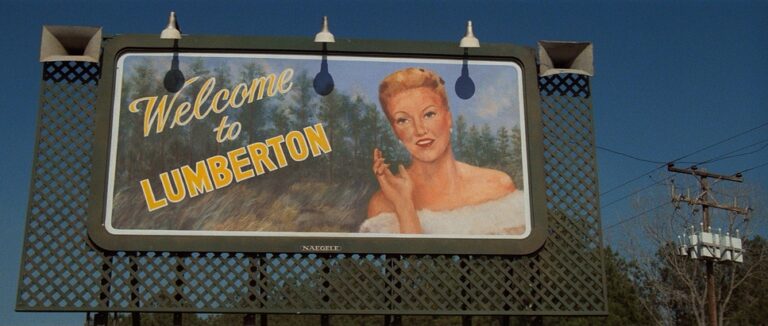
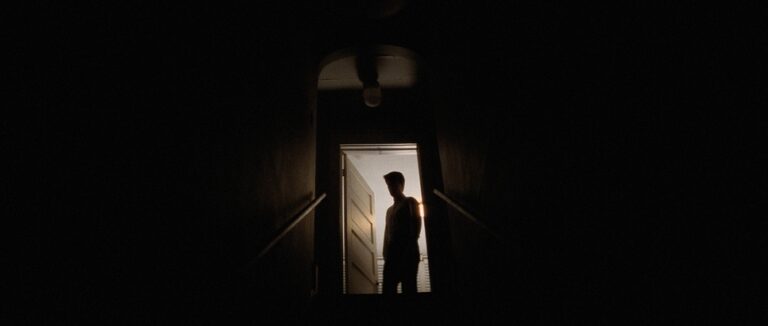
After discovering a severed ear in a field, a college student named Jeffrey Beaumont is drawn into a hidden world of crime and sexual violence lurking beneath his small town’s idyllic surface. With the help of a detective’s daughter, he investigates a mysterious nightclub singer and becomes entangled with a dangerous criminal. What begins as curiosity spirals into a disturbing confrontation with the darkness behind everyday life.
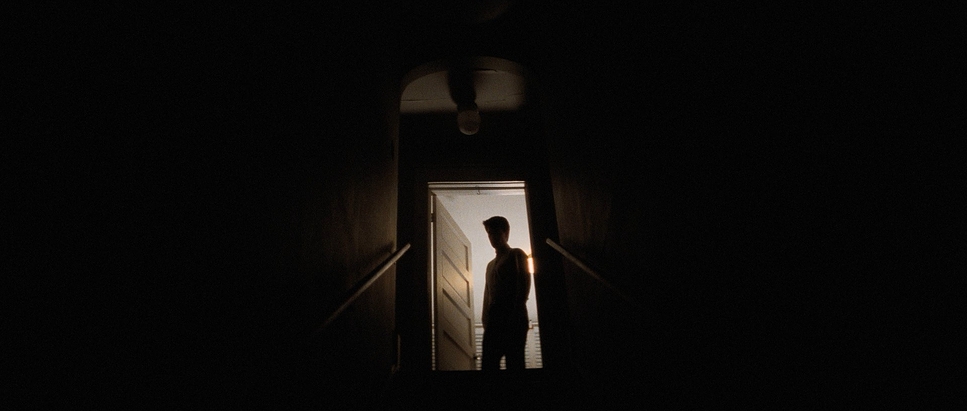
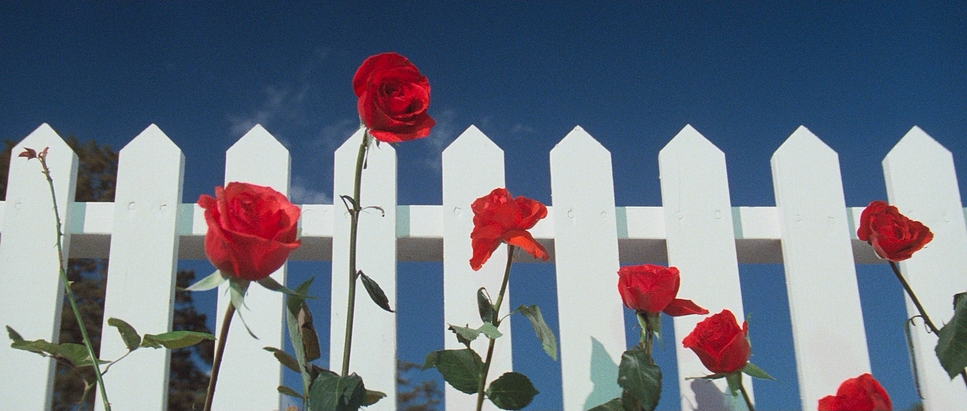
Lynch and cinematographer Frederick Elmes construct Blue Velvet around stark contrasts—bright, saturated suburban imagery set against shadowy, claustrophobic interiors. The film’s deliberate compositions, slow camera movements, and symbolic use of color (especially deep blues and reds) turn the town into a dual world, where the surface of normalcy is constantly threatened by something lurking just beneath it.