Indie Auteurs, Classic Cartoons and Mega TV Drops!
Hello, ShotDeck community!
This week is your last chance to submit your entry for the 2025 ShotDeck recreations contest. Find your favorite image on ShotDeck, recreate it by yourself or with your friends and family (remember to show us your BTS work – no VFX allowed!), and submit by 11:59pm PST on October 5,2025 for your chance to win from our prize pool of over $125,000.
We’re excited to announce that our first round of judges includes director Sean Baker, cinematographers Autumn Durald Arkapaw, Adam Newport-Berra, Natasha Braier, Jomo Fray, Kira Kelly and Amy Vincent, production designer Jean-Vincent Puzos, and colorist Waqas Qazi. Check out our website and Instagram page for more details.
To find the perfect image for your recreation submission, and to get full access to the world’s leading library of cinematic reference images, sign up today for a free 2 week trial, or download our app from the App Store.
And remember that you can also access ShotDeck via Canva! Our official integration gives you access to the entire ShotDeck library directly within Canva’s interface. You can also directly access any decks you’ve built in ShotDeck in Canva.
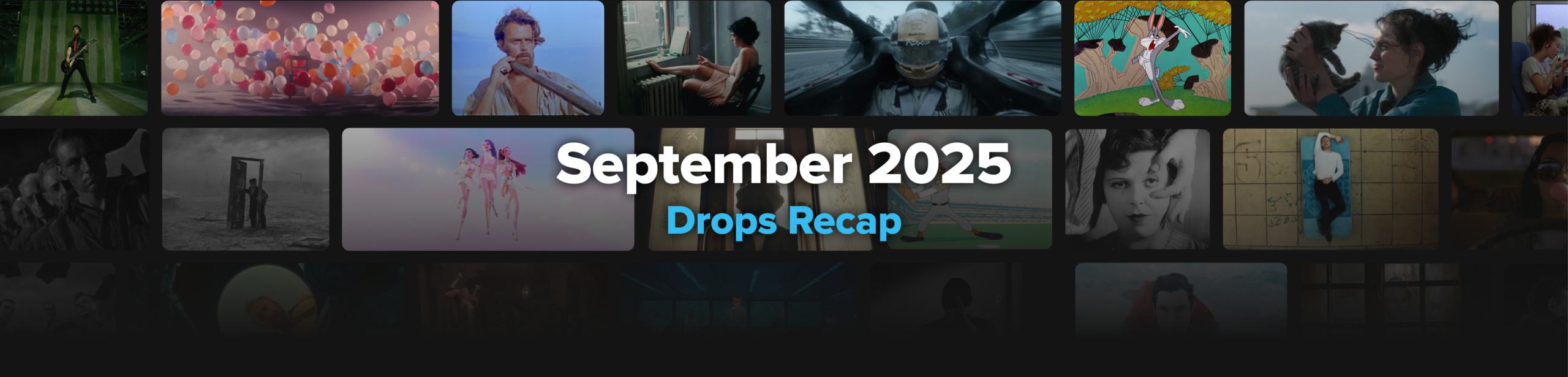
In September, we dropped over 63,000 new shots from hundreds of films, television series, music videos and commercials. Let’s dive in!
FILM COLLECTION
New Releases
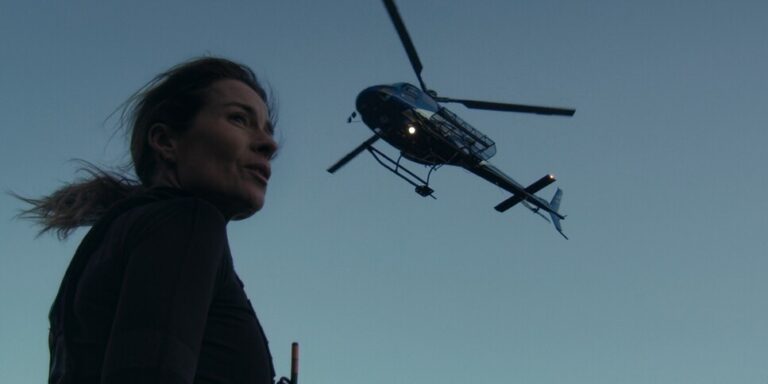
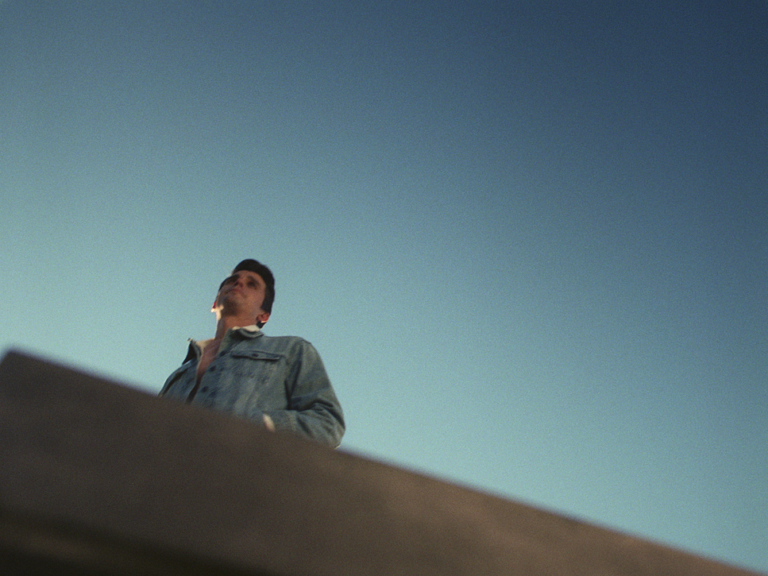
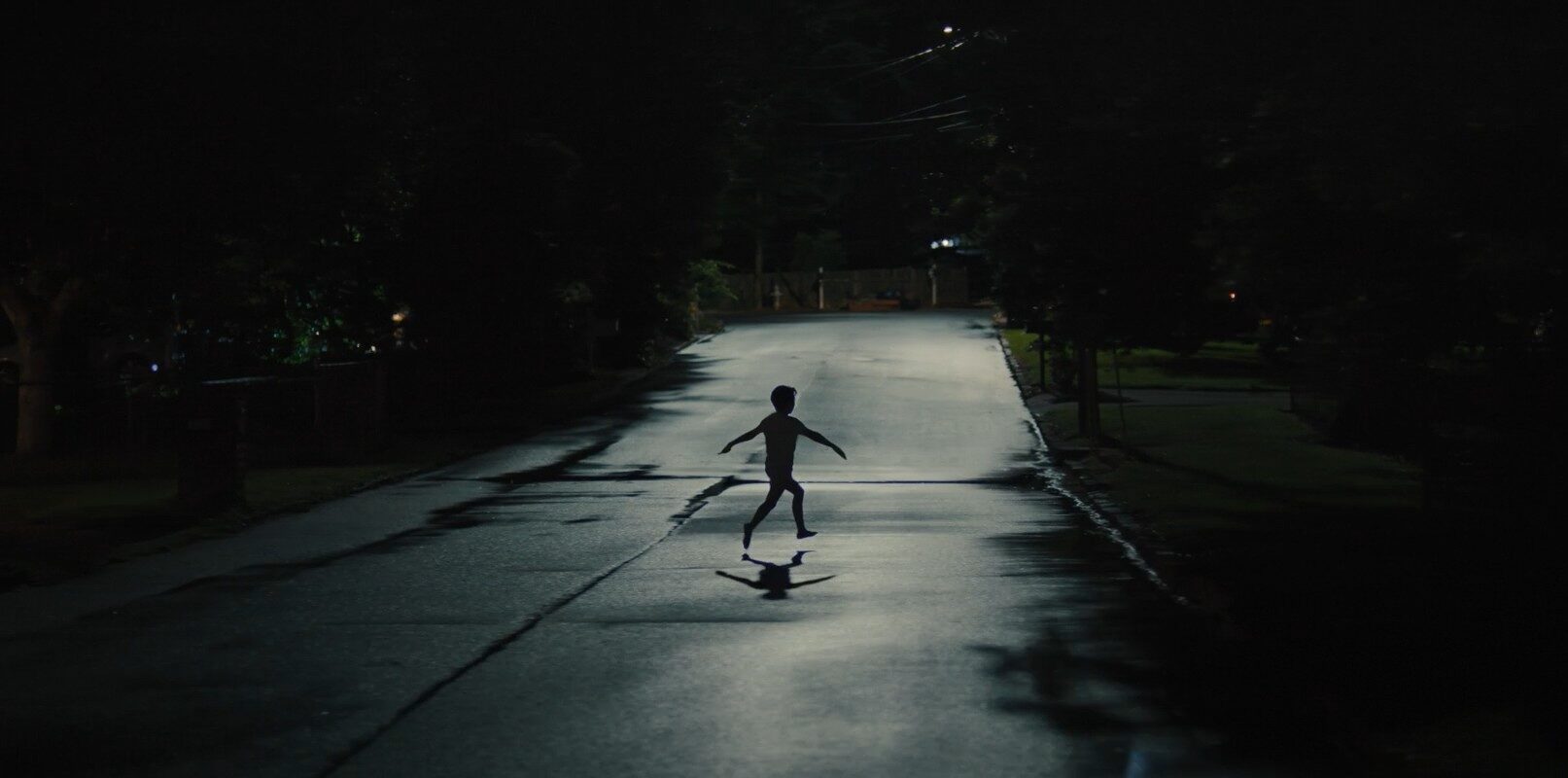
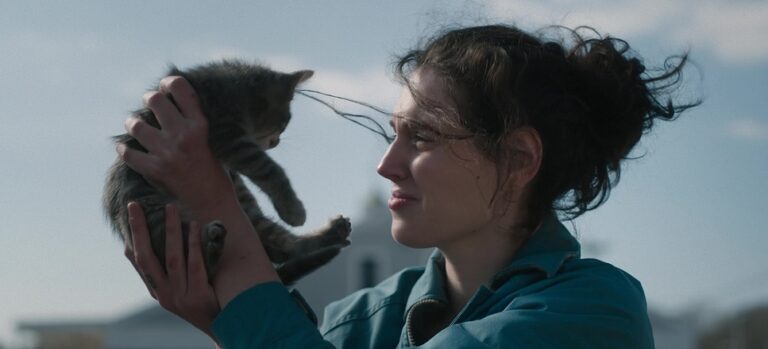
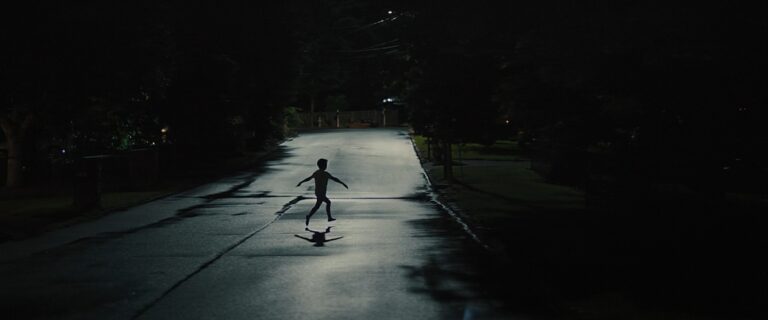
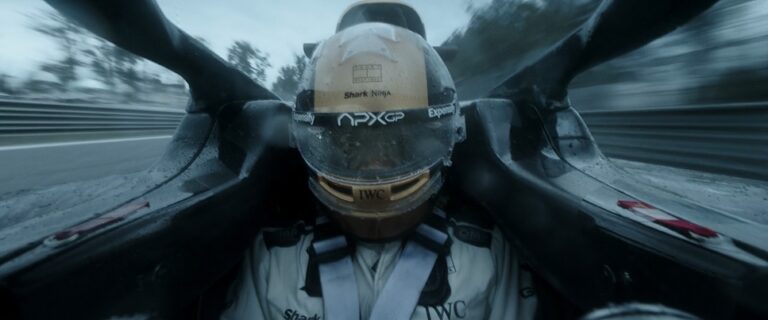
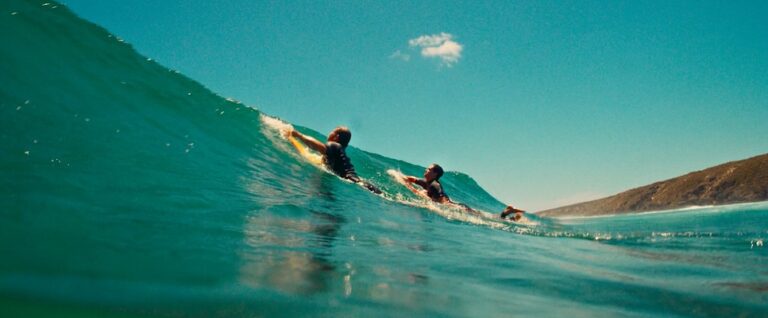
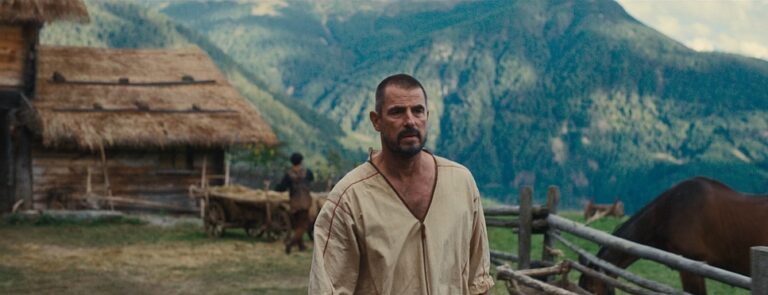
This month, we dropped thousands of new shots from some of 2025’s most popular new titles. Check out stills from movies such as Weapons, F1: The Movie, Sorry, Baby, KPop Demon Hunters, The Surfer, and William Tell, and add them to your decks today!

TELEVISION SERIES
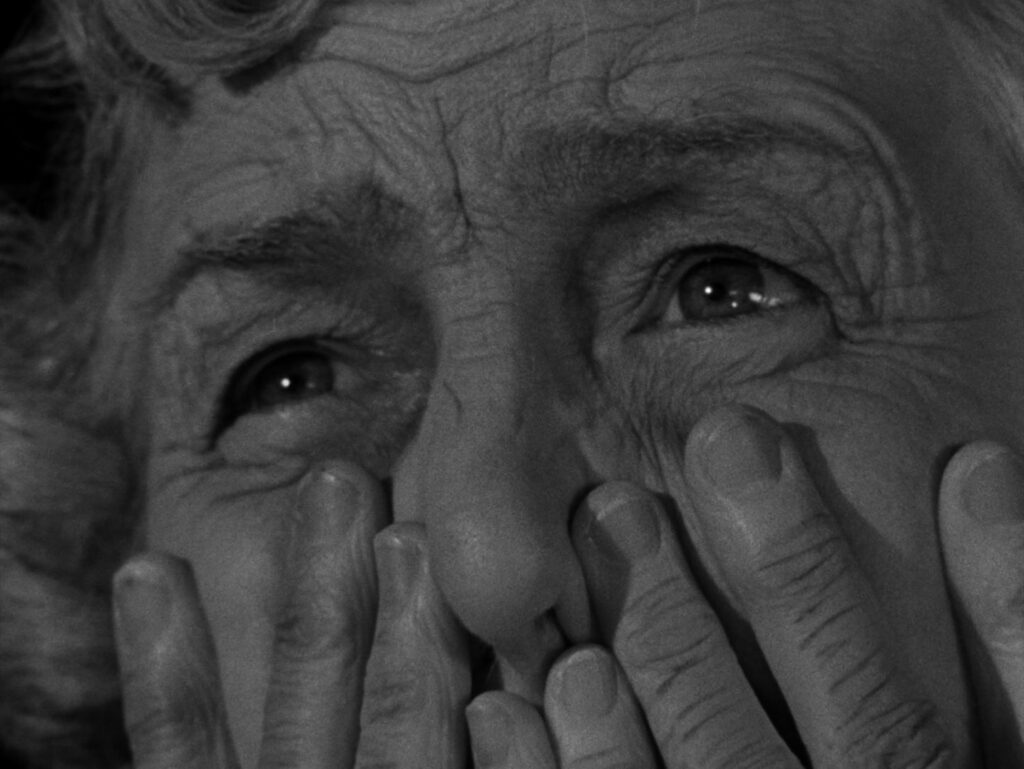
The Twilight Zone
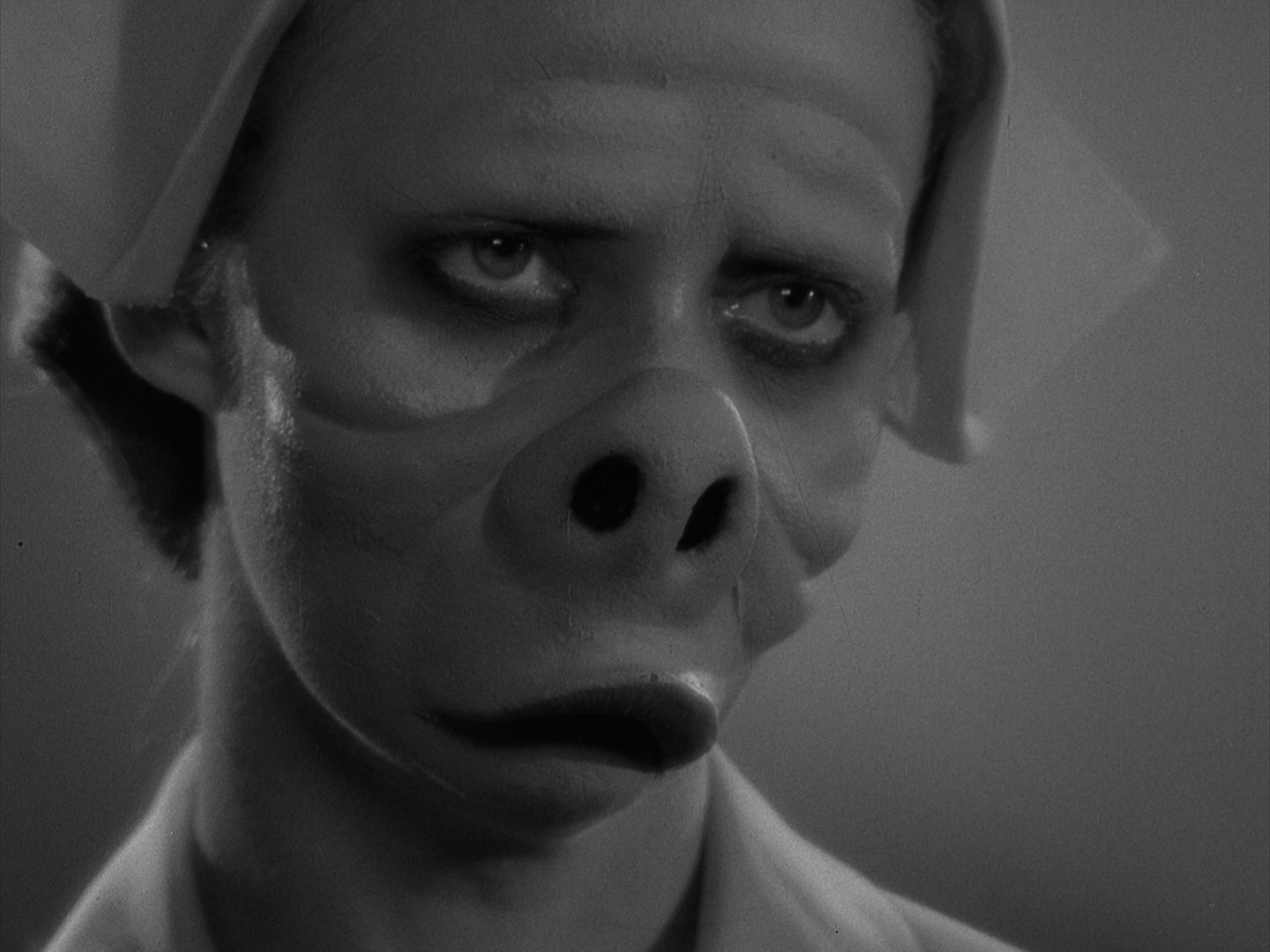
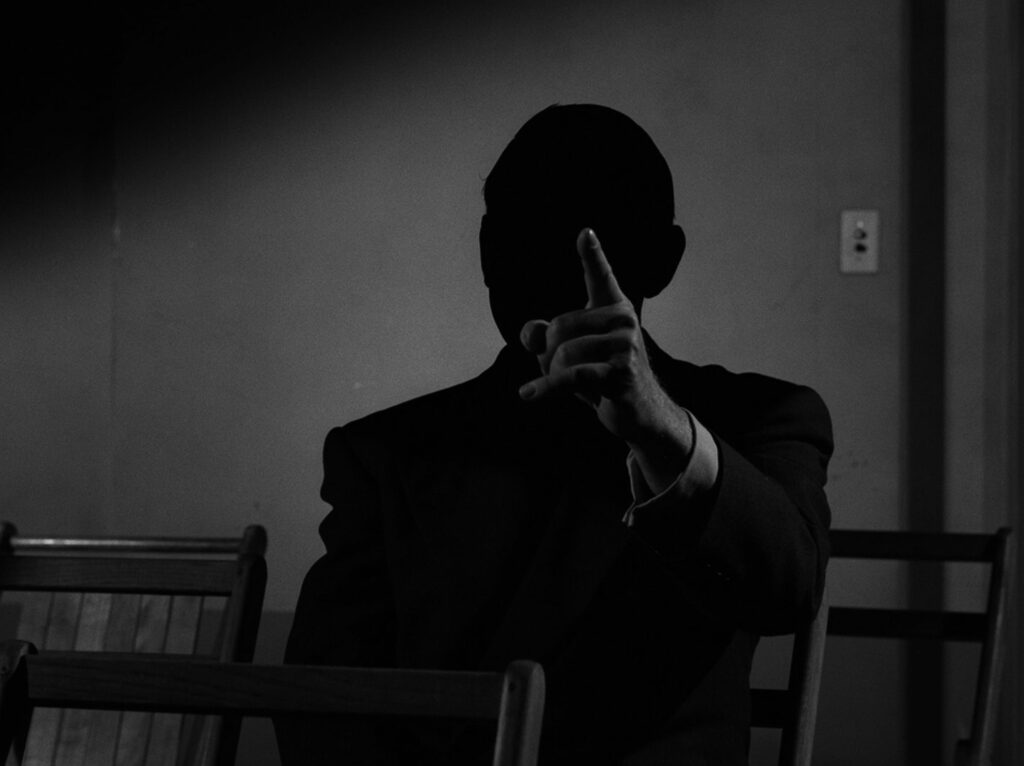
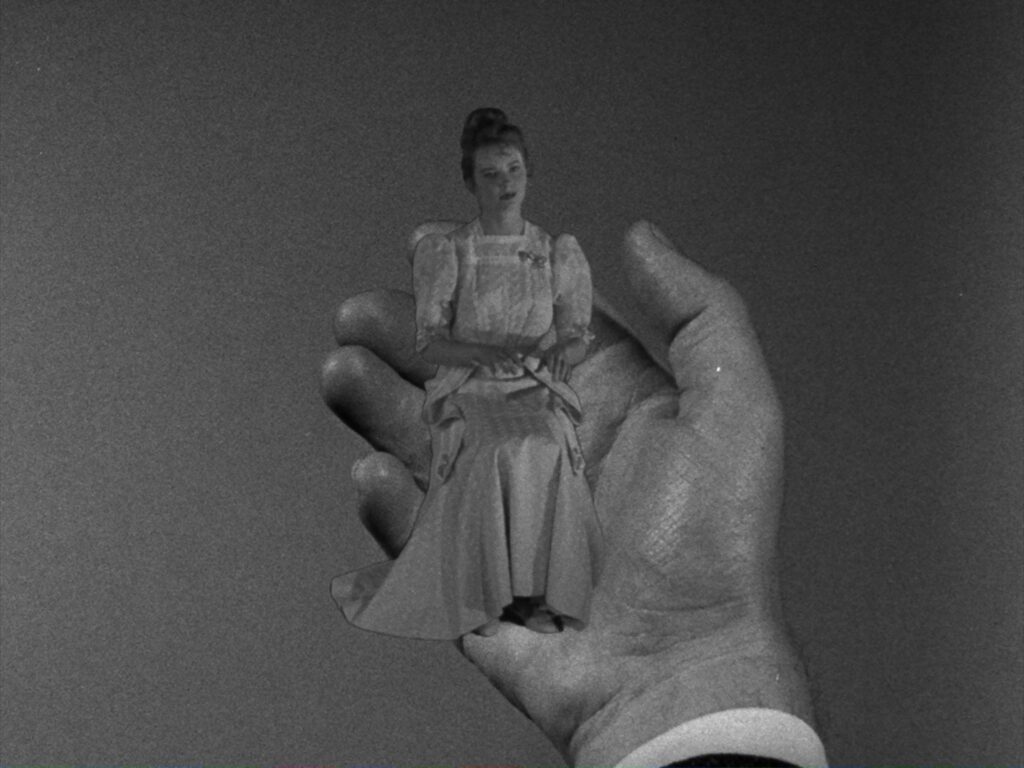
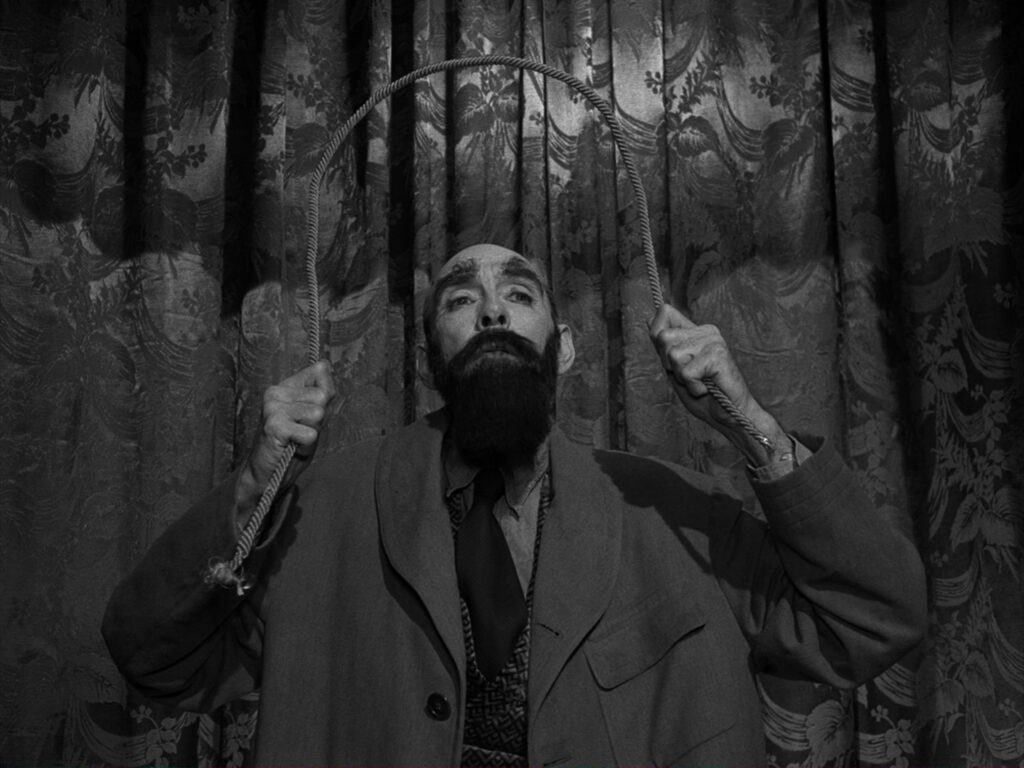
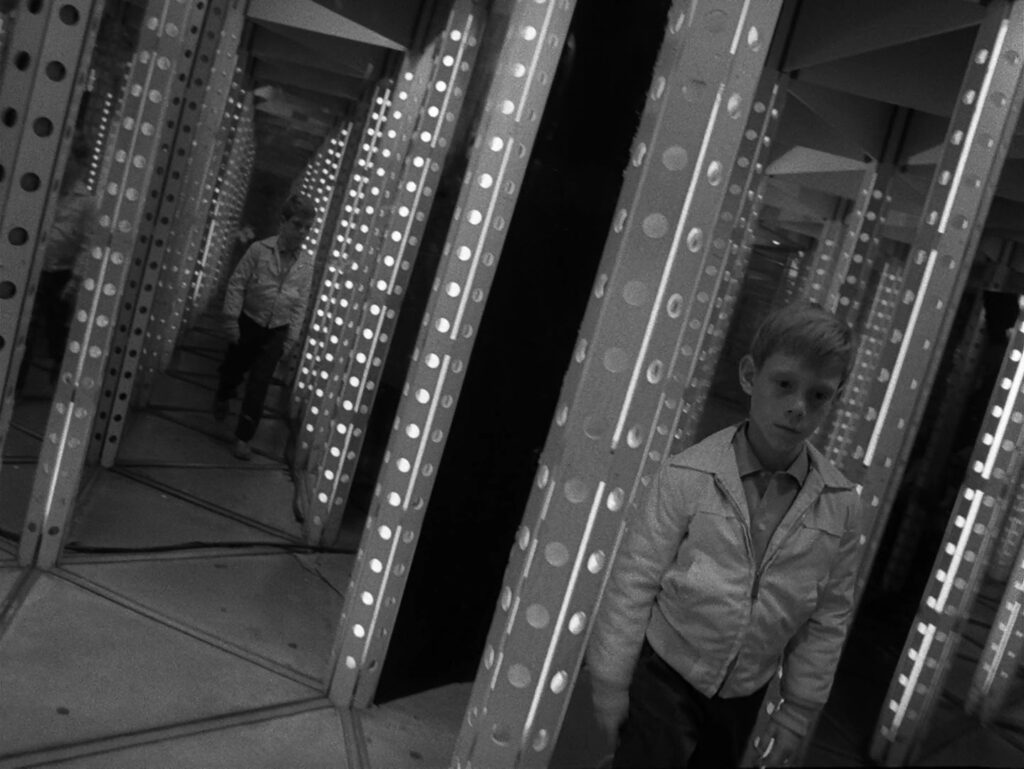
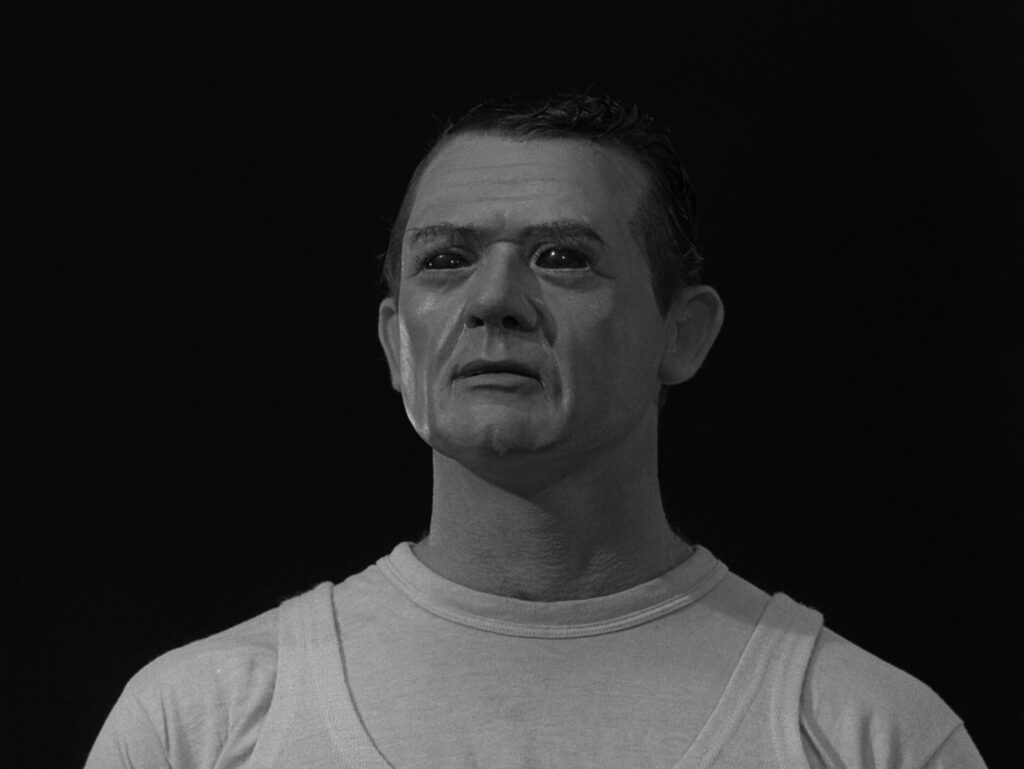
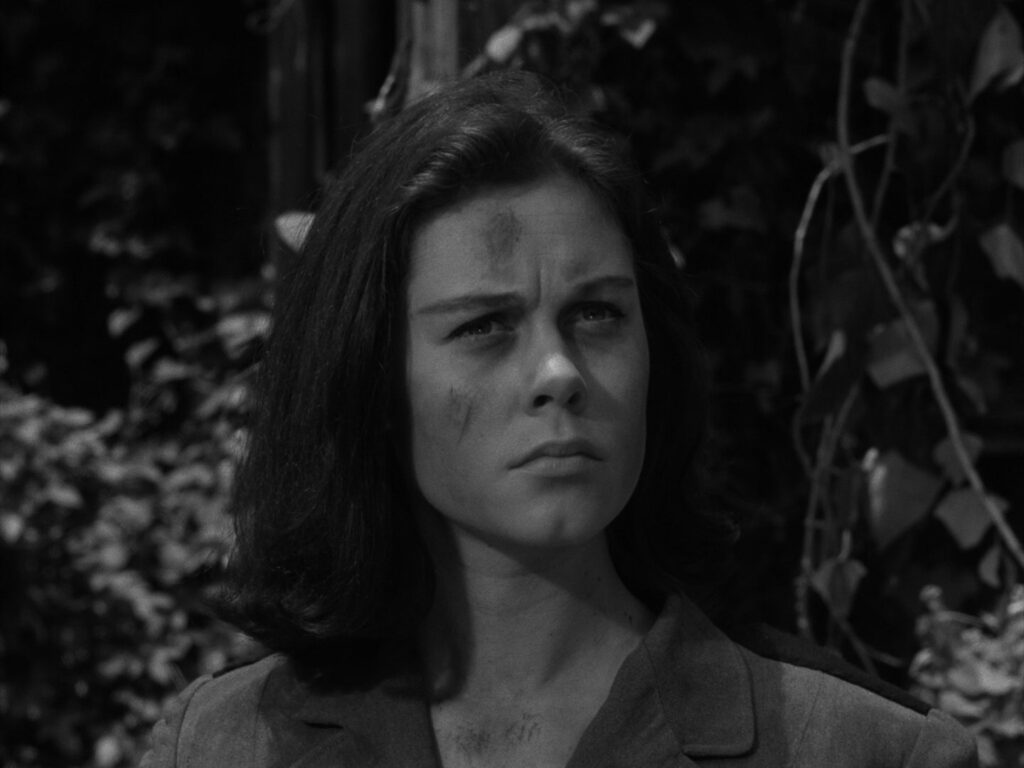
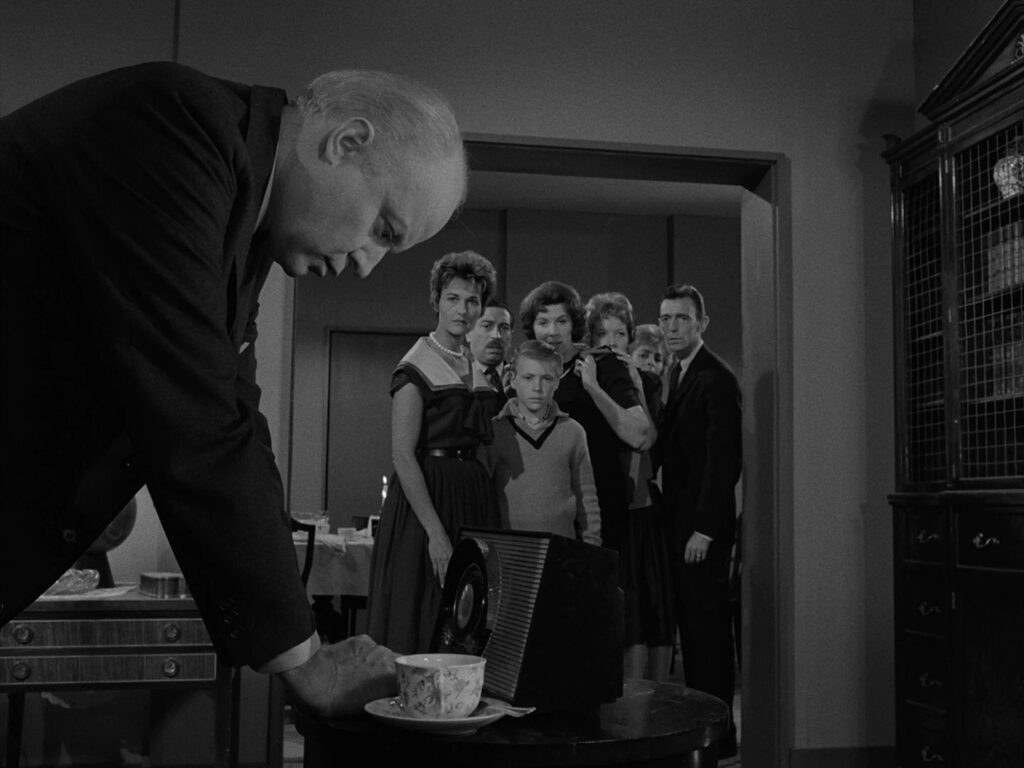
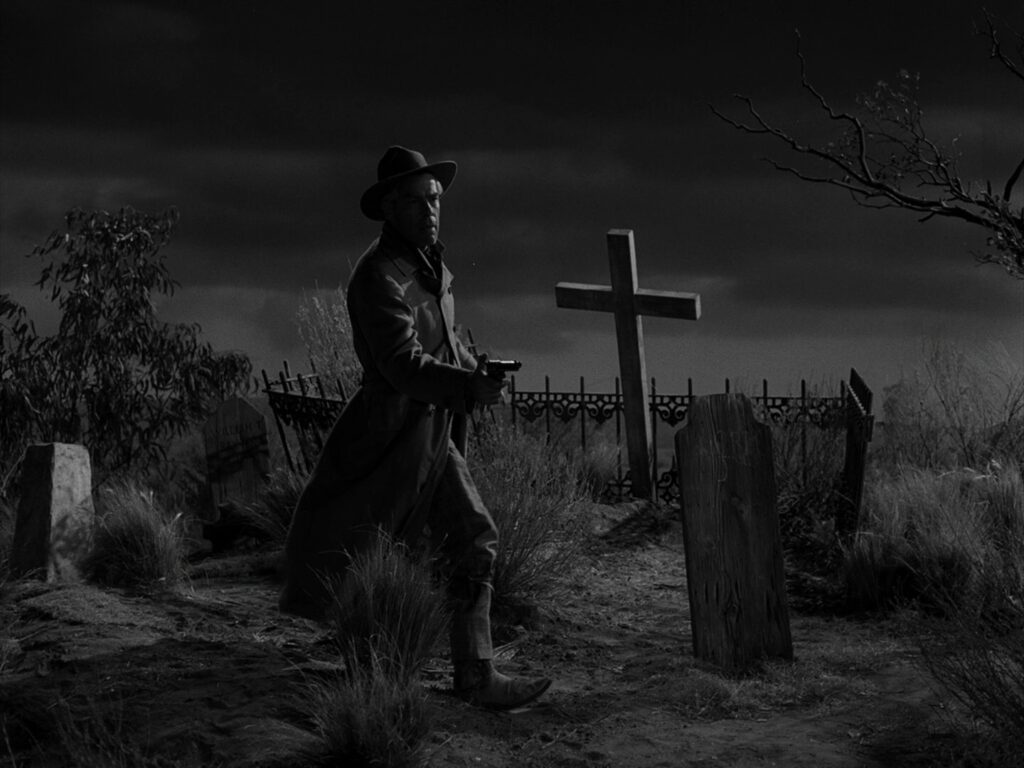
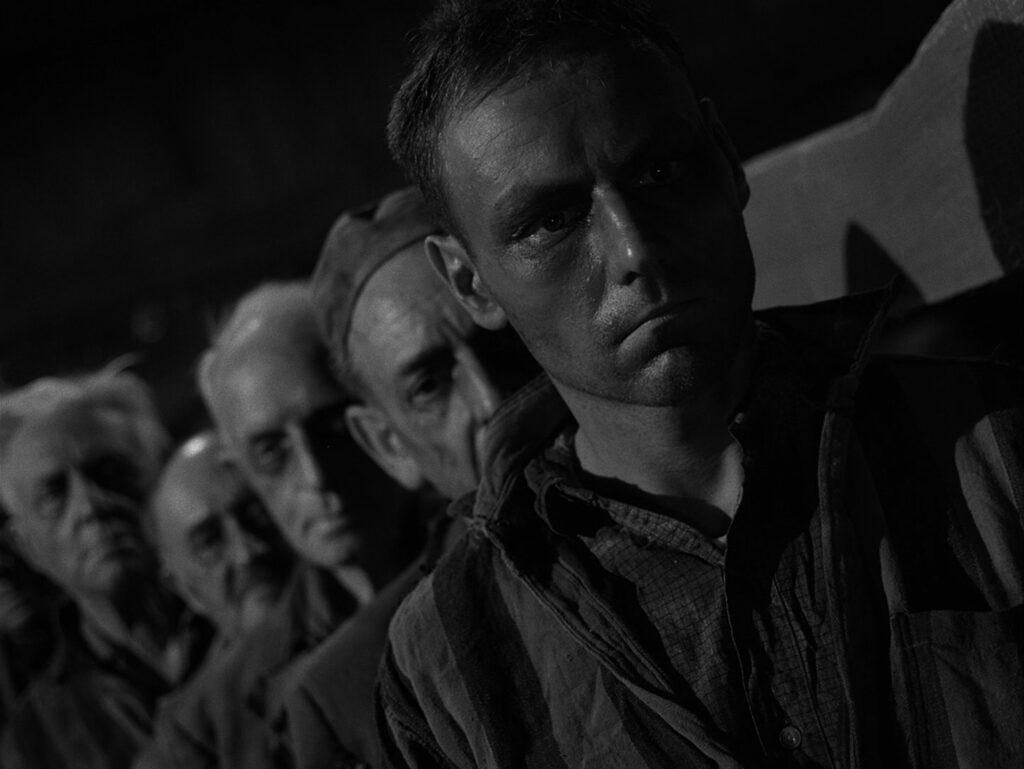
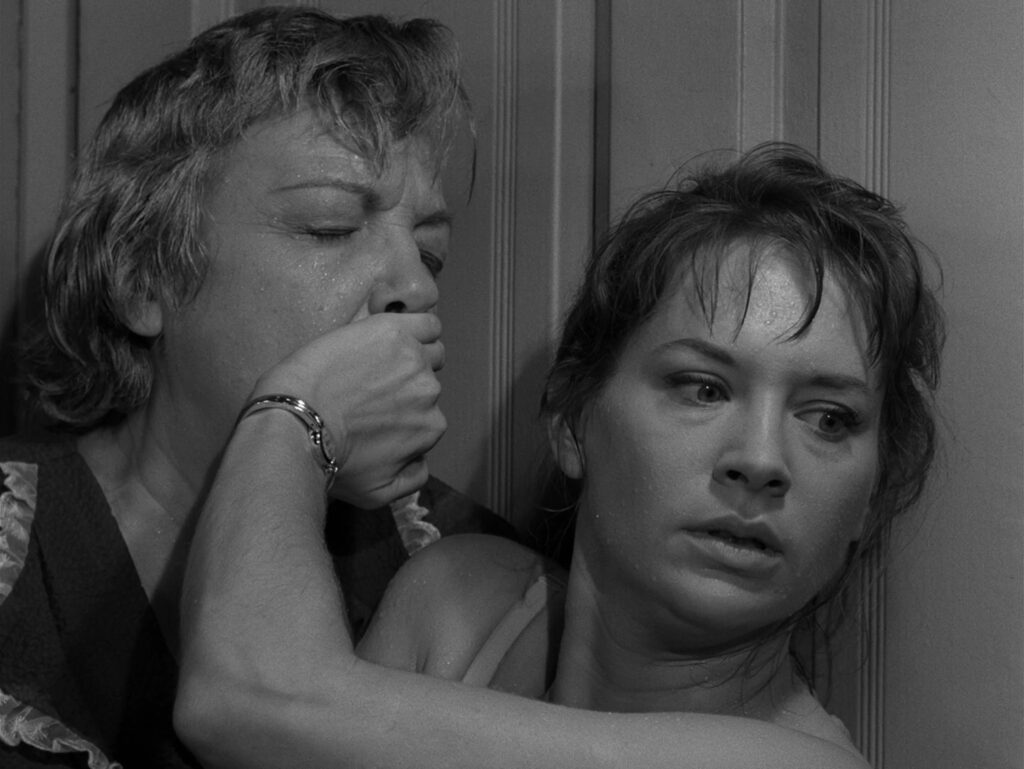
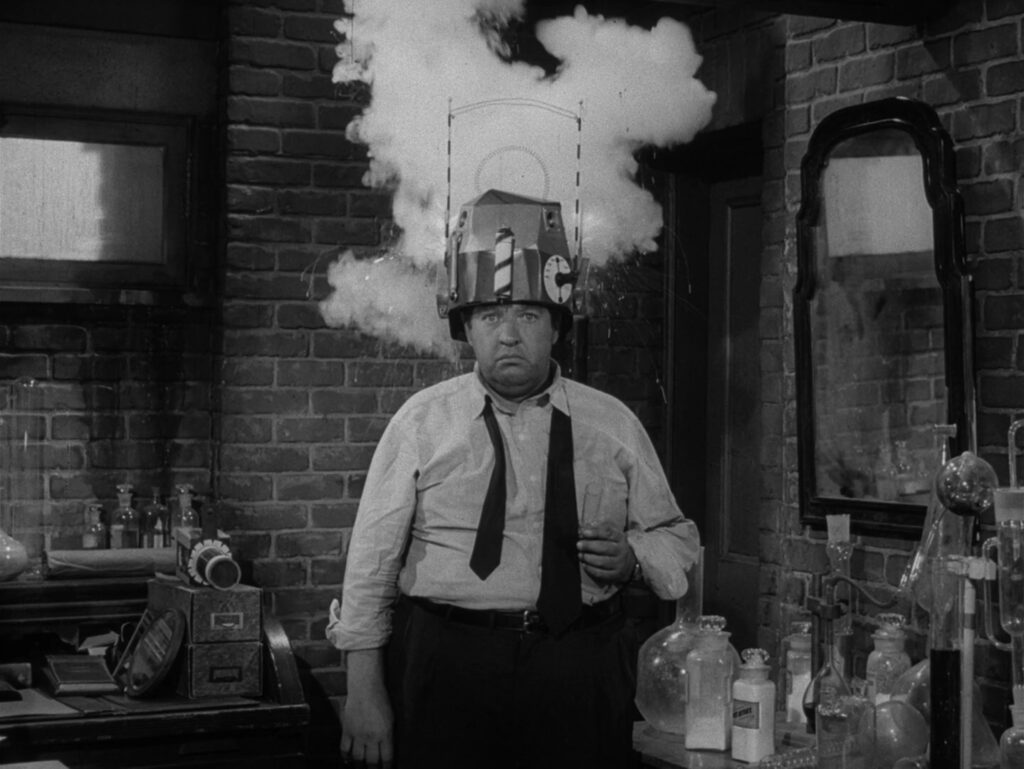
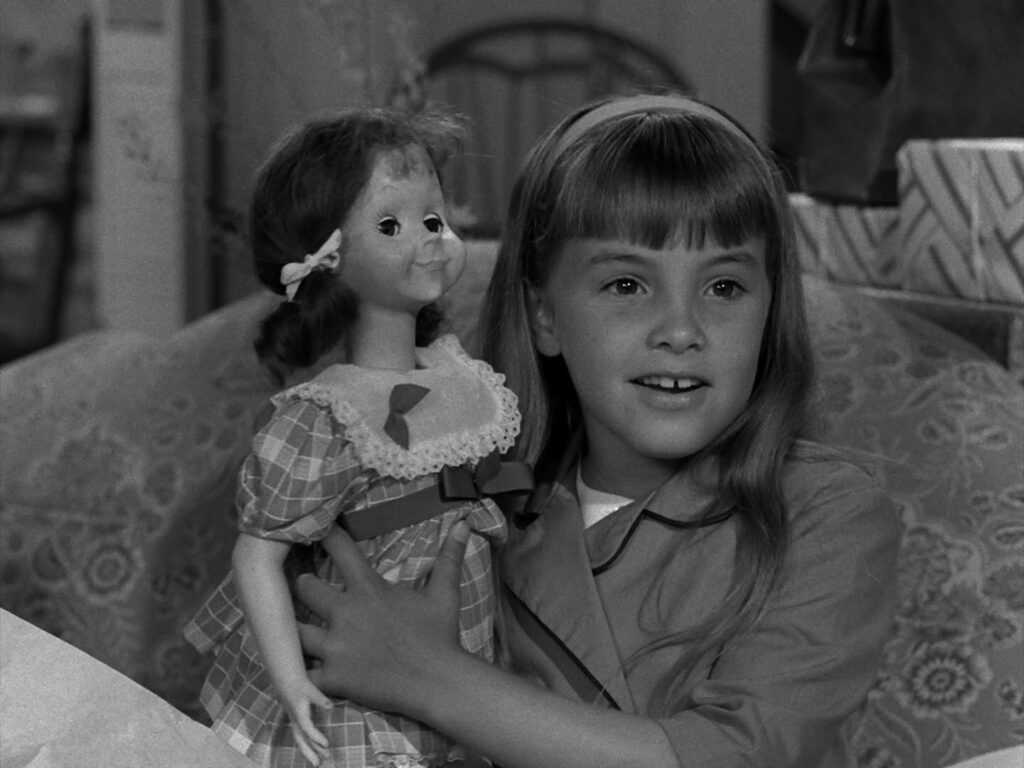
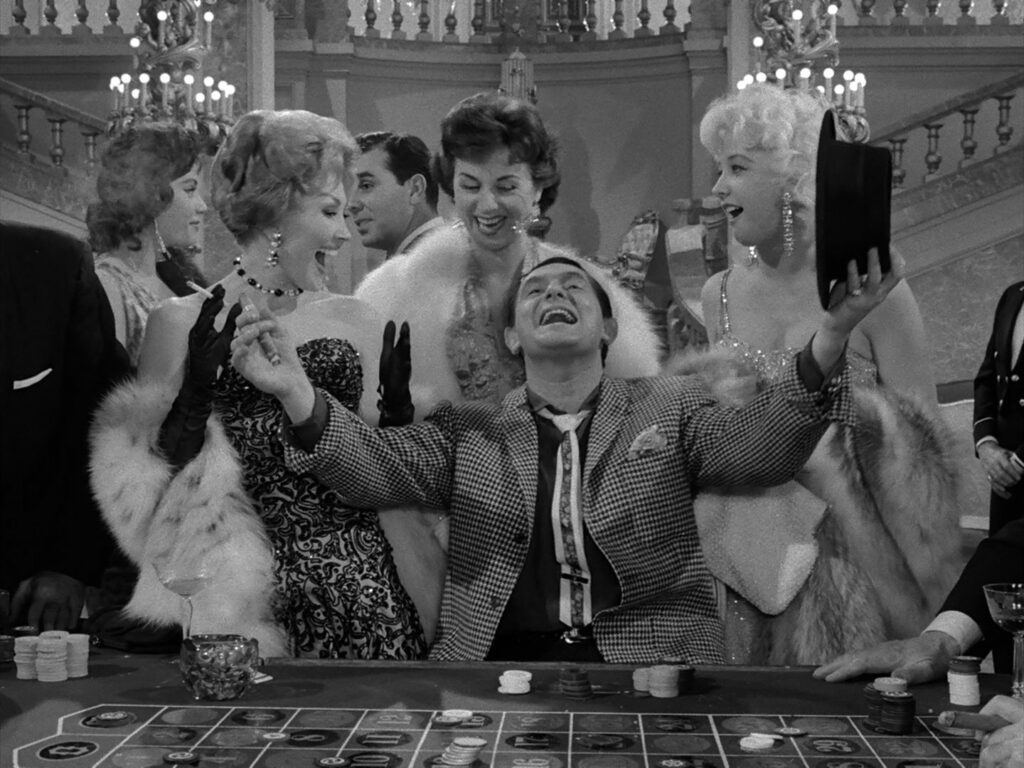
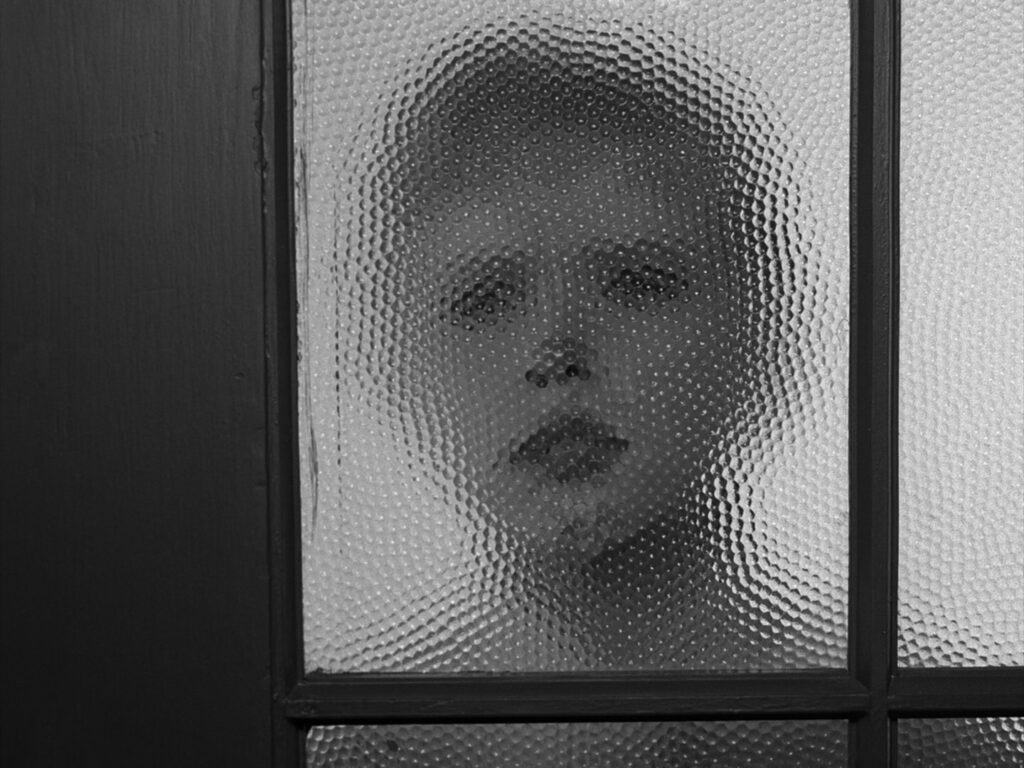
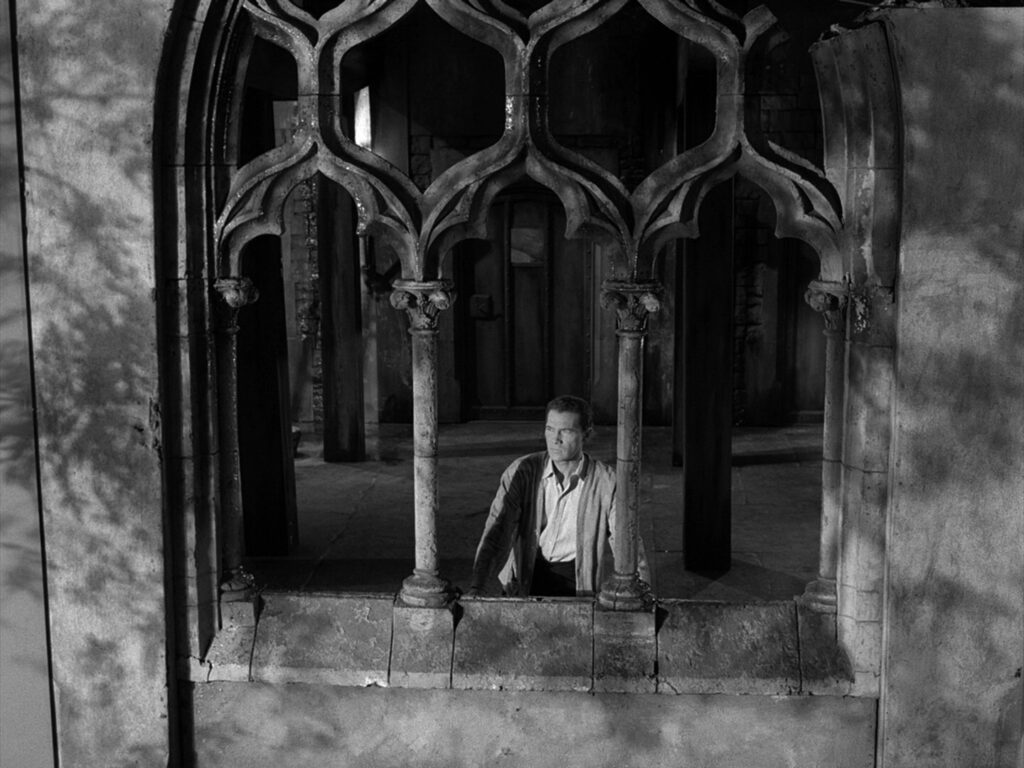
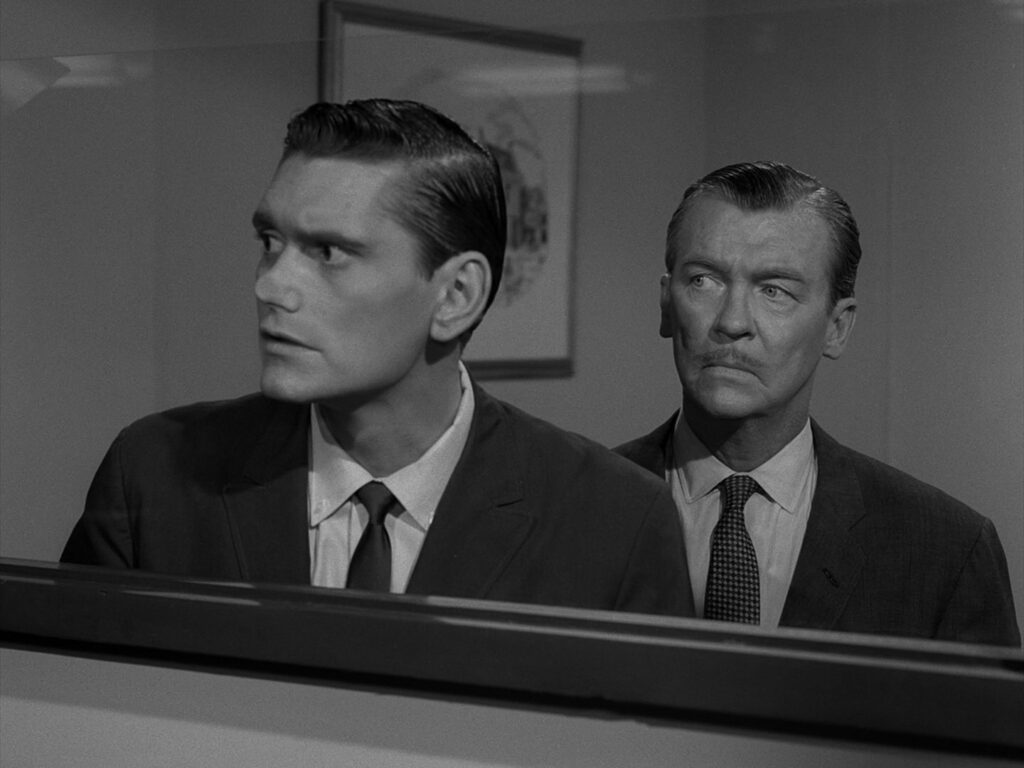
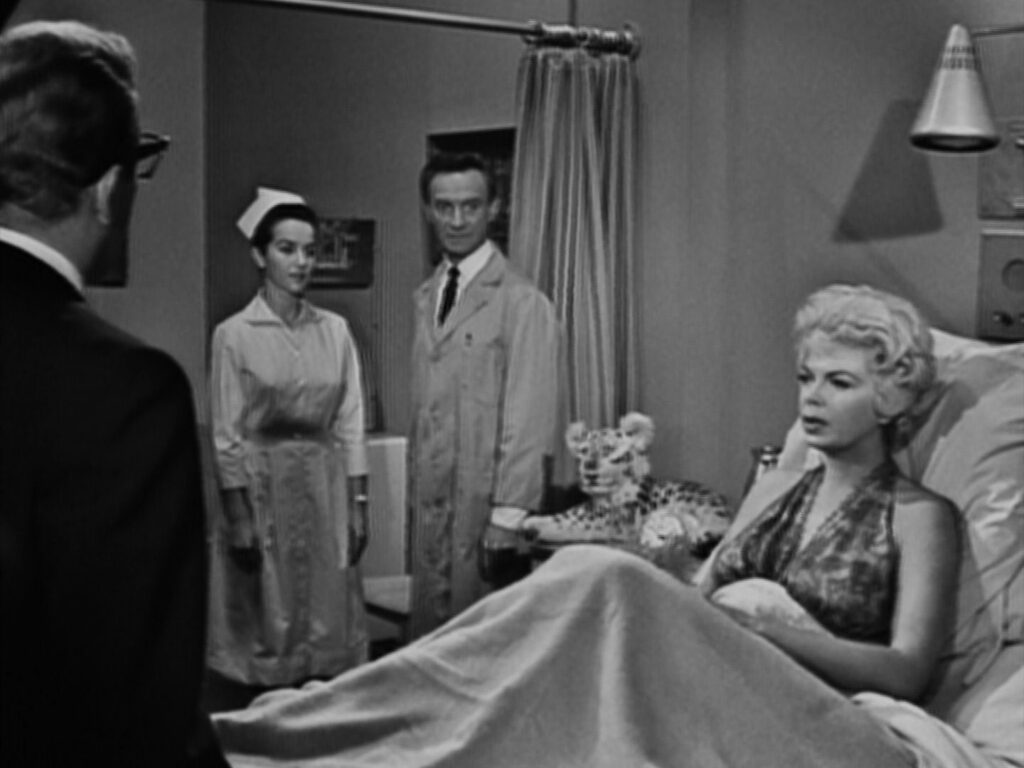
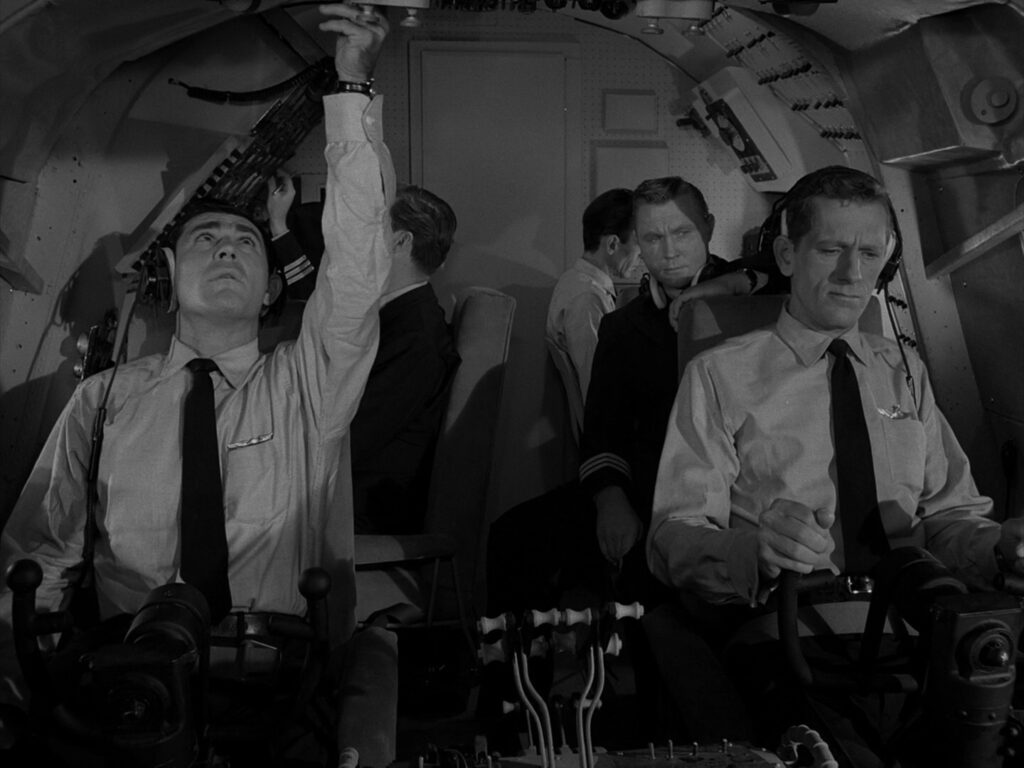
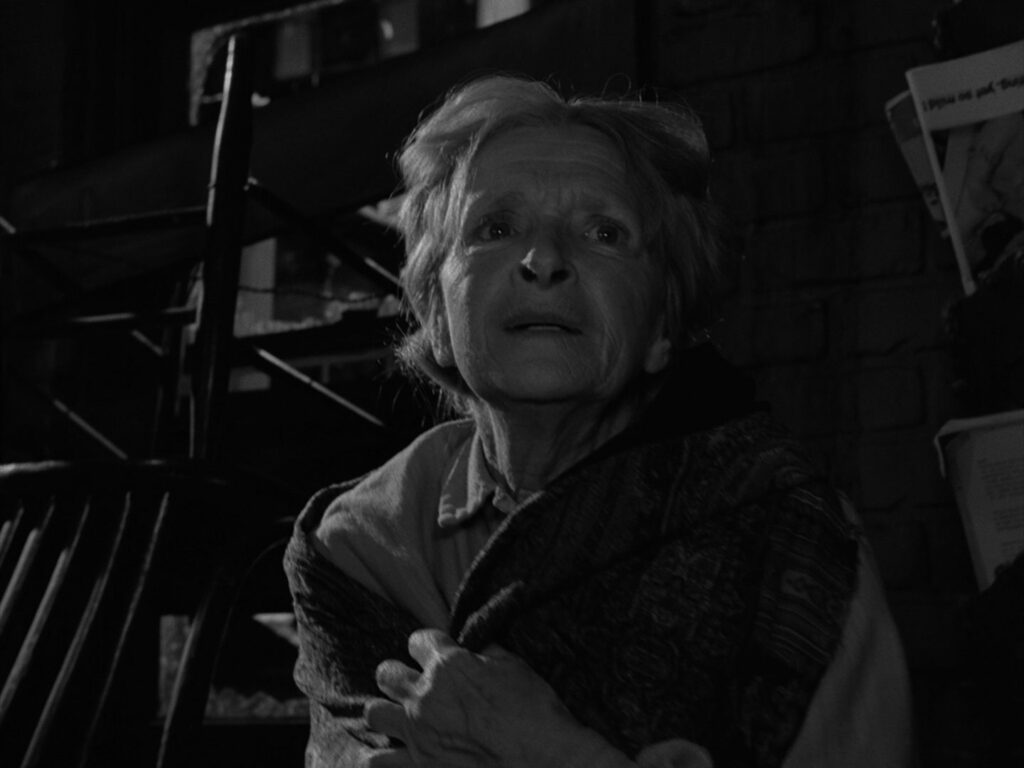
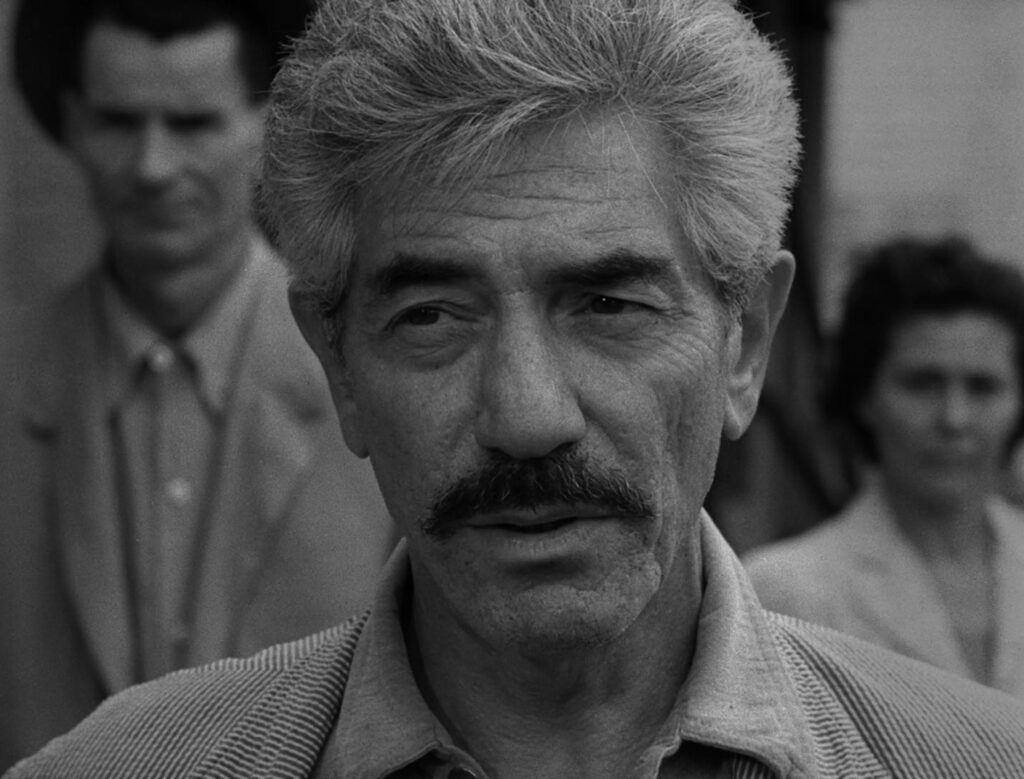
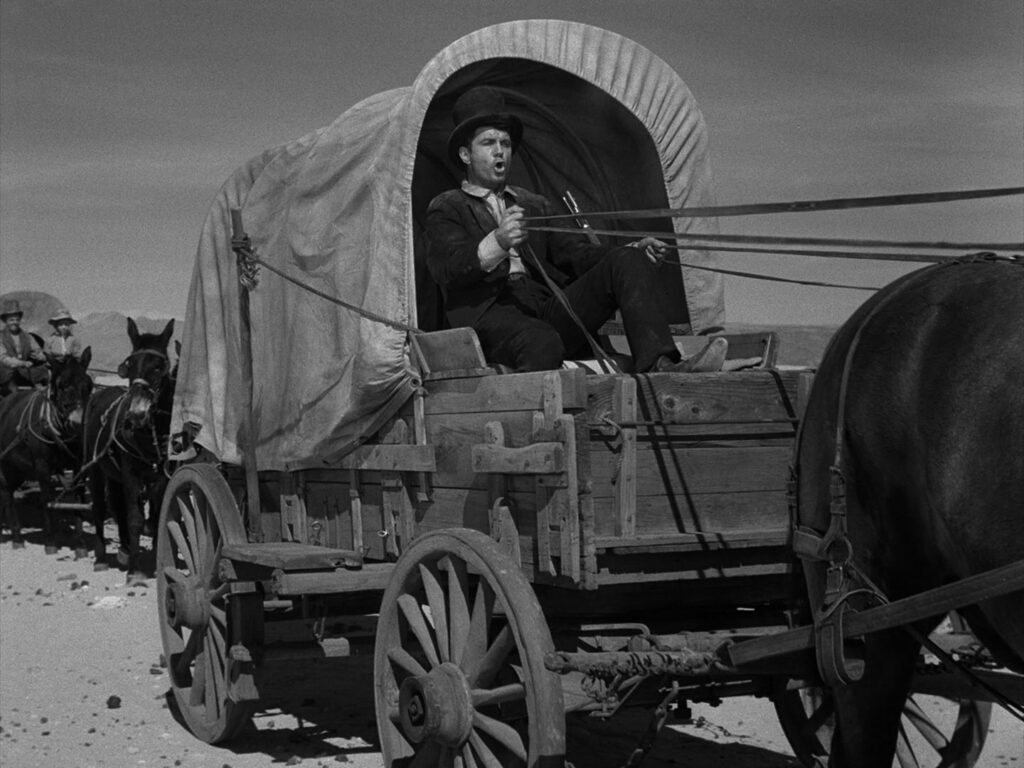
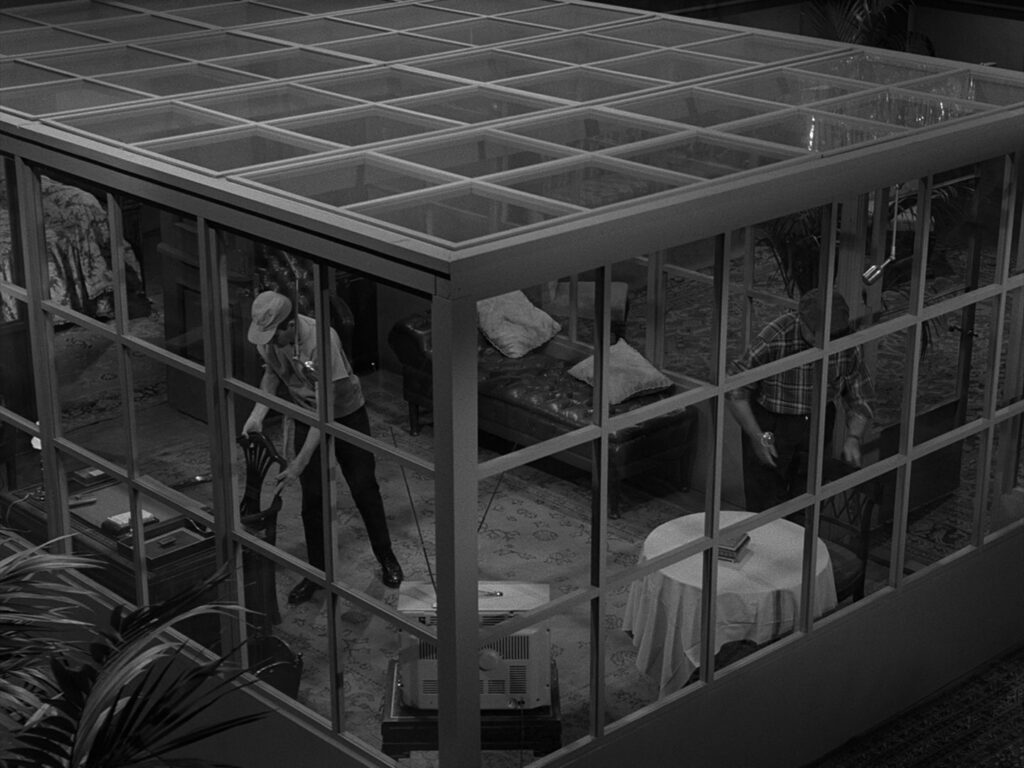
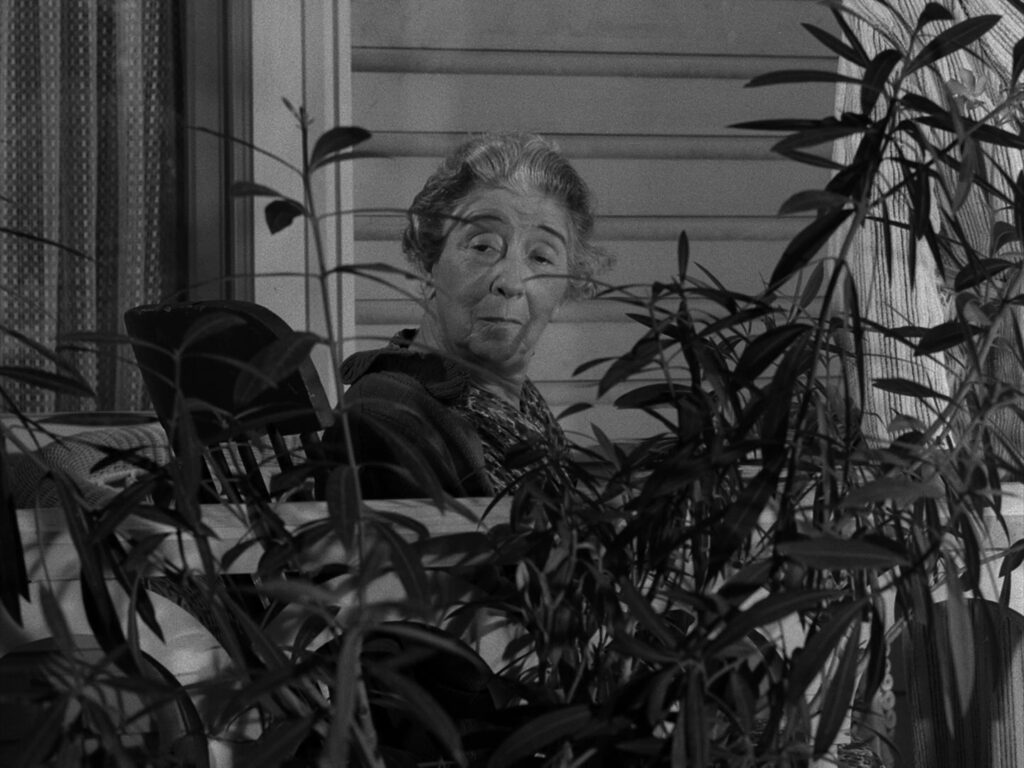
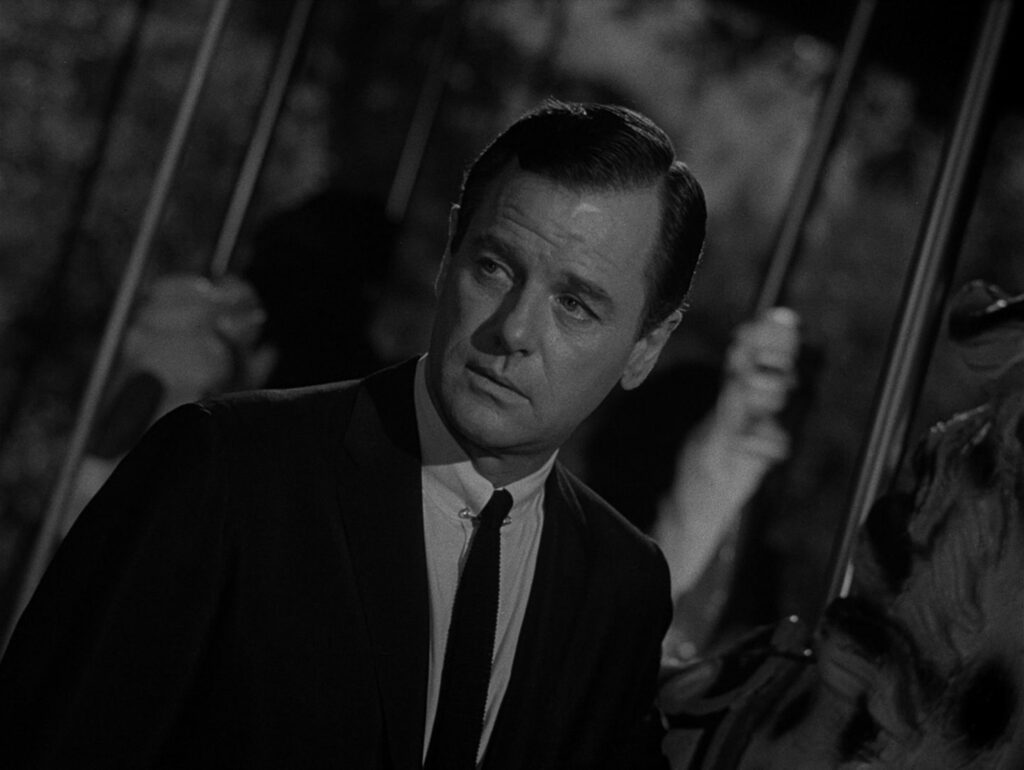
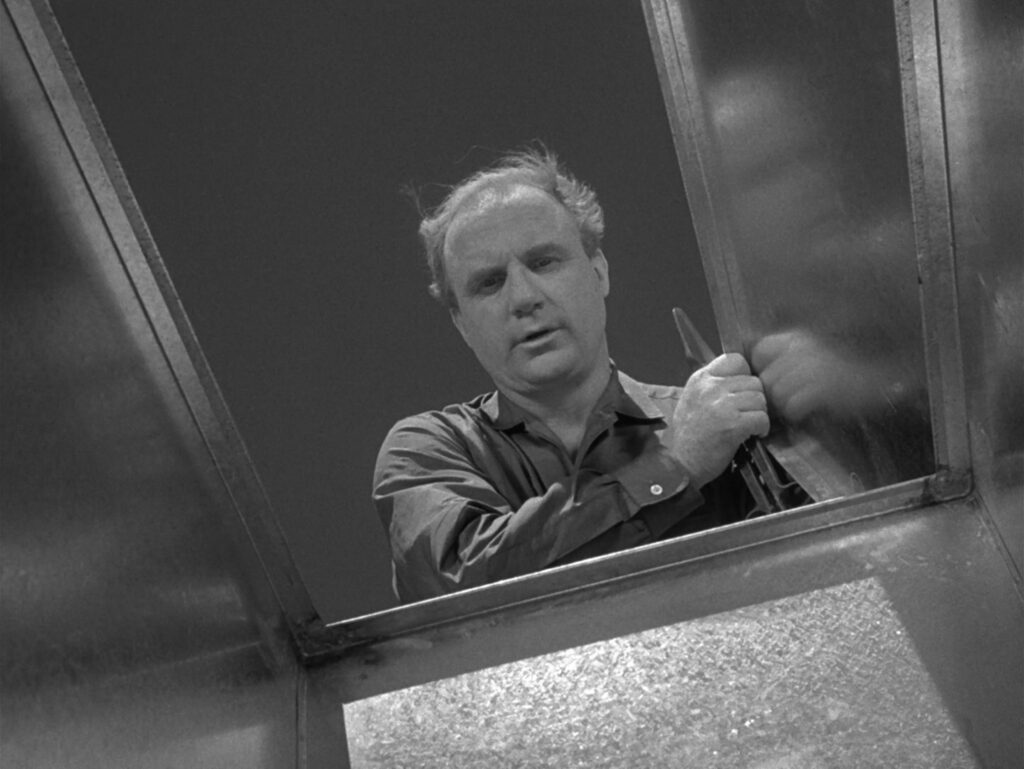
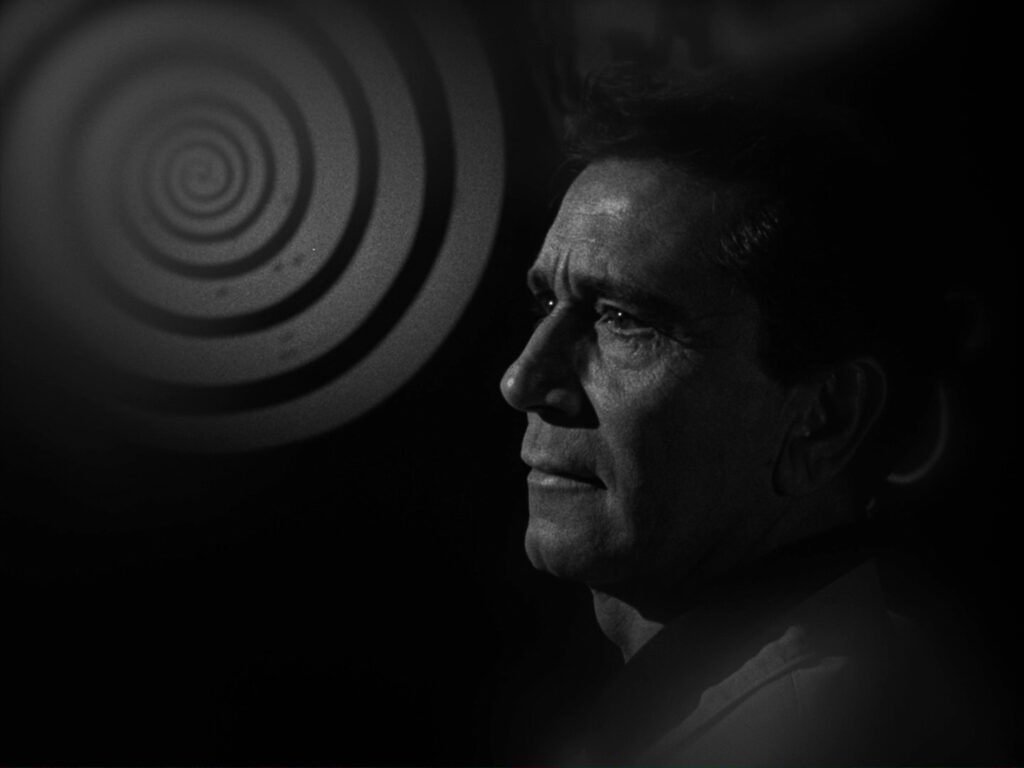
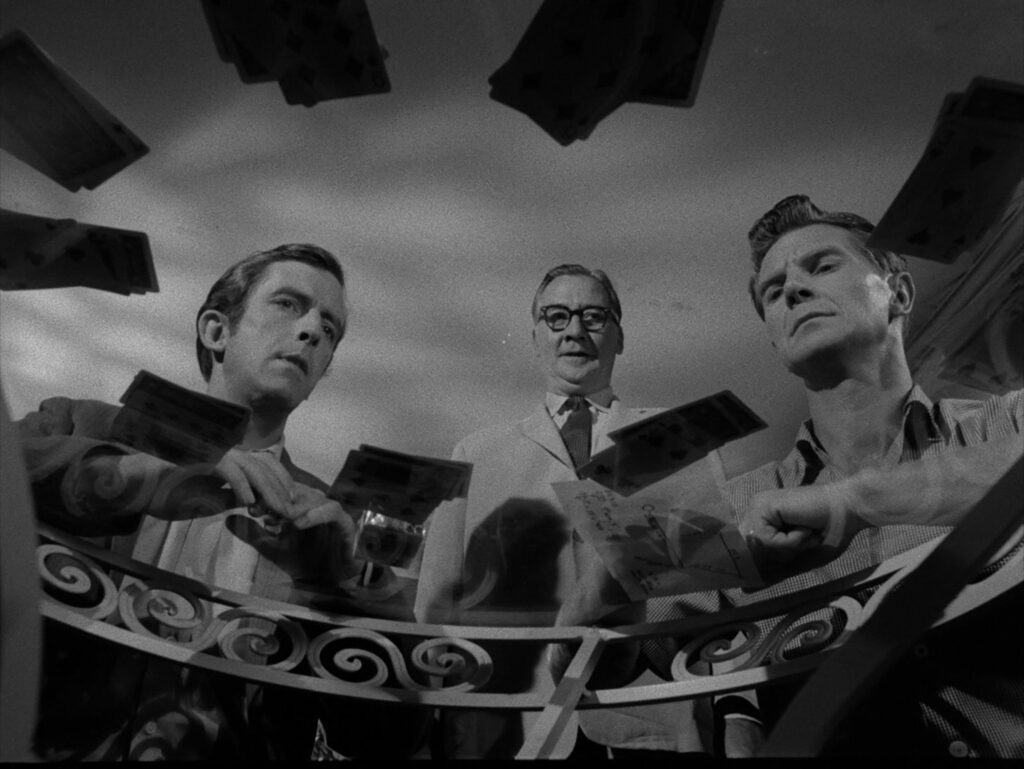
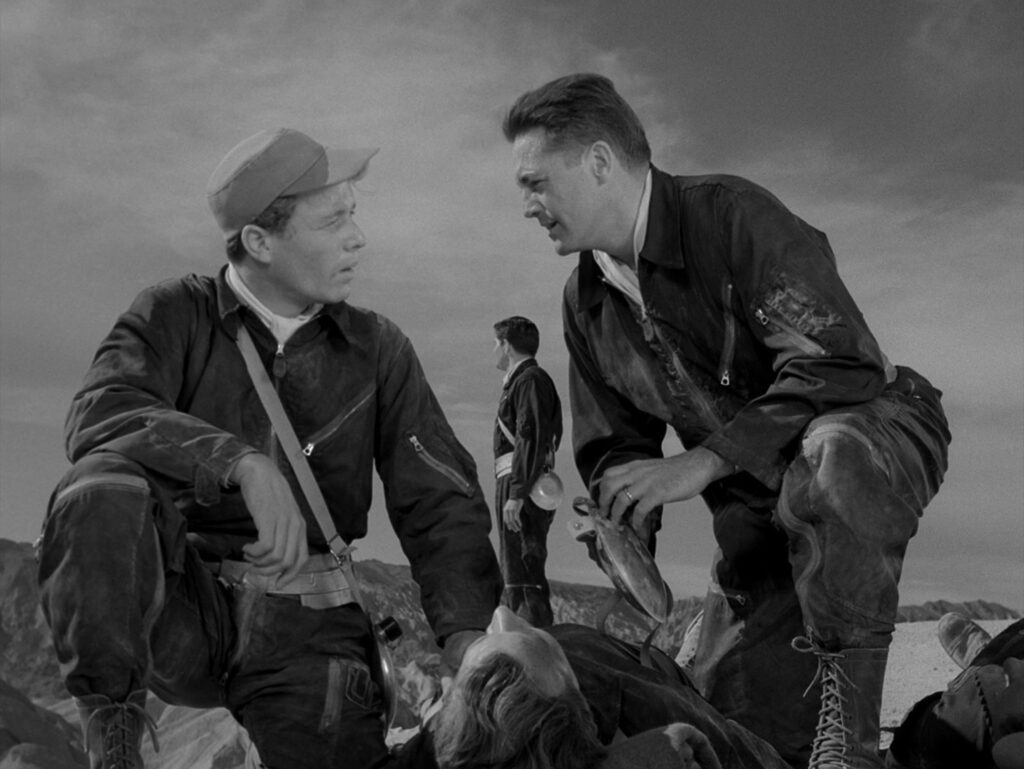
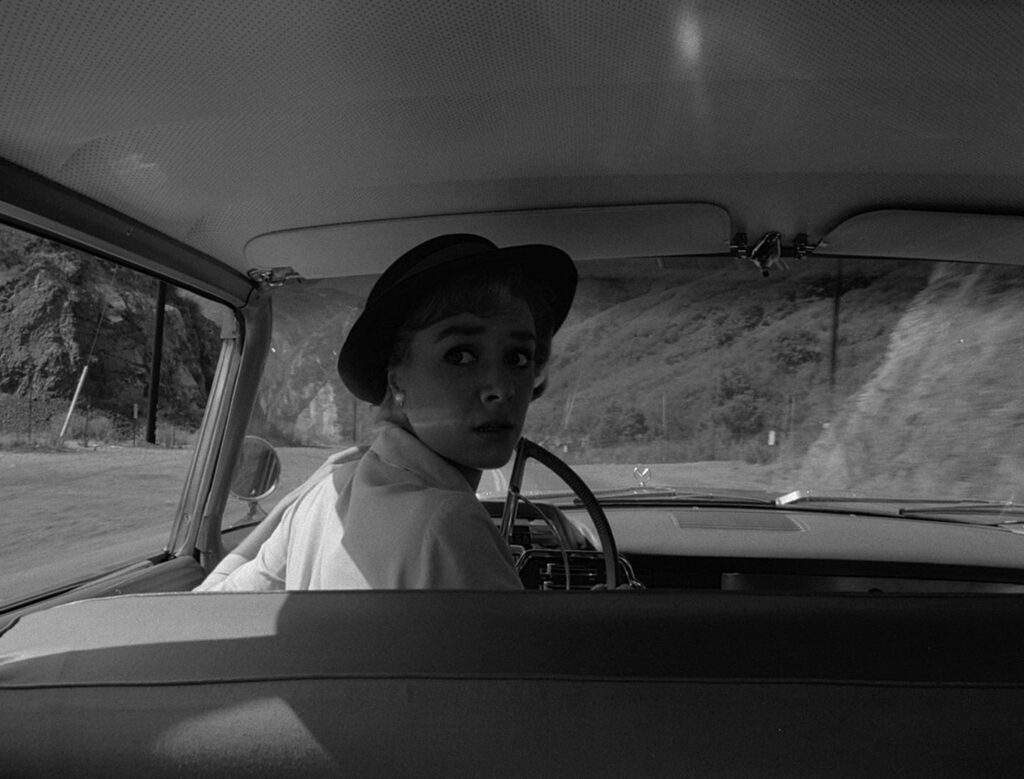
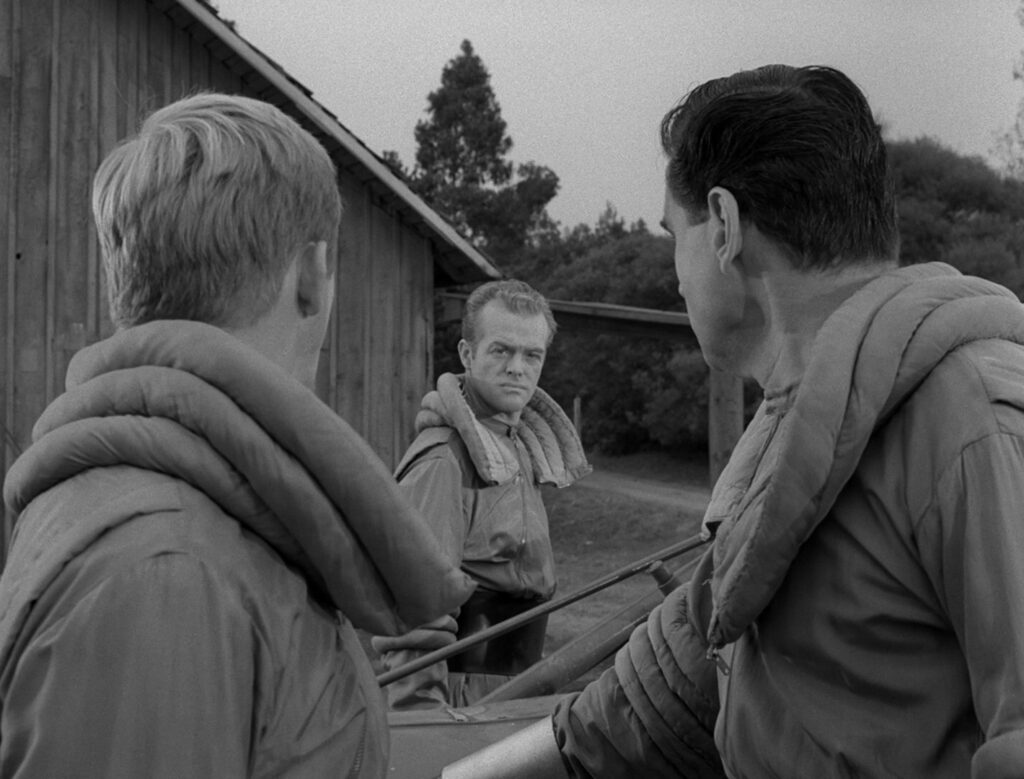
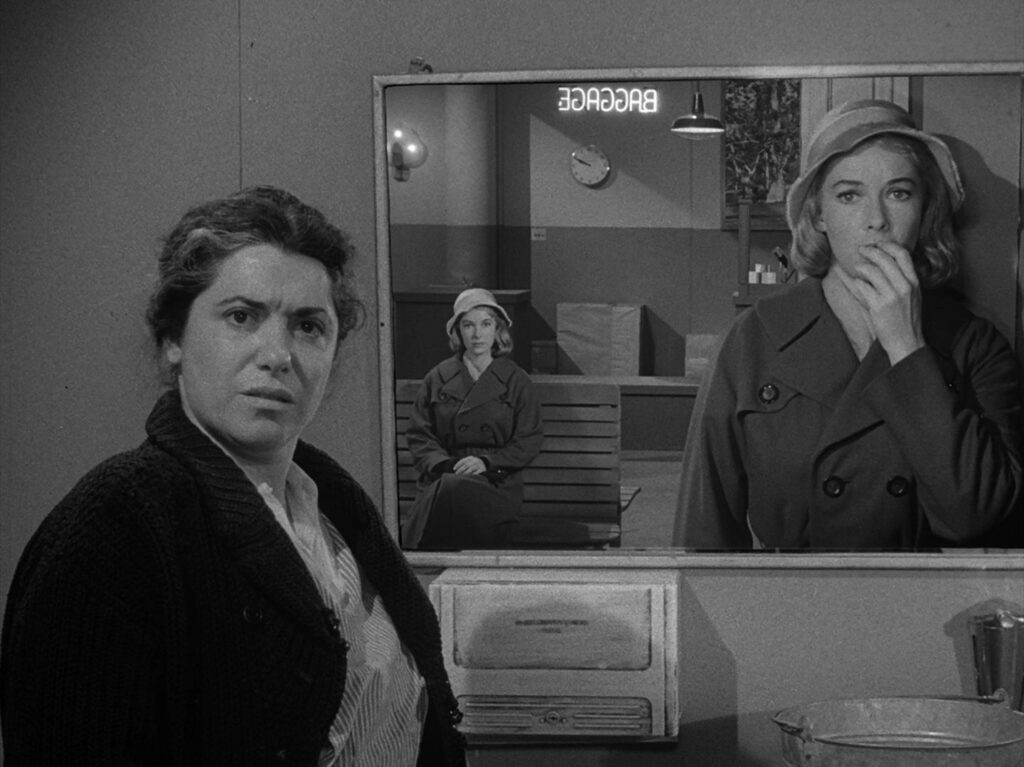
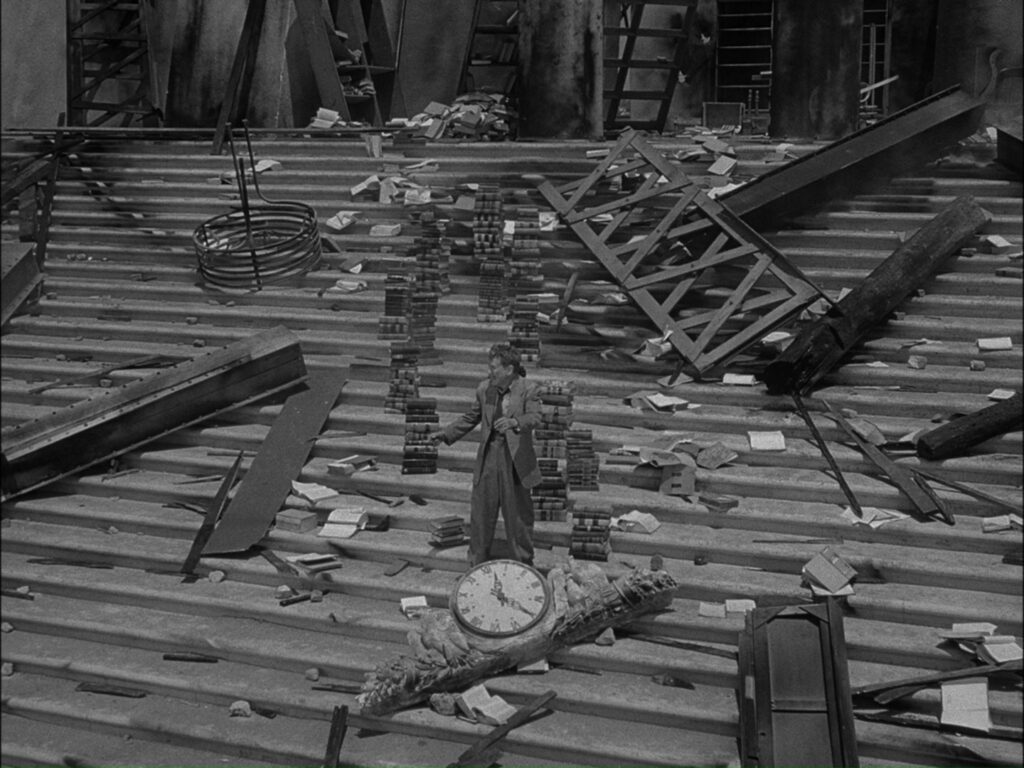
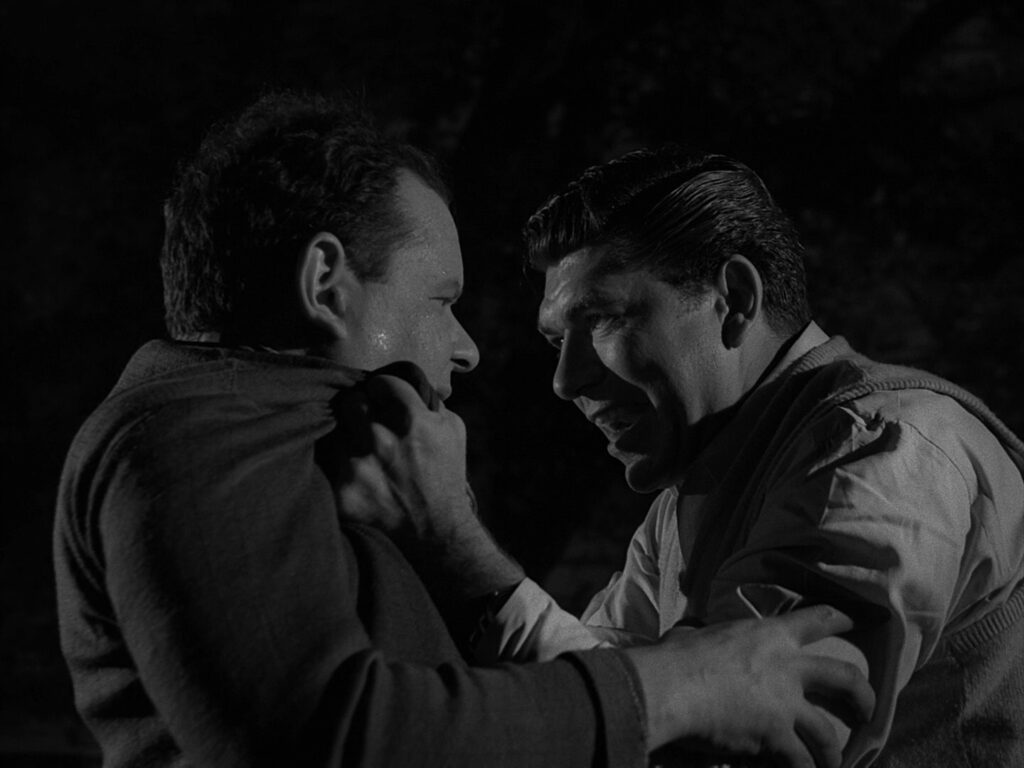
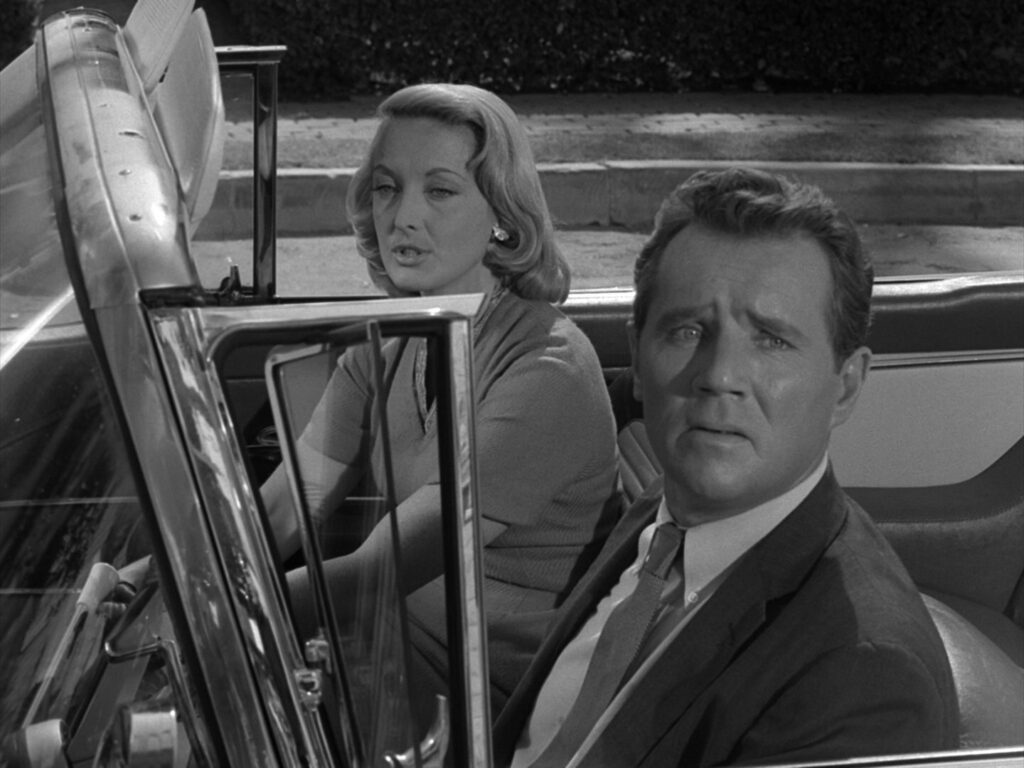
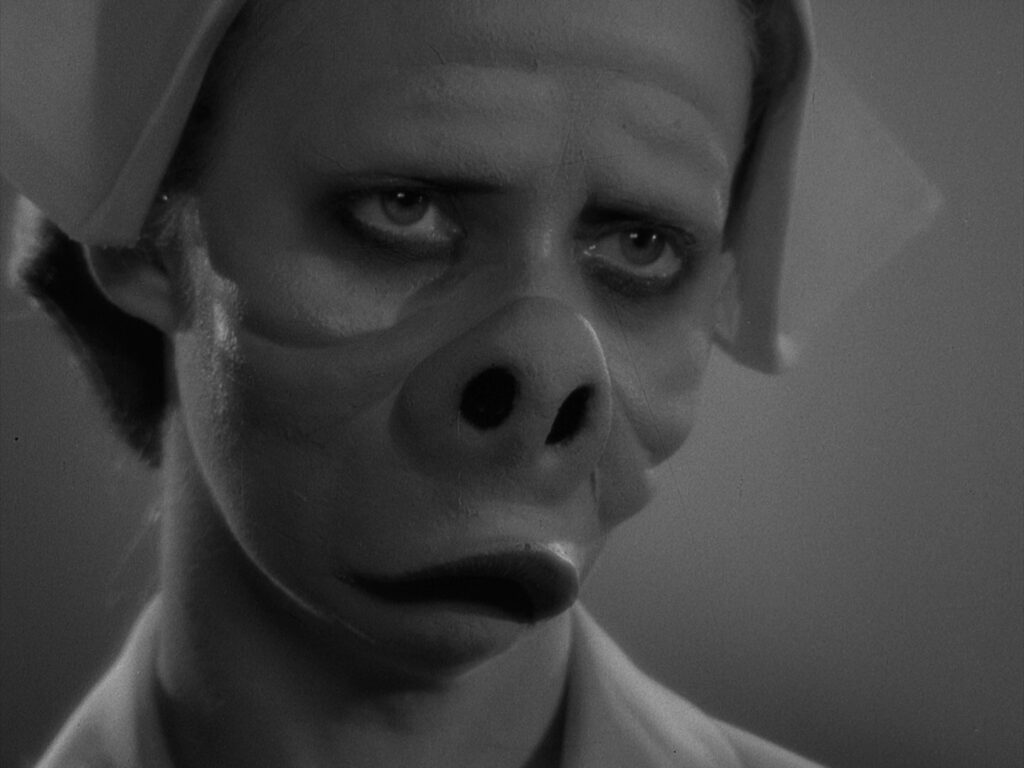
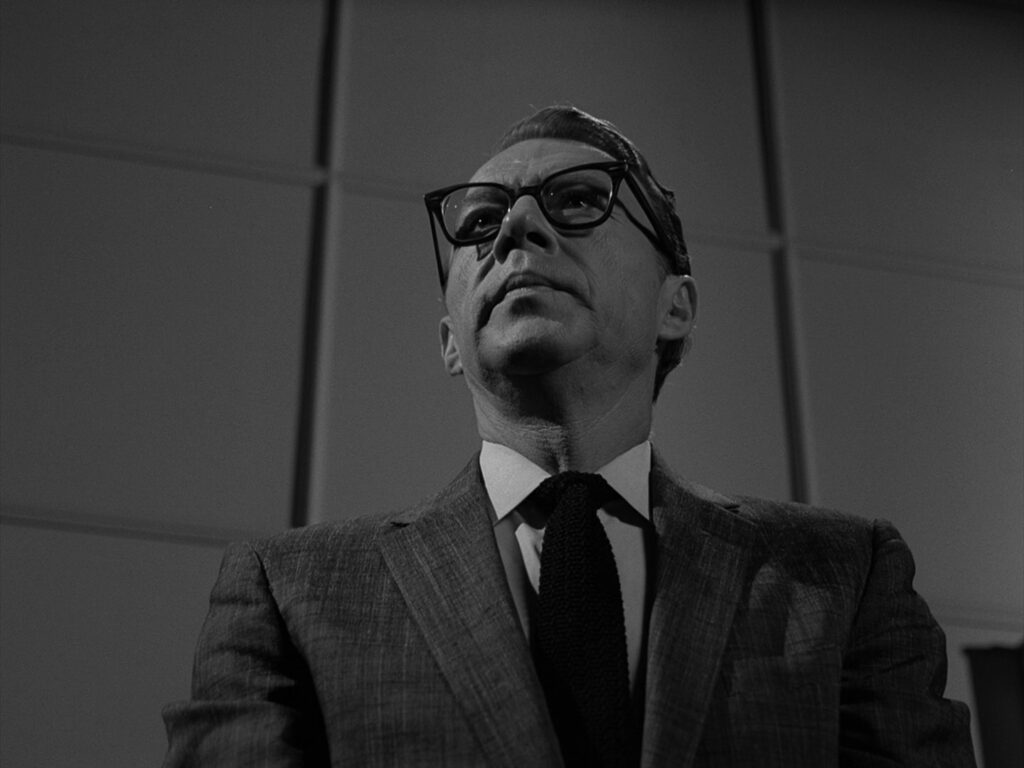
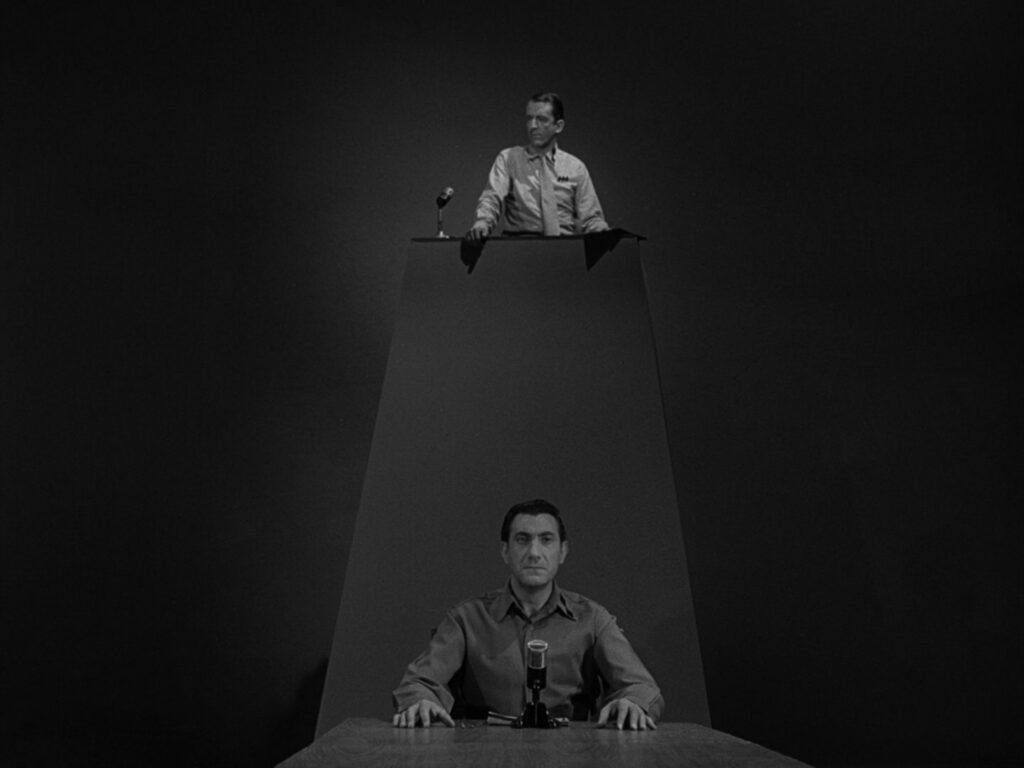
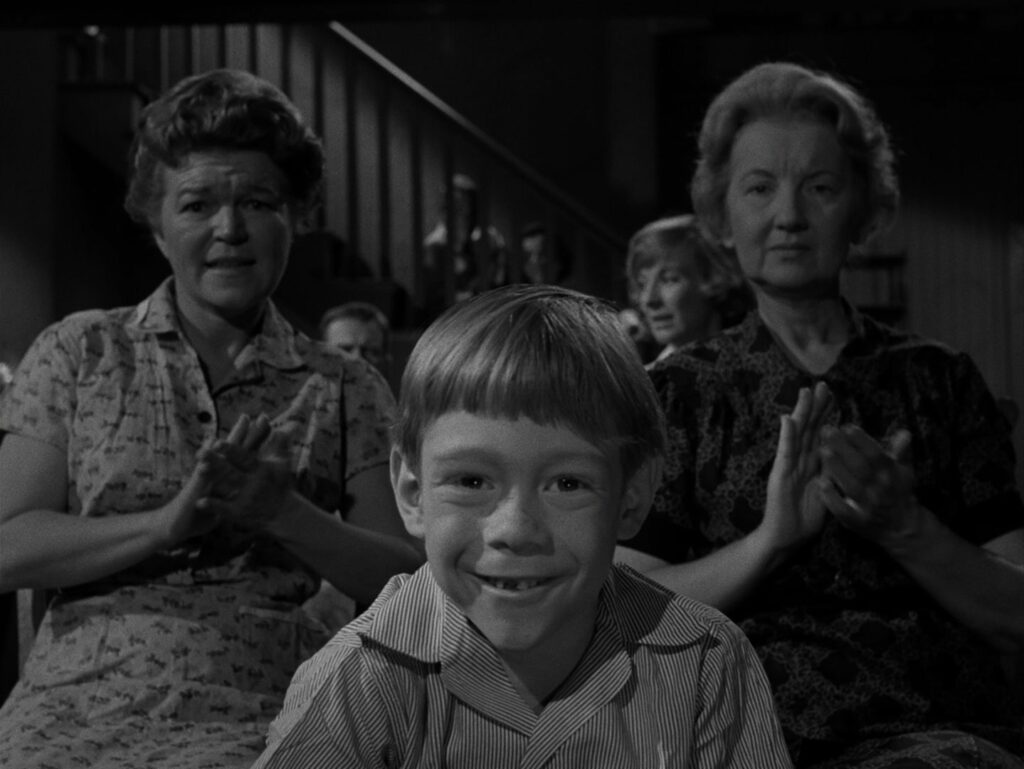
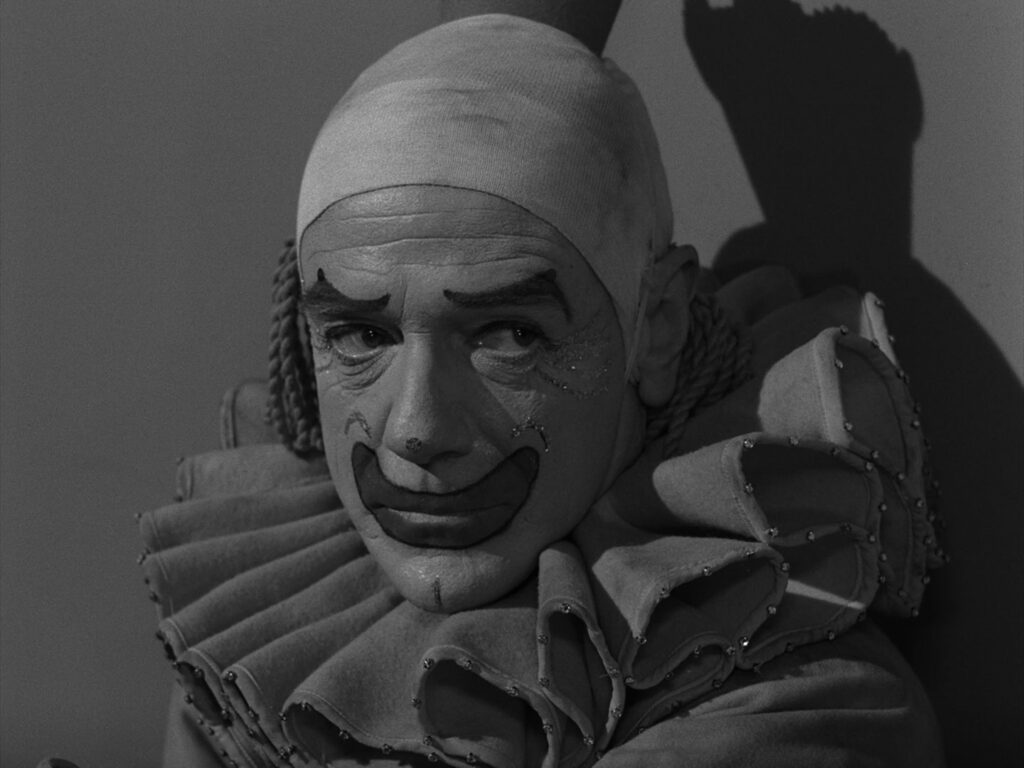
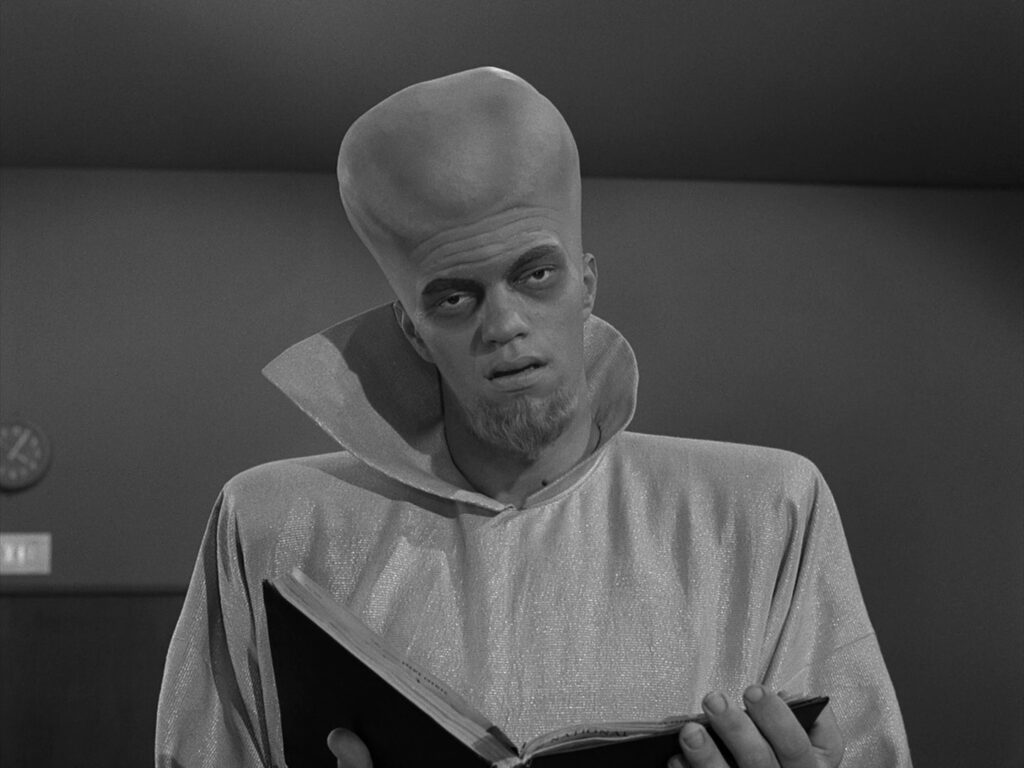
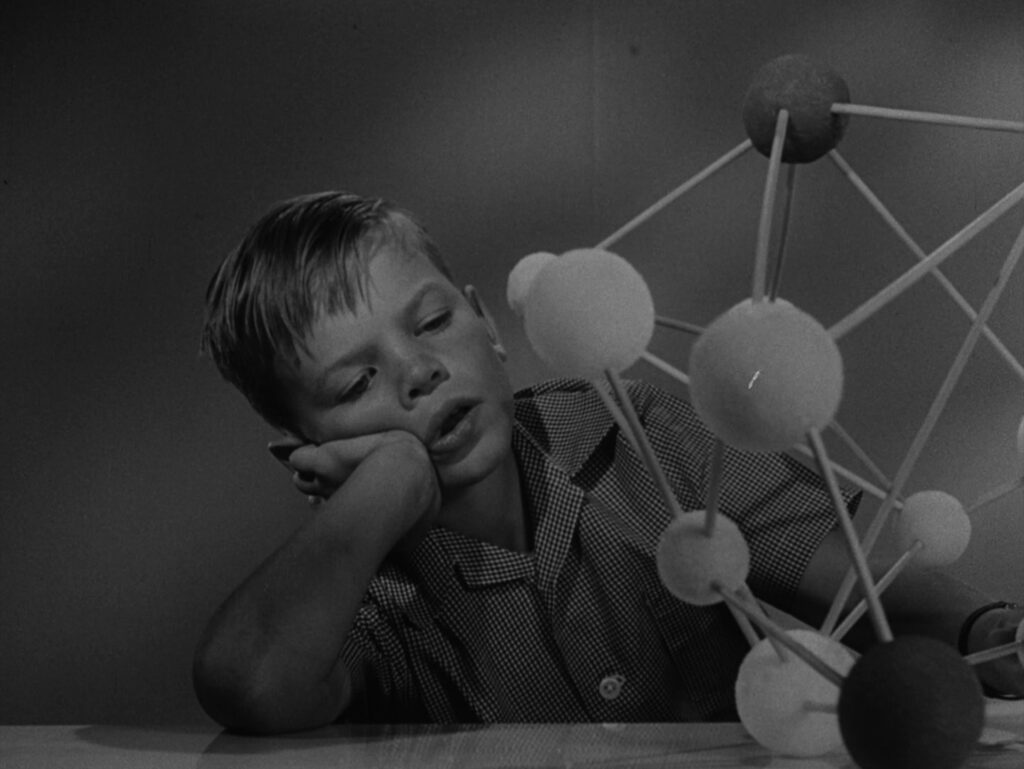
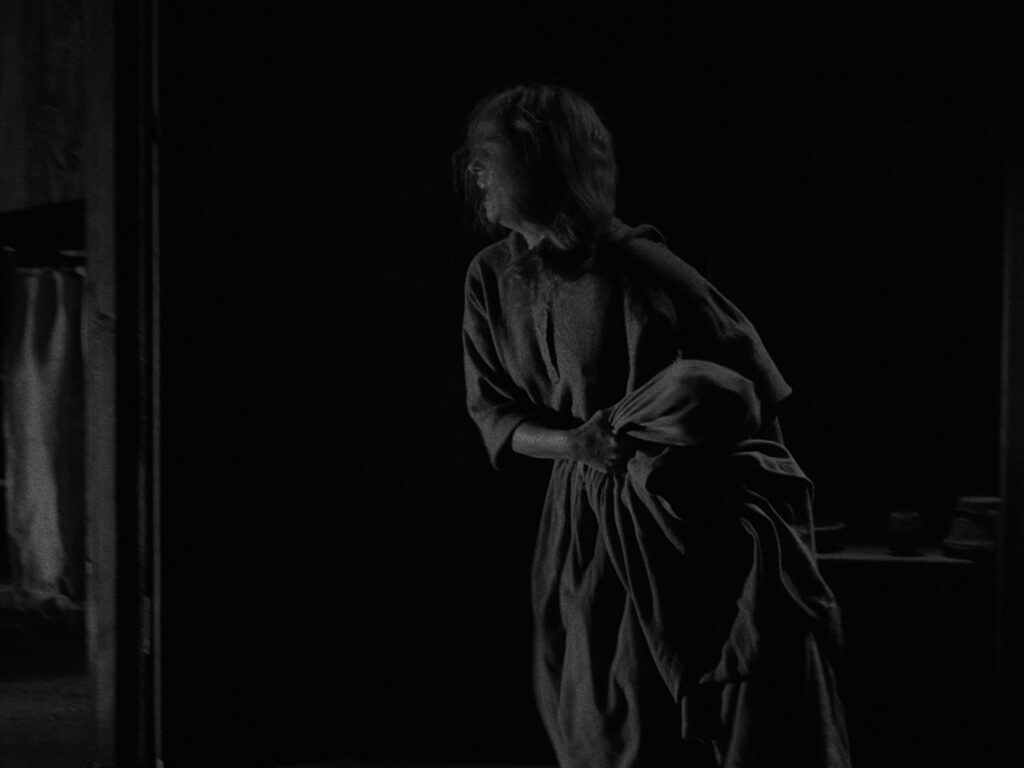
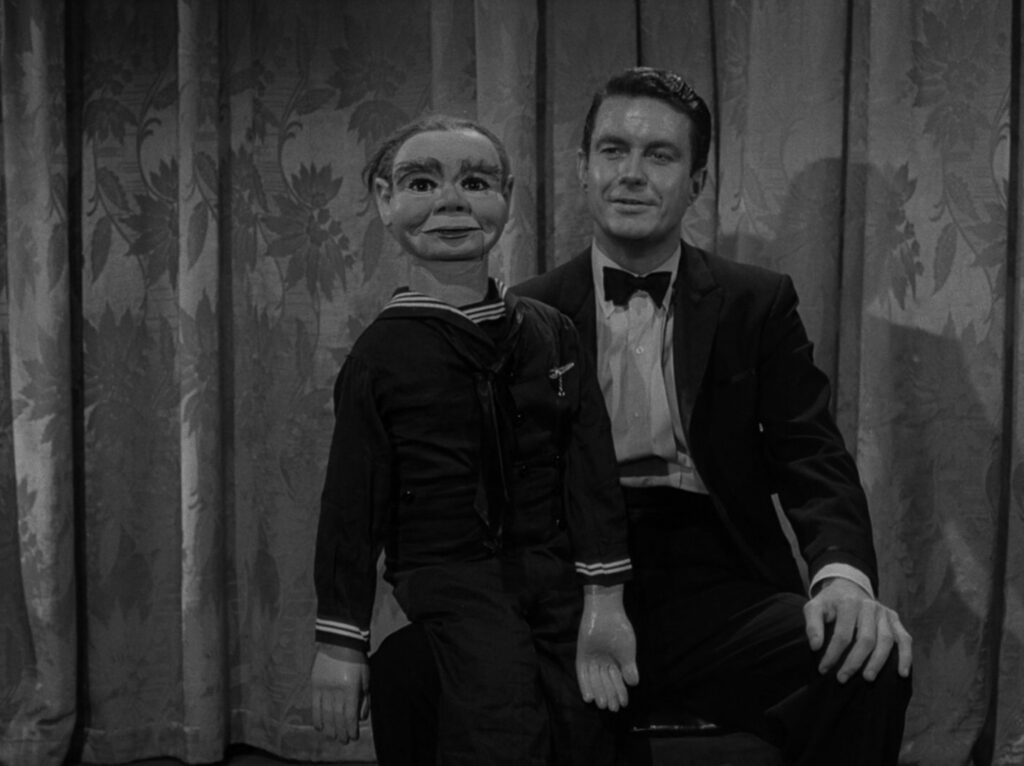
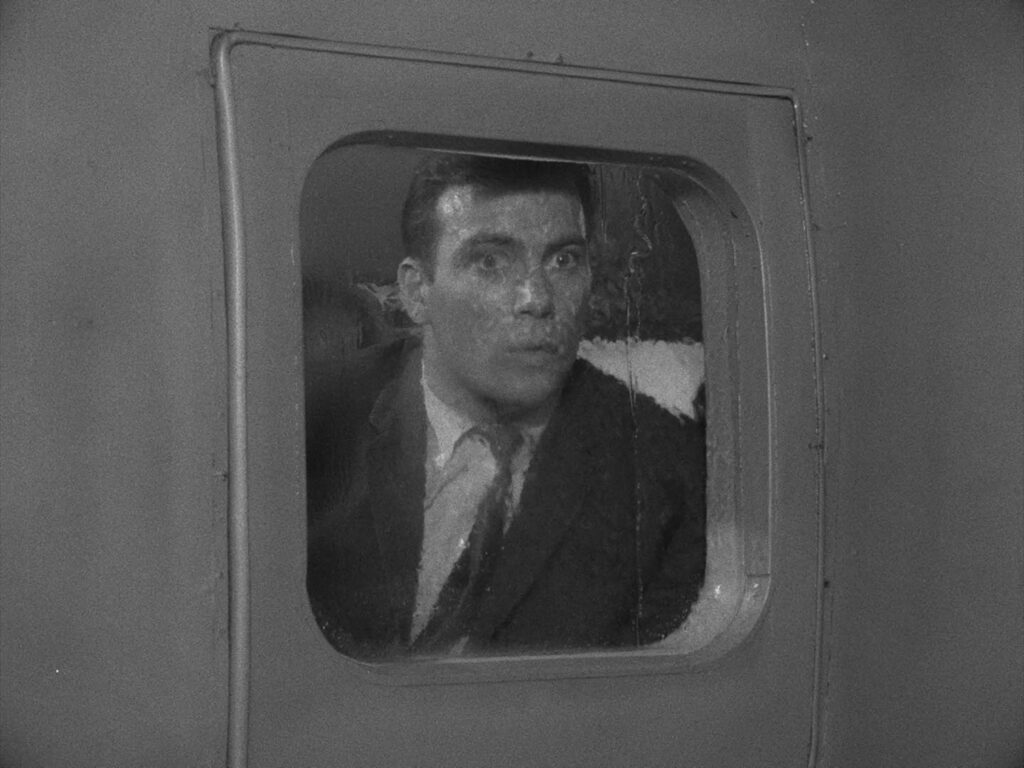
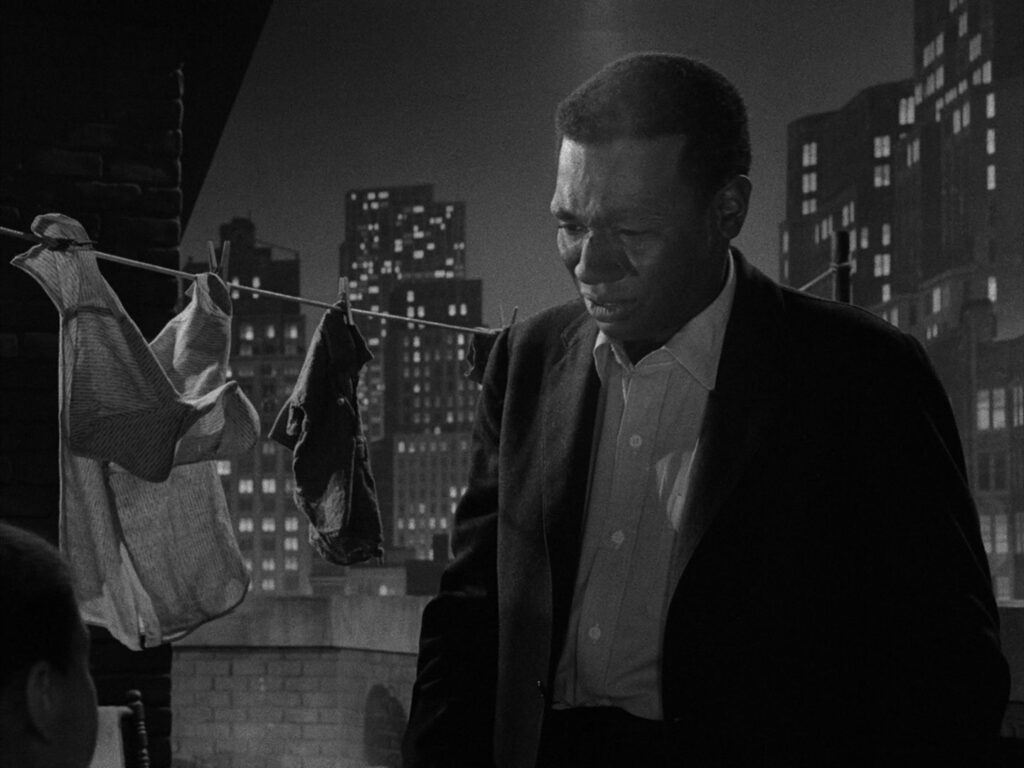
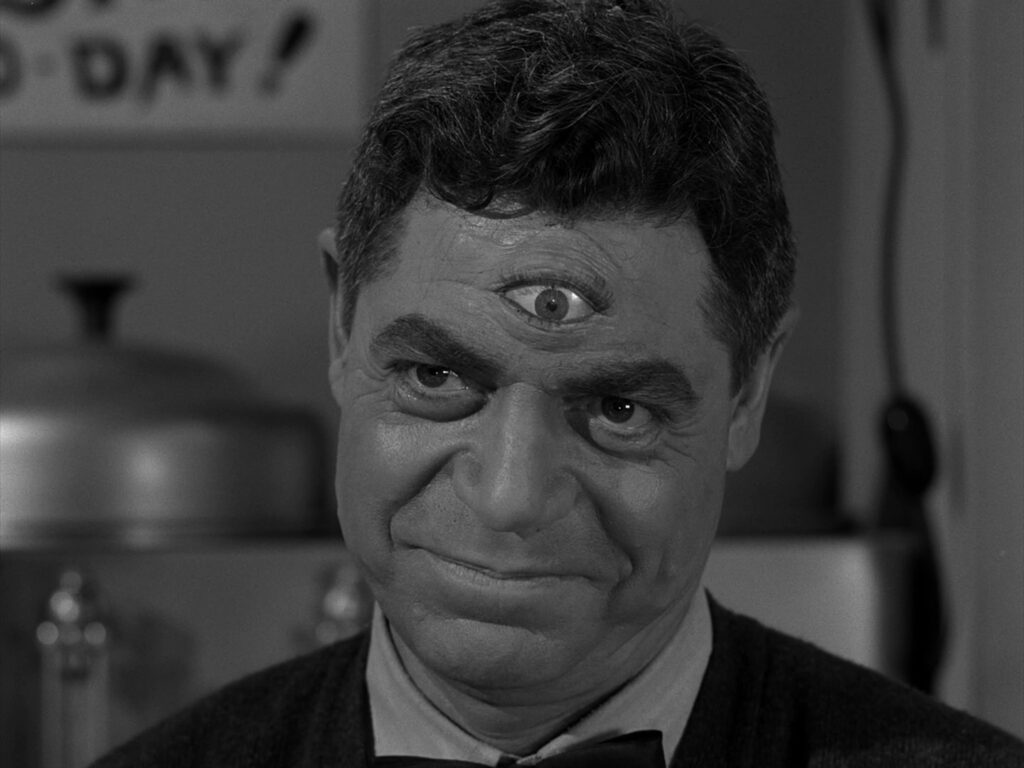
Things are about to get spooky! This month, we curated a mega-50-episode drop of The Twilight Zone, the iconic fantasy, sci-fi and horror anthology television series created and presented by Rod Serling. Running for five seasons from 1959 to 1964, each episode of The Twilight Zone presented a standalone story in which characters came face-to-face with unusual circumstances which often led to surprise endings. The series won two Primetime Emmy Awards during its run, but its legacy and influence has only grown since its conclusion, and it is today widely regarded as one of the greatest television series of all time.
As you sift through the thousands of stills we curated, keep an eye out for some of our favorite episodes: Time Enough at Last (S1, E8, 1959) Eye of the Beholder (S2, E6, 1960), The Dummy (S3, E33, 1961), and Nightmare at 20,000 Feet (S5, E3, 1963). Enjoy!
ARTIST SPOTLIGHT
Jim Jarmusch
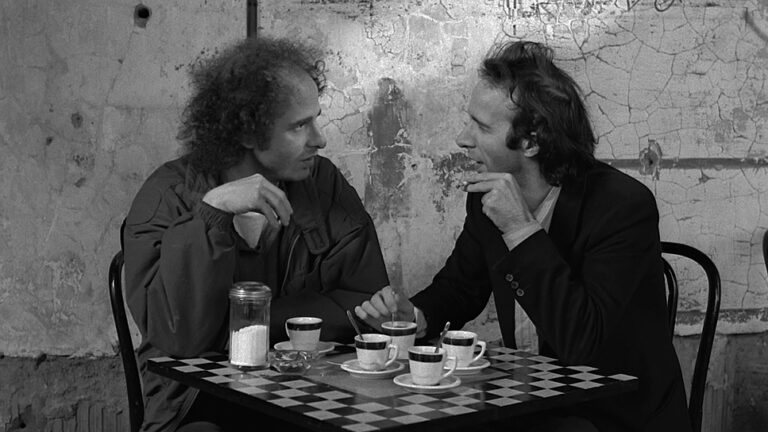
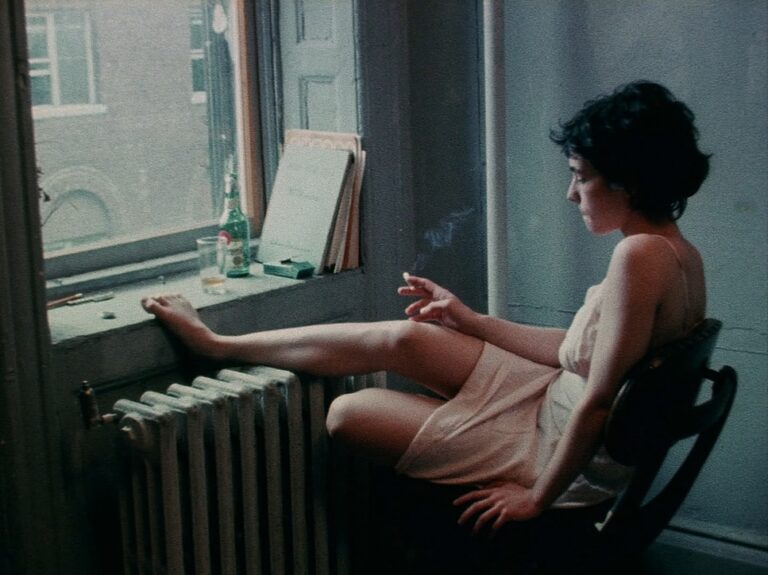
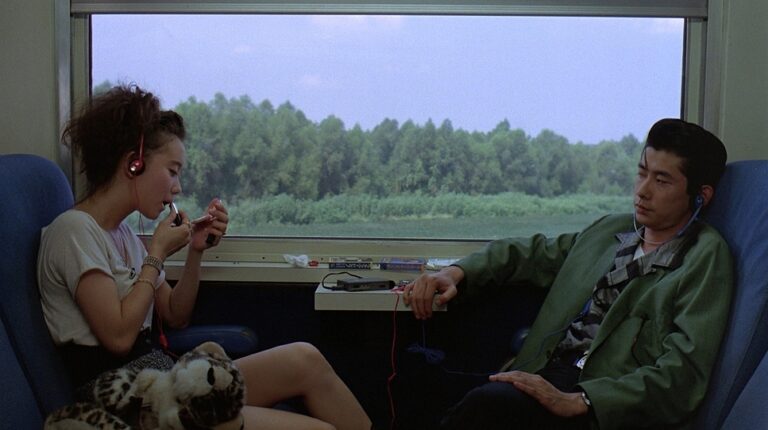
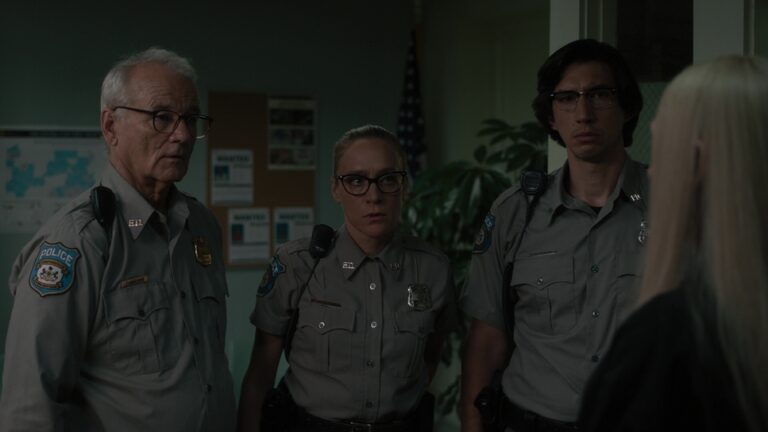
Hot off the heels of his win at this year’s Venice Film Festival this month, we’re diving deep into the filmography of American independent cinema hero Jim Jarmusch. Born to a film and theater critic mother and businessman father in Ohio, 1953, Jarmusch initially intended on pursuing poetry, before a study abroad program in Europe piqued his interest in filmmaking. He attended New York University’s Graduate Film School, where he worked as Nicholas Ray’s teaching assistant, before going on to complete his debut microbudget feature film in 1980, Permanent Vacation.
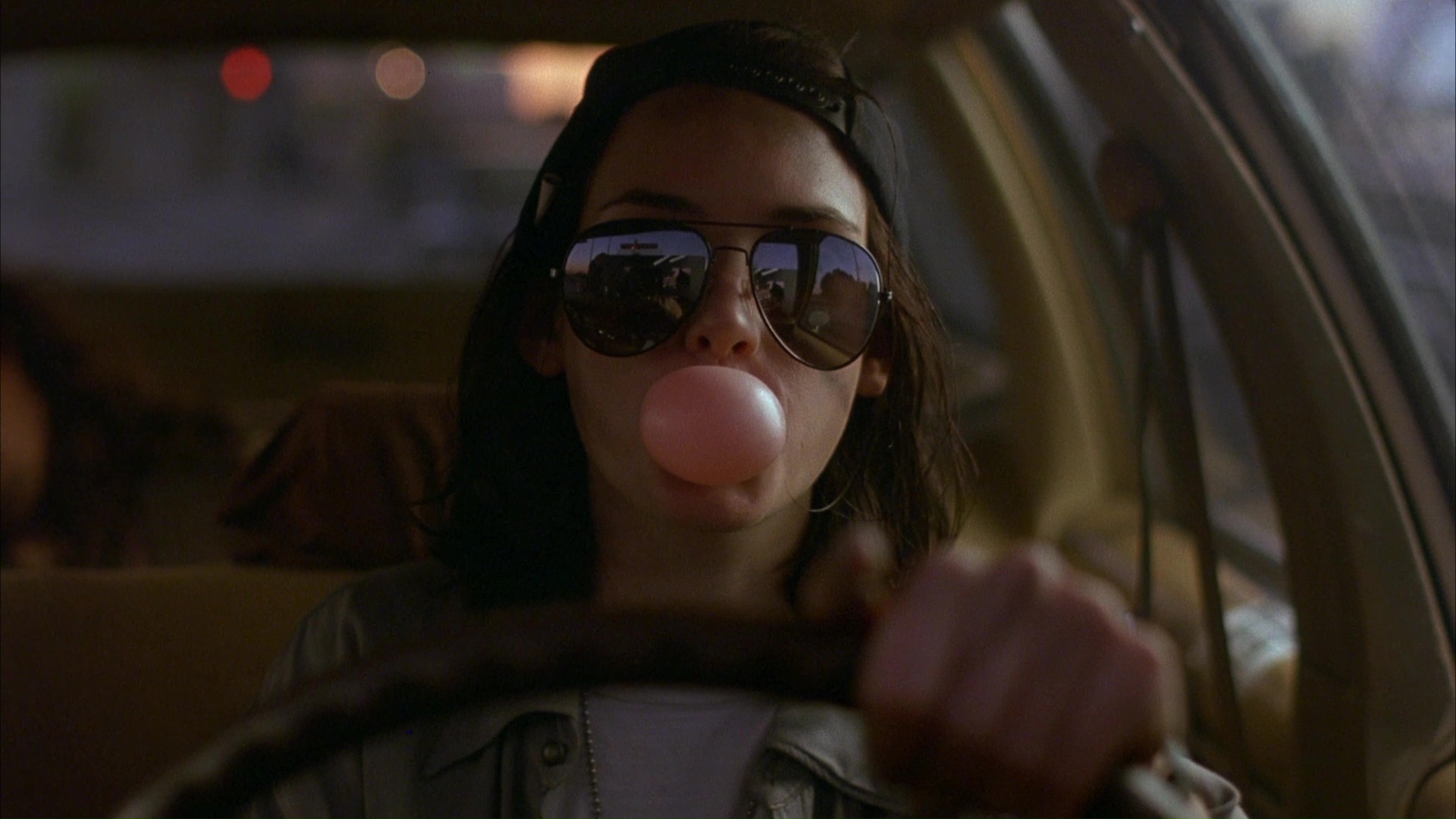
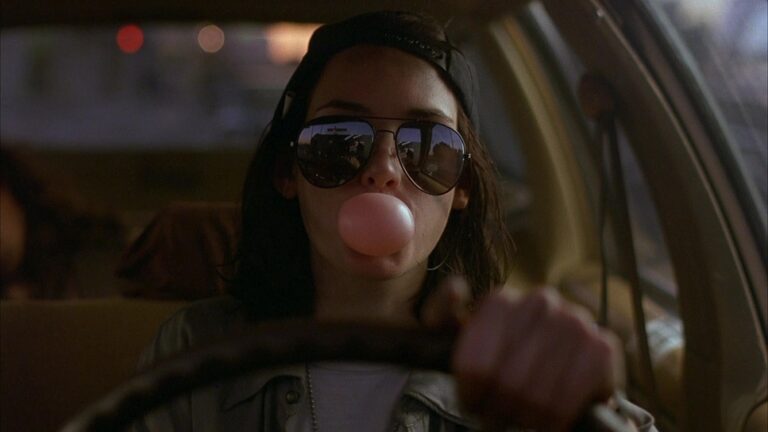
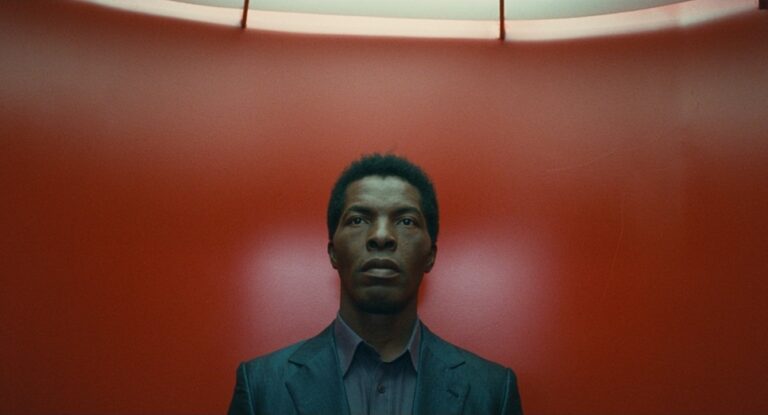
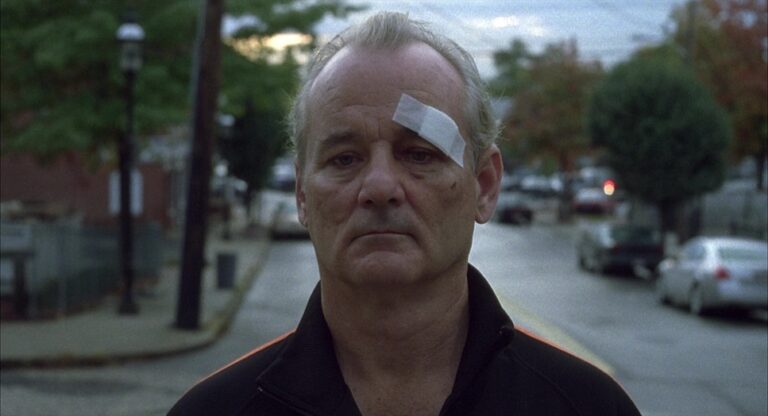
Although Permanent Vacation was not released theatrically and did not receive the kind of critical attention that his later work would, the film showed all the hallmarks of what audiences have come to love from a Jim Jarmusch film: a cool, minimalist style; a wry, deadpan sense of humor; and ever-simmering questions about getting older and the meaning of life. Check out our September curation of Jarmusch’s work: comedy-drama anthology films Mystery Train (1989) and Coffee and Cigarettes (2003), road dramedy Broken Flowers(2005), assassin story The Limits of Control (2009), and zombie comedy The Dead Don’t Die (2019). Add these shots to your decks today!
ARTIST SPOTLIGHT
Classic Cartoons
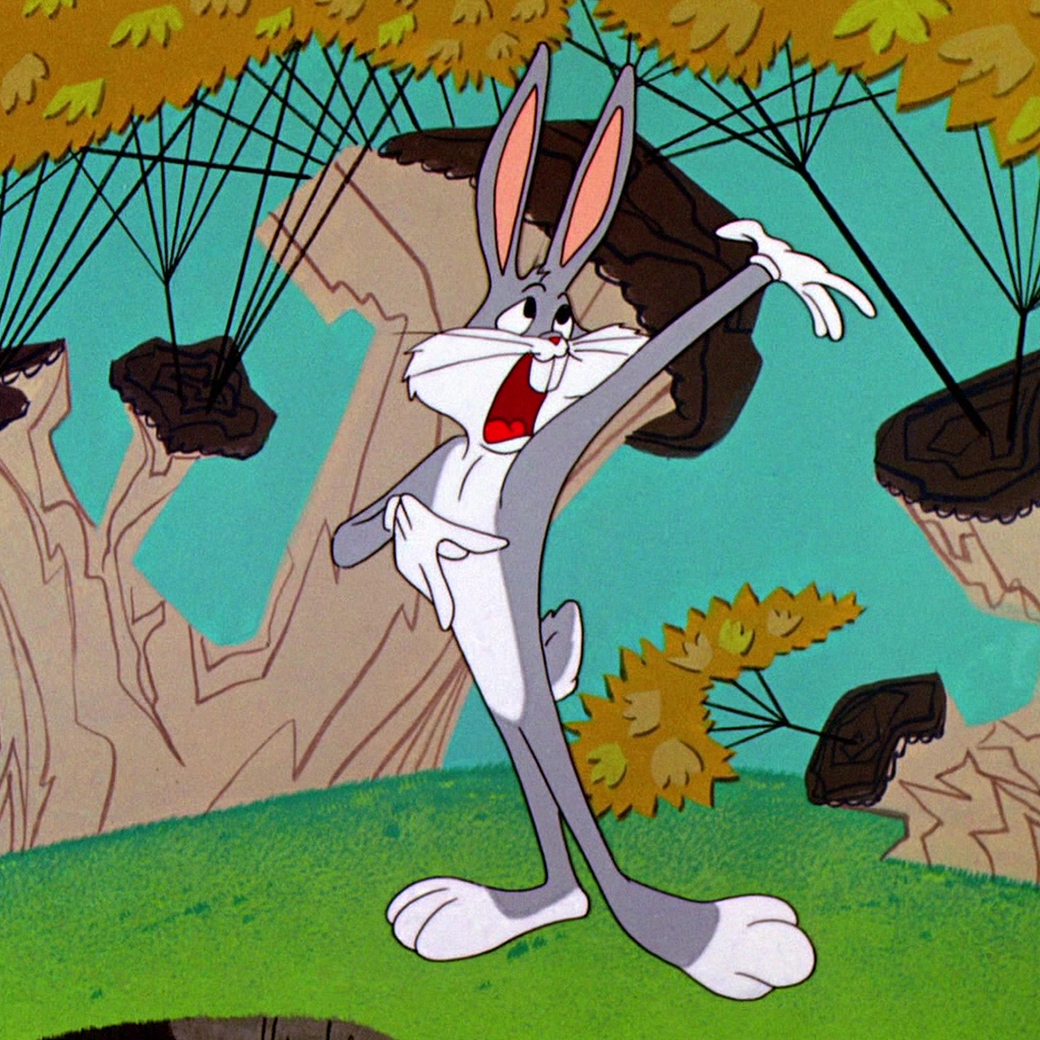
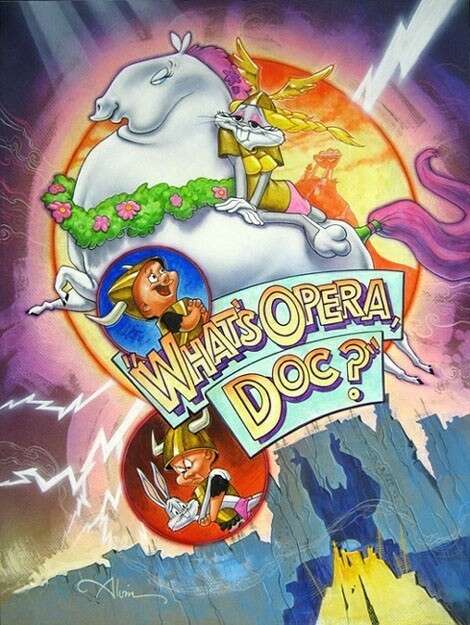
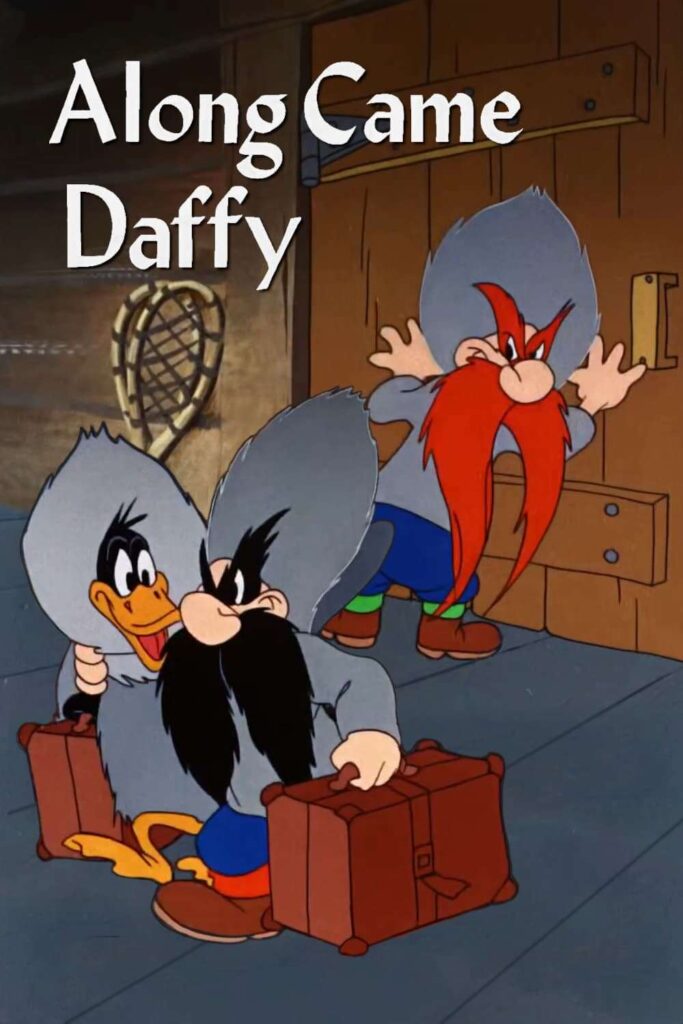
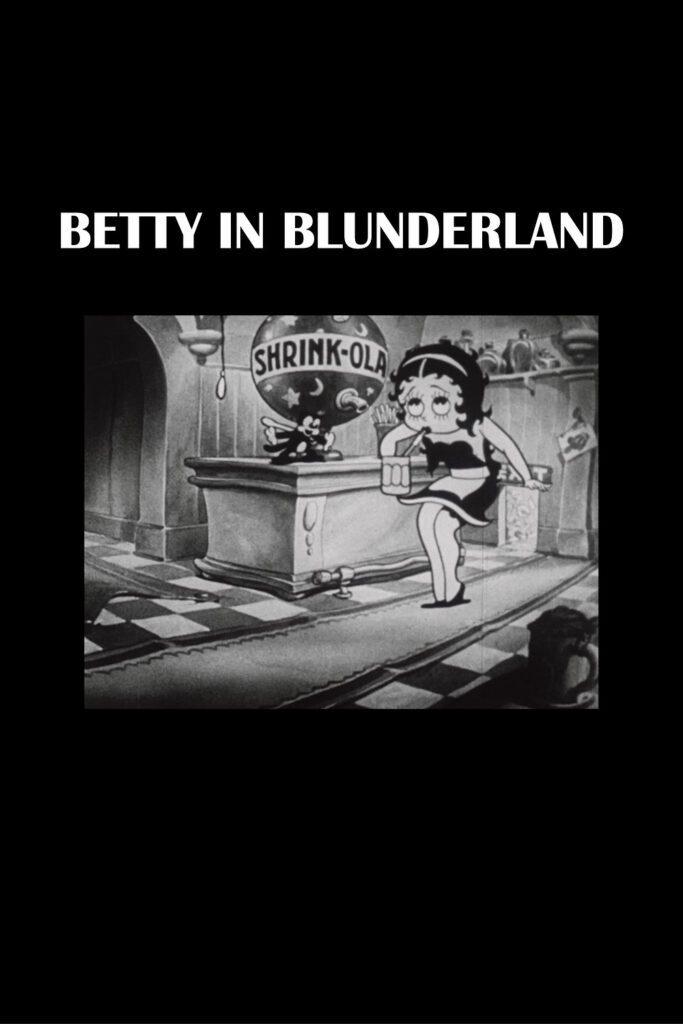
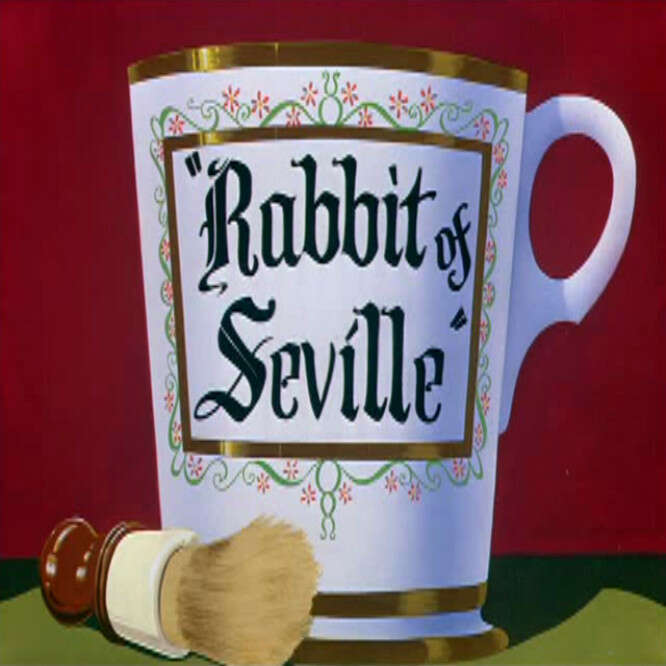
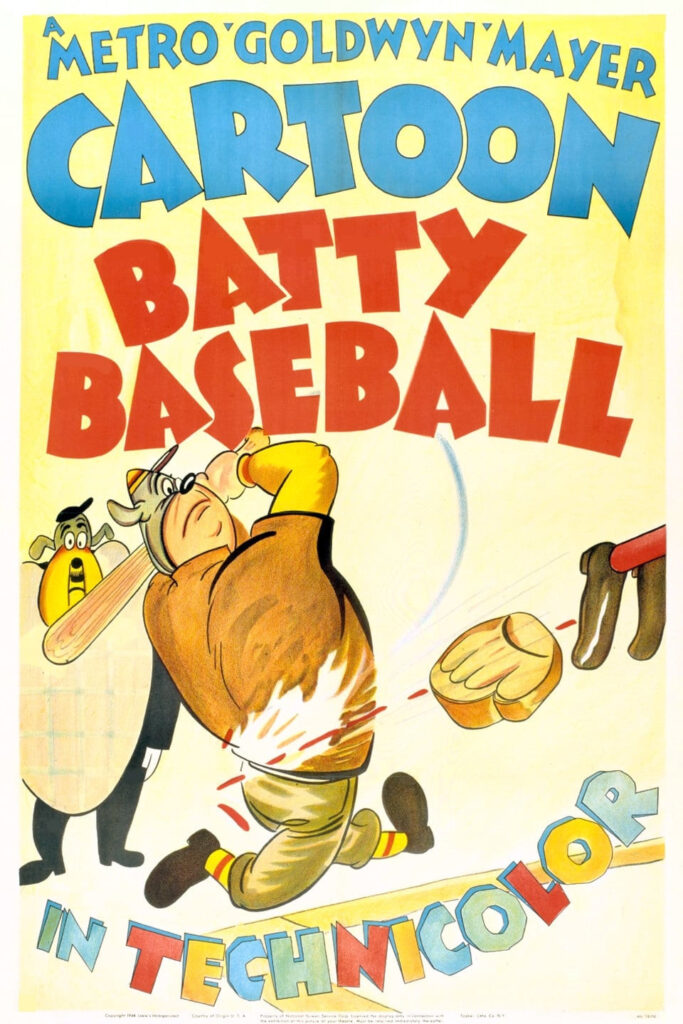
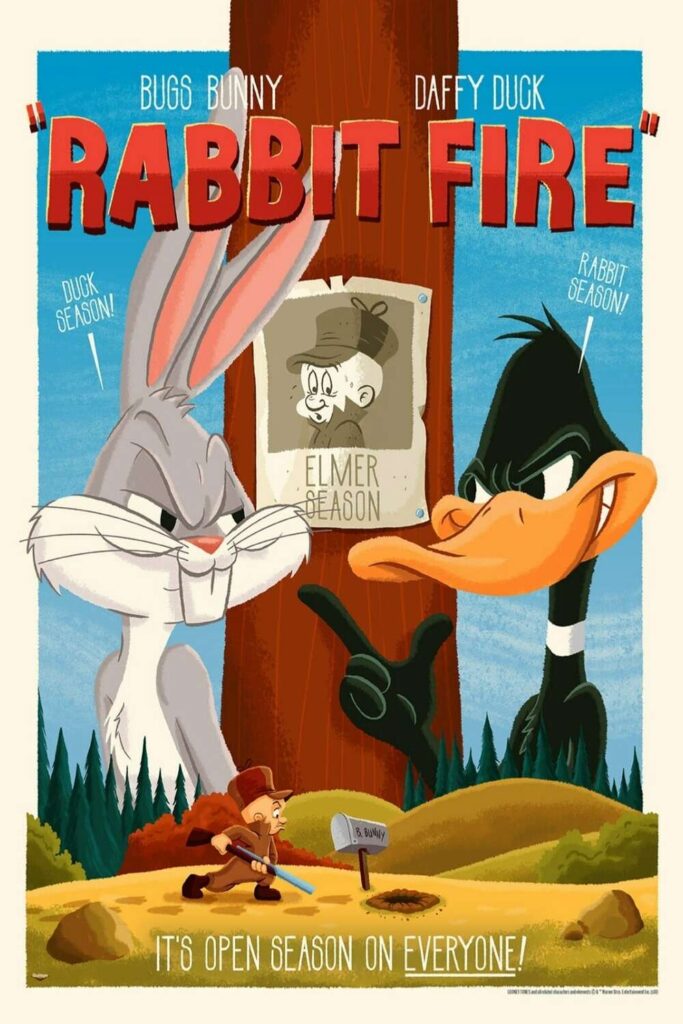
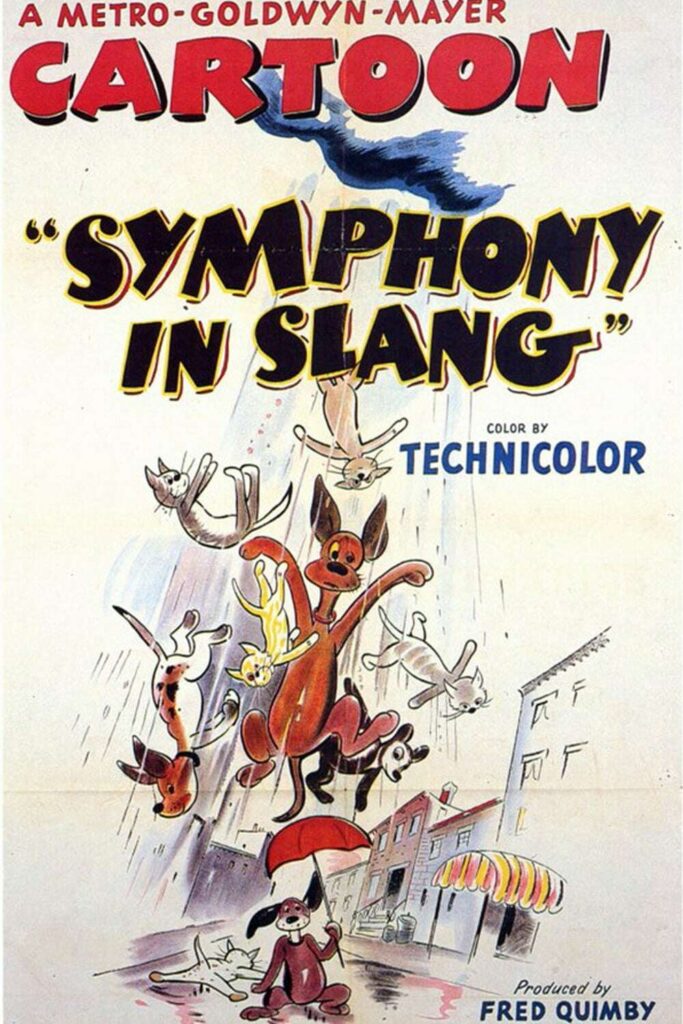
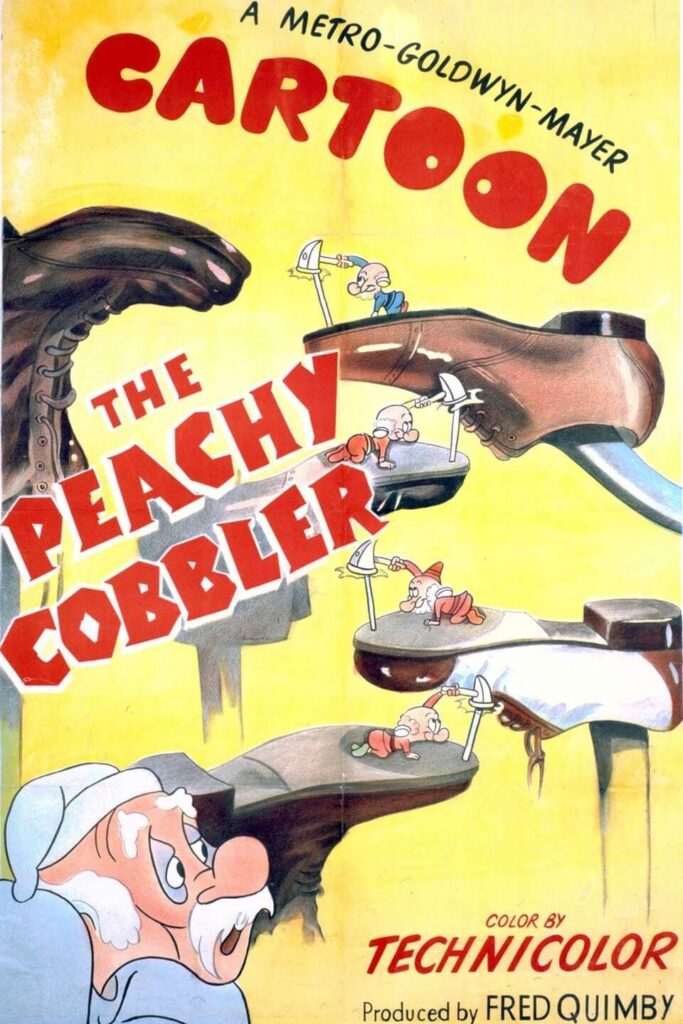
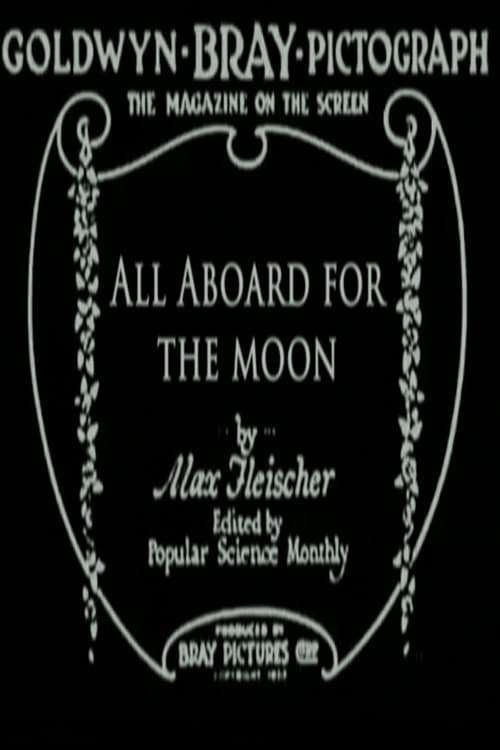
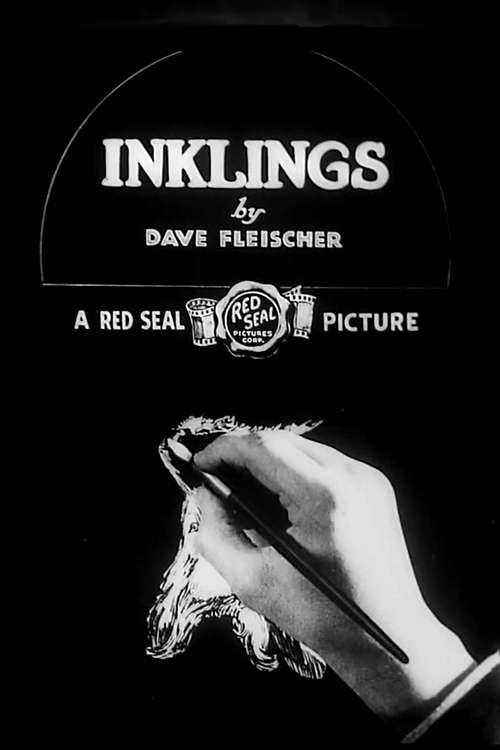
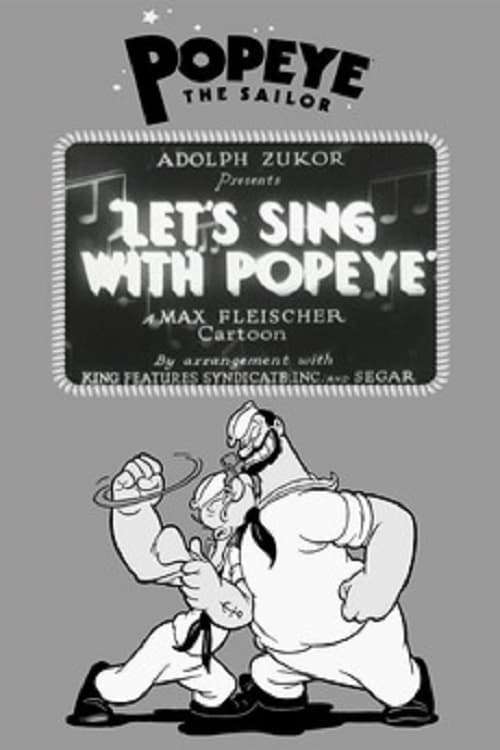
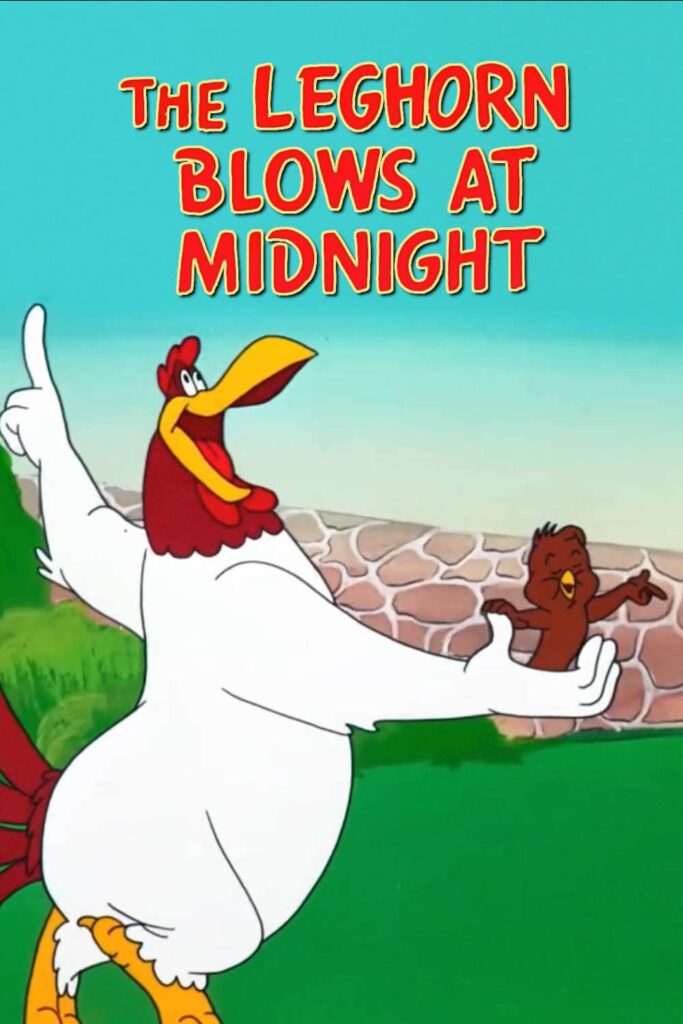
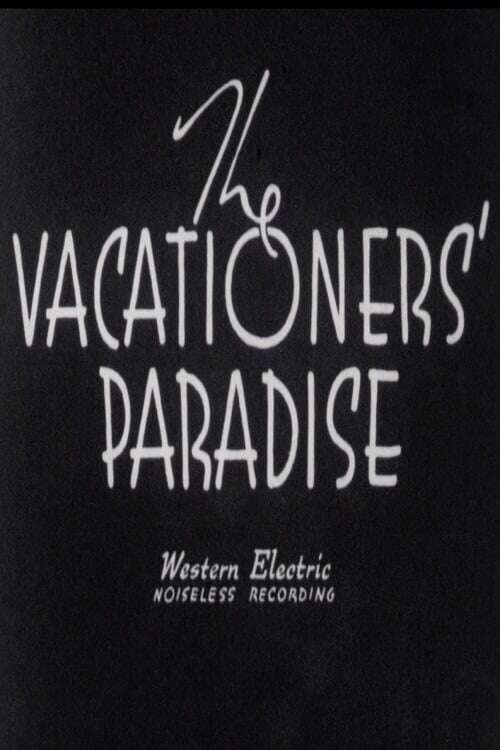
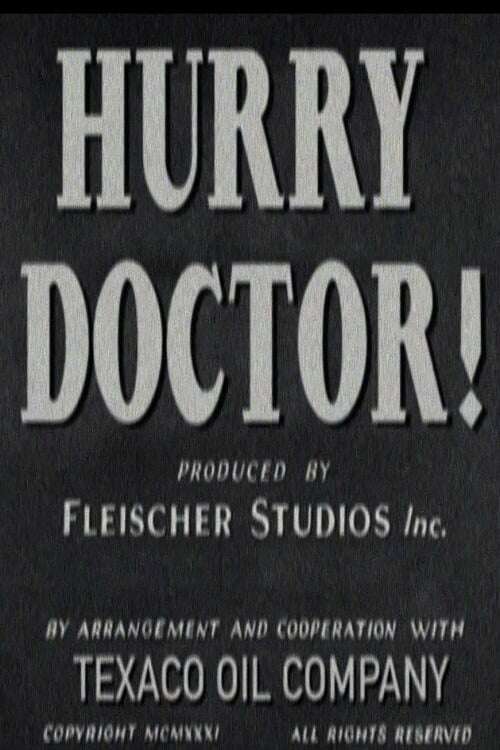
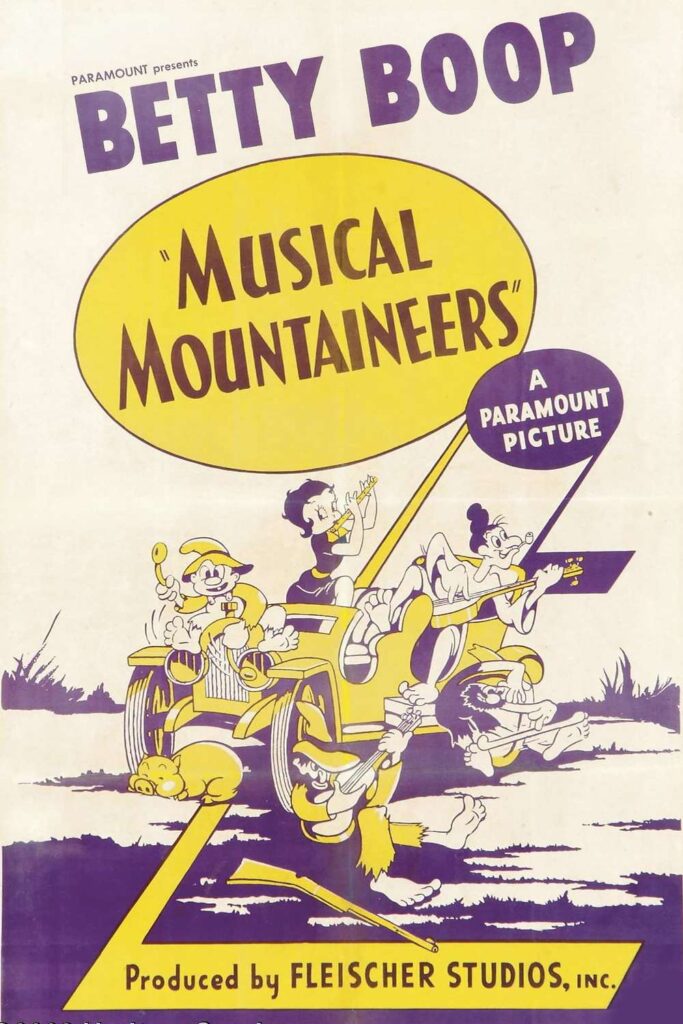
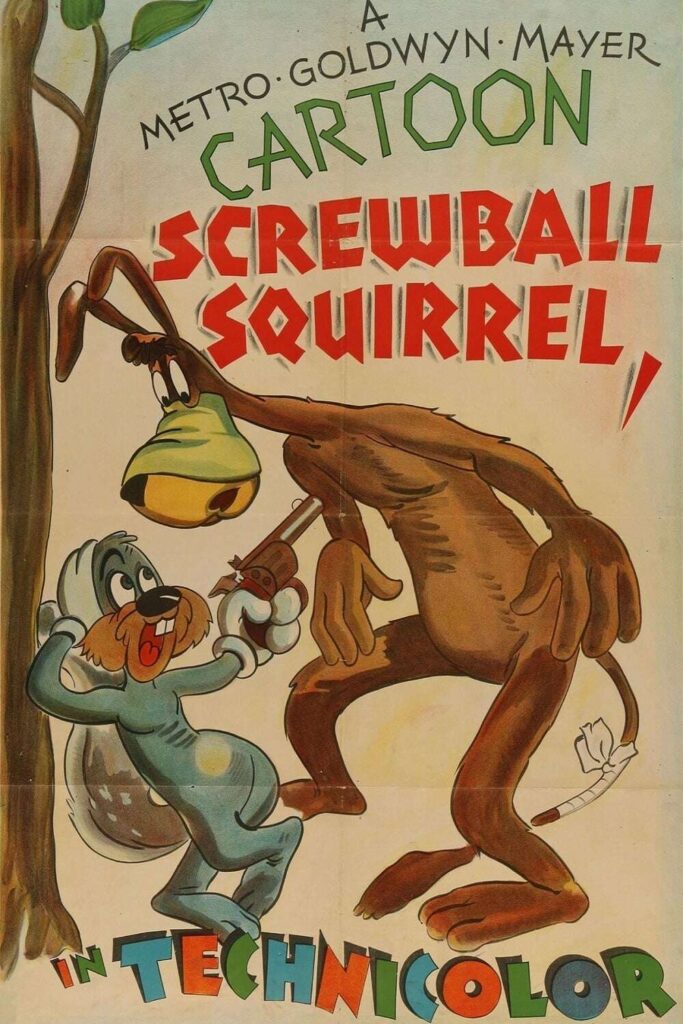
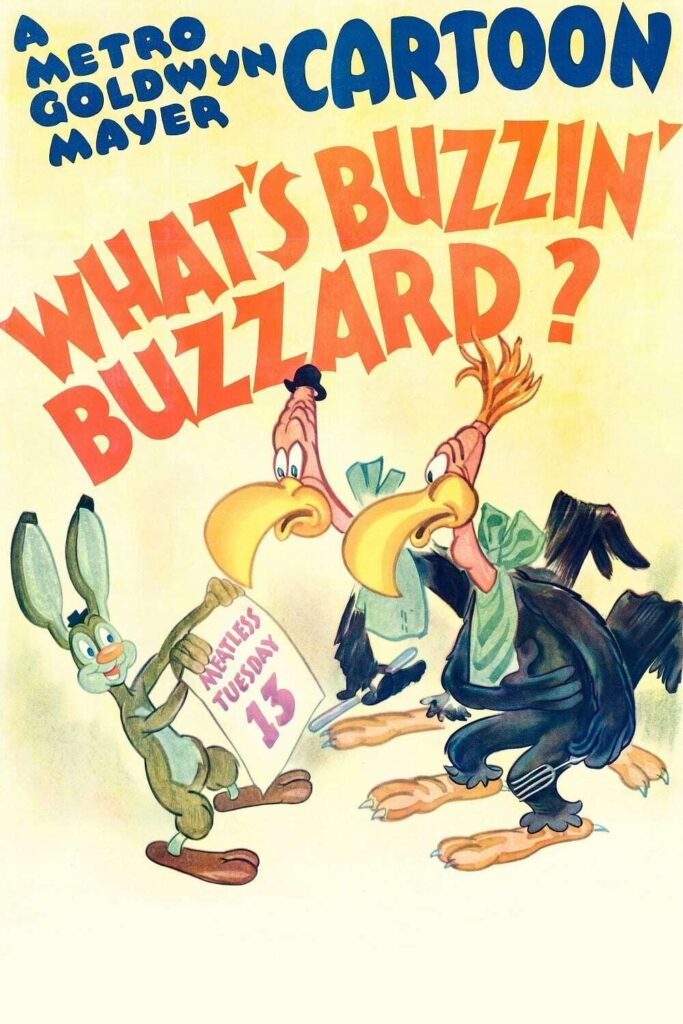
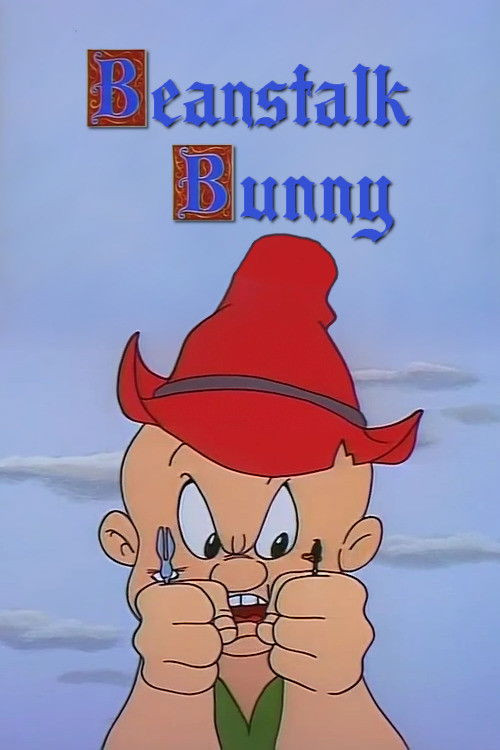
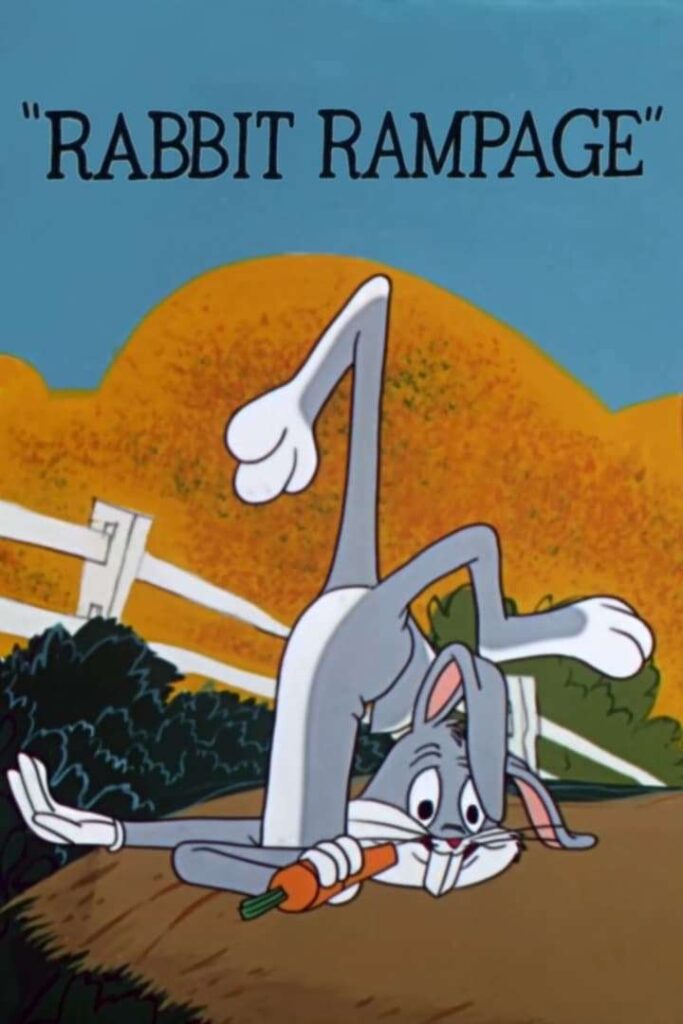
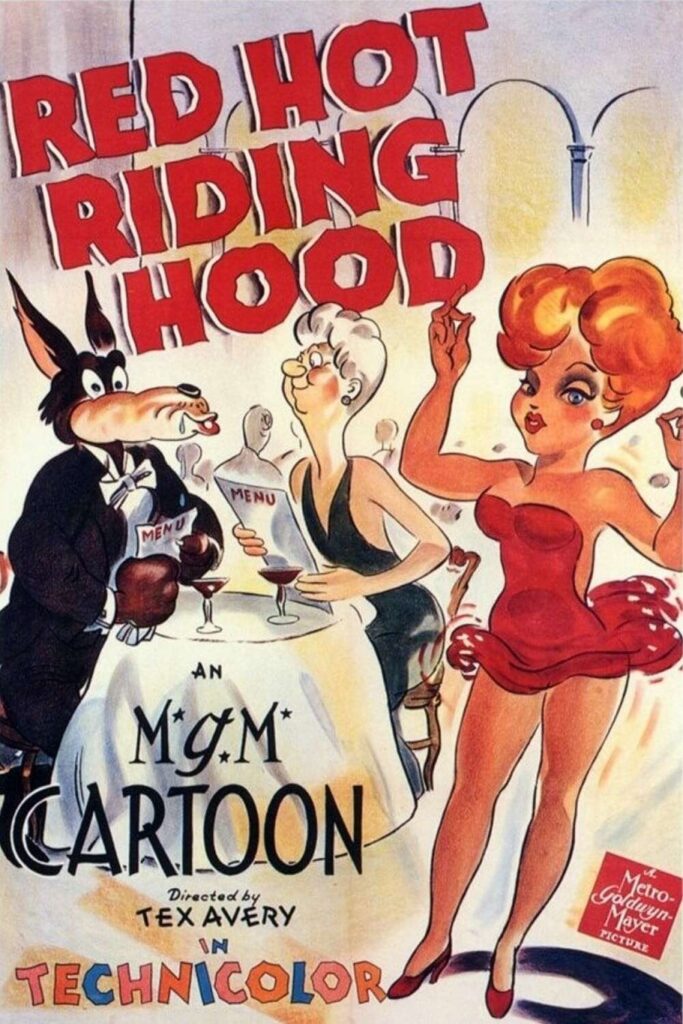
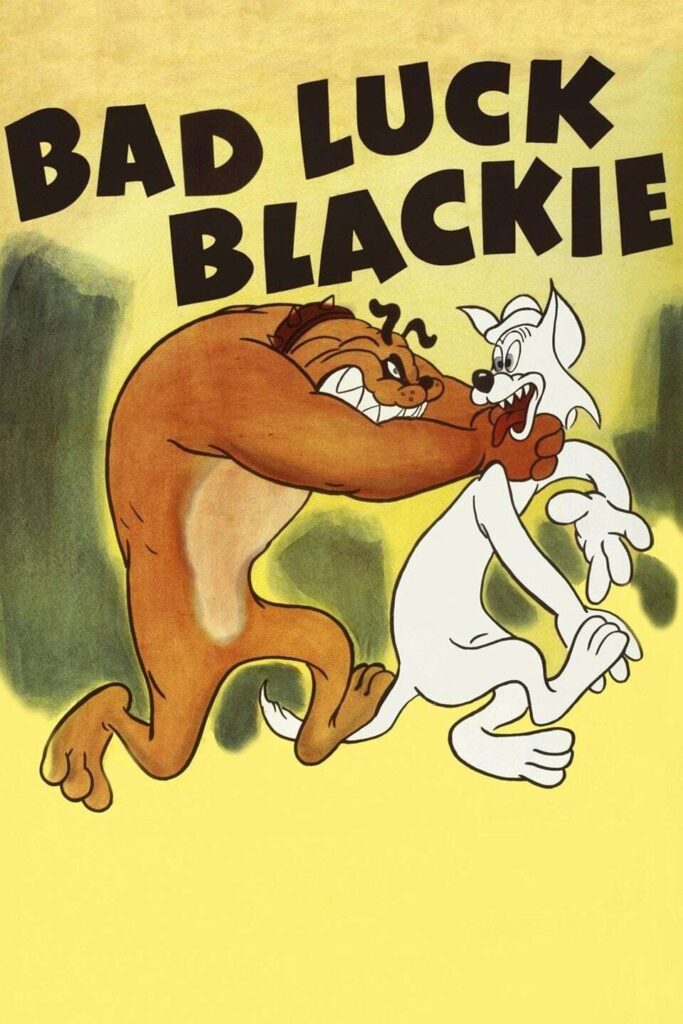
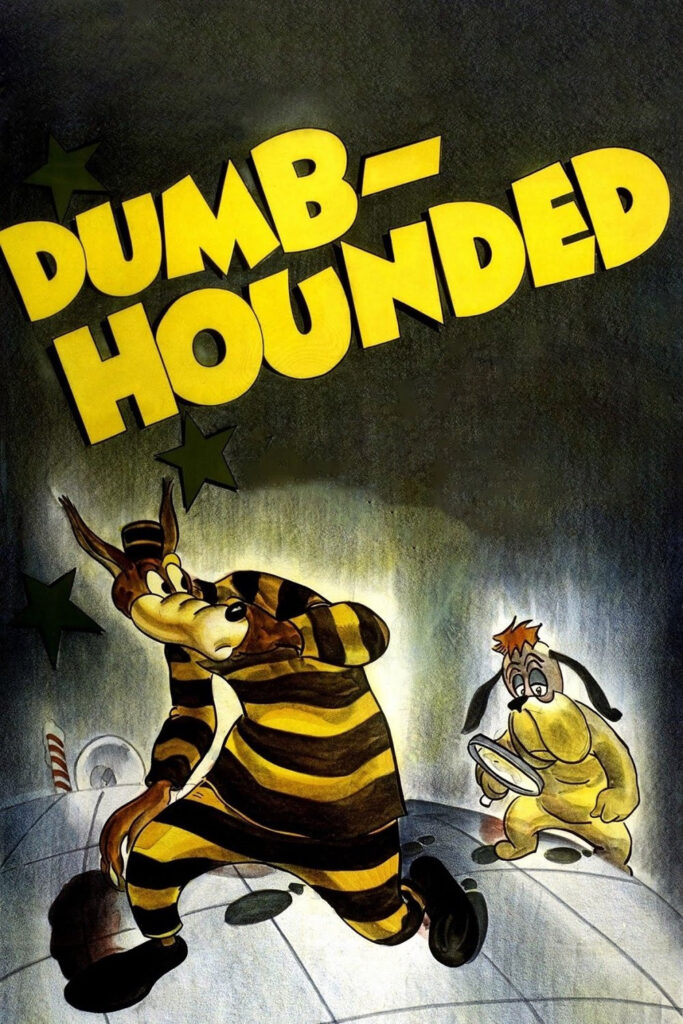
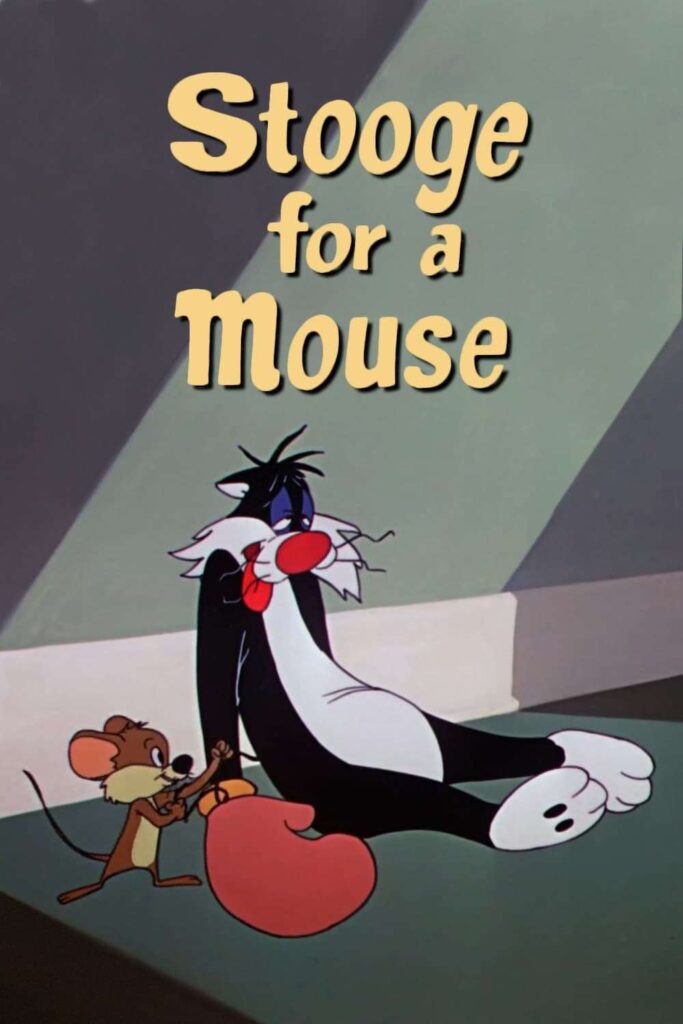
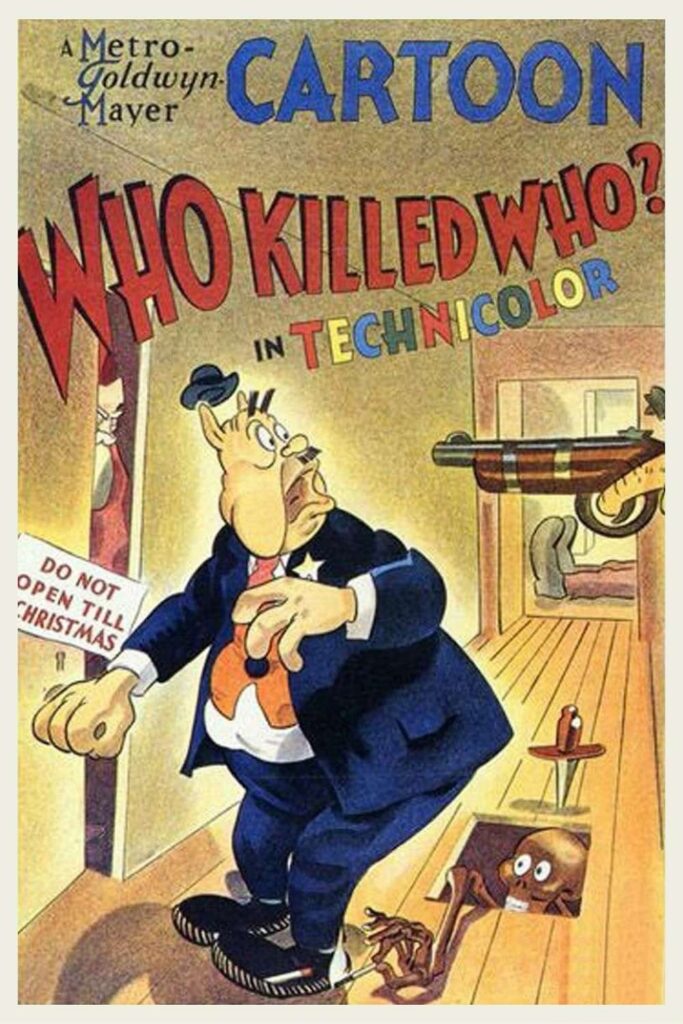
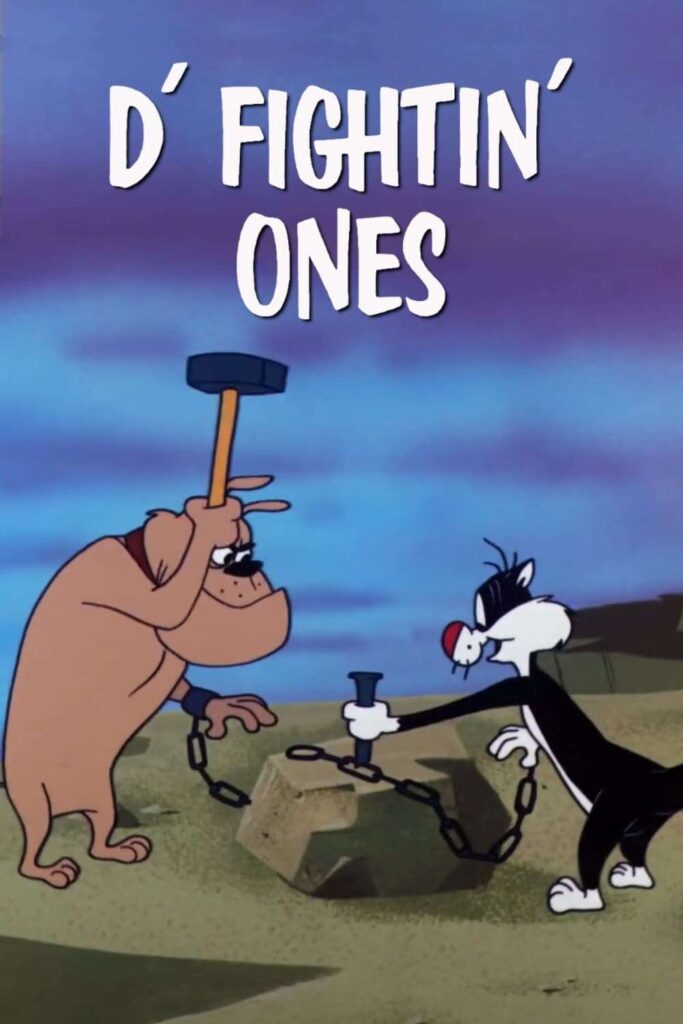
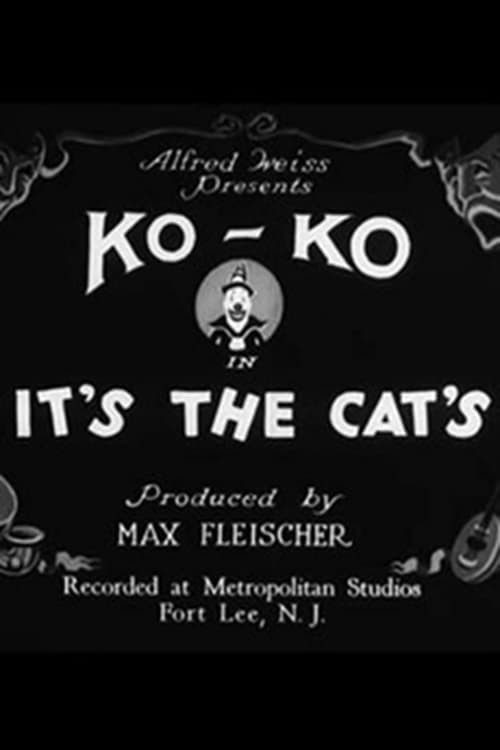
In September, ShotDeck dropped thousands of shots from the golden age of American cartoons, curating collections from The Fleischer Brothers, Tex Avery and Looney Tunes.
Each respectively known and admired for their surreal imagery, anarchic humor and iconic characters, these artists were among the forerunners of American animation, bringing a distinctly adult sense of style and comedy to a medium that had up until then been dominated by a more tame, child-friendly approach to stories, characters and aesthetics. This month, we’ve programmed 28 of each studio’s most celebrated work, from the 1957 Looney Tunes short What’s Opera, Doc?, to Dave Fleischer’s 1934 short Let’s Sing with Popeye, and Tex Avery’s 1943 crime comedy Who Killed Who? Check those out and more on ShotDeck today!

ARTIST SPOTLIGHT
Luis Buñuel
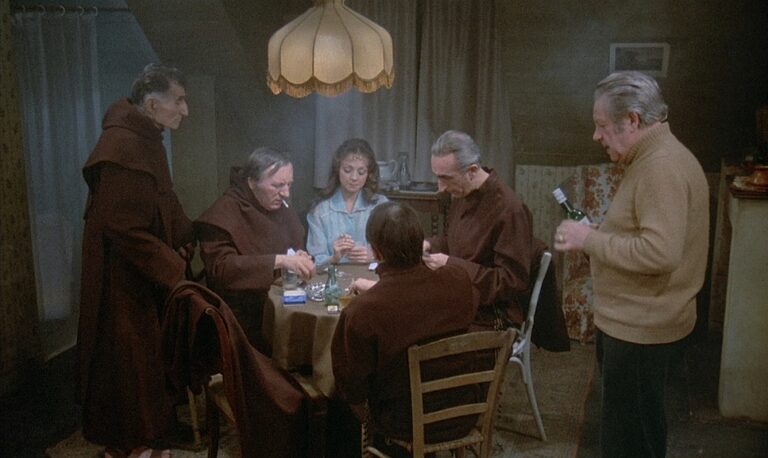
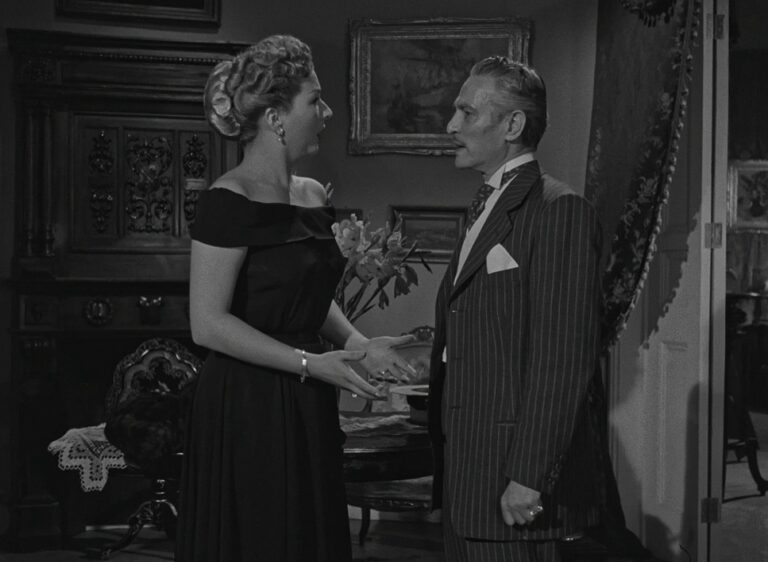
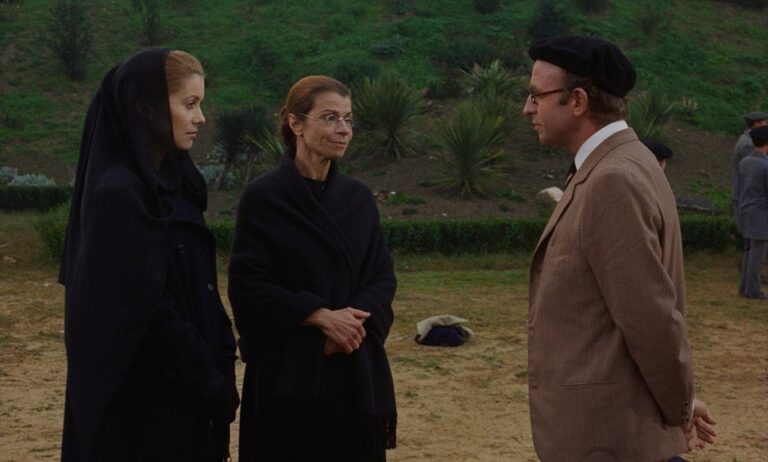
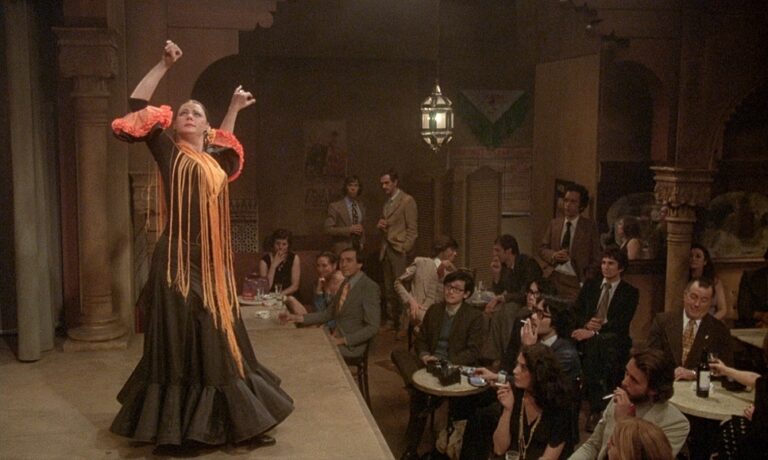
From one Venice award winner to another – this month, we curated six films from the Spanish-Mexican master Luis Buñuel on ShotDeck.
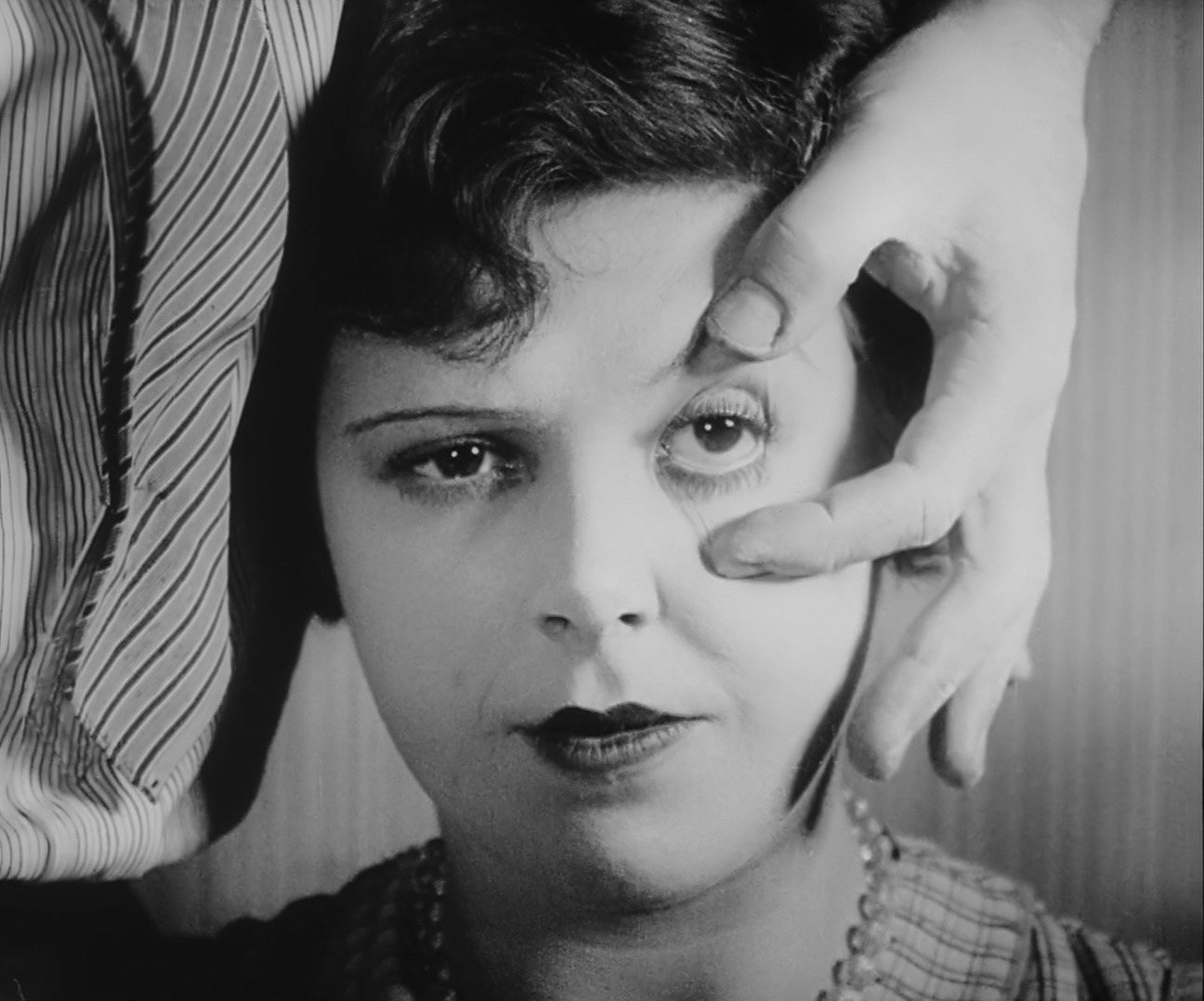
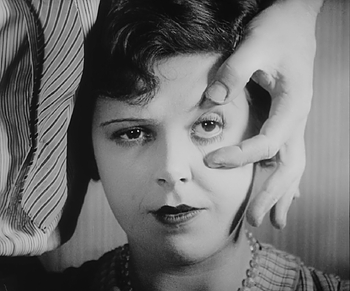
Born in 1900 in Calanda, Spain, Buñuel developed close friendships with painter Salvador Dalí and poet Federico García Lorca as a young man living in the Residencia de Estudiantes in Madrid, and the three artists would go on to form the nucleus of the Spanish Surrealist avant-garde, known as members of “La Generación del 27” across the world. Buñuel and Dalí collaborated early in their careers on the short film Un Chien Adalou (1929) – considered by many to be one of the greatest short films ever made.
Buñuel’s commitment to surrealist, non-associative imagery and editing as a principle for making films would come to define his contribution to cinema at large. He used surrealism and fantasy to tell compelling and morally complex stories that enchanted audiences and skewered violent and corrupt governments, and he was described in his obituary as “an iconoclast, moralist, and revolutionary who was a leader of avant-garde surrealism in his youth and a dominant international movie director half a century later.”
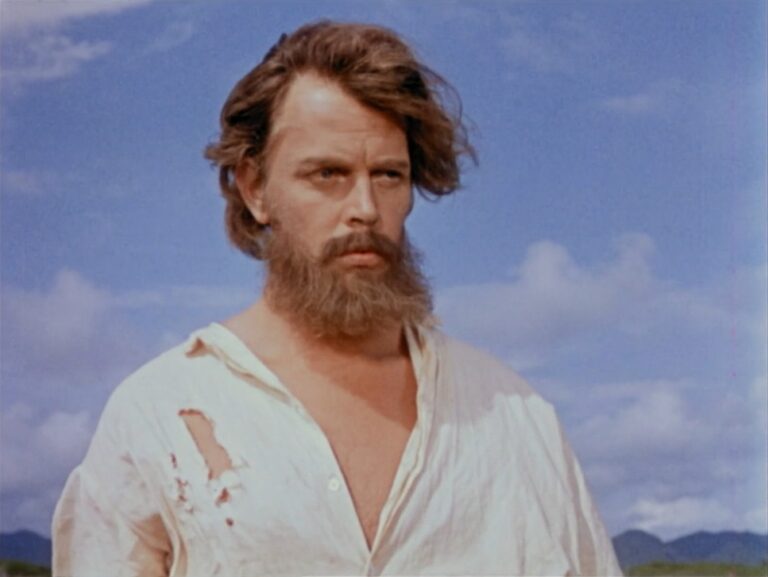
Check out this month’s curation of Luis Buñuel’s work – Un Chien Adalou (1929), Robinson Crusoe (1954), The Criminal Life of Archibaldo De La Cruz (1955), Tristana (1970), That Obscure Object of Desire (1977) and The Phantom of Liberty (1974). Add those shots, as well as others from our library of Buñuel’s films, to your decks today!
TELEVISION SERIES
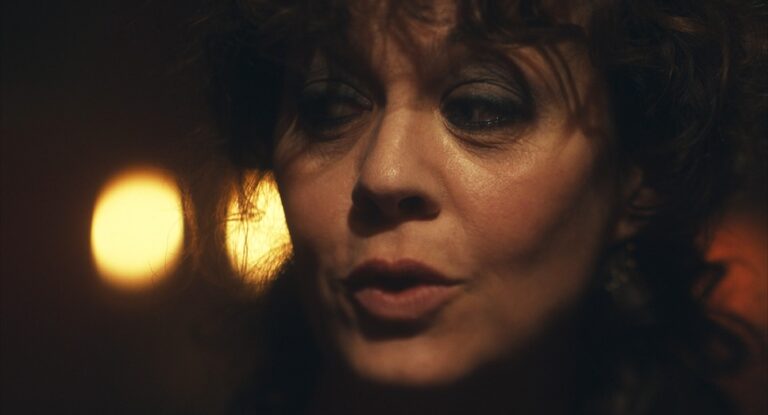
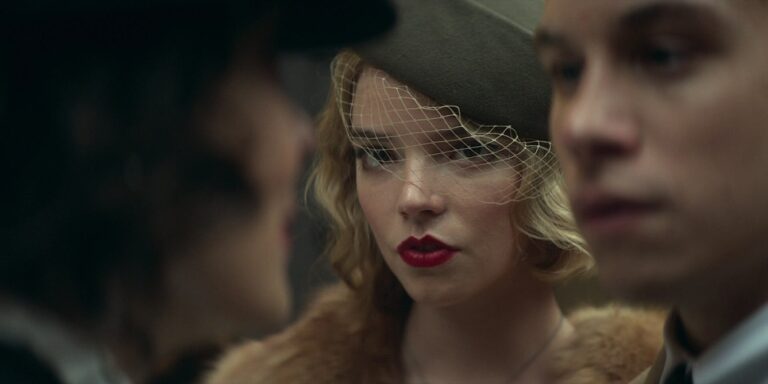
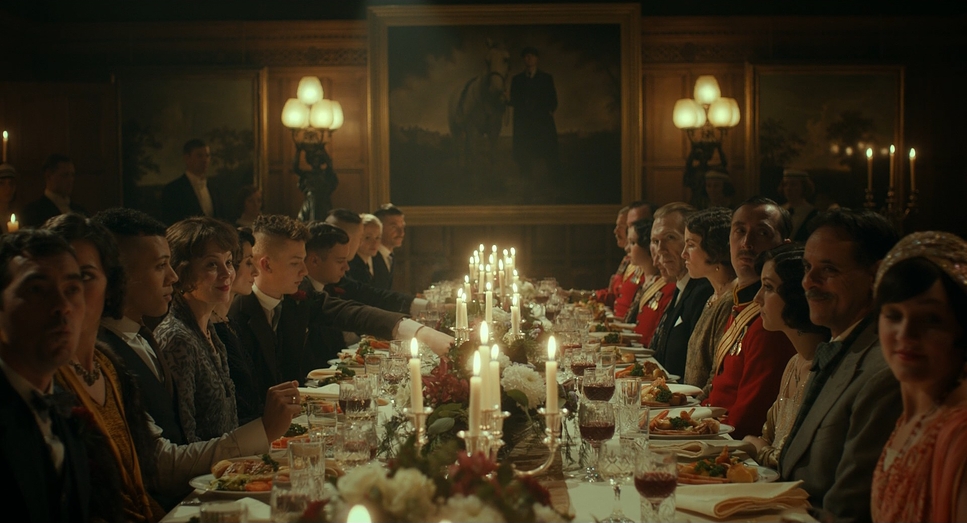
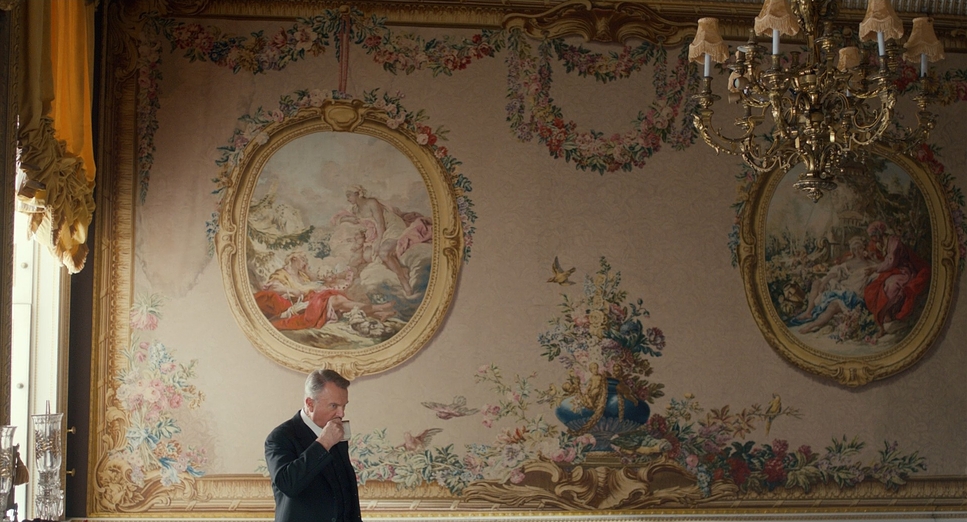
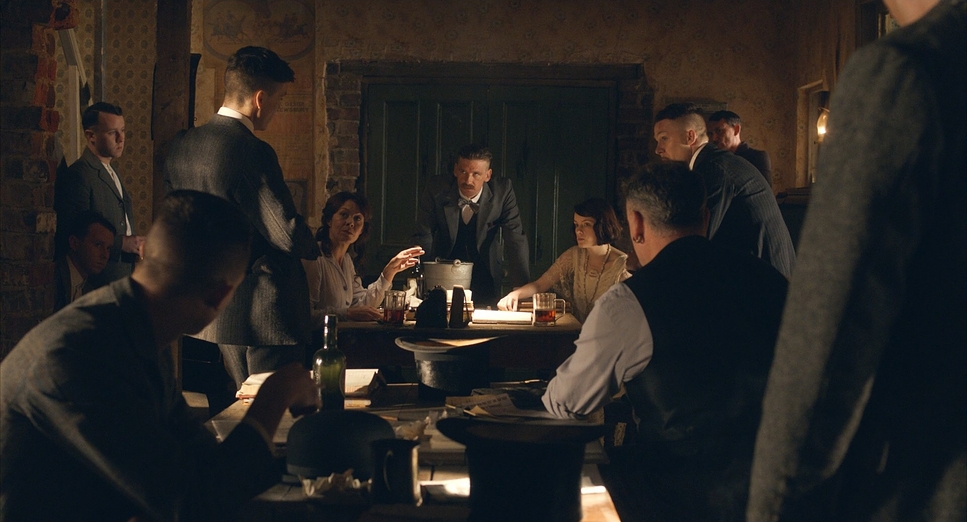
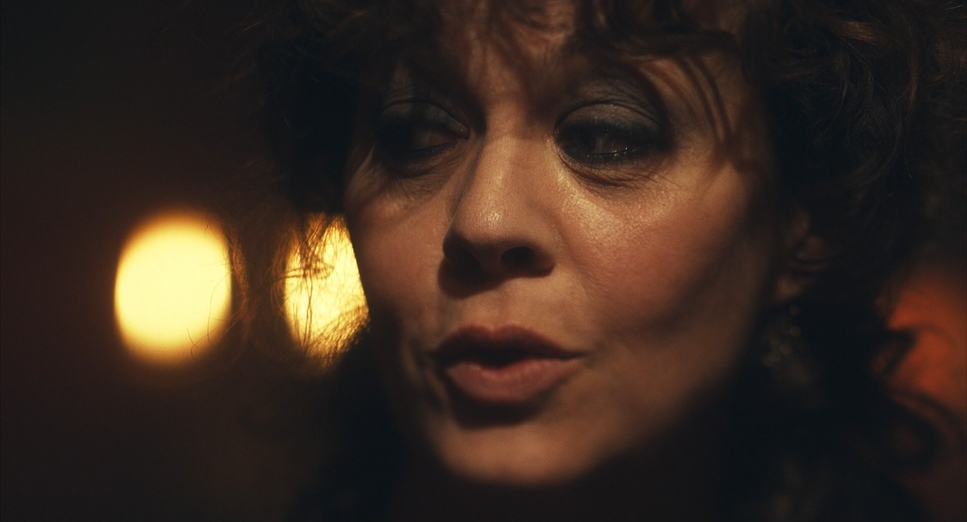
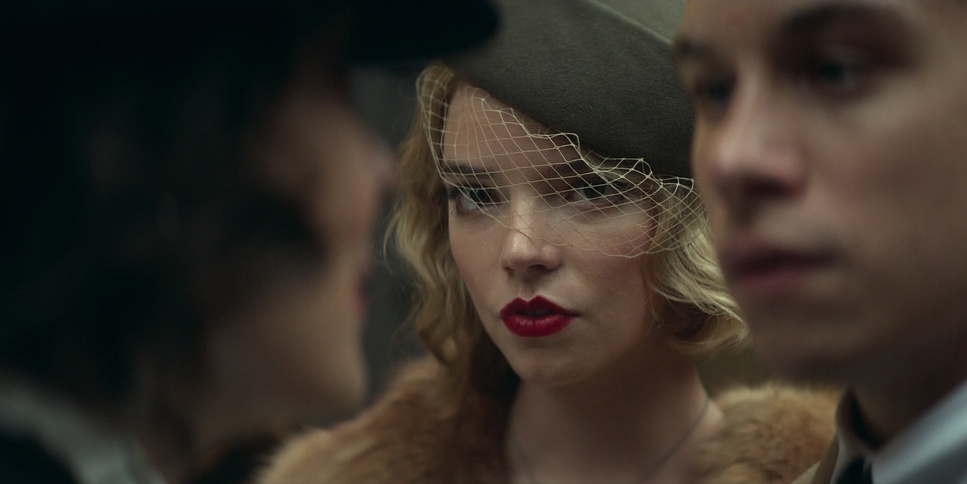
Peaky Blinders
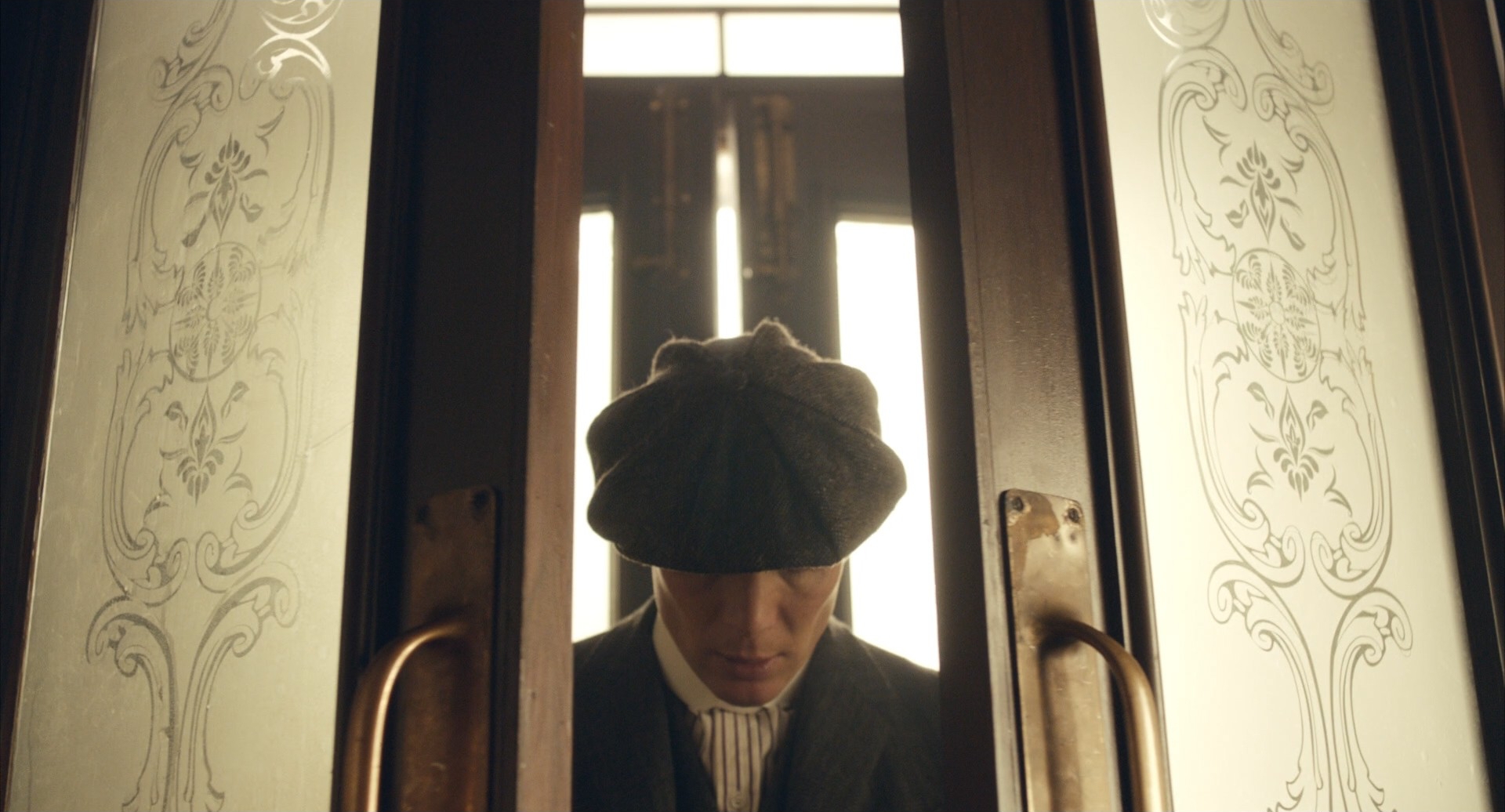
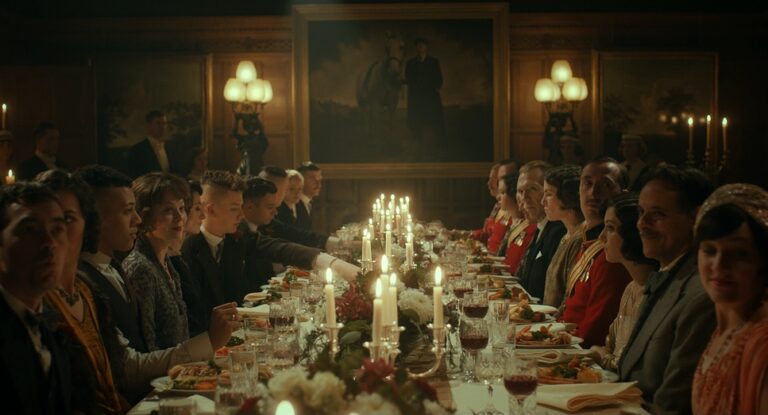
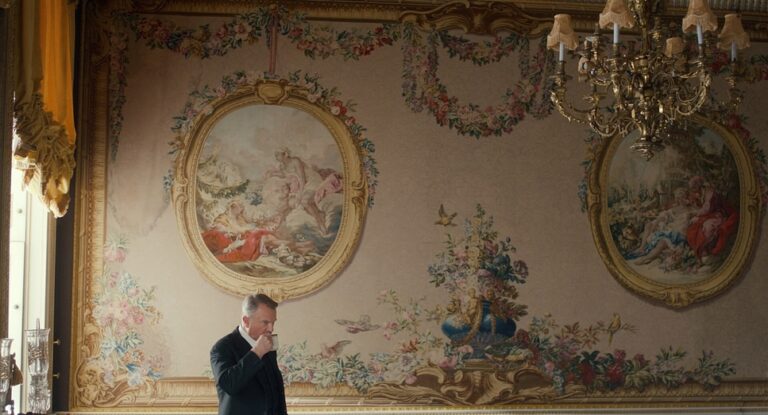
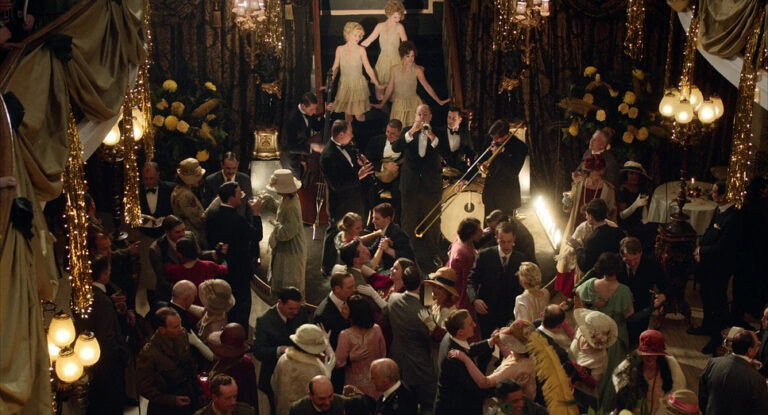
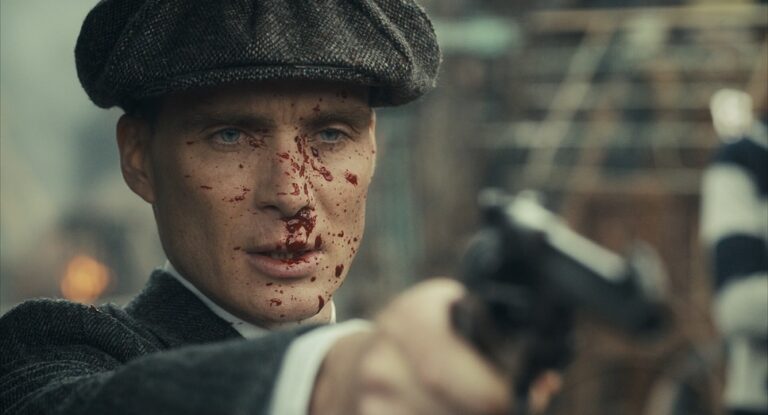
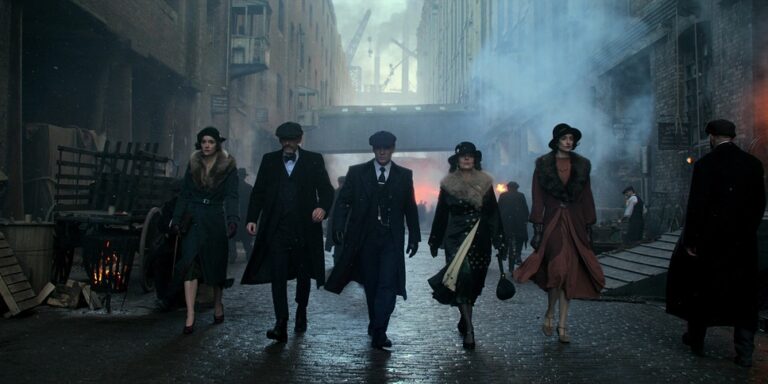
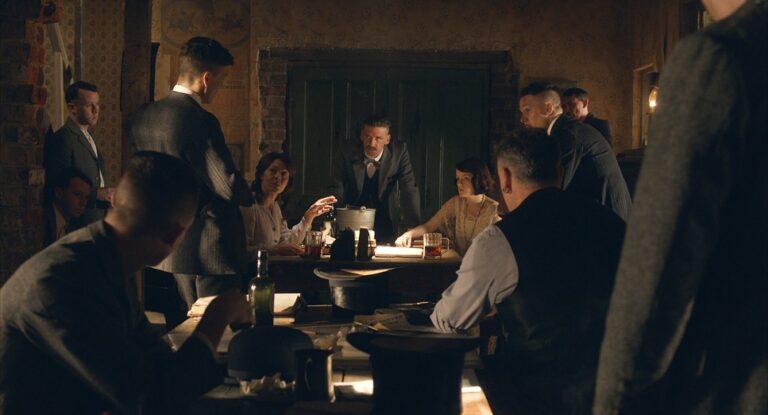
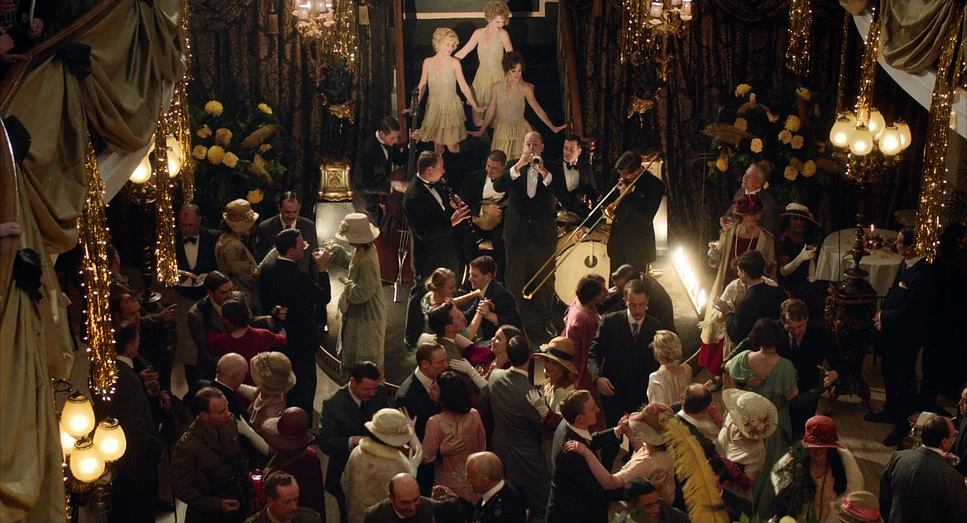
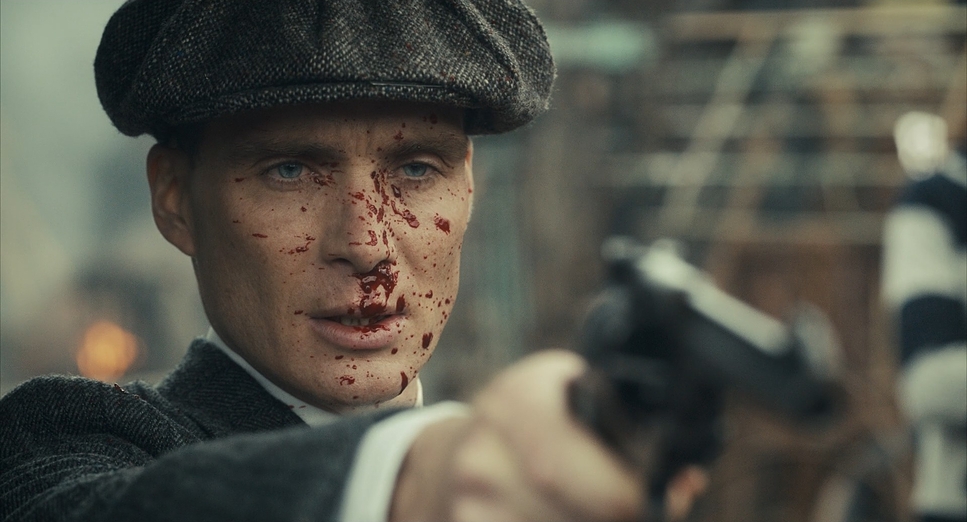
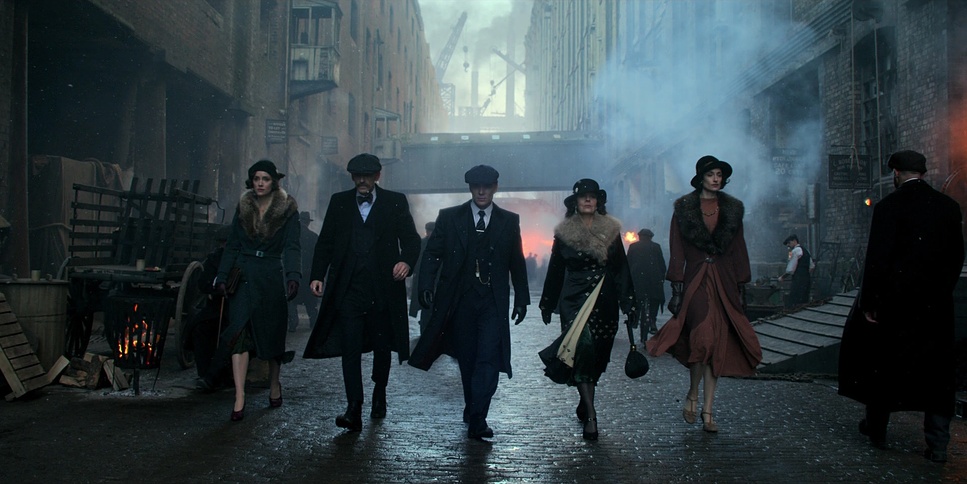
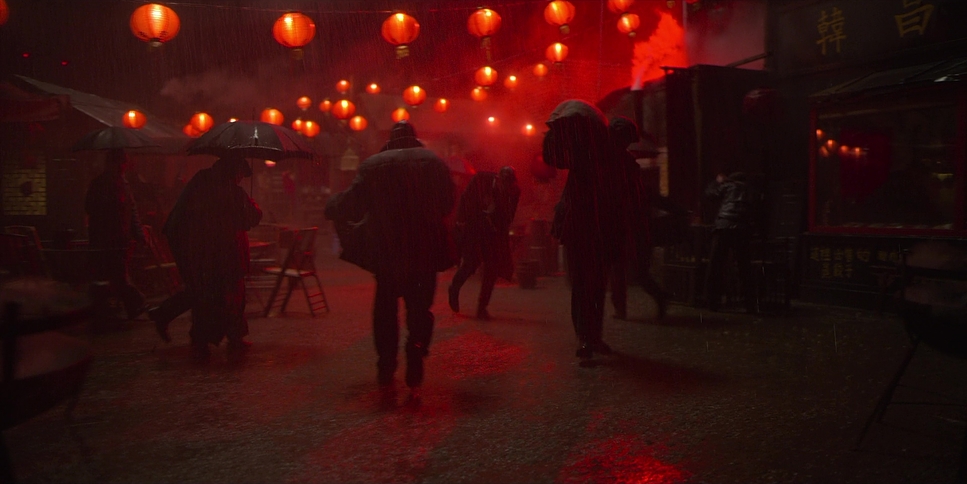
By order… this month, ShotDeck dropped shots from Seasons 2, 3, 4 and 5 from one of this century’s most iconic crime dramas, Peaky Blinders. Created by Steven Knight (who has just been tapped as the screenwriter of the next James Bond film), Peaky Blinders is set in Birmingham, England, just after WWI, and follows the exploits of the Shelby family, a criminal gang led by war veteran Tommy (Cillian Murphy). The series also stars Helen McCrory, Paul Anderson, Sophie Rundle, Sam Neill, Annabelle Wallis, Tom Hardy, Finn Cole, Adrien Brody, Anya Taylor-Joy and Natasha O’Keeffe.
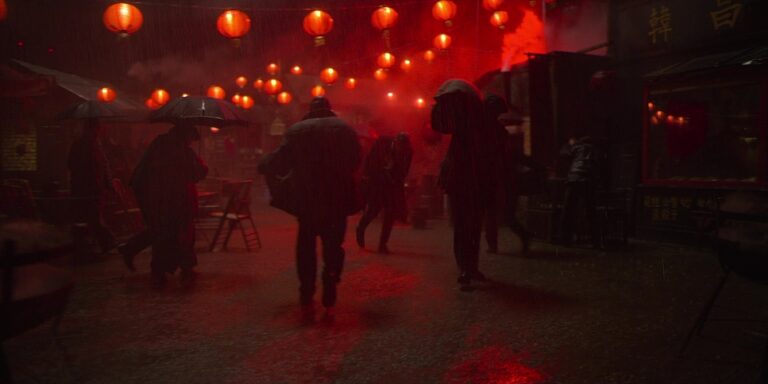
The first four seasons of Peaky Blinders were all shot on Arri Alexa cameras in a 1.78:1 aspect ratio. The mandate for all series cinematographers became to incorporate music video-level style with slick period drama photography, with the aim of creating a noir, smoky and backlit visual look. Ambient smoke became the primary diffusion on set, with filters and light diffusers generally kept aside to help create the dark, smoky, mysterious atmosphere that came to define the visual language of the series.
ARTIST SPOTLIGHT
Fellini, Rossellini, Visconti & De Sica
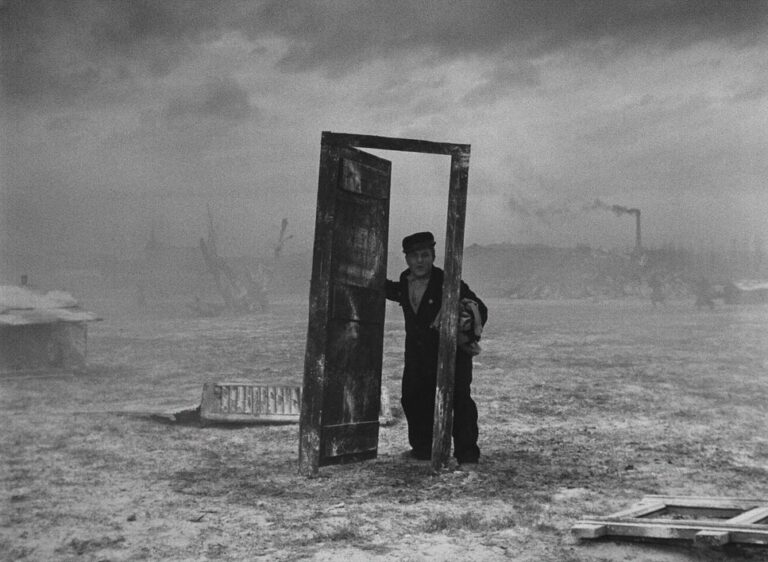
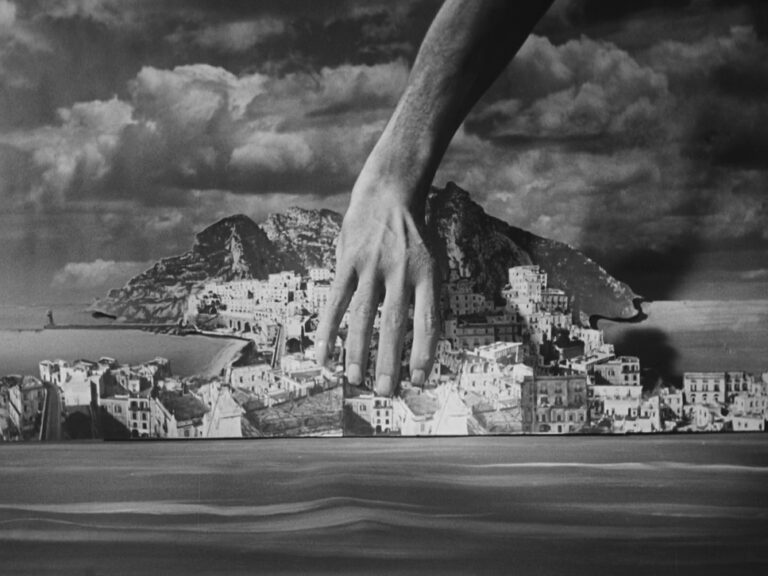
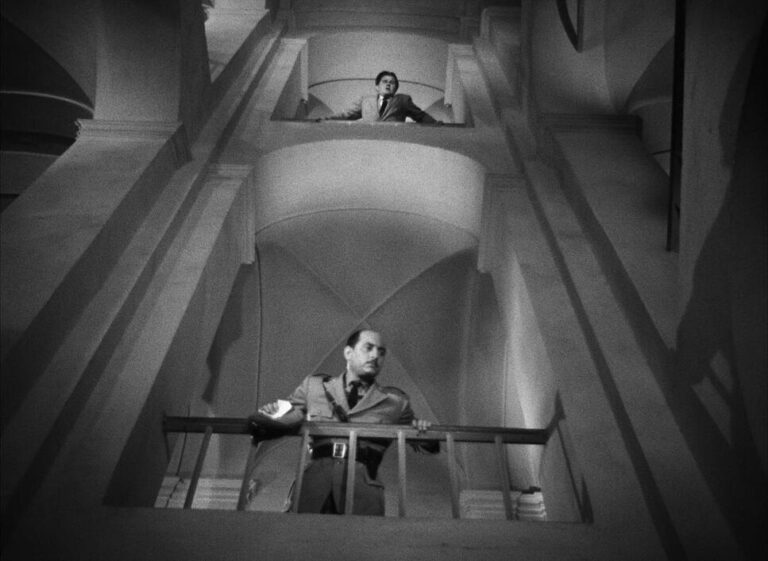
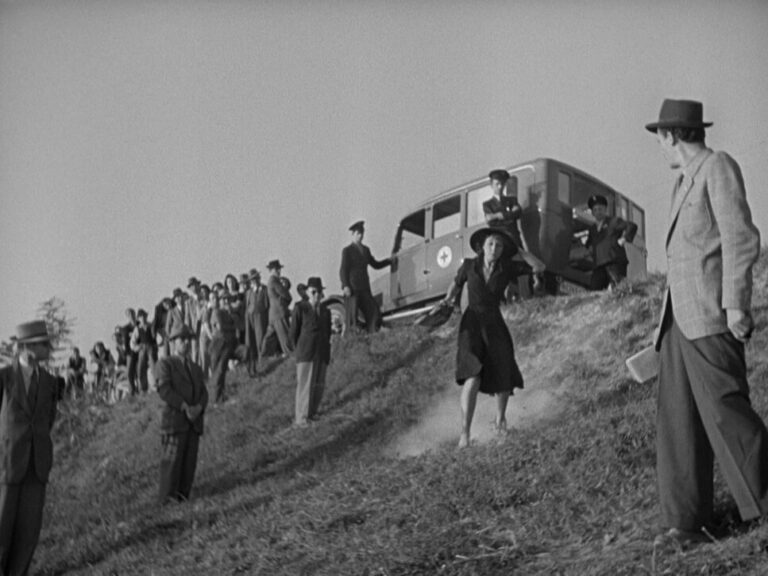
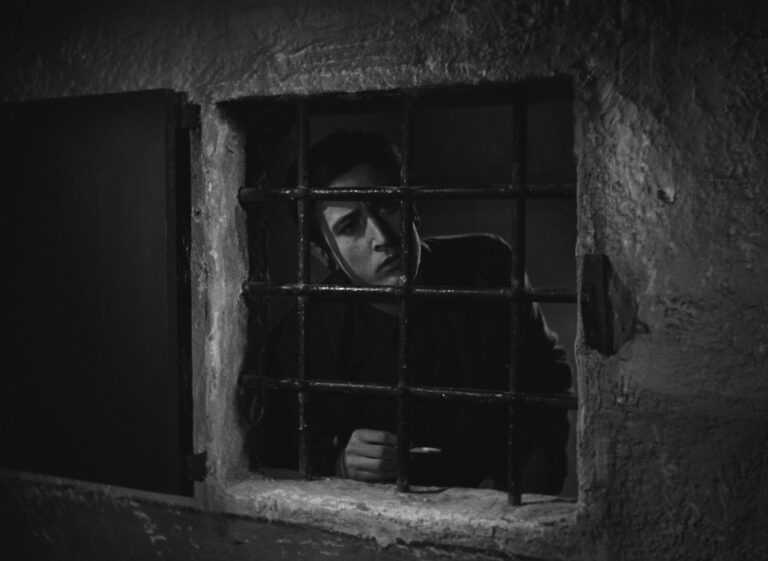
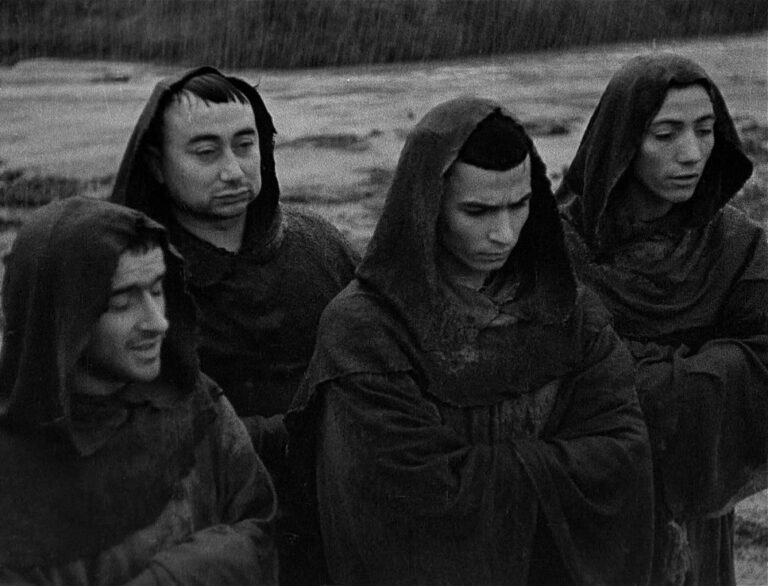
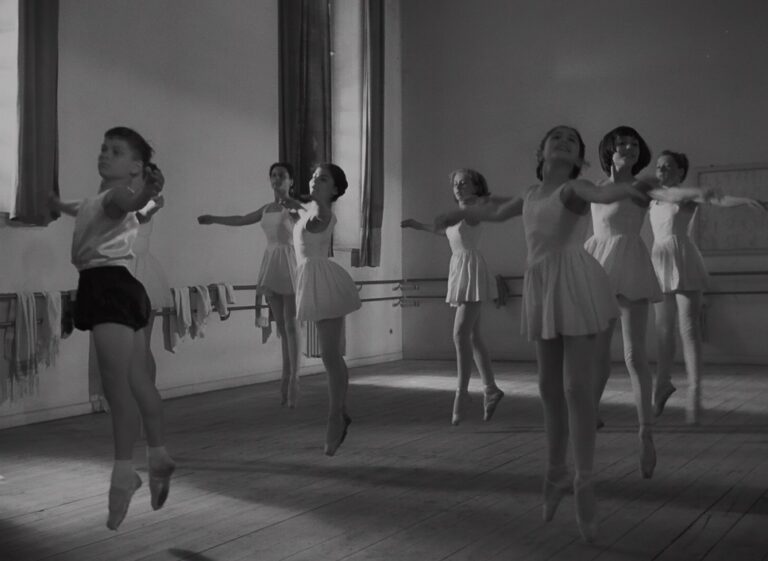
In September, we dropped thousands of shots from the four patron saints of the Italian Neorealist movement – Federico Fellini, Roberto Rossellini, Luchino Visconti, and Vittorio De Sica.
In their own unique ways, each of these four filmmakers came to define what is considered by many to be one of the most significant movements in cinema history – painting an authentic portrayal of everyday life and the struggles of ordinary people in an Italy that had been devastated by Fascist rule and the horrors of World War II. By rejecting the escapist cinema of the past and embracing post-war realities in both subject and filmmaking style, these directors forged a legacy that remains at the bedrock of realist cinema today – location shooting, blending professional and first-time performers, embracing documentary camera and lighting techniques, and aiming to present audiences with the realities of their time.
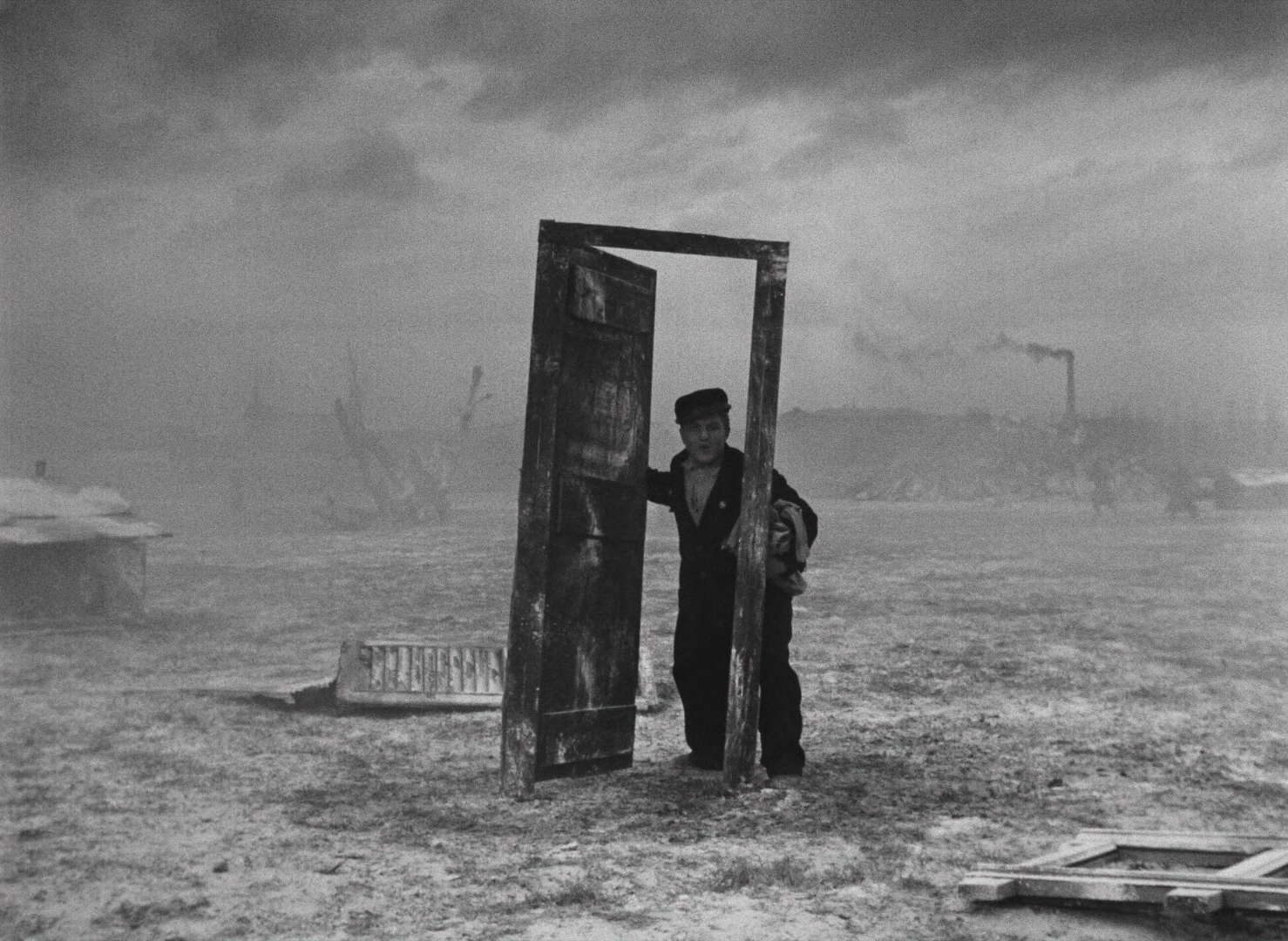
Check out this month’s selection of Neorealist master works – from Fellini, Variety Lights (1950) and The White Sheik (1952); from Rossellini, The Flowers of St. Francis (1950) and The Machine that Kills Bad People (1952); from Visconti, Ossessione (1943) and Bellissima (1951); and from De Sica, Shoeshine (1946) and Miracle in Milan (1951). Enjoy!
FILM COLLECTION
Superman
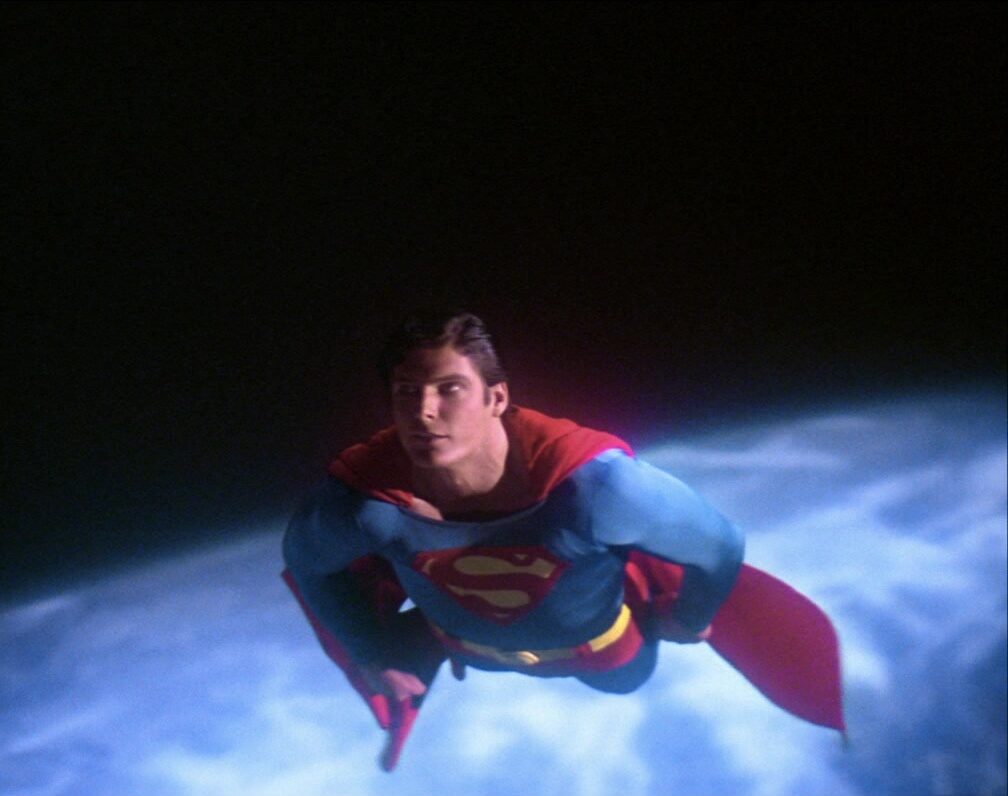
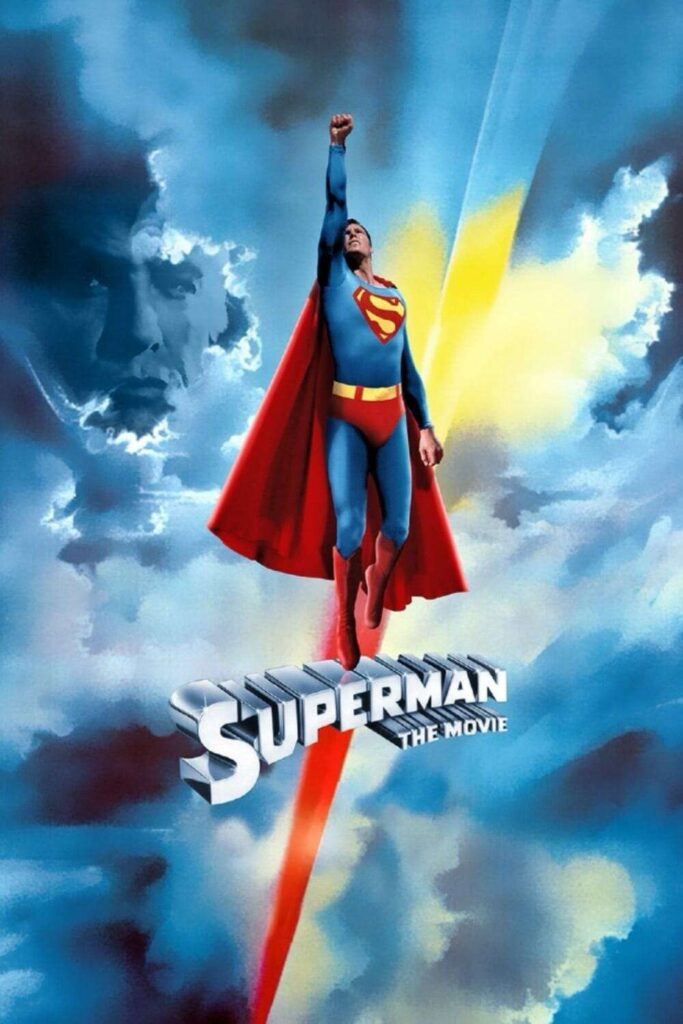
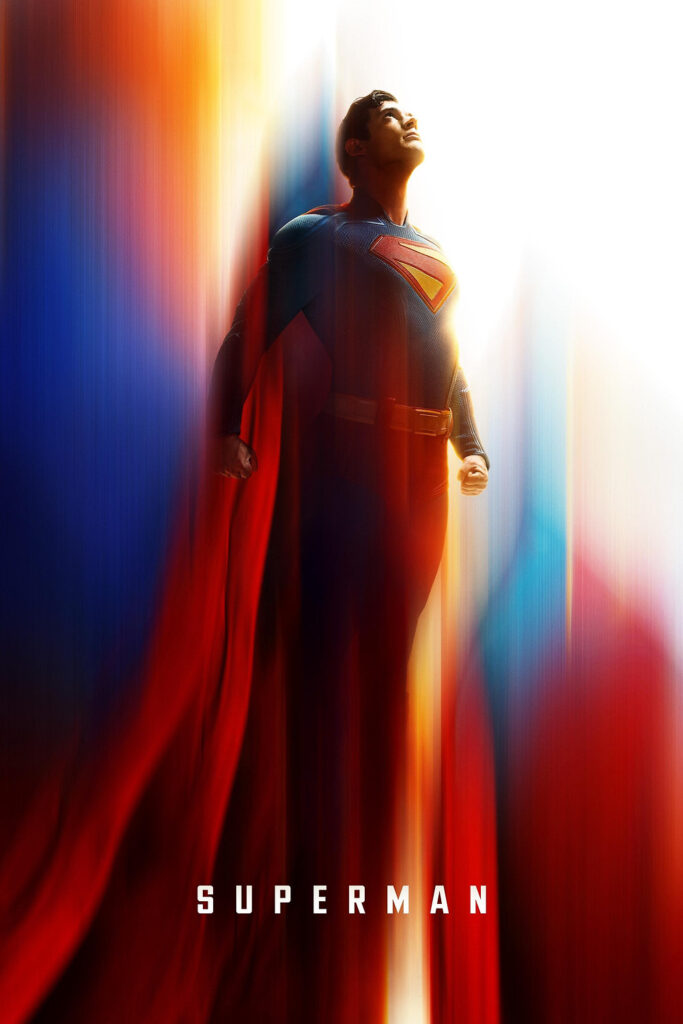
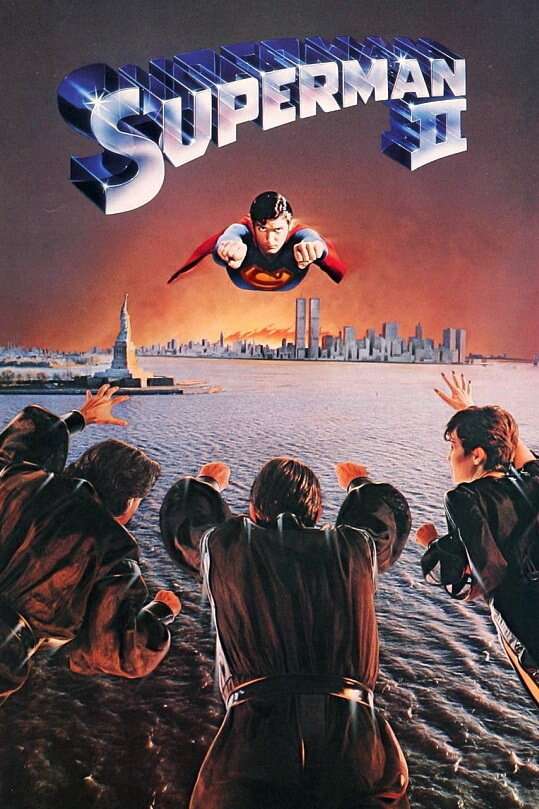
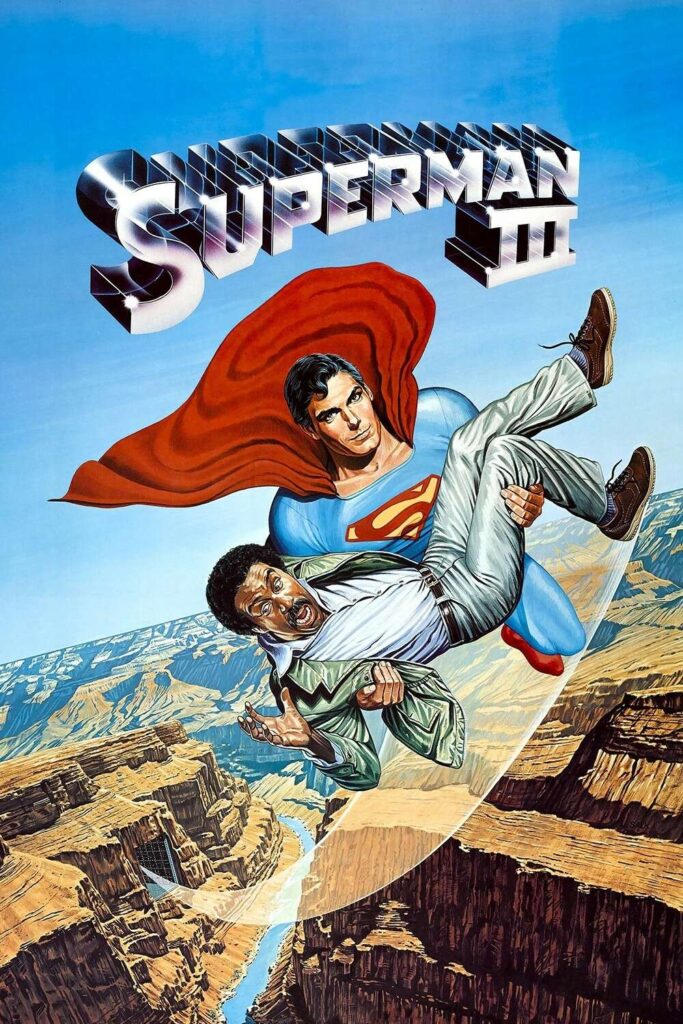
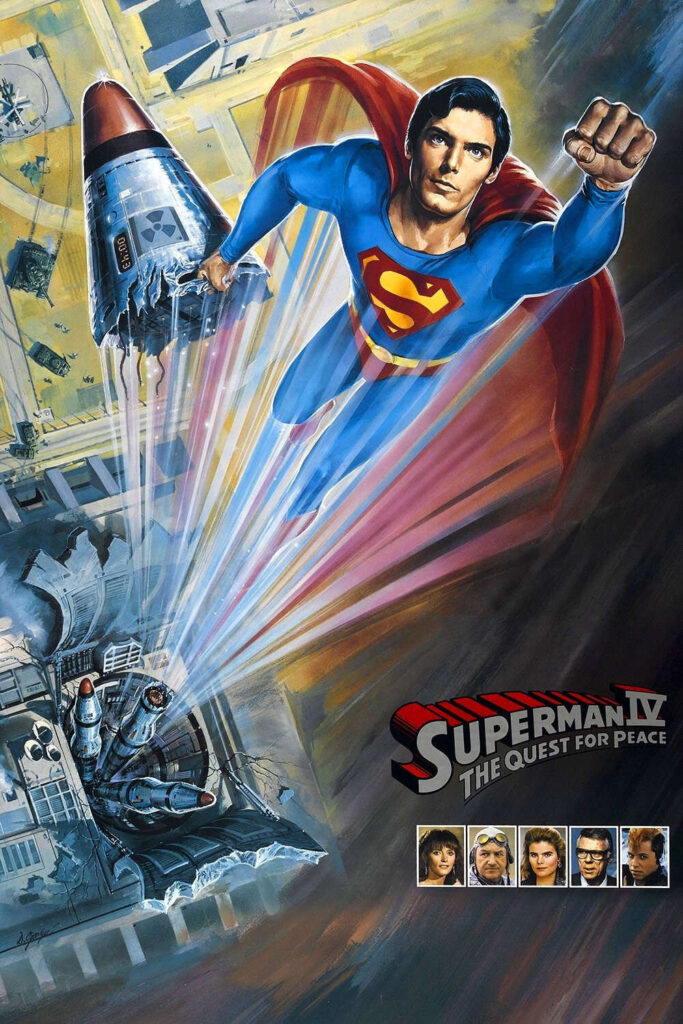
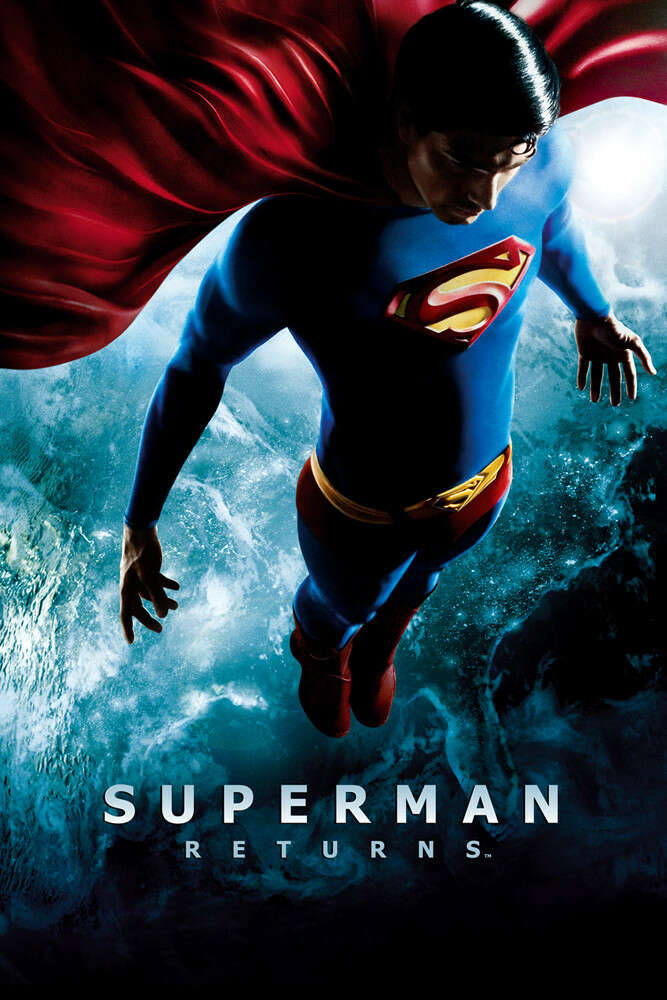
Is it a bird? Is it a plane? To celebrate the release of James Gunn’s latest entry, we’re chronicling the Man of Steel’s journey across decades of cinema by dropping shots from six entries in the Superman canon.
Take a journey back to where it all began with Richard Donner’s iconic 1978 film starring Christopher Reeve, Superman, before soaring into the sequels – Superman II (1980), Superman III (1983) and Superman IV: The Quest for Peace (1987). Next, jump forward in time to 2006’s Superman Returns, directed by Bryan Singer and starring Brandon Routh, before rounding things out with this year’s blockbuster starring David Corenswet, Superman.
FILM COLLECTION
Music Videos & Commercials
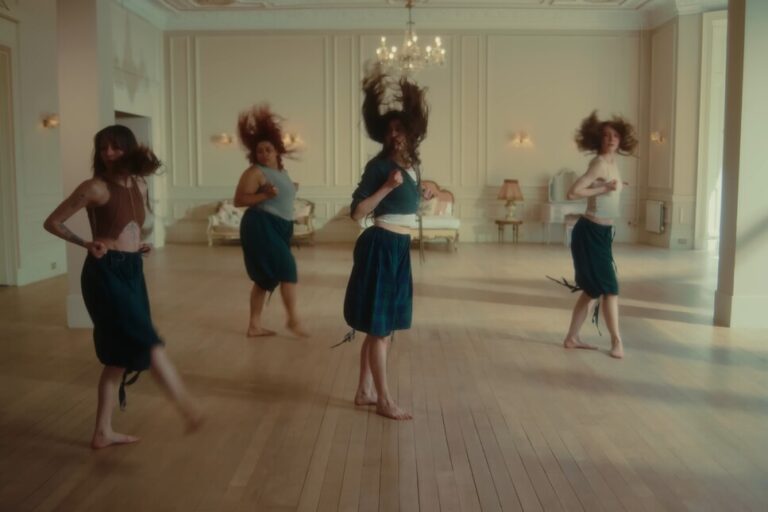
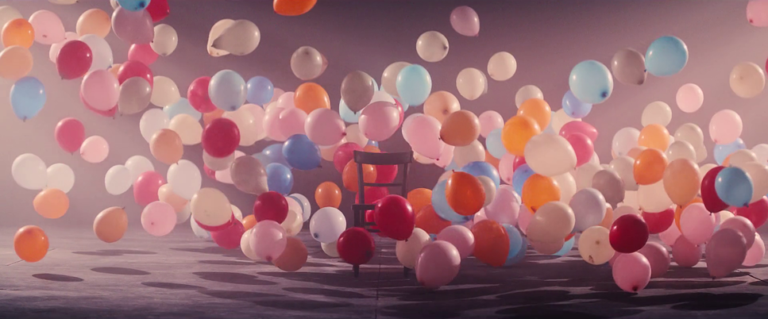
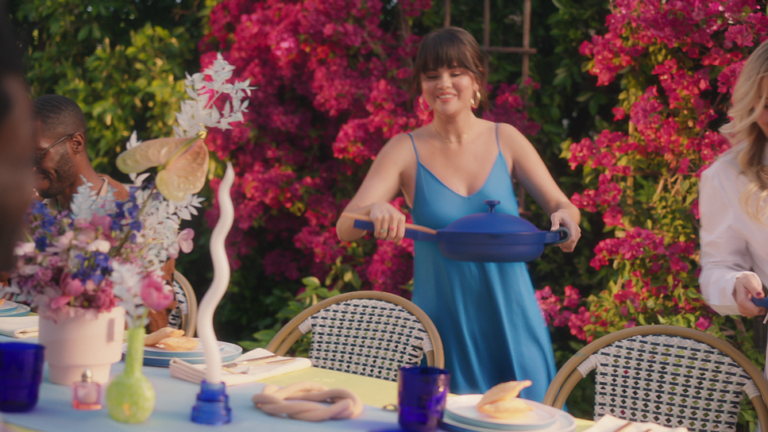
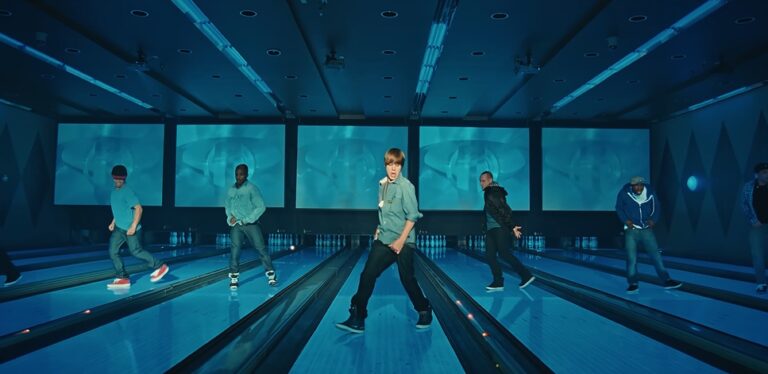
This month, we dropped over 13,000 shots from a collection of 100 new music videos and commercials each! Check out some of our favorite music videos from this month’s curation.
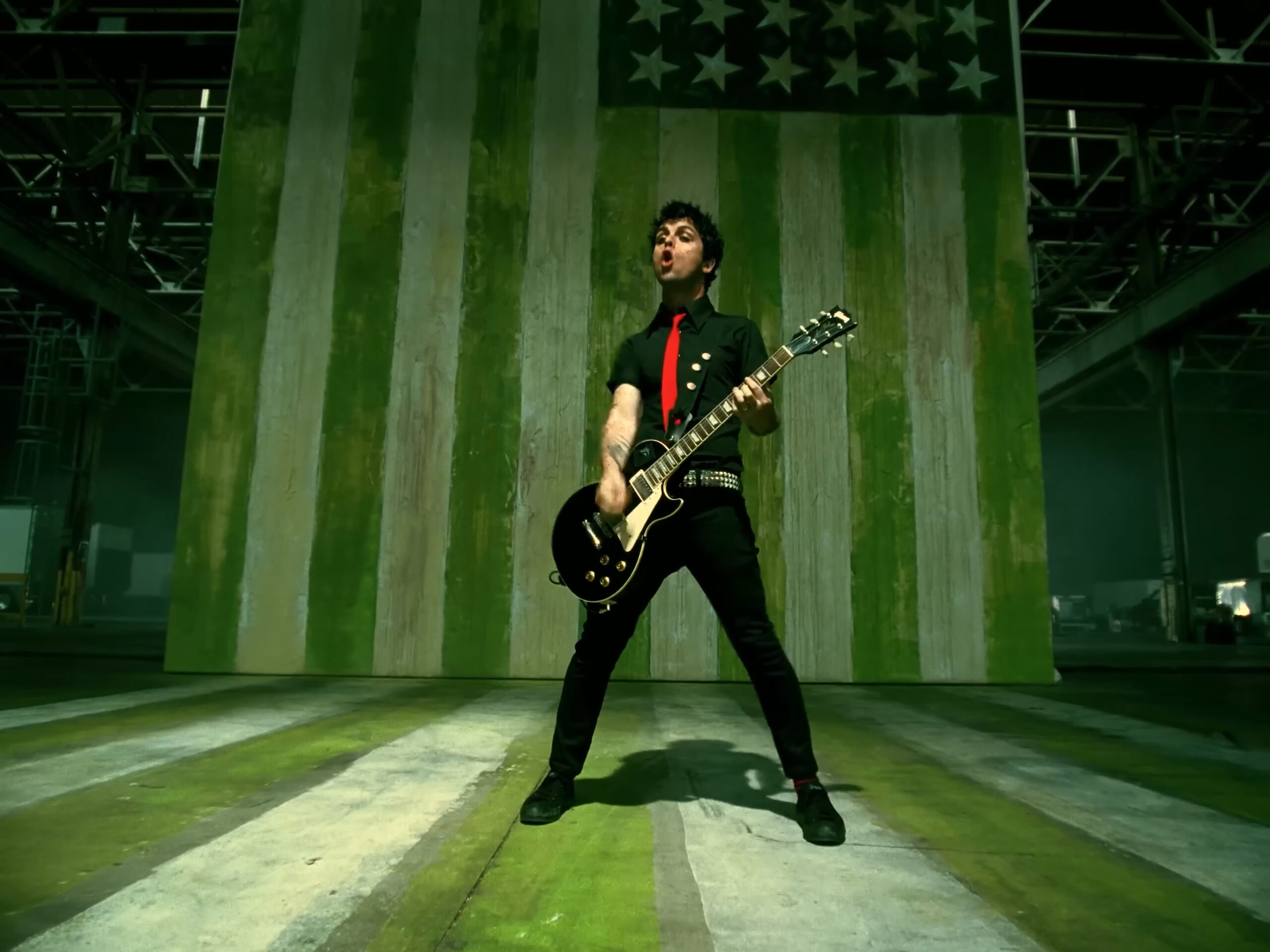
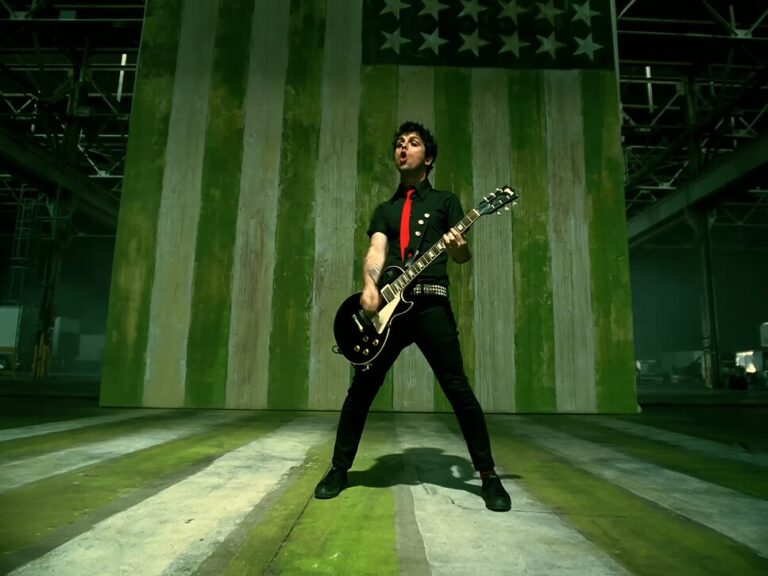 MUSIC VIDEOGreen Day – “American Idiot”
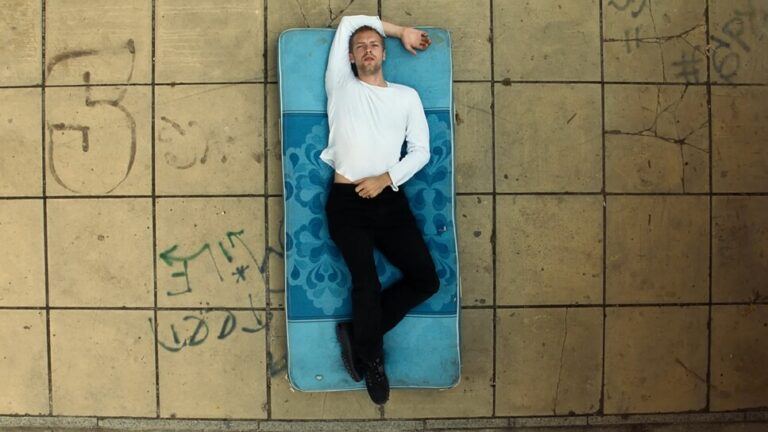 MUSIC VIDEOColdplay – “The Scientist”
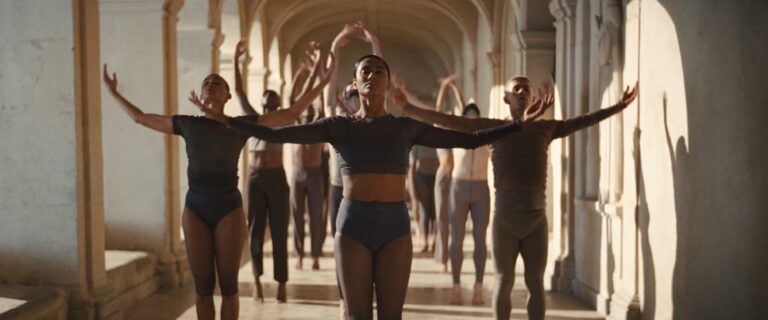 COMMERCIALDom Pérignon – “The Labor of Creation”